
Though its self-imposed deadline for no deaths or serious injuries in its cars lapsed on 31 December 2020, Volvo is still committed to reducing harm to drivers and passengers who ride in one of its cars.
And it’s urging its rivals in the automotive space to do the same.
All new Volvos sold in Australia will now come with a speed-limiting function designed to pre-set the maximum speed a Volvo can travel at.
The Care Key is designed to reduce risk when handing the keys to relatives or friends, as well as younger drivers who have less experience behind the wheel.
The initiative comes on the back of research conducted by Volvo, indicating that 47 per cent of parents worry about their teenager speeding and 53 per cent of parents saying they would like the option to be able to control the speed of their teenager’s car.
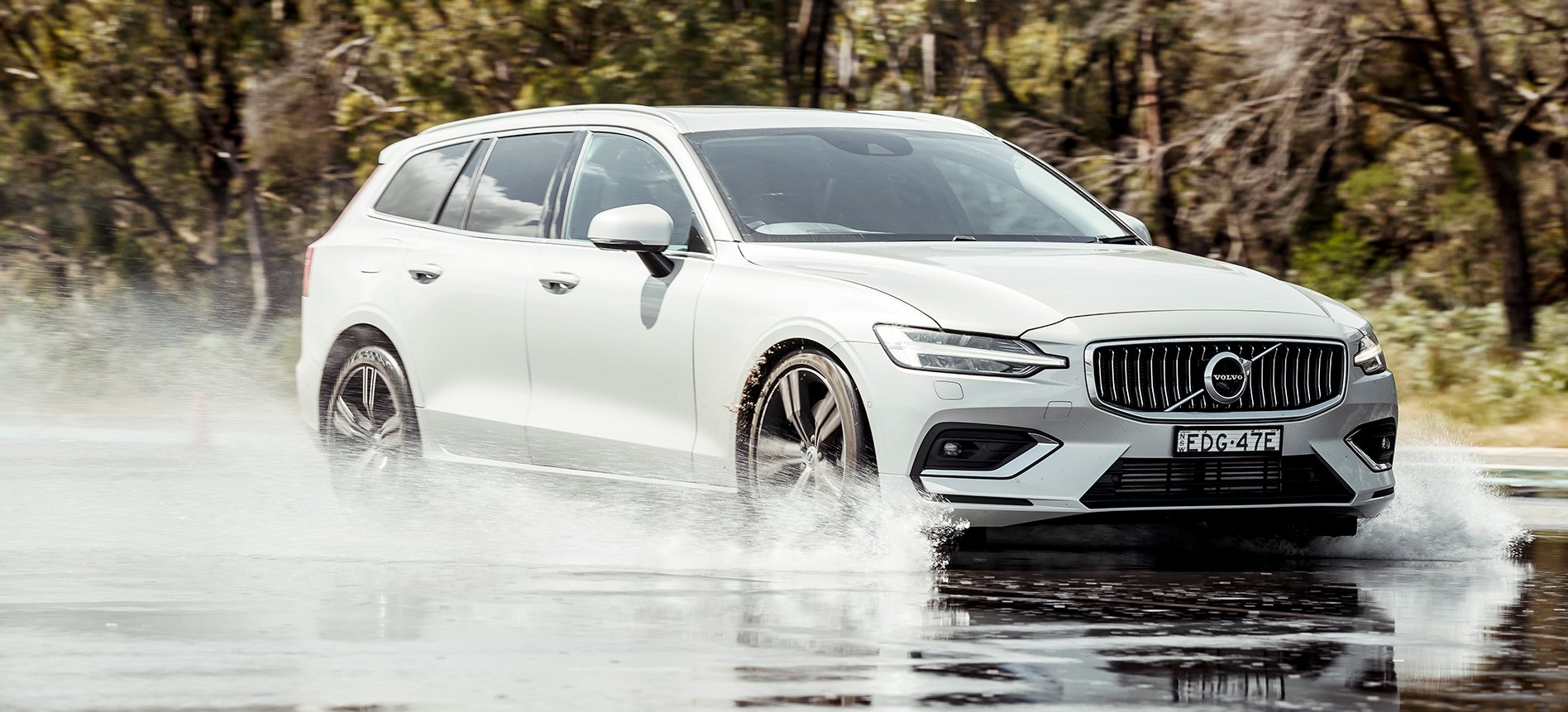
Interestingly, one-fifth of respondents to Volvo’s survey even went as far as to say that they would rather catch a taxi than have their teenager drive them.
The Care Key comes standard on all Volvo cars from 2021, allowing any owner to set a speed limit for themselves, their family members or friends.
It follows Volvo’s controversial decision in 2020 to limit the top speed of all of its cars to 180km/h in the name of road safety.
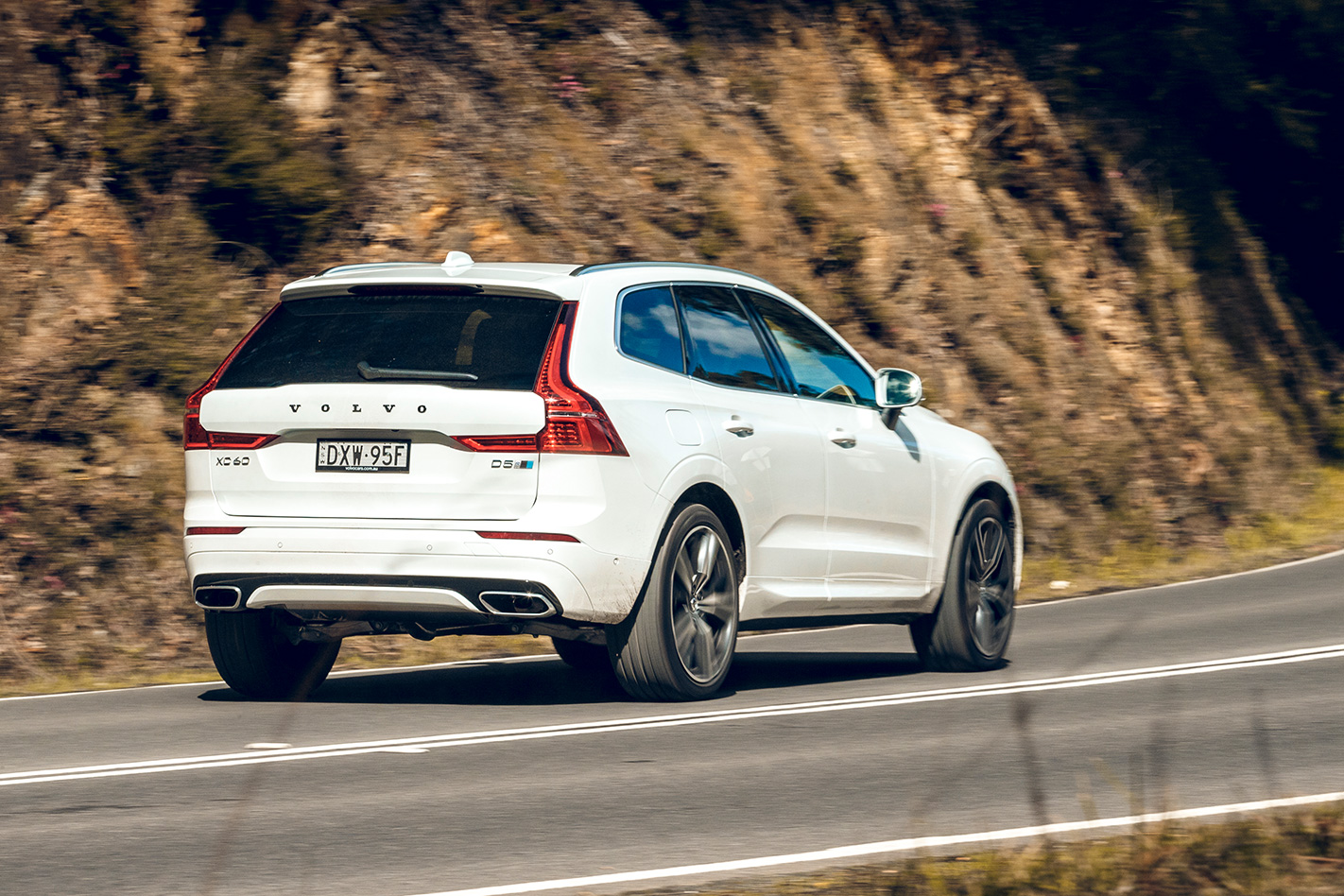
Volvo is bullish on stressing the dangers of speeding to its customers.
Volvo Australia director of public relations Greg Bosnich said that “Volvo wants to start a conversation about whether carmakers have the right, or maybe even the obligation, to install technology in cars that changes their owners’ behaviour.”
“Now that such technology is available to use, this question becomes even more important,” said Bosnich.
“The speed limit and the Care Key are both part of that initiative and illustrate how carmakers can take active responsibility for striving to achieve fewer fatalities by supporting better driver behaviour.”
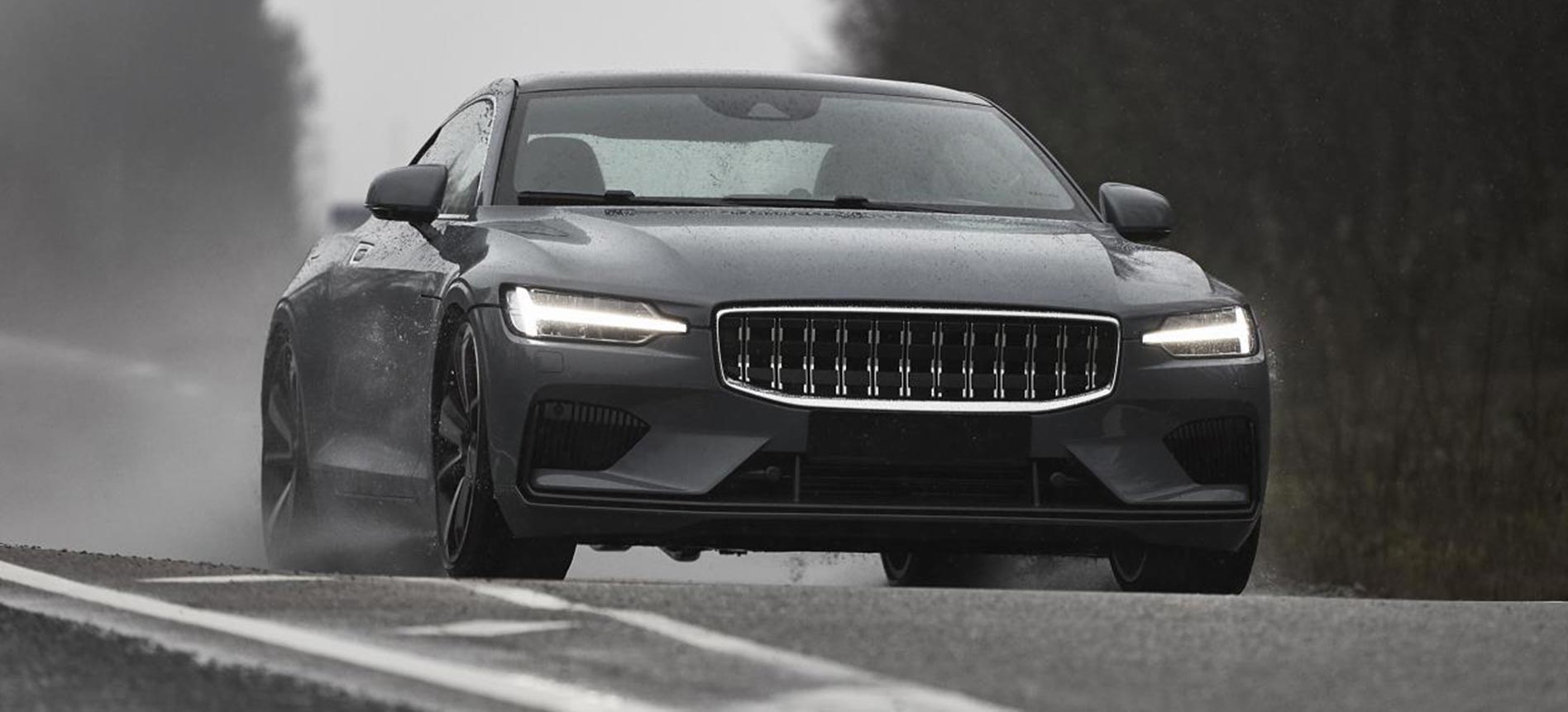
Volvo isn’t the first to create such technology, though – Ford first offered a similar speed- and function-limiting ‘MyKey’ for its models as long ago as 2014.
MG has well and truly inserted itself into the Australian market in 2020 with an 83.2 increase in sales over 2019.
Its 15,253 sales last year saw it jump to 16th most popular manufacturer in Australia just behind Suzuki (15,586).
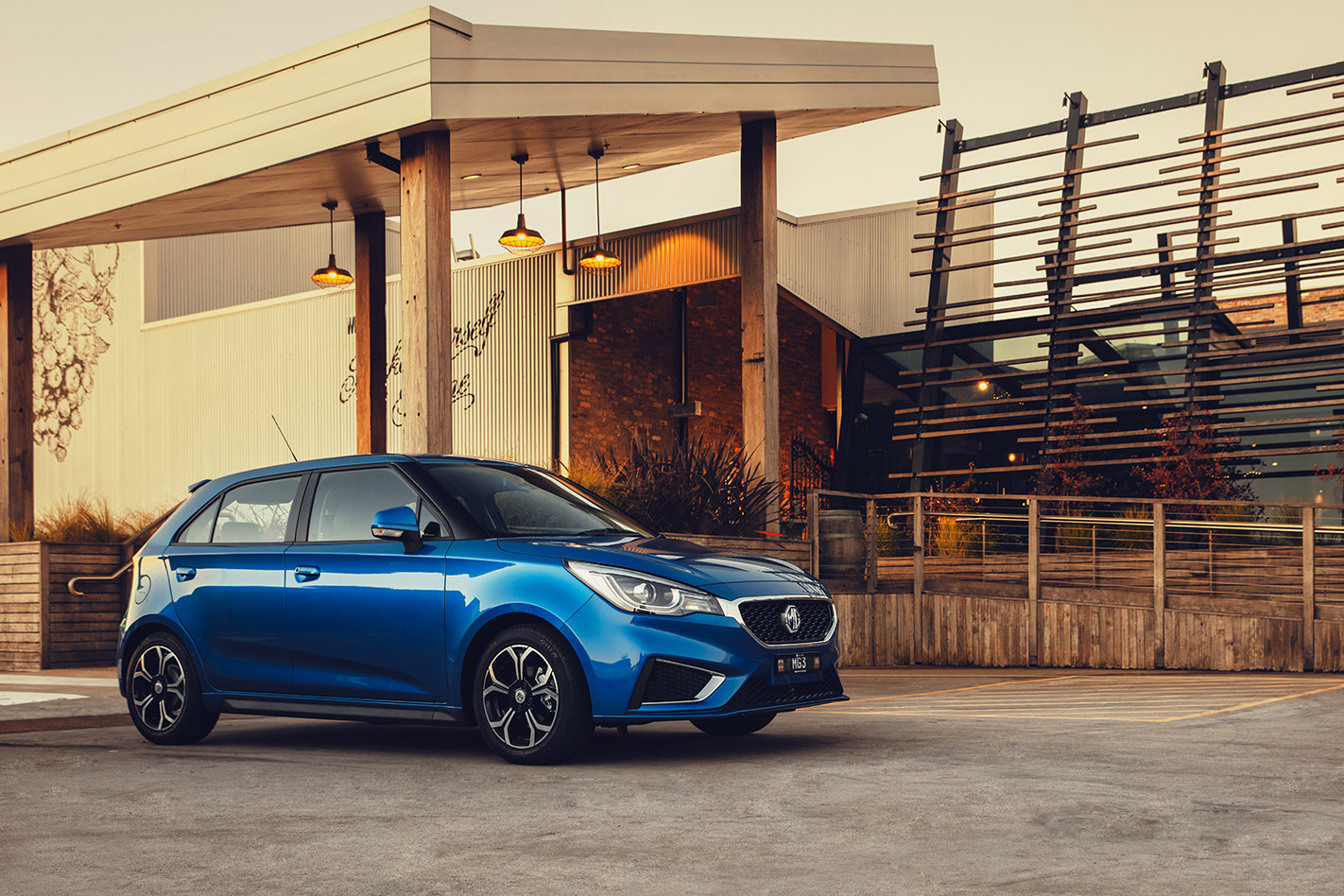
MG’s biggest seller was its sole entrant in the light car market, the MG3 hatchback.
With 7158 sales, it was the biggest selling light car of 2020 ahead of the Kia Rio, Toyota Yaris and Mazda 2.
The ZS small SUV also had a strong year, racking up 5484 sales to beat the Subaru XV and Toyota C-HR, with 1010 of those coming in December alone.
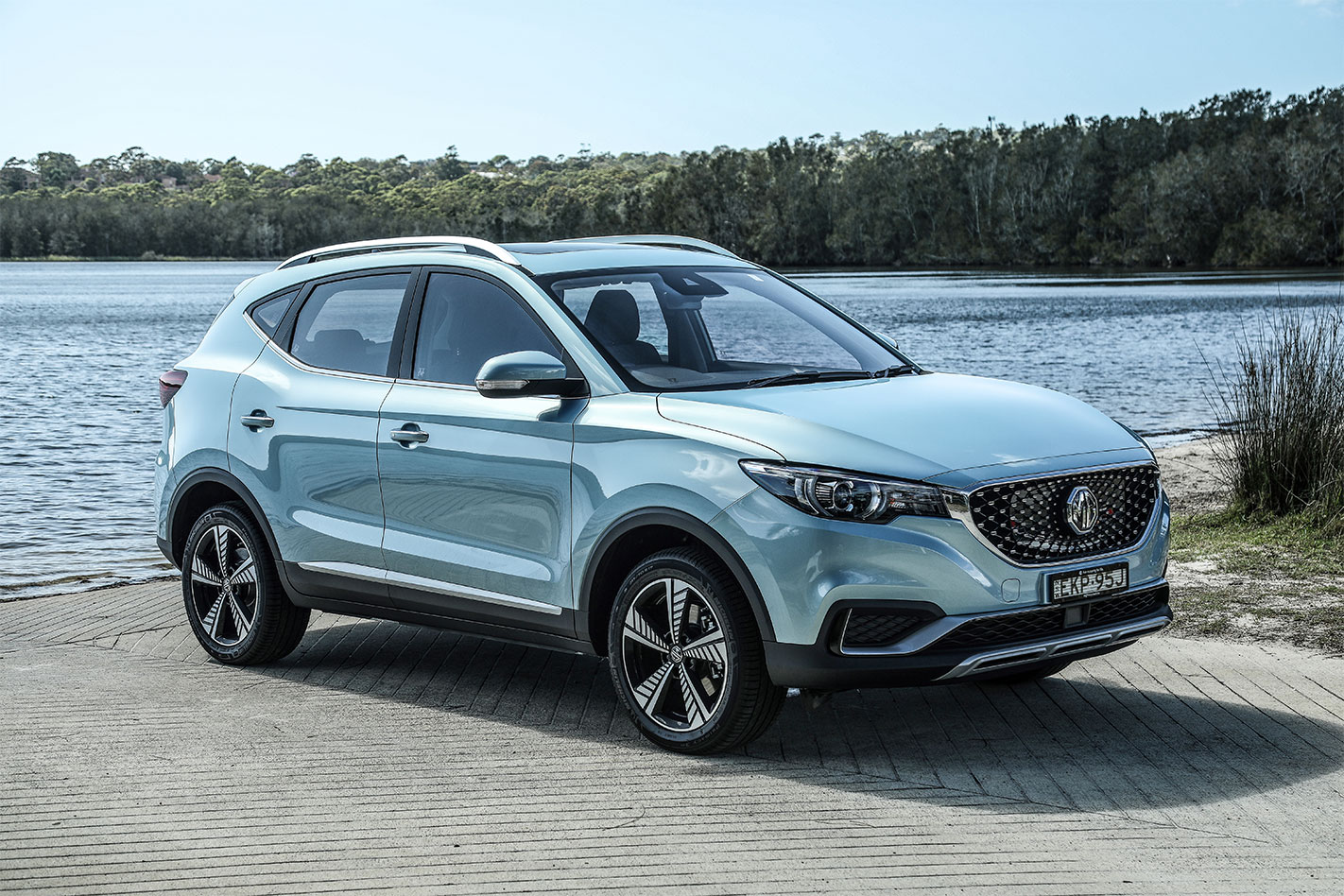
The showroom success capped off a big year for MG, which launched three models in Australia including the fully electric MG ZS EV, and updated ZS and HS SUVs, while increasing choices its relatively small portfolio.
MG Australia and New Zealand CEO Peter Ciao said the company responded to the pandemic by ensuring that “everyone can access a good vehicle at a great price”.
“Our strategy evolved to establish our value range, our premium range and setting us on our main journey, our new electric range,” he said.
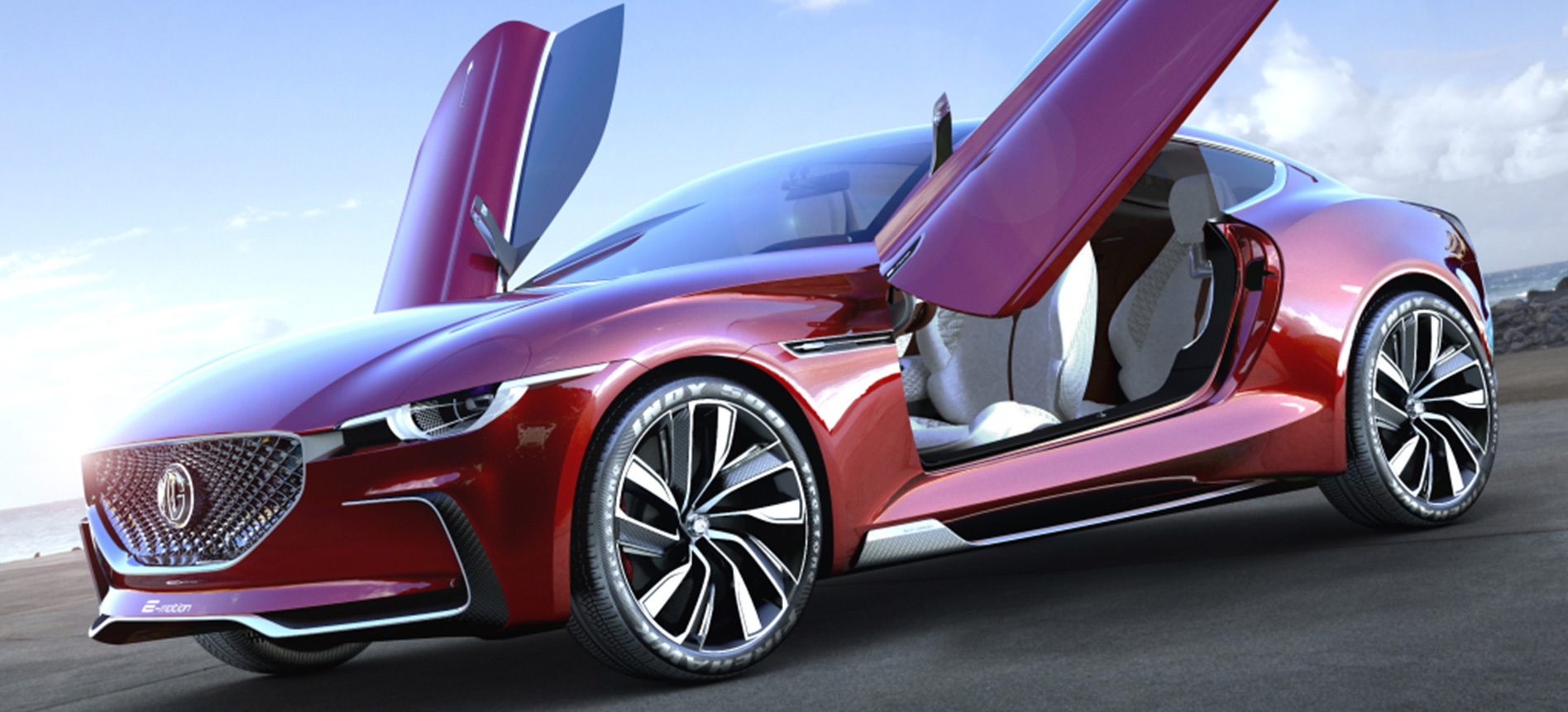
MG – a subsidiary of huge Chinese carmaker SAIC – hopes to continue its momentum in 2021 with several new models expected to land, including a plug-in hybrid version of the HS and, hopefully, a production of E-Motion electric sports car concept (above).
Mitsubishi has quietly raised the price of its Triton ute for 2021 across the breadth of the range.
While the increases are relatively small this time around, it’s the second time the light commercial ute has jumped in price in a matter of months, after some variants crept up by as much as $1250 in October 2020.
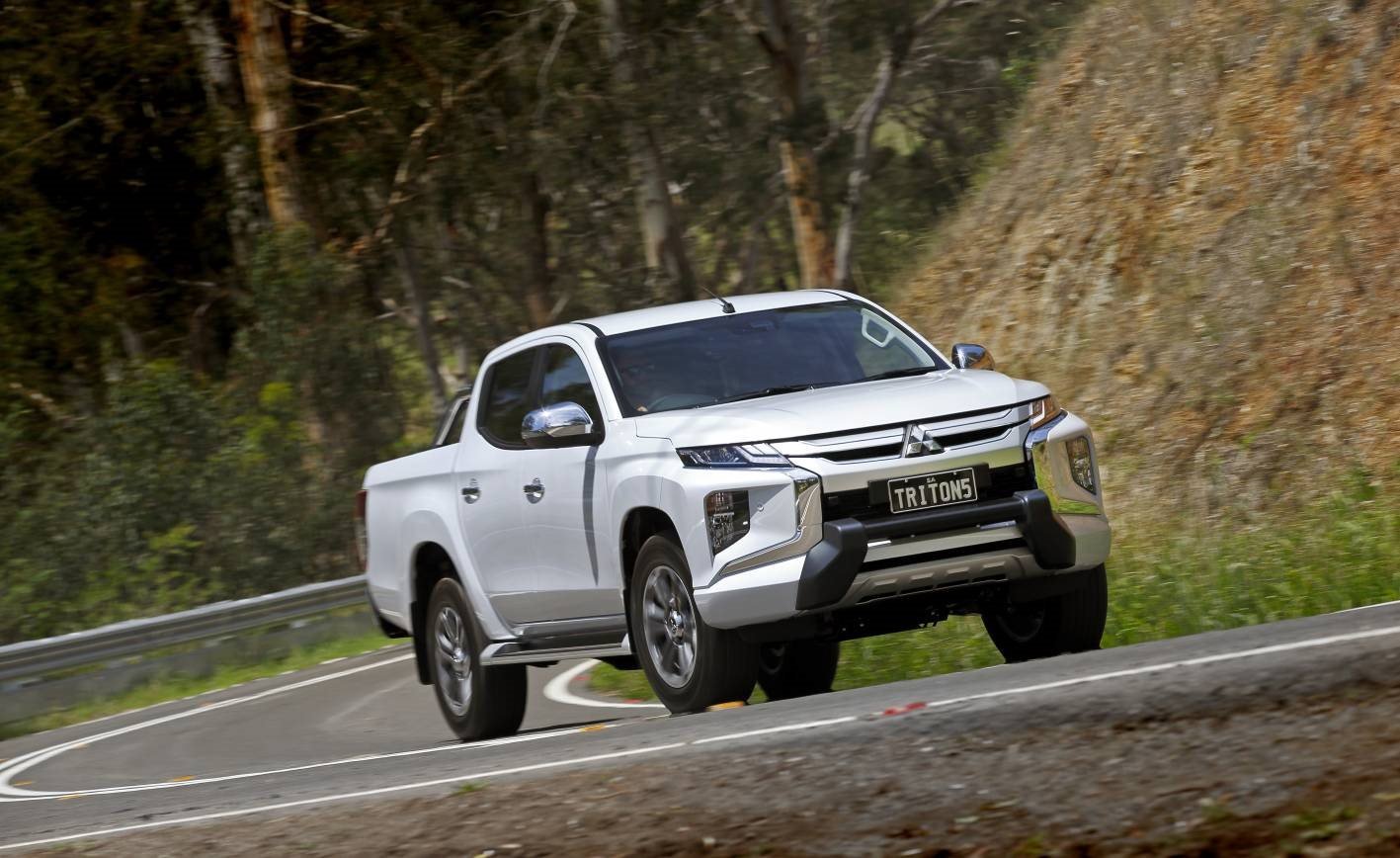
Every variant of the Mitsubishi Triton is now $500 more expensive, bar the GLS and GSR top-spec dual-cab variants which are now $750 more expensive than before.
The highest spec ute in the range, the Triton GSR dual-cab 4×4, is now $53,490 (before on-road costs), while the most affordable, the Triton GLX manual cab chassis 4×2, is now $22,990 (before ORCs).
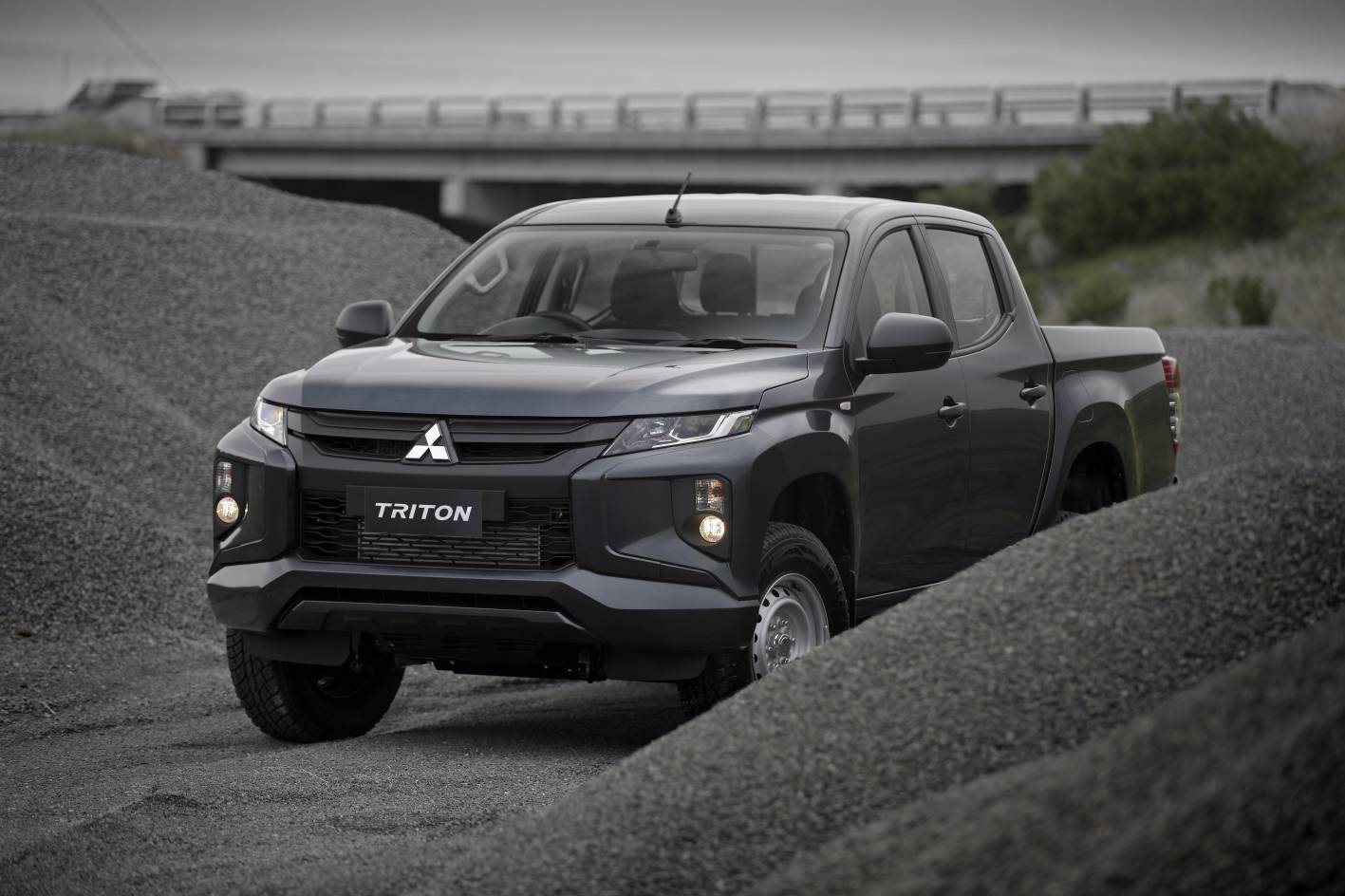
For a ute that’s long-been praised for its unique value offering, the price jumps may make the Triton slightly less of an appealing option in an overcrowded dual-cab ute market – a segment which reigned supreme in the 2020 national sales race.
2021 Mitsubishi Triton 4×2 cab chassis variant pricing
- 2.4 GLX Single-Cab (petrol) – $23,490
- 2.4 GLX Single-Cab – $27,990
- 2.4 GLX Dual-Cab chassis – $37,490
2021 Mitsubishi Triton 4×4 pick-up variant pricing
- 2.4 GLX Single Cab – $34,740
- 2.4 GLX Club Cab – $36990
- 2.4 GLX Double Cab – $37,740
- 2.4 GLX + Club Cab – $42,740
- 2.4 GLX Double Cab – $38,740
- 2.4 GLX + Double Cab – $42,240
- 2.4 GLX-R Double Cab – $43,240
- 2.4 GLS Double Cab – $46,990
- 2.4 GSR Double Cab – $53,490
Compared with much of the developed world, Australia has been slow to embrace EVs. However, a dramatic increase in sales of electrified vehicles in 2020 shows a growing appetite for low emission vehicles.
According to Australia’s peak body, the Federal Chamber of Automotive Industries, pure battery electric vehicle (BEV) sales were up 16.2 per cent from 1523 in 2019 to 1769 in 2020.
That figure is actually likely to be around the 5000 mark as FCAI’s VFACTS 2020 sales figures do not include Tesla, which is believed to have sold around 3000 in Australia last year.
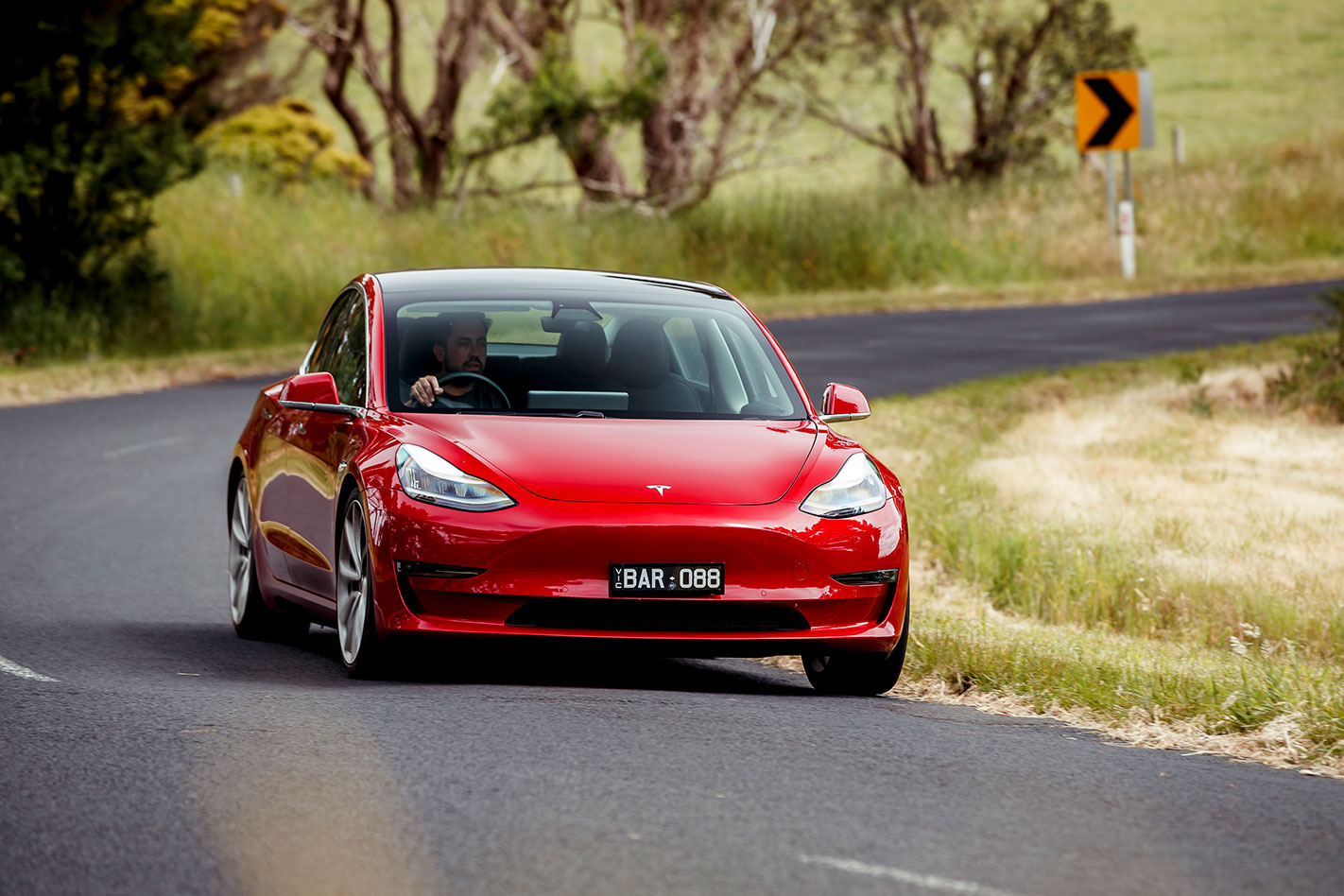
That’s about a third of the around 10,000 cars Tesla has sold in Australia since it arrived in 2014, with that spike due to the popularity of the Model 3.
Plug-in hybrid vehicles (PHEVs) also increased by 18.2 per cent, from 1426 vehicles in 2019 to 1685 vehicles in 2020.
But it was hybrid vehicles that saw the most dramatic leap, recording a massive 93.7 per cent increase from 31,191 vehicles in 2019 to 60,417 vehicles sold last year.
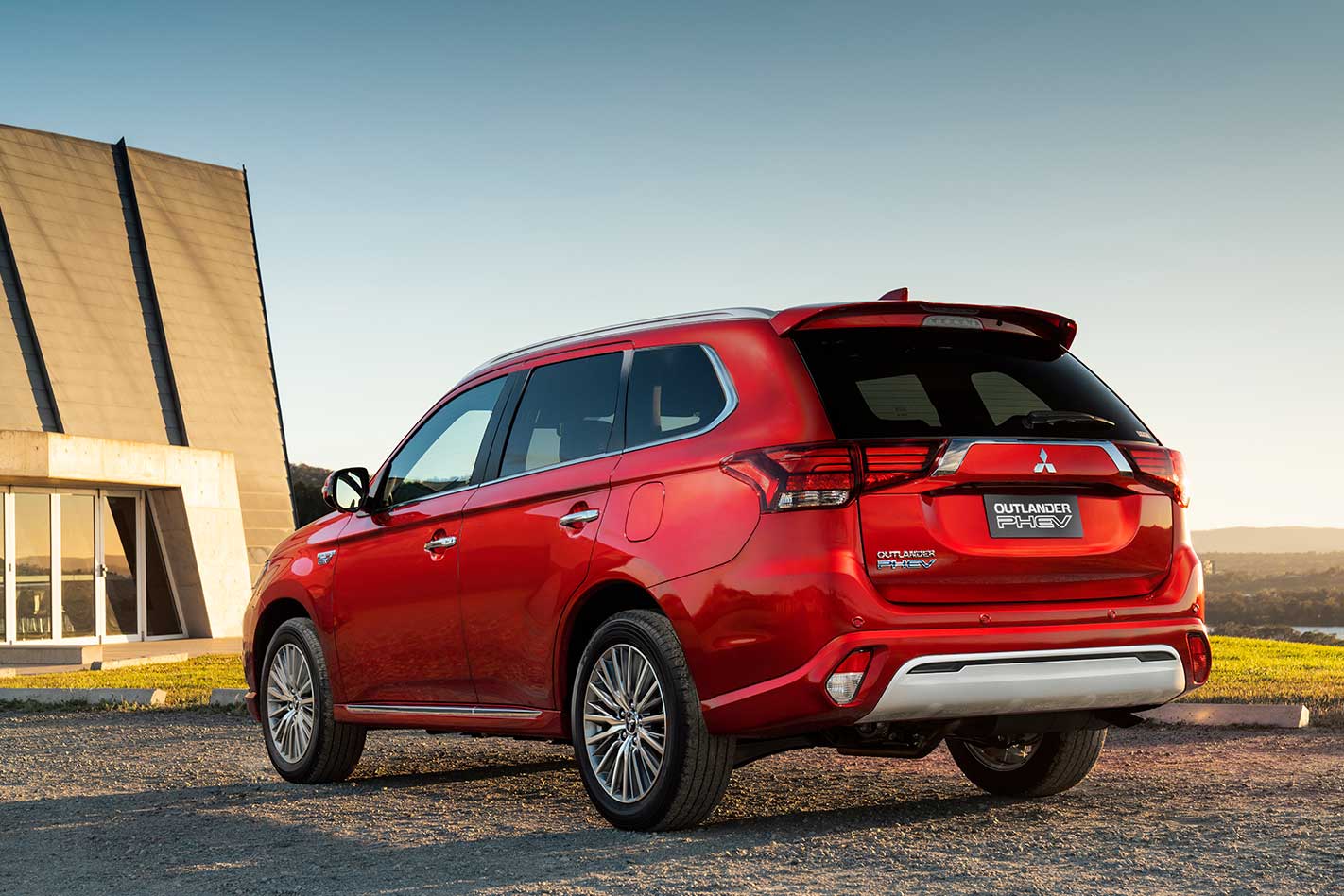
FCAI chief executive Tony Weber said hybrid and plug-in hybrid vehicles are the natural stepping stones for many to the adoption of fully electric vehicles.
“These figures send a clear message that low emissions vehicles are on the way and are part of the future,” he said.
“Perhaps the state governments can stop slapping random taxes on vehicles and instead encourage their adoption of this emerging technology.
“Surely good public policy for the benefit of all Australians would be to nurture rather than tax these technologies.”
Toyota hybrid domination
Incredibly, 85 per cent of the 60,417 hybrid vehicles sold in Australia last year wore a Toyota badge, including more than half of Corollas sold and almost 70 per cent of RAV4s and Camrys.
Hybrids also accounted for a third of Lexus sales.
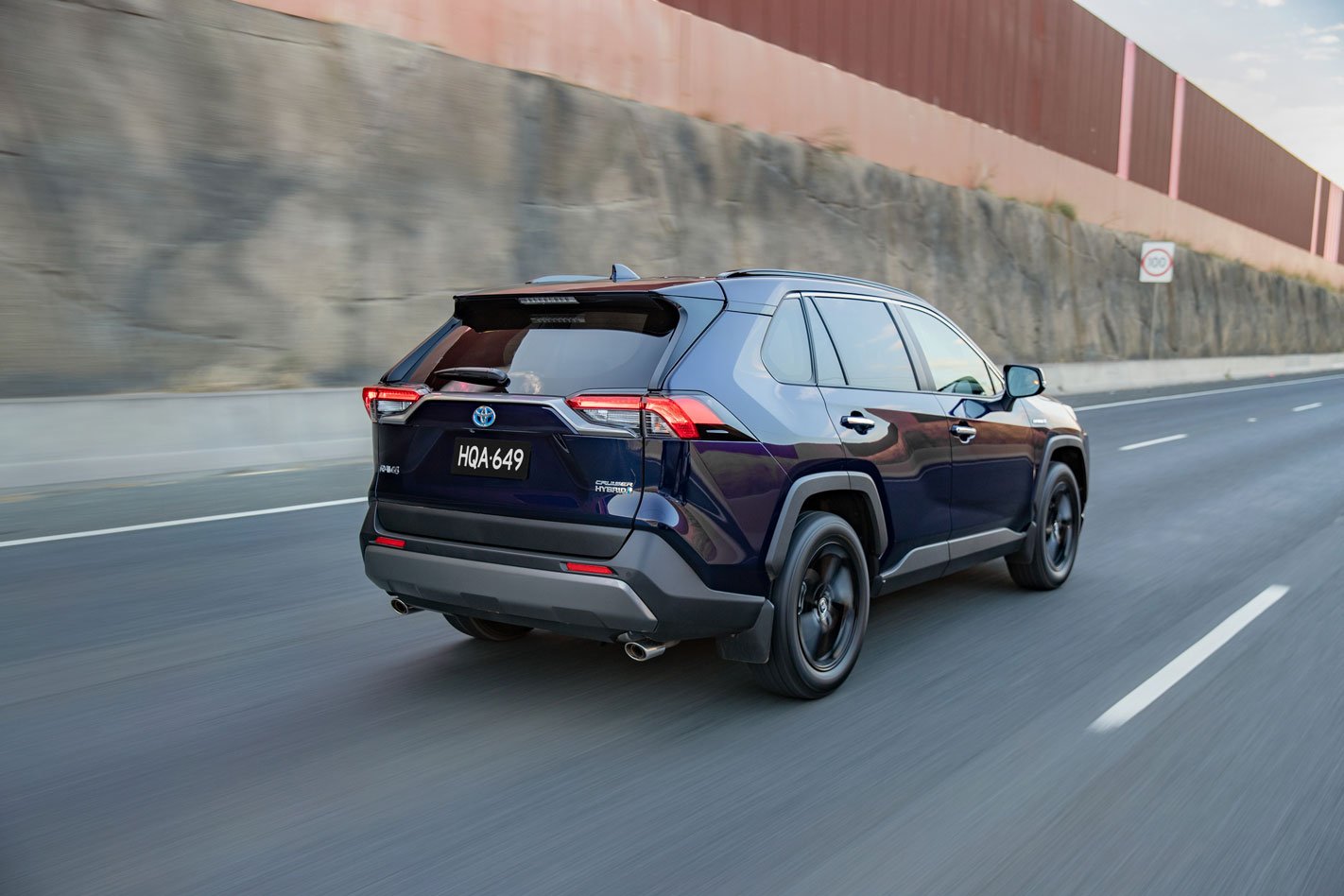
Toyota’s hybrid family also includes the Prius family and the C-HR small SUV, Yaris and Yaris Cross hybrids that will be joined in 2022 by a petrol-electric version of the next-generation Kluger.
Toyota Australia Vice President Sales and Marketing Sean Hanley said 2020 hybrid sales exceeded forecasts made before the pandemic hit.
“Our plan for 2020 was for hybrids to represent 20 percent of our sales. In the end the figure was 25.6 per cent, more than a quarter of all the Toyota sales,” he said.
“That’s a far cry from the 3.9 per cent we achieved as recently as 2017.”
Hanley stressed that petrol hybrids still have a key role in lowering emissions in the face of the growing BEV fleet.
“Buying a hybrid makes a lot of sense because they’re having a huge economic and environmental impact,” he said.
“For example, we’ve calculated that in one year’s driving, the 54,000 Toyota hybrids will save their owners more than $20 million at the petrol pump [based on official combined fuel consumption figures] and they’ll cut CO2 emissions by more than 35,000 tonnes.”
“That’s how you have an impact on the environment by telling tens of thousands of electrified vehicles that use less fuel and have lower emissions than conventional petrol vehicles of a similar size and performance.
“And those savings continue year after year.”
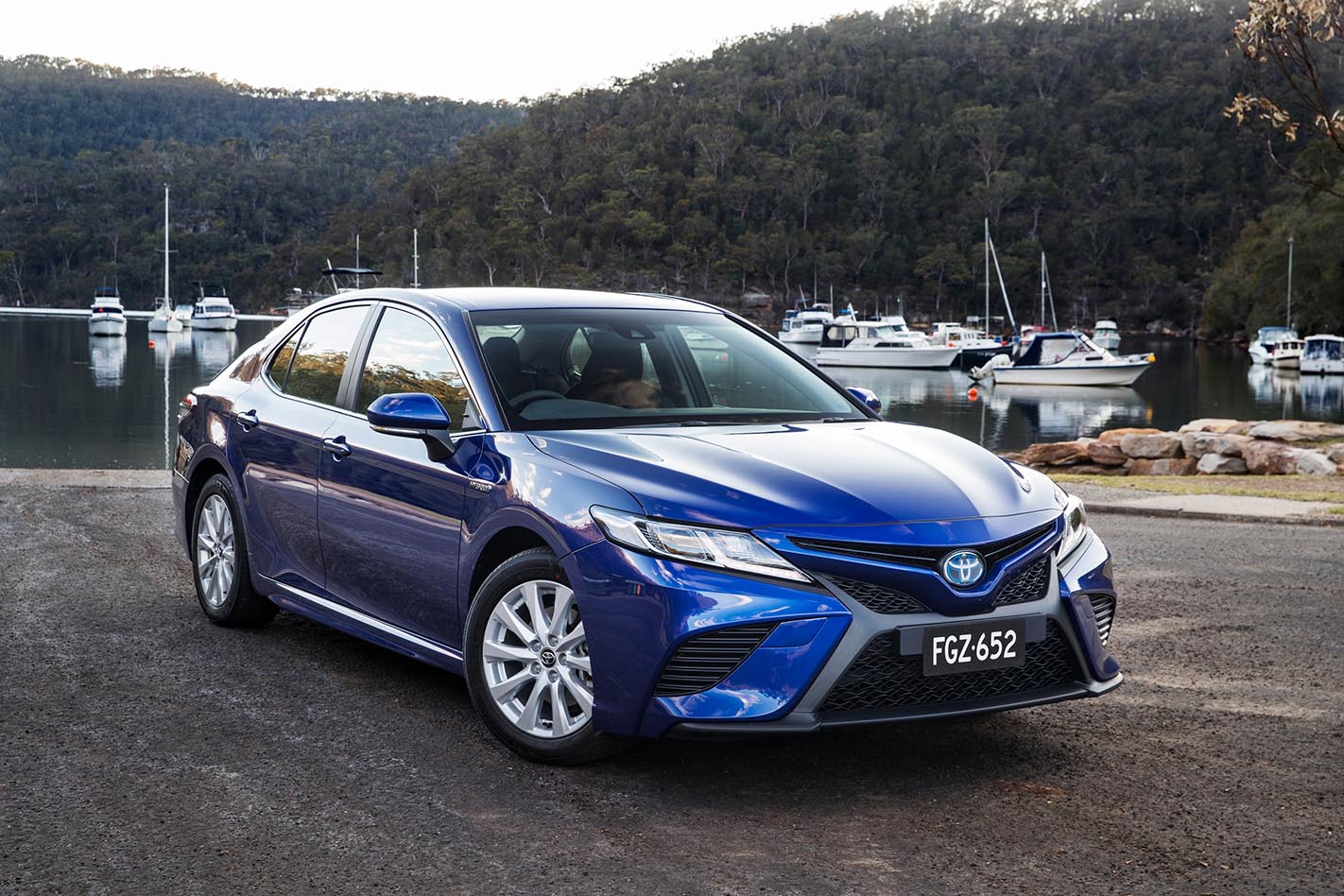
Hanley said the affordability of hybrids shows that many Australians are happy to embrace electrification if the price is right.
“What we’re seeing is a fundamental shift in the vehicle choices of Australian motorists towards electrified options. Tens of thousands of people who regard hybrids as an everyday practical choice and see the value of paying a just 2000 or 2500 dollars more than for a conventional petrol model,” he said.
He added that he had no doubt the coming decade will result in expanding local demand for different types of electrified Toyota vehicles including hydrogen, plug-in hybrid or battery electric in addition to even more hybrids.
Strong vehicles sales in December have helped the Australian vehicle industry finish one of its most challenging years on a positive note and with high hopes for 2021.
According to Australia’s peak automotive industry body, the Federal Chamber of Automotive Industries (FCAI), December 2020 recorded 95,652 sales, a 13.5 per cent increase over the same period in December 2019 when 84,239 were sold.
This result follows a similar uptick in November 2020 whose 95,205 vehicles sales represented a 12.4 per cent gain over November 2019.
However, Australia’s 916,968 annual sales were still 13.7 percent lower compared to 2019, when 1,062,867 vehicles were sold.
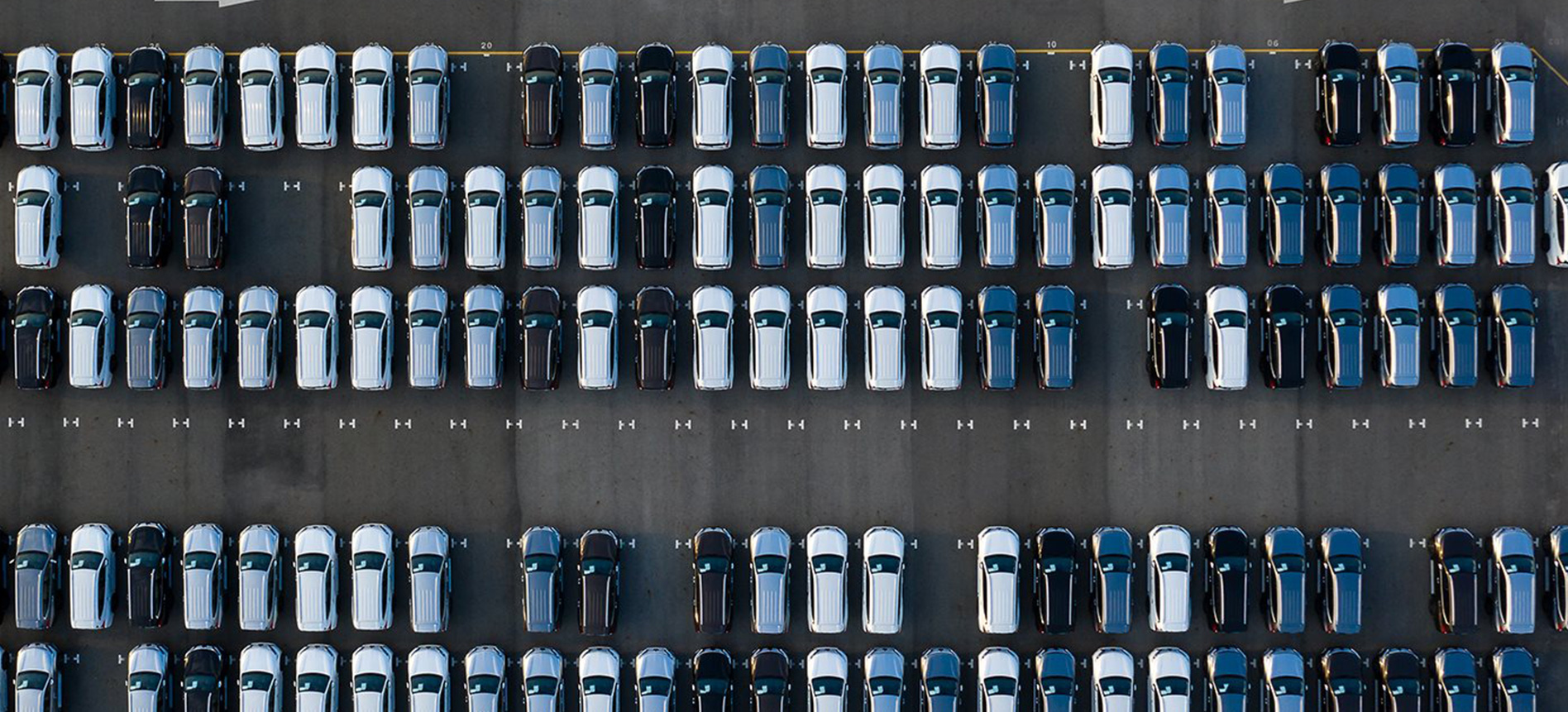
FCAI chief executive, Tony Weber, said signs of the recovery of the new vehicle market were welcomed by automotive brands and is confident this will continue into 2021.
“It’s looking like we’re on the road to recovery from a health and economic point of view. The race to supply a (Covid-19) vaccine is well and truly underway, and we’re told we can expect one here in Australia by the second quarter of 2021,” Weber said.
“This, combined with renewed consumer confidence could see the economy rebound quickly.”
Covid-19 did little to diminish Australia’s love affair with SUVs. While the 454,701 SUV sales in 2020 was 5.9 per cent down from last year, they accounted for just under half (49.6 per cent) of local vehicles sales in 2020, up from 45.5 per cent in 2019.
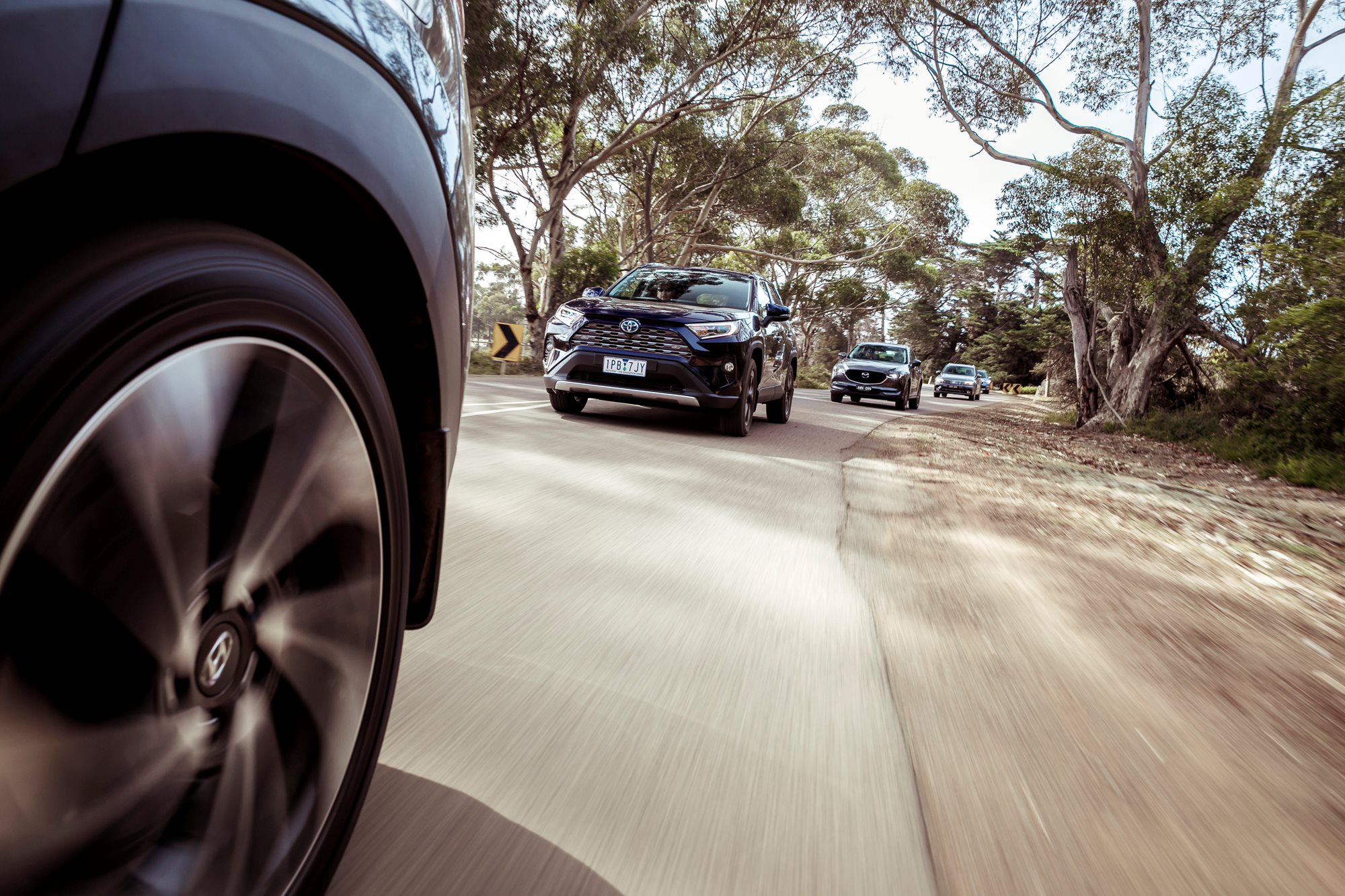
There were 205,597 light commercial vehicles (LCVs) sold last year, mostly dual-cab utes, which was down 8.9 per cent from 2019, but they still accounted for 22.4 per cent of the market.
By comparison, passenger car sales dropped (29.7 per cent) in 2020, and made up just 24.2 per cent of the market.
“It’s interesting to note how the Australian market has evolved to the current point in which SUV and light commercial vehicles dominate, selling combined 72 per cent of the total market,” Weber said.
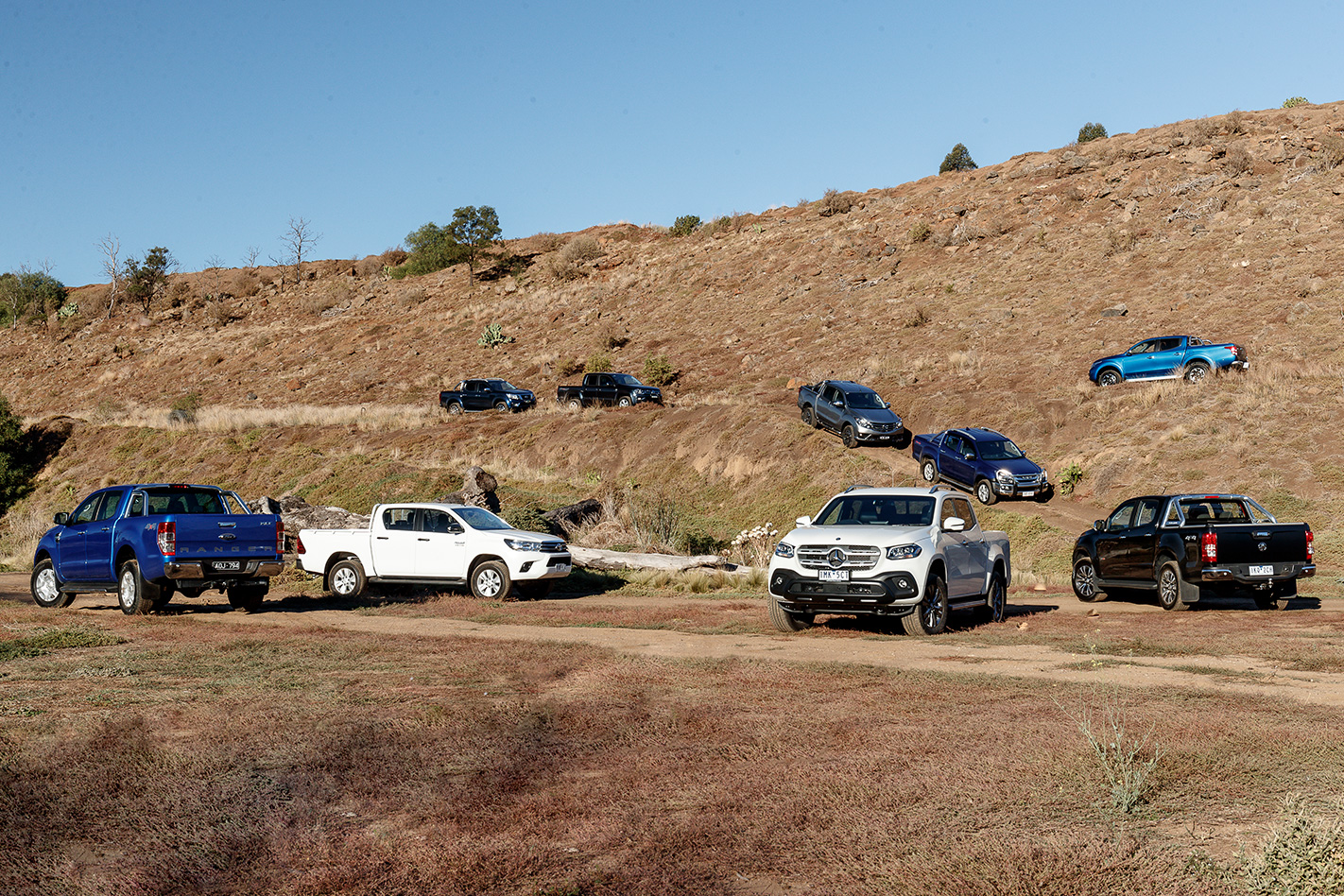
“With more Australians holidaying at home, we expect the popularity of SUVs to and LCVs to continue.”
Winners and losers
Not surprisingly, Toyota again ended the year as Australia’s best-selling vehicle manufacturer for the 18th year in a row.
It even managed to increase its market share from 19.4 per cent in 2019 to 22.3 per cent on the back of record hybrid sales.
Toyota sold 204,801 vehicles in 2020, just 965 less than its 2019 total and, for the first time, it finished a calendar year with best-sellers in a number of categories, in the form of the HiLux, top-selling SUV (RAV4) and passenger vehicle (Corolla).
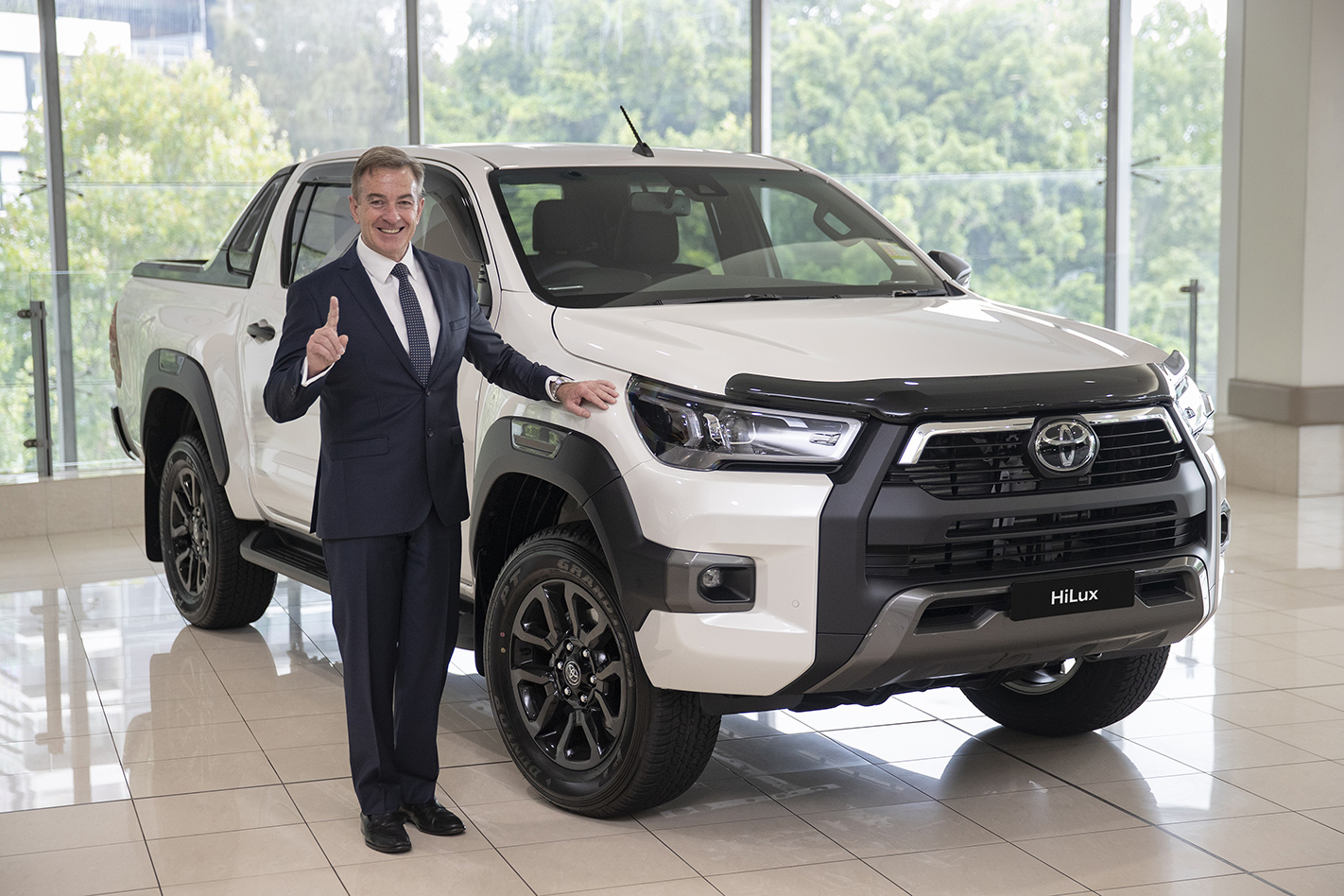
Toyota Australia President and CEO Matthew Callachor (above) said Toyota benefited from the upswing in sales at the end of 2020, which he attributed to people being unable to spend money on international travel.
There was daylight between Toyota’s six-figure sales and second-place Mazda, which moved 85,640 cars last year compared to 97,619 in 2019. On the plus side, it managed to increase its market by 0.1 per cent to 9.3 per cent.
The rest of the top five was made up by Hyundai with 64,807 sales, Ford (59,601 of which 40,973 were Rangers) and Mitsubishi (58,335).
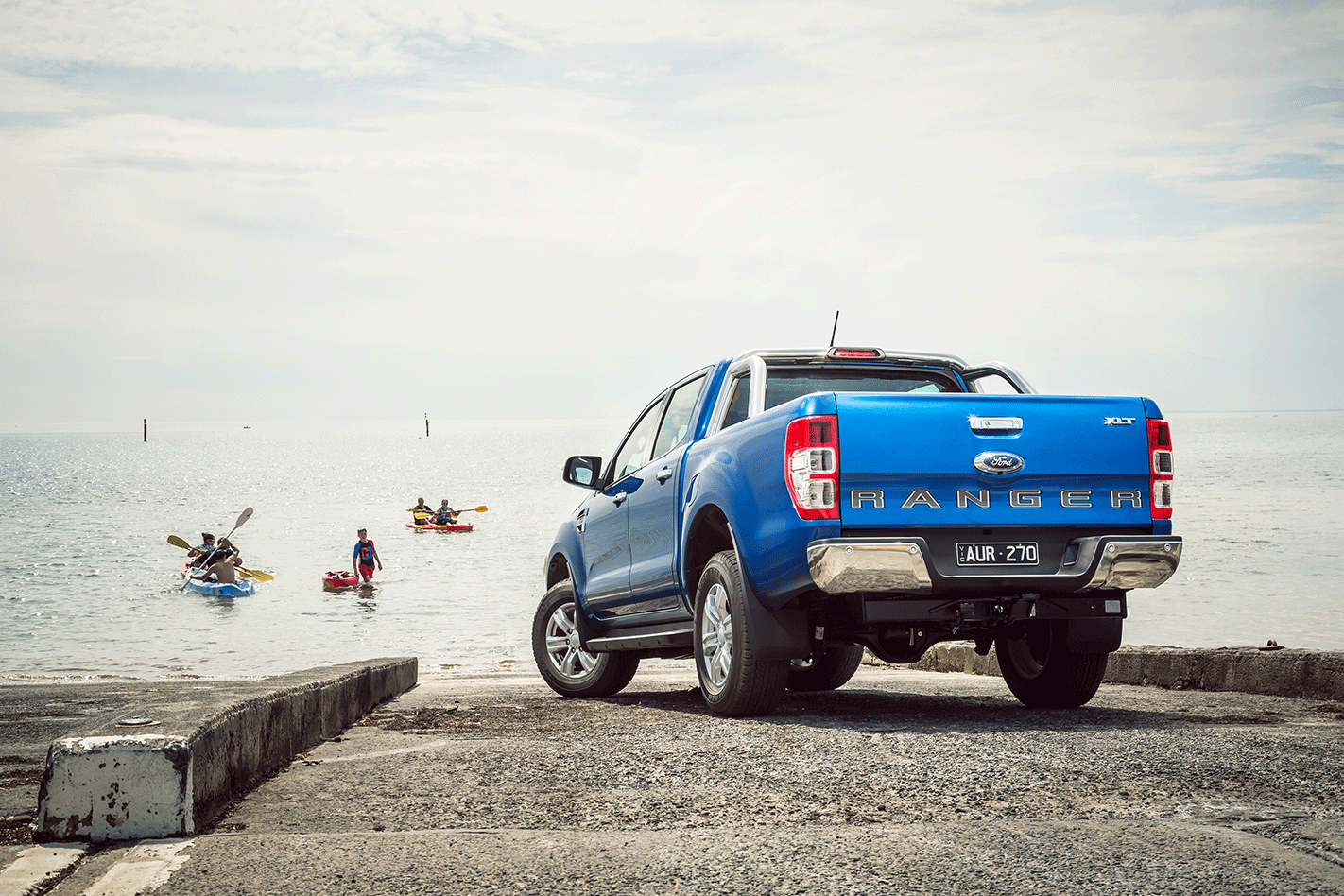
While Ford sales dropped by about 4000 in 2020, it overtook Mitsubishi to claim fourth spot, with the Japanese brand’s sales down by a whopping 24,915 vehicles, seeing its market share drop from 7.8 to 6.4 per cent.
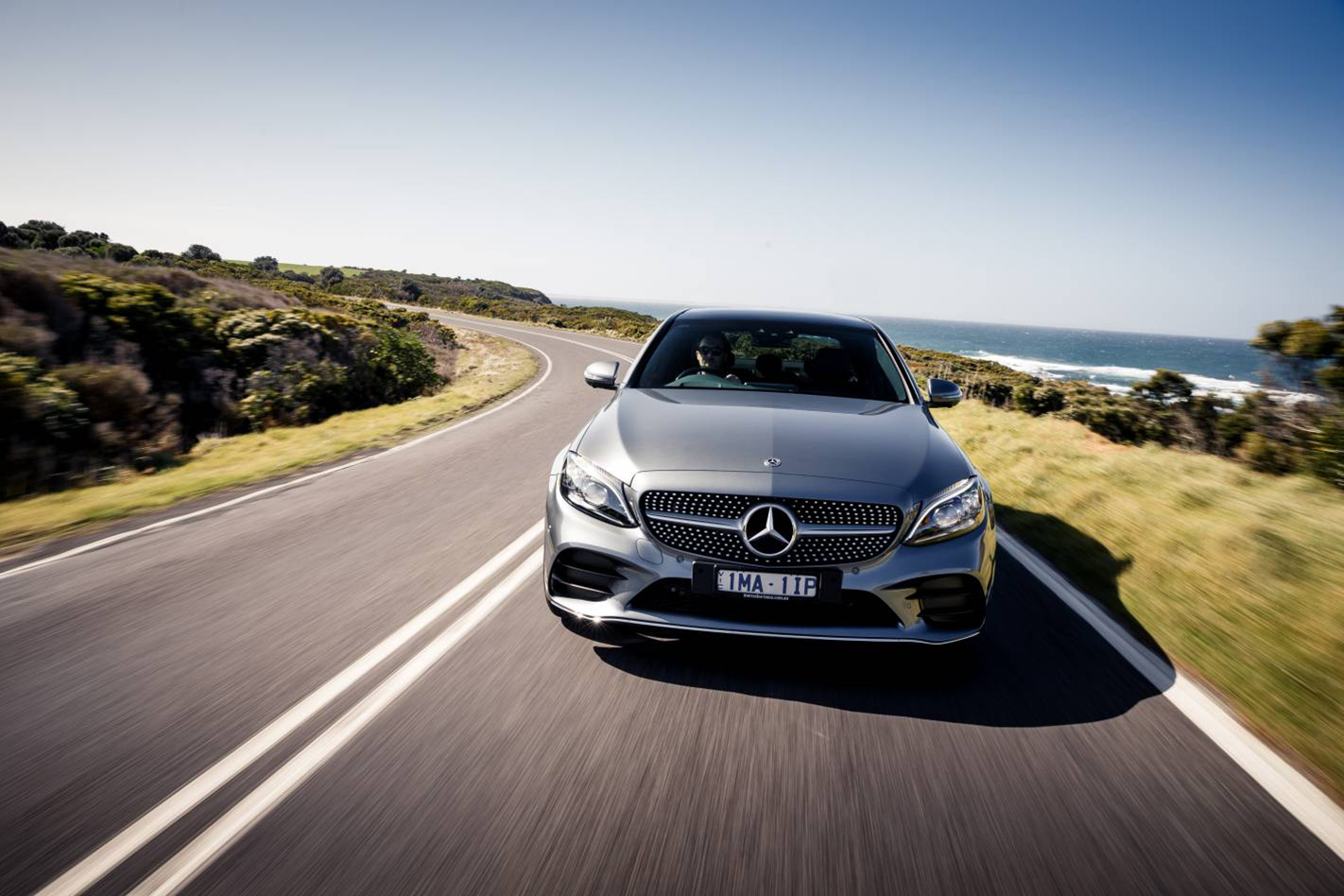
The rest of the top 10 was made up by Kia (56,076), Volkswagen (39,266), Nissan (38,323), Subaru (31,031). Mercedes-Benz also had a relatively good year to beat Honda to the number 10 spot with 29,455 sales.
In a sad footnote, Holden’s demise at the beginning of 2020 saw it slip out of the top 10 for the first time in its history.
Benz’s key rivals also had a good year, with both Audi (15,868) and BMW (23,520), managing to sell 160 and 213 more cars than in 2019 respectively.
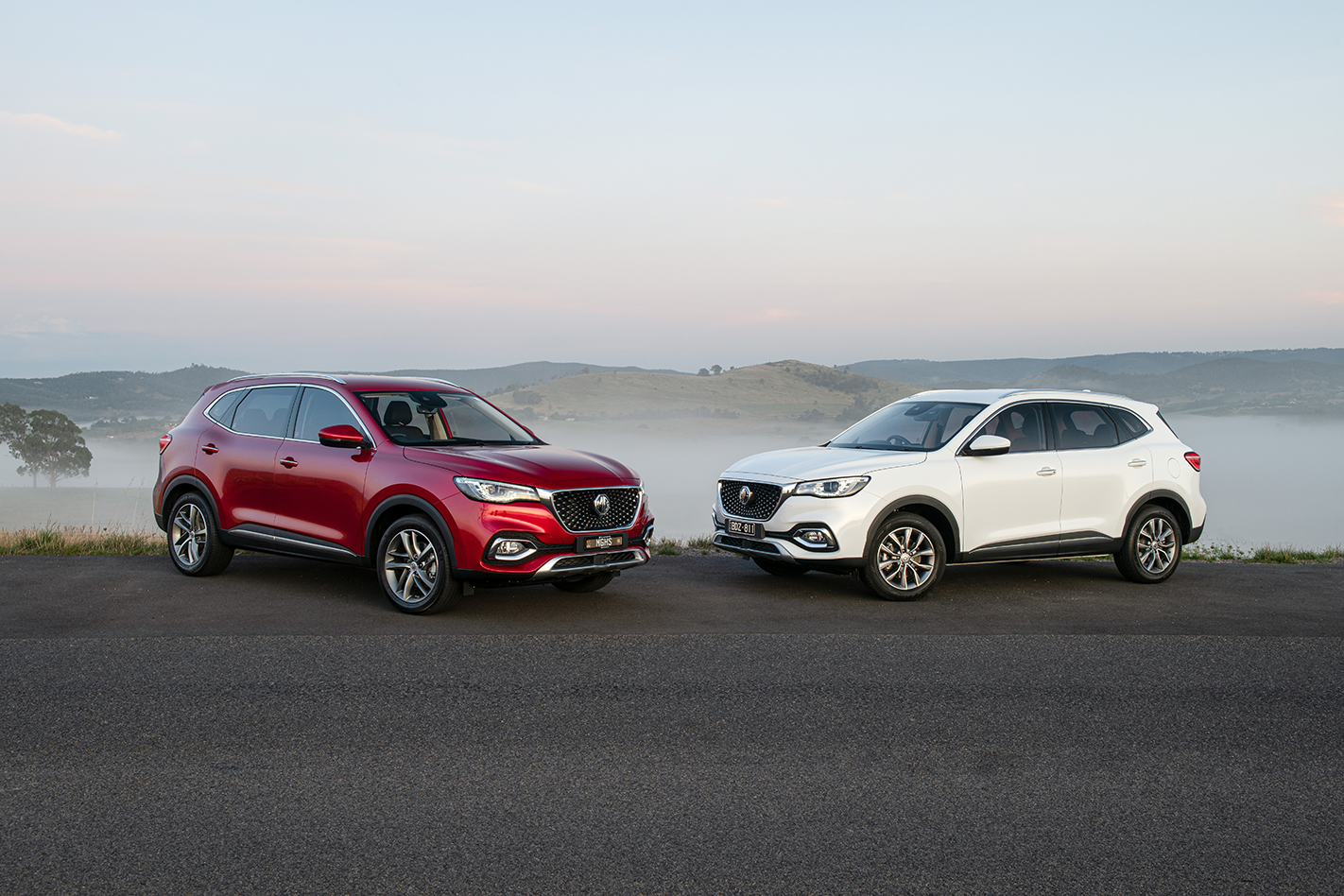
One of the biggest winners was MG, which almost doubled its sales from 8326 in 2019 to 15,253, almost as much as Suzuki (15,586). The Chinese carmaker increased its market share from 1.3 to 3.2 per cent.
The MG3 hatchback accounted for about a third of MG sales with 7158 sold, which was more than enough to comfortably outsell perennially popular models such as Mazda 2, Kia Rio and Toyota Yaris.
Fellow Chinese brand LDV also enjoyed a boost in sales from 6480 to 9323 including 5581 T60 utes, which are becoming increasingly common on Aussie roads.
2020’s Top-10 vehicles
- Toyota HiLux – 45,176
- Ford Ranger – 40,973 sales
- Toyota RAV4 – 38,537
- Toyota Corolla – 25,882
- Toyota LandCruiser 70/200 Series – 25,142
- Mazda CX-5 – 21,979
- Hyundai i30 – 20,734
- Mitsubishi Triton – 18,136
- Toyota Prado – 18,034
- Kia Cerato – 17,559
It’s a new year, and we’re kicking off 2021 with a bit of everything! Hot hatches, hybrids, cars you should buy, and cars you’ll never see in a showroom, amongst others.
If you’re looking for the fresh magazine on shelves in newsagents, servos, or supermarkets, the image at the top of this page (by our snapper Alastair Brook) also graces the cover.
If you subscribe, you get a cleaner (i.e, fewer words) version of the magazine cover because you’ve already bought it, we don’t need to tell you what’s inside! You also get a saving depending on how long your subscription is set to last.
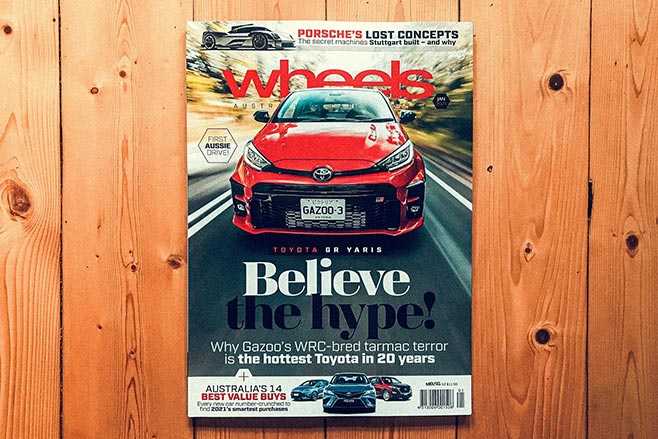
As you may have guessed, this issue’s cover feature focusses on the “once in a generation” Toyota GR Yaris, a car that’s been called ‘perfect’ overseas. Of course we wanted to see for ourselves in our first Aussie drive.
Speaking of drives, we went behind the scenes at one of Aussie F1 hopeful Oscar Piastri’s most important drives yet. The first time the young driver has been strapped into an F1 car comes just after his FIA Formula 3 championship win in 2020, and just before his move to F2 in 2021.
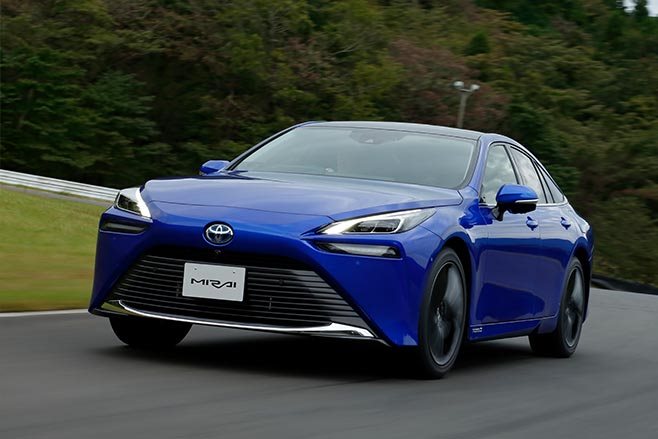
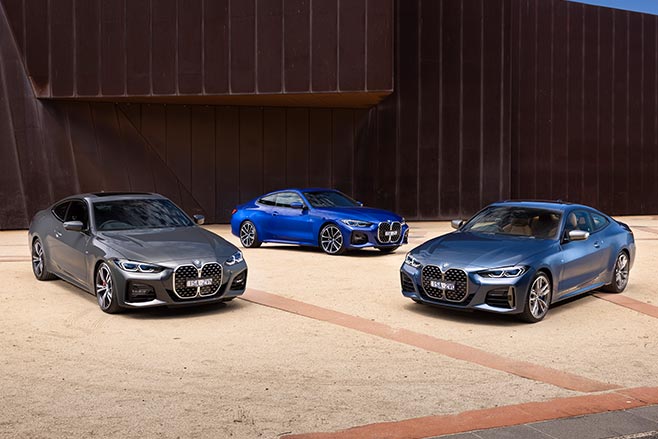
We’ve been behind a few other wheels ourselves, from the hydrogen-powered Toyota Mirai, to the opinion-splitting BMW 4 Series. We’ve also driven the latest version of the Audi R8… the swansong for its current V10 supercar iteration.
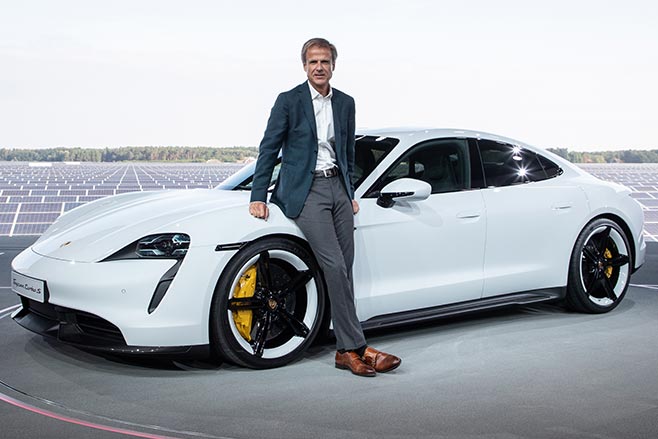
But the future of sports cars need not be boring, with men like Michael Mauer leading the charge for designing Porsche’s next generation of vehicles. We spoke to him about the 15 secret concept cars he revealed out of nowhere in late 2020, and asked him an important question: why?
We’ve also made a comprehensive rundown of the best value cars you can buy in 2021. Not just the cheapest, but the cars that will actually give you something for the money you spend.
Finally, there’s all the news, opinions from our esteemed opinionators, and the regular features like our tech rundown, Modern Classic, Driven to Extinction, and of course our Databank section.
It’s only January 6 and – without getting ahead of ourselves – we think we’ve already seen one of the most awesome cars to hit the internet this year.
Renowned Porsche restomod outfit Singer Vehicle Design has teamed up with the rally Porsche experts at Tuthill Porsche to build a 964 generation Porsche 911 into a safari hero inspired by Porsche’s rally history.
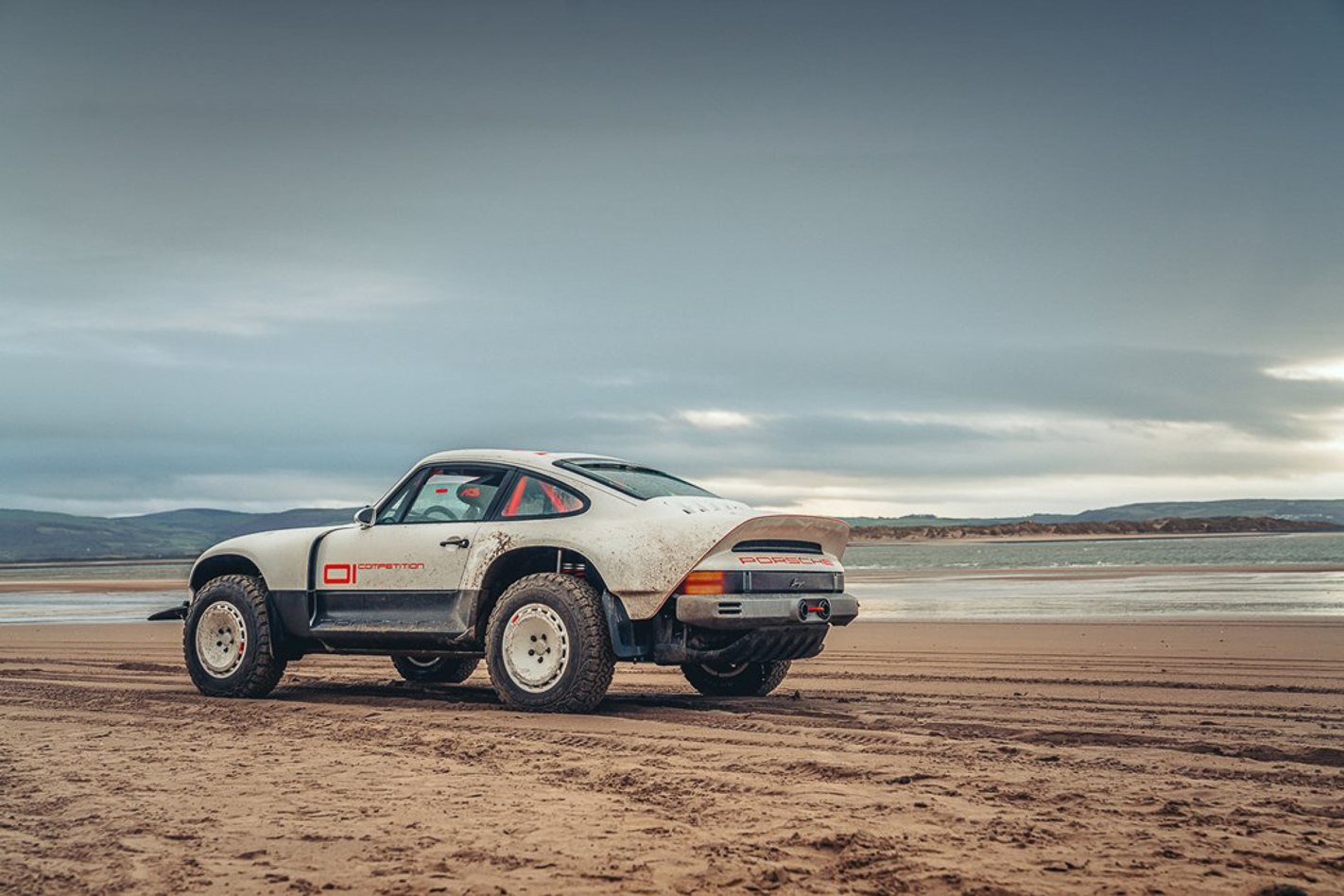
It’s called the Singer ACS (All-terrain Competition Study) and follows on from the insanely detailed Singer DLS of 2018 which was built in collaboration with Williams Advanced Engineering.
Though, where that car was the ultimate road-going restomod 911 track monster, the new ACS is designed for maximum attack off the beaten track.
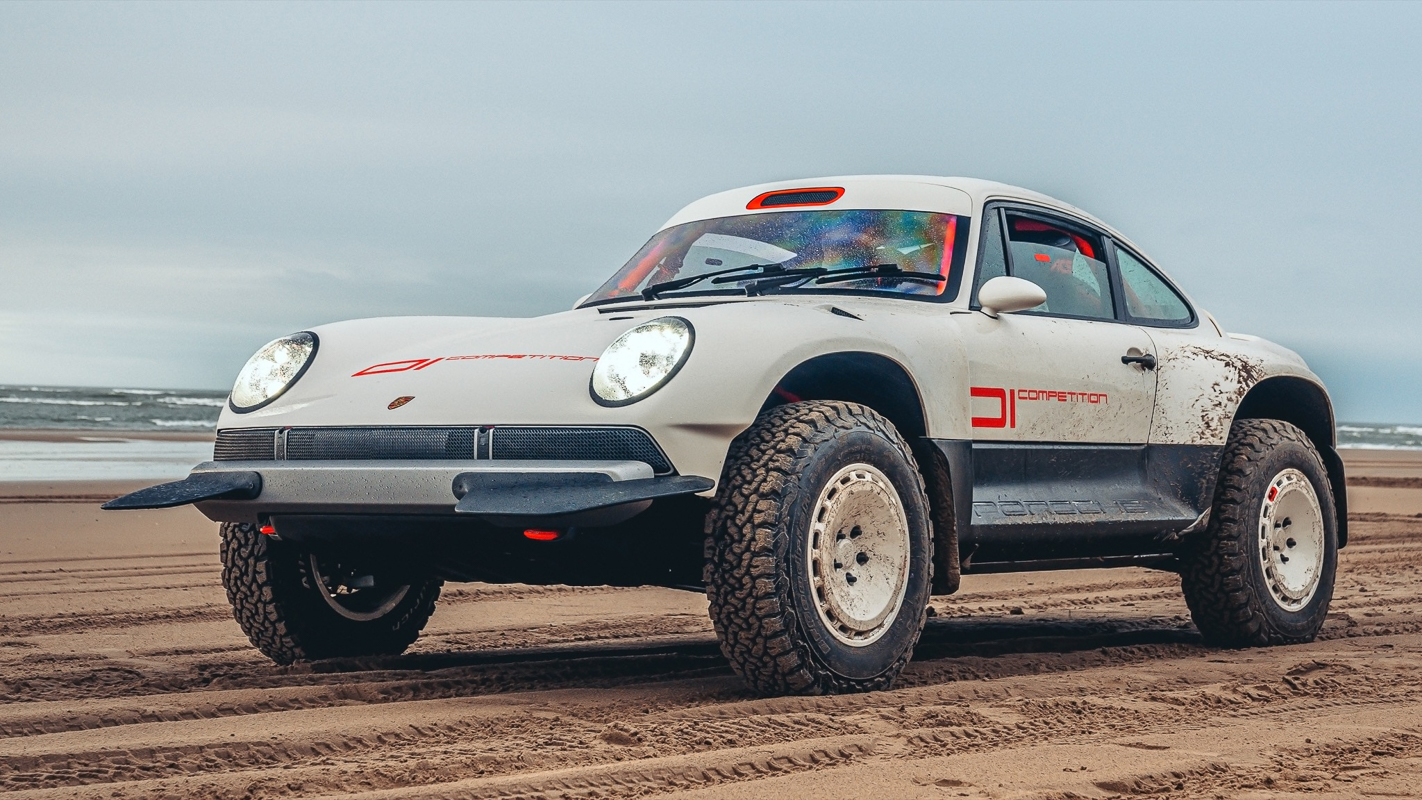
After being commissioned by a long-time Singer customer who envisioned a 911 that could compete in events such as the Dakar Rally and Baja 1000, Singer approached the off-road 911 experts at Tuthill Porsche based in the UK.
The result is the wildest Singer creation to date, looking halfway between a 911 and the 959 Safari, which it was heavily inspired by.
It features a twin-turbo 3.6-litre ‘Mezger’ spec engine producing 335kW and 570Nm, a flat-shifting five-speed sequential transmission with paddle shifters and three separate mechanical differentials which send power to all four wheels.
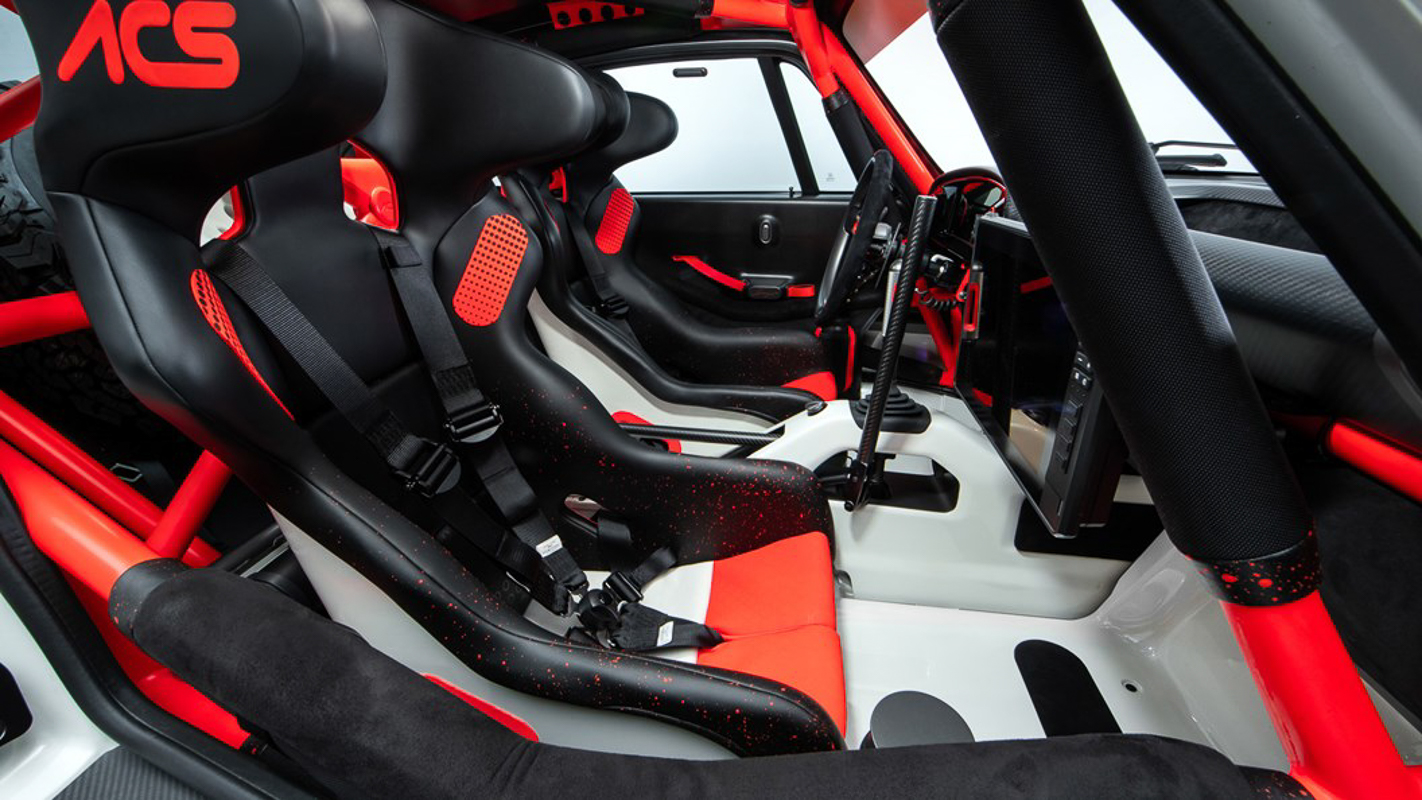
Bolstering its safari intentions is a long-range fuel tank, aluminium underbody protection, carbon fibre body panels, lifted rally suspension with five-way adjustable dampening, two full-sized spare wheels, hydration system for driver and navigator, competition seats and an FIA-spec roll cage.
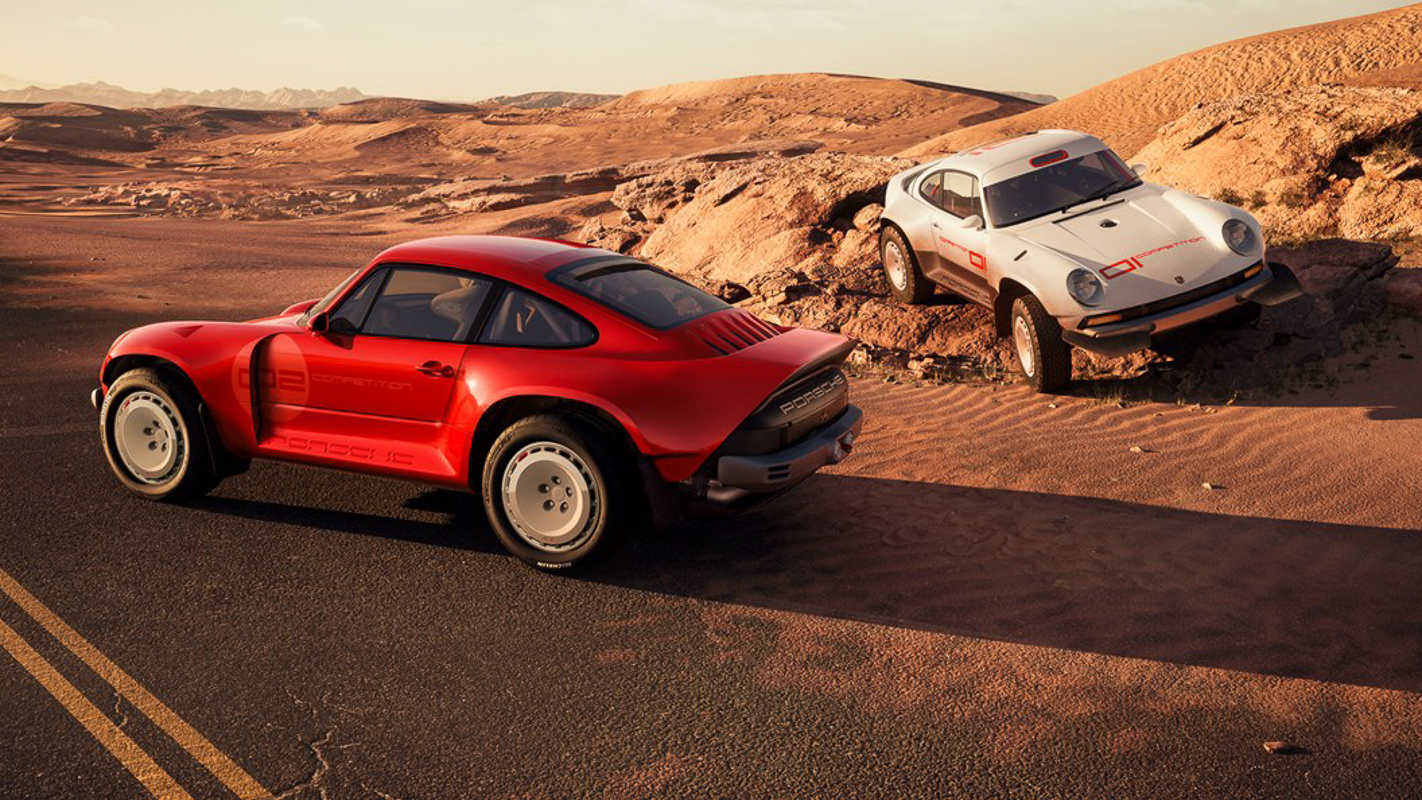
The white Singer ACS is a one-off for now but there are apparently plans in the works to create another red example which leans more heavily into tarmac rallying.
Porsche-based Gemballa GT Concept revealed
While anyone with enough money could cobble together a rally 911, the amount of detail put into one of Singer’s projects is without peer.
Have a look and listen to the Singer ACS in action.
https://www.instagram.com/p/CJqw0XSB1SJ/?utm_source=ig_embed&utm_campaign=loading
Mazda’s venerable CX-3 small SUV has received yet another update that brings with it Apple CarPlay and Android Auto, comfort and safety enhancements and a limited-edition 100th Anniversary variant.
The company has barely troubled its designers with the 2021 CX-3, with only redesigned badging providing any physical differences to the 2020 model.
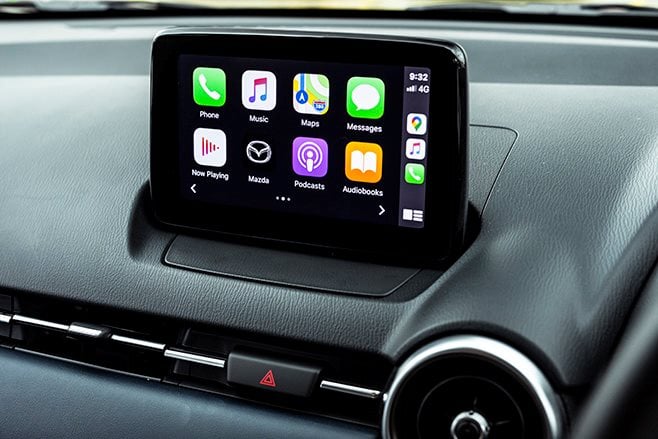
However, the addition of smartphone pairing, which brings it in line with the rest of the Mazda range, should be enough to ensure the CX-3 continues to see off a host of newer light- and small-SUV rivals, such as the Toyota Yaris Cross, Kia Seltos and Hyundai Venue.
More comfort and safety
The 2021 CX-3 gains a fresh seat design with a newly-designed internal structure already featured in the Mazda 3 and CX-30, while its autonomous emergency braking system, which Mazda calls Smart City Brake Support (SCBS), gains night-time pedestrian detection.
The Maxx Sport and Maxx Sport LE score an auto-dimming rear-view mirror, while the sTouring adds the Akari’s high beam control and lane departure warning to its safety suite.
Adaptive cruise control is still only available in the top-spec CX-3 Akari.
The MY21 CX-3 also gains Polymetal Grey Metallic paint to its colour palette.
Performance remains the same, with the all CX-3 versions featuring the 2.0-litre Skyactiv-G petrol engine, under the bonnet, with a choice of front- or all-wheel drive, and six-speed automatic and six-speed manual transmissions, available depending on grade.
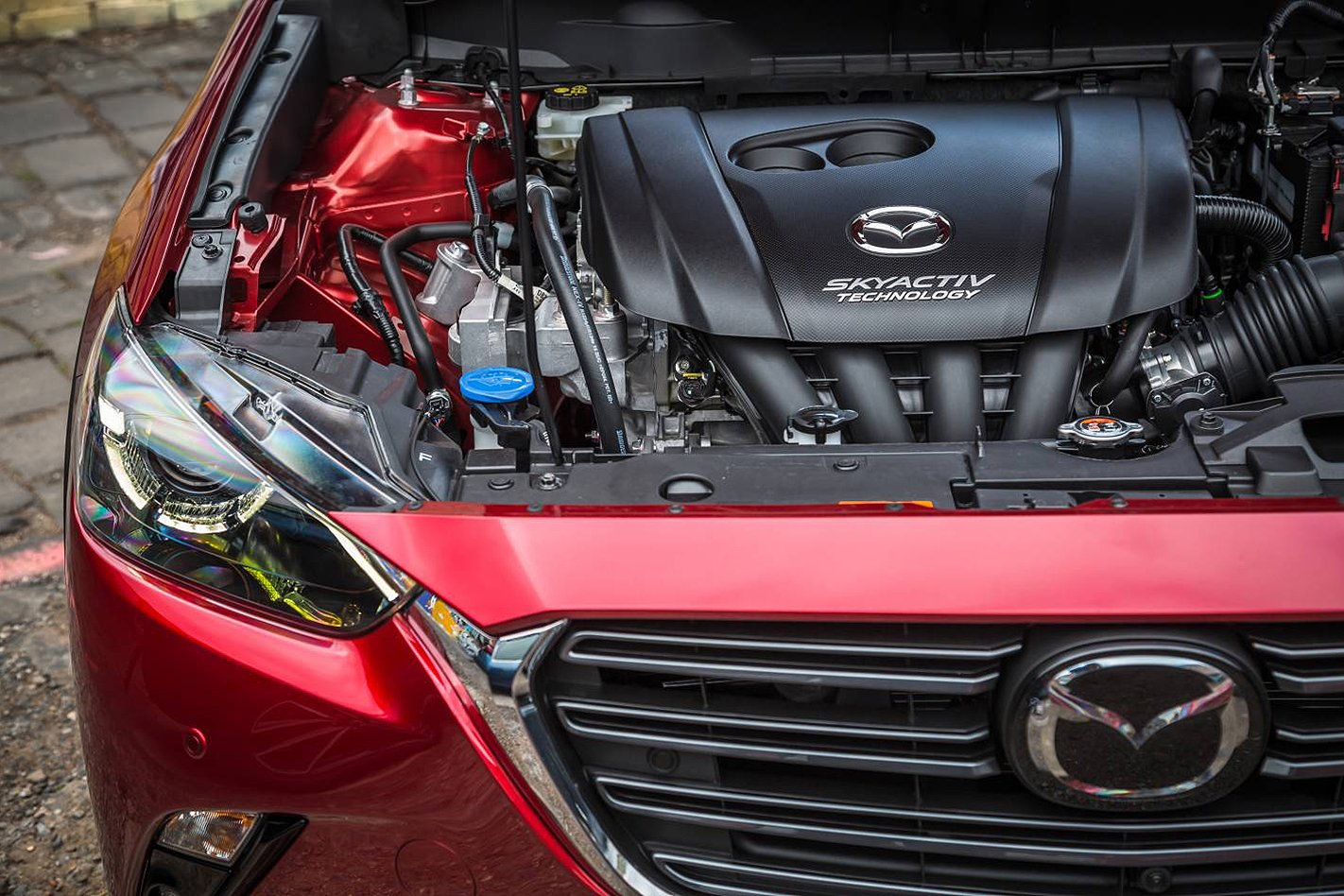
The six-speed automatic transmission costs an additional $2000 while opting for AWD will set you back another $2000.
Front-wheel drive manual variants bring a combined fuel consumption of 6.6L/100km, while opting for the six-speed automatic transmission drops this to 6.3L/100km
All-wheel-drive versions are only available with the auto transmission and return 6.7L/100km.
Standard features
Apart from the 100th Anniversary Edition, the Mazda CX-3 line-up remains unchanged with the range starting $22,990, with the CX-3 Neo Sport FWD manual, whose standard features include a six-speed manual gearbox and front-wheel-drive, 7.0-inch colour touchscreen, Apple CarPlay and Android Auto, reversing camera and rear-parking sensors.
Sixteen-inch steel wheels, halogen headlamps, power-folding mirrors, electric parking brake, keyless push-button start and autonomous emergency braking with night-time pedestrian detection are also standard.
The CX-3 Neo Sport is only available with FWD.
Stepping up to the CX-3 Maxx Sport spec brings extras such as in-built satellite navigation, 16-inch alloy wheels, rain-sensing windscreen wipers, climate control air-conditioning, blind-spot monitoring and rear-cross traffic alert, as well as the option to upgrade to all-wheel-drive.
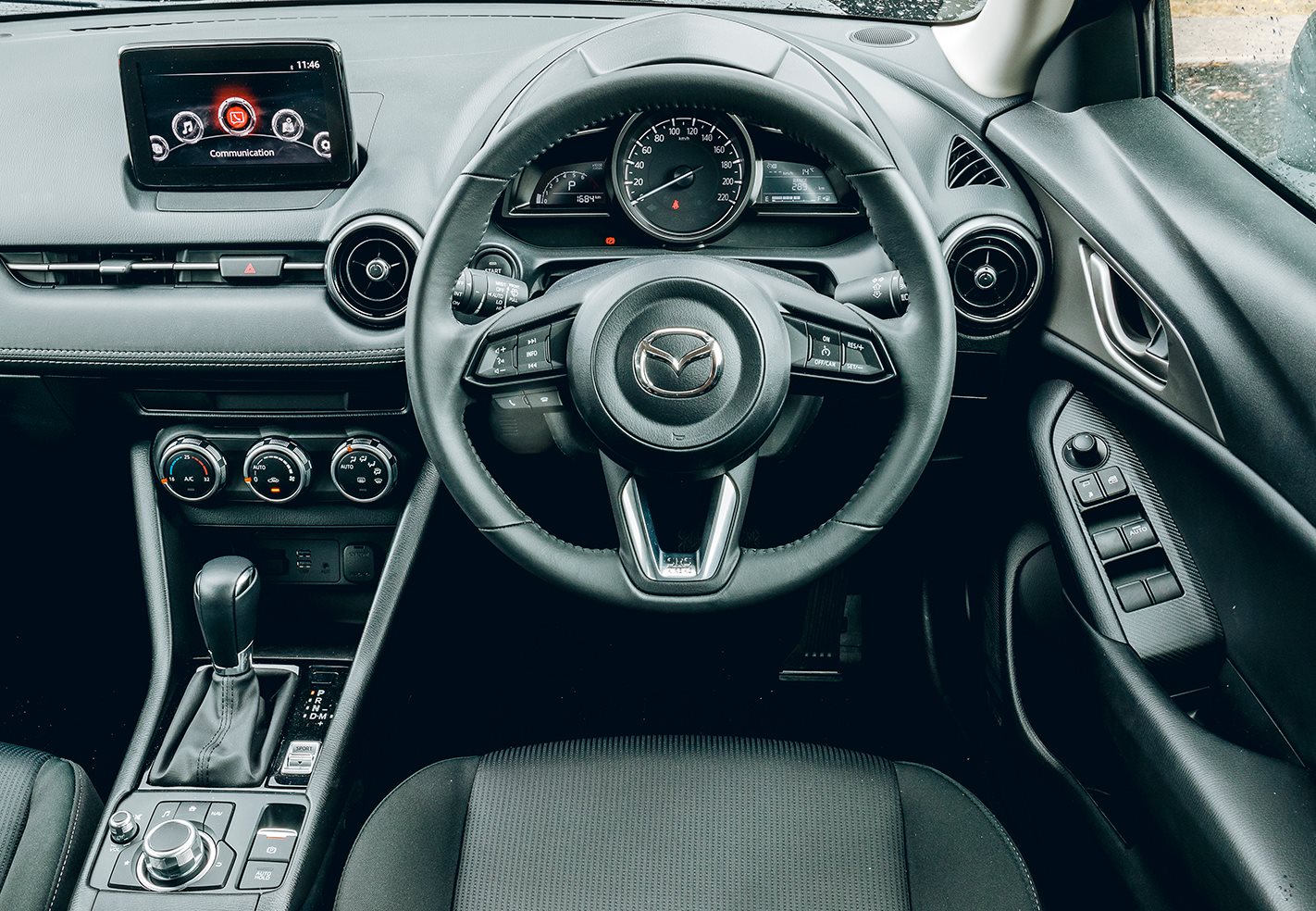
The FWD only CX-3 Maxx Sport LE adds premium touches including Tan Grand Luxe suede-like material and Pure White Maztex leatherette upholstery, unique 16-inch alloy wheels as well as gloss-black side mirrors and front grille.
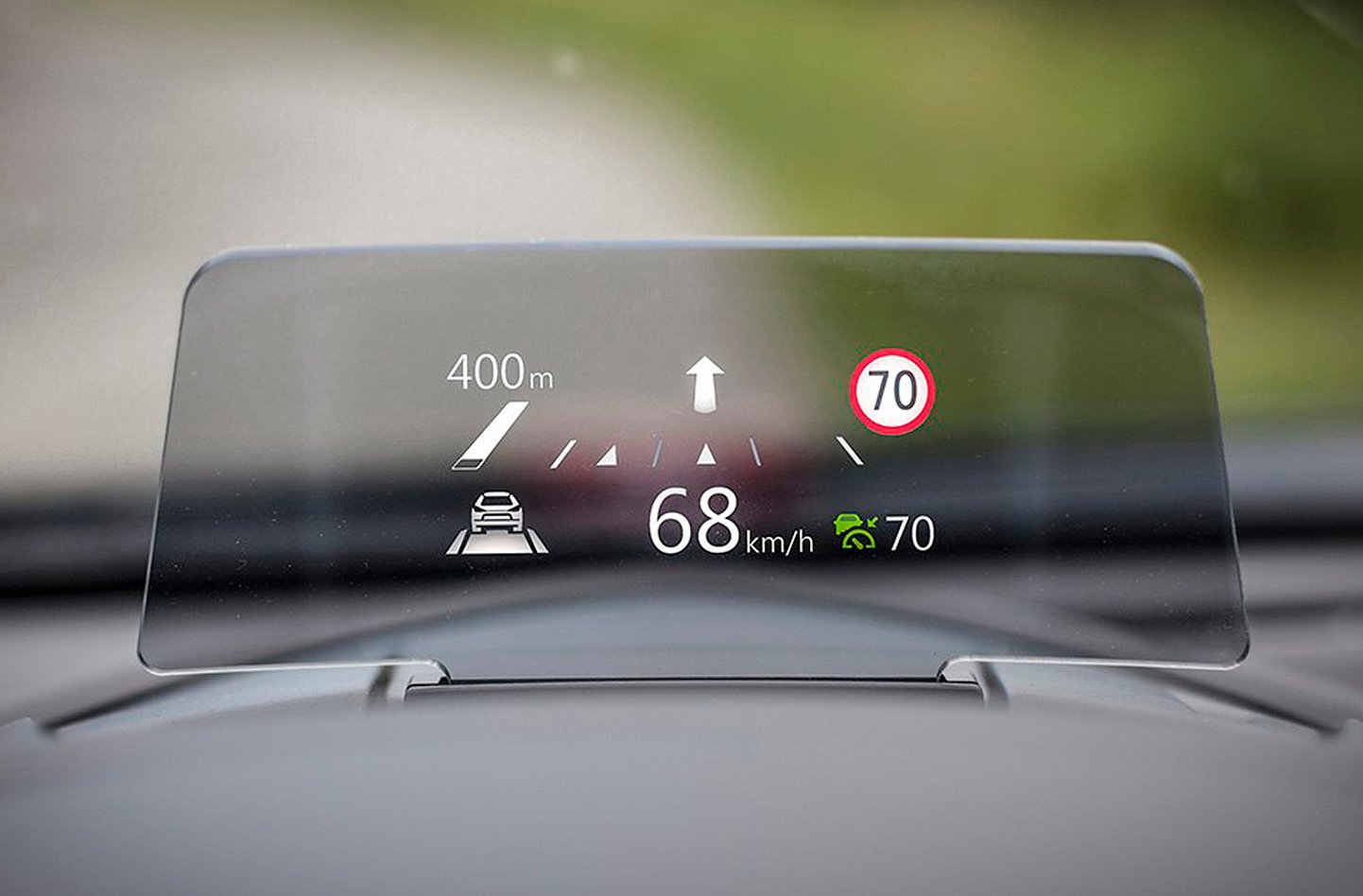
The CX-3 sTouring brings considerably more bells and whistles over the Maxx Sport including 18-inch alloy wheels, heated door mirrors, head-up display, advanced keyless entry, driver-attention alert, front parking sensors, traffic sign recognition, and lane departure warning.
The headlamps, daytime running lights, front fog-lamps and tail-lights are all LED.
Opting for the range-topping CX-3 Akari brings a sunroof, 10-way power adjusted driver’s seat with two-position memory function, black or pure white leather upholstery, adaptive cruise control with stop/go function, 360-degree view monitor and adaptive LED headlights.
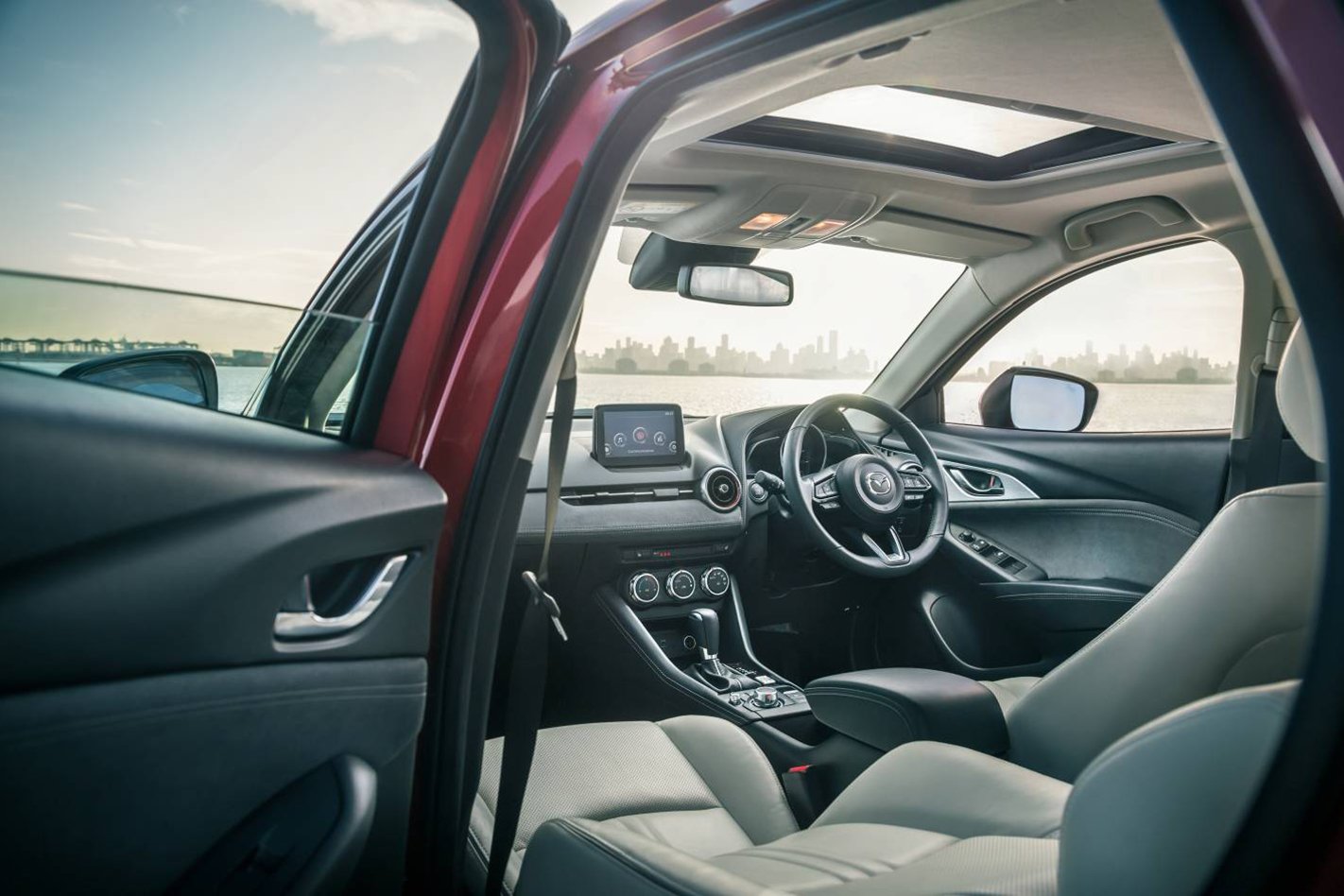
The CX-3 100th Anniversary Edition, meanwhile, is only available with front-wheel-drive auto but adds Snowflake White Pearl Mica paintwork, burgundy leather upholstery with embossed headrests and specific badging to body sides, hubcaps, key fobs and interior floor mats.
MY21 Mazda CX-3 Australian retail pricing
Neo Sport FWD manual | $22,890 |
Neo Sport FWD auto | $24,890 |
Maxx Sport FWD manual | $24,890 |
Maxx Sport FWD auto | $26,890 |
Maxx Sport LE FWD auto | $27,640 |
Maxx Sport AWD auto | $28,890 |
sTouring FWD manual | $29,090 |
sTouring FWD auto | $31,090 |
sTouring AWD auto | $33,090 |
Akari FWD manual | $34,190 |
Akari FWD auto | $36,190 |
Akari AWD auto | $38,190 |
Akari LE FWD auto | $36,690 |
Akari LE AWD auto | $38,690 |
100thu00a0Anniversary Special Edition FWD auto | $37,690 |
New cameras that can detect whether a motorist is tailgating the car in front have been installed in a trial designed to crack down on this dangerous driving habit.
Highways England is running the trial on the M1 freeway in Northamptonshire before it’s rolled out across wider Britain. We wouldn’t put it past Australian state governments to install such cameras in years to come, either.
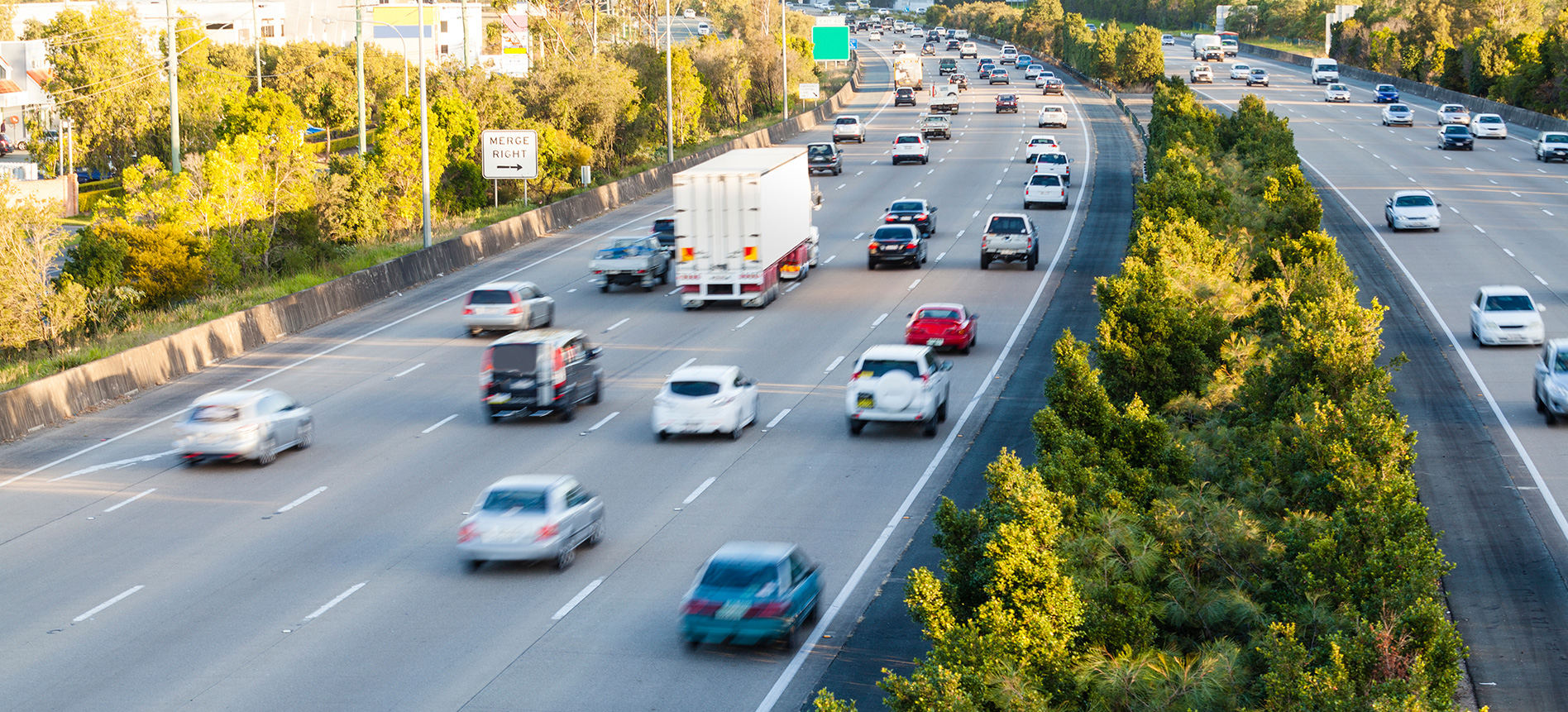
The cameras have already caught 26,000 drivers breaking the Highway Code, which indicates that motorists must leave a two-second gap between themselves and the leading car.
Much like the mobile phone camera trials that were held in New South Wales, motorists are being let off with a warning for now.
However, once the trial moves to its next stage, offending motorists can expect a £100 (AU$175) fine and the loss of three demerit points in the mail.
Highways England’s Head of Road Safety Jeremy Philips hopes it won’t come to that, insisting that the trial is designed to make drivers more aware of their behaviour.

“These new cameras have, sadly, highlighted just how many people are driving too close on our roads,” Philips said.
“We understand that most tailgating is unintentional by drivers who are simply unaware they are dangerously invading someone else’s space.
“But not leaving enough space between you and the vehicle in front can be very frightening and intimidating — it could also prove fatal.”
The cameras are installed on a 150-metre stretch of the M1 freeway and use number plate-identifying tech to decide whether the driver is intentionally tailgating, or is doing it accidentally.
According to Highways England, rates of serious crashes involving tailgating have jumped to their highest point in over seven years and is a factor in one-in-eight casualties on the British road network.
Would you support the tailgater cameras being installed on Australian roads?
Over the last couple of weeks, we’ve rolled out the winners and podium-placers who’ve received a gong for offering Australia’s best value cars for 2021.
It’s not based solely on a test drive or a walkaround, either; rather, it’s based on hard data – and a lot of it!
Here are the gold medal winners across all categories – you can jump to the category pages using the links below.
LIGHT / CITY CARS
The tiddlers of Australian roads are a dying breed, many creeping past the $20K mark that has long been an unofficial barrier for buyers.
But there are still terrific options around, including some that charge you more to get behind the wheel but save you money once you’re there.
GOLD – Suzuki Swift GL Navigator
The Suzuki Swift isn’t the cheapest in its class (the MG3 for example comfortably beats it) nor likely to hold its value as well as others (the Honda Jazz wins there).
But it is a very solid all-rounder that does little wrong and leverages the strengths of a brand known for small cars.
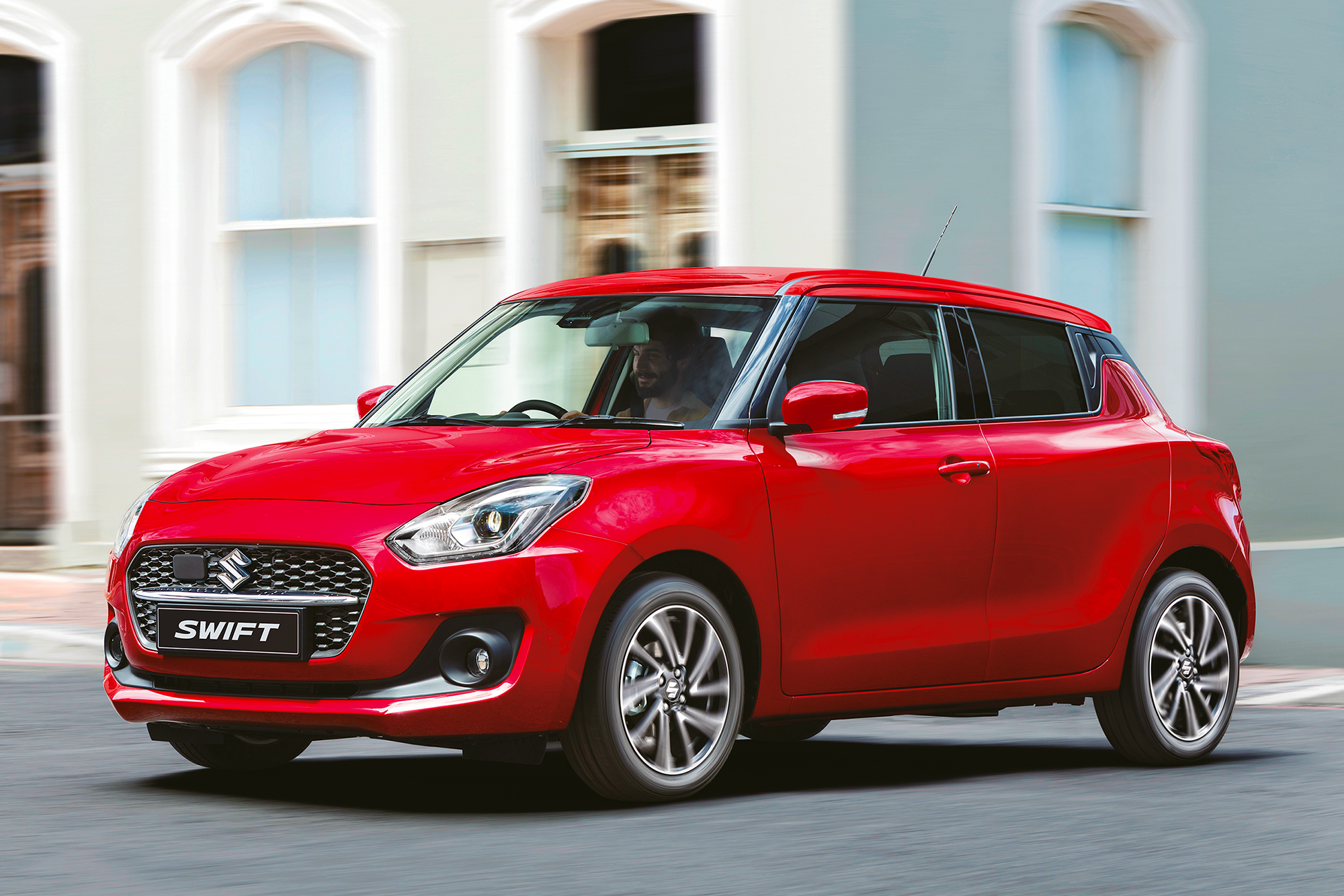
At $19,990 the Swift GL maintains an attractive price point against many competitors that have surged in recent years. It’s also an in-demand car on the used-car market, helping cement a solid 61 percent Redbook predicted resale value figure, in turn minimising what you’ll lose during those first five years of ownership.
It’s also among the most affordable to service of its peers, averaging less than $300 annually. Throw in miserly fuel consumption and the Swift emerges victorious.
Part of the Swift’s cost-saving magic is achieved with its size. It’s small by city car standards, especially with boot space. But for a single or couple looking for easy-to-live-with transport there is plenty to like.
The Swift is agile and fun, be it zipping around town or on the open road. It’s not the quietest, but it is among the more competent city hatches. The compact, lightweight body adds to its litheness, something that is a big contributor to how it drives.
The 1.2-litre four-cylinder is less convincing and requires a heavy foot for even respectable performance, although it is helped by a CVT auto that taps into the best the engine has to offer.
There’s just 66kW to play with, and most of its (limited) enthusiasm is high in the rev range. But, hey, it doesn’t mind some spirited work, adding to the likeable nature of what is a car that screams value.
Speaking of which, even with the bargain price tag the Swift get satellite navigation standard, as well as Apple CarPlay and Android Auto.
There are airbags for crash protection but the Swift lacks the active safety systems becoming commonplace, partially explaining its tempting sticker price.
SMALL CARS
Modern small cars aren’t so small anymore. They’re not always so simple, either, with many offering luxury trimmings and advanced drivetrains for those who want the tech and luxury but don’t need the space of a bigger car.
It’s a category made up of some of the stalwarts of the new-car market, familiar names providing more features and better value than they ever have.
GOLD MEDAL – Toyota Corolla Ascent Sport Hybrid sedan
It’s arguably the best-known Toyota on the road, one that’s been soldiering on for twelve generations and more than half a century. And now it’s the Hybrid version that is the best value of the Corolla line-up.
A relatively fresh addition to the range – the first Corolla hybrid arrived in 2016 – the Hybrid is now a big volume player. Our numbers demonstrate why.
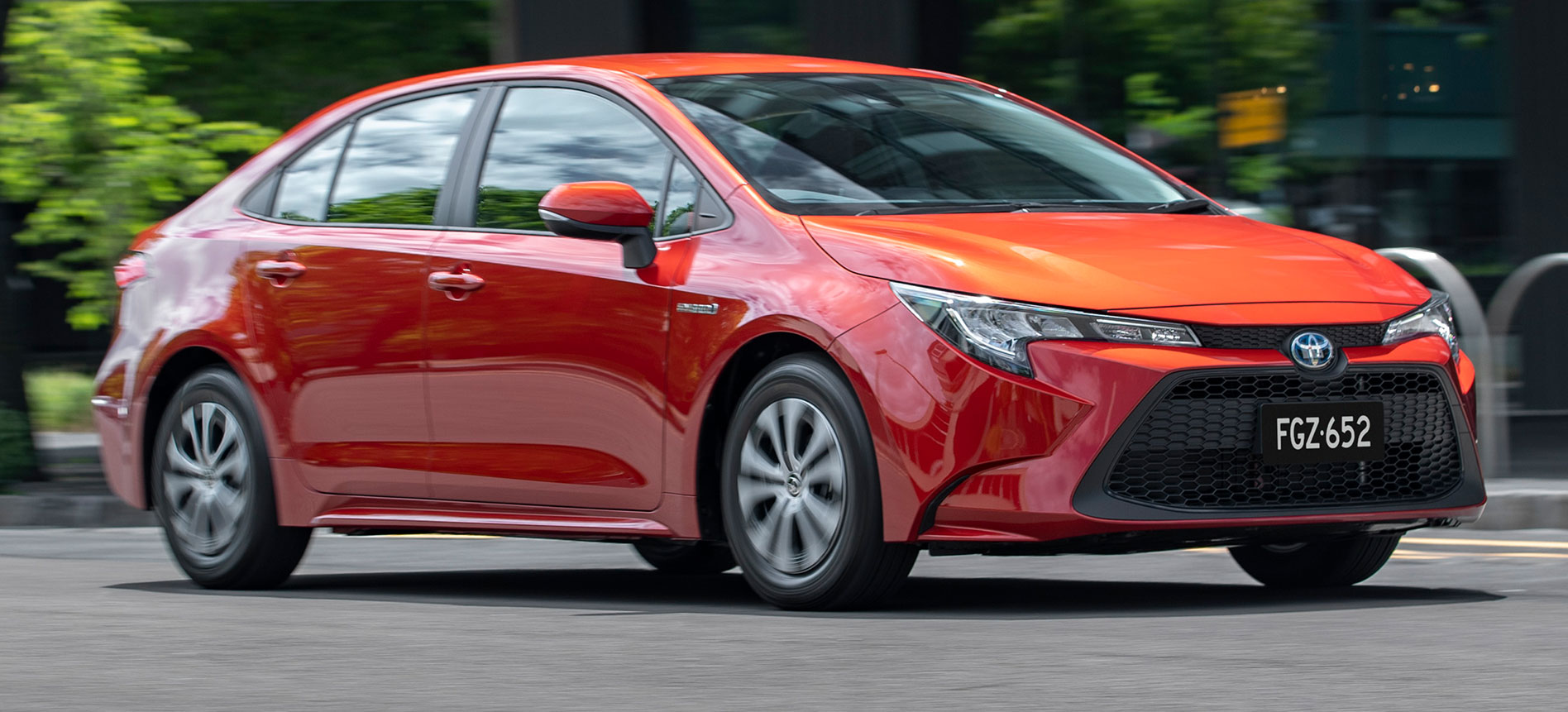
Yes, you’ll pay more to get into a Corolla Hybrid compared with a petrol-only version – it’s a $1500 premium, the Hybrid starting at $27,395 – but the Hybrid is marginally cheaper to insure and uses a lot less fuel.
The fuel equation changes between hatch and sedan, too. In sedan form the Corolla Hybrid uses a claimed 3.5 litres per 100km, 17 per cent less than the identical drivetrain in the Hybrid hatchback.
That’s because the sedan gets skinnier 15-inch tyres versus the grippier 16s on the Corolla Hybrid hatch, one of many efforts to position it as a fuel leader in its class.
There are downsides: the sedan isn’t as fun to drive on winding roads, but it will save dollars when it comes time to top up. Hence its victory in our value awards.
With Apple CarPlay and Android Auto and the safety of autonomous emergency braking and blind-spot monitoring, it’s a lot of small car for not much outlay.
But key to the Corolla’s success here is its 64 per cent predicted resale value.
It’s an impressive number and one that means you won’t go far backwards after five years of ownership.
Some of that used-car appeal can no doubt be traced back to the rich heritage of a car that has long flown the Toyota flag.
FAMILY CARS
It wasn’t long ago that Australians gravitated to sedans and wagons for their family duties. Those days have long gone for many, an SUV replacing tradition in the driveway.
But there’s still an impressive array of medium and large sedans and wagons on the market.
GOLD – Toyota Camry Ascent Hybrid
Family sedans may have largely gone the way of the dodo, but the Toyota Camry is not only hanging in there but fighting hard – and with good reason.
The sizeable four-door (the Camry wagon was killed off more than a decade ago) has shed most of its conservative driving manners to become a car that is comfortable cruising and competent in corners.
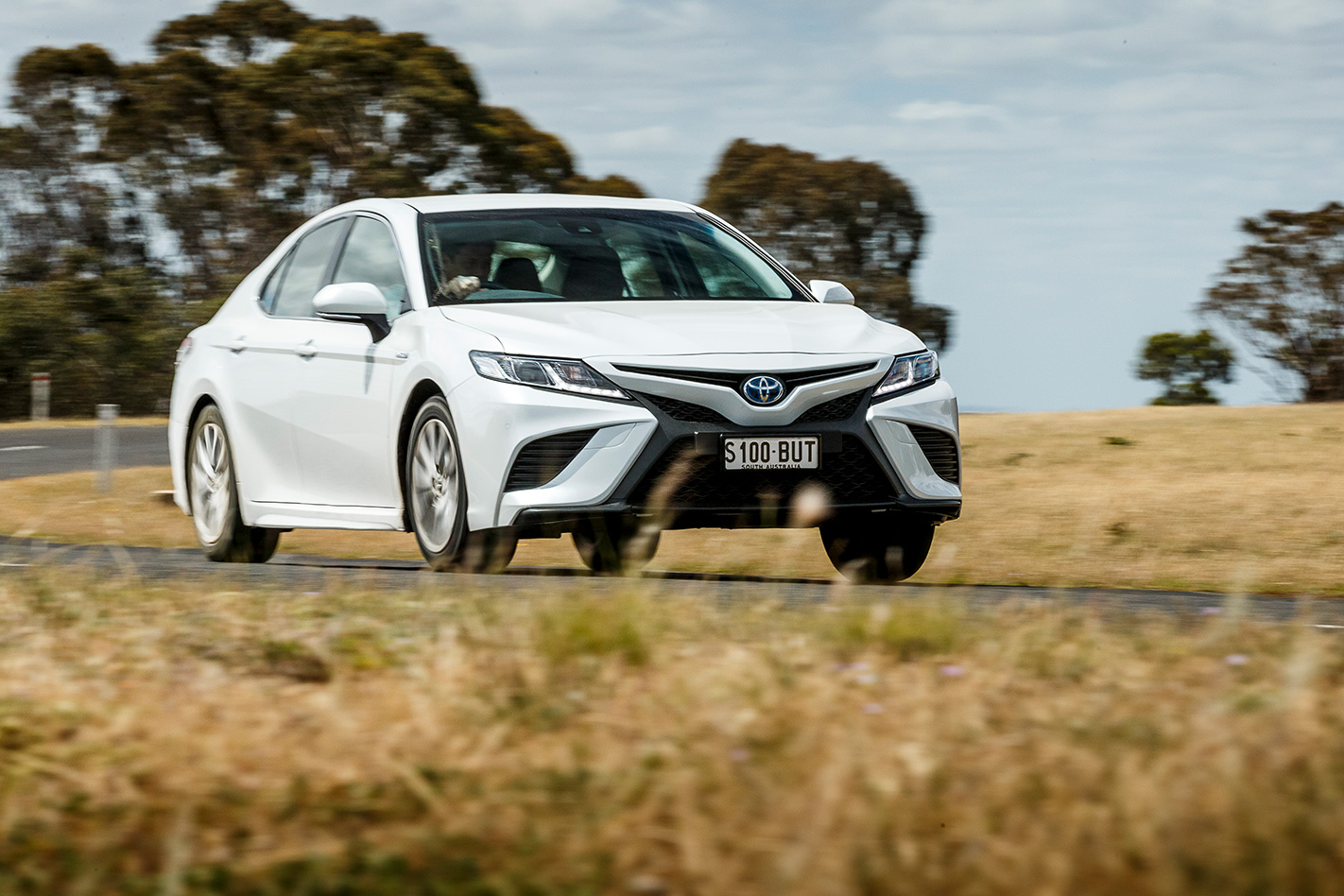
That it also has acres of space – adults in the rear are thoroughly welcome – and a big boot reasserts its suitability to family duties.
At almost five metres long it is a heck of a lot of metal for a surprisingly compact price.
The hybrid system also does what it says on the box. Fuel use is around half that of the regular model in city driving, mostly because the small battery pack can store braking energy to power the electric motor when accelerating.
That motor provides a solid initial shove, making up for otherwise modest performance from the 2.5-litre four-cylinder.
A long list of standard features incorporates the key active safety systems, dual-zone ventilation and Apple CarPlay and Android Auto connectivity.
To get to the top of the podium the Hybrid first had to beat the regular non-hybrid Camry, something it did largely thanks to significant fuel savings.
But the focus on fuel economy means used-car buyers are increasingly likely to sniff out a petrol-electric model over the pure petrol.
So the Camry Hybrid’s forecast Redbook resale is a few percentage points higher than the regular Camry, further cementing its lead.
SMALL SUV
Want to know why traditional small cars aren’t as popular as they used to be? Look no further than the small SUV segment, now bursting with dozens of contenders.
For a class that barely existed a decade ago it’s positively booming, even gaining pace during the bedlam of 2020.
Winner – Toyota Yaris Cross GX Hybrid
There’s no such thing as too many SUVs apparently, as Toyota has just shown with its newest arrival.
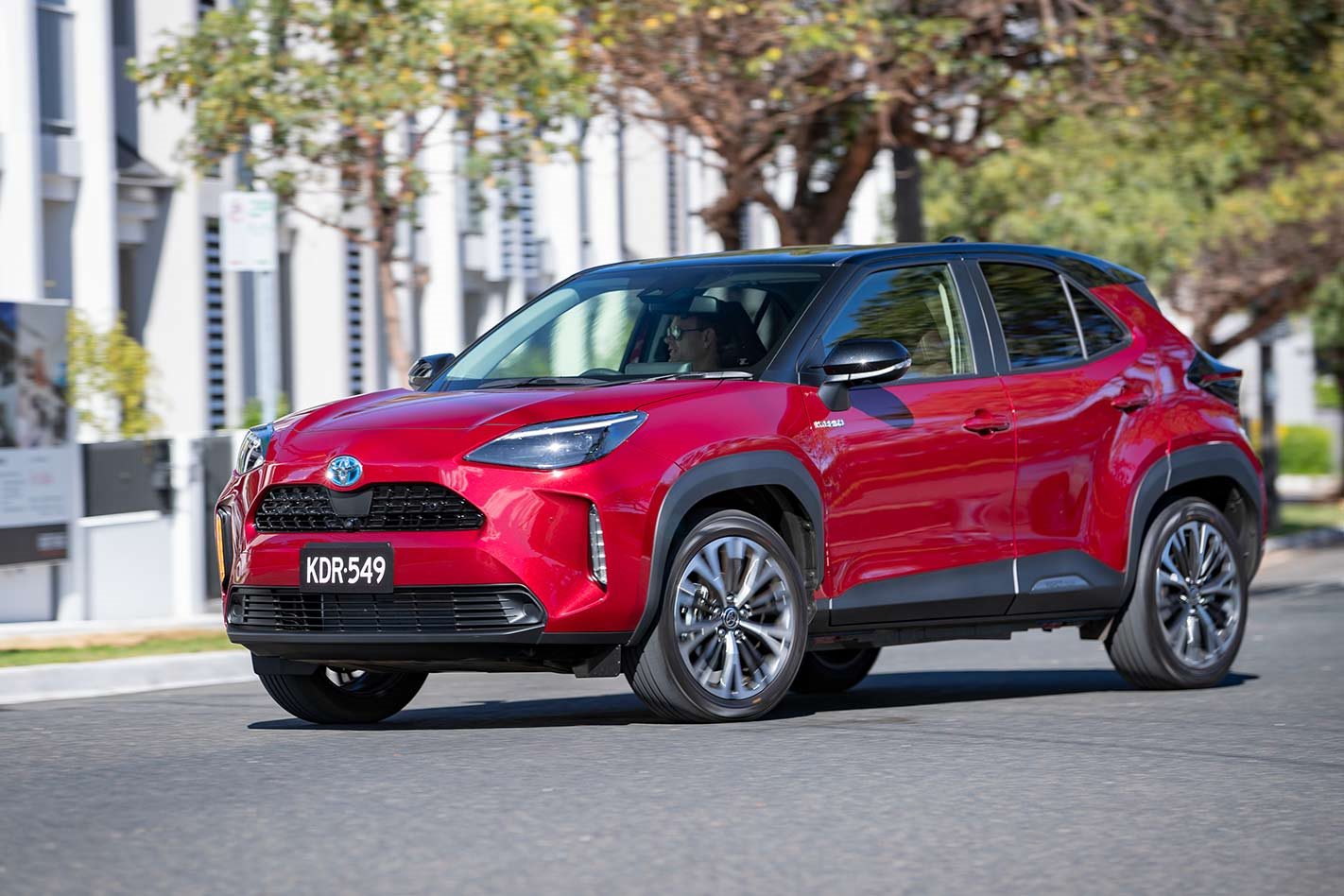
The Yaris Cross is the seventh SUV in the Toyota stables, slotting in below the C-HR as the most affordable.
As its name suggests, it shares plenty with the Yaris hatch – including three-cylinder engines and interior – but with a unique SUV body. Some funky colours and competitive pricing add to its appeal.
Whereas many small SUVs don’t bother with four-wheel drive, the Yaris Cross can be optioned that way.
However, unlike Toyota’s hardcore off-roaders, it’s one focused on the lighter side of gravel tracks.
The main thrust with the Yaris Cross is the suburbs, where the optional hybrid system comes into its own; don’t bother with the AWD model, either, because it’s way more expensive.
Recouping energy normally lost as heat through the braking system contributes to a frugal fuel use claim of 3.8 litres per 100km.
It more than offsets the $2000 higher entry price ($28,990 in total), helping the Yaris Cross edge to the front of a hotly contested field.
Sharp service pricing also helps in what is a densely packed pointy end of the field.
Even in the base GX trim level it’s well equipped, including items often left to the options list of some far more prestigious models.
Think smart key, digital radio and Apple CarPlay and Android Auto on a 7.0-inch touchscreen.
Safety is also well catered for with auto emergency braking and speed sign recognition as well as centre front airbags, the latter helping the car to achieve an ANCAP five-star safety rating for 2020.
There are also 16-inch alloy wheels, although the tyres wrapping them have sub-standard grip on a wet road, a rare mark against an otherwise solid driving scorecard.
MID-SIZE SUV
What started as something of a soft-roader experiment in the 1990s has turned into the default family car class in Australia.
Mid-sized SUVs now fill the role of traditional family cars, the space, functionality and affordability a drawcard for many.
GOLD – Hyundai Tucson Active
The Hyundai brand has long stood for value and nowhere does it shine as brightly as the Tucson, the nameplate that made a reappearance in 2015 after a five-year hiatus to replace the ix35.
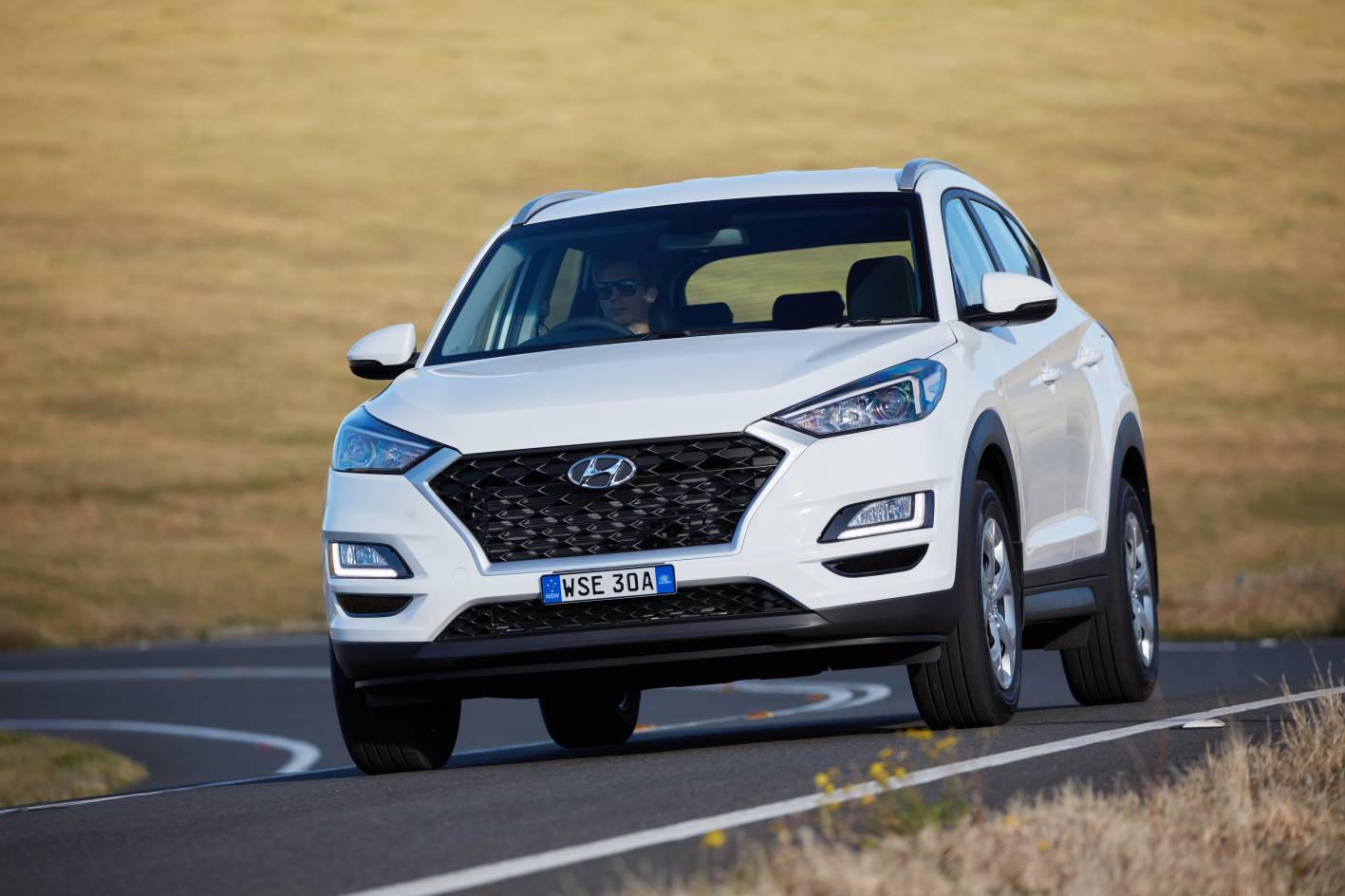
The current Tucson is nearing the end of its life but has benefited from updates and tweaks to make it a mid-size SUV value leader.
That Redbook forecasts it to hold onto 63 per cent of its original price after five years is indicative of the respect the model has cemented in the used-car market, something that makes ownership prospects even more enticing.
Those residual forecasts were also crucial in edging ahead of the dozens of other models that make up one of the most diverse and close-fought segments of the new-car market, one that these days is the default for so many families.
The Tucson also demonstrates genuine suitability to Australian conditions. A full-sized spare wheel is a rarity but appreciated for those planning on longer drives.
Local suspension tuning adds some finesse to the honest dynamic package. The way it deals with bumps and corners is indicative of Hyundai’s understanding of the market and the buyers who gravitate towards spacious and functional five-seaters.
The Tucson family is broad, but it’s at its entry point where running costs are most favourable, standard fare including Apple CarPlay and Android Auto on a 7.0-inch touchscreen.
This is why the $32,140 Active model has risen to the top here.
The 2.0-litre four-cylinder engine is a basic unit, but its 122kW and 205Nm outputs ensure respectable performance. And while it’s not the most economical mid-sizer it’ll happily run on the most affordable regular unleaded.
Again, it’s an SUV that may not stand out in any one area but rarely makes a misstep and in the process presents as an affordable, easy-to-live-with mid-sizer that is also a deserving winner on value.
SEVEN-SEAT SUVS
Sometimes five just isn’t enough, which is why seven-seat SUVs are now increasingly common among families who don’t necessarily fill all seven seats regularly but want the flexibility.
Key to the appeal of seven-seat SUVs is design, something that inevitably compromises interior space.
GOLD – Honda CR-V VTi-7
Plumping a third row of seats into a mid-sized SUV is naturally going to have its compromises, but the Honda CR-V VTi-7 juggles them better than any.
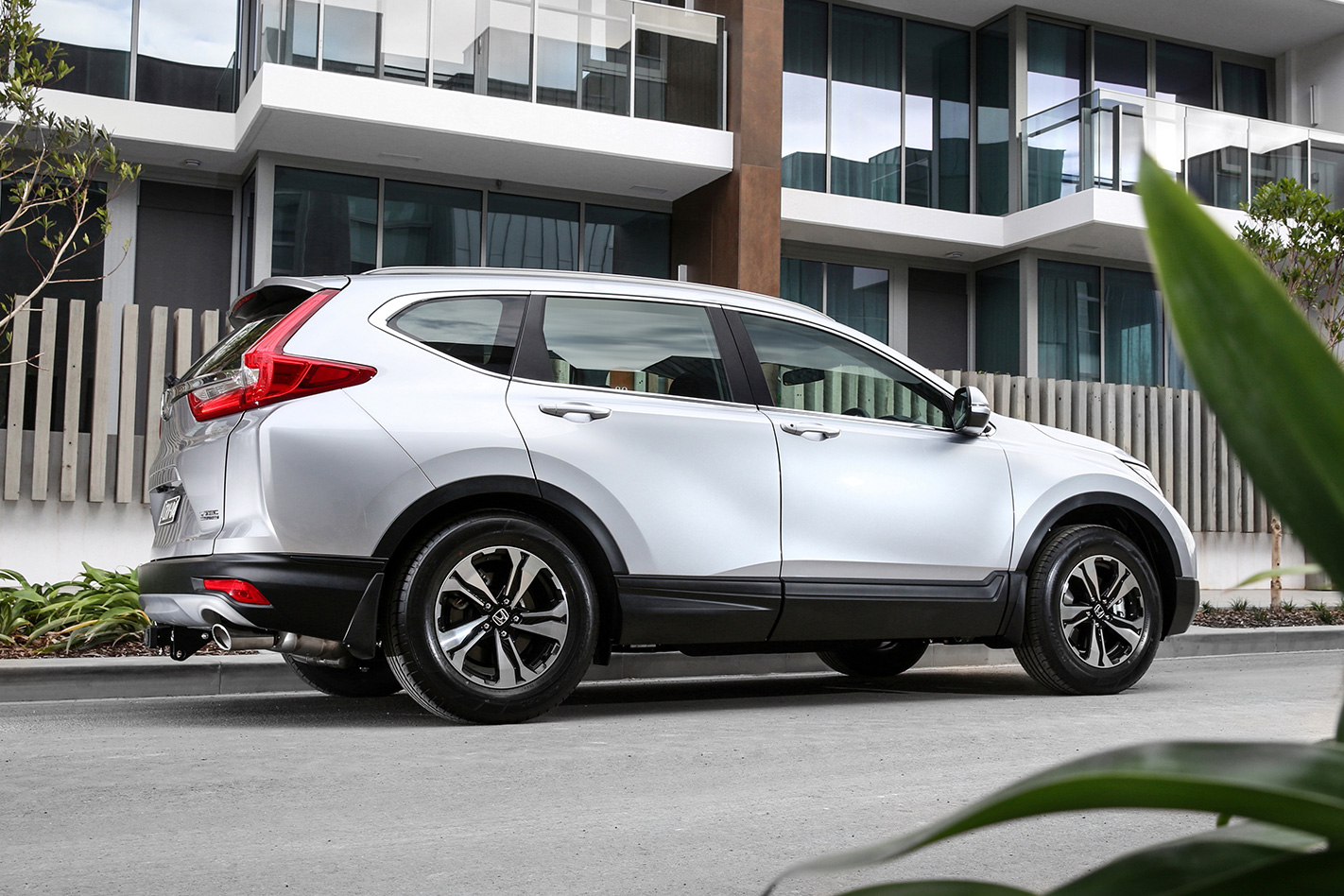
Before crunching any numbers the seven-seat CR-V was hit with penalty scores, particularly in the fit-for-purpose category.
With less interior space than larger rivals it simply won’t carry as much luggage once all seven seats are in use.
But it can carry plenty of people, even if that very back row is best left to the little ones. There are even air vents to circulate fresh air back there.
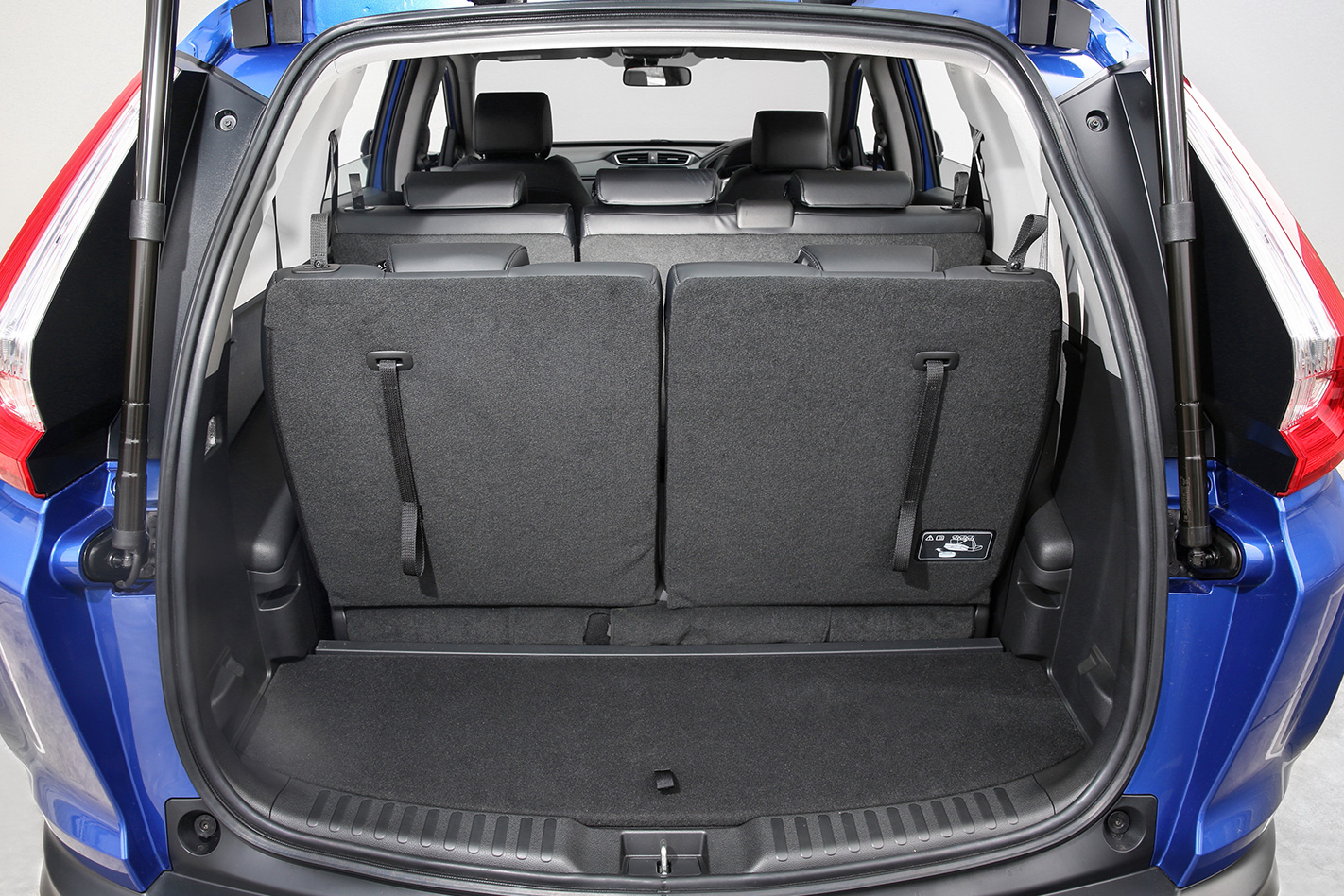
And the CR-V delivers that with a thoroughly tempting $35,490 price tag, one that also promises to hold its value nicely courtesy of 64 percent five-year resale prospects.
Those two factors account for plenty of the CR-V’s goodness in topping our charts.
A recent model update also upped the value, adding Honda Sensing – including active safety features such as autonomous emergency braking (AEB), auto high beam and active cruise control – to the already generous spread of gear.
Standard features include dual-zone ventilation, Apple CarPlay and Android Auto, smart key entry and noise-cancelling to quieten the cabin.
And while all seven people will be moved by just 1.5 litres of four-cylinder engine, the addition of a turbo means the CR-V delivers on performance.
There’s 150kW and 240Nm on tap, the latter available from just 2000rpm.
Mated to a CVT transmission that quickly adjusts according to what the driver is demanding it makes for perky acceleration.
BUDGET LUXURY
So, you want to splash out on something with a touch more class but don’t want to break the bank?
That’s where our Luxury on a Budget category comes in.
GOLD – Audi A1 30 TFSI
A luxury badge in a luxury hatchback for less than the price of most family SUVs.
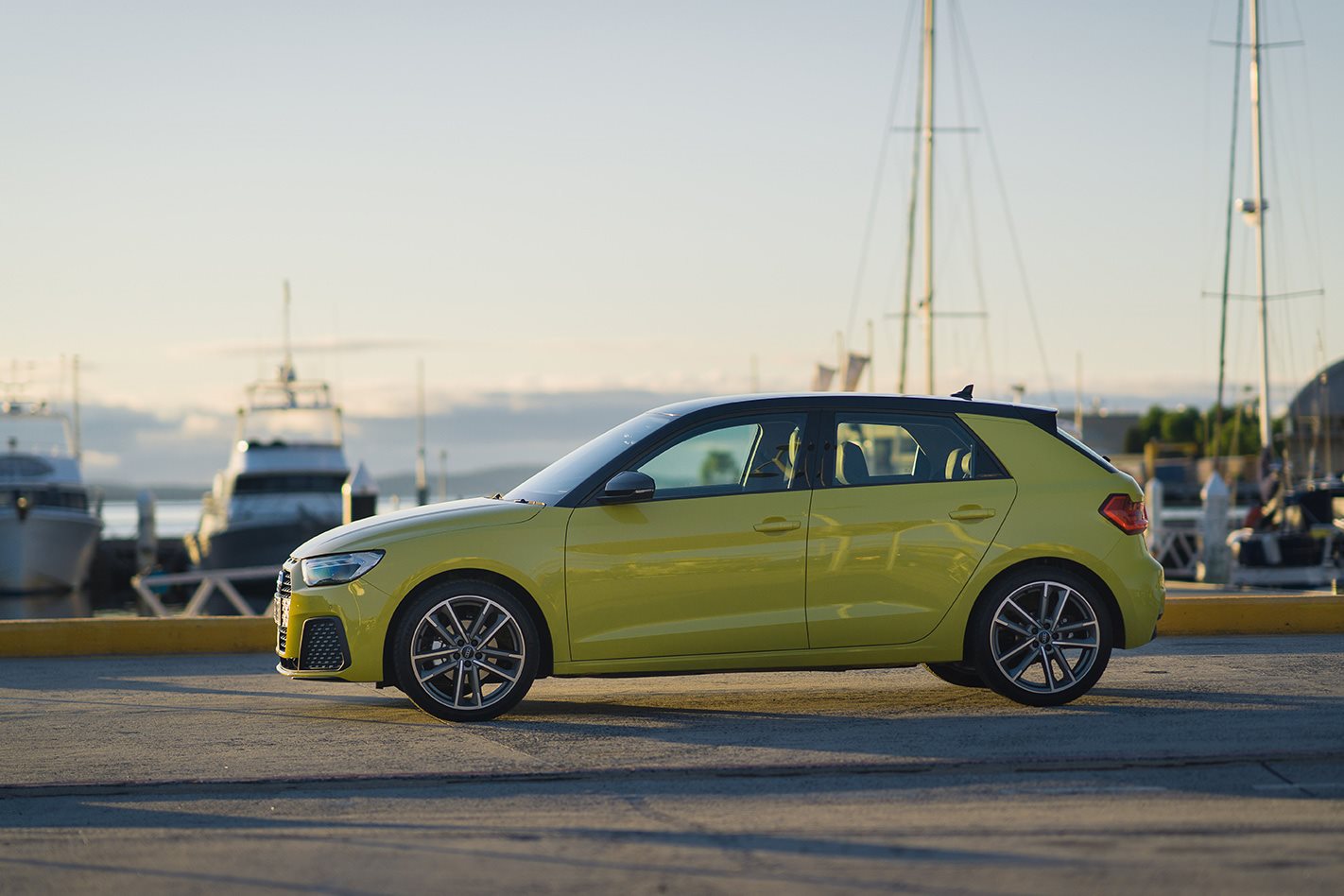
Granted, the Audi A1 doesn’t have anything like the space of those family haulers, but it does provide a taste of the luxury four-wheeled life with plenty of the trimmings.
Our rankings penalised the A1 for that lack of sprawling space – something that limits its appeal predominantly to singles and couples – but its affordability still shone through.
Affordable insurance, low fuel use and sensibly-priced servicing add to its appeal.
And all at $32,350 for the entry-level 30 TFSI, which includes 17-inch alloy wheels and auto emergency braking (AEB).
That low price of entry ultimately plays a big role in the A1’s victory, in part because there’s less initial outlay to evaporate as depreciation over the first five years of ownership.
To get the full luxury fruit you’ll have to splash out on packs and extras for sat-nav and smart key entry, as well as higher-grade finishes.
But with Apple CarPlay and Android Auto much of the tech people expect can easily be incorporated into the clear 8.8-inch touchscreen. And the standard presentation is a step or two above most city runabouts.
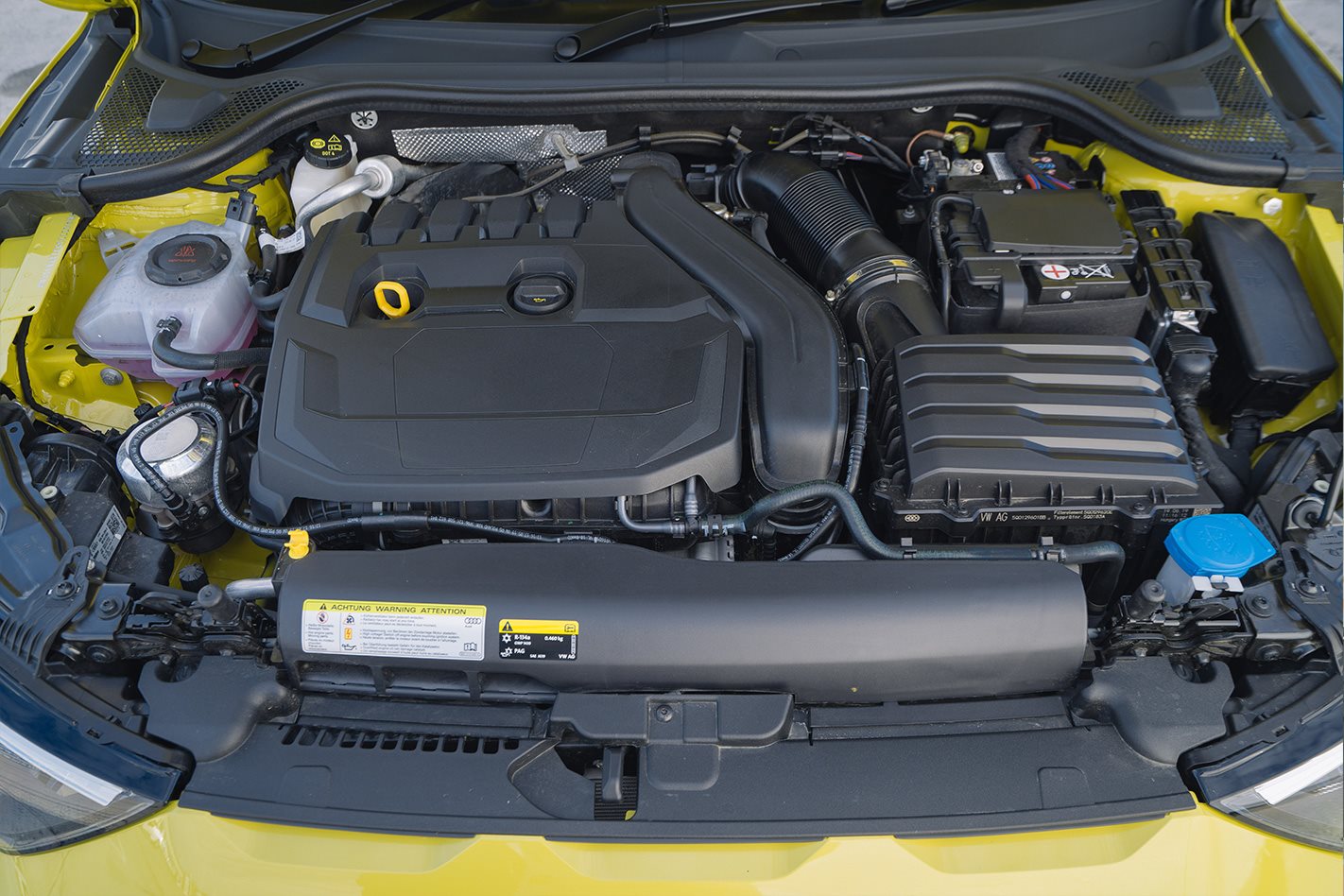
The Audi A1 is a fun car to drive. Its tiny 1.0-litre three-cylinder turbo engine has a lovely character and thoroughly satisfactory acceleration.
The seven-speed twin-clutch auto helps with slick shifts, as does the lightweight body.
It’s sharp through corners, too, adding to the driver engagement. All of which is important if you’re going to splash out on a hatch with a premium price.
PRESTIGE CAR
If diversity is your thing then look no further than the medium and large prestige cars that start at around $55,000.
This used to be the prestige heartland, the price level that got you into a luxury brand, at least before the luxury brands began downsizing their wares.
GOLD – Audi A4 35 TFSI
There’s no shortage of accomplished competition among the traditional heartbeat of the luxury market. But it’s the Audi A4 that emerges with the best combination of value, luxury and driving nous.
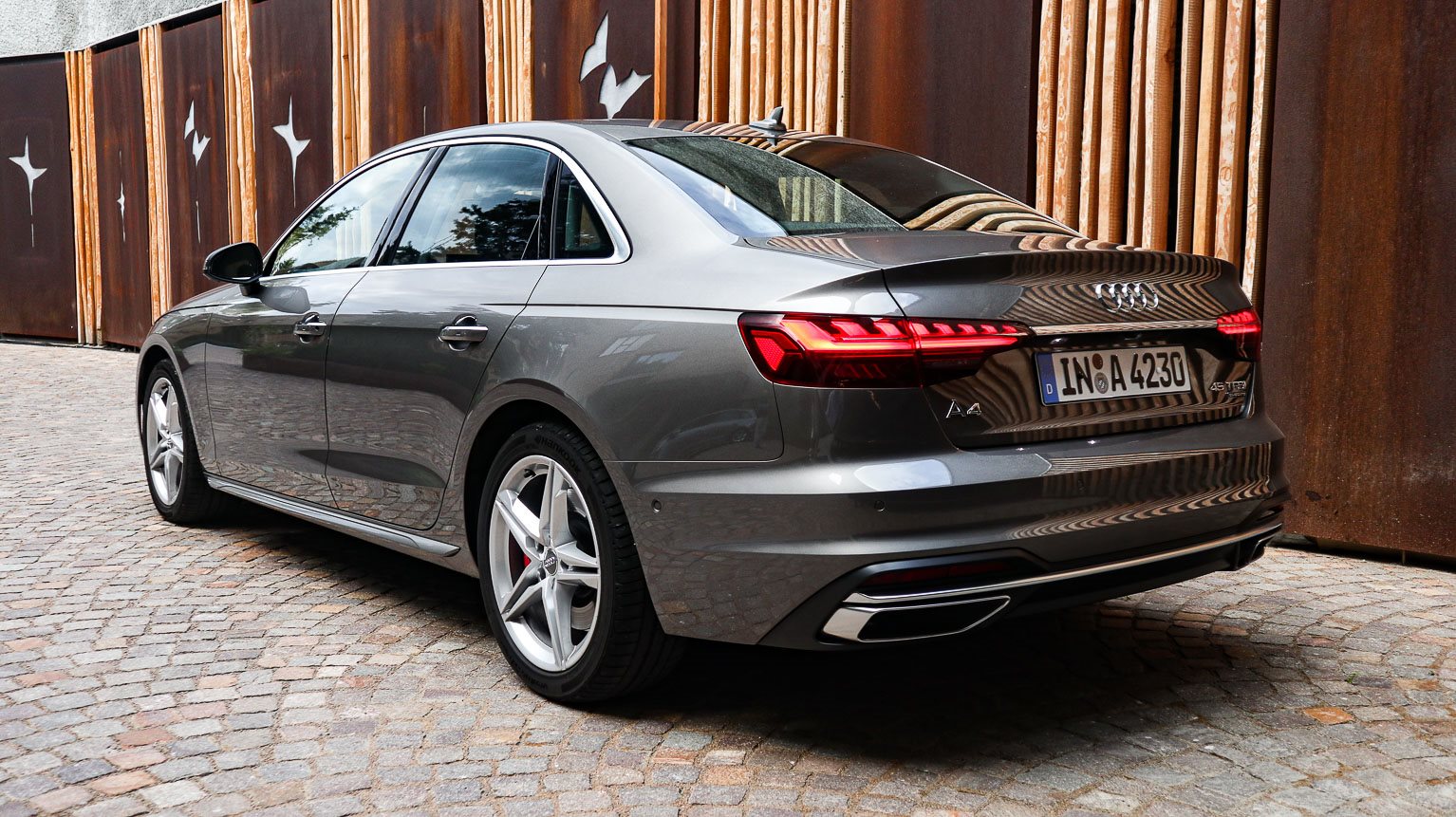
The $55,900 entry-level car is sharply priced against key rivals but still incorporates plenty into the most affordable 35 TFSI model.
There are 19-inch wheels, tri-zone air-conditioning and elegant finishes throughout, as well as partial leather seats and an electrically-adjusted driver’s seat.
The availability of a wagon is a plus, providing some SUV functionality with the sportier dynamics of a lower-riding car.
The addition of Audi Connect Plus allows smartphone connectivity to lock or unlock the doors and provide real-time traffic, fuel and weather information.
Smartphone connectivity incorporates Apple CarPlay and Android Auto.
The 2.0-litre four-cylinder makes a modest 110kW but there’s a solid surge of pulling power lower in the rev range to make for easy touring and suburban running.
Now with mild hybrid tech the A4’s claimed 6.1L/100km fuel use undercuts key rivals, something that helped it to the top in this contest.
Many cars in this category fared below average for anticipated resale values, but the A4’s more affordable price shielded it from some of that pain.
Sensible service pricing and mid-level insurance charges round out a car that nicely blends luxury trimmings into a practical and affordable package.
PREMIUM SUV
When BMW and Mercedes-Benz unleashed their first SUVs in the late 1990s it was big motoring news: luxury brands encroaching on the space traditionally occupied by cars originally designed to get down and dirty.
These days it’s difficult to imagine luxury brands surviving without multiple SUVs in their line-up. Even Bentley and Lamborghini have joined the high-riding club.
It’s created a diverse field, and for this exercise, we’re focusing on those classified as mid-sizers or above, the sort of vehicles that double as family transport but can equally push the luxury buttons. Small premium SUVs were included in our Luxury on a Budget category.
As well as petrol and diesel offerings there are various electric contenders and it’s a category that encompasses almost all luxury brands, from those with century-plus heritage to newcomers with big aspirations.
GOLD – Lexus NX300 Luxury
Toyota tech in luxury Lexus clothes makes for a premium SUV that stands above its peers for ownership credentials. And it’s the most affordable in the NX family – the NX300 Luxury – that takes out the top spot.
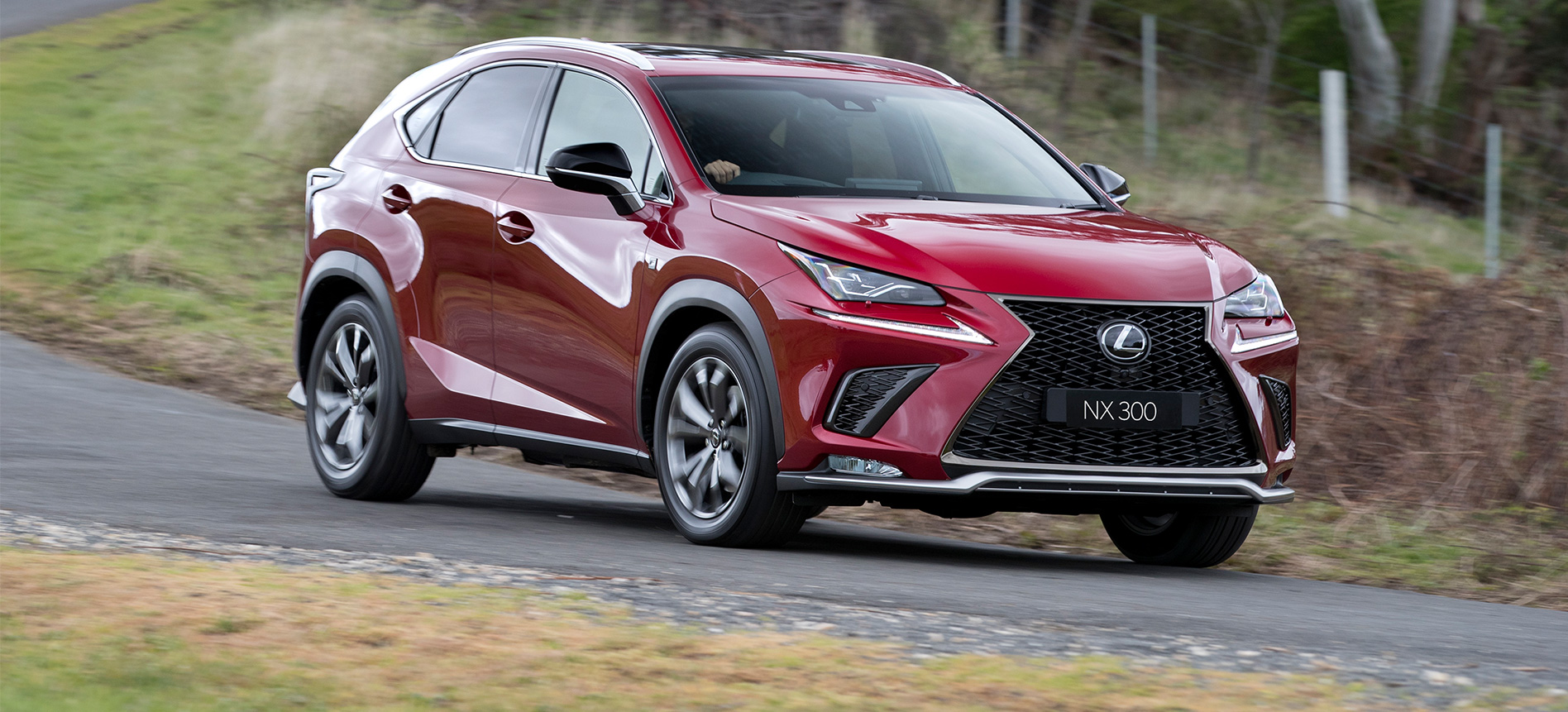
Based on the Toyota RAV4, the Lexus NX is a very different machine to look at – and one that also gets different drivetrains.
Under the bonnet is a 2.0-litre four-cylinder turbo engine making a useful 175kW and 350Nm.
That torque figure in particular makes it a muscular accompaniment to the mid-sized NX body.
Whereas most rivals drive all four wheels, the NX300 drives only the fronts (an all-wheel-drive system is optional), something that helps keep the initial asking price down.
At $57,500 it’s one of the more affordable premium mid-sized SUVs on the market.
That also means there’s less money to lose in depreciation, contributing to a thoroughly respectable 59 per cent resale forecast after five years.
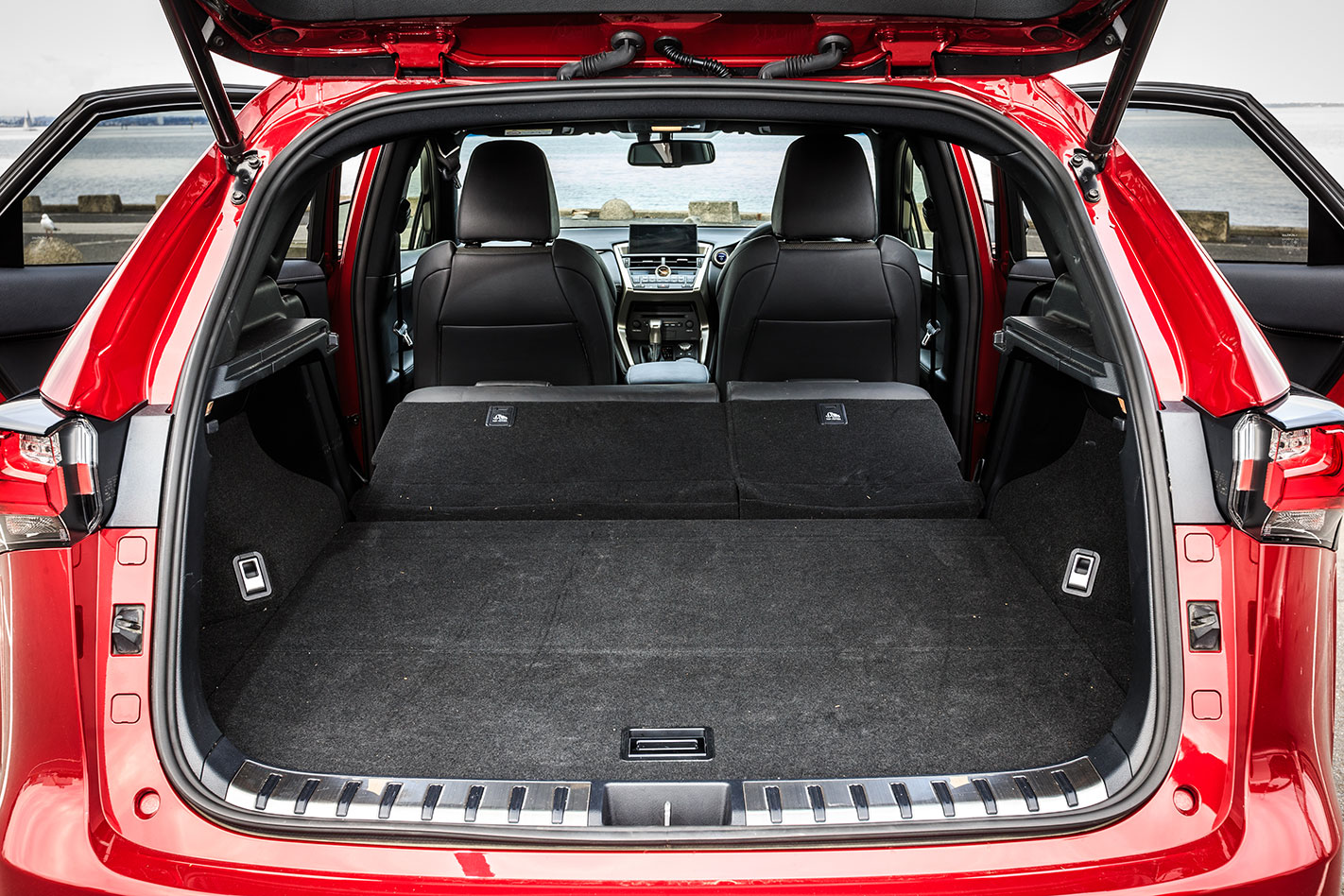
Despite the tempting sticker price it’s loaded with gear, including dual-zone climate control, smart key entry, 10.3-inch touchscreen, heated and power-operated front seats, powered tailgate and a decent 10-speaker sound system.
Elsewhere, trademark Lexus attention to detail is on display, from finishes and materials to the way everything melds together.
Active safety is on par with rivals as is connectivity.
The NX300 is also beautifully refined and gives the impression it will keep playing its luxury card many years into the future.
All of which adds up to a great value luxury SUV, albeit one without the dynamic polish of some rivals.
How Australia’s Best Value Cars Works
Our exhaustive analysis starts with working out which models fit into which category and then establishing which variant of that model’s range will fare best.
Typically it’s the more affordable variants, but hybrids can overturn that assumption; cheaper running costs and stronger predicted resale value can make them better value overall, as our results reveal.
THE BASICS
The intensive assessment starts with the basics of each car, including how much it costs. For simplicity and to better represent consumer tastes we’ve chosen auto transmissions where available, given they are the preference for the vast majority of buyers (affordable sports cars are a rare exception, with manuals still popular).
We then turned to industry expert Redbook for an estimate of what each car would be worth after five years of ownership.
Expressed as a percentage, that residual estimate gives us an idea of how much less that car will be worth after an average period of ownership. It’s an important and very influential figure; that lost value is the single biggest cost of owning a new car.
COSTS
From there we look at running costs calculated over five years and 75,000km, assuming an average 15,000km travelled each year.
Fuel costs account for cars running on more expensive premium unleaded; $1.44 per litre versus $1.25 for regular; diesel was calculated at $1.14/litre at the time of publication. We’ve even included electric cars, assuming a kilowatt-hour rate of 29c.
Insurance costs were calculated using Budget Direct’s online tool for a 35-year-old rating one driver living in Chatswood, Sydney.
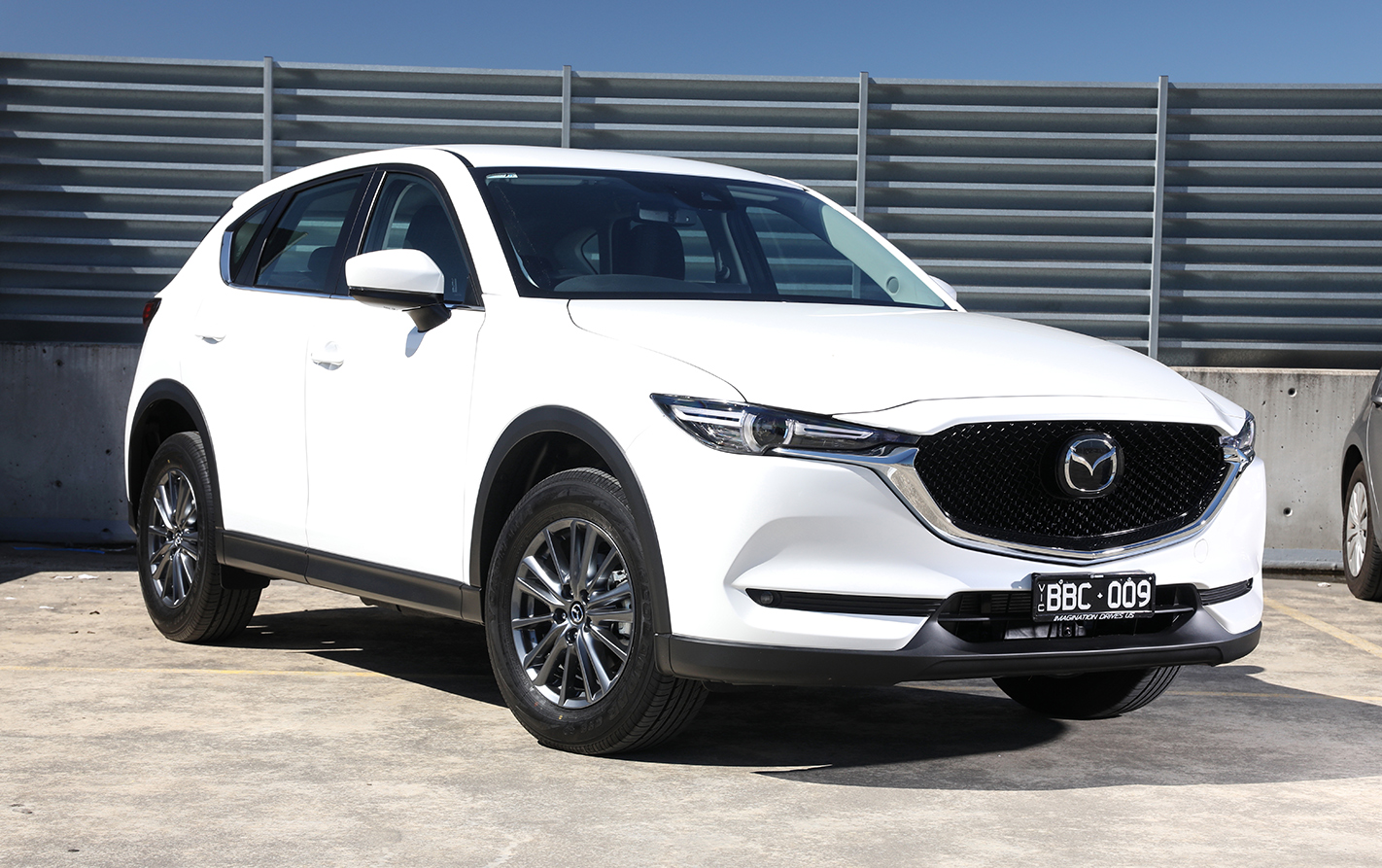
However, the company doesn’t cover all cars, so in some cases we leant on NRMA to ensure we had an apples-for-apples comparison within individual categories.
Servicing costs were determined using online calculators for the first five years or 75,000km, mostly covering capped price servicing. We also consulted individual brands for more detailed estimations where online figures weren’t published. For those without clear indications of service pricing we used high-end estimates for genuine parts and labour.
As for warranty, it wasn’t factored into these calculations, at least not directly. Cars with a warranty that exceeds the five years we performed these calculations over will be rewarded with superior resale values.
All prices and data correct as of December 1, 2020
