
Korean carmaker Kia has axed V6 variants of its Sorento large SUV and Carnival people mover, citing Australia’s newly-enforced New Vehicle Efficiency Standard as, partially, the reason behind the range cull.
Kia’s Australian website states petrol [only] variants of Sorento and Carnival are being run out and “are now limited to dealer stock”.
Wheels reached out to Kia Australia where a spokesperson confirmed that “these variants will end sale in early 2026. Yes, this is due in part to NVES. Regarding existing stock, we anticipate V6 stock will be depleted within Q1 2026.”
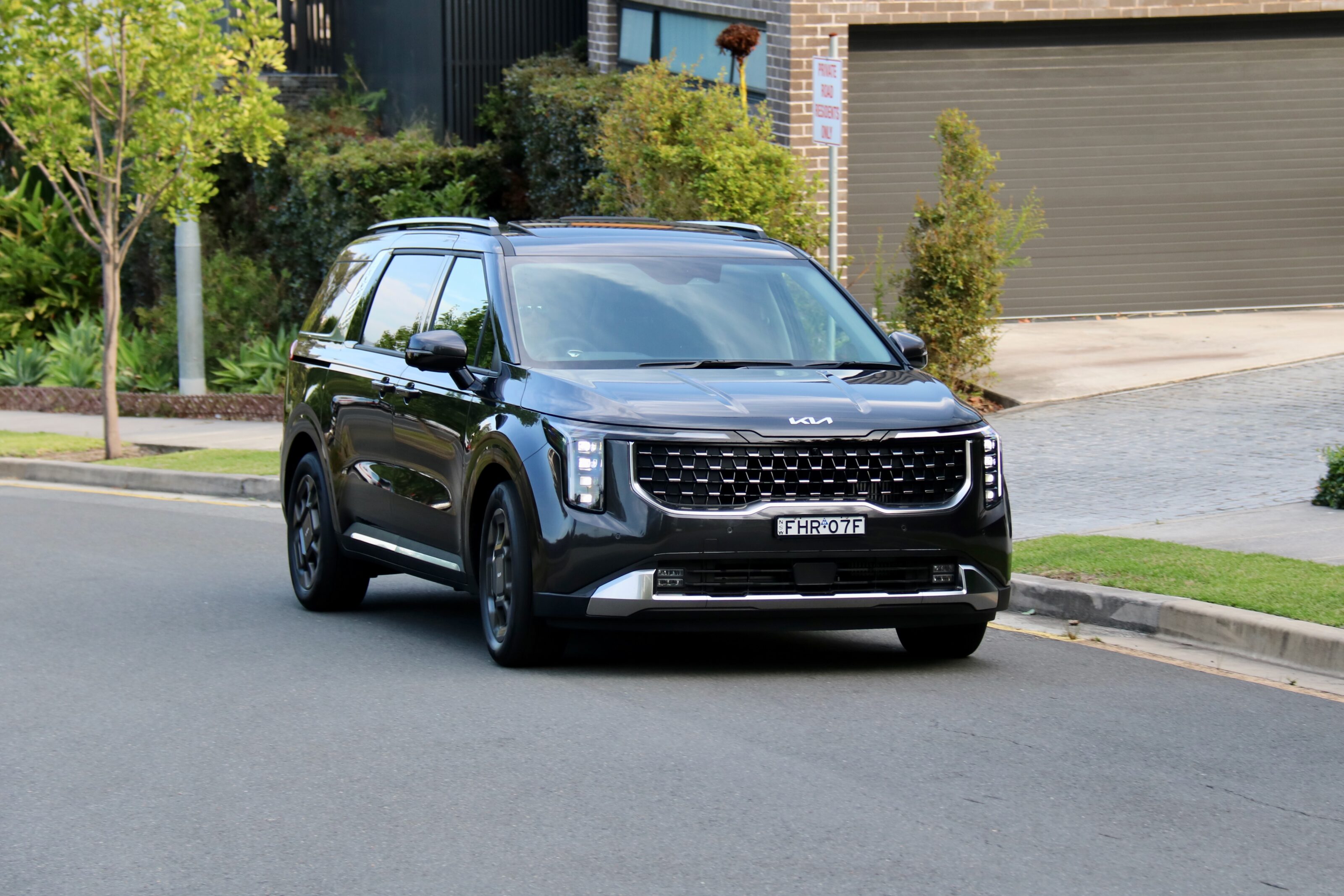
The move comes amid an expanding line-up of more efficient and lower-emitting hybrid variants across both ranges. Additionally, Sorento welcomed a plug-in hybrid variant to its local line-up in 2025.
The 3.5-litre V6 was the highest emitting engine in Kia’s Australian line-up, with claimed CO2 emissions of 222 grams per kilometre for the Sorento and 220g/km for Carnival. That’s far in excess of the 2.2-litre diesel option, which remains available across both ranges, rated at a claimed 170g/km for Carnival and 158g/km for Sorento.
The 1.6-litre petrol-hybrid engine, unsurprisingly, improves CO2 emissions even further with the Carnival claimed at 132g/km and Sorento at 158g/km. The Sorento PHEV claims an emissions rating of just 36g/km.
Under Australia’s NVES, which came into full effect on July 1, 2025, the CO2 emissions of Type 1 vehicles such as the Sorento and Carnival are measured against a government-mandated target of 117g/km.
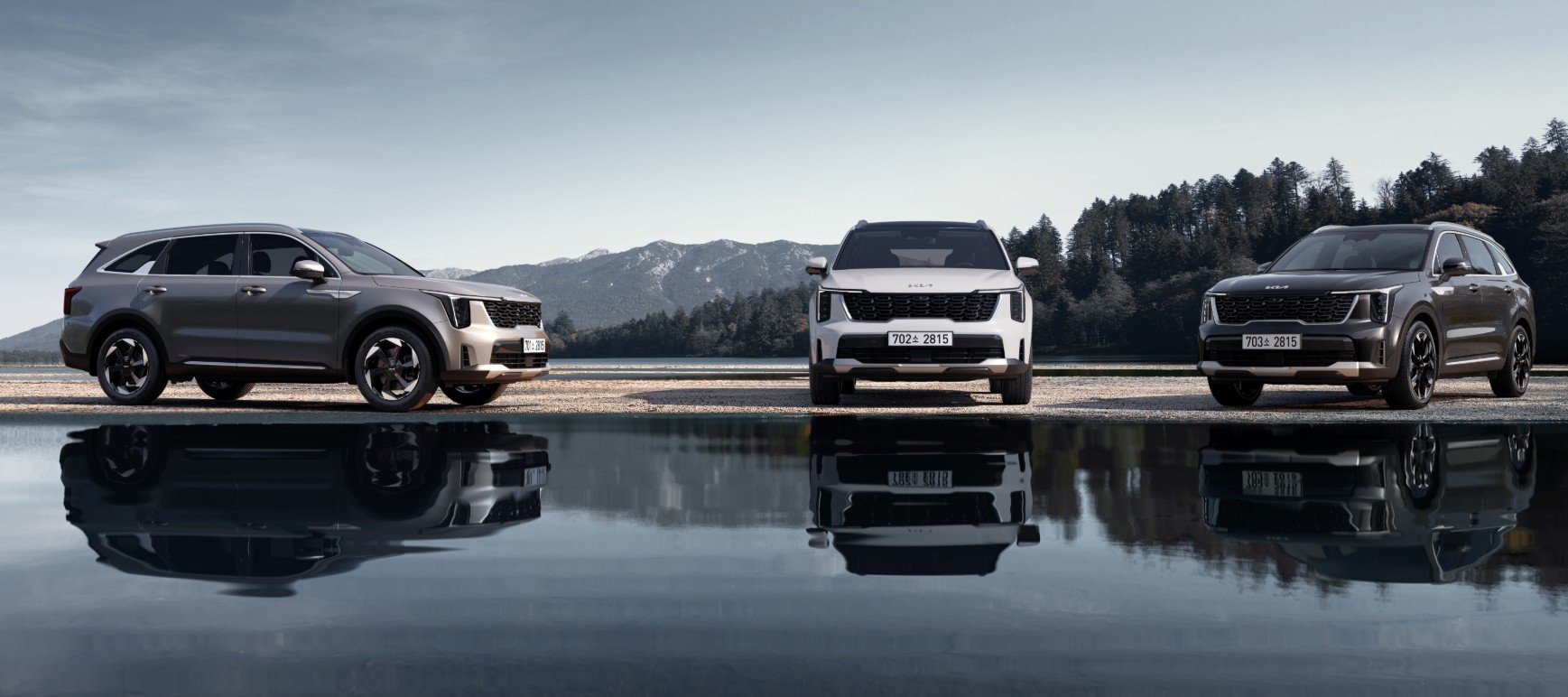
However, while the stricter emissions rules are in now in force, and can potentially lead to penalties and fines levied at the manufacturer, car makers can offset the higher emissions of those vehicles that exceed the target (such as Sorento and Carnival) with sales of lower-emitting vehicles (such as PHEV and full battery-electric). Reducing the number of higher-emitting models (such as V6 Sorento and Carnival) in their line-ups, strengthens the ability of car makers to meet the government-enforced targets.
The Federal government is set to name and shame those manufacturers that have – and have not – met its newly-enforced emissions targets after the first reporting period, called the ‘interim emissions value’, ran from July 1 to December 31, 2025. The results will be released to the public in February.
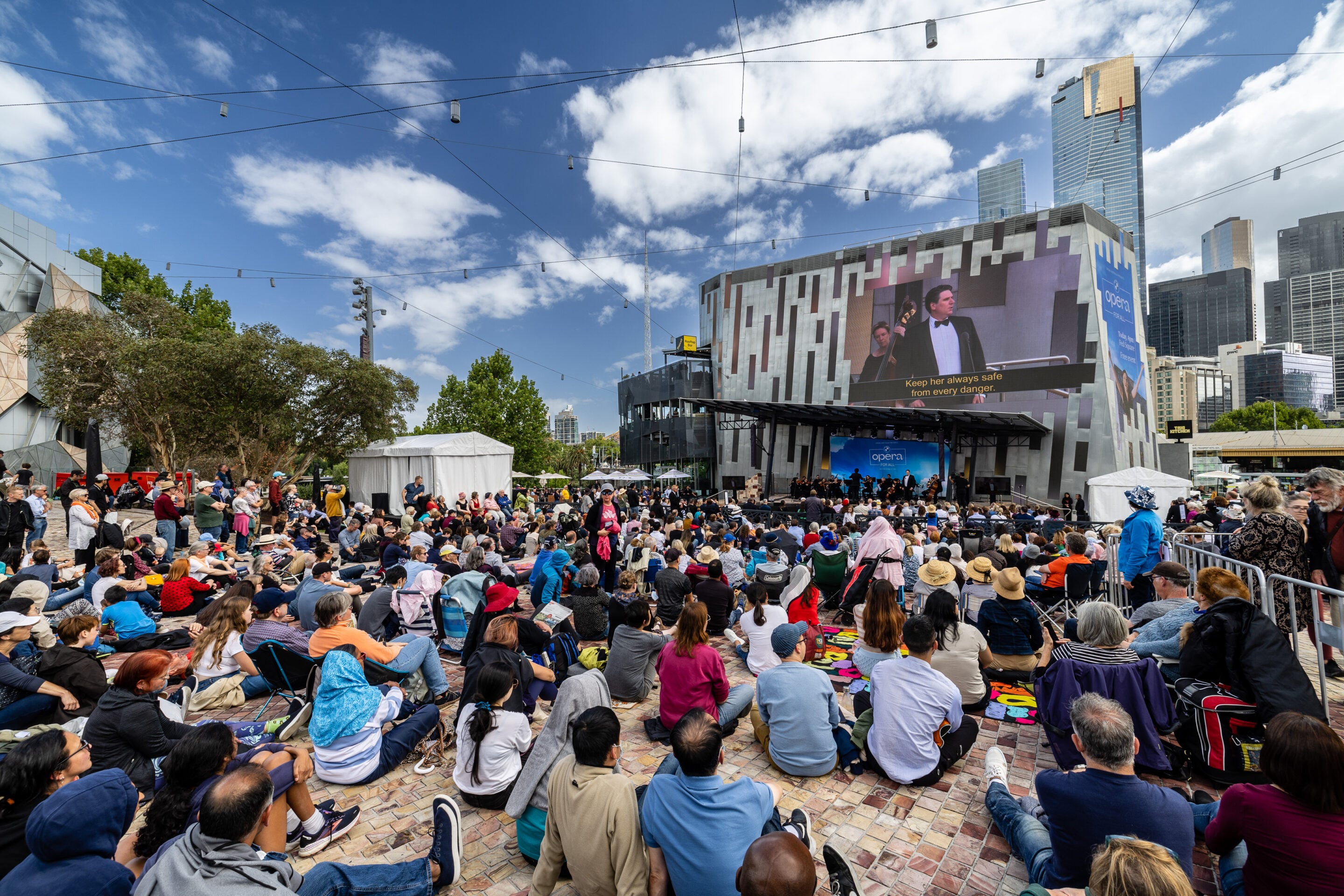
BMW Australia has confirmed the return of its popular BMW Opera for All concert to Melbourne’s Fed Square, teaming up once again with Opera Australia to deliver a free evening of world-class opera to the public. The 2026 event marks the fourth time the initiative has been staged in Melbourne and forms part of a global program presented in major cities such as Munich, Berlin and London.
The open-air concert will take place on Saturday, March 14, from 6:30pm to 8:00pm, transforming Fed Square into a grand outdoor opera house in the heart of the city. Admission is free, with audiences encouraged to arrive early to secure a spot for what has become a highlight of Melbourne’s cultural calendar.

This year’s performance will feature a completely new line-up of four acclaimed Australian opera singers, who will perform a selection of some of the most recognisable and beloved arias in the operatic repertoire. The evening will be hosted by Greta Bradman AM, an award-winning soprano, writer and ABC broadcaster, who will act as Master of Ceremonies throughout the event.
In a special addition to the program, First Nations opera singer Shauntai Abdul-Rahman will deliver a Welcome to Country, marking the significance of the land and setting the tone for the evening’s celebrations.
Musical direction will once again be led by renowned conductor Brian Castles-Onion, returning to the podium to guide the performance. The concert will be supported by 20 musicians from Orchestra Victoria, providing live accompaniment as the sun sets across Fed Square. The Australian Girls Choir will open proceedings with a 20-minute prelude, warming up the audience ahead of the main performance.
BMW Opera for All is part of BMW’s global commitment to Corporate Social Responsibility, with the initiative designed to make high-quality arts and culture accessible to broader audiences. By removing cost barriers, the program aims to create shared cultural experiences in public spaces.
BMW Group Australia CEO Vikram Pawah said the event reflects the company’s broader social responsibility. “Music is a powerful way to unite communities, spark joy and create shared experiences,” he said, adding that BMW Opera for All ensures world-class performances are available to everyone.
Opera Australia CEO Alex Budd said the partnership aligns with the organisation’s mission as it prepares to mark its 70th anniversary in 2026. “Whether it’s someone hearing their first aria or their fiftieth, our goal remains the same – to make opera vibrant, relevant and accessible to all,” he said.
Tesla has moved to strengthen its position in Australia’s increasingly competitive electric vehicle market by significantly upgrading its new-car warranty coverage. From January 1, 2026, customers taking delivery of a new Tesla Model 3 or Model Y will benefit from a five-year, unlimited-kilometre vehicle warranty – a notable improvement on the brand’s previous offering.
Until now, Tesla’s local warranty sat at four years or 80,000 kilometres, one of the shortest cover periods in the Australian new-car market. The revised policy brings Tesla into line with mainstream manufacturers such as BMW, Mercedes-Benz, Volkswagen, Volvo, Mazda and Polestar, all of which offer five-year coverage as standard.
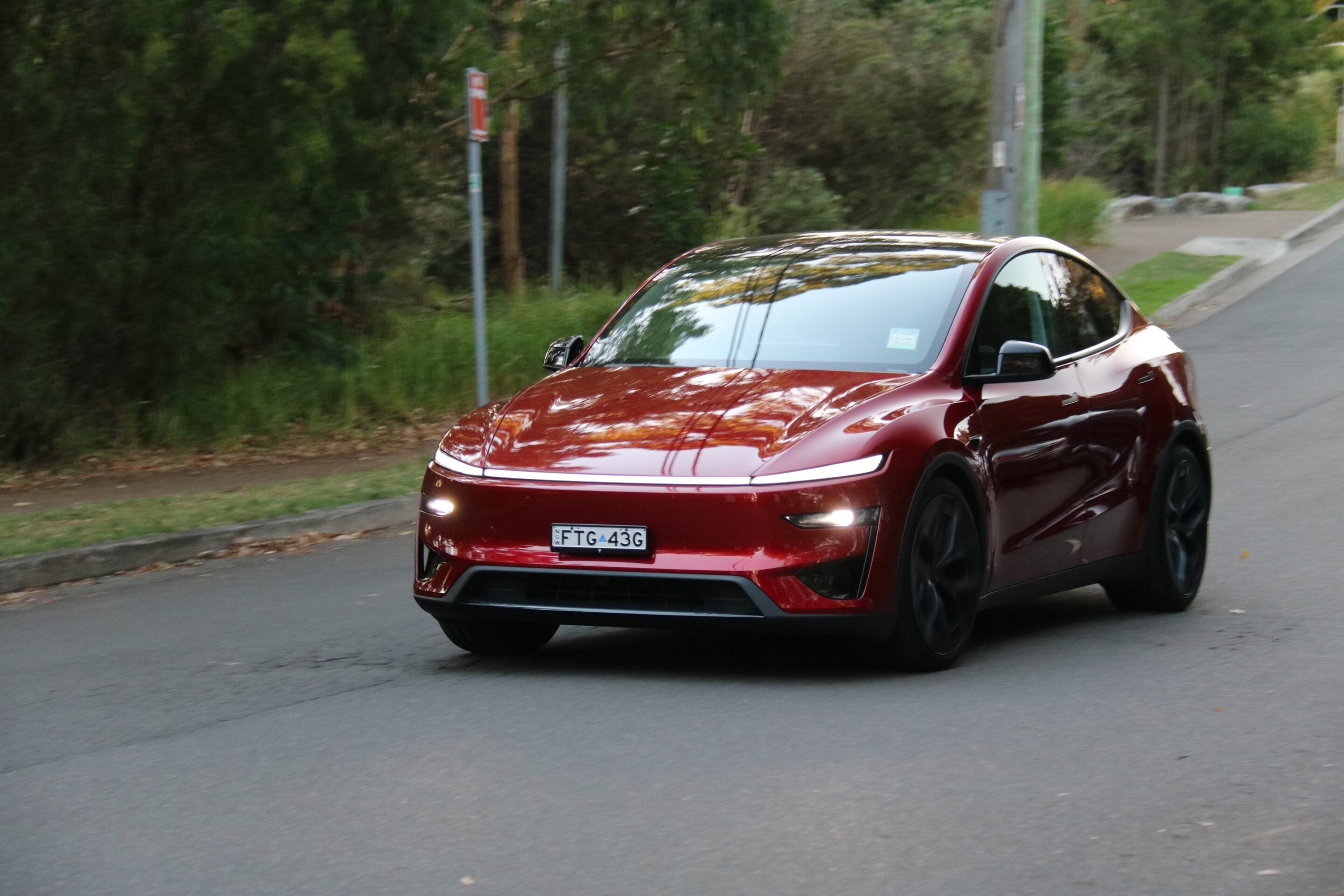
Tesla says the change represents a global first for the brand and reflects the need to better meet local customer expectations. For buyers using their vehicle for commercial purposes, coverage is capped at five years or 150,000 kilometres, whichever comes first.
“Tesla Australia and New Zealand is thrilled to pioneer global firsts that redefine the driving experience for our customers,” said Tesla Australia and New Zealand country director Thom Drew. “Introducing a five-year, unlimited-kilometre new vehicle warranty for 2026 aligns with local market expectations and instils lasting confidence in Tesla ownership.”
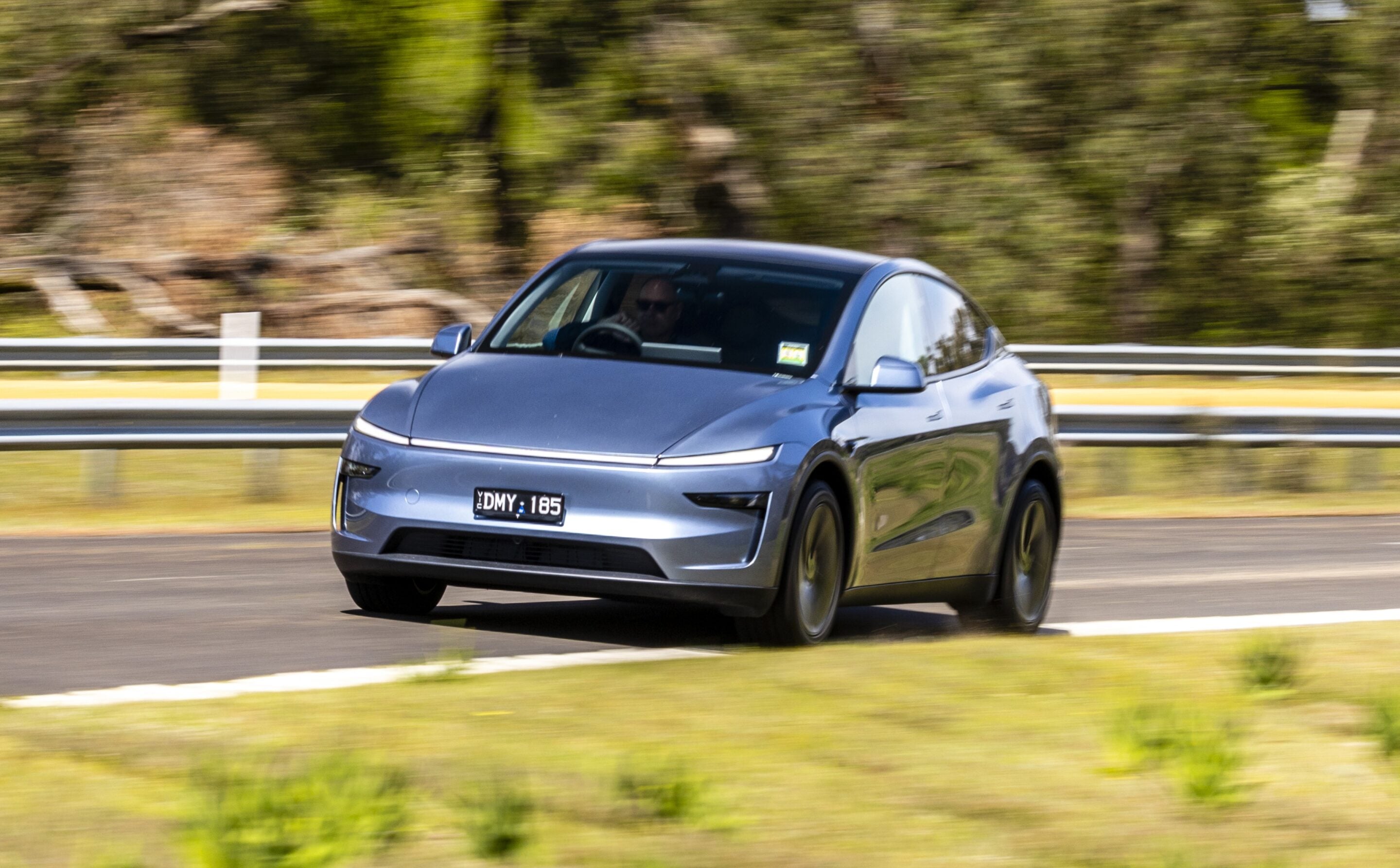
While the headline vehicle warranty has been extended, Tesla’s high-voltage battery and electric drive unit coverage remains unchanged. Rear-wheel-drive versions of the Model 3 and Model Y continue to be covered for eight years or 160,000 kilometres, while higher-spec variants receive eight years or 192,000 kilometres of coverage. In all cases, Tesla guarantees a minimum of 70 per cent battery capacity retention during the warranty period.
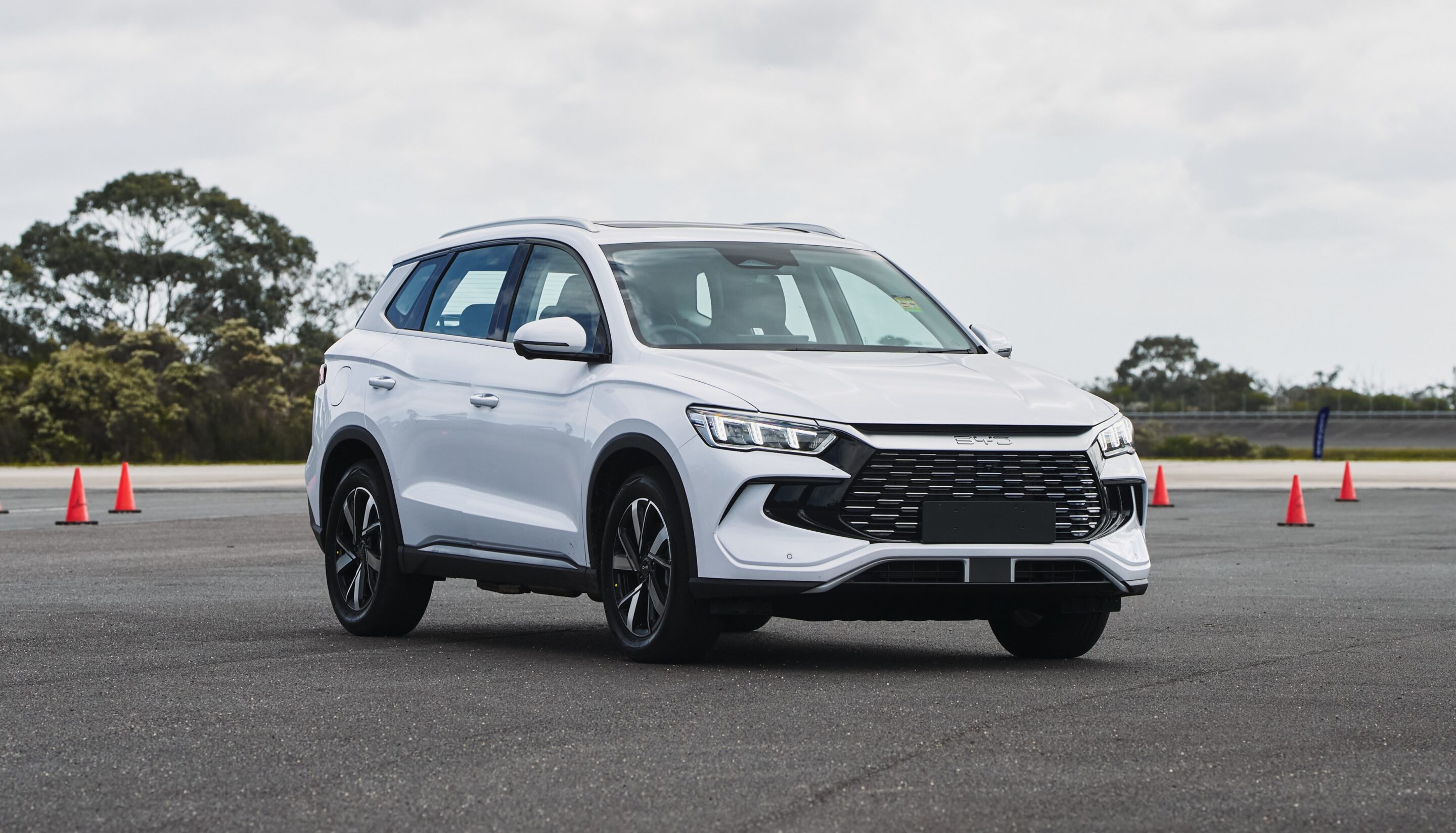
The move comes as competition from Chinese EV brands intensifies, particularly from BYD (below), which has gained traction in Australia with sharp pricing, expanding model ranges and generous warranty terms. Several newer brands now offer seven- or even 10-year warranties, increasing pressure on established players to respond.
Tesla’s decision to extend its warranty may also be aimed at reinforcing buyer confidence as the brand’s local sales face growing headwinds. While the Model Y remains Australia’s best-selling electric vehicle, sales of the older Model 3 have softened as buyers increasingly favour SUVs and new competitors enter the market.
Tesla first arrived in Australia in 2011 with the original Roadster, later adding the premium Model S and Model X. Today, its local line-up is focused solely on the more affordable Model 3 sedan and Model Y SUV, which now form the backbone of the brand’s Australian sales.
With improved warranty coverage now in place, Tesla is clearly signalling it intends to defend its market position by matching – and in some areas exceeding – mainstream ownership expectations, not just leading on technology and performance.
Volvo has released the first official details of its upcoming EX60 electric SUV, offering an early glimpse at a model that could redefine expectations in the mid-size luxury EV segment. Ahead of its full unveiling on January 21, the Swedish brand has confirmed the EX60 will deliver headline-grabbing driving range, rapid charging capability and a fresh evolution of Volvo’s electric design language.
According to Volvo, the EX60 will be capable of travelling up to 808 kilometres on a single charge in its most efficient configuration. If achieved, that figure would place the EX60 among the longest-range electric SUVs in its class, narrowly surpassing key rivals such as the next-generation BMW iX3 and the forthcoming Mercedes-Benz GLC with EQ Technology.
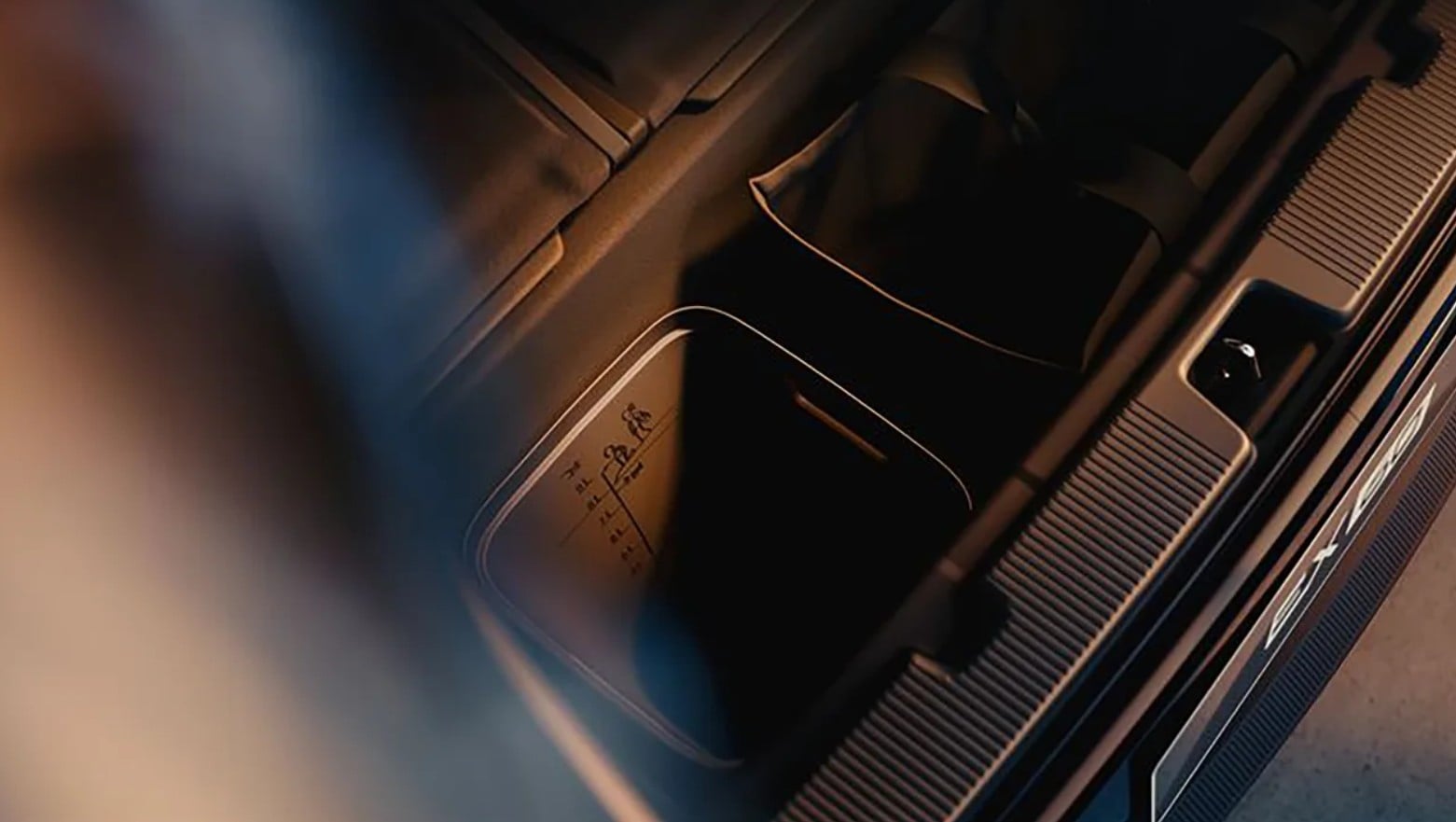
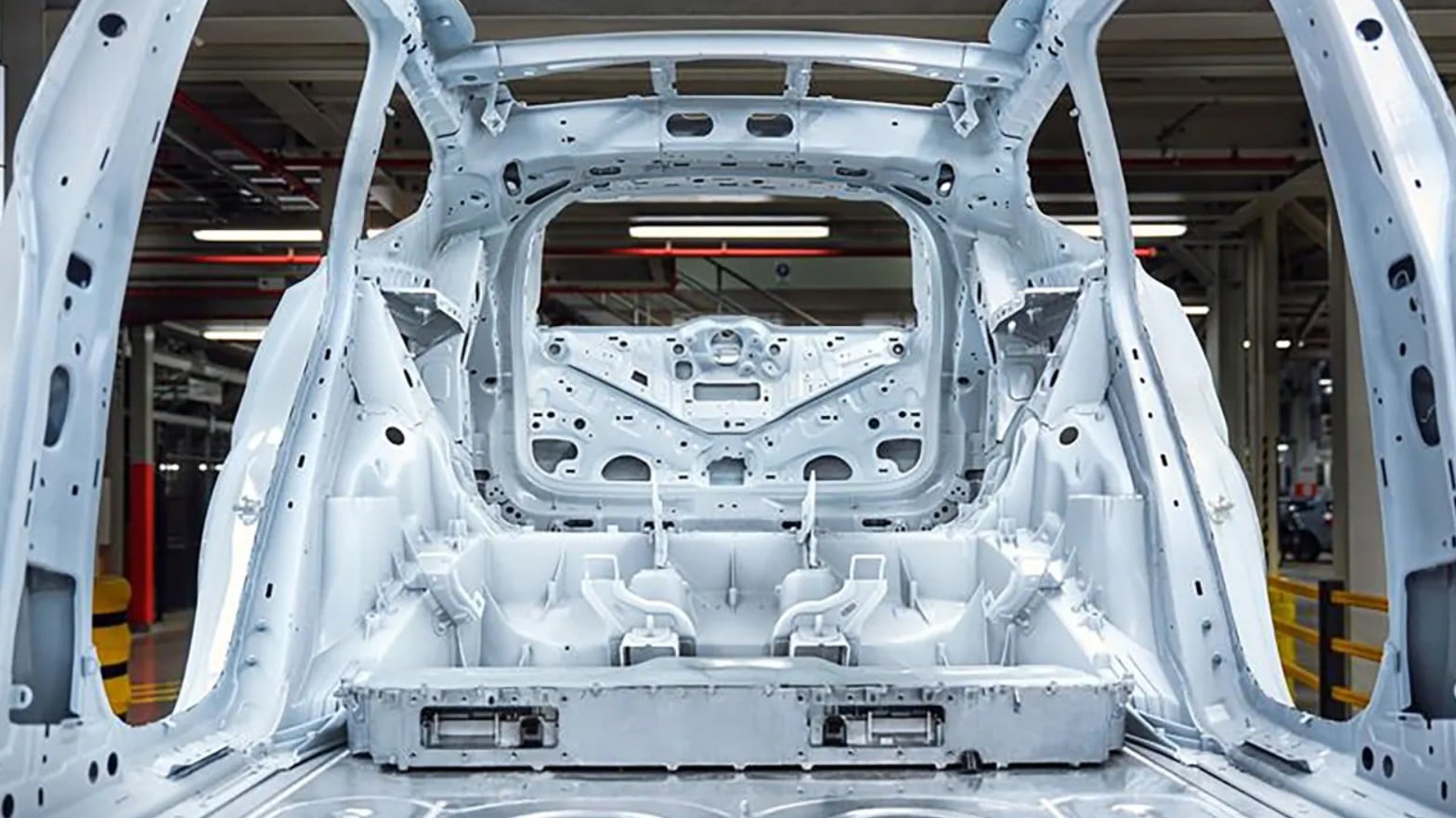
Underpinning the EX60 is Volvo’s all-new SPA3 platform, which represents a major step forward from the architecture used by the larger EX90. A key innovation is cell-to-body battery integration, where the battery pack is mounted directly into the vehicle’s structure rather than housed within a separate casing. Volvo says this reduces weight, improves rigidity and frees up additional interior space, while also contributing to the EX60’s impressive range potential.
While battery capacity has not yet been confirmed, Volvo has stated that the dual-motor, all-wheel-drive EX60 will be capable of achieving the full 808km range figure. Charging performance is also set to move the goalposts, with the EX60 supporting DC fast-charging speeds of up to 400kW. Under ideal conditions, Volvo claims this will allow up to 338 kilometres of driving range to be added in just 10 minutes.
Design teasers released so far suggest the EX60 will closely align with Volvo’s established EV styling. At the front, slim headlights incorporate the brand’s signature ‘Thor’s Hammer’ daytime running light motif, while the overall proportions mirror those of the current XC60. This indicates the EX60 will remain firmly focused on family usability rather than radical design experimentation.
Volvo has also revealed details of the rear lighting, showing low-mounted tail-lamps integrated into muscular rear haunches, with slim light elements and subtle Volvo branding within the lenses. Larger Volvo lettering stretches across the tailgate, paired with smooth, minimalist surfacing consistent with the brand’s latest electric models.
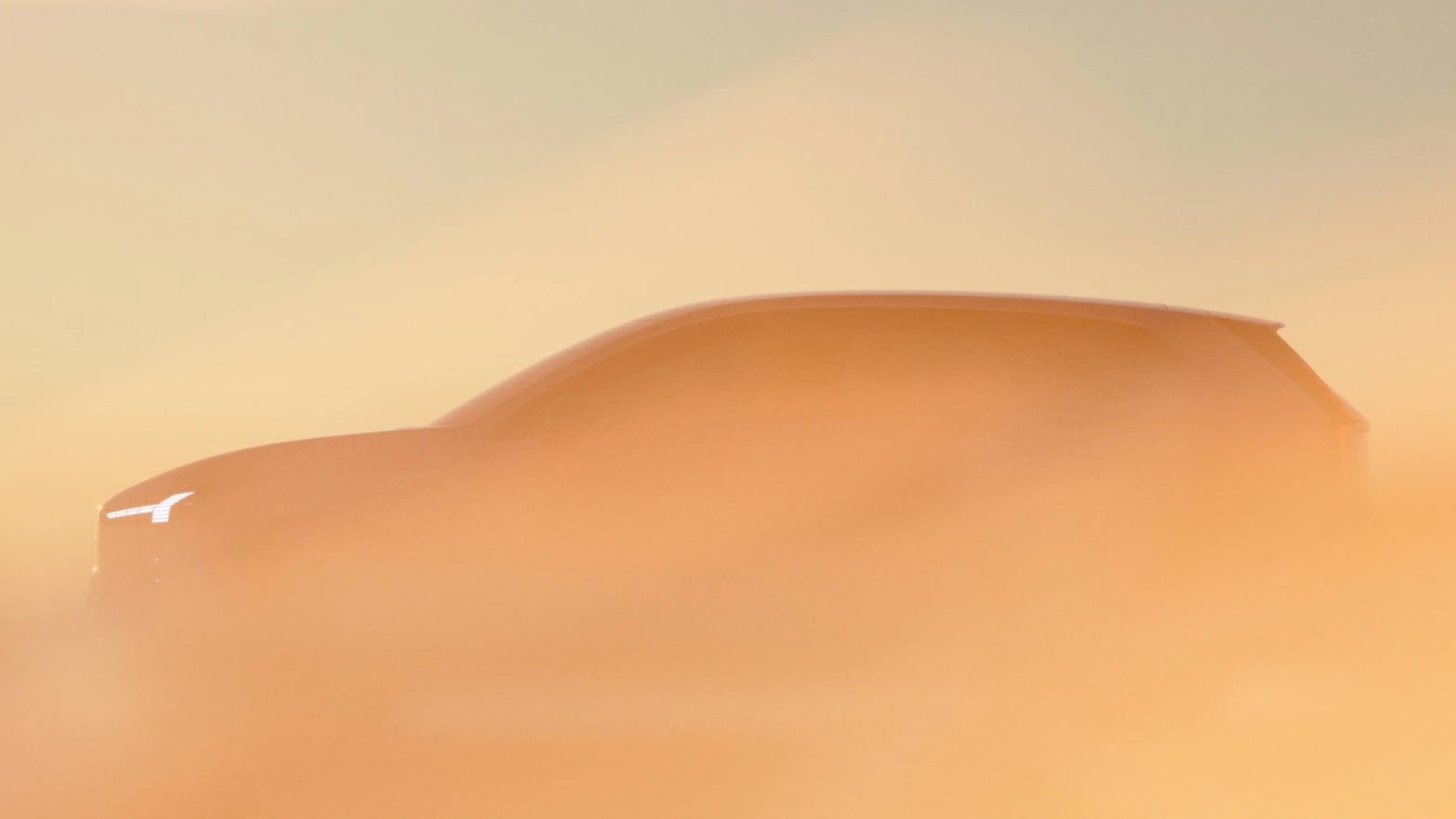
Inside, while no official images have been released, the EX60 is expected to offer generous second-row space and a premium cabin environment. Unlike the larger EX90, third-row seating is unlikely, reinforcing the EX60’s role as a five-seat family SUV.
With its full reveal just weeks away, the EX60 is shaping up as one of Volvo’s most important electric launches yet. Pricing and detailed specifications are expected shortly after the January debut, as competition intensifies in the fast-growing mid-size luxury EV segment.
First published in the January 1981 issue of Wheels magazine, Australia’s best car mag since 1953. Subscribe here and gain access to 12 issues for $109 plus online access to every Wheels issue since 1953.
First off, here’s the answer to the question everyone has been asking. The manual five-litre HDT (“Brock”) Commodore runs a standing 400 metres in 15.5 seconds and has a top speed of 208km/h. That’s a whisker under 130 mph. That’s one pub argument settled.
It is certainly today the fastest Australian-built road car, for the 5.8-litre Falcon in its best option form runs over the quarter in 15.8 seconds and won’t match it in top speed. The inevitable disclaimer follows: The car Wheels tested was still nursing its bruises from the 11-car Commodore race at the Calder AGP meeting, and the edge had certainly gone off the tune (it had certainly gone from the excellent brakes) and in absolute prime-time trim would certainly have run, at our guess, a 215km/h top speed.
Wheels November reported briefly on a press day drive with an automatic version of one of the 500 custom cars that Brock’s Special Vehicles Division is turning out for Australian motorists who still want all the grunt of a big V8 with first-class ride, handling, comfort and interior quiet – in other words, an Aussie super touring car that does everything a BMW or a Mercedes can do without the price tag, and can haul big boats up slimy launching ramps as well.
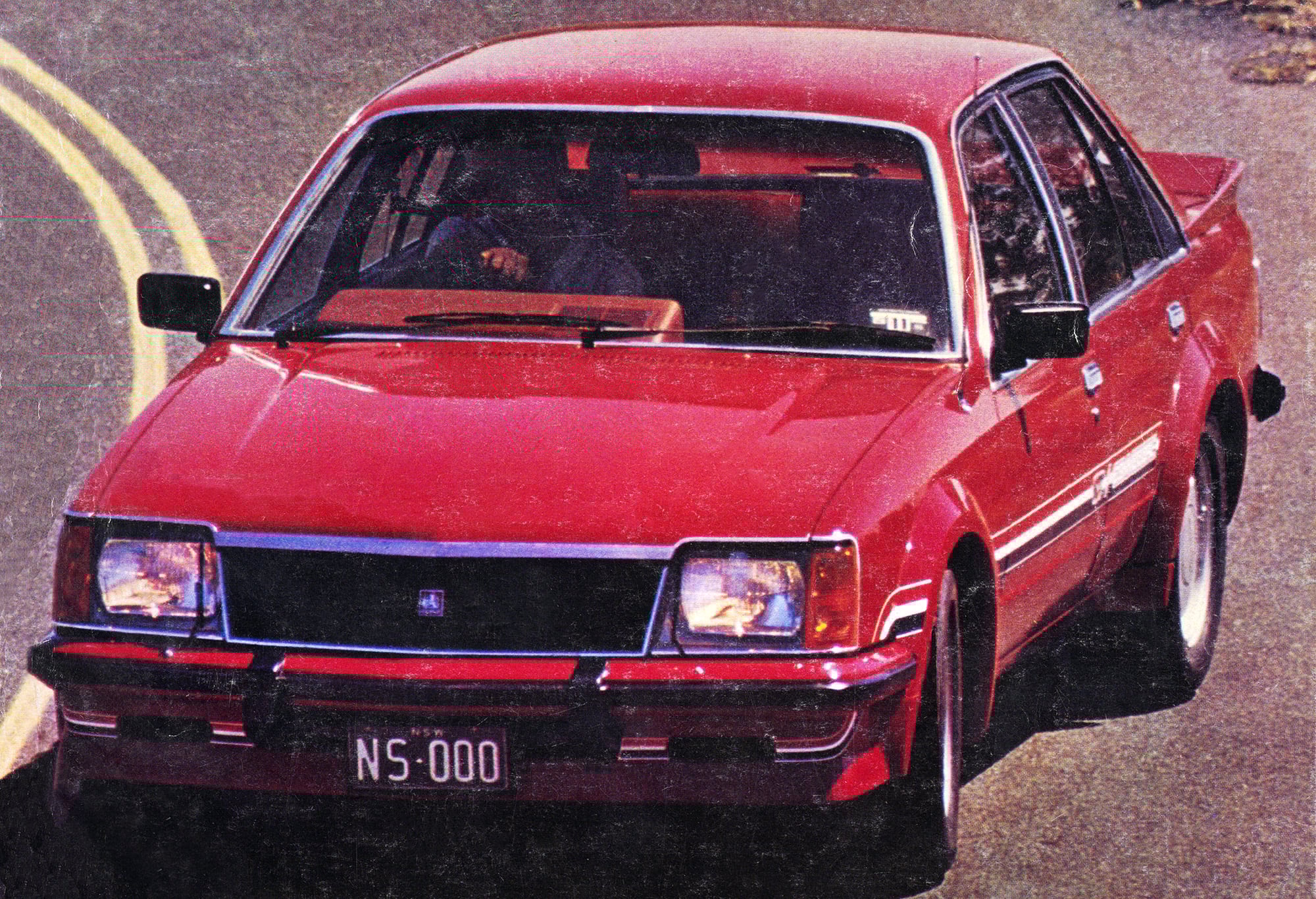
It has an automatic version that Editor Robinson drove (something like 70 per cent of the output will be autos, the last of the American Turbo-Hydramatics to be incorporated in a Commodore), but we have all been waiting for a crack at the manual.
The car we got was the black mother (our photographic car is a Firethorn Red example courtesy of Suttons Motors) that Brock drove in those two heats of the Calder clash, winning the second heat but losing overall to John Bowe on aggregate.
It still had the pushed-in driver’s door, a packet of Marlboro Brock had left in the glovebox, and front discs that had obviously glazed themselves to the point of no return, even with less than 600km total on the odometer.
It was still in full racing livery, with “Brock” lettering and Big M decals and roll cage and fire extinguisher and full shoulder harness. The contrast of that with the total SL/E equipment of central locking, power windows, AM/FM stereo cassette player, aircon and velour trim put us in the position of the unwilling chauffeur out for the day in his boss’ hoon car.
The comparison between the HDT Commodore and the 1967-to-1972 “super cars” – the Holden Monaros and the GTHO Falcons – is irresistible to anyone who has driven both. First of all, they are roughly about as quick overall, although a memorable Wheels test put the Phase III HO top speed at 144 mph, which at 231km/h made it the fastest road car ever built in Australia.
The difference is that the Brock Commodore is not only much more refined, smoother, quieter and more docile, but it is in today’s terms a baby limo. The sixties super cars were rough, lumpy on idle, coarse in the gearbox, and heavy in the steering. The only difference between this Commodore and the standard full option SL/E is in the way it reacts when you bury the foot and the subtle, compliant expression of control from the Bilstein gas shocks.

Let’s recap on the specification of the car. Delivered to the Brock Special Vehicles operation in North Melbourne is a five-litre SL/E (no more are being built after the end of January) Commodore, with standard specs of aircon, power steering, velour trim, factory alloy 60 profile wheels, four-wheel disc brakes, automatic power antenna, AM/FM stereo radio cassette, laminated screen with tinted glass all round, heated rear window, remote boot release, rear compartment lights, front map lights, headlamp wash/wipe system, dual rear vision mirrors, dwell wipers, and height-adjustable driver’s seat.
Added to that is the so-called “333” pack, which includes dual exhausts, central locking, electric windows, and a few other small items. The fact that you can’t order the 333 pack with manual transmission (in fact, you probably can’t order a five-litre engine since last September or so) is incidental.
So then Brock’s team, headed-up by Bathurst team driver John Harvey – who defected to the Brock organisation from his job as trouble-shooter for the Ensign tyre retail chain in Victoria – descends on the car to make a multitude of changes.
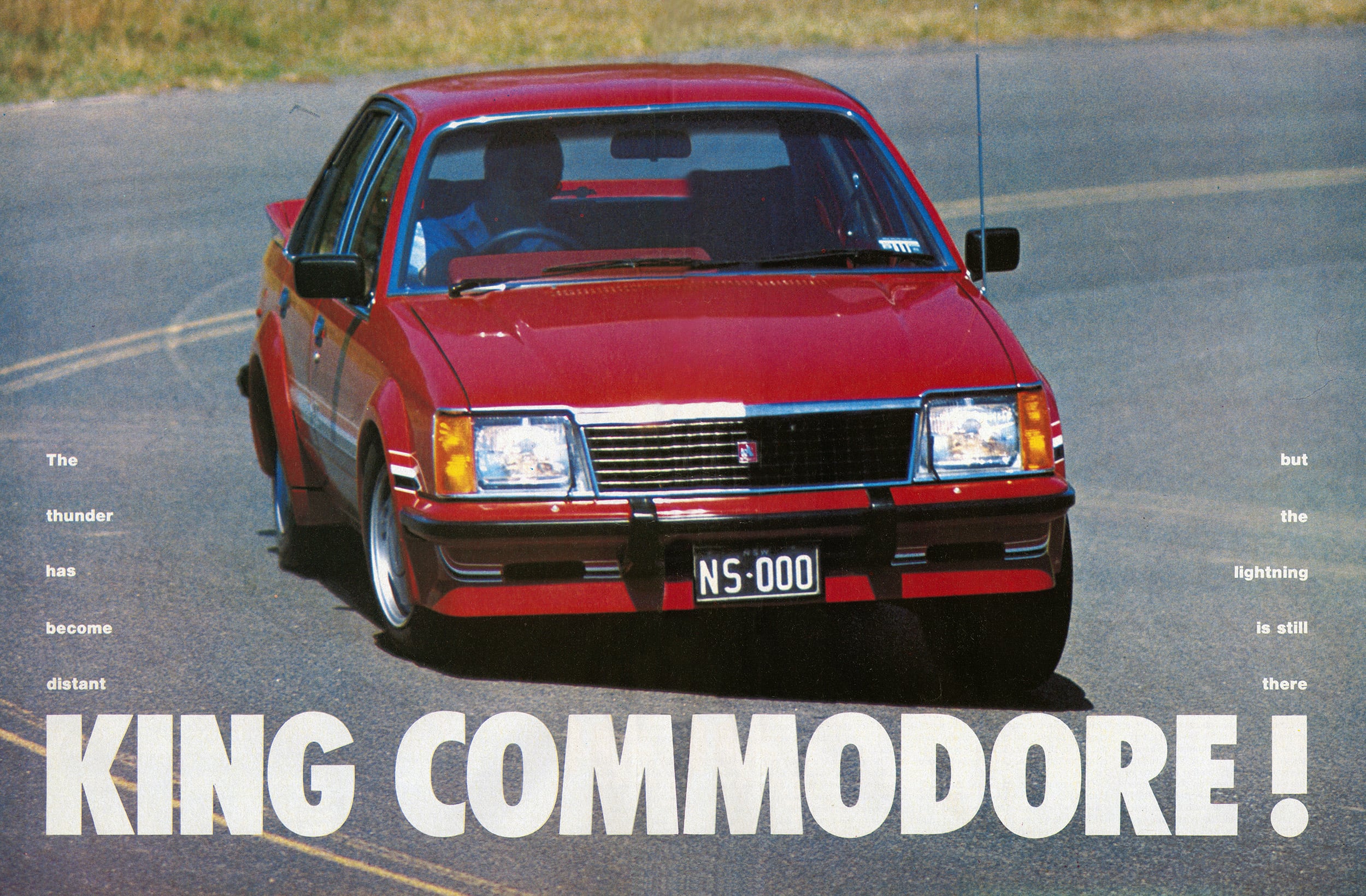
The body gets a plastic air dam, rear deck spoiler and wheel arches. Side and rear striping (designed, we hear, by GMH’s Leo Pruneau) complement the three arbitrary colors – red, white, and black, coincidentally the colors of the Marlboro Holden Dealer Team. A rear fender badge commemorates the Brock racing Commodore win in the 1980 Australian Touring Car Championships.
To our mind the exterior effect is a bit boy-racer, if you’ll pardon the expression. The problem that confronts some would-be buyers of $19,000 worth of what is certainly one of the great touring cars of the world is that the exterior treatment tends to ask for a boot in the door or a key scraped along the side.

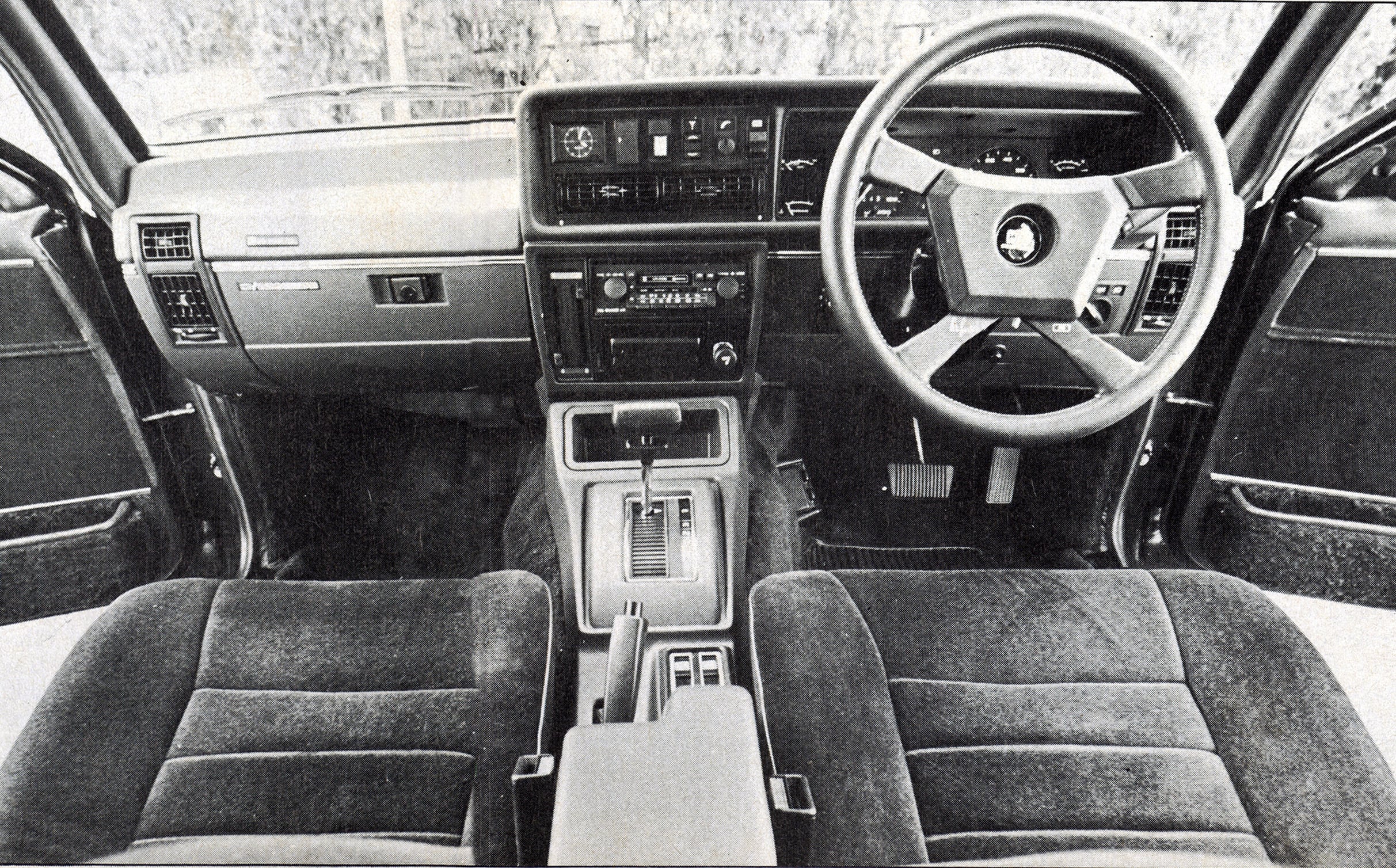
Inside, the cosmetics include a (smaller) four-spoke Momo steering wheel in black leather, numbered and signed by Brock, and a fake-wood gearshift knob. A small and very useful rest for the left foot is installed. All else inside is stock SL/E.
So much for the cosmetics. They are helped by Irmscher Tuning (German) alloy road wheels, with a wheel offset identical to the Australian Commodore, and an inch wider. The tyres are Uniroyal ER60-15s, and Brock, through his association with Uniroyal, had a real hand in their development.
Brock’s understanding of suspension design is, frankly, remarkable. We suspect that GMH’s engineers may have been consulted at some stage during the process of testing and developing the prototype car, but that takes nothing away from the sincere yet subtle changes that have been made. Brock says he started with a good-riding, good-handling car, and mainly wanted to improve high-speed touring control, particularly in crosswinds and over indifferent bitumen surfaces.
He put a lot of work in with the Bilstein distributors in Melbourne (who also worked with Ford on the ESP package) and re-worked spring rates, roll centres, front camber and castor, and front and rear stabiliser bars to improve straight line stability and reduce bump steer. The main consideration was to maintain a good ride, and this they have certainly done. For want of a better word, the car isn’t “clunky” over minor irregularities in the road; yet it will soak up ripples and bumps in corners without shaking its head.
A larger-capacity brake master cylinder goes in-a lesson, Brock says, from using it on the Repco Commodores. They also refill with Castro! GT (LMA) brake fluid. That does not go very far to explaining why the system produces a pedal with that marvellous progressive feel, through which (as this magazine has been saying for years is the measure) you can dial in exactly the retardation you want with your big toe, and get the exact result.
Engine: Obviously, this was Brock’s biggest problem. Five litres of relatively elderly American-cum-Australian V8 despite the improvements made to the current XT-5 series-does not exactly offer promise of the kind of fuel consumption your Mercedes or BMW driver would anticipate.
GMH – whom, we must stress, has made little contribution to the development of the car except for advice and consultation – agreed to run an early prototype through its emissions testing system at Lang Lang to ensure the car would pass the Australian Design Rules requirements. If you see that, as we do, as a courtesy to a man who has contributed so much to the reputation of GMH products, then we feel your viewpoint is correct.
Anyway, the engine passed with flying colours, and with quoted (not AS2077) figures of an overall average 9.3 km/I (26.1 mpg). We couldn’t verify this in our testing, because Melbourne’s amazing weather varied from heatwave to freezing downpour during our brief testing, and we were more concerned with getting those two important performance figures.
Nevertheless, Brock says loudly that the average driver will get up to 20 per cent better fuel consumption than the standard five-litre. We beg to question whether the man who could afford a Brock Commodore would care a damn about that, but we have agreed with Brock the right to disagree with him…
What was done to the engine really was to apply some basic tuning principles that have been used by performance engine builders since the early sixties. However, what is really interesting is that none of the work is hand-tool stuff; it is all done on automatic machines, which suggests that some of the ideas are capable of being reproduced in five-litre V8s inserted into future Statesman builds.
The cylinder heads have been machined for better gas flow; larger inlet and exhaust valves are fitted, and valve seats and porting have also been machined. In common terms, it’s a good “head job”, if you’ll pardon the expression.
The inlet manifold is smoothed out as well; all this produces a lower compression of 8.9:1, allowing better NOx control and a little more ignition advance, and thus better part-throttle economy. A bigger (Chevrolet) air cleaner and a cold air box-racing experience again allow lower combustion chamber temperatures, and thus more efficient spark plugs to be used. Add a bigger fuel line to deliver petrol better, and a few other “tricky things” that Brock doesn’t talk about too freely, and you have an engine that idles at 600rpm in all conditions, spins like a top, and is super-smooth all through the range. Our guess is that a lot of racing experience has gone into the total car, particularly in engine, brakes and suspension.
Cold facts can’t convey all this. You do, in fact, get into this car, and say to yourself immediately that it works precisely as a great touring car should. This immediate impression wasn’t spoiled even by the caning the brand-new car had had over about 30 hard laps of Calder. The front brakes were stuffed, the rear discs squealed when you used the handbrake to stop (as we were doing in low-speed city traffic) and you still had to clear its throat by blipping the throttle in parking or traffic turns.
All that went away when you found a clear piece of road and depressed the foot, winding the big V8 out to 5800rpm, where it started to break down. The most impressive thing was the gearshift; current GMH Commodore manual shifts are not renowned for the knife-through-butter description, and we don’t know whether the shorter lever (as it felt) or the new fake-wood knob (ridiculous assumption) were responsible. All we can say is that the gearshift was marvellous.
Everything has come together in this car. Knowing that behind you is the heavy-duty 3.36 limited-slip differential, you could mash on the power and the thing would just steam away, up to 5800 in every gear like a turbine, back on to the brakes and back down on the shift, turn the wheel a quarter into the corner and bang down the grunt pedal and on it would go.
In the wet (as it mostly was) one quickly learned that the system didn’t change, because in adding the power on the exit you simply felt the suspension talk back a little louder and applied the required correction without lifting the foot.
For want of a better word, it was just… nice. It is a car that will never, ever, play a trick on you. That difficult achievement of imparting total driver confidence is carried to the ultimate in this car in a way that you seldom experience. It constantly reminds you of its racetrack breeding, but not in the harsh way that that phrase normally implies.
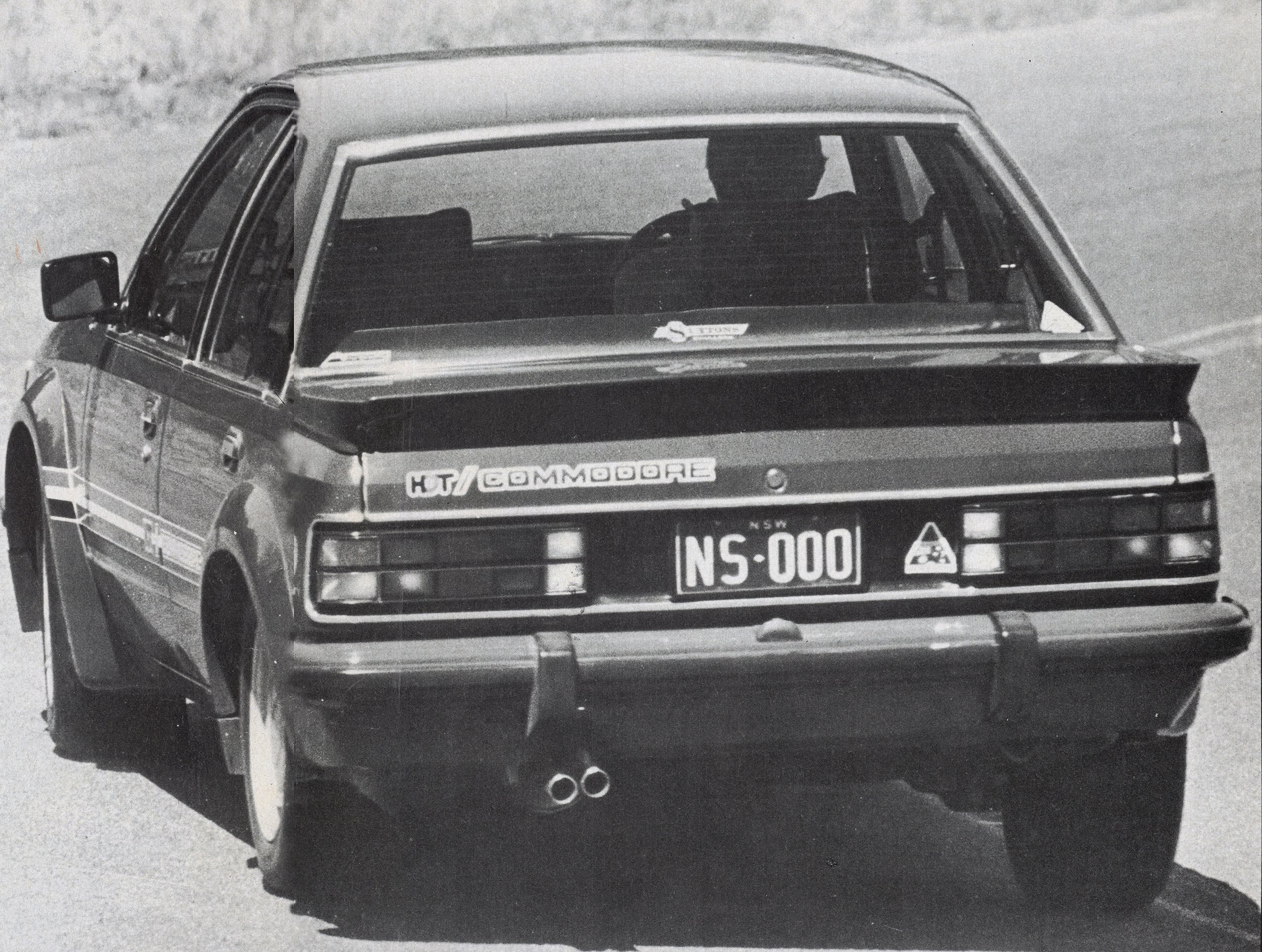
The standing quarter runs were almost monotonous. Load it up to around 3000 (or 3200 or 3600 – it didn’t really seem to make much difference) and the black kid would squeak a bit at the back, and squirm slightly, and then the bite would come in and you would then simply watch the tacho so you could pluck another gear at 5700 to beat the valve bounce (it wasn’t valve bounce really, more like a hydraulic lifter flutter) and then on again. There was no wind, and the quarter times varied by only 0.2 secs either way.
On the top speed runs, the end seemed to come not through valve bounce or breathing but through the lack of that last little edge of crispness. Over the years you get used to American V8s running out of puff in the top end (although we remember clearly that the 350-inch V8 used in the Monaro of 1969 was limited mainly by driver courage). But the black car just went a little flat; the last 20km/h took a long time coming up. We suspect the timing had slipped a little.
So where does all this leave us? Simply, that this HDT Commodore has no peer in Australia as a touring car for the kind of usage that a small percentage of Australians demand. It is very probably bullet-proof; it will certainly tow anything that the caravan or boat brigade care to hook on behind it; it will do an interstate trip as easily, with as little drama, and in as much comfort as a European car costing twice as much.
This is probably because it has now above and beyond the normal flagship Commodore, acquired the kind of keen edge that only a car modified by a racebred man can possibly have.
Our guess is that we have not seen the last of special vehicles from Brock. There will be in this country a solid, continuing, tiny market for this kind of car, that the enthusiast can recognise and love as something far removed from the correct, sensible and ecologically-proper mass produced vehicles that are with us now.
It is not as stupid as the surviving American customised convertibles and super long-wheelbase aberrations that have survived; it is not as deviate as the English limited-editions like the Panther. It probably says: Hey, here is a pretty good car that with the commonsense application of some years of experience in pointing vehicles along a piece of bitumen we can make into a fairly pleasurable piece of machinery that really owes no apologies to anything else built in the world.

And, accepting all that, accepting all the anti-social nature of what the HDT Commodore represents, you must say to yourself that this car is a repository of many of the things that made Wheels magazine what it is today. Isn’t that nice?
Australia’s new car market enjoyed a record year in 2025, with Aussies buying 1,241,037 new cars last year. That’s according to end-of-year data compiled by the Federal Chamber of Automotive Industries (FCAI) and Electric Vehicle Council (EVC). That 1.24 million eclipses the previous record of 1.237 million sales and registrations in 2024.
While those numbers are encouraging, pointing to a buoyant new car market, not every manufacturer can boast gains over the last 12 months.
Analysing the numbers reinforces a trend that has been slowly emerging over the last two decades or so – buyers are deserting the once traditional passenger car in favour of SUVs and dual-cab utes.
But another trend is emerging, and it’s one legacy car makers are increasingly fearful of – China. Last year, cars made in China overhauled those produced in Thailand to claim second spot on the table of Country of Origin. Just over 252,000 of the new cars sold in 2025 hailed from China (source: FCAI and EVC), edging out Thailand’s 249,958 (where two of Australia’s most popular models – the Ford Ranger and Toyota HiLux – are built). Only Japan produces more cars for the Australian market, with 358,981 sales.
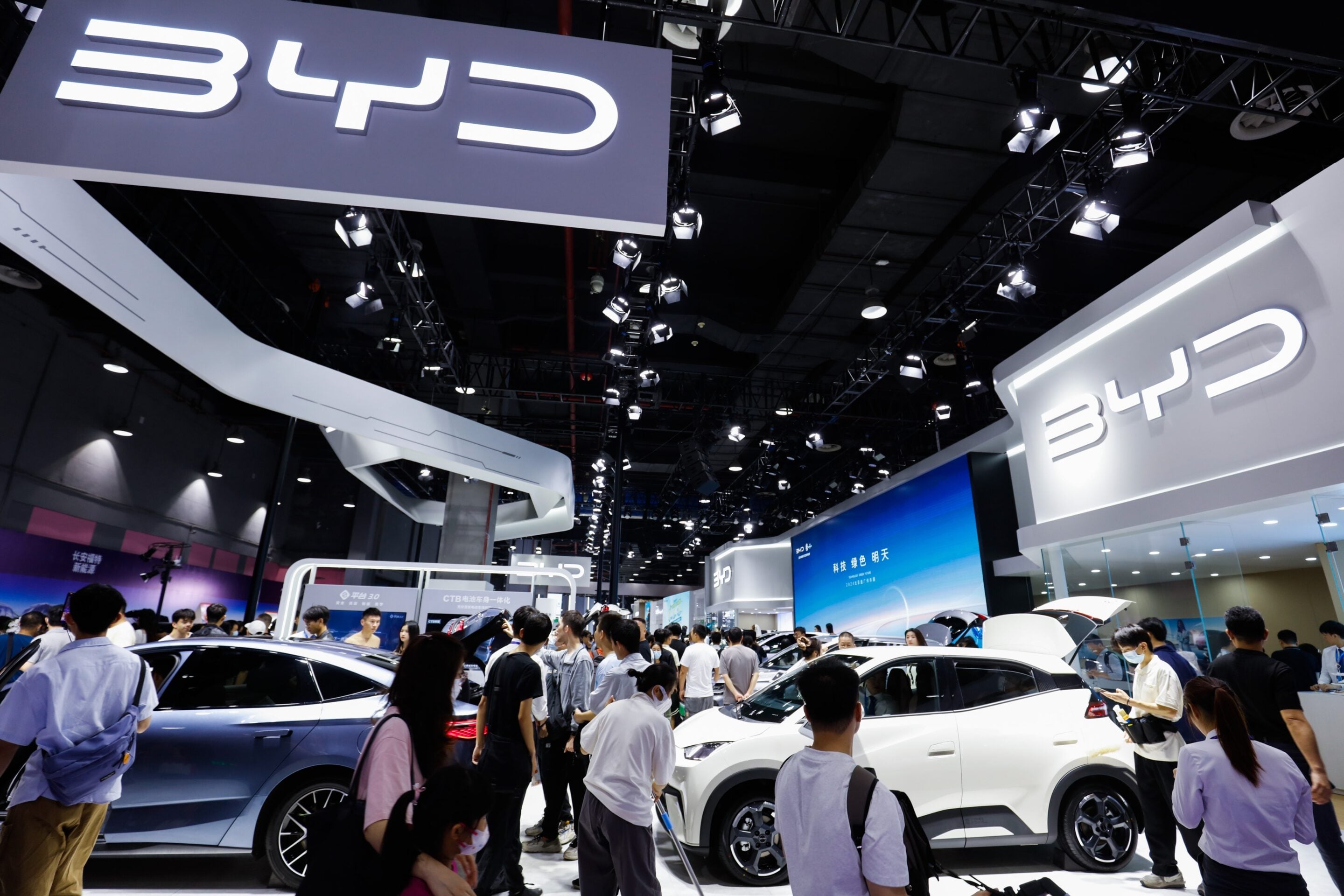
Unsurprisingly then that some Chinese car brands have enjoyed tremendous growth, a surge in sales that has come at a cost to legacy auto makers.
So who are the winners and losers of 2025? We’ve compiled the data from both the FCAI and EVC to find out.
The biggest winners
BYD up 156.2 per cent (52,415 against 20,458)
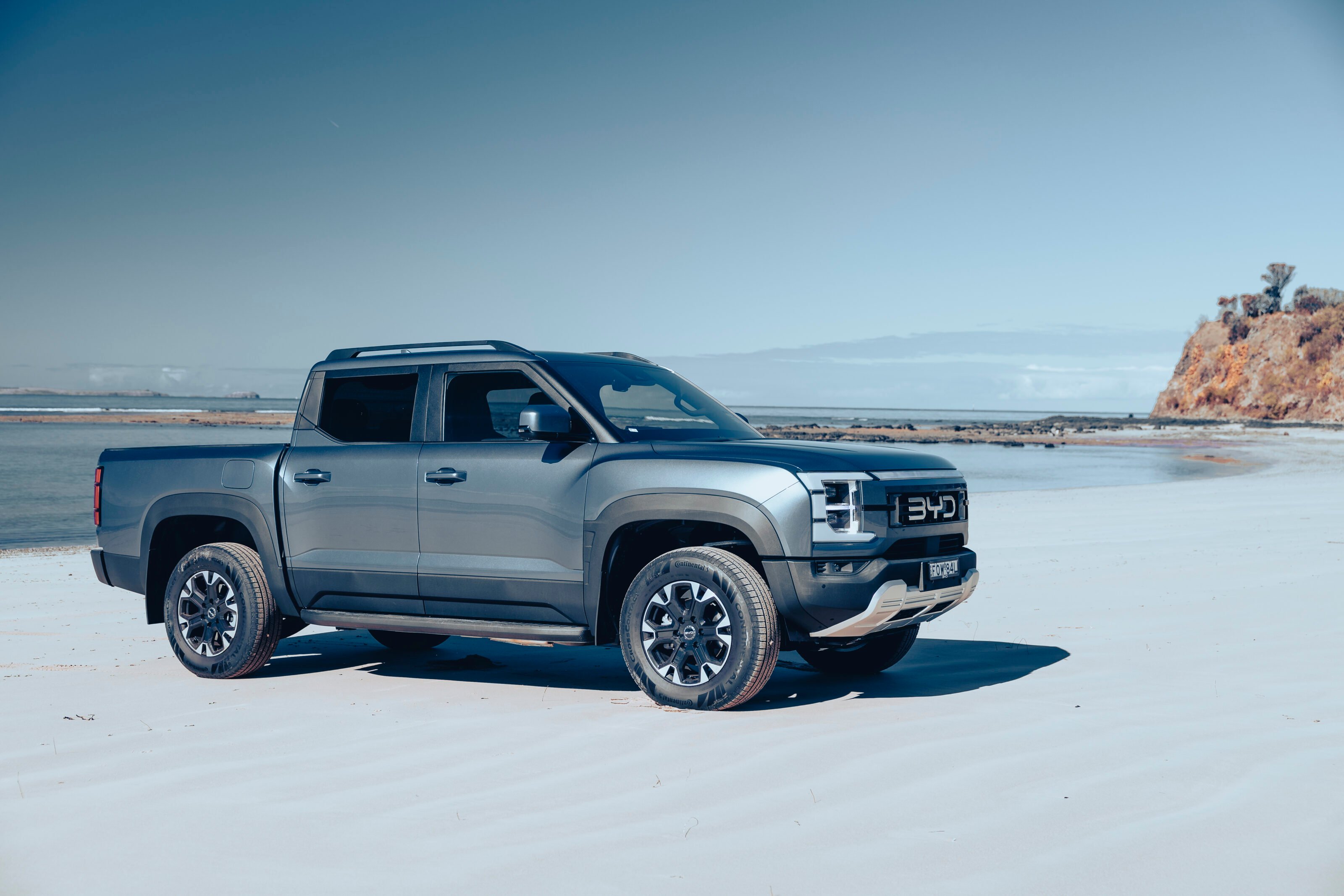
Over half of BYD’s 2025 sales came from two new models, the pioneering Shark 6 plug-in hybrid dual-cab ute and the Sealion 7, a Tesla Model Y rivalling electric SUV. The Sealion 6 SUV tapped into the plug-in hybrid zeitgeist to enjoy strong growth in 2025, up 46.1 per cent over the previous year.
Chery up 176.8 per cent (34,889 against 12,603)
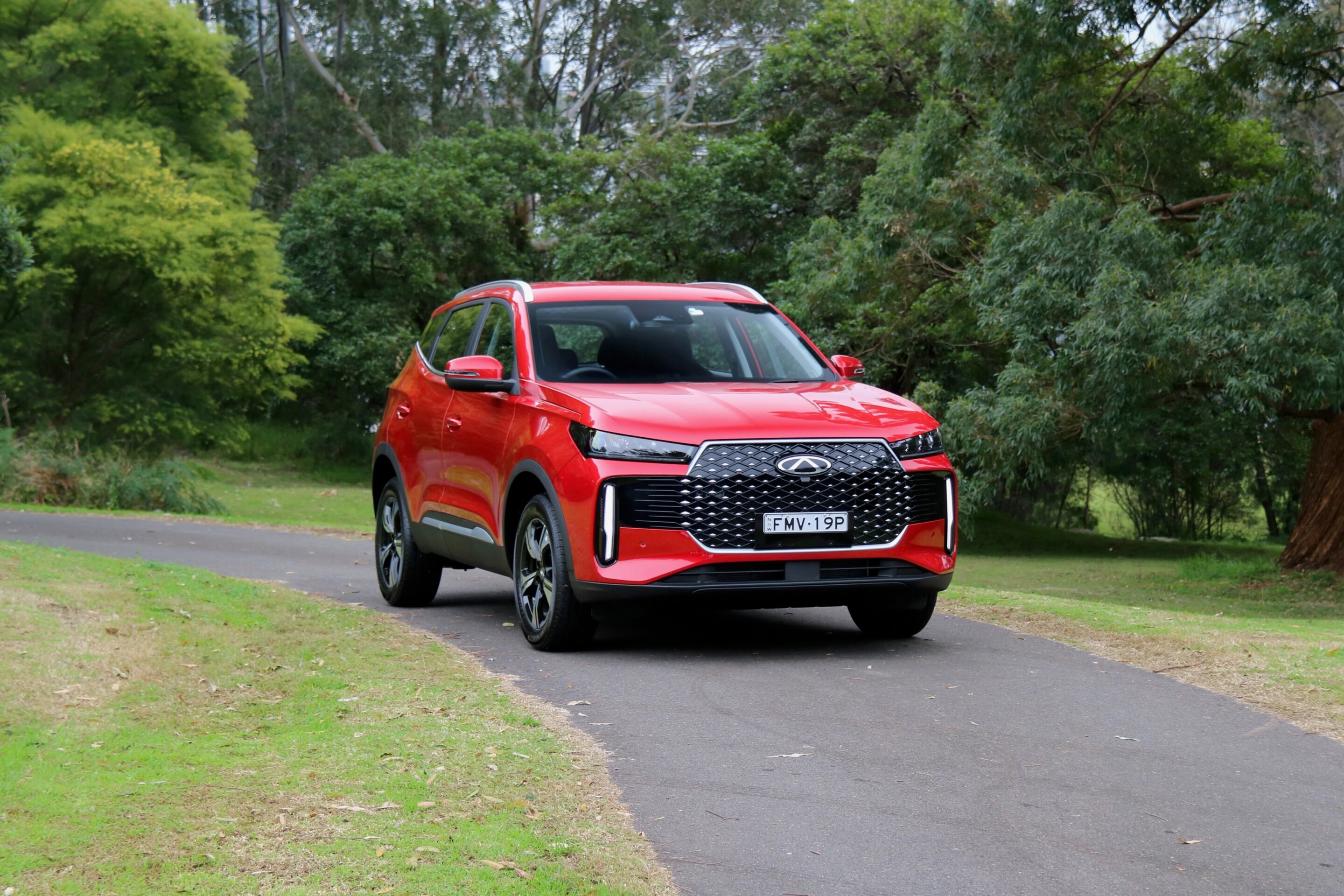
Chery witnessed growth across its range with the Tiggo 4 Pro doing the bulk of the heavy lifting, up an astonishing 950 per cent year-on-year (20,149 against 1918). Other winners included the Tiggo 7 Pro (up 107.8 per cent) and Tiggo 8 Pro (up 99.6 per cent).
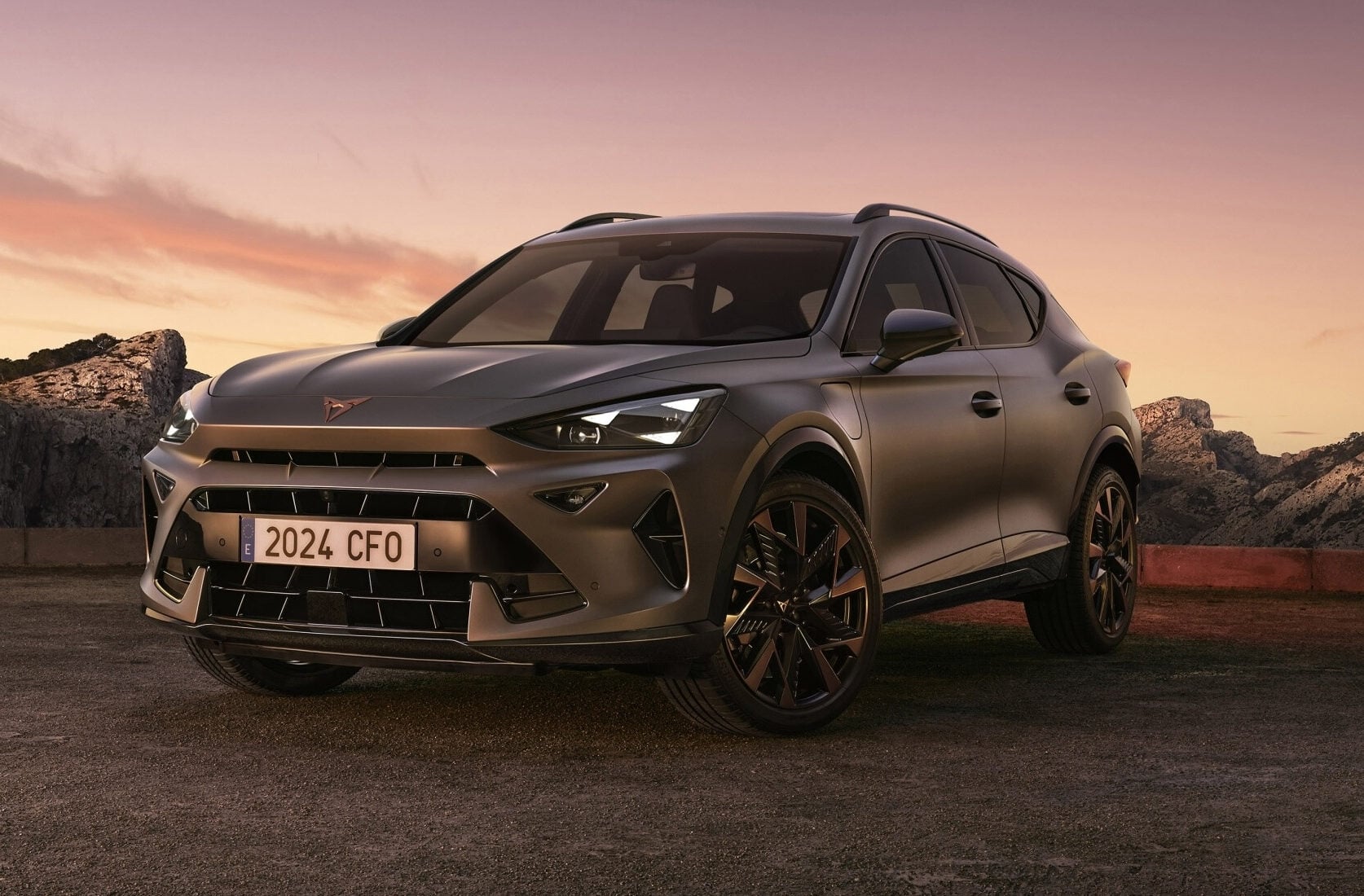
Cupra up 21 per cent (2830 against 2339)
While the overall numbers remain modest, they are pointing in the right direction for the Spanish off-shoot of the Volkswagen Group. And it’s the Formentor small SUV leading the way, sales of 1490 representing a 17.8 per cent increase. The addition of two new models last year – Tavascan and Terramar – further bolstered the bottom line.
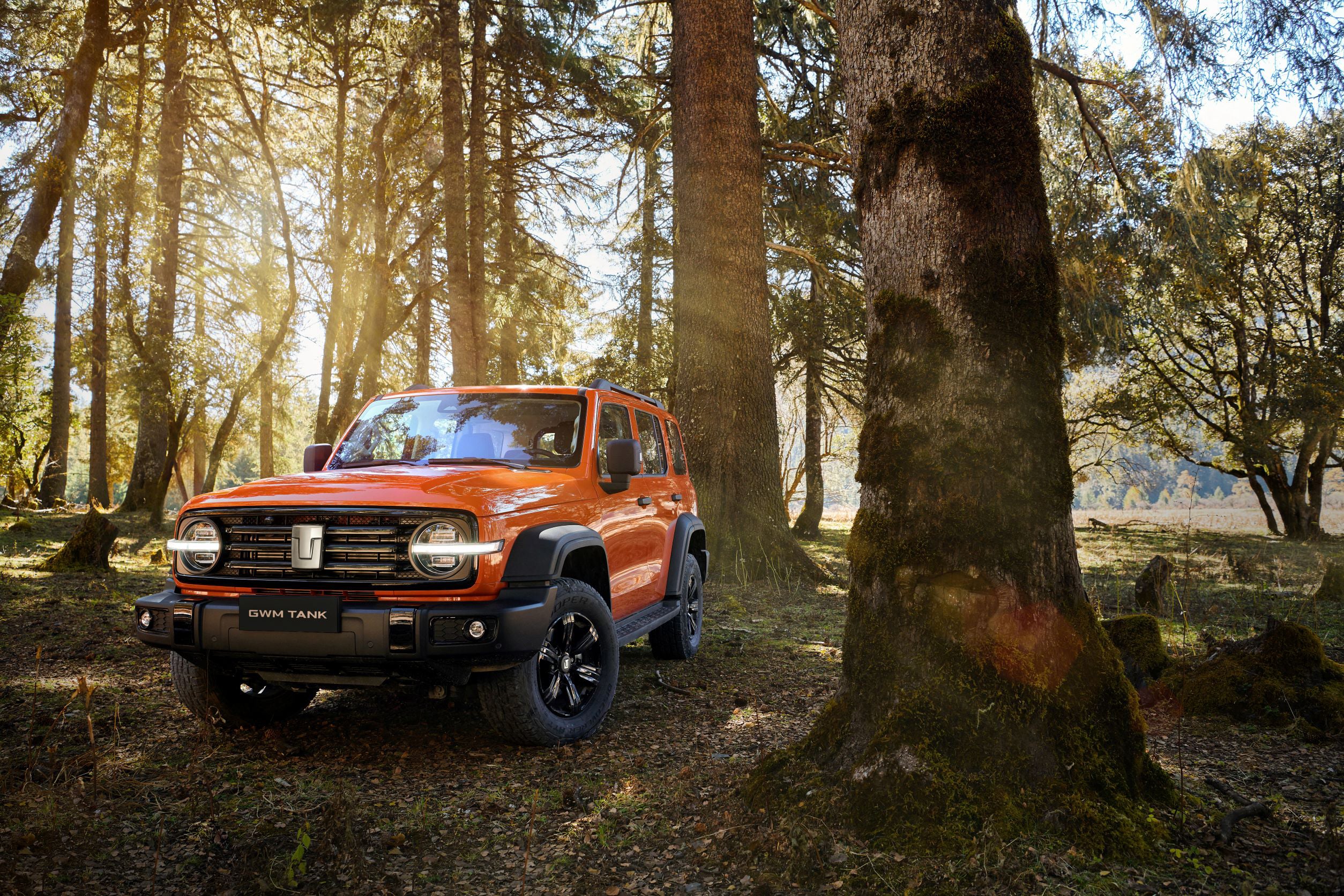
GWM up 23.4 per cent (52,809 against 42,783)
Massive growth, both in terms of percentage and raw numbers, helped along by the arrival of the Cannon dual-cab ute which added 7800 to the Chinese brand’s tally. Sales of Tank 300 and Haval Jolion also enjoyed double-digit increases, up 26.9 and 36.3 per cent respectively.
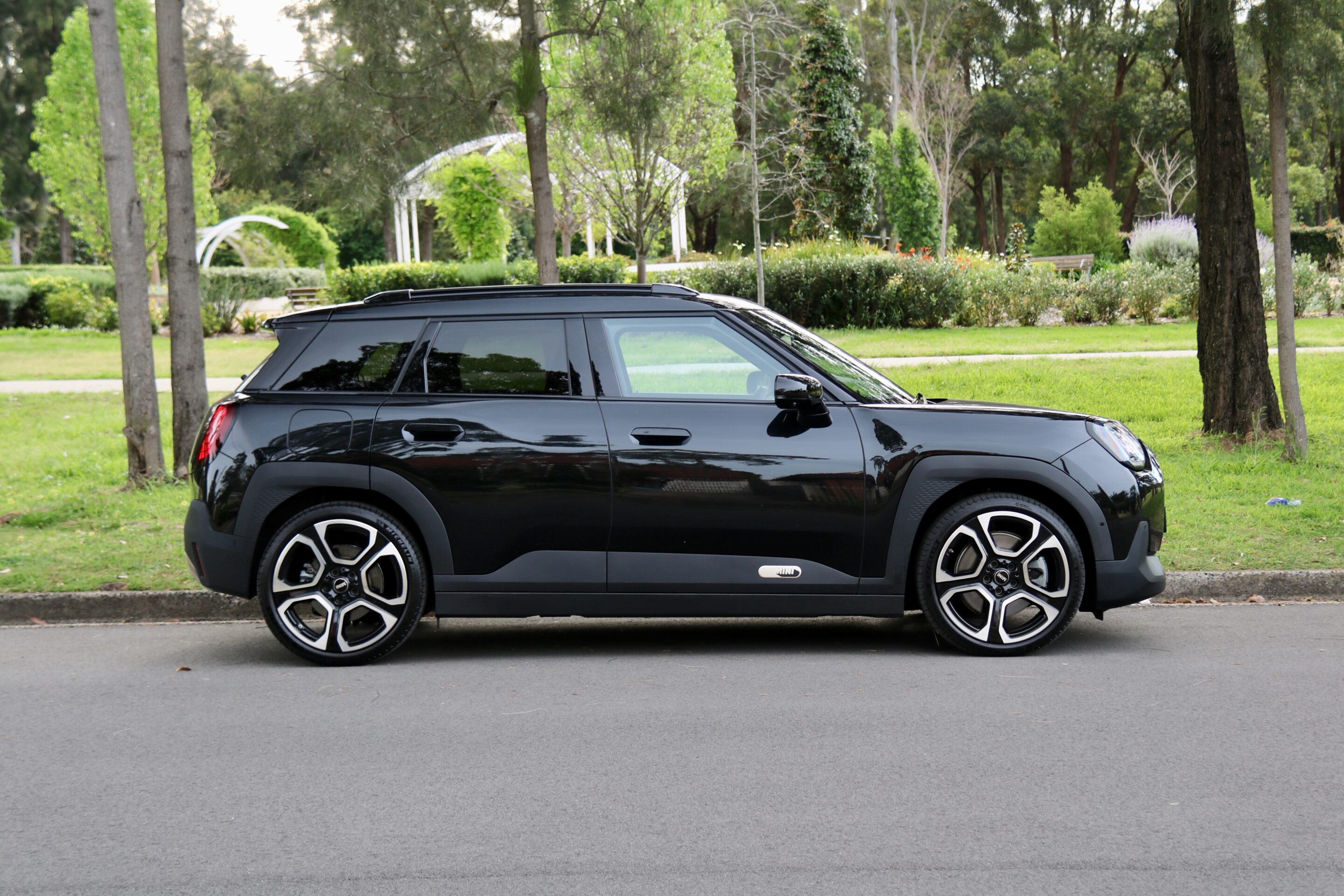
Mini up 37.7 per cent (5484 against 3982)
A refreshed model line up resulted in a sales surge for the BMW-owned ‘British’ icon. The top-seller race is a tight one, with Cooper (2263, up 45.2 per cent) just edging Countryman (2235, up 19 per cent) on Mini’s spreadsheet.
The biggest losers
Fiat down 22 per cent (411 against 527)
Sales of the 500, the only model in Fiat’s local line-up slipped, from 527 in 2024 to 411 last year. What’s next for the fun-and -funky Italian brand in Australia?
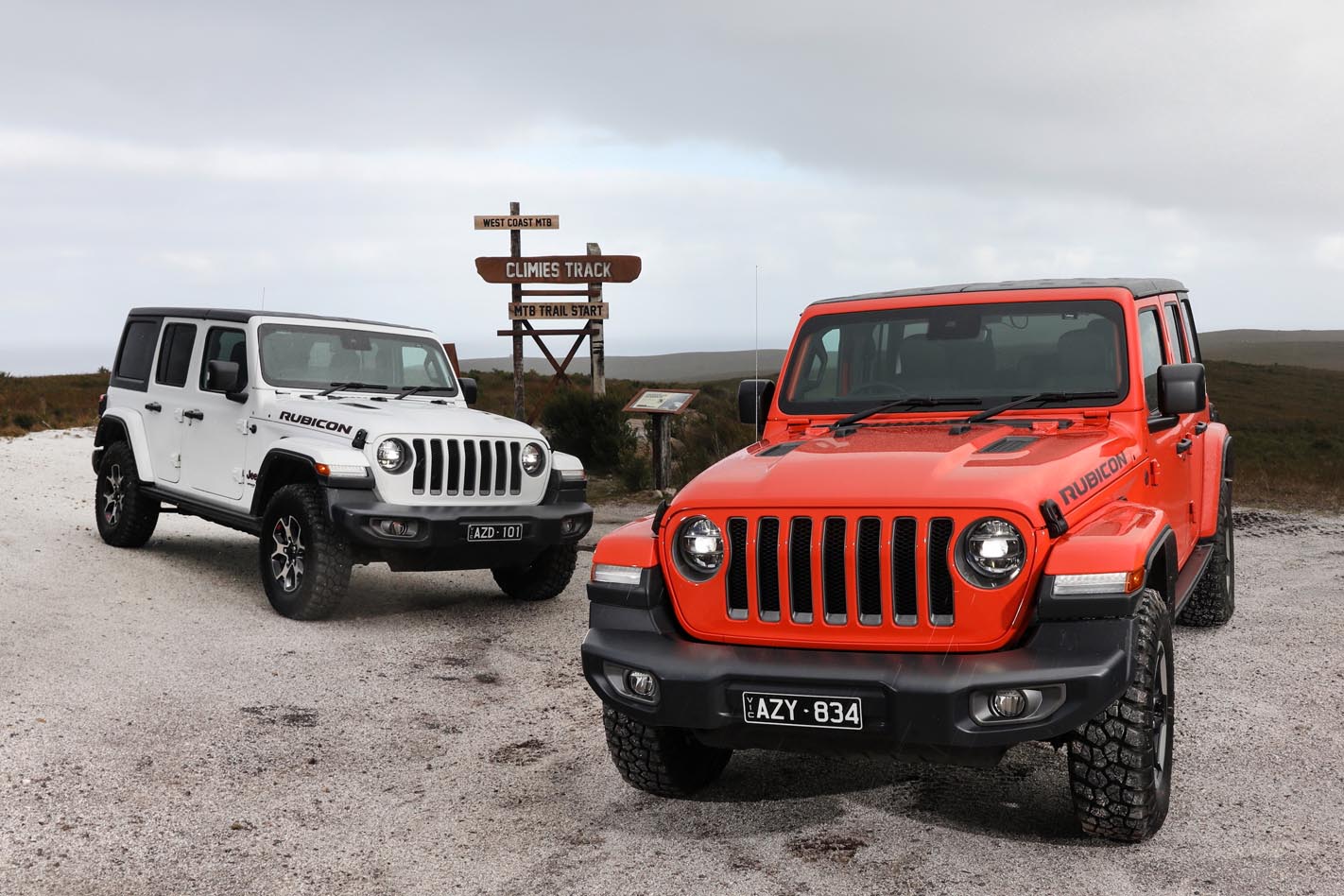
Jeep down 33.3 per cent (1585 against 2377)
Jeep’s four-model line-up accrued big losses in 2025, with only the flagship Grand Cherokee showing any resistance, up 4.3 per cent year-on-year, albeit with modest sales of 673. It remains the US brand’s best-seller in Australia.
KGM down 23.7 per cent (4116 against 5393)
Korea’s forgotten car brand struggled to replicate its 2024 success, sales down across the range, with only the relatively new Torres SUV showing some green shoots, its 288 sales in 2025 up 78.9 per cent over the previous year.
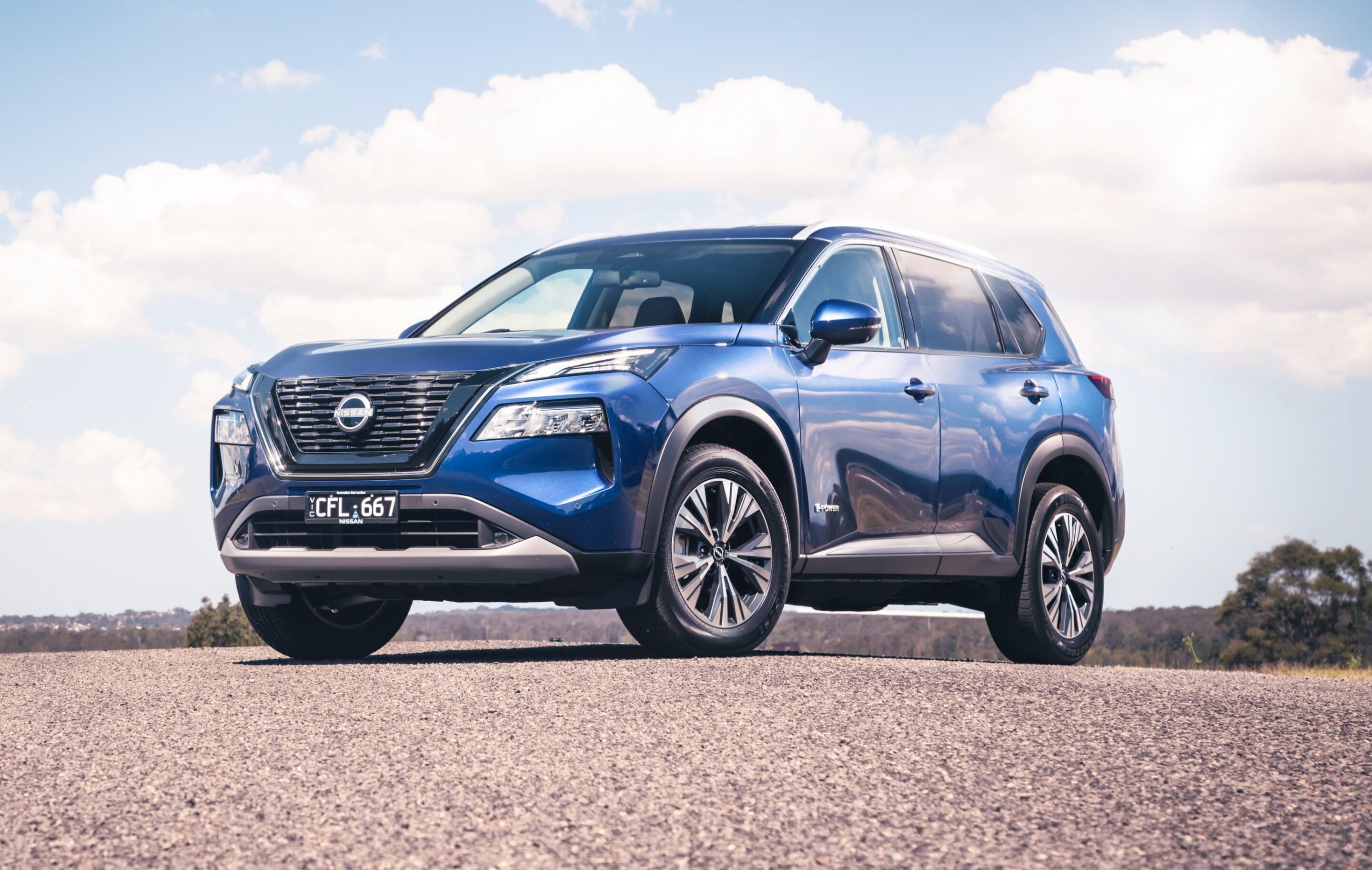
Nissan down 21.3 per cent (35,511 against 45,284)
The Japanese giant, a brand with such a rich heritage in this country, has seemingly lost its way in Australia, recording a 21.3 per cent drop in sales compared with 2024. Only the Pathfinder offered a glimmer of hope, up 40 per cent, although the raw numbers remain low, 732 sales in 2025. Nissan’s best-seller remains the X-Trail, 15,708 sold in 2025, a drop of 10.2 per cent over the previous year.
Peugeot down 28.8 per cent (1350 against 1896)
If you’re struggling to see new Peugeot passenger cars on our roads, you’re not alone, the French brand selling just 673 passenger cars in 2025, the balance of its 1350 sales total made up of light commercial vans.

Suzuki down 27.7 per cent (15,378 against 21,278)
The addition of the Fronx compact SUV to Suzuki’s line up bolstered an otherwise gloomy year on the sales charts, the brand down 27.7 per cent overall against 2024’s numbers. The gloom continued in December with the Fronx awarded a one star safety rating following ANCAP crash testing which revealed poor occupant protection and a seatbelt failure. That prompted a major safety recall of affected vehicles, something that is bound to hurt 2026 sales.
Tesla down 28.1 per cent (28,856 against 38,347)
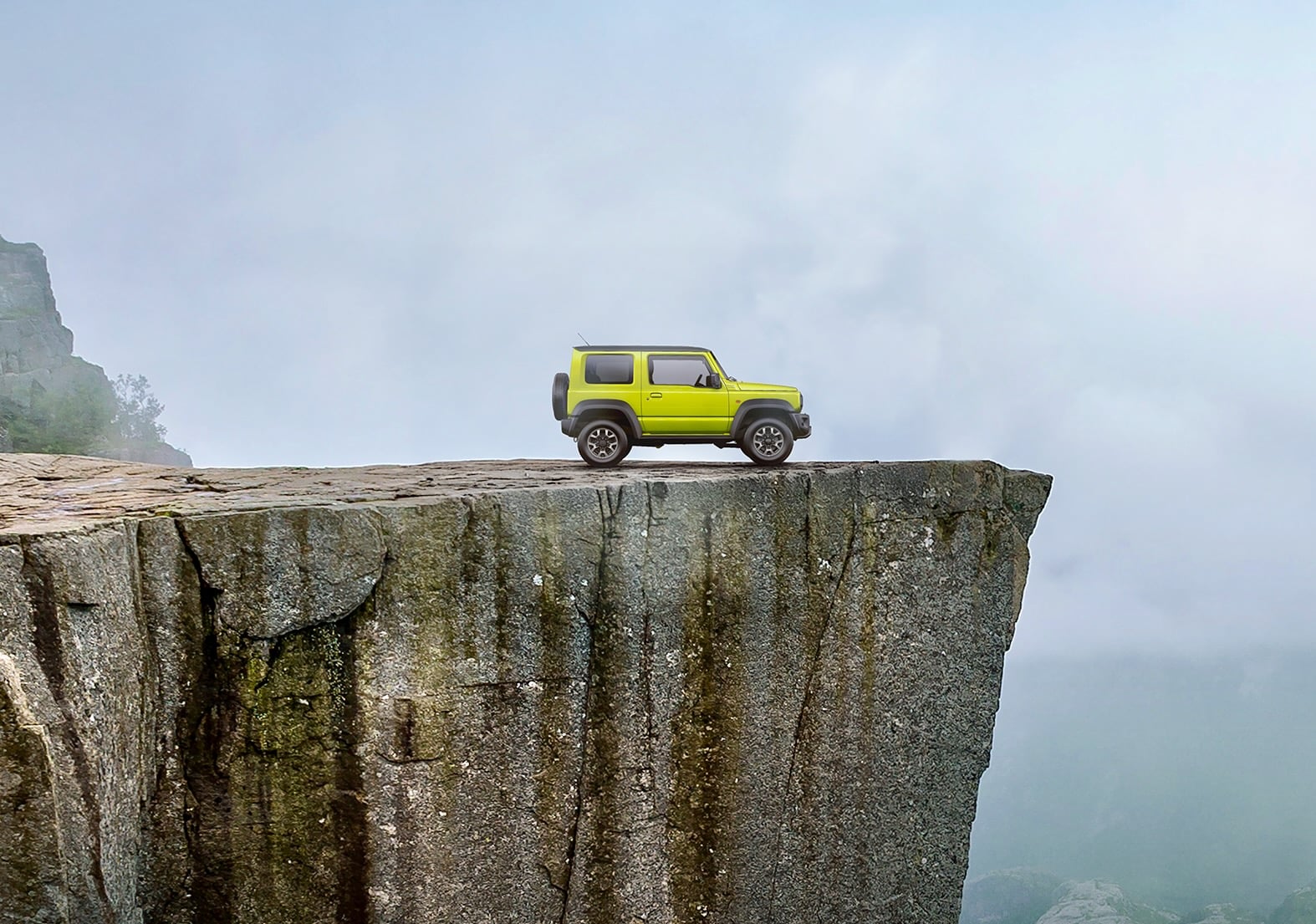
Whether it’s the Musk factor or whether buyers were awaiting the arrival of refreshed Model 3 and Model Y, Tesla’s sales slipped by almost 10,000 vehicles compared against 2024. An influx of new electric cars, mostly from China, has also had an impact, with buyers increasingly spoilt for choice when making their EV purchasing decisions.
Volkswagen down 20.6 per cent (28,970 against 36,480)
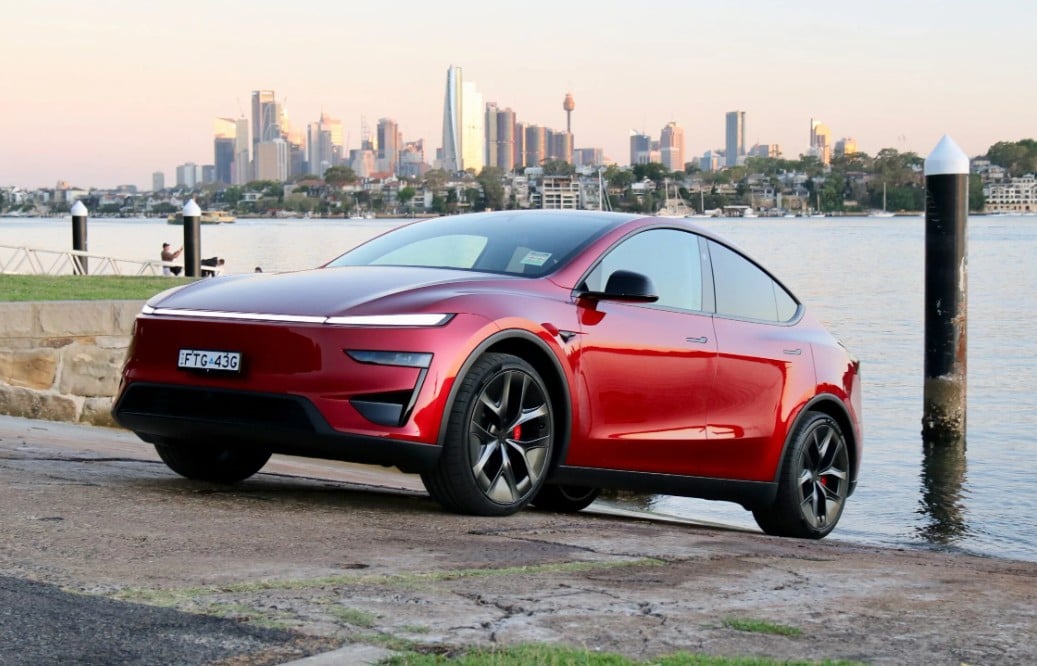
The German giant was down across its entire line-up with only Golf (up four per cent) and Caddy Cargo Van (up 18.6 per cent) bucking the downward trend. Of the new models, the ID.4 electric SUV fared best adding 1196 to Volkswagen’s tally in 2025. The brand’s best-seeler remains the Amarok dual-cab ute, with a total of 5392 sales across 2025, down 35.8 per cent over the previous year.
The top end of town
Luxury car makers enjoyed a mixed bag in 2025. Mercedes-Benz enjoyed 14.3 per cent growth year-on-year while BMW’s upswing proved more modest, a 1.9 per cent increase. Audi was up 4.4 per cent while Lexus enjoyed a 6.7 per cent gain over 2024.
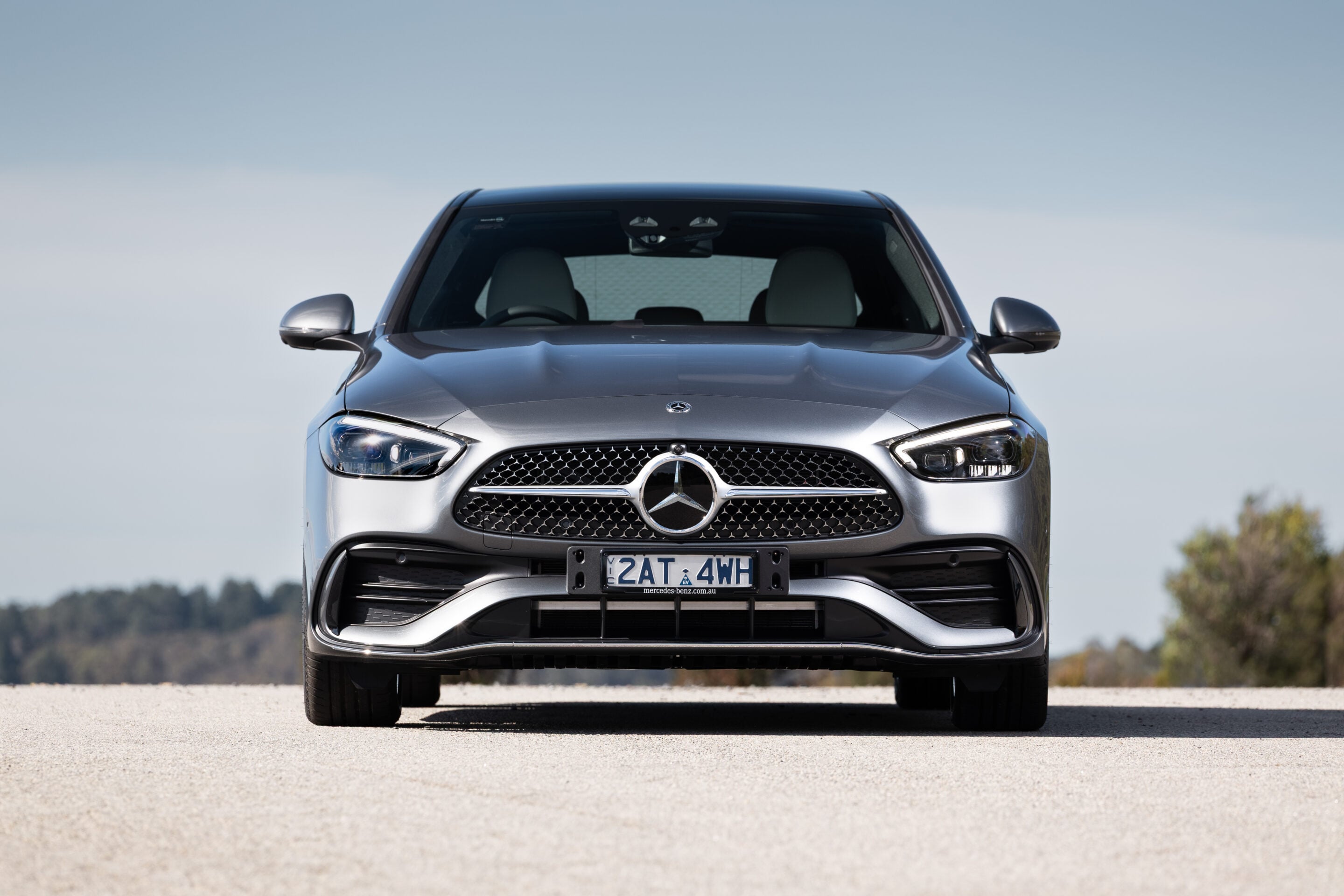
Aston Martin up 20.1 per cent (185 against 154)
Jaguar down 30 per cent (520 against 743)
Lotus down 53.5 per cent (72 against 155)
Maserati down 30 per cent (264 against 377)
McLaren down 28.4 per cent (68 against 95)
Porsche down 27 per cent (5133 against 7029)
Rolls Royce up 24.1 per cent (67 against 54)
How the top 10 fared
Of the top 10 brands in Australia only four enjoyed an uptick in overall sales, the remainder recording modest decreases. Toyota held largely steady with a drop of just 0.6 per cent while Mitsubishi and MG endured the biggest losses, down 17.9 and 18.4 per cent respectively.
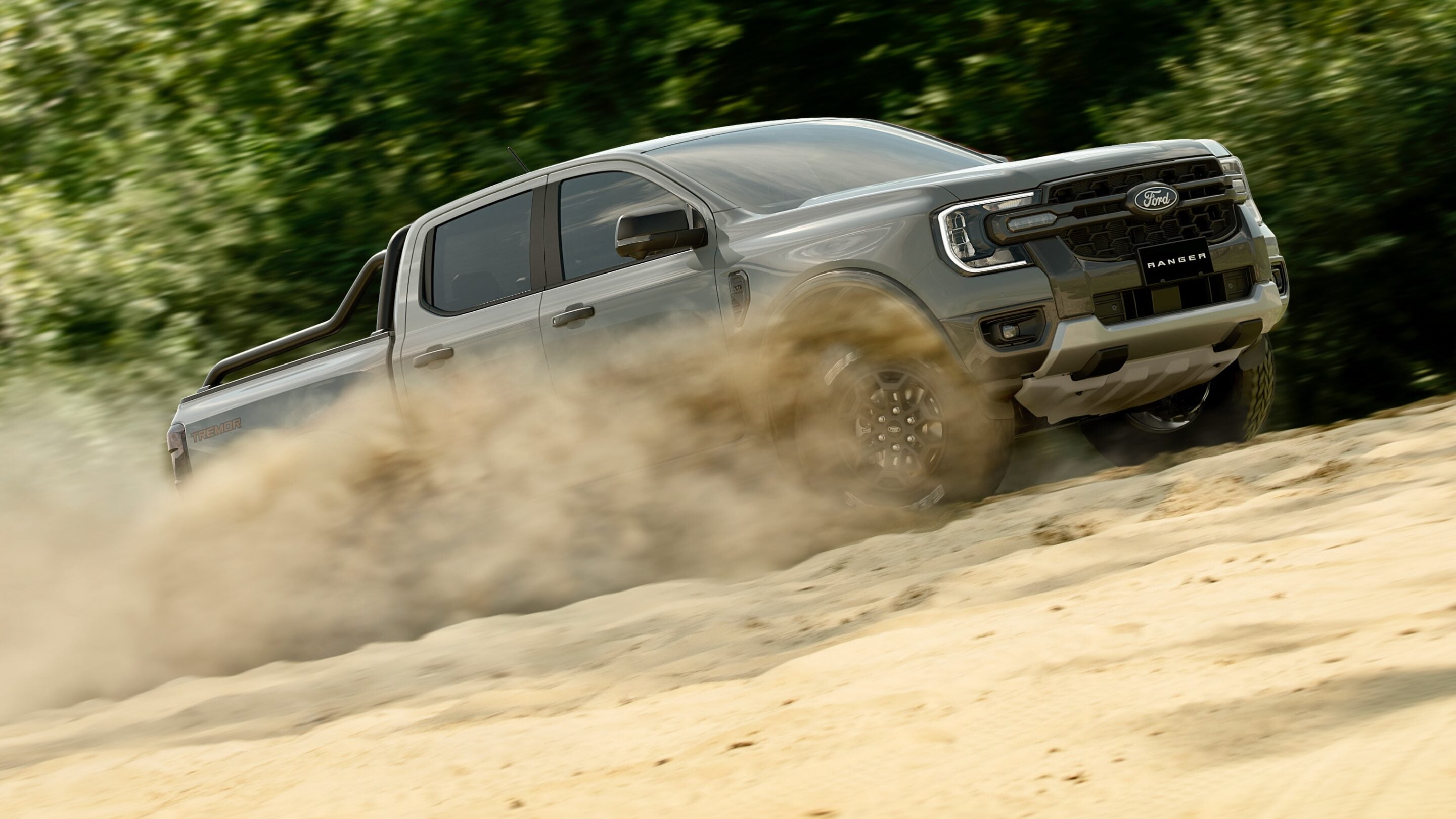
Toyota down 0.6 per cent (239,863 against 241,296)
Ford down 5.8 per cent (94,399 against 100,170)
Mazda down 4.2 per cent (91,923 against 95,987)
Kia down 0.4 per cent (82,105 against 81,787)
Hyundai up 7.7 per cent (77,208 against 71,664)
Mitsubishi down 17.9 per cent (61,198 against 74,547)
GWM up 23.4 per cent (52,809 against 42,782)
BYD up 156.2 per cent (52,415 against 20,458)
Isuzu Ute down 12.2 per cent (42,297 against 48,172)
MG down 18.4 per cent (41,298 against 50,592)
… and the segments
Passenger Cars
Micro up 19.3 per cent (7577 against 6349)
Light down 20.4 per cent (24,826 against 31,189)
Small down 22.3 per cent (72,222 against 92,964)
Medium down 49.8 per cent (23,175 against 46,146)
Large up 6.2 per cent (2285 against 2151)
Upper Large up 15.2 per cent (348 against 302)
People Movers up 9.2 per cent (14,907 against 13,654)
Sports up 14.3 per cent (12,144 against 10,629)
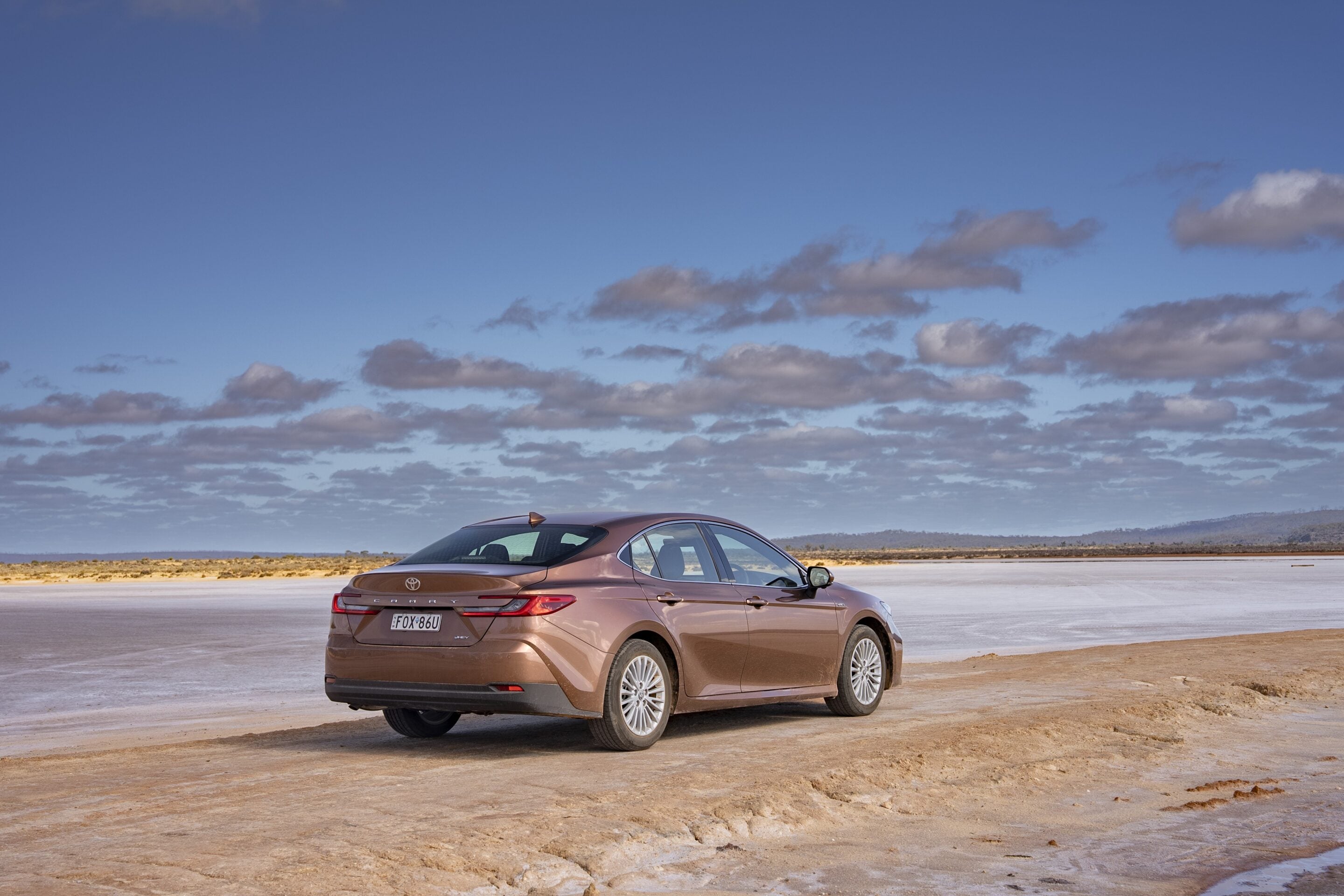
SUVs
Light SUV down 5.0 per cent (53,292 against 56,089)
Small SUV up 10.9 per cent (202,643 against 182,724)
Medium SUV up 4.2 per cent (288,875 against 277,190)
Large SUV up 9.4 per cent (164,226 against 150,178)
Upper Large SUV down 15.6 per cent (24,795 against 29,385)
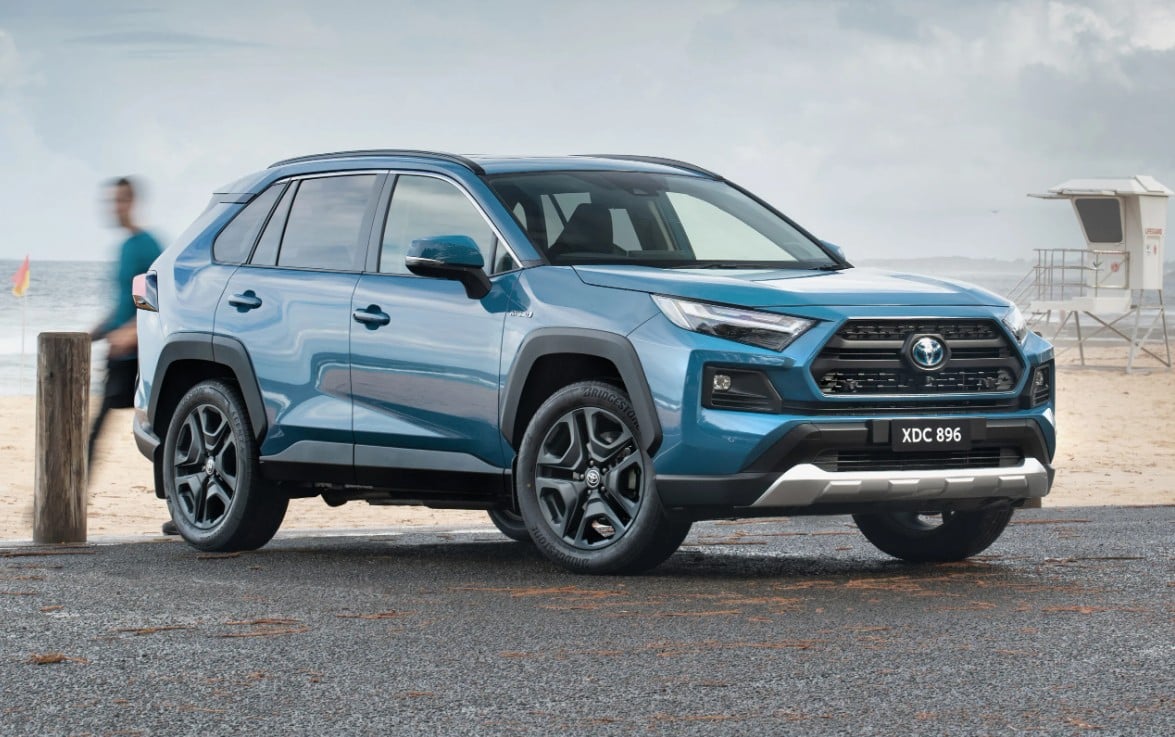
Utes
Utes 4x2 down 12.1 per cent (23,101 against 26,269)
Utes 4×4 up 4.7 per cent (212,513 against 202,950)
Pick-up over $100k down 17.4 per cent (8763 against 10,611)
The Australian new car market has exploded in recent years, with more brands than ever before vying for a slice of the roughly 1.2 million new cars Australians buy each year.
According to the Federal Chamber of Automotive Industries (FCAI), there are currently 67 brands competing for sales in Australia, with that number set to grow to 75 by 2031.
Last year alone saw around a dozen new brands, most of them from China, set up shop down under.
With the FCAI releasing its 2025 new car sales report this week, it’s timely then to see the brands that have cut through the – and which haven’t – to cement their positioning in Australia’s new car landscape. It’s worth pointing out that not all of the newcomers have reported their 2025 sales numbers to the FCAI, with brands such as Cadillac, Xpeng and GAC playing their cards close to their chests. For now.
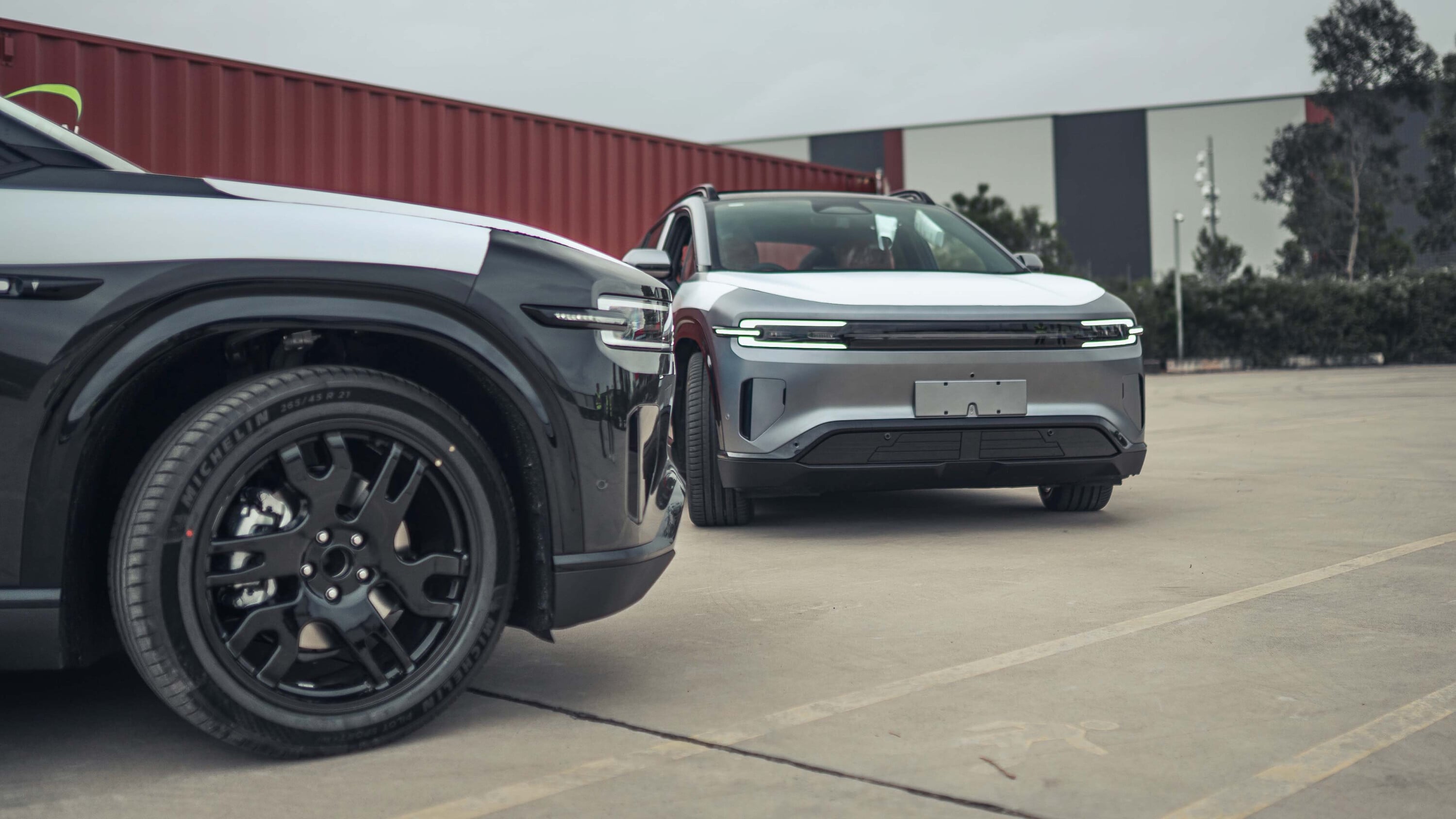
Deepal – 481 sales
Chinese brand Deepal joined the fray in December 2024 with just a single model – the S07 electric medium SUV. It was joined in the latter half of the year by the E07 Multitruck, an odd hybrid SUV-cum-utility electric vehicle that promises a “multiverse of possibilities” according to the marketing department. The Deepal line-up will be bolstered this year by a compact electric SUV, the S05.
Deepal E07 – 194
Deepal S07 – 287
Foton – 178 sales
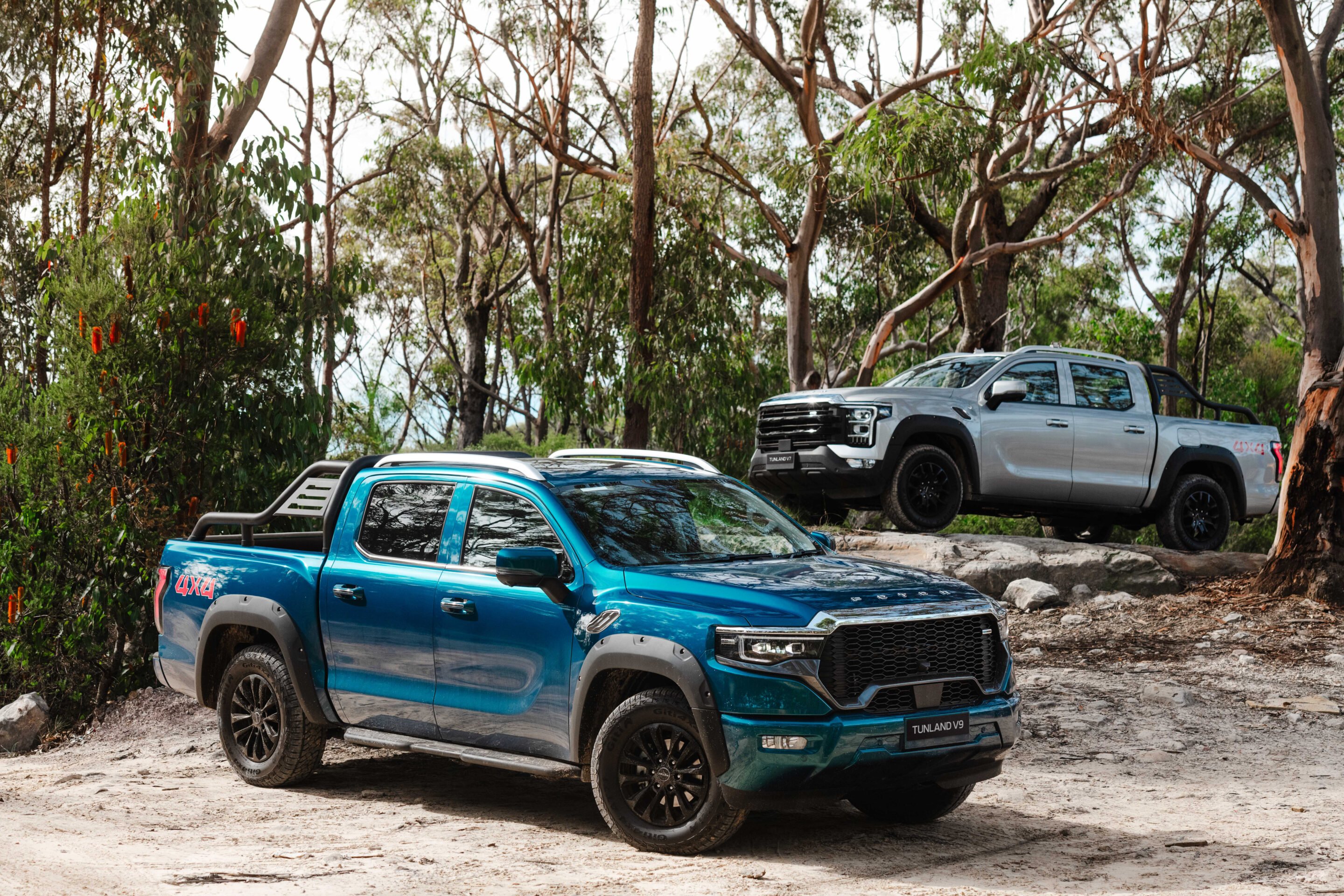
Foton isn’t a new brand to Australia, with a limited range sold here between 2012-19. But its return in 2025 heralded a new dawn for the Chinese brand with full-size pick-up trucks aimed squarely at the likes of the Ford F-150 and RAM 1500. More affordable than its rivals, the Foton Tunland has racked up 177 sales across the range with a single Aumark S light-duty commercial truck taking Foton’s tally to 178.
Foton Aumark S – 1
Foton Tunland V7 4X2 – 19
Foton Tunland V7 4X4 – 48
Foton Tunland V9 – 110
Geely – 5010 sales
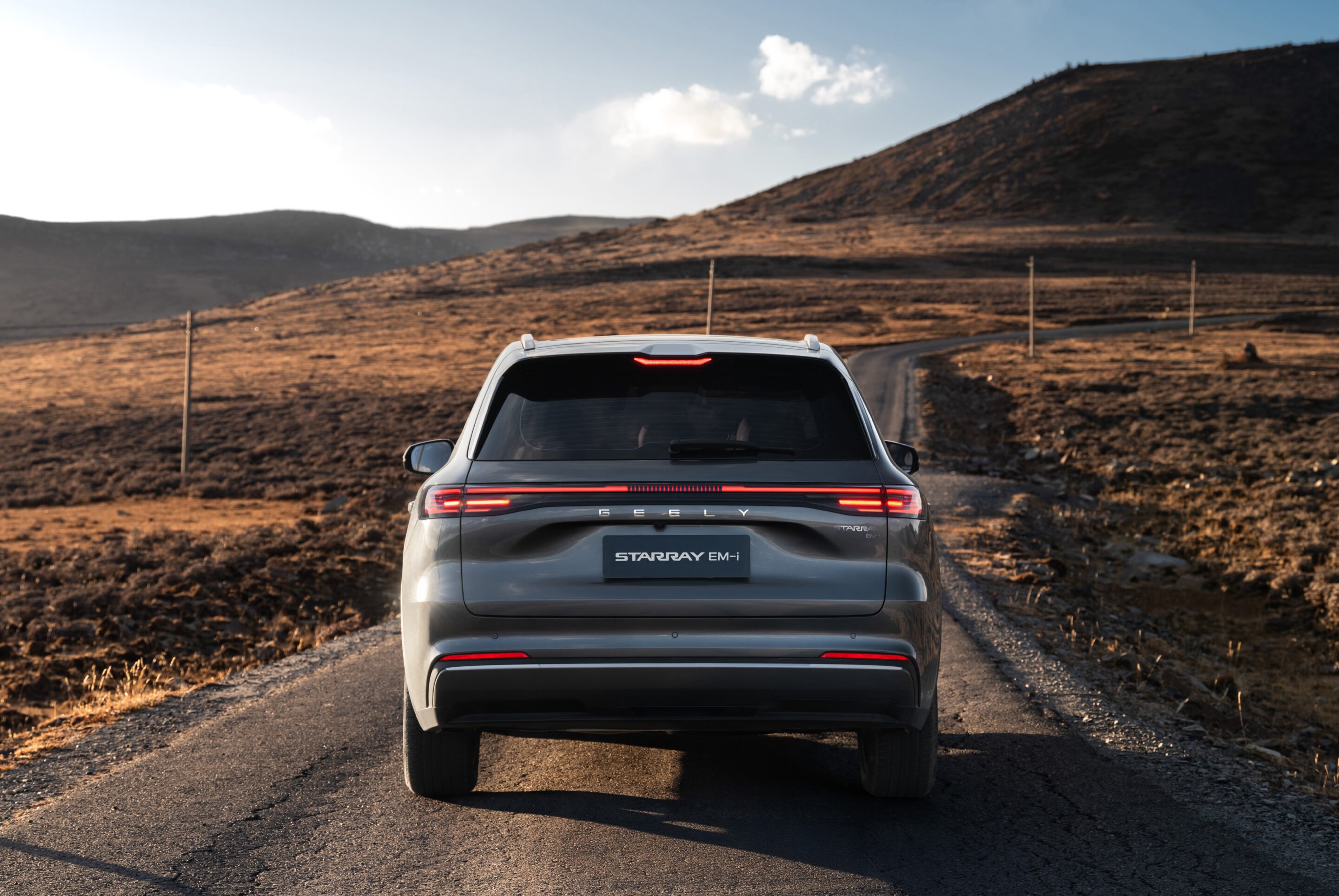
The parent company of several automotive brands including Volvo, Polestar, Lotus, and Zeekr has expanded its Australian portfolio with its eponymous standalone brand, Geely. Just two models (for now) make up the Geely line-up, the EX5, a Tesla Model Y rivalling electric SUV and the Starray EM-i plug-in hybrid medium SUV which, at a tickle under $40k is Australia’s cheapest PHEV mid-sizer. Both are selling in good numbers for a first-year standalone brand.
Geely EX5 – 3944
Geely Starray EM-i – 1066
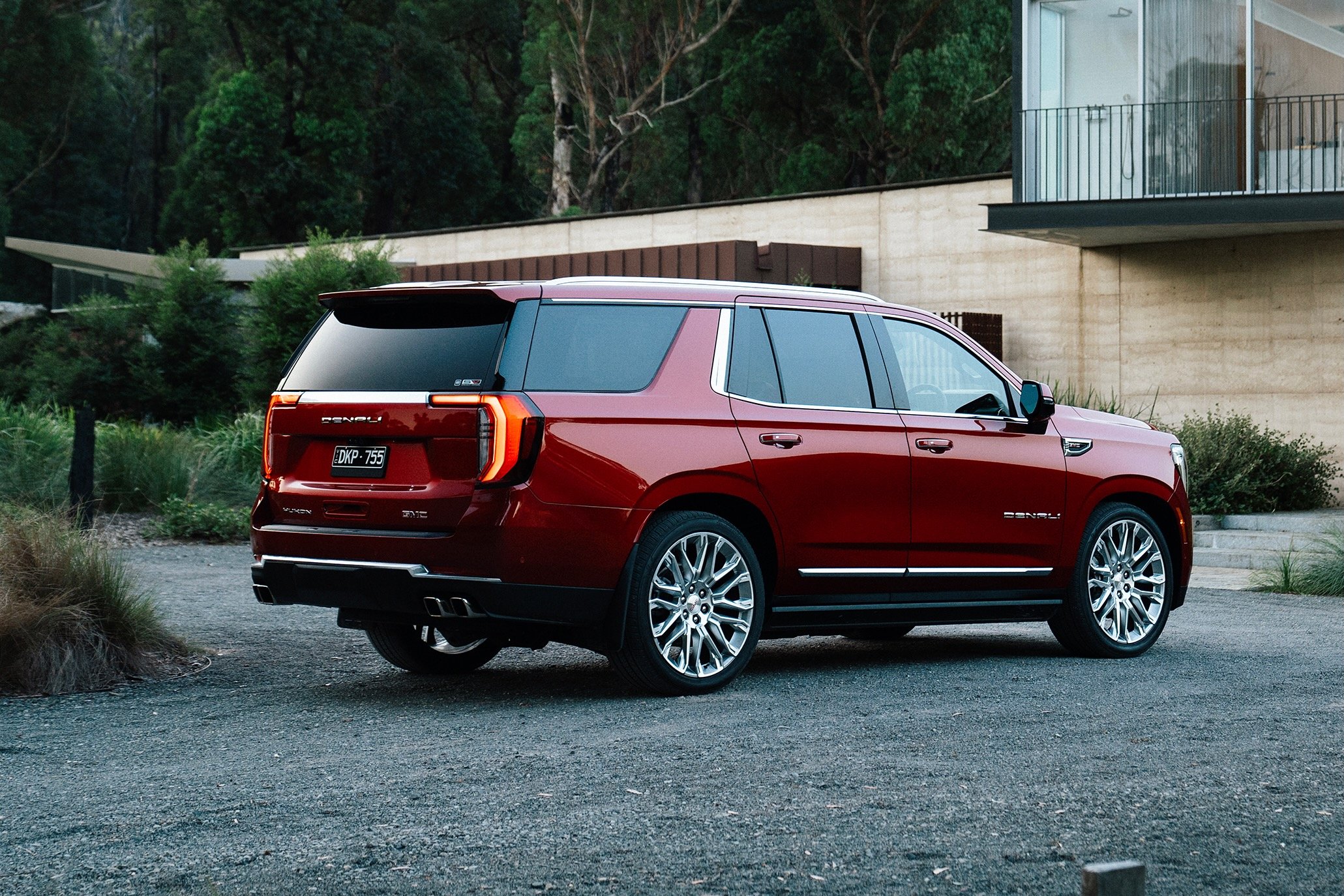
GMC – 342 sales
Sandwiched in between an armada of new Chinese electric car brands, General Motors sub-brand GMC entered the Aussie market in 2025 with just a single model. And it’s a big one. Literally. The GMC Yukon is an upper-large SUV, powered by a monster 6.2-litre V8 and with seating for eight.
GMC Yukon – 342
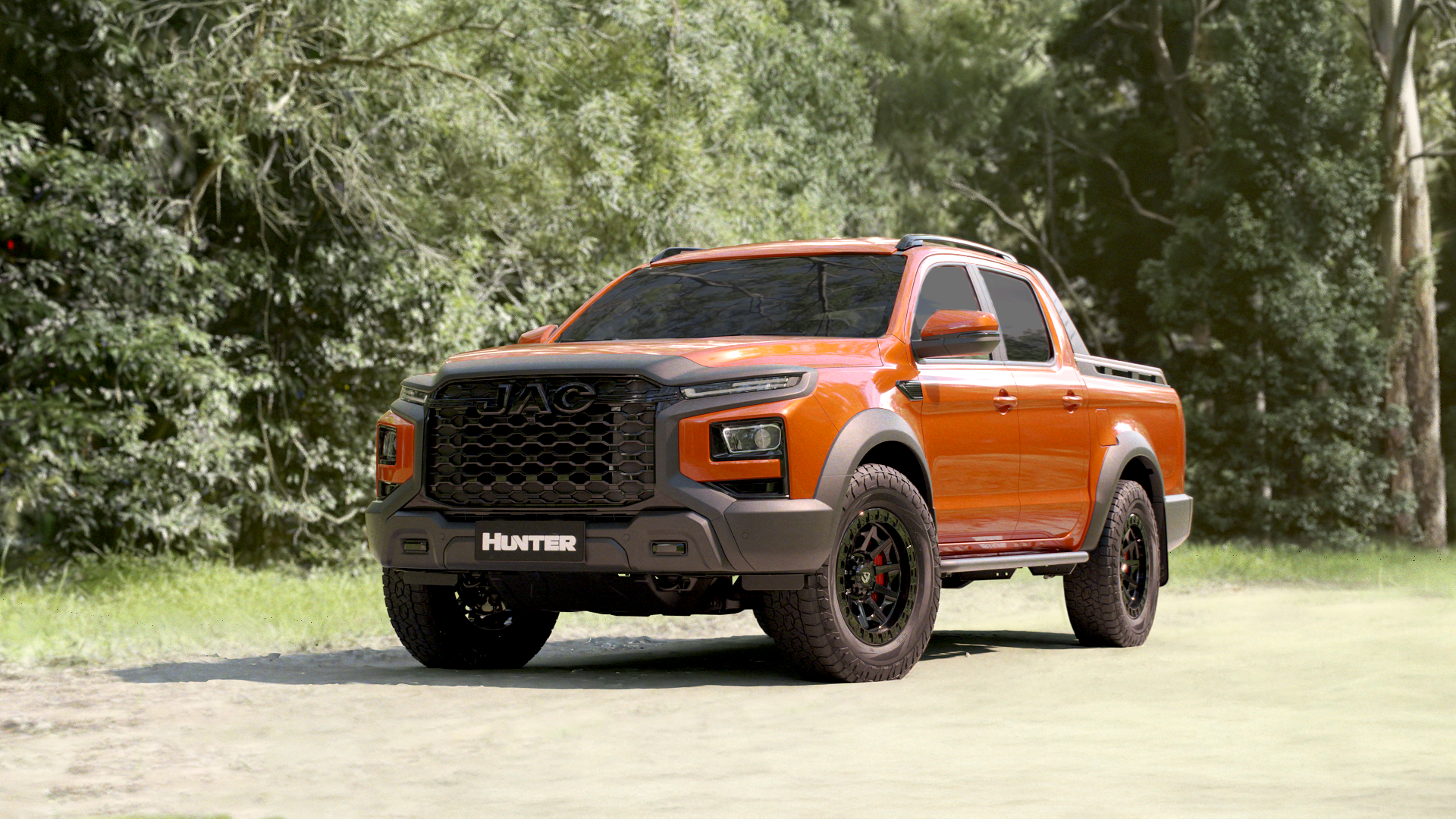
JAC – 1582 sales
As legacy dual-cab utes – such as Ford Ranger, Toyota HiLux and Nissan Navara – continue to creep up in price, the gap at the more affordable end of the segment is being quietly filled by a host of newcomers. It’s this gap that the only model in JAC’s range, the T9 dual-cab ute, is hoping to plug. Sales of 1582 last year show that there is a viable market for budget-priced dual-cabs.
JAC T9 – 1582
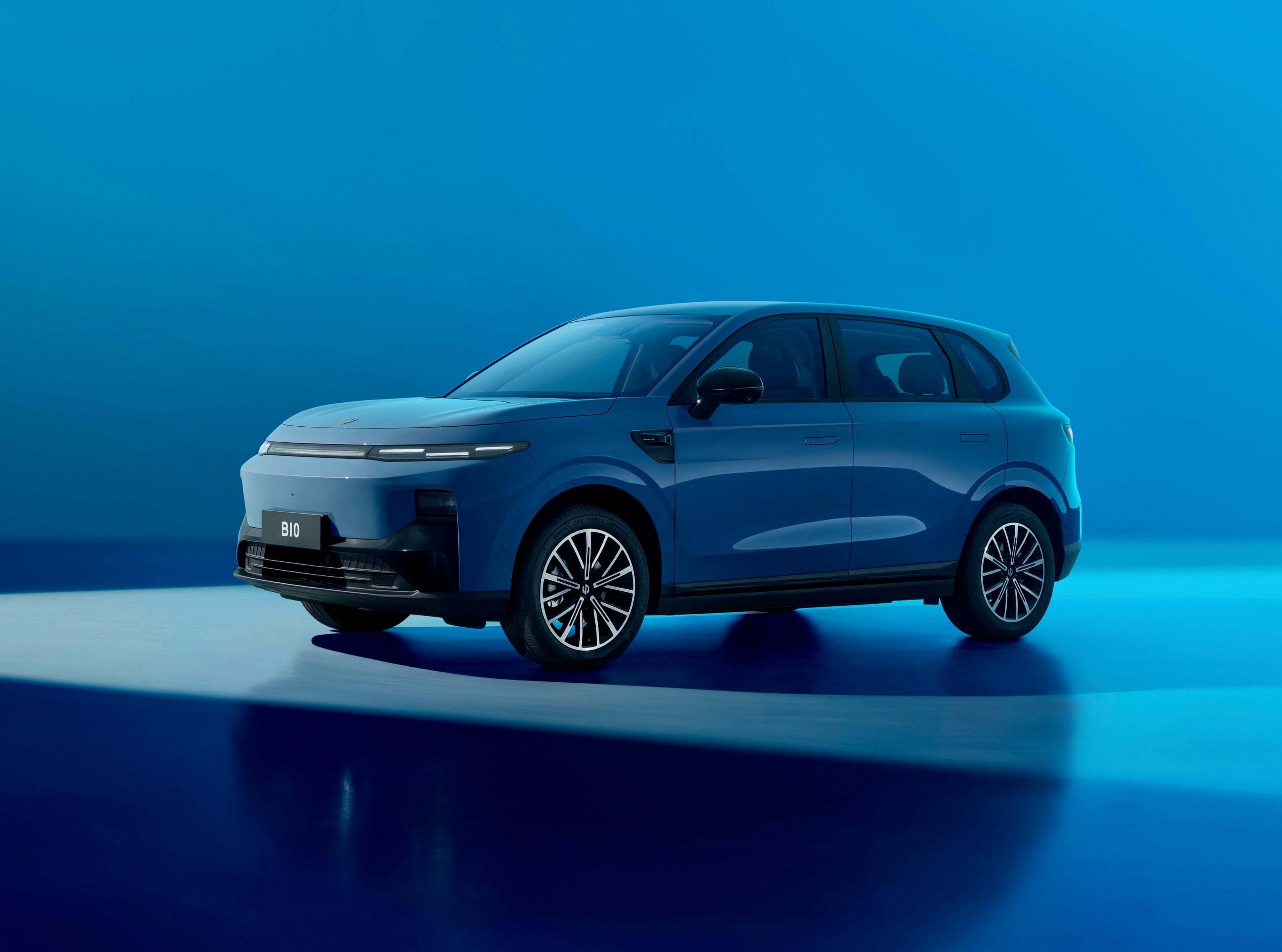
Leapmotor – 644 sales
The Chinese brand, co-owned by global automotive giant Stellantis (owner of Alfa Romeo, Jeep, Peugeot, Chrysler and Opel, among many others), entered the Australian market at the tail-end of 2024 with the C10 medium electric SUV. That lone model was joined in 2025 by the B10 compact electric SUV ahead of a promised influx of new models beginning in 2026.
Leapmotor B10 – 65
Leapmotor C10 – 579
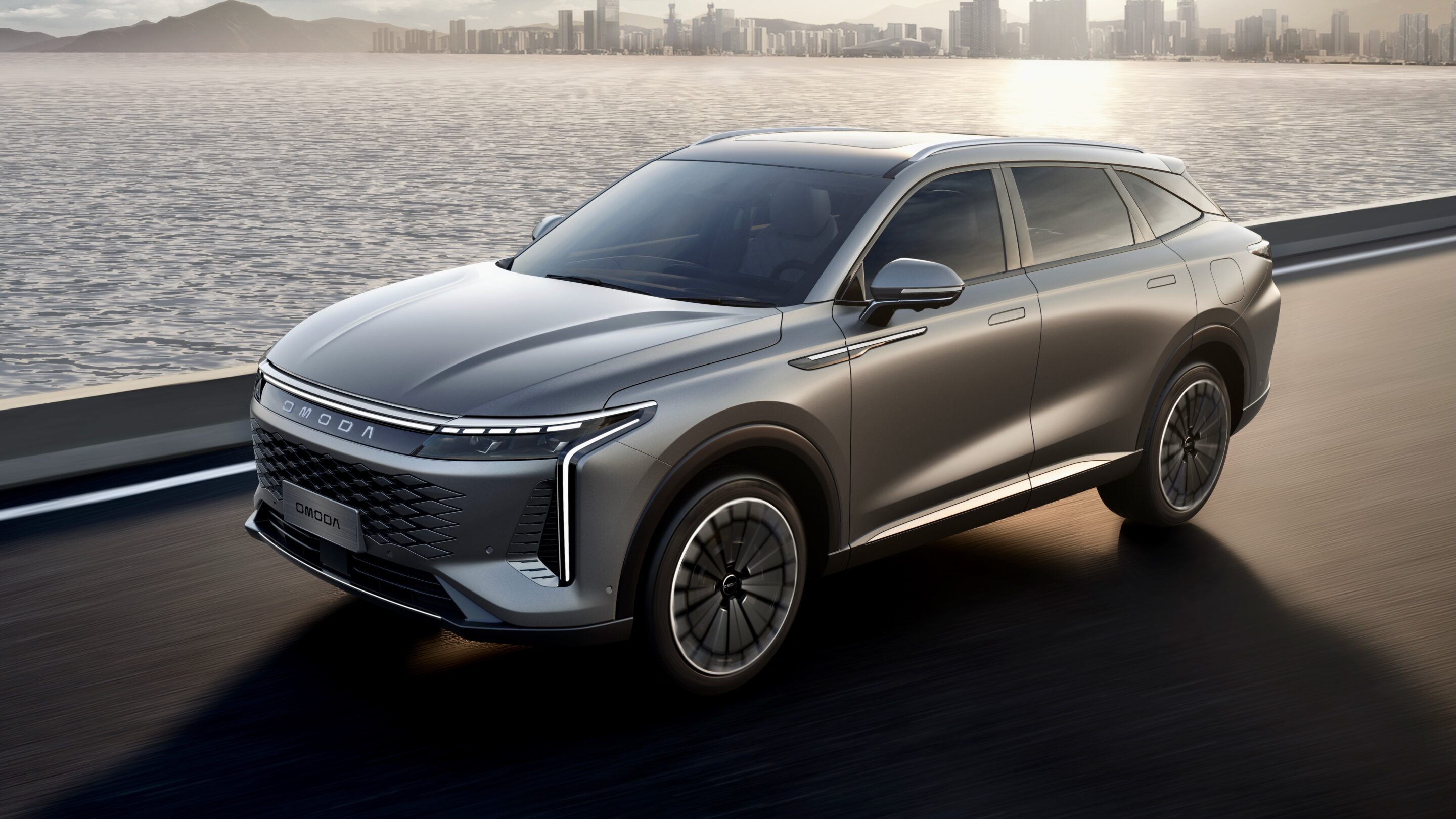
Omoda Jaecoo – 3721 sales
The more upmarket spin-off of Chery, Omoda Jaecoo offers a range of SUVs in Australia including petrol, electric, hybrid and plug-in hybrid models. They’ll be joined by a model onslaught, the brand potentially adding five new models to its expanding range this year.
Omoda Jaecoo J7 – 2706
Omoda Jaecoo J8 – 642
Omoda Jaecoo Omoda 9 – 373
Zeekr – 1994 sales
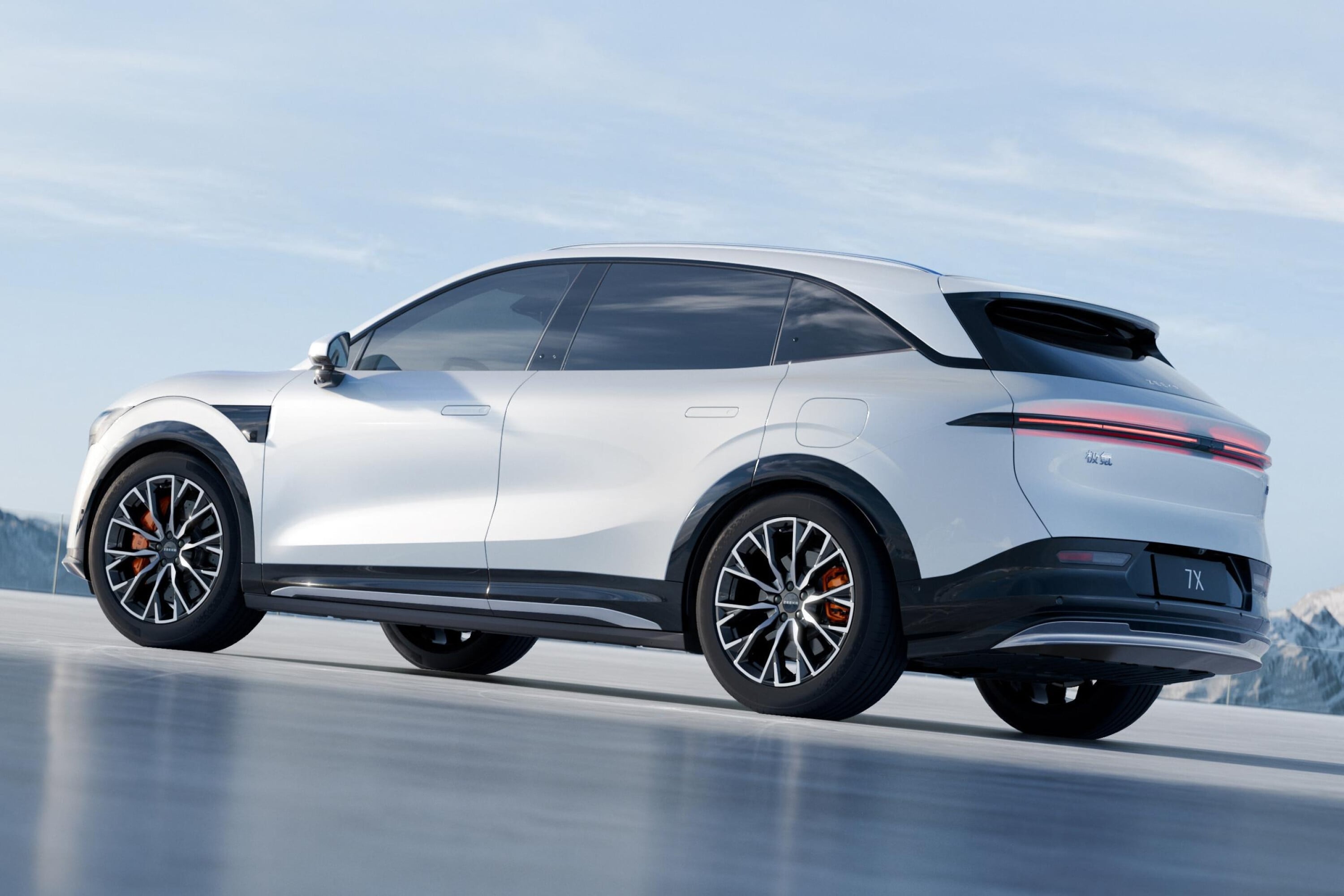
Another Geely-owned brand, Zeekr treads a slightly different path to its Chinese EV rivals with avant garde styling and performance the focus of the brand. The Zeekr X was the first model to land down under late in 2024, but it’s the Tesla Model Y-rivalling 7X that has ignited the sales chart, already racking up in excess of 1200 sales since October last year.
Zeekr 009 – 123
Zeekr 7X – 1206
Zeekr X – 665
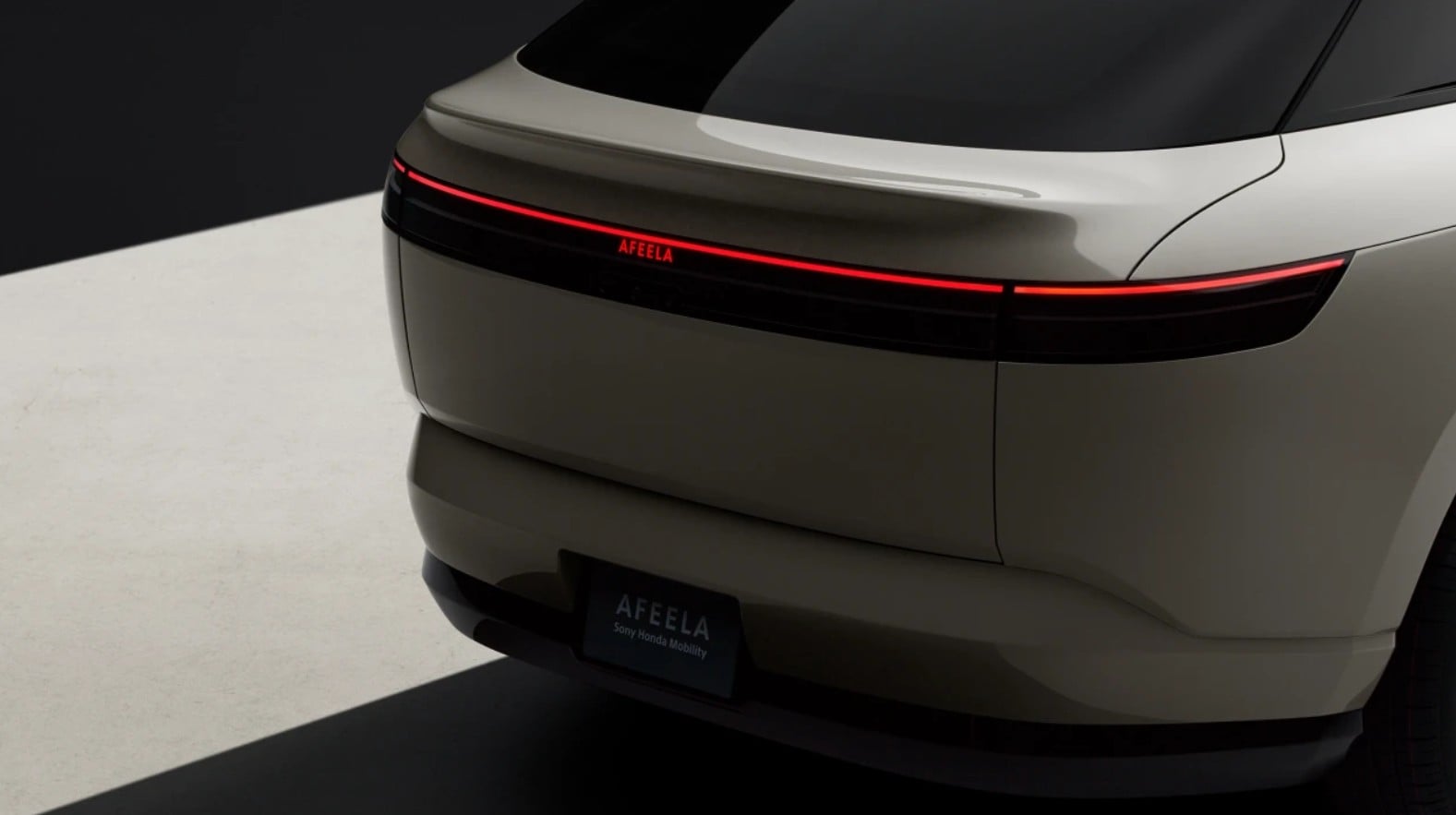
Afeela, the electric vehicle brand formed through a joint venture between Honda and Sony, has revealed its second model at the Consumer Electronics Show in Las Vegas, further underlining its ambition to redefine the car as a rolling software platform.
Known as the Afeela Prototype 2026, the new model will join the previously announced Afeela 1 sedan and place an even stronger emphasis on artificial intelligence, connectivity and autonomous driving technology.
While the Afeela 1 sedan is due to arrive from 2028, the newly revealed Prototype 2026 previews a more practical crossover-style vehicle. It features a higher ride height and a more spacious cabin than the sedan, broadening the brand’s appeal beyond traditional luxury saloons. Production is planned for Honda’s manufacturing facility in the United States, with initial sales confirmed for the US and Japan.
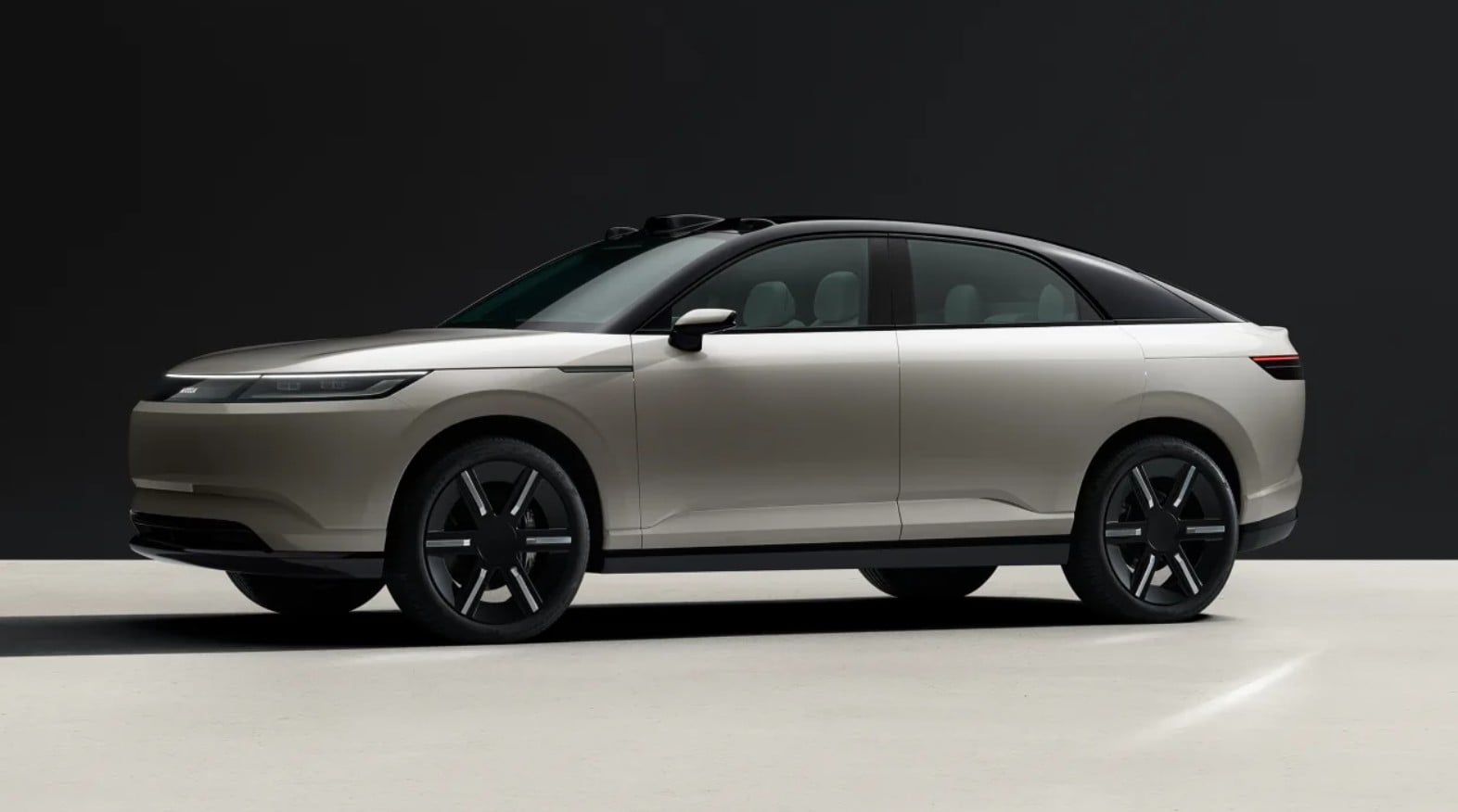
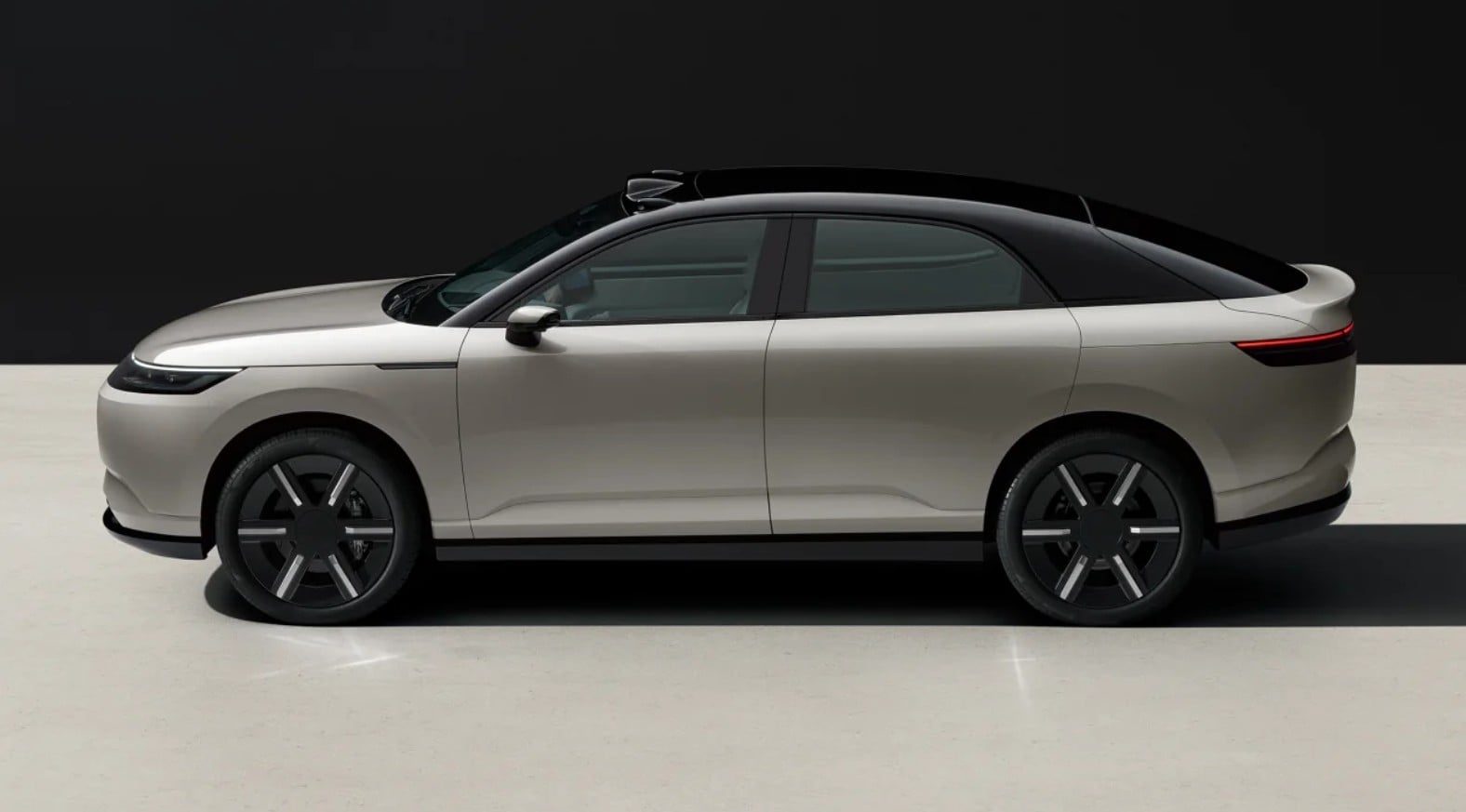
Stylistically, the Prototype 2026 closely follows the design language established by the Afeela 1. The front end features the same rectangular headlight signature and slim external display panel positioned between them, used to communicate information to other road users. The crossover body brings noticeable changes, however, including a more upright roofline finished in black, a larger rear window and an expansive glass roof panel designed to enhance cabin light and openness.
Interior images have not yet been released, but the cabin is expected to mirror the sedan’s high-tech layout. That includes a full-width digital display stretching across the dashboard, digital side mirrors and a distinctive yoke-style steering wheel, all aimed at reinforcing the vehicle’s tech-forward identity.
Technical details remain limited, but the Prototype 2026 is expected to share much of its hardware with the Afeela 1. That suggests a dual-motor, all-wheel-drive setup producing around 358kW, powered by a 91kWh battery. Estimated driving range is likely to sit at roughly 480 kilometres, while DC fast-charging capability is expected to peak at around 150kW.
While those figures are competitive rather than class-leading for a vehicle due later in the decade, Afeela’s focus is clearly on software. The brand plans to launch its vehicles with Level 2+ autonomous capability, allowing point-to-point assisted driving under driver supervision. Crucially, all Afeela models will be equipped with the necessary hardware to support Level 4 autonomy in the future, enabling true hands-off, eyes-off driving once regulations allow.
The Afeela brand is unlikely to appear in Australia or Europe in the near term, with early sales limited to select US states and Japan. However, the project is significant for Honda, as the scale and technological learnings from Afeela are expected to influence the brand’s upcoming Series 0 electric vehicles, due to debut globally from later this year.
Ultimately, Afeela represents less a traditional car brand and more a glimpse at how Sony and Honda believe the next generation of vehicles will be defined – by software, autonomy and digital experience first, driving second.
First published in the November 1980 issue of Wheels magazine, Australia’s best car mag since 1953. Subscribe here and gain access to 12 issues for $109 plus online access to every Wheels issue since 1953.
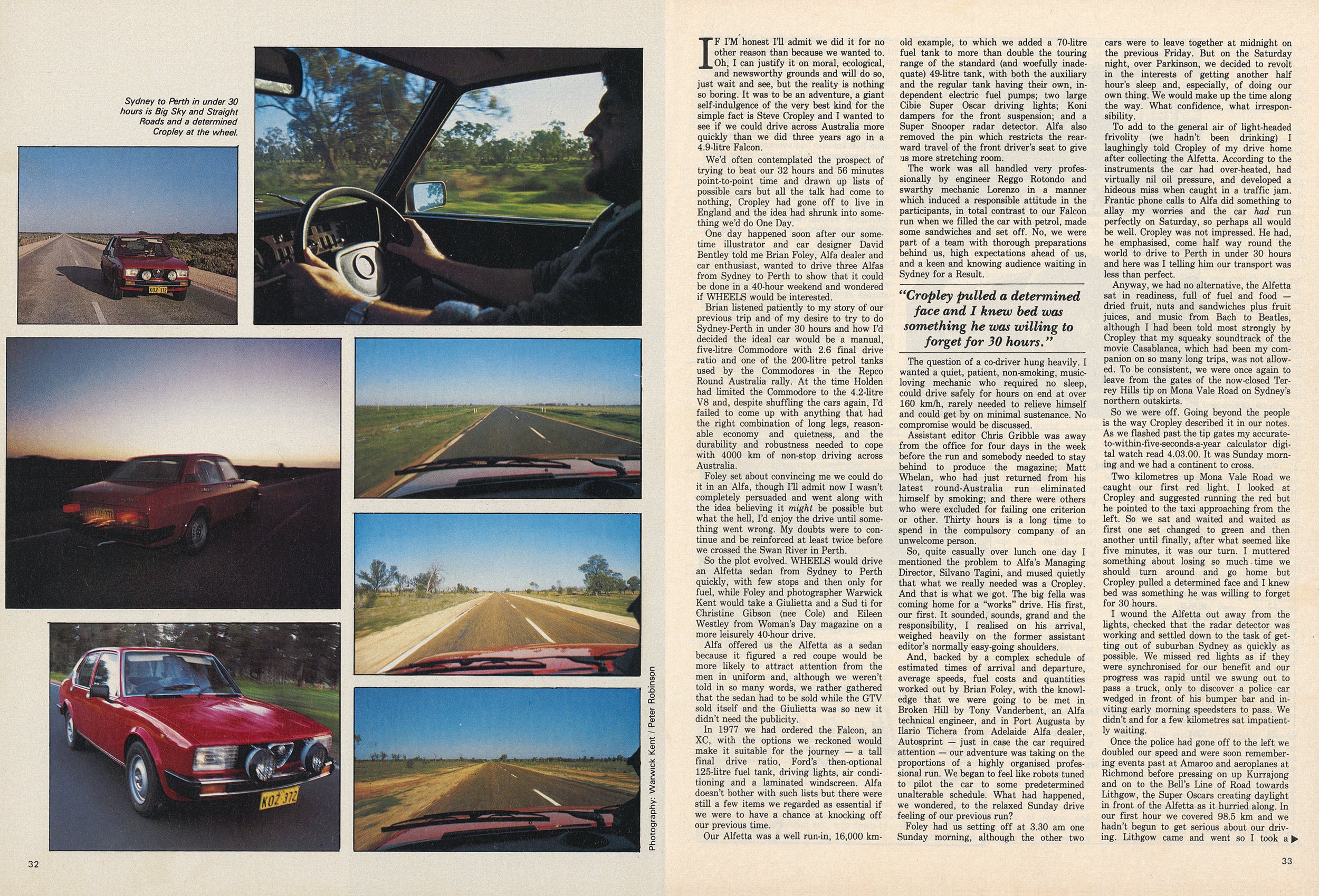
If I’m honest I’ll admit we did it for no other reason than because we wanted to. Oh, I can justify it on moral, ecological, and newsworthy grounds and will do so, just wait and see, but the reality is nothing so boring. It was to be an adventure, a giant self-indulgence of the very best kind for the simple fact is Steve Cropley and I wanted to see if we could drive across Australia more quickly than we did three years ago in a 4.9-litre Falcon.
We’d often contemplated the prospect of trying to beat our 32 hours and 56 minutes point-to-point time and drawn up lists of possible cars but all the talk had come to nothing. Cropley had gone off to live in England and the idea had shrunk into something we’d do One Day.
One day happened soon after our sometime illustrator and car designer David Bentley told me Brian Foley, Alfa dealer and car enthusiast, wanted to drive three Alfas from Sydney to Perth to show that it could be done in a 40-hour weekend and wondered if Wheels would be interested.
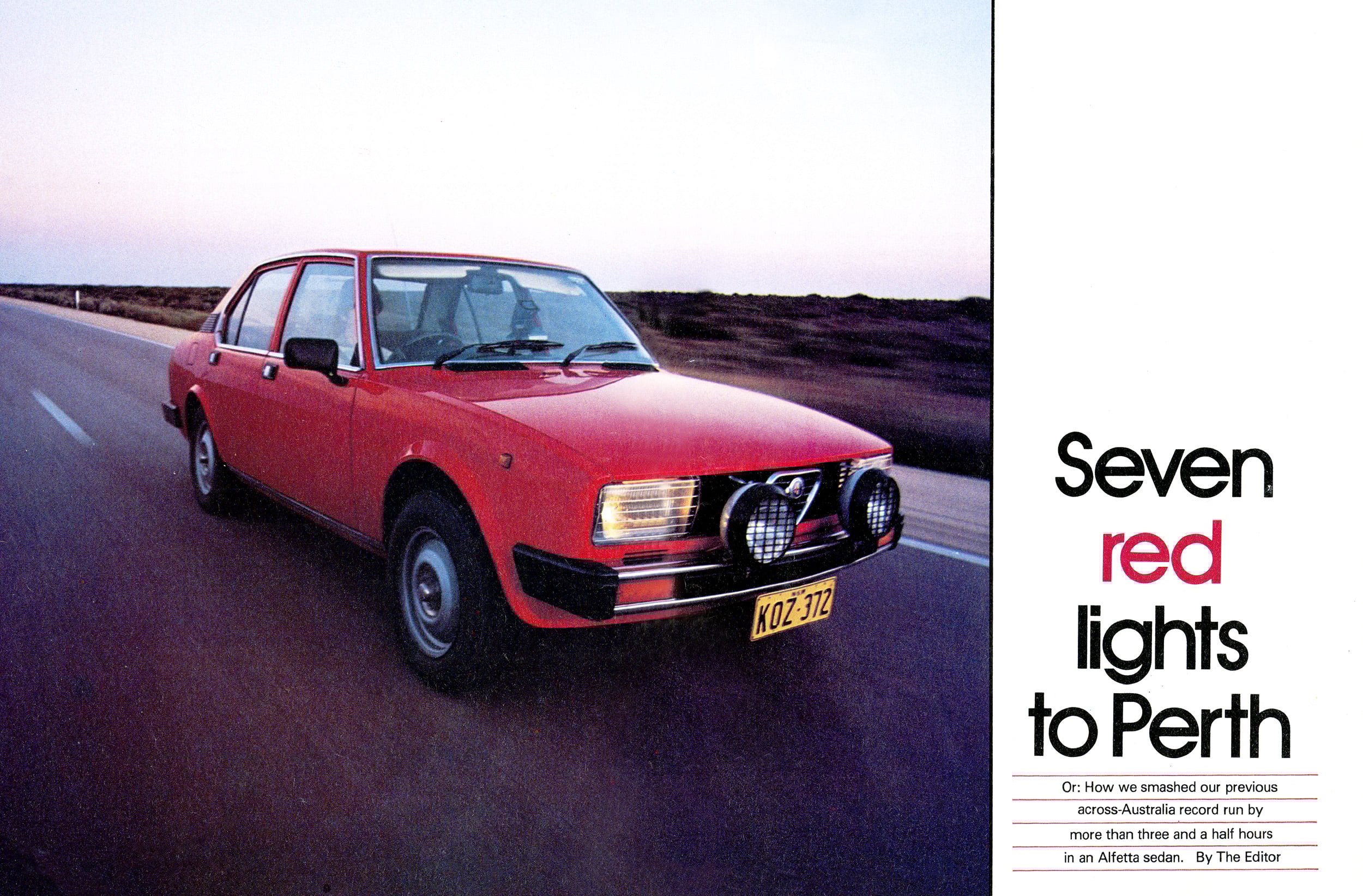
Brian listened patiently to my story of our previous trip and of my desire to try to do Sydney-Perth in under 30 hours and how I’d decided the ideal car would be a manual, five-litre Commodore with 2.6 final drive ratio and one of the 200-litre petrol tanks used by the Commodores in the Repco Round Australia rally. At the time Holden had limited the Commodore to the 4.2-litre V8 and, despite shuffling the cars again, I’d failed to come up with anything that had the right combination of long legs, reasonable economy and quietness, and the durability and robustness needed to cope with 4000km of non-stop driving across Australia.
Foley set about convincing me we could do it in an Alfa, though I’ll admit now I wasn’t completely persuaded and went along with the idea believing it might be possible but what the hell, I’d enjoy the drive until something went wrong. My doubts were to continue and be reinforced at least twice before we crossed the Swan River in Perth.
So the plot evolved. Wheels would drive an Alfetta sedan from Sydney to Perth quickly, with few stops and then only for fuel, while Foley and photographer Warwick Kent would take a Giulietta and a Sud ti for Christine Gibson (nee Cole) and Eileen Westley from Woman’s Day magazine on a more leisurely 40-hour drive.
Alfa offered us the Alfetta as a sedan because it figured a red coupe would be more likely to attract attention from the men in uniform and, although we weren’t told in so many words, we rather gathered that the sedan had to be sold while the GTV sold itself and the Giulietta was so new it didn’t need the publicity.
In 1977 we had ordered the Falcon, an XC, with the options we reckoned would make it suitable for the journey – a tall final drive ratio, Ford’s then-optional 125-litre fuel tank, driving lights, air conditioning and a laminated windscreen. Alfa doesn’t bother with such lists but there were still a few items we regarded as essential if we were to have a chance at knocking off our previous time.
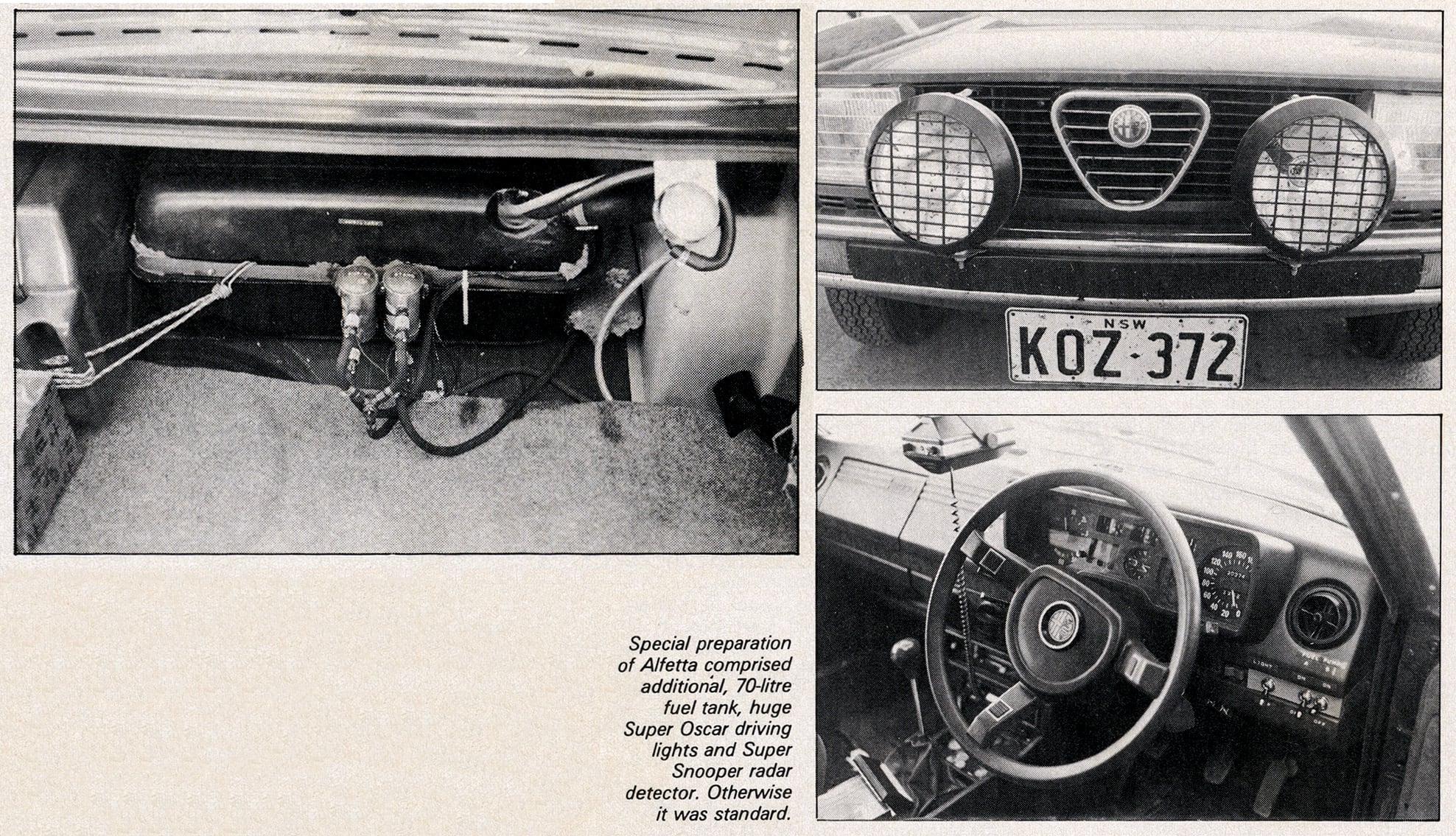
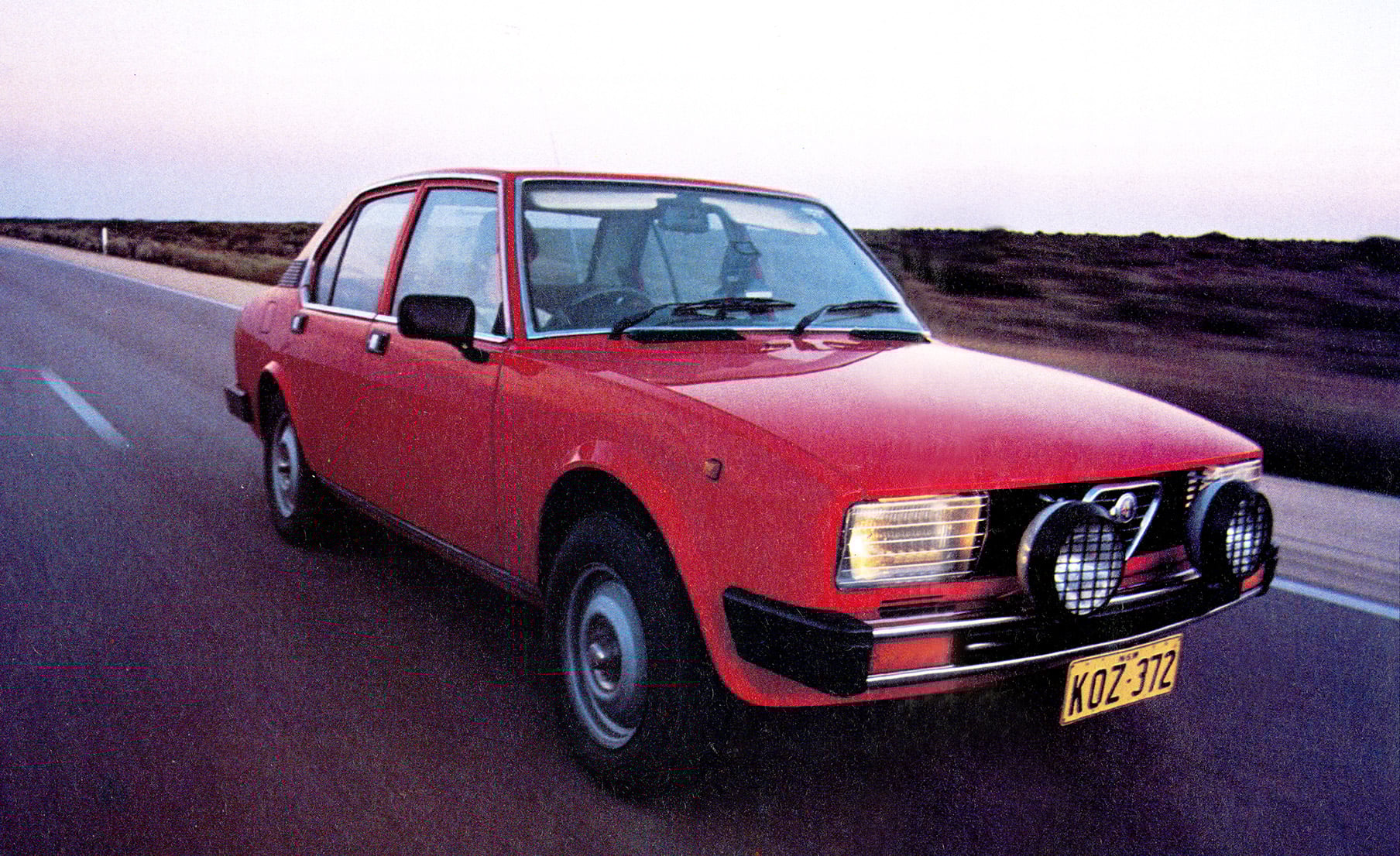
Our Alfetta was a well run-in 16,000km old example, to which we added a 70-litre fuel tank to more than double the touring range of the standard (and woefully inadequate) 49-litre tank, with both the auxiliary and the regular tank having their own, independent electric fuel pumps; two large Cibie Super Oscar driving lights; Koni dampers for the front suspension; and a Super Snooper radar detector. Alfa also removed the pin which restricts the rearward travel of the front driver’s seat to give us more stretching room.
The work was all handled very professionally by engineer Reggo Rotondo and swarthy mechanic Lorenzo in a manner which induced a responsible attitude in the participants, in total contrast to our Falcon run when we filled the car with petrol, made some sandwiches and set off. Now we were part of a team with thorough preparations behind us, high expectations ahead of us, and a keen and knowing audience waiting in Sydney for a Result.
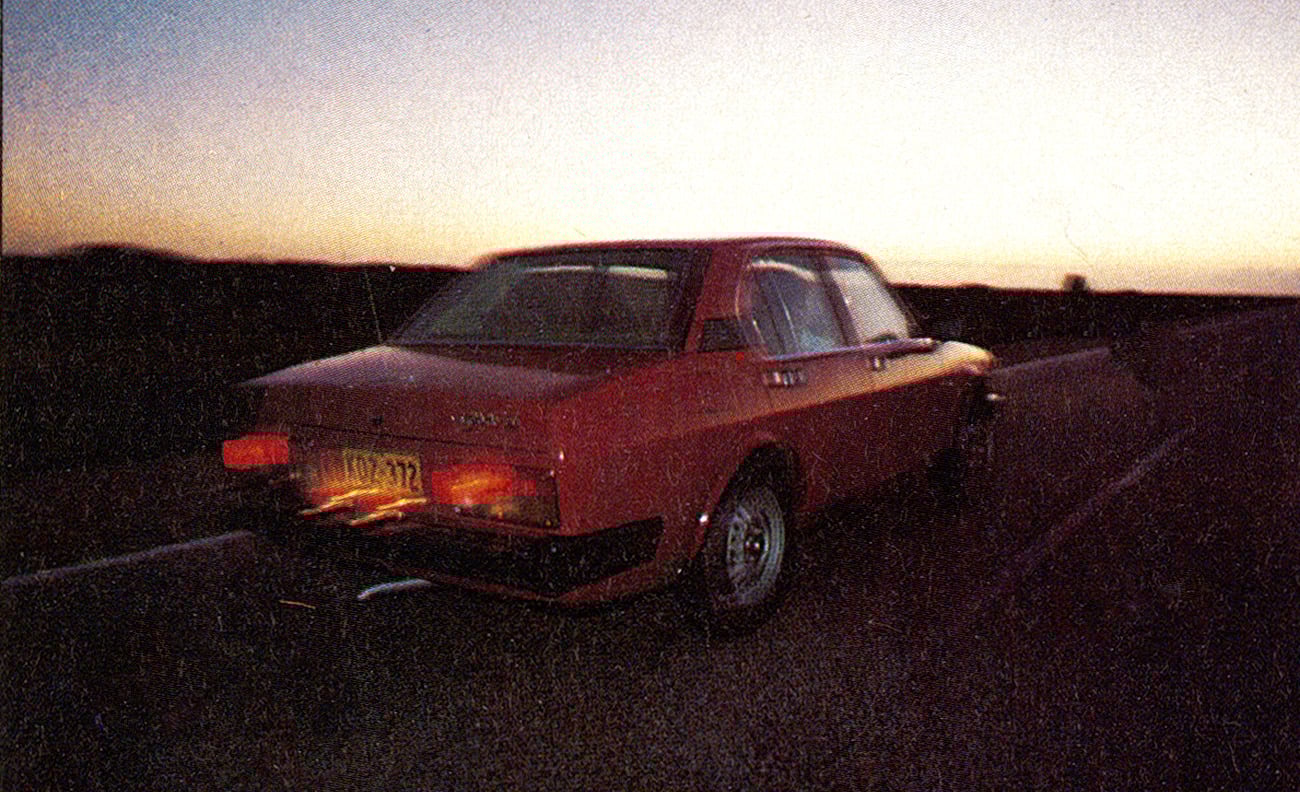
The question of a co-driver hung heavily. I wanted a quiet, patient, non-smoking, music loving mechanic who required no sleep, could drive safely for hours on end at over 160km/h, rarely needed to relieve himself and could get by on minimal sustenance. No compromise would be discussed.
Assistant editor Chris Gribble was away from the office for four days in the week before the run and somebody needed to stay behind to produce the magazine; Matt Whelan, who had just returned from his latest round-Australia run eliminated himself by smoking; and there were others who were excluded for failing one criterion or other. Thirty hours is a long time to spend in the compulsory company of an unwelcome person.
So, quite casually over lunch one day I mentioned the problem to Alfa’s Managing Director, Silvano Tagini, and mused quietly that what we really needed was a Cropley. And that is what we got. The big fella was coming home for a “works” drive. His first, our first.
It sounded, sounds, grand and the responsibility, I realised on his arrival, weighed heavily on the former assistant editor’s normally easy-going shoulders. And, backed by a complex schedule of estimated times of arrival and departure, average speeds, fuel costs and quantities worked out by Brian Foley, with the knowledge that we were going to be met in Broken Hill by Tony Vanderbent, an Alfa technical engineer, and in Port Augusta by Ilario Tichera from Adelaide Alfa dealer, Autosprint – just in case the car required attention – our adventure was taking on the proportions of a highly organised professional run. We began to feel like robots tuned to pilot the car to some predetermined unalterable schedule. What had happened, we wondered, to the relaxed Sunday drive feeling of our previous run?
Foley had us setting off at 3:30am one Sunday morning, although the other two cars were to leave together at midnight on the previous Friday. But on the Saturday night, over Parkinson, we decided to revolt in the interests of getting another half hour’s sleep and, especially, of doing our own thing. We would make up the time along the way. What confidence, what irresponsibility.
To add to the general air of light-headed frivolity (we hadn’t been drinking) I laughingly told Cropley of my drive home after collecting the Alfetta. According to the instruments the car had over-heated, had virtually nil oil pressure, and developed a hideous miss when caught in a traffic jam.
Frantic phone calls to Alfa did something to allay my worries and the car had run perfectly on Saturday, so perhaps all would be well. Cropley was not impressed. He had, he emphasised, come half way round the world to drive to Perth in under 30 hours and here was I telling him our transport was less than perfect.
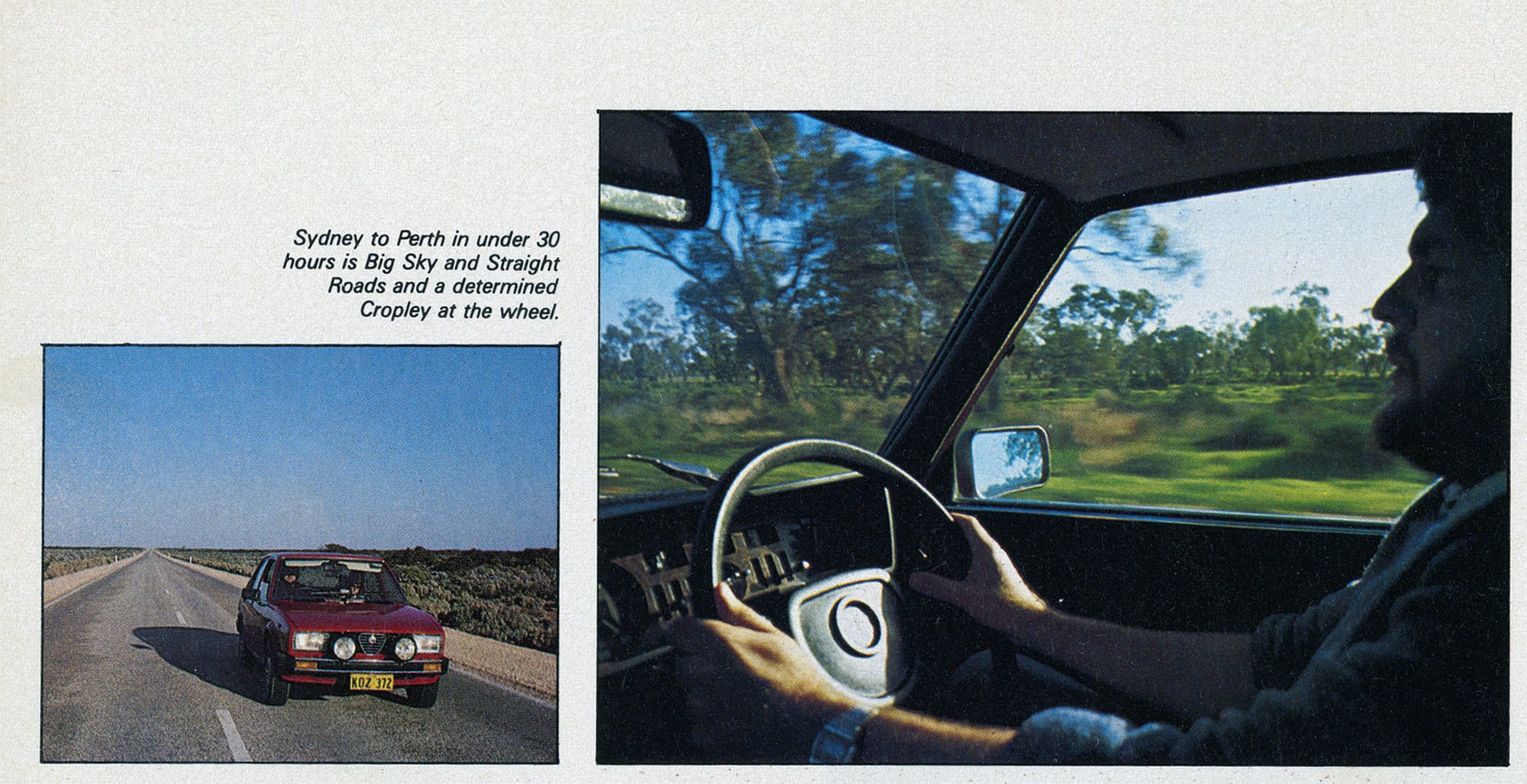
Anyway, we had no alternative, the Alfetta sat in readiness, full of fuel and food – dried fruit, nuts and sandwiches plus fruit juices, and music from Bach to Beatles, although I had been told most strongly by Cropley that my squeaky soundtrack of the movie Casablanca, which had been my companion on so many long trips, was not allowed. To be consistent, we were once again to leave from the gates of the now-closed Terrey Hills tip on Mona Vale Road on Sydney’s northern outskirts.
So we were off. Going beyond the people is the way Cropley described it in our notes. As we flashed past the tip gates my accurate-to- within-five-seconds-a-year calculator digital watch read 4:03.00. It was Sunday morning and we had a continent to cross.
Two kilometres up Mona Vale Road we caught our first red light. I looked at Cropley and suggested running the red but he pointed to the taxi approaching from the left. So we sat and waited and waited as first one set changed to green and then another until finally, after what seemed like five minutes, it was our turn. I muttered something about losing so much tiime, we should turn around and go home but Cropley pulled a determined face and I knew bed was something he was willing to forget for 30 hours.
I wound the Alfetta out away from the lights, checked that the radar detector was working and settled down to the task of getting out of suburban Sydney as quickly as possible. We missed red lights as if they were synchronised for our benefit and our progress was rapid until we swung out to pass a truck, only to discover a police car wedged in front of his bumper bar and inviting early morning speedsters to pass. We didn’t and for a few kilometres sat impatiently waiting.
Once the police had gone off to the left we doubled our speed and were soon remembering events past at Amaroo and aeroplanes at Richmond before pressing on up Kurrajong and on to the Bell’s Line of Road towards Lithgow, the Super Oscars creating daylight in front of the Alfetta as it hurried along. In our first hour we covered 98.5km and we hadn’t begun to get serious about our driving.
Lithgow came and went so I took a chance on the long straights leading into Bathurst and prayed the Super Snooper was detecting. There was nothing to detect. The wind noise we had worried about wasn’t evident and we chuckled at Rotondo who had told us apologetically that he’d “only been able to do 160 around Botany” when testing the door seals after I expressed doubts about the Alfetta’s level of wind noise.
At the end of the second hour we had done 216km and had averaged 117.5km/h in the previous 60 minutes. Our accumulated average speed was 108km/h and the car was running perfectly and getting more accelerative as our fuel load lessened. Mostly it sat in fifth with occasional downward changes to fourth on steep climbs, only once and quite without warning it misfired at 3500rpm in fifth up a hill and we gulped. And that was all.
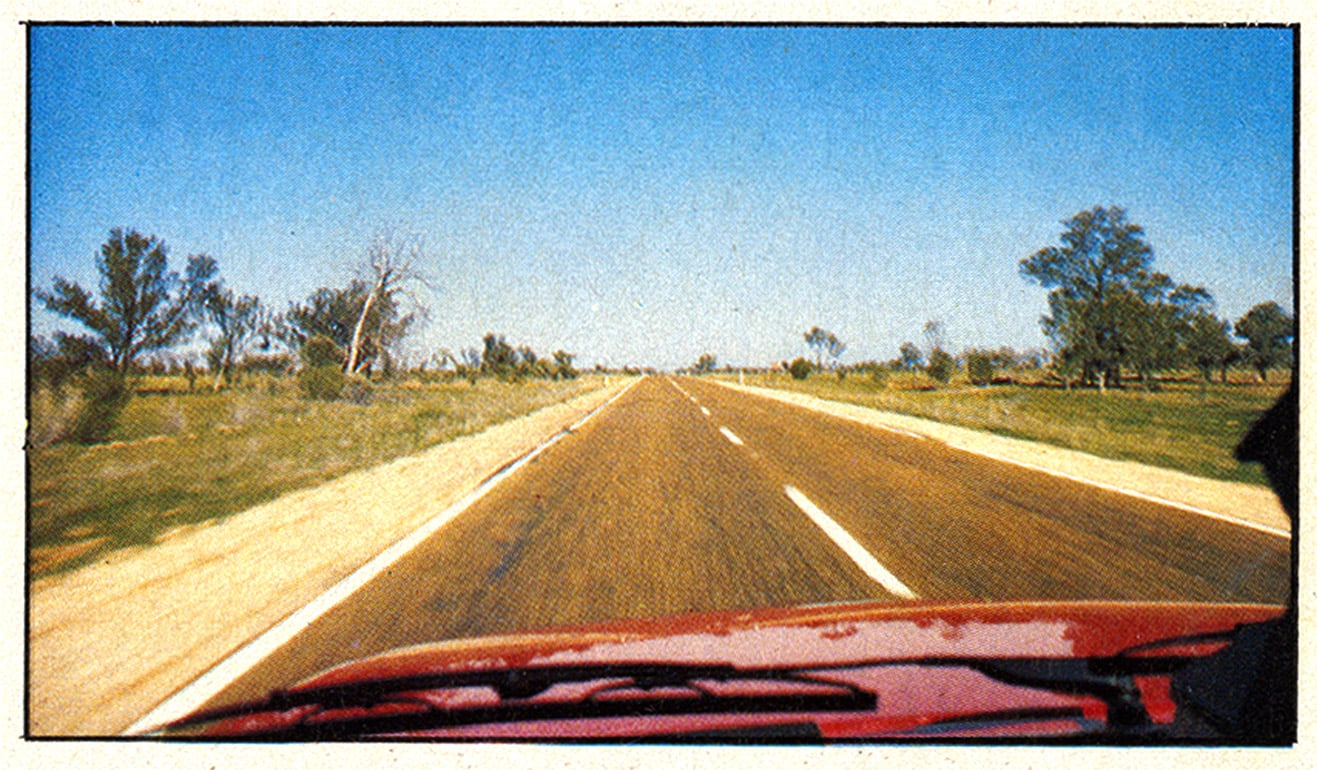
We rolled through Orange within 10 seconds of our schedule and decided “Fales” wasn’t a bad sort of a bloke and perhaps we should have done as he suggested and started at 3:30. Suddenly it was morning and our euphoria as the sun came up behind us was understandable. The first real stretches of open road were laid out in front of the car as we cruised at 4500rpm in fifth with the speedo needle hovering around 160km/h. It all seemed so easy and we resented the fact that one eye was never far away from the mirrors for the possibility of a law enforcement vehicle appearing detracted from the pleasure of the drive.
I had begun to explain to Cropley the entire point to our exercise was that three years ago we had done the trip in a 4.9-litre bent-eight family sedan and averaged around 12 mpg and today we were going to see if a tiny (relatively) two-litre four could not only do the run more quickly but achieve responsible economy as well. He was telling me to shut up, that he’d rather be listening to Julie Covington crying for Argentina, when the engine conked out in a long right-hander. A few simple calculations showed that we extracted 442km from the auxiliary tank (including some running around in Sydney after filling up on Friday night) and averaged about 6.3km/l (17. 7mpg), which we found mildly disappointing, although overseas tests had shown that at 160km/h an Alfetta gave slightly worse consumption.
Dubbo arrived with 412km on the tripmeter and our timepiece registered 7:34am. It was Cropley’s turn to drive and we pondered the enormity of what was expected of the man. He had never driven this Alfetta before and yet he was now expected to accelerate it to over 160km/h and maintain that speed without faltering. Two hundred metres after we’d picked our stopping point and rushed around the car to change positions, the Alfetta sat unhappily at another red light, our second. We could only glance at each other.
There was no hesitation as he ran the car out to our self-imposed limit of 5500rpm in each gear and 160km/h required no courage as we cleared the last remnants of the town and he set the car up for a fast sweeper.
“Sheeeeit, it does understeer ,” Cropley’s shouted words implied that I hadn’t warned him as his hands wound on the lock and he fought to keep the car on the bitumen but only just succeeded.
After four hours we’d covered 480km, having averaged 147km for the fourth hour, to give us an overall average of 120km, still well below the 133km/h average required if we were to break 30 hours.
Our first fuel stop was Nyngan, four hours and 38 minutes and 582km after leaving Terrey Hills and 28 minutes quicker than we’d done the same distance in the Falcon. An eight-minute fuel stop to take on 107 litres of fuel at 33.6 cents a litre cut our average for the fifth hour back to 140km/h but still took the accumulated average to 124km/h. We worked out that if we took out the eight minutes for the fuel stop we’d have averaged 161.5km/h for the hour.
We were now into what I believed would be the fastest section of the trip for we had daylight, two fresh drivers and a wide, straight and vacant road in front of us. Our cruising speeds crept up to 170km/h and for the next three hours we averaged 153, 162 and 162km/h to take our overall average to 137.2km/h.
The 595km from Nyngan to Broken Hill took just three hours and 45 minutes, so we’d just missed out on averaging 160km/h perhaps because… Somewhere west of Cobar we’d whistled over a hump at 170km/h to be confronted by a mob of sheep spread across the road with no daylight visible between the woollies. There was no way we wouldn’t hit one of them but Cropley, agile in defiance of his normal self, was down to fourth, stamping hard on the brakes in a full-blooded stop and somehow threading his way through the animals. We were down to 90km/h and had escaped before Cropley accelerated again. We didn’t have time to speak until it was over and then the talking was done with eyebrows and our music went back to Evita for the second time.
Gradually, we were coming into the red dirt country and even the bitumen road surface changed colour to a reddish-brown as we swept westward through wide radius corners that could be taken at 180km/h with the driver wishing for twice the power.
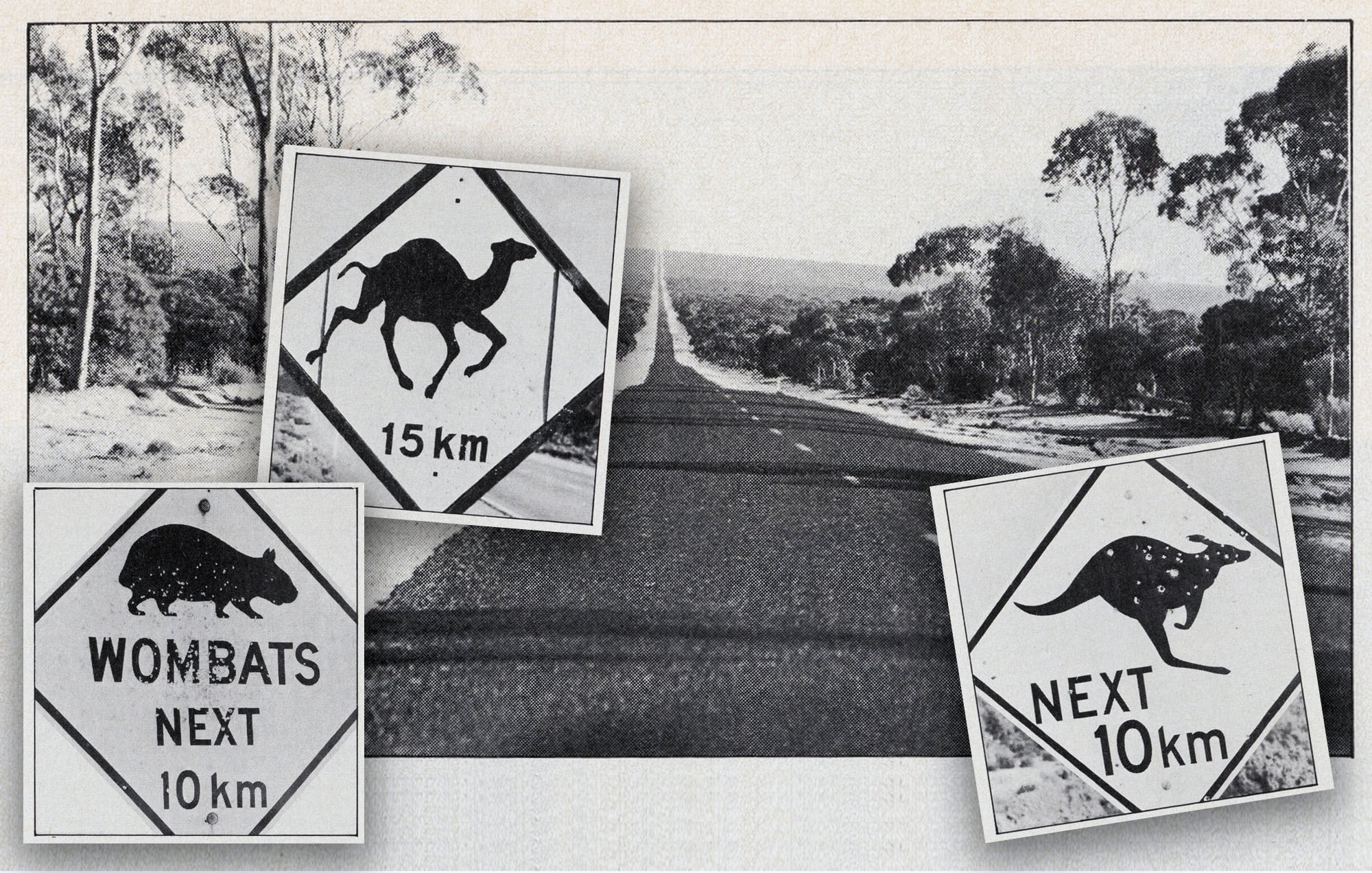
The incident with the sheep increased our caution over humps while cattle on both sides of the road around Wilcannia and ’roo carcases that littered the road forced us into a state of prudence. Our 170km/h cruising speed was dropped back to 150 because it made us feel more comfortable although we couldn’t decide what difference 20km/h would make if we were to hit a cow. Worse, while 170km/h helped our average speed, 160 seemed to be hurting the average and 150 was downright slow and would obviously mean we’d fall behind schedule, or so it seemed.
It’s a strange sensation. There we were, remote from the outside world through which we were cutting at 170km/h and yet, while the road was clear, it felt motionless. In that situation it is only when you have to stop quickly that the speed becomes apparent and in a split second, everything is exaggerated from being an inert position to one of an accelerating velocity of frightening potential.
Broken Hill was our next fuel stop and our first pit stop. Tony was to meet us at the 60 km/h sign on the east side of the town, follow us into the first service station and check over the car. He had flown up on the midnight plane after driving back to Sydney from Queensland on the Saturday morning.
The white rent-a-car was waiting as expected. Our pitstop routine cleaned the windscreen, filled the car, checked the oil level – none was required – and enabled us to tell Tony of the 15psi oil pressure in fifth gear at 170km/h, although it wasn’t consistent and sometimes rose to 30psi, and of the minor trouble we’d had with the fuel switchover which, for some still unknown reason, reduced our speed from 170km/h to 150km/h unless we chopped from one tank and fuel pump to the other a couple of times. We were told not to worry and eight minutes later and $37.38 lighter of wallet, having paid 36 cents a litre, we pulled out. Tony had travelled 2400km to say “no worries” after eight minutes’ work. It was one way of spending a Sunday.
We were in Cropley’s home town but there was no time to say hello nor for the once compulsory escorted tour of school and home and girlfriend’s place, without them we were through and gone and Broken Hill seemed small and restful and we decided we knew why people live to be 100 in such a place. Even the busy intersection that had been the outer limits for a younger Cropley on a pushbike seemed deserted but the wide streets and verandas and tin roofs and dusty hills remained unchanged. London was a world away.
Despite our hurried stop the ninth hour produced only 122km and dragged our average speed back to 135.5km/h. The two red lights we caught within 100 metres in the main street of The Hill didn’t help.
Cropley warned, as he did last time, of the treacherous 50km from Broken Hill to Cockburn on the South Australian border. But many of the hidden dips and off-camber crests had been softened and there wasn’t quite the same evidence of desperate braking and sump scraping of three years ago. Still, it’s not a piece of road to tackle late at night if you are in a hurry.
The road to Yunta was smooth, wide and easy but that’s not the way Steve remembered it. He even talked over Evita to fill me with tales of his father’s Consul and the nightmare trips to Adelaide that took all day and most of the night and involved rations and carrying water and getting bogged for hours in the endless mud. I believed him, but it took some imagination as we rolled on with 170km/h on the dial. Adelaide, if it were our destination, was only three hours away. Our tenth hour gave us our best average speed of the trip, 163km/h.
As the sun moved into the western sky we became aware of the nasty reflection in the windscreen from the top of the instrument panel. Of the rest of the car we had no complaints. The seats were still comfortable, a remarkable feat and one we hadn’t predicted, the suspension soaked up the few bumps we’d come across and the Konis had muffled out any of the dramas that might have been when we hit the occasional dip or drain too quickly. Only the continuing frustration with the fuel change-over caused us any alarm.
From Peterborough we changed direction from south-west to north-west and headed off towards Port Augusta through country that changed its appearance far more frequently than anything we’d seen since Orange. Even Horricks Pass – incorrectly called the Pichi Richi pass by Cropley on our previous trip – had been resurfaced and redirected to abolish the sharp dips and dangerous curves and is now an entertaining piece of road. But I remembered our load and Cropley reminded me we were only a third – just a third, it was hard to believe – of the way to the Indian Ocean so I backed off but made a mental note that it would be included the next time I’m on my way to the Flinders Ranges.
It was the endless left-handed sweeper that takes you out of the pass that had me singing the road’s praises. Then it was down into a huge basin, with Spencer’s Gulf coming from the horizon on the left, almost to the middle of the scene, and the southern tip of the Flinders marching down from the north. It is simply one of the biggest views in the world.
The road rushed on and the Alfa built up speed and without asking permission or even hinting that it might be fun I let the speed build up to 190km/h before buttoning off and admitting my guilt. Cropley, of course, knew.
Our arrangement for the second pit stop in Port Augusta was the same as the first, we would be met at the first 60km/h sign outside the town, but there was nothing to check so we decided to pull up alongside the Adelaide Alfa, convey our thanks and then press on. Three faces peered out of the car as we drew alongside. No, we said, there’s no trouble, the car’s running perfectly, everything’s okay and thanks heaps. They smiled broad Italian smiles, wished us luck and set off on the 300km back to Adelaide. The Cropley resolve was strengthened by their enthusiasm.
Port Augusta dealt us the only heavy traffic we were to sight until we reached Perth. It was Sunday afternoon and the weekly ritual of a drive in the country had the entire population on our road. They meandered and rambled, chopped in front of us, slowed down at the merest hint of a corner, and forced us to a halt at our fifth stop light. We were not pleased.
The prospect of a fuel stop in Port Augusta had been discussed, recommended by our schedule, but rejected on the grounds that while we had adequate supplies of fuel we should continue on because we now understood just how much even an eight-minute stop meant in terms of lowering our overall average. More importantly, we took the right road out of town and went down to Whyalla and so saved about 30 minutes compared with our Falcon trip.
At 5:45pm local – 6:15 Eastern Standard – time we pulled into a service station at Wudinna, 1858.9km from Sydney. The zealous rushing of our first two stops had given away to a methodical thoroughness as we took on 112 litres of fuel at 38.8 cents a litre. The stop took nine minutes and we forgot to clean the windscreen. Tiredness was creeping in on us.
We were told the police were thick on the ground in Western Australia, and had been advised against speeding, advice we knew we’d ignore. The ’roos, the service station attendant said, were worst around Norseman. Cropley took over and we headed into the darkness. He talked quite seriously about conserving fuel by driving at “160km/h and no higher … at least while visibility lasts”, and we knew that despite the time we had gained over our schedule – we were running about 30 minutes ahead of the time needed to break 30 hours – we were still less than half way and had the night and weariness ahead of us.
The sun was now directly above the road and Steve had to strain through the bugs and insects that do their best to limit vision. Ever so slowly, the sun moved across to the left, or was it the road moving to the right, as the sky behind us turned black? It wasn’t until Ceduna, 200km up the road from Wudinna, that the orange ball disappeared into the sea at 6:45pm Sydney time.
The windscreen was now covered in splattered bodies and I reckoned we should rush into a service station and clean the glass without buying any petrol. Cropley was aghast that I would expect something for nothing and suggested we get $5 worth of fuel. I told him he was honourable but stupid and we hadn’t the time. There was silence for a minute or two before I broke it with a compromise. I would pay the garage $1 and clean the windscreen myself to save time. He laughed and asked how it would look on the expenses when all this was over. I got cross and told him they – the bean counters – would just have to take my word for it.
We picked our target, the forecourt was deserted so we rushed in, leaving the braking to the last minute, my door open before we came to a complete stop. But my hope of being able to clean the windscreen before anybody appeared was dashed when a smart young bird appeared. “Fill it up?” she asked as a matter of course, her hand already on the pump.
“No, we just want to clean the windscreen,” the words rushed as I grasped the sponge out of the bucket and gave her $1.
“What? Don’t you even want a dollar’s worth of fuel?”
“No, we don’t have time.”
”This is amazing,” she said as she looked at us suspiciously and slowly asked, “Have you hooked something and this is your getaway car?”
We laughed and denied her charge but she hung on to her dollar and was far from convinced.
The sandwiches are finished and it is time to sleep, not that I have any choice in the matter. My eyes ache, my arms protest and my head pounds as Cropley snuggles back into the seat, knowing he has a long night ahead of him. I ask Cropley his condition before giving in.
“Mate, mate,” he reassures me. “If I was any fitter I’d be dangerous.”
I want to believe him.
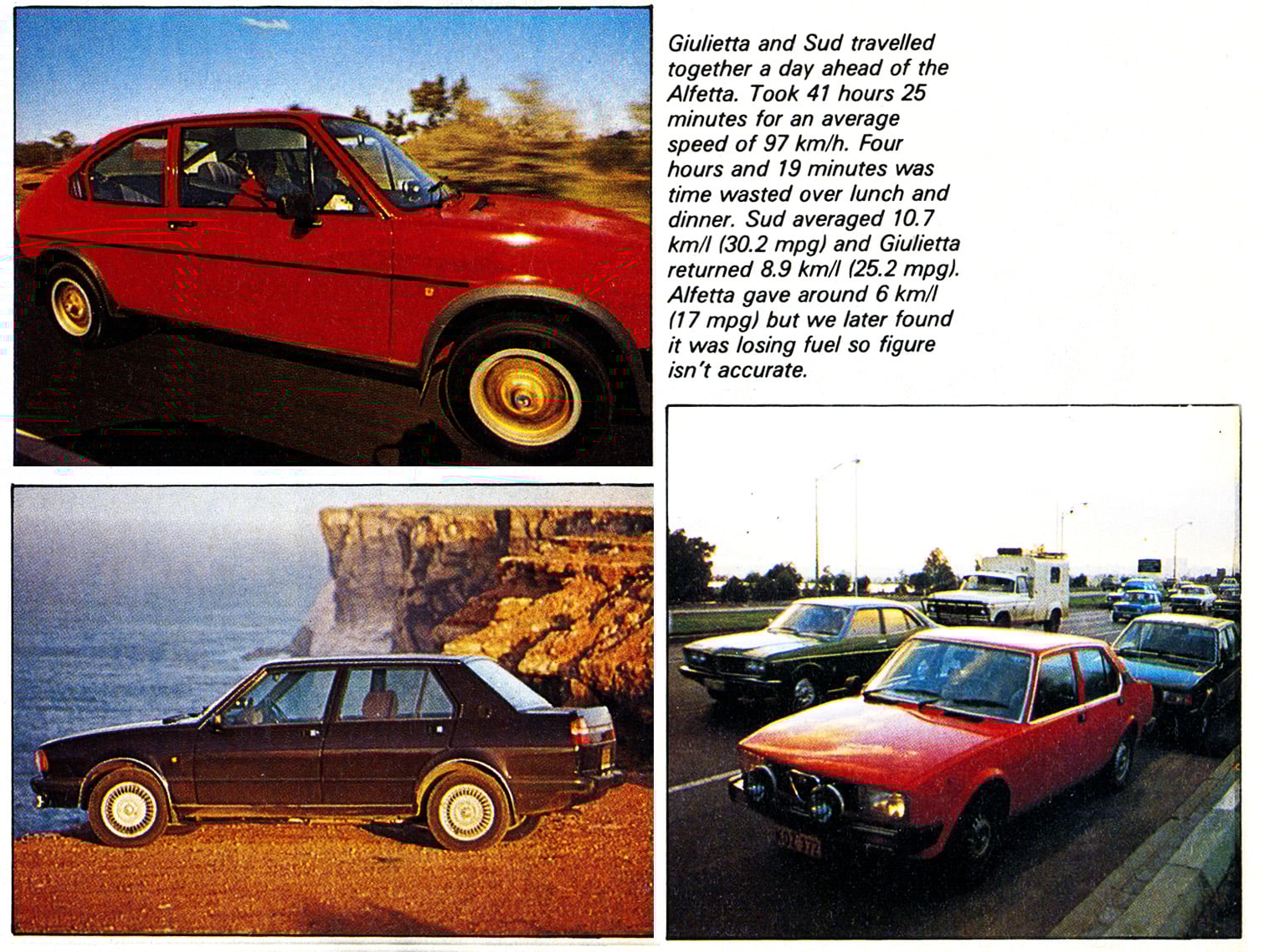
There are no notes of that night, I am too weary to care and can do no more than fill out our fuel check chart and hourly speed check. I hover between drowsing and sleep, occasionally asking Cropley if he is still okay but hoping against hope he won’t ask me to drive. The man is inspired and alone for all the help I give him. He is averaging between 145 and 150km/h and does so for more than four hours.
At 2559.6km he comes in for a refuel at the Western Australian border. We pay $55.25 for fuel at 40.4 cents a litre which gives us 6.2 km/l (17.5 mpg). The system says it’s my turn and 12 minutes at a fuel stop has me convinced I can drive my way out of the sleep. I’m even keen to have a turn behind the wheel … it is an Alfa. And for 30 minutes I sit alert while Cropley slumbers beside me and I pretend to be In Charge And On Top.
What nonsense, for my eyes are closing, I am slowing down and my concentration had ceased to exist. One half of my brain says “Just close your eyes and everything will be alright” while the other half cringes in front of the Cropley determination and demands that we drive on. I try singing my way through Evita yet again but my voice trails off and I know I will need to admit defeat to Cropley. He takes it very well, as if he had known all along that I would be the weak link, that for all my demands of a co-driver it was going to be me who let the team down.
Superman drives on with a forlorn passenger sitting up every so often muttering some cliche about wishing he could do his share and then falling back into the seat to the respite of fantasy. Cropley makes the decision to stop at Balladonia for $15 worth of petrol to ensure we can keep going to Norseman where we take on $31.30 at 38.9 cents a litre after arriving at 3.31 Sydney time. Norseman is 3992 km from Sydney and Cropley has driven across the Nullarbor through the seemingly endless scrub with not a camel or policeman in sight and although he tells me of the ’roos hiding in the bush by the side of the road I don’t see them, so they don’t exist.
We don’t even take a time for the 21st hour but our combined accumulative average speed after 22 hours is 140.8km/h. I try again after Coolgardie and Cropley gets some sleep but now we are on the home stretch and nothing can stop us. Morning is coming and my body’s metabolism wakes up with the day and I let Cropley sleep through the 25th and 26th hourly checks.
My mind begins to argue with itself and spends hours calculating possible arrival times. The smallest, most minute, happening becomes something significant. I count the number of cashews and divide them into the next three hours and work out that each nut has to last me seven minutes. So I begin by sucking one clean of salt and then twirling it around my tongue before nibbling it ever so gently at one end. Despite all my best intentions I find I can’t make them last more than five minutes so I will run out well before the next fuel stop.
I remember dropping a cashew, I’m sure I did, down under the seat. I search for the bloody thing, trying not to disturb Cropley while keeping half an eye on the road and feeling around under the seat among the apple cores and orange peel. But I can’t find it. Rotten cashews, I don’t like them anyway.
Meredin is·our last stop and it’s a back-up for $10 of petrol but still takes five minutes although we don’t bother with a receipt. Perth, if we keep up our present rate will be less than 29 hours from Sydney.
The car is perfect, running beautifully, coping supremely with the road in a smooth, effortless fashion that proves two litres is really capable of achieving all that 4.9 litres could ever do. At least when it is two Alfa litres.
Our confidence is high, too high. Two hours out of Perth, the engine starts to lose power. At first we think it’s the same old problem with the change-over of the petrol tanks but no amount of fiddling from fuel pump to fuel pump makes any difference. It simply won’t pull more than 4500rpm, then it is down to 4000rpm and passing becomes a chore of anticipation, going down to third or even second gear, building up the revs to 4000rpm, changing up and hoping the momentum will carry the car forward and up to 4000rpm again before repeating the action in third and then fourth and, perhaps if the road is flat enough, even fifth. Our average begins to drop but there is no alternative but to continue.
We curse Italians and Alfa Romeos and swear we’ll never do this trip again in a temperamental twin-cam four when there is a bulletproof bent-eight to rely on. Then it is gone as quickly as it came and the Alfa is running cleanly to the redline and I give it everything to prove again and again there is no problem and we will make it. Cropley smiles broadly and admits he would push the car across the line if he had to.
Soon we are into suburban Perth and coping with the country travellers and early workers who clutter up the road and impede our progress. It is going to take more than 29 hours but we know we’ve beaten our record and gone under our aim of 30 hours and, despite his exhaustion Cropley is delighted.
We catch one red light and then another, our seventh, but it is the last before the Swan River bridge and then we have Brian Foley in the Giulietta in our rear vision mirror and we know we are there.
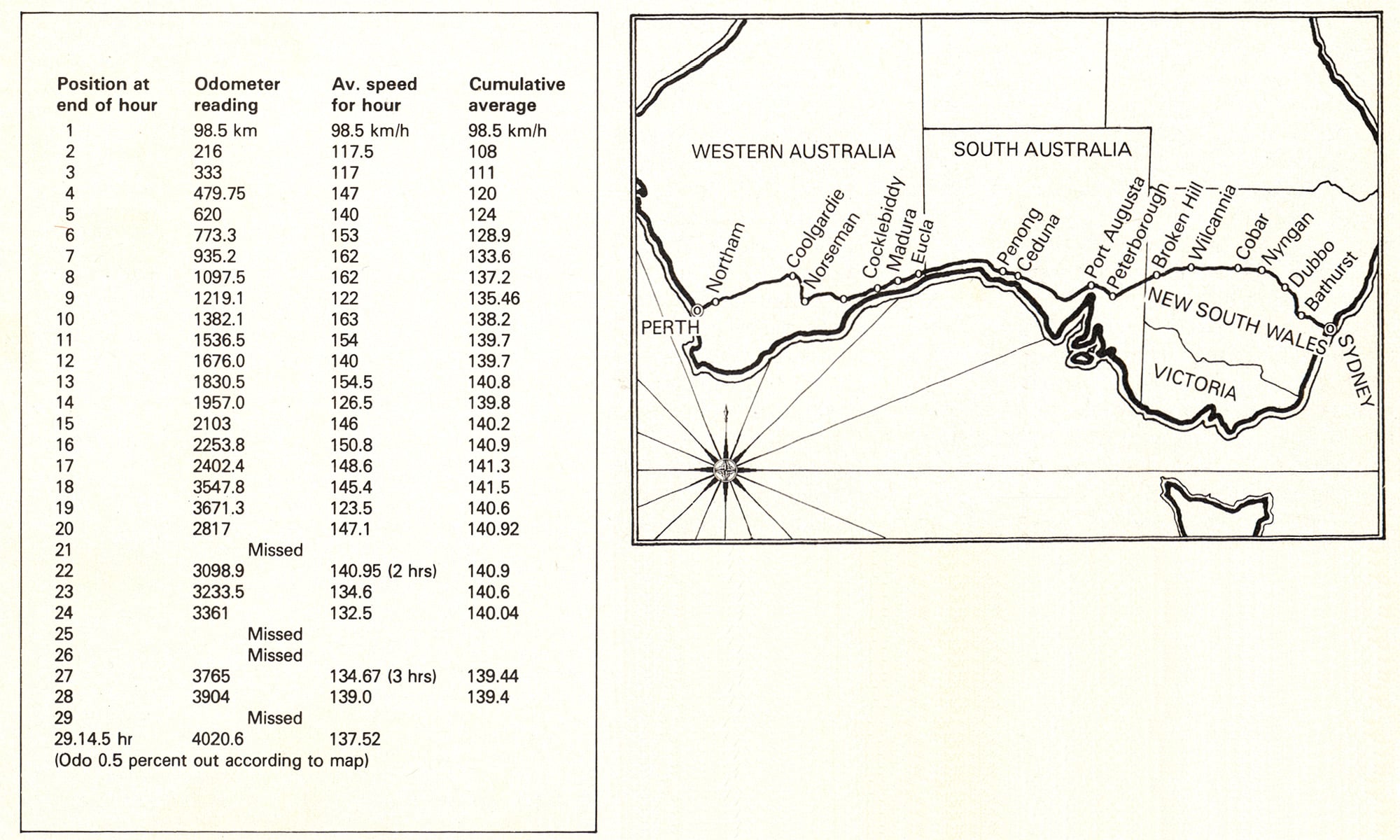
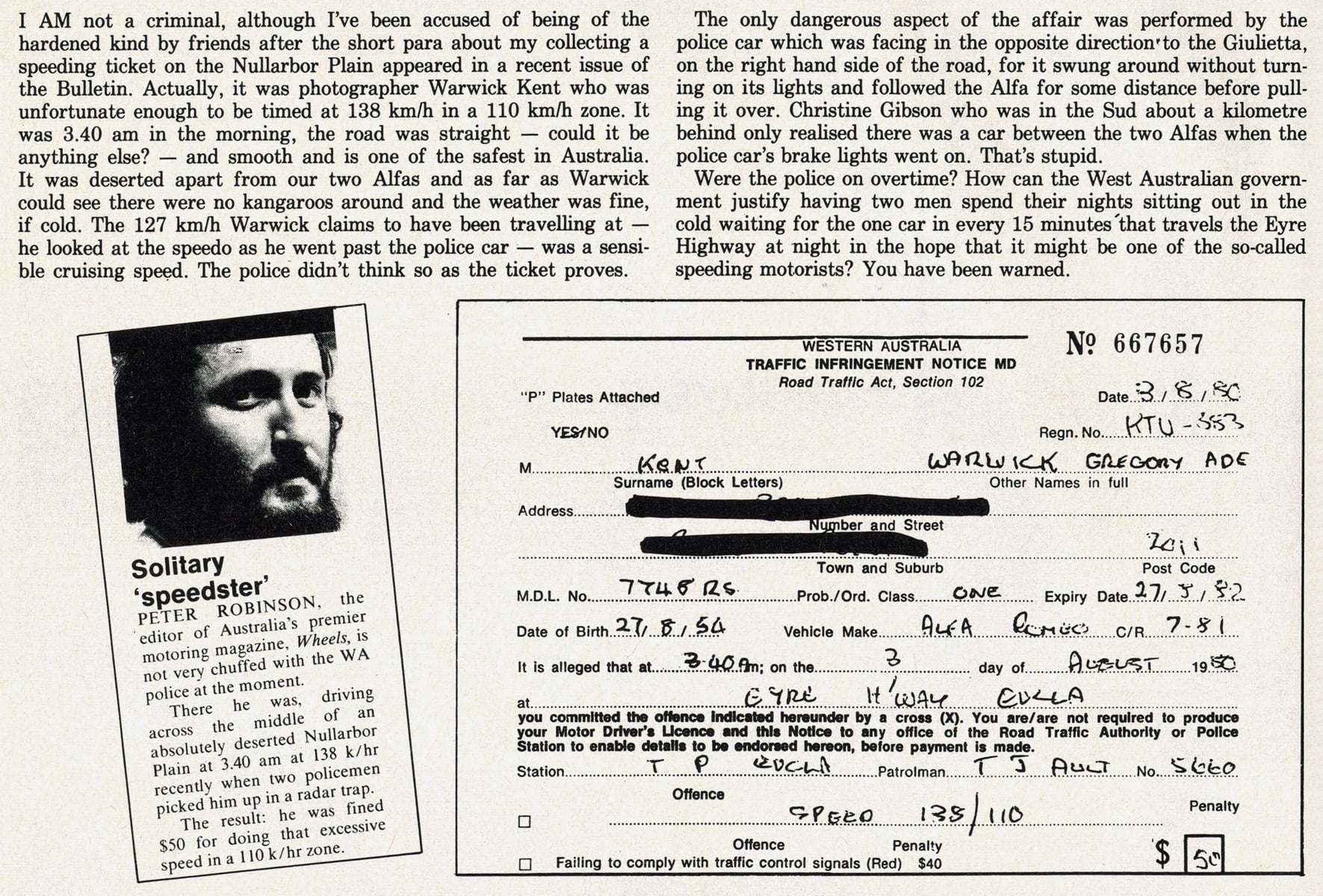
The morning peak hour is disturbed by a proud and boastful toot of the horn as we cross the river after 29 hours 14 minutes and 5 seconds for an average of 137.5km/h – or 85.4mph – and pull over. We stumble out of the car and tell Foley of our late start and dare him to argue with us. But all he wants to know is if we were caught by the police on the Nullarbor like Warwick Kent at 3:40am.
We follow Brian to the motel and I drive into the car park and quite forget the driving lights protrude beyond the bumper bar. They crash hard up against the wall and I sit and laugh and Cropley tries to look disappointed through his desperate tiredness. But he has crossed the continent and done what he left England to do and dismisses it with a “She’ll be right mate, they’ll fix it”. The old Cropley has returned.
Nissan Australia has confirmed full pricing and specifications for the MY26 Qashqai, marking a major milestone for the popular small SUV as it transitions to an exclusively electrified future. When it arrives in local showrooms from March 2026, every Qashqai variant will be powered solely by Nissan’s latest-generation e-POWER system – featuring key powertrain components manufactured in Australia.
A fixture of the Australian market since its original launch as the Dualis in 2007, the Qashqai enters 2026 in its most advanced and efficient form yet. Nissan’s decision to make e-POWER standard across the range reflects strong customer uptake of the technology and the brand’s broader push toward lower-emissions mobility.
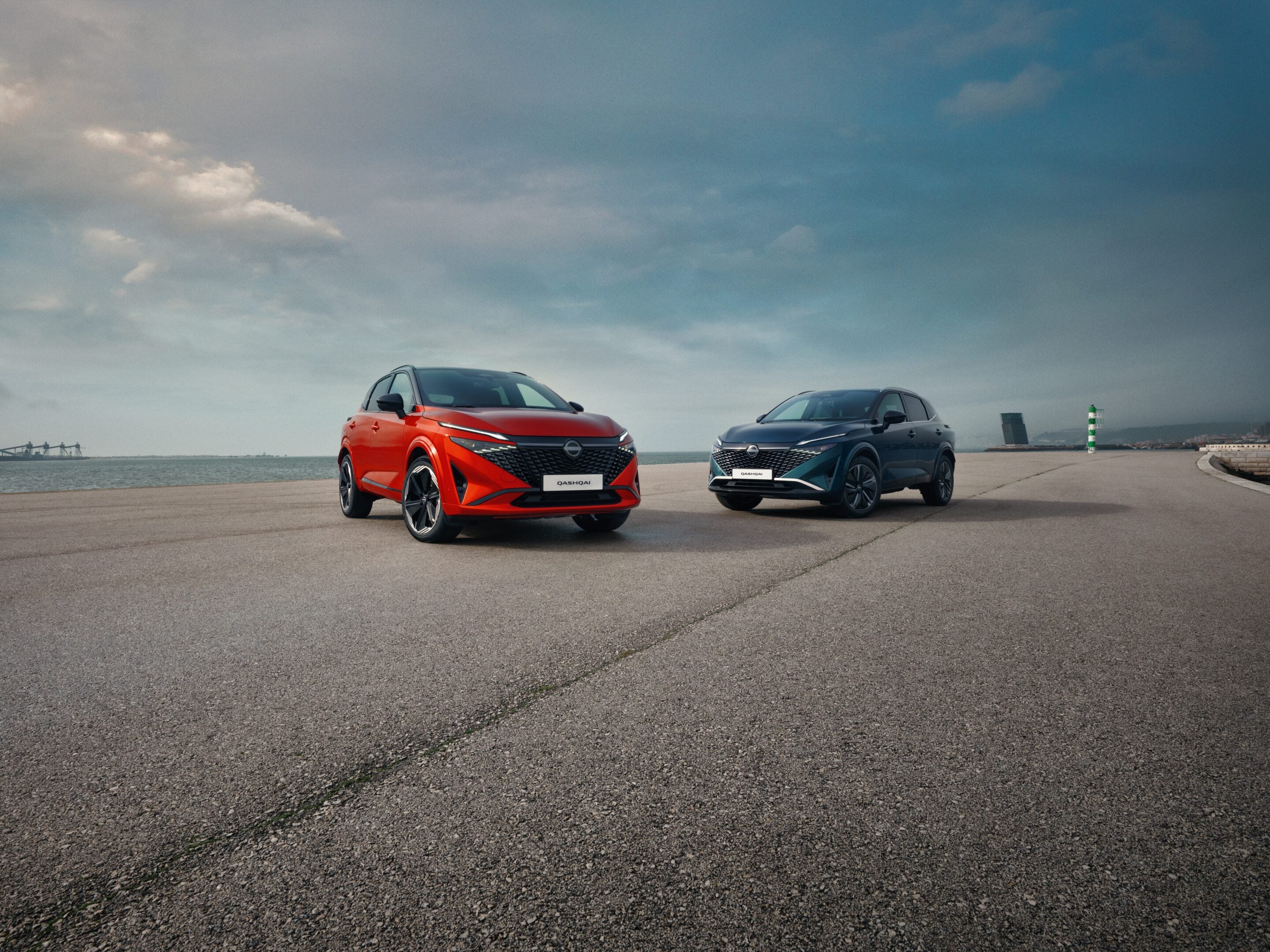
The updated e-POWER system delivers tangible gains across efficiency, refinement and performance. Combined fuel consumption has dropped to 4.1L/100km, down from 4.8L/100km previously, while CO₂ emissions have been reduced by 17.8 per cent to 92g/km. Cabin refinement has also improved, with Nissan claiming the MY26 Qashqai is 5.6dB quieter, delivering a more EV-like driving experience. A new Sport Mode provides an additional 10kW boost for more responsive performance when required.
Central to these improvements is Nissan’s new 5-in-1 e-POWER powertrain architecture, which integrates the electric motor, generator, inverter, increaser and reducer into a single compact unit. This design reduces weight and complexity while improving energy efficiency. Crucially, high-pressure cast aluminium components for this system are produced at Nissan Casting Australia Plant in Dandenong South, which serves as the global sole supplier for the technology.
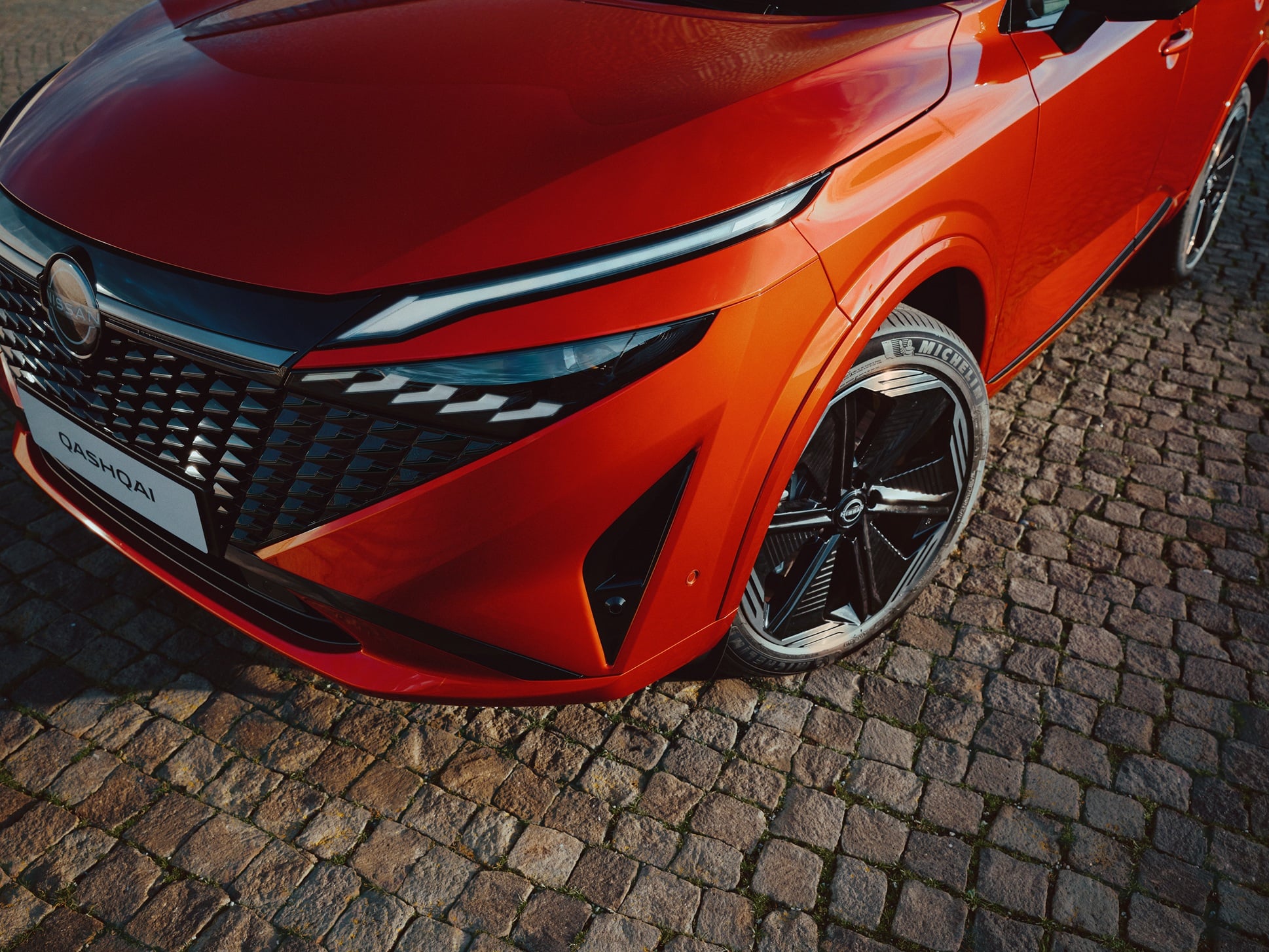
Paired with a newly developed 1.5-litre turbocharged petrol engine using Nissan’s STARC combustion technology, the system achieves a thermal efficiency of up to 42 per cent, converting more fuel into usable energy and less into wasted heat. Despite never driving the wheels directly, the engine generates electricity on demand, meaning no plug-in charging is required.
For MY26, the Qashqai range expands with the introduction of a new entry-level ST-L e-POWER grade, priced from $45,640 before on-road costs. It is joined by the Ti e-POWER ($49,640), Ti-L e-POWER ($53,640) and N-Design e-POWER ($54,140), making electrified driving more accessible across a broader price range.
Technology updates extend beyond the powertrain. All variants now feature an enhanced Digital Around View Monitor with 3D eight-point views, Skeleton Hood and T-Junction visibility. Higher grades also gain upgraded ProPILOT+ driver assistance with improved lane detection and display graphics.
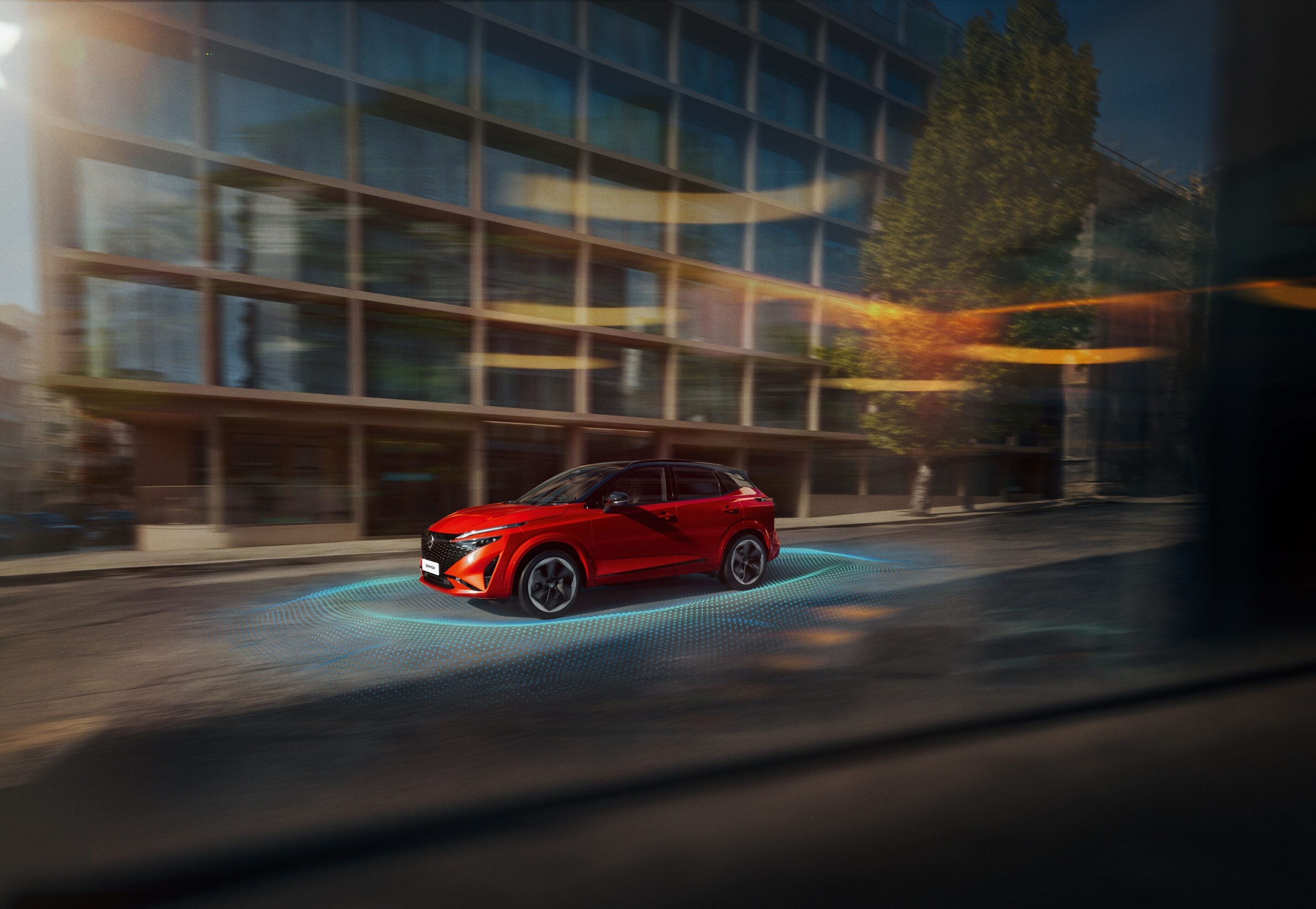
The MY26 Qashqai remains well equipped, with standard features including a 12.3-inch infotainment touchscreen with wireless Apple CarPlay and Android Auto, wireless phone charging, NissanConnect Services and a comprehensive safety suite.
Backed by Nissan’s 10-year/300,000km warranty when serviced through the dealer network, the MY26 Qashqai represents a significant step forward – not just in efficiency and technology, but also in highlighting Australia’s role in Nissan’s global electrification strategy.
