
Now that Toyota’s Gazoo Racing faucet is gradually winding open and the flow of hot halo models gathers pace, it would be easy to ignore the many cogs in the high-performance machine that lead to its present-day portfolio.
While GR takes centre stage with the Supra and Yaris, there have been a number of companies and branches that formed essential pieces of the puzzle, and will forever be an indelible part of the Toyota racing heritage with their own incredible cars.

Along with Toyota Racing Development (TRD), Tom’s Racing and Dome, Sigma Advanced Racing Development (SARD) forms an important part of the Japanese brand’s high-performance heritage.
But one particular facet of SARD’s legacy has recently resurfaced confirming that possibly the most outlandish and potent ‘production’ MR2 ever built is still very much alive and well.
The SARD MC8-R
While Toyota was powering on with its own Le Mans 24 Hour campaign in the 1990s, SARD decided it was time for its own assault on the world’s greatest GT endurance race. But as well as developing its own interpretation of Toyota’s Supra LM, it also went an entirely different route with a second model.

With a mid-mounted engine, the SW20 MR2 made more sense than the Supra as a blank canvas in the eyes of SARD’s engineers and the company set about creating a version with a 40mm stretched chassis, 20mm widened track with fatter arches, 20mm lower ride height and aggressive aerodynamics.
But most significant was its heart transplant. In place of the standard four-cylinder MR2 engine, SARD made enough space to accommodate the 1UZ-FE 4.0-litre V8 borrowed from the Lexus LS 400 (XF10).
Had SARD left the engine in standard trim, it would have been a largely fruitless exercise with little power gain over the MR2 Turbo of the same year, which is why the race tuner bolted its own twin turbocharger system to the V8, blasting power up to 450kW.
You might think that a turbo V8-powered, mid-engined, rear-wheel-drive monster would take the fight to even the heavyweights at La Sarthe, but it didn’t.
Reliability problems plagued the MC8-R, shifting classes meant it couldn’t match the newer GT1 cars, and even a serious fire prevented any meaningful results.
But there is one part of the story that has sweeter resounding memories.
SARD MC8
For the Frankenstein MR2 to enter Le Mans, SARD had to produce a road-going version. This might have proven an unfeasibly expensive exercise, but unlike the more stringent homologation rules of today, just one example was required to comply.

It didn’t get the fire-breathing forced induction of the race car, but the ‘production’ MC8 shared virtually all other modifications, including slipperier enclosed headlights in place of the pop-ups, huge bonnet cooling channels, bigger brakes and extensive chassis modifications including pushrod suspension.
It’s still one of the most mental and ostentatious MR2s ever made.
Some original parts carried over from the standard MR2 including rear lights, doors, front indicator units and a largely unchanged interior, but almost everything else was rethought, redesigned or simply tipped into the skip.
But unlike so many almost mythical motoring legends, the MC8 did not fade from memory stuffed away in a private collection or forgotten in an unknown barn waiting to be unearthed many decades later.
This automotive one-off is still in action and has recently resurfaced after a nervous hiatus.

Hunted down and captured by shakotantoday.com, the only road-going MC8 is still on the road and, well, going. After a brief appearance in 2015 when it was thought to change hands, the mad MR2 is back out on Japanese streets being regularly driven by its new owner and it’s looking better than ever.
The non-standard white mirrors have been swapped back to black standard MR2 parts and it appears to have undergone a significant tidy up.The wheel centres are still silver and not the original black and the original grille-mounted fog lamps are still missing, but the MC8’s current owner is clearly preserving this piece of Toyota and SARD motoring heritage.

Little is known about this unique car’s early life including why it was first registered in 1994 in the UK, nor where it has been hiding in the ensuing decades, but it looks like its future is safe in the hands of a loving owner.Follow this incredible car into its next chapter @mc8_channel
It wasn’t that long ago that the debate about whether new cars should or shouldn’t come with a CD player still raged – but five years after its introduction, Apple CarPlay users remain just as attached to the native software that allows their phone to seamlessly interact with their car.
Now, Apple has rolled out a huge update to its iPhone family, and it includes an update to CarPlay. Known as iOS 14, Aussie iPhone owners can now update their phones all the way back to the iPhone 6S with the new system.
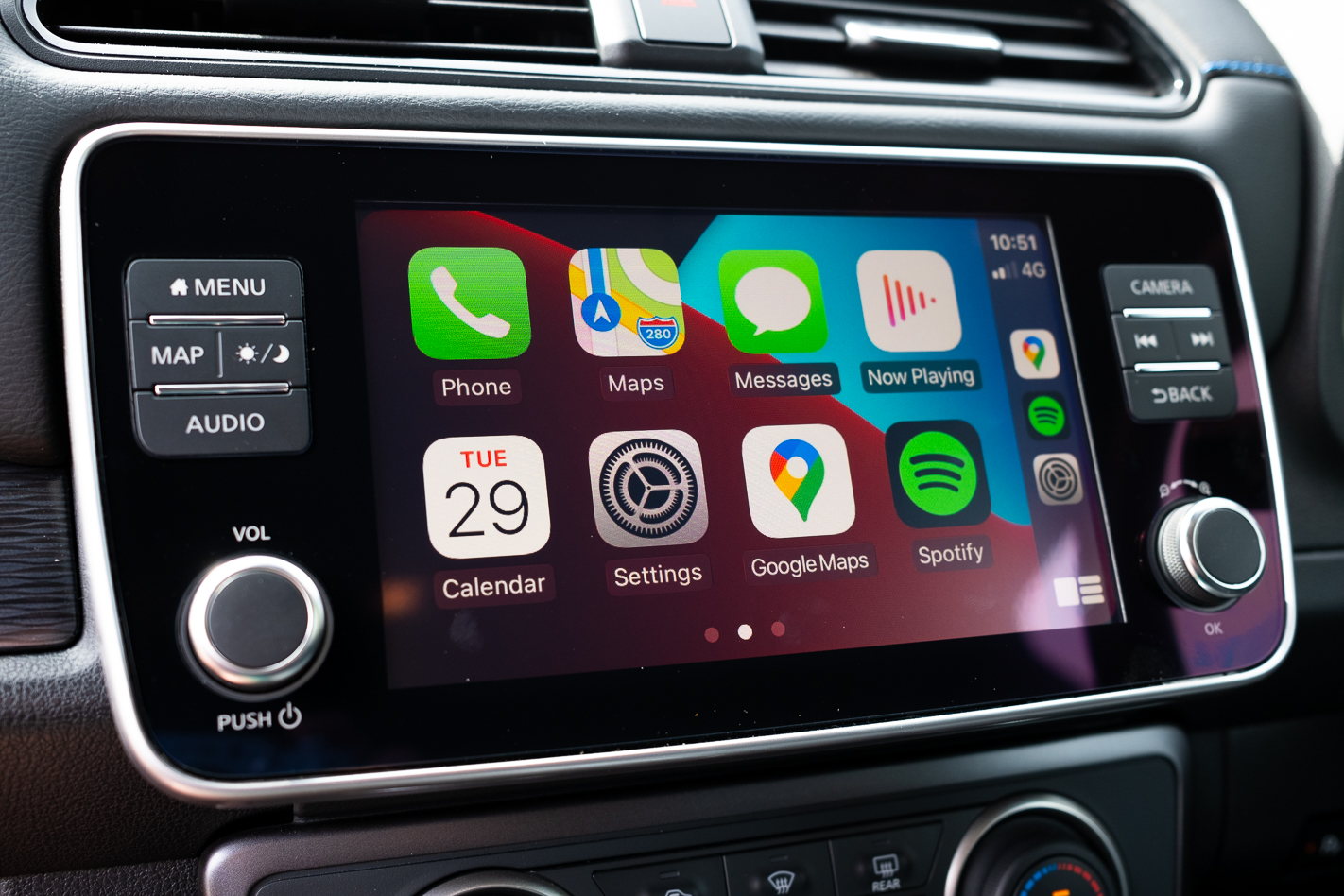
How do I get it?
Fortunately, iOS 14 Apple CarPlay is easy to obtain. All you’ll have to do is update your phone to the latest iOS 14 software by navigating to your phone’s general settings and applying the update.
It may take up to half an hour, but the good news is that all of your previous settings and layouts will be retained so don’t be afraid to update!
Once you plug in your phone to your car, or connect with wireless Apple CarPlay, the changes will appear automatically.
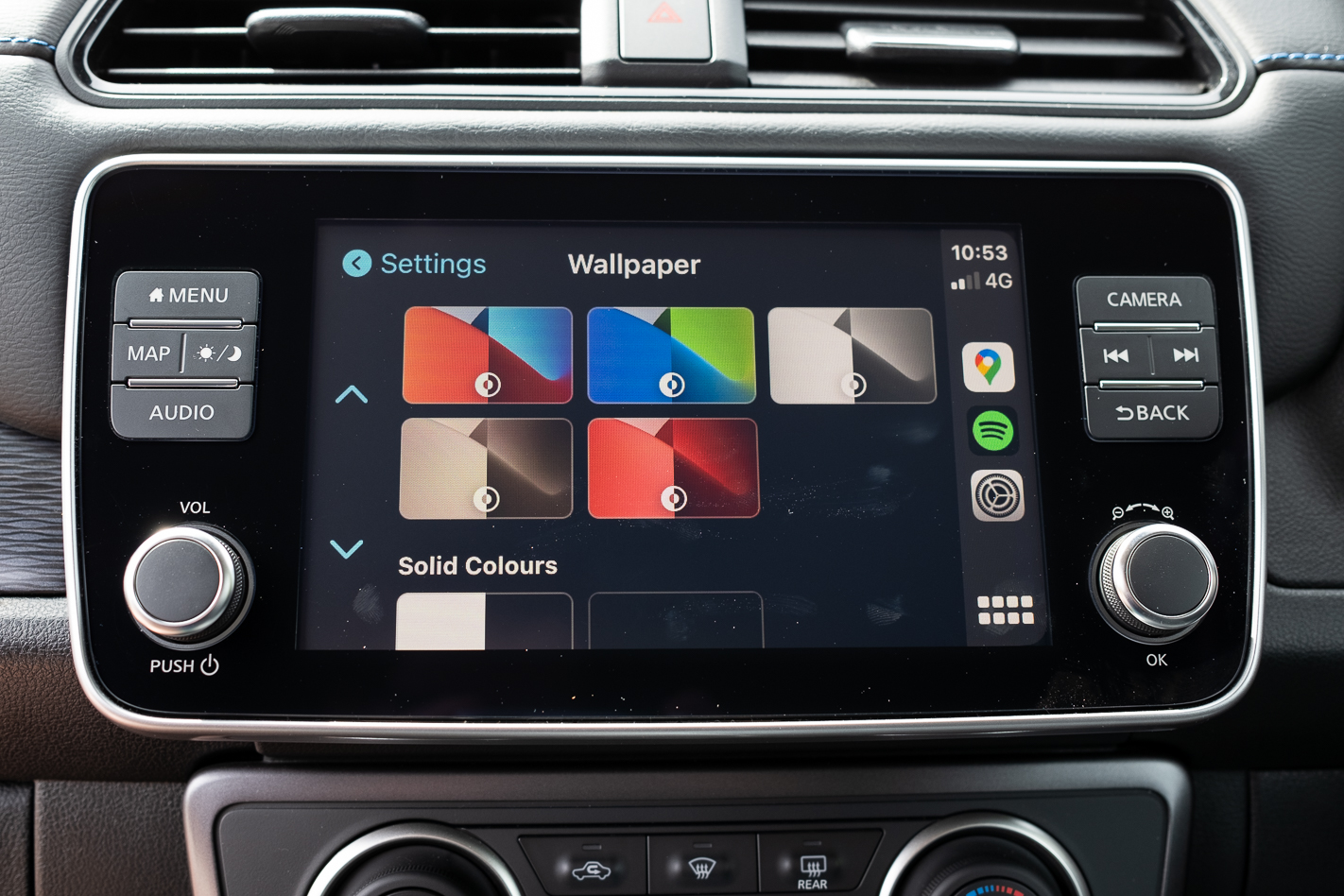
Same but different
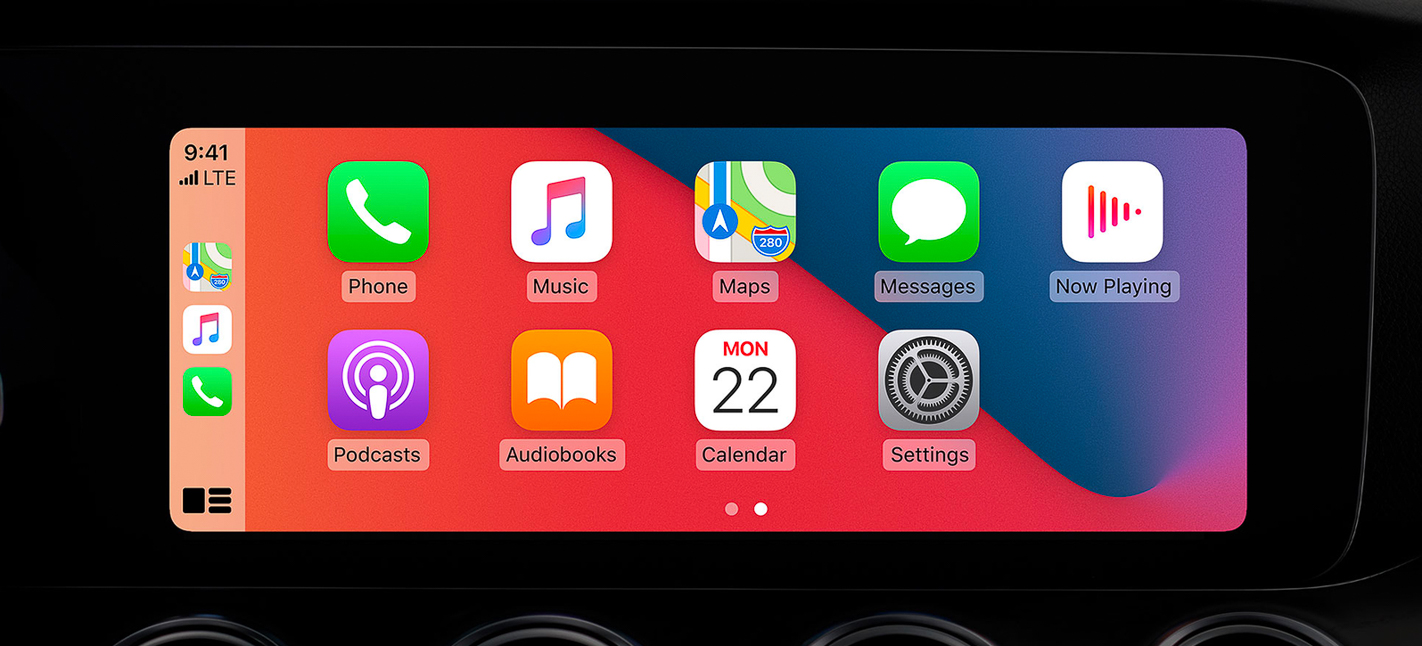
The first impression is of an interface that hasn’t changed much. Frequent users will notice the absence of the black background, which is now replaced with a set choice of colour wallpapers – though there’s little other change.
On the whole, the familiarity is welcome. One of CarPlay’s key strengths is its simplicity of form with large, easily-pressed icons and lack of convoluted menu screens.
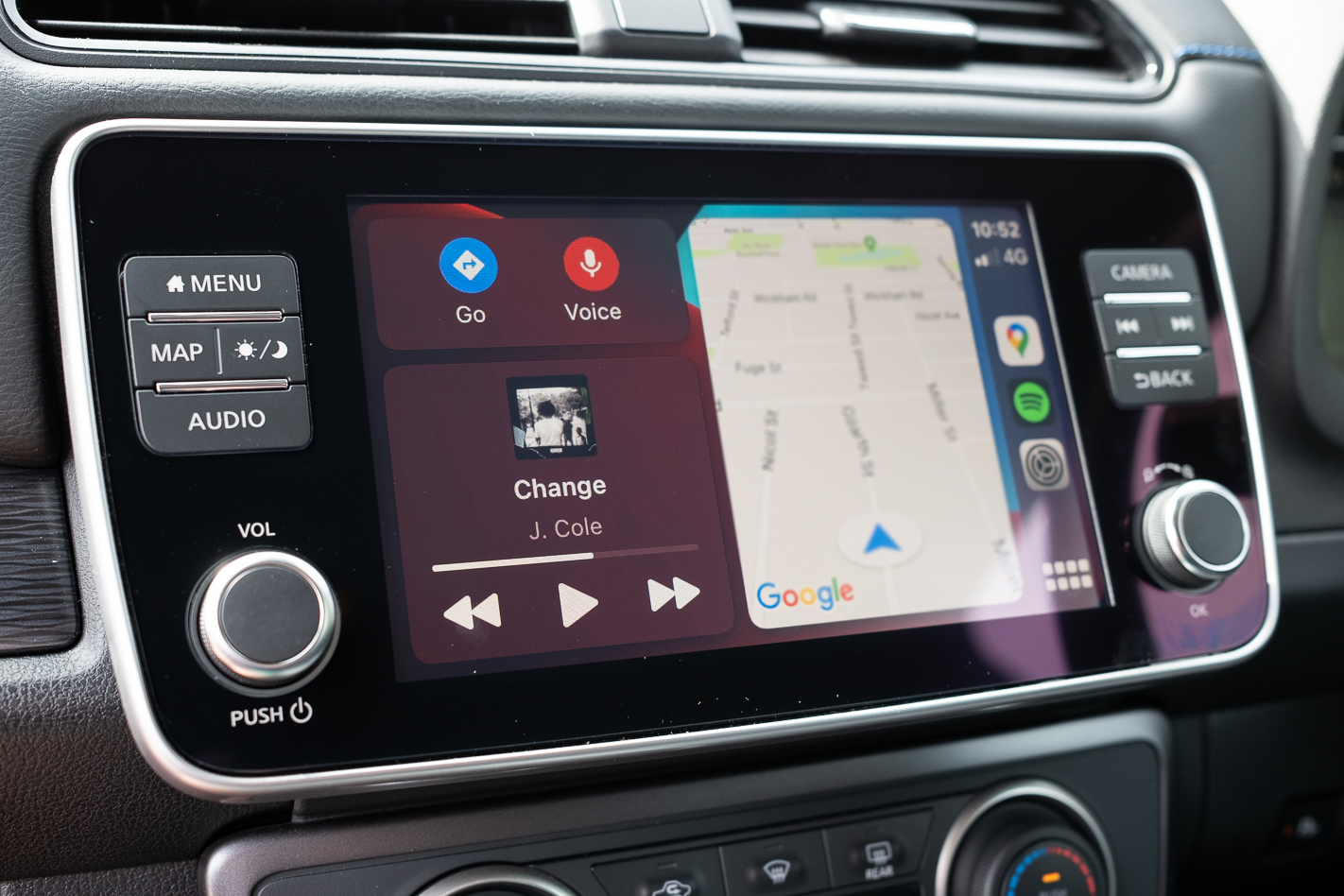
The same home screen makes a return, so too we find the application page without much change. The layout remains easy to use and you’re able to quickly issue commands without getting distracted. The home screen is especially handy for glance looks to the screen to derive key information like checking you’re on the right navigation route or to quickly skip a song.
Custom backgrounds of your own photographs aren’t available just yet, though we imagine it’s only a matter of time before that upgrade is pushed across. Head over to CarPlay settings to update your dashboard.
Siri voice command makes a comeback and is arguably more intuitive than ever, understanding simple speech in a quick manner. There’s also less likelihood that you’ll have to repeat yourself which is a common annoyance with voice control systems.
Right direction
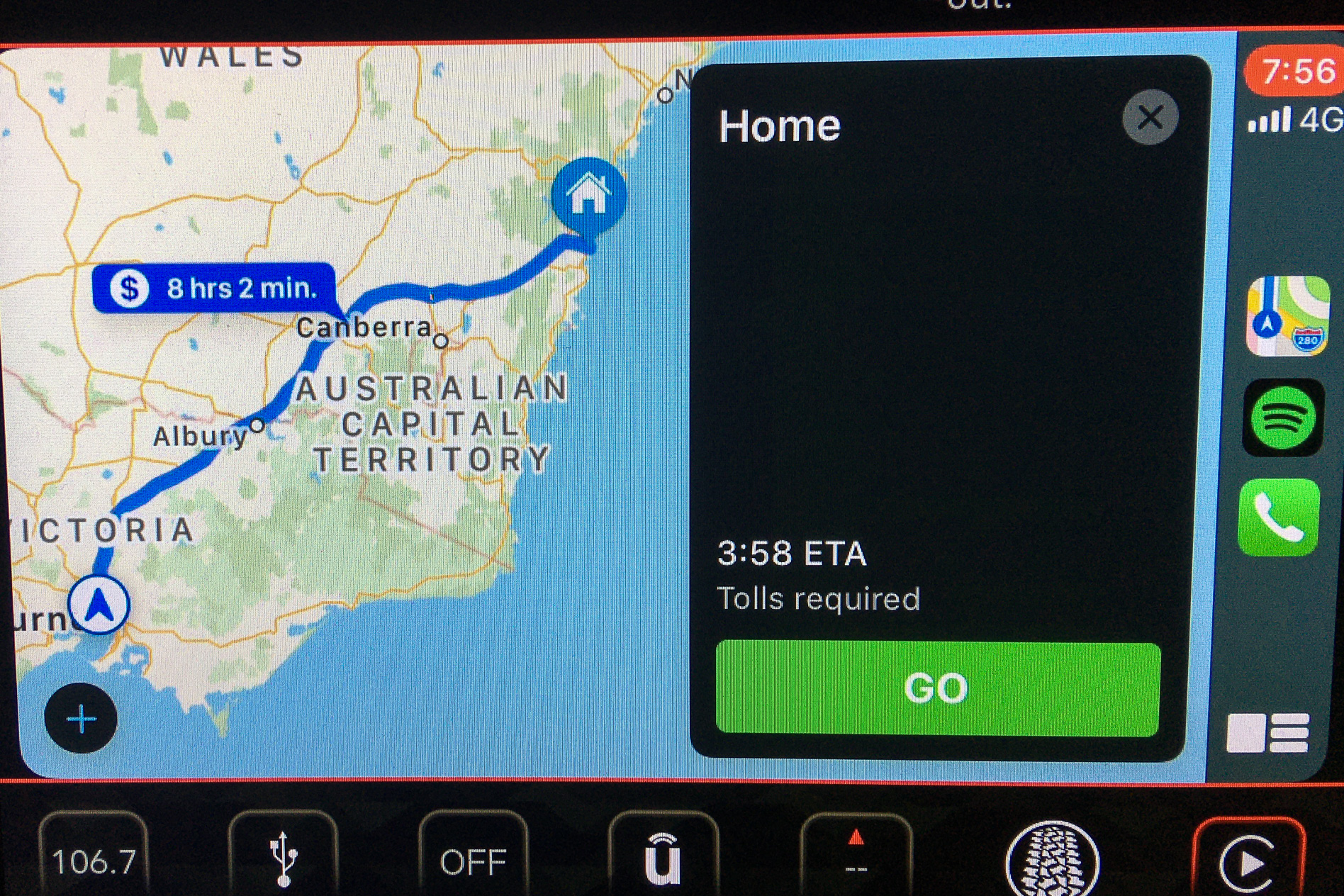
In previous iterations, Apple Maps was the only approved app to use as navigation but we’re happy to report that Google Maps and Waze are both approved directories now.
As a default, voice navigation commands will be issued to Apple Maps but a quick workaround is to use Google Maps or Waze on your phone to input the destination and then select the preferred app on CarPlay.
Apple has also given carmakers the ability to spread CarPlay across two screens simultaneously – say, the multimedia screen and a digital dash – and it’s working with the car industry to develop in-car microphones that will respond to a Siri request without the need to press a button.
Talking the talk
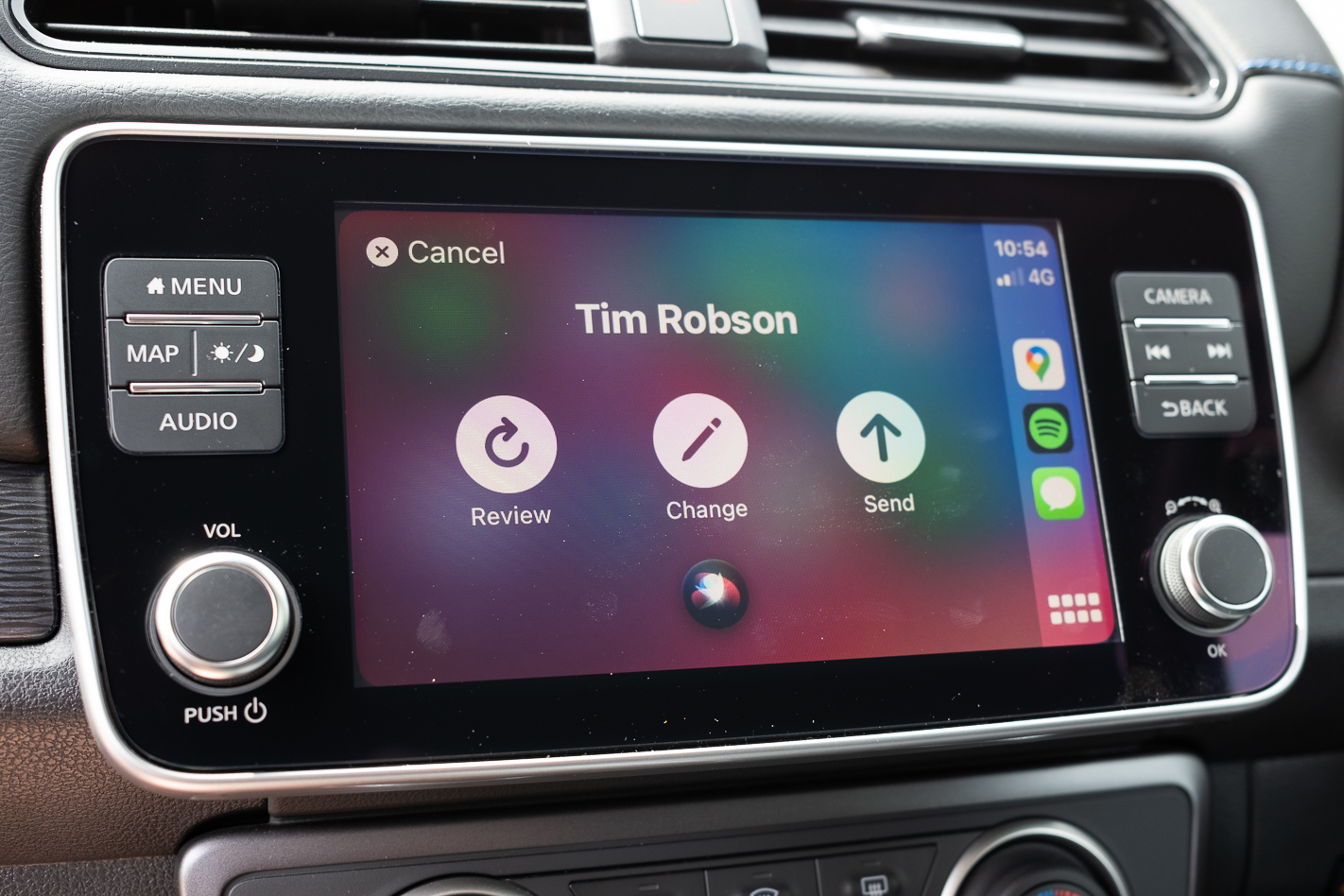
Speaking (hah!) of Siri, the voice command system can now be used without the display defaulting to the glowing Siri icon, while Apple says that future updates will allow Siri to interact with third-party apps like Spotify and smart home apps.
So in theory, you’ll be able to simply ask your car to open the garage door for you.
In addition to the normal read-out of text messages and dictation of reply, you can now send and receive voice notes via iMessage. Bodes well for those who want to be a little more emphatic than monotone Siri.
There’s also greater support for third-party apps in this iOS 14 update, meaning CarPlay is now able to run EV charging, food-ordering or parking apps, for example.
It takes two
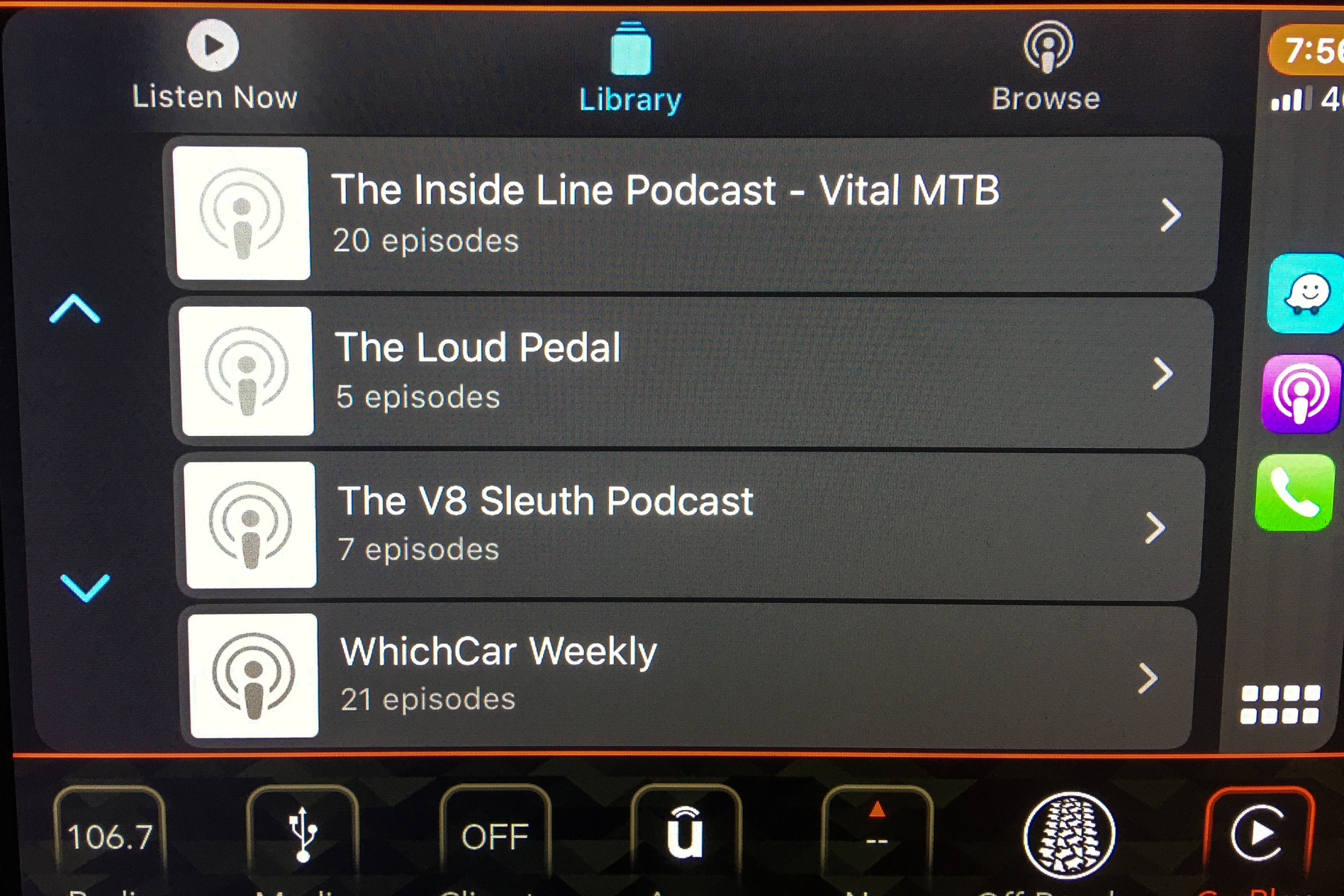
Previously on CarPlay, if you opened your phone and used an app, it would close whatever function you were using on CarPlay.
Now, though, in what we can only assume is a function change to allow passengers access to the phone, CarPlay keeps open the app in use – for example, Apple Maps – but allows the handset to be used to access something completely different.
As well, Apple has rolled out a new Shortcuts function that ties in with the Siri voice activation system that makes the process of accessing tasks even easier.
It allows you to access a lot (not all) of your apps via voice – for example, you can create one that allows you to say ‘hey Siri, where am I?’ to reveal your current location.
In use, the new CarPlay feels crisp and quick, and there’s even a setting that flips the dark background to light for daylight use.
A few other additions are included, such as the inclusion of Japanese and Chinese keyboards, and portrait-mounted CarPlay screens are now more easily viewed with subtle layout changes.
More Apple CarPlay advice
- How to add Apple CarPlay to your old car
- Are you breaking the law using Apple CarPlay?
- Smartphone mirroring explained
Verdict
While there’s relatively little difference between iOS 13 and iOS 14 CarPlay, we reckon the few tweaks that have occurred make CarPlay that little bit better than before. Greater support for more apps, enhanced customisability and personable additions like voice notes are all welcome changes.
The new iteration of Apple’s clever smartphone mirroring service continues to provide a seamless, simple way to access key functions on your phone without the need to touch it at all.
If you want a large SUV that is larger than the regular seven-seat crowd, doesn’t have off-road ability compromises, and isn’t built by a luxury car maker, you are out of luck in Australia.
Buyers wanting a bigger ‘upper large’ breed of SUV have rather limited options locally, with either the Nissan Patrol or Toyota LandCruiser being the affordable choices, while models from the likes of BMW and Mercedes-Benz fill the top end of town.
However, not every buyer wants the off-road ability of the LandCruiser and Patrol – and all the on-road compromises that entails – and aren’t attracted to the extra badge tax you pay when opting for a luxury German vehicle.
Well, thankfully, there is a new breed of SUV on its way to Australia, starting with the Hyundai Palisade.
These road-focused upper large SUVs are set to woo customers that have serious people and luggage carrying needs, with spacious cabins, ridiculous luggage capacity and plenty of standard equipment.
We will note here that there is a market for people movers like the Kia Carnival and Toyota Granvia, which are built for the task at hand and do it supremely well.
However, the harsh reality is many Australian buyers are looking for something that is equal parts capable and stylish – something not catered to as effectively by the people movers.
If you don’t care about looking a little dorky, we can highly recommend both the Carnival and Granvia, but we won’t hold it against you if you give the capable duo a pass.
It’s also worth noting that the vehicles listed below are large, seriously so, with all of them with bigger exterior dimensions than Toyota’s venerable (and popular) LandCruiser Sahara.
For context, the LC200 measures in with an overall length of 4950mm, width of 1970mm, height of 1905mm, and 2850mm wheelbase.
Australians do have a larger option available to them already, namely the Mercedes-Benz GLS, but you need near-enough $150k to put even the entry-level variant in your garage.
For context, the three-row German is 5207mm long, 1955mm wide, 1823mm tall, and has a 3134mm wheelbase.
It should be said, that the GLS is the best SUV we have tested at WhichCar when it comes to hauling people and their luggage in supreme comfort.
Now, onto the new models.
ON THE WAY: HYUNDAI PALISADE
The first to arrive is the Hyundai Palisade, which will be available in showrooms imminently.
The Korean eight-seater is built on the same platform, and uses the same engines, as the Santa Fe that Australians are familiar with, but is both longer and wider.
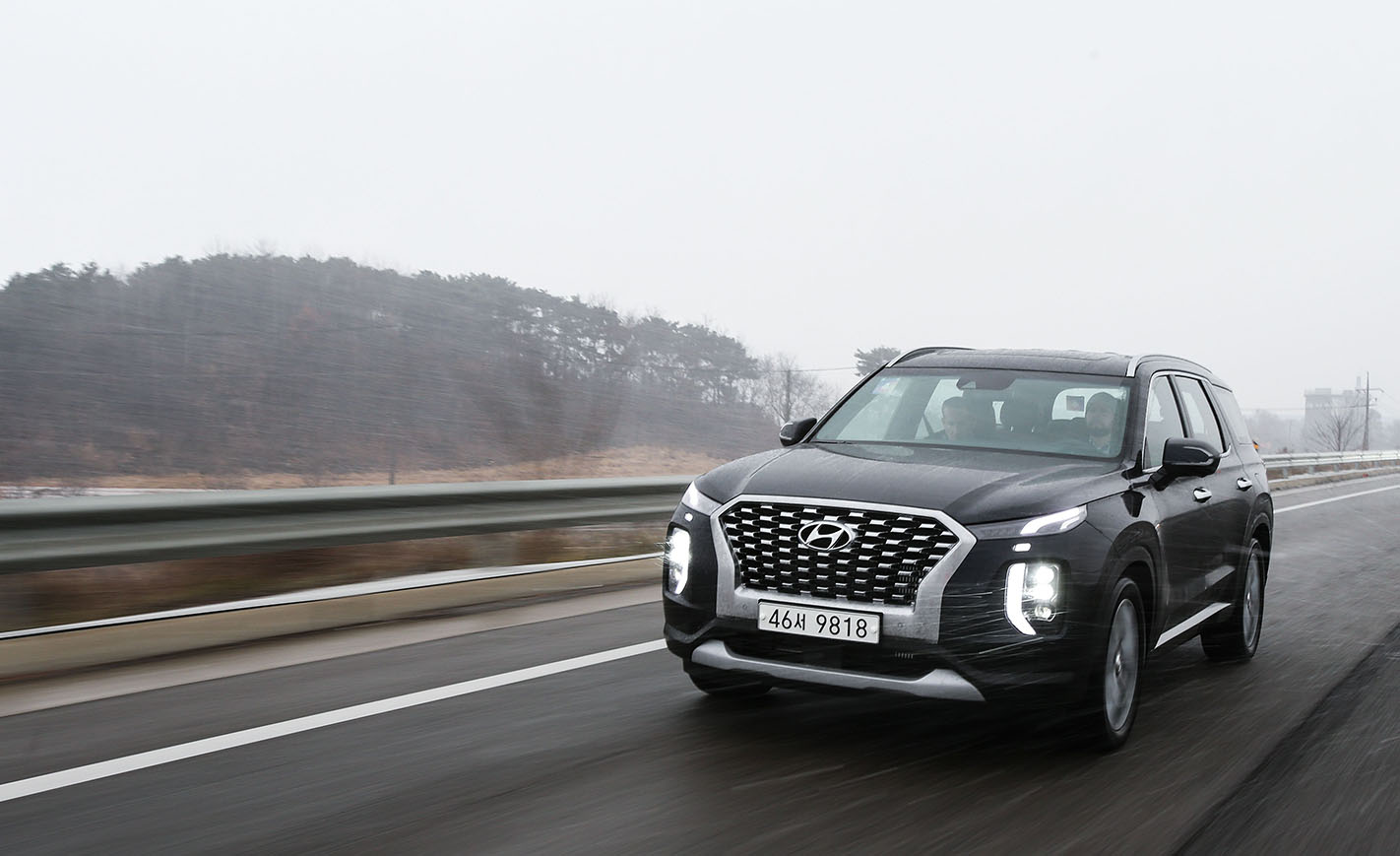
Officially, the Palisade measures in a 4980mm long, 1975mm wide, and 1750mm tall, with a 2900mm wheelbase. That’s 21cm longer and 8.5cm wider than the Santa Fe.
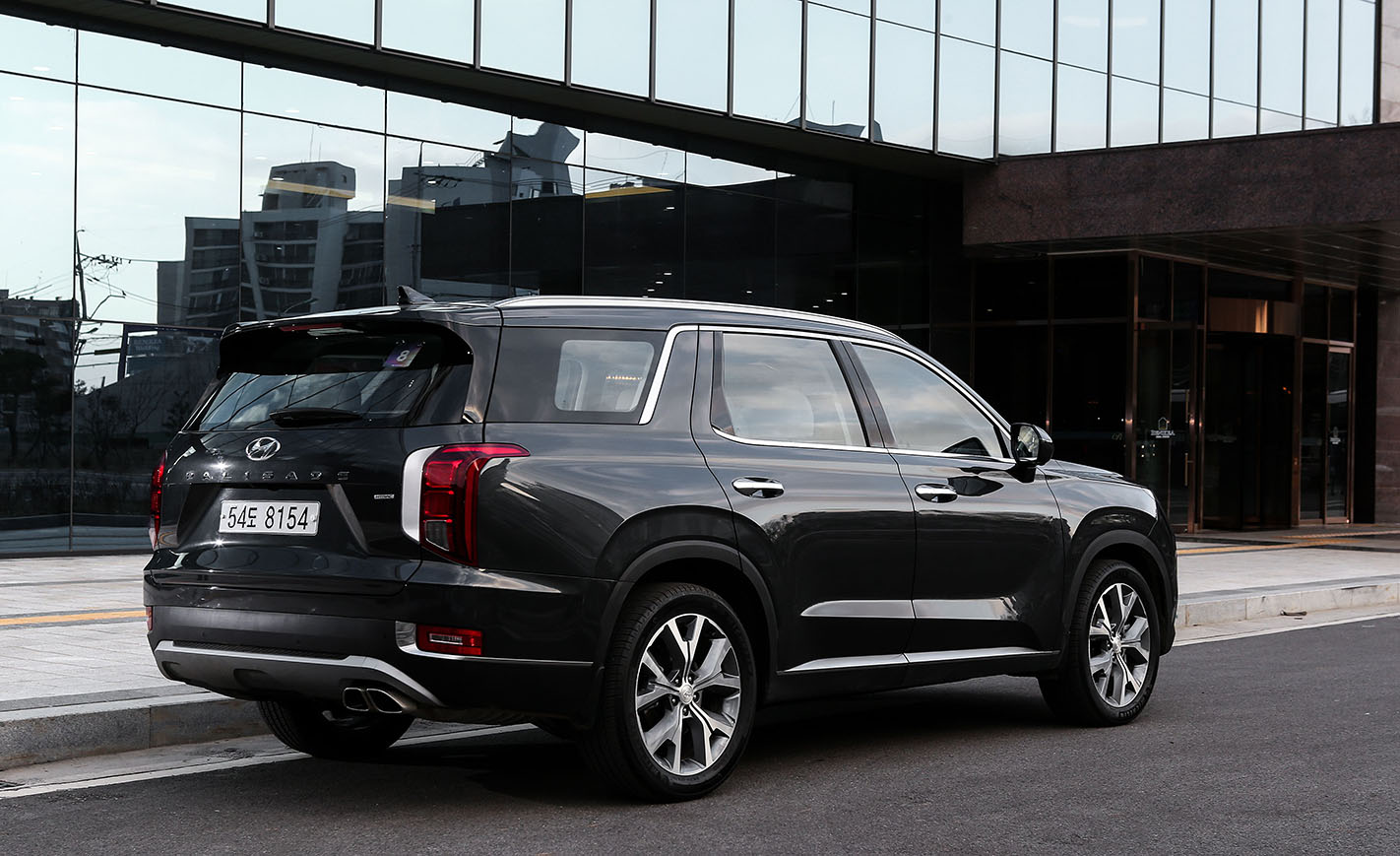
The Palisade will be familiar to drive for most Australians, with better on-road characteristics than a 4×4-based SUV.
Both diesel and petrol engines will be available in Australia. A 147kW/440Nm 2.2-litre four-cylinder turbo-diesel will be mated with an eight-speed automatic and all-wheel drive, while a 3.8-litre naturally aspirated V6 with 213kW/355Nm will send power to the front wheels only.
The Palisade has frankly insane luggage-carrying capacity, with 509 litres available while all three rows of seating are in use, and 1296 with the third-row seats folded down.
Not even the Mercedes-Benz GLS can match that, with 355 litres available when all the seats are occupied, growing to 890 litres with the most rearward pew stowed.
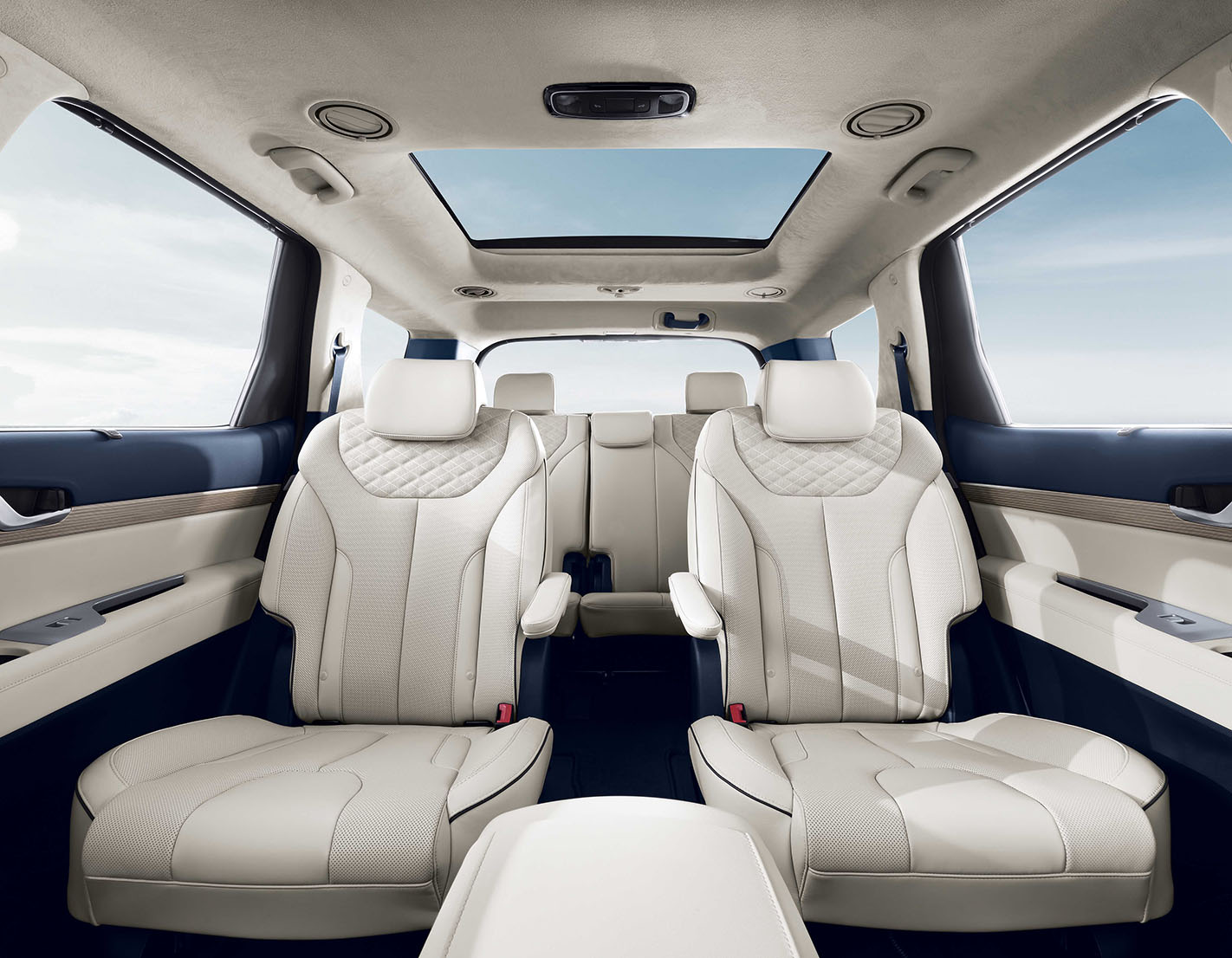
Then there are the added benefits that come with the larger stature. Inside the Palisades’, well, palatial cabin is a total of 16 cupholders, seven USB chargers, air vents for all three rows, and a driver mic system to make conversing with your more rearward passengers easier.
Hyundai says the Palisade can come as either an eight-seater (not a typo, eight) or a traditional seven-seater.
That’s because the third row (which is usually only capable of carrying two people) is wide enough to accommodate three occupants. The middle row can be a traditional three-wide affair or fitted with a pair of captain’s chairs.
There are also three ISOFIX baby seat mounts, with two in the second row, and a final in the third row.
Final pricing for the Palisade hasn’t been confirmed yet, but Australians can expect to pay between $50,000-$70,000 depending on specification.
GOOD CHANCE: KIA TELLURIDE
If the Hyundai Palisade sounds enticing, then Kia has a non-identical twin waiting in the wings.
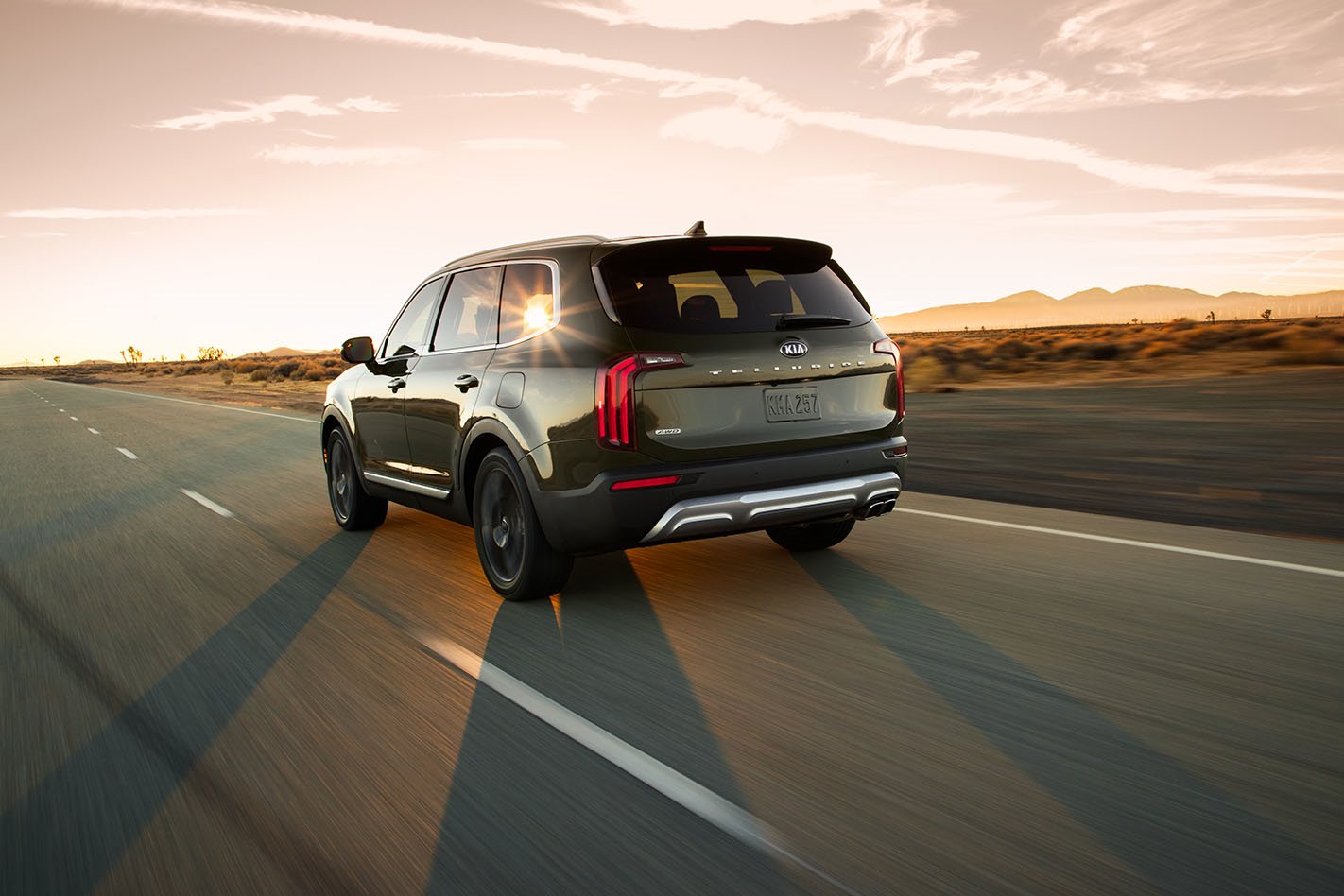
Called the Telluride, the big Kia has already won some serious accolades internationally.
Originally intended as a US-only proposition, the Telluride shares the same platform, engine, transmission, suspension components, brakes, and all-wheel-drive system as the Palisade.
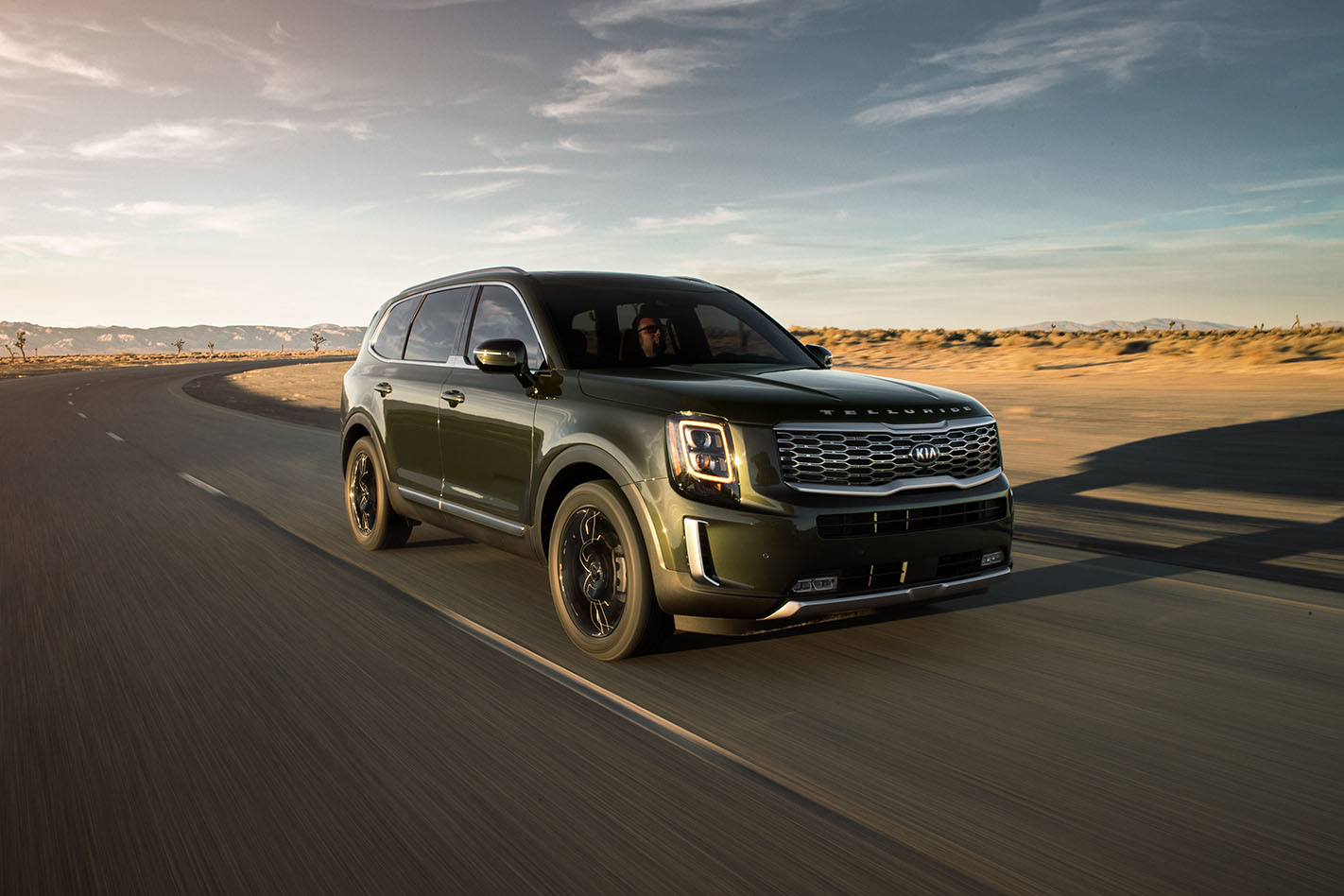
Being so mechanically similar to the Palisade, the Hyundai’s right-hand drive production capability opens the door for the Telluride to also make its way Down Under.
However, there’s a catch. The Telluride is currently only built at Kia’s factory in Georgia, USA, while the right-hook Palisade will roll off a South Korean assembly line alongside the Santa Fe.
Currently Kia has no plans to begin production of the Telluride in its native South Korea, which would allow for right-hand drive models to be sold in Australia, but WhichCar has been told “never say never”.
The Telluride would be a natural fit for Australia, and Kia is on a roll with its large SUVs at the moment, with the recently released Sorento immediately earning itself a sport at the top of the field in the large SUV segment.
If Hyundai enjoys success with its Palisade, it could put pressure on Kia’s head office to look into a business case for South Korean production, and subsequent Australian sales.
BOOK IT IN: CHEVROLET TAHOE AND SUBURBAN
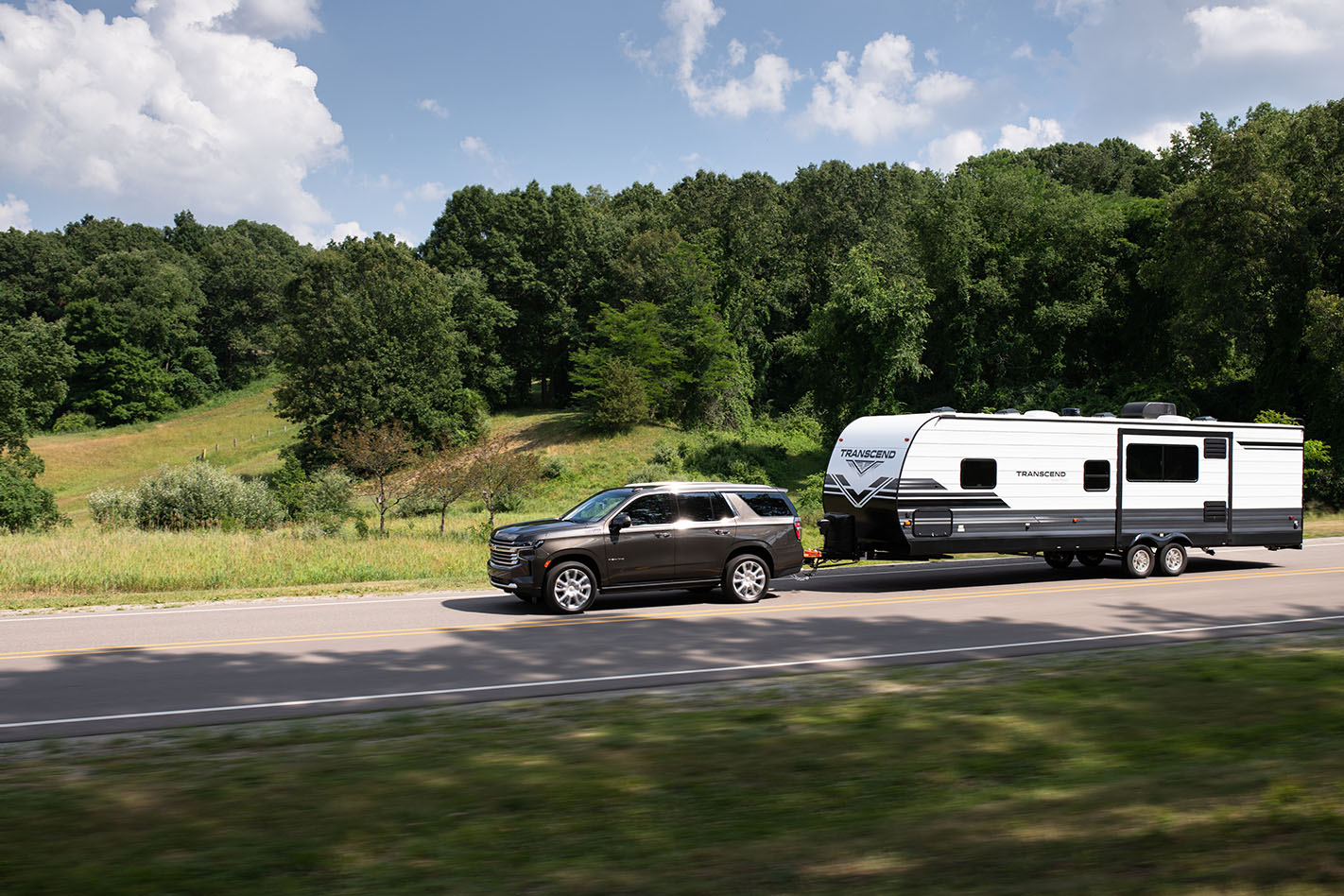
Internationally the vehicles that are perhaps most synonymous with the upper large SUV segment are the Chevrolet Tahoe and Suburban – both of which have been significantly updated for 2021, and are set to be announced for local sale in the New Year.
If the latter sounds familiar, that’s because the American brute was imported and badged as a Holden between February 1998 and January 2001.
That initial foray into Australia couldn’t easily be called a success, but in the two decades since then, the local new-car market has evolved significantly, as has the Suburban.
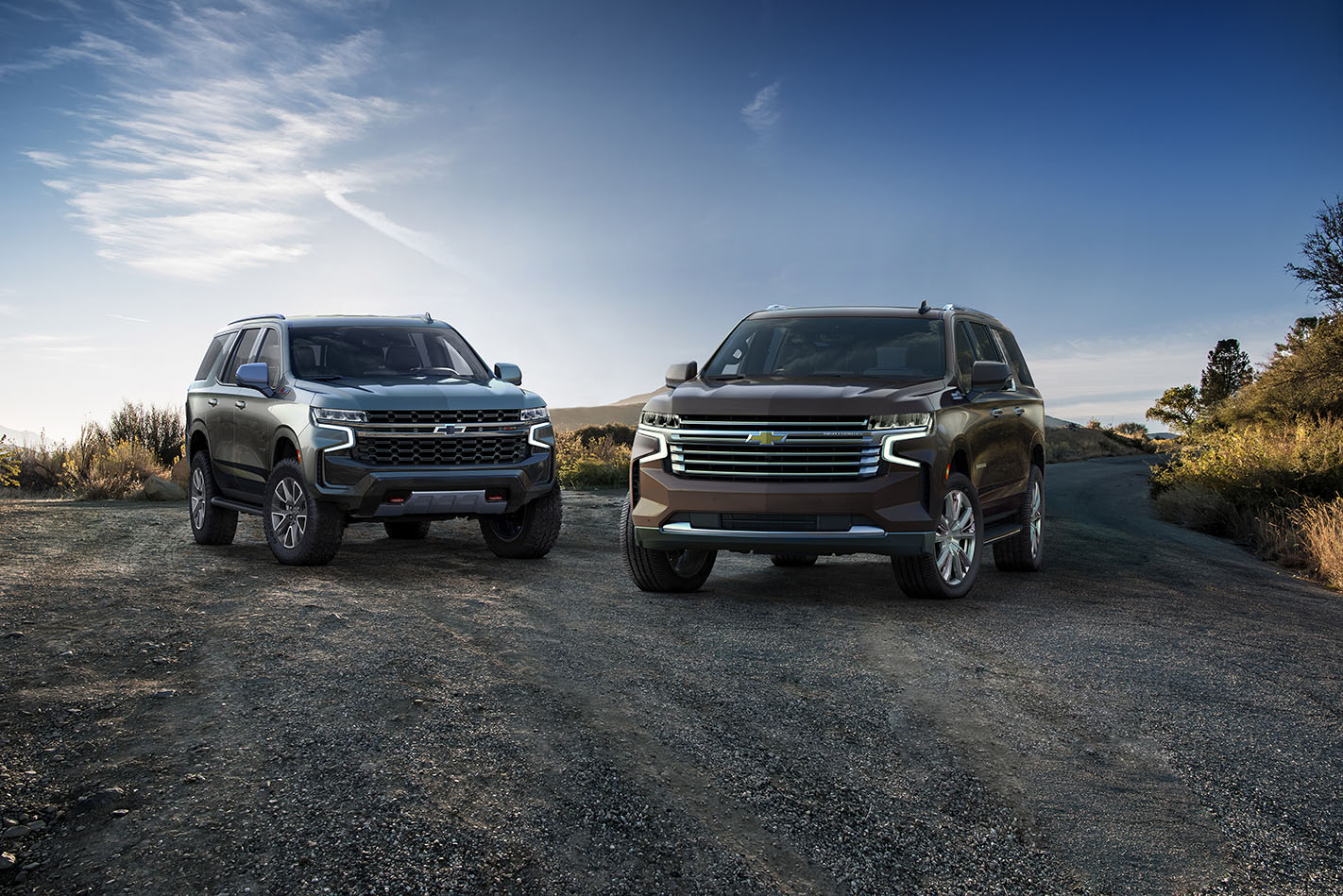
All-new versions of both the Suburban and Tahoe have been launched in North America this year, and are poised to arrive in Australia as part of HSV’s transformation into GMSV.
The Suburban is the larger of the two and would dwarf almost every non-commercial vehicle on Australian roads.
It is the largest SUV in Chevrolet’s history, measuring in at 5732mm long, 2044mm wide, 1889mm tall, with a 33406mm wheelbase. For context, that’s roughly half a metre longer than the already sizeable GLS.
The smaller Tahoe has a 5351mm length and 3070mm wheelbase, while retaining identical width and height to the Suburban. So, more manageable, but still a big beast.
To put the Suburban’s size into context, the third row has 93cm of legroom, while the second row enjoys 106cm. In the GLS you get 87cm in the third row, and 106cm in the second.
Both Tahoe and Suburban models can be powered by a trio of engine choices, mated to a single transmission option – the venerable 10-speed automatic that was co-developed with Ford and fitted to everything from the Ford Mustang to the Silverado 1500.
A 5.3-litre 265kW/519Nm naturally-aspirated petrol V8 is fitted to all Tahoe and Suburban variants bar the High Country as standard.
The High Country versions instead come with a 313kW/623Nm 6.2-litre naturally aspirated petrol V8, while a 207kW/623Nm 3.0-litre turbo-diesel six-cylinder can also be optioned.

GMSV hasn’t locked in what models it will offer in Australia just yet, but the Tahoe and Suburban siblings remain an extremely high chance of launching locally.
Both are built on the same platform as the Silverado 1500 pick-up already sold by HSV locally, meaning much of the engineering grunt-work on validating a right-hand drive conversion process has already been completed.
There would be finer details still to nut-out, but Walkinshaw and GMSV aren’t starting from a clean sheet of paper.
With a left-to-right-hand drive conversion process to factor into the final sale price, the Tahoe and Suburban won’t be cheap.
However, they are expected to come fitted with an extremely generous level of equipment as standard.
For example, the High Country Suburban comes with GM’s magnetic ride control as standard, along with AEB, auto stop-start, hitch guidance, trailer sway control, a 10.2-inch infotainment screen, 12-way power-adjustable driver and front passenger seats, an 8-inch digital driver instrument cluster, 4G LTE wifi hotspot capability, heated steering wheel, a 10-speaker Bose sound system, front and rear park assist, head-up display, heated driver and front passenger seats as well as the outboard second-row seats, keyless open and start, lane change alert and lane keep assist, power-adjustable steering column, rear cross traffic alert, air vents in all three rows, and leather seat trim.
With Australians currently going crazy over the Ram and Silverado 1500, expect the Chevrolet twins to perform strongly off the back of their petrol V8 powertrains.
WE WISH: FORD EXPEDITION
Before we go any further here, we will note that Ford Australia has said the chances of the Expedition being sold in Australia in the immediate future are extremely slim to none.
However, here at WhichCar HQ, we think that’s a shame.
We have had hands-on experience with the Expedition in Canada and the US, driving a flagship Platinum variant for several weeks with five adults and associated luggage, two snowboards, and a pair of skis.
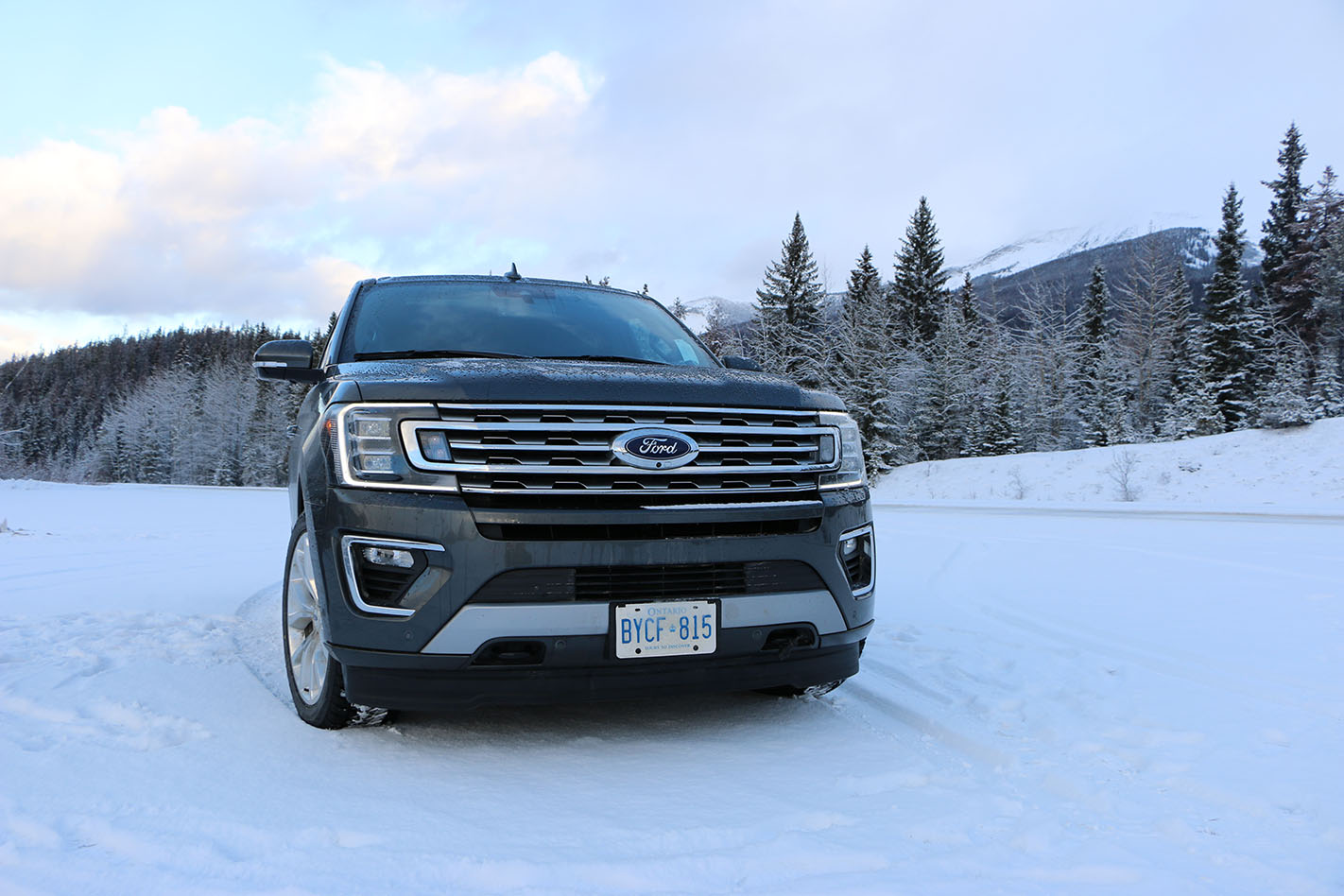
All Expeditions are powered by the same 3.5-litre twin-turbo EcoBoost petrol V6 used in the F-150, with 298kW/651Nm sent to all four wheels.
Measuring in at 5334mm long, 2029mm wide, and 1943mm tall with a 3112mm wheelbase, the Expedition was spacious and comfortable even when filled to the brim with bodies and luggage.
In its Platinum specification, the Expedition has a seven-seat configuration akin to the Palisade, with two captain’s chairs in the second row, and a relatively palatial third row that could easily accommodate six-foot-tall adults comfortably.
All up we completed 76 hours of driving, across 4331km, fully loaded at all times, returning fuel economy of 12.7L/100km.
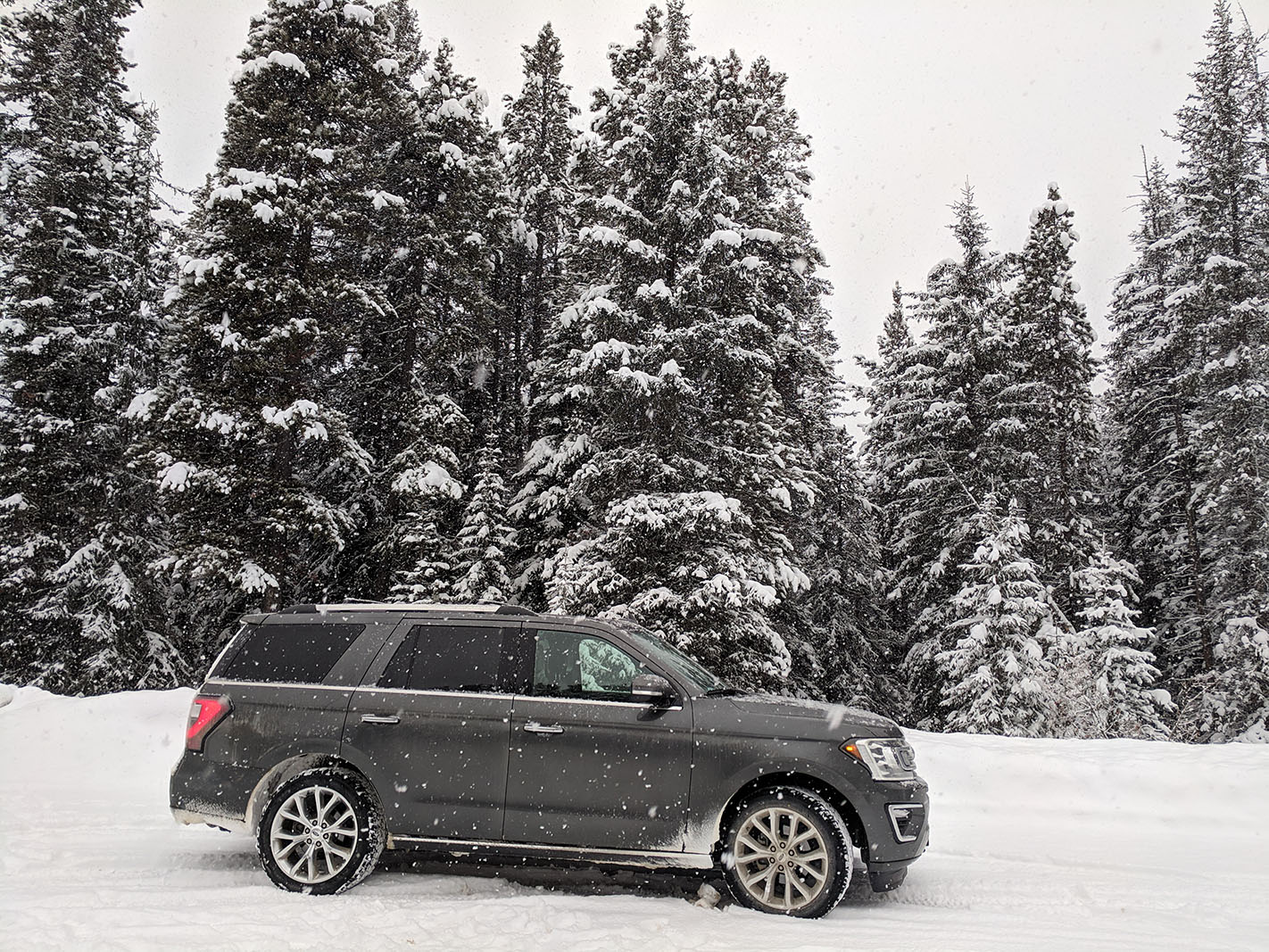
That kind of efficiency is impressive considering that with all the people and gear we’d (conservatively) estimate the combined weight of the Expedition to be north of three tonnes (with a 2550kg kerb weight).
With the Expedition’s platform being shared with the F-150, right-hand drive production remains off the cards going forward. However, we hope one day the door will open for this supremely impressive all-rounder to make its way to Australia in an official capacity.
If you were ever looking for an opportunity to get into a new ute, both the Australian government and the automotive sector are combining to offer a compelling proposition in 2020.
There’s no doubt that many are feeling the pinch with the enduring pandemic – but the endless flow of new utes making their debut in 2020, combined with extra government stimuli, could be enough for you to take the plunge and head into the dealerships – or more likely order online.
The instant asset write off scheme continues to allow taxable income deductions of up to $150,000 for business-related purchases, luring ABN buyers into helping along the economy.
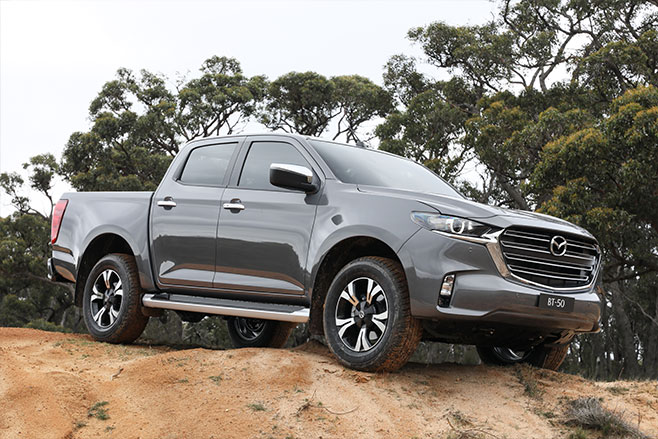
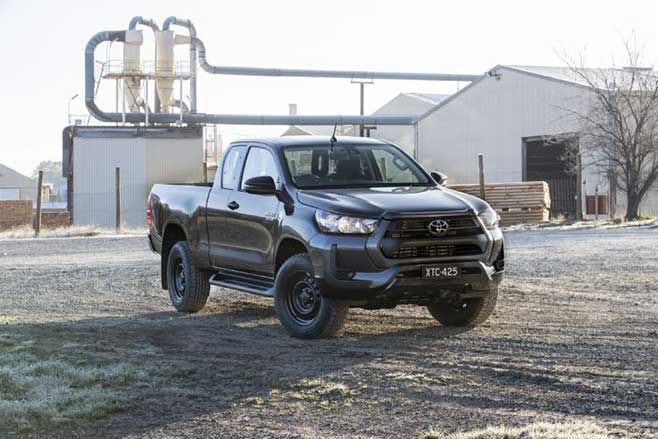
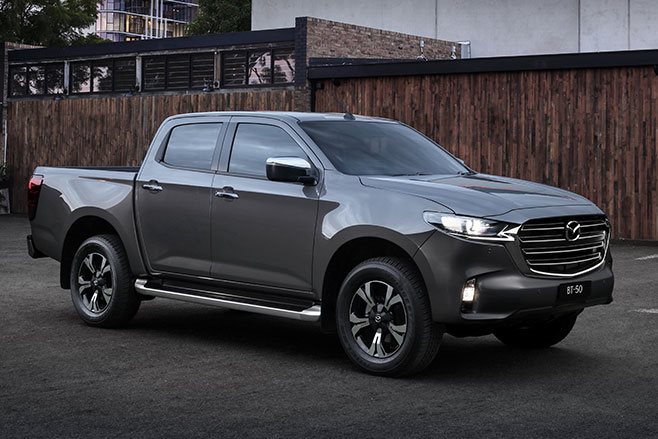
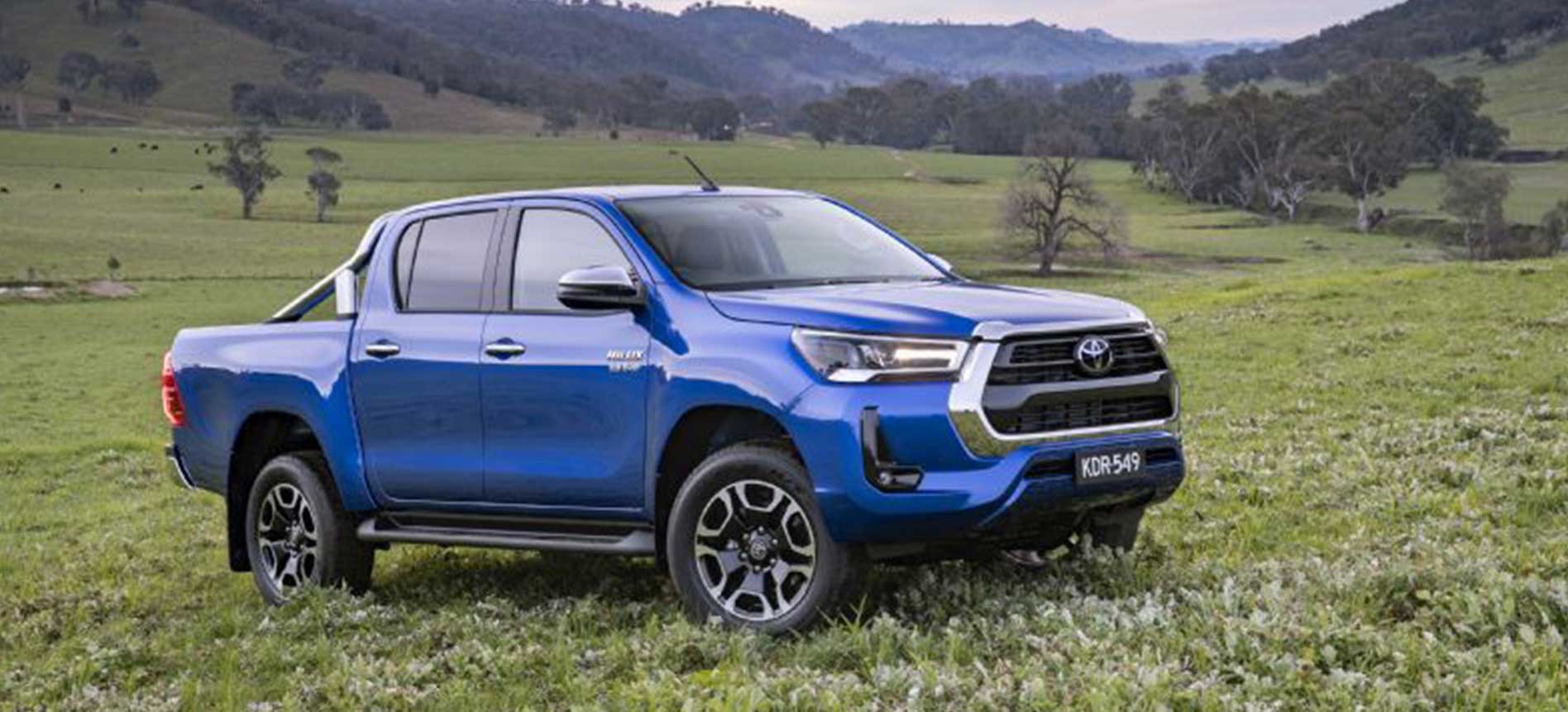
Two such new utes that are catching the attention of buyers are the newly-facelifted 2021 Toyota Hilux and the all-new Mazda BT-50.
For interested parties standing at the crossroads between the two, let’s iron out the on-paper specifications and decipher which is the more appealing option.
Engines/Drivetrain
Of the two, the new Mazda BT-50 has endured the greatest change. Switching over to the new Isuzu D-Max platform from the ageing T6 Ford Ranger has allowed Mazda to bring the BT-50 into the here-and-now with a vastly updated engine and drivetrain.
The Mazda BT-50 is now fitted with a 3.0-litre turbo-diesel four-cylinder engine that produces 140kW and 450Nm sending it to the wheels via a six-speed transmission.
The range remains dual-cab only at this stage, but is offered in both 4×2 and 4×4 specification.
Keen-eyed readers will notice those figures are lower than those of the outgoing BT-50, which used a 3.2-litre five-cylinder turbo-diesel engine with 147kW/470Nm.
However, Mazda reckons that not only is the new car quicker thanks to reduced weight, but it’ll also retain its 3500kg towing capacity.
As well, with the smaller engine, Mazda says fuel consumption is expected to drop to a claimed 7.7 litres per 100km on the combined fuel economy cycle.
Meanwhile, the Hilux receives a tweaked version of its existing 2.8-litre fou-cylinder turbo diesel engine for the 2021 model year. On raw numbers, its 150kW/500Nm outputs give it a decent edge over the BT-50.
Toyota reckons its updates to the powertrain have permanently fixed the troublesome diesel particulate filter issues that have plagued the HiLux, and have even resulted in a class action against Toyota in Australian courts.
Platform/Technology
Although they wear different faces, much of the Mazda BT-50’s underpinnings are the same as the Isuzu D-Max’s.
That means a ladder-frame chassis, a six-speed manual or automatic transmission and, as with the D-Max, hill-descent control and a rear diff lock to make off-roading that little bit easier.
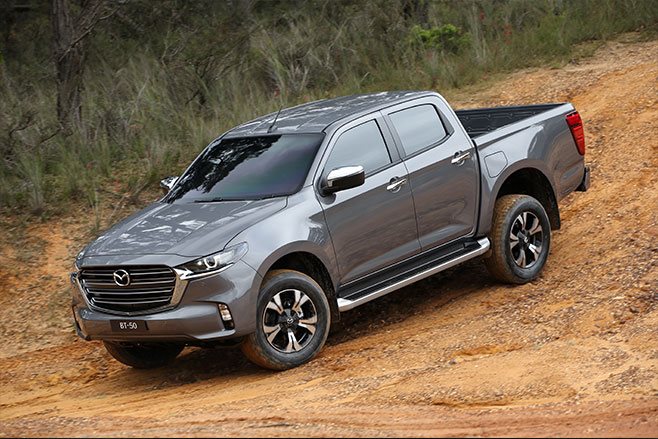
Towing capacity for the BT-50 remains at 3500kg with a braked trailer, while the payload limit tops out at 1000kg.
Notably, Mazda isn’t selling the BT-50 with a space-cab bodystyle, nor a single-cab variant, until 2021.
The 2020 Hilux gets substantial suspension changes, with updates applied to shocks, new bushings and an improved leaf spring rear-suspension set up.
A variable-flow pump has also been fitted to the hydraulically-assisted steering.
Toyota has made these changes to improve the Hilux’s low-speed and unladen ride quality, as well as to improve its low-speed behaviour around town.
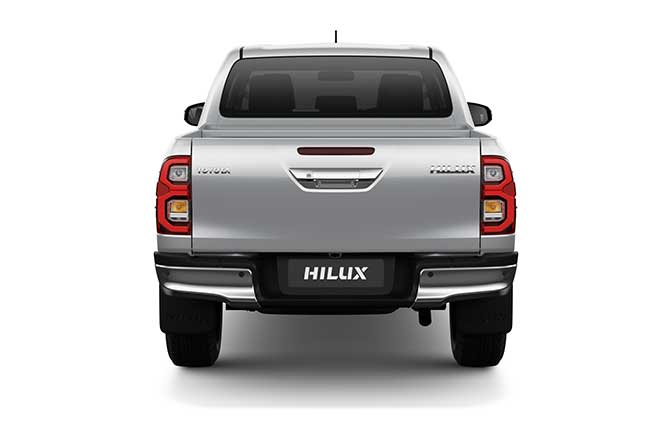
The suspension and power steering changes have been made while maintaining the load-carrying capacity and ability, which has always been a strong point for the model.
Toyota has fitted an additional traction control function to 4×4 Hilux models equipped with downhill-assist control, which reroutes torque in 2WD mode to provide more grip.
Towing
Both these utes have the ability to tow on-par with the wider range of light-commercial utes in the space.
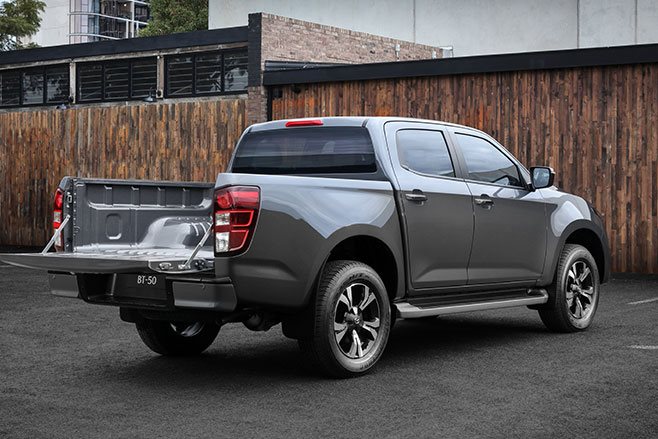
The BT-50 will be able to tow with the best of them at 3500kg, while Toyota says the automatic-equipped 4×4 Hilux will now be able to match it and haul the same 3500kg, which is a notable 400kg improvement on the previous generation.
Interior/Technology
Drastic changes continue to the interior of the new Mazda BT-50, presenting a much more technologically-focused cabin than before with some premium materials thrown into the mix as well.
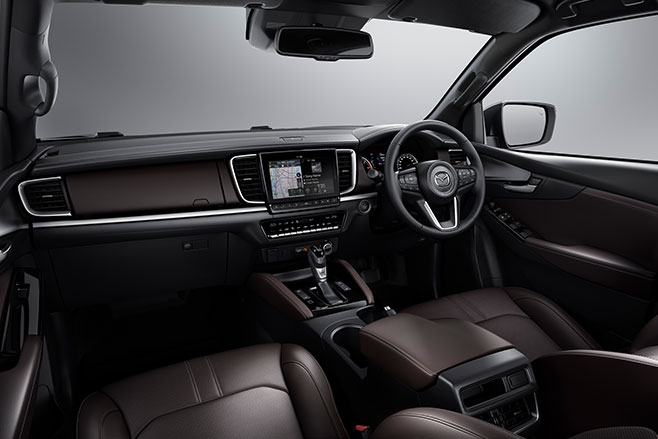
Highlights include a 7.0- or 9.0-inch colour touchscreen that supports Android Auto/Apple CarPlay smartphone mirroring, digital radio, speakers built into the roof, a digital display within the instrument cluster, remote engine start and a vastly-improved subset of safety features.
In more detail, new safety items including autonomous emergency braking (AEB), blind-spot monitoring, rear cross-traffic alert and reversing camera, lane departure warning and high beam assist are all standard across the range.
Adaptive cruise control is standard for the automatic versions.
There’s less going on with the Hilux, but additions include an 8.0-inch touchscreen (with knob audio controls rather than buttons) with smartphone mirroring for Android Auto and Apple CarPlay, while safety inclusions such as active cruise control, lane keep assist and pedestrian detection continue on with this update.
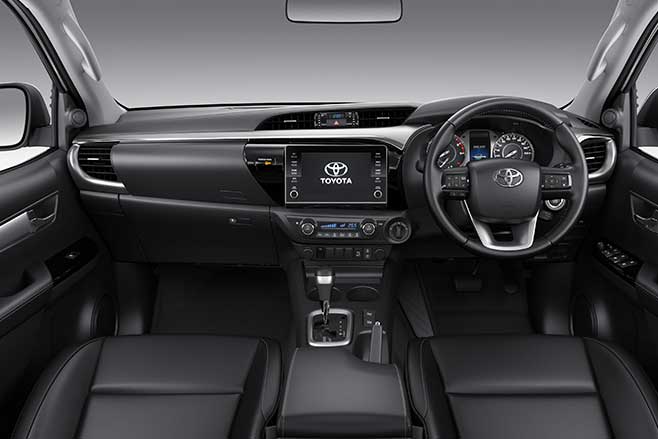
It’s hard to tell which will be a more effective mobile office without spending time behind the wheel of both models, but the improvements for the BT-50 are promising and the equipment included as standard is generous.
Exterior/Design
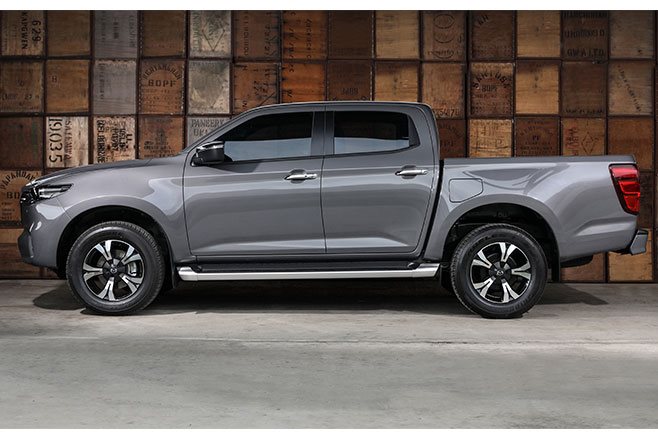
New LED headlights flank a redesigned large front grille, and extends down the sides of the ute, characterised by a high crease line. Two-tone wheel designs are a sharp added touch as well.
There’s far less to get excited about with the Hilux, where the Japanese maker has opted for a light nip-and-tuck in place of a full facelift.
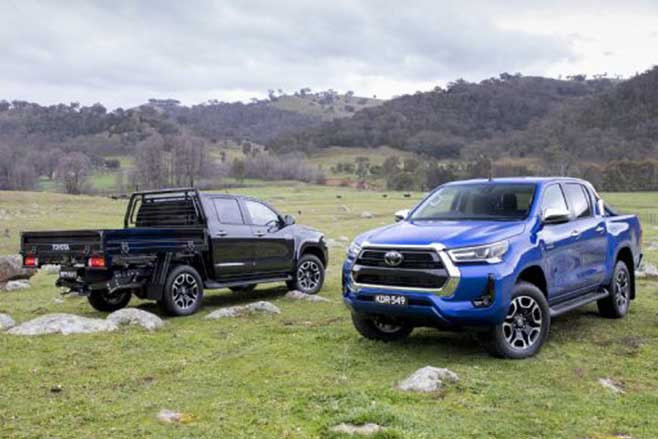
It does get a slightly larger grille, new headlights and taillights as well as some new wheels, bringing it closer to the looks of the Tacoma pick up that’s available in the United States.
Pricing
Quoted pricing doesn’t quite match up like-for-like between the new Mazda BT-50 and Toyota Hilux due to the BT-50’s missing range variants – but here’s an idea.
Comparing the most popular 4×4 variants, the new Mazda BT-50 pricing kicks off at $49,360 (before on-road costs) for an entry-level 4×4 cab-chassis manual ute, before stretching up to $59,990 for the range-topper BT-50 GT 4×4 pickup.
Comparing apples with apples, Toyota’s Hilux 4×4 range starts at $47,290 for the Workmate 2.4TD automatic, though a fairer comparison positions the Hilux slightly cheaper than the BT-50 with the comparable SR 2.8TD 4×4 cab-chassis manual priced at $48,510 (before ORCs).
The range then extends to the $62,420 SR5+ range hero and beyond for special editions.
It depends which way you look at it, but Toyota offers the more affordable option for lower-spec models and Mazda takes out the value award at the top end.
Conclusion
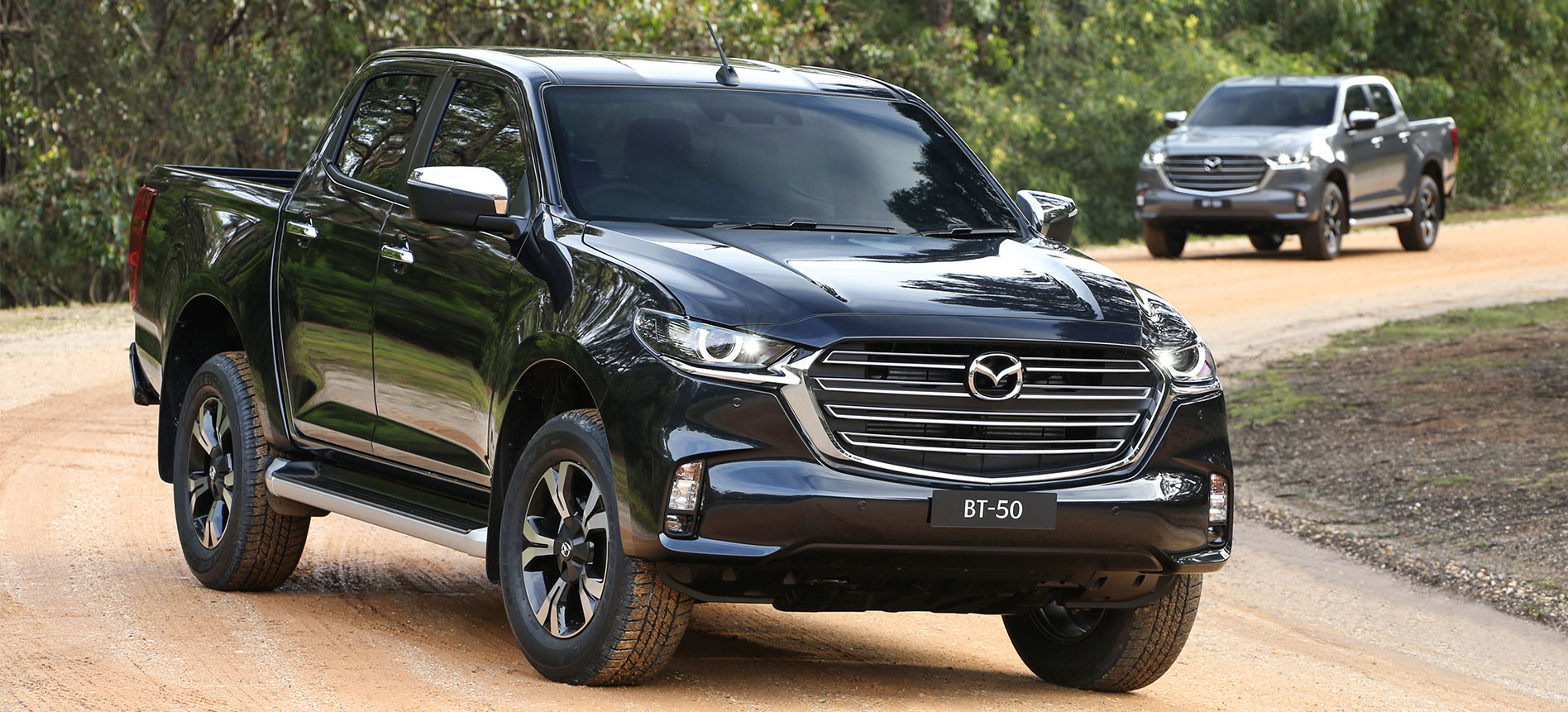
Looking purely at specs, the Mazda BT-50 presents a much stronger case to fight the rest of the ute market than it has previously.
A strong reliable engine, a raft of tech updates and some premium-looking interior appointments has us wondering if it could be one of the next sales front-runners, though we’ll have to wait for a first meeting in person and some extended seat time to see whether there’s any truth in that.
With technology becoming an increasingly central part of new vehicle design, the various mainstream manufacturers are locked in an arms race to offer human-vehicle interfaces that are growing in sophistication and size.
Audi’s Virtual Cockpit measures 12.3-inches, the Mercedes MBUX system butts two 10.3-inch screens side-by-side, while Tesla holds the current screen size record with a central display that measures 17-inches.
But Hyundai’s freshly spun-out EV sub brand Ioniq has leapfogged several generations of information display evolution with a vehicle cabin concept that comprehensively blows the competition out of the running.
It’s called the Ioniq Concept Cabin and the technological design study previews how vehicle interiors may look and function in the future.
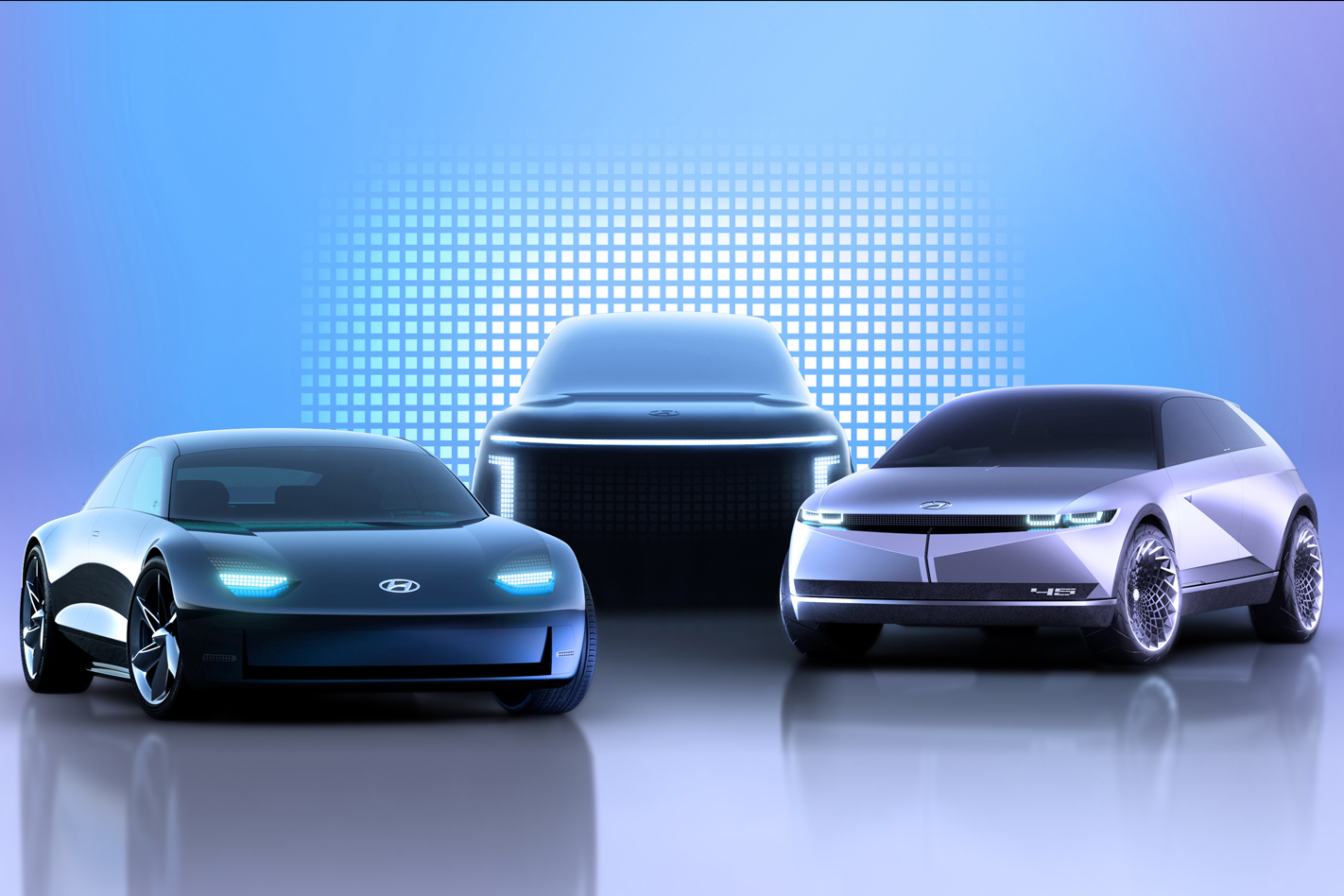
Versatile battery shapes allow their concealment virtually anywhere, while compact motors and drivetrains don’t intrude into the passenger space, freeing up a vast van-like place for passengers to occupy.
As well, with their abundant electricity supply, the limitations of on-board equipment and technology are vastly expanded over conventional combustion cars, which are limited to 12 and 48-volt power systems.
So while the latest cars make do with displays little bigger than a tablet device, the Ioniq concept has a whopping 77-inch OLED screen mounted on the ceiling courtesy of LG electronics. But that’s just the start of the homely comforts.
While on the move, a ‘clothing care’ and ‘shoes butler’ function can take care of some dreary chores you’d rather avoid, while a robot vacuum cleaner keeps the place looking shipshape allowing you to enjoy the home away from home.
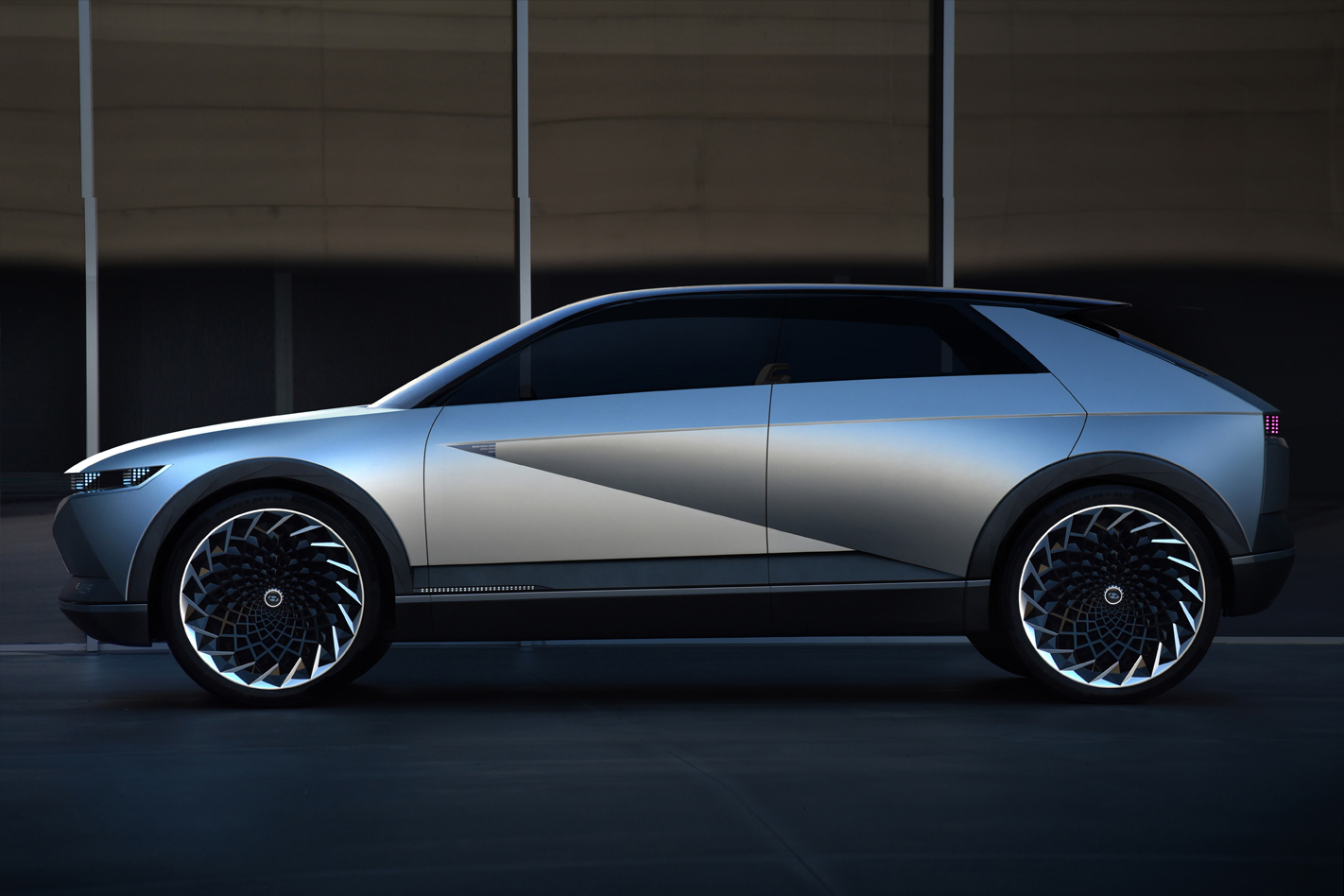
Yes, the Ioniq concept is a hyperbolic hint at the future that is unlikely to ever eventuate quite as the show piece implies, but the South Korean EV brand says the first production equivalent features will be seen in its forthcoming Ioniq 5.
More importantly, Ioniq says the concept demonstrates the customisable nature of future vehicles and another reason why no two customers will necessarily drive (or be driven in) the same car.
“The Ioniq Concept Cabin is one of a kind and an unprecedented approach to enhancing customer experience as it can be customised for different needs and lifestyles,” said Wonhong Cho, executive vice president and global chief marketing officer of Hyundai Motor Company.
“Dedicated EVs will enable us to revolutionise the experience Hyundai delivers to its customers, empowering them to do more in and out of the vehicles.”
When we’re sitting in a warm, comfortable office pitching, discussing and developing ideas for WhichCar TV episodes it’s easy to get a bit carried away. And it often doesn’t become apparent that we may have bitten off more than we can chew until the cameras are rolling.
Examples include Elise climbing into a ropey but very powerful ute driven by a man with a mullet and an apparent disregard for safety, and Scott’s encounter with unnecessarily powerful muscle cars and a flooded race track.
Against all the odds, we prevailed and the television that resulted has hopefully always entertained and informed, so what better way to send off WhichCar TV season two than with a look back at a handful of those moments?
Dog versus man
The dogsled vs Range Rover segment actually evolved from a very different initial idea and instead of assessing six dogs and a wooden frame as a mode of snow transport, the original idea pitched the Rangie against a ski lift.
Picture a kind of ‘snow Uber’ offering skiers and snowboarders a more luxurious alternative to get to the top of the slopes. But concerns with damaging the piste and safety problems meant we had to look for Range Rover testing facilities elsewhere.
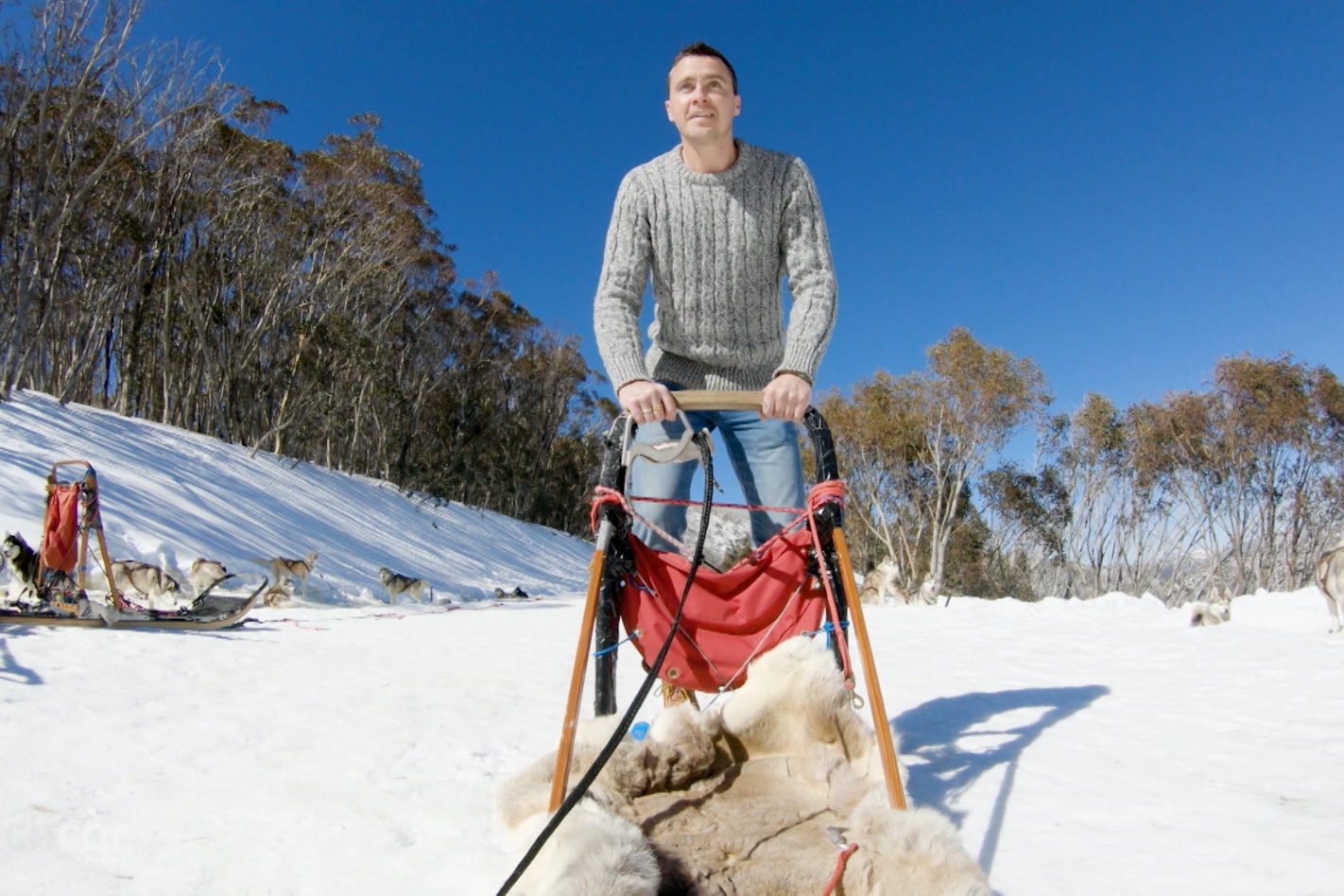
Thankfully Mt Buller management was extremely helpful and generous, and suggested their sister mountain Sterling. There were no lifts or slopes full of snow bunnies but the scenery was spectacular and there were heaps of trails to have four-by-four fun.
There was just one condition – while we were allowed almost unlimited access, we would have to work around the dogsled operators. Wait, what!?
When we learned that Mt Sterling was home to an extensive operation the premise changed dramatically. And that’s how I ended up teetering on the back of a sled, following a 10-minute crash course and with no safety gear.
It was actually a blast and, amazingly, there were no dramatic crashes or major incidents of any kind. Would I do it again? Absolutely. Oh and watch this space because we aren’t done with the Piste Uber idea just yet either.
Outing a 4×4 amateur
Later in the episode we revisit 4×4 Australia’s week-long event to find the best 4×4 of 2019, which involved thousands of kilometers at the wheel of seven tough SUVs and utes. Despite the extensive distances and challenging terrain in remote areas, nothing broke with the exception of three punctures – all of which were mine.
The first, as you’ll see from the episode, was caused by an overdose of enthusiasm in a sand dune, too little tyre pressure and too much cornering speed. When those combine, it’s very easy to pull the tyre from the wheel as I have now learnt.
The second (that thankfully evaded the camera’s gaze) happened later when negotiating the endless livestock grids that punctuate outback New South Wales roads. Some are passed with little more than a mere burp from the wheels as the car rumbles over the bars at cruising speed. Others require a serious reduction in velocity with a shape more akin to a humpback bridge.
Critically though, it’s hard to assess which end of the spectrum the grid is at until you are upon it. The second puncture was caused by arriving at a particularly curvy example way too hot, managing a reasonable amount of air underneath the Ford Everest and landing some considerable distance after the obstacle.
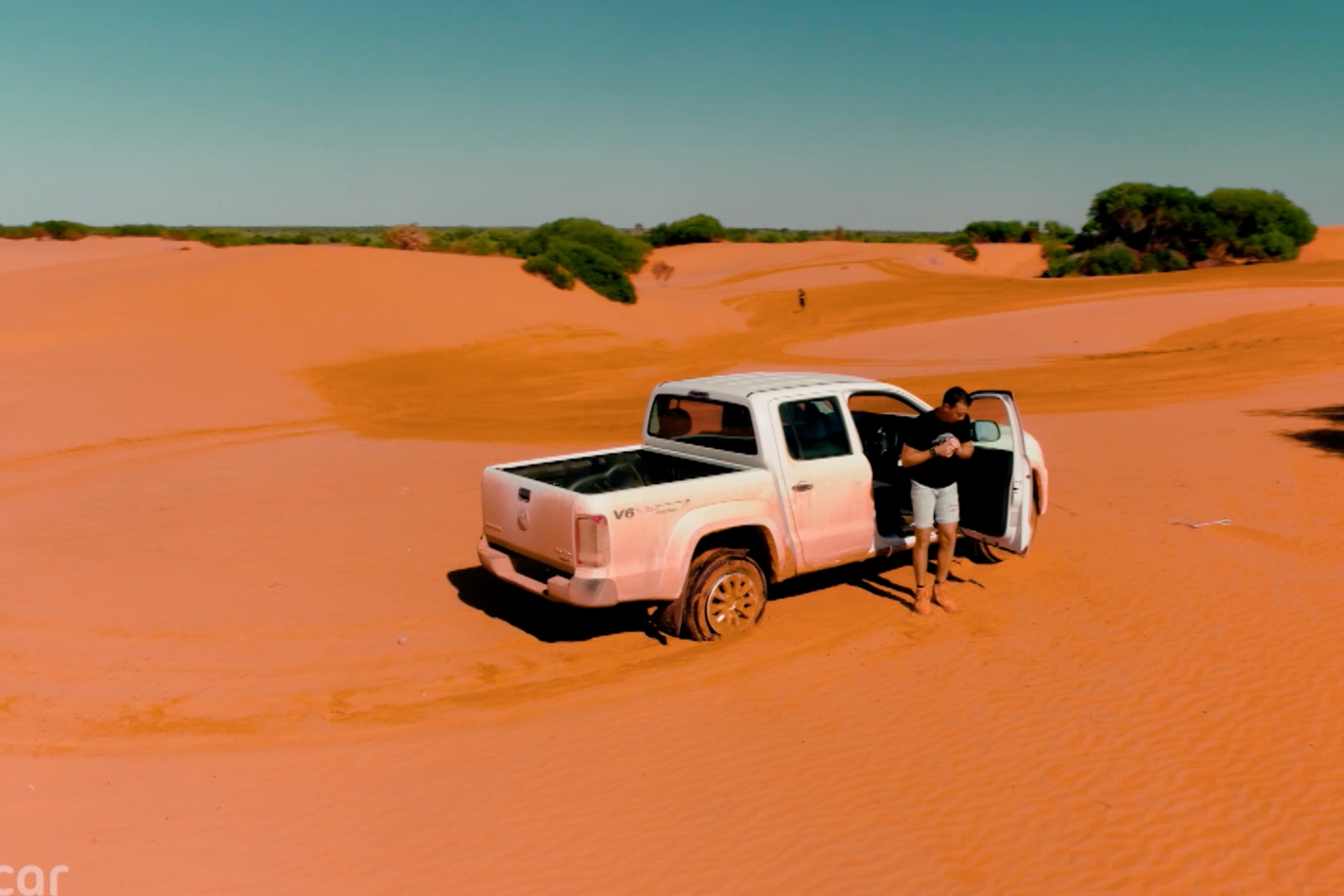
Under normal circumstances, the beefy Blue Oval would take it in its stride, but loaded to the rafters with camera and camping gear proved too much for the rear right tyre on re-entry.
Embarrassingly, the very next day, when leaving camp, I was rolling out in the SsangYong and the tyre pressure warning light flashed up on the dash for, you guessed it, the right rear right.
It’s lucky I was in the company of experienced and knowledgeable off-road touring experts and the trio of deflations didn’t stop us for long, but I didn’t get an invitation back the following year, and I can’t blame them.
The End
And so to the end of the end and our sensational season-two sendoff. To say goodbye to another great series, we wanted to leave a little legacy and perhaps even a metaphorical gauntlet thrown down.
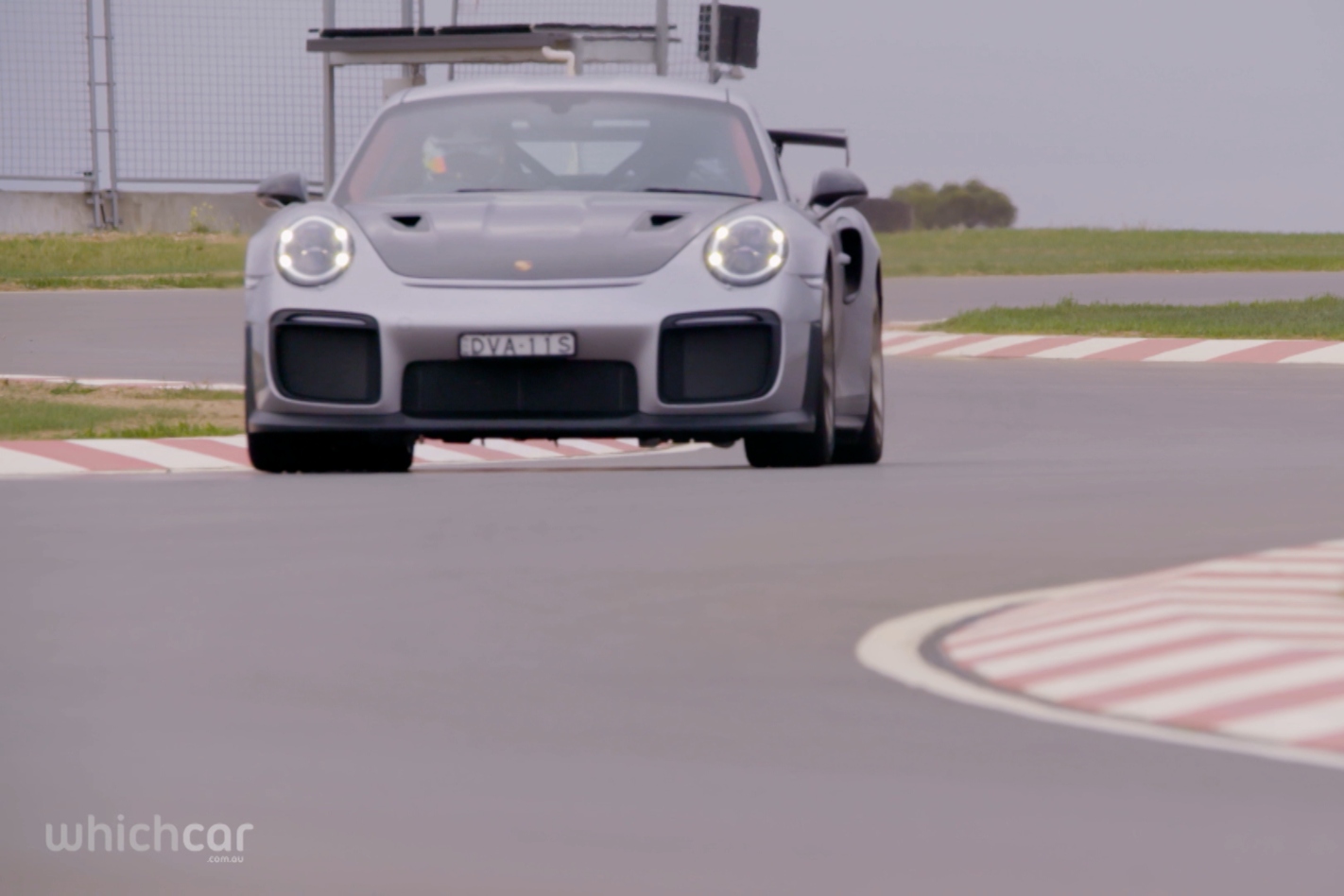
With the help of one of Australia’s greatest circuit racers – Warren Luff, one of the world’s most potent and capable road cars – the Porsche 911 GT2 RS, and the world’s second longest permanent race track – The Bend, we set a lap record.
It’ll be fun watching others tackle the incredible track and attempt to beat the time set in our final episode and it will serve as a little reminder of all the fun we had and challenges we faced putting together 30 episodes of television. Maybe we’ll even try to beat it ourselves in season three…
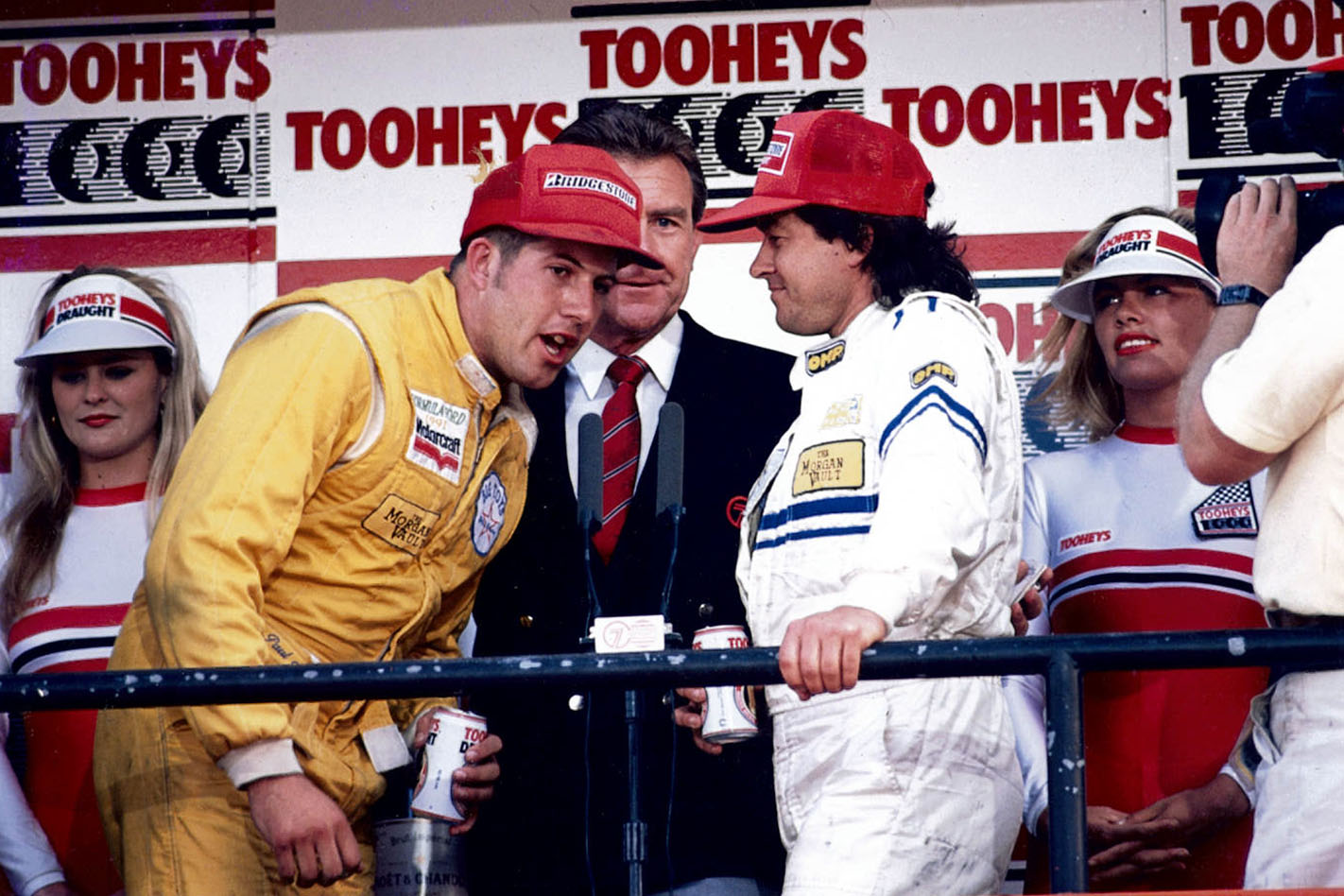
You either love him or hate him. Paul Morris is easily Australia’s most controversial racer, and his antics both on and off track have divided motorsport fans across the nation for more than two decades. His credentials are beyond dispute. The only man to have won all three endurance races at Mount Panorama (the 6 hour, 12 hour, and 1000) and a four-time Super Tourer champion, he’s a dab hand at anything he drives, from Indy Lights and touring cars to Stadium Super Trucks. This year marks 20 years since his last Super Tourer title, where he won all bar one of the season’s 17 races.
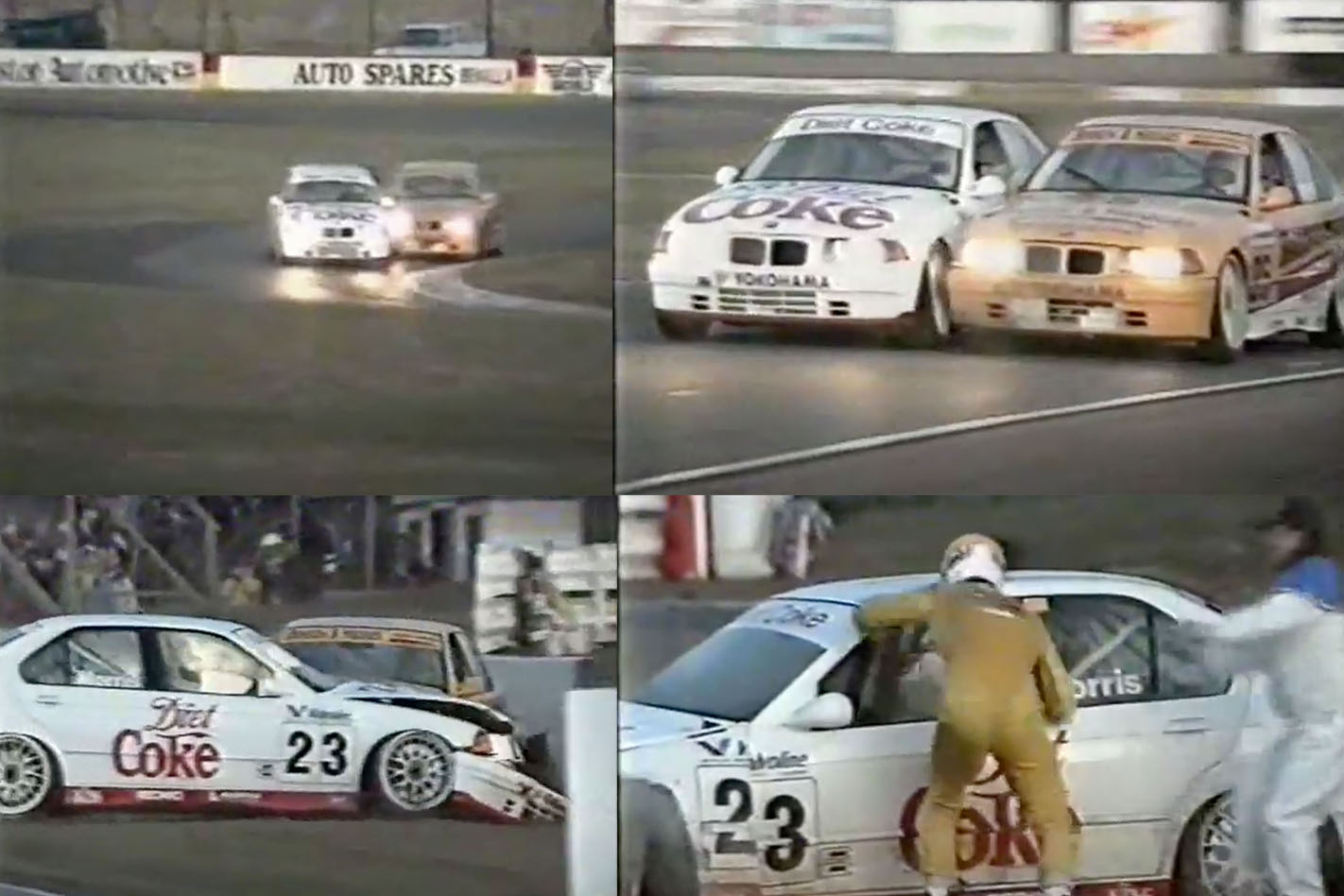
Despite these merits, Morris is probably best remembered by racing fans for his notorious reputation as ‘The Dirty, Dangerous Dude’. He was famously (and unfairly) punched in the head by furious team boss Tony Longhurst after the pair crashed out of the lead while racing at Winton in 1994. And following another on-track accident in 2008, this time with James Courtney, Morris remarked on live TV that Courtney had “picked the wrong bloke to mess with … when the opportunity arises I’ll repay the favour no problem. I got plenty of cars, I’ll keep building them, and they’ll run out before I do.”
To some, he’s the embodiment of a larrikin Aussie racer, a straight talker willing to give politics a middle finger and settle his differences on track. During his career he used his bad boy person to grow a loyal following. When Auto Action magazine dubbed him the dirtiest driver on the Supercars grid in 2008, Morris relished the title, saying “I love it, I’m proud of it, the fans have reacted in the right way – they reckon all the other guys are a bunch of pussies.”
For others it’s that same title that irks, viewing him as a driver that’d prefer to punt his competition off the track than battle fair. But according to ex-teammate, fellow racer, and current Supercars driving standards observer, Craig Baird, that perception isn’t entirely true.
“He was a great racer,” Baird tells Wheels. “They call him ‘The Dirty, Dangerous Dude’, but that is a load of bullshit. If you were trying to get past him, and he thought he was getting held up trying to keep you behind, he’d actually wave you past. On the flipside, if he accidentally tagged you, he gave you the thumbs up and was the first person to walk over to you in the pitlane and say ‘Hey mate I didn’t mean that, I owe you one’. Then mark my words, the next time you came up behind him he would give you the point to either side and let you through. After that it was gloves off again.”
Now 52-years old, and all but retired from full-time racing commitments, Morris is having a resurgence in motorsport circles. Gone is the tough-talking racer persona, and in its place is a renowned talent spotter with considered opinions. The Dude is now the must-have driver coach for young drivers wanting to make the big time and racers from around the country travel to his Norwell Motorplex facility to receive no-nonsense tutelage. Lessons cost between $700-1400, and are booked out well in advance.
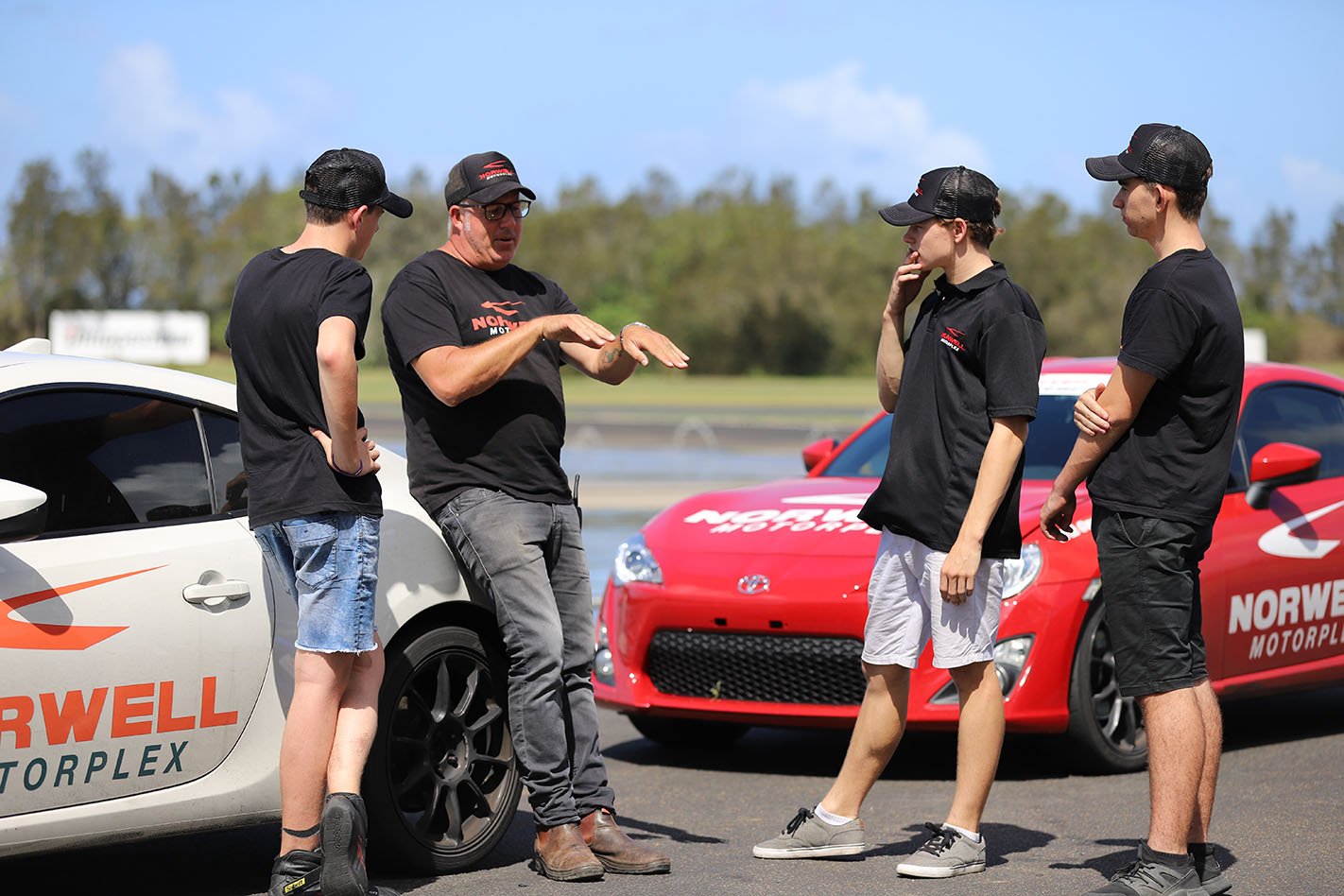
The first major pupil to graduate from The Dude’s University of Hard Racing was Anton de Pasquale (pictured left). Morris helped save the youngster from being just another talented Australian rejected by the high-cost European junior open-wheel sausage factory. With his measured guidance, de Pasquale has been turned into the hottest young talent in the Aussie Supercars paddock. Morris’s latest protégé, Broc Feeney, has gone from racing karts in 2017, to a Bathurst 1000 co-driver gig alongside James Courtney (small world) in 2020 – and he hasn’t even graduated from high school. Morris clearly has the Midas touch when it comes to fostering talent.
“When Anton came along, me and him just clicked,” Morris tells Wheels. “He realized that if he listened to what I had to say, that we’d get results. That relationship was one where we both had a lot of confidence in each other and I got immense enjoyment out of him winning races and being a part of watching him succeed.”
Morris realised within half an hour of observing de Pasquale that he was watching something special. He started working on a deal to get him into Supercars that very afternoon. The 24-year old Melburnian has thrived thanks to Morris’s instruction style which, unusually, forgoes hard data for raw feel and wisdom.
De Pasquale says this allows him to focus on building a complete skillset, instead of focusing on solitary talents that need combining later. “Paul’s training is different to what I experienced in Europe,” says de Pasquale. “It was a free-flowing conversation and very progressive and natural.”
With more than two decades of professional motorsport under his belt, Morris has a deep well of knowledge to call upon when instructing from the passenger seat. “A car is just a machine that responds to inputs,” he explains. “It’s no different than an excavator or a bobcat, a helicopter or a plane. If you put the right inputs into it, that result will pop out.”
Baird says there is an innate teaching quality that Morris possesses, allowing him to transfer decades of hard-earned racing knowledge into the young minds of his pupils. “He has got a way to get someone to balance a car that you don’t get elsewhere,” the racer-turned-Supercar sheriff adds. “Race drivers, it doesn’t matter who it is, start to get into bad habits and rush things. So, Paul just takes you back to basics, and runs you through things you may not be actively thinking about. If you are new to the sport, that’s a massive help.”
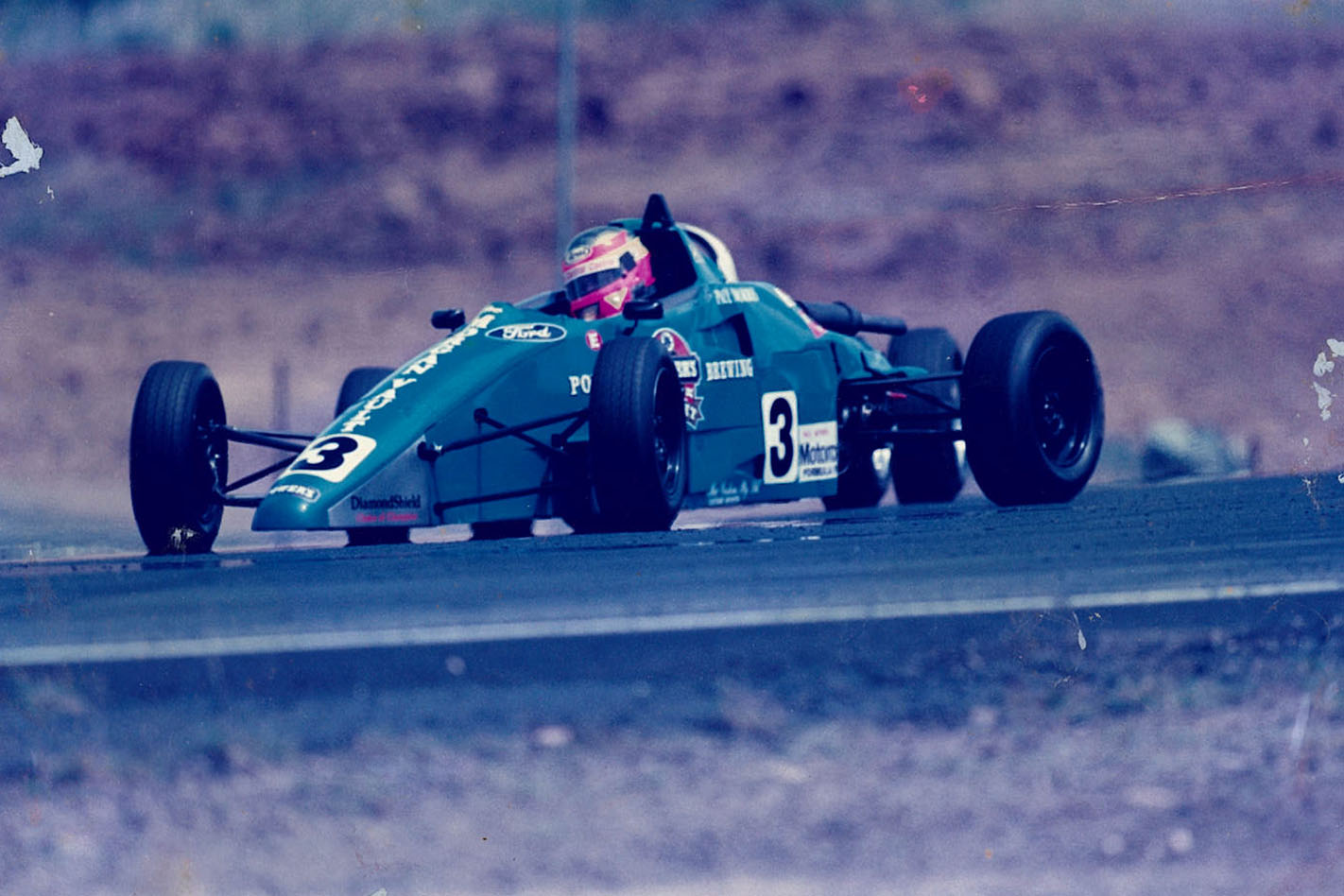
It’s not just youngsters that come in for a Morris tune-up. The likes of Shane van Gisbergen, Nick Percat, and Chaz Mostert have all spent time at Norwell Motorplex refining their talents. Baird says it’s all about stripping away the excess noise of a race weekend and getting back to the core of driving fast. “You sometimes just forget the basics because you’ve always got 20 guys running around with laptops telling you how to fly the space shuttle,” he says. “But [the engineers] don’t actually know, they are just looking at data, whereas Paul can actually feel it.”
Morris’s desire to coach stems in part from the strong bond he formed with Frank Gardner early in his career. A statesman of Australian motorsport, Gardner forged a strong career overseas and founded Morris’s Norwell complex. Gardner passed many of his wisdoms onto Morris, who in turn is now flowing that knowledge into the next generation. “For me it was, I had all this information, I’ve stopped racing now, what am I going to do with it? Oh, well, I don’t need to compete against those guys, but let’s see if we can make better drivers,” Morris adds.
Paul’s father, Terry, was a founding member of the Gippsland Car Club in Victoria, and helped build the original Morwell Hill Climb. In 1976, the family moved north to the Gold Coast, and lived not far from Surfers Paradise International Raceway and its associated dirt speedway. It’s here that Paul began his racing career competing in speedway bombers. At the same time Terry was building what would become the Morris family empire, including the incredibly successful Sirromet wine business. This would, in part, help fund Paul’s racing career.
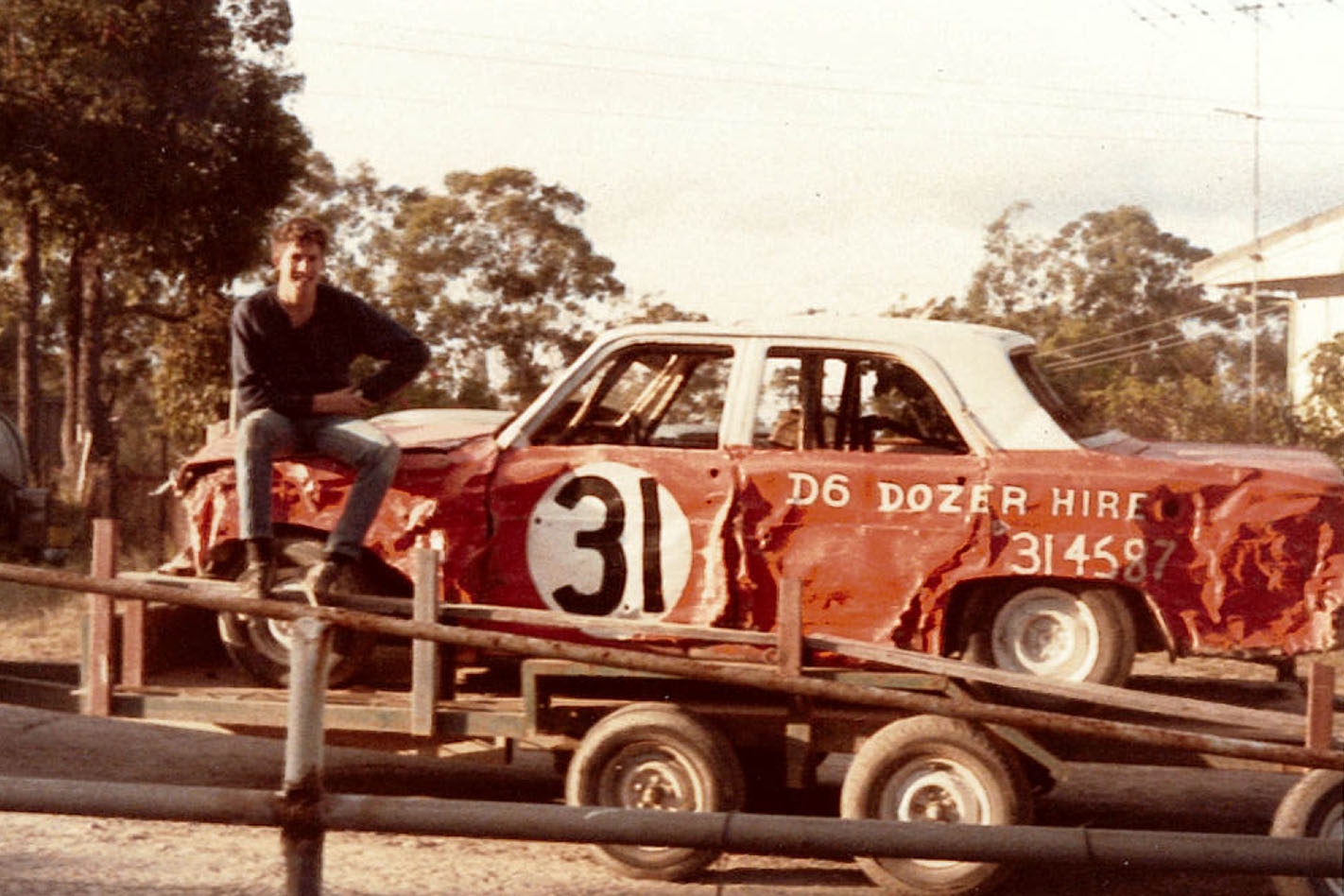
Baird says Morris’s gruff exterior was designed in part to deflect any criticism that he may have been raised with a silver spoon. “[Paul] always says, ‘I chose my parents well’”, Baird explains. “I think in a lot of ways he acted a bit rougher than he was just for the sake of not wanting to be seen to not come from a hard-working family. His dad was an old school hard worker who made his money in one way, shape, or form, and Paul is exactly the same. They didn’t just fall into money, so they both appreciate what hard work is.”
The same salt of the earth personality that hides Morris’s well-heeled upbringing is also perfect for lulling rivals into a false sense of mental superiority. Underestimate Morris’s mental prowess at your own peril. “What people don’t realise about Paul is he is the smartest bloke in the pitlane,” Baird adds. “He knows exactly what everyone else is doing, why they are doing it, and how they are doing it. He will walk around pretending he doesn’t know, doesn’t look, and doesn’t see, but he knows exactly what is going on. Anyone that thinks Paul is a dummy, is a dummy.”
Morris’s bad boy reputation isn’t without merit, but it has overshadowed his strategic expertise. He partnered with Chaz Mostert for the 2014 Bathurst 1000, and won after starting last on the grid in one of the most dramatic finishes in the race’s history. While Mostert put in the glory laps, Morris was responsible for quietly devising and implementing the strategy that would allow them to be in the right place at the right time.
While he has forged a strong career in Australia, Morris was initially on a path to international success, only to be deterred, perhaps perplexingly, by poor weather. After claiming his first two Super Tourer titles, Morris headed briefly to North America before going to Britain to take part in a test at the end of 1998 to replace Matt Neil at his family’s BTCC team.
“I stayed in Birmingham with Matt for about two weeks,” says Morris. “It was the middle of winter and that cured me of ever thinking of going there. I was like, ‘How the hell do you put up with this?’ I just couldn’t get out of the place quick enough.
“That deal was 90 percent done and then Matt had come home and said, ‘Mate, I got to talk to you. I’m not going to take the Volvo deal. I’m going to stay at my family team.’ I’m like, ‘Oh good, thank Christ.’”
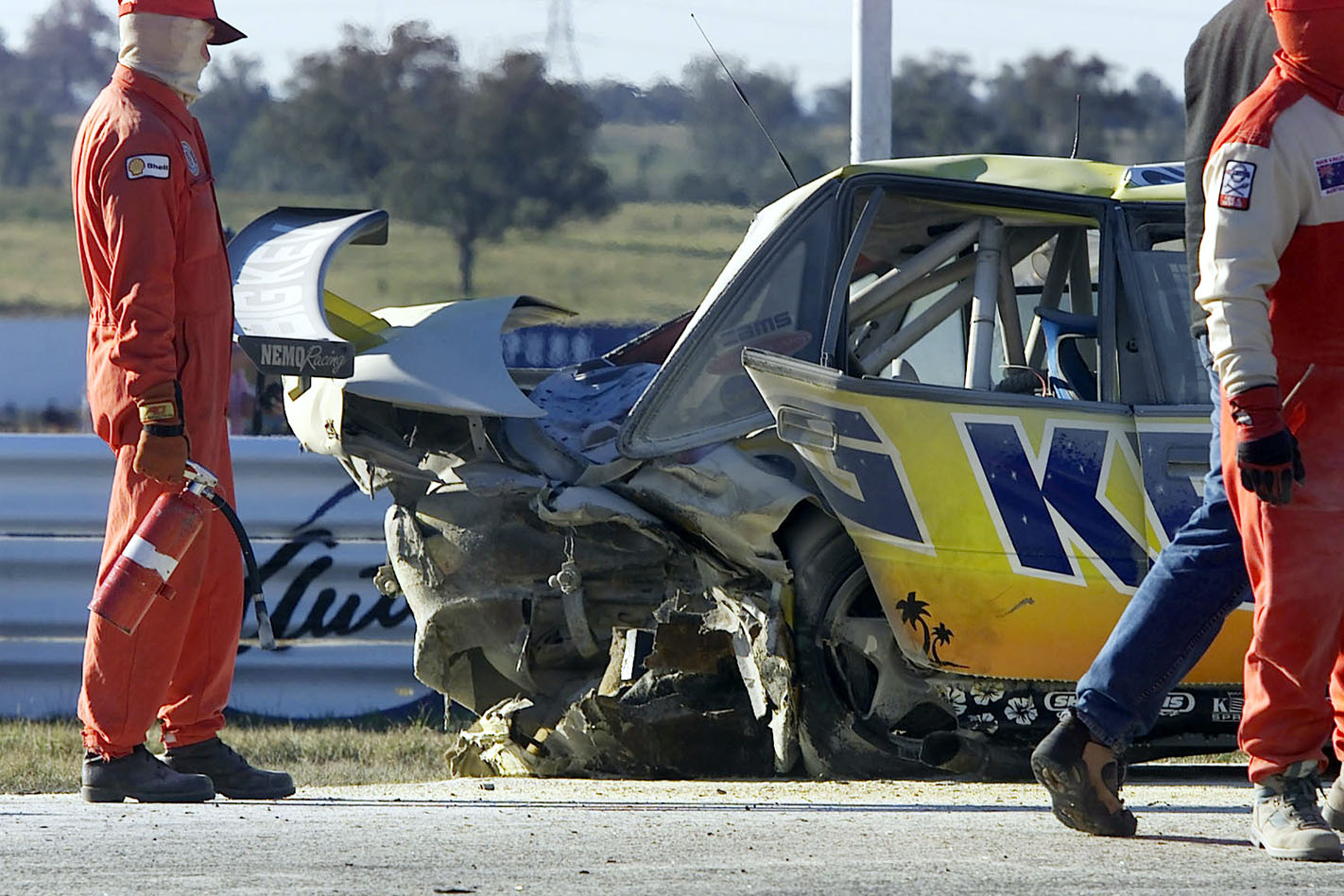
By 2000 he was back Down Under and competing full time in V8 Supercars with a squad he put together himself. That same year he was involved in a fiery crash at Oran Park. His stricken Holden was rammed from behind at the start of a race, spraying the track with fuel, which was promptly ignited. Morris suffered a number of fractured vertebrae. Despite the serious injuries, Morris didn’t miss a single round of the championship, returning to the grid three weeks later. He remains blasé about his recovery.
“Oh, it was painful, mate, but people are just soft these days,” he says. “They get a splinter and the next thing they’re on work cover. I don’t know, for me to make it to the next race and turn up and try and race was more important than any long-term injury I’d have. I couldn’t think of sitting it out. If I could get out of the bed and make it to the track and drive the car, that’s all I wanted to do. That was more important than anything.
“The sport was gladiatorial back then,” he remembers wistfully.
With that old-school mentality, and an ability to communicate decades of experience, it’s little wonder that Morris’s students are some of the hottest talents in racing today.
NORWELL, THE RACER’S UNIVERSITY: AKA THE WORLD’S COOLEST CLASSROOM
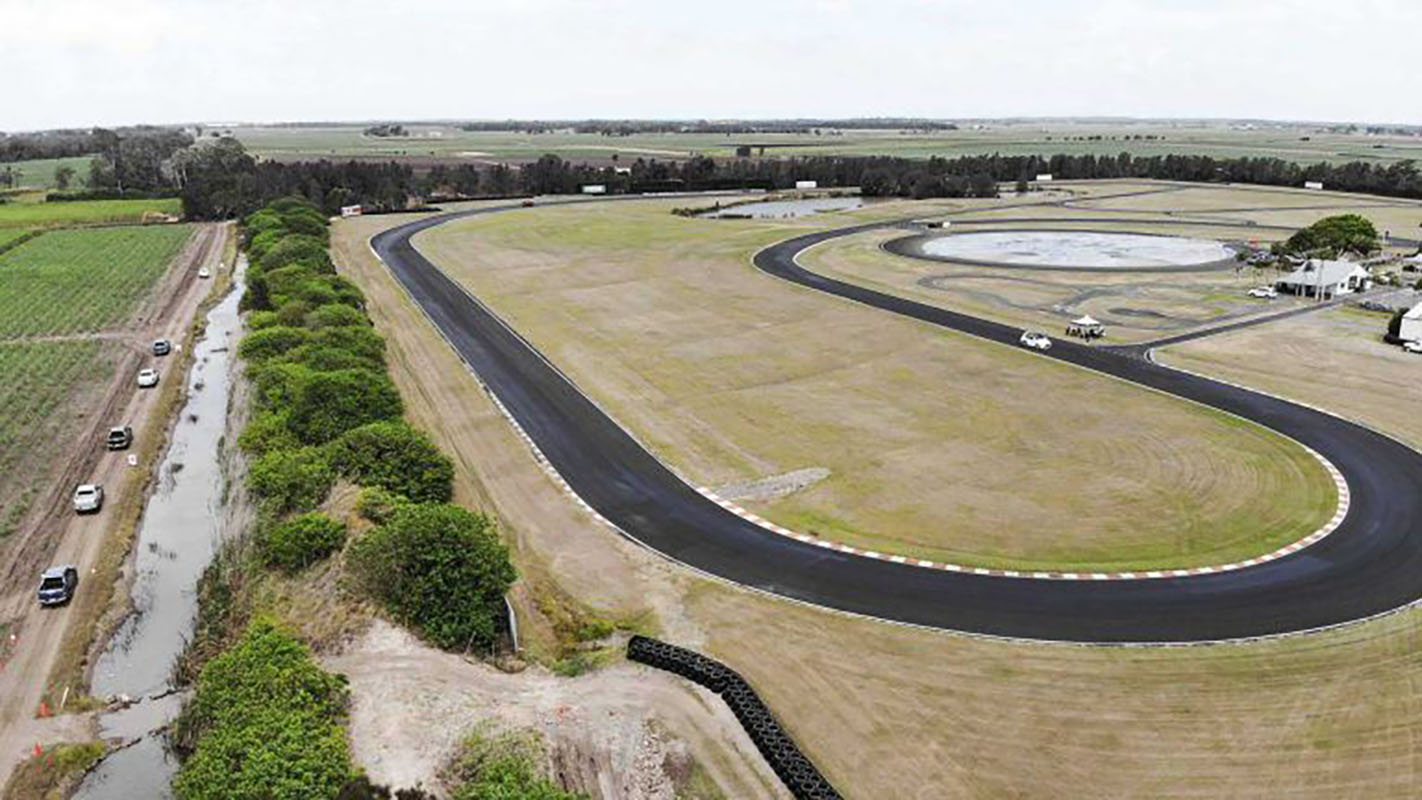
Founded by Frank Gardner in the late ’80s, and now owned and run by Morris, the Norwell Motorplex is located just north of the Gold Coast. Its centrepiece is a 2.2km circuit, capable of running in both clockwise and anti-clockwise directions. A $4 million expansion began in 2016, which will culminate in a track extension lengthening the circuit to 4km. At the centre of the facility is a polished cement skid pan which can be run in wet and dry conditions, along with a mechanical turntable that can induce forced oversteer. Morris houses multiple vehicles for driver training at the facility, ranging from standard road cars to full-blown racers.
HOW TO GET PUNCHED IN THE HEAD BY YOUR TEAM BOSS IN FOUR SIMPLE STEPS
- Knock Knock: In the dying laps, Longhurst taps Morris, unsettling the rear of the leading BMW. This allows Longhurst to get a run heading into the next straight.
- Who’s there?: Running side-by-side the pair lock wheels. At this point, a crash is inevitable as steering wheels are wrenched from their driver’s hands.
- Broken race cars: Both BMWs spear off track into the concrete barrier. Longhurst’s car had barely stopped before he was out of the car and throwing fists.
- And flying fists: Officials disqualified the team owner and eventual champion from the entire event. By virtue of the red flag, Morris was declared the race winner.
We’ve all had those moments where you’re not sure whether you’re awake or asleep. You’d swear it was real, but what your eyes are looking at seems impossible.
This is one of those moments. I’m rolling down Winton’s main straight in a Ford Focus ST-Line with photographer Ellen Dewar poking her camera out the window.
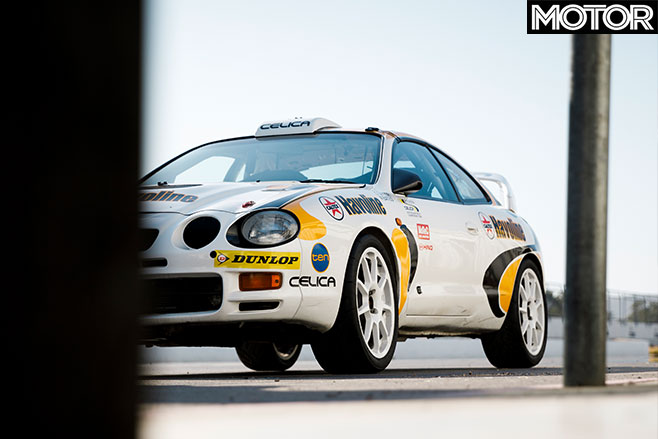
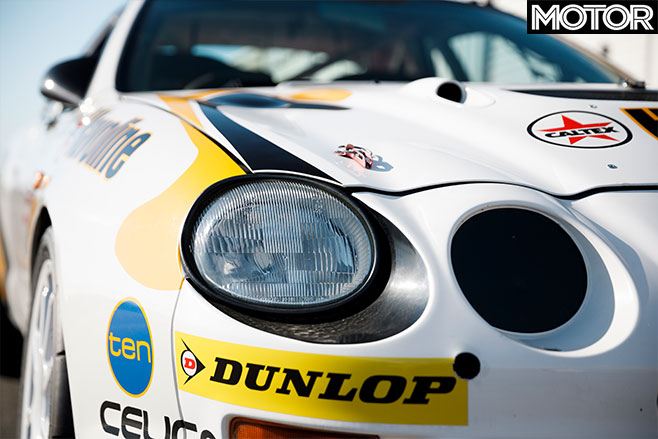
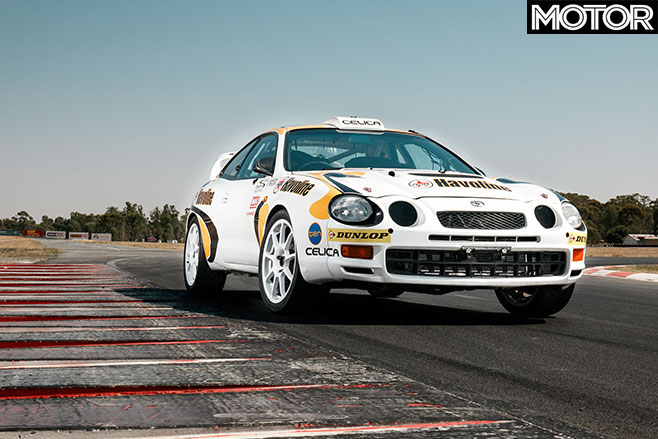
This in itself isn’t unusual, but the focus of Ellen’s lens is a growling, popping Toyota Celica GT-Four wearing a white, black and yellow livery like someone’s hit the race modification button in Gran Turismo.
This Celica, registration YYO 221, is a legend of Australian rallying, one of its most successful ever cars. Having secured second place at its debut event, the 1994 Rally of Canberra, YYO 221 went on to dominate 1995, winning nine rallies including eight rounds of the Australian Rally Championship and Targa Tasmania as well as ninth outright at the 1995 Rally Australia WRC round. Behind the wheel, both currently and for those events, sits four-time Australian Rally Champion Neal Bates.
YYO 221 is his favourite car, and to celebrate its 25th anniversary I’m going to drive it. Gulp.
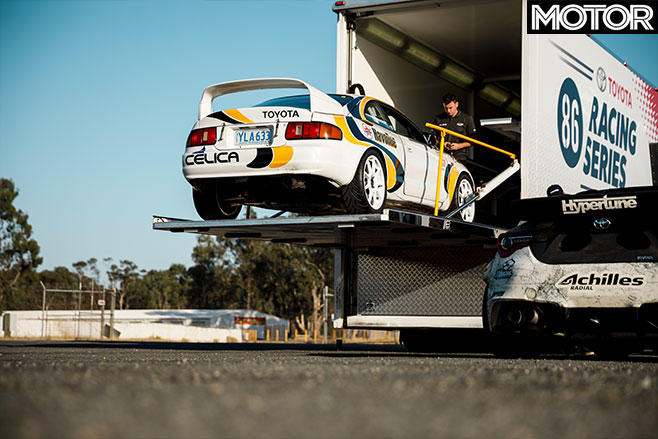
Above: Note Beau Yates’ Toyota 86 drift car to the right, which was present on the day as we compared it to an 86 racing car and Harry Bates’ Yaris rally car
Having secured two straight ARC titles in an ST185 Celica GT-Four it was time for Bates and long-time co-driver Coral Taylor to upgrade to the new ST205. A mild upgrade on paper, the new generation represented a significant step forward for Neal Bates Motorsport (NBM).
“It was the first proper rally car we had,” explains Bates. “If you look at the [ST]185 it was more a road car converted to a rally car.”
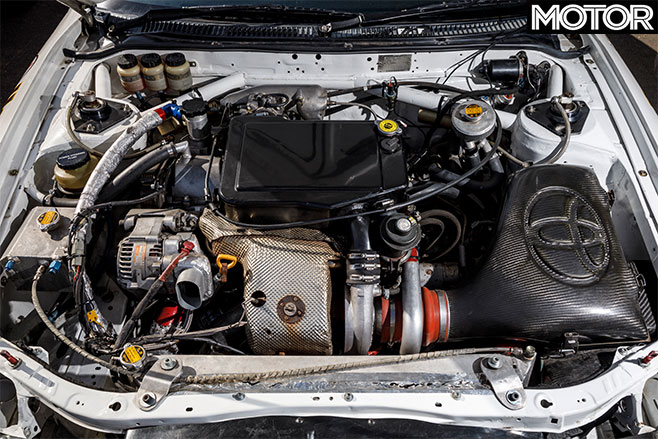
NBM took a bare ST205 road car shell and the Toyota Team Europe (TTE) parts catalogue and combined the two, creating the most serious rally car Australia had ever seen.
“It was so different to anything of the time, which were just modified road cars,” remembers Bates.
“It was the first full-on proper rally car; it’s got fabricated crossmembers, aluminium uprights, all the TTE bits – steering rack, dampers, block, rods, different crankshaft, pistons, turbocharger, exhaust manifold, intercooler. They were homologated parts so they were all legal.”
Homologated they may have been, but they were still trick parts that cost a bomb.
2003 Toyota Corolla vs Mitsubishi EVO VII rally comparison
“If you look at Group A,” says Bates, “everything is standard looking, so that’s a standard-looking turbo, but they cost $20,000. If you make more than 1.5bar boost with these they’ll split the bores, so they were a special block.”
Breathing through a 34mm restrictor the result was around 220kW/600Nm; “They were called tractors,” says Bates, “because if you came up to a hairpin and grabbed fourth instead of second, it would still go around because it had so much torque.”
Nevertheless, the engine was the ST205’s weakness on the world stage. Keen students of rally history may remember some creative engineering on behalf of TTE, a moveable restrictor that earned the team a 12-month ban for what then-FIA president Max Mosley called “the most ingenious thing I have seen in 30 years in motorsport.”
Bates explains why TTE was pushed to such drastic measures: “When they homologated the 205, restrictors were 36mm, then [in 1995] they went to 34mm and it killed them. The turbo was a little bit big for the engine, but that was the homologated turbo so it couldn’t breathe.”
Away from the pressure of world championship competition, NBM had no need for such dubious devices, not that TTE would’ve made it available to privateers regardless! It’s even less of an issue today, as the Celica runs no restrictor and produces a healthy 270kW at the wheels.
Bates hasn’t always had the car. Racing drivers are famously unsentimental about past machinery but despite having a soft spot for YYO 221 “you move it on for the next project.”
“A guy I know bought it and used it for many years. He used to bring it to us to do some work on it and I always loved it and said ‘if you ever want to sell it let me know’. That day came so I bought it back. He looked after it very well but we did a resto on it and rebuilt it.”
Its return to competition was at the 2017 Classic Adelaide, which Bates and Taylor won outright, and it’s a regular sight at the Twilight Rallysprint series held at Western Sydney Dragway.
It’s always funny to stick your head in old race cars and see what constituted state-of-the-art in times past. Don’t get me wrong, the interior of the ST205 is very neat and well-engineered, but compare it to the inside of a modern World Rally Car – or even the cabins of the Yaris AP4s that Neal’s sons Harry and Lewis run in the Australian Rally Championship – and it’s easy to see where progress has been made.
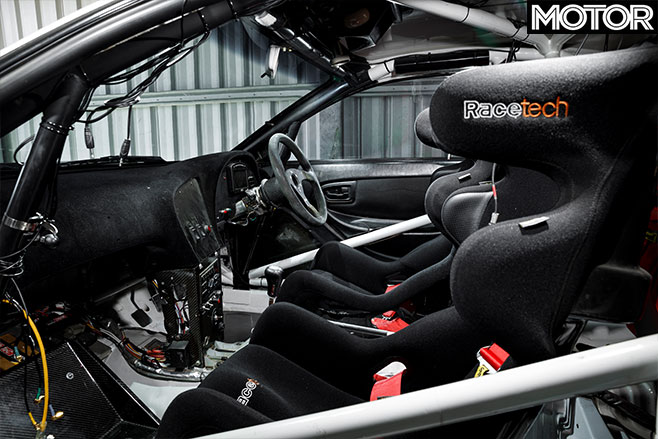
It’s a simple environment, which suits me fine; I’m told not to touch any of the switches and while the five-speed dog ’box doesn’t require the use of the clutch, please use it to give the transmission an easier time.
To my relief, a couple of solo slow laps to capture some photography are required. These allow me to become familiar with the Celica’s controls because only now, as you read this, am I admitting I’ve never driven a car with a dog ’box before.
Having heard stories of their recalcitrance, I’m not keen on making a fool of myself with Neal sitting next to me. My reservations are unfounded, with none of the expensive metallic graunching that haunted my dreams in the lead-up.
It’s a relatively easy car to drive: the clutch is quite heavy and you have to be positive with your shift movements, but the steering is light and extremely responsive and the engine is outstanding. Even without the anti-lag system (ALS) switched on there’s tremendous mid-range torque and it answers any throttle input effectively immediately.
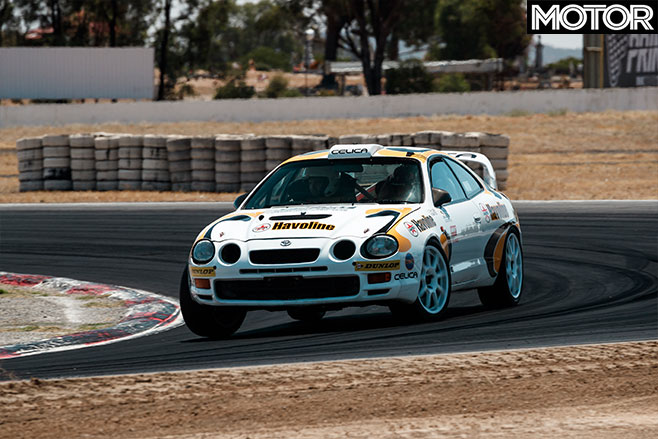
That said, long transport sections would take a toll due to the noise and the unyielding ride, the suspension designed to soak up big hits rather than cushion the car’s occupants. And heaven help your left leg if you got caught in traffic.
Familiarisation complete, Neal jumps in the passenger seat and it’s time to stretch the Celica’s legs. I’m nervous; this is Neal’s baby that he and his team have spent hundreds of hours restoring. Asking to thrash it around Winton feels akin to suggesting a boxing match with Harry and Lewis. Our pace builds gradually to generate plenty of brake and tyre temperature, then Neal leans forwards and flicks a switch on the centre console to activate the ALS.
Instantly, the GT-Four feels as though it’s been stabbed in the heart with a shot of adrenaline, like Uma Thurman in Pulp Fiction. Throttle response becomes almost pre-emptive, the car leaping forward at the slightest brush of the pedal, and a cacophony of pops and bangs erupt from the exhaust on the overrun as extra fuel is dumped into the cylinders to keep the turbo spinning constantly.
Freed from the suffocating effect of a restrictor the Celica is much quicker than it was in the day and it eggs you on, straining at the leash like an over-excited puppy. At full noise the dog ’box is brilliant, each upshift snapping through as quickly as your limbs can complete the motion, heel-toe downshifts a piece of cake thanks to the engine response and the excellent pedal placement.
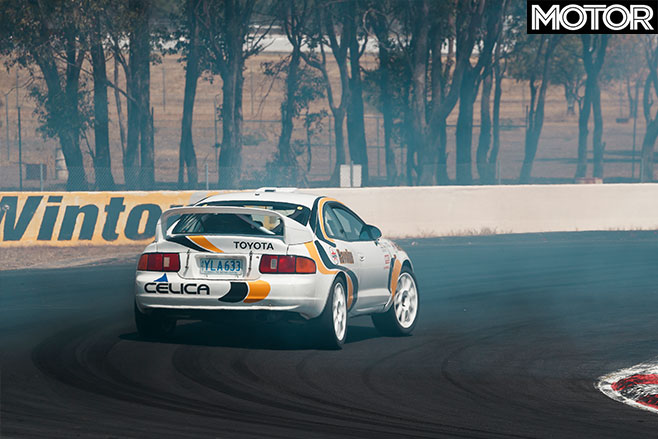
The brakes are awesome, not too heavy despite the lack of power assistance and with superb feel. Likewise, the steering transmits an incredible amount of information to your hands; the rack is quick but feels entirely natural, probably because there is not a hint of slack in the system – you get out exactly what you put in.
The quality of the car is evident everywhere. The suspension setup feels very stiff but shrugs off any kerb impacts with the magical compliance that only really expensive dampers (previously TTE, now MCA in the original housings) possess.
In my hands the Celica understeers from corner entry to apex – as might be expected since Neal’s car lacks the clever active differentials of the World Rally Cars – yet as soon as throttle is applied it rotates beautifully towards the corner exit, which is surely witchcraft with a static 50:50 torque split.
It’s not necessarily at home on a circuit – in comparison to, say, a production race car or similar – but it’s still extremely capable. Neal reckons the ST205 is good for 1min30sec lap of Winton, which would match the time David Reynolds recorded at PCOTY with a Nismo GT-R!
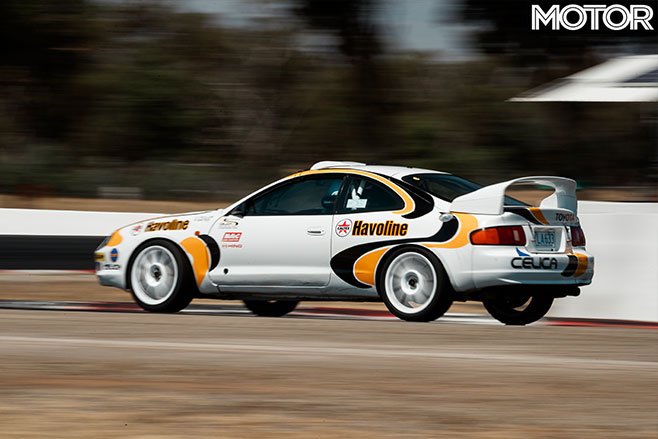
Neal proved the Celica’s impressive tarmac credentials, however, with a dominant victory in the 1995 Targa Tasmania.
“It’s funny how that came about. We got the first [ST205] GT-Four about three weeks before Targa Tasmania in ’94; we put a roll cage in it and went to Targa, led the whole time until a rock in the radiator on the second-last stage. But all through that event everyone was going ‘it’s a factory rally car, it was this and it was that’ – it was a standard GT-Four.
“So I thought, ‘Bugger this, if they’re going to say it, I might as well bring a full factory rally car’.
“I never forget on the Prologue, which was three-point-something kilometres, we won it by 12 seconds over Jim [Richards] in the Porsche. No-one else [was] committing to the [pace] notes like we were; we went down and did a recce for two weeks, we put a huge effort in and we were reaping the rewards.”
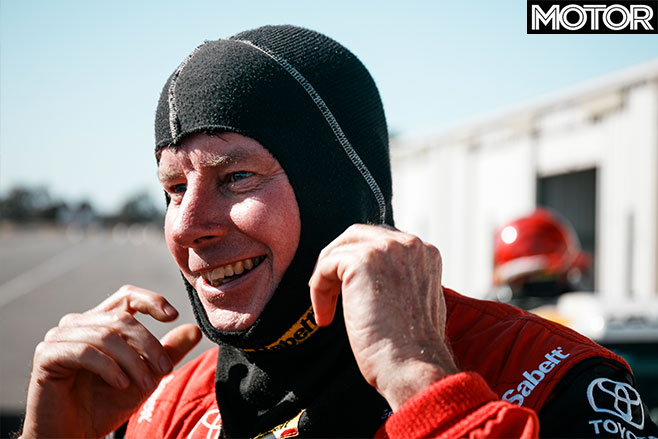
Having endured my best efforts, Neal nestles into his more familiar seat and provides a demonstration of what the ST205 is capable of when driven properly. Despite having retired from top-line competition, the 55-year-old has lost none of his passion for driving – “I don’t do it anywhere near as much as I’d love to. I just don’t have time” – nor has he lost any of his ability.
After aggressively getting the brakes up to temperature, we attack. Neal eradicates the entry understeer by braking late and hard, mobilising the rear of the car to point the nose where it needs to go before nailing the throttle.
WhichCar Podcast episode 55: rally special
He’s busy at the wheel, the Celica is dancing and we’re using every millimetre of available road. This is not a machine that gives up its speed easily, it demands effort from the driver; Neal says the Corolla World Rally Car that replaced the 205 was only a little faster, but much easier to drive.
As I sit here and write this it’s still hard to believe I drove such a piece of rallying history; it stills feels like a dream, though when behind the wheel of such an awesome machine, the sensory overload it provides guarantees you’re never going to feel more awake.
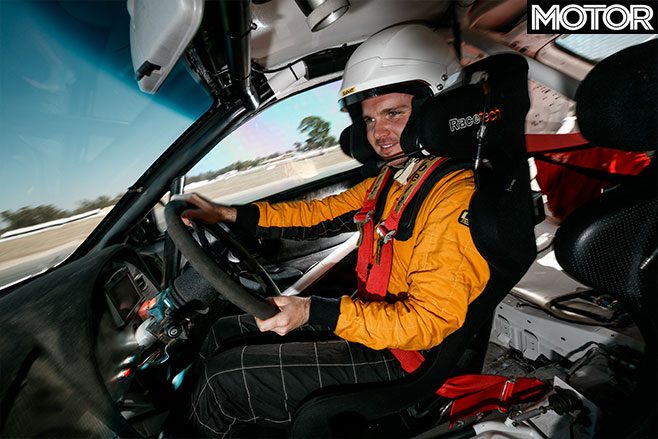
Toyota Celica GT-Four rally car rated
5 stars out of 5
PROS Engine response; diff wizardry; gearbox; brake feel CONS No active diffs; not being able to drive it forever
Bates Toyota Celica GT-Four rally car specs
Body 2-door, 2-seat coupe Drive all-wheel Engine 1998cc inline-4, DOHC, 16v, turbo Bore/Stroke 86.0 x 86.0mm Compression 10.0:1 Power 321kW @ 6000rpm Torque 600Nm @ 4500rpm Power/Weight 268kW/tonne Transmission 5-speed manual Weight 1200kg Suspension struts, coil springs, anti-roll bar (f/r) L/W/H 4420/1770/1285mm Wheelbase 2558mm Tracks 1590/1560mm (f/r) Steering hydraulically assisted rack-and-pinion Brakes 355mm ventilated discs, 4-piston calipers (f/r) Wheels 18 x 8.0-inch (f/r) Tyres 235/40 R18 (f/r); Dunlop Direzza Price To Neal Bates? Probably priceless
Playing Possum: titanic battles with Possum Bourne
The mid-to-late-1990s was the golden era of Australian rallying. Neal’s nemesis was Kiwi Peter ‘Possum’ Bourne in his Prodrive-built Subaru Imprezas, with Ed Ordynski’s Mitsubishi Lancer Evolutions never far behind.
The record books show Possum was dominant, winning seven straight ARC titles, but rarely were the Subaru and Toyota more than a few seconds apart.
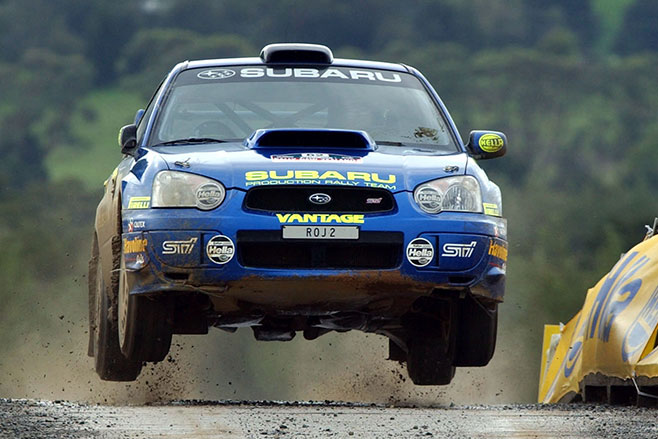
“[Possum] did beat me more than what I’d like to look at – he was far better on pace notes,” Bates says.
The worst part about [it] was that it was always incredibly close and most times went down to the last round.”
It’s a rivalry that continues today. Harry Bates secured his first ARC title in 2019 driving a Toyota, beating a Subaru driven by Molly Taylor, the daughter of Neal’s long-time co-driver Coral.
LET’S face it. If you’re shopping for a performance car these days, new or used, you’re going to need pretty deep pockets. Gone are the days of picking something up for pocket change, with the cost of both new and used cars spiralling for any number of macroeconomic reasons.
But what if you were armed with $20k and were determined to buy something that would still put a smile on your dial? What are the options?With this in mind, we decided to set a challenge across our motoring titles from both the new and enthusiast car segments.
The rules were very simple: Trawl the second-hand classifieds and find an example of your ideal performance machine for less than $20,000. And it was first in, best dressed – once a particular model was gone, it couldn’t be chosen again.
Some surprised us with their choices, both in terms of what managed to sneak in under the budget and how deep some were willing to bury their pride for a slice of relatively inexpensive fun.
LET’S face it. If you’re shopping for a performance car these days, you’re going to need pretty deep pockets. Gone are the days of picking something up for pocket change, with the cost of both new and used cars spiralling for any number of macroeconomic reasons.
But what if you were armed with $20k and were determined to buy something that would still put a smile on your dial? What are the options?With this in mind, we decided to set a challenge across our motoring titles from both the new and enthusiast car segments.
The rules were very simple: Trawl the second-hand classifieds and find an example of your ideal performance machine for less than $20,000. And it was first in, best dressed – once a particular model was gone, it couldn’t be chosen again.
Some surprised us with their choices, both in terms of what managed to sneak in under the budget and how deep some were willing to bury their pride for a slice of relatively inexpensive fun.
Mike Stevens – Publishing Director, Digital
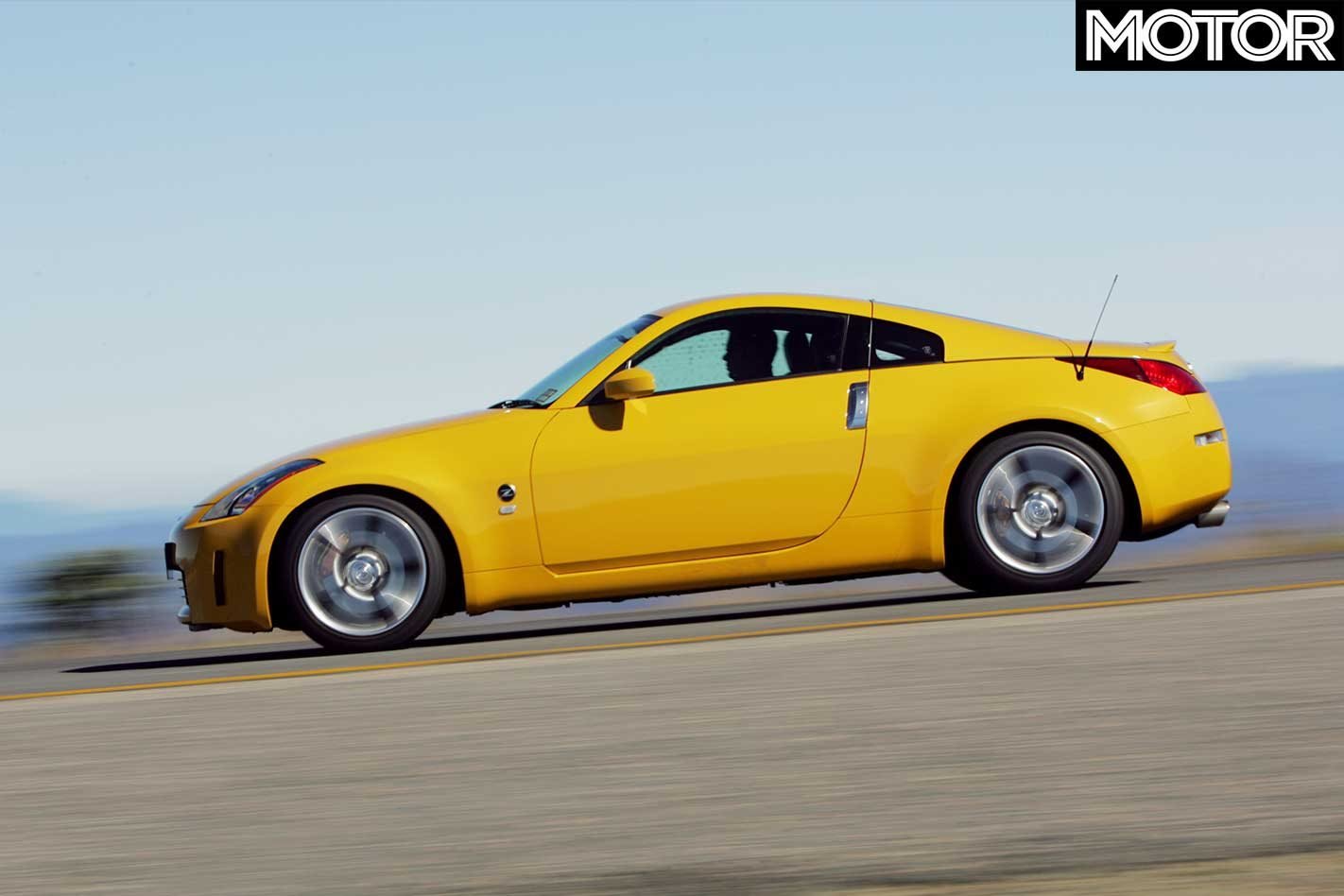
Cards on table time. I’d rather a 370Z, but have you seen the prices on them? Even one that was built at much the same time as the extinction of the dinosaurs is now pretty serious money. While there were a couple that came within budget, upon reflection, I think I’d rather go for a 350Z and net a tidy example with some cash in the kitty for tyres and some sort of aftermarket infotainment upgrades. (Yes I’m a gadget nerd, leave me alone.)
Wandering around a recent Highball cars and coffee event, it struck me that the 350Z’s understated styling has aged a little more elegantly than I thought it would, although I still find the front end a little dull to look at.
While you miss out on the later car’s clever throttle blipping manual downchanges, the gearbox in the 350Z is sweet enough that you’re not going to want to miss out on doing it yourself.
It still feels analogue, because it is. The 206kW 3.5-litre atmo engine can still haul. And remember we all thought it was a bit heavy when it was first unveiled? 1450kg isn’t going to raise too many eyebrows these days, when a Lotus Emira weighs 1405kg.
Andy Enright, Wheels Editor
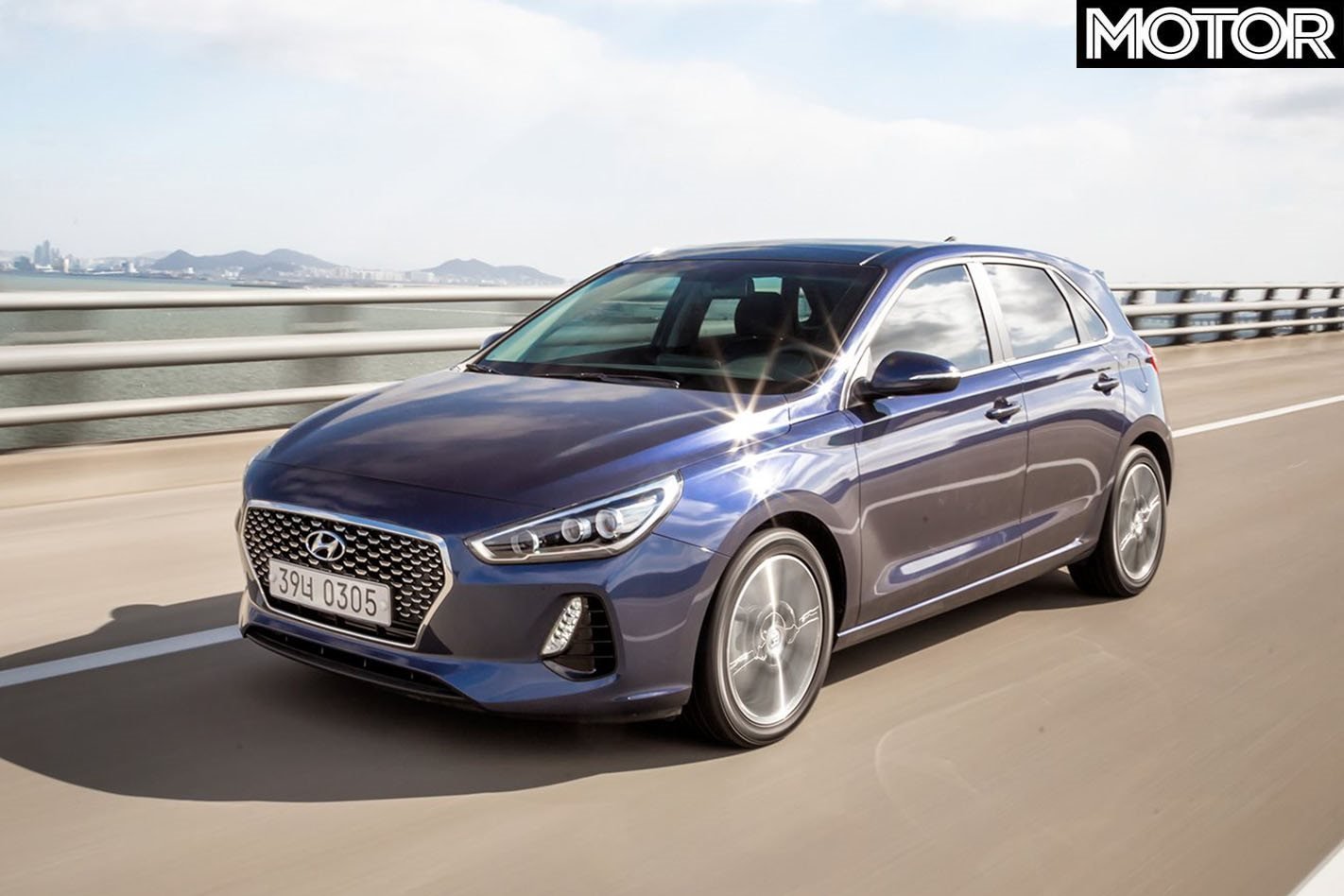
This one’s hardly an obvious choice, but if you want to go quick and go completely under the radar for absolute peanuts, hear me out.
Nobody is ever going to give the amorphous and inoffensive shape of the PD-gen Hyundai i30 SR a second look. Why would they? It’s about as intimidating as a Tony Abbott shirtfronting.
Although the days are gone when you could pick up a three-year old example with a couple of years of warranty left and still come in way under budget, the value proposition still stands up.
As standard, you get a 150kW car with the clever 1.6-litre Gamma II turbo engine that can run in both Atkinson and Otto cycles. You might need to freshen up the bushes and dampers for that just-out-of-the-showroom body control and a new set of Pilot Sport 4 boots would also be on the list. After that, we can get a bit devious.
Tunehouse can give this engine a 30kW tickle with a THR Powerport plug-and-play chip, giving you a relatively modern and reliable hot hatch with contemporary safety and infotainment that could dip into the sixes to 100km/h and would never attract the wrong sort of attention. 241 horses for this sort of money? That’s one heck of a bargain, and only you will know.
Dylan Campbell – Contributor, former Wheels editor
BMW 130i E87
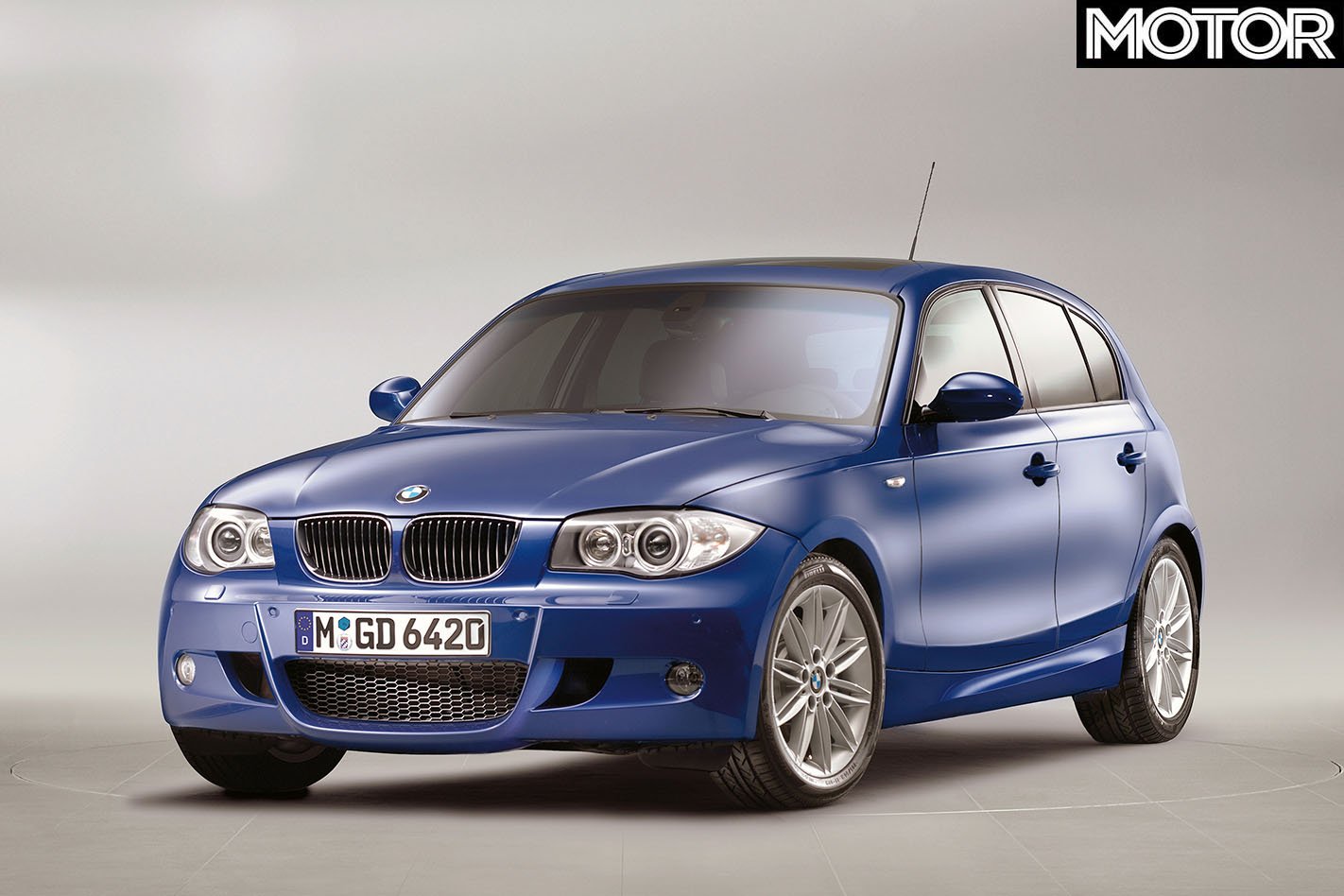
I know someone who just bought one of these, and if they’re reading this they might chuckle! But it’s quite a smart buy, really. Compact 1 Series shape, subtle but sporty looks, BMW interior that’s aged fairly well (not that I’ve ever sat in one). Then there’s the short wheelbase, the fact you can get it as a six-speed manual, and it’s rear-drive and powered by an atmo 3.0-litre straight-six with a respectable 195kW/315Nm stock.
Weighing just 1375kg, the car’s acceleration of 0-100km/h in 6.1sec is pretty good, but that, along with the engine’s personality, could be easily improved upon. They can go for about $13K, so you could spend the rest on an intake, exhaust, ECU, cams, half-decent tyres and a diff – if all those things can be had for $2K total. And a few IOUs.
Cameron Kirby – Wheels Comparisons Editor
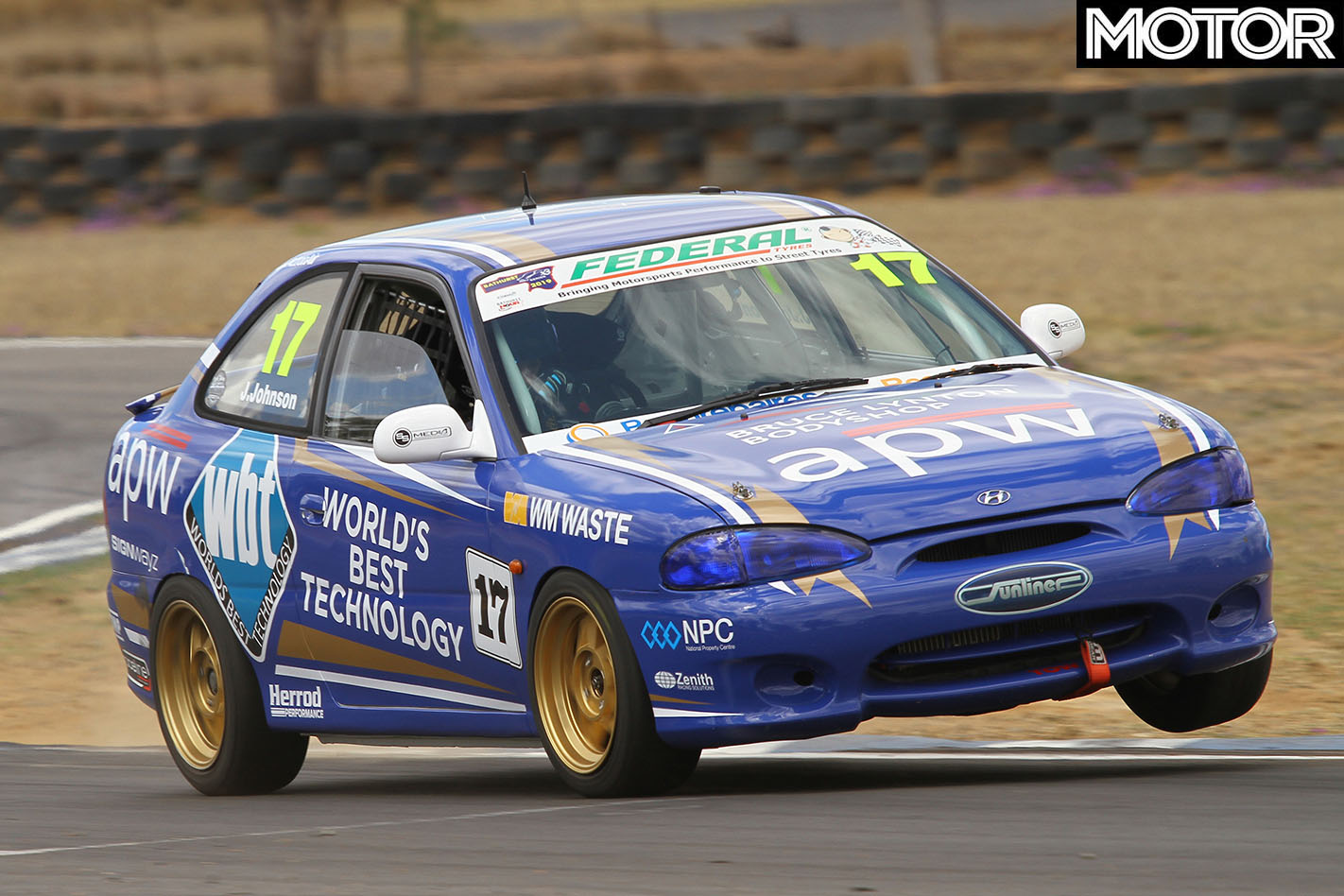
I’ll pause to let you get the laughter out of your system.
Right, with that out of the way, let me explain why everyone else has missed a trick by not picking the humble Hyundai Excel as their performance bargain. While they are trundling along observing our ever-lowering speed limits, I’ll be at the race track engaging in a slipstream battle that’d make a NASCAR driver envious.
In recent years, the Hyundai Excel has become the must-have race car in Australian motorsport, with big names like Roland Dane, Will Brown and Paul Morris all getting into the grassroots category. The racing is tight, budgets are small and grids are bulging.
Between 1994 and 2000, roughly 200,000 X3 Excels were sold, making them plentiful and dirt cheap – some Hyundai Excel race grids can reach into the 60s!
Finding a donor car is the cheapest part of building an Excel racer, while ready-to-run racers range between $6000 and $28,000. Our $20,000 budget falls right in the middle of that window and is bang-on for what you’d expect to pay for a turn-key example in good condition.
See you at the next track day, chumps.
Angelo Loupetis, Unique Cars Art Director
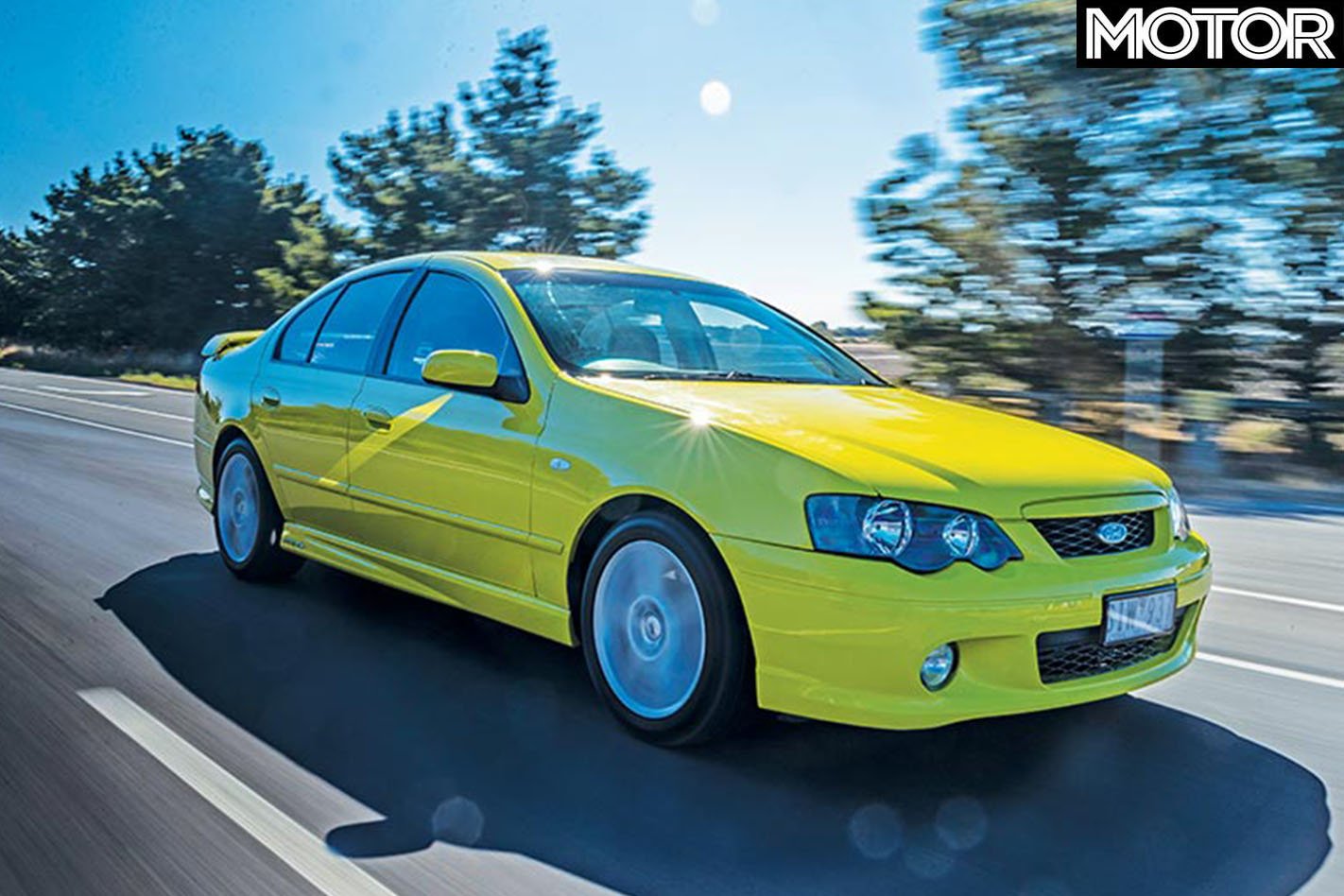
As a long-term XR6 Turbo owner, I could not go past this iconic model. Introduced in 2002, the turbo Falcon has cemented its reputation as a performance icon in Australia. The forced 4.0-litre Barra has become the motor of choice for many people seeking a powerful drivetrain that can easily provide more grunt.
A BA-BF XR6T will set you back around $8-15K, and prices seem to have climbed over the past year with fewer cars available on the market. The BA is now 18 years old, so many cars are showing signs of neglect and wear. Paint fade and brittle interior plastics are common problems, along with bulging roof linings, but if you are patient I would opt for an original, low-kilometre car that you can modify if you desire.
Cars sitting under $10K generally show substantial wear and are in need of some TLC, and BFs equipped with the ZF six-speed auto or optional six-speed manual command a premium over the BA. A custom exhaust and ECU tune can add substantial kW to your car for reasonable money, and the list of modifications available locally is endless.
My advice is to secure a car now before prices head further north.
Alex Affat, Wheels Journalist
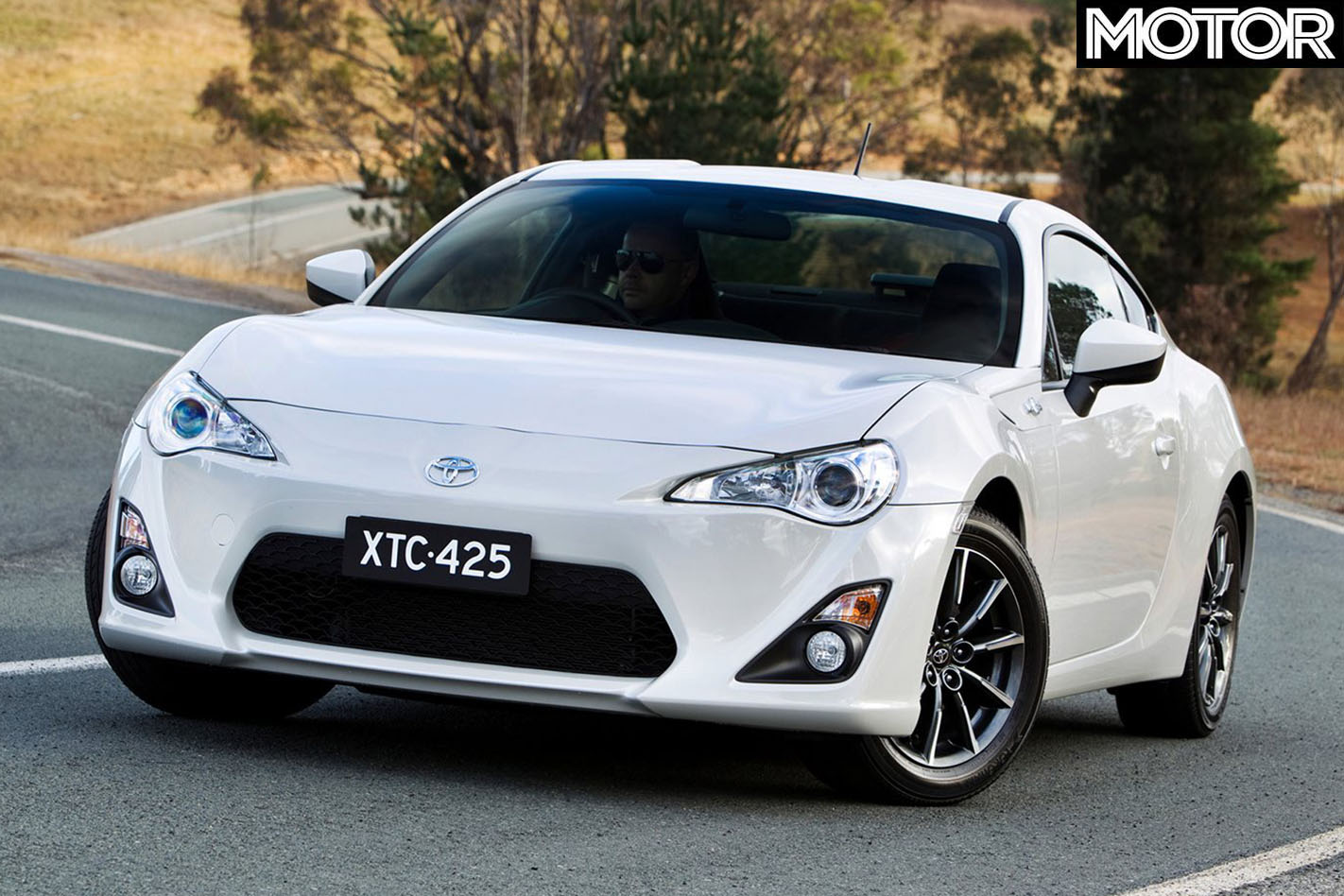
Once upon a time, I would have taken that $20K and run towards a single-turbo Skyline or something of the sort. Except $20K buys less and less in the late-model Japanese sector these days; meanwhile, the humble 86 has depreciated off a cliff and you can easily enter the market with that sort of money.
It won’t have the same street cred or win a traffic-light grand prix (trust me, I used to own one), but for the sublime modern chassis you’re getting, there really isn’t a better platform for the dollar. For every net-dwelling ‘JDM’ fan who decries the Germanic Supra or bloated Z Proto, let us remind you there exists this classical coupe.
There’s a wealth of aftermarket support out there, so invest in a decent set of hoops and some high-temp brake pads and you’ll likely learn more about driving and have as much fun as piloting anything else on this list.
Simon Telford, Content Director, Enthusiast
For the longest time, the existence of the Hyundai Veloster SR Turbo barely registered in my consciousness. When I first saw the odd three-door design, I immediately wrote the Veloster off as the successor to the long line forgotten Hyundai sporties that ran from the S-Coupe, to the Coupe and finally the Tiburon.
In less-enlightened times, we would have tagged the lot as ‘hairdressers cars’ – sporty looks, without any sporty performance to speak of.
Then, I had the opportunity to drive a Veloster SR and discovered that they are indeed a genuinely fun thing to punt on a twisty road. And no, it isn’t in the same class as a Civic Type R, nowhere near it. But I also don’t have the talent (or points on my license) to really push the best of the hot hatches to their limit, so something like the Veloster is perfect for me.
And there are plenty of them on the market, many with quite reasonable clicks on the clock and in quite good nick. Sadly the much-improved 2019 update is out of our price range, not to mention harder to find.
Downsides? Besides the fact that someone might see you driving it, the front seats are quite low-slung and you may find them a bit of a chore to heave yourself out of on the daily commute. The back seat isn’t really a place for anyone but kids, but with the rear seats down, you’ll have quite a lot of room for everything you’ll need for say, track day fun times.
If you were unaware that the new BMW M4 and M3 were revealed this week, it’s probably because you were under a rock … trying to hide your eyes.
And the WhichCar Weekly panel of self-appointed experts tackles this difficult subject to open this week’s chat.
There’s no doubt that the new look supersized grille is a polarizing feature that perhaps unfairly distracts attention away from the other notable achievements by the new model, but is all the bluster warranted? Andy, Dan and Scott discuss if BMW’s M3 and M4 are unforgivably fugly or a wise design decision.
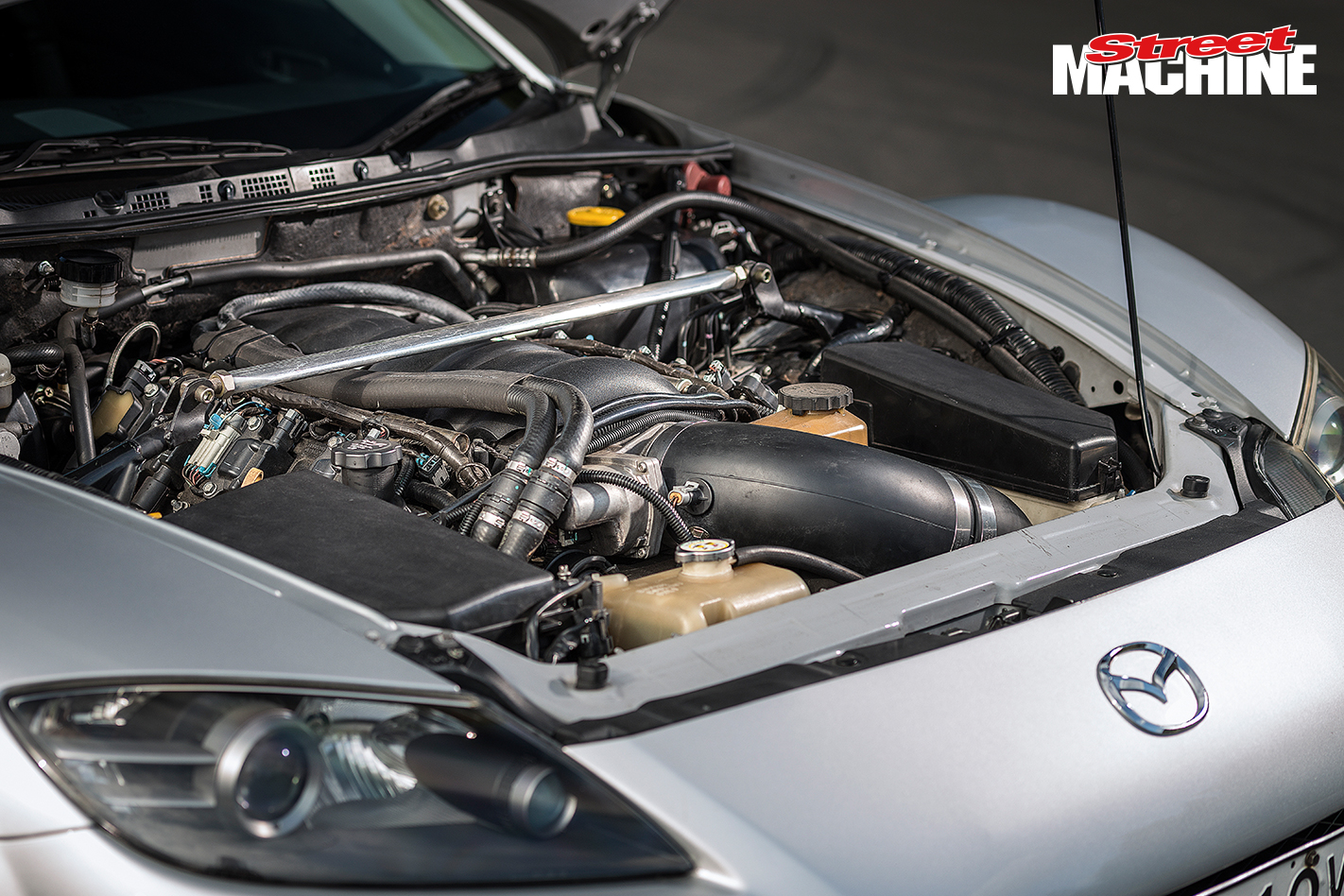
Next up, it’s another WCW fixed-price car challenge. The team has to pick their ultimate performance vehicle for just $15,000 and the money must cover the purchase of the car, while the change can be spent on anything to enhance its fun and dynamics.
As always, the panel comes up with some compelling suggestions that you might not consider, apart from Dan, who is clearly an idiot – again.
Lastly, the boys discuss the tricky subject of the law. We are all aware of the main offences that can get you into a lot of trouble on the road, but there are a surprising number of automotive acts you might not believe are outlawed and punishable.
Tune in to find out – you license may thank you for it.
You can find WhichCar Weekly on all manner of podcast apps including iTunes and Podbean. Please rate, subscribe, and leave a review.
If you want yet more WhichCar action whether it be behind the scenes insights or the very latest from the automotive front line, follow the day-to-day happenings of the WhichCar team on Facebook, Twitter and Instagram.
And if you really want to get involved, send us a question or auto anecdote of your own. We endeavor to answer all your messages.
