
Things have been pretty quiet on the Subaru WRX front for a few years now, except on the sales front. The all-wheel drive icon keeps doing the business well into its fifth year on sale, notching up a respectable 672 deliveries so far in 2019 (as of the end of August), though this is well done on previous year’s efforts.
Put it this way, if VFACTS recognised the WRX as a Sports model, it would sit second in its segment behind the all-conquering Ford Mustang. As such, we decided it was high time we revisit the WRX and see what it can offer buyers in 2019.
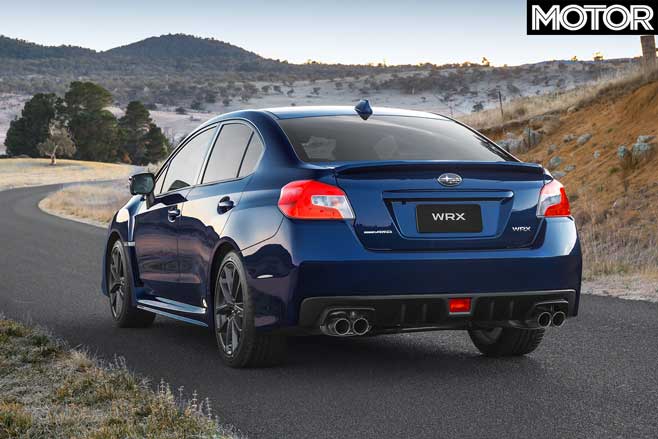
Since its introduction in March 2014, Subaru has fiddled around the edges, primarily adding equipment such as its Eyesight active safety technology and a larger touchscreen infotainment system with smartphone mirroring, though revised styling, new suspension and high-performance brake pads did arrive as part of a mid-life update in 2017.
The mechanical package has remained constant, consisting of a 1998cc turbocharged boxer-four, all-wheel drive and a choice of six-speed manual or the CVT fitted to our test car. If you’ve already recoiled in horror at that dreaded acronym, you’re really going to struggle with the thought that it might just be the transmission that best suits the latest WRX.
It has eight ‘ratios’ which can be controlled by the shift paddles and it swaps between them nice and quickly. Furthermore, it feels to bring the engine onto boost more quickly and the steps are tightly packed, making it easy to select the appropriate ‘gear’ for each corner. The case against is that it adds weight; spec a base manual versus a Premium CVT and you’ll save a whopping 94kg.
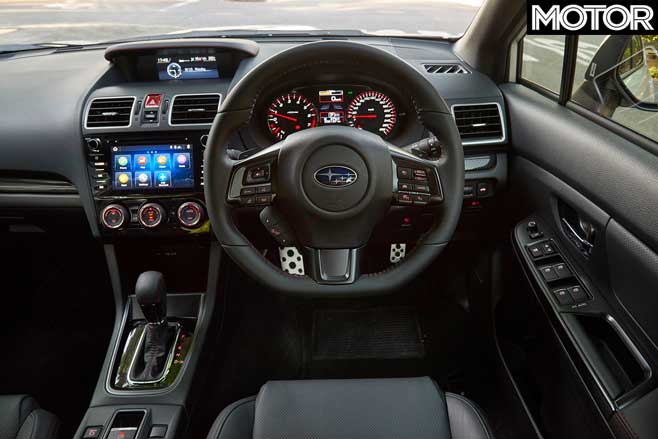
The all-wheel drive system has no problem containing the 197kW/350Nm and allows the WRX to be driven extremely hard with confidence. Sadly, the engine desperately lacks character, though its muscular mid-range does at least provide decent acceleration.
Cross-country pace remains a strong point and there’s a lot of enjoyment to be found in the fact you can throw the car into corners, safe in the knowledge it’ll stick or, at the very worst, develop some slight understeer.
It is, however, a bit prescriptive. Loose surfaces prove there is some adjustability in the chassis but the Dunlop Sport Maxx RT tyres provide too much purchase for it to appear on the road. Likewise, throttle application provides no rear-end involvement or rotation, just safe, secure understeer. By lucky coincidence, the weekend prior I drove a 1997 WRX and it handled very similarly, only it sounded a lot better.
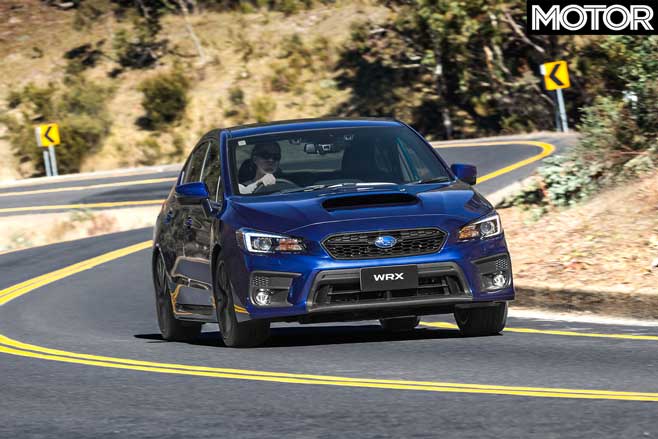
Which is the problem with the WRX – we’ve seen it all before. It’s a pleasant enough car: it rides well enough to be painless day-to-day transport, it’s still quick and will probably be very reliable, but it has a plethora of rivals that are very good to excellent: Hyundai i30 N, Renault Sport Megane, Skoda Octavia RS, Peugeot 308 GTI 270, Honda Civic Type R. Against such stiff competition, ‘pleasant enough’ is difficult to recommend.
2019 SUBARU WRX SPECS Engine: 1998cc boxer-4cyl, DOHC, 16v, turbo Power: 197kW @ 5600rpm Torque: 350Nm @ 2400-5200rpm Weight: 1541kg 0-100km/h: 6.2sec (estimate) Price: $49,290 (Premium CVT)
Like: Impressive pace; painless driving experience Dislike: Rivals offer more fun and flair; Premium is expensive
Rating: 3 out of 5 stars
“So hang on… is that a Q3 Sportback?” I ask our hosts at an Audi Sport reveal event near Munich.
“Yep!” is the cheery reply.
“Sooo… is this the first time anyone has ever seen an Audi Q3 Sportback?” comes another question from the cheap seats.
“Also yep!” beams our happy host. “This is the first time for the press to see the Sportback, and the first time you have seen the RSQ3.”
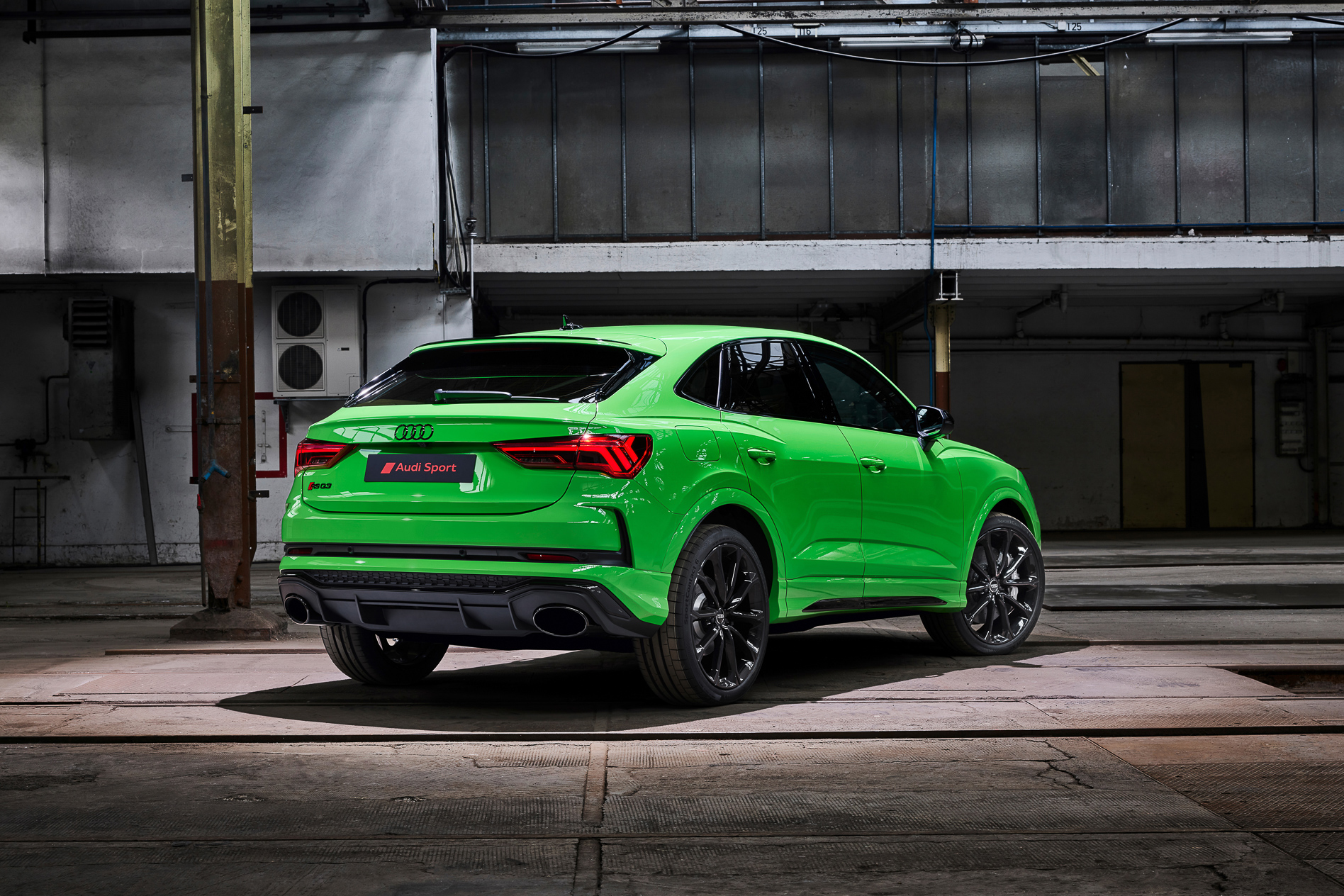
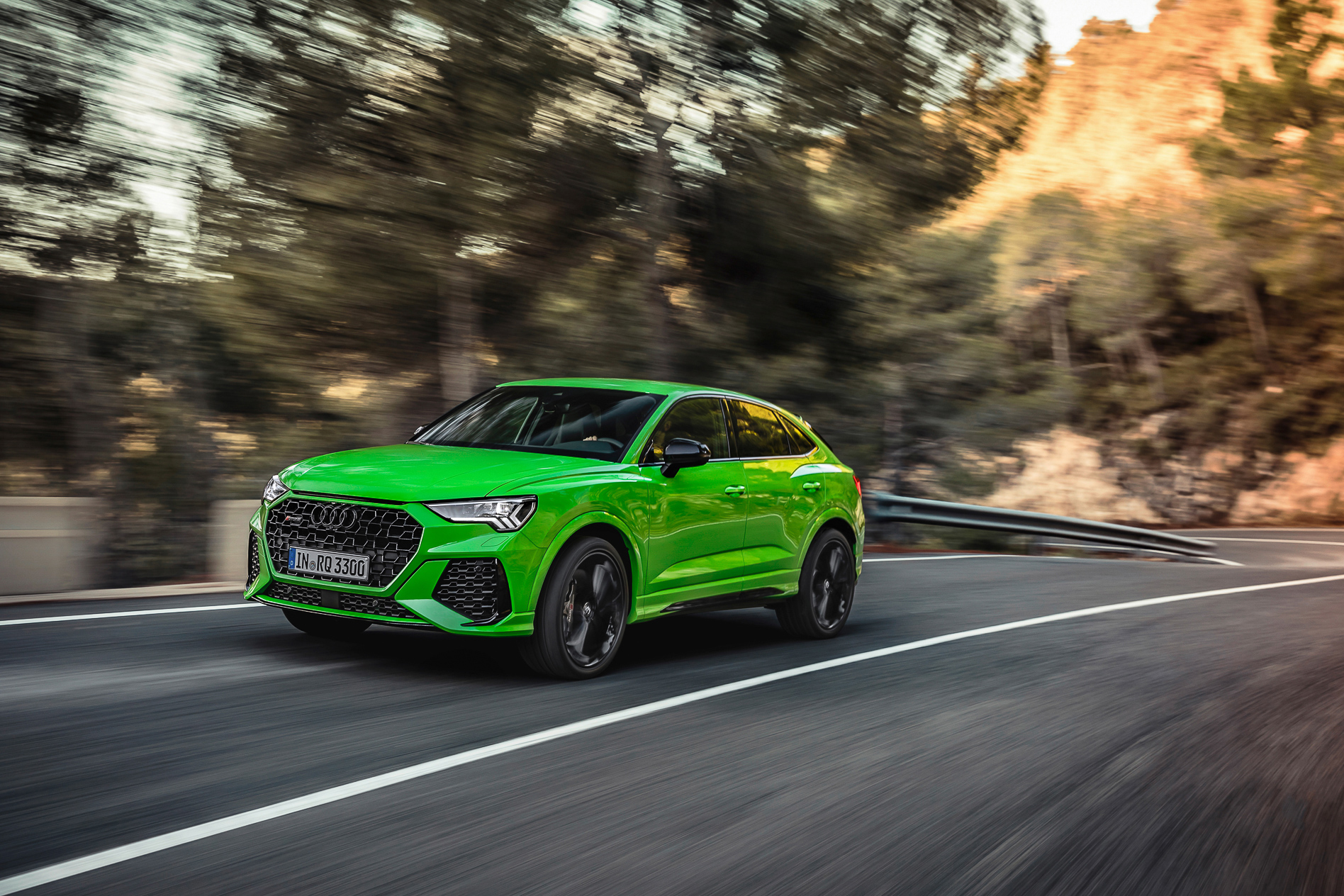
I dunno what they feed the designers at Audi’s Ingolstadt HQ, but boy howdy… these kids are on fire at the moment. I can say with complete conviction and utter confidence that Audi will sell every single RSQ3 Sportback it can build, and then some.
In terms of nailing a moment in time from a sense of resolved design and captured zeitgeist, the RSQ3 Sportback, in particular, is a home run shot from the three-point line that goes right between the sticks into the net.
Key, of course, are those oh-so-perfect proportions that – finally – let the small SUV off its design chain. That massive, bluff and underplayed front bar, the 10mm wheel arches, the elegant aggression of the elongated roof spoiler over the arched roofline and those unreal 21-inch rims… it sings together like few cars I’ve seen lately.
The RS Q3 Sportback is the stylish one of the pair – and longer by a whopping 1.6mm – yet the regular RSQ3 still has its own unique blend of practical coolness. “It’s like the RS6 Avant of the pair,” says designer Matt Baggely.
The team reckons they’ll sell in even numbers, but I reckon they ought to turn the Sportback production line up to 11.
And they’ve both got the mechanical chutzpah to back it up. The mechanically identical pair is based on the VW Group’s modular MLB chassis, and are packing – thank all the stars – Audi’s unreal little DNWA 2.5-litre, five-cylinder engine.
“We really fought hard to stick with the five-cylinder engine,” said Annette Möllhoff, who led the second-generation RSQ3 program.
Teamed with Audi’s quattro all-wheel-drive system and a seven-speed auto, the 294kW, 480Nm five-potter is a signature of the RSQ3’s intent; this little thing will not go quietly into the night.
Those of you playing along will have quickly realised that we’re potentially looking at an Audi RS3 on stilts, and you’d be almost right. The gear ratios in the seven-speed auto are slightly taller, and there’s a new clutch developed for the car, which changes the 0-100km/h to 4.5sec, and onto an optional top speed of 280km/h.
Ceramic brakes are an option, and the all-new suspension system for the second-gen RSQ3 pair can be had in regular or adaptive spec. It sits about 10mm lower on its 21-inch rims than the standard rig.
Those wheels wear 255/35 R21 tyres and hide 375mm steel or optional 380mm ceramic rotors and six-pot monoblock calipers up front, and 310mm steel rotors and a floating caliper in the rear.
Dual exhaust pipes parp out the five-potter’s siren song, and can be had in bad-arse black. In fact, the black theme is a key element from a design perspective. “We wanted to add value with a big gesture, and those big, black areas give it an aggressive feel, but it’s also simple and clean.”
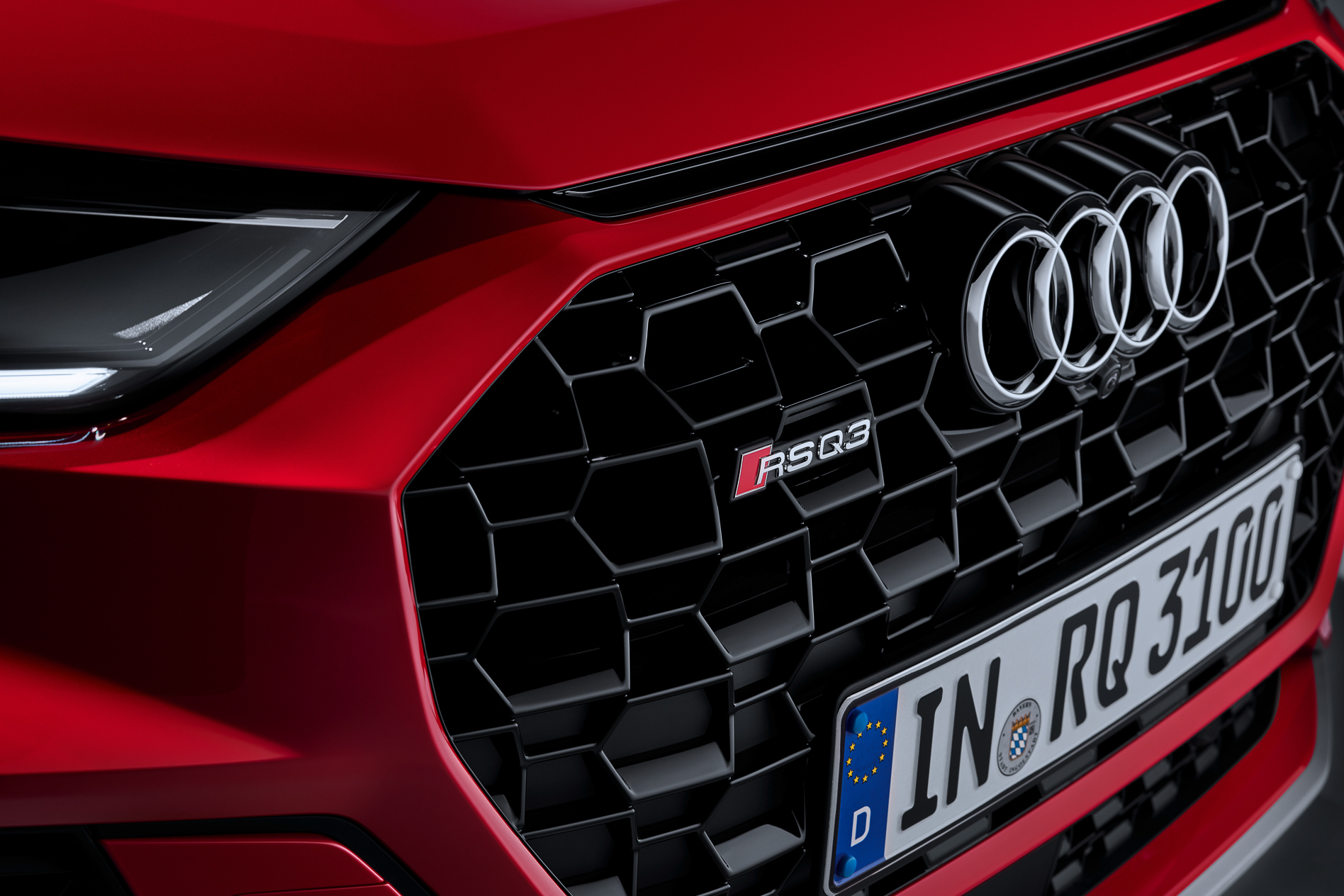
When it comes to the interior of the RSQ3, Audi has ramped things up a number of notches. There’s now a go-fast RS button on the steering wheel, for example, along with carbon and Alcantara details, sports seats with integrated headrests and truck honeycomb trim.
Because it’s an SUV, room for the doggos and the kidlets is still key, and the interior space of the Sportback is surprisingly similar in dimensions to the regular RS Q3. Both offer 530 litres of boot space with the seats up, but the Sportback (1400l) loses a bit to the wagon (1525l) when the seats are dropped.
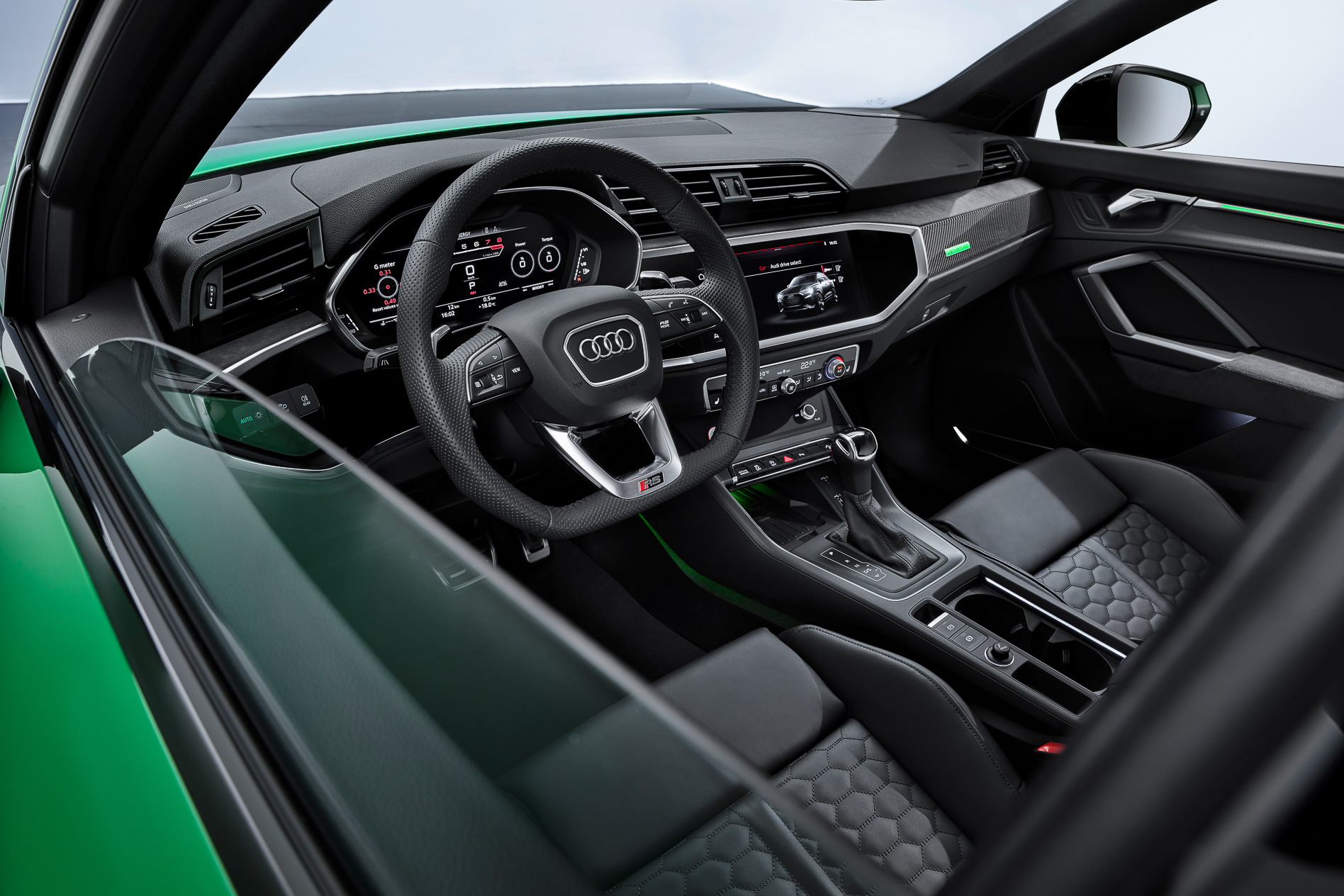
Rear headroom in the Sportback is surprisingly okay. It’s not as generous as the regular bodystyle, but it’s more than adequate, thanks to a very tucked-up headlining that ekes out a few more precious millimetres.
We’ll drive the RSQ3 soon enough ahead of an expected second-half Australian drop in 2020. Price? Figure on around $90,000 for either car, and as usual, we’ll likely get a tarted-up launch edition with all the good gear.
Sure, I get it, the sportscar-slash-crossover thing shouldn’t work… but wait til you get a load of the Audi RSQ3 in the metal; it might just change your view.
In MOTOR’s September 2019 issue, Editor Dylan Campbell and Senior Photographer Ellen Dewar travelled to Tokyo with a Nissan R35 GT-R in search of the infamous Mid Night Club, an officially disbanded group of underground street racers.
During their travels through Japan’s capital, our correspondents met with Smokey Nagata, owner of tuning house Top Secret, discovered that remnants of the Mid Night Club remain, and even copped a parking ticket.
The full feature is due to hit MOTOR’s section of the WhichCar website soon, but you can read it now if you’ve got a copy of the September issue (or if you can still find one in stores).
Have a flick through the galley at the top of this page, and let us know what you think in the comments below!
The Wheels Verdict: The Mercedes-Benz GLC 300e is an interesting prospect for buyers with a limited daily commute. In this space, the electrified GLC makes a lot of sense. It offers clean electric driving for 43km but the battery pack does hamper dynamics and packaging. The GLC 300e’s place in Merc’s plug-in-hybrid rollout is more than justified and given its pricing, it’s sure to be a popular addition.

WHAT IS THE MERCEDES-BENZ GLC 300e?
Plug-in hybrids are enjoying a rise in popularity. Mercedes is certainly placing its significant might behind the technology with myriad models planned in the future. The GLC 300e uses a conventional 2.0-litre turbo four-cylinder engine with an electric motor, which gains power from a 13.5kWh lithium-ion battery pack. It arrives in Australia in Q2 2020 and is priced at $80,400.
WHY WE’RE TESTING IT?
We’ve had a taste-test of Mercedes’ plug-in hybrid range before. But the German marque is readying a full main course of plug-in options for the Australian market. However, it’s the SUV-based GLC 300e which, given the popularity of SUVs, should prove the tastiest dish in terms of sales. But is it the one to order? We take it for a drive in Frankfurt, Germany, to find out.

THE WHEELS REVIEW
Fully electric vehicles are the flavour of the month. However, for those unwilling to go the whole hog on an EV, plug-in hybrids represent a smart compromise. Mercedes sees plug-ins as a critical component of its overarching electrification strategy and especially important in markets like Australia, where an internal combustion engine is still the go-to choice for covering our long distances.
The GLC 300e medium SUV looks well positioned to capitalise on this latent demand. It features a 13.5kWh lithium-ion battery pack which supplies energy to an electric motor for up to 43km of emissions-free driving (according to WLTP testing). That’s about par for the course for plug-in hybrids and ought to cover the daily commute for the majority of Australians. For weekend jaunts, you’re likely to be relying on the 2.0-litre turbo petrol four-cylinder.
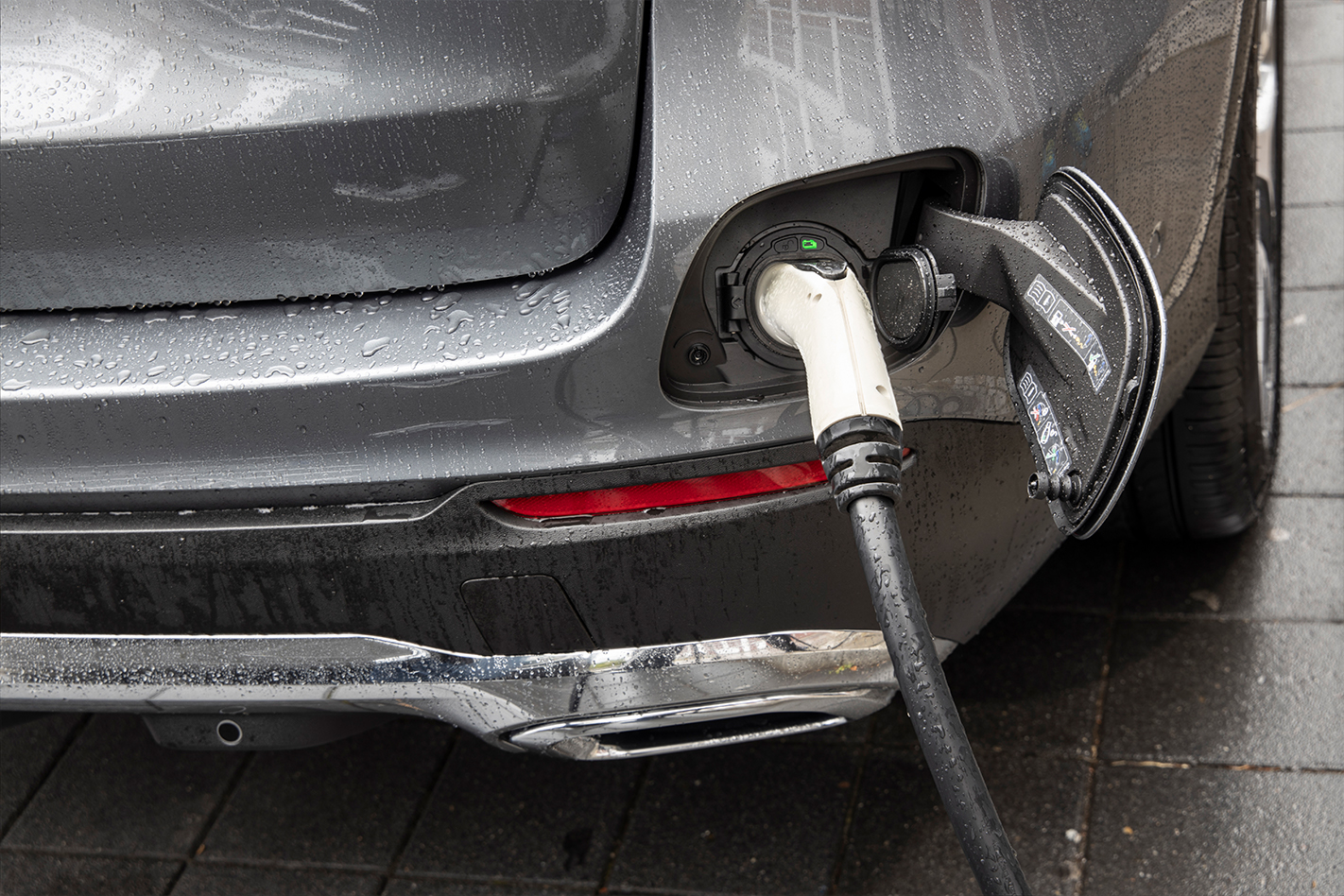
Regaining full capacity comes via a Type 2 plug (widely used) and takes roughly two hours when using the optional Mercedes-Benz Wallbox Home. Using a conventional domestic power socket increases the charge time to seven hours for a full charge. Like many vehicles of this type, DC fast charging isn’t available.
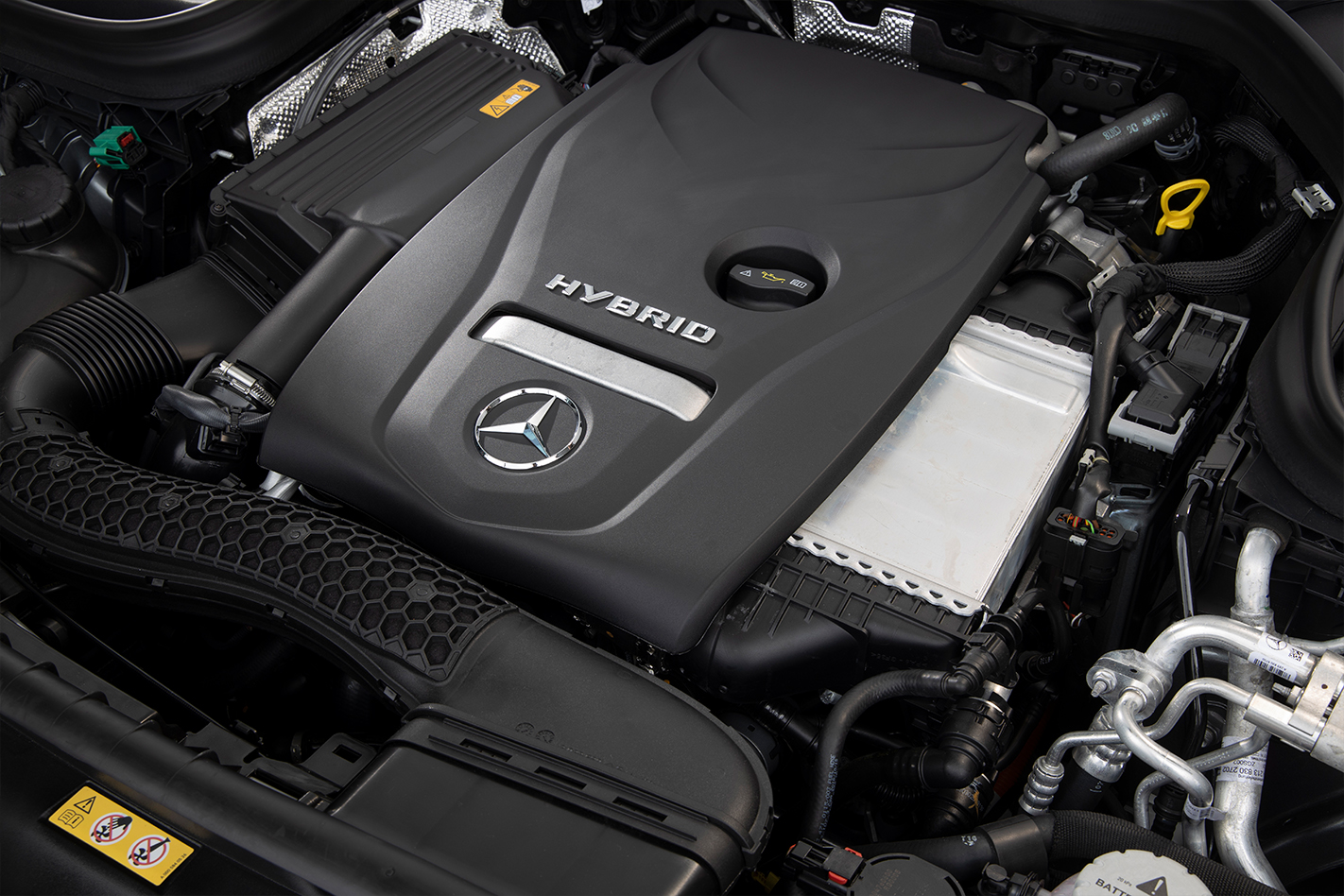
With a combined power output of 245kW and a substantial 700Nm of torque, it’s no shock that the GLC makes some decent numbers, Mercedes claiming that it’ll zip through 100km/h in 5.7 seconds. It even cruises up to 130km/h on electric power alone on the Autobahn with a combined consumption of 2.2L/100km.
In reality it never feels quite as brisk as you’d expect given the raw figures and the 300e really feels its two-tonne weight, especially when taken out of its comfort zone on a tightening, curved off-ramp. The ride quality is agreeably cosseting with standard air suspension, although the strong regenerative braking needs an acclimatisation period.
Inside the 300e gains all the updates that have flowed into the new GLC. That means Mercedes-Benz User Experience (MBUX) powers the infotainment system, while there’s a host of menus to highlight just how much fuel you aren’t using on the 12.3-inch central display. Achieving ultimate economy becomes a fun game. The instrument cluster is also now completely digital.
Interior comfort is comparable to the non-hybrid GLC, with the rear seats affording decent levels of head and legroom. Where the 300e is compromised, however, is in terms of boot space. The overall capacity is 395L, which is down from 550L for models sans battery pack. The underfloor storage compartment is also lost with the addition of an e to the rear hatch.

Aside from the caveat that the GLC 300e loses boot capacity, there’s really not a great deal that clouds this model’s chances. The major bonus comes in pricing. The plug-in hybrid capability only tacks $2700 onto the price of the regular GLC 300. Some basic maths suggests that were you to run one on electric power to work and back for 40km a day, you could easily recoup outlay in fuel bills alone over a three-year typical ownership period. If you had your heart set on a GLC 300, this plug-in hybrid has just made your buying decision a little more complex.
MAIN RIVALS
Audi Q7 e-tron; Mitsubishi Outlander PHEV; Volvo XC60 T8 Polestar.

Price and specs
- Model: Mercedes-Benz GLC 300e
- Engine: 1991cc inline-4, dohc, 16v, turbo
- Battery capacity: 13.5kWh
- Max power: 235kW (combined)
- Max torque: 700Nm (combined)
- Transmission: 9-speed auto
- Weight: 1950kg (estimated)
- 0-100km/h: 5.7sec (claimed)
- Economy: 2.2L/100km (claimed)
- Price: $80,400
- On sale: Q2 2020
When the first-generation Ford Mustang was unveiled at the 1964 New York World Fair, it was an understatement to say that it was a hit even before it was supposed to go on sale.
Not only was the first customer car delivered two days before the official launch date of April 17, 1964, the very first Mustang in existence traded hands three days before the launch date, in Canada, of all places.
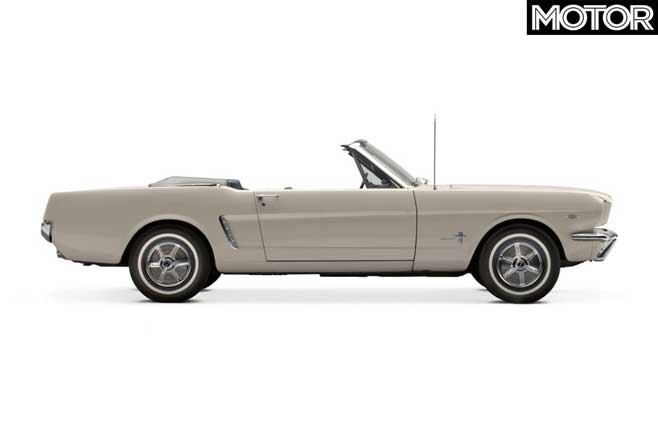
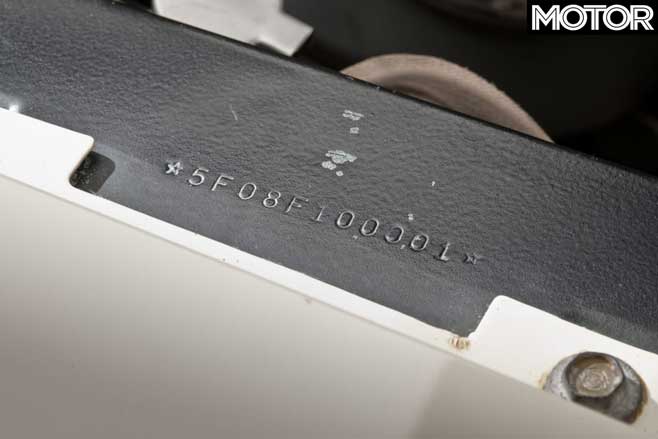
The very car in question, bearing the serial number 5F08F100001, was not only one of more than a hundred pre-production examples Ford built as a trial before serial production started, but it was the very first Mustang to roll out from the Dearborn factory.
In the run up to the Mustang’s market launch, 5F08F100001 was seconded to Ford of Canada for display purposes at pre-introduction shows for dealers and VIPs where it toured the country before being put up on display at a dealership in St. John’s on the island of Newfoundland on April 13.
It was there where a 32-year old pilot and St. John’s local by the name of Stanley Tucker saw the car at the dealership and wanted to buy it straight off the showroom floor.
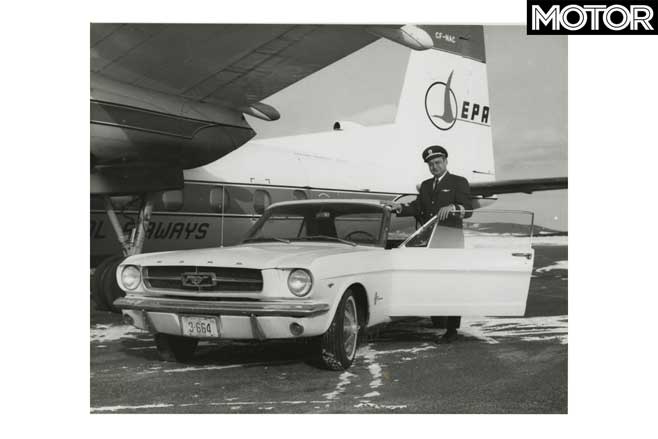
The dealership wanted to keep the car for a few more days as it was the only example it had on hand, but Tucker was adamant on buying that very car.
Salesman Harry Phillips, who at the time didn’t realise that the sole Mustang they had on display was the very first Mustang, agreed to Tucker’s offer and sold it to him the next day, April 14.
According to a report from CNN, Phillips sold 5F08F100001 for CND$4300, on the condition that the dealership would be able to keep the car on the lot for display for a few more weeks.
Tucker agreed to the dealership’s terms, though it didn’t stop him from coming in every day to make sure no one did anything to it.
It wasn’t until a few months later when Ford wanted to collect 5F08F100001 from Ford of Canada that it discovered, much to its chagrin, it had been sold.
It is an industry practice that most pre-production cars are scrapped to avoid the public from taking ownership of an example that lacked the intended build quality or features. 5F08F100001 itself was said to lack the build quality and details that were later sorted on the production models.
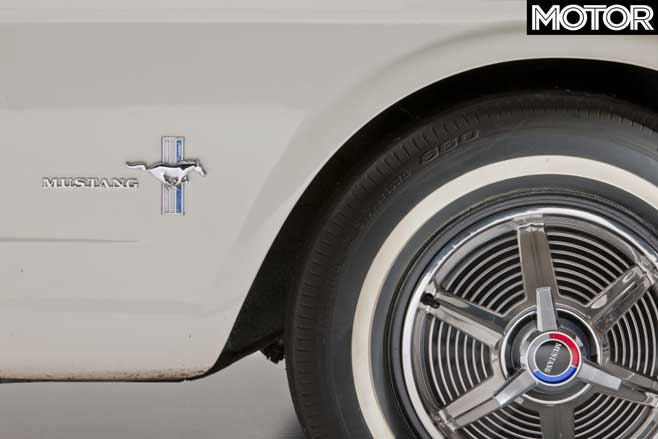
Ford eventually managed to track down Tucker, who was reluctant to relinquish his ownership of the car, despite its unfinished build quality. With the runaway success of the Mustang guaranteeing its status as a landmark car, Ford wasn’t going to take its eyes off 5F08F100001 either.
A breakthrough came in 1966 with the coming production of the 1 millionth Mustang, when Ford managed to reach an agreement with Tucker to exchange 5F08F100001 for the 1 millionth Mustang free of charge and equipped to his specifications.
Tucker took Ford up on its offer and opted for a fully-optioned Mustang convertible that looked similar to the 5F08F100001’s white convertible specification. Remarkably, despite being a pre-production model, Tucker had racked up 10,000 miles over his two years of ownership.
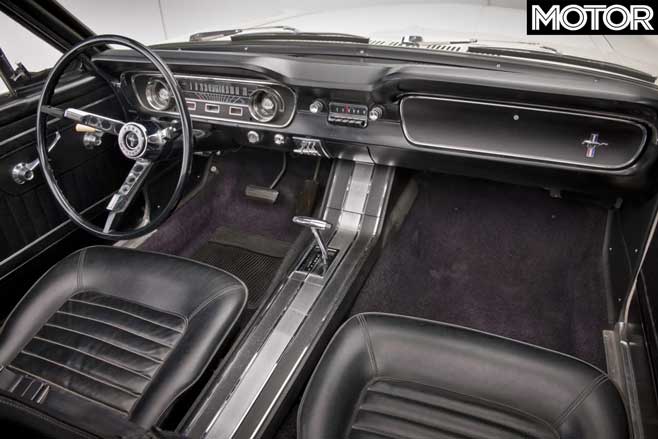
Today, 5F08F100001 is part of the Henry Ford Museum’s collection, and Phillips, the man who unknowingly sold off a part of Ford’s history, will be visiting the car for the first time since it left his Newfoundland dealership later this week.
Eight-four-year old Phillips’ trip to Dearborn was made possible thanks to his granddaughter’s social media campaign “Send Harry to Henry”. The social media campaign managed to garner the support of local businesses who have stepped forward to cover Phillips’ airfare and accommodations, while the museum has arranged a VIP tour of its exhibits and the Rouge plant where the original Mustang was built.
Picture source: The Henry Ford Museum
- Current Hyundai Sonata now out of production
- Next-gen car not yet confirmed
- High-powered sports version may tip the balance
Long a mainstay in the company’s local line-up, the Sonata can actually be credited with being the catalyst for Hyundai to ramp up its excellent localised suspension tuning program, after it – then known as an i45 – copped a pasting in the local press about its poor handling a few years back.
Now, though, the Sonata is “on pause,” according to Hyundai Australia, with the current car going out of production in Korea earlier this year.
Unusually, though, the end of production hasn’t automatically seen the introduction of the new eighth-generation car to replace it.
The news comes despite apparent confirmation earlier this year that the car was a lock for Australia.
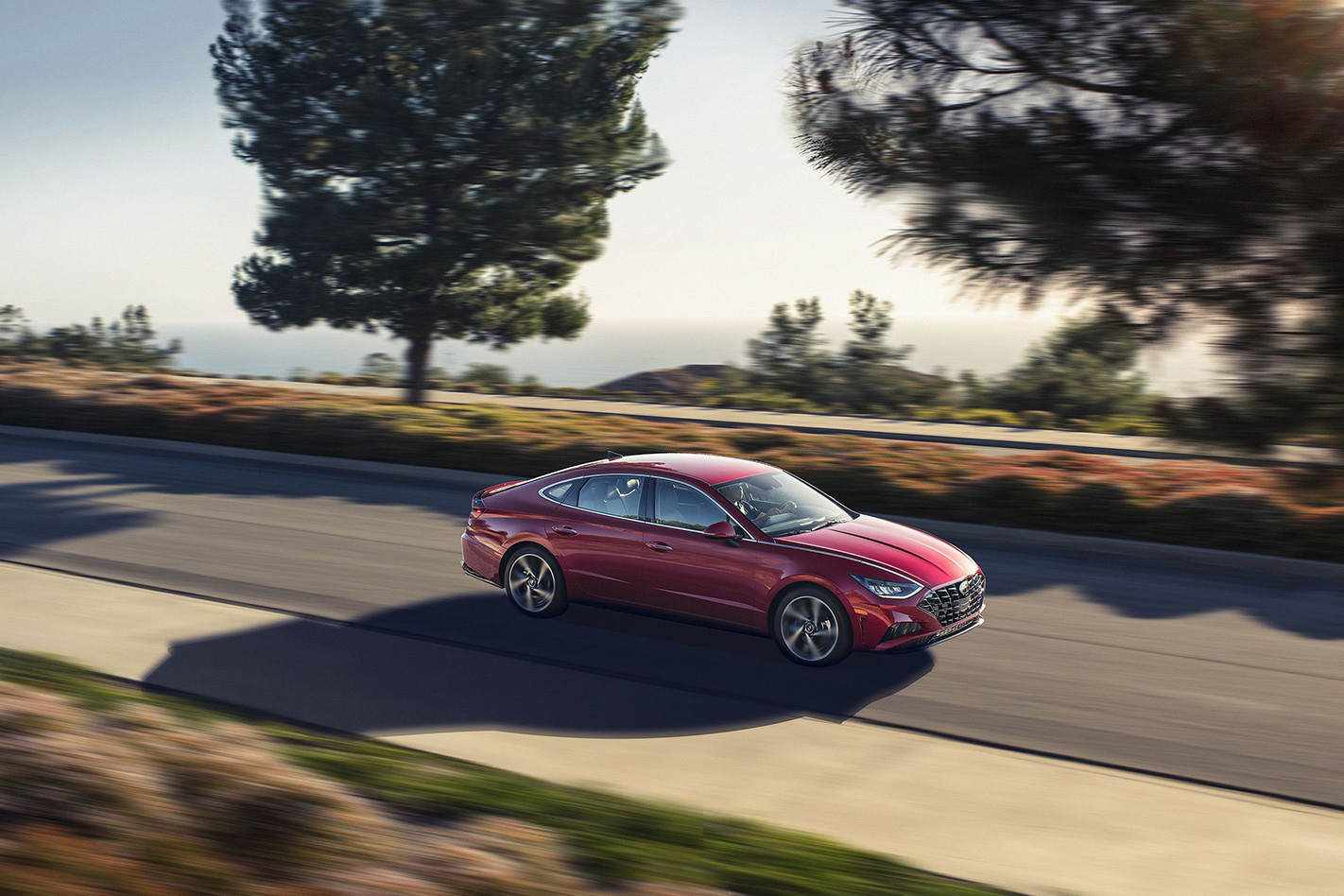
“We are just looking at how to bring the next generation [Sonata] to market,” admitted Hyundai product planning manager Andrew Tuatahi. “We looking at how we can establish a good model line-up, pricing and how we can bring something interesting to market.”
Details dropped on the new generation Sonata – known as the DN8 – in March, revealing a new platform (below), loads of high-tech inclusions and a premium interior, along with a choice of 1.6-litre turbo or 2.4-litre naturally aspirated petrol engines linked to an eight-speed automatic for overseas markets.
Tuatahi wouldn’t be drawn on how Hyundai will position the new Sonata in the local market, but suggested that it’s a multi-faceted decision-making process.
“Definitely everything is being considered, including a shift away from its current position, but there’s still a lot more work to do,” he said.
While he stopped short of confirming that the Sonata would actually return, Tuitahi said that Hyundai is “absolutely” interested in bringing it back, despite the drop in sales.
“It’s a tough segment, no doubt, and the pricing and competitiveness of some of the other brand’s offerings in that segment make bringing something that carries a high volume with it very difficult, but we think we have a few options there,” he said, telling WhichCar later that “no one can beat” Toyota’s current $27,990-drive-away Camry pricing.
Despite private powers turning away from sedans, Tuatahi said that the Sonata still has a role to play in its fleet business.
“Having a mid-size sedan helps up in terms of customer relationships – you’d be aware that the Sonata is popular with police forces in NSW and Queensland – and so we’re looking at how we not only satisfy their demands,” he said.
A 2016 Sonata in Queensland Police Service colours
“As a prospect, they have had a look at the current Sonata and it seems to tick all the boxes – we’ve just got to pick a time and specification level for when we bring it in. They’ve seen the naturally aspirated car – we’ve got a couple at head office – and several other fleets have looked at it, as well.
“But we’ll also look at private opportunities, other powertrains and even sport-style set-ups in the future.”
Intriguingly, Tuatahi hinted that the ‘sport-style set-up’ he alluded to might encompass an N-Line variant, which would need to use a larger, more powerful engine than any announced so far.
“The 1.6-litre turbo complements the American market’s naturally aspirated engine reasonably well, but an N-Line would need to be substantially more than a 1.6, and probably more than a 2.0-litre turbo as well, to justify that badge on a car of that size,” he said.
When asked if that was a possibility, Tuatahi agreed. “It’s certainly possible, and if it was viable to us it would give us a good reason to bring the new Sonata to market given the decline in the medium segment – it’s a reason to reconsider medium passenger cars again,” he said.
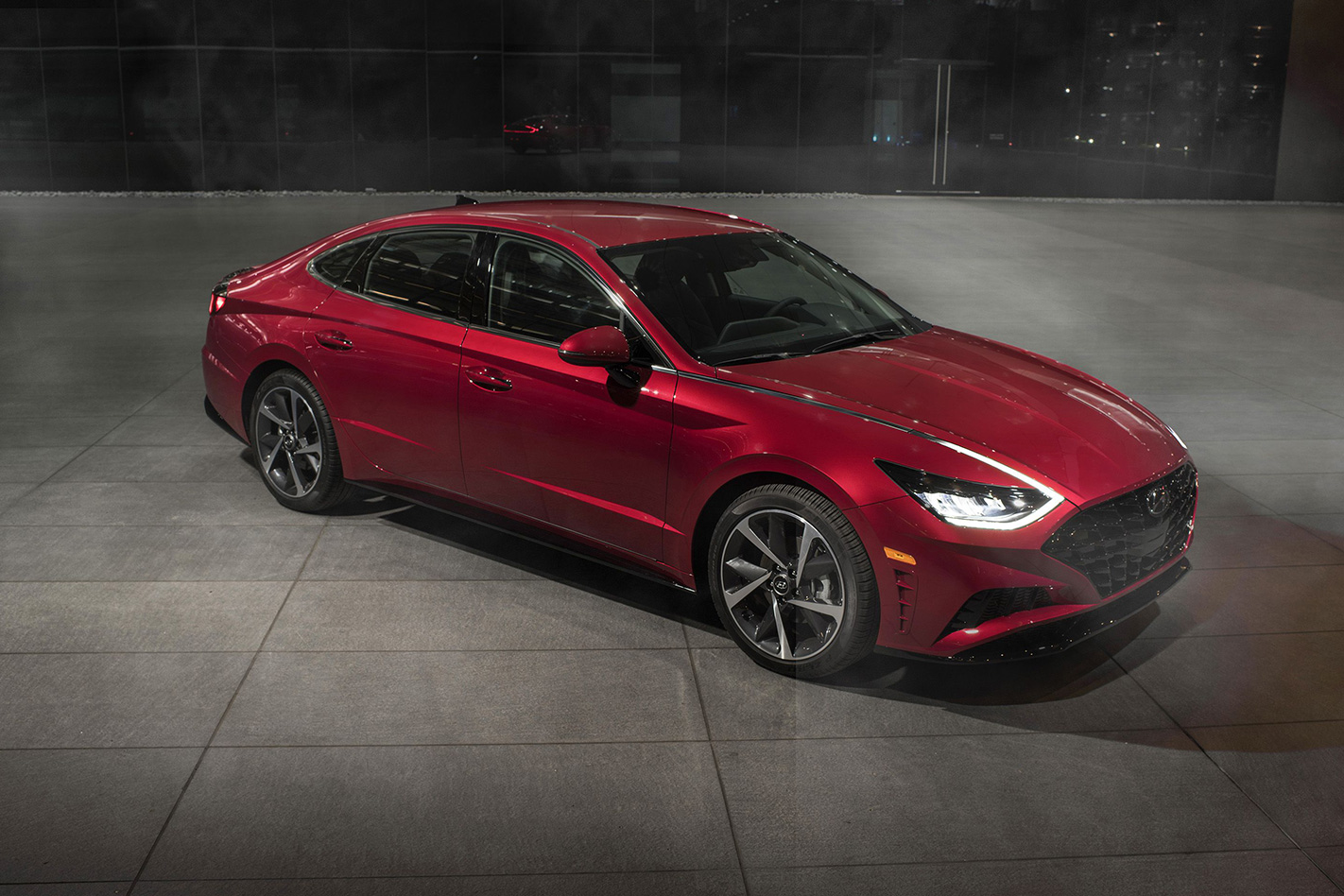
A quick look at Hyundai’s catalogue reveals a 3.5-litre V6 petrol engine that makes 206kW and 335Nm, and which is designed to fit transversally – or sideways – in the front of the company’s Santa Fe.
The Sonata’s new platform also allows the use of hybrid tech and all-wheel drive, though the mix of right-hand-drive and all-wheel-drive wasn’t physically possible in the V6 petrol Santa Fe.
The Porsche Taycan is concussively rapid. I know this because I almost knocked myself unconscious when travelling in the back of one when the driver planted the throttle.
After seeing stars for a while, I came to the conclusion that you really don’t need a Taycan Turbo S to go any faster. It’s been independently timed at 2.6 seconds to 100km/h which seems fast enough for most.
They think differently in Texas.
Perhaps time folds upon itself somewhere in the region of Sealy TX 77474, where Hennessey Performance Engineering is based. The locals talk slowly, like a long lunch, but clearly feel that 2.6 seconds represents some sort of eternity.
That’s why Hennessey has made its plans clear: the Porsche Taycan will be its first EV project.
Talk about jumping in at the deep end. A Taycan stripped back to its bones is a fearsomely complex piece of electronic wizardry. Perhaps HPE boss John Hennessey saw the Turbo badge on the back and got on the phone to Garrett and ordered up a container of their biggest snails.
Jokes aside, it’ll be interesting to see how the company moves into an entirely new phase in its development.
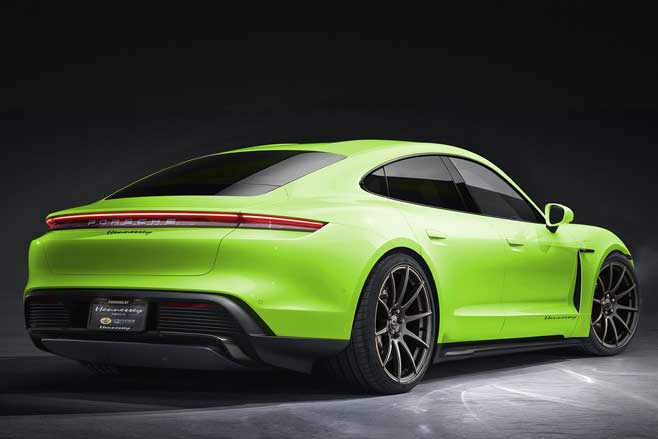
“We’ve been planning to do something with electrified vehicles for a while now,” says John Hennessey. “We felt that the new Porsche Taycan was the right platform from which to modify our first EV.”
First deliveries of the Taycan will be made in mid-2020 and the initial round of upgrades will be purely cosmetic and are set to include wheels, tyres, interior trims and restyled front and rear bumpers. “After that,” Hennessey says, “we will see what might be possible in terms of adding more power.”
It’s almost like he can’t help himself from boosting power. It’s what he does.
It also speaks volumes that a Texan petrolhead grasps which way the global performance car market is trending.
“Nearly all of our clients still want raw, powerful ICE engines,” he says. “But some of them have begun to add an EV to their collections for daily driver duties. We don’t want to reinvent the wheel in the electrified market. We just want to make it roll a little faster and cooler.”
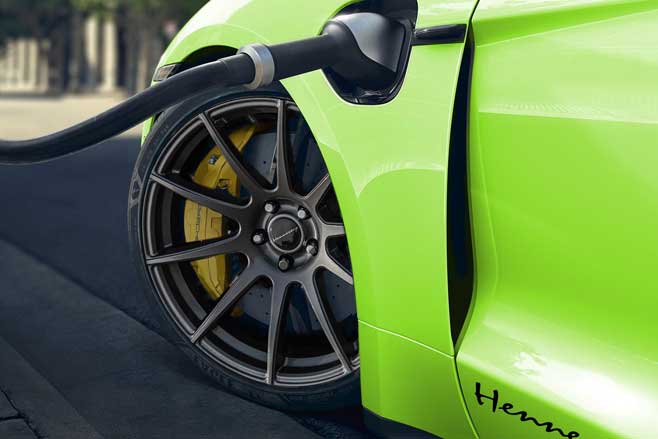
Given the repeatability of performance has been one of the key Taycan development criteria, perhaps Hennessey feels that there’s a degree of overengineering there that can be teased out into greater performance.
The Taycan Turbo S will accelerate to 200km/h in 9.8 seconds which, for some frame of reference, easily betters the 10.5 seconds of a Tesla Model S Performance.
One thing’s for sure. Hennessey would need to do a lot of fettling to get it to equal two other famously electrified Porsches. The 918 Spyder demolishes the 200km/h sprint in just 7.0s and the 919 Hybrid MK II racer would detain you for a mere 4.5s.
Renault is bolstering its high-riding model line-up with a mid-sized SUV dubbed the Kadjar that fills the size gap between its Capture and Koleos offerings.
Arriving in three varieties, the new model kicks off from $29,990 for the entry-level Life, with the mid-range Zen setting you back $32,990, while the flagship Intens is priced from $37,990.
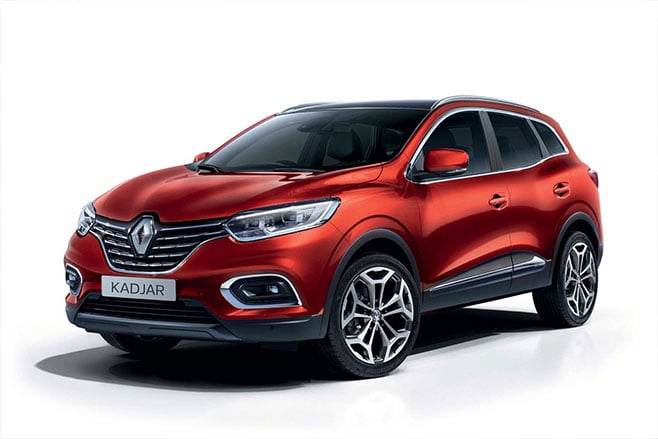
The Kadjar enters a competitive but popular market that’s dominated by Toyota’s RAV4. It will be a welcome volume-booster for the French brand but, with pricing just $1000 cheaper than the larger Koleos, it’s unlikely to knock the company’s current top seller from its throne.
All Kadjar versions use the same 117kW/260Nm 1.3-litre turbocharged four-cylinder petrol engine, coupled to a seven-speed dual-clutch automatic transmission that drives the front wheels only. For now, Renault will not offer any diesel, manual or all-wheel drive versions, which are offered in other markets.
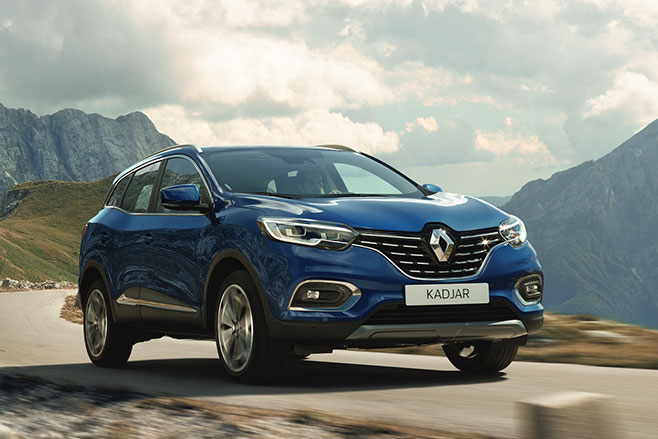
Fuel consumption is rated at a frugal 6.3L/100km, but acceleration is less than impressive taking 9.6 seconds to do the benchmark zero to 100km/h dash. Renault, however, says the newest addition to its line-up is more about ‘style, escapism and comfort’ than outright dynamics.
According to its maker, styling is at the top of the list of reasons customers have bought 450,000 Kadjars around the world. Big features including 17- or 19-inch wheels depending on the variant, optional LED headlights, 200mm of ground clearance and an unapologetically large Renault badge framed by an equally expansive grille are but a few.
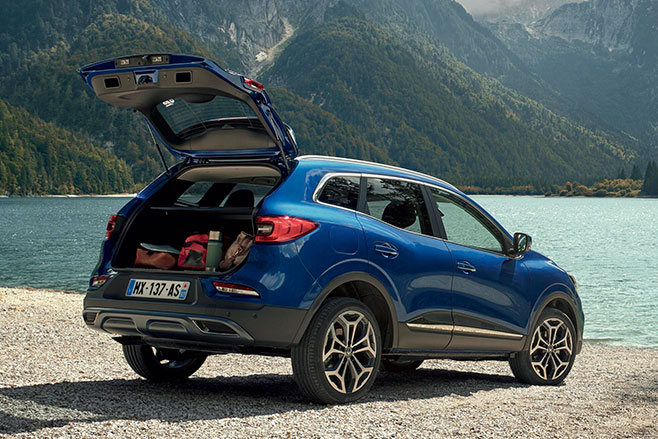
Six colours are on offer to decorate your Kadjar although metallics will cost you $750 extra. A $1000 panoramic sunroof is the only other option, which bundles in an auto-dimming rear-view mirror.
Inside, the cabin has “more homogenous design” trims for a cleaner look, including the flush-mounted 7.0-inch touchscreen. It offers access to Android Auto and Apple CarPlay, Renault’s own proprietary R-Link 2 information and entertainment systems, and is connected to a top-shelf Bose sound system.
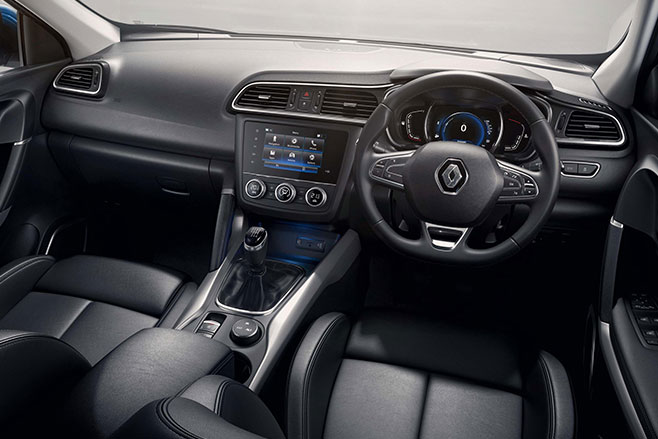
There are also generous storage options including a 408-litre boot that expands into the passenger area with easy-folding seats for a maximum of 1478 litres, front door pockets that can accommodate 1.5-litre bottle and a pair of cup-holders in the centre console.
Up front, there is a pair of USB charging sockets and a 12-volt power point, which is duplicated for the rear passengers too. Accommodation is for up to five passengers.
Safety kit includes autonomous emergency braking, ISOFIX seat anchors, tyre pressure monitoring, rain-sensing wipers and a rear-view camera as standard for all variants, with blind-spot warning and lane departure for the more premium Zen and Intens.
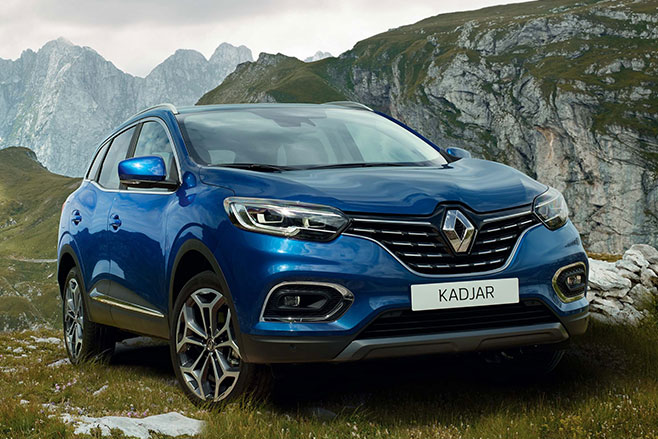
Dimensionally, the Kadjar is more closely related to the Koleos, measuring just 7mm narrower (1836mm width) and 183mm shorter (4489mm length), but is closer to the Captur’s height with a 47mm difference (1613mm height).
A five-year unlimited kilometre warranty is provided with each Kadjar and the first examples will arrive in November. Order books are open now.
2020 Renault Kadjar retail pricing
- Kadjar Life – $29,990
- Kadjar Zen – $32,990
- Kadjar Intens – $37,990
Tesla has made its name by taking full advantage of the instant and brutal acceleration of electric motors, its range of sedans and SUVs often offering supercar-slaying performance.
As such, the most common question from punters when testing a Tesla is ‘how fast is it?’. During our first Australian test of the new Model 3 Performance, we certainly weren’t going to pass up an opportunity to run it down the Heathcote hotmix.
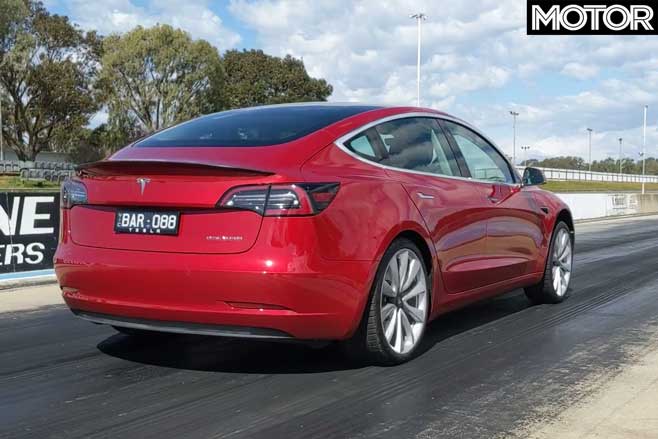
Until now, performance testing electric cars has been a nightmare. The last time we did so was with a Tesla Model S P100D in 2016, which provided the conundrum of needing as much charge as possible to give its best performance, tricky when Heathcote is a two-hour drive north of Melbourne.
Thankfully, the Model 3 Performance avoids such issues. Not only does it benefit from a far superior charging network to that which existed three years ago, but selecting Track Mode turns on the fans to regulate the battery temperature and ensure the full 353kW/639Nm are available.
There is no skill to performance testing a Model 3 Performance, or indeed any all-wheel drive electric car. Maximum torque from zero rpm means there’s no benefit to spooling the car up (and the Model 3 Performance simply beeps at you if you try), just mash the throttle from rest and let it do its thing.
The off-the-line surge is immense, forcing you back into your seat. It matches the likes of the Audi RS3 and Mercedes-AMG A45 to 50km/h, but then surges ahead as these ‘old-school’ hot hatches select second gear.
Hitting 100km/h takes just 3.6sec (0.2sec slower than its claim but still very impressive) but from there the acceleration starts to slow. Completing the quarter mile takes only 12.02sec but the terminal speed is just 179.83km/h, a number more commonly associated with cars running low-13s rather than knocking on the door of 11s.
A comparison with a couple of similarly speedy machines proves just how different the power delivery of electric motors is. We clocked the current Porsche 718 Cayman S at an identical 12.02sec over the quarter mile, but its trap speed was 189.12km/h.
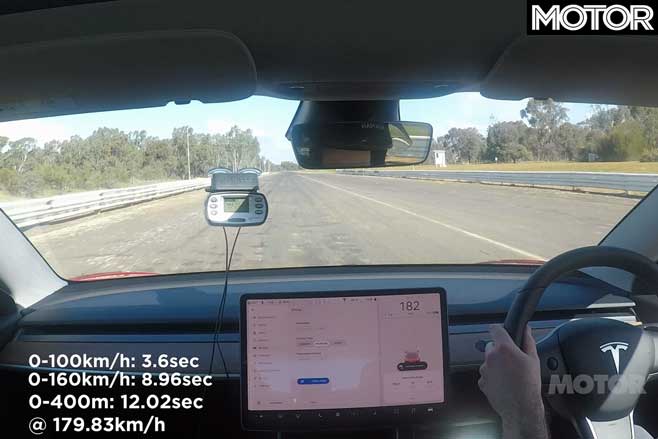
An Audi TT RS is neck-and-neck with the Model 3 Performance at 100km/h (3.59sec) but stretches away from there, completing the quarter in 11.75sec at 191.89km/h.
The biggest difference, however, is that these two examples use highly effective launch control systems to achieve these times. In the real world, by the time their drivetrains have engaged the Tesla will be long gone – it makes even the sharpest internal combustion engine feel lazy.
The Nissan GT-R story is one of many chapters, so to celebrate half a century of providing cutting-edge performance here are the 50 moments that have made the GT-R a legend.
01 – The first Nissan Skyline GT-R is born
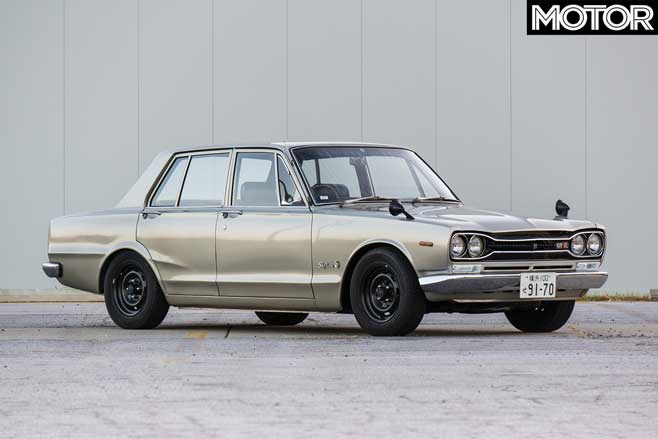
February 1969. The GT-R is born when Nissan installs the high-performance S20 2.0-litre straight-six engine from the Prince R380 racing car into its PGC10 Skyline sedan. Designed to dominate production touring car racing, the 1120kg four-door could hit a top speed of 200km/h thanks to the S20 producing 118kW/177Nm.
02 – The first two-door Nissan Skyline GT-R is born
March 1971. The GT-R becomes a two-door (KPGC10), the coupe bodyshell shortening the wheelbase by 70mm and cutting 20kg from the overall weight. It’s dubbed the ‘Hakosuka’ (roughly translated as ‘box Skyline’) and is a racecar for the road, with a 100-litre fuel tank, fixed bucket seats and a back-to-basics interior.
03 – Hakosuka dominates Japanese touring cars
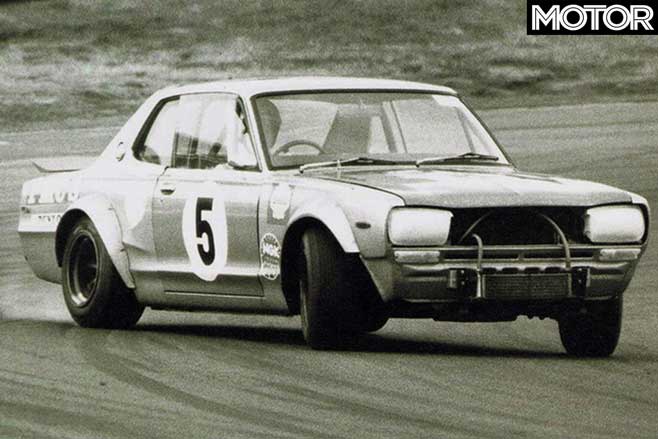
1972. As a racecar Hakosuka was unstoppable, winning 52 Japanese touring car races between May 1969 and October 1972, including 49 consecutive victories.
04 – Second-gen GT-R appears: the ‘Kenmari’
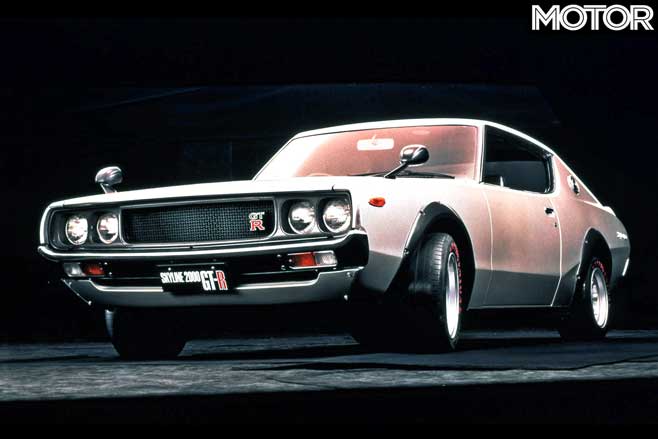
September 1972. The second-gen Skyline GT-R debuts with an unchanged drivetrain in an all-new chassis. Known as the ‘Kenmari’ GT-R due to the popularity of the advertising series featuring the characters ‘Ken and Mary’, it lived an extremely short life, the oil crisis limiting its production to just 197 cars.
05 – ‘MID4’ Concept previews R32
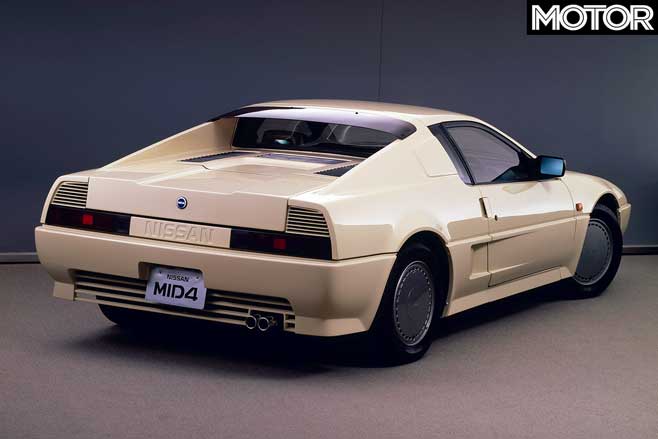
November 1985. Nissan signals its intention to produce another high-performance model with the MID4 Concept, unveiled at the Tokyo Motor Show with a mid-mounted 3.0-litre V6, ATTESA all-wheel drive and all-wheel steering. Two years later the MID4 Type II adds twin turbos.
06 – R32 GT-R shocks the world
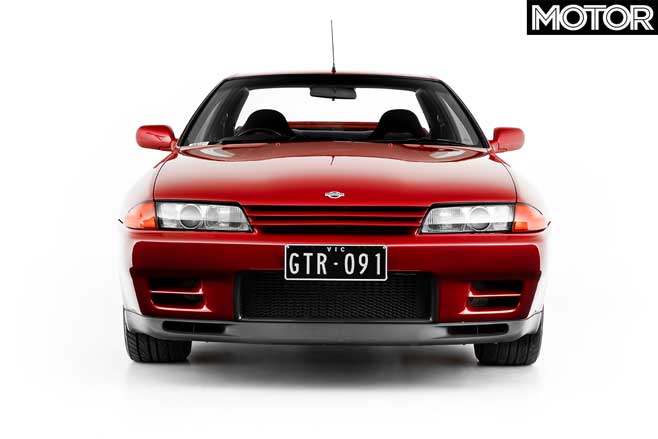
May 1989. After a 16-year hiatus, the GT-R nameplate returns adorning a twin-turbo, all-wheel drive technological terror designed, once again, to dominate touring car racing. It proved popular, with an incredible 43,937 built between 1989-’94, the rarest being the V-Spec II N1 with 63 examples made.
07 – ‘Godzilla’ is born
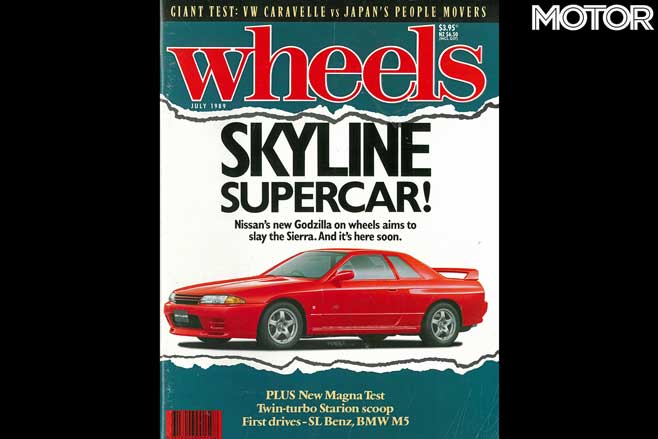
July 1989. The cover of our sibling magazine Wheels reads: “Skyline Supercar! Nissan’s new Godzilla on wheels aims to slay the Sierra.” It was the first reference to the GT-R as Godzilla, a moniker it carries to this day.
08 – Nissan Australia announces import program
August 1989. One hundred of those 43,937 R32s came to Australia, all because Nissan Oz wanted to continue racing, didn’t have a local product to use, and as such put together a program to import the GT-R.
09 – Nismo shows off first car
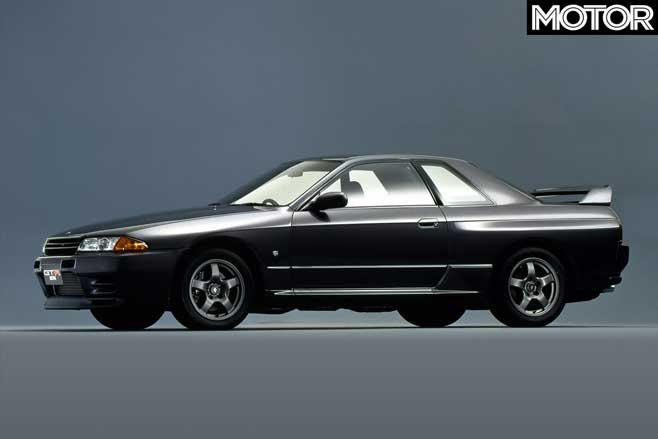
February 1990. Nissan’s motorsport arm produces 560 cars to homologate changes for Group A racing, including extra spoilers, more ducting, no ABS, rear wiper or radio and stronger steel-wheeled turbochargers.
10 – R32 dominates Japanese touring car championship
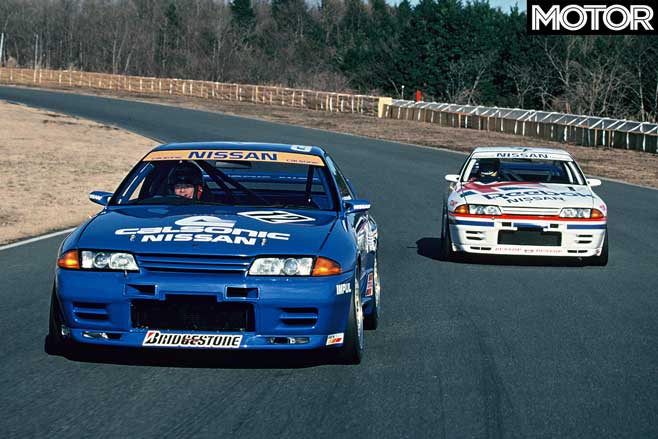
March 1990. The R32 GT-R makes its debut in the Japanese Touring Car Championship and wins all 29 races and four championships until Super Touring regs are introduced in 1994.
11 – GT-R enters Australian touring cars
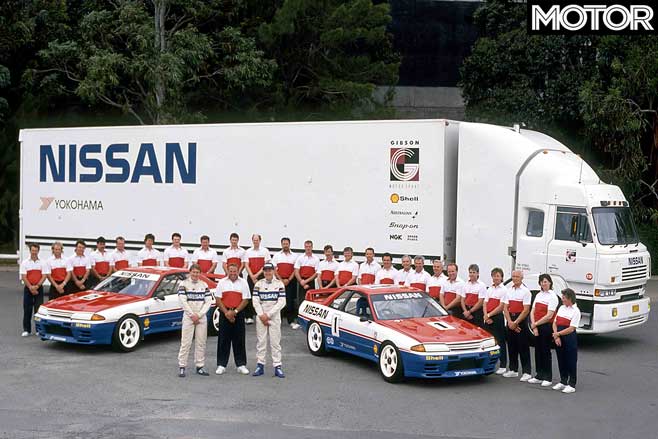
June 1990. The GT-R makes its Australian Touring Car Championship (ATCC) debut at Mallala for Round 6 with Mark Skaife at the wheel. Jim Richards switches from the HR31 GTS-R a round later and wraps up Nissan’s first ATCC title by dominating the final round at Oran Park. Richards would repeat his success in 1991 before Skaife secured his first ATCC title in 1992.
12 – R32 shakes up the European touring car establishment
August 1991. The R32 GT-R’s global takeover continues with an outright win at the 1991 Spa 24 Hours driven by Japan’s Naoki Hattori, Swede Anders Olofsson and Aussie David Brabham. It’s a dominant display, the trio converting pole position into a 21-lap victory, while in sixth outright another R32 wins the Group N class.
13 – Bathurst 1000 glory & the “Pack of Arseholes”
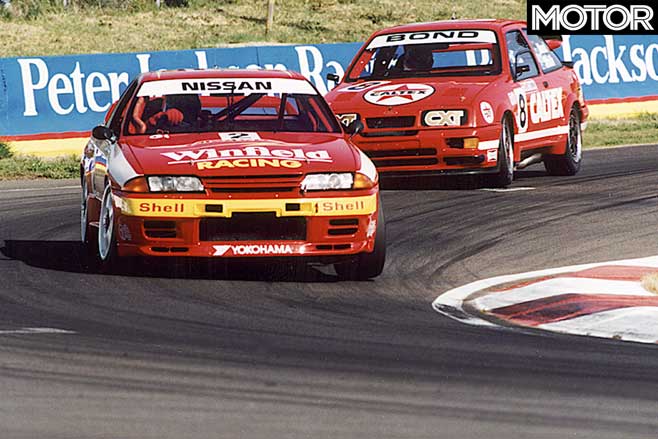
October 1991. Following an unsuccessful Bathurst debut in 1990, Richards and Skaife monster the Mountain in 1991, securing pole position and winning by a lap. They go back-to-back the following year in controversial circumstances, Richards crashing out but being awarded the win following the stoppage of the race.
14 – R33 GT-R: The difficult second album
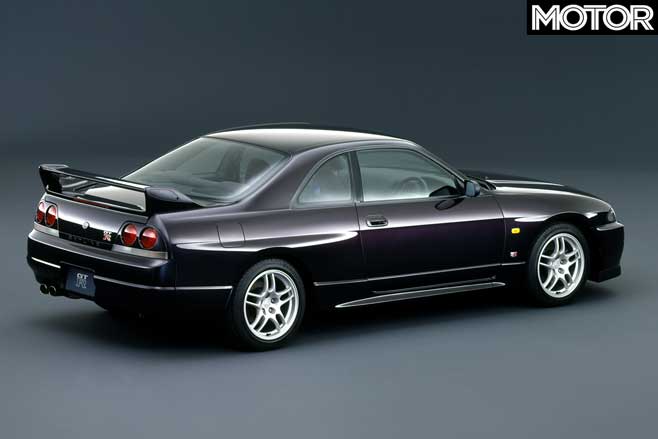
October 1993. The R33 GT-R appears for the first time at the Tokyo Motor Show, though doesn’t begin production until January 1995. The V-Spec is now a regular production variant and introduces an upgraded all-wheel drive system. Australian brochures are printed but the R33 is never released locally.
15 – R33 LM: Nissan builds a unicorn for la Sarthe
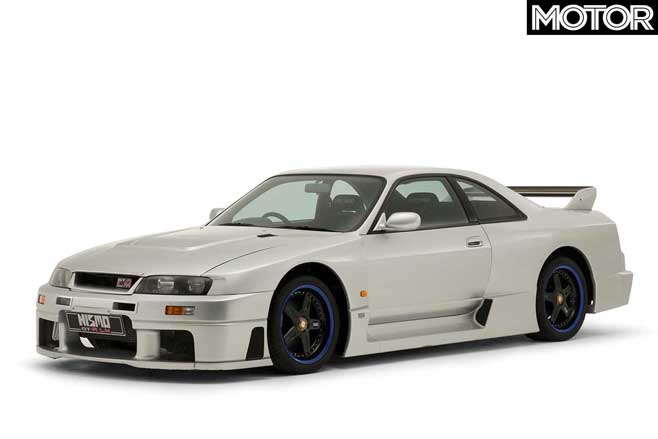
1995. Nissan announces its intention to return to Le Mans and compete in the GT1 class, which requires the creation of one road-going variant. Thus a solitary Nismo GT-R LM is created, 100mm wider than standard and converted to rear-wheel drive to satisfy GT1 regulations. Sadly, it rarely moves these days, living its life in Nissan’s Zama heritage collection.
16 – Le Mans 24 Hour dreams are dashed
June 1995. The GT-R LM’s Le Mans career was a troubled one. Tenth overall and fifth in class in 1995, one of the wettest ever races, wasn’t a terrible debut but by 1996 the Porsche 911 GT1 had moved the goalposts and despite a larger, more powerful 2.8-litre engine, the R33 LM could only manage 15th outright and another fifth in class, leading Nissan to cancel the third year of the program.
17 – The 7:59 ‘Ring lap
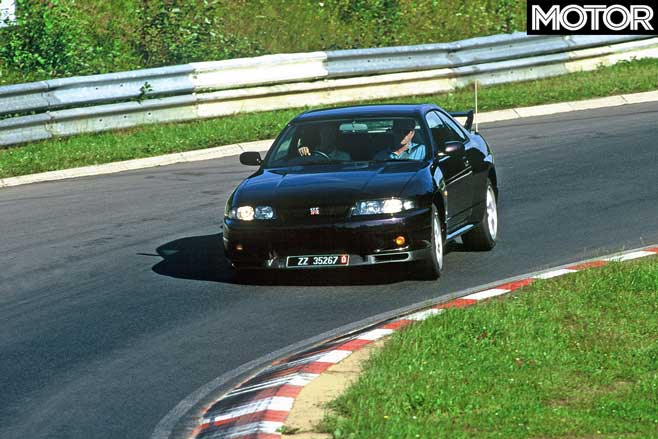
1996. Legendary test driver Dirk Schoysman laps the Nürburgring Nordschleife in 7min59sec, an unheard-of time for a standard production car. But was it standard? Rumours swirl of special tyres and extra boost.
18 – Four-door GT-R returns!
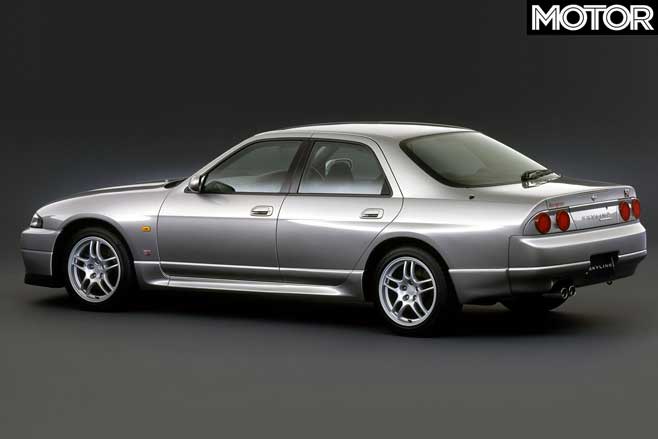
September 1997. For the GT-R-loving family man, Nissan-affiliated conversion company Autech creates the 40th Anniversary, installing the R33 GT-R running gear and front panels into the sedan bodyshell. It’s named in honour of the Skyline’s 40th birthday, which started life as a humble Prince model in 1957.
19 – The GT-R wagon?
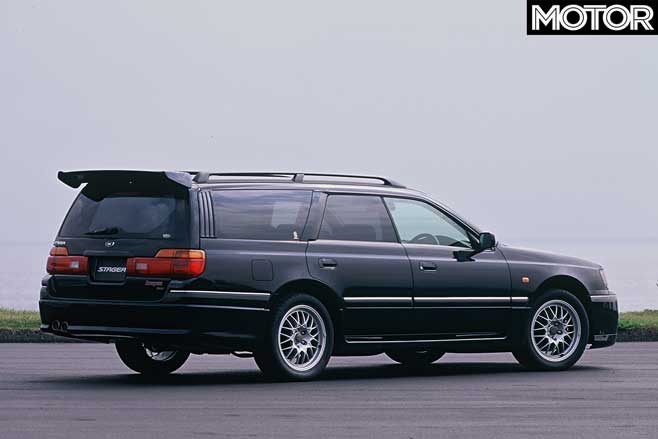
November 1997. Another family friendly GT-R appears, again courtesy of Autech, who stuff the C34 Stagea full of the engine and driveline from the R33 GT-R and add a bodykit to match. It’s the ultimate sleeper, with an RB26, manual gearbox, ATTESA all-wheel drive, Brembo brakes and BBS wheels. In total 1734 were built from 1997-2001 across two series.
20 – 400R breaks cover
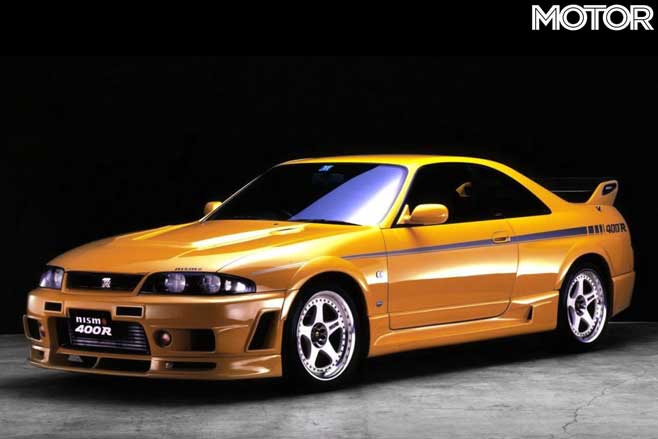
November 1997. The Nismo 400R is revealed, the rarest road-going GT-R yet. Virtually every area of the car is modified but from the planned 100 only 44 escape before R33 production ends. The 400R is the hero car of the original Gran Turismo; unable to be bought, it can only be won by achieving Gold times on the International A licence tests (bloody hard!).
21 – R34 GT-R is unveiled
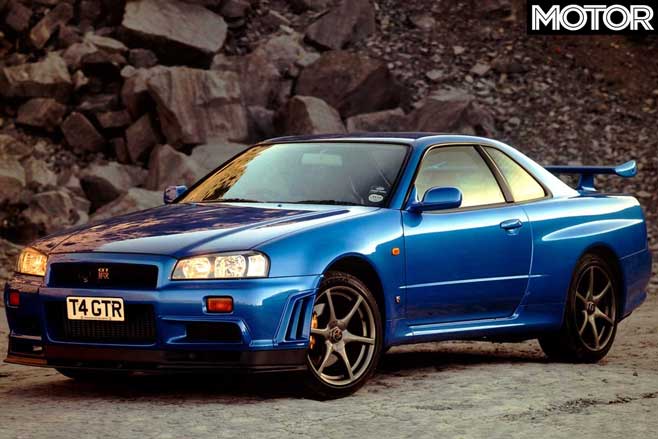
January 1999. The R34 GT-R is revealed, a shorter, more muscular GT-R to appease those who described the R33 as too soft and bulky. The basics remain the same, but the R34 includes more technology than ever before. Just 11,578 are built, compared to 16,668 R33s.
22 – Winning at Pikes Peak
July 1999. Despite being Japanese, turbocharged and AWD, the GT-R isn’t a natural rally car. Nevertheless, Akira Kameyama wins the Open Production class at Pikes Peak in 1993 with an R32 and again in 1996 and 1998 with an R33. A year later, Rhys Millen wins the Showroom Stock class in an R33 GT-R that would go on to Hollywood fame.
23 – Veilside R34 hits 346.2km/h on New Zealand roads
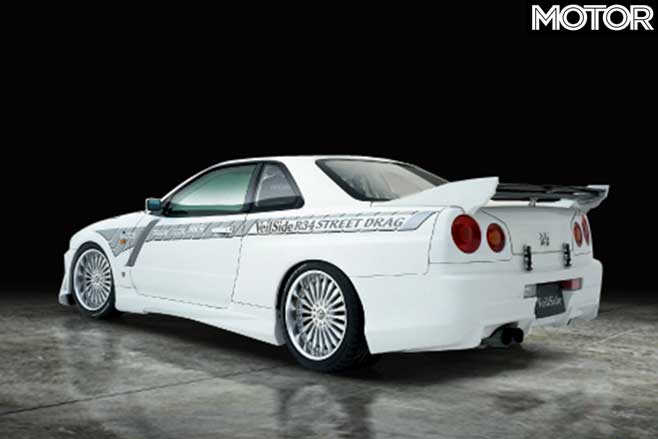
November 1999. A transporter is unloading some of Japan’s fastest cars, ready to attempt 300km/h on New Zealand’s North Island. Veilside’s 970kW R34 monster does best, clocking 346.2km/h on a wet, bumpy two-lane country road.
24 – R33 Skyline GT-R cameos in Fast & Furious
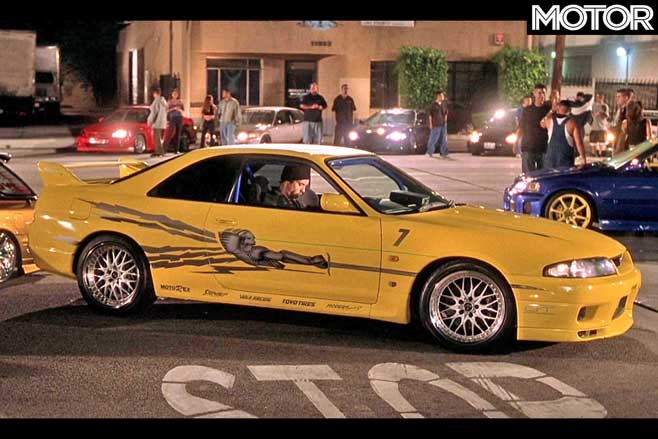
June 2001. Having conquered Pikes Peak, one of the few GT-Rs in the US stars in the original Fast and the Furious. Though only a bit part, it is hugely important as it’s the United States’ first mainstream exposure to the model. Strict import laws prevent more than a handful making it to America and the FATF car is eventually crushed for not having a VIN.
25 – HKS sets a 7.671 second record quarter mile
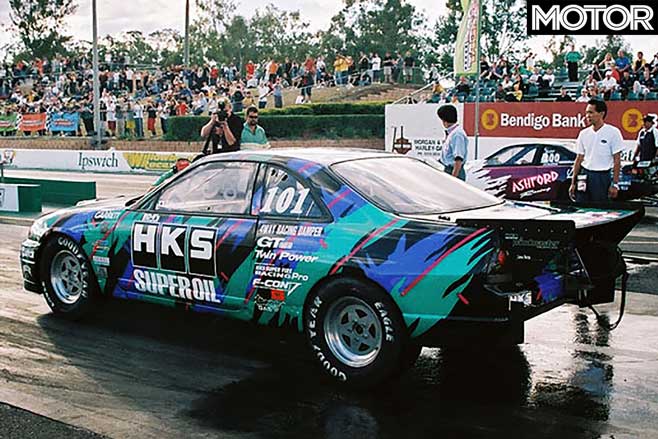
October 2001. Its drag racing proficiency is a large part of the GT-R’s cult following and tuning giant HKS is king of the hill, its stock body R33 pushing the limits of what’s possible by setting a 7.671sec world record. HKS’s monster would compete at Willowbank in 2002, running numerous seven-second passes with a best of 7.803.
26 – Shock first glimpse of the R35
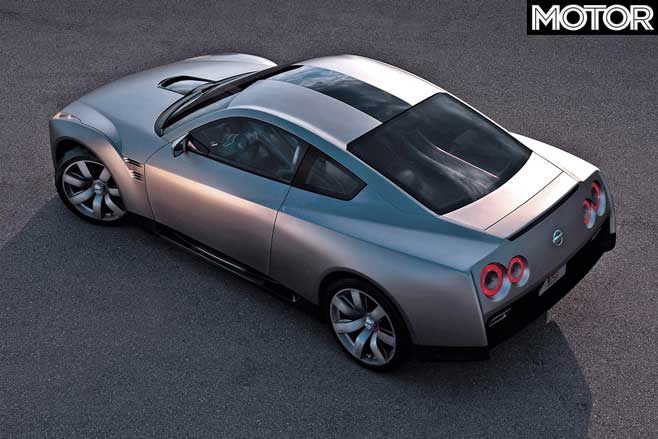
October 2001. Nissan shocks the automotive world by unexpectedly revealing the R35 GT-R Concept at the 2001 Tokyo Motor Show. The design is polarising and concrete details are scarce, but it’s clear the R35 will be a very different GT-R, with V6 power, an automatic gearbox, left-hook compatibility and the dumping of the Skyline name!
27 – ‘Nur’ swansong farewells much-loved R34
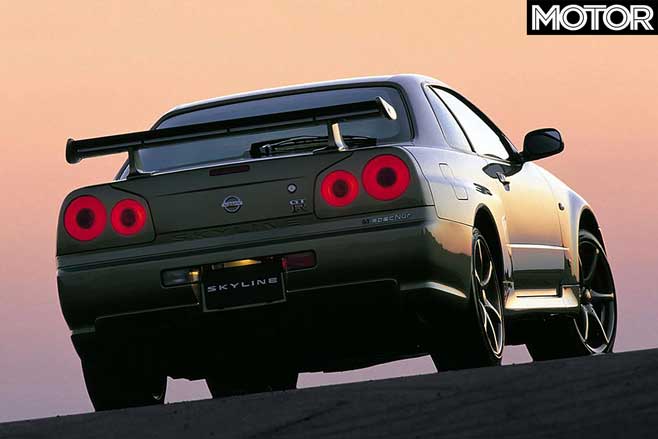
February 2002. The final R34 GT-R is the ‘Nur’, short for Nurburgring. While 1000 are planned, 1003 eventuate, 718 V-Spec II models and 285 M-Specs, with 156 and 144 cars respectively painted in the hero Millennium Jade. All Nurs use the stronger N1 engine.
28 – A cult of acceleration emerges
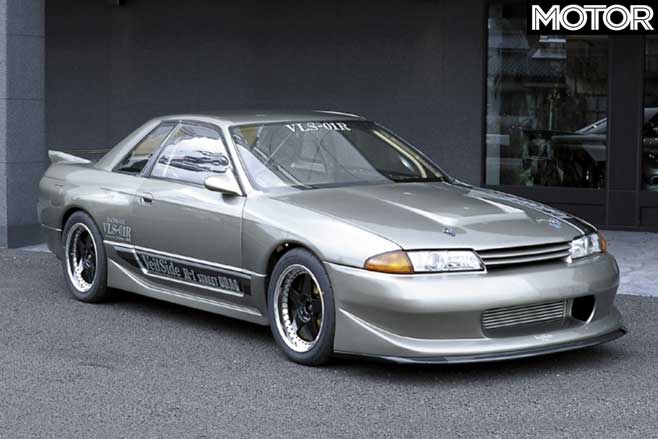
2002. In the early 1990s Japan’s tuners were obsessed with 0-300km/h times. Veilside’s 1044kW R1 R32 GT-R was king, clocking 13.72sec, but the runs were banned after huge crashes. Veilside turned its attention to radial-tyre drag racing – the ‘RH9 club’ – the R1 running 8.61sec in 2002.
29 – R34 wins first Targa Tasmania
April 2005. After almost a decade of Porsche domination, a GT-R wins Targa Tasmania thanks to the efforts of locals Jason and John White in an R34 V-Spec N1. Tony Quinn and Naomi Tillett add two more titles in 2009 and 2011 with Jamie Vandenberg and Dennis Sims winning in 2014.
30 – Z-Tune is born
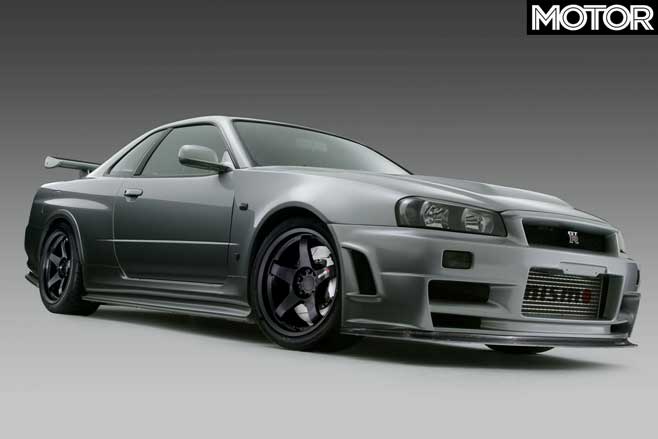
2005. The R34 GT-R plays one last hand. Nismo carefully selects 19 used R34s, each with less than 30,000km, and completely rebuilds them into Z-Tunes – the ultimate GT-R. Body reinforcement, a 368kW/540Nm 2.8-litre ‘Z2’ engine, Sachs suspension and carbon panels are just a few of the modifications.
31 – ‘GT-R Proto’ concept teases production R35
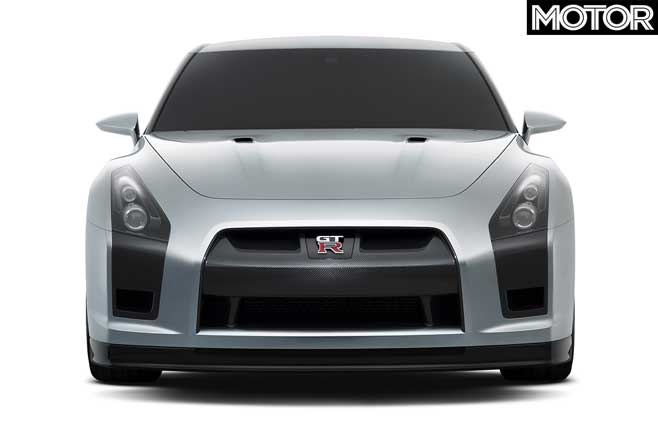
October 2005. A new generation of GT-R moves one step closer with the GT-R Proto appearing at the Tokyo Motor Show, giving the world a look at what would become the finished styling. The program suffers delays as Nissan boss Carlos Ghosn insists it be profitable and rumours persist of a 4.5-litre V8 for the US market.
32 – R35 arrives: Bigger, heavier, new V6 and auto only
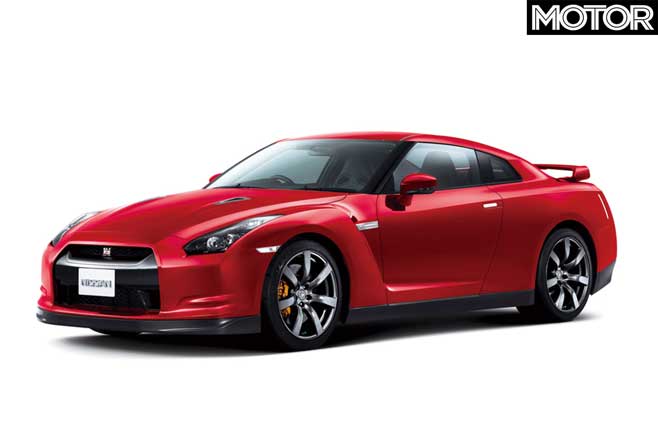
October 2007. Five years after R34 production ceased, Nissan reveals the R35 GT-R at the Tokyo Motor Show. Speculation of a V8 comes to naught, the new-age Godzilla using a 3.8-litre twin-turbo V6 producing 357kW/588Nm in all markets. Japan receives its first cars in December 2007, the US follows in July 2008, while Australia has to wait until February 2009.
33 – R35 sets 7:38sec Nürburgring laptime
April 2008. Nissan sets a remarkable Nürburgring lap time of 7min38sec, equal to that of the Porsche 997 Turbo, before lowering it to 7min29sec eight months later. Porsche accuses Nissan of cheating, claiming its test driver couldn’t best 7min54sec with a standard GT-R. Nissan responds by lowering the time again to 7min27sec in April 2009.
34 – The Aussie Exclusive: MOTOR’s first R35 road test
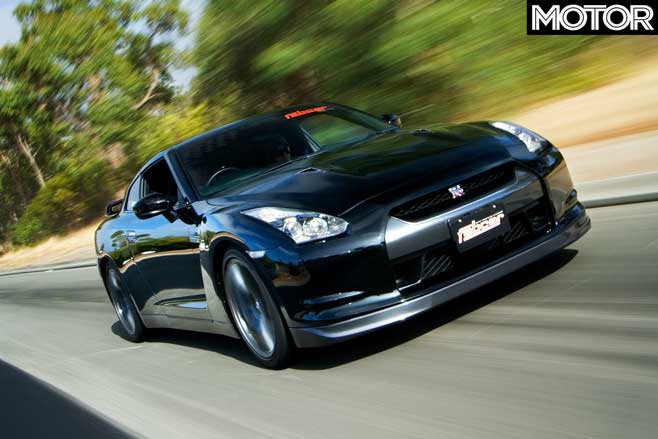
May 2008. MOTOR conducts its first test of the R35 GT-R, almost a year ahead of the Australian launch, driving a privately-imported example alongside its R32, R33 and R34 predecessors. It’s quickly apparent Nissan’s new gadget sets a new benchmark for Japanese performance, even with the 180km/h speed limiter still in place!
35 – GT-R goes atmo V8 and rear-drive
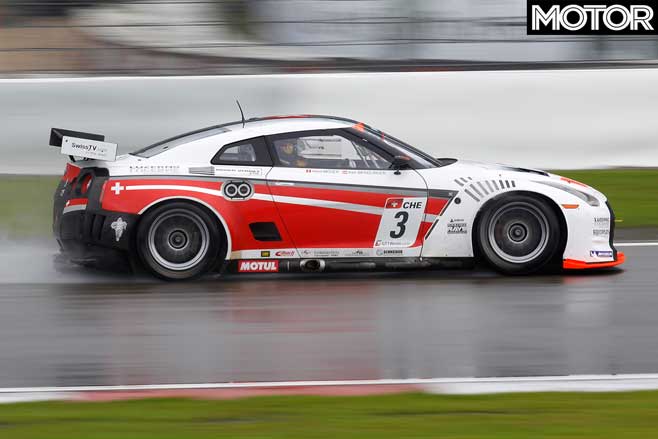
February 2009. Nissan takes the R35 racing, though somewhat confusingly both the GT500 and GT1 are rear-wheel drive with naturally-aspirated V8s, a 4.5-litre VK45DE for Super GT and a 5.6-litre VK56DE in the FIA GT Championship.
36 – R35 wins Performance Car of the Year
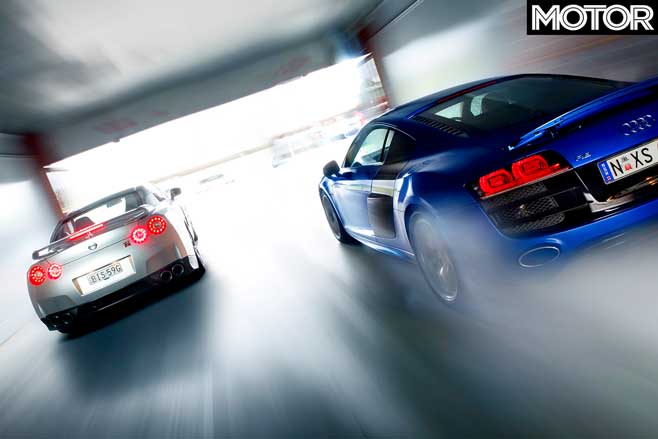
January 2010. The R35 GT-R wins Performance Car of the Year, tying for first place with the Audi R8 V10, judges exclaiming “Blew me away on track”, “World’s cheapest supercar”, “Turns chumps into champs” and “a devastating track weapon”. The updated MY11 model would repeat the trick two years later.
37 – GT-R running gear goes in a Juke; 40 sold
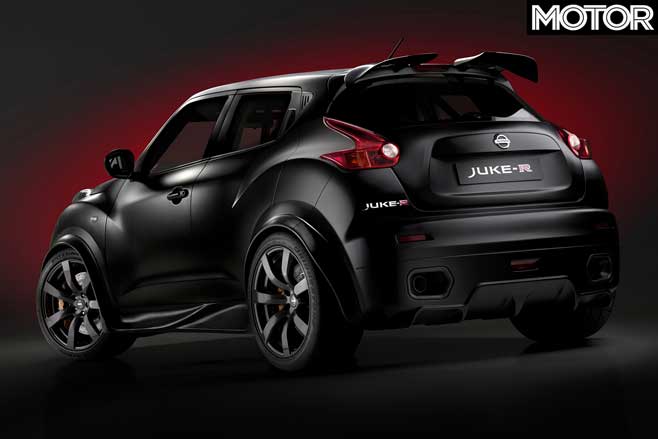
November 2011. Stuff R35 GT-R mechanicals inside Nissan’s quirky Juke crossover and you get the Juke-R. Initially planned purely as an engineering showcase, customer demand led to 23 of the 406kW baby SUVs being built, a Version 2.0 arriving in 2015 with 447kW and another 17 reportedly produced.
38 – Usain Bolt gets a gold R35
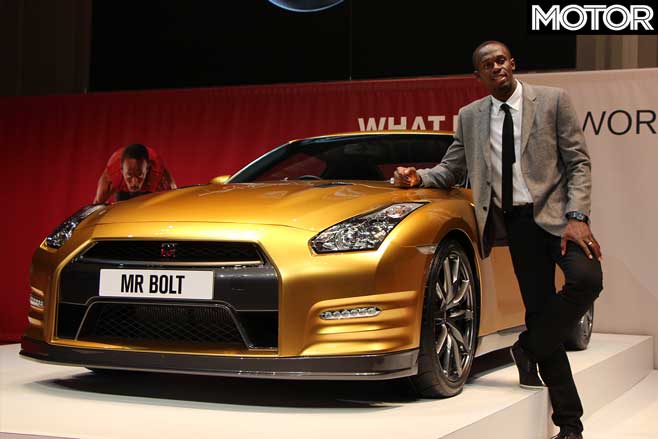
October 2012. In a clever piece of marketing, Nissan builds Usain Bolt a gold R35 GT-R, before announcing it will auction another example for charity. The winning bidder is a Melburnian who owns one of three gold GT-Rs: Bolt’s, the charity car and the car used to publicise the auction, which lives in Nissan’s Zama museum.
39 – Unforgettable 7:08.679 Nürburgring lap
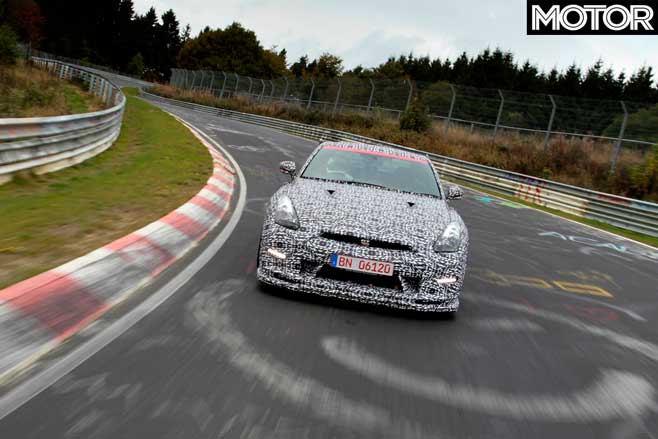
November 2013. Nissan returns to the Nurburgring and sets a scintillating 7:08.679sec lap using a GT-R Nismo ‘N-Attack’, which includes extra aero, new differentials, OHLINS suspension, carbon body panels and the removal of the rear seats. The kit costs an eye-watering $120,000 on top of a regular GT-R Nismo.
40 – Nismo enters ‘front-drive’ GT-R in Le Mans
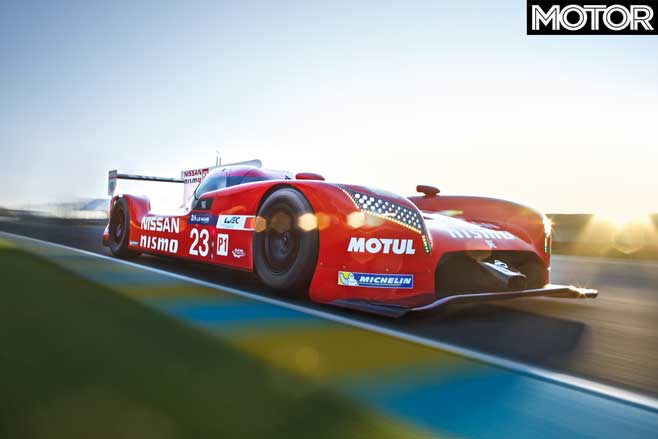
May 2014. Nissan announces it will again tackle Le Mans, this time in the LMP class with the radical GT-R LM Nismo, using a front-mounted 3.0-litre twin-turbo V6 to power the front wheels and electricity to power the rear axle. The program is a catastrophe: the GT-R LM fails crash tests and is embarrassingly slow and unreliable during its one and only Le Mans in 2015.
41 – The Bathurst 12 hour victory
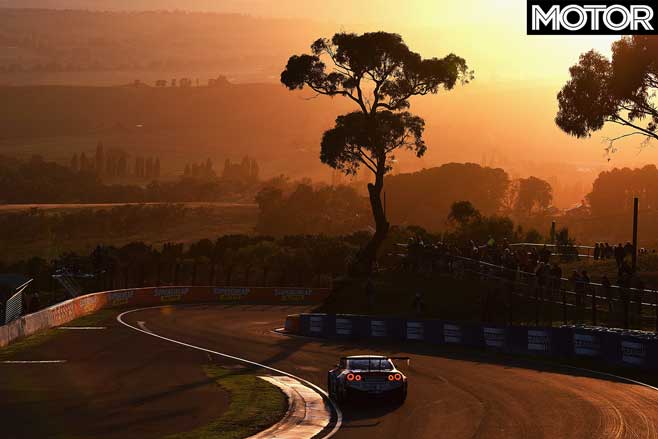
February 2015. Earlier that year, Nissan returned to Mount Panorama, Nismo entering a solitary GT-R GT3 against a raft of European rivals, yet once more it’s the GT-R that conquers Bathurst driven by Katsumasa Chiyo, Wolfgang Reip and Florian Strauss, the latter two a product of Nissan’s Gran Turismo Academy.
42 – R32 becomes eligible for American importation
May 2014. As it celebrates its 25th birthday, the R32 GT-R becomes eligible for importation into the United States, the subsequent demand sparking a surge in values as US fans clamour to obtain clean examples of Godzilla. It’s expected similar rises will occur when the R33 (2020) and R34 (2024) become eligible.
43 – Radical concept gets fans giddy for an ‘R36’
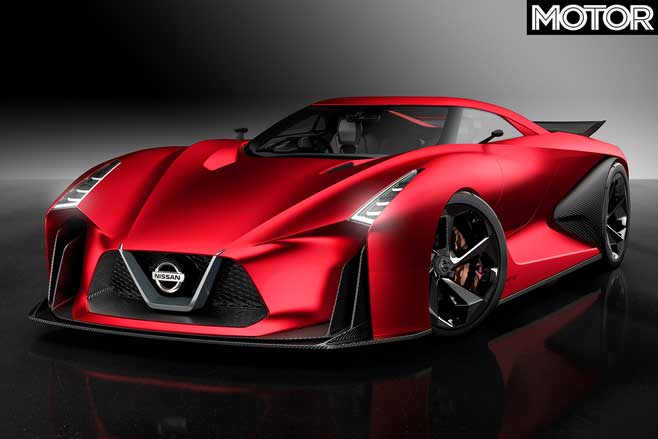
June 2014. Nissan reveals its ‘Concept 2020 Vision GT’ at the Goodwood Festival of Speed, claiming it’s “a true vision of what Nissan performance will look like in the future” but most fans assume it’s a preview of the next GT-R. Initially intended to be a purely virtual exercise, a group of Nissan engineers made it a physical reality.
44 – New record set for ‘World’s Fastest Drift’
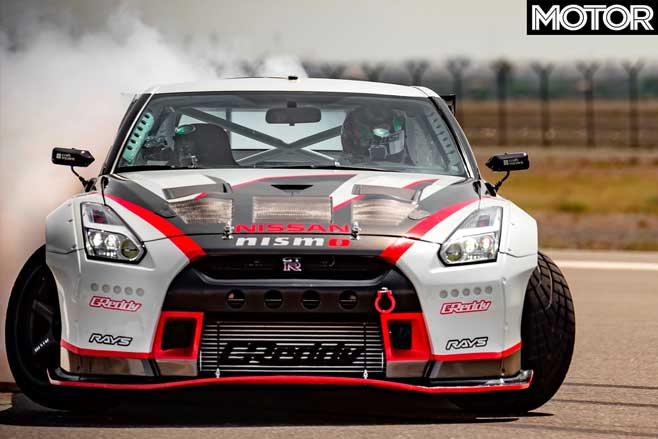
April 2016. What’s the weirdest record a car known for its all-wheel drive brilliance could set? World’s fastest drift, you say? Yes, but this doesn’t stop Masato Kawabata sliding a 1015kW rear-drive R35 at 306km/h at an angle of 30 degrees!
45 – R35 gets nip & tuck
August 2016. The R35 GT-R receives almost annual updates, but in 2016, almost a decade on from its launch it receives a substantial update, primarily aimed at improving its interior quality and day-to-day comfort. It works, turning the GT-R into a usable road car that’s still capable of amazing performance.
46 – Gamer ‘drives’ full-size r/c R35
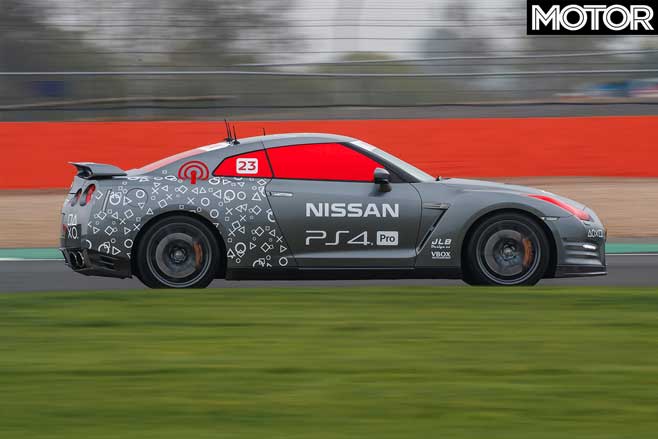
October 2017. The GT-R is often falsely criticised as being like a Playstation to drive, but for the launch of Gran Turismo Sport Nissan built an R35 that can actually be driven with a Playstation controller. GT Academy graduate Jann Mardenborough used it to lap Silverstone’s National Circuit in 1min17.47sec by following in a helicopter!
47 – Nissan restarts production of R32, R33, R34 parts
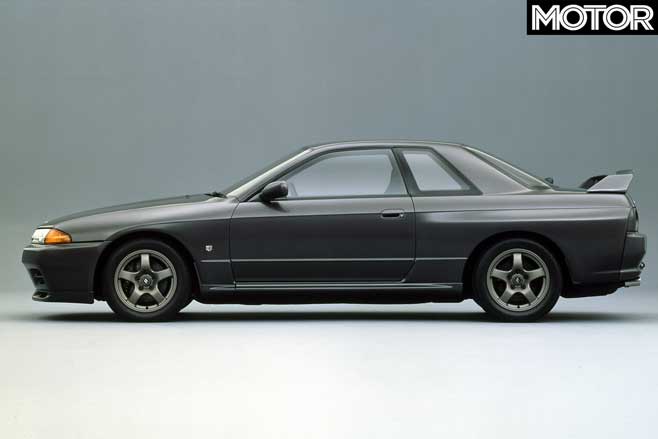
November 2017. Nissan launches its Heritage Parts program for the R32 GT-R, recreating around 80 parts – everything from engine blocks to window seals to complete wiring harnesses – in order to keep cars running, the list later expanding to around 160 parts. A year later, it uses the Nismo festival to announce it is expanding Heritage Parts to include the R33 and R34.
48 – Italy creates the million-dollar GT-R
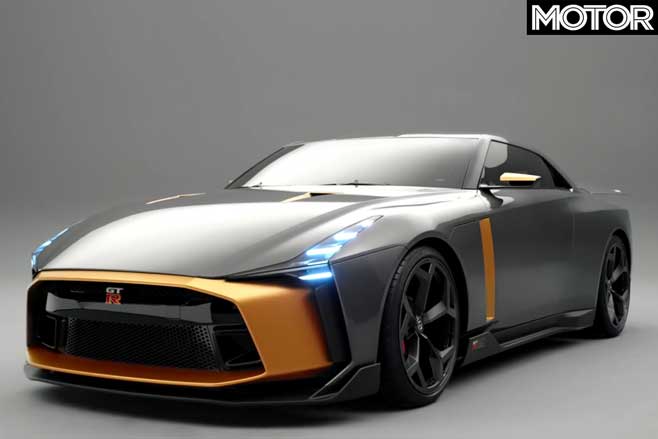
July 2018. To celebrate the GT-R’s 50th Anniversary Italian design company Italdesign is given free rein to create the GT-R50. Revealed as a concept at the Goodwood Festival of Speed, 50 hand-built examples are confirmed for production with an uprated 530kW/780Nm engine at a cost of more AUD$1m each.
49 – Middle-East GT-R sets 6.58sec quarter mile
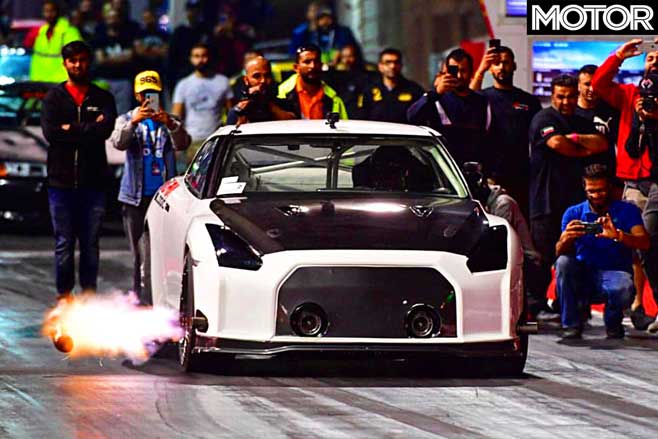
January 2019. The US and Middle East now lead the way in GT-R drag racing, Alphalogic setting a new world record of 6.58sec at 374km/h, which also makes it the world’s quickest all-wheel drive. Incredibly, it’s still using the stock body, but a 4.3-litre engine making 2535kW/2970Nm provides ample propulsion.
50 – R35 is reheated yet again; candles blown out on 50 years
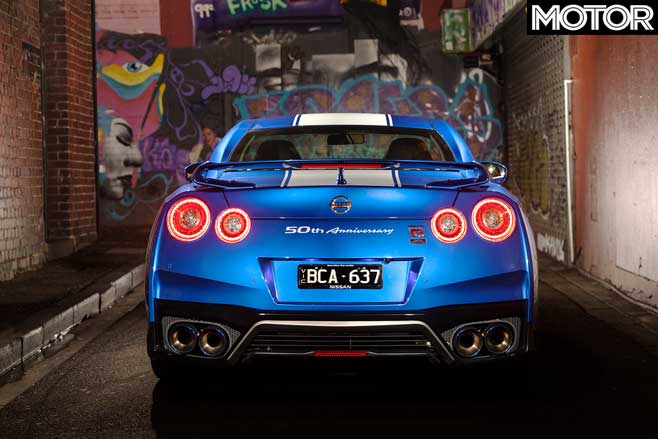
April 2019. Nissan reveals its 2020 GT-Rs at the New York Auto Show, the standard car lifting outputs slightly to 421kW/633Nm and reviving the R34’s iconic Bayside Blue, while the Nismo now produces 447kW/652Nm and scores aggressive new aero, lighter wheels and carbon-ceramic brakes. It’s the latest chapter in the GT-R’s incredible 50-year story.
