
There is never a dull moment in the automotive world and we strive to bring you the most important, interesting, useful and sometimes amusing news events as they happen throughout the year. But we are always surprised to see which subjects draw the most attention from you, our loyal readers. Here are the ten most popular news stories from 2018.
It mightn’t come as a surprise that the most popular news story of the year was about a Holden. Unfortunately it wasn’t good news in this case and our story from October revealed a worryingly low demand for two of The Lion’s key models.

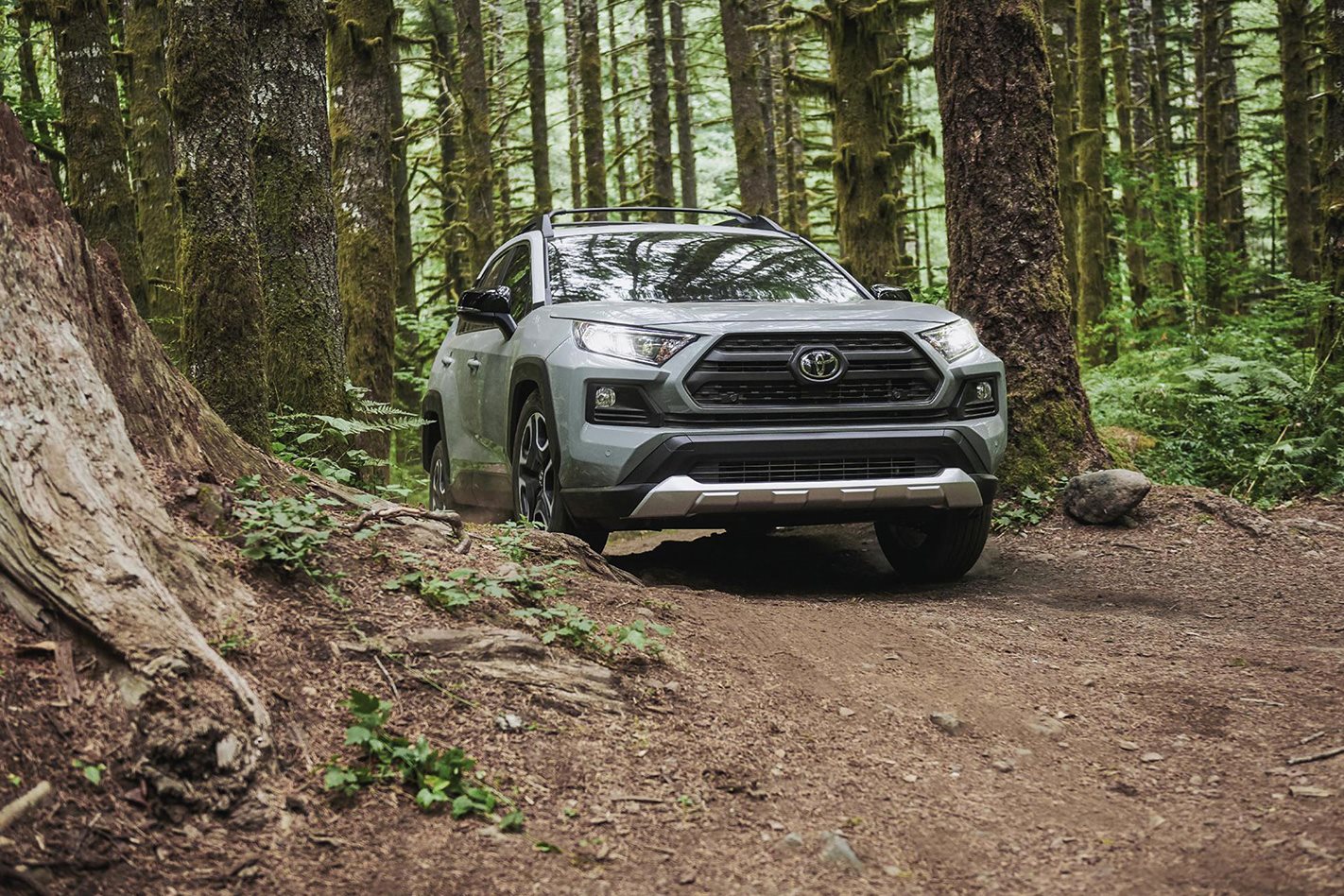
Toyota is Australia’s favourite car brand by a considerable margin and its RAV4 battles in the top three for the most popular mid-sized SUV, so is it any wonder that our second most read news story of 2018 was an image-heavy yarn detailing the fifth-generation model?
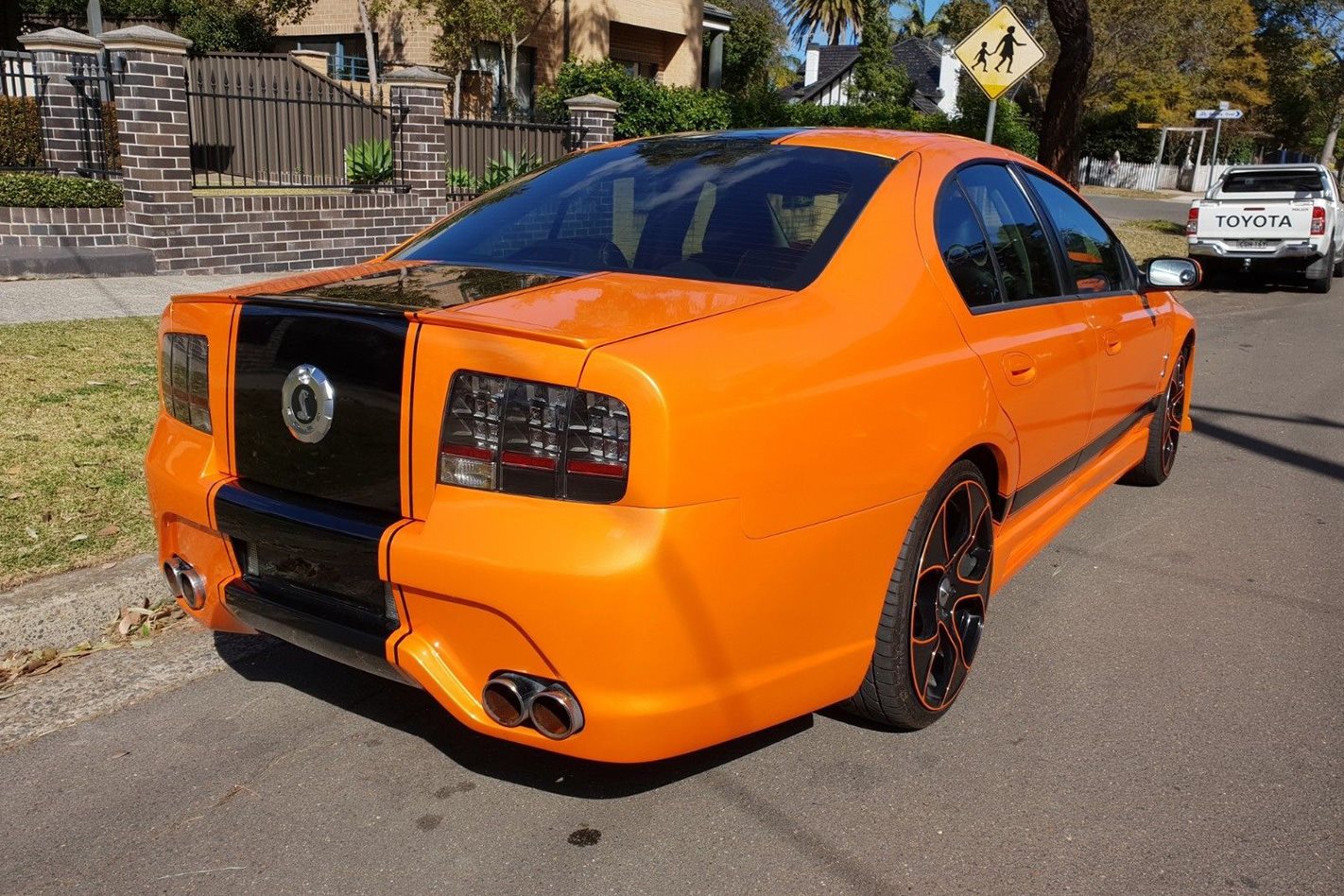
And, no surprises to see a story about a high-performance Ford in third place. Although this particular one most likely drew extra attention for its inclusion of a Falcon and Mustang in the same car! Confused? Have a read to find out what was going on.
When we ran a speculative piece about the overseas models we believe Holden should cherry pick from its global portfolio, we never expected it to gain quite so much interest. But evergreen relevance seems to be resonating well with you and let’s just hope someone at Holden was also paying attention.
Perhaps, once again, it’s the popularity of the big-T here in Australia, but this July story, which identified an engine problem in three off-road focused Toyotas pulled quite a crowd. Not a great look for the Japanese brand but a feather in 4X4 Australia’s cap for discovering the fault during its hardcore wilderness testing.

The one that every HSV diehard wants to own: just four GTSR W1 utes were produced and for very special, longstanding customers, and it’s a story you couldn’t wait to read all about it. Interest was enough to rank this mega HSV Maloo tale in sixth place.

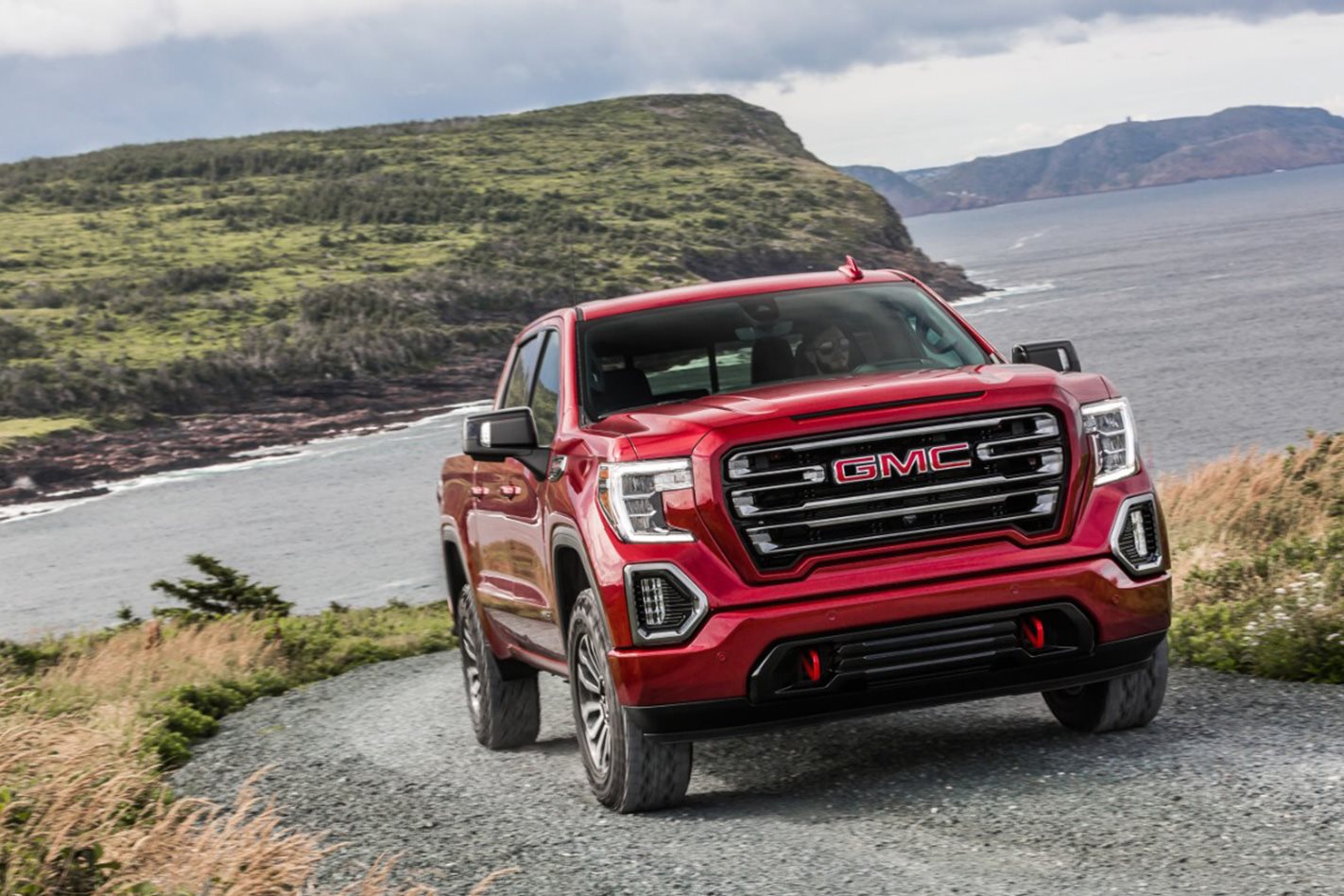
Catering for the demand and enthusiasm for larger-than-life American trucks, this November article showcased some of the massive Yank tanks you can get for not much cash in the US, but we think would also go okay Down Under. And you clearly thought so too with significant interest placing this yarn in seventh place over the year.
What’s not to love about the Suzuki Jimny? It’s cute, affordable and destroys many large four-by-fours with its unbelievable off-road ability. And when the new Suzuki Jimny was revealed, it seems you couldn’t get enough of the cheeky go-anywhere box. It ranked eighth.

A glimmer of hope that we may one day have a rear-wheel drive, V8-powered Holden available in local showrooms was enough to elevate this October story to the ninth most popular news story this year. There’s no chance of a bent-eight for the current ZB Commodore, so what could the mysterious model be?
And finally, in tenth place, another V8-powered, rear-drive Holden had you lot clamouring for a look when this one-off V8 Supercar went up for sale. How much would you pay for the ultimate wagon?
Yes, we have used traditional materials,” intones designer Ian Callum as he introduces Jaguar’s latest car to a clearly roused audience at the Detroit Motor Show, “but the timber trim has been deliberately burnt. We scorched it with a blowtorch.” The man is clearly having fun.
This feature was originally published in MOTOR’s April 2007 issue
And well he might. Because the C-XF concept he’s just unveiled is the most interesting Jaguar design in 30 years. And that it predicts the dreary S-Type’s replacement v. soon just adds to the good news.
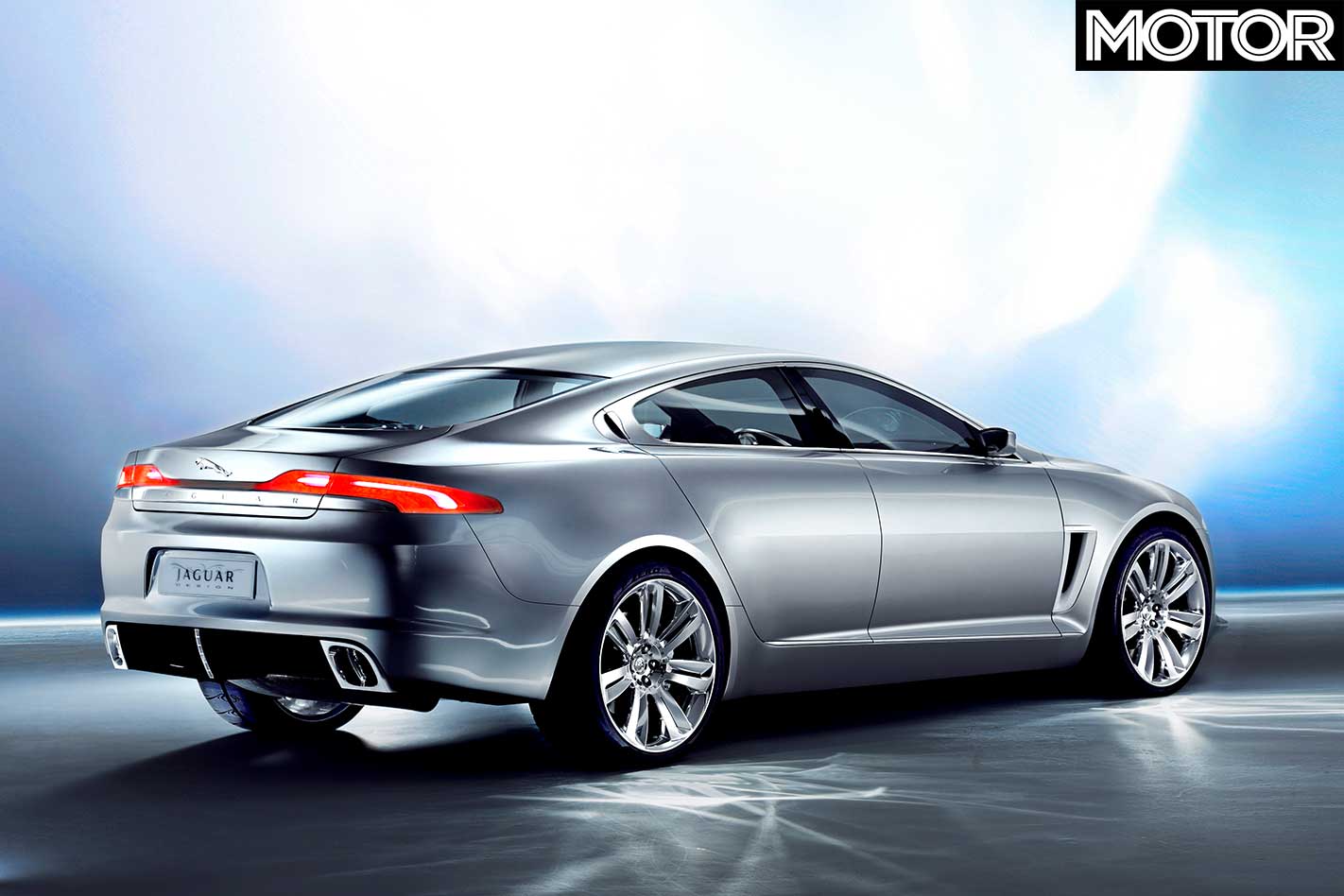
Exactly how the real-world saloon – already finalised before the C-XF was built – will appear is still to be revealed, but Callum tells us that the show car is strongly indicative of the production version and why not?
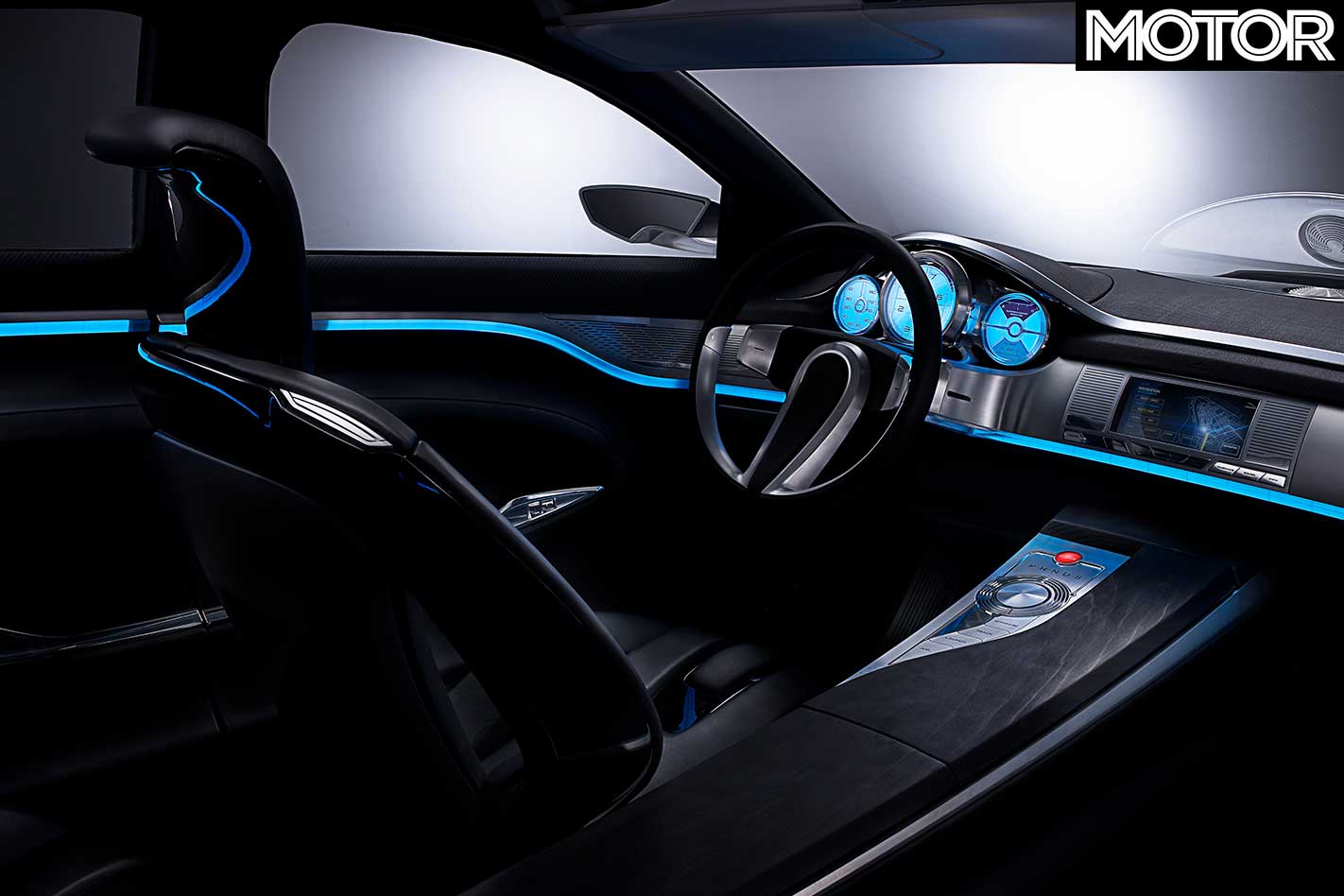
With a few concessions to pragmatism (a little more roof height, five-seater capacity, door handles perhaps) and good taste (make nice the exhaust) you’ve got one of the strongest four-door style contenders on the market; original, contemporary and, finally, distinctive without parody.
Which is timely; as despite – or because of – all the flag-waving, Jaguar’s fortunes have been in decline of late. Although v. impressive amounts of parent company Ford’s funds have been spent developing world-class aluminium platforms, stellar drivetrains and improved build quality, these advances have been hidden beneath bodyforms devoted to The Unchanging.
And guess what? Heritage doesn’t sell Hardware.
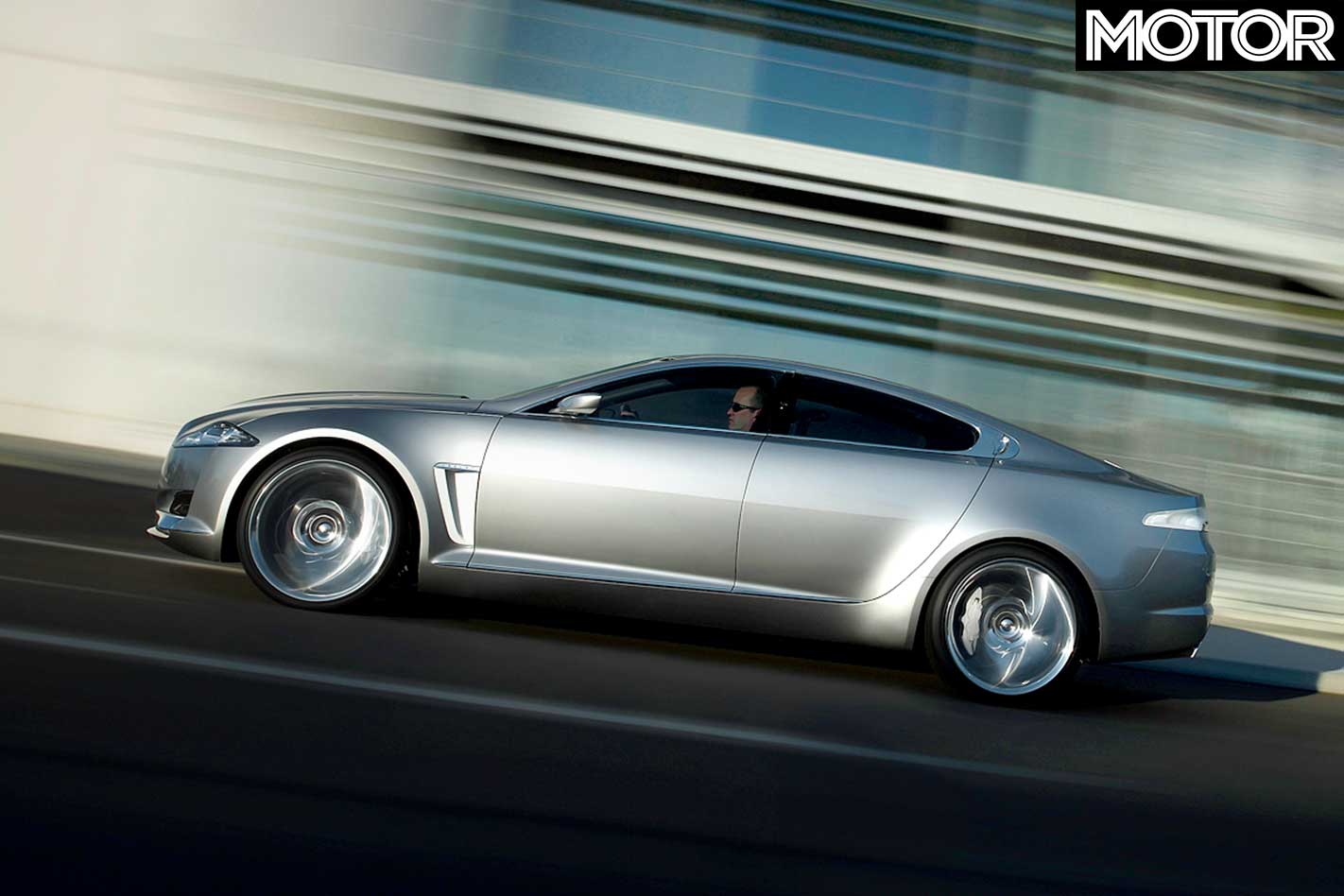
But many within the company have argued, and for many years, that a heritage as rich as Jaguar’s is too big an asset to lose, pointing out that the last time a clean break was tried the XJ-S coupe popped out and, apart from the car-for-the-blind jokes, nobody liked that very much.
So I imagine Designer Callum, having followed the faithful with his (current and clichéd) XK, might have had a battle on his hands to break free. But having previously debated the feisty bugger far into the night on matters of design, I’m not at all surprised that he’s finally had his way. And nor should the traditionalist be displeased.
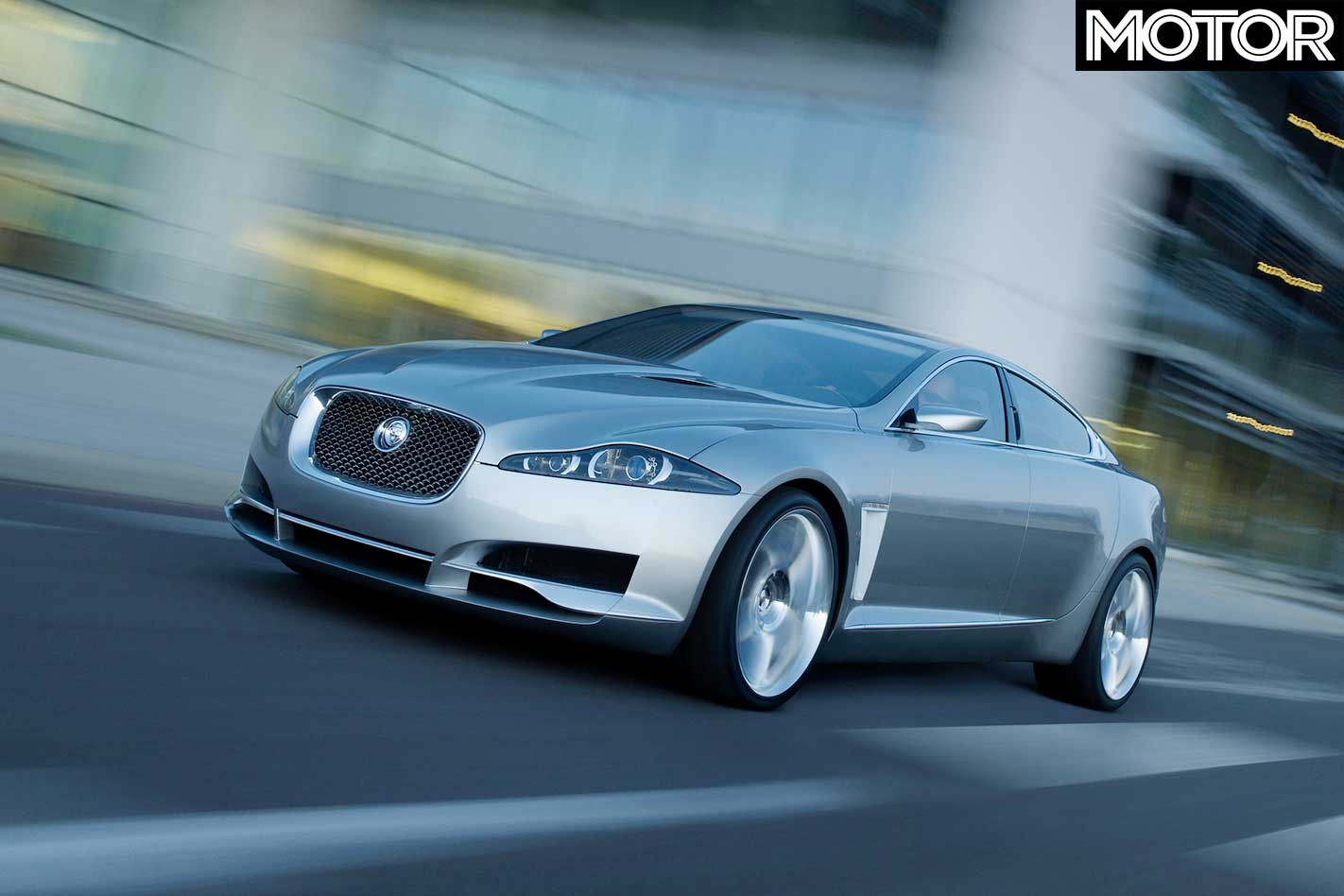
Far from abandoning the true ethos of Jaguar, Callum’s actually gone deeper into it than anyone since the days of Sir William Lyons, in which the classics – XK 120, Mk 2, E-Type, XJ6 – emerged owing nothing to, and honouring little of, anything that had gone before them. It wasn’t then, and in Callum’s vision, isn’t now a process of obligated evolution.
The challenge is always the creation of a beautiful, fast car distinguished by its drama, not its details. The C-XF promises a Jag saloon very much in that tradition.
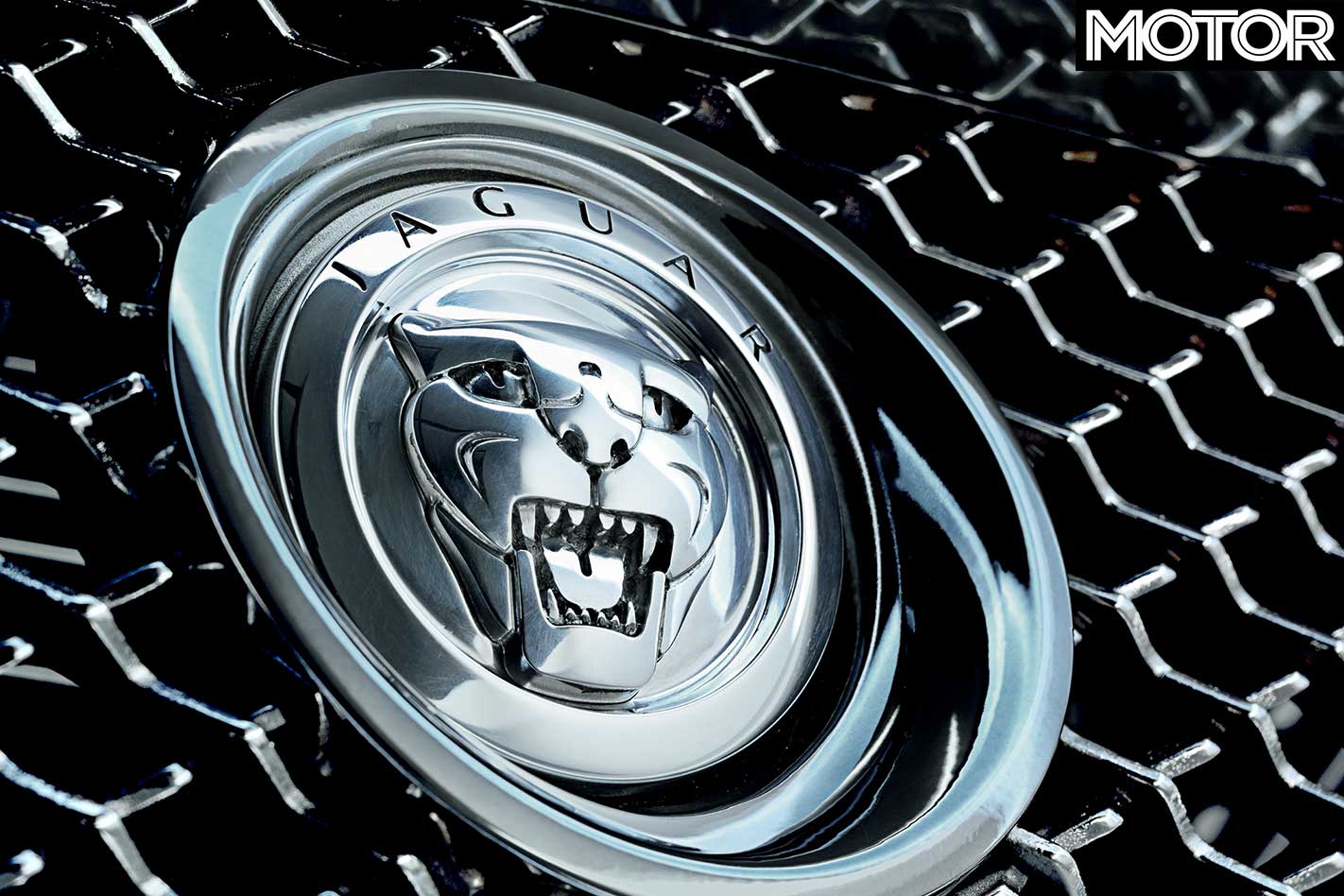
If not visually (although hints remain in the grille; no crime) then certainly in character. The stance is pure Jaguar and the snarl is near perfect. And if the rest of the design isn’t flawless – surely only Astons need side-vents for confidence – it’s more than enough to change things. Forever.
In conversation just after the launch, and before the C-XF is rightly awarded Car of the Show, Managing Director Bibiana Boerio tells us that Jaguar is committed to a repositioning, both upmarket and updated, of the marque. In truth, it has no choice now. Because Callum’s done more than just burn the timber on this one.
He’s burnt the bridges as well.
Every year we strap the timing gear to dozens of performance cars to test their makers’ claims.
This is a process that’s taking less and less time thanks to swelling power outputs and ever smarter launch control systems. Only two vehicles, both high-powered rear-drivers, took longer than four seconds to reach 100km/h.

The 10 vehicles below were the stars of 2018, but while last year’s list was remarkable for the numbers themselves, this year’s group is remarkable for the vehicles present.
Whereas 2017 was full of supercars, this year’s list (which is little slower) features a hatchback, a limousine, two wagons and two SUVs! It also features a 4×4 ute, albeit for a different reason. Read on…
10. Mercedes-AMG GLC63 S Coupe
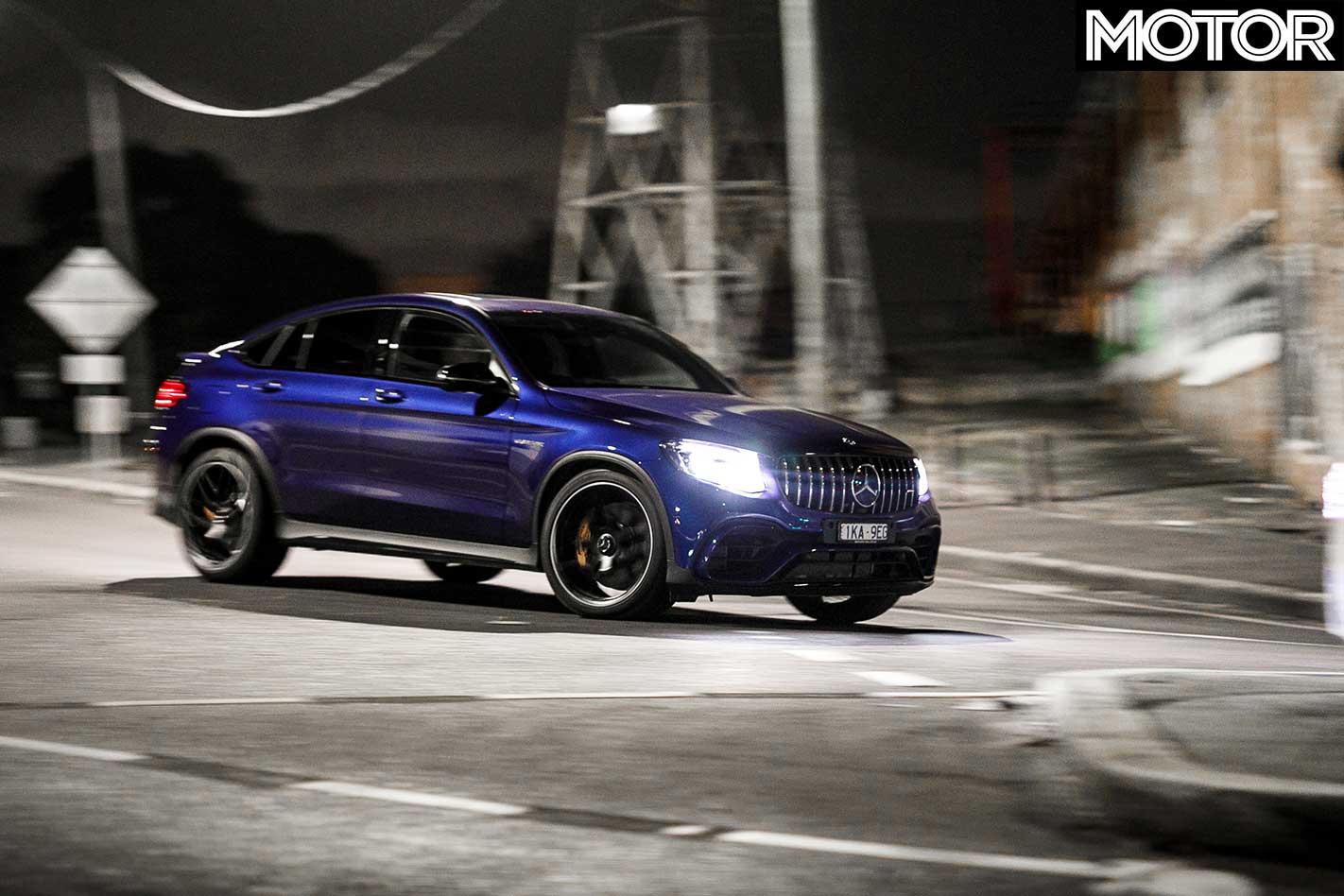
0-100km/h: 3.92sec 0-400m: 12.05sec @ 189.60km/h
Driver: Scott Newman Location: Heathcote Raceway
The first of three AMGs on this list, but definitely the most unlikely, the GLC63 S is an absolute beast. Mating the 375kW/700Nm 4.0-litre twin-turbo V8 to all-wheel drive makes a mockery of its SUV kerb weight and centre of gravity.
Launch control has the wheels spinning and the rear end slewing sideways if traction isn’t perfect and the acceleration doesn’t even begin to slow until the end of the quarter mile.
9. Mercedes-AMG S63L
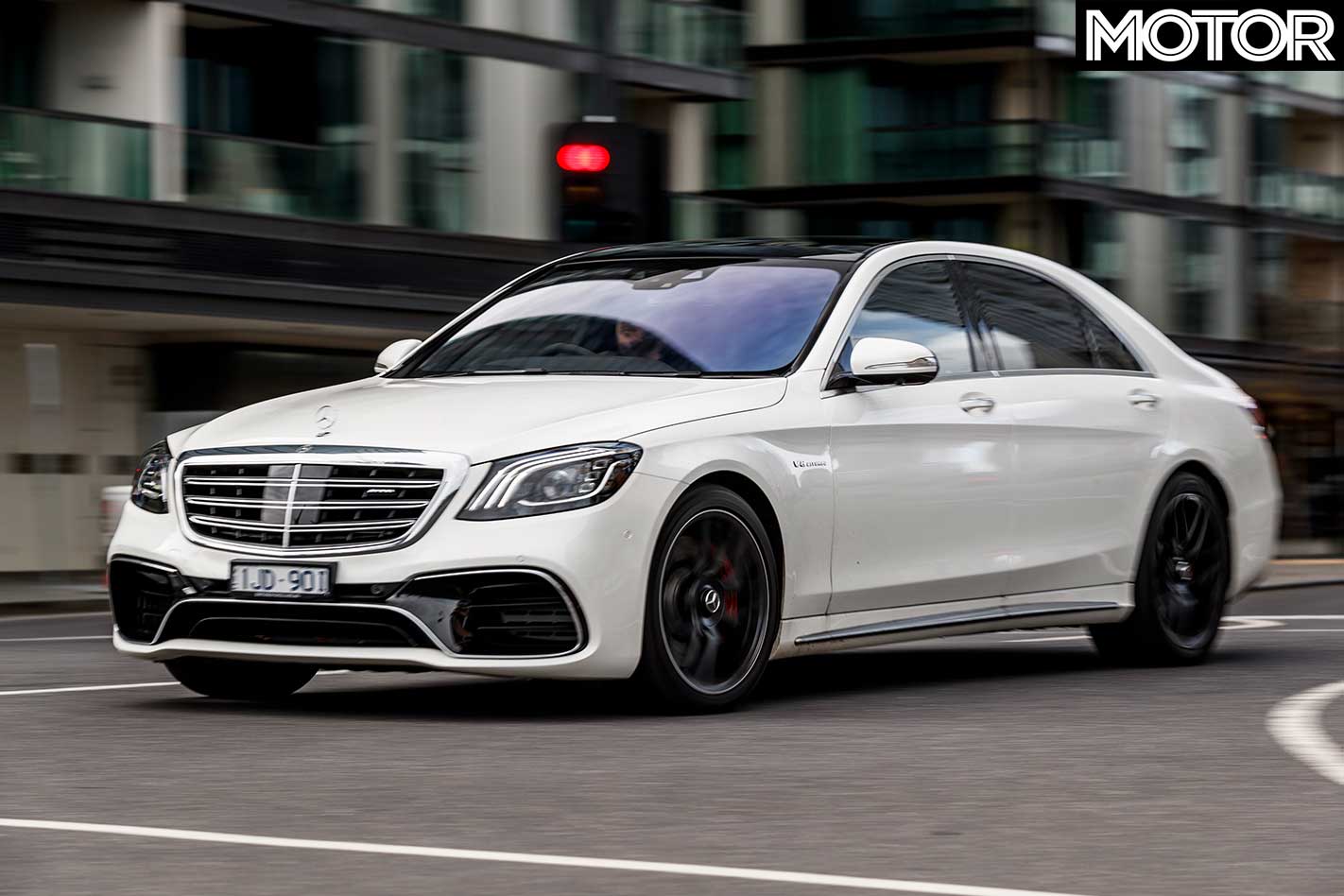
0-100km/h: 4.18sec 0-400m: 12.04sec @ 198.22km/h
Driver: Scott Newman Location: Heathcote Raceway
Both sublime and ridiculous, the S63 shares the GLC’s 4.0-litre twin-turbo V8 but adds 75kW and 200Nm while carrying only an extra 50kg. The result is incredible, the S63 gathering speed like it weighs nothing at all.
Despite lacking all-wheel drive and an LSD, it scrabbles to 100km/h in just 4.18sec and only seems to accelerate quicker from there. Its quarter mile time is almost identical to the cars around it on this list, but check out the difference in trap speed.
8. Porsche Cayman GTS
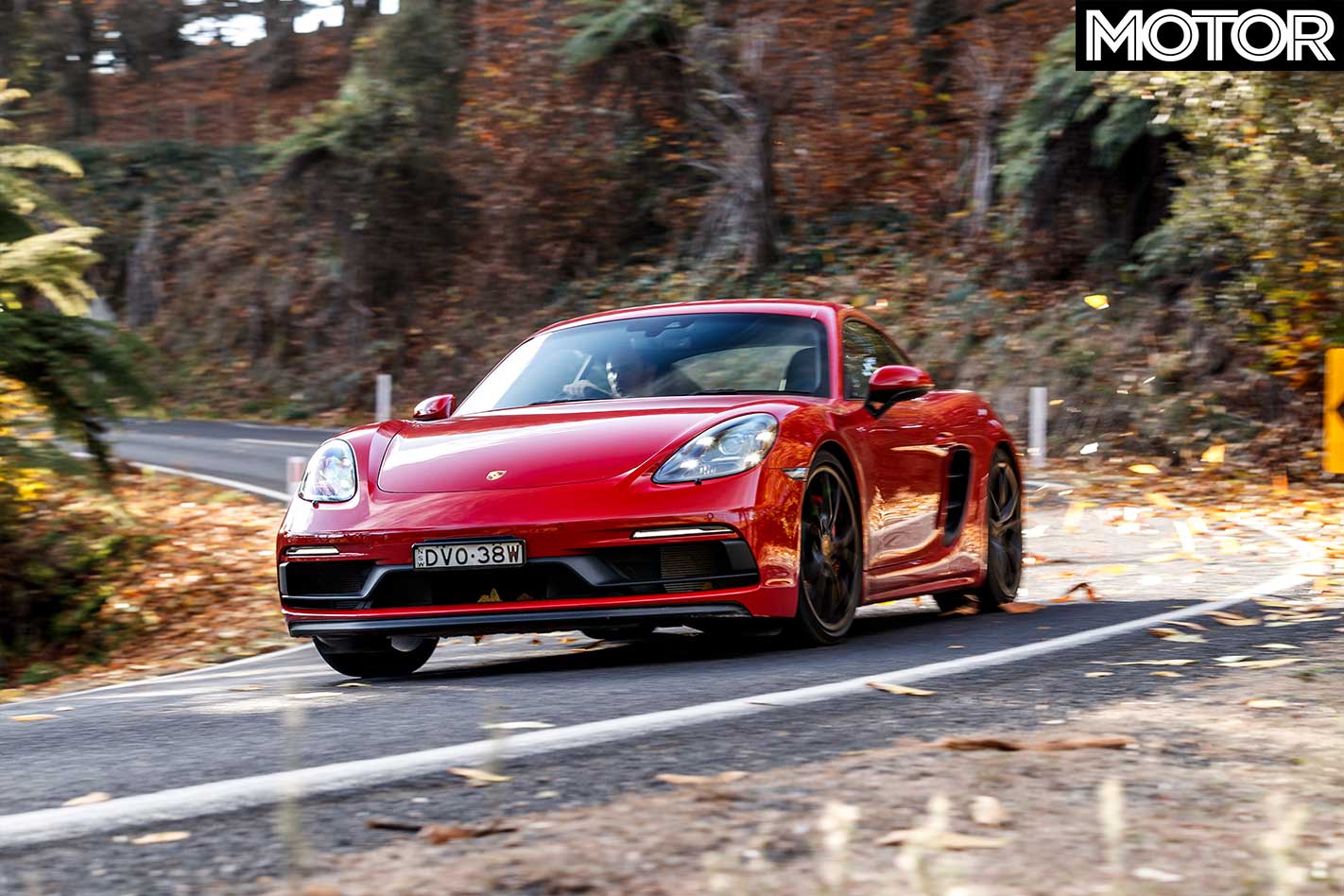
0-100km/h: 3.94sec 0-400m: 12.03sec @ 186.24km/h
Driver: Louis Cordony Location: Heathcote Raceway
As ever, Porsche makes the most of what it has better than anyone. With rear-wheel drive and just 269kW/420Nm, the Cayman GTS has no business jumping to 100km/h in less than four seconds, but the data doesn’t lie. Even better, in GTS guise the 2.5-litre turbo flat-four even sounds decent.
7. Audi RS4 Avant
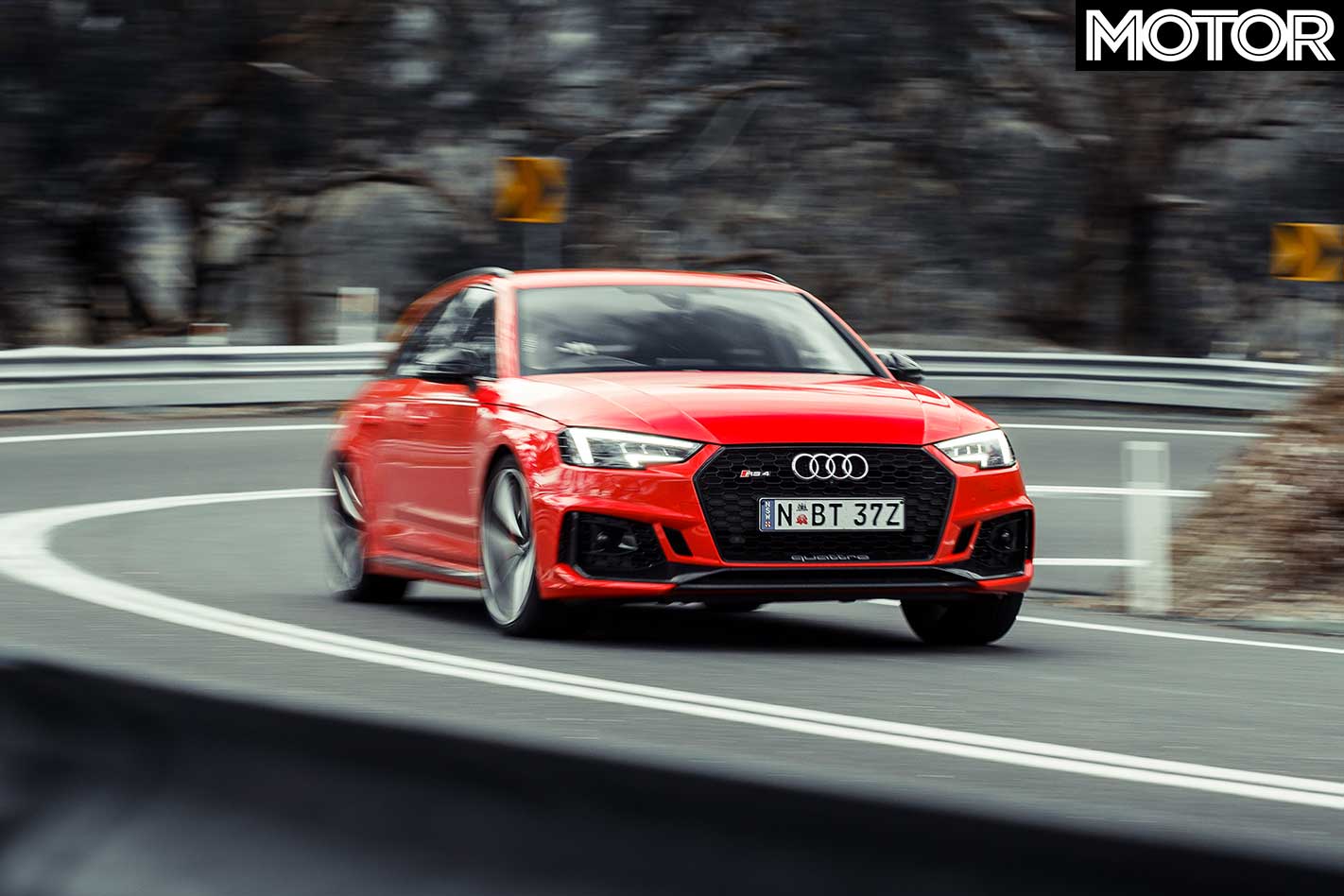
Driver: Trent Giunco Location: Heathcote Raceway
The latest RS4/RS5’s engine has copped some criticism from some quarters, but those people are wrong. The 2.9-litre twin-turbo V6 makes a soulful howl and 331kW/600Nm makes for seriously potent performance, especially for a car that would feel so at home on the school run.
6. BMW M4 CS
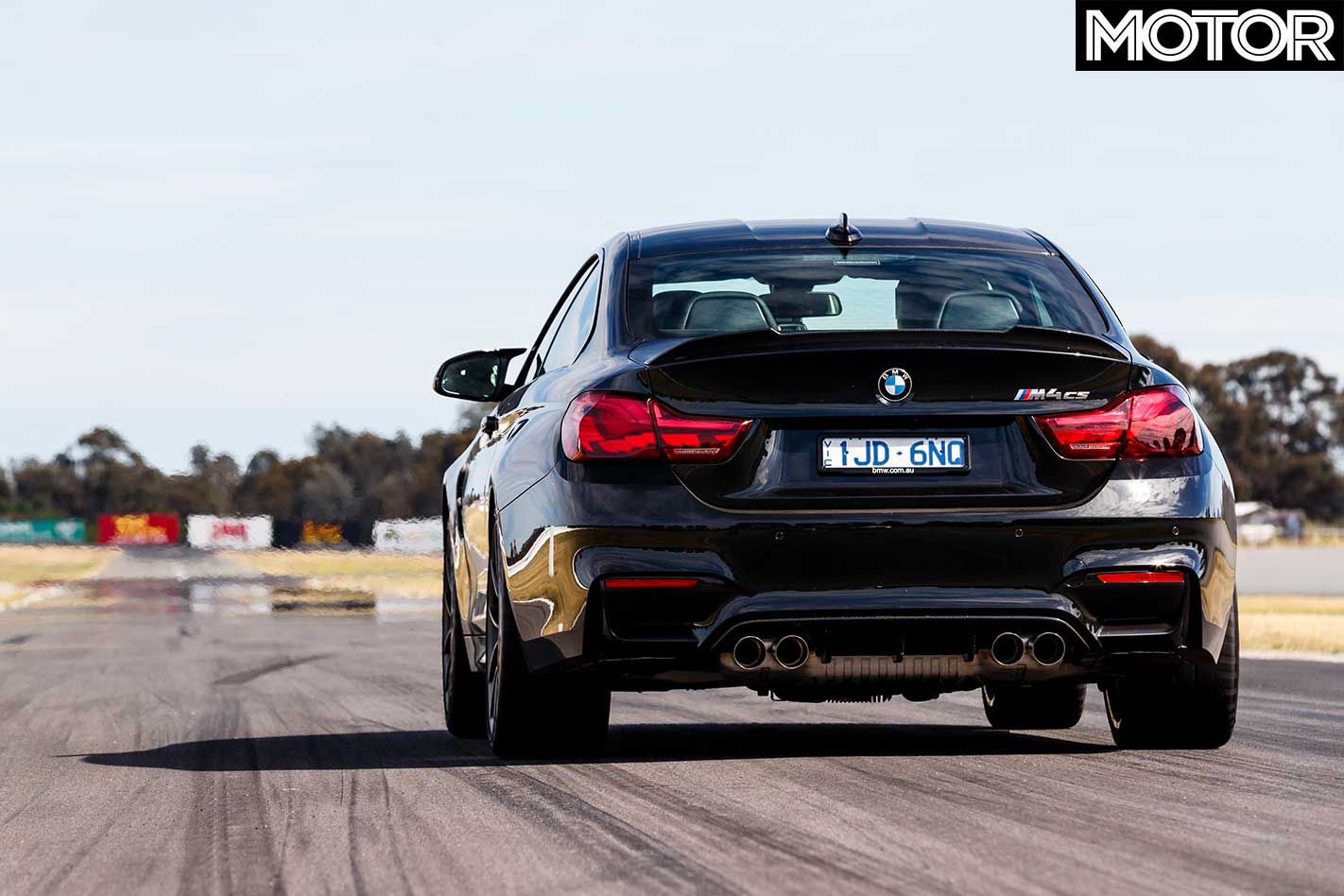
0-100km/h: 4.05sec 0-400m: 12.01sec @ 197.25km/h
Driver: Scott Newman Location: Winton Raceway
Sticky Michelin Cup 2 tyres help the M4’s 600Nm reach the tarmac, the CS recording our best M3/M4 figures ever. On a good surface the launch control works effectively and the trap speed suggests the 331kW claim is a little conservative – it’s catching the car ahead of it on this list in a big hurry by the end of the quarter mile.
5. Jeep Grand Cherokee Trackhawk
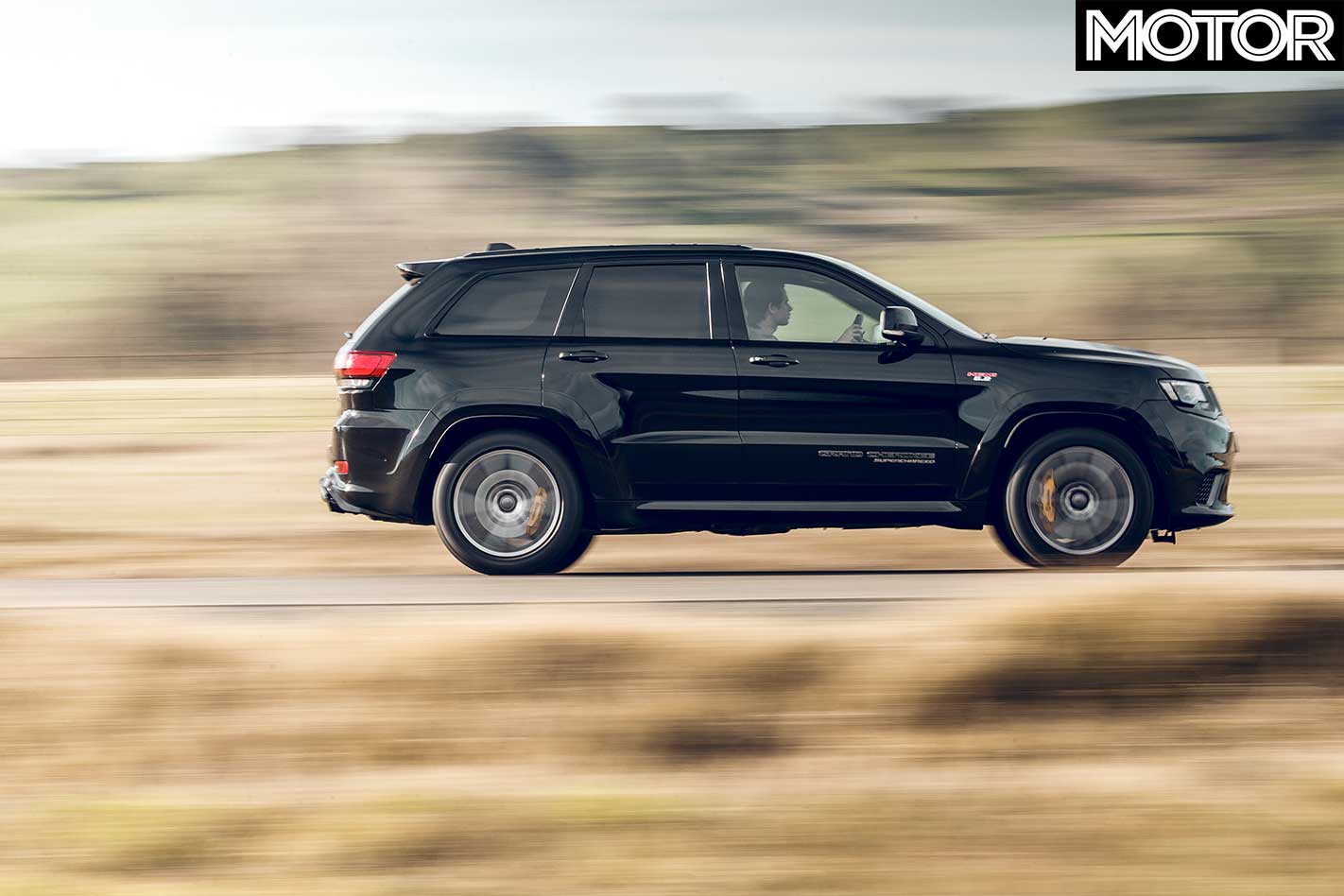
0-100km/h: 3.70sec 0-400m: 11.80sec @ 188.14km/h
Driver: Louis Cordony Location: Winton Raceway
Proof the world’s gone mad? Fifth place on the list is occupied by a 2.4-tonne Jeep with the aerodynamic properties of a port-a-loo. Turns out aero doesn’t matter when you have 522kW/868Nm and the Trackhawk makes a truly evil noise as it beats the dragstrip into submission.
4. Audi TT RS
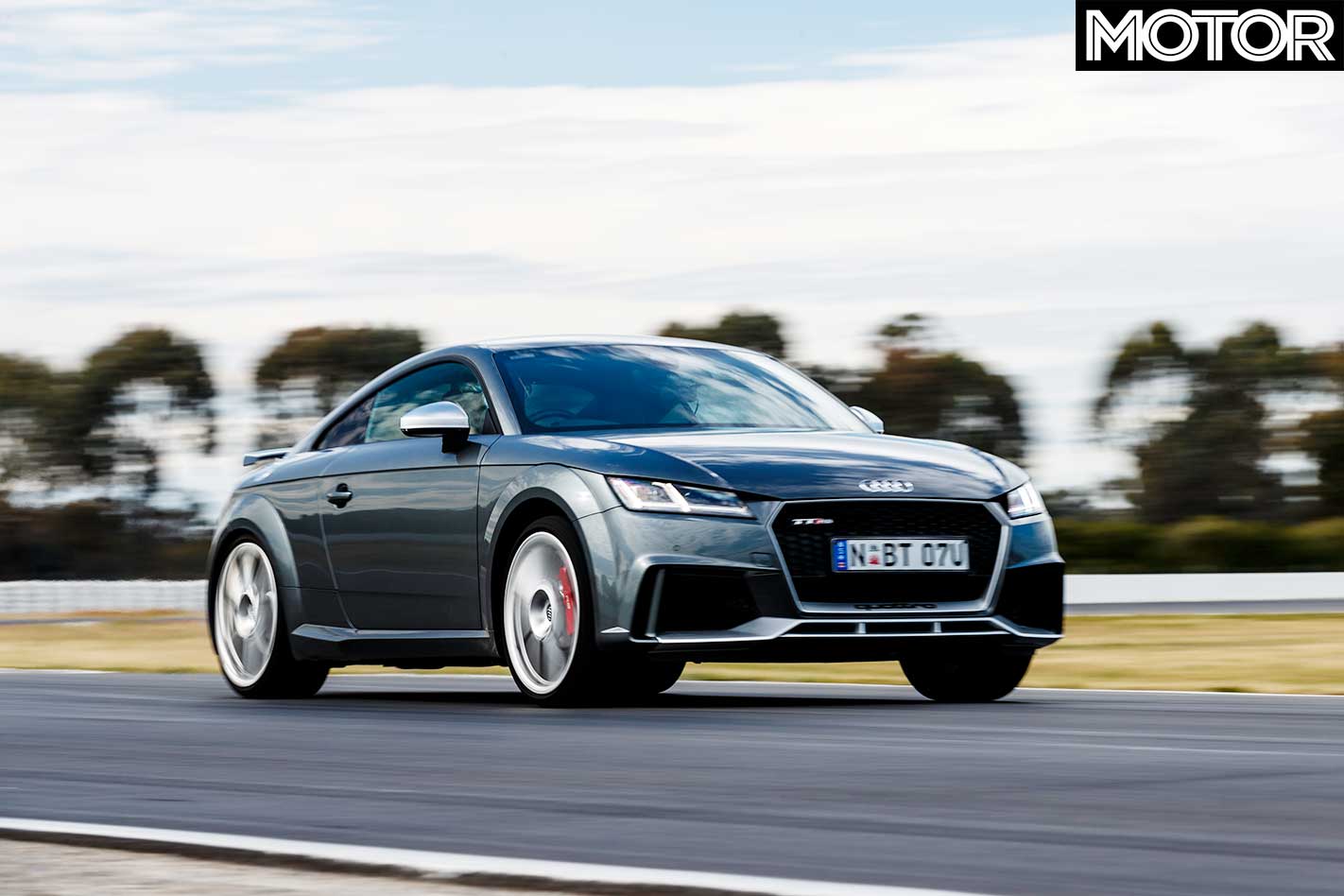
0-100km/h: 3.59sec 0-400m: 11.75sec @ 191.89km/h
Driver: Scott Newman Location: Heathcote Raceway
Audi is becoming Porsche-like in its habit of besting its own claimed acceleration times. The RS4 above shaves an incredible 0.24sec from its 4.1sec claim and the TT RS manages similar, crushing its 3.7sec claim for a jaw-dropping set of numbers from a car that still struggles to achieve performance credibility among the masses.
3. Mercedes-AMG E63 S
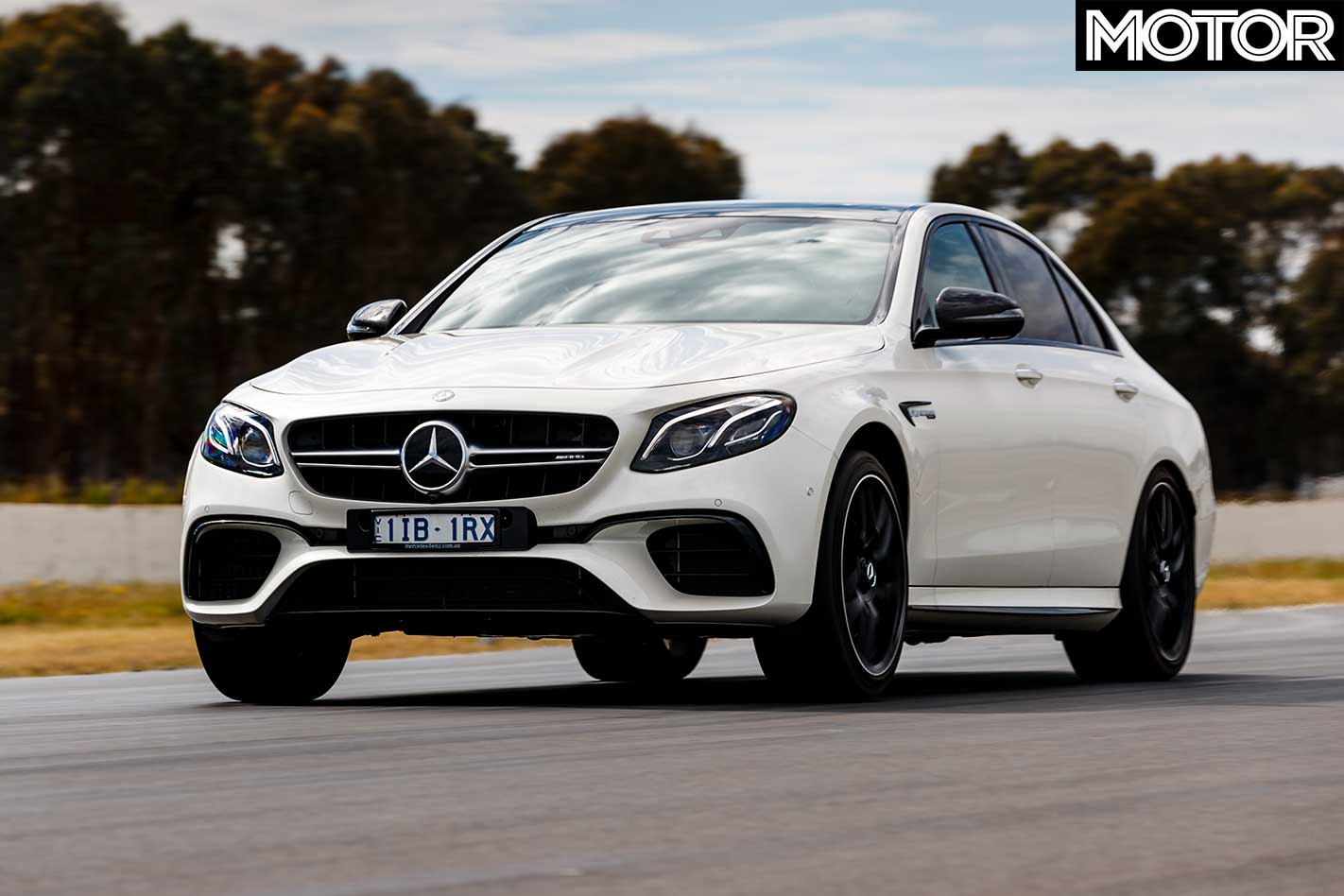
0-100km/h: 3.40sec 0-400m: 11.28sec @ 203.72km/h
Driver: David Morley Location: Winton Raceway
Talk about German accuracy. AMG claims the E63 S does 0-100km/h in 3.4sec and it does exactly that. Exactly, to the hundredth. The relentlessness of the acceleration is what takes your breath away, though, the E63 boasting the quickest trap speed of any standard production car we tested this year.
2. Porsche Panamera Turbo Sport Turismo
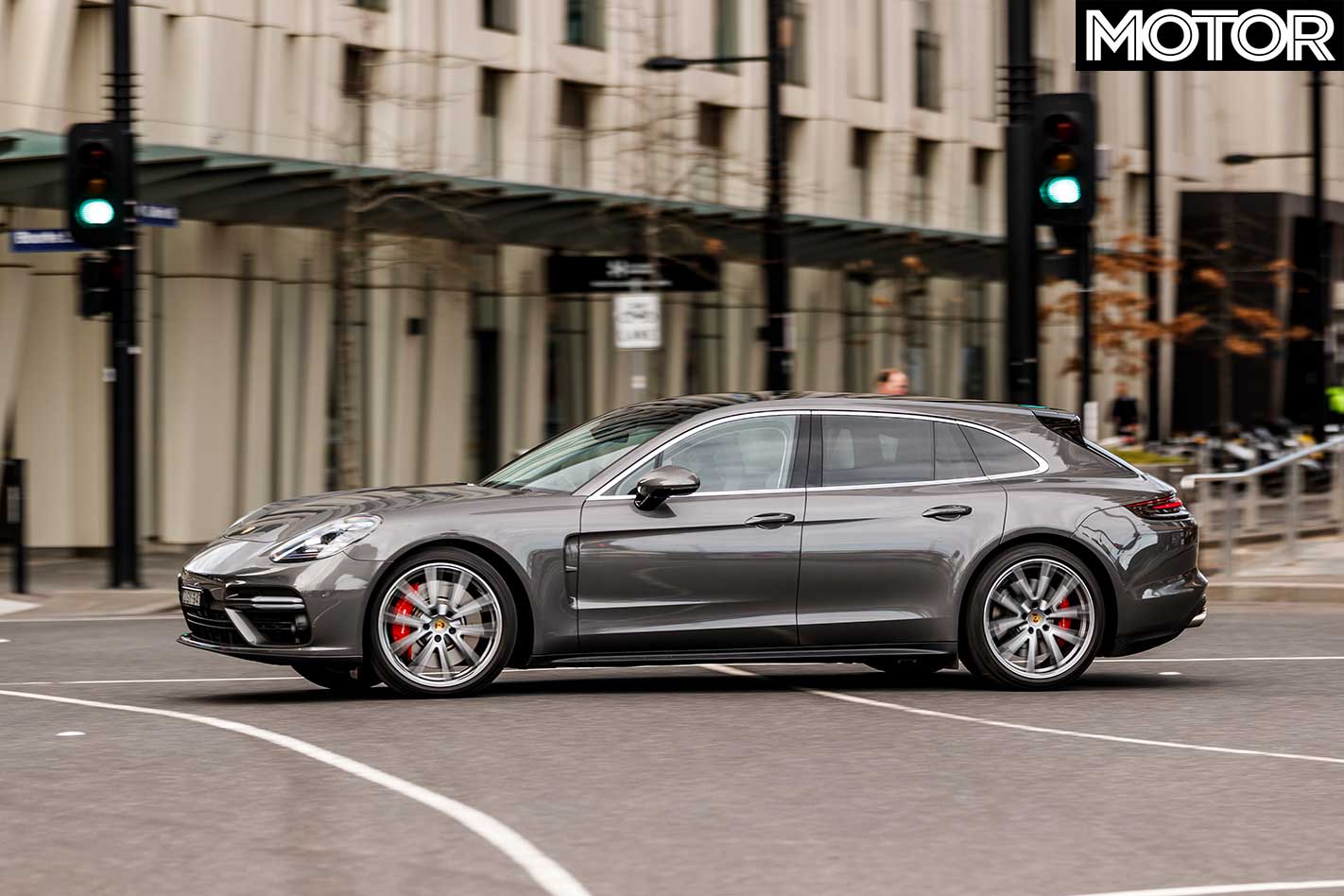
0-100km/h: 3.38sec 0-400m: 11.49sec @ 193.88km/h
Driver: Scott Newman Location: Heathcote Raceway
Porsche claims the 2035kg Panamera Turbo Sport Turismo takes 3.8sec to reach 100km/h. In fact, it only takes 89 per cent that length of time. The Panamera’s launch control is like a bomb going off and it makes it three times in a row that a Porsche has been the quickest standard production car we’ve tested. This year, however, it doesn’t score top spot.
1. APR Stage 1 Audi RS3
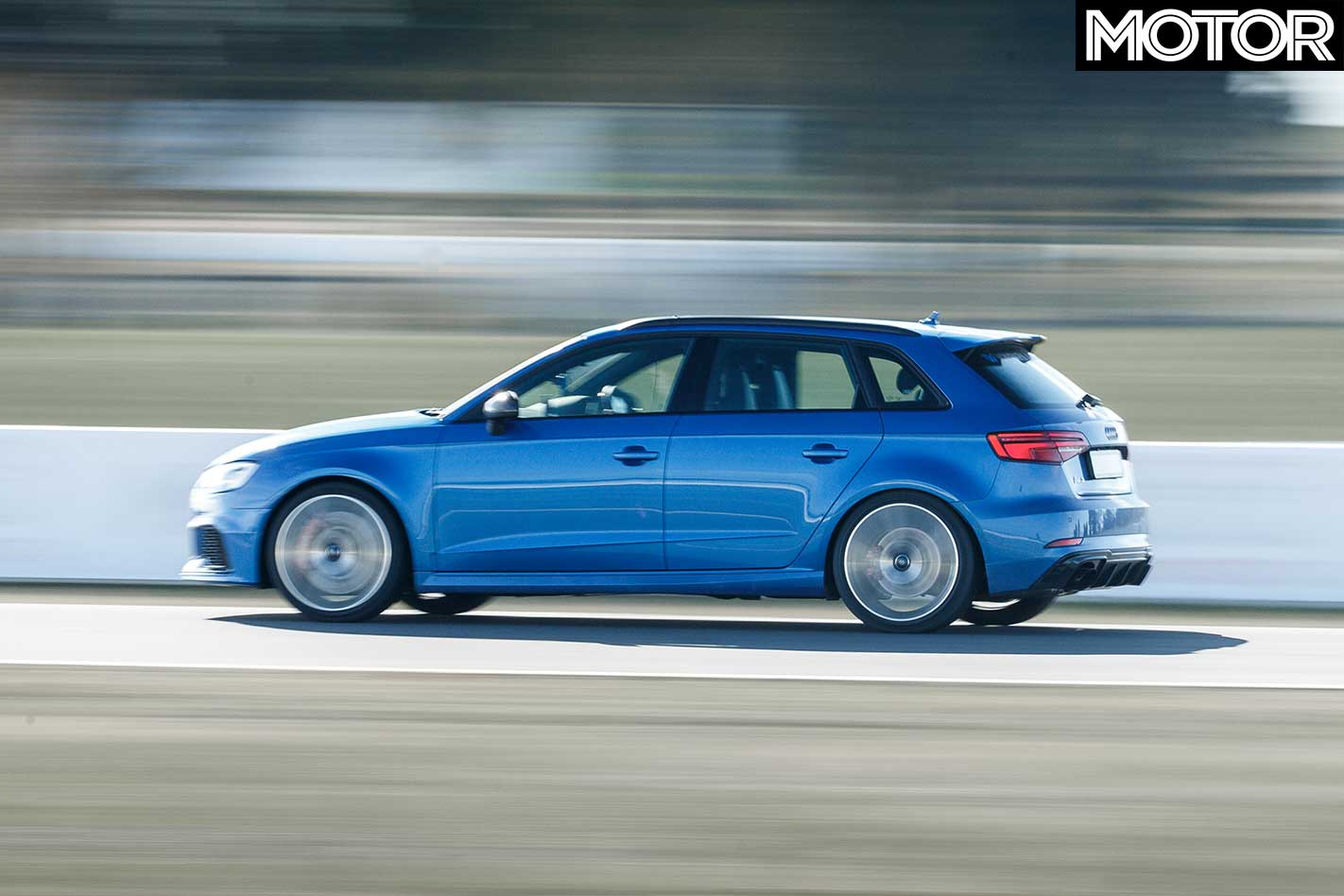
0-100km/h: 3.28sec 0-400m: 11.09sec @ 209.58km/h
Driver: Scott Newman Location: Winton Raceway
The quickest car MOTOR tested in 2018 was an $80,000 hatchback with less than $2000 worth of engine mods. It’s a testament to the headroom built into Audi’s 2.5-litre turbo five that a simple Stage 1 remap from APR turns it into a supercar slayer.
Tuned for E85, the APR RS3, provided by VW Park Autowerks , produces 404kW/678Nm, enough to give it the sort of acceleration you’d expect from a Porsche 911 Turbo or an Audi R8 V10 Plus. It could have gone quicker, but the standard launch control simply resulted in massive wheelspin in first gear. What a weapon, what a sleeper.
Wooden Spoon: Ford Ranger Raptor
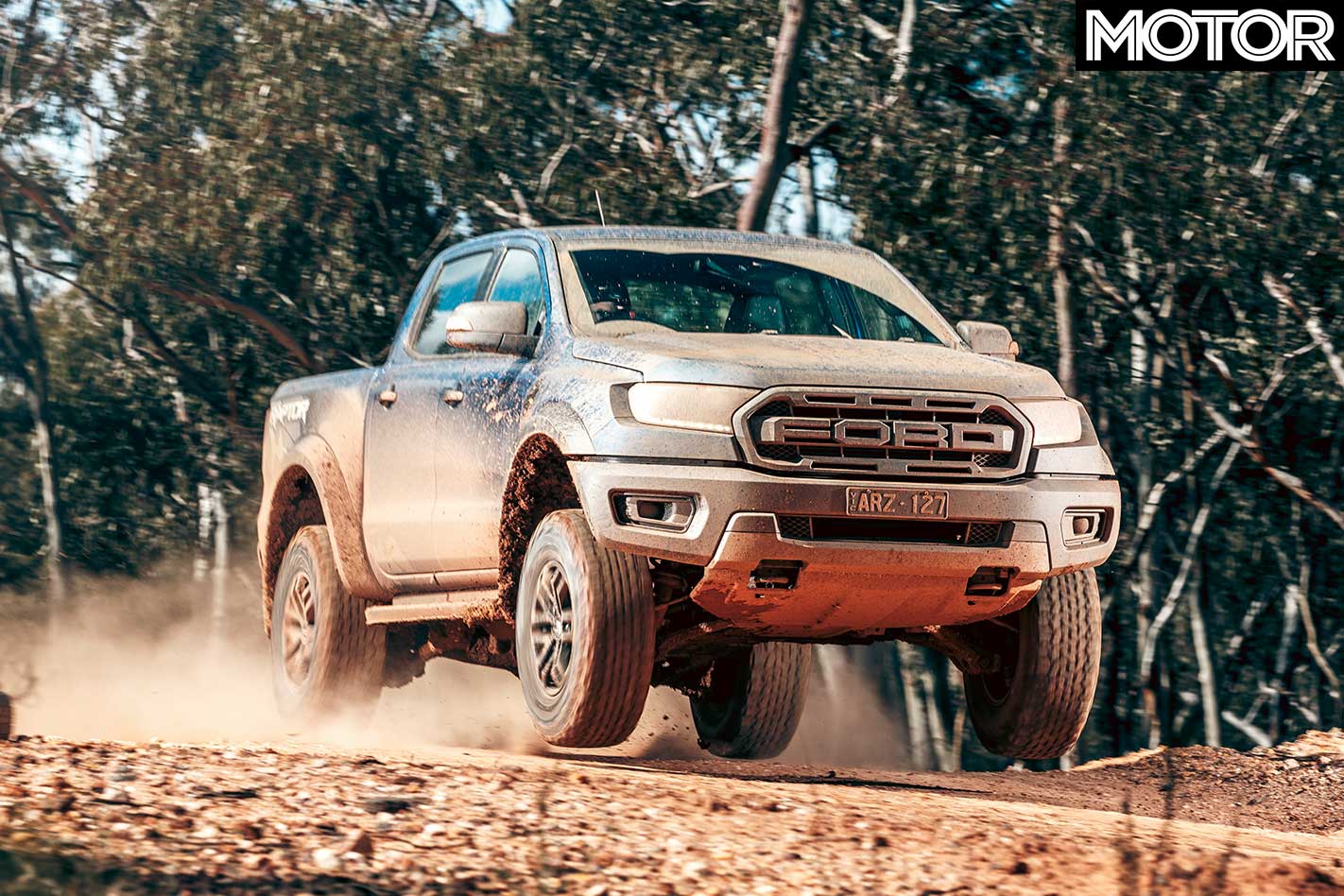
0-100km/h: 10.54sec 0-400m: 17.48sec @ 127.47km/h
Driver: Scott Newman Location: Heathcote Raceway
At the other end of the spectrum, the slowest vehicle MOTOR tested in 2018 – in fact, the slowest vehicle MOTOR has tested in years – was the Ford Ranger Raptor. It meandered along the drag strip, using its 10 tightly-packed ratios to extract every possible skerrick of speed from its 2.0-litre twin-turbo diesel.
The Raptor is enormous fun in its preferred environment, but the drag strip isn’t it. In the time it takes it to reach 100km/h the APR RS3 has more than doubled that speed.
Who’s Australia’s fastest growing car manufacturer? You’re looking at him: expatriate Englishman David Brim, the 40-year-old CEO of Tomcar.
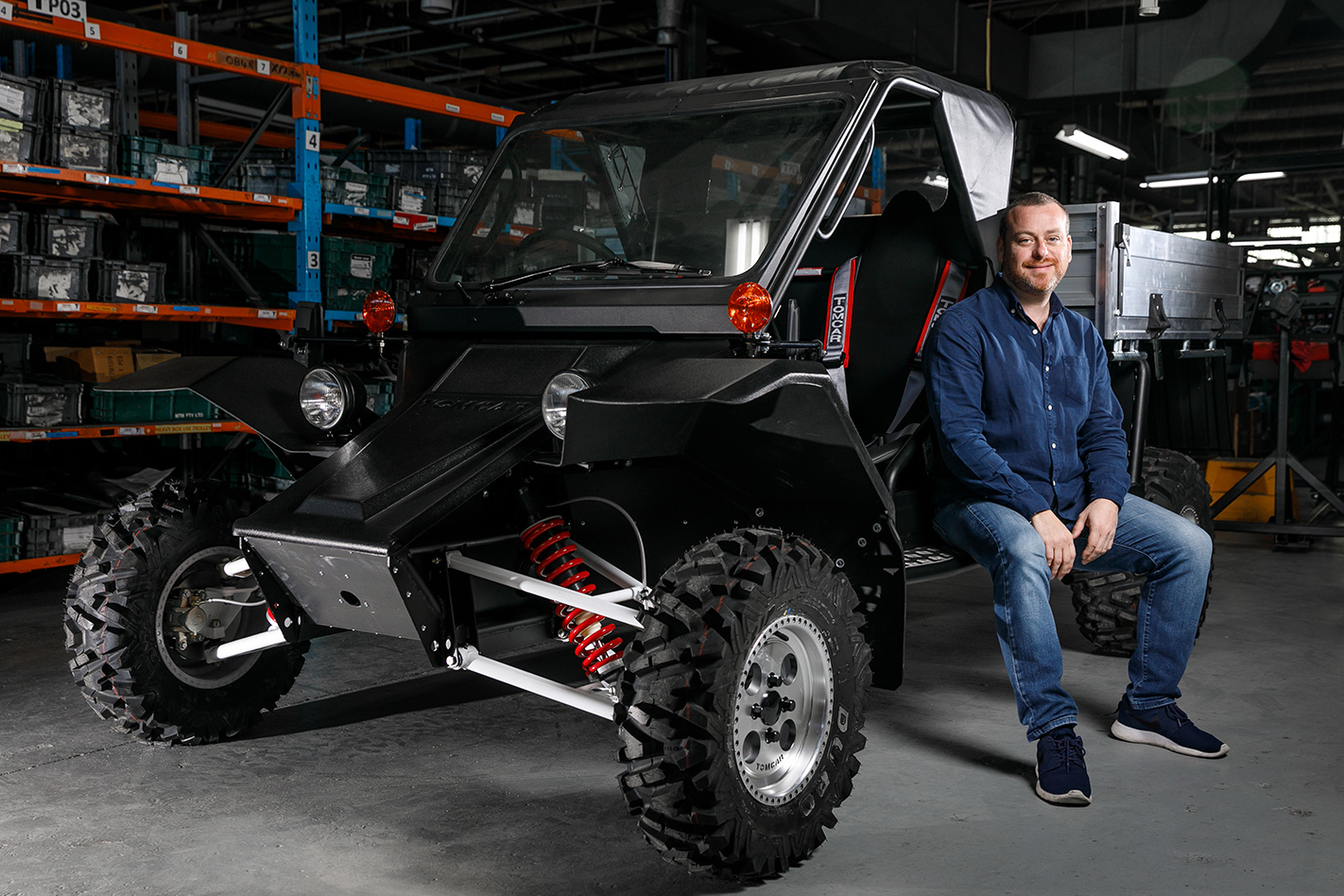
The Melbourne-based enterprise has produced only about 200 of its off-road buggies since manufacturing kicked-off in 2012, but Brim intends for Tomcar to be one day producing 5000 to 8000 per year. By the end of this year, of course, he’ll be Australia’s largest car manufacturer.
“We’re the fastest growing car company in Australia because everyone else is closing, but I want to hold the flag high and be a vanguard,” Brim says. “I want to see in 15 or 20 years, dozens of companies like Tomcar here in Australia, manufacturing a whole variety of mobility solutions.”
Brim, a Londoner whose family has interests in publishing and property, came to Australia 12 years ago with the design rights to an Israeli-developed military vehicle. His main automotive connection previously was a family passion for Lotus Super Sevens.
“We were members of the Swiss Lotus Club, and every year we went to St. Moritz where 300 to 400 Super Sevens would gather. We used to go across the Channel and drive around France. It was an affordable family holiday.”
He says he’d never really made the connection between the Lotuses and the Tomcar; the attraction of the latter was purely business. Based in Brisbane for the first six years, Tomcar loaned prototypes to outback cattle farmers for testing and development.
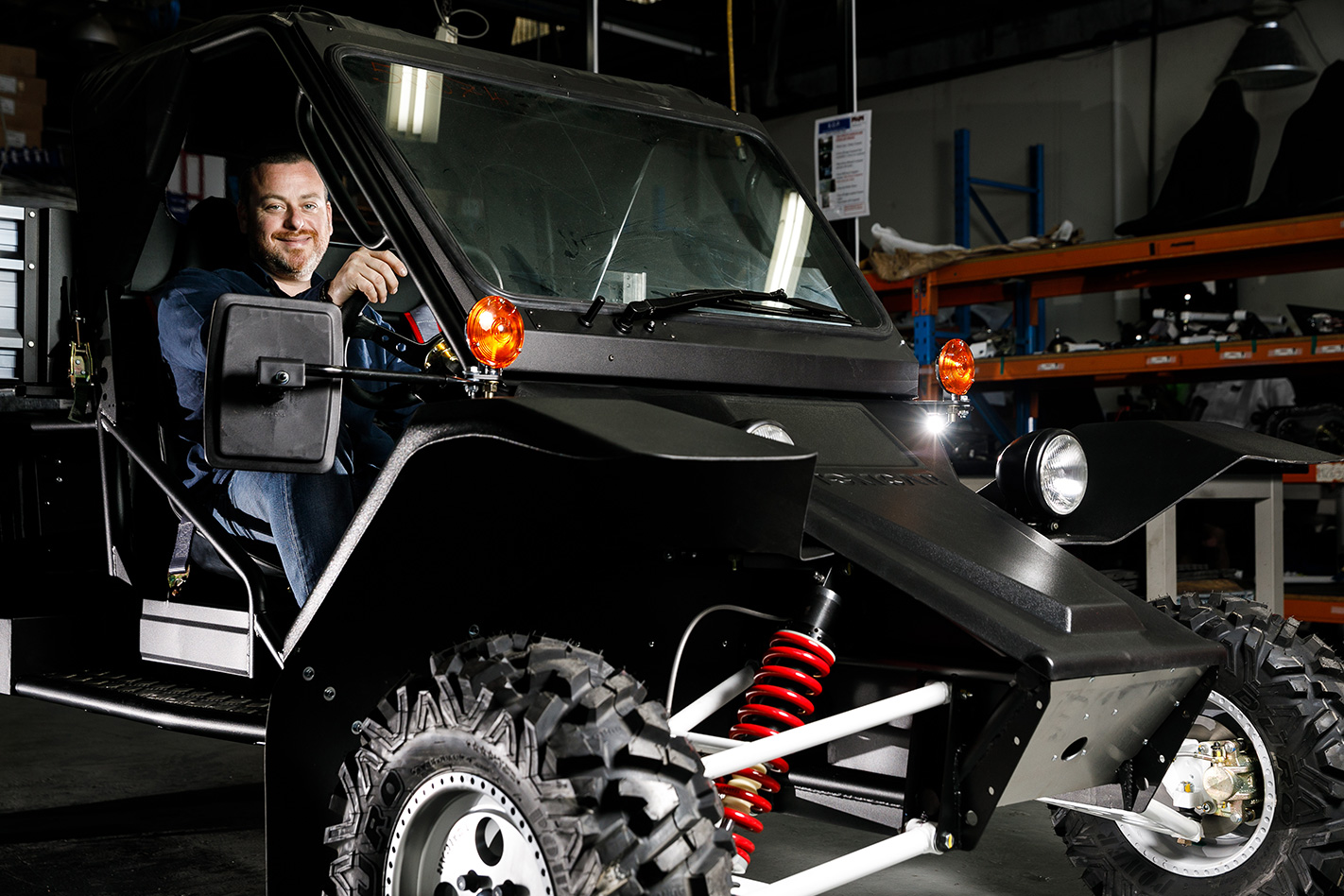
“It was a crude military vehicle from Israel,” Brim says. “A fantastic design, but very unfinished and raw, not commercialised in any way. So we completely redesigned the drivetrain, electronics system, and the way the car is put together. There were more than 2000 parts that we had to source.”
Surprisingly, that last part wasn’t easy. “More than 70 percent of the content comes from local manufacturers – compared with the Holden Cruze, which was four percent,” Brim says. “But finding people to support the dream was another major challenge. We’ve been told to move along… ‘You can’t build a car in Australia profitably’; ‘You can’t sell a car on the internet.’ We’ve been laughed out of a minister’s office. Literally. Like, giggled out.”
Good thing the astute, soft-spoken Brit doesn’t seem the vindictive type. “Not yet. When I win an award I’ll call everyone out.”
Australia, Brim says, is probably the best place in the world to develop and build a vehicle like the Tomcar. “In Australia, we have customers who have 300,000 acres; a million acres. These are huge distances, they’re travelling hours and hours each day… that really has an effect on the cooling system and the moving parts.
“If you can tame Australia’s outback, you can go anywhere in the world with it.”
Agricultural users constitute about 60 percent of Tomcar’s current customers, though Brim expects mining (currently 30 percent, with military being the remainder) to one day overtake it. Recreational focus can follow later.
“We really do try and stay true to those practical, commercial applications of our vehicle,” he says. “The future of manufacturing in Australia is niche. Now, niches can be very large globally.
“The problem with Toyota, and these other guys, was that they were building cars that we weren’t really buying. We need to start building products around what we use. So I can see a future in Australia of us leading the way in mining and agricultural equipment.
“With the passenger car industry leaving, it’s shaking things up and making people think outside the box.”
As much as we roll our eyes at the whole “there’s an app for that” campaign that Apple spat out a few years ago, there truly is an app for almost everything you can think of. Want to know how to find the cheapest fuel? There’s an app for that. Where to find the nearest charging station?There’s one that shows you how. Want to learn a language while you’re driving? Of course, you can.
We’ve found the best apps to do all this in the car, and then some. So if you’re a car lover or about to embark on a road trip, consider downloading these apps before you take off.
FindPenguins
There are those moments on every road trip, where you take the path less travelled, unearth a gem and make a mental note on where you were, only to forget a few kilometres down the track. FindPenguins is not a flightless bird seeker, but a GPS-driven application that allows you to track your travels, add in a co-driver to follow along with and wraps it up in a neat, highly visual package so you can look back on exactly where you’ve been.Plus, unlike some other tracking apps, it also works offline. Available on iOS/Android; https://findpenguins.com
XLR8
Sensing acceleration, braking and corners, this app mimics the engine of a supercar and pumps it through the speakers. Choose from a classic V8 muscle car, Lamborghini, Ferrari, Nascar or Ford GT40. When you think about it, manufacturers have been doing it for years, so technically, it’s not cheating… Available on iOS/Android
PlugShare
Own an EV or considering one but disgusted at the Australian government’s abysmal attitude to infrastructure installation? Join the rebel alliance! This crowd-sourcing app is like Tinder for EV owners that not only displays charging stations located around the country (or around the world, the app is international) but also allows users open to sharing their sockets to add themselves to the map.
It not only specifies things like Tesla and three phase power points but also things like caravan mains, commando points, superchargers and type 2 power points. On top of that, if you’re a subscriber of a certain charging network, like Chargefox, ChargeNet or ChargePoint, you can also search by provider. Brilliant. Available on iOS/Android/Windows
Waze
Another community-driven app, Waze is one of those don’t -know-you-needed-it-until-you’ve-tried-it apps. Providing live traffic updates, as provided by you and other users, it helps with navigating city traffic so that you always know what’s up ahead, from police to roadworks, accidents and speed cameras. Handy for those who don’t like sitting still. Available on iOS/Android/Windows; https://www.waze.com
Google Trips
Google Maps’ search function just got better with this travel app that cleverly syncs all your travel info (provided you use Gmail for your reservations) and makes it available offline. To make things even easier, it also clocks exactly where you’re going, highlights nearby attractions, things to do and suggests the best-rated places to eat, drink and stay. Available on iOS/Android; https://get.google.com/trips/
Spotify
If you’re not streaming your music by now, sorry to say, you’re missing out. Spotify is by far the best way to collate your playlists, save your favourite artists and discover new tunes, podcasts, radio series and even comedy acts. Just a few months ago the streaming service made some changes to their premium service, including a smarter recommendation algorithm that learns your tastes and gets better the more you listen, increased number of saved songs for offline listening from 3,333 tracks on three devices to 10,000 on five, and better integration with Waze and Google Maps. Available on iOS/Android/Windows; https://www.spotify.com/au/
CNCF Carbon Calculator
For any motoring enthusiast, daily driver or frequent traveller, calculating your carbon footprint is a scary proposition, trust us, we get it. But it’s also an interesting experience, just to know exactly the impact your daily movements are having. It’s the least we can do, right? Web-based app: https://cncf.com.au/carbon-calculator/
FuelMap
This crowd-sourced price-watcher acts like an Australian database of where-to-refuel, while also being a personal petrol log. Users upload petrol prices as they go, which are shared and then pop up on a map, so you can find the most affordable fuel near you. The log side of things helps keep track of your purchases and vehicle’s economy. Available on iOS/Android/Windows; http://fuelmap.com.au/
Pimsleur
Got some downtime on the road? Why not learn a new language? The Pimsleur method is a language course with a huge empathises on speaking, which makes it an excellent way to learn while you’re on the move – particularly for road trips in a car alone or with a passenger. The Pimsleur app has all the usual components, like flash cards, reading and writing, but the cool thing about this app that others like Babbel, Duolingo or Busuu don’t have is a hands-free driving feature, which lets you listen to lessons and practice conversations while you’re in the car. Just keep in mind that learning a language and driving both require concentration, which might prove dangerous for some – if that’s the case, perhaps use the time to listen to music or a podcast in the language you’re learning through Spotify. Available on iOS/Android
Emergency+
We hope this is the one app you’ll never need to use, but it’s a handy one to have, especially when you’re on the road in rural Australia and not entirely sure where the bloody hell you are. In case of a situation that requires a triple zero call, this app, developed by Australia’s emergency services and government industry partners, uses your smartphone’s GPS to display your latitude and longitude and help provide extra information about your location, making it easier for the emergency services to reach you.Cleverly, the app also lists non-emergency numbers, like the Police Assistance Line, SES and Crimestoppers, should they ever be needed. Available on iOS/Android/Windows
Revs are addictive, chasing the top end of the tachometer and keeping a sweet atmo engine up at peaky power is addictive. But do you know what else is? Boost. Boost is. And lots of it, whether spooling immediately or gradually gathering tornado-like force.
Best hold on tight when accelerating in the below five boosty boys, all of which are available for between just $15,000 and a heady $80,000. Don’t expect much else to beat you off the line, though – or keep pulling to beyond legal … er, we mean, 110km/h, onto the freeway.
1. 2002 FPV F6 Typhoon – $15k
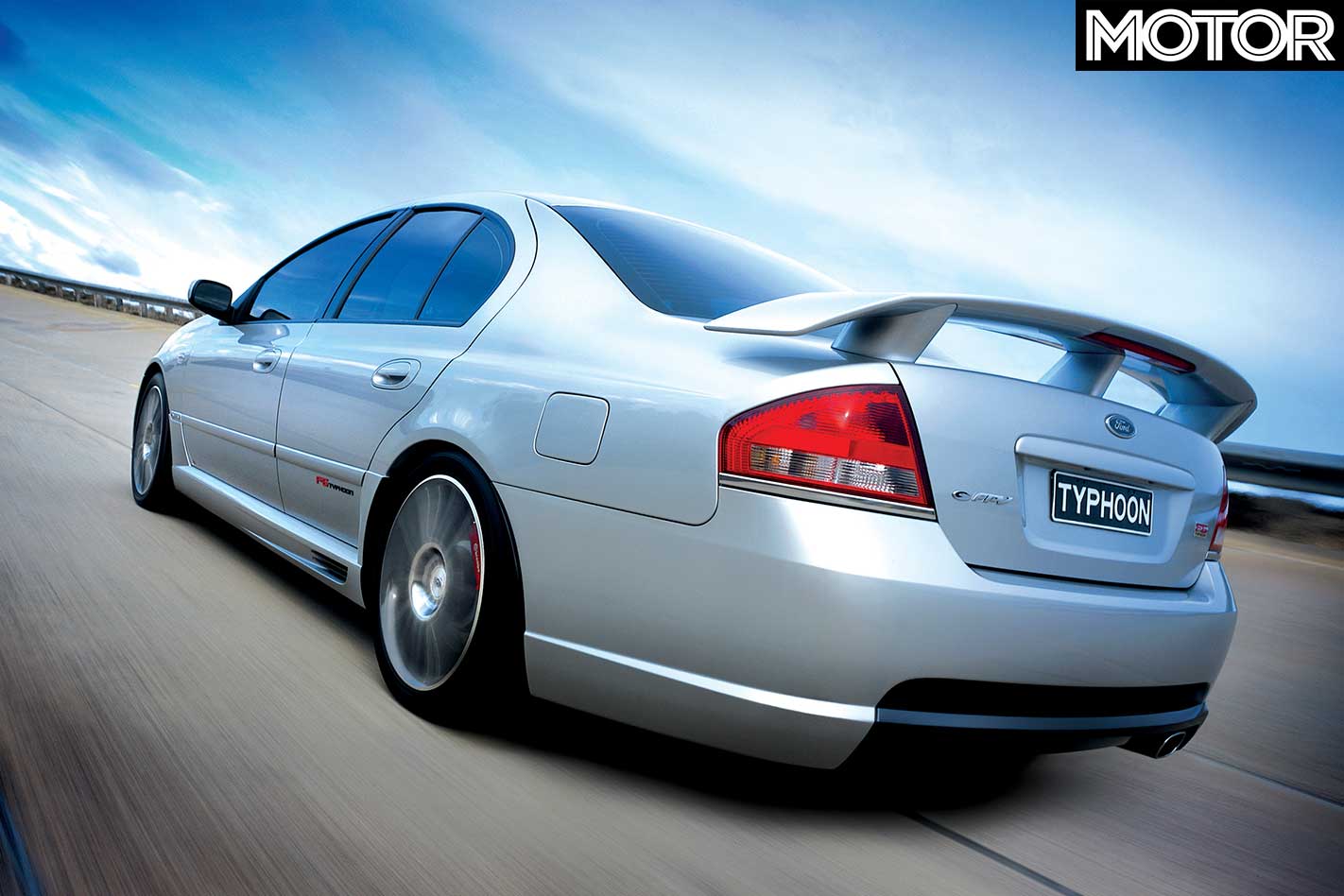
If the AU Falcon was the sales-proof calm before the storm, then the BA Falcon of 16 years ago (really!) emerged to sweep the barely changed VY Commodore off its perch, especially in this powered-up Barra 4.0-litre turbo six-cylinder Typhoon form.
Although it had 270kW at 5000rpm, and 550Nm from 2000rpm until 4250rpm, even those figures betray the sheer straight-line destruction this boosted Barra could cause – let’s just say, Typhoon was apt. With sharp steering, a surprisingly compliant ride, better brakes than an XR6 Turbo and colours like orange and purple, you could argue that this was the peak of post-millennium Falcs. And we will argue just that…
2. 2008 Mitsubishi Evolution X – $30k
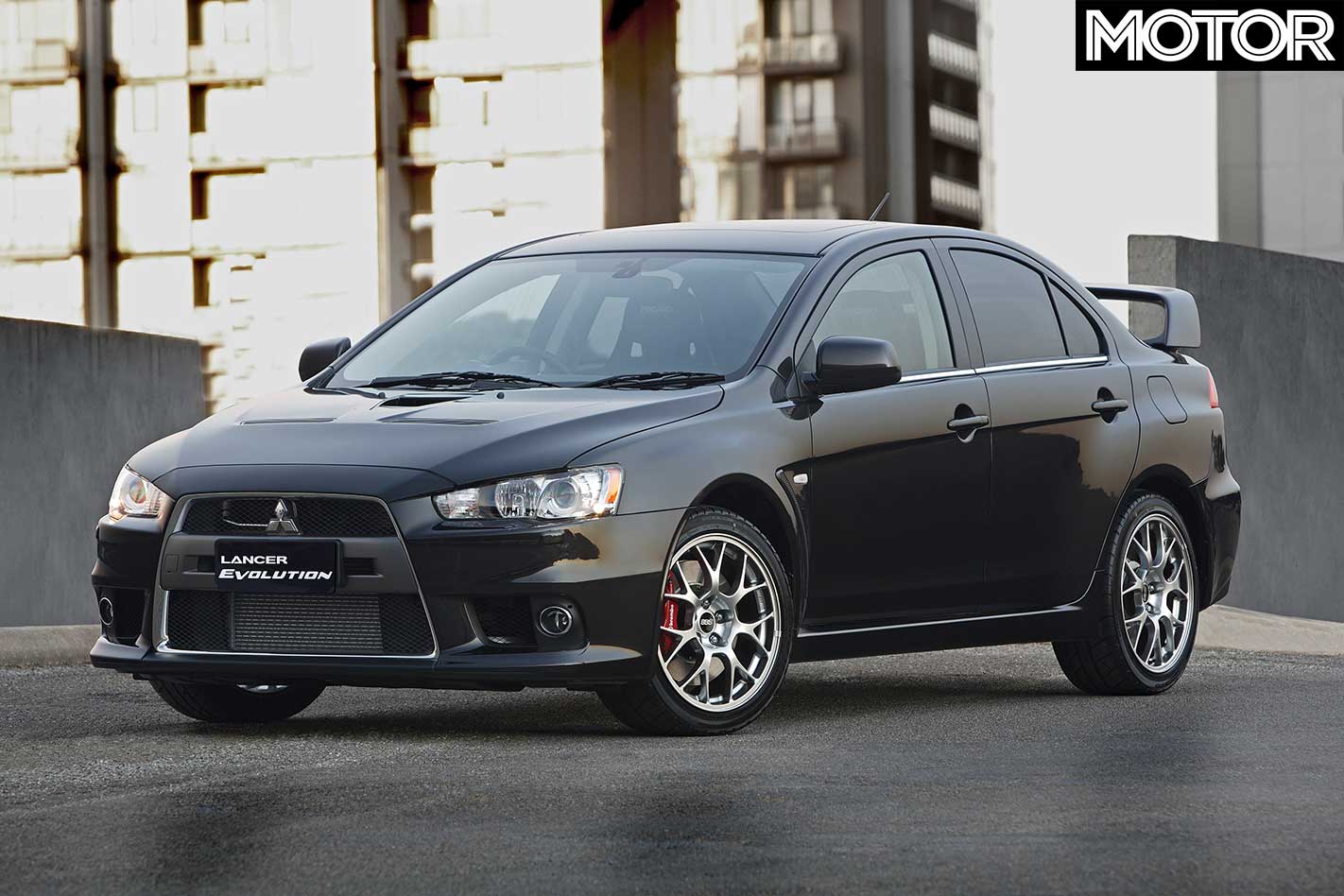
Yes, ‘the 10’ wasn’t as hardcore as the older Evos, but most of those have fallen somewhere between modified and molested these days. And for context, the decade-old Evo X is still about the sharpest chassis you can find for this price, mated to a 2.0-litre turbo four that slowly, gathered, force, then, hit… boost. With 217kW at 6500rpm and 366Nm at 3500rpm, the 1595kg four-door Mitsu is current Golf R-fast.However, rowing the long-throw five-speed manual was as distinctly old-school as an all-wheel drive system with a level of mechanicity and feedback that most modern cars have massaged out. Yet at the same time it doesn’t have the ropey steering and bloated body control of a Subaru WRX STI of that era. For $30K, it’s a great buy now.
3. 2011 BMW 1 Series M Coupe – $60k
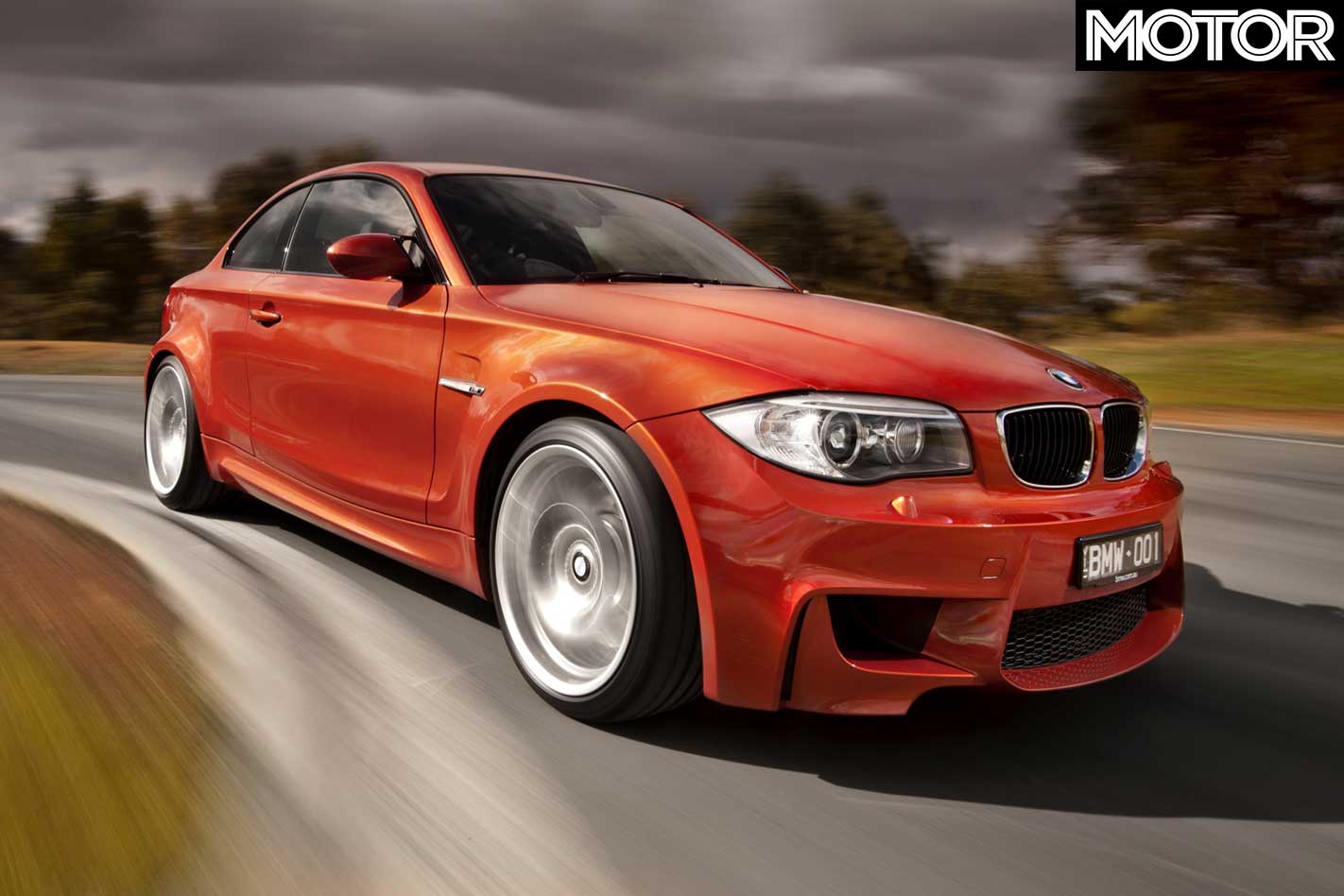
BMW finally admitted what some less hype-driven journalists had long believed: the over-boosted 1M was a bit under-developed. This first generation of 1 Series coupe was snappy even in 135i form, owing to a short wheelbase and surplus turbo torque. But as a wide-tracked, beefy-guarded M it took twitchiness to a whole new level.On paper, the 3.0-litre twin-turbo six looked much like it did today, with 250kW at 5900rpm and 500Nm from 1500rpm until 4500rpm. But it was a whole lot boostier and more aggressive in its delivery of outputs compared with today’s turbo BMWs. Even so, a 4.9sec 0-100km/h from a 1495kg coupe that looks as tough as this? Yes, it has appeal and it may be a future classic. For everyone else, there’s the superb M2…
4. 1994 Audi RS2 Avant – $70k
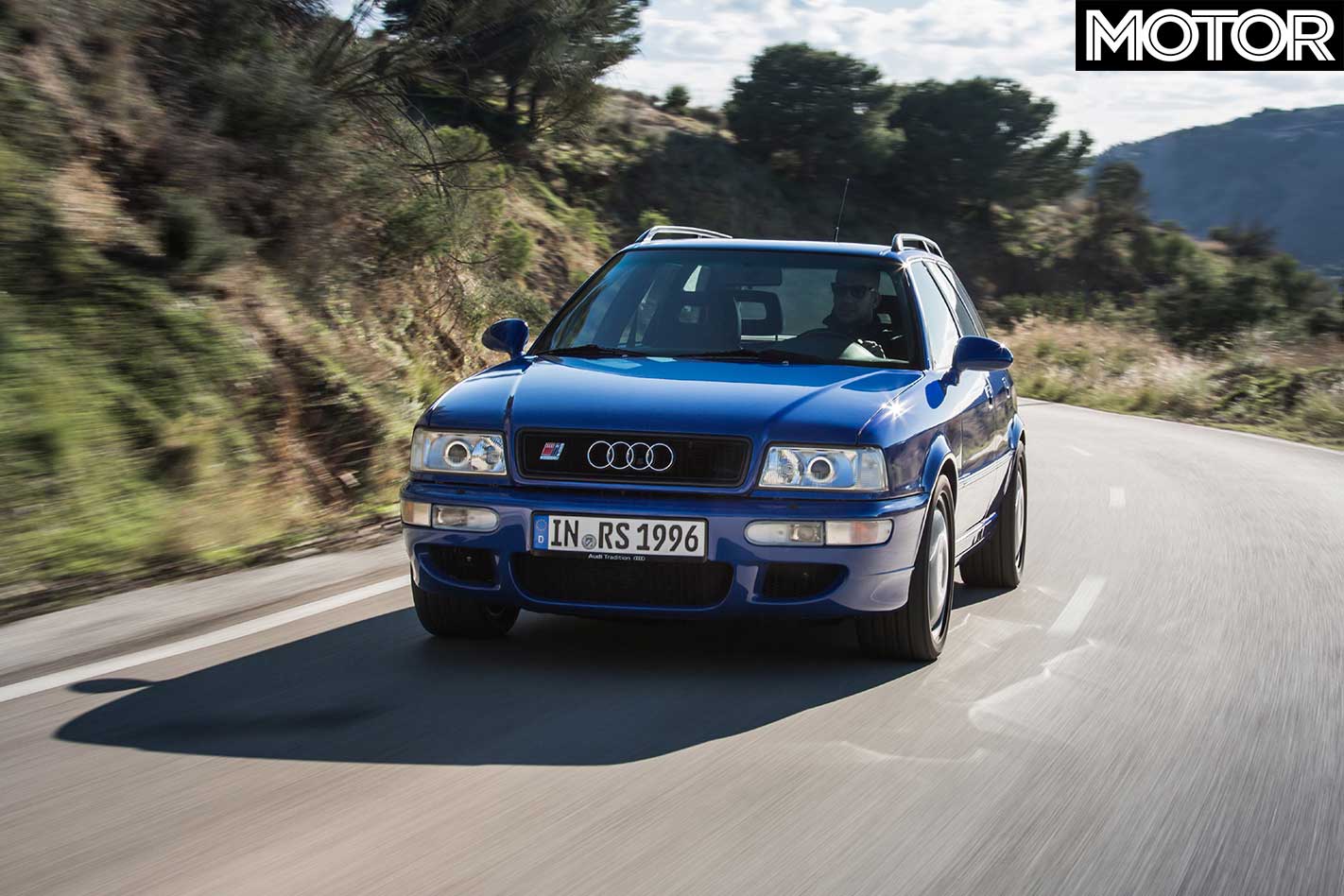
You could have a brand new A4 2.0 TFSI Avant quattro with 185kW and 370Nm for about this money. Or, this 25-year-old Audi and Porsche collaboration, which even back then packed 235kW at 6500rpm and 410Nm at 3000rpm from its 2.2-litre turbo petrol four-cylinder.The RS2 Avant is tiny, like a wagon version of the new S3 sedan more than an A4, and there’s a rawness to its execution that is missing from modern Ingolstadt products. Sublime steering feedback, a Ur-quattro-based all-wheel drive system where you can feel the differentials juggling drive, a soft-enough suspension setting that allows neat slides on the throttle. Oh, and just the most edgy, hard-charging engine, with lag for days and then sheer thrust to send drivers into a daze. Or a spin.
5. 2009 Nissan R35 GT-R – $80k
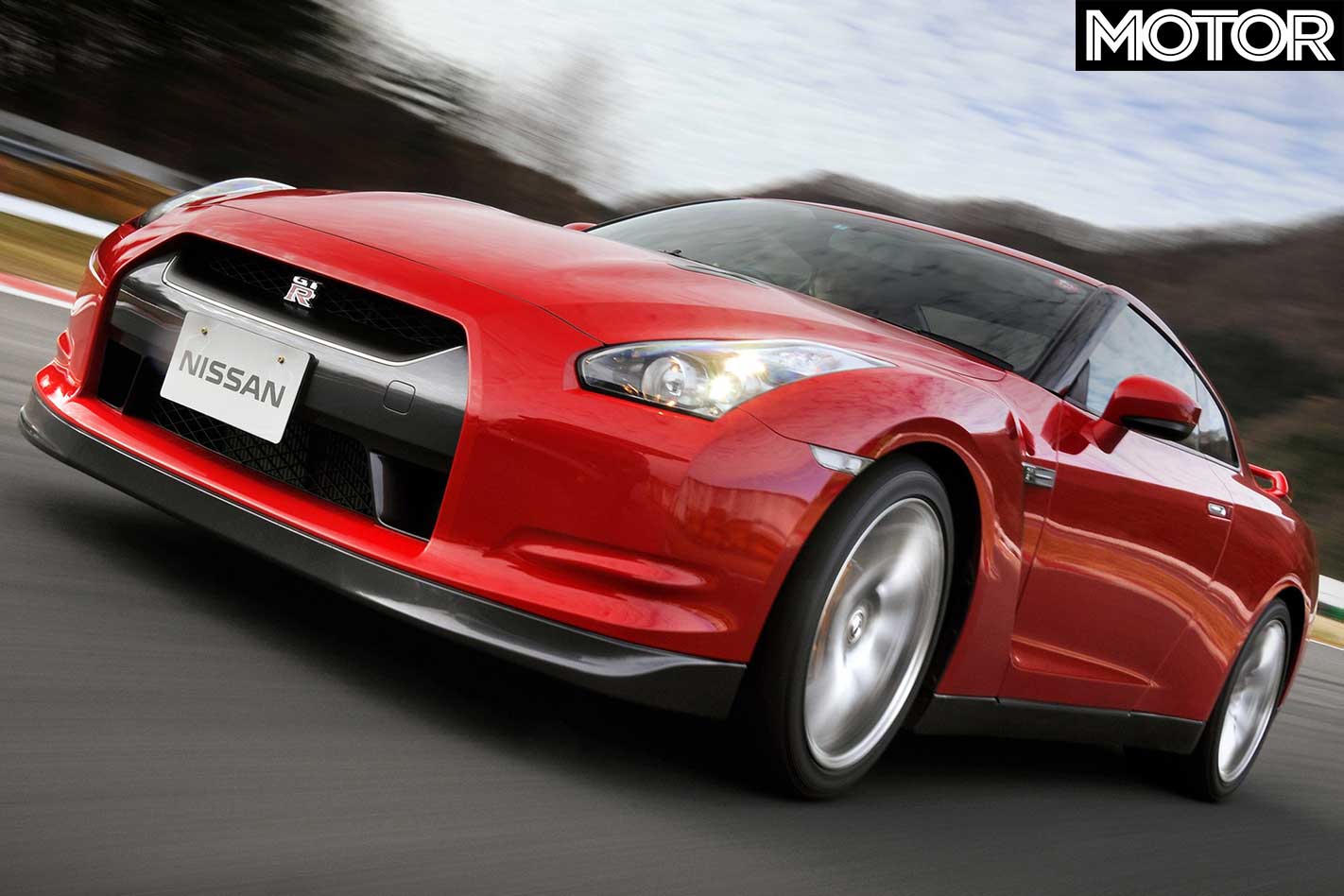
Is there a quicker stock car on the planet for new BMW M240i money? Well, while it’s hard to believe the R35 GT-R is a decade old, it’s still tough to look at its figures without drooling. A 3.8-litre twin-turbo V6 with 357kW at 6400rpm, 588Nm from 3200rpm until 5200rpm, a six-speed dual-clutch auto and sub-4.0sec 0-100km/h (let’s not worry about 3sec claims way back when – they were as honest as Carlos).
Even despite a 1748kg kerb weight, and criticism of apparently being too geeky compared with previous Godzillas, this Nissan supercar still knows how to play with its driver. It’s a slingshot in a straight line, and a playful pup through corners, able to twerk the back-end out by enough to surprise. Watch the servicing costs, but on the upside examples for $80K are now available with under 50,000km showing.
AND the first rough calculation of how much the temperature of the earth would change if the amount of carbon dioxide in the atmosphere increased, or fell, was done before Federation.
So the basics of the science of climate change are truly venerable. Now, more than a century after Swedish scientist Svante Arrhenius published the last finding mentioned above, we know even more about the biggest and baddest greenhouse gas of them all.
Science is like that. It plods along, year after year, relentlessly adding to our accumulation of reliable knowledge and subtracting anything found to be faulty. The scientific method is, dare I say, humanity’s best idea ever.
Why raise this subject now? And here?
Because it’s exactly 25 years since I first mentioned in this magazine the connection between cars, carbon dioxide, and global warming. It was a paragraph or two in a cover feature story involving Bathurst, Brock and Bond, a pair of fast Fords, and a couple of quick Commodores.
It seemed obvious to me back then that humanity, being the smartest species on the planet, would take one look at what science was saying and take action.
But I’ve waited patiently for a quarter of a century and, when it comes to cars… nothing. In that time no effective, let alone visionary, policy moves have been made by our elected leaders. Even as the pile of evidence that we humans are changing Earth’s climate has grown steadily higher, and other nations have reacted to the danger with varying degrees of vigour, the prospect of Australia ever joining in the effort seems remote.
What a victory for the enemies of reason, those shouty zealots who have influenced the tone and shape of the Climate Change debate in Australia for so long.
They’ve never been too concerned about logical consistency. Their starting position was simple: global warming isn’t happening. When that started to look silly, it moved to ‘global warming is happening, but humans aren’t doing it, and in any case it will be very costly to do things a different way than we’re doing now. And by the way, don’t those wind turbines look awful or make you ill or cut rare parrots in half?’
Throughout, they’ve sought to discredit science. “Climate change is a conspiracy dreamed up by thousands of insanely greedy and utterly unethical scientists to gain funding”, is one example I’ve heard first-hand. And you’ll all have heard the one about it being a conspiracy dreamed up by Chinese scientists, presumably on orders from Beijing, to bring about the ruin of the US economy.
“If I have seen further it is by standing on the shoulders of giants,” wrote Isaac Newton, one of the greatest scientists of all time. It’s the same for today’s climate scientists. Their work rests on solid foundations laid centuries ago, by forgotten greats like Joseph Black, John Tyndall, and Svante Arrhenius.
But Australia seems instead to prefer the view of climate change you get when perched on the shoulders of anti-science pygmies. So sad.
Only one car here has its own mantra. Jinba-ittai is the guiding development principle for the Mazda MX-5, but it could equally be the theme of this entire feature. It translates as “the feeling of oneness between driver and car”, which is exactly what each of these five cars is attempting to accomplish.
The MX-5 has the advantage of being designed with Jinba-ittai in mind from day one. The Lotus is equally focused, but Mazda has to achieve the same level of connection while appealing to a much wider market at a far lower price point. Doing so requires some clever engineering.
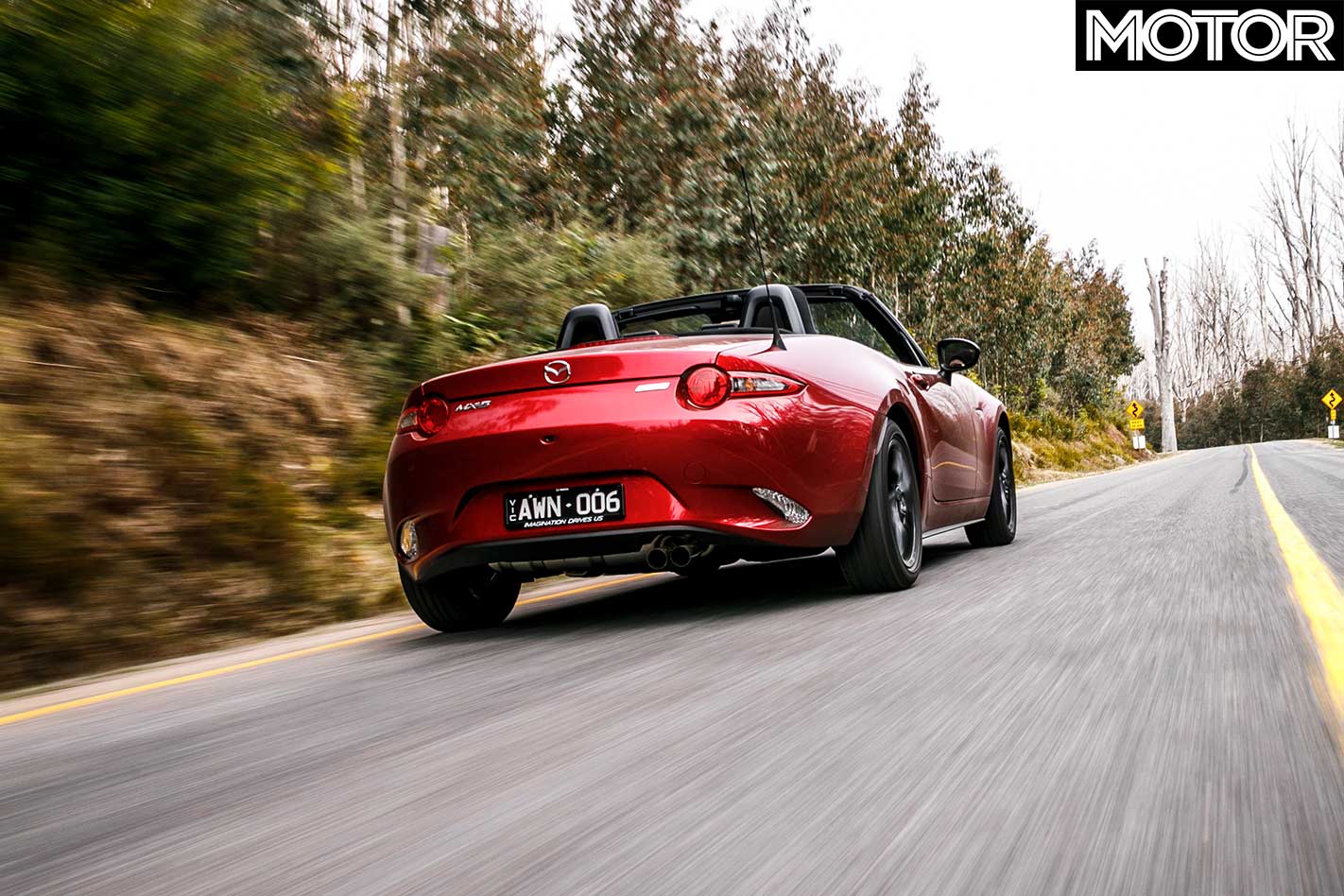
The primary goal for the fourth-gen MX-5 was to reduce weight. Over the years the MX-5 had grown in size and weight, each extra kilogram and centimetre dulling that feeling of oneness.
A reduction in size helped, but Mazda also adopted a ‘gram strategy’, ruthlessly cutting mass wherever possible: 20kg from the bodyshell, 14kg from the engine, 7kg from the gearbox, 10kg from the diff.
Such large gains quickly add up, but the engineering team, under the guidance of program manager Nobuhiro Yamamoto, went to extreme lengths, shrinking the radiator, redesigning body bracing and drilling holes wherever possible to remove material without sacrificing strength.
In total, Mazda boasts it reduced weight by 91kg, the lightest fourth-gen MX-5, the 1.5-litre manual we have here, weighing just 1009kg. The smaller engine makes that an unfair comparison, but even the relevant 2.0-litre successor is only 1033kg.
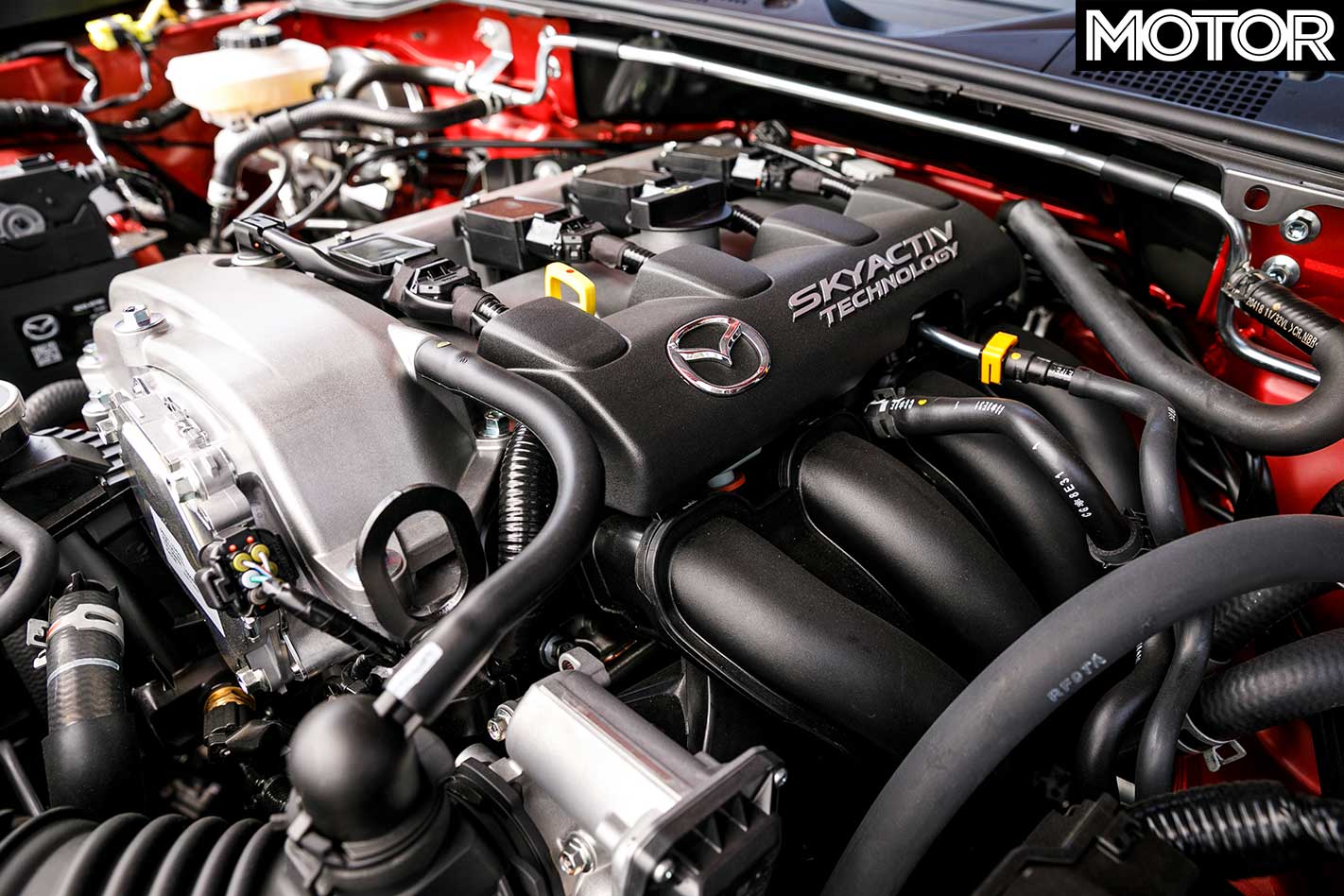
This lightness is key to the success of Mazda’s latest MX-5; it’s responsible for the responsiveness, the feeling of control, the non-existent strain on consumables like tyres and brakes while allowing it to get away with a mere 1496cc.
The recent update has gifted the MX-5 1.5 an extra 1W/2Nm. Unsurprisingly, they’re not noticeable, but the engine retains its sweet, free-revving nature, which is just as well. It’s a tractable enough unit for its size, but if you want to make decent progress lower gears and higher revs are the only option. The MX-5 1.5 is quicker than you think – our best effort is 0-100km/h in 7.5sec – but once into triple figures acceleration slows dramatically.
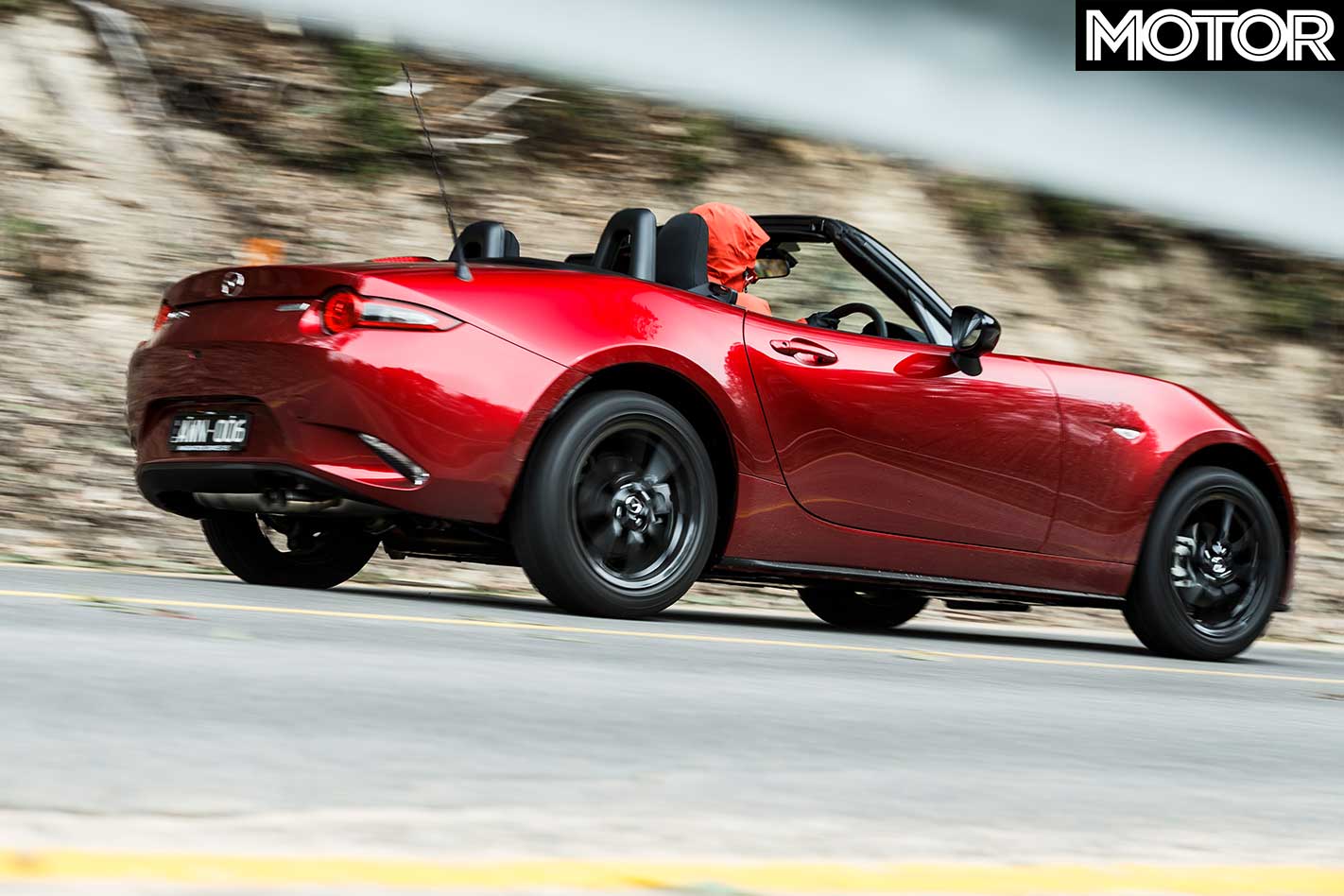
To be honest, now that the 2.0-litre has been injected with the same enthusiasm for rpm and 7500rpm redline it’s probably the pick, but for pure back-to-basics driving the 1.5 still has its appeal. It also has its critics, primarily due to the very soft suspension setup, and there is a disconnect between the engineering work done to create a rigid, responsive platform and that intended to provide enjoyment at road speeds.
The juxtaposition requires acclimatisation. In many ways the MX-5 is the antithesis of hot hatches like the Mercedes-AMG A45, which aim to flatter the driver and make going quickly as easy as possible. Drive the Mazda with aggression and it will behave in a manner that’s at best uncomfortable and at worst alarming.
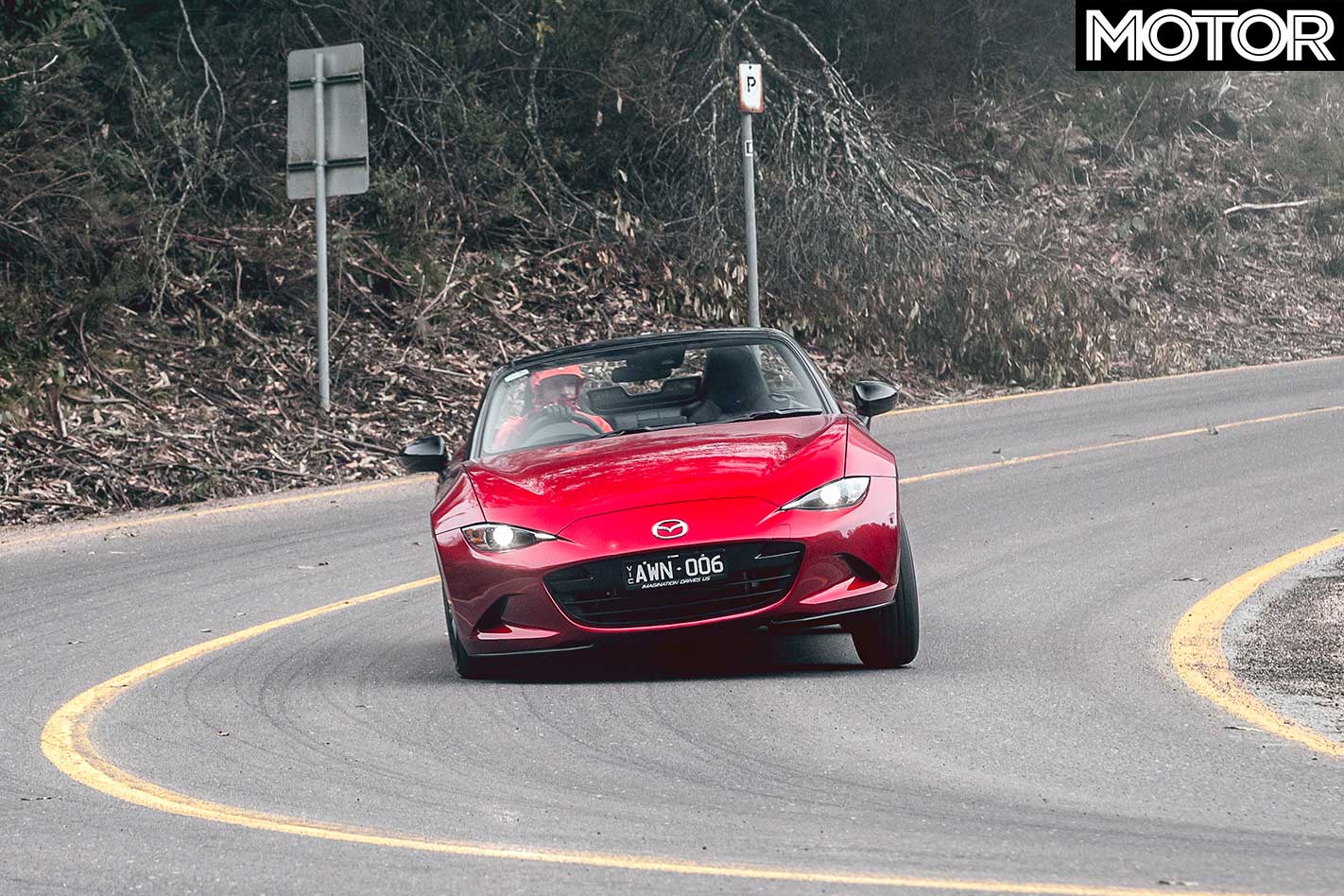
The steering response is quick, but the soft suspension and chubby 195/50 tyres ensure there is a slight delay between input and action. Sharp movements with the brakes or steering simply upset the car and make it feel clumsy.
But this is the magic of the MX-5. By exacerbating these movements it is the perfect driver training machine. It gives you the tools to drive well – quick steering, progressive brakes, 50:50 balance and a responsive engine – but a setup that demands their effective use. Extracting its best requires concentration and precision, delicate steering and brake inputs, but its lack of grip and power makes its limits easily accessible.
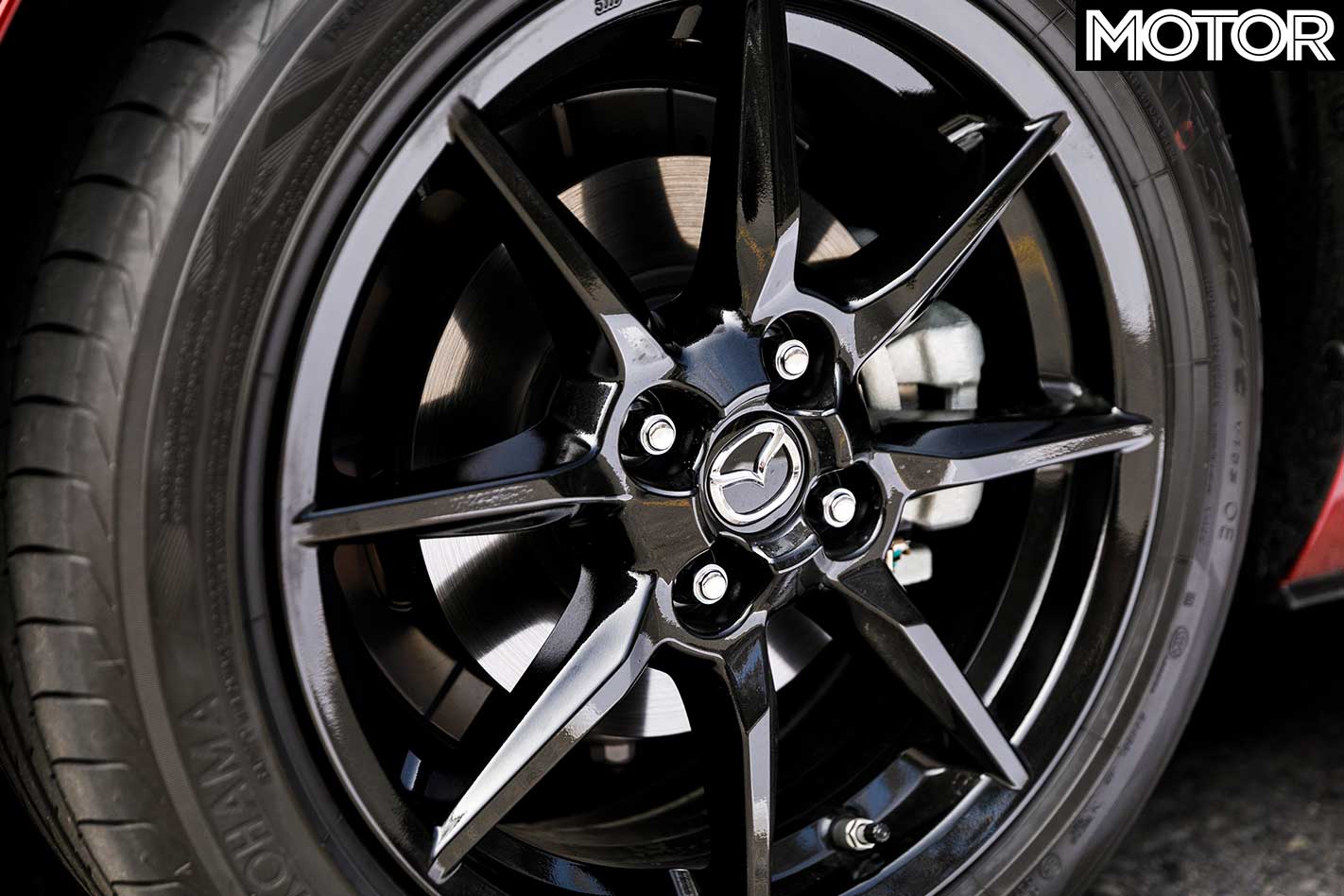
Its performance shortfall is brought into stark relief when following the GT3 for group cornering shots. I can tell Louis is more or less idling the Porsche along, yet I’m driving almost flat-out to keep up. Not everyone is going to appreciate the MX-5’s character – to drive it quickly is to feel satisfaction rather than excitement – but the case can be made that it helps distil driving to its purest form better than any other car.
FAST FACTS 2018 Mazda MX-5 1.5
BODY: 2-door, 2-seat roadster DRIVE: rear-wheel ENGINE: 1496cc inline-4, DOHC, 16v BORE/STROKE: 74.5mm x 85.8mm COMPRESSION: 13.0:1 POWER: 97kW @ 7000rpm TORQUE: 152Nm @ 4500rpm WEIGHT: 1012kg POWER-TO-WEIGHT: 96kW/tonne TRANSMISSION: 6-speed manual SUSPENSION: double-wishbone, coil springs, anti-roll bar (f); multi-links, anti-roll bar (r) L/W/h: 3915/1735/1225mm WHEELBASE: 2310mm TRACKS: 1495/1505mm (f/r) STEERING: electrically assisted rack-and-pinion BRAKES: 258mm ventilated discs, 2-piston calipers (f); 255mm solid discs, single-piston calipers (r) WHEELS: 16.0 x 6.5-inch (f/r) TYRES: Yokohama Advan Sport; 195/50 R16 (f/r) PRICE: $34,190
PROS: The best way to have fun without going very fast CONS: Better at slow speeds; really not fast; pack a jacket RATING: 4 out of 5 stars
Price and equipment
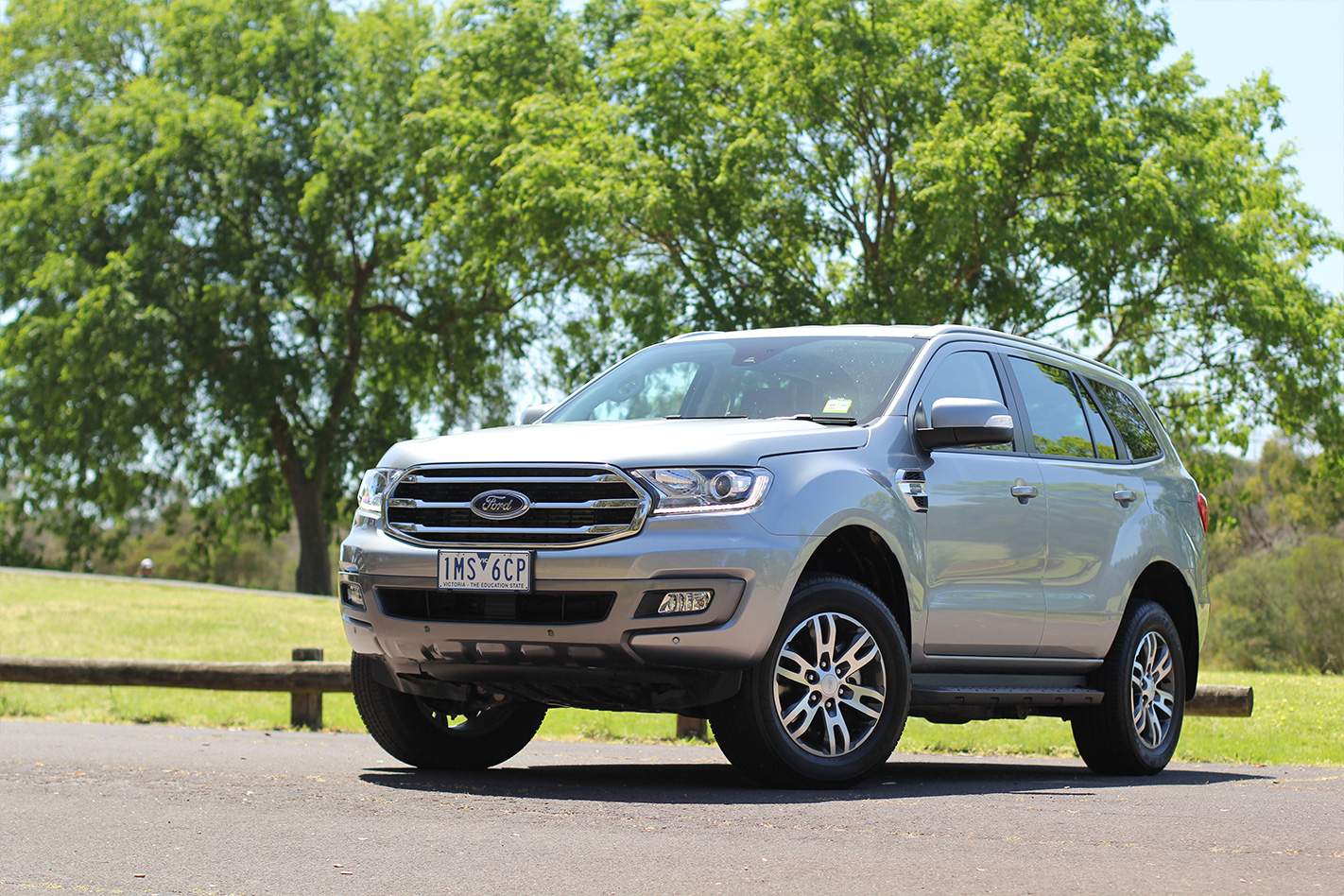
The Everest in 2.0-litre 4×4 form is an expensive choice in this segment, but that’s balanced out by healthy standard inclusions that should see you wanting for very little. A power tailgate, active cruise, keyless entry/ignition, power-adjustable driver’s seat, a full-featured infotainment system, digital radio, voice controls, heated seats and tri-zone climate are the highlights.
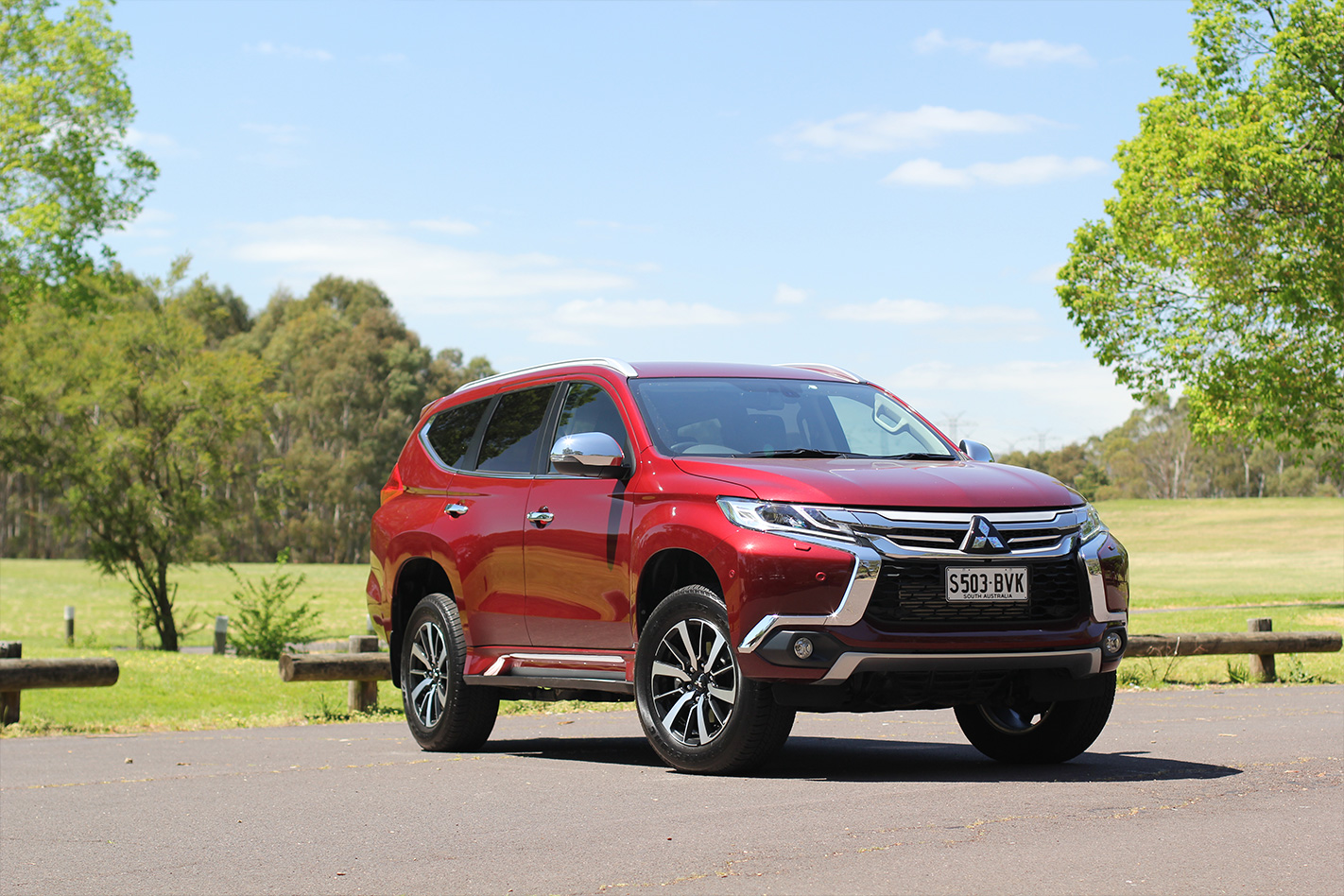
You’ll get a Pajero Sport Exceed on the road for less than the Everest Trend’s retail price, and for many people that’s enough to get them to sign on the dotted line. It’s not just an exercise in keen pricing though, for Mitsu packs in plenty like 360-degree parking cameras, active cruise, tri-zone climate control and a bevy of electronic driving aids. A power tailgate is absent, however.
Interior and connectivity
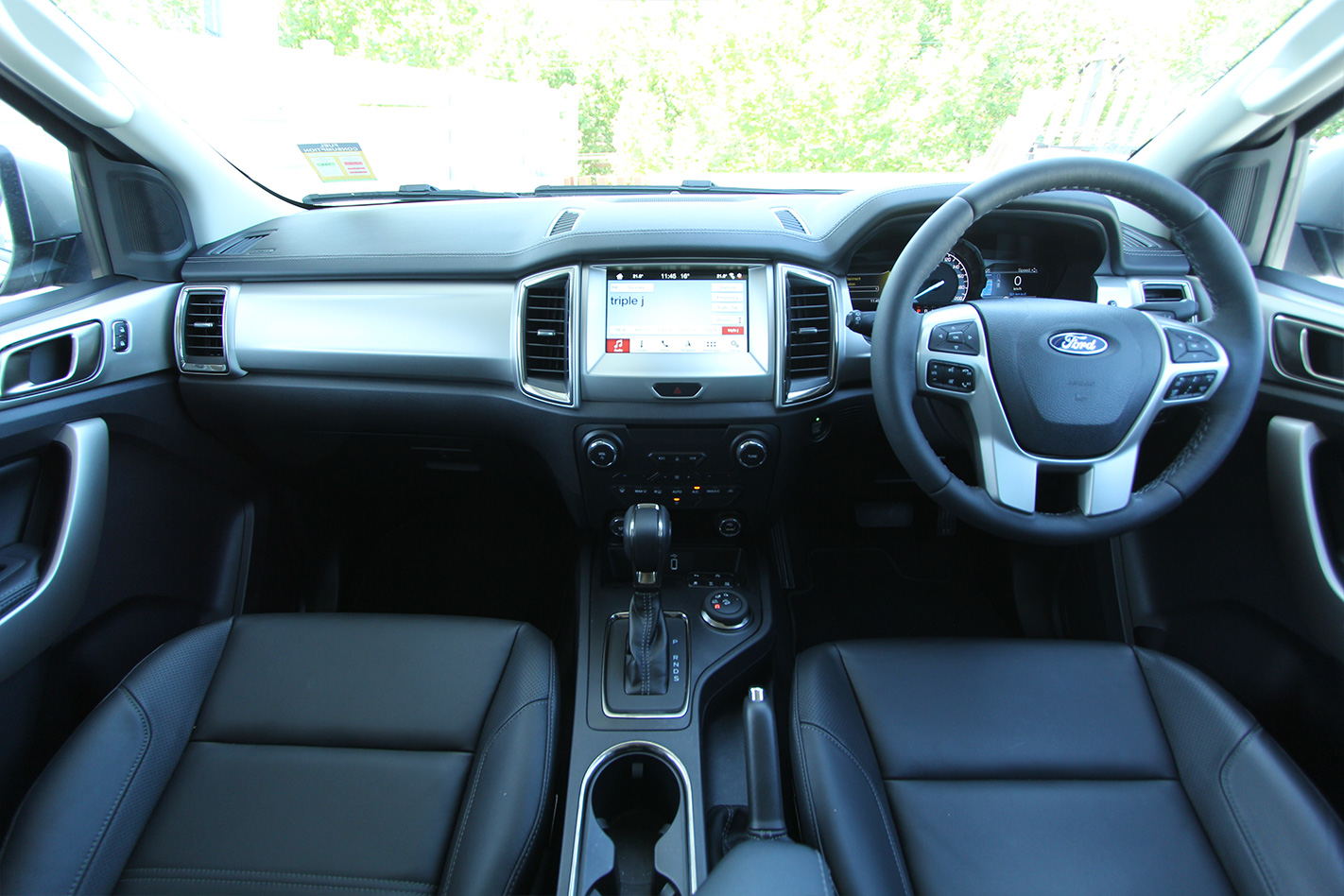
Ranger DNA is evident in the dash/console furniture, but build quality is decent and the seats are commodious and comfy. Generous proportions mean even adults won’t feel too squeezy in the third row, such is the Everest’s size. Infotainment sees an 8.0-inch screen with nav, voice commands and smartphone mirroring sit up high in the dash, and there’s even a 230V household power outlet in the back.
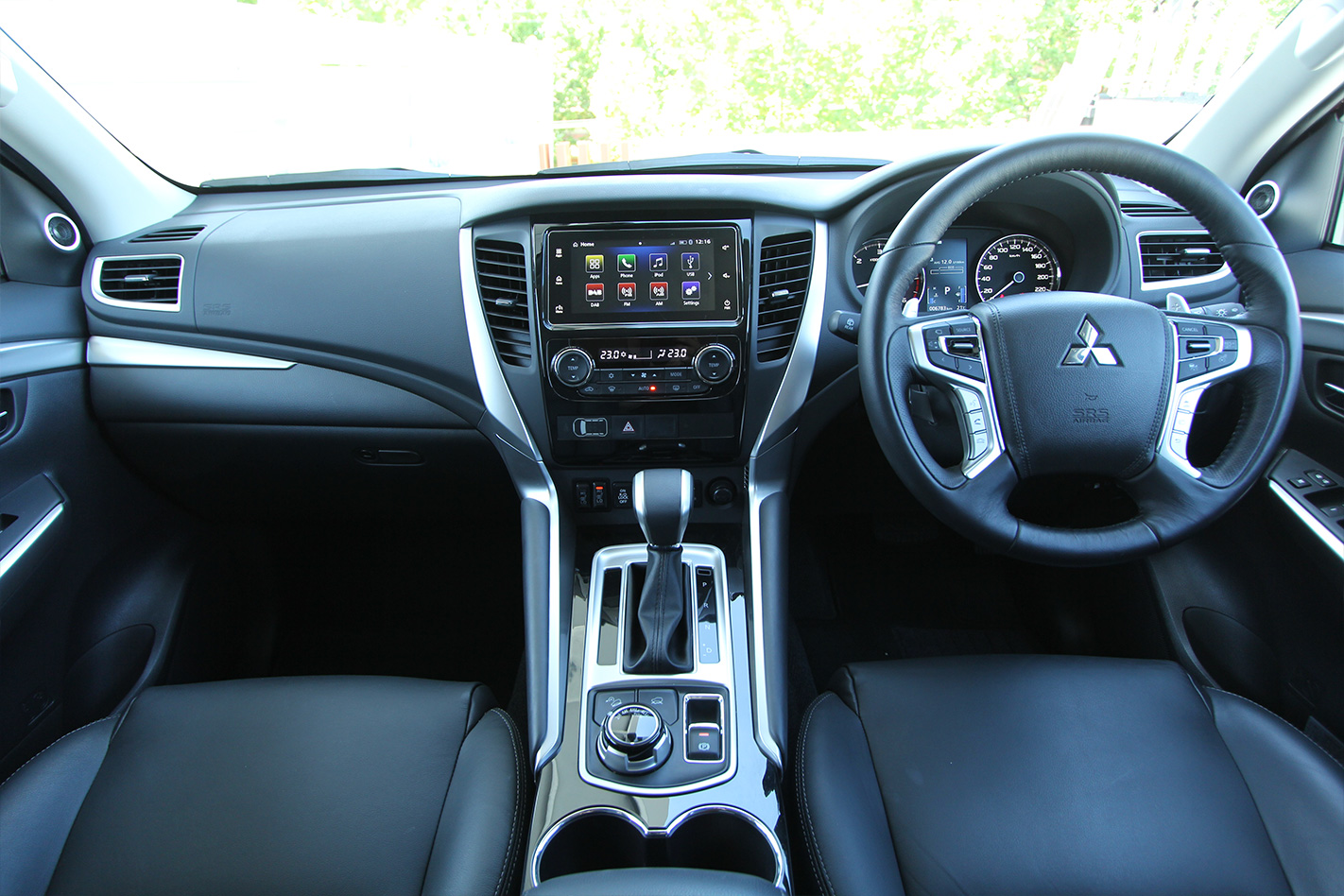
Despite flagship status, the Exceed doesn’t boast integrated sat-nav – Apple CarPlay or Android Auto are the only means of putting a map on its 7.0-inch screen. It’s spacious though, with room for shorter adults in the third row although the second row doesn’t slide. Its chrome and leather cabin treatment also looks fancy, while a unique centre console distances it from its ute origins.
Ride and handling
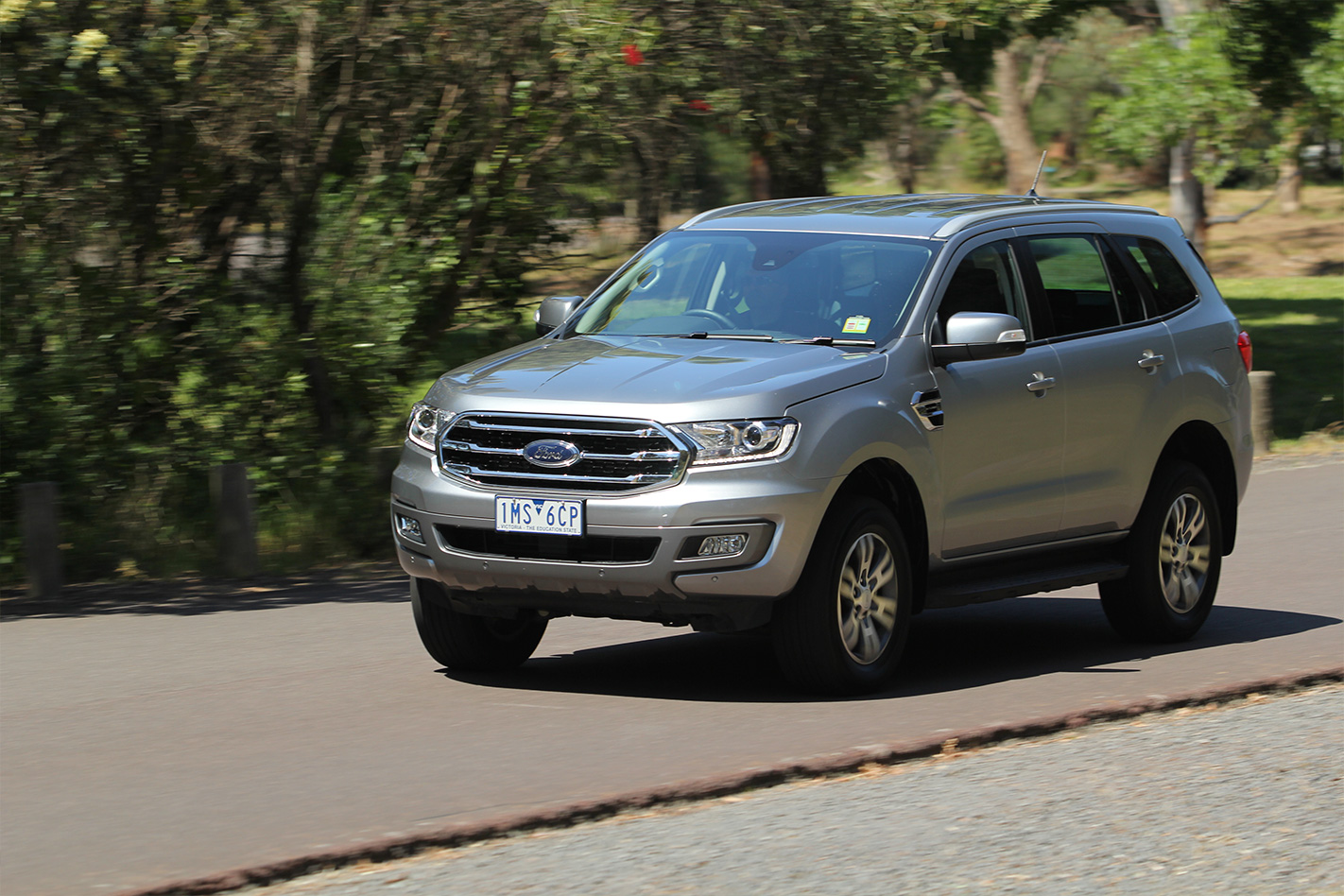
The Everest’s most impressive attribute is how it manages to feel so unlike a lumbering 4WD. Light and fairly accurate steering, superb cabin isolation from bumps and a suspension that’s surprisingly plush means there’s not even a hint of crudeness to the Everest drive experience – that’s a rarity among the body-on-frame, ute-based 4WD set. As for handling, it scores high marks among its ilk too.
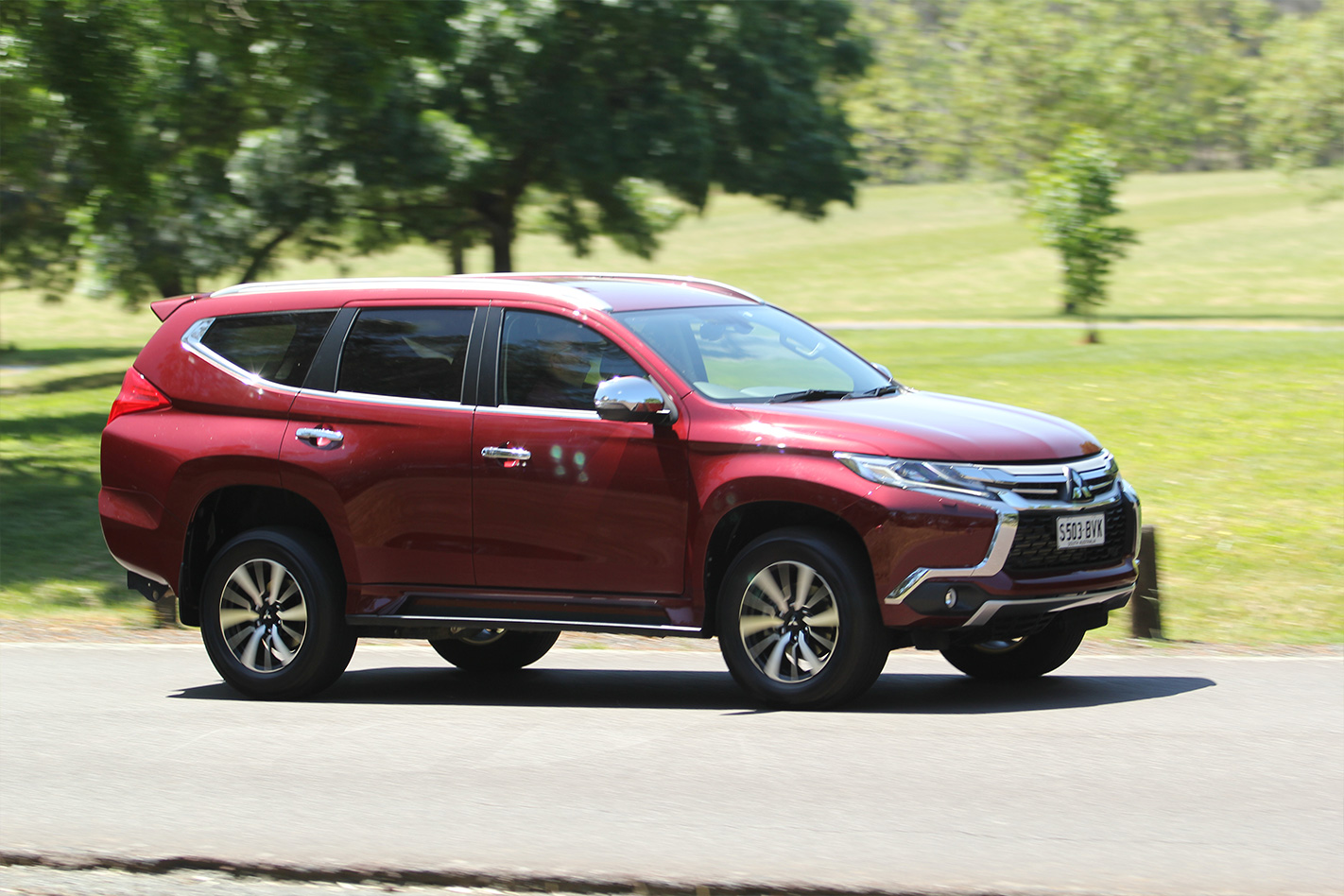
A jittery ride exposes the Pajero Sport’s commercial origins, and is at odds with the leather-clad civility of its cabin. It feels too stiff-legged for something designed to tote a family, and while the edges might be knocked off that ride harshness when all seven seats are filled, it’s much too firm for everyday duty when just a few people are on board.
Performance and economy
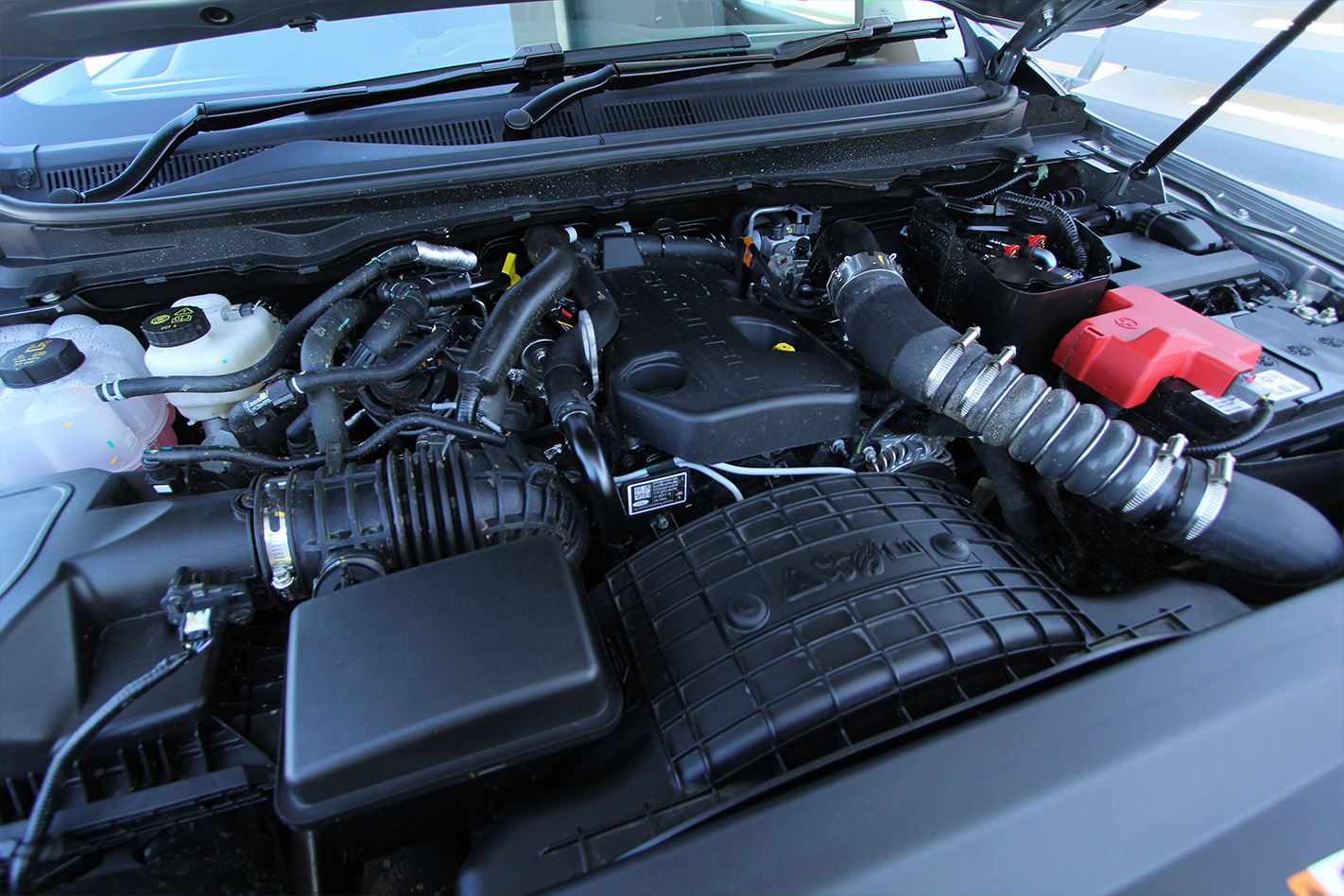
Thanks to twin-turbo trickery the Everest’s 2.0-litre delivers a torque curve that’s remarkably fat for a small-capacity turbo-diesel. It’s backed up by a 10-speed auto that has enough ratios to see the engine never leave the thick of its powerband, and keep thirst at bay during cruising. Refinement is another huge plus, with noise and vibration levels that would be appropriate in something far more premium.
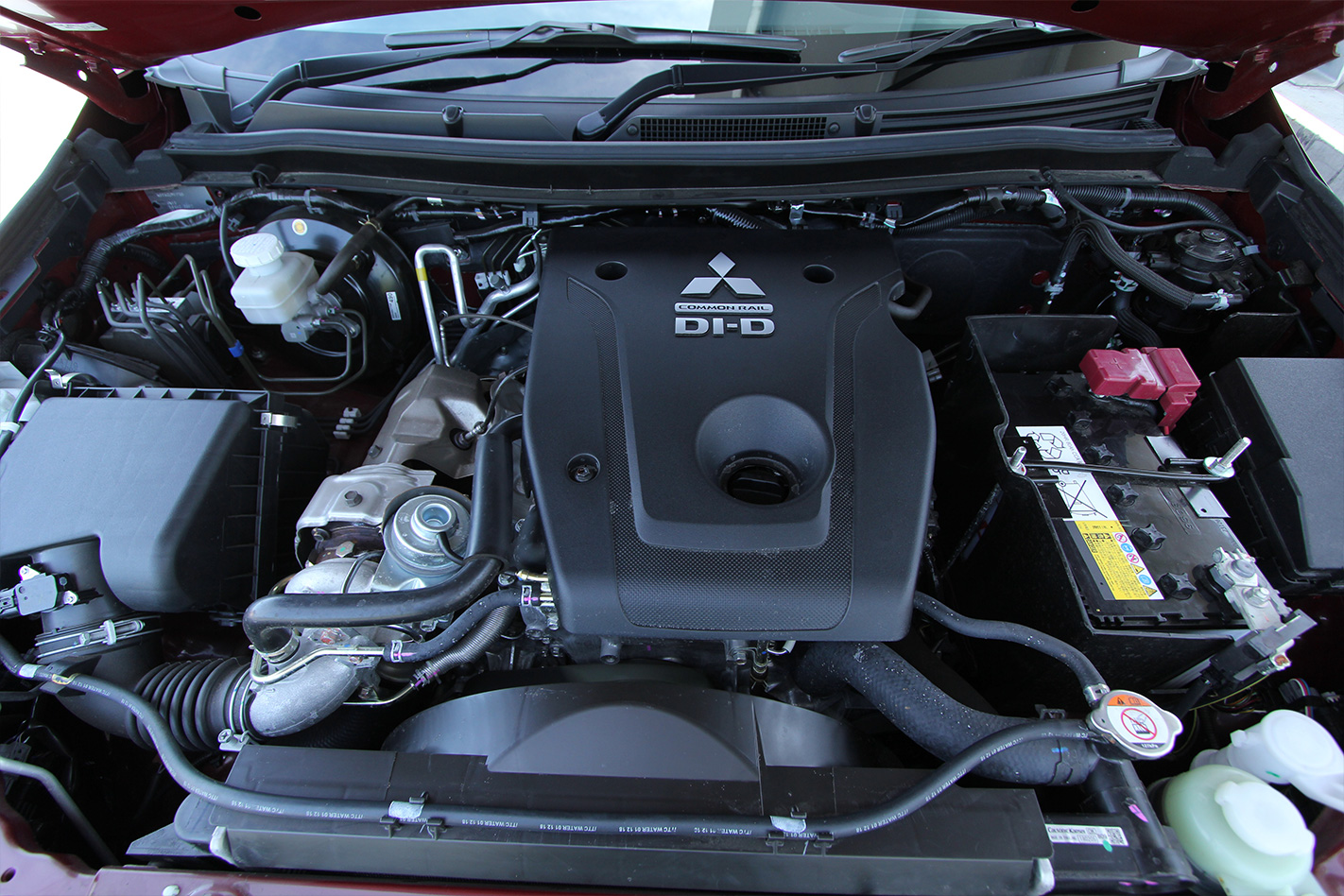
While the ride leaves you in no doubt as to the Pajero Sport’s Triton-sourced undercarriage, the gravelly engine note that penetrates the firewall adds further reinforcement. It’s strong enough, but feels significantly less lively than the twin-turbo Ford. With 70Nm less torque it may not have the effortlessness of the Everest when it comes to towing or touring, and it drinks more diesel.
Warranty and servicing

Ford warrants the Everest for five years or unlimited kilometres, and service intervals are set at a very reasonable 15,000km or 12 months. For the first three years of ownership Ford says you’ll spend just $1385 to keep the Everest Trend 2.0 4WD mechanically healthy, but what’s more the company caps service pricing out to a whopping 34 years of ownership – or half a million kilometres.
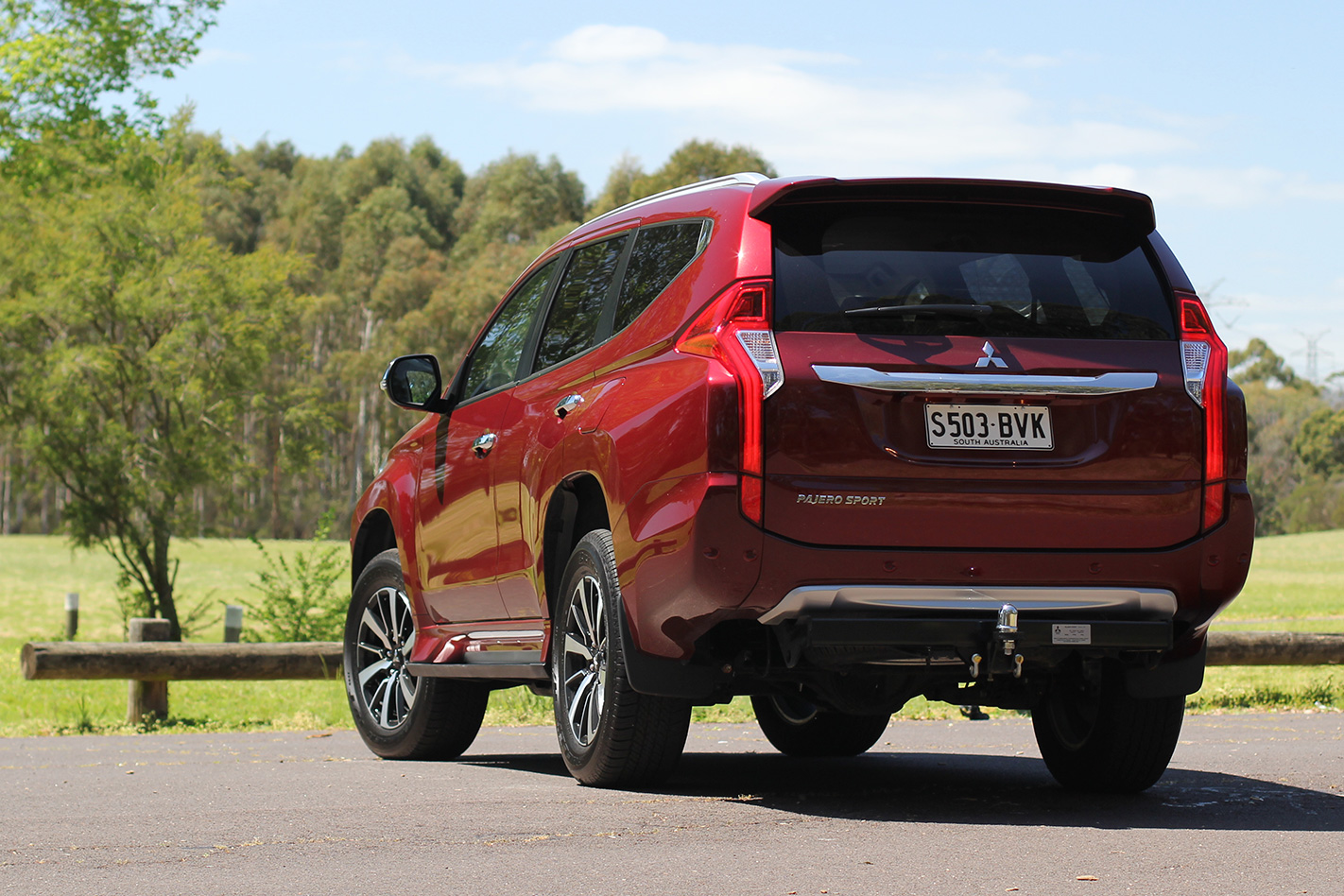
A Mitsubishi five-year warranty equals Ford’s after-sales coverage, though capped price servicing only lasts for the first three years of ownership. With service intervals of 12 months or 15,000km, visits to the dealership will be no more frequent than for the Ford, though with the cost of scheduled maintenance capped at a total of $1425 for the first three years it cedes some ground to its Blue Oval rival.
Verdict
Despite being cheaper, the Pajero Sport’s jittery ride and less powerful engine hurts its chances at seven-seater glory. With its revised engine and car-like ride quality, the Ford Everest ensures its place as the better overall car.
I an getting driven mad by the road toll debate in Australia – particularly Victoria, where MOTOR is based. The lack of training we are supplying new drivers before letting them loose on the roads is plain negligent, as is the lack of focus and awareness of the need for said improved training.
There is an epidemic of poor habits behind the wheel, which fester in the absence of skill. This turns into a crash when someone thinks they have a skill they’ve not been given – and the most sorely lacked of all the skills not properly taught is the mere act of paying enough attention.

This month, Victoria’s new top traffic cop, Assistant Commissioner Stephen Leane, went on record with his plans to reduce the state road toll, saying things anybody could sadly expect to hear from any top enforcement official in Australia.
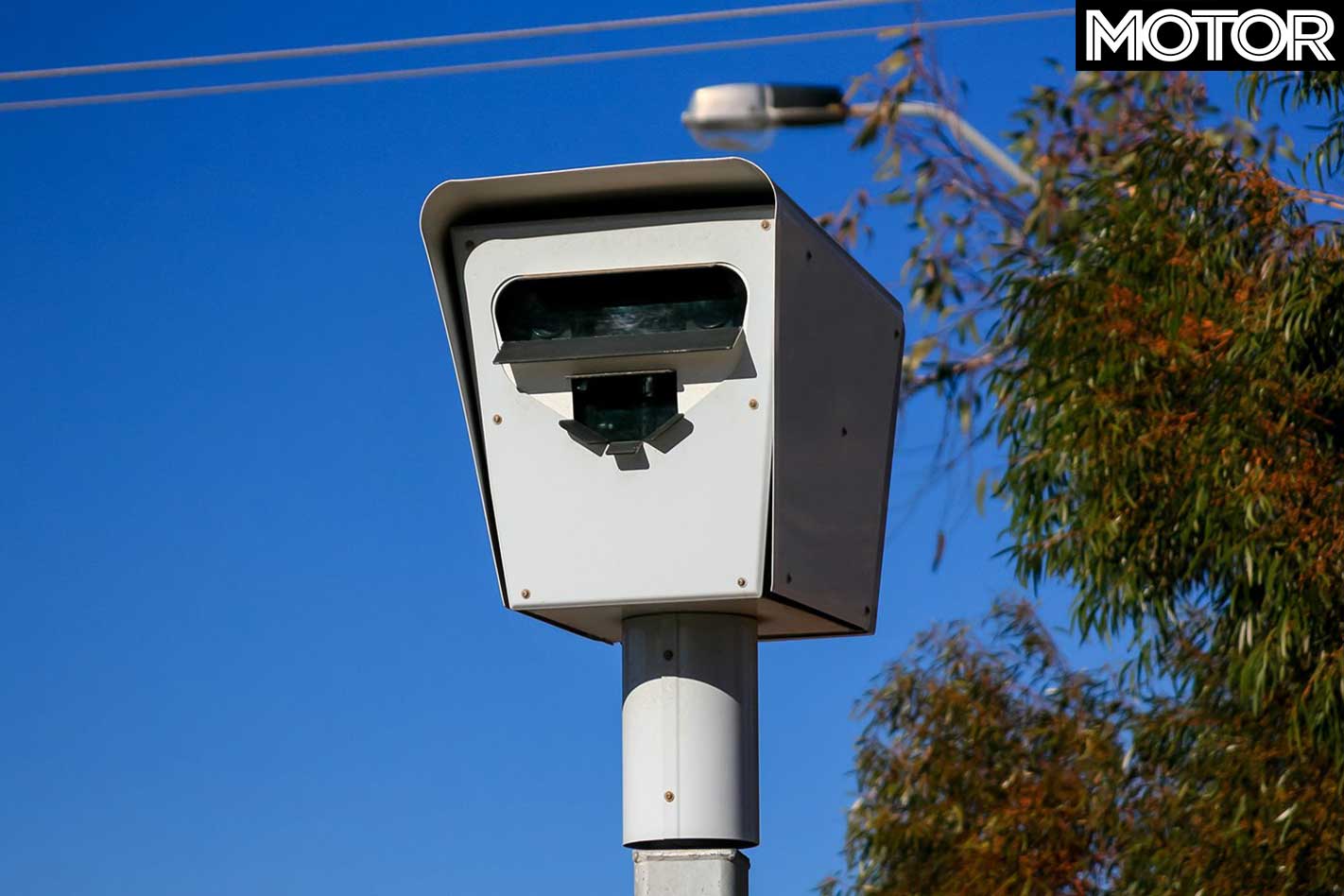
In an interview with the Herald Sun, Leane said measures to be examined included more average speed cameras; requiring doctors to dob in dangerous elderly drivers; high-tech long-range cameras to catch drivers on mobile phones and without wearing seatbelts; new roadside fatigue testing; more 40km/h urban speed limits and lower country speed limits.
“We need to find a game-changer in relation to drugs and driving,” he said, adding “we need to find game-changers in relation to vehicle safety and we need to find game-changers around enforcement and safer roads.”
Striking in its total absence from the Herald Sun article – and this is not to say it is absent also from Leane’s thoughts – was any mention whatsoever about revisiting current training for new drivers with a view to improving it.
And this all comes off the back of recent harsher speeding penalties in Victoria. If you’re caught doing 25km/h over (30km/h in NSW; 38km/h in Tasmania), you lose your licence for three months, no matter your demerit point situation. (In all other states and territories, your demerit point balance continues to determine licence suspension).
Someone screaming down a suburban 50km/h street at 80km/h? Okay, take their licence off them. But someone doing 105km/h on a four-lane freeway at 10pm where the speed limit remains an inexplicably slow 80km/h? Come on.
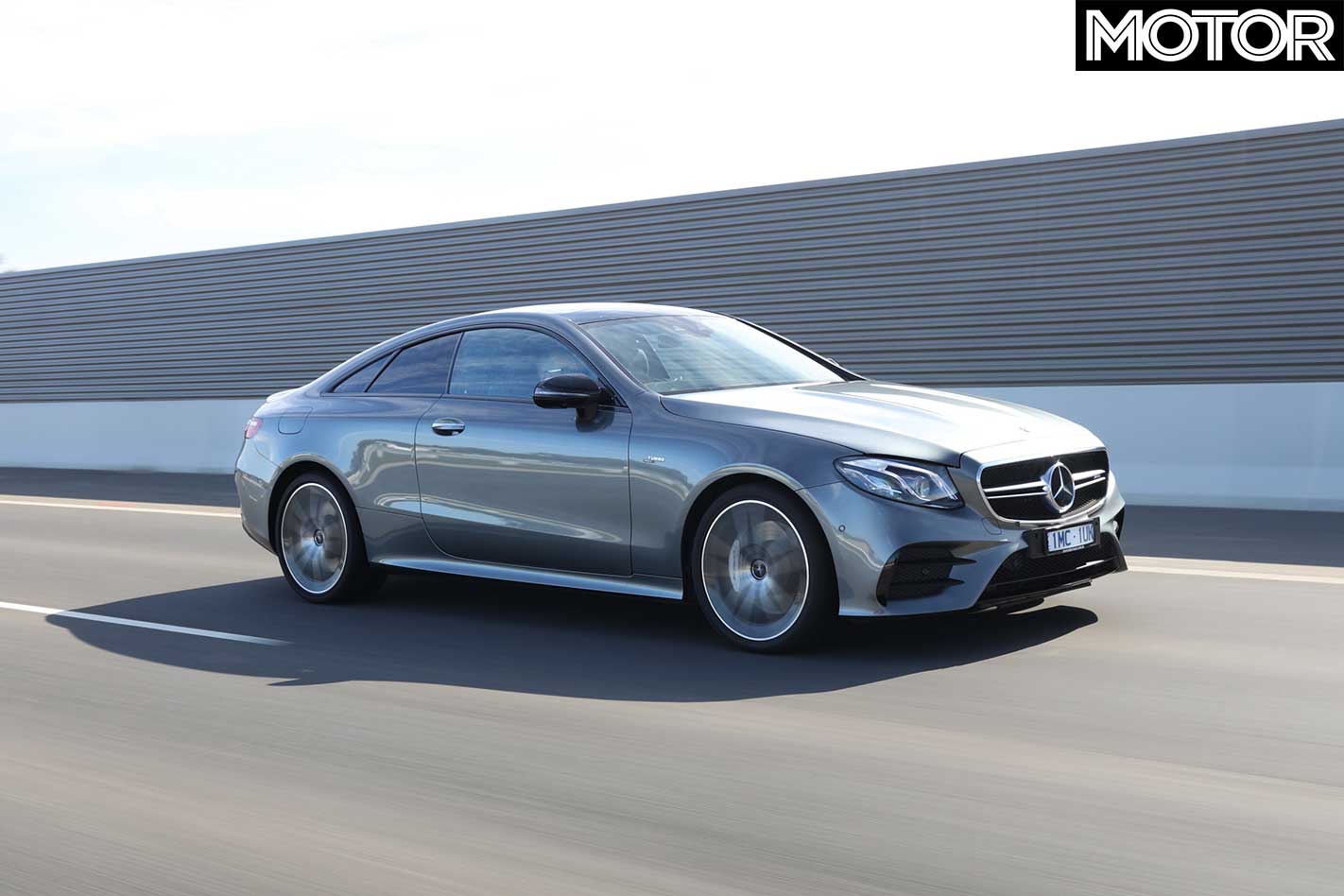
It says something that almost all the new cars MOTOR has through the garage these days have systems that over-eagerly mop up the most basic of driver mistakes – and it’s terrifying that, presumably, these features are attractive to the general populace who buy new cars.
If you need lane-keep assist – a system that actively steers the car in its lane, even without cruise control – you shouldn’t have a driver’s licence. And why does Joe Bloggs continue to tell himself he’s a great driver but then proceeds to enjoy his time behind the wheel as an opportunity to exercise laziness and distraction?
I’m someone, probably much like yourself, who takes very seriously their responsibility to drive carefully, especially when sharing the road in close proximity with other people, and is constantly seeking to improve.
So it irks me I’m made to adhere to certain – not all – speed limits, designed to protect, from themselves, people who haven’t been taught how to drive a car properly from the start. And when people continue to crash even at these ambling speeds, I’m dismayed when the speed limit is further lowered.
If planes kept falling out of the sky and all deemed to be human error, would it just be flat-out ignored how pilots were being taught?
