
BMW’s efforts to keep the all-new BMW Z4 under wraps have been undermined by the discovery of patent images in the Netherlands, more than two months before the two-door roadster’s official reveal.
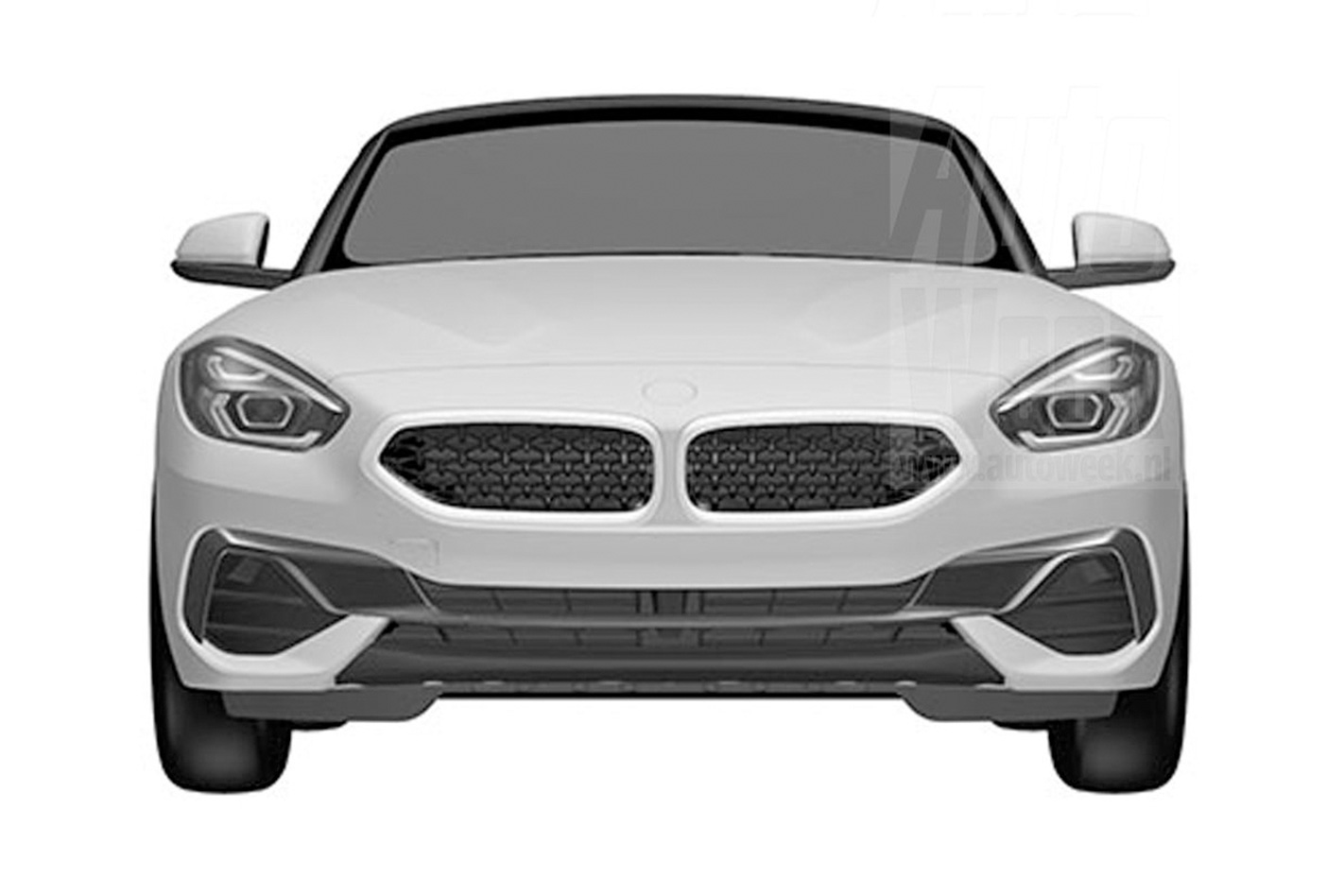
So far we’ve only seen the G29 Z4 under camouflage, but the design registration images, uncovered by Dutch website Autoweek, provide further aesthetic details, including its faithfulness to the stunning Z4 Concept unveiled at Pebble Beach last October.
These new images suggest the soft-top Z4 will adopt the Concept’s broader kidney grille, a staple of BMW styling that has been growing in size with BMWs evolving design-language, albeit with unique, vertically-stacked headlights in this application.
The lower-bumper design features the Concept’s large air intakes on either side, which should bring proper aggression to its kerbside appearance once shown in full. Other similarities include the large vents behind the front wheels, and sharp, rising creases along the side skirt and shoulder line.
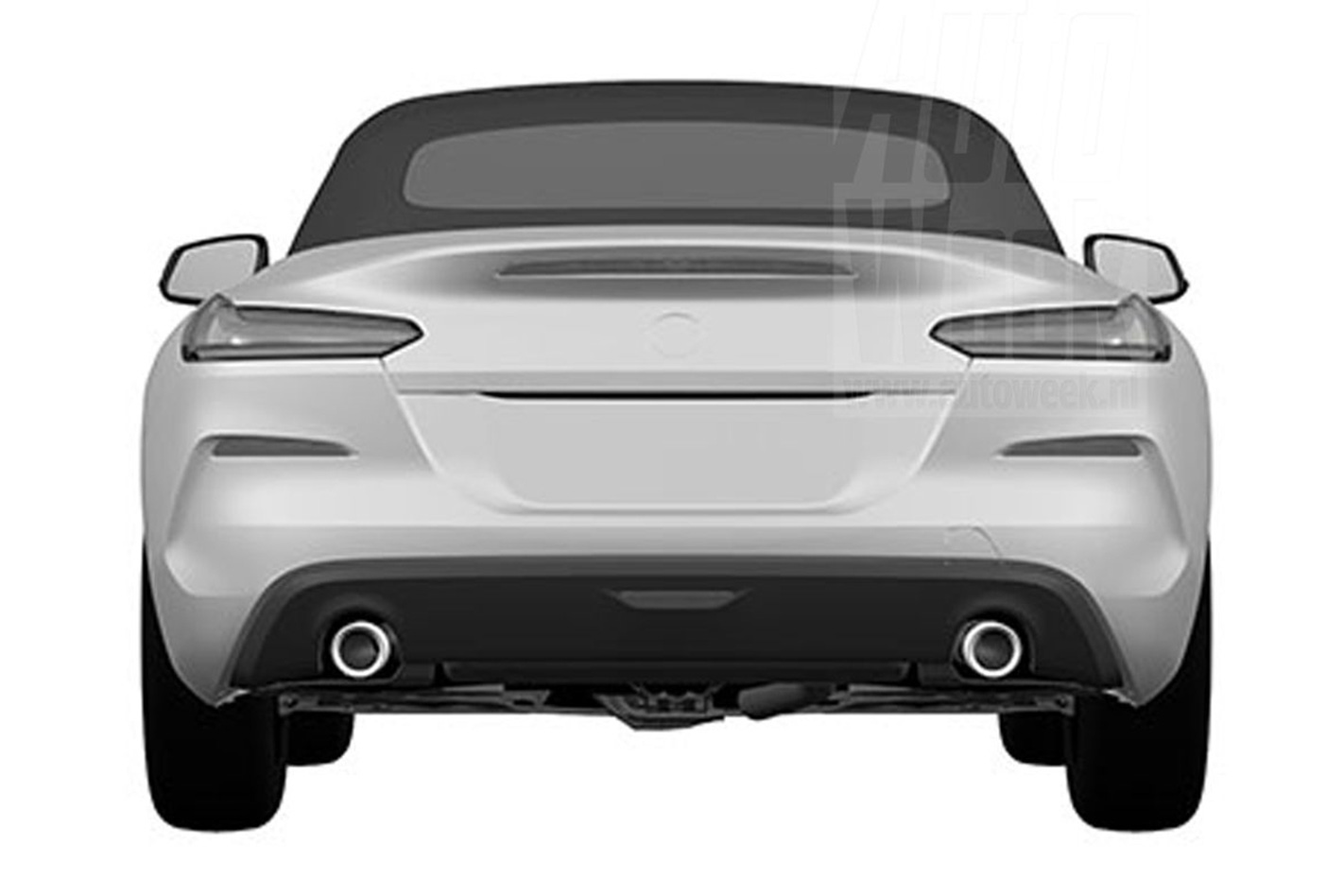
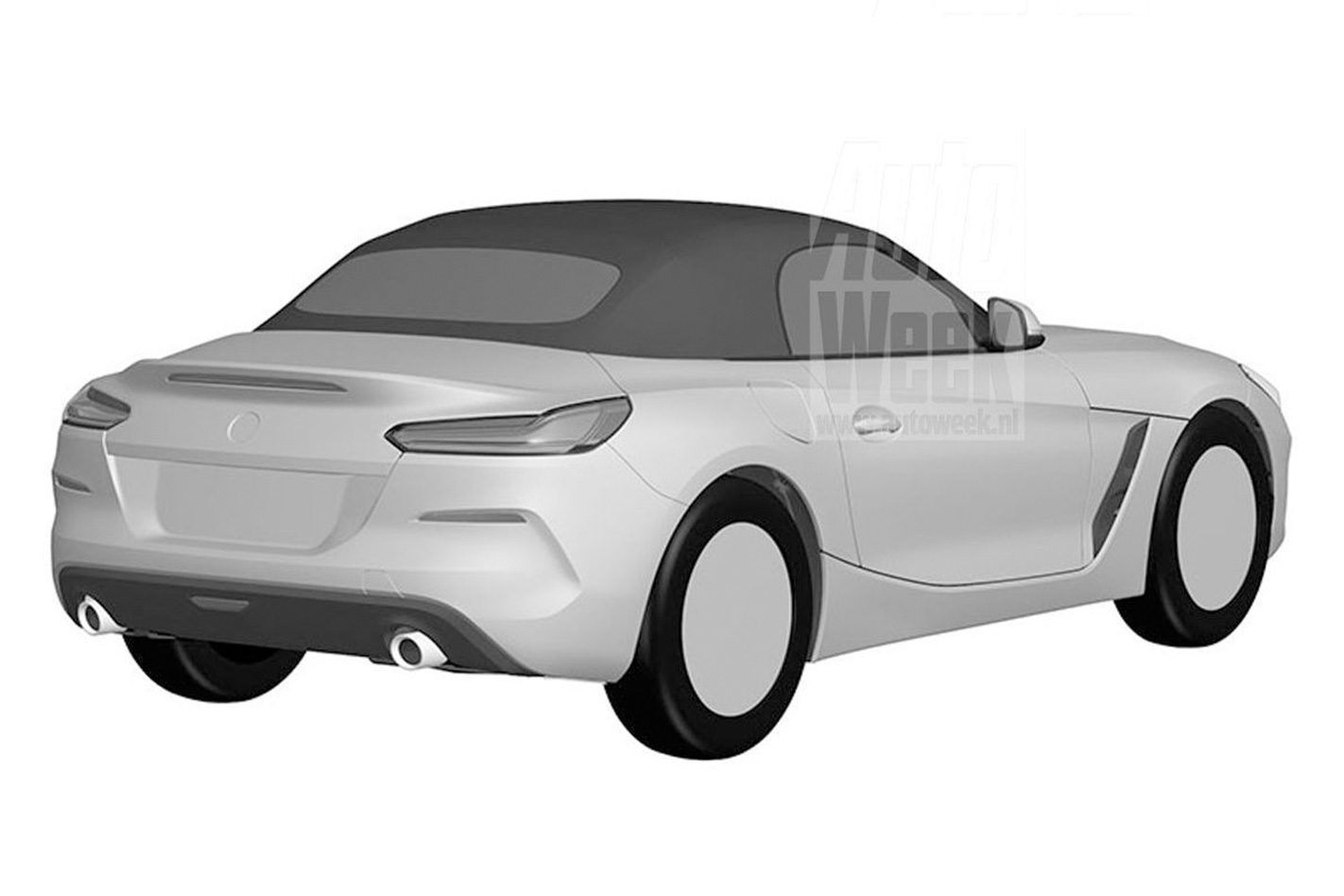
The rear-end is also a subtle nod to the Concept, with a duck-tailed boot lid spoiler, twin exhaust outlets and shorter L-shaped tail-light assembly.
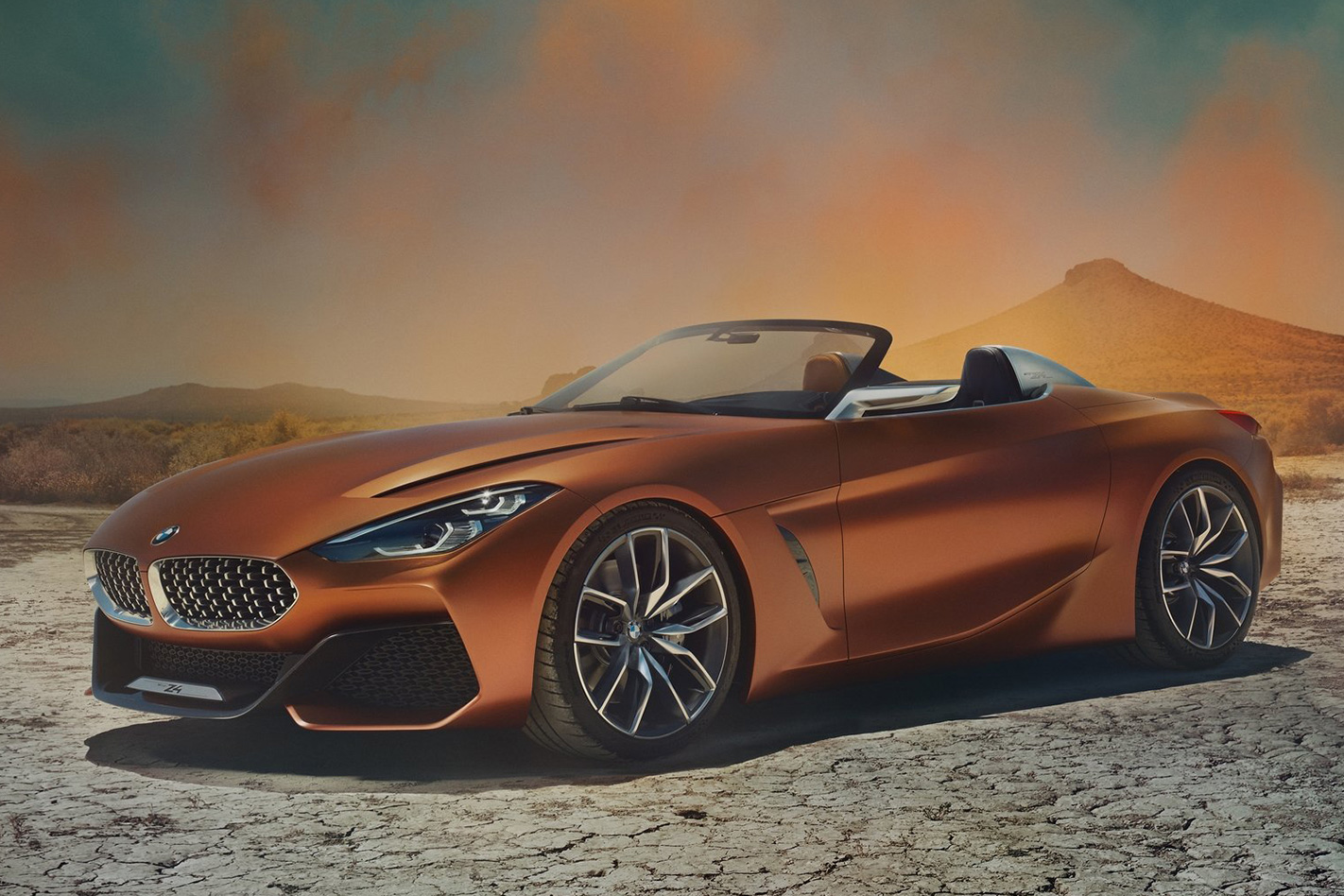
As previously revealed the 2019 Z4, which will share a platform with the new Toyota Supra, will be initially topped by two 3.0-litre inline six-cylinder variants including a 287kW hero version, alongside punchy 134kW and 186kW turbocharged four-cylinder variants and a Toyota-derived hybrid version.
The Z4 is expected to be unveiled in August this year, with full details and specs revealed at the Paris Motor Show in October.
Everybody knows that published fuel economy figures are a bit of a joke. We see those outraged articles every once in a while comparing manufacturer’s claims with real world figures, which can be up to 50 percent worse than the claims. The reasons why are often complex but boil down to an outdated laboratory test procedure that the carmakers have been able to game for years.
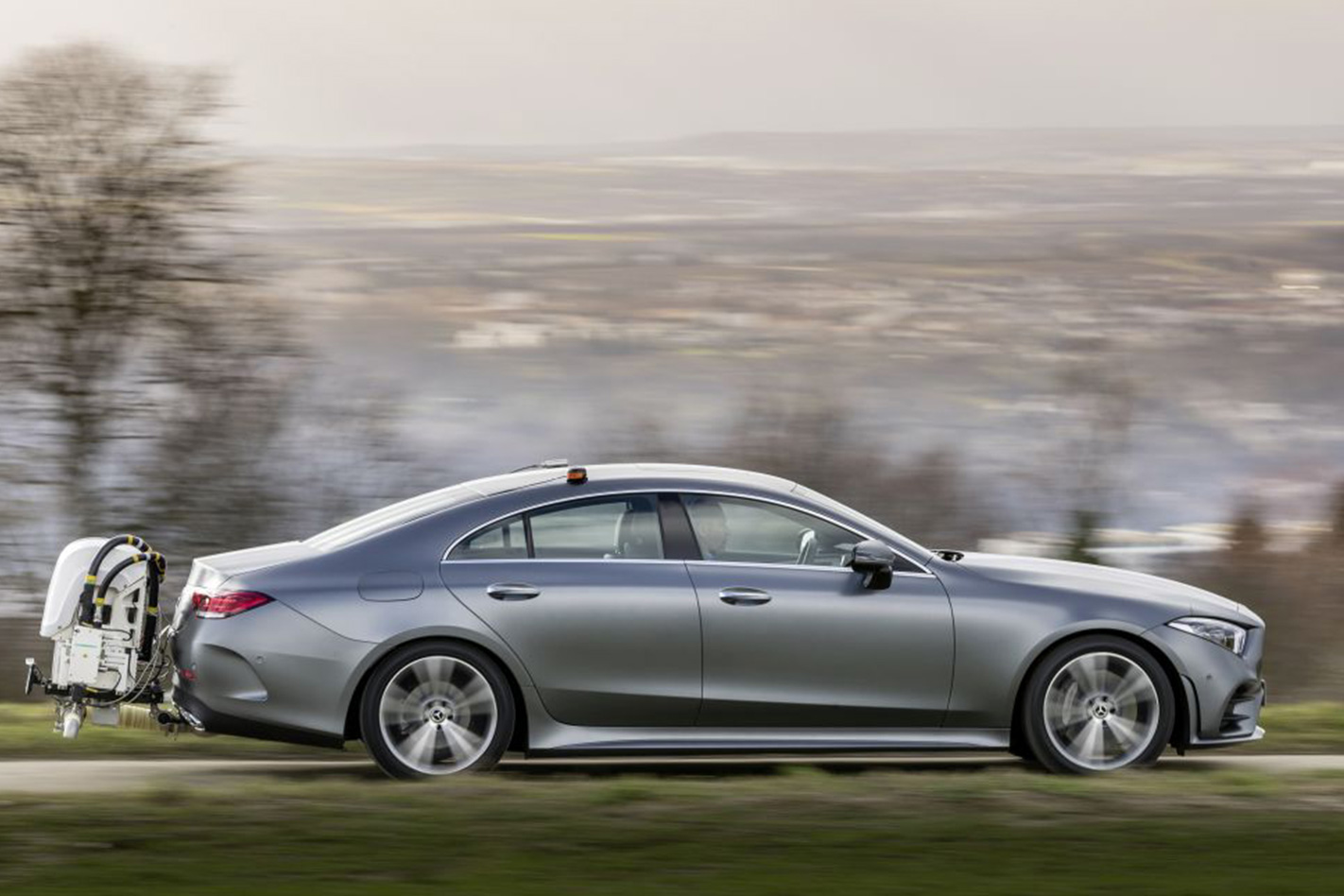
While Volkswagen has been tarred and feathered for its Dieselgate debacle, virtually every other manufacturer has been able to optimise their cars to perform well on the NEDC (New European Driving Cycle) test that was last updated more than two decades ago. Whether it’s softening off turbocharger response at certain rpm, fitting aggressive idle stop systems or gearing vehicles to sidestep the test’s demands, it’s been fairly easy to gerrymander the results.
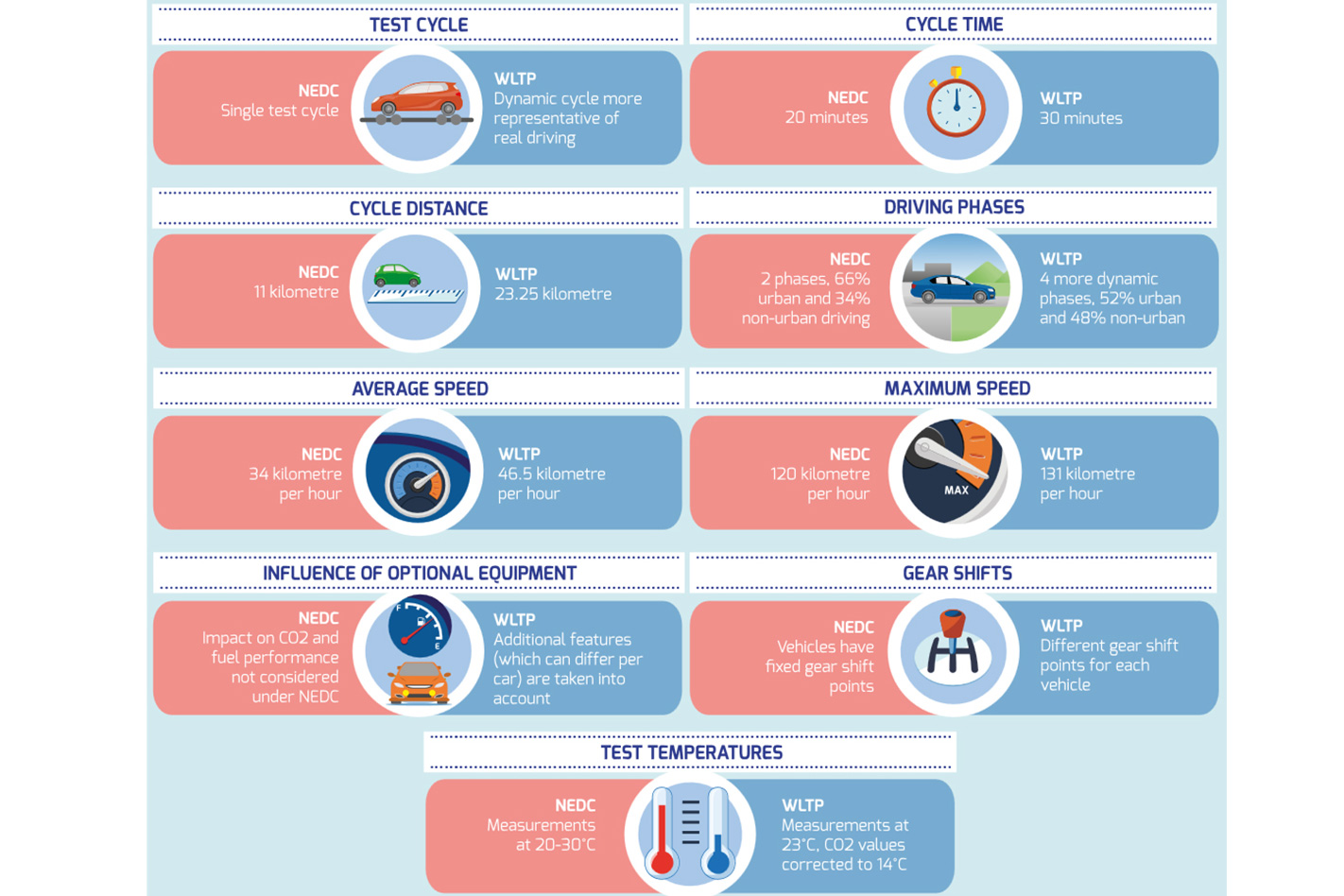
That’s because the NEDC test is a short, prescribed process that is vulnerable to cheating. The cycle is a mere 20 minutes long, covers 11km at an average of 34km/h and mandates fixed shift points, gentle acceleration and has only two phases (66 percent urban and 34 percent non-urban driving). It’s obvious that this is nothing like real world driving.
In order to counter this discredited test procedure, a new test is being phased in. The WLTP protocol (which stands for Worldwide Harmonised Light Vehicle Test Procedure) has been planned since 2007, long before Volkswagen was caught with its pants down. Under a staggered roll-out, only WLTP homologated cars can be sold in Europe from September 1 2018, with Volvo the only manufacturer to have achieved a tick against its complete range thus far.
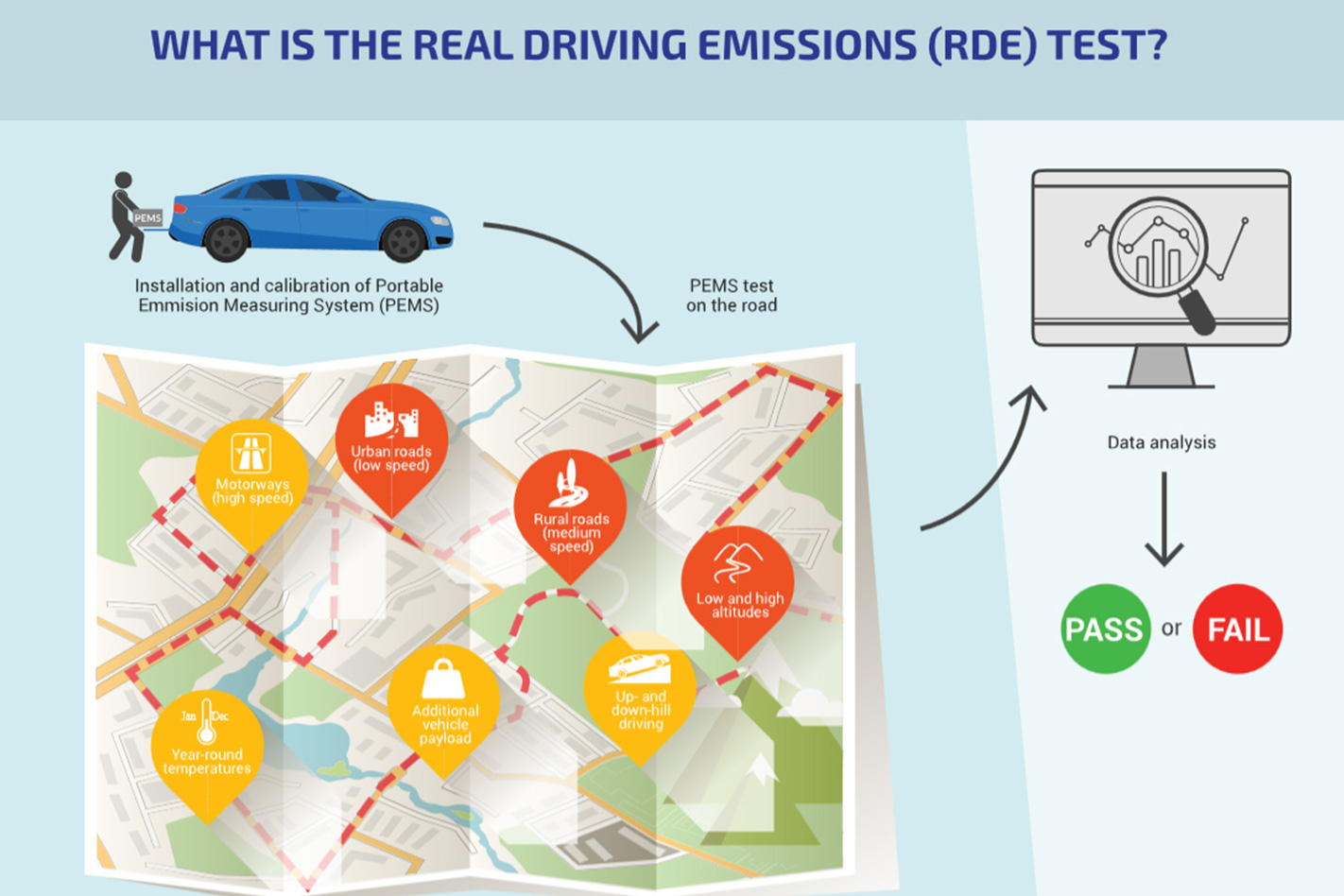
The reason why others are struggling is because WLTP certification is hideously complicated to achieve. Not only is the test 50 percent longer in duration, and more than twice as long in distance, but it also adds an element of real-world emissions data gathering and is more complicated, with different gearshift points for each vehicle, and four dynamic phases, harder acceleration and a higher top speed.
The thing that’s really flummoxing manufacturers is that in order to gain certification, every car in the range must be tested. That’s a huge headache for manufacturers such as Jaguar Land Rover, who tend to offer a constellation of model variants, effectively offering any engine with any trim level. Not only that, but each variant must be tested with every significant option combination. Bigger wheels, roof racks, transmission options and anything likely to materially affect the test will need certification. The only exception in the first phase of rollout is air conditioning. You can imagine the permutations growing unworkable.
And indeed, that is what has transpired. Every test rig in Europe is booked out months in advance which has led to the farcical situation that some manufacturers, Porsche and Volkswagen included, are having to stop production of certain models because they have yet to be certified.
Volkswagen’s works council chief Works council chief Bernd Osterloh put the onus for test rig bookings squarely on management. “It’s not the fault of our colleagues that the company has built too few test rigs over the years and can suddenly not handle the test volume required,” Osterloh said. “We will not allow this burden to be borne by the workforce alone at the end of the day.”
BMW has started prioritising its biggest-selling variants for test, while allotting build slots to non-European market vehicles that don’t require immediate certification. Although it claims there is no risk to volumes in the short term, the will be supply interruptions on certain models. This is not only due to lack of test bench times, but also to a bottleneck in the supply of new filters for petrol engines to pass tests. Peugeot’s 308 GTI has halted production while the company awaits new particulate filters.
The upshot of the new testing (when completed) is that fuel consumption figures will rise by around 20 percent in many cases. “The introduction of WLTP can be compared to a currency reform,” Mercedes has stated in a review of the protocol. “Although the vehicles will not change technically, they will simply be measured by new standards.”
Industry data supplier JATO ran a review of 18 models that have been tested under both NEDC and WLTP and discovered that there were increases in claimed consumption of between 13 percent and 18 percent. Plug-in hybrids are likely to be most seriously affected by the new testing. Under the NEDC test cycle, plug-ins would return ludicrous-looking consumption figures that bore little relation to reality. It’s hard to countenance a Porsche Panamera Turbo e-hybrid returning 2.9L/100km, but given that under certain circumstances, it can return 0L/100km, the old test cycle was clearly inadequate.
The new procedure under WLTP requires plug-in hybrids to complete the test several times, starting with a full battery and repeating the test until the battery is depleted. When the battery is flat, another cycle is conducted to give best and worst case scenarios. From these extremes, a workable ‘real world’ figure will then be calculated based upon the car’s range.
Although the timescales for WLTP certification appears to be blown out of the water, the deadlines remain. The lab testing needs to be completed by September 1 this year while the on-road RDE testing element must have been completed exactly one year later. Then, in April 2020, we’ll start seeing WLTP figures replace NEDC ones in car ads and (where applicable) for taxation purposes. Finally, at some point in 2021, NEDC’s legacy will be snuffed out.
What does that mean for us here in Australia? Not too much in the immediate term, but within two years we’ll start seeing fuel economy figures that look a bit more like what you’ll get in real life. It’ll also make it far more difficult for car manufacturers to ‘cycle beat’ or play the test to their advantage. That’s the good news.
There’s a cloud on the horizon though. There remains the risk that government legislators will see the increased carbon dioxide emissions figures that accompany the WLTP test as a method of introducing CO2-based vehicle taxation as a replacement for the increasingly archaic-looking cash take from Luxury Car Tax. What is currently a headache for manufacturers could prove the Trojan horse that introduces a new taxation regime to Australia.
The Ministerial Forum on Vehicle Emissions has already proposed a target of reducing vehicle emissions to 105g/km in 2025. We currently stand at 171.5g/km (45 percent higher than the European average of 118.5g/km) and Australia is the only western economy without workable light vehicle emissions standards. Urban Infrastructure Minister Paul Fletcher said the government had “not reached a position” on car fuel efficiency. Don’t bet against WLTP forcing their hand.
MAZDA appears to be about to treat its popular MX-5 sportscar to the power-up that many fans of the bantamweight drop-top have been yearning for, with a 137kW 2.0-litre engine in the pipeline.
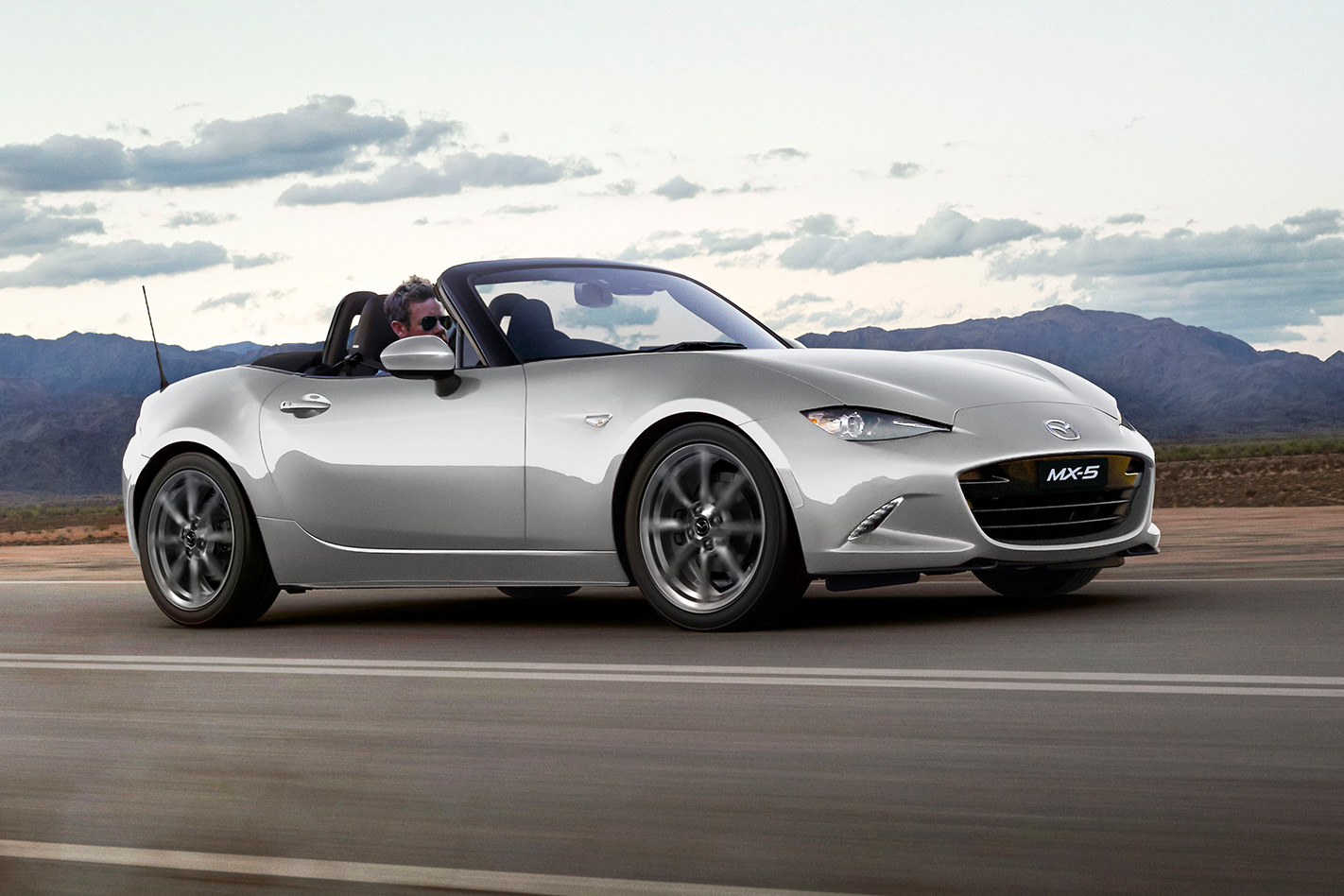
Following a prototype first drive in Mazda’s native Japan, Japanese publication CarWatch has spilled the beans on some significant changes that are likely to be destined for an updated production version later in the year.
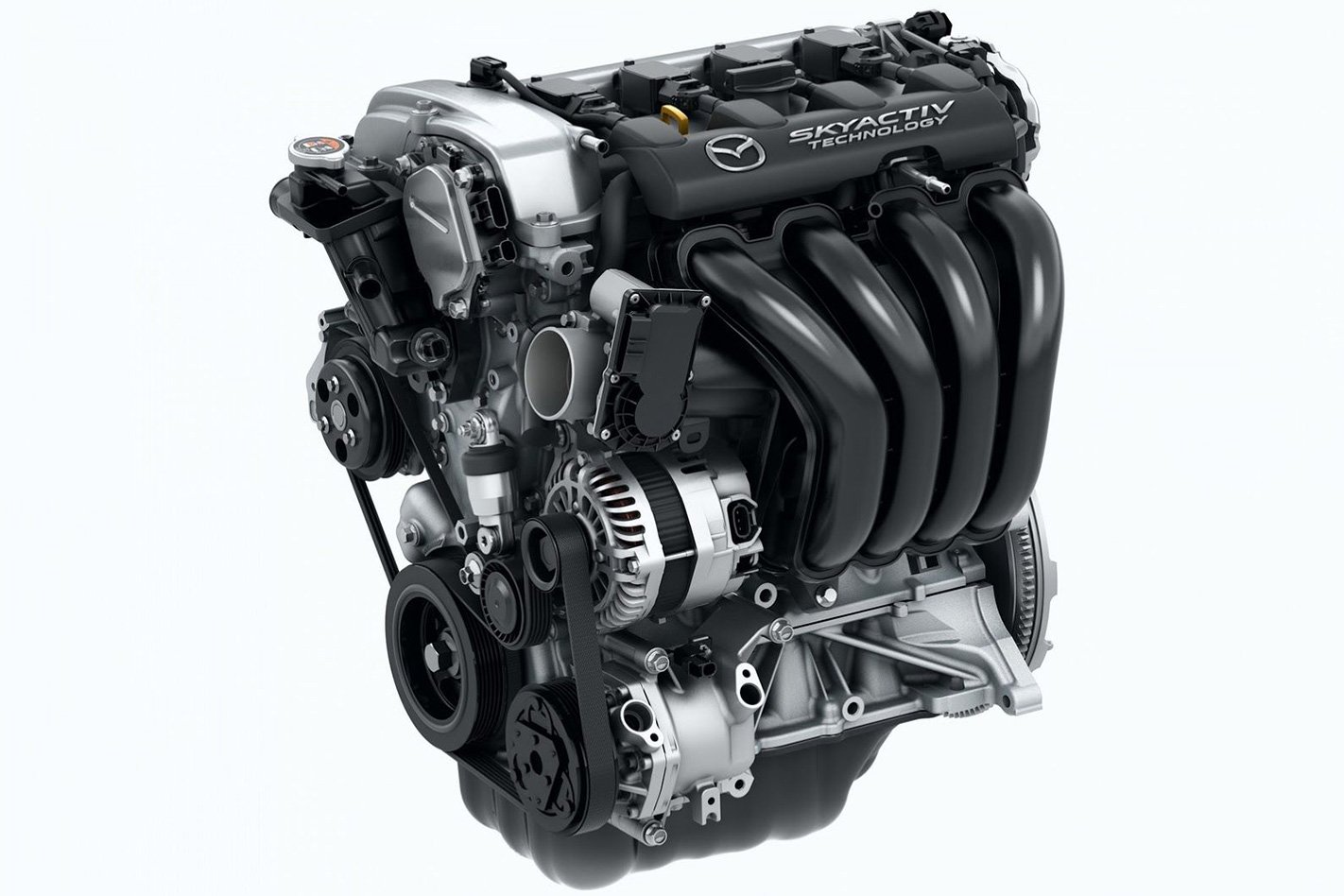
Headlining the update is a heavily revised version of the 2.0-litre atmo four-cylinder that currently powers the most potent version of the iconic two-seater, with lighter pistons and conrods, a larger throttle body and exhaust valves, bigger bore exhaust and dual-mass flywheel resulting in a 15 percent power increase from 118kW to 137kW.
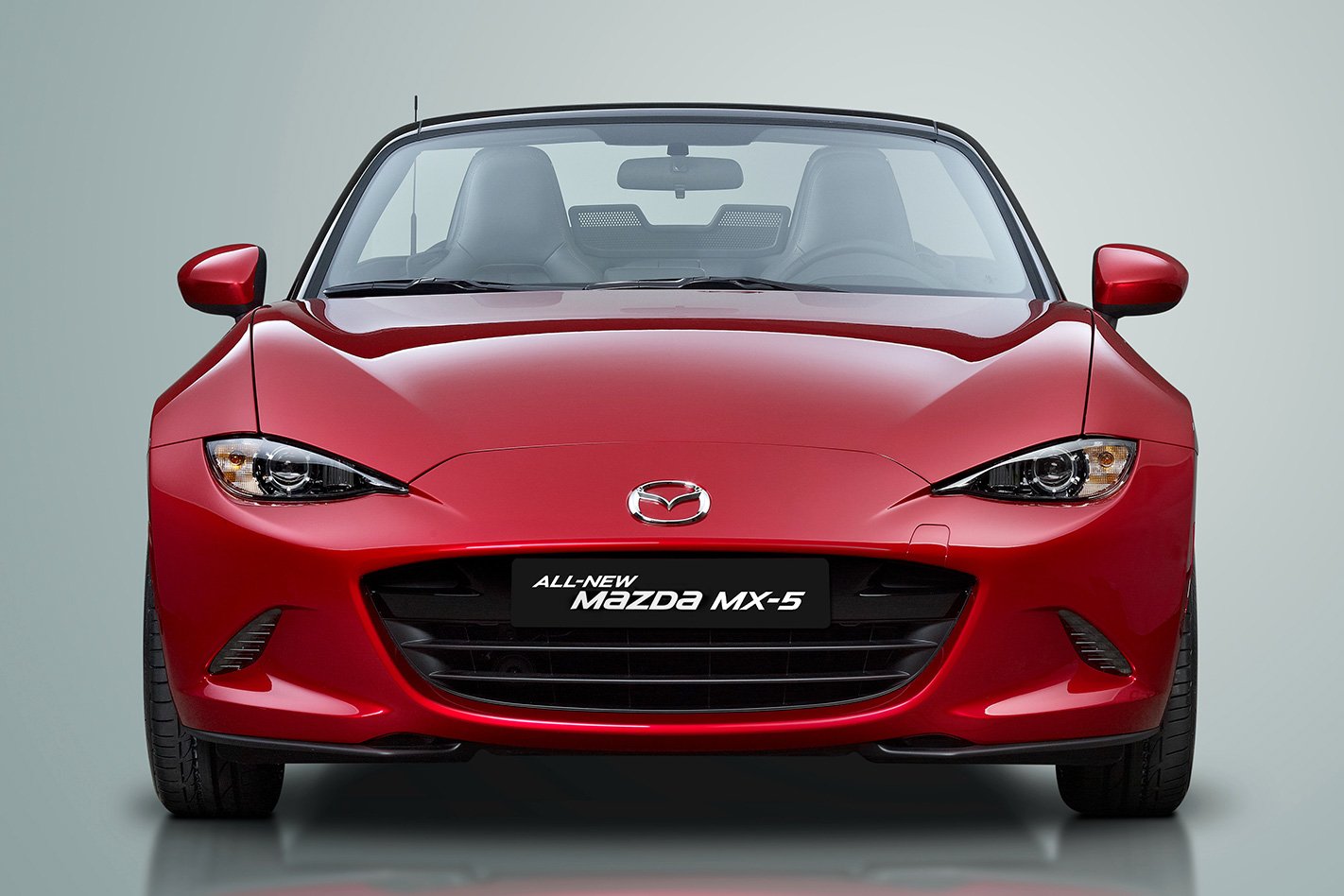
Torque gets a more modest 5.0Nm increase to 205Nm but, importantly, maximum power now peaks at 7500 rpm, up from 6800 rpm. Many fans of the smaller-engined 1.5-litre MX-5 favour the free-revving nature of its engine, but this latest revelation suggests the bigger sibling is now just as happy to spin up.
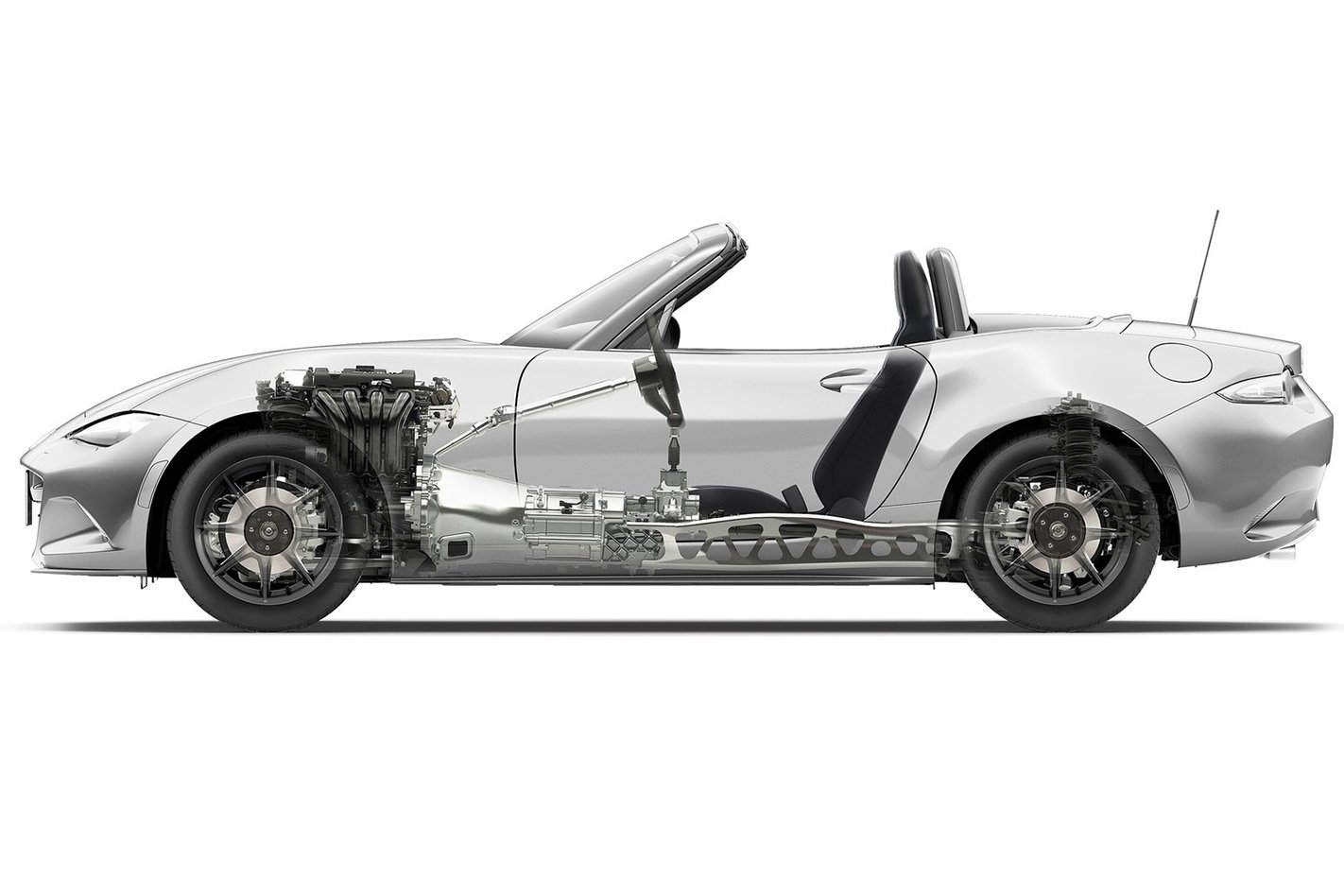
Along with the engine mods, the development vehicle was also kitted out with revised rear suspension, says CarWatch, with softer bushings for improved steering feel.
Inside, the MX-5 now has two-way adjustable steering wheel, with telescoping adjustment possible along with the existing tilt movement, for an improved driving position.
No exterior design changes are mentioned, but the prototype revealed may be a mechanical mule, with a subtle facelift under wraps at this stage and reserved for the complete production model.
Mazda has not confirmed the changes for a showroom version anywhere in the world, but this first glimpse seems highly indicative of a 2019 MX-5 that will be heading to a dealership near you.
An update of the MX-5 on local turf is also yet to be confirmed, but Mazda Australia public relations senior manager Sonia Singh said the 2016 Wheels Car of the Year followed the same lifecycle as all models, and official news was not far off.
“We have a minor update to any of our nameplates 12 to 18 months on rotation,” she said. “We haven’t confirmed this update for our market as of yet … hopefully we’ll have something to share in the next few months.
“I wouldn’t be able to say we are 100 percent interested in this update that’s been announced in Japan, but we’re always interested in making sure we’ve got the latest.”
With two engines on offer, the latest generation MX-5 received less criticism for being underpowered compared with some of its affordable small-sportscar rivals, said Singh.
And while a more potent 2.0-litre version is likely to attract an audience of its own, Singh confirmed that the 1.5-litre MX-5 is holding its own with a different kind of customer.
“The 1.5 still holds the heart of a lot of purists so that hasn’t been something we needed to rectify”.
The Toyota 86 has become a canvas for three different one-off liveries paying tribute to the 24 Hours of Le Mans.
Despite Toyota’s “passionate and cruel” relationship with the race, it’s confident that this year will be its own, tempting fate with a press release last week stating it’s “on the brink of an historic first victory at Le Mans.”
Given this is the 86th running of the Le Mans 24 Hours, Toyota saw fit to match that up with the name of its affordable rear-driver, the 86 GT.
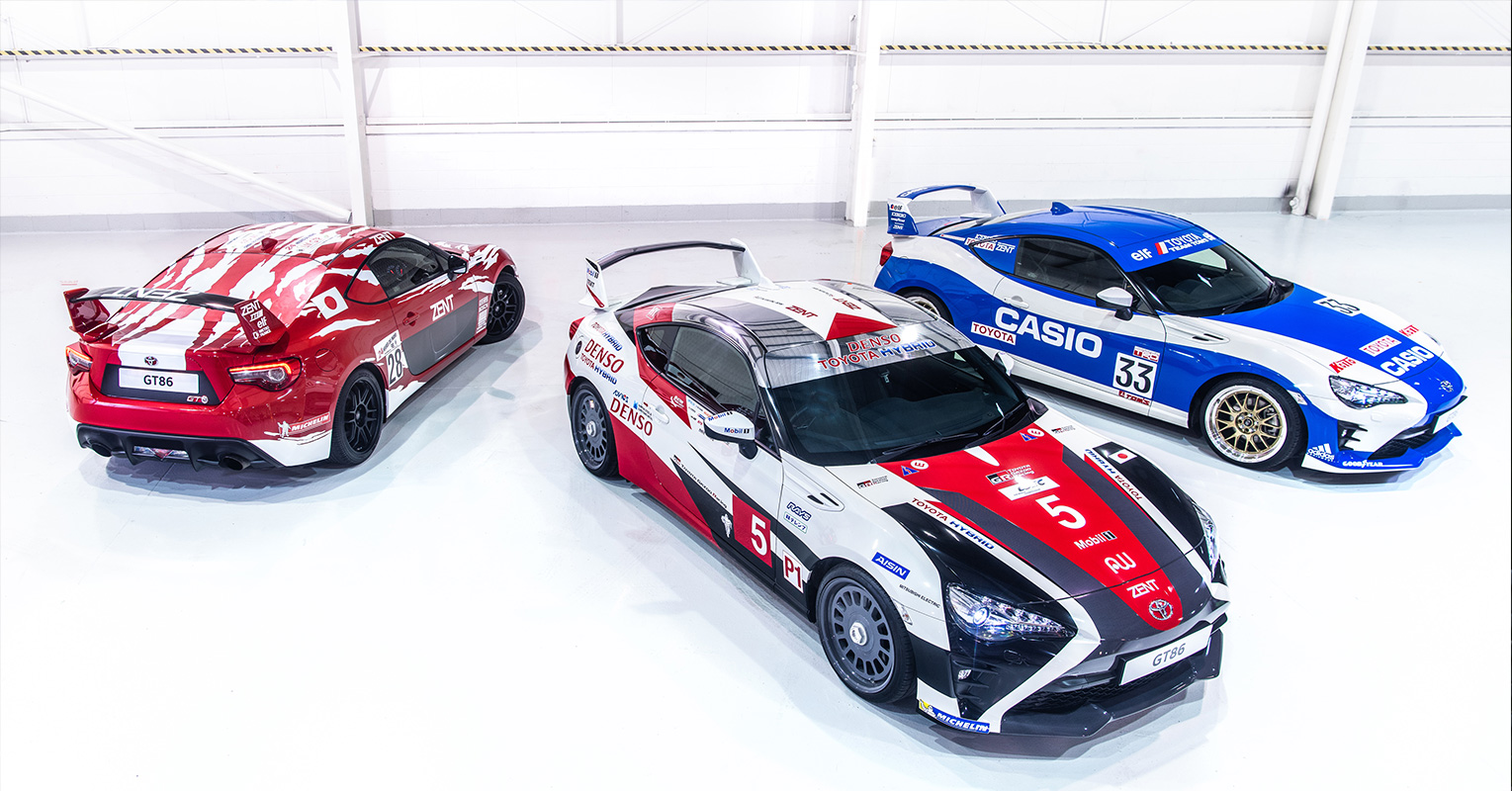
The three liveries it has chosen are all based on familiar Le Mans racers from Toyota’s past and present, including the TS050 Hybrid which it currently races.
“The first in the new series pays tribute to the Toyota TS010 of 1992,” Toyota says, “which was powered by a Formula 1-style 3.5-litre V10 engine capable of producing up to 700bhp.”
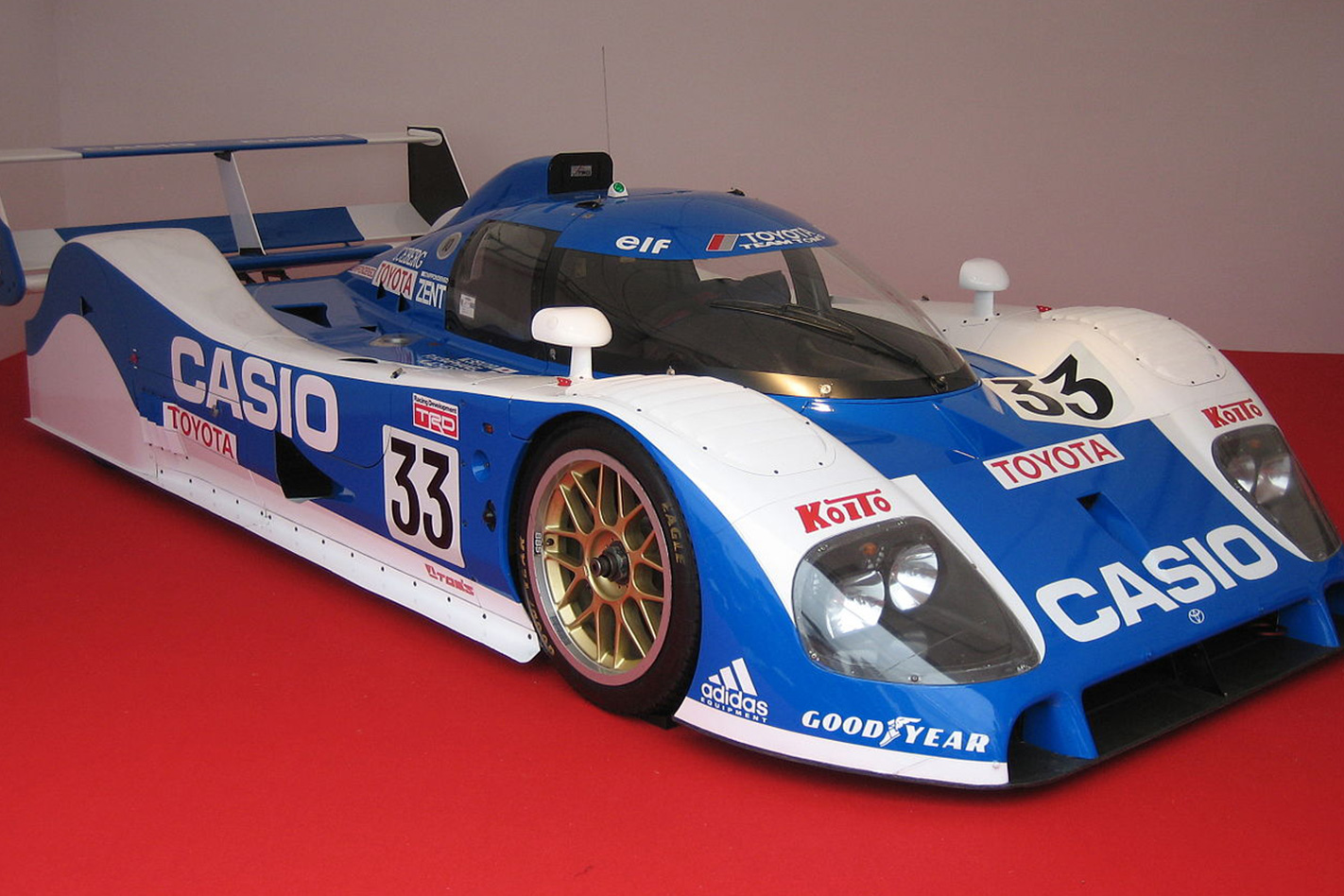
While the TS010 never claimed victory at Le Mans, as is Toyota’s unwilling ‘tradition’, it took second place in 1992, and set a fastest lap (which it repeated the next year) and highest trap speed during the race.
“Next comes the 1998 TS020, or GT-One, a pure-bred Le Mans car that proved exceptional in qualifying and a record-breaker in the heat of competition.”
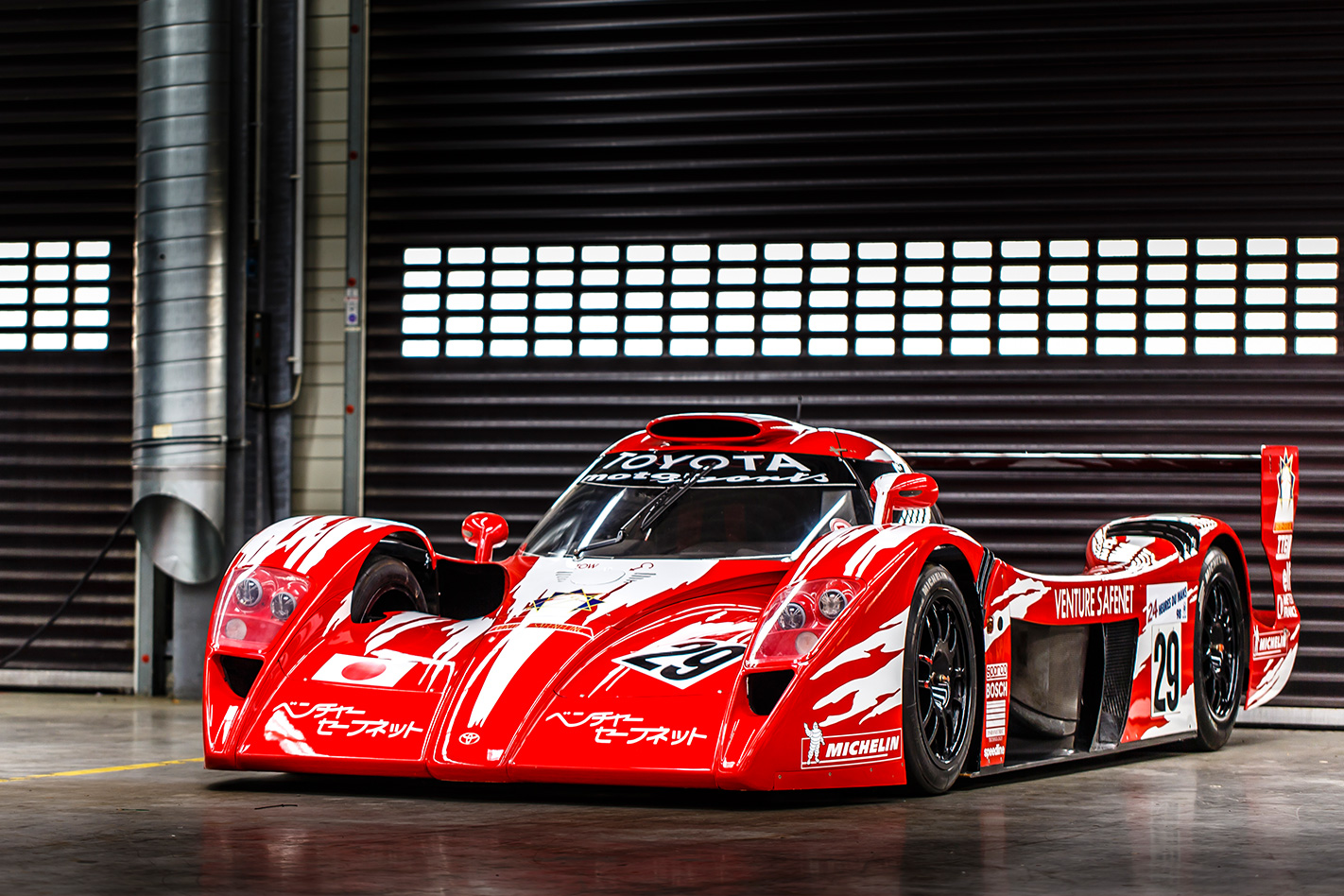
The GT-One raced in 1998 and 1999, though in ’99 didn’t compete in the LMP category. Instead, taking second place overall, it won in the LMGTP category, with ‘Drift King’ Keiichi Tsuchiya sharing the driving in both years.
“Completing the threesome is a GT86 inspired by the TS050 Hybrid, which came heartbreakingly close to winning Le Mans in 2016.”
We’re sure Toyota is hoping its Le Mans guest driver Fernando Alonso isn’t set to repeat his DNF performance at the Canadian GP at the weekend, but crueller things have happened to Toyota’s TS050.

“Toyota’s relationship with the famous 24 Hours of Le Mans has been passionate and cruel,” Toyota says.
“Yet still we love this race. We love the place, the people and the passion they bring. We’ve thrown our best at it time and time again. For the 86th running, we’ll be back.
“Maybe this year Le Mans will love us back.”
With 392kW and 582Nm at its disposal, the 2019 Ford Mustang Shelby GT350 makes an impact in numbers alone.
Its 5.2-litre V8 is the most powerful naturally aspirated Ford production engine ever, with a 6-speed manual transmission appealing to those who drive for the sake of it.
2018 Shelby Super Snake revealed!
But the next update of GT350 is even more impressive thanks to updates and additions borrowed from Ford’s racing experience – and its bigger, badder Shelby GT500.
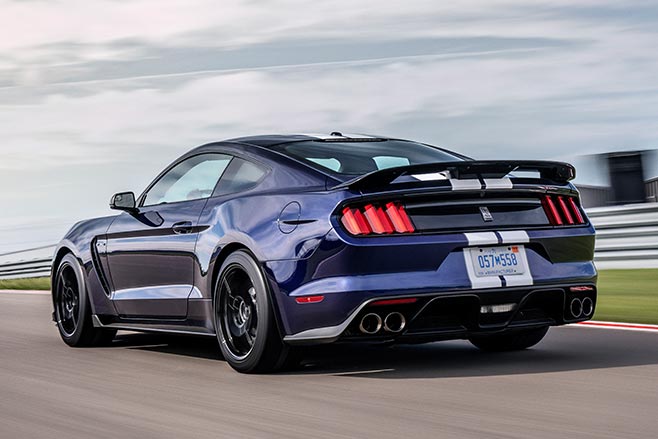
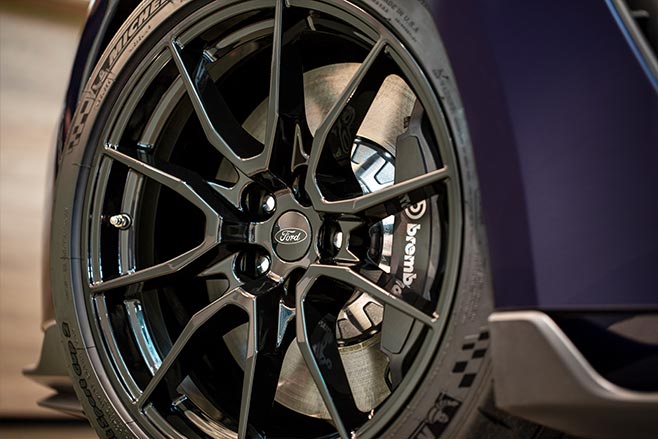
Specially-designed Michelin Pilot Sport Cup 2 tyres provide more grip to improve acceleration and braking, while a new rear spoiler and grille closeout were developed with a wind tunnel by Ford Performance. The wing also comes with an optional Gurney flap.
Ford says that together these changes provide ‘significant rear greater aerodynamic efficiency.’
Six-piston front and four-piston rear Brembos provide the stopping power, while ride is determined by upgraded MagneRide suspension.
WEC and IMSA racer Billy Johnson is the official test driver for the GT350, and says it’s taken a leap in performance and capability.
“Along with improved grip, brake and chassis refinements, Shelby GT350 brings a whole new level of performance driving,” he says.
“It’s a rewarding car to drive on track for amateurs and pros alike, while making the driver feel like a superhero. It’s confidence inspiring in corners and begs to be pushed harder and to take corners faster.”
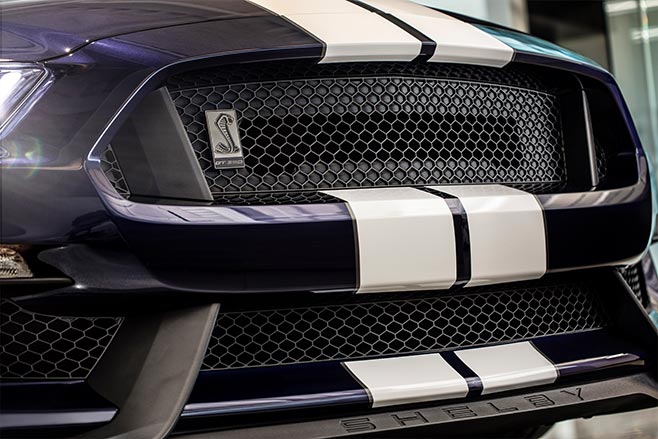
Adding to this, Ford Performance vehicle programs director Hermann Salenbauch says the new GT350 would make Carrol Shelby proud.
1967 Ford Shelby GT500 Super Snake revived!
“Somewhere, Carroll is smiling,” says Salenbauch.
“The new Shelby GT350 is our ultimate track Mustang. We’ve stuck to Carroll Shelby’s original formula for winning championships and made our Shelby GT350 even better with the latest in race-proven aerodynamics, tyre and chassis technology.”
Ford says the 2019 Mustang Shelby GT350 will be available starting in early 2019 in the US.
When you’re the established benchmark in a segment it must be difficult to decide where to focus on improvement.
At initial glance it appears the engineers responsible for the S-Class update have enjoyed plenty of early knock-offs. External changes are limited to a new radiator grille and, on cars so optioned, striking Multibeam LED headlights with the distinctive triple strip of lights.
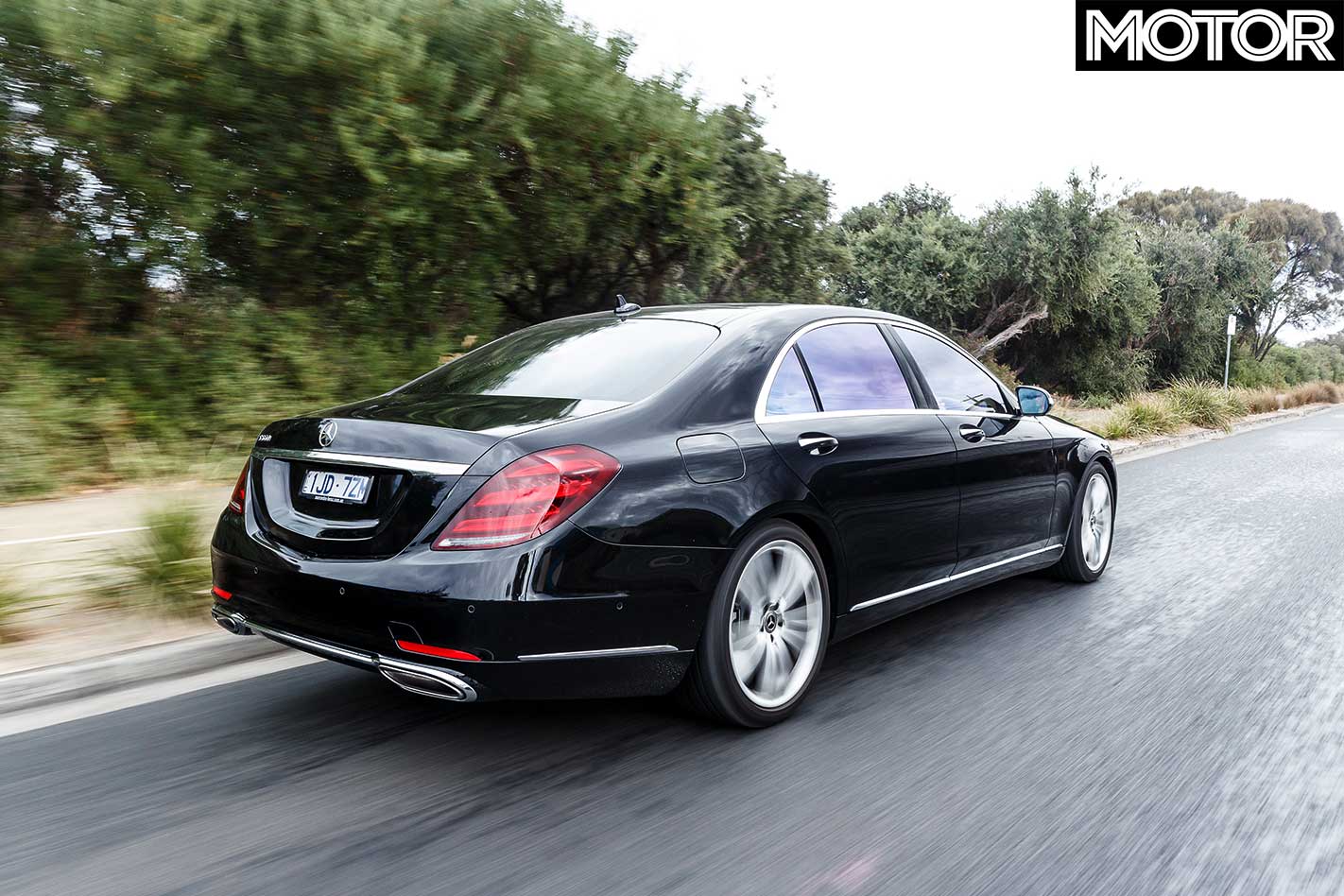
As usual for Merc’s mid-life updates, however, subtle exterior tweaks hide drastic mechanical changes. Chief among these is the introduction of a number of new engines. Mercedes has revived the inline six, the S450 offering an electrified 270kW/520Nm 3.0-litre petrol while the S350d and S400d diesels offer 210kW/600Nm and 250kW/700Nm respectively.
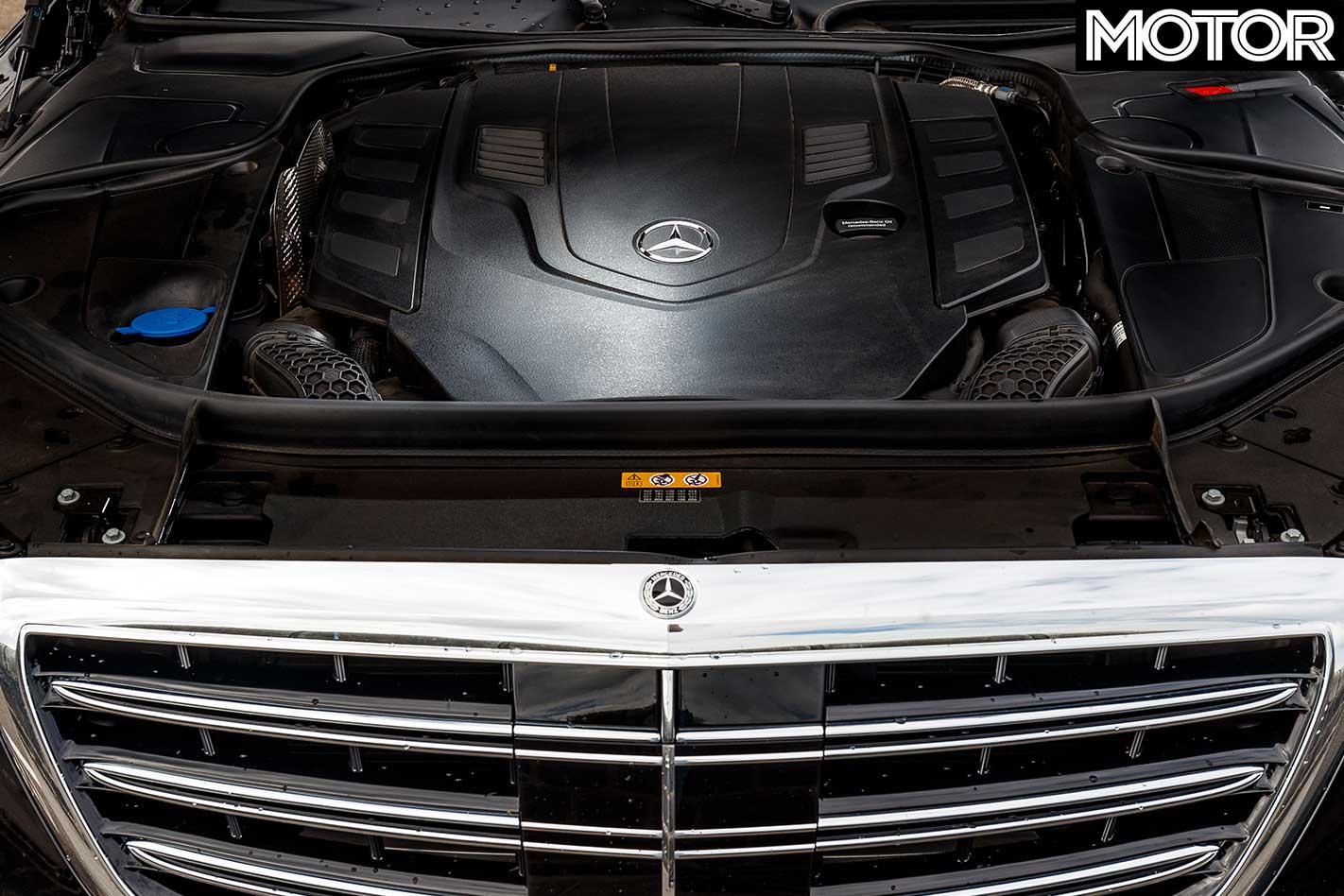
Further up the tree is our S560 test car, which debuts the non-AMG M176 version of Merc’s 4.0-litre twin-turbo V8 in Australia. Like the handbuilt units in its more potent siblings, its turbos are tucked into the vee of the engine, yet the M176 majors on effortless torque and efficiency thanks to its ability to shut down four cylinders when cruising.
Developing 345kW/700Nm, it offers more pace than most owners will ever use (0-100km/h 4.7sec) but a cultured V8 growl if they succumb to temptation; the sensible choice is probably one of the cheaper, frugal diesels, yet on a 200km cross-country cruise the S560 returned a remarkable 7.8L/100km. I believe that’s called having your cake and eating it, too – and this was the larger, heavier long-wheelbase version.
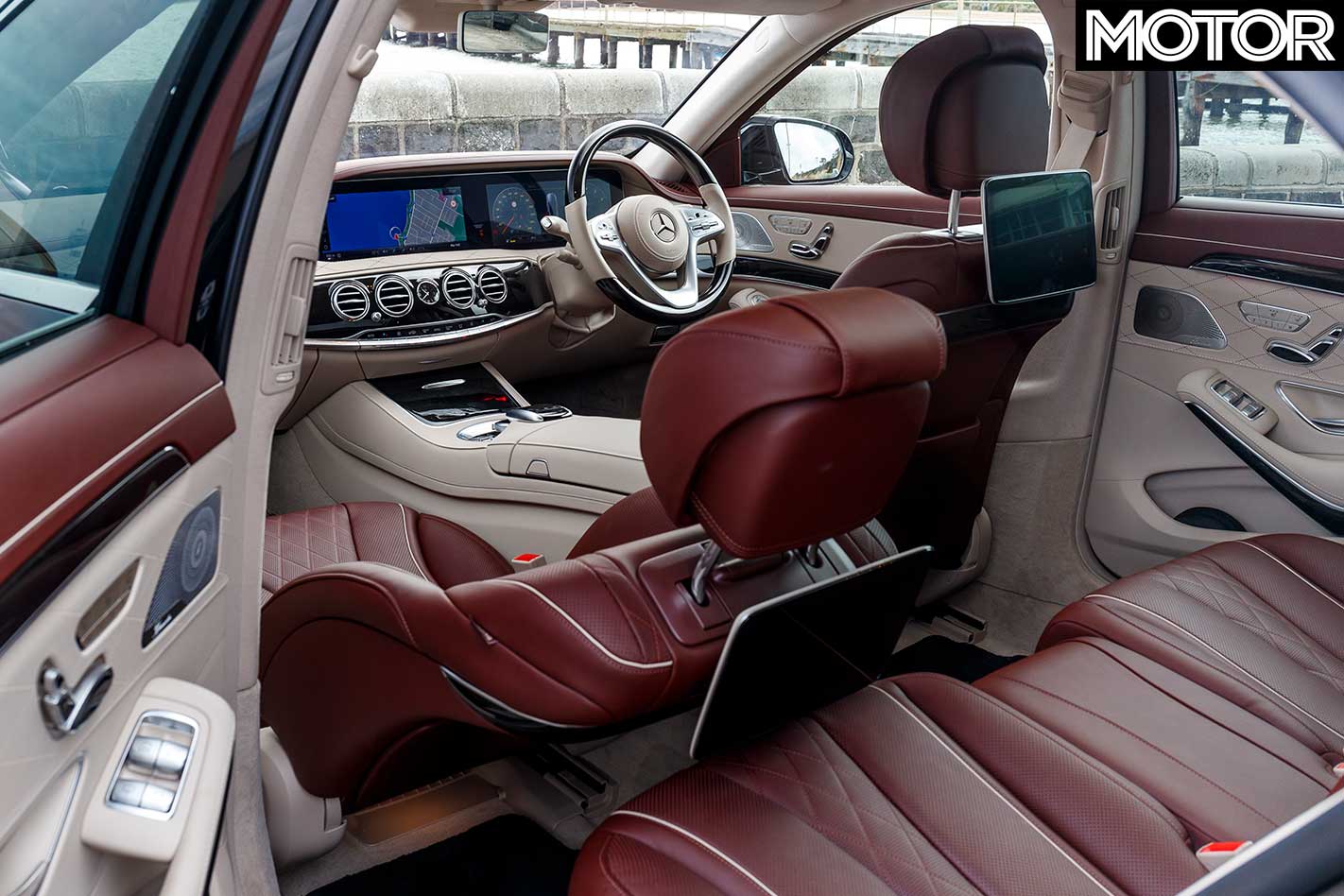
Selecting the L adds 25kg, 130mm to the wheelbase and $25,000 to the price, but is a must if you employ someone else to take the wheel. The back seat of an S-Class is truly land-based business class travel, with seats that recline and massage and infotainment screens and headphones to help the miles slide by.
The ride is exemplary, the very definition of waft, the S-Class using a stereo camera to scan the road ahead and prepare the adaptive air suspension for bumps.
Selecting Sport offers greater control with little deterioration in comfort, but to be honest while the S560 can be driven quite quickly, nothing about the car encourages you to do so. It’s like those designer running shoes; you could use them to exercise, but it would be a shame to get them sweaty.
It’s at its best when cruising along, Intelligent Drive using its Level 2 autonomous capabilities to take over as much of the driving as regulation allows.
As painful as it is to write in a magazine dedicated to enthusiastic driving, it’s also a very relaxing way to tackle a long, otherwise uneventful journey. Crucially, the technology is largely unobtrusive, Mercedes realising that luxury is more about the environments than how many gadgets are available. As such, it retains its place at the top of the limo segment. At least for now.
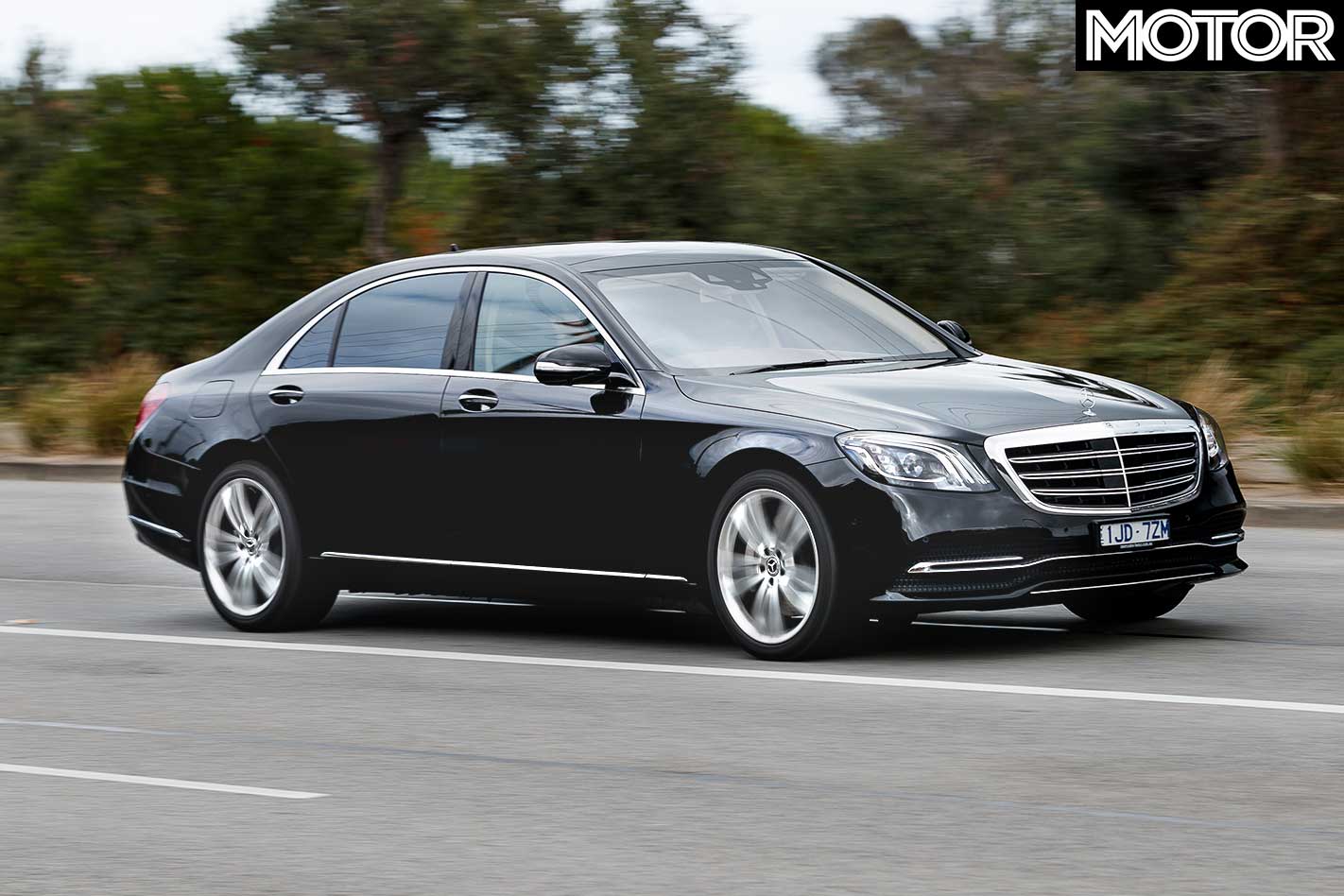
2018 MERCEDES-BENZ S560 L SPECS: Engine: 3982cc V8, DOHC, 32v, twin-turbo Power: 345kW @ 5250-5500rpm Torque: 700Nm @ 2000-4000rpm 0-100km/h: 4.7sec (claimed) Weight: 1995kg Price: $295,000 ($312,965 as-tested)
Rating: 4.5 out of 5 stars Like: Lovely V8; superb ride; beautiful interior Dislike: Top diesel almost $100K cheaper
Porsche has revealed a special concept to celebrate its 70th anniversary, the Porsche 911 Speedster Concept, based on the first car ever registered with the brand’s badge.
The Speedster concept is clearly based on the Porsche 911, though it draws historical influence from the iconic Porsche 356, the first ever Porsche car.
Our vision for a 718 Boxster R ‘Speedster’
The 911 Speedster also fulfils the ‘historic’ (or purist, if you like) brief of Stuttgart stormers through its 6-speed manual transmission, passing power from a 368kW, 9000rpm naturally aspirated flat-six engine to the rear wheels.
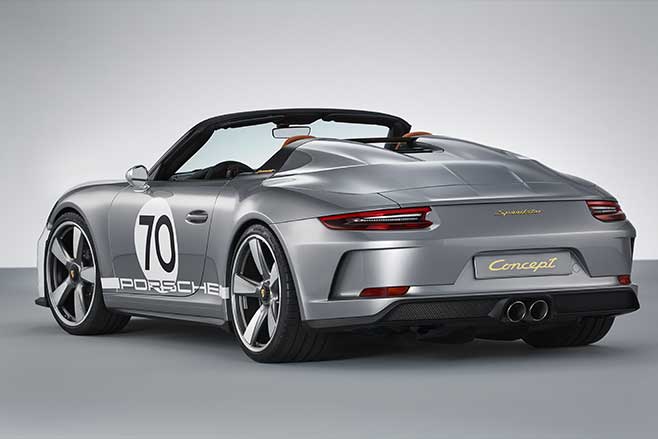
If that powertrain sounds familiar, it should – it’s the same redline, power output, and gearbox a manual Porsche 991.2 GT3 utilises.
As well as the running gear, the 911 Speedster’s chassis is drawn from the GT3, priming it to be drop-top Porsche purist heaven.
History of the Porsche 911 GT3 RS
Porsche says the bodywork of this concept is drawn from that of the 911 Carrera 4 Cabriolet, though carbon fibre and a mix of silver and white paint, plus 1950s styling brings together old and new.
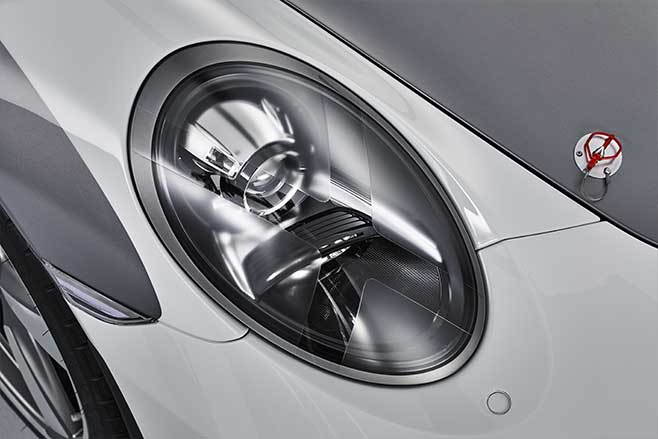
The fuel cap is positioned in the front trunk lid, while the wing mirrors are styled in a retro Talbot design, and the headlights are even given an ‘X’ motif to represent the taped-up lights of early motorsport.
Also unique to the Speedster are the lower windshield and shorter side windows, giving it a sleek feel, and throwing back – again – to the Porsche 356 Speedster.
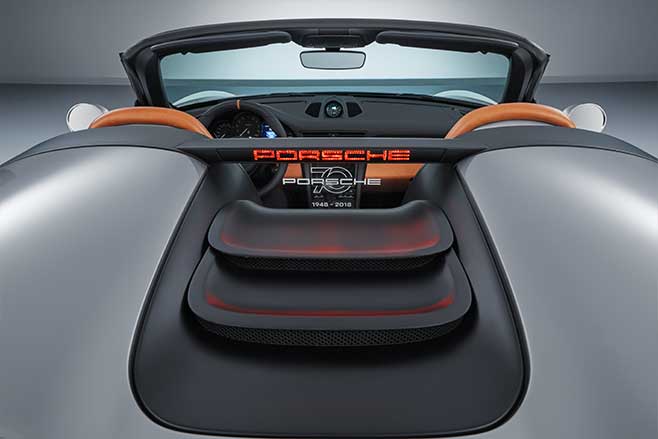
Behind the driver and passenger seats, a pair of ‘streamliners’ with black accents and ‘Speedster’ badging, plus an etched ‘Porsche 70’ inscription is found.
The seats themselves, which are full bucket shape, are made of carbon fibre, and Porsche says the light brown ‘Cognac’ leather ‘picks up on features from the car’s classic predecessors.’
The Porsche 911 Speedster badge was first used in in 1988, while it was last used on the 997 911 Speedster, of which only 356 units were built.
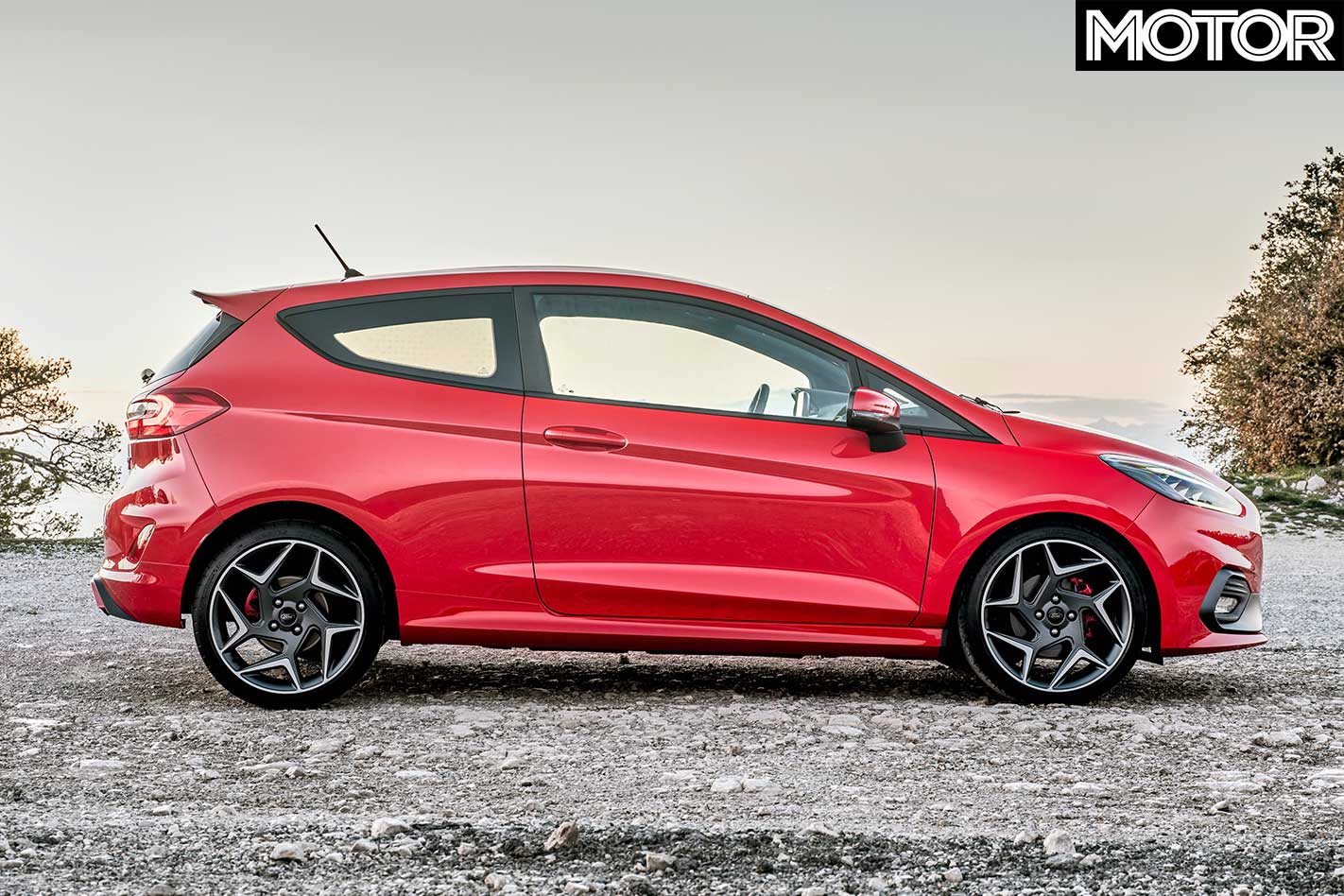
The Ford Fiesta ST has been one of MOTOR’s Bang For Your Buck heroes, and even though all good things must come to an end, a new, more sophisticated successor will be making its way Down Under.
So it’s time to dig a little deeper to find out what the new Ford Fiesta ST is all about. It’s a car that’s had heavy involvement from the Ford Performance division to make sure it maintains its high esteem among the hot-hatch fraternity.
First off, the ST gets a proper mechanical LSD – a Quaife unit that will likely be standard in Oz. The mechanical system limits torque to the wheel with reduced grip, therefore limiting wheelspin and pulling the ST out of tight bends, fully exploiting the three-pot’s newfound extra grunt.
The LSD is designed to work in conjunction with the enhanced torque-vectoring tech which, like any other system, electronically applies brake pressure to the inside front wheel if it detects slip, reducing understeer at the same time. Ford Performance has worked hard to make the mechanical LSD and electronic torque vectoring work in harmony.
Ford-patented force-vectoring springs bolster stability (and improve ride quality), roadholding and responsiveness of the new twist-beam rear suspension. Essentially it keeps the feel and fun-to-drive experience of old with sharp turn-in and keen direction changes, but adds in needed compliance. It’s also 10kg lighter compared to a Watt’s link setup.
A first for a compact hot hatch, the ST also uses non-uniform, non-interchangeable, directionally wound springs. The idea behind it is that they apply vectoring forces to the rear suspension, which in turn enable cornering forces to go directly into the spring for increased lateral stiffness.
Instead of adaptive dampers, the ST uses sophisticated Tenneco twin-tube front and mono-tube rear dampers with RC1 valve technology, resulting in frequency-dependent damping. Overall body control is increased while high-speed driving refinement is retained.
The company stated that buyers expected ‘big things’ from the new ST. It seems Ford has well and truly delivered.
What’s new?
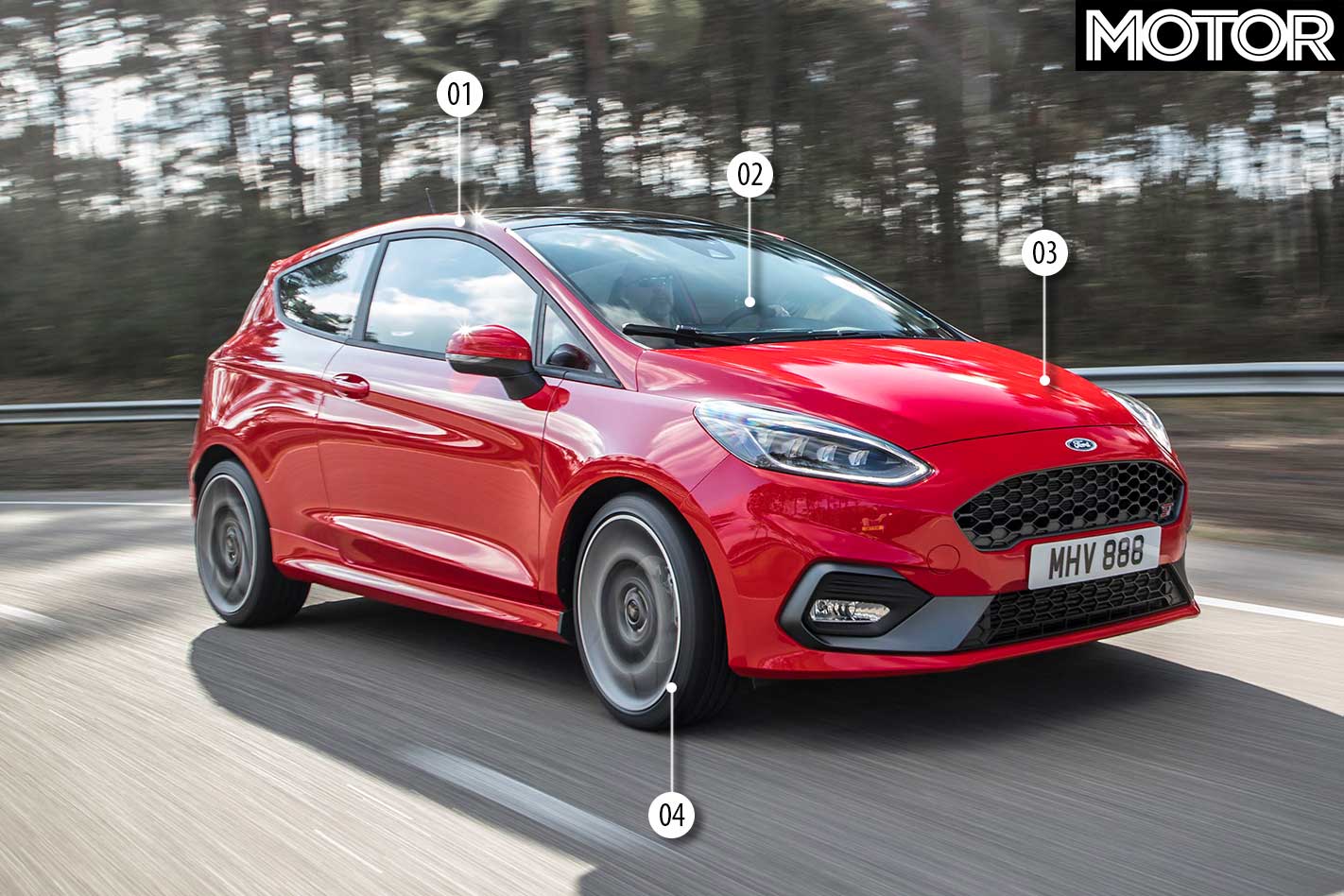
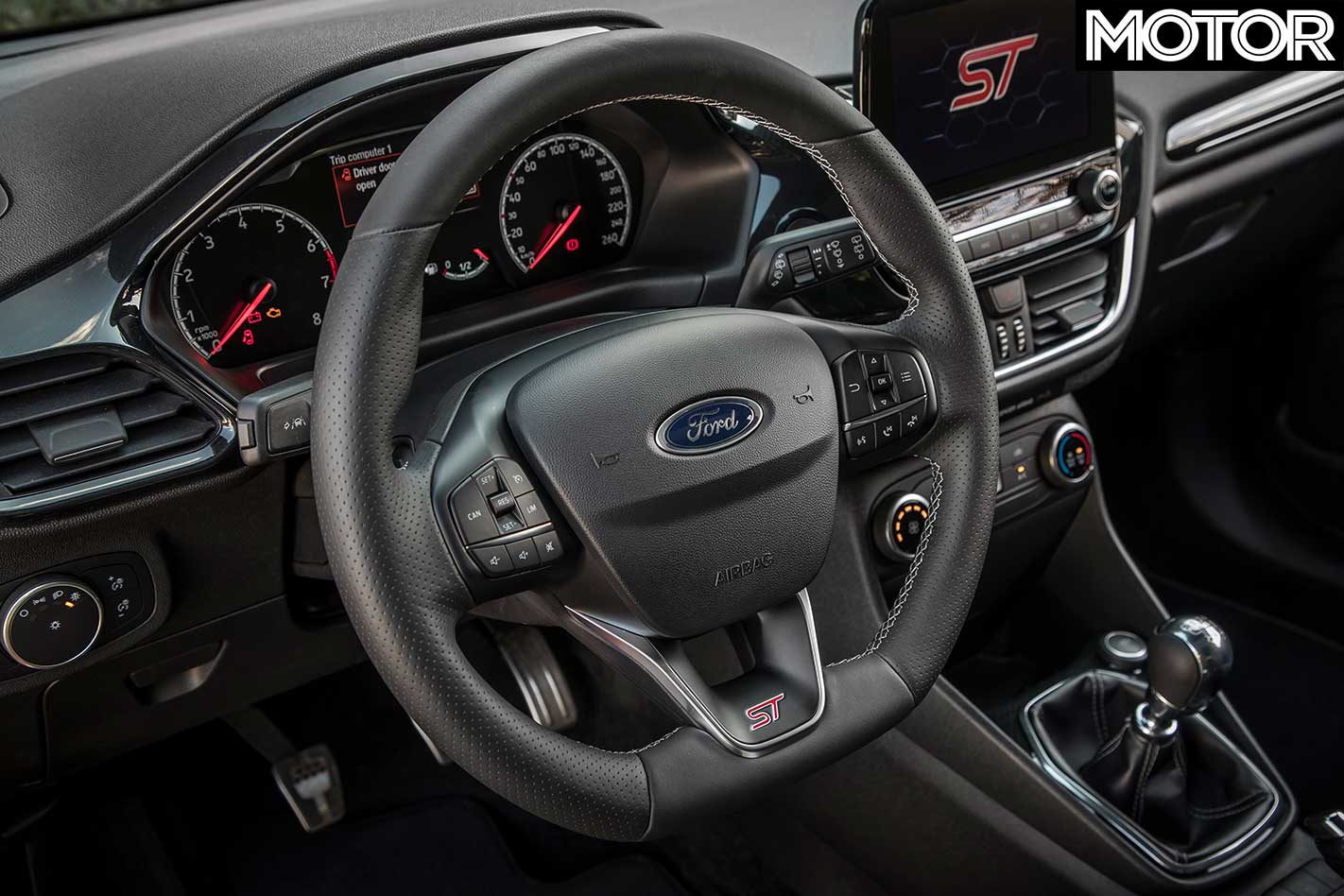
1 – MORE GADGETS The ST will be available with Lane Keeping Aid, Lane Keeping Alert, cruise control, rain-sensing wipers, auto headlights (auto high beam with traffic sign recognition) as well as Recaro seats and SYNC 3 with an optional 8.0-inch screen.
2 – STEERING A bespoke steering knuckle design with a unique EPAS calibration features, resulting in the fastest steering ratio of any Ford at 12:1. The electrically assisted rack is also 14 per cent quicker than the previous generation ST’s.
3 – IT HAS LAUNCH CONTROL! Using the electronic stability control, traction control, torque vectoring and torque steer compensation systems to manage power and torque, the new ST rockets to 100km/h in 6.5sec with a side step of the clutch and a flat throttle.
4 – DRIVING MODES Engine mapping, traction control, ESC, active exhaust valve and electronically controlled steering can all be adjusted via the Normal, Sport and Track modes. Traction control and ESC can be limited with ‘wide-slip’ mode or turned off.
Big Tech, Small Package
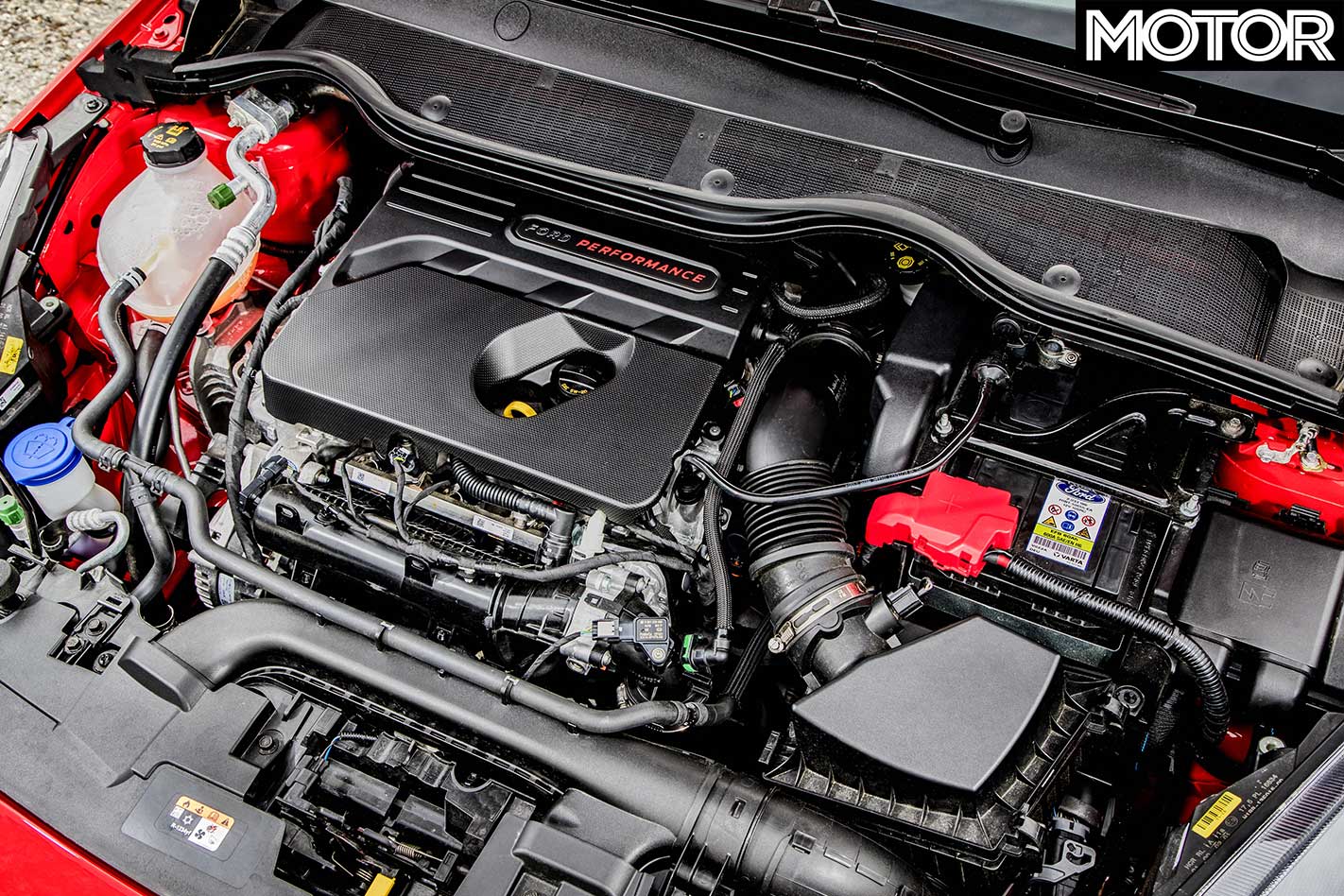
The ST’s big news is a switch from a 1.6-litre turbocharged four-cylinder to a boosted 1.5-litre triple. Despite the pot drop, power is rated at the same 147kW (6000rpm) the old ST made on overboost. It’s matched with a generous 290Nm of torque from 1600-4000rpm.
It’s an all-new, all-aluminium engine and features turbocharging, high-pressure fuel injection and twin-independent variable cam timing. The integrated exhaust manifold also delivers more torque at a faster pace by minimising the distance the exhaust gases have to travel between the cylinders and turbo.
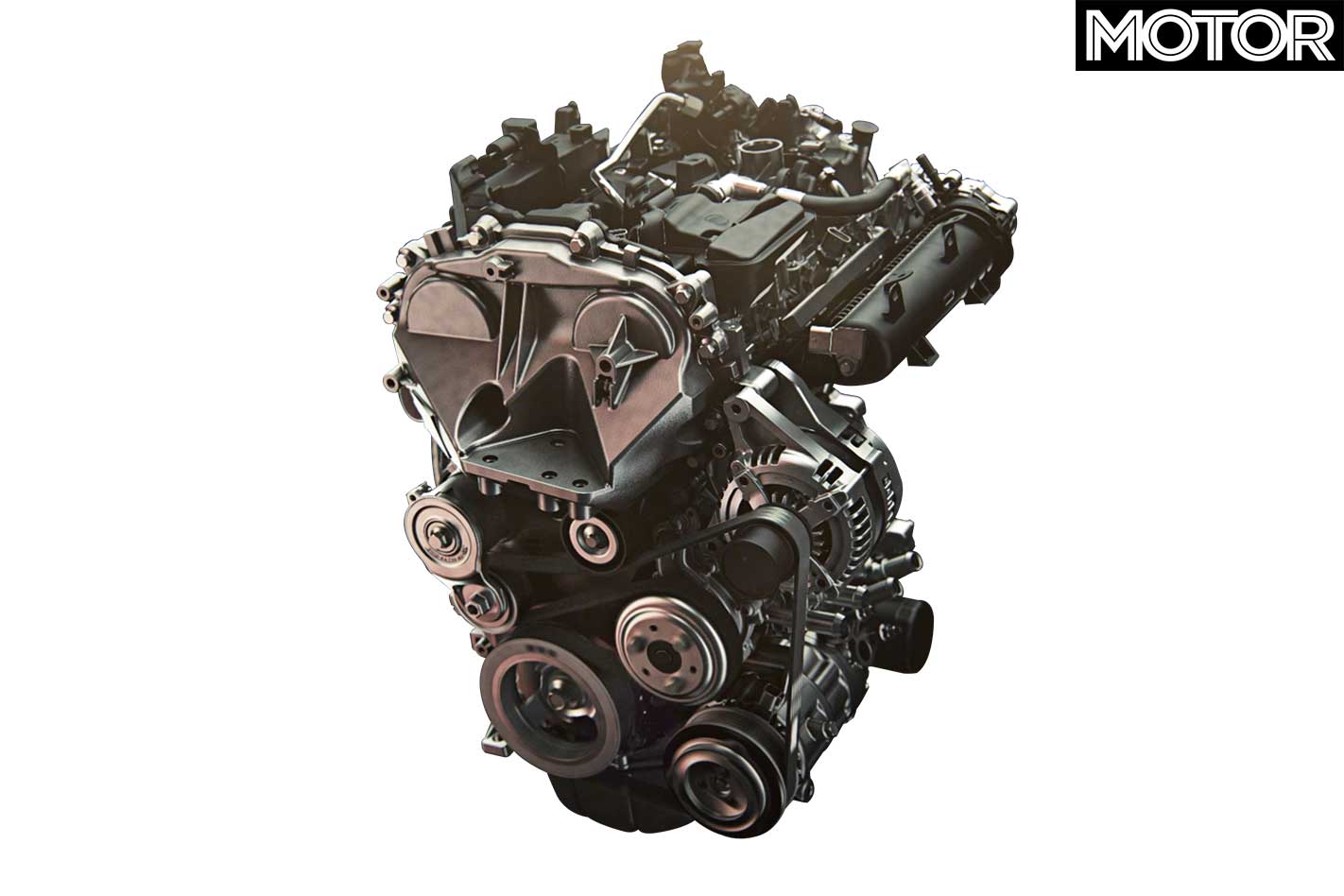
The active exhaust bumps up the volume on the already unique engine sound to enhance the driving experience.
The smartest tech is cylinder deactivation, which allows the engine to drop to two cylinders at engine speeds up to 4500rpm in just 14 milliseconds. We’ve seen this before, but not on a triple due to noise and vibration issues. It works so well on the ST that most drivers won’t even notice it (or, admittedly, the claimed 6 per cent fuel saving).
If you’re anything like us, you were delighted to discover that the new Suzuki Swift Sport weighs a mere 970kg, placing it back under the tonne – its ancestors would be proud.
The importance of the power-to-weight ratio, and its affect on fun factor, seems to have been lost in this time of performance SUVs. We want to see it come back.
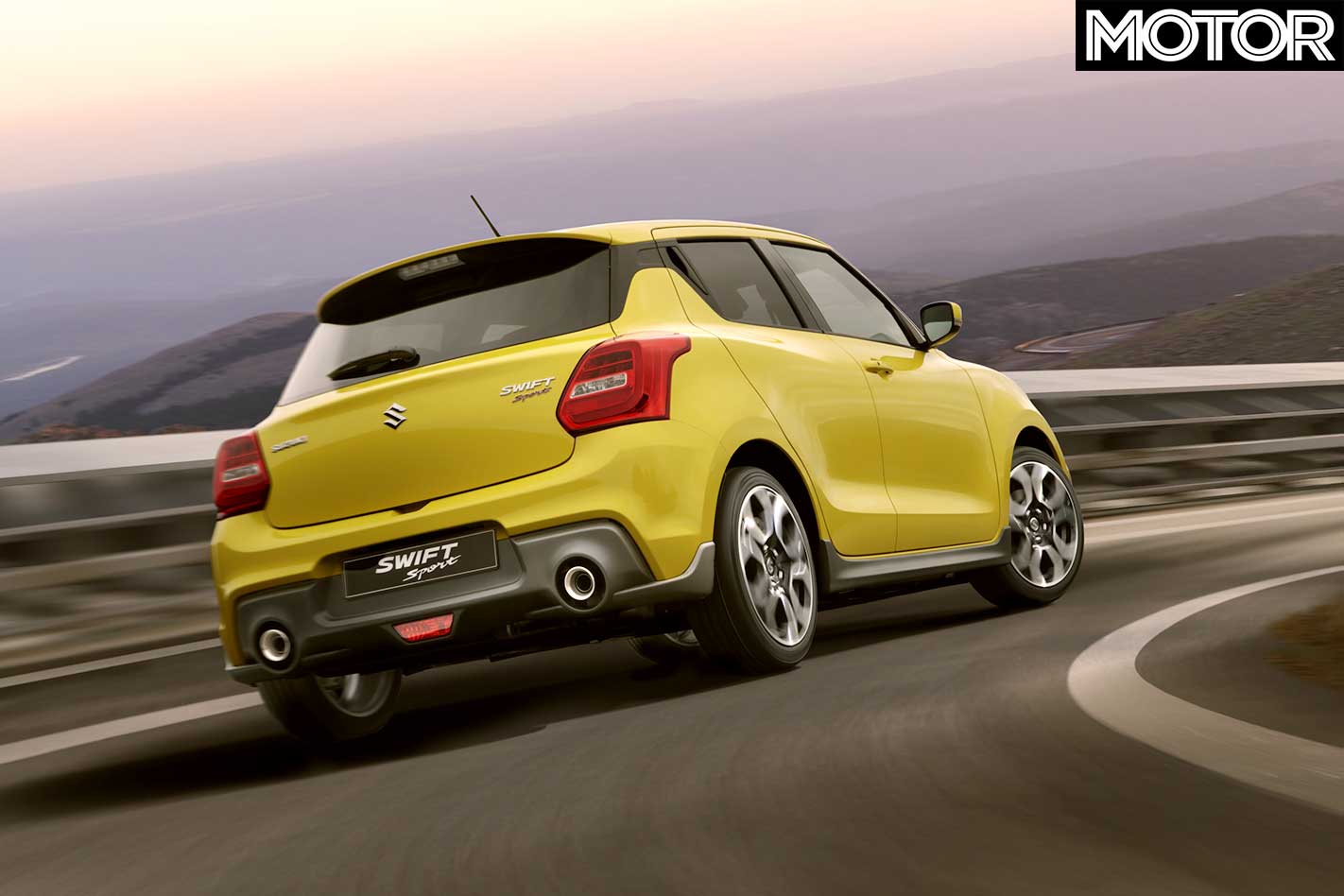
A humble Suzuki that can put a smile on your face equal to what you’d gain from some rear-drivers is incredibly pleasant. The little Swift Sport just so happens to remind us of a car which followed a similar concept to extract maximum fun: the original Mini Cooper S. By chance, two examples that caught our eye on TradeUniqueCars.com.au were selling for $24K and $30K, right in Swift Sport territory.
Though much lighter and less powerful than the Swift (and most other cars) the Morris Mini Cooper was able to tackle the muscle of its era, proving itself in various Mini vs Mustang races which proved its cornering prowess (find them on YouTube, you can thank us later).
Finding one in good condition is a challenge, but the benefit of choosing a Mini over a Swift is that it’ll appreciate, rather than depreciate.
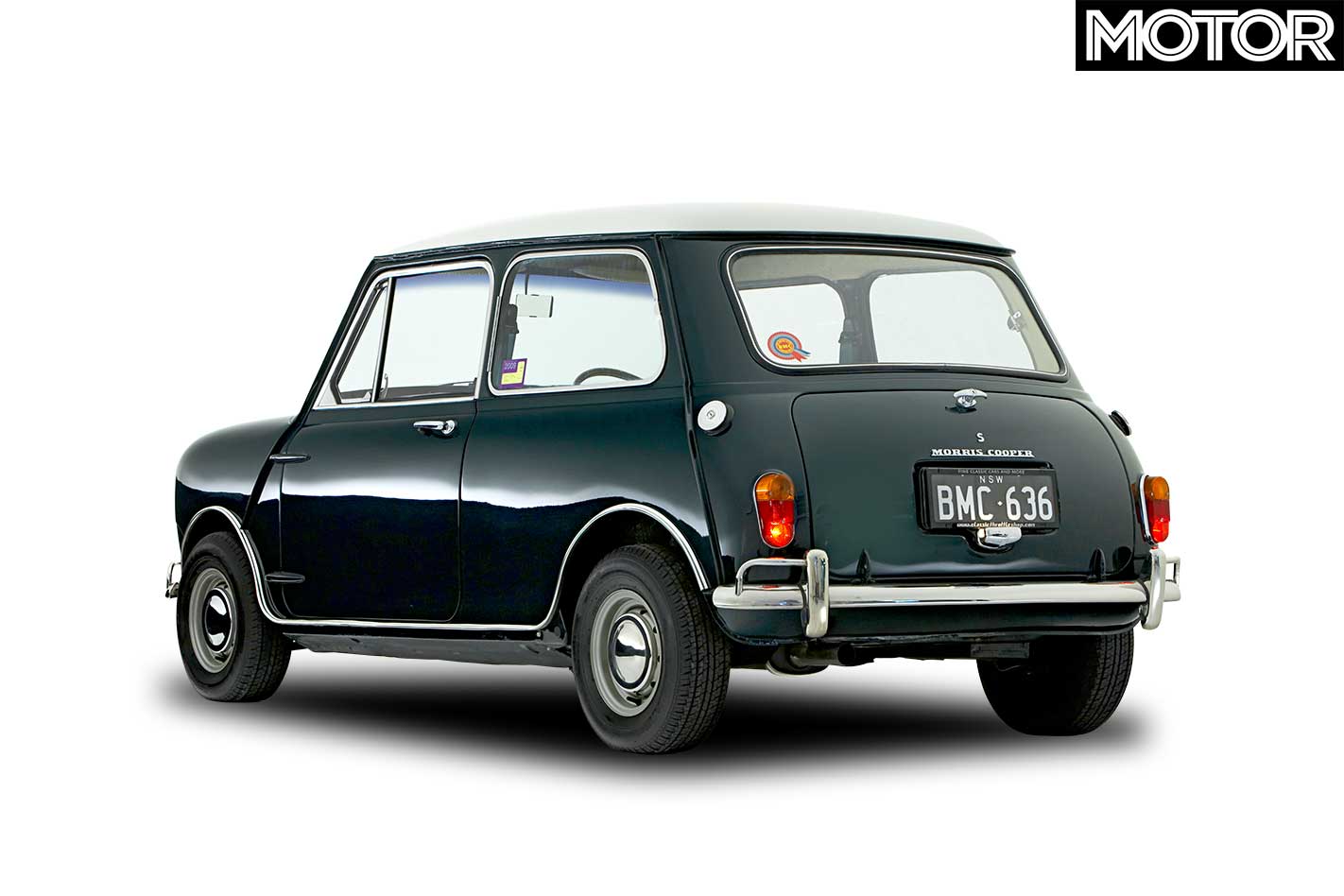
If you can’t find a tidy example, there are plenty of people who know how to restore one for a fee, and will likely be able to up the engine’s power and add some modern conveniences. For the right price, that is.
While neither will win the traffic-light GP, both present a very involved approach to driving. Who says only fast cars can be fun?
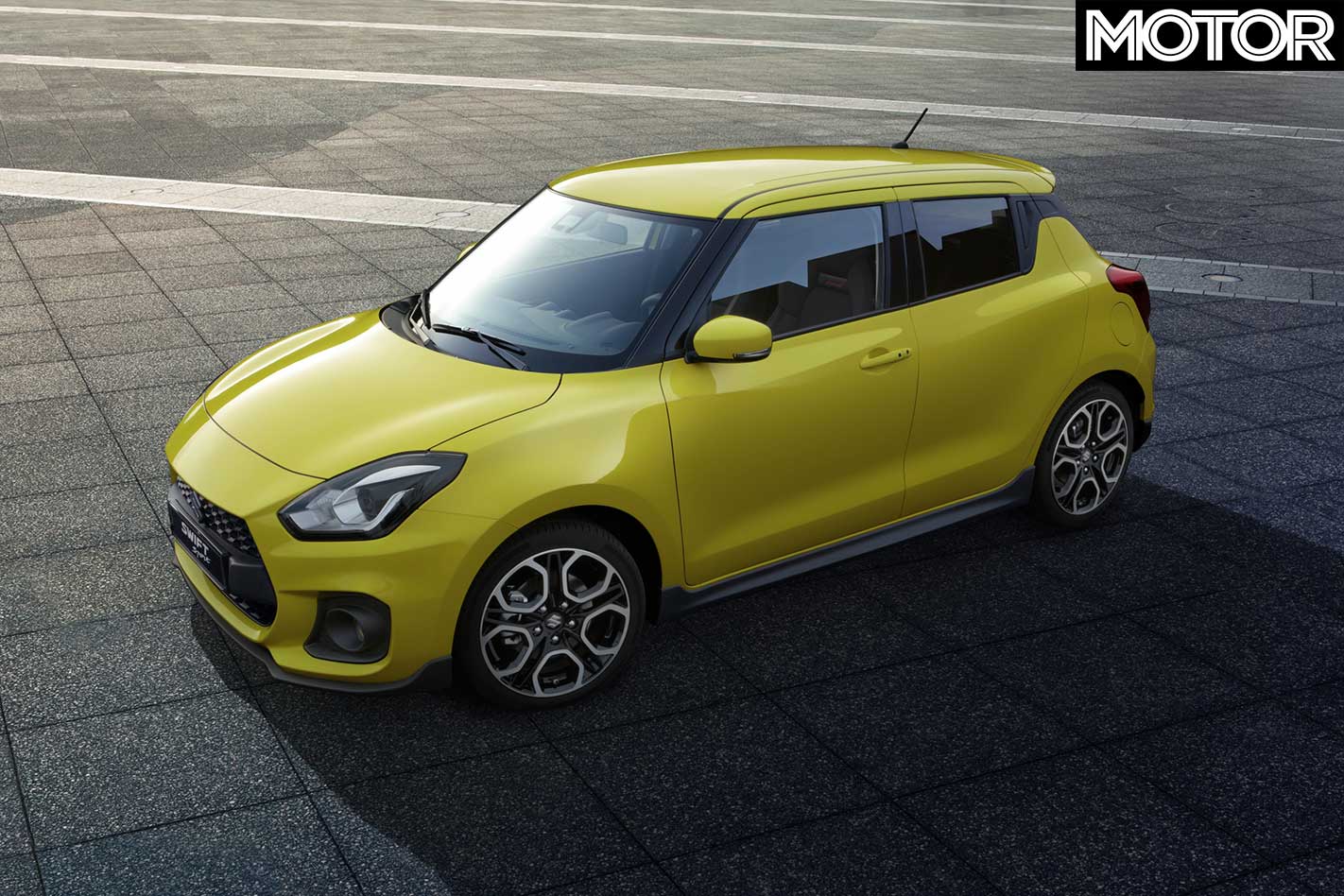
| 2018 Suzuki Swift Sport | vs | 1966 Morris Mini Cooper S |
| 1373cc inline-4, DOHC, 16v, turbo | ENGINE | 1275cc inline-4, OHV, 8v |
| 103kW @ 5500rpm | POWER | 57kW @ 5900rpm |
| 230Nm @ 2500-3000rpm | TORQUE | 107Nm @ 3000rpm |
| 970kg | WEIGHT | 650kg |
| 7.2sec (claimed) | 0-100KM/H | 11.3sec (est) |
| $25,490 | PRICE | $24,000-$30,000 (used) |
Classies Watch
Modern classic tempters we found on tradeuniquecars.com.au
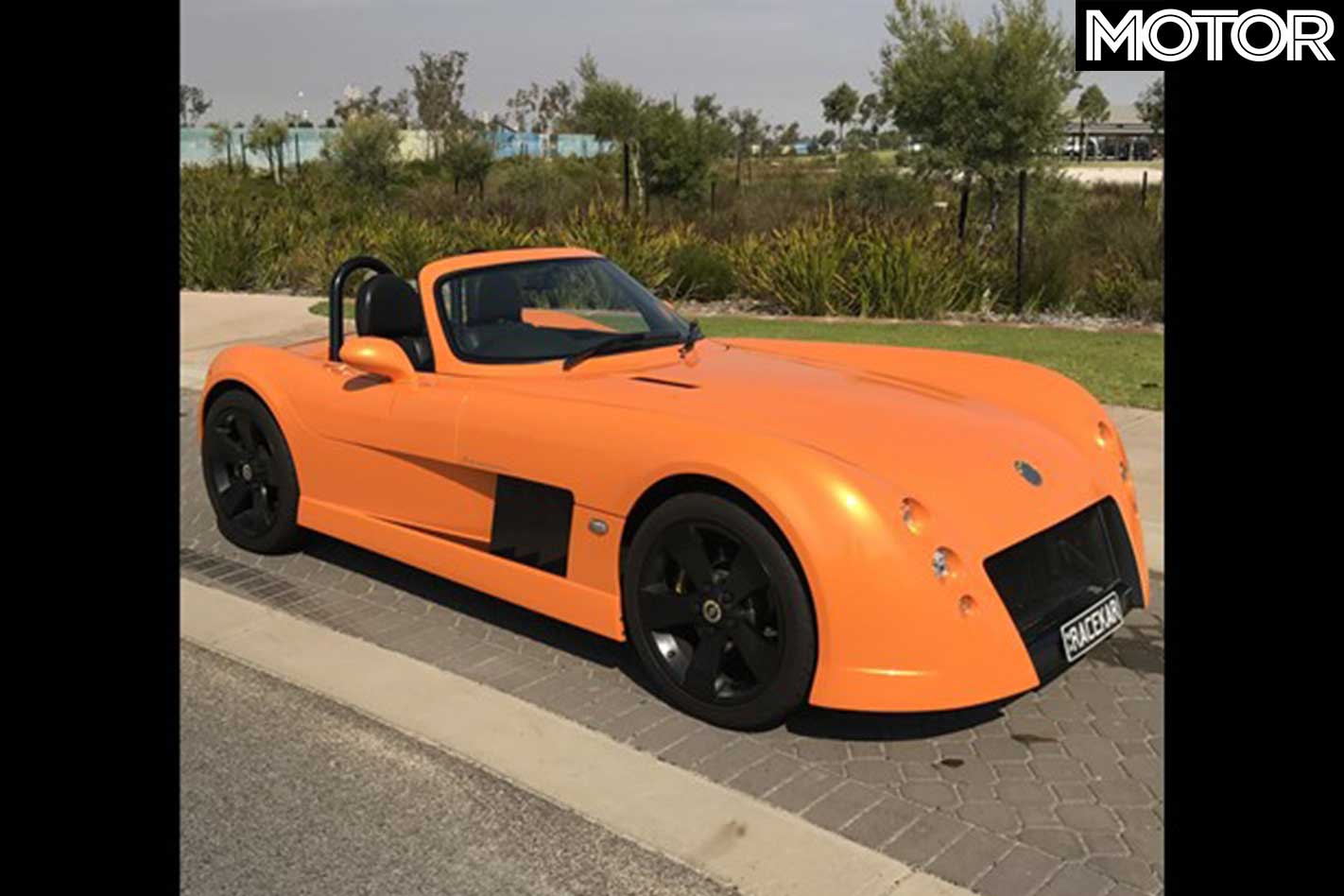
2008 Elfin MS8 – $69,000 5.7L V8, 245kW/465Nm, 26,000km, Mandurah, WA Oddball Aussie sports car runs on LS-power, and is rarer than hen’s teeth.
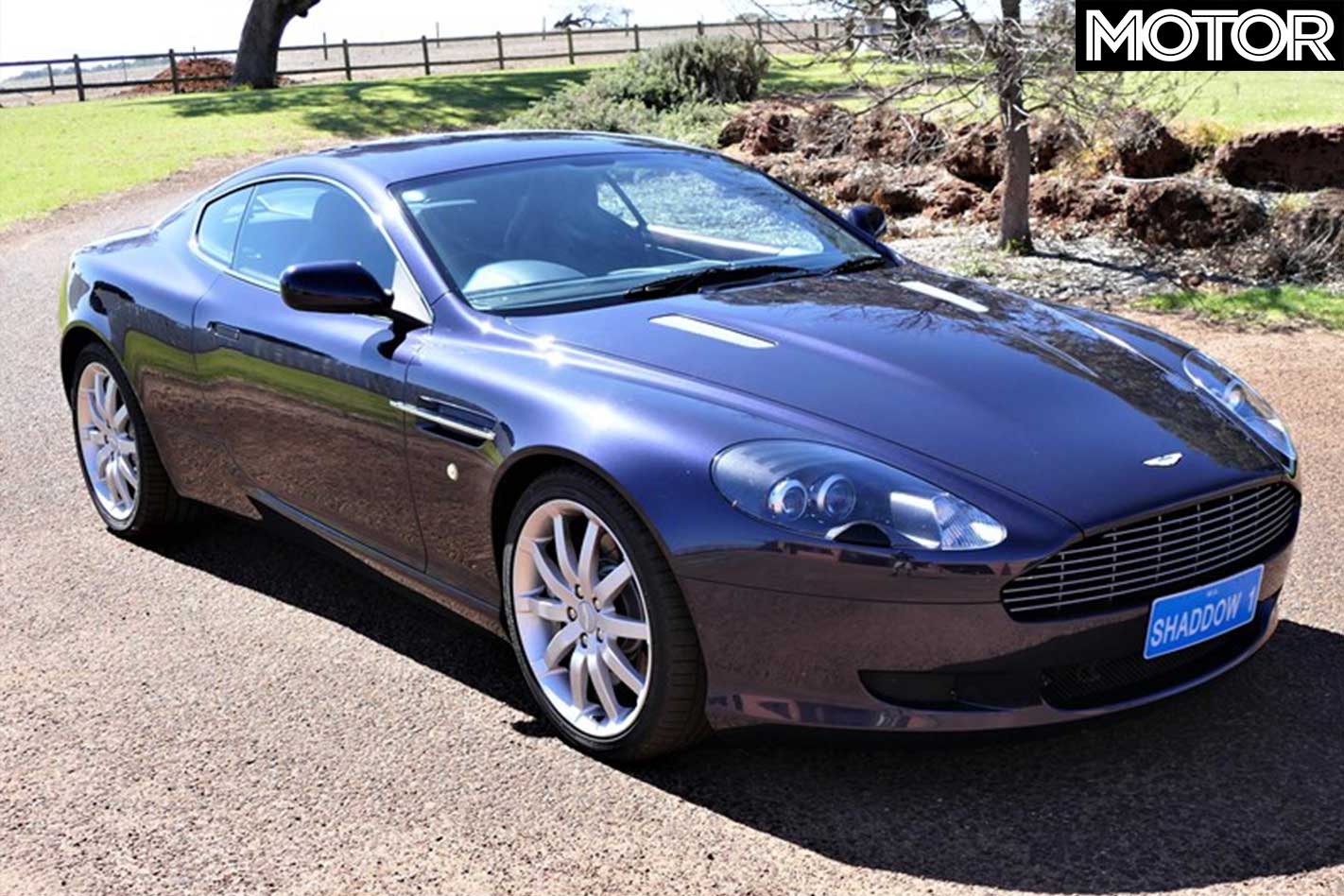
2005 Aston Martin DB9 – $97,500 6.0L V12, 335kW/570Nm, 19,600km, Ginginup, WA Low kays and a one-owner car makes asking price fair. Silky V12 won’t disappoint.
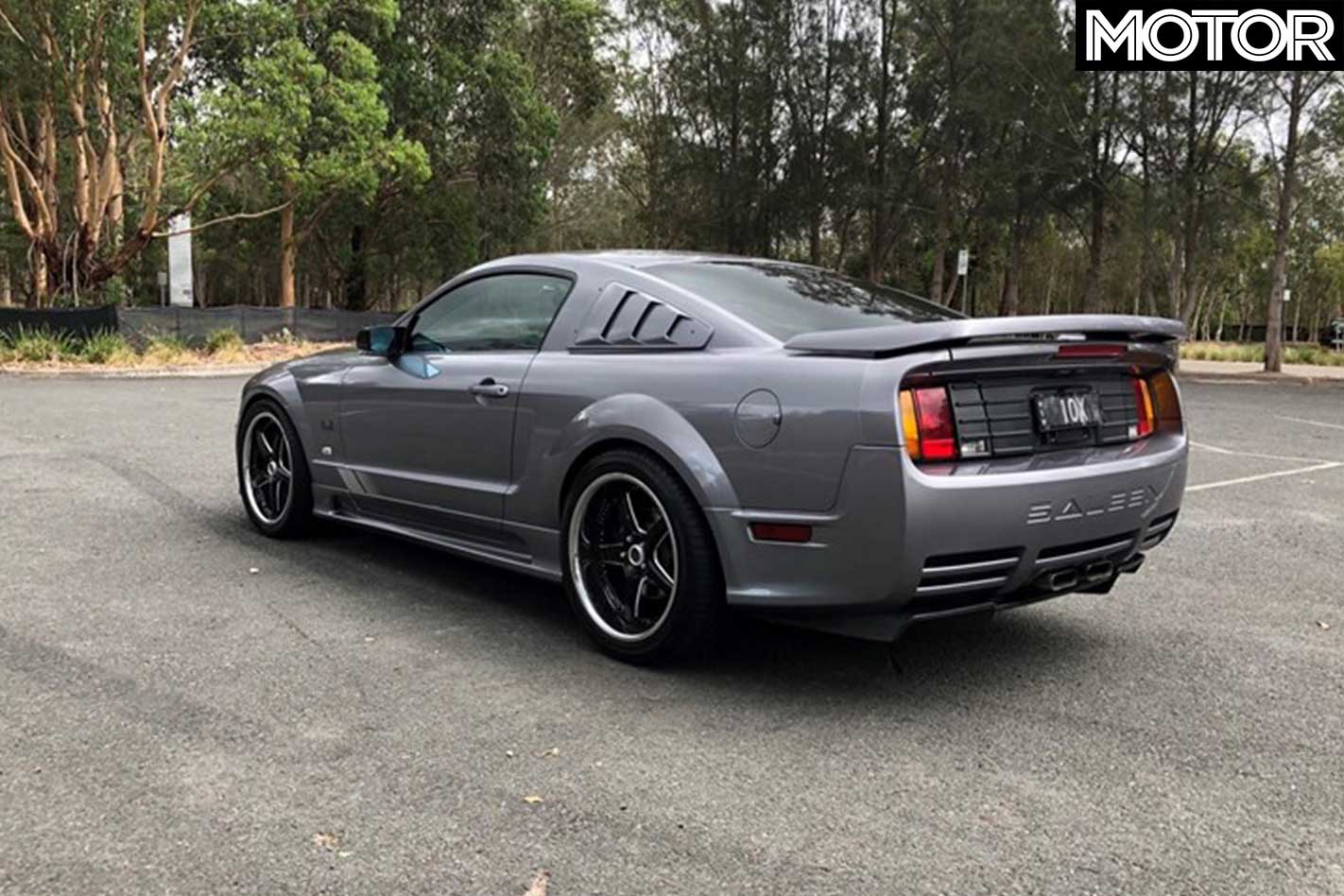
2006 Saleen S281 S/C – $59,500 4.6L V8, 298kW/420Nm, 150,000km, Sydney, NSW Supercharged and tuned Mustang from the mind of Steve Saleen.
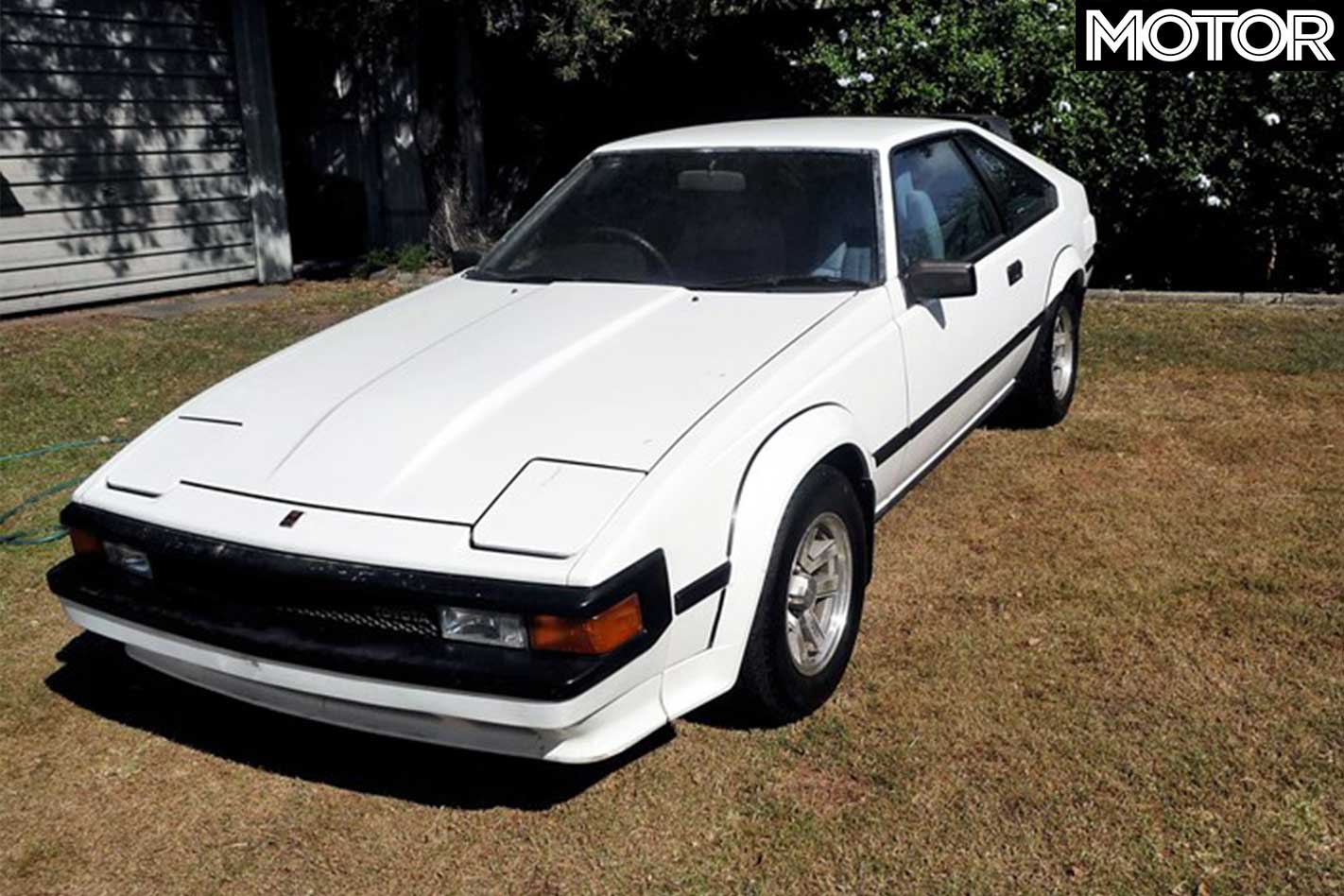
1984 Toyota Supra – $9500 2.8L I6, 127kW/230Nm, 237,781km, Brisbane, QLD RZ-gen Supras looking too pricey? Take a step even further back.
The weekend before last, I was a happy little bunny as I’d leaned on a motorcycle company to loan me a bike. I won’t go on about bikes – well, not too much – but MV Agusta’s RC models are the sort of bikes that even non-bike people drool over.
Consider the specs of even the tiddler F3 RC, which was all they’d trust me with: a 675cc three-pot that makes 94kW – at 14,400rpm – for a machine weighing comfortably this side of 200kg.
Then there’s all the tech: four engine maps, eight-stage traction control, two-mode ABS and, neatest of all, clutchless speed-shifting up and down the ’box. Suddenly $26,600 doesn’t seem like much for something that’s a sculpture at standstill, a scalpel on the move.
I won’t bang on any more – except to add that the F3 RC’s big brother, the 1000cc four-cylinder F4 RC ($62K), makes 151kW. To put that into perspective: here’s an atmo engine making 151kW per litre. Atmo-engined cars have yet to crack 100kW.
Right. The point is, I was in hi-tech heaven with the F3 675 RC, basking in the dead-sexy styling, the operatic exhaust note, stepped with instantaneous gearshifts. Does it get any better than this? Well, a week later, it did. Or certainly, it got different.
Every now and then, I take my daughters to the speedway – just as my dad sometimes did when I was a kid. When, sometime in the mid-1990s I went back for a look, it was like a tele-transponder to my childhood: the smell of Castrol R, the swirling pool of tear-off lenses, the house lights blazing as the winner crossed the line.
So last weekend, there I was at the Valvoline Raceway in Granville, Sydney for a round of the Ultimate Sprintcar Championship.
A bare-knuckled, 6.7-litre sprintcar is the farthest thing you could imagine from a jewel-like Italian sports bike: a bloody big V8, spool drive, staggered-size rear tyres, and one brake, on the inside-left wheel.
Yet there are few sounds so visceral, few sights as thrilling as a sprinter wheel-standing under acceleration, front wheels flopping and twisting, clay sods flying as the furiously spinning rear tyre rides the ‘cushion’ at the rim of the track.
I’m convinced there’s something primal in one’s gut response to those engines. I’ve got a theory that the sound frequencies of big-bore V8s tallies with the roar of something that can eat you. And sprintcars are animals.
After the main race – 24 of these brutes circulating on the 460-metre bullring, averaging close to 120km/h – we strolled through the pit area. There, I met Max Dumesny, the three-time national Sprintcar champion and seven-time World Series Sprintcars champion.
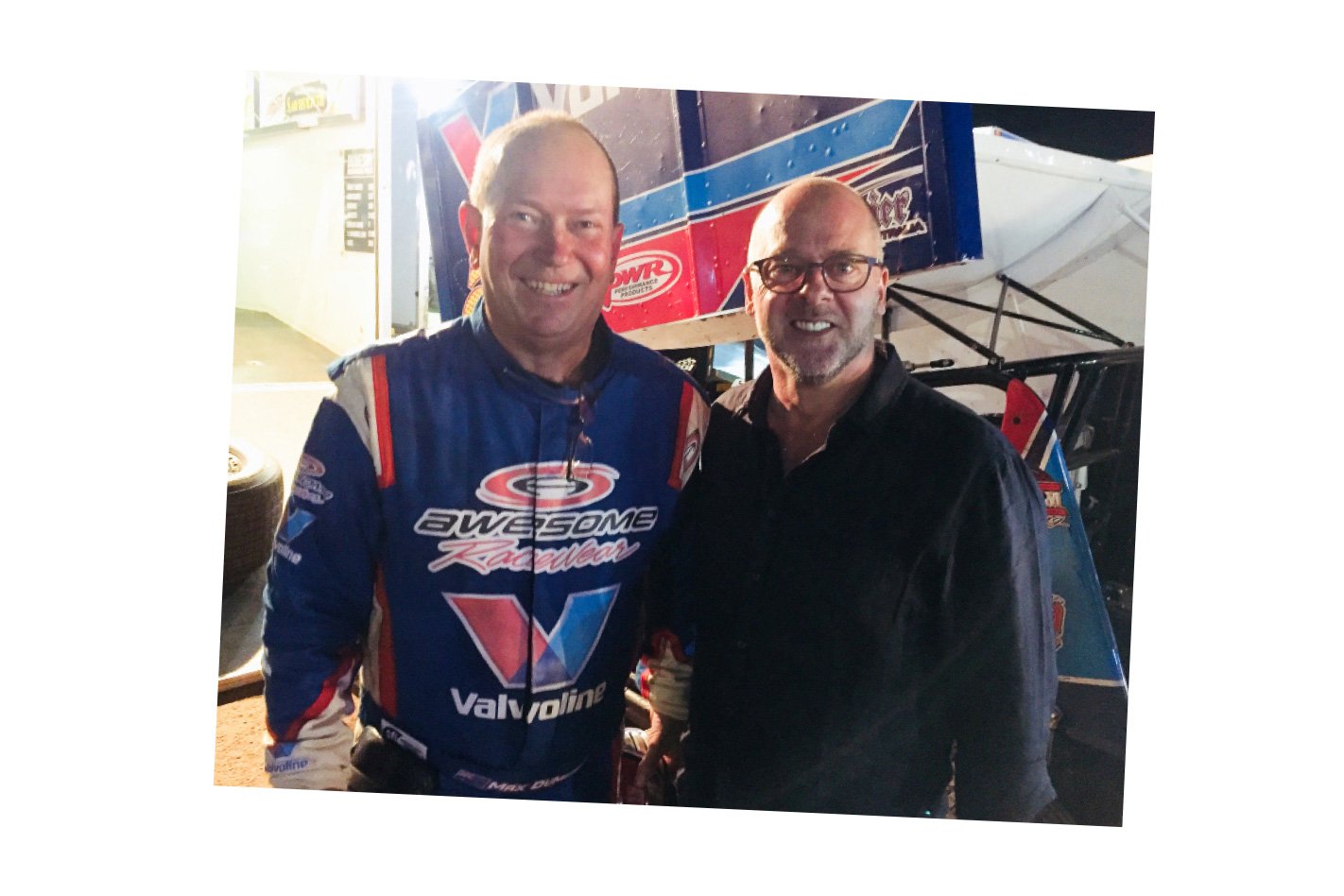
I asked Max about the cars. “They’re making around 900 horsepower now and weigh less than 1500 pounds – with driver,” he said (speedway, like drag racing, doesn’t speak in metric). That’s led me to do a quick power-to-weight calculation: the MV Agusta 675, with 85kg of me on board, is carrying 2.98kg per kilowatt; the even more impressive 1000cc four-cylinder has 1.92kg/kW.
The sprintcar? 1.01kg per kilowatt.
Max DNFed from the A-Main, but he had some consolation in being able to watch two of his sons, Matt and Marcus, race on to finish second and fifth, respectively. A third son, Mitchell, and daughter Michaela have also raced sprinters. As, indeed, has their mother Melinda.
And that’s speedway for you; family dynasties, friendly rivalries, helping hands in the pit, a lifestyle on the road. And it occurs to me that the same sort of sub-culture is going on in the close-knit communities of rallying, hillclimbs, drag racing and perhaps others. For about $70 for a family of four, it’s a privilege to be welcomed into it.
Nothing much in speedway seems to have changed in 50 years. Here’s hoping nothing much changes for the next 50, either.
