
The smart money would’ve been on McLaren ahead of this year’s Australian Grand Prix, if past performance was an indicator of future success.
Whenever a year ends in an ‘8’ – the luckiest number of all according to Chinese culture – good things happen to McLaren. We’re not trying to get all new-age and spiritual here, but there’s a spookishly close link between the number and the British race team.

A decade later, the McLaren team scored its first victory when its founder won the 1968 Belgian Grand Prix, while across the Atlantic the team’s domination of Can-Am continued with fellow Kiwi Denny Hulme leading his boss in the championship standings.
McLaren’s most famous season came in 1988. Driving the all-conquering MP4/4, between them Alain Prost and Ayrton Senna secured 15 of the 16 available pole positions, 10 of the 16 fastest laps and 15 of the 16 race wins.
Senna secured his first F1 title by finishing second to Prost in yet another McLaren 1-2 (one of 10 that year) at the season-ending Australian Grand Prix.
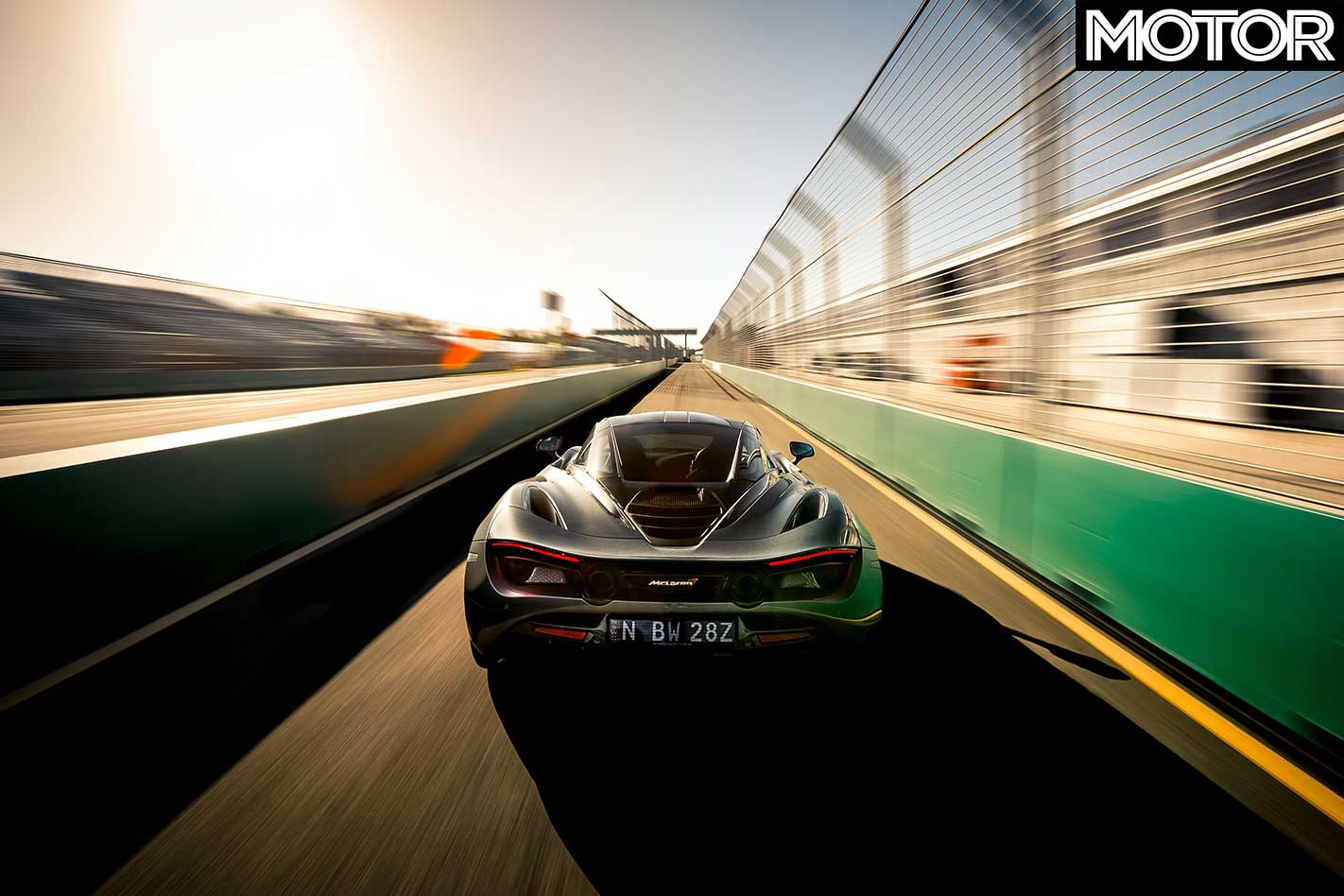
Ten years on, McLaren would celebrate another Aussie 1-2 when Flying Finn Mika Hakkinen led home David Coulthard on his way to the first of his back-to-back titles. Fast forward another decade and Lewis Hamilton won the season-opening Australian Grand Prix, the first step towards securing his debut title, McLaren’s most recent.
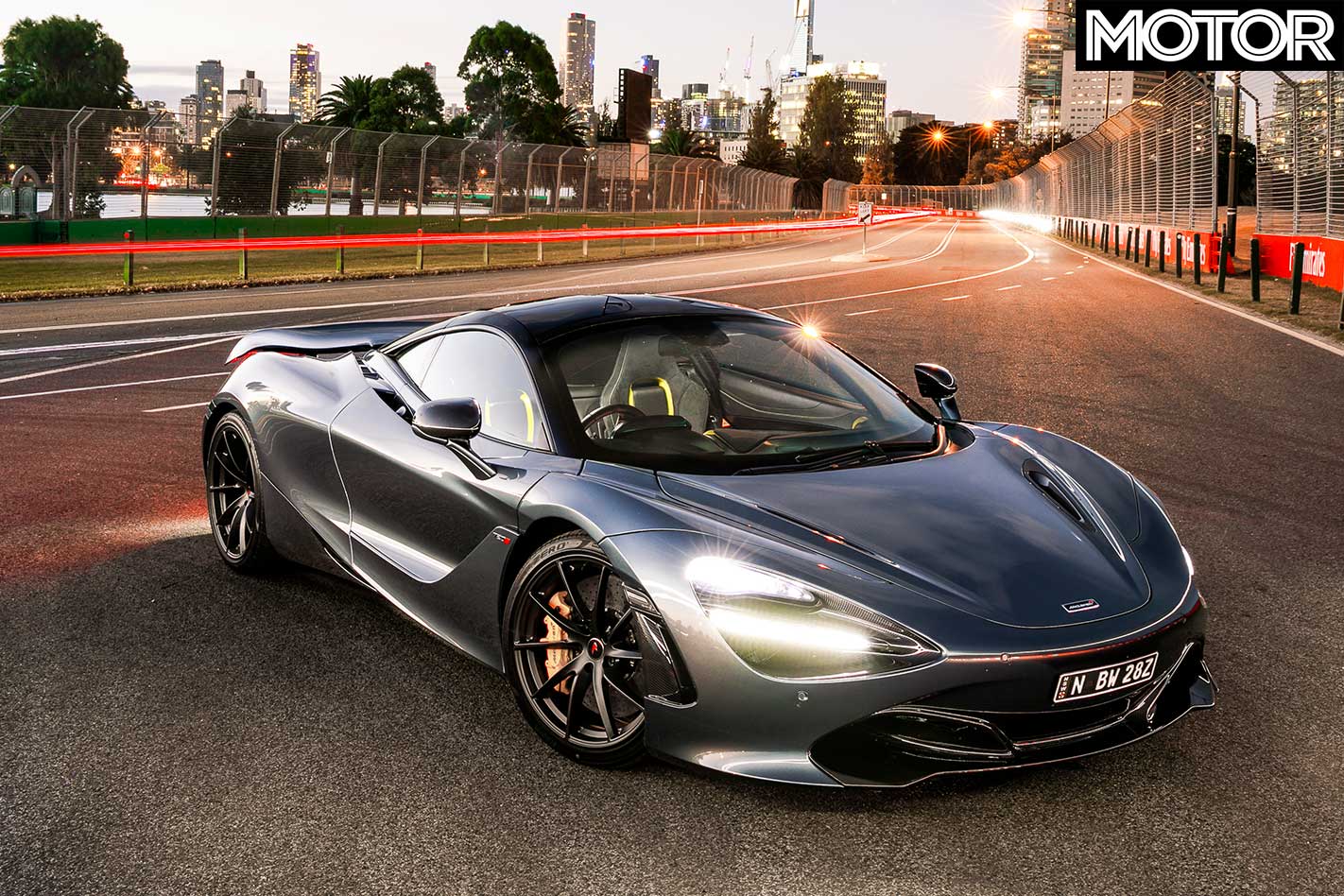
Today we’re at the venue of Hakkinen and Hamilton’s triumph, where Albert Park has undergone its annual transformation from quiet lakeside retreat to fully fledged race track, providing the unique opportunity to get our first local taste of McLaren’s latest supercar, the 720S, on an almost fully-formed F1 circuit.
Teams of workers are putting the finishing touches on barriers, gravel traps and grandstands, the 720S not helping productivity by causing jaws to swivel and tools to be abandoned thanks to its unusual, streamlined styling.
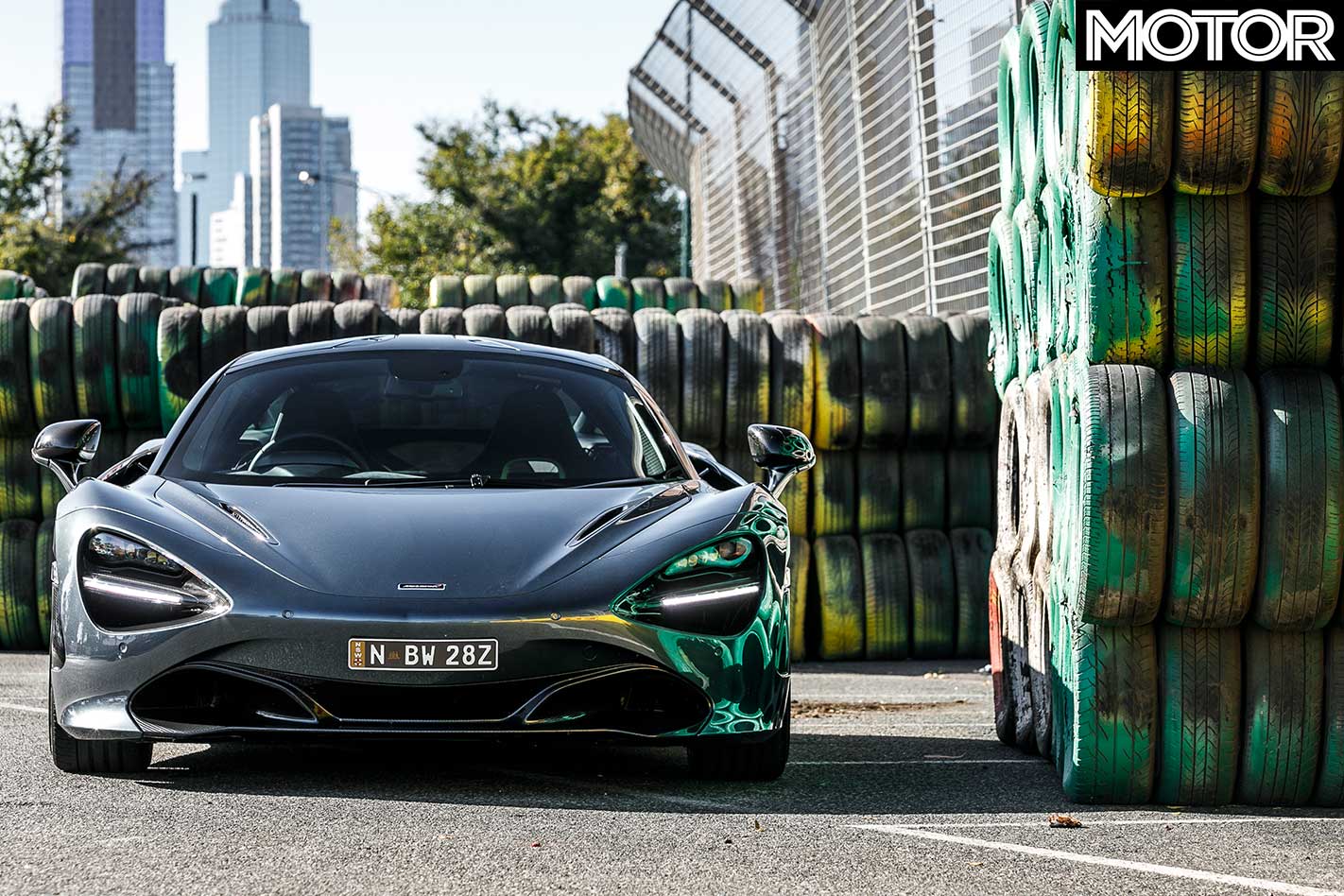
Its bold design is testament to McLaren’s rapid ascension into the supercar elite. When Hamilton took the chequered flag in his MP4-23 in 2008, McLaren’s first series production supercar had only just begun development, its styling a mere glint in designer Frank Stephenson’s eye.
The MP4-12C (the MP4 bit would later be dropped) debuted in 2011, then-McLaren boss Ron Dennis famously declaring: “We can prove scientifically that ours is the best sports car in history.”
Not everyone agreed with his assessment, some media finding the car high on tech but low on drama, while early cars were also plagued with such a litany of quality problems that Dennis wrote a letter of apology to customers.
However, as you’d expect from a company with its foundations in Formula 1, McLaren learned quickly. The 12C became the 650S, which morphed into the berserk, hardcore 675LT; the P1 hypercar helped prove hybrid was not a dirty word and the ‘entry-level’ Sports Series models (540C/570S/570GT) made a McLaren (slightly) more attainable.
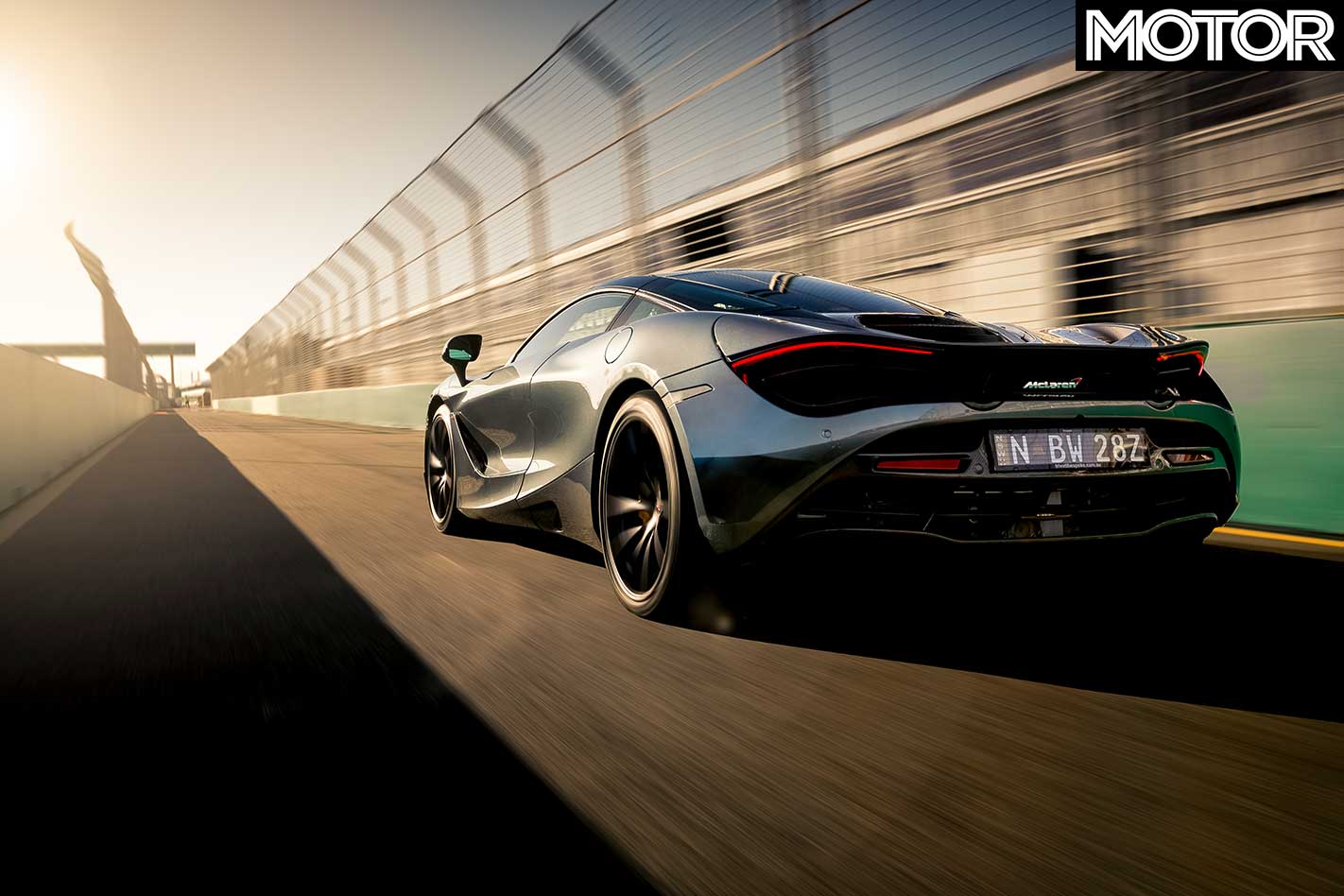
It may have struggled on-track in recent times, but in just six years McLaren has transitioned from a bullish newcomer to an established (and profitable) rival to more established brands like Ferrari, Porsche and Lamborghini.
Enough history, let’s make a closer examination of Woking’s latest wedge. Only a confident company could release a car that departs so radically from accepted styling norms.
The design is an exercise in airflow management; by using ducts in the bottom of the doors McLaren has eradicated the need for a traditional side intake, giving the 720S a somewhat aquatic look, like a twin-turbo sardine.
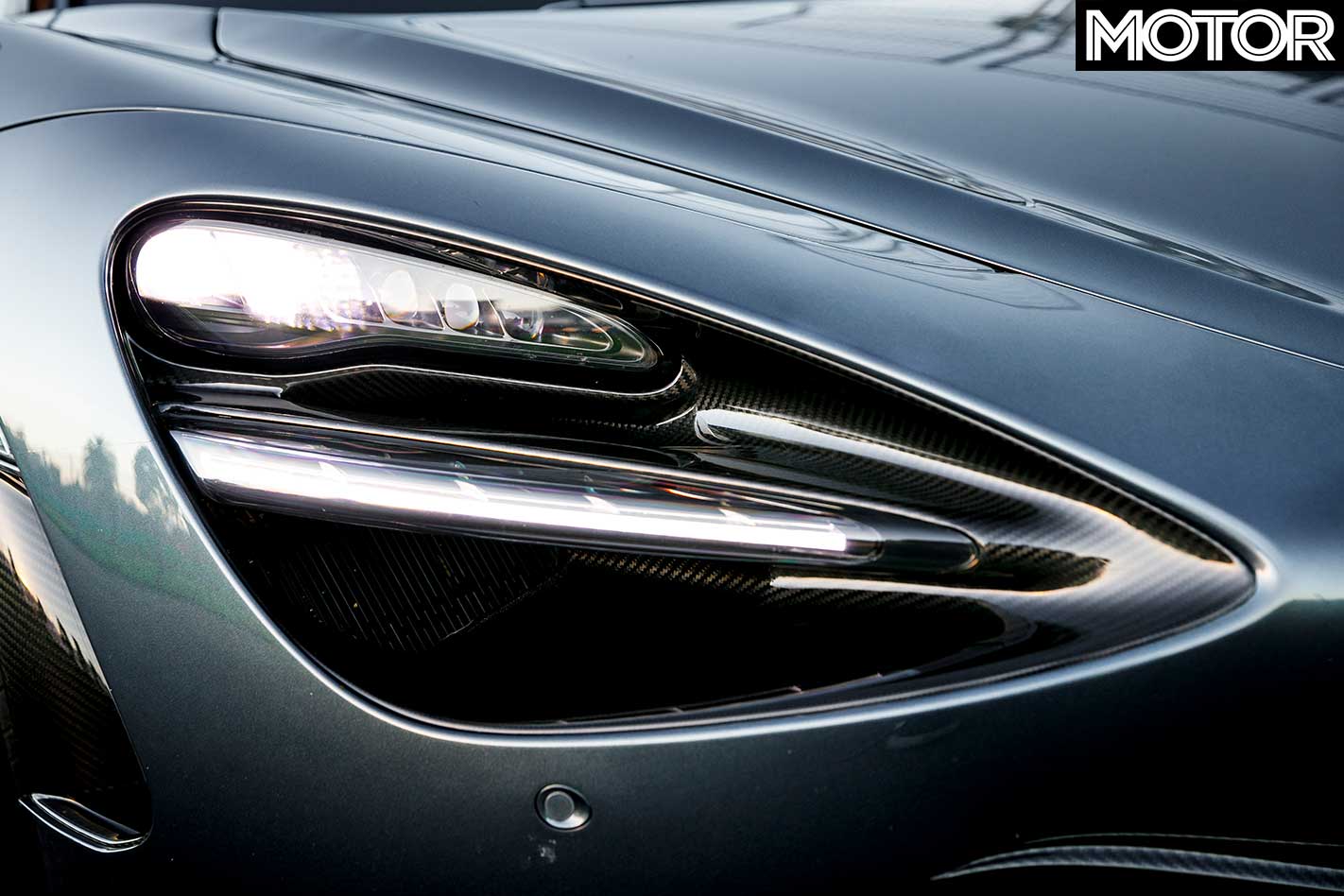
Even more polarising are its deeply recessed ‘eye sockets’, which feed air to the low temperature radiators. The grey paintwork lessens the contrast – on brighter hues the juxtaposition can be jarring – but the unusual design elements, if anything, only enhance its ability to turn heads. Even in this sombre spec, the 720S attracts smartphone paparazzi like few cars I’ve driven.
McLaren’s racing heritage is obvious inside, not so much in the acres of Alcantara and exposed carbon, but in the driving position.
Though widely adjustable, the most natural position feels to be slightly reclined with your legs almost straight out in front of you, like you’re sitting in an endurance racer. The pedal layout makes left-foot braking almost a necessity and the steering wheel is thin-rimmed and unadorned – nothing is supposed to distract you from the act of driving.
Getting in any supercar is never the most elegant of manoeuvres, but the 720S’s revised ‘Monocage II’ carbon monocoque has narrowed the sills and widened the door apertures, the doors themselves cutting into the roof GT40-style to reduce the chance of bashed heads.
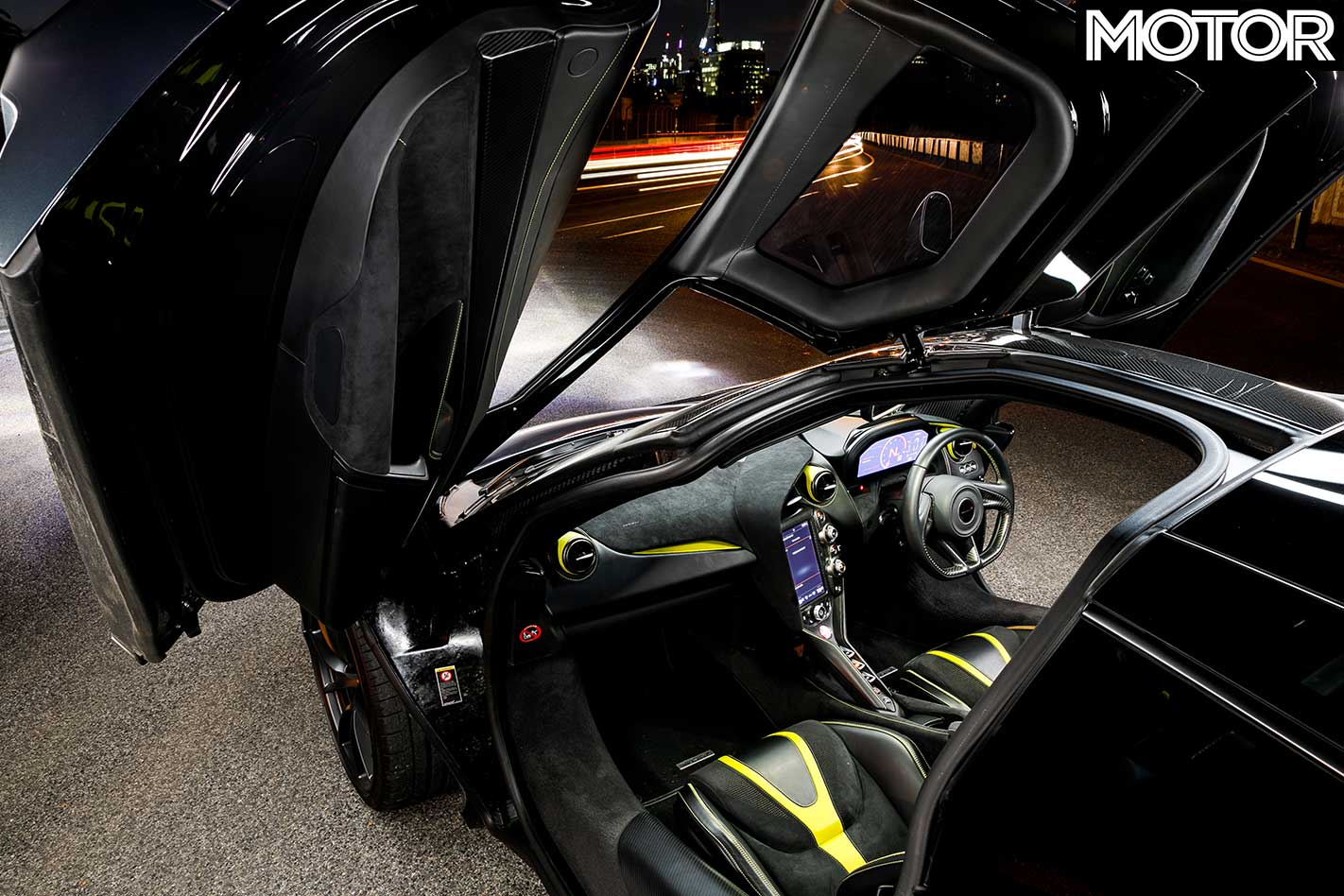
Monocage II has allowed McLaren to narrow the structural elements of the roof and replace bodywork with glass, flooding the interior with light. Vision is remarkable for a car of this type, the transparent C-pillars removing the enormous over-the-shoulder blind spots inherent in most mid-engined supercars.
A few ergonomic quirks remain – the electric seat controls are hidden and confusing in their operation – but strides have been made: the IRIS infotainment system is easy enough to navigate and the frequently-used nose-lift function is no longer buried in a sub-menu.
Arguably the most remarkable thing about this new-generation of supercars is how unremarkable they are to drive slowly. The 720S has substantially more power than the MP4/4 that dominated the 1988 F1 season, but thanks to 30 years of powertrain development it’s an absolute pussycat to pilot normally.
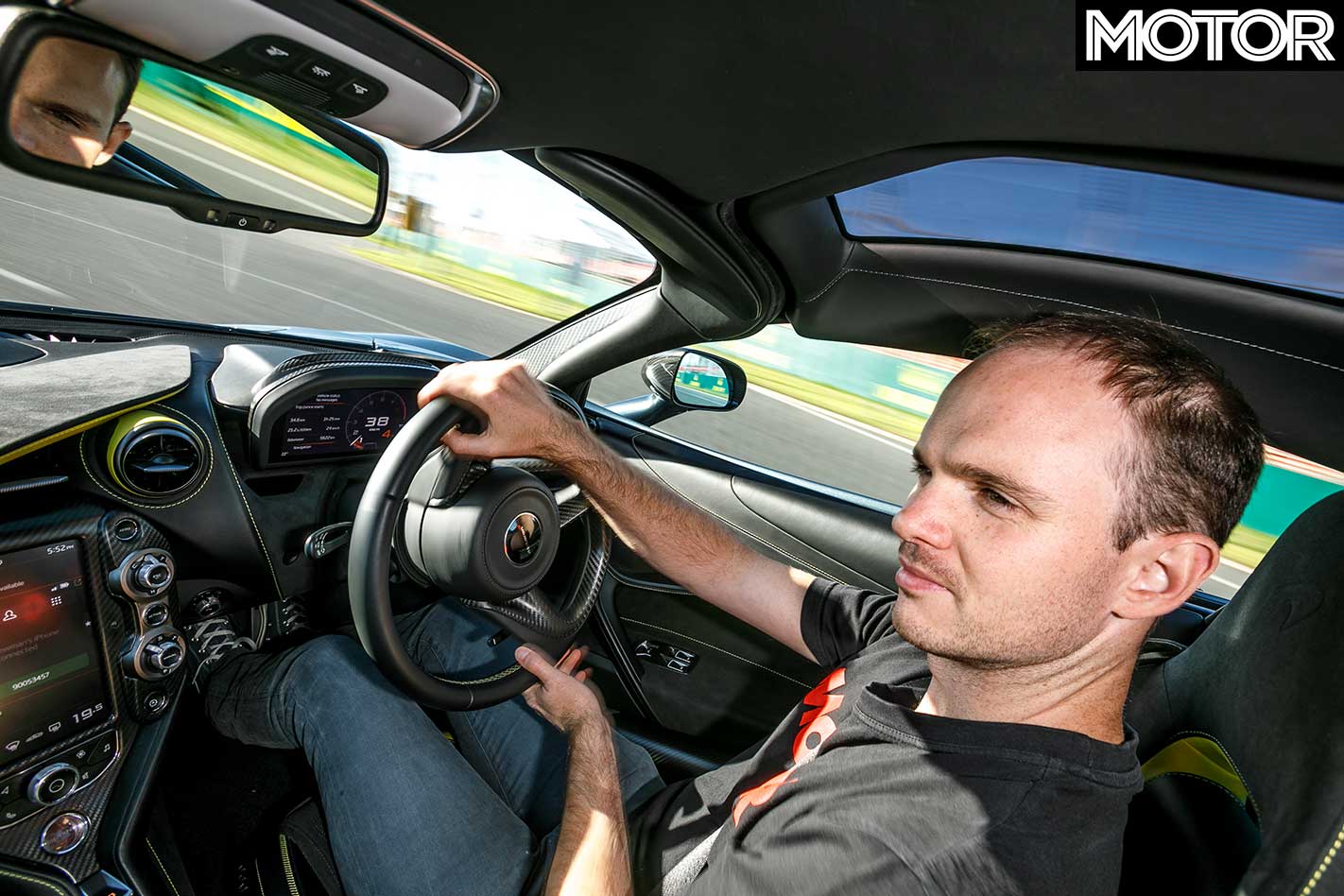
There’s always a degree of nervousness when driving something with a near-$700,000 price tag, but the McLaren’s impeccable manners soon dry those sweaty palms.
Supercars haven’t really been daunting to drive daily for a decade or more – a 488, Huracan or 911 Turbo are all equally meek when driven sensibly – but the 720S does lift the bar for useability courtesy of its excellent vision, slick dual-clutch gearbox and remarkable ride quality.
No, contrary to some testers’ opinions, it doesn’t ride like an S-Class – there’s inevitably a degree of firmness in a car this focused – but in Comfort mode Proactive Chassis Control, now in its second-generation, delivers an unusual level of compliance.
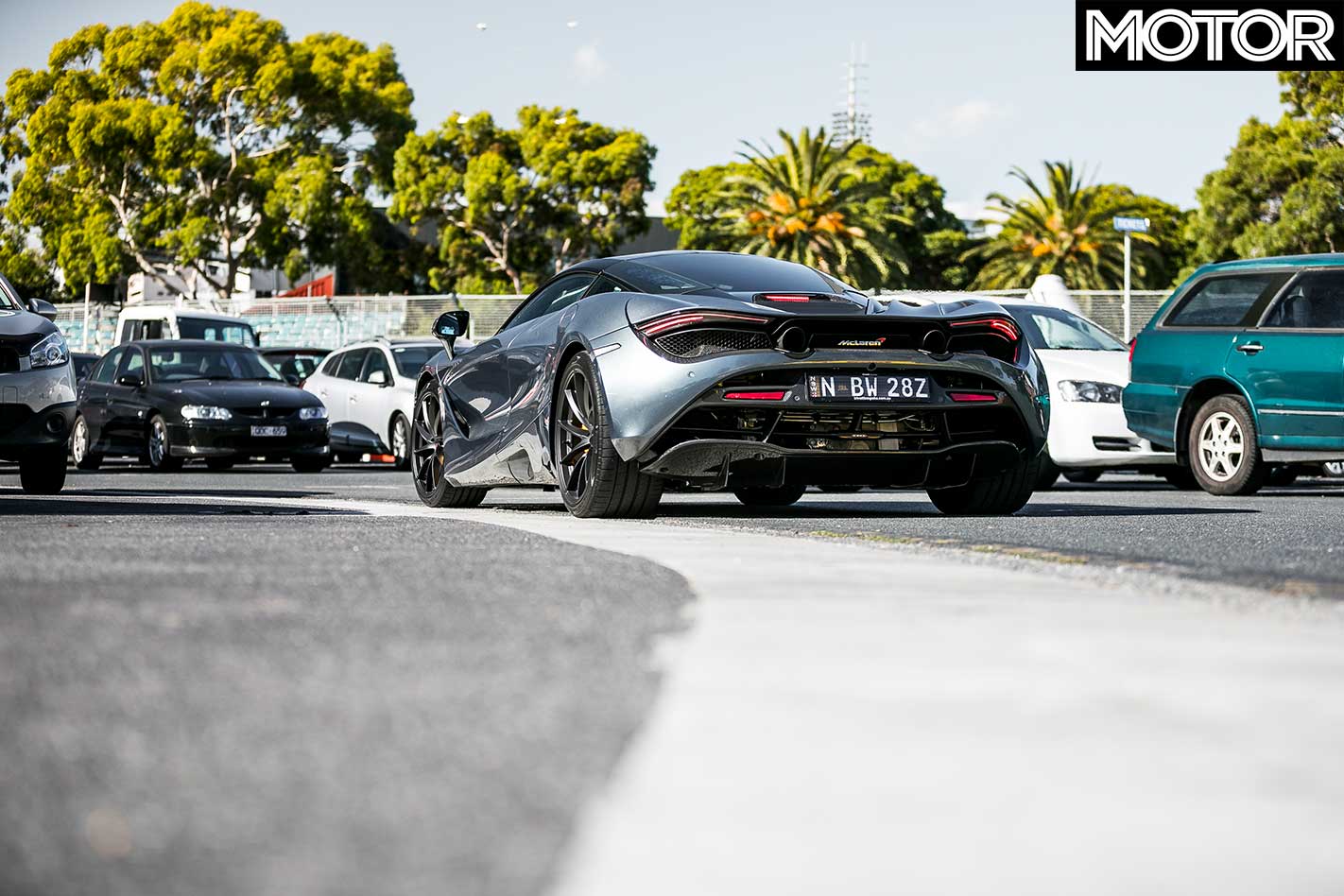
By hydraulically-interlinking the dampers to control roll stiffness, McLaren removes the need for anti-roll bars, which in turn allows each wheel to react to bumps independently. A slight dead spot at the top of the brake pedal is the only blemish on its day-to-day scorecard.
Flick the chassis to Sport and the damping stiffens yet the 720S retains its uncanny acceptance of bumps, like it’s being cradled by a pair of giant hands. McLaren is one of very few manufacturers to persist with hydraulically-assisted steering and from the first turn of the wheel it feels utterly natural.
On smooth roads it’s virtually perfect in its purity: the assistance is beautifully judged and at 2.5 turns lock-to-lock the linear-rate rack never leaves you in any doubt as to the input required for any given corner.
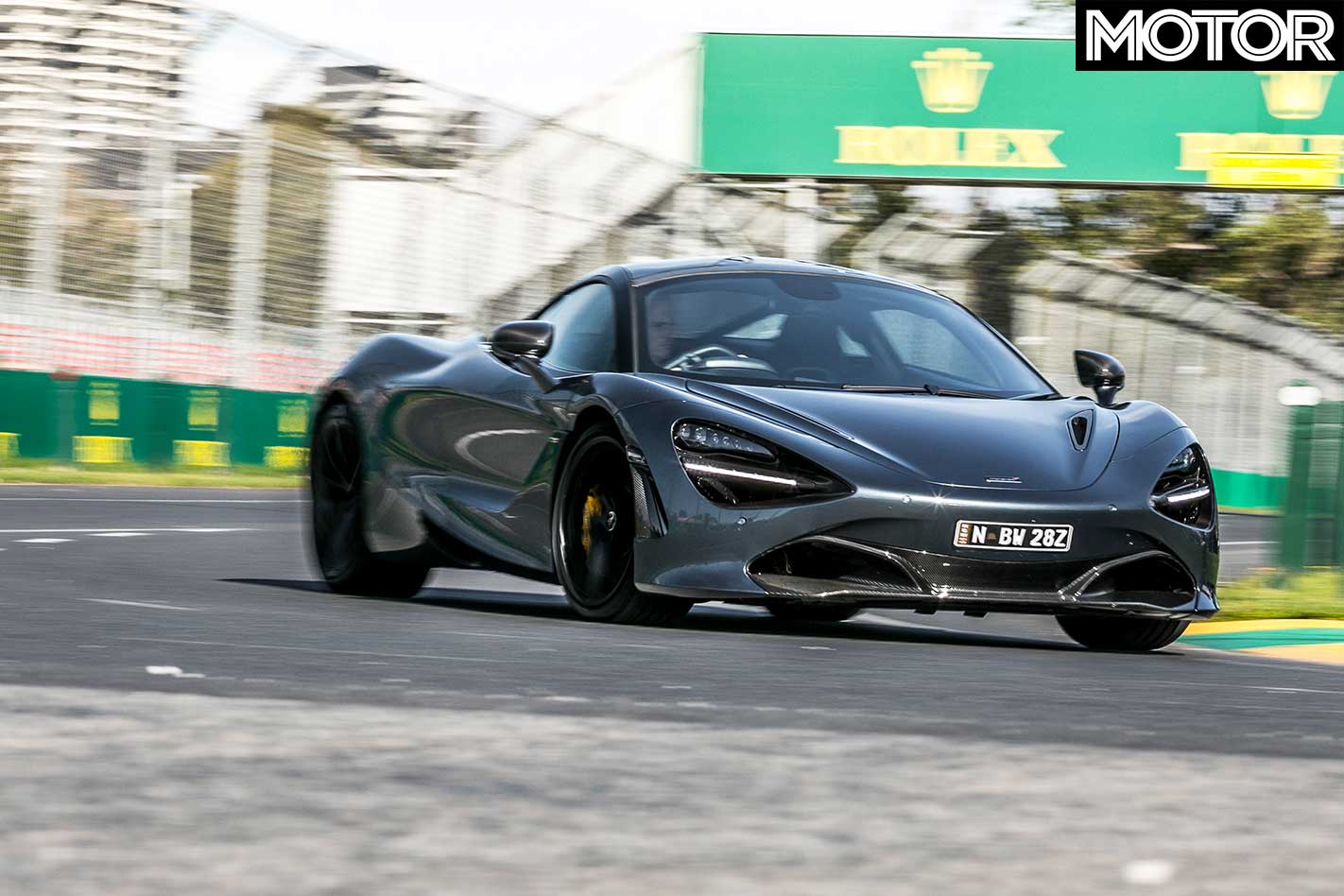
There are virtually no bumps at Albert Park, F1 doesn’t allow them, but then again with a maximum speed limit of 50km/h it isn’t the place to properly road test a 530kW supercar. Thankfully, a couple of hundred kilometres on some of Victoria’s best roads provided plenty of insight into the McLaren’s personality, if only a glimpse into its ultimate ability.
Selecting Sport allows the relaxation of the ESP – crucial as when fully on it flashes with the regularity of a Fernando Alonso radio rant – which in turn allows the activation of Variable Drift Control.
Discovering just how well it controls your drifts would require a track and preferably plenty of space, but with the allowed drift angle set to maximum it essentially works like a beautifully lenient ‘Sports ESP’ setting.
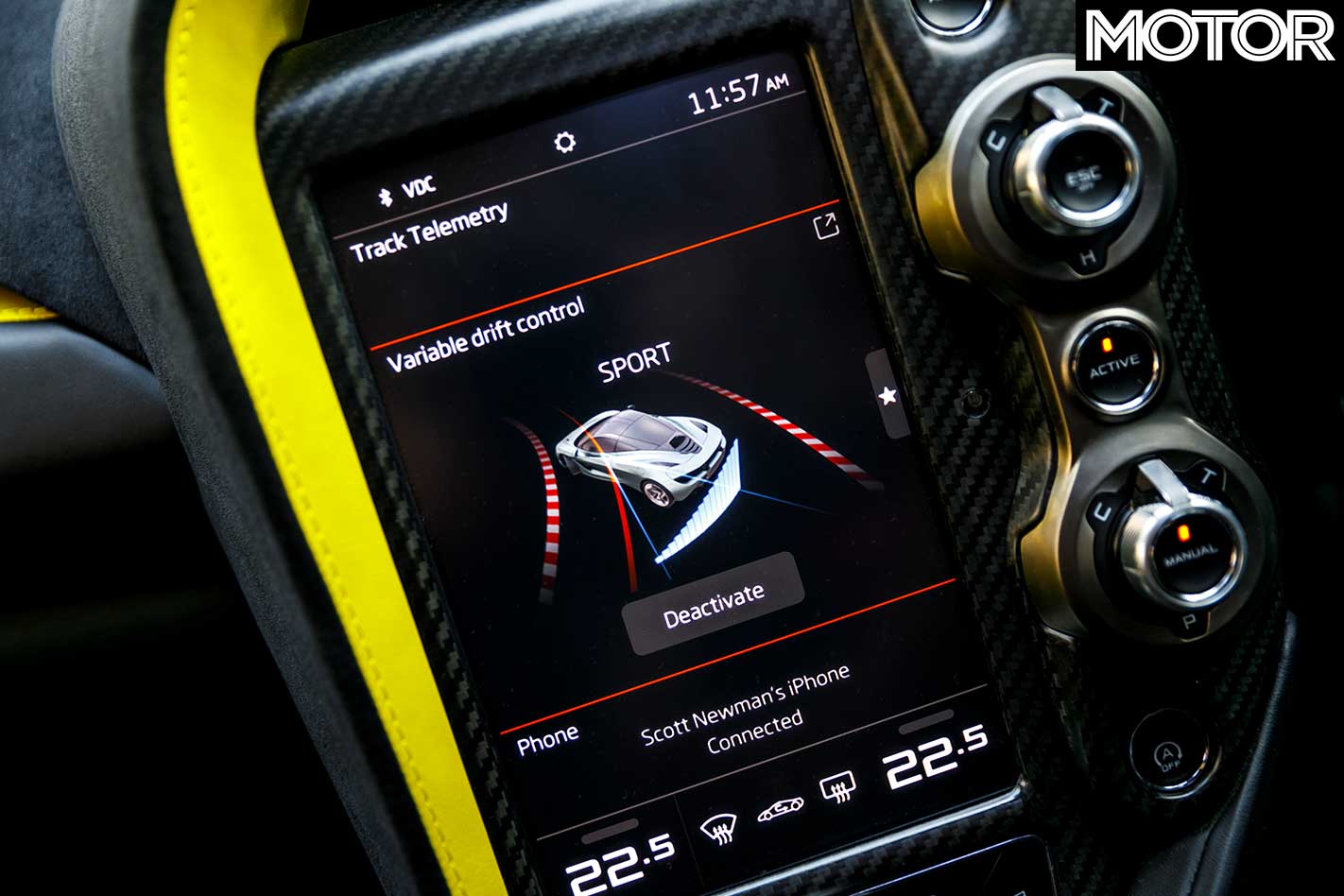
Our test 720S wears regular Pirelli P Zeros rather than the optional Corsas but care is needed on cold rubber for the wheels spin freely when the boost arrives in the lower gears.
Once warm, the grip and traction generated is nothing short of staggering given the amount of power being sent through just two driven wheels. Approaching the limits of the 720S is no easy feat as it corners like it’s on rails at speeds that would have regular sports cars howling in protest.
Dig deep and you’ll discover a chassis of rare talent. Understeer only ever really occurs when you’ve made a mistake and been impossibly ambitious with your entry speed, yet lifting from the throttle to correct it doesn’t result in any evil mid-engined behaviour.
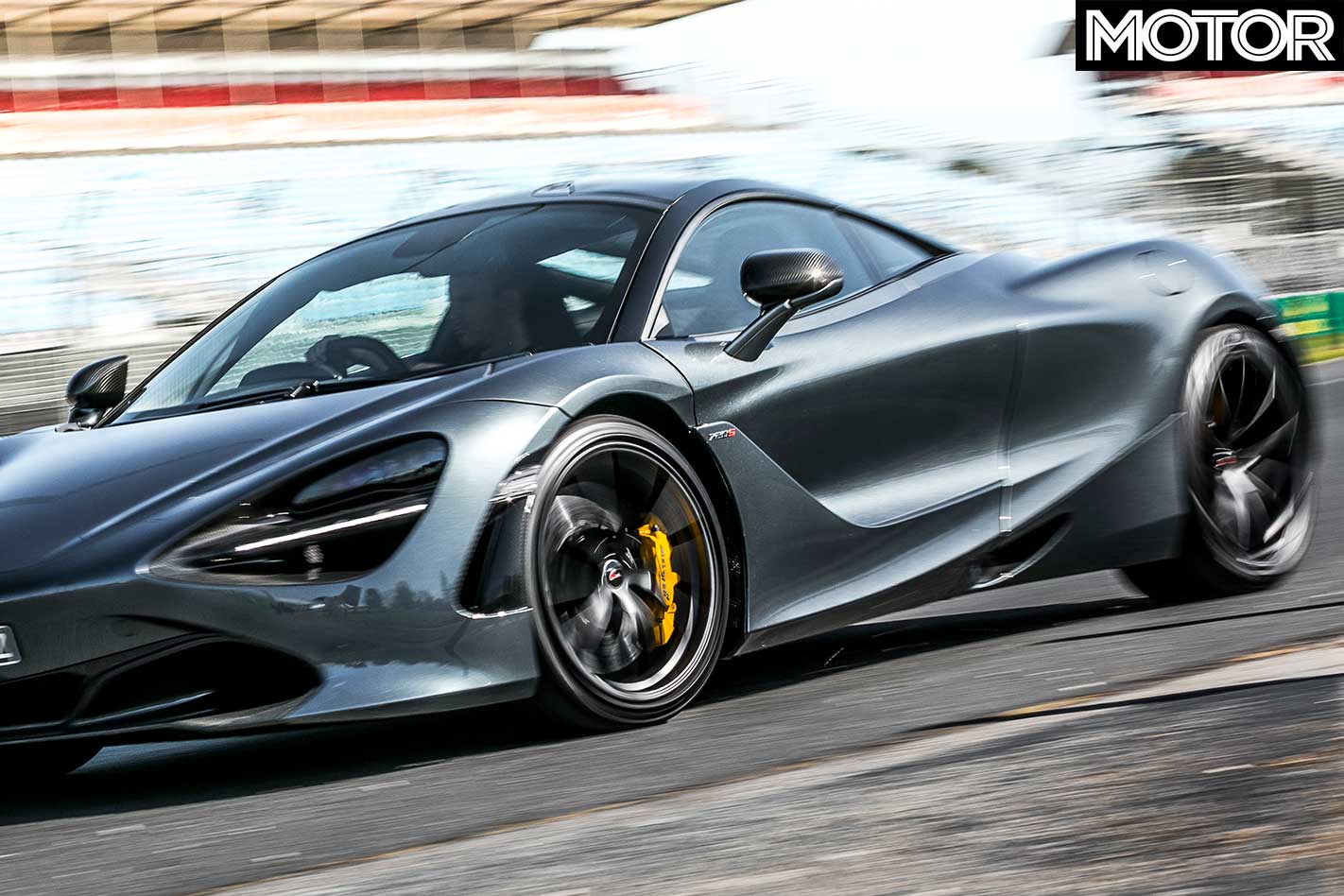
On one occasion I carry the correct amount of brake pressure to the apex by pure fluke and the rear-end pivots perfectly to point the nose directly towards corner exit. It’s an indication there’s a depth to the 720S chassis available to those with the skill to access it, though such explorations are best left to the track.
Impressive as it is, there are chinks in the 720S’s armour. As with its approach to suspension, McLaren treads its own path when it comes to increasing traction, using its Brake Steer technology to distribute power between the rear wheels in place of a traditional limited-slip differential.
In almost every circumstance it works flawlessly, but an inside rear wheel can occasionally spin when unloaded. Of bigger concern is the persistent kickback through the steering over mid-corner bumps, which can be severe enough to knock the front end from your chosen line.
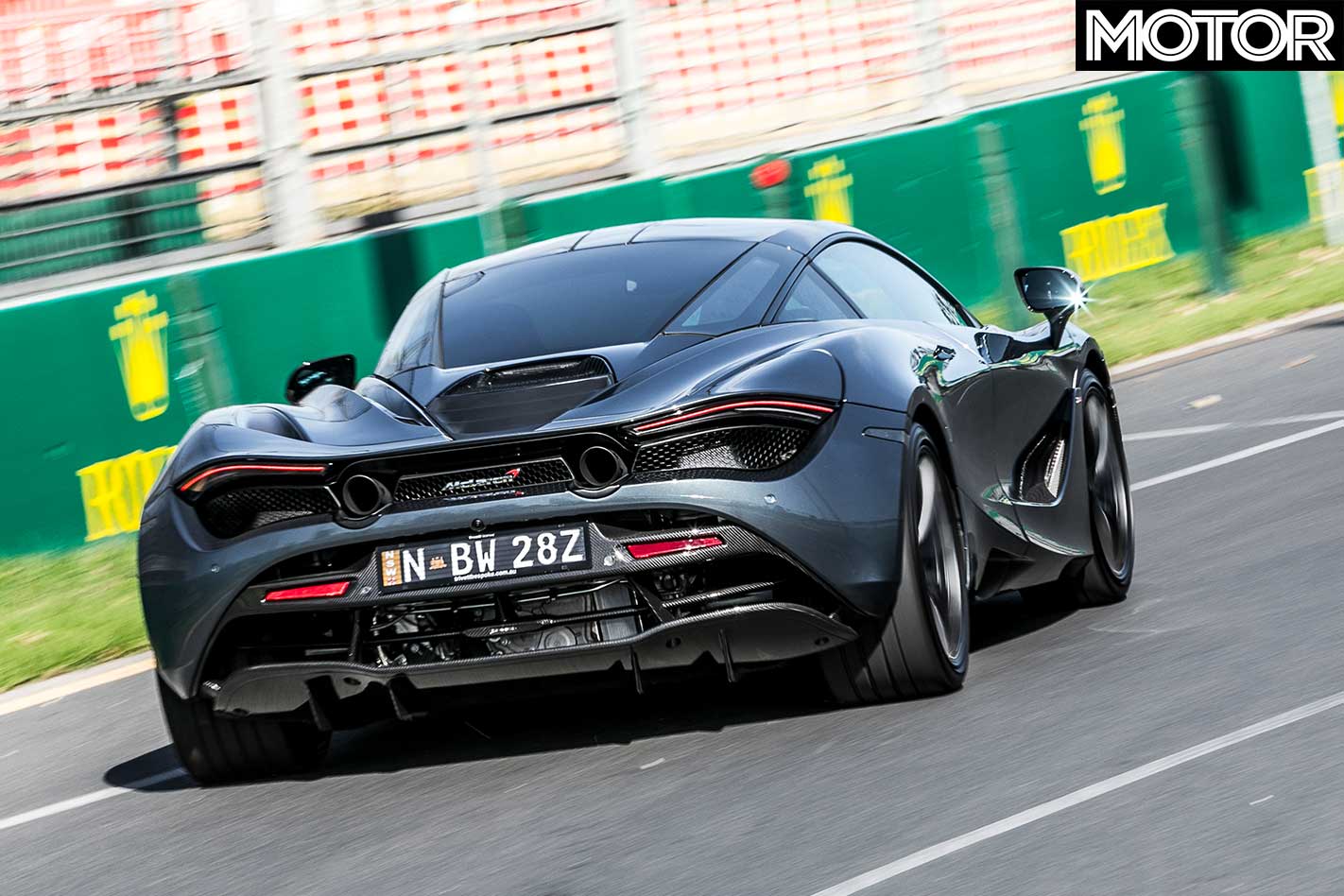
I mention this to a chassis engineer friend who hypothesises McLaren has used a low friction steering gear, which typically results in fluid, communicative steering at the expense of bump sensitivity.
Increase the steering gear friction and you’ll filter out the kickback but steering effort will also increase. McLaren has clearly decided the occasional fight with the wheel is a price worth paying and it’s difficult to fault its decision, but on a bumpy road at speed it does sap confidence. Nonetheless, for a car that’s so fast to be so exploitable is a credit to McLaren’s engineers.
Ah, speed. You might wonder why it’s taken this long to mention the 720S’s engine, surely the heart of any supercar. Truth be told, it’s a struggle to find the right words to describe the sheer quantity of performance; this is a car with roughly the same power-to-weight ratio as a Bugatti Veyron but without the burden of shifting 1990kg.
The performance claims tell some of the story: 0-100km/h in a traction-limited 2.9sec, 0-200km/h in 7.8sec and 341km/h flat-out. Our schedule and McLaren’s insurance prohibits performance testing, however UK magazine Autocar recorded a 10.4sec quarter mile at 231km/h, a terminal speed that would require a parachute at Aussie drag strips.
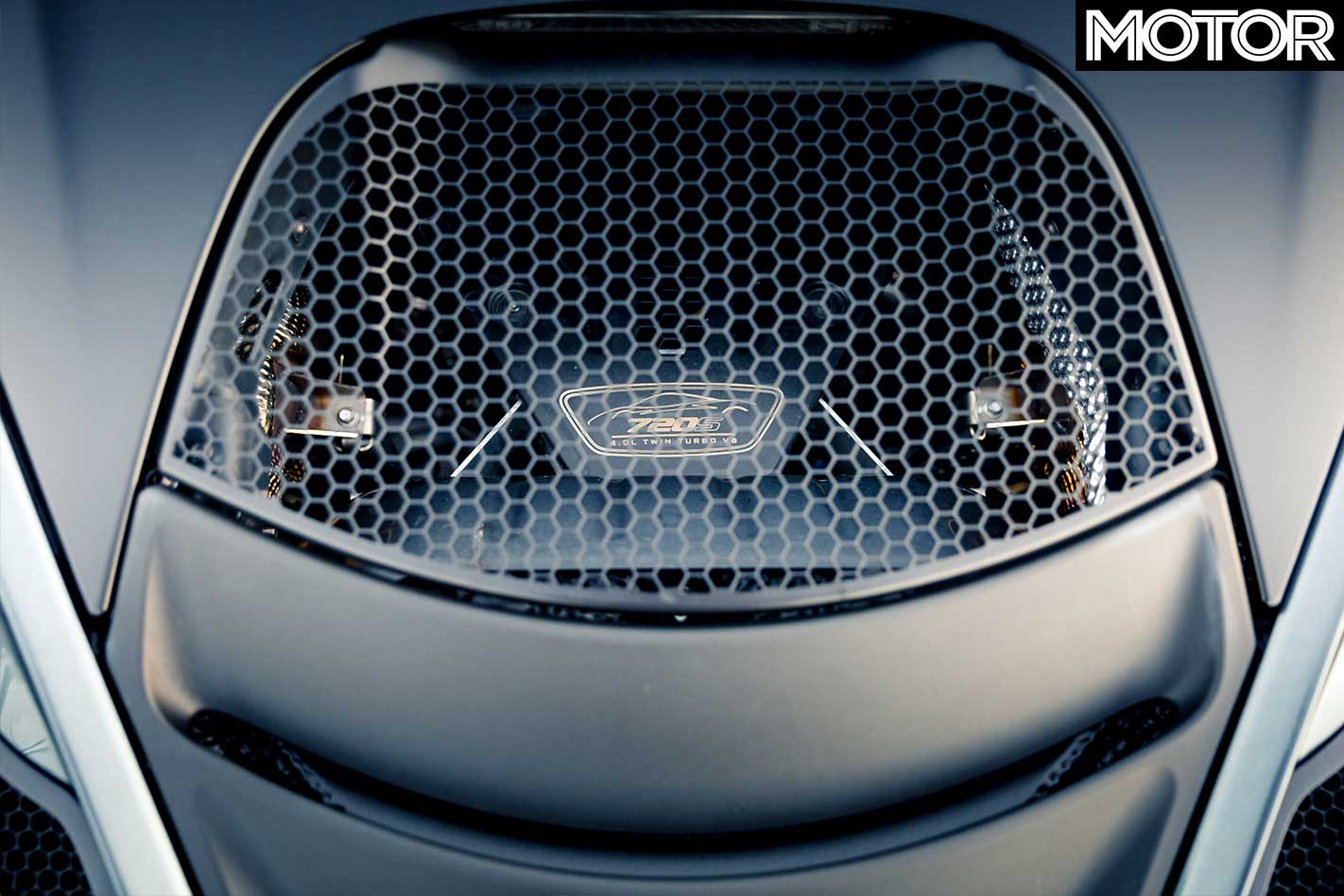
The 720S retains the same basic twin-turbo flat-plane V8 architecture as its 650S predecessor, but McLaren claims 41 per cent of the parts are new. A 3.6mm stroke increase boosts capacity from 3799cc to 3993cc, yet with a 93.0 x 73.5mm bore/stroke ratio it remains heavily oversquare. This is crucial in achieving the dizzying 8200rpm rev ceiling, with fat lashings of turbo boost left to fill out the mid-range.
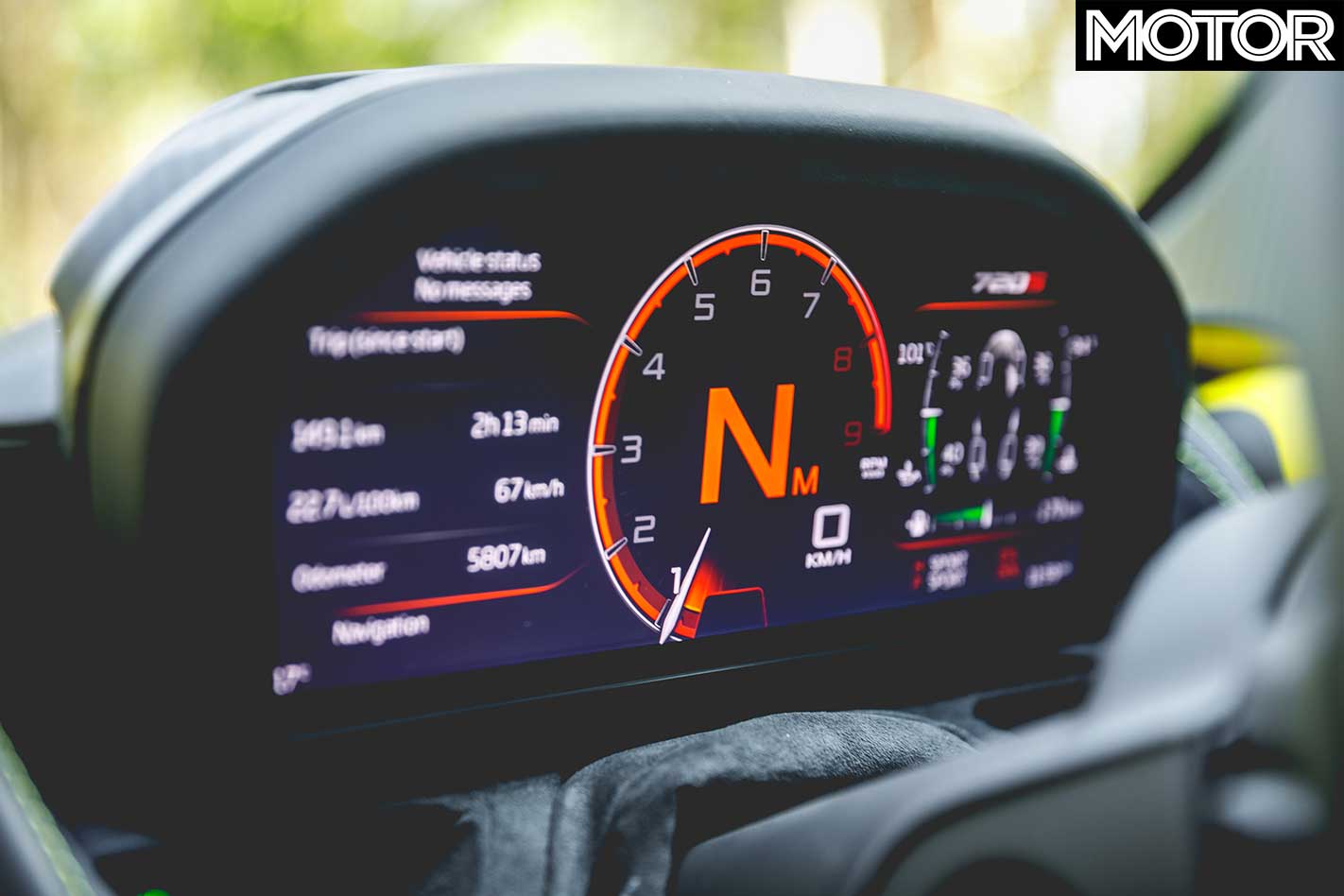
Ironically, for all of the high-technology it’s installed into the chassis, McLaren’s approach to turbocharging is resolutely old-school. There are no Ferrari-style staggered torque maps here; the 720S celebrates its forced induction with lag significant enough to force a change in driving style – it’s no F40, but the compression ratio is just 8.7:1 – and the M840T V8 produces the full gamut of turbocharged noises.
Under light throttle openings it mostly emits a tuneless buzz, weirdly sounding most like a boosted flat-six with hints of highly-tuned four-cylinder. Flatten the throttle and a hiss builds menacingly behind your head as the turbos spool, an audible warning you’re about to be a long way down the road in very short order. The initial torque hit is alarming, but the undiminished ferocity with which power continues to build all the way to the cutout is truly terrifying.
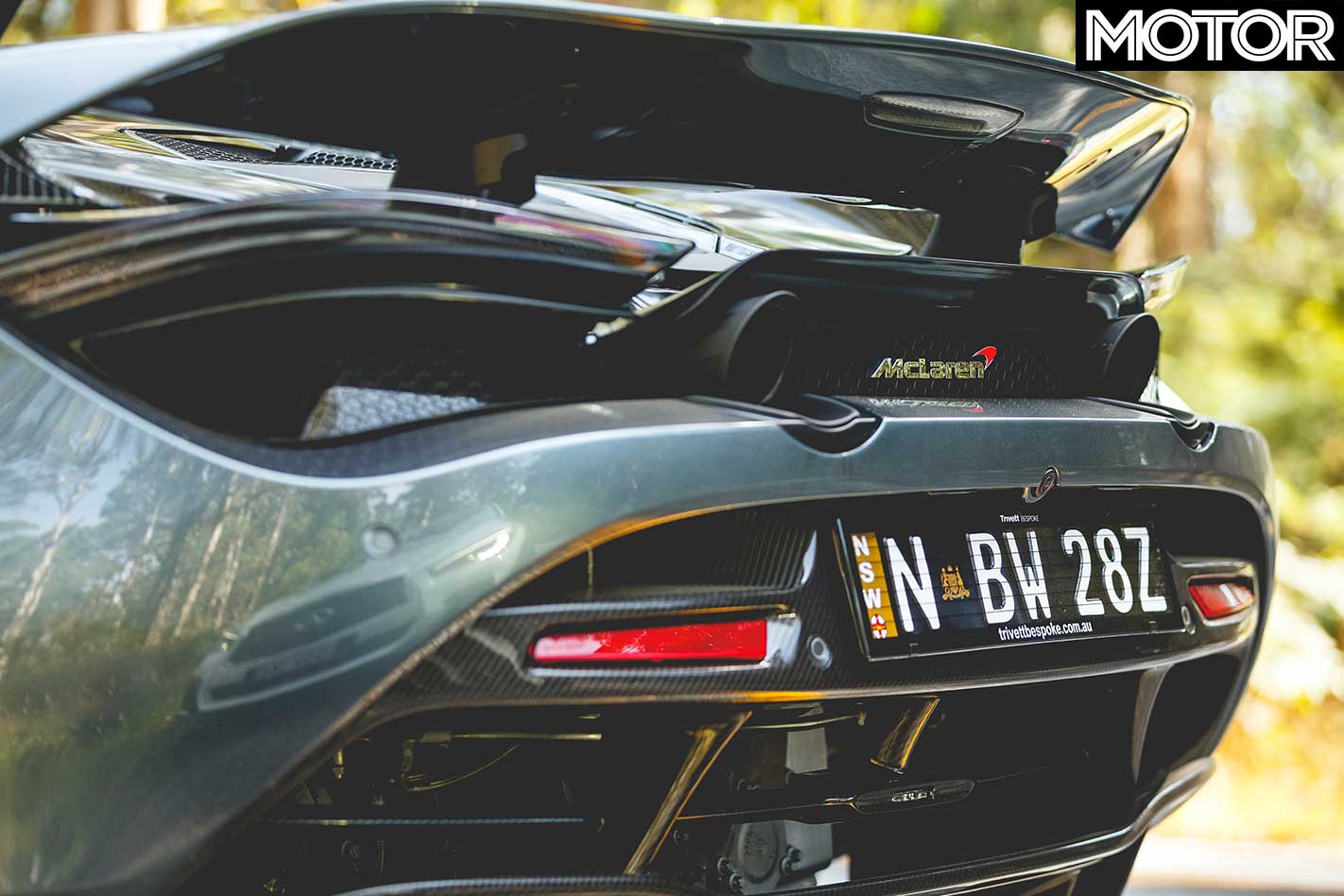
Familiarity lessens the shock but the intensity of the acceleration never fades, the world blurring like you’ve hit the hyperspace button on the Millenium Falcon. Thankfully, the enormous carbon-ceramic brakes offer stupendous power and feel once you push beyond that initial dead-zone, remaining utterly unfazed even with smoke wisping out of the calipers.
Attached to this powerhouse is one of the world’s finest gearboxes, the seven-speed dual-clutch offering instant changes – with over 8000rpm to play with not once was a downshift denied – with the perfect amount of mechanical interaction, a slight jolt accompanying full-throttle upshifts without resorting to the wince-inducing brutality of some rival ’boxes. To drive a 720S quickly is to be left breathless, a fizzing, fleshy sack of adrenaline.
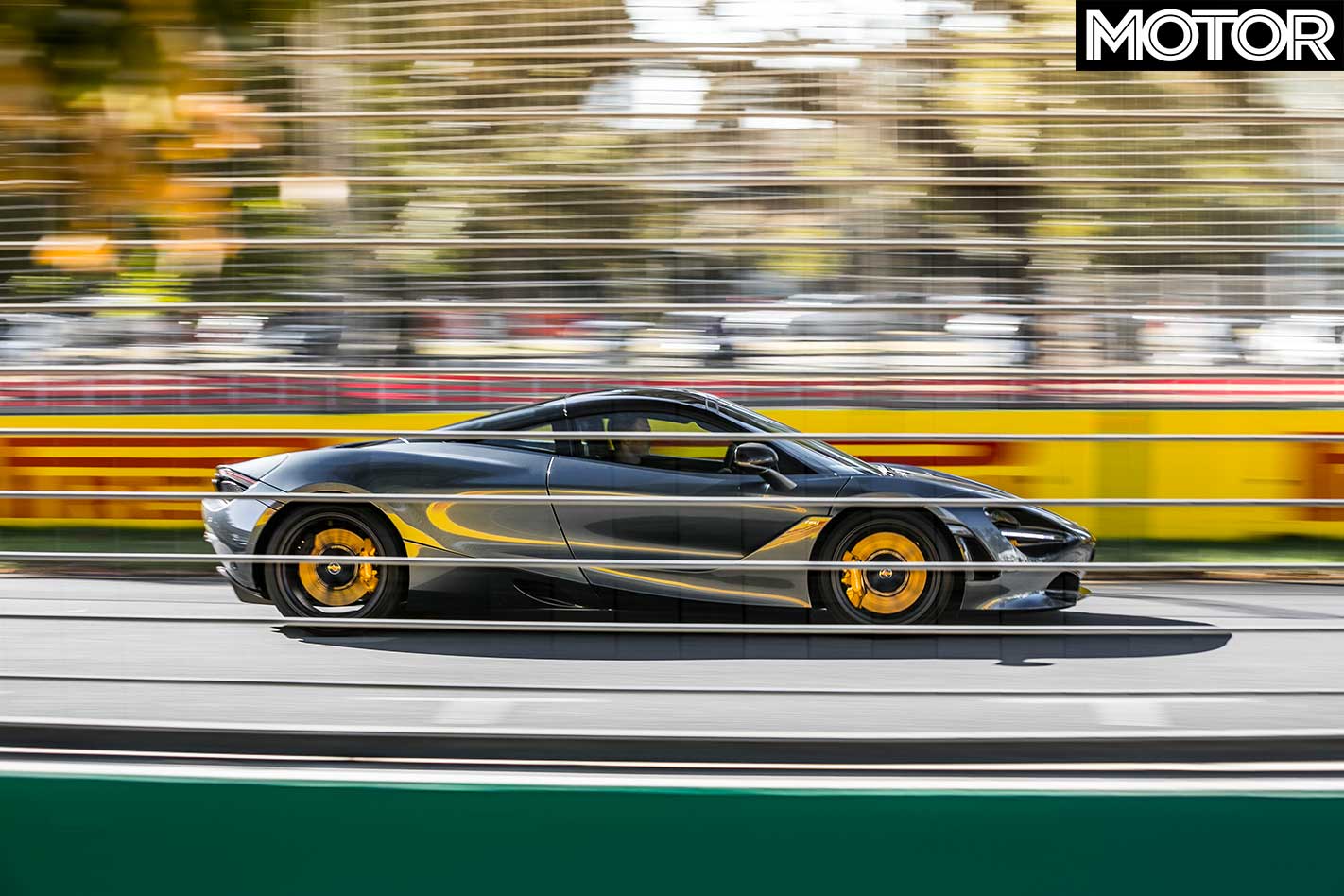
Despite this, I’m struggling to really bond with it. Its excellence is unquestionable, but my reservations are not so much mechanical as philosophical. The speed is thrilling, but there’s one thought I can’t stop it burrowing its way into my head: “I think this car would be more enjoyable if it had 150kW less and sounded better.”
The performance of the 720S is such that even if the law allowed it, exploiting its full potential on the public road would be borderline irresponsible, yet on a track you’d have to be a driver of some talent to go materially faster in it than something like a 570S.
Of course you don’t have to drive it flat-out all the time, but whereas something like a Huracan or a 911 GT3 rewards you with rich music regardless of road speed, the McLaren offers only a slightly anodyne hum.
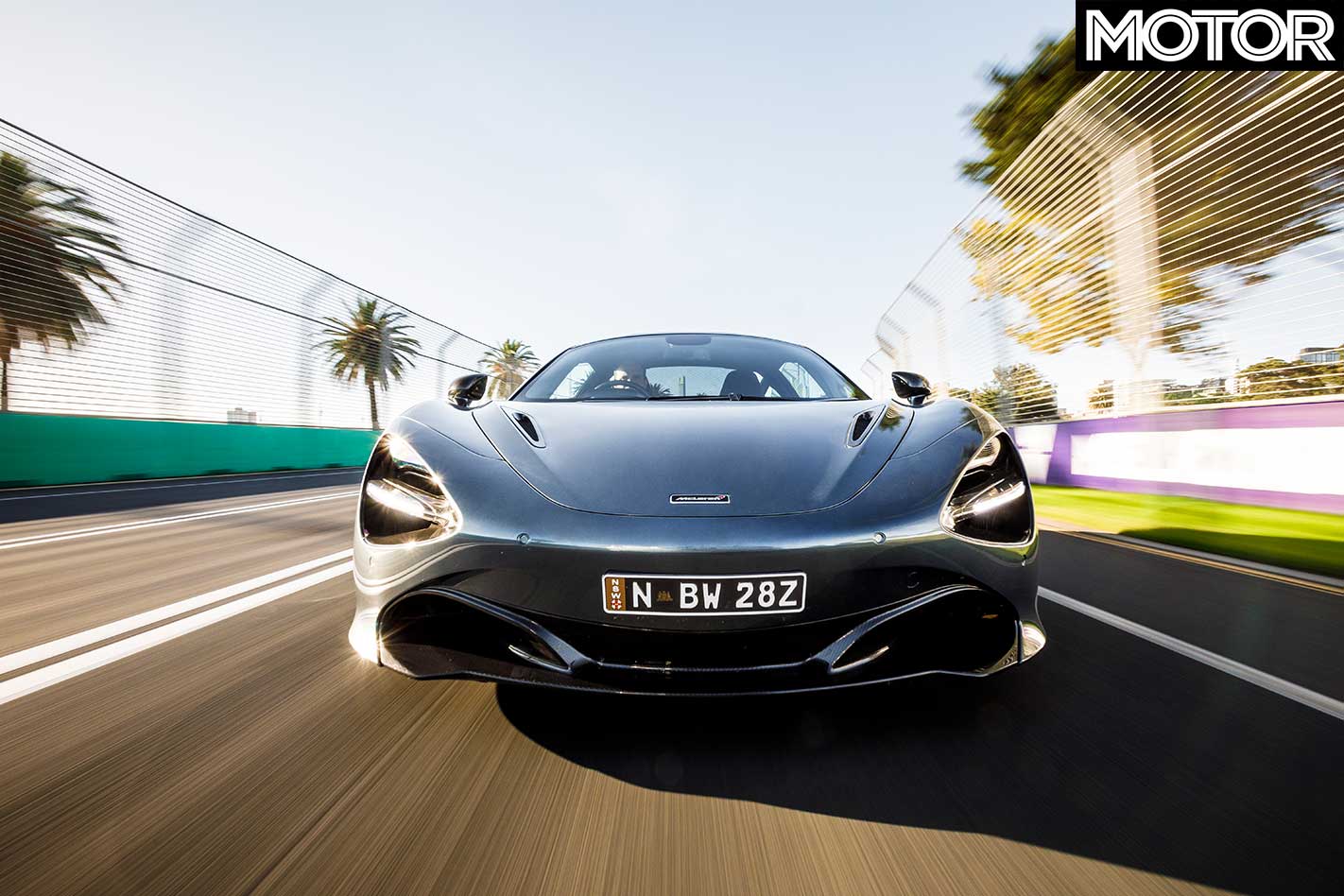
Furthermore, 530kW requires a lot of fuel and large parts of our 180km road loop had to be spent cruising lest we run out of juice. Despite a tank more than three-quarters full, a 15-minute spell of enthusiastic driving had the trip computer displaying just 45km to empty.
Of course, there’s no way McLaren could offer a car – particularly a Super Series model – that offered less performance than its predecessor, and for many buyers its speed will be important for the same reason they wear a watch that’s waterproof to 10,000m – that the ultimate performance exists is more important than actually using it. After all, that the 720S is superior to, say, the 570S, is inarguable, but its superiority primarily sits in a stratosphere that is rarely accessible.
Having been lucky enough to drive both, I’m not sure I actually enjoyed the 720S any more than its ‘little’ brother (the 570S is actually the slightly larger car).
This shouldn’t detract from the brilliance of the 720S: it’s useable and comfortable, yet possesses a level of performance that would surely be impossible to tire of. In many ways it’s the supercar benchmark; it’s certainly the quickest and most comfortable car in its class, yet struggles to deliver the same slow-speed theatre as some of its slower rivals.
That said, noise is subjective, and if you enjoy the McLaren’s industrial orchestra of whirrs, hisses and hums then the 720S is almost without fault.
Despite its revival in fortunes, McLaren’s F1 team looks unlikely to extend its run of ‘lucky 8s’, however, projects like the Senna and forthcoming BP23 mean the road-car operation could still make 2018 a landmark year.
Inner Space

1 – IRIS touchscreen designed for the smartphone generation, with everything swipeable or draggable 2 – McLaren understands steering wheels. Thin rim fits your hands perfectly and there are no buttons to knock or distract 3 – Revised monocoque a big step forward, allowing easier entry and exit and aiding vision by allowing slimmer pillars 4 – Are you a real supercar if you don’t have crazy doors? Butterfly doors stop traffic and hidden exterior latch prevents unwanted passengers
The Nemesis
Ferrari 488 GTB 3.9-litre twin- turbo V8, RWD, 492kW/760Nm, 0-100km/h 3.0sec 1475kg, $526,888
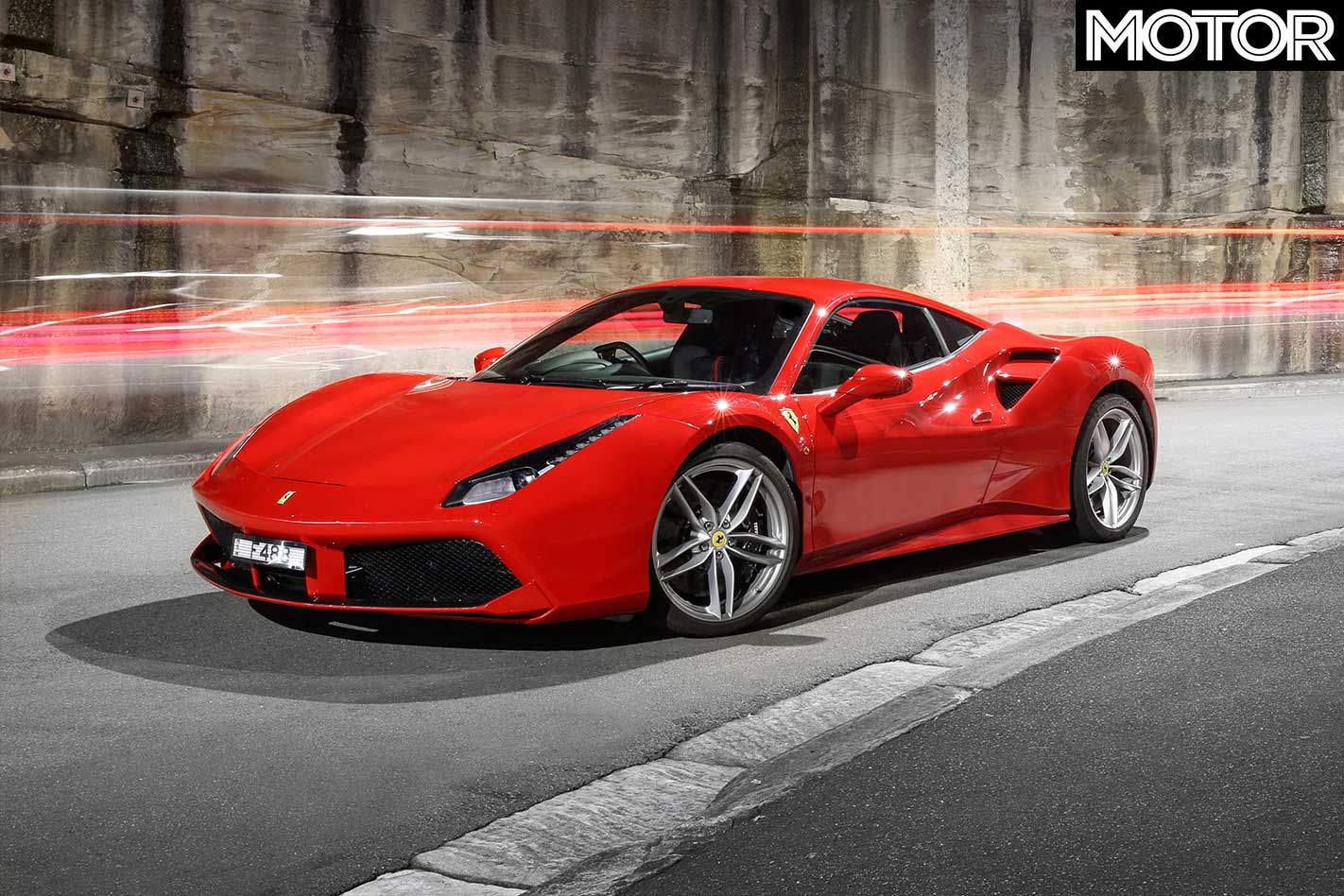
The obvious rival. Not as ultimately quick as the McLaren, but throttle response is better, as is the noise (to these ears). Both are so incredible to drive that choosing between them is splitting hairs – pick the one you like.
FAST FACTS 2018 McLaren 720S
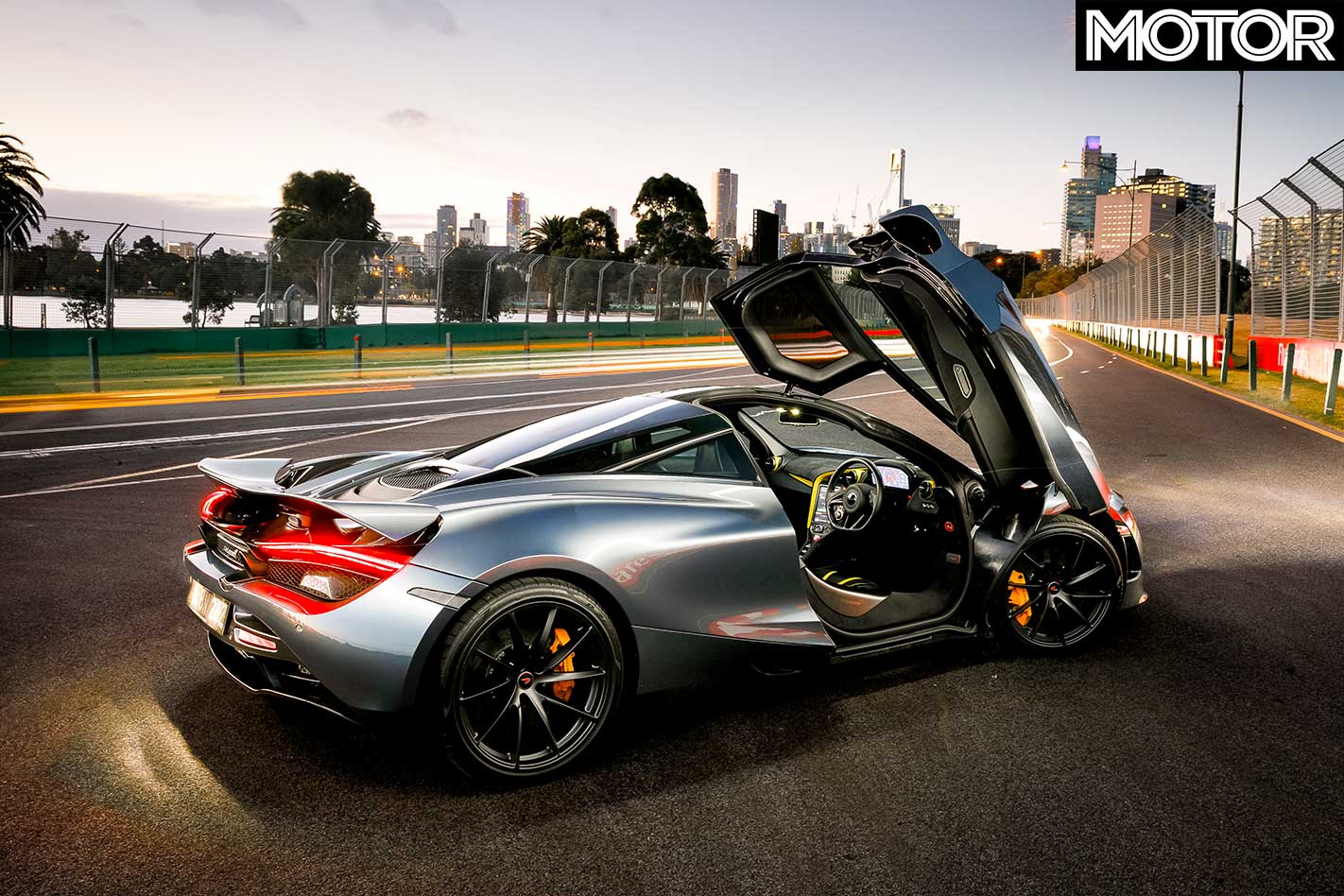
BODY: 2-door, 2-seat coupe DRIVE: rear-wheel ENGINE: 3994cc V8, DOHC, 32v, twin-turbo COMPRESSION RATIO: 8.7:1 POWER: 530kW @ 7500rpm TORQUE: 770Nm @ 5500rpm WEIGHT: 1419kg POWER-TO-WEIGHT: 374kW/tonne TRANSMISSION: 7-speed dual-clutch SUSPENSION: double wishbones, hydraulically-linked adaptive dampers L/W/H: 4543/1930/1196mm WHEELBASE: 2670mm TRACKS: 1674/1629mm (f/r) STEERING: hydraulically-assisted rack-and-pinion BRAKES: 390mm ventilated/drilled carbon-ceramic discs, 6-piston calipers (f); 380mm ventilated/drilled carbon-ceramic discs, 4-piston calipers (r) WHEELS: 19.0 x 9.0-inch (f); 20.0 x 11.0-inch (r) TYRES: Pirelli P Zero; 245/35 ZR19 (f); 305/30 ZR20 (r) PRICE: $515,080 ($697,941.50 as-tested)LIKE: Berserk speed; ace handling; ride; vision DISLIKE: Sounds average; steering kickback; price RATING: 4.5 out of 5 stars
Porsche flat-six model kit, $329
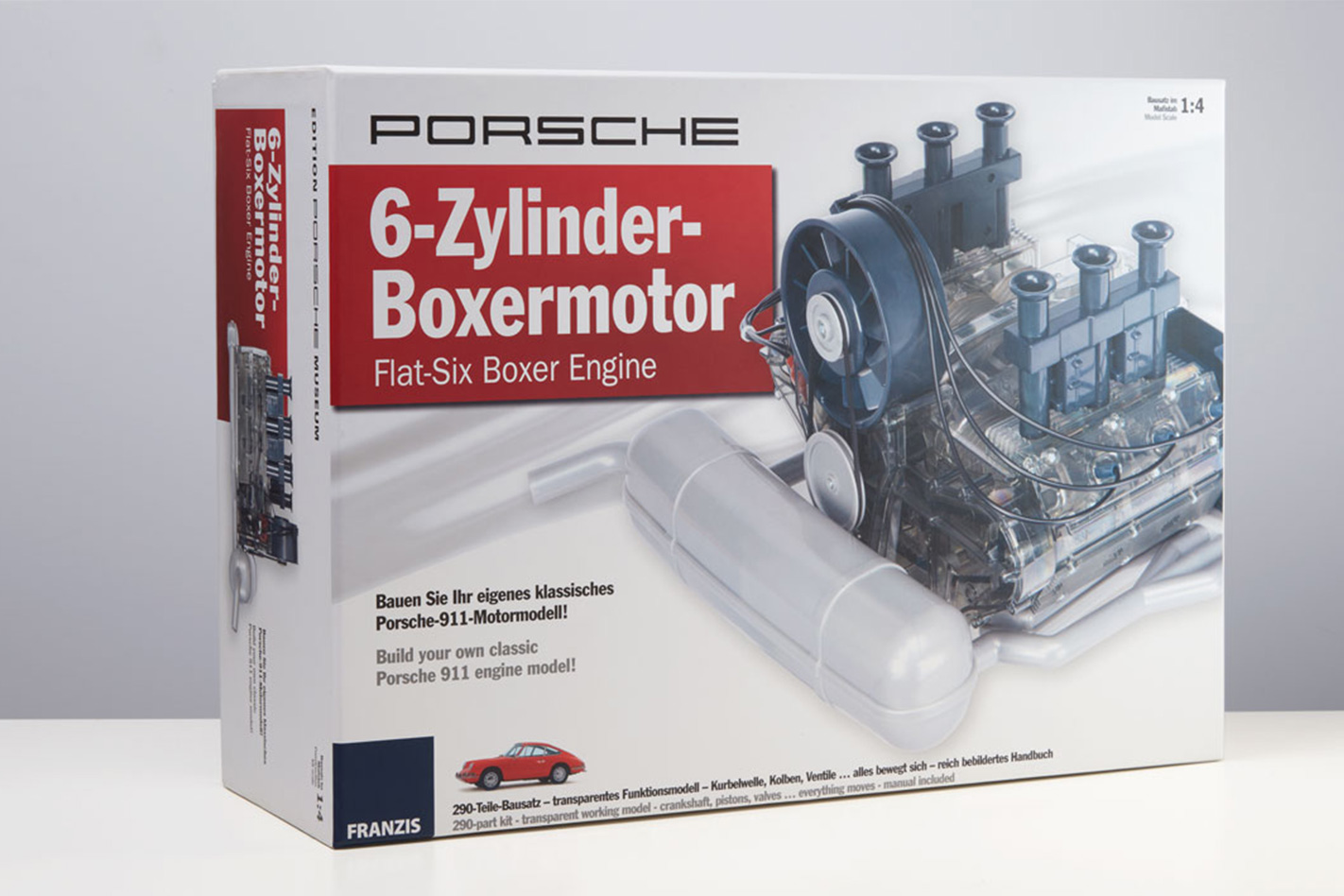
Impress your Porsche fanatic friends when you tell them you built a 2.0-litre flat six on the weekend and it started first time. They don’t have to know it was a 1:4 scale model of the original 1966 911 engine. The 290-piece kit requires no messy glue and uses transparent parts to offer an X-ray view of the internal components moving. Porsche does not say whether it is Euro6 compliant. shop3.porsche.com/Australia
Aston Martin WEC wings badge presentation case, $6550
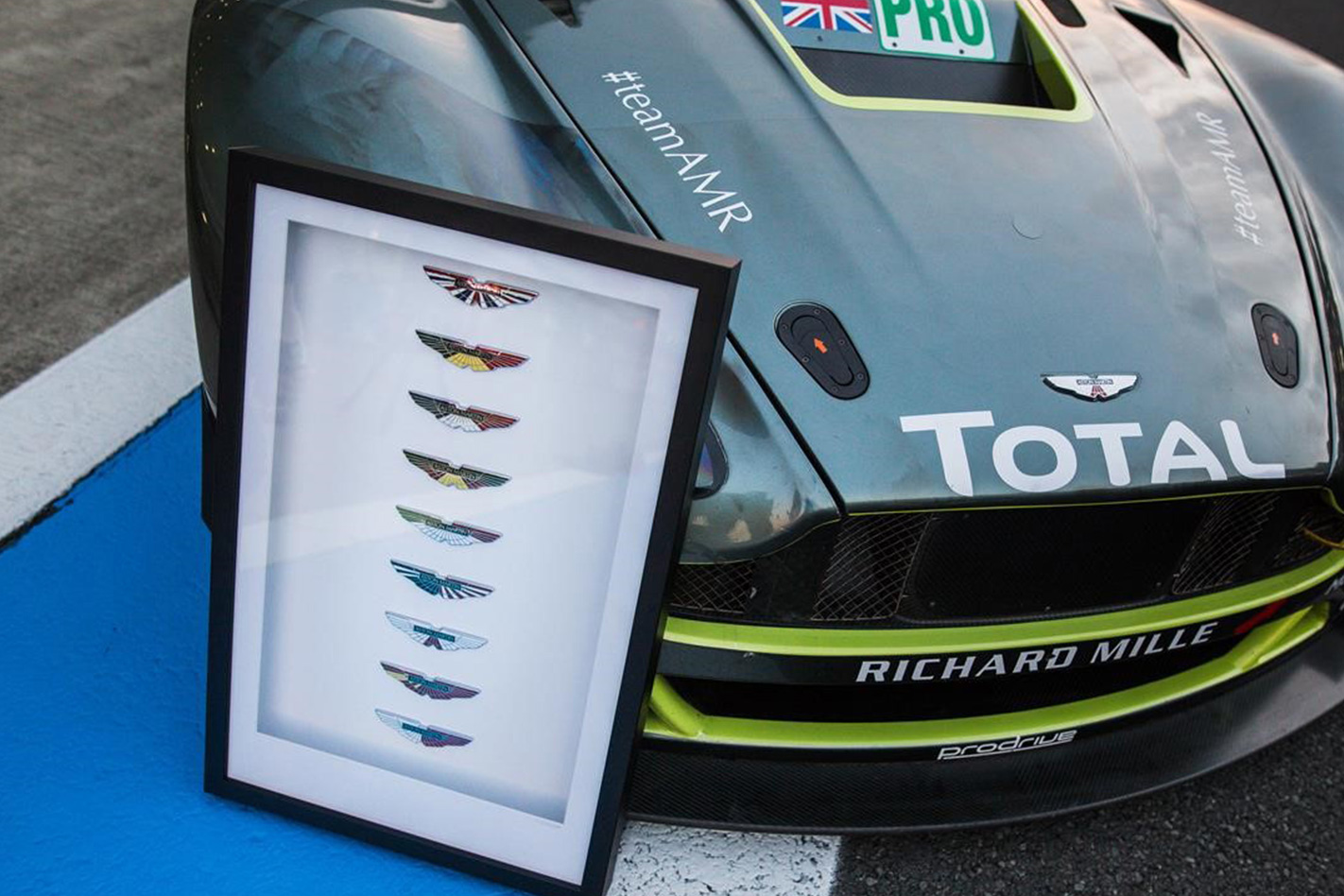
Is that an Aston Martin bonnet-badge-display-case-shaped gap on your garage wall? It is? Well you’re in luck. For the Aston owner who has everything, the British car maker has created a set of nine bonnet badges to celebrate the brand’s involvement in the World Endurance Championship, limiting global allocation to just 249 examples. The badges have been customised to represent the flags of the countries that host each round, and are lovingly crafted by the same jewellers that make the standard badges. astonmartin.com/en/shop
Stephane Dufour classic car resin sculptures, $520-$900
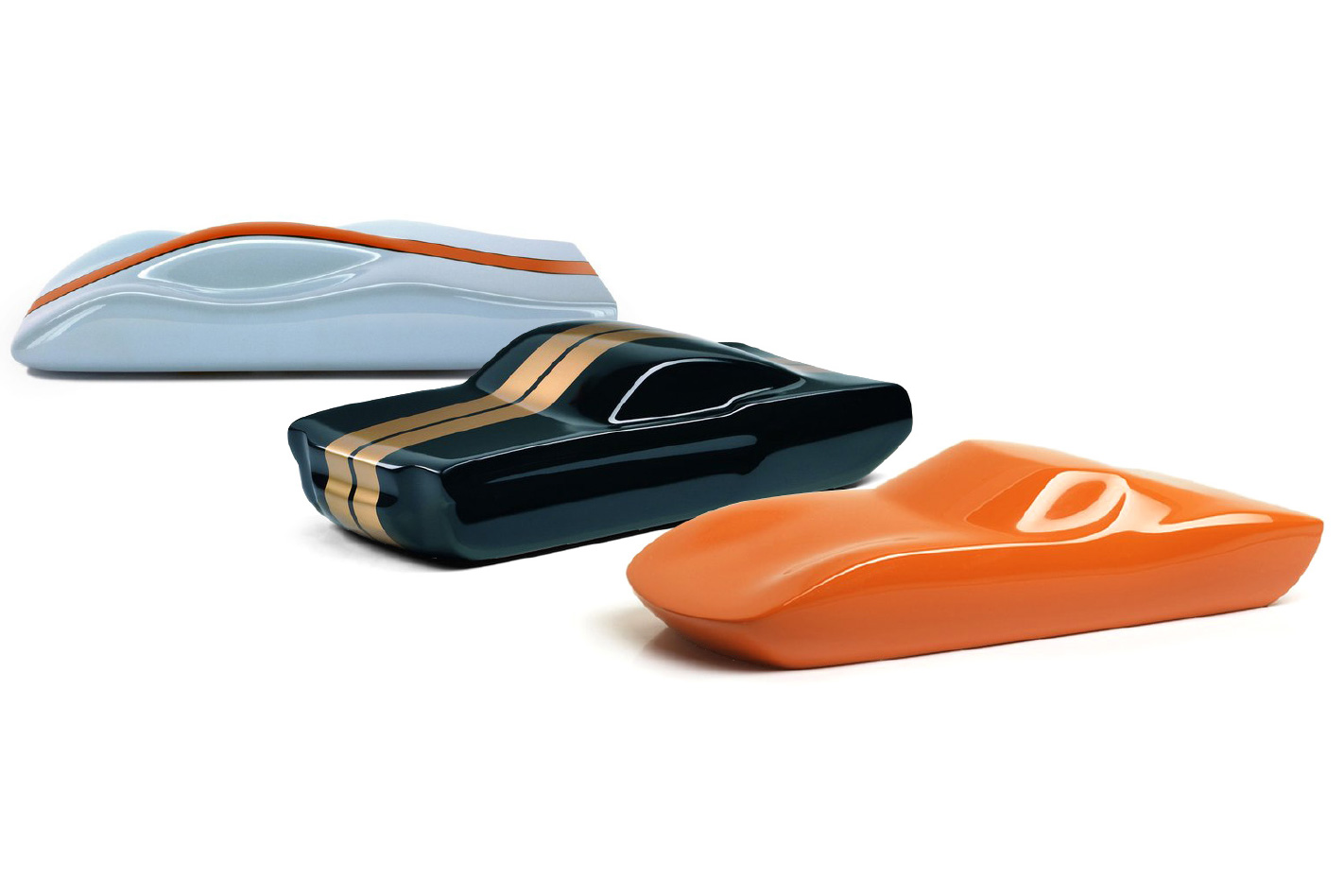
Having too many model cars displayed around your house will make your friends think you have the mind of a child, but French artist Stephane Dufour’s beautiful sculptures allow you to appreciate the perfect lines and form of your favourite cars without looking like you have a ten-year-old’s toy collection. Choose from a range of unmistakable designs including the utterly gorgeous Lamborghini Miura or Porsche 917 complete in Gulf colours. sdufour.myshopify.com
Garmin DriveAssist 50LMT-D, $449
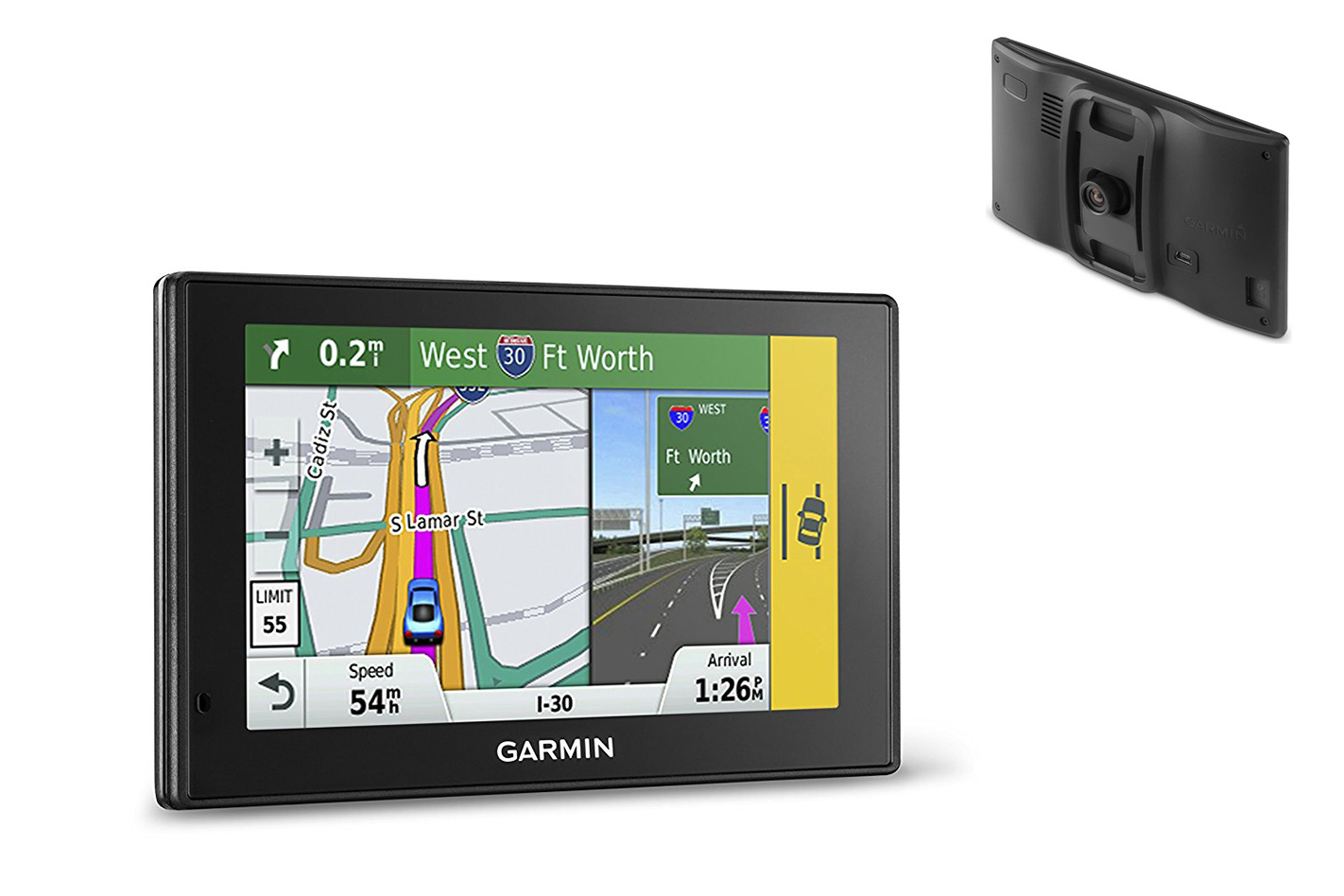
Dash cameras are not only useful for creating viral videos of drunk Russians face-planting on zebra crossings, they can also provide indisputable evidence when it comes to deciding liability following a crash. The Garmin DriveAssist 50LMT-D does all the usual dash cam duties including automatically storing footage when it senses a collision, but combines it with a slick satellite navigation unit. As the device senses you are nearing your destination it switches to the camera view and imposes the final direction arrows over the image of the road ahead. garmin.com/en-AU
Watches
Urwerk UR-105 CT Streamliner, $91,500
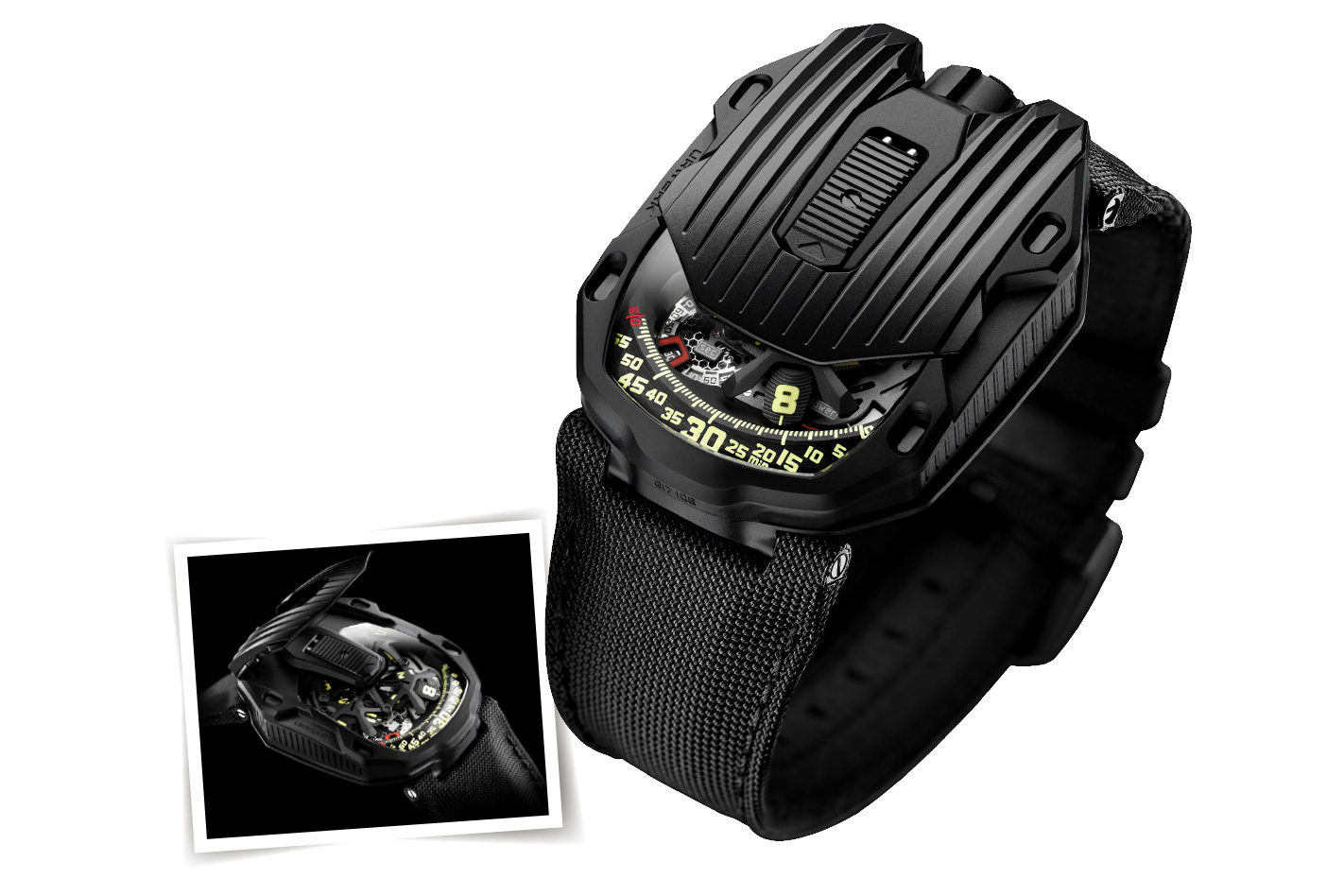
Fancy a targa top watch? That’s the premise behind the design of this mega-dollar, art deco-inspired timepiece, which celebrates the 20th anniversary of Swiss watchmaker Urwerk. The unusual automatic mechanism (featuring pneumatic turbines) and its system for displaying time is a brand trademark that began in 1997. This particular watch draws on depictions of metallic subway carriages and austere, ribbed skyscrapers. The case features a release in the middle that allows a protective cover to slide open and reveal the inner workings. Silver and black versions are available in limited numbers, and there are YouTube videos worth searching for to see the watch in action. urwerk.com
Sinn 104 St Sa I W, $1850

German watchmaker Sinn has established a reputation for robust, solidly engineered timepieces that are built to last from materials including submarine steel. The 104 is a particularly refined 41mm pilot’s watch, and the model’s line-up has now expanded to include this fresh, glossy white variant; one of the finest, in our opinion. The automatic, shock resistant Sellita SW 220-1 movement has a 38-hour power reserve and is visible through a sapphire crystal case back. It’s an admirable combination of simple good looks and functionality. sinn.de
REC Watches The P-51, $2000
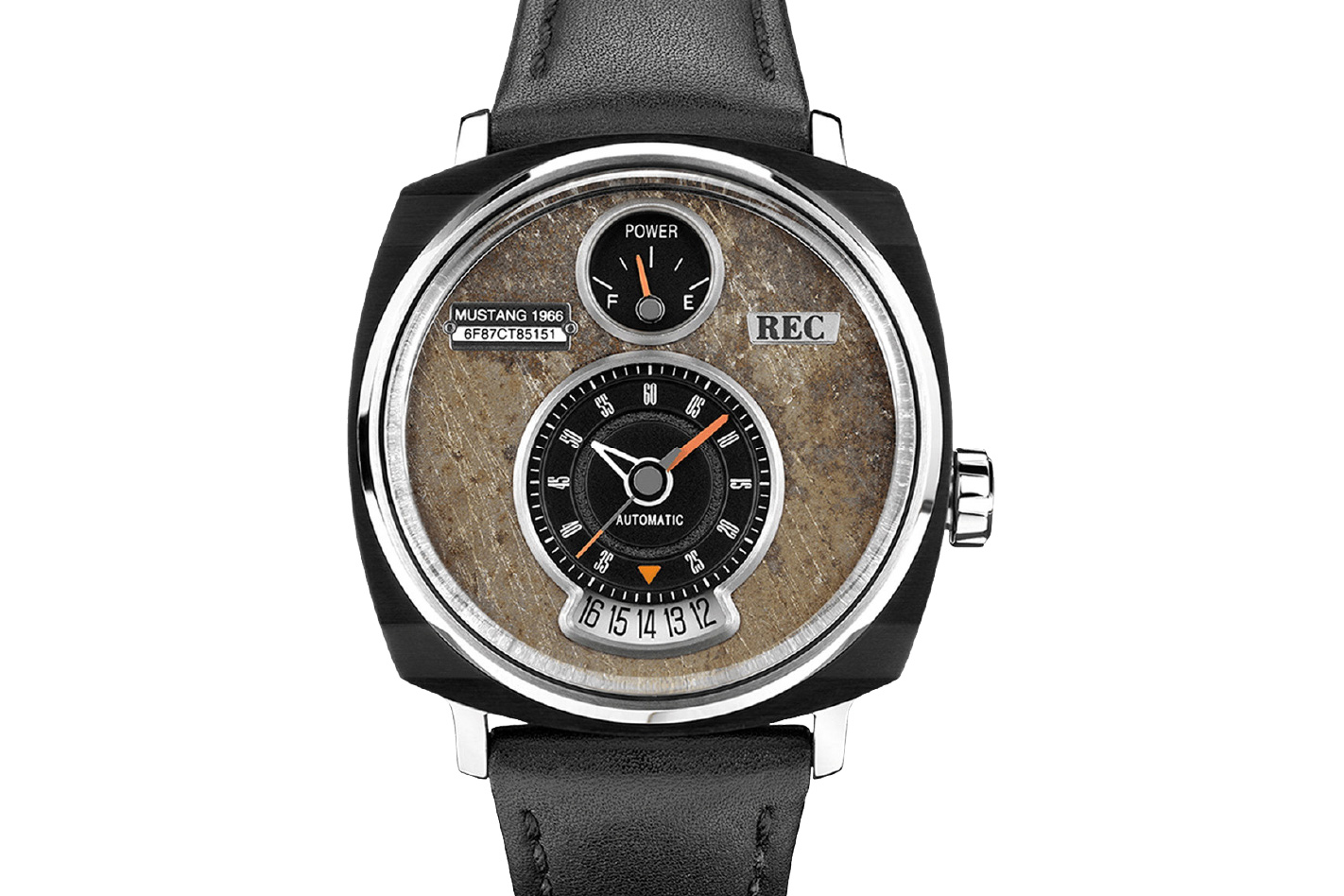
Lots of companies make watches themed on old Ford Mustangs (we featured one last month), but only one mob we know of actually makes watches from old Ford Mustangs. Danish outfit REC Watches is run by two blokes who trawl scrapyards around the world and turn original sheetmetal from irreparable Mustangs into timepieces. Each 48mm dial features the VIN and model year on a riveted plaque. The movement itself is a Miyota automatic, and it’s not just Mustangs that get this treatment. REC does the same thing for the Porsche 911 and Mini Cooper. recwatches.com
Dunno about you, but the VR/VS HSV line-up is really looking old to these cynical eyes. It’s not that the LS1 changed the way we think about HSVs, rather that what was cool back in 1996, ain’t necessarily so chillin’ these days.
This feature was originally published in MOTOR’s February 2005 issue
Yellow paint, big, deliberate stitches in the upholstery, carbon fibre by the truckload and charcoal-coloured, three-spoke alloys just doesn’t cut it any more. Surprise, surprise.
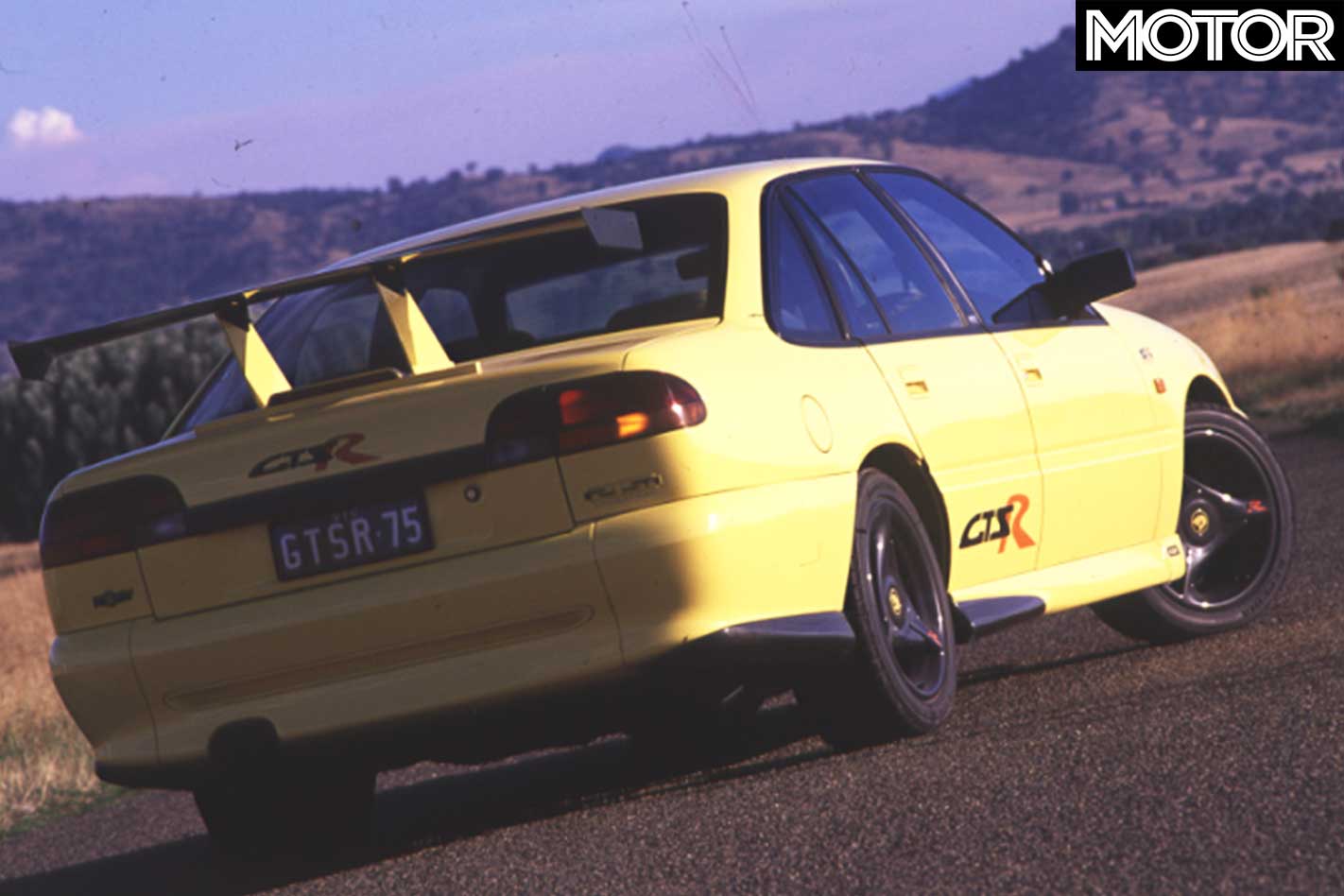
Then and now…
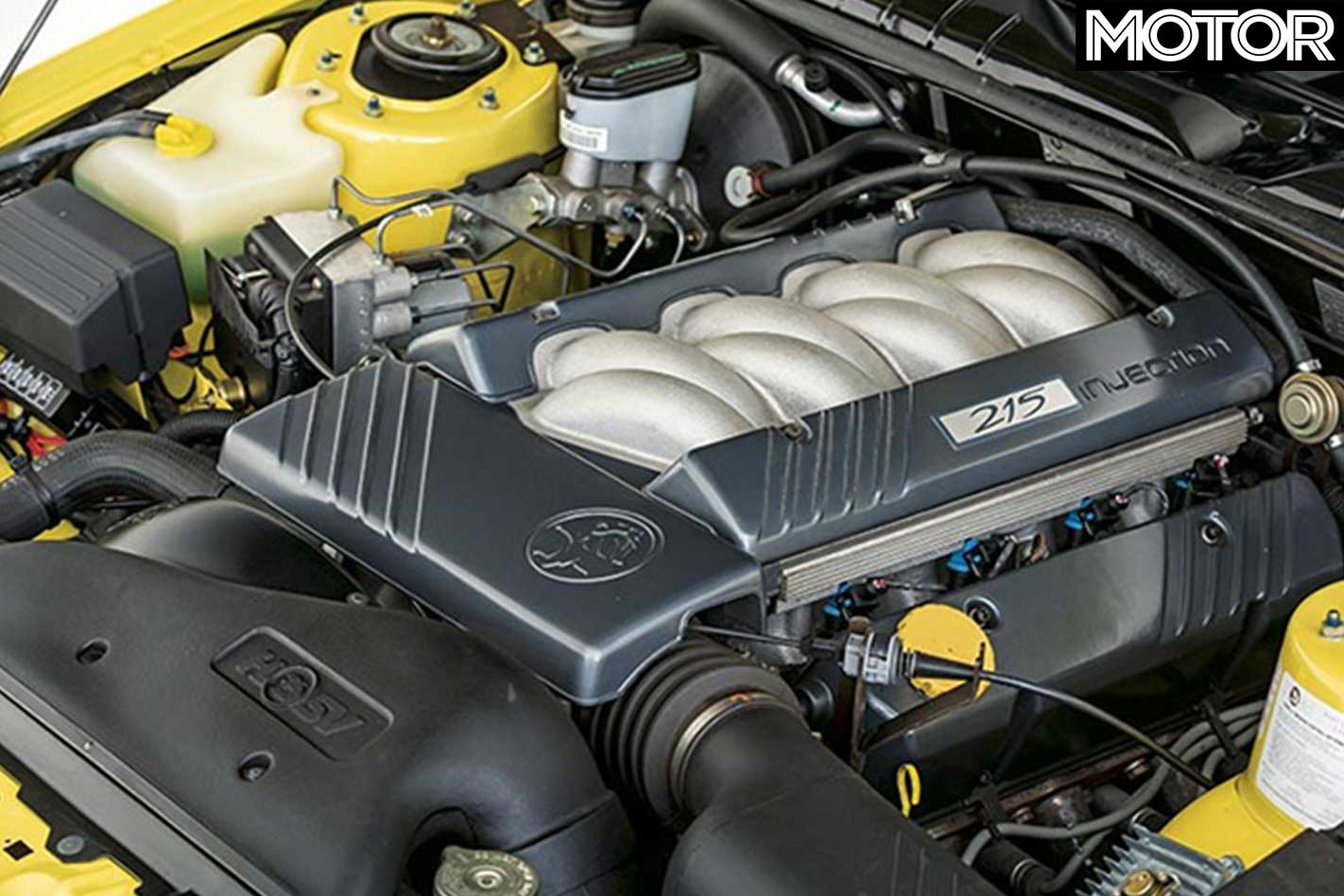
Obviously, one of the highlights of the GTS-R was that legendary stroker engine which, with a bore of 101.6mm and stroke of 88.4, measured 5737cc and suddenly made the five-litre the little brudder of the pack.
Even though HSV was already getting a lazy 185kW at 4800rpm out of the five-litre, the stroker’s 215kW at the same revs was, at the time, a hell of a thing. And then compare the torque peaks which, in the five-litre was 400Nm at 3600rpm; a dead-set let down compared with the 5.7’s 475Nm also at 3600.
In fact, it wasn’t until the 255kW version of the Gen III in the VX HSV cars of 2000 that the GTS-R’s torque was matched. And you better believe the stroked Holden-block made its grunt a whole lot earlier in the rev range than the peaky Gen III.
The GTS-R wasn’t the first HSV car to use the stroker mill, but the development of the engine is a hell of a good yarn. It started back in about 1990 when Melbourne-based engineer Ron Harrop (yep, him of the big brake packages) screwed together a stroked five-litre Holden lump for his own personal use.
HSV had already identified the need for a bigger stick than the 200kW version of Ol’ Faithful, and Harrop’s hot-rod got HSV’s white coats thinking.
Harrop was eventually coerced into building a stroked short motor which was shipped to HSV where it was fitted with a couple of different camshafts (not at the same time obviously) and, apparently, “went like hell”. (Well enough for one staffer to stick the mule backwards into a pole, anyway.) Harrop’s original strokers used 350-cube Chev cranks with the snout machined off and a new one welded on.
But eventually, the supply of good used Chev cranks started to dry up, so Harrop bit the bullet and began casting his own, nodular iron cranks which were ultimately cheaper and better quality.
After a bit of re-calibration (okay, a lot of re-calibration) to get the engine refined and docile enough for consumption by HSV’s well-heeled customers (the GTS-R was a $76,000 proposition back in 1996, remember) somebody managed to put the proposal to the top brass in a convincing (or maybe creative) enough manner, and the project got the green light.
For production engines, the stroke was set at 3.48 inches which is the same as a 350 Chev and allows the use of stock-length conrods. It’s possible to go longer in the stroke, but at that point, you’d need to use a longer rod and, given that HSV figured there was a market for about 150 stroker motors only, that just didn’t make sense.
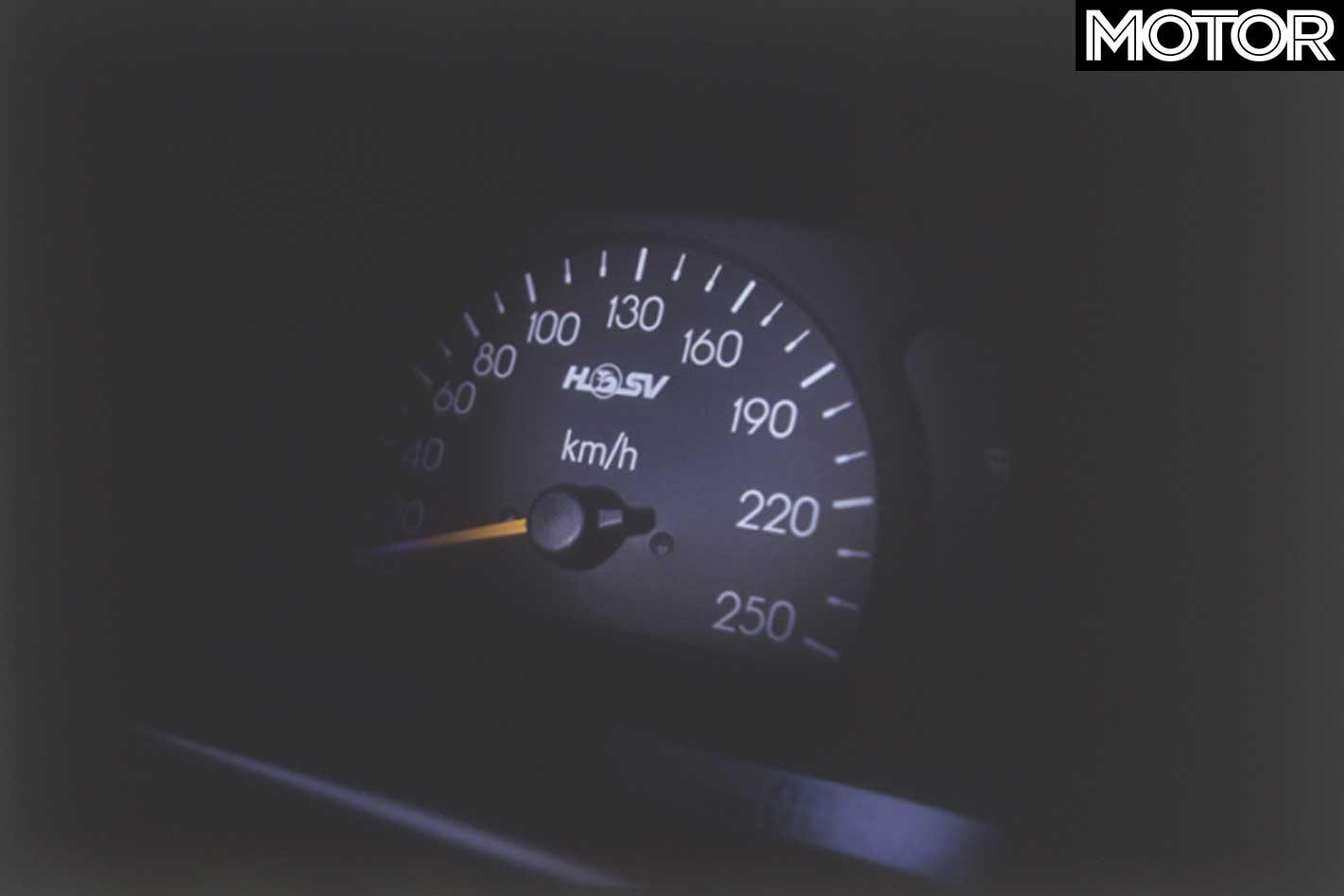
Initially, Harrop was machining conrod clearance into the cylinder block, although HEC (Holden’s Engine Company) later began casting the same clearances into the base blocks, meaning that the stroker crankshaft should fit any late five-litre crankcase.
Pistons were the other consideration and, instead of machining down stock five-litre slugs, ACL agreed to cast a stroker-specific piston with a stronger, recessed crown, short skirt and used low-friction rings. Neat touches include injectors that flow 25 percent more to cope with the deep breathing 5.7, thinner-neck exhaust valves and a smoothed-out inlet tract. Interestingly, the big crank was located by the standard two-bolt main bearings rather than the four-bolt items and used standard bearings.
Durability? According to both Harrop and HSV, there was nothing in it in a road car.
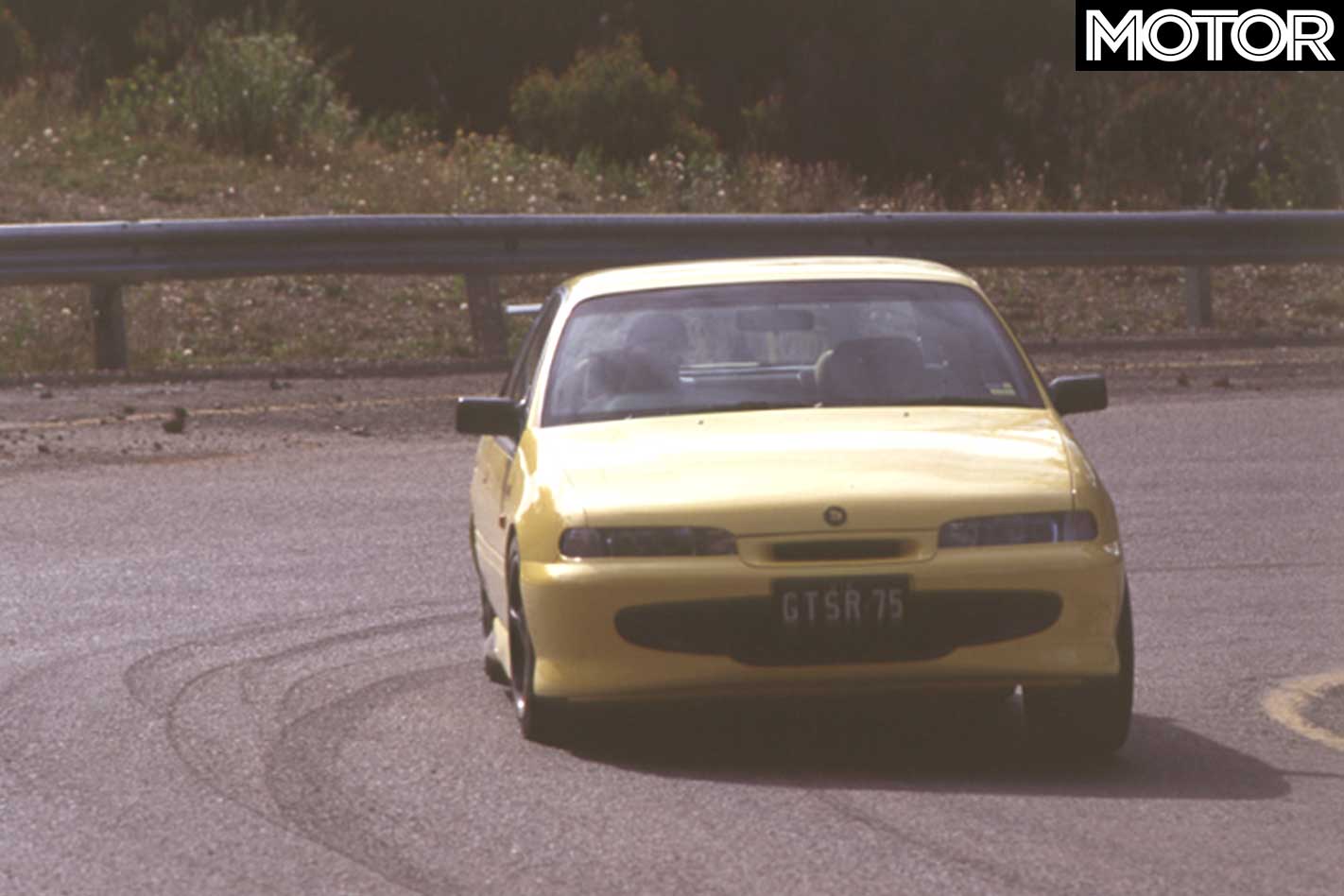
But that’s not all. HSV cheerfully predicted that most buyers would go for the optional optimised engine. Essentially, this was a blueprinting job with a full balance (which you might have expected from such an engine in the first place), CC-ing of the heads to make sure each combustion chamber measured the same capacity and the compression ratio in each pot equalised at 8.5:1
Apart from the extra poke liberated by the blueprinting job, the big selling point was that the engine was stripped and re-assembled by HRT race engineers. The down side was that HSV relieved you of a further $10,500 (on top of the $76,000 of the basic package) for the honour of having an HRT bloke spanner it up for you. It also got you 226kW and 507Nm.
The rest of the mechanical deal started with the six-speed manual gearbox and there was, in keeping with the race-car-for-the-street thing, no slushbox option. The firmer of HSV’s suspension package was slotted in and the Premium brake package with ABS was par for the course.
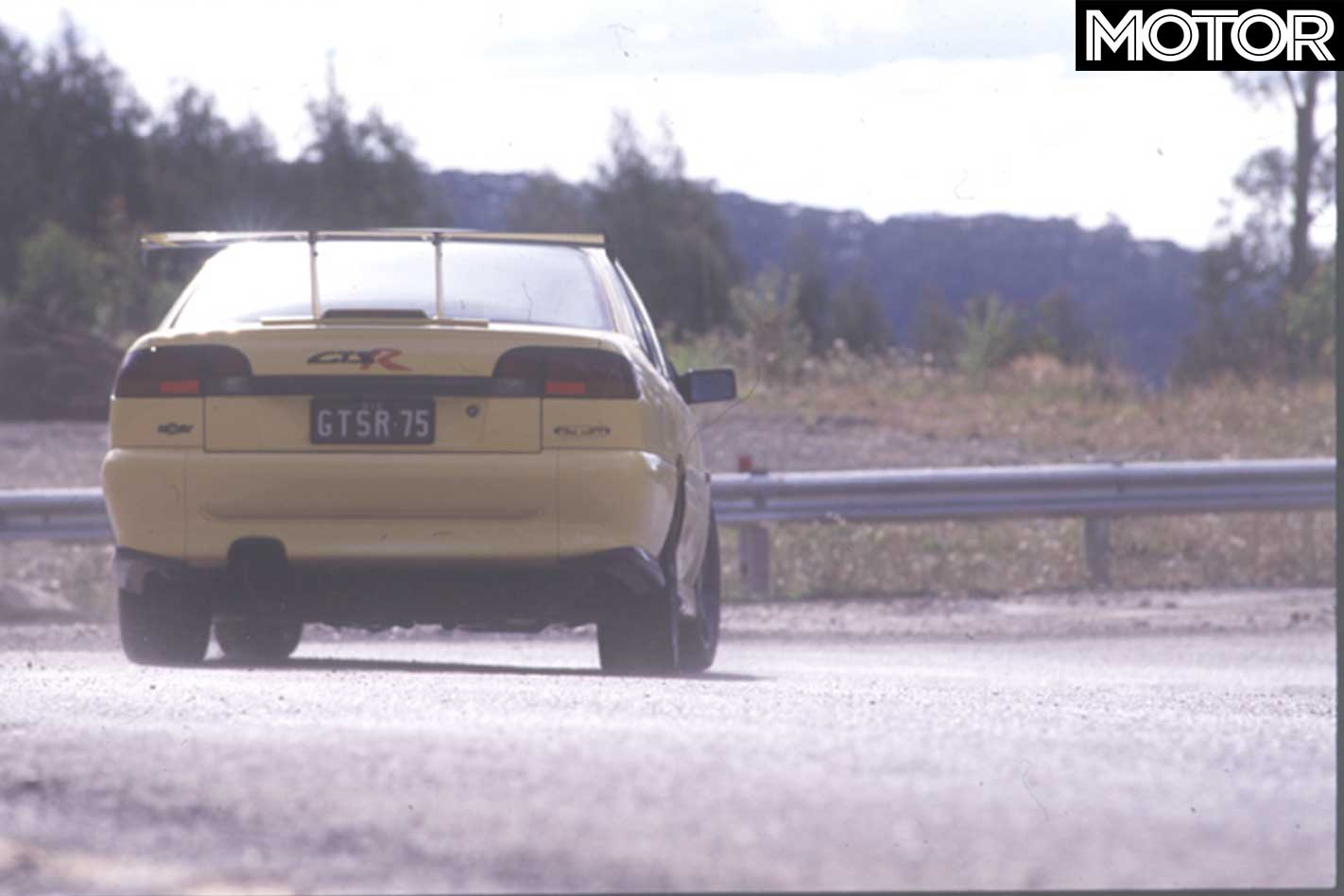
Bridgestone Expedia hoops got the nod and the rear end was fitted with the clever, locally-developed Hydra-Trak limited-slip diff. This was actually a really nice piece of work and got rid of the slapping and clapping of conventional, clutch-pack operated LSDs.
The rest of the deal was derivative of what else HSV was doing at the time, although the visual package was really something else. At a time when carbon fibre was still too cool for school, the GTS-R had lashings of the stuff.
In fact, HSV actually set up a joint venture with the CSIRO to develop aramid fibre technology, including the CF that adorned the GTS-R. The stuff was used for the car’s lower air-intake, side skirts, rear trim panel, rear bumper highlight and centre caps in the wheels. The rear wing was a straight rip off of HRT’s race cars, complete with its CF blade and end-plates.
The charcoal of the carbon fibre was matched up with the 17-inch alloys and then everything else was doused in a colour HSV called XU3 Yellah. Only one problem: It was the same shade of yellow that Victorian premier Jeff ‘Boofhead’ Kennett decreed for the State’s taxi fleet about the same time. Bugger.
Inside, she was pretty lairy with a black dashboard and trim panels, contrasted with big, bold yellow stitching on anything that was sewn together. HSV built a total of 85 cars, including 75 for Aussie consumption, nine for New Zealand madmen and one press-test car which, I am happy to say, I had a lovely time caning around the countryside when my time came to snaffle it for a few days.
The performance was short of the current HSV stuff (fair enough given the current thing has a dirty great 6.0-litre), but realistically, more fun than early LS1-powered HSVs thanks to the excellent low-down torque that let you either pootle about in a high gear or frap the tach needle into the red in every gear. Remember, too, that the basic VS package on which the GTS-R was based was a whole lot lighter than the post-VT models that copped the LS1.
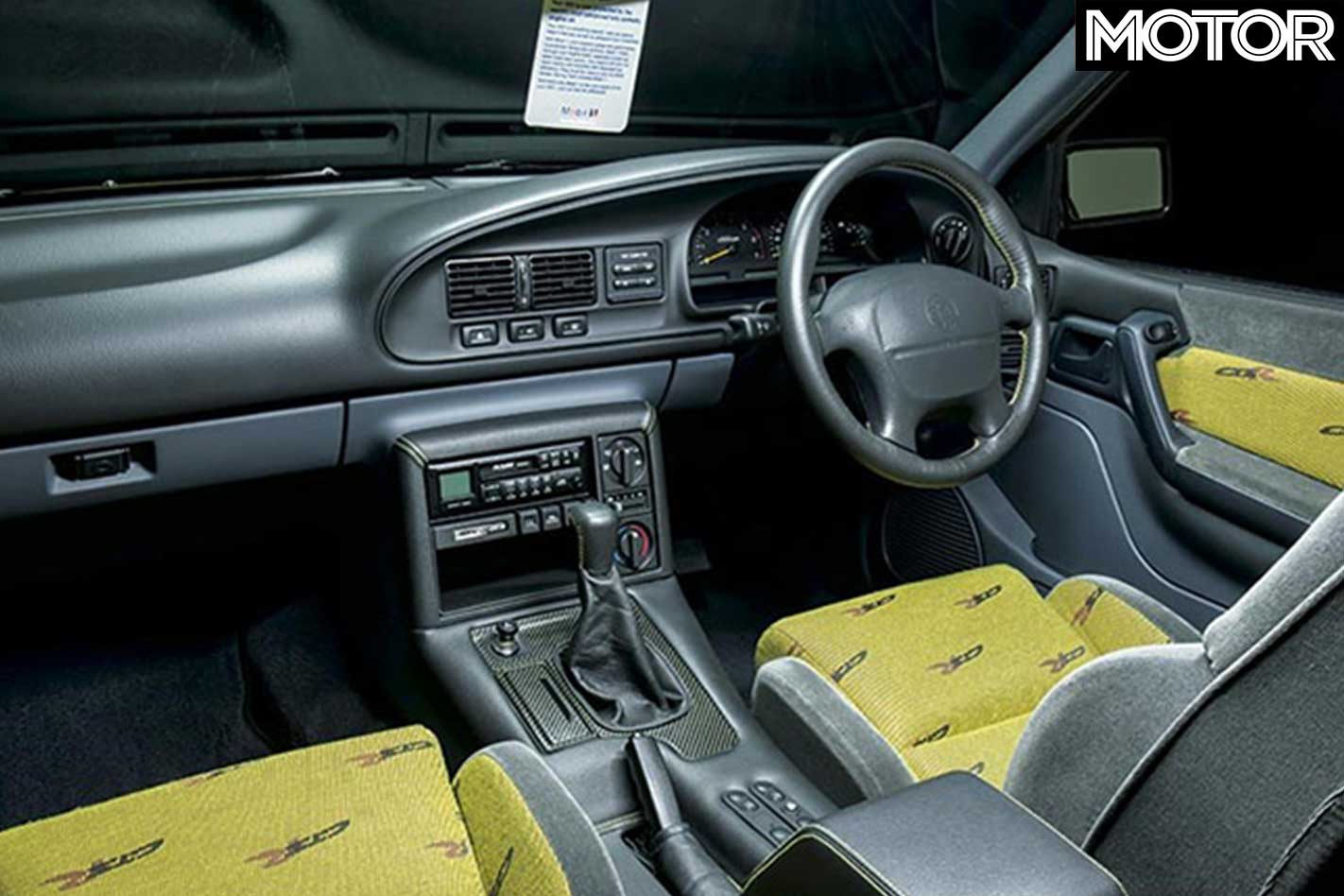
The six-speed ’box was the same notchy old bugger that afflicted many an HSV and the clutch was heavy but progressive enough. The biggest hurdle with owning one now is that they’re a bit, ahem, dodgy looking. Taxi-cab paint-scheme aside, the GTS-R is just plain lairy and that interior? Phew, give it a miss if you’ve had a big night on the tiles the evening before.
They Said It
“The GTS-R has the show, but more importantly it has the go to match. It hits home what a gutsy, trusty, refined, world-class fighter the HSV is as we blast down the twisty road etched into Mount Buller – it’s torque is amazing. There’s no substitute for cubes and that’s why the HSV kicks all comers from low down.” – Paul Ellis, April 1996
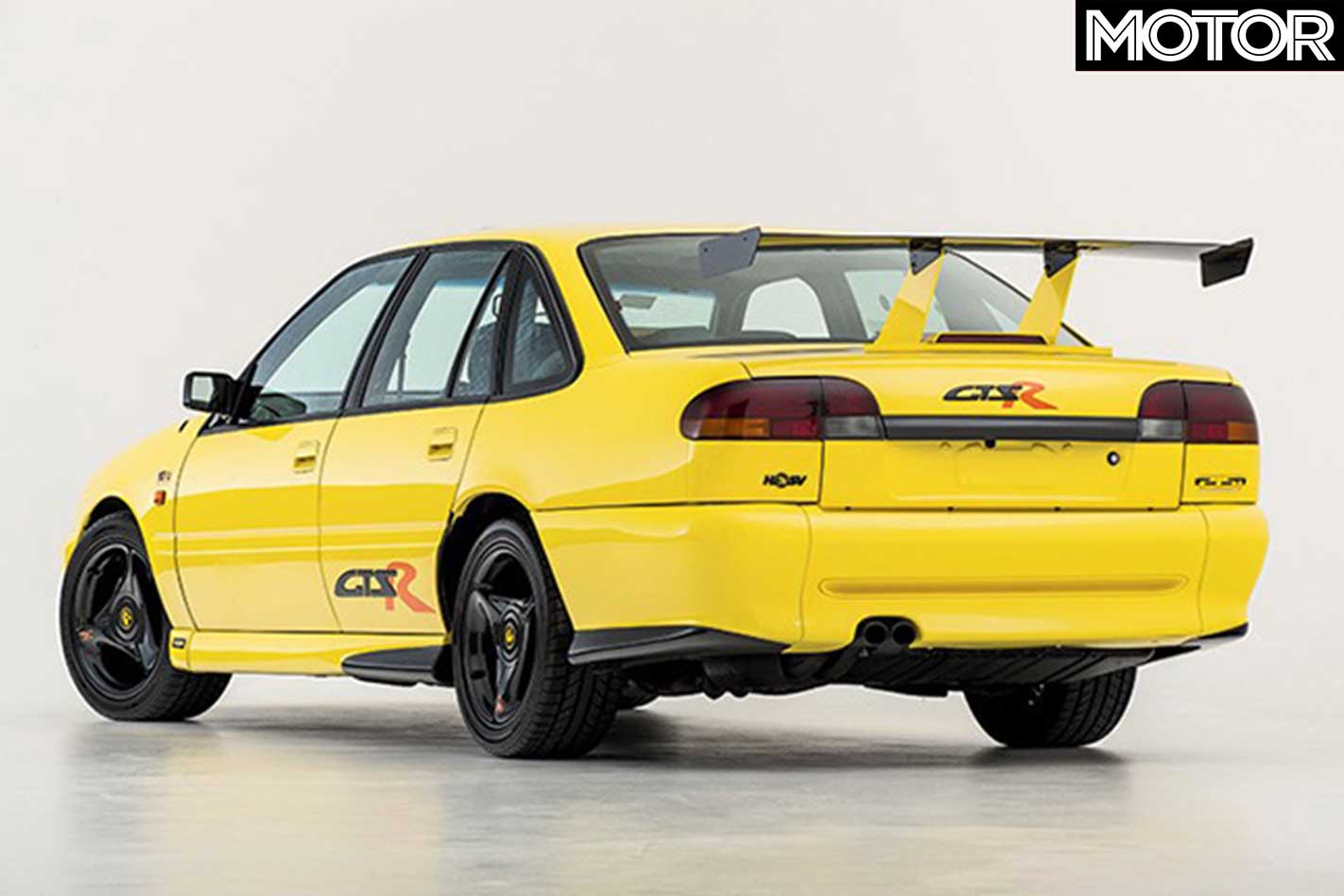
FAST FACTS 1996 HSV GTS-R
BODY: four-door sedan DRIVE: rear-wheel ENGINE: front-mounted 5.7-litre, 16-valve pushrod V8 POWER: 226kW @ 4800rpm TORQUE: 507Nm @ 3500rpm COMPRESSION RATIO: 8.5:1 BORE X STROKE: 101.6mm x 88.4mm WEIGHT: 1619kg POWER-to-WEIGHT: 140kW/tonne SPECIFIC POWER: 39.6kW/litre TRANSMISSION: six-speed manual SUSPENSION: MacPherson struts, coil springs, anti-roll bar (f); semi-trailing arms, coil springs, anti-roll bar (r) L/W/H: 4855/1782/1418mm WHEELBASE: 2735mm TRACK: 1497mm (f); 1497mm (r) FUEL: 75 litres (ULP) BRAKES: 330mm ventilated discs, two-piston calipers (f); 330mm ventilated discs, single-piston calipers (r) WHEELS: 17 x 8.0-inch (f & r) alloy TYRES: Bridgestone Expedia S-01, 235/45 ZR17 (f & r) PRICE: $86,500 (April 1996)
Emmachizzit?
IN 2005: If you can find a GTS-R, chances are it’ll have covered around 150,000km, many of which may well have been covered at a fair old velocity. Some have been club raced, so watch out for anything with a roll-cage and drilled and wired sump plugs.
The good news is that, unlike Brock Commodores and some other local muscle cars, it’s unlikely that anybody has faked a GTS-R. Maybe that says a fair bit about the whole stylistic package, or maybe it’s because, at around $25,000 for a good one, it’s just not worth the bother.
IN 2018: Ha! Good luck finding a GTS-R for $25K now. We wrote about one for sale a couple of years ago at $143K, and there’s one hanging around for $220K+ at the moment.
A YEAR out of the cockpit appears to have been kind to Mark Webber. Gone is the gaunt, tightly drawn face that came with an ultra-low-calorie diet and intense physical stress. The nine-time Grand Prix winner and 2015 World Endurance Champion looks relaxed and healthy, his affable demeanour in contrast to the occasionally testy, intense character some will recall from his Formula 1 days.

Yet the mere mention of driving standards in Australia is enough to bring back a flash of that old terseness. Webber reckons we’re past the point of no return and is frustrated by the low driving standards on Australian roads.
“We can’t educate from here-on; it’s going to be very, very hard,” says Webber of Australian drivers, citing the poor driving culture and low skill level compared with drivers in Europe.
He’s talking from experience, having recently stepped off a plane from his home base in the UK. Webber is in Australia for a break and to work with Porsche, the brand for which he’s an ambassador.
First stop is Mount Panorama for the Bathurst 12 Hour race, where he’ll put big smiles on some punters’ faces courtesy of some Porsche hot laps, something that involved the staccato crawl from Sydney across the Blue Mountains.
While Webber reinforces he is a “proud Australian” who loves coming home, he’s never been shy of criticising the authorities for their blinkered focus on speed. “I’ve never seen so many different speed zones in such a short space … 70km/h, 80, 60 … well, that’s all revenue raising,” he says, exasperated. He also highlights the mismatch of cars and trucks, in particular the difference in stopping distances.
The other part of Webber’s Porsche job is providing feedback on soon-to-arrive new models, such as the GT2 RS. While he won’t test every vehicle, he’ll have a say in some of the most important ones, including the upcoming Mission E, Porsche’s first pure EV.
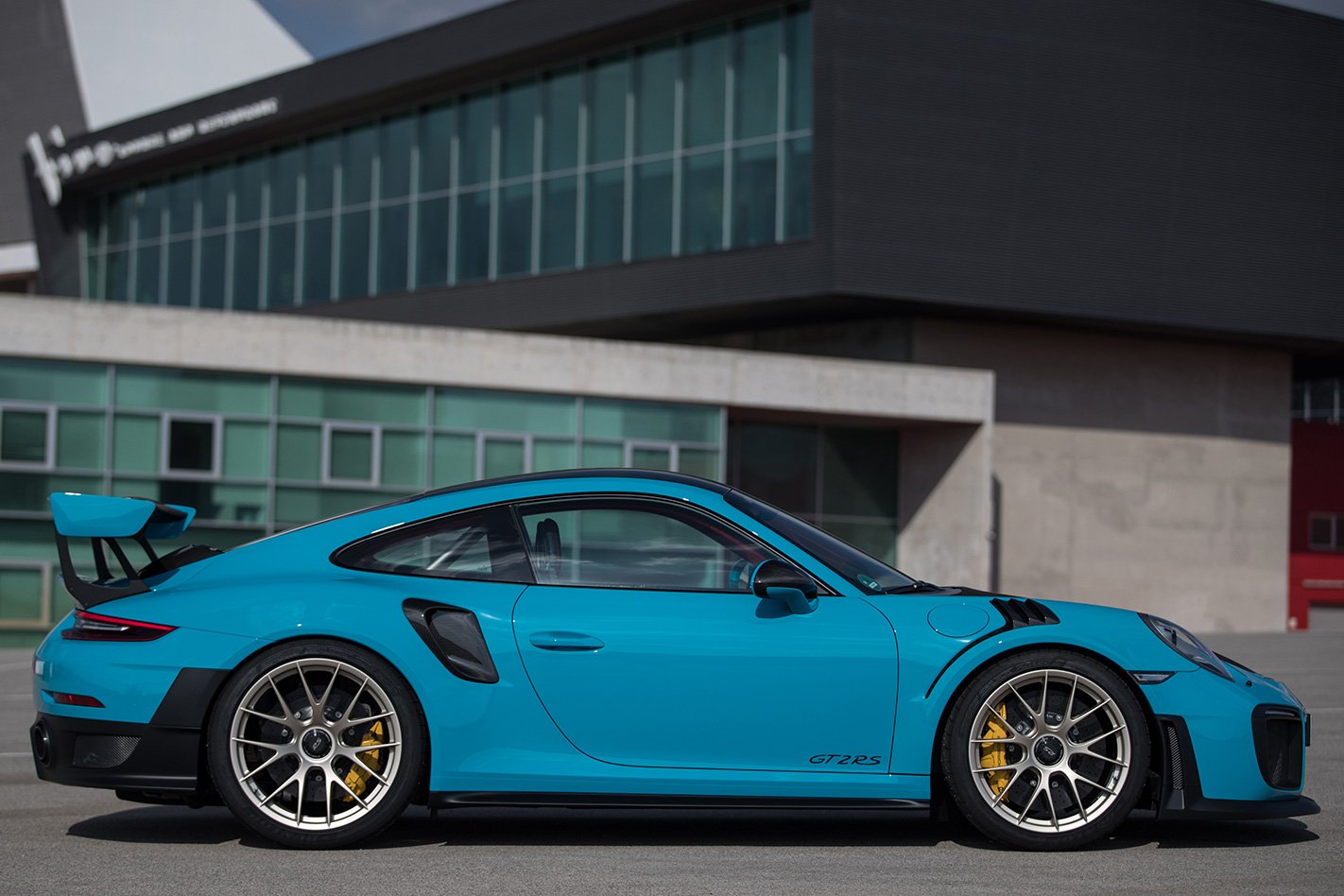
“I’m actually going to drive it when I get back to Europe,” he says. “We’re very, very excited about it and [are] finding some nice wins along the way … it’s going really well.”
These days he’s clearly content to take things more slowly. Asked about a 2014 tweet where he suggested he would soon tackle the Bathurst 12 Hour, the response is swift. “Nah, it’s not happening,” says Webber, admitting he gets heat from his father, Alan, to stay away. “It’s too dangerous, too many amateurs … and there’s actually too many safety cars, too.”
And too slow, such is the step down from Formula 1. “It’s frustrating driving an LMP1 car; what’s it going to be like driving touring cars?”
No doubt it’s also frustrating for the Supercar/GTE teams that have approached him. Giving tin-tops a miss could also be a smart move when it comes to Webber’s reputation.
Australian champions as diverse as Sir Jack Brabham, Alan Jones and Wayne Gardner have returned from overseas to try their hand at Australian touring car racing. None have enjoyed anything like the success they did overseas.
Webber clearly thrives on pressure and feels some of that has been diluted with the modern path to the motorsport pinnacle. Rather than track time, it can be lounges and screens that can help prepare drivers for the circuit, something Webber believes is “softening” the driver skillset.
“That’s why I love MotoGP, because you can’t have a simulator, you learn by breaking your collarbone – which is brilliant – where in cars you don’t.”
Yet while technology doesn’t always change motorsport for the better, Webber says Australians desperately need it on our roads. “This is the best country in the world to have autonomous cars because everyone is doing the same speed anyway,” he says.
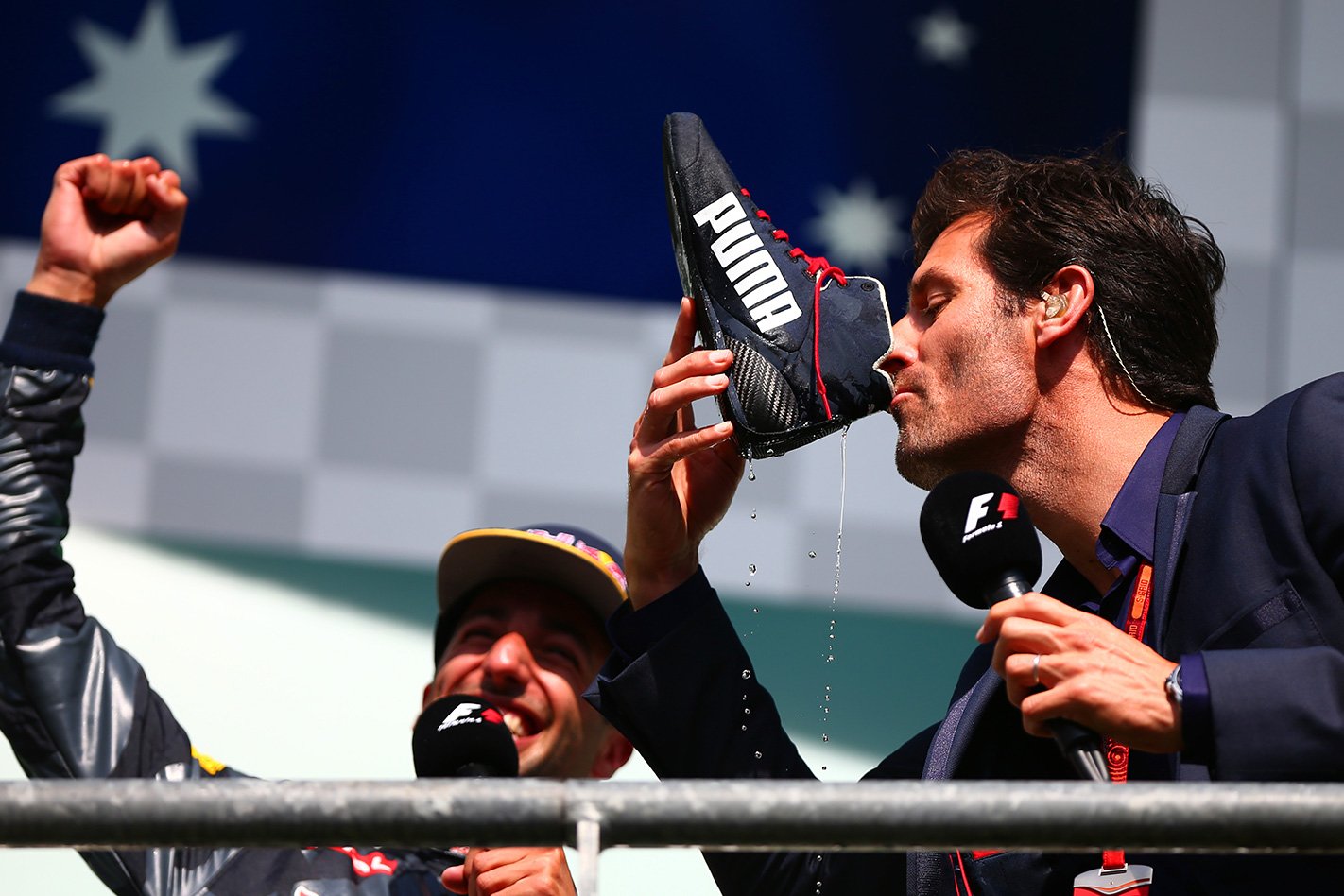
Webber thinks the tech has the potential to reduce aggro behind the wheel too. “Why is there so much road rage here?” he asks with a smile of disbelief. “It should be the cruisiest country to drive around ever.”
At least he’ll soon have a 911 GT2 RS at home in Europe, ready for the occasional blast on a (loosely policed) twisting road in the south of France.
Burrow beneath the unassuming skin of the second-generation Nissan Leaf and you’ll find no revolutionary technology. What this car can do and how it does it is important, but what matters more is what Leaf 2 represents: this should – if Nissan has done its sums correctly – be nothing less than the electric car that normalises the electric car.
The Leaf is the world’s best-selling electric vehicle: now it must become a best-selling vehicle, full stop.
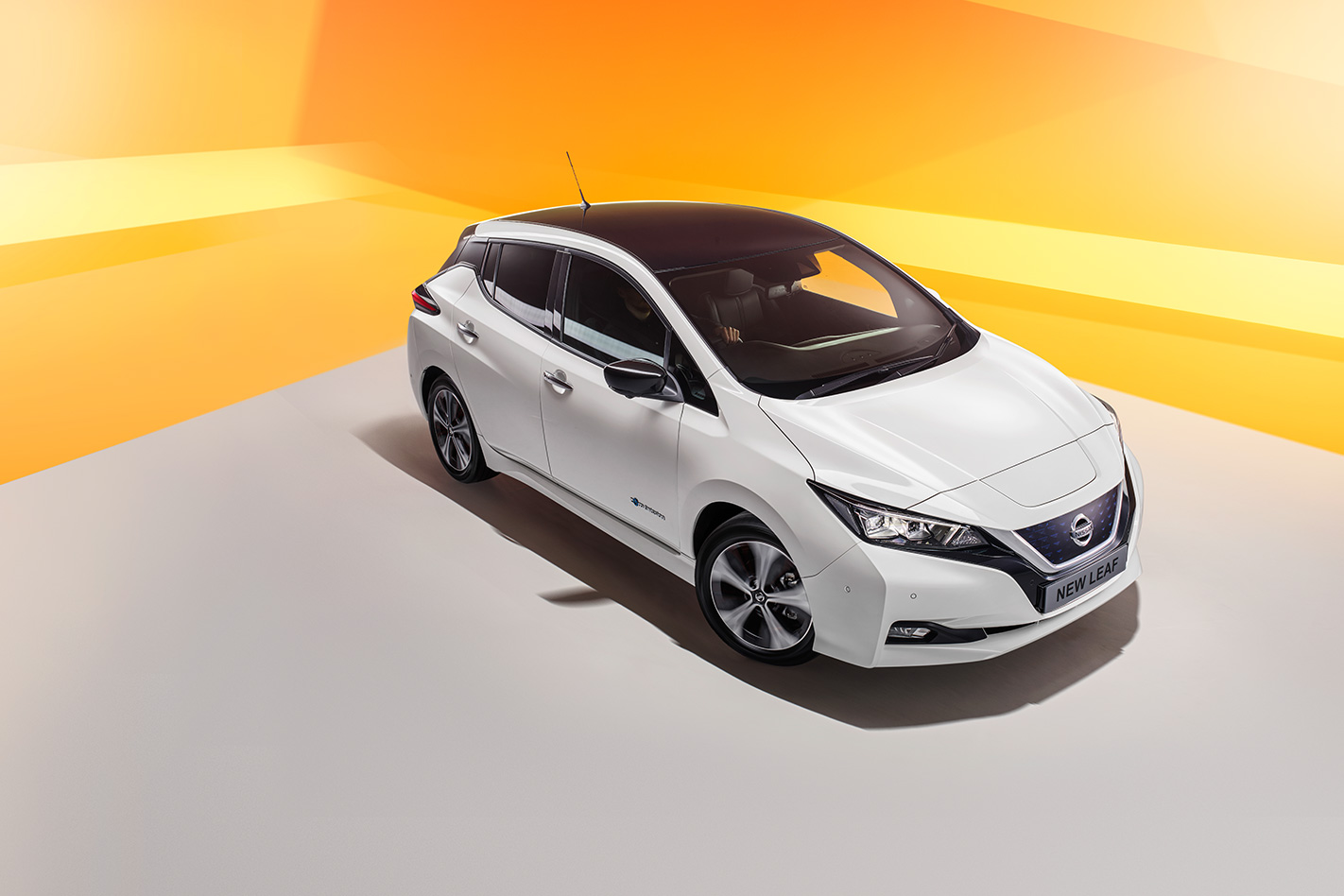
The Leaf is entering its second generation just as some rivals are maturing their first mainstream EVs, although many manufacturers are lagging much further behind. And unlike the opposition, such as the Volkswagen e-Golf, the Leaf isn’t compromised by having to share hardware with conventional powertrains. They pack in batteries where they can; the Leaf is designed around an EV powertrain.
That powertrain is a heavily evolved version of that from the previous car. There’s an uprated, 40kWh lithium-ion battery that brings a 67-percent improvement in energy density despite being much the same size as the old one, a beefier electric motor and optimised control electronics for greater range. On the current European standard the range is 375km, but Nissan also has new-fangled WLTP (Worldwide harmonized Light vehicles Test Procedure) numbers for the Leaf: 270km on the new, ‘more realistic’ combined cycle and an encouraging 415km for city-only driving. Given that’s where most Leafs will spend their time, range anxiety is at least on the run, if not yet banished entirely.
The new power pack has a more powerful inverter (the device that turns the battery’s DC current into motor-friendly AC) and more efficient cooling, and will develop all of that extra boost more reliably and for longer. Compare this with a best of 30kWh for the old Leaf, with its circa-150km real-world range. Maximum power rises to 110kW from 80kW, while a healthy 320Nm is delivered from zero revs.
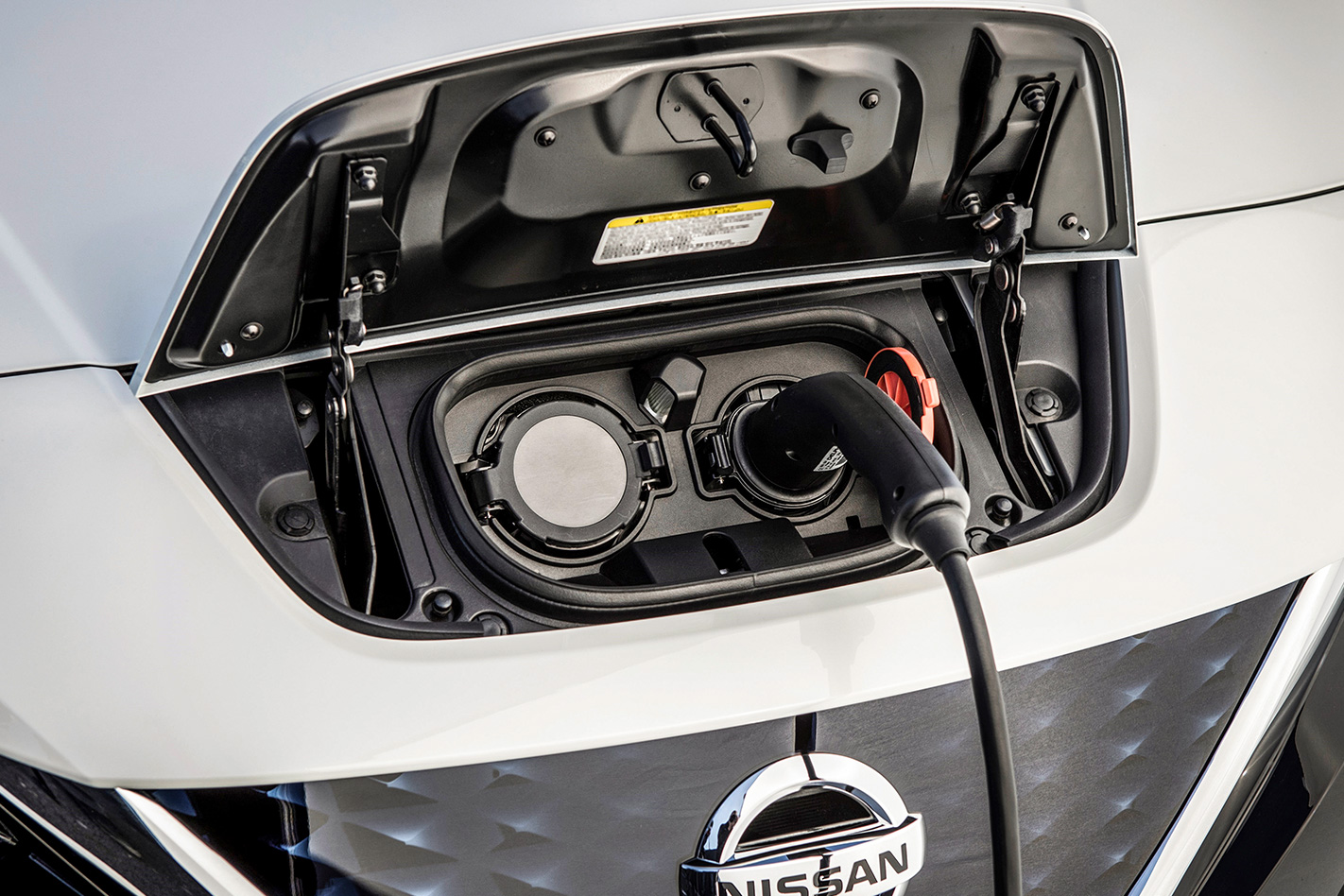
As important as range is the rate of charge. The Leaf 2’s 6.6kW onboard charger takes 21 hours to get to 100 percent via your domestic supply, however Nissan has also developed a wallbox for 7.5-hour empty-to-full charging.
“Our priority for the future is the battery EV,” confirms Leaf R&D chief Takao Asami. “On the shelf and ready to go we have fuel cell technologies,” he says. “But for now there are so many opportunities with EVs. The Leaf shows that even with today’s generation of lithium-ion batteries, efficiency can be improved year-on-year. Compared with only a few years ago, energy densities are so much higher. But we are researching the next step – the move towards solid-state battery, for instance.” Expect a 60kWh lithium-ion upgrade in 2019.
You’ll need to be disciplined to reach Nissan’s claimed 375km range, obviously, but in EV land, for specced-up, small-car money, this is big news.
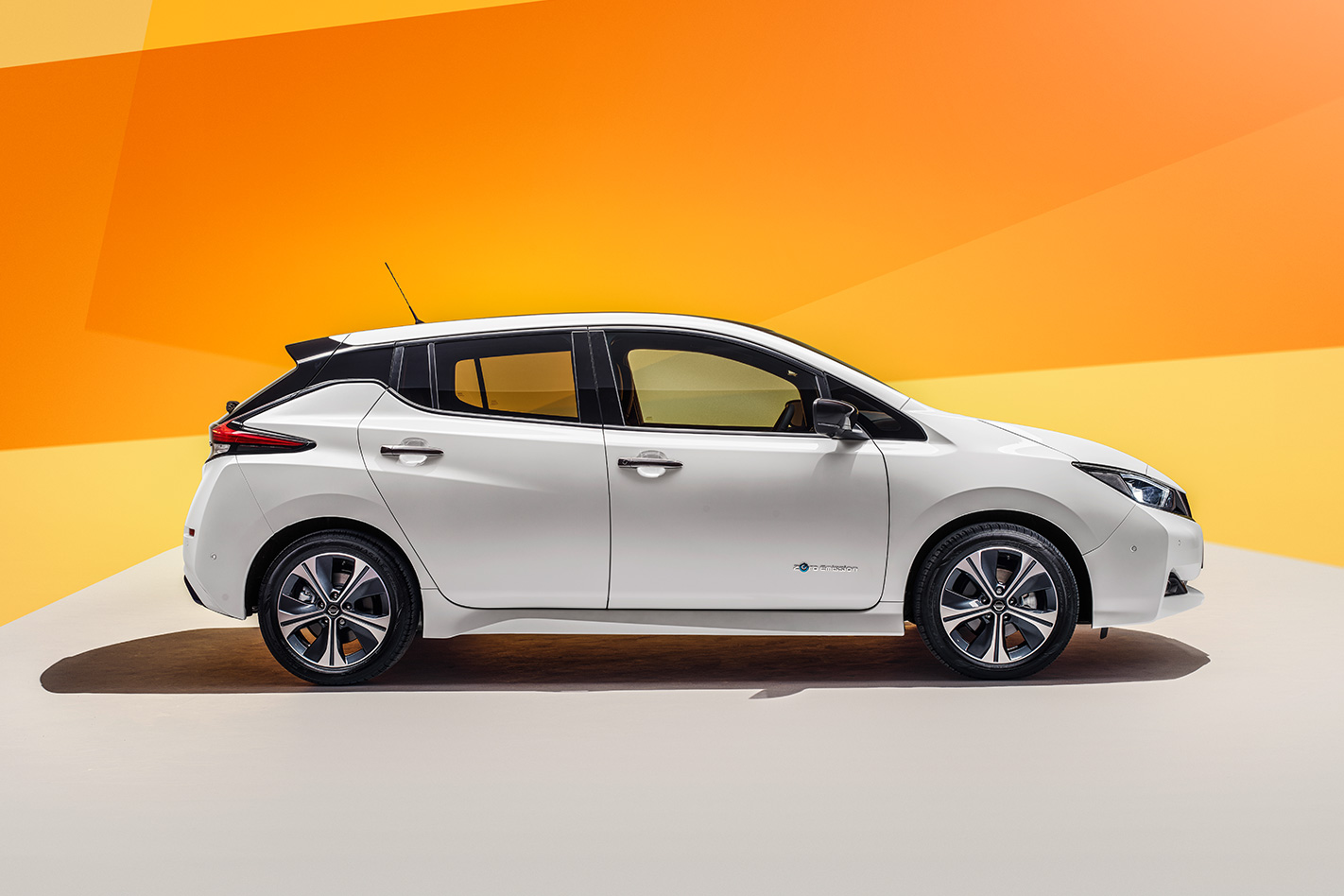
If first impressions count, the good news is you’ll no longer have to make excuses about the Leaf’s appearance – it’s now simply a conventional-looking, modern hatch.
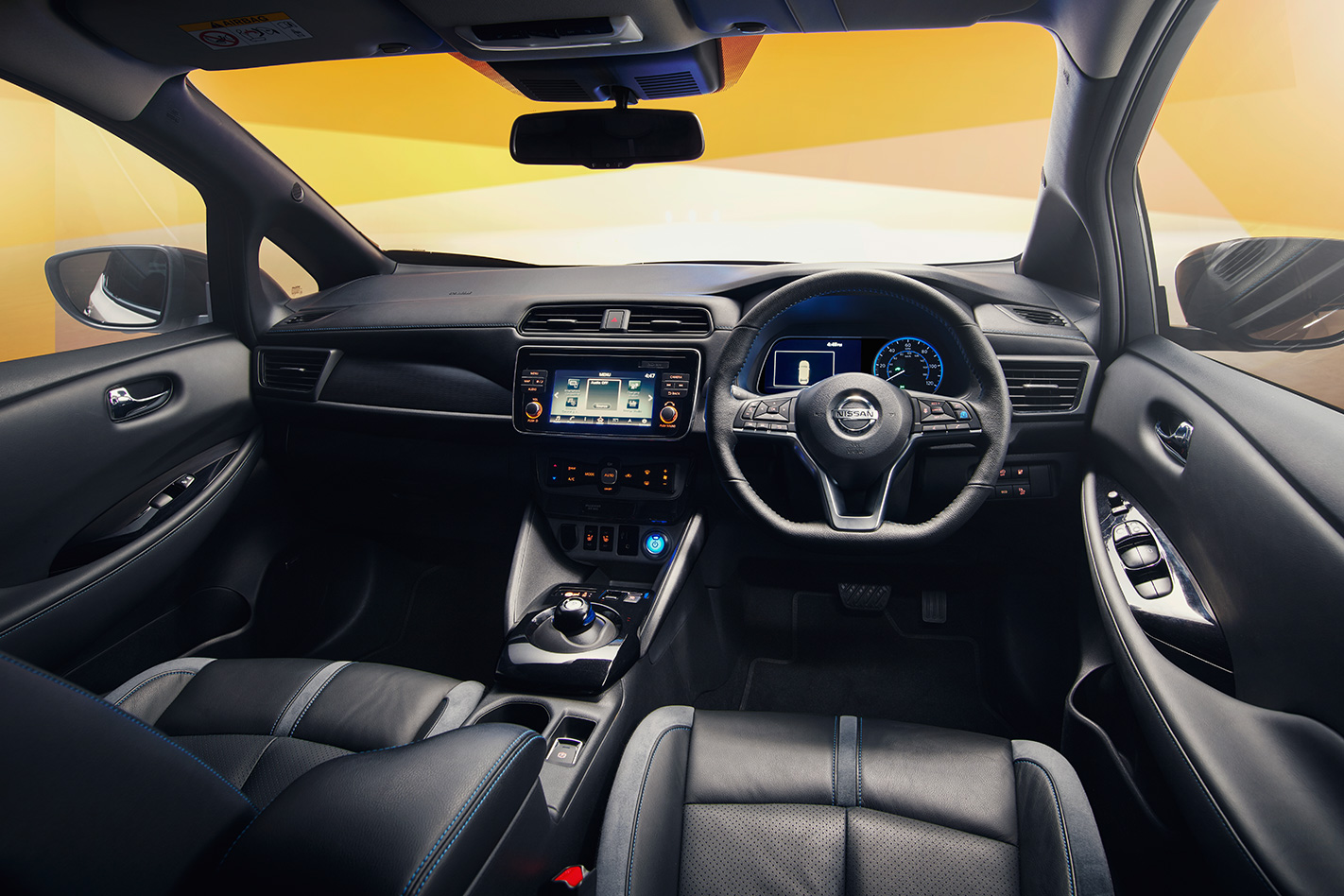
The bad news is that the shape you were born with still dictates whether or not you’ll fit comfortably inside, and the driving position remains a compromise. This is largely a problem of cramming a decent amount of battery into a small-ish, low-slung machine – which is why most premium rivals are starting their electric revolutions with larger crossovers.
The Leaf’s battery pack is the same compressed U-shape as the original, and physically no larger despite its improved 40kWh capacity. But this still means it pokes up under both rows of seats and leaves the driver feeling like they’re sitting in a high chair.
Nissan has effectively tied its shoelaces together here by failing to fit a reach-adjustable steering wheel. Trying to get close enough to a steering wheel that only tilts – and then not very far – without bringing knees uncomfortably close to the chunky steering column seems unnecessarily awkward. It may be enough to put some people off The Second Coming before they’ve even started the drive.
Persevere, though, because electric cars are fun. It’s the novelty of the instant response, the whooshy, motor-driven futurism that makes you feel like you’re in an episode of The Jetsons. And compared to the old Leaf, this new one can sustain that feeling for longer. The increased power and torque is enough to keep hard-charging 2.0-litre turbo hatches on their toes.
Zippy is a good word, while a considerably greater amount of sound isolation than before means the typical electric car refinement is better still. Effortless progress, to the sound of a gentle background hum.
The suspension tune for Australia is yet to be established but could reflect that for Europe. Compared with that for the Japanese-market, it adopts eight percent stiffer anti-roll bars and a complete reverse in approach to the springs and dampers – the coils are softer while the dampers are stiffer, which delivers a controlled yet comfortable ride that glides over bumps but stops the whole thing from flopping over in the corners. The new Leaf’s 5mm lower centre of gravity also helps, as does some extra structural reinforcement; you can really sense the suspension doing its job.
Europe also gets – and we want – a quicker steering rack with 2.6 rather than 3.2 turns from lock-to-lock, for added sharpness. The weighting is light but nicely measured, and the wheel loads up convincingly enough for you to enjoy the turns, without breaking the sheen of serenity the electric drive encourages.
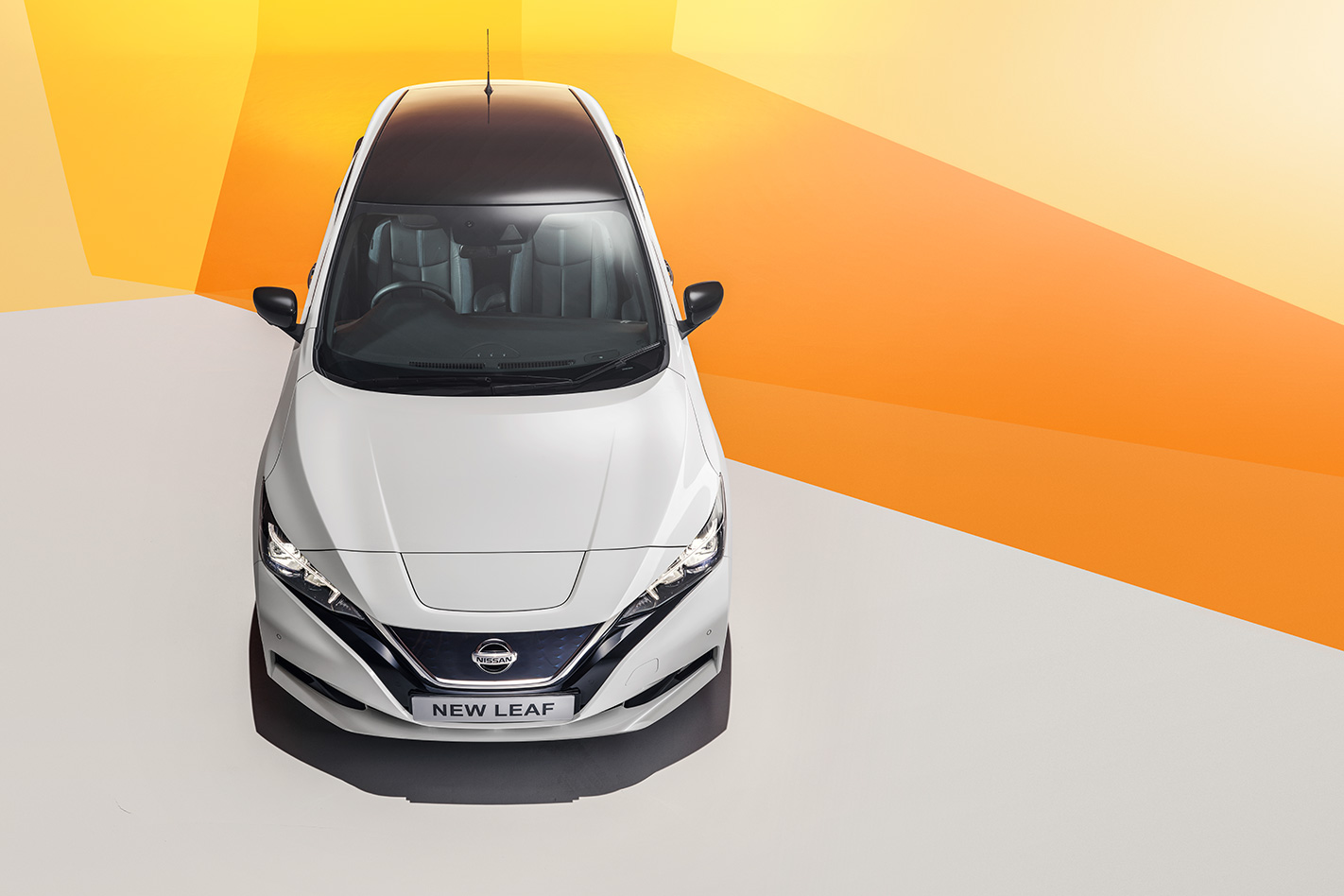
It all proves well up to the task of swiftly climbing over 2000 metres of steep terrain in the Canary Islands, where we drove it – and since electric motors don’t require oxygen, when the air gets thinner there’s no performance loss. But what of the e-Pedal, and its touted one-pedal driving ability?
Well, it certainly works – flip the switch, lift off the accelerator, and the deceleration wrought by the e-motor going into regenerative mode is now sharp enough to spill coffee. So much so that it almost seems pointless at first, because how often do you really need to stop that smartly? The idea is to ride the accelerator like a wave, rowing your right foot up and down in anticipation of the road ahead, rather than abandoning forward momentum. Once you’ve acclimatised it’s a smooth process, though the drag compared to the regular driving mode means it doesn’t make sense to use it all the time.
We’re also not entirely convinced it offers any particular advantage over the multiple, paddleshifter-activated brake regeneration modes employed by some rivals – if anything the paddleshifters give you more customisable control on the fly. But e-Pedal does integrate seamlessly with the friction brakes, allowing you to stop completely if required and even when the battery is too full for regen to work – so no nasty variation in braking performance when you first drive away from the charger.
As for the interior, it’s considerably toned-down compared to the orginal. The weirdness has been successfully minimised so as not to offend mainstream buyers.
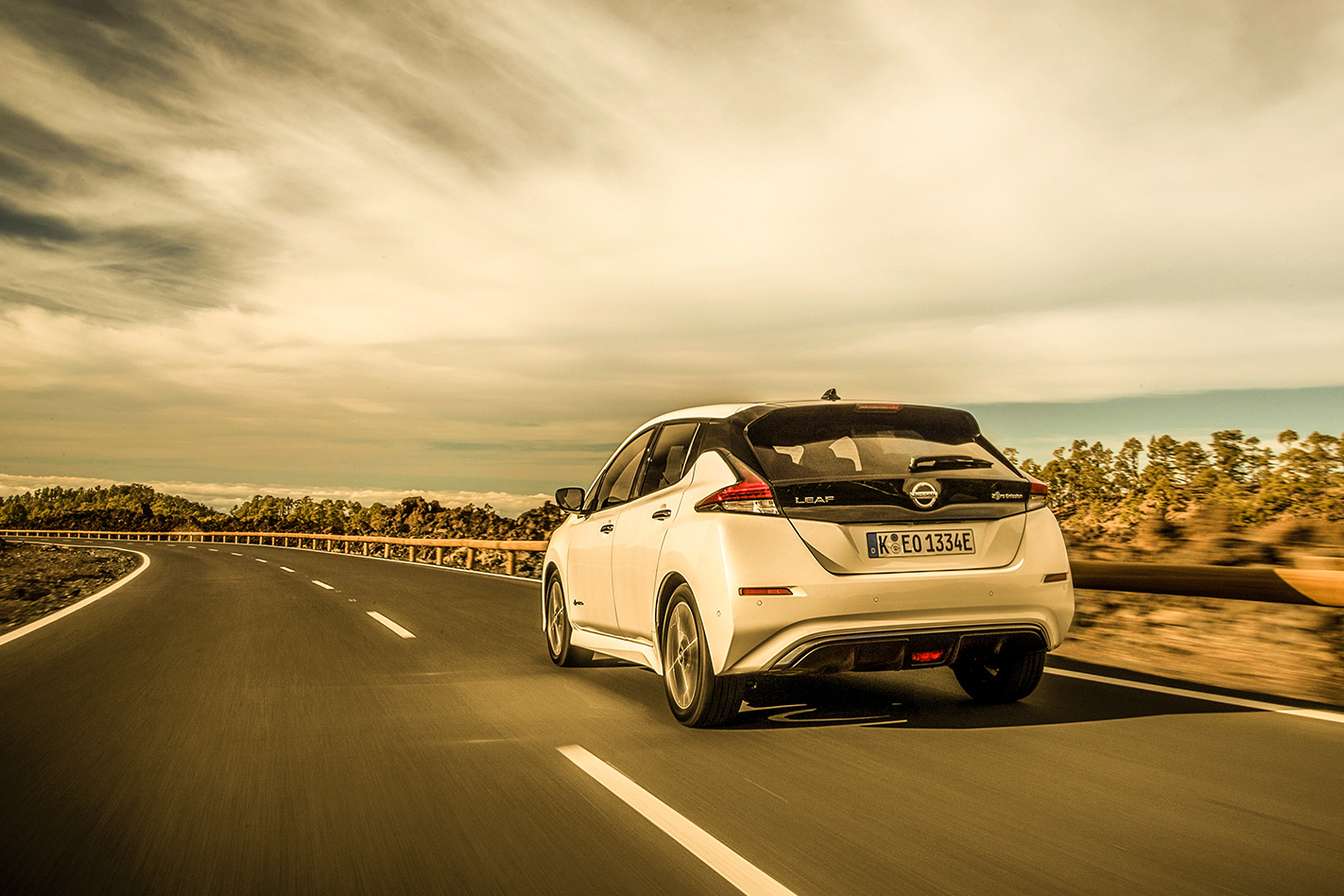
Yet Nissan could do better. Compared with the slick, super-sized-screen tone struck by the Mk7.5 Golf, someone still needs to confiscate the shotgun and the big bag of buttons from the Leaf’s design team. Or at least get them to place those buttons with a little more consideration. While Nissan doesn’t exactly put it this way, the Leaf essentially has four driving modes now – D (drive), B (increased regenerative braking), Eco (battery-saving) and e-Pedal – and they’re activated by three controls, two of them next to each other and the third, oddly, on the other side of the steering wheel.
The UK-market Leaf is offered in three specification levels, though, just as for the previous-gen car, Nissan Australia will likely settle for a single well-equipped version.
On the menu for the local product planners are the NissanConnect EV multimedia system offered from the mid-spec Acenta overseas, which offers Apple CarPlay, Android Auto integration and useful charging-point information, and the ProPilot system from the top-level Tekna, incorporating adaptive cruise control and lane-keeping assist.
The previous Leaf cost $40K in Oz. If the new one was closer to a mid-spec Mazda 3 than a Golf GTI it would help its chances of gaining mainstream acceptance no end. And with a more conventional, mostly high-quality cabin, neat styling, real-world useful range and decent driving qualities, the second-gen Nisssan Leaf has every chance of being the first electric car to do so.
Fancy driving a Mustang but your life dictates buying a far more sensible Ford instead? Ford’s ‘2nd Car’ program may be the antidote.
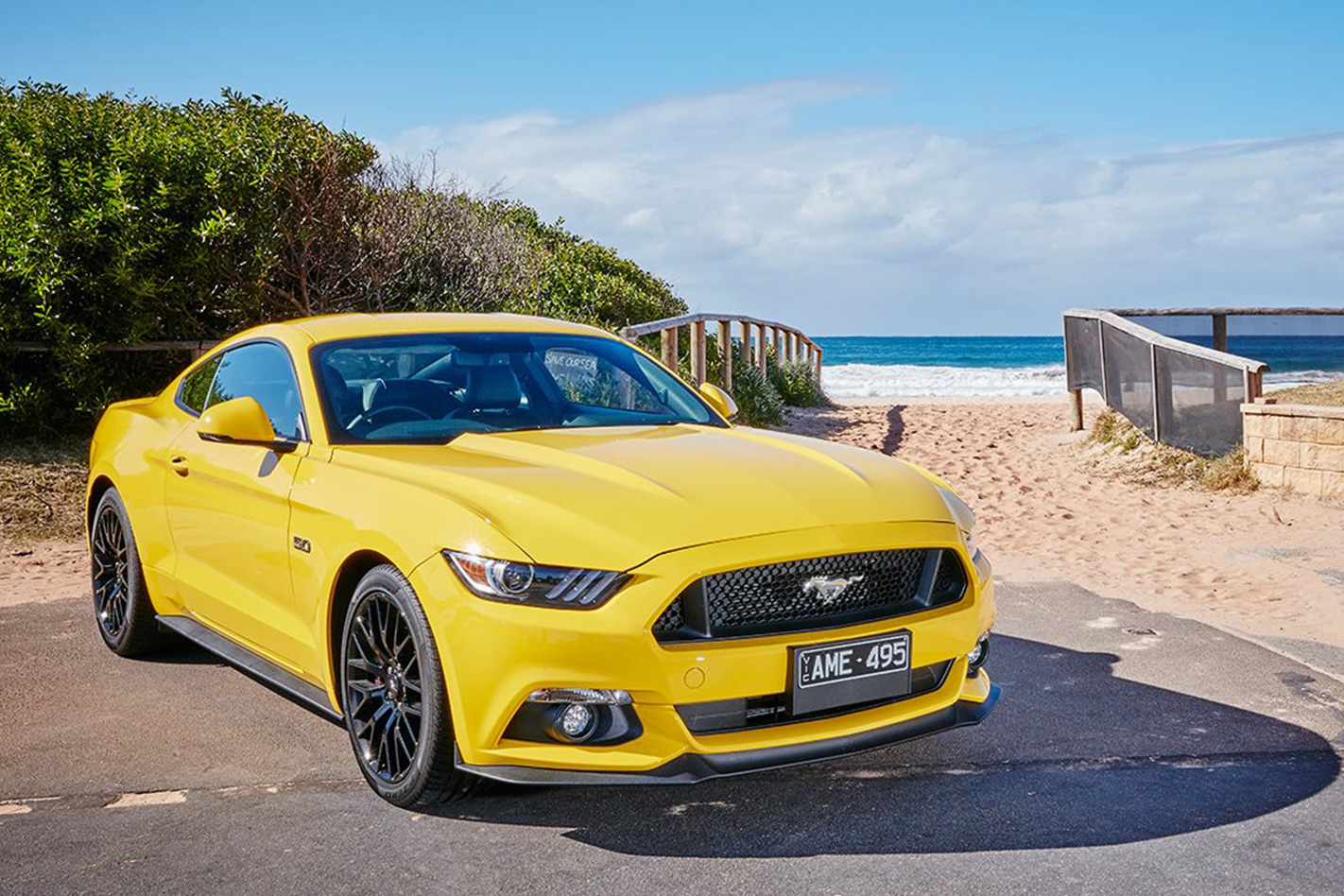
A subscription service offered to buyers of new Escapes and Rangers, 2nd Car costs $500 to begin a membership, and up to $750 for a two-week loan period. Compared to the $45K minimum spend required to buy a Mustang – or the cost of renting Ford’s pony car – loaning one for a week or two from Ford could be enticing to those who only want a sports car experience on an ad-hoc basis.
Ranger owners get the best deal: for them, one week behind the wheel of a Mustang costs just $250, while Escape owners need to pay $375 for a single week. Double those amounts for a two-week loan. How’s the value stack up? Well, renting a Mustang GT coupe from a typical rental company costs around $3000 for two weeks.
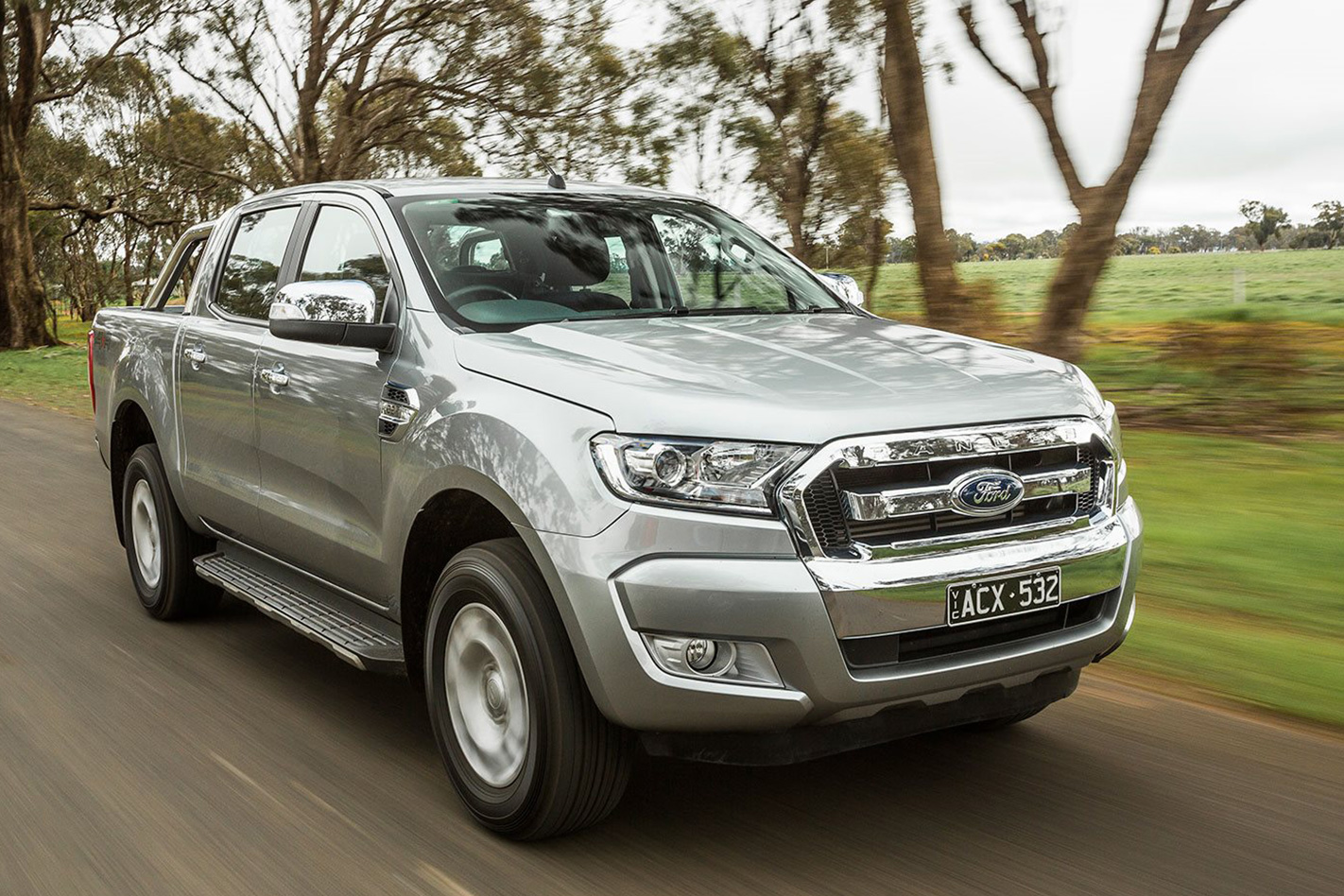
The scheme isn’t available at all Ford dealers and restricts members to loans of the Mustang for now, but Ford Australia says it may expand the scope of 2nd Car in the future.
“It could be that you buy a Focus, but you need a ute – it becomes more cost-effective [than renting] to use 2nd Car and get a Ranger ute perhaps,” said Ford Australia representative Damion Smy.
“It could be on the cards long-term, but Mustang’s the obvious choice at the moment because of the way it resonates and its popularity.”
It’s also worth noting that at this stage the 2nd Car program only allows for a maximum of 14 days of Mustang loans over the two year period, spread over two individual loans. That can be split between two seven-day loans or taken in one 14-day hit, but once that two-week allowance is over your ability to borrow a Mustang ends. Plan your loans carefully.
That situation may change, however, especially as 2nd Car is the first scheme of its type for Ford globally and likely to evolve. According to Ford, the 2nd Car program “aims to give consumers a taste of how vehicle ownership and mobility may evolve in the future, with new models for vehicle access ownership and sharing being explored”.
It’s a concept that other manufacturers are experimenting with overseas, with Volvo, General Motors, BMW and Porsche all offering pay-as-you-go subscription style schemes of their own.
In a swift announcement, Citroen Racing World Rally Team (Citroen WRT) has fired Kris Meeke and his co-driver Paul Nagle after a serious crash during Rally Portugal.
Though Meeke has a reputation for crashing, it appears this particular incident is the proverbial straw that broke the camel’s back, as even Meeke appears to have been caught by surprise.
A statement released by Citroen WRT says the decision is effective from the upcoming Rally Italia Sardegna, which Meeke recently said he was looking forward to.
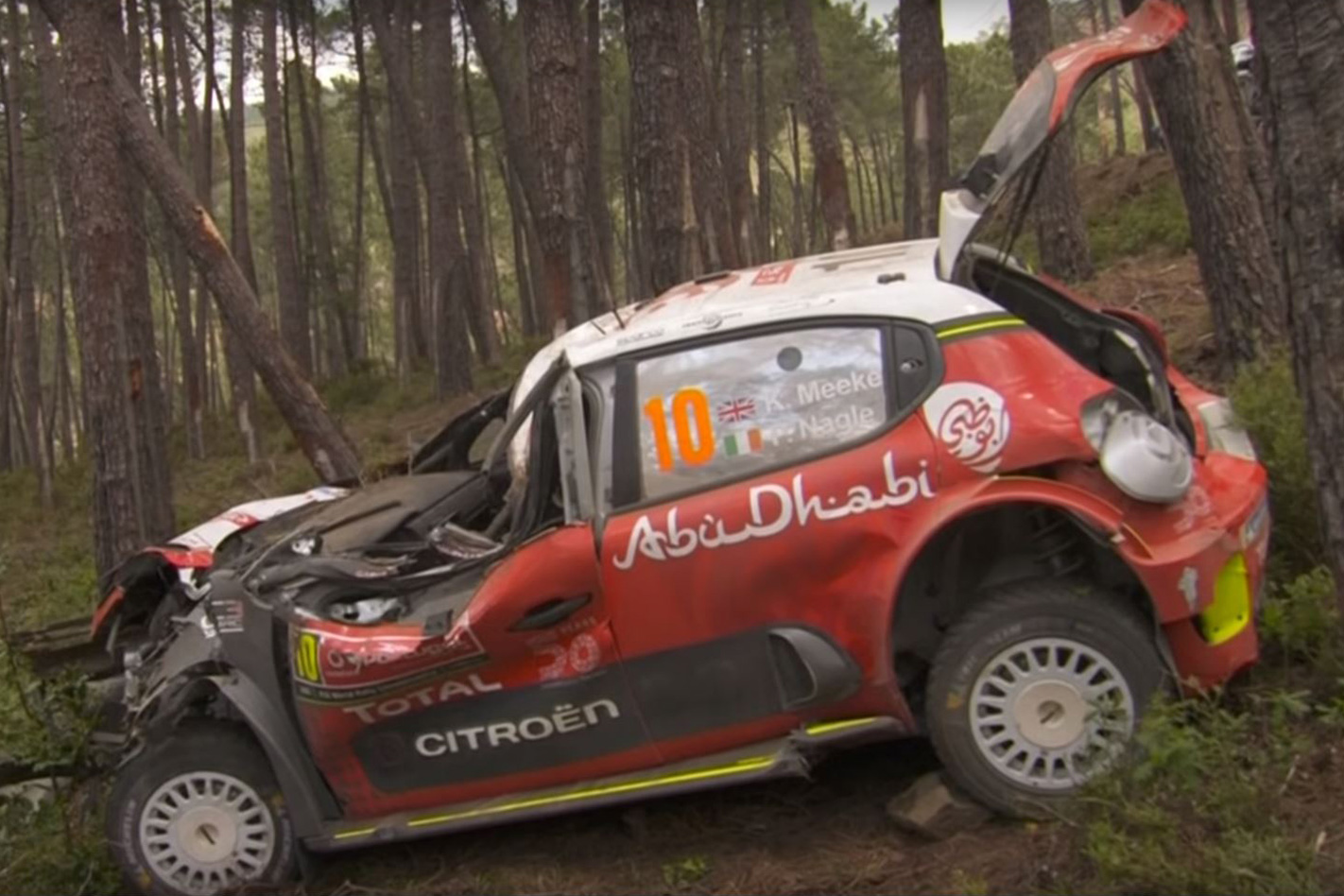
“Due to an excessively high number of crashes, some of which were particularly heavy and could have had serious consequences with regard to the crew’s safety, and given that the risks involved were unjustified by the sporting stakes at play, Citroën Racing WRT has decided to terminate the participation of Kris Meeke and Paul Nagle in the 2018 WRC,” the Citroen statement says.
“We will shortly be announcing the team’s line-up of crews for the remainder of the 2018 season.
“The entries of C3 WRCs for Craig Breen and Scott Martin, and Mads Ostberg and Torstein Eriksen still stand for Sardinia.”
But, from the outside, it seems no one told Kris Meeke this was to be announced. In a Facebook post published only several minutes before Citroen’s announcement, Meeke addressed the crash and said he was looking forward to continuing the season.
“Now that a few days have passed since Rally of Portugal, I thought it would be a good to get back in touch with a bit of perspective on our accident – and to look ahead to the next event,” Meeke wrote.
“Of course, you’ll have seen the pictures of our C3 WRC after the crash last weekend and the damage didn’t look too pretty.
“That’s led to a bit of an over-reaction from the wider rallying community, I’d say, because it probably ended up looking more serious than it really was.
“It was my mistake, I know, and we went just that little bit too wide and then into the trees.”
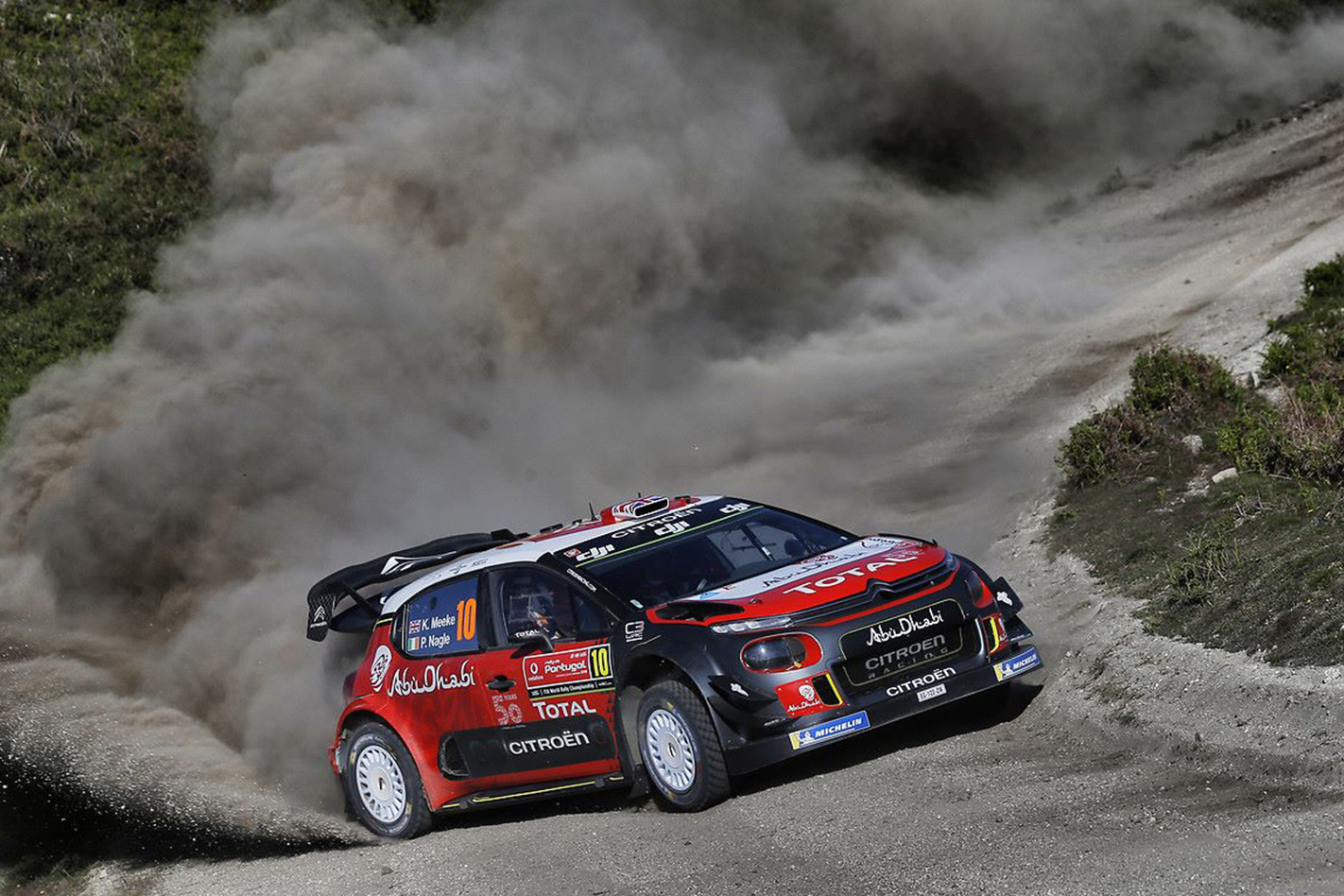
The post goes into some detail about the car and what happened post-crash, but finishes up on a happier note.
“So Portugal’s over now, and we’re already looking forward to Sardinia in a couple of weeks.
“Our starting position should help us again and we’ve a pre-event test coming up where I know the Citroen Racing team will be able to try a few more ideas on set-up, having learned more on the car last weekend.
“It’ll be good to put those changes and improvements into practice, and I’m optimistic that we’ll be able to give our season fresh momentum again as we head into summer.”
Perhaps in an effort to explain the difficulty with severing ties with Meeke and Nagle, Citroen WRT principal Pierre Budar acknowledged that it was a tough call to make.
“This wasn’t an easy decision to make because it effects [sic] a driver and a co-driver, but it is largely founded on safety issues which come under my preoccupations as team principal,” Budar says.
“We have consequently chosen to make this decision as a preventive measure.”
At present, Meeke has not publically acknowledged the announcement, though Nagle has retweeted a post from WRC commentator Becs Williams, in response to a few kind words from Carlos del Barrio, a former team mate of Meeke.
It’s called the Centripetal Wing and it’s the most interesting thing about the Zenvo TSR-S. True, the rest of the car isn’t exactly a snoozefest given that it packs 866kW from a 5.8-litre supercharged V8, features a seven-speed dog-box transmission and will accelerate to 200km/h in 6.8 seconds.
Despite all of that it’s that rear wing that we just can’t take our eyes off. With two rotational axes, it can be tilted fore and aft to change its angle of attack and act as an air brake, but it’s also mounted to gas rams that tilt it as the car turns, in theory increasing its aerodynamic effectiveness.
As much as you’d instinctively expect the wing to lean into the corner, it actually tilts away from the apex, doubling its weird-burger look.
We’d want to see some convincing comparison numbers for mid-corner downforce from Zenvo to assess whether this is anything other than an eye-catching gimmick, but it certainly catches your attention. And that trackday at Assen in the Netherlands? There’s an invitation you’d like to be on.
Pic and video courtesy of Car Spotter Jeroen
If you though the Honda Civic Type R was divisively styled before, just wait until you see what it looks like as a ute.
Honda’s UK team has turned one of the world’s best hot hatches into what is “potentially one of the fastest pickup trucks on UK roads.”
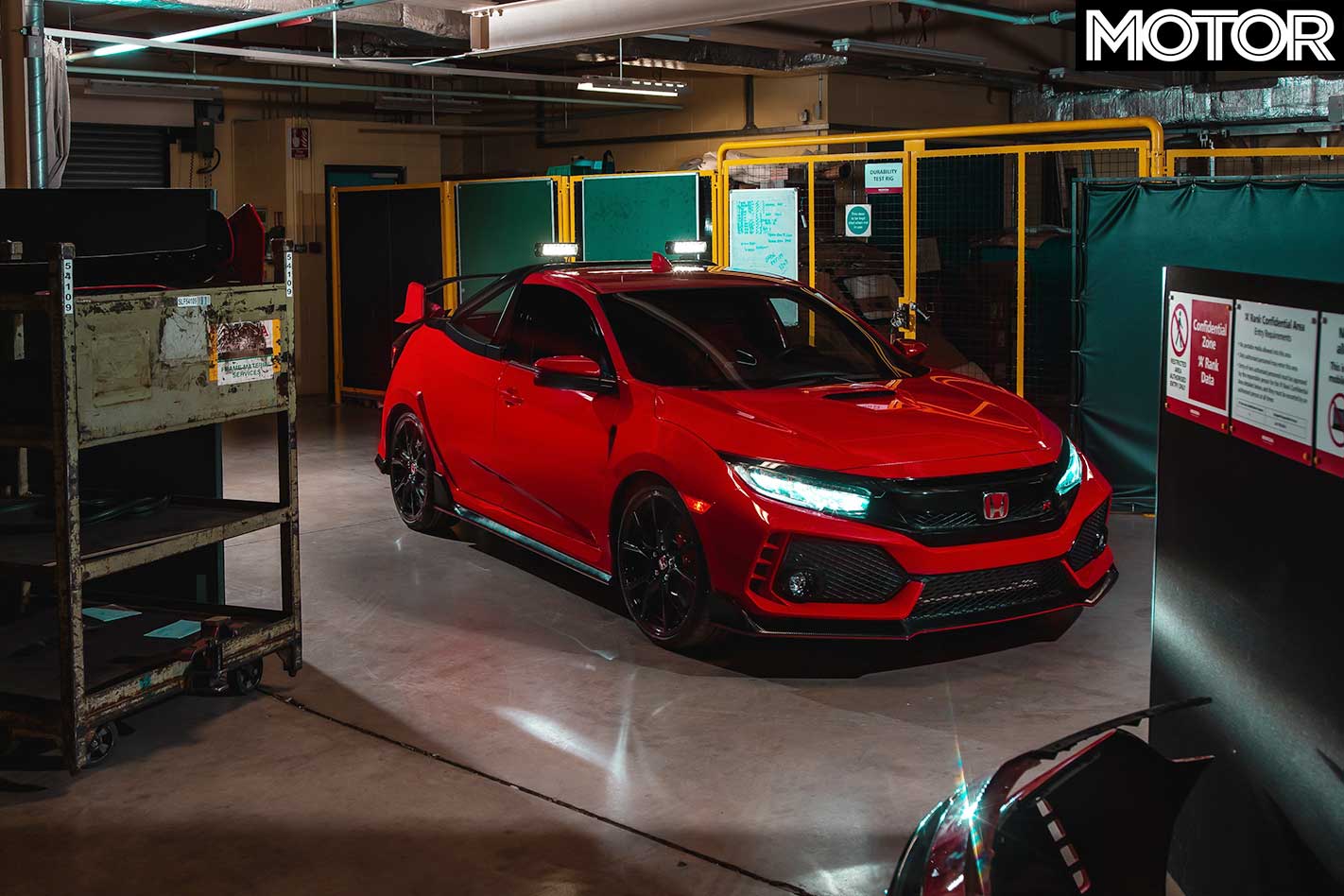
The concept, dubbed the ‘Project P’ was built in Honda’s UK factory in Swindon, where regular Type Rs are produced.
Project lead for the ute Alyn James says the Civic ute might even make it to Germany to tackle another record similar to the one already held by the standard Type R.
“We have a special projects division at the factory in Swindon and this project was a fantastic opportunity for the team to show just what their creative minds could do.
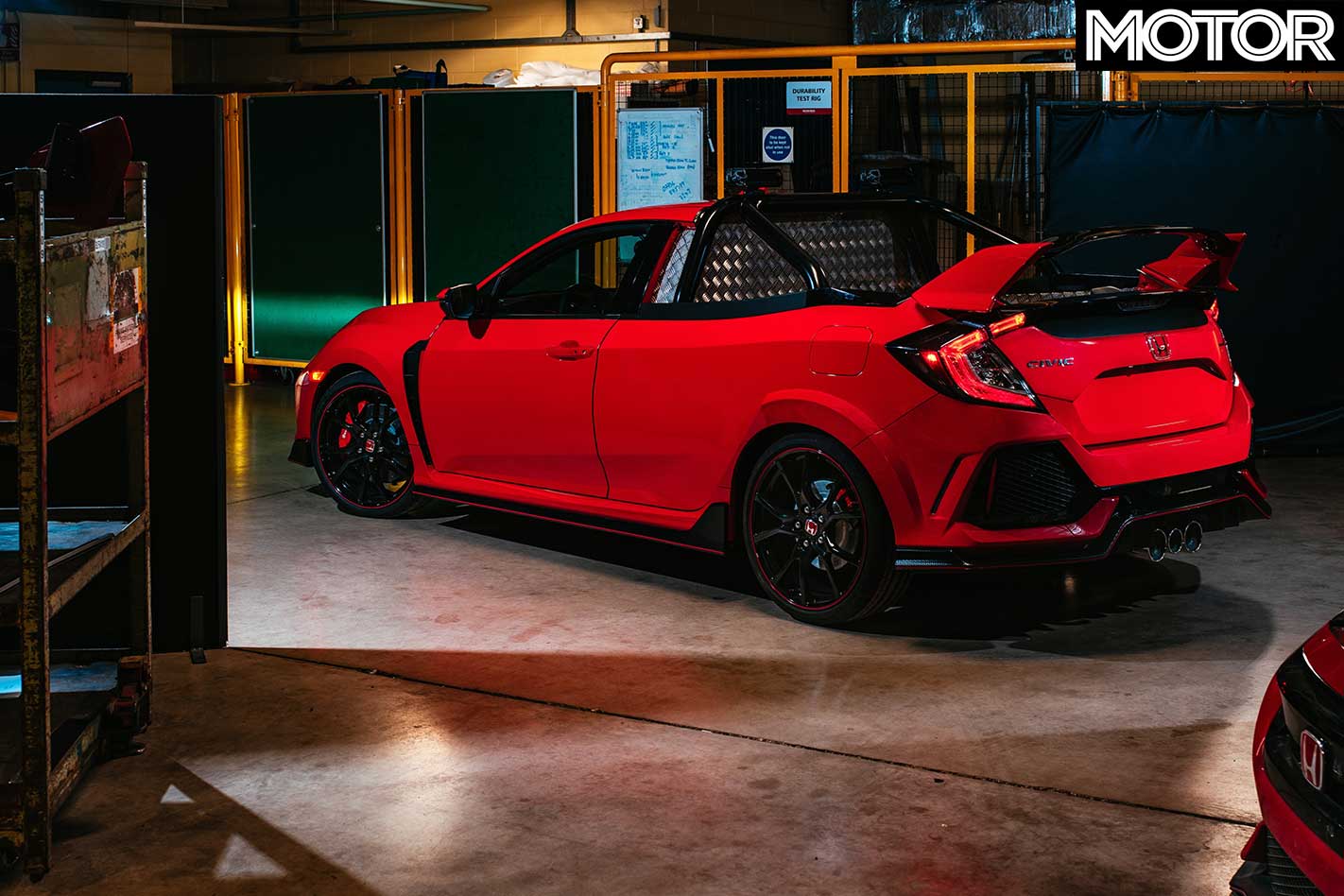
“The passion that our engineers have for Honda is shown in our latest creation and we are even considering taking it to the Nürburgring to see if we can take the record for the fastest front wheel drive pickup truck.”
It’s not the first time we’ve seen a Honda turned into a ute, an Integra ute with a Type-R engine was up for grabs in the US late last year.
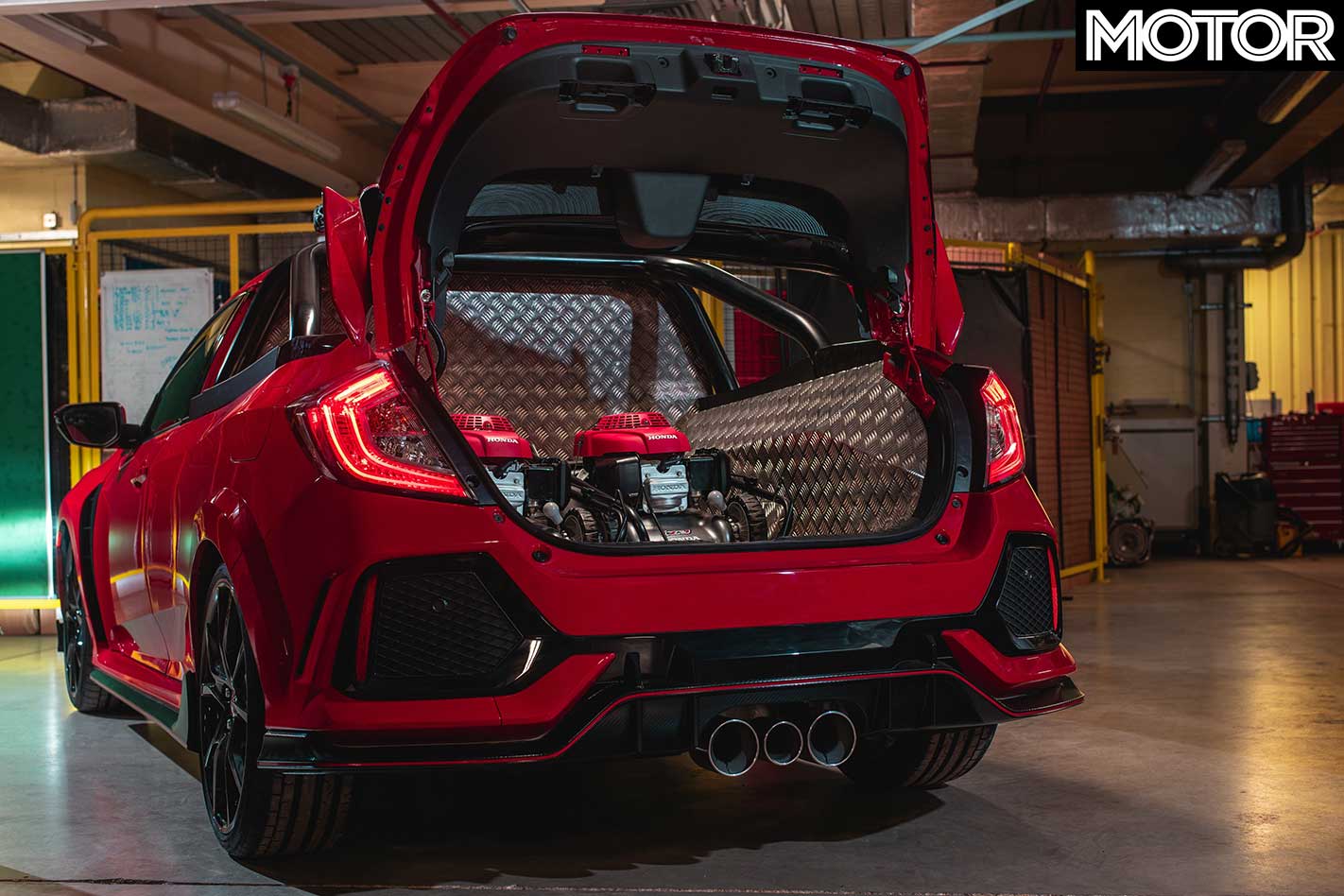
Though the Type R Project P was a one-off skunkworks effort, Honda UK boss Phil Webb says it’ll get plenty of use amongst the team.
“There are no plans to put this in to production but we will be using it to transport our lawn and garden products as and when required!”
If you like the colour blue, Lexus has good news for you.
It has revealed that, after 15 years of “painstaking” research, its new paint finish called Morphic Blue is ready.
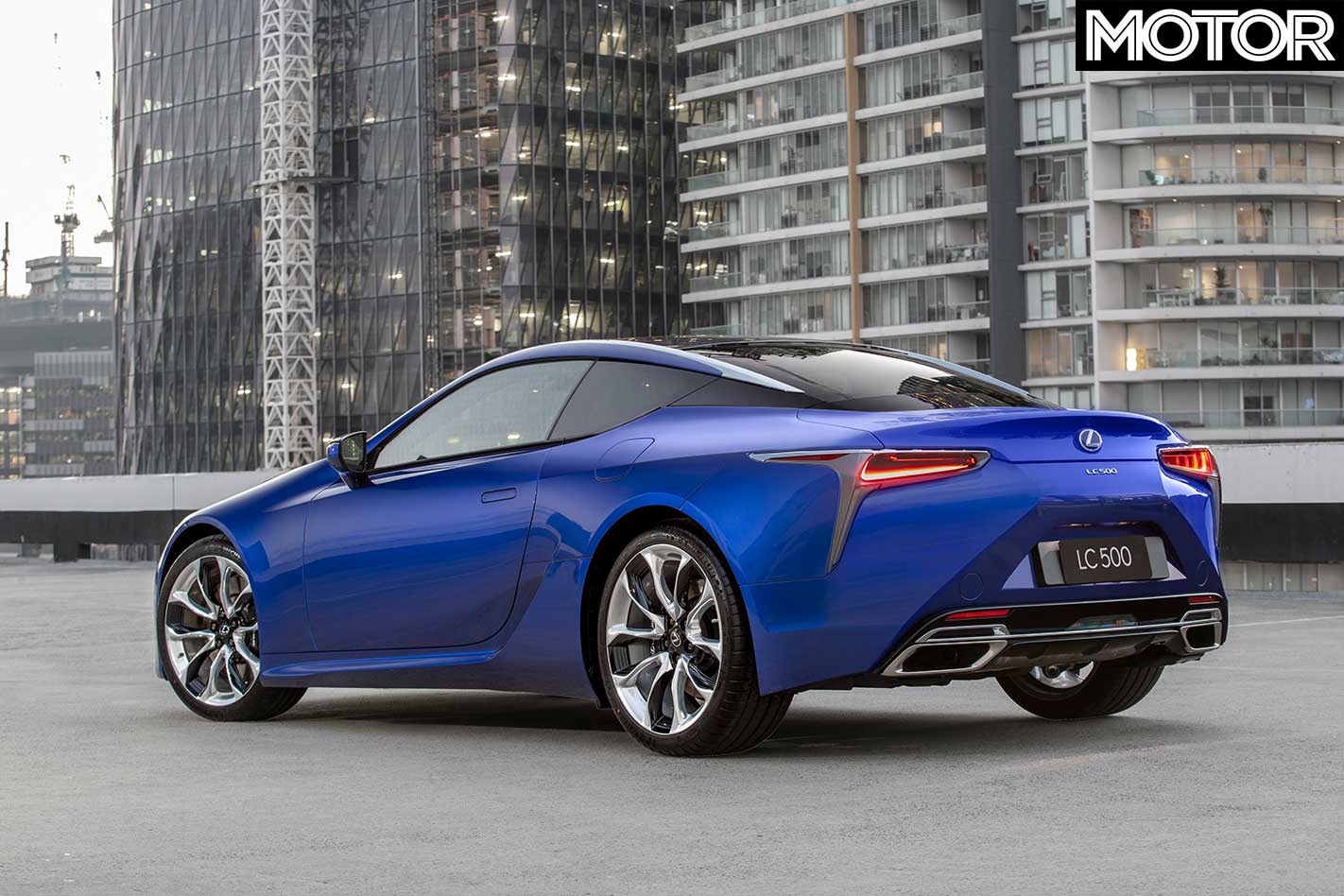
“The new pigment is the result of 15 years of painstaking advanced technology research by Lexus to develop a finish that is deeper, more lustrous and more “blue” than anything seen before,” Lexus says in a statement.
It says the colour looks so good because of the use of “300 billion nano-structure pigment flakes,” which cause an iridescent effect in which the colour appears to change with the light.
“Conventional pigment paints reflect less than 50 per cent of incoming light as a visible blue colour, but with Morphic Blue the level is nearly 100 per cent.”
It might sound like something you’d hear on April 1, but Lexus seems dead-serious about this paint finish being so absolutely gorgeous that it’s even releasing a special edition of its LC500 to show it off.
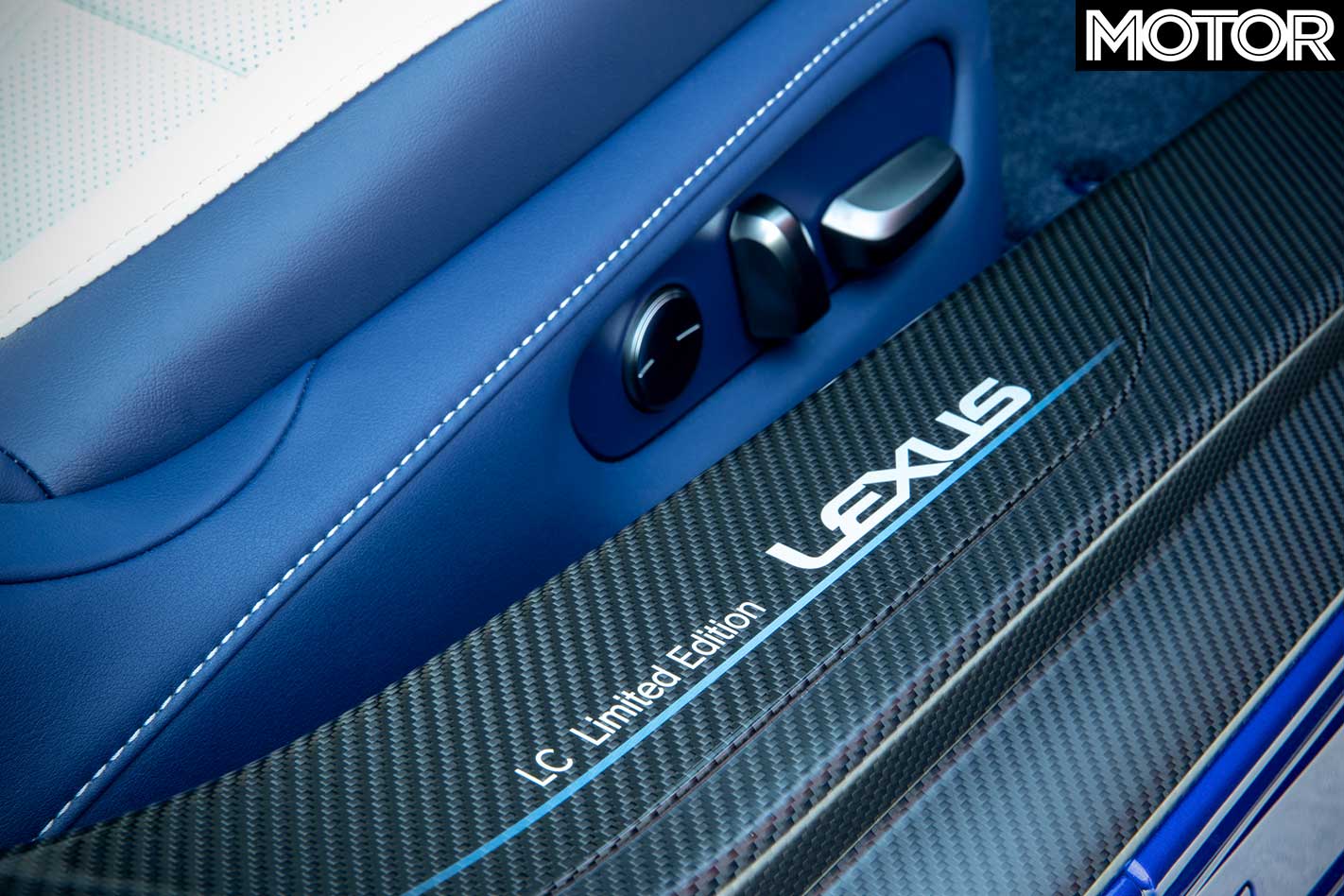
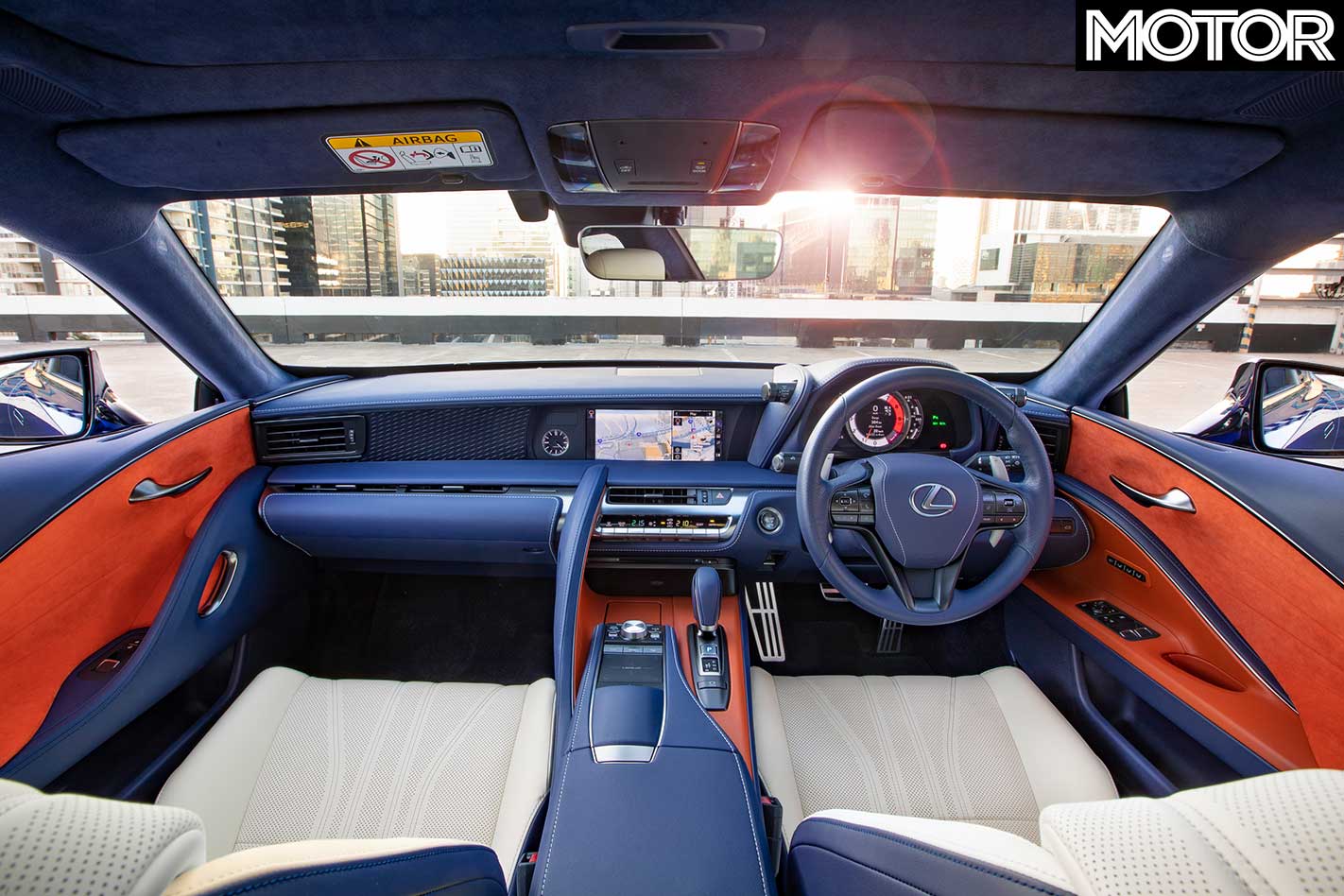
Priced at $192,500, or $2,500 more than the standard car, the special edition 5.0-litre V8-powered LC500 (or LC500h with hybrid V6) features “a bespoke luxury cabin presented with a Chrysalis Blue colour scheme that combines dynamic orange, blue and white hues.
It’s also full of semi-aniline leather and Alcantara.
But it’s still the paint Lexus is most excited about, being especially cautious to point out that pictures and video won’t do it justice.
“Morphic Blue paint is designed to work on the eye rather than on a camera lens; it is only when it is seen “in the flesh” that the amazing effect becomes clear.”
So, unfortunately, you’ll just have to take Lexus’ word for it.
