
CALL IT serendipity if you will. In truth, it was a balls-up.
We’d planned to drive the new Holden Commodore to Bourke and back, paying tribute to Peter Robinson’s classic 1972 Wheels test in the then-new HQ Kingswood. But whereas Robbo’s biggest gripe was that his test car wasn’t specified with air-con, we had a more fundamental issue. Our Commodores were Insignias.
Listen to internet naysayers and they’ll have you believe that the process of turning Insignia into Commodore involves pulling Opel badges off and sticking lions on instead. And while some manufacturers will claim that their vehicles have been ‘Australianised’ when all that’s happened is that they’ve been offered a change of off-the-shelf dampers, Holdens take the process of local tuning very seriously.
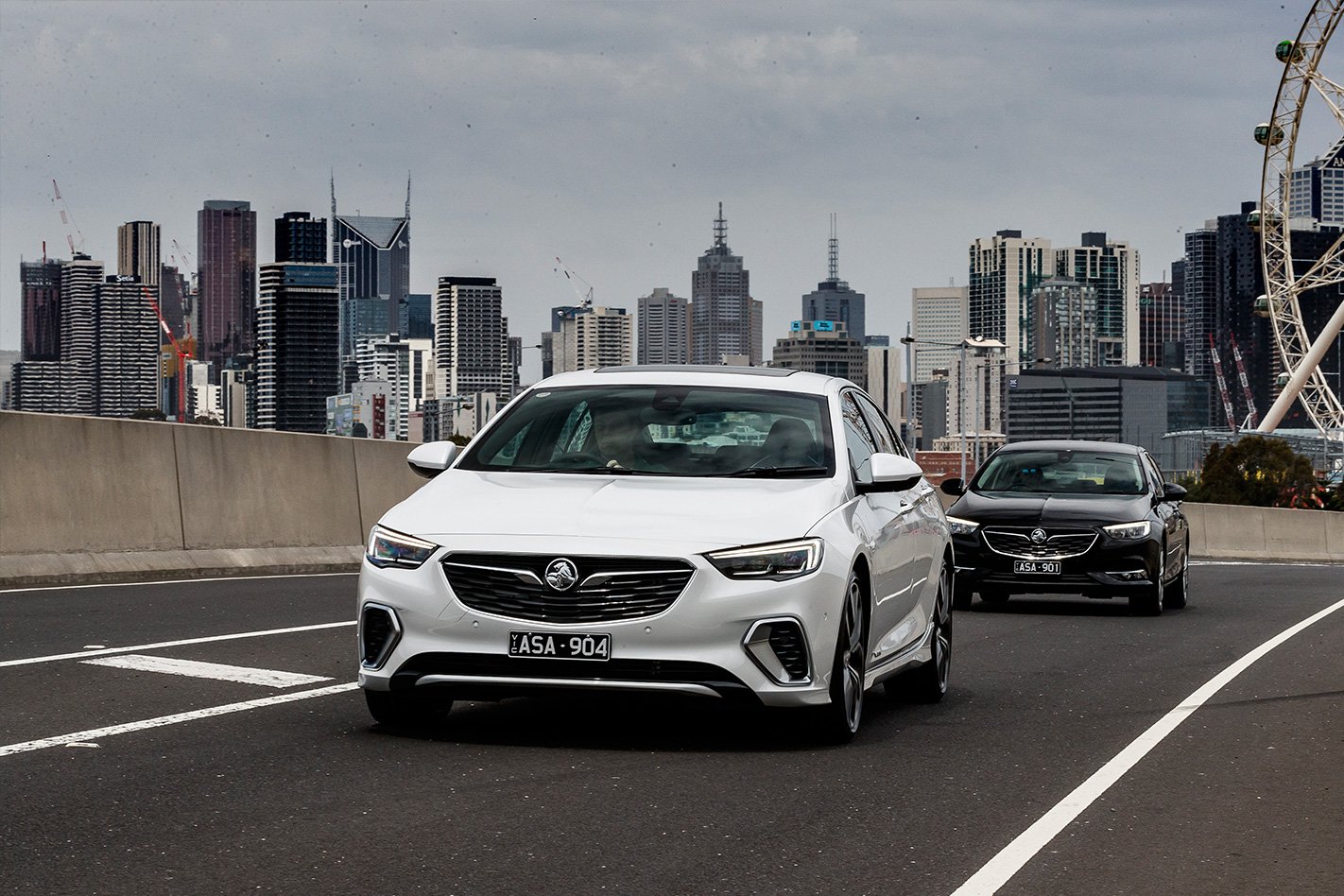
This clearly wouldn’t do, so a few days later we returned to Port Melbourne and picked the cars up in proper Ocker spec. The difference was night and day. Everything felt tauter and more responsive, giving the Commodore an agility that belied its sizeable dimensions. The VXR’s laughably chintzy sound symposer had been replaced by a system tuned by Bose. Yep, the team at Lang Lang did exactly what we’d done when they first pressed the VXR button and heard the car make the same noise a Dyson does when it’s choked with dog hair. They laughed and then flew the techs from Bose to Australia to completely re-engineer the system.
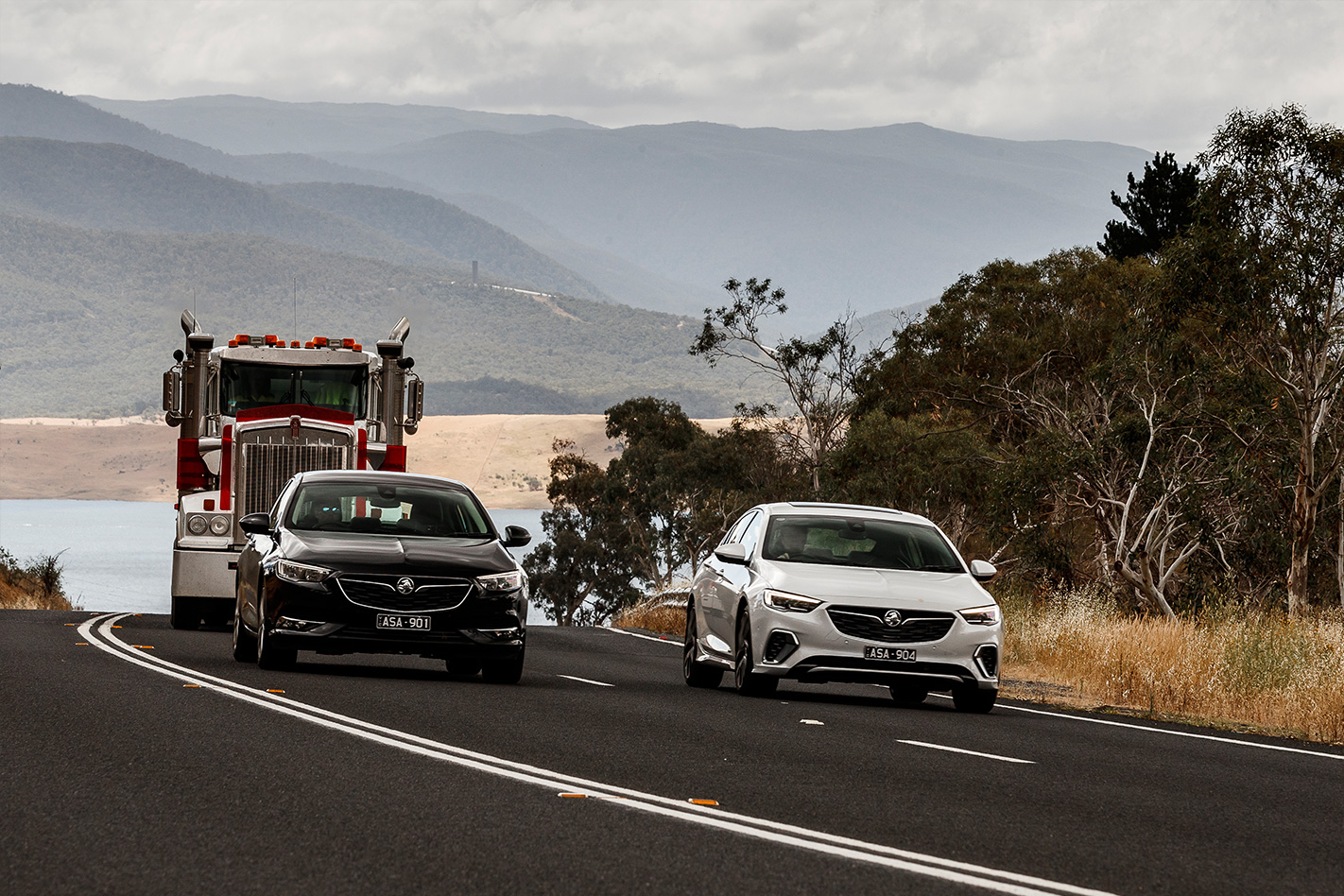
It takes quite some mental recalibration to get into the same car, wearing the same plates and find that it’s wholly different to when you parked your butt in it a few days previously, but it’s a testament to the team at Lang Lang that the transformation is so stark. We wouldn’t go so far to say sow’s ear and silk purses, but it’s clear that a huge number of incremental changes add up to a convincingly different character for the car, and a unique one at that.
You’ll need to pick up the March issue of Wheels, due on the shelves on the 22nd February to read the definitive review on the latest Commodore. We’ve covered more kilometres in the car than anyone outside GM Holden and the verdict may well surprise you.
Getting to Bourke and back wasn’t easy but getting under the skin of the new Commodore was even more of an undertaking. Find out why in the next issue.
HUNTING around for a showroom-fresh Holden Ute? You better hurry – the load-lugging version of the Commodore is believed to have disappeared from showrooms.
Dealers have resorted to making pleas for help on social media to track down one of the Commodore-based workhorses left in inventory as buyers try to snare one of the iconic models.
It’s believed Commodore Ute stocks are already down to single digits, less than four months after the last one rolled off Holden’s Elizabeth production line in South Australia.
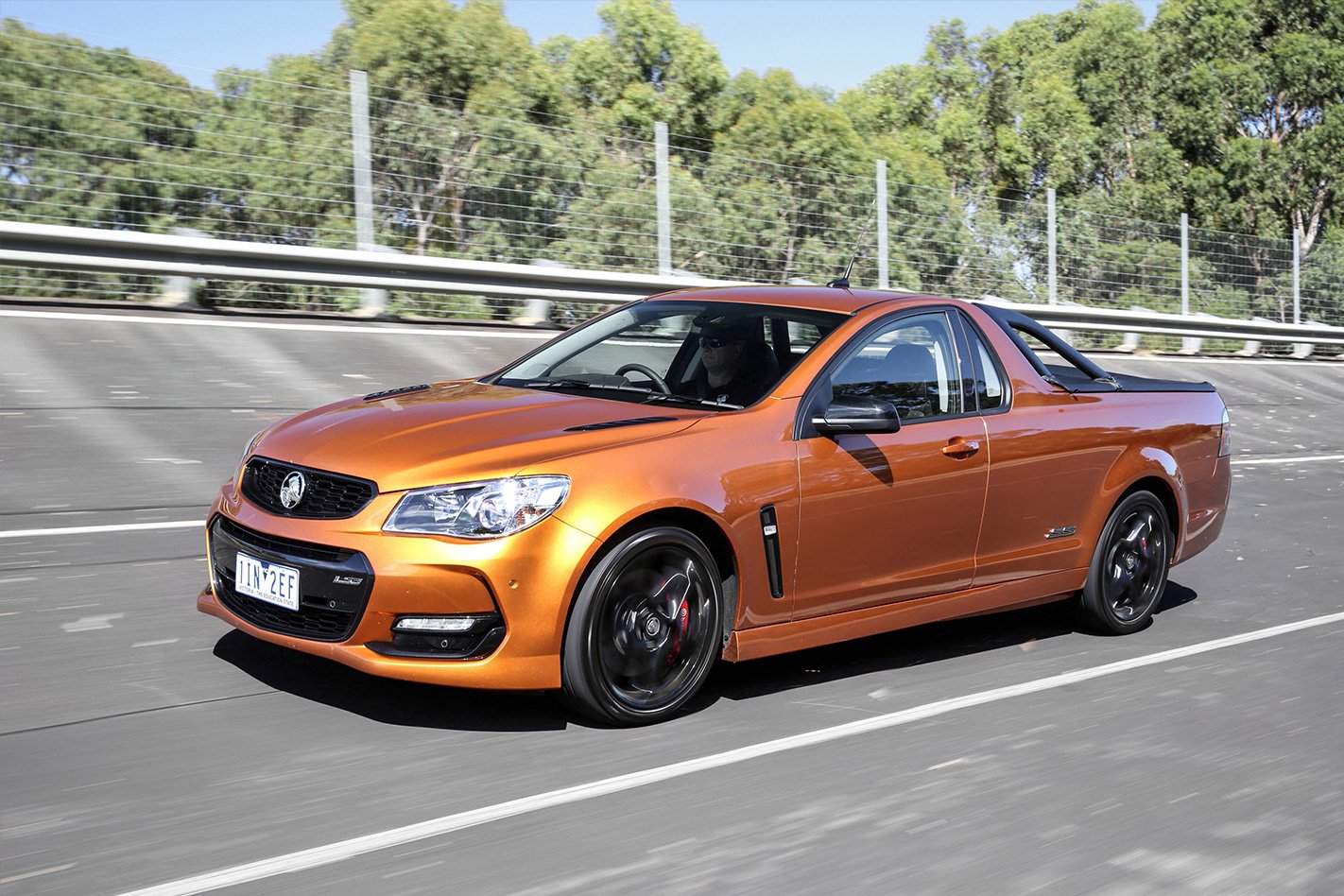
“Have a client after a Holden Ute,” one dealer wrote on social media network LinkedIn. “Realise little to no stock available. If you have one you’d like to sell. Let me know.” We don’t like his chances.
Last month, Holden sold 120 locally made utes, compared with just 871 Commodore sedans and wagons – believed to be the lowest monthly sales result since the VB Commodore was launched late in 1978.
Holden anticipates that all of its remaining stocks of VFII-based Commodores will be sold by the end of this month, with a spokesman telling Wheels that if the ute had not already sold out, he believed there would be “very few left”. Fewer than 30 Commodores that aren’t being sold as low-kilometre demo models are listed as being in dealers’ hands on online new-car sales portals, and mostly equipped with the 6.2-litre V8. None, we note, are utes.
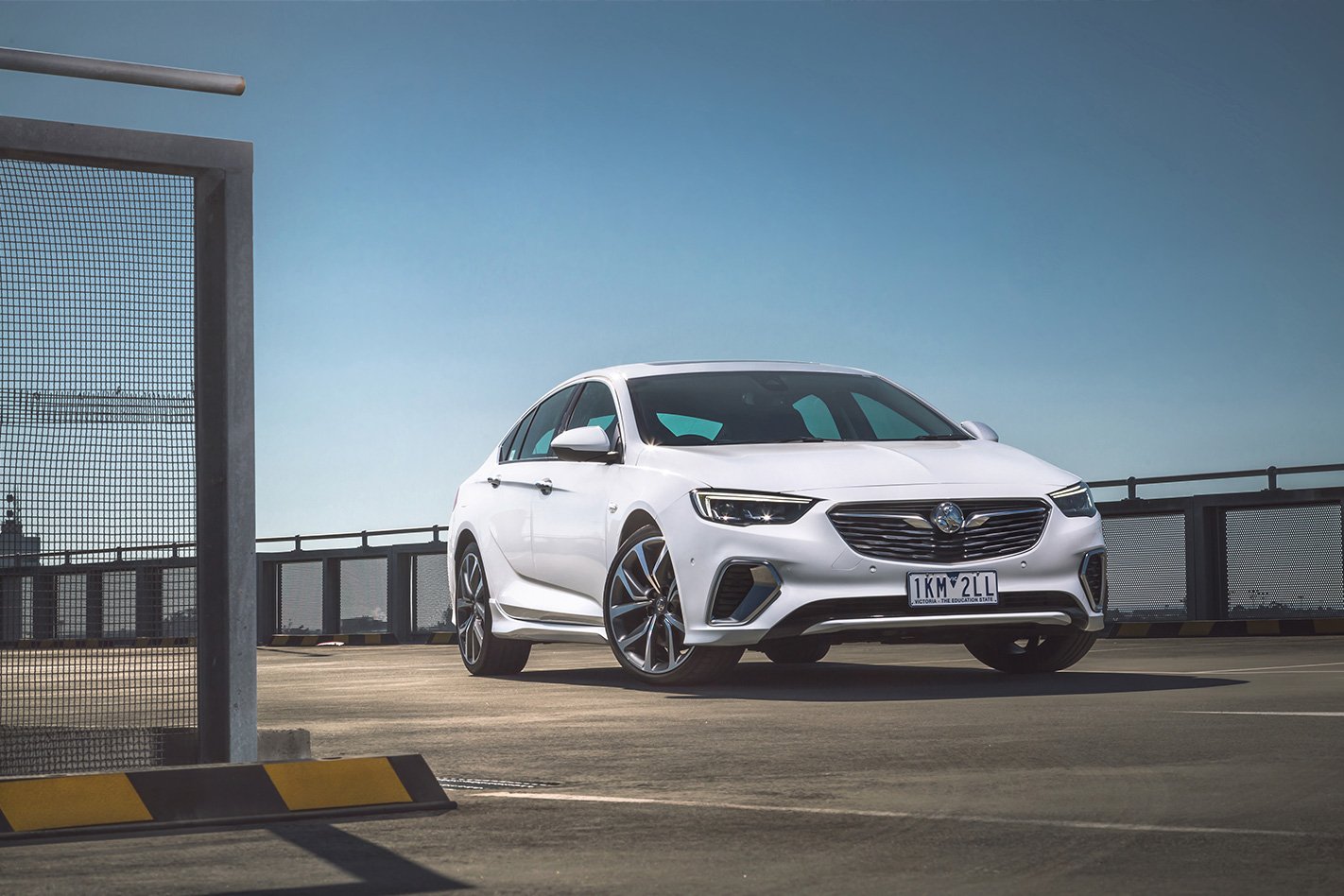
The 2018 Holden Commodore range lands in Australia this month, with the entry-level front-wheel-drive four-cylinder turbo petrol version costing $1800 less than the outgoing rear-drive 3.0-litre Aussie V6 version that it replaces.
The range tops out with an all-wheel-drive 3.6-litre V6 version that’s $8000 cheaper than the previous Commodore range-topper that packed 6.2-litre V8 punch.
Visit WheelsMag.com.au from noon today to read our assessment of our first experience behind the wheel of the Aussie-spec 2018 Holden Commodore.
IT’S A genuine rarity, a Toyota with style and spirit.
The Japanese giant is ultra-conservative, seldom deviating from the blandly anonymous competence millions of equally conservative customers seem to prefer. The Toyota C-HR is different.
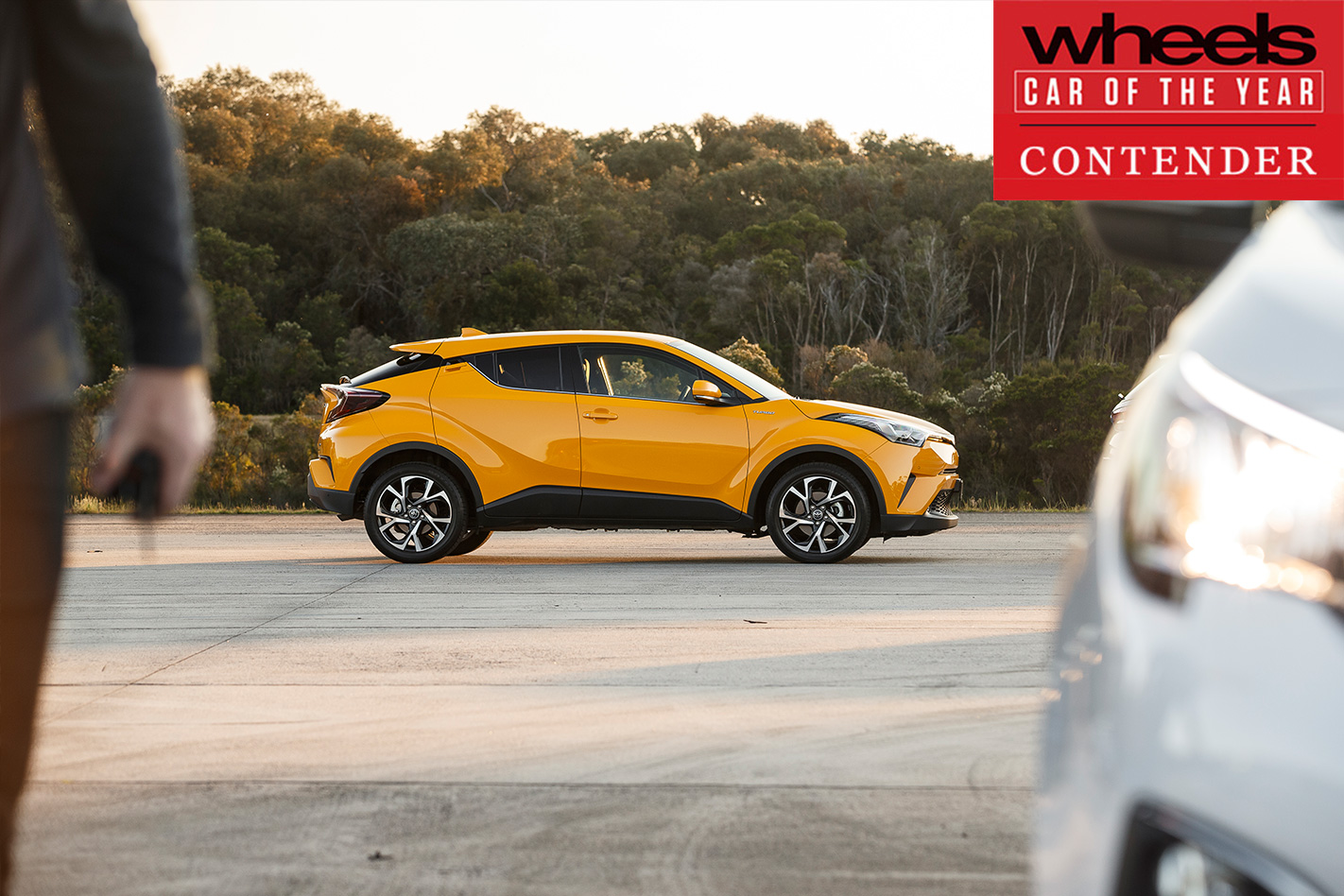
This small SUV’s design, especially its exterior, is bold and confident. The same is true of the car’s technology.
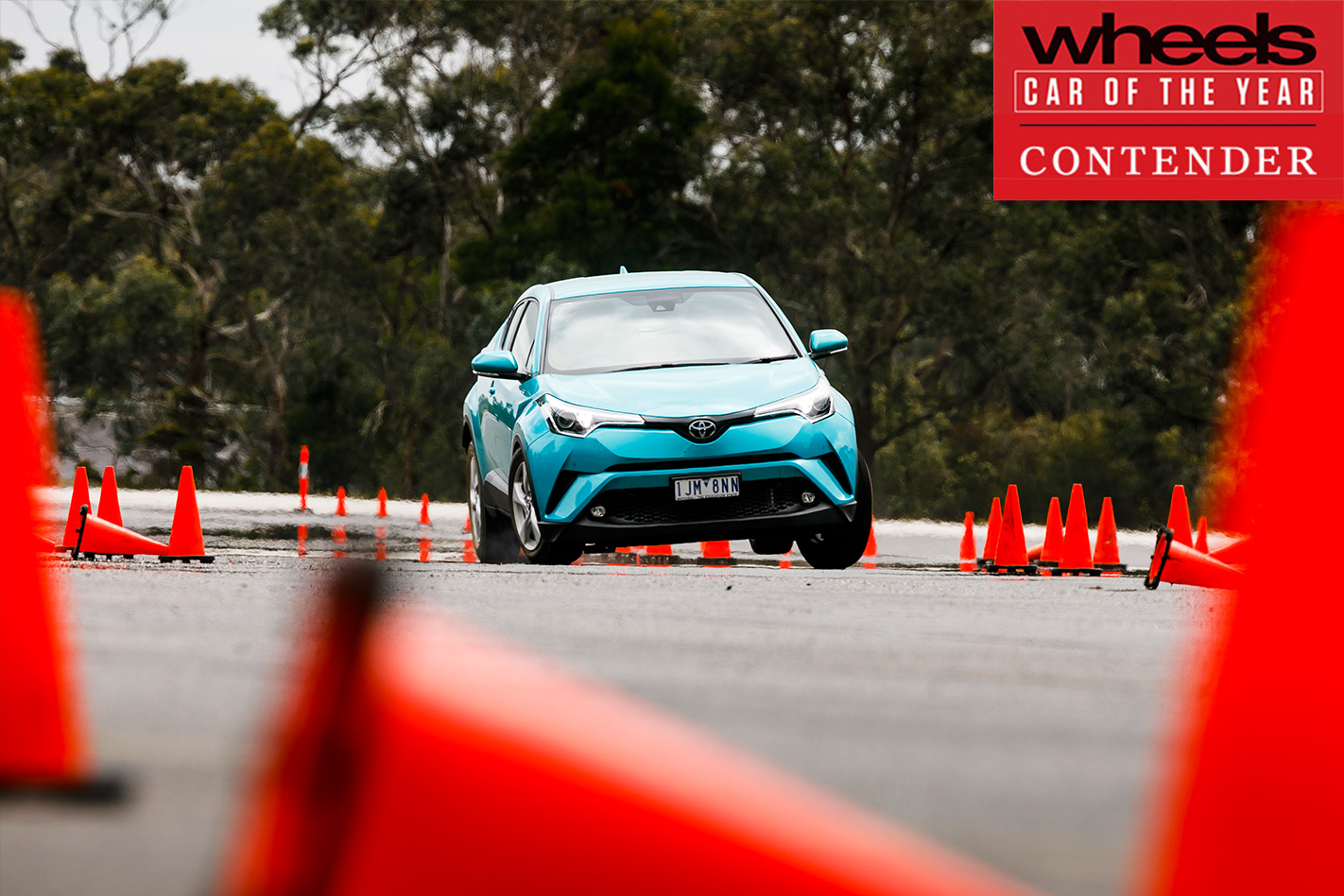
The C-HR line-up is very simple; one engine, two transmissions, two drive layouts and two equipment grades.
The least costly basic C-HR has a six-speed manual and front-wheel drive, while the CVT auto comes with the choice of front- or all-wheel drive.
The more costly C-HR Koba is CVT-only, again with front- or all-wheel drive.
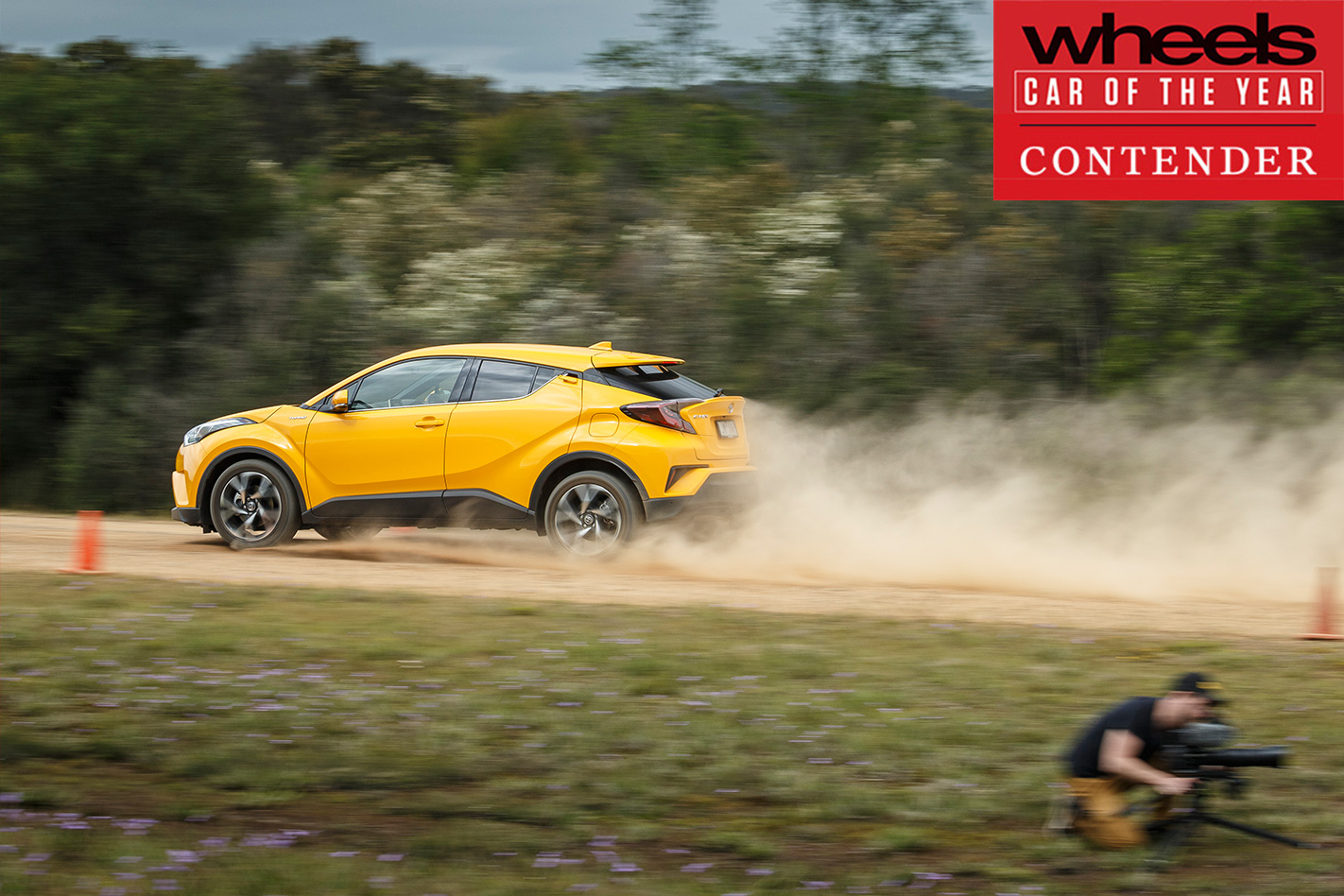
The Japanese 1.2-litre turbo four is also efficient, though it does require 95-octane petrol. On the other hand, servicing costs are very low, even by Toyota standards. The engine teams well with the C-HR’s automatic. With a low 5700rpm cut-out it’s no revver, and the well-calibrated CVT keeps the 1.2-litre turbo in its happy zone between 1500 and 4000rpm.
The six-speed manual is a delight to use, which is fortunate; that narrow band of usefulness means frequent shifting. With its bigger and better tyres, the Koba has greater grip, but there’s no mistaking the quality of the chassis beneath all C-HRs.
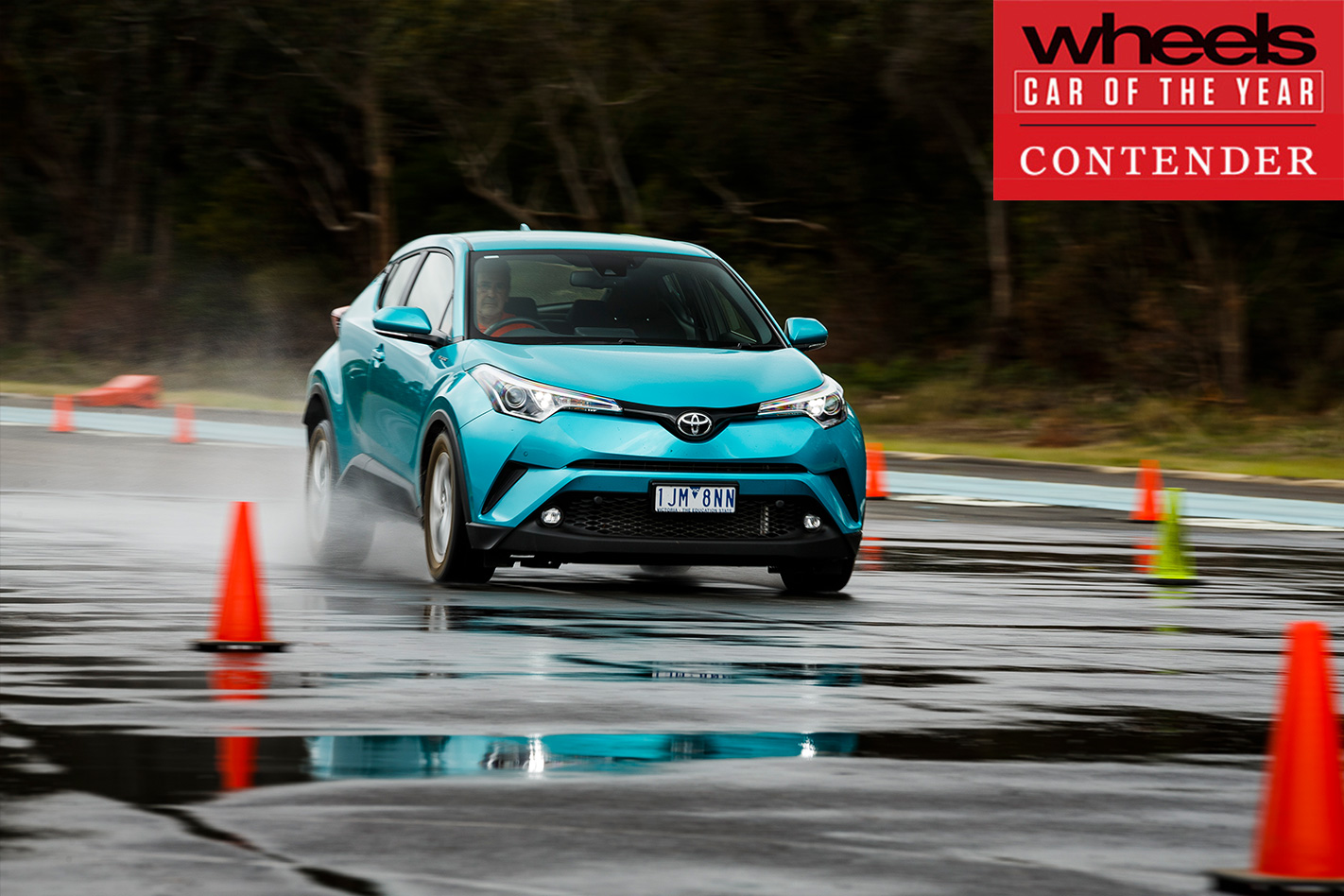
Ride comfort is also impressive. While the steering would be better if it delivered more feel, this Toyota is a more satisfying drive than the dreary class average.
The C-HR’s array of safety systems is also a cut above. Seven airbags, including one for the driver’s knees, are standard and the C-HR has already earned a five-star ANCAP crash rating.
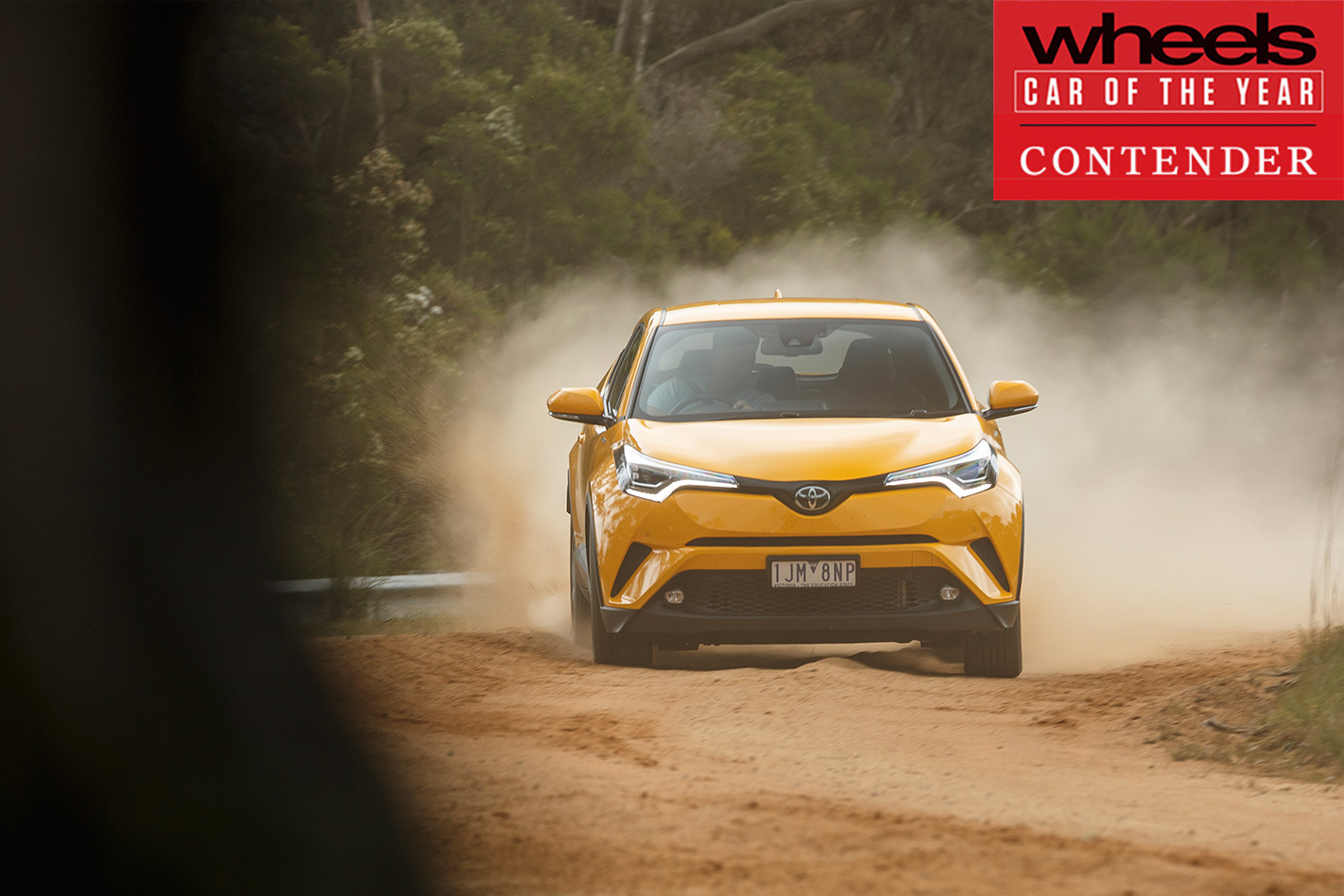
In some ways the C-HR’s interior is outstanding. The instrument panel is one of Toyota’s best in recent times. And it’s more than just good looking; even the base-grade C-HR impresses with its quite lavish equipment levels. Further, both the front seats and driving position are spot on.
It’s a very different story in the back seat. Though there’s plenty of space back there, the ambience is dark and dismal. Pinched between diving roofline and rising beltline, the rear windows are small.
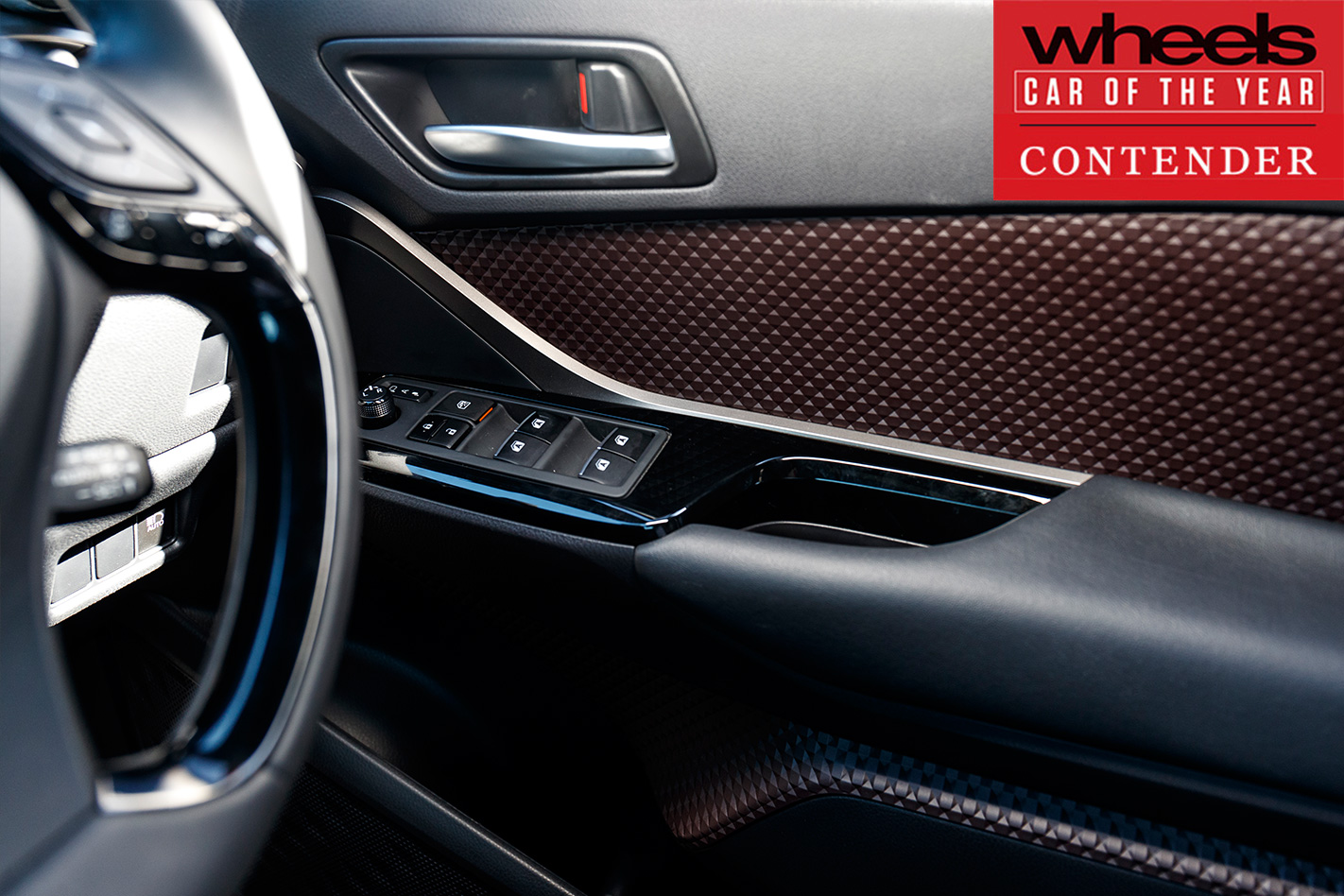
Other consequences of the C-HR’s tapered profile are cramped cargo space and poor rearward vision for the driver. These serious compromises were a step too far in the name of style.
For the 86th time, be less dull
Toyota’s last car with The Right Stuff was the 86 of 2012. Charismatic and affordable, the little coupe waltzed gracefully to Wheels COTY victory. But the 86 wasn’t 100 percent Toyota.
SUBARU has teased a wagon-styled concept car ahead of a full reveal at Geneva, hinting at a potential replacement for the Subaru Forester SUV, or even more likely, the next-generation Levorg wagon.
Called the Viziv Concept Tourer – in line with a number of recent concepts that have spawned into the seven-seat, US market-only Subaru Ascent large SUV and what’s still believed to be an upcoming WRX or STI-badged sports car – the concept features a long roof and tall tailgate, both classic wagon hallmarks.
Few details are available ahead of the concept’s 2018 Geneva Motor Show launch early next month, but the single image shows a radical departure from the traditional wagon form we’re used to seeing on Subaru-badged cars.
The most noticeable are tail-lights integrated into the tailgate similar to a number of European premium brand designs, particularly with their SUVs – a clue that points to a new-generation Forester.
The tailgate also sits flush with the rear bumper, hinting that Subaru has worked hard to yield more interior space from the physical size of the concept car.
The rear window, meanwhile appears to be smaller than either the current-generation Forester or Levorg, hinting that weight reduction – glass is much heavier than either metal skin or plastic – is a high priority for any future models. Its shallow depth and more rounded styling again hints at Levorg rather than Forester. Likewise, the rear quarter window that identifies this as a wagon indicates a much narrower glasshouse than what Subaru has traditionally featured in its SUV range.
Meanwhile, the linear LED tail-lights hint at a low, wide design rather than the taller units you’d expect to see on a taller SUV-based platform. Yep, no more arguing, we’re going with Levorg.
The wagon-only Subaru Levorg is a strong seller in Australia despite the severe supply restrictions that limit its sales reach. Last year, it accounted for more than 1200 of the Japanese car maker’s annual tally, indicating some buyers still find the idea of a traditional wagon appealing.
The Forester, meanwhile, is the brand’s best-selling model in Australia.
HERE at Performance Car of the Year, grins are king. This isn’t a test where a field of cars are ranked by a complex formula. And it ain’t about counting USB ports.
It’s about revealing what a calculator, spec sheet, or passenger seat can’t: how a car makes you feel when driven hard. There’s no price ceiling and the doors are open to the year’s standout driving machines. We’ve kept the competitive set small, but it doesn’t make finalising the list any easier. Despite louder calls for efficient this and safer that, froth-worthy cars are in abundance.
Those of you who caught last year’s event might notice a lack of supercars this time. We did ask around, but Ferrari’s 812 Superfast hadn’t quite reached Aussie shores, McLaren couldn’t find us an available 720S, and ditto Lamborghini and its Aventador S or Huracan Performante. That hasn’t slowed the class, though.
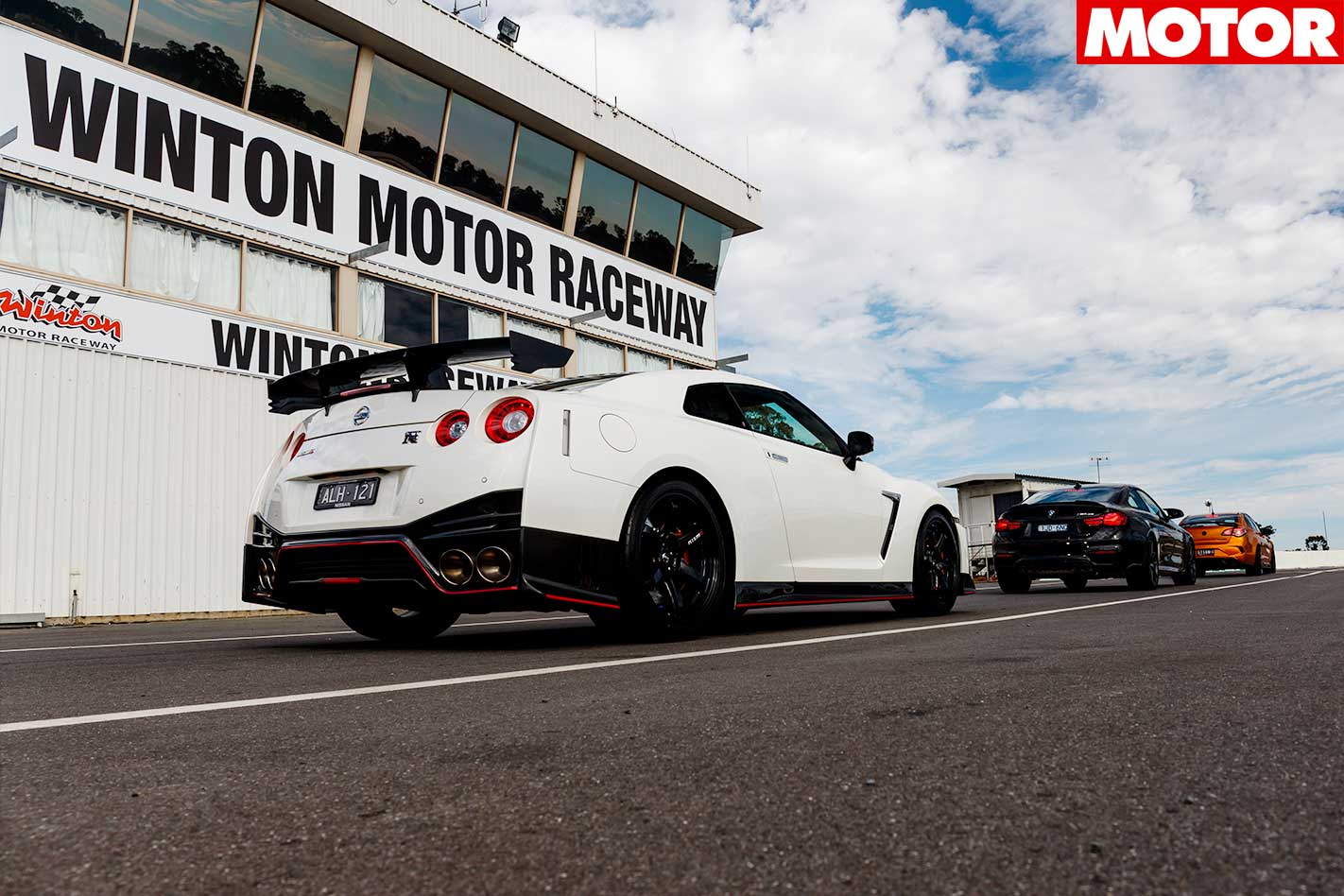
This might be the Nissan R35 GT-R’s fourth Performance Car of the Year appearance (2009, 2011 and 2017), but in Nismo trim it’s out to prove there’s still plenty of fight left in the now decade-old platform.
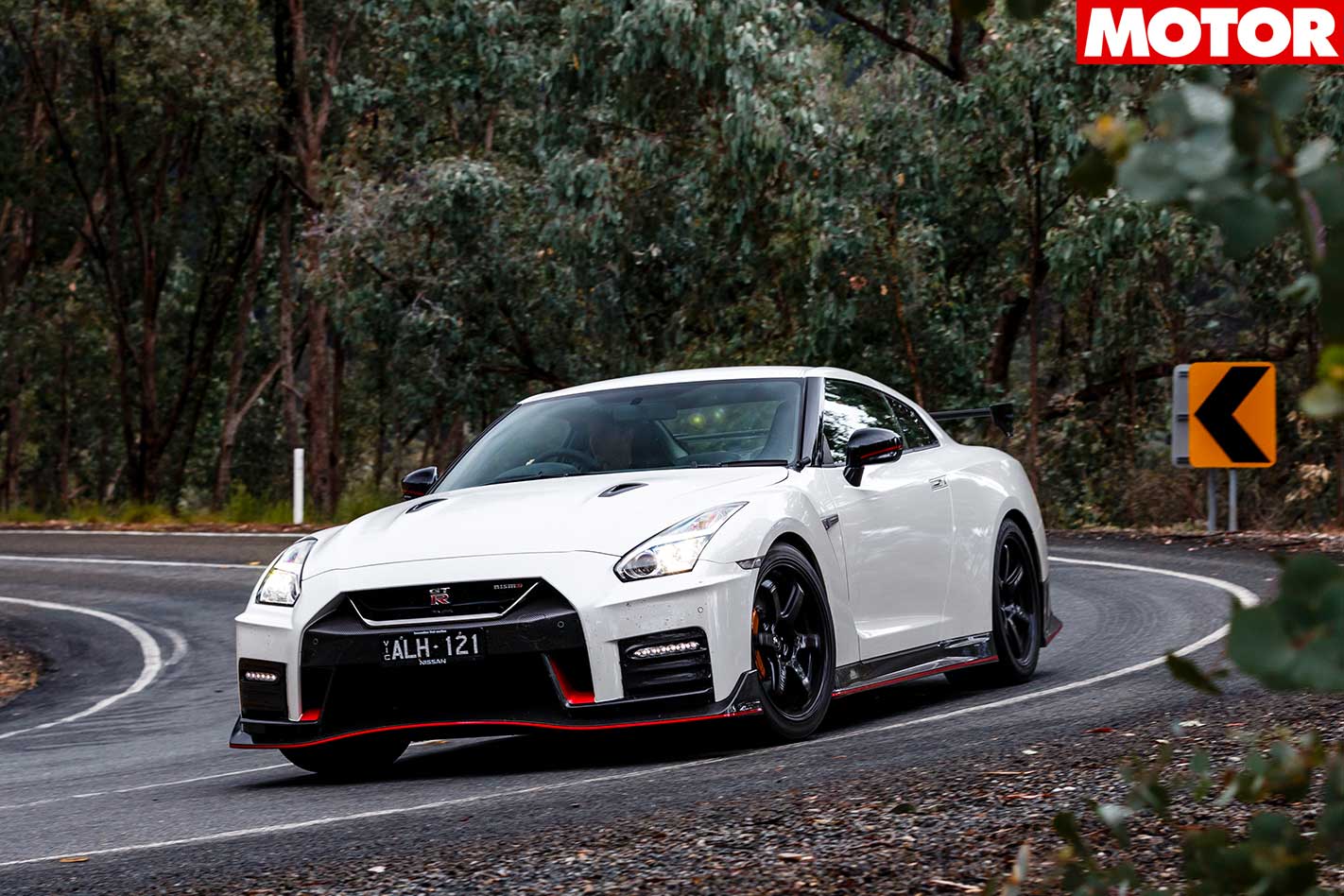
Meanwhile, an angrier aero package skirts around it with red-striped carbon fibre. You’ll pay $299,000 for it to be parked in your driveway, more than anything else here. It’ll be kept honest by Mercedes-AMG’s new E63 S, now that the brand’s figured out how to fit front driveshafts in the nose of right-hand drive cars.
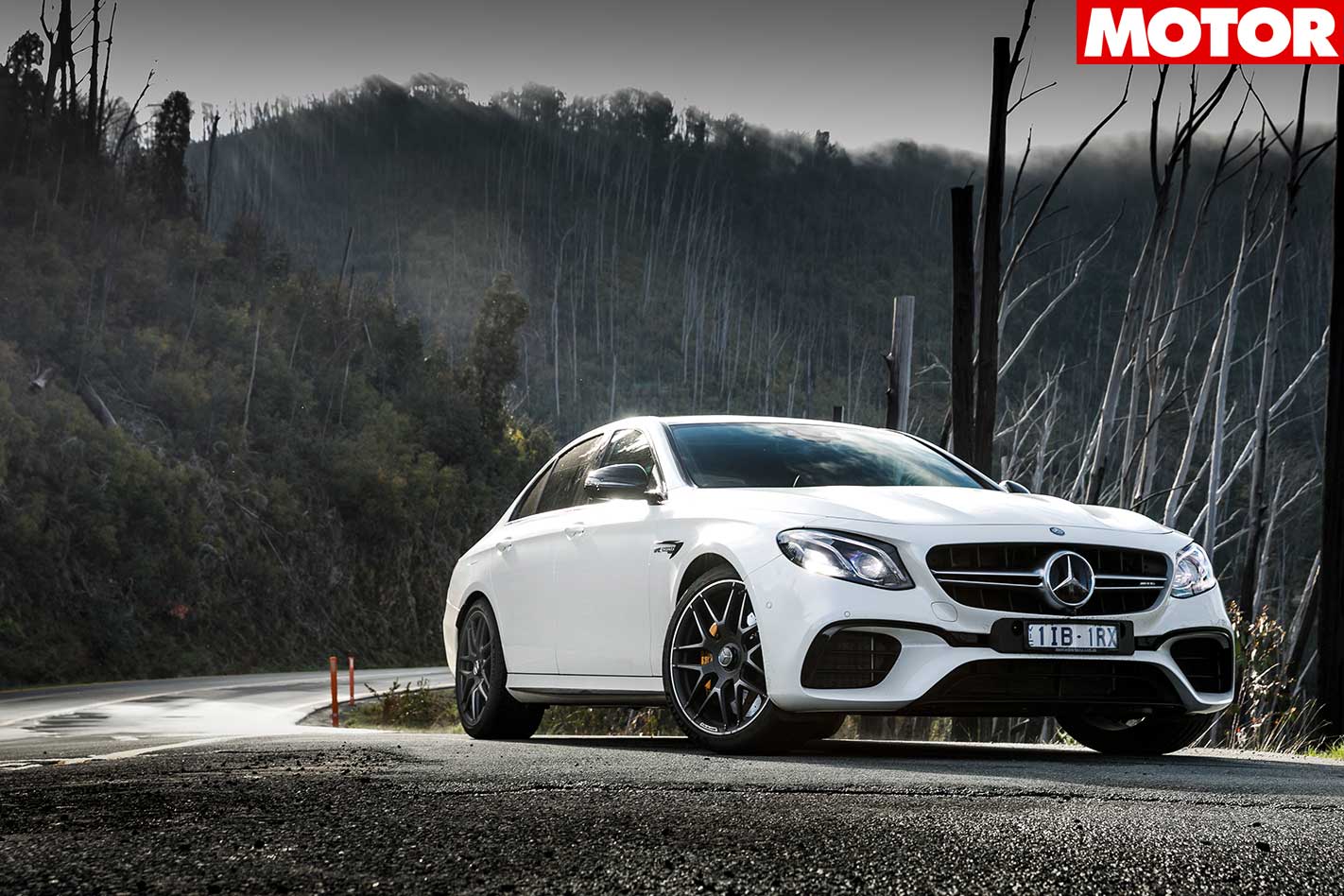
Launching it at a racetrack suggests AMG is confident the air-sprung, rear-drive biased, all-paw sedan does well. While drift-mode promises it hasn’t gone soft on its rear-tyre policy, either. Which is in stark contrast to our next all-wheel drive steed, the Audi TT RS.
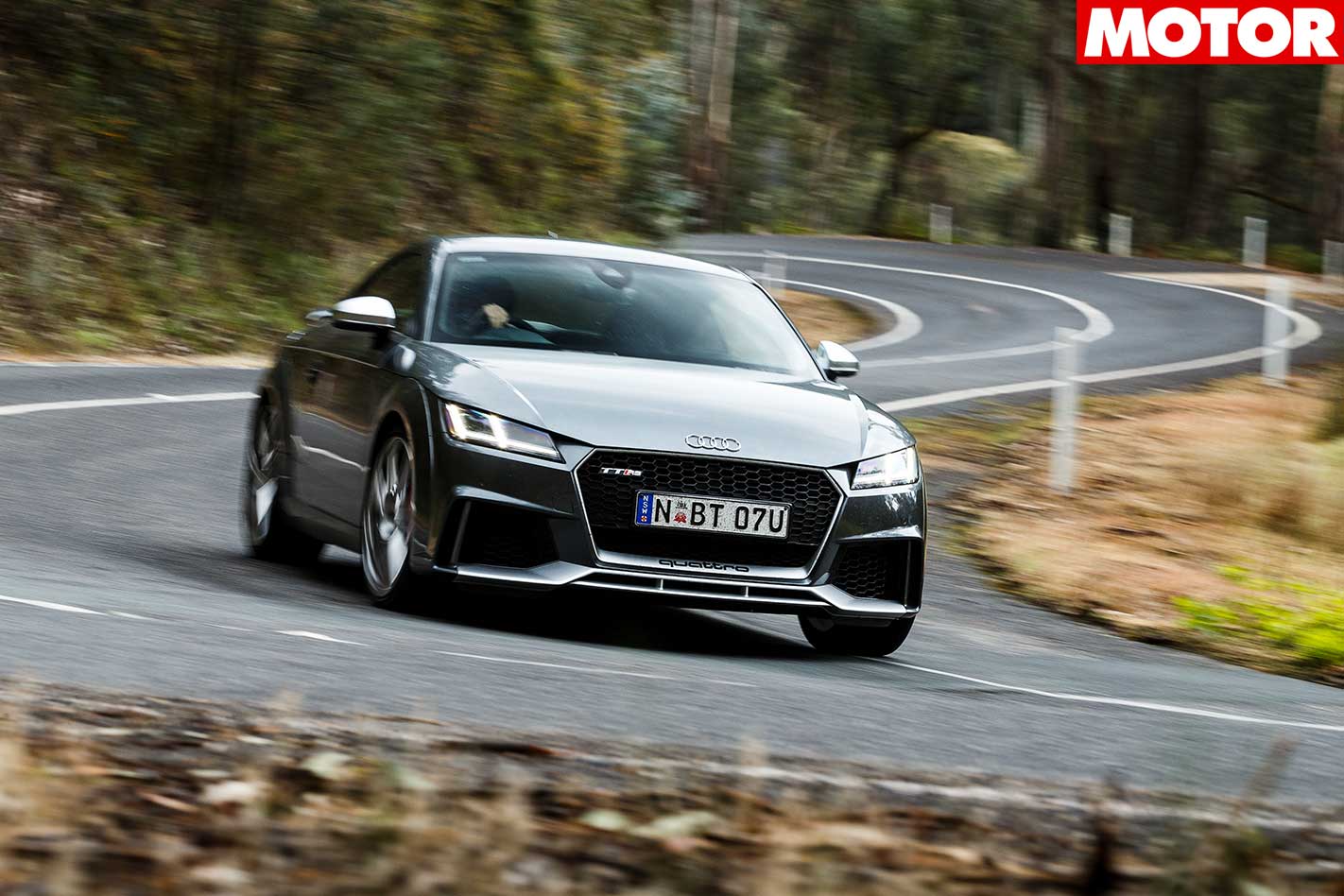
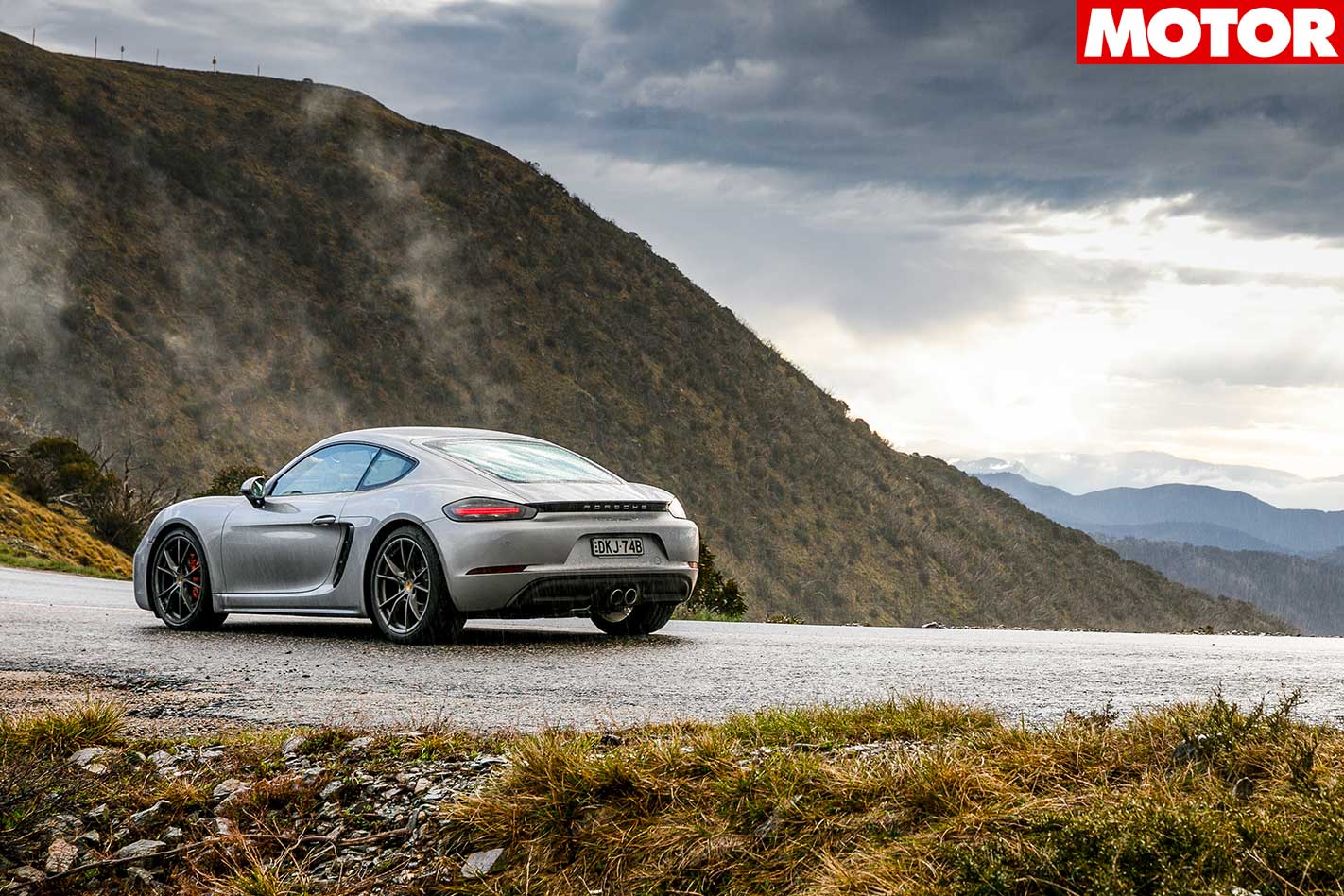
A new aluminium block and larger turbo haven’t mucked with its firing order and only enhanced its signature blare, which should no doubt help it stand out from the pack. The Audi clashes in size, pace, and price (sorta) with Porsche’s 718 Cayman S.
Rounding out the German contingent is the BMW M4 CS. Just when everyone thought Munich could do no wrong after the E46 M3 and its V8-powered successor, the turbocharged M4 arrived at PCOTY in 2015 as a huge surprise. It was fast, but many believed the speed came at a the cost of a soulful engine and communicative handling.
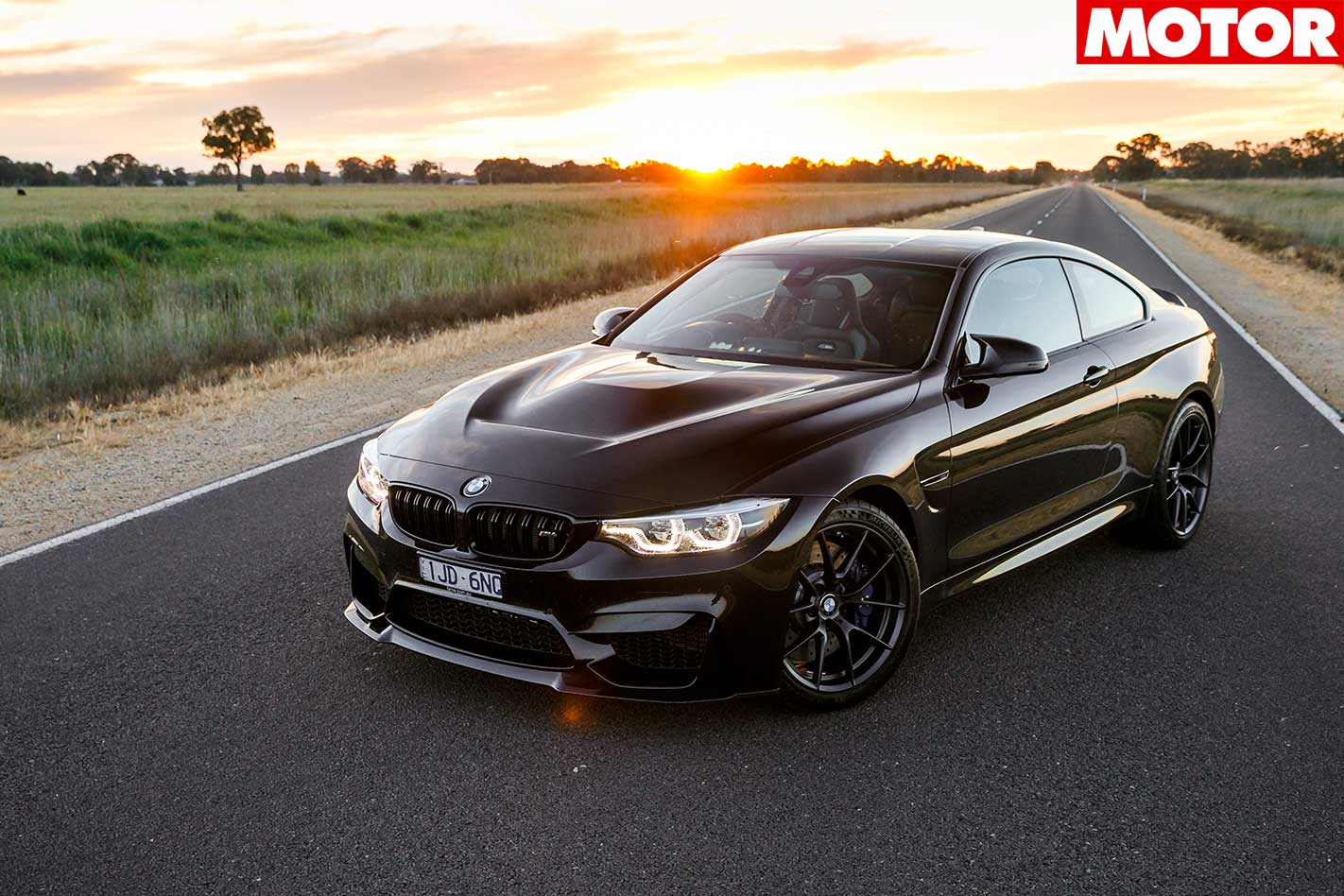
It starts with an M4 Competition and adds lightweight wheels, gluey Michelin tyres, suspension tweaks, and an extra 50Nm (for a massive 600Nm) – changes said to unlock more speed and transform the car’s nature.
Speaking of transformations, it’s no secret Lexus is trying to change its image. And the LC500 is its latest move to ditch the cardigan crowd and unearth a new one.
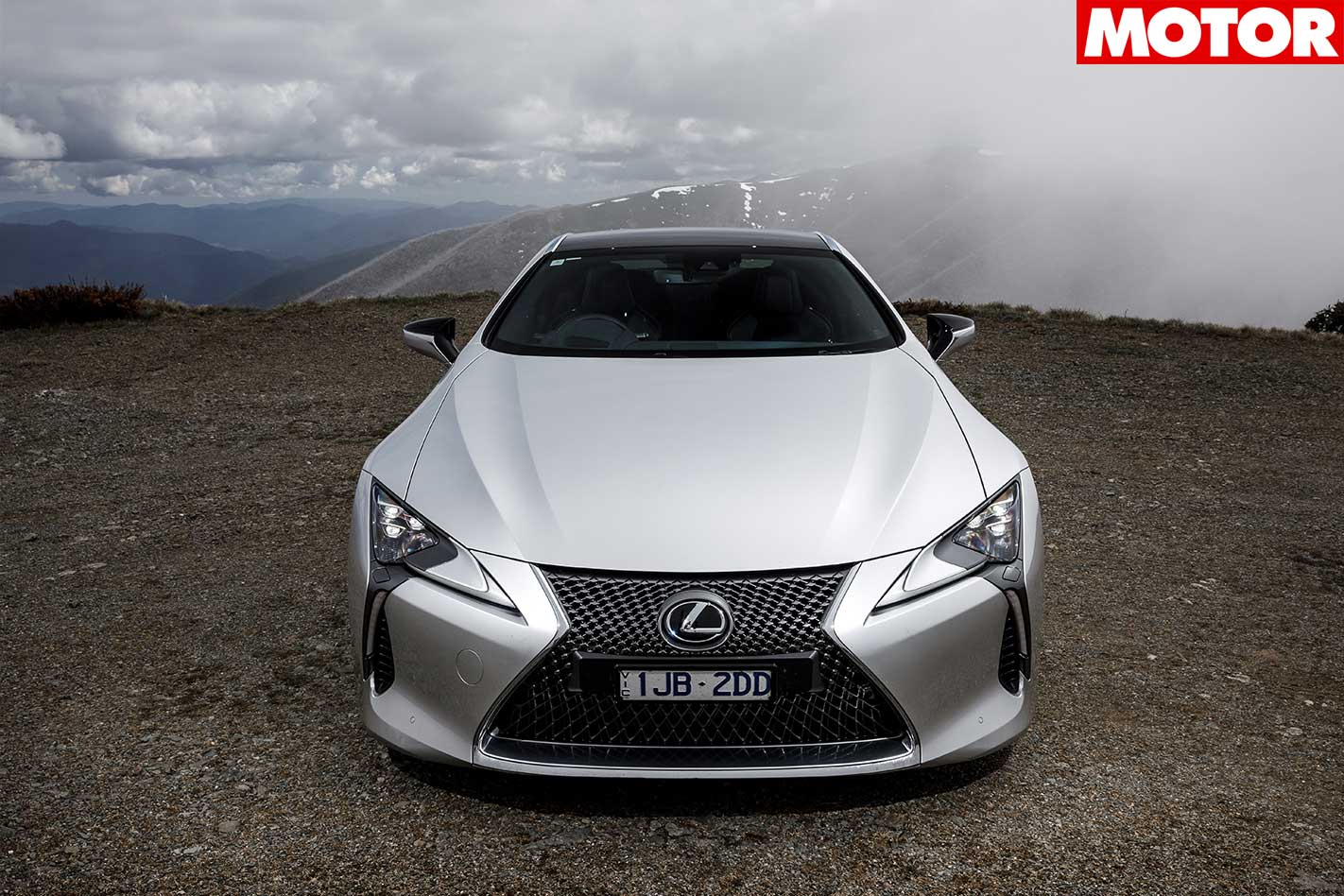
Tuned by the same team behind the LFA’s spine-tingling banshee wail, the LC500 certainly makes a song about being the only car to use a naturally aspirated engine. As for a dance? It might struggle as it nears two tonnes.
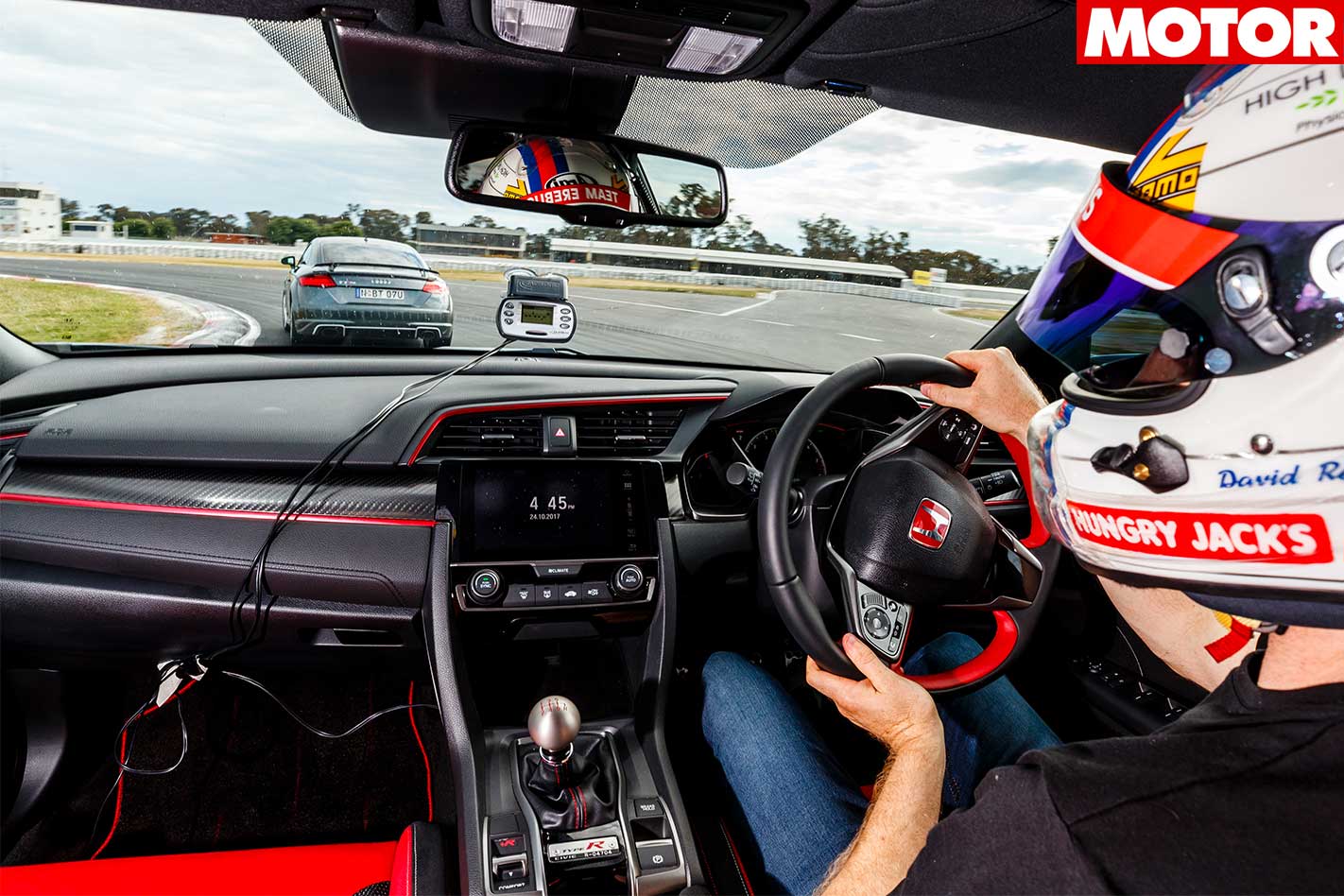
Meanwhile Honda has followed the NSX with a new Civic Type R which we’ve found to be rather good. Sure, it doesn’t scream, rattle, and shake your bones like the visceral road rockets of old, but that’s sort of the point. It’s an entirely new type of beast.
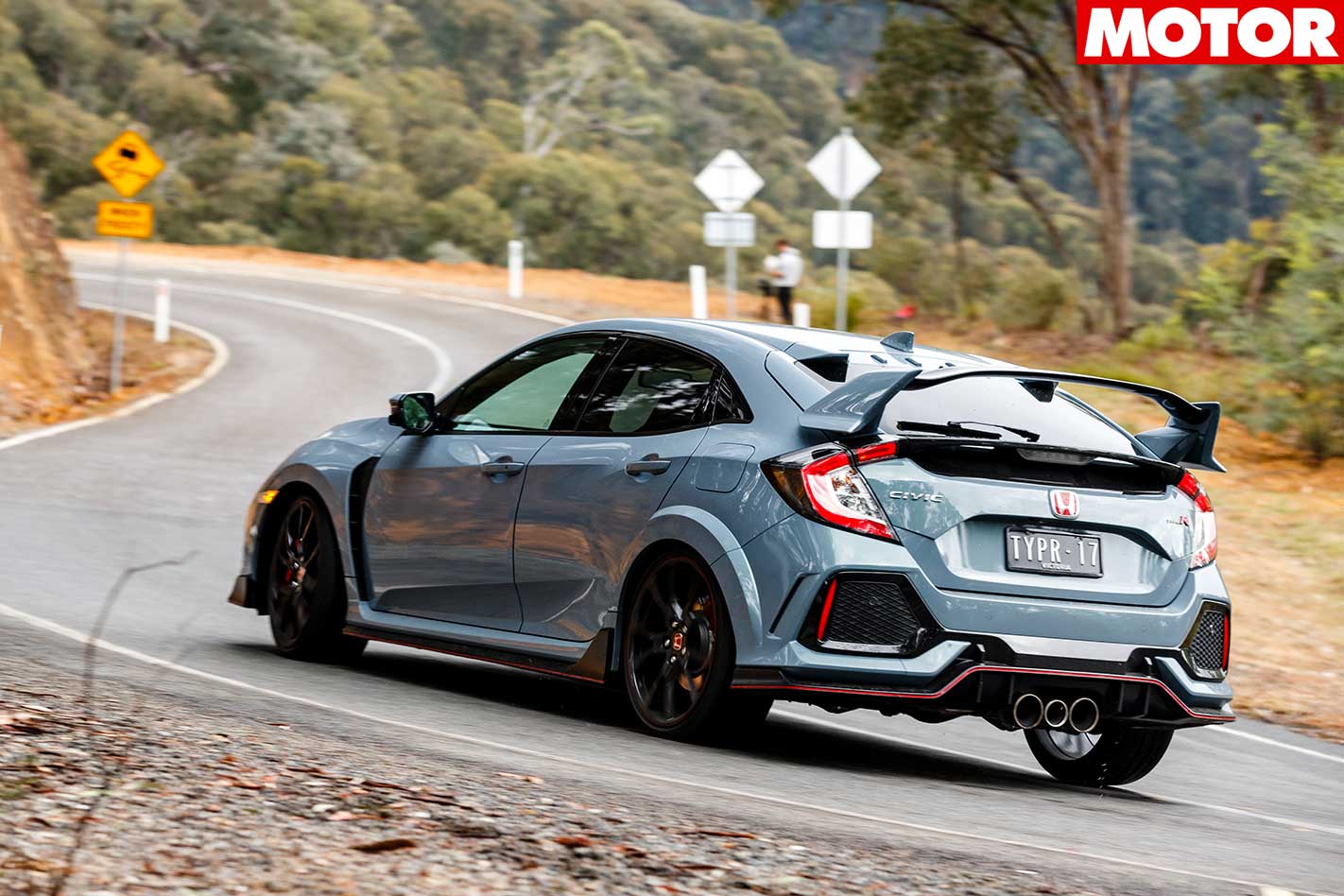
The new Honda Civic Type R drives as wicked as it looks and it’ll be out for much more expensive scalps. Do not overlook this value-focused front-driver.
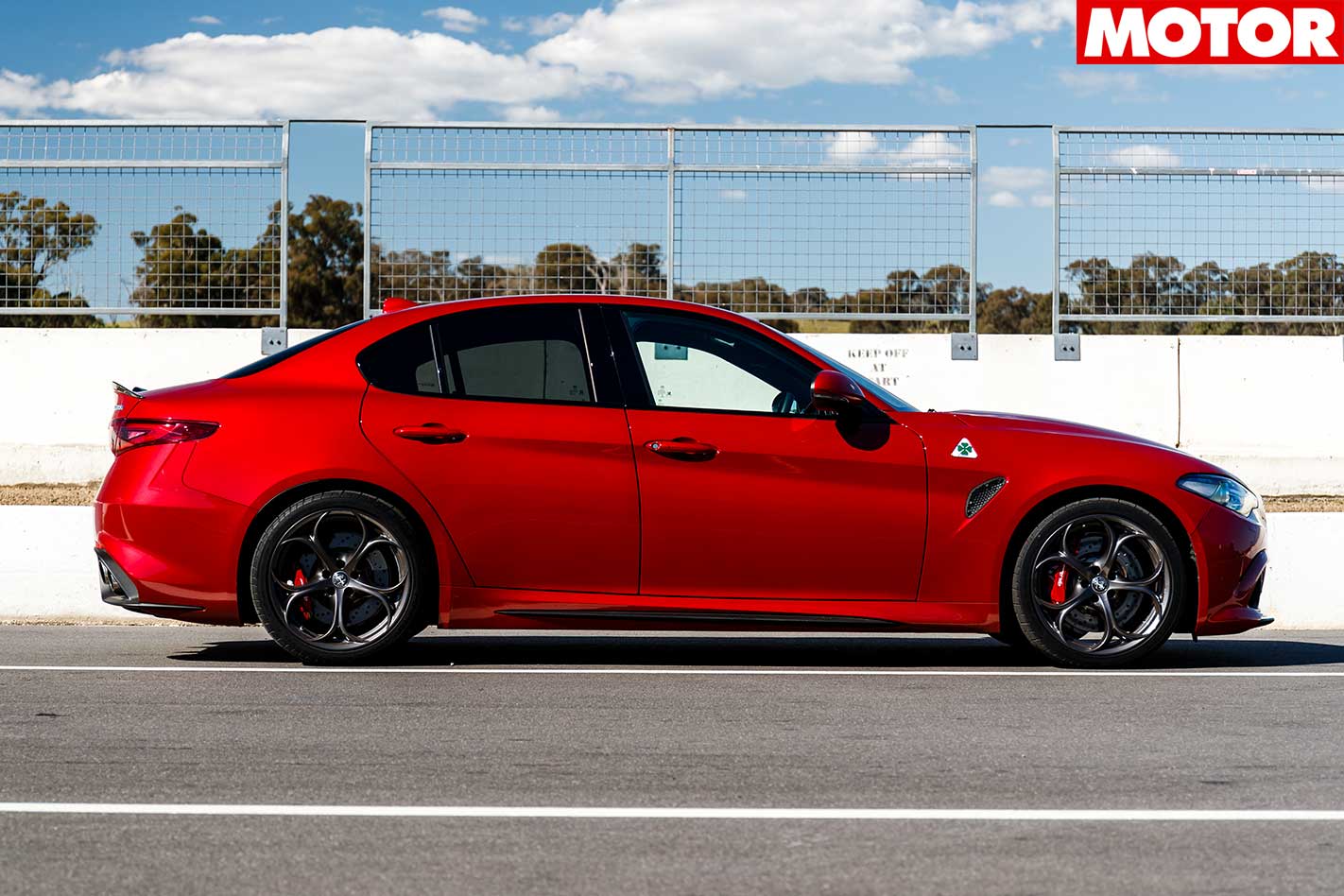
You can also add Alfa Romeo to the list of brands rediscovering its mojo. The Giulia is the first model to arrive on the company’s big-dollar Giorgio platform and it has even accosted Ferrari engineers to get things right. And boy, have they ever.
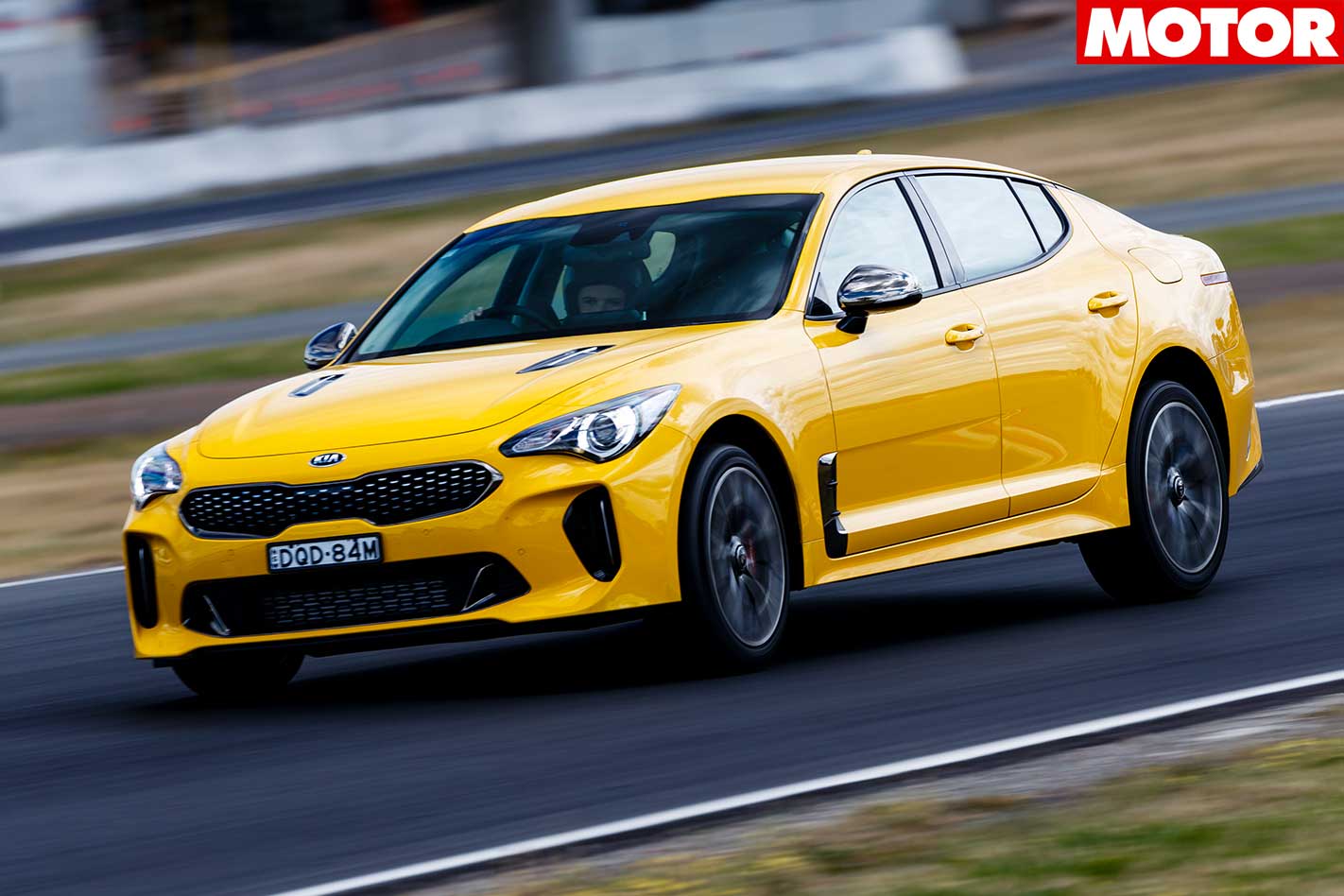
If you desire a rear-drive performance sedan with a twin-turbo six, Kia has you covered for about a third of the price. Yep, the brand has made PCOTY history with its liftback sedan called the Stinger. With 272kW and 510Nm you could say the well-built South Korean spiritually succeeds the Ford Falcon G6E Turbo.
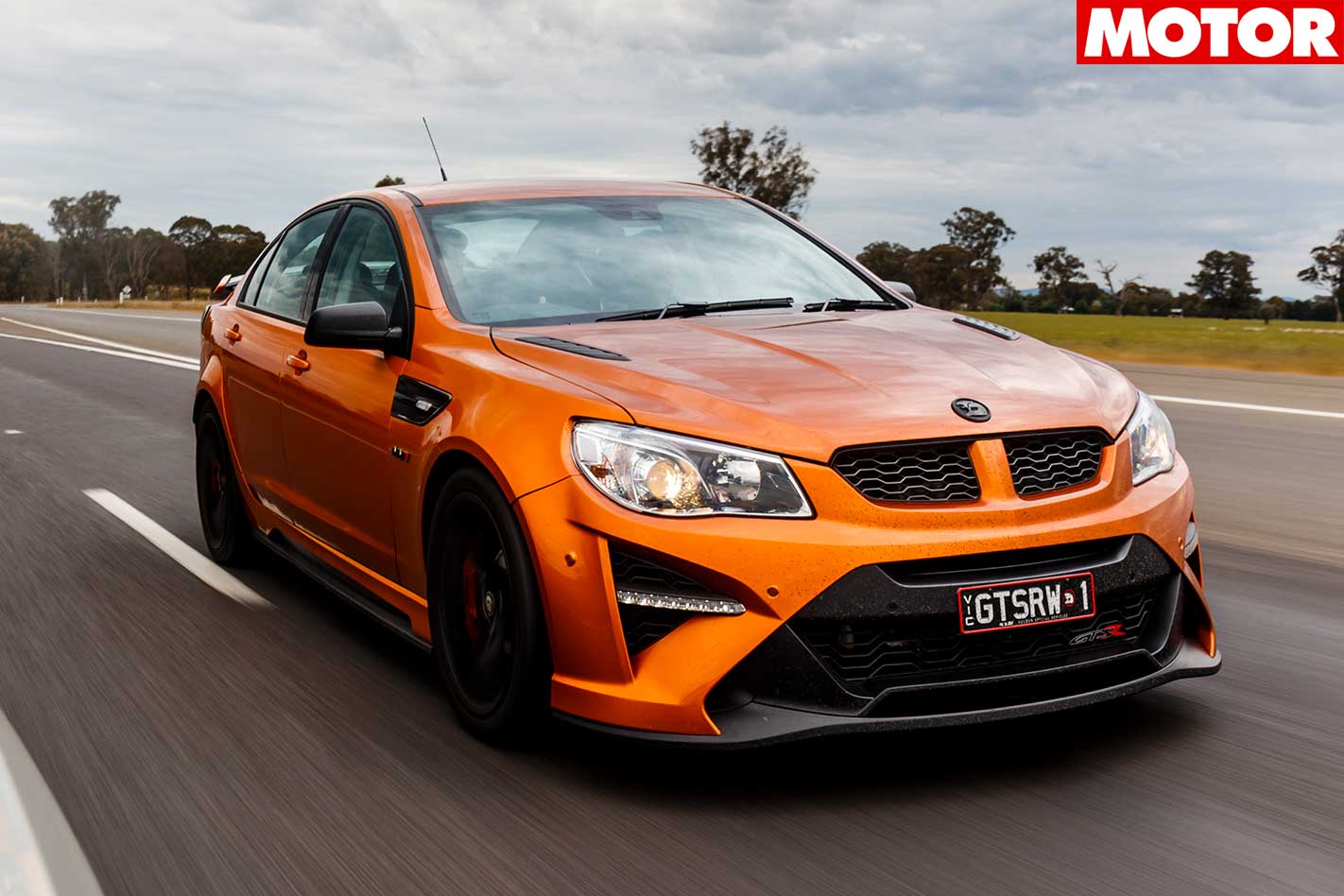
Just as Korea makes its first appearance, Australia makes its last. We’d be crying into our VB if the HSV GTSR W1 wasn’t the most expensive, powerful, and fastest local car ever. But thankfully it is.
Admittedly it was hard to look past the already brilliant base GTSR with widened front tracks and over-sized brakes after it beguiled us earlier this year. But the idea of uncorking a 600-horsepower-plus factory-built Commodore with Supercar-aping suspension, and semi-slicks on top of that, was too enticing. Could you blame us?
Stow the tinfoil hat, though, because emotional attachment won’t do the W1 any favours. Mystique fades quickly in groups this large and also under a schedule as gruelling as PCOTY’s.
The only downside to this was that we had to reluctantly ask Luffy to sit this one out (we’ll explain later). Reigning Bathurst 1000 champ David Reynolds was called instead to expose our other judges’ lack of talent.
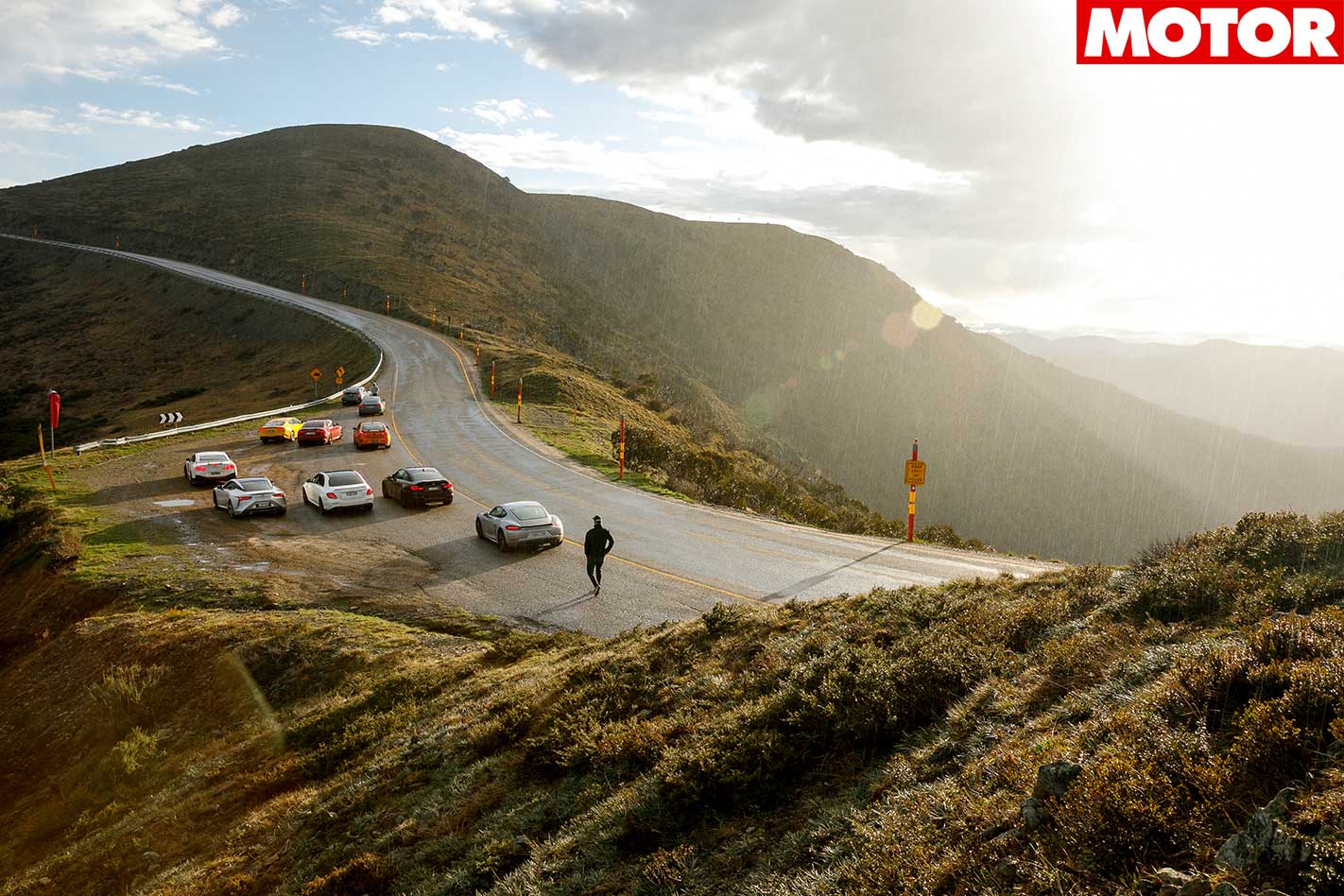
A day at DECA Shepparton’s road course was shelved, too, in exchange for more time on Mount Hotham’s breathtaking roads. Vans with tyres, coolant and oil won’t follow us either. Our 10 will be at the mercy of their own reliability and engineering. We’ll then have a think, add the judges’ scores (see caption and above), so you can bet on drama and a hard-fought win by the end of it all.
So, without further ado, welcome to Performance Car of the Year 2018.
UNUSUAL SUSPECTS – Meet the PCOTY judges
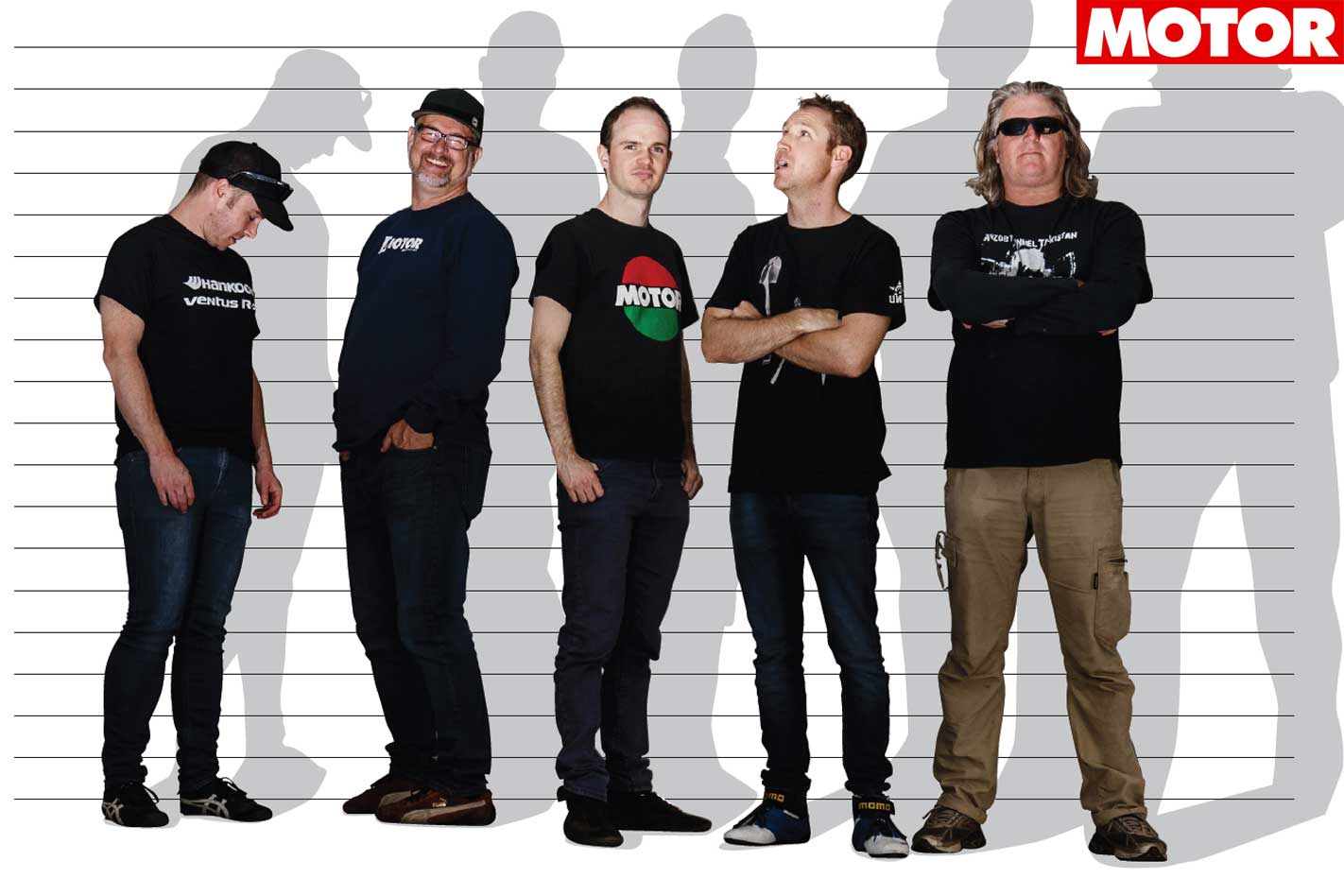
Dylan Campbell ‘DC’ manages to juggle running this event and flogging cars with such calm that Gandhi would be curious as to his meditation routine
Tim Robson Despite ditching this ship for freelance life, Robbo finds the PCOTY call too hard to resist. Lists ‘babysitter duty’ on invoices
Scott Newman Will try to drift your gran’s mobility chair if given the reins. Our resident rally-man is always keen, and capable, of proving a pair of hands is the best form of ESP
David Reynolds After placing a Brock trophy in his cabinet, he’s the only bloke actually paid to wear race boots. Tolerant of fools, evidently
David Morley The depth of Morley’s wisdom is matched only by the volume of his nightly snoring. Starting to amass a large modern classics collection
HARD MARKERS – How we’ll score each car
1 – Performance Raw speed; powertrain response, feel, and smoothness
3 – Accessibility Effort versus reward, ESP calibration, feedback levels
4 – Liveability Road noise, ride comfort, ergonomics, visibility, interior
6 – “X-Factor” Styling, exhaust note, how badly you want one in your garage
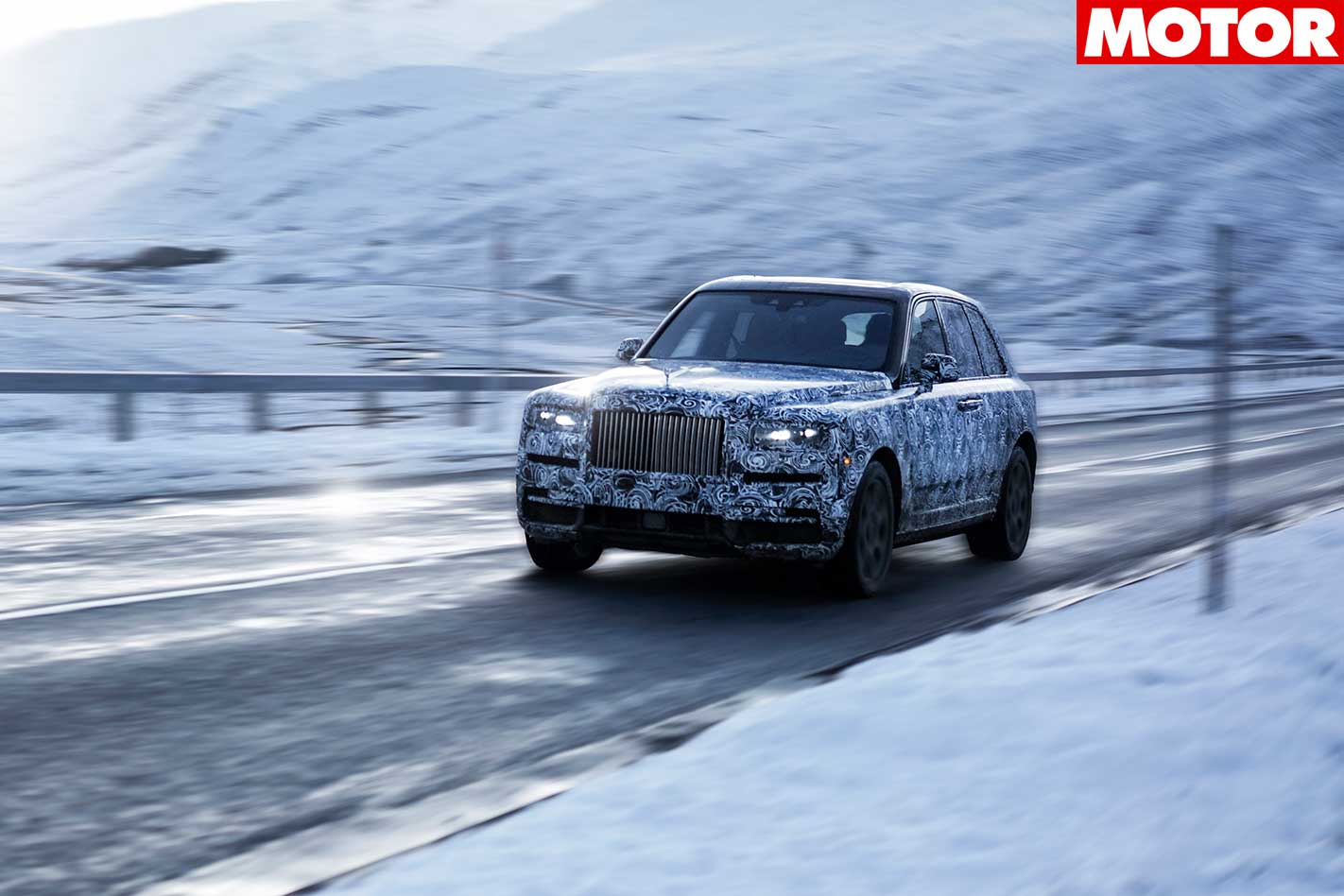
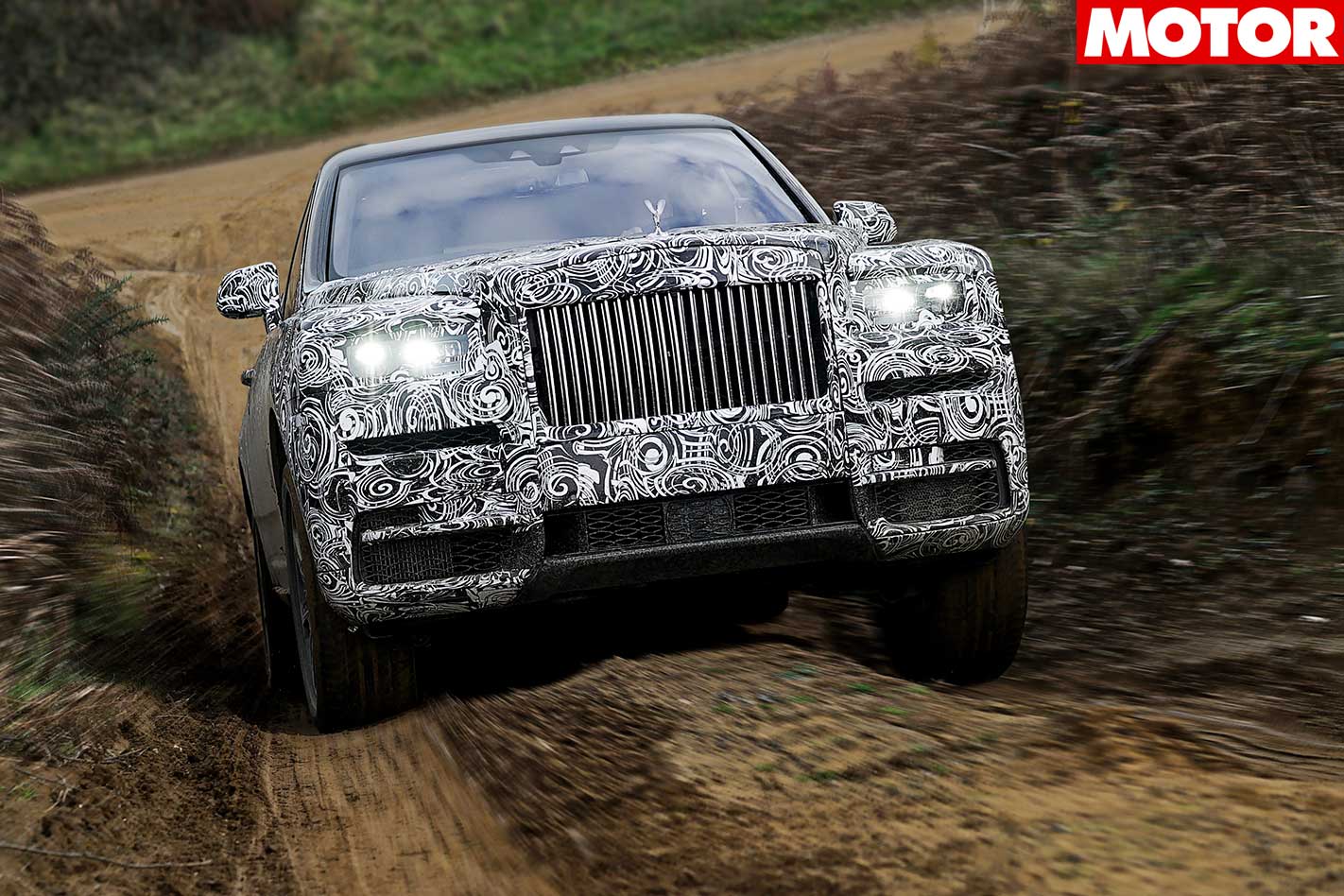
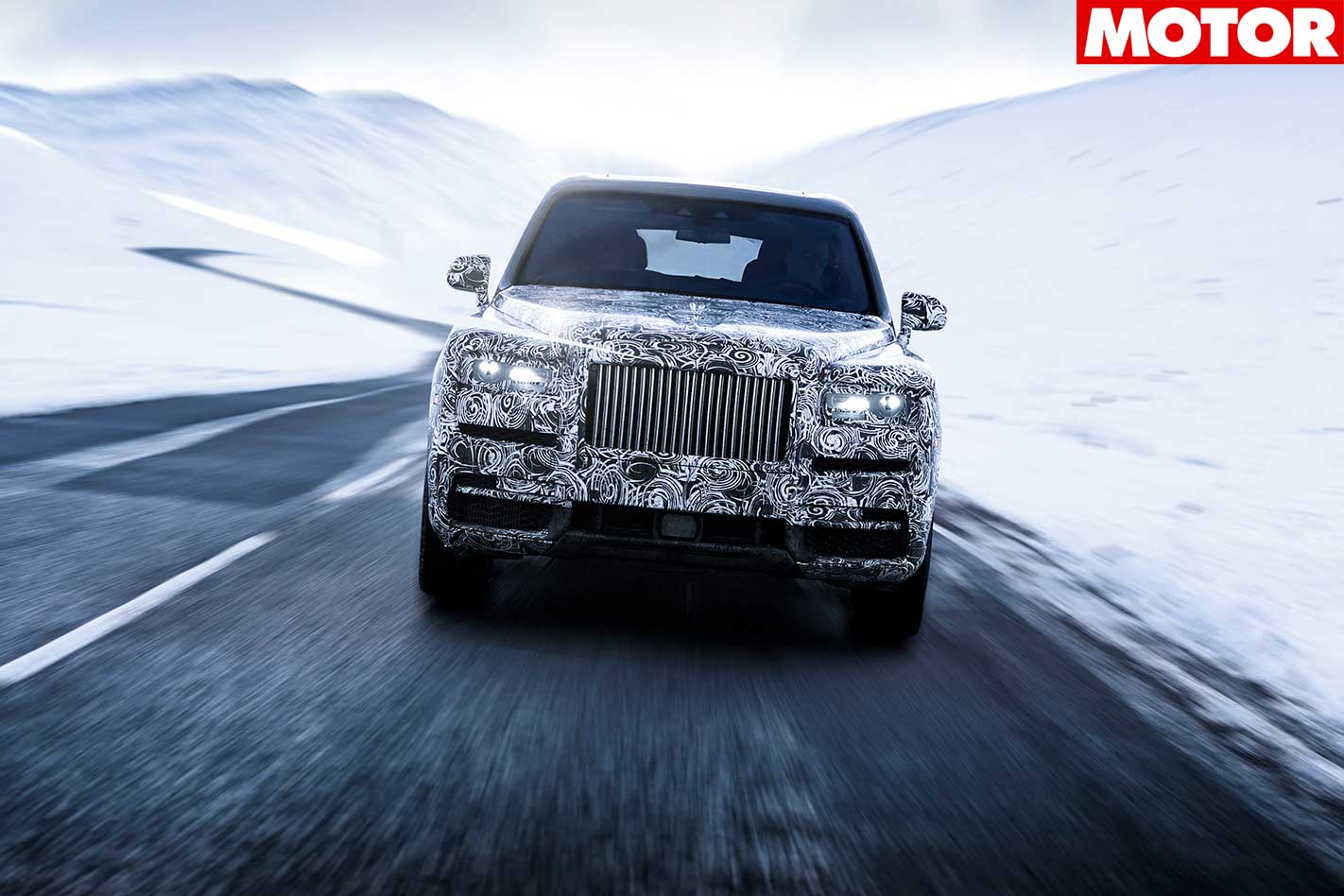
As well as a few photos of the pre-production model in camo-guise, Rolls-Royce has announced the name of its upcoming SUV. Cullinan.
While the brand is calling it a ‘high bodied’ vehicle, we expect most people will refer to it as an SUV.
After the new Rolls-Royce Phantom, the Cullinan will be the second Roller to utilise the brand’s new ‘Architecture of Luxury’ platform.
Rolls-Royce CEO Torsten Müller-Ötvös explains what the significance of the name means to Rolls-Royce, as well as how it will reflect the Cullinan.
“The name Cullinan has been hiding in plain sight since we revealed it as the project name some years ago,” says Müller-Ötvös.
“It is the most fitting name for our extraordinary new product. Cullinan is a motor car of such clarity of purpose, such flawless quality and preciousness, and such presence that it recalibrates the scale and possibility of true luxury.
The story of the diamond itself involves a trip from South Africa, where it was discovered in 1905, to London in the hopes of cheering up King Edward after a defeat in the Boer War.
That’s one way to cheer someone up, for sure.
“It speaks of endurance and absolute solidity in the face of the greatest pressures; it tells of rarity and preciousness and it alludes to the pioneering, adventurous spirit of The Hon. Charles Rolls and the engineering innovation of Sir Henry Royce; and, of course, it speaks of absolute luxury, wherever you venture in the world.
“Quite simply, the name Cullinan is perfect and brilliant.”
BMW has taken the covers off its second-generation X4 fastback SUV, announcing more space and improved aesthetics for the X6’s baby brother.
Built on the brand-new bones of the BMW X3 SUV, the BMW X4 range will have seven models from launch, including the x4 xDrive20i, xDrive30i, M40i, xDrive20d, xDrive25d, xDrive30d, and M40d.
The M40i flagship will be powered by a 265kW/500Nm 3.0-litre turbocharged six-cylinder capable of thrusting the car to 100km/h from a standstill in a claimed 4.8-seconds. Meanwhile its diesel-chugging counterpart, the M40d, will crank out a stout 240kW and 680Nm and zip to triple-digit speeds in 4.9 seconds.
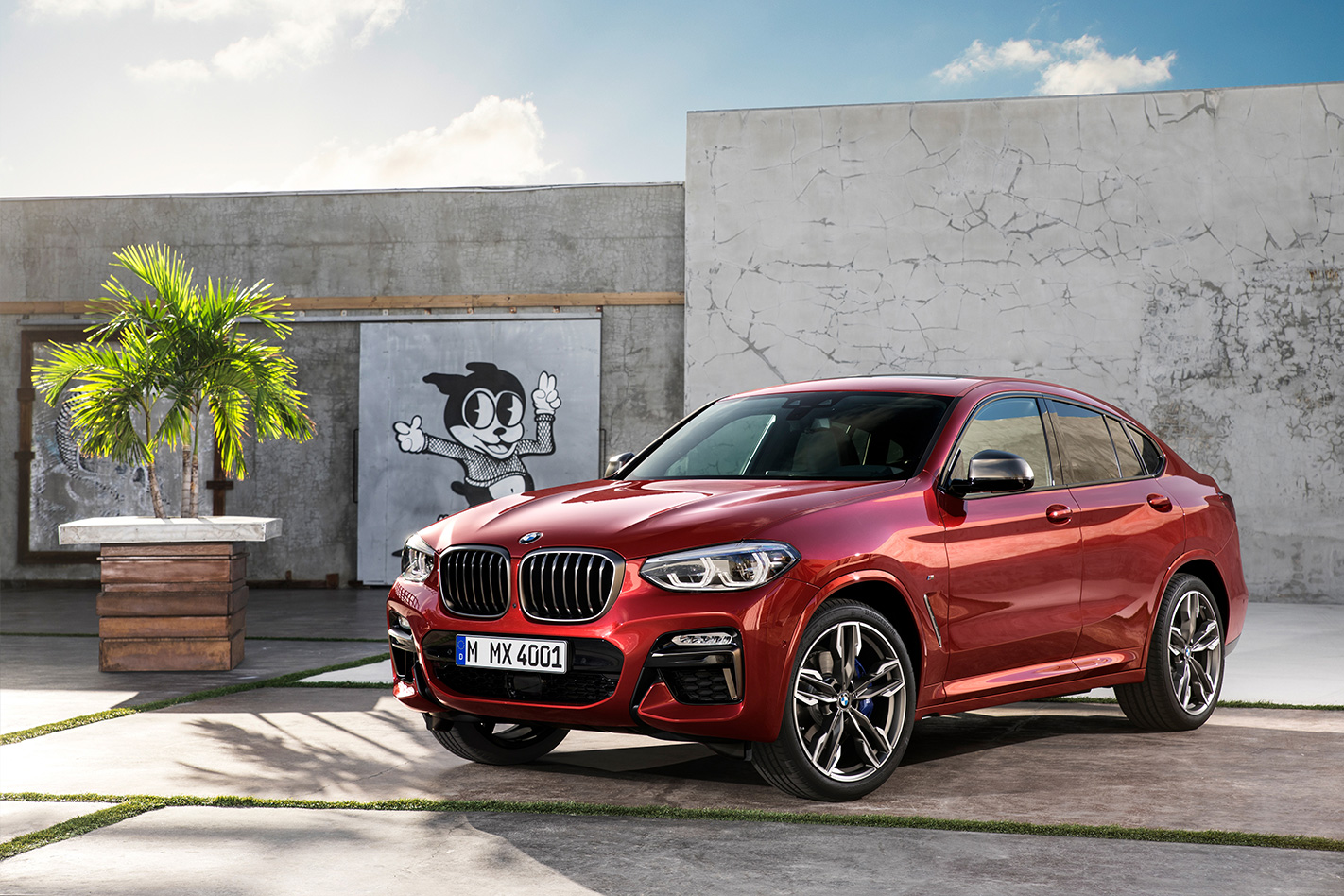
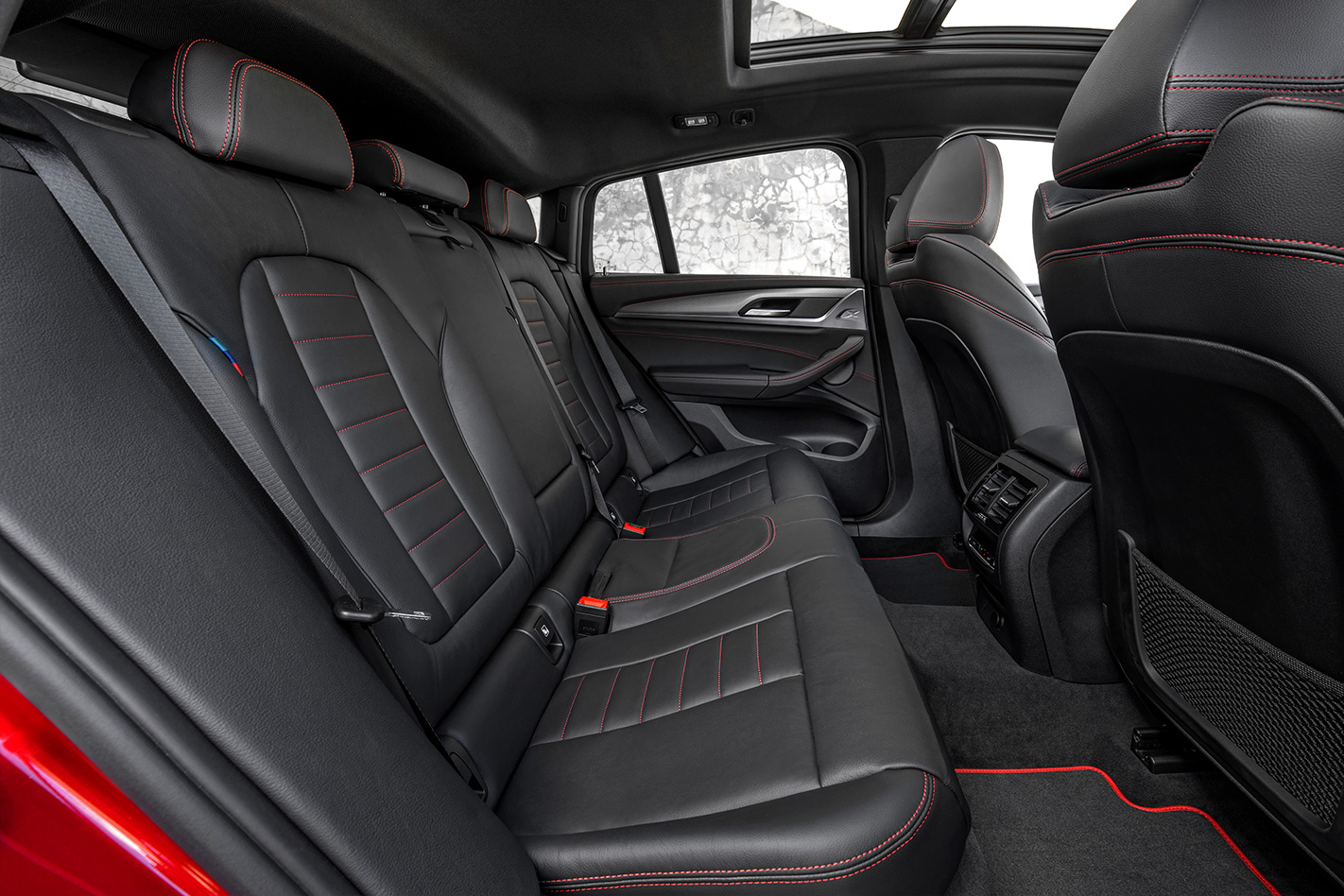
The SUV ‘coupe’ (termed a “Sports Activity Vehicle” by BMW, and few else) has grown between generations, with an increase of 81 millimetres in overall length, a 54 millimetres longer wheelbase, an extra 37 millimetres of width and a 3-millimetre drop in height. BMW also claims the new X4 has an ideal 50:50 weight distribution.
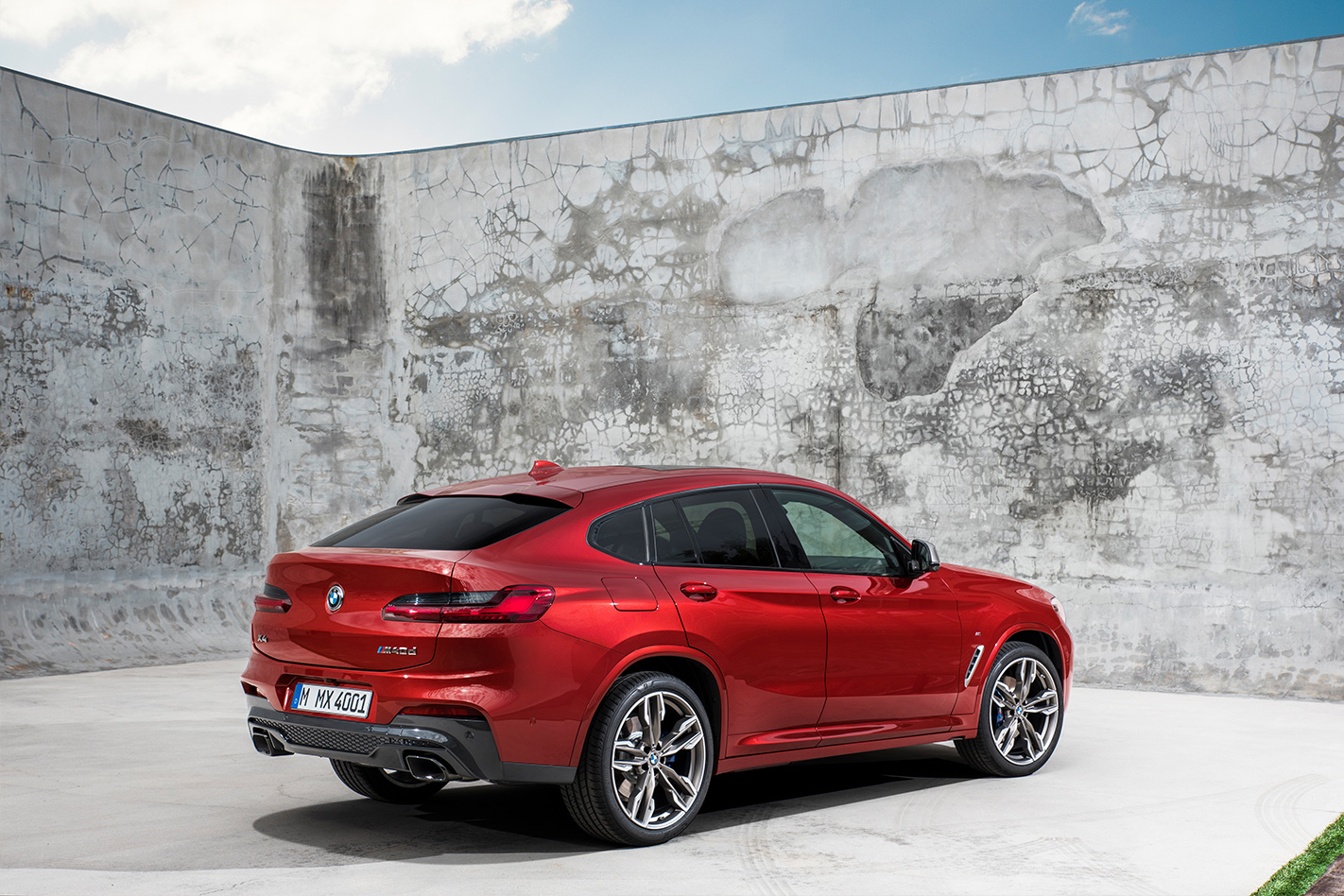
Enlarged kidney grilles are the most striking design change, with the X4 receiving an ‘evolution not revolution’ makeover. Despite the similarities and the relative youth of the current X4 (which only launched in 2014), the 2019 X4 is entirely new.
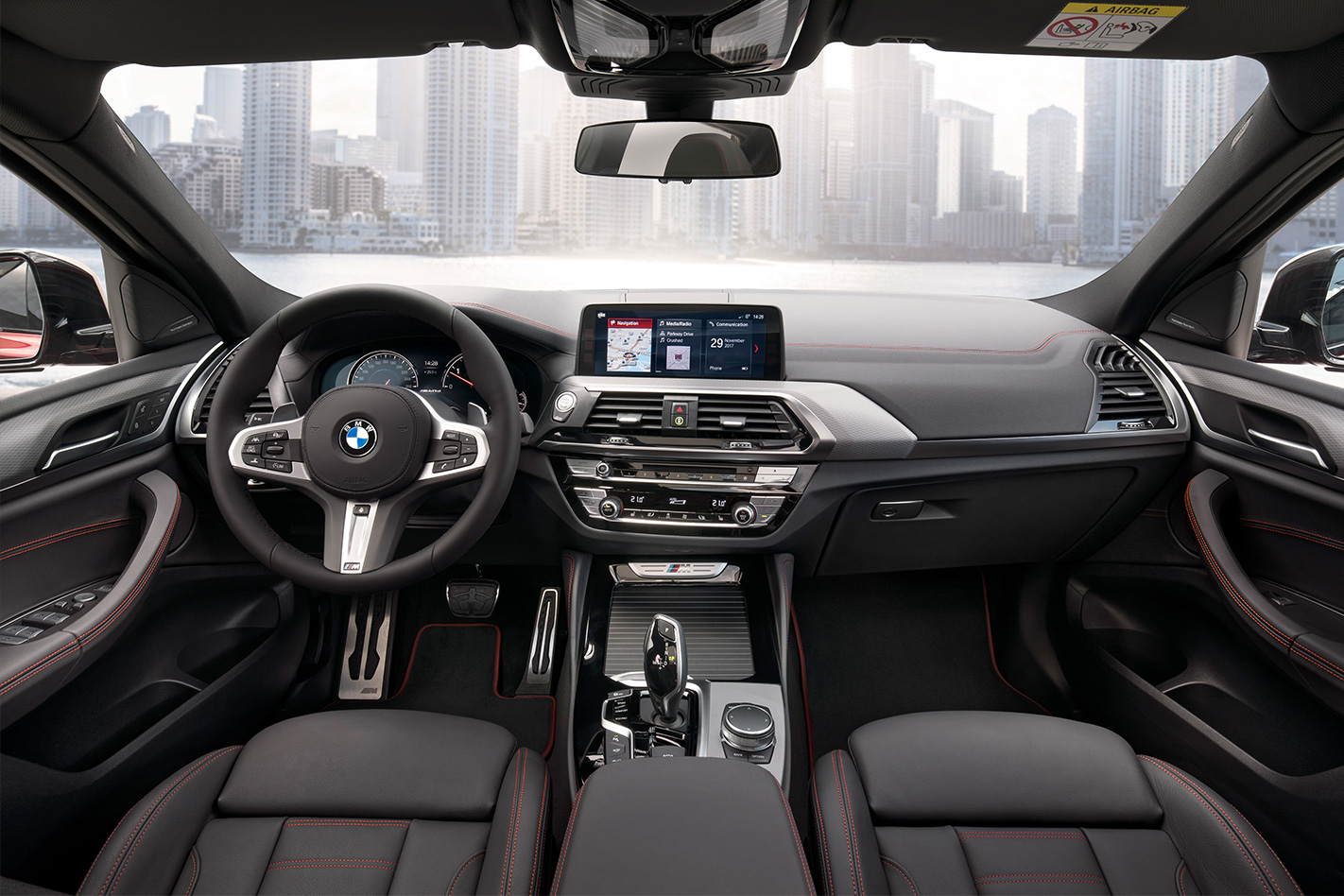
Inside the cabin, the X4’s infotainment system will feature BMW’s latest iDrive6 system.
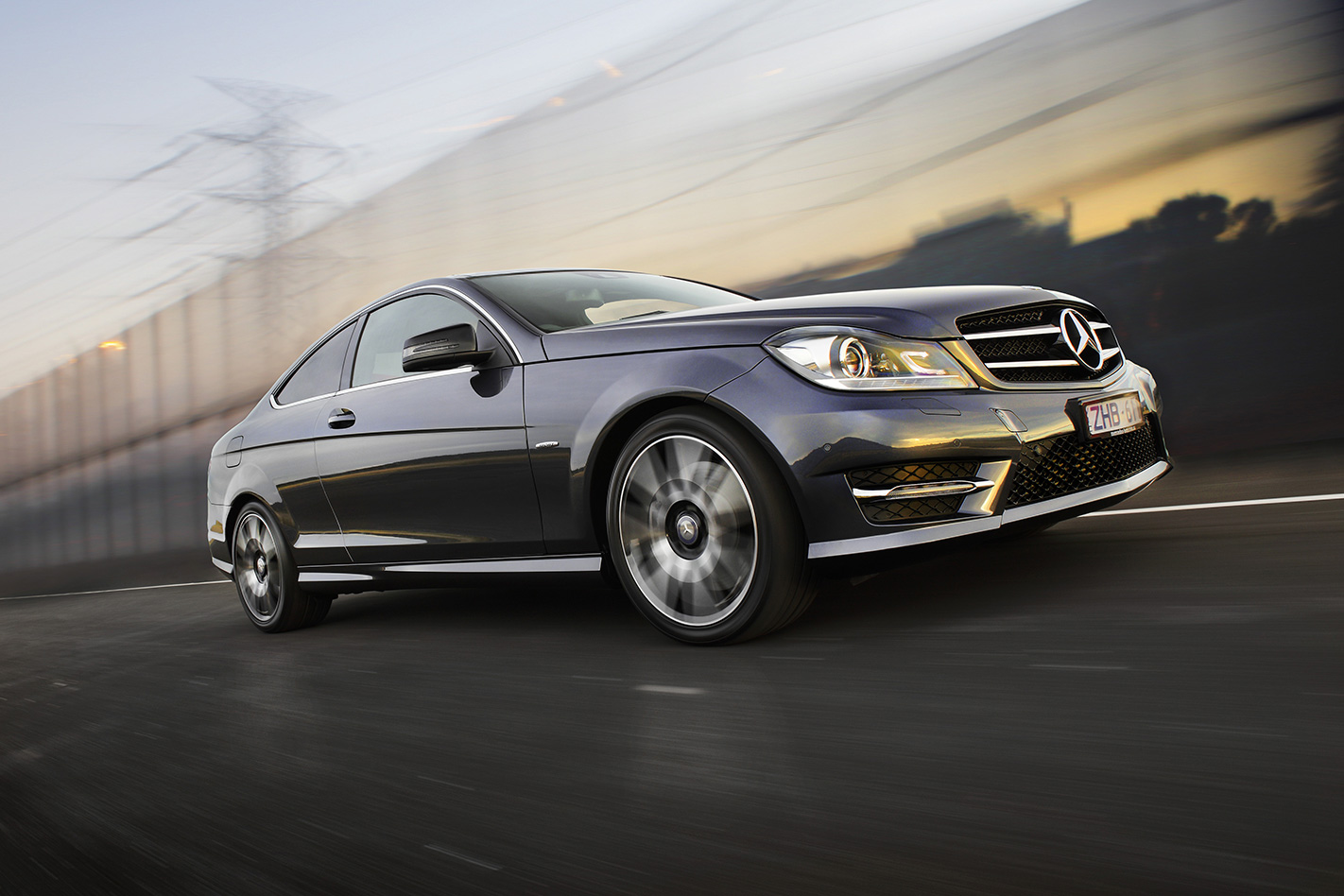
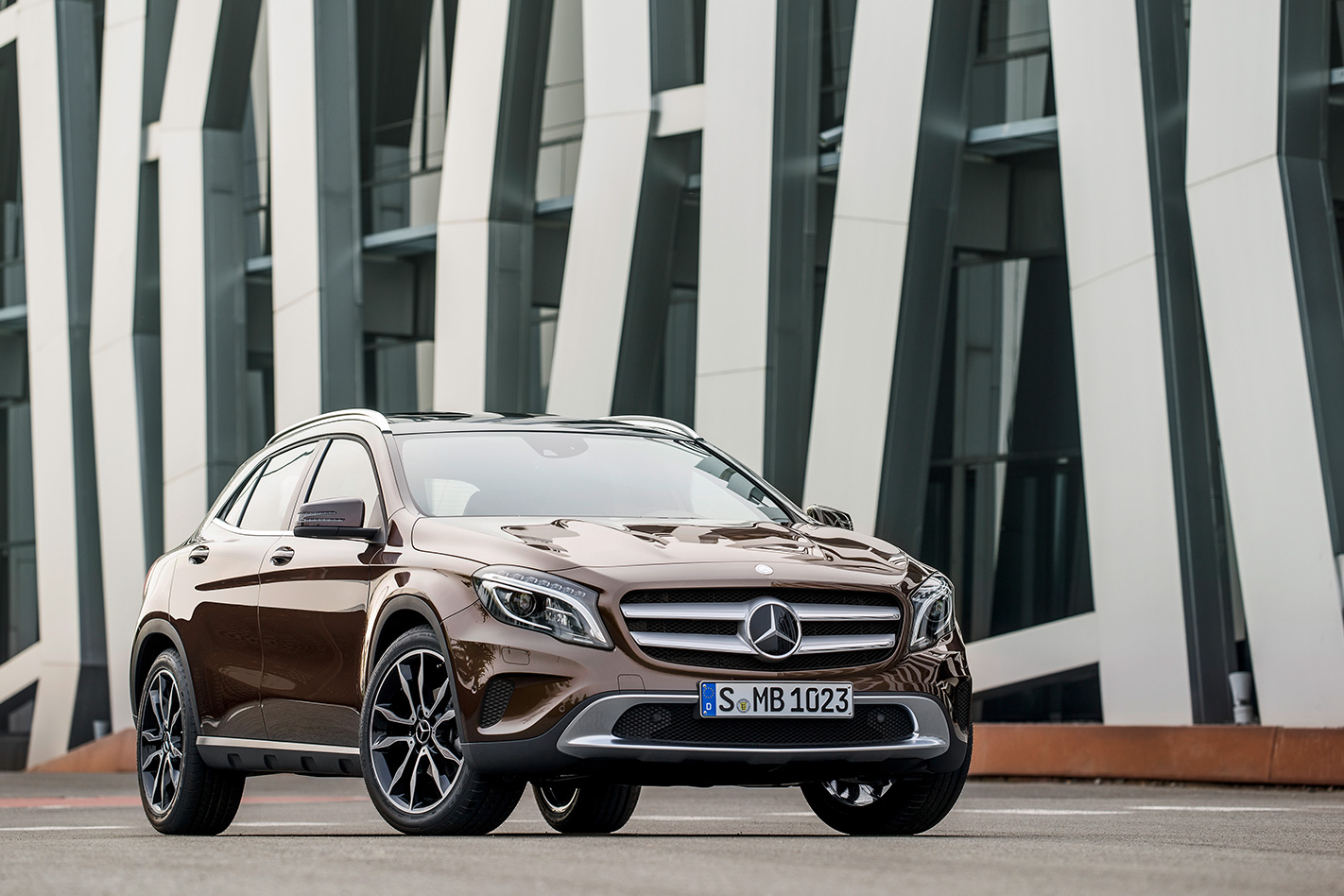
Mercedes-Benz will ask the owners of almost 22,000 passenger cars and SUVs to visit its workshops to fix airbags that may explode in the driver’s face if they ignore a warning.
The recall relates to 21,985 versions of the A-, B-, C-, and E-Class passenger cars, and the GLA-, CLA- and GLC-Class SUVs sold between 2012 and 2013. According to the German luxury car maker, a random electrostatic discharge – what we’d more commonly call static electricity – could trigger the airbag to fire if the steering wheel is not properly grounded, and the steering column switch module is “damaged or faulty”.
The number of cars recalled accounts for almost one in every two Mercedes-Benz passenger vehicles sold in the two-year period.
“An airbag warning message will alert the driver via the instrument cluster display as well as a red airbag indicator lamp that the steering column module is damaged or faulty,” the car maker said on the Australian government’s recall tracking website.
“Triggering of the driver airbag without obvious cause could both increase the risk of injury to the driver as well as the risk of a possible accident.”
The recall is similar to another recall issued last month for around 380 V-Class and Vito vans also at risk of a randomly firing steering wheel-mounted airbag.
And earlier this month, Toyota and Lexus announced it was recalling 27,000 vehicles, because of sensor fault that could prevent airbags going of in an accident.
The Mercedes-Benz and Toyota/Lexus recalls are not related to the global Takata airbag scandal that has potentially resulted in the death of at least two Australian drivers.
In Takata’s case, the airbags fire in a crash as expected, but could either fire dangerous shrapnel from the airbag’s housing into the faces of the people they are supposed to protect, or split when they inflate.
More than 2.3 million vehicles have been recalled in Australia to fix the faulty airbags. The Takata saga has become the world’s largest automotive recall, affecting more than 50 million vehicles globally.
The recalls.gov.au website has updated its list of models affected by the Takata airbag recall to include whether the airbag fitted to a vehicle is the more dangerous Alpha inflator linked to most of the deaths globally.
Cars fitted with the Takata alpha airbags include:
MODEL YEAR RANGE
Honda Accord, CR-V 2001-02 Honda Civic 2001 Honda Accord 2001-02 Honda Civic, Accord, Accord Euro, CR-V, Jazz, MDX 2001-2003 Honda Jazz 2004
Mazda6, RX-8 2002-07
Nissan N16 Pulsar, Y61 Patrol, D22 Navara, T30 X-Trail 2000-04
Nissan N16 Pulsar, D22 Navara, Y61 Patrol, T30 X-Trail, A33 Maxima 2001-03
Toyota Corolla, Avensis Verso 2000-04
Lexus SC430 2000-04
Toyota Echo, RAV4 2002-03
SOURCE: RECALLS.GOV.AU
The next, more hardcore version of the Ferrari 488 is getting closer to being a reality.
And even though we don’t know what it’ll be called yet, we have a couple of hints as to what it will look like, thanks to a teaser released by Ferrari.
In the video, the new 488 – let’s just call it the Sport Special for now – fast cuts and motion blur mean we don’t see much, leaving the image (above, main) we screen-grabbed as the best look at the car so far. Officially, anyway.
Unofficially, a spy shot of the car was published by Instagram user @ferrariphotopage, which appears to be from a private viewing of the car.
We get a much better look at the car here, but what’s more interesting is the specs which were also published by the same user.
https://www.instagram.com/p/BeStn_SB35s/
The image reveals that the working-name of the car is “V8 Sport Special Series”, and that it’ll be powered by the most capable Ferrari V8 ever.
The documents show that it’ll be a successor to the 488 GTB, with the engine coming from the 488 Challenge racer.
It they also reveal it’ll have the most significant increase in power over the donor engine a special series V8 has had previously, as well as being about 10% lighter.
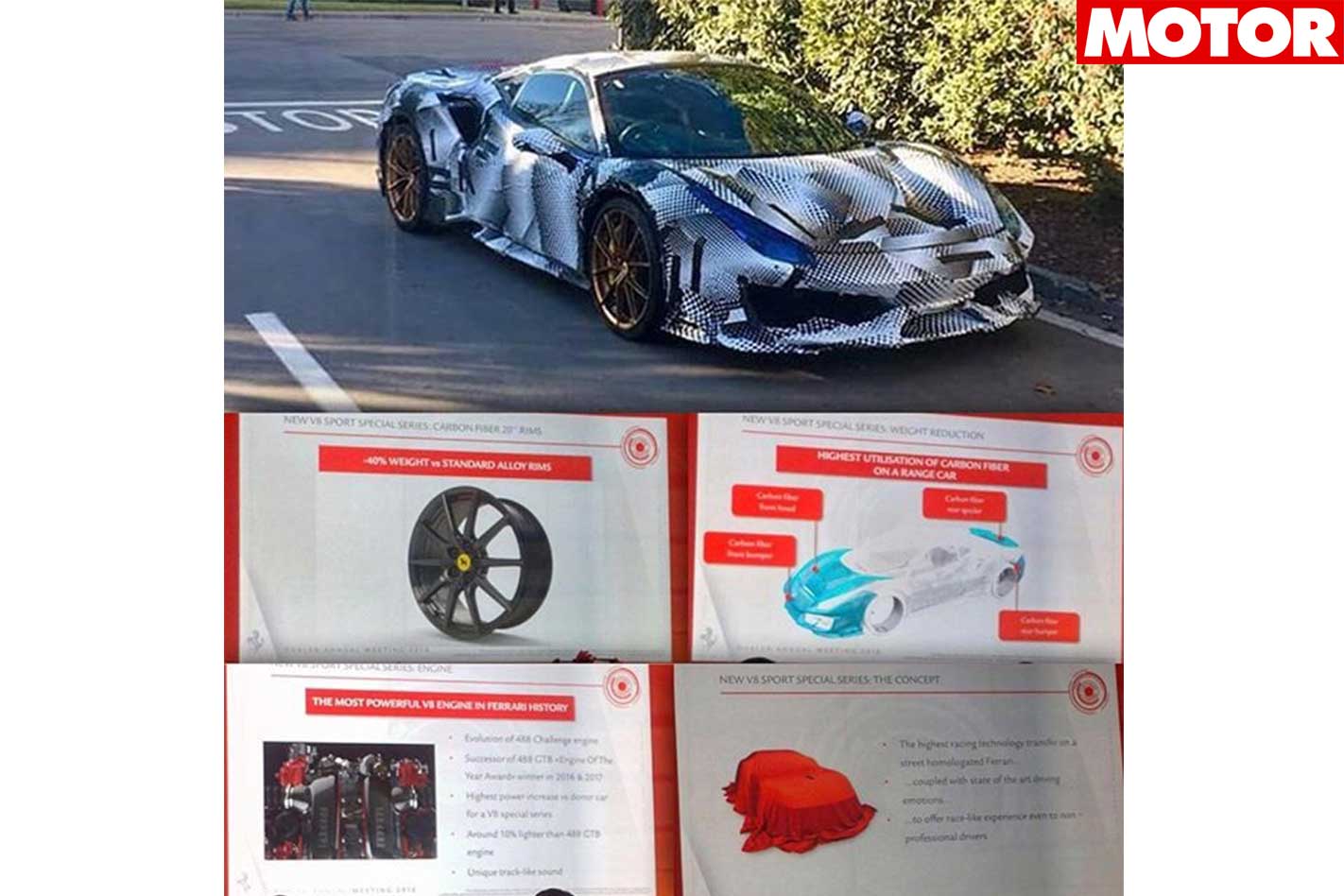
Also lighter are the carbon fibre wheels, by about 40%, which comprise part of the unprecedented level of carbon fibre Ferrari will bestow on a production car.
There’s also a picture of the car in camo form for good measure.
The timing of this announcement from Ferrari suggests the car might be revealed at the upcoming Geneva Motor Show, so stay tuned… we will be.
FORMER Formula 1 ace Mark Webber has described the esteemed and sometimes feared Mount Panorama circuit as “a mini ring”, comparing its gruelling toll on cars and drivers to Germany’s infamous Nurburgring.
The FIA GT champ has intimate knowledge of the universally respected ‘Green Hell’ having completed countless laps in his recent appointment as Porsche ambassador. After completing his first lap of Mt Panorama for 23 years, he said it’s every bit as demanding.
“Certainly here, no question about it,” he told Wheels at the recent Bathurst 12 Hour endurance race . “It’s a mini ring in terms of demands on the car.”
But while the gun steerer recognises the challenges of one of Australia’s most famous race circuits, he stopped short of saying manufacturers might develop or benchmark new vehicles at the mountain, in a similar fashion to the Nordschleife.
“Nurburgring has a lot of elevation gain, which Bathurst has as well but obviously the pure cycle around that lap, anything under seven minutes at Nurburgring is extremely quick and this a shorter lap.
“It’s a long lap by motor racing tracks, in terms of industry and manufacture, in terms of durability of testing, everything to make sure you can survive that seven minutes is probably a bit short here.”

Last year, Mercedes-AMG set a new standard road car lap record of a blinding 2:16.5, but Webber confirmed Porsche has no plans to try and steal that title from the GT R in its most potent hardware – the GT2 RS.
“I didn’t know anything about that (the GT R record),” he said. “There’s no GT2 here and plus you need to come here for a full day. You don’t trivialise it and we don’t do that at Porsche. If we are going to do something, as you know, we do it absolutely properly, as all of our Nordschleife attempts have been.”
For now, it seems the makers of the world’s fastest machines will continue to battle it out at the traditional venue, where the GT2 RS recently put in a manic 6:47.25.
Webber said that, while that record-breaking time is “extremely impressive”, the consistency with which the Porsche completed laps almost as fast as the final time was every bit as commendable.
“We’re extremely proud of how many lap times we did about the 6:50 bracket. Everyone talks about the 6:47, but we’re probably as proud as what the 6:47 stood for. It was a hell-of-a-lot of laps with two cars and not many manufacturers can do that and drive home that night.”
The last time Webber completed a lap of the Mountain was in 1995 at the wheel of a Formula Ford but, for his return, he took the passenger seat of a GT3 RS piloted by Porsche factory racer, Patrick Long.
“An American in the right-hand seat. What could possibly go wrong?” asked Webber.
