
Commodore has been Holden’s hero on the track since 1980.
Sustained success on the track was inexorably linked with Commodore’s fortunes in the marketplace, imbuing each series with a sporty image. Racing has been imbedded in the DNA of every Commodore – especially the V8 models – and associations with race-bred performance were sustained by direct links with the Holden Dealer Team and the Holden Racing Team.
That halo effect has remained during Commodore’s sales decline in recent years, with V8 performance versions accounting for up to 50 per cent of sales of mainstream models while demand for HSV variants has remained strong.
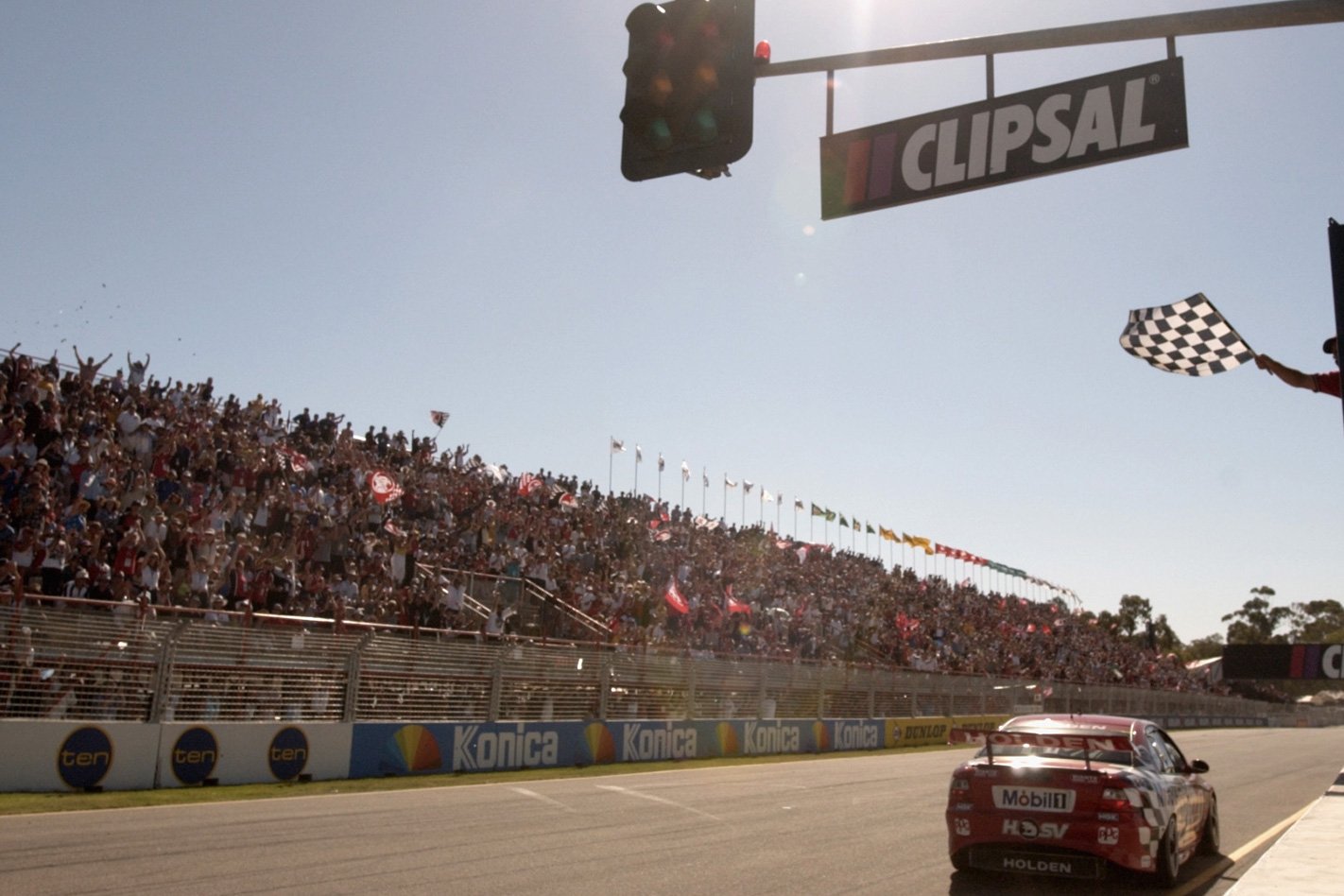
Road and race Commodores have shared very little in common for more than a decade as the Supercars technical rules have moved from racers built around production body shells to control chassis and common key mechanical components beneath faithful replicas of road car body shapes.
Supercars look like production models on steroids, but the relationship is only skin-deep. Underneath the lookalike body panels – many of which are plastic facsimiles – they’re pure-bred racing machines. But the visual connection is still strong and the Commodore nameplate is by far the most successful in Australian touring car history.
Commodores have been driven to a record 15 ATCC/Supercar crowns and a yardstick 24 Bathurst 1000 victories. They have also scored an all-time high 474 championship race wins (prior to September’s Sandown 500), with 207 of them shared in the past decade by VE- and VF-look machines.
The VE was only surpassed in August when Jamie Whincup scored the VF’s 104th win at Sydney Motorsport Park. Just 11 days before local production ceases on October 20, Commodores will contest the Bathurst 1000 for the 38th time.
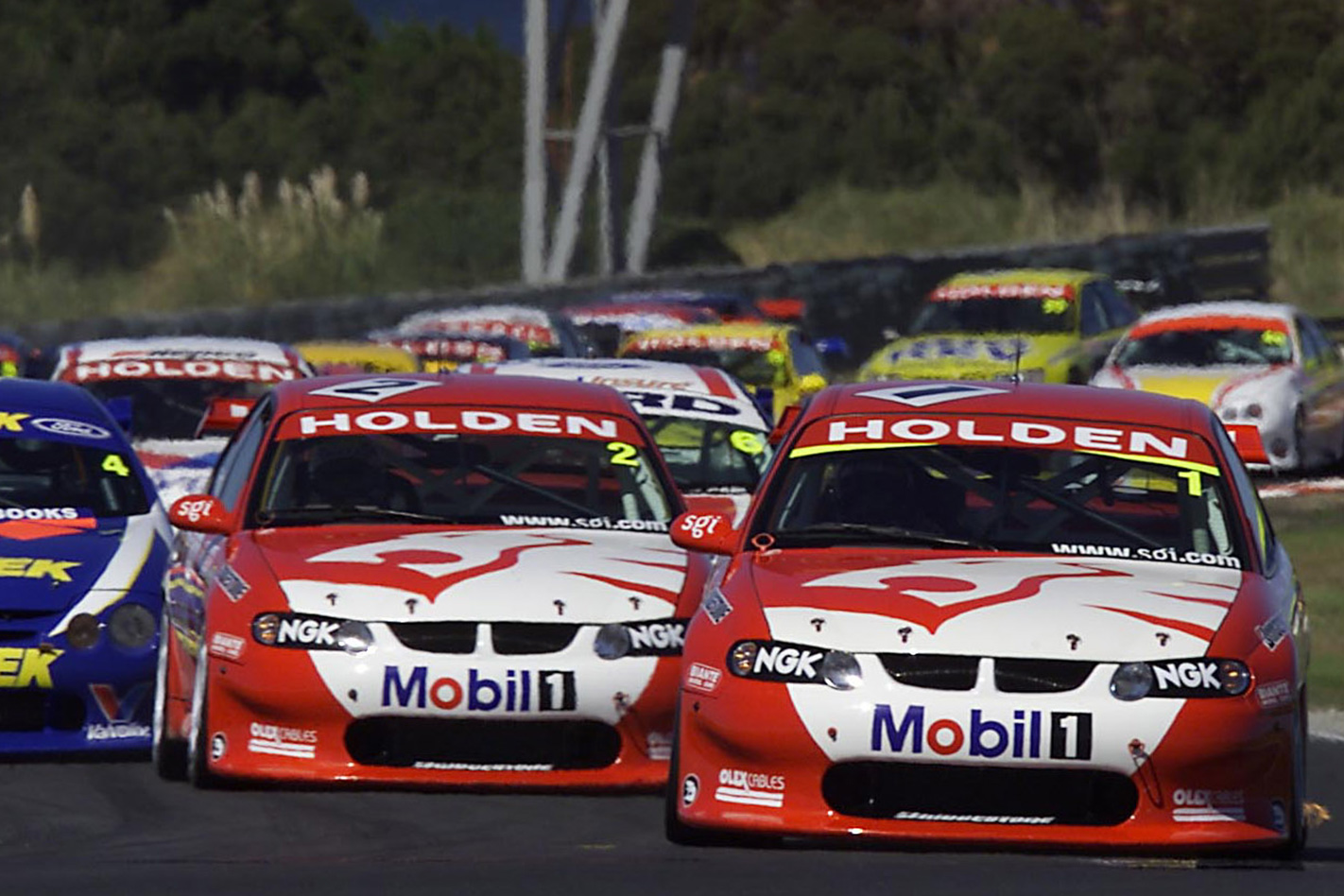
It won’t be the nameplate’s last appearance on The Mountain because new-look Commodores, mimicking the appearance of the fully imported ZB, will be racing at selected rounds from next year. Most VFs will likely soldier on in Supercars for another season, but by 2019, there will be no more Aussie Commodores – or Falcons – competing.
The Commodore track legend has been perpetuated and underpinned by a quartet of hero Holden drivers: the late Peter Brock in the 1980s and early 90s; Craig Lowndes in the mid-to-late 90s; Mark Skaife in the early-to-mid 2000s; and Whincup since 2008.
Since Brock, none has arguably been more deeply involved in the evolution of Commodore racers and their most celebrated road-going cousins than Skaife.
After making his name in the all-conquering R32 Nissan Skyline GT-R at the start of the 1990s, he switched to Holden in 1994 and raced Commodores with Gibson Motorsport, Holden Racing Team and Triple Eight Race Engineering until his retirement from V8s after the 2011 enduros.
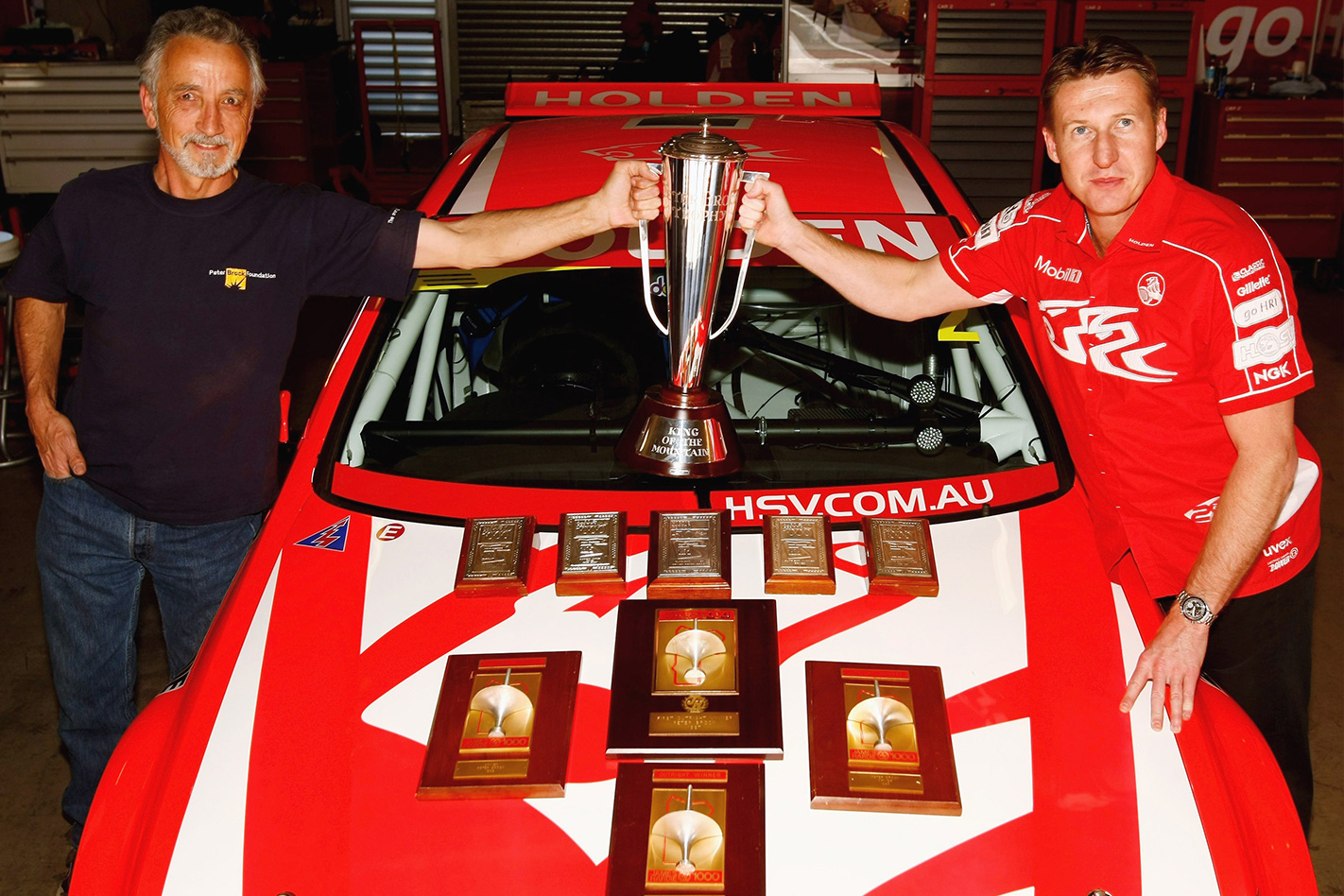
Skaife won five ATCC/V8 titles – four of them in Commodores – and six Bathurst 1000s – again, four of them for the Lion. He is also third on the all-time list of championship race winners with 90 successes.
The peak of his immersion in developing race and road Commodores was 1998-2008, a decade that began with him joining HRT full-time alongside Lowndes and becoming involved with HSV, both of which were owned by the late Tom Walkinshaw’s TWR racing and automotive engineering empire.
Skaife dominated V8 Supercars from 2000-02, which is now remembered as HRT’s golden age, and increasingly consulted to Holden and HSV on product development. In the wake of TWR’s collapse in early 2003, he bought HRT from Holden and, by all reports, on very favourable terms.
It was during his reign that the factory team embarked with Holden on the development of the Supercars version of the VE, the biggest Commodore racing project ever. Concurrently, as a Holden ambassador and board member of HSV, he helped hone the driving dynamics of the all-new, all-Australian VE production models and HSV’s E-Series range.
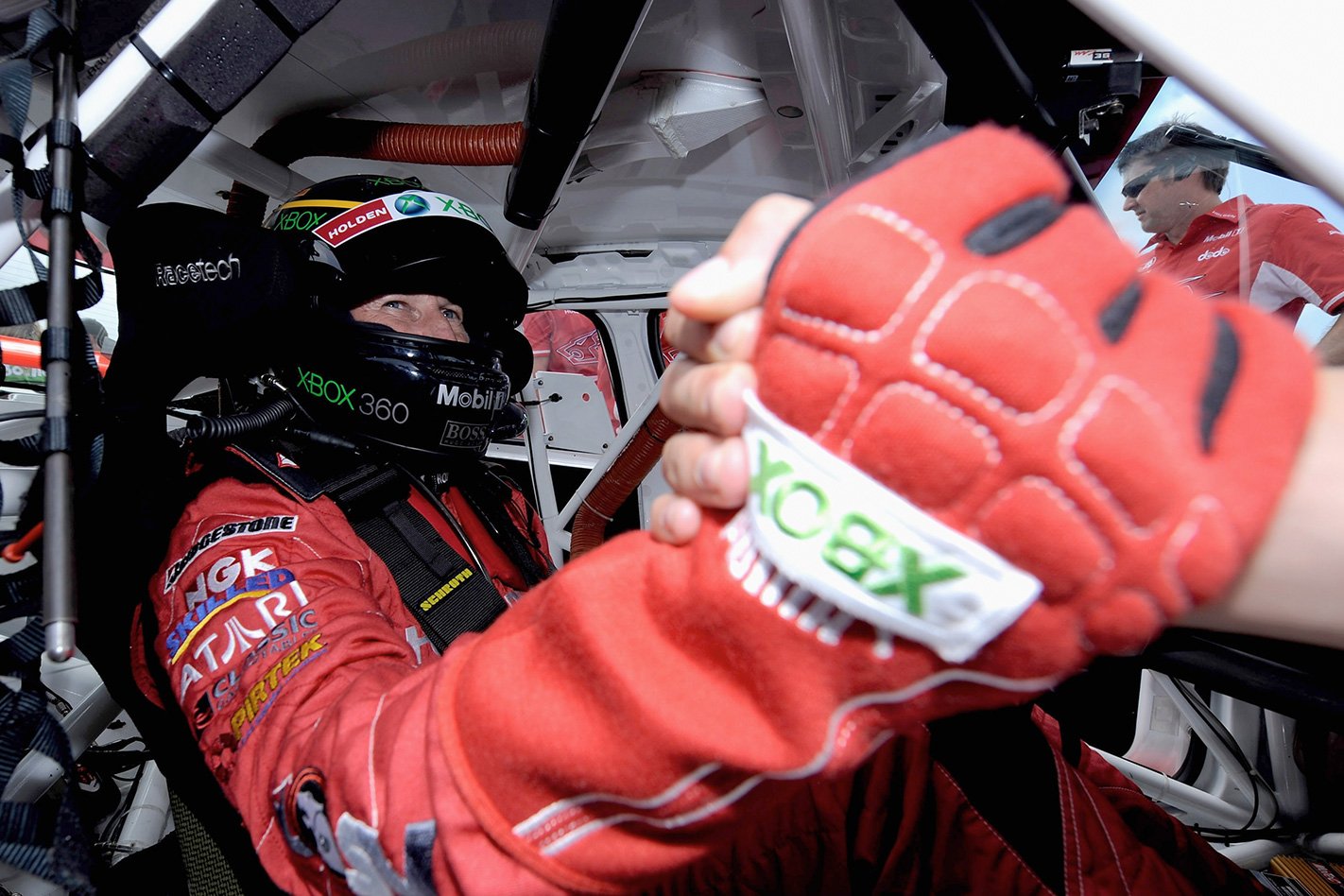
All would be outstanding successes, but by the time the VE hit the track in ’07, Skaife’s influence was in decline. Walkinshaw wrestled back complete control of HRT the following year, pushing him into retirement from full-time racing.
His roles at HSV and Holden also wound down as he moved into senior advisory positions with Supercars and established himself as an authoritative TV commentator. Skaife indirectly determined the VF’s successful racing succession as the architect of the ‘Car Of The Future’ rules, which ended the two-decade Commodore/Falcon duopoly by opening Supercars to other brands.
It was also a radical change to the V8 racers’ relationship to their road-going namesakes, dispensing with the last vestiges of manufacturer homologation. Skaife, 50, is best known these days as the analyst/pundit on Supercars broadcasts.
He has varied business and philanthropic interests outside racing, but the sport remains at his heart, as evidenced by the posters commemorating so many of his successes that adorn the walls of his office in Melbourne’s upmarket suburb of South Yarra.
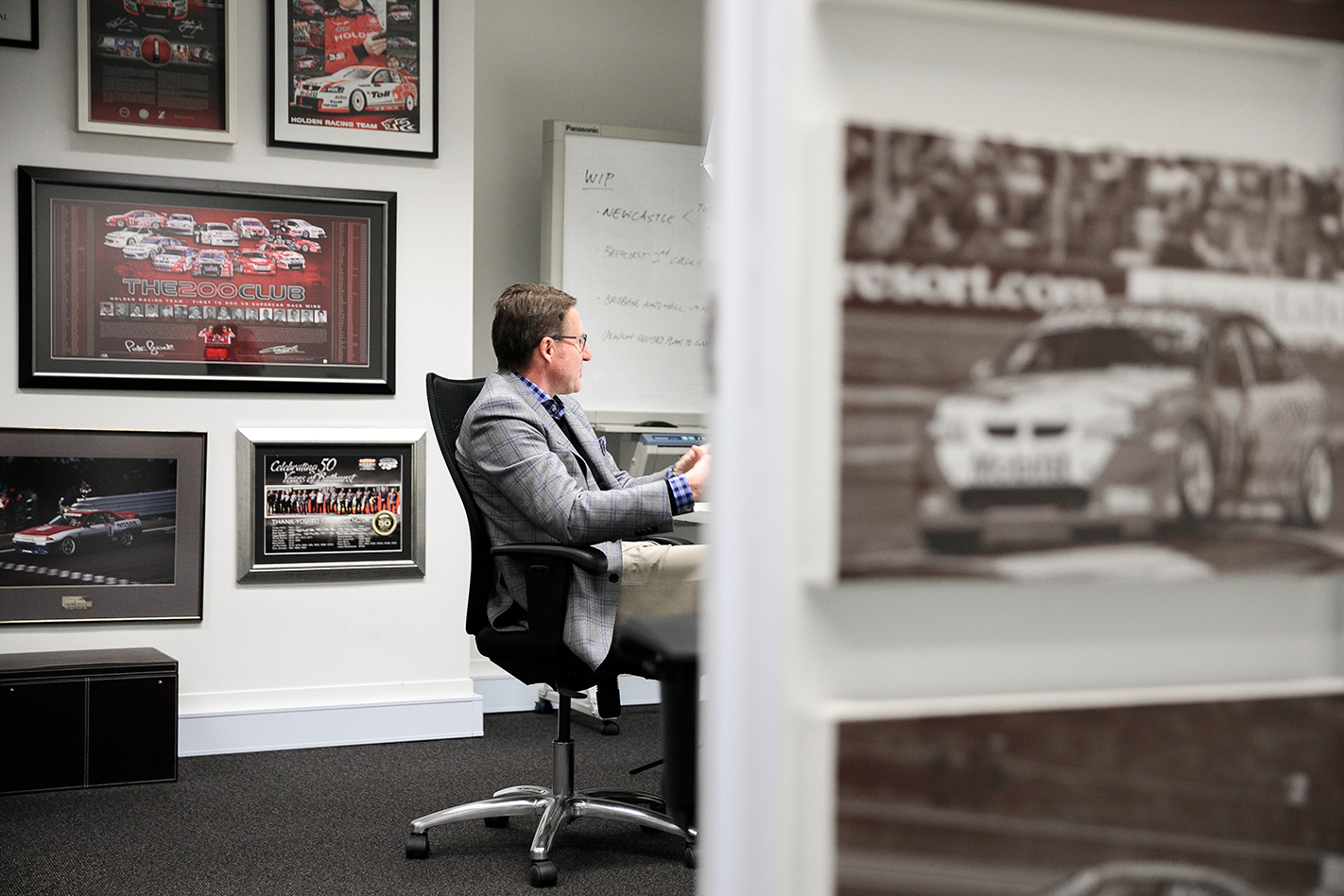
It is in this shrine to ‘Skaifey’ that we discussed his key roles in the development of one of the greatest competition Holden Commodores of all time and also the most transformational HSVs in the company’s history. With the VE racer, the track image of the most important Commodore in history – and also the most expensive to develop – was critical.
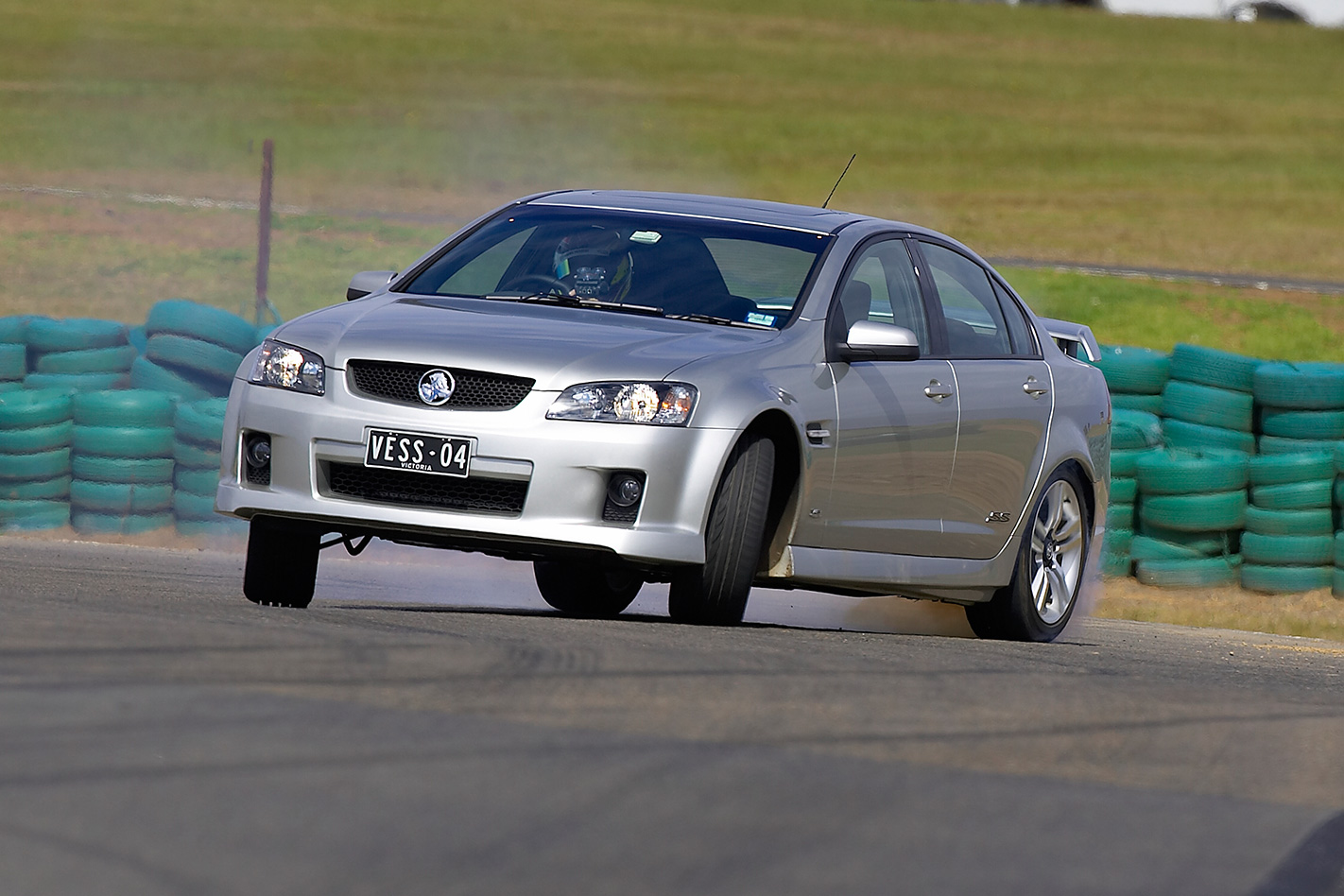
Holden executives were incredulous when they learned that the cabin had to be shortened to meet the dimensional restrictions of the new rules. The solution was to cut 96mm from the roof and side pressings, and shorten the rear doors, which involved new scaled-down stampings made with the sole purpose of being used on the race cars.
“My discussion with [then Holden managing director] Peter Hanenberger and [marketing boss] Ross McKenzie regarding taking 96mm out of their ‘Billion Dollar Baby’ was one of the hardest conversations I’ve ever had,” Skaife tells MOTOR. “To make the car fit the regulations we had to.
We’d worked out that the best spot to knock the 96mm out of it was in the rear doors. So we had to shorten the rear doors. “I’ll always remember, we’re sitting in this sort of lounge in the virtual reality centre, the racecar’s up on the virtual reality screen – and here it is now with the 96mm out of it.
You should have seen their faces. ‘You guys have got to be kidding! What sort of drugs are you on? You think you’re going to chop 96mm out of the car we’ve just spent a fortune on?’ “Getting that through was harder than buying the team. It was one of the most serious GM discussions I’ve ever had.
But we got it through and Holden did a big batch of shortened rear doors. It all worked out beautifully for us. There was a lot of work and a huge amount of effort from all parties to get that through the system, make it comply with the regulations and then develop it into a great racecar.”
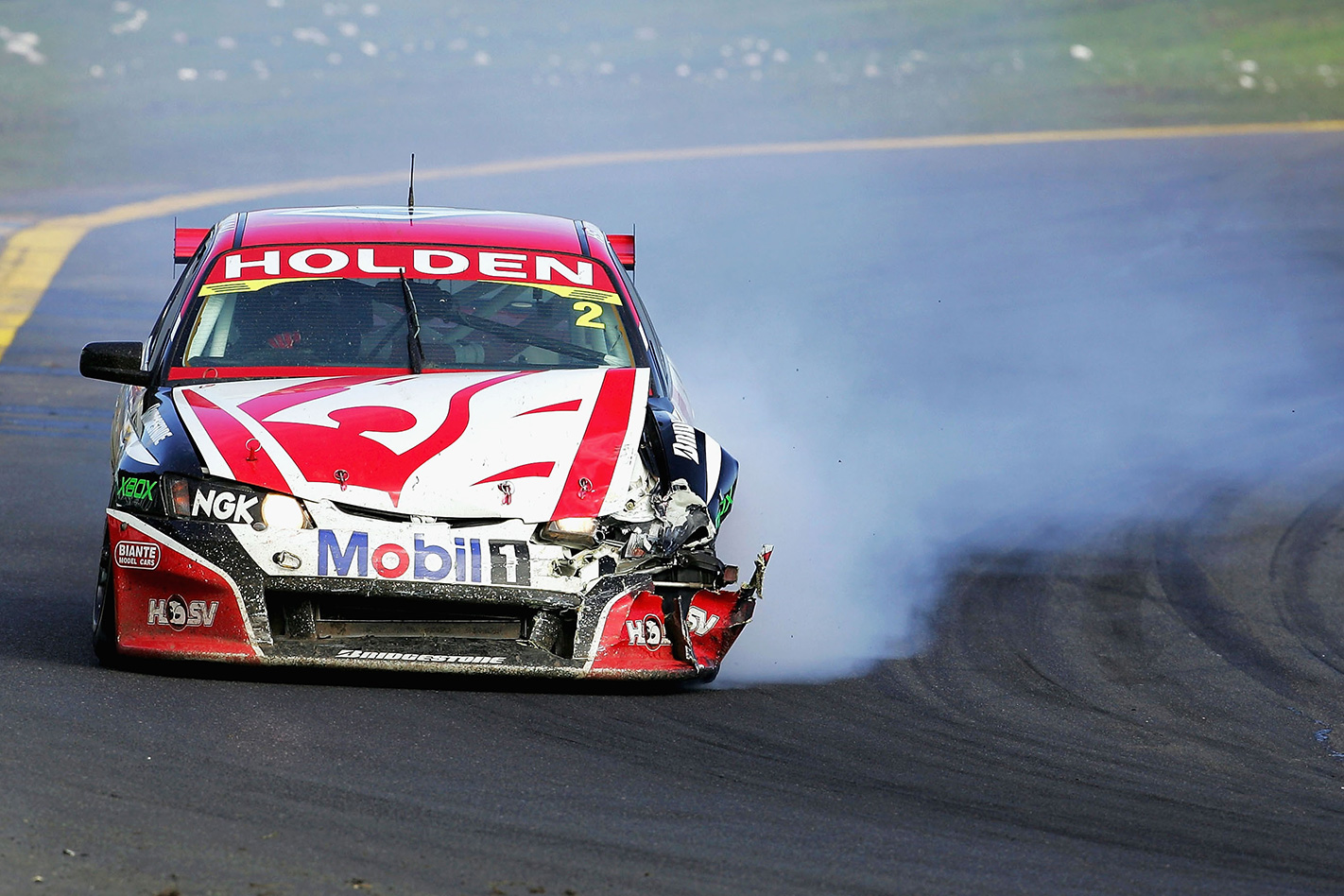
Much of the VE racer’s aero kit – front air dam and splitter, sculpted sills, and rear wing and diffuser – was developed on the high-speed bowl at the Lang Lang proving ground. Skaife would often do double duty, assisting HSV engineers to sort the suspension of the VE-based E-Series on the ride and handling course on the same day.
“I was working very hard with the HSV engineers on the new Clubsport and GTS, etc,” he says. “And over in racing-land, the pressure was on to get the design modifications made, get the car on track and develop the aero package. We actually built an aero test car, which became my first VE racecar.
We were down at Lang Lang a lot, doing a lot of aero testing on the banked track and also a lot of HSV stuff. “So some days I’d be down there with a couple of HSV cars to drive around the ride and handling track, and then we’d stay there for the rest of the day and do racecar stuff.
So it was a really busy period and, to be honest, very integrated between Holden, HRT and HSV. There was a very strong, powerful bond between the three organisations in that period. “HSV and HRT were joined at the hip. The race team was a big part of the marketing and DNA of HSV.
And that wasn’t ponytailed agency talk. That was real. I still think the ‘win on Sunday, sell on Monday’ proposition applied to HSV.” HSV and HRT were brought into the VE program from the early stages to more fully integrate the racing and performance-car arms, for which Skaife reveals the engineering and design teams at Fishermans Bend had given unprecedented consideration.
“[Then HSV boss] John Crennan and I were invited in in the very early days to look at what VE’s plan was,” he says. “The critical dimensions were up on the wall and [design chief] Mike Simcoe took us through that plan. I remember noting that the front wheels were right at the corners.
That was great for the racecar and helped improve the precision of the HSVs. Simply, with a big V8 car, the further forward you put the front wheels and, effectively, the front axle centre line, the better it will be. It was very BMW-like and when you look at the VE, for a big car, it certainly has the front wheels far forward.
“Also – and not many people know this – the great thing from Holden’s design standpoint was that there were four variations of the VE architecture – one for the base model, one for SS, one for Calais and an HSV version. So from day one they put HSV in that mix, which was fantastic.
That’s why the cars came out so beautifully – the integration was great. “It was the simplest things, like being able to change the instrument font, that was there right from the start. The ability for us to change door trims and all the other points of difference. Different steering wheel from day one.
All that stuff was allowed for. The bespoke tail-lights and the gill behind the front wheel openings. They were really nice treatments that made the E-Series really stand out from the normal VEs.”
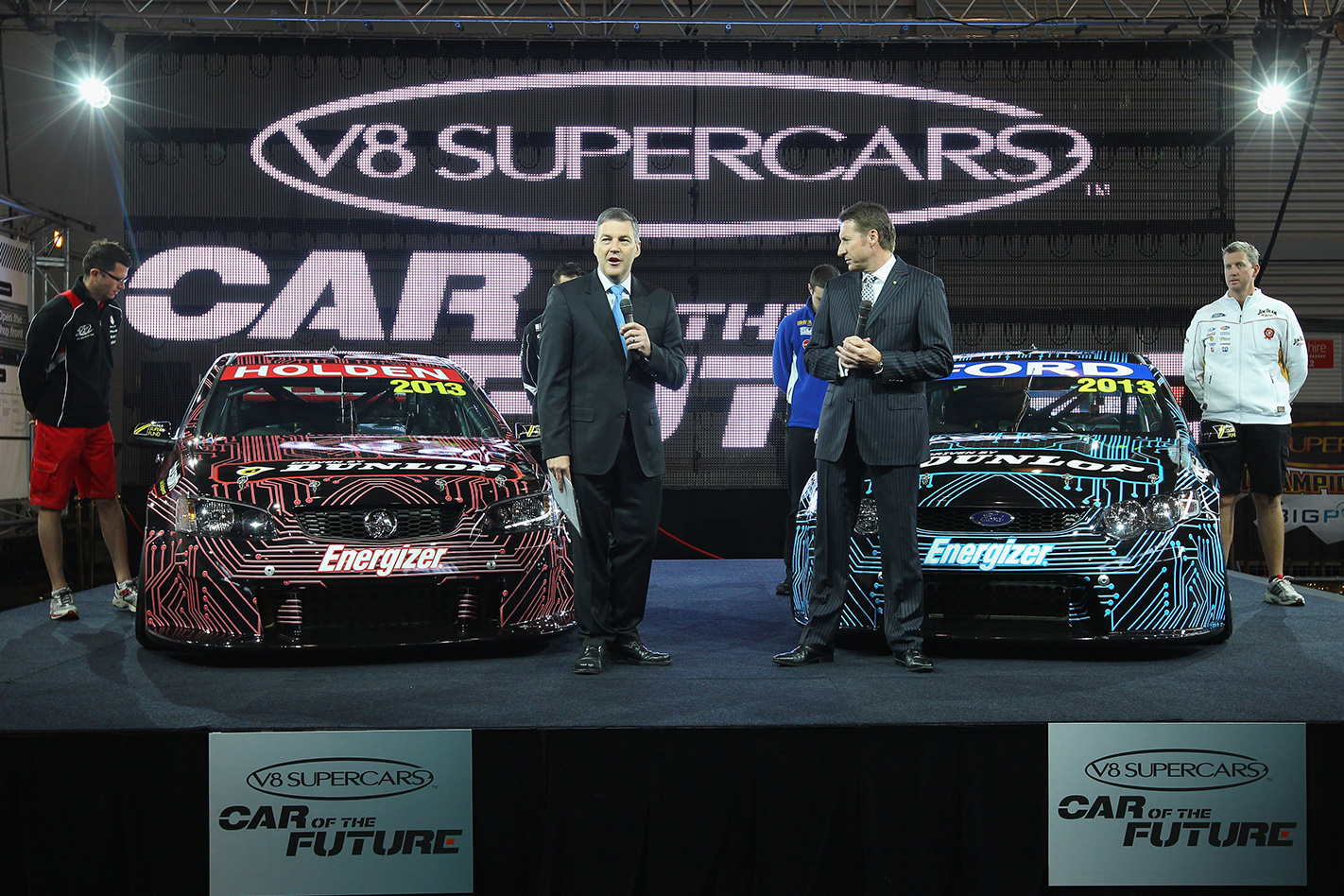
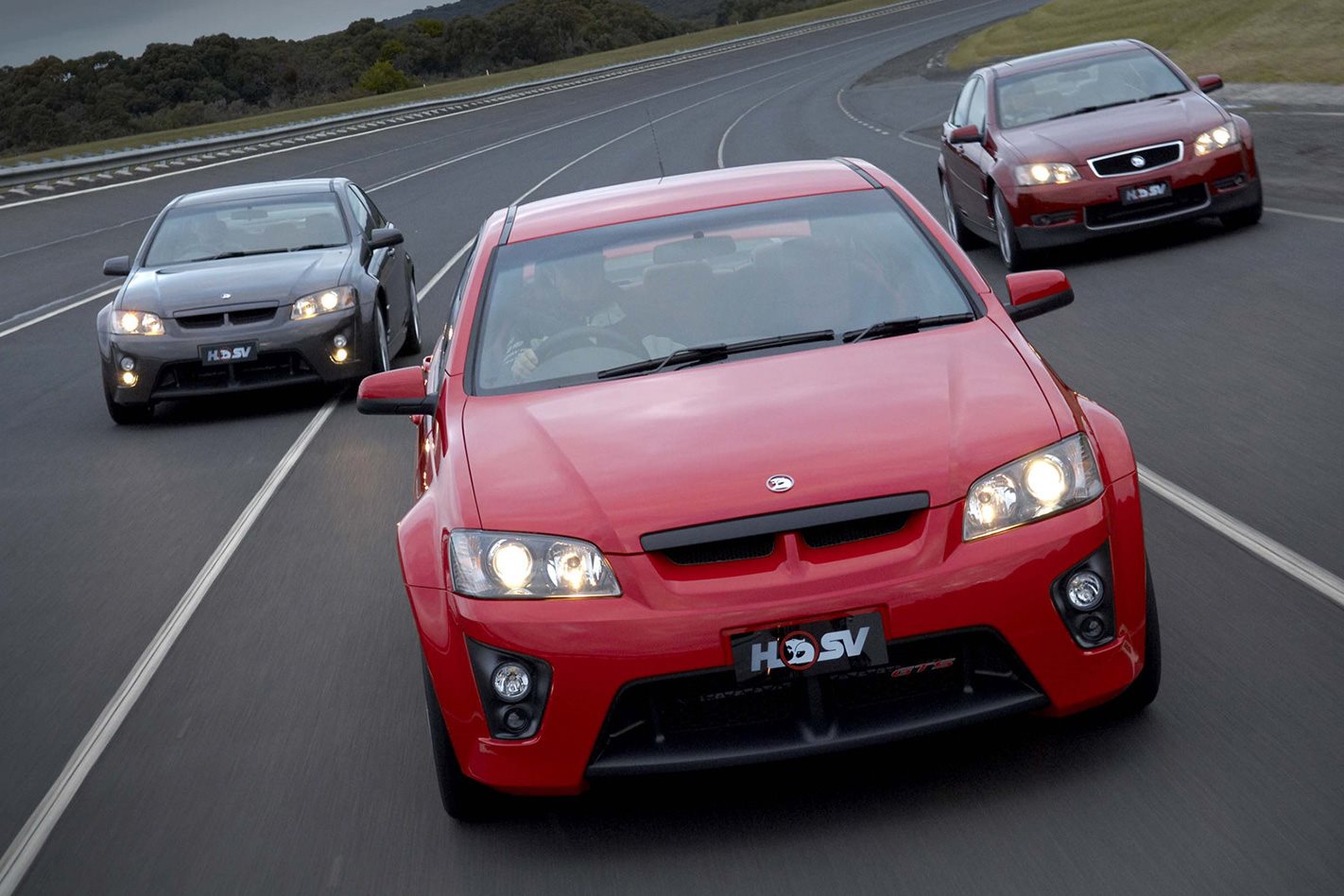
According to Skaife, Holden’s clever base design – and Tom Walkinshaw’s approval of by far the biggest budget for a new model range, running to more than $20 million – meant the E-Series in 2006 was a turning point for HSV.
The new level of sophistication made them genuine value-for-money challengers on performance to the BMW M5 and Mercedes E55 AMG, against which the E-Series was benchmarked. “Because Holden had done a really good job with the fundamental architecture, their car was going to be good,” says Skaife, casting his mind back.
“I remember saying to the HSV engineers of the day ‘We can’t sit on our hands here. They’re going to bring out an SS that’s really going to a sensational car.’ And it was, forcing HSV to raise the bar with the Clubsport. VE forced HSV to step up another level and that kept everybody sharp.
We needed to build on what was already a good car and achieve the right level of differentiation. “And all of a sudden, we went into this market where we were saying ‘If you’re not a brand snob, you’d definitely buy an HSV E-Series’. Value-for-money, day-to-day, they were BMW- and Mercedes-esque.

The M5 and E55 became the new targets. They were the cars we measured against.” Interestingly, Skaife credits a MOTOR-arranged test at the famed Nurburgring Nordschleife in 2000 for his realisation that HSVs could be more than hotted-up Holdens.
A VT II GTS 300 – boasting the Callaway C4B version of the 5.7-litre Gen III Chev V8 producing 300kW/510Nm – was dispatched to Germany to duke it out with a BMW M5 and Mercedes E55 AMG on their homeground at ‘The Green Hell’.
Skaife invited his former ‘Godzilla’ co-driver teammate, Swedish touring car star Anders Olofsson, to handle the driving duties as an impartial tester. The result convinced Skaife that HSV could build a genuine Euro-basher. “For me, the real step up was when we did a test at the full Nurburgring for MOTOR with the first of the Callaway-engined GTSs,” he relates.
“We took a 300kW GTS and compared it with an E55 AMG and an M5 BMW. I called Anders Olofsson and said ‘Anders, you’ve won at the Nurburgring, I don’t know the track from a bar of soap, and I don’t want it to look like it’s a Mark Skaife-contrived result.
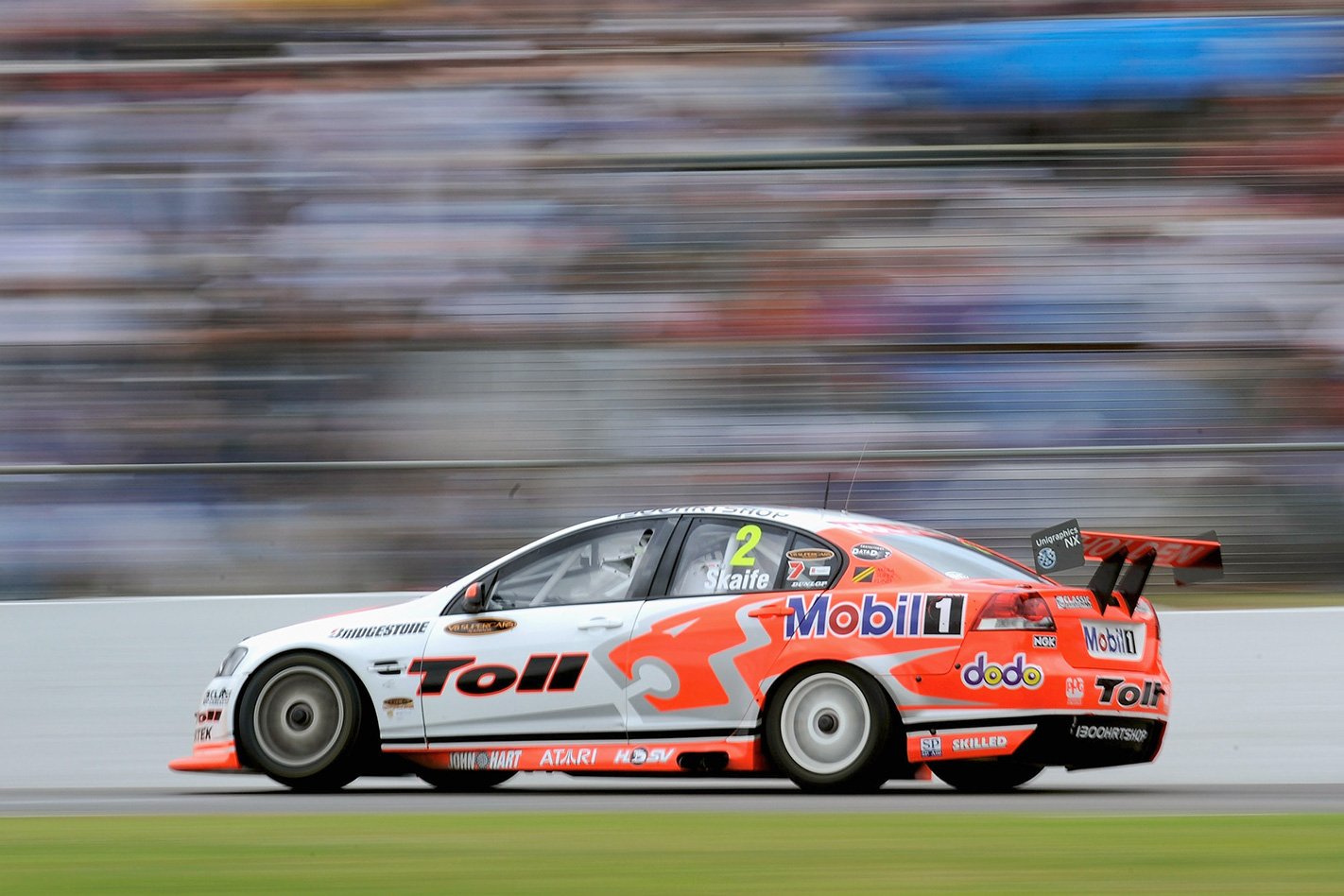
Can you come and be the independent test driver of these cars?’ “So we spent a couple of days at the Nurburgring testing those cars and, for me, in my absolute heart of hearts, it was the first time you could say this is actually a Euro-beater, this is a proper thoroughbred performance sedan.
It was actually faster in the dry and the wet over a lap than the M5 and E55, which was pretty cool. Anders asked me ‘Has this got traction control?’ I said no, but the rear suspension geometry was so good that on all the corner exits, he was blown away by how much throttle you could use.
“I reckon that was the game changer. The 300kW GTS enabled us to aspire to something much better. The level of detail and integration set the stage for the E-Series.” With Aussie Commodores having been such a big part of so much of his life, Skaife is unsurprisingly sad to see the end of the locally made Lion along with the rest of the car manufacturing industry.
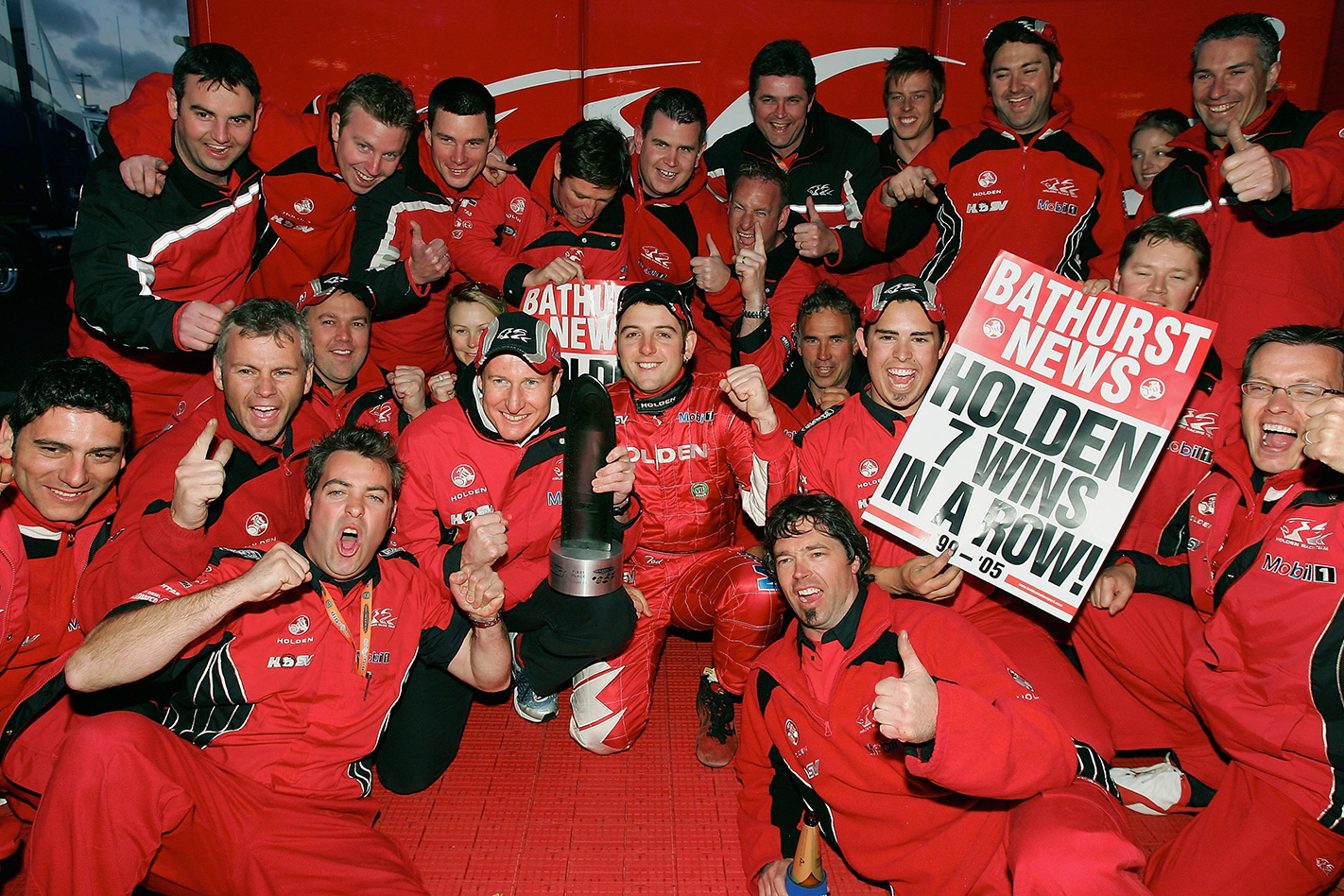
“Oh, it’s gut-wrenching,” he laments. “I worked with Holden during its greatest and most successful period. What I still have trouble digesting is that we’ll no longer be building these cars locally. Clearly, there’s a heartfelt concern for so many of those employees around that part of the business, but also just the simple quality of those cars.
“Every time I go to Avis, it’s in my profile to get a Commodore. I got into an SS recently and it had done 25,000km, and I actually said to the guy when I handed it back ‘What a good car’.
If you take all the emotion out of it, the quality of the Commodore makes you realise it’s such a travesty that there’ll no longer be an Australian car of that type. It really is a bitter pill to swallow.”
After awarding the Audi A4 as the 2017 WhichCar style award winner in February this year, our team of experts are now focused on finding the most stylish car from the last year. We’ve narrowed it down to the top 12, but now we need your help!
Using the poll below, pick the car you believe should be named the most stylish car for 2018. The top cars, as voted by you, will be assessed by a panel of judges drawn from the Automotive, Design and Publishing industries.
Everyone who votes goes in the draw to win 1 x $500 Visa gift card or 1 of 2 $250 Visa gift cards. But be quick, voting closes November 12, 2017!
CONGRATULATIONS TO THE FOLLOWING WINNERS:
Major Prize Winner: Donna V
Runner Up Prize Winners: Maddie G, VIC, and Judith J, NSW
WhichCar Style Awards 2018 – Top 12
1. Alfa Romeo Giulia 2. Audi Q2 3. Hyundai Kona 4. Kia Stinger 5. Lexus LC Coupe 6. Mercedes-Benz E-Class coupe 7. Peugeot 3008 8. Range Rover Velar 9. Suzuki Ignis 10. Toyota C-HR 11. Volkswagen Arteon 12. Volvo XC60
How did we choose our shortlist?
- Design Innovation – Does it break new ground?
- Functional Ergonomics – How well does it work?
- Stand-out Features – Is there any X-Factor?
- Value For Money – Does the quality match the price?
- Target Market – Does it meet owner’s wants and needs?
Our panel of experts will score the top cars using the above criteria. Our WhichCar Style Award judges are:
- Justine Cullen – Editor, Elle Magazine
- Tanya Buchanan – Editor, Belle Magazine
- Emma Vidgen – Editor, Real Living
- Michael Pickering – Editor, Men’s Style
- Ged Bulmer – General Manager and Publisher of Bauer Trader Motoring
- Paul Beranger – Automotive Design Consultant, former Head of Toyota Asia Pacific Design
The winner of theu00a0WhichCar Styleu00a0Award will be announced at the Australian Motoring Awards, in Melbourne, on January 24th 2018.
WhichCar is the ultimate new-car comparison site, designed to help Australian’s find the right car for them. The site provides expert, easy-to-understand information and sophisticated search tools to connect users with high quality videos, reviews, specifications and lifestyle content.
Want more? Check out our video from the 2017 Australian Motoring Awards…
Lamborghinis, Ferraris, and Rolls-Royces mixing it among candy-coated rotary Mazdas, American muscle cars, Japanese turbo monsters, low-rider Yank tanks…
oh, and a BMW M3 drag car with a turbocharged triple-rotor drivetrain and suspension plated in 23-karat gold.
It’s all in a day’s work – well, maybe longer – for Sydney car bling king Mohammed Ibrahim.
The Queen Street Group in south-western Sydney is one of the nation’s best-known shops for street car customising; although the business also covers unique wedding car hire, regular smash repairs, a car wash, and even a charcoal chicken shop.
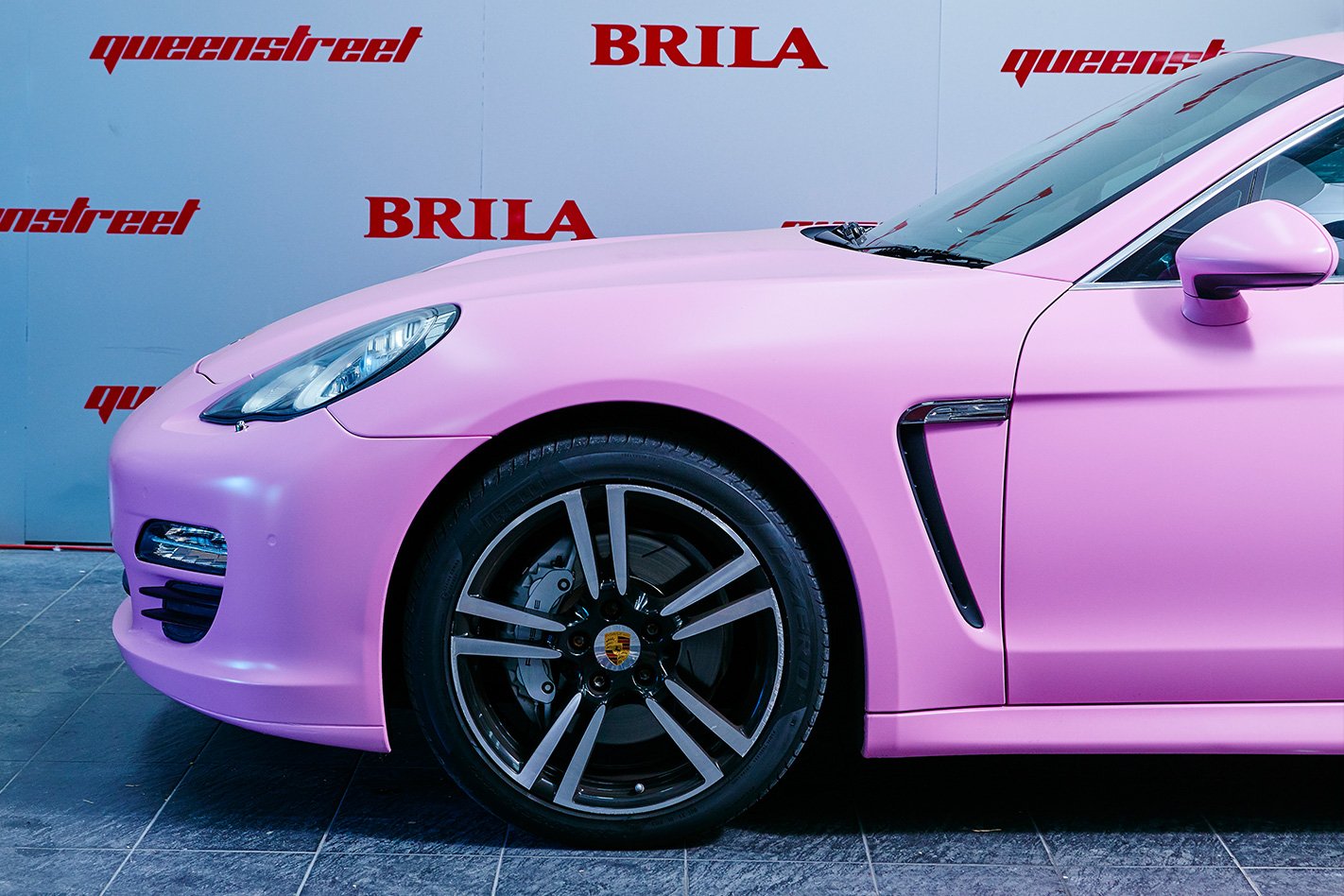
“Really, [the customs] started with my own car, a Ford TE Cortina. We were supposed to be spraying it maroon, but my brother-in-law wrecked the paint and it ended up pink. That’s where the ‘Barbie’ nickname started.
“We built a little pink Gemini for drag racing. It popped a really big wheelie and the car ended up on its rear bumper bar. That sort-of went viral, in the magazines. That was around 2000.”
Queen Street’s paint jobs and custom builds went more extreme through the 2000s, propelled by a booming show scene. Intense competition prompted custom shops, and not to mention owners, to out-spend each other.
Queen Street grew with it. “We’re a panel shop, mechanical, custom shop, trimming, stereo – a one-stop shop,” Mohammed says. He also started buying “two or three” late-model supercars and limousines each year, building a fleet of wedding and hire vehicles that currently numbers about 25.
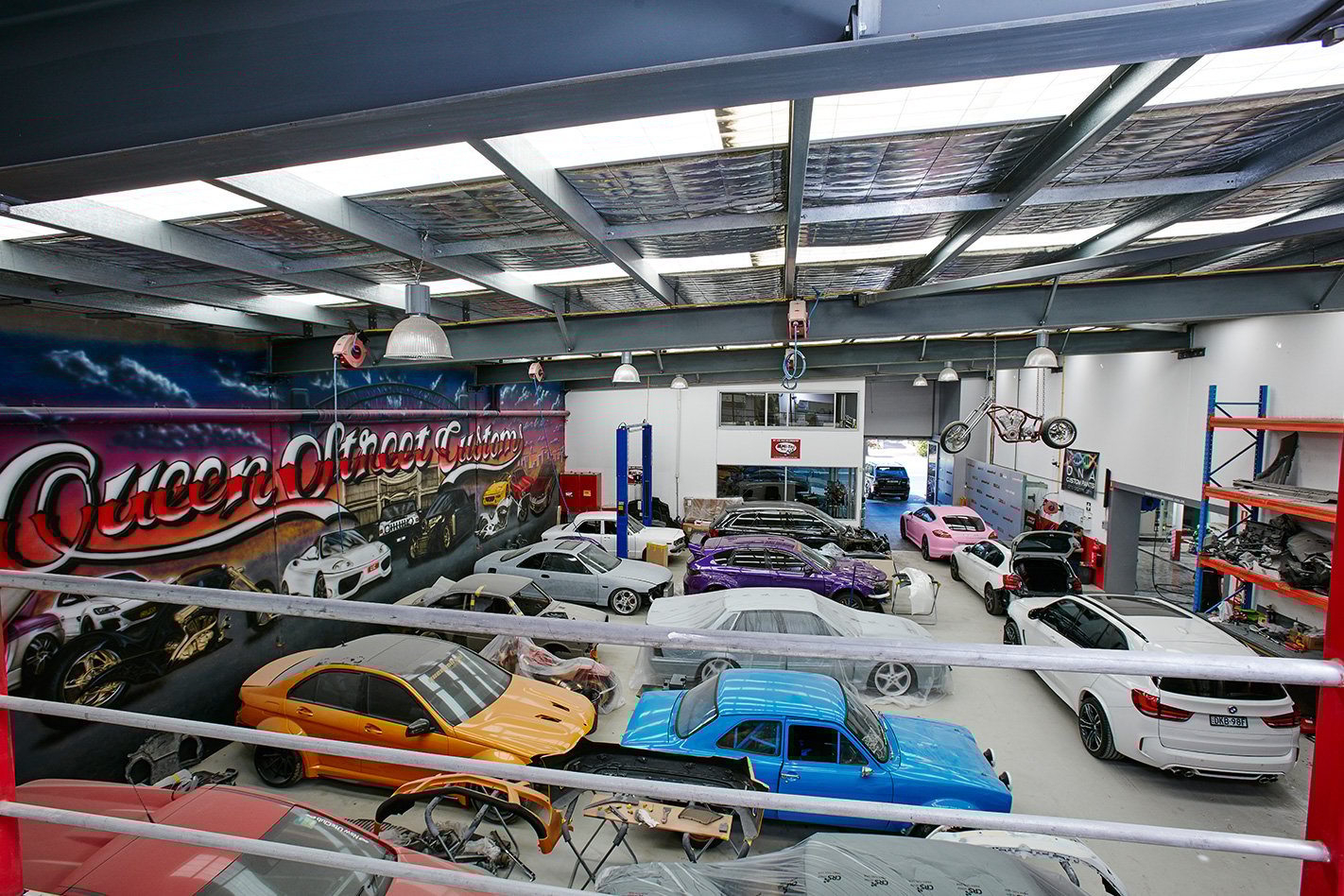
There hasn’t been much time for racing. In 2014 the headquarters doubled its previous size, with an appropriately flashy launch party to celebrate. The following year, Queen Street supplied some of the (literally) traffic-stopping fleet for the wedding of Sydney businessman and media magnet, Salim Mehajer.
“Weekends I’m either doing wedding or family,” Mohammed says. “It’s come to a stage where it’s not all about business. It’s more about family and how you work hard, and you’ve got to enjoy your family … [but] 2018 should be our year to get out and go racing.”
Business hasn’t slowed at all – there’s a full-time crew of 12, and half the work is regular accident repairs – but Mohammed notes that it’s becoming rare to see young guys spending astronomical money on rock-star street cars.
“Some people do work hard, some people got given a golden platter from their parents or whatever. But I was just having a chat to someone this morning and they’re like, ‘Man, where’s the money gone?’ You work so hard and nowadays, you’re just paying your bills.
“It’s also been getting harder because there’s been no shows. It pretty much kills the custom side when there’s no competition, where after the show they say, ‘I want to dump another 20 grand in my interior, or on my paint.’ Instead of going out, people spend money on their cars.”
Mohammed says worsening police and community attitudes on custom cars have also thrown a wet blanket over the scene.
“They try taking the street guys off the street, and next thing you know they’ve got gangs of motorcycle clubs and all that. Then it goes from there … What do they want people to do?”
SO comprehensive was the Golf Mk7’s victory in the 2013 edition of Wheels Car of the Year, that there were many mutterers in the office who believed that were it eligible for entry the following year, it would have wiped the floor with the best of 2014’s crop.
While this would have denied thousands of online commentators the chance to congratulate us on our choice of the BMW i3 for COTY 2014, the extravagantly talented Golf 7 has remained the benchmark car in its class, before being mildly refreshed this year in 7.5 guise.
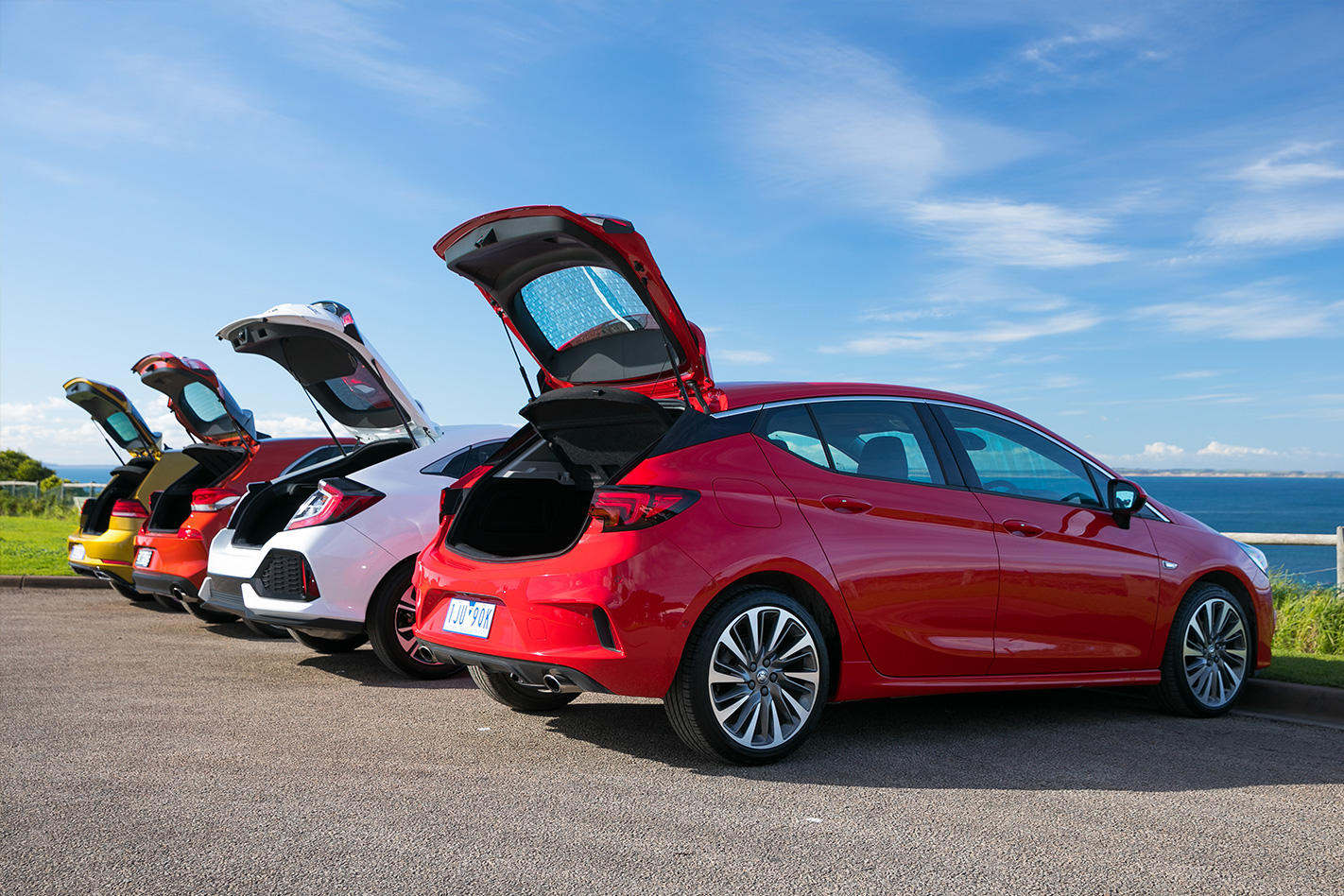
Holden’s Astra, a Wheels Car of the Year 2017 contender, needs little in the way of introduction. We’re unashamed advocates of the Opel-bred hatch’s dynamics and the 147kW 1.6-litre turbo RS-V range-topper is, by a margin, the cheapest car here.
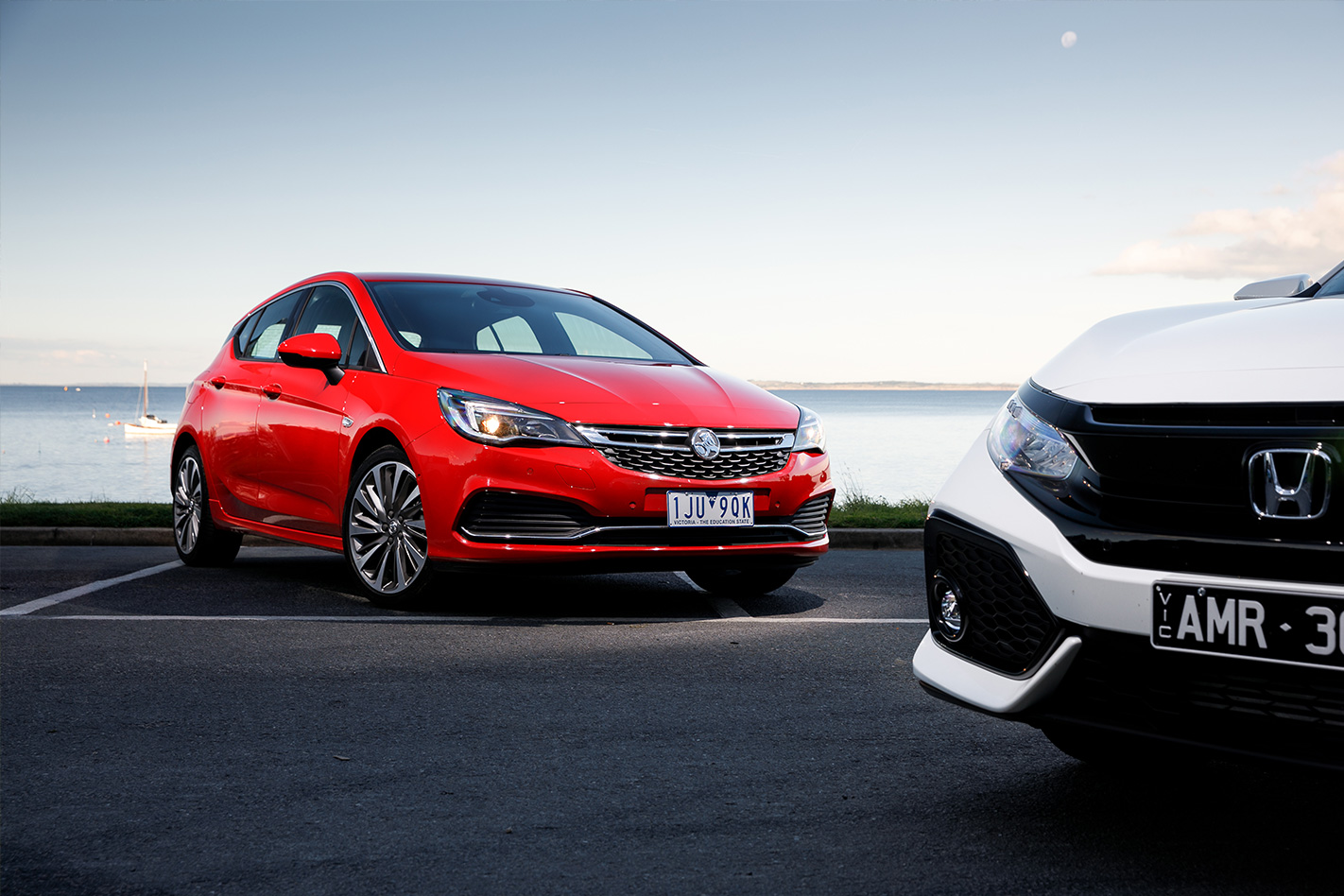
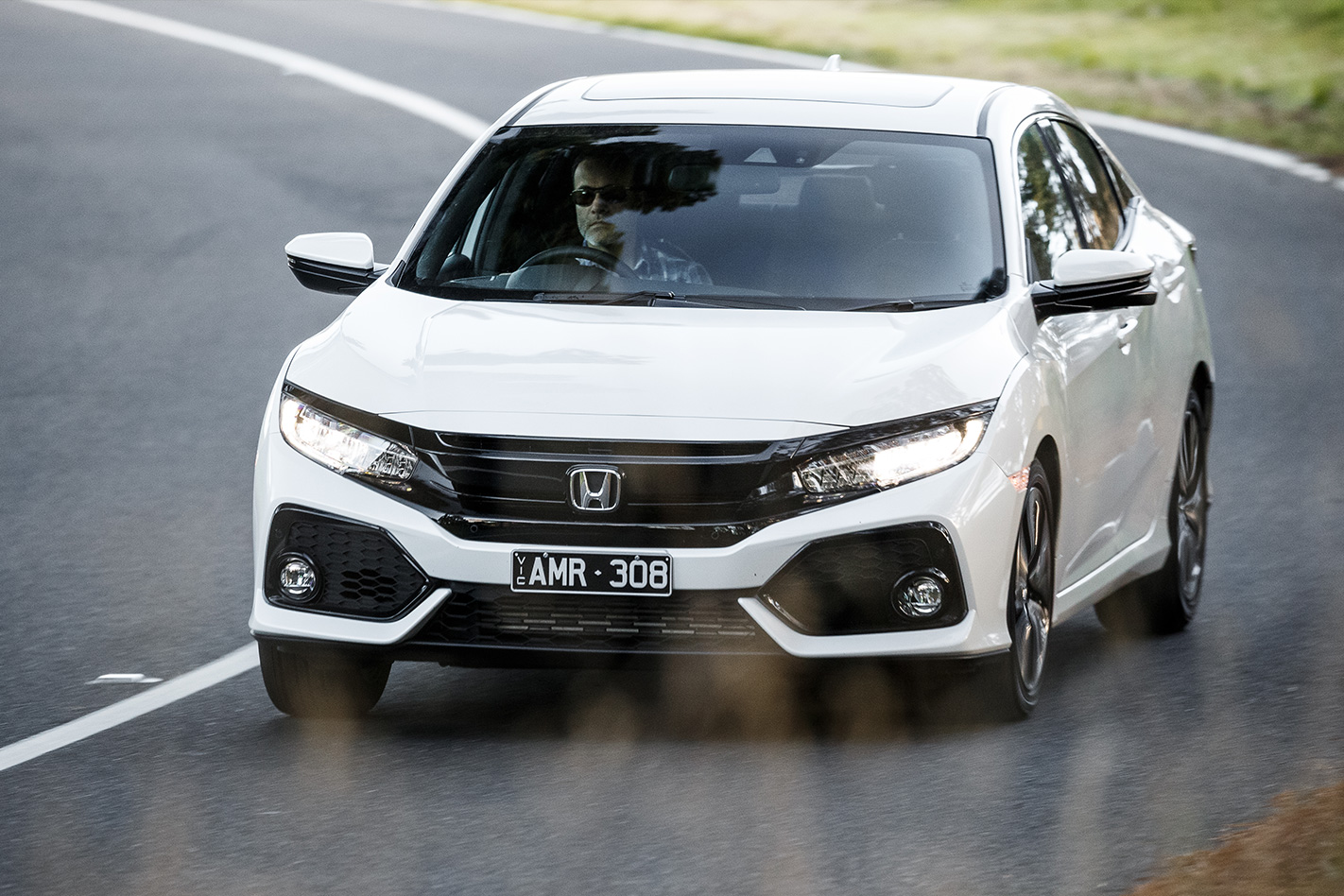
Honda’s Civic hatch has divided opinion with its styling, but there aren’t too many dissenting voices on the quality of its chassis or the sheer amount of car on offer, the Civic looking almost half a class bigger than the norm. With 127kW under the bonnet from its 1.5-litre turbo four, driving through a CVT gearbox, is the Honda a little too big for its own good?
Still, that’s a mere tenth down on Volkswagen’s claimed numbers which, given the car was loaded to the gunwales with options and was asked to perform on a cold and damp track, was a hugely creditable showing. Exciting, no, the dual-clutch transmission registering not one chirrup of wheelspin, but impressive in its own way.
At just $31,740 for this automatic model, the RS-V delivers serious value for money, offering almost $2000 worth of headroom to the next most expensive car in this test, the $33,590 Honda Civic VTi-LX. The Astra’s hardly in stripper spec either, with LED front and rear lights, heated seats and steering wheel, and a whole suite of electronic safety functions like AEB, lane-keep assist, adaptive cruise, and blind-spot alert.
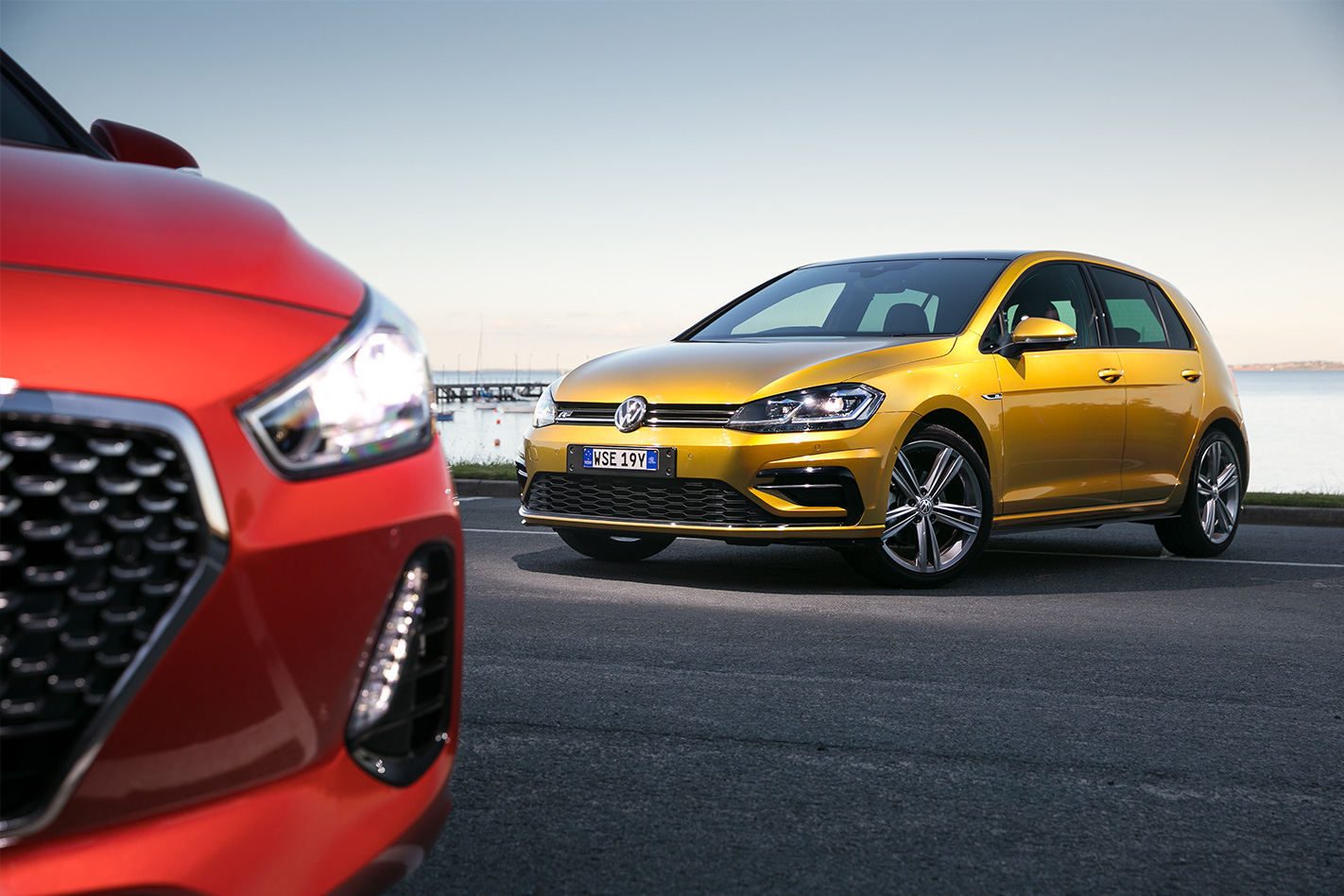
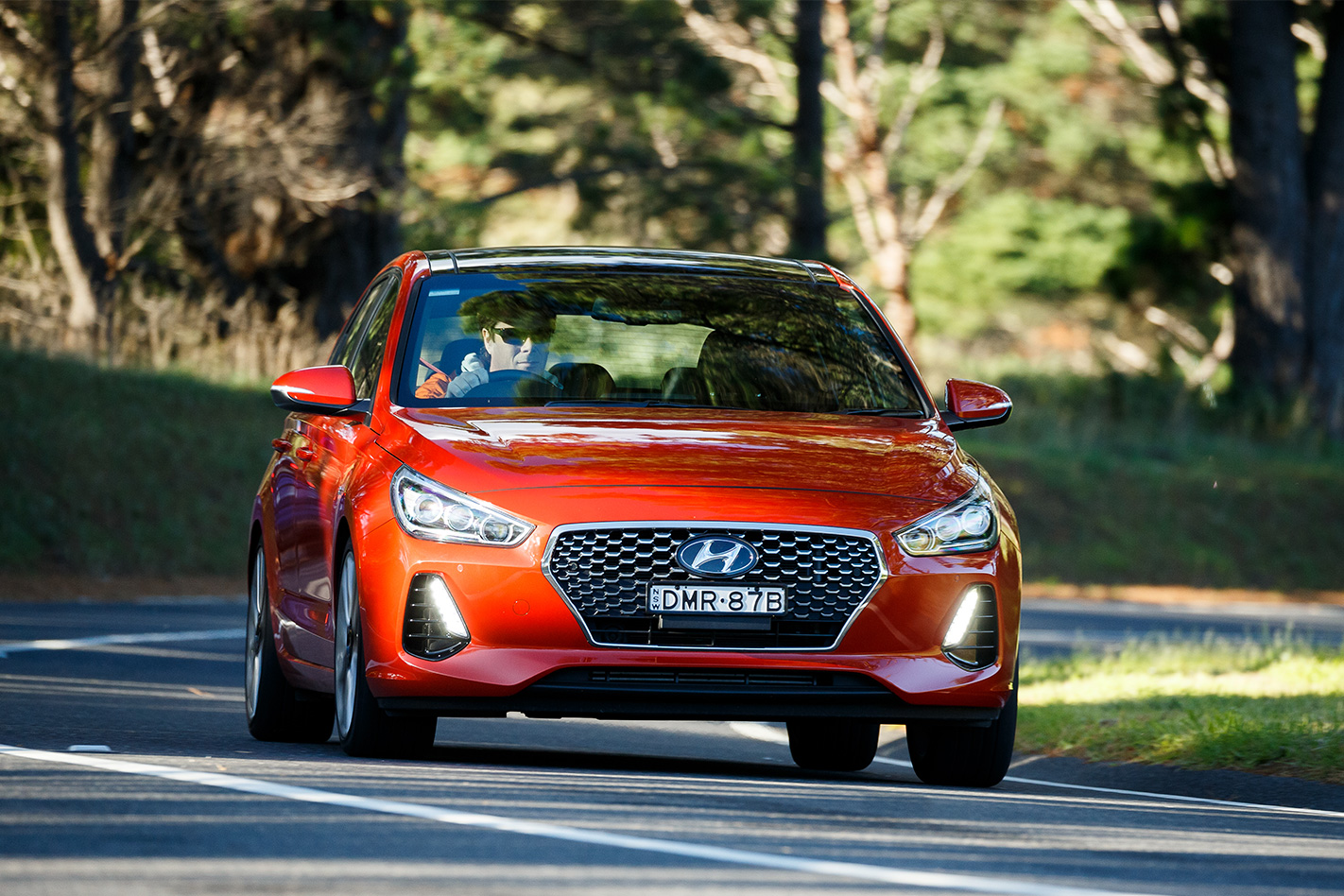
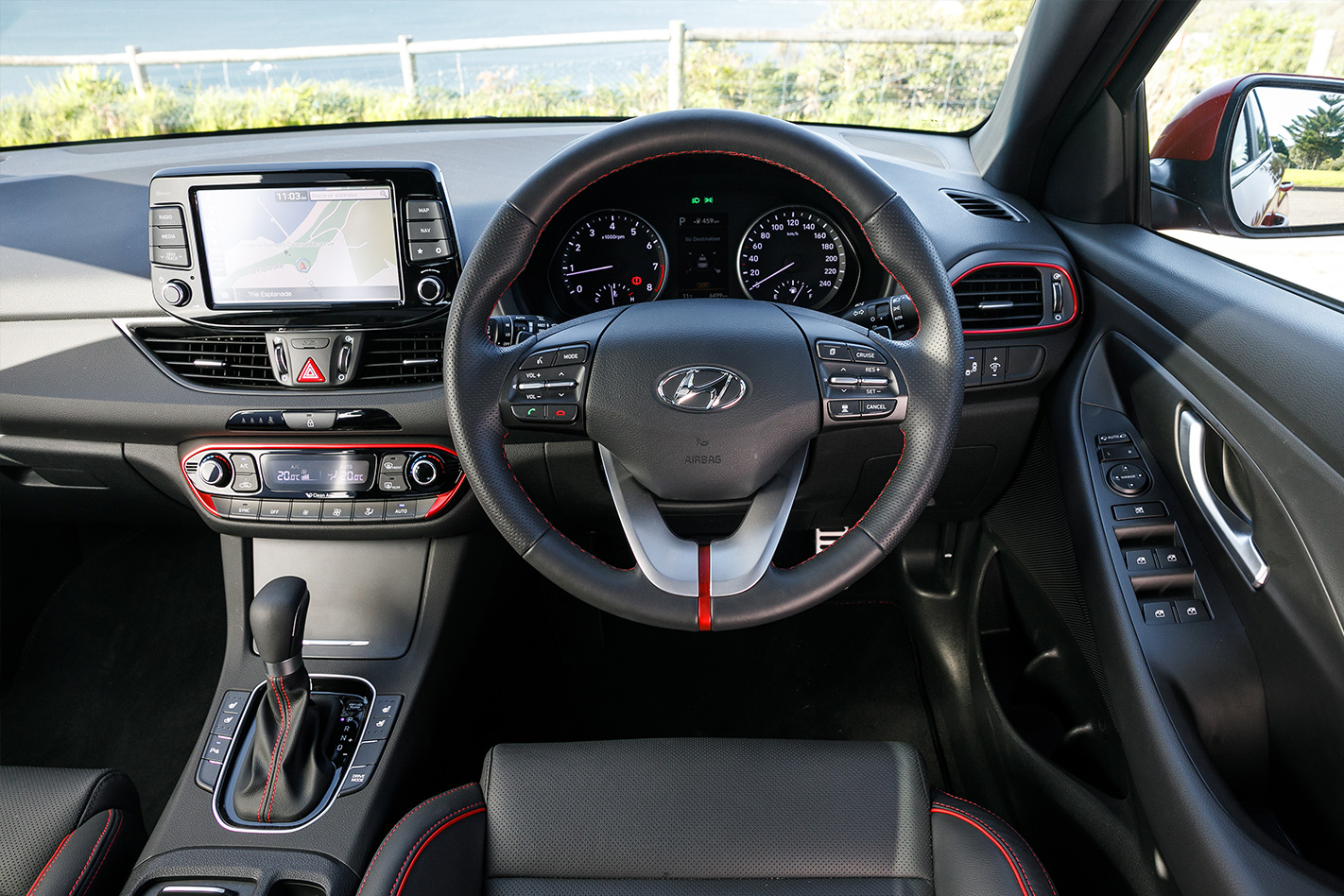
The i30 would seem to wear its $33,950 sticker price a little self-consciously, but the range-topping SR Premium with the auto ’box packs a lot in. Strip it back to the SR with a manual box (with the added bonus of a manual handbrake too), and that would run you a mere $25,950. Would you really miss the LED headlights, a panoramic glass sunroof, heated and cooled front seats, chrome body finishes, one-touch windows, and a power outlet in the luggage area?
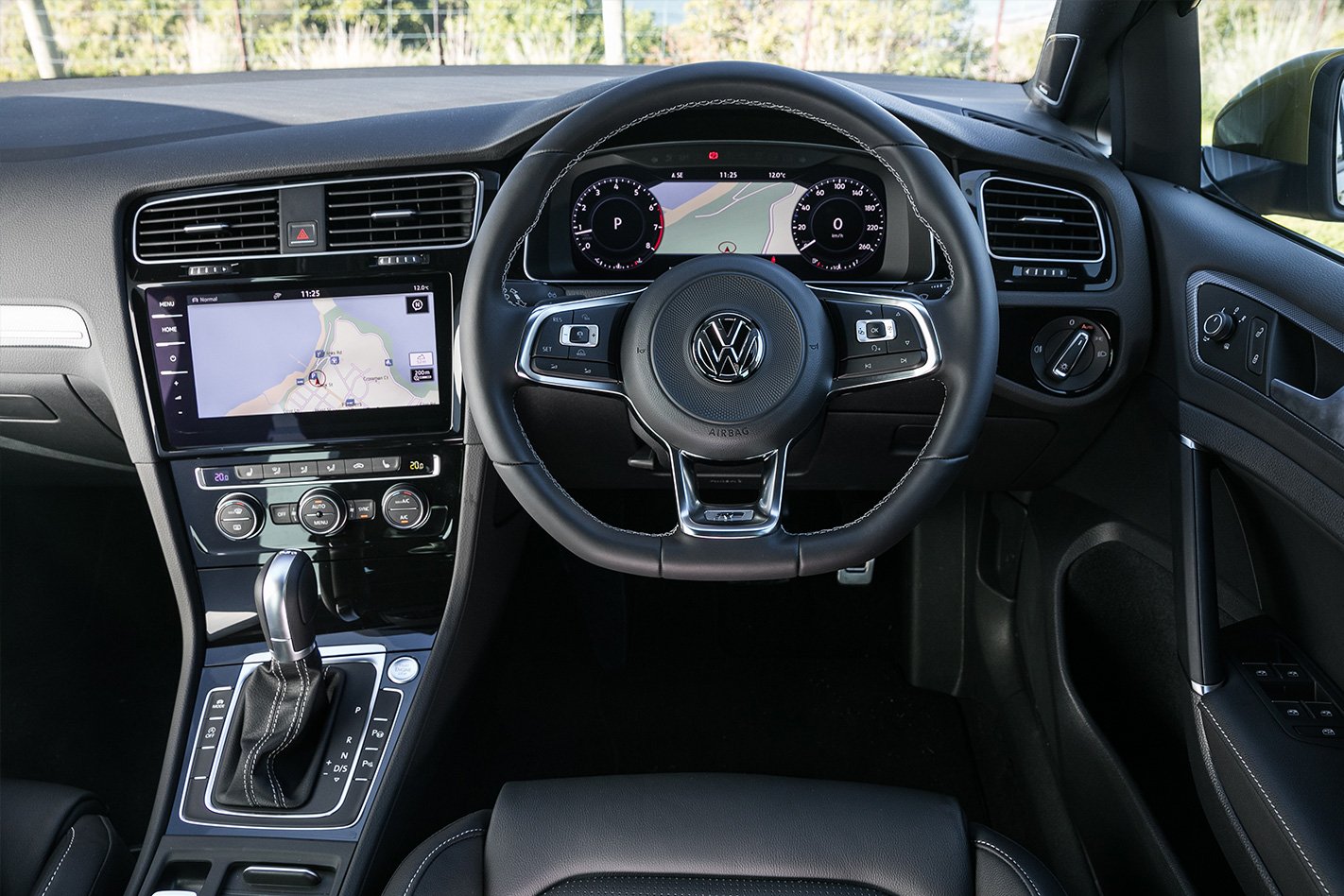
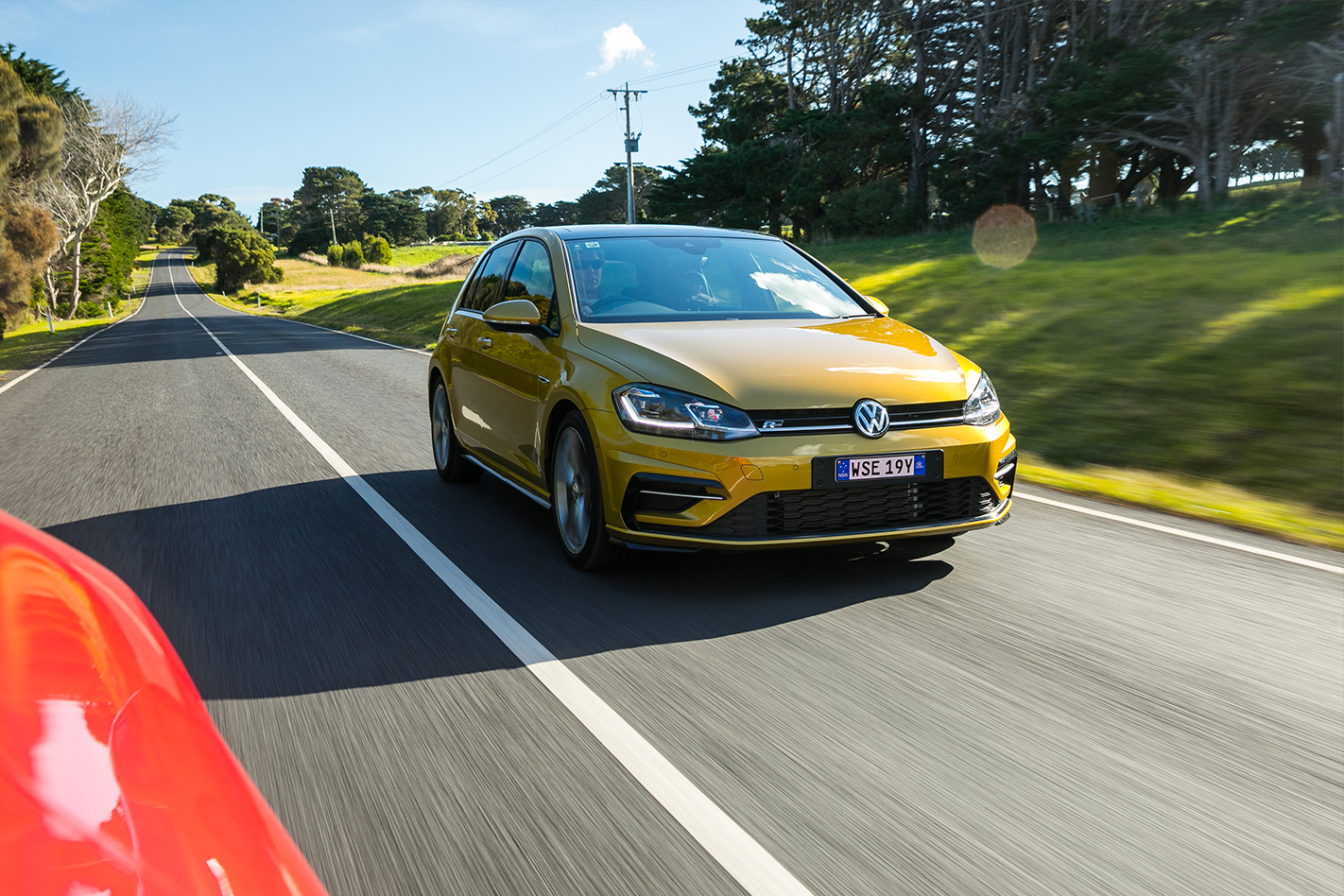
The Golf should retail at $34,490 in Highline trim, but somebody got a bit keen when specifying this test car and added the driver assistance package, infotainment package, R-Line package, and some wholly outre Turmeric Yellow metallic paint to bump its price up to within $50 of an outgoing GTI. Try to ignore the tinsel; the car doesn’t need it.
The added 18kW over the old 92TSI doesn’t make as much difference as expected. There’s an extra 50Nm of torque on tap when the turbocharger gets its trousers on from 1500rpm, but the Golf 7’s character and its winning combo of pliant ride and perky handling carry over much as before. Volkswagen claims to have digitised the Golf with this midlife makeover, and with the 12.3-inch Active Info Display in the cowl, you can render yourself digitally surprised and delighted, though the standard Highline doesn’t get this, so it’s as you were.
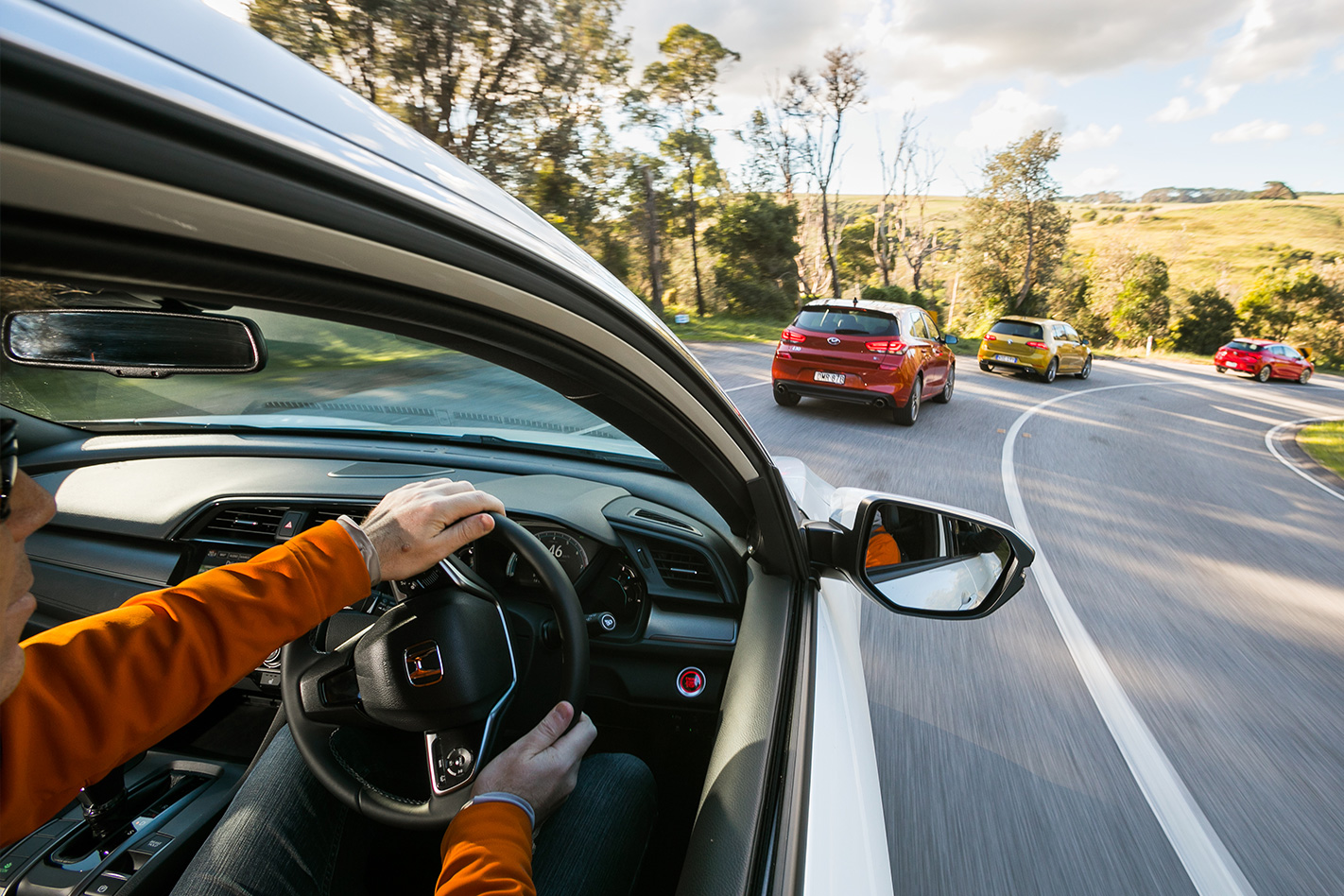
Turn the wick up further and it’s clear where Volkswagen spent all that budget on the Golf 7. The Hyundai’s composure deteriorates, the steering rack rattling, the ESP system chopping in unnecessarily, and the Hankook Ventus tyres lacking the smooth transition into understeer of the Volkswagen’s Bridgestone Potenza rubber. Rev hang is also evident, the engine having a notably lazy spool-down.
The Civic also struggles when given a stern examination, but the problem here isn’t the chassis. It’s the CVT, which, even in Sport mode, never puts enough torque on the table as you engage the front of the car into a corner. It feels akin to entering in neutral and taking up the clutch in a manual car, the 1.5-litre turbo lump delivering enough Newton metres to drag the car into some semblance of composure two-thirds of the way through a bend after a clumsy pass at the apex.
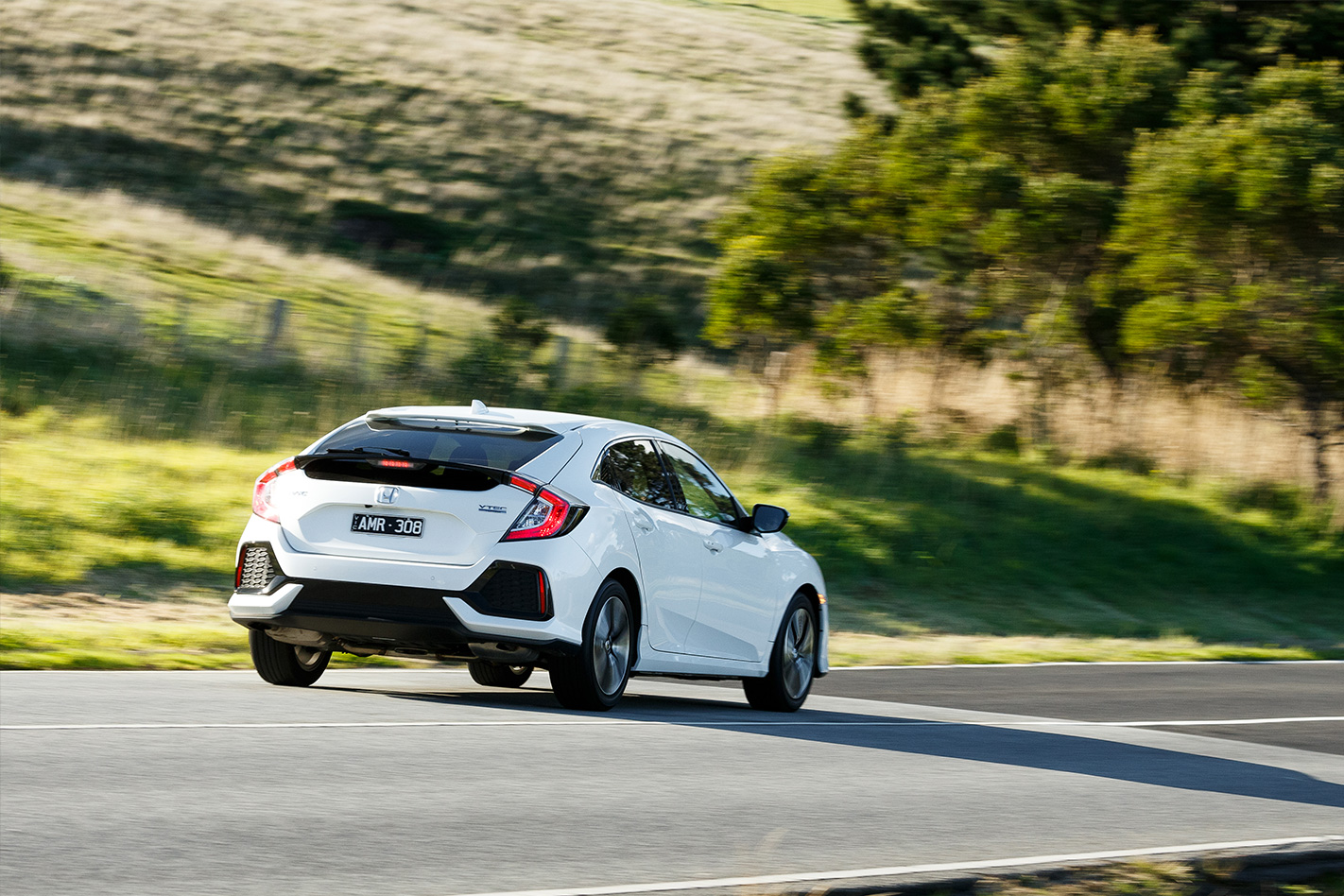
The Astra RS-V has no such issue. It’ll drive clean away from the Golf on any road you care to choose, courtesy of handling that’s at least on par and a manifestly superior powerplant. The Golf’s 1.4-litre TSI unit sounds hollow and somewhat two-dimensional when absolutely wrung out in pursuit of the Holden, feeling all of its 37kW and 50Nm deficit.
In fact, the Astra just gets better the more abuse you fling at it, signalling the edge of adhesion by a rapid-fire drumming harmonic from the outside front suspension assembly. One suspects you’d find its shortcomings on track, but for a fast road setup, the dynamics represent a sweet set of compromises. Even the Sport mode does a decent job, weighting up the steering by a few degrees without introducing a synthetic stickiness. Hats off to the chassis teams at Russelsheim and Lang Lang. It’s a heck of an achievement.
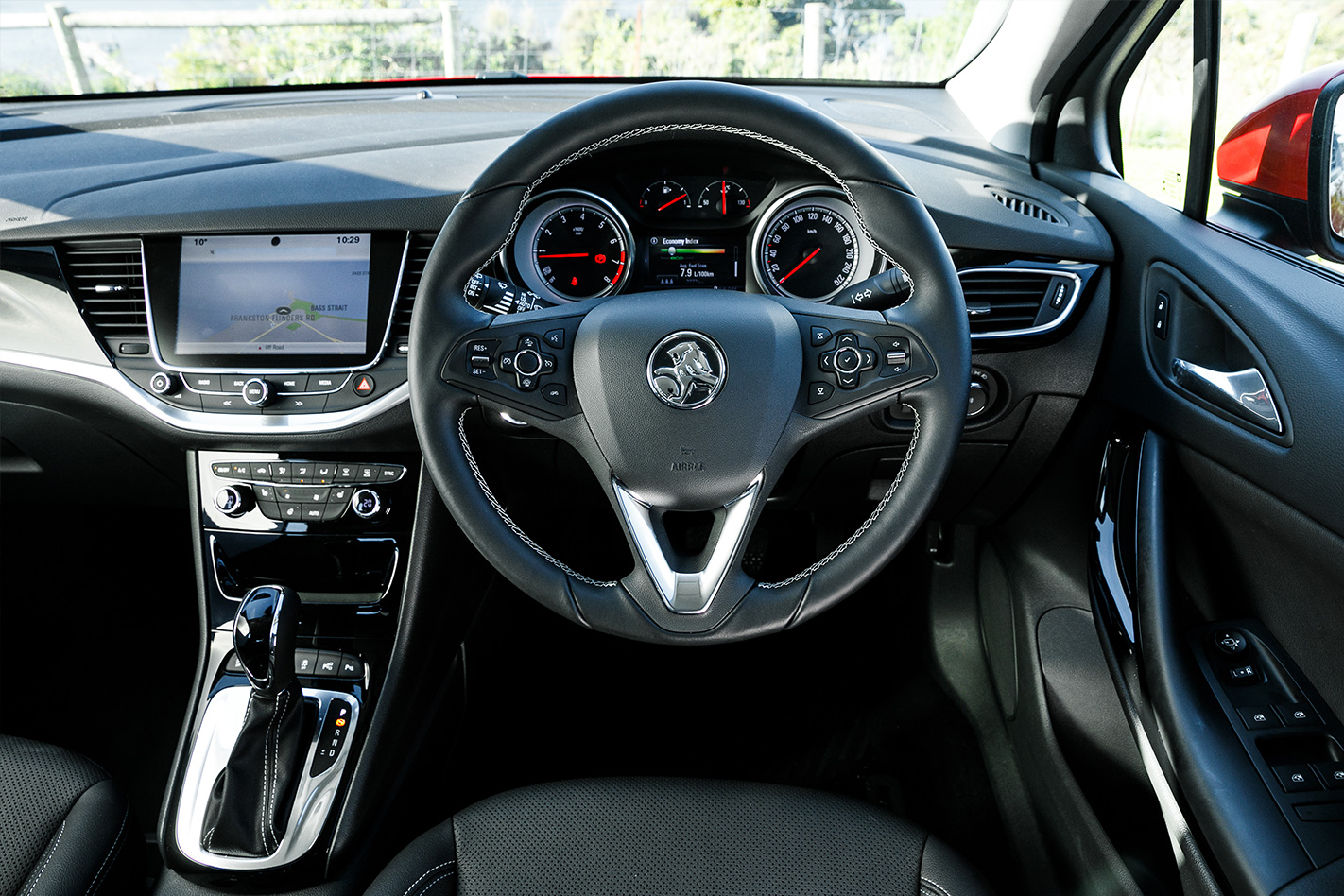
The phone holder’s a waste of space, it’s the only car here with no shift paddles, and the door mirrors are set too far back, requiring a turn of the head rather than a flick of the eyeballs. The massive AEB intervention light atop the dash reflects in the windscreen and the starter button is hidden around the back of the wheel where the driver’s watch clasp will inevitably rake the leather rim. And the warning chimes are enough to send you postal.
It’s these sorts of errors that Volkswagen tends not to make. The Golf’s cabin feels smart and cohesive, and about the only minor ergonomic complaints are a poorly sited idle-stop kill switch, a fiddly USB input, and a central screen that has a slight look of the aftermarket about it when it powers down. Other than that it’s all expensive touch points, considered sight lines out of the car and silicone-damped feel-good slickness. Accommodation in the rear is good, although passengers won’t be able to get their feet under the electrically adjustable front seats if they’re set low.
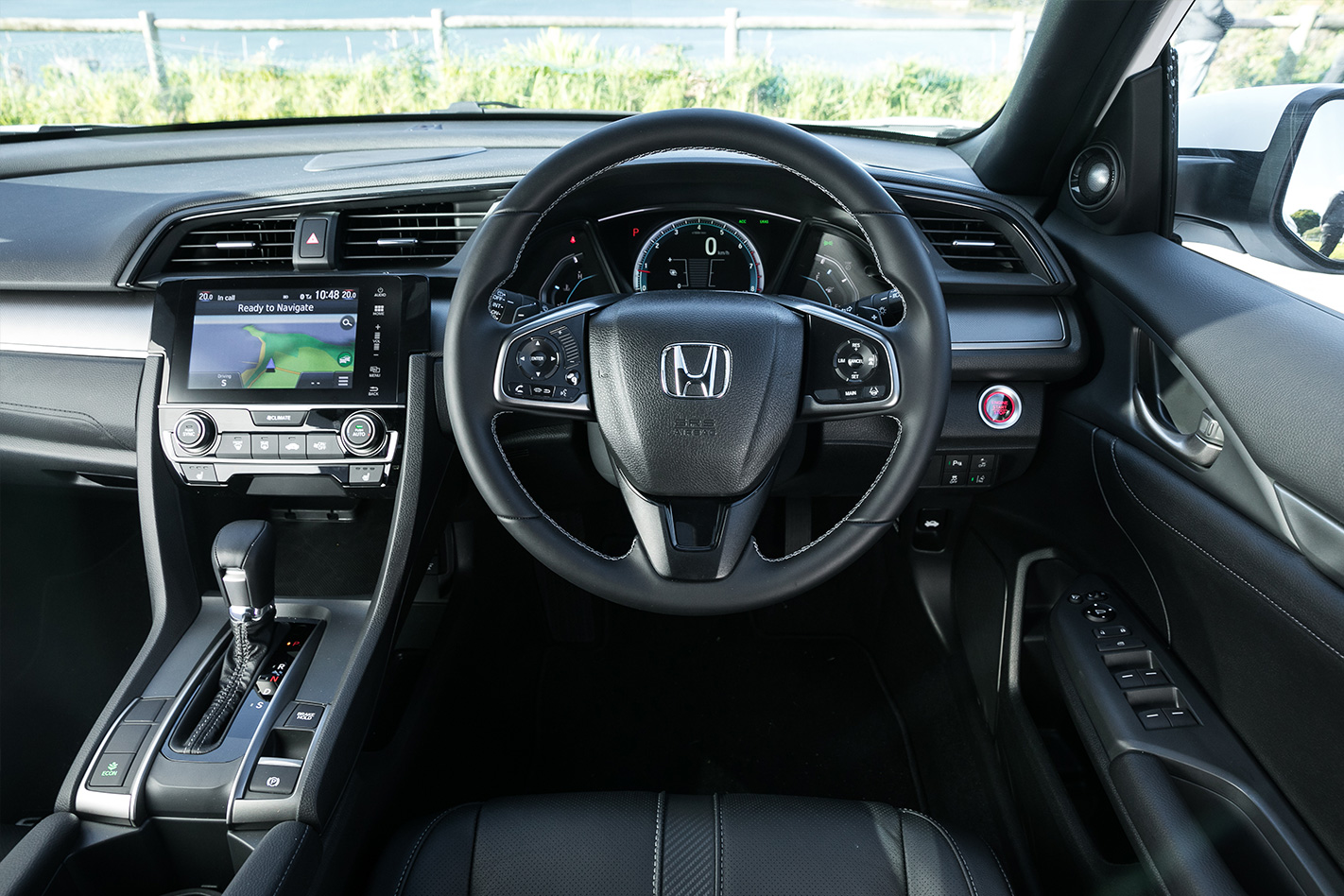
No such issues for the Civic. It feels as if your rear end is skimming a few millimetres above the bitumen. It’s wide inside, with at least as much rear legroom as the Astra and a little more than the Golf. The chunky camera that sits on the passenger door mirror is a good idea in concept, but it’s often distracting when its image flicks up on the central display.
Yet it’s probably a good thing as the rear three-quarter visibility on the Civic is scandalous. There are, however, some thoughtful design touches evident in the execution of the Civic’s packaging. The fabric parcel shelf roller blind is one, and the way the global closure on the key also shuts the sunroof is another. The HDMI port located in the nether regions of the fascia will be a head scratcher for some, but it’s used for smartphone mirroring via HondaLink apps.
The Hyundai initially looked as if it would give the Golf a stern test and, in many regards, it fits the warm hatch brief best. Our money would go on a manual SR, a car that would have posed us a few more searching questions than this full-fruit auto SR Premium version, but the i30 has earned its spurs in some tough company.
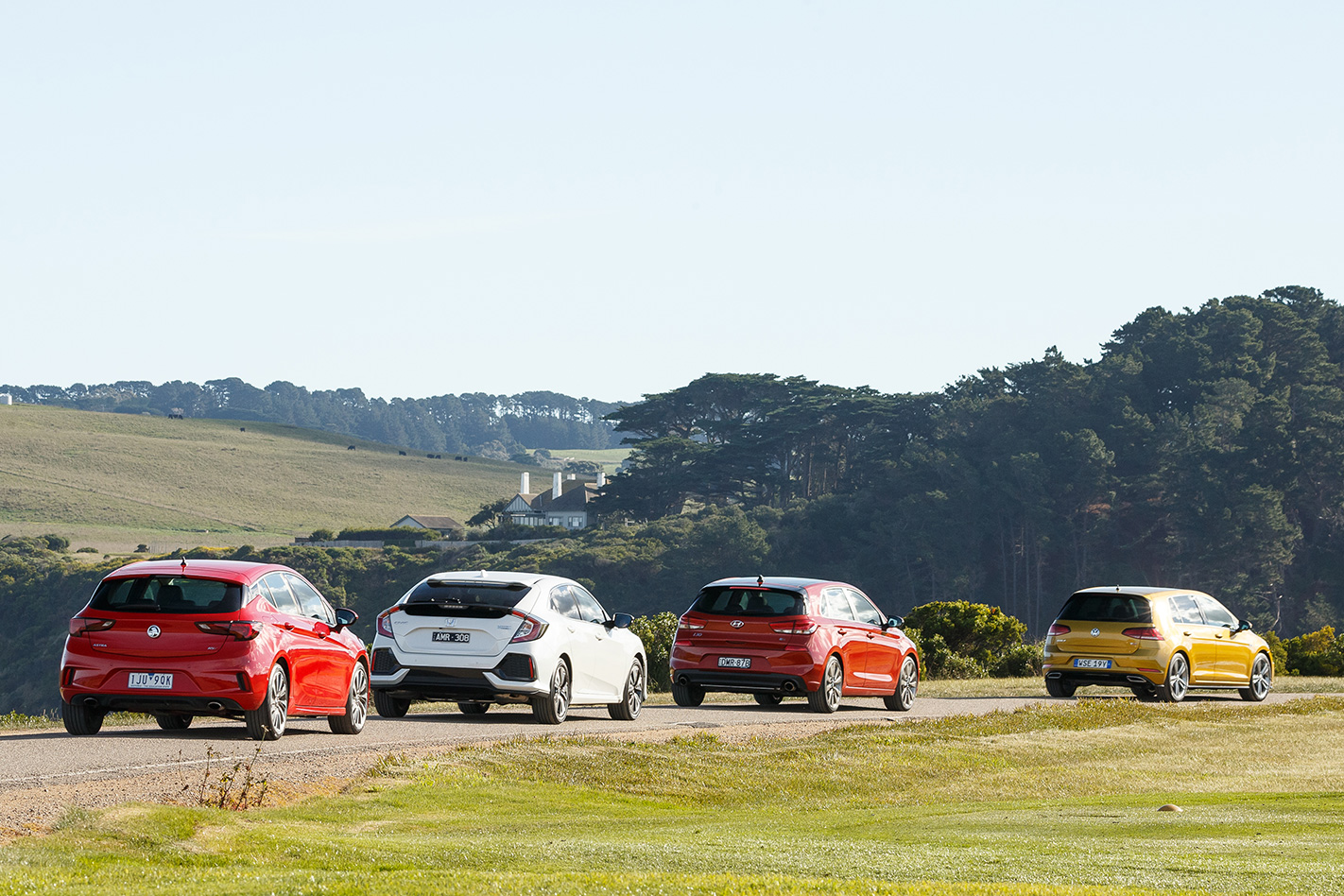
It can’t topple the Golf, though, and, truth be told, it wouldn’t have bested Golf 7, let alone iteration 7.5. As a tester, you’re constantly asking whether you’re being gulled by Volkswagen’s polish, seduced by a superficial sheen of glitz, but no. There’s real substance to the Golf, showing the more powerful Hyundai and Honda a clean pair of heels on a challenging road and offering the cleanest ergonomics, the most mature design ethos, the sweetest consistency of control weights and, in almost every area, a greater depth of engineering.
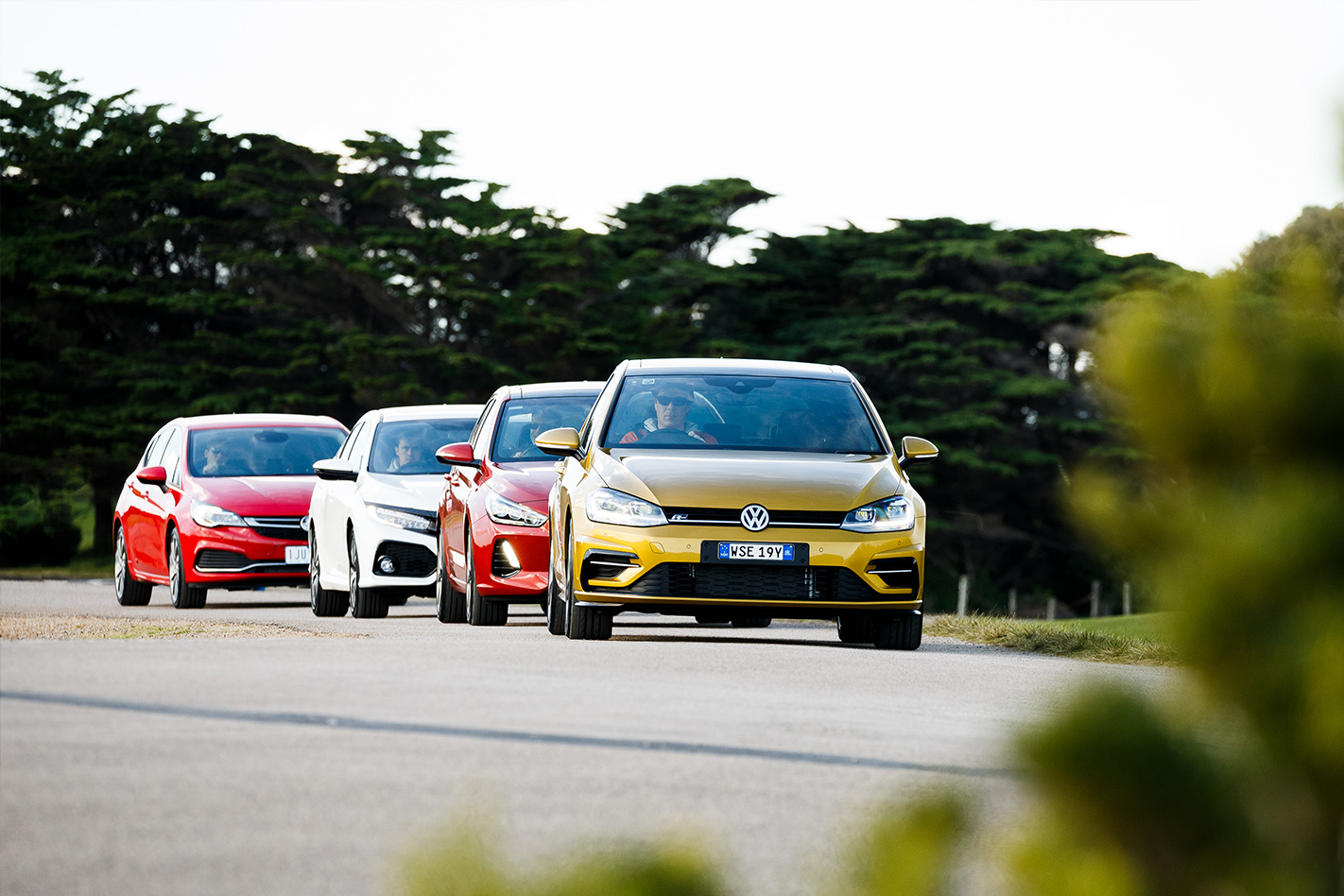
That’s the result of years of continuity in the car’s development; Volkswagen’s nuanced understanding of what works and what doesn’t. Maybe Hyundai will develop that. Holden and Honda certainly haven’t, successive generations of Astra and Civic succumbing to a sort of developmental amnesia where the best aspects of predecessor models are inexplicably jettisoned in favour of a different look and feel.
Volkswagen doesn’t attempt to reinvent the wheel with each generation of Golf. It just makes it incrementally better. And that’s why it wins.
Introduction: Hatching a plan
We’re nothing if not greedy here at MOTOR. Our latest long-termer is one of 60 BMW M140i Performance Editions produced for Australia only.
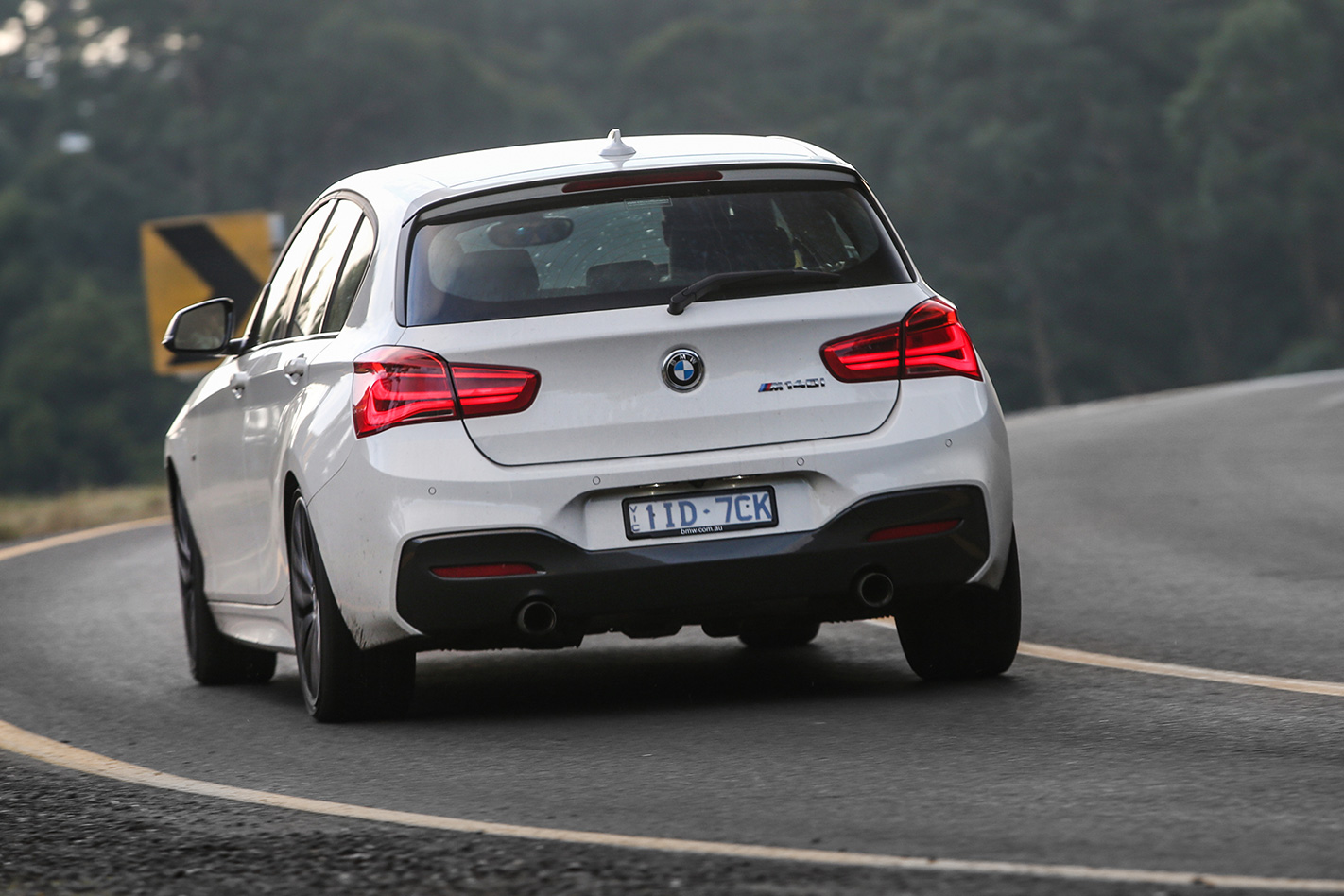
In fact, it’s even rarer than that, as 1ID-7CK is one of just 15 manual M140i PEs so if you’re waiting to buy one, sorry, we’re not quite done with it yet.
In our defence, having rambled on at length about the M140i/M240i’s need for a limited-slip diff (and their M135i/M235i predecessors), when BMW answers our pleas is it any wonder we have our hands up for an extended test?
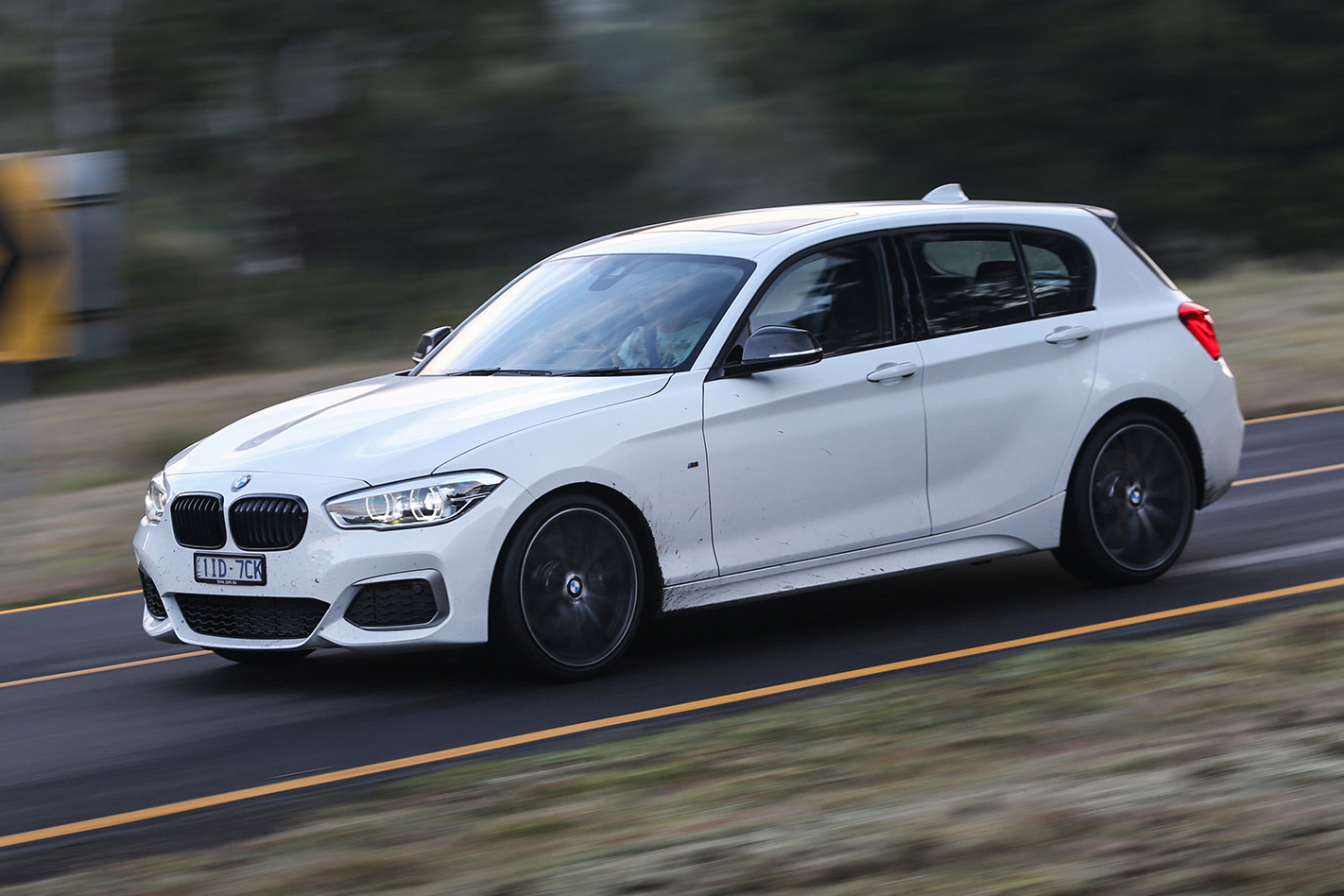
The 45 automatic PEs miss out on this upgrade but still benefit from 19-inch alloys, a performance exhaust, carbon fibre mirror covers and a black grille, rear fins and spoiler to differentiate it from its standard sibling.
Inside it adds an Alcantara steering wheel, cloth/Alcantara sports seats (leather optional), splashes of carbon fibre trim, LED door sills and aluminium pedals for a sporty look.
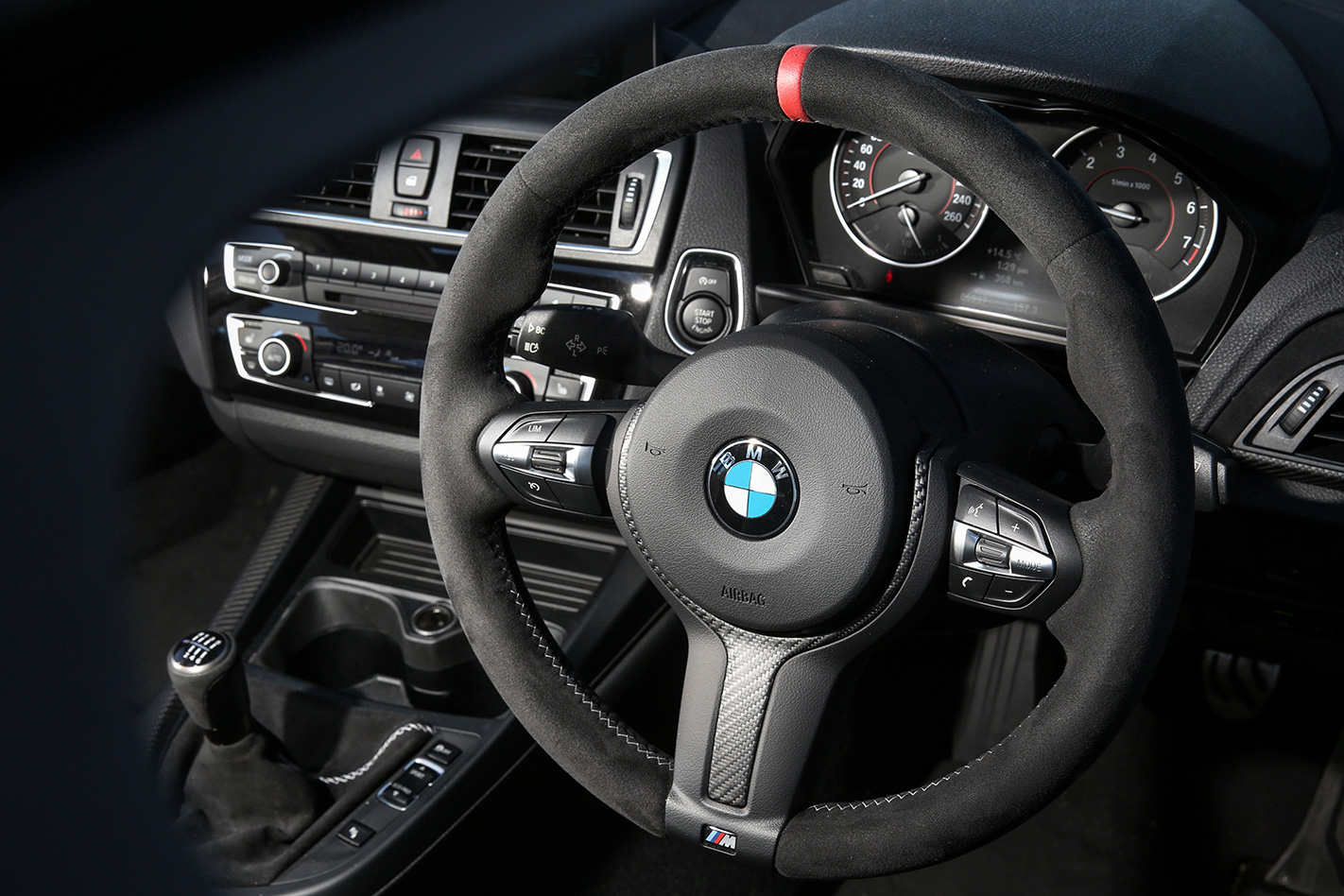
In the words of BMW Australia’s CEO Marc Werner: “[The M140i] is a car with a strong enthusiast following. This Performance Edition builds further on these strengths and its limited production status creates a halo effect for the 1 Series range.”
Each car is identified by a ‘1 of 60’ build plaque and costs $71,900 before on-roads, a premium of $7000 over a regular M140i. You could build your own Performance Edition from BMW’s extensive M Performance Parts range, however buying each part individually would leave you with a bill for around $20,000 – the wheels and tyres alone are $6594, the diff another $4730 (plus fitting).
There are plenty of other questions that need answering. The Performance Edition comes standard with 19-inch wheels shod with Pirelli P Zero run-flat tyres, however each buyer also receives the standard 18s and Michelin Pilot Super Sports, so we’ll be doing plenty of kilometres on both sets of tyres to discover which is the better rubber.
The same test should answer the question of six-speed manual vs eight-speed auto. Finally, in the face of German premium rivals that are lowering hot hatch acceleration times to supercar levels, is the M140i’s rear-drive USP a big enough carrot to entice keen drivers? We have four months (and two sets of tyres) to find out.
Update 1: Sibling Rivalry
Our BMW has a scrap with one of its siblings
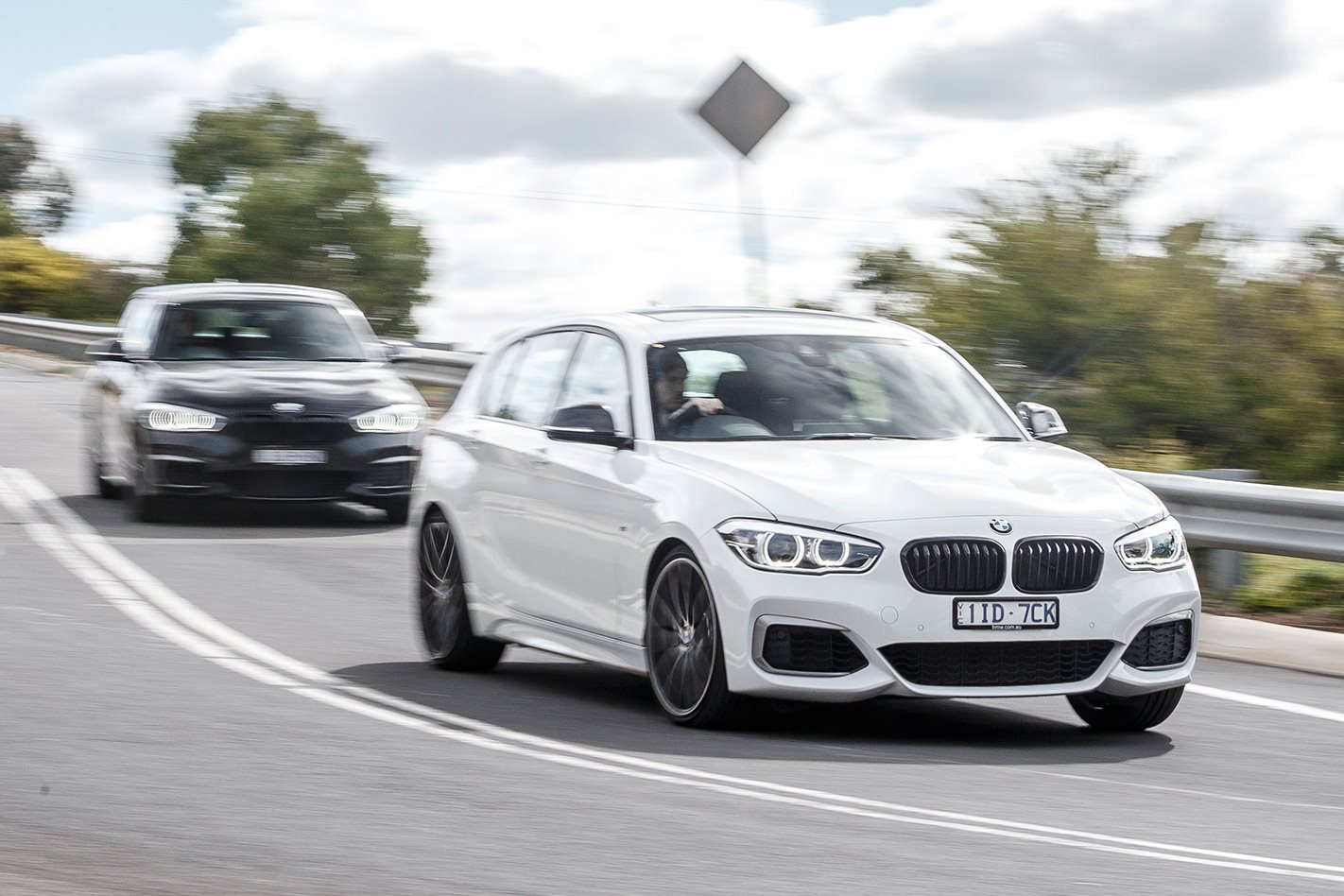
The BMW M140i Performance Edition (PE) comes in two distinct flavours.
The vast majority (45 out of 60) are fitted with a ZF eight-speed automatic and bar a fruitier exhaust score only cosmetic upgrades. For the tiny percentage of customers who prefer to shift their own gears (only 6 per cent of M140i buyers choose manual), the other 15 examples use a six-speed manual, but also benefit from a proper mechanical limited-slip diff from the M Performance parts range.
So which is best? Does the manual add a crucial layer of involvement? Can you even notice the effects of the limited-slip diff? To answer these questions BMW kindly lent us its automatic PE for a back-to-back test. Let’s begin by examining the traits common to both cars.
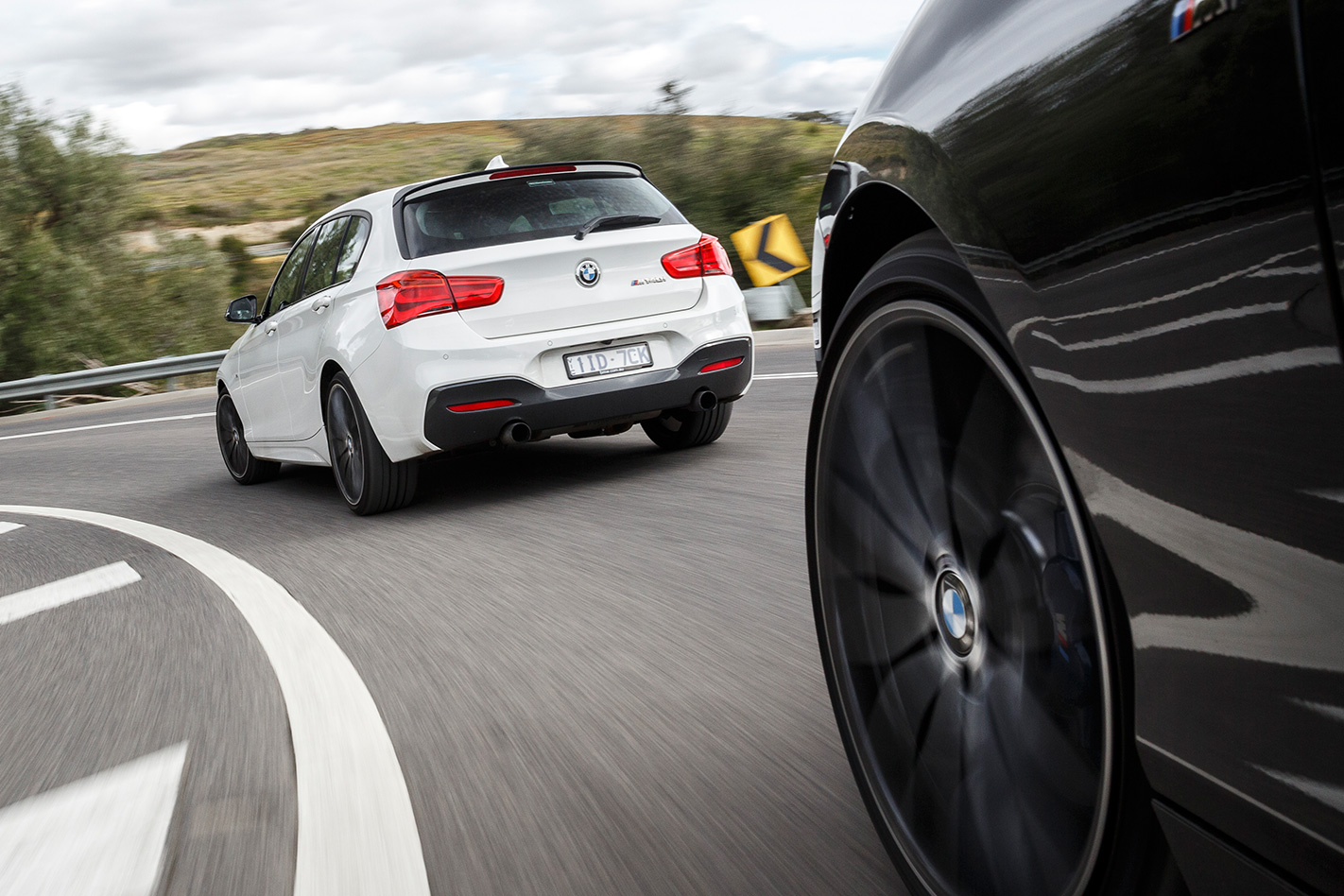
As the only rear-drive challenger in the hot hatch segment, the M140i offers a unique driving experience that its front- and all-wheel drive rivals can’t match. It’s not without flaws: the brakes are a bit wooden and the suspension lacks both a little compliance and travel resulting in a jittery ride over rippled surfaces and the car hopping over bumps at speed, particularly at the rear.
But these slight shortcomings fade into insignificance when compared to the positives. Despite relatively narrow tyres (225/35 front; 245/30 rear) there’s ample grip, more than is initially apparent, but not so much that it’s impossible to adjust the car’s attitude at relatively sane speeds.
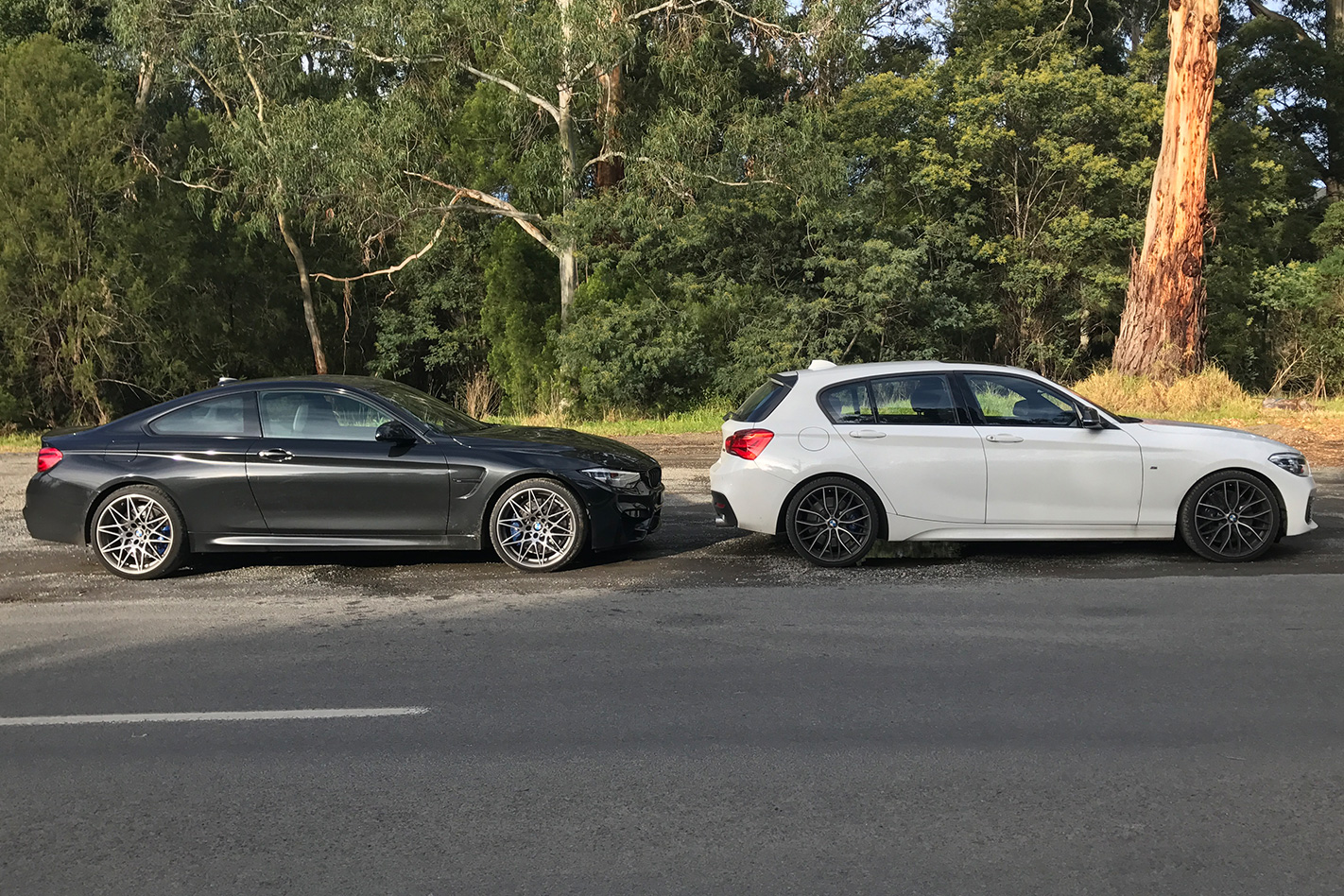
It’s also the easier car to drive quickly. The M4 offers more power, grip and traction, but the corollary to this is an edgier balance if limits are exceeded; the M140i slides earlier but its movements are more clearly telegraphed – it can be driven extremely hard with confidence.
Paradoxically, its Sports ESP setting is also more lenient, subtly trimming your excesses rather than stealing power away. There’s a strong case to be made that the M140i is the most enjoyable driver’s car BMW currently offers, which makes the fact the next-generation will switch to front-wheel drive all the more upsetting.
With the B58 engine now producing 500Nm from 1520rpm, accelerating hard in the standard car frequently starts a fight with the electronics as the grunt is shuffled from wheel to wheel. More often than not, the LSD-equipped PE just hooks up and goes or smoothly transitions into oversteer if traction is lost.
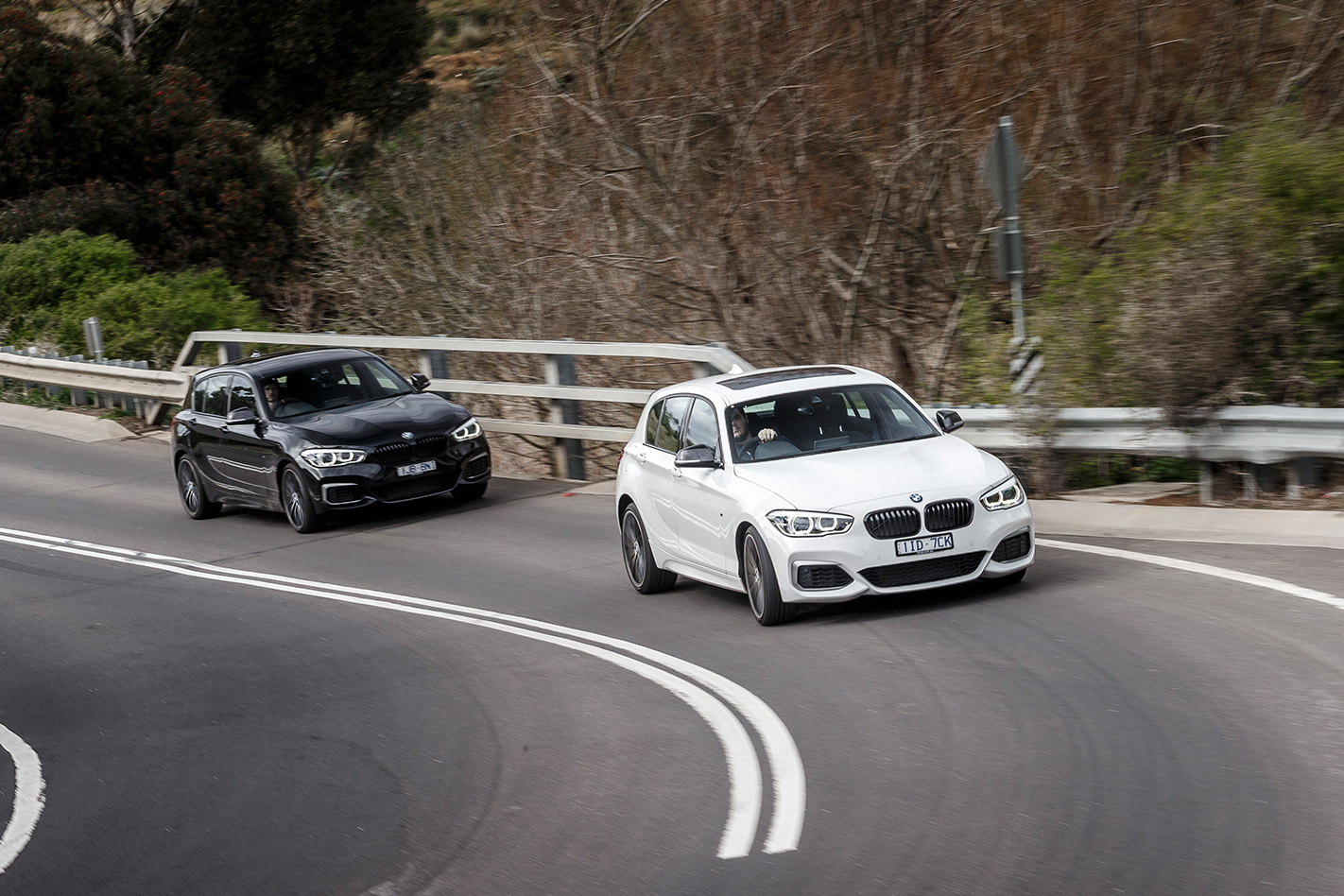
Like for like, without exception the MOTOR crew would choose an automatic M140i; simply put, the manual is okay, whereas the auto is exceptional and feels a better match for the engine.
It also allows you to concentrate on working the excellent chassis harder and, with eight closely stacked gears to choose from, makes the car even quicker. With M140i pricing being cut to $59,990, we’d buy the auto and spend the $4800 saved on that LSD.
MONTH TWO
Fuel this month: 11.65L/100KM Average: 11.65L/100KM Distance this month: 1009KM Total: 5839KM
Liked: Realising just how good this car is Disliked: Ideal spec doesn’t exist Favourite moment: Stalking the M4 on a twisty road
Update 2: The Name Game
Why the M140i lives up to its performance name
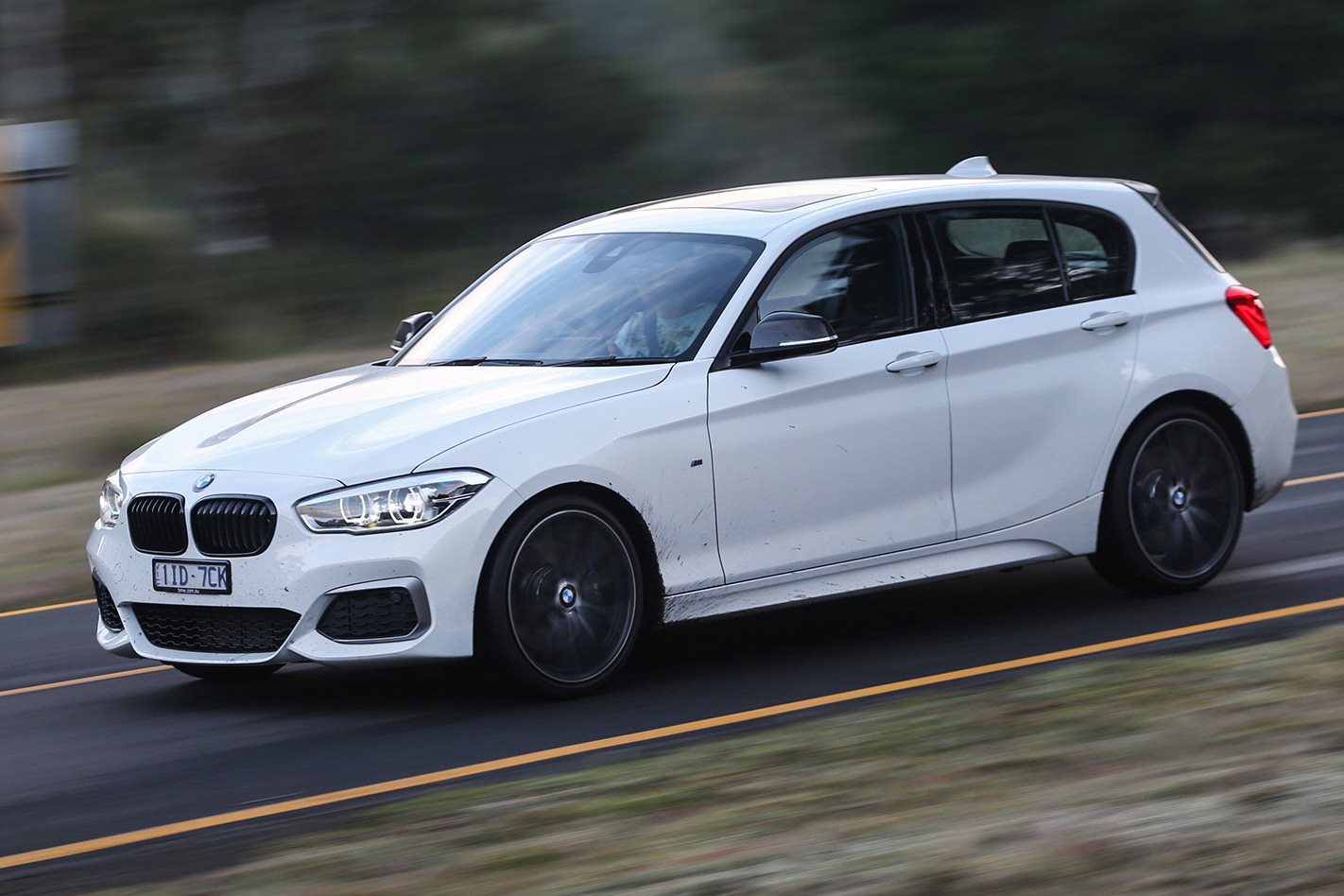
The switch from M135i to M140i was one of the more substantial mid-life facelifts of recent times, but you could be forgiven if it passed you by.
On paper the 3.0-litre turbo six swelled from 240kW/450Nm to 250kW/500Nm, which shaved 0.2sec from the claimed 0-100km/h time (now 4.6sec for the auto, 4.8sec for the manual) and allowed the badge to be changed to give the marketing team something to talk about.
In reality, the changes run much deeper for the M140i uses a completely new engine. The B58 replaces the N55, which has served duty since 2009 in everything from the M135i to the 740i to the X5.
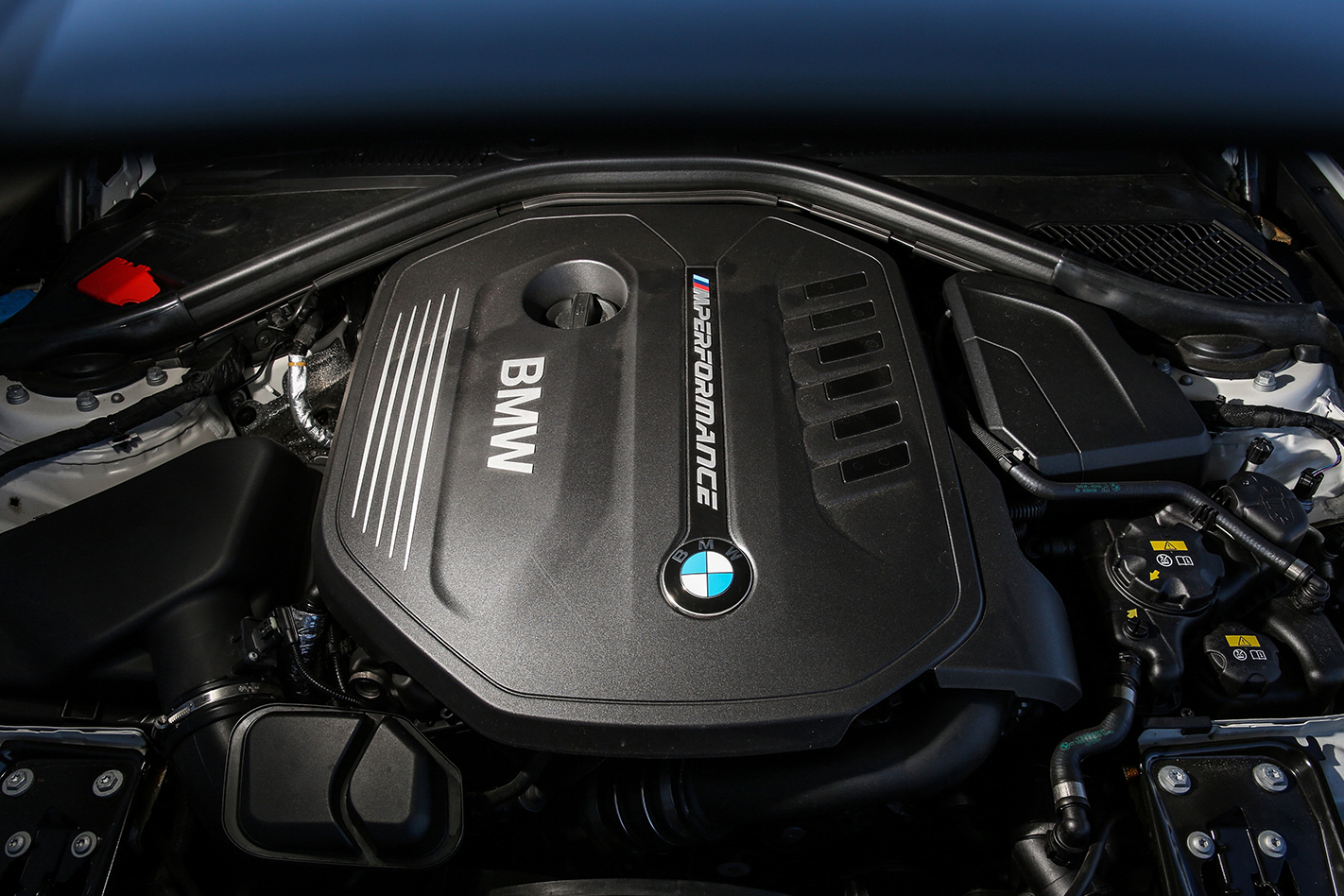
The all-aluminium crankcase is stronger thanks to its closed-deck design and the cylinder linings use an arc-sprayed coating to save weight and reduce friction. Emissions and fuel consumption are also further reduced thanks to a very short warm-up phase and heat encapsulation, which allows the engine to retain heat for up to 36 hours and therefore endure fewer cold starts.
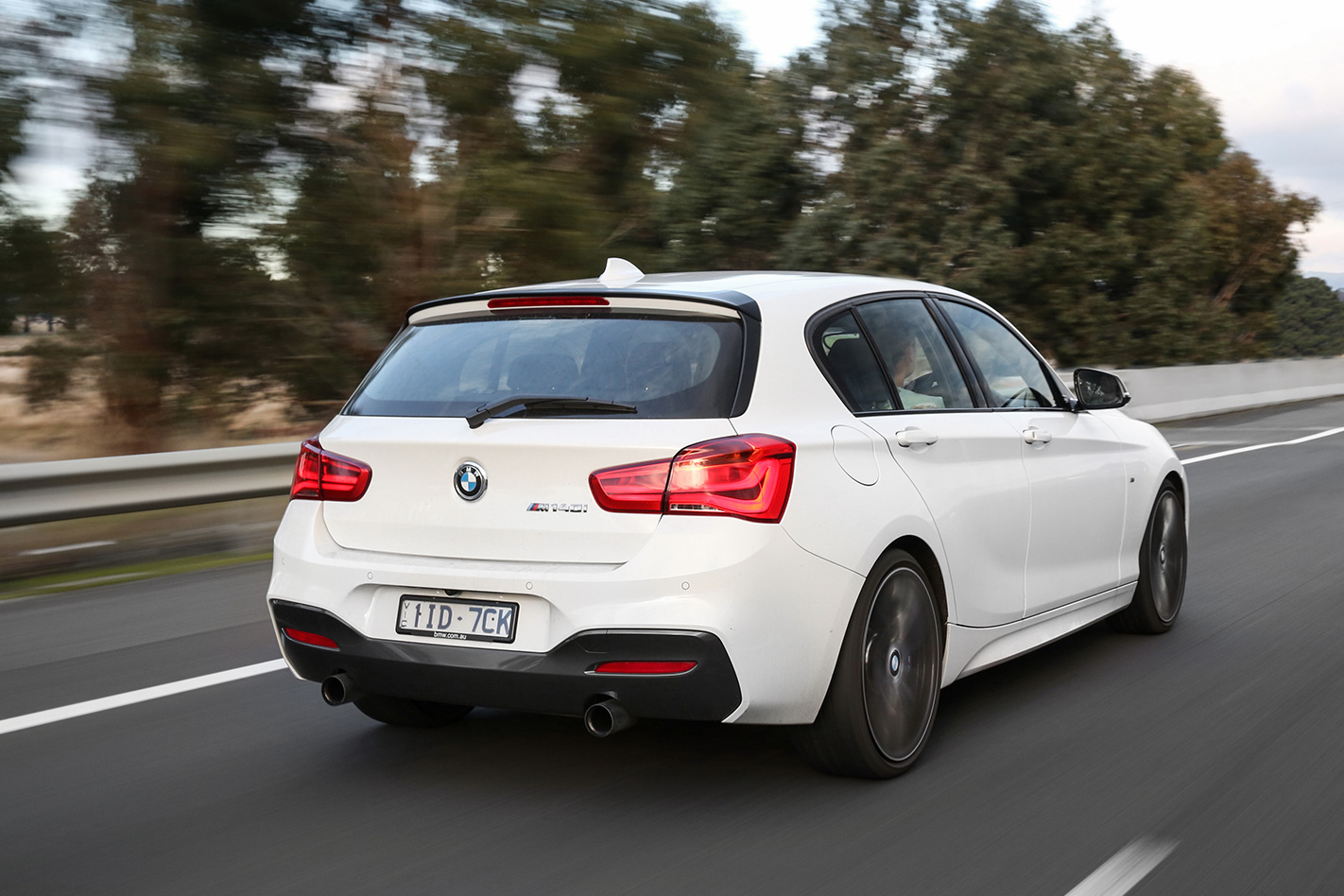
According to various BMW blogs this is going to make life very difficult for tuners – you can’t just whack a bigger intercooler on, for instance – but as Dr Ian Malcolm said in Jurassic Park, “life finds a way”. On initial acquaintance the B58 feels a little too smooth and refined – like a sickly sweet dessert, too much of a good thing – but there is some aggro to be found.
It has an extraordinary powerband; maximum torque is delivered from just 1520rpm, yet meaningful power continues to be produced all the way to the 7000rpm redline. It proves the benefits of less boost/more capacity compared to rivals like the Audi RS3 and Mercedes-AMG A45 which offer even more power but not the same bandwidth.
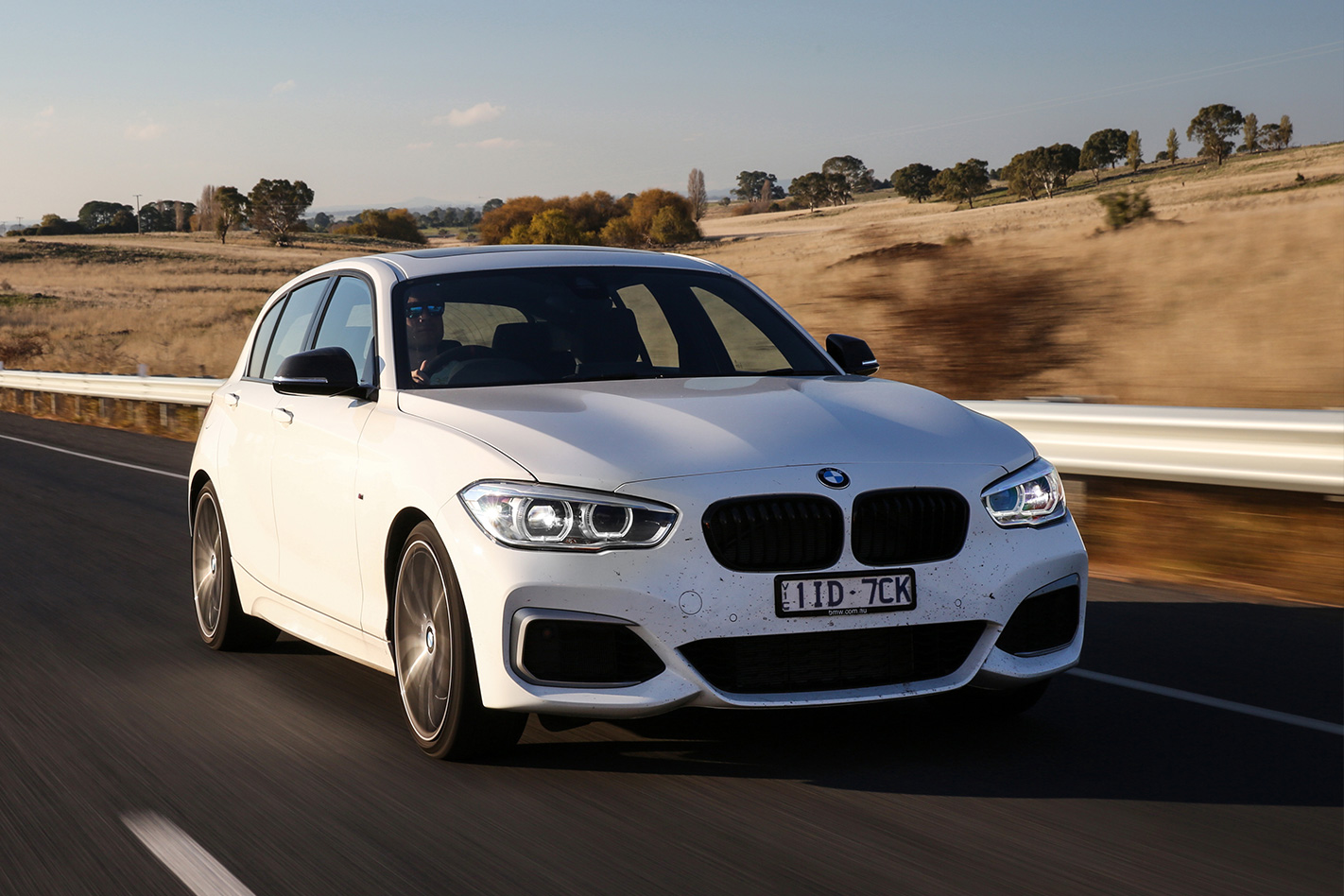
At Bang For Your Bucks this year a standard automatic M140i more or less matched its claim by hitting 100km/h 4.65sec and continued on to a 12.76sec quarter mile at 180.53km/h. But our manual long-termer managed to beat this, clocking 4.58sec to 100km/h at Heathcote on the Pirelli P Zero runflats.
Once rolling the auto’s shorter gearing and instant shifts gave it the slight upper hand, the manual managing a 12.82sec quarter mile at 179.30km/h. It wasn’t even particularly difficult. With a cleanish strip and the LSD ensuring both wheels are turning equally it was merely a case of getting the car moving with around 2000rpm dialled up and then changing gear as quickly as possible.
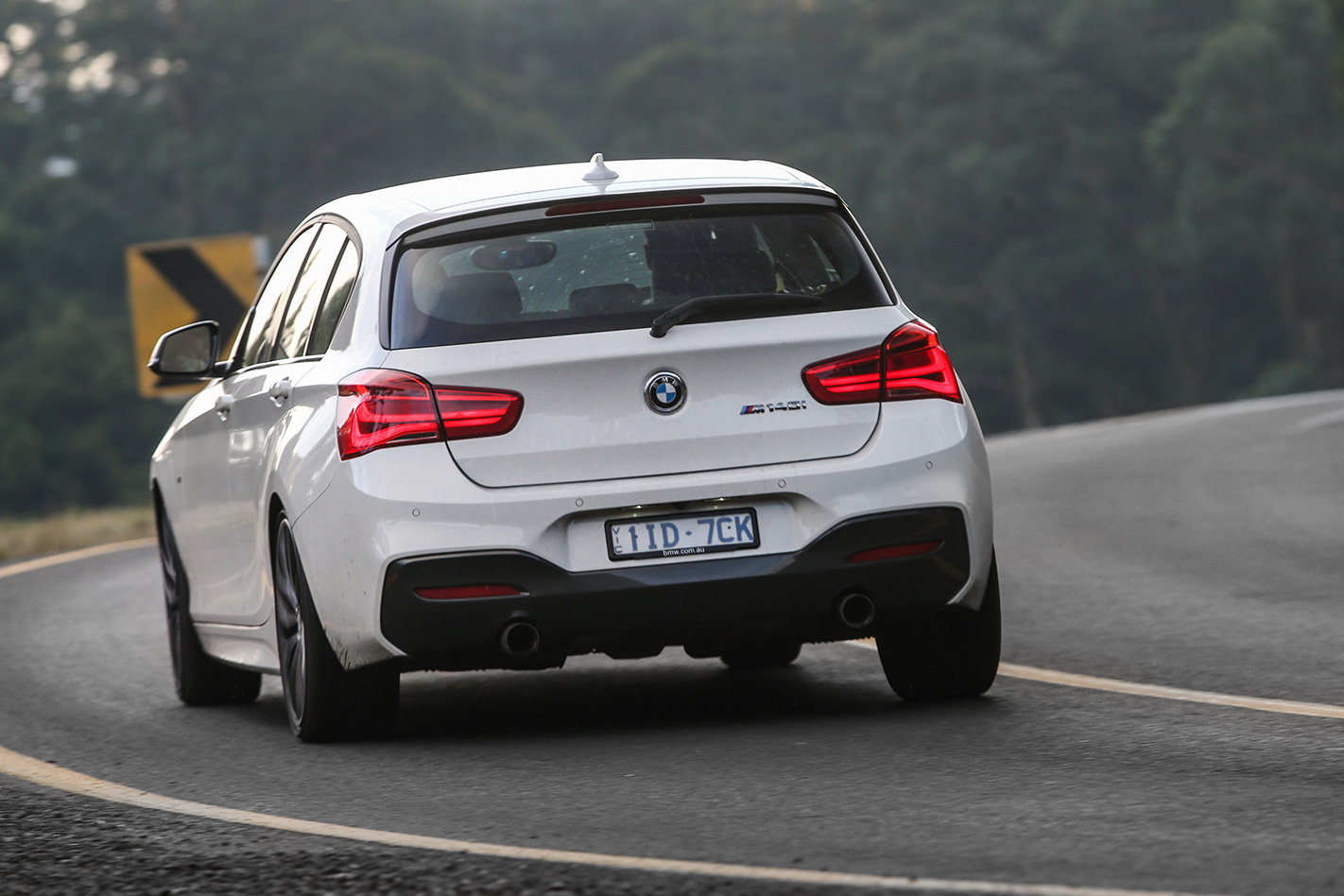
It might sound like an odd comparison, but the M140i’s big engine/small car characteristics give it a distinct muscle-car vibe – the B58 definitely feels like the defining feature of the car.
About the only aspect that grates is the contrived, almost apologetic nature of the pops and bangs on the overrun, which feel at odds with the otherwise silky smooth nature of the boosted inline six. Nobody’s perfect.
MONTH THREE
Fuel this month: 11.63l/100km Average: 11.64l/100km Distance this month: 1042km total 2151km
Like: Performance to burn Dislike: Contrived pops and burbles Favourite moment: Besting BMW’s 0-100km/h claim
Update 3: Conclusion
Goodbye to what’s possibly the best drivers’ hot hatch
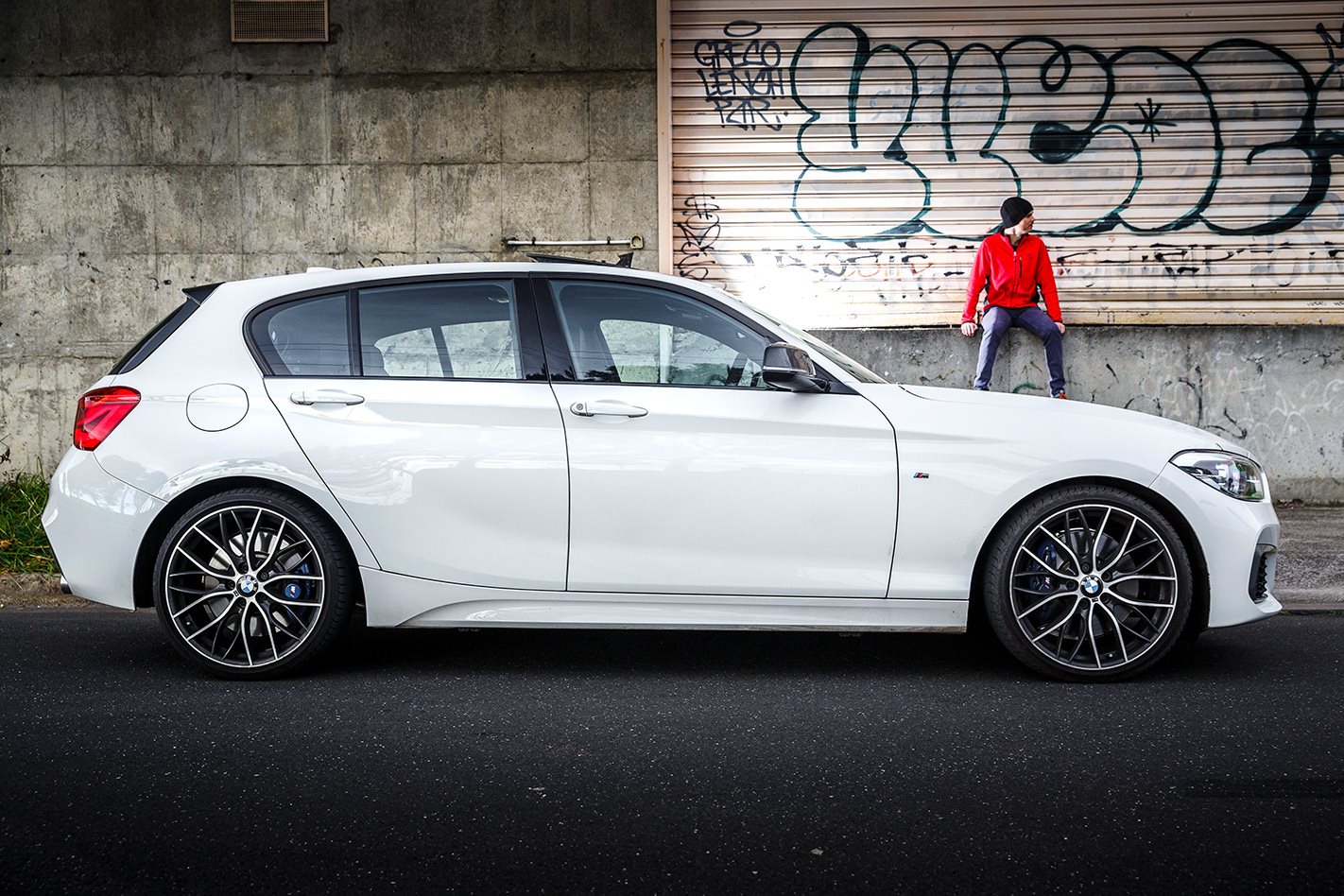
Time’s up for 1ID-7CK – those three months went extremely quickly.
Trouble is, even if BMW was happy for us to keep it longer we couldn’t have, as we drove it so much it was fast approaching the 10,000km at which test cars are grounded.
It’s a mark of the high esteem in which we hold the M140i that it racked up kays so quickly, but before we wrap-up the good, the bad and the ugly of BMW’s uber-hatch we need to talk tyres.
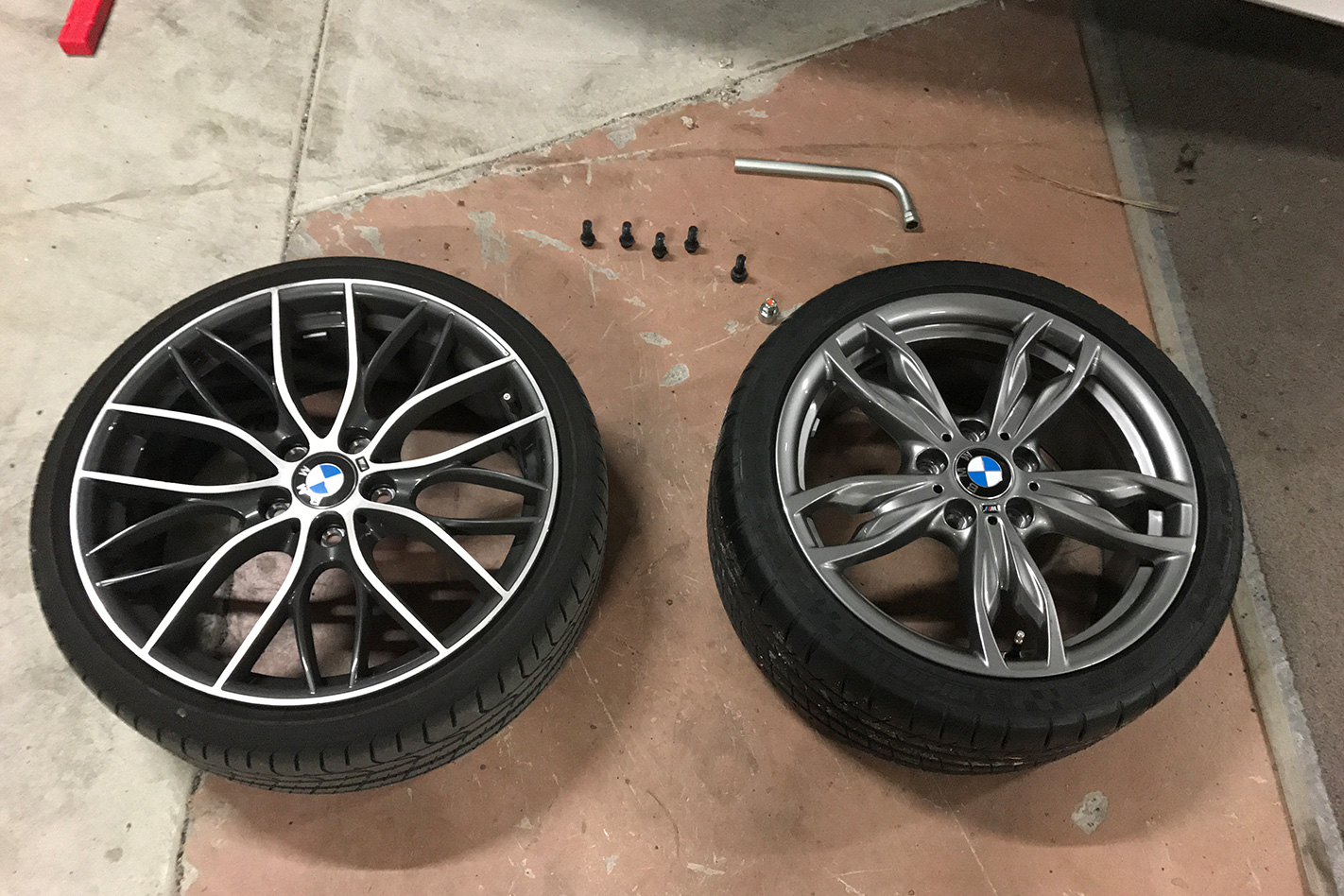
To save itself from having 60 pairs of M140i rims cluttering up its warehouse, BMW Australia provides buyers with both sets of rims, so with our long-termer reaching the end of its tenure it was time to swap. If you’re wondering why we’d bother, the answer is that the two rim sizes wear different rubber.
The standard 18s use Michelin Pilot Super Sports, while the 19s are fitted with Pirelli P Zero run-flats. That said, it wasn’t long before I was wondering why I bothered. As tyre swaps go it was about as far from the two-point-something-second efforts of various F1 teams as you could imagine.
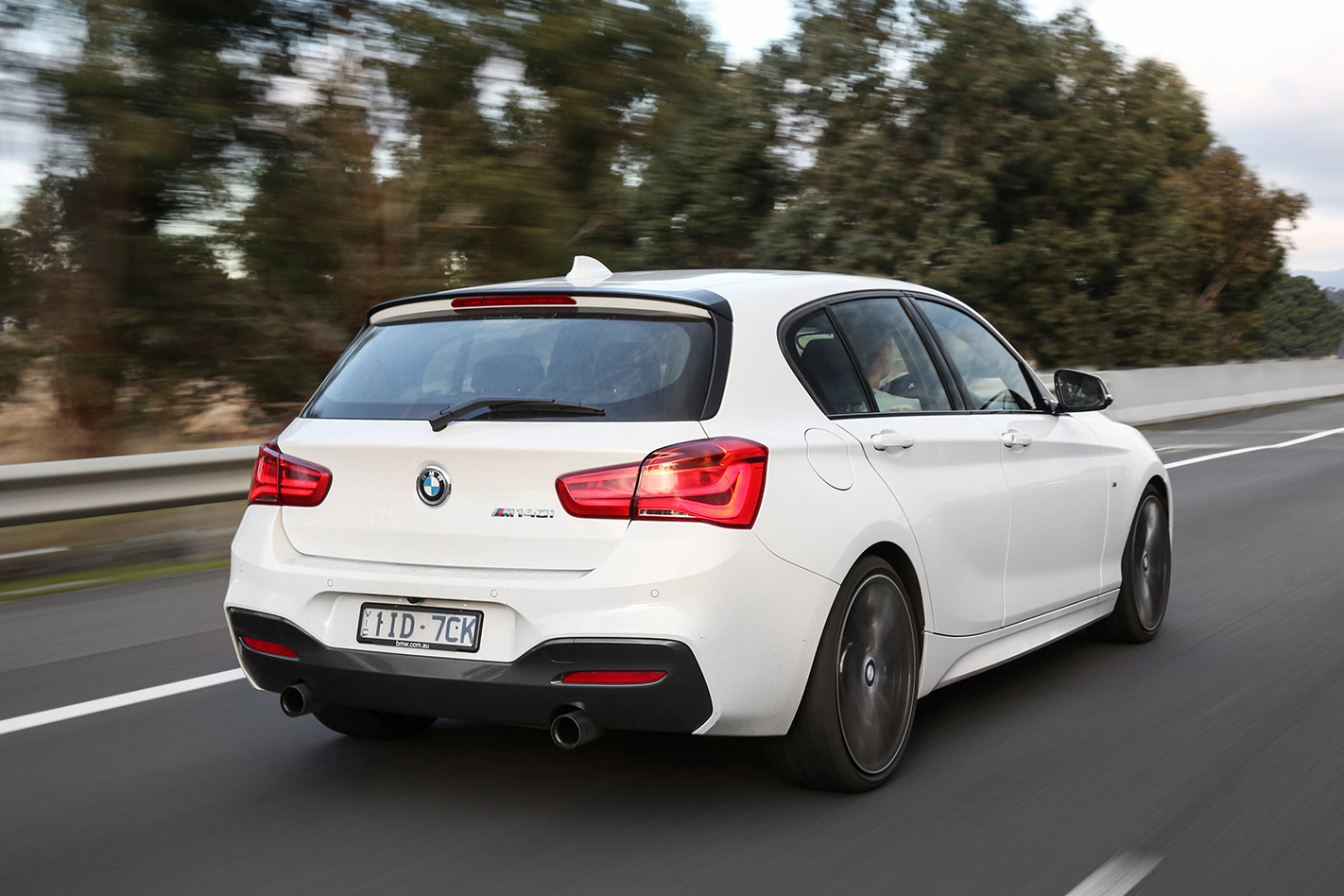
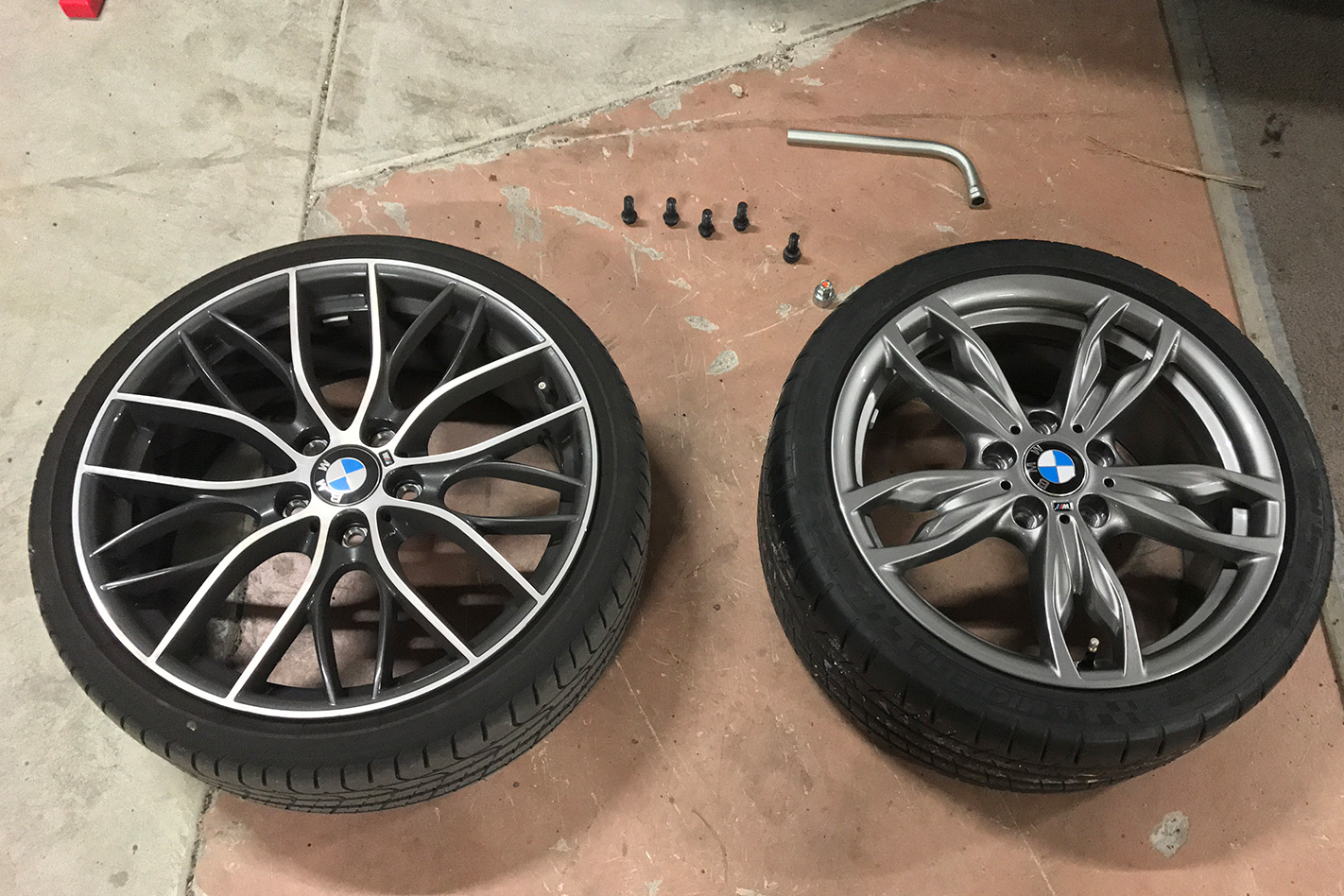
Thankfully, it j-u-s-t squeezed under the side sills and around 30 dirty, sweaty minutes, a few skinned knuckles and many curse words later the M140i was wearing a shiny new set of boots. This is why the rattle gun was invented. So, did the car feel any different? Yes, a little. It certainly looked different.
The 19s are a nice design (though time-consuming to clean) and fill the guards better, but I’m actually quite a fan of the standard 18s. (While we’re on the topic of looks, I can’t understand the hate for the 1 Series’ styling.
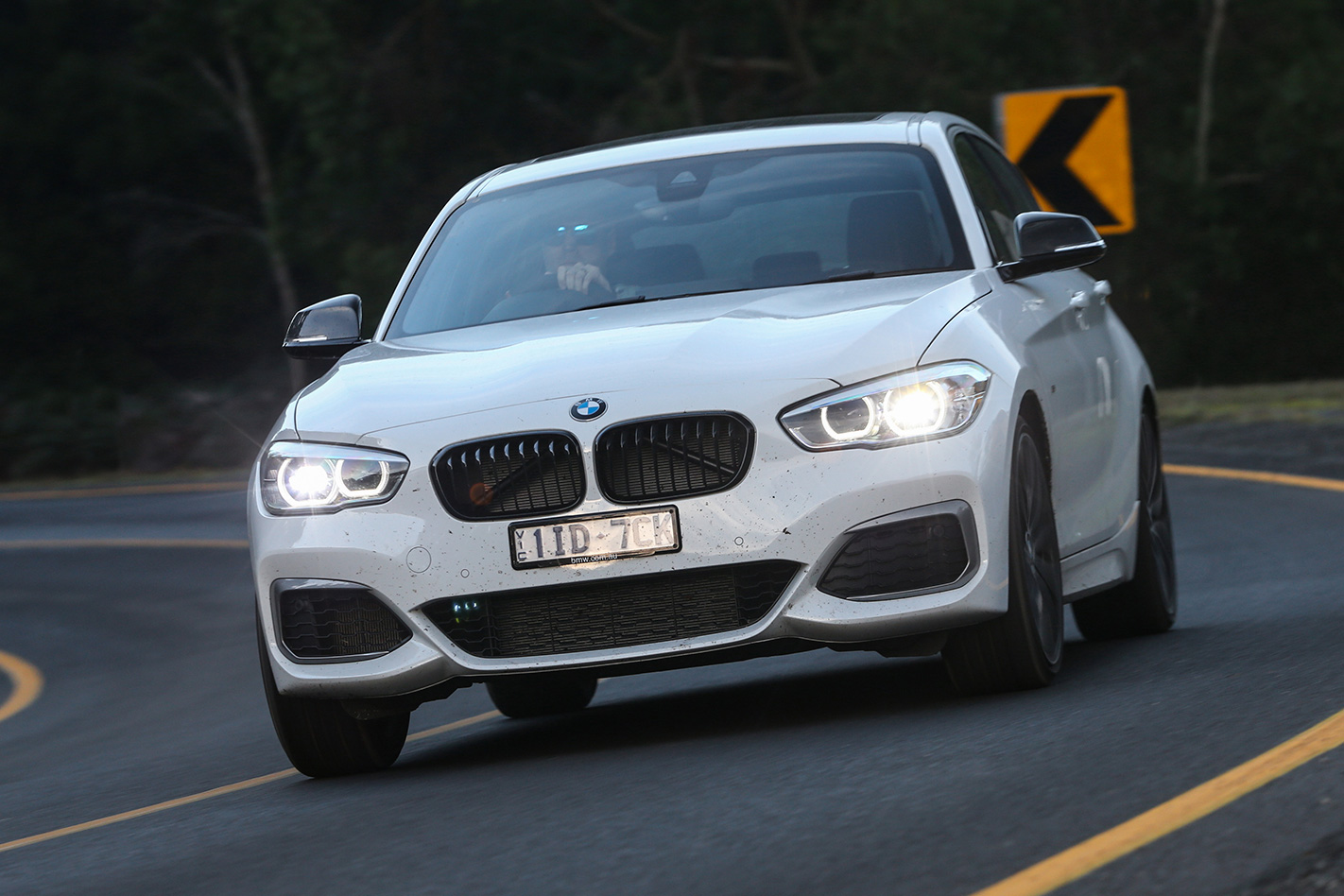
As a more sporting tyre, the Michelins gave greater outright grip, though were also a little more abrupt when they started to slide, and the taller sidewall (40-series vs the Pirelli’s 35-series) and non-runflat construction gave the car a bit more compliance, though the margins were small.
With a gun to my head I’d take the Michelins, but honestly I’d probably keep the 19s on for road use and keep the spare 18s for the track, one place we sadly didn’t get to venture during our time with the M140i PE. Nonetheless, it’s easy to come to a conclusion about the M140i.
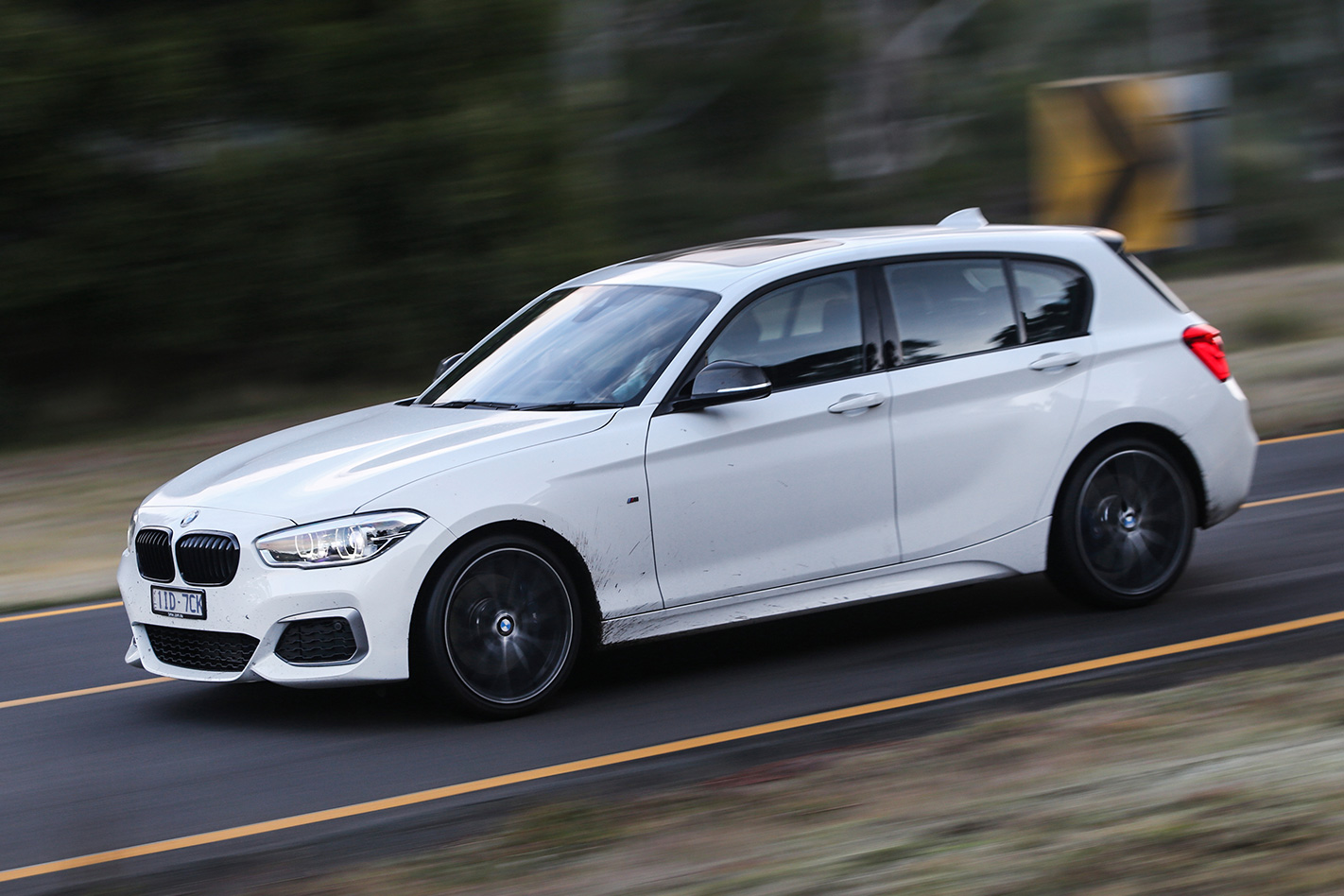
It has the roll-on pace to stick with the likes of the Audi RS3 and Mercedes-AMG A45, yet is more involving and thanks to a recent price cut to $59,990 for the base car, miles cheaper than both. The Performance Edition is a harder sell.
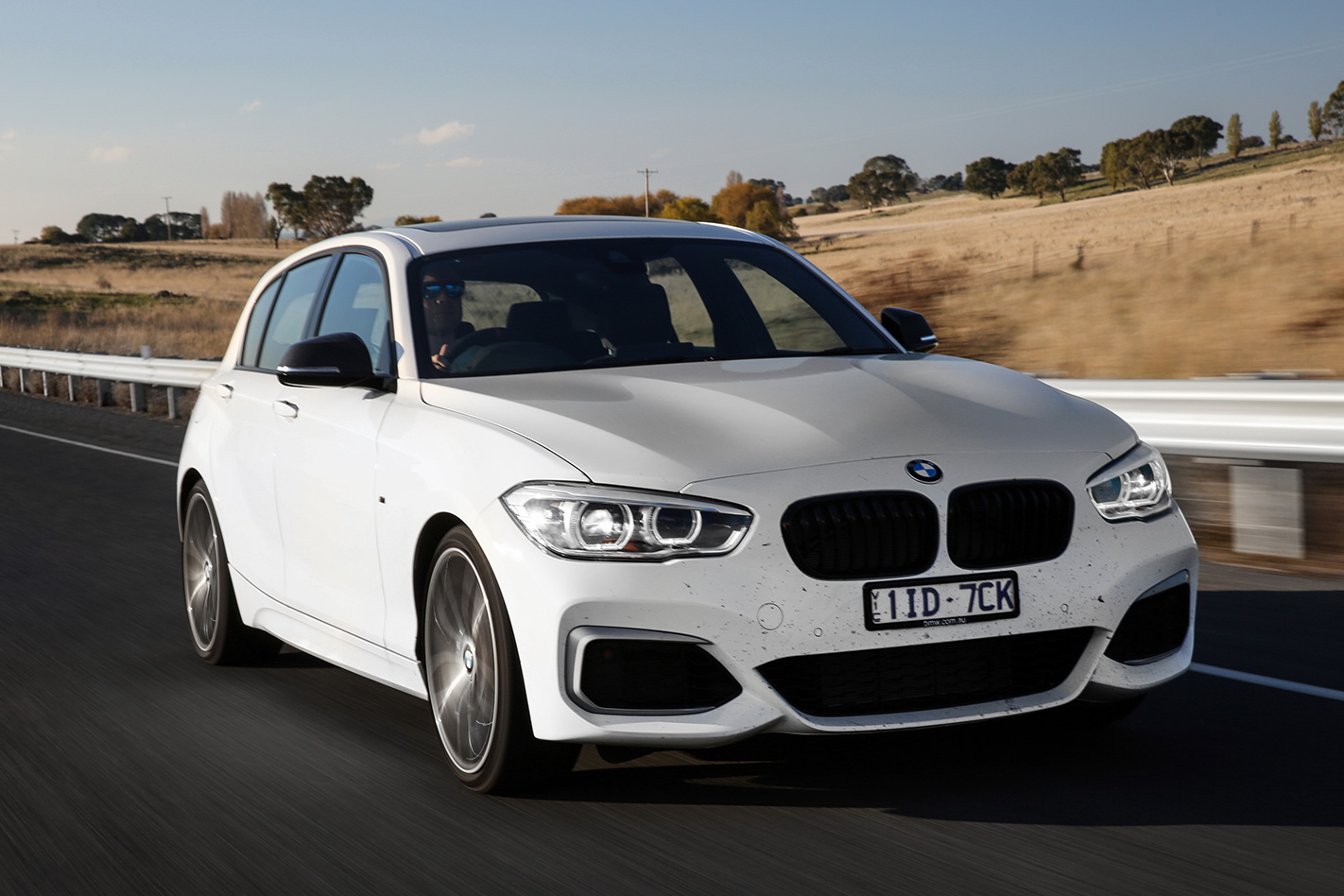
The rest – M Performance exhaust, carbon and Alcantara interior bits, 19s, etc – is nice if you’re after something more exclusive, but personally I’d be very happy buying a standard M140i, ticking the heated cloth seats box and spending the money saved on that chunk of metal in the rear axle.
Either way, it’s a great car, buy one while you can.
MONTH FOUR
Fuel this month: 11.2l/100km Average: 11.6l/100km Distance this month: 1321km
Liked: Michelins make it a better car Disliked: Spending an hour changing tyres
1. Mercedes-Benz SL – 1954
Short for ‘Sport Lightweight’, Australia’s longest-running model moniker is Mercedes-Benz’s iconic SL. It might not have the original’s gullwing doors, but it still oozes glamour today.

2. Mini Cooper – 1961
When it debut in 1959, Mini was a model name and Morris, the maker. Mini has since transitioned into an overall brand under BMW. As for Cooper, it has been slapped on sportier Minis for the past 56 years.
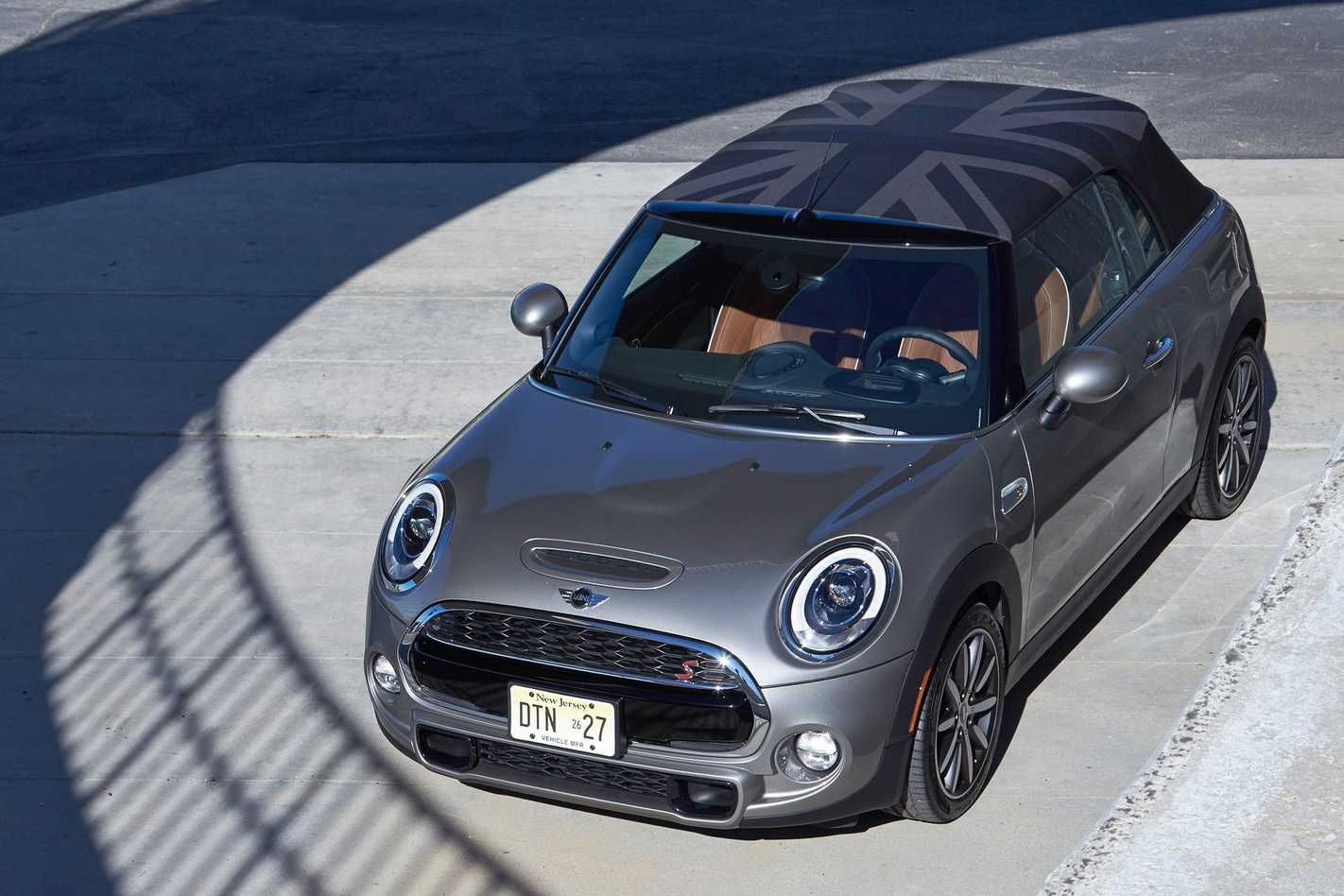
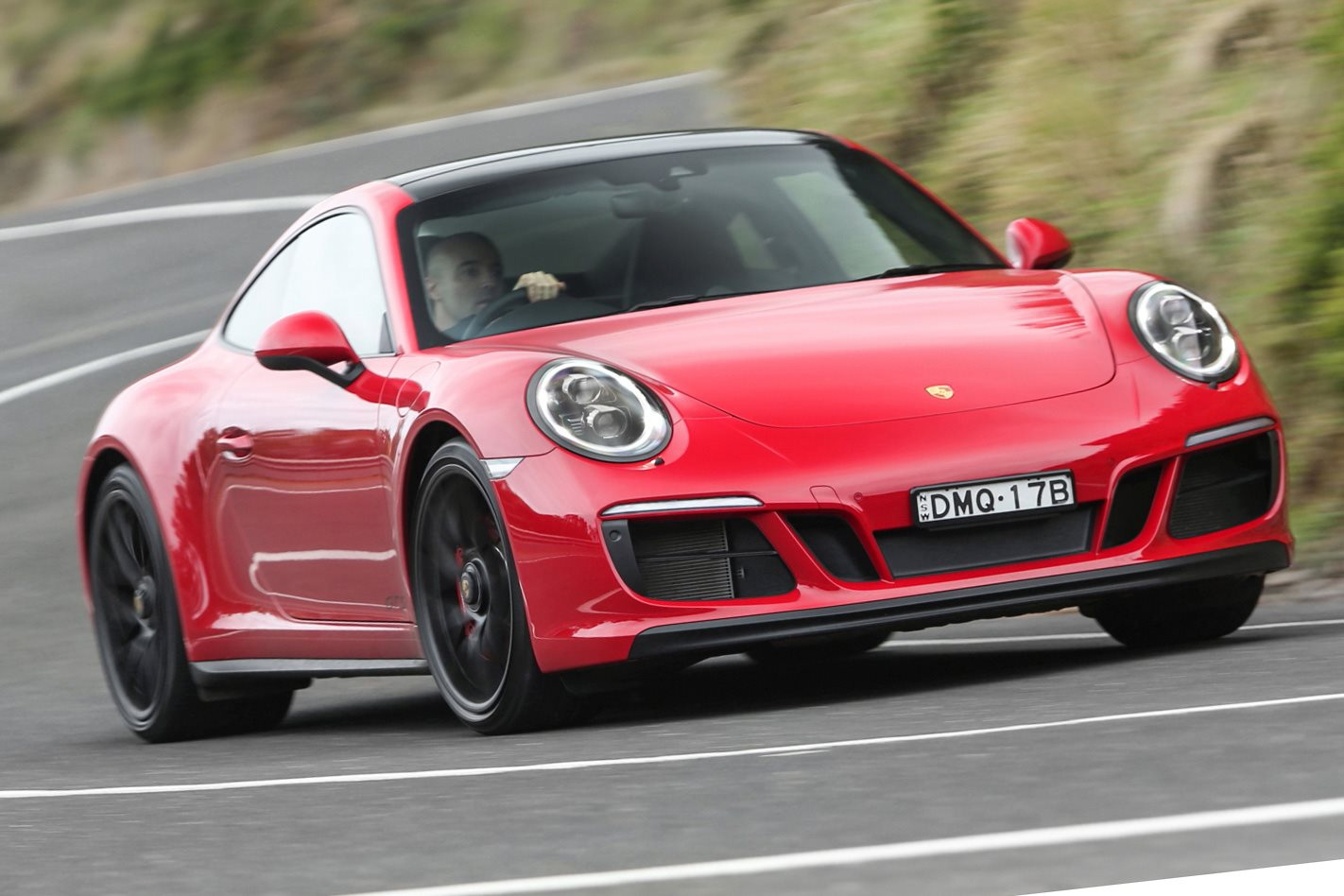
3. Porsche 911 – 1963
While each generation has been given its own individual model code, Porsche’s rear-engined icon has always carried the 911 name. 54 years on and it’s still one of the most loved performance road cars.
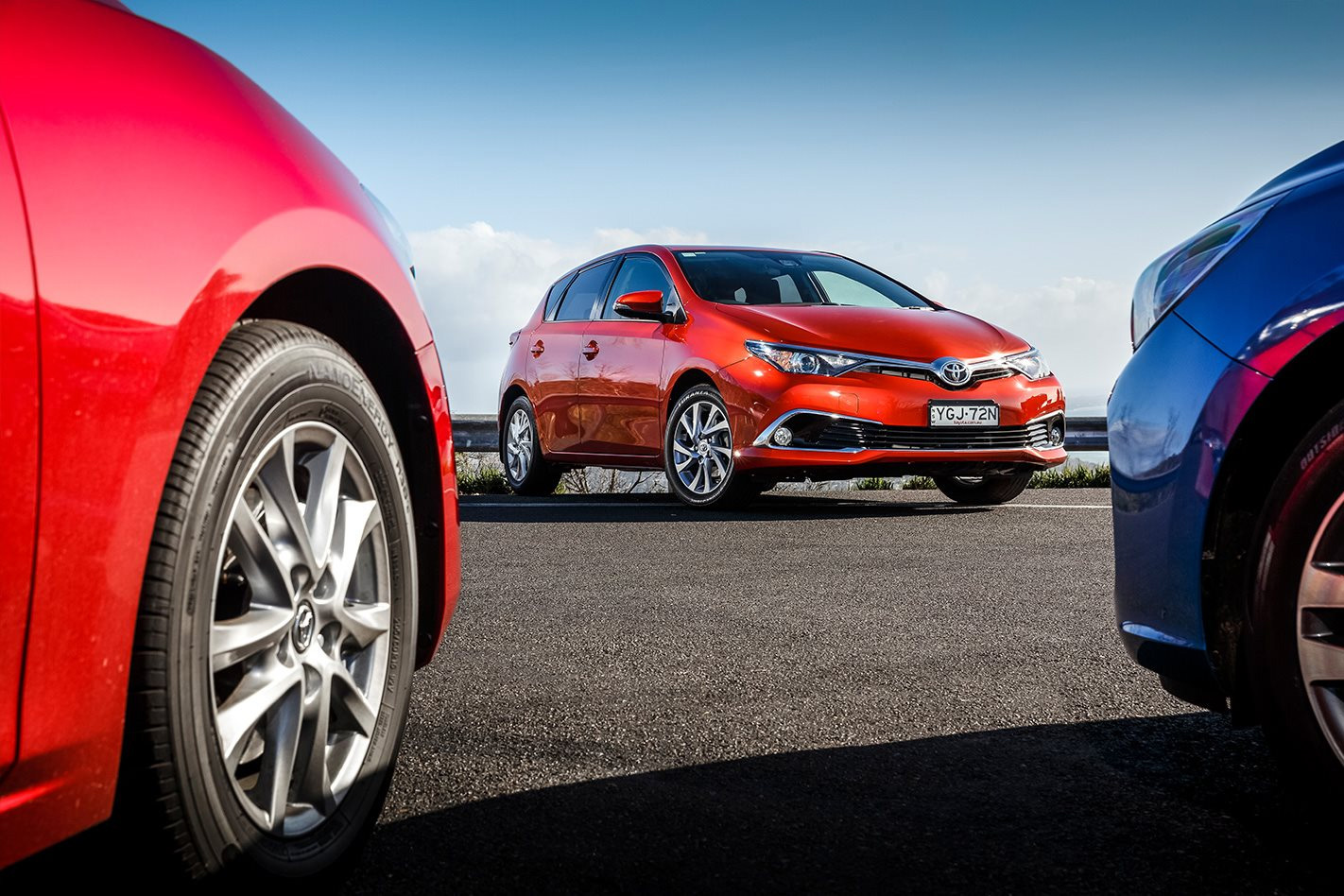
4. Toyota Corolla – 1966
Though placed fourth here, the Corolla’s popularity has given it a far more impressive record. Since its introduction, more Corollas have been sold globally than any other model – more than 44 million.
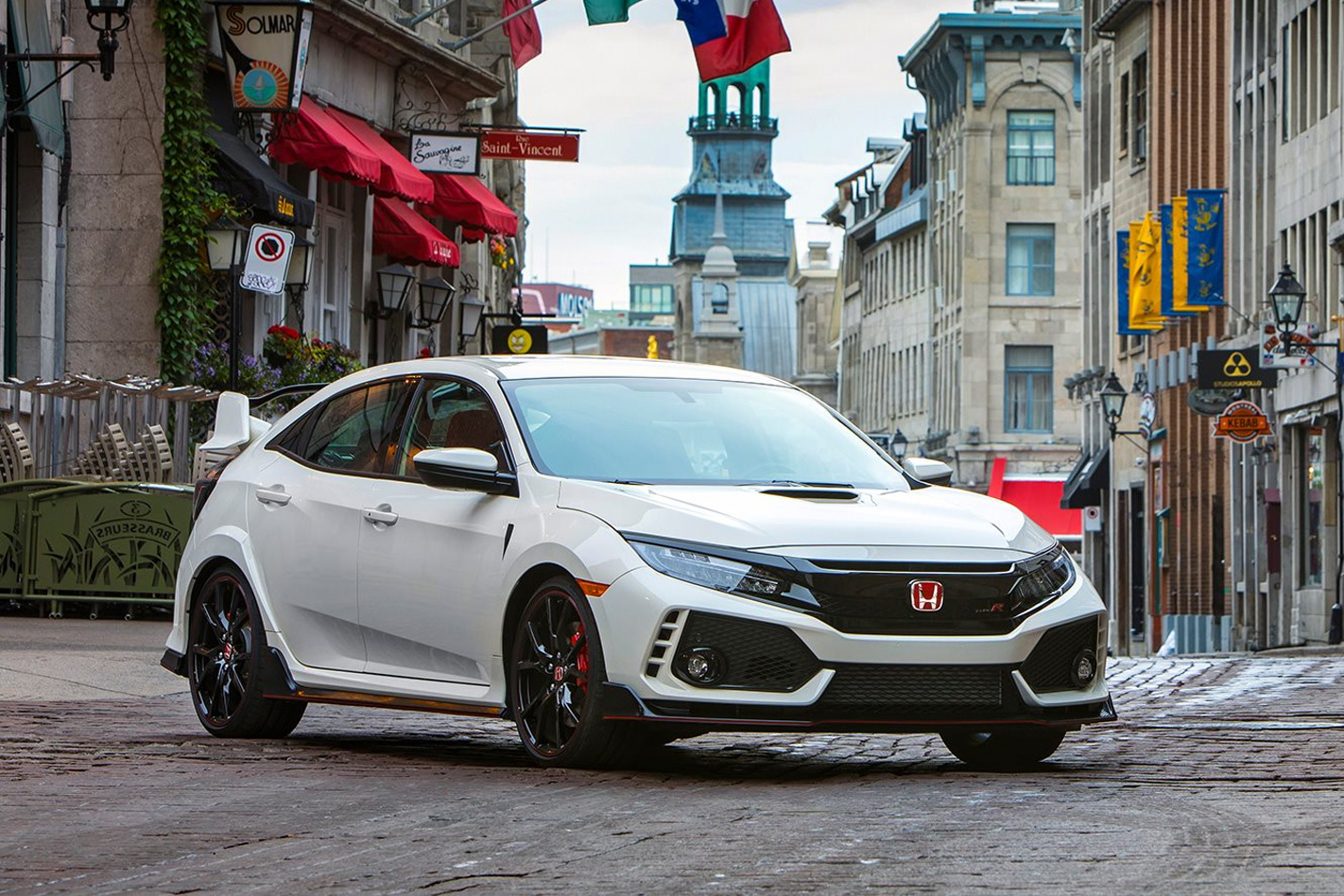
5. Honda Civic – 1972
With a potent new 228kW turbo Type-R version gaining much attention, it’s hard to believe the car that started the Civic bloodline 45 years ago had a humble 37kW 1.2-litre mill under its little bonnet.
The new Rolls-Royce Phantom is the eighth model to wear the nameplate and the new Phantom is expected to pick up from where the old one left off.
All models will be underpinned by a new platform, which finds its debut in this new Phantom. No more upscaling BMW platforms to suit lesser Rolls. Eventual replacements for the Ghost, Wraith coupe and Dawn convertible, and the Project Cullinan SUV, will all feature this aluminium spaceframe, which is generally 30 per cent more torsionally rigid than the outgoing Phantom’s, rising to 100 per cent stiffer in key areas, such as around suspension and gearbox mounts.
Aluminium bodywork is crafted over the top and the body-in-white is ‘accidentally’ lighter than the old one. Body stiffness brings rewards when it comes to refinement and ride quality. They are the two things that should define a Phantom more than anything else.
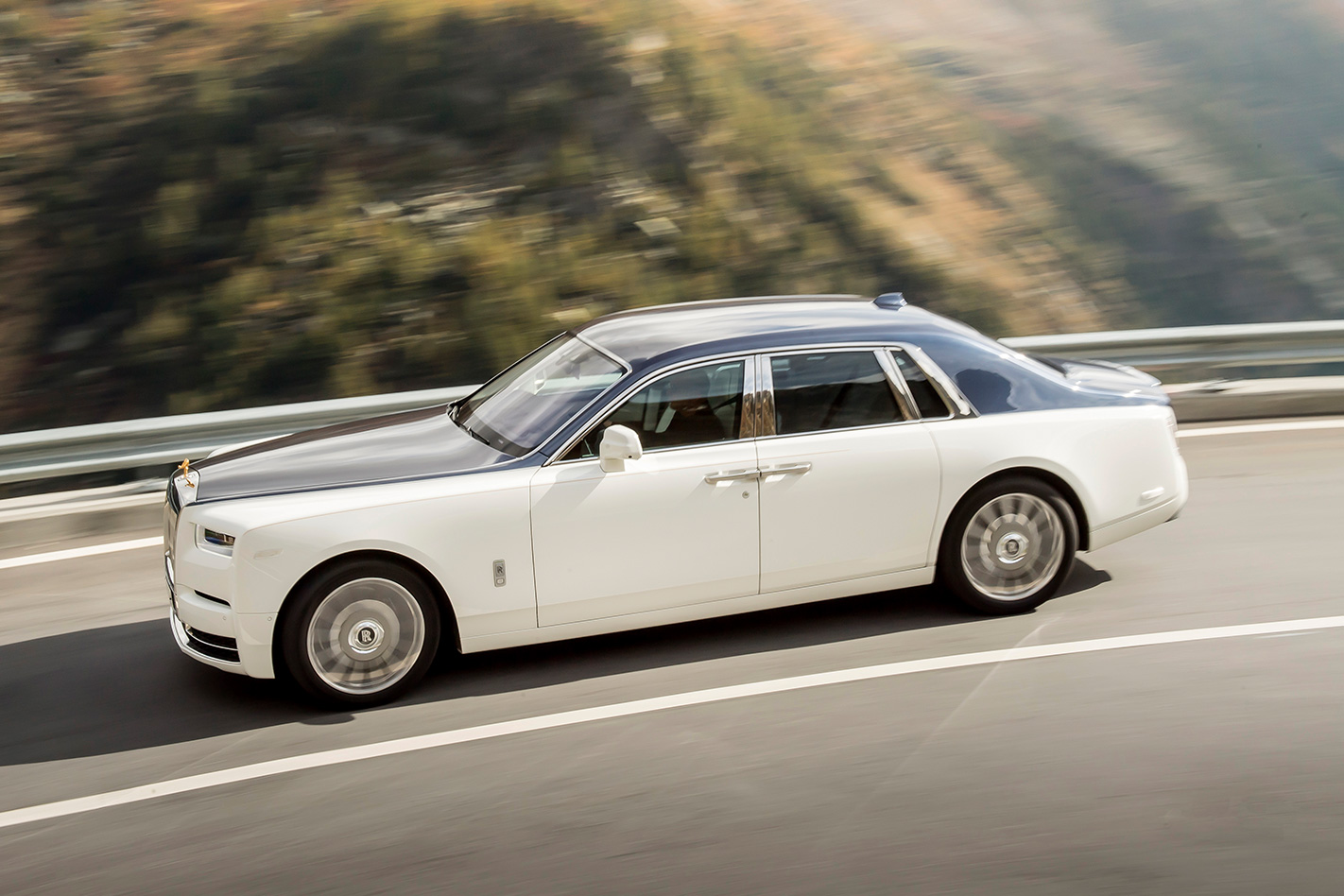
Overall, the standard-wheelbase Phantom is 5.76m long, with the Extended Wheelbase 5.98m; both shorter than their predecessors, but heavier, too, because every opportunity has been taken for stiffness and to increase the refinement and technology levels. In the pursuit of refinement, there is more than 130kg of sound-deadening material: foams, sheets and so on. Even the tyres get it.
Given that the tyres are the first line of suspension, and despite having little sidewalls – our test car rode on 22-inch rims, with 45/40 front/rear profiles – they are soft sidewalls. Power comes from a 6.75-litre engine again – Rolls’ go-to engine size and, in its recently adopted layout, a V12.
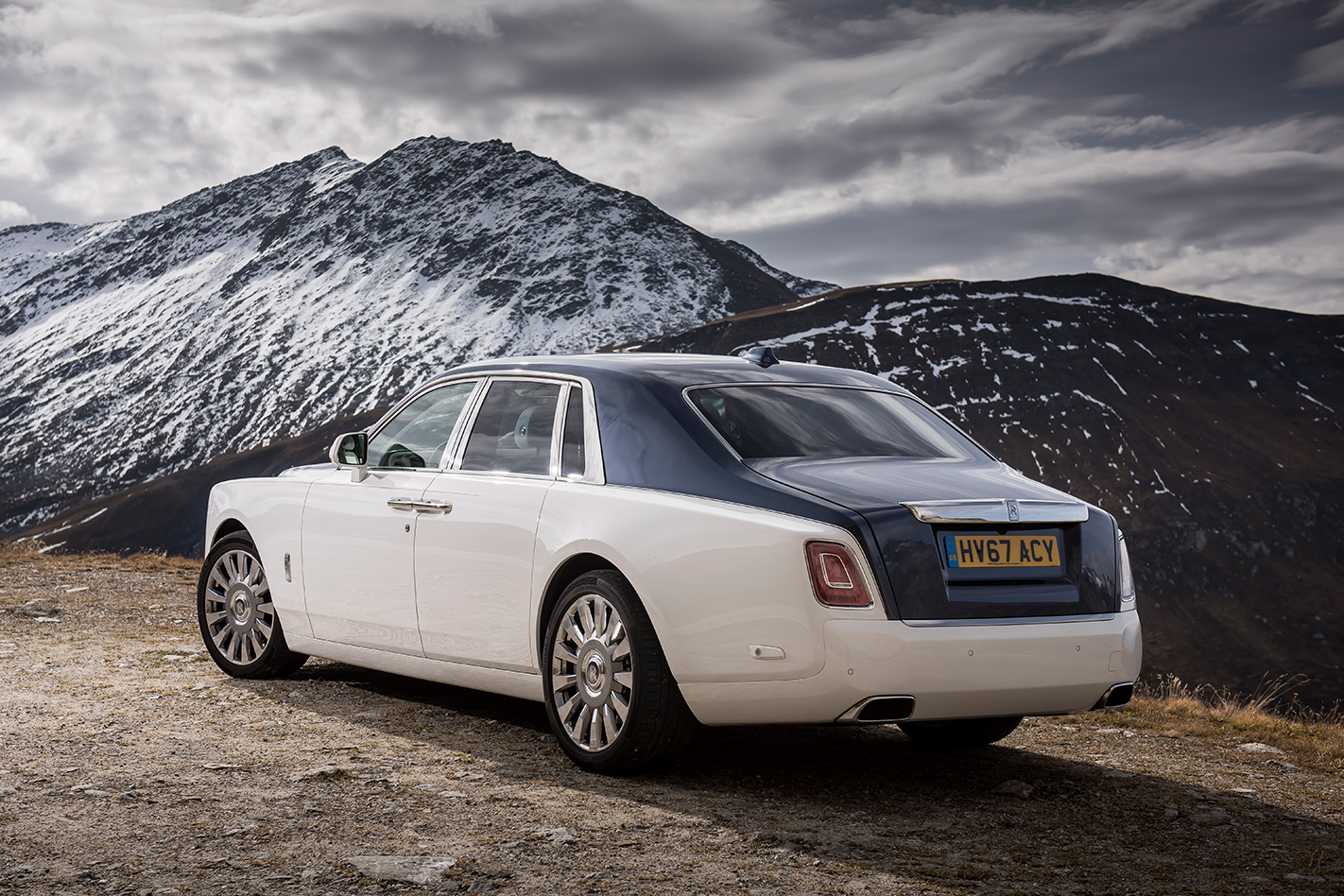
What Rolls is going for, then, is what it thinks a luxury-car driver really wants: a car that’s easy to drive, relaxing, but also pleasurable. And it’s allowed – almost meant – to be a bit ostentatious. It’s a Rolls-Royce Phantom, after all.
It feels like one inside, too. The wheelbase is longer despite the shorter overall length, but you’re not going to feel short of leg room in either model. The two rear seats are vast and comfortable and they move, heat, cosset and comfort.
But the front seat is where my interest is and, actually, it’s where a lot of Phantom owners have an interest, too. The front environment is just as nice, mind. Fit, finish and materials are, obviously, exemplary.
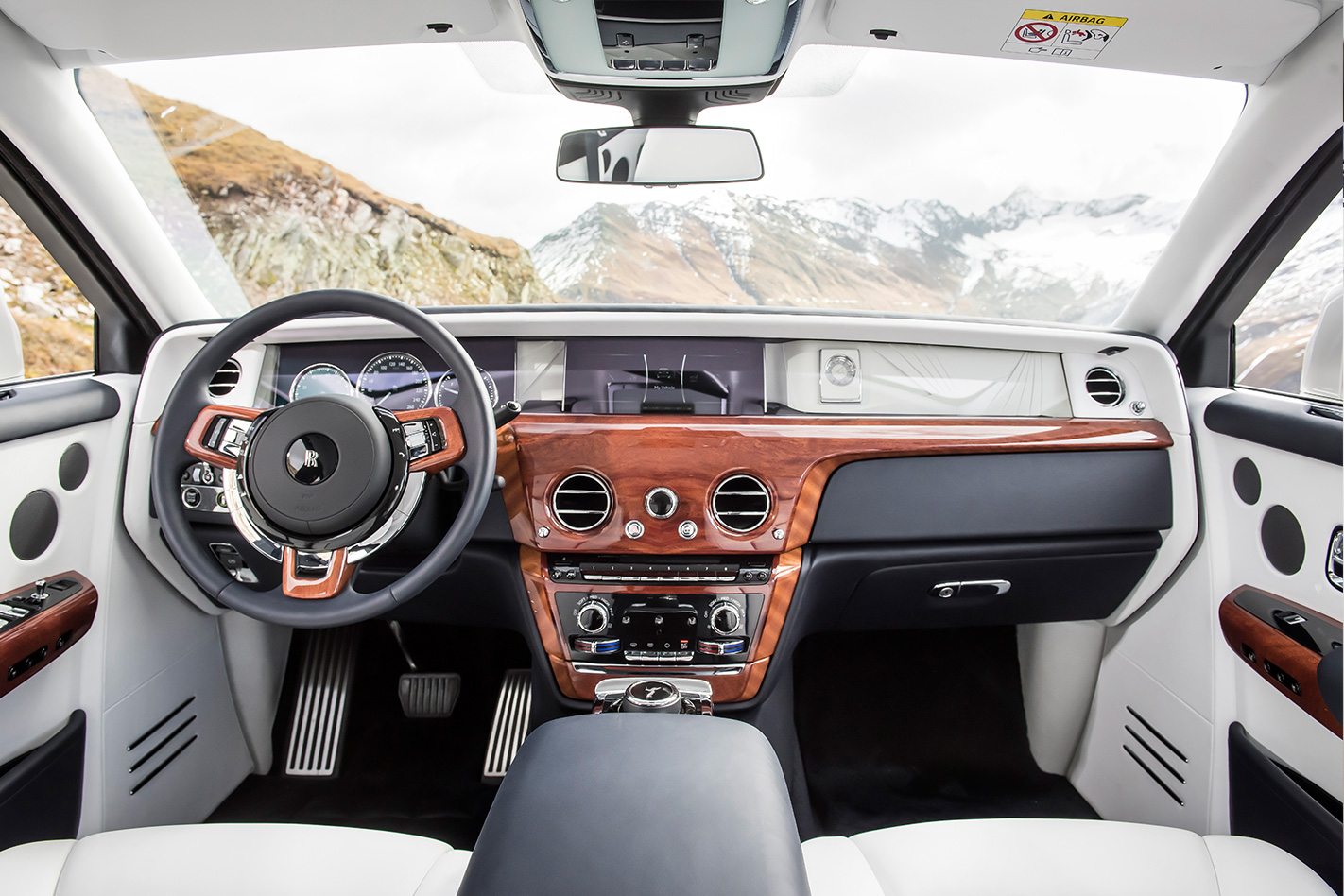
The throttle travel is long and the Phantom eases away with a light tickle. The steering’s light, too, while the brake pedal is ideally weighted. Given its size and light steering, it would be easy for it to feel vague, but such is the steering’s precision that it never does. Then there’s the ride, and the silence. It is, no question, utterly exceptional.
There’s an absorbency and compliance that nearly every other new car can only dream of. It pays not to ask too much of the chassis.
The real pleasure is to be had in enjoying how easy it is to drive smoothly and how precisely it steers. I suppose, if you were being picky – seriously picky – there’s an occasional tiny stiction to the steering in medium-speed corners. And the shimmy – a slight reverberation – that usually comes with air springs is there if you concentrate on it. However, that’s just splitting hairs because in all other ways the new Phantom is the pinnacle, the epitome, of motoring luxury.
4.5/5 STAR RATING
LIKES: Exemplary levels of refinement; ride quality; luxury DISLIKES: Steering; not being able to afford one
THE automotive industry is truly a global one. If you want to work your way to the top, chances are you’re going to spend time being punted from one country to another.
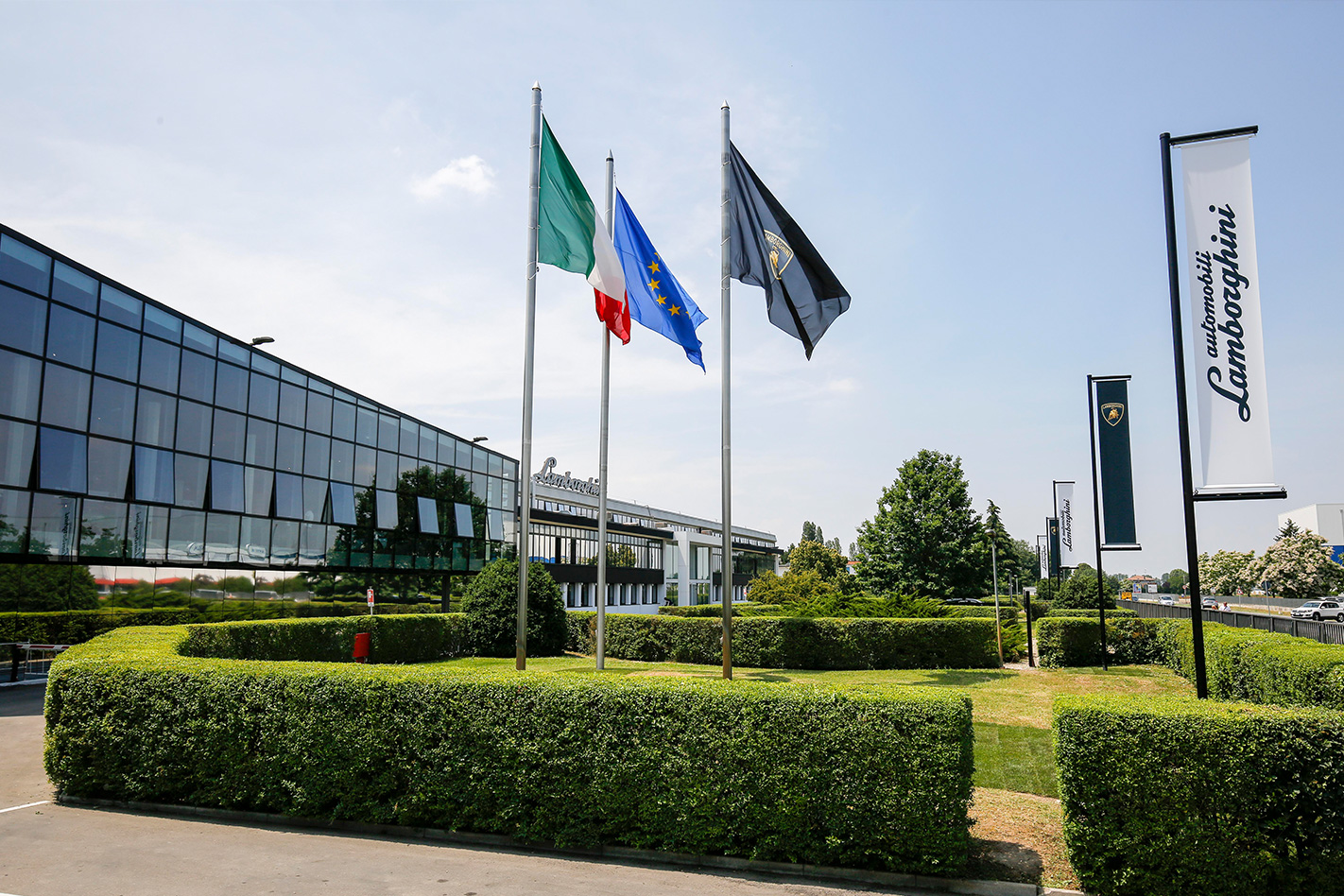
Andrea Ruggiero, 39, has just moved from Beijing to Sydney – via Italy – to become Lamborghini’s first ever Australian-resident employee in the new role of Oceania Area Manager, working from parent Audi’s headquarters.
Ruggiero didn’t grow up in a car family. But hey, he grew up in Padova, 100km from Bologna, and joined Lamborghini straight out of university, where he earned a Business and Economics degree.
“I was born in 1977, so of course I was one of the kids with the Lamborghini Countach in my mind! If I go back to my father, it was the Miura, and for some younger than me it’s the Diablo. But Countach is who I am, the LP400.”
Lamborghini’s tally of 111 cars in 2016 made Australia the brand’s eighth-largest international market. “In my typical day job I often visit the dealers we have here – four, plus Auckland. So Sydney is one of the most convenient places to be, to fly to all those locations.”
“My wife, who is Italian, was with me in China. At that time, we were not married, but she followed me there, then she followed me back to Italy, and now to Australia. Maybe I am the charismatic one in the couple, no?
“Normally, we move around each three years to five years … If you are abroad, then you move back to headquarters then do something else, and so on.”
Ruggiero’s first eight years at Sant’Agata headquarters had already taken him from the commercial department to product marketing (he launched the Ad Personam program), then Product Manager for Aventador. Then came Beijing.
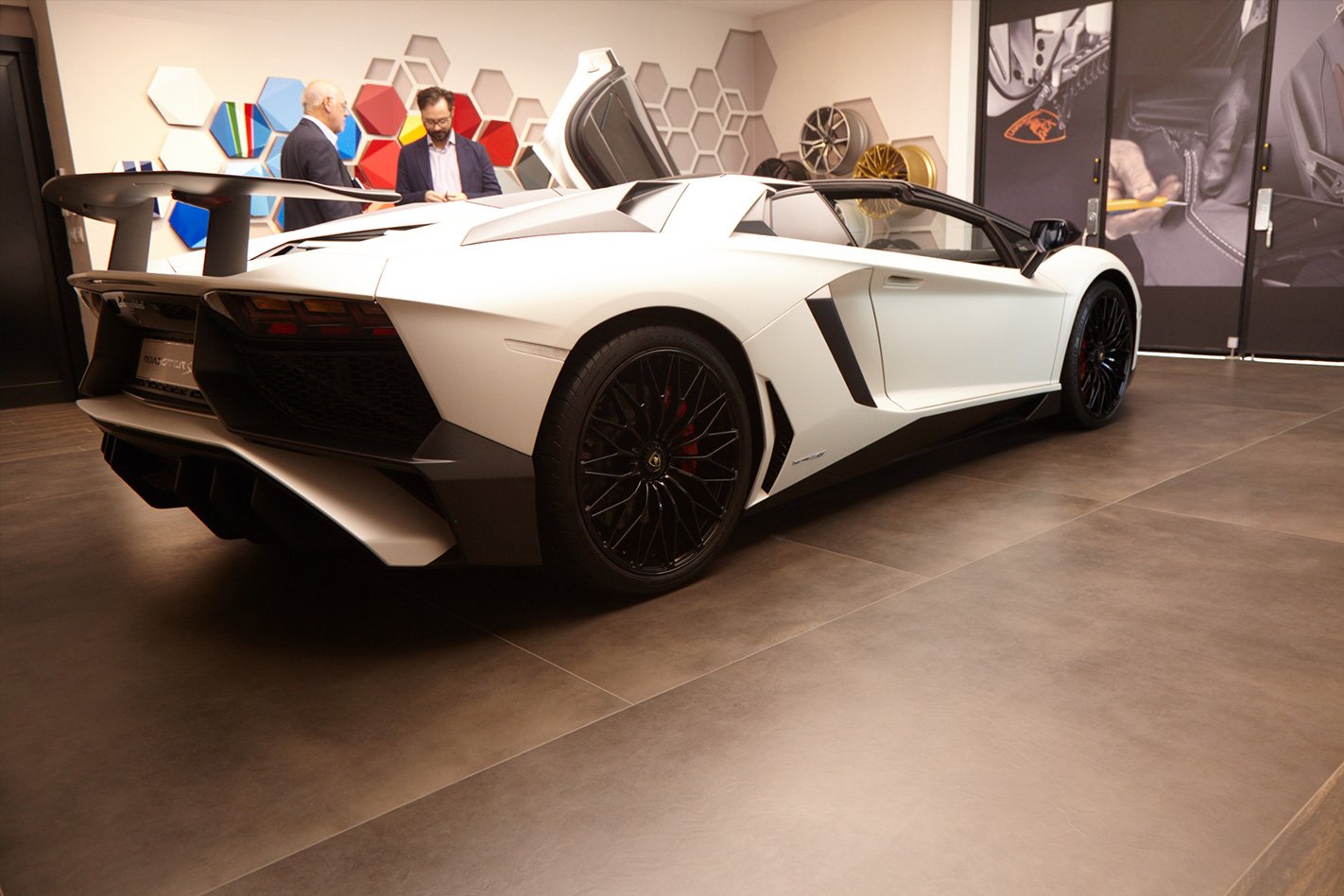
“For them, everything is new and I think that was great also because Lamborghini, compared to other competitor brands, was arriving at the same level.” Ruggiero jokes that his familiarity with our language means Aussie life is already easier than living in China.
“In Beijing you are forced to learn Chinese. But Beijing is not the place where you think to live forever. Maybe Australia will be something different …”
THIS WINTER I took my family on a skiing holiday in New Zealand. I’m still pinching myself that I’ve become that guy who takes family skiing holidays, and that’s only partly because none of us can ski.
But I wanted to tick that box, so we organised accommodation in wonderful Wanaka – nearest to the family-friendly Mt Cardrona – arranged a car, some skiing lessons, and away we flew.
The anxiety level that had started humming when I organised the car, stepped up a couple of thousand revs at the rental desk at Queenstown airport. I knew why.
I’ve been in this motor-noting caper for 35 years (eeek!) and in that time, I’ve had a whole encyclopaedia of automotive experiences. I’ve driven flat out on a bunch of motor racing circuits around the world, including the Nurburgring, in a variety of mostly fast cars. I’ve even raced at Bathurst. My 100 percent win rate should stay intact, provided I never go back a second time.
I’ve driven a Porsche 911 across the Simpson Desert, and driven the Gibb River Road in the Kimberley (the region, not the Austin). Driven a Ferrari at 300km/h on an Italian autostrada, and gone close to that on autobahns, proving grounds, and Targa Tasmania. I’ve driven pre-production prototypes on a frozen lake in Sweden. Done a ton of off-roading, even in my early-teens, thanks to my stepdad’s Sunraysia accessories business. Driven a 1962 Saab 96 works rally car. The 1998 Le Mans-winning Porsche 911 GT1-98. The Mazda suitcase car.
I hear the chorus of “big whoop, fatty boom-bah” from Wheels’ tolerant and mature readership, but I am getting to the point.

It’s like driving with a little turd of kryptonite in my underpants. I’m not talking about driving fast; quite the contrary. This is about being completely helpless as gravity slurps a near-stationary car down the crown of the road.
There was one trip across the Jura mountains from Geneva in an Audi A6 Allroad. I can still see the roadside ditches dotted with hatchbacks; others being miraculously well-driven (snow tyres! d’oh!); queueing on gentle inclines with the car ahead wheelspinning and inching backwards; and descending a gentle hill into a village at all of 5km/h, ABS and ESP stuttering madly, speed increasing, me all but powerless at the wheel.
New Zealand turned out to be a non-event: the road to Mt Cardrona was gritty and needed no chains on our rented Toyota Highlander (Kluger). But it had caused my mind to leap back to an even earlier time, when I was maybe 12. We were away with the Sunraysia group on an off-road weekend. My mum’s Range Rover was using a set of road tyres, then a very new-fangled thing for four-wheel-drive wagons.
In light rain, slowly climbing a smooth, grassy hill, the Rangie started slewing, then sliding downhill. Mum was tweaking the throttle and the wheel, keeping the nose pointed uphill. I could see that mum was really concerned. We found enough grip to hold station until someone could tow us up.
It had hit me hard that there are situations in which no amount of power or skill – or for that matter, applying the handbrake and doing nothing – will prevent an outcome equivalent to a high-speed accident.
Compared with a high-speed situation, there’s no time, no traction, no friendly physics. And that, even as I sit in this castor-wheeled office chair, really terrifies me.
Glacial progress
If ever there’s an automotive arena that technology seems to have passed by – aside from windscreen wipers, anyway – it’s got to be snow chains.
Over the years, I’ve seen promising starts with various designs of moulded rubber and plastic webbing or textured ‘socks’ that fit like tyre-warmers. But none seems really to have, er, gained traction, partly because many ski locations insist on the old-school, knuckle-busting steel type for ‘chains required’ areas.
There’s no doubt that Aston Martin knew exactly what it was doing when it took the decision, four years ago, that would lead to the DB11 getting a twin-turbocharged V8 engine from Mercedes-AMG.
It’s become an alternative to the Cologne-built twin-turbo V12 and is an integral part of Aston’s future, in all sorts of models. Okay, the V12 has the faster 0-100km/h and higher top speed claims, so Gaydon’s performance hierarchy isn’t exactly in tatters.
But with only 25Nm between the siblings and 115kg saved by the cheaper newbie, there was never likely to be much breathing space left for the pricier model. So why take the risk? Interestingly there are reasons other than financial to consider whether your new Aston really needs 12 cylinders – and they’re convincing.
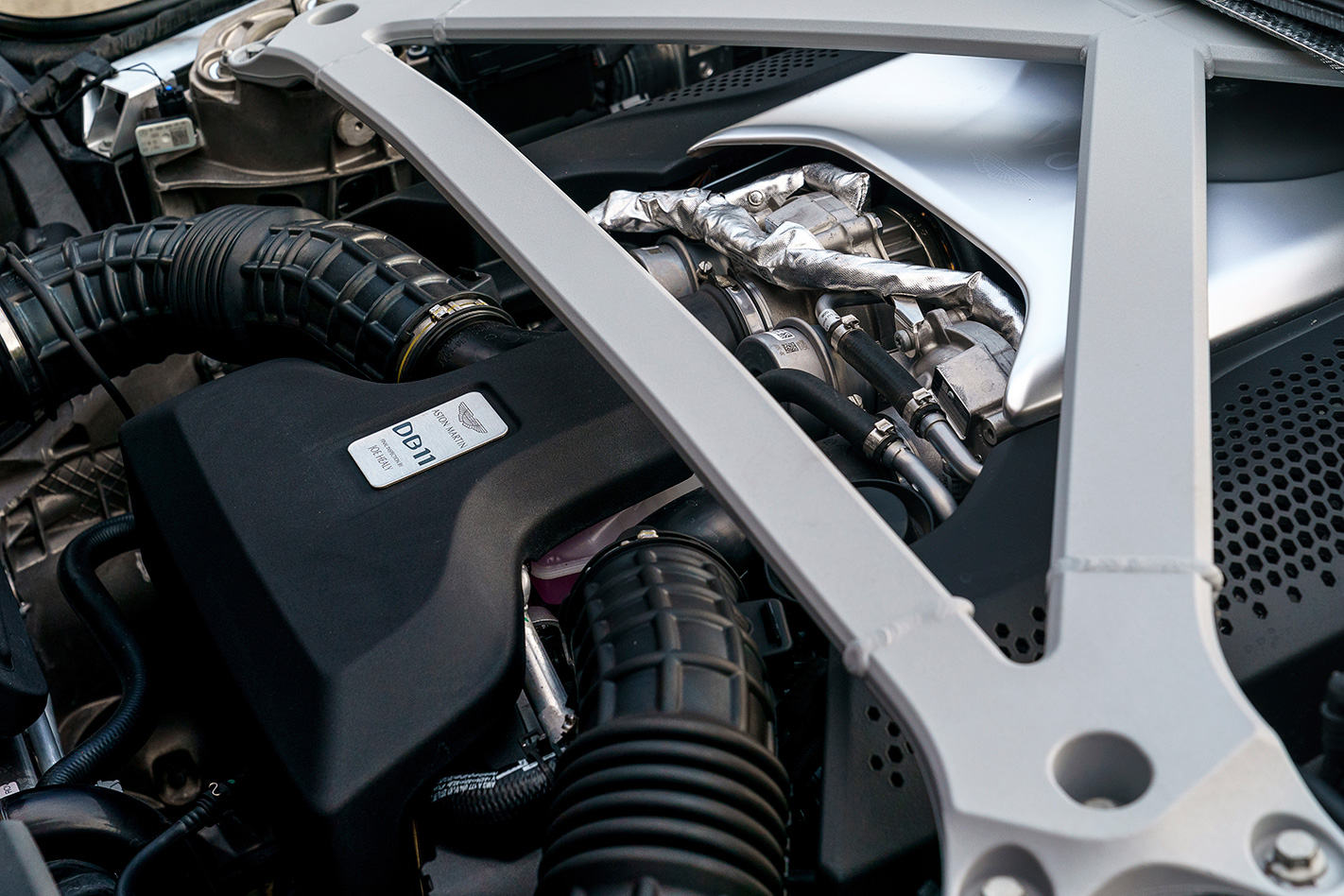
Changes to the V8’s suspension include stiffer bushings and anti-roll bars front and rear, some altered wheel geometry and new adaptive dampers programmed for a greater spread of ride comfort and body control between the GT, S and S-Plus drive modes.
There’s a new lateral link in the multi-link rear suspension and a much greater sense of support from the rear axle. The spring rates in effect haven’t changed, but the power steering calibration has, with an emphasis put on more weight and feedback and improved on-centre stability.
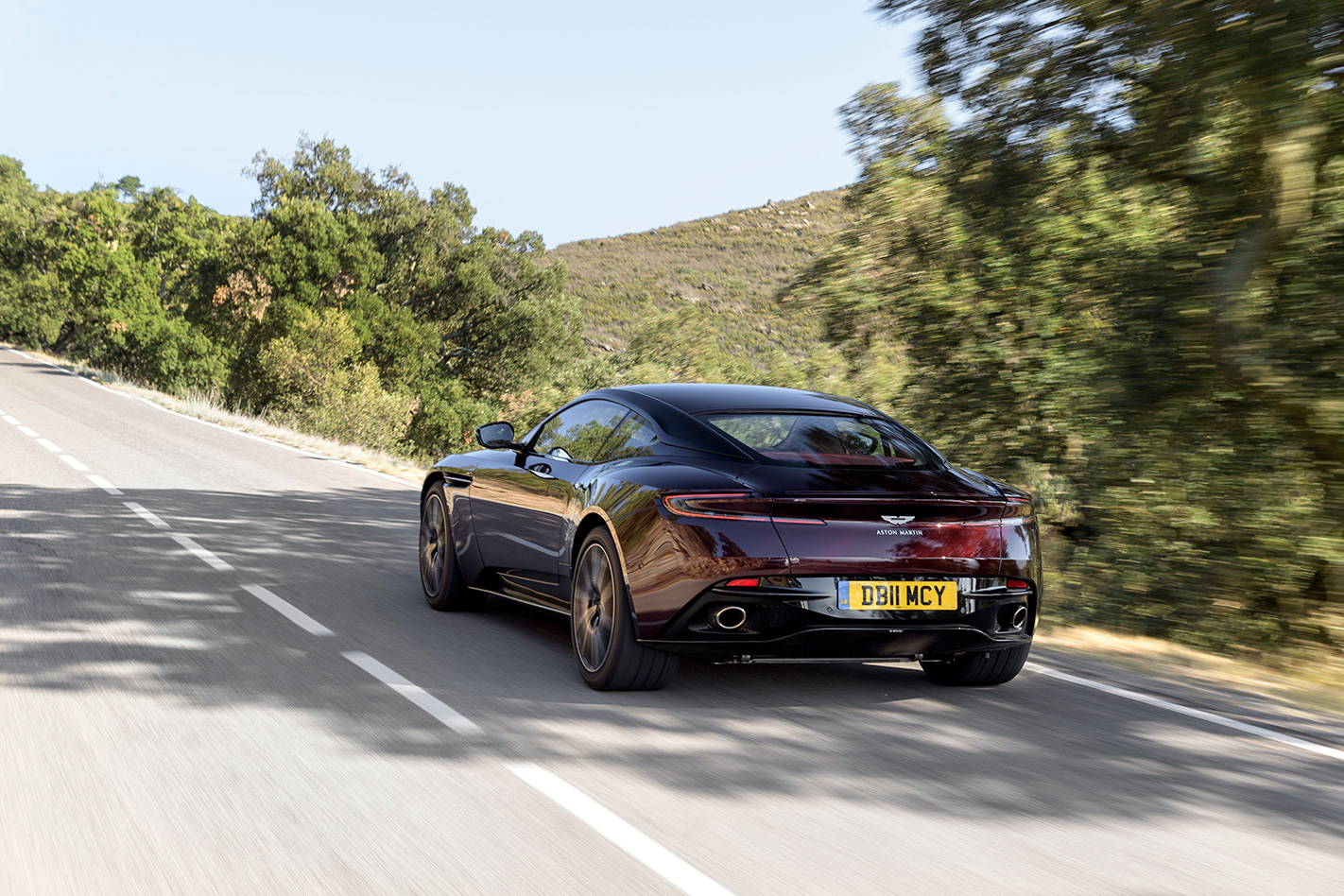
It’s more than potent enough to make the DB11 a first-class performer, and in some ways it even shows the V12 up a bit. Having widened the gap between suspension modes, Aston has also created bigger and more clearly defined steps between the matching GT, S and S-Plus powertrain modes.
S suits the car best on the road, while S-Plus is for short bursts given it can make the car highly strung. The vigour with which the car hustles from 3000 to 5000rpm is impressive. However, the DB11 V8’s handling is an even better advert than its engine.
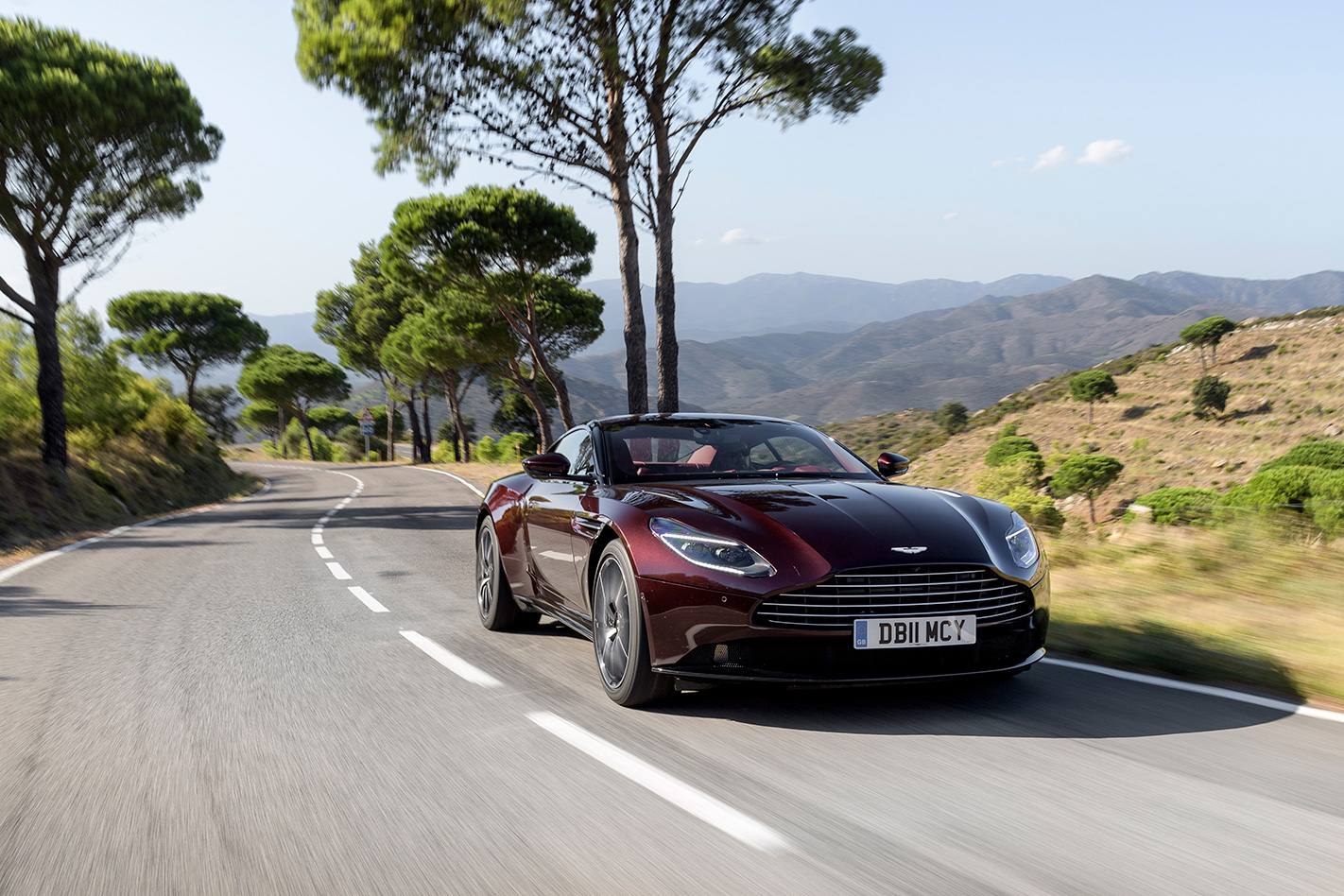
The difference that weighty, newly communicative electric power steering system makes to your ability to gauge the level of grip under the front tyres is a big one too. It means you can explore the balance and adjustability of the chassis in a way you simply wouldn’t risk in the V12.
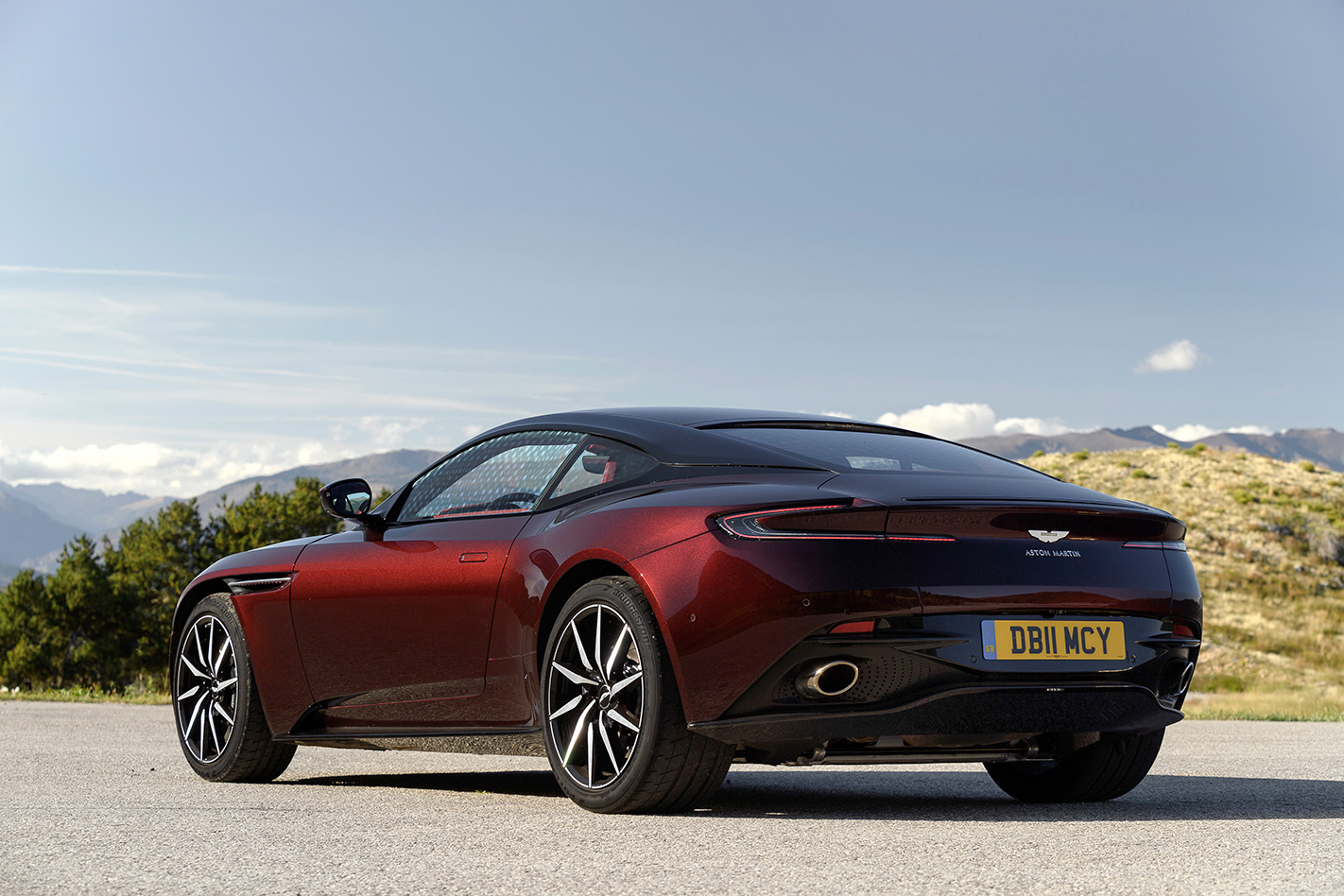
But for proof of the V8’s stature as simply a better-executed DB11, look no further than Aston Martin’s plan to transfer most of the V8’s suspension and steering changes onto the V12 as part of next year’s model year revision. If I was going to buy a 12-cylinder DB11 I’d wait until 2018 to do it. But on this evidence, I might not actually buy a V12 at all.
4.5 stars out of 5 Likes: Improvements to steering; V8 is the DB11 to have Dislikes: Doesn’t sound angry enough
2018 Aston Martin DB11 V8 Specs: Engine: 3982cc V8, DOHC, 32v, twin-turbo Power: 375kW @ 6000rpm Torque: 675Nm @ 2000-5000rpm Weight: 1760kg 0-100km/h: 4.0sec (claimed) Price: $368,000
