Infiniti may have quietly laid its four-door GT-R concept to rest, but a desire to take on Europe’s best remains alive and kicking.
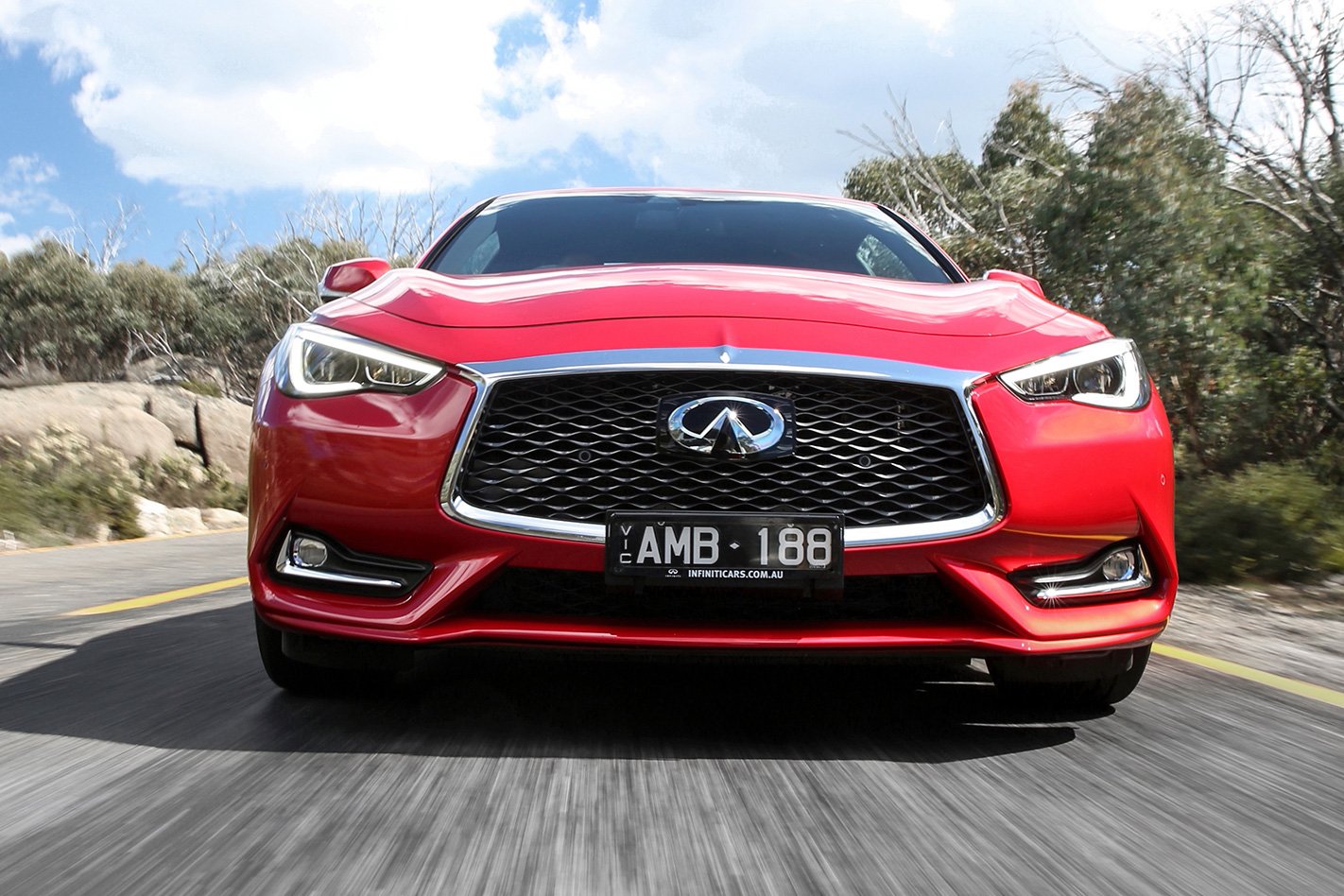
That’s why the Hong Kong-based company, which acts as Nissan’s luxury arm, has launched its latest Infiniti Q60 with a seductive new exterior.
And followed that up with a potent new engine for the range topper, known as the Red Sport, as the model enters its third generation.
Don’t be fooled, however, by Infiniti’s haste to label this Q60 an ‘all-new’ car. Under its fresh sheet metal lurk familiar origins. Sure, it’s grown in length, width, and the tracks are marginally wider. But it’s that 2850mm-long wheelbase which hints its DNA’s getting on.
And the Q60’s no lightweight. Thanks to a steel-heavy structure and healthy standard options list the Red Sport manages a portly 1784kg kerb figure. By comparison, that’s 92kg heavier than its forebear. Or 20kg on top of a Nissan GT-R.
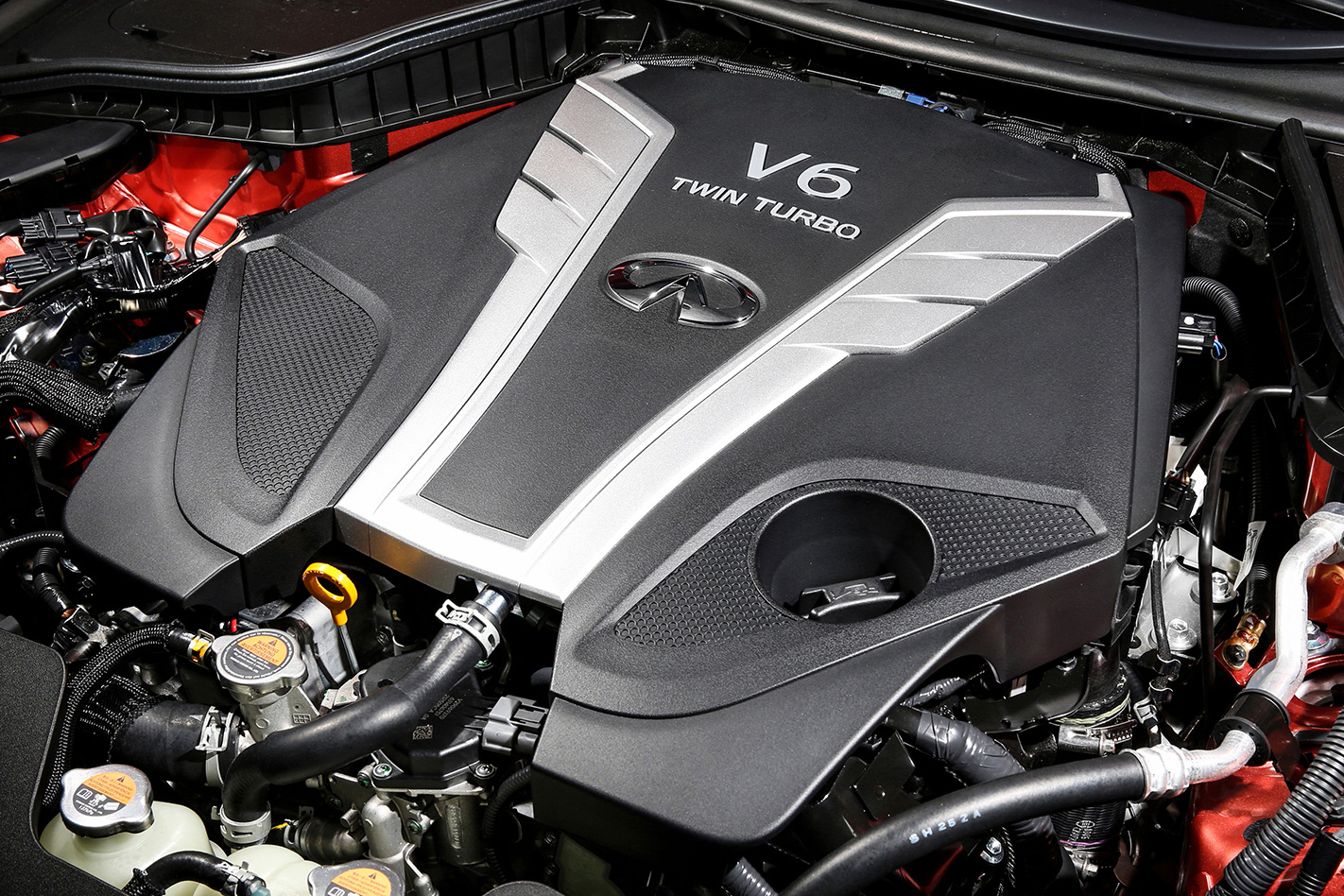
It’s been plugged with lightweight internals and features plasma coated bores, but the VR30 sports water-to-air intercoolers, integrated turbo manifolds, and a square 86mm bore-to-stroke ratio.
Australians buying more sports cars for over $80K
This is fired exclusively through a seven-speed automatic transmission to an open-differential rear axle. Overseas markets have the option of all-wheel drive, but Infiniti Oz has no plans for that to come here.
Sinking full clog in the Red Sport leaves us with little reason to doubt them. Thrust builds from 3000rpm to its 7000rpm redline in a seriously rapid, but linear, manner.
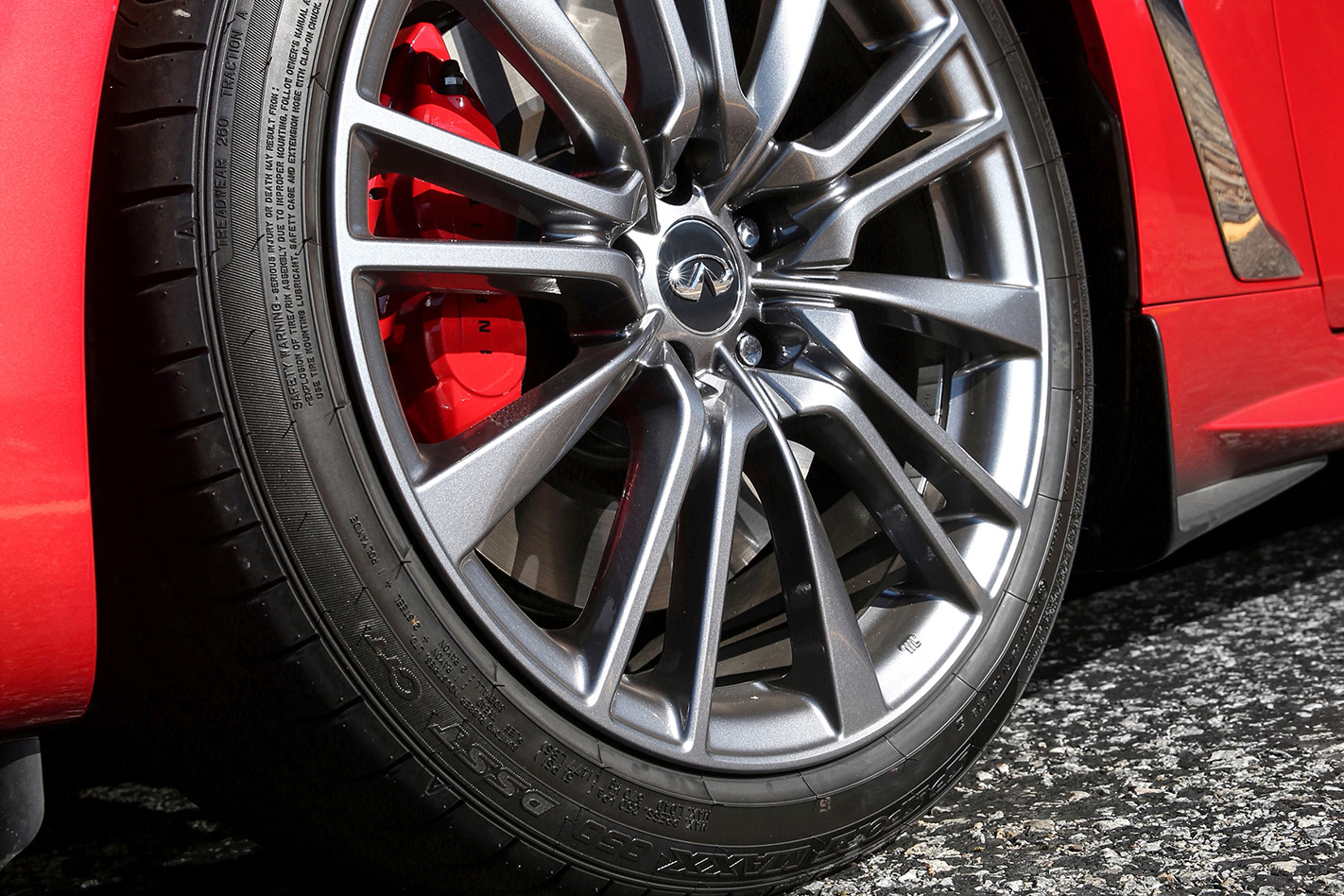
Of course, new suspension bits help. The Q60 carries over a front double-wishbone and rear multi-link setup that suspend 19-inch wheels. Engineers have binned rear-steering and active suspension geometry, but have selected adaptive dampers exclusively for the Red Sport.
Opinion: Limited edition cars shouldn’t be unattainable
Working with a balanced chassis, they help extract decent grip from the Dunlop Sportmaxx tyres. Ride-wise, the package picks up ripples and fine disturbances, however overall body control is good, even when the Q60’s ratcheted up into Sport Plus mode (another Red Sport-only treat).
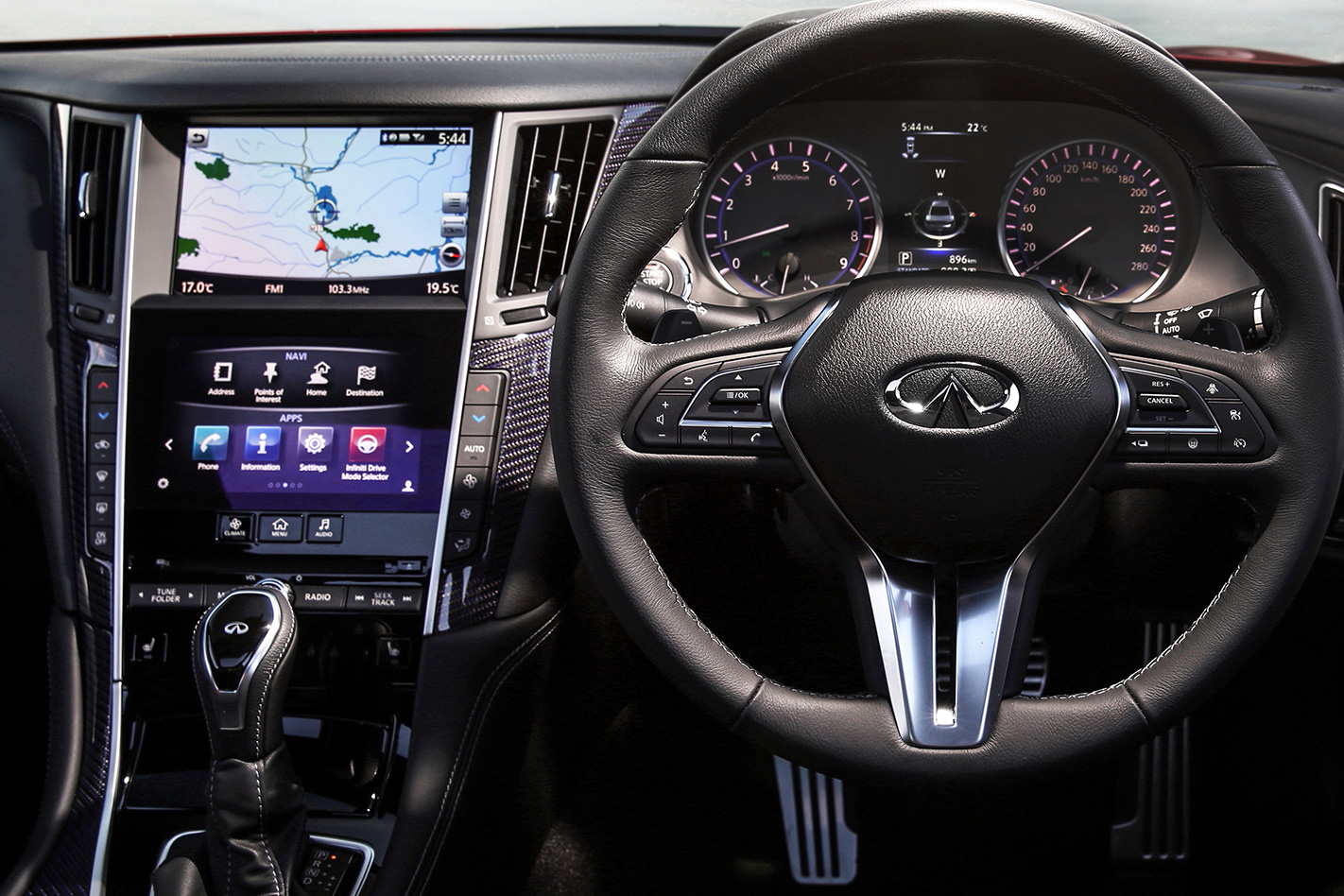
Forget styling, though, when it comes to the Q60’s most polarising feature you can’t ignore its steer-by-wire technology. The system’s been upgraded to offer more feel and feedback since its introduction in the Q50 sedan, but it still feels completely digital and distant.
Litchfield LM20 Nissan GT-R revealed
It’s very accurate, and does away with kickback, but there’s no information to help you judge commitment levels.
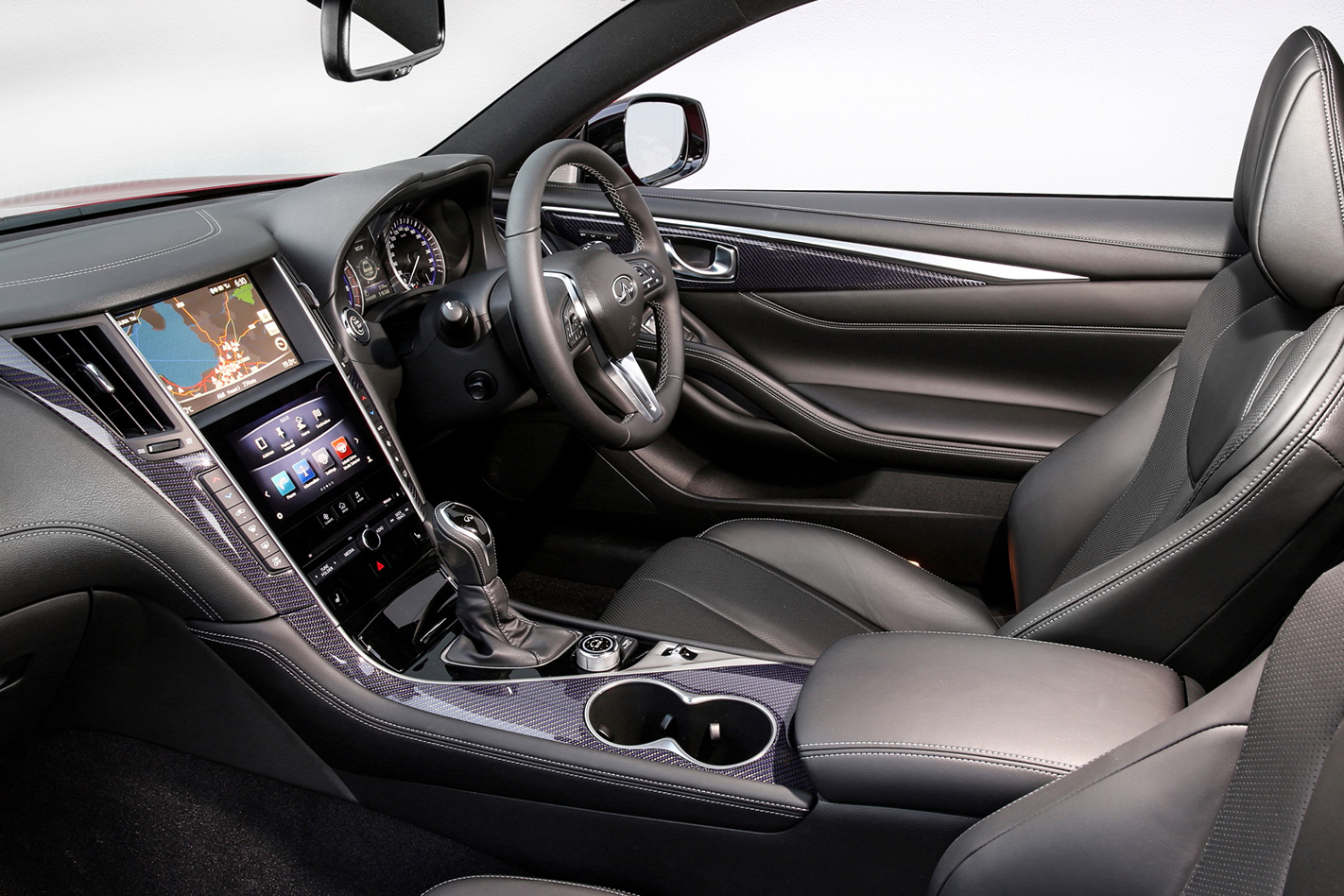
And there’s almost nothing left on the options list. Besides paint, everything from the noise-cancelling Bose sound system to the eight-way adjustable seats are standard. It’s impressive.
Speaking of impressive, the Q60’s swooping lines look striking in Sunstone red (pictured). It suits the car’s dramatic looks, which will be a big drawcard for the brand. It’s been hard at work refining the car’s exterior and travelled lengths to perfect panel gaps and paint finish.
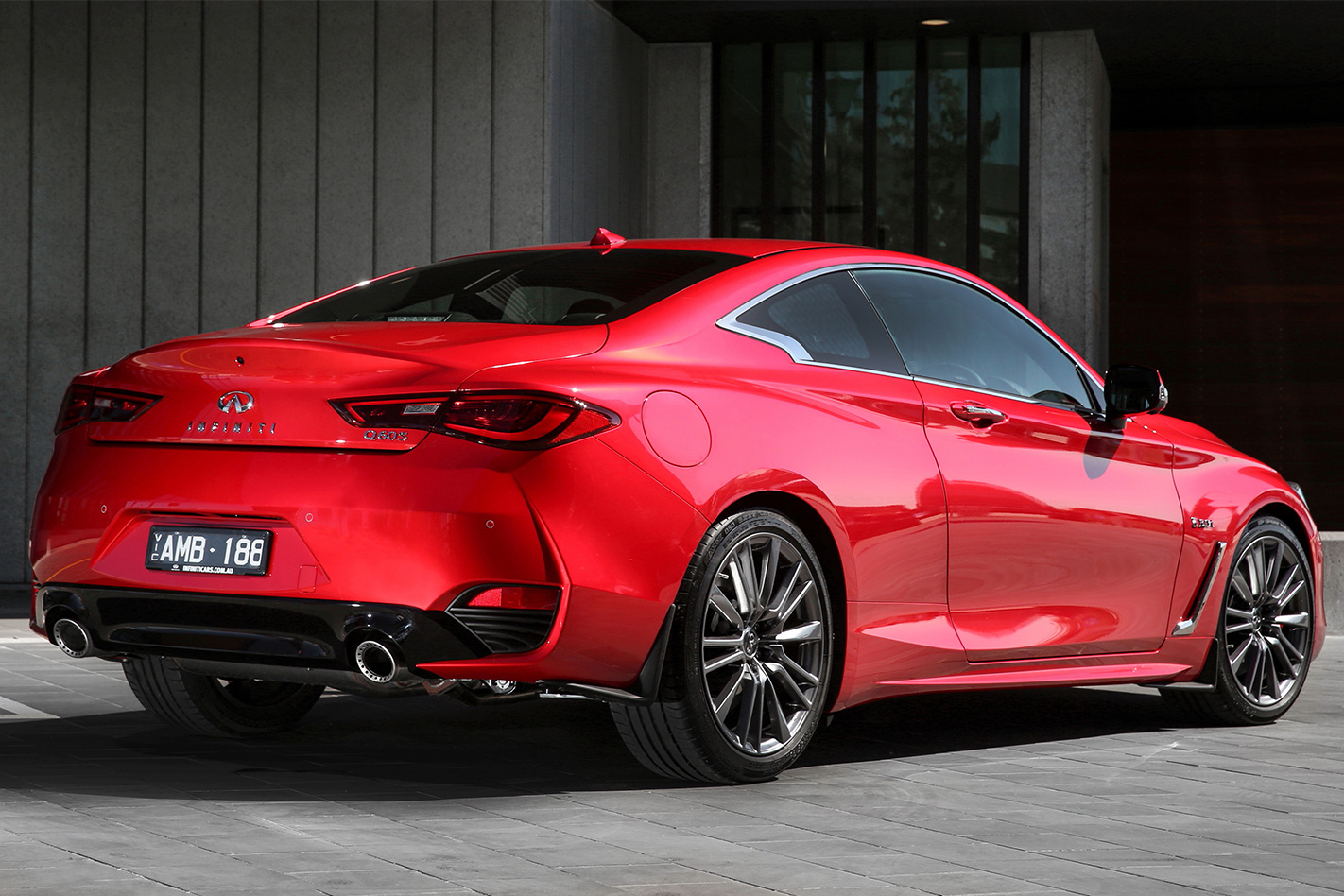
At $88,900 the Q60 Red Sport is priced in the middle of Lexus’s RC350 F Sport ($77,240) and BMW’s 440i ($99,900). We don’t doubt it will lure determined buyers, either, with its superior value or prodigious grunt. And while it’s not the status-quo bashing Q50 Eau Rouge we wanted, and purists will avoid its steer-by-wire system, it’s a decent consolation.
3.5 out of 5 stars Like: Stonking thrust; decent chassis; strong brakes Dislike: Steering; interior fit and finish
Infiniti Q60 Red Sport specs Engine: 2997cc V6, DOHC, 24v, twin-turbo Power: 298kW @ 6400rpm Torque: 475Nm @ 1600-5200rpm Weight: 1784kg 0-100km/h: 5.0sec (est.) Price: $88,900
You can’t imagine Bentley ever wanting to sell a diesel.
Its appetite for leather suggests saving the planet isn’t high on its priorities. However, fuel consumption figures reveal maybe it had no choice.
The Bentayga Diesel, with a twin-charged oiler V8, is the only model in its range to sip less than 10 litres of fuel on a combined cycle.
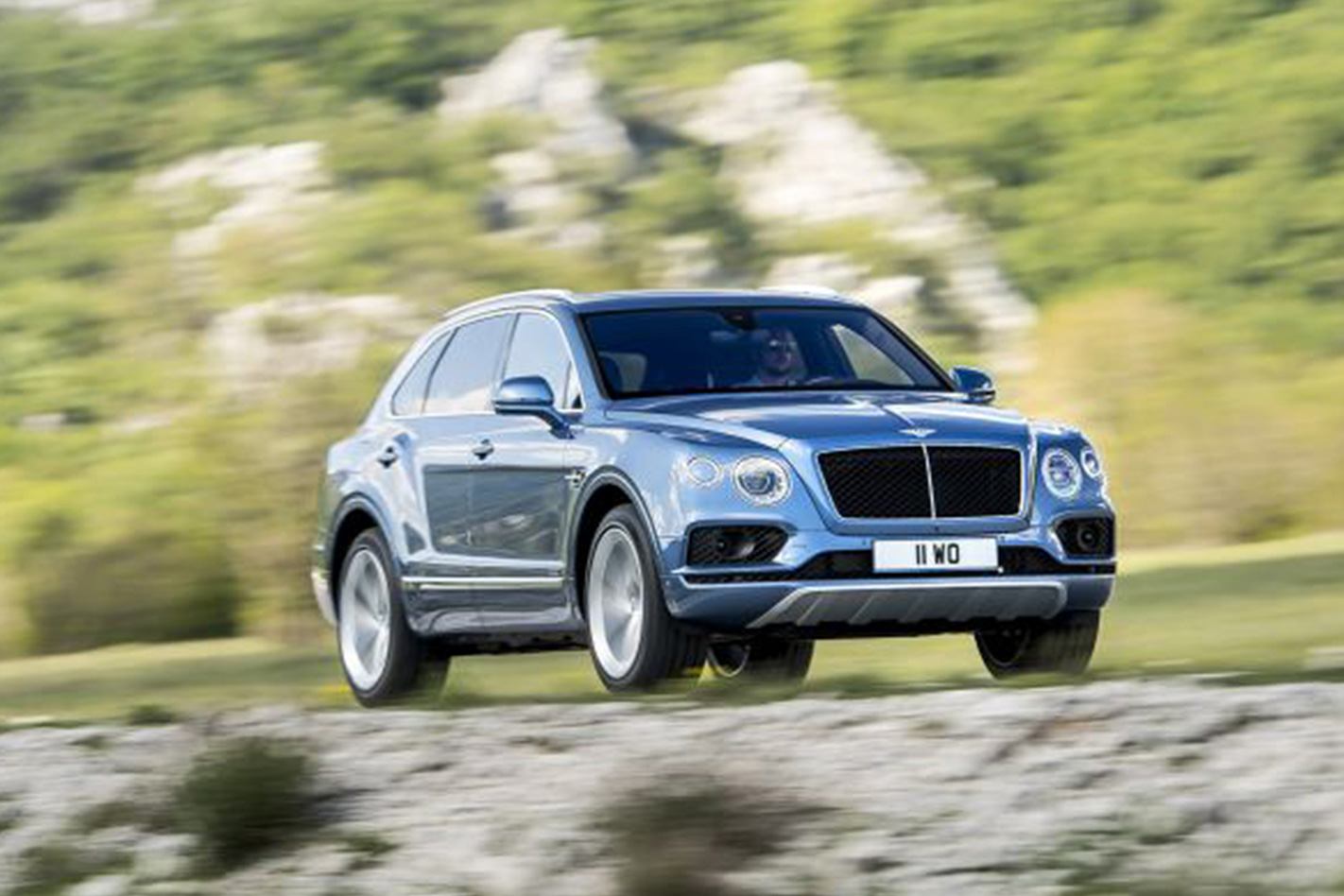
For $100K less than the 6.0-litre W12 petrol variant, the embarrassment owners might feel buying a ‘cheap one’ is obvious in how similar it looks to its petrol sibling.
Australians buying more sports cars for over $80K
But while the Bentayga Diesel isn’t the horizon-reeling monster the petrol version is, how fast it moves 2.5 tonnes will leave you stunned.
No surprise it matches the petrol donk on twist. And wafts along on air suspension with such comfort.
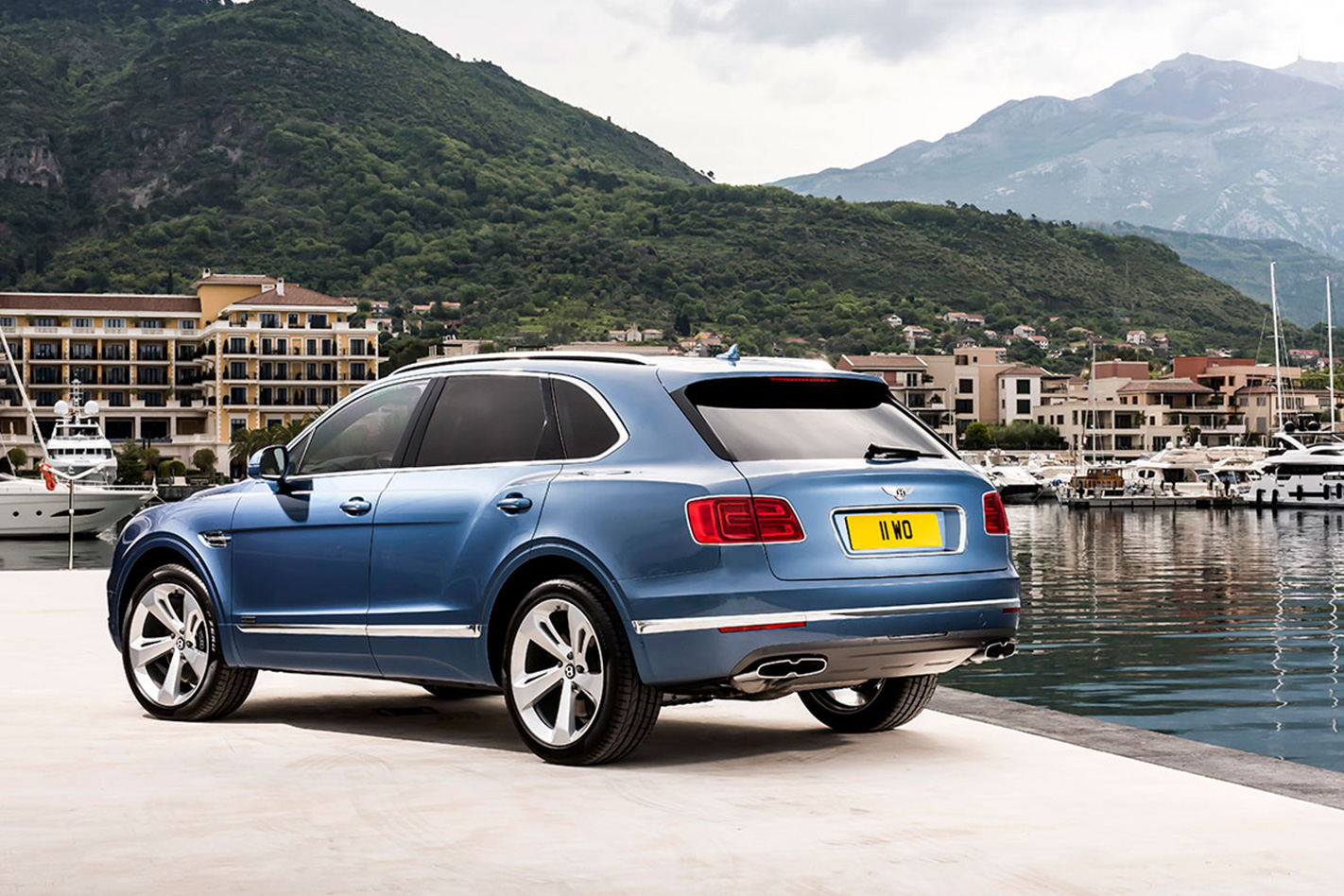
And to boot, the diesel donk’s claimed to stretch its 85-litre tank’s range to 1000km. It’s still not twice the car an Audi SQ7 is, like its price suggests, but the diesel engine more suits its personality than the petrol version.
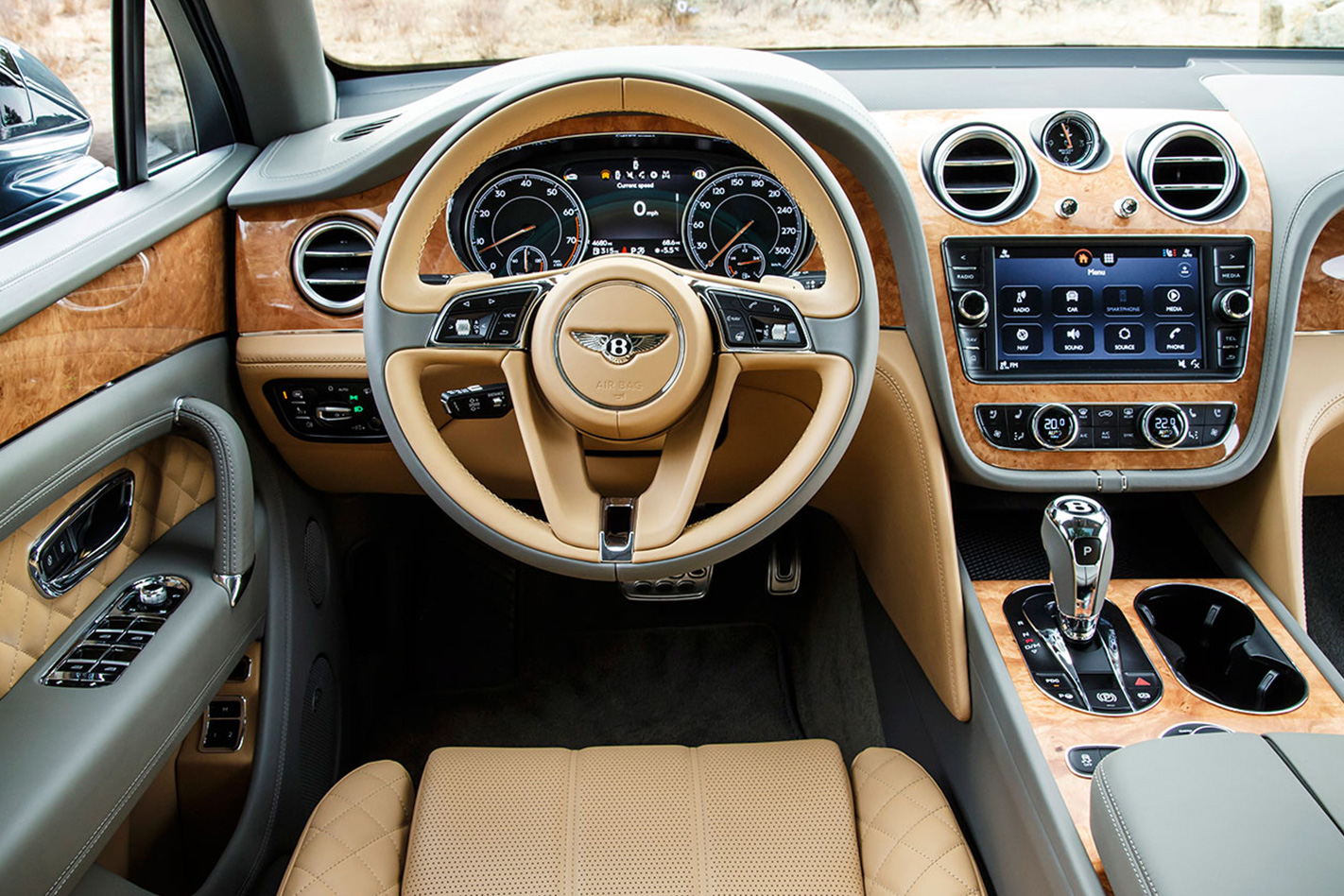
Even though a Bentley diesel might not appeal to customers who value excess, it’d be remiss not to consider it in when buying a Bentayga.
Bentley Bentayga Diesel Specs Engine: 4.0-litre turbo diesel V8 Power: 320kW Torque: 900Nm Kerb weight: 2499kg 0-100km/h: 4.8sec Price: $335,000
Price & Equipment – Winner: Holden Astra
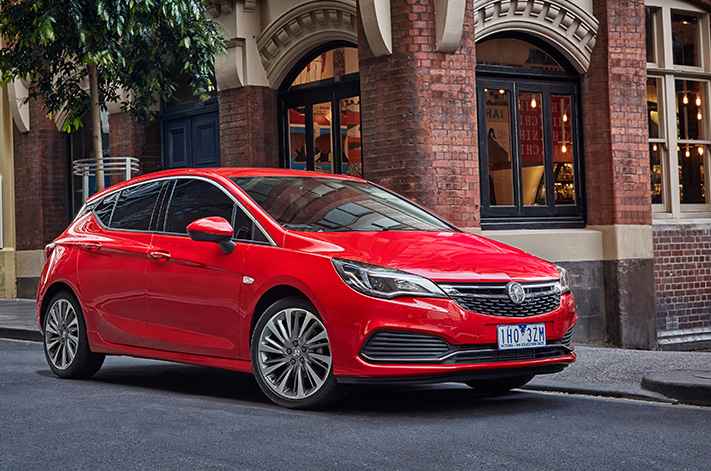
In ultimate RS-V spec the Astra has an equipment edge over the Volkswagen Golf. They’re both decently loaded, as you’d expect for a circa-$35K mainstream small car, but the Holden goes that bit further, offering the likes of an 8.0-inch multimedia interface (the Golf’s is 6.5-inch), voice activation, sat-nav with live traffic updates, and a colour digital display in the instrument cluster.
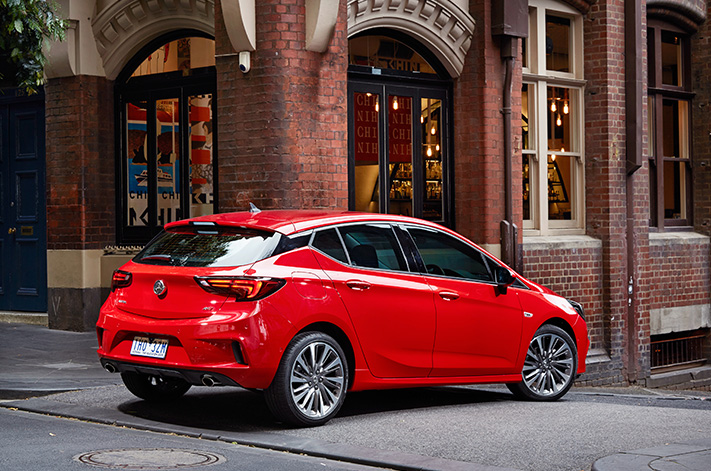
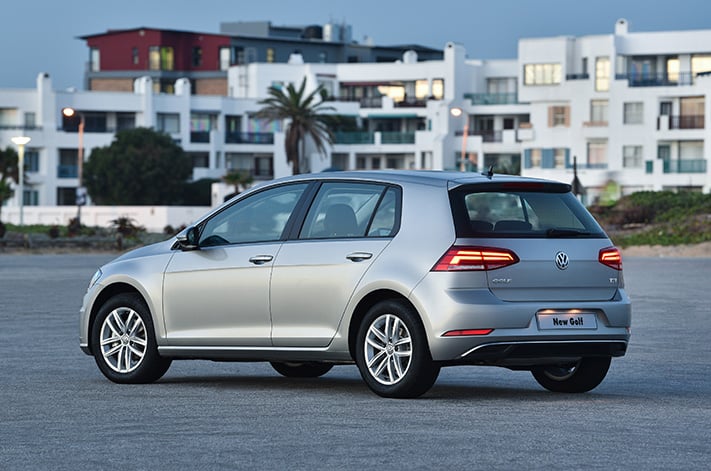
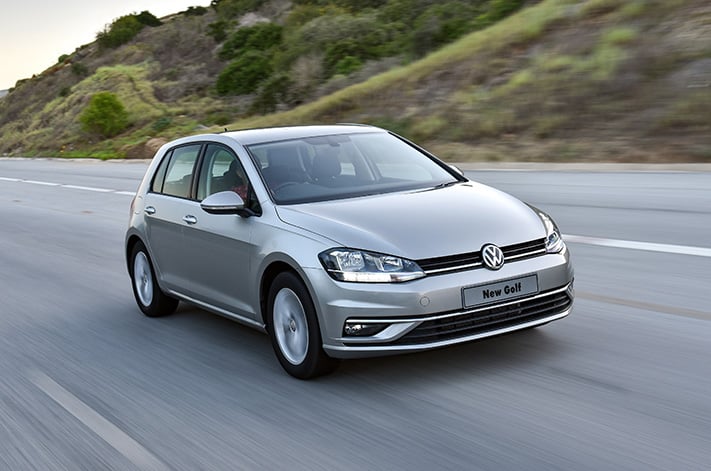
The Golf 110TSI Highline has one more airbag than its rival (a driver’s knee unit) but otherwise trails in terms of standard safety. An autonomous emergency braking system and a blind-spot monitor – both standard in the Holden – come as part of a driver assistance package. But compared with lesser Golfs you do get keyless entry/start and front fog lights with a static cornering function.
Interior & Versatility – Winner: Draw
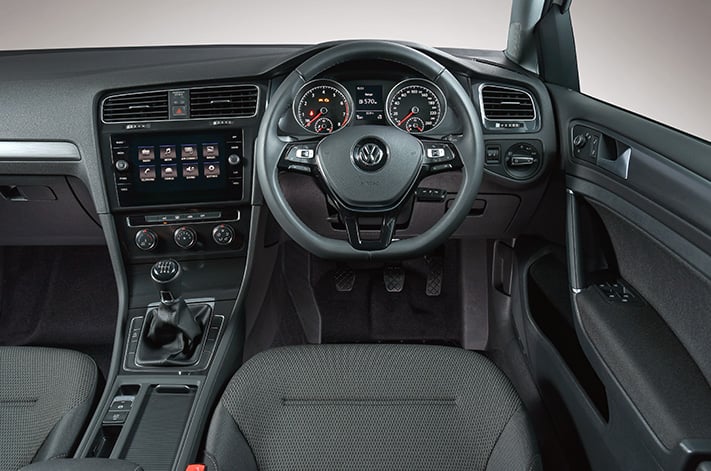
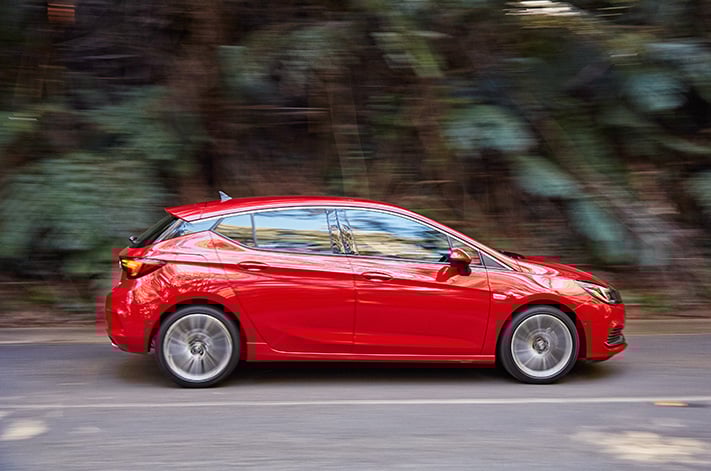
The Holden appears more fashionable inside, with its piano black and faux brushed aluminium trim, and feels (and is) roomier. The Astra’s wheelbase is 42mm longer which adds to legroom in the back, where there’s relative sprawling space. It’s 37mm longer overall, yet the cargo space behind the 60/40 seatbacks is slightly smaller at 360 litres.
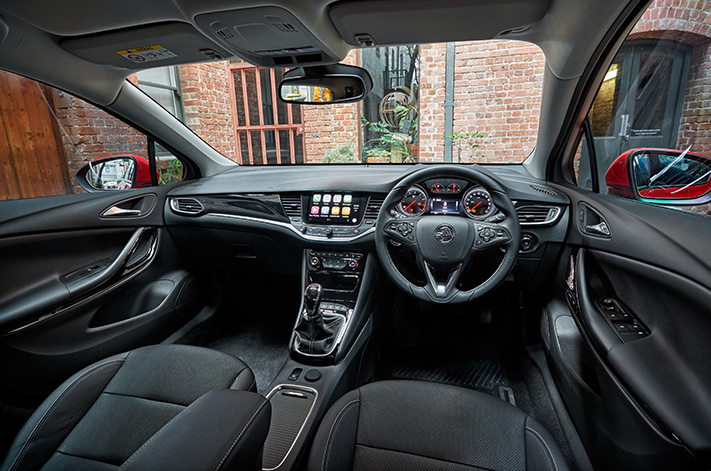
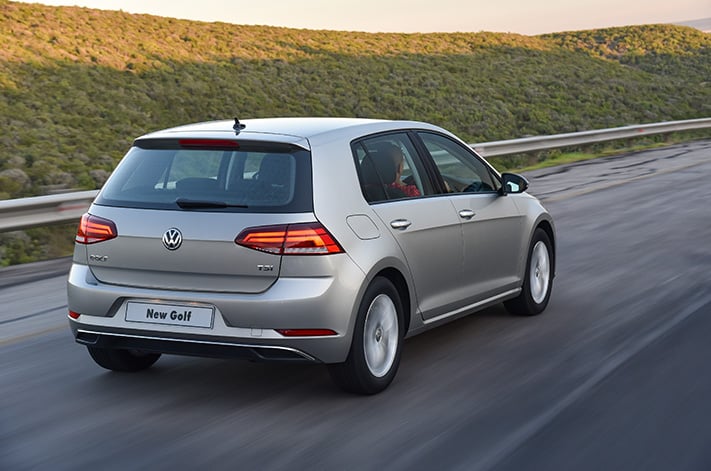
You get leather appointed seats in both; ‘comfort sports’ fronts replace the normal ‘comfort’ units in the Highline, and given the better lateral support without compromising comfort, the naming is apt. A bit more boot here, at 380 litres, and LED ambient cabin lighting does a good job lifting the conservative Germanic mood at night.
Performance & Economy – Winner: Holden Astra
Smooth, eager Astra is the, ahem, star performer in this company. RS and RS-V versions of the Holden step up to a healthy (almost GTI-rivalling) direct-injected turbo 1.6 with 147kW at 5500rpm and 280Nm, or 300Nm on overboost across a broad plateau. The Golf (like the base Astra) sticks with a more modest 1.4 turbo.
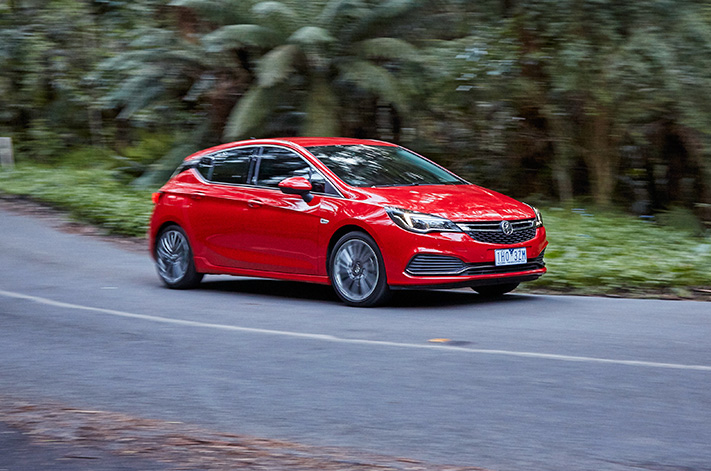
Flipside of performance disparity is that the Golf’s 1395cc mill uses less fuel. The economy split – 6.1L/100km Astra; 5.4L/100km Golf (both use 95 RON) – is likely to be reflected in real-world city and country driving. Volkswagen’s seven-speed dual-clutch is snappier on the move but can be jerkier than Holden’s regular six-speed auto at low speed.
Ride & Refinement – Winner: Volkswagen Golf
The Astra does a good job of delivering an absorbent ride considering its taut tune and the fact it rolls on 18-inch wheels wearing 225/40s. Sharp-edged urban bumps can intrude – though road noise rarely does – but the payoff comes at higher speed over undulations, which the Holden takes authoritatively in its travel.
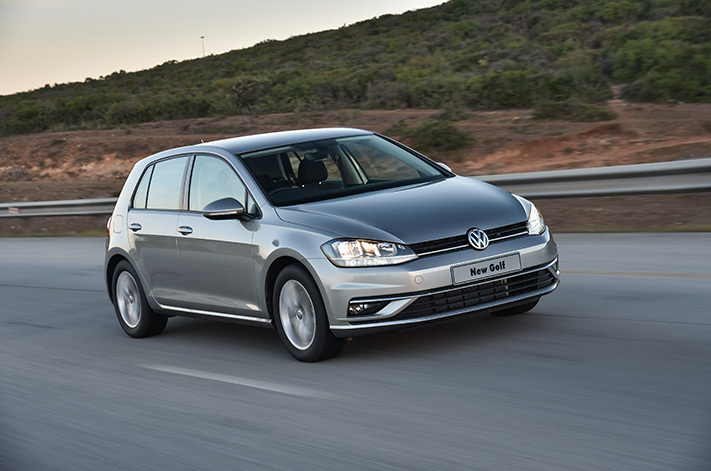
There’s no question the more supple, multi-link rear suspended Golf on 225/45R17s is the cushier car to ride in. In a reversal of the scenario in the Astra, the Golf is unruffled by urban nasties which makes it a superior city tool, though it can take an extra half stroke of suspension travel to recover over country lumps.
Steering & Handling – Winner: Holden Astra
The Astra’s light, natural electro-mechanical power steering makes it wieldy and great fun on a flowing road, if not Ford Focus-finessed in the tighter stuff. The firm suspension tune and big, grippy tyres – with the zesty donk and hands-free gearbox – combine in a warm-to-hot hatchback that’s deceptively rapid.
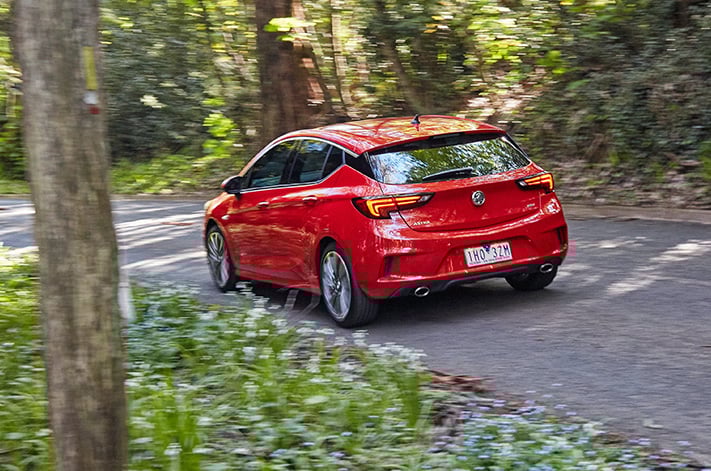
The sweetly adjustable Golf brings a more substantial steering weight but not a lot more feel. Ever a satisfyingly well-balanced thing, the little bit the Golf Highline gives up in body control it regains by feeling pliant and planted when you’re having a go on a rewarding, but bumpy, piece of backroad.
Verdict – Winner: Holden Astra
The Astra delivers value from the outset by being a bit cheaper and noticeably better equipped, on both the safety and convenience/luxury fronts. It feels more spacious and does in fact have more room inside, front and back. Its cabin also benefits from being the newer design. The Astra is quicker, without being unduly thirstier, and handles with a sportier slant.
The Golf, meanwhile, is more flexible than fast, and favours ride comfort over carving, but certainly is not without sporting appeal. The Golf needs a service every 12 months, the Holden a more frequent (and less convenient) nine months. The Golf, as a model line, has been hard to topple in recent years. But in this spec, the Astra shoots to the top of the class.
Electric power steering systems have just about completely replaced conventional hydraulic ones in today’s cars.
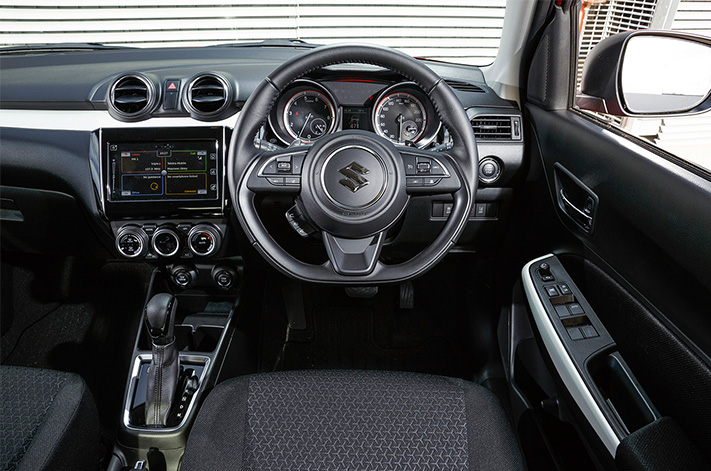
From everyday cars such as the Suzuki Swift to the sports car icon that is the Porsche 911, it is technology that is fast relegating hydraulic systems to the history books.
But what is it that car makers see in electric power steering systems, and why does it matter for the cars of tomorrow?
What is it and how does it work?
Where hydraulic power steering systems used pressurised fluid divided between two chambers in the steering gear’s cavity to provide steering assistance, most electric setups use an electric motor mounted to the side of the steering rack that drives a ball-screw mechanism that engages a spiral cut in the outside of the steering rack.
A torque sensor connected to the steering shaft controls a computer that then tells this mechanism when to engage and provide steering assistance.
The pros
In most cases, electric power steering is a lot lighter to use than old-school hydraulic systems, meaning less muscle is needed to turn the wheel.
This positive trait will generally make itself clear at low speeds, such as during parking manoeuvres.
That said, some cars with hydraulic power steering were fitted with variable-assist systems in the aim to achieve this same result.
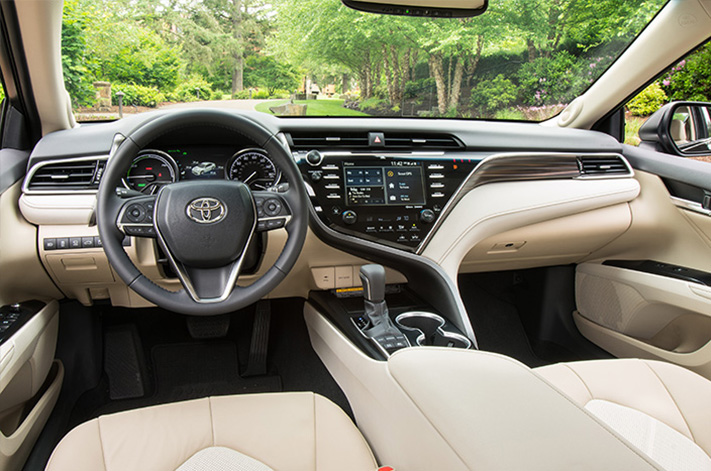
Electric systems provide an advantage in regards to physical weight, too, as their far more simple setups reduce the weight over the front axle.
Another positive of electric setups is ever-so-slightly increased fuel economy.
This is because hydraulic systems operate via a belt-driven pump to move the hydraulic fluid in the steering gear. This puts extra load on the engine, something electric setups do far less.
When it comes to performance cars, electric power steering allows for more adjustability of the steering, with the possibility of employing, for example, a Sport mode to make the steering feel heavier and a Comfort mode to make it feel lighter around town.
The cons
The main disadvantage that comes from employing an electric system – and one that will mainly be an issue to driving purists – is the reduced steering feel.
As the mechanical connection to the steering rack is muted, less feedback from the road is translated to the driver through the steering wheel, although this hasn’t stopped some manufacturers from creating systems that convey artificial feedback.
Electric power steering can also be less predictable than hydraulic power steering when the system has been poorly calibrated, leading to some electric setups feeling less linear than hydraulic systems.
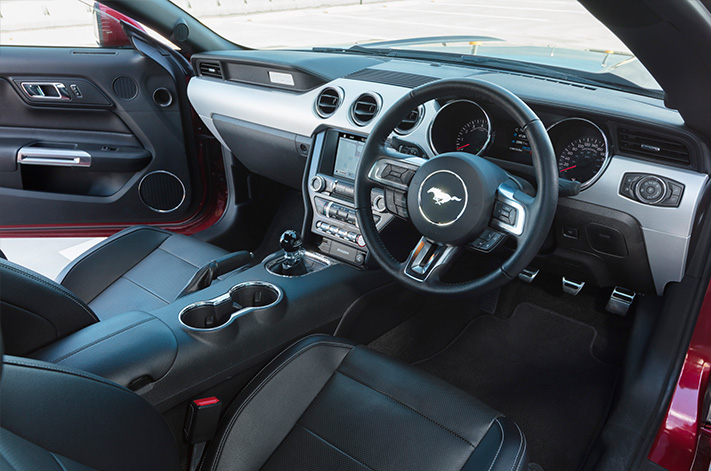
Why does it matter?
For what it can lack in regards to steering feel, electric power steering is attractive to carmakers due to the fuel and weight savings they present.
However, these systems are necessary for enhancing the autonomous technologies that are being introduced into today’s cars.
From radar-guided parking to the semi-autonomous driving modes currently on display in early forms of some high-end cars, electric power steering is necessary for all as the car’s computer needs to be able to operate the steering itself in order to perform these operations.
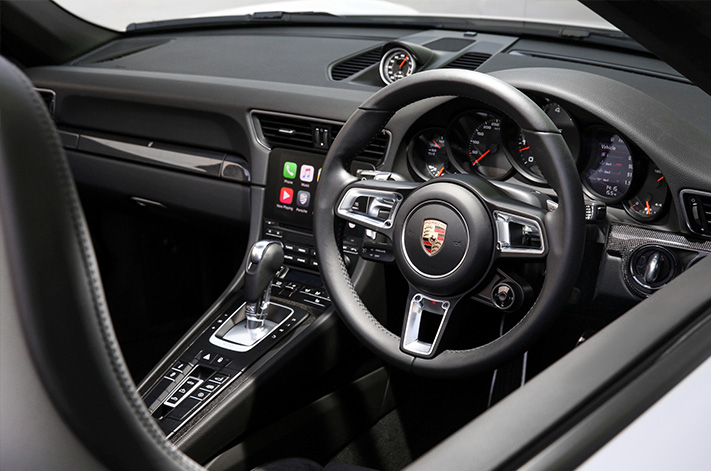
As well as automatically steering a car into a parking space, future applications include steering the car in the last instant before a crash to ensure the protective cell offers maximum protection.
More importantly, in the future where fully autonomous cars ply the roads, it allows car makers to remove the steering wheel altogether.
The soon-to-be write-off that is our local car-making industry is a shocker on a whole bunch of levels.
Not the least of those (among the human, financial and social aspects) is that we’re losing not just great cars, but cars that have been genetically moulded to suit local conditions.
2017 Holden Commodore SS V Redline vs 2008 BMW M3
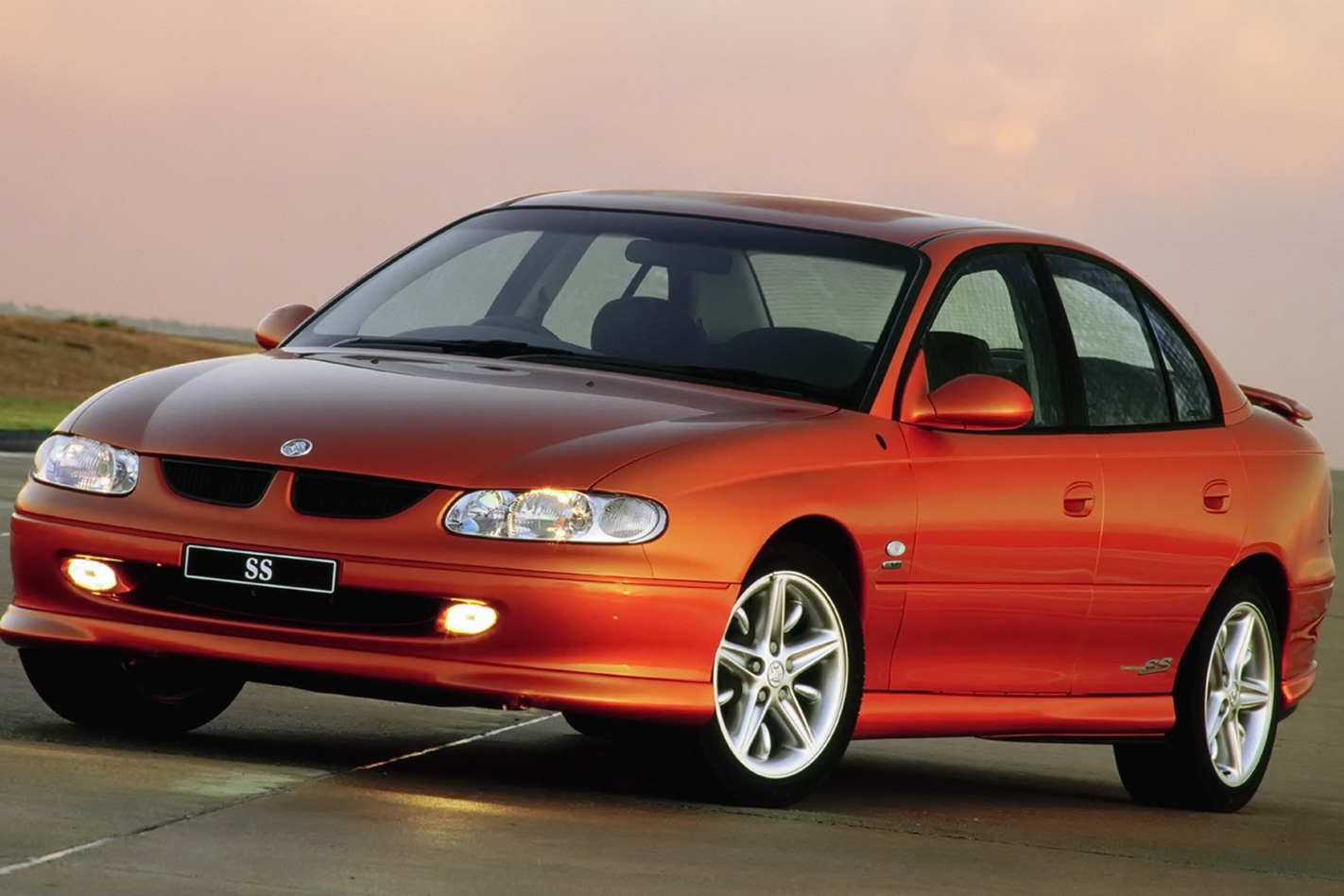
Take it from me, not all cars enjoy being left idling in 40-ambient with the air-con running flat-out. But a Holden Commodore, Ford Falcon or Toyota Camry doesn’t give two hoots.
Try the same thing on a few Euro makes and models I could name and you’ll return from whatever it is you were doing to find a pool of molten alloy and plastic that used to be your car.
Same goes for some of those narrow mountain passes or the roads around, say, Lake Como, where two Fiats have trouble passing (not that it slows the drivers down at all).
5 brilliant alternatives to a family SUV
And, of course, in the States, all bets are off as designers and engineers battle with concrete roads (with big, lumpy joins in them) to all extremes of temperature and a population that doesn’t necessarily place quality over the price-per-kilo equation.
And drive-thru coffee. Oh yes, the Big Gulp Super-Supremo, Mega-Cup full of hastily prepared, caffeinated beverage (I’m drawing the line at calling it coffee) has much to answer for.
Ford Falcon XR6 Sprint selling for $52K
Mainly those gigantic cup-holders that American car makers are now obliged to scatter throughout the car’s interior in multiples of dozens.
But North American cars can be good at other things that happen in the US of A. I found this out a few months ago when I managed to swindle the entire Australian publishing industry and gave myself a month-long holiday in the north-east corner of the US.
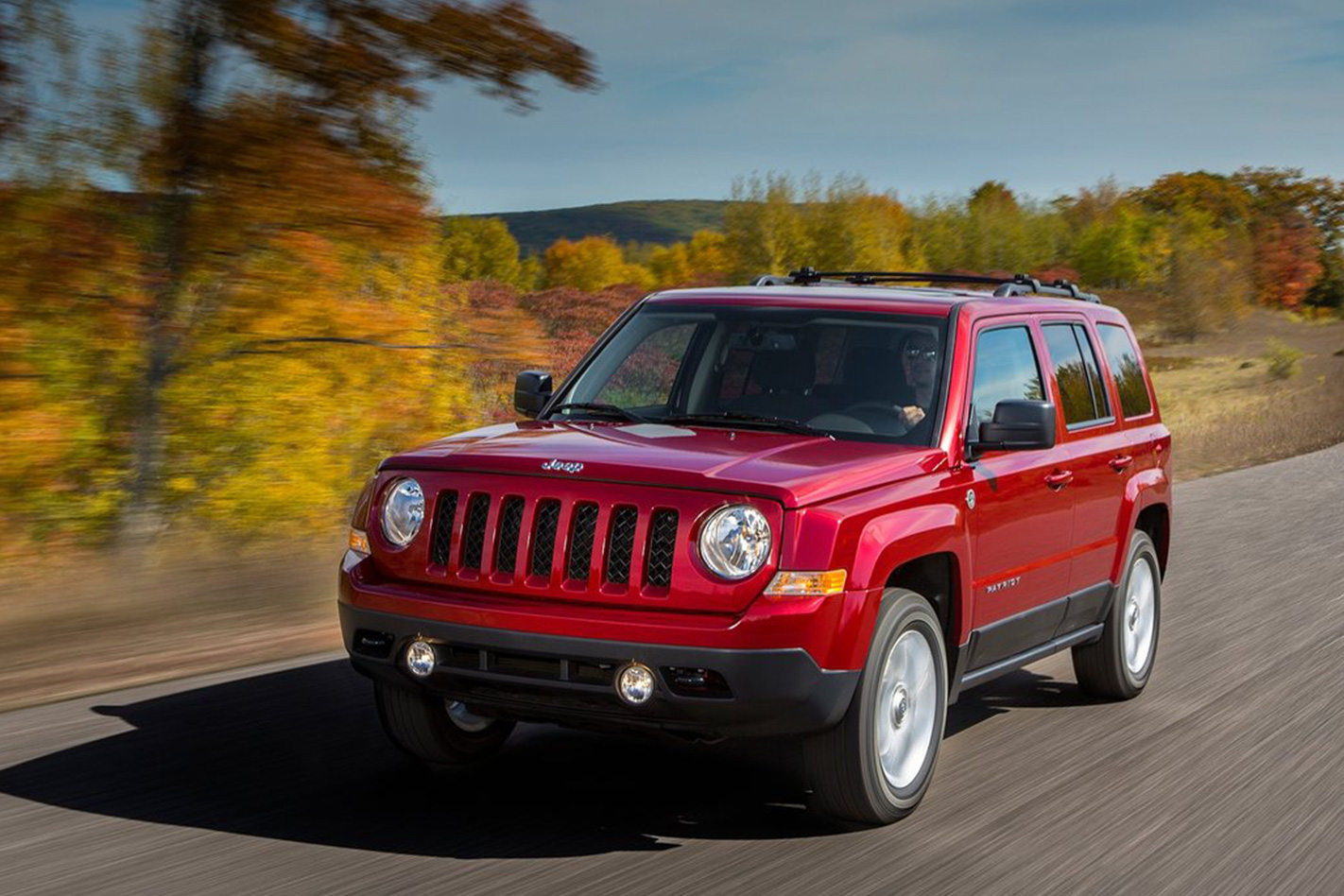
But when I got to JFK International, the Latino gal (preppy, white girls don’t work at Alamo) on the counter advised me with a big smile that I’d been upgraded from the hatchback I’d specified to a – drum roll please – Jeep Patriot.
How, I wanted to know, was that in any way an upgrade. Surely re-grade should have more than covered it. But at $5.60 an hour, she didn’t seem interested.
But it turned out to be a good thing. Despite it being technically spring in that part of the USA, there was still plenty of ice around Maine and actual snow falling on the beach in The Hamptons. So the Jeep’s all-wheel drive turned out nice.
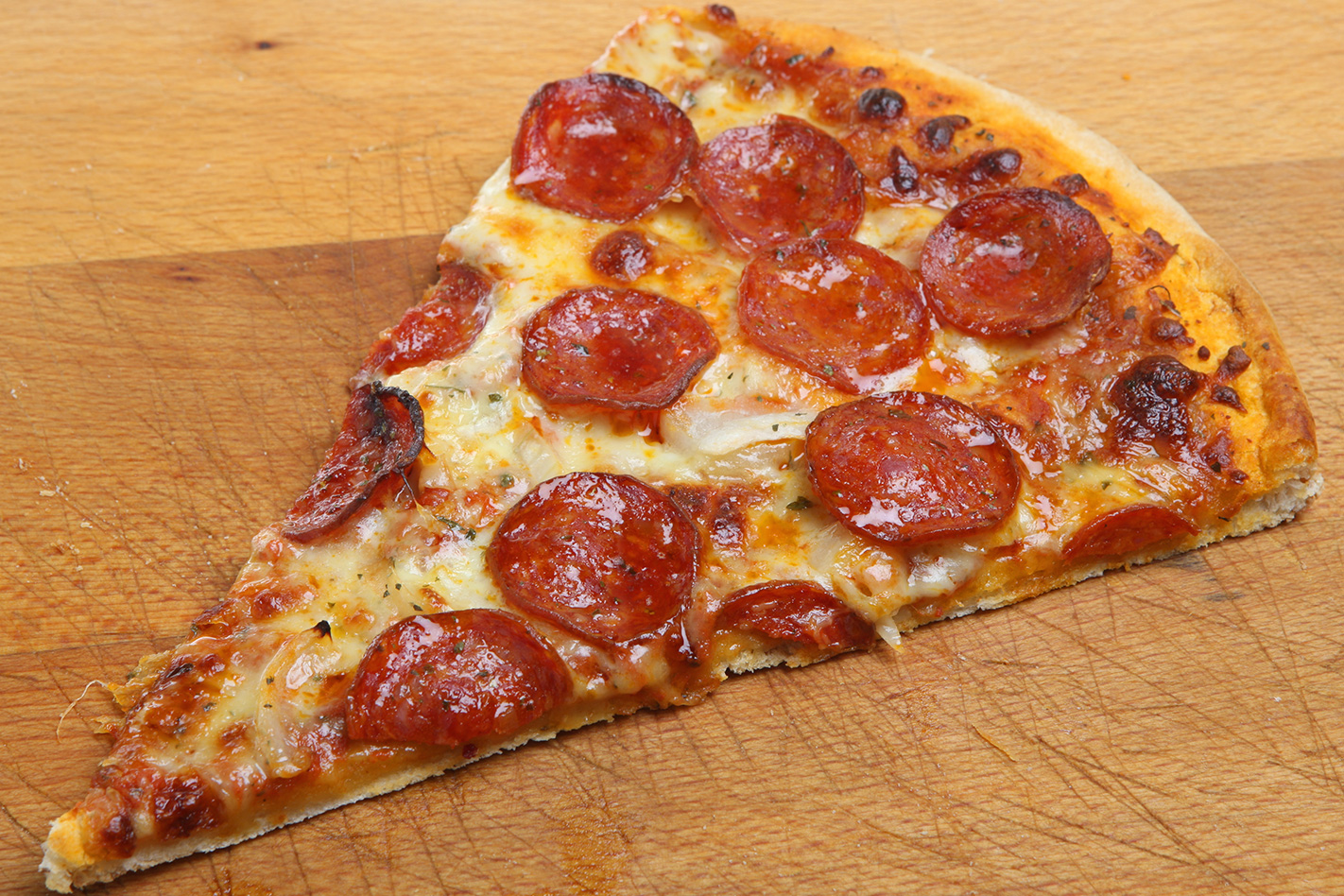
I blew it. Using the old ‘how big can a pizza be, anyway?’ line of logic, I ordered a family pepperoni and thought very little of it. Till it arrived at the counter. It was roughly the size of Disneyland, but cheesier.
I couldn’t even fit it on the back seat, instead resorting to lifting the tailgate and lying the mutha flat on the floor.
Ford Falcon GT-HO Phase II sells for $500K
Arriving back at Chalk Outline Towers, there was no point trying to sneak it in, especially since I had to tilt the box to get it through the door of room 13.
The Speaker was unimpressed. Mainly because she couldn’t figure out why the hell I’d gone out for pizza and returned with a flat-screen TV.
To keep up appearances, I had to eat the whole damn thing. Which I did, choking down the last piece about three days later, in another hotel room in Newport, Rhode Island.
However, had that Jeep Patriot not had a big, flat-load floor and enough cheap-plastic-and-rental-car-deodorant smells to keep an acre of pepperoni-stank at bay, it never would have worked out between us. Genetic perfection.
FROM a high-point of undisputed reverence and sporting excellence in the 1960s and ’70s, Alfa Romeo’s gradual slide down the automotive spiral towards fashionable mediocrity has been a drawn-out and painful one, especially for true believers in the 107-year-old Italian marque’s mystique.
First published in the June 2017 edition of Wheels Magazine, Australia’s most experienced and most trusted car magazine since 1953.
But rising from the ashes of failed joint ventures and broken dreams comes a shining message of hope in the form of the Giulia. Rear-wheel drive and new from the ground up, courtesy of billions of development Euros, this medium-sized premium sedan (and its forthcoming Stelvio SUV offshoot) is what Alfa Romeo’s salvation depends on. No pressure, then…
This latter-day Giulia is Alfa’s first rear-drive sedan for 25 years, but derives its name from a one-time superstar – the original Giulia sedan, launched in 1962 and the progenitor of the most prized Alfa Romeo models of the modern era, including the 105-series coupes (1963-77), the rear-drive Spider (1966-93) and the slightly larger Berlina sedan (1968-77).
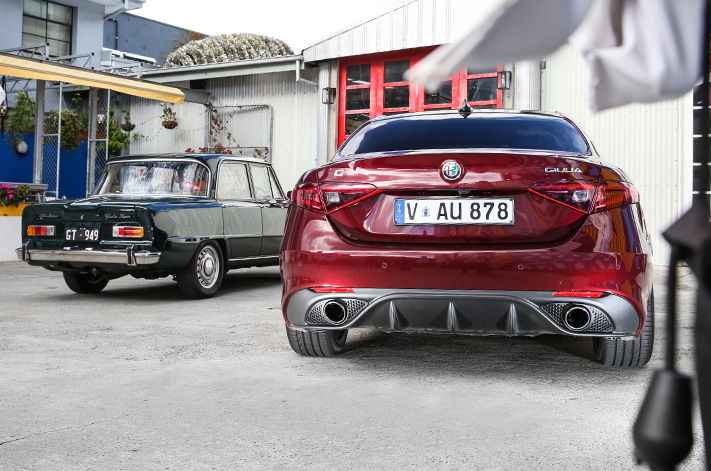
Alfa Romeo claims that the original Giulia sedan (1962-77) established five principles that its all-new namesake adheres to – Italian design; advanced technology; performance; lightness and efficiency; and a unique spirit – and there’s little reason to dispute much of that. The new Giulia was designed in-house at Centro Stile in Italy (tick), and incorporates loads of up-to-date tech to enhance its agility, efficiency and performance (tick, tick and tick).
But what about the spirit part? Without the twin-turbo V6 QV version’s trick torque vectoring and eye-widening thrust, will the four-pot Veloce expose some weaknesses in Alfa’s all-new ‘Giorgio’ platform and its game-changing ability for the Italian marque?
We know Alfa Romeo can do engines. Trying to think of a dud Alfa donk is like attempting to criticise Rome for being too old, and the Giulia Veloce’s feisty 1995cc turbo-petrol four certainly fits its sporting aspirations.
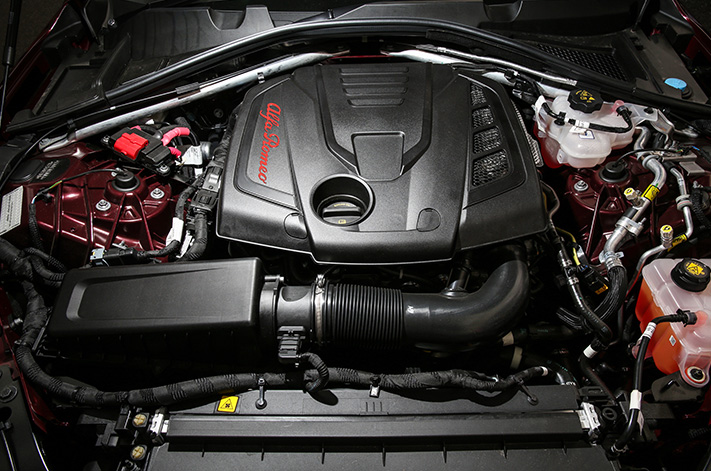
Mated exclusively to a slick ZF eight-speed automatic ’box in Australia (Europe also gets a six-speed manual), the Veloce’s punch is impressively urgent. Alfa claims the Veloce will crack 100km/h from rest in 5.7sec (versus 5.8sec for an Audi A4 2.0TFSI quattro and 6.3sec for an Ingenium-engined Jaguar XE 25t), yet its performance is about more than just numbers. It’s about bottling the induction music for which great Alfa Romeo engines are famed, and making it work in 2017.
Thankfully, the Veloce hits the mark, but not in the manner you might expect. There’s no trick acoustic plumbing trying to mimic the post-4000rpm blare of the old twin-Weber, twin-cam Giulia Super. Instead, the Veloce serves up an ample platter of forced-induction meat, overlaid with a subtly sporting rasp that sounds both natural and satisfying, uncorrupted by low-class turbo whistle.
With its organ-type aluminium throttle pedal mashed to the floor, the Veloce upshifts at a conservative 5600-5700rpm. And if you flick it into manual mode – via either the correctly configured gear lever (forward for a downshift, back for an upshift) or a pair of exquisite bladed-metal shift paddles fixed to the steering column – the drama is all over by 6100rpm. Unlike its naturally aspirated ancestor, which thrives on being caned like a racehorse, the eight-speed Veloce whips through its tightly-stacked ratio set with rapid-fire precision, without the need to point its tacho needle towards numeral ‘7’. And it works.
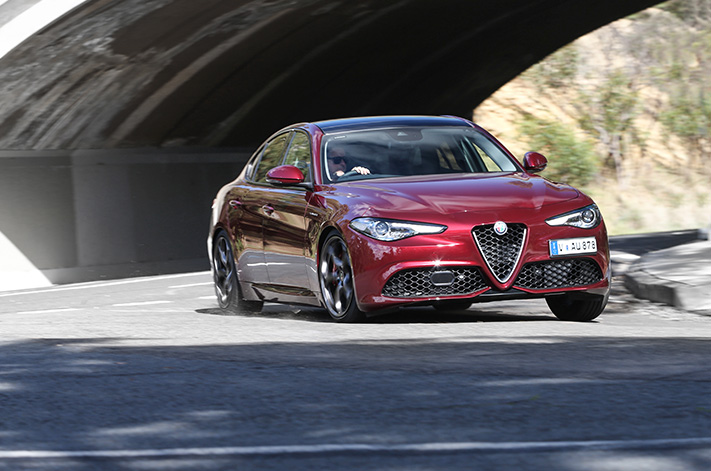
For starters, the Veloce rides! Even wearing beautiful charcoal 19s clad with bespoke AR-stamped Pirelli P Zeros – 225/40R19 front, 255/35R19 rear – the Giulia Veloce eviscerates the vertical pitch and over-firm brittleness of some German rivals, instead charging down the Jaguar XE’s path towards sporting suppleness. And it even feels that way with its DNA drive-mode selector – now fashioned into an HSV-style dial rather than the chintzy old plasti-chrome flick lever – switched to ‘Dynamic’.
Traversing the amusement-park lumpiness that’s the westbound section of Melbourne’s Calder Freeway, the superb body control of the Veloce’s firmest setting is a revelation. It’s one of the few sport modes that can actually be enjoyed on Australian roads, and yet if the surface starts to get really craggy, you simply hit the button in the centre of the dial for ‘soft’ damping. In a stroke of rare genius (but really just common sense), the Giulia Veloce maintains its firmer steering weighting, sharper shift programming and throttle response, and broader ESC threshold, yet instantly delivers a more absorbent, impressively level ride, without the need to scroll through numerous screens to set up an ‘Individual’ mode.
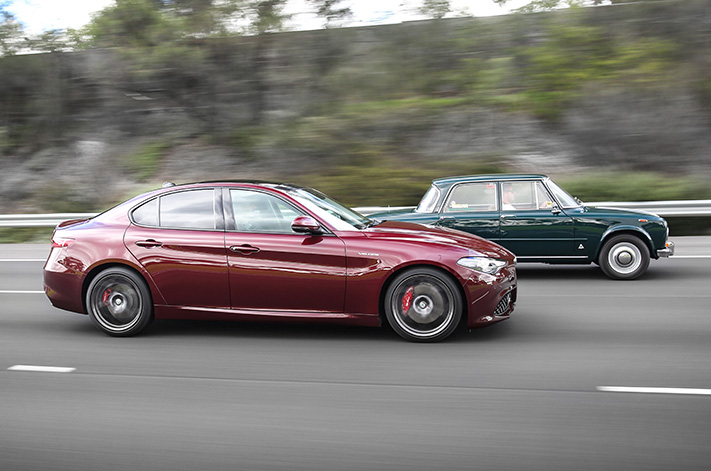
Otherwise, the Giulia Veloce is near-impeccable. It doesn’t feel anywhere near as large as its leggy 2820mm wheelbase might suggest, shrink-wrapping around you like every great driver’s car should. Even the view over its delectable three-spoke steering wheel (with Ferrari-style start button, which we love) and its interestingly shaped dash somehow feels more intimate than it should for a car of this size.
Once you start to guide its front wheels into any kind of turn, be it at traffic lights in the city or through a 45km/h bend at close to double the speed, there’s a wonderfully consistent connection between your fingertips and where the Veloce’s nose is pointing. Despite just 2.3 turns lock-to-lock, it doesn’t take long to synchronise your brain with the small steering input required, yet the Giulia somehow strings these direction changes together with delicious seamlessness.
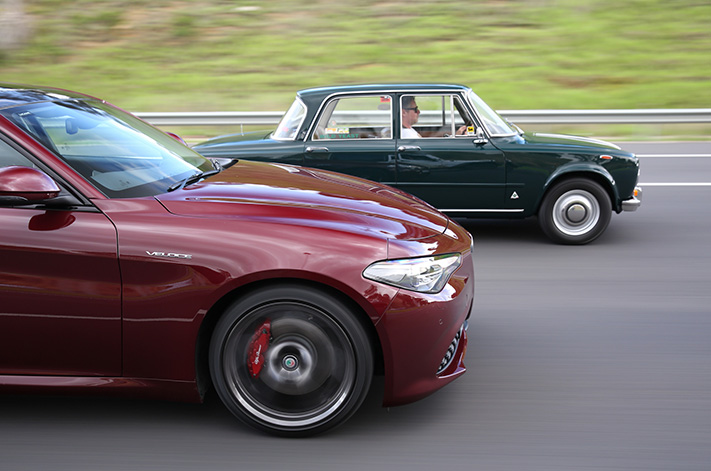
Choose a cornering line and the Giulia Veloce almost magnetically sticks to it. Keep adding throttle and it’ll keep astounding you with its poise and purchase, all the while absorbing the surface beneath with composed surety, and damping out unwanted noise without isolating its driver from the experience. Yet it all comes back to the seamlessness of that steering. The amount of time it took Alfa Romeo to bring the Giulia to market has clearly paid dividends in the superb cohesion of its dynamics, not to mention its hugely impressive refinement.
It’s somewhat surprising, however, that its brake feel isn’t to the same standard. You often find yourself adding more travel than you thought you’d need to its rather wooden-feeling pedal, as though it could use a bit more servo assistance. Alfa claims 38.5m stopping distance from 100km/h (against a superb 32m claim for the QV), which is below average for this type of car.
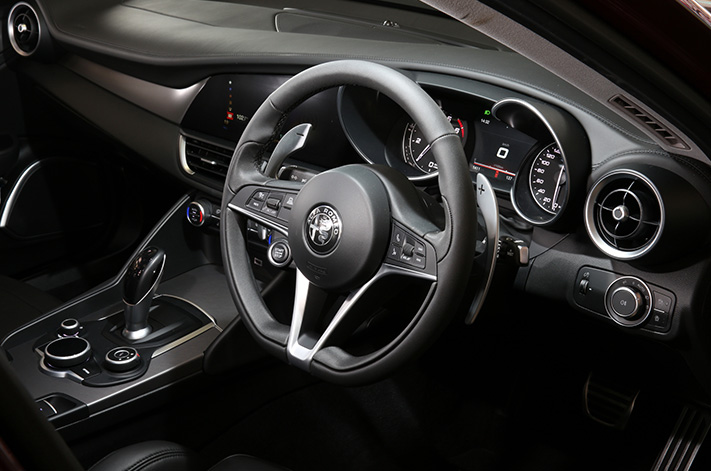
The Veloce’s sports front seats offer six-way electric adjustment (meaning no proper cushion tilt) and electric bolster adjustment. Initially, they feel too flat, and combined with a slightly odd floor shape – it rises up towards the seat, like the shallow end of a pool – there’s a concern the Giulia’s driving position may fall into the flawed trap of so many Italian cars from the past. More time behind the wheel reveals it’s a moot point, especially compared to the high-pedal, distant-wheel relationship in the old Giulia Super. ‘Italian Ape’, they called it, in much less racially sensitive times, yet my 5ft 10 frame finds both driving positions malleable and comfortable.
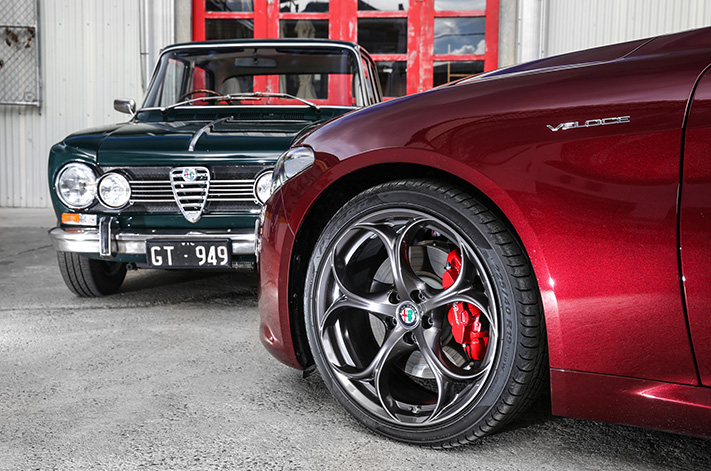
But in terms of the things that matter – voluptuous styling, striking street presence, superb dynamic performance, and sporting accelerative spirit – the Giulia Veloce nails it. Packed to its headlining with equipment for the $71,895 ask, from both the outside and the inside, the Veloce appears to be worth tens of thousands more than it is.
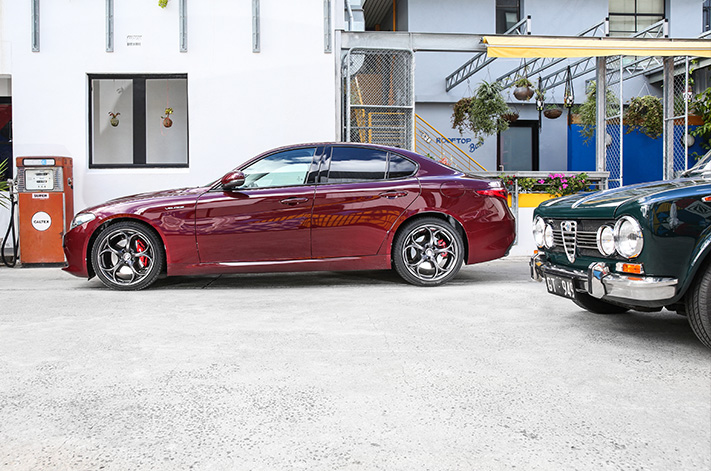
Whoever said you sometimes need to hit rock-bottom to climb back to the top probably wasn’t expecting it to take this long for Alfa Romeo. But if the new Giulia is anything to go by, the Italians are back in a big way. Benvenuto all’Italia!
Super Dooper!
Giovanni Patone is Italian to the core. Not only did he welcome our invitation to bring along his gorgeous ’70 Giulia Super with enthusiasm, but he egged us on to drive it hard. With a 1570cc twin-cam, twin-Weber four and a sweet-shifting five-speed manual gearbox, the original Giulia remains a surprisingly quick car.
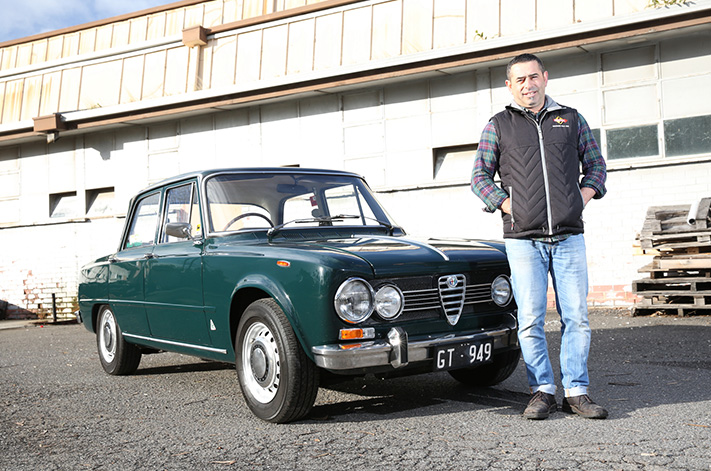
But it hangs on gamely, and the harder you drive it, the sweeter its balance.
There aren’t a whole lot of hot options in the medium wagon market for a keen steer.
Sure, Mazda 6 is a good handler, but its 2.5-litre lacks the herbs. Subaru’s six-cylinder liberty has the figures, but it needs a good wind up.
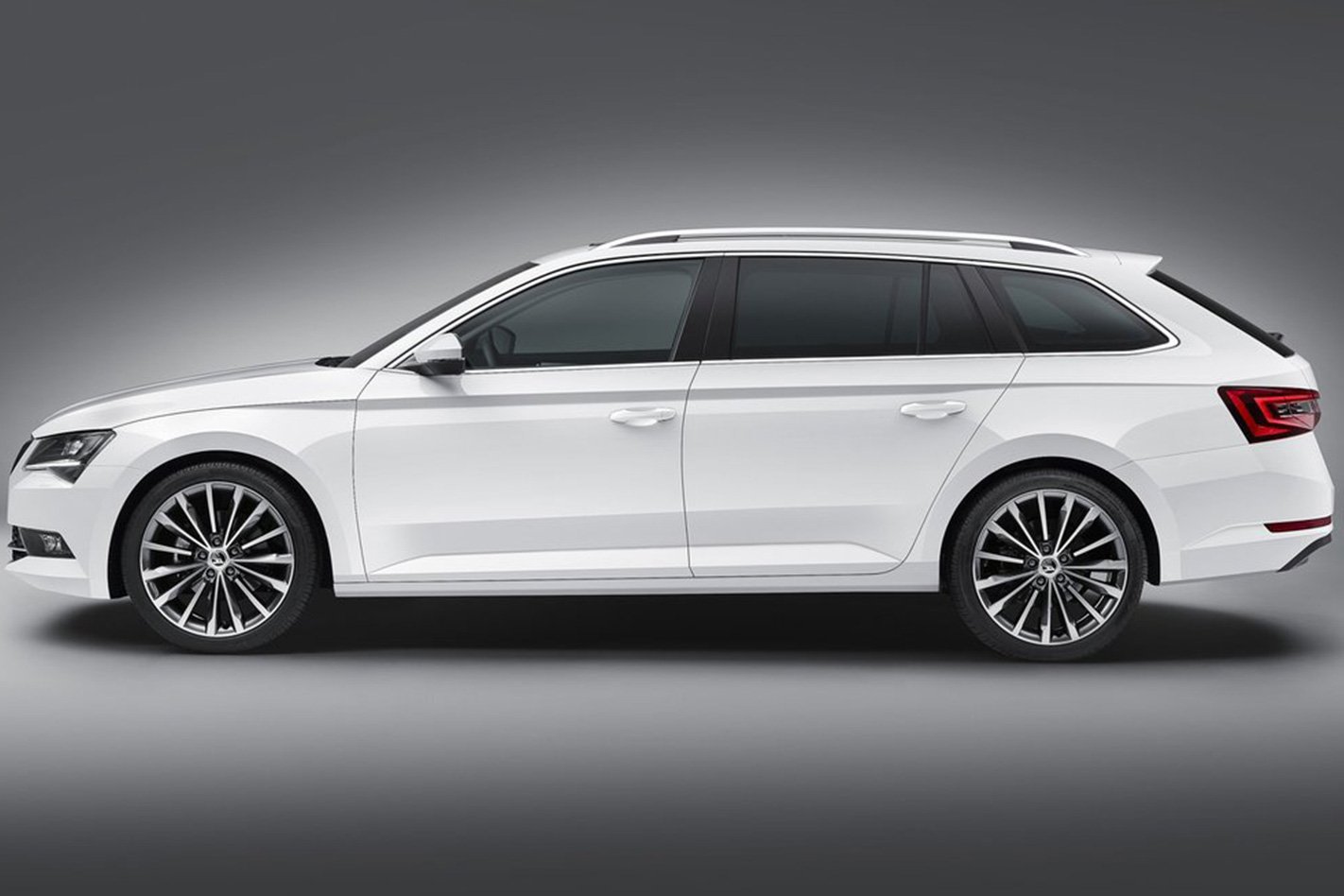
So despite its boastful name, this Skoda 206TSI Superb wagon is a quiet achiever.
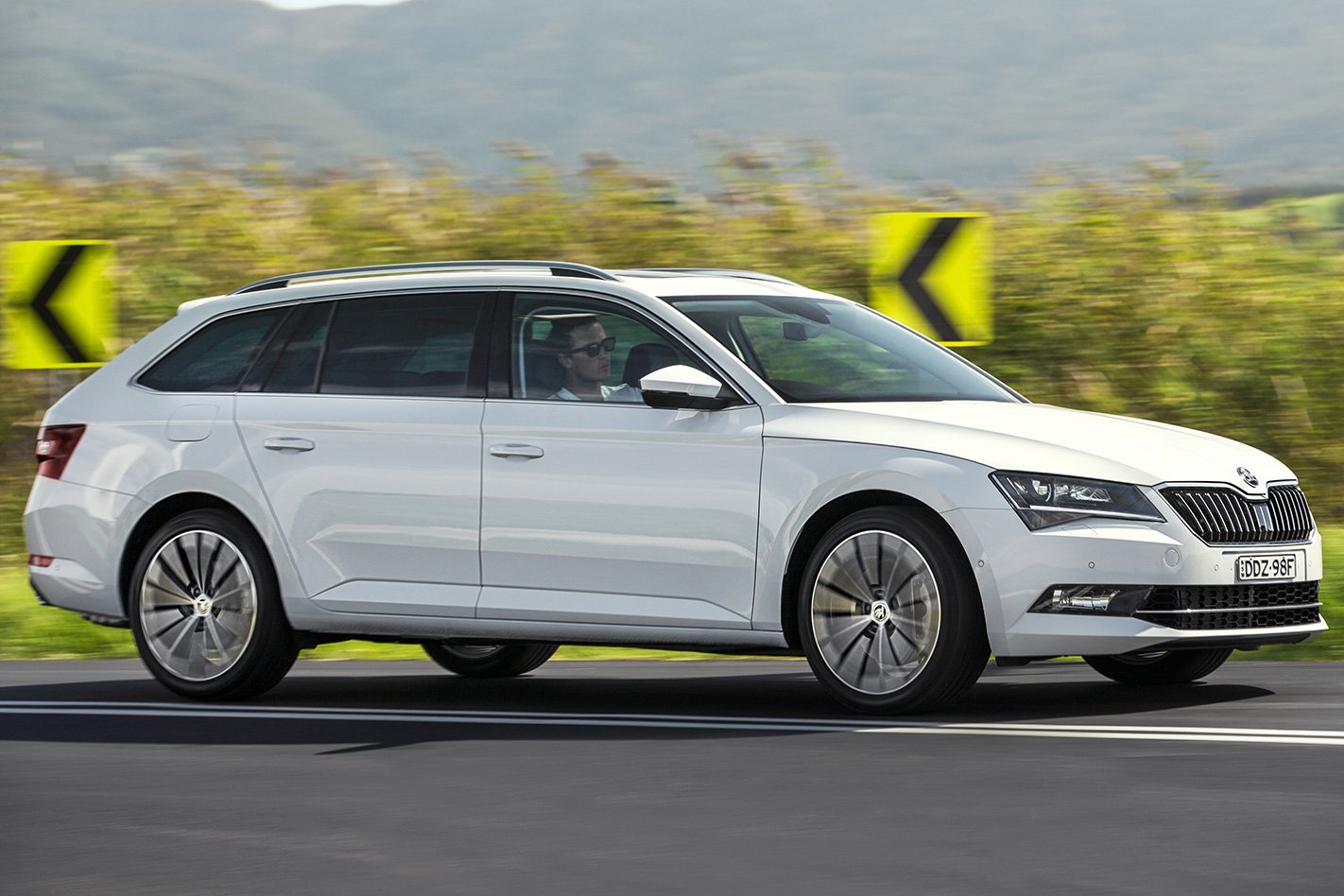
And the result feels like a Volkswagen Golf R that’s been stretched to accommodate more cargo.
Audi RS6 vs Skoda Fabia R5 drag race
It punches hard, with more power and the same torque found in a BMW 330i. So it’s 1.2 seconds quicker to 100km/h than a front-drive Superb 162TSI.
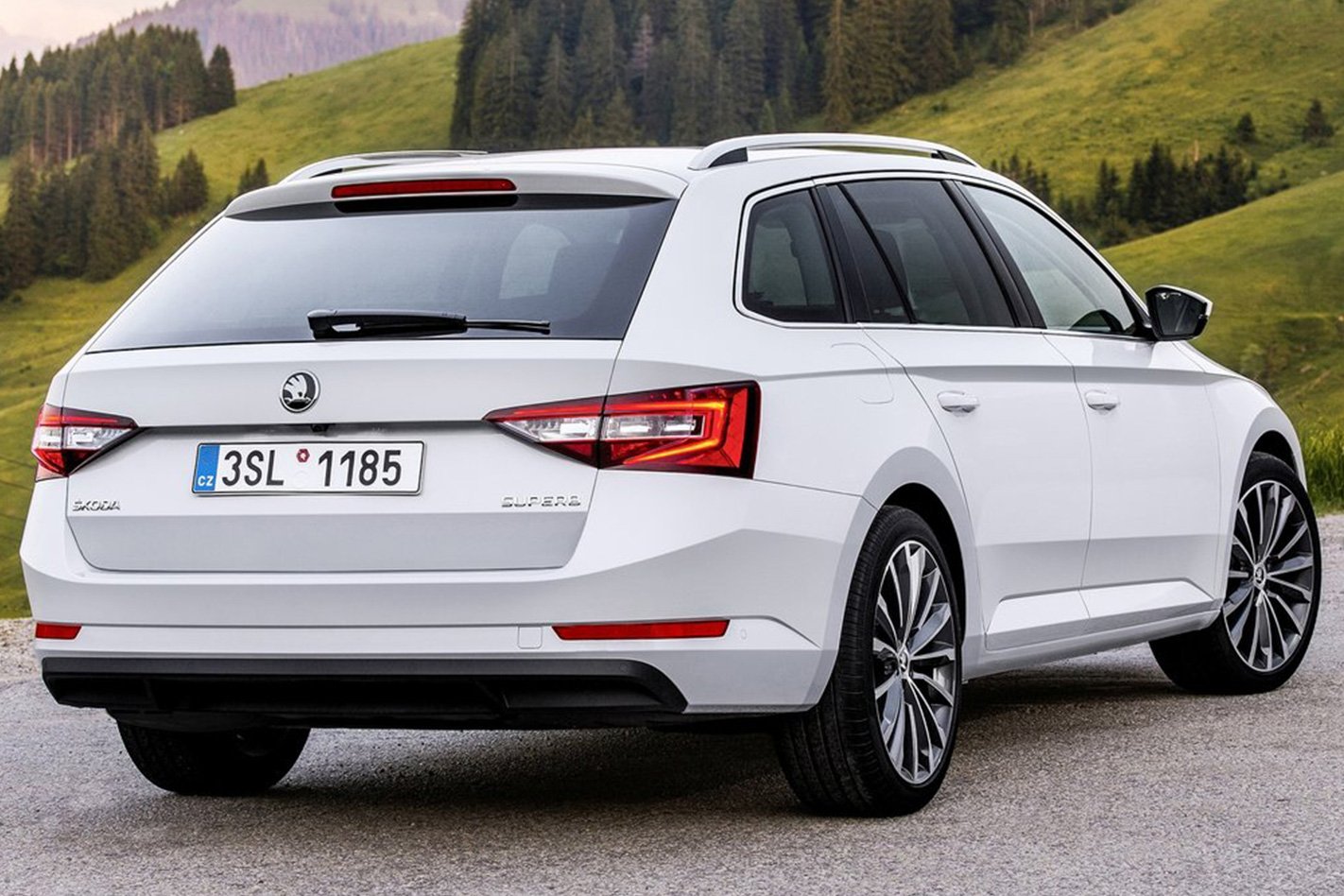
The six-speed dual clutch ’box can also take a moment to wake up at traffic lights. The upside is the steering’s crisp and the chassis’s supple over bumps.
5 brilliant alternatives to a family SUV
And a larger spread of grip gifts it solid stability despite the wagon’s 26kg penalty over a sedan, and 165kg extra on a Volkswagen Golf R.
$0-50K: 6th – Skoda Octavia RS
At 1950 litres total, that’s almost as much as a Commodore Sportwagon. Adaptive suspension comes at a $3400 premium in the Tech pack, but even then it’s $2600 cheaper than the Passat it pinches its platform from.
And that’s what’s most likeable about the Skoda Superb 206TSI wagon. It mixes punch, practicality, and a semi-premium vibe with decent value. Sometimes, it’s nice to have options.
OUR first taste of the new Mercedes-Benz E-Class drop-top shows Benz’s big convertible is back on a path to greatness
WHAT IS IT? The fifth model in Mercedes-Benz’s ever-growing E-Class family, and the first E-Class Convertible in a long while to be an all-E-Class offering right to its very core.
WHY WE’RE TESTING IT The old E-Class Cabrio was a lukewarm offering that was hobbled by its C-Class underpinnings, leaving it with a cramped interior and cabin design that was at odds with the E-Class sedan of the day. This all-new E-Cabrio rights all of those wrongs.
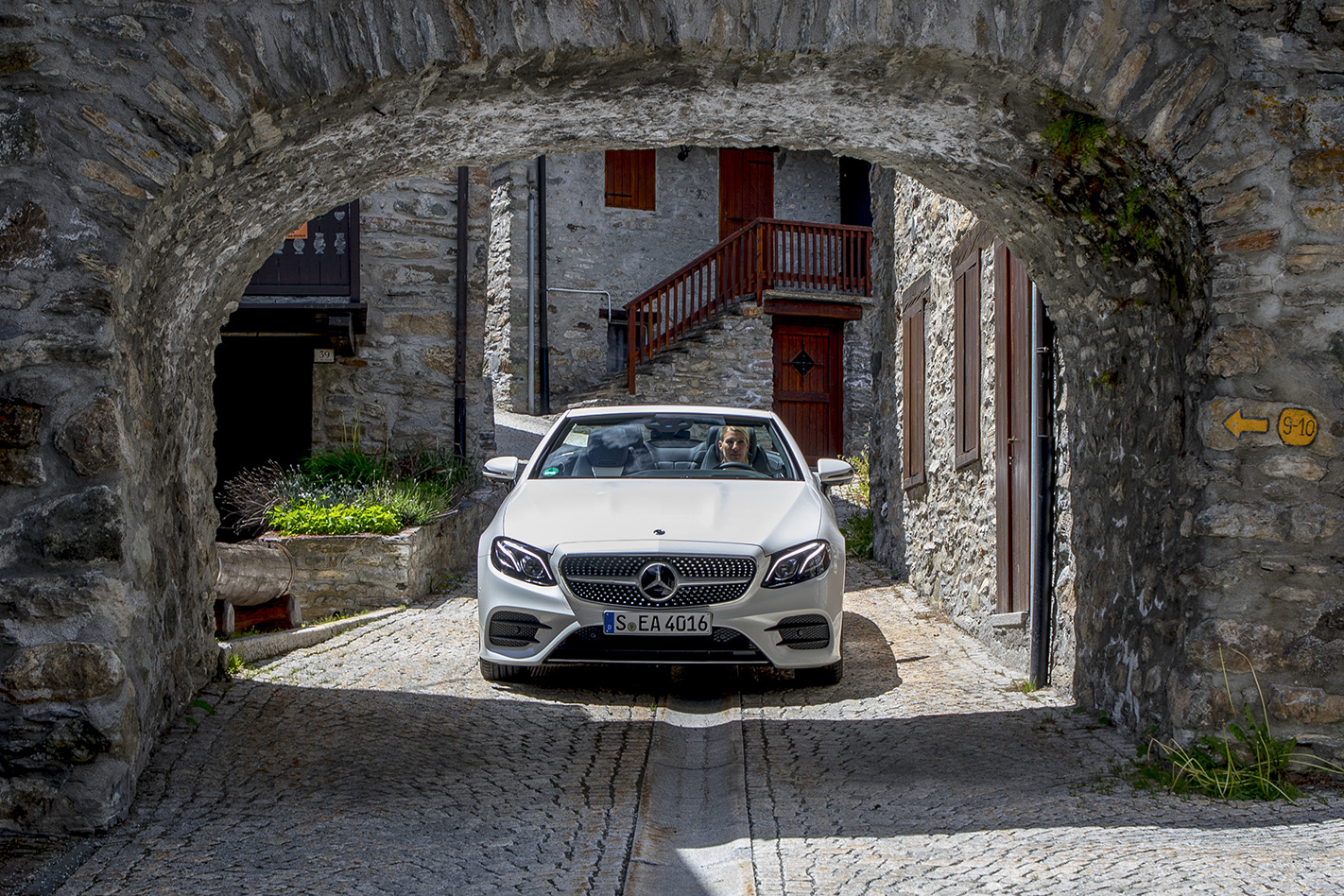
THE WHEELS VERDICT The new E-Class Cabriolet is leaps and bounds ahead of its heavily compromised predecessor, and is an exceptional grand-tourer. After all, it’s much easier to see the sights when you don’t have a roof in the way.
PLUS: No scuttle shake; lots of passenger space; uncompromised drive; strong V6 turbo MINUS: E300 isn’t as effortless as V6; dorky Aircap system; upright rear backrests
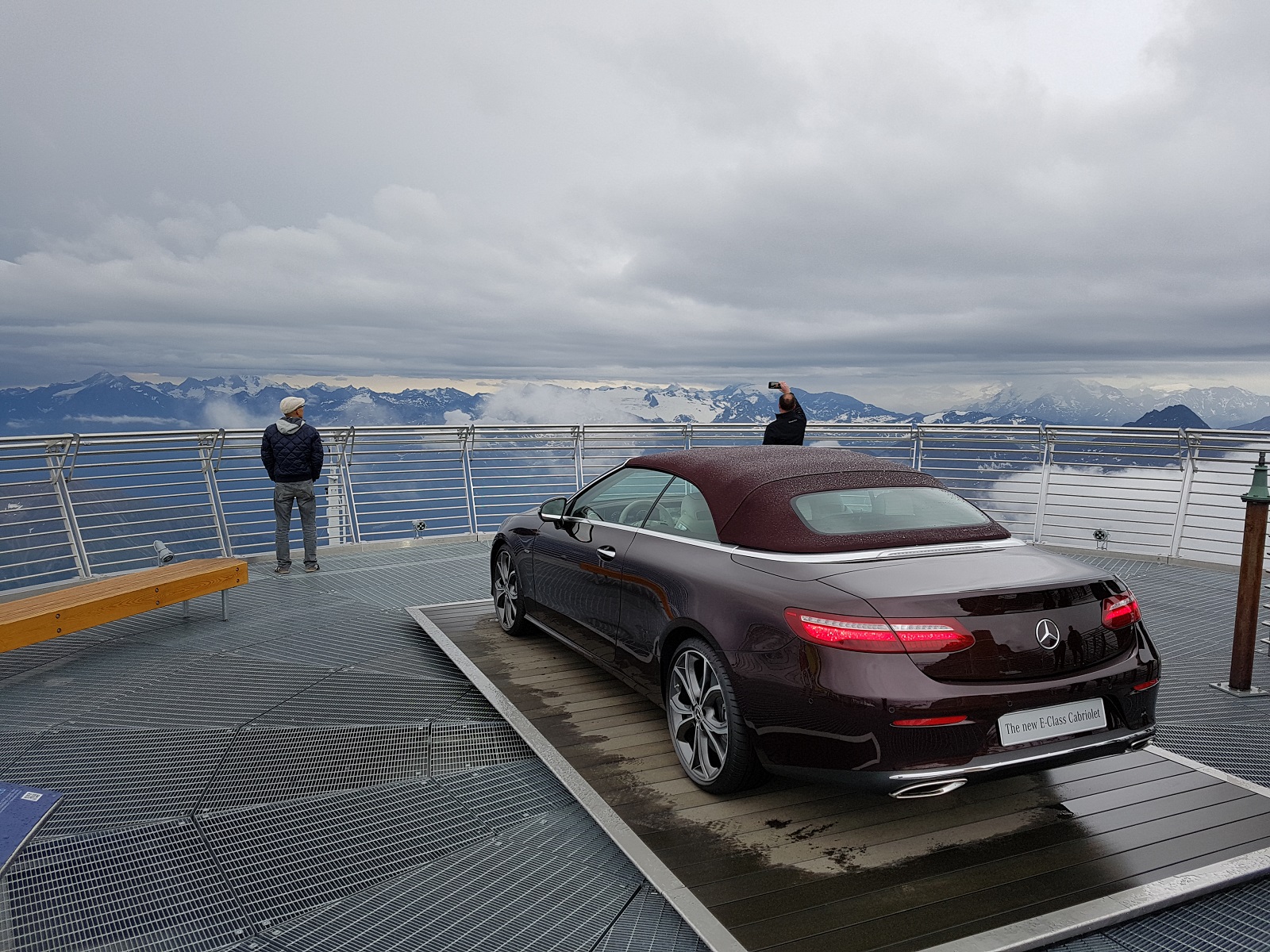
Less intuitive was Mercedes-Benz’s stunt of helicoptering their new drop-top to an observation deck atop Mont Blanc, the tallest peak in Western Europe. A not-so-subtle metaphor about “reaching new heights”? Marketing-speak can be cringe-worthy, but this time around such a claim would at least be accurate.
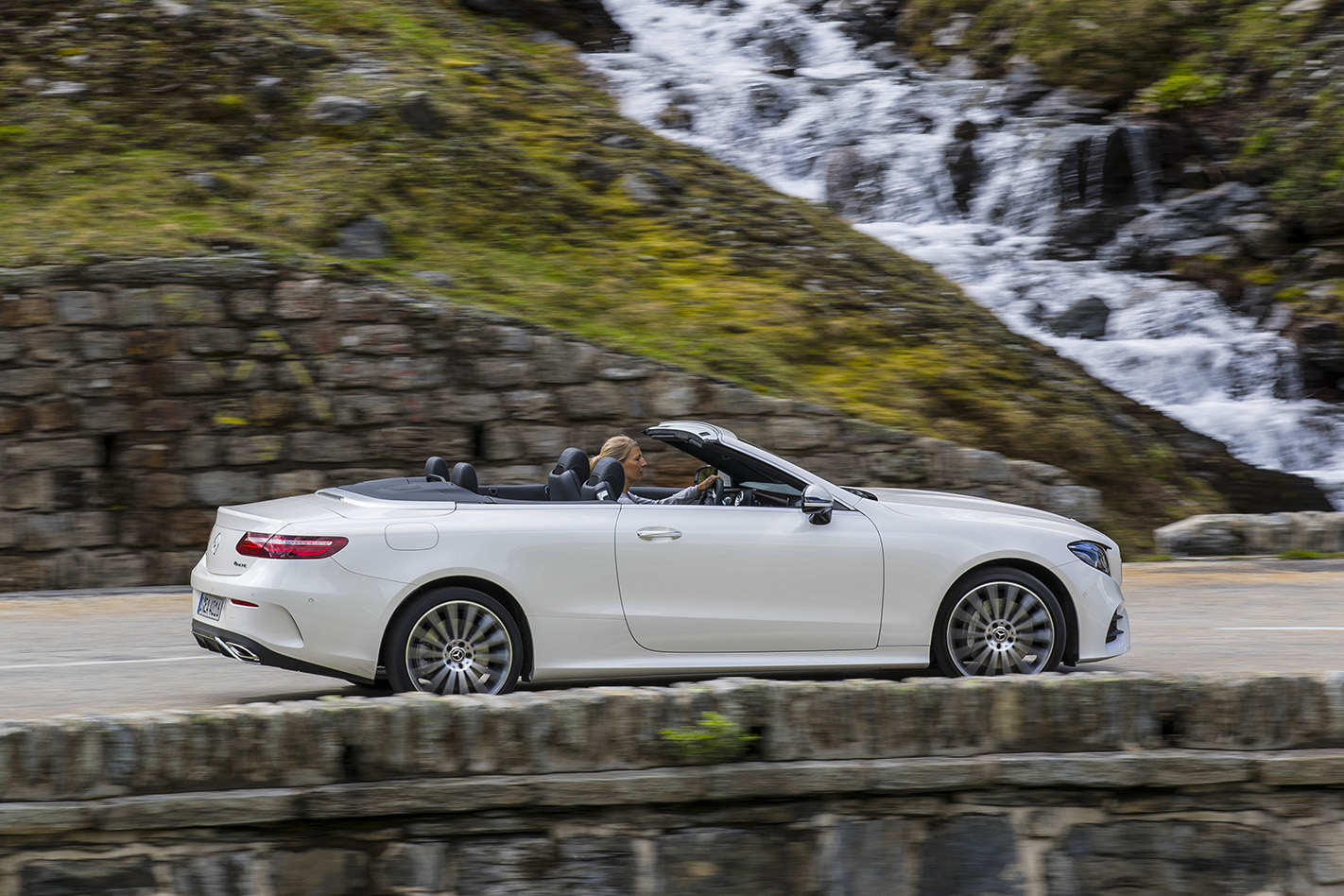
As far as four-seat convertibles go, it’s one of the best.
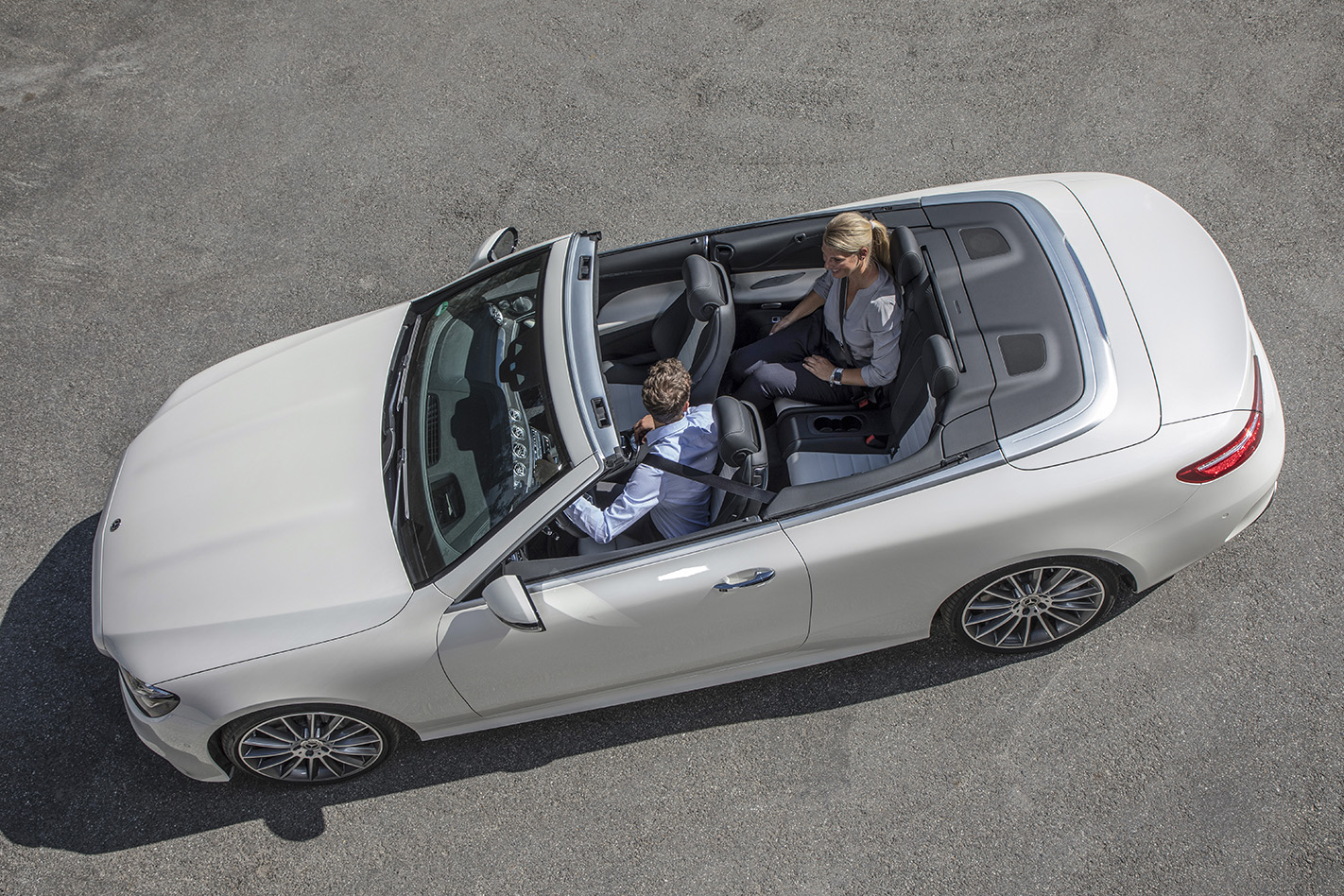
So Mercedes wins by default, but that’s not to say it doesn’t deserve the crown. After all, the A238 E-Class Cabriolet compromises very little as a result of its roof-ectomy. Rear seat space is huge thanks to a 113mm wheelbase stretch relative to the outgoing Cabrio (overall length swells by 123mm), while overall width grows by 74mm. That nets 102mm more rear legroom and 14mm more rear shoulder room – perfect for the wealthy two-kid families that Benz envisions being among the typical E-Class Cab buyer.
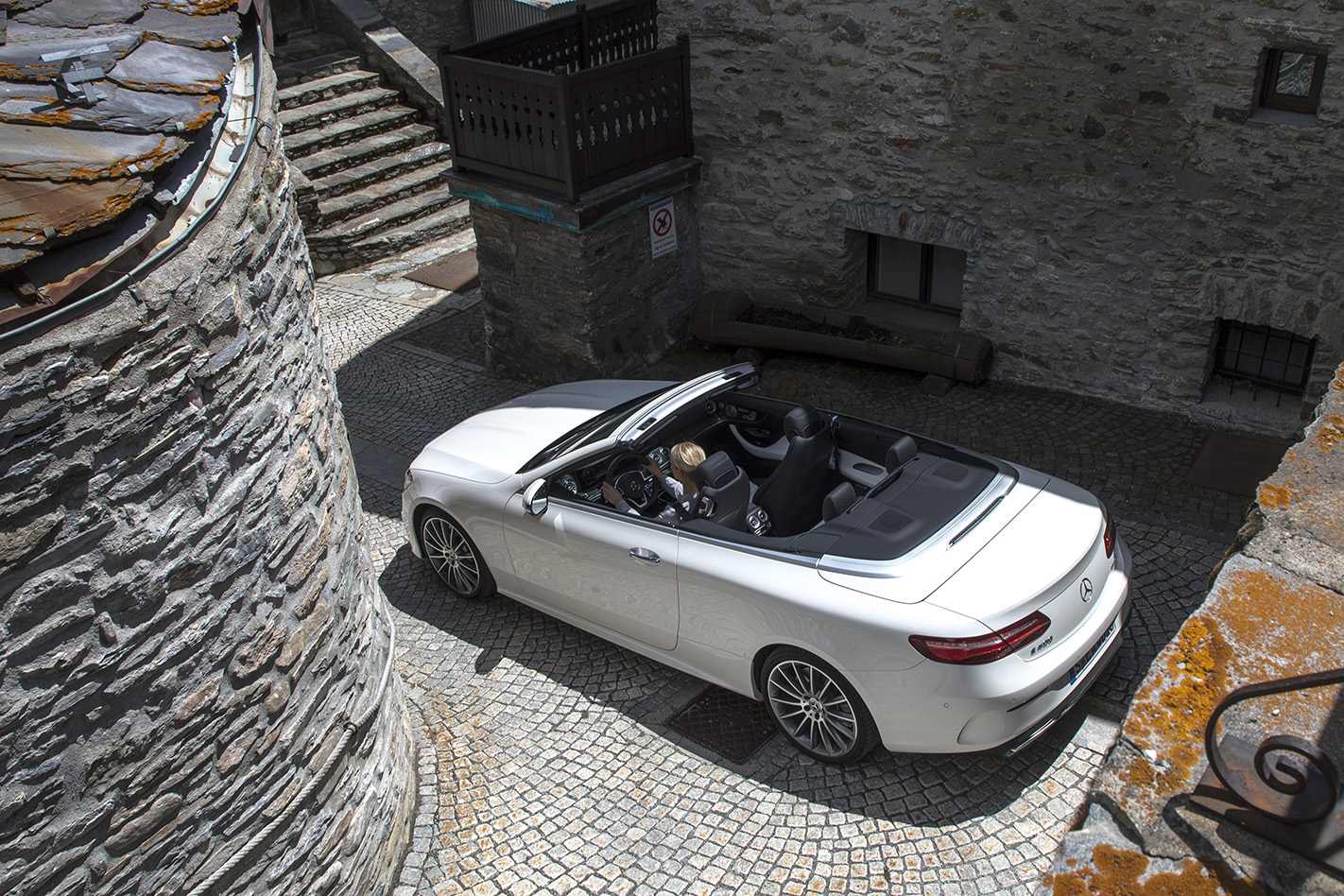
The rear backrests are quite upright and adults taller than 5’10” may brush against the headlining, but these are the sum total of our complaints about the rear seats. Looking for a convertible that can carry? Here it is.
A smaller gripe is Benz’s Aircap system – a complex windblocker arrangement that pairs a power-retractable spoiler above the windshield with a more conventional screen behind the rear seats. It’s highly effective, enabling easy speech and hairdo-friendly airflow with the roof down, windows up and Aircap deployed, but it looks tremendously dorky with everything extended and spoils the otherwise graceful form of the Cabrio.
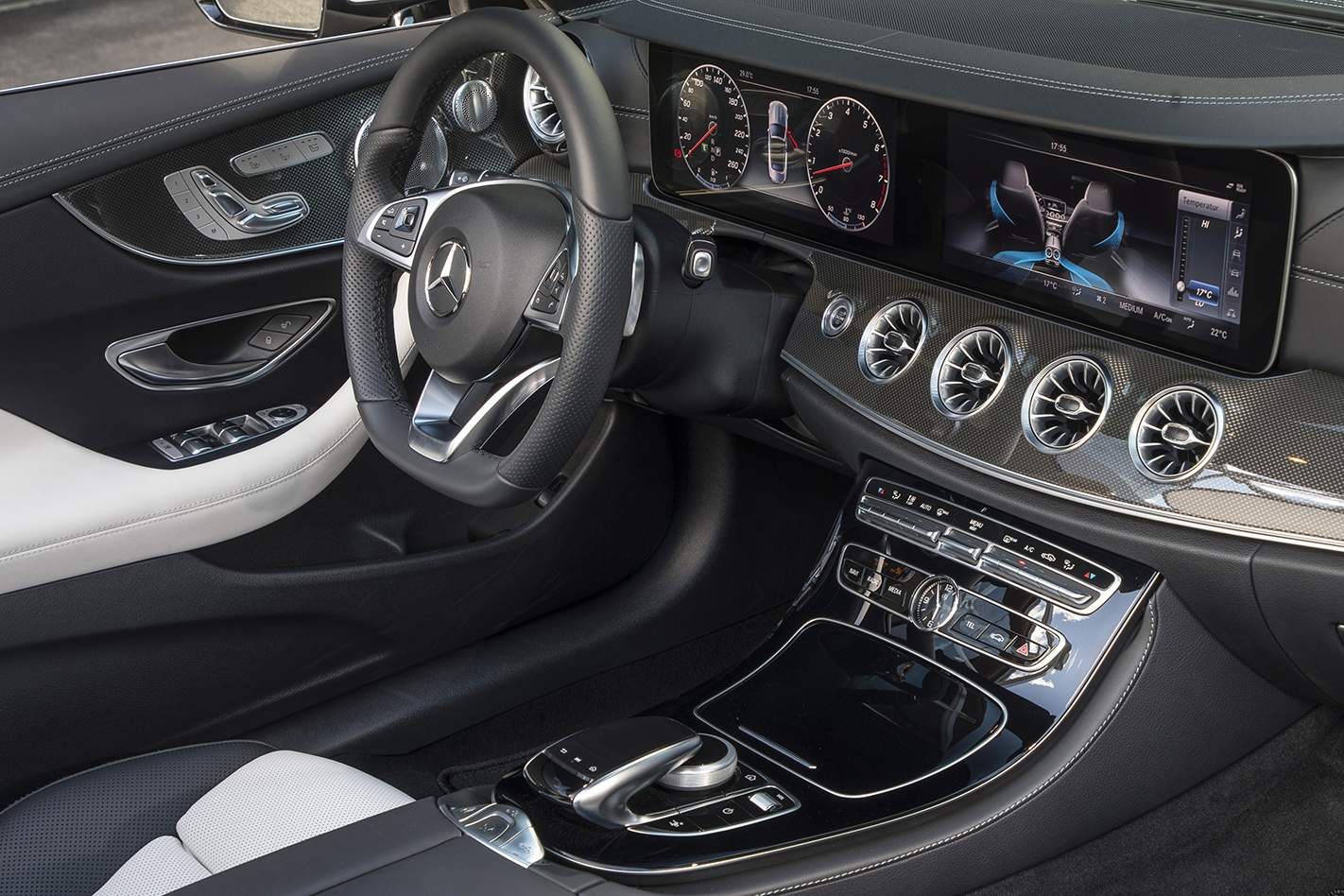
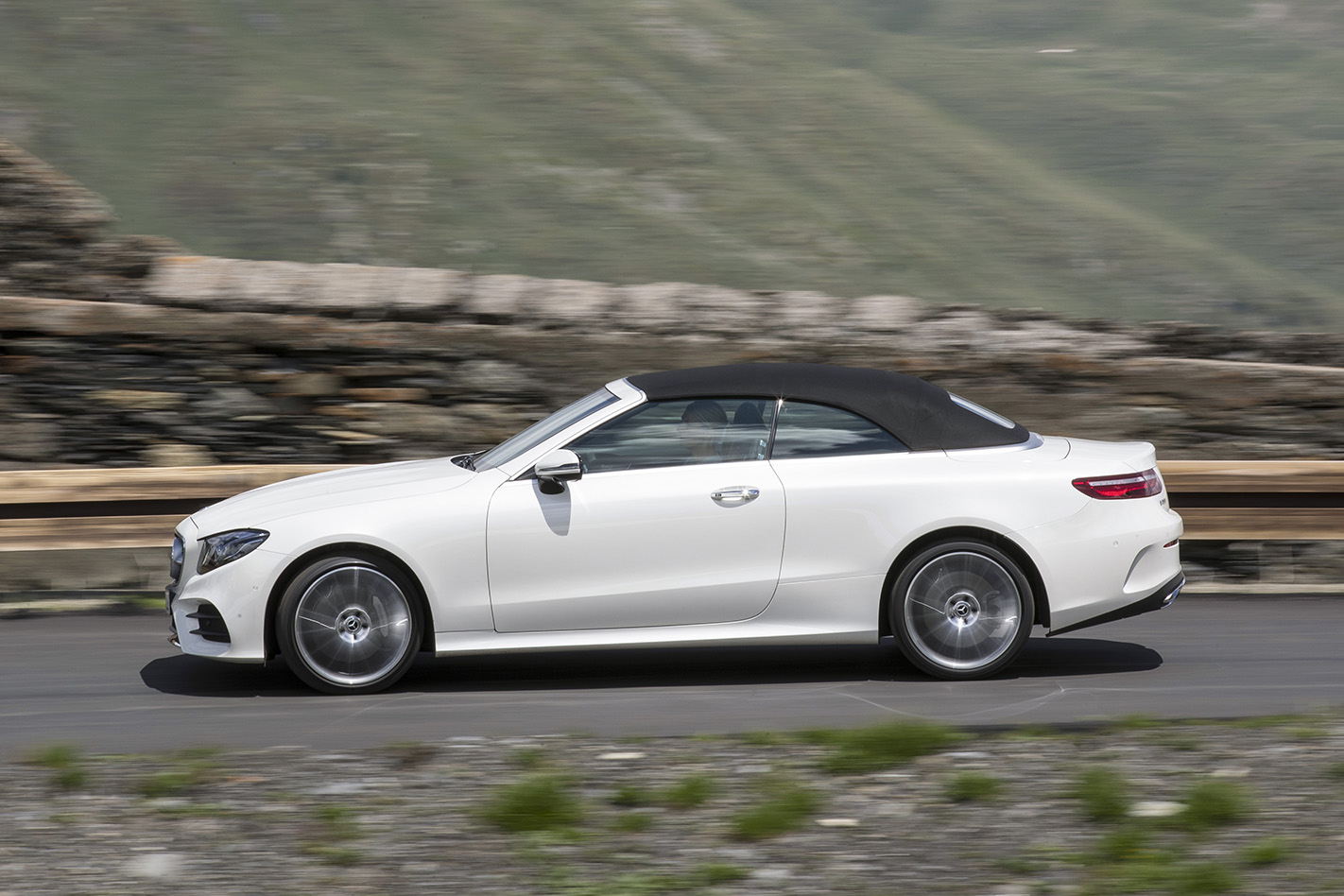
And the folding multi-layered fabric roof is fantastic. Powering up or down in just 20 seconds at speeds up to 50km/h, it tucks neatly into the boot (cutting 75 litres from the 385 litre overall capacity) and, when raised, insulates the cabin from wind and traffic noise.
However the E-Class Cabrio’s most laudable trait is just how solid it feels. Scuttle shake is the enemy of convertibles, but Benz’s engineers seem to have vanquished it. Roof down, there’s barely any structural shimmy at all.
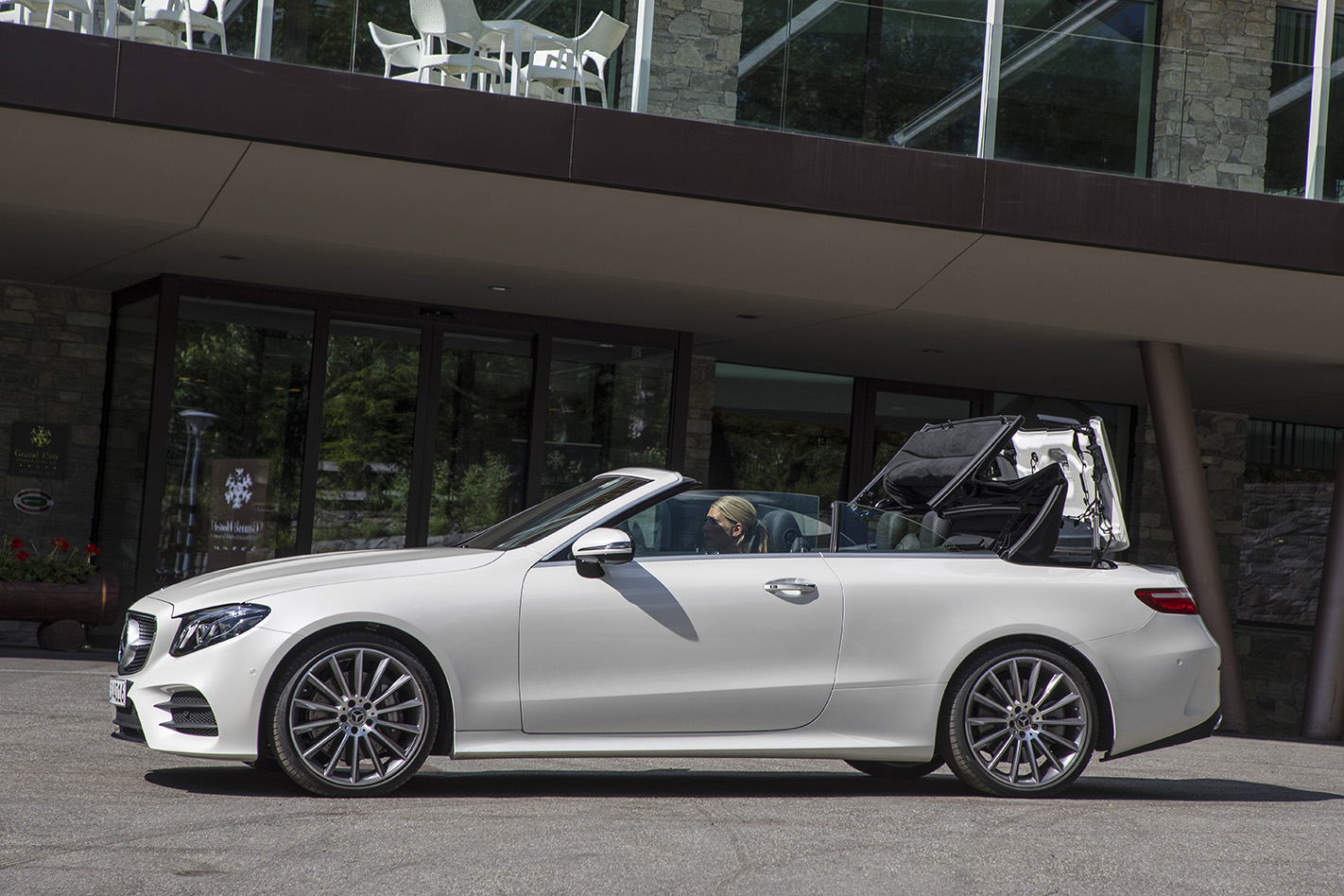
That rigid chassis is matched by supporting hardware that’s just as good: steering with a fluid feel and natural weighting that, in Comfort mode, matches the effortless nature of the E400’s chassis and powertrain perfectly, coupled with multi-link suspension front and rear which delivers exceptional ride quality if you option in air springs.
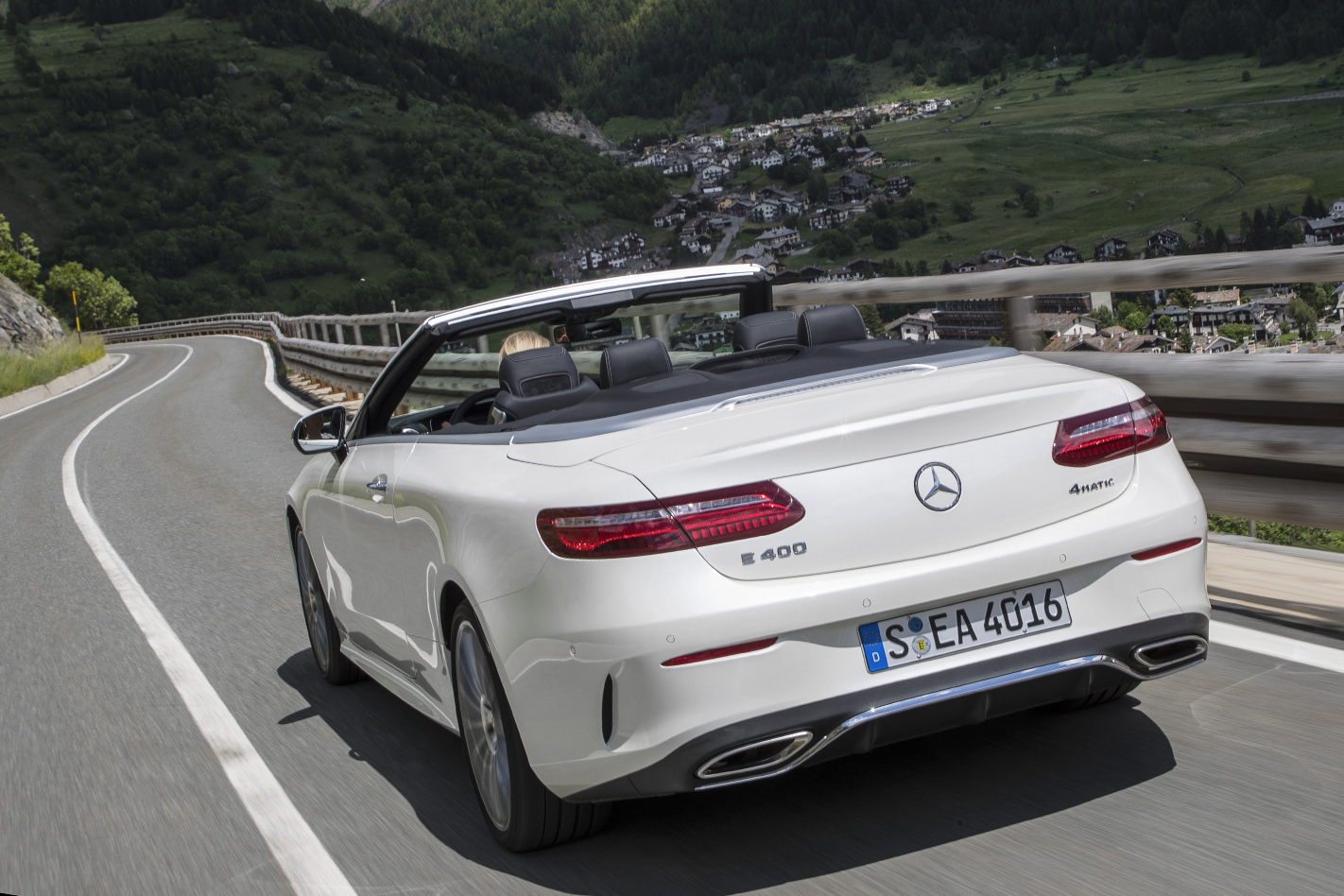
And speaking of the differences between powertrains, it’s the E400’s 245kW/480Nm twin-turbo 3.0-litre V6 that’s better suited to the E-Class Cabrio’s nature as a relaxed, comfortable grand-tourer. Bursting with low-end torque and a powerful midrange, it makes light work of motivating the 1935kg E400 and barely sweats up steep alpine roads. Meanwhile the E300’s turbo 2.0-litre four-pot supplies a decent 180kW/370Nm output, but needs plenty of revs on the dial to get moving smartly.
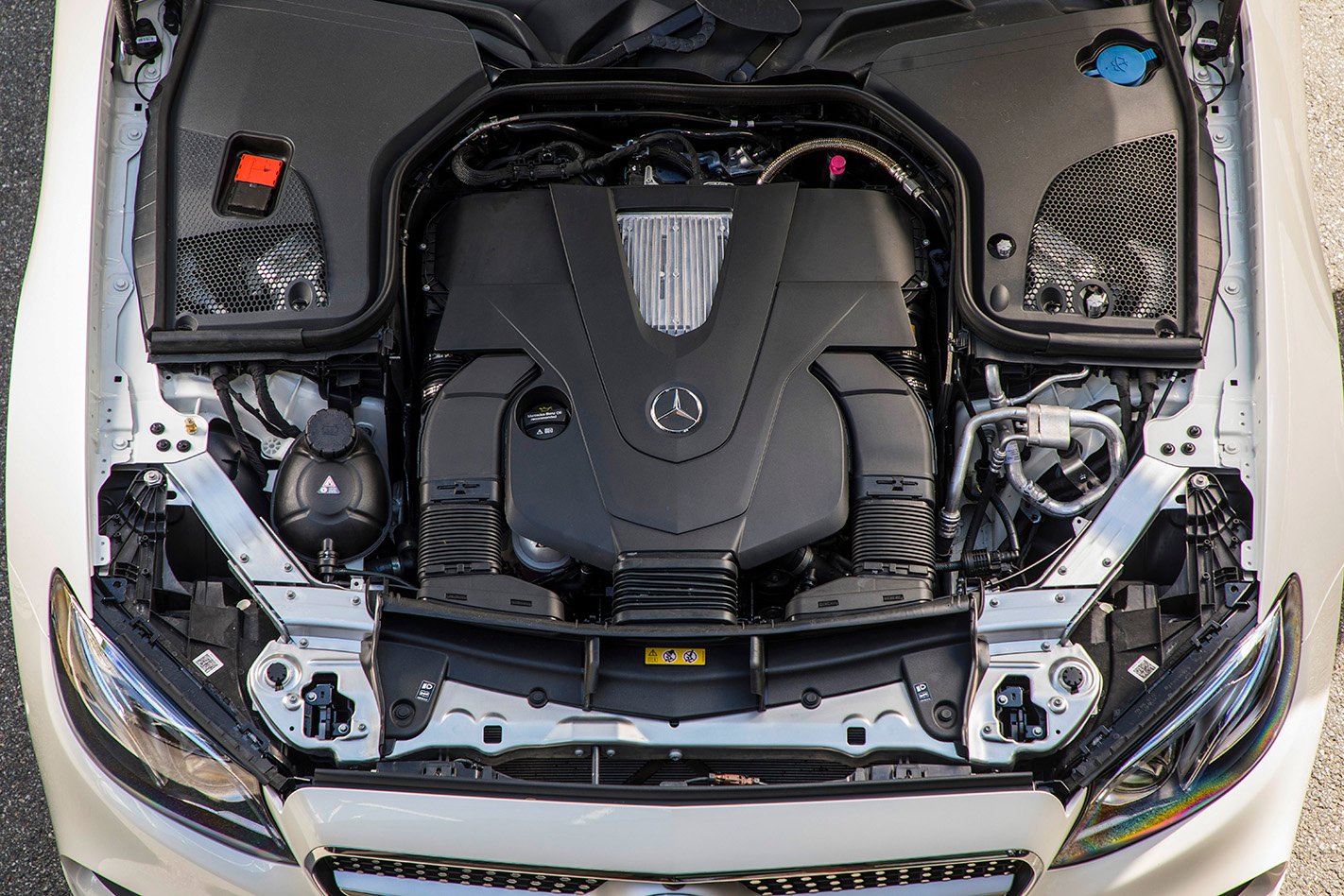
Like the E-Class Coupe, E200, E220d and E350d variants are available overseas but won’t be coming to Australia. For us, the E300, E400 and the eventual Mercedes-AMG E53 will be the only powertrain options for the E-Class Cabriolet.
The E-Class Cabriolet will begin arriving in Australia in September, with pricing and local specifications to be confirmed soon.
Model: Mercedes-Benz E400 Cabriolet Engine: 2996cc 6cyl, dohc, 24v, turbo Max power: 245kW @ 5250-6000rpm Max torque: 480NM @1600-4000rpm Transmission: 9-speed automatic Weight: 1936kg 0-100km/h: 5.5sec (claimed) Economy: 8.6L/100km (claimed) Price: TBA On sale: September
WE KNEW it was going to be something a bit special, but when the Porsche 911 GT2’s specifications dropped, there was a collective intake of breath. Packing 515kW from its twin-turbocharged 3.8-litre flat-six, and sending all that power through the rear wheels, it’s the most powerful roadgoing 911 to date.
The price is also a bit more extreme than many expected, at $645,400 when the car arrives at dealers early next year. Residual values of GT-badged Porsche have historically held up extremely well, so over the longer term, the GT2 RS shouldn’t prove a rash investment.

The engine is a development of that fitted to the 911 Turbo S. But whereas that car sends its power to all four corners, the GT2 RS shaves weight by opting for a rear-drive setup. Weighing in at just 1470kg, this guarantees brutal acceleration, the hottest 911 breaking the 100km/h mark from rest in a vanishingly brief 2.8 seconds. Find a suitable place to do so, and some brave pills, and you could also verify Porsche’s 340km/h top speed claim.
| 2015 Porsche Cayman GT4 First Drive Review
The extra power – and a peak torque figure of 740Nm – comes via a re-engineered Turbo S powertrain with bigger turbochargers, a water spray for the charge-air cooler and a number of electronic tweaks. There’s also a louder titanium exhaust that shaves 7kg off the all-up weight, while the seven-speed PDK sequential transmission can rifle through shifts with devastating rapidity. The GT2 RS also gets a clever rear-wheel steering system, big carbon-ceramic brake discs and retuned PSM stability control.

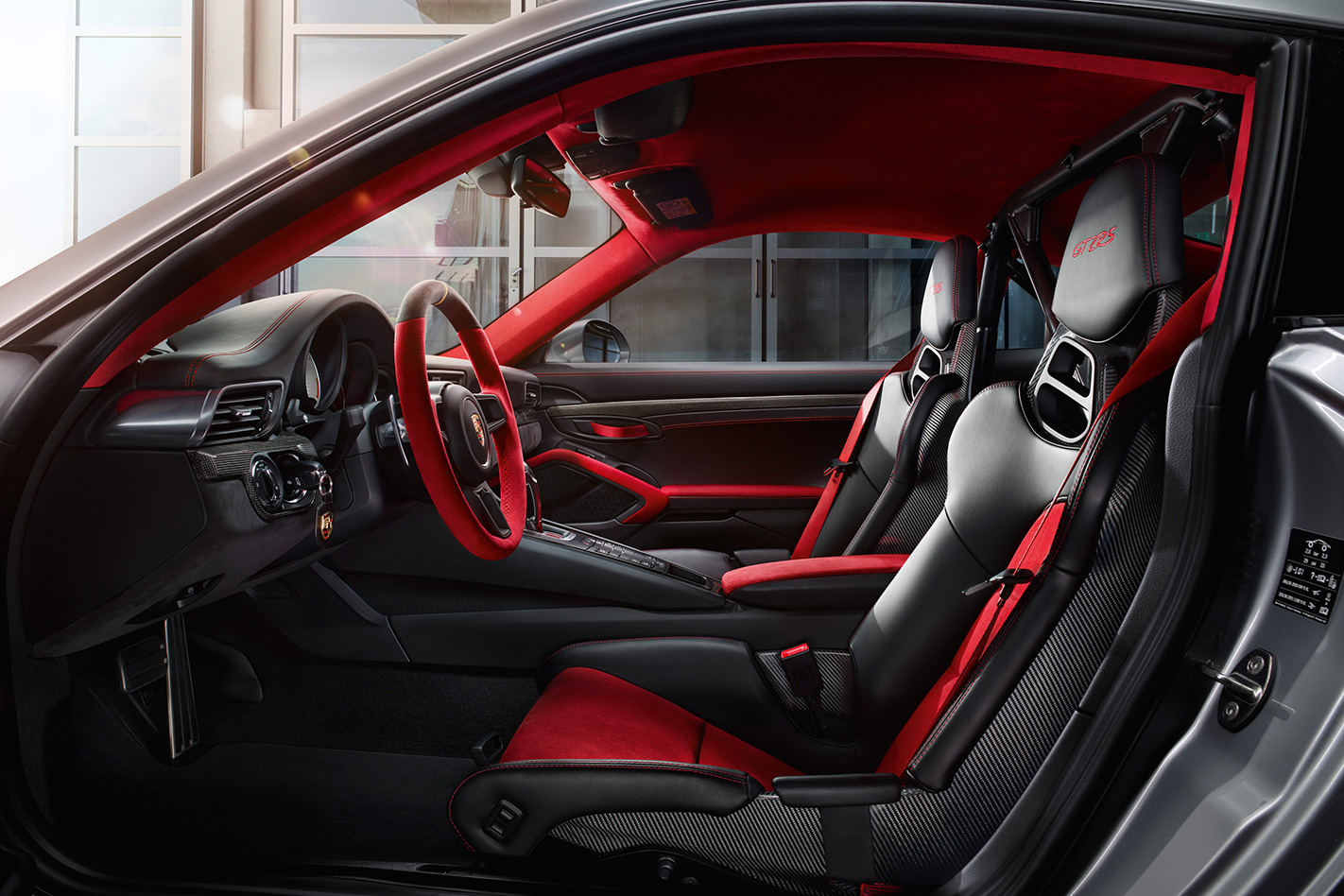
If you thought the GT3 RS was an outrageous-looking thing – all vents and endurance-spec spoiler – the GT2 RS takes that visual theme and runs with it. Porsche being Porsche, functionality is key and weight saving has been an overriding design criterion. The front wings, bonnet, wheel housing vents, mirror shells, air intakes on the rear side sections and parts of the rear end are made from carbonfibre-reinforced plastic, as are many of the interior components. There’s even a magnesium roof to lower the centre of gravity.
That is, if you stick with the standard car. Option in the Weissach Package, and the roof panel swaps for an even lighter carbonfibre item, along with a bunch of other carbon bits, to help shave 30kg. You can signal a little one-upmanship with a body-coloured stripe that runs over the exposed weave carbon luggage compartment lid and roof.
THE big numbers first. Porsche is asking $645,400 for its 911 range flagship, the GT2 RS. Packing a monstrous 515kW and 750Nm from its twin-turbocharged 3.8-litre flat six, the GT2 RS tips the scales at 1470kg and will accelerate from 0-100km/h in 2.8 seconds. Keep the loud pedal pinned and it’ll only bump heads with a thorny physics issue at 340km/h.
It’s understandable if you need a moment or two to let those numbers sink in. Take the power output. The 911 Turbo S isn’t exactly shy of grunt, but the GT2 RS ladles on an additional 88kW courtesy of bigger turbochargers, a water spray for the charge-air cooler and a number of electronic tweaks. There’s also a titanium exhaust that shaves another 7kg and amps the noise up by a fair few decibels.
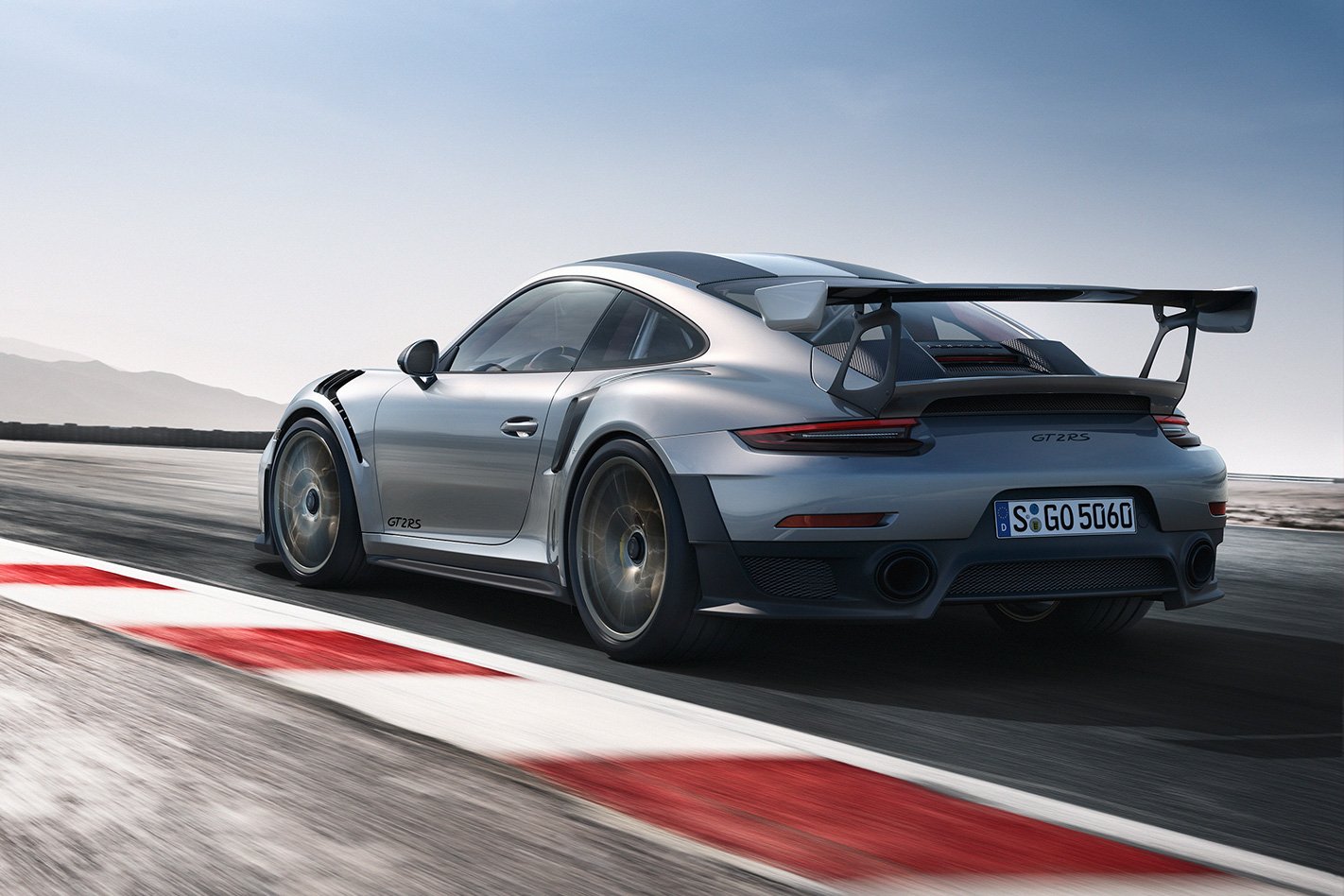
The outrageous body styling makes the GT2 RS looks as if it’s just driven from a 12-hour endurance race, through a jetwash and then onto the dealership floor. The front wings, bonnet, wheel housing vents, mirror shells, air intakes on the rear side sections and parts of the rear end are made from carbonfibre-reinforced plastic, as are many of the interior components. The car’s centre of gravity is lowered thanks to the lightweight magnesium roof panel.
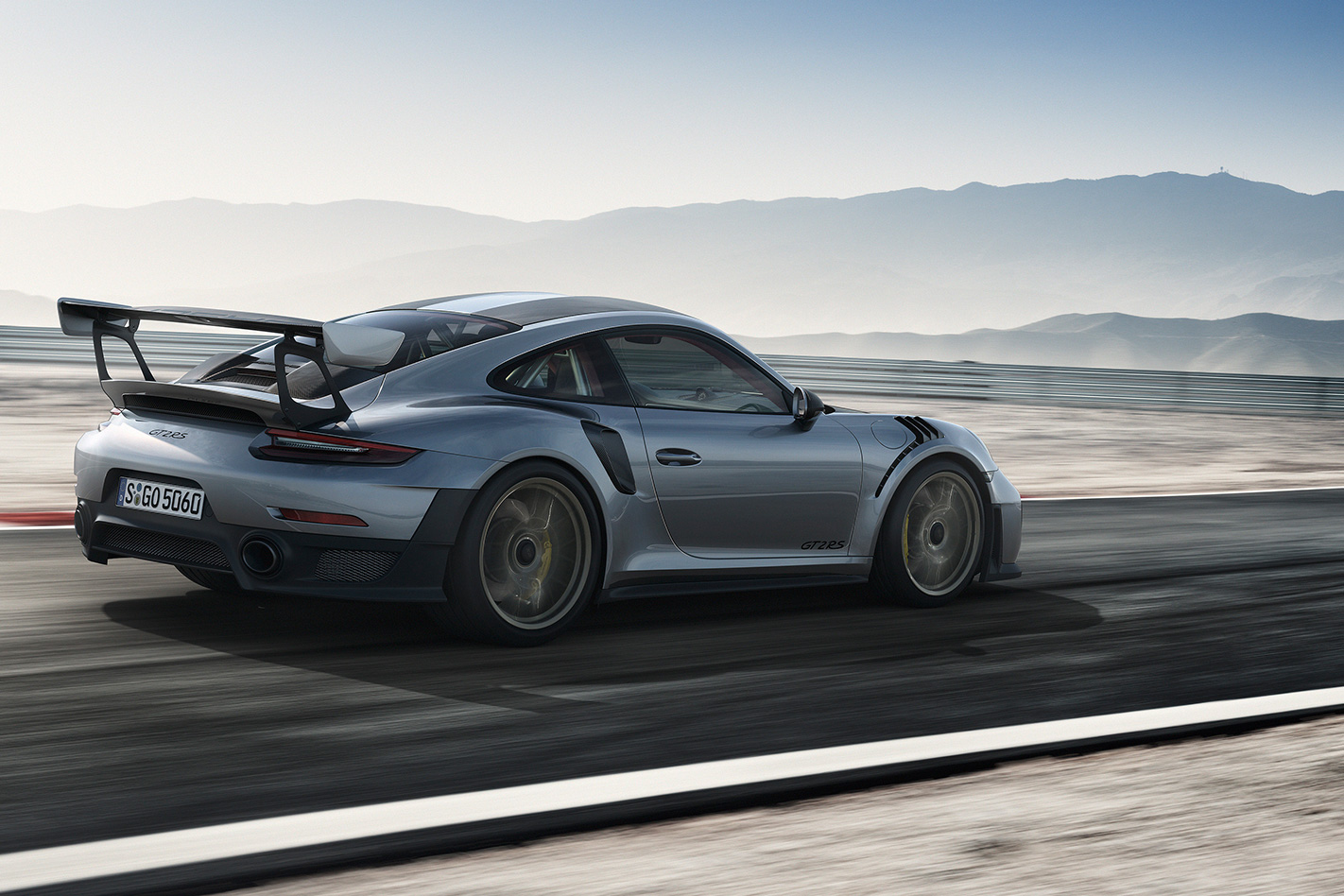
At almost double the price of a 911 GT3, the GT2 RS, due here in early 2018, is clearly going to be a speciality taste. Eyebrows were raised at the $645,400 list price, especially given that it appeared on the tail of Ferrari Australia asking $610,000 for their 812 Superfast, replete with 588kW V12. Those looking to boss track days might also be tempted by the relative bargain that is the $483,866 Lamborghini Huracan Performante.
Watching brief
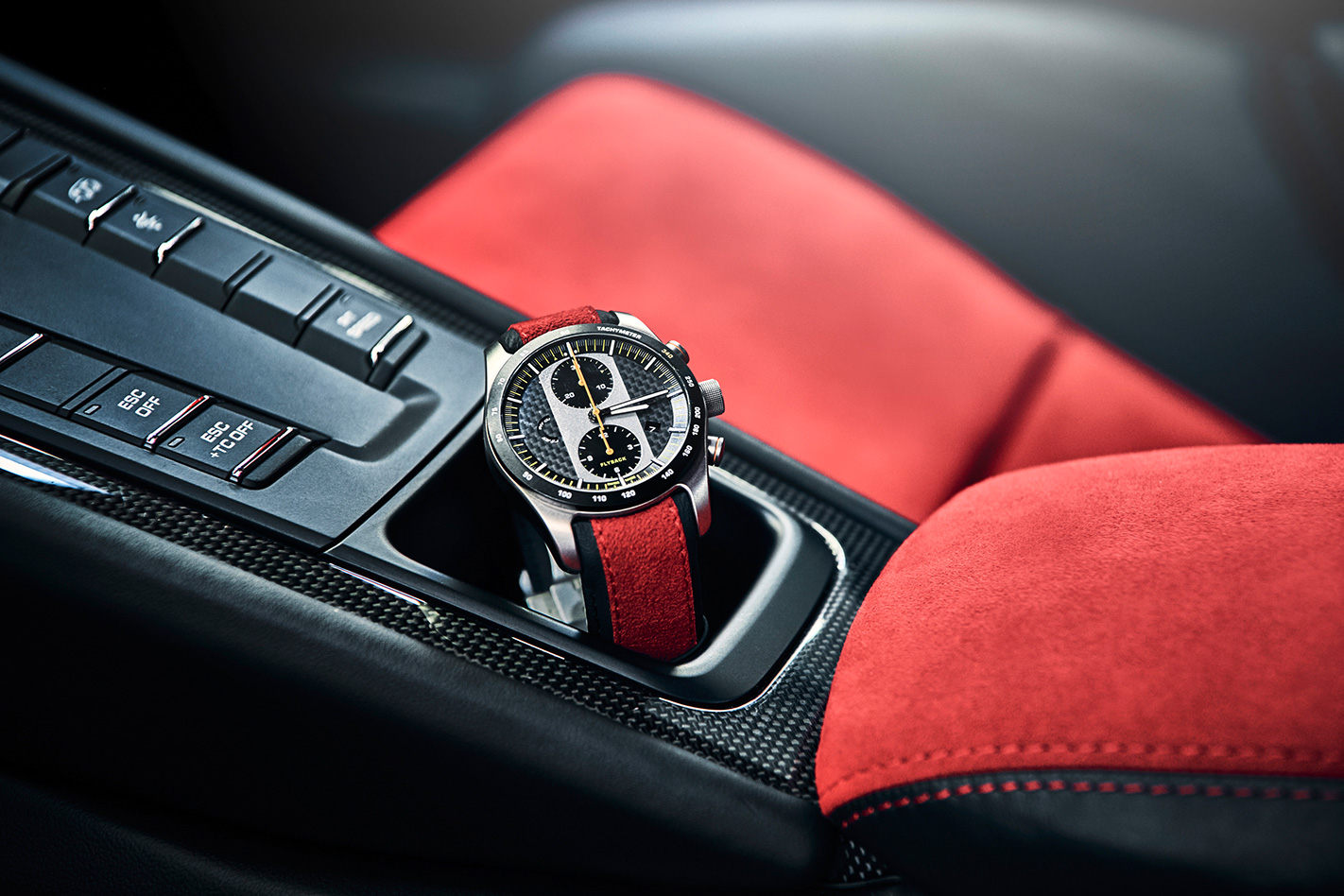
Porsche is also offering GT2 RS owners the opportunity to accessorise with a special-edition chronograph watch. Whereas Porsche used bought-in movements on their previous timepieces, this is the first they’ve developed in-house and they’re pretty proud of the fact.
The calibre 01.200 is built from titanium, with a tungsten crown wheel based on the rim design of the GT2 RS. The face is made of carbon, while the design of the face mirrors that of the car’s dial pack. There’s also a ‘flyback’ function, where the chronograph‘s lap timing function can be triggered with one button press rather than the usual three of stop, reset and restart. We’ve yet to get pricing, but as this watch is solely being offered to GT2 RS owners, you might want to sit down when the RRP does get announced.