
Scott Newman is prostrate in pit lane, elbow-deep in the rear end of the Mercedes-AMG GT-R Pro.
“Got it,” he mutters, a faint clicking confirming that he’d located the adjustment for the rear shocks.
Like a safecracker from an old Ealing caper movie, he clicks the dial all the way clockwise and then checks that both low and high-speed compression settings are eight clicks counter-clockwise in the factory recommended ‘Nurburgring’ settings. The rebound dial is easier to access and needs six clicks counter. We haven’t bothered with preload settings yet. Or the adjustable anti-roll bars or the nine-stage traction control system.
It feels as if we’ve entered a whole new realm of seriousness.
It takes less than one-and-a-half minutes to confirm that suspicion. That’s how long a lap of Winton detains Karl Reindler, demolishing everything else here, including the Porsche 992 Turbo S – the quickest production car that MOTOR has ever flung down the quarter.
Reindler’s job is to get out of the car and deliver his feedback into a waiting microphone but he’s wide eyed and a bit sweaty, and his words leapfrog and tumble over themselves through the laughter of what he’s just experienced. He shakes his head, grinning. “That’s… ridiculous.”
Mercedes-AMG is importing only 15 GT R Pros into Australia. Compared to, say, a Porsche 911 GT3 RS, they’re vanishingly rare and, at $453,200 a pop before on-roads, are going to make one heck of a statement at a track.
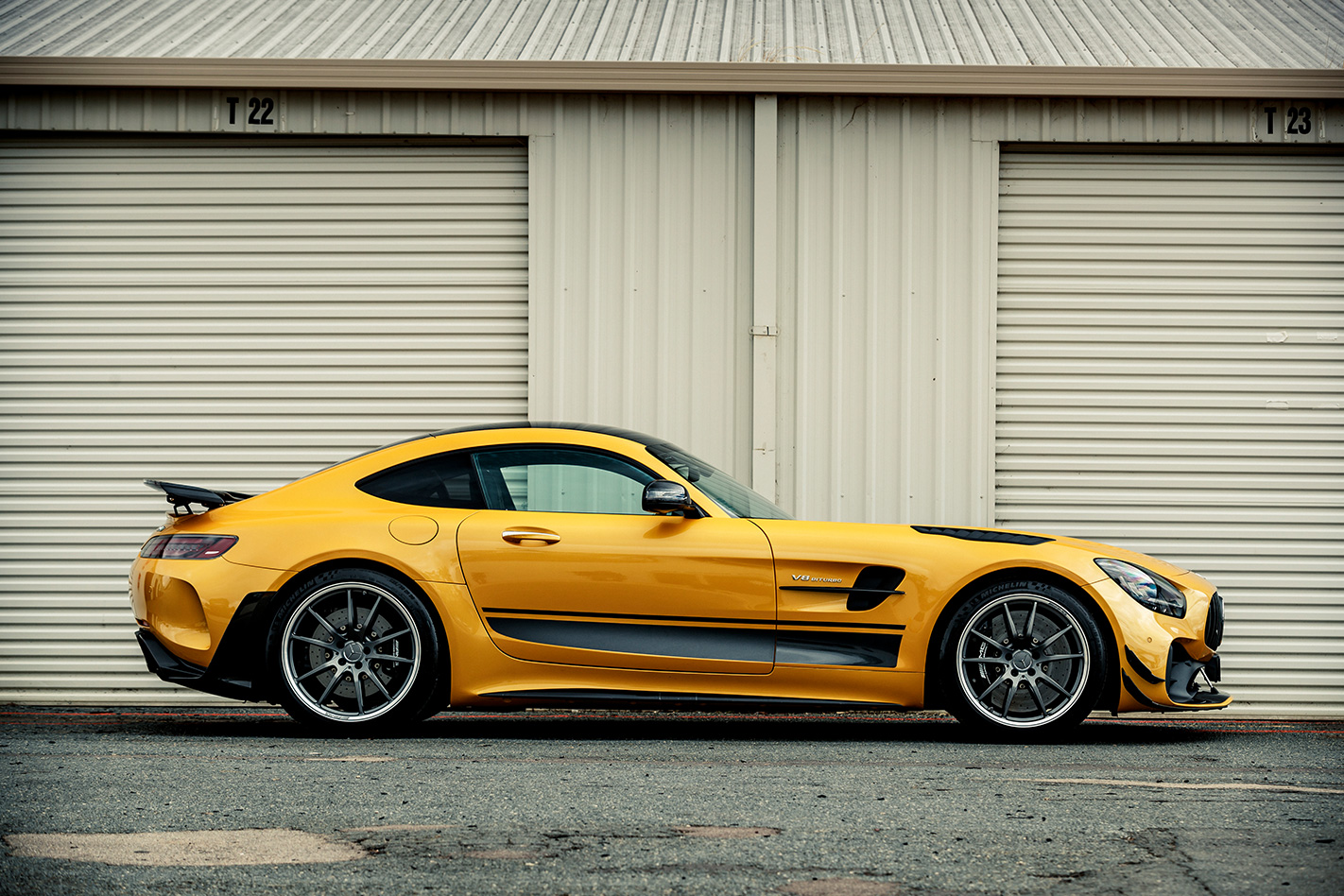
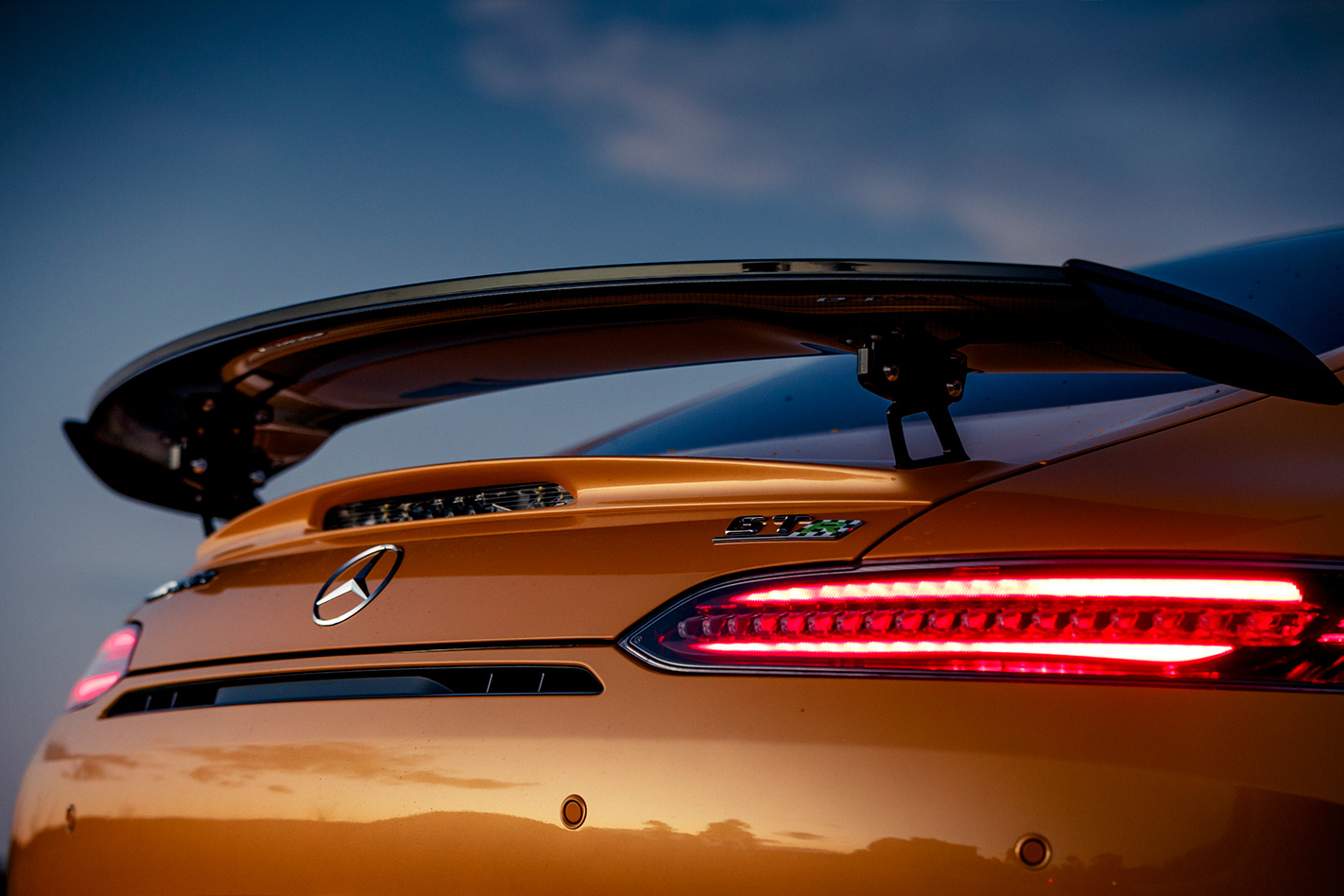
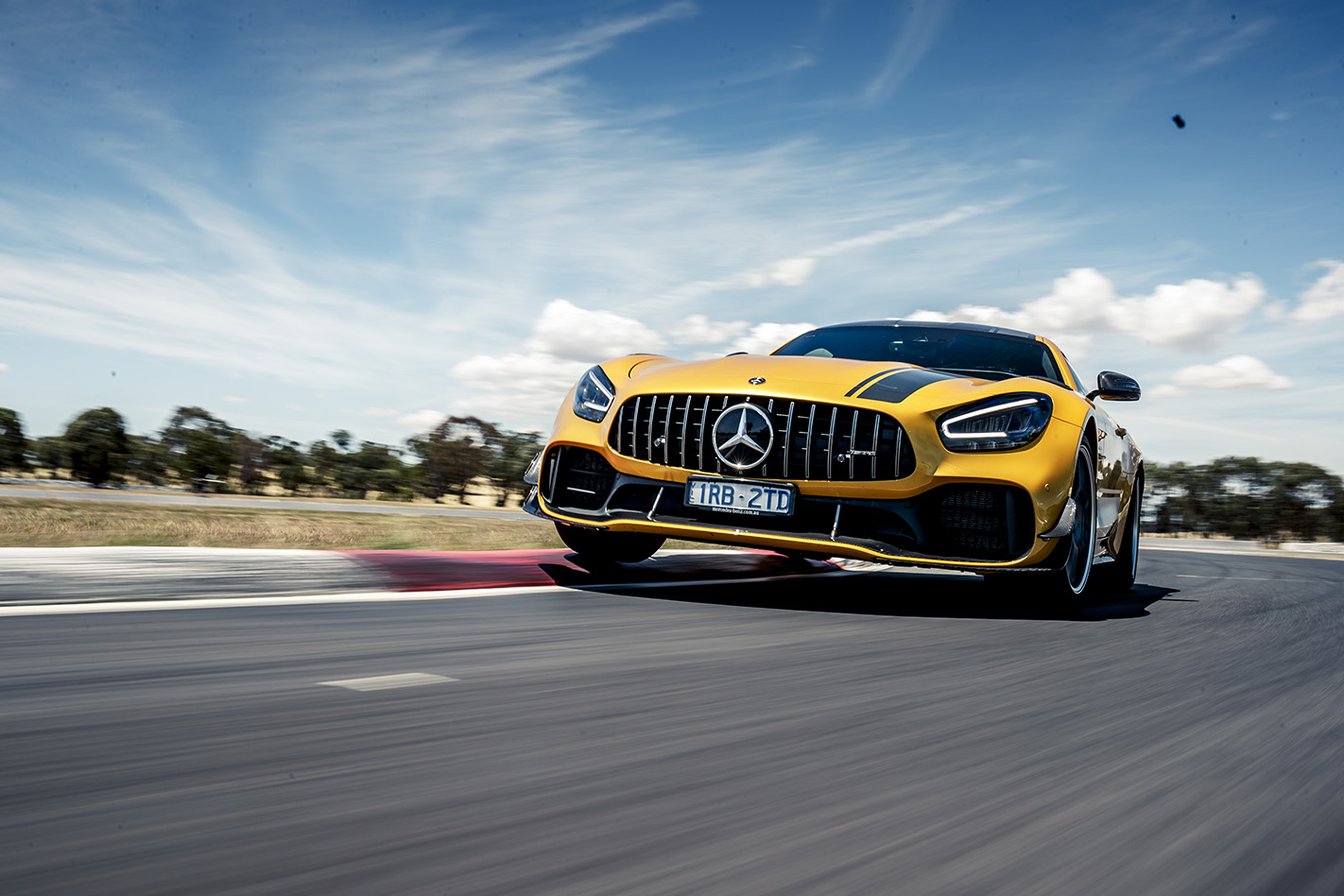
Adorned with jutting spoilers, aero flics and racing stripes, Michelin rubber nestling snugly into the shrink-wrapped vented guards, the Pro throws down a formidable visual gauntlet.
That asking price is still relatively small beer compared to the $796,900 that AMG charges for the Black Series, due here in May. But while the 537kW Black, with its flat-plane crank and titanium roll cage, shaves a massive 21 seconds from the GT R Pro’s time round the Green Hell, the latter is no slouch.
Sport Auto’s Christian Gebhart recorded a 7:04.6 in the Pro, a couple of seconds quicker than his time in a McLaren 720S and about a second off his mark in a Porsche 991.2 GT3 RS, all $400K-and-change cars. So it’s pretty much pick your poison in this division.
I know what you’re thinking. We’ve reviewed virtually every version of these AMG GT coupes before and, more often than not, we’ve come away a little frustrated that the ride and handling calibrations were close, but not quite there. It’s taken the gurus at AMG a while to dial the dynamics in, but the GT R Pro uses four key parts for a revelatory cumulative effect.
The first are those trick coilovers, supplied by KW but then fettled by AMG, which use the shock’s piston velocity to channel oil through discrete ports creating separate flow circuits so that you can tune for primary and secondary ride.
The short take from this? As well as delivering benefits on track, it also means that the GT R Pro is the best-riding of all the GT series of cars on road.There’s a trio of features which together help the suspension work more effectively. The uniball spherical bearing mounts on both the upper and lower rear wishbones erase camber and toe changes throughout the wheel travel.
The carbon-fibre shear panel in the underbody of the rear end also contributes to the high handling precision. It’s actually the third such item in the car (the GT R already has two), and increases torsional rigidity by 7.5 per cent with little weight penalty. There’s also a pair of electronically controlled mounts on both engine and transaxle to dynamically isolate these masses.
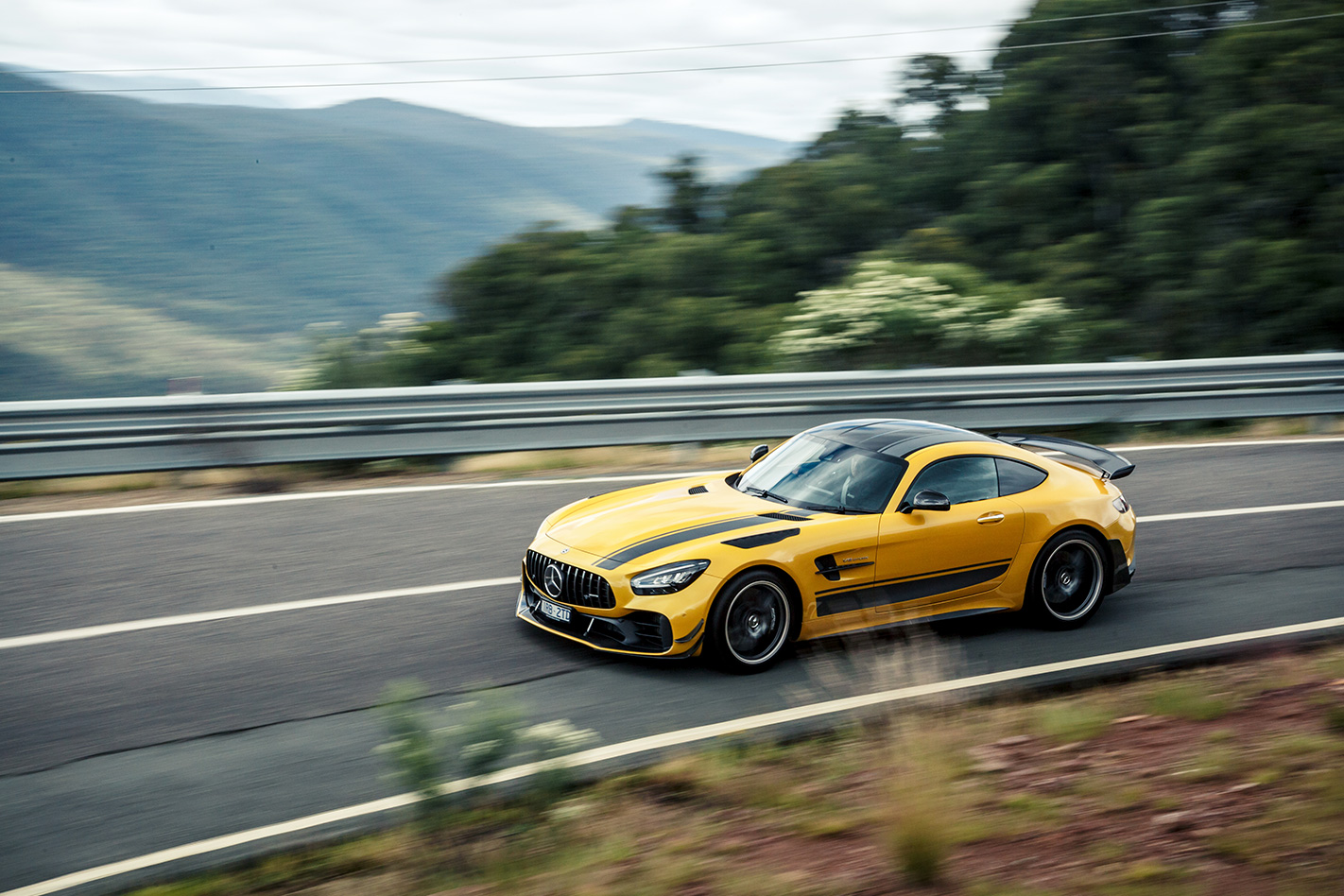
On road there’s an expensive polish to the way it negotiates scarred bitumen, only partially marred by the baritone acoustics of the sound symposer and the inevitable noise pathways generated by the bolt-in half cage.
The dynamically adjustable rack and active all-wheel steer creates a front end that’s eager to dive for the apex with little more than a roll of the wrists, yet there’s never a particular nerviness to it.
Exhibiting decent compliance in compression, the GT R Pro also has a reasonably low roll moment; each axle’s centre of gravity rotating minimally around its respective roll centre.
Lessons learned from the SLS project saw AMG engineer the AMG GT family of cars with lower roll centres. This partly explains the steering philosophy, Affalterbach creating such artifices to counter the stodgier front response of a typical low front roll centre vehicle.
That impression would then typically be amplified by the seating position in the car, well behind the pitch axis, but the Pro’s suspension geometry prevents excess dive and squat, the angle of the control arms channelling a greater percentage of forces through these arms and the uniball bearings before relying on the springs.
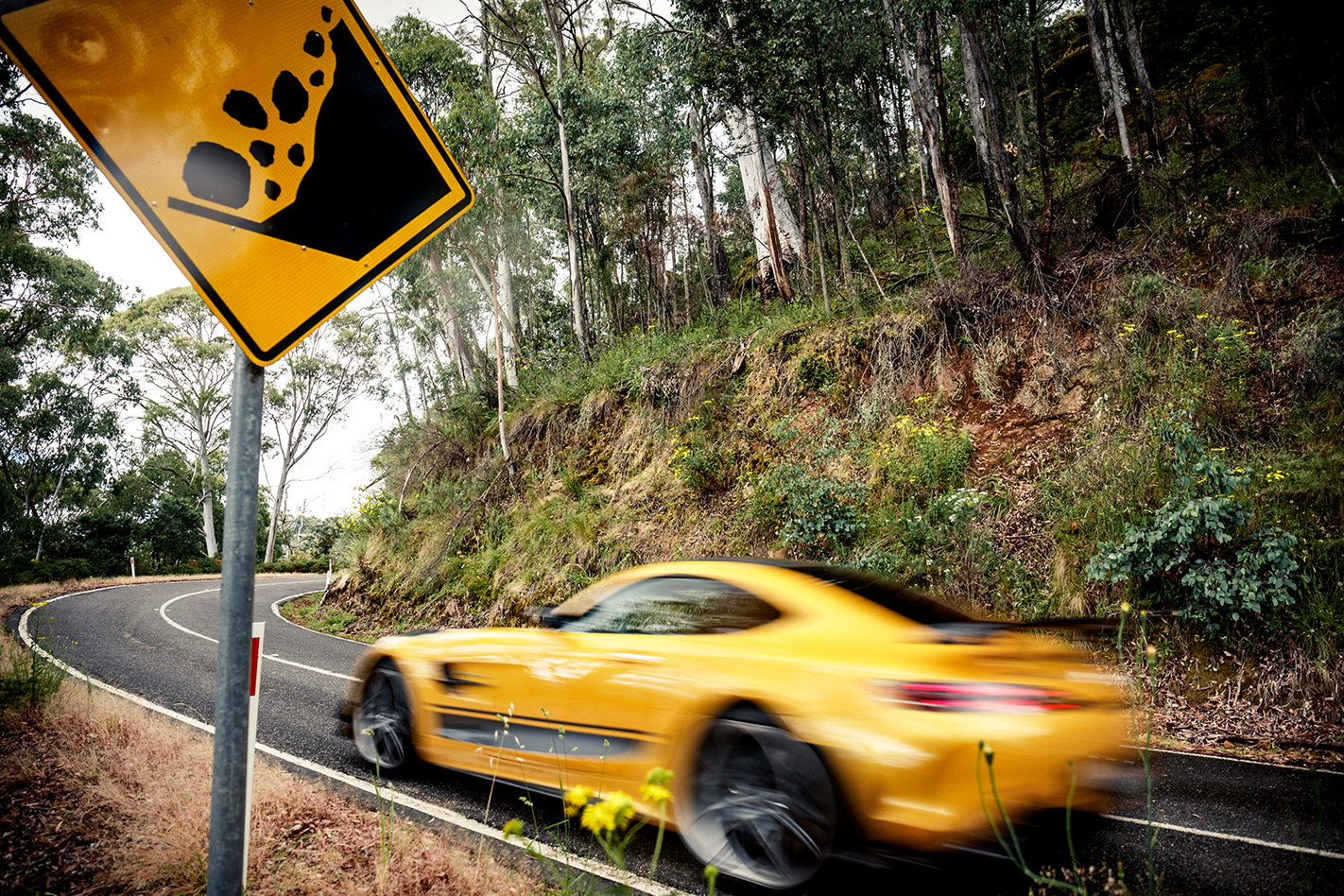
With a higher anti-dive percentage, AMG have been able to realise a relatively consistent ride height. That has allowed them to work the aero and also sit the vehicle low on its tyres for aesthetics. As a consequence, the Pro looks as if it has no suspension travel yet rides surprisingly well with low-heave body control for a big 1575kg coupe.
The steering takes a little getting used to, but there’s deftness to AMG’s engineering in not creating so much anti-dive that bump steer becomes unmanageable.
Our judges found the steering was something they tuned in to after only a few minutes at the wheel. No, it’ll never feel as natural as the hydraulic rack of a McLaren 600LT for example but, the roll moment characteristic of this chassis means there are solid engineering reasons for it to exist and it’s undeniably effective.
AMG’s seven-speed DCT ‘box is a slick unit but can display a certain recalcitrance at low engine speeds. The rearward positioning of the shifter is still an annoyance. First gear is taller and sixth and seventh shorter than in the GT R; ratios better suited for circuit use.
The 4.0-litre twin-turbo powerplant doesn’t develop any more power than the standard GT R, but then with 430kW arriving at 6250rpm, not to mention 700Nm anywhere from 2100 to 5500rpm, it probably doesn’t need to.
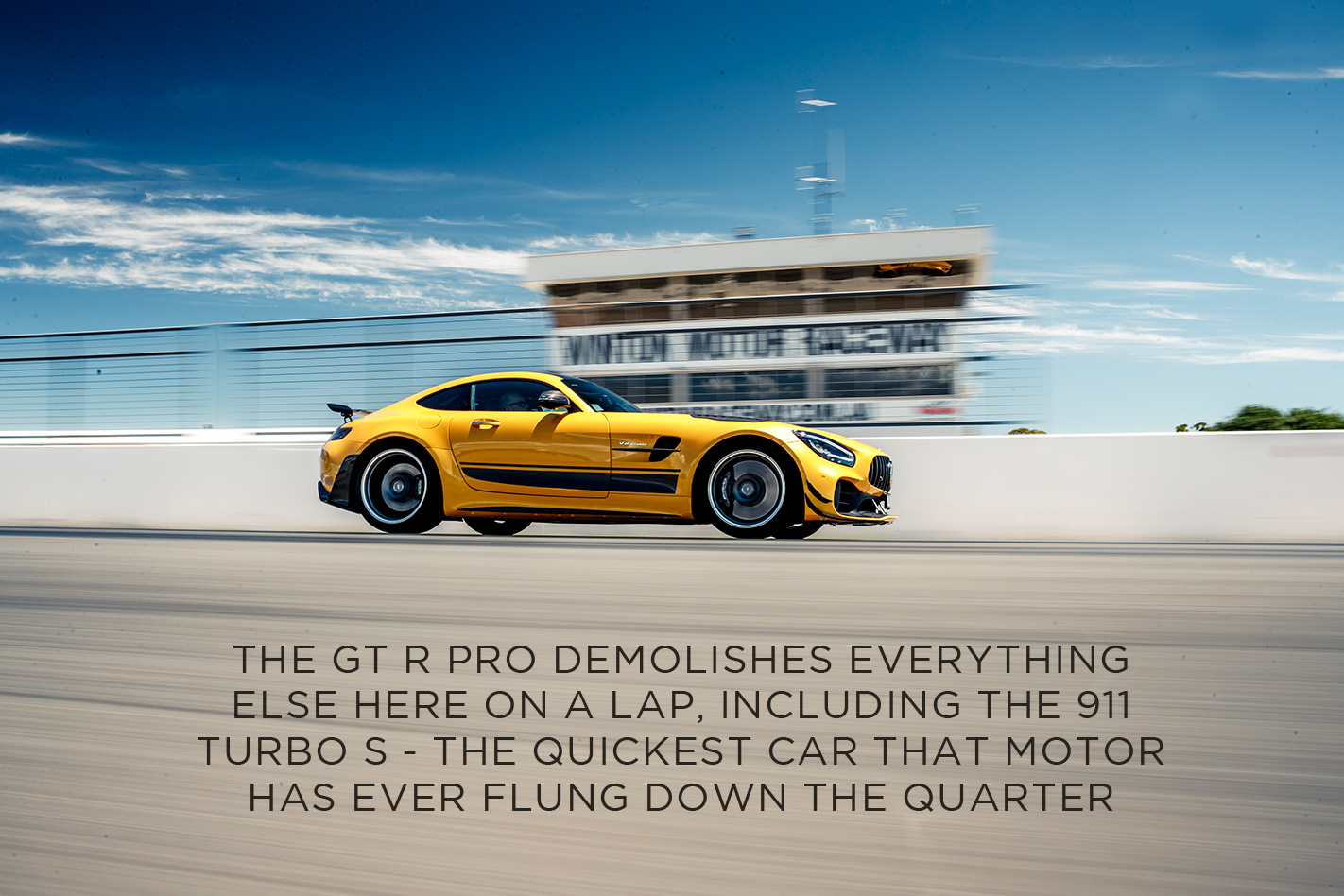
Bettering the Porsche 992 Turbo S in terms of vmax on circuit demonstrates that the AMG’s not found wanting for traction, grunt, active/passive aero efficiency nor confidence in its carbon ceramic brakes.
On track, the Pro is in another league to everything else here. There’s none of the elastokinematic porpoising of the 992 Turbo S on full-commitment corner exits, nor the histrionics of the Herrod SM17. Switch the AMG Dynamics into Master mode, disable the ESC and gradually loosen the belt of the traction control system and the Pro will readily get up on its toes.
You’ll need to be on yours, too.
The combination of the variable rate steering and the prodigious turbo torque of the M178 lump can make balancing the car at large yaw angles an activity that rewards a little practice. Switch the ESC back in on Master mode and you can still enjoy a heroic-feeling degree of oversteer before the guardians intervene.
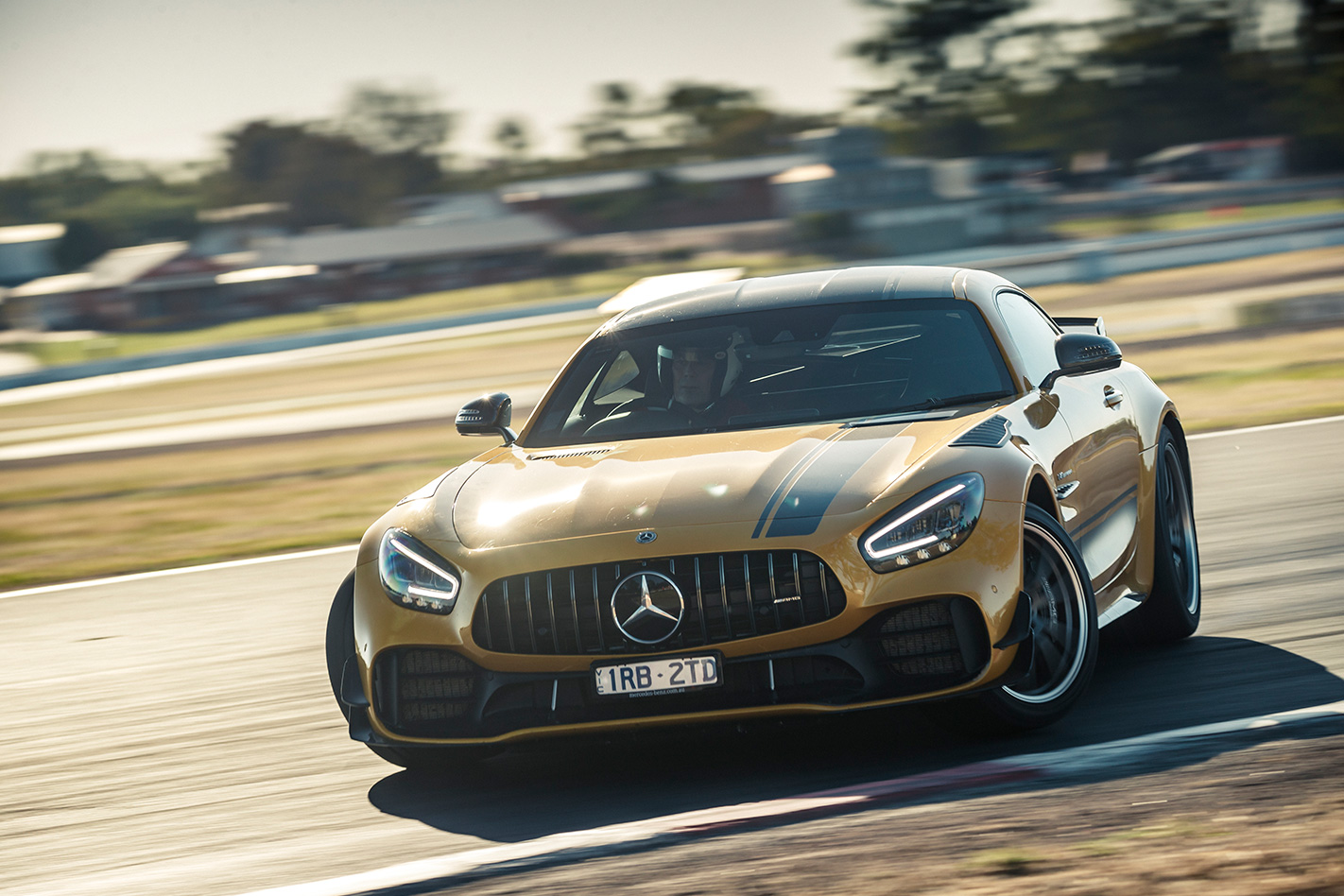
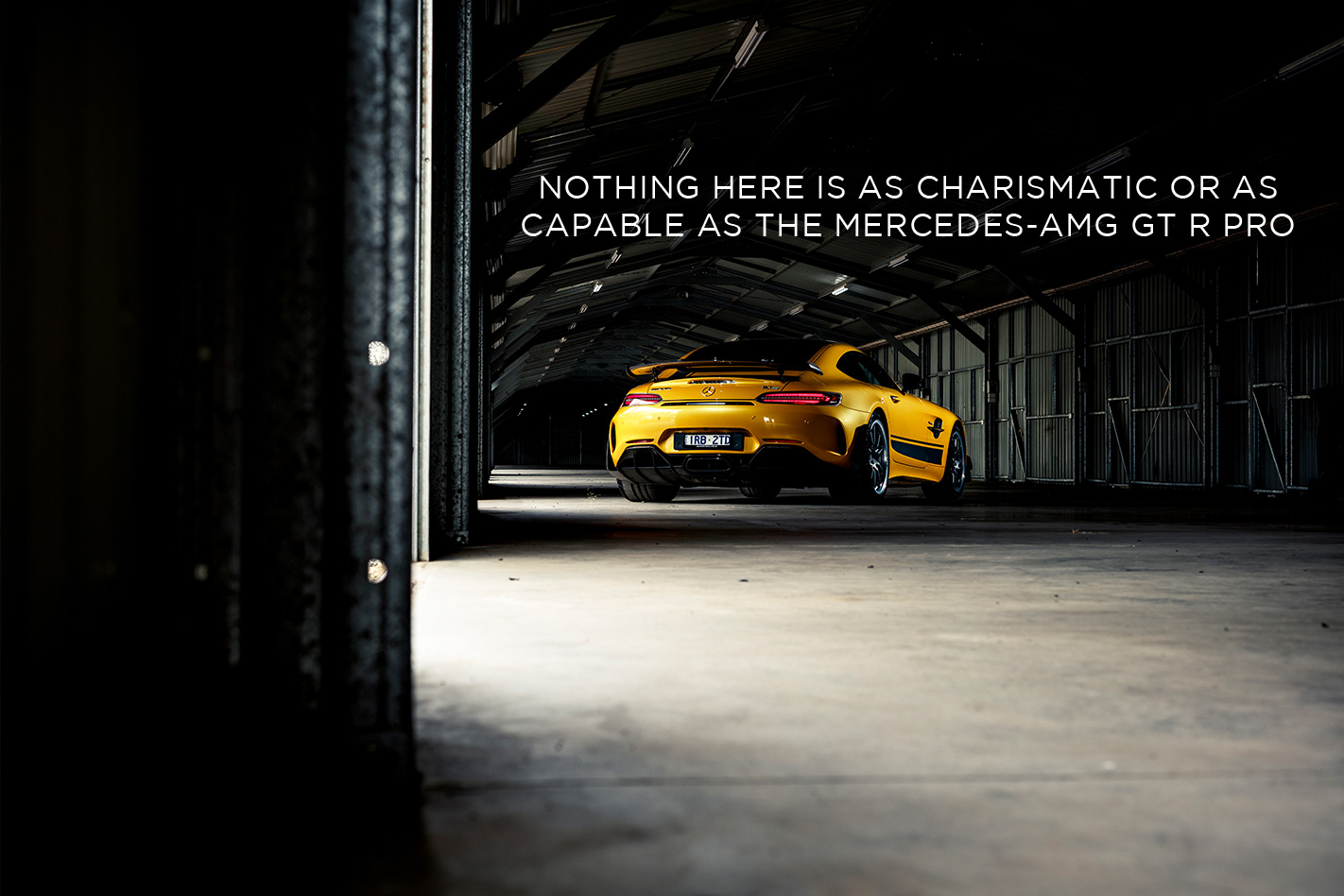
Best of all, the GT R Pro feels as fresh after fifty laps as it does after five. The brakes don’t wilt, the temperatures sit rock steady and the shoulders of the Michelin Pilot Sport Cup 2 tyres stand up to the task. Nothing here is as charismatic or as capable as the Mercedes-AMG GT R Pro. It gets voted into first place by every judge bar one, who places it second. It finally feels as if the company that has dominated F1 for the past seven years has applied some of that demented focus and depth of engineering to its flagship performance car.
Of course, the Pro will cede that position to the AMG GT Black Series when customer deliveries begin later this year, but the winner of PCOTY 2021 will always be rarer, arguably sound better and, in marking Mercedes’ first ever victory at this event, will wield an indelible kudos.
The appeal of the GT R Pro is explicit in its big numbers and outrageous presence but look beyond those and there’s an intoxicating melange of old and new.
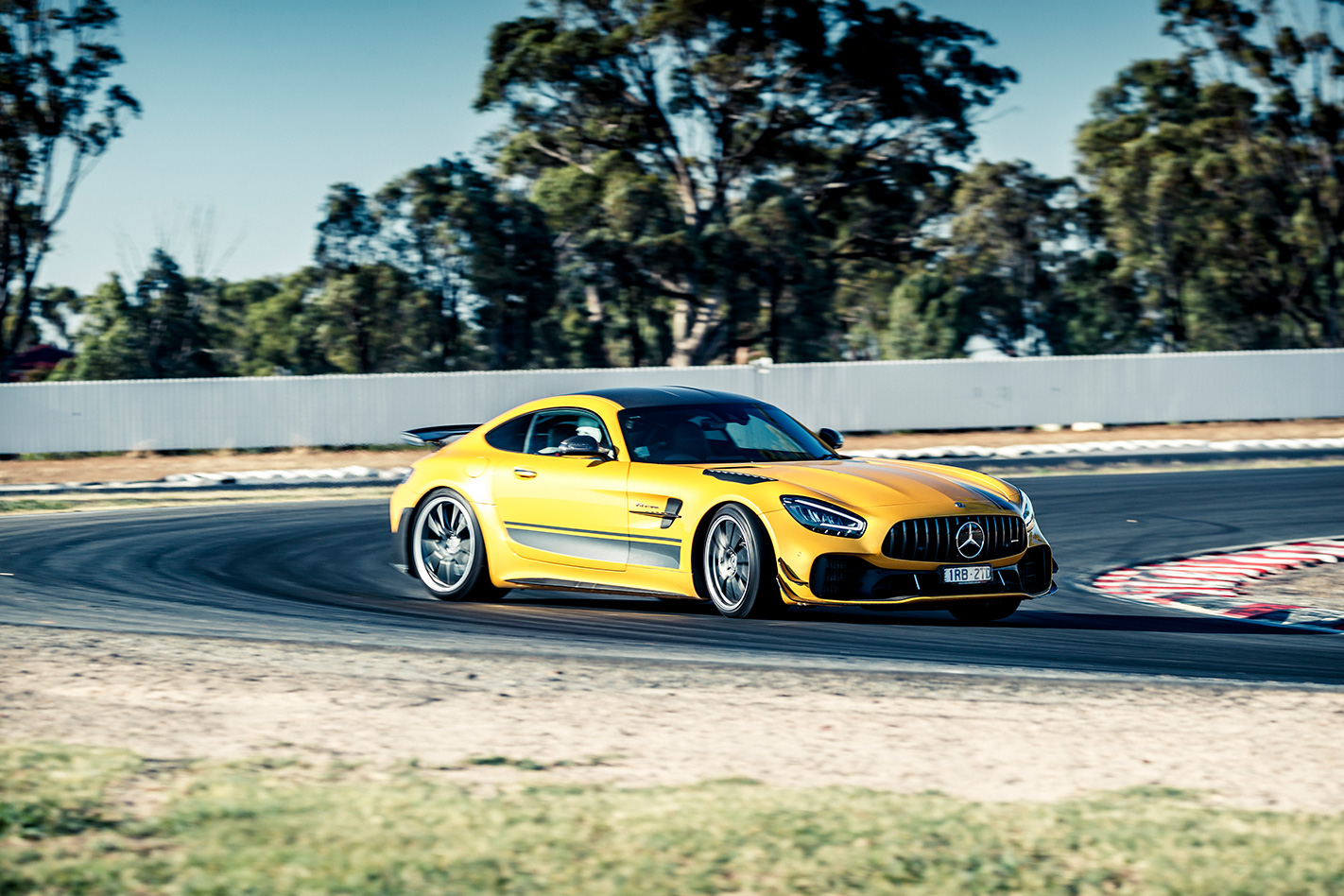
The long bonnet, cross-plane vibes and a driving experience that’s drenched in the analogue acoustics of something resolutely mechanical is fused with contemporary aero, fiendishly clever chassis tuning and deeply nuanced driver assist electronics.
The Pro’s personality is not an easy one to key into immediately, but it’s one that richly rewards a certain perseverance. Some years PCOTY is a close run thing. Not this time. And it’s worth reiterating that Mercedes-AMG’s history isn’t one of measured evolution, rather a staggered line of lulls and leaps.
In beating the best that Porsche could present, AMG might have just made its most significant step forward yet. Weissach will be back next year with the all-new 911 GT3, Affalterbach will have the GT Black Series and we’re already counting down the days. – AE
IN PRAISE OF PROGRESS
The last time we rocked up at Winton with a Mercedes-AMG GT model was PCOTY ‘16, with the 375kW AMG GT S. It logged a laptime of 1m32.5s, a 400m time of 11.8s and a 0-100km/h time of 4.00s, helping it to a bronze medal position. The incremental improvements along the way have been almost 911-like.
THE NUMBERS
0-100km/h: 3.76 sec 0-400km/h: 11.48 sec @ 207.82km/h Lap Time: 1:29.3
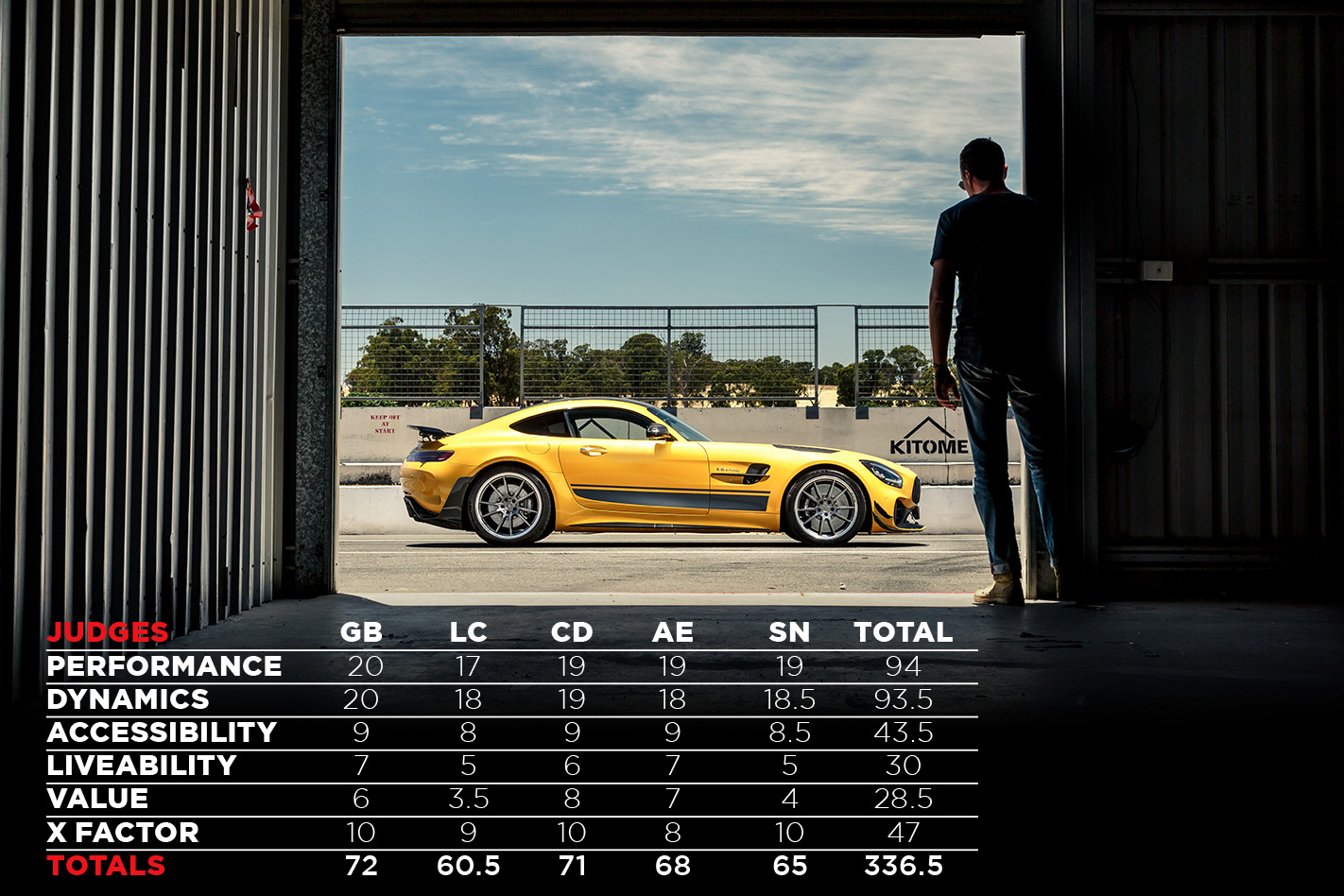
JUDGE’S RANK
Butler 1st The trackday car in my ultimate garage. It has a bottomless bag of tricks.
Cordony 1st If the Mercedes-AMG GT range was a film series, the Pro is its Oscar nomination.
Dupriez 1st The pace, the theatre, the sheer bloody mojo: it has it all. A race car for the road at its most thrilling and accessible. Brilliant.
Enright 1st Quicker on a lap, more entertaining, more charismatic and more communicative than the 911 Turbo. The AMG GT line finally realises its potential.
Newman 2nd The GT comes of age. Exciting on road and perfection on track.
Mercedes-Maybach’s first SUV will come to Australia, topping Benz’s SUV family with a generous slather of luxury.
The Mercedes-Maybach GLS600 takes the already-opulent GLS and elevates its levels of luxury to the extent that its interior is less ‘swish SUV’ and more ‘luxo Learjet’ to take on the likes of the Bentley Bentayga.
The asking price? $358,300, a recommended list price Mercedes-Benz Australia has provided, noting the GLS600 is expected to arrive in August 2021. Of course, on-road costs and options will see that price head further north.

The next most expensive variant in the GLS range, AMG’s 63 S, is more than $100k cheaper at $255,700, while being more powerful (450kW) as a trade-off for the lack of luxe.
The GLS600 also makes use of Mercedes’s M177 twin-turbo V8, producing 410kW and 730Nm normally, with a total 426kW and 980Nm available temporarily while the SUV’s mild hybrid system is engaged.
A nine-speed auto gearbox is used, with a wide spread of ratios Merc says is a “decisive factor” in the Maybach’s comfort.
Of course, the GLS600’s appeal is its interior, so just how much of that $100k of extra bread has gone into its features, and how much is baked into the badge?
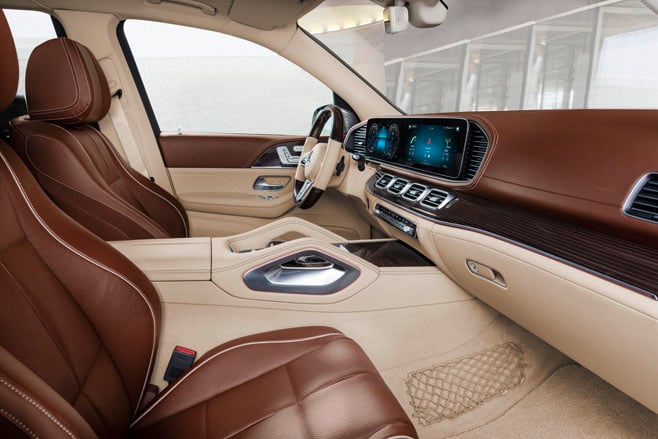
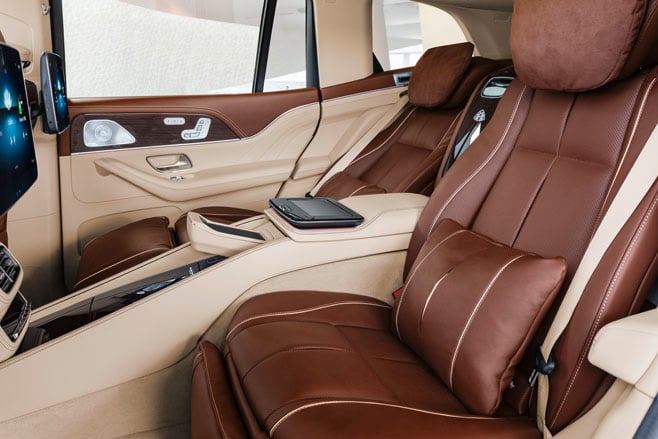
To start, the Maybach can be optioned with four seats instead of five, to provide what the company calls a “feel-good zone” within the cabin where the “four-seat Executive Rear may be used both as an office and as a private relaxation zone.”
Nappa leather-finished rear seats can recline to resemble, in the reveal specification, a comfortable jersey caramel with climate controls and massage functions.
There’s a touch screen on the centre console, which itself can also be optioned with extending folding tables and a refrigerator with space for champagne bottles. High-resolution screens are fixed to the rear of both front seats.
An extra layer of interior comfort comes from underneath, where Mercedes-Benz’s E-Active body control acts to soften road bumps.
The drivetrain has also been tweaked for comfort – including the addition of a chauffeur setting to optimise noise and vibration levels for rear passengers, with drive modes able to include “a very flat accelerator curve” for smoother driving, a reduced number of gearshifts, and a setting for taking off in second gear.
Even getting into the Maybach has been made more comfortable by its tech: the SUV lowers itself and running board steps emerge. That only leaves its price tag as an obstacle for ingress.
MORE: GLS news and reviews MORE: All Mercedes-Benz stories
Nissan’s next-generation Z sports car, expected to be dubbed the 400Z, will have 331kW and weigh just 1475 kilograms, according to racing car video game Project Cars 3.
UPDATE, August 18 2021: The new Nissan Z has now been officially revealed. READ IT HERE.
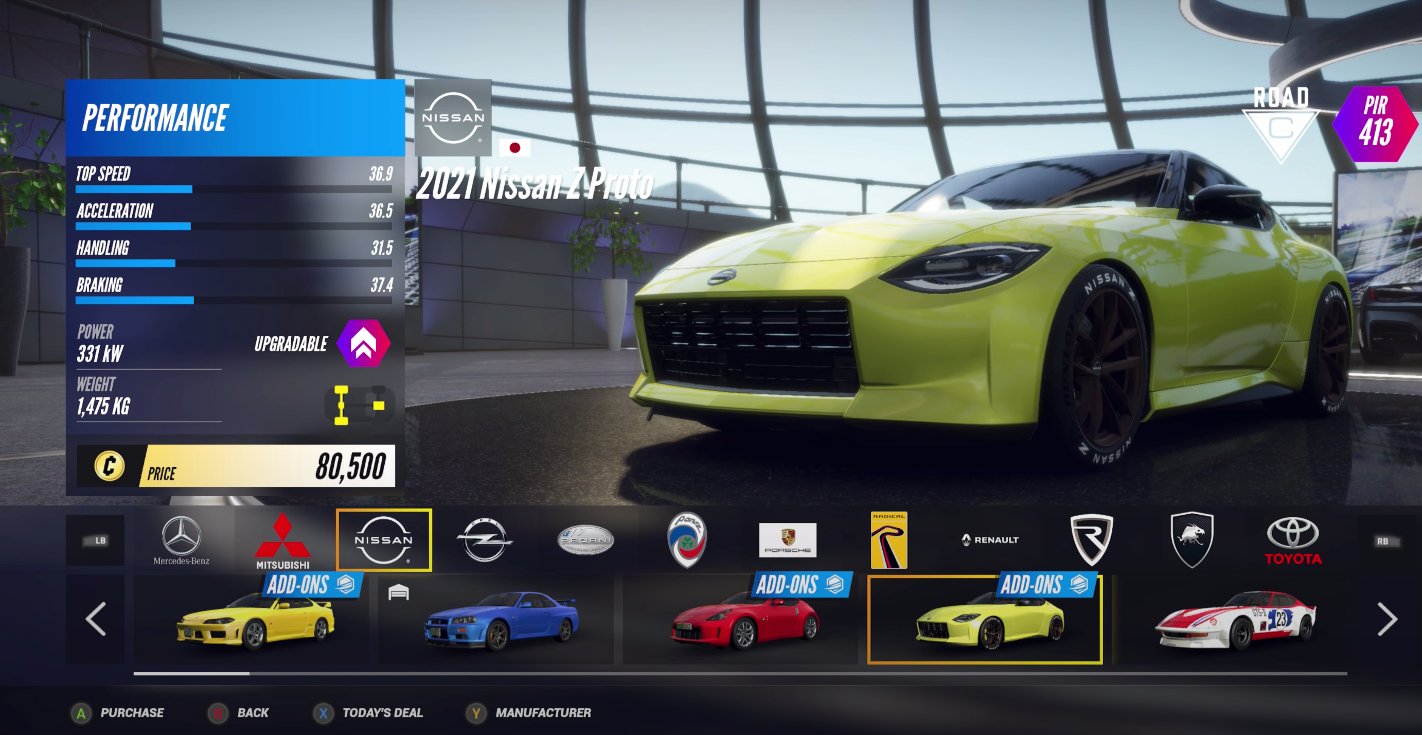
The successor to the current 370Z was recently added to the popular video game as part of its “Power Pack DLC”, and whether it’s pure speculation on behalf of the game’s creators, Slightly Mad Studios, or they’ve been clued up directly by Nissan, there’s no denying these are some impressive numbers.
In fact, if the figures are accurate, it means the new Z car will have a whopping 86kW more than its outgoing 370Z forebear.
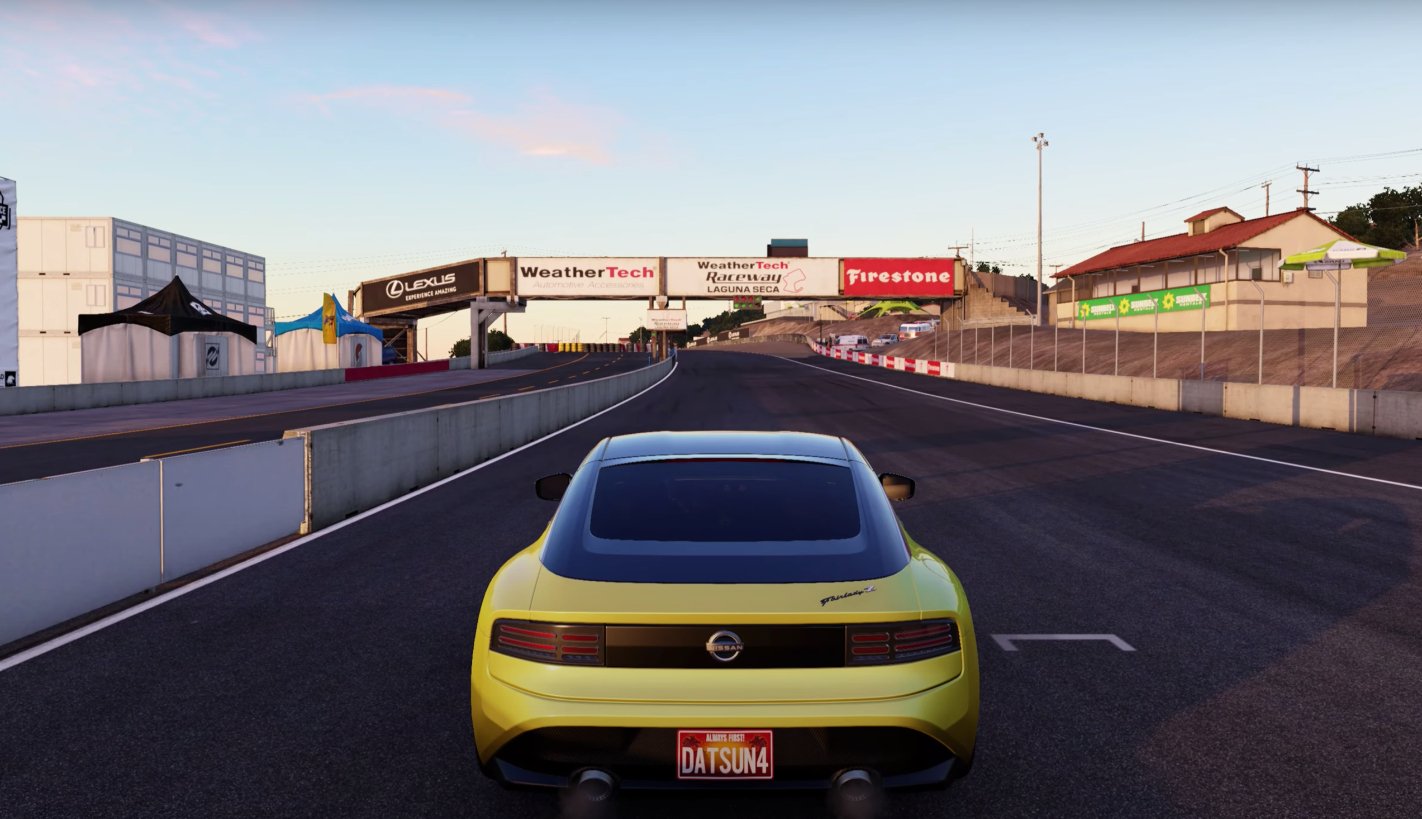
That shouldn’t come as too much of a surprise as the 400Z Proto ditches the 370Z’s naturally aspirated 3.7-litre V6 in favour of the twin-turbocharged 3.0-litre V6 currently used in the Infiniti Q50 Red Sport.
What is surprising is that despite the twin-turbocharged six-cylinder engine up front, the 400Z Proto weighs 40 kilograms less than the 370Z.
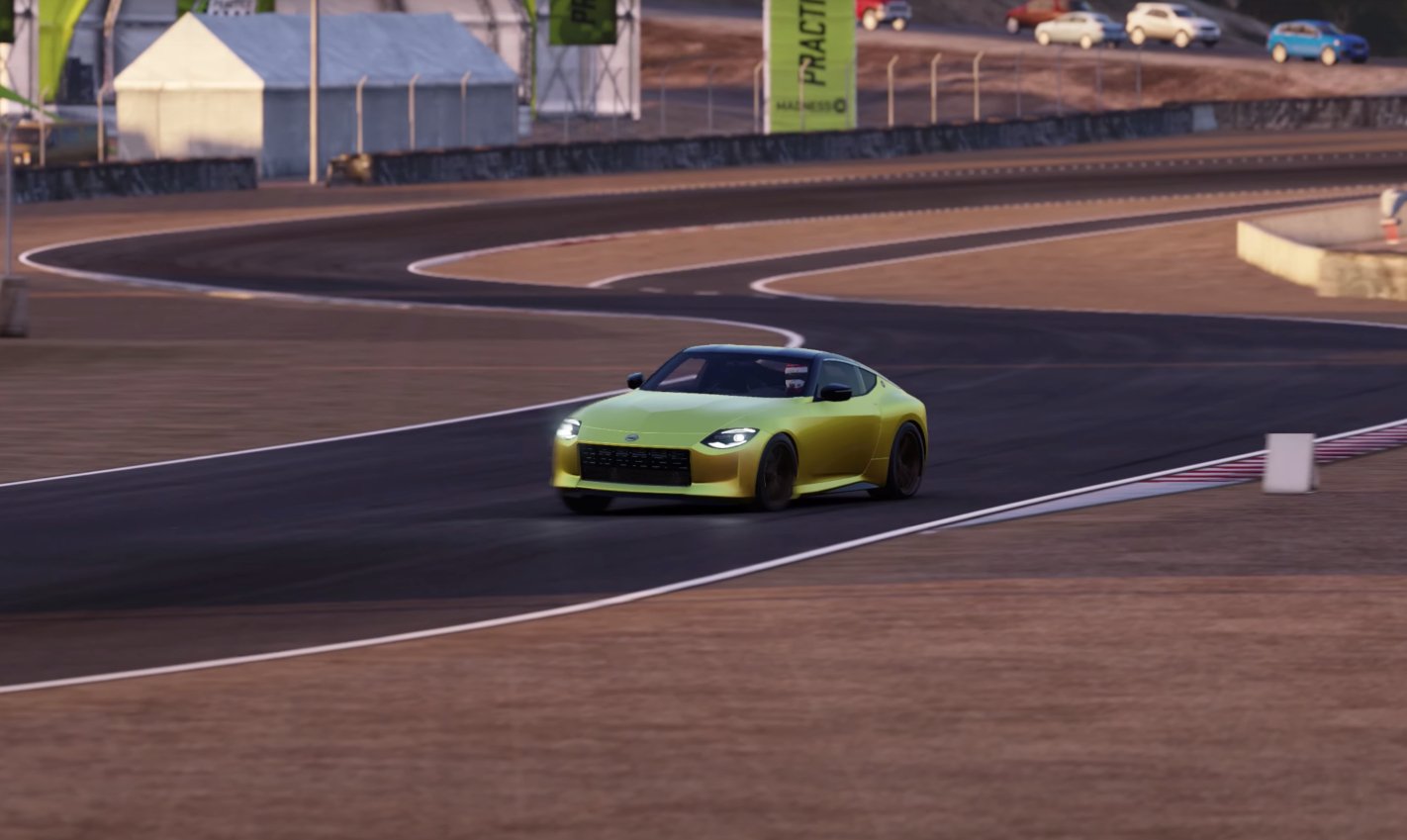
And, if this weight claim is on the money and the 400Z Proto turns out to be a thinly veiled version of the production-spec car, it also means it will weigh 20 kilograms less than its nearest competitor, the Toyota Supra (1495kg).
WhichCar has reached out to Nissan Australia to confirm whether these performance figures could be representative of a production-spec variant of the 400Z. A spokesperson for the manufacturer was quick to remind that the Nissan Z Proto is just a prototype at this stage and nothing can be confirmed.
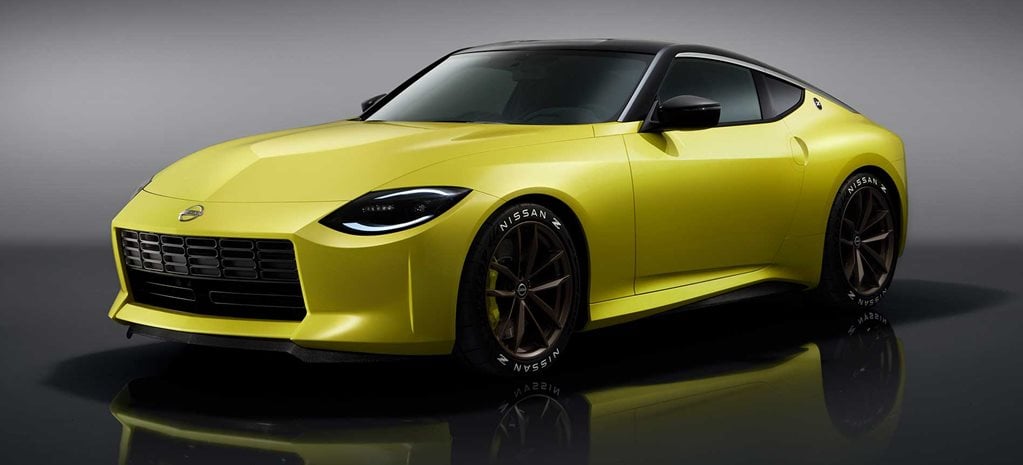
There’s also no official word from Nissan as to when the production ready version of the car will be revealed. Though, we expect to see a finished version unveiled before the year is out.
Maserati’s holy trinity of V8 power has landed in Australia in the form of the Ghibli Trofeo, Quattroporte Trofeo and Levante Trofeo.
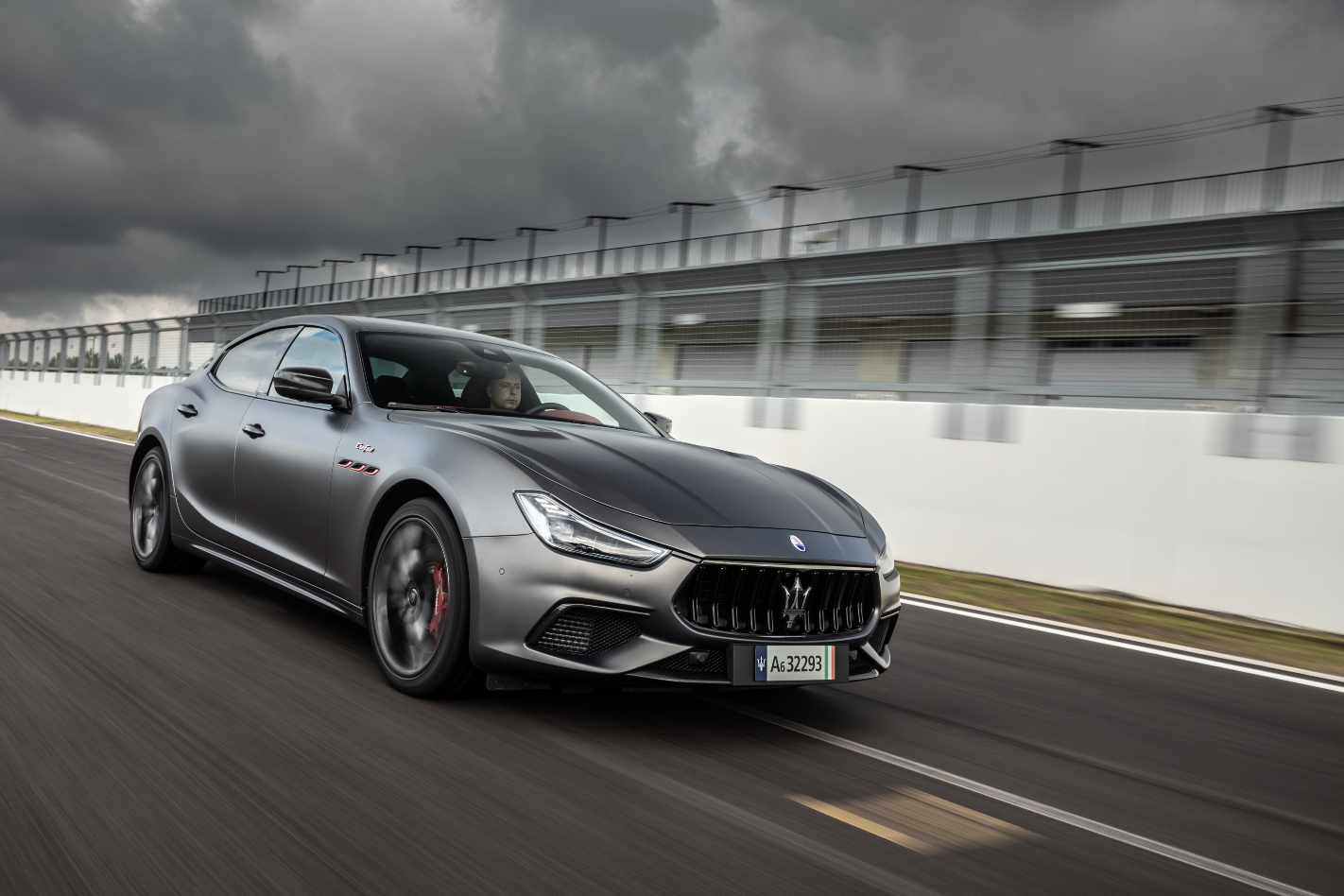
All three variants represent the top-of-the-range of their respective monikers, and all three are powered by a Ferrari-derived 3.8-litre twin-turbo V8 that churns out 433kW and 730Nm.
Power from the prancing V8 will be, in the case of the Ghibli and Quattroporte, sent to the rear wheels, while the Levante SUV will utilise Maserati’s Q4 Intelligent All-Wheel Drive system.
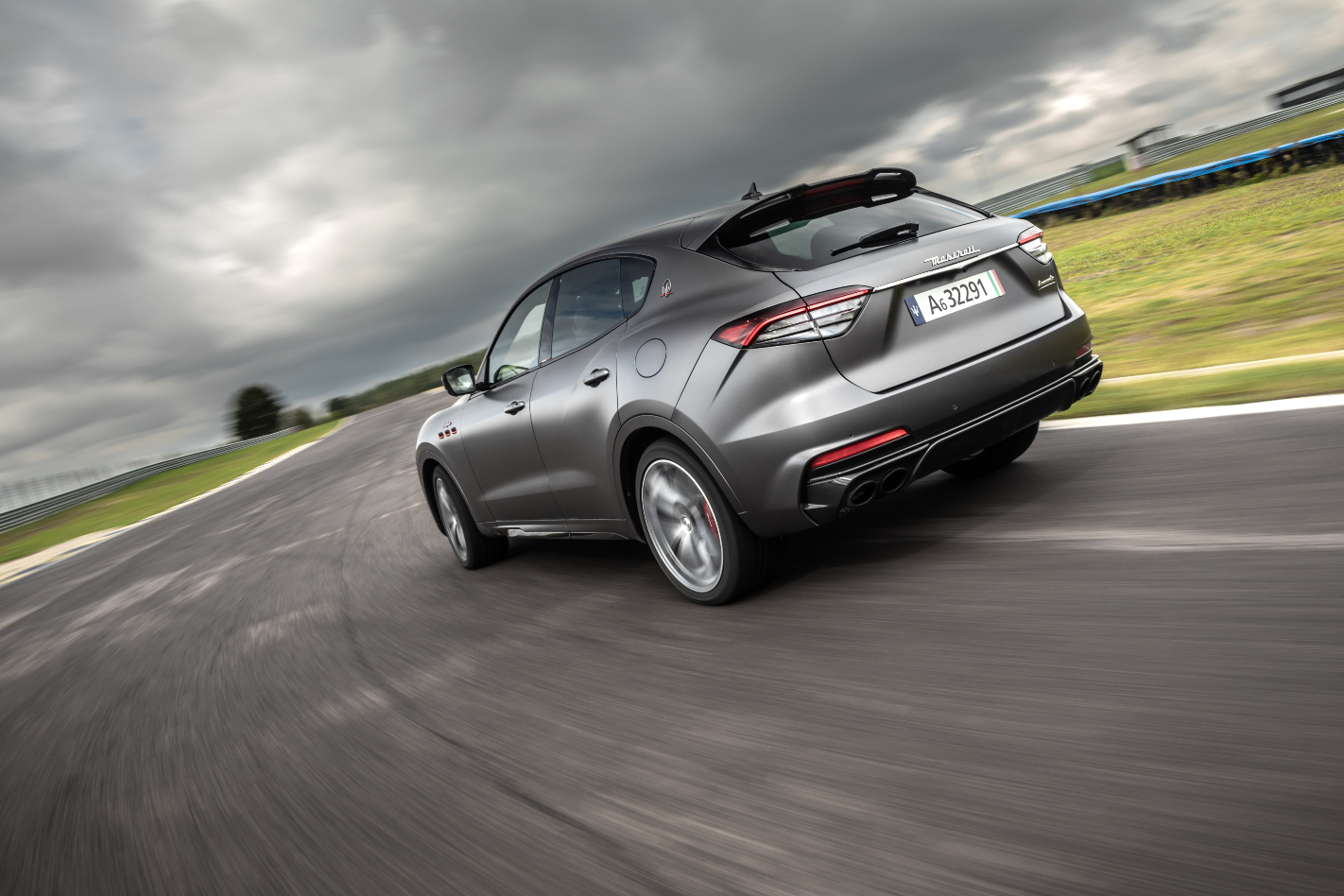
All will score a limited-slip differential at the rear and all will come equipped with ZF’s ubiquitous eight-speed torque converter automatic gearbox.
Unsurprisingly, Maserati’s quoted 0-100km/h times for the Trofeos are rapid. The Ghibli takes 4.3 seconds, the portlier Quattroporte taking a touch longer at 4.5 seconds and, thanks to its AWD system, the Levante takes just 3.9 seconds.
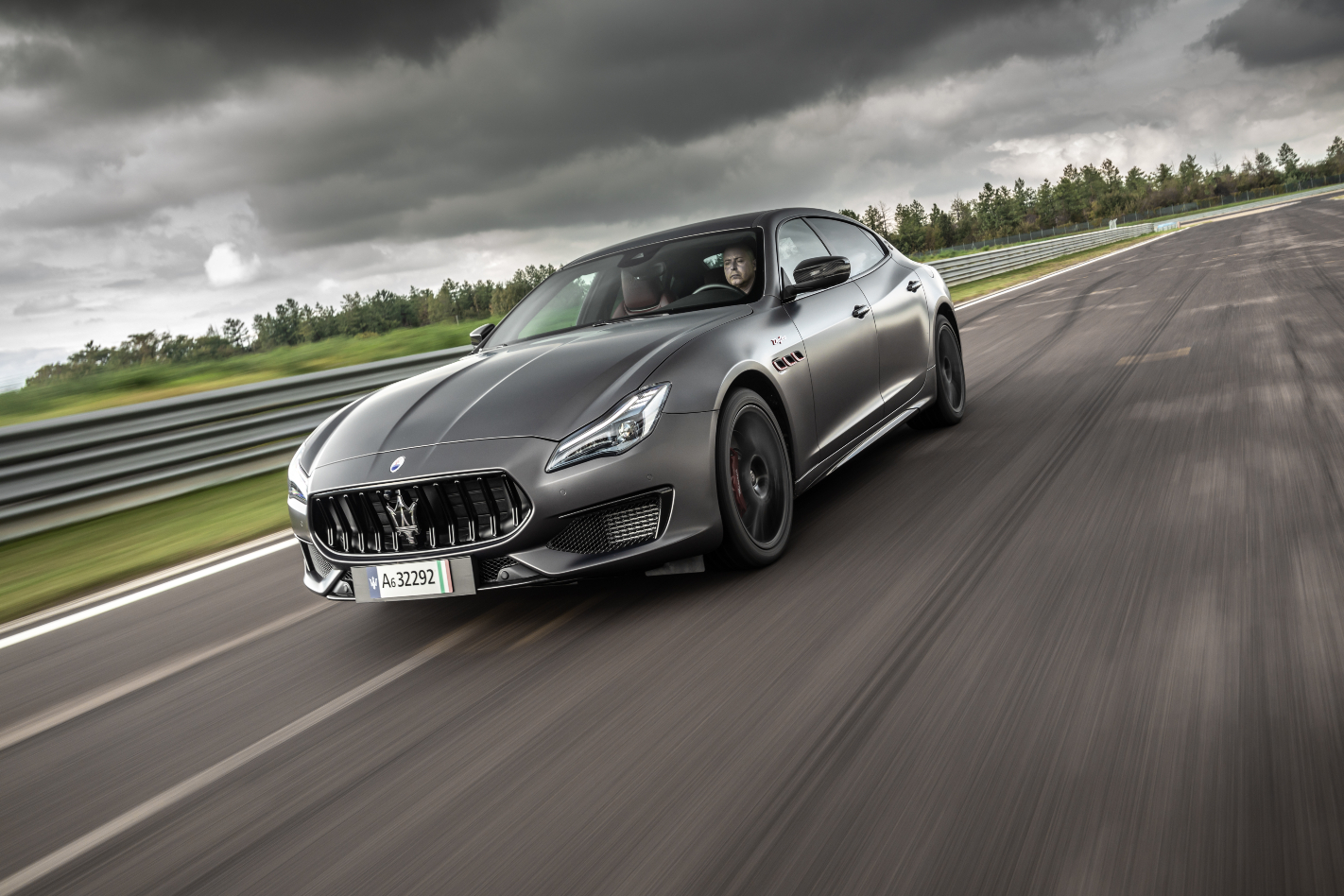
And, if you find yourself on a racetrack/private road, the trio will each top 300km/h without breaking a sweat – Maserati claims a top speed of 324km/h for both sedans, while the super SUV has a V-max rated at 304km/h.
Both the Quattroporte and Levante have previously been powered by the Ferrari V8, but the Ghibli Trofeo represents the first in the model’s history to host an eight-cylinder engine.
It’s also the final time that Maserati will utilise the Maranello-built pwoertrain, as the company now pivots towards an electric future. Maserati CEO Davide Grasso says he wants to “electrify” all models by 2025.
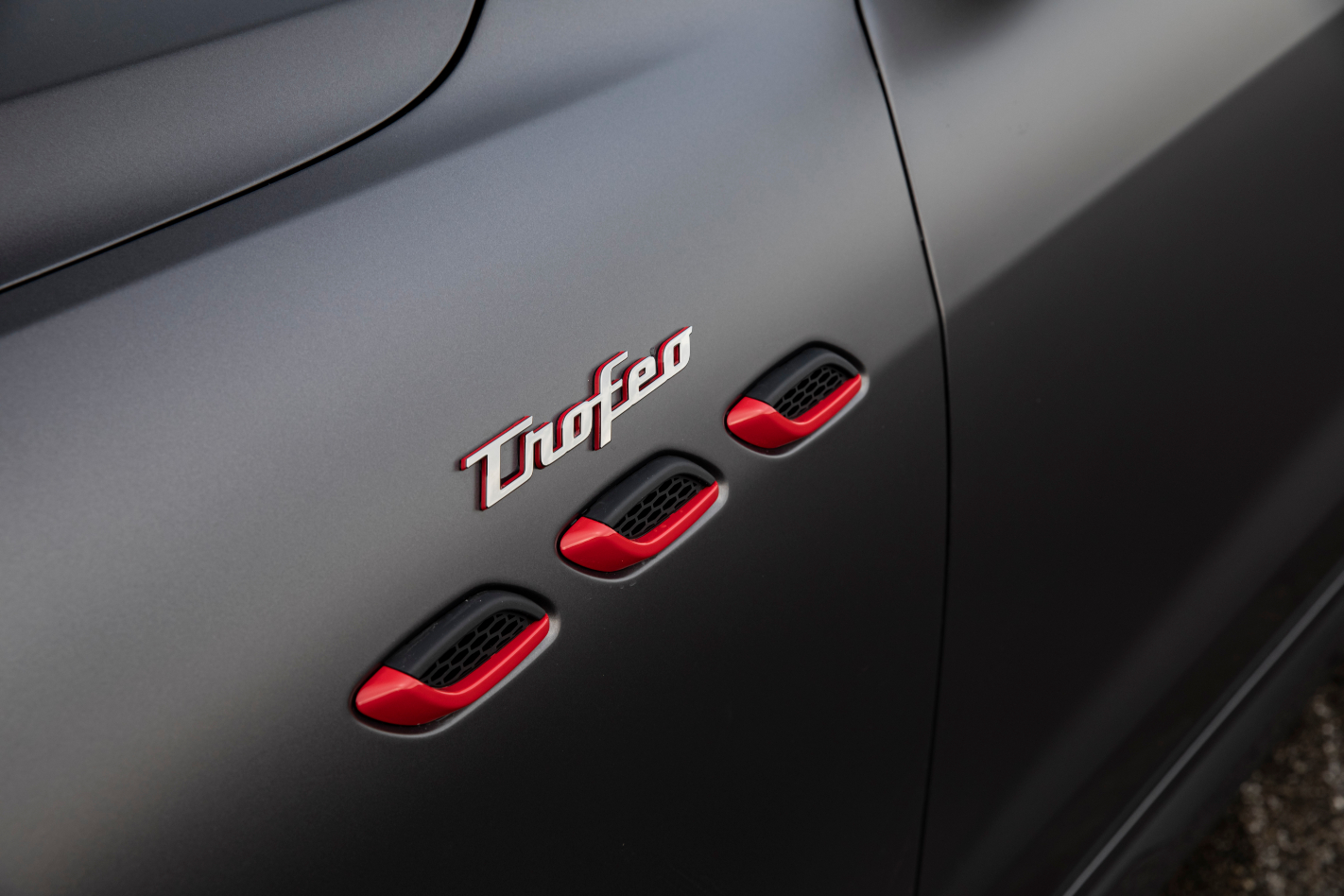
Aside from the performance the V8 brings, the special edition models also score a host of bespoke visual cues exclusive to the Trofeo range.
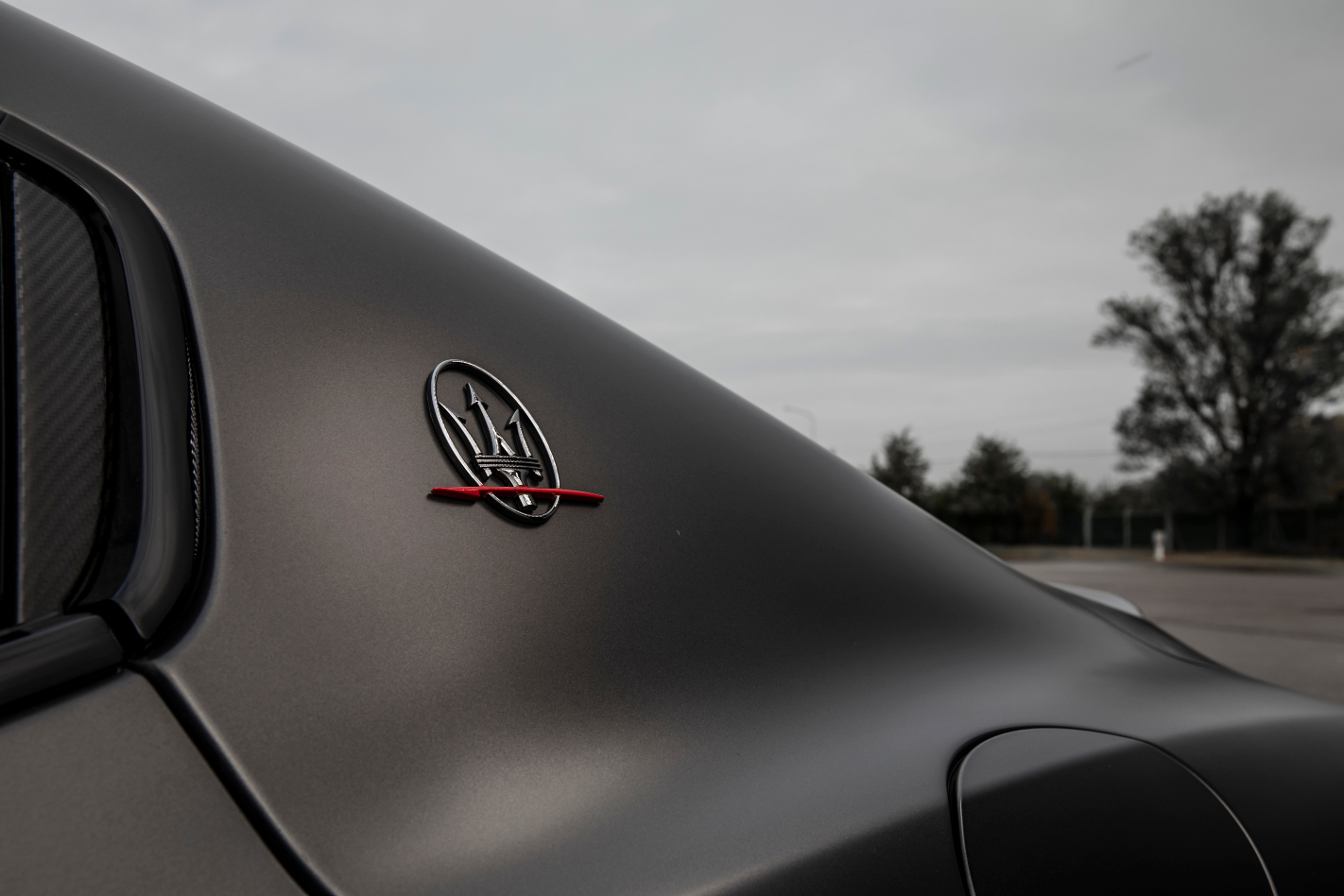
The exterior is treated to a piano black front grille with twin vertical bars, carbon fibre front air ducts and rear extractors, splashes of red on the side air vents and lightning bolt of its Trident badge and redesigned tail light clusters that harken back to the “boomerang” style of previous models like the 3200GT.
Inside, the opulent automobiles are festooned with carbon fibre accents, unique Trofeo script that’s stitched into the headrests and a full-grain Pieno Fiore natural leather upholstery.
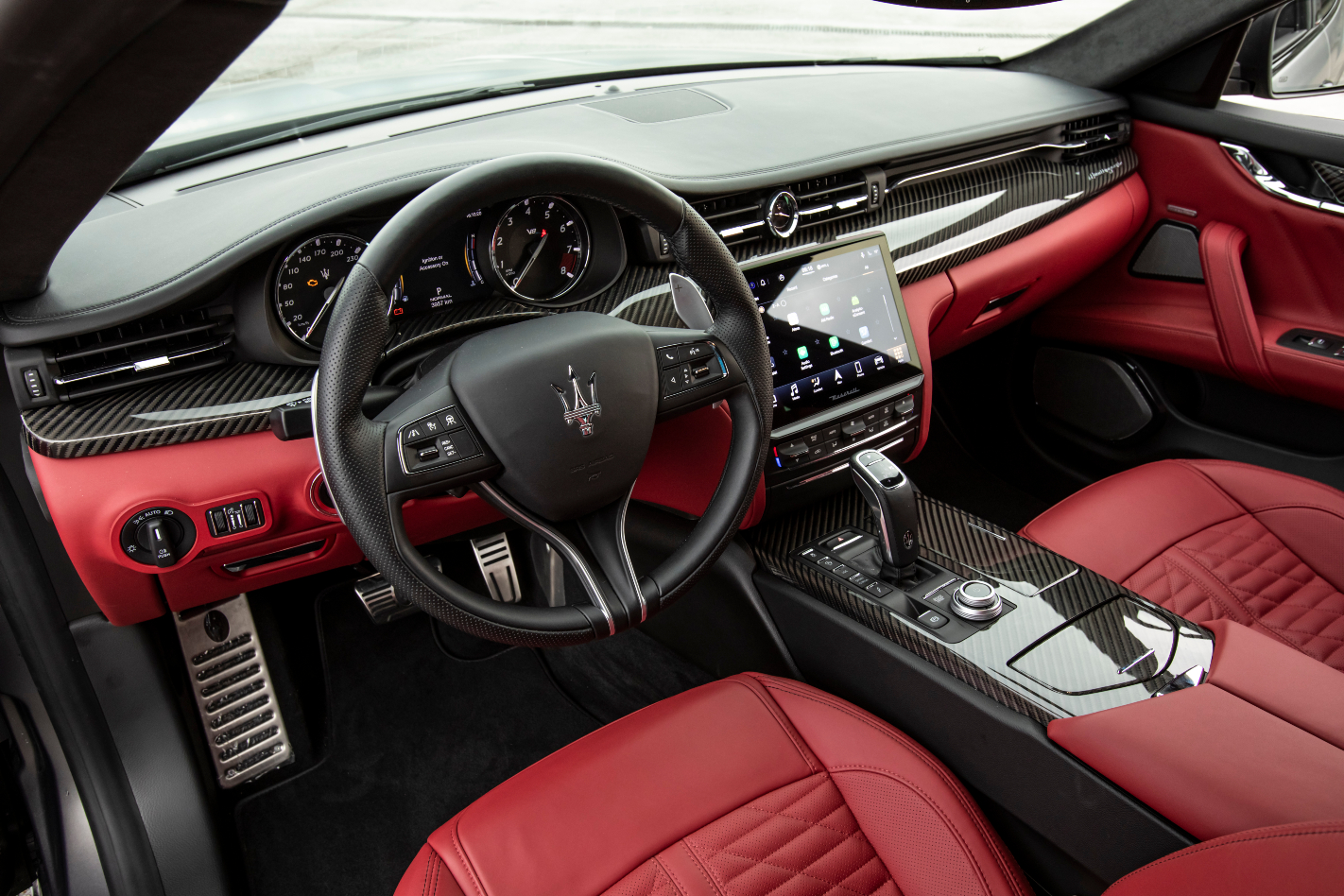
Prices for the trio are not cheap, with the Ghibli Trofeo, Quattroporte Trofeo and Levante Trofeo costing $265,000, $376,900 and $336,990, respectively.
For 25 years, MOTOR has been crowning the best performance cars on the market.
From historic high-end supercars like the Lamborghini Gallardo of 2004, to more democratic champions of performance such as the Nissan 200SX or Honda Civic Type R; MOTOR has been independently and expertly nominating the zeitgeist of the performance car world for a quarter of a century.
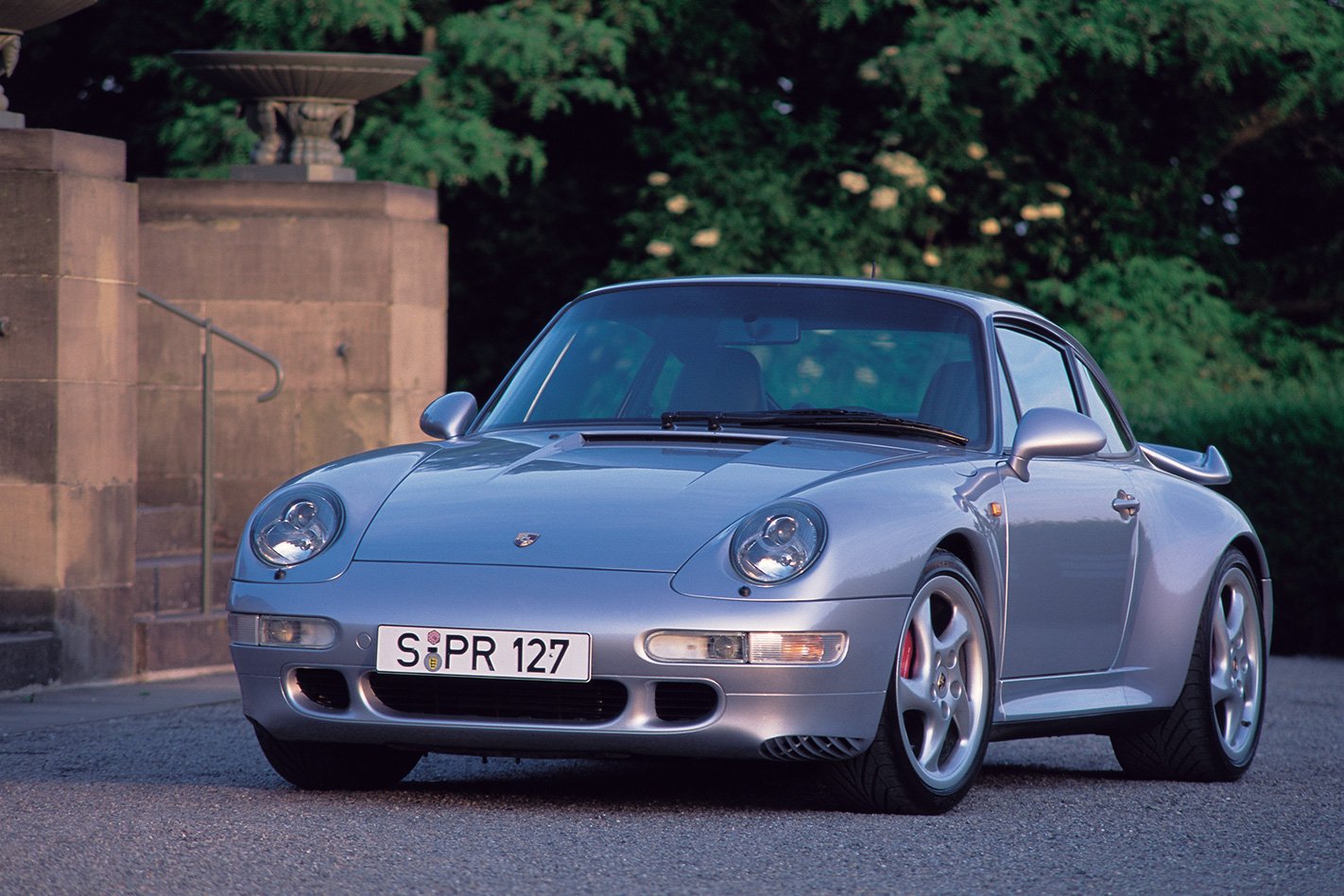
1996 Porsche 993 Turbo
Porsche’s first Turbo-badged 911 also claims the honour of MOTOR’s first Performance Car of the Year, taking out the gong at the inaugural event in 1996.
As you’ll no doubt notice as you travel further down the list, it also kicked off somewhat of a tradition of PCOTY victories for Porsche – 15 wins is the running count.
Its 300kW power output may seem like small-beer compared to its modern contemporaries, but this was game-changing stuff back in the 1990s. It may be outgunned today, but the 993 Turbo remains a thoroughbred blue-chip classic in its own right.
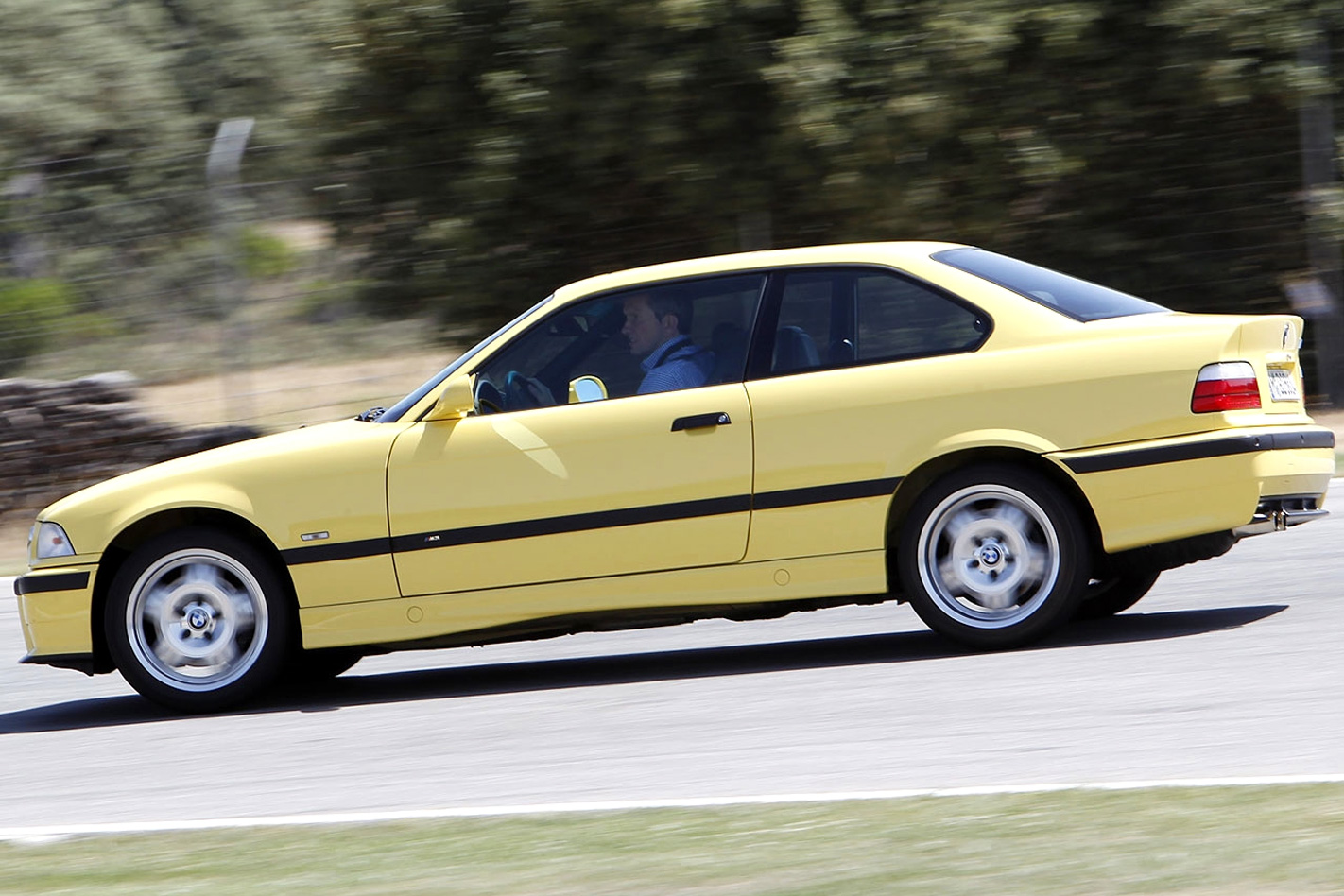
1997 BMW E36 M3
BMW’s second-gen M3 nabbed MOTOR’s second PCOTY championship in 1997.
Bearing all the hallmarks of a classic M3, the E36 impressed the MOTOR judges with its signature inline-six with the then-new BMW innovation, VANOS.
The E36 forged a new identity for BMW’s halo sports offering, with practical packaging and all of the M-badge magic you could hope for.
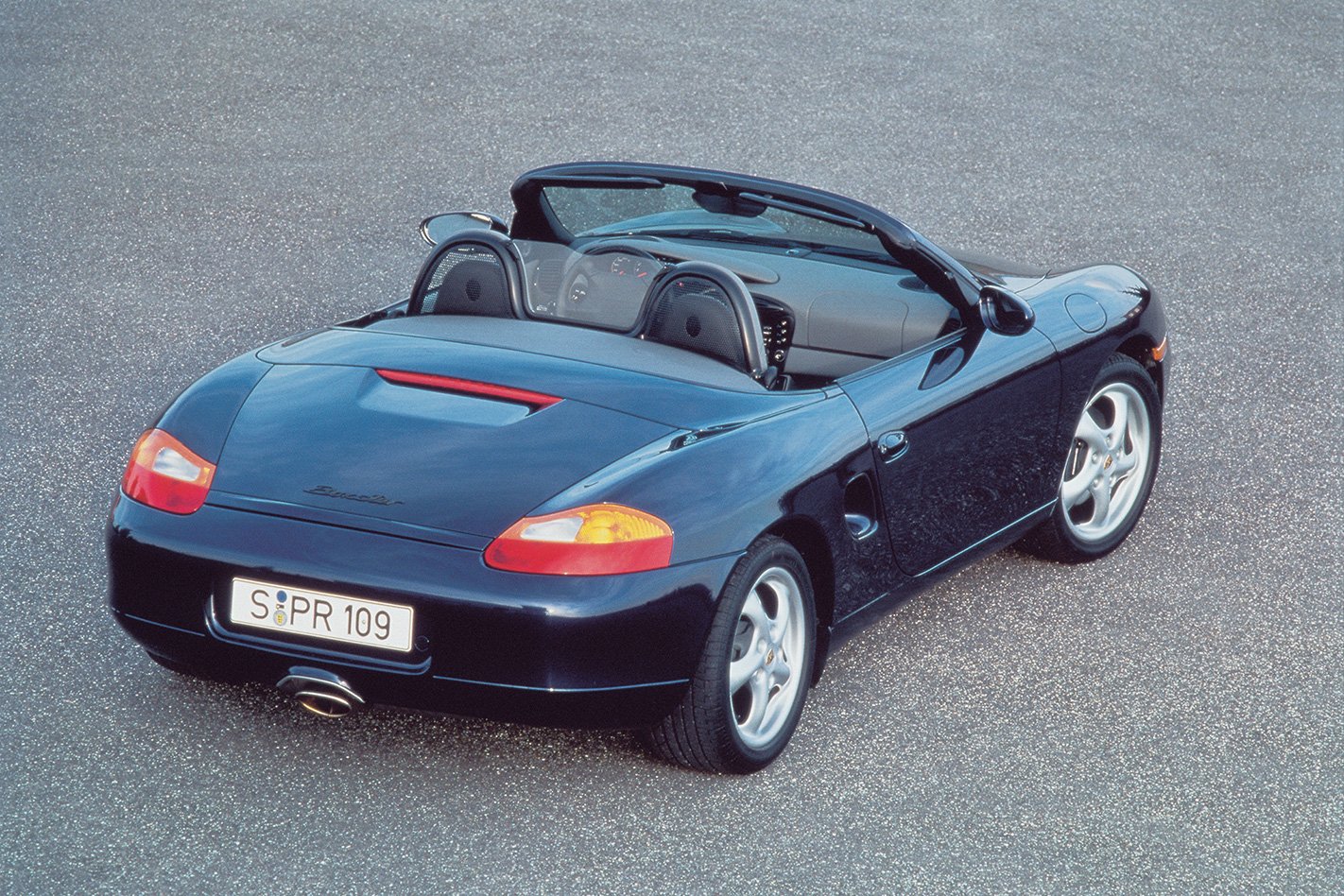
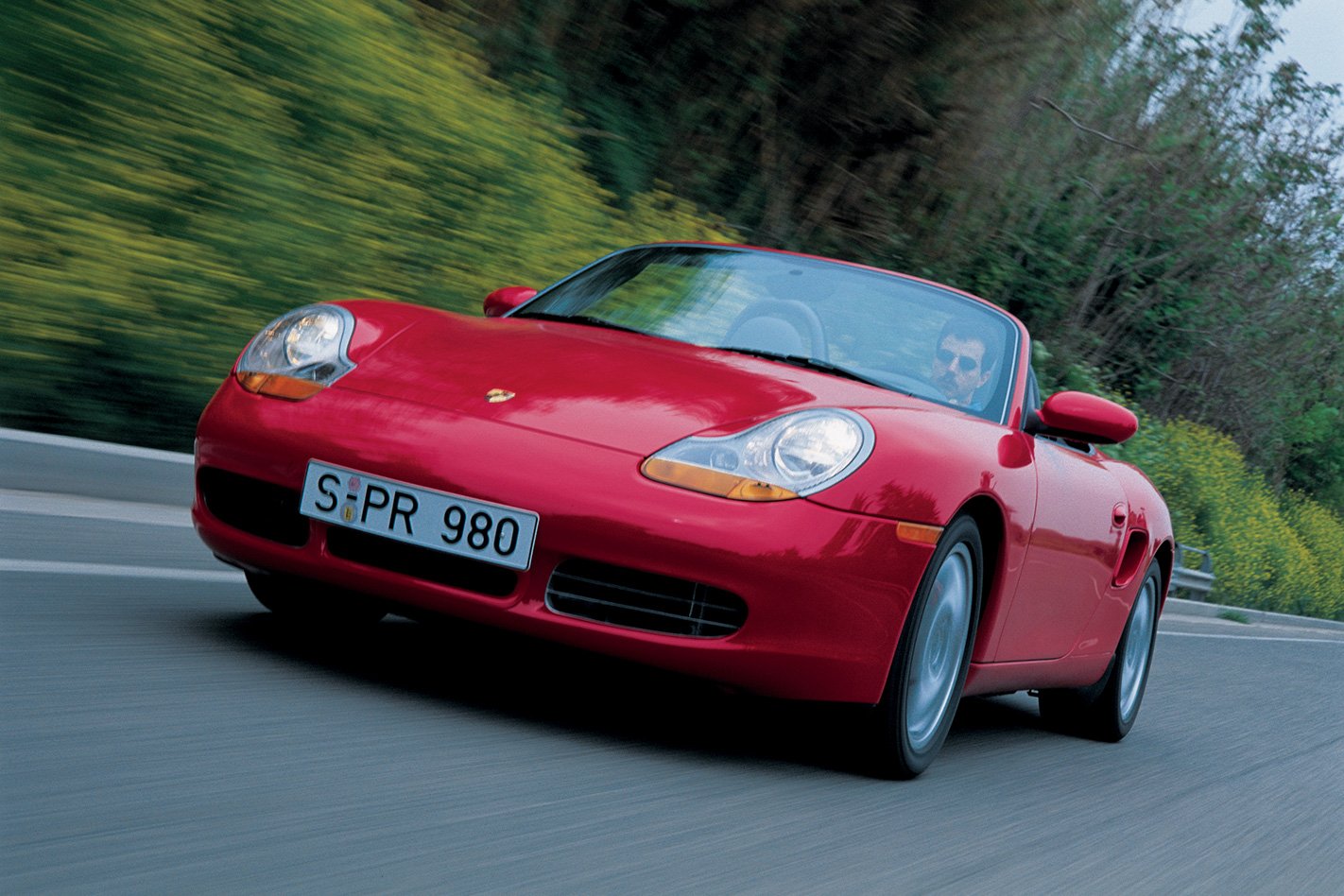
1998 Porsche Boxster
Porsche claims a second PCOTY trophy with arguably its 21st century watershed model, the original Boxster.
This is the car that arguably saved the Porsche brand, which was on the ropes at the turn of the 90s suffering declining global sales. The Boxster signified a radical departure for the brand, switching the entry-level formula from front to mid-engine. Its derivative styling may have been panned when new, but the original Boxster possessed a driving experience that still holds up today.
1999 Porsche 996 Carrera
Back-to-back wins for Porsche who, in 1999, took out their third PCOTY victory with the watercooled 996 Carrera.
A hugely transitional model for the lineage, the millennial Carrera was critiqued for Porsche’s newfound exploration of component sharing, but rose to the top of the PCOTY ranks thanks to its vastly improved chassis (45 per cent increase in torsional rigidity), rev-happy M96 engine and significantly improved ergonomics.

2000 Porsche Boxster S
Three wins on the trot for the Stuttgart shield, with the improved Boxster S.
A 1999 update saw the base Boxster swell in displacement to 2.7-litres, while the Boxster S boasted a ‘big-block’ 3.2-litre which could power the roadster to 100km/h in under six seconds.
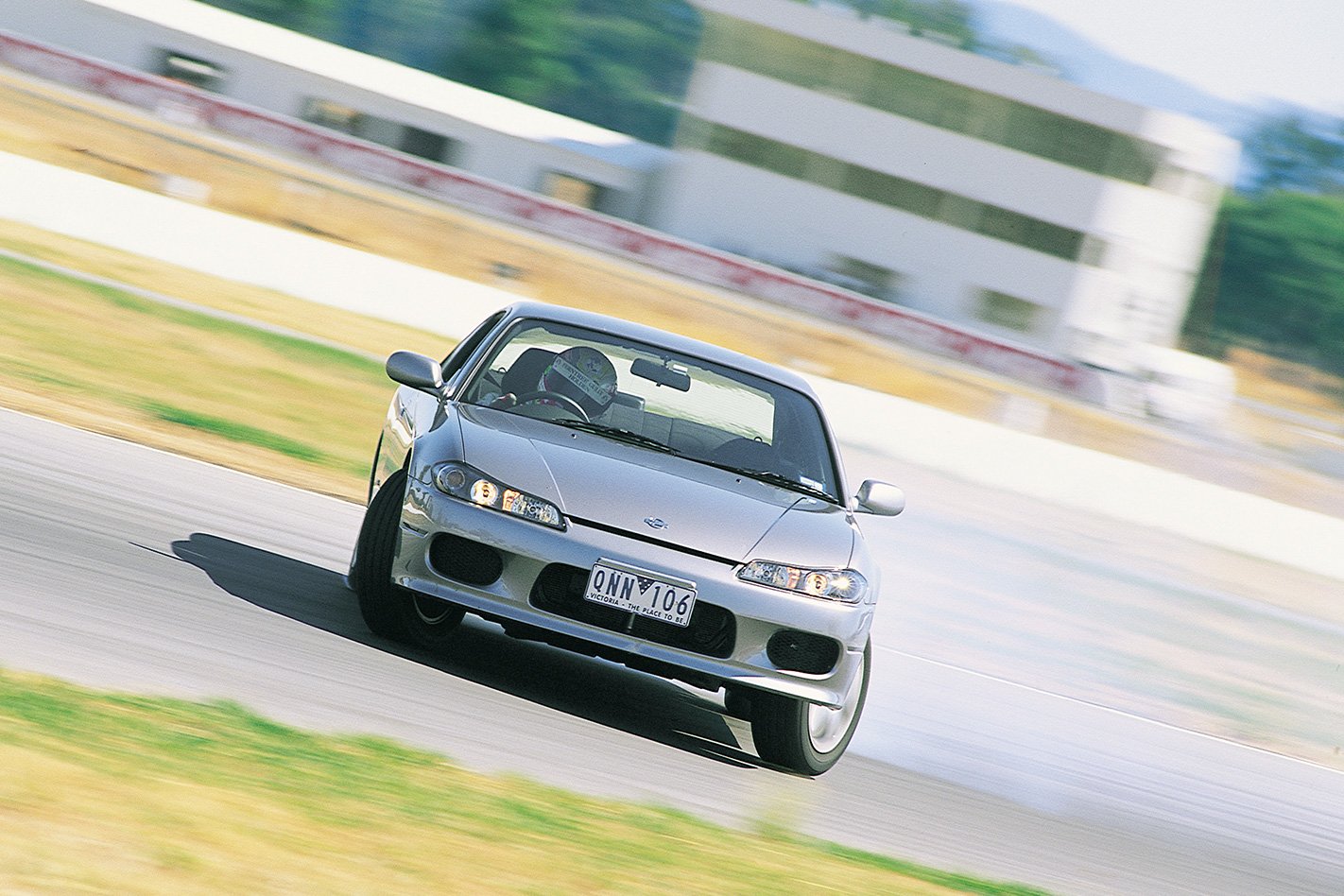
2001 Nissan S15 200SX
2001 marked the first of two victories by Nissan, and the first win for any Japanese manufacturer in PCOTY history.
A champion of the Australian tuner scene, the ADM S15 delighted judges for its nimble agility, telepathic steering and delectable rear-driven chassis. It was the cheapest car to ever win MOTOR’s PCOTY, and beat out Porsche’s 911 Turbo and BMW’s M5 on its way to victory.
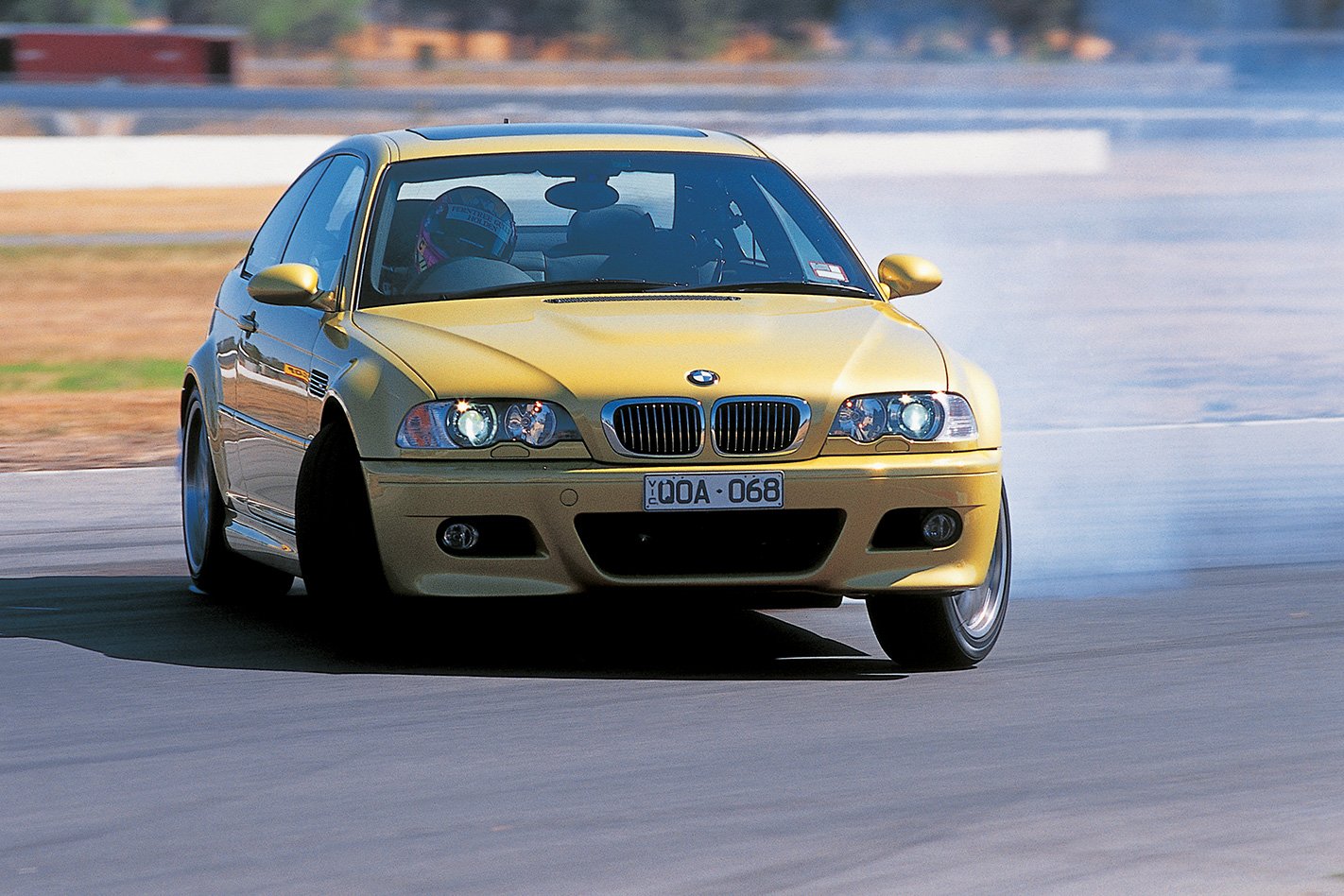
2002 BMW E46 M3
Another M3, another win for BMW.
Munich’s perennial sports coupe was revamped with the E46-generation, and remains a high watermark in the lineage to this day for enthusiasts. It stormed to glory in 2002, which history will show as being BMW’s last win. The M3 came achingly close to victory over the years, with the lightweight E46 M3 CSL and V8-engined E92 M3 coming second outright in 2004 and 2008 respectively.
2003 Porsche Boxster S
The Porsche 986-generation Boxster may go down as one of the most-winning models in PCOTY history, claiming a third trophy in 2003 with the updated Boxster S.
Maintaining its ‘big-engined’ position in the range, the final Boxster update was one made with consumers in mind: receiving a new glass rear window, a glove box, new bonnet and boot release mechanisms and a new steering wheel. Clearly, its performance credentials hadn’t given ground at all.

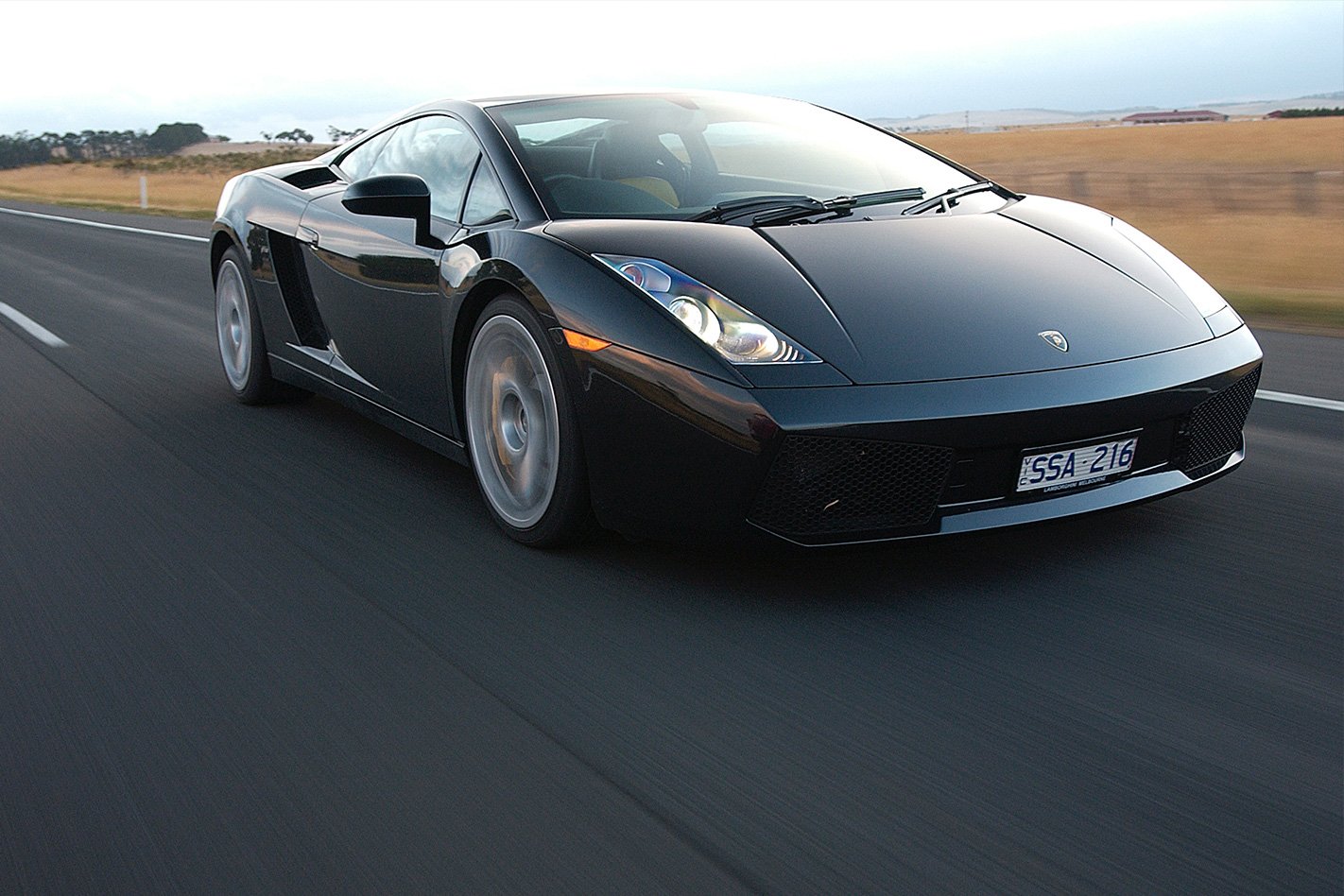
2004 Lamborghini Gallardo
The Gallardo was a watershed model for Lamborghini which afforded the traditionally low-volume brand with unprecedented manufacturing efficiencies and sales success. With a sonorous 5.0-litre V10 acting as the centrepiece, the Gallardo just pipped BMW’s E46 CSL in the votes and remains Lamborghini’s (and indeed, Italy’s) only victory in PCOTY history.
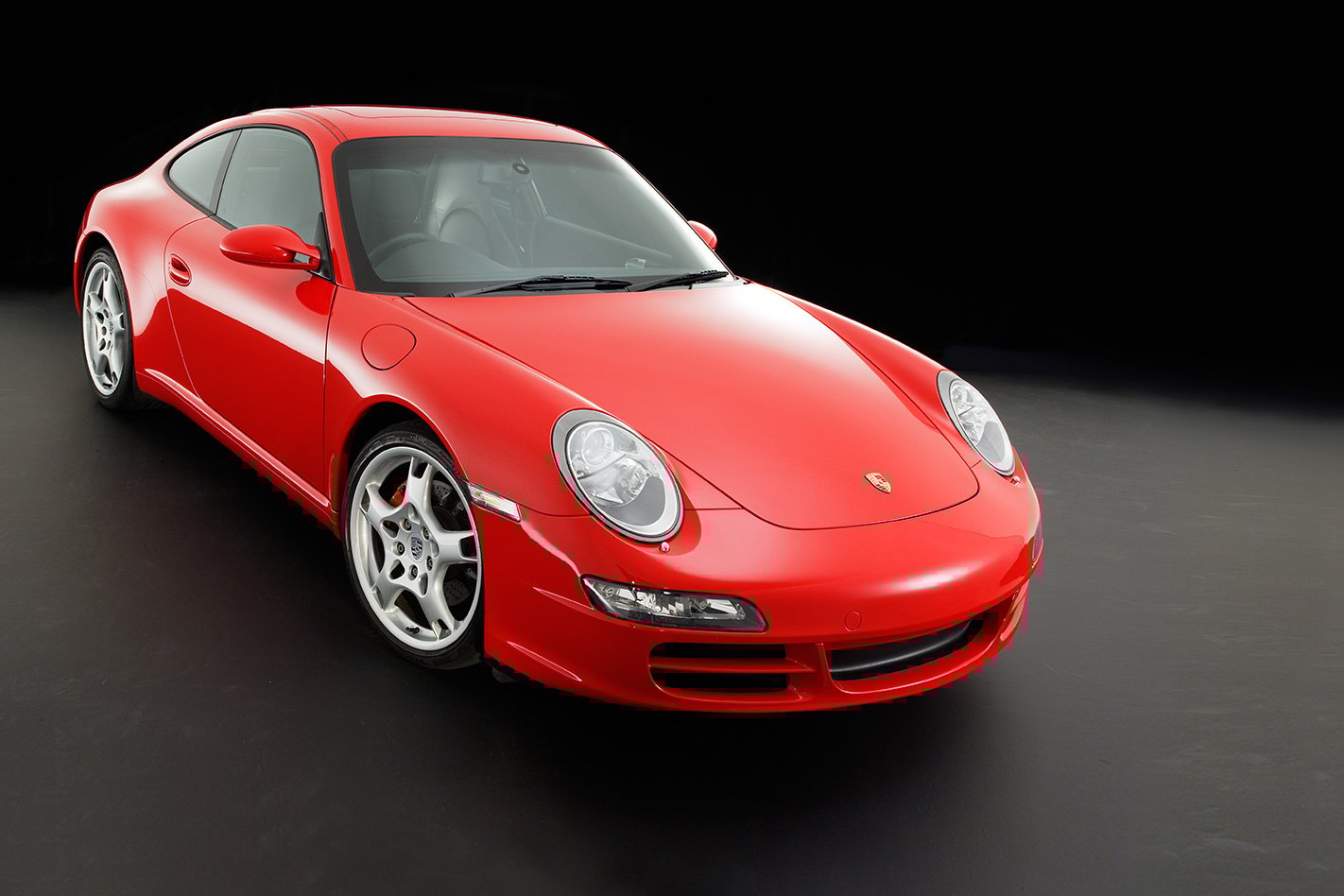
2005 Porsche 997 Carrera S
MOTOR’s 2005 PCOTY round will be remembered as the one where one car largely dominated the field from the very first turn of the key. It blitzed a hardcore Lotus Exige by more than a second a lap, with only Mercedes-AMG’s supercharged E55 able to hold a candle on quarter mile testing. The Mitsubishi Evo VIII came closest overall with its point-and-shoot nature, low cost and hard-worn attitude, but 2005 judges were resolute in the 997’s capabilities as a clear winner.
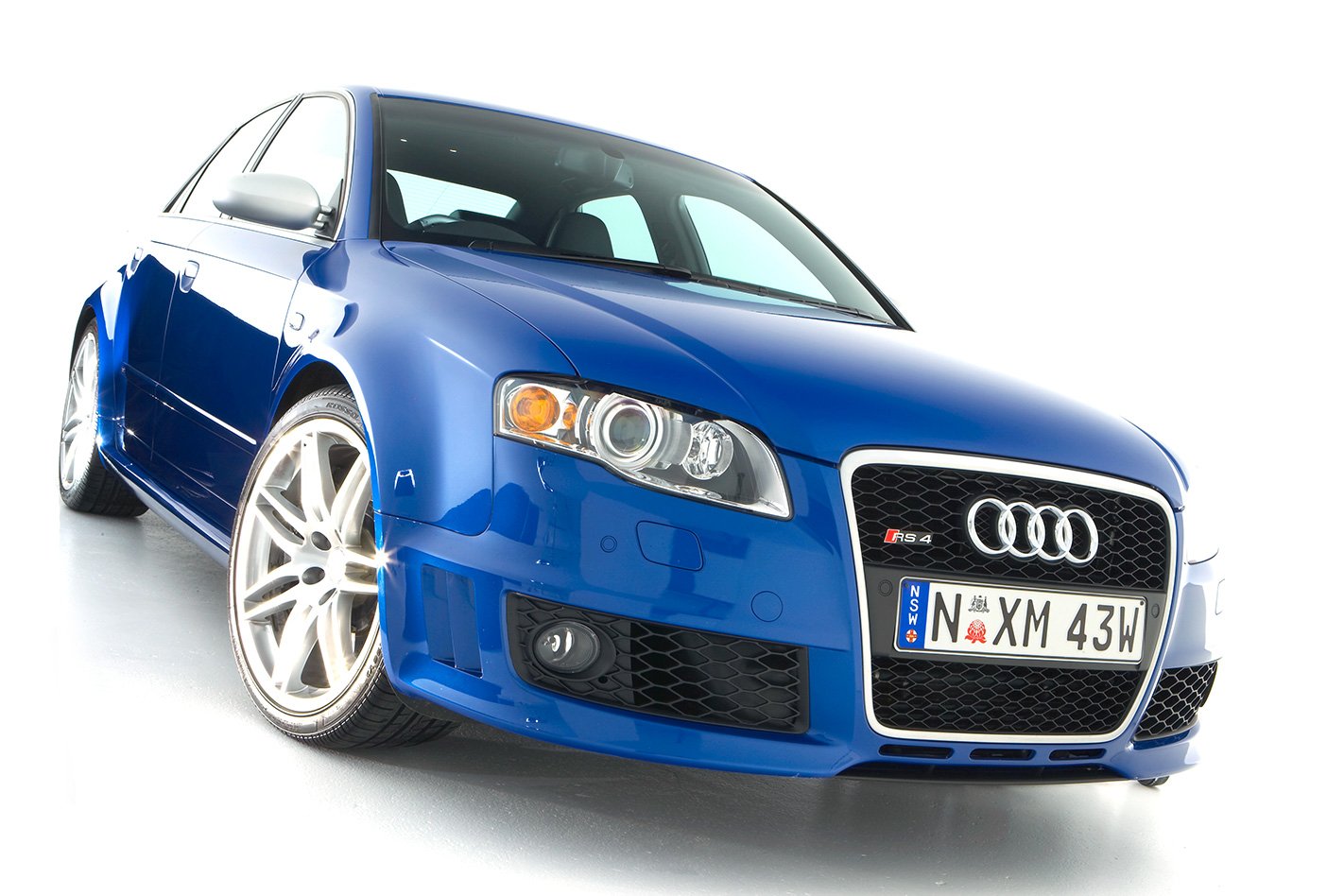
2006 Audi B7 RS4
The B7-generation is where Audi’s RS4 arguably came into its own. So much so that PCOTY 2006 judges described the street sleeper as ‘everything we want in a performance car’. Enamoured by the atmo V8, infallible brakes and a capable chassis, the RS4 beat out Porsche’s 911 Turbo, AMG’s CLK 55, a pair of BMW M cars and Mitsubishi’s cheat-code Evo IX to claim Ingolstadt’s maiden victory.
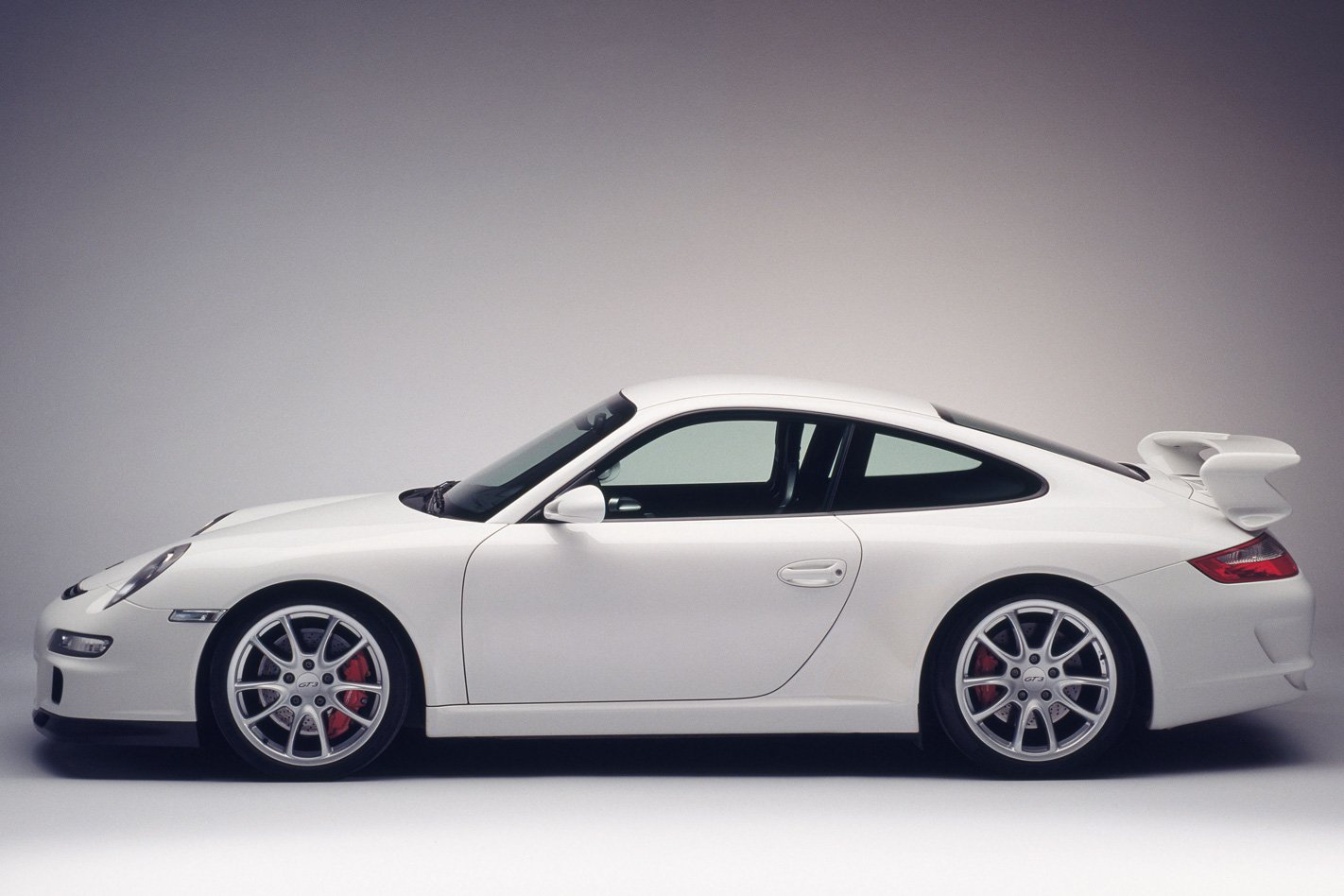
2007 Porsche 997 GT3
History will remember the Porsche 997 GT3 as the final outing of the iconic Mezger engine, and – although we didn’t know it at the time – would send the GT3’s hallowed manual gearbox on hiatus. There were a number of firsts too, including the debut of Porsche’s PASM (Porsche Active Suspension Management) adaptive dampers, which gave the stripped-back racer new levels of versatility. It marked the second of four PCOTY gongs that would eventually be awarded to the 997-generation 911.
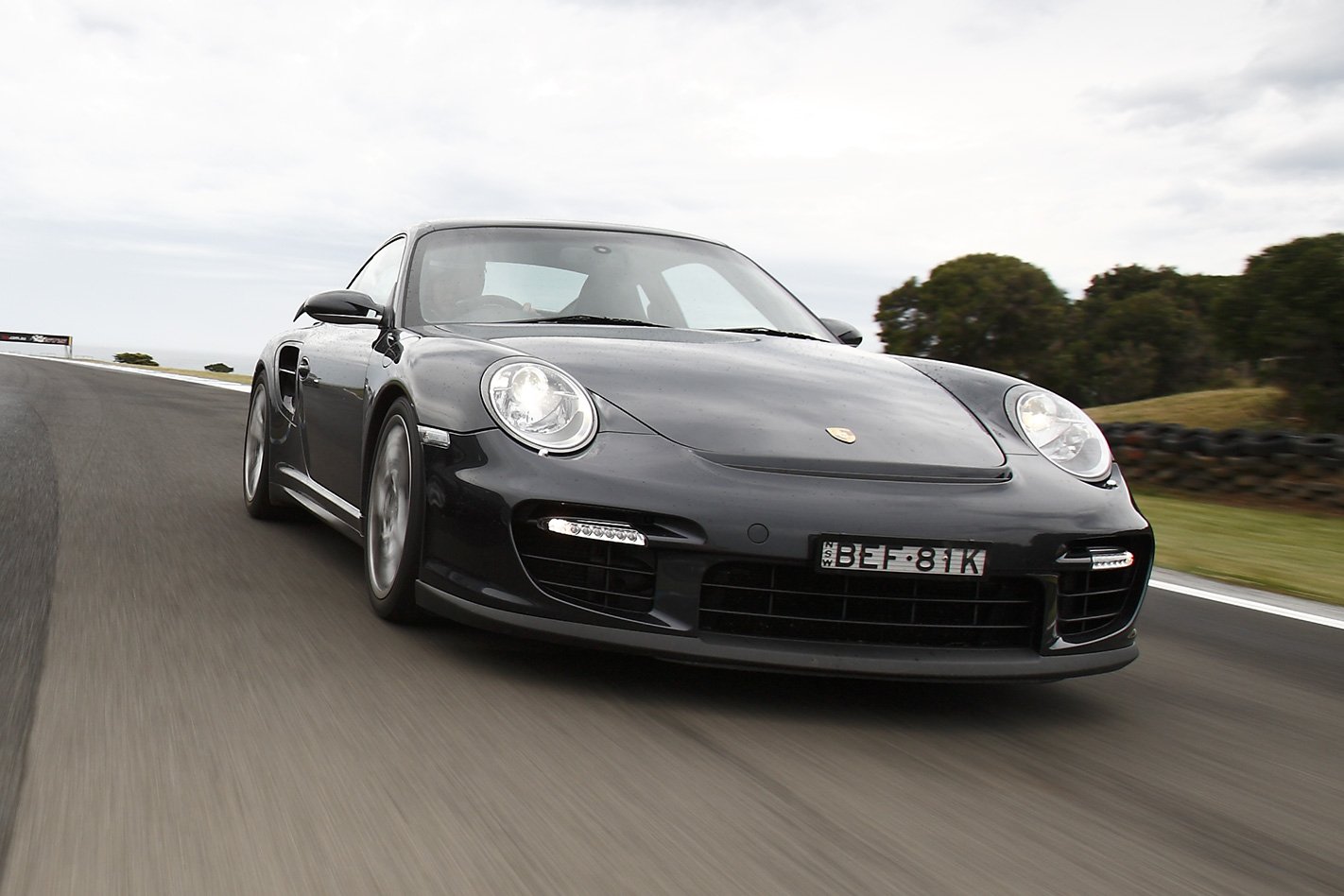
2008 Porsche 997 GT2
If the GT3 moved the performance game along enough to snag a second PCOTY trophy for the model, the GT2 moved the goal posts again, significantly.
Porsche’s new ‘ultimate 911’ trounced the field in what was arguably the award’s toughest competitor set yet. One forced-induction-fed lap around Victoria’s Phillip Island circuit saw the reborn widowmaker beat Lamborghini’s updated 5.2-litre Gallardo by 1.8 seconds, its Carrera S sibling by 5 seconds, and the more powerful (and pricier) AMG SL63 by 8.6 seconds. Mitsubishi’s Lancer Evo X – a resoundingly capable track weapon in its own right – lapped the seaside circuit a full 12 seconds slower.
2009 Audi R8 V10 / Nissan GT-R
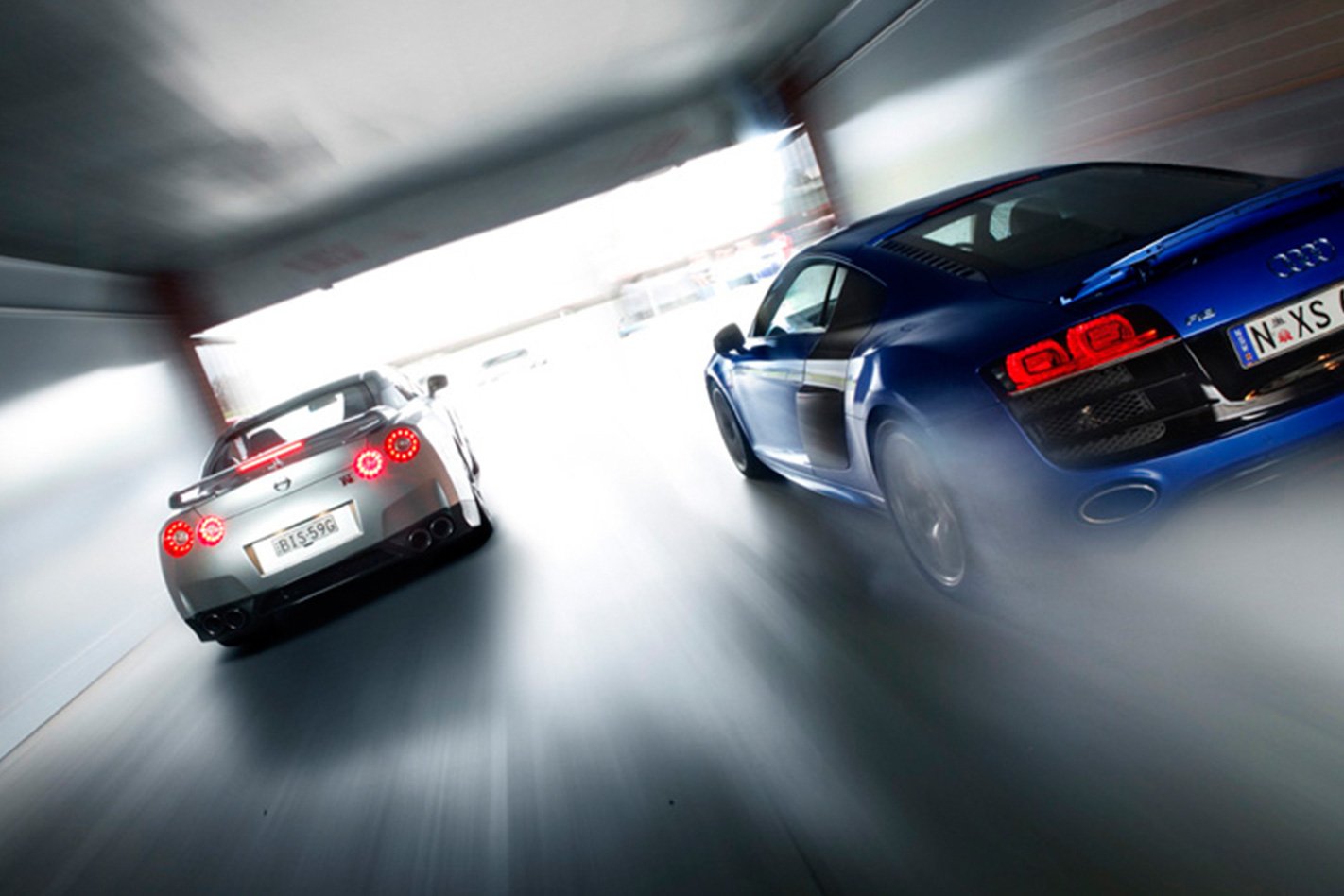
For the first time in MOTOR’s 13-year PCOTY history, and the only time since, did the winner’s sash get draped across not one – but two cars. The two winners offered similar levels of performance, but were vastly different in their execution. The Audi R8 V 10 offered exotic thrills and polished packaging, while the GT-R remained ultra-focused in its brief to inhale tarmac and track as fast as physics deemed possible. With votes split evenly, both cars were deemed worthy and well-earned winners.
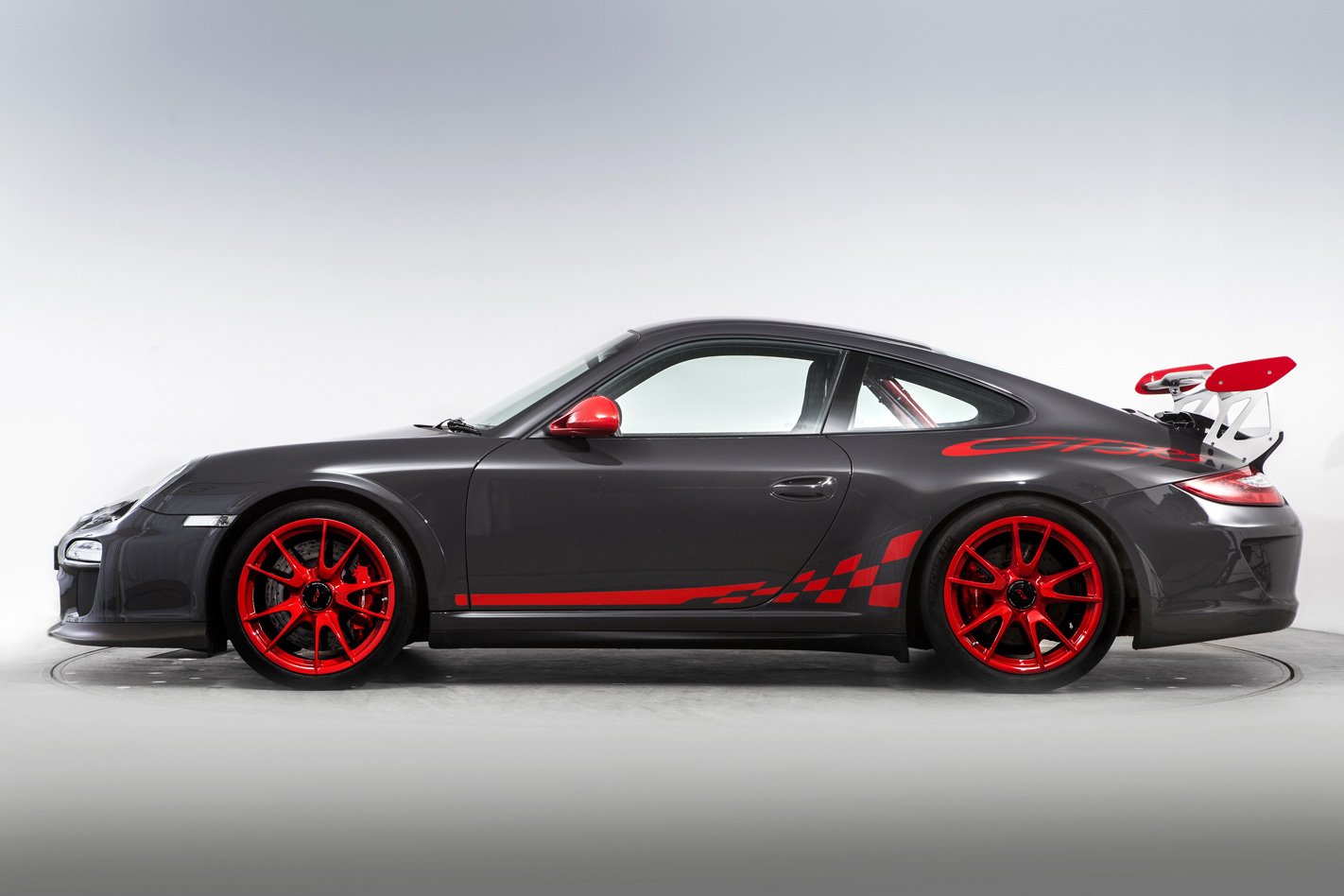
2010 Porsche 997.2 GT3 RS
Porsche’s updated 997.2 iteration of the venerable GT3 RS reset the performance benchmark at PCOTY 2011, with its flat-six engine now packing 3.8-litres of displacement, 331kW and 440Nm of howling naturally-aspirated goodness. A fourth and final trophy to add to the cabinet of Porsche’s 997-generation 911.
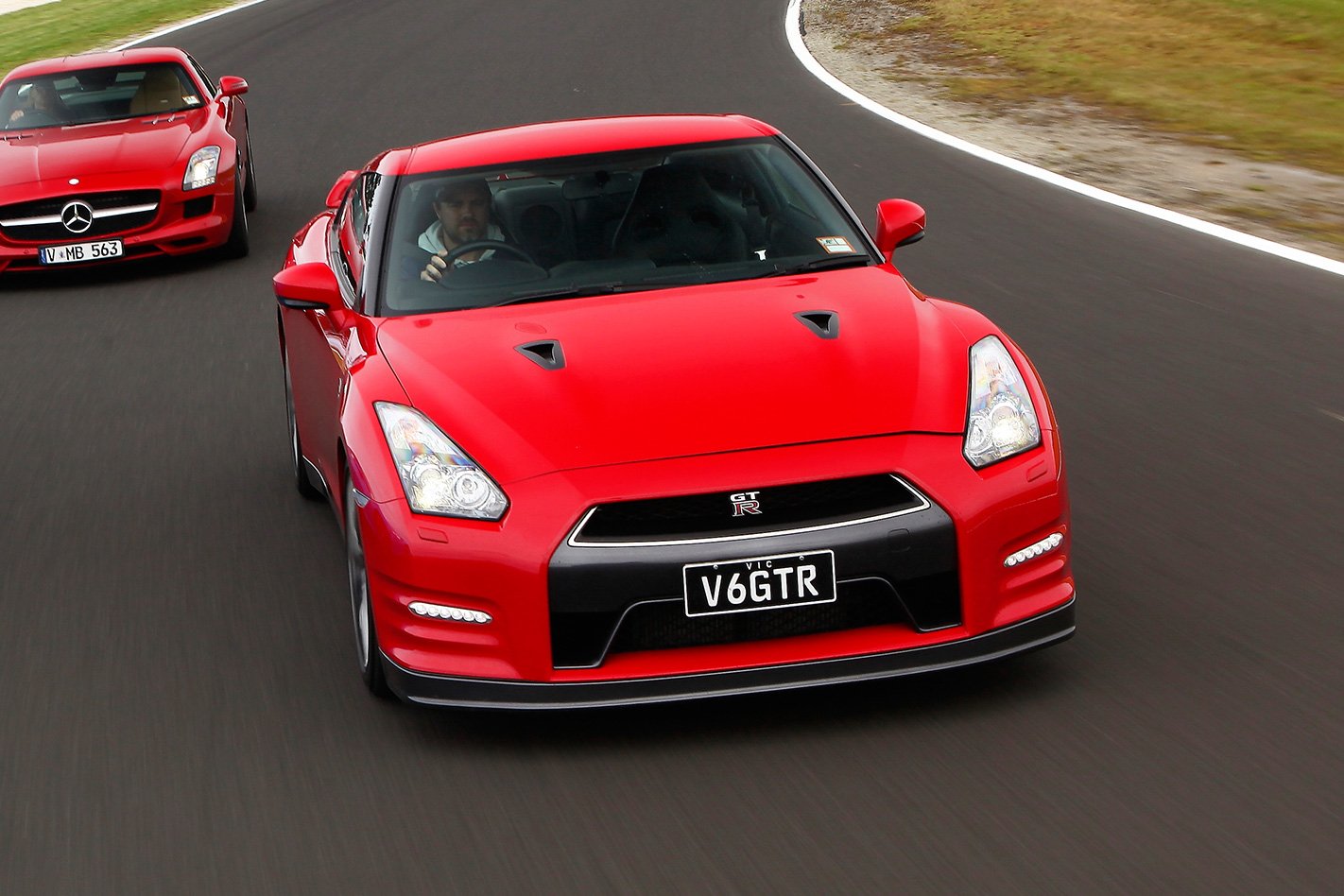
2011 Nissan GT-R
A second win for Nissan and its world-beating GTR. The 2011 update saw huge improvements to the car’s on-road mannerisms, along with a healthy dose of extra power, and saw Nissan’s techno tour de force beat out the modern classic Mercedes-Benz SLS, Audi R8 Spyder, Jaguar XKR-S and Porsche’s Cayman R.
2012 Porsche 991 Carrera S
As we know, history is prone to repeating itself. And, with the new 991-generation Carrera S, Porsche continues its legacy of PCOTY championship dominance. Only Porsche’s own Boxster and the Toyota 86 came close to matching the 991’s blend of performance, refinement and comfort. It was faster than anything else in the field, whilst also under-cutting the more expensive force-fed bent-eights on the all-important value front.

2013 Audi R8 V10 Plus
Audi created one of the world’s most complete supercar packages with the original R8. Over time, they pulled the original V8 and swapped it for a Lamborghini-sourced 5.2-litre V10, drew even more power out of the engine, added carbon ceramic brakes, and found 50kg of dead weight to remove. That’s how we got to the glorious R8 V10 Plus, and how it got to the top of the PCOTY leaderboard in 2013.
In years past, the narrative of supercar ownership was one of pain and suffering, but the 2013 PCOTY judges reckoned that the R8 V10 Plus – more than any other car – was the one that rewrote the book.

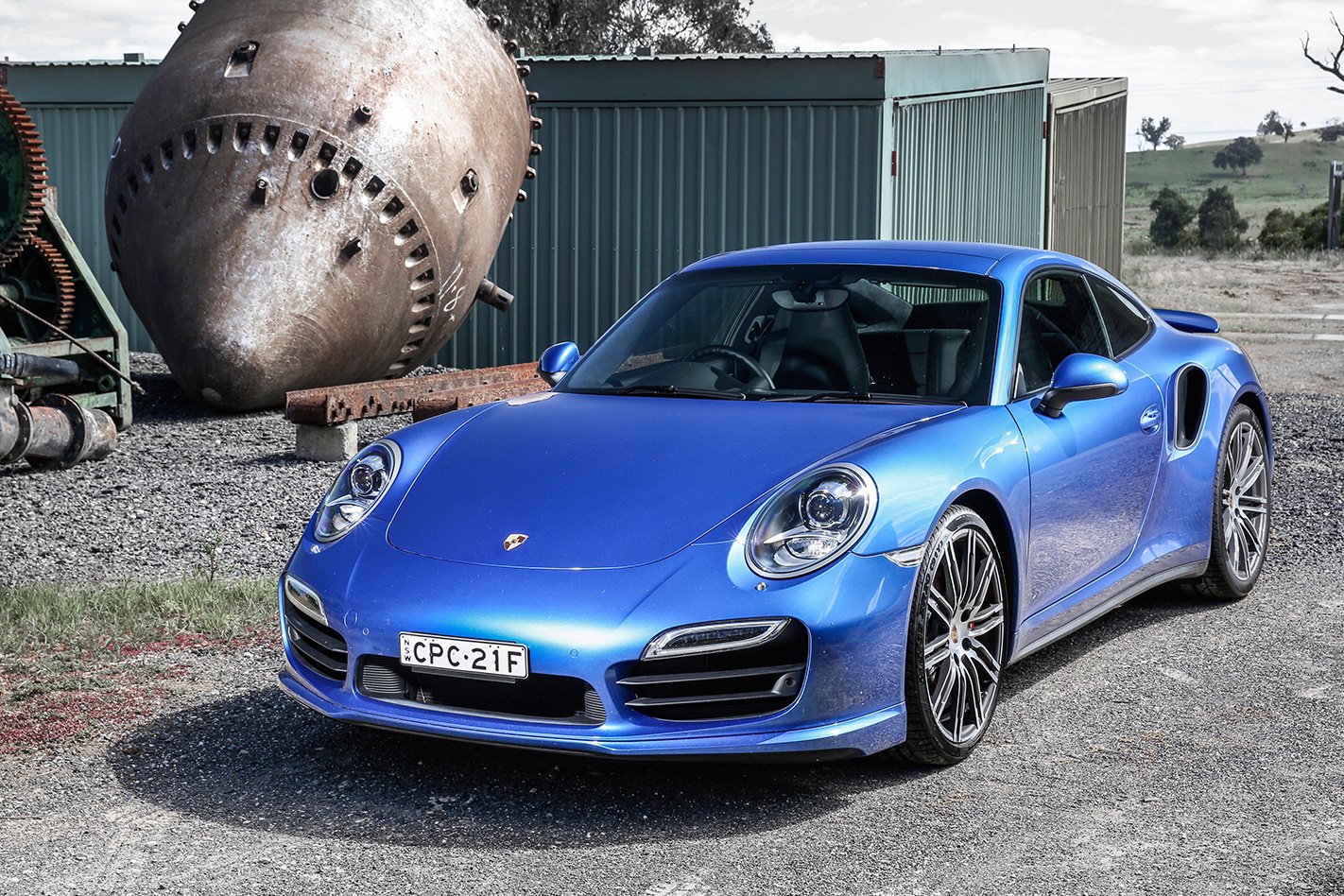
2014 Porsche 991 Turbo
For a moment, it seemed that the most talented and all-round 911 would post the first DNF in PCOTY history. Eagle-eyed spectators of PCOTY’s 2014 proceedings may have noticed that the 911 Turbo S undertaking testing switched from a gleaming metallic blue example to black. You can thank a broken radiator, which everyone ascribes to former Editor Dylan Campbell, for that.
With a replacement car amazingly organised post-haste, the 991 911 Turbo impressed the judges with its bipolar versatility. It’s performance figures were mind-bending, its driving experience potent; and yet, you’d not so much as hesitate giving it to your nanna to drive to the shops in.
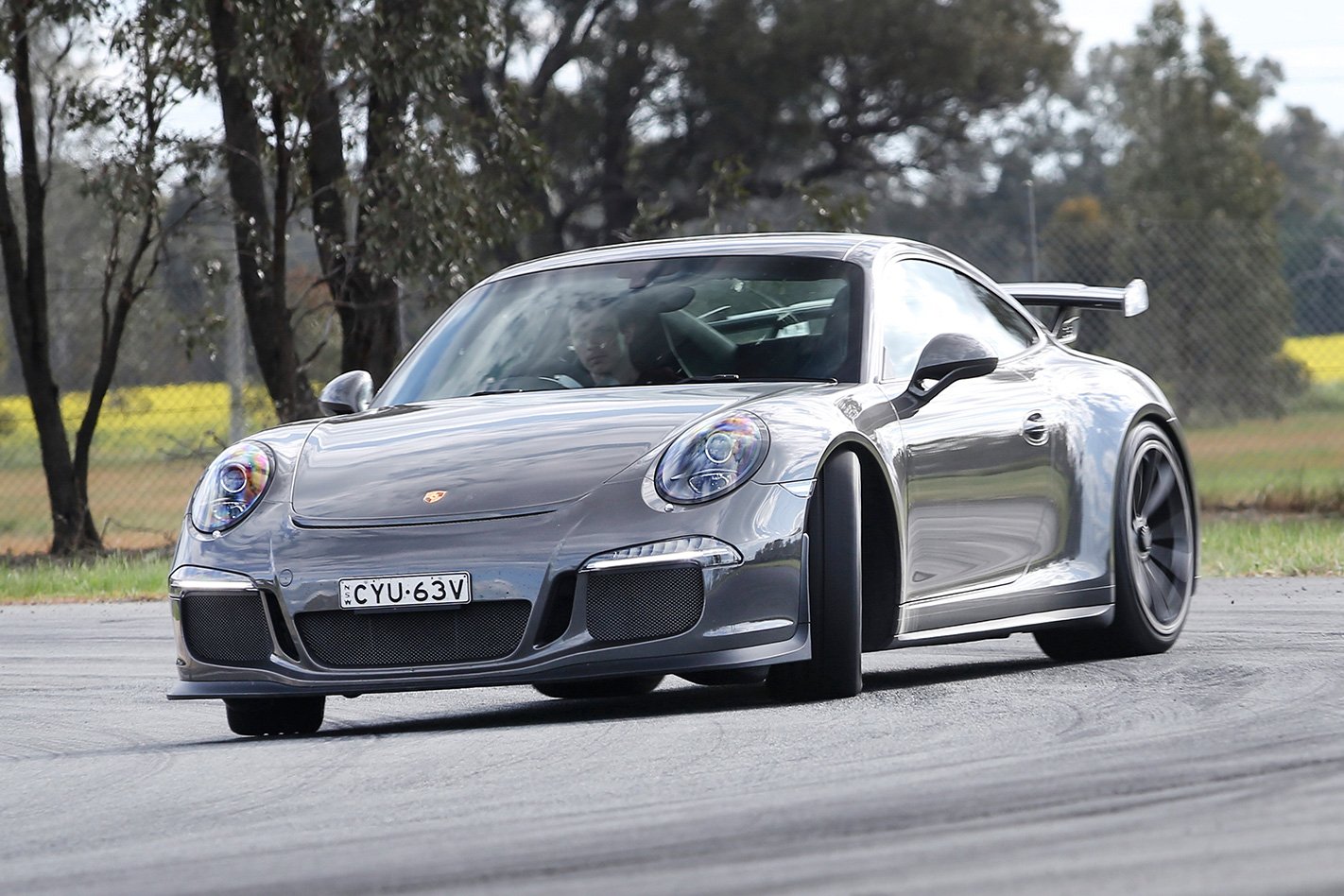
2015 Porsche 991 GT3
The 991 GT3 marked Porsche’s 12th victory in PCOTY’s 20-year running at the time, but the 991 GT3’s victory was by no means a forgone conclusion. AMG launched a double-pronged assault with the C63 S sedan and the AMG GT S, while Jaguar brought out an AWD version of its third-placed F-type coupe. There was also the track-honed Renault Megane RS275 Trophy-R, the latest and greatest of the local Red and Blue outposts, and the sublime ND Mazda MX-5.
In the end; the frenetic 911 GT3 wasn’t just judged the best of 2015, but one of the best there ever was.
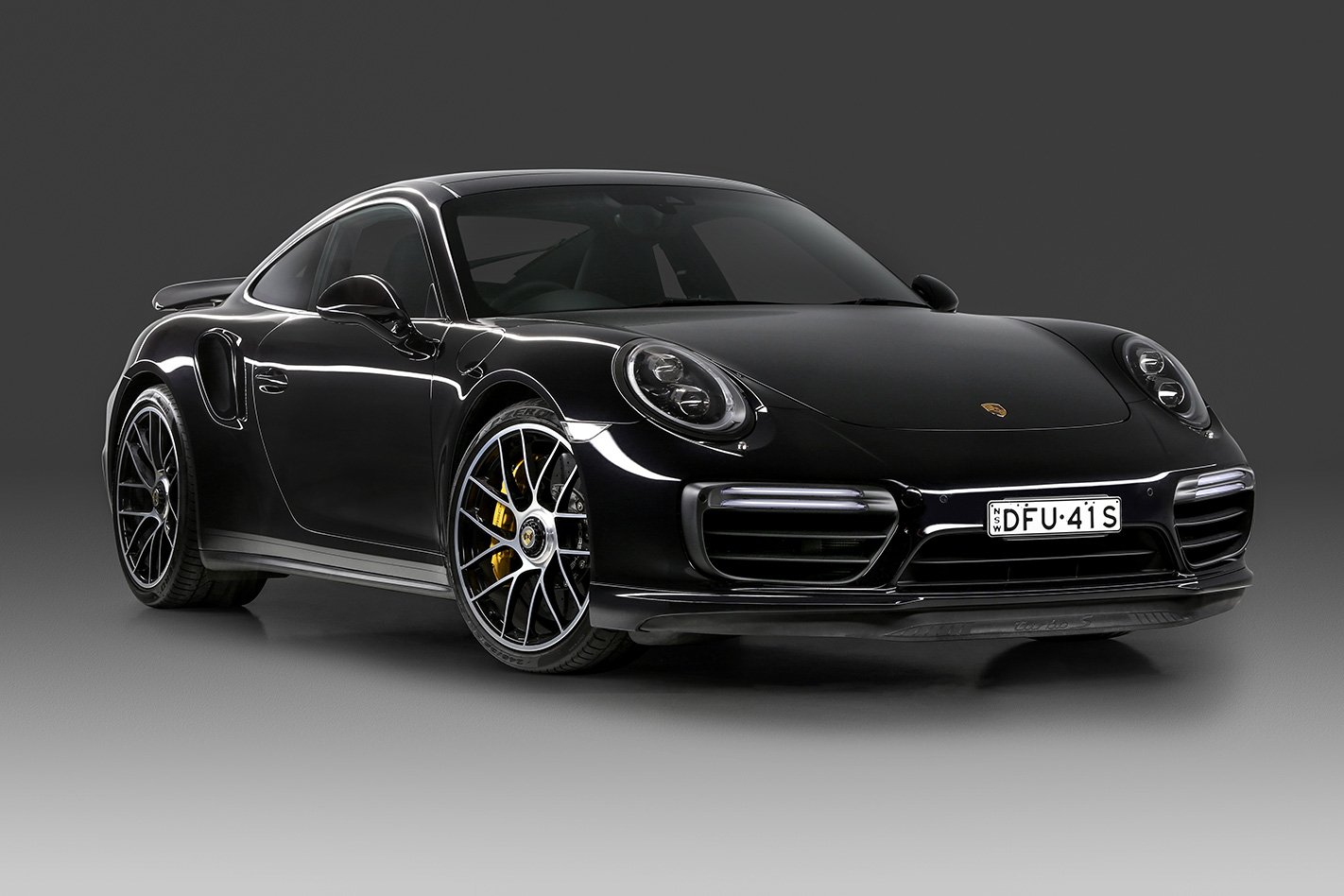
2017 Porsche 991.2 Turbo S
Another three-peat for the boffins at Porsche. 2017 was a hard-fought battle in particular, with Lamborghini and Ferrari represented by the Huracan LP580-2 and 488 GTB respectively.
There was also the Mercedes-AMG C63 S Coupe, BMW M2, updated Audi R8 V10 Plus and Nissan GT-R challenging for the throne. In the end, the best car won. Not only that, but the Turbo S’ performance figures also named it the fastest car ever tested in PCOTY history at the time.
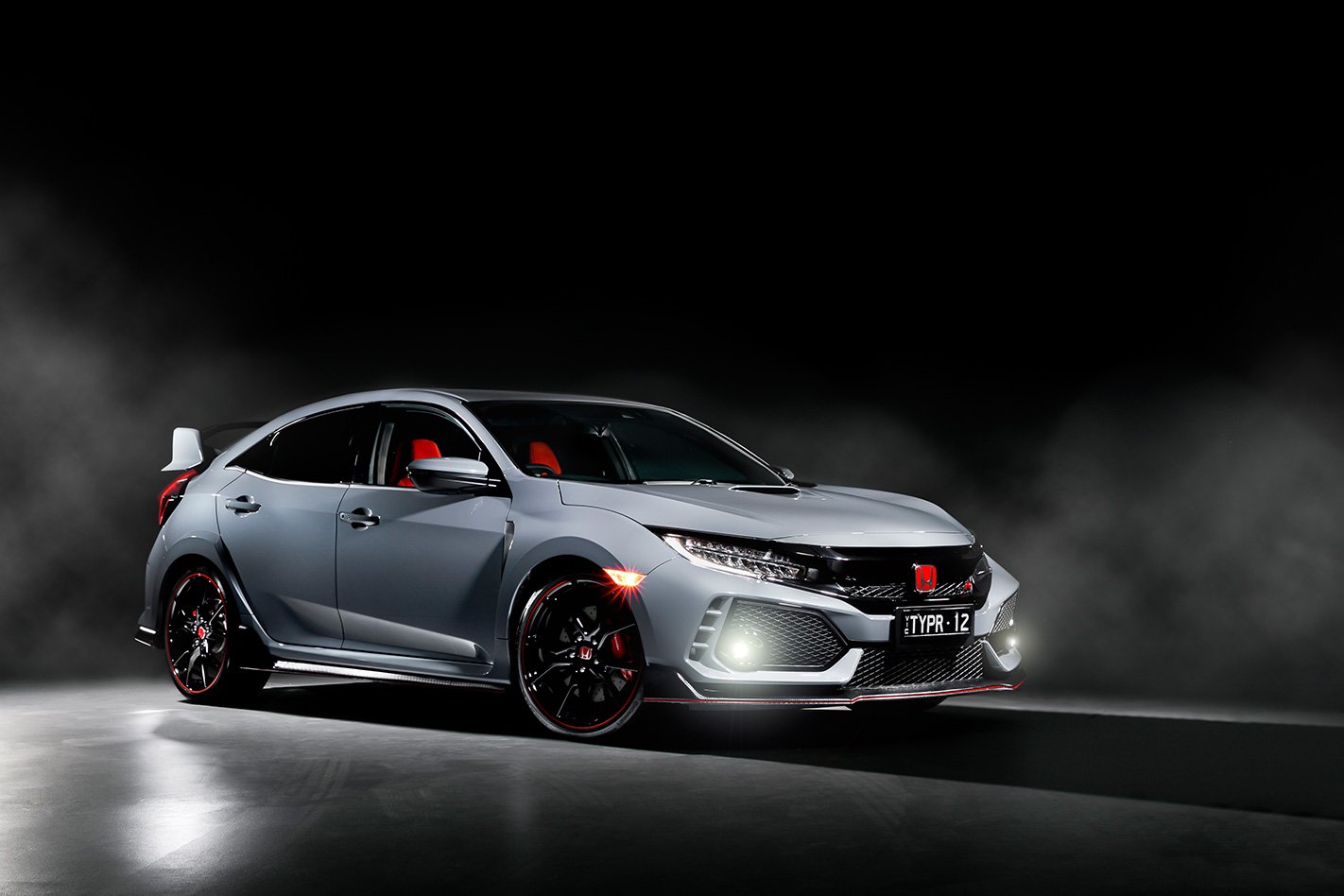
2018 Honda Civic Type R
Honda’s FK8 Civic Type R arrived in somewhat of a purple patch for the brand, which enthusiasts had believed lost its performance mojo some years ago. The Type R returned serve, and aced; winning the 2018 MOTOR PCOTY title, as well as our annual Bang For Your Buck challenge – the only car ever to win both of our annual awards.
It was a surprise package and a technical masterclass. 2018’s Performance car of the year, and Honda’s performance car of the decade.
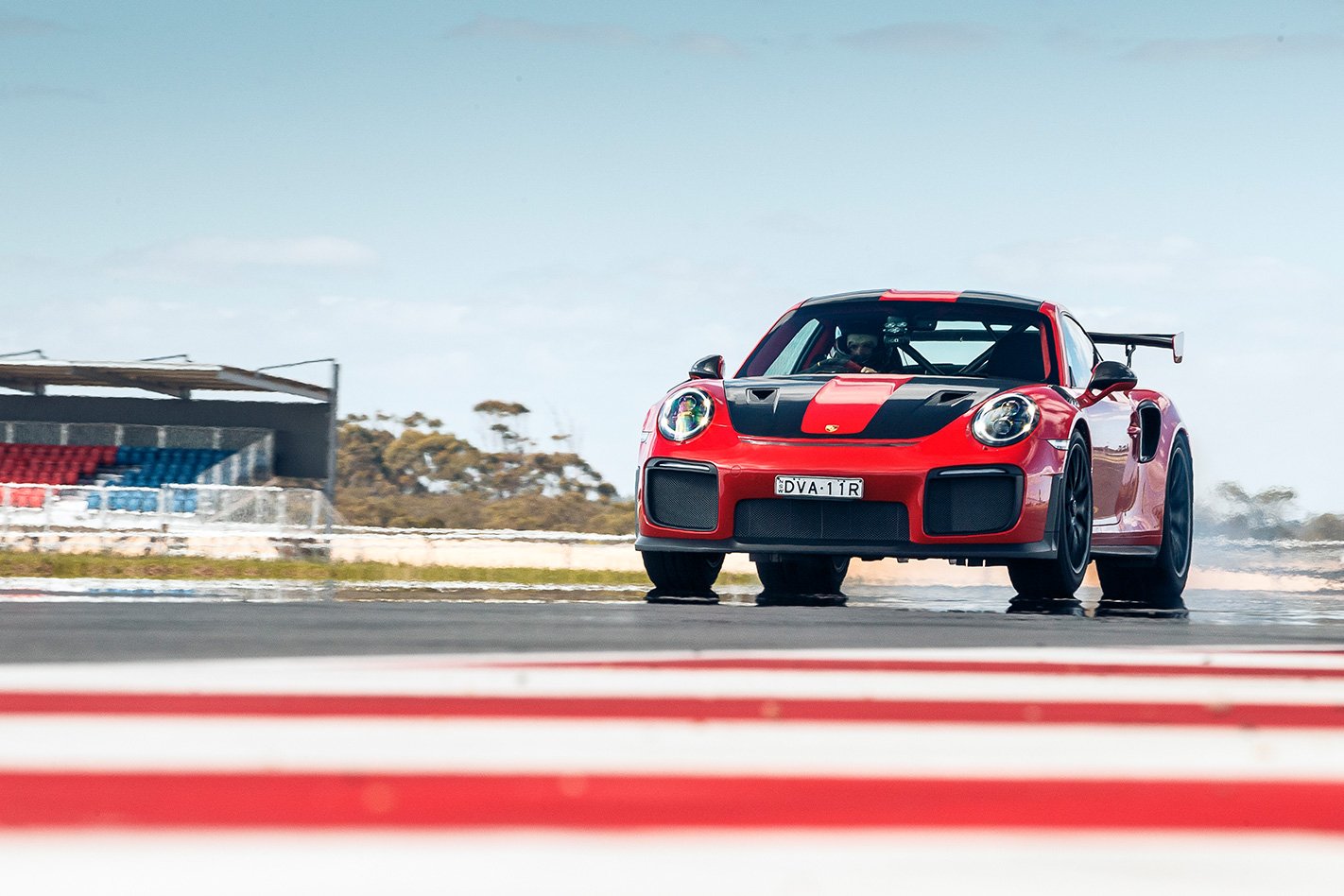
2019 Porsche 991.2 GT2 RS
With huge performance credentials, and an equally huge pricetag, the weight of expectation weighed as heavy on the 911 GT2 RS as its aggressive aero pack produces at speed.
It was a hard-won battle, with BMW’s M2 snagging three of five first place votes. The GT2 RS, however, came away with the overall win in the final tally totals. Ludicrous performance figures aside, the 991.2 iteration of the GT2 RS belied its notorious ‘widowmaker’ reputation with surprisingly accessible performance.
2020 Porsche 992 Carrera S
Another new 911, and another resounding victory for Porsche – this one marking 15 of 24 for the brand.
Proving PCOTY is far more than a mere numbers game, the 992 Carrera S wasn’t the fastest around the track, nor was it the most powerful car on the grid. Mercedes-AMG’s nuclear GT63 S 4-door was arguably the biggest surprise of the event, posted faster numbers, and was believed to be winning material… just not that year. The 911 simply does more things, better, more of the time.

2021 Mercedes-AMG GT R Pro
2021 will go down in MOTOR history as the year PCOTY very nearly didn’t happen. Like many events on the annual calendar, PCOTY testing was very nearly put out to pasture by the Covid crisis. But as Melbourne’s brutal restrictions fell away, the team headed for the hills in the ten best performance cars you can currently buy.
It was the Mercedes-AMG GT R Pro that came away victorious, impressing with its stunning on-track performance (setting a new Production Car lap record at Winton Raceway in the process), and surprising with its civil on-road behaviour. There’s a delectable blend of old-school analogue V8 character mixed with fiendishly clever aero, suspension and driver assist electronics. A maiden win (after coming achingly close over the years) for Mercedes-Benz, and a credit to the engineers at Affaltarbach. Read the full winner’s profile here!
The new-generation Peugeot 308 hatchback has been spied within days of its March 2021 reveal.
Looking showroom-ready with trimmings including a new badge, the 2022 308’s face follows the French carmaker’s new design language as seen on the latest 208, 2008 and facelifted 3008, which includes the frameless grille and fang-like daytime running light signature.
UPDATE, March 18: Peugeot has now revealed its new-generation 308 hatch, with the brand’s new logo taking pride of place. See the story here.
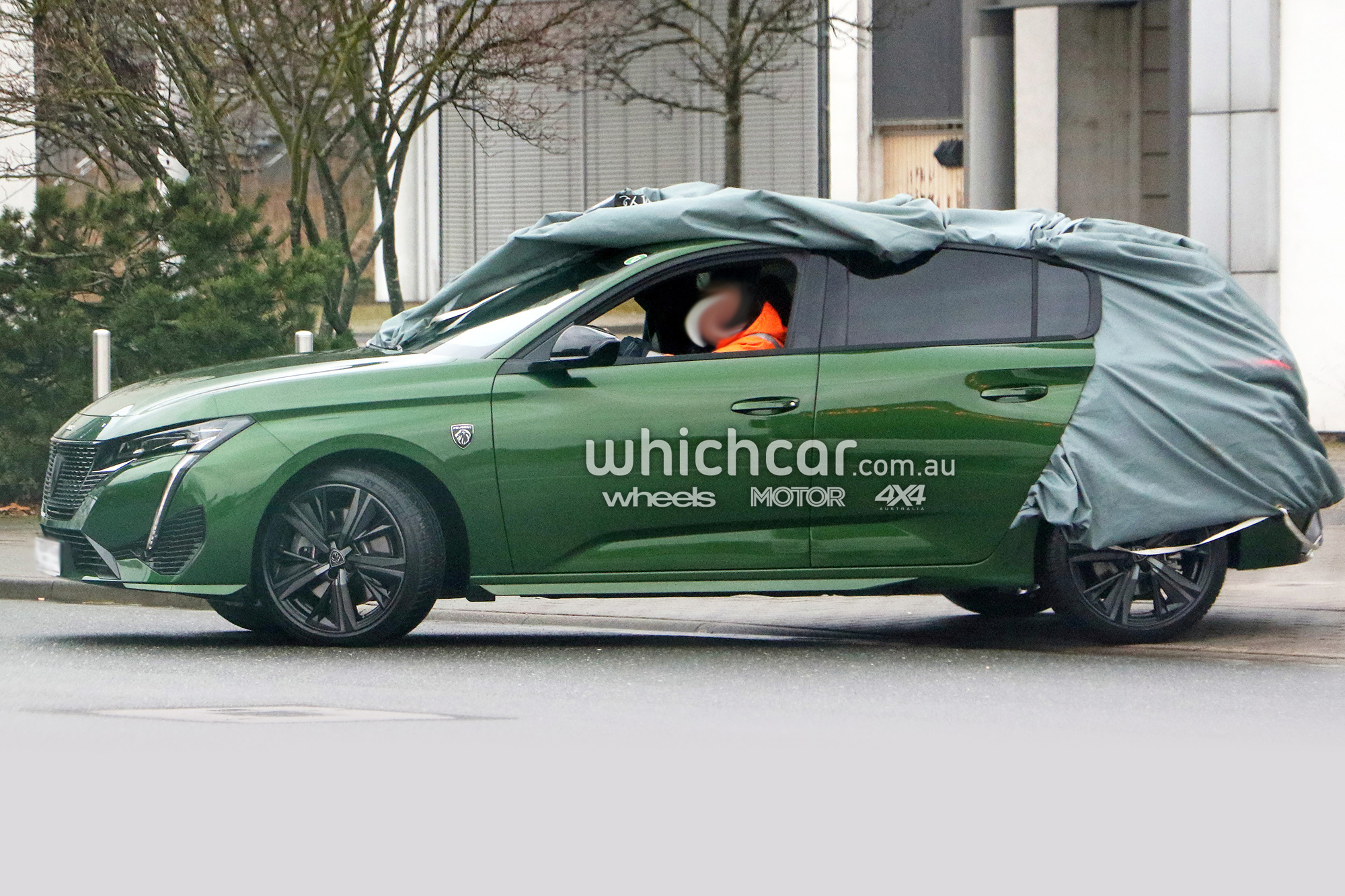
While obscured, its sweptback roof appears to have a steeper angle than its predecessor.
Inside, it looks as though it has retained Peugeot’s funky i-Cockpit dashboard arrangement with small steering wheel and high-set instruments.
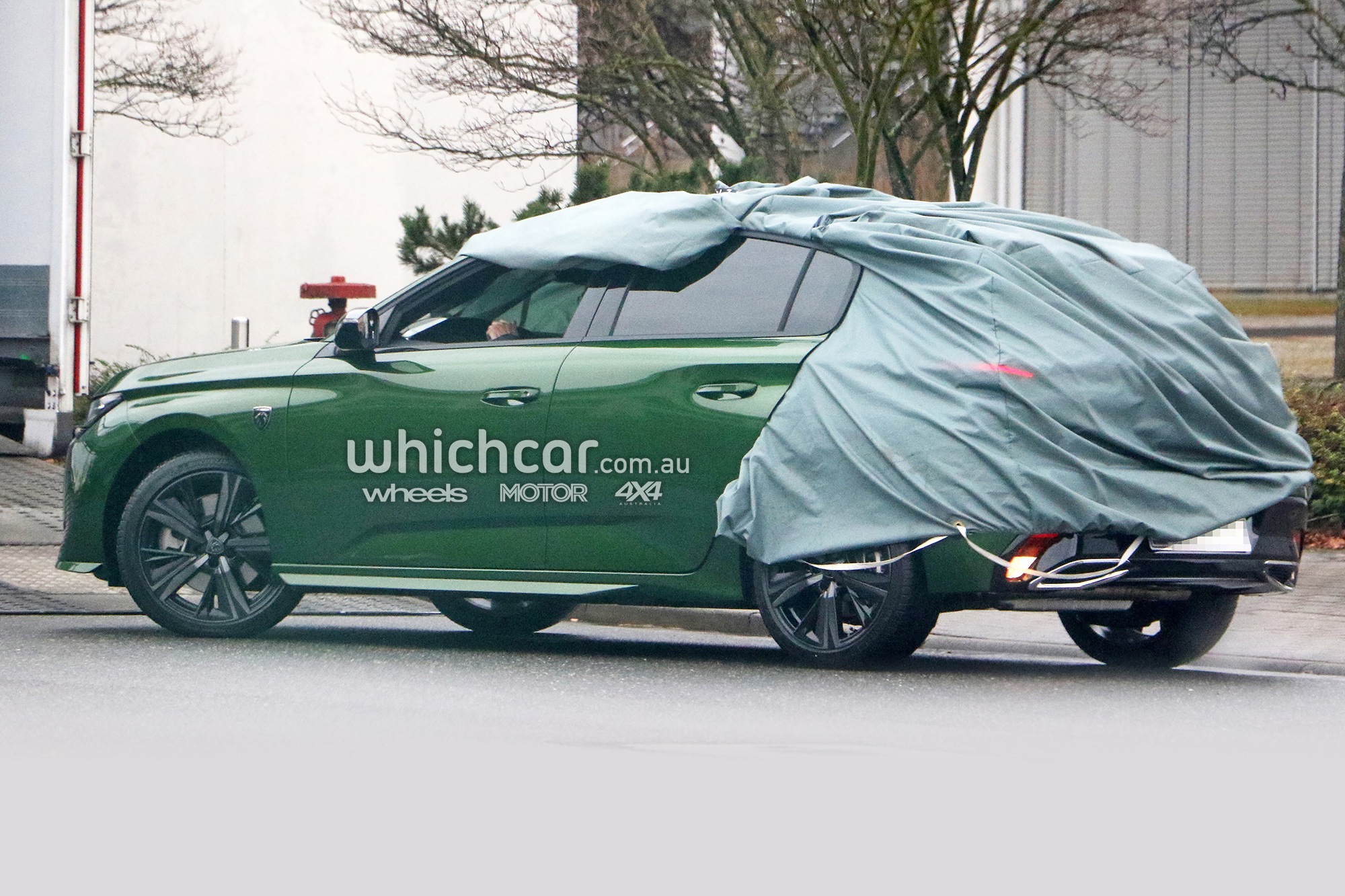
It’s expected the Mk3 308 is riding on an updated version of the EMP2 platform, which has been modified to accept electric and plug-in hybrid (PHEV) versions down the track.
The PHEV powertrains are of particular interest as they’re set to include a hot hatch version under Peugeot’s new PSE performance arm. Rear-axle electric motors boost power beyond 220kW.
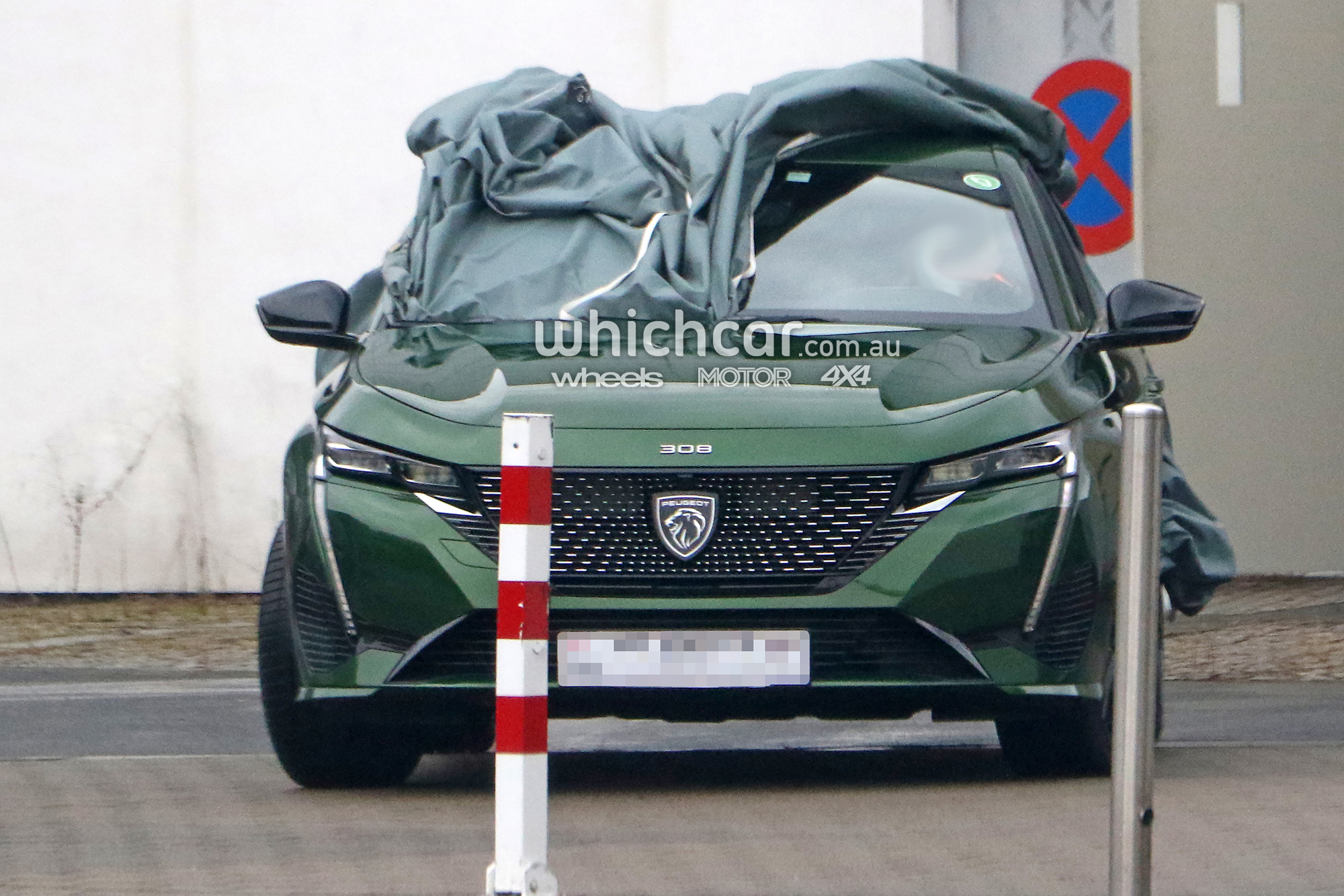
As reported by MOTOR, the company has already put a toe in the water with the potent 265kW/520Nm Euro-market Peugeot 508 Sport Engineered sedans and wagons. Those variants feature a 147kW 1.6-litre turbo engine augmented by an 11.5kWh lithium-ion battery and twin electric motors with 81kW on the front axle and 83kW at the rear.
All-wheel drive grip endows this model with a punchy 5.2sec 0-100km/h capability.
The rollout of PSE versions is slated to feature one new launch per calendar year, starting with this next-gen 308 hatch.
UPDATE, April 15: The 2021 Hyundai Kona N will be officially unveiled by the Korean automaker at its inaugural ‘N Day’ event on Tuesday, April 27.
The hotly anticipated performance SUV will be presented by the former head of BMW’s M-Division, Albert Biermann, who now operates as the president and head of the research and development division at Hyundai Motor Group.
Bierman is also the man responsible for the simply excellent Hyundai i30 N hot hatch, and the rev-headed honcho has got more performance N models in the pipeline, which will also be spoken about at the novel digital event.
Be sure to watch this space as WhichCar brings you full coverage of the new Hyundai Kona N.
March 10: Hyundai has kicked off a teaser campaign for its newest N model, the Kona N small SUV.
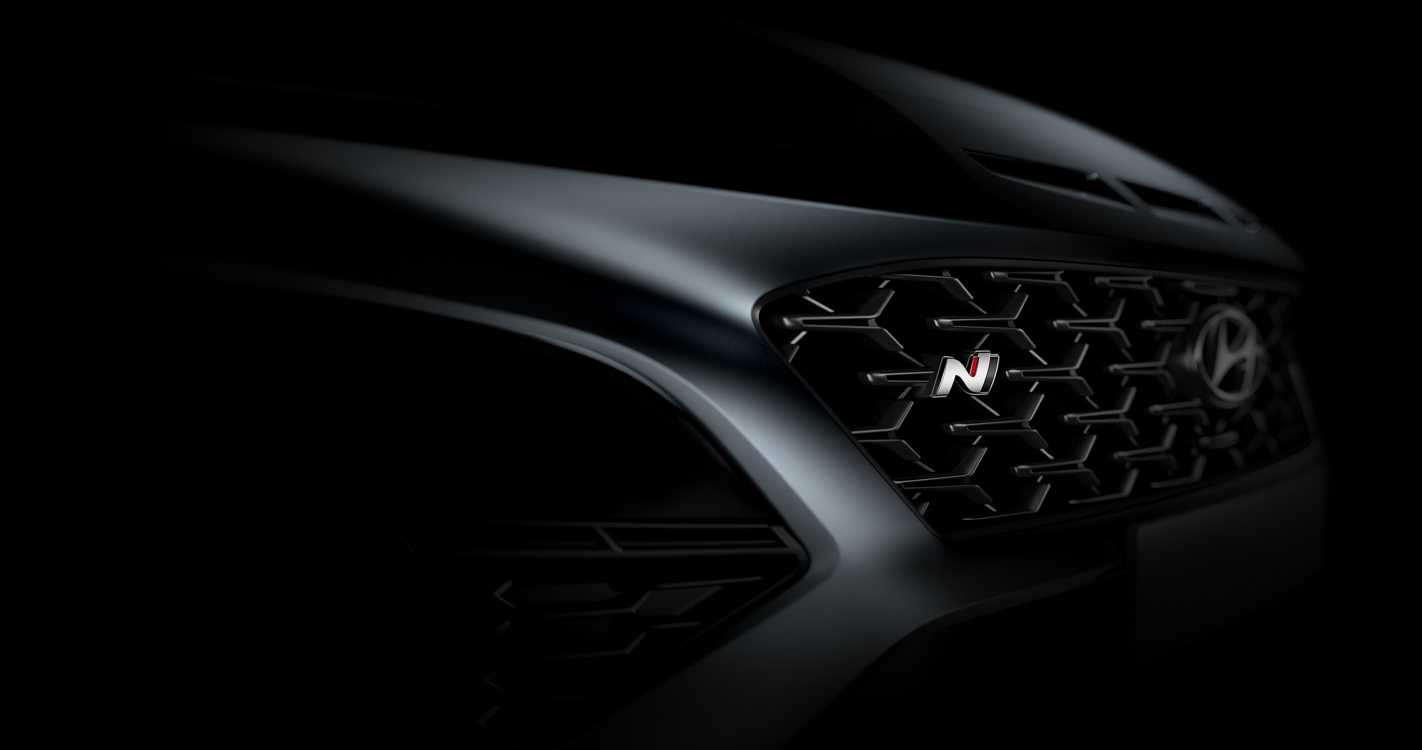
The series of images are the first to be shown of the Kona N without its camouflage, revealing an aggressive front end with requisite N badging, letterboxed vents above the grille and subtle red accenting to the splitter to highlight its ‘hot SUV’ nature.
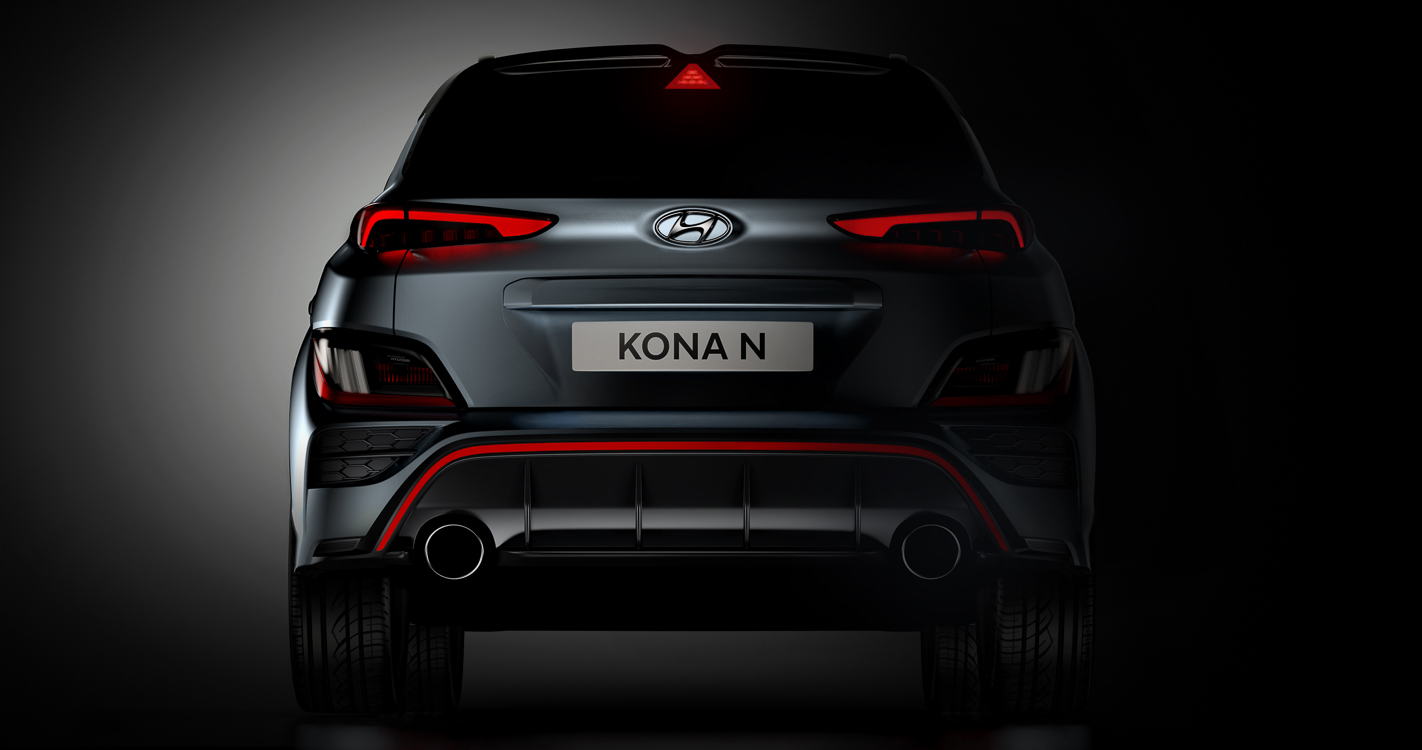
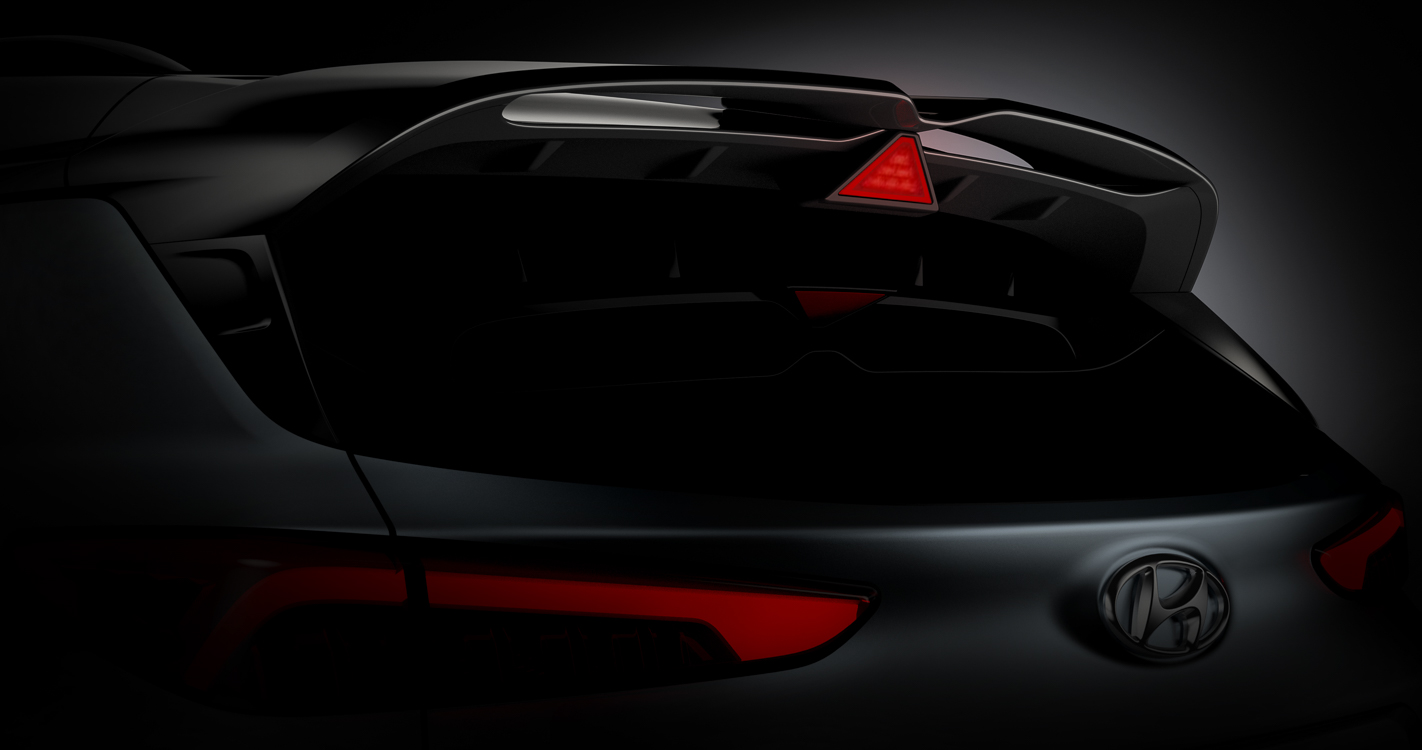
The theme continues at the rear with red highlighting accentuating a faux-diffuser that houses two gargantuan exhaust pipes. It also sports a large double rear wing with an integrated additional brake light, as is customary for Hyundai’s N models.
Its wheel flares look slightly-enlarged to mark the occasion and will no doubt house a set of sporty wheels to complete the look (though wheels aren’t pictured this time).
The Kona N marks the first time Hyundai’s N performance division has touched an SUV, which the brand promises will combine the best sports characteristics of a traditional Hyundai N model with the comfort and practicality of an SUV.
While it largely remains an SUV, Hyundai has lowered the Kona N in the pursuit of optimum handling characteristics.
Body-coloured fenders provide visual emphasis of the car’s low, wide stance.
The Kona will be the first SUV to join the N range, harbouring an eight-speed dual-clutch transmission mated with a 2.0-litre turbocharged engine. Hyundai is staying quiet on performance figures for now, but we’d hope to see numbers eclipsing those of its hatch cousin (206kW and 392Nm).
It’s the fourth N model to be revealed as part of an N product offensive, following the new i20 N, facelifted i30 N, i30 N sedan. It will be followed by Sonata and Tucson N models, which, like the Kona have been confirmed for our shores.
Hyundai promises more information will come soon, while the car itself will go on sale in the third quarter of 2021.
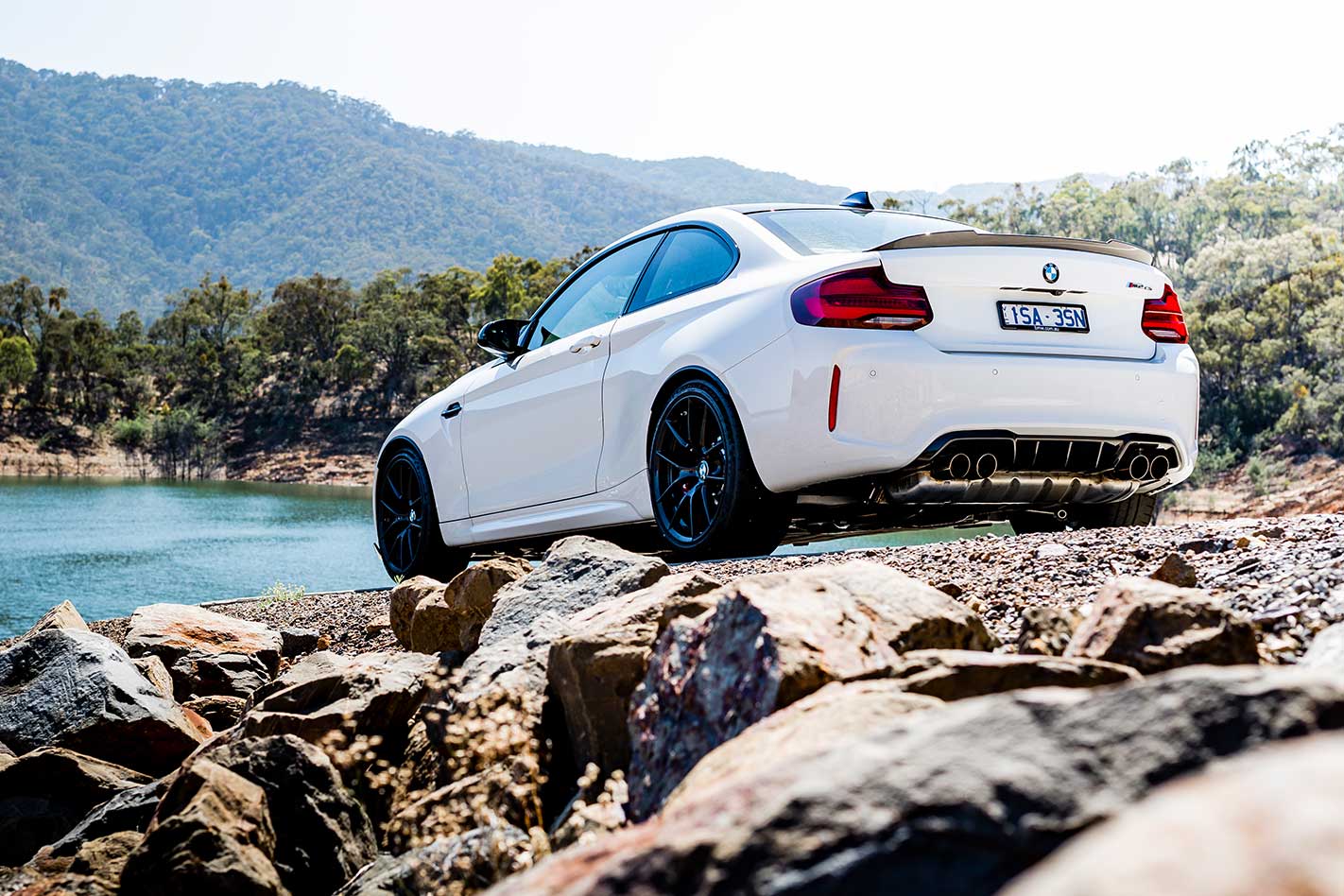
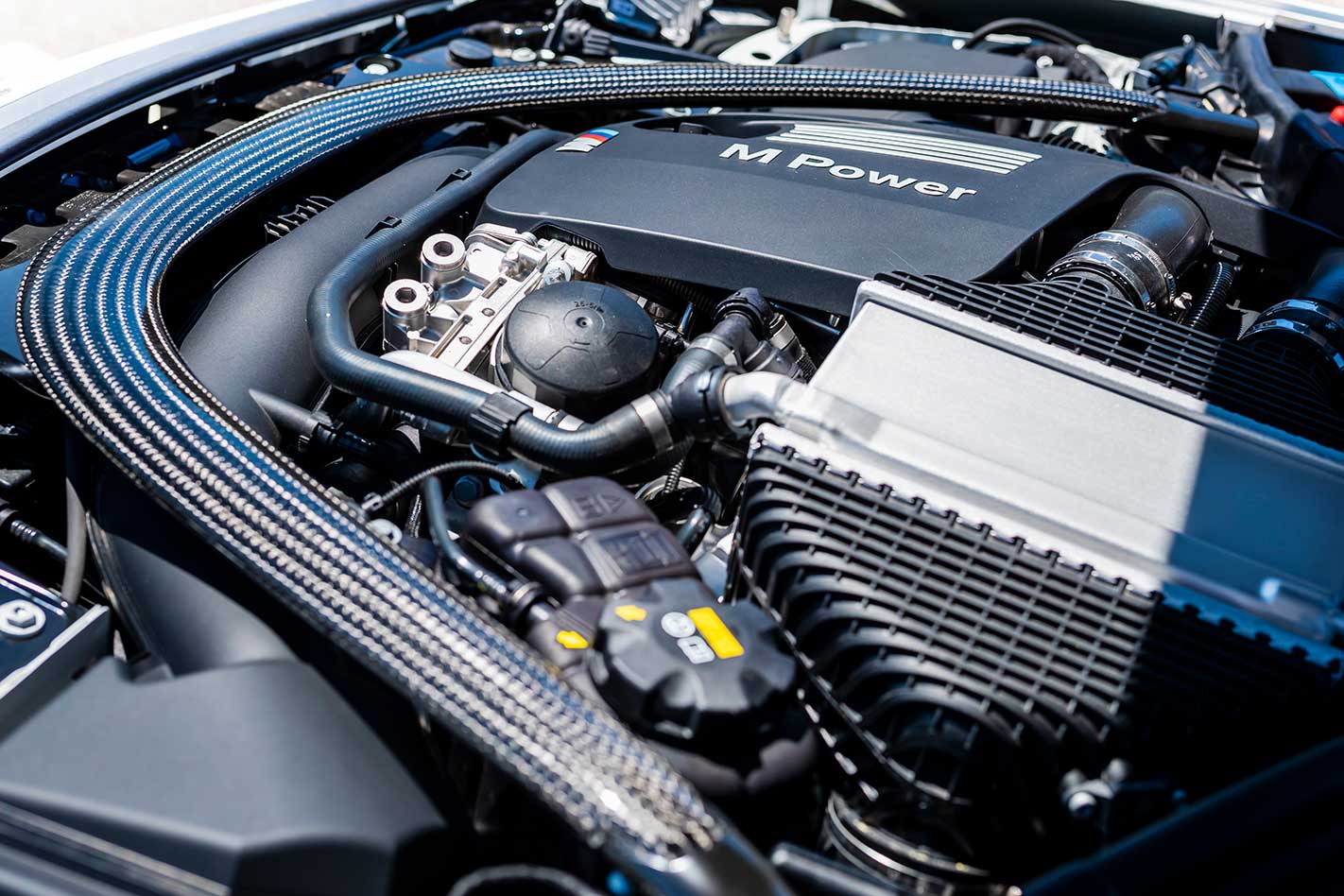
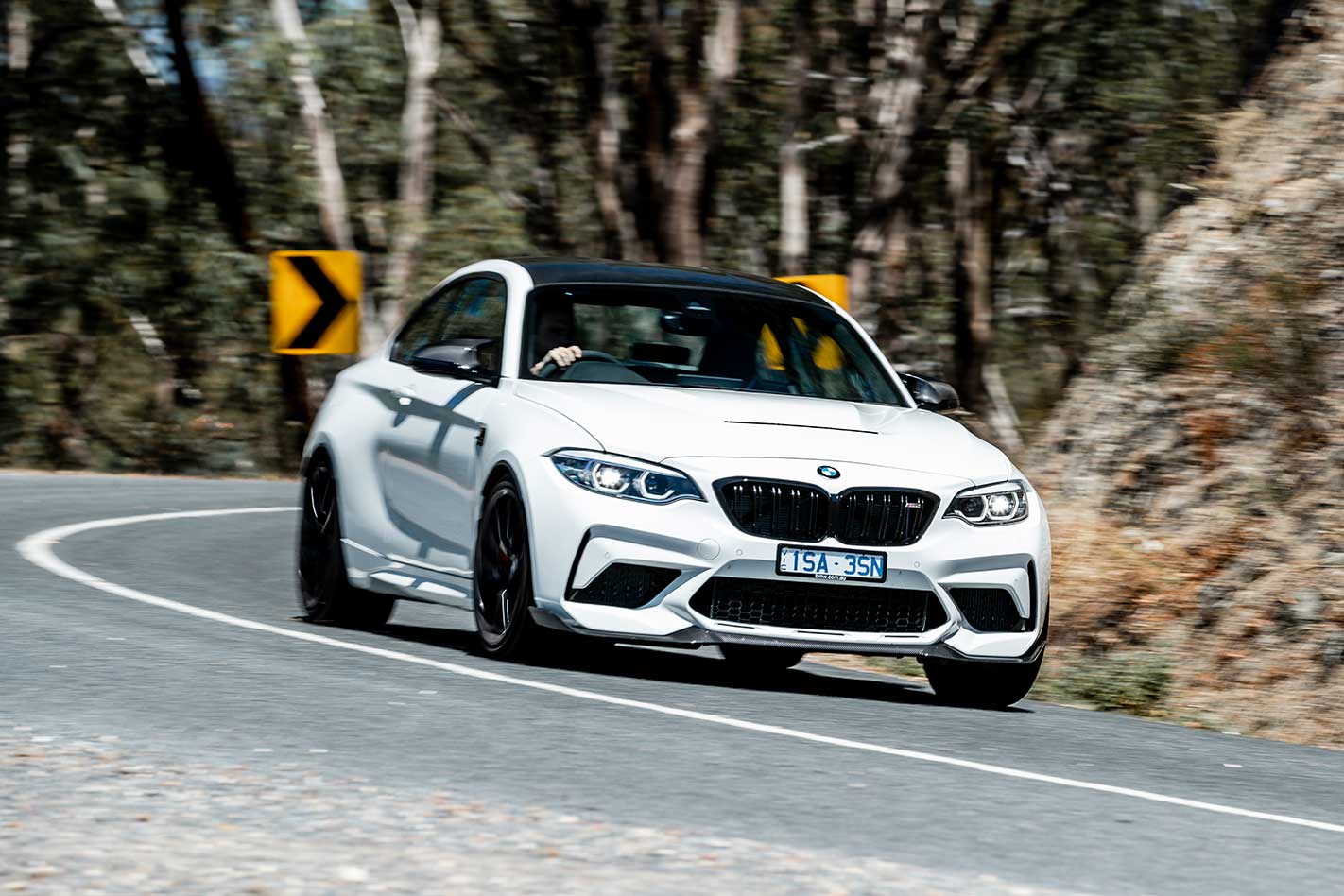
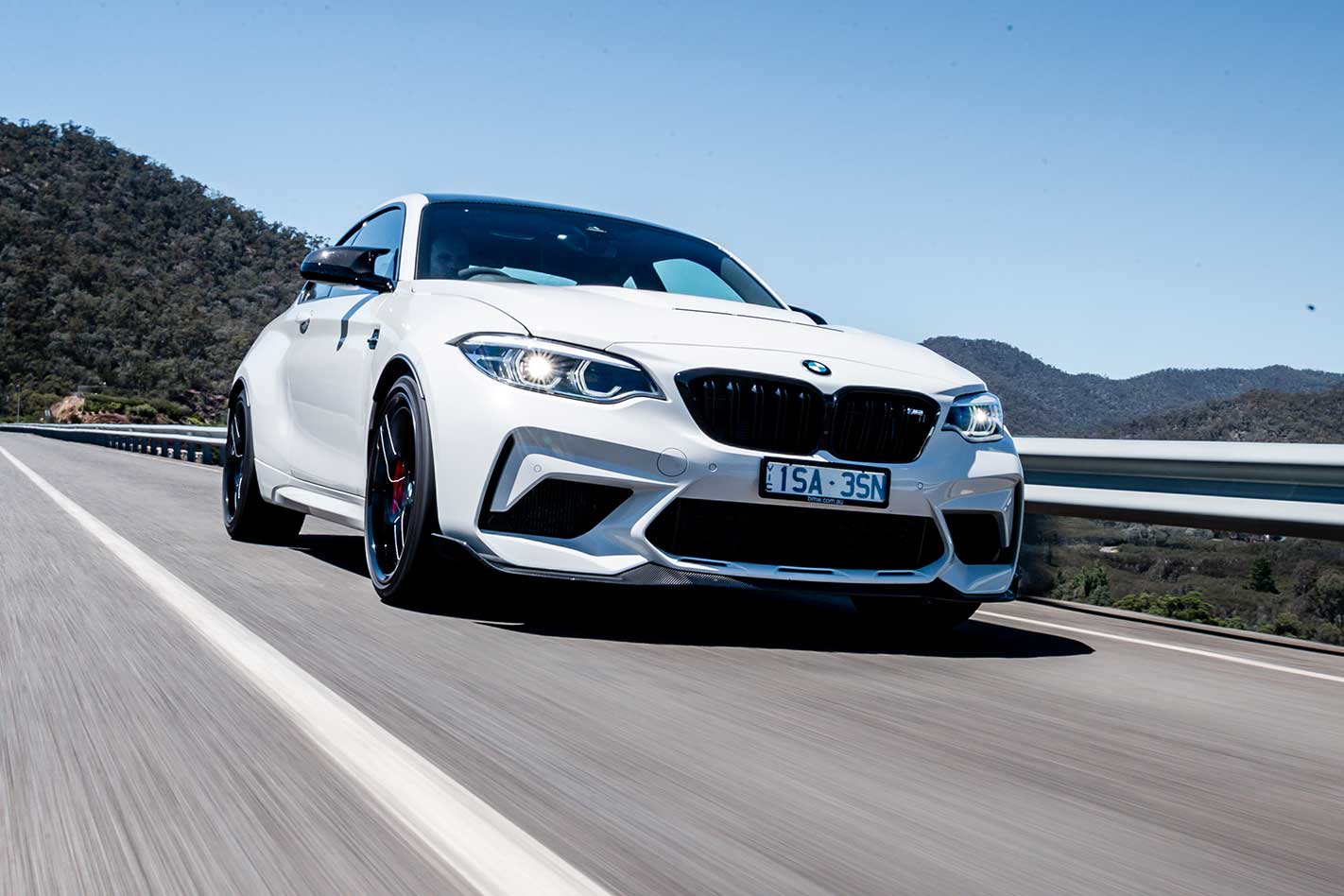
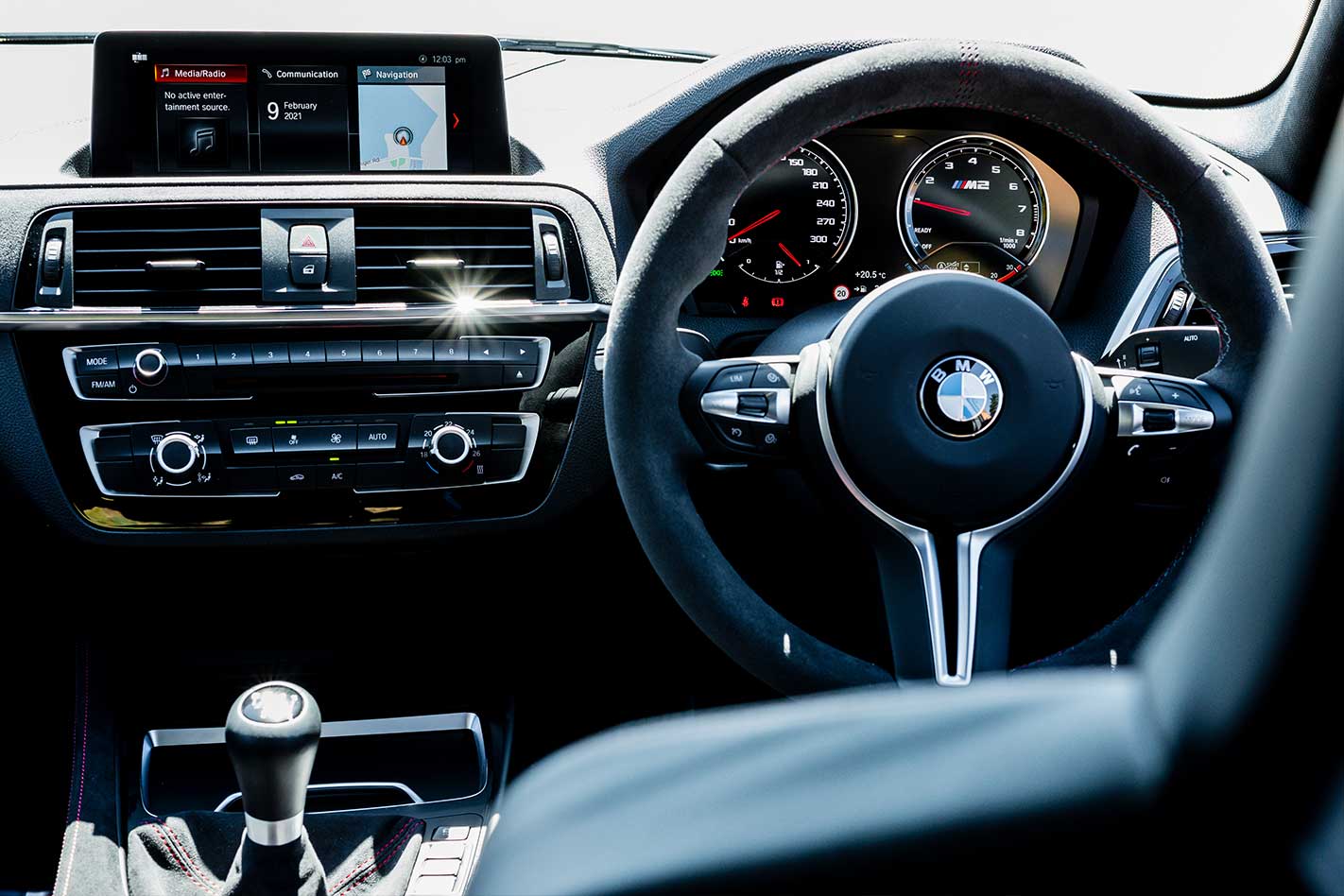
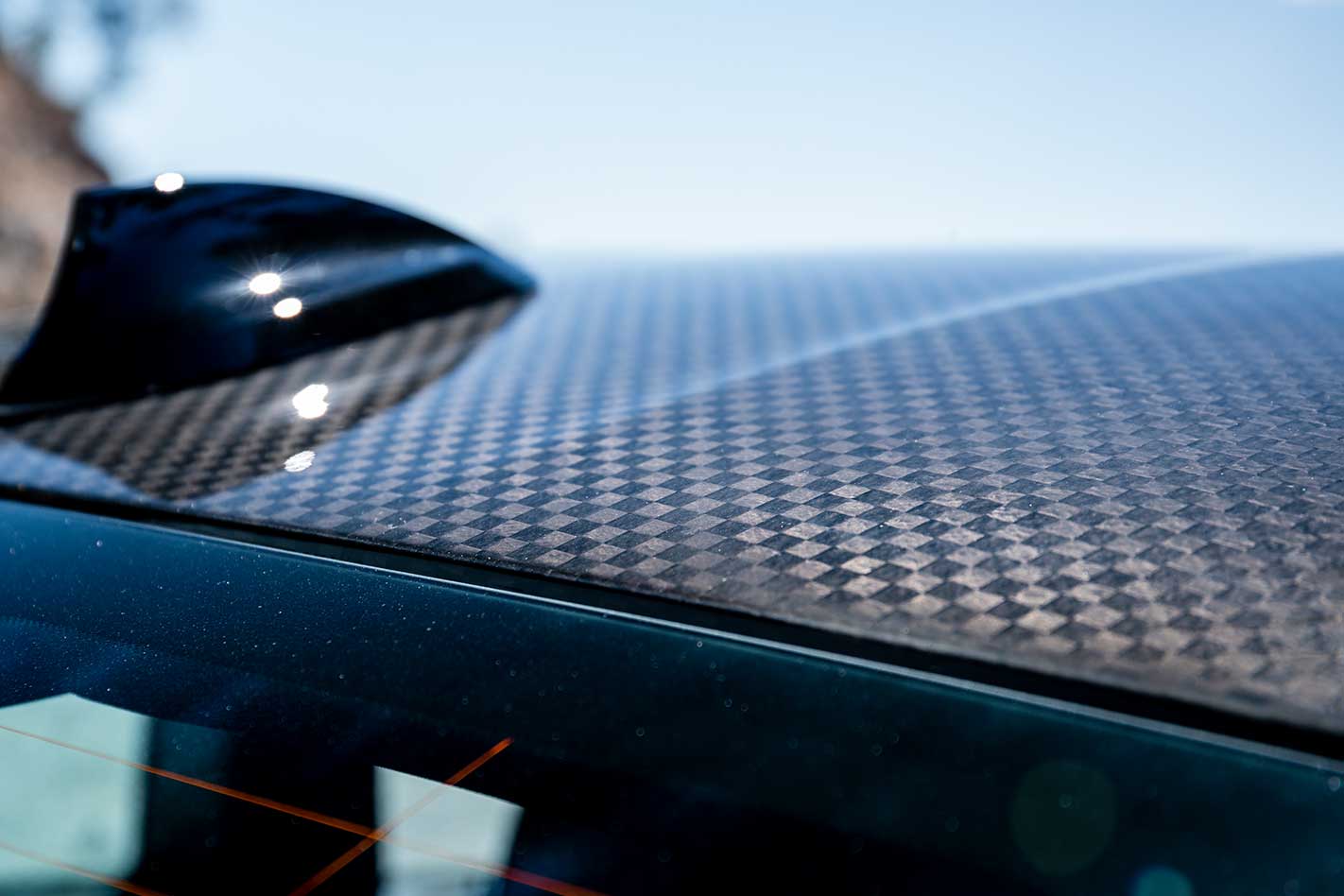
Imagine if there was a car-making device that allowed you to input a request and have it spit out a corresponding machine. Were you to plug in “ultimate rear-drive sports coupe” then the result might very well be the BMW M2 CS.Take BMW’s smallest rear-drive coupe, stuff it with hitherto unheard of levels of power, upgrade most of the mechanicals to cope then add plenty of kit from the cupboard marked ‘Motorsport’ and the end result is a pumped-up two-door that arguably sticks more closely to BMW’s traditional brand values than any other model.
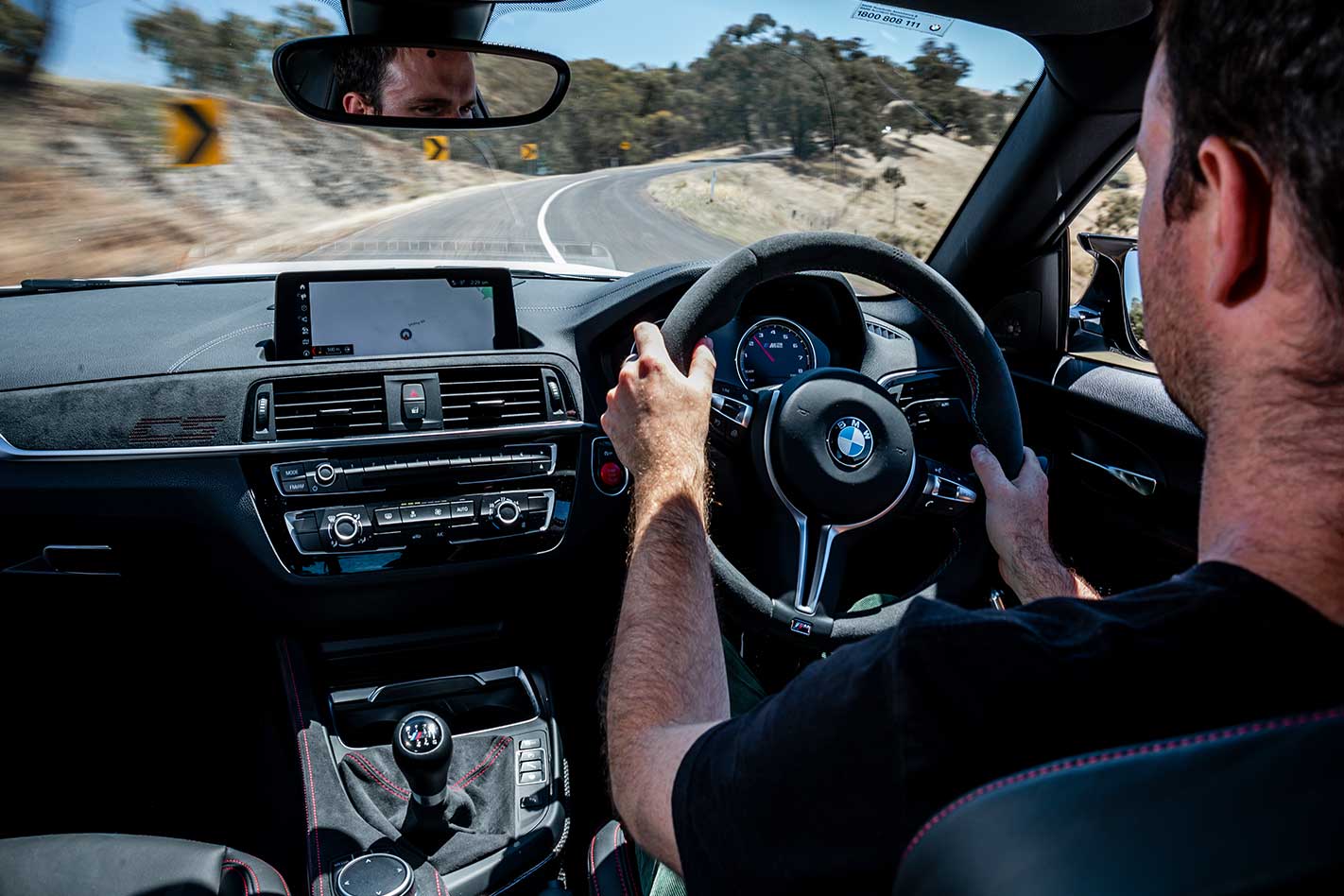
Why this is the case is beyond me, for you’re left with a dozy throttle pedal, weighty steering and a jittery ride. There must be a way to alter this, but despite plenty of searching in the iDrive infotainment we failed to find it.
8.5/10
Pros: sublime rear-drive dynamics; improved comfort; rarity
Cons: big money; small fuel tank; reduced noiseSpecificationsBody: 2-door, 4-seat coupe Drive: rear-wheel Engine: 2979cc inline-6cyl, DOHC, 24v, twin-turbo Bore/stroke: 89.6 x 84.0mm Compression: 10.2:1 Power: 331kW @ 6250rpm Torque: 550Nm @ 2350-5500rpm Fuel Consumption: 10.4L/100km (combined/claimed) 0-100km/h: 4.2sec (claimed) Top Speed: 280km/h (limited) Weight: 1550kg Power/weight: 214kW/tonne Transmission: 6-speed manual Suspension: struts, coil springs, adaptive dampers, anti-roll bar (f); multi-links, coil springs, adaptive dampers, anti-roll bar (r) L/W/H: 4461/1871/1414mm Wheelbase: 2693mm Tracks: 1579/1601mm Steering: electrically assisted rack-and-oinion Brakes: 400mm ventilated/drilled discs, 6-piston calipers (f); 380mm ventilated/drilled discs, 4-piston calipers (r) Wheels: 19 x 9.0-inch (f); 19 x 10.0-inch (r) Tyres: 245/35 ZR19 (f); 265/35 ZR19 (r) Michelin Pilot Sport Cup 2 Price: $139,900
Hindsight is never 20:20. More often than not, it’s an unreliable lens, surreptitiously depriving us of context. Take the BMW M3. The established narrative, moulded over time, is that the last generation M3 was a bit of a miss, that the original E30 version was the stripped-out motorsport hero and that AMG has finally got M’s number in this sector. Viewed in the round, none of these statements are true. We’re at the launch of the sixth-generation M3, the G80, hoping to see how it fits into Munich’s version of history.
It’s a hugely significant car. BMW M boss Markus Flasch has already outlined his masterplan for this vehicle. At the vanguard are the 353kW six-speed manual M3 and 375kW eight-speed auto M3 Competition sedans, the latter of which is idling in pit lane at Phillip Island. Waiting in the wings for launch later this year are all-wheel-drive versions and, for 2022, the mouthwatering prospect of the first-ever M3 Touring wagon.
It’s building on some solid foundations. The F80 was easily the biggest selling M3 to date, shifting more units in any year of its existence than the E30 M3 did in total over its five-year lifespan. It also nearly doubled the sales of its V8-powered E90/E92 predecessor, helping BMW M better AMG’s global sales figures for the last two years.
But while you seemed to love the F80, BMW’s first turbocharged M3, we were never quite so sold. Drive one really hard and they could feel spookily malevolent, a triple threat of spiky torque delivery, an oversquare stance and inconsistent steering response never quite being massaged into servility by the clever electronic control systems. If it was a cheese, it’d be labelled strong and bitey.
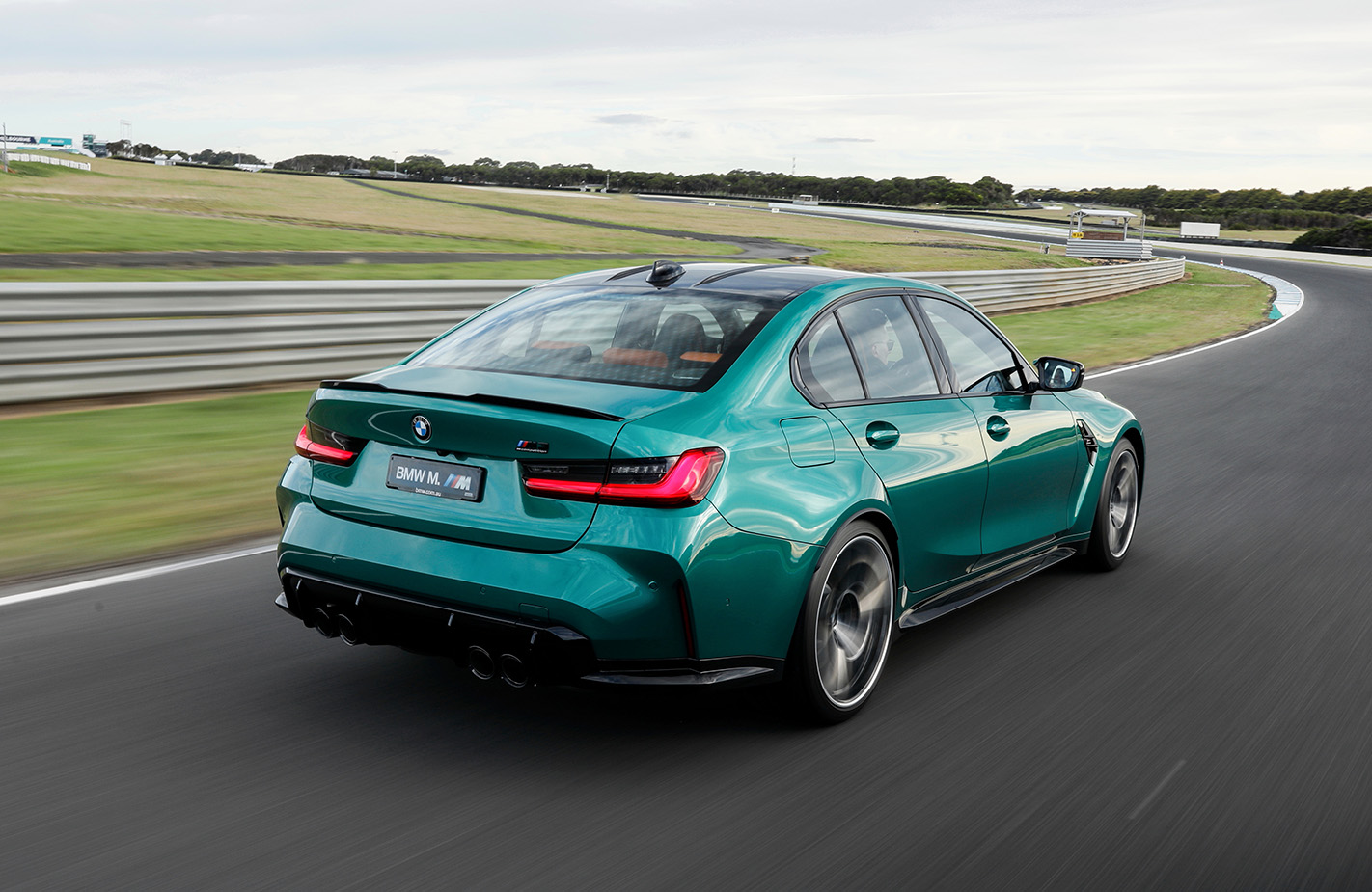
BMW has listened to this feedback and delivered a vehicle with a longer wheelbase, a bigger rear contact patch, a significantly stiffer front end, a more predictably plateaued torque curve and better steering. Job done? Not so quick. In doing so, the weight of this auto M3 Competition has crept up from its predecessor’s 1560kg (DIN) to 1730kg, a hefty 11 per cent climb. That’s huge.
There’s the same sense that the M3 has let its belt out a little when settling into the cabin. It’s airy and spacious. Motor the seat down and you have ruckman levels of headroom. Again, the numbers are telling. Its footprint on the road comfortably eclipses that of, say, a Bangle-era M5 V10. Thankfully BMW has amped up the sense of occasion inside. It’s still not AMG levels of jingle-jangle, but the touchpoints are higher quality, the cabin is slathered in carbonfibre trim fillets and the Merino leather seats, the standard head-up display, Harman Kardon stereo and laser headlights all speak of laudable attention to detail.
The Competition certainly seems like $5k very well spent over the $144,900 M3. For that you get an extra 22kW, as well as the eight-speed auto with launch control. This will help you to 100km/h in an attainable 3.9s, versus the 4.2 seconds of the manual M3, for which you’ll need to be both very skilled and lacking in a certain mechanical sympathy to replicate. The Competition also features that Merino upholstery, some beautiful carbon shift paddles with dimpled rubber obverses, and the ability to lock and unlock the car with a smartphone. There’s also Driving Assistant Professional semi-autonomous tech.
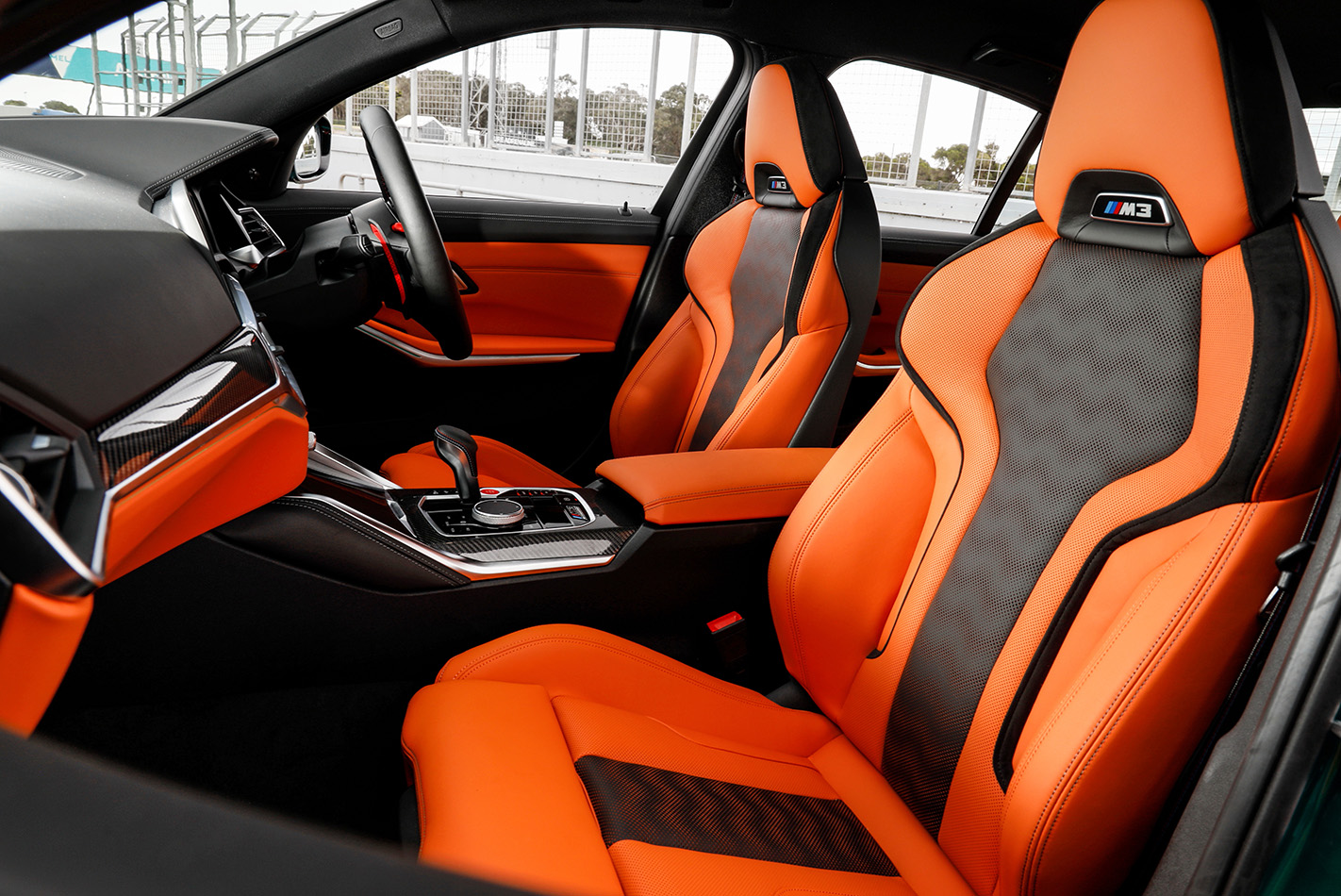
Given that a Mercedes-AMG C63 S retails at around $171k, it’s perhaps not surprising that a significant percentage of M3 Competition buyers are opting for a $26k option pack that features the stunning M carbon bucket seats, carbon diffuser, gurney flap, mirror housings and grille frame as well as carbon-ceramic brakes, which knock 25kg of unsprung weight out of the equation and will save you hours in wheel cleaning to boot. The optional seats offer a stack more support than the standard chairs, amp up the cabin drama appreciably and feature a removable pad in the headrest for when you’re wearing a crash helmet, delivering another 6mm of space behind your noggin. There’s also a carbonfibre ramp built into the seat base ahead of your unmentionables that looks very cool and is designed to support your thighs when cornering hard, but is a bit of an inconvenience if you’re a habitual left-foot braker.
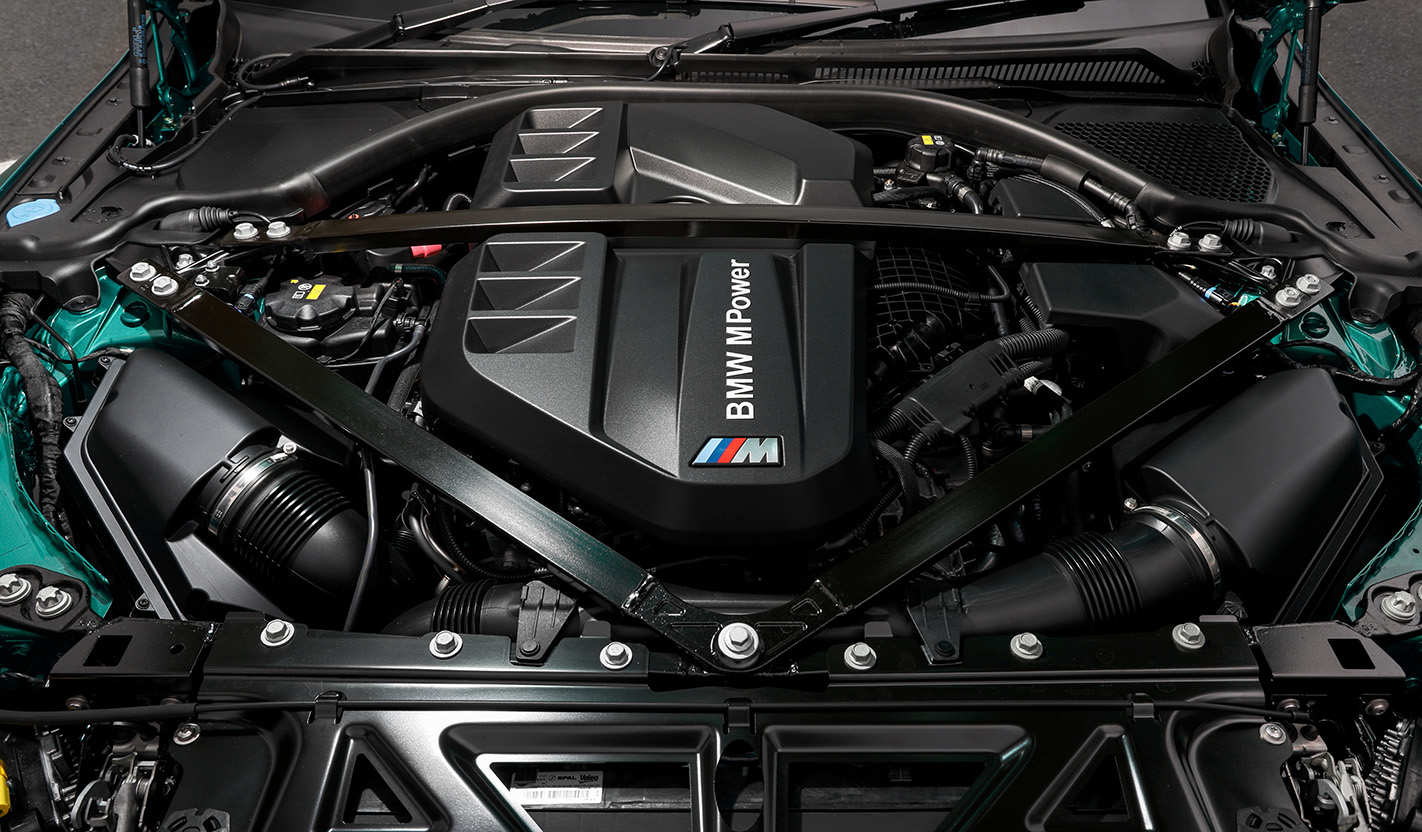
Pop the bonnet and the S58 3.0-litre twin-turbo lump has been incarcerated like Hannibal Lecter. Reinforcing struts run dome to dome, dome to bulkhead and dome to chassis struts. We’ve driven the S58 before, but in this iteration it differs from the unit in the X3M and X4M Competition models, with a revised crankcase, a different forged crankshaft and an uprated twin-chamber oil sump design. There’s an ingenious horizontal oil cooler that’s tucked just below the front radiator, utilising a flap at the leading edge to create negative pressure and suck cooling air up through it. Time to see if it all works.
BMW has set the car’s configurable M tabs up in advance, so we’re instructed to begin in M1 mode and then switch to M2. The M1 mode is a bit tame, with the engine and chassis in Sport, steering and brakes in Comfort, transmission in D2 – a dullish automatic mode – and DSC on. This lasts a couple of corners before clicking into M2, which amps the engine and chassis into Sport Plus, steering and brakes into Sport, the DSC into M Dynamic Mode and the ‘box to S3 sharp manual mode. Yes, you read that right: there’s a drive mode for the brakes, with Sport jacking up the initial servo bite of the six-piston fronts and single-pot floating caliper rear stoppers.
The initial impression is that the M3 Competition disguises all that weight very crisply. Even on tighter turns it stays flat, with a gradual lean onto its outside rear corner with a progressive and well-signalled transition into power oversteer. The dark side to the old F80 generation’s personality seems to have been replaced with something both more exciting in execution yet more benign in its limit handling. That’s a massive win.
Even better, when one of the sportier drive modes is selected, the cabin is drenched in sound from around 3500rpm. Yes, a certain percentage of it comes from speakers rather than the engine, but it’s a decent calibration, just adding a little cleanliness to the S58’s turbocharged voice. The four-exit exhaust is finished in black chrome on the Competition model and features a butterfly in order to game drive-by noise emissions tests and deliver a decent tone at higher engine speeds.
There are some caveats though. Given the pre-configured setup, the steering is relatively hefty without feeling heavy for its own sake, but there’s still a lack of detailed feedback from the front contact patch and the active rack takes a little keying into. Gauging how much purchase the front end has is a matter of gradually leaning harder into it. The answer is ‘a lot’. Even with that considerably stiffer front end, the M3 Competition is reluctant to understeer. Our car was shod with Michelin Pilot Sport 4S rubber, measuring 275/35 ZR19 up front and 285/30 ZR20 at the back, with other cars present wearing Pirelli P Zero or Bridgestone Potenza rubber. The Pirelli-shod cars would overheat their front boots after three or four laps of enthusiastic cornering. Our advice would be to insist on the excellent French hoops or shell out another $2k for the Pilot Sport Cup 2+ tyre option if you’re really serious.
The diff is a controlled limited-slip unit rather than the clutch-pack centre coupling that the all-wheel-drive version will get and isn’t overly aggressive in the way it spools. The turbochargers, one on each bank of three cylinders, are a different story. The M3 Competition’s peak torque figure of 650Nm is made between 2700 and 5510rpm, but the turbocharged twist action ramps up very sharply prior to this. Let the needle decay by just 200 revs to 2500rpm and you only have around 450Nm to play with. It’s the same with power: 120kW at 2500rpm, 190kW at 2750rpm. In other words, try to drive the M3 as you would, say a Merc C63, surfing around on a big, benign wave of torque, and it’ll feel old-school laggy. But why would you when it’s so good in the upper registers? At 5500rpm there’s a baton handover from peak torque to peak power, which the M3 retains to the 7200rpm redline. Anywhere above 3500rpm and the M3 Competition is a blast.

Given the limited time we had with the car, it wasn’t possible to fully assess all of the interactions between the differential, the stability control and the 10-stage traction control system. As a first taste, the M3 Competition certainly shows dynamic promise, weight notwithstanding, although opinions were divided over the steering. It doesn’t feel quite as hyper-alert as an Alfa Giulia Q but we’d question how many buyers would cross-shop these two cars. We’d even question how many conquest sales BMW can make from market leader AMG. We suspect that this corner of the market is tribal in terms of badge loyalty and that no matter what the BMW offers, some people will want the bluster of a V8 Mercedes and won’t change that affiliation no matter the dynamic talents of the G80 M3.
What will certainly test the limits of that loyalty will be when the Mercedes-AMG C63 gets its four-cylinder powerplant. That could be the moment where BMW looks set to cash in. Who knows, by then you may even have become accustomed to the grille. Predicting where this G80 M3 will be remembered in the canon of BMW’s greats is perhaps an even greater fool’s errand than mythologising the past. A session on a perfectly-surfaced race circuit tells us only so much. The acid test is already in the works.

SO, YOU THINK YOU CAN DRIFT?
Standard on both regular and Competition versions of the M3/M4 is the M Drive Professional package. This features M Track Mode, M Laptimer, the 10-stage M traction control and the hilarious M drift analyser which times your drifts, measures the distance drifted, assesses your maximum angle of dangle and then awards you a score between one and five stars. We can imagine there will be a few M3 owners who will have 1-star/tilt-tray scenarios in their futures.
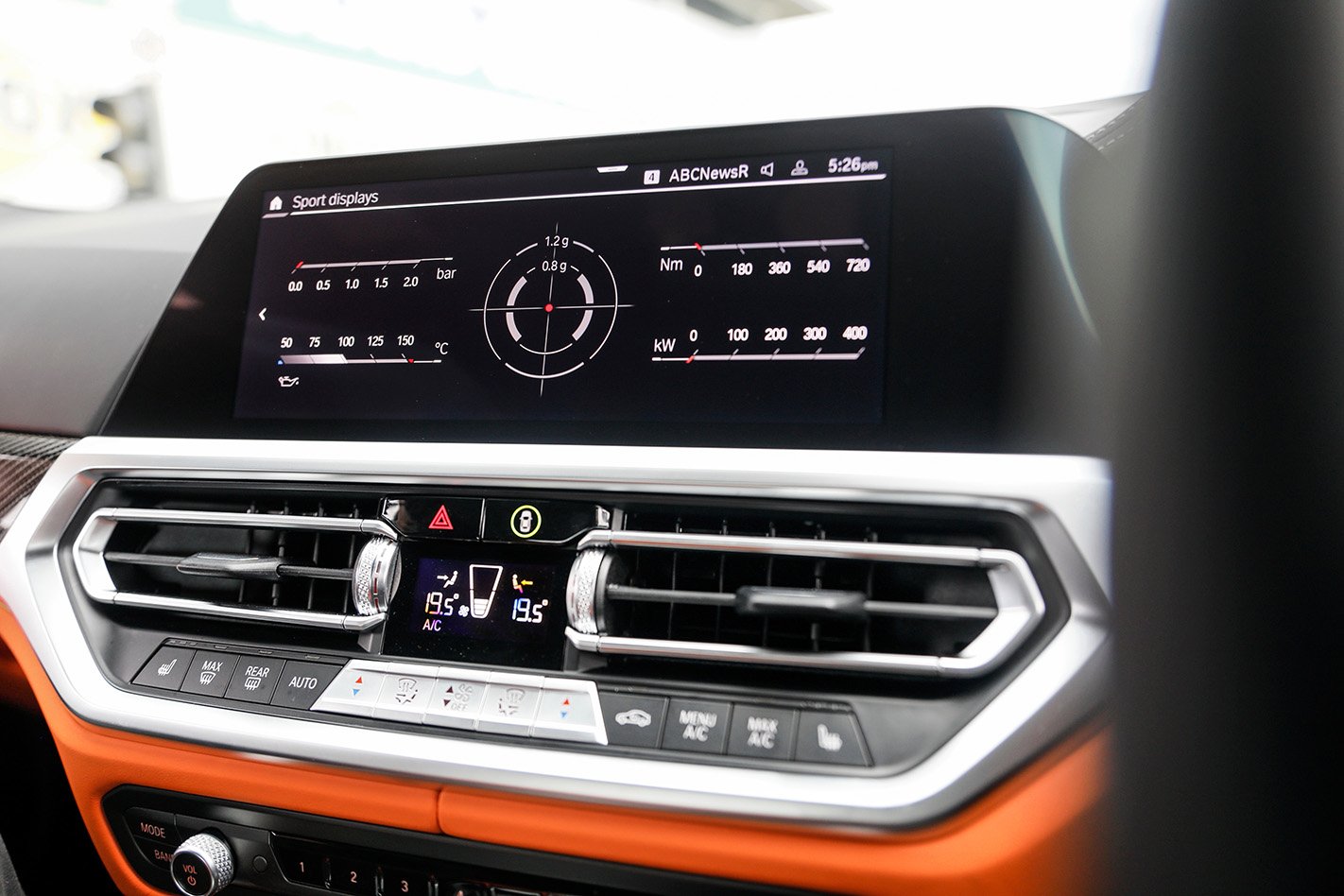
2021 BMW M3 COMPETITION SPECS
Engine: 2993cc 6cyl, dohc, twin-turbo
Power: 375kW@ 5510-7500rpm
Torque: 650Nm @ 2700-5510rpm
0-100km/h: 3.9s
Weight: 1730kg
Price: $149,900
Like: Ripping soundtrack; pace; body control; clever electronics
Dislike: Weight; size; manual model is power capped
Rating: 4.5/5

Audi has previewed its new Q4 e-tron SUV ahead of an official April 2021 reveal, though for now we’ll have to be content with interior dimensions and features. Performance specs are to follow.
That said, there’s quite a bit of information about what to expect from the Ingolstadt brand’s newest battery electric SUV, which offers a smaller alternative than the Q7-sized e-tron.
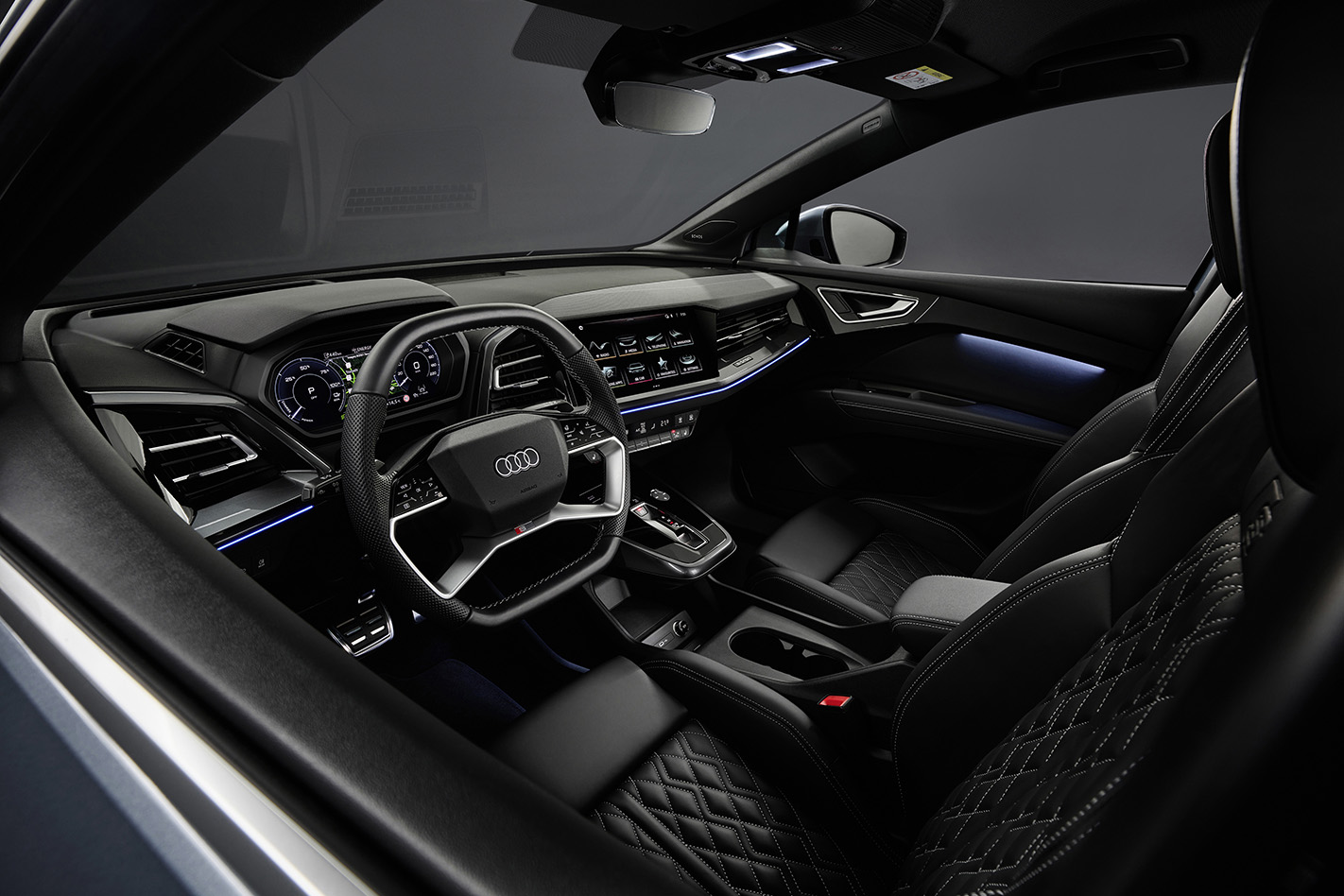
While it’s a mid-sized SUV, expect more space thanks to its compact all-electric MEB platform.
To be more precise, Q4 e-tron is 4590mm long by 1865mm wide and 1613mm high, with a 2760mm wheelbase that accommodates a 1830mm-long interior space that’s similar to a large SUV.
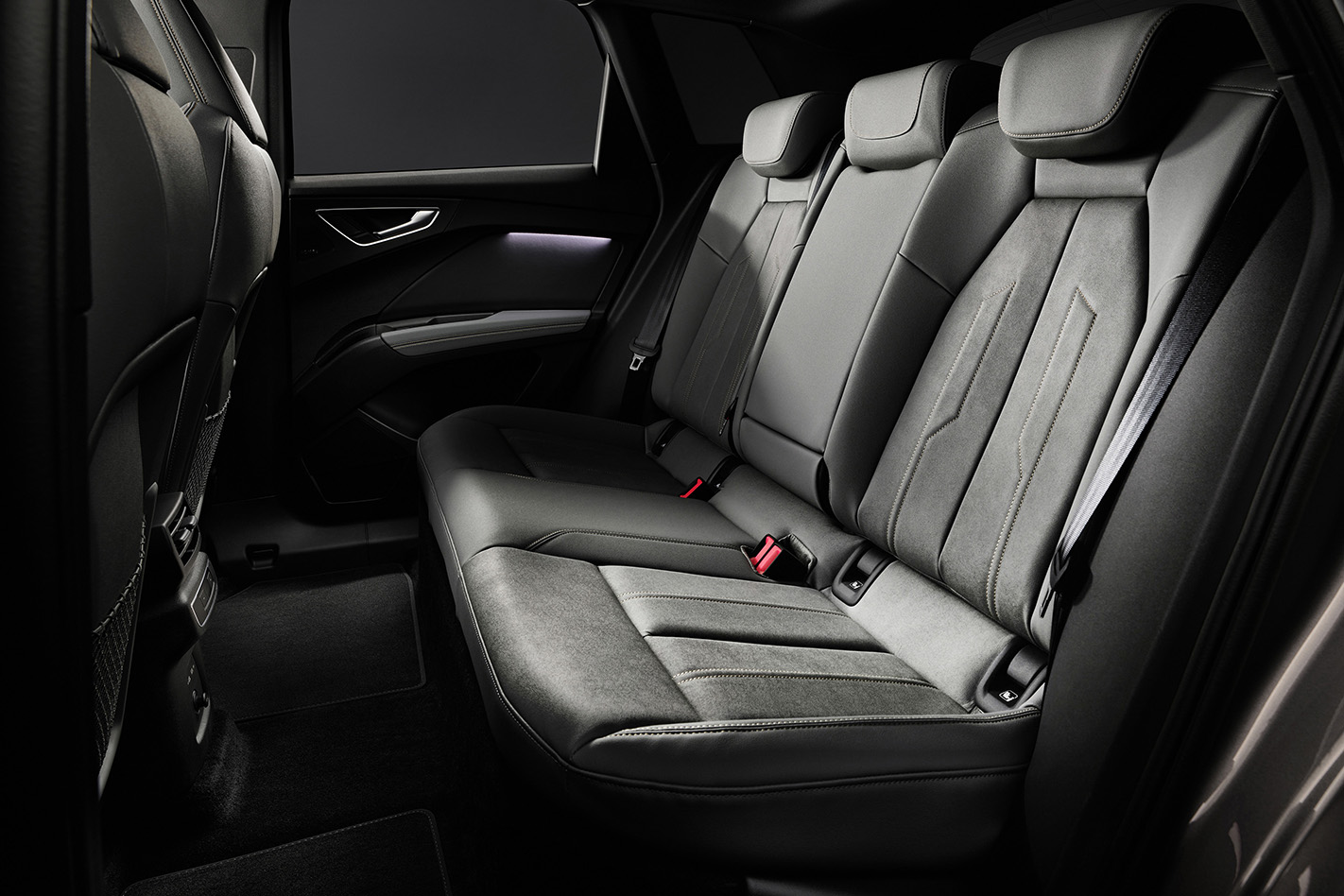
According to Audi, the doors open wide and the rear seats are positioned in a comfortably high position, affording plenty of legroom due to the absence of a transmission tunnel through the middle of the floor.
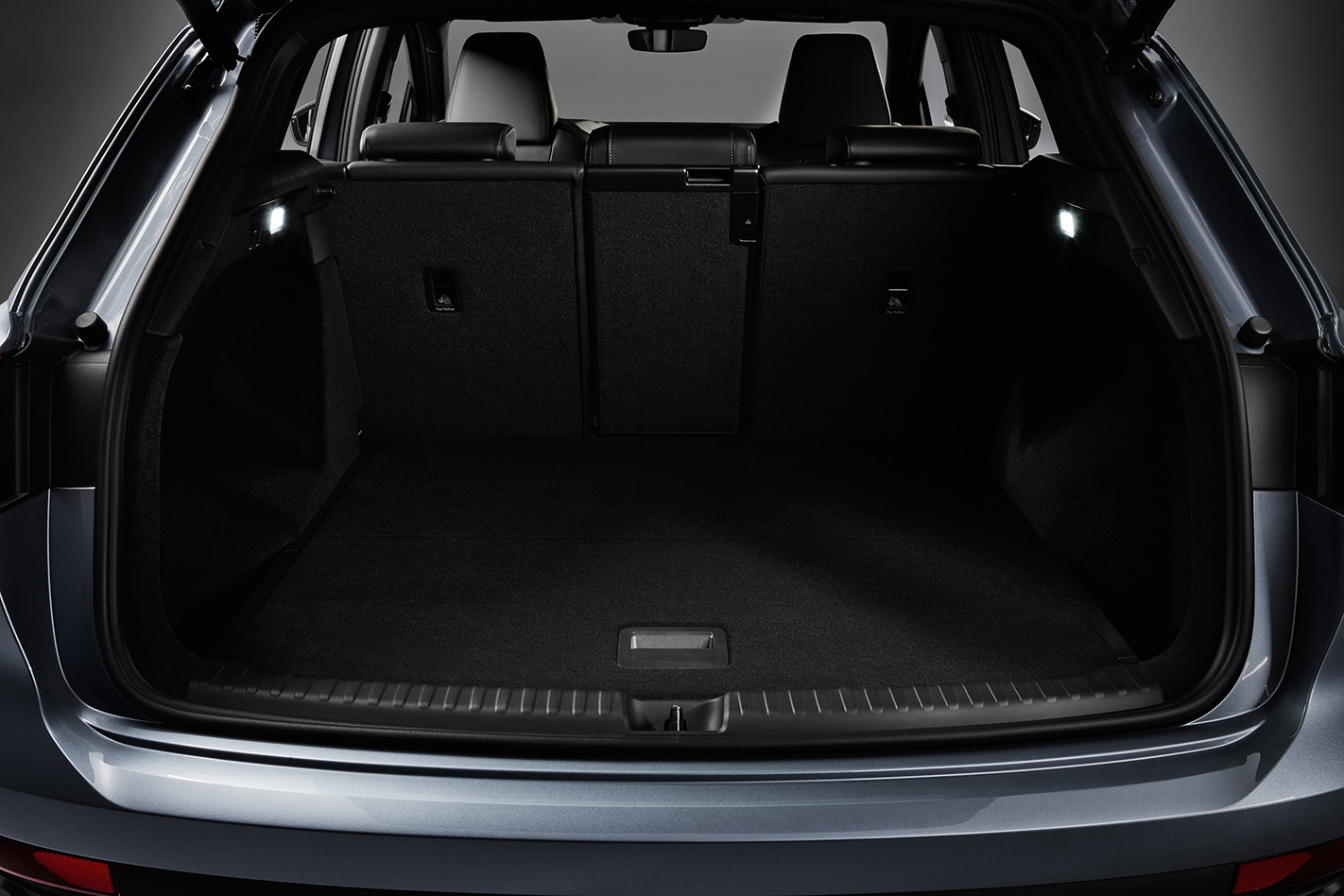
Boot space is 520 litres with cargo carrying capacity increasing up to 1490 litres with the 40:20:40 rear seatbacks folded down.
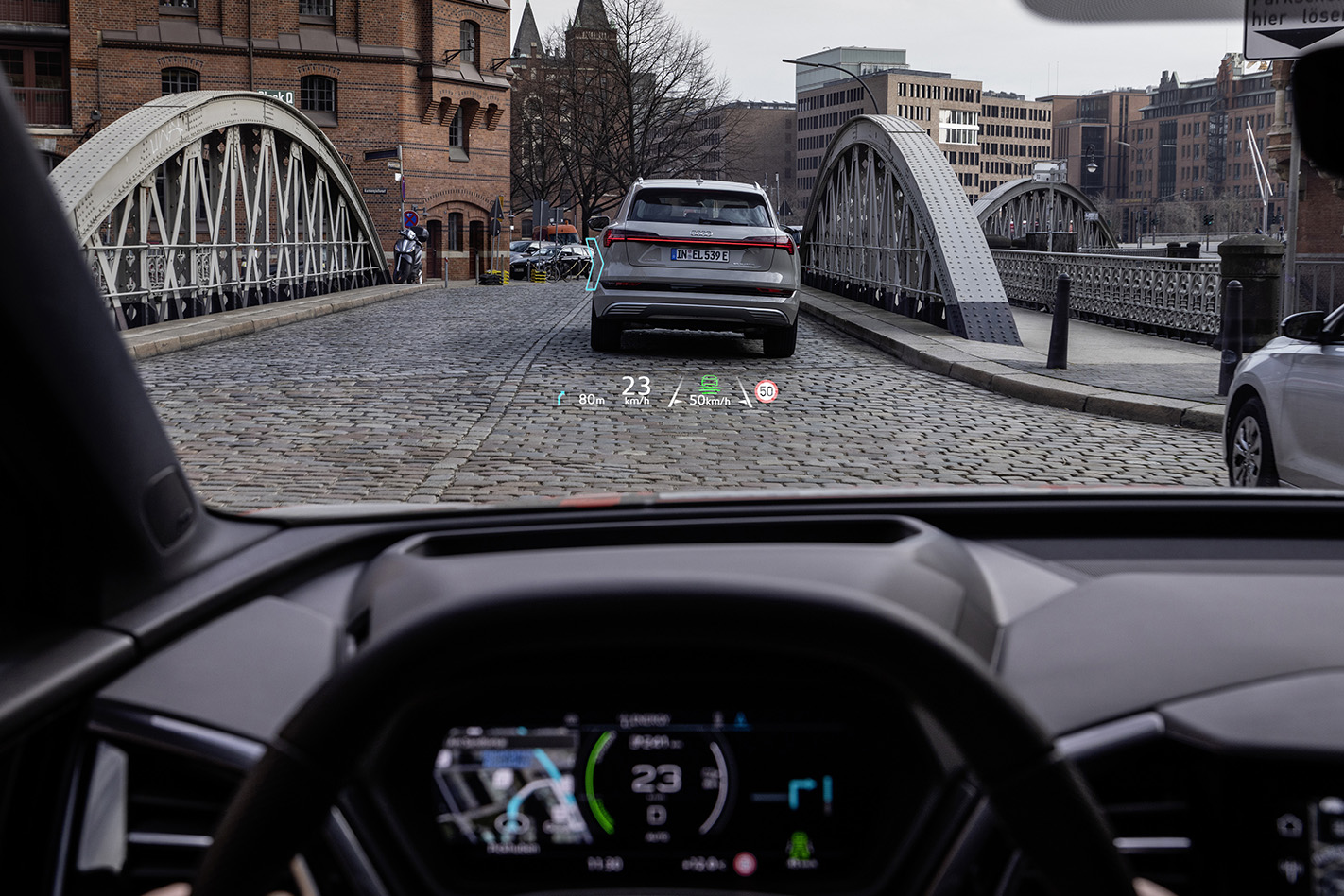
The Q4 e-tron will come with Audi’s fully digital Virtual Cockpit instrument cluster and MMI infotainment system.
An augmented reality head-up display, as available in the Volkswagen ID.3 and ID.4 EVs, will also be available. It acts like a virtual drone that points exactly to where your satellite navigation is directing you.
Other interior highlights include a flat top and bottom steering wheel with haptic feedback buttons that will available in the S Line variants, while the front seats will have a centre airbag to prevent occupants colliding with each other during a side impact.
That’s about it for now. We’ll no doubt be fed a few more breadcrumbs about the exterior and hopefully performance before next month’s official launch.
