Get up to speed on the new Prado
The stories below will give you a guide to everything we learned about the new Prado when it was unveiled. All fresh stories published since then will be found on our Toyota Prado model page here.

The small car retreat is in full swing, with one last hurrah for the long-serving 2020 Honda Jazz Final Edition.
As part of a last-ditch sales effort, Honda has rejigged the Jazz range with price and edition updates – just before the car bows out for good in 2021.
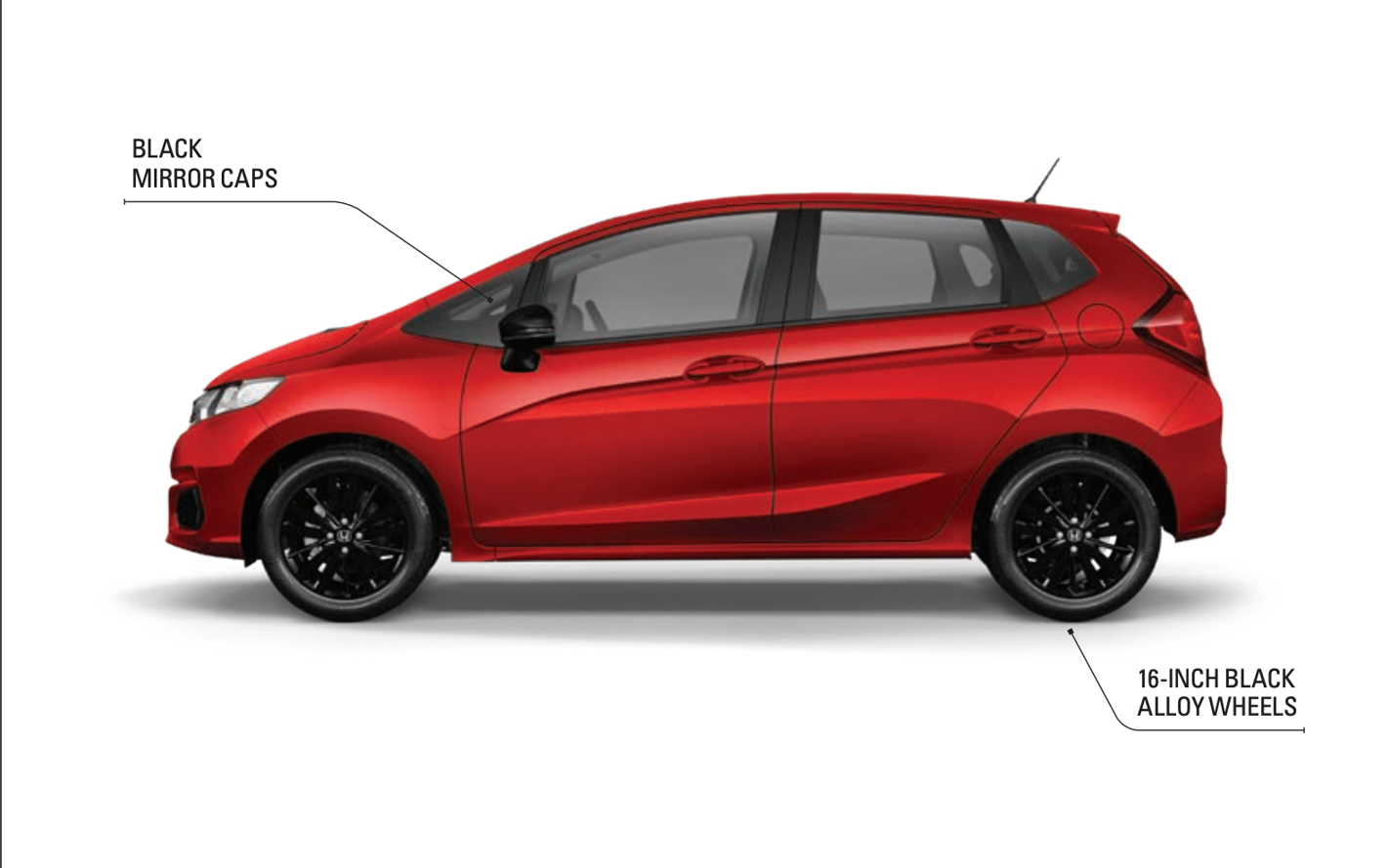
The Jazz Final Edition takes the standard base VTi variant and adds black mirror caps and black 16-inch alloy wheels to a choice of four colour options.
The price of the Final Edition is $19,990, $1300 more than the standard VTi which costs $18,690 (these prices are before on-road costs).
Elsewhere, the VTi-S and VTi-L higher specifications now cost more ($21,550 and $25,050, respectively) which is because both are now only available in more expensive metallic/pearlescent paint colours.
The standard Jazz uses a continuously-variable transmission, while each variant receives a 7.0-inch Android Auto/Apple CarPlay infotainment system, multi-angle reversing camera and unique magic seats storage system.
All use a 1.5-litre naturally-aspirated four-cylinder engine with 88kw/145Nm.
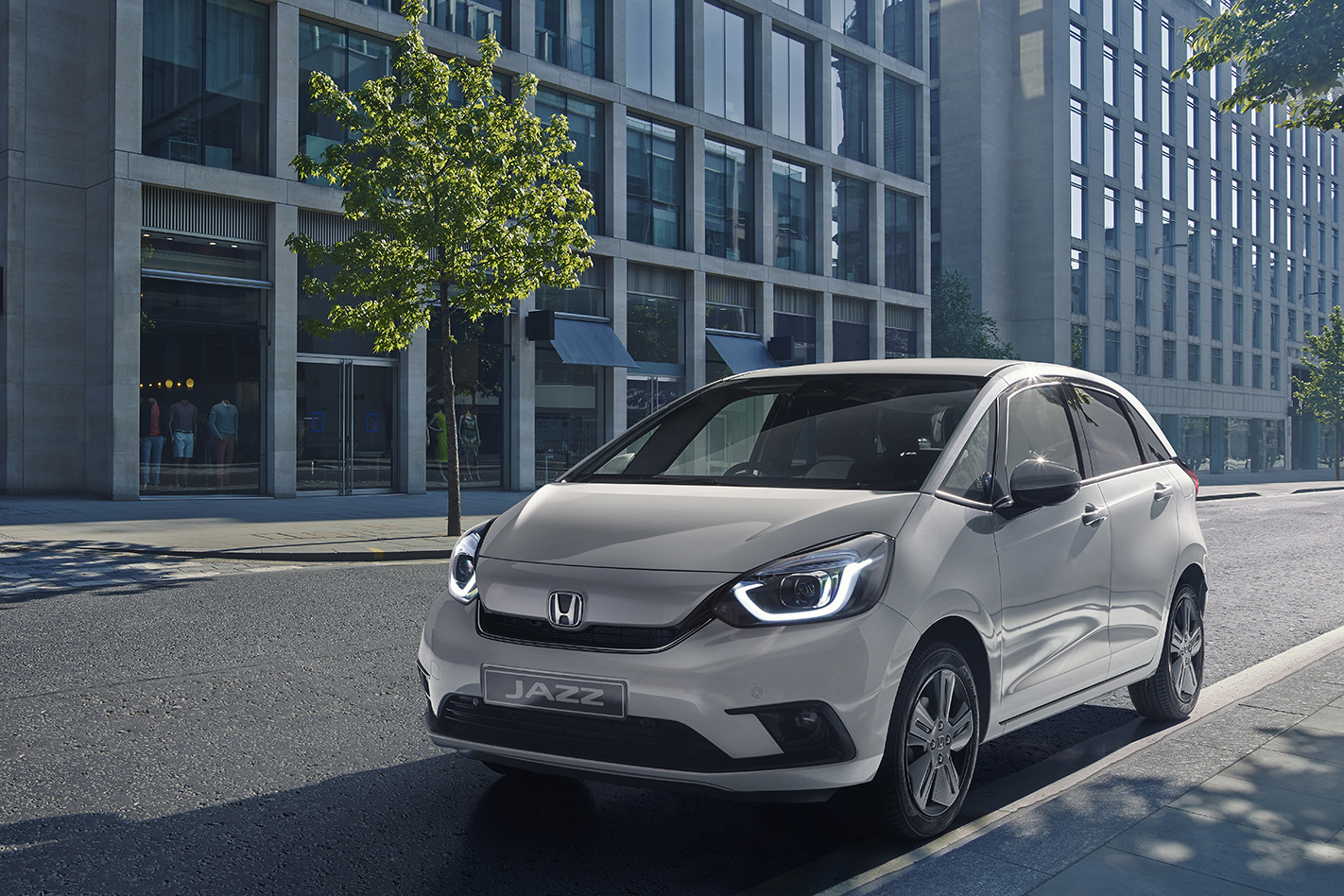
The updated new Honda Jazz will not be sold in Australia
The Jazz’s demise comes as a number of other light hatchbacks exit the local market, with the loss of Ford’s Fiesta and the paring back of its Focus range signalling the beginning of the end for the small car, as buyers flock to SUVs.
Toyota was only able to keep its Yaris light hatchback in the Australian market by bumping its price up substantially, and similarly, Hyundai has also moved away from the sub-$20,000 price point.
In July, Honda made the announcement that it would cut under-performing models from its model range, and move to an ‘agency-based’ sales model which it expects to help lessen the blow of a coronavirus-driven downturn.
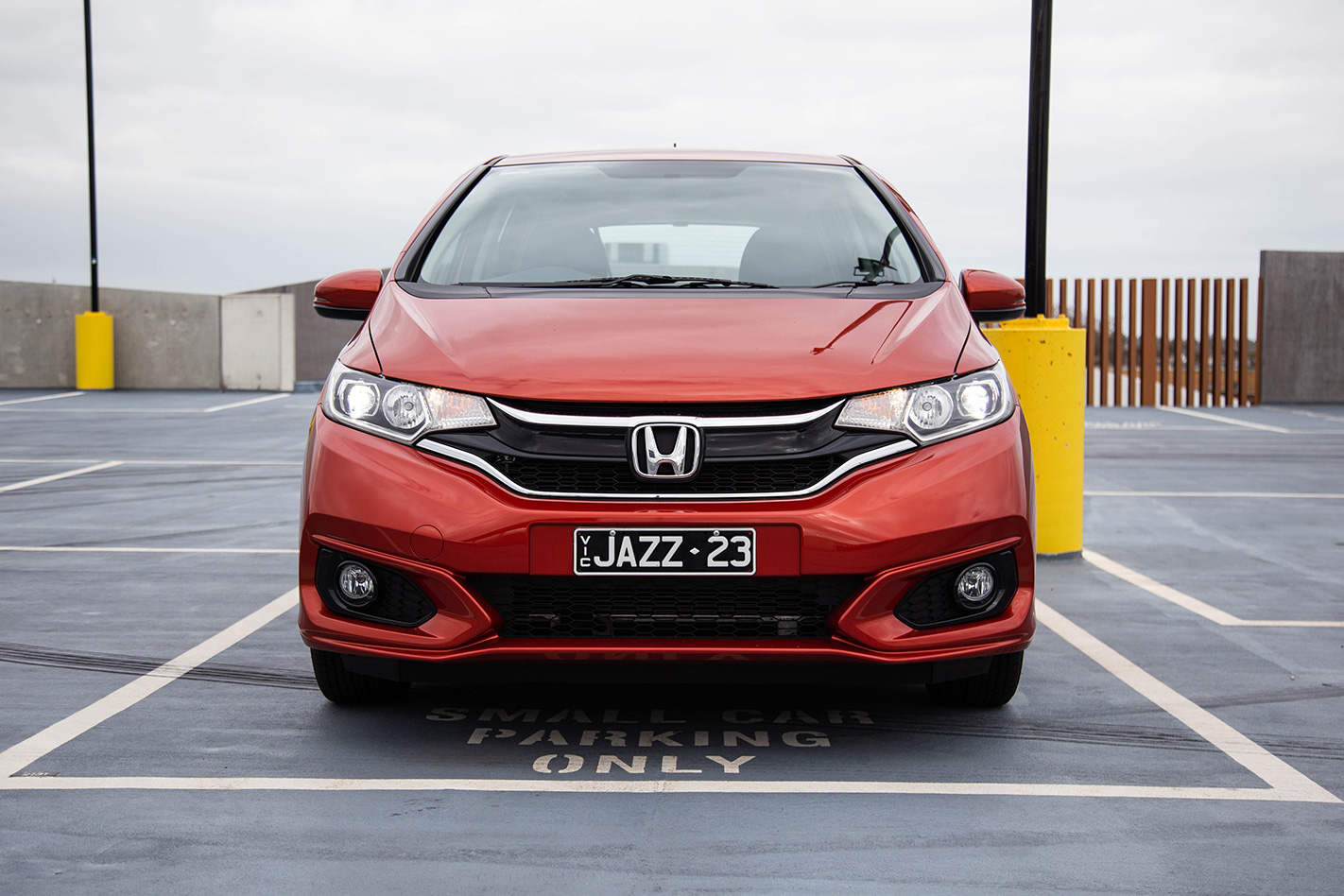
As part of the change, from July 2021 Hondas will now have an identical price no matter where they are in the country.
The 2021 model year Jazz is now on sale, though new Jazz sales will wrap up as Honda nears its new business model in mid-2021.
Volkswagen has whipped the covers back from the hottest Golf it has ever produced, the 2022 Volkswagen Golf R.
The new Golf R takes the new Mark 8 shape and stuffs in a retuned EA888 2.0-litre four-cylinder turbo engine for performance totalling 235kW/420Nm.
Both a six-speed manual and seven-speed DSG transmission will be on offer and VW says it’ll be able to run the 0-100km/h sprint in 4.7 seconds, onto a limited 250km/h top speed.
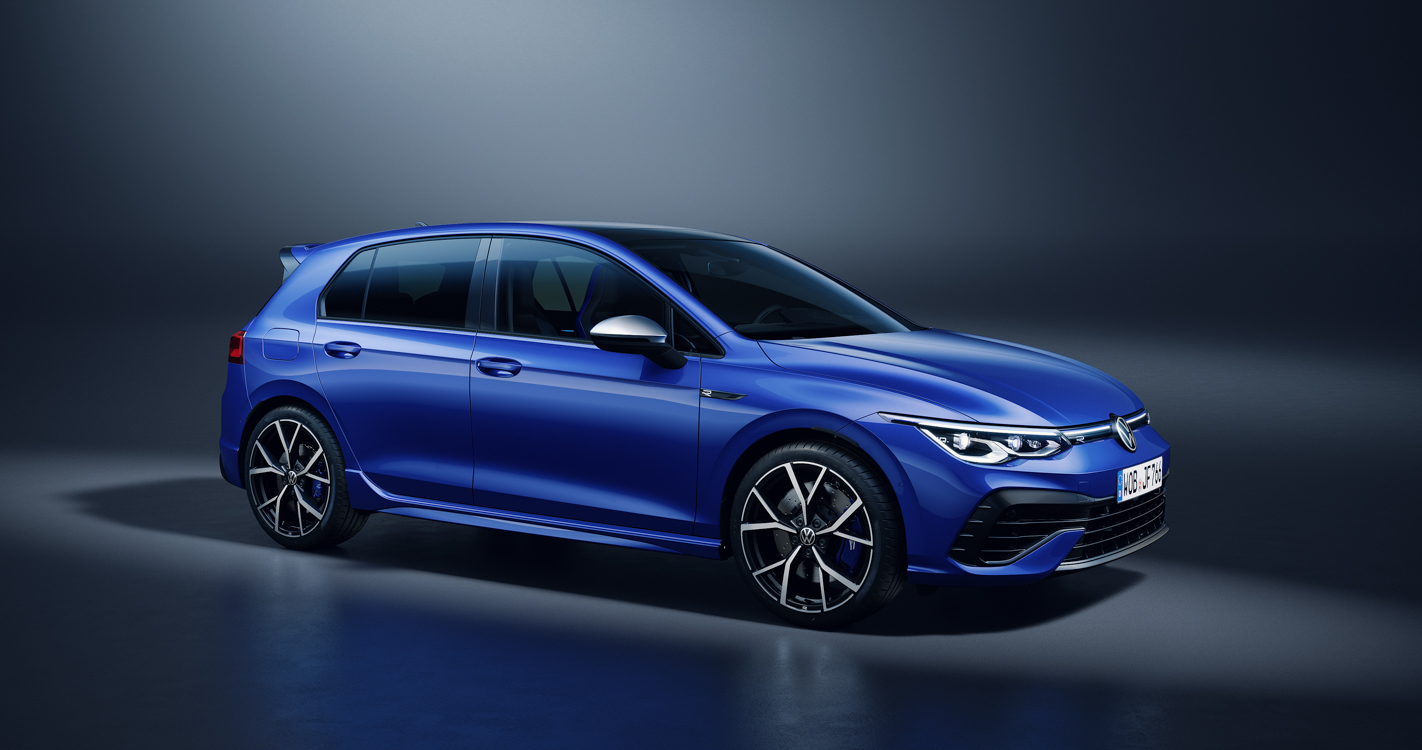
Those numbers are 22kW and 40Nm up from its Mark 7.5 predecessor, representing a sizeable jump in performance using the same engine.
The R engine differs from the VW Golf GTI engine in a few key ways, notably in the use of stronger internals to handle more boosty goodness.
As expected, the 2022 VW Golf R Mk8 will retain all-wheel-drive, but with a few key enhancements thrown into the mix.
The 4Motion drivetrain will feature a new torque-vectoring system for the rear axle which can selectively control the amount of power sent to each back corner, while a rear diff will juggle the power between both the front and rear axle.
VW says this will significantly aid the Golf R’s agility, particularly in cornering.
Also helping the new Golf rotate on its axis is a new Vehicle Dynamics Manager (which is also employed in the Golf GTI). This new system networks the electronic differential lock and adaptive damper systems together.
Two new ‘Special’ and ‘Drift’ driving modes join the party too. The Special mode is said to emulate the driving parameters used during testing of the 2022 Golf R on the Nurburgring Nordschleife, meaning you can use the driving mode that was specially devised for the Green Hell.
Speaking of, the new Golf R managed to best its predecessor’s Nurburgring time by a whopping 19 seconds at the hands of test driver Benjamin Leuchter.
Power Up: Volkswagen details Golf GTI Clubsport
Drift mode is pretty self-explanatory – it winds back the electronic stability control interference and regulates the power through the all-wheel-drive system in order to get the Golf R to rotate for a nice big slide. Race tracks only, please!
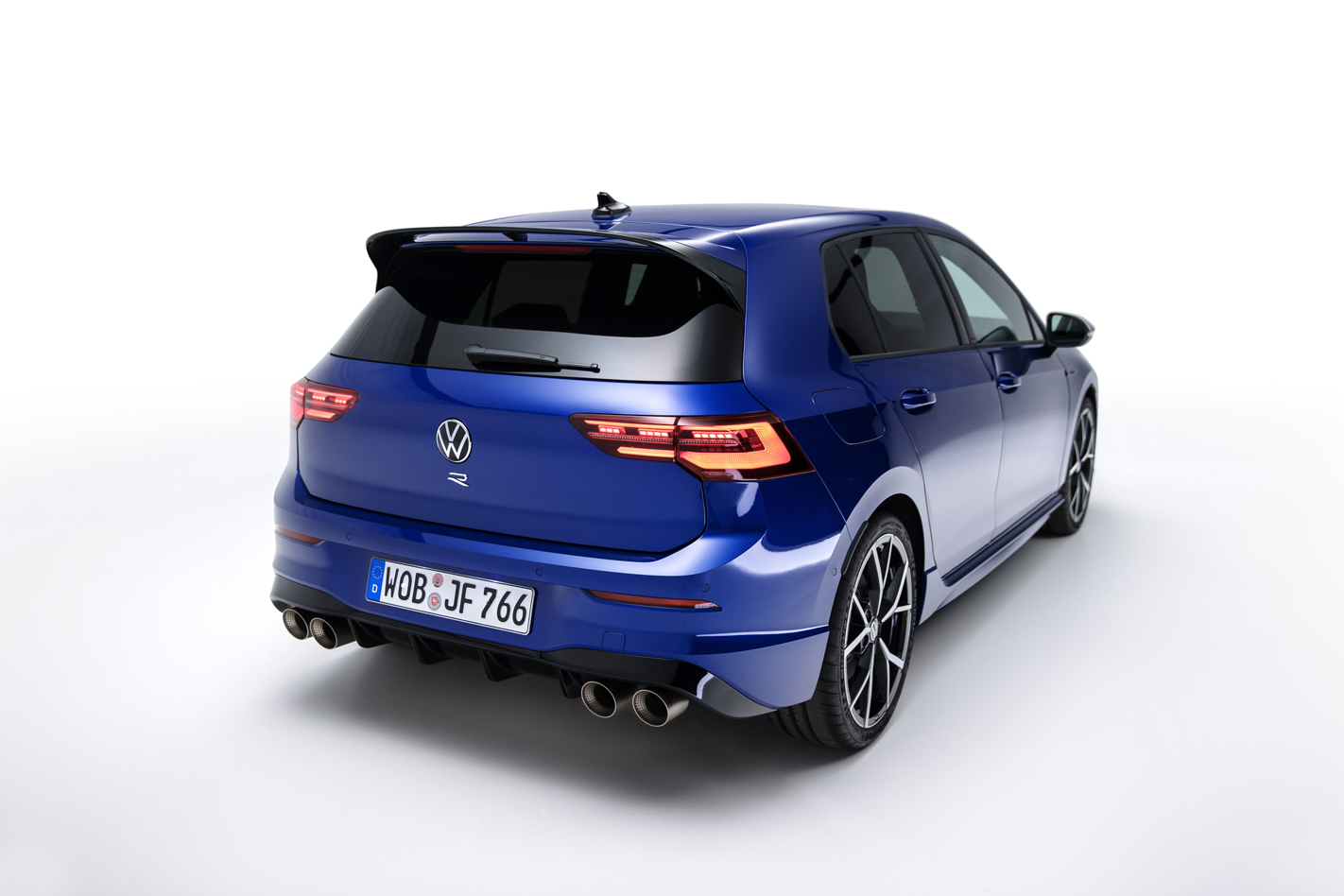
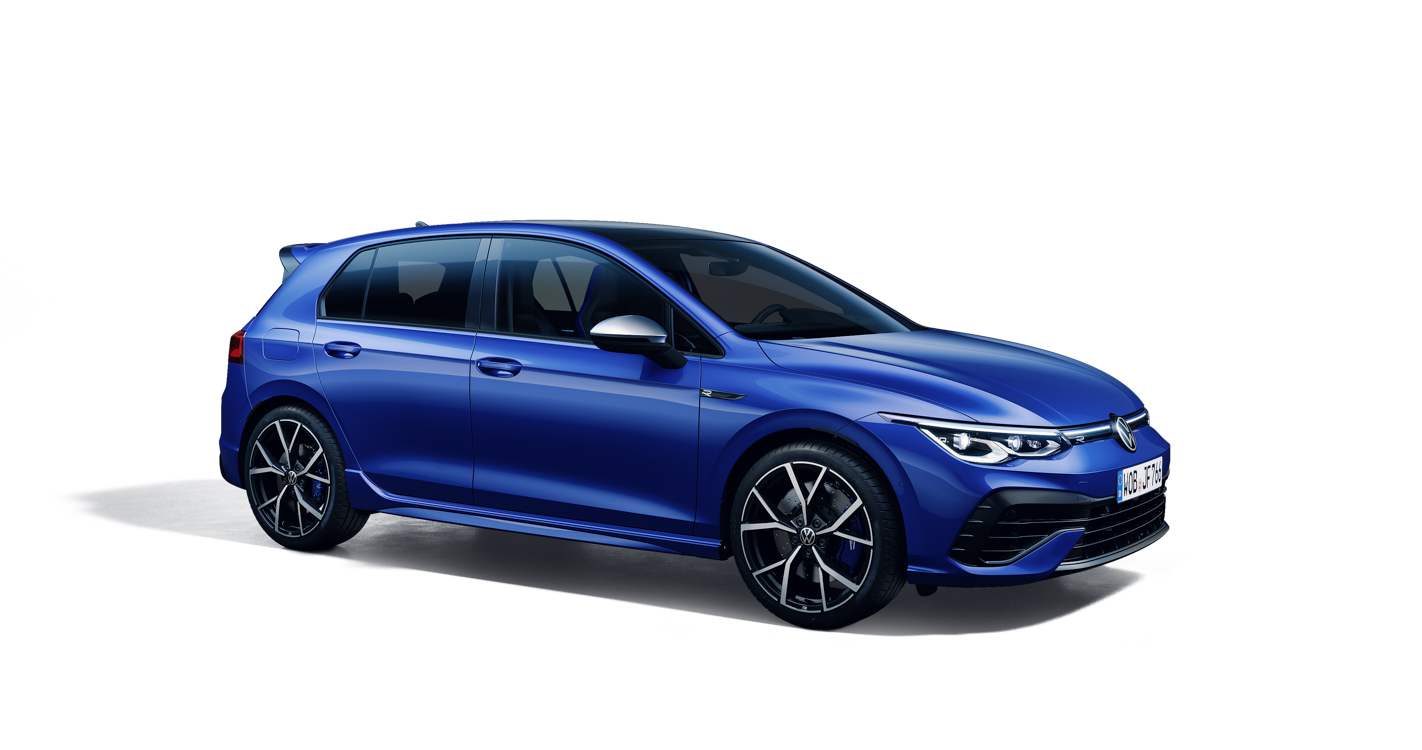
Of course, the 2022 Golf R has transformed the Mark 8 Golf’s looks into a sporty character with a redesigned front bar with integrated full-width LED strip lighting, silver mirror caps, large side skirts, large 19-inch alloy wheels, a 20mm drop in ride height, an aggressive rear diffuser with quad tailpipes, sizeable rear spoiler and ‘R’ badging at the front and rear.
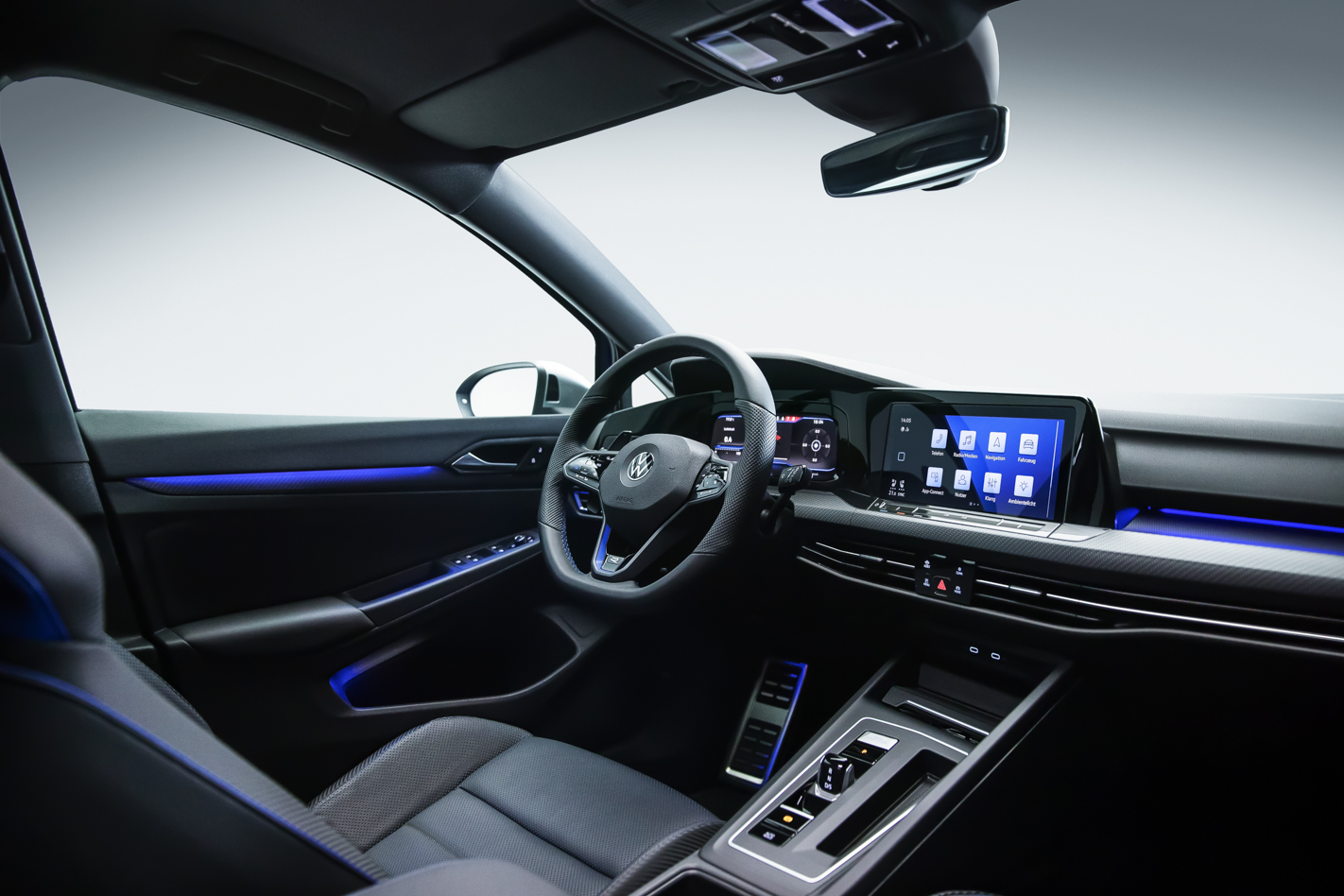
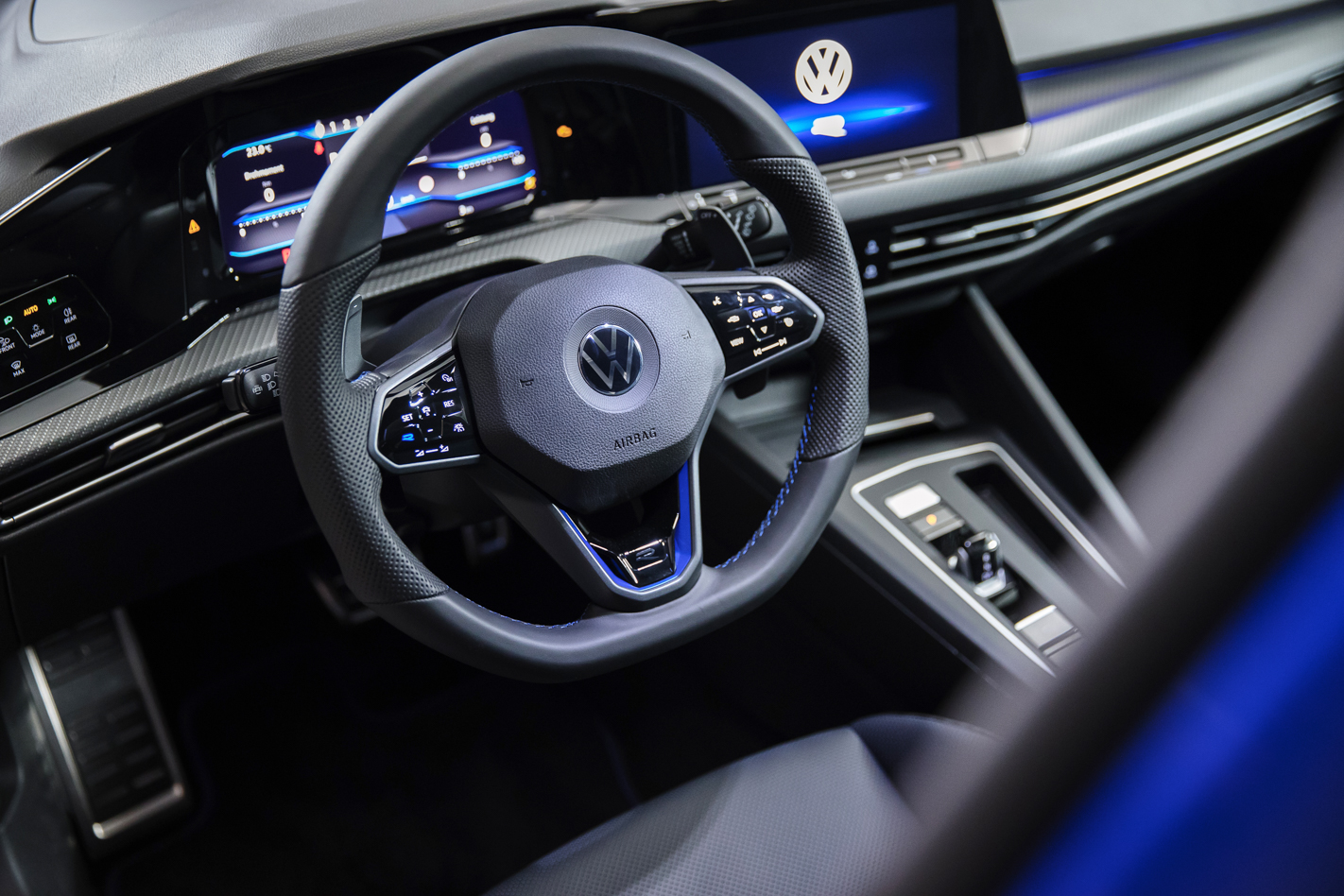
On the inside we find the heavily digitised interior of the Mark 8 Golf with a 10.25-inch digital instrument cluster and 10-inch infotainment and a few R additions such as blue-accented sports seats with integrated headrests, a specific R-design multifunction steering wheel with paddle shifters and a dedicated R button, brushed stainless steel pedals, carbon accents and ambient lighting.
After the standard Mark 8 Golf and GTI go on sale in early 2021, it’s likely that Australians will have to wait until at least 2022.
Former World Rally Championship star Hayden Paddon has revealed a vicious electric racing machine that takes its basis from a Hyundai’s Kona small SUV, but has the firepower to blow infamously powerful Group B rally cars out of the water.
While the wild Group B rally racers of the 1980s represented a new era in outlandish and, at times, uncontrollable petrol power, Paddon’s latest pet project is another step toward electric dominance in the forest.
Based on the Kona small SUV, this beast is unlike anything you will see at the supermarket carpark, with max outputs in the region of 800kW – making it one of the most powerful rally cars outside of Pikes Peak.
When competing on a rally stage, the Kona EV will be on par with a fully-fledged WRC car in terms of power outputs.
In race trim, the Kona EV rally car tips the scales at 1400kg, but like most electric vehicles, a lot of that weight is extremely low in the vehicle, giving it a superior centre of gravity – central to successful rally competition.
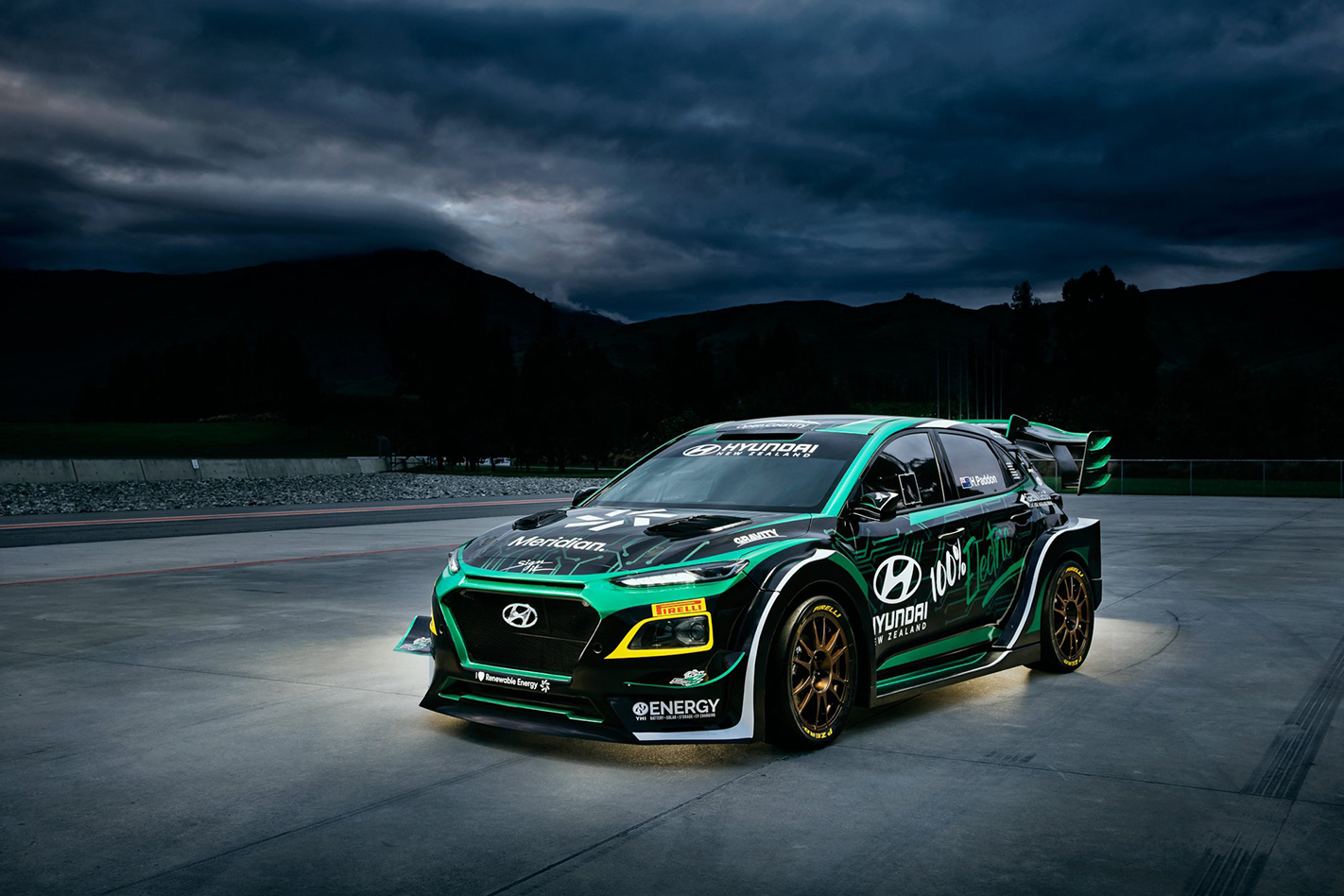
Shown to the world in tarmac specification, the Kona wears Pirelli P-Zero slick rubber on all four corners, but is clearly comfortable on gravel stages judging from the dramatic reveal footage.
“More sideways than the ‘70s, more power than the ‘80s,” claims Paddon in the video.
What makes Paddon’s Kona different to other EV rally projects is his desire for the car to compete in full-length rally competitions.
The battery, inverter, and motors are supplied by Stohl Advanced Research and Development (STARD), the same Austrian company that has been developing electric rallycross cars. Finer details on the size of the battery pack, and number of motors, has not been revealed.
Paddon was able to complete the project with the support of Hyundai Australia.
According to the former WRC winner, the Kona EV rally car project took two and a half years to complete, with some ten thousand-man hours.
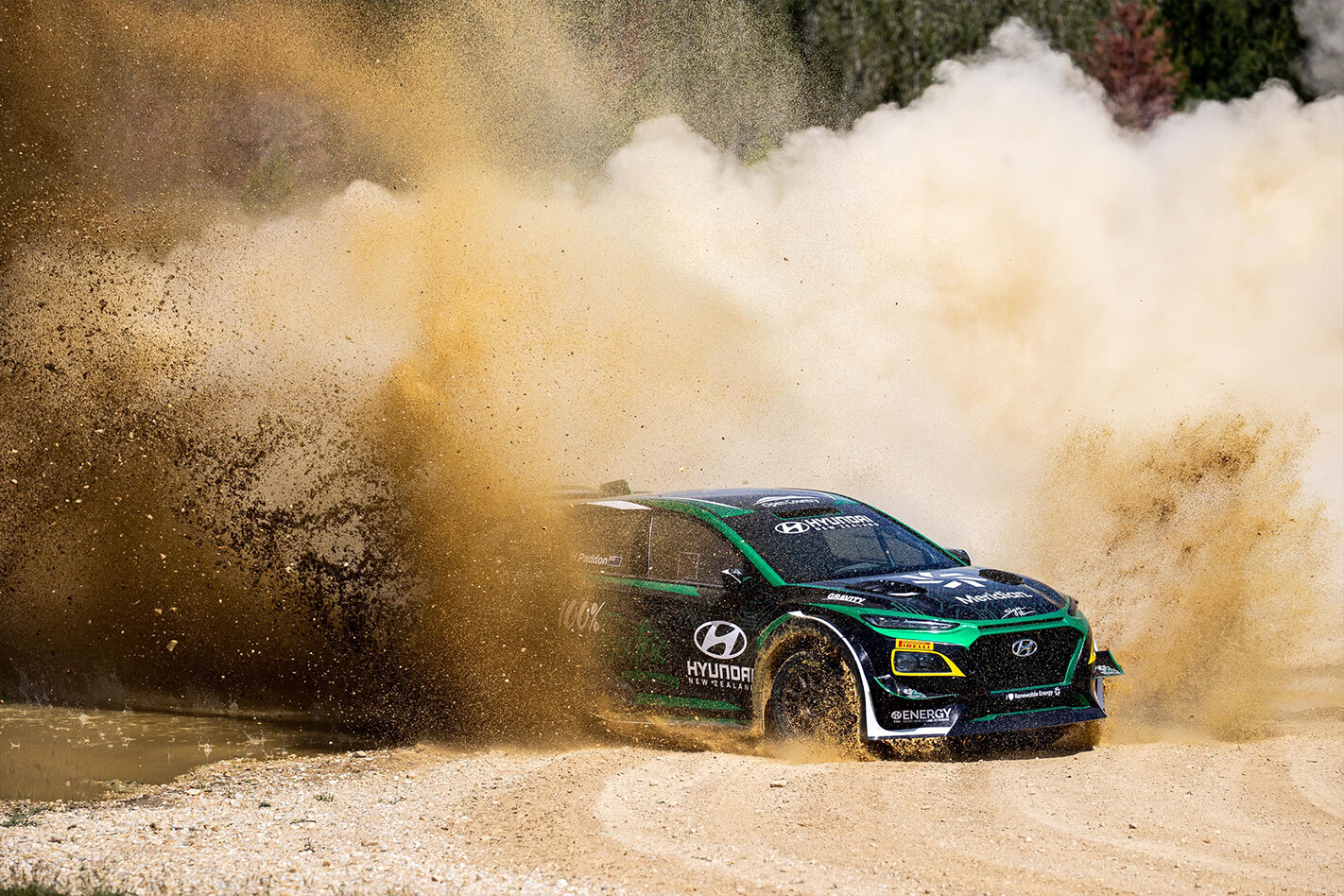
The chassis, design, engineering, aerodynamics, suspension, steering, cooling, and electrics were all completed in New Zealand by Paddon’s team.
While there was an element of factory backing to the project, the Kona EV rally car was built by a squad of just seven people – no truckload of engineers here.
Dubbed Padden Rallysport, the team is small but dedicated, and the eponymous driver who leads the squad said he wants it to compete internationally by the end of the decade.
“This is much more than just another car. It illustrates a statement for both our team and the state of rallying,” Hayden Paddon said at the reveal of the car.
Oh, and don’t think Paddon is done simply revealing the wild Kona. A intense eight-month testing regime is set to begin, followed by potential competitions both in New Zealand and internationally from the second half of 2021 onwards.
“This is just the start,” Paddon added.
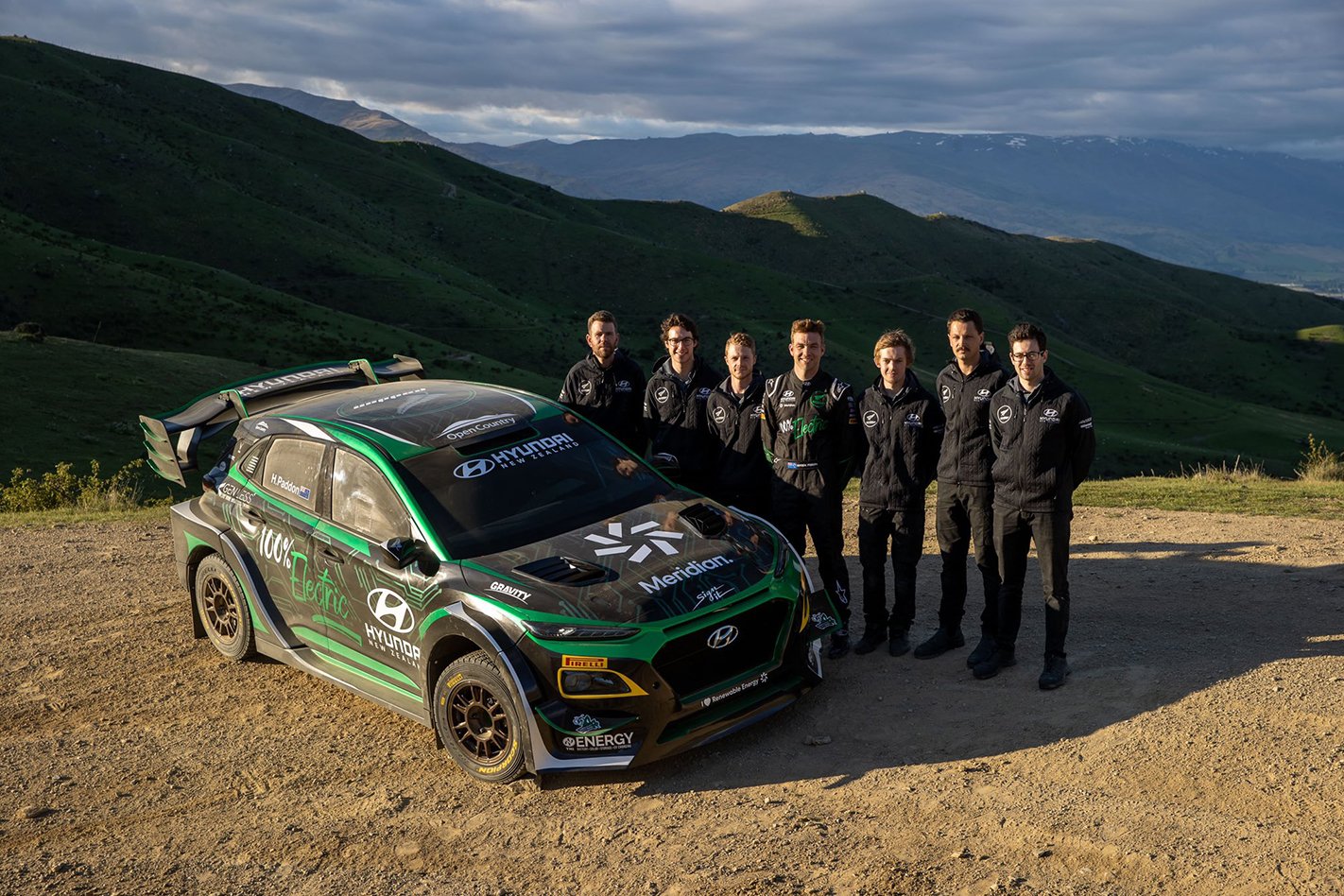
The entire focus of the project was to “begin developing solutions to make [an] EV work in a real-world rally environment.”
Hyundai New Zealand GM, Andy Sinclair, revealed that the follow-up to the EV Kona rally project will be a hydrogen-powered off-road racer.
What’s the EV Kona rally car like to drive? Well according to Paddon it has the chops to be a serious competitor on any rally stage.
“It will go fast, and I love to go fast,” he laughed.
Here’s a quick brain teaser to get you warmed up. How many cars can you think of that were offered – in the same generation – in both front and rear-wheel- drive guises?
True anoraks might well be able to identify the Rover 75 or, if they have a real left-field view, the Renault 5/Clio.
Then there’s the Mk5 Toyota Corolla, another model which, for the most part was a front-driver but which reached its rear-drive apotheosis in the form of the AE86 Corolla Levin and the iconic Sprinter Trueno.
For a car that’s so delightfully ‘correct’ in its engineering, the Trueno has long carried a capacity to divide opinion.
Many can’t understand why a live-axled 96kW car with, let’s face it, barely enough power to get out of its own way, has become such a cult hero.
But there are others who fully appreciate why this car is held in such esteem. To trace its lineage, we need to go back to the start and a man called Shinji Ohira.
Ohira-san had been at Toyota since 1968 and was transferred to the Product Planning department as consultant engineer in 1977.
This is the man whose life has been dedicated to the Corolla, from the fourth-generation E70 of 1979 through to the 11th generation E160 model of 2012, Japan’s mandatory retirement age creeping up on him in 2015.
Of course, there were all sorts of packaging and cost benefits of an FF (front- engine, front-wheel-drive) layout, but Ohira hedged on the migration of sporting models to a rear-drive platform.
“With the sportier Levin, we stuck with the FR (front-engine, rear-drive) layout because an FF layout would reduce the sportiness of its performance. Although that, unfortunately, increased the variance within the series, we managed to gain the understanding of the production division and other divisions by setting out a clear policy of always using FF layouts with the sedan version, and then FR layouts with the sports coupes.
“We also added a hatchback called the FX (for ‘Future 2boX’).”
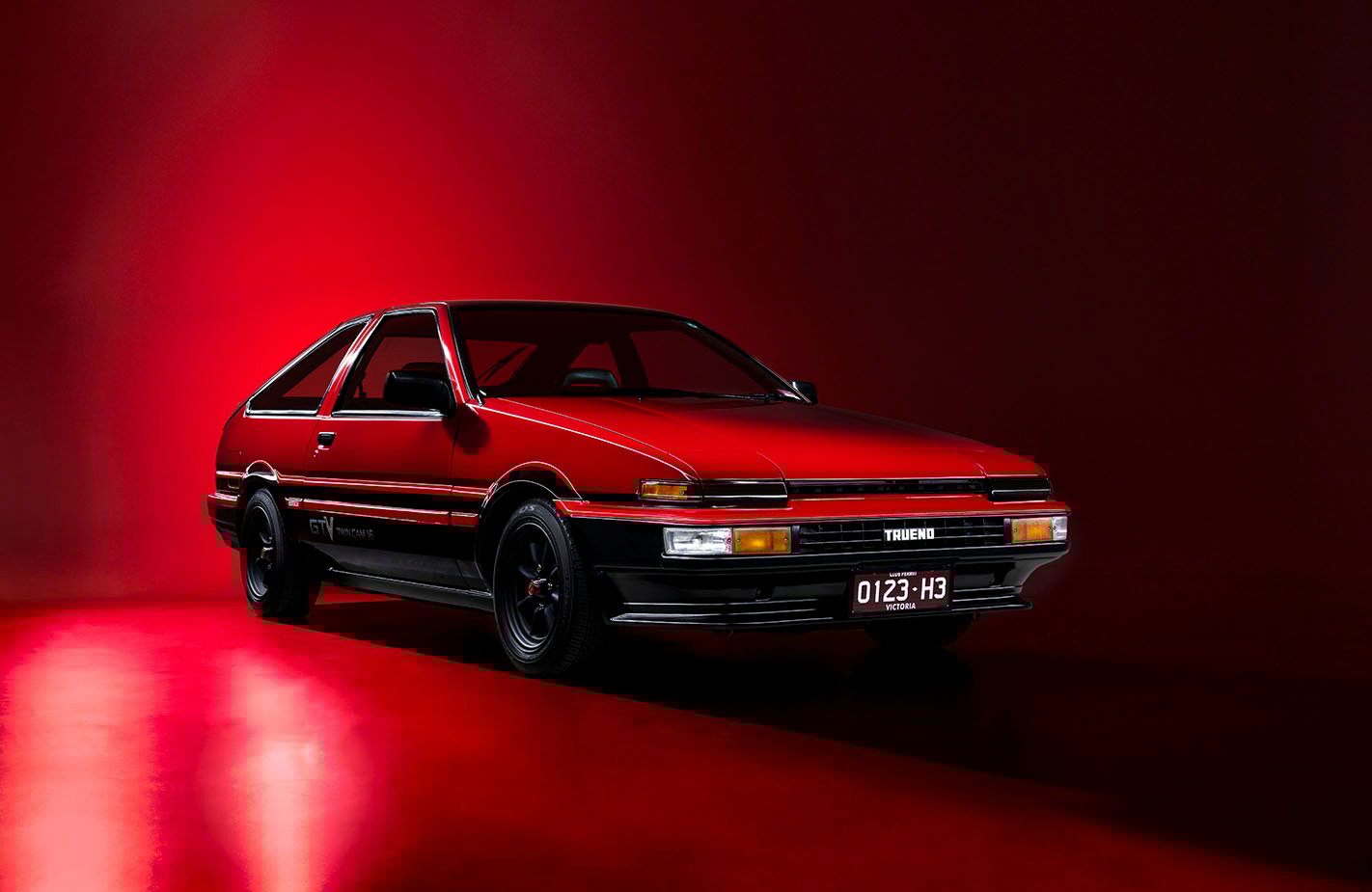
The Trueno – derived from the Spanish word for thunder – was sold through Toyota Auto Store dealerships, appearing in Japan in May 1983, and powered by the fizzy 4A-GE 1587cc 16-valve engine.
Now you may have seen a few confusing codes for this powerplant such as 4A-GEU or 4A-GELU so, in typically nerd style, we’ll clear those up for you here.
Ostensibly, they’re all from the same 4A-GE engine family, but the codes indicate which market these engines were destined for and, indeed, the orientation of the engine in the car.
The 4A-GEU as installed in the Trueno Sprinter is the engine that was used for the Japanese and European markets, while the 4A-GEC is the crippleware version for the US market with its strict emission standards.
The 4A-GELU is designed for a transverse fit – as in the original W10-gen Toyota MR2 – and differs because the manifolds were of an altered design to cater for the different intake and exhaust routing.
Since Toyota switched to FWD for all cars that used the 4A-GE after 1988, when the MR2 was replaced by the SW20 version, all 4A-GE engines from then on were in fact the 4A-GELU variant.
And while we’re at it, let’s clear up the difference between an AE86 Sprinter Trueno and an AE85 Sprinter.
These can look fairly similar but they’re chalk and cheese. The AE85 got the lame SOHC carb-fed 3A-U lump good for just 58kW, and it has no rear disc brakes and no limited-slip diff.
Unfortunately, it’s also the model that Toyota chose to import to Australia, which only adds to the full-fat Trueno’s local lustre. The Wheels road test in October 1983 is a lament to what might have been:
“There’s also hope that, in lead-free 1985, we will see the Sprinter with a more potent engine, one of the twin-cam multi-valve jobs now available in the Sprinter in Japan.
“Make the 400m time 17.0 seconds instead of 18.5, give the car a crisp bark instead of its present warble and, once properly suspended, the Sprinter would stand a good chance of becoming a baby hotshot of great appeal.”
In fact, we’d have to wait until June 1989 to see the 100kW 4A-GE appear, in the SX and GTI versions of the next-gen AE90 Corolla.

Indeed, such is the yawning chasm in ability between the AE86, also known as the Hachi-Roku (86 in Japanese) and the AE85 (Hachi-Go) that there’s an episode of Initial D where the clueless Itsuki Takeuchi character buys an AE85 by mistake and suffers social embarrassment.
It’s like buying a Civic Type-S and thinking you’ve got the sporty one.
Much of the AE86’s social capital spawned from its success in Group A racing, but also the pivotal role it played in the genesis of Japanese drift culture, courtesy of drivers such as ‘Drift King’ Keiichi Tsuchiya and, subsequently, stars like Hiroshi Takahashi and Yoichi Imamura.
It’s key to know exactly what you’re looking at when buying, and here comes another bit of Hachi-Roku jargon.
If you’re heart’s set on a Trueno, you’ll then have to choose between a zenki or a kouki, which translate to early (1983-85) or late (1985-87) models, because there are some parts that are unique to each model.
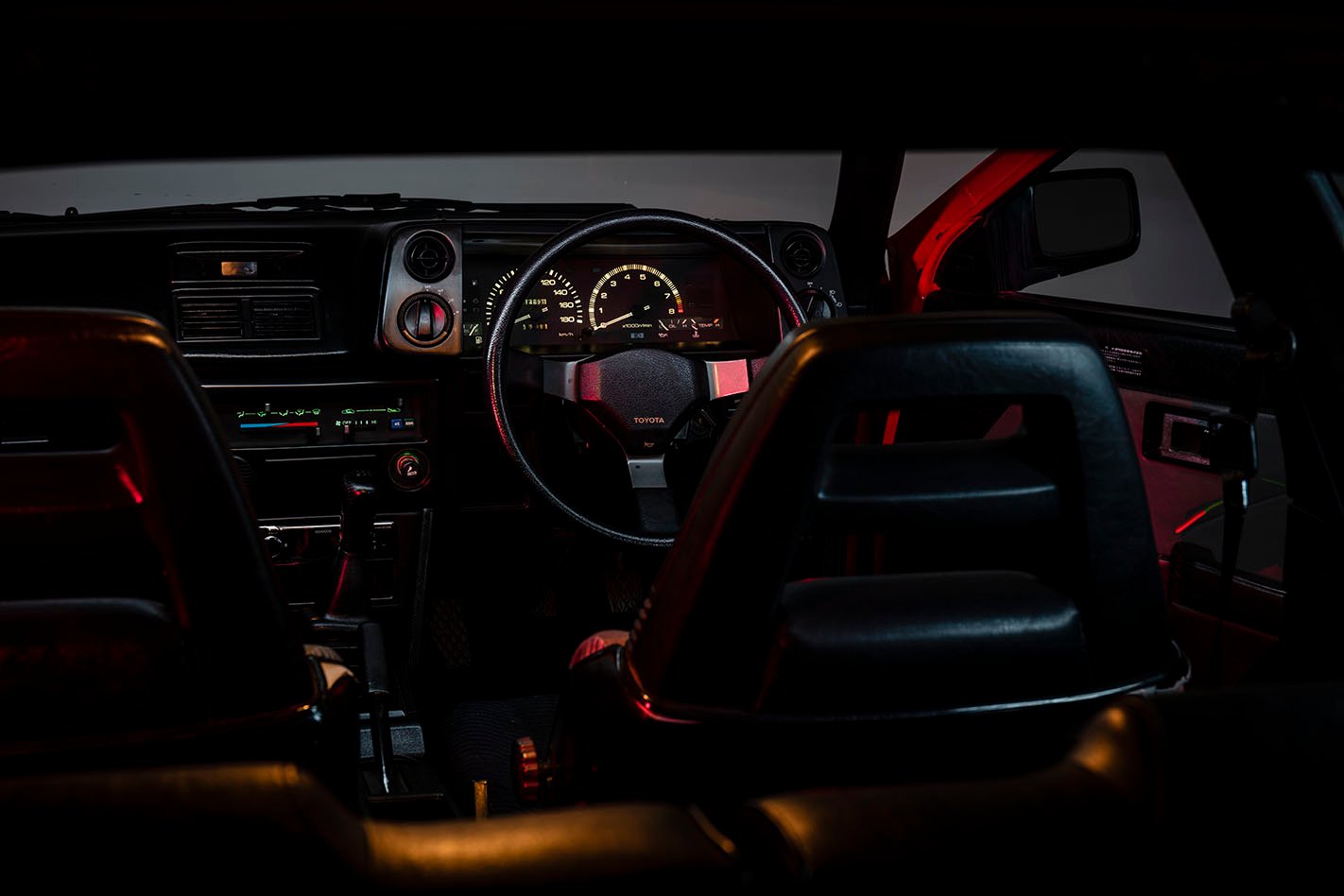
The easiest way to differentiate them is by peering inside. Zenkis have red or blue interiors while koukis went with lower-key blacks and greys. There were also four JDM trim levels, including a rare Black Limited model, but most will be GT-Apex variants.
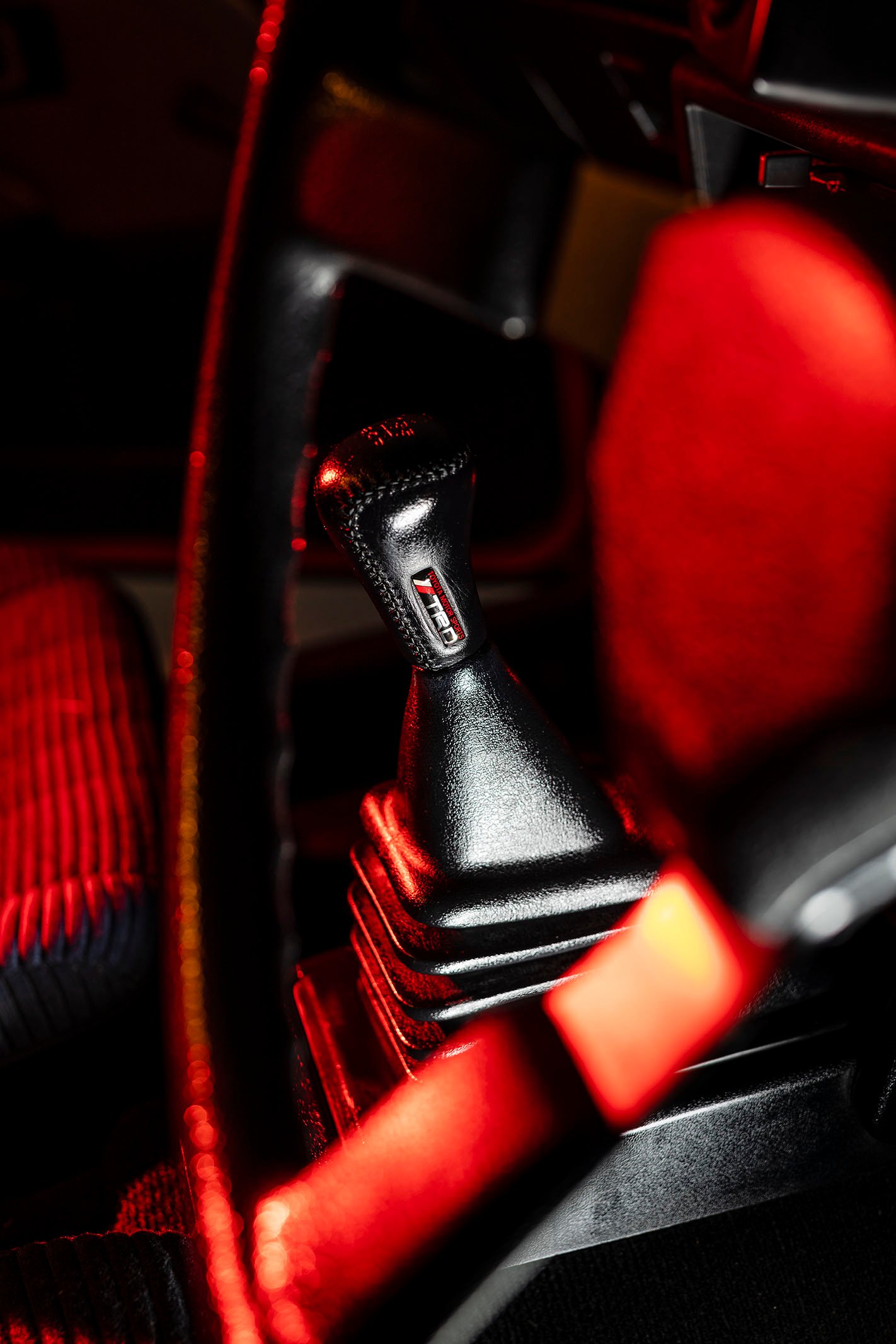
This was the most popular trim in Japan with velour seats and trim, tilt-adjustable steering, leather finishing for the gear knob and steering wheel, electric mirrors, and buyers could also option in electric windows and power steering.
The GT is a rare drum-braked thing, but the GTV is sought after despite some fairly low-rent vinyl trim and a greasy urethane gear-knob and steering wheel.
The centre console is more rudimentary and there’s no adjustable steering column, but keen drivers will probably think that’s a fair trade for a quicker steering rack, uprated dampers and springs and a heftier rear anti-roll bar.
Whichever version you buy, it’s possible to feel underwhelmed by the effort required to gain pace in an AE86. Despite weighing from just 970kg, it’ll take 8.5sec to reach 100km/h and make a fair old racket doing so.
In other words, despite its big reputation, it’s going to be smoked by a RAV4 Hybrid at the lights.
As a result, finding an unmolested car is next to impossible but, unlike most of the modern classics we’ve featured in these pages, that’s certainly no deal-breaker.
Companies such as Melbourne-based Shockworks have dialled-in their suspension upgrades for the AE86 and offer both street and track options that will transform wheel control.
Talking of wheels, the standard-fit alloys are dinky 14-inch items, but you’ll find superior tyre options by stepping up to 15-inch wheels which fill the arches a bit better and also help with access and cooling if you’re thinking of a big brake kit.
The engine responds well to a little old-school tuning. So if you can open up the breathing a little with a filter, replace the stock exhaust manifold with high-flow extractors and fit a less restrictive exhaust, that represents a solid start.
Fit a set of mildly hotter cams (don’t go more than 8.5mm lift) and you should be looking at around 115kW, which yields much the same power-to-weight ratio as a 2012 Toyota 86.
From there, the sky’s the limit, but costs rise too, so unless you’re absolutely intent on retaining the original engine, those looking for a truly hot AE86 will usually go the engine swap option.
The 4A-GZE supercharged engine from the MR2 is a relatively straightforward project, resulting in 127kW, and the 147kW 2.0-litre inline four BEAMS powerplant from the Toyota Altezza RS200 is also popular.
The holy grail? Fitting Honda’s F20C from the S2000, but this will require some custom fabrication. It will generate around 186kW, giving a very crisp power-to-weight ratio while retaining the buzz-saw feel of the original.
As with most JDM cars of this era, rust can be an issue.
Notable water traps include the front guards, the spare wheel well, and beneath the boot seals.
Side intrusion bars will need to be fitted to the doors for ADR requirements, but many buyers will want to give the doors a little remedial attention anyway, as they can sag on their hinges after time and, while you’re at it, a refurb of the door catching mechanism is time well spent.

The five-speed manual is a reasonably trouble-free unit with wear on second and third gear synchros about the only thing to regularly rear its head.
Look for cars with a factory-fitted limited slip diff as they’re held in higher regard. Anything made of rubber in the suspension ought to come in for inspection, so look for tired bushings, ball joints and tie-rod ends.
The Trueno always had fairly relaxed body control, which was one reason why it was such an excellent car to learn the fundamental role of weight transfer in vehicle dynamics, and roll centre adjusters are a useful fitment to quell bump steer on lowered vehicles.
Source a sorted Trueno and you’ll understand why it makes such an excellent foundation.
The driving position is excellent. The unassisted steering requires some twirling at 3.3 turns lock-to-lock, but as long as you have quick hands, you have a reassuring margin for error when spooling on and off opposite lock.
The Trueno’s desirability lies in the fact that it offers a level of purity no longer readily available today. And as we increasingly crave connection and authenticity, its appeal will only ever grow.
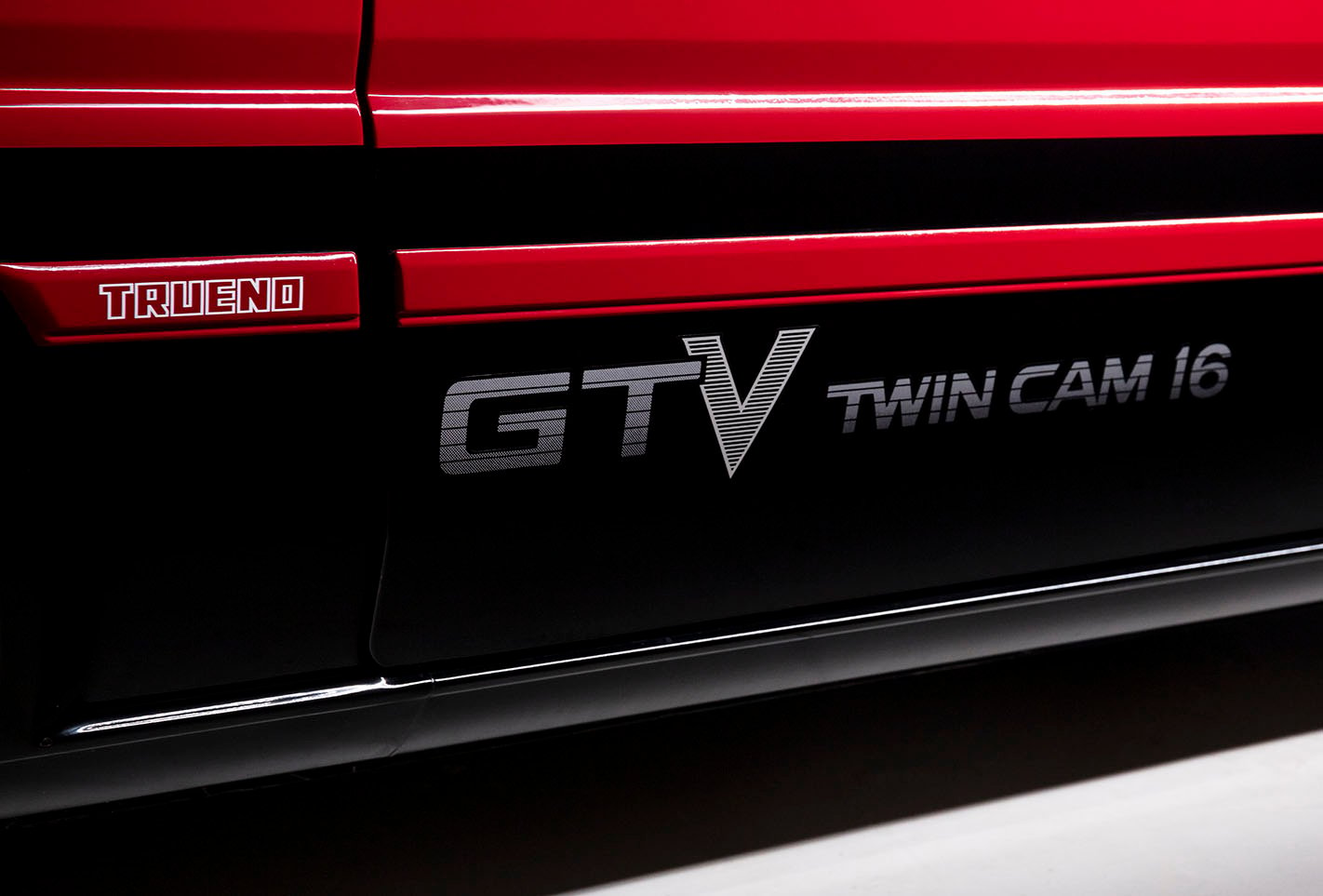
“I’ve always wanted an AE86. I’ve owned this one for three years; I picked it up with 110,000km. I’m the second owner!
“As the Editor of MOTOR Magazine [now Wheels], some might wonder why I own this of all things, but besides the acceleration feeling like it’s towing a small parachute, it’s everything I’m looking for when I go for a drive – light weight, revvy atmo engine, and rear-drive balance with proper connection. And it looks so cool!
“After lockdown, I’m getting Shockworks suspension, intake, cams, flywheel and exhaust to spice things up a bit”
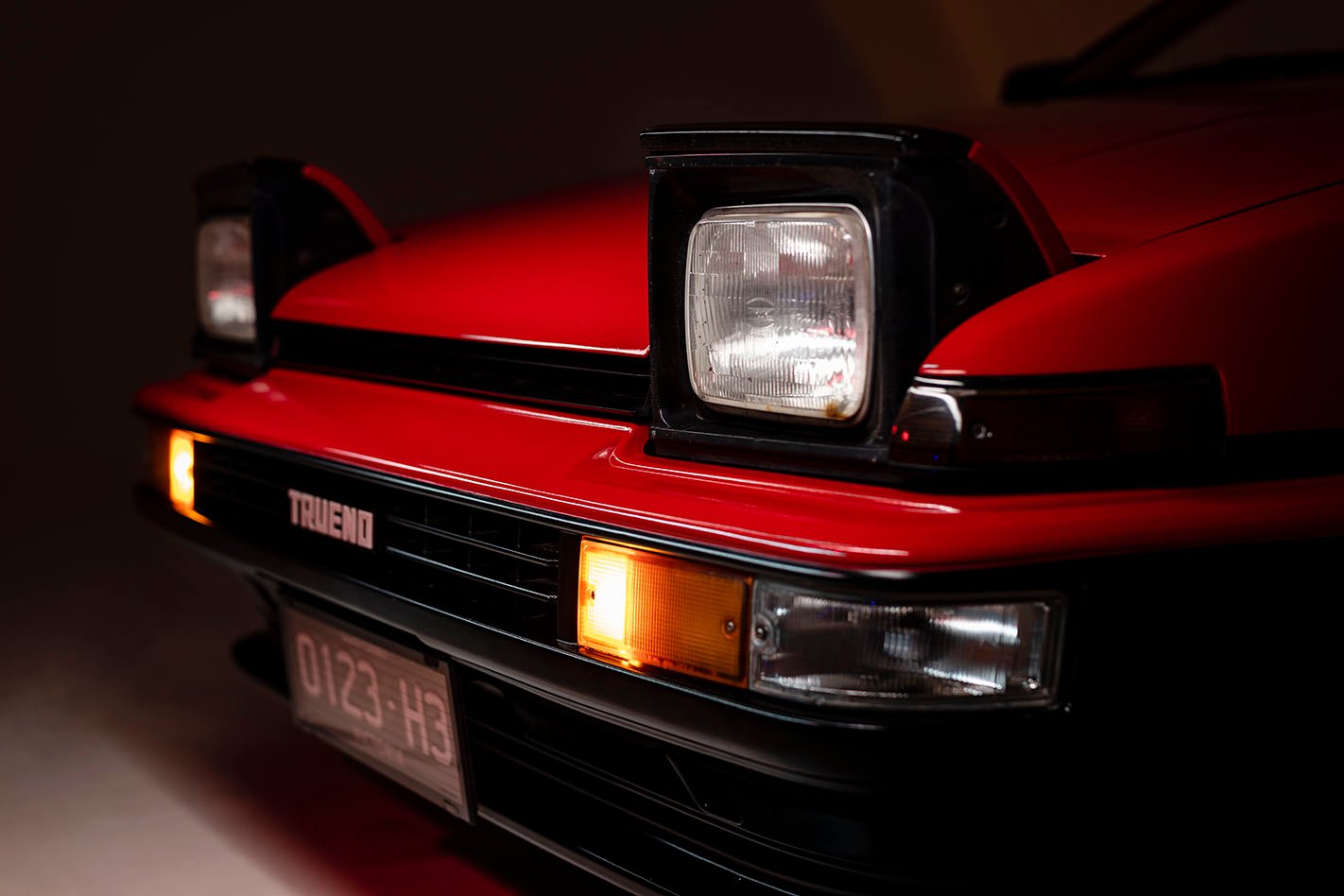
Takumi Fujiwara, the 18-year-old tofu delivery driver from Initial D fame might well see his dad’s Sprinter Trueno as a better long-term asset than his pay packet because prices have skyrocketed.
So much so, in fact, that there’s big demand for ‘panda’ black and white cars that resemble the anime cartoon vehicle.
Tired cars start at $15K on Japanese auction sites with tidy examples opening at $35K. Good quality cars in Australia can easily top $50,000.
Engine: 1587cc 4cyl, dohc, 16v
Max power: 96kW @ 6600rpm
Max torque: 149Nm @ 5200rpm
Transmission: 5-speed manual
Weight: 970kg
0-100km/h: 8.5sec (claimed)
L/W/H/WB: 4204/1626/1336/2400mm
Price: from $35,000 (value today)
The good: Less is more philosophy; basic ruggedness of mechanicals; iconic part of Japanese automotive culture; high-revving naturally aspirated powerplant
The bad: Getting very expensive; not very quick; plenty of crash repaired examples; interior not very durable; baffling appeal for non-JDM fans; you will never be as cool as Keiichi Tsuchiya
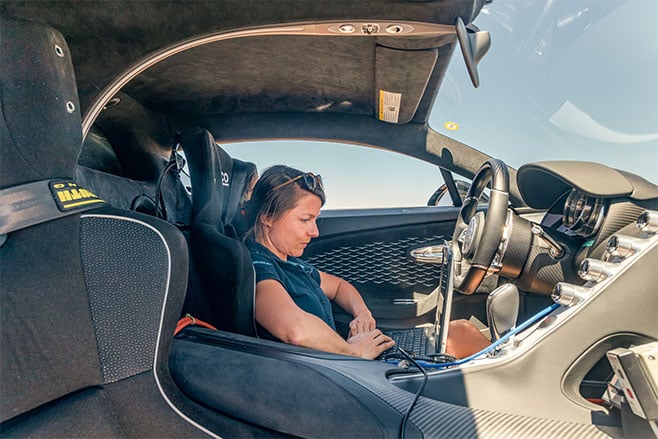
Dr Julia Lemke has a very cool job. Her official title is the overall technical coordinator for the air conditioning systems in the Bugatti Chiron and its associated variants and we promise there will be no more puns in this article. You might think that designing an air conditioning system is a breeze (okay, sorry, that’s the last one, promise) but the task becomes somewhat more complex when the car involved is capable of well over 400km/h.
Lemke was a qualified historical archivist before going on to study energy and process engineering, writing her doctoral dissertation on “Energy assessment of car air conditions systems with secondary circuits”. This knowledge made Lemke the perfect candidate for solving the problem of keeping one of the world’s fastest cars cool.
Most vehicles draw air into the interior from the base of the windscreen, but in a Bugatti this area switches to negative pressure at 250km/h, meaning air would be sucked out rather than drawn in. To overcome this, a ram air flap and “optimised blower” ensures air continues to be forced into the interior.
The Chiron’s top speed potential creates further issues. Its aerodynamic needs demand a steeply raked windscreen – 21.5 degrees rather than around 30 degrees in a conventional car – which substantially increases the surface area from 0.7m-squared to 1.31m-squared. In turn, this heats up the interior more quickly thanks to the greater solar load, a problem only exacerbated by Bugatti’s Sky View glass roof option.
In true Bugatti fashion, to combat this there are some improbable numbers. There are two air-conditioning condensers, 9.5m of lines and a 10kW air-conditioning compressor capable of compressing around three kilograms of coolant per minute from a pressure of 2bar to 30bar. Bugatti claims this system would be sufficient to cool an 80m-squared European apartment.
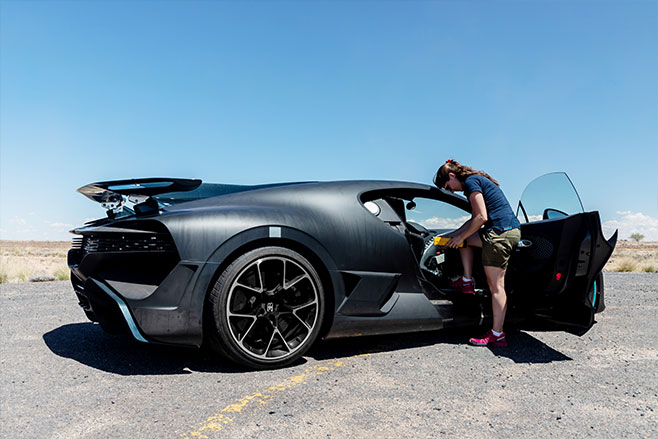
The compressor is mounted on the engine in close proximity to the exhaust, so requires its own cooling system. More recently, the system had to be re-evaluated for the Chiron Pur Sport, for which Lemke is the interior coordinator, due to its higher 6900rpm rev limit. “Due to the increased engine speed in the Chiron Pur Sport, the main focus is on the proper functioning of the air conditioning compressor as an engine peripheral. This is why I take part in a lot of test drives to ensure the functionality of my system in all climatic conditions,” explains Lemke. Thrashing hypercars in the name of science – what a job.
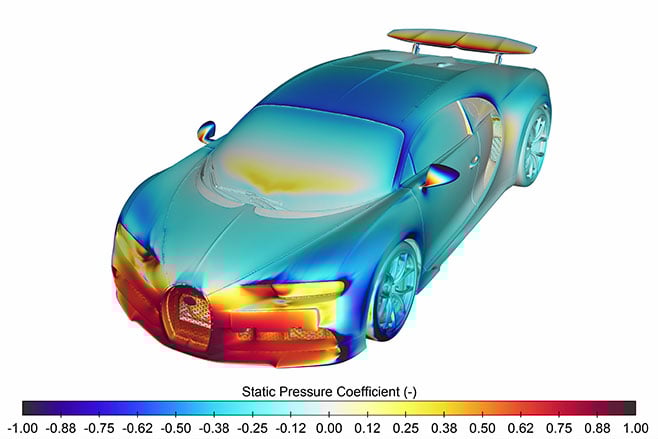
Two test vehicles were made available for climate trials during the development of the Chiron. While 3D simulation was used to assess the airflow, Lemke also resorts to a decidedly low-tech method of measuring the aerodynamics on this high-tech hypercar. Wool threads are attached to clearly indicate airflow, their super light weight particularly helpful in identifying draughts. “There mustn’t be any draughts,” says Lemke, “The air conditioning system is working best when occupants don’t notice it. We have to make sure there are no draughts or noise – only then does it make you feel comfortable.”
Further complicating matters is the fact that different nationalities have distinct preferences for their ideal temperature. According to Bugatti, Europeans feel comfortable at 21-22 degrees, whereas most Americans prefer it a few degrees colder. “For us, it’s important to ensure that the selected temperature is quickly established,” says Lemke.
Lemke’s work is a reminder of the incredible level of detail required to produce any car, let alone one capable of such extreme performance. After all, the owner of a Bugatti Chiron might travel 400km/h once or twice in the car’s life, whereas they will use the air conditioning every time they drive.
1. Constant R&D
Dr Lemke conducts continuous research and development into not only increasing the outright performance of the air conditioning system but also its efficiency in order to minimise the use of refrigerants and energy.
2. Complex Demands
One of the greatest challenges with the Chiron’s air-conditioning is not just making sure it works perfectly, but that it works perfectly at all speeds and under any engine load, for those parameters are much wider than in most conventional production cars.
3. Heat Exchangers Aplenty
The Chiron’s cooling system is enormously complex, consisting of 10 radiators with three for the engine water, one for the charge air, two for the intercoolers and individual coolers for the engine, transmission, differential and hydraulic oil.
4. Tight Fit
Possibly the Chiron’s most amazing feature is its packaging, with a monster 8.0-litre, quad-turbo W16 engine, all-wheel drive, 10 radiators, passengers and luggage space squeezed into a car that is only a couple of centimetres longer than a Porsche 911.
Great Wall has revealed a new dual cab ute under a new name and a fresh brand, with the GWM Ute Cannon kicking off at a very competitive price.
The dual-cab Cannon ute is the entry point to the newly minted GWM nameplate and will offer an eight-speed automatic teamed with a 2.0-litre diesel engine for $33,900 drive-away.
It’s not quite the cheapest dual-cab ute on the market with an automatic transmission – take a bow, LDV T60 Pro at $30,990 – but spec for spec it’s around $20,000 cheaper than a base Toyota HiLux in automatic WorkMate trim.
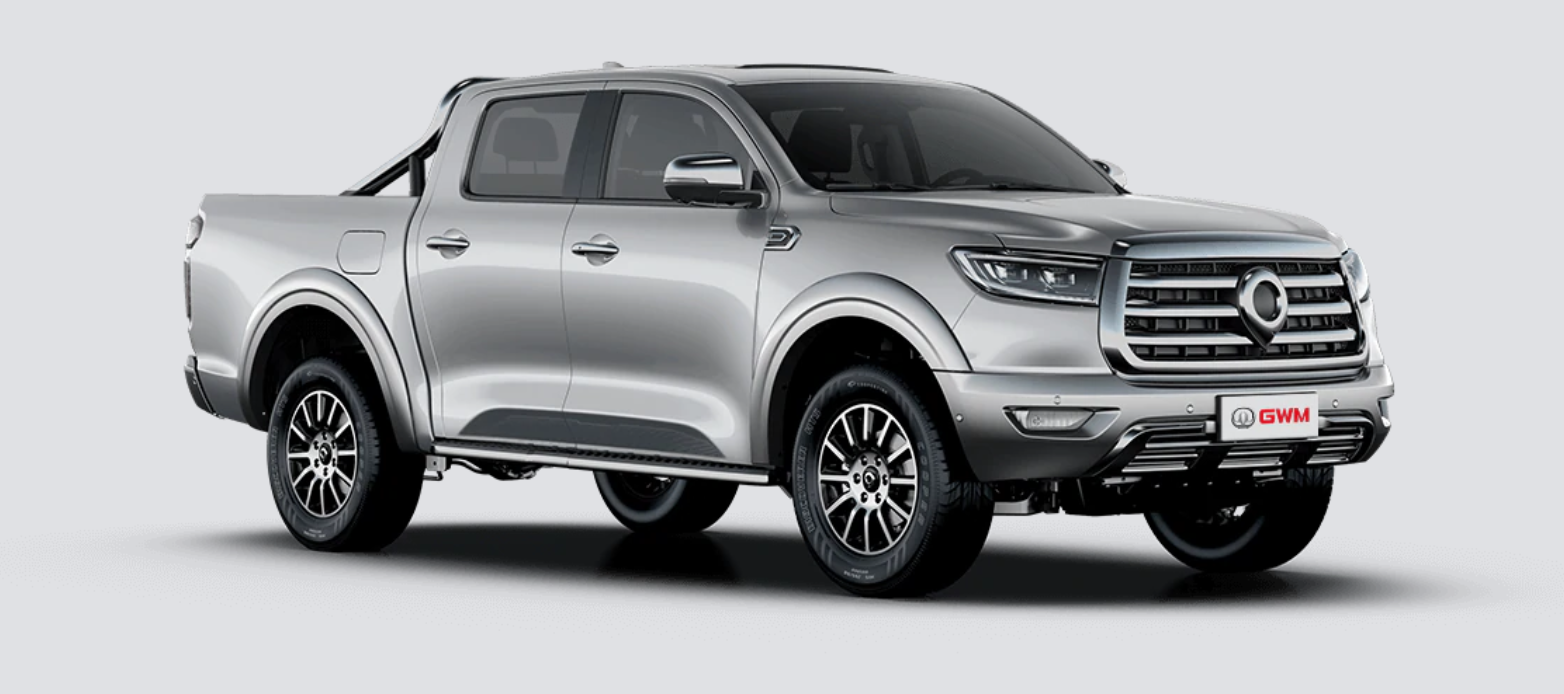
The Cannon also comes standard with active safety aids like AEB with pedestrian detection, lane-keep assist and seven airbags, as well as colour multimedia touchscreens, Apple CarPlay and Android Auto, switchable drive modes and a nicely trimmed cabin, if images of overseas-spec cars on the local website are any indication.
As well, our previous reports on the Cannon reveal that 5G connectivity, a claimed level three autonomy and the option of a coil-sprung rear end are also on the table.
The base car will be joined by the Cannon L and Cannon X, which will (depending on spec) add leather-accented interior trim, sports bars, alloy rims and more.
The in-house 2.0-litre turbo diesel engine produces a claimed 120kW of power and a handy 400Nm of torque. It’s still shy of category leaders like the Toyota HiLux (150kW/500Nm with a six-speed auto), but the eight-speed ZF auto transmission is a nice addition.
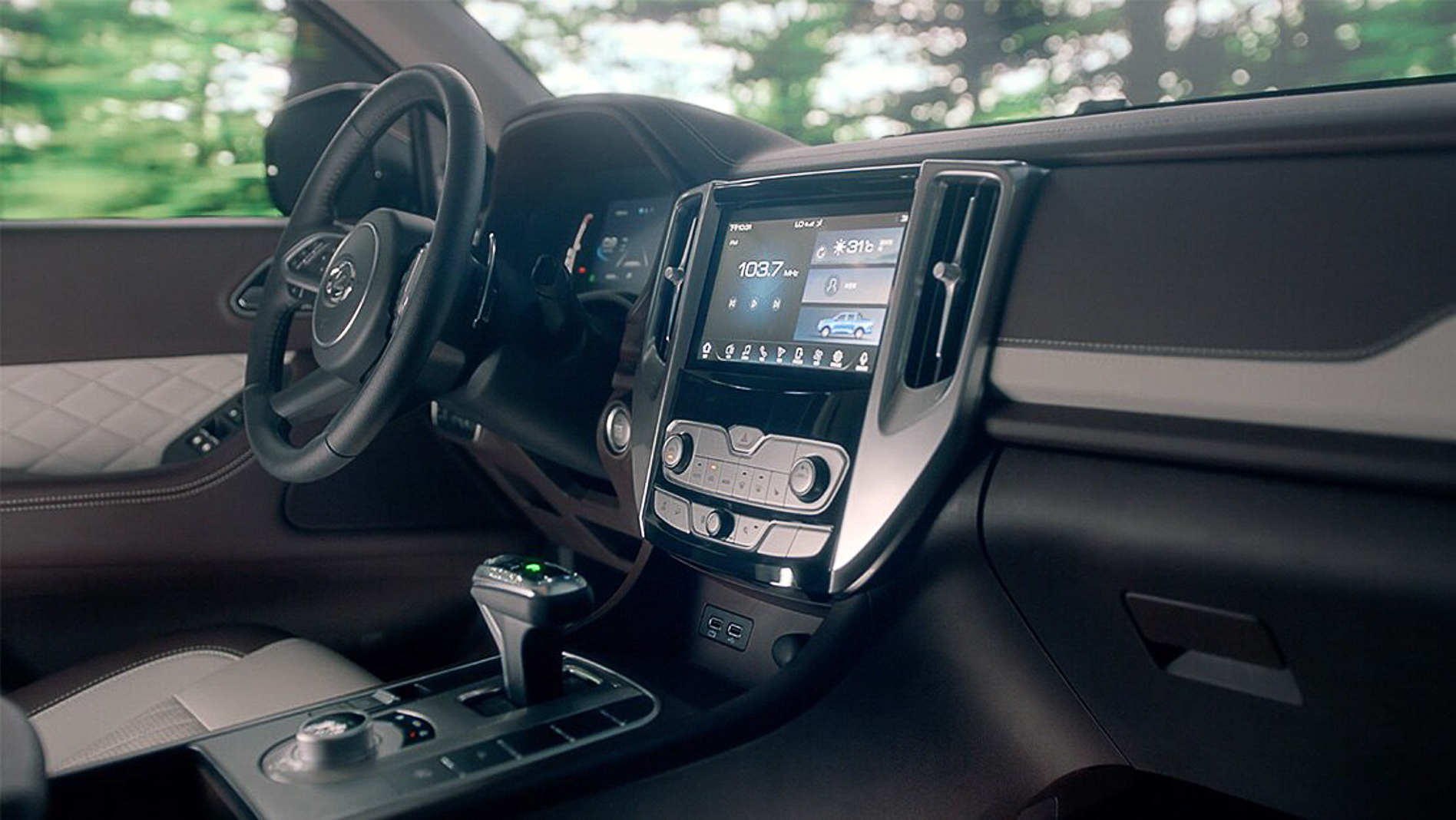
The move to the GWM branding is a global shift for the company, with the new ute – which has been on sale in other markets for more than a year – a good opportunity to realign the brand with its giant Chinese parent.
GWM’s $24,990 Steed will remain in the fleet for those looking for the cheapest ute they can find, but the Cannon be aimed more at private buyers than at the primary sector.
THE DARIEN Gap, it’s safe to say, is not up there on many people’s holiday-destination bucket list.
This vast, godforsaken tract of jungle, swamp and mountains located between Panama and Colombia is most noteworthy for being the only real interruption to the circa-30,000km pan-American highway network linking Alaska to the southernmost tip of South America.
It’s a stronghold of wilderness where the cloying air is thick with insects and vampire bats; the swampy ground riddled with deadly snakes; dense foliage concealing aggressive wild pigs.
You’ll search in vain for a Contiki resort in the Darien.
It was the perfect place, then, back in 1972, to show the world the capabilities of the then-new Range Rover, launched just two years earlier. The Darien Gap was by far the most arduous part of an epic pan-American journey taken by two lightly modified examples, beginning in Anchorage, Alaska, and finally concluding, just over six months later, in Ushuaia, on the Tierra del Fuego archipelago in Argentina.
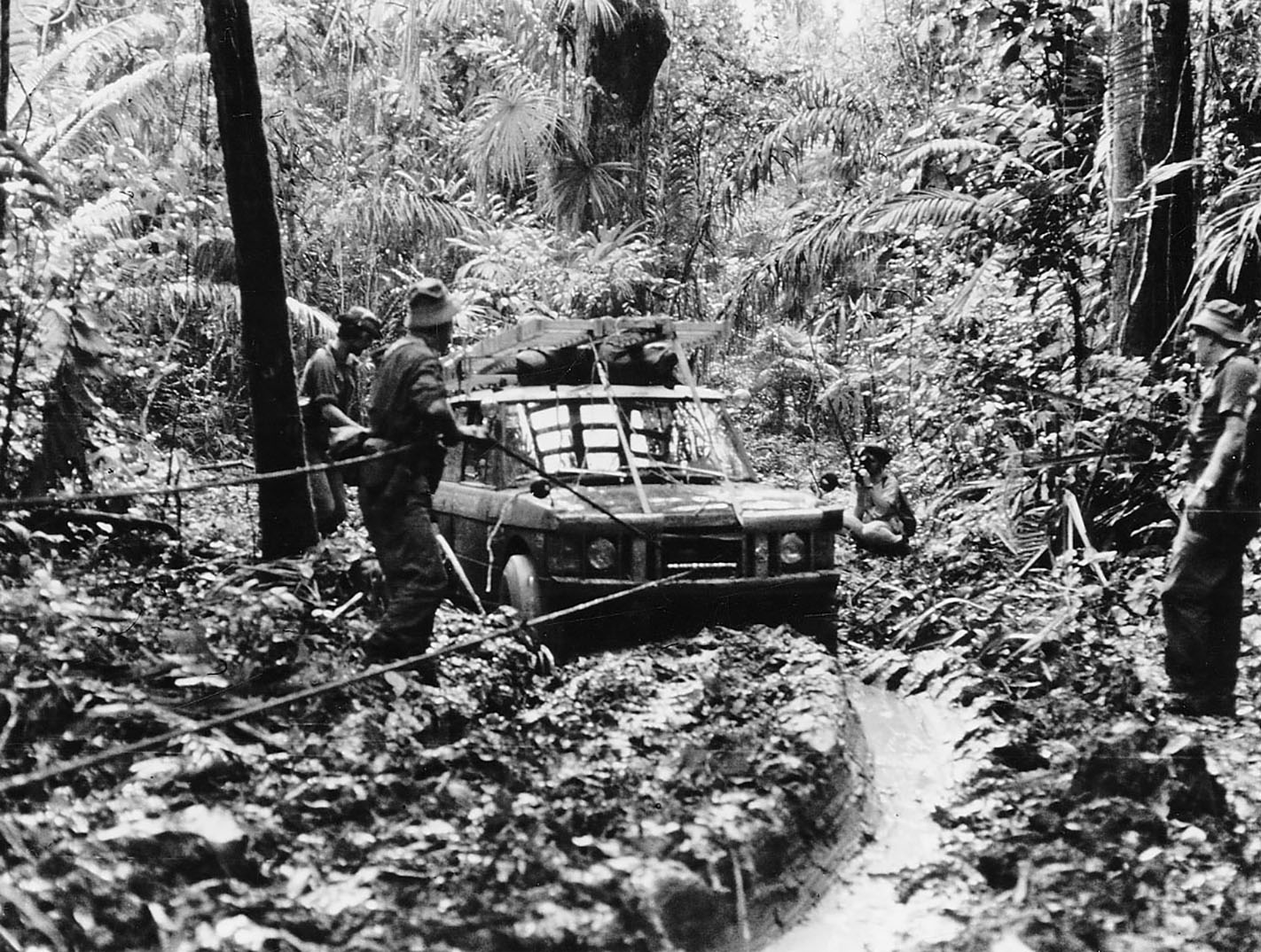
But it was deep in the Darien that the expedition team, bolstered to 64 members for this leg, must have questioned the sanity of the undertaking. They hacked and chainsawed through the dense jungle, often calf-high in mud, using aluminium ladders to allow the vehicles to be winched up treacherous ravines, and crossing rivers by lashing the cars to two inflatable rafts.
For prolonged periods, progress was reduced to just a kilometre or two each day. There were diff failures (uprated units were heli-dropped in) and it took 100 days before the team finally emerged from the south side of the hellish Darien, every man gaunt and exhausted, many suffering malaria or trench foot from trudging through mud for 12 hours a day.

They had taken two vehicles through one of the most inhospitable places on earth before finally, on 9 June 1972, six months after setting out from Anchorage, the two Range Rovers reached the southernmost tip of South America.
The expedition set a record at the time for the first complete trans-Americas journey, but arguably more significantly, it helped shape the reputation of an SUV that would come to be lauded as the pioneer of the premium 4×4 segment.
Okay, that may be a slightly contentious issue, given the Jeep Wagoneer preceded the original Range Rover by around seven years, and undoubtedly influenced its conception.
But the fact is, the V8-powered 4×4 from Solihull would reign virtually unchallenged for nearly two decades as the most complete and aspirational off-road-capable vehicle on the market.
So surely now, as SUVs have charted their inexorable rise to dominate the global car industry, and premium high-riders have become the cash cows that sustain other, more marginal product lines for the upmarket heavyweight brands, it’s time to look back at the evolution of the founding father on its 50th birthday?
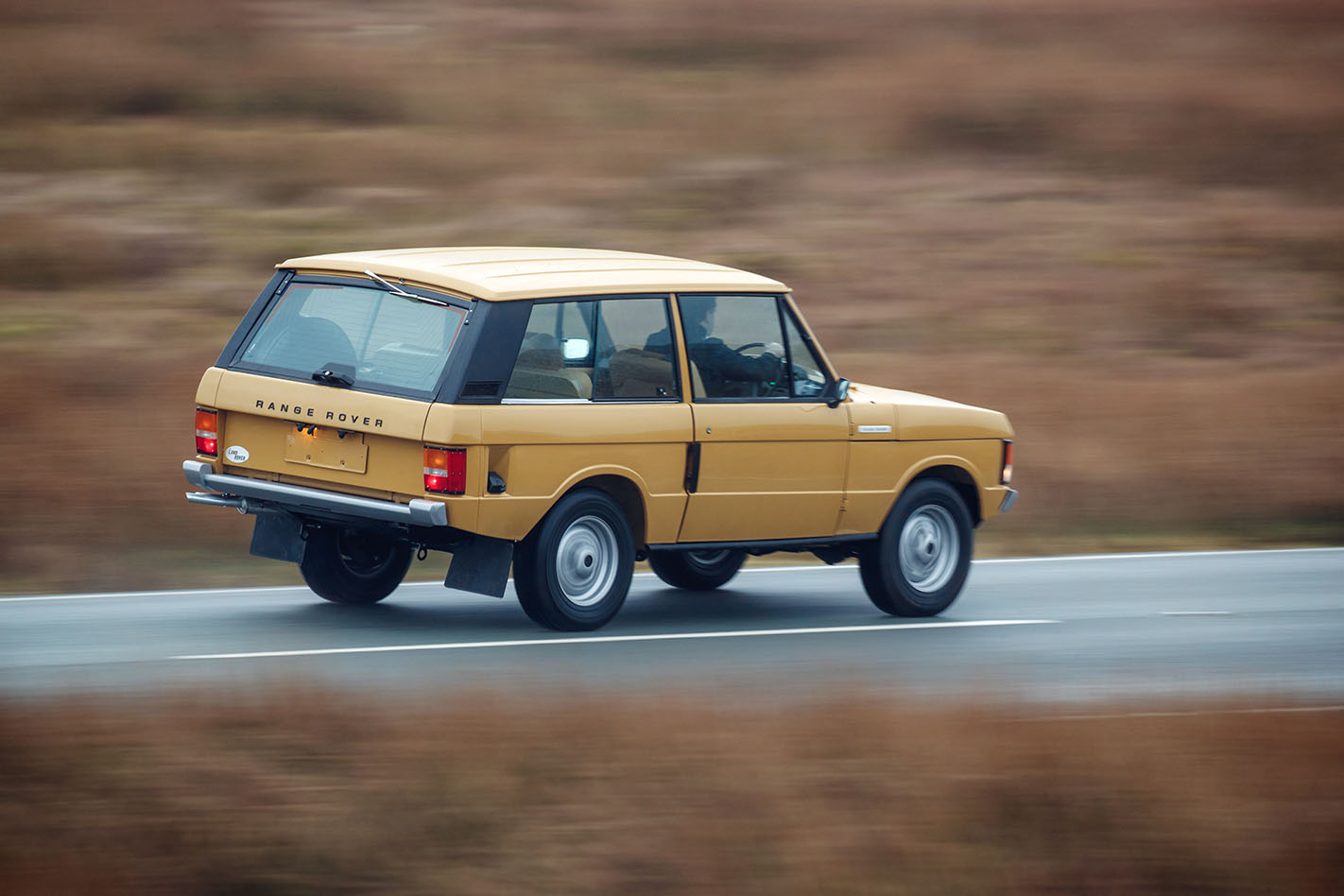
LIKE MOST landmark vehicles, the original Range Rover was very much the vision of one man. Charles Spencer (‘Spen’) King had been a two-decade engineering veteran within Rover when, in the late ’60s, in collaboration with fellow Rover engineer Gordon Bashford, he became convinced there was a market for a 4×4 with greater performance, refinement and comfort than the then-current Land Rover.
Of course it would still have to deliver on the utilitarian, working-vehicle brief that was central to the Land Rover ethos.
King, who died in a cycling accident in 2010 aged 85, would later downplay the perception that the original was an upmarket 4×4.
“It was actually a very basic vehicle in many ways, and definitely in the cabin, with vinyl seats and rubber mats,” he reflected. “We simply said that a Land Rover had less room and less ride comfort and that it didn’t drive that fast.
“We thought it was time to improve all that. In the process of working on it, the V8 engine came along. It all came together … and nobody stopped us from doing it.”
In 1967, King and Bashford began engineering a model known internally as the 100-inch Station Wagon, a 4×4 which was intended to be practical, hence the hose-out interior, and with a boot large enough to carry a bale of hay or a non-claustrophobic sheep.
King’s engineering genius for the Range Rover was to take the hefty chassis of the Land Rover and reconfigure it with long-travel, coil-spring suspension.
Naturally, the prototype chassis needed a body, so they went away and fashioned one, largely from aluminium, leaving the roof pillars black (to save on paint.) Even the vaunted bonnet castellations, now a feature considered essential to any new Range Rover, were included originally as convenient mountings for the wing mirrors, and to make the extremities of the vehicle more visible to the driver.
The engineering hack was then handed over to the head of styling, David Bache, who instantly felt that the car already looked much as it should.
Bache simply refined its proportions and edges, and finessed the details before declaring it job done. With its full-time all-wheel-drive system, Buick-sourced 3.5-litre all-alloy V8, and disc brakes on all four of those long-travel corners, the Range Rover was ready to take on the world.
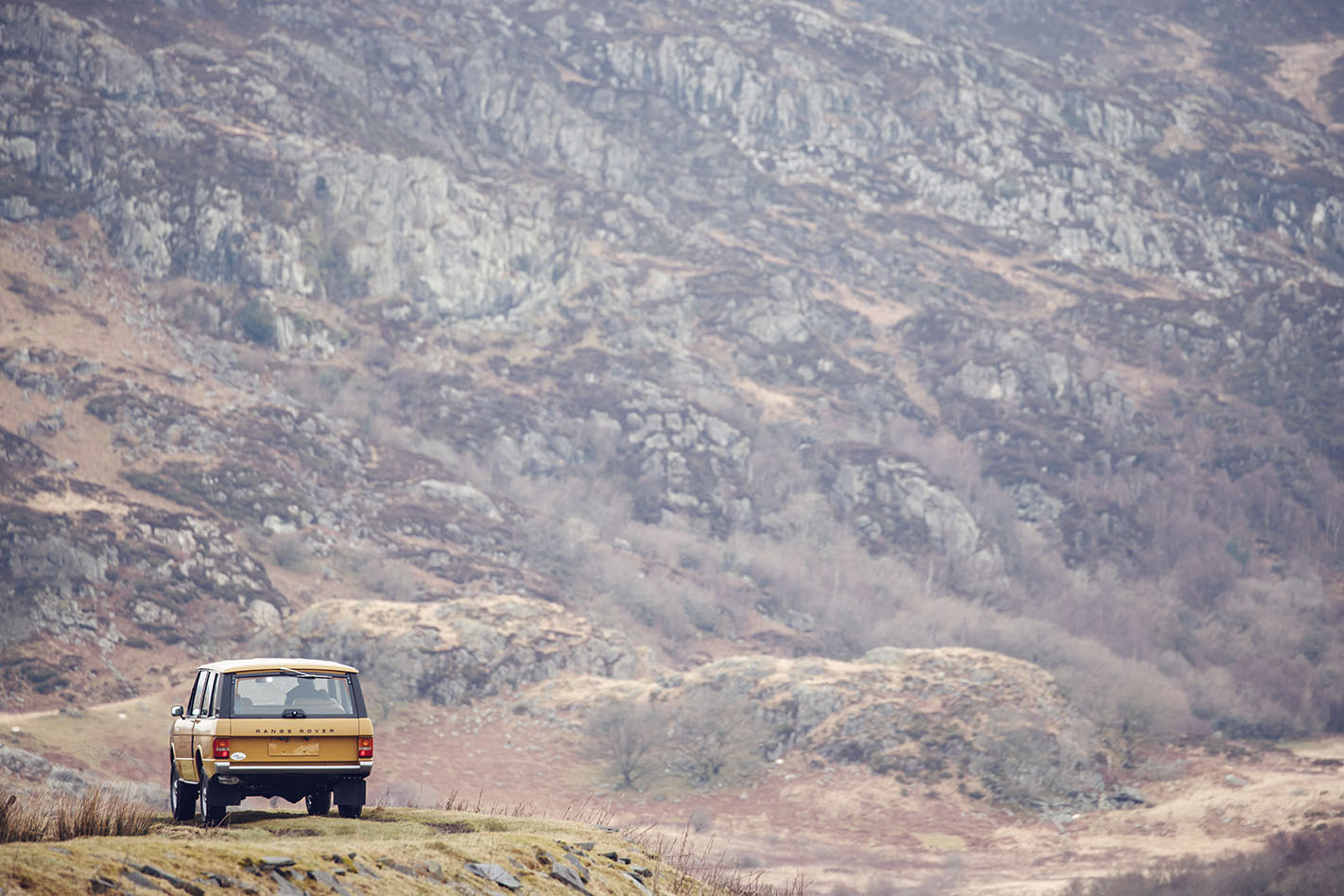
King, ever the engineer, tended to downplay his part in the styling, yet there’s no questioning the essential rightness of the first-gen Rangie’s exterior design. It was, after all, the first car ever to be displayed in Paris’s Louvre museum as a statement of intelligent, functional industrial design.
In the same year as the two blue cars completed that arduous pan-American crossing, the Range Rover had arrived in Australia, commanding a hefty $7475 at a time when Toyota 40- and 50-Series LandCruisers were priced between $2700 and $4800. Problem? Not so much, as it would transpire…
By the late 1970s, it was Aussie hands bolting together the Rangie, with Jaguar Rover Australia commencing local production at its Enfield plant in Sydney using knockdown kits supplied by the Solihull factory.
The two-door body was always a slightly contentious issue, though, especially in markets like the Middle East where owners employed drivers, and had to suffer the indignation of squeezing past the folded front seat to take up their positions in the back.
So the four-door model was introduced, making it to Australia in 1982, quickly becoming standard as the two-door was phased out.
By the time the ’90s rolled in – a full 20 years from its launch, remember – the original Rangie had matured into a glamorous dame long removed from the hose-out debutante.
The 3.5-litre V8 had been replaced by a new injected 3.9-litre V8 hooked to a ZF four-speed auto, and ABS featured on a 4×4 for the first time. Providing clear proof that Aussies were prepared to pony up to join the 4×4 elite, the Vogue SE climbed above $100K.
Incredibly, the original ‘Classic’ Range Rover continued in production until 1996, making for a remarkable 26-year run. Even more astonishingly, it continued to sell alongside the second-generation (P38) model for two years.
While the P38 bought enlarged developments of the original Buick-sourced overhead-valve V8, the new model retained the defining features of the original, namely separate-chassis construction, live axles at both ends, full-time all-wheel drive, and aluminium body panels.
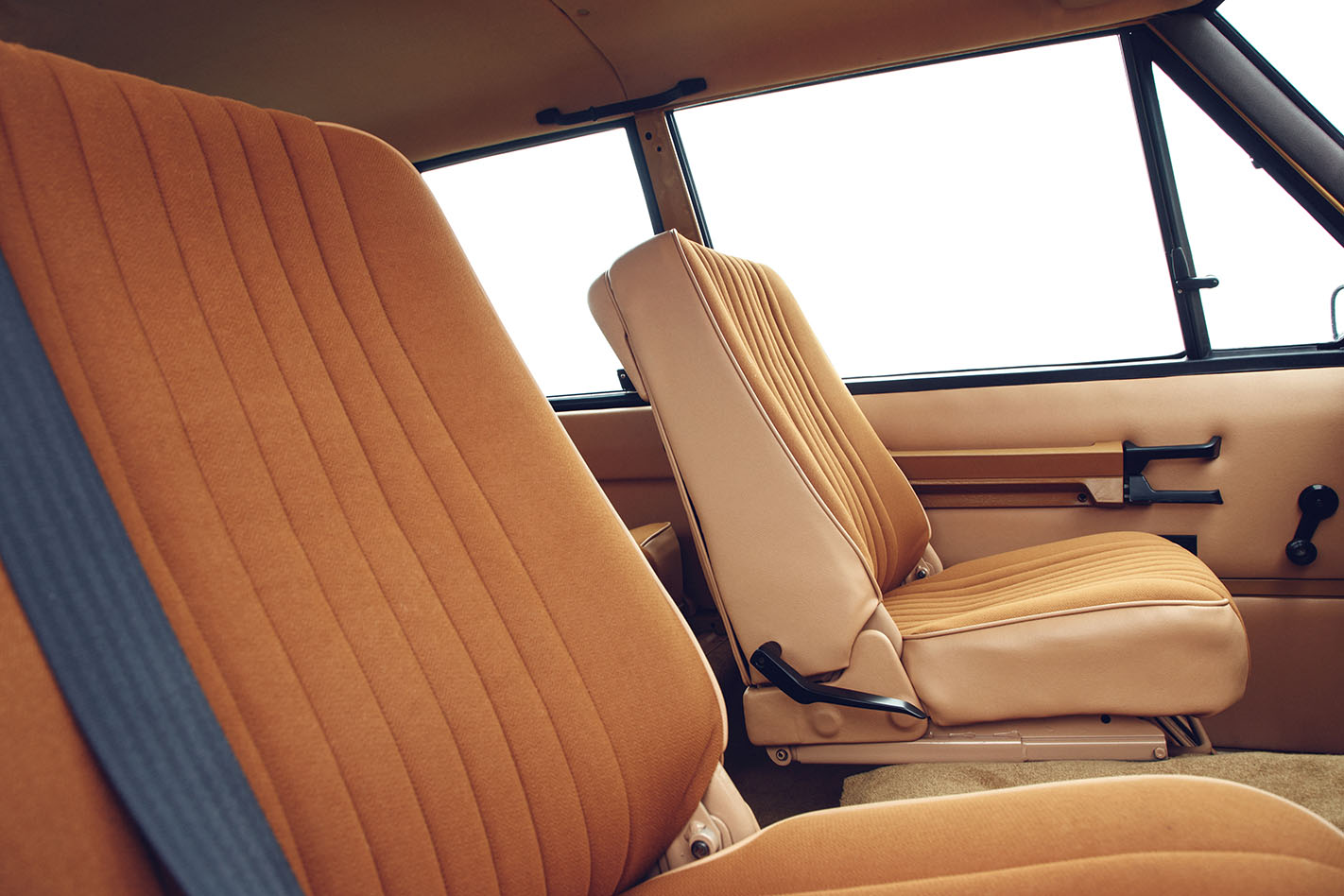
THE SALE of Land Rover to three different owners in 14 years would have a profound influence on how the three subsequent generations were developed.
First came BMW, which bought the brand in 1994 and gave the third generation (L322) monocoque construction and fully independent suspension. Ford engines would replaced the BMW units from 2005, following the Blue Oval’s acquisition of JLR, which it incorporated into the Premier Auto Group alongside Aston Martin and Volvo at the turn of the millennium.
Which brings us to the current fourth-gen (L405) from 2012, another clean-sheet design.
Bankrolled by India’s Tata Motors, which bought Land Rover from Ford in 2008, it saw an aluminium-intensive monocoque slash more than 400kg from the steel structure of its L322 predecessor, which brought predictably significant benefits to performance, fuel efficiency, on-road dynamics and off-road ability.
Ah yes, the non-negotiable off-road prowess. Gerry McGovern, Chief Creative Officer for Land Rover, understands this as well as anyone within JLR.
“Off-road capability is in our DNA,” he says. “It’s what differentiates you, because once technology, quality, sustainability – whatever it is – once those things become comparable from one manufacturer [to] another, what are you left with? You’re left with the DNA; the essence of your brand.”
Do any owners ever draw on those vast reserves of off-road ability? Of course not. But like owning a Rolex watch that can resist depths of 300 metres, just knowing that your sumptuous, leather-lined 4×4 could, theoretically, make it through the Darien Gap is what really counts.
And while this segment now sees ultra-premium rivals like the Bentley Bentayga, Rolls-Royce Cullinan, and Aston Martin DBX pushing the luxo high-rider template ever northward, it’s still possible to spend well over $400,000 on the current flagship long-wheelbase Range Rover, and claim off-road superiority to trump the lot of them.
But 2021 will mark the ninth year of production for the L405 model, meaning the all-new, fifth-gen Range Rover is nearly ready to debut.
It comes at a pivotal, turbulent time of contradictions: ever-tightening emissions regulations that hit hard at fundamentally large, heavy SUVs … yet the world’s high-net-worth consumers are getting ever-richer and demanding even more by way of luxury and that all-important perception of go-anywhere capability.

Charles ‘Spen’ Spencer King began his career in 1942 as an apprentice at Rolls-Royce, quickly becoming expert with jet and gas turbine engines.
In 1945 he moved to Rover at Solihull, prompted by the fact that the British automaker had been involved in the early stages of jet-engine development and had ambitions for the gas turbine in automotive applications.
In ’52, King piloted the first Rover turbine car, JET1, at 243km/h, and gas turbines powered the Le Mans racing car of 1963-65.
But as it became clear that there was no immediate prospect of a cost-competitive production turbine car, King moved into mainstream Rover development.
He would go on to head up Rover and Triumph’s combined engineering department, and later produce concept vehicles with advanced aerodynamics and lightweight aluminium construction.
In 1990, Land Rover marketed a special Range Rover edition called the ‘CSK’ in his honour.

Door-count aside, the original was a design so fundamentally right, it hardly needed work from the LR styling department. It would endure for an incredible 26 years.
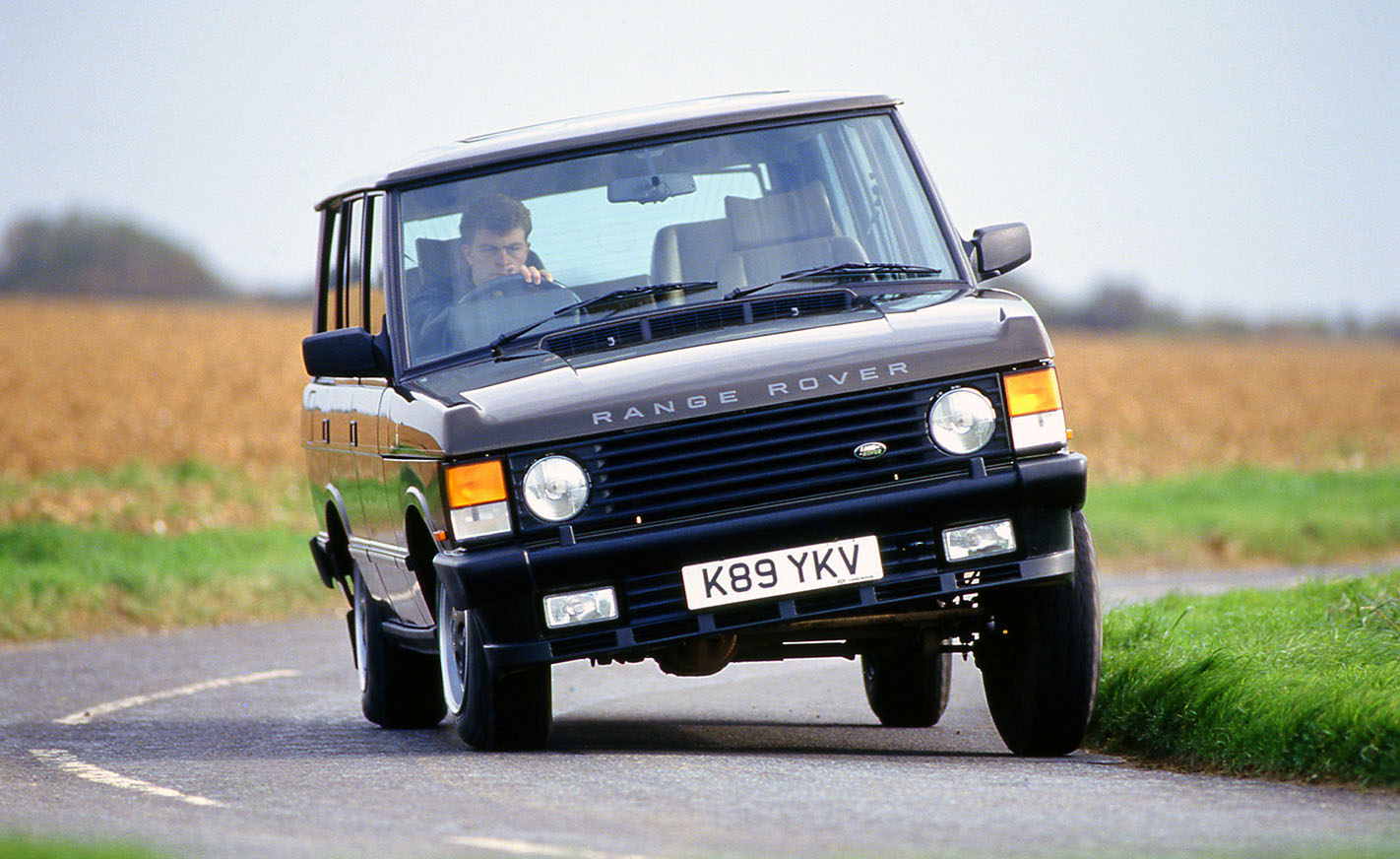
1994: The continuation
Brought 4.0- and 4.6-litre iterations of the Buick-sourced V8, and later, BMW diesels. Was unloved for a period, but now desirable as prices for the Classic have surged.
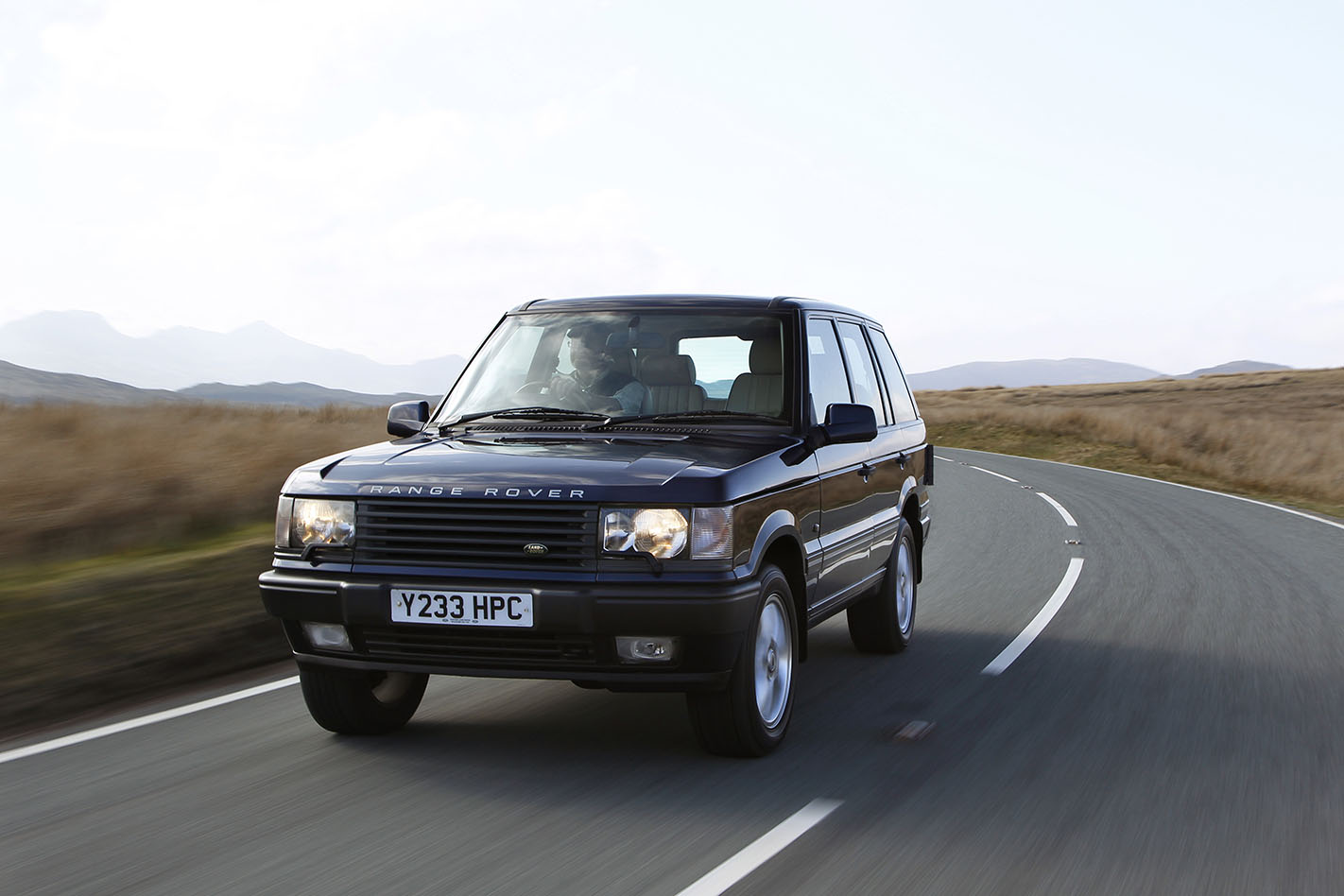
2001: The rethink
BMW ownership oversaw the third-gen’s move to monocoque construction and independent suspension; logical so it could component-share with the original BMW X5.
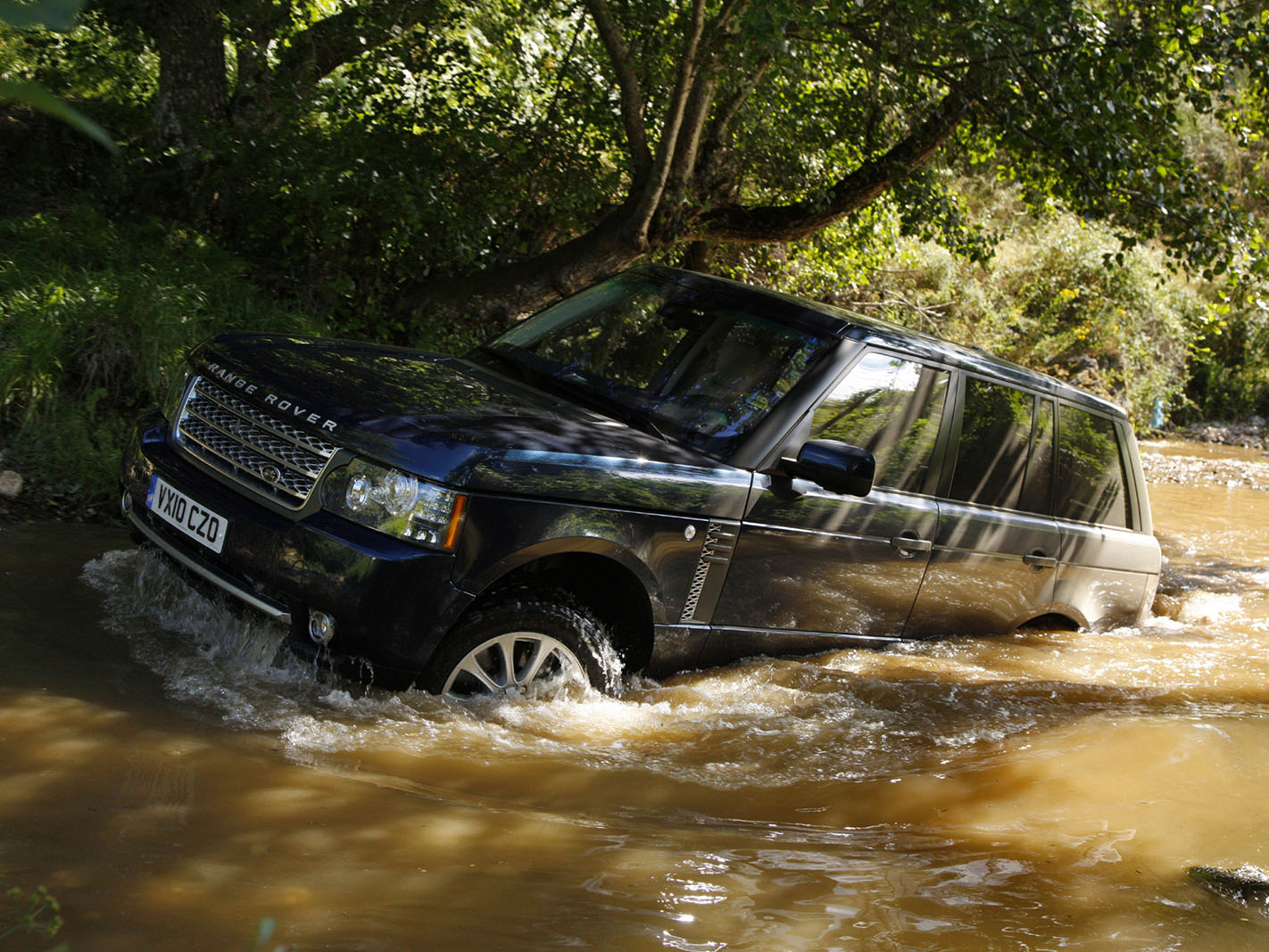
2012: The fat blaster
All the traditional design cues pulled together in a sleeker, smarter and lighter fourth-gen model thanks to the deep pockets of India’s Tata. Still brilliantly capable.
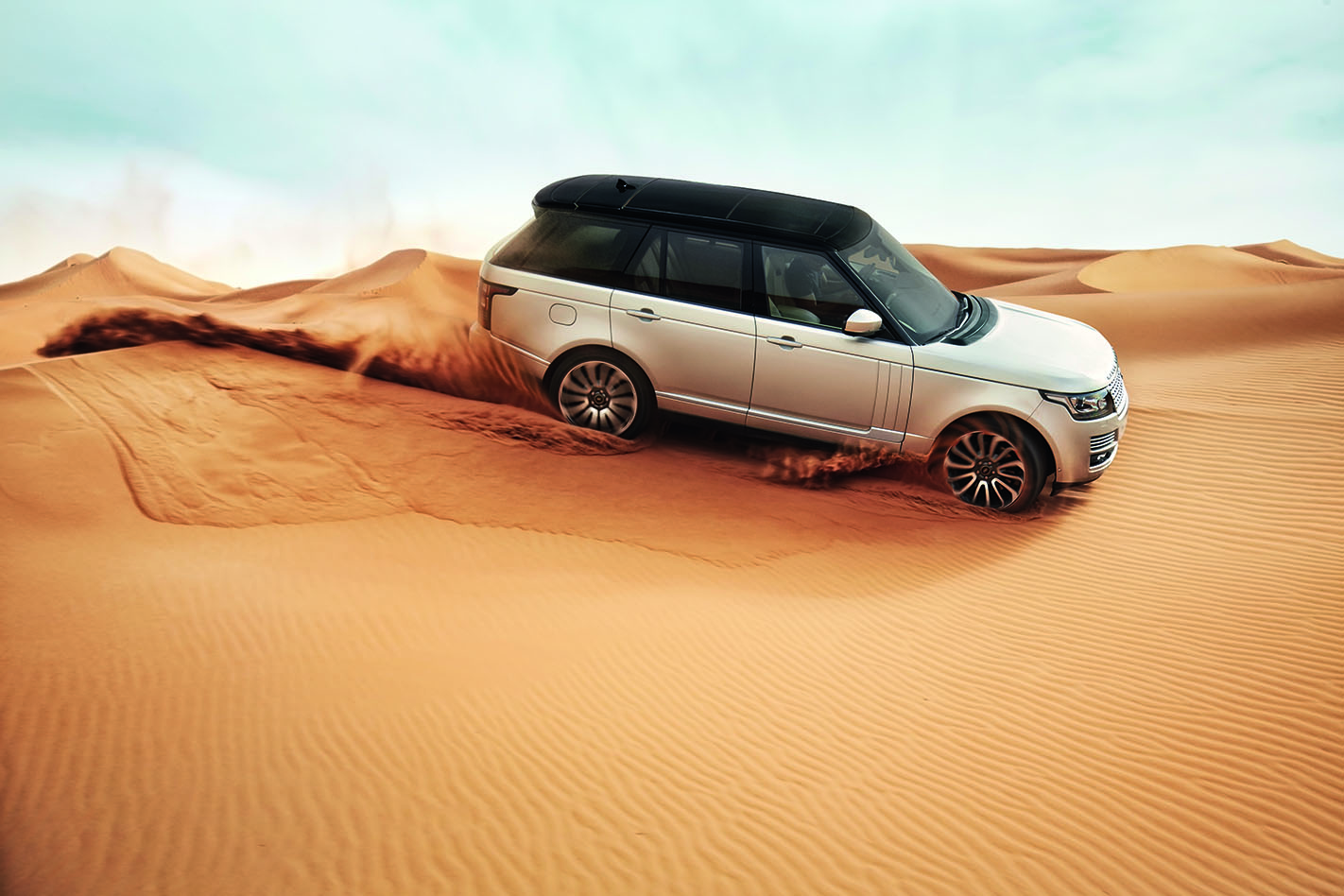
It isn’t just Defenders that endlessly probe the globe’s least accessible nether regions – the flagship Range Rover is equally inclined to an epic adventure
As touched upon in the intro to this feature, the Darien Gap was thought impassable. But the Range Rover expedition from Alaska to Tierra del Fuego wasn’t actually the first to attempt the Darien – that crown was taken by the Trans-Darien Expedition of 1959-’60, utilising a Land Rover 88 wagon and a Jeep. Sponsored by the Pan-American Highway Congress, the objective was to chart a passage for the completion of the pan-American route. Never happened.
First car to win the Paris-Dakar? Not a pedigree rally weapon but a close-to-standard Range Rover Classic in 1979. The result proves no fluke, either: a V8 Rangie does it again in 1981, and Range Rovers remain the go-to choice for competitors throughout the ’80s – some 40 examples of Solihull’s finest enter the 1985 Paris-Dakar.
Keen to build brand awareness as it re-enters the North American market in the late ’80s, Land Rover packs its updated Range Rover off on an ambitious, entirely off-road epic from Wyoming to New Mexico, tip-toeing along the spine of the Rockies. Eight cars travel in convoy wearing the slogan ‘Tread Lightly!’ Well, with 2000-metre drops on some parts of the route, you would…
Jeeps are used for the inaugural Camel Trophy adventure/race in 1980, but the following year the organisers switch to Range Rovers for the event in Sumatra and never look back – they’re the expedition’s weapon of choice again in ’82 (in Papua New Guinea) and ’87 (in Madagascar). Amateur teams wade, float and rock-crawl to places never before seen by cars, doling out medical supplies and conducting geological surveys as they go.
Upping the competitive ante even further, the teams must battle subliminal nicotine cravings on a daily basis.
In the camel and tyre tracks of Sirs Wilfred Thesiger and Ranulph Fiennes, both of whom crossed the Arabian Peninsula’s Empty Quarter, veteran journo Gavin Green searches for the lost city of Ubar (rediscovered by Fiennes in 1992) for a legendary story in UK’s CAR magazine. Fiennes got there by Land Rover Discovery, Green by Range Rover TDV8.
As publicity stunts go, this Range Rover Sport plug-in-hybrid promo is an epic. The 2.5-tonne Range Rover claws its way up the 999 steps of Heaven’s Gate, the mysterious rock arch at the summit of China’s Tianmen mountain, said to link the mortal world and the realm of the gods. It’s the first time a vehicle has attempted the 45-degree climb, over 1500 metres above sea level.
Good job Ho-Pin Tung remembers the handbrake at the top.
Deep within automotive boardrooms the world over, there’s a term that’s flung around as frequently as “Kale detox” at a Bondi cafe. It’s ‘platform rationalisation’, and chances are that the car you’re driving now conforms to its edicts in some way.
For a company like Jaguar Land Rover, which currently has six models under the LR brand, and seven for the Leaping Cat, a tightly rationalised platform strategy is essential for long-term viability, as well as the flexibility needed to accommodate combustion, hybrid and EV powertrains.
Here’s how it will influence the all-new Rangie, due next year.
The key to all future premium models from Jaguar Land Rover is MLA, an acronym for Modular Longitudinal Architecture.
MLA is complemented by MTA (T for transversely mounted engines) at the smaller end of the fleet, in vehicles such as the next-gen Range Rover Evoque. MLA comes in three versions known as low (next Jaguar i-Pace), mid (Jaguar’s forthcoming J-Pace flagship SUV) and high (Range Rover).
Fully scalable in length, width, height and wheelbase, the aluminium MLA is much lighter, stiffer and less complex than the D7 platform it replaces. It’s a flexible yet extensively standardised base which can cater for both Jag and Land Rover.
All three versions can accommodate combustion engines, plug-in hybrids and battery-electric powertrains thanks to the specifically defined modules and structural interfaces that allows extensive adaptability, stretching from passenger cars through crossovers to full-sized luxury SUVs.
It’s out with eight, in with six for the fifth-gen Range Rover. The 4.4-litre turbo-diesel V8 will be dropped, replaced by a new Ingenium 3.0-litre, twin-turbo diesel six offered in two levels of tune and with 48-volt mild-hybrid tech.
This engine is some 80kg lighter than the outgoing diesel V8, thanks to two fewer pots arranged in a single bank and its all-aluminium construction. Both versions – a D300 (220kW and 650Nm) and D350 (257kW and 700Nm) comply with Euro 6d and RDE2 emissions regs, thanks in part to a super-lean high-pressure fuel-injection system and a sequential turbo arrangement that works to heat the catalyst more efficiently.
Simply dropping from eight cylinders to six has reduced internal friction levels, but the new Ingenium engine goes further still with slippery pistons, needle roller bearings for the camshafts, and variable-demand oil pumps.
The current plug-in hybrid, called the Si4 PHEV, will continue, although no word yet on whether the outputs from the 2.0-litre-four-plus motors will be eked up from the current 297kW/640Nm. Other powertrains will include a PHEV version of the 3.0-litre turbo-petrol six, currently making 294kW and 550Nm. This engine will be paired with a 20kWh battery and 104kW e-motor for a total output of 397kW and 680Nm.
For customers who insist on petrol power and eight cylinders, they will have the BMW-sourced 4.4-litre twin-turbo V8 making around 390kW/750Nm, which is down slightly on power, but 50Nm stronger than the current supercharged 5.0-litre V8.
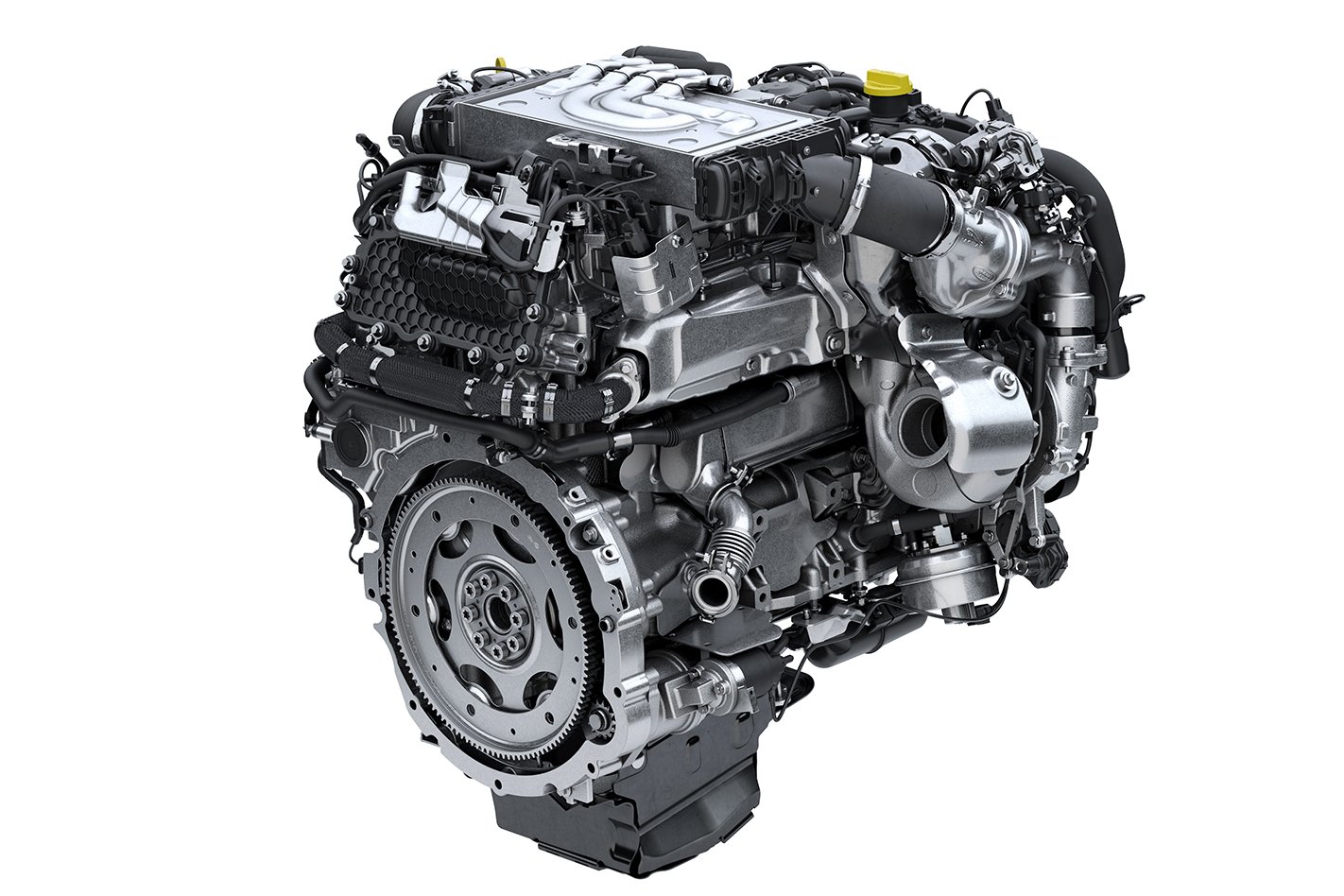
As for a battery-electric Range Rover, it’s a good deal further off than many originally predicted. Our information suggests it won’t arrive until 2027, so it’s safe to assume battery tech will have moved on significantly in the interim.
Expect the BMW-sourced set-up to provide at least a 120kWh battery, with combined motor outputs of 500kW and a monstrous 1000Nm, likely deployed via a two-speed transmission, similar to the unit used in the Porsche Taycan.
JLR vehicle line director Nick Collins is on record as being an EV enthusiast: “On the road, the increased refinement and silent running [of an electrified powertrain] excites me,” Collins has told media previously. “And off-road, you get peak torque at zero revs together with much more accurate control.”
With many of Land Rover’s key export markets either enacting or mulling a ban on the sales of internal combustion engines, some as soon as 2030, progress here is vital.
Gerry McGovern says the fifth-gen Range Rover will become even sleeker, smoother and sexier. “The proportions are to be more contemporary, but the message it relays remains the same: tastefully reduced, understated,” says the chief creative officer.
The camouflaged prototypes recently snapped undergoing cold-weather testing indicate a wider, lower and more aerodynamic silhouette, a more steeply raked windscreen and a more sculpted evolution of the current, slab-sided form. The ultra-luxe, high-profit long-wheelbase version gets its own bespoke rear doors, side windows and roofline.
The traditional split tailgate is retained, as are the vertical louvres in the front guards and the wraparound indicators. The stacked indicators and repeaters – first seen on the new Defender – are also likely to make an appearance on the new Range Rover. There will also a choice of even larger wheel and tyre sizes which currently max out at 22 inches.
Noteworthy tech set to feature on the next Range Rover includes a 48-volt system as an enabler for mild hybrids, air suspension with increased bandwidth, a carbon-ceramic disc brake option instead of steel, electric power steering in combination with Level 2 assisted motorway driving and eyes-off Level 3 in the making, a locking rear diff and the latest Terrain Response 3 off-road electronics. Naturally the connectivity and multi-media will also take a significant leap.
At the same time, the next Range Rover will be more comfortable than ever, offering heated and ventilated active-support massage seats all round, together with adjustable surface heating for door panels and both armrests. Expect an updated and far more responsive touchscreen infotainment system, Wi-Fi, secure vehicle tracking, real-time sat-nav and over-the-air updates.
The goal is sustainable luxury delivering the opulence buyers expect but without conspicuous excess.
Believe it or not, we’re bearing down on Christmas. Why not treat yourself – or someone else – for getting through a rough 2020 with some of these goodies.
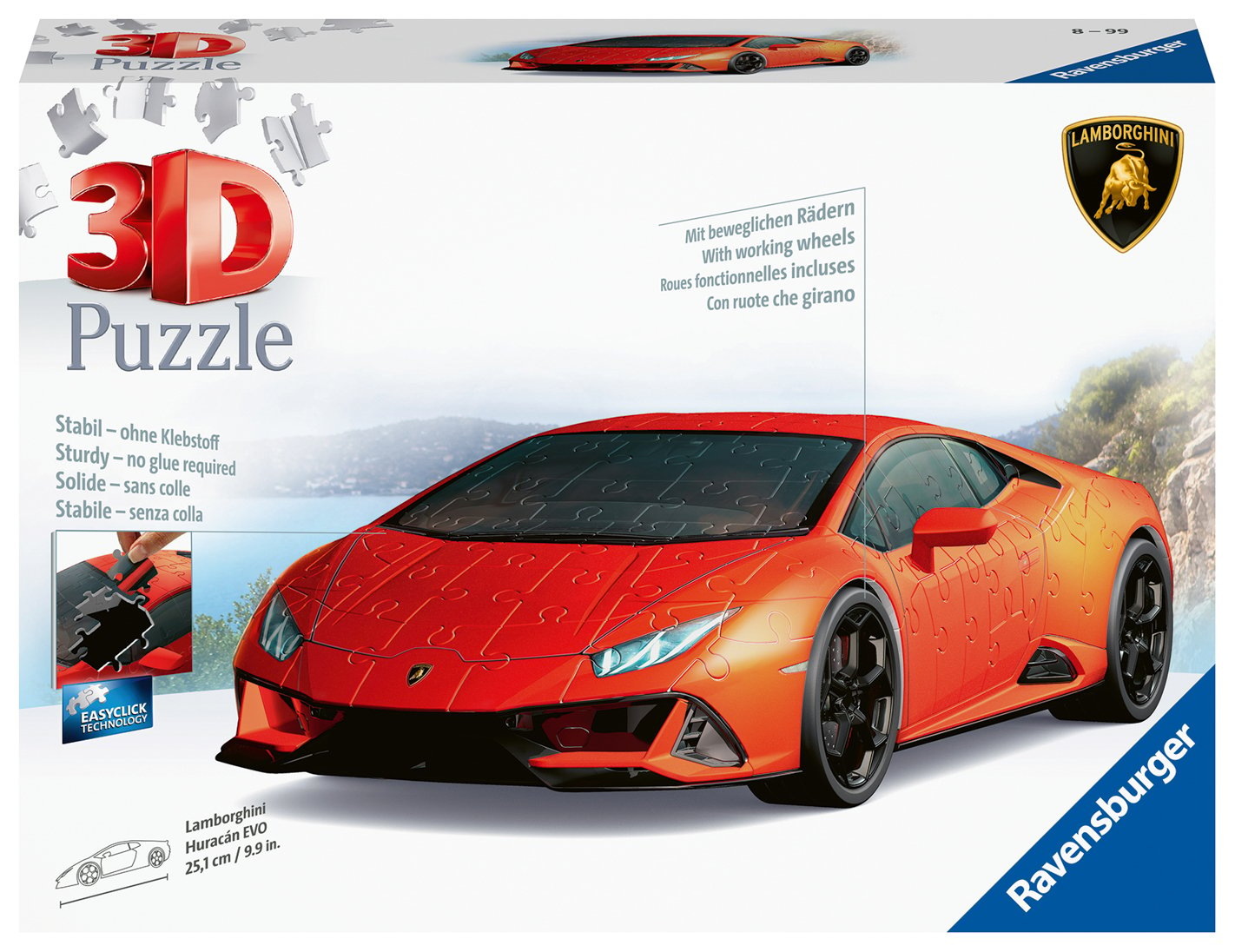
Fancy building a Lamborghini Huracan Evo? Try on this! Ravensburger developed 3D puzzle comprising 108 pieces and finished in huge 1:18 scale.
Colour in the dial of Autodromo’s Intereuropa wrist piece with any number of colours. Sports a Swiss movement and 39mm stainless steel case.

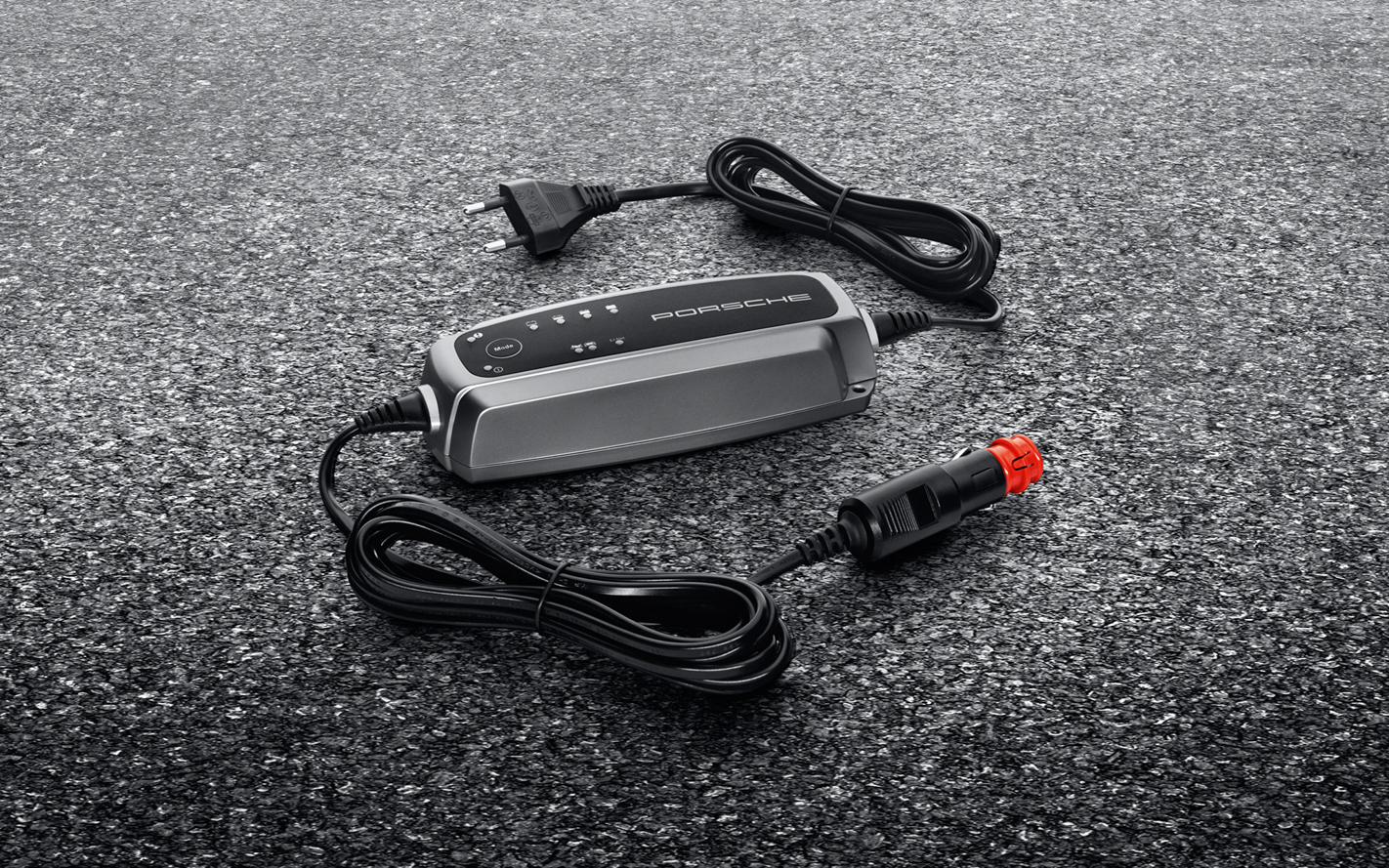
Keep your 911’s battery juiced with this Porsche trickle charger. Charges at 5.0A and is compatible with 12V lithium-ion cells. Plugs in through cigarette lighters.
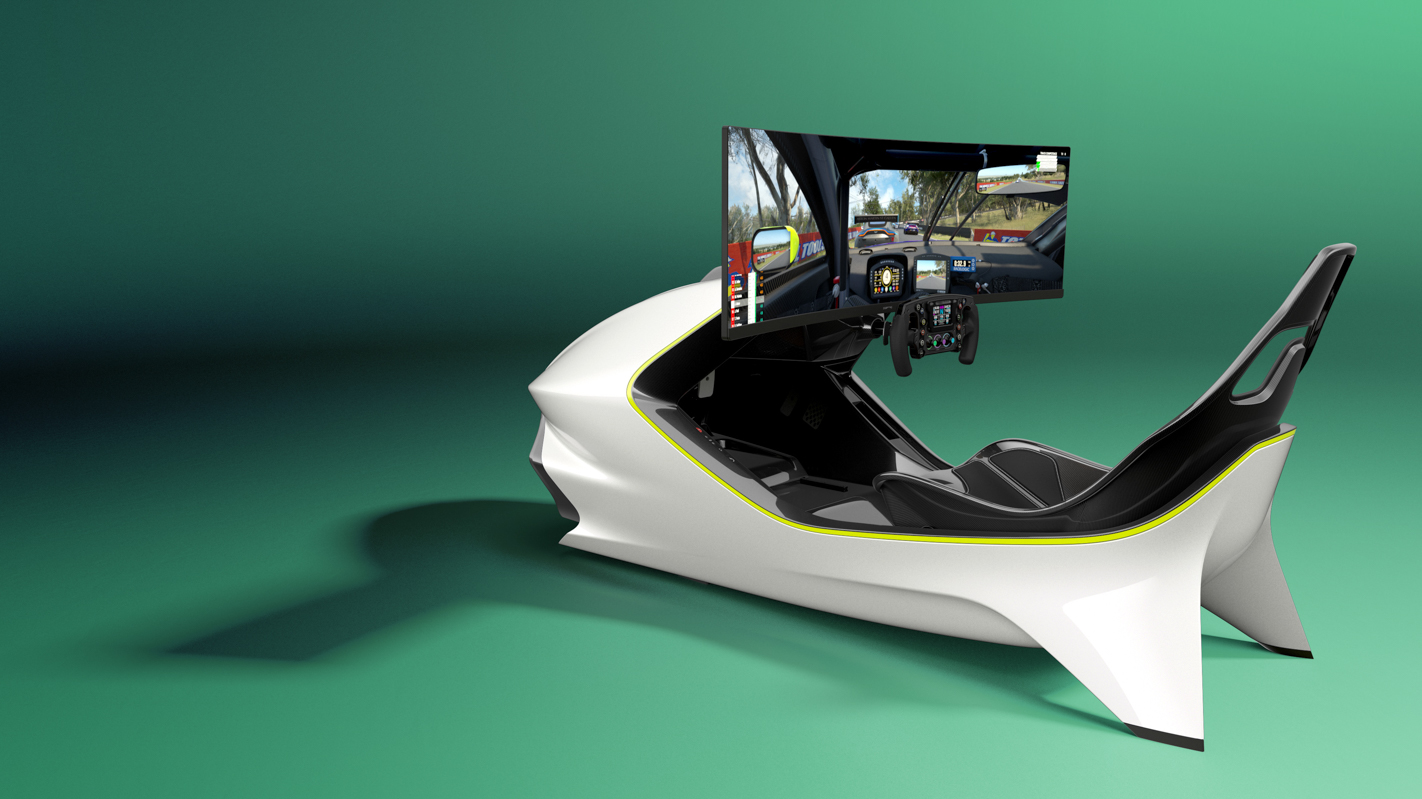
Aston Martin and sim experts Curvrs have crafted this high-end sim reserved for the most elite online racers. At just under 2m long, the carbon tub is matched with the “latest” tech and software, offered in eight different exterior colours. Price excludes shipping.
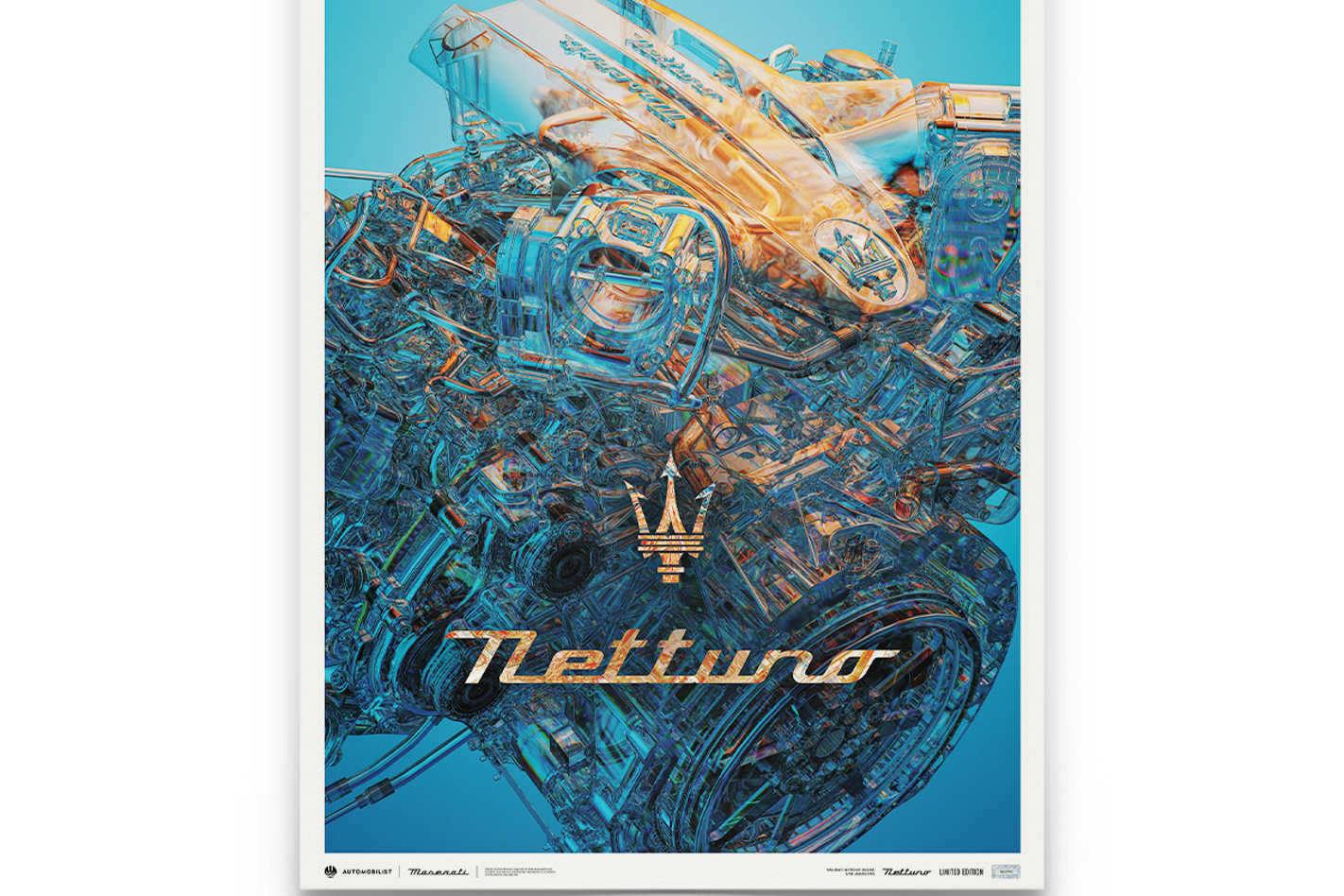
Maserati’s MC20 is set to pack a mighty punch thanks to Nettuno, the 3.0-litre twin turbo V6 pictured here. It comes sized 50cm x 70cm.
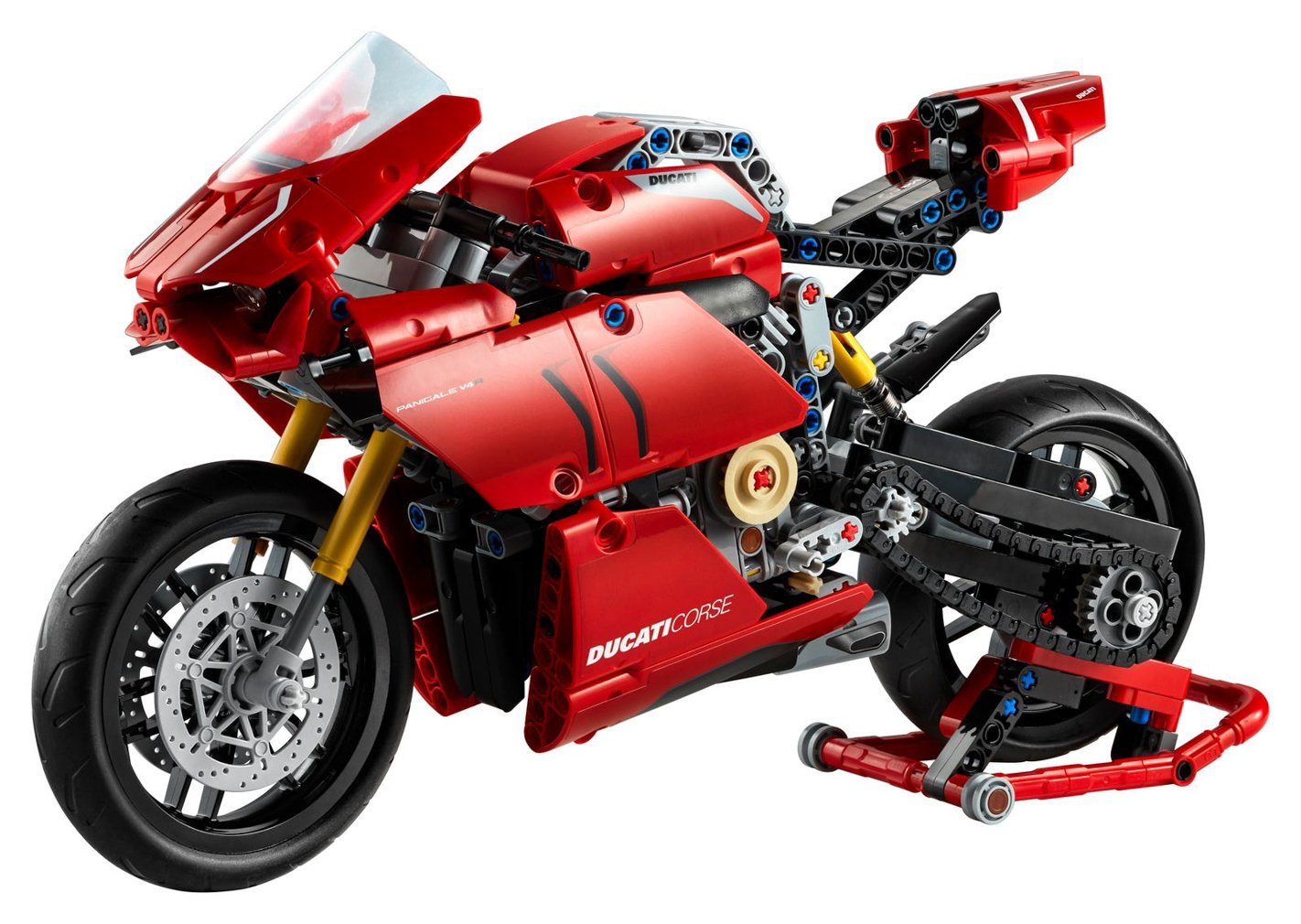
Lego’s Technic series has given us a small but attractive reason to get into two wheels with this 646 piece Panigale V4 R.
Here it is. If you’re patient and keen on Toyota’s very latest 4×4 offering, the links below hold everything you need to know.
The stories below will give you a guide to everything we learned about the new Prado when it was unveiled. All fresh stories published since then will be found on our Toyota Prado model page here.
It’s only set to grow as well – Toyota’s got two new small SUVs on the way in the Yaris Cross and Corolla Cross, set to join and form an eight-strong range with existing SUV models.
Similarly, a raft of updates to its existing SUVs are either already on sale or well on their way.
It can make for confusing buying for those looking for their next SUV, so we’re going to break it down and explain the hierarchy and what you can expect with each option in Toyota’s SUV range.
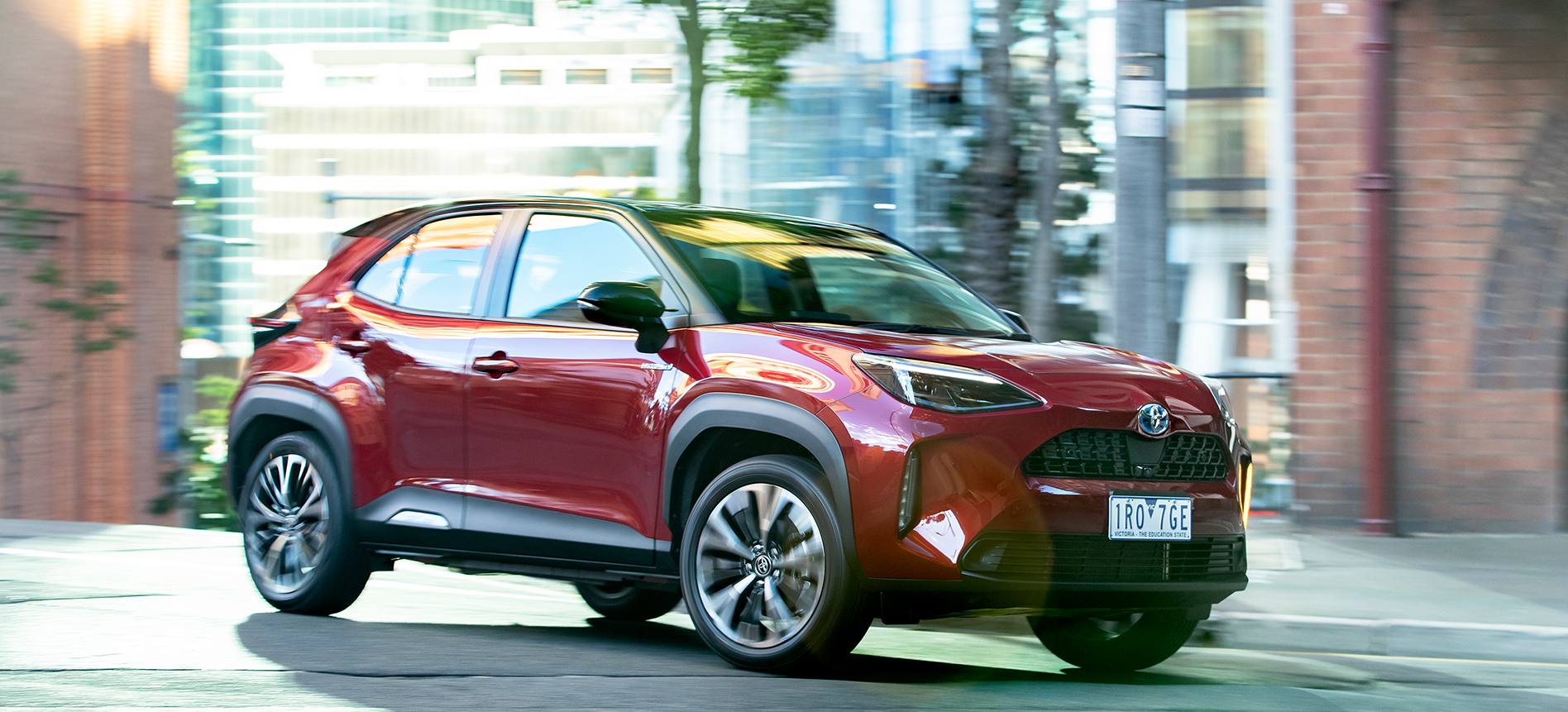
The new baby-sized model acts as the smallest SUV in Toyota’s range, sitting below the C-HR, and is based on the Yaris hatchback.
As such, it shares a number of design and tech elements with the Yaris, though obviously has a taller ride height.
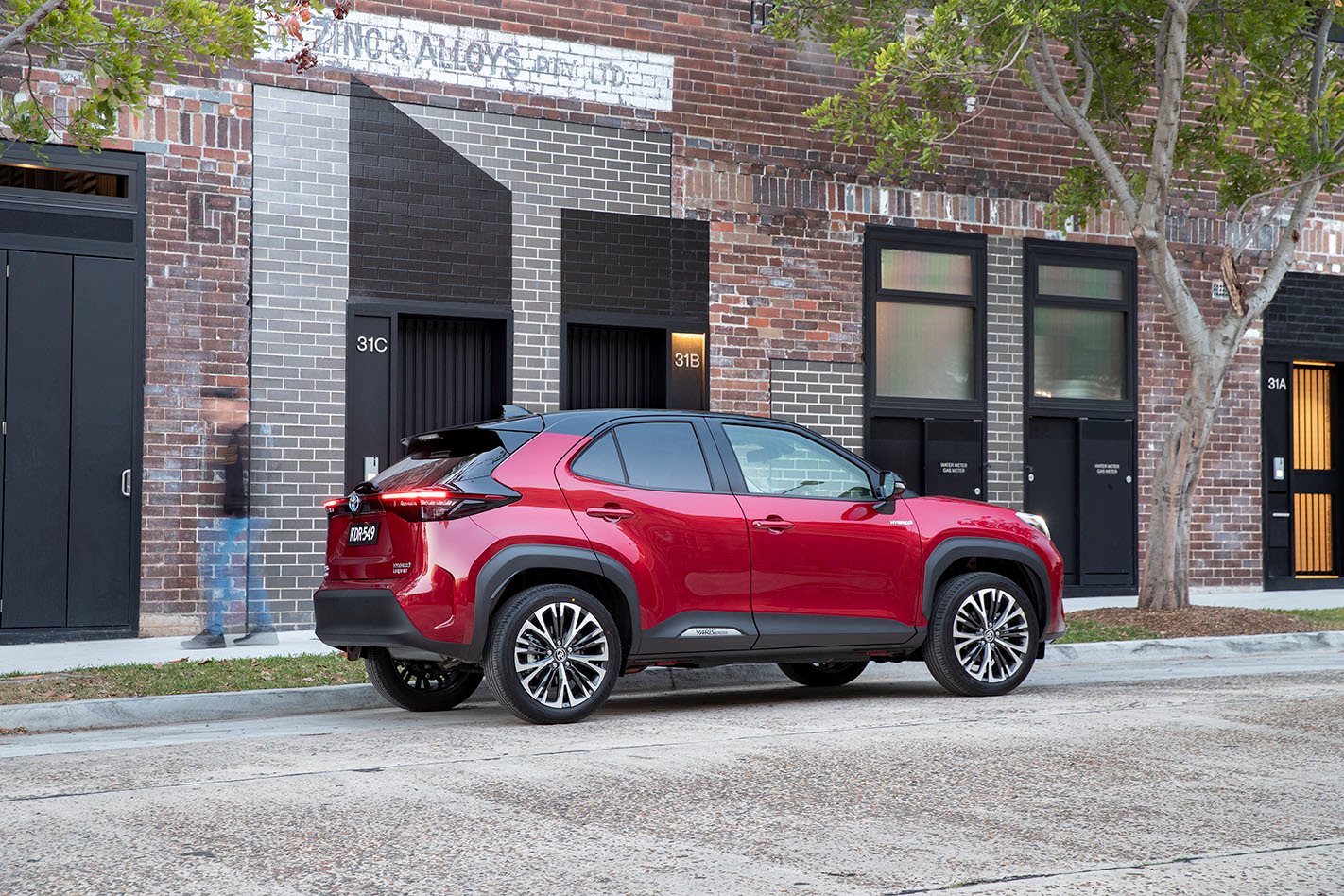
Toyota offers two types of engines with the Yaris Cross, notably including a hybrid option in its entry-level car.
There’s even an option for all-wheel drive – not always a given in the small SUV category.
Prices begin in the mid-to-high $20,000 range and extend toward the $40,000 mark dependent on specification and engine.
The Yaris Cross joins the small SUV segment which also hosts Mazda CX-3, Honda HR-V and Ford Puma rivals.
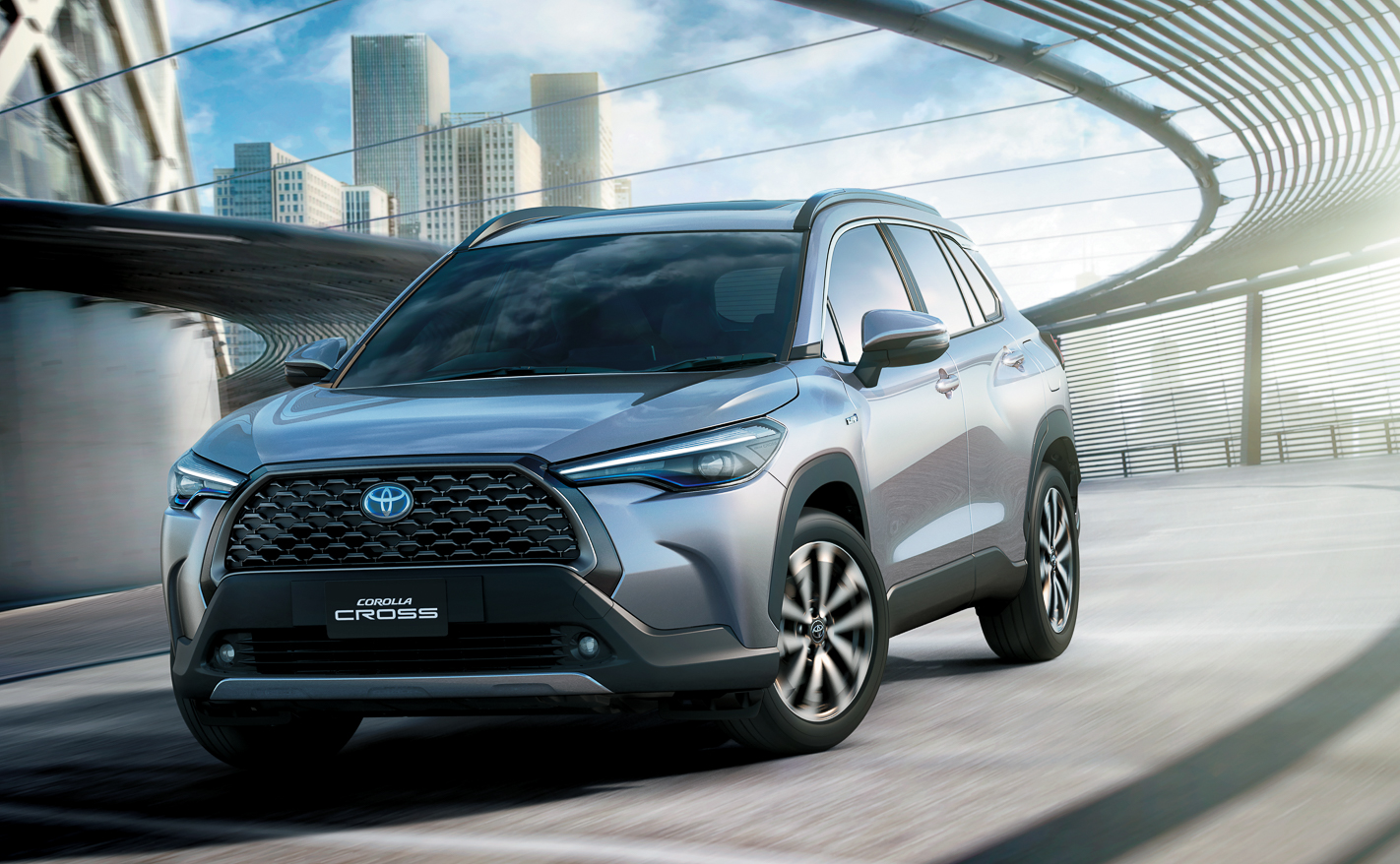
In terms of Toyota’s range, the Corolla Cross will bridge the gap between the Yaris Cross and RAV4, while simultaneously acting as a more practical alternative to the C-HR.
The Corolla Cross rides on the same TNGA-C platform as the Corolla hatchback, as such, we can expect a lot of Corolla kit in a higher-riding package.
Petrol and hybrid options will be available, it contains a large 487-litre boot and a swathe of active safety interventions will be standard.
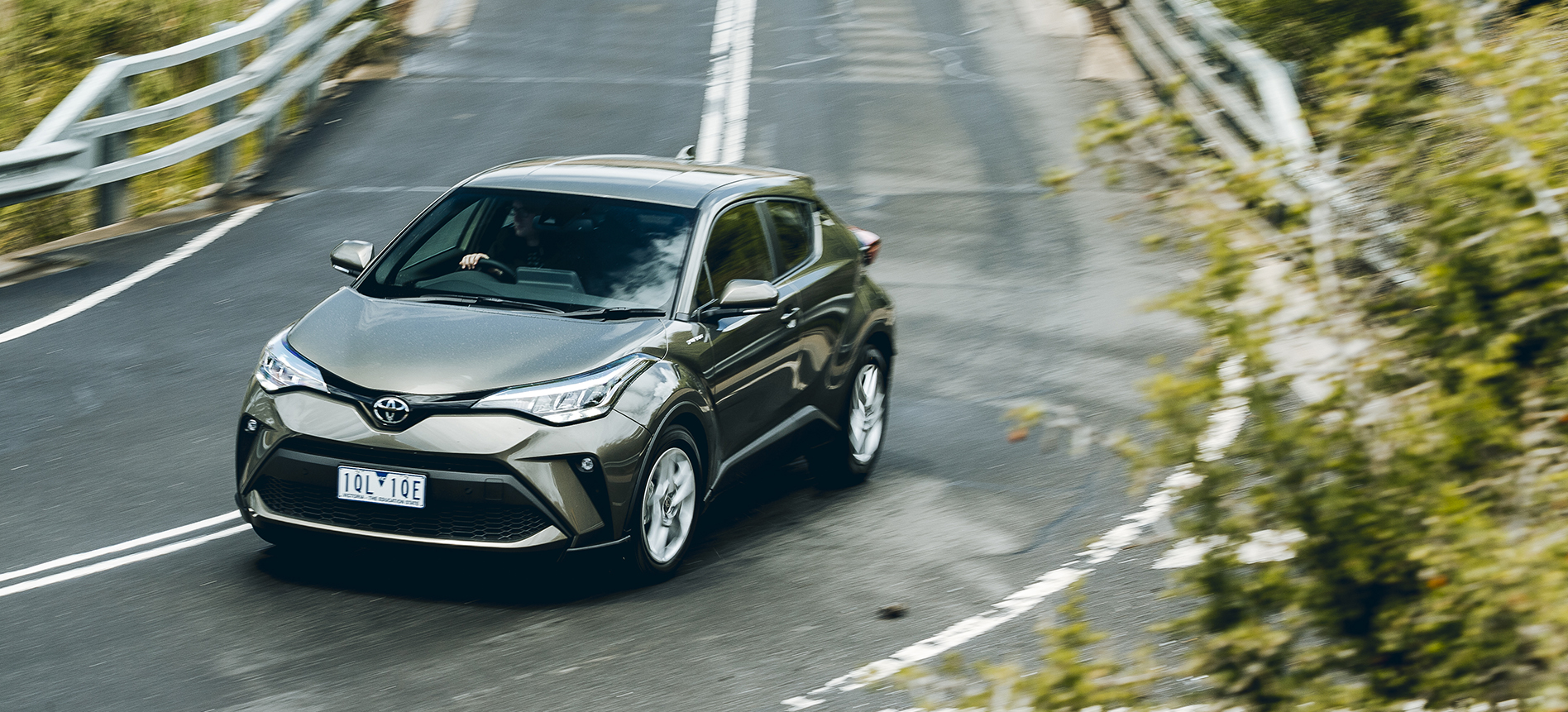
It differs from the above SUVs by appealing more to style rather than practicality, with un-Toyota-like style characteristics that best fit young couples rather than families.
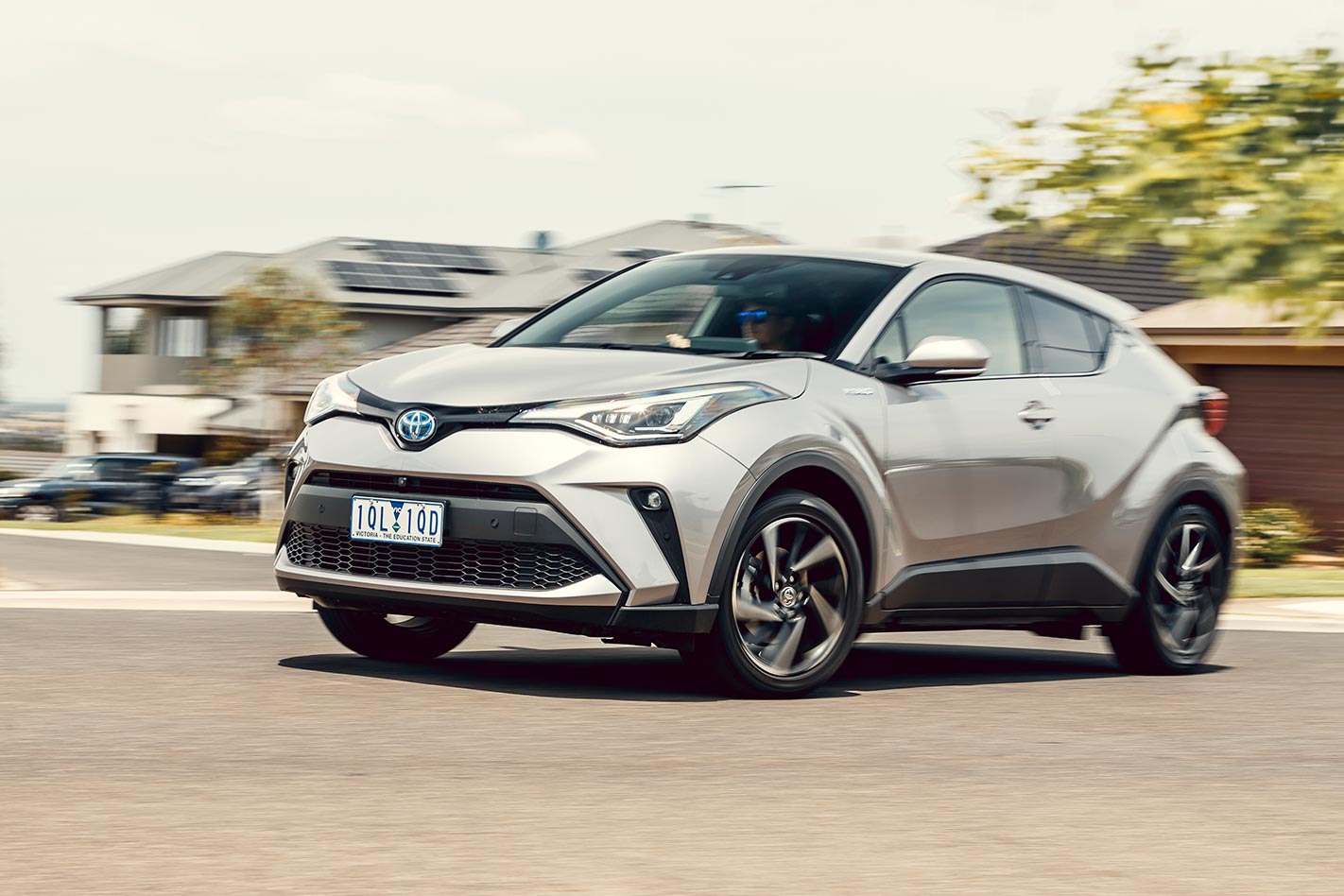
It comes with a choice of a turbocharged or hybrid engine, and all are mated to a continuously-variable transmission.
There’s less room for a family in a C-HR than in rivals like the Honda HR-V, Mitsubishi ASX and Hyundai Kona, but the C-HR does receive a decent amount of kit as standard.
Prices begin around $30,000 and get more expensive for higher-spec variants.
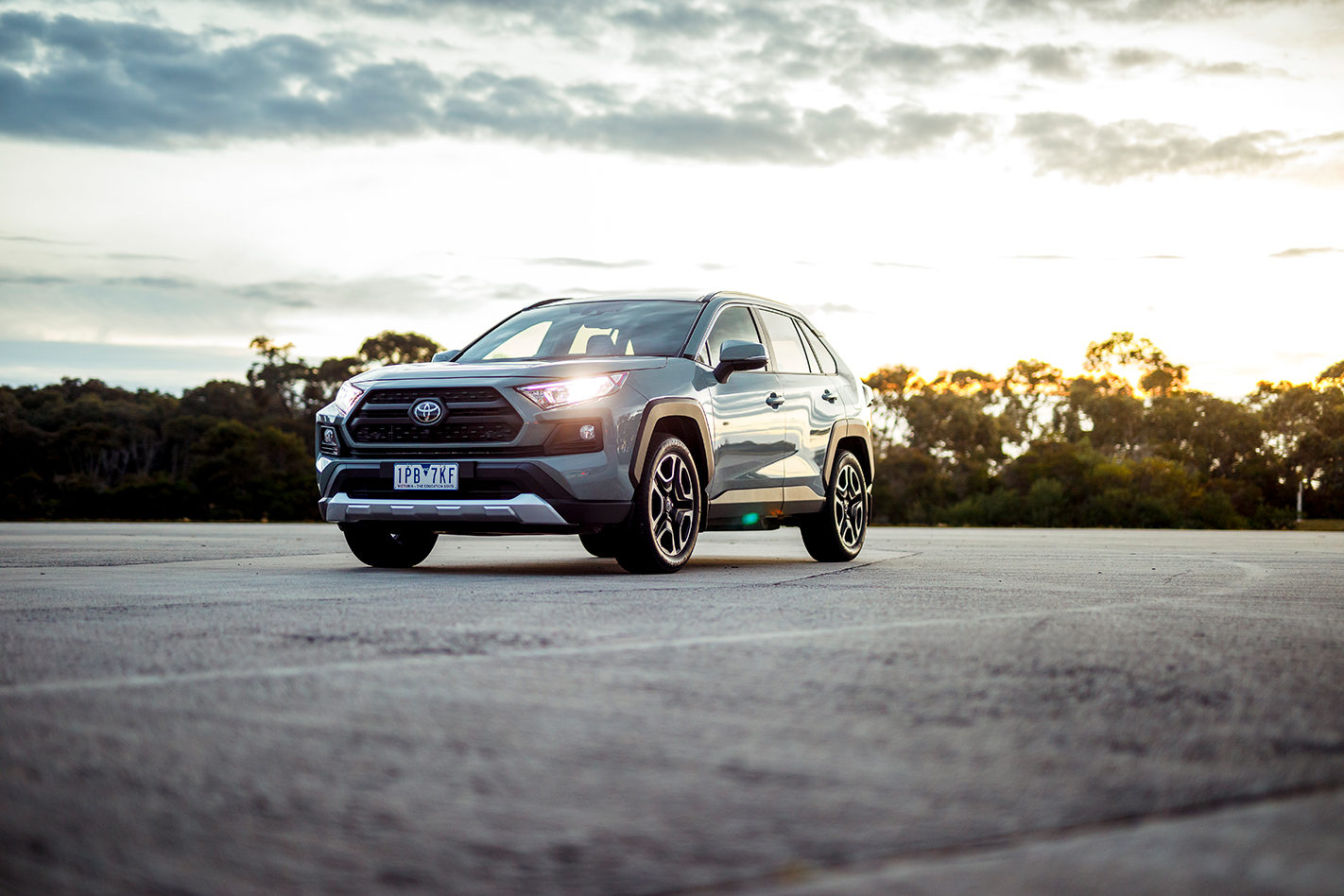
The Toyota RAV4 takes the crown as the volume seller in Toyota’s range, and has even scored best-selling vehicle in Australia on multiple occasions, too.
It’s a medium SUV with five seats and five doors and is available with a choice of two engines. Front-wheel-drive is standard, though the option of all-wheel power is there.
Pricing for the Toyota RAV4 starts just over $31,000, and it sits above small SUVs like the C-HR and underneath the popular Kluger large SUV.
The Toyota RAV4 goes back a long way to when it was one of the first few SUVs to kick off the craze. Since, it has matured into a competent mid-sized SUV offering plenty of standard features and technology.
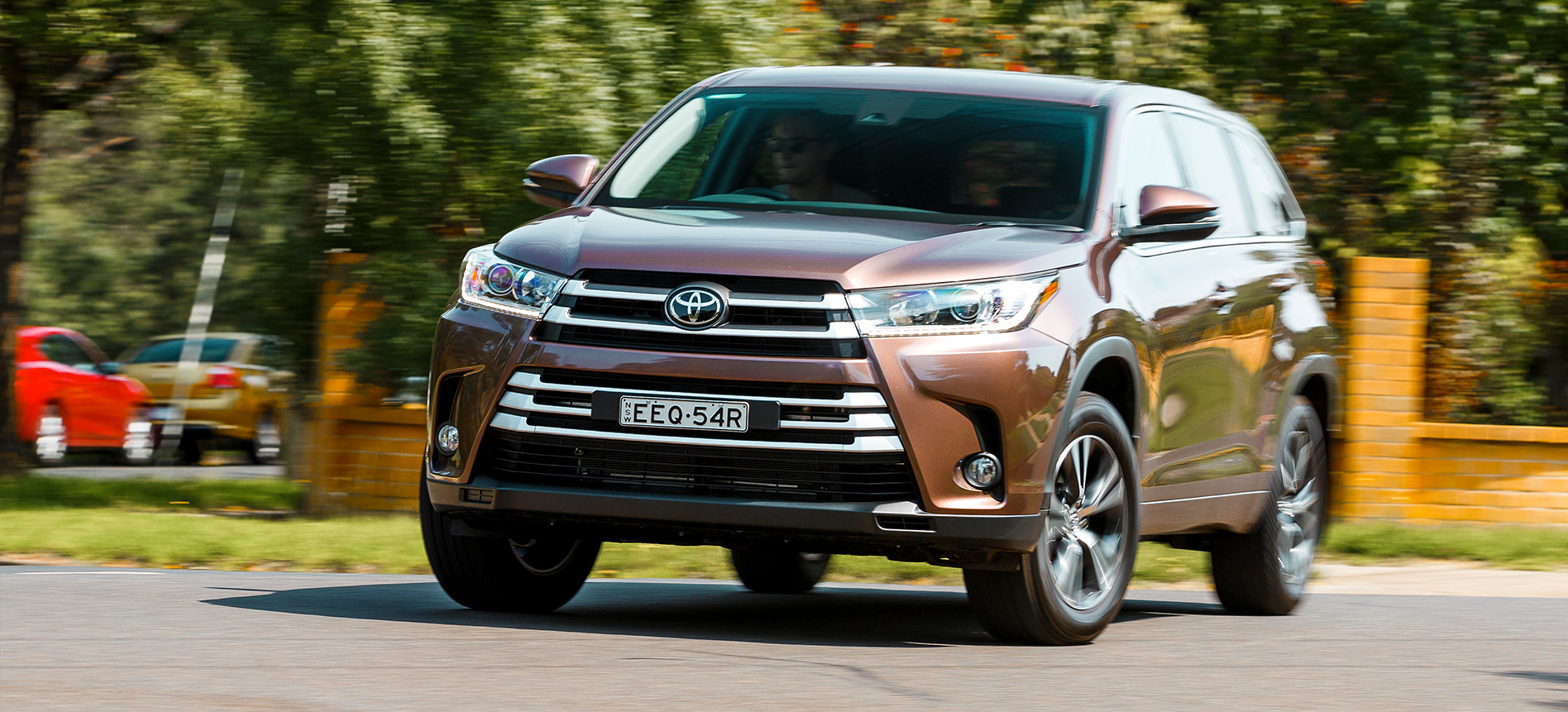
Things start to get bigger from here on in, starting off with the Kluger large SUV that caters to seven occupants.
The Kluger is one of the better-selling large SUVs in its category, and features a single V6 petrol engine option with either front- or all-wheel drive.
Although it boasts a high road clearance and an option of all-wheel drive, the Kluger is the car you choose for large families rather than hardcore off-roading.
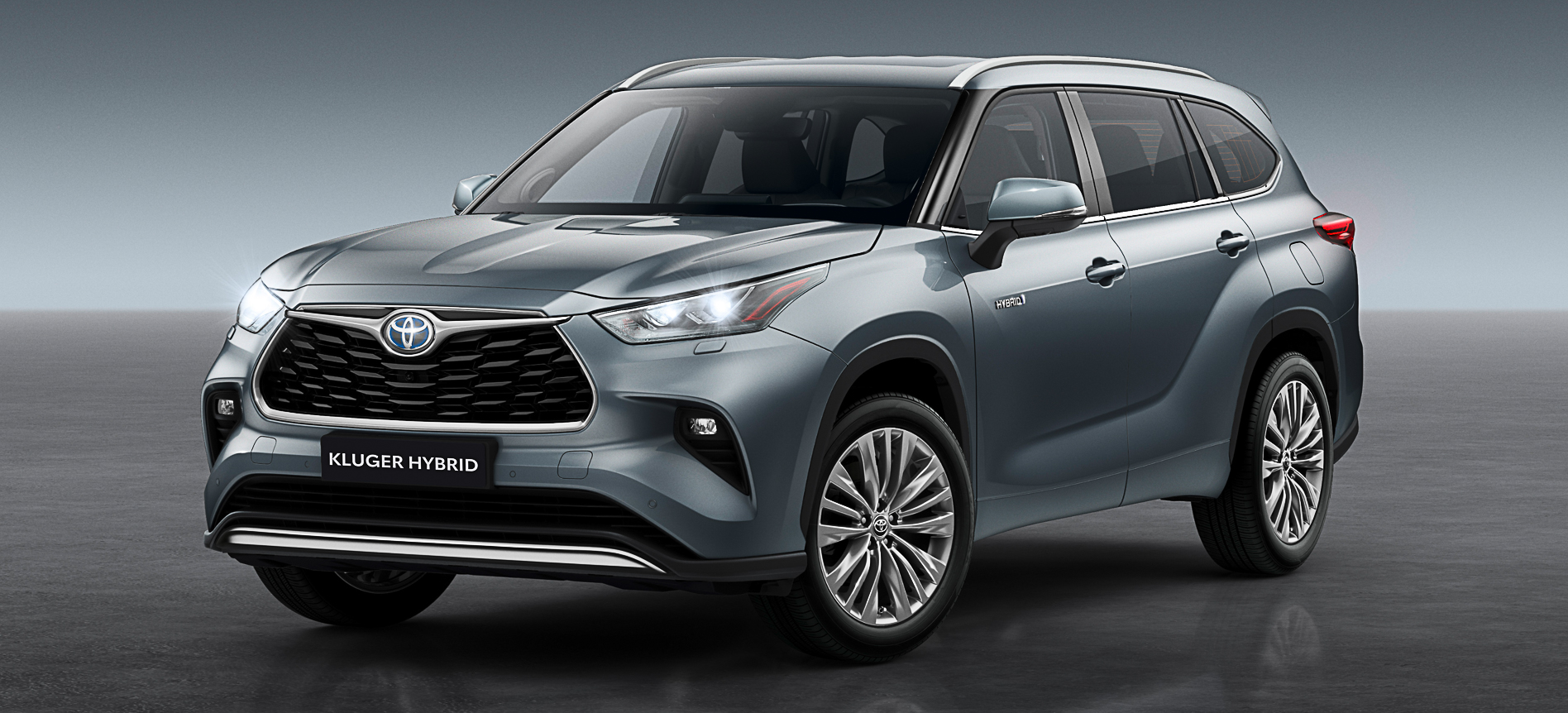
Prices for the two-wheel-drive Toyota Kluger begin at a smidge under $45,000 and the all-wheel-drive versions begin at just under $49,000.
The Kluger is nearing a facelift, with the new generation car expected to arrive in 2021.
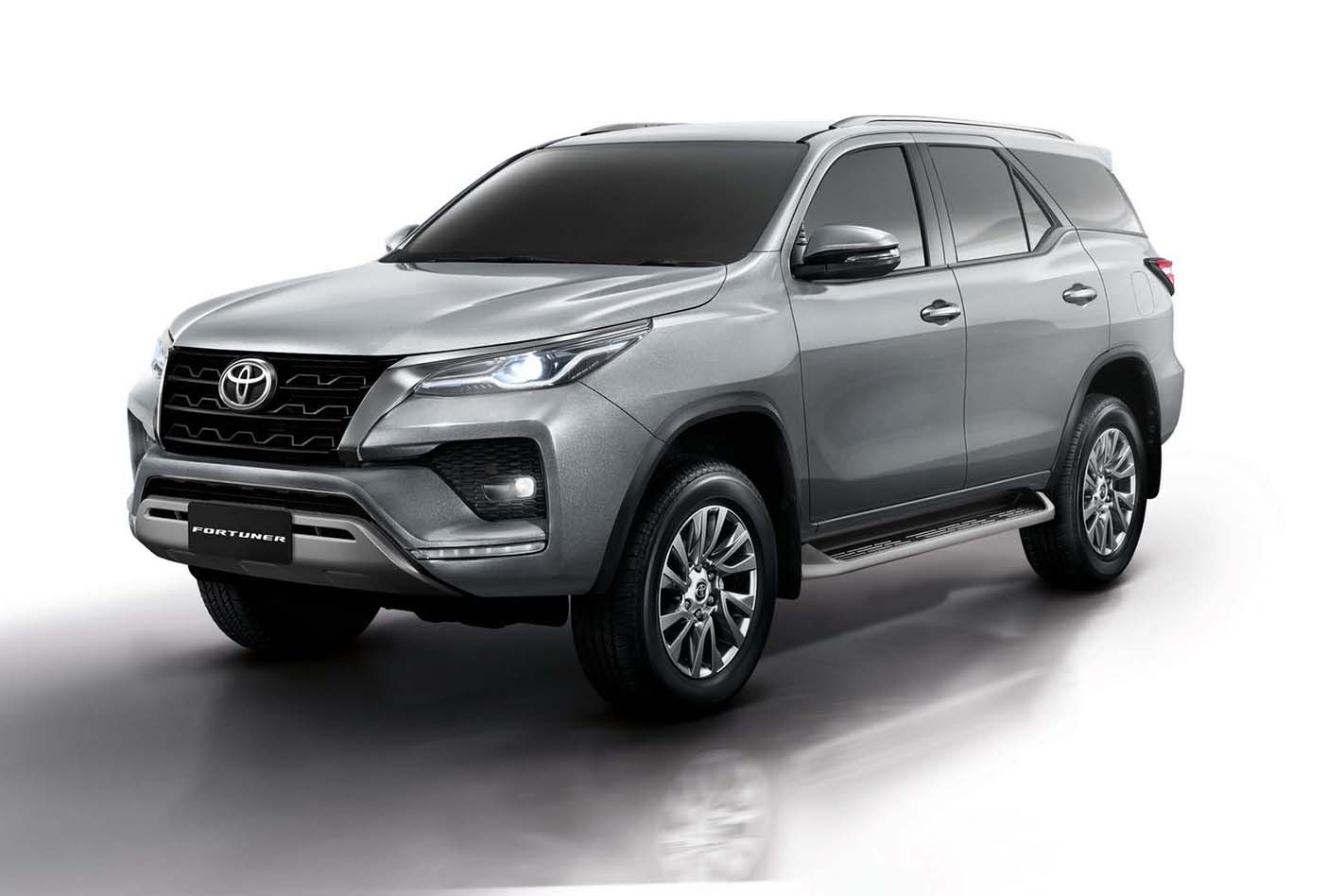
Far more capable off-road is the Toyota Fortuner, which is an off-road biased large SUV based on the Toyota Hilux ute platform.
The wagon body is a more practical alternative to the Hilux with seating for seven, but retains a large towing capacity, off-road credibility and can travel long distances on diesel power.
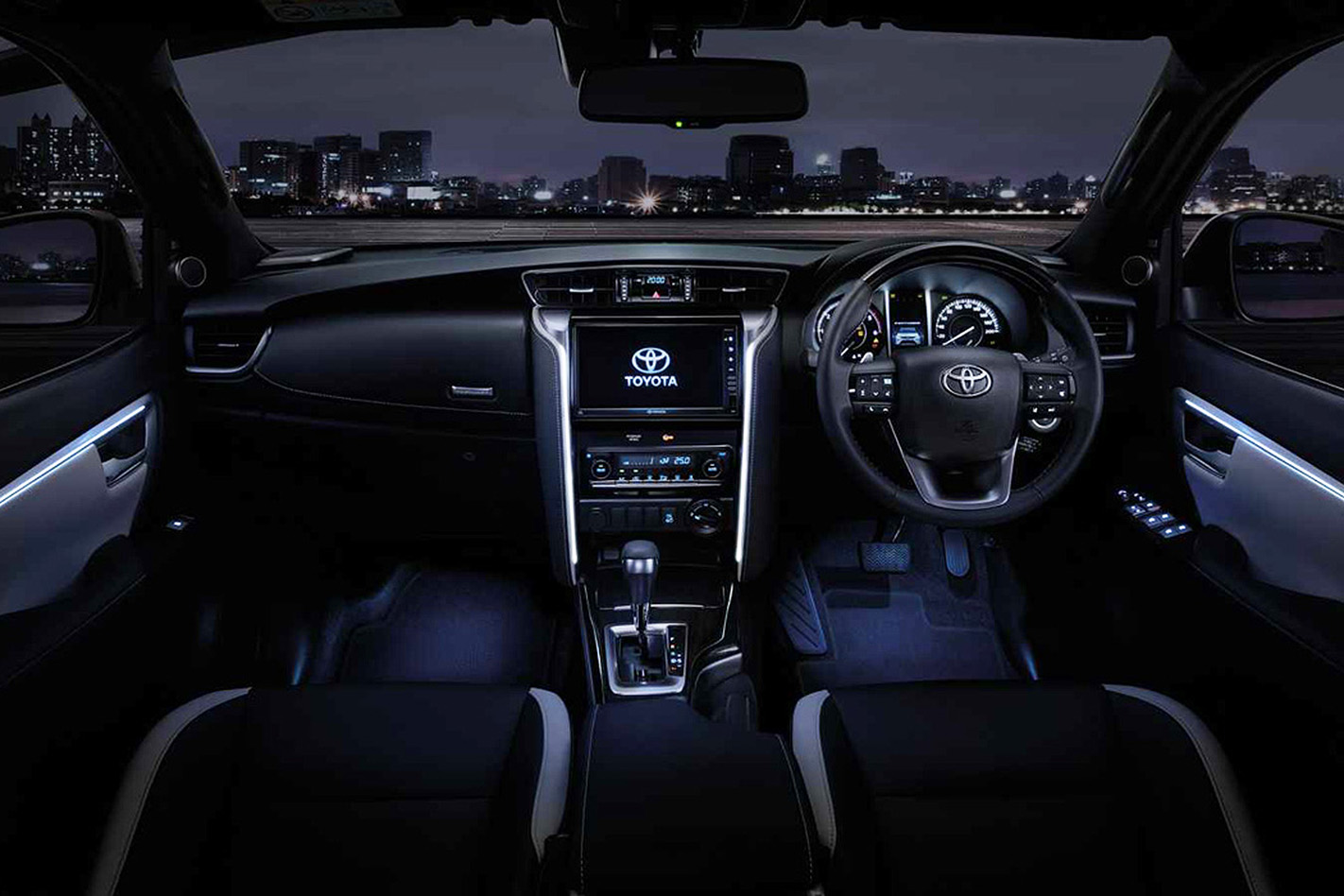
Prices begin around the $50,000 mark and extend up to $60,000 for variants with extra kit.
The Toyota Fortuner will suit the needs of buyers wanting a large family SUV that is also capable of going off-road on a regular basis.
If you are prioritising on-road use, comfort, and refinement, there may be some better options on the market – like the Kluger above.
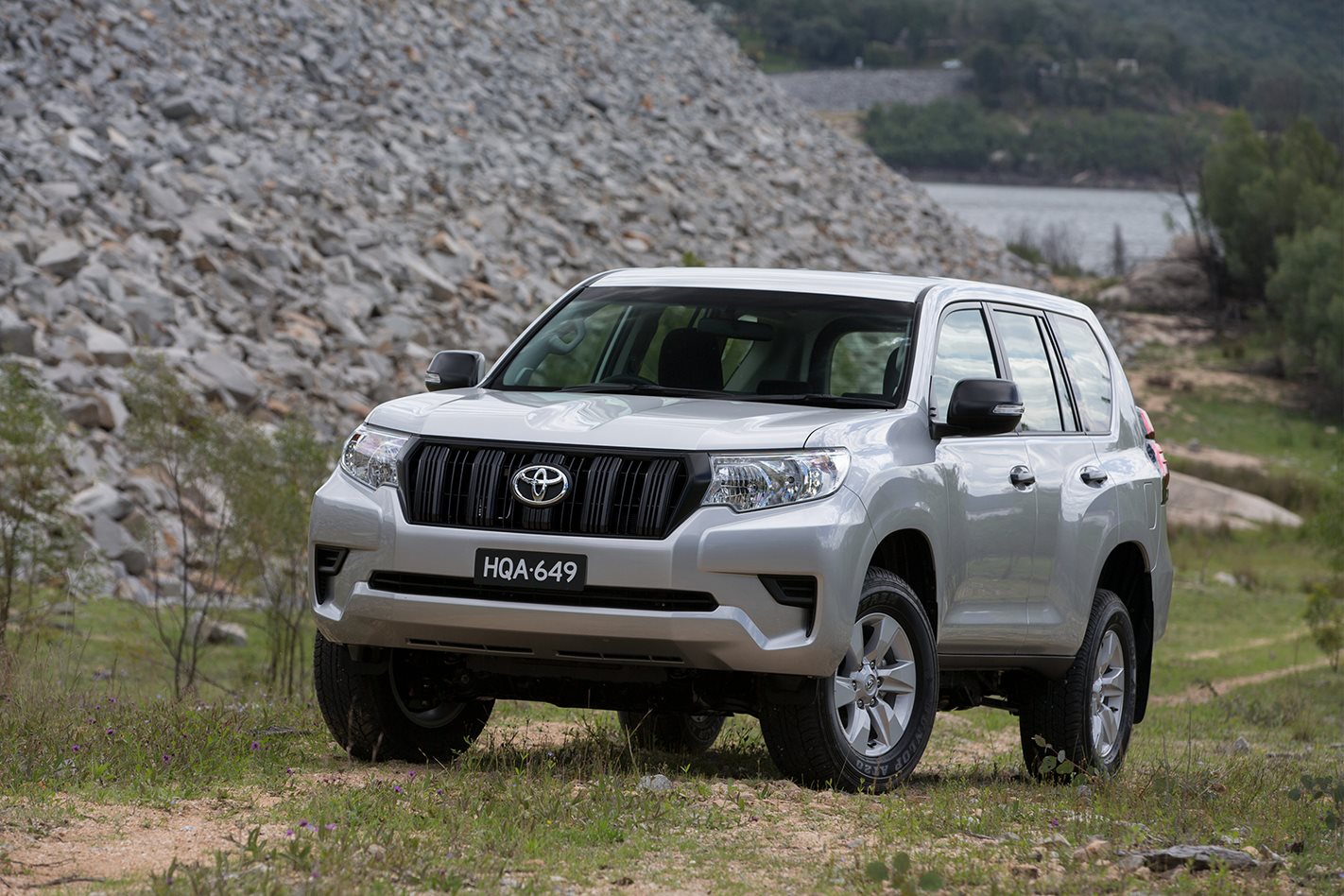
The Toyota LandCruiser Prado, often abbreviated to Toyota Prado, is one of Toyota’s best-selling large SUV models, earning a reputation as a staple of the Toyota SUV range over the last two decades.
It’s also another of Toyota’s large 4×4 off-roaders, featuring five doors and seating for up to seven.
You’ll often find Toyota Prado owners exercising its go-anywhere ability, strong reliability and spaciousness for a large family.
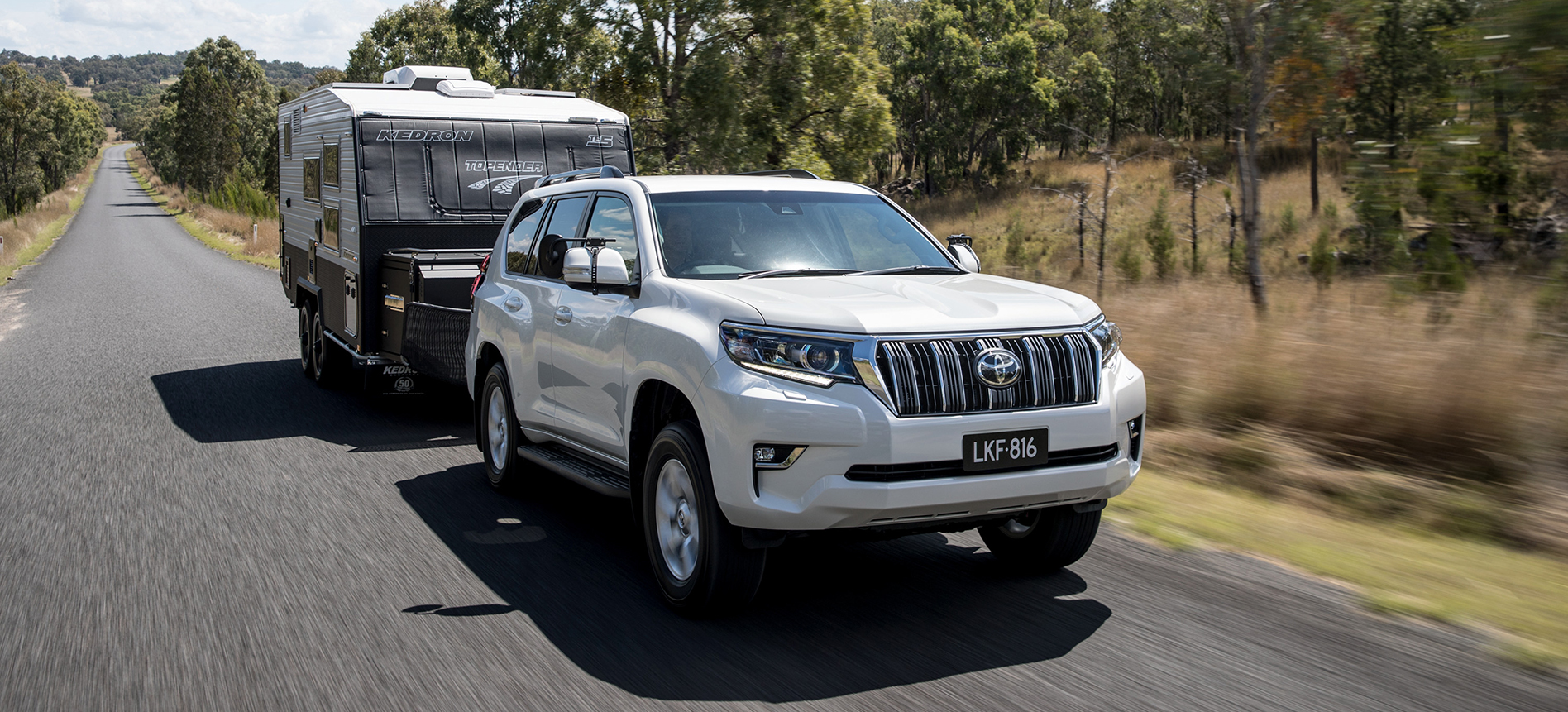
The name has become synonymous in Australia for outback driving and the towing of caravans.
Pricing for the Toyota LandCruiser Prado begins in the mid-$50,000 range and extends to near $90,000 for the range-topping car with includes extra niceties.
In terms of Toyota’s line-up, the LandCruiser Prado sits near to top of the range in both price and size, only beaten out by the slightly-larger LandCruiser.
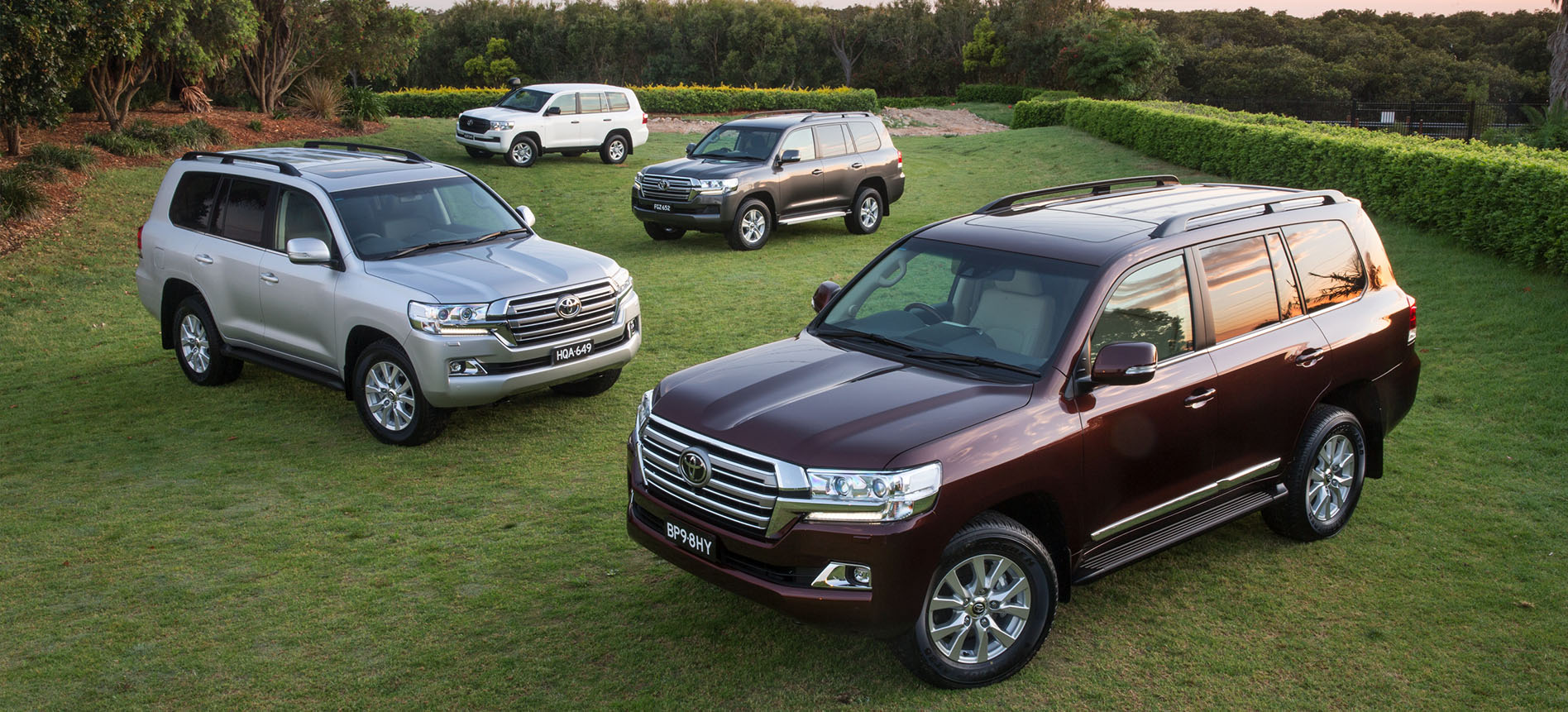
On the final rung of the Toyota SUV ladder is the LandCruiser 200 flagship, which is not only one of Toyota’s most capable off-roaders, but also the largest.
The LandCruiser blends comfort and luxury with off-road ability, and is known for ferrying grey nomads throughout Australia with caravan in-tow.
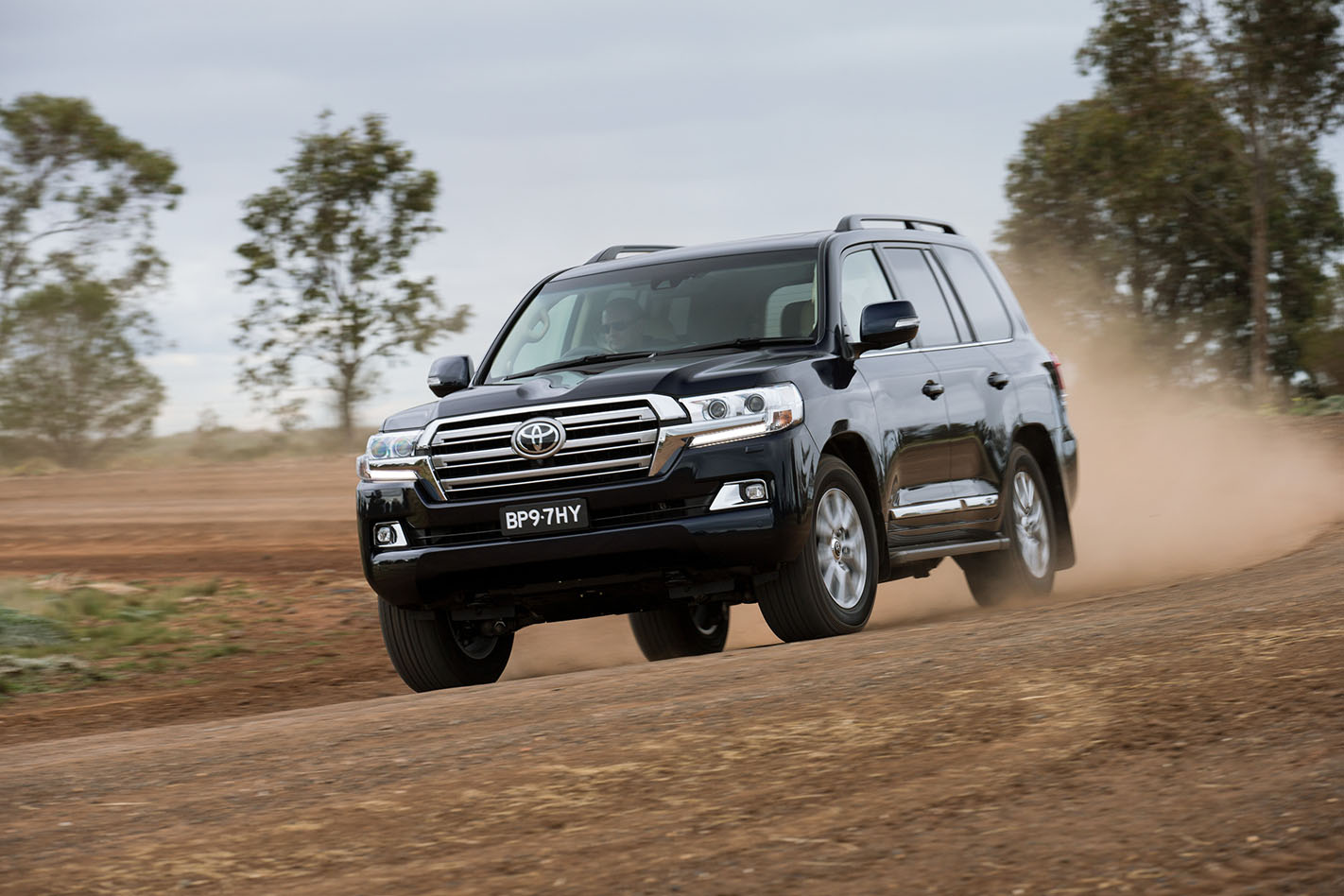
It’s a big-bodied five-door wagon design that can cater to up to eight occupants in certain variants.
For the time being, the LandCruiser is powered by a 4.5-litre turbo-diesel V8 mated to a six-speed transmission. Power is sent to all four wheels and it features dual-range gearing for serious off-roaders.
The LandCruiser features some of Toyota’s most advanced off-road systems and equips a wide range of standard equipment to go with its luxury positioning.
It’s one of Toyota’s most expensive products, ranging from $80,000 to near $125,000 dependent on specification.
