
As I write this Lewis Hamilton is one win away from matching Michael Schumacher’s record of 91 Formula 1 race wins.
By the time you read this he may or may not have surpassed it, but it’s a certainty that, barring a meteor hitting Mercedes’ Brackley base or, god forbid, some harm befalling Hamilton himself, the 35-year-old Briton will join Schumacher as the only drivers to have won seven Formula One world championships, while also being the all-time leader in wins and pole positions (96 and counting).
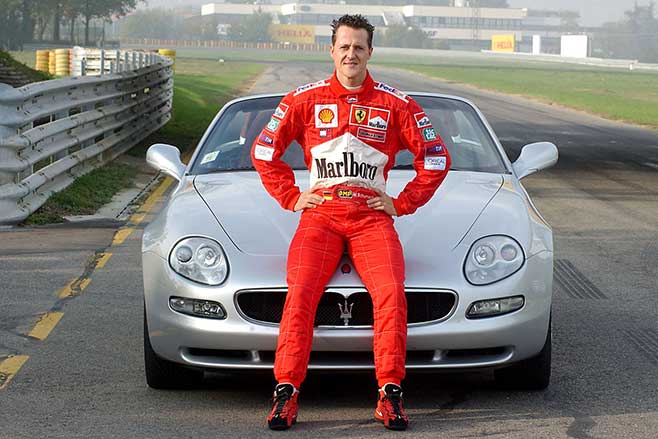
Whether this makes Hamilton the greatest ever F1 driver is a topic for another day, but what’s remarkable is that he has broken records that were thought to be unbreakable. Even at the height of Sebastian Vettel’s dominance, which secured him 36 wins and four world titles by the age of 26, Schumacher’s records still seemed an awfully long way off.
At the same point, at the end of the 2013 season, Hamilton wasn’t even in the conversation with only one world title and 22 wins. We should have known better. After all, at age 30 Schumacher had 35 wins and two world titles to his name, yet over the next five years would amass another five world titles and 48 race wins.
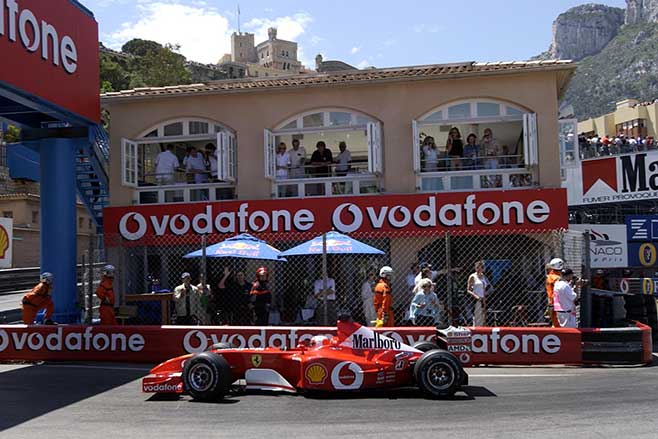
The point is, with Hamilton about to topple Schumacher’s seemingly impregnable statistical tower, it got me thinking if there are any motorsport records out there that will never be broken. History suggests not, Hamilton’s recent efforts being proof positive.
For a somewhat more obscure example, Emirati rally driver Mohammed bin Sulaymen probably felt confident – with some justification – that his record of 14 Middle East Rally Championships would never be bettered, only for the legend that is Nasser Al-Attiyah to secure his 15th title in 2019.
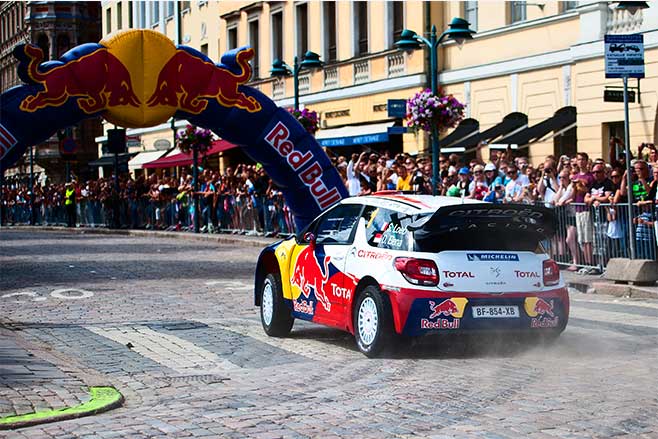
Then again, with the likes of Finnish young gun Kalle Rovanpera having already featured on a WRC podium before his 20th birthday, anything is possible. After all, Loeb’s 2013 Pikes Peak record in the Peugeot 208 T16, almost 50sec clear of second place, seemed invincible, yet Romain Dumas shaved another 15sec from it in 2018 in the VW ID.R.
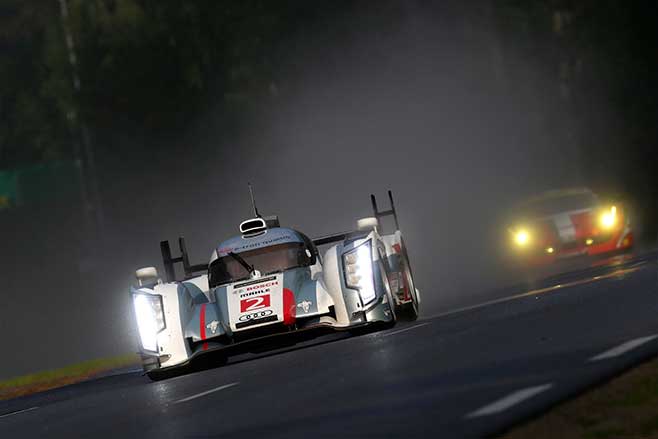
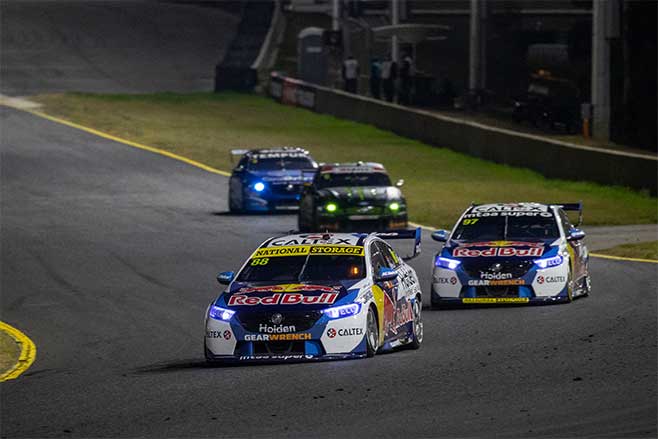
Closer to home, will anyone ever top Peter Brock’s gold standard of nine Bathurst wins? It’s fitting that his protege Craig Lowndes is in with the best shot, already sitting on seven with a two-year Red Bull Racing contract as a co-driver in his pocket.
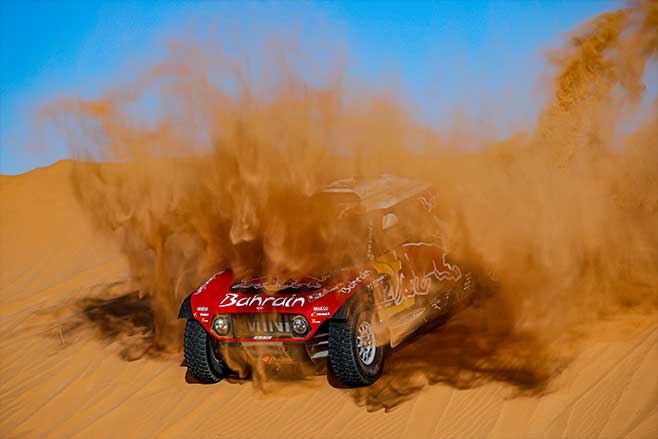
No, to find motorsport’s most unbreakable record we must look further afield. In the middle of nowhere, in fact. Stephane Peterhansel holds the record for the most Dakar wins in a car with seven, almost double second-placed Ari Vatanen’s four.
The rapid growth of electric vehicles in Europe and China has allowed for new players to use EV platforms to produce vehicles in small numbers, including reimagined versions of the great classic cars.
The latest of these is the 1960s MGB-inspired RBW EV Roadster that uses a brand-new body shell that sits on a drivetrain system developed in conjunction with Continental.
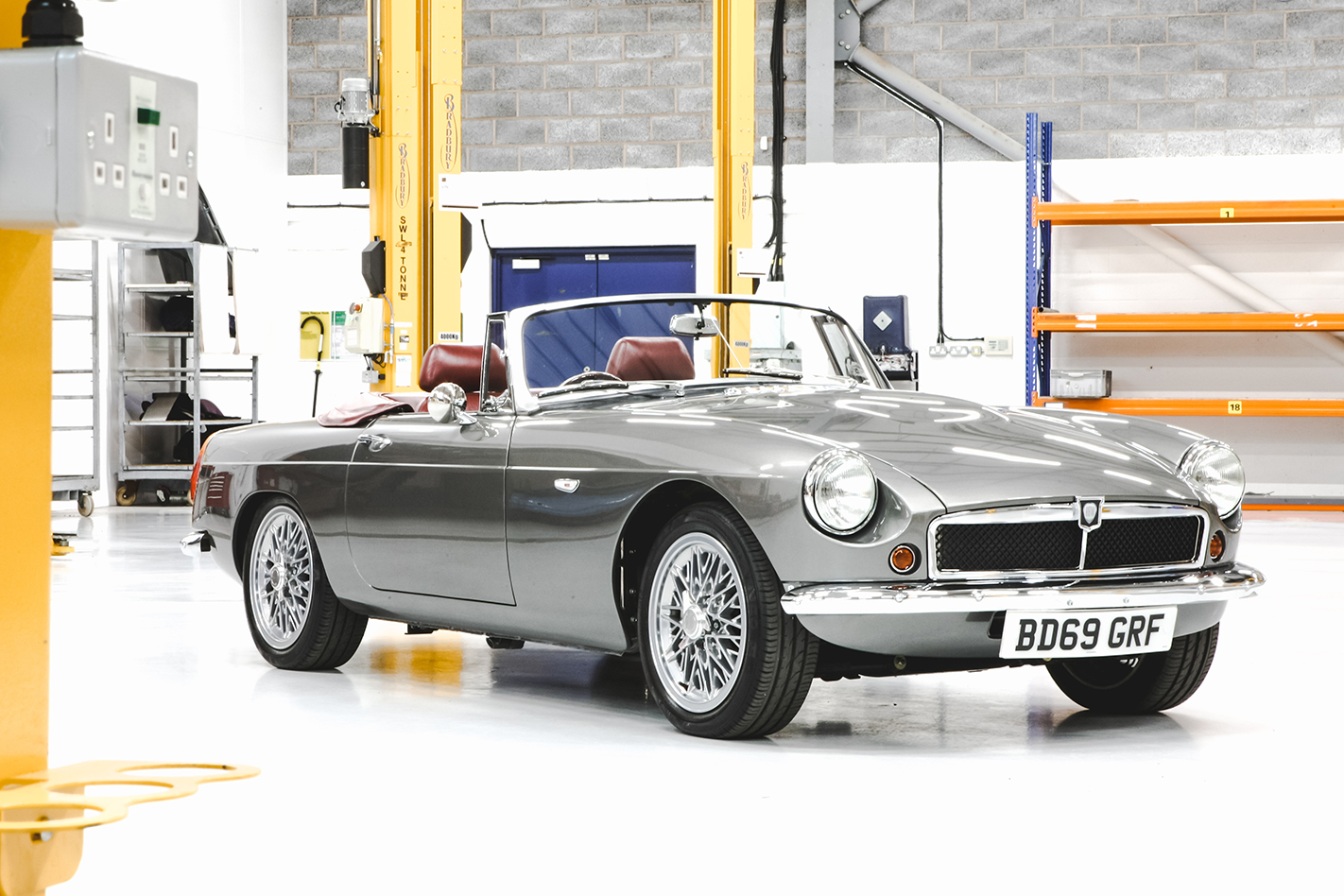
The patented system places the 70kW electric motor at the rear of the car and the lithium-ion battery technology under the bonnet, to give it similar weight distribution and handling characteristics as a classic roadster and a top speed of 130km/h.
It can be driven up to 260km between charges, and that range can be extended to 320km if you install a seventh battery cell.
While the handcrafted bodywork and interior fittings are faithful to its classic heritage, the RBW Roadster, like many retro EVs, features modern conveniences including a multi-function digital dashboard display, Pioneer infotainment system with smartphone mirroring and satellite navigation, and high-quality audio to compensate for the lack of a throaty exhaust note.
Sadly, plonking classic body shells in EV platforms doesn’t make owning a classic roadster any more affordable, with pricing starting at $163,000 before, which is more than a Tesla Model S.
RBW’s EV architecture can be installed under other bodyshells such as Austin Healey, Jaguar E-Type, Mini and many more, which can be built to the clients’ personal specification and requirements.
Here are some other electrified classic cars, as well as some that feature all-new retro-inspired designs that could sway even the staunchest EV critic.
Jaguar E-Type
The E in Jaguar’s iconic sportscar’s nomenclature gained an all-new meaning when the company’s in-house Classic Division ditched its original six-cylinder engine for an all-electric powertrain, capable of propelling it to 100km/h in 5.5 seconds.
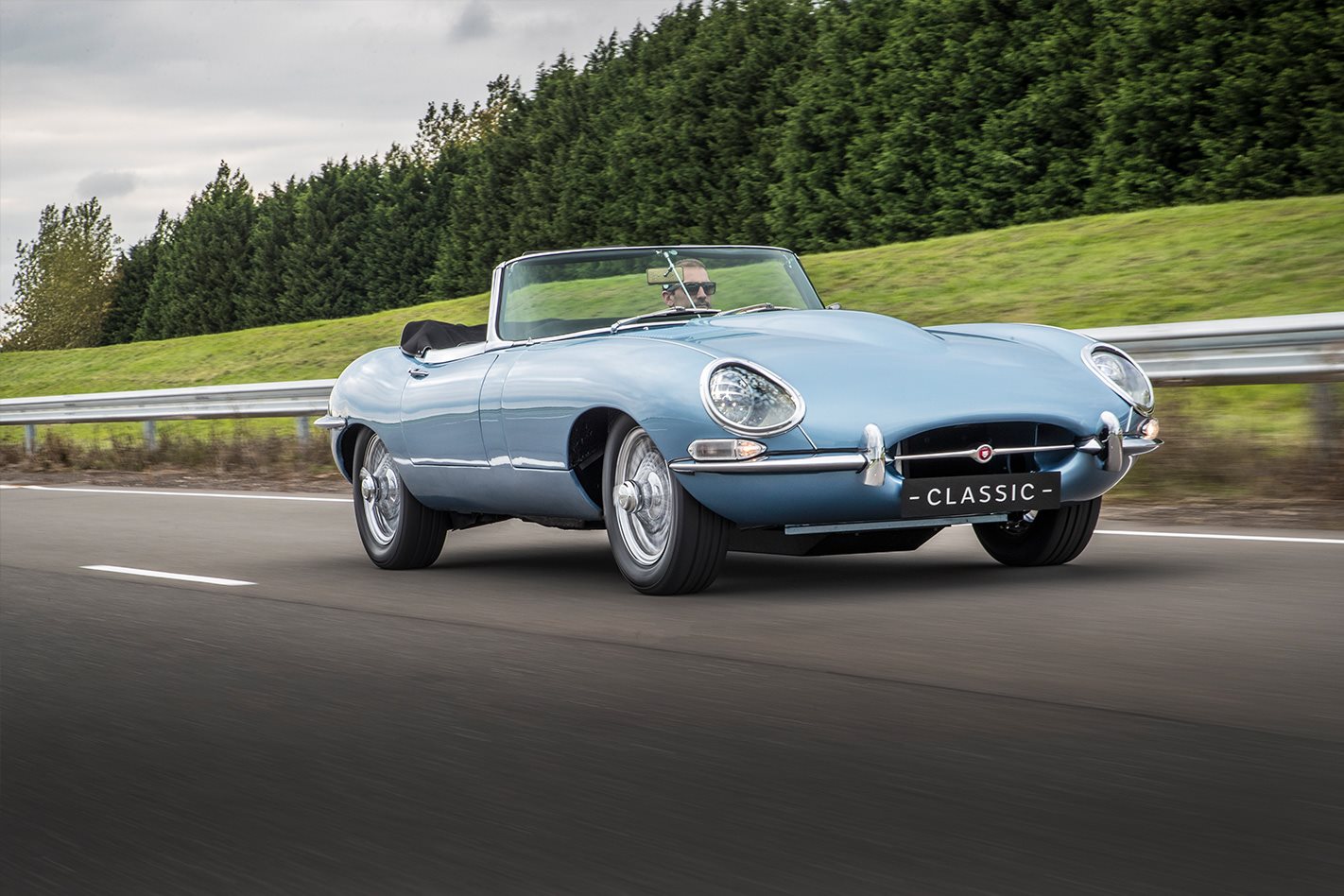
Called the Jaguar E-Type Concept Zero, it hit the world stage in style as the chariot of choice of Prince Harry and Megan after their wedding.
If you prefer an EV built from the ground up rather than a conversion, RBW also builds an E-Type on the same platform as the new EV Roadster.
MW Motors Luka EV
Czech Republic-based MW Motors specialises in retro-styled EVs including its Luka coupe that harks back to classic Euro fastback models such as the Volkswagen Karmann Ghia and the Volvo P1800.
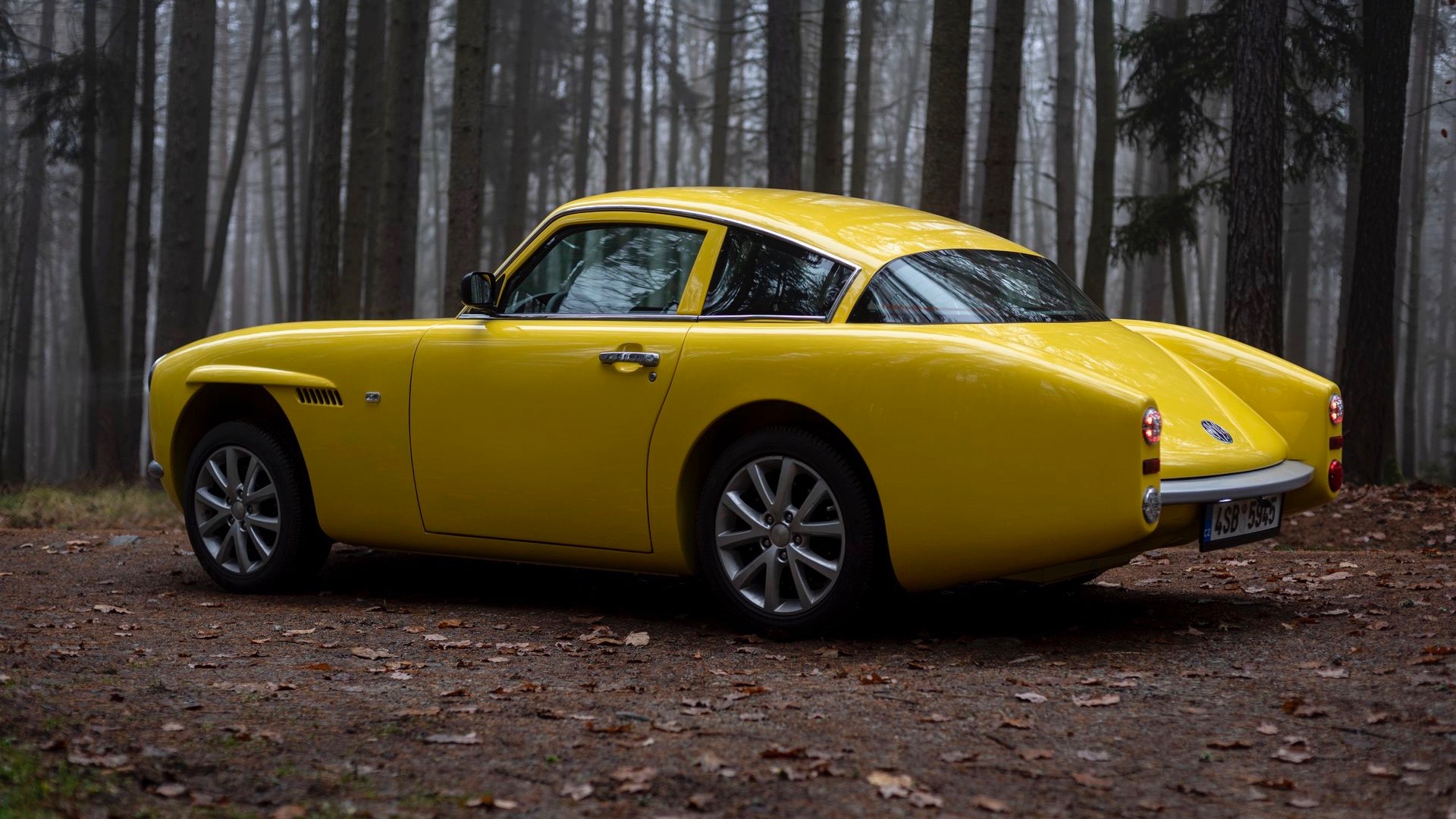
There are two versions, including the In Wheel that features four small 12.5kW motors (50kW combined) that drive each wheel resulting in a lighter overall weight, improved efficiency and increased luggage capacity.
It offers a 300km driving range, too, though its pace is slower thanks to the smaller motors.
Both the In Wheel and Traditional models are available as left- and right-hand drive and are priced from $66,000 and $50,000 respectively.
Nobe 100
The novel Nobe 100 features a top speed of 109km/h, a range of 219km per charge and a removable battery pack tucked under the dashboard that resembles a leather attaché case.
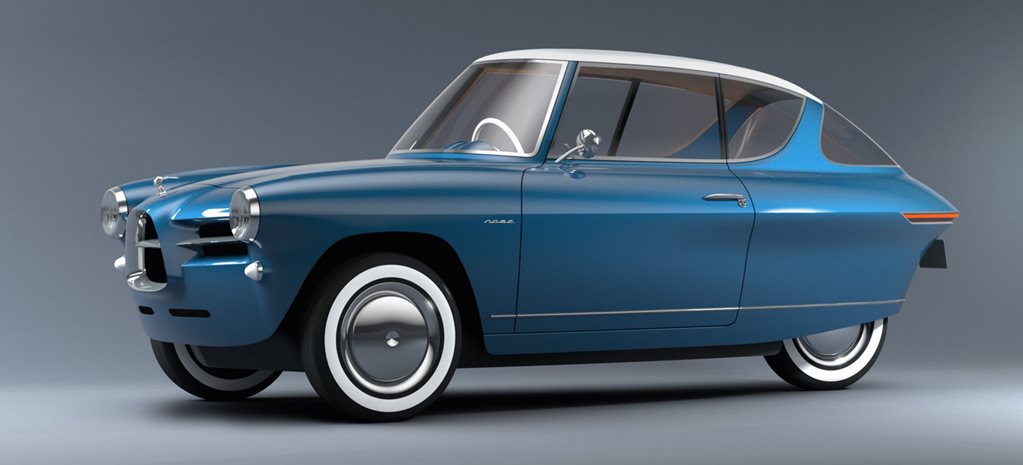
As well as being three-wheel-drive, it also seats three people; two up front and one in the tapered rear.
It should cost around $A47,000. However, the Estonian-built car is yet to enter production, with its fortunes dependent on a crowdfunding campaign. The company website is taking pre-orders, though.
Swind E Classic Mini
The original Mini was always a great candidate for electrification and this one is built around a restored original Mini body on a bespoke powertrain with 24 kWh lithium-ion battery pack, and 82kW electric motor that pushes it to a top speed of 130km/h.
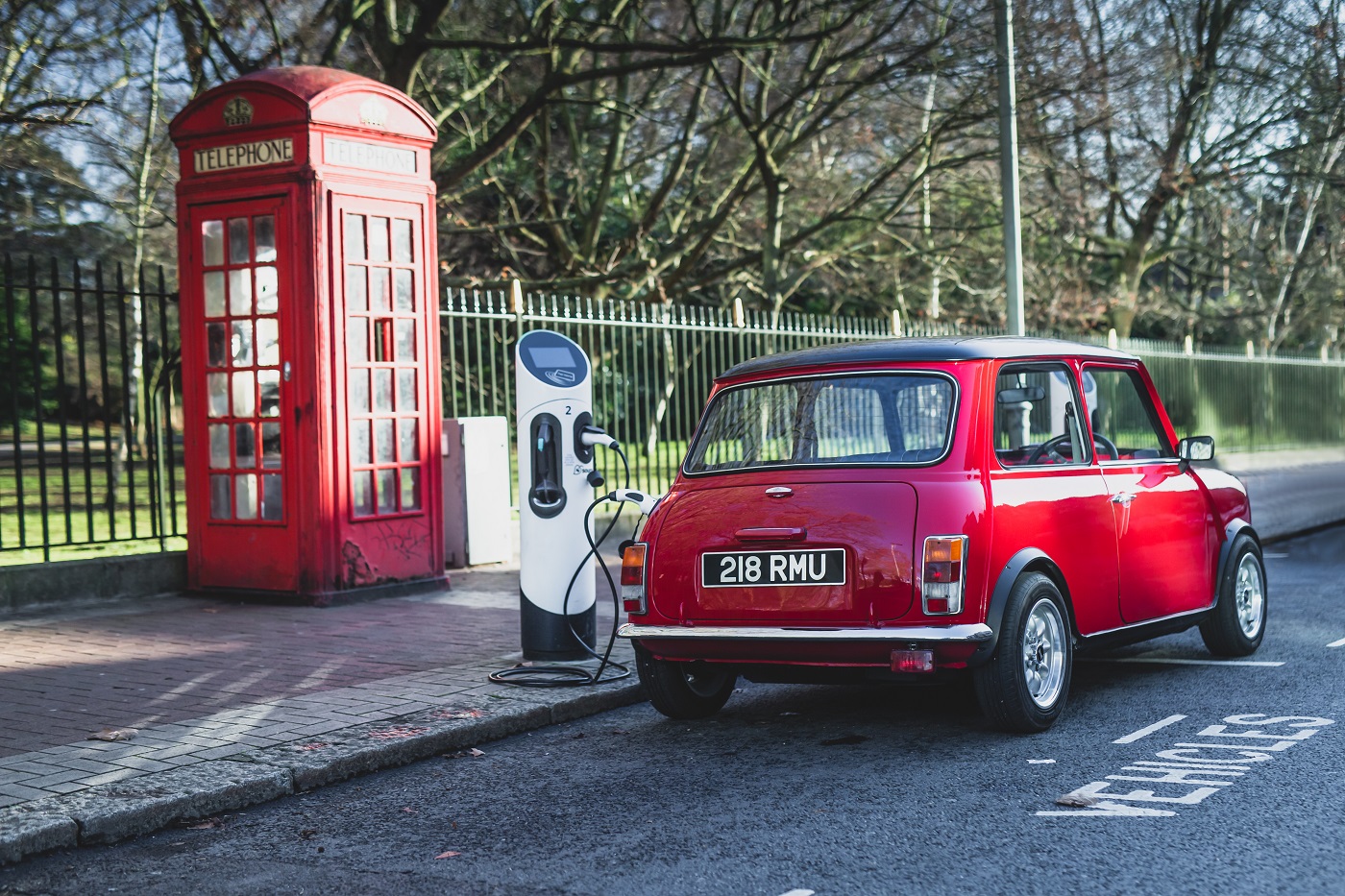
It has a lower centre of gravity than the original Mini Cooper that helps delivers enhanced performance and handling, and the removal of the petrol tank increases boot space to a handy 200 litres.
Its $145,000 price is more than double that of the brand-new BMW-built Mini Electric, and you have to pay extra if you want creature comforts such as an infotainment system, air-conditioning, electric windows and central locking.
Heated seats are included in the price, however.
Carice Mk1
Priced from a relatively affordable $44,000, the Carice Mk1 is inspired by the Porsche 550 Spyder and is designed purely to ‘get back to the essence of driving’.
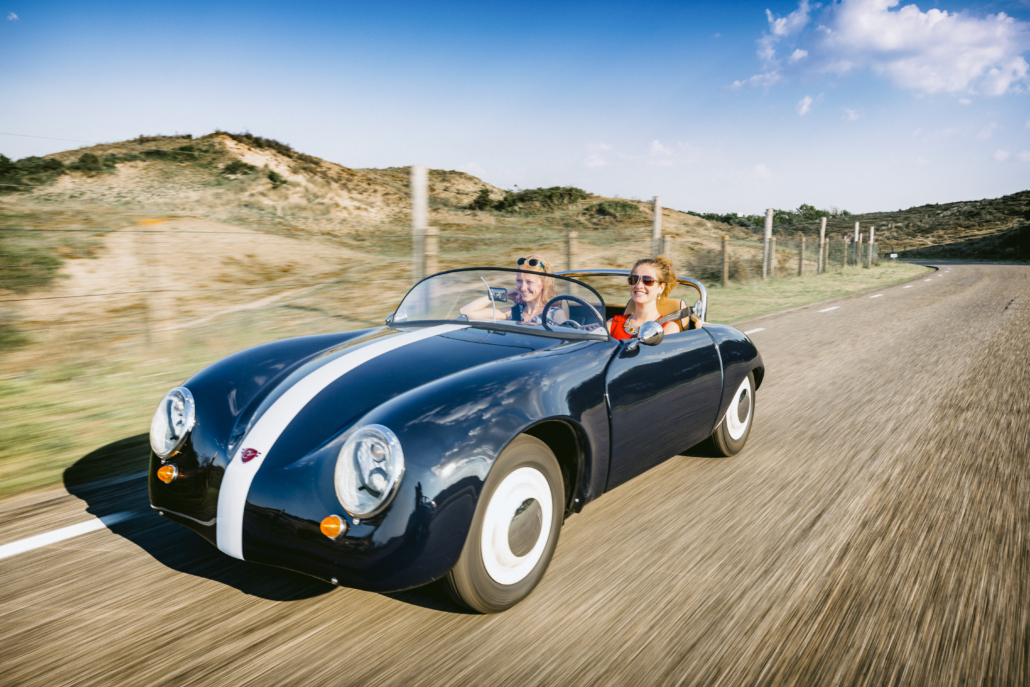
Designed and built in the Netherlands, it is unashamedly no-frills in terms of equipment levels – just like roadsters of old. However, you can see the attention to detail in the finished product, which combines retro driving pleasure with new EV tech.
Morris JE
The Morris name is returning to UK roads in 2021 after a 35-year hiatus. And it’s being pushed at fancy small business owners who want a premium zero-emissions van.
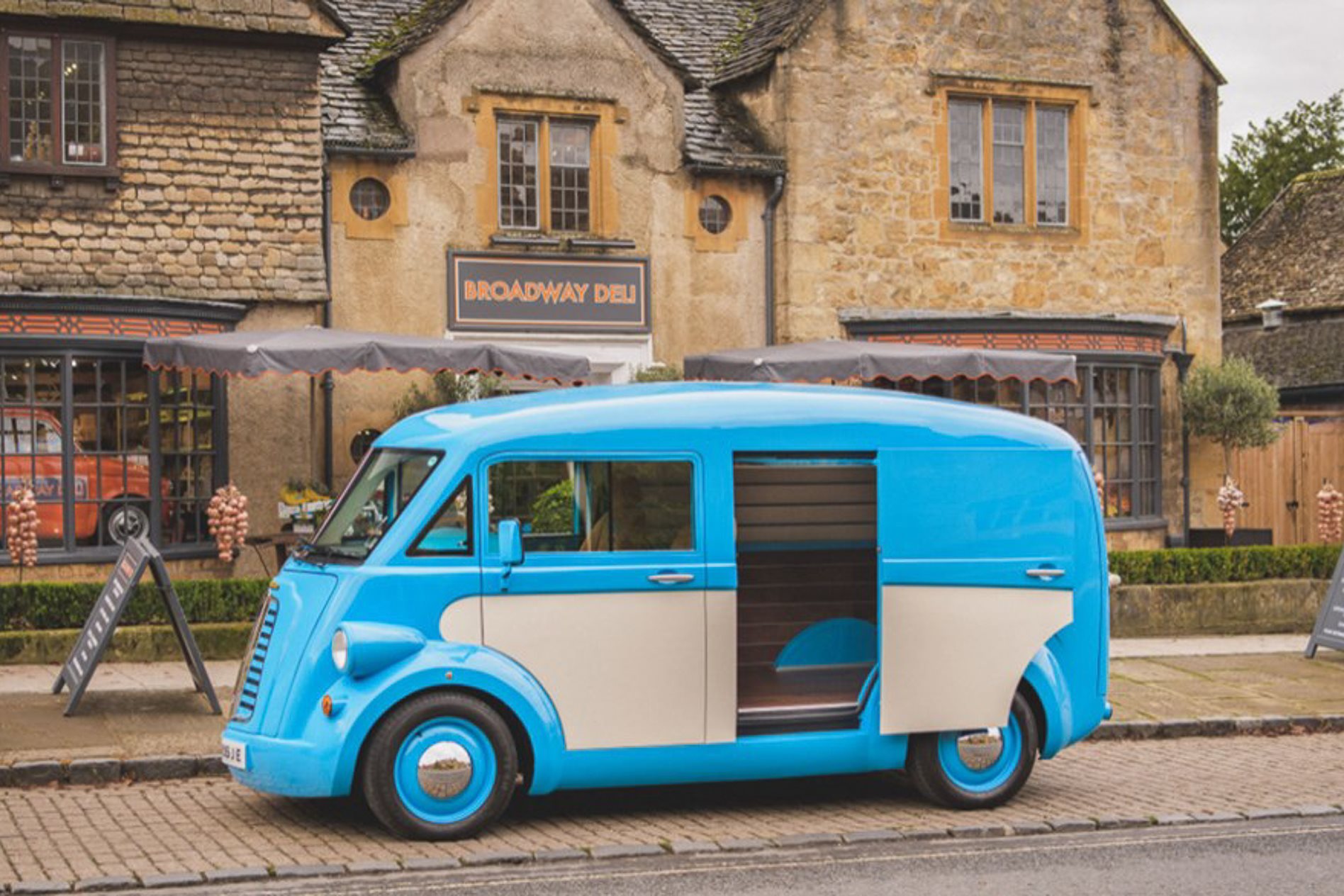
Paying homage to the iconic Morris J-Type, which was made from 1948 to 1961, the JE has a carbon fibre body and 320km range for emissions-free deliveries but comes with a hefty $115,000 price tag.
Japanese car auctions can surprise at times, with prices for desirable cars suddenly skyrocketing into rare supercar territory.
In another sign of the year 2020 bearing bad news for the masses, the price of Nissan R34 Skyline GT-R examples continue to climb further out of reach for most.
The latest marker for this is a new Japanese auction record price for the model, in the form of a relatively rare Nissan Skyline GT-R R34 GT-R M-Spec Nur fetching a whopping ¥33,205,000, which works out at $437,000. Ulp.
This price is the auction figure for the car only, too, and doesn’t include auction fees and any other costs associated with buying a car from Japan.
With taxes and compliances, we’re looking at a $500,000 Nissan Skyline GT-R.
This breaks the last record noted by trusted Nissan Skyline GT-R tracker GT-R Registry earlier this year, a similar variant M-Spec Nur which sold for 30,005,000 yen, or A$395,000 (see below).
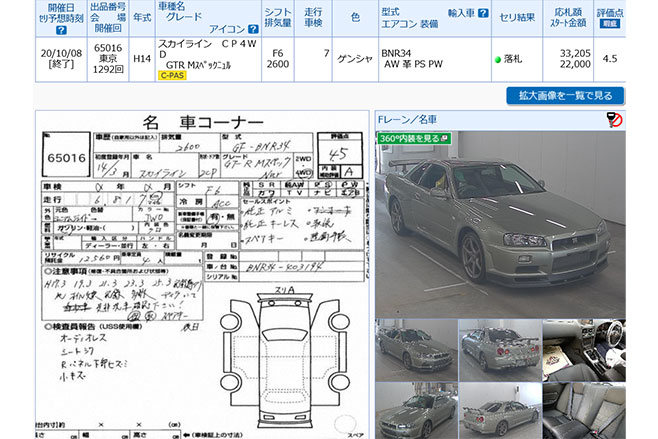
According to the Registry, the three most expensive M-Spec Nur GT-Rs which have sold at auction in Japan were painted Millennium Jade, a pale metallic green fairly unique to the variant.
The latest to break the sale record had only 6817 miles on the odometer and was given an excellent auction grade of 4.5/5.
This leads us to believe that even a global pandemic cannot slow the march of Japanese modern classic car prices, with even relatively mundane cars selling for wild money in good condition.
GT-R Registry also notes many records and high prices have been paid in the last few months in Japanese auctions, with its average price tracking at A$145,000 for any R34 GT-R.
Registry claims this three month period is up 49.6% from the previous quarter in terms of prices paid.
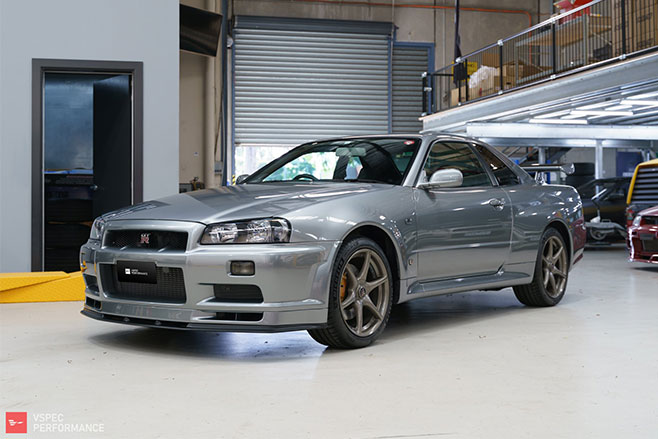
V-Spec Performance’s R34 M-Spec, currently for sale
Here in Australia, classified ads have attempted to follow price rises, with five R34 Skyline GT-Rs currently advertised for between $200,000 and a massive $600,000, which is an M-Spec Nur advertised by Melbourne specialists V-Spec Performance.
And earlier this year, this 2002 Nissan R34 Skyline GT-R V-Spec II made news as well.
It isn’t the super-rare Nur edition which rounded out the R34, only a few more than 700 of those were built, so it’s not the R34 people are normally scrambling over each other to buy. In fact, there were almost 1900 V-Spec IIs built. But this one’s only had one owner, with 5721km travelled.
Nismo’s heritage parts program includes genuine R34 parts
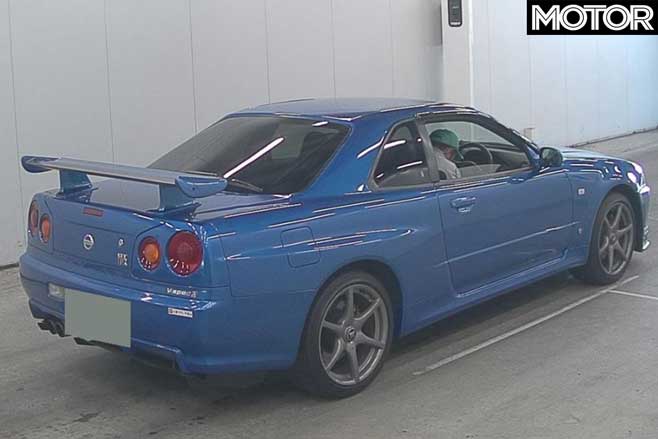
As first noted by Prestige Motorsport, an Australian-based importer of primarily Japanese classics, the GT-R V-Spec II in question sold for ¥20,395,000, which translates directly to AUD$276K.
The aforementioned ‘Nur’ is able to fetch a little more than this in perfect condition and with sub-5000km showing on the odometer, as evidenced by a 2019 sale by Japanese auction house BH Auction.
A well-used V-Spec (not a V-Spec II) sold in London through RM Sotheby’s for £25,300 (AUD$49,088 now) in 2017.
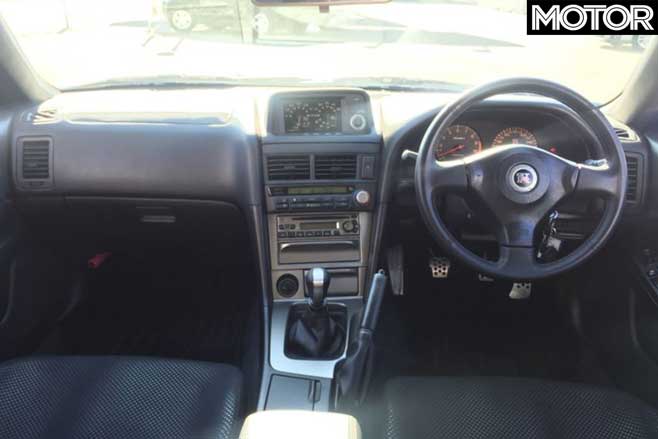
Prestige Motorsport manager Geoff Risbey calculates that to have the R34 V-Spec II landed in Australia, you’d be looking at just short of $400,000 after taking into account luxury car tax, shipping, and other purchase and rego fees.
Sure, the V-Spec features plenty of additional kit over the standard GT-R, including carbon splitters, diffusers, and a bonnet made of the stuff with a NACA duct.
Our favourite Nissan Skyline GT-R stories
It also has lower, sharper suspension, better brakes, and a few trim details like white stitching inside and aluminium pedals.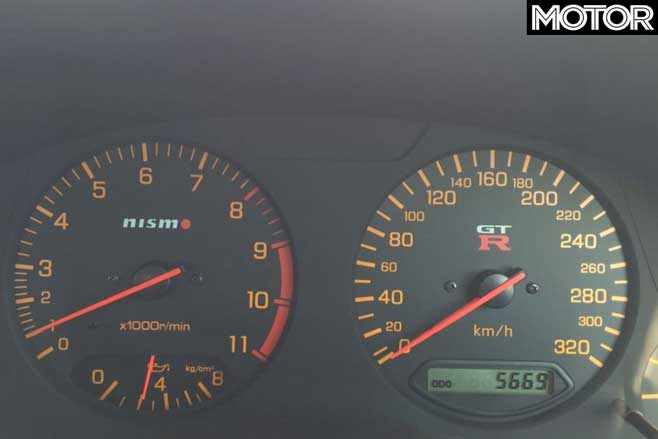
Its running gear is still standard GT-R, with a ‘206kW’ RB26DETT inline six. While 206kW and 392N are the official output claims, the two turbos attached to the 2.6-litre engine are widely known to have been producing couple of dozen more horses from factory.
So, does this mean Australians must now be actual millionaires to justify the purchase of a low-mileage, rare version of a Skyline GT-R? We certainly hope this is just a one-off.
Here it is, the ballistic road-going Ford Mustang specified to the desires of the Supercars defending champion and champion-elect, Scott McLaughlin.
Dubbed the Scott McLaughlin Limited Edition SM17 by Herrod Performance in full, but shortened to SM17, the 578kW factory-backed monster has been revealed on the first anniversary of Ford Australia announcing the Mustang R-Spec.
The other Herrod Mustang: Ford Mustang R-Spec driven
The price of the SM17 hasn’t been revealed yet, but expect the mighty Mustang to top the almost-$100,000 price tag of the limited edition R-Spec when it goes into production early in 2021.
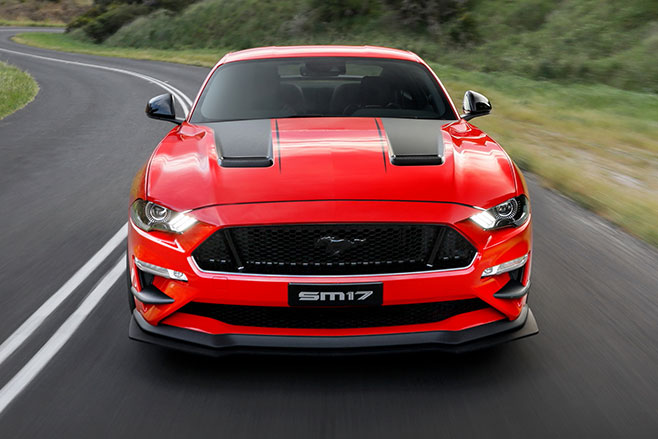
The SM17 is based on a 578kW/810Nm supercharged Ford Mustang, with a specific new exterior design done for McLaughlin.
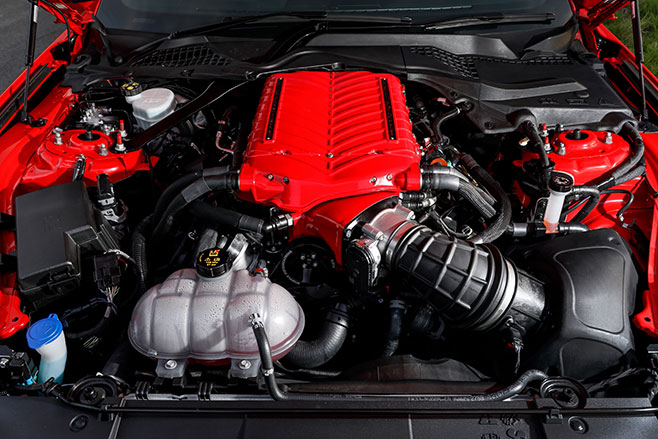
Thanks in the main to a completely new 3.0-litre supercharger from Whipple dubbed the Gen 5 HP 3.0, it now makes a stonking 578kW (almost 800bhp) and 810Nm of torque on good old 98 octane fuel.
Scott’s new pride and joy is the first production car in the world to run the new supercharger too, according to Herrod.
The twin-screw design was developed in coordination with Herrod, thus the ‘HP’ part of its name.
Herrod adds its new 3×4 rotor combination allows for increased RPM, while a large diameter within increases airflow.
According to Herrod, the torque curve is flatter for more sustained acceleration, while the design fits straight in underneath the stock bonnet.
The car isn’t all about looks and grunt, though. A huge cooling system has been plumbed in, including what Herrod calls the largest intercooler system of its kind on the market.
An oversized intercooler, a high-flow pump which doubles the stock flow, a 7.5-litre intercooler reservoir and huge air‐to‐water aluminium bar‐plate intercoolers all contribute to manage the massive new power figure.
McLaughlin set to go to IndyCar in 2021
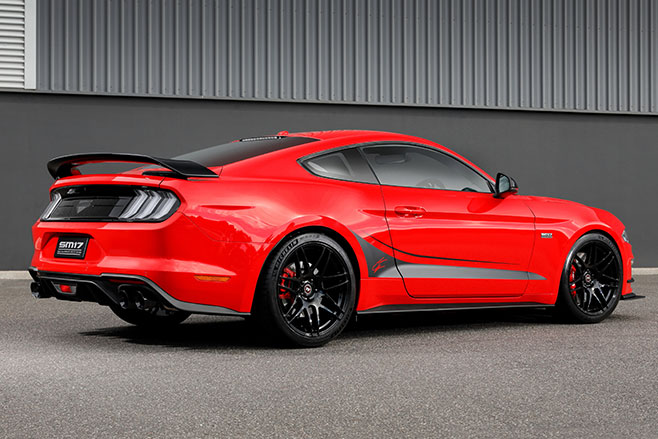
The SM17 Mustang also features a Herrod Performance-specific engine oil cooler on both manual and auto versions of the car, as an added effort to allay any potential cooling issues. The auto also gets an oil cooler and recalibrated software.
It’s interesting to note that Herrod has managed to match the prodigious power output to the 10-speed auto, which has given us trouble on track before even in non-supercharged guise.
Herrod says no other upgrades to the engine block aside from cooling and the supercharger are necessary.
“There’s no need to change the metal,” he said.
The engine cover is redone in a vibrant red to match the exterior, while the exhaust tips are finished in cool black chrome to offset those awesome rims.
Around its 20-inch wheels are 275/35/20 front and 305/30/20 Michelin Pilot Sport 4S rear tyres, while the centre caps have been changed to unique SM17 badges, similar to the design on the rest of the car.
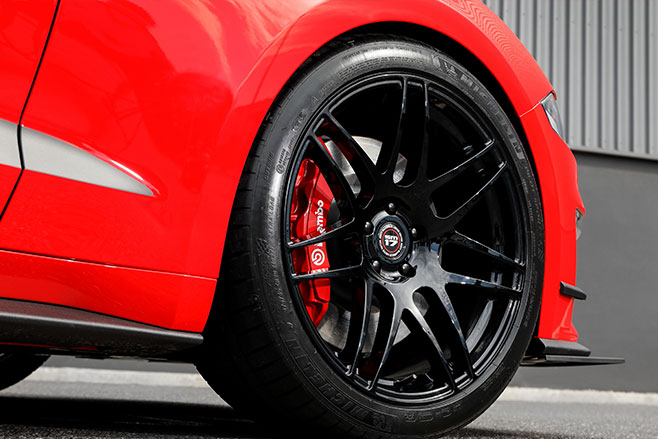
The rear wing is new, as is the lower front grille, front bar spats and a pronounced lower splitter.
Suspension is retuned by Herrod, too, though it’s still based on Ford Performance’s original MagneRide shocks, while adjustable sway bars have been added and a calibration change made to the damper’s control module.
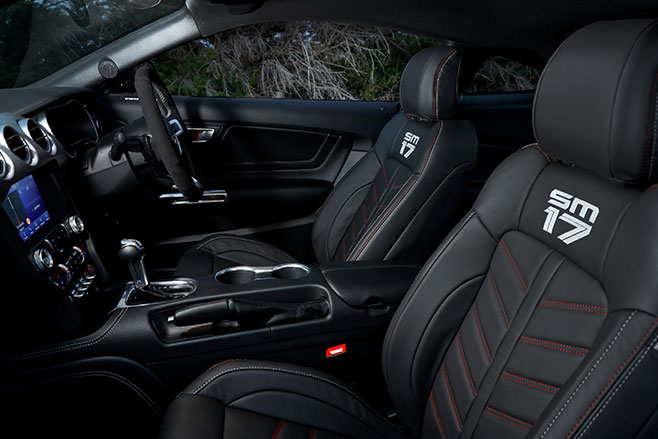
Inside, the car has been given a once-over with badging and updated leather and a Herrod flat-bottom steering wheel.
The McLaughlin special will become a limited-run vehicle, much like the Dick Johnson Limited Edition Mustang that Herrod recently devised with the racing legend.
It will also be available via selected Ford dealerships, even though Ford wasn’t involved in its development.
McLaughlin (below) will head to Mt Panorama next week to sign off on his 2020 championship, with his DJR Team Penske outfit keen to erase the memories of an awkward though ultimately successful 2019 Bathurst 1000 campaign.
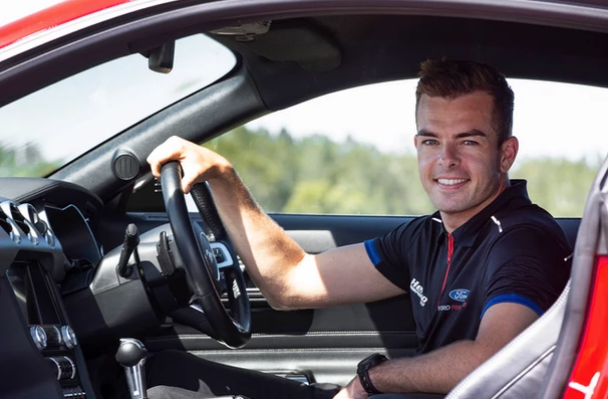
The race may also be McLaughlin’s last Supercars event before he tries his hand at an IndyCar career from next year.
See the top of this page for a full gallery of the car!
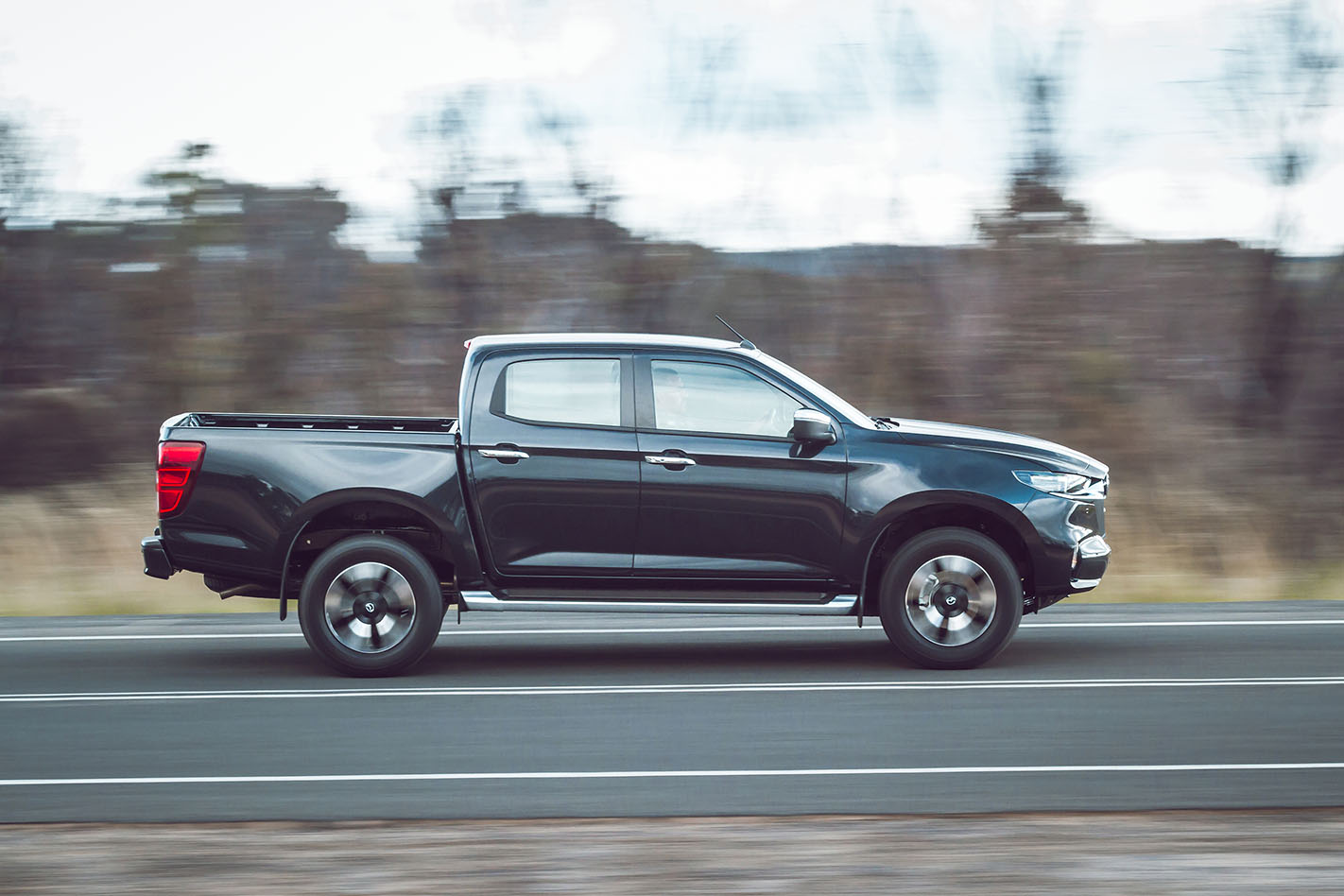
The Wheels Verdict: There’s no escaping the reality that in terms of power, torque and engine refinement, the new BT-50 actually goes backwards compared to the outgoing model with its Ford-sourced five-cylinder engine.
Mazda is banking on the new ute’s exterior design and strong showing of safety, driver assistance and connectivity being enough to persuade buyers of the new BT-50’s merits.
WHAT IS THE MAZDA BT-50?
The replacement for the outgoing BT-50 dual-cab ute, which was a reskinned Ford Ranger. This time Mazda has aligned itself with Isuzu, and done its own reskin of the new D-Max.
Inside, there are some small spec differences between the models of the two brands, and subtle detail changes.
WHY WE’RE TESTING IT
To see if there’s any difference in engine performance and driving dynamics between Mazda’s reskin of the donor Isuzu D-Max (spoiler alert: there’s not), and to dig through the spec list and cost of extra features to determine which brand delivers the stronger value equation.
? Hello from the future! You can continue reading this story, or you can visit our latest BT-50 Range Review linked below.
REVIEW CONTINUES…
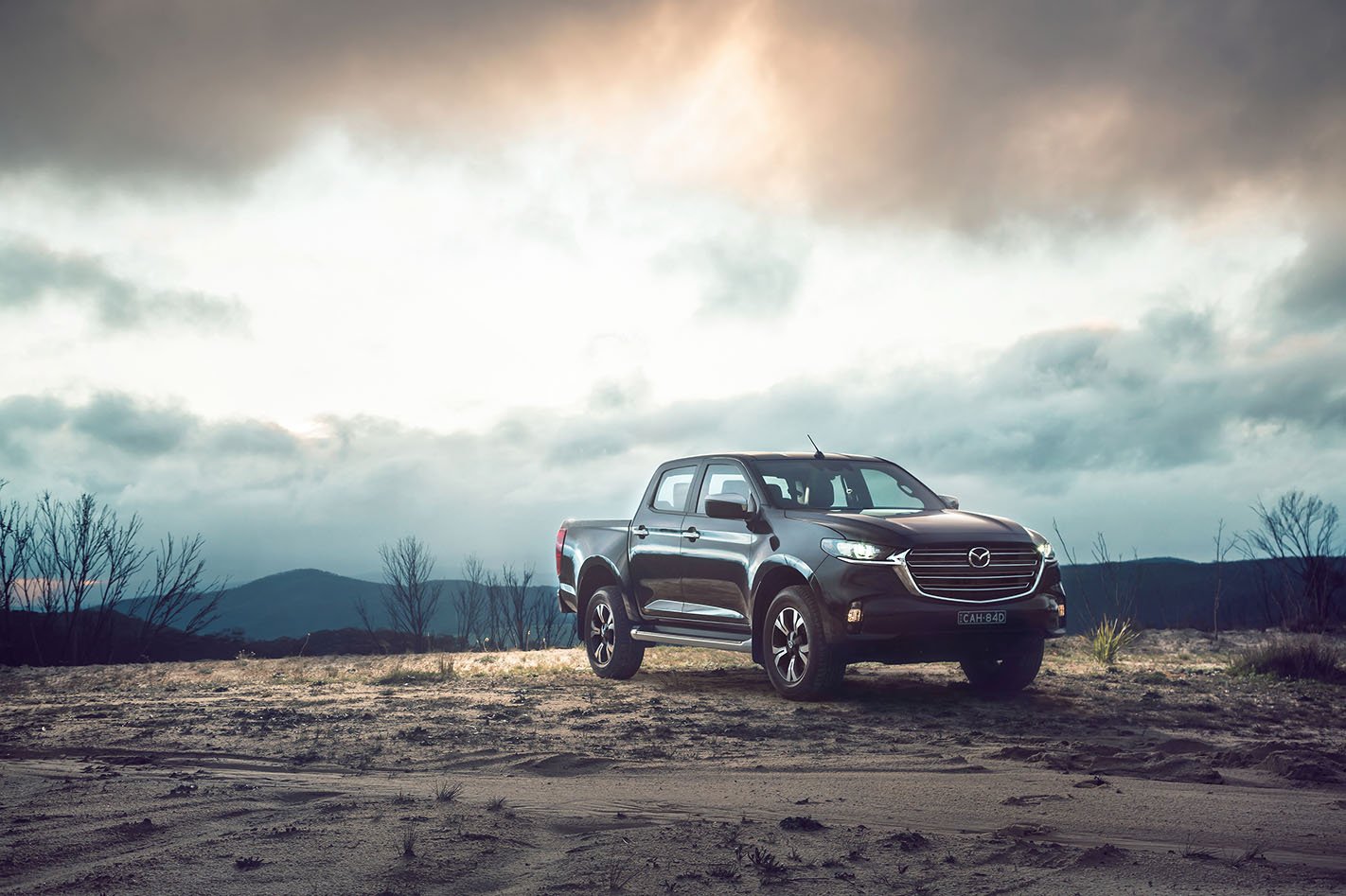
THE MAZDA BT-50 REVIEW
To an outsider, the jumping in and out of bed between car companies must make it look like it’s the ’70s all over again, with swingers’ nights in the suburbs in full flight, and house keys piled high in the bowl.
Toyota and BMW; loved up for the Supra/Z4. Consider Ford and Mazda; they were hot in the cot together for the T6 Ranger/BT-50.
But that was last time; now Mazda and Isuzu have been getting all steamy for introduction the third-gen D-Max and new BT-50.
It’s surely exhausting, but these are the tech- and development sharing partnerships that are inescapable in the capital-intensive auto industry.
But rather than a co-development between Mazda and Isuzu, the new BT-50 is purely a reskin of the new D-Max, with zero Mazda input in terms of mechanicals or even suspension tune.
First, the bad news
So, the core question is: has Mazda made the right call by dropping its Ranger-based ute in favour of Isuzu?
Well, if you start by comparing the basic engine specs, it appears the BT-50 has actually gone backwards.
The Ford-supplied five-cylinder turbo-diesel from the outgoing model boasted an extra cylinder, 200cc more capacity, as well as 7kW and 20Nm higher outputs than the revamped Isuzu engine Mazda inherits with this new generation.
Only the ADR fuel consumption figure moves in a positive direction, dropping from 10L/100km for the outgoing five-pot to 7.7 for Mazda’s new (Isuzu) engine.
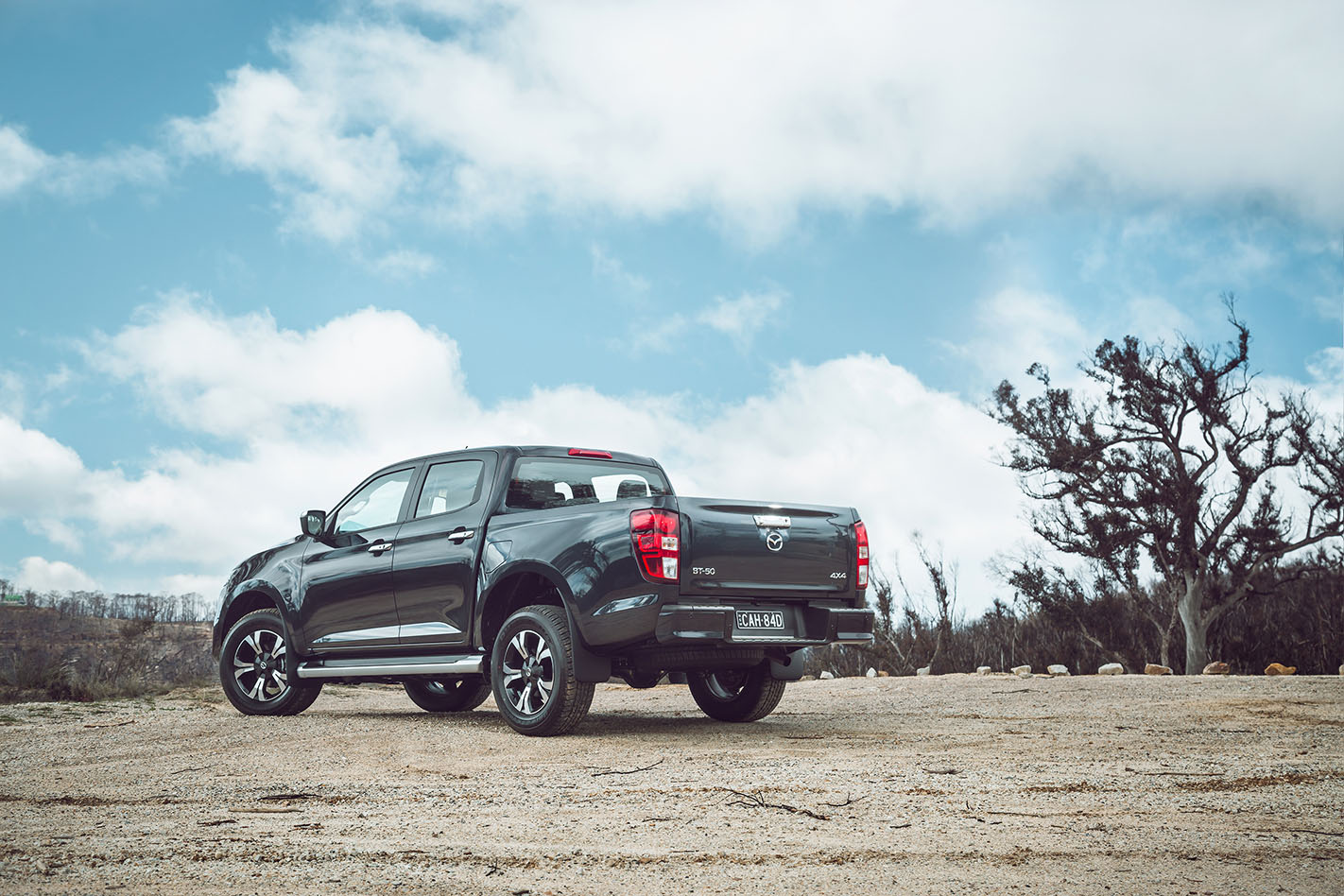
Our tester was a manual XT 4×4, priced at $49,360. First impressions suggest that spending the extra $2500 Mazda charges for the six-speed auto is probably money well spent.
Around town, the clutch action is light and positive, but long, notchy throws of the manual start to wear thin.
If you read our coverage of the D-Max, you’ll know this engine is an extensive reworking of the previous Isuzu 3.0-litre four, not a clean-sheet design.
The block, head, internals and injection system have all been revised to arrive at outputs of 140kW and 450Nm, but it’s hard to imagine owners trading out of the old five-cylinder BT-50 being thrilled at the reduced outputs of this new generation.
It’s also not an especially persuasive lump, with a quite clattery idle and no great willingness to work higher up in the rev range. At least it’s quite torque-rich down low, so there’s rarely any great imperative to rev it hard.
That max torque output of 450Nm is available from 1600rpm to 2600rpm, which is pretty much its optimum operating zone, and there’s 400Nm on tap between 1400rpm and 3250rpm, so ample grunt then.
Beyond 4000rpm, though, is not its happy place.
Then there’s the chassis tune, which, exactly as with D-Max, often feels stiff-legged and unyielding on Aussie roads, especially at low speed.
The near-constant head-toss and general restlessness make comfort elusive, with excessive rebound damping speed continually making itself felt, especially when the rear tray is unladen.
At least the electrically assisted steering is light and consistent, although the rack needs 3.7 turns lock to lock, which is actually around half a turn more than the old BT-50, meaning you need to adapt to some serious arm-twirling in slow urban driving.
But there is good news too
Where the new BT-50 really makes its most significant advances, then, are with safety, driver aids, and connectivity.
As with D-Max, BT-50’s AEB system uses twin 3D cameras to more precisely detect vehicles, pedestrians, and cyclists, or tell if you’re about to turn across traffic in front of an oncoming car.
Lane-keep assist, blind-spot monitoring and speed sign recognition (linked to the radar cruise) all feature, as does wireless Apple CarPlay.
And there are now eight airbags, including a centre bag between the front occupants that debuted on D-Max.
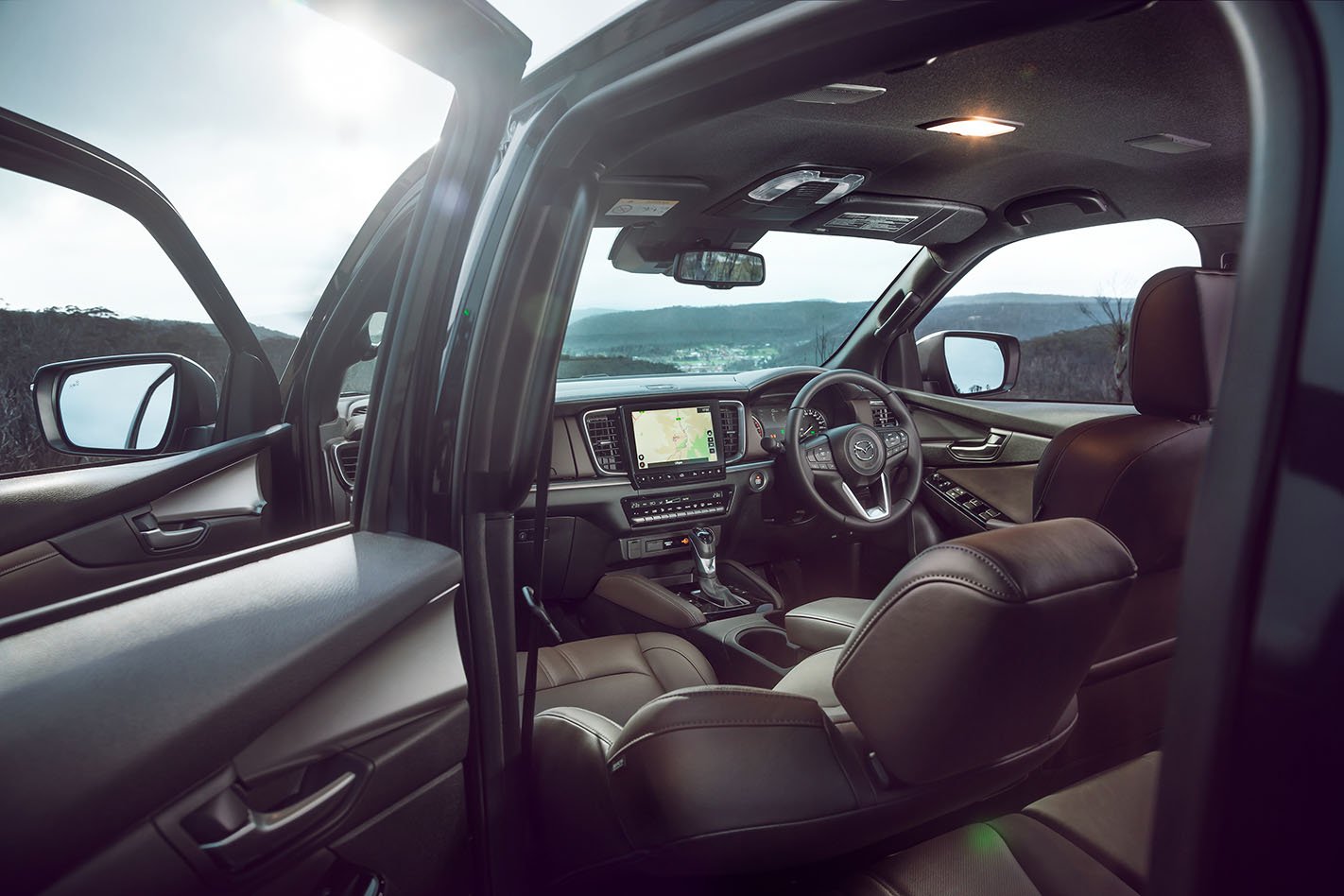
How much for the 2020 Mazda BT-50?
Mazda offers two body styles (dual-cab chassis or dual-cab pick-up), a choice of rear- or AWD, and manual and auto transmissions, with three spec grades: XT, XTR and GT.
It’s an 11-variant line-up with prices starting at $44,090 and topping out just under $60K. In most cases, the BT-50 has slightly more standard equipment than the closest equivalent D-Max variant.
For example, keyless entry and start is standard on XTR and GT spec BT-50s, but only on the top-spec D-Max X-Terrain.
And at the top end, Mazda’s flagship GT features heated leather seats and heated exterior mirrors; features not available on the D-Max.
As for pricing anomalies between the two brands, these include Mazda charging a $2500 premium for automatic transmission; Isuzu charges $2000.
But when it comes to metallic paint, Mazda doesn’t charge extra; Isuzu hits you for $500. But you do get an additional year’s warranty with Isuzu.
Beyond that, though, it’s a case of ‘choose your brand affiliation and haggle hard’.
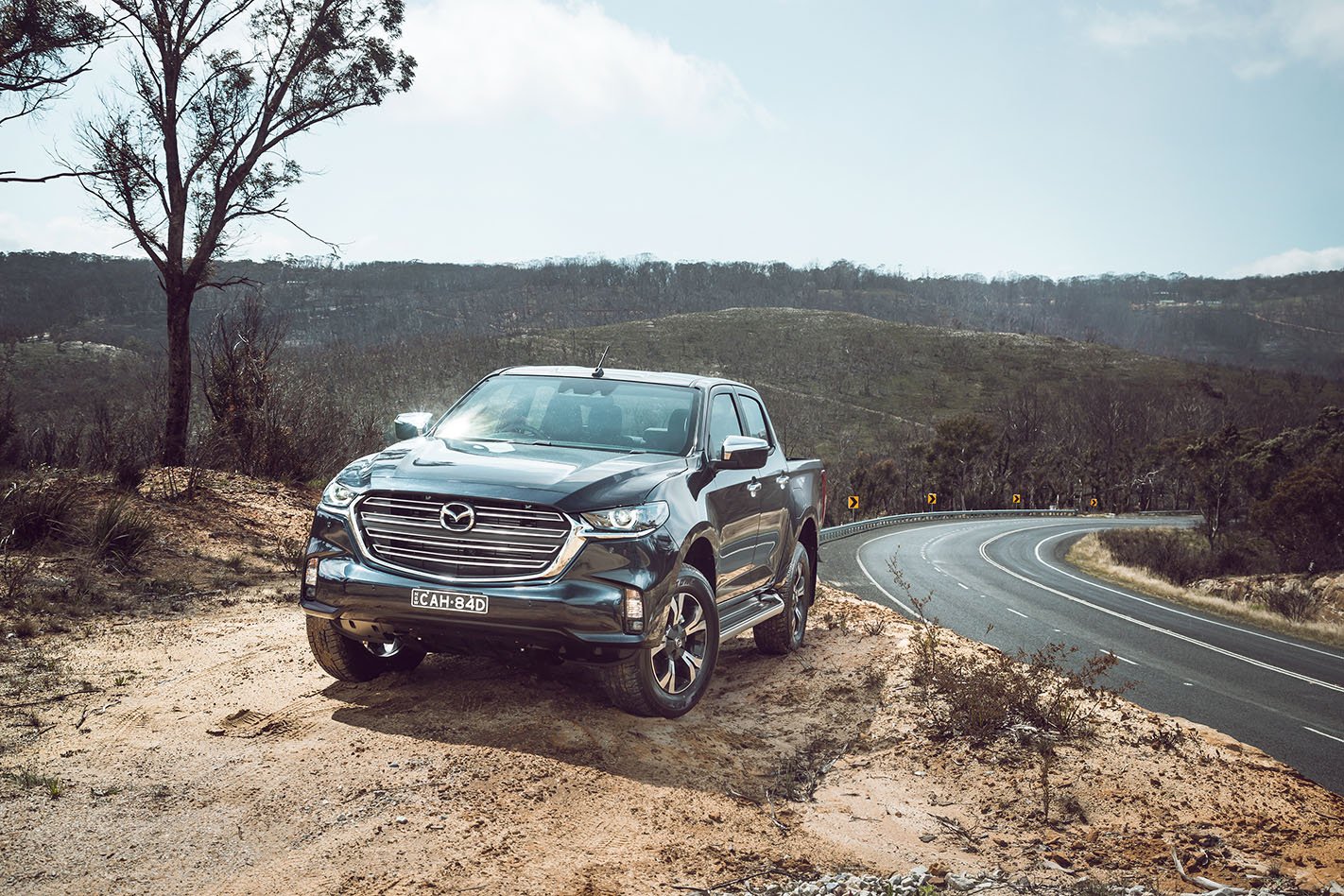
MAZDA BT-50 RIVALS
Ford Ranger, Toyota Hilux, Isuzu D-Max, Mitsubishi Triton, Nissan Navara
MAZDA BT-50 XT 4X4 MANUAL SPECS
- Engine: 2991cc 4cyl, dohc, 16v, turbo diesel
- Max power: 140kW @ 3600rpm
- Max torque: 450Nm @ 1600-2600rpm
- Transmission: 6-speed manual
- Weight: 2030kg
- 0-100km/h: 10.0sec (estimated)
- Economy: 7.7L/100km
- Price: $49,360
- On sale: Now
In October 2020, Mitsubishi Australia turns 40 years old, so we’re looking at the best fun cars it’s delivered to us over those four decades.
Let’s crack straight into the best sports cars from Mitsubishi Australia.
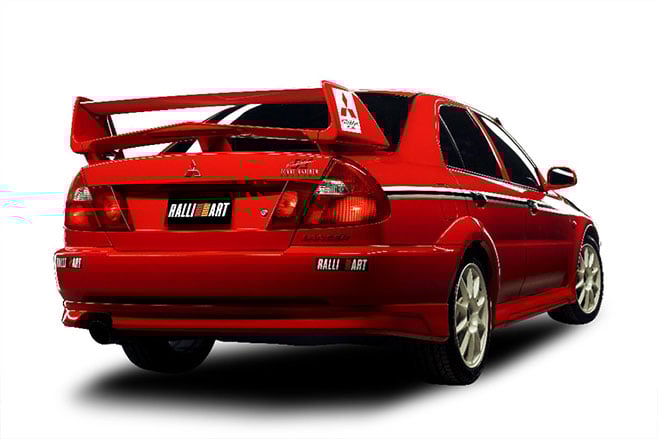
Mitsubishi Lancer Evo
It should go without saying, but the Evo inspired a lot of Mitsubishi brand loyalty amongst Gen X and Gen Y, largely thanks to its excellent rally heritage and use of that success via the Evo Tommi Makinen Edition, named for the brand’s legendary rally hero.
Mitsubishi 3000GT
Having a crack at an expensive quasi-supercar is a bold move for a company like Mitsubishi, especially after Honda’s NSX completely nailed it.
The 3000GT was absolutely packed with tech, with a transverse, front-mid-engined twin-turbo V6, anti-lock brakes, all-wheel drive, adaptive dampers, all-wheel steering, and active aerodynamics.
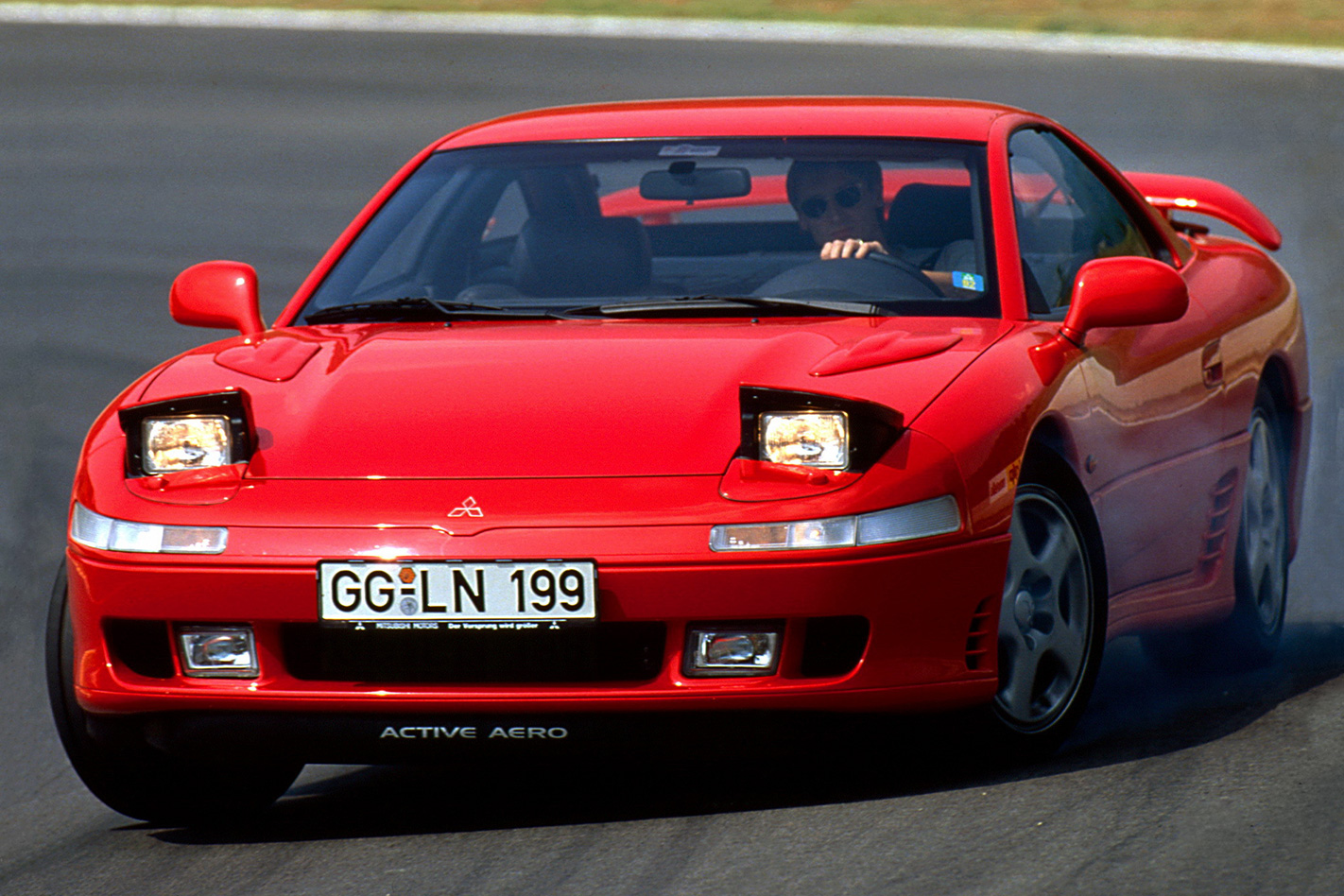
Its 1720kg kerb weight and its price tags (between $89,950-$118,940) meant it wasn’t the commercial success Mitsubishi had hoped for, though.
Mitsubishi Starion Turbo
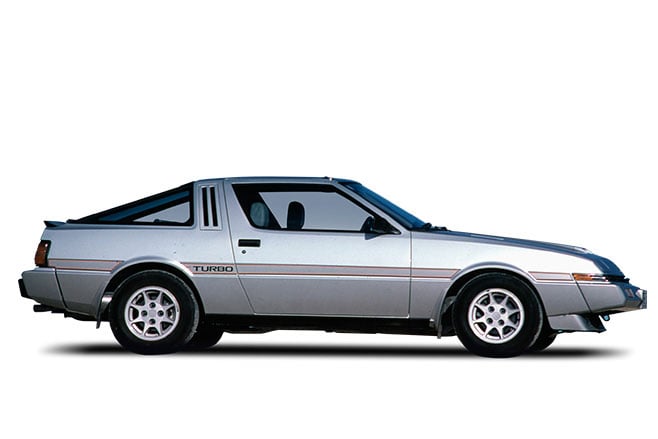
Before cars were all turbocharged, Mitsubishi was ahead of the pack. The Toyota Supra, Nissan Zed family, and Mazda’s RX-7 were all popular, and all lasted longer in terms of lineage than the Starion, but the 4G63 engine in the Starion would be developed endlessly to eventually find its way into the first entry on this list, the Lancer Evo.
Mitsubishi Cordia Turbo
If a 1980s Mitsubishi hot hatch sounds unfamiliar to you, you’ve forgotten about the poor old Cordia. But you’d not be the only one.
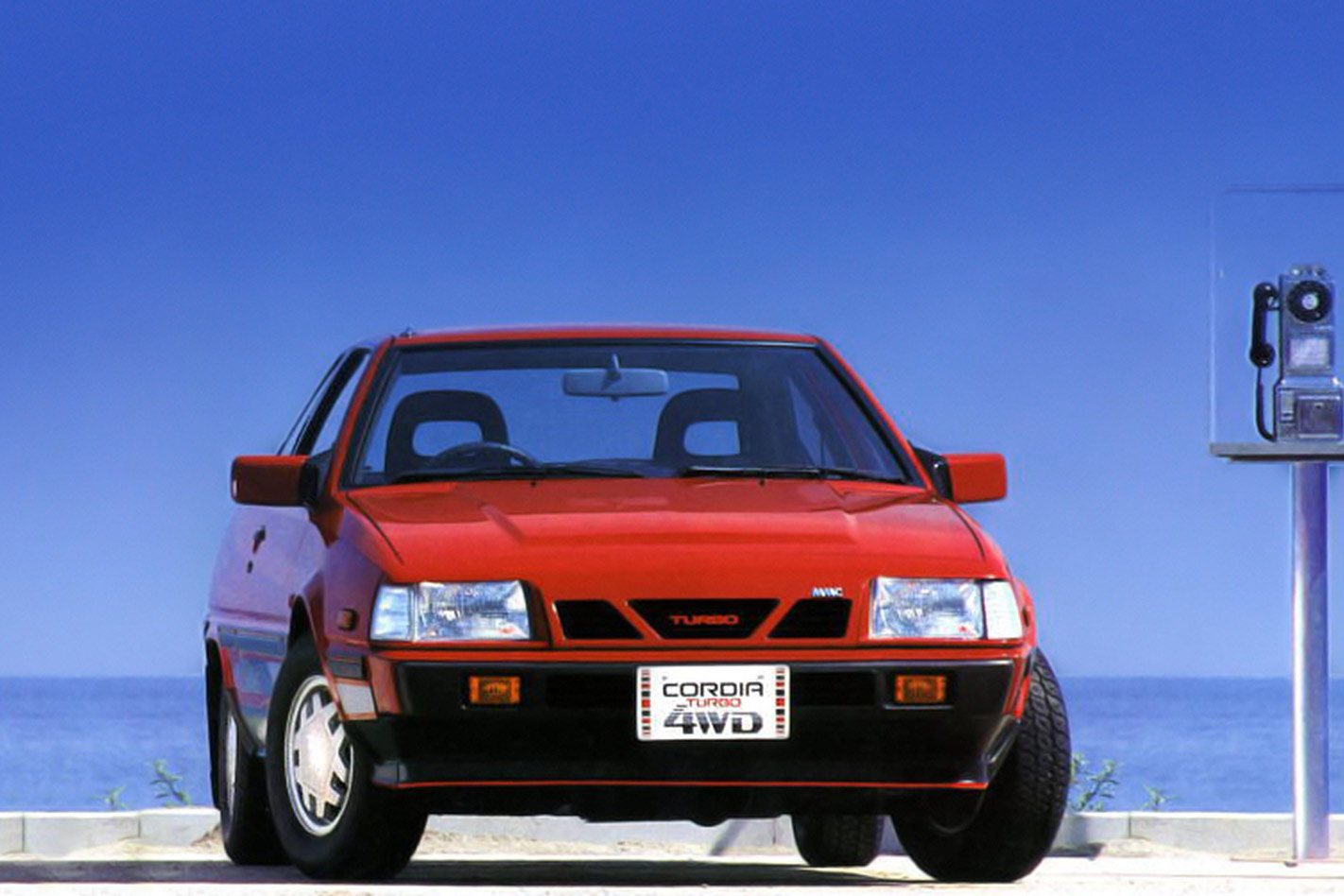
Still, the Cordia used a version of the previously mentioned 4G engine in its turbo variant. Wheels magazine says it ran the quarter-mile in 15.9sec back in 1984; not a bad crack.
Mitsubishi Galant VR-4
The Galant was one of the earliest badges in Australia, and though it would leave Australia before its global time was up, the first generation of top-spec VR-4 just made it to our shores in an official capacity.
All-wheel drive and a turbo engine led some to call it ‘Evo Zero’, due to the natural comparisons drawn between it and the later Lancer Evo.
Mitsubishi Colt Ralliart Turbo
Yes, another hot hatch! This time, Mitsubishi went for a relatively hardcore (given the Colt’s nature as an economy hatch) turbo track attacker, with stiffer suspension and 113kW/210Nm.
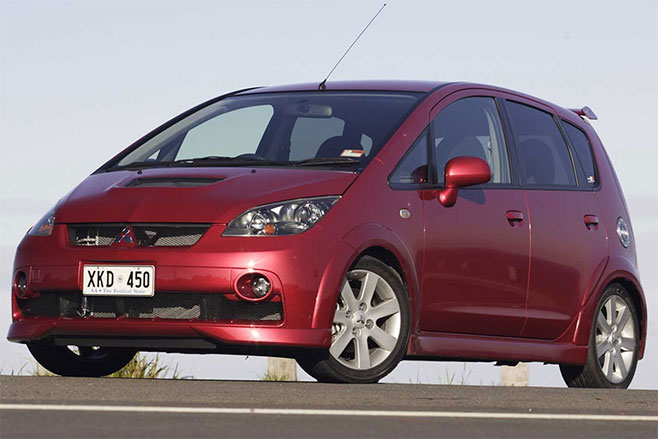
MOTOR’s 2006 review decided that Ralliart Australia boss Alan Heaphy “had managed to turn an innocuous five-door shopping trolley into a fun weekend bend weapon.”
Mitsubishi Magna VR-X and Ralliart
Koni suspension, 17-inch Enkei alloys, and more focused tyres might not have been enough to completely shave the ‘bowls hat on the parcel shelf’ vibes the Magna gave off, but props must be given to Mitsubishi for offering sportier versions of a car with such an image in the first place.
It did look rather more aggro and had a healthy 180kW and 332Nm from its ‘big-block’ 3.5-litre V6. It was still front-wheel driven, though, while Mitsubishi’s Magna VR-X was AWD.
Besides, Australia loved the Magna, and P-platers everywhere are reaping the benefits of so many being sold in its time on sale.
Honourable mentions
These weren’t available through Mitsubishi Australia technically, but we love ‘em, and we wish they’d been more successful on local soil.
Mitsubishi TMR380
Take a standard 2008 Mitsubishi 380 VRX Series III, with its 3.8-litre, 175kW/343Nm V6 engine, add one Sprintex S3/335 supercharger and 6.5psi of boost, a larger air intake, plus TMR’s own six-piston calipers and 370mm brake discs at the front with 340mm discs and four-pots at the rear.
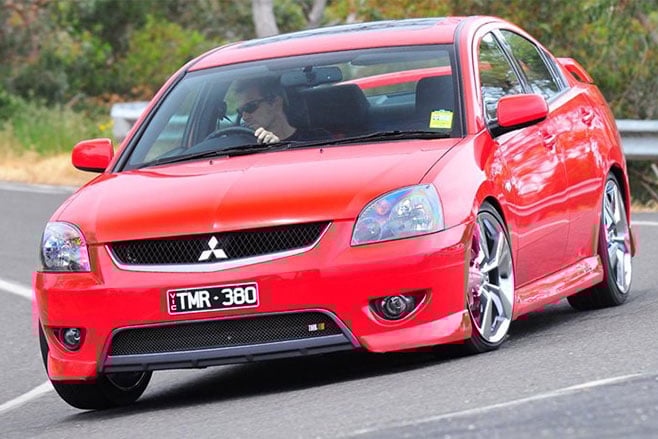
Unfortunately, TMR was a sperate entity (run by Alan Heaphy) at this point and only 20 TMR380s were built.
A string of order cancellations meant the initial sale of the 20 cars would take longer than expected. One was purchased for Mitsubishi Australia by then-boss Rob McEniry, while #001 was kept by TMR.
Mitsubishi Pajero Evolution
Built as a homologation for the Dakar racing Pajero built by Ralliart, perfect for smashing its way through the Aussie outback, though only ever made it here as a few grey imports.
Two doors, 3.5-litre V6, fully independent suspension, and it looks like it’s just a de-liveried Dakar car. Want.
Logic dictates that big cars have big boots and small cars have less space. In theory, this assumption would make our lives in search of a new car simple, but the truth is this statement is seldom accurate. Ironically, the smallest cargo areas are often not in the smallest cars.
When we consider the diverse range of activities that drivers could use their cars for – groceries, furniture, hardware, luggage – it’s no surprise that manufacturers optimise the storage spaces with as much stowage as possible for a range of applications.
With that in mind, you might be surprised to find that even some small hatchbacks can fit in a surprising amount of gear. And vice versa, some larger vehicles are so poorly packaged that they can’t accomodate nearly as much as you’d expect.
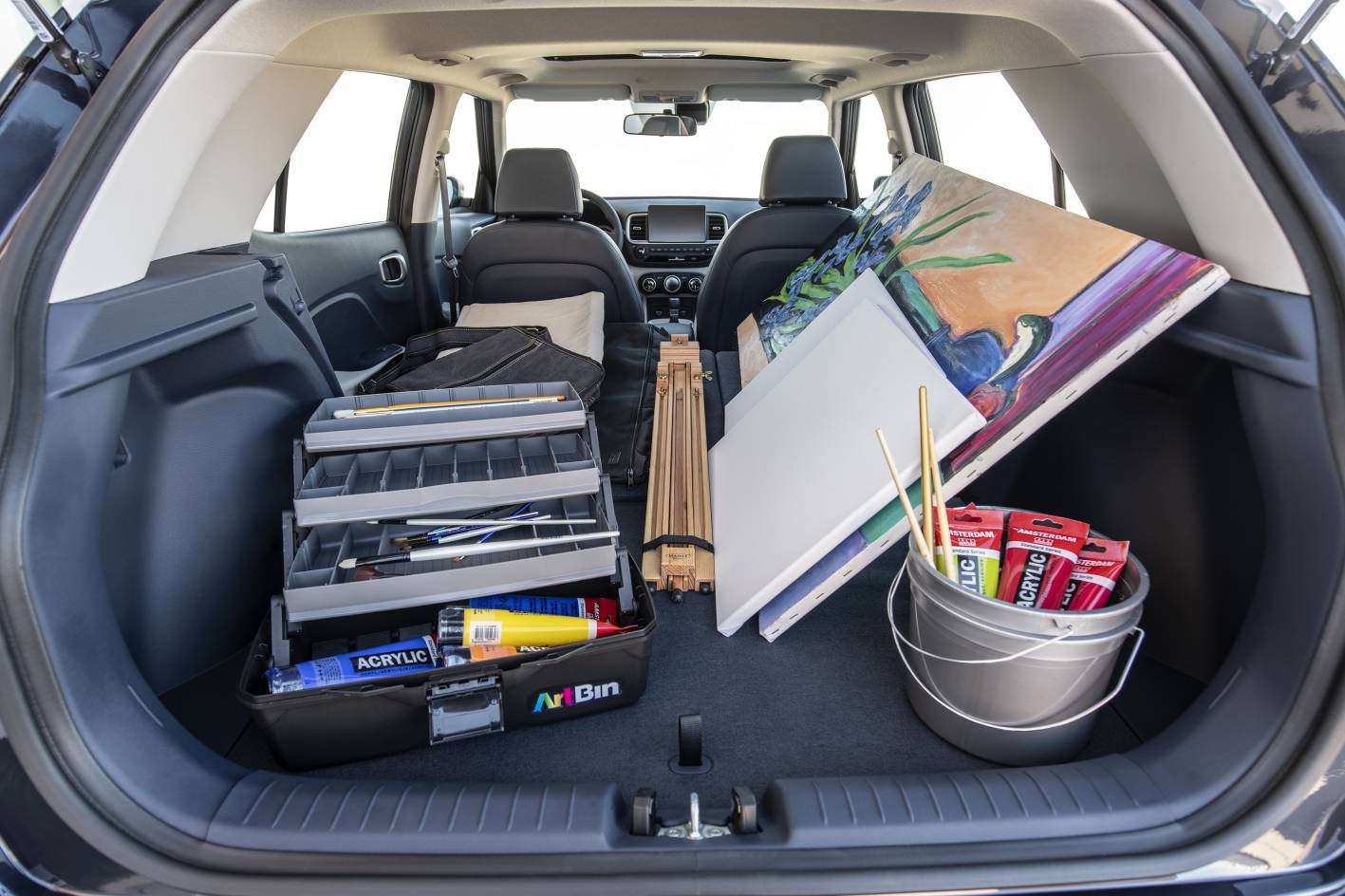
Annoyingly, car dimensions are measured using two methods. The Verband der Automobilindustrie (VDA) measurement is now most widely-used, which is a measure based on the amount of standardised blocks that can fit into a car’s boot. This measures the practical space rather than getting a measurement from every nook and cranny, as done in the outdated Society of Automotive Engineers (SAE) method.
While you imagine both methods involve an epic game of block tetris, in reality car manufacturers report on this data using complex simulations.
That said, we tend to think that a more pragmatic approach involves the universally-available IKEA Billy bookcase flatpack. The flatpack is a 2m x 29cm x 13cm box and available all over the world, and most people are able to imagine the awkwardness of shoving in some furniture rather than using numbers and maths to measure boot space.
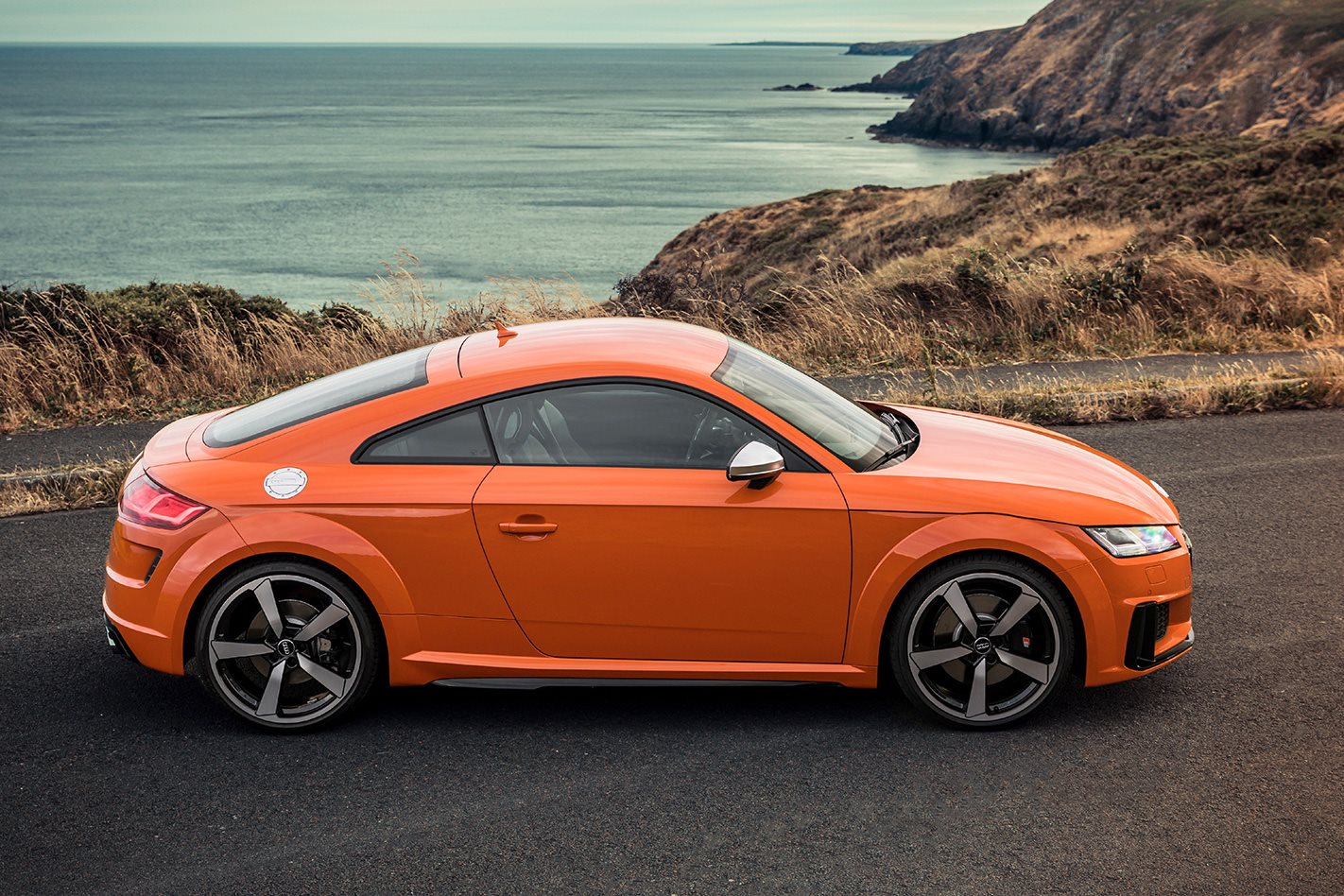
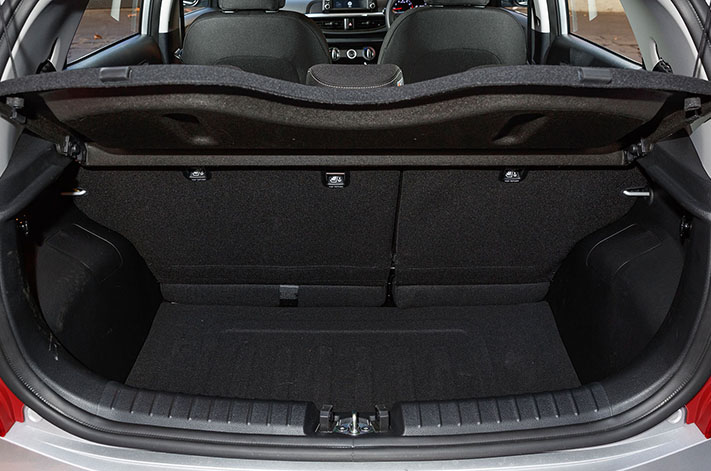
As the old adage goes, you really can’t judge a book, or car, by its cover. Take the Audi TT as an example – with a bit of squishing and a lot of effort, it can swallow a IKEA flatpack without too many expletives. So too, the diminutive Kia Picanto has a solid 200 litres of boot space for its size, before you fold down the rear seats.
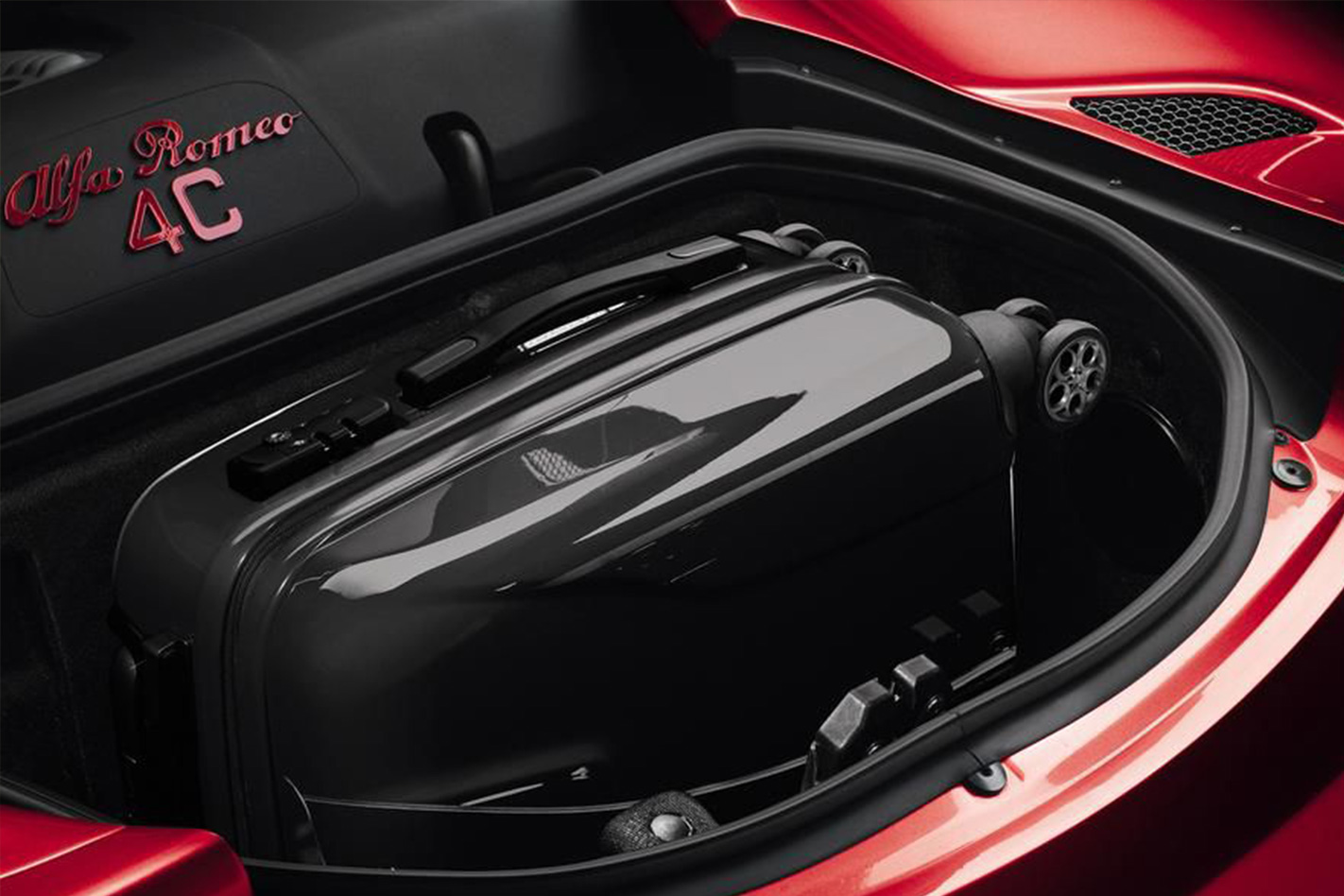
Some cars’ boot space are doomed from the get-go, with classes like convertibles which use the space in the boot to stash a soft-top rather than grocery bags. Sports cars too, for that matter, tend to favour tightly-packaged bodies and a light weight over cargo volume. The Jaguar F-type convertible barely fits a bag of oranges and Alfa Romeo’s 4C has a paltry 110 litres worth of space.
So, without further ado, let’s dive in and find out who does the best (and worst) boots.
Who’s making the best use of space?
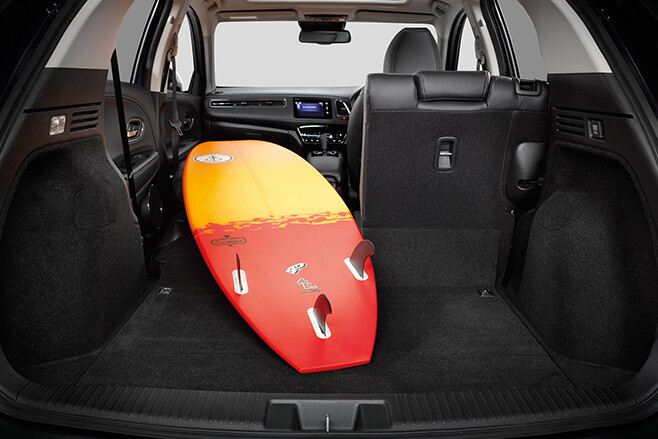
Small SUV: Honda is particularly smart with its interior packaging and the HR-V benefits directly from the company’s smart engineers. The Honda HR-V boasts a 437 litre boot which is among the best in segment and even creeps into medium SUV space territory. It also features Honda’s neat ‘Magic seats’ system that can contort pews in an unconventional fashion in the pursuit of ultimate carrying capacity.
Medium SUV: Toyota’s most-recent RAV4 overhaul has allowed for greater interior storage, resulting in a huge 580-litre boot.
Sedan: It’s hard to go past Tesla for sedan storage capacity, which takes advantage of the fact it doesn’t have an engine in the front. In all, the Tesla Model S offers a whopping 895 litres of space in the rear and front cavities.
Convertible: The Mercedes-Benz E-Class Cabrioletfits golf clubs in the boot with its roof up and has a ski port for skis (385 litres)
Hatchback: The Kia Picanto pulls a ‘TARDIS’ with a boot way bigger than the sum of its parts (255 litres).
Who’s the worst at storage space?
Small SUV: It CX-3 might be Mazda’s smallest SUV, but it’s still an SUV. The Mazda CX-3 has a wee 264 litres, which is beaten by even by a Toyota Yaris light hatchback.

Medium SUV: Like it’s small SUV stablemate, the Mazda CX-5 can’t contain as much as its rivals either. The CX-5 has a 442-litre boot where other cars in the segment contain more than 500 litres of boot space.
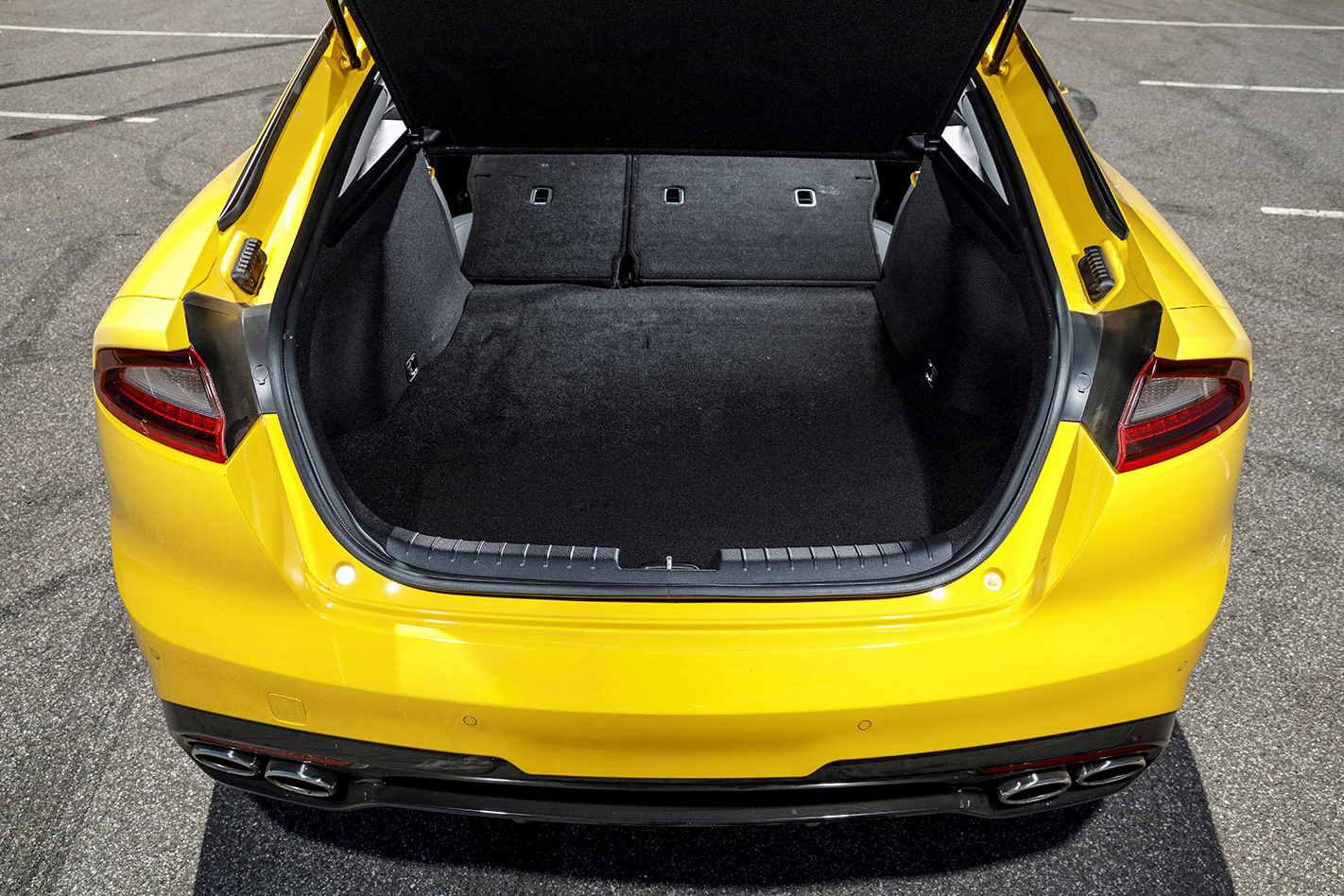
Sedan: The Kia Stinger has a pretty small boot (406 litres) for a large sedan – especially considering it has a hatch-door. The problem with sedans generally isn’t the amount of space, but it’s the space itself. Check that at least one rear seat folds: sometimes they are fixed for added stiffness and have a non-Billy-compatible ski port instead.
Sports: Alfa 4C. The handbag-sized stash where the boot should be on the Alfa 4C takes the cake for tiny boot space at 110 litres.
Hatchback: The Mini Cooper has next to nothing for a car that’s not the smallest in category (211 litres).
It turns out that size really doesn’t matter – it’s how you use it that’s most important.
Nissan Australia remains committed to offering the Leaf electric hatchback Down Under, and has confirmed a longer-range Leaf e+ will be offered alongside the standard Leaf from early 2021.
While alliance partner Renault is removing its Zoe from local dealerships, Nissan has taken the opposite approach, bolstering the Leaf’s presence in Australian showrooms with the new variant that features a larger battery, increased driving range and more power and torque.
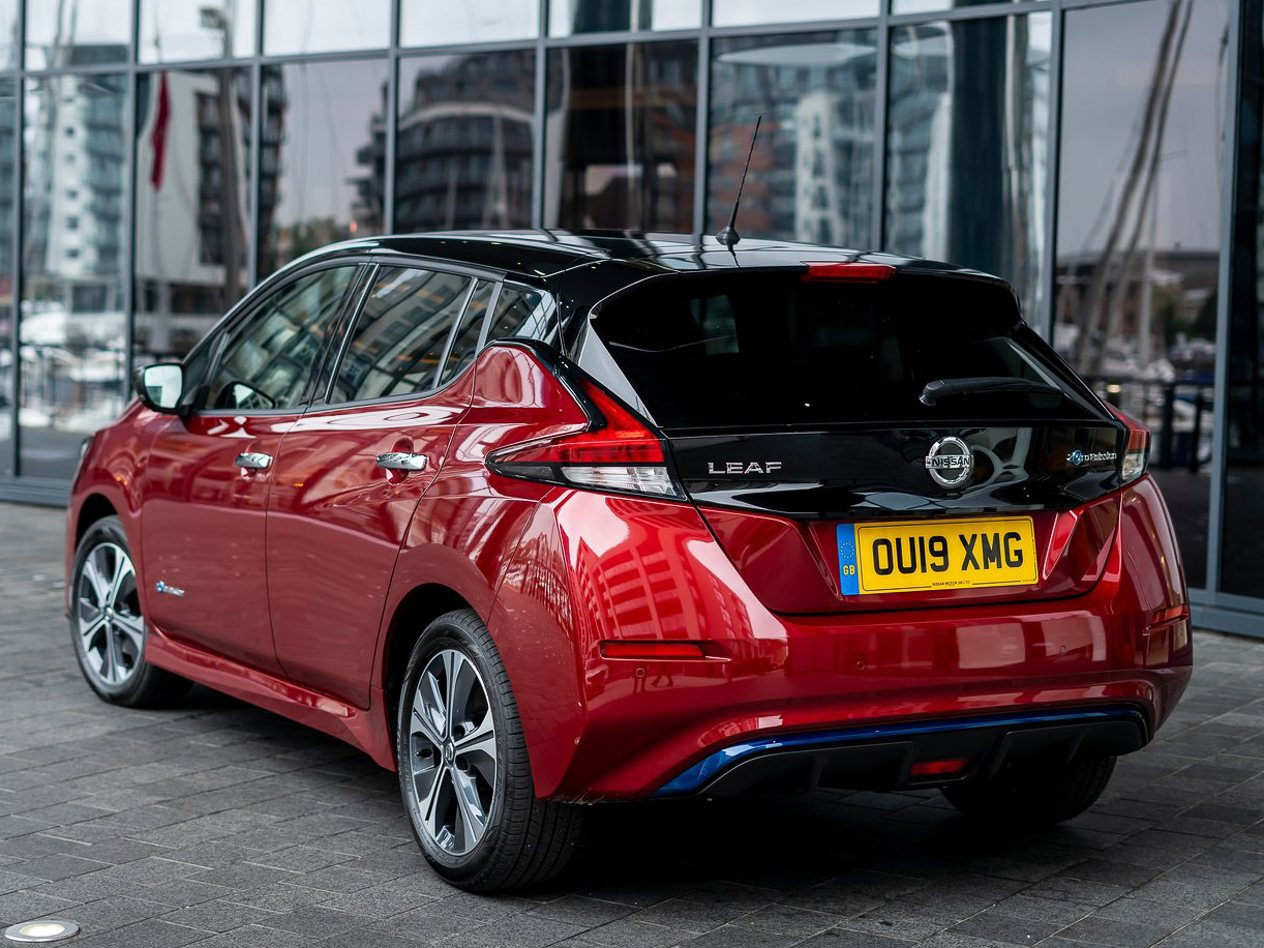
The Nissan Leaf e+ was first unveiled globally in January 2019 and features a 62kWh battery (up from 40kWh) that can propel the small five-door 384 kilometres on a single charge, representing a 110-kilometre improvement over the standard Leaf.
Although final specs haven’t been supplied just yet, expect to see the same improved 160kW/340Nm outputs as overseas markets which is capable of shooting the Leaf e+ to 100km/h in 7.3 seconds (an improvement of 0.6 seconds).
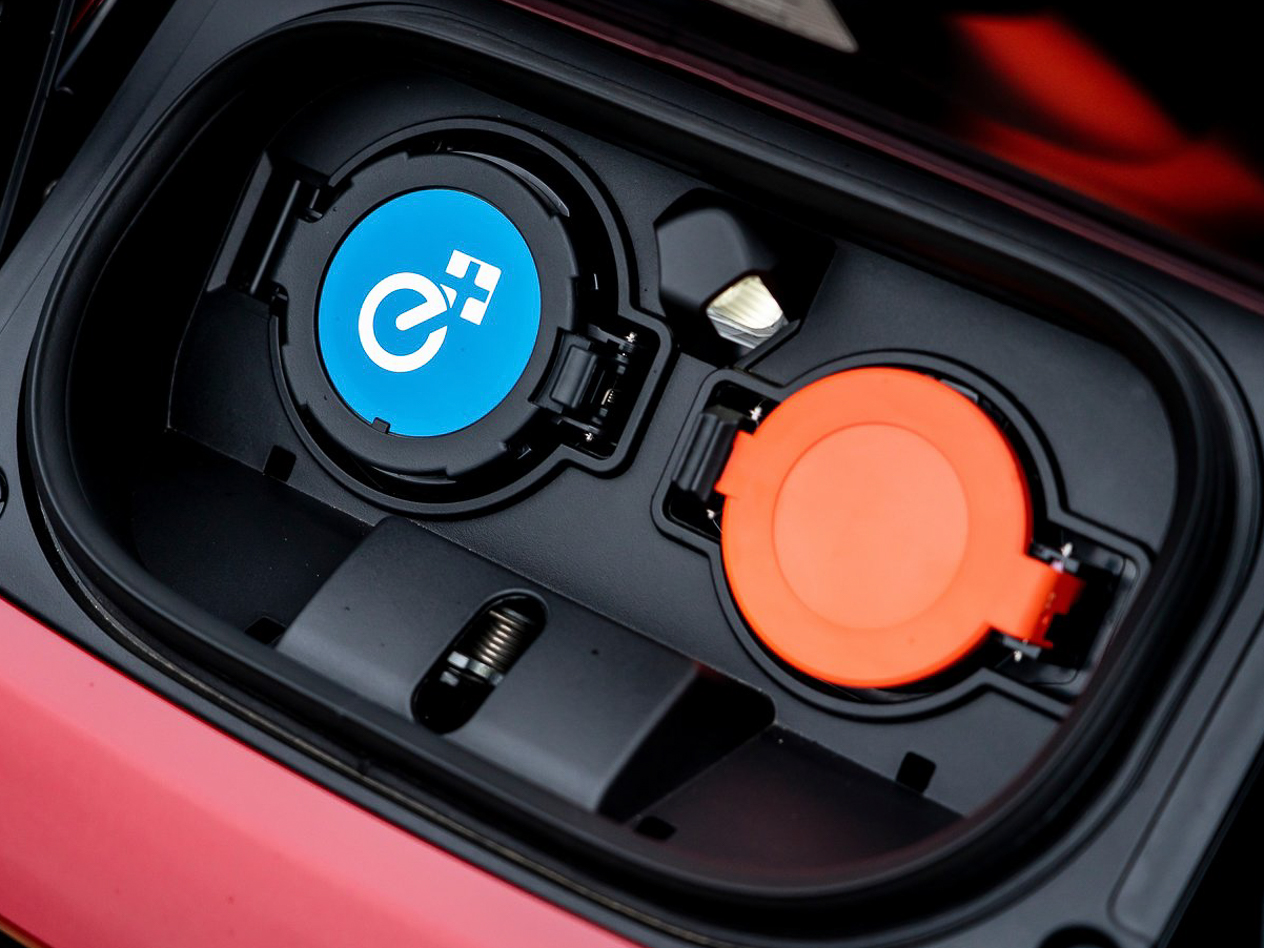
Equipment levels should mirror the standard Leaf and carry over features such as active cruise control, a 360-degree camera view that can detect moving objects, auto high beam, front and rear parking sensors, an 8.0-inch touchscreen infotainment display, navigation, a heated steering wheel, climate control and leather upholstery.
The increased battery size will also benefit owners who were planning on utilizing the Leaf’s bidirectional charging (vehicle to grid technology), which allows the car’s power to be plugged into the home network in the case of blackouts or to cut down on peak-priced energy bills.
Pricing for the new variant won’t be revealed until its arrival on Australian shores, though we’d suggest the cost will be roughly $10,000 above the retail price of the standard Leaf which costs $49,990 before on-road costs.
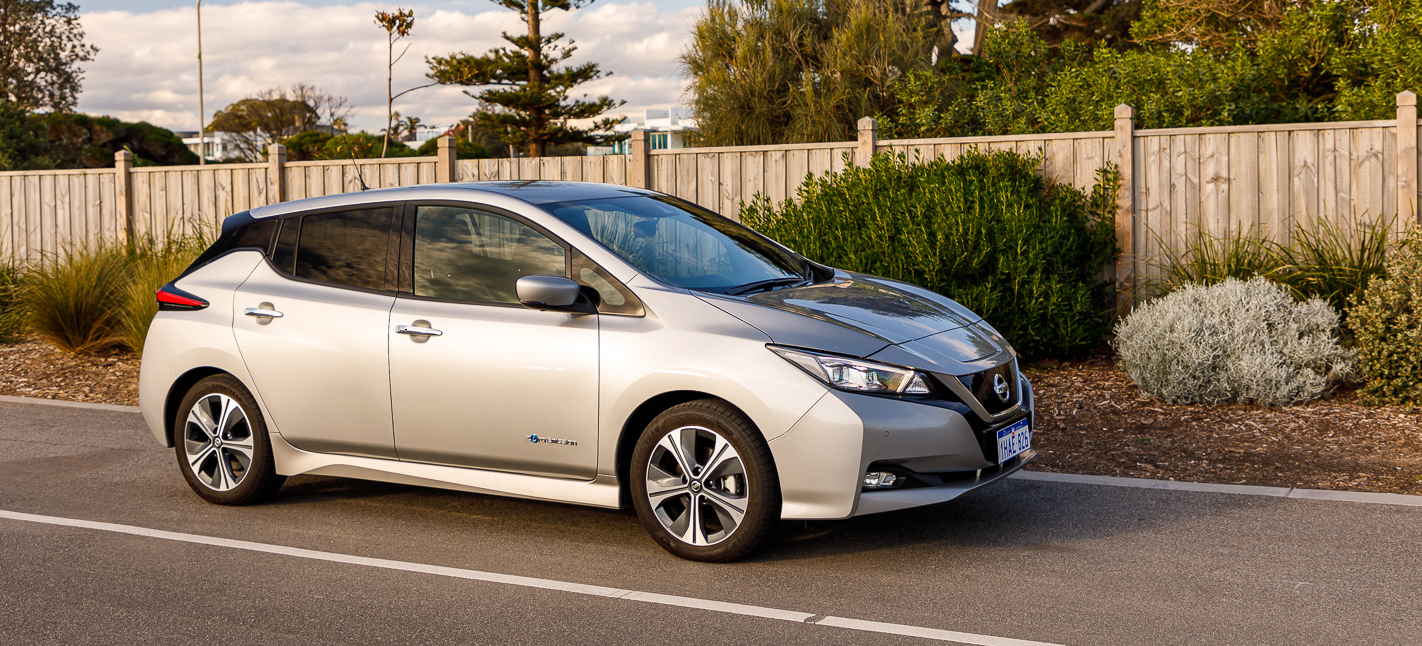
Keep an eye on WhichCar for more details emerging ahead of the Leaf e+ when it arrives in the first half of 2021.
In any group of people or things, there will always be examples that contribute more or stand out in some way, just as there will always be those that lurk around in the background, looking at their feet, nothing to add.
This article was originally published in the November 2016 edition of Wheels, and is being republished on the fourth anniversary of Ford Australia ceasing manufacturing in Australia.
The Ford Falcon is no different: some models have arrived in showrooms with the usual fanfare, but have quietly left the building a couple of years later without leaving any great impact.
But against those models, there have been some Falcons that have burned brightly, and yet others that have burned the Blue Oval and its customers’ fingers.
Either way, it’s the standout models that we’re looking at here. Just bear in mind that while the word ‘standout’ has a positive connotation on your kid’s report cards, when it comes to Aussie Falcons, being noticed can often be for all the wrong reasons. Significance is not always born of merit.
That said, there’s been an awful lot to like about Falcons over 56 years and even when the marketing has been questionable or the trumpet of design has played the odd bum note, Falcons have generally made us smile. Here are 10 that also made us think along the way.
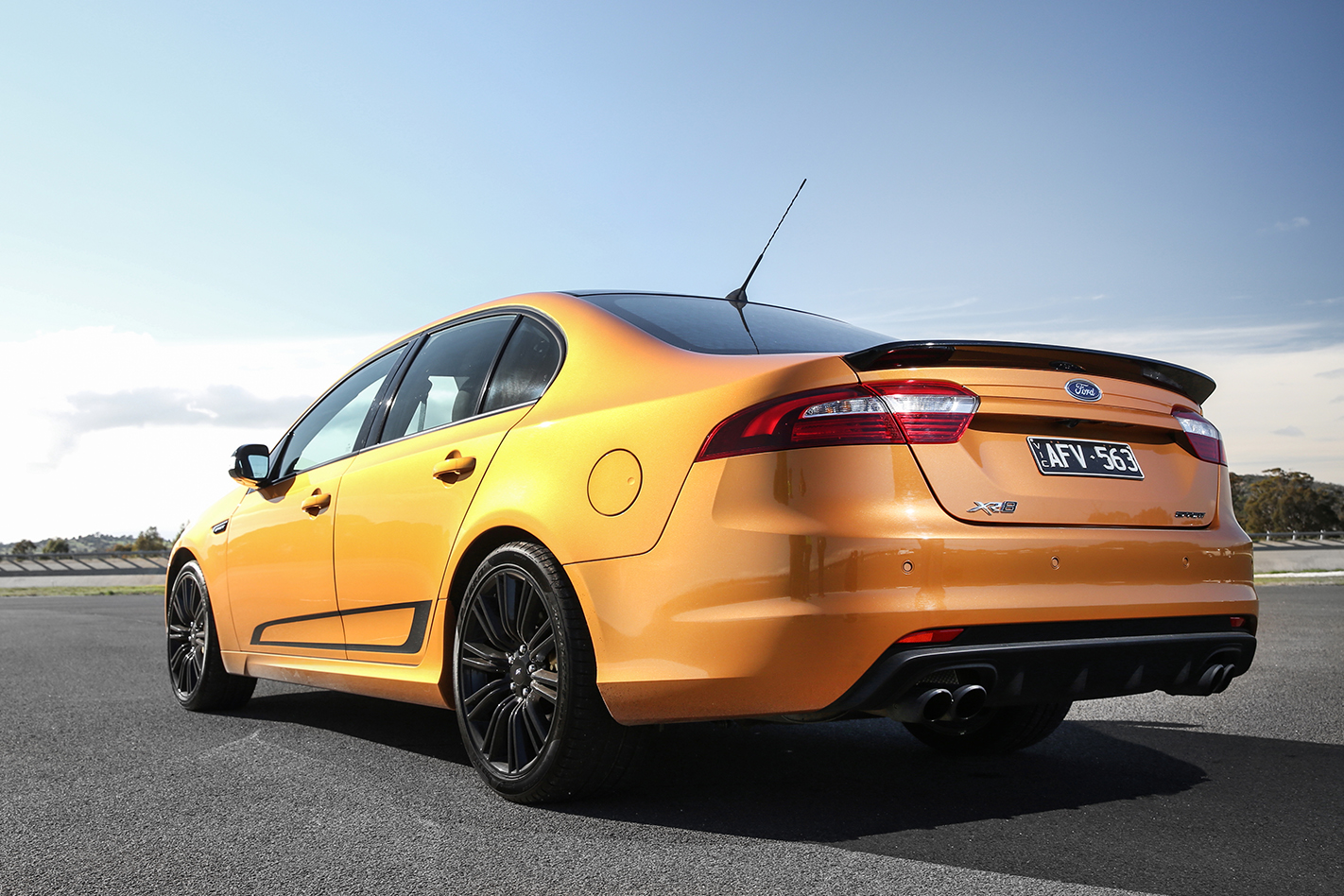
10. FG X (2014-2016): The last and the best
The FGX isn’t perfect. The interior is looking and feeling dated. The driving position is wrong and has been for years. And the suspension, heavily based on the BA of 2002, is now really starting to feel its age. Clearly, Ford has seen the end coming for some time and hasn’t been able to justify throwing good money after bad. Miserable beancounters, however, can’t alter the fact that in every other way, the FGX is a seriously good car. It’s available in a wide range of formats and trim levels and has refinement and performance credentials that place it among the best there is.
The knowledge that the FGX was to be the final Falcon fling gave Ford the excuse to throw a few highly-specified packages at us, including the XR6 and XR8 Sprint models which feature forced-induction engines that are literally world class. Again, the chassis is shown up by these cracking powerplants and drivelines, but something had to give.
But even the cooking models have plenty of performance and decent real-world economy, not to mention that bronzed-Aussie ability to haul a caravan across the Nullarbor in 40-degree heat while carrying five adults. If nothing else, the FGX will go down in history as the car that showed us exactly what we were throwing away. Perfect it wasn’t, but a worthy full-point on an at-times fabulous dynasty? Oh yes.
Total production: 11,570
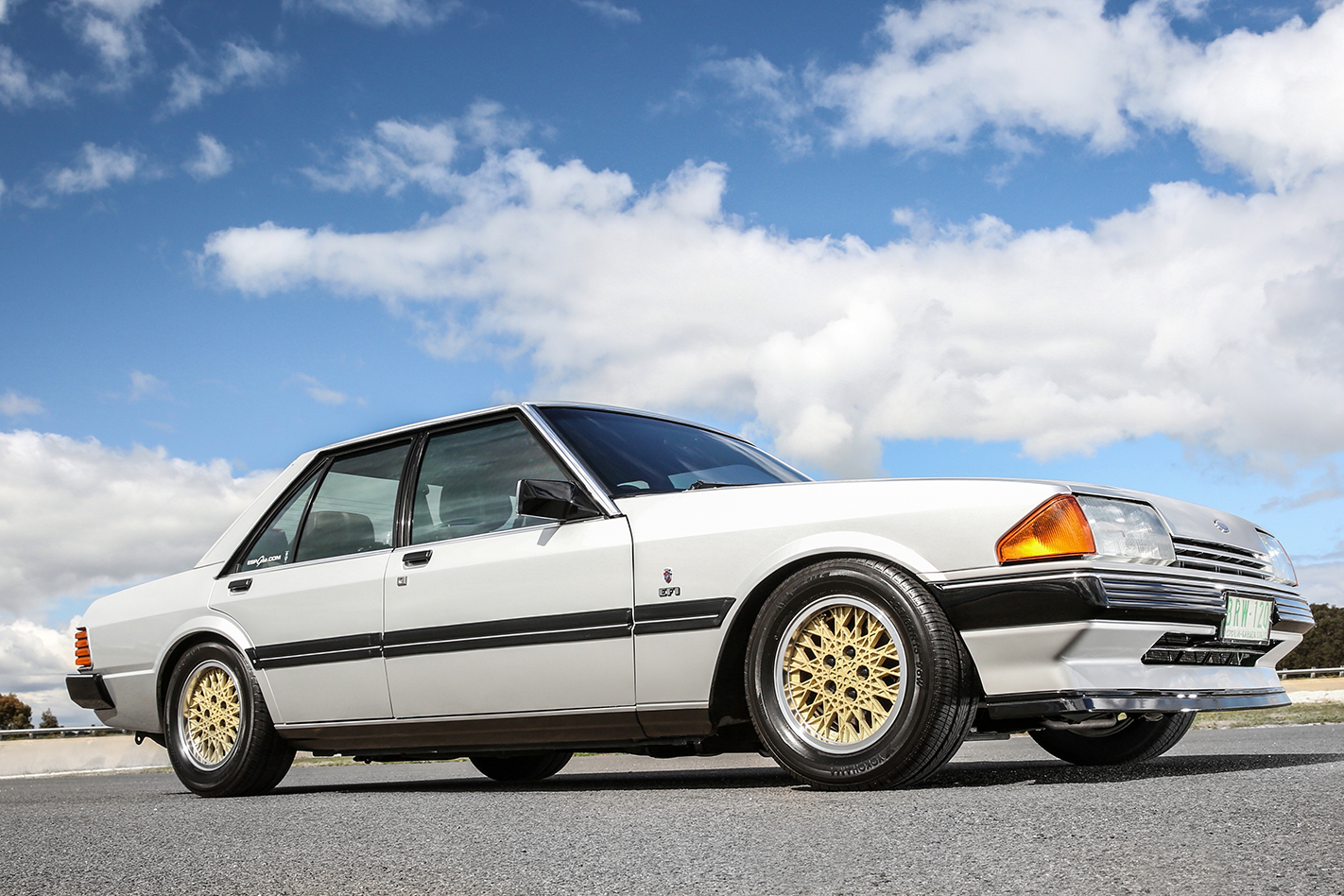
9. XE (1982-1984): Ditching the old cart springs
Based on the XD, the XE Falcon was a big improvement and a car that proved to be the right one at the right time, despite what the contemporary experts would have had you believe. Fears over fuel prices had seen Holden heed those same experts and abandon the full-sized family sedan for the more compact Commodore in 1978, and many expected Ford to do the same in 1979.
Instead, Ford continued to give the public what it wanted with the XD: loads of interior space. The XE, meanwhile, was a big improvement in refinement and continued to give Ford’s crucial fleet customers what they wanted.
The big advance represented by the XE was the shift from old-fashioned leaf springs to a technically superior coil-spring set-up with a Watts linkage (for the sedan; the wagon and commercials stuck with leaves).
Other changes were more subtle but included the move to a more efficient Weber two-barrel carburettor and further development of the alloy cylinder head for the in-line six. As well as being the last Falcon for years to be available with a V8, the XE also built on the surprisingly tasteful ESP (European Sports Pack) option which, with its Scheel sports front seats, Bilstein dampers, full instrumentation and 15-inch ‘snowflake’ alloy wheels, gave some real credence to Ford’s advertising line of the time proclaiming the XE to be the ‘Great Australian Road Car’.
Total production: 193,890
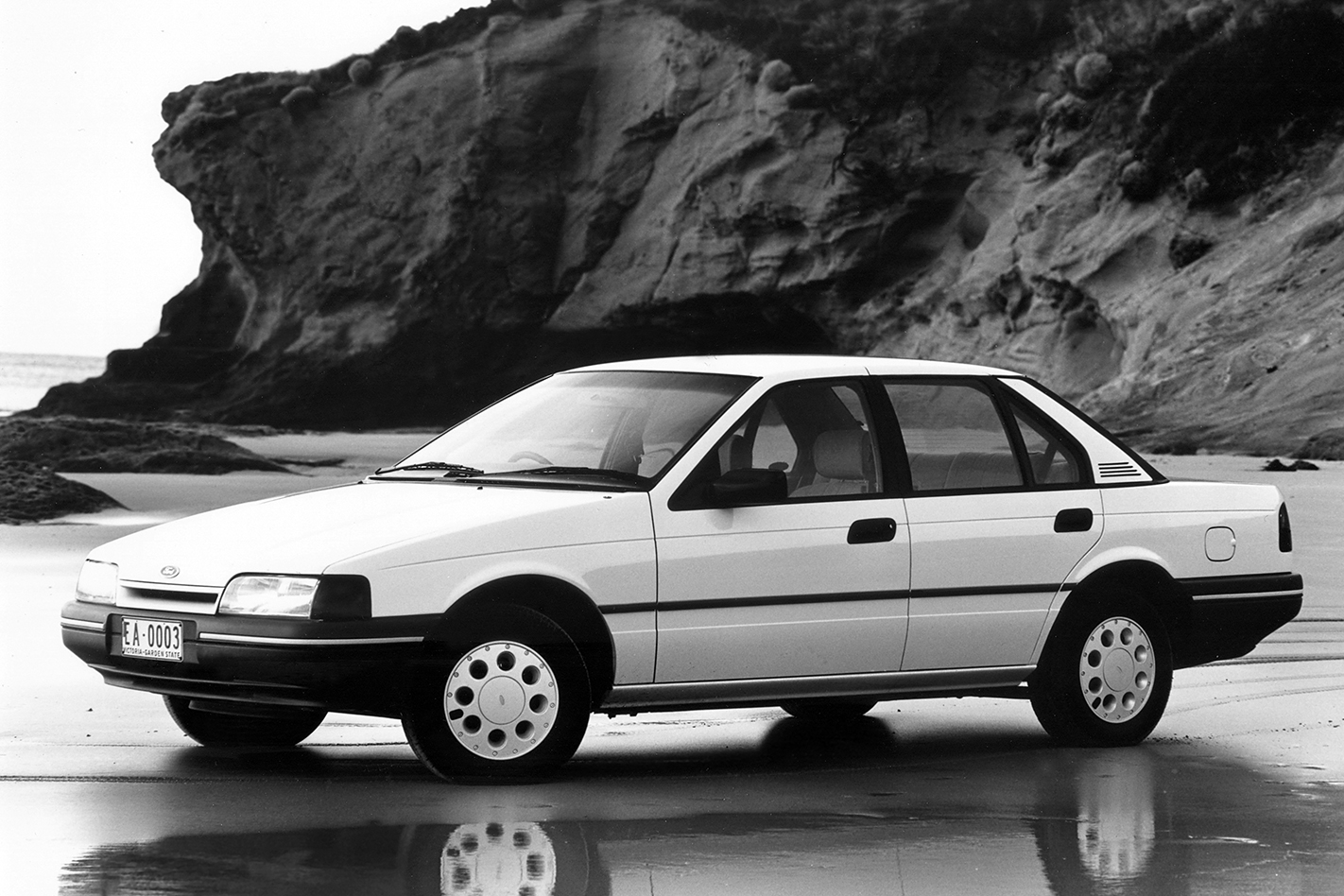
8. EA (1988-1991): The end of the pushrods
Let’s cut straight to the chase here; the EA Falcon was not very good. At least, it wasn’t when it first landed, partly because it was lacking polish, but also because it was straight off the back of the conservative, safe-bet, don’t-scare-the-horses XF. The EA’s body felt tinny, the interior was almost as plasticky as the XF’s and most people just couldn’t see the advance, even if the EA looked a good couple of generations newer than the garden shed with headlights that was the XF.
Even beneath the surface, the EA was hamstrung by its carry-over three-speed automatic, a function of the model being rushed to market in a semi-ready state. But scratch a bit deeper and the EA’s real significance emerged: The Falcon suddenly had a modern (everything is relative) overhead camshaft engine. Okay, the bore centres were the same as the old pushrod six it replaced and it still sounded like a Silver Top, but it was more efficient and went a lot harder than ever before.
Initially available in 3.2- and 3.9-litre configurations, the former was soon dumped by Ford as nobody other than government fleets wanted anything to do with it. A slow start to sales after a few niggles meant the EA was quickly overtaken in the sales race by Holden’s then-new VN Commodore (for the first time in since 1981) but that in-line six still formed the basis of the Falcon’s engine right up to the death-knock.
Total production: 223,612
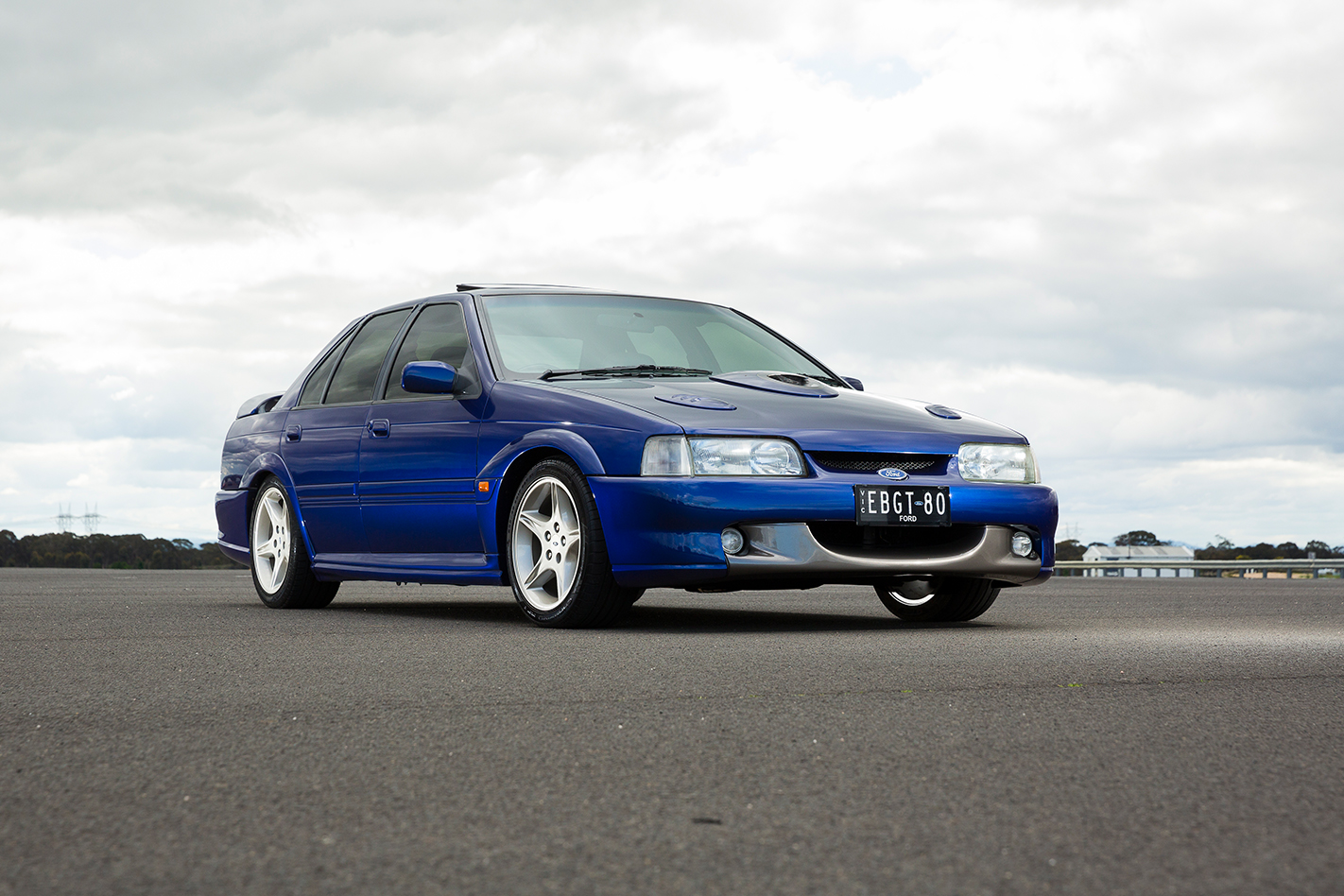
7. EB (1991-1993): The V8 was back
If the XR Falcon was the model that gave us the V8 Falcon, then the EB is the one that returned it to its proper place in Ford showrooms. For reasons known only to Ford’s marketing department at the time, the decision was taken in the early 1980s to ditch the V8, leaving the XF model (and the subsequent EA) to run only with six-cylinder power. But the EB fixed that with the Windsor 5.0-litre engine finding its way beneath the bonnet amid much rejoicing from an adoring public.
But even though the EB looked little different (you needed to be a trainspotter to pick the changes) to the EA, under the skin, the EB was a much better, much safer car. Initially, the EB used the 3.9-litre six-cylinder, but for the ’92 Series II, Ford gave us a 4.0-litre version of the overhead-camshaft six, a capacity the Ford six has retained since.
Safety was a big winner, too, with the EB being the first Falcon to offer optional ABS brakes. And there was more: The A-pillars were foam-filled to massively improve their strength in a roll-over, the front seat-belts gained lockers and the centre-rear seating position gained a three-point seat-belt for the first time in a Falcon. And car thieves hated the EB; the Series II version sported Ford’s Smartlock security system that had the bad guys flummoxed.
Total production: 121,221
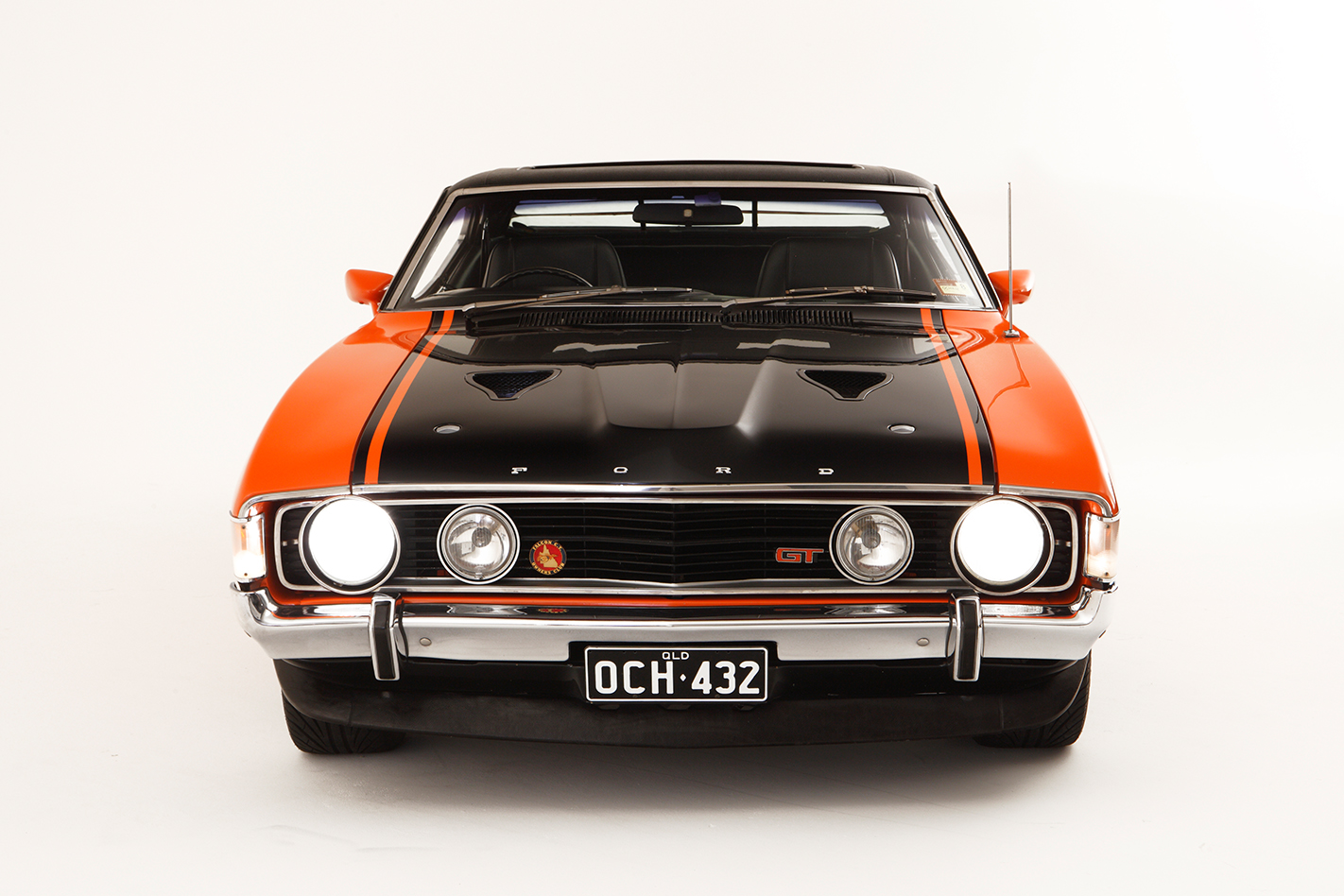
6. XY (1970-1972): The legend of the HO is born
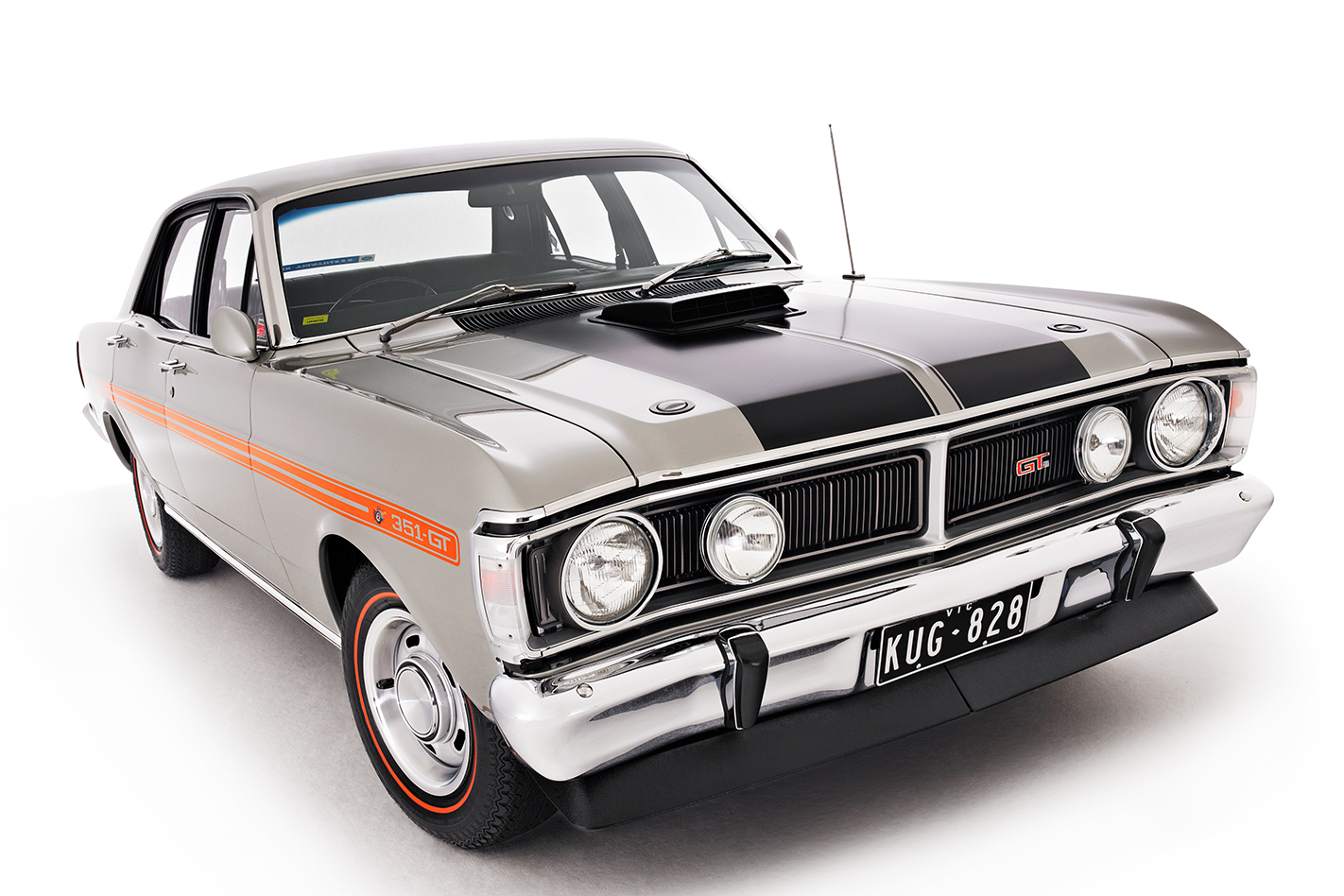
THE BODY style pioneered by the XR of 1966 reached its ultimate form with the XY of late 1970. Compared with what was about to come in the form of the XA just a couple of years later, the XY looked a bit upright and conservative, but it’s still a handsome piece of design. It remains a sought after model, too, and highly regarded by those who know their early birds.
But what makes the XY remarkable is that it formed the basis of the most famous Australian muscle car of all time. Built in tiny numbers (just 300) the GT-HO Phase III was a Bathurst winner, and, with the claim of being the fastest four-door sedan available in the world at the time, became an overnight sensation.
And it’s one that still resonates with Australian enthusiasts to this day. In fact, the Phase III remains the only local production car to ever sell for a million-plus when prices spiked a few years ago. And who can forget the in-car photograph featured in this very magazine with a Phase III on the Hume Highway, its tacho reading 6150rpm and the speedo wound off the clock? Legends don’t come much bigger.
Total production: 118,666
5. BA (2002-2005): Repairing the past
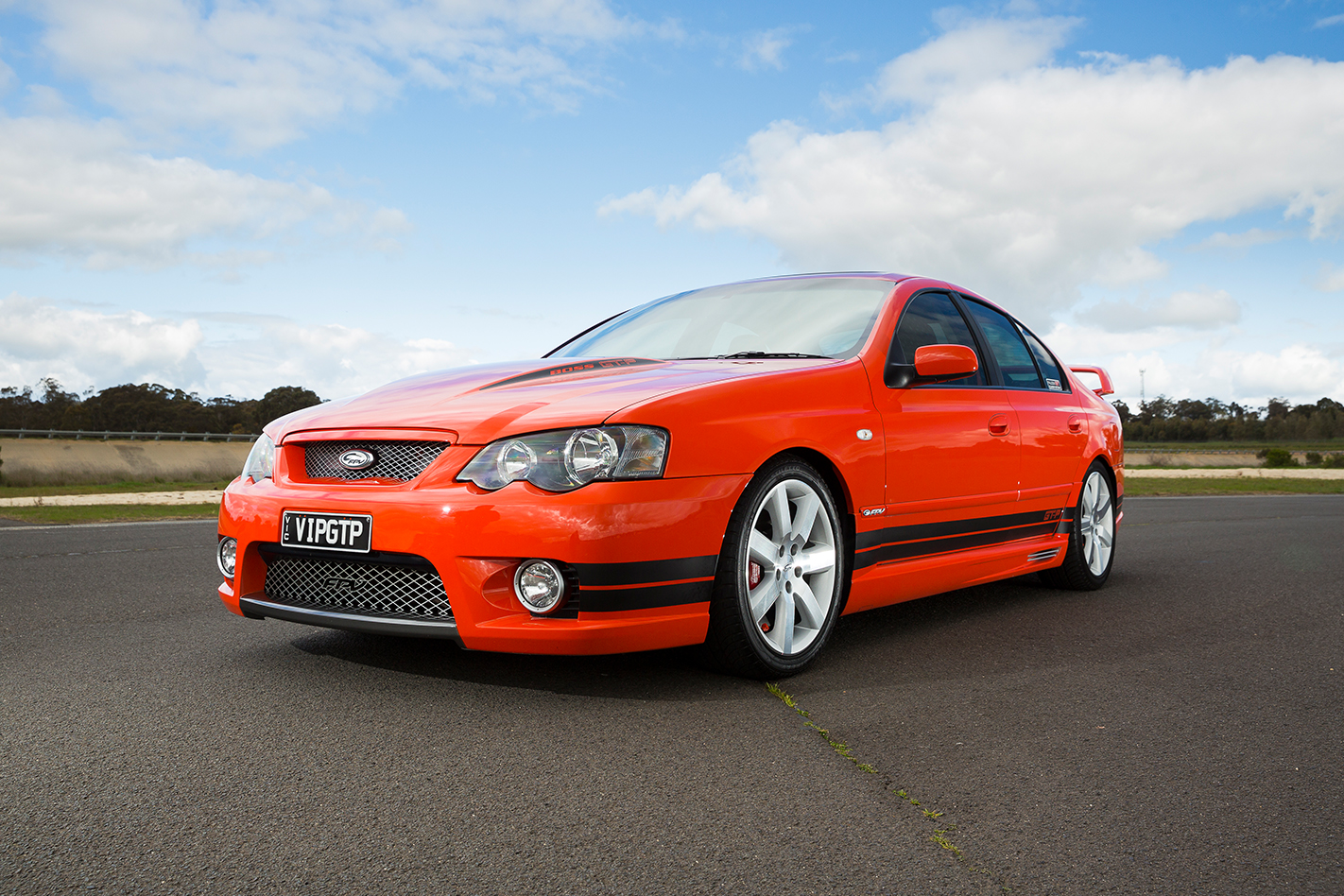
The AU Falcon of 1998 might have ushered in the option of an independent rear suspension, but in pretty much every other way, it was a dud. The problem was largely one of perception. As in, everybody perceived it as being ugly. The original base-model version was the worst with its bloated body teetering around on those skinny little plastic-trimmed wheels and that godawful grille that looked like it was sucking up plankton. So even after AU Series II and III rehashes, the BA couldn’t come fast enough.
A little like the XP of 1965, the BA’s significance lies partly in its track record of soaking up the bad memories of the AU and marking a new start. And it was a clever design, too, because even though it wasn’t an all-new body, it looked as though it was. In fact, the roof stamping and the doors were direct carry-overs from the maligned AU, yet the new front and rear fascias made all the difference.
The BA also heralded the dohc version of the in-line six, not to mention the mighty XR6 Turbo model that would re-write the books in terms of local performance and still stands as the best powerplant ever to be designed and built in this country. Even the IRS was fine-tuned and, although the BA’s Control-Blade system wasn’t as technically pure as the AU’s double-wishbone arrangement, it was more compact and cheaper to manufacture.
Total production: 281,197
4. XP (1965-1966): Hammering home the point
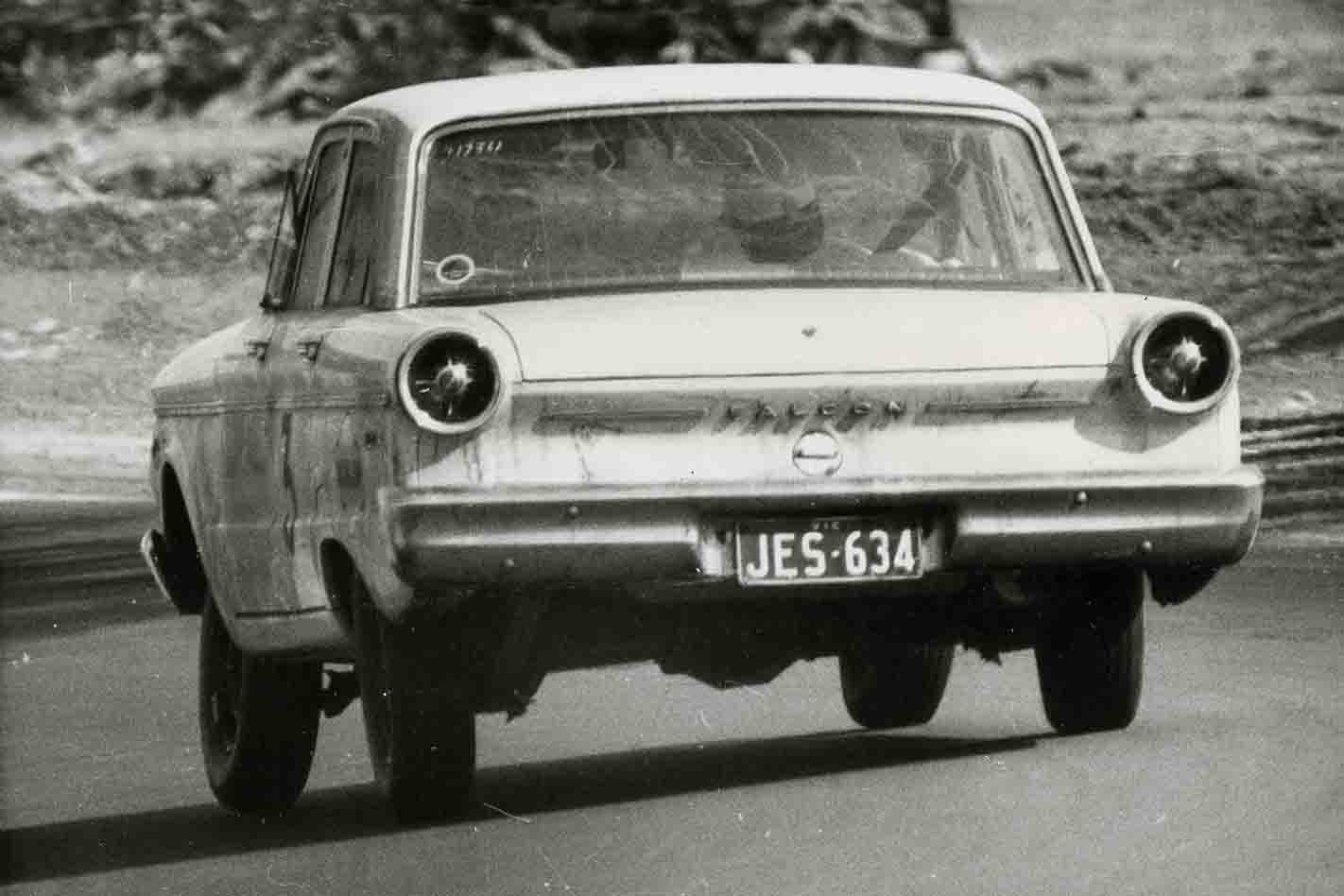
Plenty of Falcon models have the distinction of being the cars that almost killed the franchise here, but only one can really claim to have been the brand’s saviour. And that model is the XP of 1965. After the disastrous front-end failures of the original XK model, Ford was really caught on the hop.
The first job was to identify what was going wrong; the next was to do something about it. It was pretty obvious that lower ball-joints were a major fail-point in the XK and that the sheetmetal that formed the engine box and suspension mounts was similarly underdone. The solution was not to wait for an all-new model, but to make running changes including substituting the lower ball-joints from the bigger, heavier Fairlane and beefing up the engine box and body with similar gussets and braces as fitted to the US Falcon convertible.
It worked, too, but Ford needed to draw a line in the sand to convince buyers that all was now well. The XP was that line. Ford took the dramatic – some would say crazy – step of running a public relations stunt that would see five of its then-new XP Falcons run non-stop around its equally new proving ground for five straight days, racking up 70,000 miles (112,000km). It proved to be harder to do than to say and crashes were common with drivers suffering fatigue and all but one of the cars winding up on its roof temporarily. Anybody with a CAMS licence was drafted in as a driver, including former Wheels editor Bill Tuckey, who reckoned the venture was equal parts madness and suicide attempt. But all five cars finished and the goal was reached. And the Falcon’s bacon was saved.
Total production: 70,954
3. XA (1972-1973):Local design at last
Even to those of us who understand that the first decade of local Falcons amounted to hand-me-down designs from Ford Australia’s US masters, the Falcon nameplate will forever be a part of local folklore. And it’s the XA model of 1972 that we have to thank for that perception. The XA was the first Falcon to actually be designed here (albeit with input from Detroit).
The new body was bigger than the outgoing model and quite swoopy and rounded for the time. The US influence can be seen when you line the XA Hardtop up against the US-market Gran Torino coupe; the XA two-door looks like a seven-eighths scale version of the Torino. But none of that mattered to buyers in a pre-internet world: The XA was the first completely Aussie Falcon and that’s pretty much that. It sold well, too, and established the springboard for Ford’s market domination for the next couple of decades.
Beyond that large degree of Australianisation, the XA is also notable for the remarkable two-door Hardtop model. The first Aussie Falcon to be available in a V8 coupe form, the XA Hardtop also formed the basis of a very successful race-car in the hands of Allan Moffat and many others. Cleverly, it used the longer doors and frameless windows of the utility and panel-van Falcons to arrive at a shape that was hardly elegant, but certainly meant business. Like the HQ Holden alongside which it sold at the time, the XA was also the first Falcon to arrive at flow-through ventilation.
Total production: 152,609
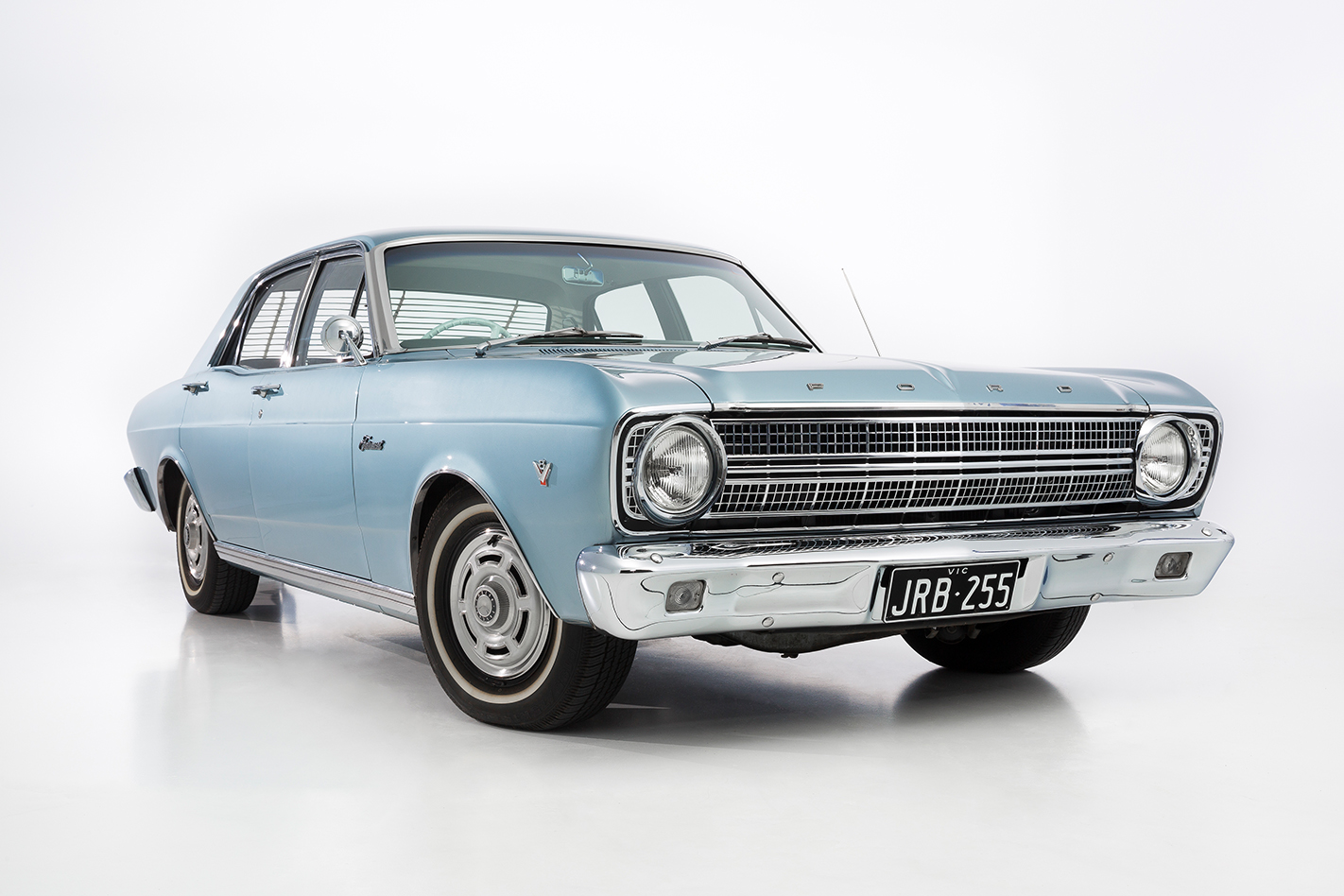
2. XR (1966-1968): The first V8 for the people
Ford’s local Falcons for the early and mid-1960s were certainly lookers. Against the lumpy, top-heavy Holden stylings of the day, the Fords looked sleek and absolutely modern. But they didn’t look muscular. The XR of 1966 changed that forever. Although still heavily based on a Stateside model (the third-generation North American Falcon) the XR was a much more masculine styling statement with a bold, upright grille and those Coke-bottle haunches that were the coolest thing since tail-fins went the way of Tail Gunner Joe McCarthy. ‘Mustang Bred’ said the adverts. Ooh.
But more importantly, the XR was the model that gave us the V8 Falcon and, perhaps even more significantly given what was to come, the Falcon GT. Slotting the 289 cubic-inch (4.7-litre) V8 into the XR was a cinch since the bulk of the engineering had already been done for the US model. But what was clever was that, unlike Chrysler had done with its V8 Valiant option, Ford added the V8 check-box to every page of the Falcon catalogue. Suddenly, you didn’t need to be buying an upmarket model to get your hands on a proper chap’s engine. A Falcon 500 with a 289? No problem, Sir.
The GT, meanwhile, was the car that formed the blueprint of every subsequent Aussie performance sedan. For that alone, the XR holds a special place.
Total production: 90,810
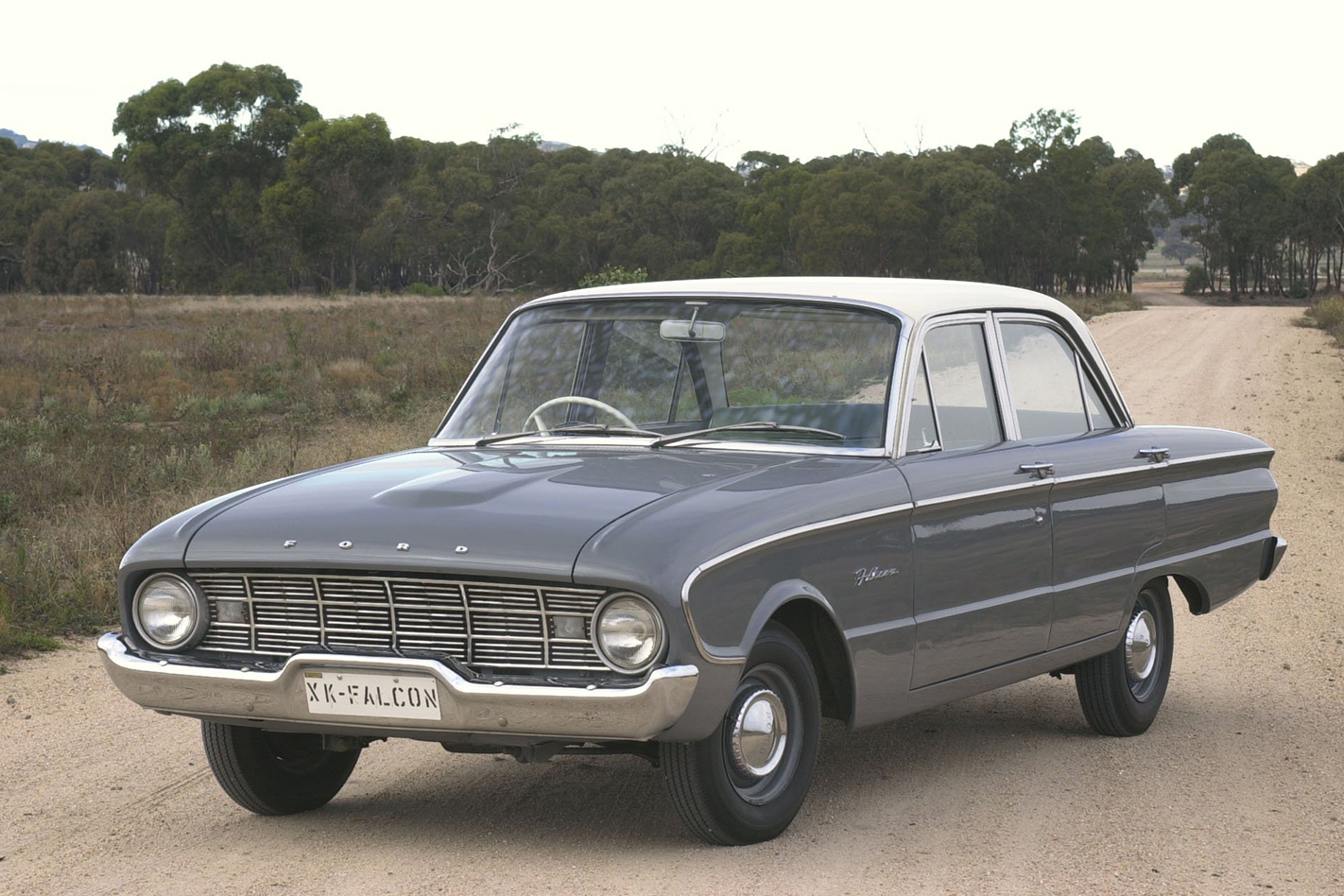
1. XK (1960-1962): The Granddaddy of them all
Plenty of engineers have built working aeroplanes over the years, but the Wright Brothers are the aviators we remember. Fact is, the first of its kind will always be significant and, equally, without that first model – the XK of 1960 – there wouldn’t have been an Australian Ford Falcon at all.
Ford had been assembling cars in Australia since 1925 starting with the Model T, but the Falcon of 1960 was the first Ford to be stamped out of a roll of sheet steel in this country, rather than assembled from a big box of bits.
The XK was also the first Aussie Ford to make use of the Broadmeadows assembly plant and the brand-new engine plant at Geelong which screwed the spark plugs into the first Falcon six-cylinder engine in April of the same year.
Of course, ‘significant’ doesn’t necessarily mean smiley emojis all round, and if the XK’s significance includes its trailblazer status, we should also mention the fact that it almost killed the whole enterprise dead as well.
Based heavily on a US-specification compact Ford, the Aussie Falcon was seriously underdone in the front end. And early on, customers were finding that our typical roads of the day were causing mechanical mayhem with trashed ball-joints and suspension towers cracking and failing. But, hey, let’s not forget that Wilbur Wright crashed the Flyer three days before the brothers finally tasted success on December 17, 1903. If at first, etc…
Total production: 68,413
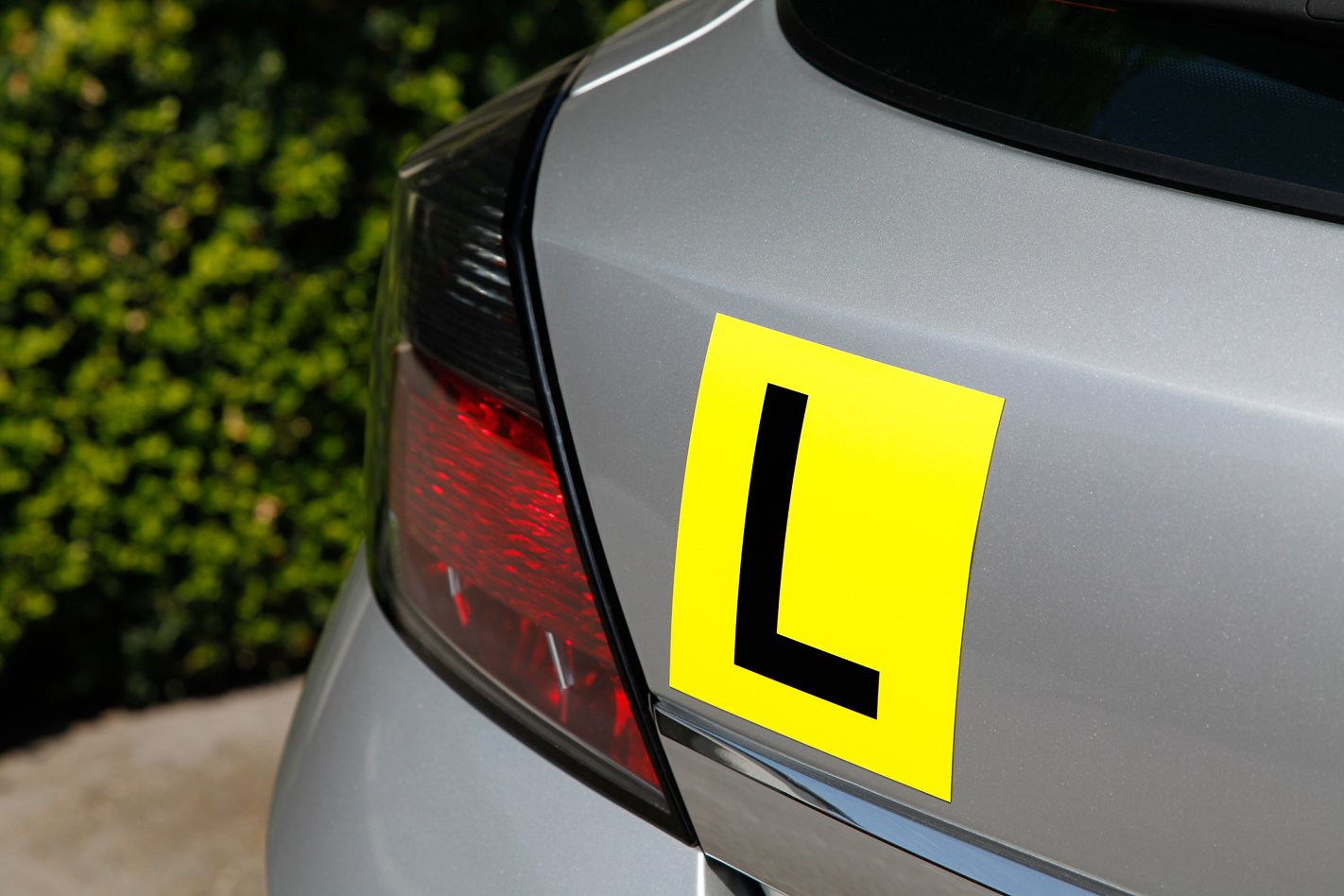
Wannabe learner drivers will be allowed to conduct their learner permit test online from early 2021, in a bid to reduce the large backlog of VicRoads test appointments caused by coronavirus delays.
Changes to the testing regime will cost tax payers $26.8 million dollars and will include a new computer-based online test for would-be learner drivers to complete before they’re set upon the road network.
VicRoads will also refund 80,000 $19 appointment fees that were held over the coronavirus lockdown period, with new applications fees waived too.
A number of VicRoads branches have already been equipped to deal with the online tests, ahead of wider roll-out.

“We know it’s a milestone event, getting your identification, but also getting behind the wheel for the very first time,” Victorian minister for roads Ben Carroll told media at the Victorian daily coronavirus briefing.
“And we want to make sure that we support every young Victorian to get back behind the wheel safely and securely.”
Not only do the changes to the Victorian learner permit scheme aim to combat the disruption brought about by COVID-19, Carroll said it will also bring licence testing into the 21st century.
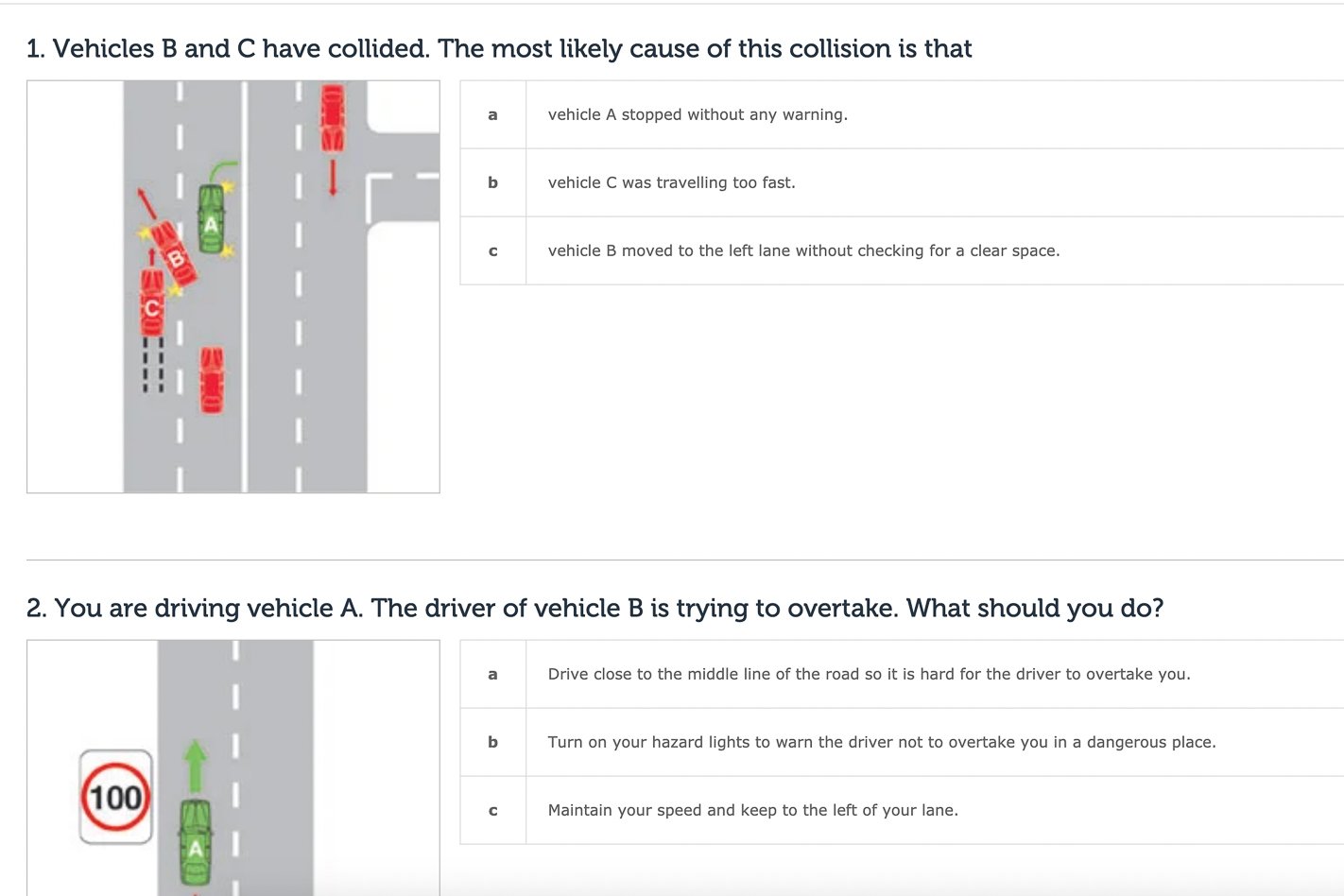
Though, counterintuitively, learner drivers will still have to attend a physical VicRoads branch to have their identification photo taken and to complete an eye test.
Even still, the government is confident that these changes will result in a tripling in capacity for licencing and testing.
Victoria is now the only state in the country that allows for an online learner permit test.
