
After a whole lot of wheedling with the local press team, the phone call eventually came that there was a McLaren 570GT available and would we like to take delivery? We didn’t need asking twice. We’re a broad church here at Wheels and the Mac would make a punchy counterpoint in Garage to the usual hatches and SUVs.
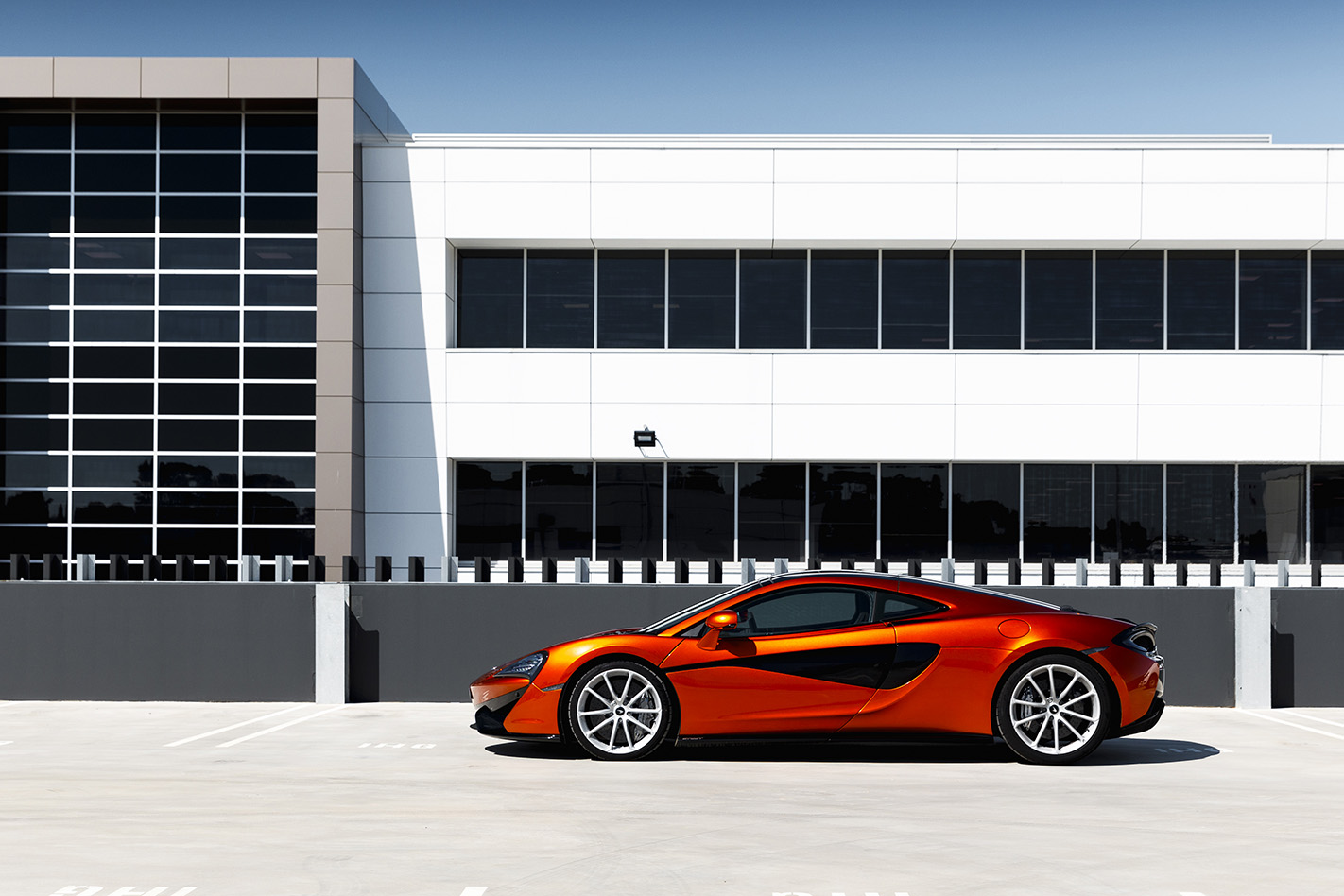
McLaren splits its range into three tiers. At the top is the Ultimate Series – mega money hypercars like the Senna and Speedtail. In the middle is the Super Series, currently populated by the 720S. Its most accessible line is the Sports Series, which includes the 540C, 570S, 600LT and the car it bills as the most practical in that line, the 570GT, effectively a slightly softer 570S with a glazed-in ‘Touring Deck’ behind the seats for additional luggage carrying capacity.
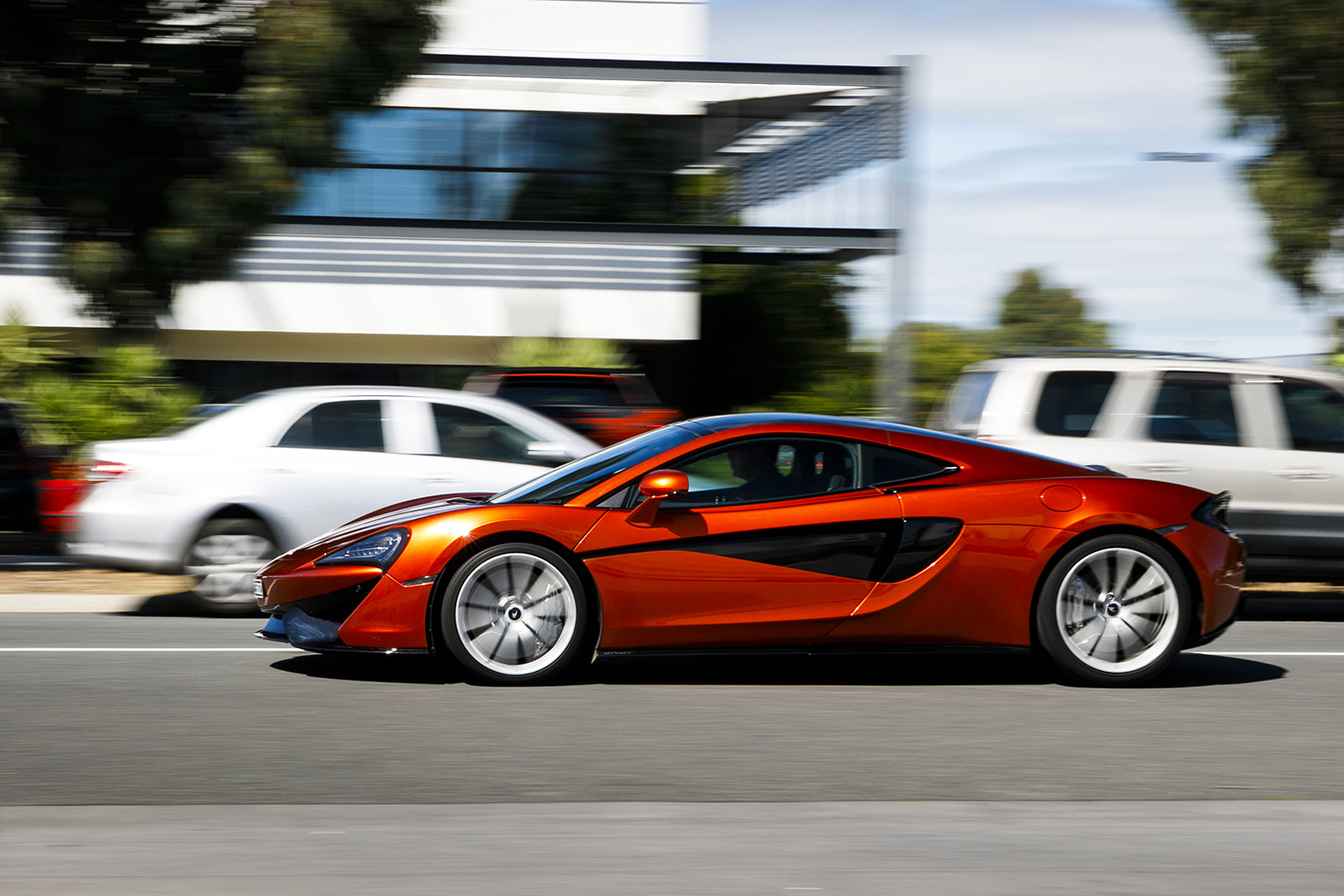
Most 570GTs that I’ve seen have been finished in typically sober colours – dark blues, greens and greys – but our car has been treated to optional Volcano Orange paint and it looks magnificent. And yes, I’ve now heard just about every Holden Commodore ‘Tiger Mica’ jibe possible.
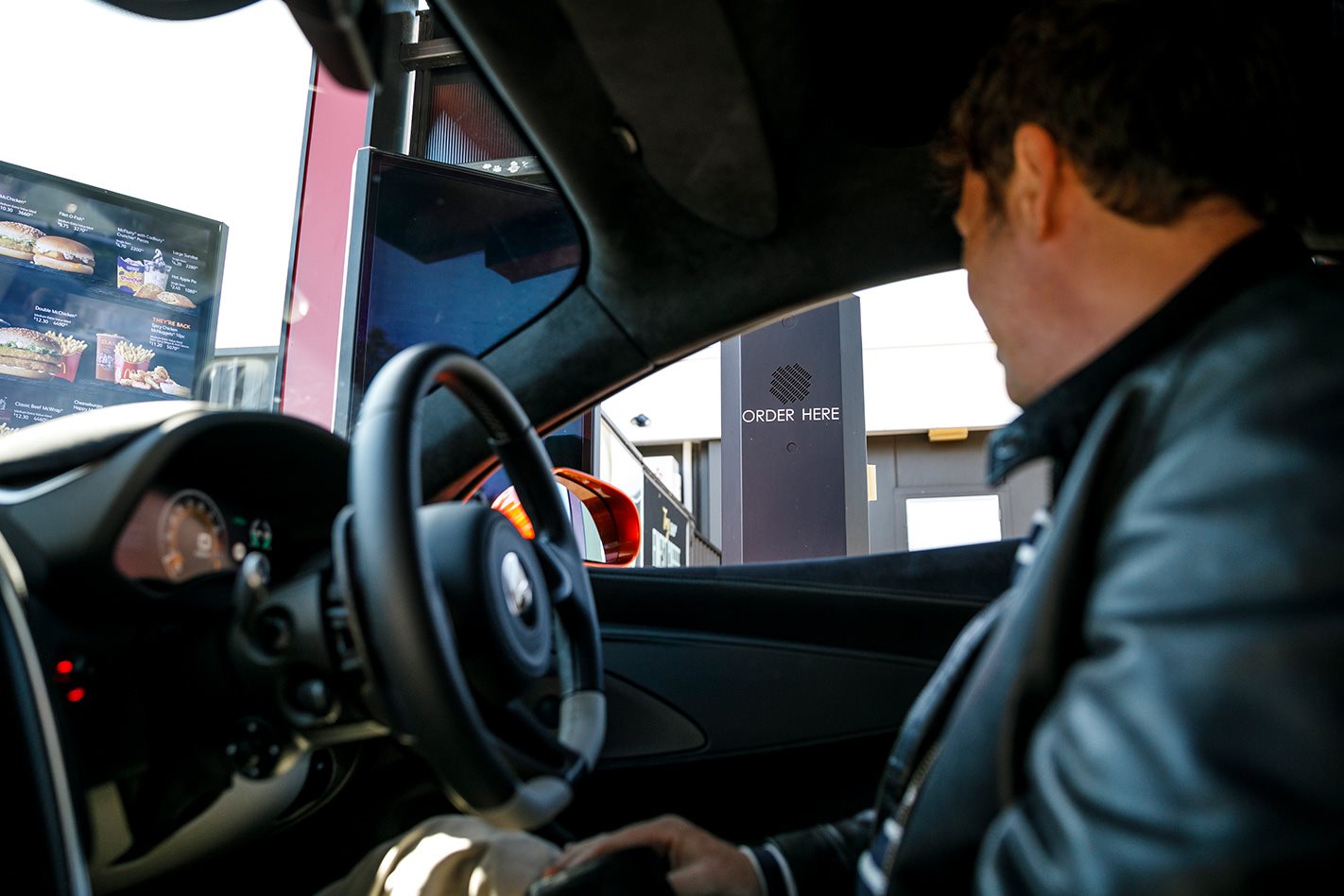
What’s more, it wasn’t a car that had been passed around every outlet in Australia before doing duty as a long termer in its dotage. The odo read 460km and everything about it was absolutely immaculate.
It had the optional front lifter kit fitted, without which the car is virtually unusable in town, a sports exhaust to give it a bit more voice in the upper registers, and a very cool MSO electrochromic glass roof. Tap a touch-sensitive slider above your head and the roof changes from clear to a deep, shady blue. Handy for late Australian summer days.
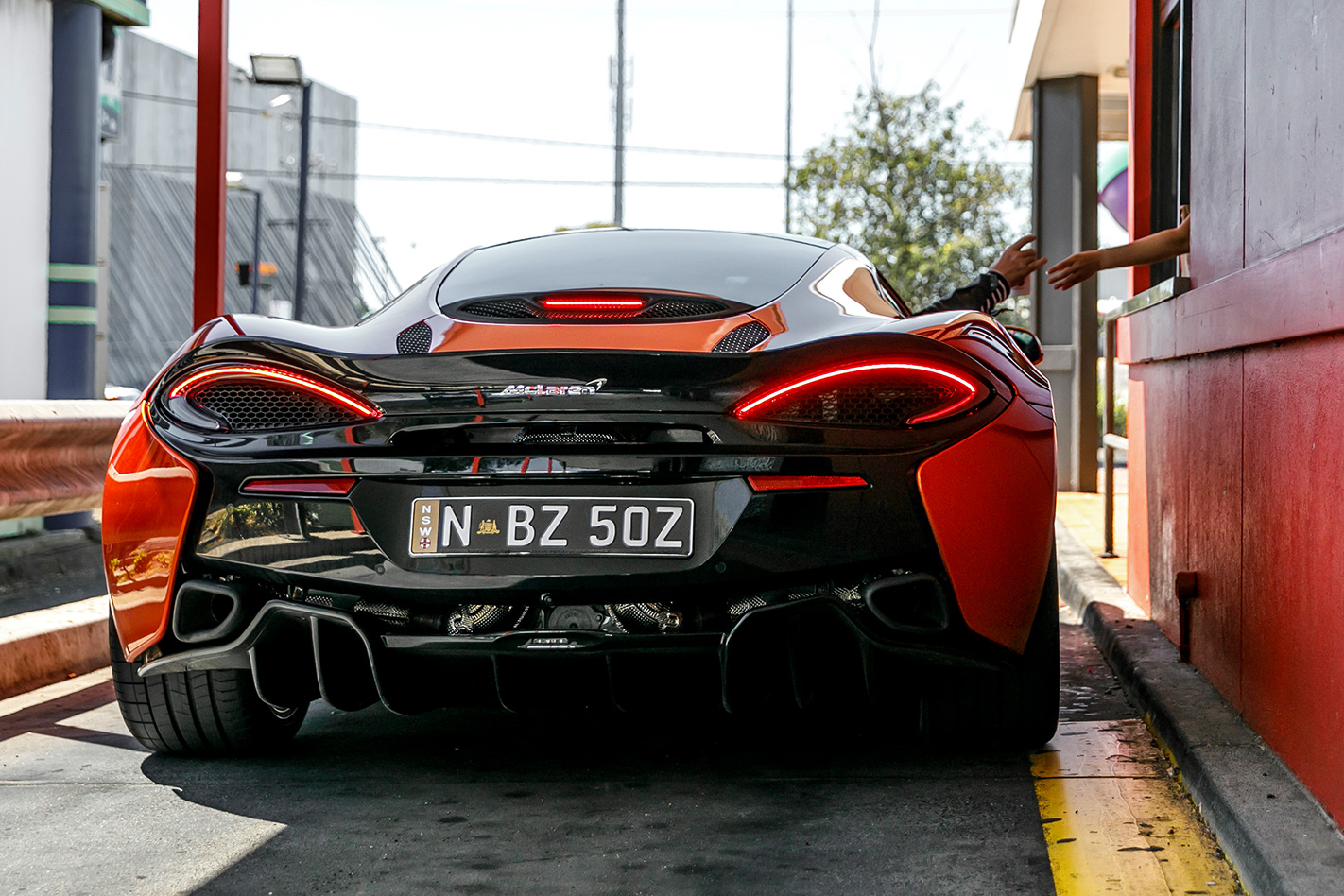
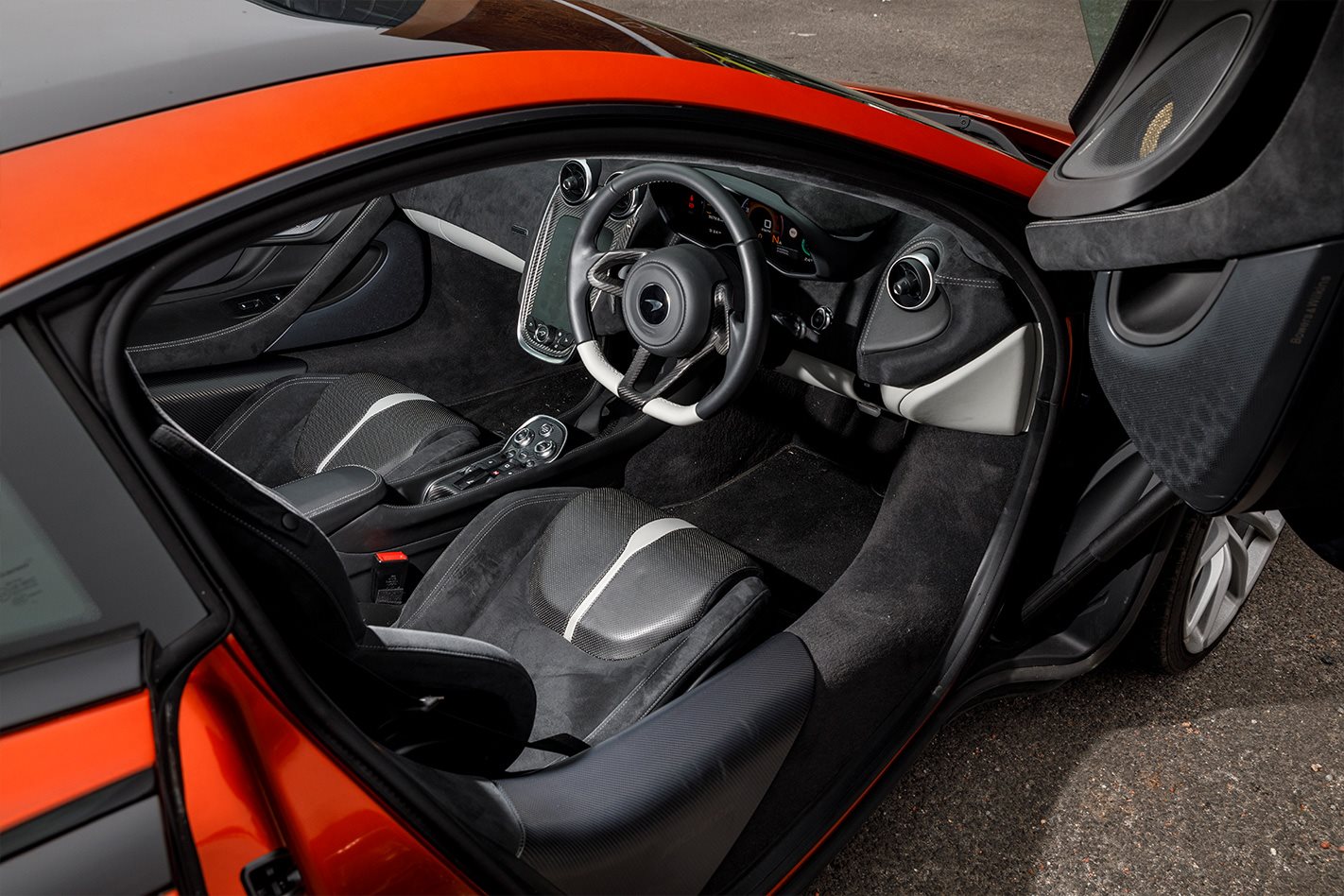
Other options included diamond-cut forged alloys, a Bowers and Wilkins stereo, soft-close doors, a smattering of additional carbonfibre bits and parking sensors and camera. These helped lift the $415,000 list price to a heady $538,845.50. Gulp. Couple that with a stiff insurance excess and I started to see why many supercar owners just roll them out for high days and holidays.
Thing is, in order to properly put to the test McLaren’s claims that the GT was a liveable proposition everyday and that their owners typically used their cars far more frequently than Ferrari and Lamborghini customers, we were going to use it much as we would any other long termer.
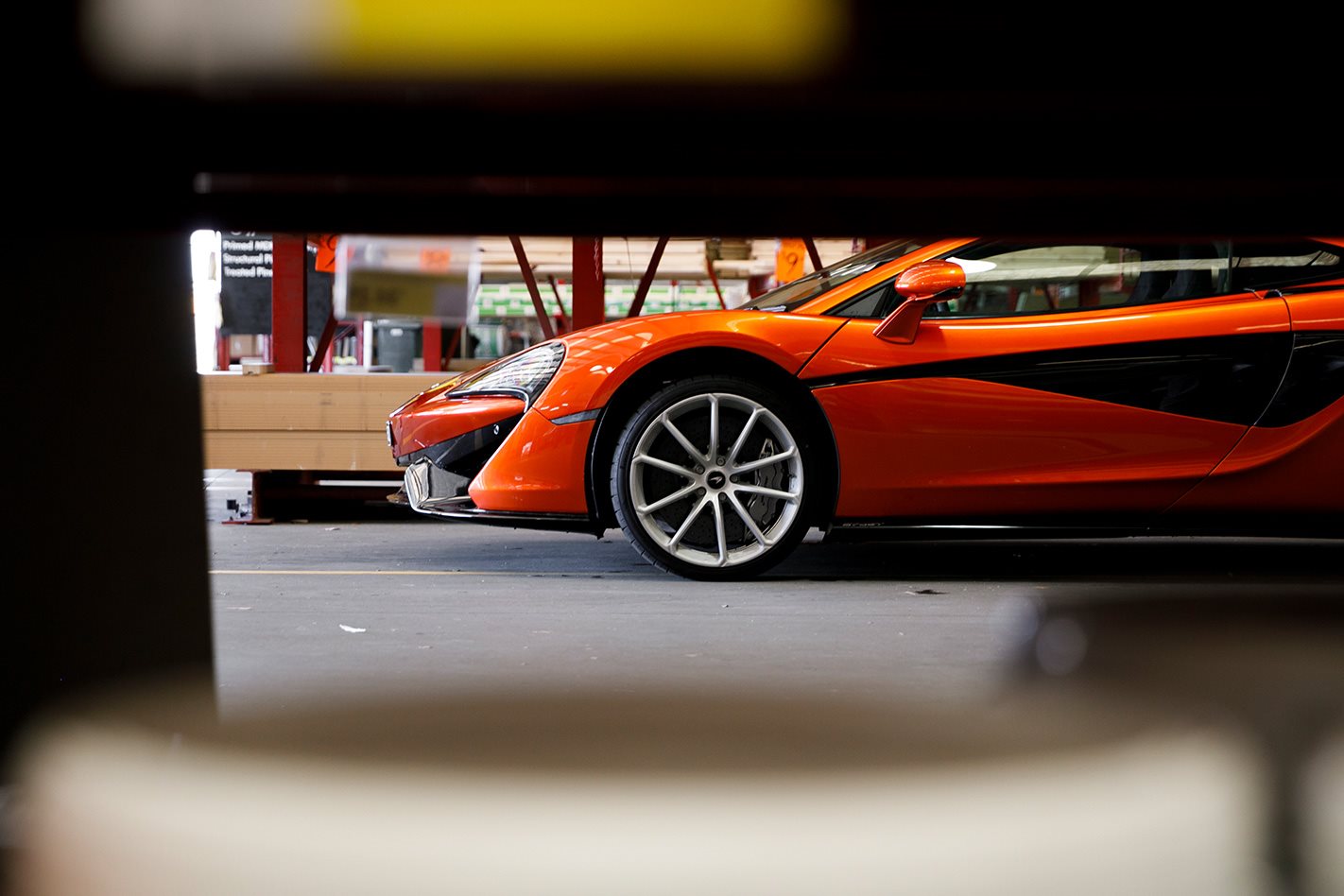
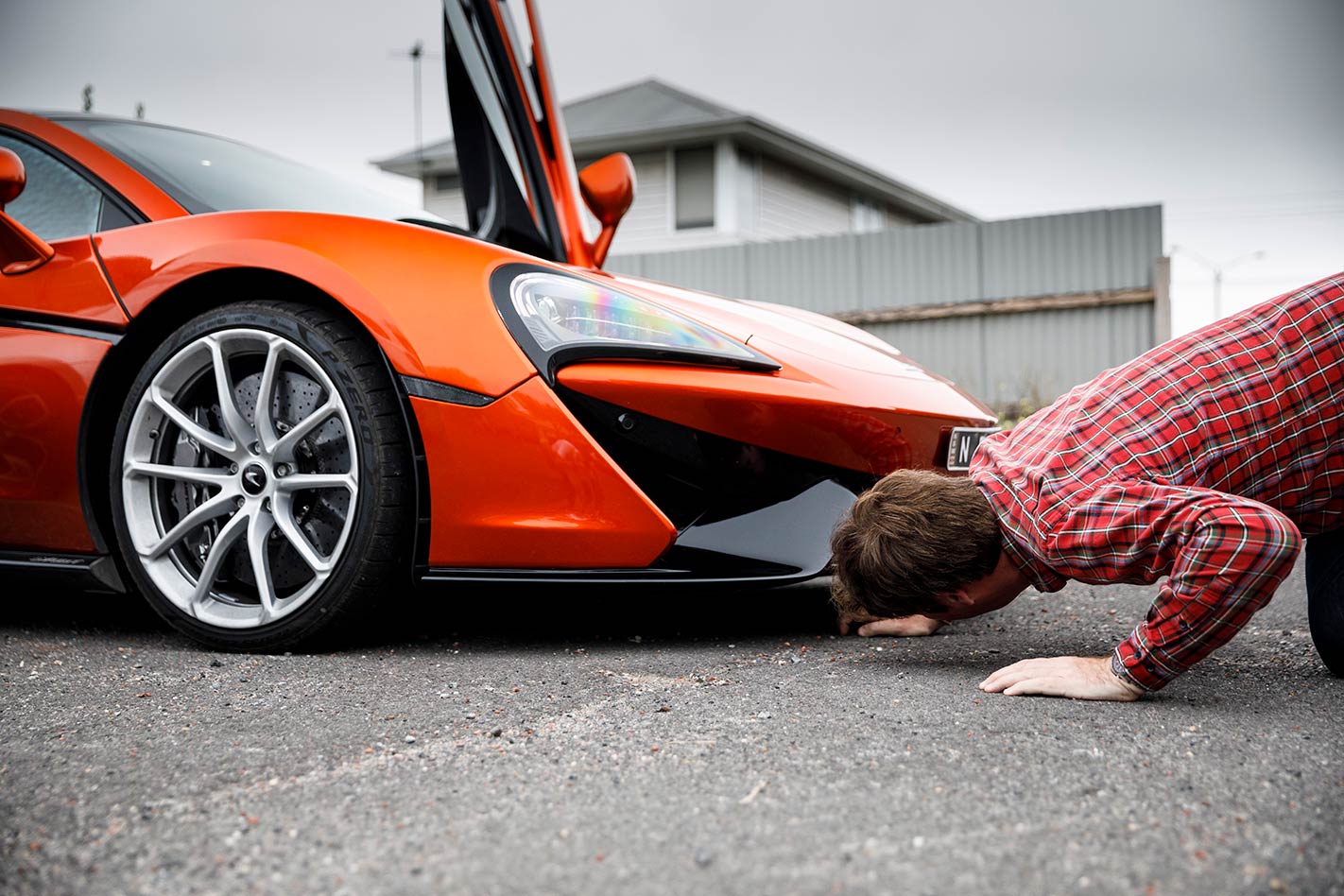
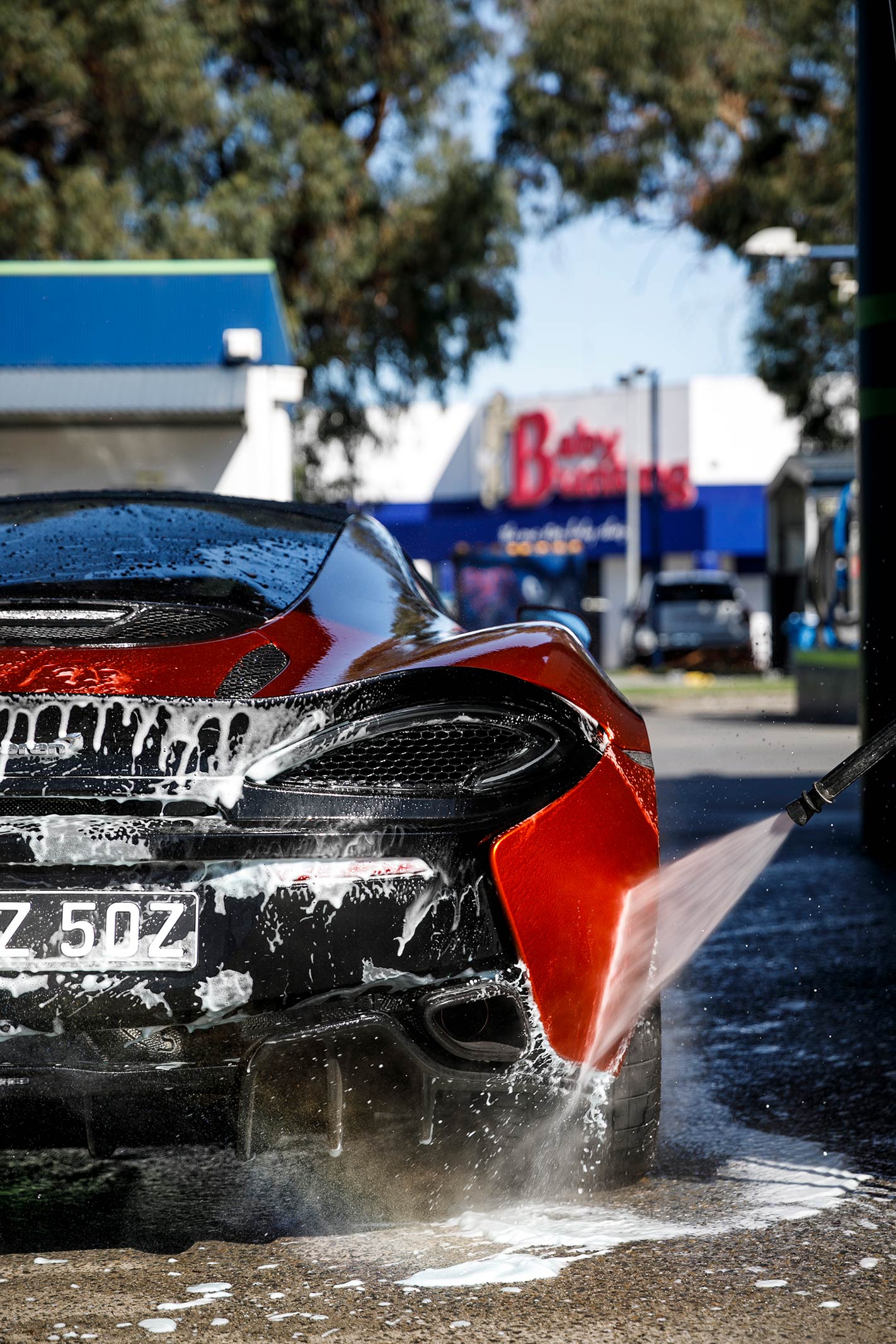
So it’d do the commute in traffic up the Monash Freeway, it’d be used in fair weather and foul and we’d also take it to Bunnings to see what would actually fit into the ‘frunk’ and the Touring Deck.
That raised more than a few eyebrows and gave some people the opportunity to mug it up for Nathan Jacobs’ camera, but also gave us some idea as to the limitations of the 570GT. Squashy bags are your friend in the frunk, which is surprisingly deep, but as soon as you use the Touring Deck, you lose the rear visibility that helps makes the Sports Series such a friendly car to drive.
We’re just getting to know the 570GT. Next month we put it to a sterner test on Wheels’ COTY test route.
Update 2
THIS IS going to sound ridiculous given this 419kW/600Nm weapon from Woking is the fastest long-termer Wheels has ever run, and yet, here, right now, on the first couple of kilometres of our Car of the Year test route, it feels … slow. Actually, that is ridiculous. Slow isn’t the right word. Gentle? Measured? Unhurried?
It’s none of these things, of course. Even allowing for the fact that the 570GT is the ‘soft one’ in McLaren’s entry-level Sports Series range and has the greatest focus on real-world usability (courtesy of softer suspension, slower steering and a useful luggage compartment behind the seats), it is an absolute rocketship. 0-100km/h takes 3.4sec and if you keep it pinned, the quarter mile is dispatched in 11.1sec – a time equal to the mighty McLaren F1.
Yet life is all about context, and thanks to a stint in America driving the McLaren 600LT, my context is totally out of whack. Of all the cars to drive before a 570GT, the 600LT is possibly the worst. Where the GT’s pitch is all about bandwidth and being an everyday supercar, the 600LT has a narrower focus – uncompromising performance. It’s a monster. So much so that it really does make our 570GT seem soft in comparison.
I’m aware that this is the epitome of a First World problem (“My last McLaren was more exciting, waaah!”), but stay with me, because it’s interesting on a couple of levels. First up is the issue of price. As the 600LT is positioned as the pinnacle of McLaren’s Sports Series range, you’d expect it to be significantly more expensive. And yet it isn’t. Starting at $496,000, the base 600LT is $42K less expensive (I won’t say ‘cheaper’) than our 570GT, which is carrying some tasty options.
More illuminating, however, is the realisation that even though McLaren’s road car range is vast and sometimes requires a sextant to decode, it shows that Woking’s engineers are capable of giving different models distinctly unique flavours. No mean feat given they’re all built around the same basic recipe: carbon tub, twin-turbo V8, seven-speed dual-clutch transmission.
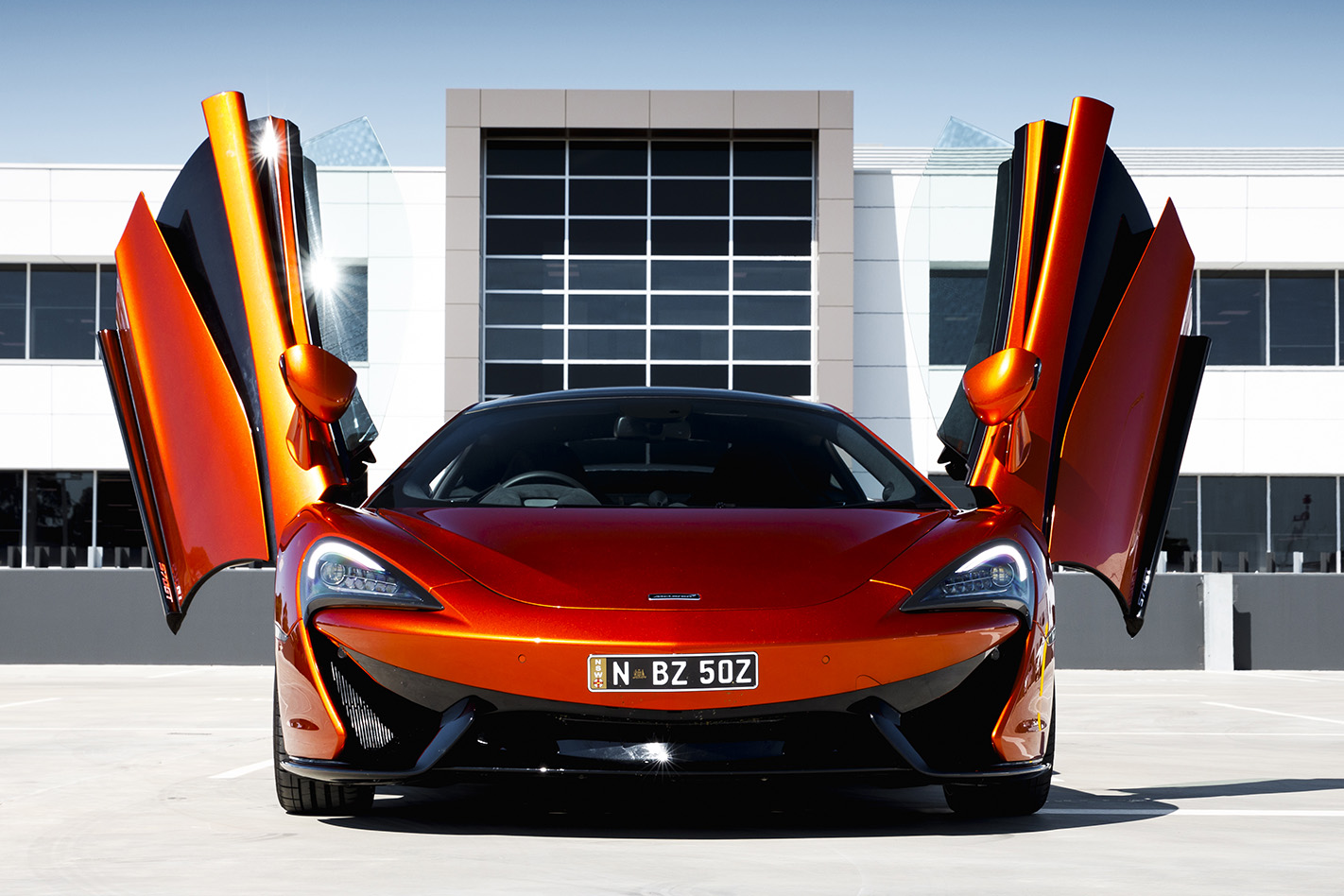
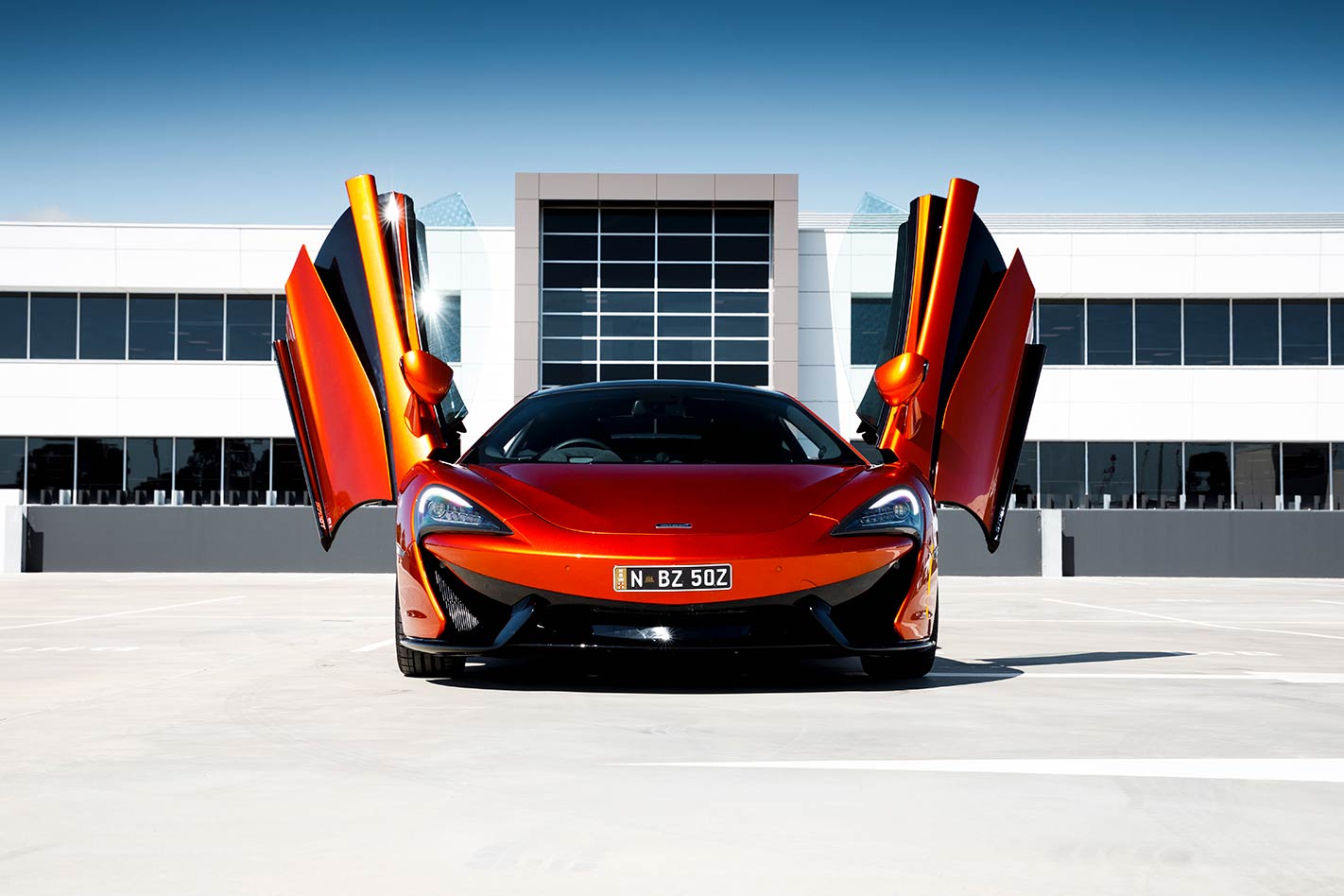
So where the 600LT is like a deranged rottweiler straining at the lead, the 570GT is more restrained. Throttle calibration in Normal mode verges on docile and requires greater travel than you initially expect to make quick progress. The suspension is more relaxed, the cabin is relatively hush for a supercar, and despite the theatre of the dihedral doors, entry and egress are surprisingly easy.
Don’t dismiss it as a softy, however. While it never feels as feral as the 600LT, our 570GT is ferociously fast. Deceptively fast. On our COTY route, it’s so capable and unflustered that I often see speeds that are 30-40km/h higher than I expect.
That the 570GT is able to coolly and swiftly pick apart our favourite section of tarmac is no real surprise. These are the kind of roads McLarens live for.
A sterner test will surely be to see how it copes with the speedhumps, gutters, tailgating SUVs and steep driveways that we all battle with every day. More on that next month.
Update 3
FROM terra firma to the top of its electrochromatic glass roof, a McLaren 570GT measures a mere 120cm. Everything around you becomes a tall vehicle. You stare up at the rear of a modest Mazda 3 in highway traffic and swear that you’re looking at a hefty CX-5.
That proximity to terra firma is both a blessing and a curse. Your surface-skimming fundament makes the Mac feel impossibly exotic, delivers decent headroom and keeps the centre of gravity good and low. You feel intimately connected to what each corner of the car’s doing at any point through entry, apex and exit.
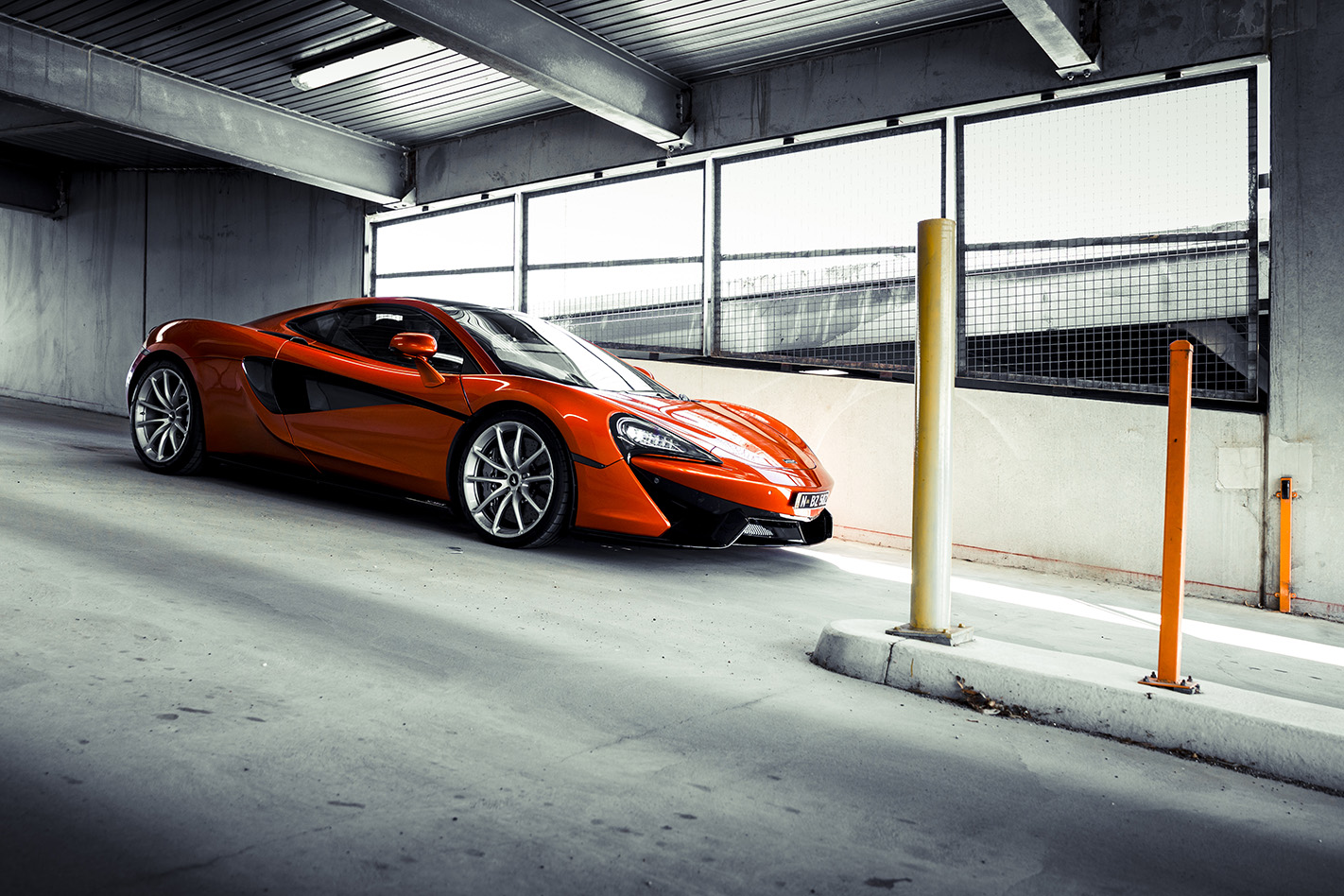
The primary concern for me when I took delivery of the 570GT was whether I’d even be able to get it into my garage. The Enright driveway ascends from the horizontal like the Lhotse Face, and that approach angle had defeated a Porsche 911 GTS I’d previously tried to squirrel away for the night.
McLaren had assured us that the hydraulic lifter kit, which raises the front end by 4cm, would keep the car’s long and low nose off the ground, but the first attempt was aborted when the nose was clearly going to come into contact with the exposed aggregate.
A quick trip to my local Autobarn saw a set of Rough Country rubber recovery tracks come to the rescue, lifting the nose just far enough to get the vehicle up the drive. I’m sure they’ll come in handy for future off-road ineptitude.
Swelled with pride at having kept the front end from scraping the deck, I set off up a back road behind my house for a congratulatory fang, only to hear nose meet bitumen over a virtually non-existent surface imperfection. Somewhat crestfallen, I pulled over to inspect what I thought would be some ugly damage to the front splitter, only to find that I’d just rashered the head off one of the fixings holding it on.
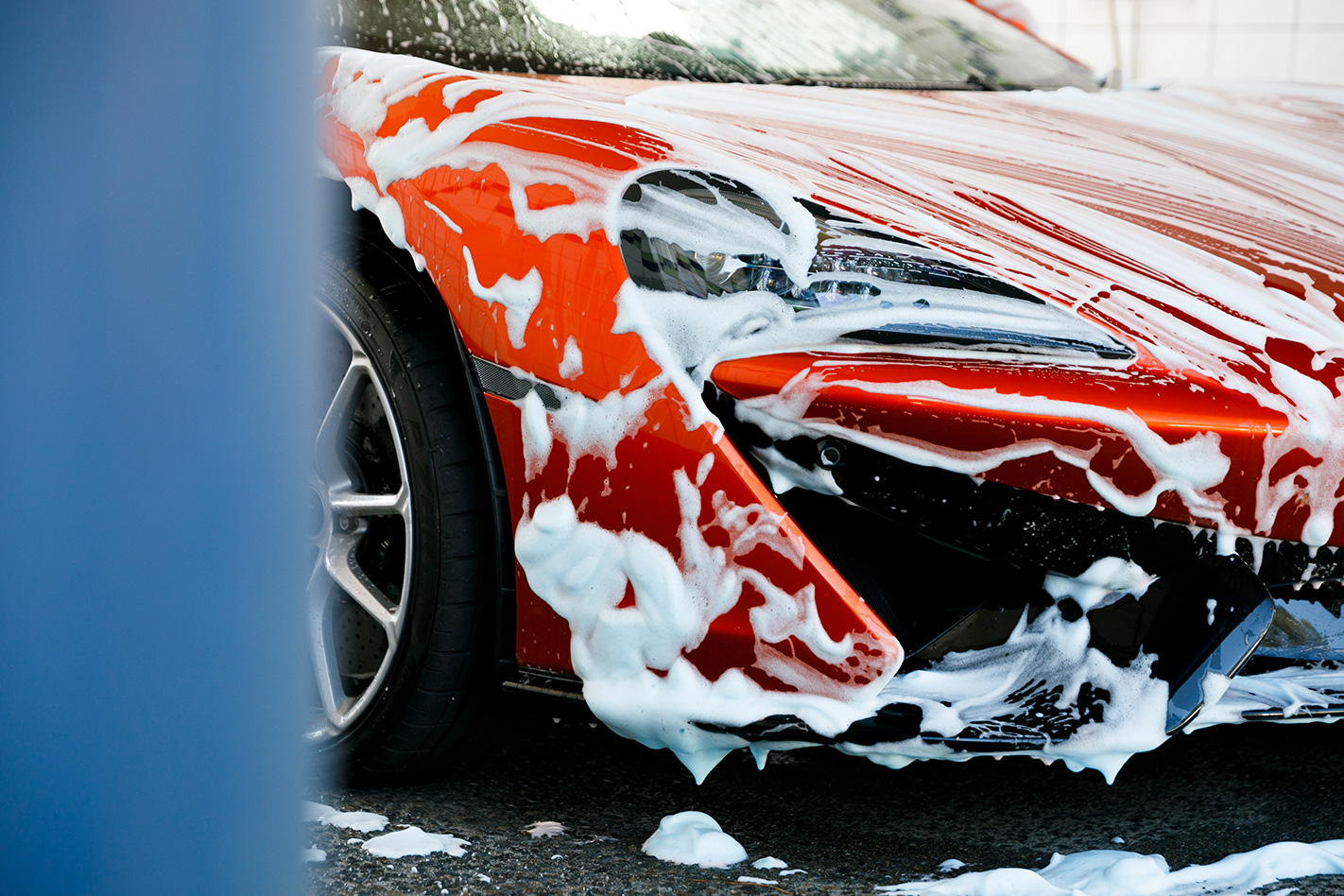
From that point on, I ensured that the 570GT was set to one of its firmer suspension modes on bumpy roads. That might sound like a recipe for churning your breakfast into butter, but even in its most focused mode there’s enough compliance on Aussie B-roads.
While the lifter kit is a must-have fitment for negotiating traffic humps and drop kerbs, pushing the left-hand stalk up to raise the nose – while keeping the steering straight and making sure your speed doesn’t creep too high – can be a bit stressy when going for a hurried nose-raise in town. It takes 10s to lift the front end and 14 to lower it, a job that takes a couple of seconds to do in a 911 GT3. One job for the facelift has to be a simpler method to briskly raise the nose at vehicle speeds up to 100km/h. Otherwise life with the 570GT couldn’t be much better.
Update 4
I DON’T THINK I’m a supercar kind of guy. That might seem an odd admission given that I’ve just enjoyed a long-term tenure with a 570GT, but if I had to summarise my relationship with the McLaren it would probably fall into the ‘complicated’ category. I never once stopped getting a kick out of seeing it in my garage. When my partner wasn’t looking, I’d often leave the door from the garage to the house open a nick, just to catch a glimpse of that sickle-shaped headlight as I walked between my bedroom and the kitchen.
The 570GT was always a riot to drive, too. There’s something extremely life-affirming about waking up and realising that you’re going to be punting a carbon-tubbed missile with 280kW/tonne up some amazing country roads before you start your working day. As our editor, Alex Inwood, noted last month, other people seemed to love the McLaren too. But here’s the thing. I’m not going to pretend that actually running a McLaren 570GT is an entirely stress-free experience.
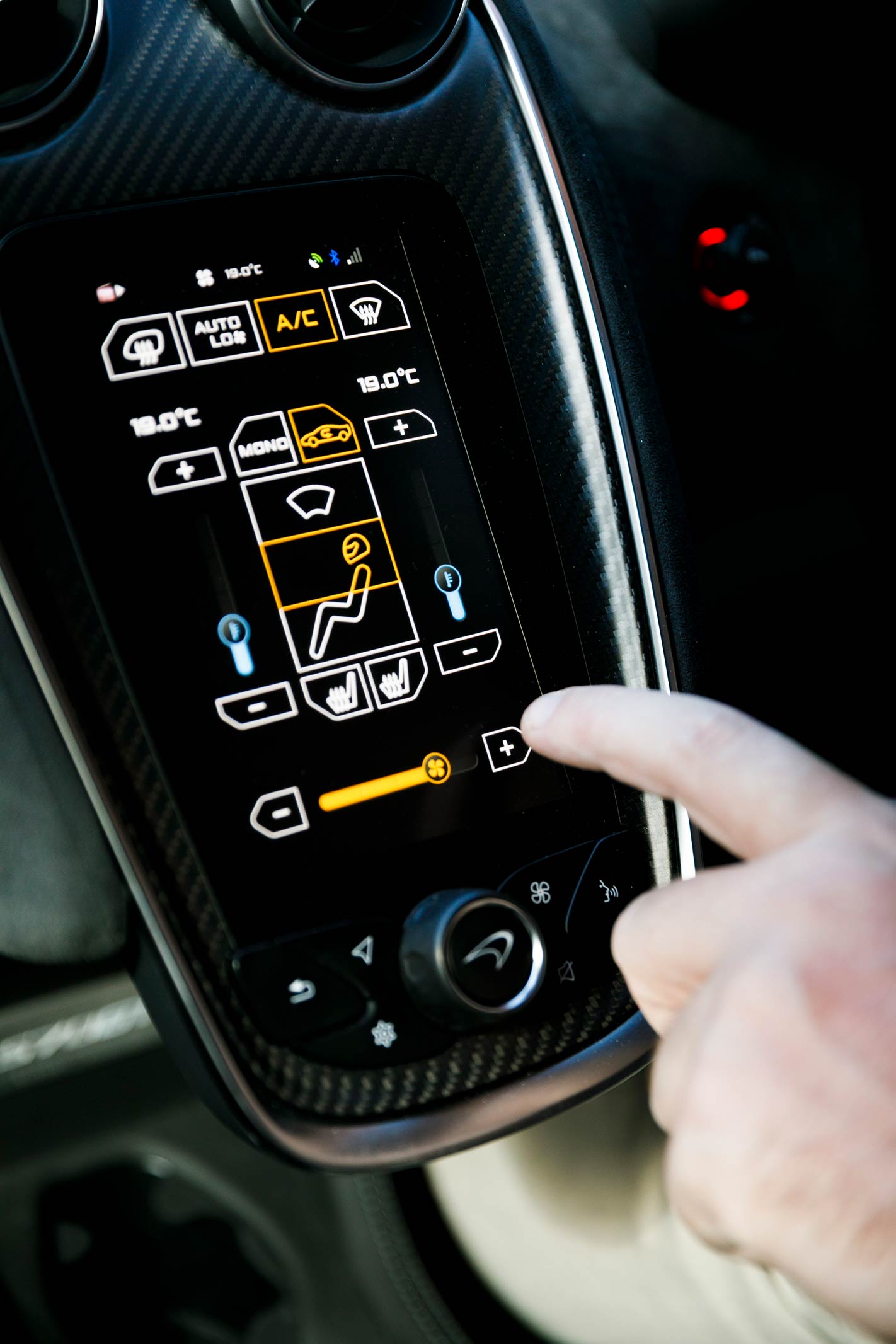
You worry about where to park it when you’re out, you’re always wondering if somebody’s going to dint it, you’re hypersensitive to scraping the nose on bumpy roads, or damaging an alloy in a pothole, or birdlime damaging the paint. You get paranoid about sea salt on wet swim gear going anywhere near anything made of leather, and you sometimes take a couple of trips around the block because you weren’t sure about the car that was behind you as you approached your house. Supercar paranoia. It’s a thing.
Now, none of this is an issue inherent to the McLaren. I’d doubtless be the same if I were in a Lamborghini or a Ferrari, and I’ve realised that the only real way to alleviate this issue is to have so much money that you really don’t care about any of the above. You just pay an insignificant (to you) sum to have someone fix it on your behalf and get on with your life. So, if you can only just scrape your way into supercar ownership, I’d counsel against it.
As it stands, a couple of issues would have sent the McLaren back to the shop this month in any case. The first to raise its head was that the sat-nav started behaving in a deeply odd fashion. It’d record the car as moving when it was stationary and then fail to register the car on the satellite network at all on other occasions. The second issue concerned the photochromatic glass roof. This switched itself to dark mode, and no amount of button jabbing or rebooting the car would see it return to full transparency. Neither were major issues, but both were a little annoying.
Nor did they take the shine off those moments when the sun was out, you had no particular place to go and there was nobody watching. Would I be a supercar guy if I had the requisite funds? Let’s just say that the McLaren 570GT delivers quite a convincing argument, and it’s been a wholly memorable experience. Anybody want to crowdfund an impecunious journalist?
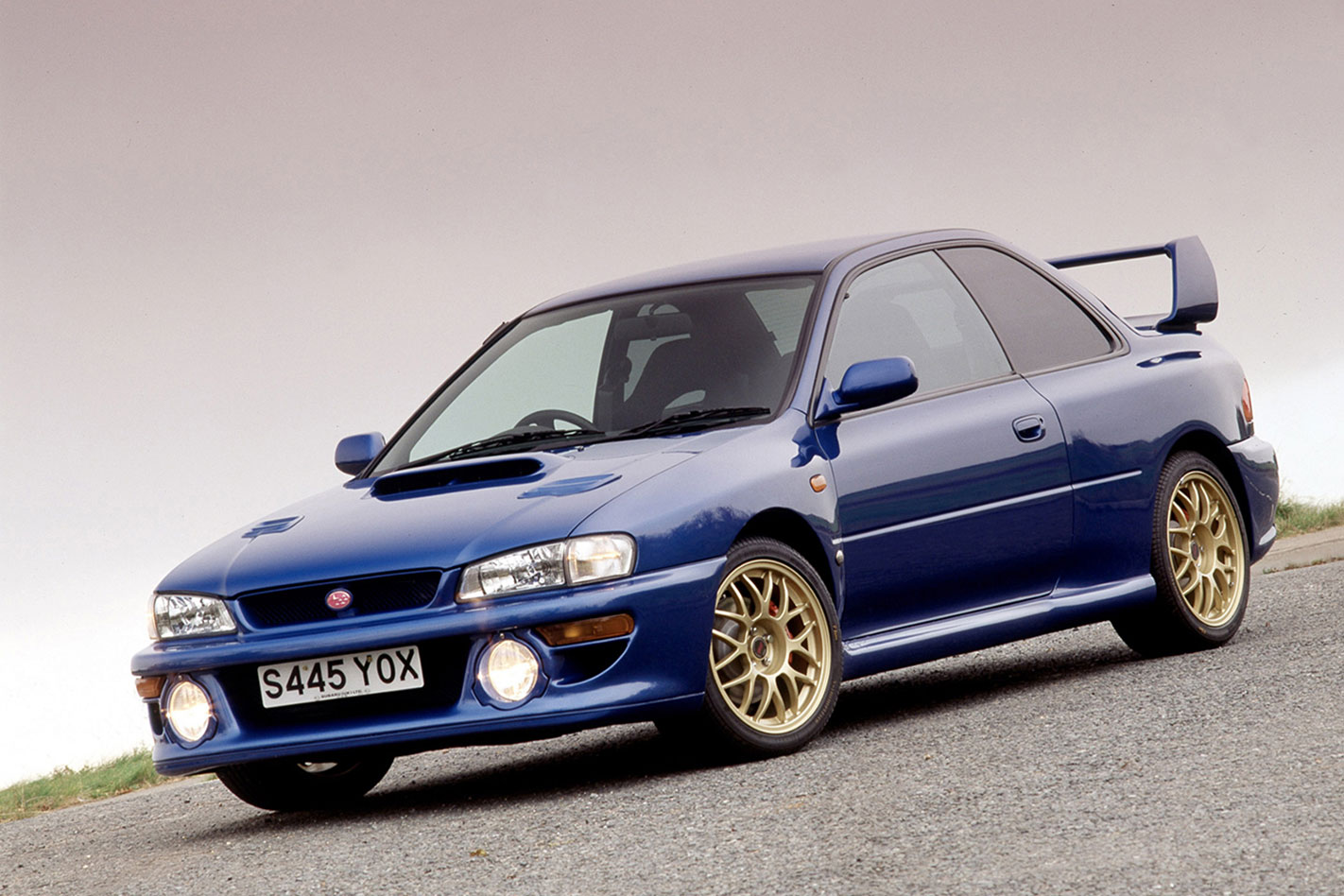
Subaru WRX 22B STi
The 22B is at the top of my bucket list. The combination of its rally heritage, timeless looks, perfect proportions, those guards, plus the mechanical upgrades, ticks all the boxes in my eyes. Subaru Australia owns one of only five officially imported into Australia, but so far they haven’t loaned me the keys…
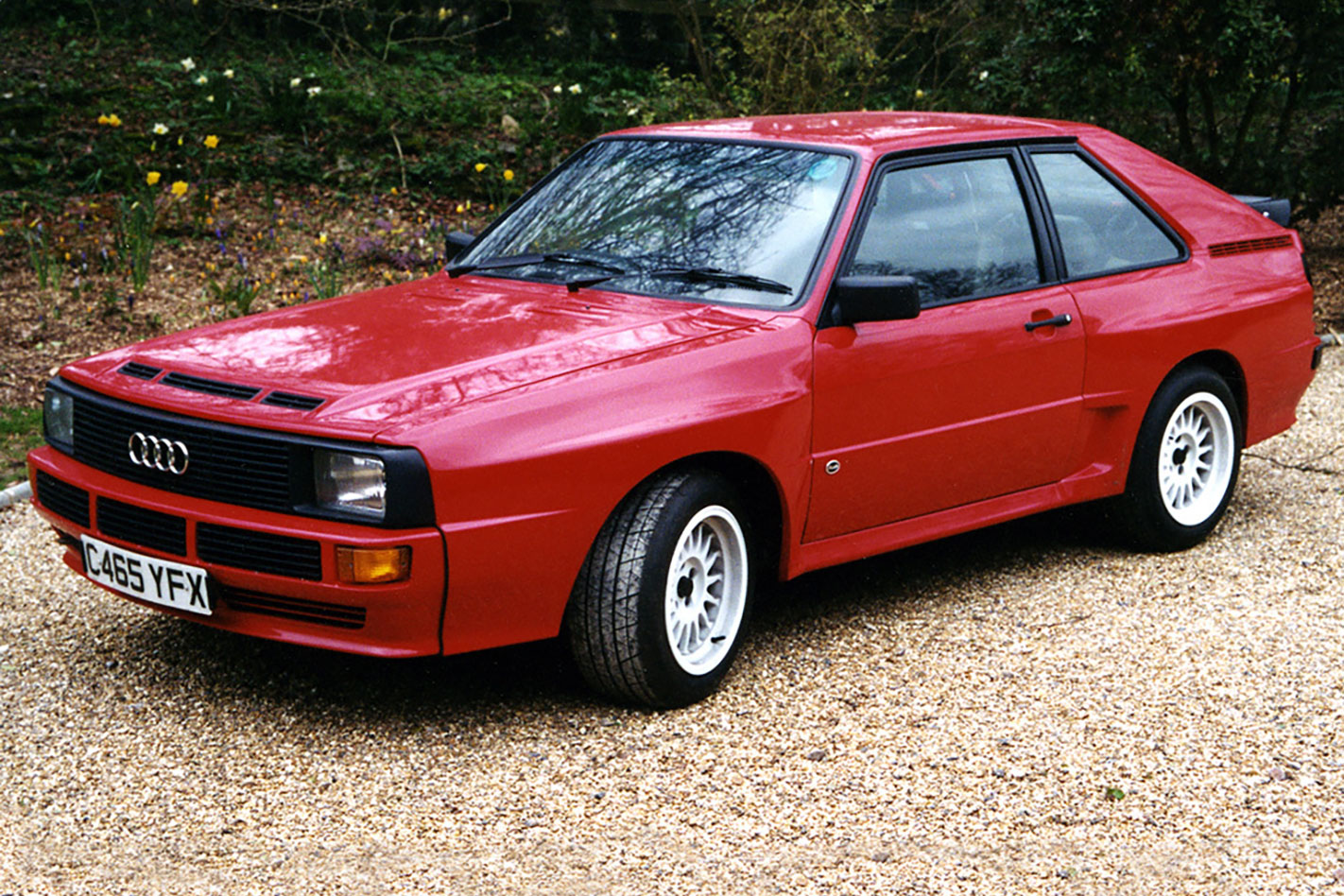
Audi Sport Quattro
Sticking to a historic theme, I’d need an Audi Sport quattro in the garage too. Produced in very limited numbers to allow for World Rally Championship homologation, it was transformed from a potent road car into a fire-breathing Group B monster and driven to victory by one of my heroes, Michèle Mouton. Who doesn’t love the bark of five cylinders?
Ford GT40
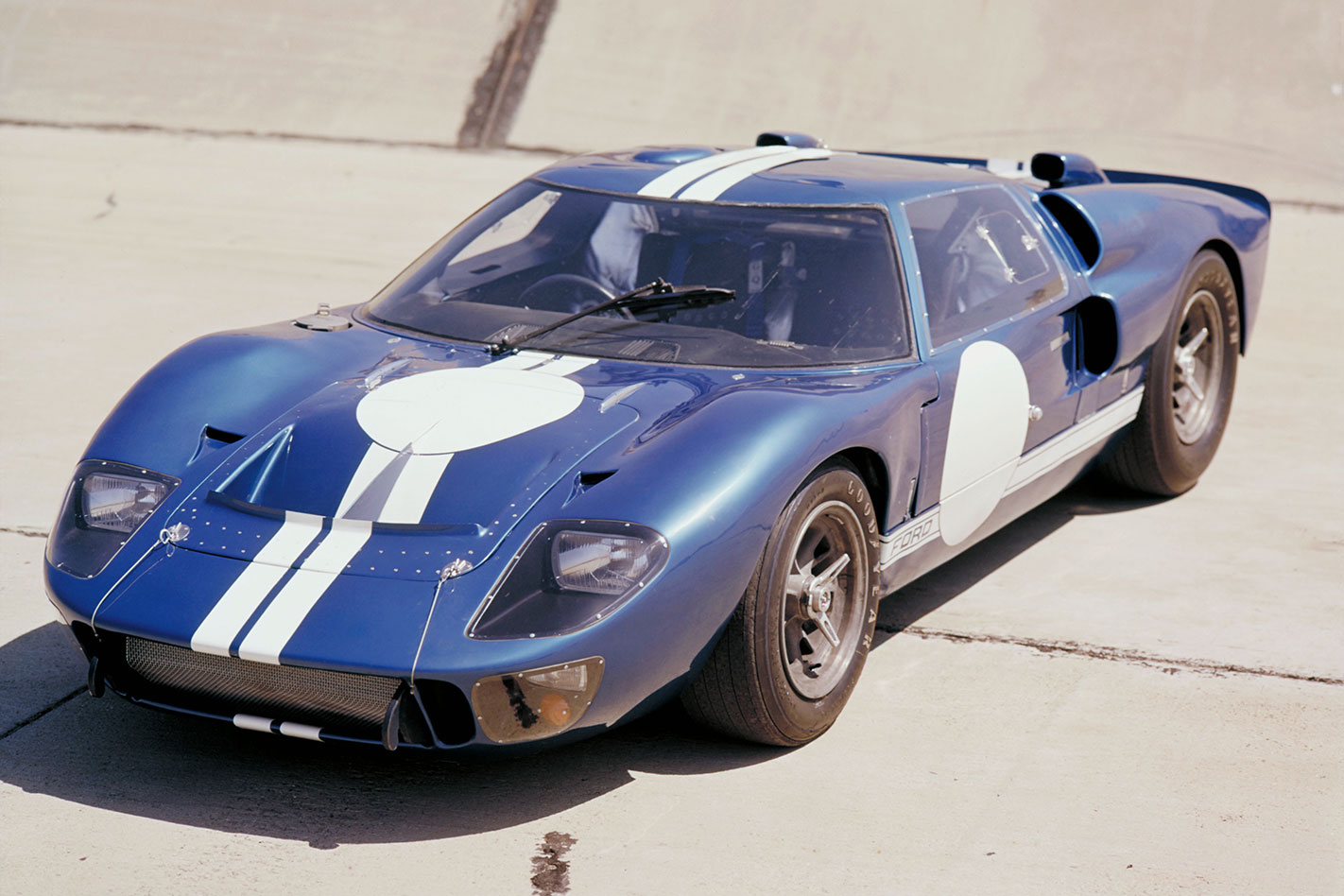
My dad built a Ford GT40 replica kit car in our garage at home when I was younger. That’s where I learned the incredible story behind the car’s history and the passion woven into its development. It’s the perfect example of a raw, aggressive supercar built purely for purpose, but one that also manages to be beautiful as well.
They share the same underpinnings and overall design but are there enough differences between the Nissan and Renault small SUVs to justify choosing one over the other?
What are they?
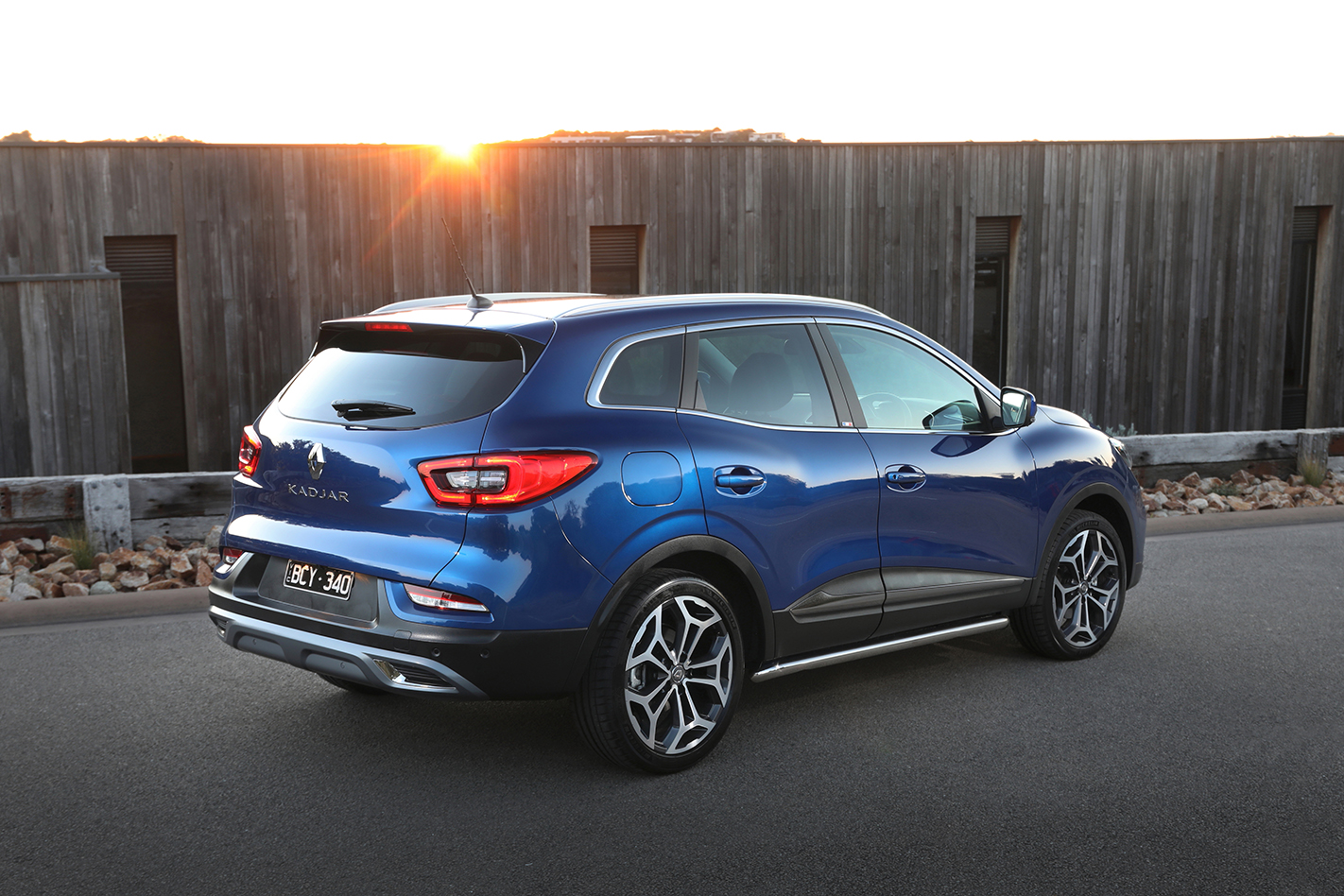
The Renault Kadjar is the latest Renault SUV to enter the Australian market and it bridges the gap between the French car maker’s Captur crossover and mid-sized Koleos.
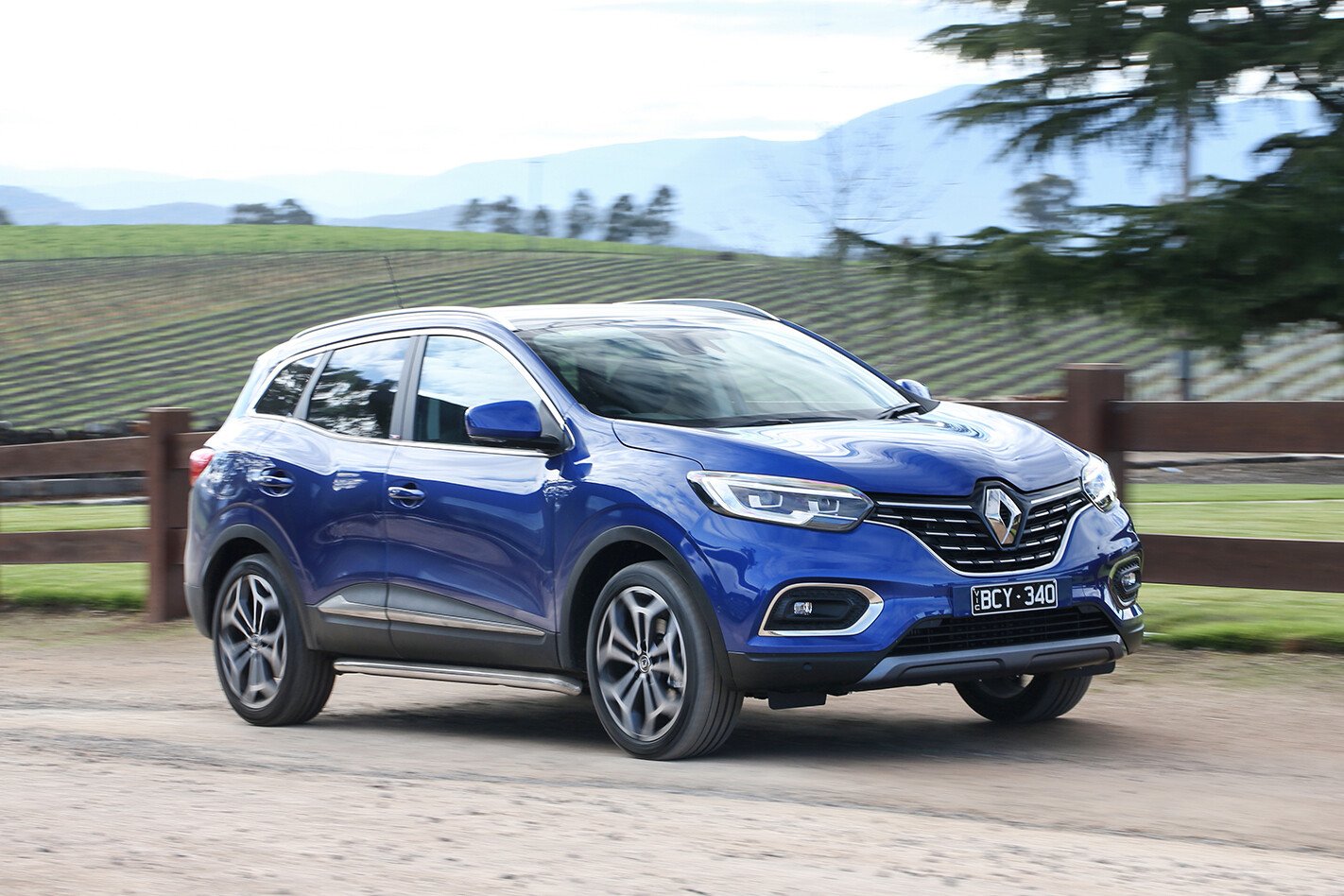
First launched overseas in 2015, it recently underwent a significant update and it’s the new model that arrives in Australia in three spec grades: with the Life and Zen and Intens retailing for $29,990, $32,990 and the Intens capping the range at $37,990.
Meanwhile the Nissan Qashqai is an almost-identically-sized five seat small SUV aimed at young singles or those with up to two young children. The range-topping Qashqai Ti is powered by 2.0-litre engine and is front wheel drive like the rest of the range. It retails for $37,990 and brings plenty of extras over the entry-level ST that’s more than $10,000 cheaper.
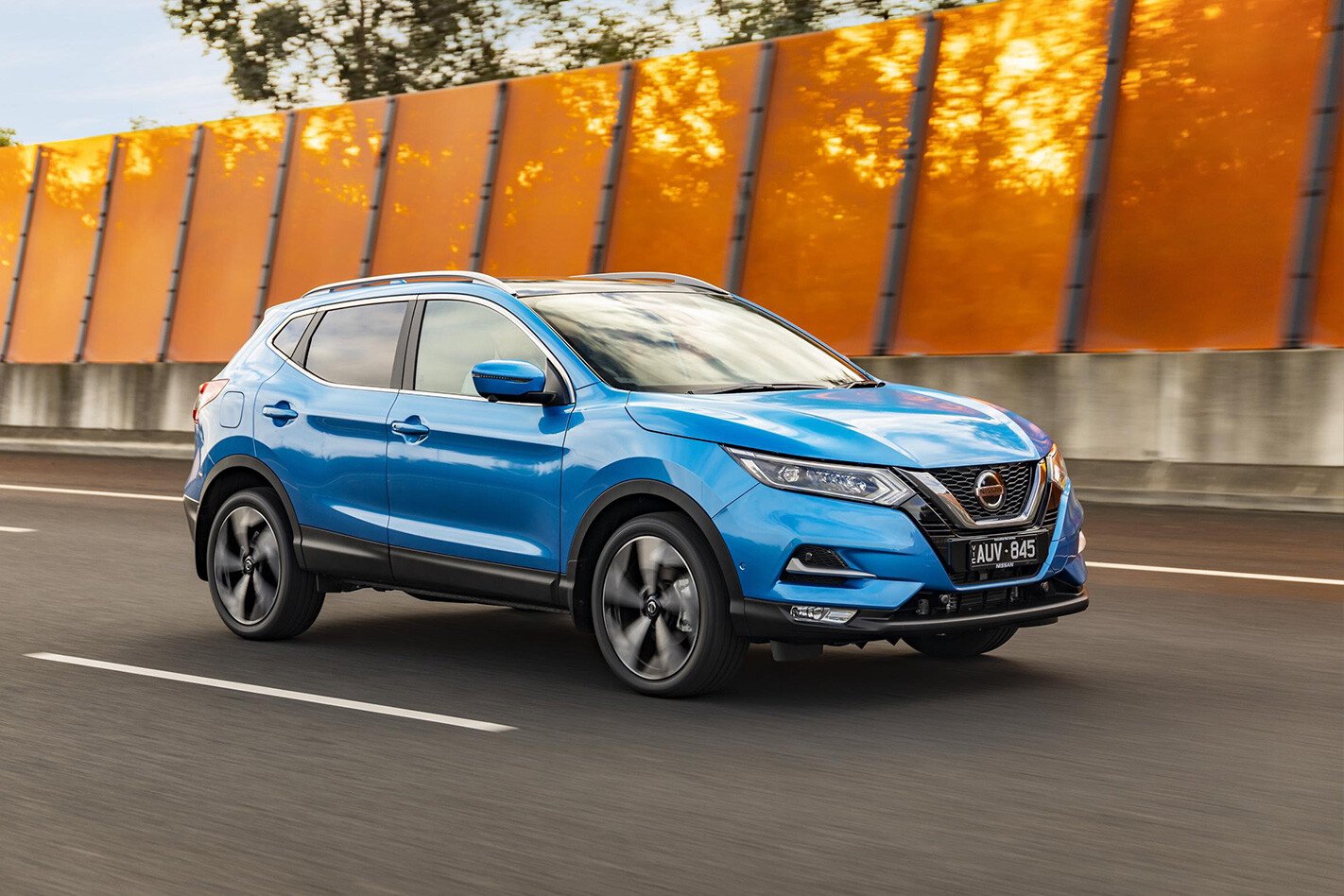
Now here’s the interesting part: the Renault Kadjar is largely based on the Nissan Qashqai, using the same basic architecture and suspension, but adding significant differences including a punchy 1.3-litre turbocharged engine sourced from Mercedes-Benz, enhanced infotainment and more sophisticated interior design.
What are they like to live with?
Renault Kadjar Intens
The Kadjar is a comfortable and well-equipped small SUV, particularly when you get to the higher-grade Zen and Intens versions.
It features a 7.0-inch touchscreen with Renault’s R-Link 2 infotainment system that incorporates in-built satellite navigation and Android Auto/Apple CarPlay. The infotainment menus are easy to follow, but the screen seems a little small by contemporary standards, particularly when trying to view reversing camera images.
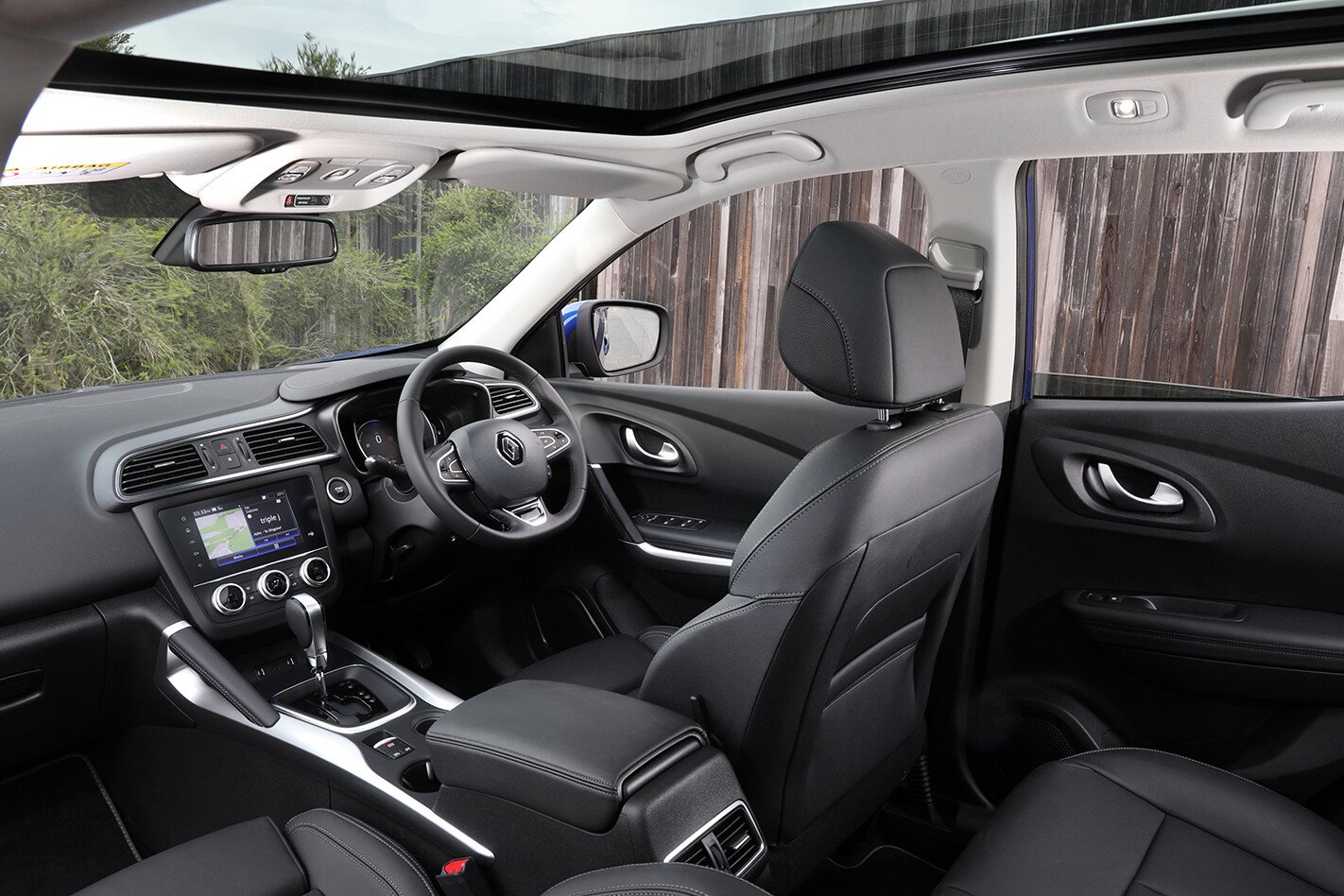
The interior is stylish and European in feel, while the digital instrument panel looks sharp and offers a choice of designs and layouts.
The Intens’ leather-appointed front seats are heated and feature deep side and hip bolsters with the bottom cushions extending to provide under-thigh support. The driver’s seat has power adjustment including lumbar support.
Rear legroom is reasonable for a small SUV and rear-seat passengers get their own heating/cooling vents, two USB ports and a 12-volt socket.
In-car storage is generous, with map pockets behind each front seat, door bins that hold 1.5-litre bottles, and two cupholders in the fold-down centre arm rest. Side vision is good despite the rising shoulder line.
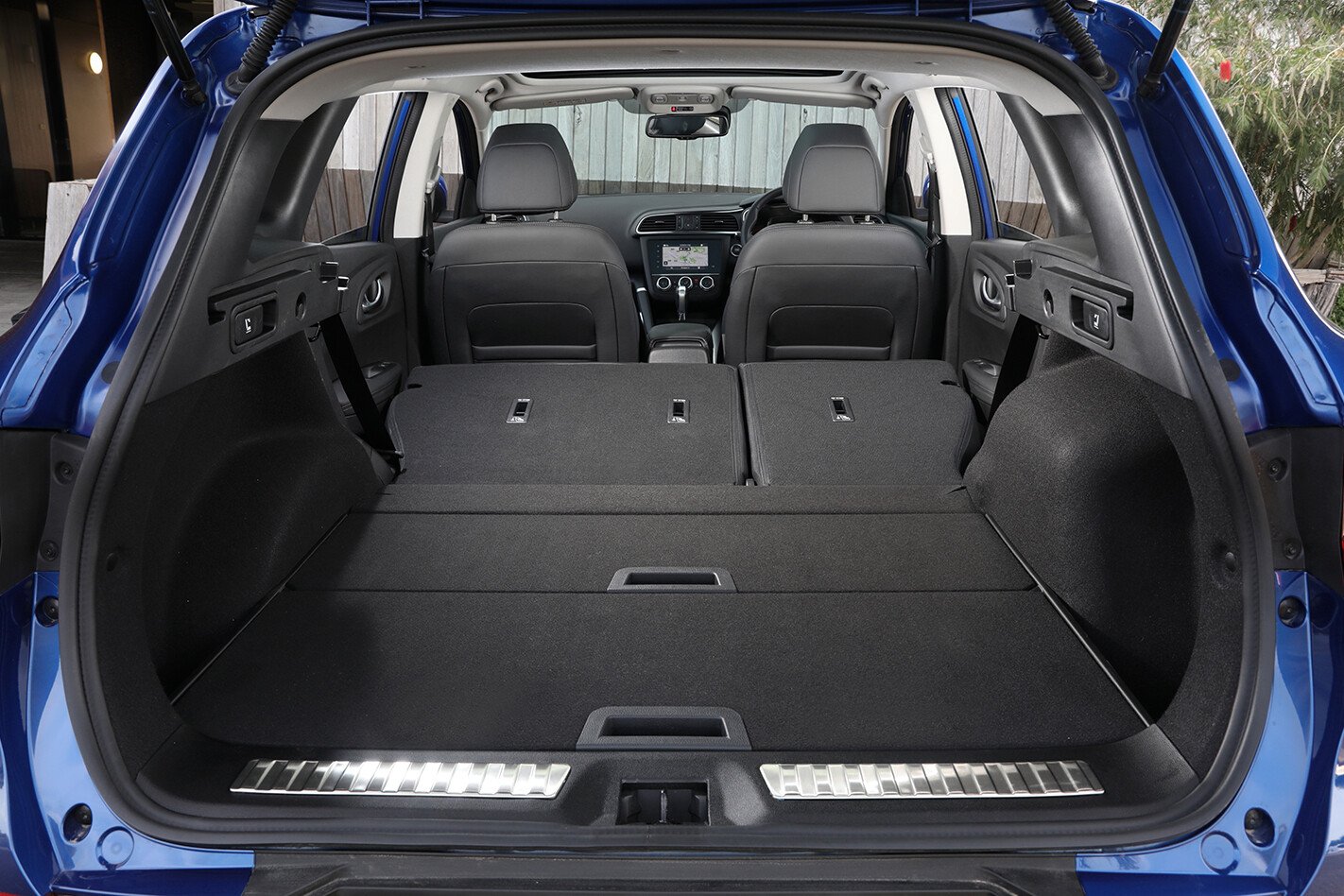
The 408-litre boot space is 22 litres smaller than the Qashqai but it shares the UK-built SUVs split boot floor system. The 60:40 split seats can fold down instantly using catches in the boot space to extend cargo carrying capacity to 1478 litres.
Cabin noise is remarkably low, there’s little wind noise and you only really hear the tyres on coarser surfaces.
The Kadjar is equipped with autonomous emergency braking. Other driver assistance features standard to the Intens spec include automatic hands-free parking, blind-spot warning and lane departure warning, rain-sensing wipers, front/rear/side parking sensors, dusk sensing headlights, and fog lights that double as cornering lights.
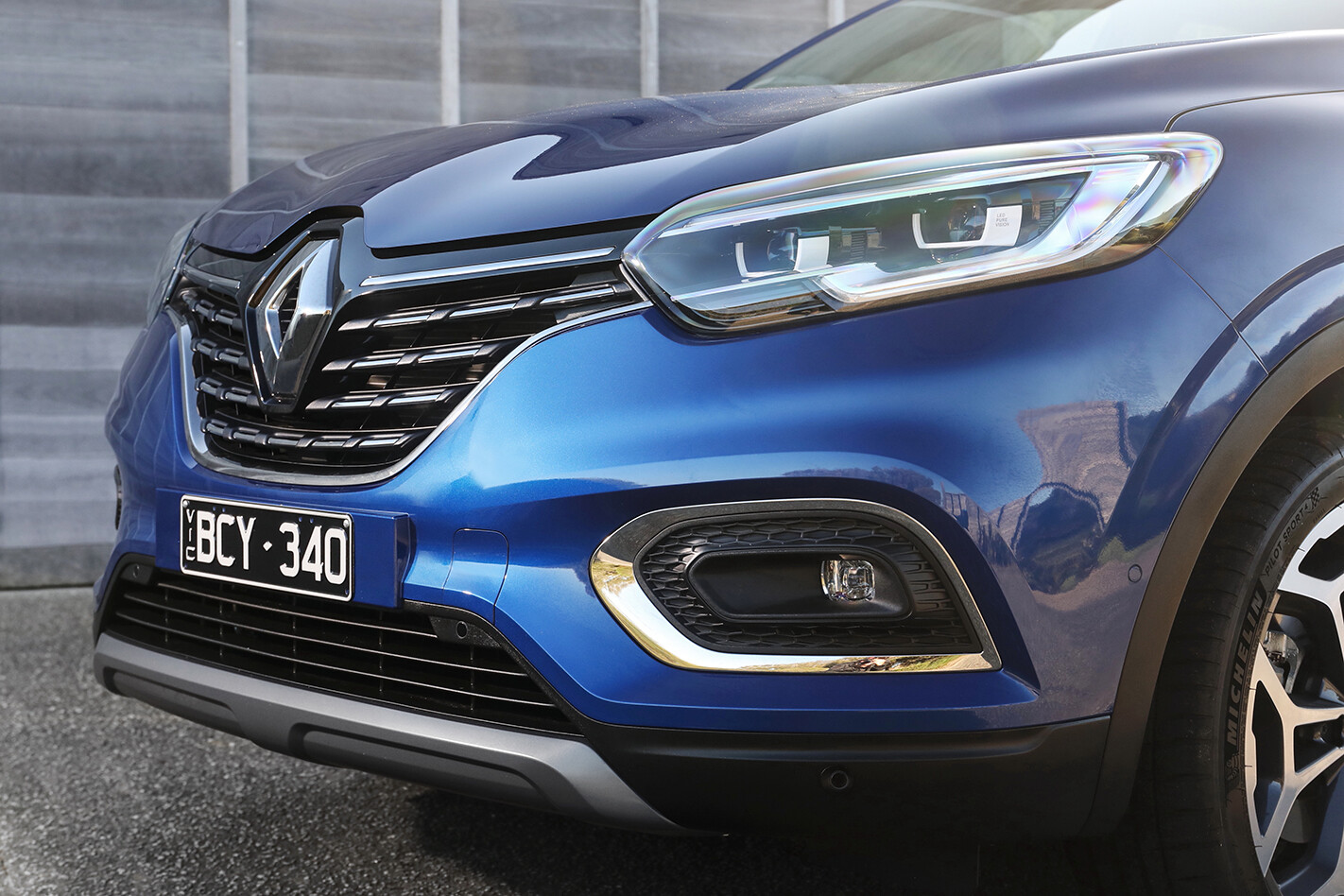
The Intens also comes with a range of desirable premium features including a Bose sound system, ambient lighting, puddle lights, chrome exterior trim, and a panoramic sunroof just like the Qashqai Ti’s.
The 1.3-litre four cylinder turbocharged petrol engine meets strict Euro6 emissions standards and has a frugal official combined fuel consumption rating of 6.3L/100km, though it does require pricier RON 95 premium unleaded petrol.
Each Kadjar variant is covered by a five-year, unlimited-kilometre warranty, with five-year capped price servicing and free roadside assistance available.
Nissan Qashqai Ti
The Qashqai’s interior is surprisingly spacious; with good rear legroom (which oddly feels roomier than the Kadjar) and a handy 430-litre boot that’s among the biggest in its class.
S 7.0-inch screen displays the in-built satellite navigation and incorporates a digital radio tuner, while the Bluetooth syncs quickly. It does lack the convenience of Android Auto/Apple CarPlay however, and the graphics are a little dated.
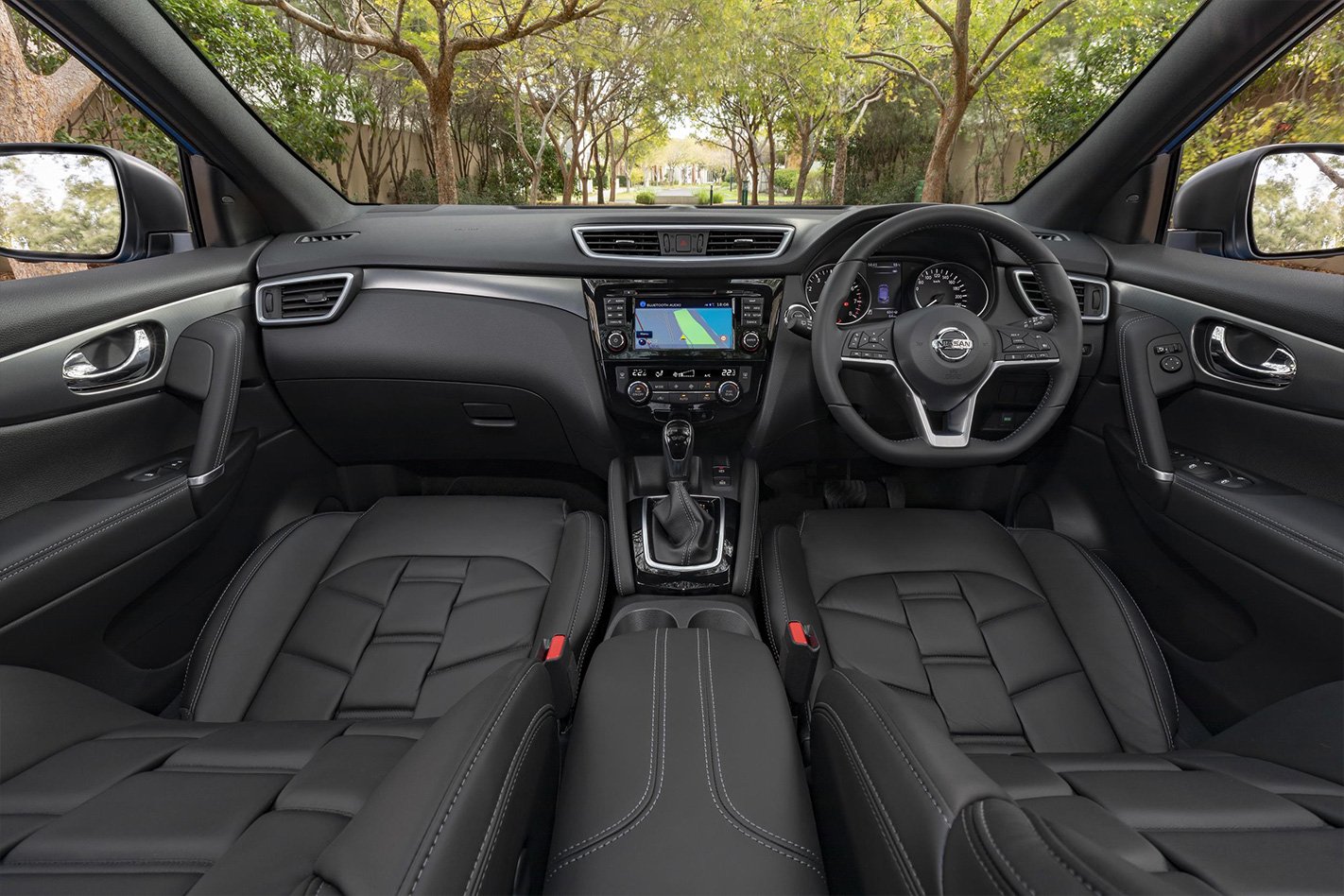
One nice feature though is how the sat-nav brings up turn-by-turn directions on the multi-function display in the gauge cluster, which lets you keep your eyes forward.
At night, the interior lighting and display panel are easy to navigate, as are the big analogue gauges.
The panoramic sunroof is a definite highlight for passengers and driver alike and is great for keeping kids entertained on longer trips.
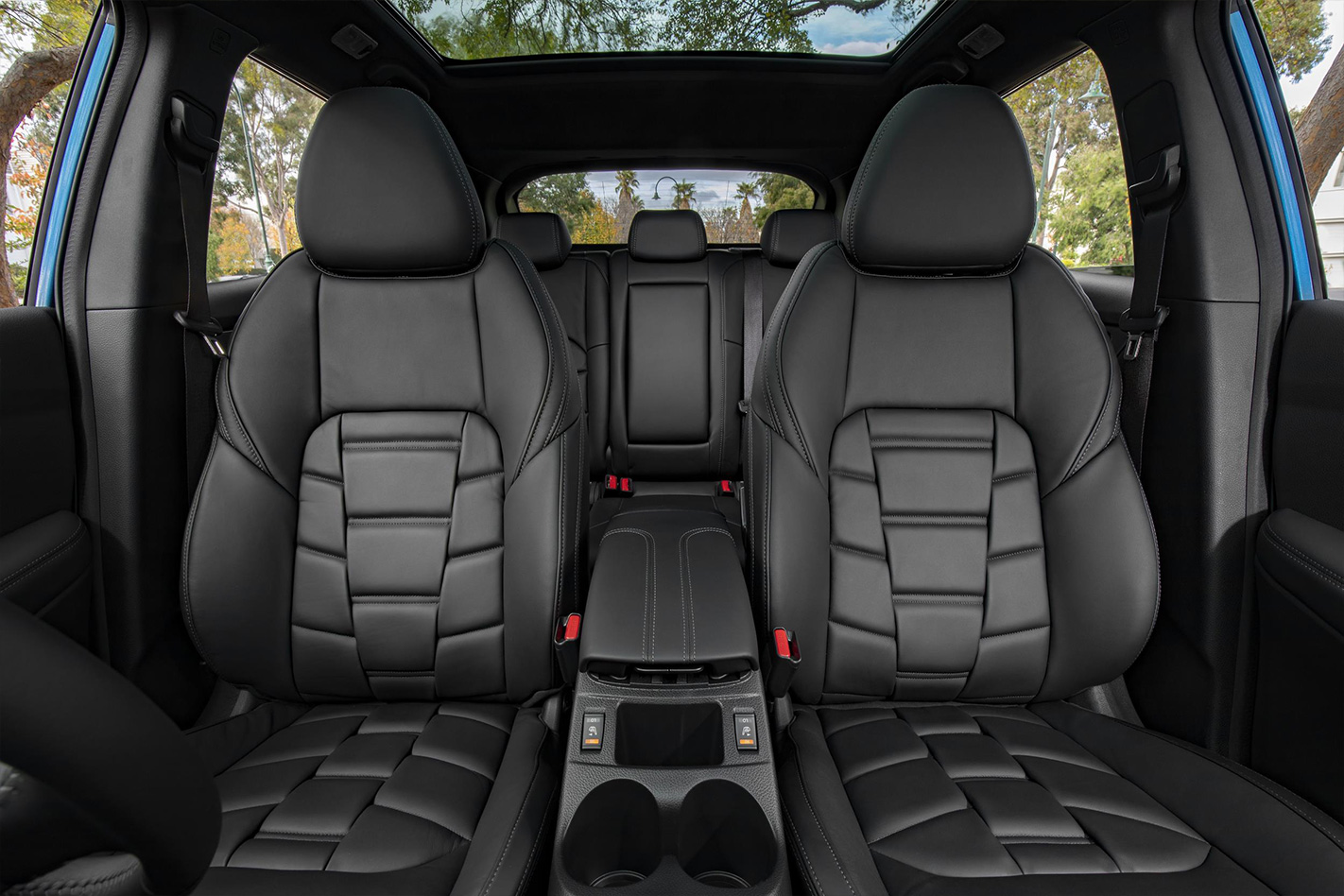
The most expensive Qashqai has broad, distinctively patterned Nappa leather-accented seats, with heated front-seats and power adjustments for the driver.
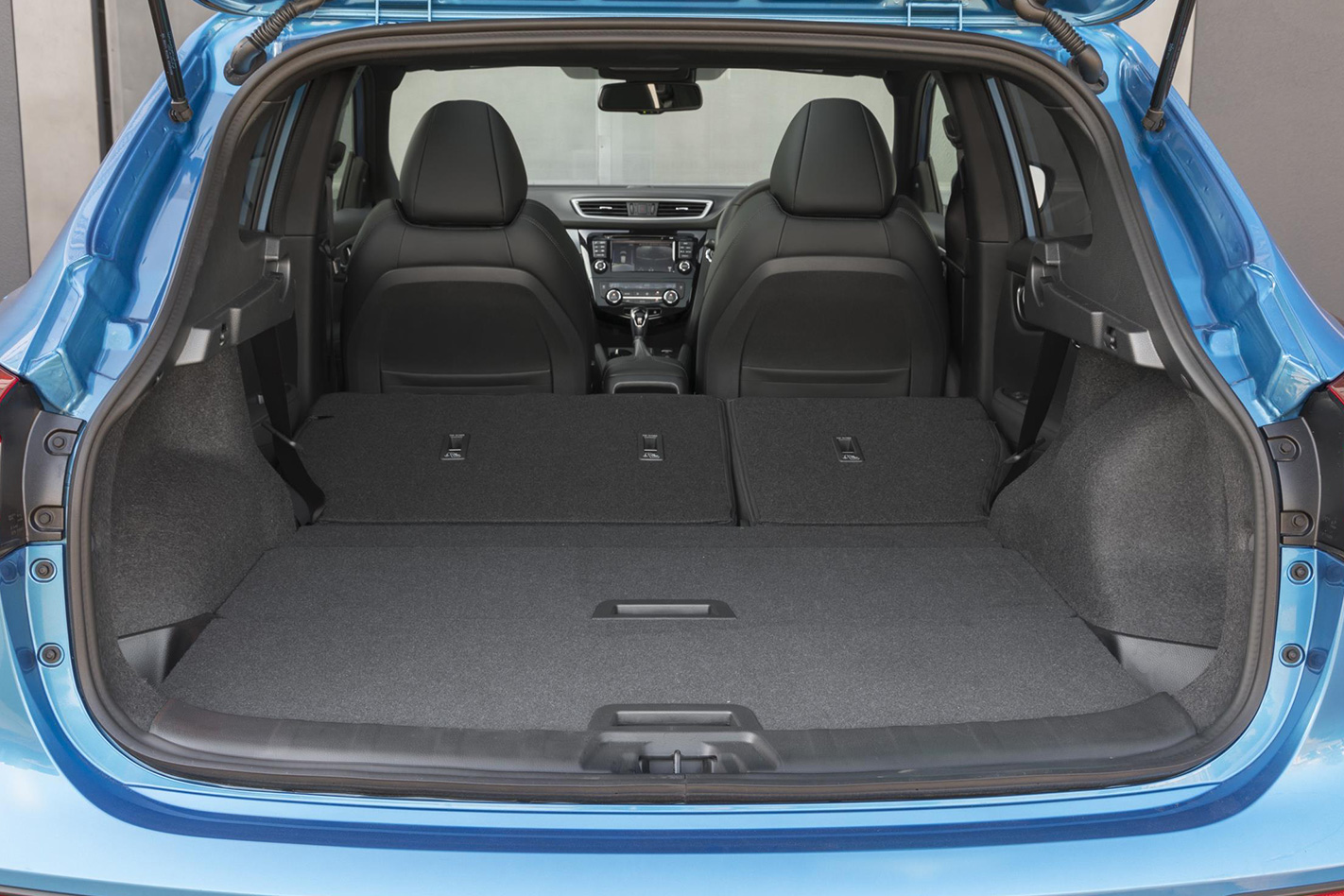
The 430-litre boot can be expanded significantly to 1596 litres, thanks to 60:40 easy-fold rear seatbacks, although they do not fold completely flat. There’s a clever removable shelf which can be used to create a slim secondary space hiding delicate or valuable items, and the shelf can also be locked in vertically to divide the boot.
The Ti spec also brings adaptive cruise control and lane departure warning, LED daytime running lights, auto-high beam, rain-sensing and windscreen wipers. It also comes with autonomous emergency braking and lane-departure warning (standard across the range), plus blind spot warning.
The 2.0-litre engine consumes 6.9 litres of petrol per 100km when teamed with the continual variable transmission (CVT), according to official testing, with that figure taking into account urban and country driving.
The Nissan Qashqai is covered by a five-year, unlimited kilometre warranty
What are they like to drive?
Renault Kadjar Intens
The name Kadjar is a play on the French words for “agility” and “four-wheeled”, which is a fair description of Renault’s small SUV.
Like the Qashqai, it’s enjoyable to drive, with the 117kW/260Nm 1.3 litre turbo giving the French car (that’s built in Spain with a German engine) some added zip – and a key point of difference to its Japanese cousin.
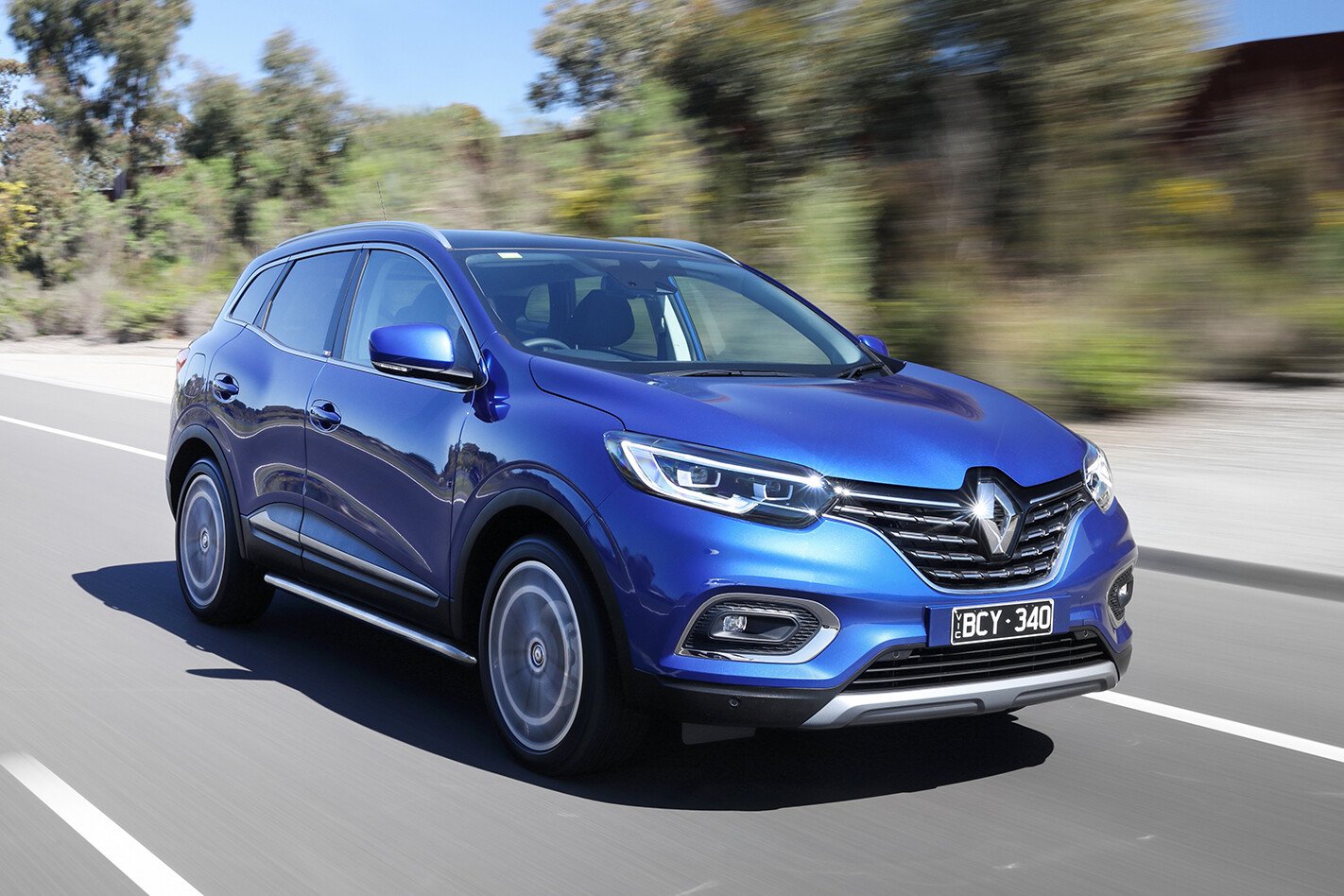
The engine is similar to the one found under the bonnet of the Mercedes-Benz A200, but with a slightly different tune. As in the Benz hatch, it’s coupled to a seven-speed dual-clutch automatic transmission, though this is a Renault gearbox that’s also found in the Alpine A110. One of the issues with the small Mercedes is considerable lag when you put your foot down – you don’t get that in the Kadjar.
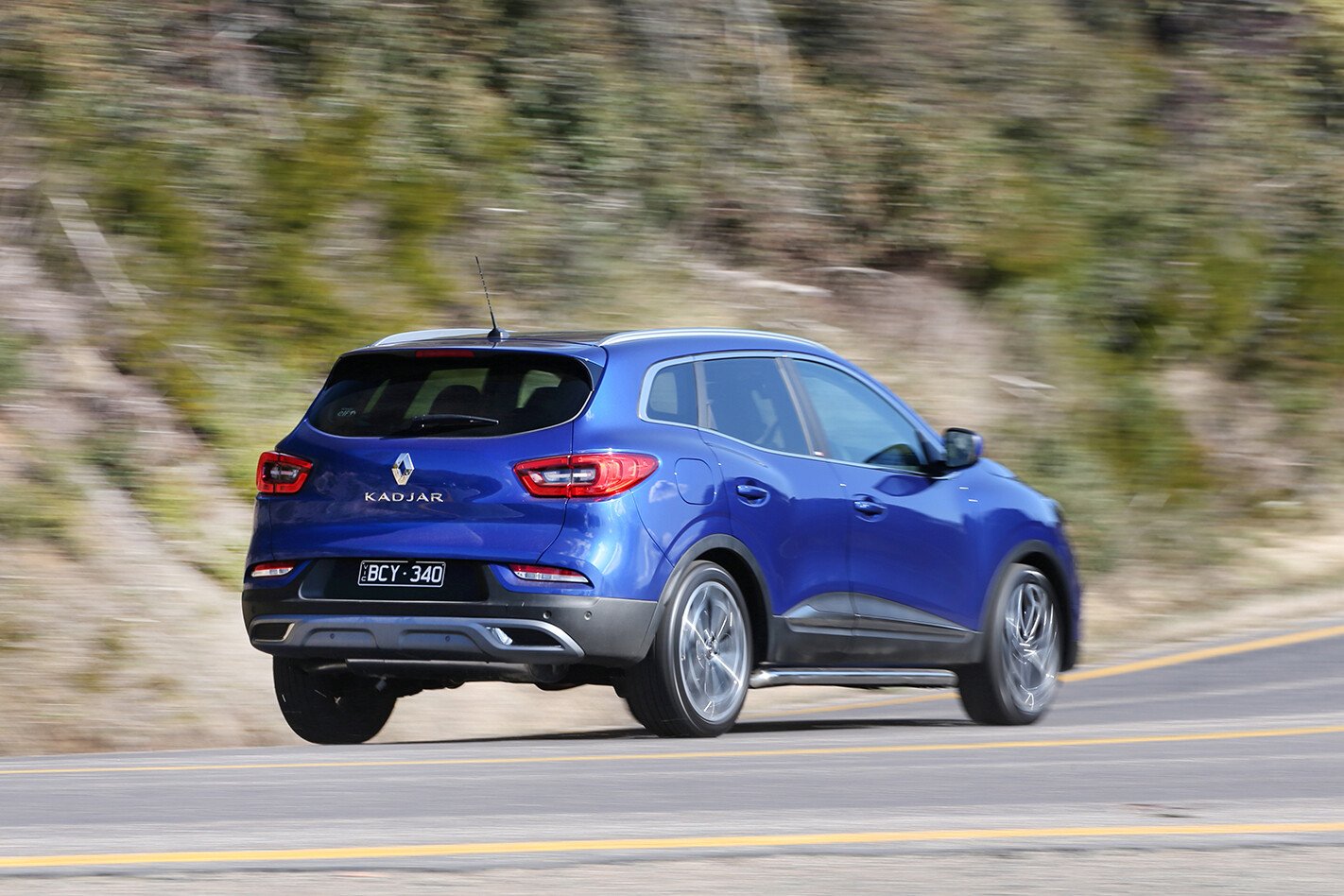
The front-wheel-drive Kadjar accelerates from zero to 100km/h in a relatively tame 9.6 seconds, but is nevertheless about half a second quicker than the 2.0-litre Qashqai. It’s very good with stop-and-go city driving, which isn’t always the case with dual-clutch shifters, and it feels quite eager once you get beyond 60km/h.
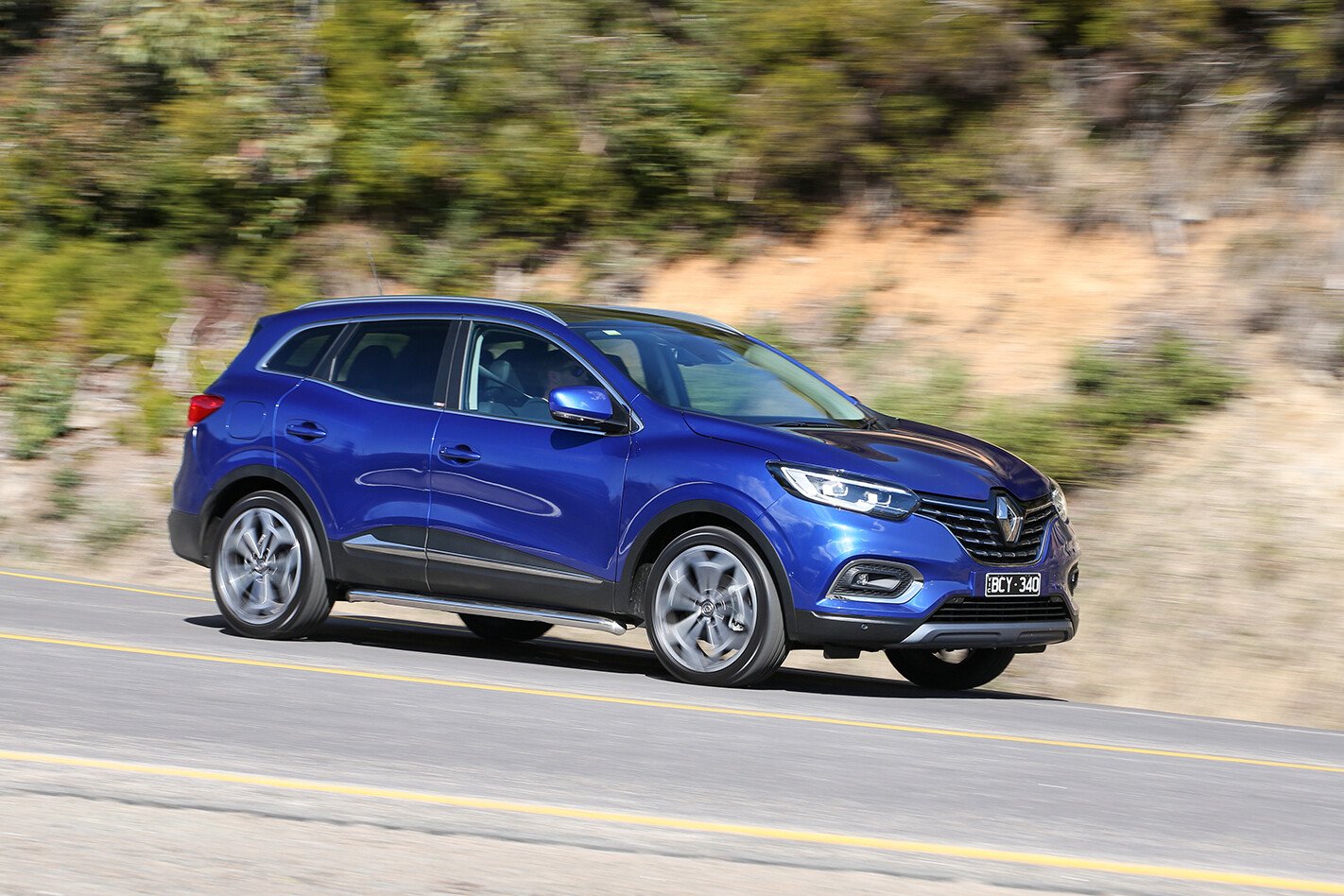
The comfortable ride is unruffled by country roads including gravel, but the handling loses composure on bends with noticeable body roll and light steering that feels disconnected from the front wheels. Unusually, this is more pronounced with the Intens’ 18-inch wheels, while the 17-inch deeper tyre walls in the Life and Zen variants provide a little more feeling through the steering wheel.
That said the steering is fast and comes into its own about town, which helps make the Kadjar very easy to park, negotiate tight spots and live up to its promise of agility.
Nissan Qashqai Ti
The front-wheel-drive Qashqai is powered by 106kW/200Nm naturally aspirated 2.0-litre four cylinder petrol engine paired with a continuously variable transmission (CVT) auto. It feels a tad slow at take-off but once it gets going the acceleration is smooth, and there’s more than enough power in reserve at freeway speeds.
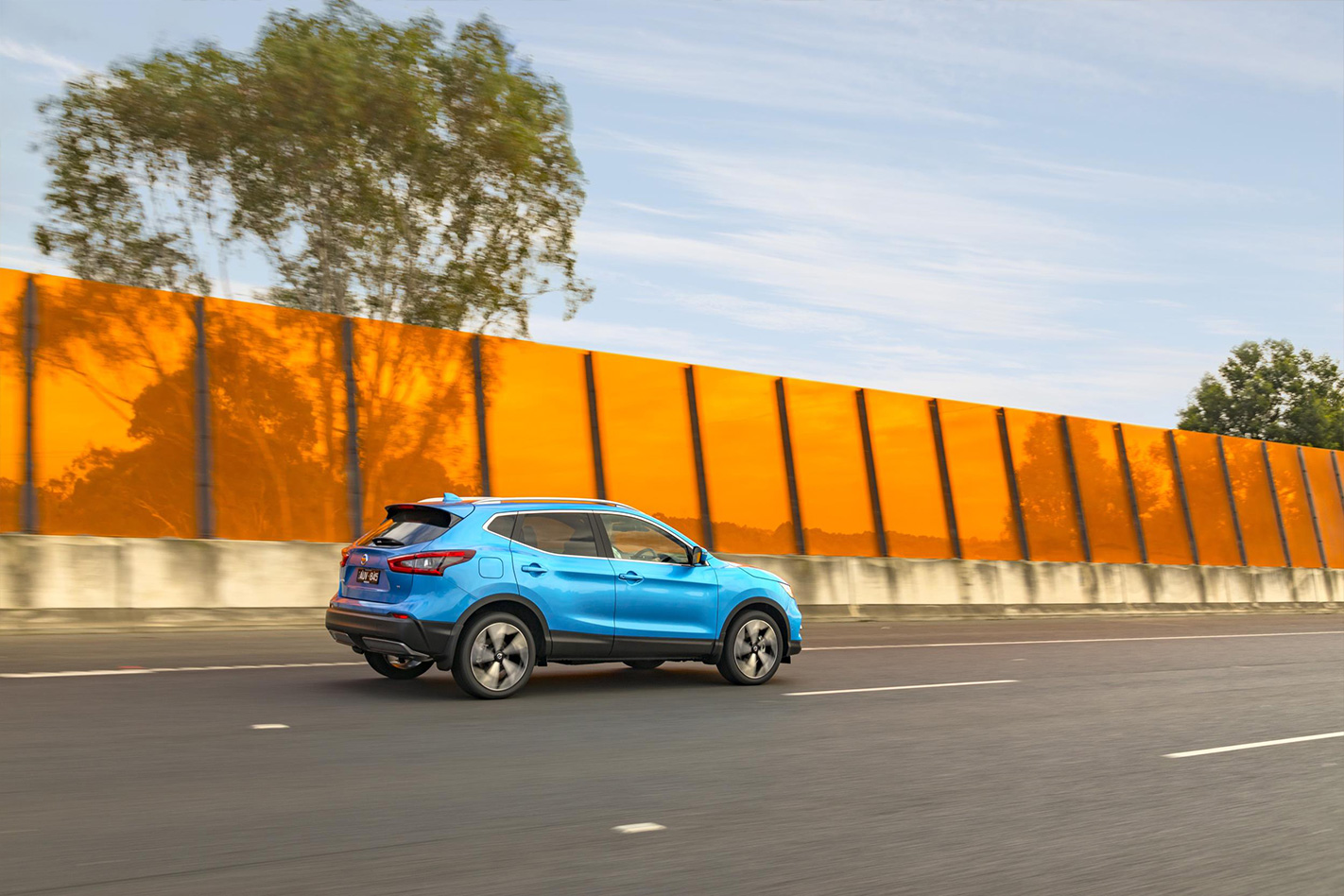
It doesn’t lean much in bends, something that helps it feel planted on the road and responsive to driver inputs. It’s fun and drives more like a good car than a higher-riding SUV.
The Ti models riding on the slightly wider, lower-profile tyres respond quicker to steering inputs, though you don’t get enough feedback from the tyres through the wheel.
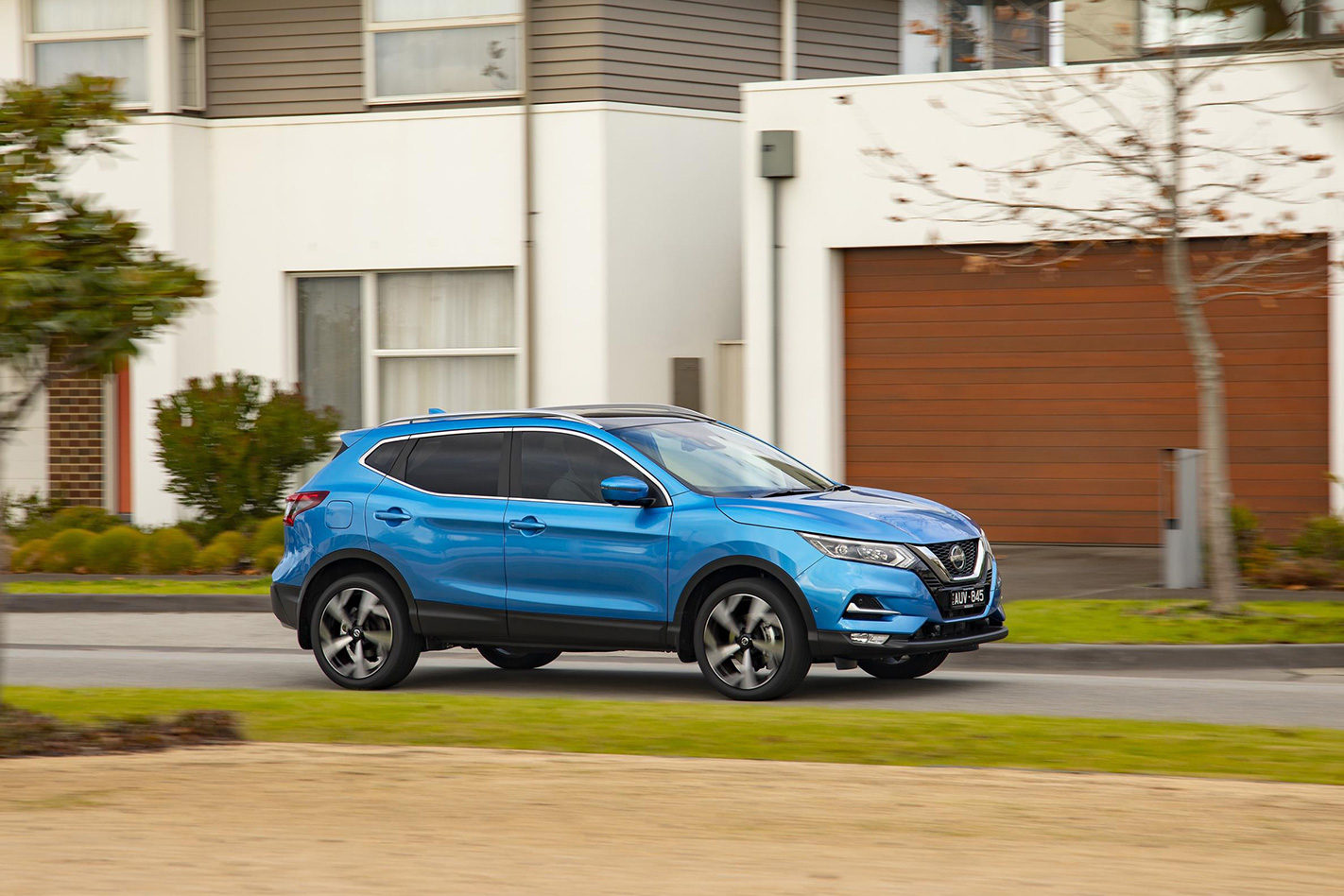
The Qashqai’s small footprint makes it a breeze in shopping centre carparks. It’s small enough to fit into the smallest of car spots. You’ll never have trouble parking this – there are sensors on every corner and reversing camera with overhead view. If for some reason you’re still having trouble the Ti has hand-free automatic parking assist.
Our opinion
Both these cars top their respective ranges with the same retail price, which allows us to compare apples with apples.
The Qashqai manages to provide more rear legroom and boot space, but not enough to make a noticeable difference. It also has better road holding through bends than the Kadjar, but both have comfortable rides even on rougher roads and are smooth, quiet and nimble ride around town.
The $37,990 retail price brings a few key features to the Qashqai that aren’t available in the Kadjar such as adaptive cruise control, surround-view camera, and plusher Nappa leather seats.
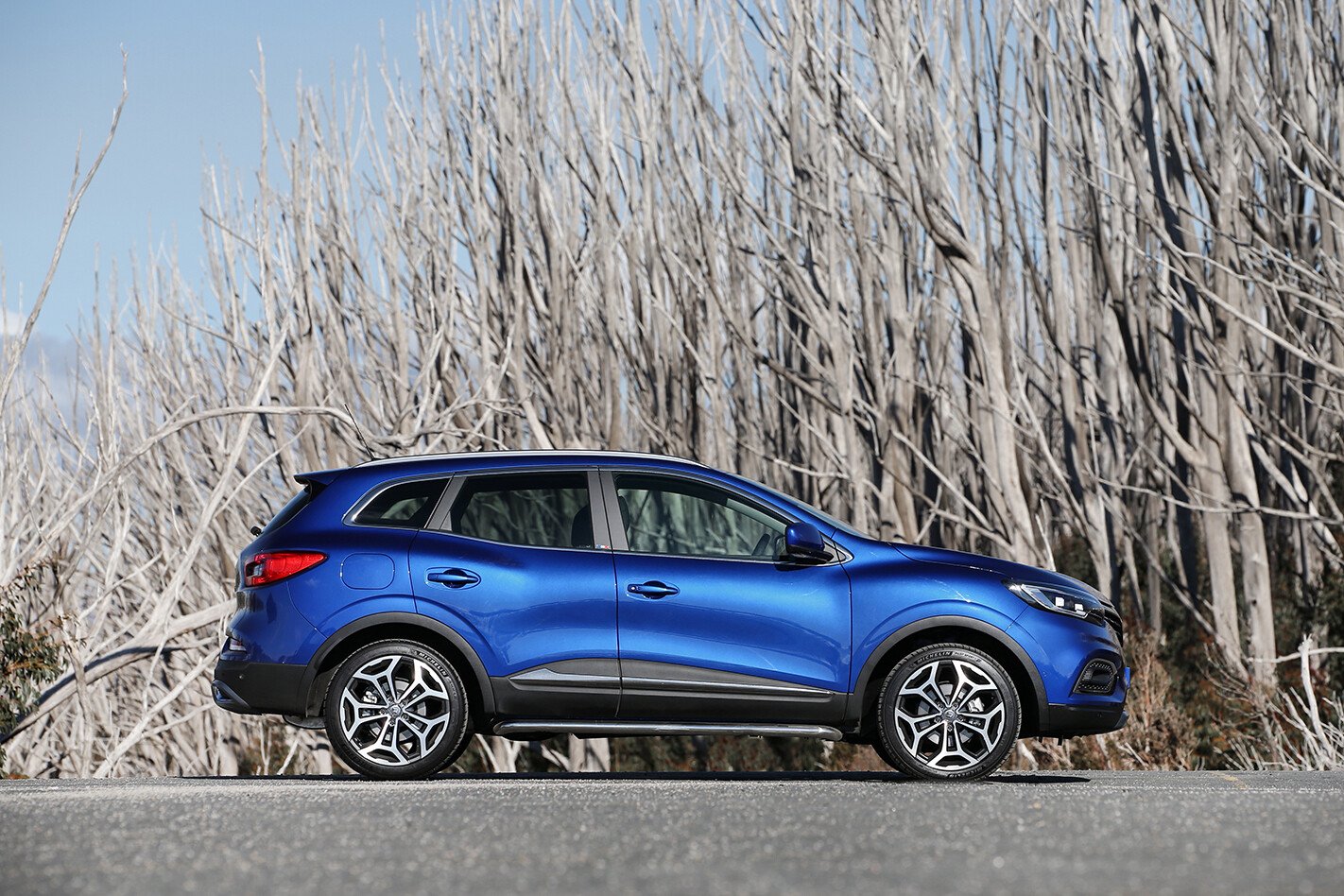
However, the Kadjar feels like a newer generation car, with its stylish interior, more sophisticated and efficient 1.3-litre turbo/dual-clutch powertrain, digital gauges, rear-seat vents and USBs, combining with a superior infotainment system to make the Renault a more compelling buy.
Congratulations, Subaru, you’ve made the list.
This review was originally published in MOTOR’s November 2004 issue
The 3.0-litre Liberty Spec-B is one of the finest cars we’ve driven this year. And if that sounds like a big boast, it’s all the more remarkable for the fact that the Suby fits comfortably into the sub-$100k bracket, in which it’s certainly among the best we’ve pedalled so far this year – and only Nissan’s 350Z and a small handful of big-grunt locals have any legitimate claim to that tag.
So, just how does the humble Liberty shine amongst the big-dollar exotics and big-horsepower Aussies we test at MOTOR?
The addition of the 180kW, 3.0-litre flat-six (first seen in the Outback), along with the six-speed manual WRX STi gearbox and stiffer, Bilstein-equipped suspension transform the Liberty from able family truckster to wicked wolf-in-sheep’s-clothing sports sedan.
Power peaks at 6600rpm with 297Nm at a high-ish 4200 revs, but the 3.0R-B’s gearing is so short (3.9:1 final drive) that its engine is never out of its sweet spot. The delivery is linear and smooth and you can grab a higher gear and use the torque or rev it through the range and play with the power. Typical of an STi gearbox, its shift is precise, with a short, mechanical throw, and is matched to a light clutch.
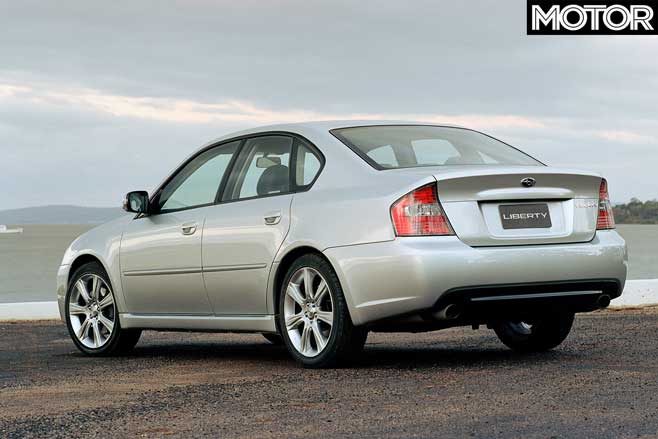
This stiffer suspension endows the 3.0R-B with a flat cornering stance and plenty of chassis and tyre grip. Sticky 215/45 Bridgestones embrace 18-inch alloys and its inherent Liberty balance allows you to choose your driving style. Play it safe and eventually its nose will push, or get aggressive and tip the car into a corner on trailing throttle to tuck the front back into line.
Faults? The steering could offer more feel through the MOMO wheel, and a chunk more weighting wouldn’t hurt, either. Tall drivers might need to scrunch lower in the seat, and lanky rear-seat passengers may also want for some extra head and legroom. And, if you combine its short gearing with a heavy right clog, its 3.0-litre flat-six doesn’t mind a drink: over 800km, the Liberty returned 13 litres per 100km.
At $51,990, the 3.0R-B is not cheap in metal-for-money terms, and is just a gorilla less than the new Liberty GT manual. But standard equipment stretches to a sunroof and leather trim, with eight-way power adjustment for its front seats, a 13-speaker McIntosh stereo, dual front and side airbags, front and rear curtain bags, and a five-star ANCAP occupant-safety rating.
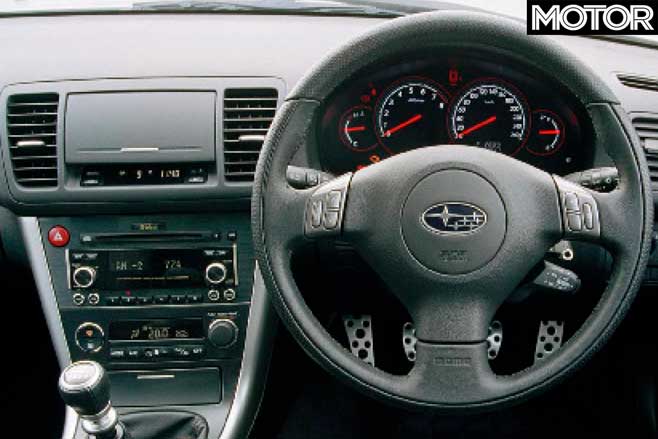
The 3.0R-B is a hard car to pigeonhole. With 180kW in a mid-size body, it takes the best bits of the Mazda6 Luxury Sport and Honda Accord Euro, adding another 60kW to the former and 40kW to the latter. It’s also got drive to both ends. Of course, it adds another $10k or more to the bottom line, but even taking the extra wedge into account, the Liberty has established itself as the best sporty mid-sized motor doing the rounds.
2004 Subaru Liberty 3.0R-B specs ENGINE: 3.0-litre DOHC, 24-valve flat-six POWER/WEIGHT: 180kW/1510kg DRIVE: all-wheel PRICE (2004): $51,990
October 15 – Before we get onto the week that was at WhichCar, let me start by wishing everyone that’s been impacted by the dreadful fires in NSW over the course of the week – and in the days to come – our very best.
Conditions across Australia are likely to get worse before they get better, as well, so we also want to remind everyone to be vigilant out there. See someone flicking a cigarette out of their car window? Report them to the EPA. We can all help change small behaviours that could become a much bigger problem.
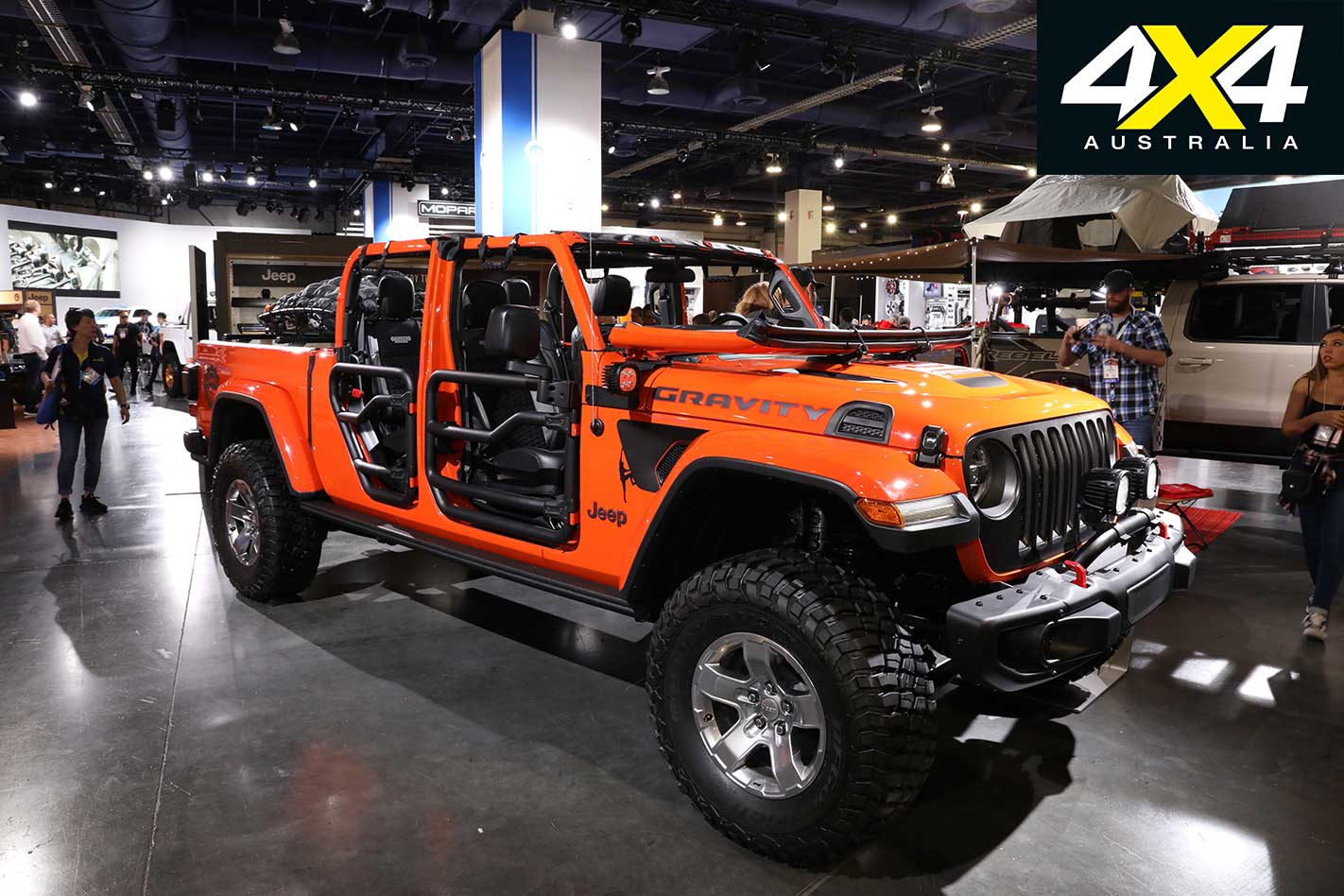
It’s been another busy week in the world of WhichCar, with some of the team over in the US taking in the world’s biggest aftermarket auto show, SEMA. It’s not just wings and exhausts there; the huge show celebrates the modified car world in a way no other show does.
At the other end of the scale, the team at 4×4 Australia are keen to keep their wallets firmly closed, instead concentrating on clever budget builds for the most bang for buck. Street Machine has a knack for finding fellas who save the shekels, too – witness this incredible Drag Challenge yard find that owes its owners less than $10,000.
Drag Challenge is rapidly becoming one of the most loved properties in the SM roster, with a loyal, passionate readership rewarding the work of the whole team which produces brilliantly paced content that net incredible web traffic volumes through the week and on throughout the rest of the year.
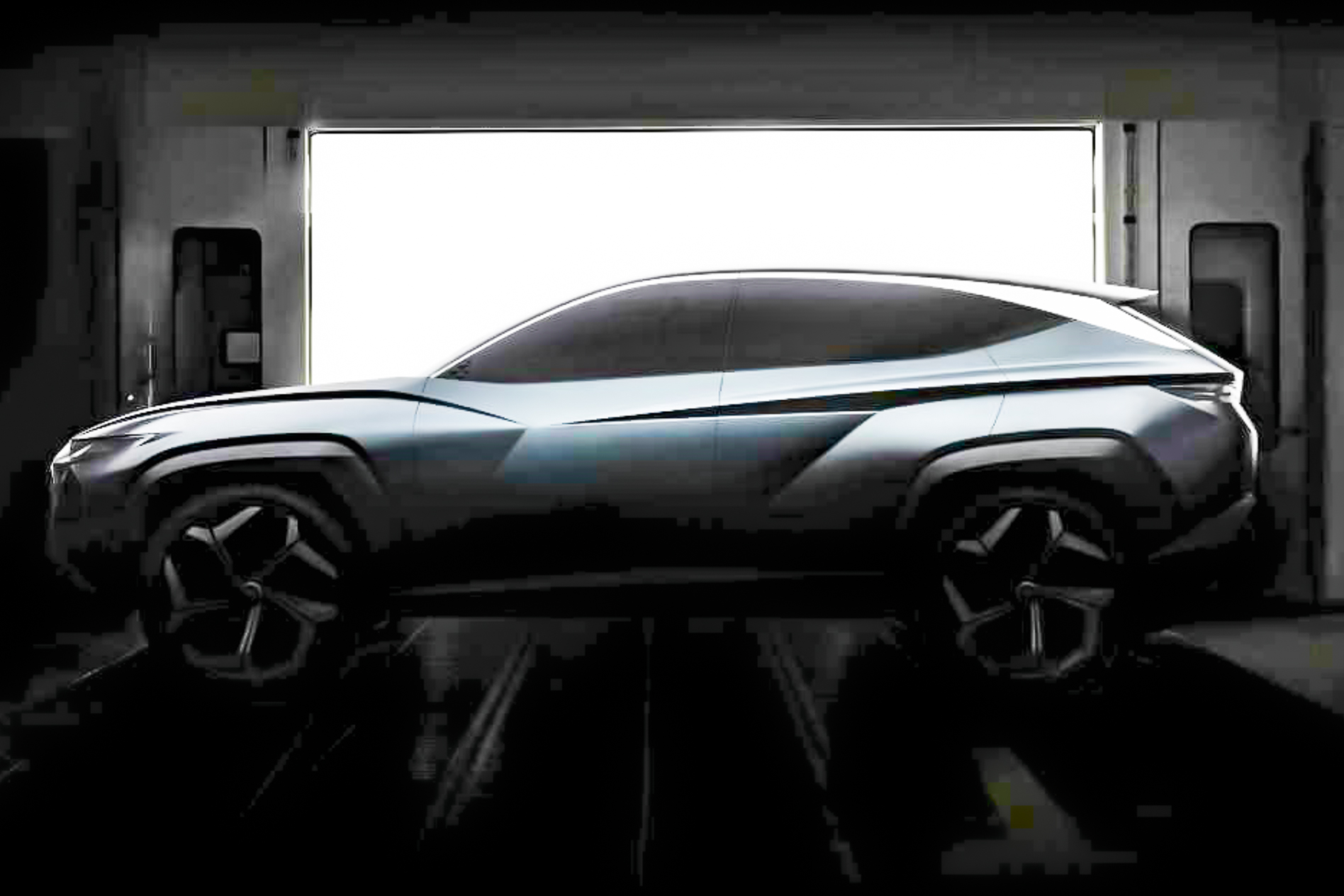
In the less octane-fuelled world, the hugely popular Mitsubishi ASX proved a hit with WhichCar audiences, as did our quick comparo with the new Kia Seltos. Skoda shot out pics of the handsome new Octavia, while Hyundai sent out a supposedly shadowy render of its next Tucson concept… until we fixed the image, that is.
We’ve also reported on an all-wheel-drive Toyota Camry that’s not coming to Australia… much to the chagrin of our Facebook fans!
Plenty of muscle car and supercar action this week, too, with Dick Johnson and Jack Roush announcing mega Mustangs, details of Porsche’s latest 911 Turbo S leaking out, McLaren’s jaw-dropping Elva Super Series unveiled and Ferrari’s Roma breaking cover as well.
We also covered the industry bases, with the boss of Lexus telling us about the potential for a 1000km-range EV, the disturbing tale of a stalker using a car-linked app to terrorise his victim, Holden revealing plans to expand its car subscription service and wondering just why these disguised Colorados were flown in from the US.
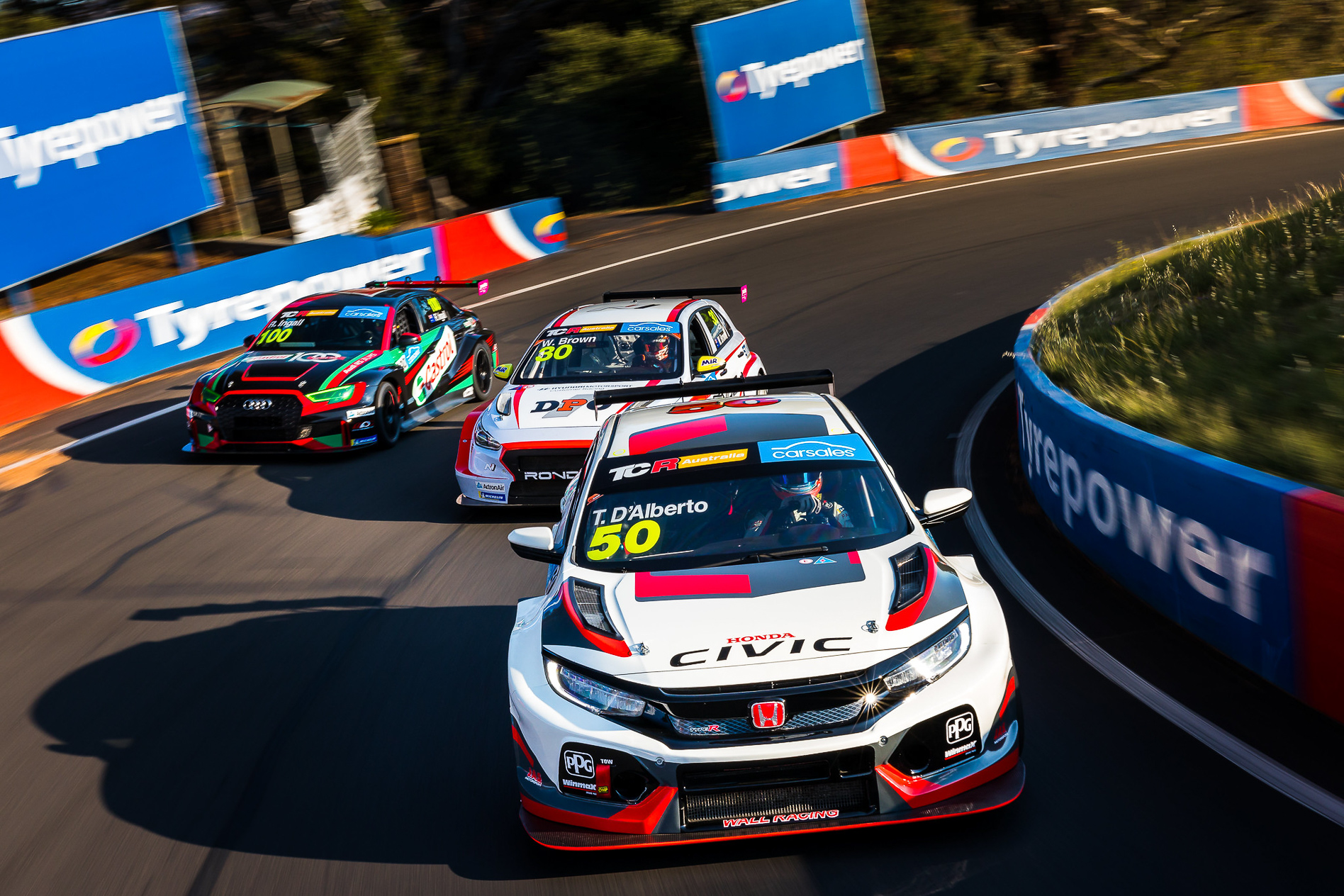
In the world of motorsport, we celebrated the Brabham BT62’s first race – and win – and looked at the circumstances behind that second huge DJR Team Penkse fine from Bathurst. There’s also a new endurance race coming to The Mountain.
We also reported on the demise of Rally Australia in the wake of the NSW fires, and checked out the latest car flick, Ford v Ferrari.
To keep in touch with us over the weekend, make sure you follow the WhichCar and 4×4 Australia Facebook page, the Wheels and MOTOR Instagram accounts and Street Machine’s amazing YouTube channel.
October 9 – On the automotive front, the week started with talks of what the FCA / PSA merger could mean for consumers, though I wonder how those two already challenged corporations will now feed the future model plans of a combined 11 brands… Are we ready for the Citroen Durango, or the Alfa Romeo Astra? What about the Peugeot 2500 Longhorn? Meanwhile, Alfa Romeo quietly slowed its renaissance from 2018’s “seven new models by ’22” back to “one more by ’21, hopefully”.
Lexus, clearly chuffed after being named Australia’s most trusted brand, defied miserable weather to spruik its 1,000km-range electric future at Melbourne’s second-biggest horsepower festival, the Spring Racing Carnival. On the other side of the world, at the wonderful and wacky SEMA show where it seemed every exhibitor had a modded Jeep Gladiator, Ford unveiled an electric Mustang with a modest 670kW of power, presumably with a range of a quarter-mile.
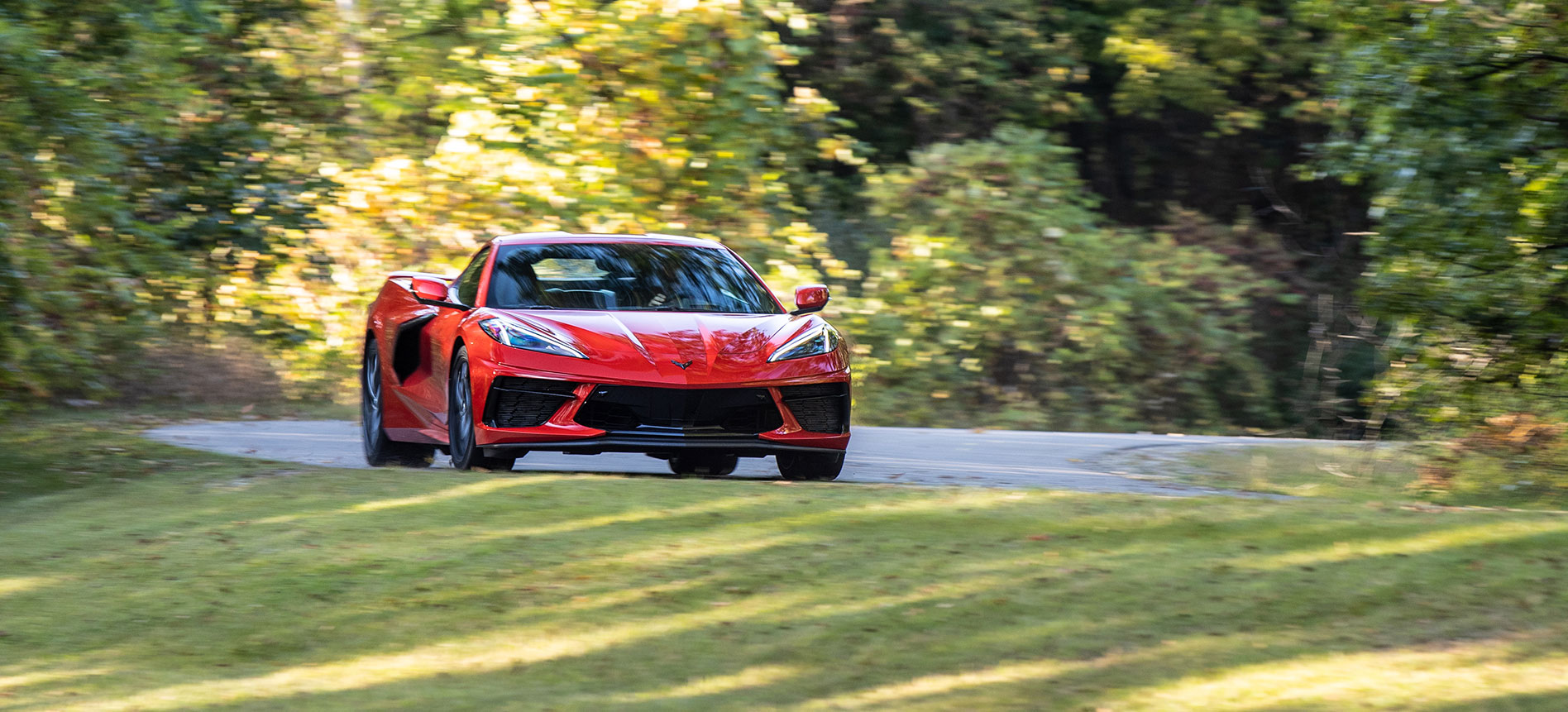
We also got our first drive of the new Chevrolet Corvette, and declared it a performance bargain, even at an estimated Aussie price of $170,000. In response, Audi made rear-drive a permanent part of the range for its own mid-engined R8 supercar.
Back home, new car sales tanked in the Bathurst 1000 month of October, and a new-generation tank from Nissan debuted, aka the 2020 Patrol. Whoever coined the phrase “win on Sunday, sell on Monday” has clearly been dead for decades. That said, utes kept on keeping on as Australia’s top new cars, and Kia continues to defy the downturn, moving up to fourth.
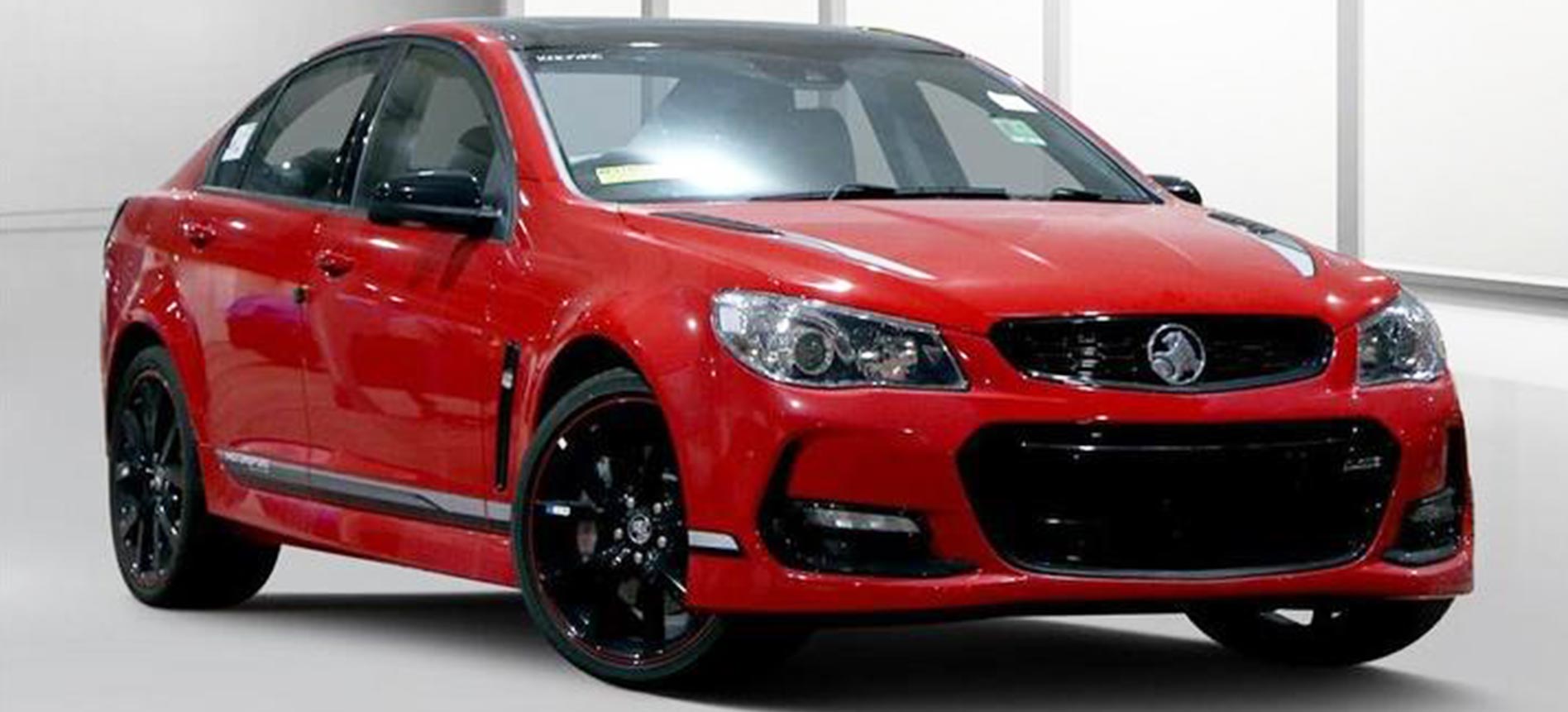
Holden clung tenaciously to ninth in the top ten, and began clearing space for more… somethings… in its warehouse by auctioning off a number of unique vehicles, including the first V2 Monaro, the first VF Commodore, the last VE II Commodore, and a 1980 VC Commodore driven around Australia in 10 days by journos Evan Green and Matt Whelan.
BMW this week issued a voluntary recall and pleaded with more than 12,000 3 Series owners to stop driving their Takata-equipped cars after a second Australian death was linked to Takata airbags. If you know somebody who drives a BMW 3 Series built between 1997 and 2000, send them to this site immediately.
In other news, Formula One showed its latest pipe dream, aka the radical 2021 prototype which will “promote closer racing and more balanced competition, as well as bringing economic sustainability to Formula One”. Am I the only one experiencing deja vu?
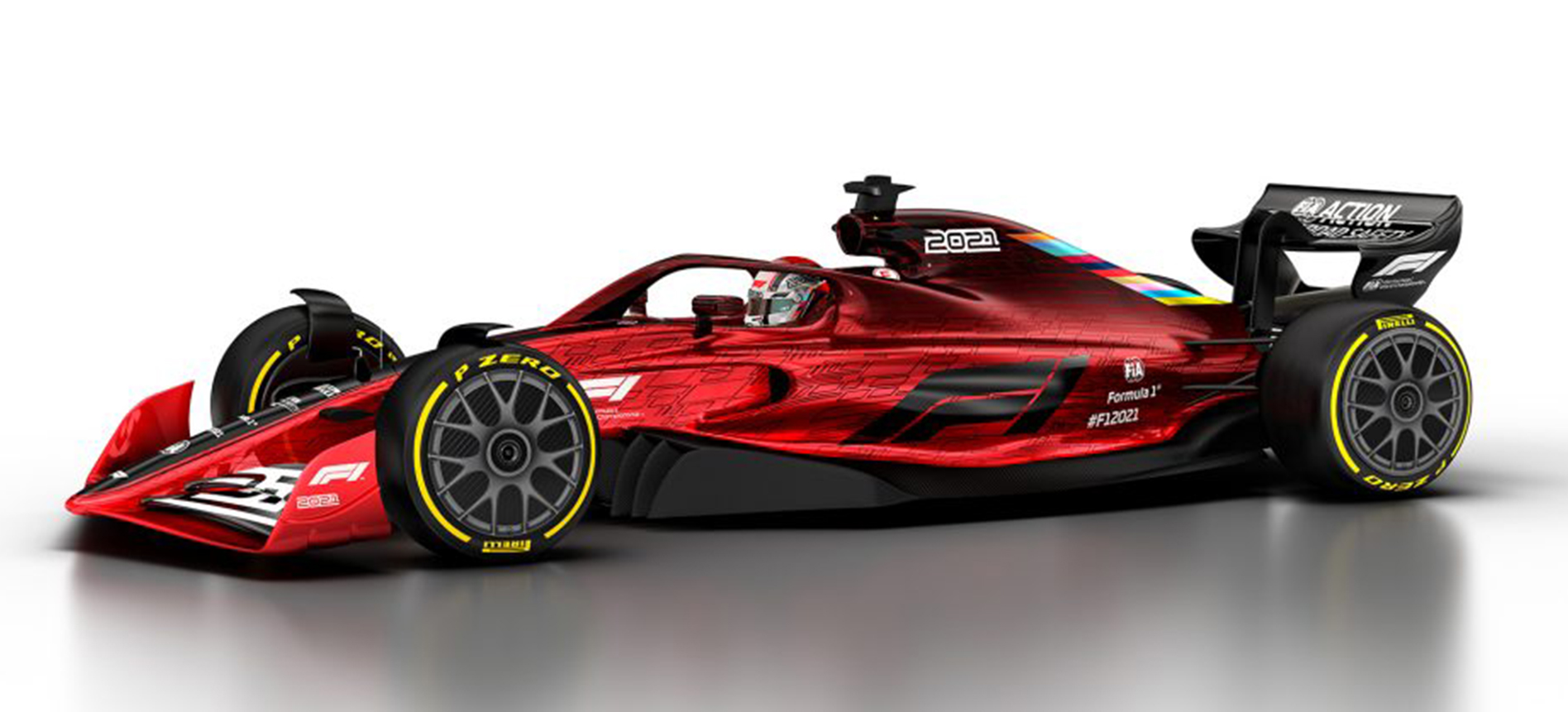
Lastly, the NSW govt, clearly encouraged by Victoria’s horror climbing road toll, took steps to bring itself in line with The Nanny State by scrapping speed camera warning signs. What next? Cops hiding in bushes?
To close out the week, here’s two very different four-wheel drives (one here and one here), and we want them both. Badly!
While features, engines and technology are an important consideration in buying a new car, we all know that the colour is equally important as well.
It’s something the car colour nerds at Axalta know too, which is why they pay close attention to the changing trends of car colours the world over. Axalta has just released its 67th annual Colour Popularity Report, detailing the fact that we all have very boring tastes when it comes to painting our cars.

This year, 80 percent of new car owners picked neutral colours, with white leading the way at 38 percent of new cars (leading for its ninth consecutive year), followed by 19 percent choosing black, then 13 percent opting for grey and 10 percent selecting silver.
Rounding out the top ten list are colours like blue (7%), red (6%), brown/beige (3%), yellow/gold (2%), green (1%) and others (1%).
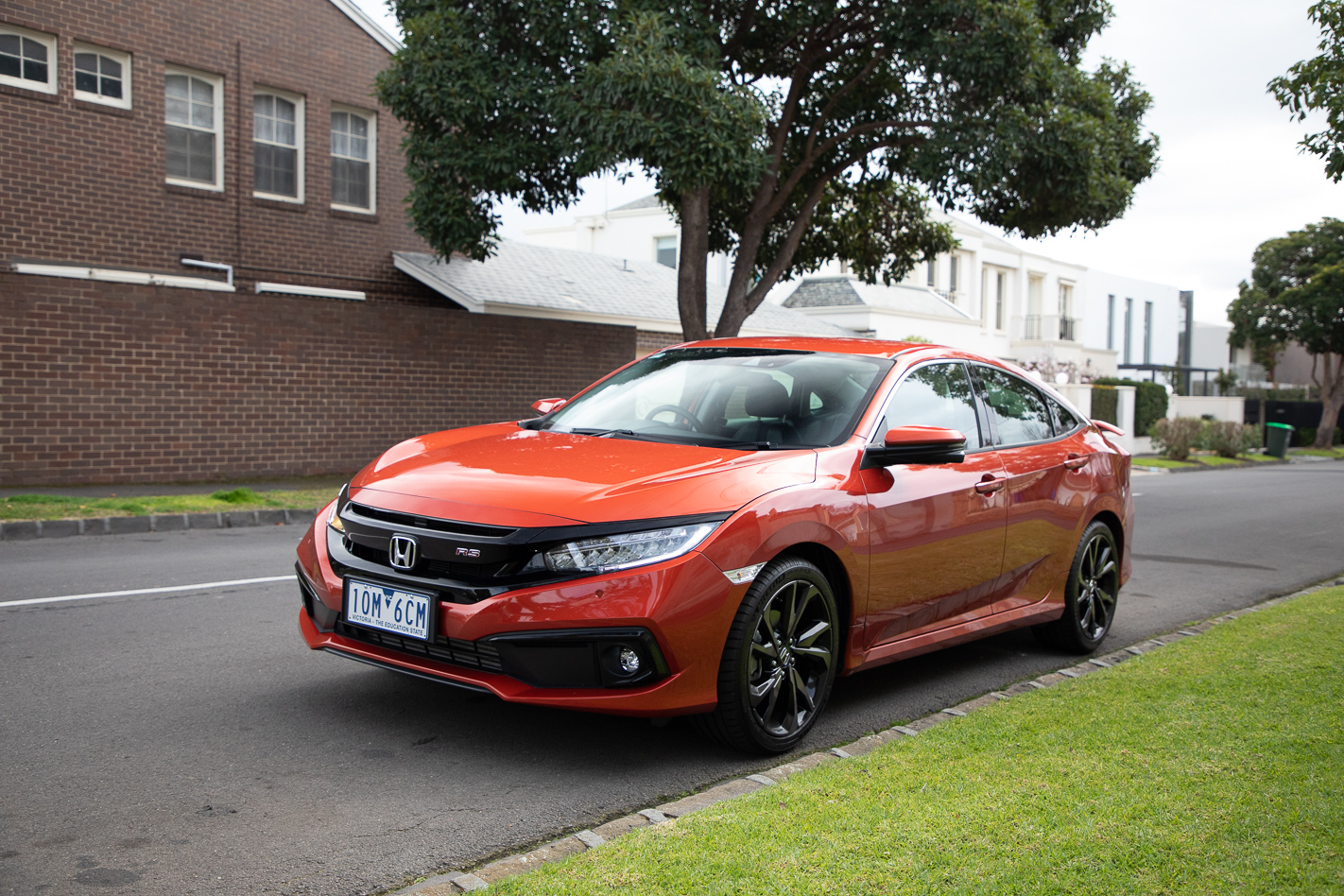
More expressive options get more love in western cultures, with colours like blue being chosen 10 percent of the time in Europe and North America. It also turns out that Russia is the most receptive to creative shades, with 30 percent of buyers opting for something that isn’t monochrome like black, white or silver.
Axalta also highlighted the fact that black is the most popular choice for luxury cars, especially luxury SUVs.
North America’s uptake of red is the highest of anywhere in the world, while silver is becoming less popular throughout the world and the popularity of grey is on the rise – especially in Europe.
“We are starting to see other colours make moves in popularity that might not have been thinkable in past years. For sure, the consumer is truly beginning to change the way they view their vehicle’s colour,” said Nancy Lockhart, Axalta global product manager of colour.
But while it makes sense to follow popular trends when picking a colour for your new car – especially if resale is on your mind – WhichCar reckons you should go with what makes you happy.
Normally known for its prestigious auctions at Monterey, Villa Erba, or Amelia Island, RM Sotheby’s is set to hold its first major auction in the Middle East.
A joint event with the Formula 1 Abu Dhabi Grand Prix in late November/ early December, the auction is to feature a relatively limited number of cars for auction – only 40 are listed on the RM Sotheby’s website preview for the inaugural Abu Dhabi auction.
Amongst the lots are some unique and rare motors, including the Pagani Huayra Aether previously covered off by MOTOR.
“An expertly curated selection of significant Grand Prix racing machines, road-going automobiles with motorsport connections, and blue-chip classics and supercars will form the region’s first-ever major international collector car auction,” an RM Sotheby’s statement reads, and it’s not wrong.
Though only three “expertly curated” former F1 cars are part of the auction, the likes of a Ferrari FXX K, a Maserati MC12, and a McLaren P1 GTR speak to the motorsport lean of the event.
Of the three F1 racers, two were piloted by Michael Schumacher – one being his 2002 Ferrari F2002 chassis #219, the car which won him the San Marino, Austrian, and French GPs in 2002. As one of F1’s most renowned (and dominant) machines, the F2002’s expected AUD$8,095,000 to $11,039,000 auction price isn’t a huge surprise.
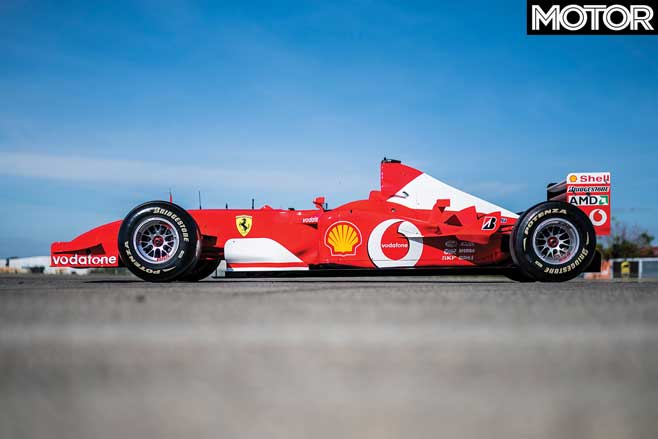
Some of the sale price will also be donated to the Keep Fighting Foundation which aims to “continue Michael Schumacher’s charitable work.”
The second F1 car in the listings is another former Schumacher steer, his 1992 Benetton B192, which scored him podiums (both 3rd) in Germany and Italy in ’92.
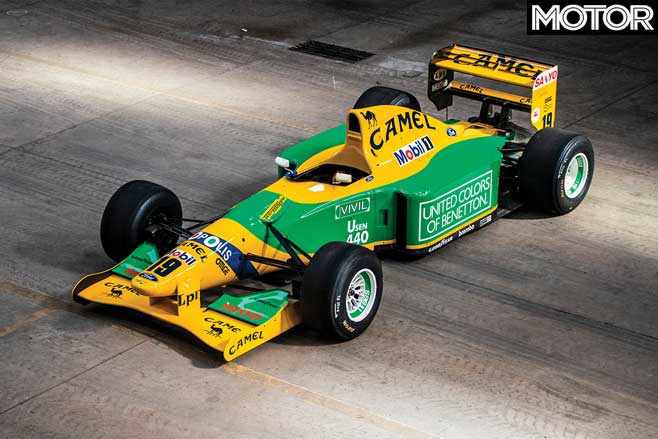
A much more affordable estimate suggests somewhere between AUD$1,214,500 and $1,619,500 could land you Schumacher’s ‘sophomore year’ F1 car, and his first at Benetton.
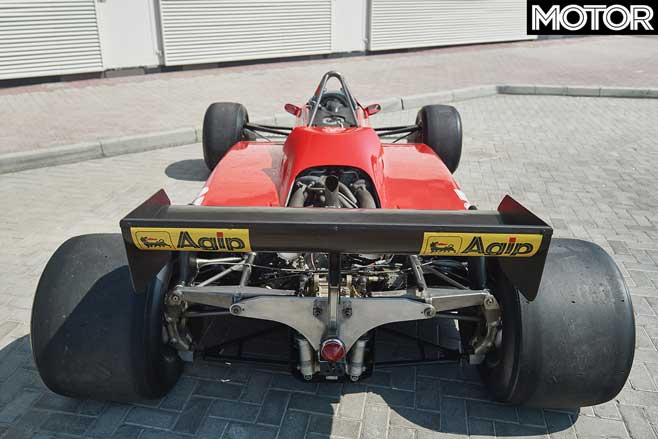
Finally, a 1982 Ferrari 126 C2 (pictured in the main image) is up for grabs, having been driven by Patrick Tambay to win the German GP in ’82, and later by Mario Andretti to 3rd at the Italian GP. AUD$2,944,000 is the lower estimate for this car, though RM Sotheby’s doesn’t expect it to reach much more than $3,680,000.
Sign-up here for your free weekly MOTOR report
It is not uncommon for audacious hypercar concepts to end up as nothing more than vapourware, but the Aspark Owl has crossed that divide into production reality and brought its ludicrous performance claims across intact.
Revealed in full at the Dubai International Motor Show, the Owl features a quad-motor all-electric drivetrain that is said to deliver a total power output of 1480kW and 2000Nm of torque.
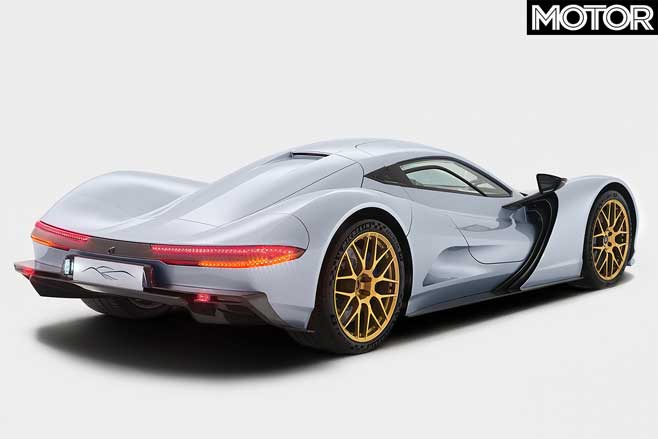
Aspark claims that the Owl would be able to sprint from 0-97km/h in 1.69 seconds using street tyres and with a rollout, and keep on going to a top end of 400km/h. Those claims are better than Aspark’s initial 0-100km/h claim of 1.92sec done on a prototype Owl on slick tyres.
Power is derived from a 1300kW lithium-ion battery pack that is specifically designed for the Owl, which the Osaka-based company claims is enough to give it a drive range of 450km.
By comparison, the Owl’s nearest yardstick, the Lotus Evija, has a claimed 0-100km/h time of “less than three seconds”, limited top speed of 320km/h, 400km range, and a targeted output of 1471kW.
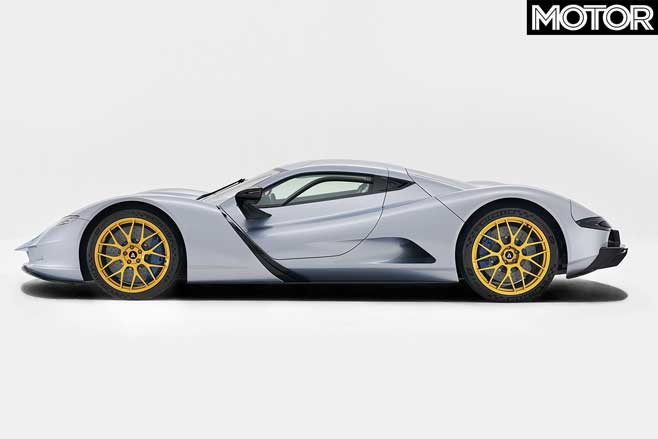
Standing at just 99cm tall, shorter than the original Ford GT40, the Owl chassis and body is made from carbon-fibre, but even so, it doesn’t stop the batteries from ballooning its weight to a hefty 1900kg.
Though developed in Japan, production of the Owl will be carried out by Manifattura Automobili Torino of Turin. Better known as MAT, the Italian coachbuilder is responsible for the production of the Ferrari F430-based New Stratos, as well as the road and race versions of Scuderia Cameron Glickenhaus’ 003.
Aspark plans to produce only 50 examples of the Owl, each priced at €2.9 million (AUD$ 4.7 million), and has established its own Swiss-based subsidiary dedicated to sales and after-sales of its car.
- Lease a Holden for as little as seven days
- Fuel, insurance and maintenance are included
- Limited to major metropolitan centres at present
The service, known as Maven, has previously been available on a limited basis to customers in the ride-sharing or food delivery space but is now available right across the spectrum.
What’s in the Maven fleet?
Holden will increase its current fleet of 2300 cars to 2500 for use on the Maven fleet, which will include the Colorado dual-cab ute, the compact Trax, the medium-sized Equinox SUV and the large Commodore sedan.
Prices to rent a Holden start at $225/week for a Trax, $250 for an Equinox, $275 for a Commodore and $300 for a seven-seat Trailblazer or Colorado ute (below).
The pricing structure includes comprehensive insurance coverage, maintenance and even a tank of fuel.
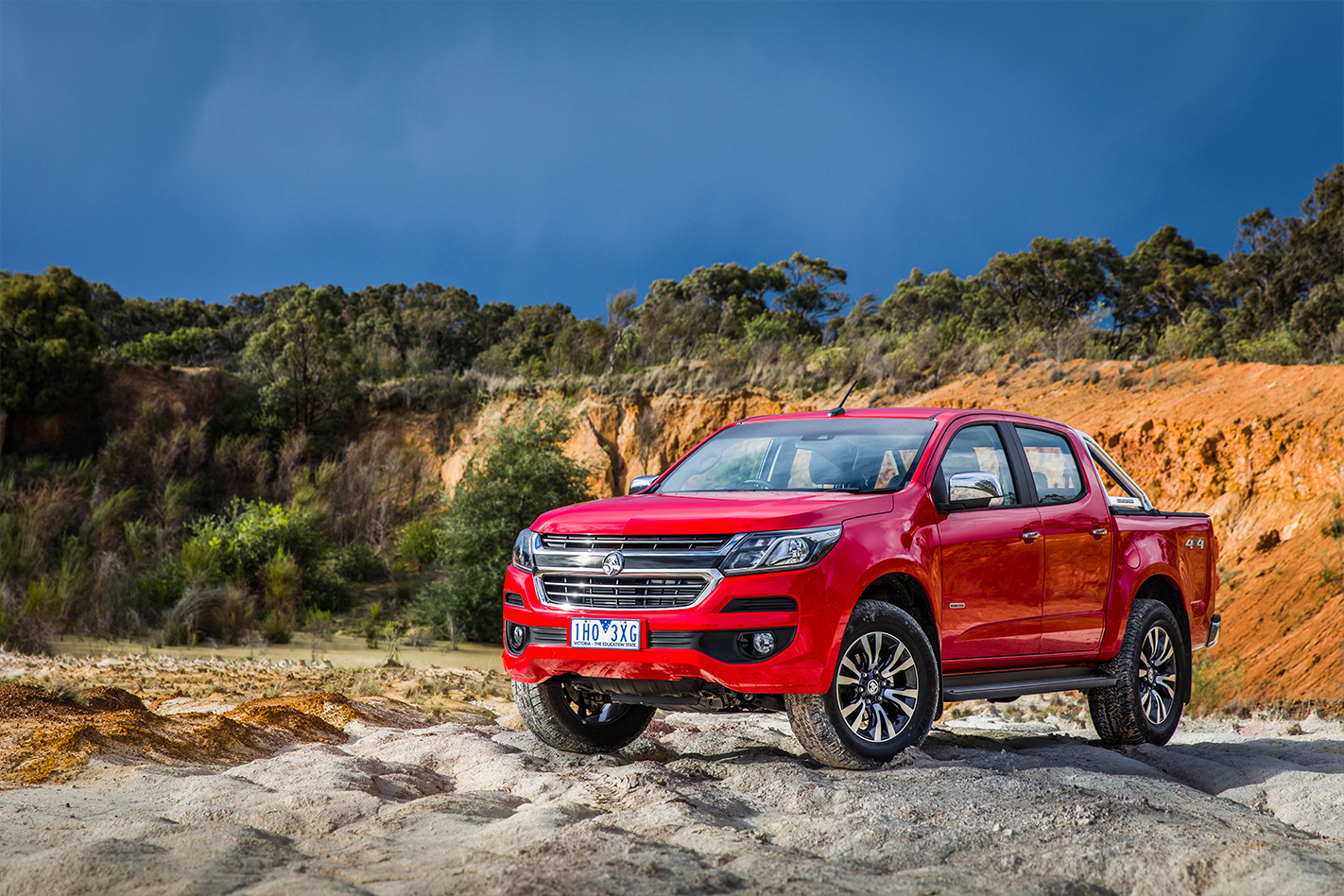
Costs of the Maven service
There is no membership fee or security bond for joining Maven, but there is a catch; first-time customers need to book a car for a 28-day minimum initial rental, before being able to switch to a seven-day cycle.
This means that the minimum cost of entry is $900, based on renting a Trax for a month.
A customer also needs to give the service centre seven days’ notice to swap a car.
The service is currently only offered in key metropolitan centres like Sydney, Melbourne, the Sunshine and Gold Coasts, Brisbane and Perth.
Who will benefit from the Maven service?
Holden believes the service will be popular with younger millennial-age drivers, who are not yet ready or able to take on the financial burden of a new car over a long term.
Other customers can look to the service to provide solutions to particular transport needs; swapping out of a smaller, more economical Trax into a larger Commodore (below) for holidays, for example, or renting a towbar-equipped Colorado or Trailblazer over the duration of a sports season where towing is required.
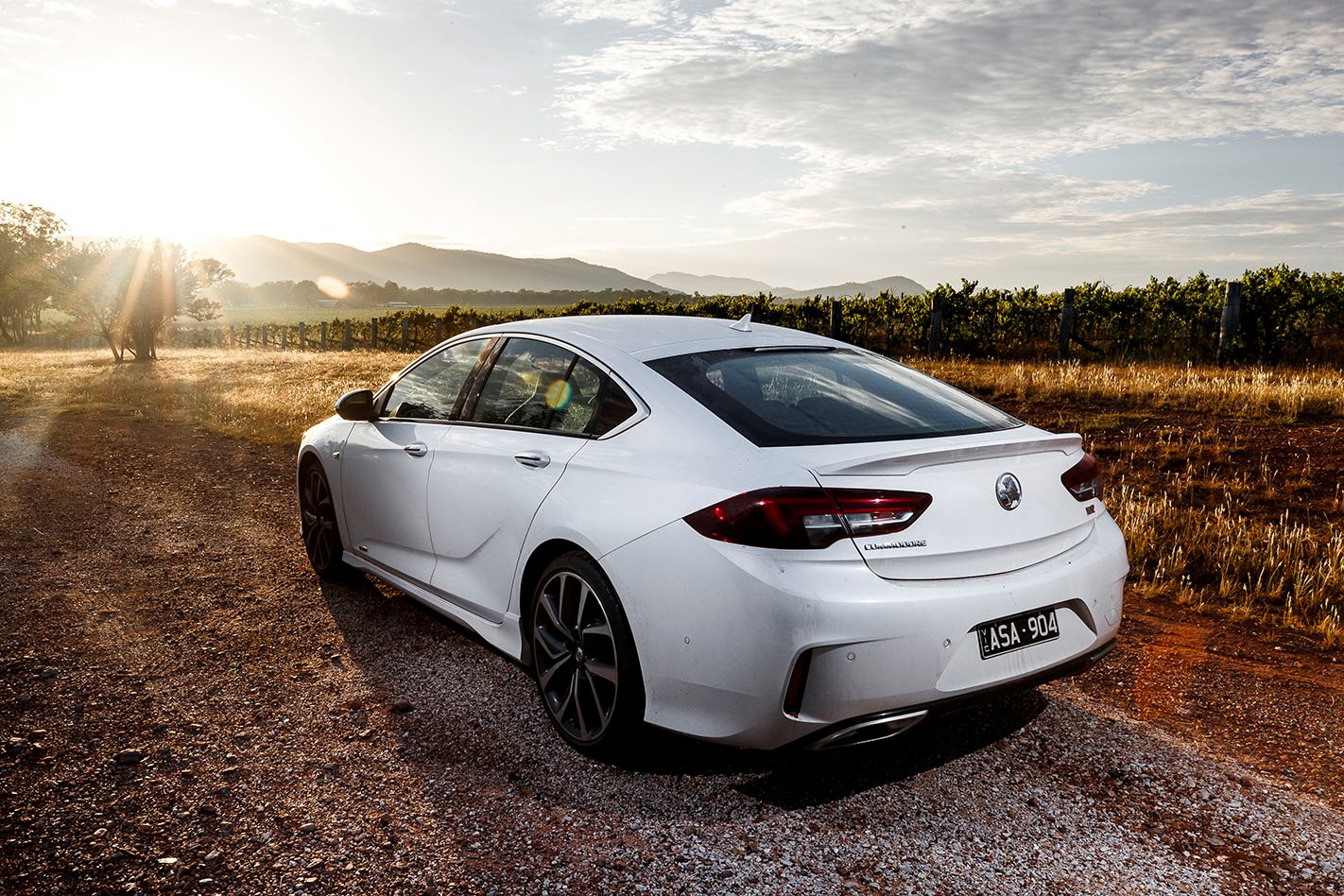
Small businesses can also use Maven cars to solve short- or medium-term transport dramas, or to even reward staff with a nicer car for a limited time without needing to lease one over several years.
“Maven is excited to re-launch long term rentals in Australia with a greater focus on the amazing Holden Colorado ute,” said Joanne Stogiannis, the general manager for Maven Australia, in a statement.
“Since launching in October 2018 we have continued to grow our suite of flexible products and model range allowing our members to access premium Holden vehicles loaded with the latest connectivity, safety features and technology for a set weekly fee.”
Are there any catches or traps in the Maven service?
On the surface, the Maven service offers relatively easy access to new vehicles at a fair price.
Borrowing $55,000 for an Acadia LTZ over five years, for example, will cost around $285 a week at current interest rates, versus $330 a week on Maven.
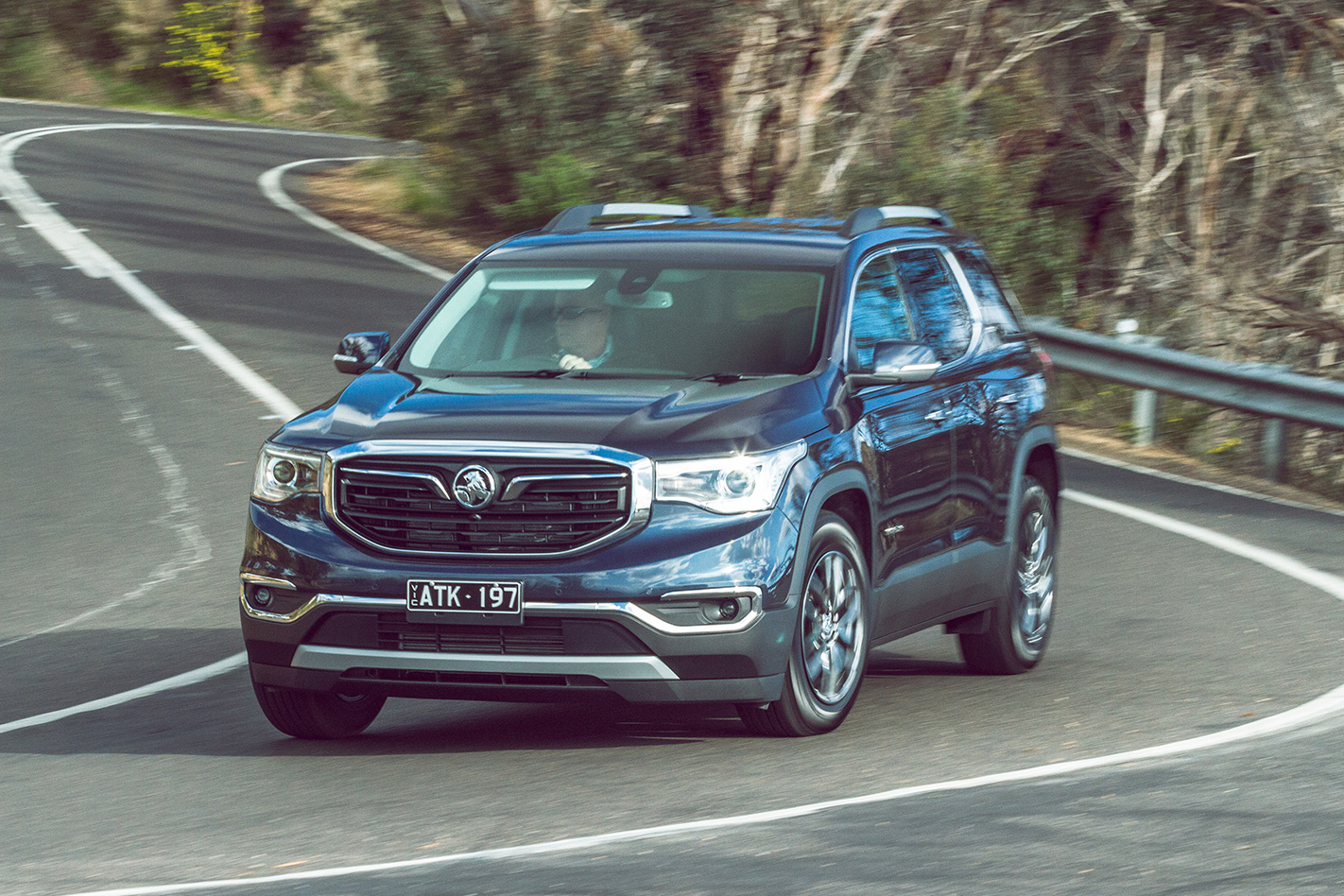
However, factor in maintenance and insurance, and the figures are much closer.
The cost of entry may be a barrier to some, while the limited roll-out of the service means that regional centres can’t access the service. Time-tabling vehicle swaps will also need to be factored in.
Does the Maven subscription program sound like a perfect solution for your needs, or would you still prefer to buy your own car? Let us know below!
The Reader: James Phipps The Car: 2011 Subaru Impreza WRX The Mileage: 86,010km The Ownership period: 18 months
This feature was originally published in MOTOR’s July 2018 issue
Why Subaru out of any hot hatch? When I was 13 my grandpa bought a bug-eye for my grandma and I used to love the feel of the seats, especially when it started up in the garage, and loved that sound. I’m a Subaru man through and through.
This is a WRX you don’t see every day… I had my heart set on a hatch. I thought that because they don’t make another model of [this shape], and just the way it sits on the road, the big fat wheel arches, and an all-round balanced car in my eyes.
What have you done to it? Performance-wise nothing, it’s all cosmetic. So I put the STI wing on it and front splitter lip. I changed the gear knob to an STI one and also put in a short shifter. At this stage I don’t want to do anything too crazy because I want it to have driveability.
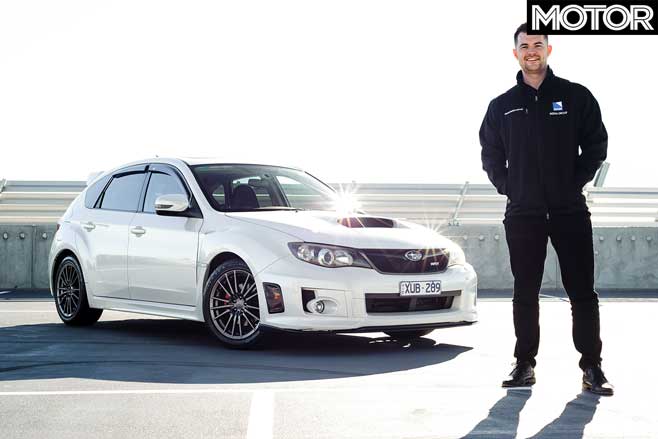
Are you tempted by more power? I don’t want to go crazy. But doing the exhaust with people I want means driveability will be fine. There will be a little increase in power and note.
Where’s the best place you’ve taken it to? To Falls Creek. I was just laughing myself sick. It was exciting, I’d never driven a car with that much power, and then pushing those limits a little bit on the way to the snow was great fun. As we started going up to the top it started getting a little bit wetter and it didn’t slip. I was feeling like ‘this is what driving’s about’.
If you had to stray from Subaru, where would you look? I’m a big fan of the hatchbacks and I’d love the Audi RS3 Sportback. That or a nice Golf R, [it’s] a bit more subtle, but definitely an RS3 is the pick of the bunch. I’d just have to get my boss to add a couple more zeroes to my paycheque.
