
IT’S FINALLY happening. The most hallowed lap record in motorsport is set to be demolished. Back in 1983, Stefan Bellof set a mark of 6:11.13 around the Nordschleife in a Porsche 956 – an incredible average of 202km/h. Two years later, Bellof was killed at Spa and his record at the Green Hell became an almost untouchable tribute.
On May 3, we exclusively reported that Porsche was planning a record attempt with its 919 Evo, having already claimed the outright lap record at Spa. Now, if local sightings are anything to go by, it looks as if Porsche is finally looking to exorcise Bellof’s ghost.
The timing was forced onto Porsche by rumours that Mercedes-AMG was planning to snake them to the record with their 735kW Project One hypercar, so rather than let the record go to their local rivals, Porsche has instead decided to ‘protect’ it by keeping it in-house.
Video has circulated of a 919 lapping yesterday at speeds that look as if the footage has been sped up but that’s something we’ve now become accustomed to after witnessing Neel Jani’s Spa lap. Car #1 had that trademark demented throttle commitment through the Hatzenbach complex of bends and again through Pflanzgarten looking for all the world like a scaled-up Scalextric slot car.
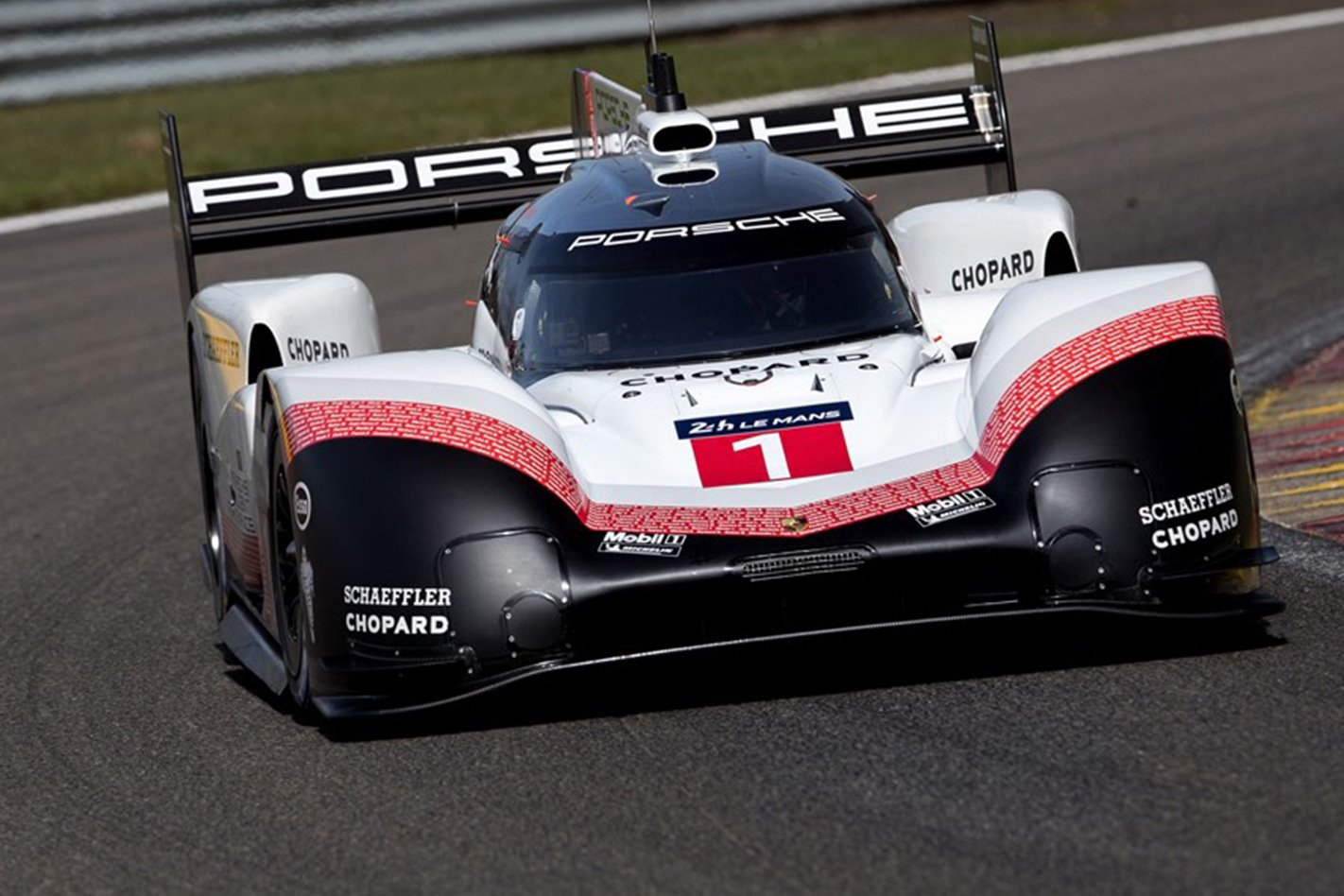
Our source at Porsche had claimed that the team running the 919 Evo had performed extensive data simulations beforehand and were confident the car would obliterate Bellof’s mark. That much is probably fairly predictable given the advance of technology and the fact that over the past couple of decades, the surfacing at the Ring has improved, crests have been flattened, trees cut back further and related safety infrastructure has improved slightly.
Purists will still be able to claim the Bellof record as the definitive mark, as any ‘official’ record has to be set in competition. It’s the same reason Sunday touristenfahrten riders are now able to routinely lap at a quicker pace than Helmut Dahne’s 7:49.71 record set on a Honda RC30 back in 1993. Motorcycle racing was banned at the Nordschleife in 1994, so that official mark will likely live on in perpetuity. Likewise, Bellof’s not going to be erased from history no matter what the 919 Evo clocks this week.
Given how quick the 919 Evo looked to be lapping, Weissach looks set to deliver one hell of a case study in progress though.
THE Holden Commodore has fallen to number 23 on the list of Australia’s best-selling passenger cars in May as the brand struggles to find solid ground in the wake of its exit from Australian manufacturing.
But that number is still fluffed up by sales of remaining locally built stock. Subtract the 157 VFII Commodore sales from the mix, and Holden moved only 883 of the new, fully imported ZB model, which would have dropped it another three rungs on the bestsellers’ list.
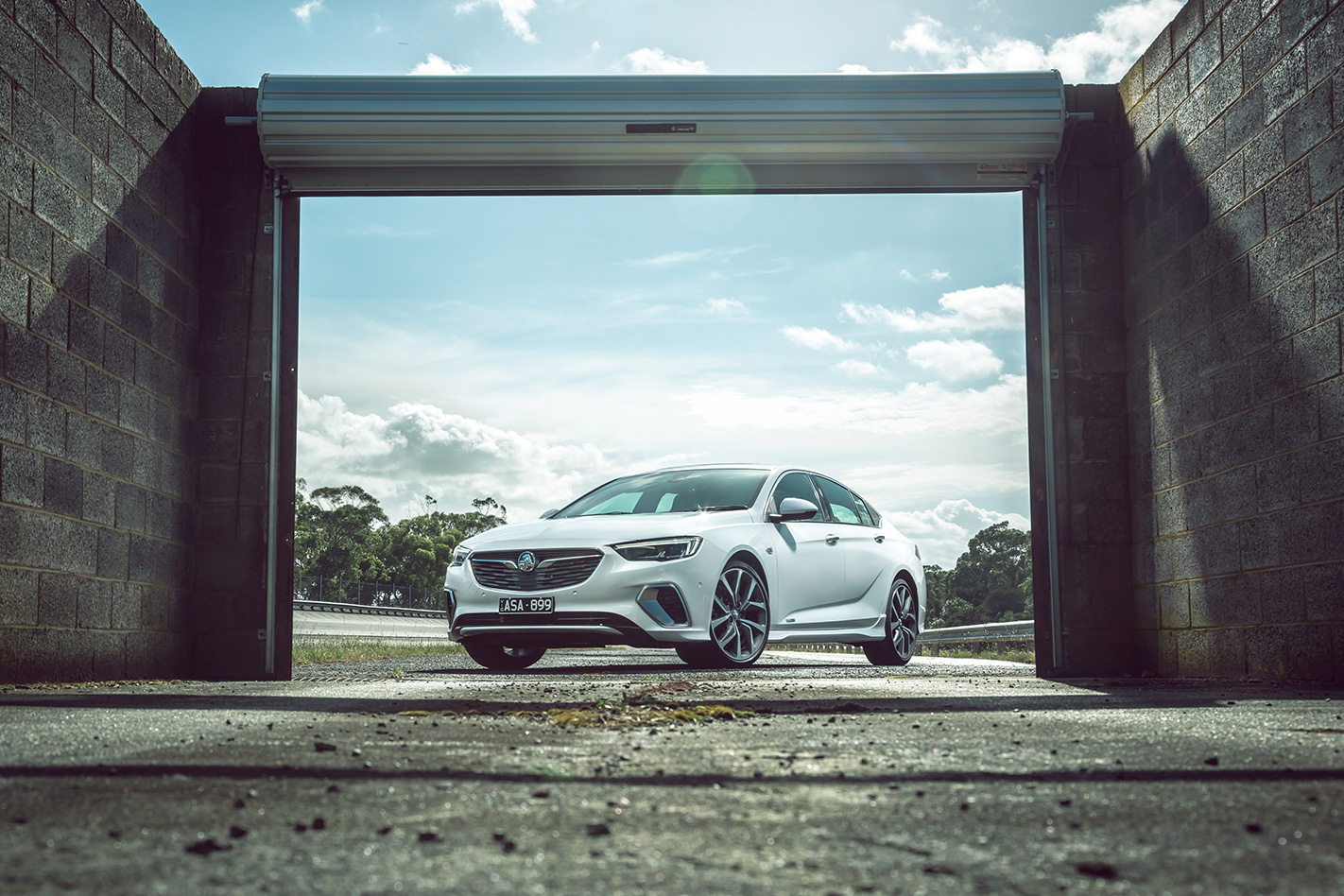
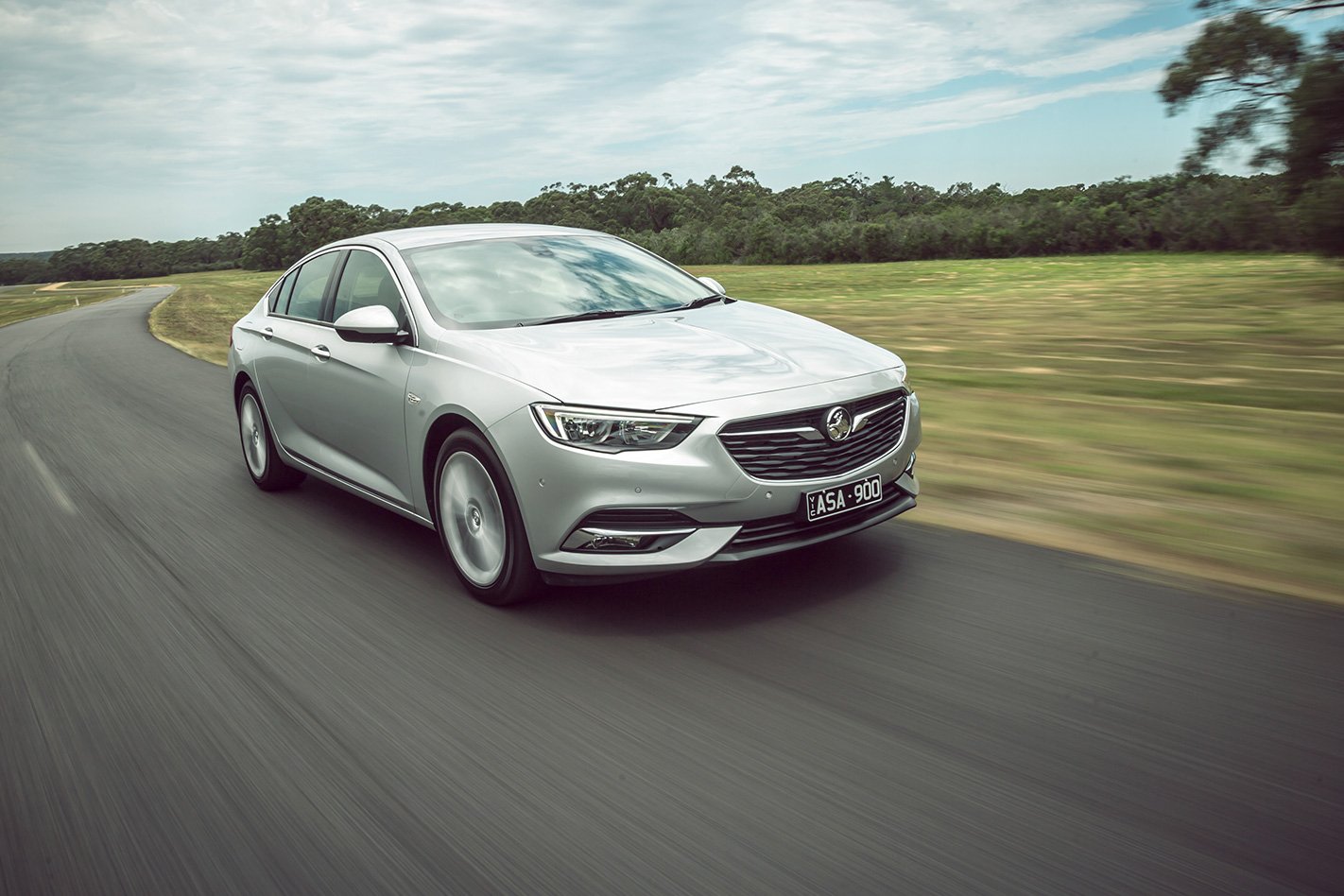
Year to date, Commodore sales are down more than 50 percent on the same five-month period last year at 4225, preliminary data shows. Of those, only 2204 are of the new Opel Insignia-based ZB – meaning Holden has sold fewer of its new Commodores this year than Ford has sold Mustangs (2285), though the Commodore has only been on sale since February.
Holden, meanwhile, had another month of struggles in the showroom during May, falling to number eight on the charts after managing just 5129 sales for the month. Only the Spark (123) and Barina (284) managed to build on May last year’s numbers — by a combined 12 sales — with the new Equinox (428) finally shuffling ahead of its replacement, the Captiva (370).
Overall, new-car sales tapped the brakes firmly in May, falling to just 100,754 for the month, a 2.1 percent contraction compared with the same month last year. It leaves the market exactly the same margin — 2.1 percent — ahead of the first five months of last year.
All the heat appears to have come out of passenger cars, with sales slumping by 15.6 percent compared with May last year in contrast to sales of SUVs swelling 8.4 percent. Sales of passenger cars to mum and dad buyers alone are down 23.0 percent.
The only passenger car segment to make ground were the big-dollar Astons, BMWs, Maseratis, Jaguars, Mercedes-Benzes, Porsches and Rolls-Royces, the ones costing more than $100,000; the month’s 86 sales represented an 83.0 percent gain on May last year, and has helped to push the segment 68.2 percent ahead of where it was at the end of the first five months of last year.
Toyota (19,571 sales, down 1.5 percent) dominated the market to claim a 19.4 percent share as the perennial market giants, the Hilux trade ute (4385) and Corolla small sedan and hatch (3120) dominated the charts — although the Corolla was easily outsold by the second-placed Ford Ranger (3674).
Mazda (9403) held a narrow lead of less than 600 sales over third-placed Hyundai (8807), with the Hyundai i30 (2779) placing second on the list of best-selling passenger cars head of the Mazda 3 (2586) and Mazda CX-5 (2382). Also helping Hyundai’s sales this month was the strongly-placed Tucson (1839) and the recently introduced Kona (1192), which is slowly building in popularity.
Mitsubishi (6916) continues to rank ahead of Ford (5738), helped by the strength of its top 10 performer for the month, the ASX (2029), and its top 20 performer, the Outlander (1275). Aside from the strongly performing Ranger, Ford’s sales relied mainly on its SUV range including the Everest (422) and Escape (349) to bolster sales — the Mustang (267 sales) is in runout ahead of the introduction of a new model in about a month’s time. This time last year its May sales hit more than 1300.
The Mercedes-Benz X-Class had a decent month, snaring 183 sales to help push the German luxury car brand’s separately accounted vans division (803 sales) ahead of 19th-placed Lexus (812). The X-Class’s sales were almost exclusively for the 4×4 model (only a single 4×2 version was sold for the month) and enough for it to overtake the Great Wall Steed (80 sales).
In the battle of the luxury brands, Mercedes-Benz (2898) finished May slightly flatter than last year’s result, propped up by higher-riding products including the GLA-Class (385) and GLC-Cass (559). BMW (2101), meanwhile, built on last year’s performance slightly helped by a big jump in X3 sales (522). Audi (1851) was softer, though, with both the Q2 (131) and the A3 (291) tapping the brakes. Lexus (812) also increased its monthly sales as new introductions such as the LC coupe (7) and LS flagship sedan (10) built on a strong result from the NX compact SUV (383).
TOP 20 BRANDS
RANK BRAND May ‘18 May ‘17
- Toyota 19,571 19,876
- Mazda 9403 9903
- Hyundai 8807 8312
- Mitsubishi 6916 6521
- Ford 5738 7617
- Kia 5500 5005
- Volkswagen 5430 5080
- Holden 5129 6917
- Nissan 4334 5083
- Honda 4142 3820
- Subaru 4019 4146
- Mercedes-Benz 2898 3026
- Isuzu Ute 2470 2377
- BMW 2101 2081
- Audi 1851 1914
- Suzuki 1432 1626
- Renault 1000 1091
- Land Rover 850 704
- Lexus 812 767
- Jeep 728 701
RANK MODEL May ‘18 May ‘17
- Toyota Corolla 3120 3160
- Hyundai i30 2779 2683
- Mazda3 2586 2594
- Mazda CX-5 2382 2298
- Toyota RAV4 2063 1977
- Mitsubishi ASX 2029 1742
- Volkswagen Golf 1951 1534
- Kia Cerato 1843 1,735
- Hyundai Tucson 1839 2135
- Toyota Prado 1712 1619
- Nissan X-Trail 1476 1992
- Toyota Camry 1451 2233
- Honda CR-V 1342 512
- Mitsubishi Outlander 1275 1405
- Mazda CX-3 1,274 1542
- Toyota Kluger 1271 1145
- Kia Sportage 1267 1206
- Hyundai Accent 1251 1353
- Subaru XV 1223 145
- Hyundai Kona 1192 –
Jaguar Land Rover Australia is preparing the ground for the arrival of its first pure electric vehicle in October this year with a $4m fast-charger network that adds 150 stations into the system.
The plan is to equip all 45 JLR dealerships and the national headquarters with the stations necessary to recharge the new I-Pace and sister brand’s Range Rover and Range Rover Sport plug-in hybrid variants, when they arrive here in August.
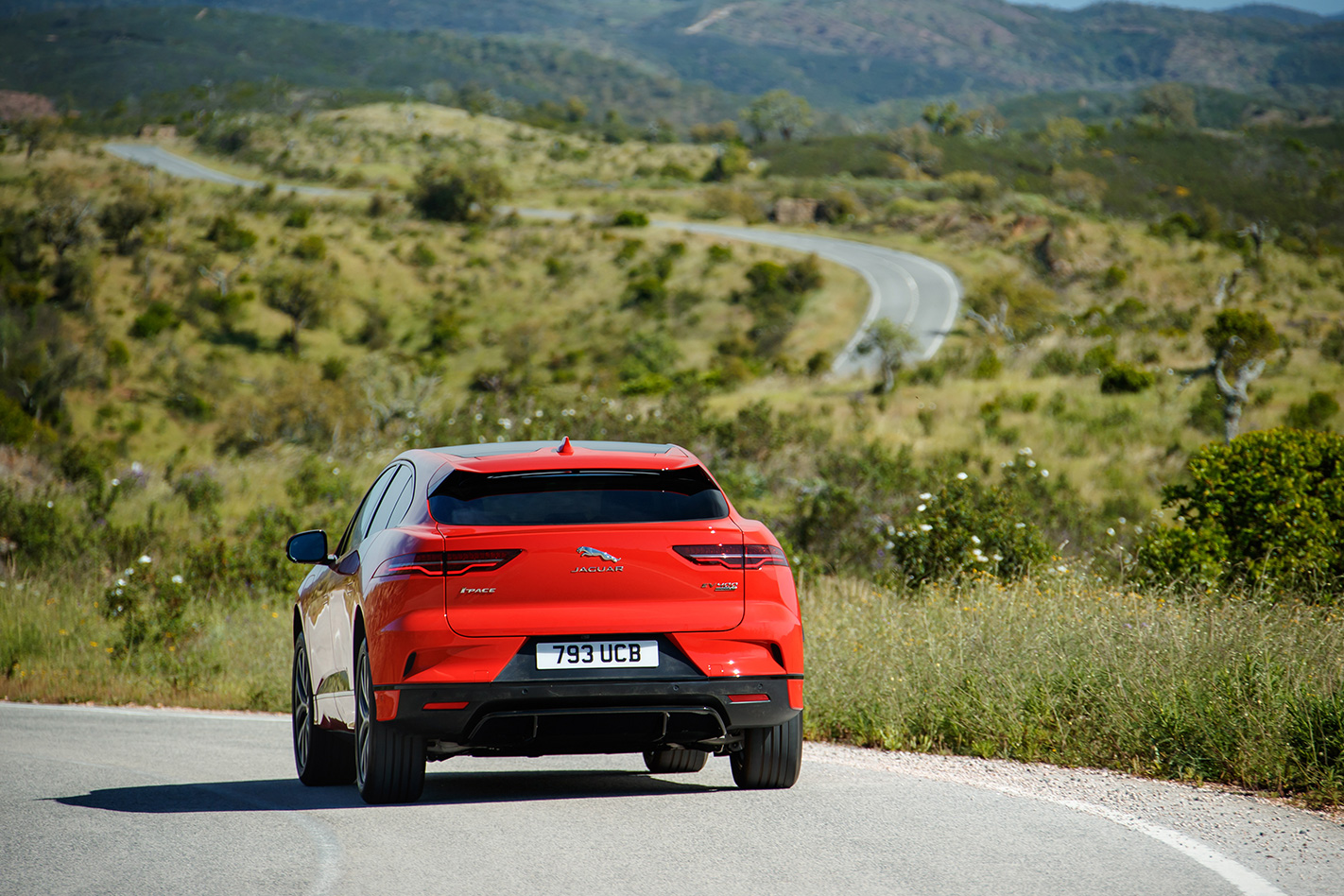
Chargers will be a mix of 7kW AC and 25kW DC depending on the location, allowing customers to top up whenever they visit a JLR showroom or service centre.
Jaguar’s EV foray kick-starts the flow of zero-emissions SUVs to Australia and will be followed by competitors from Mercedes-Benz, Audi and BMW. While none of the brands expect their pure EV offerings to be volume sellers, the advent of the segment is an important automotive milestone.
As the government continues to sit on its hands regarding zero emissions vehicles incentives, increasing numbers of manufacturers are taking matters into their own hands to make EVs more attractive to customers.
Early adopters of the I-Pace are offered a 7kW home-charging wallbox for about $1500 and JLR has announced that it has partnered with Jet Charge for the installations. Jaguar joins Audi, Renault, Tesla, Hyundai, Volvo and Porsche as the latest brand to enlist the installation specialist.
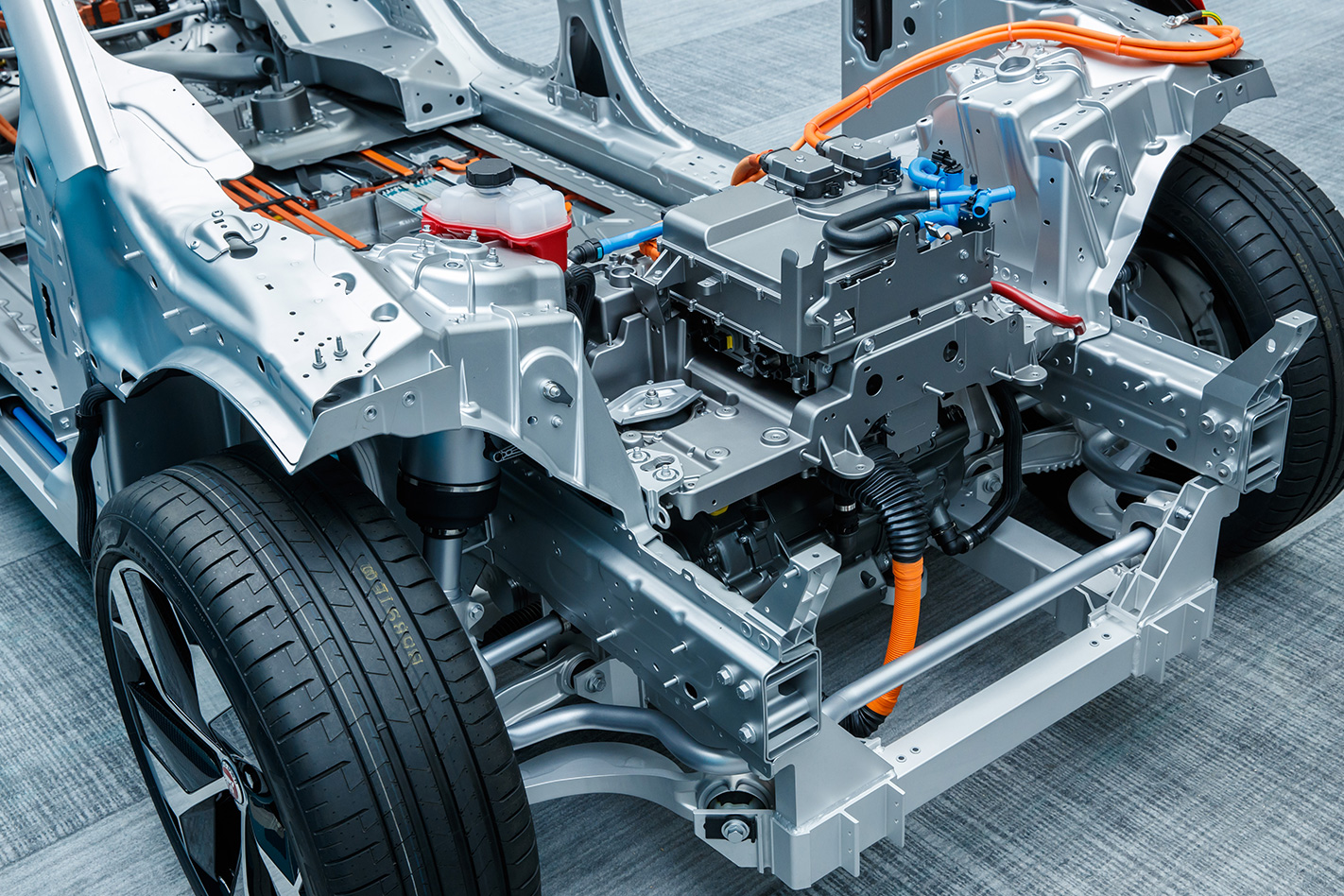
With the equipment, owners can charge the I-Pace to approximately 80 percent in about 10 hours, while high-power 100kW public stations can pump in the same amount of charge in about the 40-minute mark.
I-Pace pricing starts from $119,000 before on-road costs for the entry S and through mid-range SE and HSE before topping out at $159,700 for the flagship First Edition. A three-year subscription to the Chargefox Network – Australia’s fastest growing charge network – is included in the cost.
When customers eventually have to start paying for a charge themselves, the cost of a full charge is about $15 using off peak electricity rates, although the powerwall option allows customers to store electricity produced by solar cells, further reducing running costs.
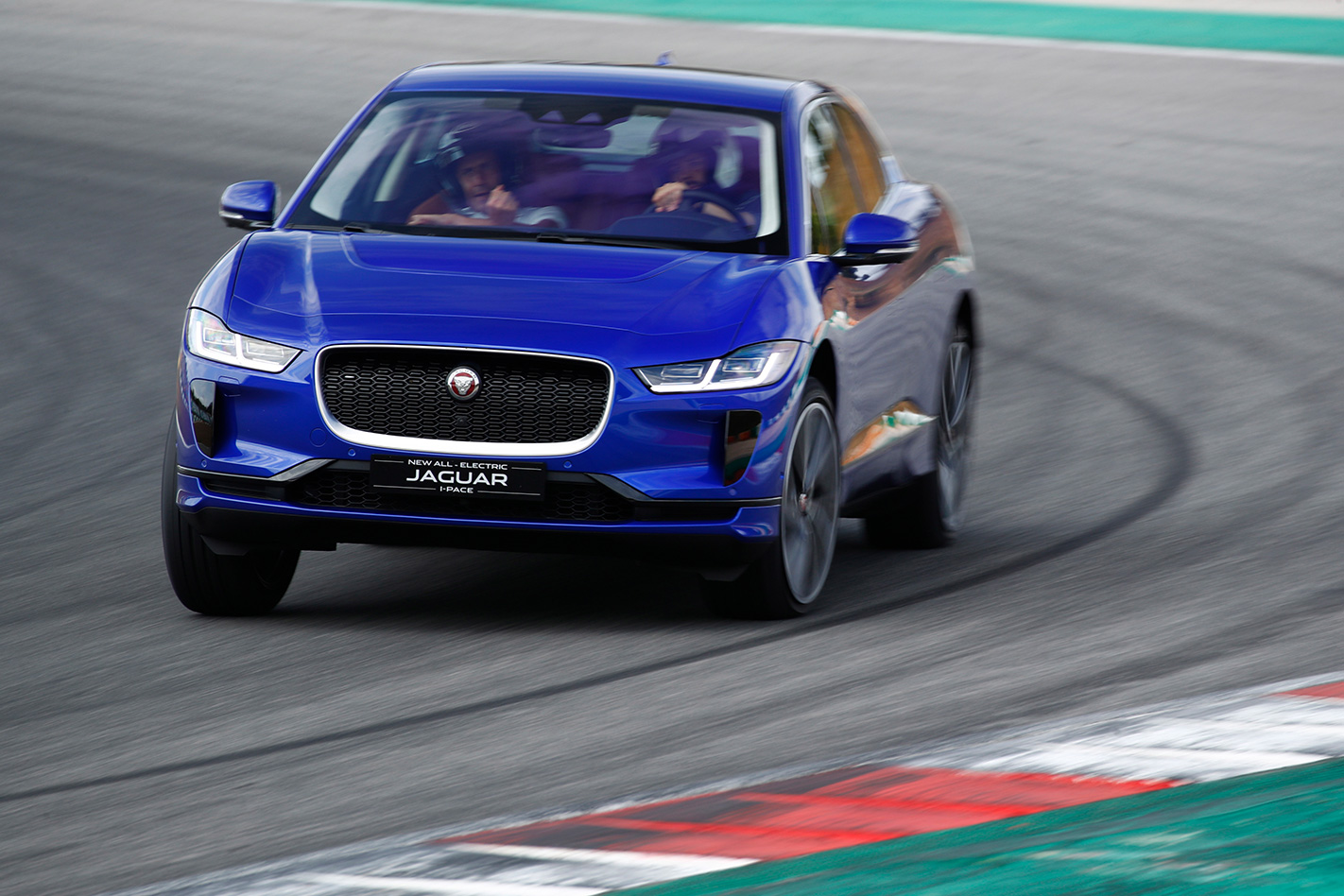
With the announcement of the network roll-out, Jaguar becomes the 10th car manufacturer to join the Australian Electric Vehicle Council, building momentum for the EV cause Down Under. With a lack of state and federal government incentives, electric vehicle sales here are among the slowest in the world, with about 4000 examples on local roads. However, some manufacturers, including JLR, are pushing ahead with an electrified model strategy.
Californian startup Tesla has garnered some success selling Model S and Model X to Australia’s high-performance and luxury-hungry market, but does not publish official sales numbers. Until now, the company has been largely unchallenged in the EV market, but that is set to change with the arrival of Jaguar’s offering, with more competition on the way.
Jaguar Australia has about 10 I-Pace orders in its books but expects that number to pick up now the model has launched globally to a generally positive response from the media.
WAZE, Google’s driver community-fuelled, smartphone-based satellite navigation system that can flag hidden speed traps for users, will be rolled out to Ford Australia’s vehicles, the carmaker has announced.
Ford said Australian users would soon be able to plug an iPhone into their Sync3-equipped vehicle and use the app, even controlling it using voice commands.
As well as potentially saving cash on speeding tickets, the Waze app can reroute around gridlocked traffic, find cheap petrol and report crashes — not to mention push ads for the nearest Happy Meal deal.
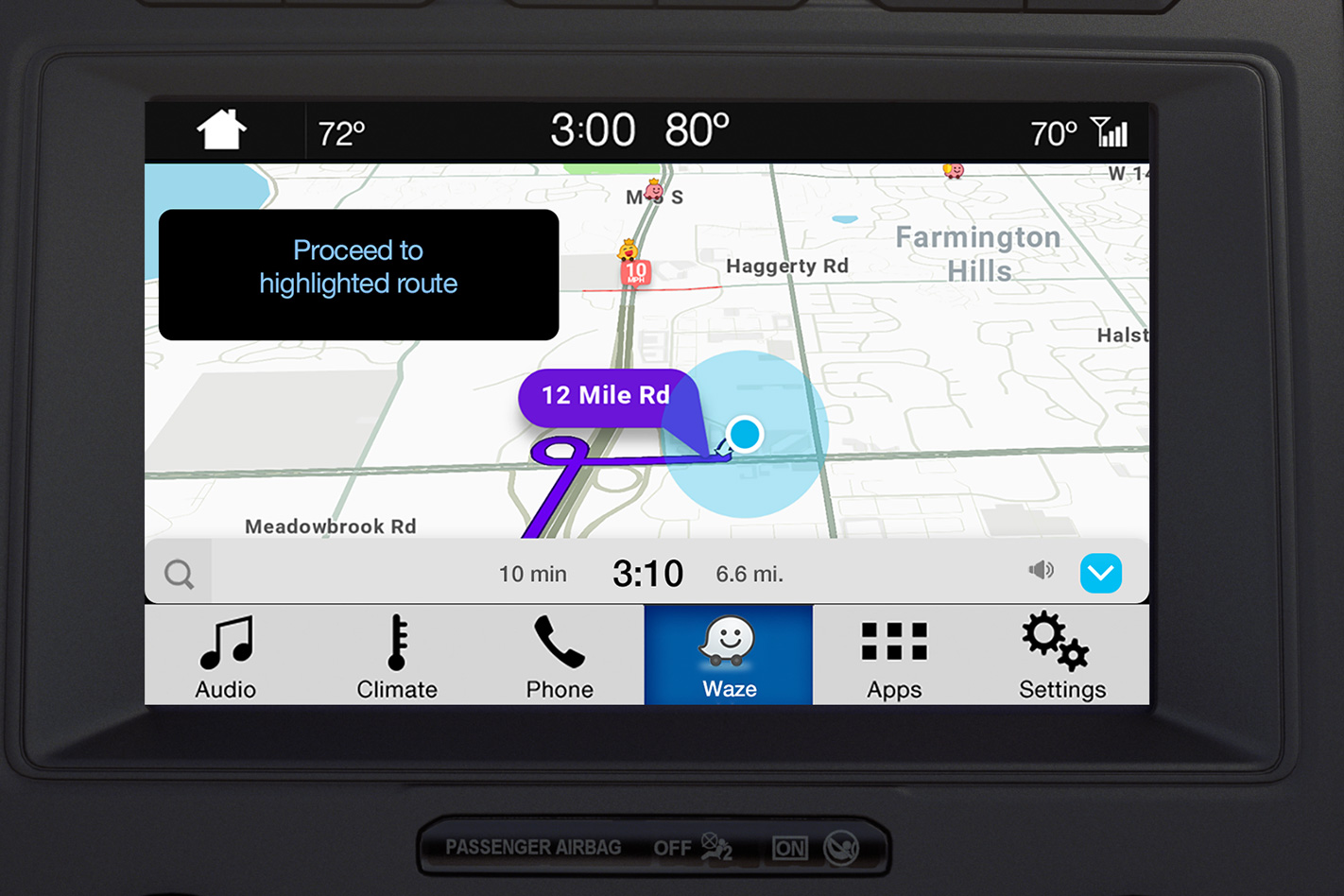
No support is yet offered for Android users.
“Our goal is to make it as easy as possible for people to access the smartphone features, apps and services they care about most in the car, without having to pick up their device,” Ford’s infotainment senior applications engineer, George Christopoulos, said. “With Waze, our customers get the benefits they’re accustomed to with the added luxury of experiencing them on a bigger screen.”
Waze uses crowdsourcing to tap its users for information about how traffic is flowing. It tracks people’s commute, and allows them to report congestion and crashes in real-time, which is then used to ease the daily commute for other Waze users.
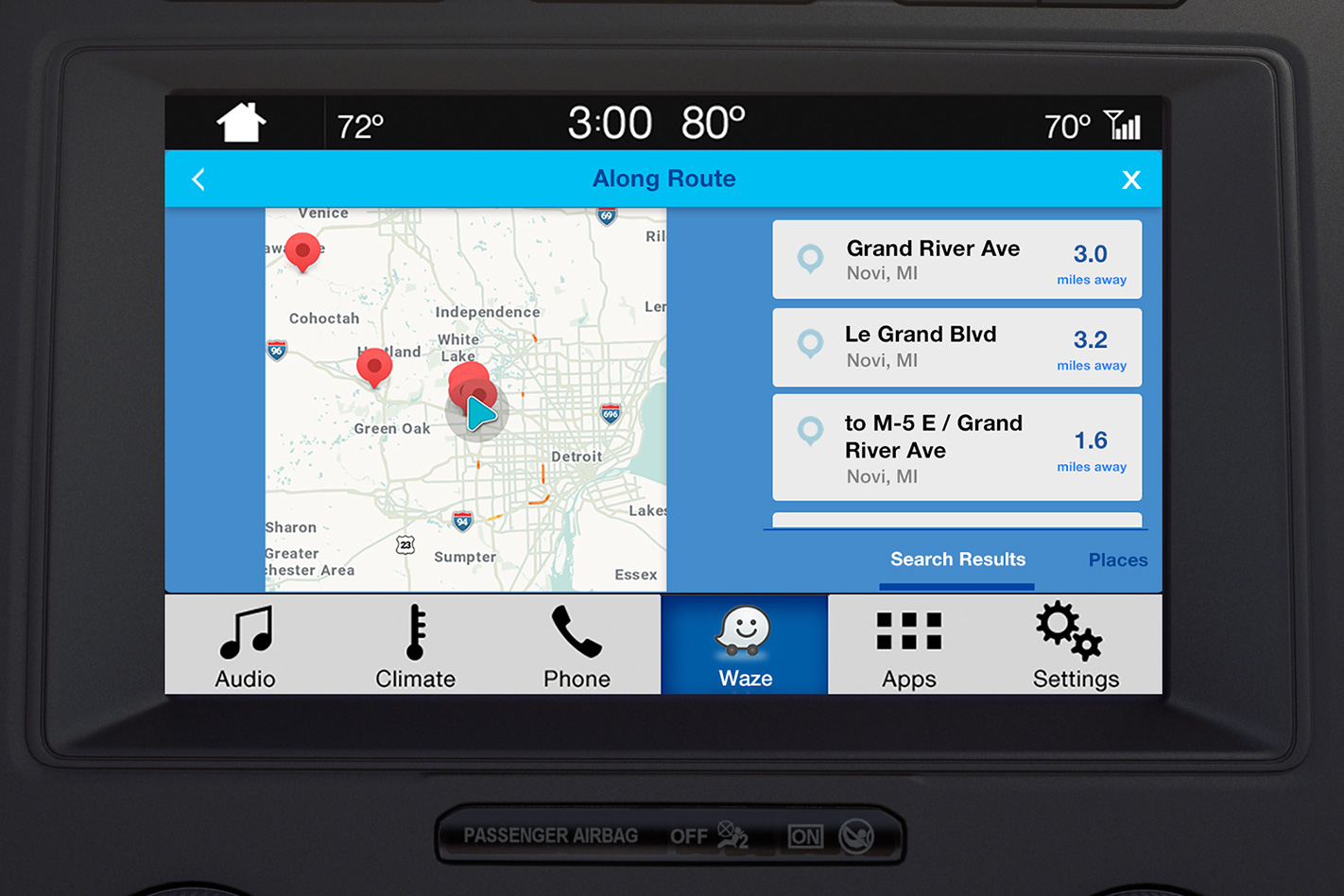
As well as police, users can also flag other roadside hazards including mobile and fixed speed cameras, broken-down cars and roadworks.
The map network that Waze uses is also updated via its community, meaning new roads are added quickly. The software’s developer claims it has more than 100 million users globally.
THERE’S a pocket of industry in south-eastern Melbourne with deeper significance to the Australian motoring story than it lets on.
Long before Holden Special Vehicles called it home, this site in the suburb of Clayton produced thousands of cars every year to get Aussies mobile.
Volkswagen built the walls and paved the way from 1954, Nissan and Datsun took over in the 1970s, before the baton was eventually handed to Volvo who let the site fall silent in 1988.
HSV picked up the torch in 1994 and more than two decades later began assembling the vehicle Australia will forever remember as the high water mark for locally made cars – the HSV GTS-R W1.
The race-derived super-sedan is the most extreme thing to leave the Clayton facility in its 63-year history, and while the last examples of HSV’s masterpiece were still rolling down the line, Wheels snuck behind the roller door to find out exactly what goes into building each one.
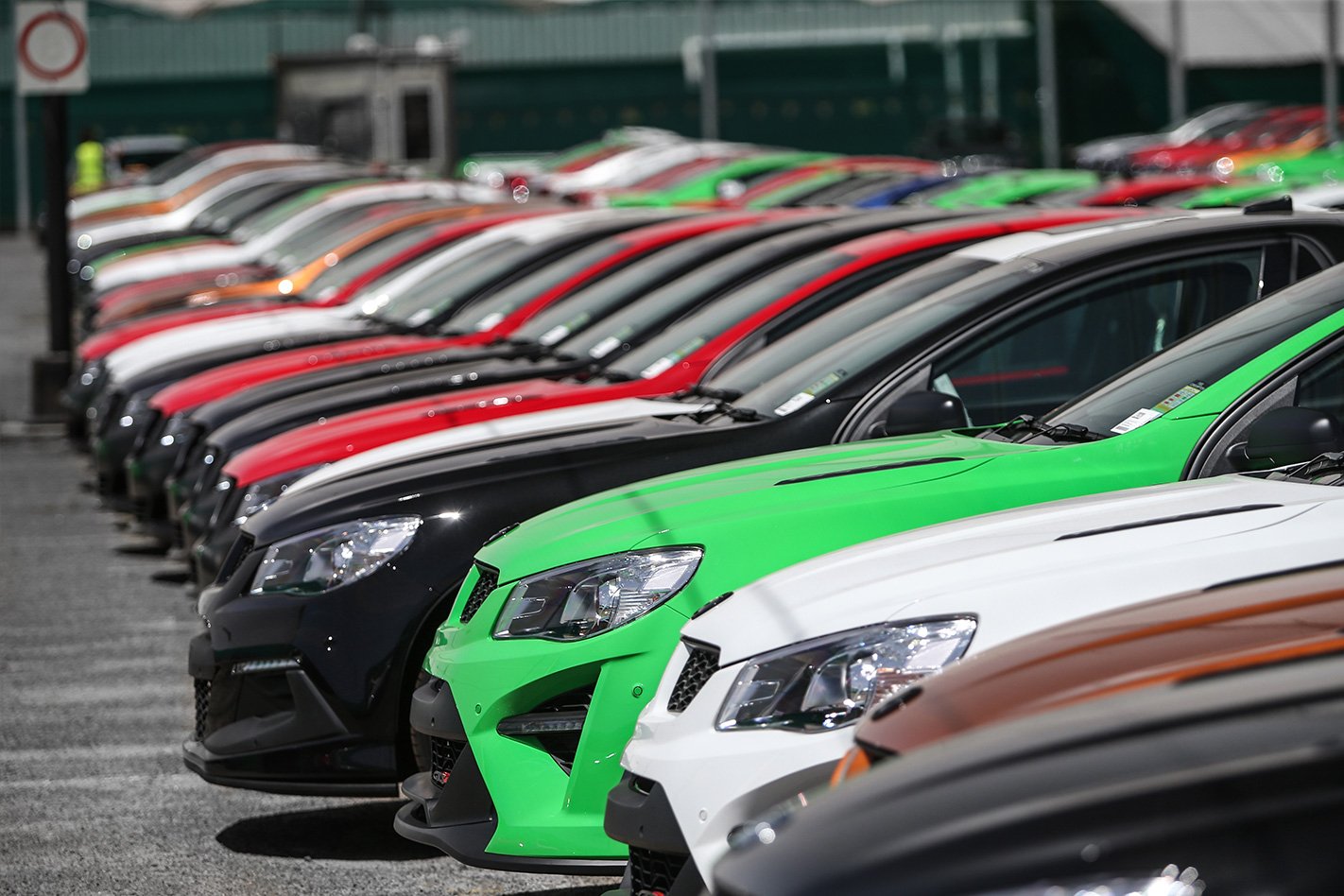
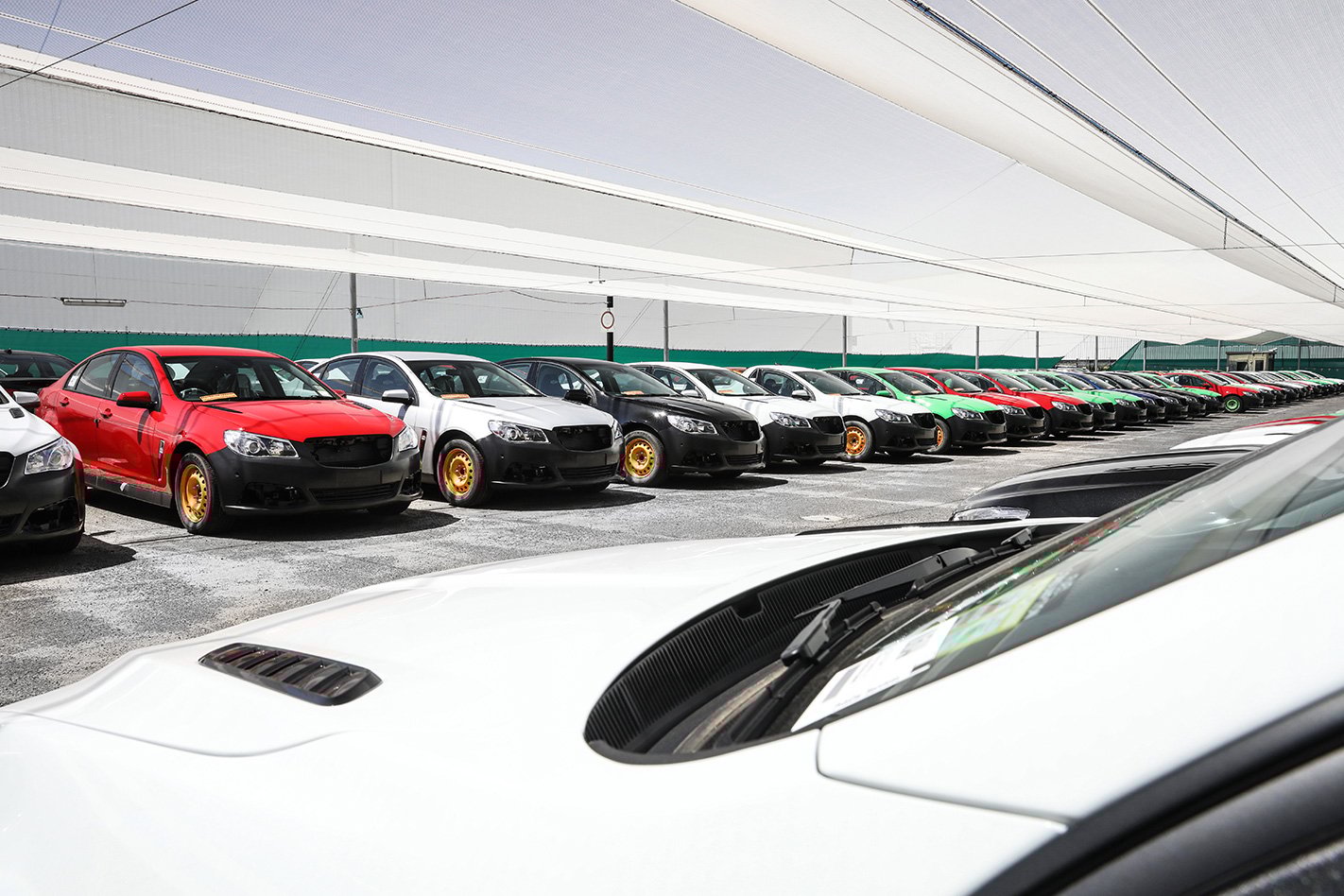
Today, the operation spans three buildings and an undercover car park with more than 400 cars on site. Transforming a VFII into a W1 takes 15 separate processes, a team of people and roughly six days to complete. Typically, about 80 production staff assemble 15 to 18 vehicles per day in this big, ageing shed. That number swells to 25 at times like this when demand is peaking. The workshop is a hive of productivity.
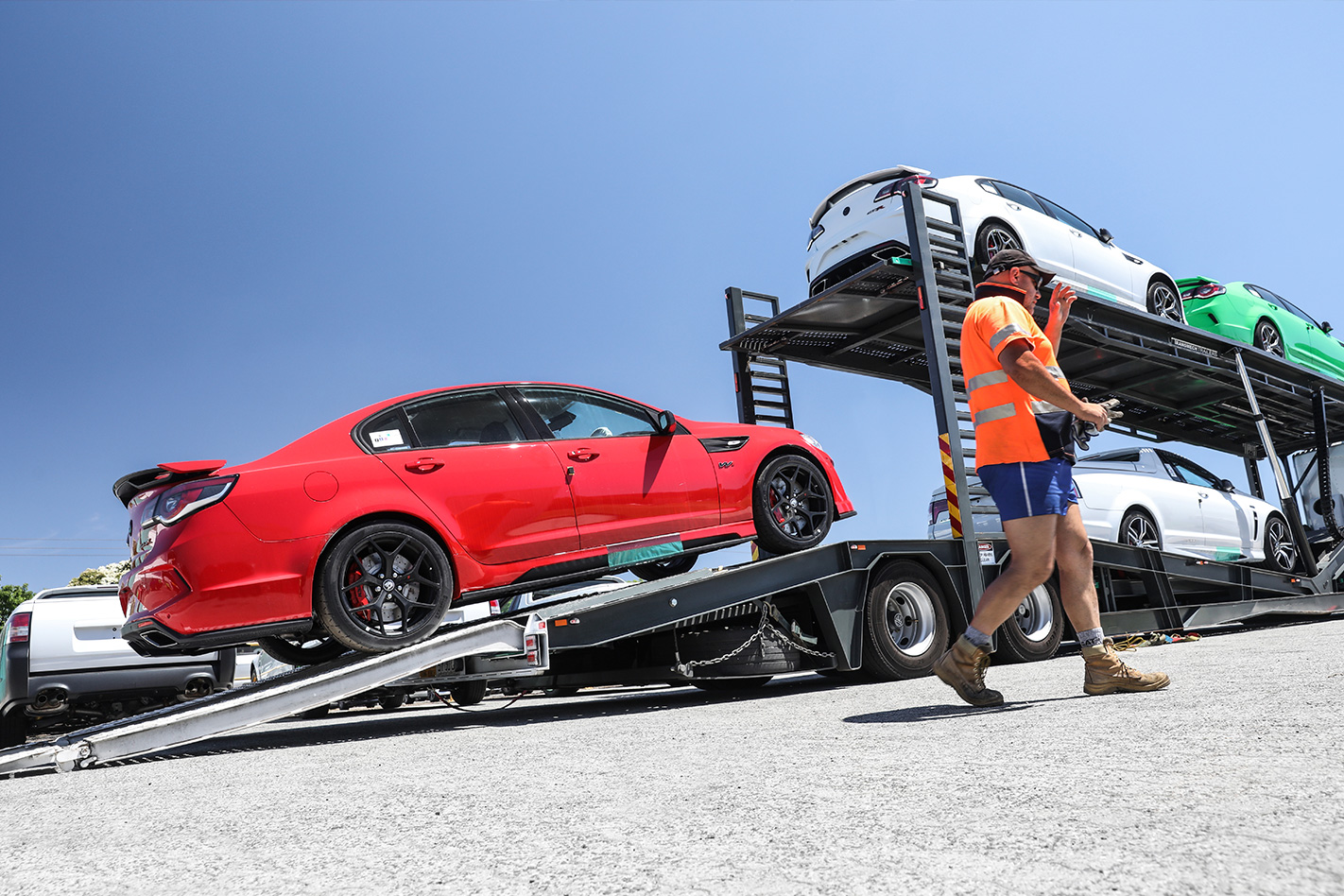
Donor vehicles ordered months in advance have been arriving en masse from Holden’s Elizabeth Vehicle Assembly Plant (VAP) in the weeks leading up to its closure. As always, they appear as complete ADR-compliant cars wearing raw black bumpers and temporary steel wheels painted bright orange or green. It’s a humble beginning. Only a small ‘W1’ written in paint marker on the windscreen indicates their destiny.
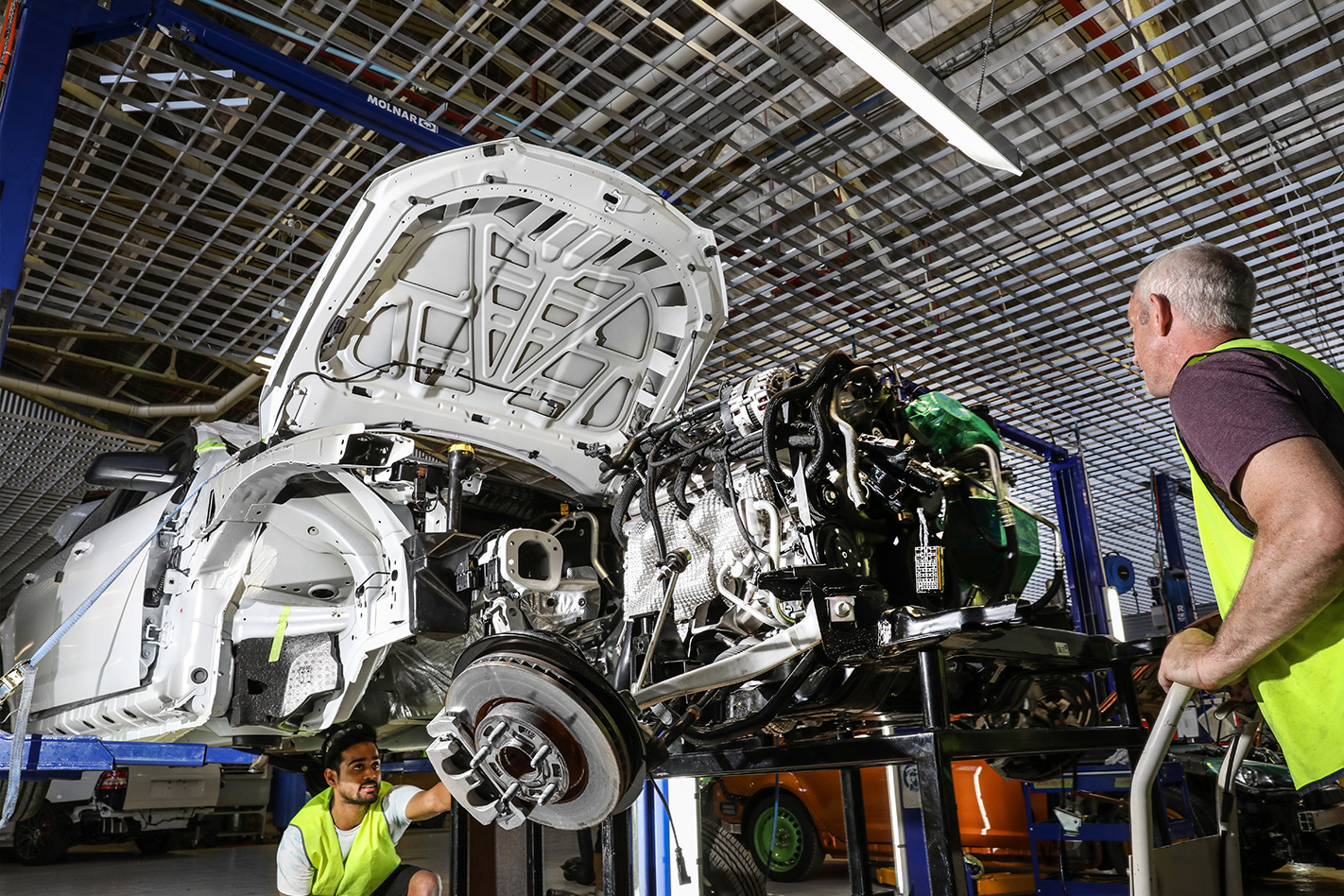
That’s the big W1 production challenge. Every other HSV has its one and only engine sitting up front before the enhancement process starts. The W1 doesn’t. “W1 is a big build. Engine, gearbox, front cross-member and front suspension all come out in one hit,” Purcell explains.
The station responsible sits in a corner of the workshop set up specifically for the W1 program where two cars can be worked on at one time. The front sub-frames of each, cradling the engines, gearboxes, and with control arms and braking components attached, are lowered onto rolling jigs engineered specifically for this purpose and wheeled away to a sub-assembly area.
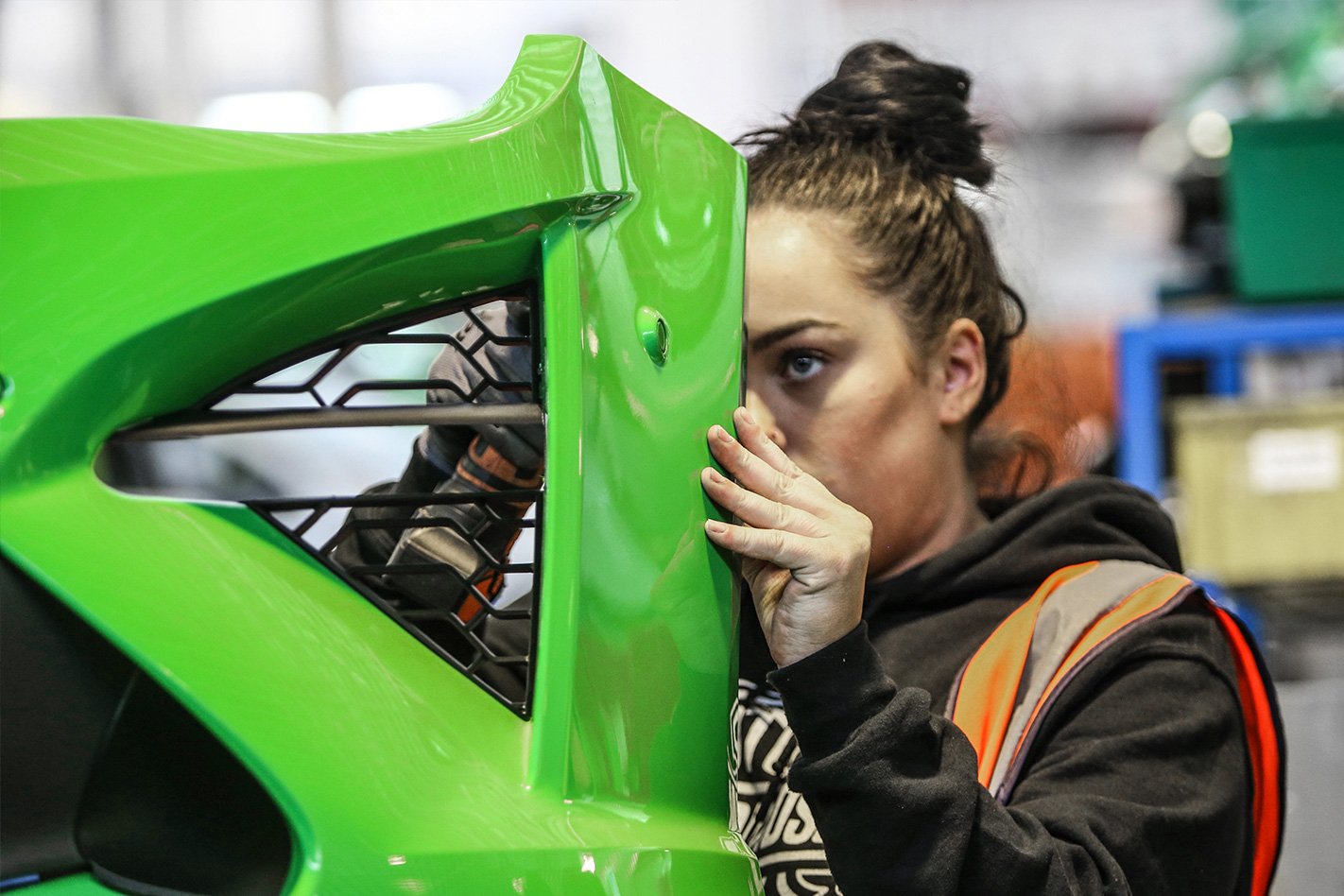
“I moved over from Adelaide. As a Holden fan I saw it as a great opportunity to come and work for HSV. There are only 300 W1s being built, so to be one of six people that do it, it’s a great honour,” she tells me with obvious pride.
In the bay opposite the car she’s working on, the unneeded LSA engine and gearbox (destined to return to Holden to be sold as spare parts) are craned out of the sub-frame to make way for the W1’s ultimate cornerstone – the 474kW/815Nm 6.2-litre supercharged LS9 V8.

“Each of the engines is hand assembled in the US and has the assembler’s name on a plaque, similar to the LS7 program that we did for W427,” says Purcell, recalling what was the most expensive HSV in history until W1 came along.
Most of the LS9’s factory ancillaries are unsuitable for the W1 application. Exhaust headers, engine mounts and oil cooler are removed and replaced for packaging reasons. The dry-sump oil reservoir is altered to HSV’s design for chassis-rail clearance. Heater hoses are changed, coil packs are moved and a new wiring harness added before an engine number is stamped onto the block and the final ensemble lifted back into the sub-frame.
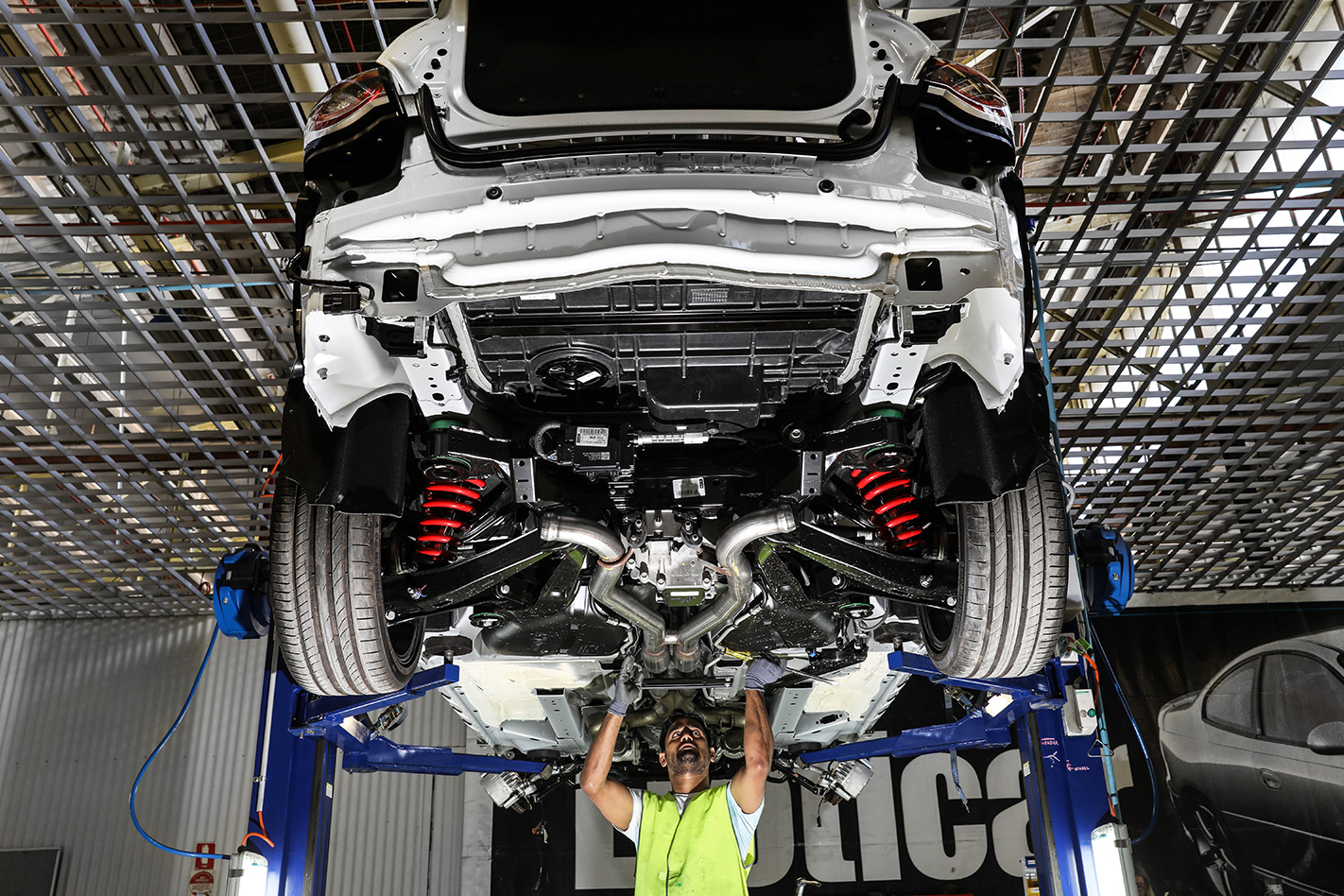
“Our ‘robots’ all have hearts,” jokes Purcell. “It’s about a six-hour turnaround from having a running LSA to a running LS9. The guys are quite good at it. Once you’ve worked in this area for a few weeks you know every nut and bolt of the job.”
Customers have the opportunity to come in and witness their car being built and it’s this part of the process the W1 buyers want to see most. Purcell is the man who makes it happen.
Visiting the workshop is a seminal experience. Tom’s Cafe (named after Mr Walkinshaw) is a shrine of signed memorabilia from years past. Old race-car parts are stacked on top of break-room lockers. Magnesium V8 Supercar wheels, stickered-up race-car doors and stylised illustrations drawn by HSV designers hang on the walls.
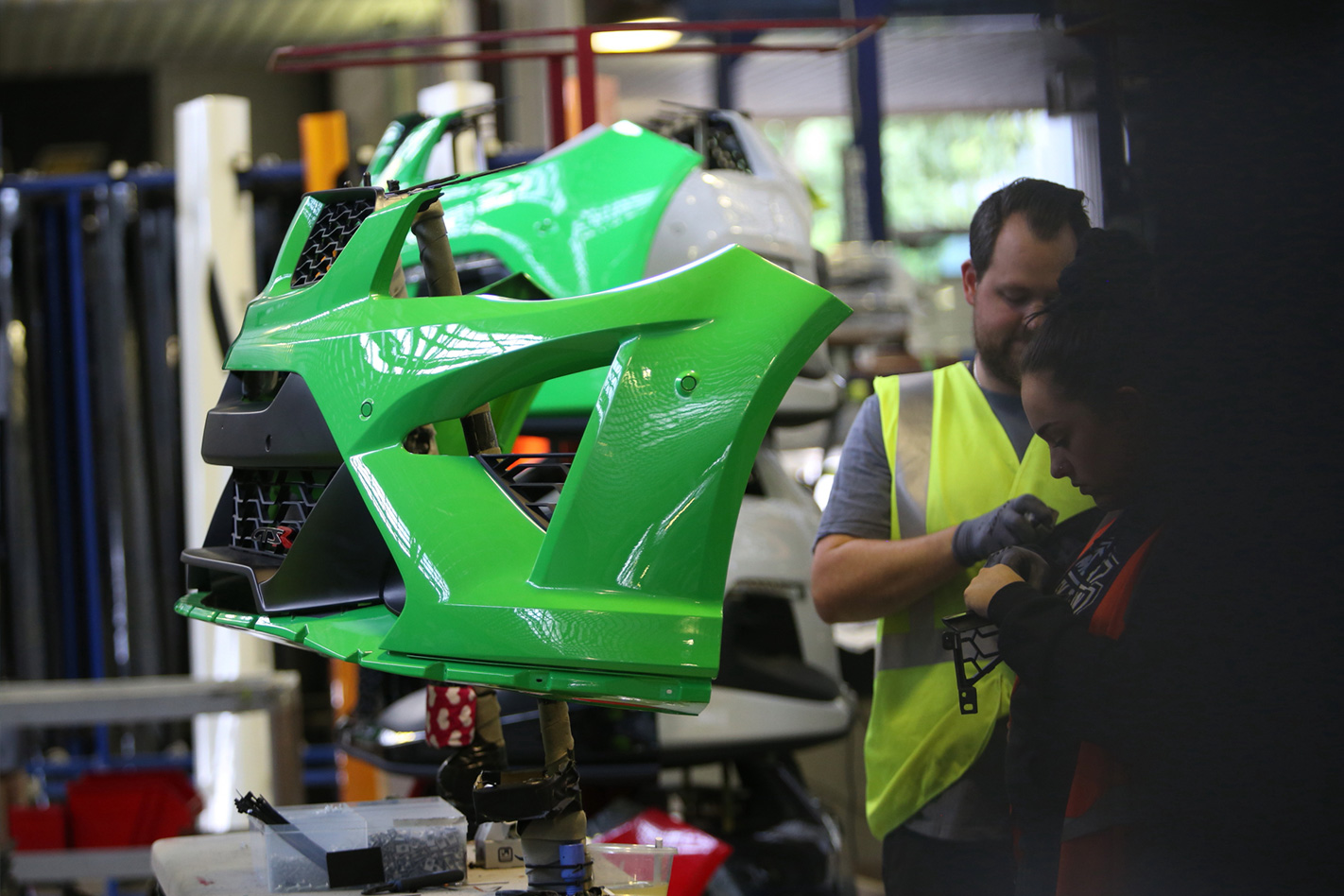
Each W1 returns to the regular production line ready to receive its wide-body front guards. They’re prepared by a bearded bloke named Cameron, who attaches the carbonfibre inserts to each side with practised finesse.

Cameron’s handiwork is followed by fascia fit-up, where the W1 gets its distinctive bumpers, model-specific spoiler with carbonfibre upper plane and a requisite ‘I just want one’ sticker on the rear windscreen.
“These bays are based on 25-minute turnaround times,” says Purcell. “Not so the guys are rushed, just so the cars move in sequence.”
A four-post hoist raises each car for access to the side skirts at a working height where all doors can still be opened. It’s one of 22 hoists in total. Here, the engine cover, tyre placard, key fob decal, petrol cap sticker, floor mats, bonnet badge, rear badges, sill and centre console badges are all added.
Exterior decals are attached using 3D-printed jigs for alignment. Warming drawers keep the adhesive backings primed. The nameplates of deceased HSV models are plastered to the outside of tool boxes all over this area. From here, it’s on to brakes, wheels and tyres.

These are finishing touches from a production point of view. Assembled W1s roll off the last hoist and down a bump track to reach the wheel-alignment bays, where they’re set up to a HSV spec that’s different to any Commodore.
“Nobody will be happy to chew out these tyres in 200km,” says station operator Dale. He’s a dab hand who has been at HSV for seven months and is already training others to use the apparatus. The accuracy needed is time consuming given the W1’s focused suspension and extreme tyre performance.

“We then get down to the final hoists,” says Purcell. “A full visual inspection and checks of safety-critical things, then a road test outside the complex to make sure the steering wheel is straight, brake pedal is good and there are no negative attributes.”
End of line validation includes up to 200 quality checks. A second set of eyes at the penultimate station inspects the inspectors and even assesses the bits HSV hasn’t touched.
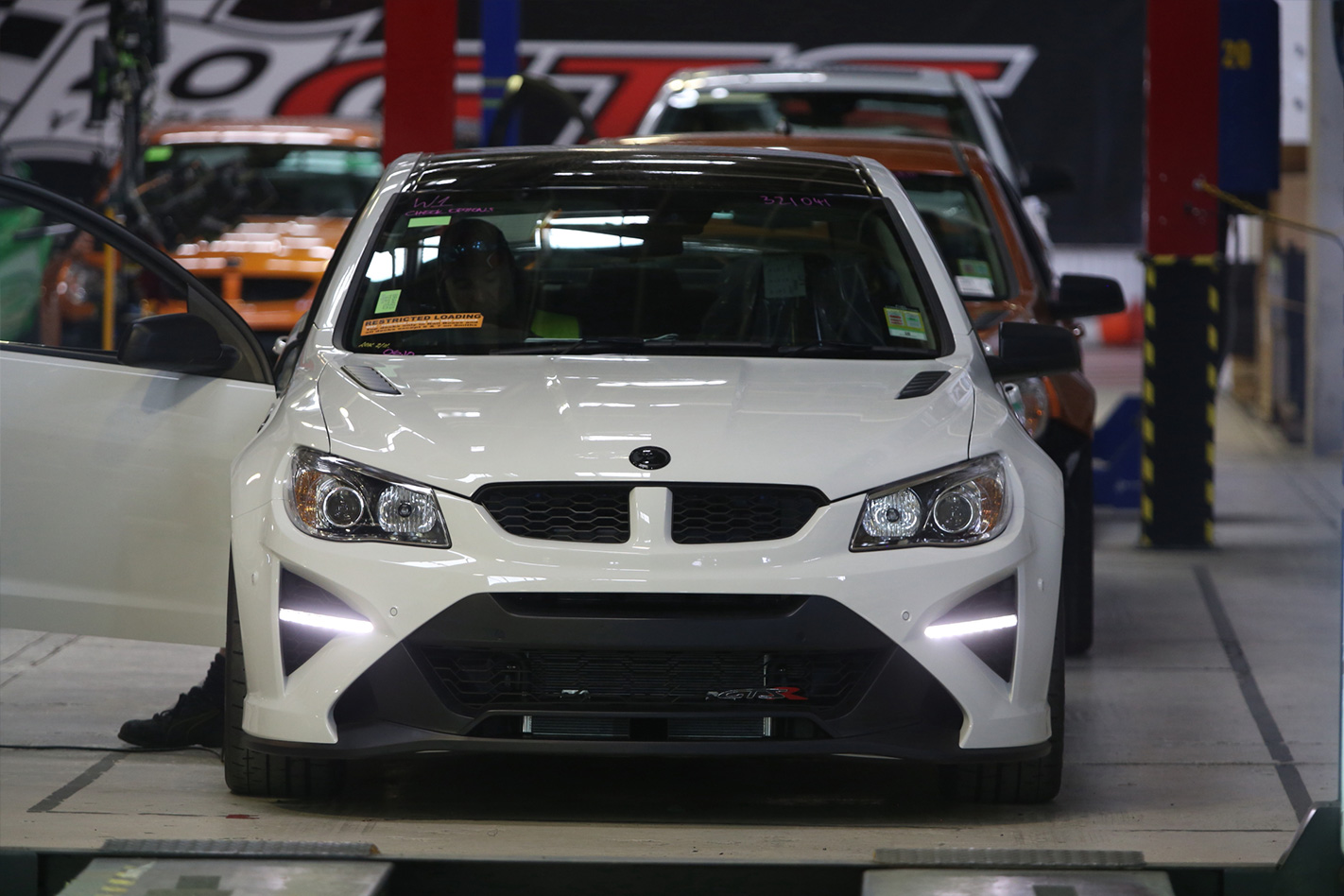
Quality is an ongoing theme here. A huge sign on the wall near the entrance reads, ‘Quality is our legacy.’ I feel a pang of pride at the end of the line, as the W1 I’ve followed through the last steps receives its build plate and VIN decal: its badges of honour.
This is the end of an era for HSV, but what a way to go out. Seeing Australia’s superlative vehicle pieced together by hand is an eye-opening way to appreciate the level of engineering inside each W1. There will never be anything else like it.
He knows where I’m coming from. “We have an internal mantra here, and that’s ‘pushing boundaries’,” he says, with just a trace of melancholy. “It’s been bloody good fun.”
LEGO, along with Bugatti, has announced the launch of its newest complex creation, the LEGO Technic Bugatti Chiron.
Made up of 3599 pieces, it’s one of the more time-consuming sets released by the company. At a roughly 1:8 scale, it measures 14cm high, 56cm long and 25cm wide.
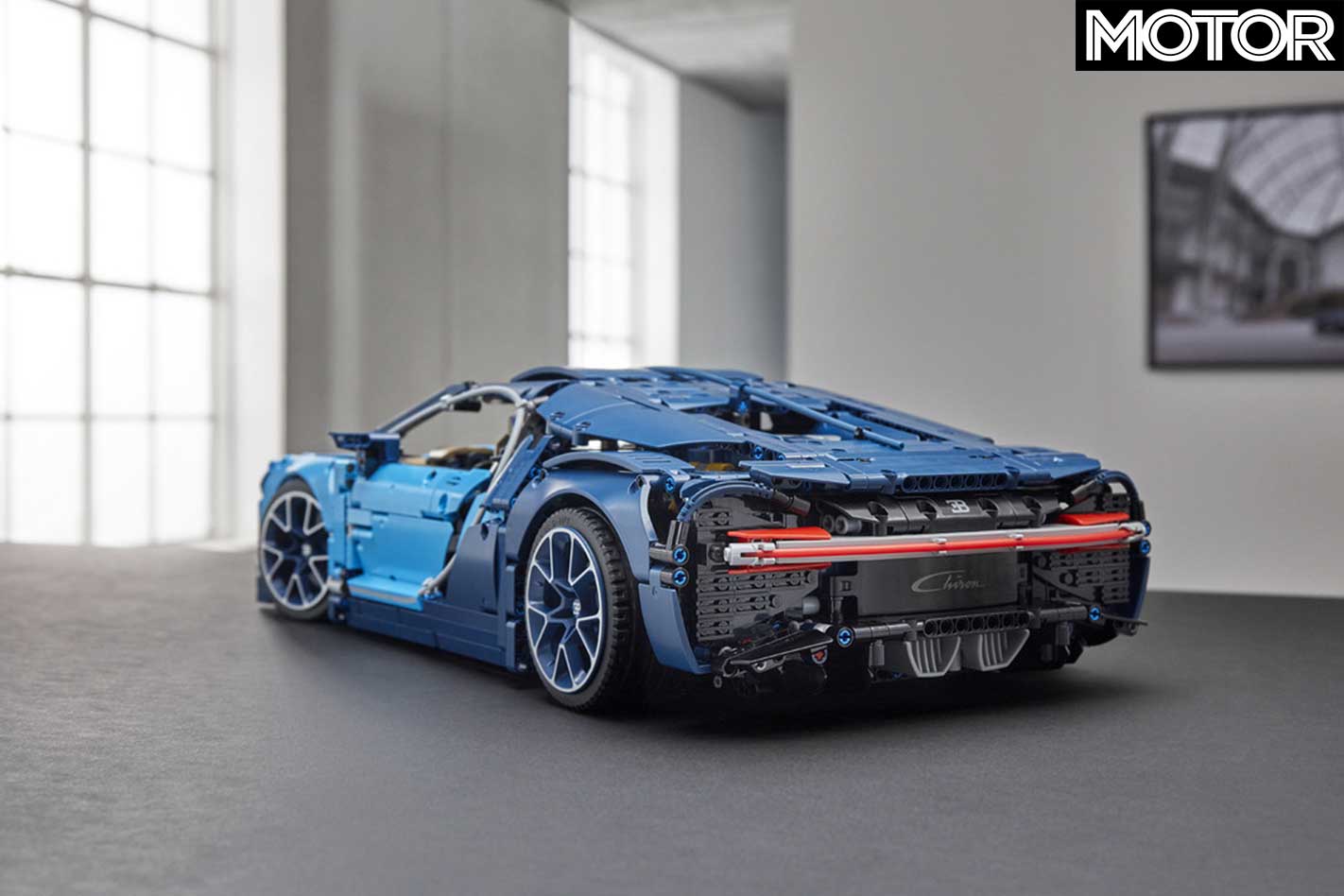
It’s about as functional as a small plastic car can be, with doors and a hood that all open, as well as proper suspension (which utilises a spring system) and a steering wheel which is actually connected to the front wheels.
Like the LEGO Technic Porsche 911 GT3 RS set which came before it, the LEGO Bugatti Chiron even has an 8-speed gearbox with paddle shifters you can actually pull to ‘change gear’.
The W16 engine’s also got moving pistons, which you can see moving. A ‘high-speed key’ also allows you to raise and lower the rear wing.
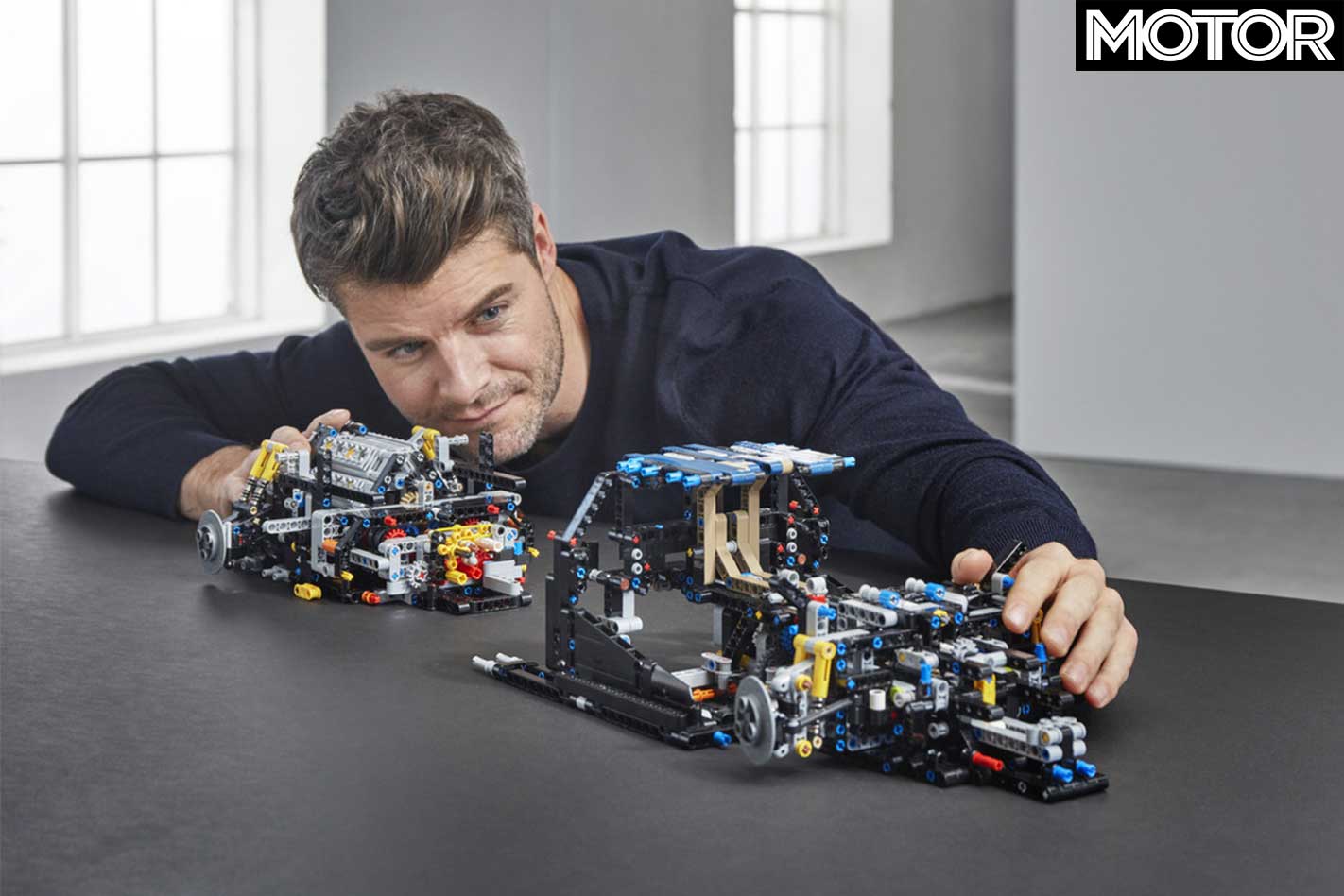
The LEGO Technic Bugatti Chiron, in a mirror of real-life, is more expensive than the GT3 RS (a $500 set when ordered online), coming in at $600. Customers are also limited to one set.
The detail having been put into this set extends to its VIN, the cars will have unique serial numbers, and even a Bugatti-branded overnight bag – small enough to fit in the luggage compartment.
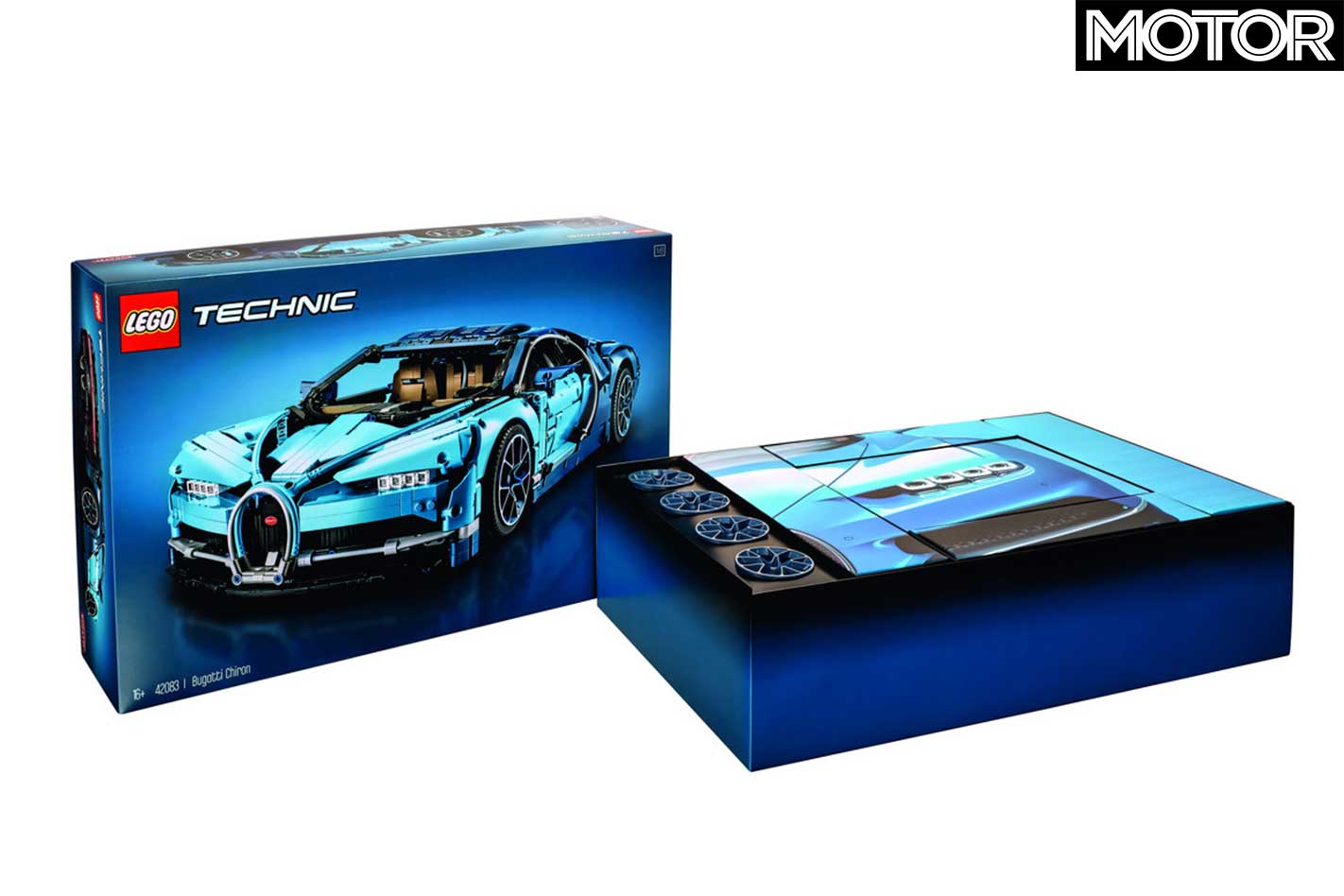
A coffee table book and premium building instructions come in the box with the set, as well as the box itself being quite attractive.
The LEGO Technic Bugatti Chiron can be ordered online in Australia with free standard shipping, though LEGO says it’ll be available in retailers after August 1.
Nissan has announced it will be selling the 2018 version of its Nismo GT-R GT3 racer with delivery to be expected next year.
The car has already undergone some competitive racing under teams partnered with Nissan and Nismo, but hadn’t been made ‘publically’ available for purchase.
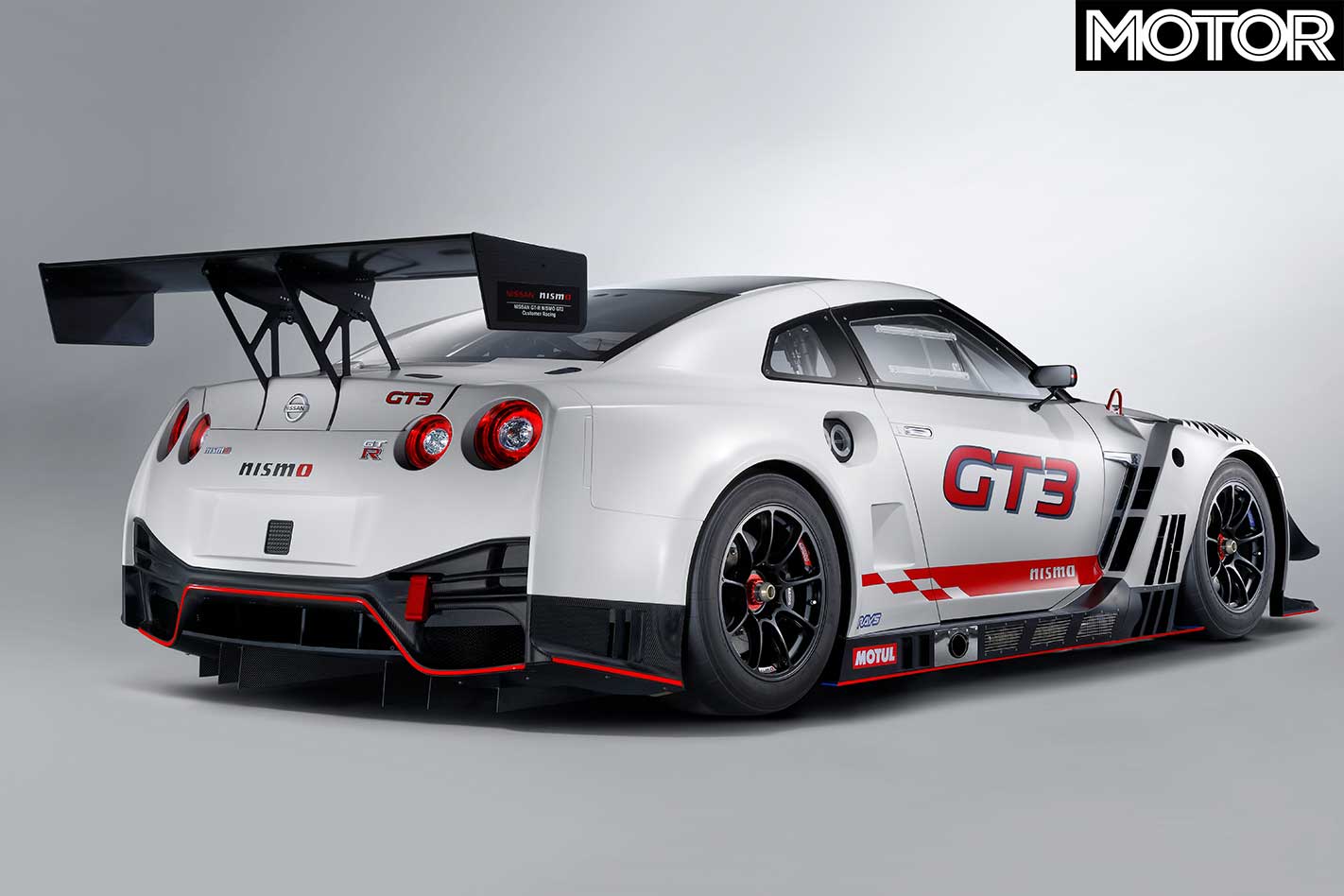
Now, anyone with racing intentions and the money to pay up will be able to own one.
The major change in this car as opposed to the version from 2015 is the weight distribution and centre of gravity have been altered by lowering and moving the engine mount further back in the engine bay.
Suspension, the rigidity of the front and rear of the vehicle, and the balance between downforce and drag have also been optimised, Nissan says.
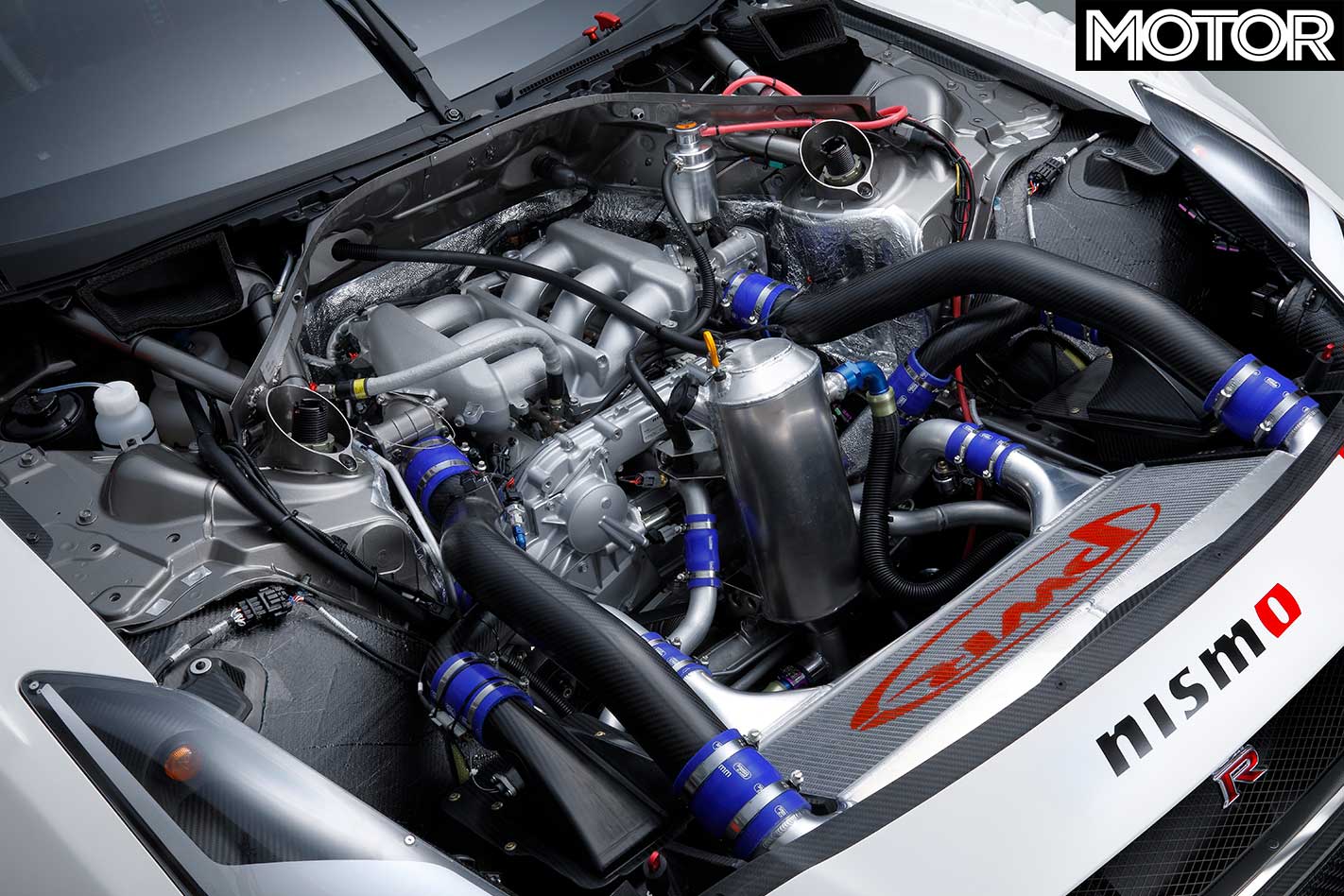
The dry sump engine is capable of over 405kw and 637Nm, though the FIA’s balance of power rules would dictate these figures are not always seen in races, especially given it weighs 1,285kg.
Nismo CEO Takao Katagiri says he’s got ‘high hopes’ the car will be seen competing for various teams around the world.
“To develop the 2018 model Nissan GT-R Nismo GT3, Nismo, as the official sporting arm of Nissan, has made full use of the advanced technology and expertise we have gained through our vast experience in racing, and this car is built to be competitive in GT3 racing around the world,” says Katagiri.
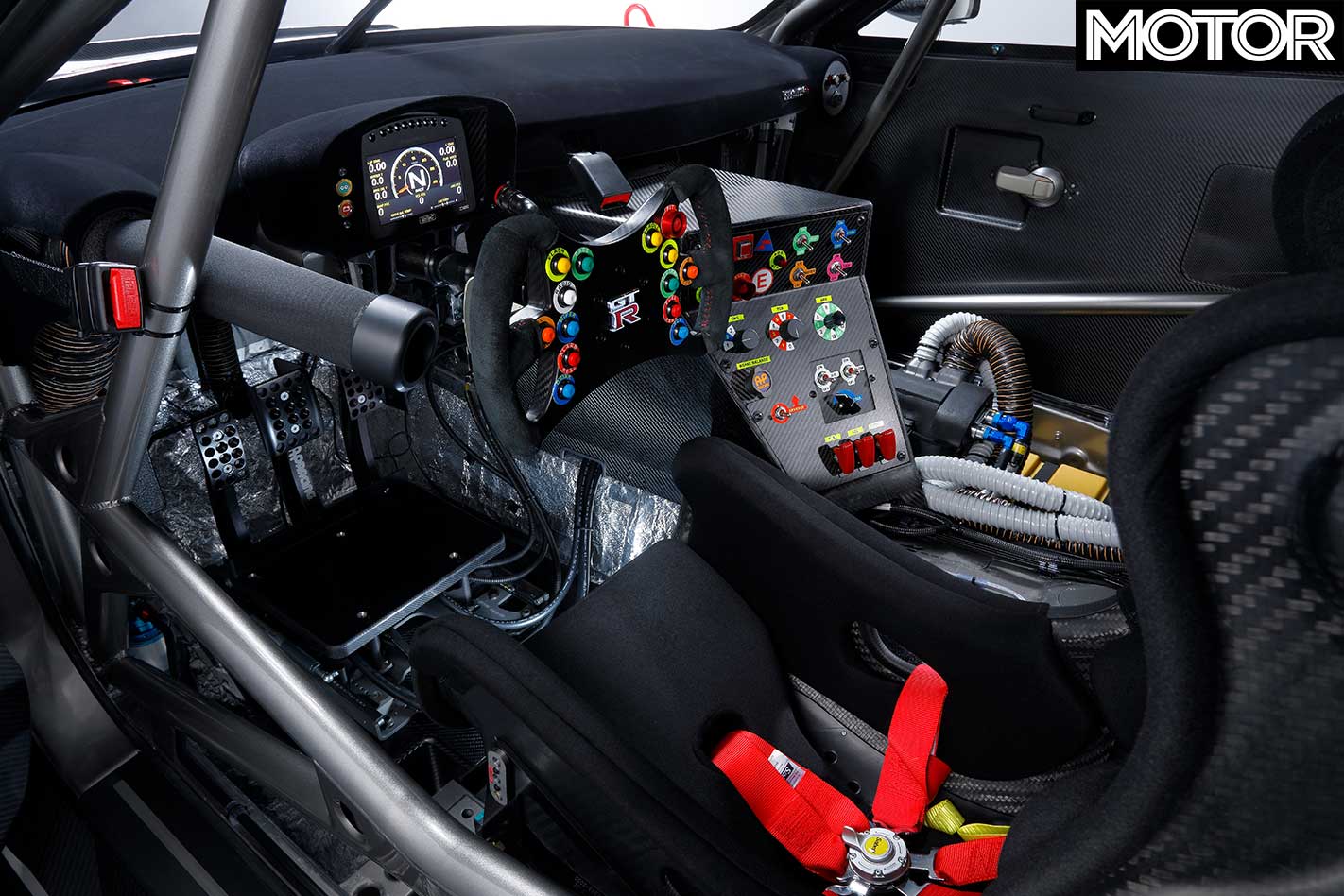
“Whilst this is its first year of actual competition, it is already demonstrating its competitiveness, having attained achievements such as a 3rd place podium finish in the Japan Super GT (GT300 class) and a 3rd place overall finish in the Blancpain GT Series Asia.”
Nismo says the car, without taxes and delivered at the Nismo factory, will cost ¥60,000,000. This translates directly to approximately AUD$720,000, though it’s not wise to bank on getting one onto a track before having spent plenty more than that.
PORSCHE has admitted it will soon be running low on cars for its home market as a crunched European deadline to meet even stricter vehicle emissions targets looms into view.
The German sports car and high-performance SUV maker released a statement late last week admitting that it was struggling to meet the September 1 deadline that means even petrol cars will need to use particulate filters to clean up their act.
Porsche denied media reports that it had suspended all petrol sales in Germany, and diesel sales in Europe, instead saying it had stopped customers making orders over the internet and crunched the number of models in its showrooms as it rushed to meet the stringent new Worldwide Harmonized Light Vehicle Test Procedure (WLTP) measuring cycle.
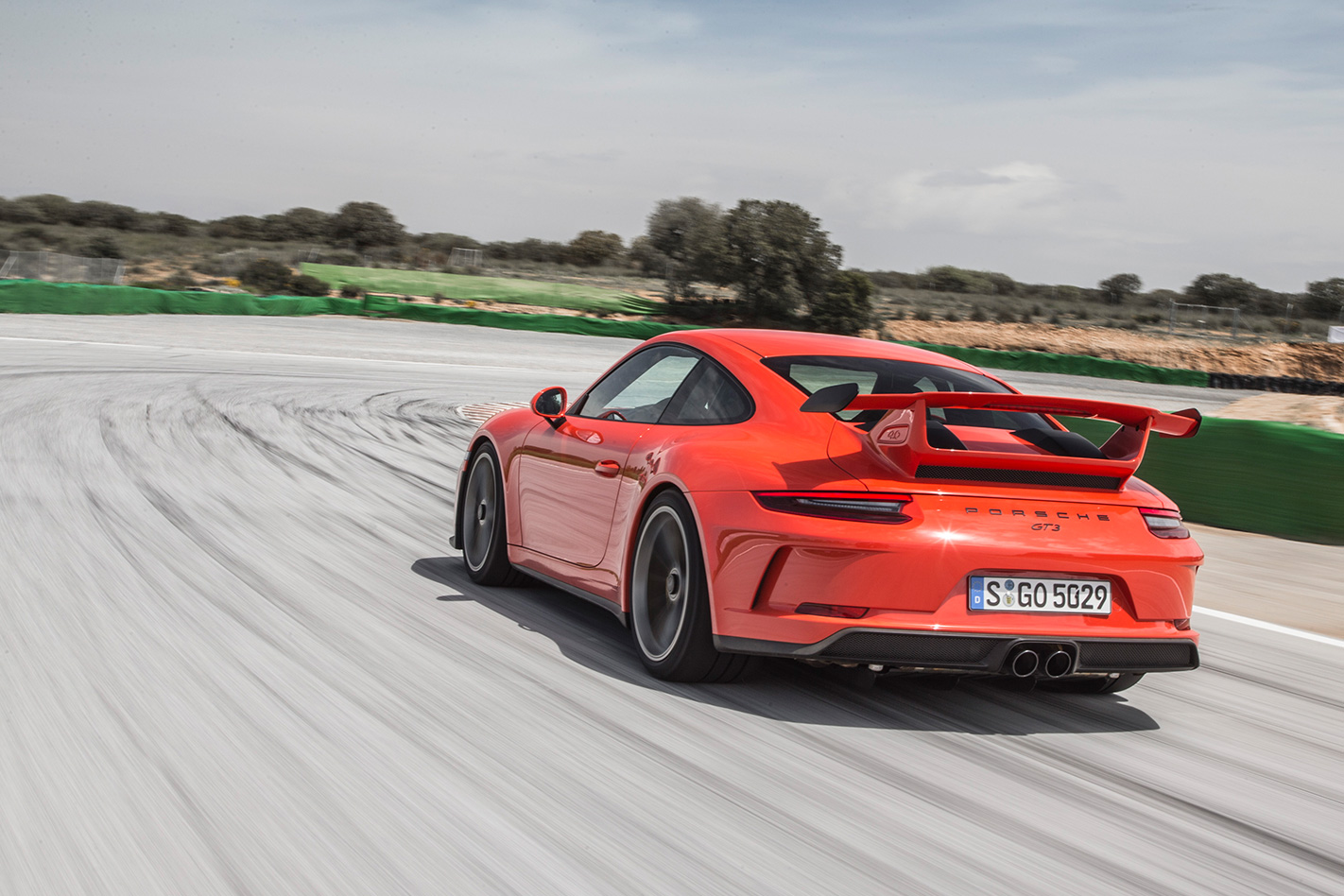
“The EU deadlines for WLTP certification, which have been brought forward by one year at a short notice, put us under enormous load,” Porsche chief executive Oliver Blume said. “Our preparations have been in full swing for over a year now and we are making good progress.
“Due to significant bottlenecks in the test bench availability that all manufacturers meet, this is currently a major challenge,” he said. “We have to prioritise. Nonetheless, we are in favour of more realistic emissions determination.”
That all means Porsche will have only a limited number of models ready to sell once the deadline rolls around, as it staggers the re-introduction of cars freshly engineered to meet the new standards.
A spokesman for Porsche Australia said the German supply issues would not affect cars arriving here.
Only some versions of the 911 and 718 — believed to be those fitted with a more popular automatic gearbox — are expected to be certified in time, with Porsche hinting that it would need to carefully manage its European customers as demand outstripped supply until more cars were added to the list of compliant products.
“Selected models of the sports car series 911 and 718 will be launched in September with an Otto particle filter,” it said. “Thus, the 911 4 GTS with all-wheel drive and PDK will be available from the start in three body styles — as coupe, cabriolet and Targa. Simultaneously with the 911 4 GTS derivatives, the new technology with Ottoparticle Filter (OPF) will be introduced in the entry-level 718 and GTS and then in the other model ranges.”
FERRARI is working on EV powertrains… for now only for Maserati. But it is only a matter of time until there’s a new model from Maranello with a recharge port instead of a fuel filler. Here’s why…
Under a plan outlined in Italy on Friday, Maserati will soon drop diesel engines. It will produce only plug-in petrol-electric hybrid and pure battery-powered vehicles. And Ferrari will supply the powertrains for all of them.
The Ferrari-developed EV powertrain will deliver Ferrari-grade performance. Tim Kuniskis, the Fiat Chrysler Automobiles exec who heads both Maserati and Alfa Romeo, promises 0-100km/h acceleration in around 2.0 seconds and a 300km/h-plus top speed for its new brand-halo sports car in his presentation.
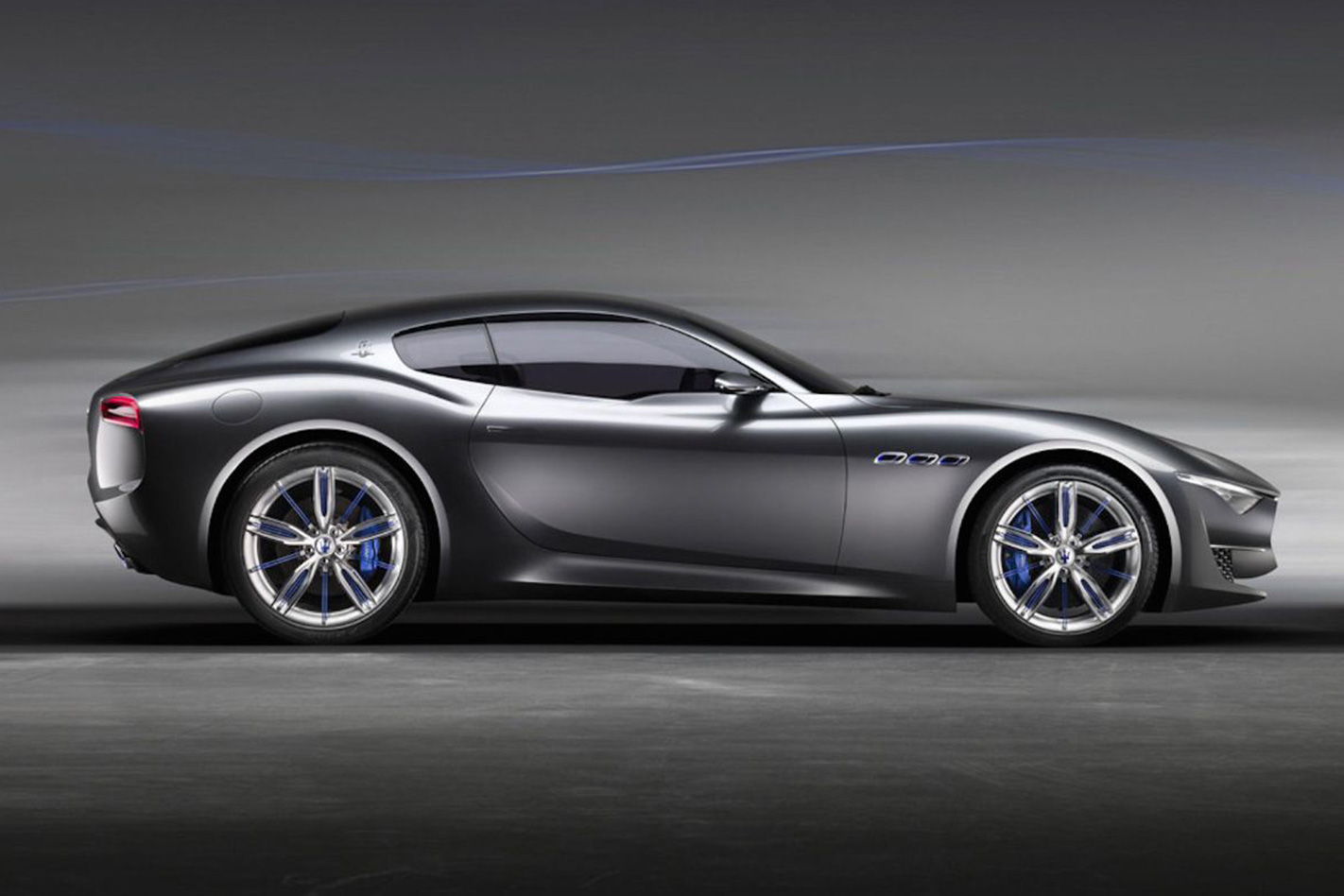
Alfieri was the badge Maserati glued onto the gorgeous 2+2 seat concept coupe it revealed four years ago at the Geneva motor show. The same name will be used on the planned production version confirmed on Friday. It will be built in both coupe and cabrio forms. The new Alfieri models will replace the existing, and ageing, Gran Turismo and Gran Cabrio.
The Alfieri EV will be the first to launch, scheduled for the second half of 2020. An Alfieri plug-in hybrid version is due in early 2021.
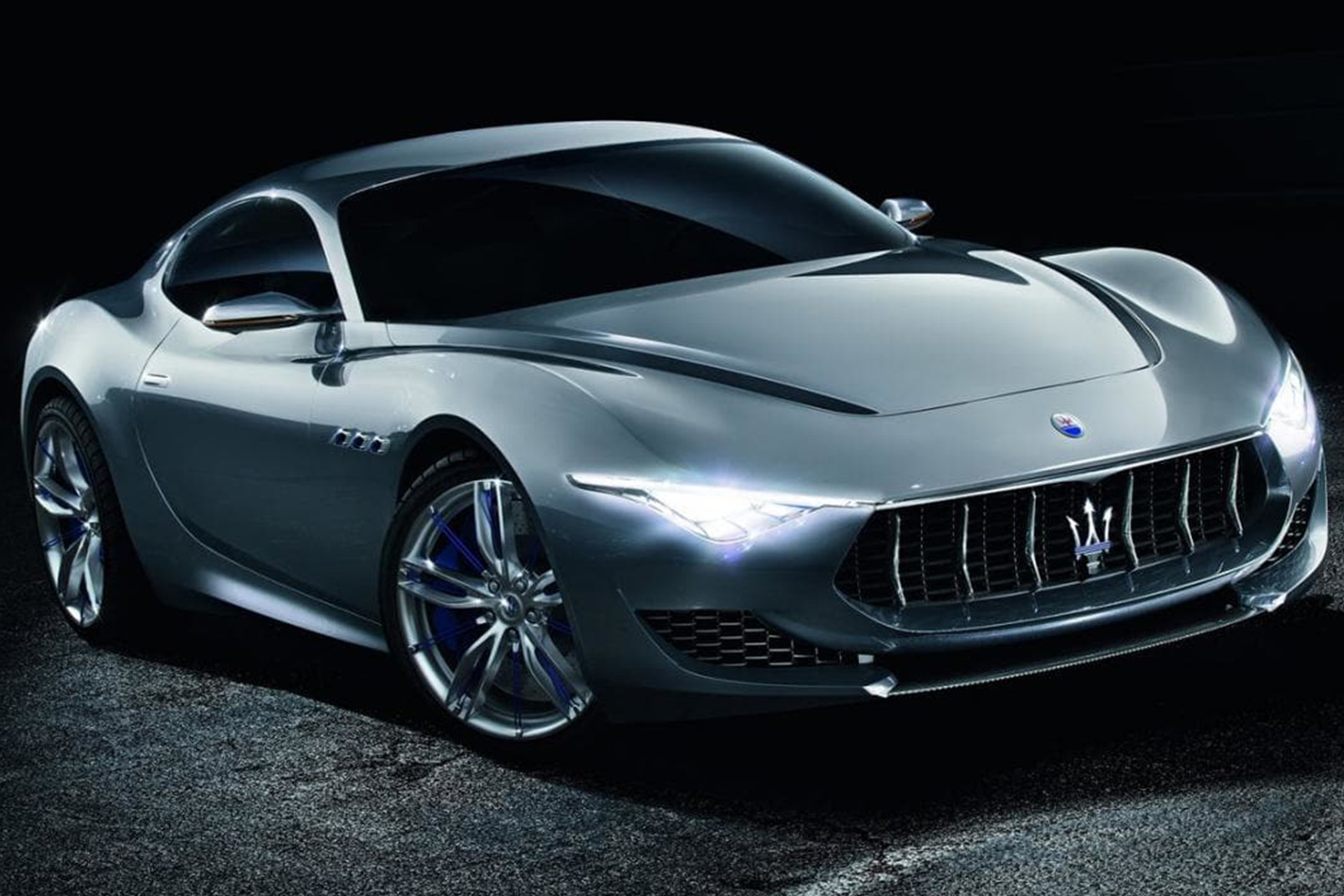
Between now and 2022, Maserati also plans to launch an updated Ghibli, an all-new Levante, an all-new Quattroporte and a yet unnamed mid-size SUV. Except for the new sub-Levante size SUV, which will be plug-in hybrid only, every model will offer the choice of plug-in hybrid or pure battery power. The EVs will be marketed as ‘Maserati Blue’.
Details of the powertrain technology Maserati will use in its EVs, including the Alfieri, point to lofty performance and dynamic capability.
The ‘Maserati Blue’ system will use three electric motors. It’s certain two will be mounted on the rear axle, for full torque-vectoring capability. And 800-volt battery packs will deliver high power, long range and quick recharging.
This is exactly the kind of high-end EV technology that Ferrari would choose.
Ferrari and FCA head Sergio Marchionne sees plug-in vehicles becoming a staple of Maranello’s model mix. “I think I’ve been clear on the topic that we’re going to embrace electrification,” he said at Ferrari’s Geneva International Motor Show press conference last March. “We are going to bring it in and make it a mainstay of our offering.”
At the same time he confirmed Ferrari would launch a hybrid model in 2019. He implied it would be a plug-in hybrid, unlike the La Ferrari, and that it wouldn’t be a supercar.
“In the La Ferrari it’s an interesting add-on that’s used for power,” he said, referring to hybrid tech. “In the case of the next hybrid I think it needs to become more traditional in a sense, because it needs to fulfill a different role.”
Sharing the cost of new-tech drivetrains makes sense for both Ferrari and Maserati, and hard-headed, ex-accountant Marchionne is a man who surely knows how to add up the benefits.
Ferrari produces fewer than 10,000 cars a year (for now), while Maserati currently sells around 50,000 a year and has ambitions to hit 100,000 by 2022. Jointly funding the development of plug-in powertrains makes them more affordable for low-volume Ferrari, while having Ferrari produce them adds lustre to Maserati’s image.
The Maserati announcement on Friday, made as part of FCA’s presentation to investors of its new 2018 to 2022 five-year plan, makes clear the growing closeness of its relationship to Ferrari.
Ferrari, recently spun off from FCA, will present its separate plan to investors come September. Marchionne hopes it will include a new model or concept reveal.
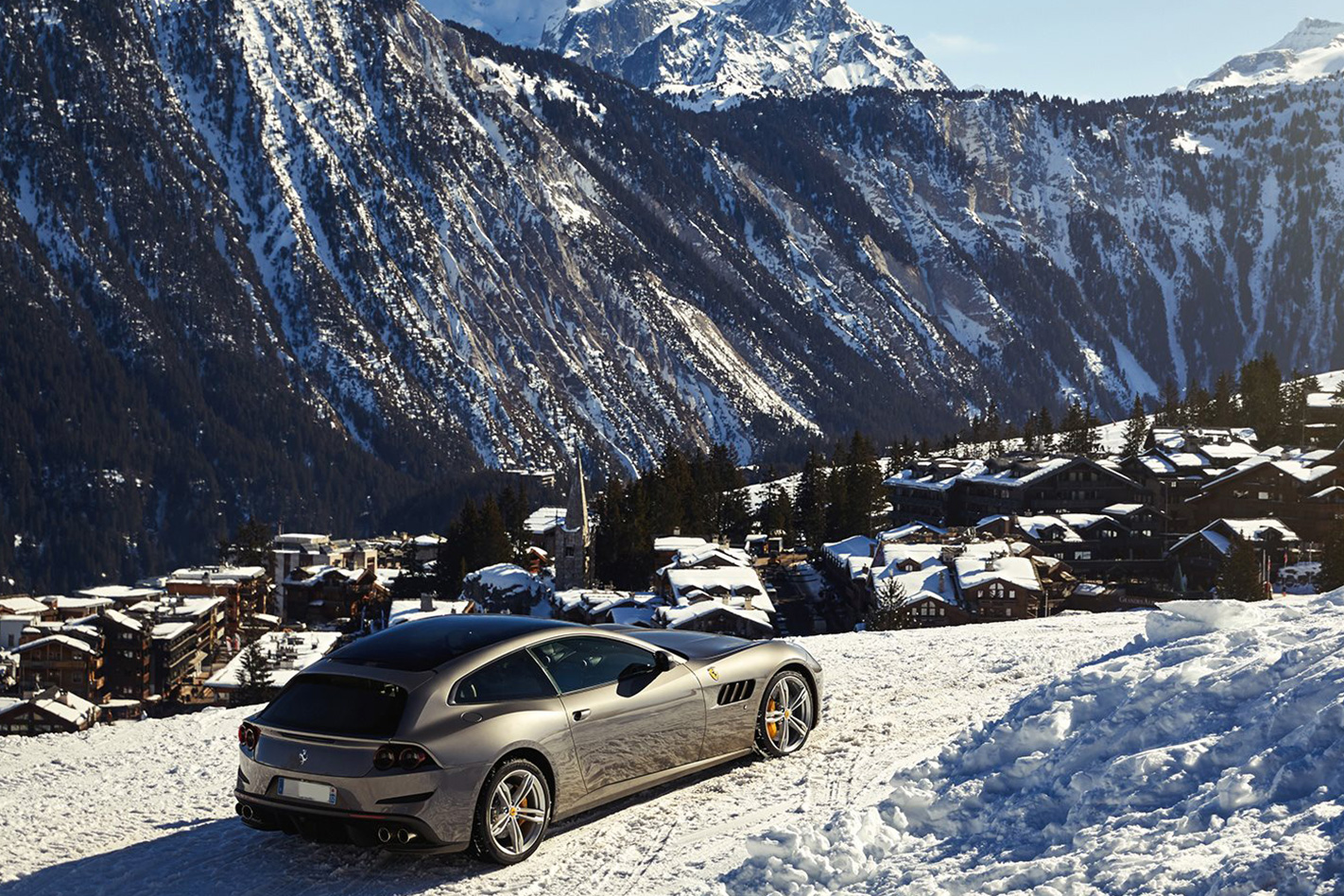
Count on it being large, since size is needed to make space for battery packs and hybrid hardware. Plug-in hyper-hybrid SUV? Or a ‘Ferrari Red’-branded EV pointing to a potential GTC4 Lusso replacement? Both are now possible.
Whatever it is, it will stretch Maranello’s designers. “Doing an incredibly elegant car that embodies Ferrari values is not an easy thing,” Marchionne admitted in Geneva last March.
The Australian automotive industry has lost one of its key figures with the untimely passing of Brad Dunstan last week.
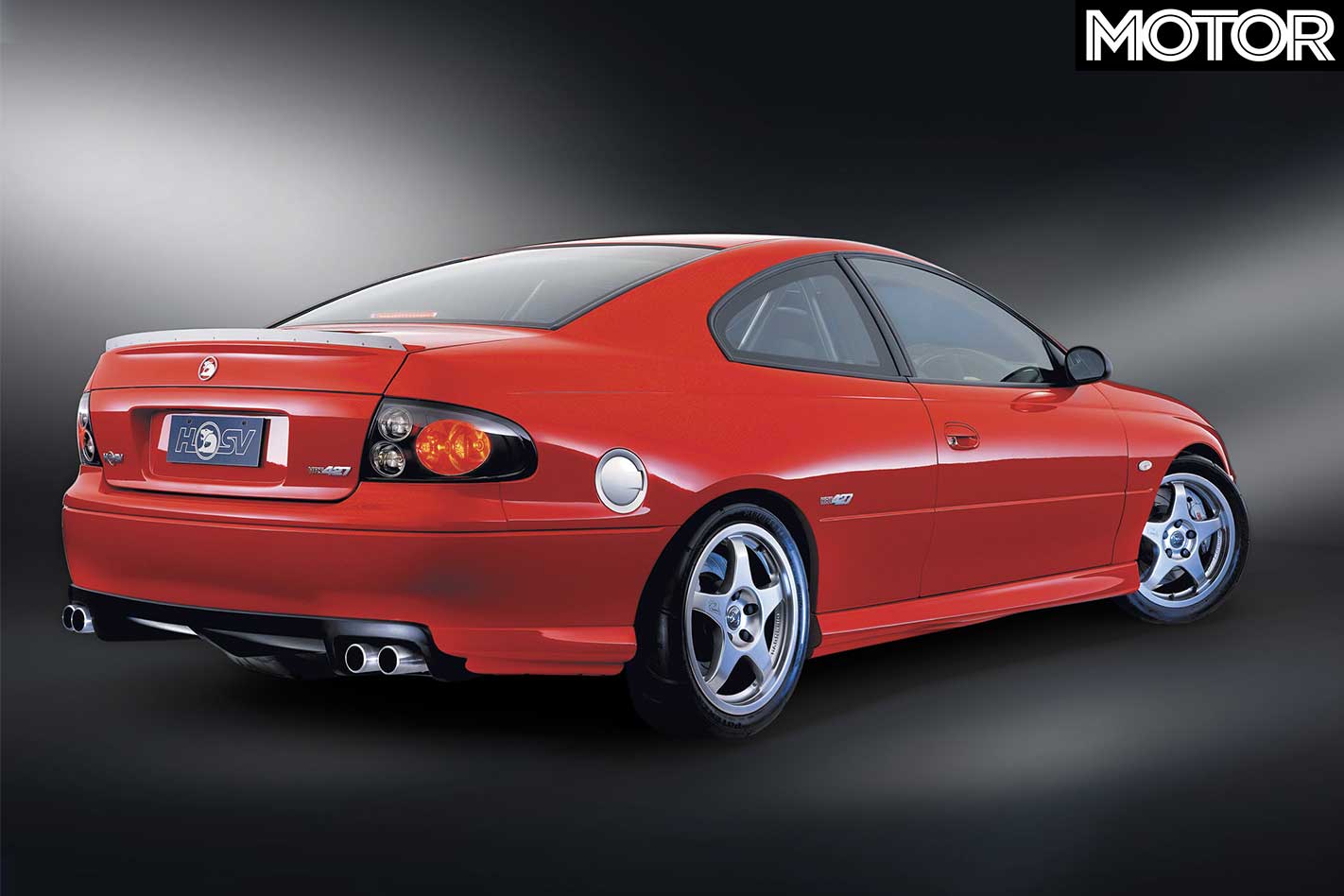
Dunstan, 58, was best known to car fans for his 12-year stint at HSV has chief engineer and manager of advanced engineering for the Walkinshaw Group from 1990-2002. During this time Dunstan signed off the VS GTS-R and played a pivotal role in developing the stillborn HRT 427 Coupe.
In more recent times he has been the Director of Asia Pacific Engineering at Mutlimatic Inc as well as serving as the Chief Exective Officer and Director for the Victorian Centre for Advanced Materials Manufacturing, a body he set up in 2002.
Tributes to Dunstan have flowed on his LinkedIn page and in a statement released today HSV said: “Brad was valued member of the team at HSV from 1990-2002 and all those who worked with him spoke highly of the significant contribution he made to the business.”
Multimatic added: “Multimatic has lost a valued member of its global management team. Brad and Multimatic enjoyed a long and successful relationship, spanning almost 20 years, encompassing customer, partner and employee relationships. He became a good friend and respected colleague to many and will be sadly missed.”
Dunstan is survived by his two children, Charlotte and Connor. A memorial service will be held at the Bunurong Memorial Park, Cumulus & Stratus Chapel, 790 Frankston-Dandenong Road, Dandenong South. His family ask that guests wear a touch of camouflage, Dunstan’s favourite print.
MOTOR extends its thoughts and sympathies to Dunstan’s family and friends.
