
WHAT IS IT?
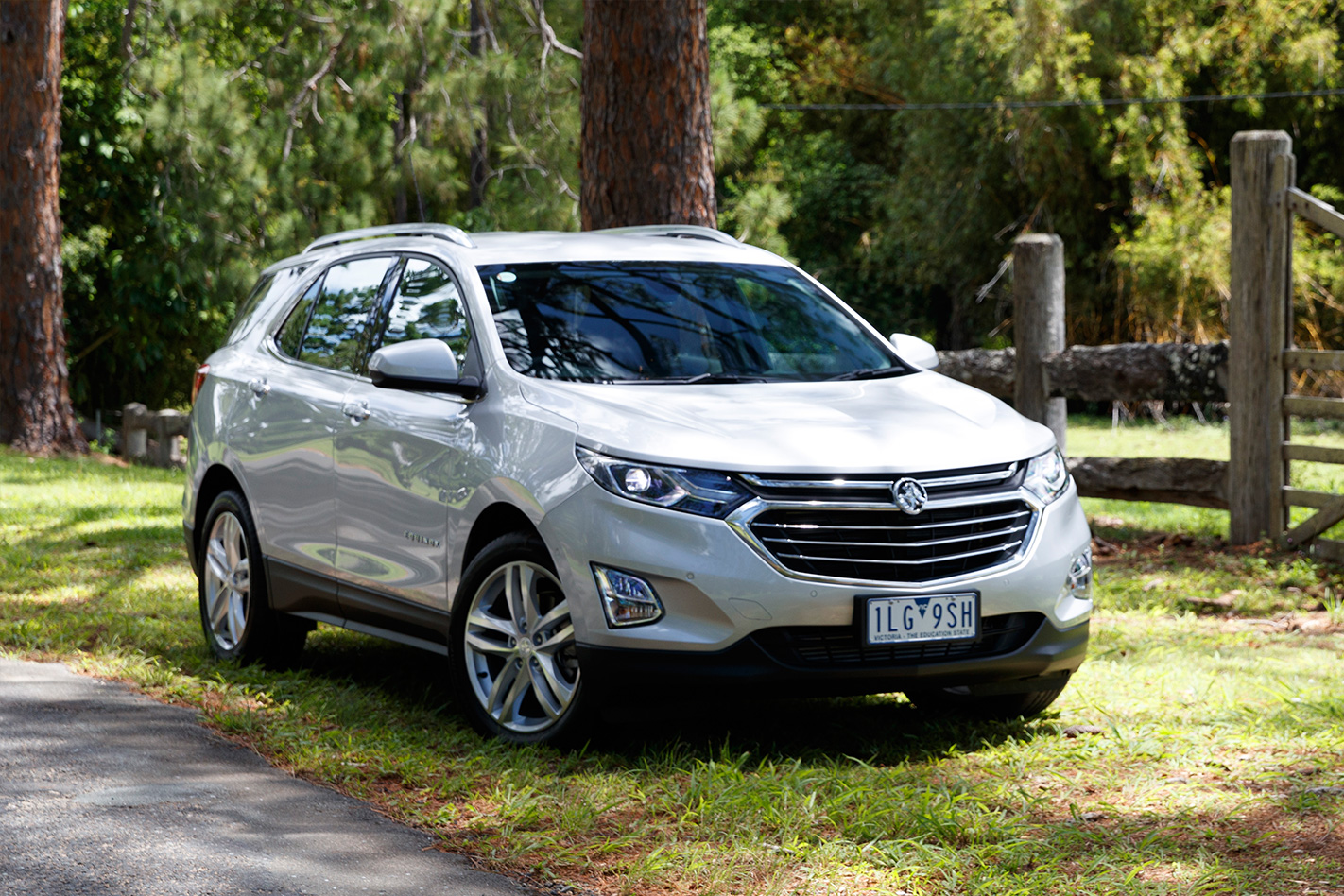
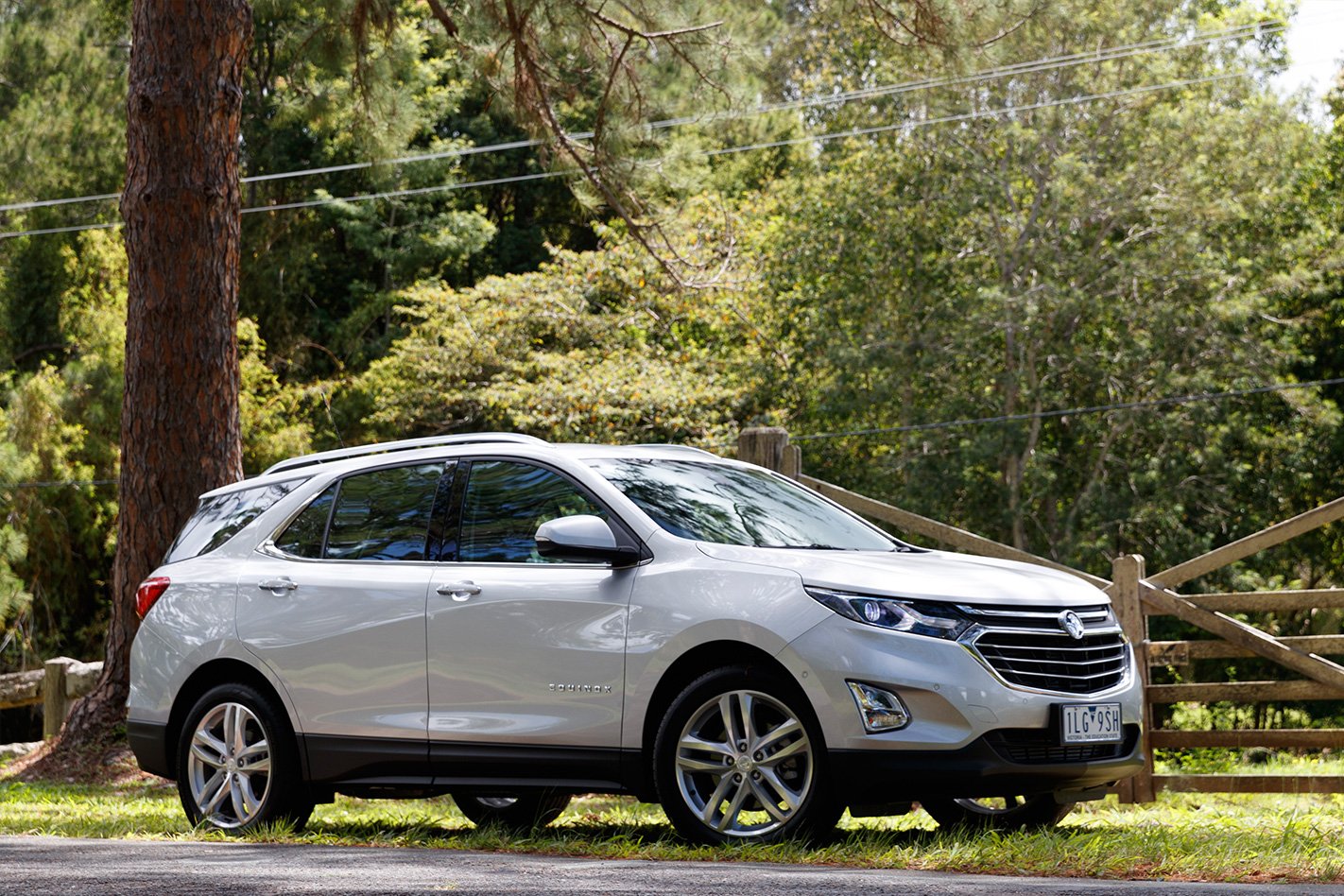
Holden’s all-new mid-size SUV, imported from Mexico, which replaces the five-seat Captiva. It’s expected to be one of Holden’s best-selling vehicles along with the Colorado and next-gen Commodore.
WHY WE’RE TESTING IT
The Holden Equinox has been through an extensive localisation regime at the hands of engineers both on the ground in Oz and during the car’s five years of development in North America. The Aussie brand says its grunty, family friendly SUV drives like a Holden should, but there’s only one way to find out.
Mazda CX-5, Toyota RAV4, Hyundai Tucson, VW Tiguan, Honda CR-V, Kia Sportage, Subaru Forester, Mitsubishi Outlander, Ford Escape
THE WHEELS VERDICT
Equinox is a big step-up over the car it replaces, with good fundamentals, generous equipment and a broad range of powertrains including GM’s muscular 2.0-litre turbo four. It may struggle to steal people away from more outwardly appealing rivals, but those who give Equinox a chance should find a likeable addition to the family.
THE WHEELS REVIEW
WOULD you believe me if I told you the Holden Equinox has active aerodynamics? Yep, it’s true. The Aussie brand’s all-new mid-size SUV is a more sophisticated thing than its American hire car styling may lead you to believe.
Dozens of small considerations, including motorised louvres behind its front grille, bring incremental improvements to fuel efficiency, and a lengthy list of its engineering cleverness continues from there.
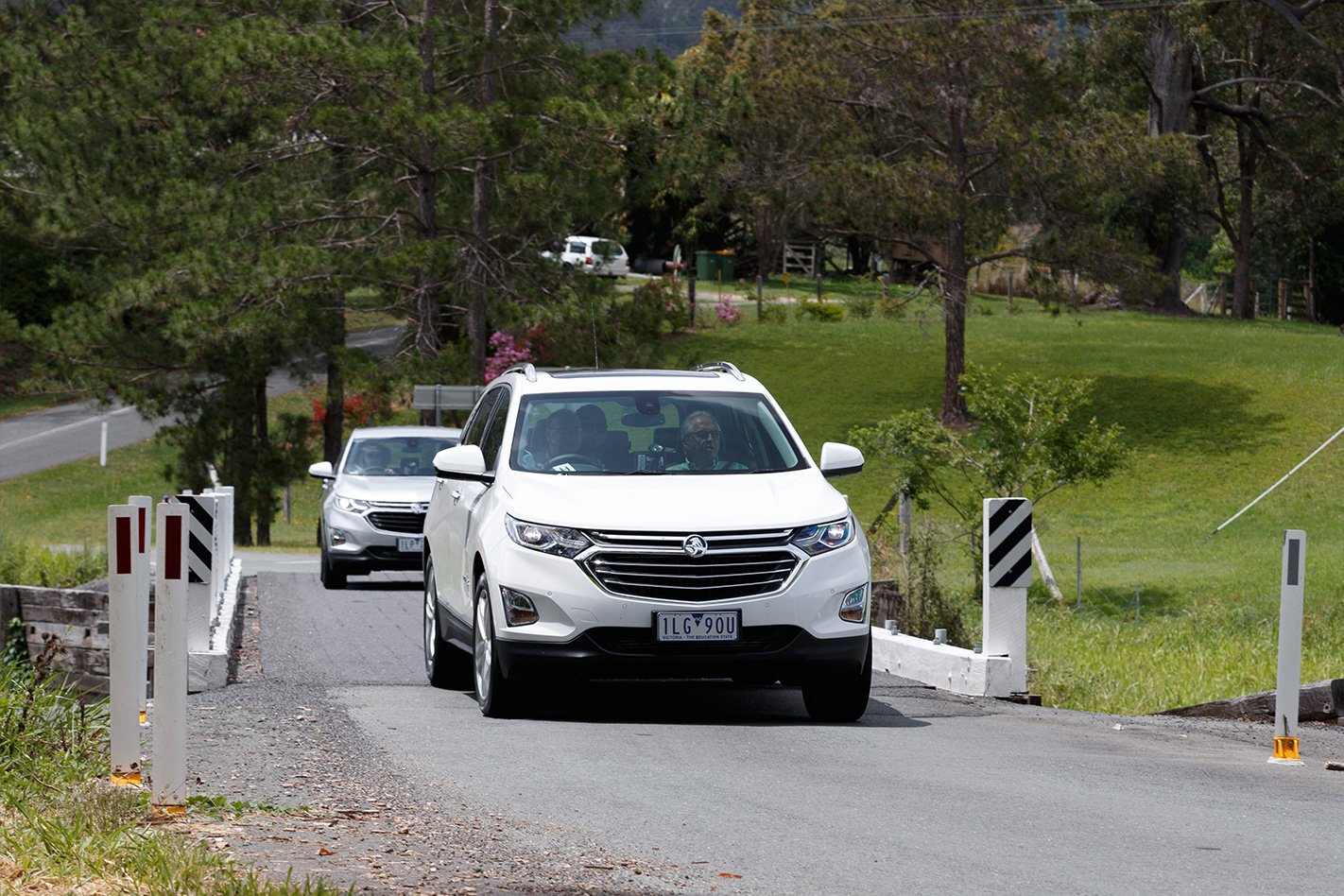
Revisions to the suspension include new dampers, swaybars and bushes to tighten up the chassis and make it “drive like a Holden should,” according to the brand. A different setup is fitted to each Equinox, depending on the powertrain.
Choices include two petrol engines (a diesel will be added soon) in front- or all-wheel drive configurations, and five separate trim levels with prices ranging from $27,990 for the price-leading LS manual to $46,290 which nets you the range-topping LTZ-V AWD. Australia is the only territory to get this much variety. We’re the lucky country indeed.
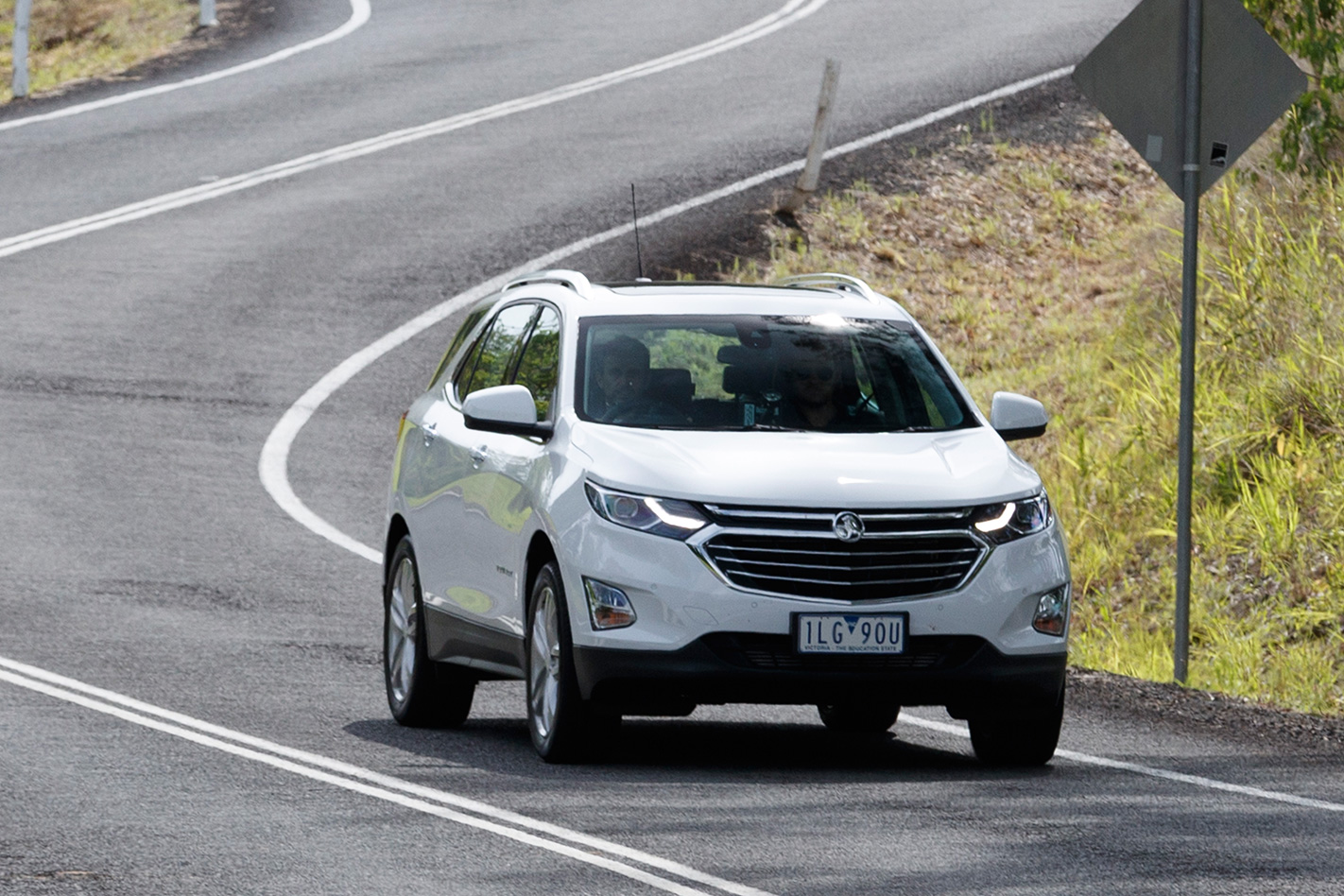
It’s the full-fat models, however, featuring GM’s 2.0-litre turbo four-cylinder and nine-speed auto that Holden expects to sell in the largest volume. Class-leading outputs of 188kW/353Nm offer a power to weight ratio at least 20 percent greater than any of Equinox’s Japanese and Korean rivals. It verges on hot hatch quick in a straight line by striking triple digit speed from standstill in a smidgen more than 7.0sec.
The 2.0L model walk-up starts with the LT ($36,990), which takes the same attractive cloth trim as LS+ and adds a larger infotainment display, 18-inch wheels, heated seats, climate control and a raft of charging points (USB, 12V and 230V). Above that, LTZ ($39,990) gets leather-appointed trim, 19s, heated rear seats, a powered tailgate with gesture control, wireless phone charging, LED lights, digital radio, and the option of all-wheel drive for an extra $4300. Topping out the range is the LTZ-V ($46,290) with standard AWD, a panoramic sunroof, heated steering wheel and ventilated front seats.
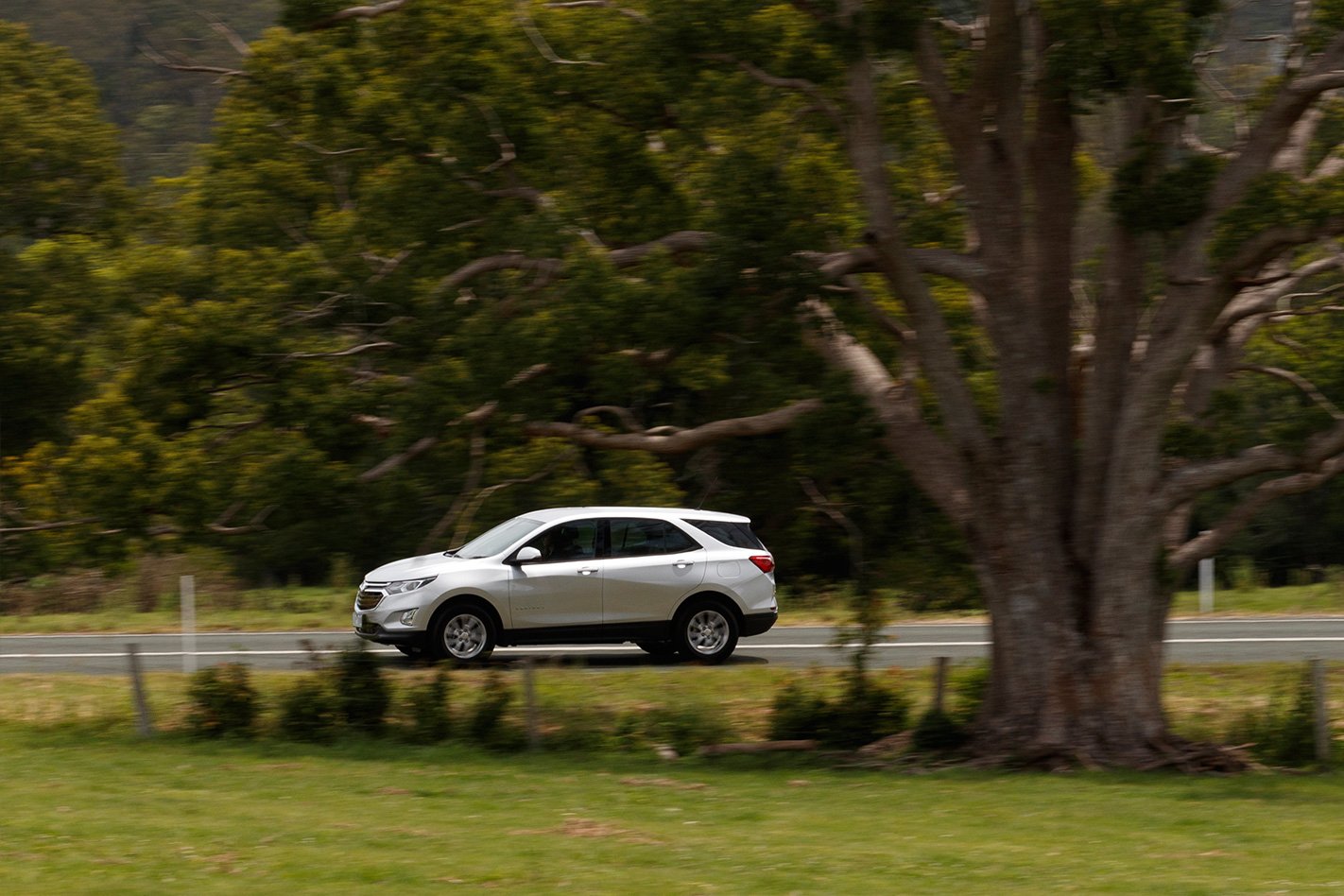
User friendly features include first-of-their-kind haptic seats, which vibrate bolsters in the seat base to alert the driver rather than barraging their ears with annoying chimes. Umbrella holders in the doors add a touch of Skoda thoughtfulness, and rear-seat leg-room is enormous. Boot space is also generous, and the 2.0L models will tow 2000kg.
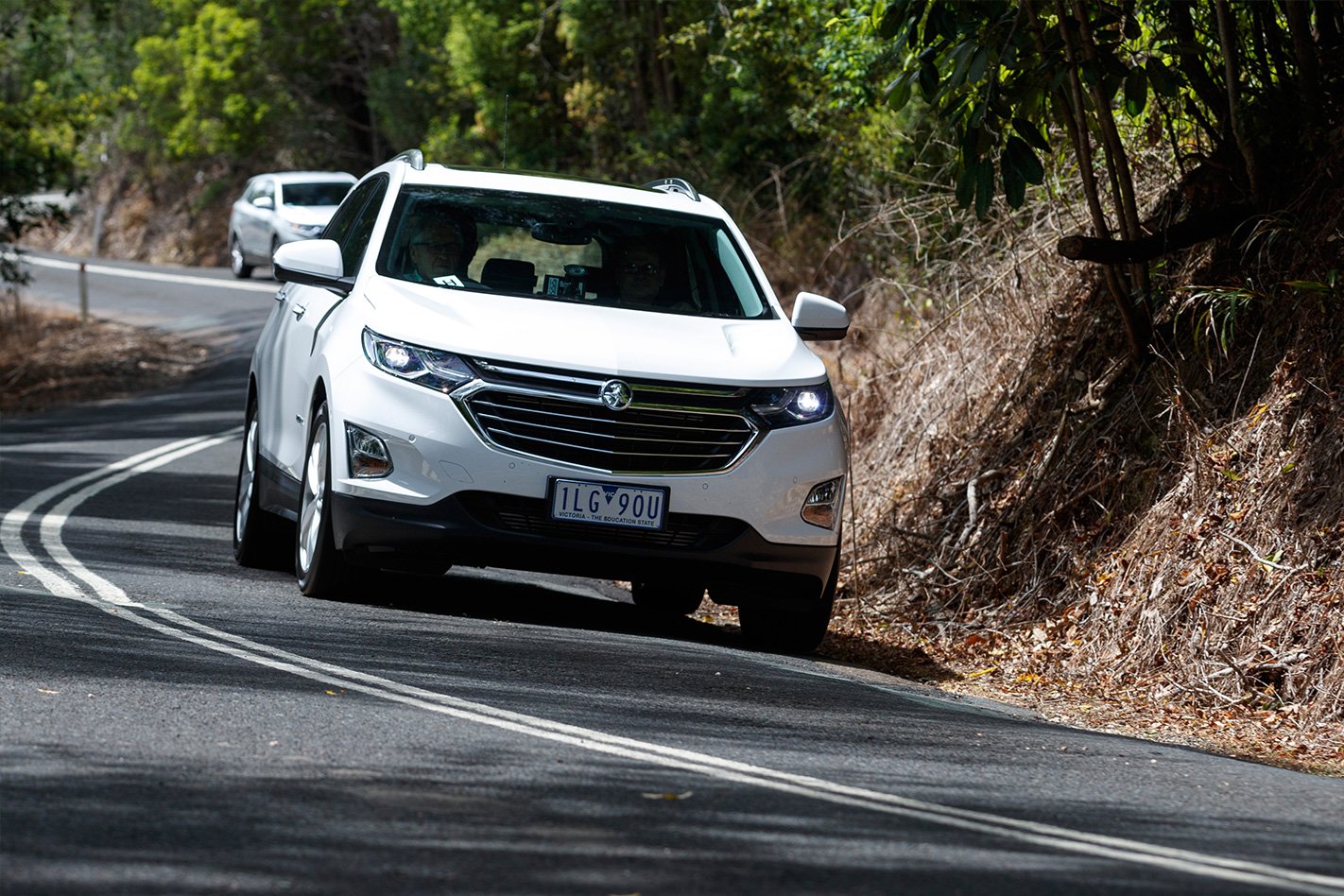
Holden has a smart car on its hands – get up close with it and the depth of engineering is uncommon in this class – but it’s going to need one heck of a marketing campaign to get regular people interested in it. Those who bother to look closely will find a lot to like, but stealing their gaze away from Mazda, VW and Hyundai in the first place may prove too tough.
Vote for the Holden Equinox to win the 2018 Wheels Car of the Year Readers’ Choice competition
SPECS
Model: Holden Equinox LTZ FWD Engine: 1998cc turbocharged four-cylinder, dohc, 16v Max power: 188kW @ 5500rpm Max torque: 353Nm @ 2500-4500rpm Transmission: 9-speed automatic Weight: 1618kg 0-100km/h: 7.3sec (estimated) Fuel Economy: 8.2L/100km Price: $39,990 On sale: Now
THE opening of an all-new proving ground in China has robbed Ford’s Australian proving ground of work – but it’s a move the top-secret You Yangs-based facility has welcomed.
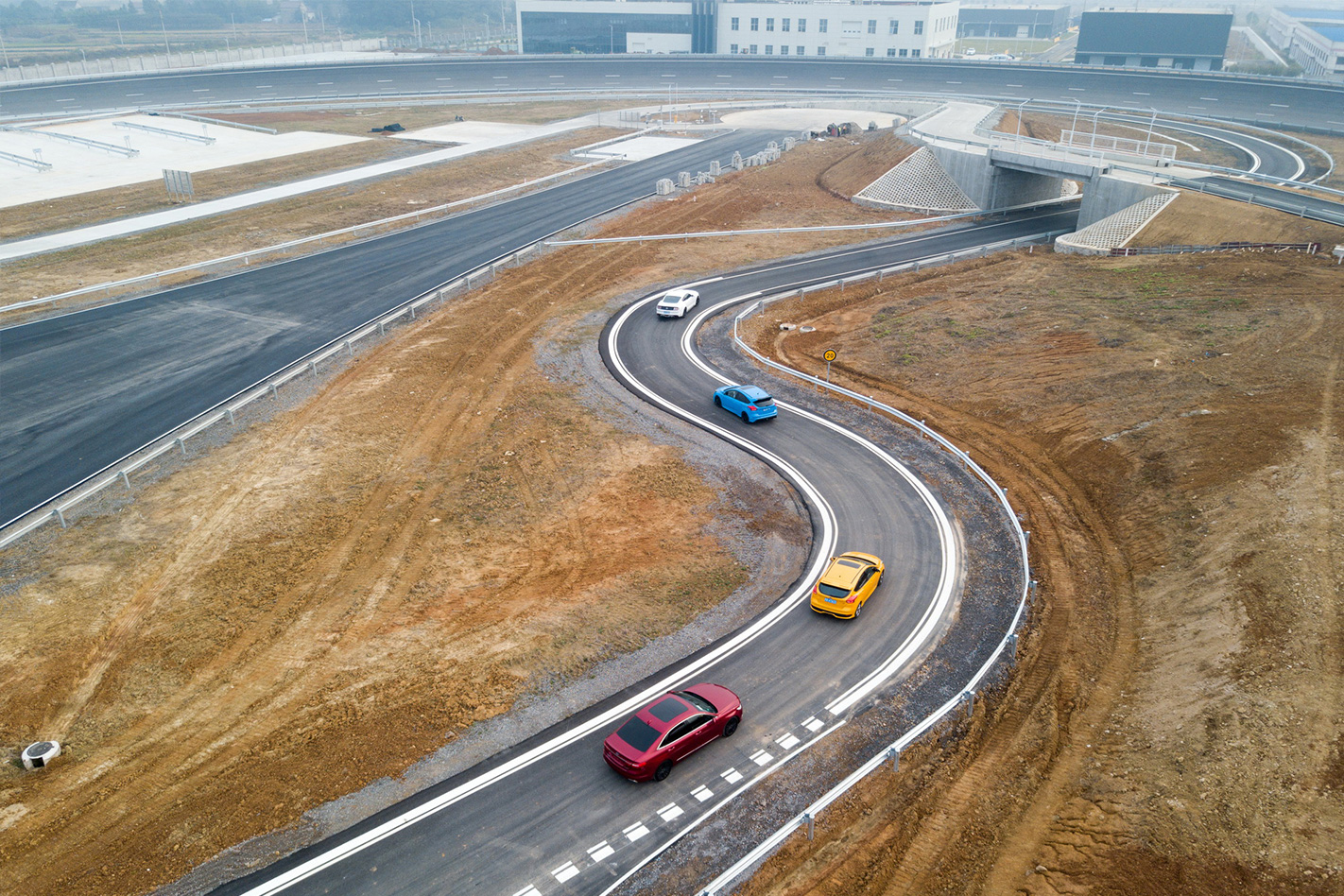
Ford China last week announced it had opened the Nanjing Test Centre, a 66-hectare proving ground that features its own test track and an emissions-testing facility – two functions shared with Ford’s post-manufacturing role in Australia.
The car maker said the new eastern China test centre would help the company “speed up development of new products, services and technologies to better meet the driving requirements of customers in the region”.
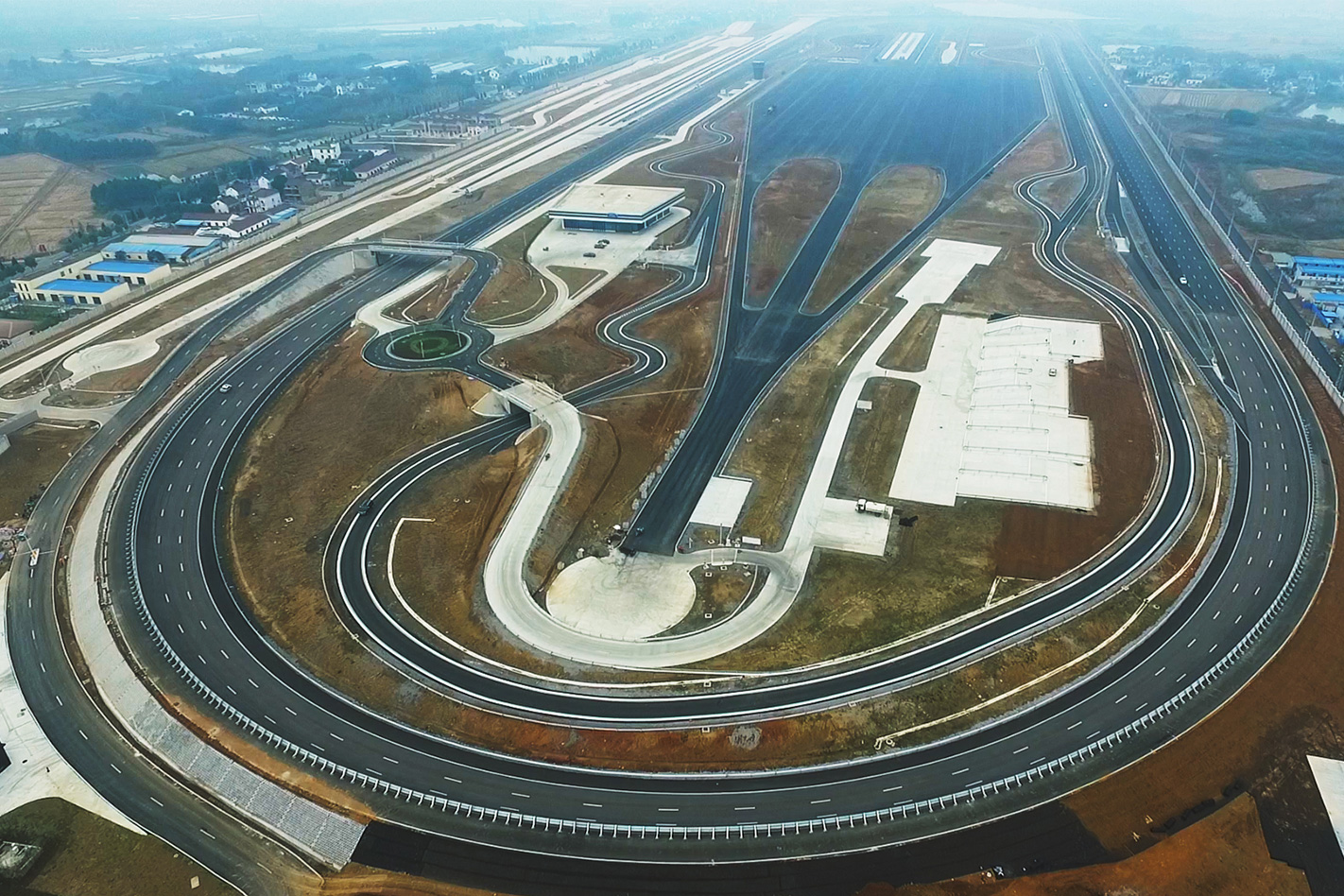
“The centre includes close to 80 different types of real road surface conditions, a three-kilometre test track and a sophisticated emissions testing facility. It will also have a new laboratory for noise, vibration and harshness testing that will allow Ford to deliver vehicles that offer a smooth, quiet and relaxing driving experience.”
However, Nanjing’s opening was welcomed by Ford’s 900-hectare Australian facility, which will benefit from a less intense workload as a result.
“Ford’s recently opened Asia Pacific product development centre based at Broadmeadows will continue to support new model programs for global markets and the centre remains the global lead for Ranger and Everest vehicles sold here in Australia,” he said.
“Ford’s global proving grounds, including the You Yangs proving ground, continue to support testing of vehicles for Chinese and Indian consumers.”
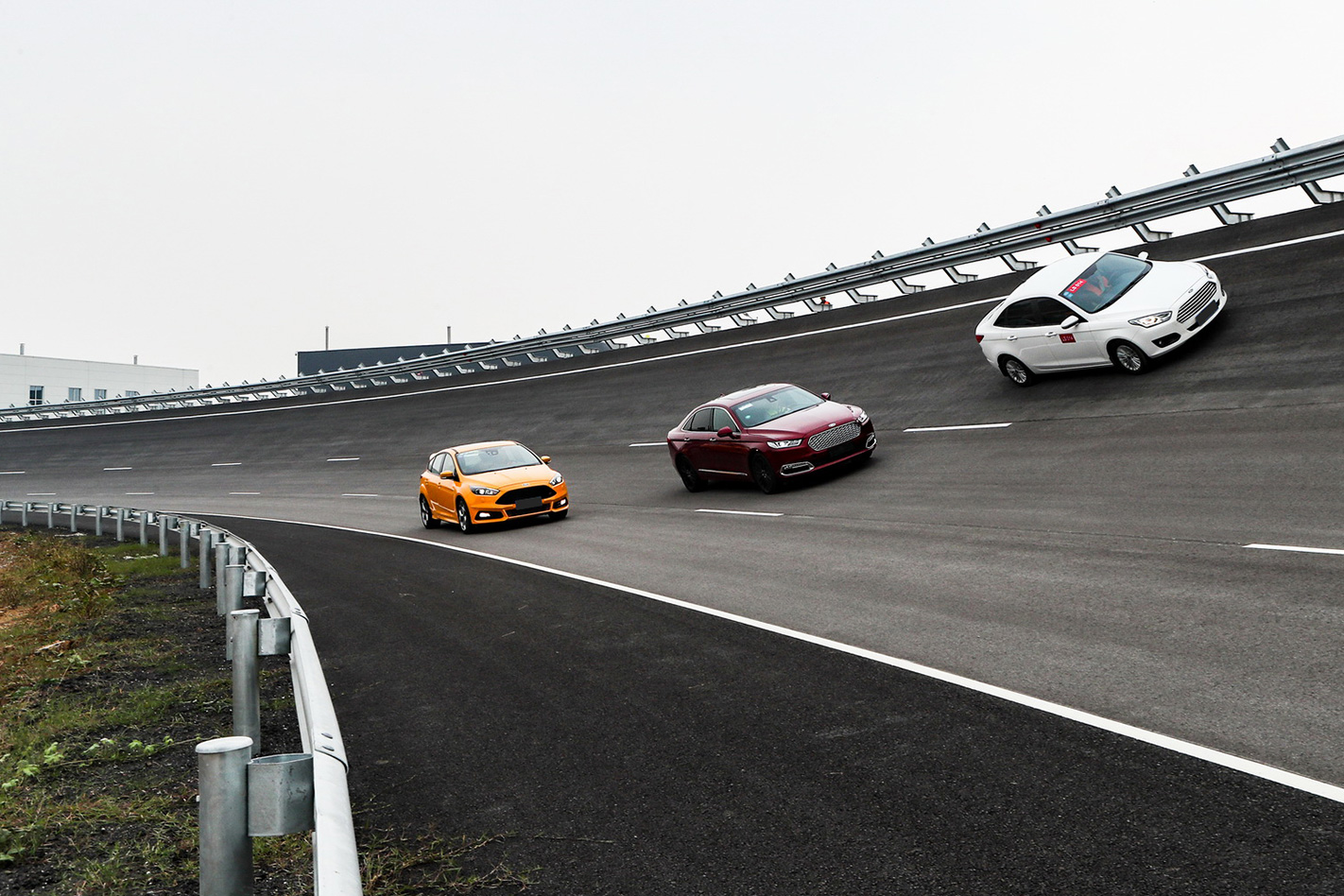
Late last year Ford tipped $450 million into its product development resources in Australia, including at the You Yangs proving ground.
“Recent and planned upgrades include new test facilities including durability, crash, noise vibration and harshness,” Gunsberg said. “We are also adding a new test area at the proving ground to support validation of a greater range of driver assist technologies.”
Four-cylinder turbo diesel versions of the X-Class will arrive in Australia next year priced – and equipped – as a premium choice for cab-chassis, single-cab and dual-cab ute buyers.
It will have a bit of competition for the title, though, with Ford planning to introduce a high-performance Raptor-badged version of the Ranger next year, and HSV believed to be about to unveil a more performance-honed version of the Holden Colorado later this week.
HSV has no plans to offers a more performance-focused version of the forthcoming Holden ZB Commodore, at least for now.
The official line according to HSV boss Tim Jackson is “The right solution hasn’t presented itself”, however MOTOR has learned the primary hurdle is the lack of compatibility between engine and chassis.
MOTOR understands that a ZB prototype has been built for evaluation using GM’s 3.6-litre twin-turbo LF3 V6, which produces 313kW/483Nm in the CTS Vsport, but marrying engine and chassis is a significant challenge. Currently, the hottest engine scheduled for the ZB Commodore is a 235kW/381Nm 3.6-litre atmo V6.
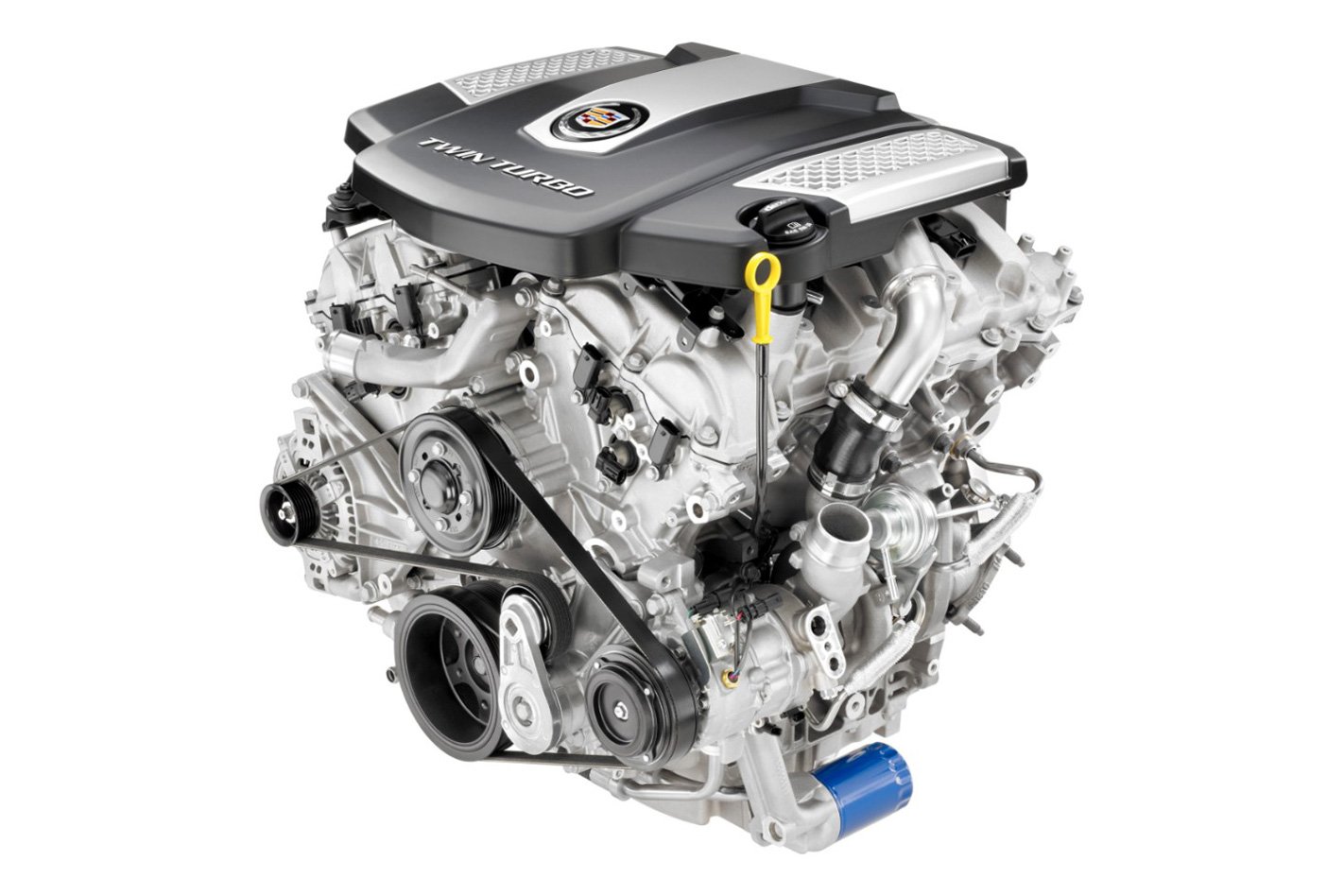
When asked specifically about the challenges in swapping engines Jackson told MOTOR: “As cyber security risks increase you need to be more and more careful; 20 years ago it would have been a breeze, but with the amount of electronics and security and how safety-related elements operate and interact it’s a big task.”
Other hurdles include actually installing the engine. Until the W1 HSV’s engines were fitted on the Holden production line (bar the W427), however given the volumes involved an HSV ZB Commodore would have to undergo a GTSR W1-style arrangement, with the original engine being removed and a replacement fitted locally.
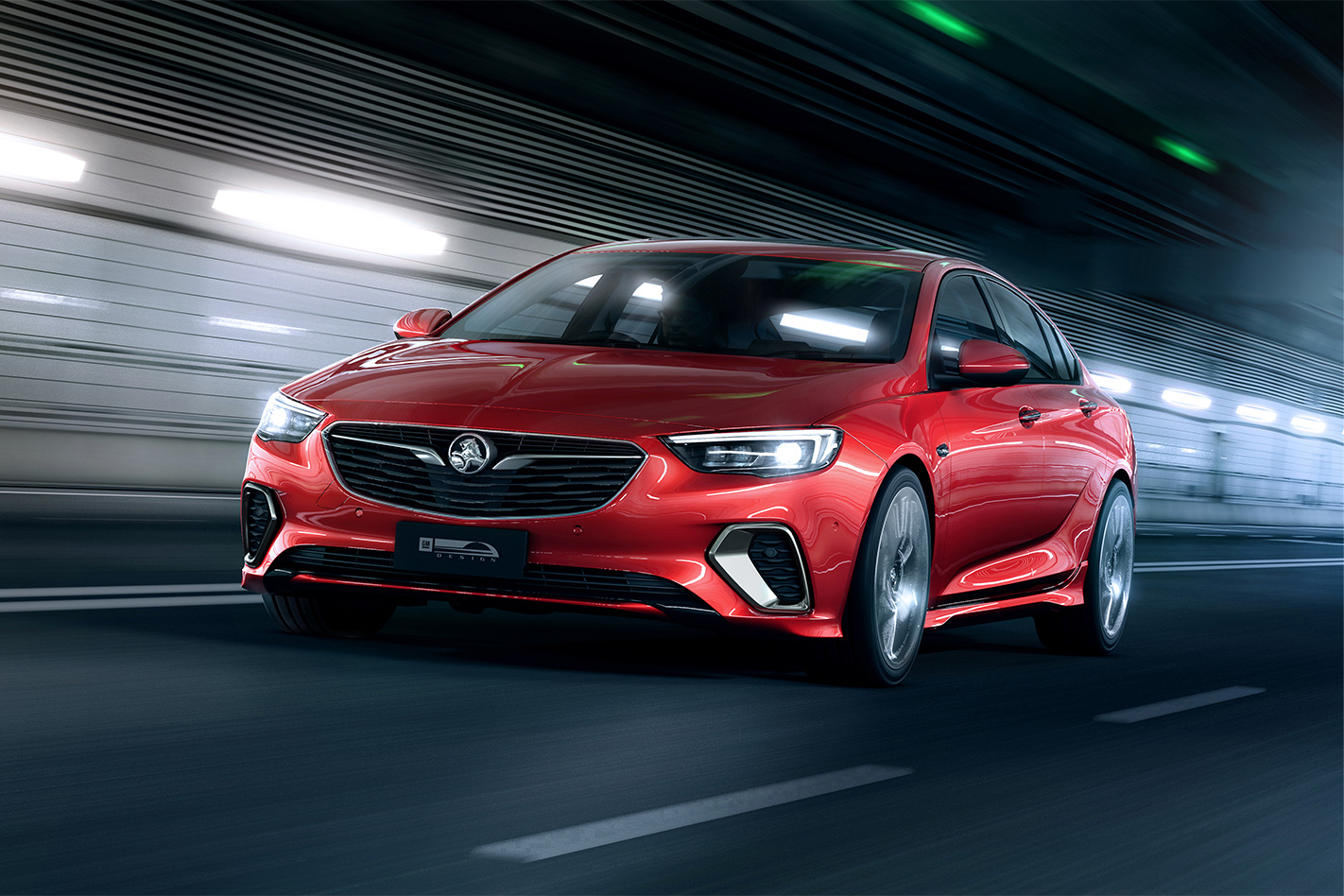
Essentially, while engineering a twin-turbo ZB Commodore is certainly possible, offering it at a competitive price is another issue, though according to Jackson nothing is off the table: “We do look at lots of different things and you can probably guess if we haven’t done it, we haven’t found a solution that quite makes sense.”
HSV is set to reveal its plans for its next chapter later this week, which as reported by MOTOR is expected to be right-hand drive conversions of the Chevrolet Camaro as well as a sportier version of the Holden Colorado.
JEEP has given its Pentastar engine a performance upgrade and a few more fuel-saving smarts.
WHAT IS IT?
Jeep has introduced the first significant makeover to its best-selling model since its launch in 2011. As well as looking more refined and stylish, the Pentastar V6 under its bonnet gains a suite of improvements.
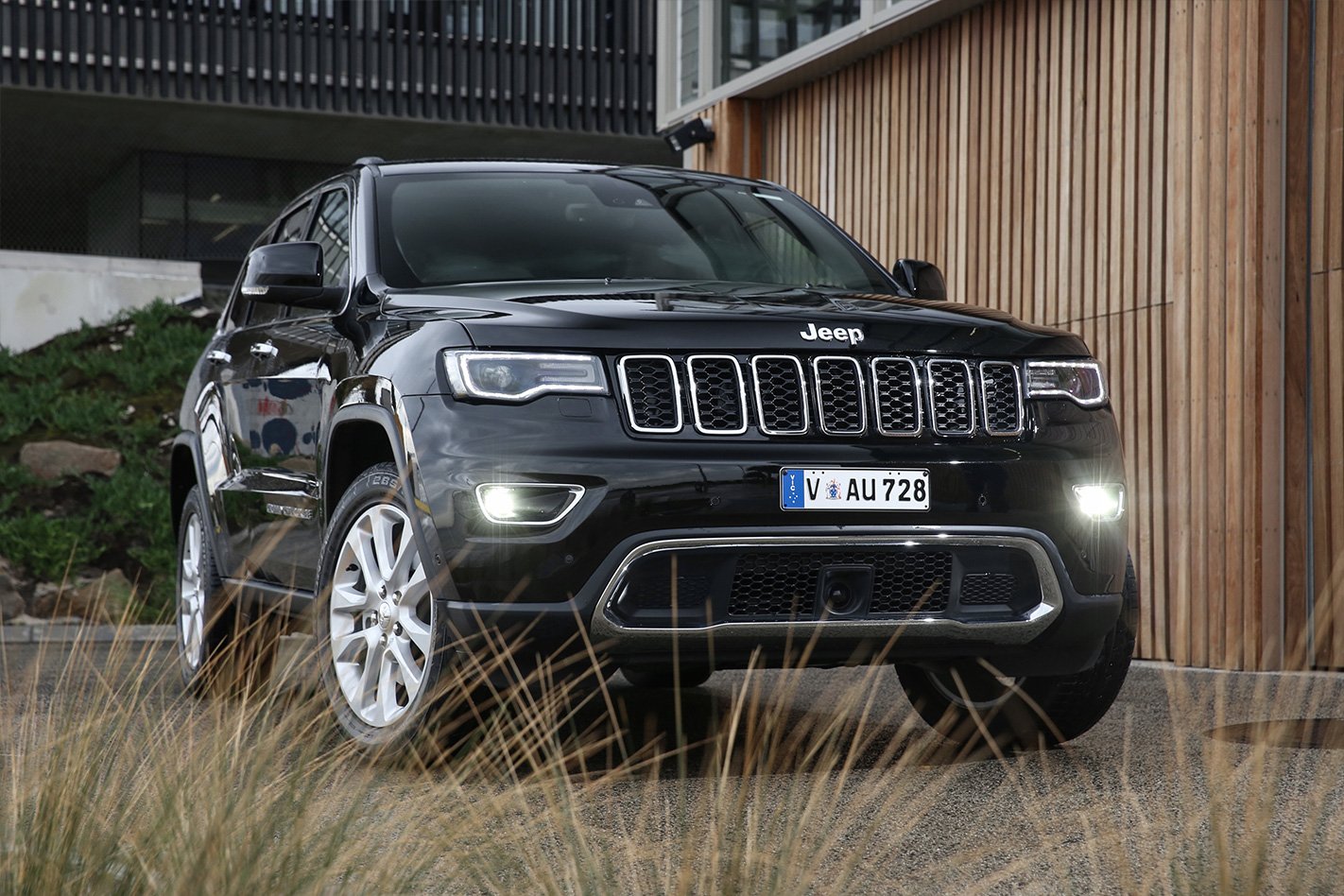
While the Jeep Grand Cherokee is currently the US brand’s best-selling model, among the Grand Cherokee’s line-up it’s the Limited edition that snares the most buyers – the focus of our review here.
MAIN RIVALS
Toyota Prado, Ford Everest, Mitsubishi Pajero, Holden Trailblazer, Isuzu MU-X, Nissan Patrol, Volkswagen Touareg, Land Rover Discovery
THE WHEELS VERDICT
The Grand Cherokee is still a great lifestyle choice for those occasionally pitching themselves against the environment, and are prepared to put up with fewer compromises in the city than some rivals.
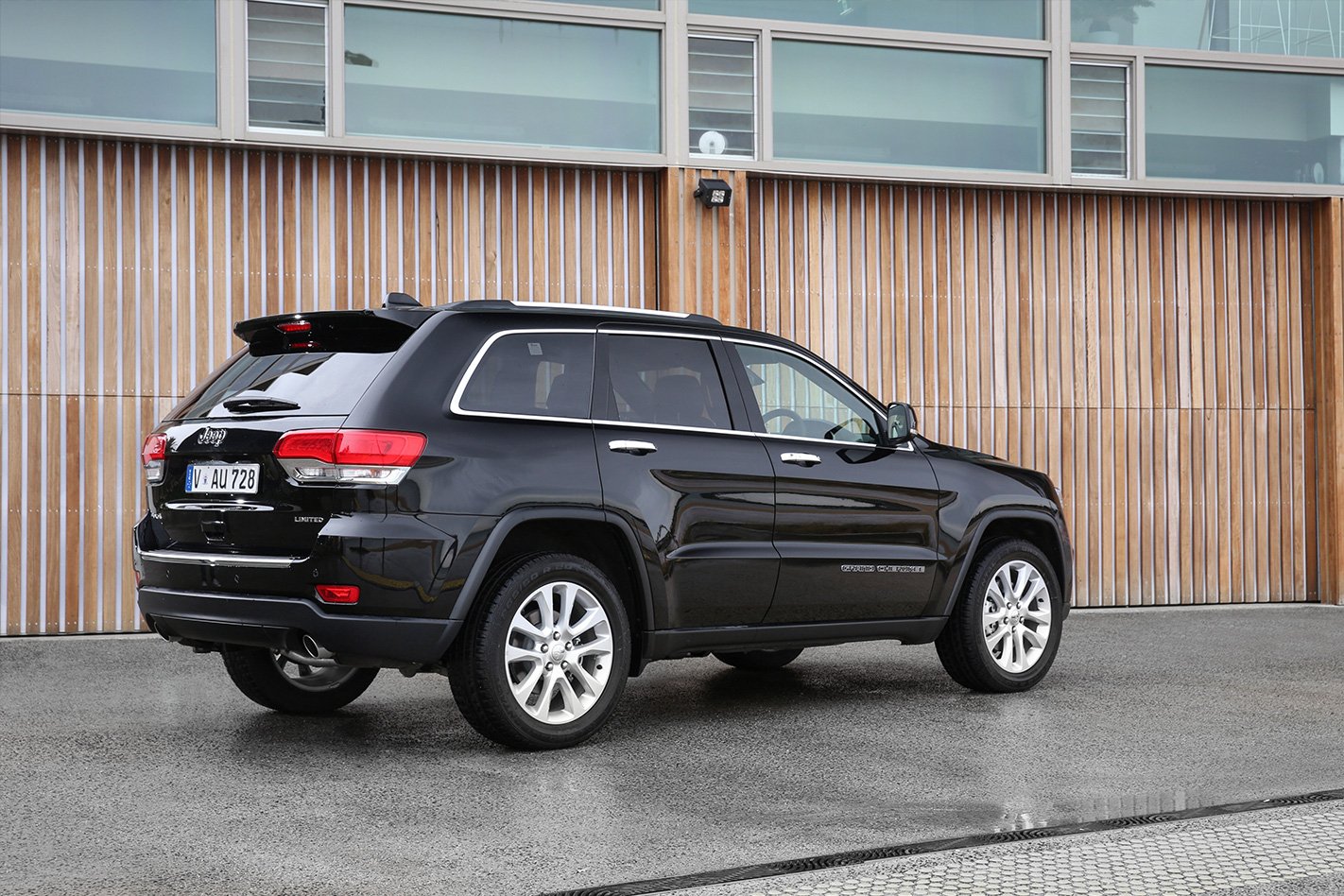
MINUS: Flaring auto; big thirst for fuel; foot-operated parking brake; artificial electric steering
THE WHEELS REVIEW
NOTHING says “I love the great outdoors” like a Jeep badge. Even if it is little more than a fleeting fancy of one day parking up next to Uluru or washing down the dust with a cold schooner of beer at the bar of the Birdsville Hotel, the Jeep badge sells a dream that one day, yes, one day you will get there. Sort of like the same dream people like to sell by wearing compression skins to the gym.
Jeep’s revised-for-2017 range includes visual tweaks around the front including a cleaner-looking seven-post grille framed in modern-look swept headlights. Inside, there’s a well-integrated semi-digital dash and a commanding driving position, although a foot-operated parking brake will constantly annoy your left shin. It might also be the reason why the Grand Cherokee includes a driver’s knee airbag.
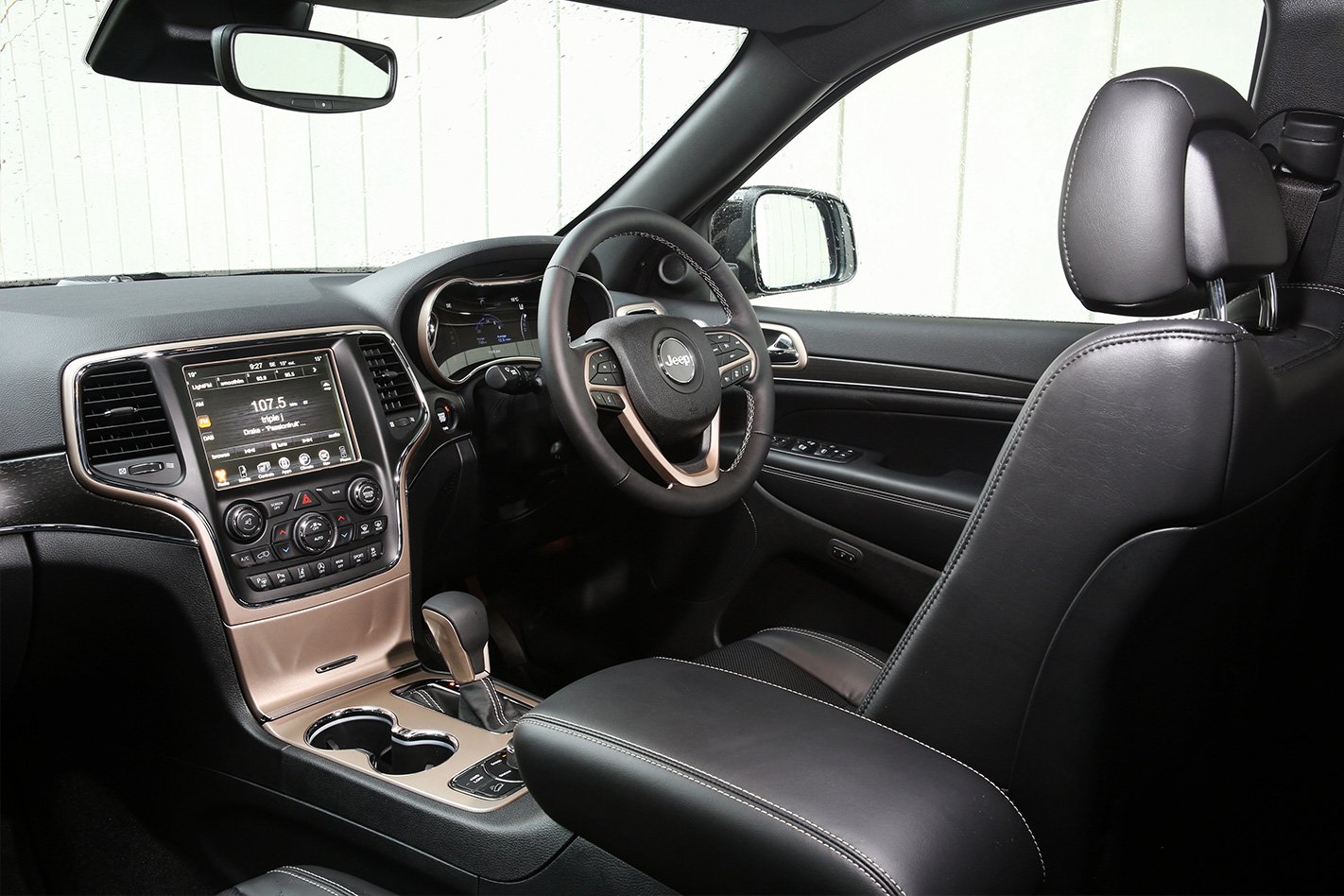
You also get an electronically activated low-speed transfer box linked to a five-setting drive mode dial that selects between different off-road conditions – just match what’s outside the windscreen with the “mud”, “sand”, “rock” or “snow” settings, or just leave it in “auto” and let the 20-inch Continental all-terrain tyres do their stuff.
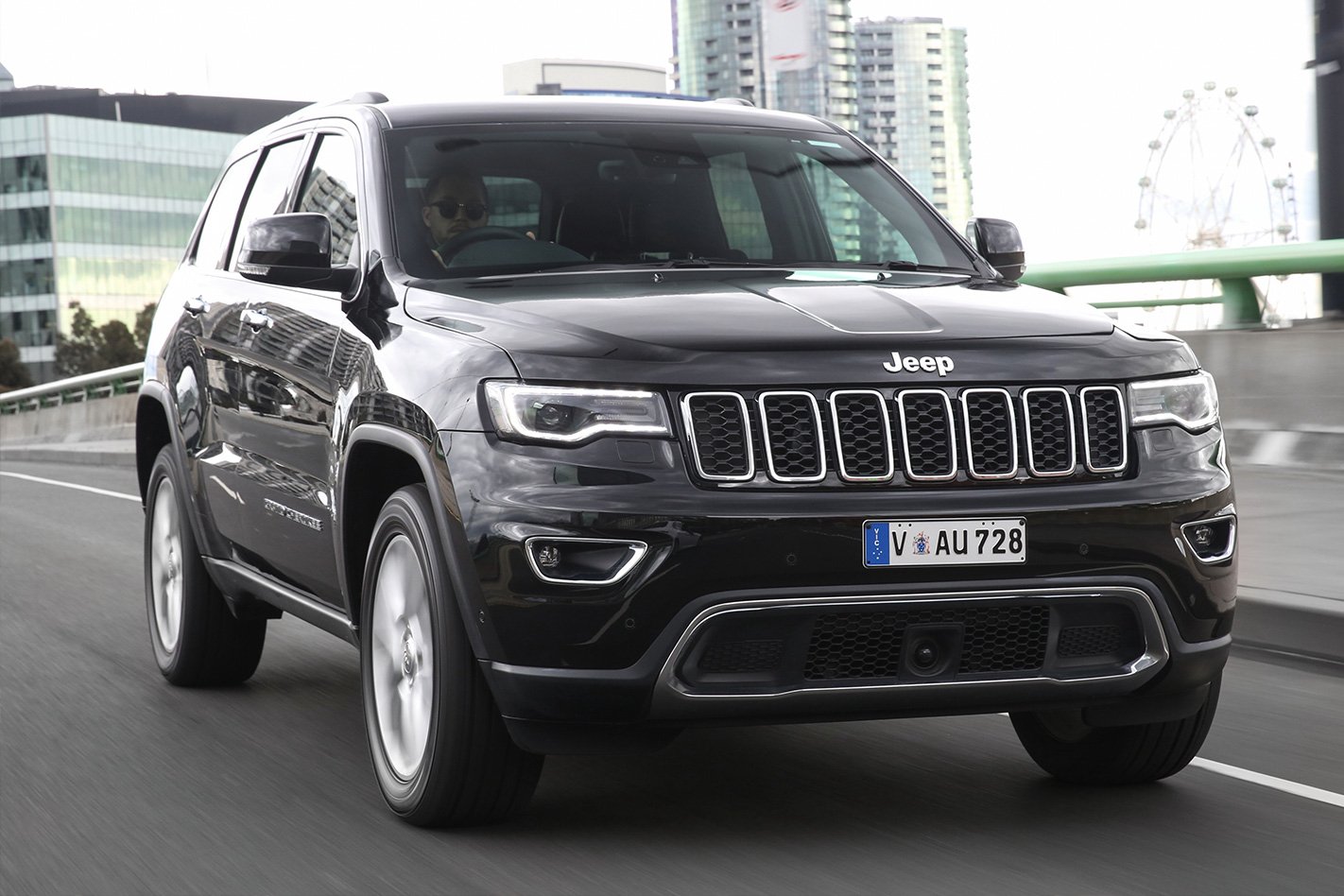
You’ll want to tap the Pentastar’s potential, too. It’s a keen, responsive unit that loves to rev, helped by a somewhat sensitive throttle that can make finer low-speed movements a bit tricky. Peak power is a heady 6400rpm, but that’s a number the eight-speed automatic transmission is keen to avoid unless you force the call using the pair of stunted steering wheel-mounted shift paddles – they only poke out the top of the steering wheel spokes because the traditional Fiat Chrysler Automobiles-wide audio controls still take up the space below them.
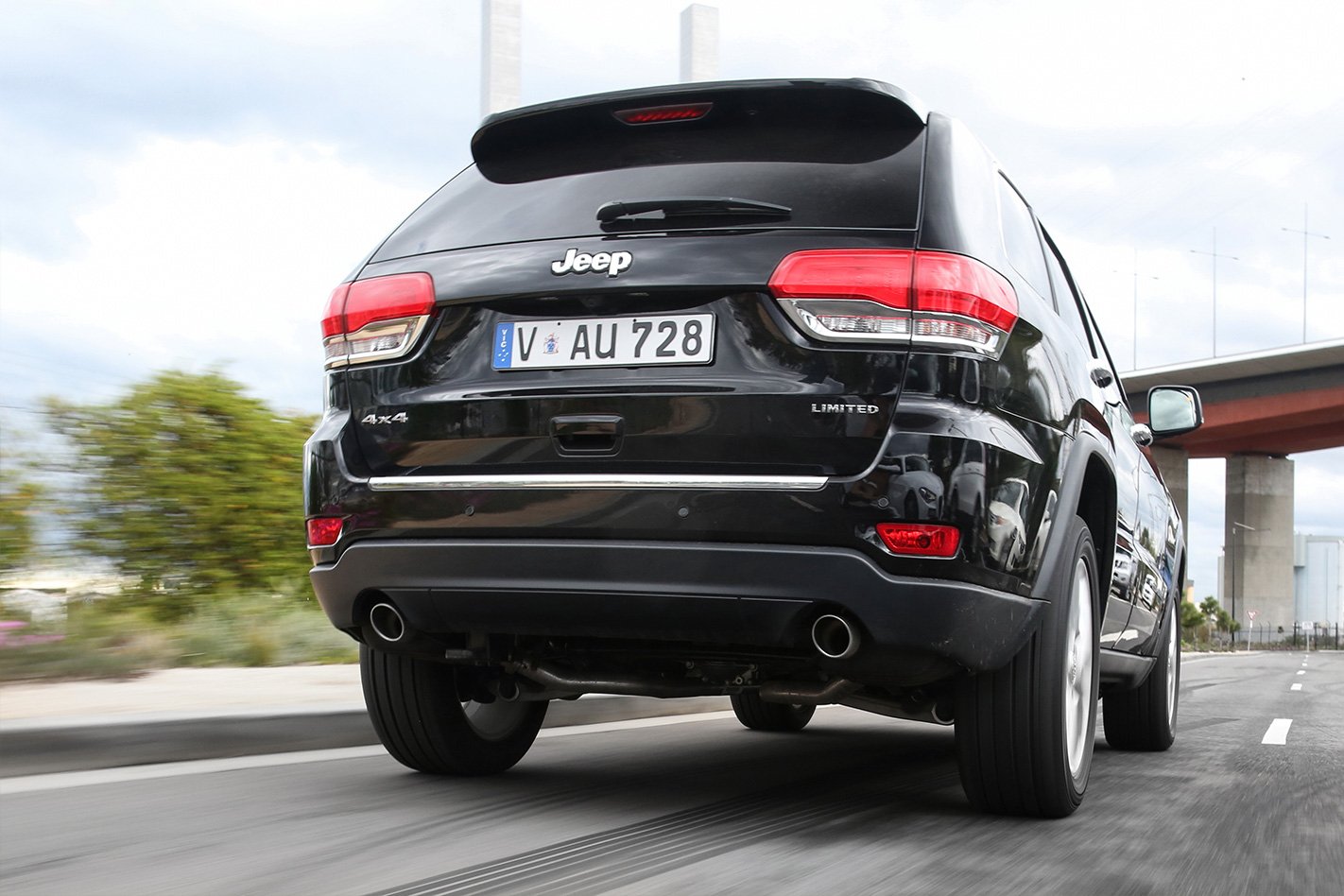
The Limited rides well on its coil rear suspension – more premium models replace the steel spring with airbags – providing a quiet, composed ride, even on dirt. The ride is so composed, with wind noise also well suppressed, that the Limited feels more luxury than premium. It’s a shame the slow-witted electric steering that has replaced a hydraulic unit in the interests of saving fuel isn’t as communicative as the system it replaces.
You can sit here and argue the toss that the Grand Cherokee’s monocoque chassis four-wheel independent suspension isn’t as capable off-road as the rail chassis and live-axle systems still used by other off-roaders such as the Prado, but given most of these vehicles will haul bitumen, not dirt, rests the argument in favour of the Jeep.
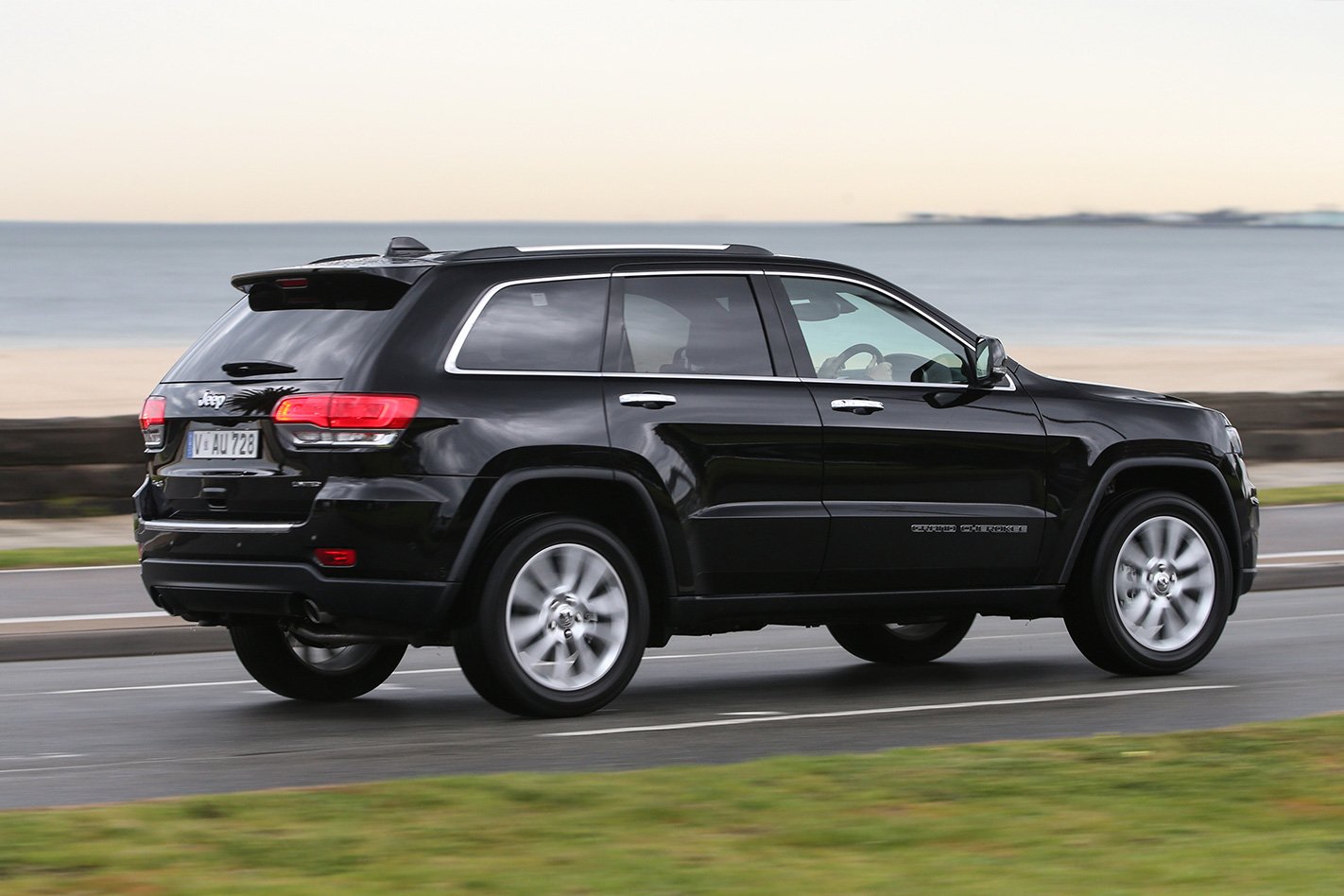
It’s easy to see the appeal of the Limited. The call of leather and sat-nav is a siren to buyers who want to feed their spirit of adventure, but are more inclined to go glamping than camping.
SPECS
Model: Jeep Grand Cherokee Limited V6 Engine: 3604cc V6, dohc, 24v Max power: 213W @ 6400rpm Max torque: 347Nm @ 4000rpm Transmission: 8-speed auto Kerb weight: 2247kg Fuel use: 10.0L/100km 0-100km/h: 8.3sec (claimed) Price: $62,500 On sale: Now
HSV, Holden’s tuning house, has teased what’s believed to be a warmed-over version of the Colorado trade ute that will mark the brand’s first departure from the Commodore since the HSV-badged Astra VXR.
The death of the locally built Holden Commodore, speculation has been rampant as to what the folks at Holden Special Vehicles will work on next.
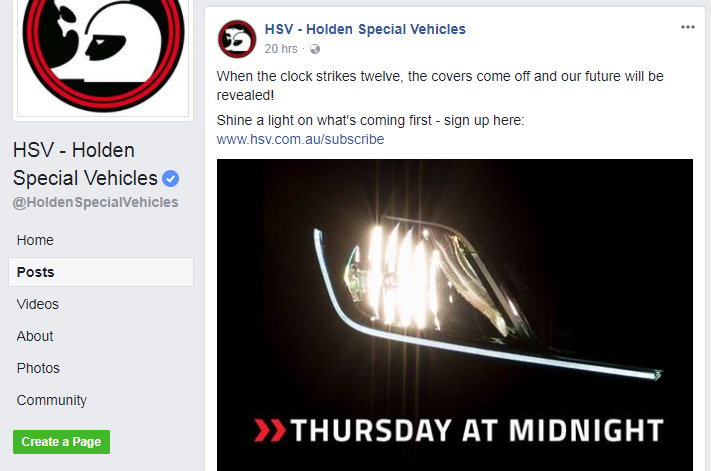
However, HSV has quelled the rumours after releasing a teaser image and announcing it will confirm future plans this week.
Dual-cab utes have become increasingly popular in Australia over the last 12 months, and it makes sense for HSV to put their tuning know-how to work on the pick-ups.
Posted to HSV’s social media channels, the picture is accompanied by the caption: “Thursday at Midnight.”
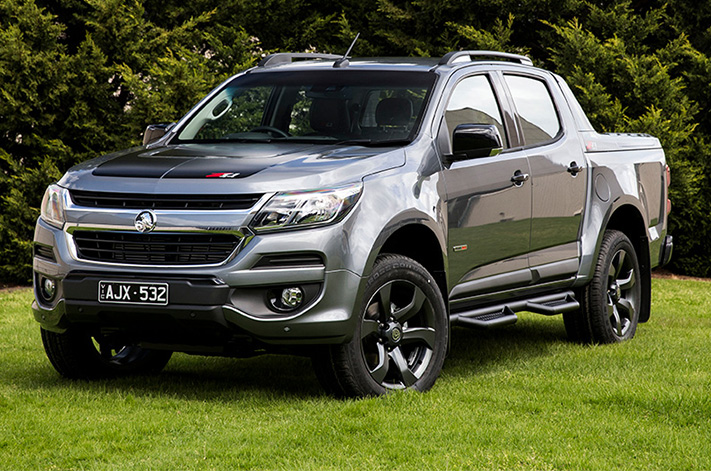
It is uncertain what the extent of HSV’s modifications on the Colorado will be, but it’s clear the high-riding ute will be a major part of Thursday night’s news.
Wheels revealed last month that HSV’s parent company, Walkinshaw, is working on a high-powered Colorado-based model called the Wildfire. It is expected to be powered by a 313kW twin-turbo 3.6-litre V6 shared with the Cadillac CTS Vsport.
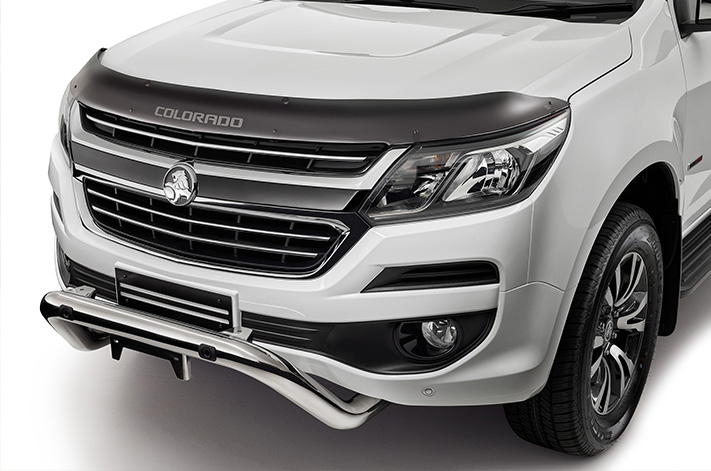
Its likely HSV’s fettled Colorado and the Ranger Raptor will be direct competitors when they go on sale, continuing the iconic Blue vs Red battle left behind by the locally built Commodore and Falcon duo.
While the teaser image has a Colorado headlight, Thursday’s announcement could also confirm speculation HSV will import and convert Chevrolet Camaros to right-hand drive for Australia.
The 2018 Saleen 1 has broken cover at the LA Motor Show, marking Saleen’s return to creating its own cars.
Moving away from the high-powered exclusivity of its previous model, the Saleen S7, the Saleen 1 (or S1) will be a lightweight sports car, and will cost only $100,000 USD.
With a mid-mounted 2.5-litre turbo four built and tuned in-house, the S1 will produce 336kW and around 475Nm of torque.
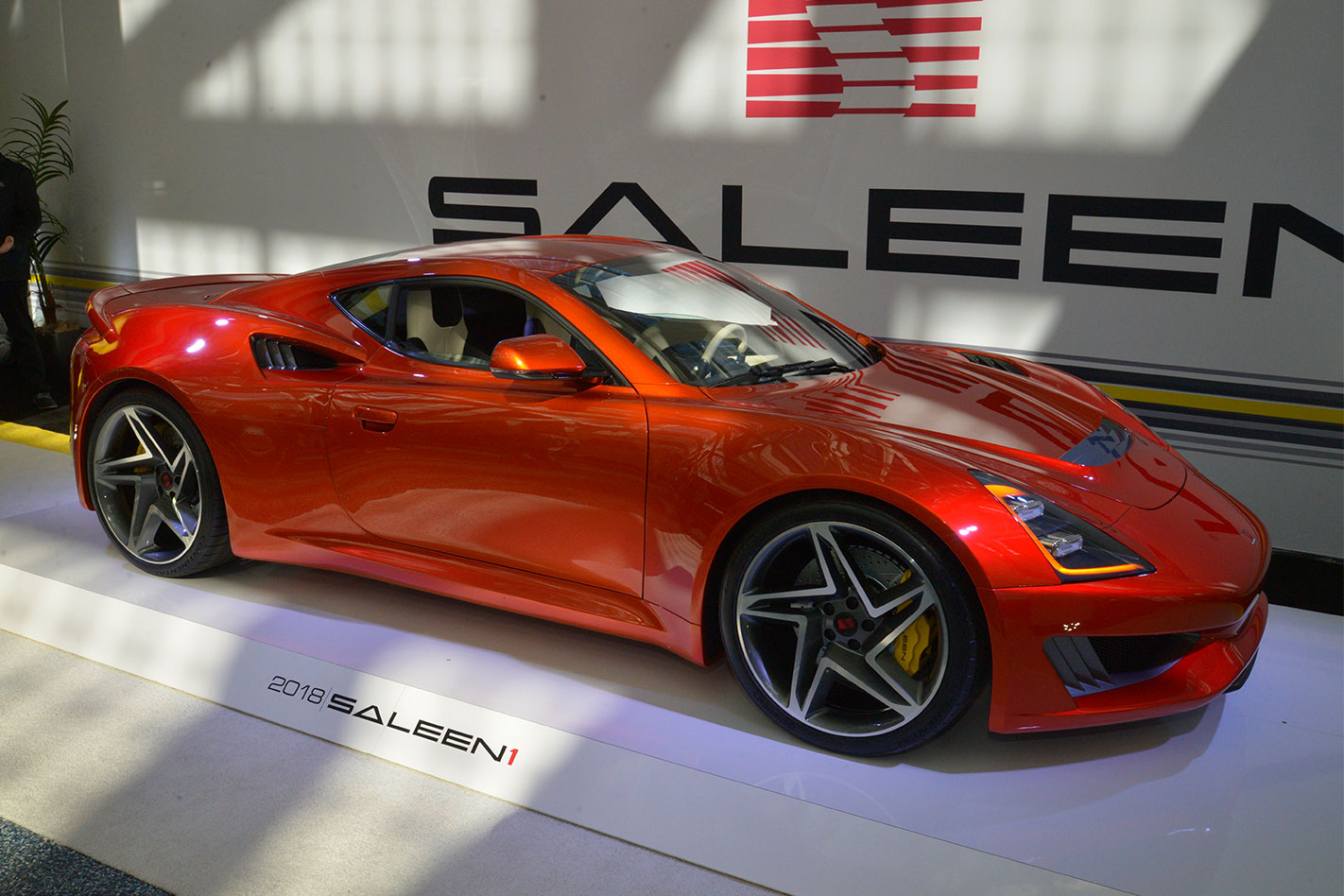
Low weight is also helped by the Saleen’s all-aluminium tub chassis and its 100 per cent carbon fibre body.
“Its power to weight ratio is one of the best in the world, putting it up there with almost any supercar,” he said at the S1’s reveal.
Its quick sprint will allow a quarter-mile run in the low 11 second range, and a top speed of around 290km/h.
VIDEO: Stock 2018 Ford Mustang GT runs 12sec quarter mile
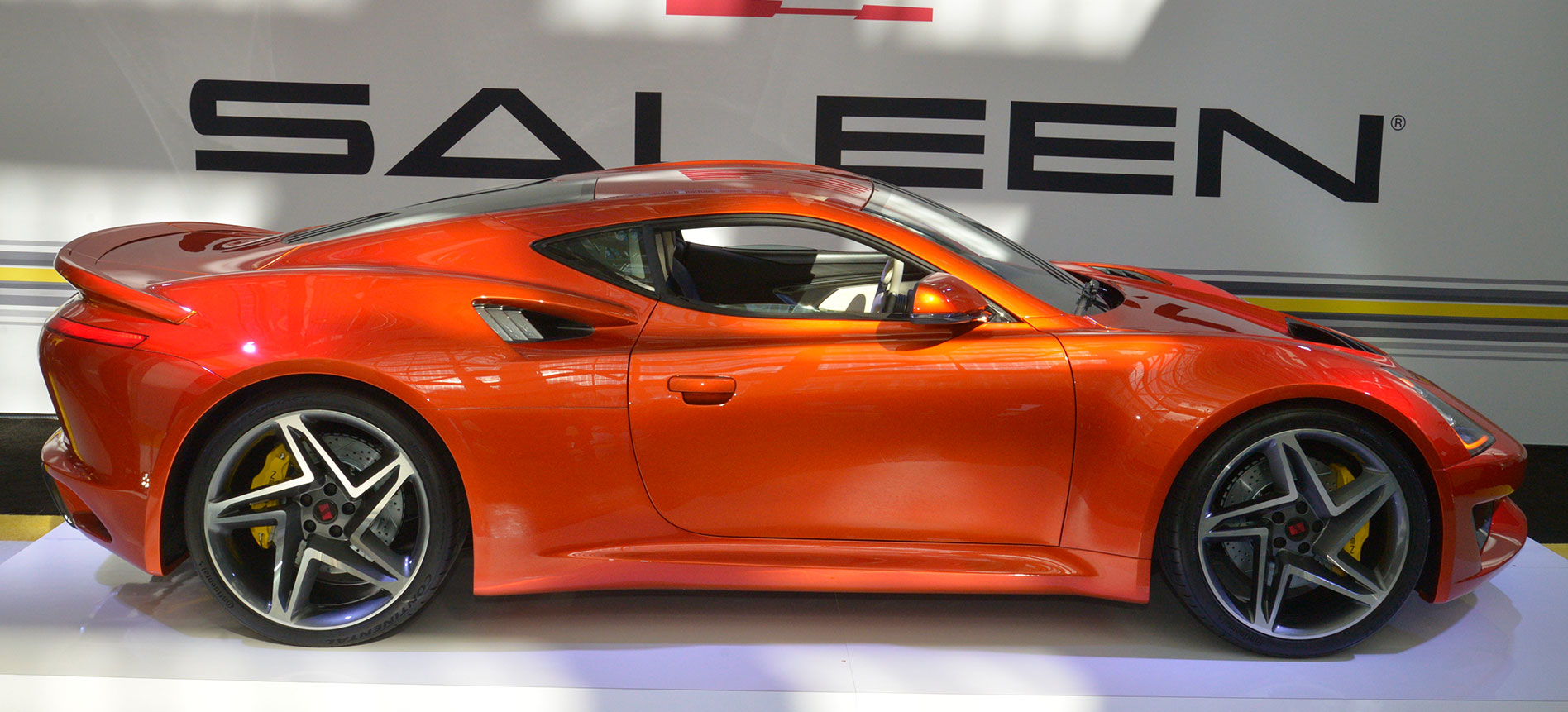
It should also pull up quickly thanks to what Saleen describes as massive brakes.
The Saleen 1 will be built in a new plant in California for the North American market, with deliveries excepted to commence in late northern-summer (Q3) of 2018.
Americans can already place a $1000 expression of interest style deposit on a Saleen 1, though the rest of the world will have to wait a little while for a chance to see what the S1 has to offer.
Nissan’s small SUV was launched on the Australian market three years ago. This is its first significant update.
TELL ME ABOUT THIS CAR
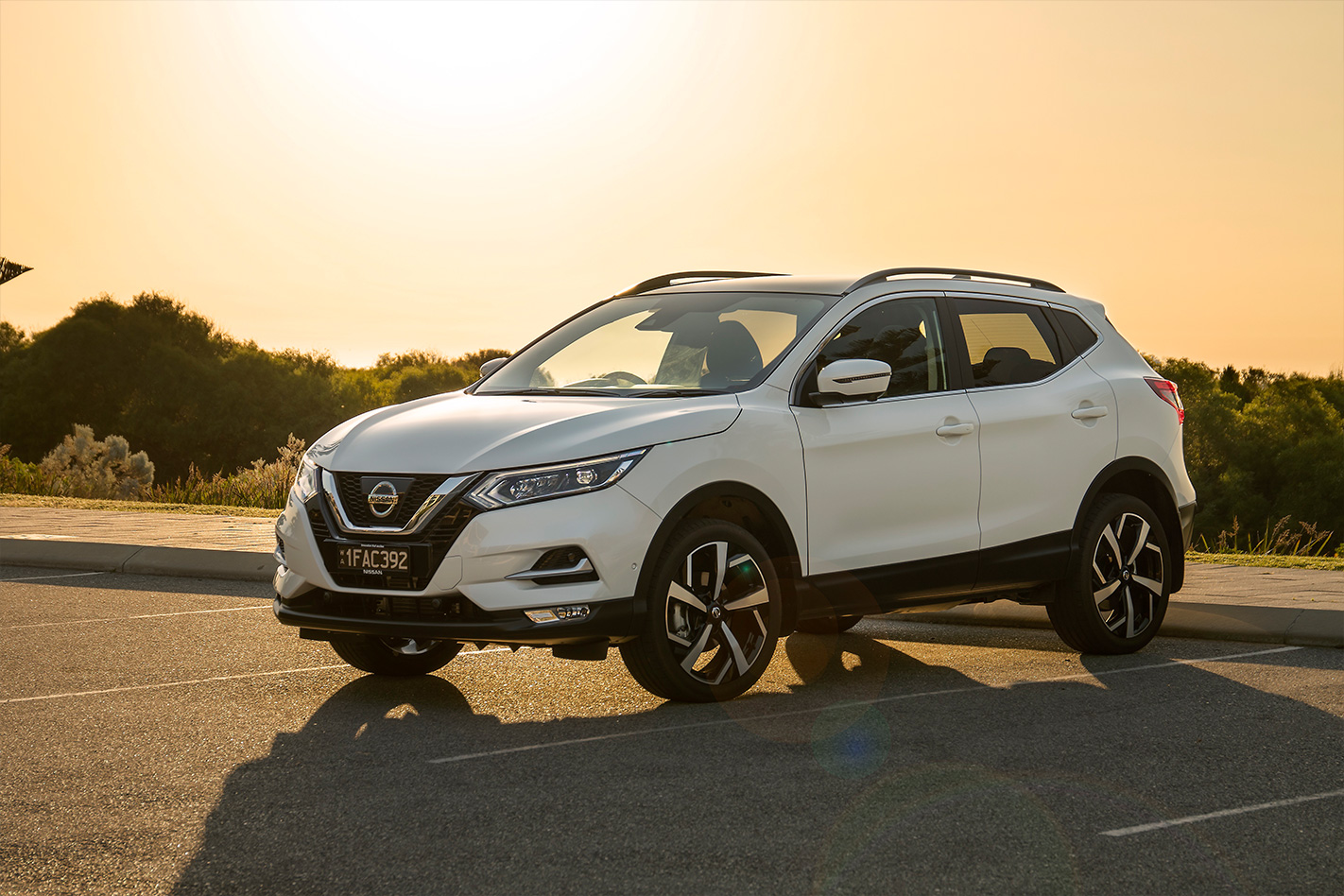
The updated Nissan Qashqai extends the model range, while simplifying the available powertrains. Nissan has done well to improve the ride and bring the cabin up to date with modern expectations, however an ageing drivetrain and infotainment omissions could play against it in a crowded and competitive market.
There has been a change in the model line-up, with the addition of the N-TEC to sit below the flagship Ti, and mid-spec ST-L which has infotainment, and trim improvements over the base SL.
STRENGTHS
- Interior space is plentiful in the Qashqai, with rear legroom ample for adult passengers.
- Its 430-litres boot is one of the largest in the segment.
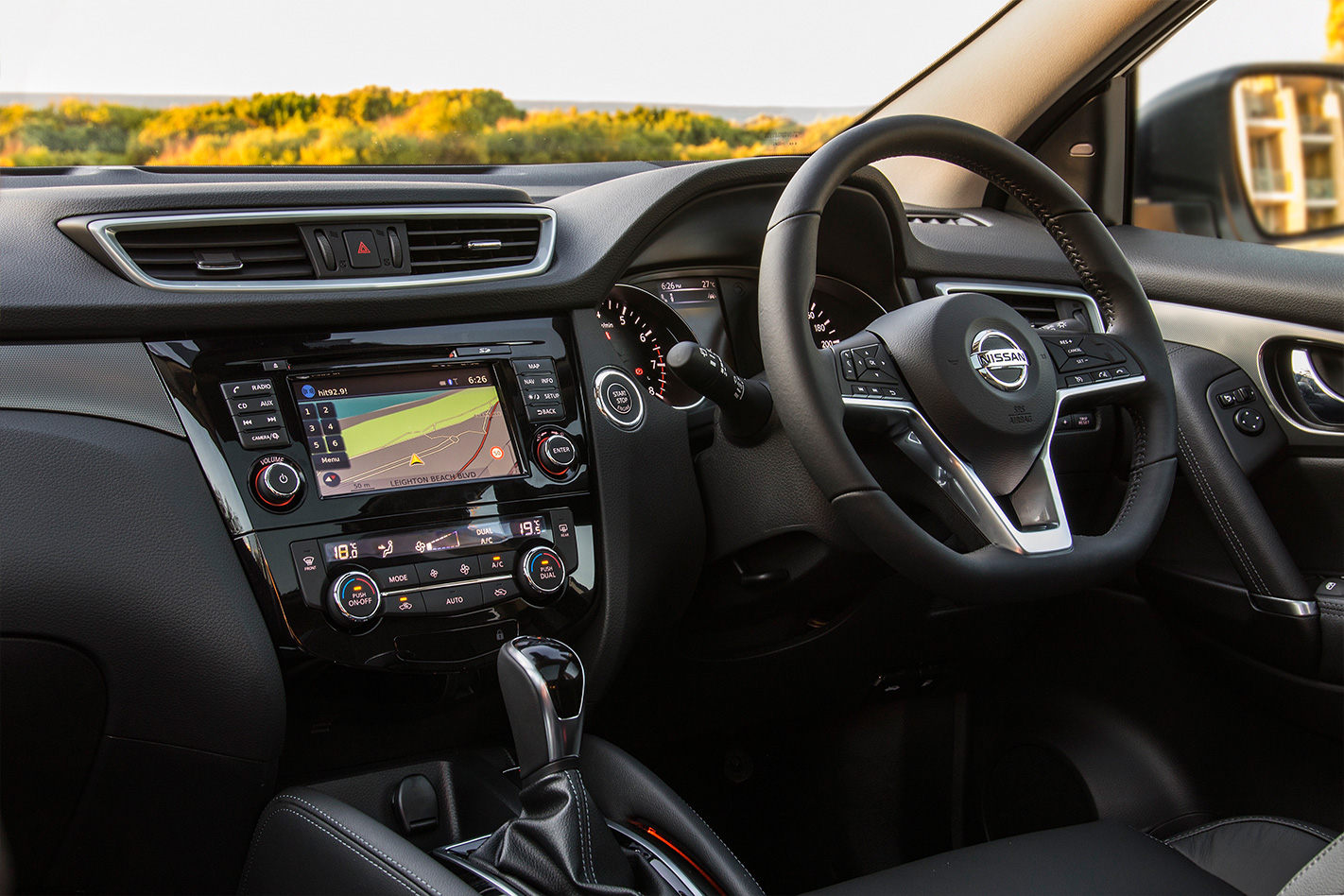
- Interior feels more premium than before, with hard plastics cut back significantly, particularly on the door trims and centre console. The steering wheel has been completely redesigned to bring it up to date with modern trends.
- Beneath the new Qashqai’s skin there is stiffer suspension and firmer damping but the ride remains comfortable on 19-inch alloys. The 18-inch rims of the lower-spec models improved the ride further and produced less tyre noise.
- Cabin noise has been improved with extra sound deadening in the doors. On a variety of road surfaces, cruising at highway speeds, road noise was minimal.
- Automatic emergency braking is standard across the range
WEAKNESSES
- Pricing starts at $26,490 for the base model, which is competitive. However, the flagship Ti comes with a sticker price of $37,990 – well above most rival range toppers.
- The lack of Apple CarPlay and Android Auto remains a glaring omission in a market baying for increased connectivity in cars.
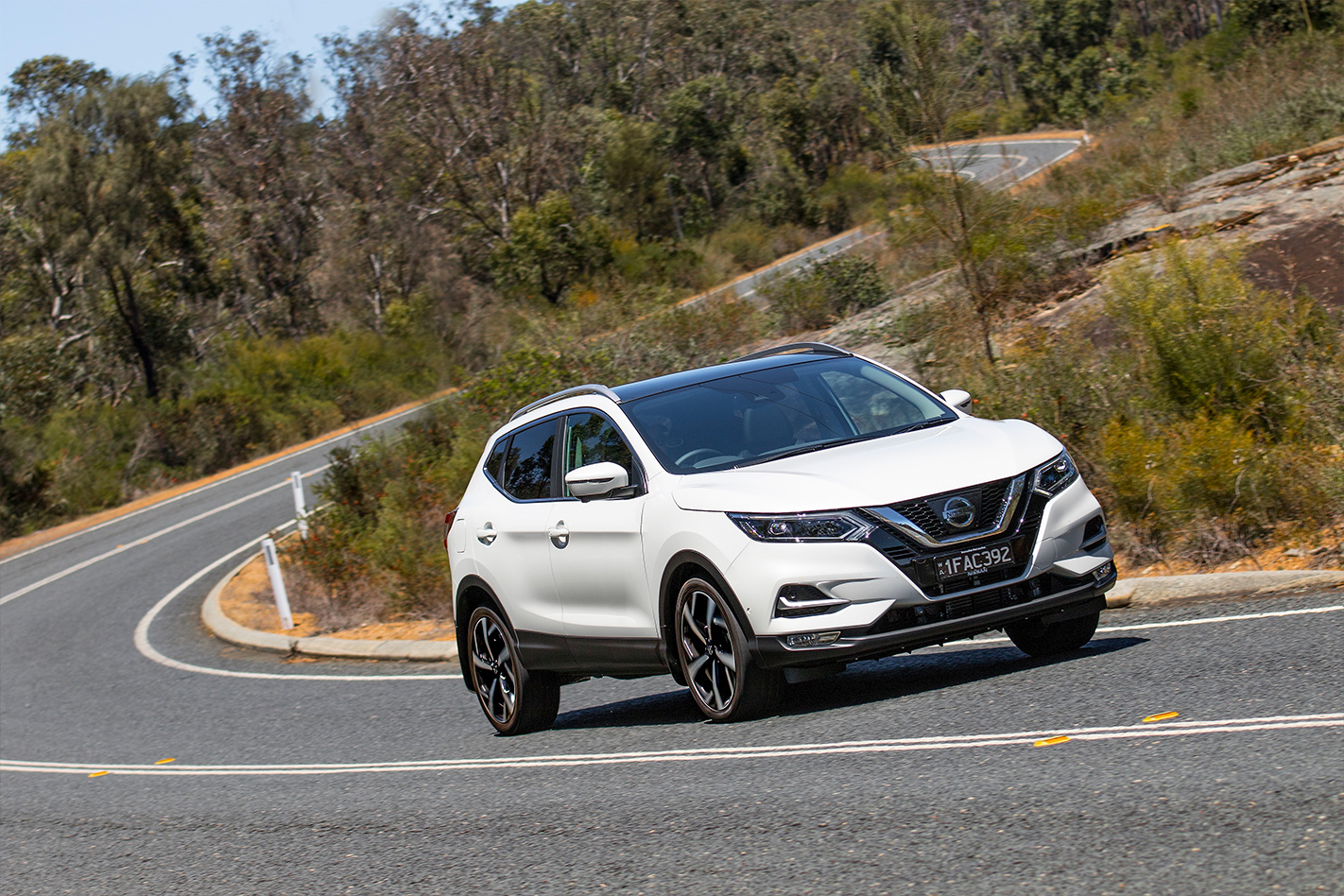
- Tyre roar on the 19-inch rims for the N-TEC and Ti variants can become intrusive at highway speeds.
- A downfall of the Qashqai is numb steering, which while lightly weighted, does little to communicate what is happening at the front wheels.
Any rivals I should consider?
Mazda CX-3, Hyundai Kona, Peugeot 2008, Suzuki S-Cross, Toyota C-HR, Subaru XV and Holden Trax
Fans of the sporty Toyota 86 coupe can rejoice, because the Japanese manufacturer has released a range of factory-approved performance additions through its dealerships here in Australia.
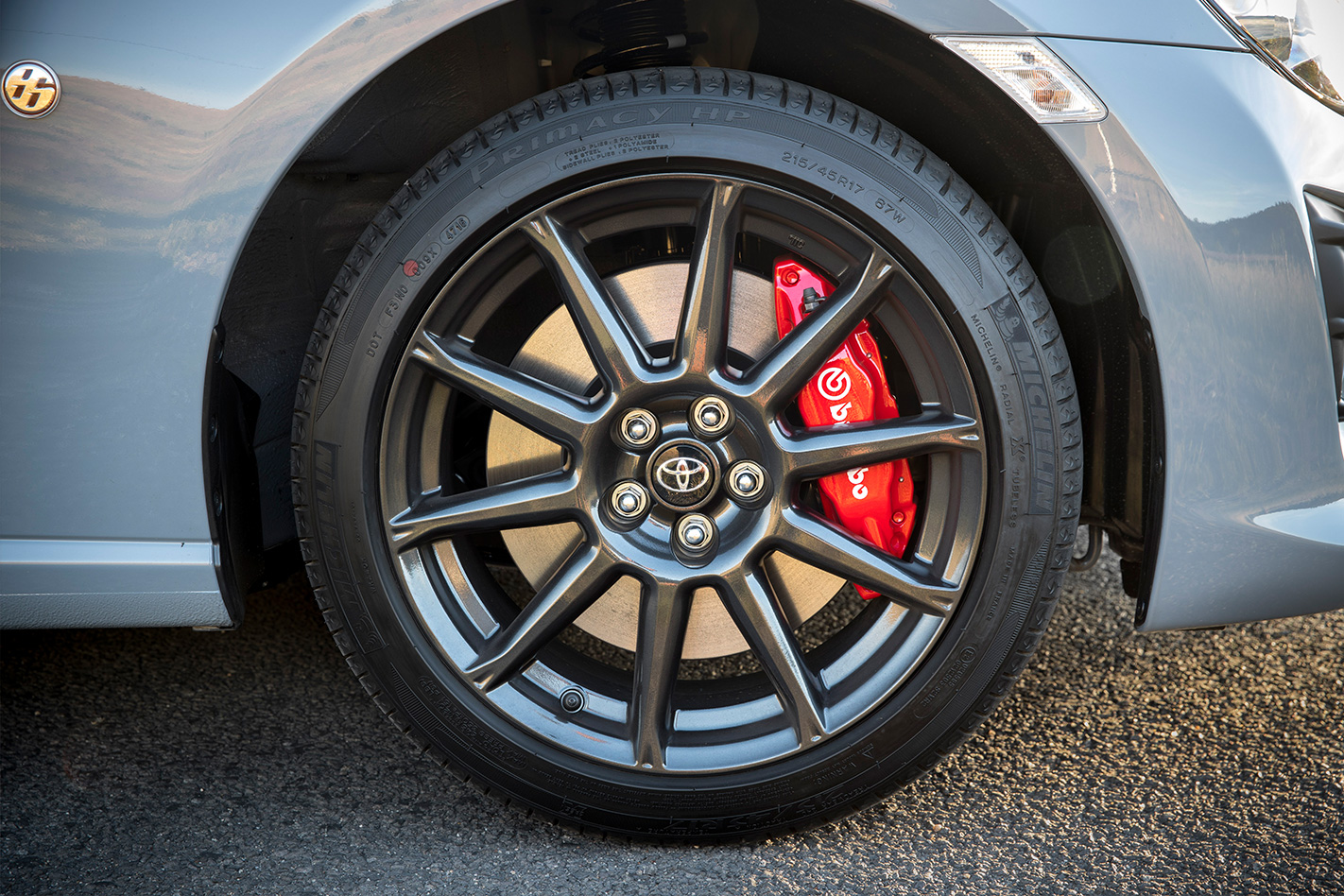
The performance kit is available as an optional extra on any new 86, and includes improved Brembo brakes, Sachs dampers and 17-inch alloy wheels.
The additions were previously only available on the 86 Limited Edition, which was a run of just 60 cars released in June. The performance pack can now be optioned on both the manual and automatic variants of the GT and GTS models.
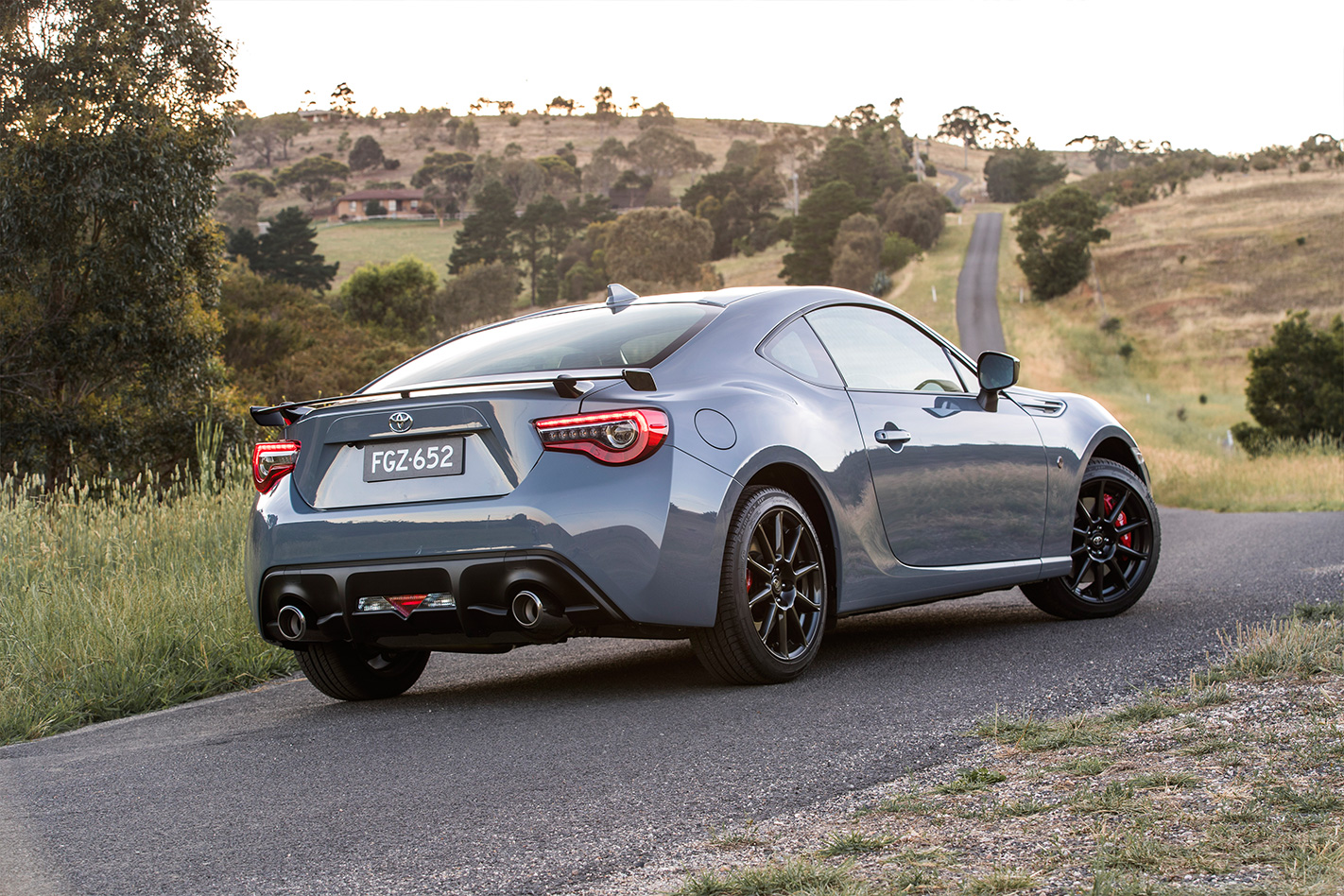
Pricing for the pack comes in at $2,200 for the GTS, and $2,900 for the GT.
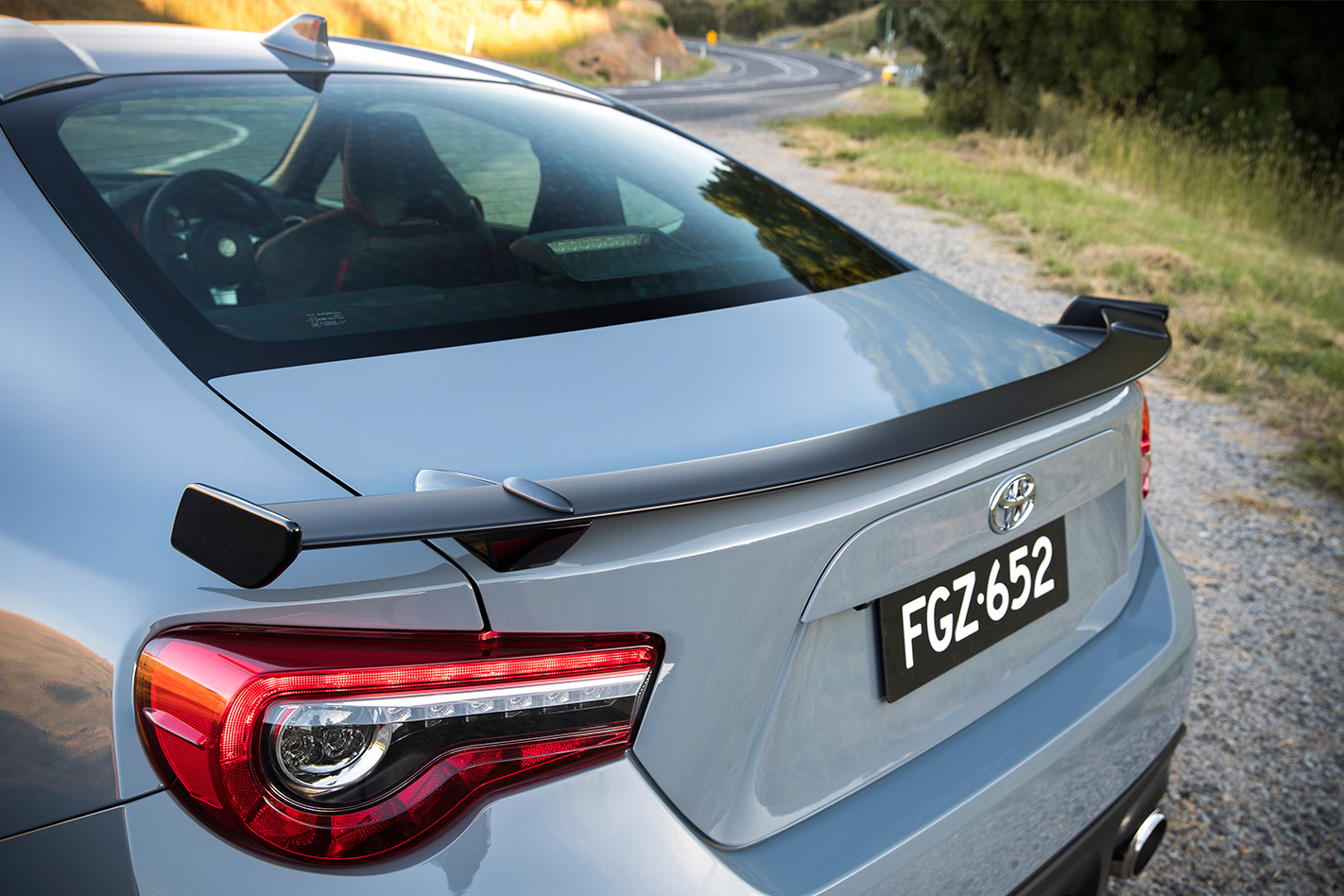
GTS owners can also opt to pair the performance additions with a new exterior colour called Moon Slate (pictured), as well as red interior trim highlights, and a unique black finish for the wheels, exterior mirrors and rear spoiler. This will amount to a retail price of $39,400 all up, before on-road costs.
The upgraded Brembo brakes measure 329mm at the front, and 316mm at the rear, while the stronger calipers provide a 38 percent bigger contact patch for more grabbing strength up front.
The 2.0-litre naturally-aspirated ‘boxer’ four-cylinder engine remains unchanged, producing 152kW and 212Nm in models with a six-speed manual transmission, and 147kW and 205Nm in those fitted with a six-speed auto.
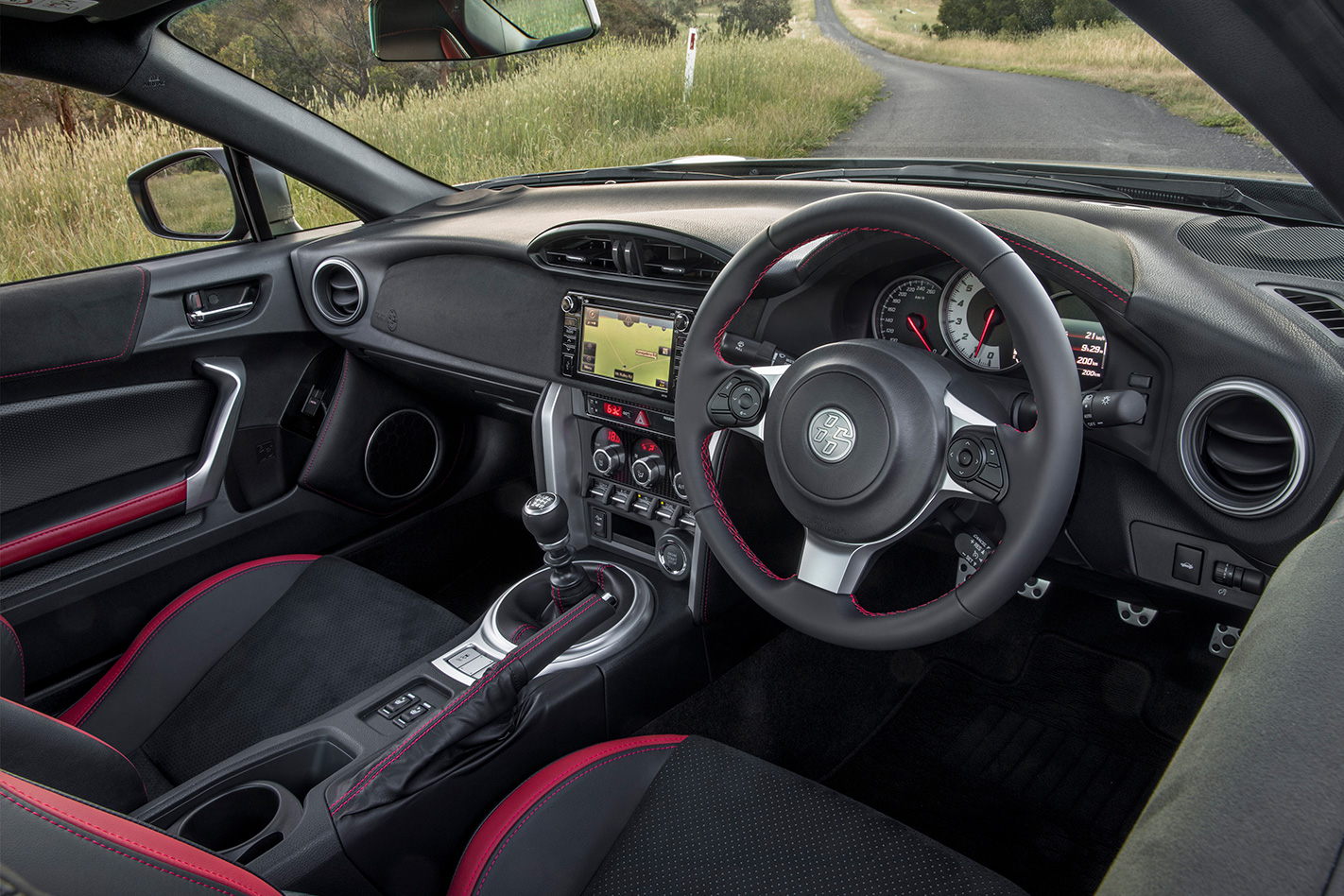
Toyota has also introduced sat-nav to the entry-level GT variant, and the Toyota Link infotainment system across the range.
Pricing for GT models begins at $31,440 for the manual (an increase of $650), while the GTS starts at $36,640 (a $150 increase).
Toyota says the optional performance pack increases the enthusiast appeal of the 86.
“These performance components will add to driver involvement and enjoyment, whether it is on the road or the track,” said Tony Cramb, executive director sales and marketing Toyota Australia.
CRITICAL acclaim hasn’t been a problem for the latest Hyundai i30.
Sales, on the other hand, have proven a bit of a tougher conquest than the Koreans perhaps expected. In order to rectify that, Hyundai’s gone back to its old strategy of opening the i30 range at under $20K, with a new i30 Go trim level slotting in beneath the existing Active model.
The Go retains most of the i30 Active’s safety gear but there are a few trim omissions, as you’d expect for that saving. It does without satellite navigation, instead relying on Apple CarPlay/Android Auto integration. Steel wheels replace alloys and the rear parking sensors have been given the flick. A rear camera has been retained, displayed on a revised eight-inch colour touchscreen.
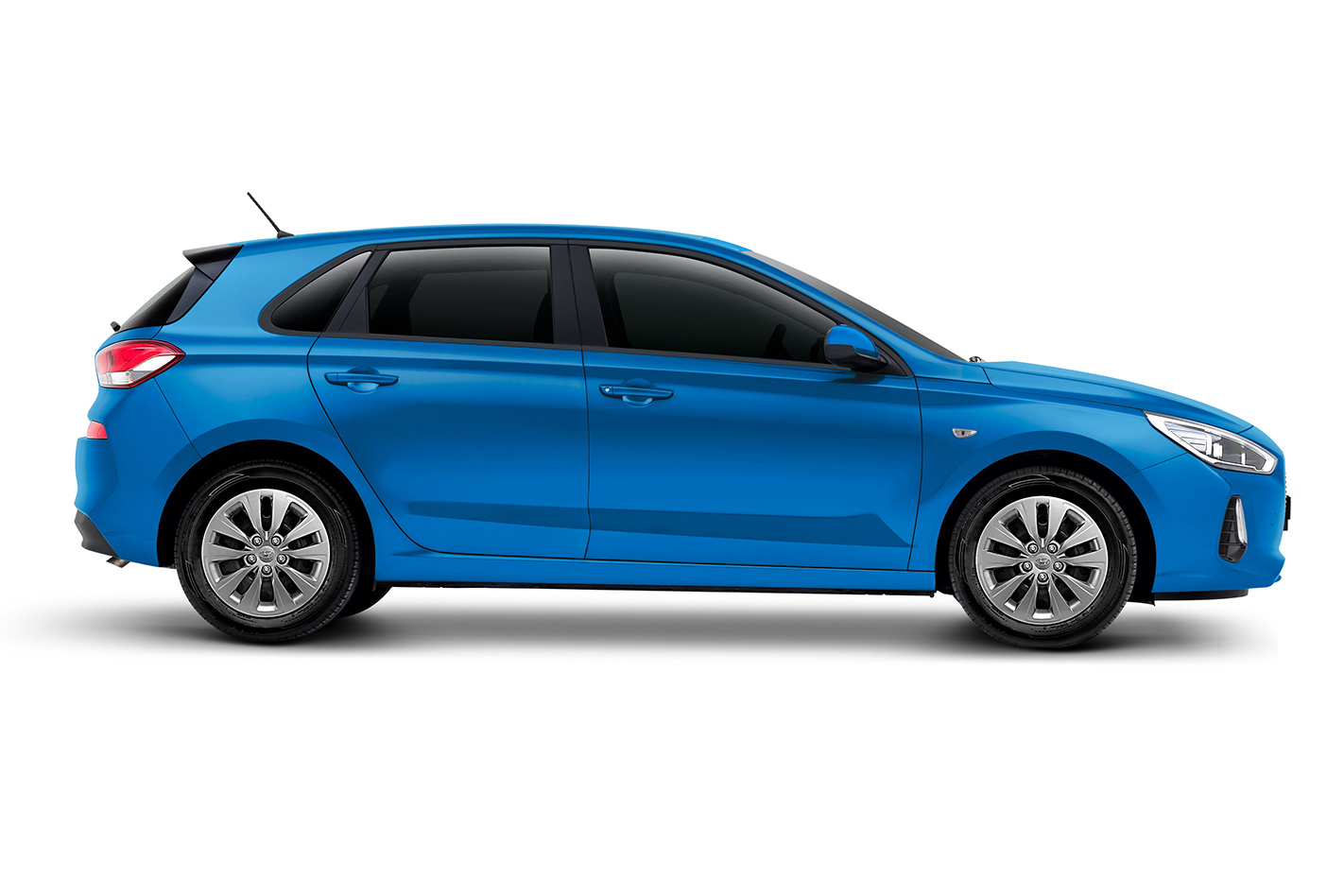
Standard equipment on the Go includes seven airbags, stability control, LED daytime running lights, tyre pressure monitoring, dusk-sensing headlights, Bluetooth, cruise control, electric windows all around, a height adjustable driver’s seat and Hyundai Auto Link – a smartphone app that monitors your car’s health and gives feedback on your driving style.
If Hyundai’s recent clearout of the old Active models was anything to go by, the latest Go should give its sales figures a big boost. The limited run of cheap Actives helped propel the i30 to the top of October’s sales charts, up from a fourth placed position over the previous quarter.
WALKINSHAW Performance is readying a 300kW-plus twin-turbo V6 version of the Holden Colorado as a spiritual successor to the V8s that have dominated the local muscle car scene for decades.
The top-secret project – known as Wildfire, a name recently registered by the Walkinshaw Group – involves shoehorning the LF3 3.6-litre twin-turbo V6 used in the Cadillac CTS V-Sport under the bonnet of the Colorado dual-cab 4×4.
It arrives as brands such as Ford, Toyota and Mercedes-Benz look to expand the reach – and performance – of their top-end utes.
For the Walkinshaw Group – which also produces HSVs for Holden – the Wildfire is the first step towards a new breed of high- performance road cars.
However, the company is tight-lipped about the Wildfire project: “We make a point of not discussing future models or business strategy,” said Walkinshaw Performance general manager Gary Beer.
“There are many projects we are exploring, but until we have a specific vehicle solution in place we won’t be adding to the speculation.”
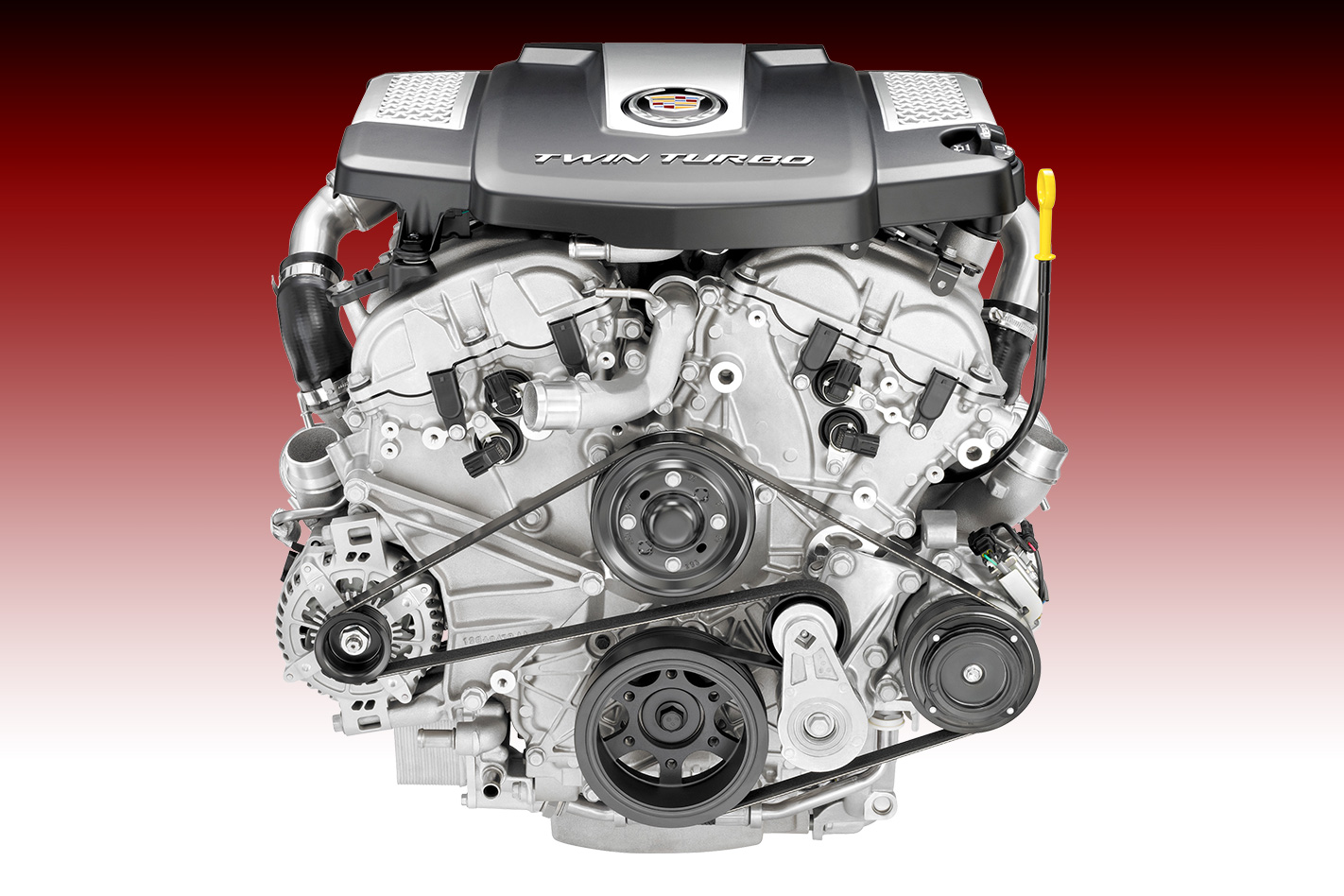
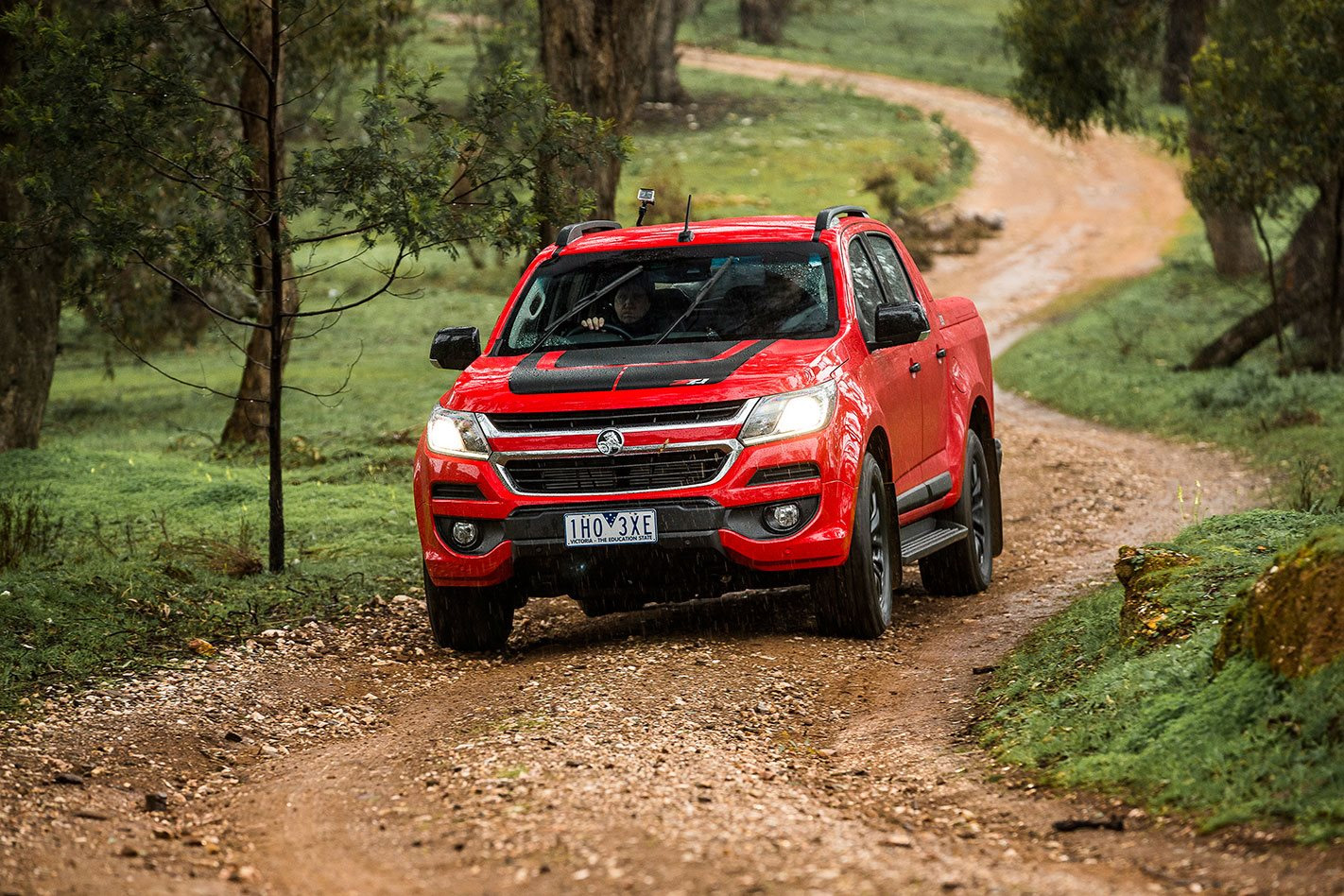
The Wildfire will be based on a Colorado 4×4, which uses a part-time four-wheel-drive system without a centre differential, limiting its all-paw use to loose surfaces such as sand or gravel.
While the Wildfire project is yet to get the green light – as the HSV W1 did through its early development phases – engineers have already trialled the engine locally and are working through numerous challenges, many of which involve developing software to get the Cadillac engine ‘talking’ to the rest of the Colorado’s electrical architecture.
The design element is more straightforward and, despite the project being in its infancy, has already been envisioned.
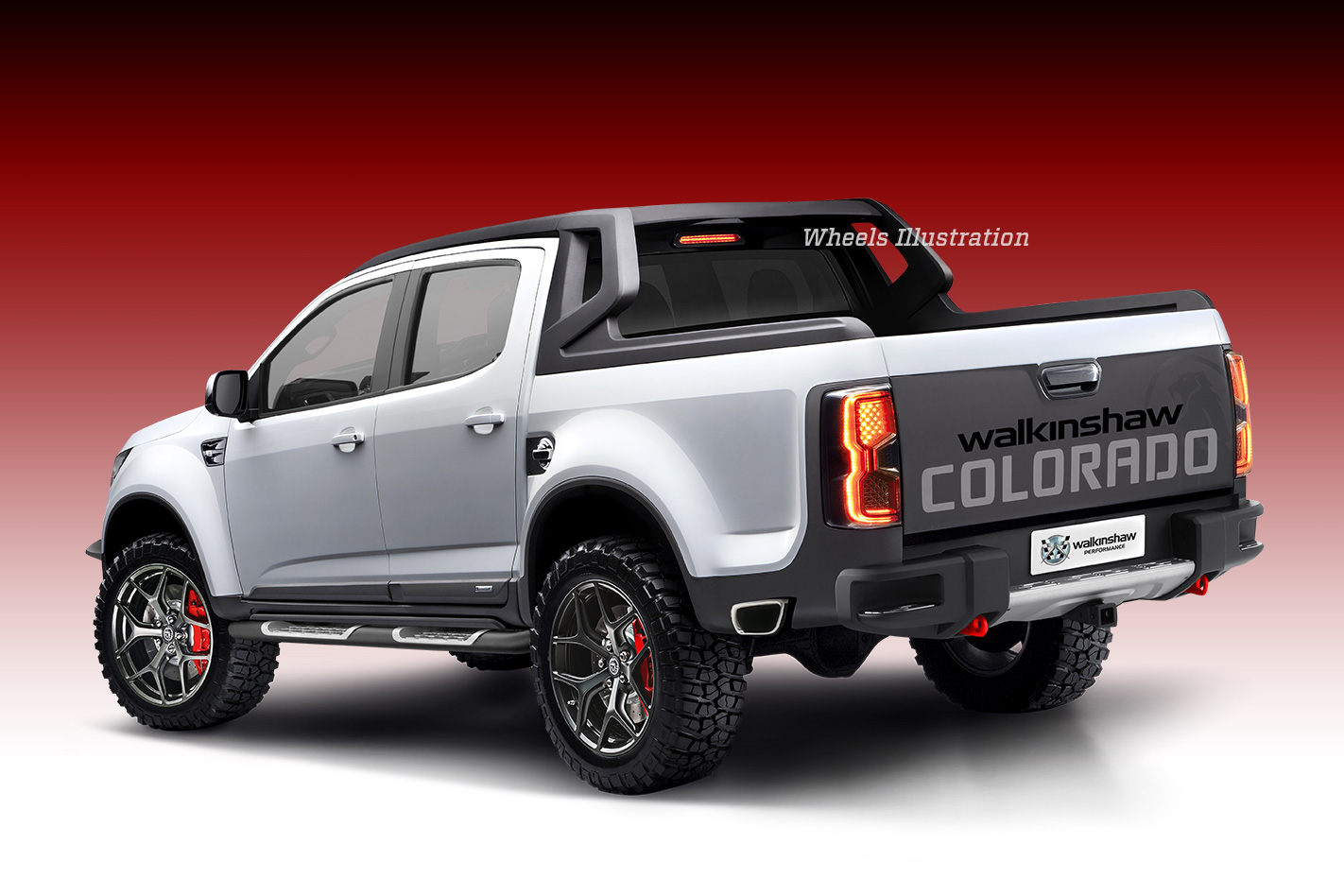
The matte black theme will continue throughout, while designers are also expected to utilise HSV’s skills in altering body panels. Like the HSV W1, the Wildfire could get flared front wheelarches to house larger, more aggressive rubber.
An early development mule has been spotted with a disguised tailgate, suggesting the Wildfire could get a similar treatment to HSV’s Maloo ute.
As with rival dual-cabs, the Colorado’s relatively high centre of gravity, ladder-frame chassis and leaf-spring rear-end are creating headaches for chassis engineers used to tuning the superb Zeta architecture from the VE/VF Commodore.
Also expect sizeable AP Racing brakes, something that would leverage the Walkinshaw Racing relationship.
However, despite the substantial suspension development, engineers are committed to ensuring the Wildfire maintains the Colorado’s off-road nous. If it’s given the green light – engineers are quietly optimistic – the Wildfire would have a seriously broad remit and be one of the few cars to undergo extensive development work on race tracks and dirt trails.
But it’s what’s beneath the skin that promises to separate the Wildfire from the emerging breed of go-fast utes.
Crucial to the Walkinshaw Colorado is its move to use a petrol powertrain. Whereas the ute market is almost exclusively diesel, the twin- turbo V6 ups the performance ante big time, all but guaranteeing a monstrous leap over rivals, the most serious of which is shaping up to be the Ford Ranger Raptor.
While Ford announced it is deep in development of the fettled Ranger, it has not confirmed what engine will be used.
Like the rest of the Ranger line-up in Australia, the Raptor will utilise a diesel powerplant.
Engineers are currently working on a new 2.0-litre four-cylinder turbo-diesel, which would outpunch the 147kW/470Nm 3.2-litre five-cylinder in the current Ranger.
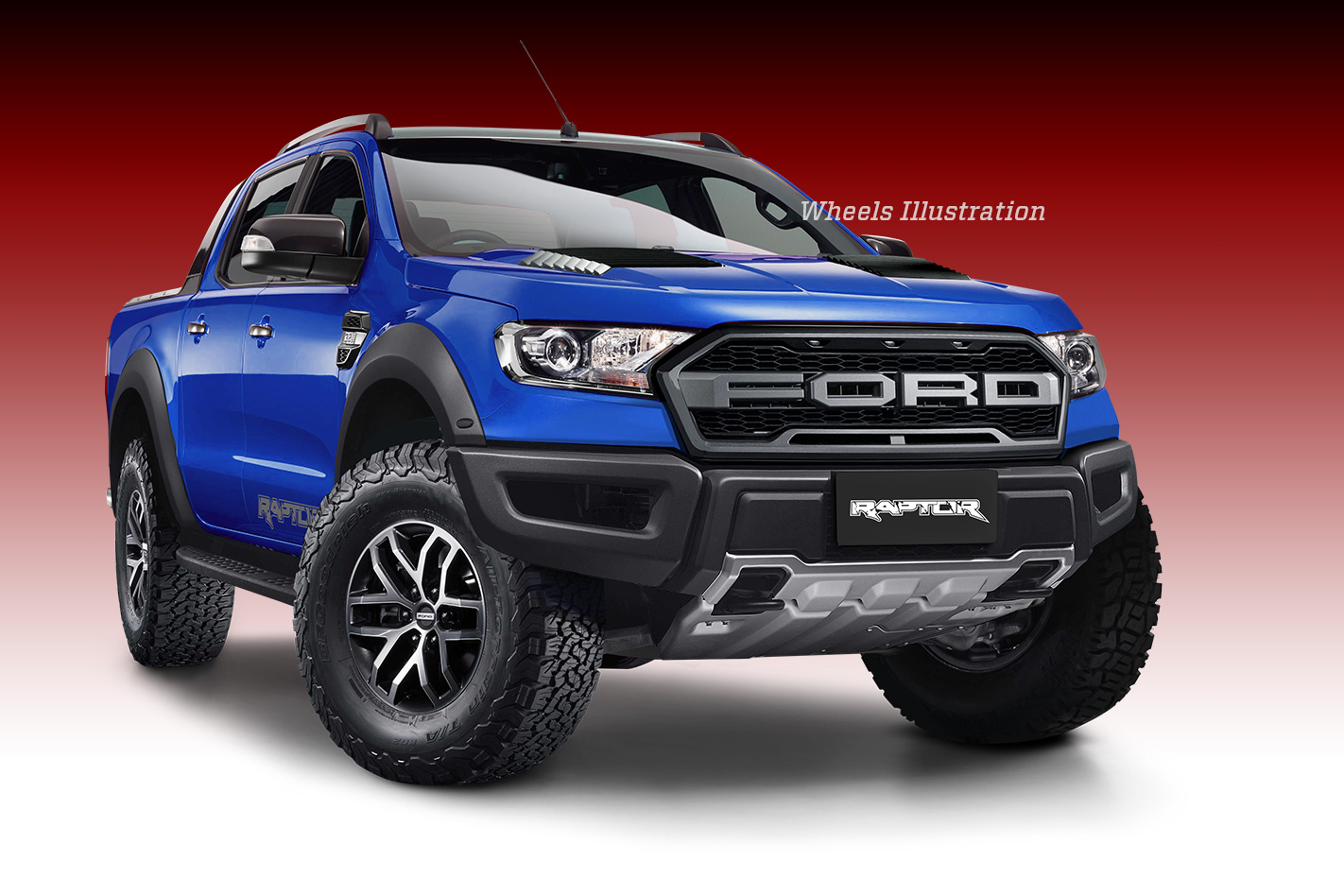
It’s that dual personality that is shaping the new breed of hot utes.
HSV is also working on a version of the Colorado, although that car will use a diesel engine.
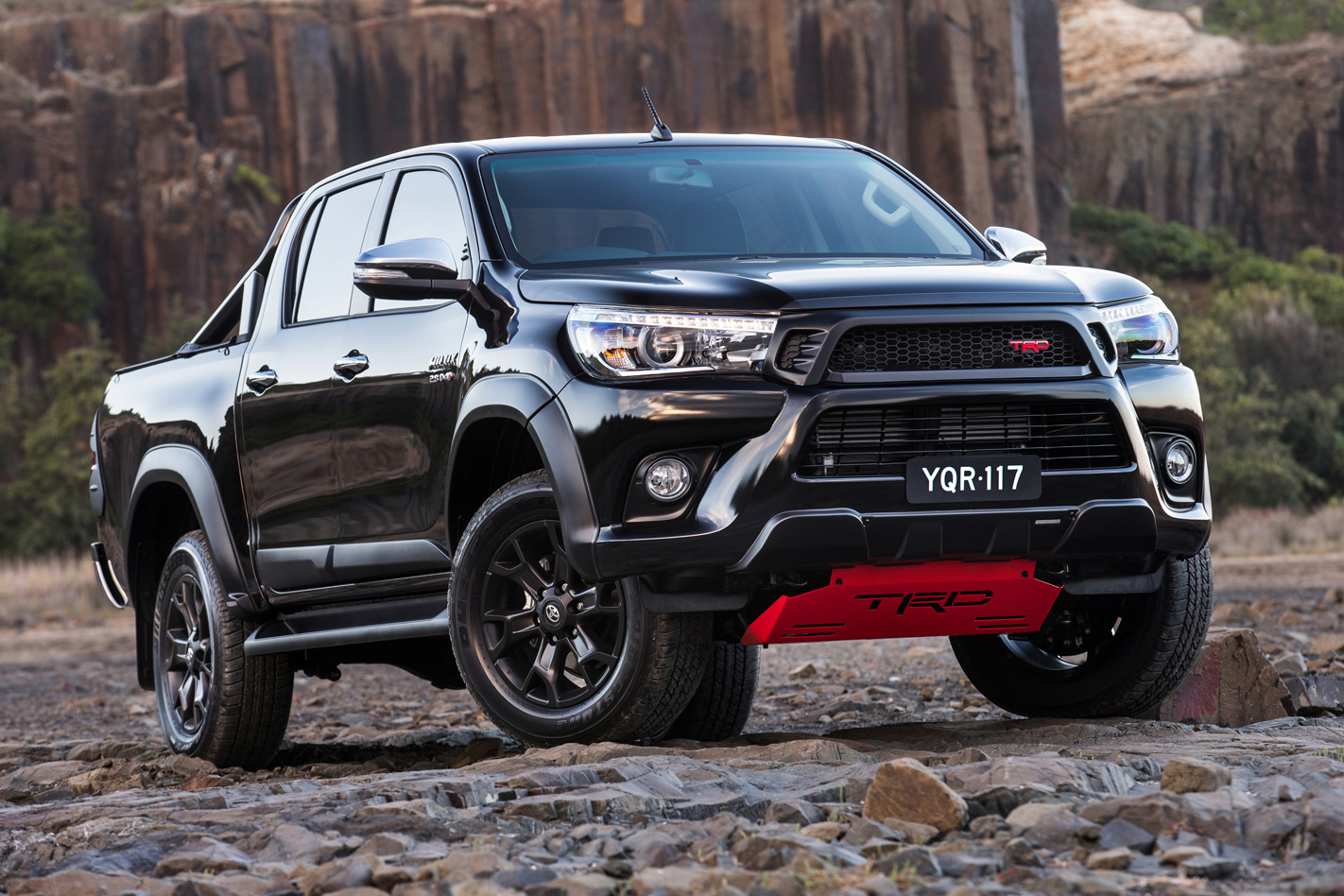
Toyota, too, is looking to capitalise on interest in its TRD Hilux with a fully fledged model rather than the dealer pack that was a toe in the water.
Engineers are currently working on a more serious iteration of the TRD. However, don’t expect any changes to the modest 2.8-litre four-cylinder diesel, with 130kW set to be the limit for the medium term. Instead the efforts will be on styling and off-road capability; think big wheels and suspension, along with additional underbody protection.
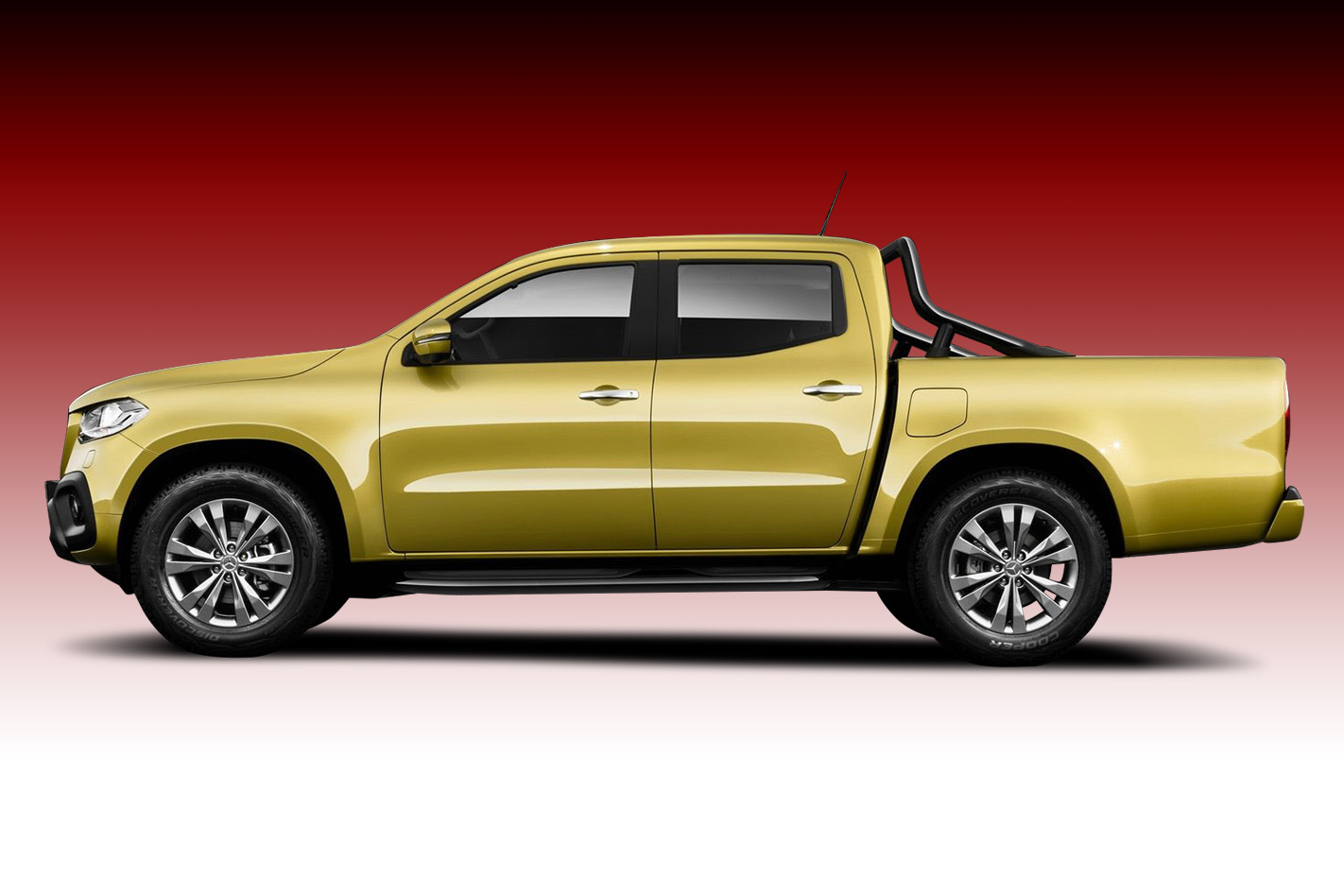
While executives have long ruled out the X-Class picking up the 4.0-litre V8 AMG engine – Aussies would love it but the rest of the world may not be as enamoured – AMG design tweaks are on the way.
That would likely flow through to suspension and wheel/tyre set-ups designed more with corners in mind that worksites.
