
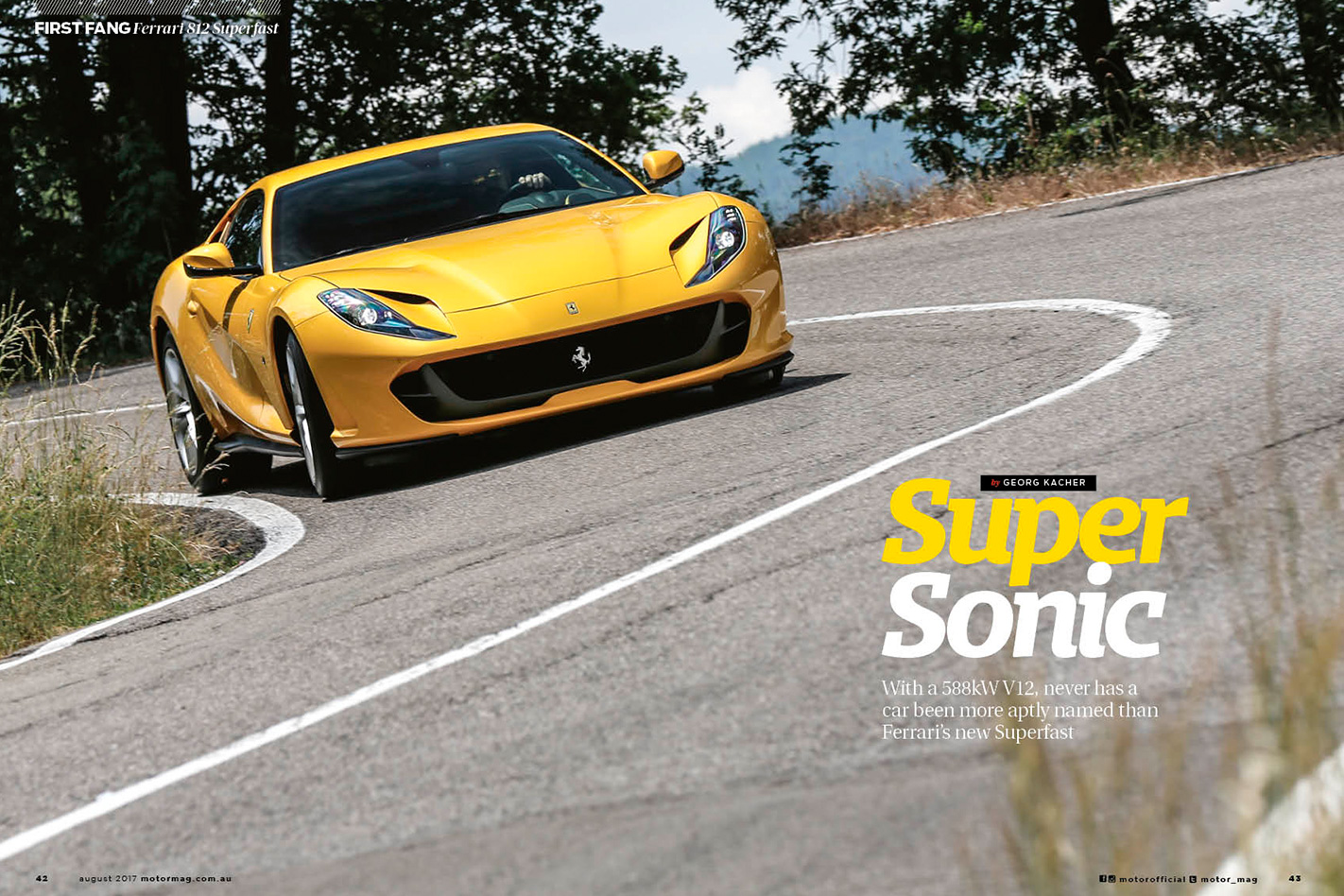
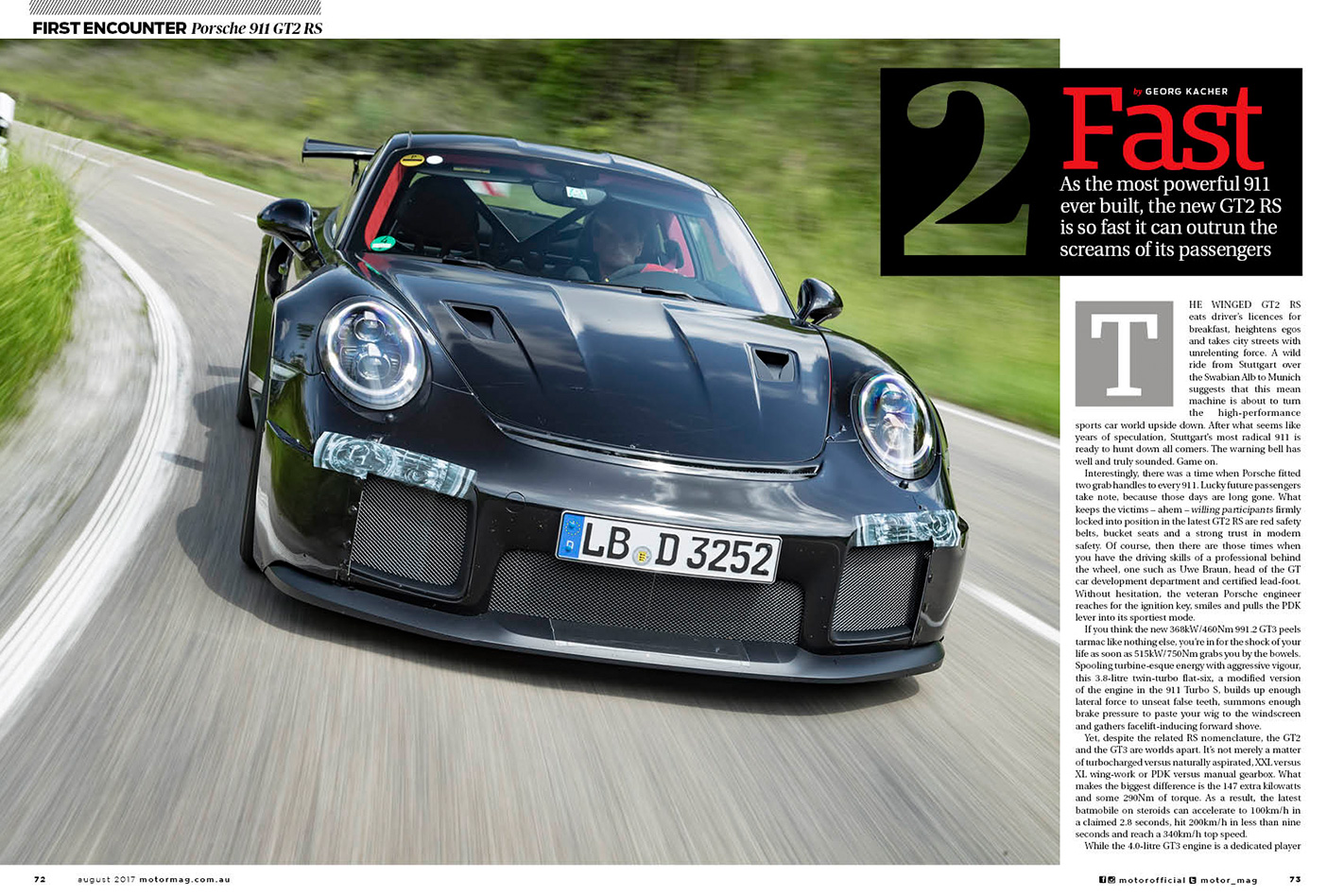
There are only so many fast cars we can fit into one magazine, especially when there are 3226kW on the contents page alone!
Here’s what you’ll get with the purchase of one August 2017 issue of MOTOR Magazine.
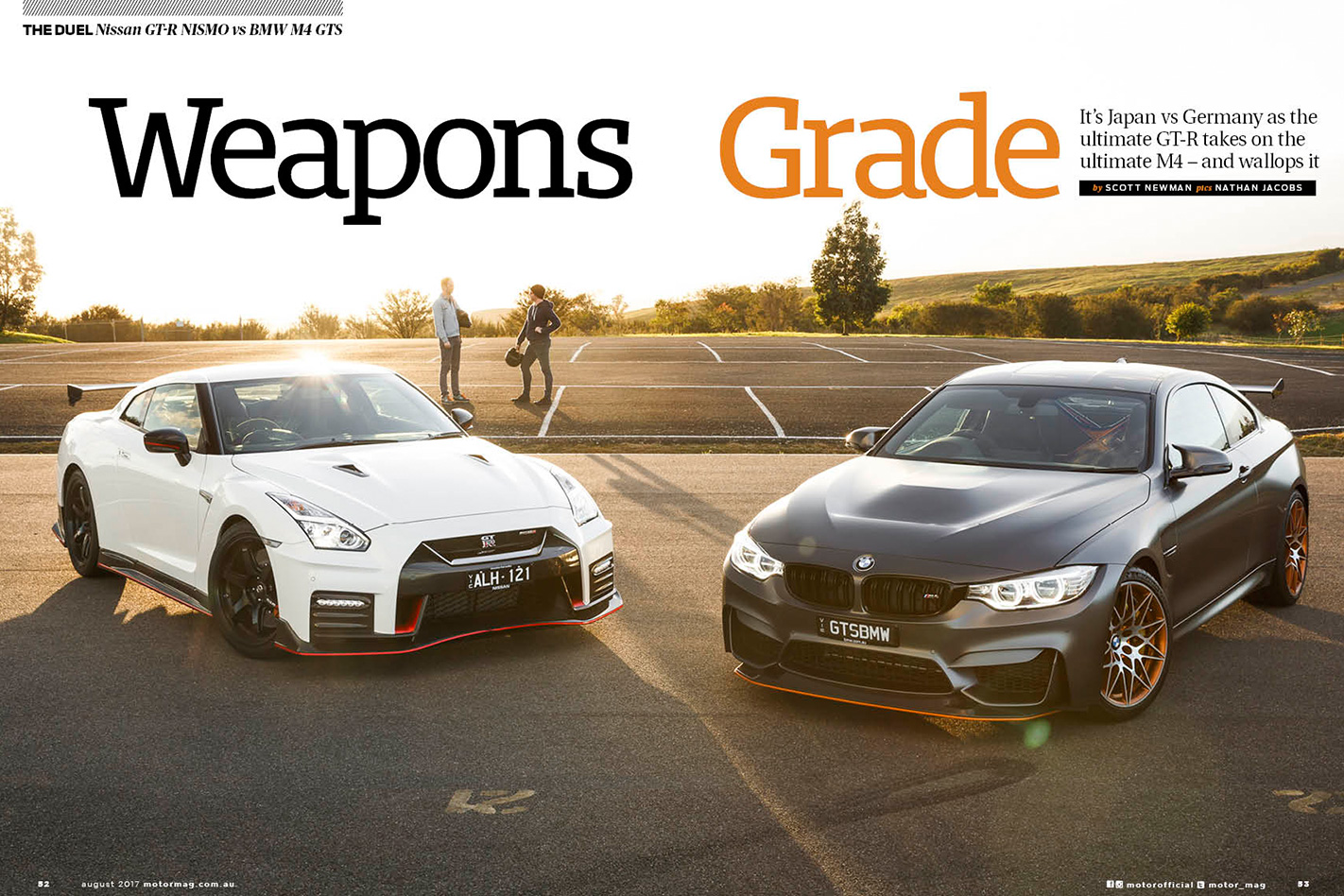
WEAPONS GRADE | NISMO GT-R vs M4 GTS: The fastest BMW battles Godzilla for ultimate track bragging rights.
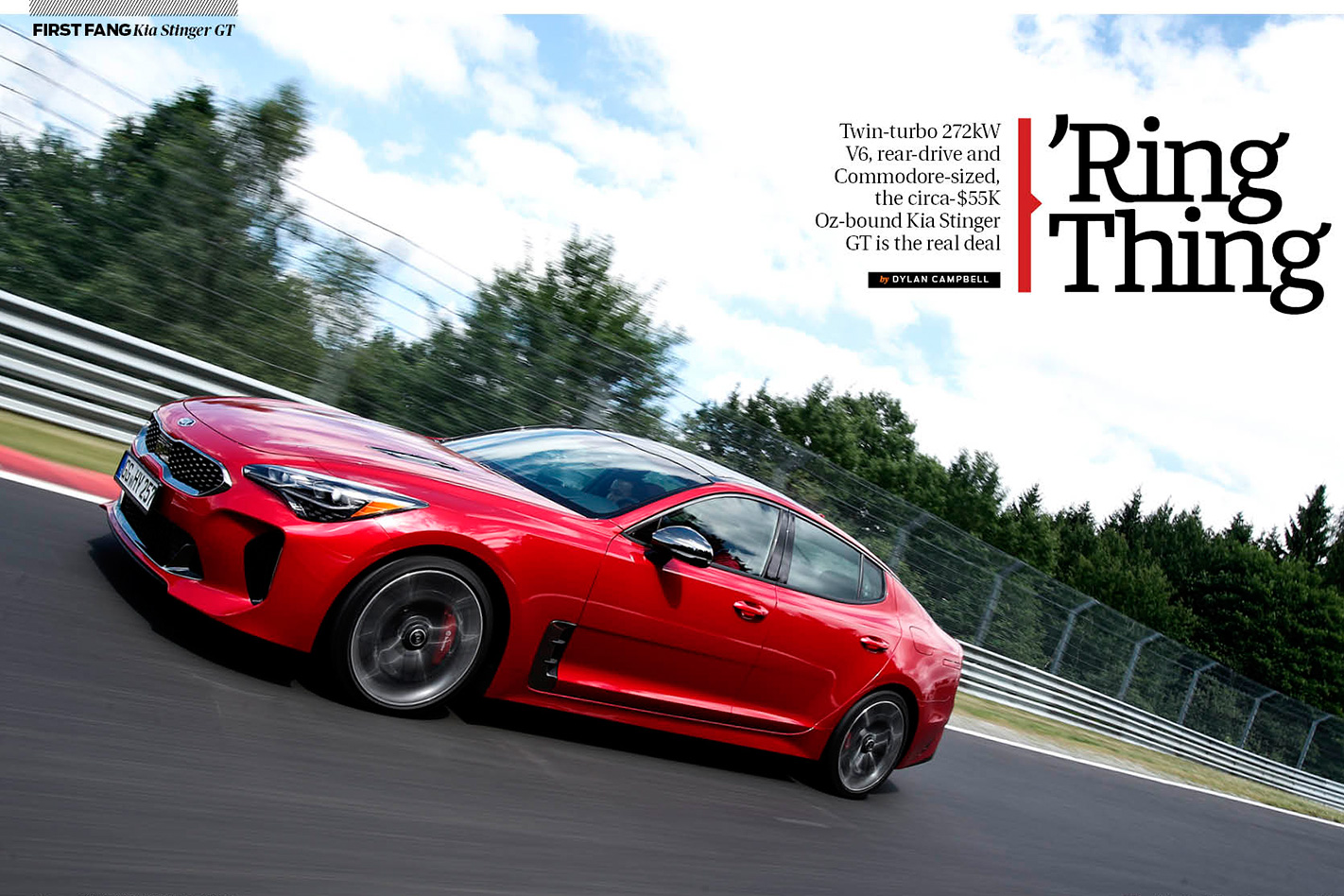
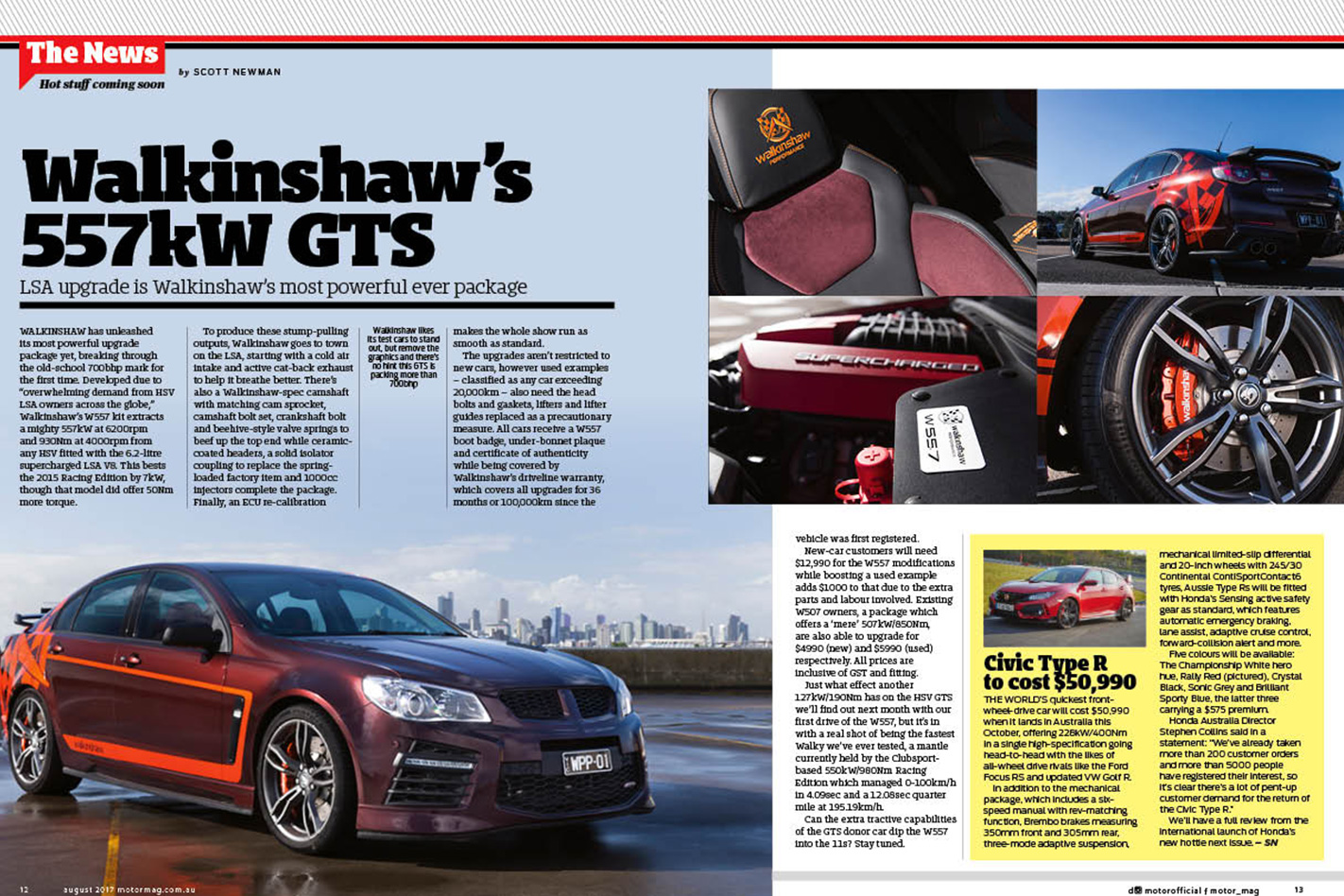
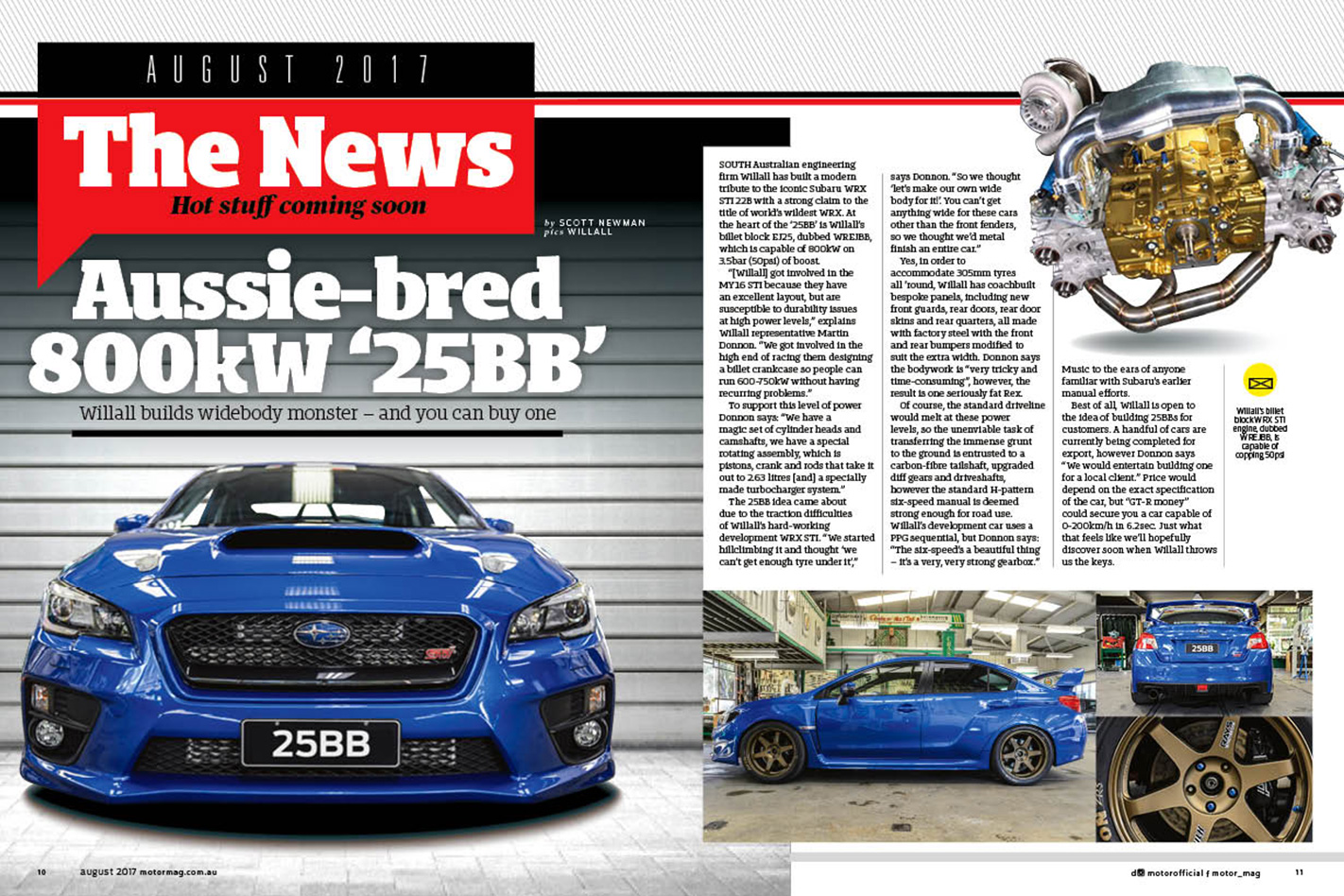
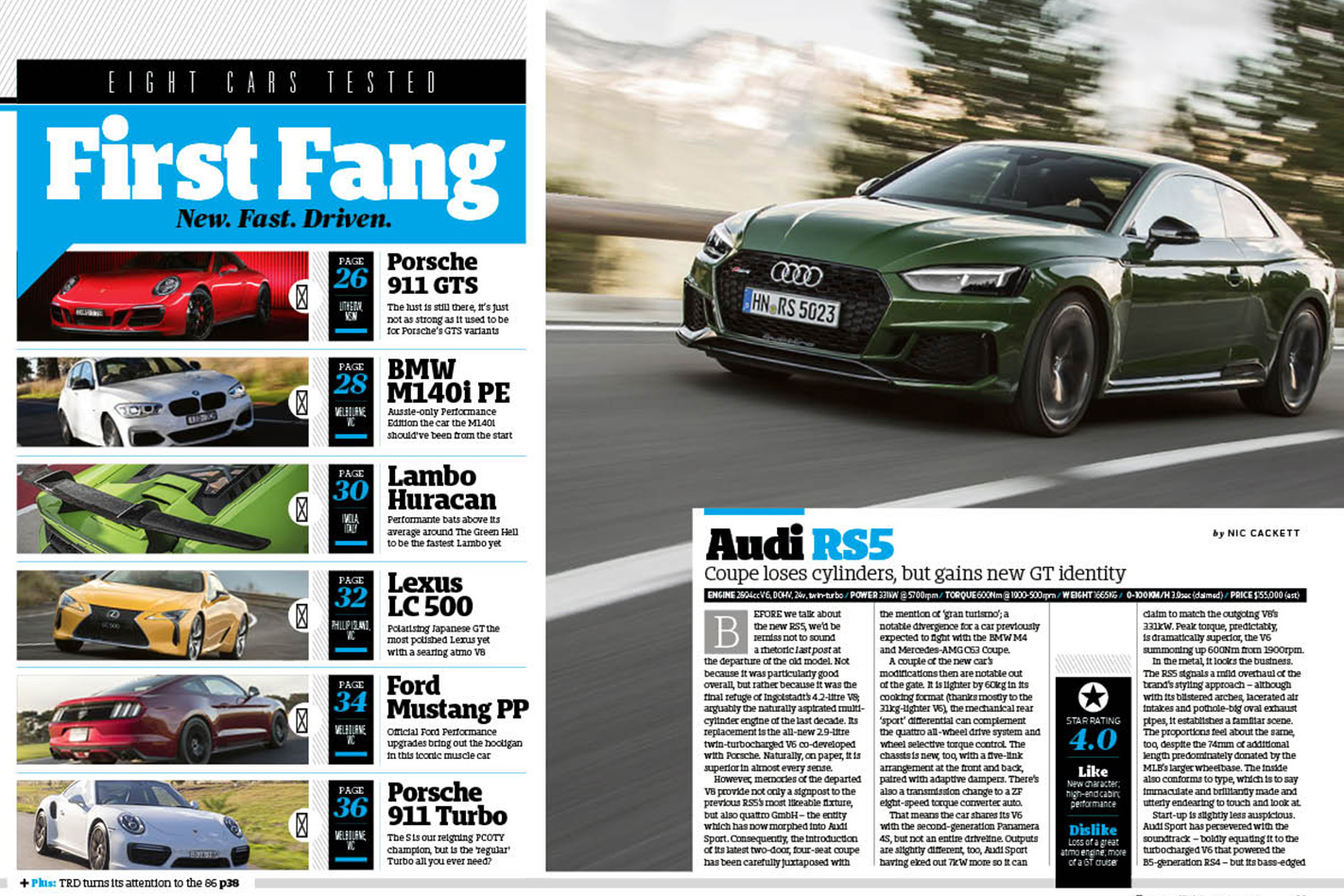
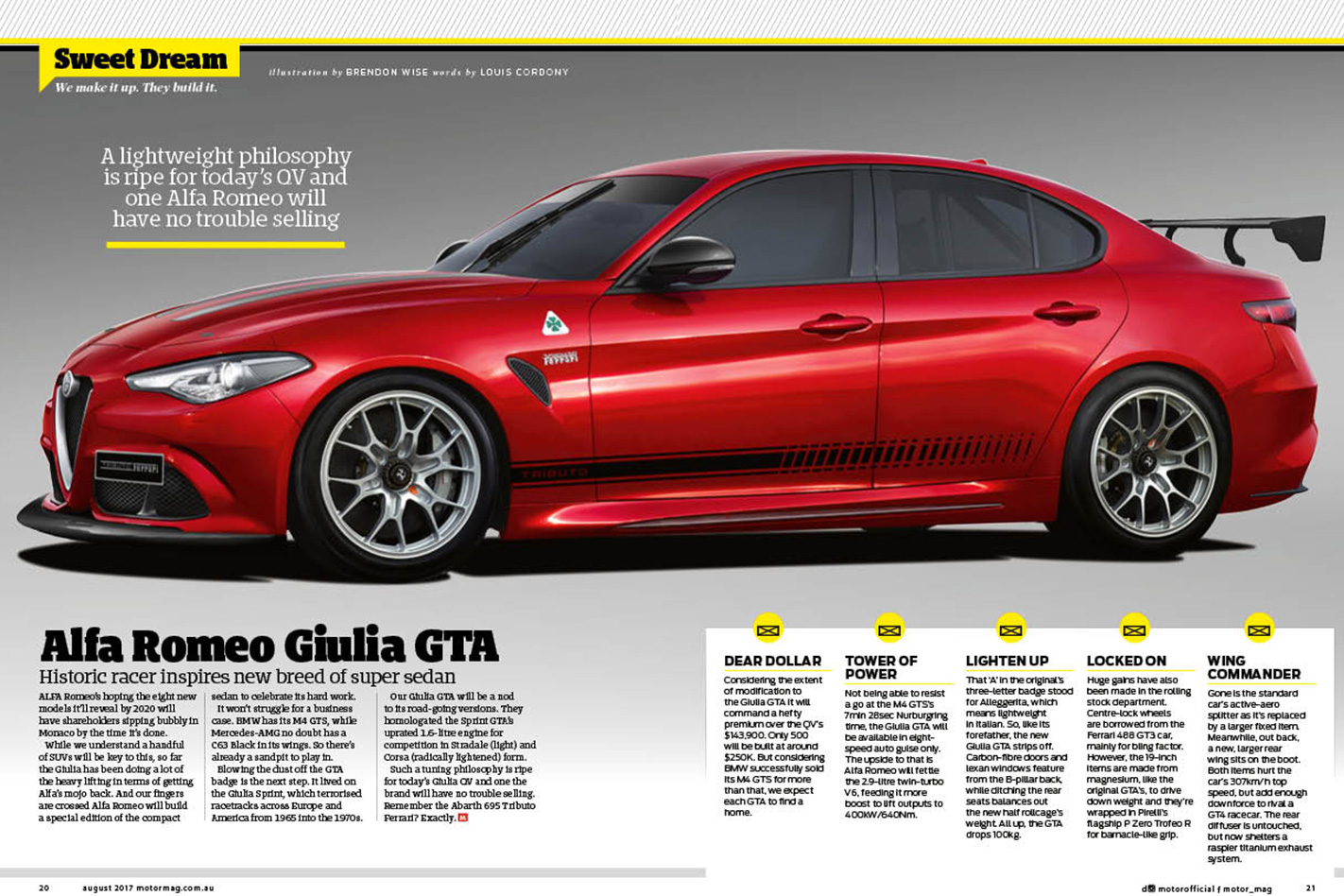
SWEET DREAM | ALFA ROMEO GIULIA GTA: MOTOR’s current pipe dream is a 400-or-so kiloWatt Romeo-racer.
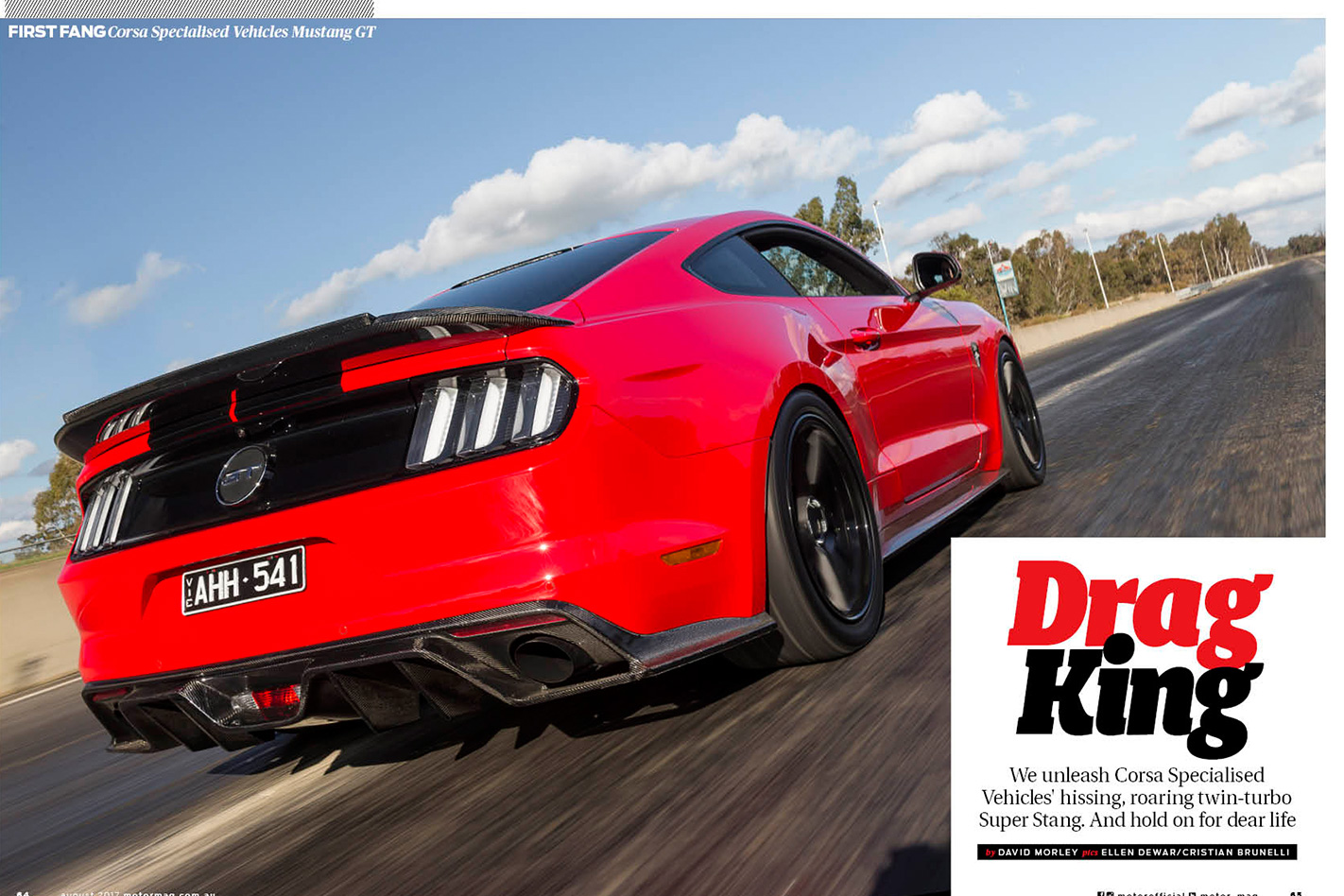
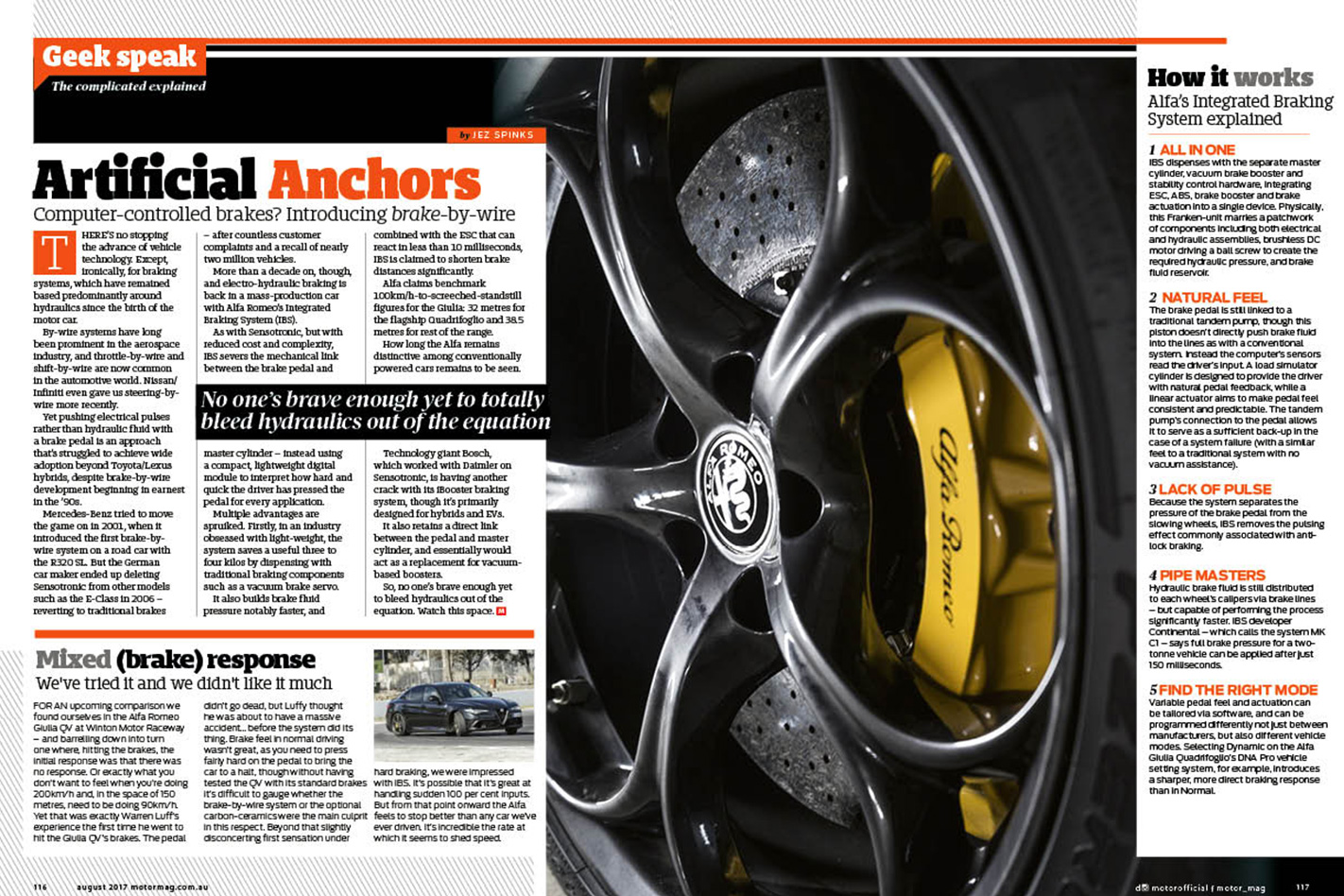
AND THE USUALS | GARAGE; GEEK SPEAK; MARKET UPDATES; COLUMNS: After a long day of destroying tyres and lighting up drag-strips, we head home to check out the market, find out ‘how stuff works’, and get our rant on (at least Morley and Keen do!).
This month, Keen’s buying a HSV billycart, Morley want a decent auto, and we’ve got our eyes on two aurally amazing Audis.
As Australians become more and more connected, infotainment systems are an important battleground for carmakers as they strive to give customers larger screens, more useful apps and better integration with their smartphones.
Merging the functions of satellite navigation, vehicle settings and telephony (information) with radio, CD/DVD, audio streaming and internet connectivity (entertainment), colour touchscreens are fast becoming standard equipment, even in affordable hatchbacks, and offer tremendous levels of functionality for both drivers and passengers.
But they’re not all created equal. Here’s the WhichCar guide to the infotainment systems you’ll find in the small car segment’s top-selling vehicles:
TOYOTA COROLLA
Overview
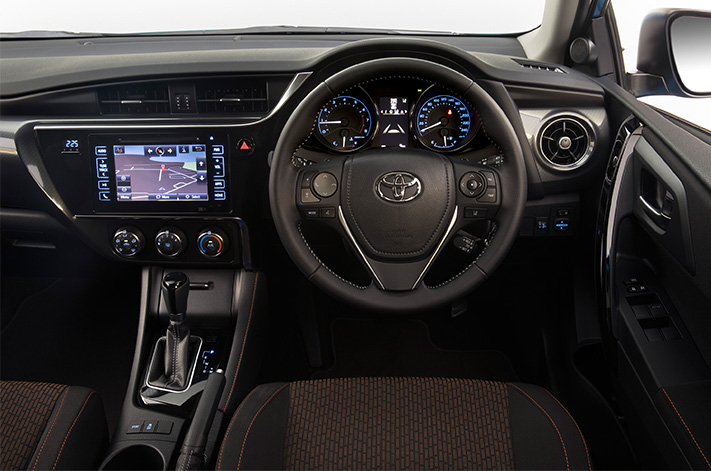
Let’s start with the segment-leader, the sales king of the small car segment. Toyota’s evergreen Corolla has consistently been one of Australia’s most popular cars, but as the model enters its fifth year on the market it’s also one of the oldest models in this segment. So it’s no surprise that its infotainment package lacks the cutting-edge sparkle of some of its competitors.
Audio
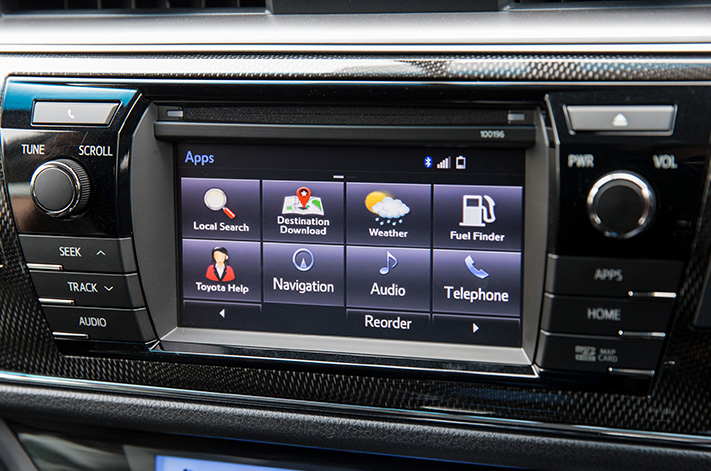
A 6.1-inch colour touchscreen headunit is standard on the base Ascent hatch, with all other models receiving a 7.0-inch screen. All Corolla models pipe sound through six speakers, with AM/FM radio and a CD player being built-in. A USB input also allows music to be played from a removable flash drive, or phone/portable music player.
Smartphone connectivity
The Corolla range lacks any smartphone mirroring capability, but there is a suite of internet-enabled apps available via Toyota’s own ‘Toyota Link’ system. It uses your phone’s data connection to source weather, destination and fuel station information, and can stream music via Pandora.
Beyond that, all Corollas come standard with Bluetooth phone and audio connectivity.
Satellite navigation
Satellite navigation isn’t available in the base Corolla Ascent hatch and sedan, and is a cost option on the Ascent Sport. All other variants feature satellite navigation as standard, though the graphics and interface looks old and can be clunky to operate, with slow responses to destination input via the on-screen keyboard.
Other features
A reversing camera is standard-issue for the Corolla, and is displayed on the infotainment system’s screen.
SCORE: 5/10 – All of the basic features are there, but Toyota hasn’t kept pace with advances in infotainment tech with running updates to the Corolla. On top of that, there’s no smartphone mirroring tech to provide a more up-to-date software alternative.
HYUNDAI i30
Overview
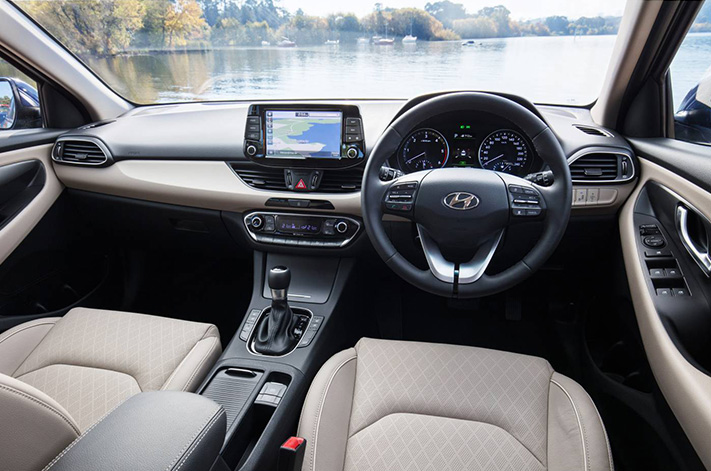
The Hyundai i30 is another segment-leader and, unlike the Toyota Corolla, one of the fresher products. With an all-new European-style model having launched recently, the i30’s infotainment package is very much up-to-date in terms of its feature set.
Audio
Six-speaker audio with AM/FM radio tuner and DAB+ digital radio is standard-fit for the i30 family, with a 3.5mm aux input, USB port and Bluetooth audio streaming allowing music and podcasts to be played from your phone or portable media player.
A CD/DVD player is not fitted to any i30 variant, but all models are equipped with a sizable 8-inch colour touchscreen that’s located high on the centre console to keep it within the driver’s eye-line.
Smartphone connectivity
Android Auto and Apple CarPlay smartphone mirroring is standard across the full i30 range. Bluetooth tethering is also standard, and covers both basic phone functions as well as music streaming.
Satellite navigation
The i30’s sat nav screen may look a little ordinary in terms of graphical presentation, but the touchscreen surface responds quickly and faithfully even to light finger presses. Entering destinations via the on-screen keyboard is easy and fast, an attribute which isn’t all that common in this segment.
Live traffic updates are also available via the SUNA system, enabling the i30 to re-route your path in the event of heavy traffic. The best part? All i30 models get sat nav as standard.
Other features
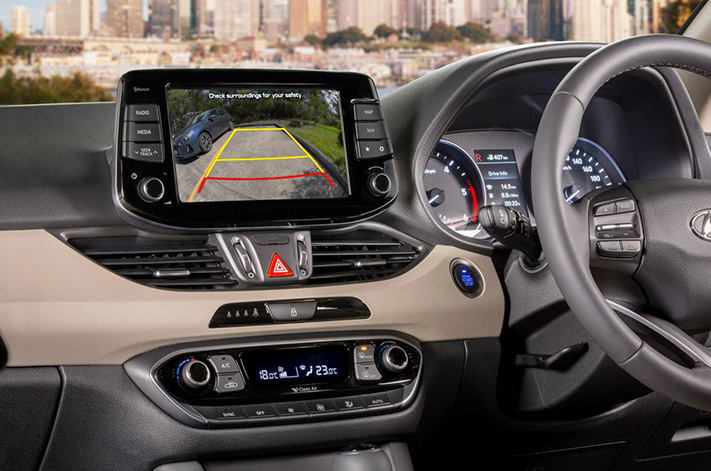
Wireless phone charging is standard on all variants bar the base i30 Active. All other i30 models feature an integrated charging pad at the base of the centre stack. If your phone has a wireless charging capability that adheres to the Qi standard, all you need to do is place it on top of the pad and it will start topping up its battery without any cables.
A trip computer is inset between the speedometer and rev counter, and is a 3.5-inch monochrome display in the base i30 Active and a 4.2-inch colour display in the Elite, Premium, SR and SR Premium grades.
All i30 models come standard with a colour reversing camera, which displays on the infotainment screen and features dynamic guide lines to show you where the vehicle will travel when reversing.
SCORE: 8/10 – Basic graphics aside, the i30’s infotainment package is neat, intuitive to use, highly responsive and feature-rich. With a high-mounted screen, it should also see fewer drivers get distracted as they consult the map or change radio stations. Having digital radio, satellite navigation, wireless charging and smartphone mirroring as range-wide equipment are all huge plusses.
MAZDA 3
Overview
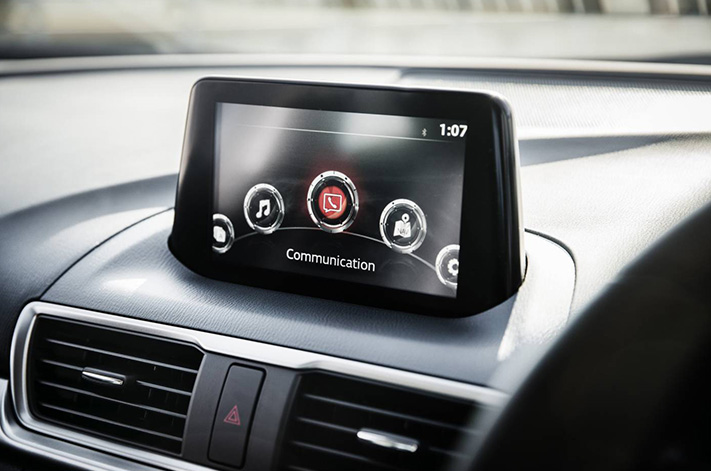
Mazda’s popular 3 had one of the most impressive and sophisticated infotainment systems in the mainstream small car segment when it launched, and even though it’s now halfway through its lifecycle the Mazda 3’s “MZD Connect” infotainment package still boasts a premium look and feel.
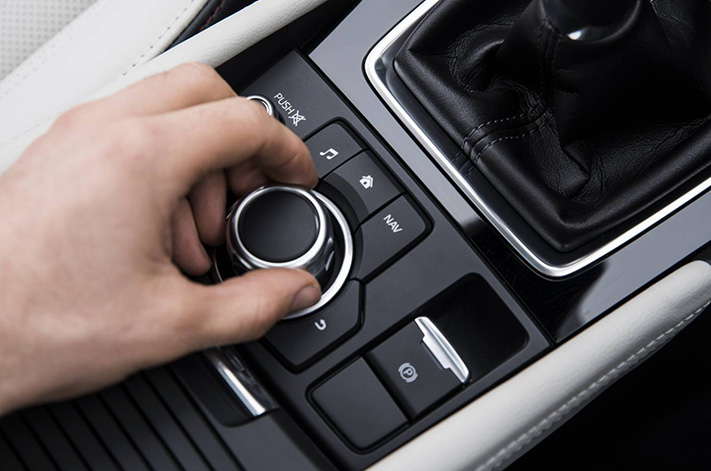
With a rotary dial located on the centre console giving users an option to the usual touchscreen method of input and interaction, the MZD Connect hardware looks like it belongs – or was taken from – a luxury car. However, there’s a catch – not every Mazda 3 model gets it.
Audio
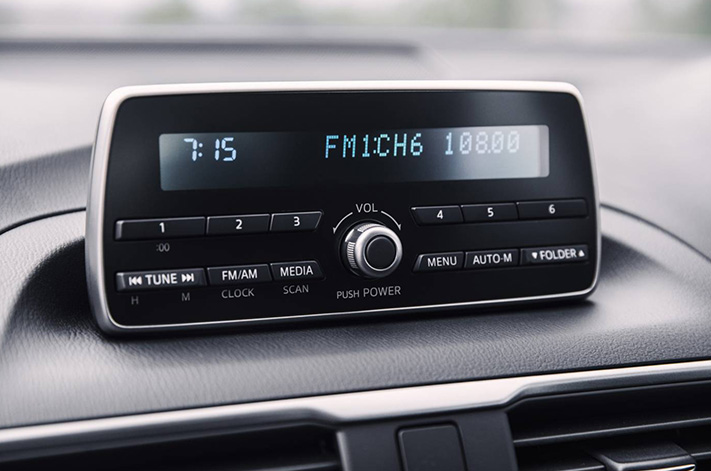
The entry-level Mazda 3 Neo comes with a basic audio system with four speakers, USB/aux inputs, steering wheel controls, an AM/FM radio and monochrome LCD screen.
Far from cutting edge, but the good news is every other model in the range gets a significant lift in the infotainment stakes. From the Maxx grade and up, the Mazda3 is equipped with the MZD Connect system, bringing a 7-inch colour touchscreen, remote control interface, digital radio tuner, and an extra two speakers over and above what the base Neo offers.
A premium Bose audio system also offers a total of 9 speakers and a 231-watt amplifier.
Smartphone connectivity
All Mazda 3s feature Bluetooth phone and audio integration as standard, however there’s no provision for smartphone mirroring in any variant.
Internet connectivity via your phone’s data connection does allow music streaming apps like Pandora, Stitcher and Aha to be used, however.
Satellite navigation
Satellite navigation is standard on the Maxx grade upwards, but there’s no capacity for integrated sat-nav in the base Neo (below) thanks to the absence of both smartphone mirroring and a proper multifunction screen.
Other features
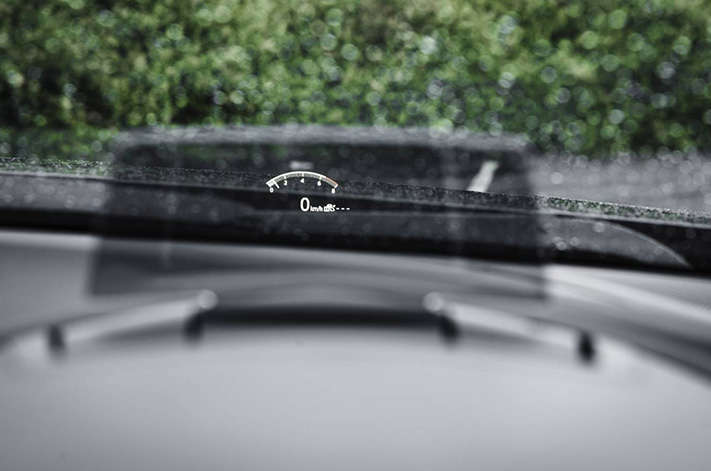
A colour head up display in SP25 GT and SP25 Astina grades projects vital vehicle info such as speed, cruise control settings and turn-by-turn satellite navigation instructions onto a transparent screen between the windscreen and the driver’s eyes. As a device that allows the driver to keep tabs on key info without taking their eyes away from the road ahead, it’s a very useful feature.
A reversing camera is standard on the Maxx grade upwards.
SCORE: 6/10 – Mazda’s MZD Connect system has a lot of showroom wow factor, and is beautifully integrated into the 3’s interior. However, putting a basic touchscreen-less headunit into the base model and not enabling smartphone mirroring for any variant sees it lose points.
We’ve also experienced more than a few issues over the years with Mazda’s system, with the MZD Connect system spontaneously freezing up or rebooting itself while in operation.
Overview
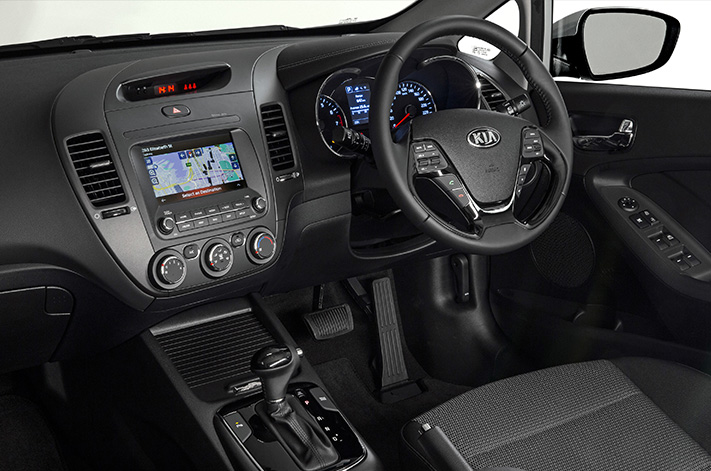
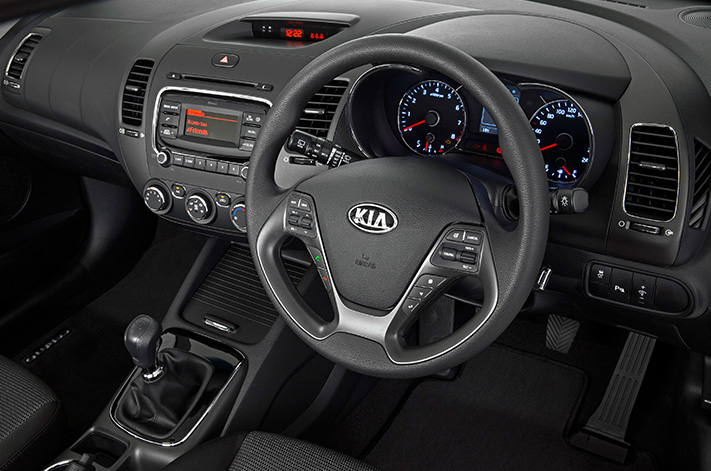
The Kia Cerato’s infotainment package follows a similar structure to the Mazda 3, with entry-level grades receiving a primitive (by current-day standards) headunit in the entry-level model and a more high-featured system in all other grades.
Audio
In the base Cerato S, Kia’s small car offering is equipped with a basic AM/FM/CD audio system with six speakers , USB/3.5mm auxiliary inputs and a monochrome LCD screen as standard.
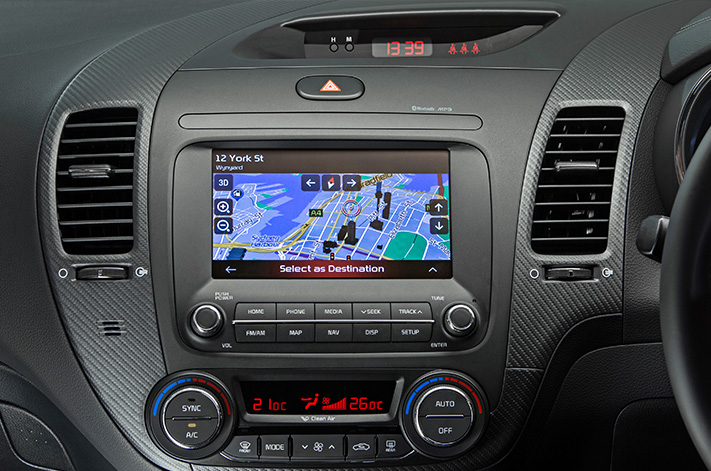
However, move up to the S Premium, Sport, Si or SLI grades and you gain a more full-featured headunit with a 7.0-inch colour touchscreen interface. It’s a slicker piece of hardware, though there is a trade-off – getting the higher-end infotainment package means sacrificing the CD player.
Smartphone connectivity
All models allow your phone to be tethered via Bluetooth for audio streaming and phone functions, however only the models with a 7.0-inch colour display allow smartphone mirroring via Android Auto and Apple CarPlay as well.
Satellite navigation
Built-in sat-nav is available in the S model if you option in the AV accessory pack (which replaces the S’ basic headunit with the 7.0-inch screen), but is standard in all other variants. The interface is basic, slow to react and graphically unimpressive, but a more up-to-date alternative in the form of Apple Maps or Google Maps is available if you exploit the smartphone mirroring feature that’s built into those models.
SUNA live traffic updates are also available on models equipped with the 7.0-inch display.
Other features
A reversing camera is standard on those models equipped with the 7.0-inch touchscreen display.
SCORE: 5/10 – The Cerato earns the same score as the Corolla despite only equipping higher-grade models with a touchscreen display, mainly because its smartphone mirroring capability in those models enables users to get around the Cerato’s somewhat antiquated sat-nav interface.
If you like playing CDs though, subtract a point from this score as Kia will only allow you to slot a disc into the Cerato’s dash if you buy a base model.
Volkswagen Golf
Overview
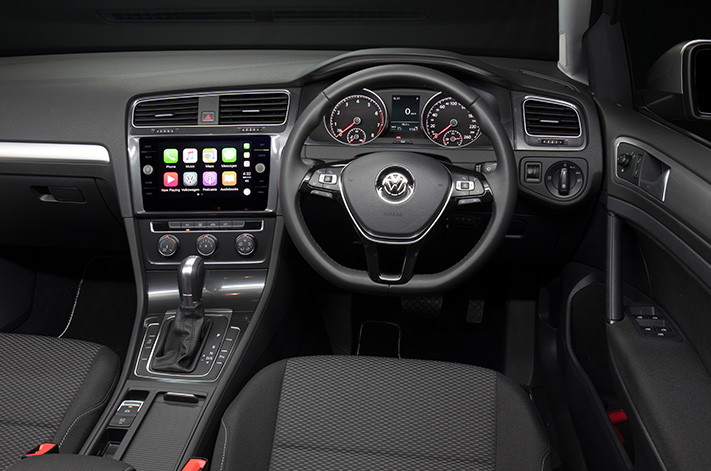
The newest, and by far the most feature-rich and visually impressive system in this article, belongs to the Volkswagen Golf. Available in three guises, the entry-level “Composition Media” infotainment system is built around an 8.0-inch colour touchscreen and is standard in base Golf and Golf Trendline grades.
A sat-nav enabled “Discover Media” system becomes standard in Comfortline and Highline models and also uses an 8.0-inch display, while a cost-optional “Discover Pro” package brings a slick 9.2-inch touchscreen with additional features.
Audio
All Golf models get 8 speakers as standard, with all three variants of the Golf’s infotainment system boasting AM/FM radio, USB audio input, a CD player and an SD card slot. The Discover Media and Discover Pro systems bring an extra SD card slot,
Smartphone connectivity
Every Golf allows smartphone mirroring via Apple CarPlay and Android Auto, along with the virtually universal Bluetooth telephony and audio connectivity.
The Golf 7.5 goes a little further, however. Download a VW app and you can also use your phone as a remote control for the infotainment system, meaning you can change the music, interact with the sat-nav and more from the back seat – if you really want.
Satellite navigation
The base Composition Media system in the entry-level Golf and Golf Trendline doesn’t have a built-in satellite navigation capability, but the standard smartphone mirroring does at least allow you to get around that by plugging in your mobile.
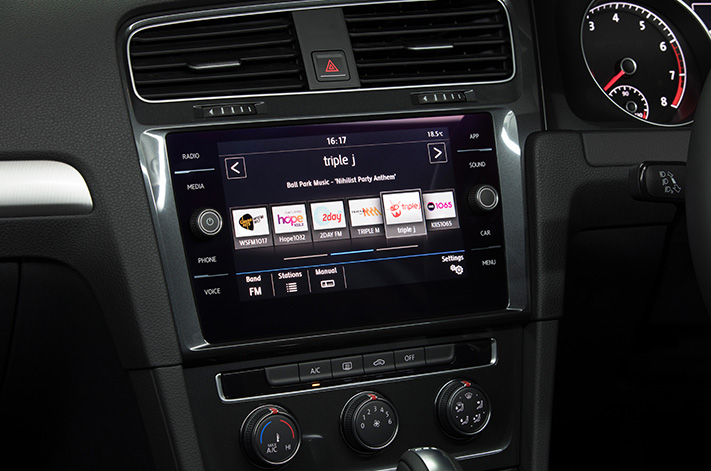
All other models feature satellite navigation as standard, and the Golf’s smartphone-style screen with its fast touch responses and pinch-to-zoom capability makes it especially easy to use. Graphics are crisp and clear, and turn-by-turn instructions are repeated on the trip computer display within the instrument panel.
Other features
Pay extra for the Golf’s “Infotainment Package” (which is only available on Comfortline and Highline variants) and you gain an all-electronic instrument panel for a bit of Audi-style magic. It replaces the traditional instrument cluster with a 12.3-inch reconfigurable TFT screen, with bright and clear graphics and a plethora of display options.
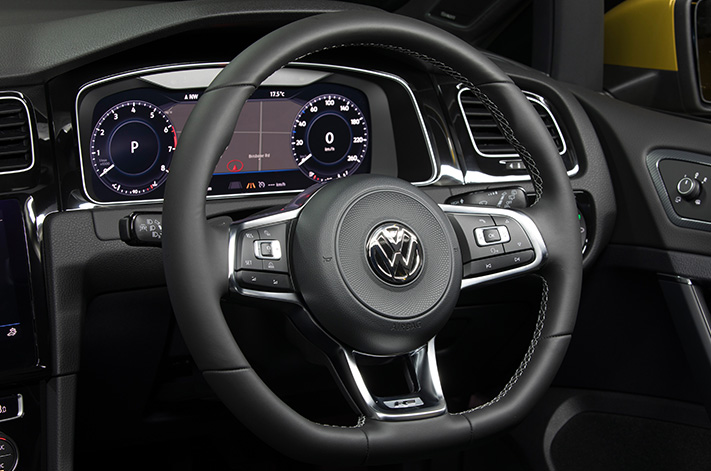
You’ll also get the high-end 9.2-inch infotainment screen, along with the ability to interact with the system by making gestures in front of the screen.
There are also performance functions hidden within the standard infotainment system, with a Lap timer, G-meter and other performance-oriented displays. They may seem more appropriate for a Golf GTI or a Golf R, but you’ll get them on a regular Golf regardless.
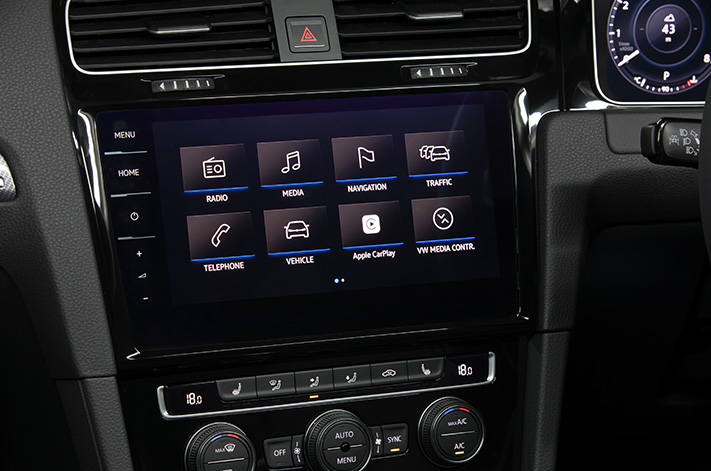
You can also view JPEG images loaded via the SD card slot, if you wish, while the Discover Media system brings voice commands for those who prefer not to press buttons or prod screens for simple operations. All models display the reversing camera on the central screen, along with parking sensor info.
SCORE: 9/10 – For its slick presentation, feature count and ease of use, the Volkswagen Golf easily boasts the most impressive infotainment package in its segment. Even though low-grade models miss out on sat-nav, Android Auto and Apple CarPlay still allow nav info to be shown on the Golf’s almost tablet-like high-resolution screen.
Step up into high-grade models – or option the Infotainment Package – and the Golf’s in-car tech becomes properly premium. Only the addition of digital radio and a wireless charging pad could see its score rise to a perfect 10.
Just twelve months after Jaguar launched the F-Pace SUV in Australia, it has taken the wraps off that car’s junior sibling, the E-Pace.
Don’t be fooled by the name, it’s not an electric car. Designed to go head to head with rivals like the Audi Q3 and the Mercedes-Benz GLA, the Jaguar E-Pace might be small, but Jaguar has gone large with the product range, with an initial pricing estimate ranging from $48,000 up to $85,000 plus on roads.
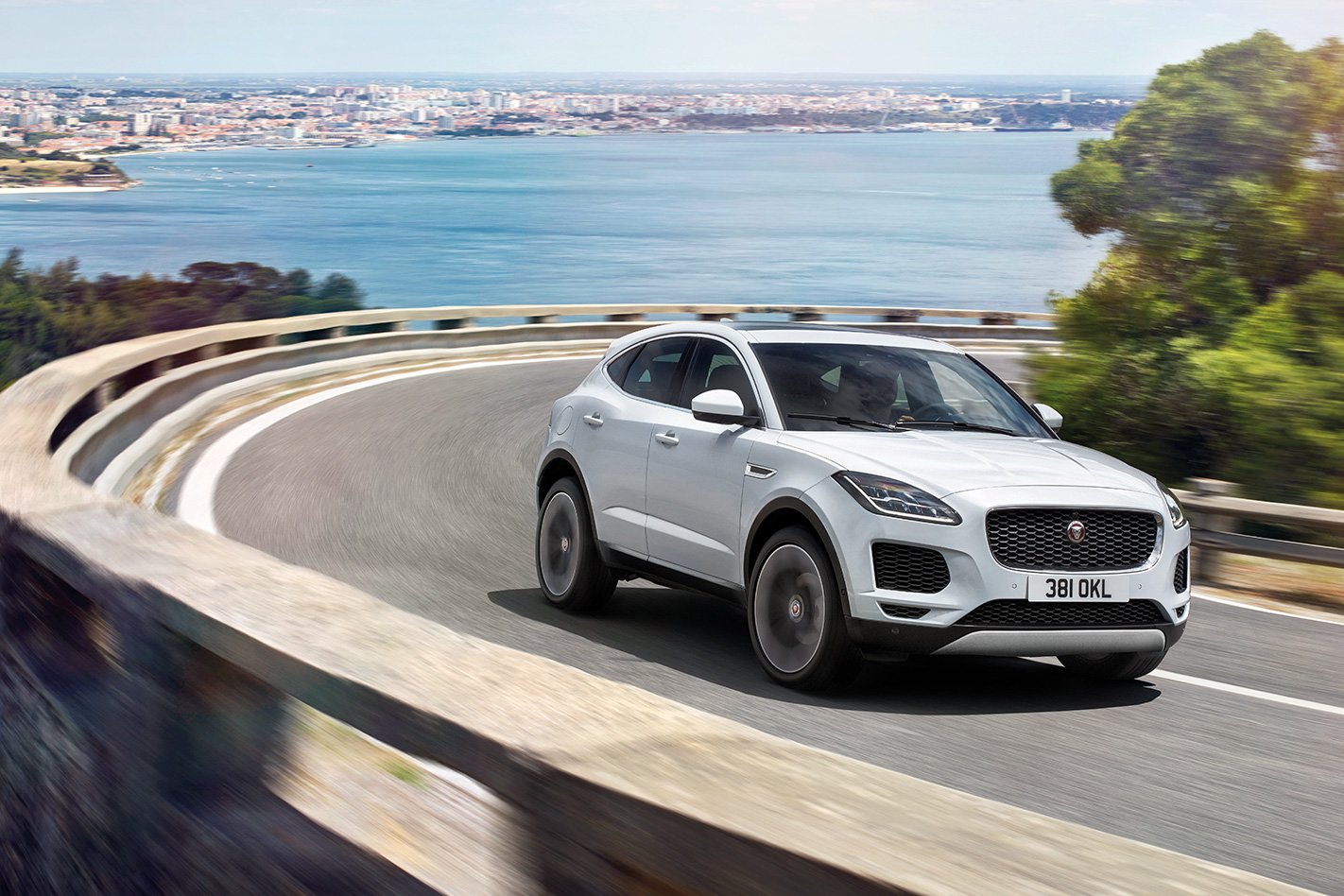
Opening the diesel ledger is the all-wheel drive D150 (110kW/380Nm), with a D180 mid-ranger (132kW/430Nm) and a D240 (177kW/500Nm) black-pump flagship. The petrol duo comprise a P250 entrant (183kW/365Nm) and a P300 performance range-topper (221kW/400Nm), the latter squaring up to the Audi RS Q3.
There are two distinct all-wheel drive chassis on offer too. The D240 and P300 versions get a torque-sensing Active Driveline architecture with a clutch pack on the rear axle to direct drive to whichever rear wheel can best deploy it. In steady-state driving, only the front wheels are driven, but if it gets slippery, Jaguar claims this system sends enough power to the rear to be able to keep the car in a controlled drift.
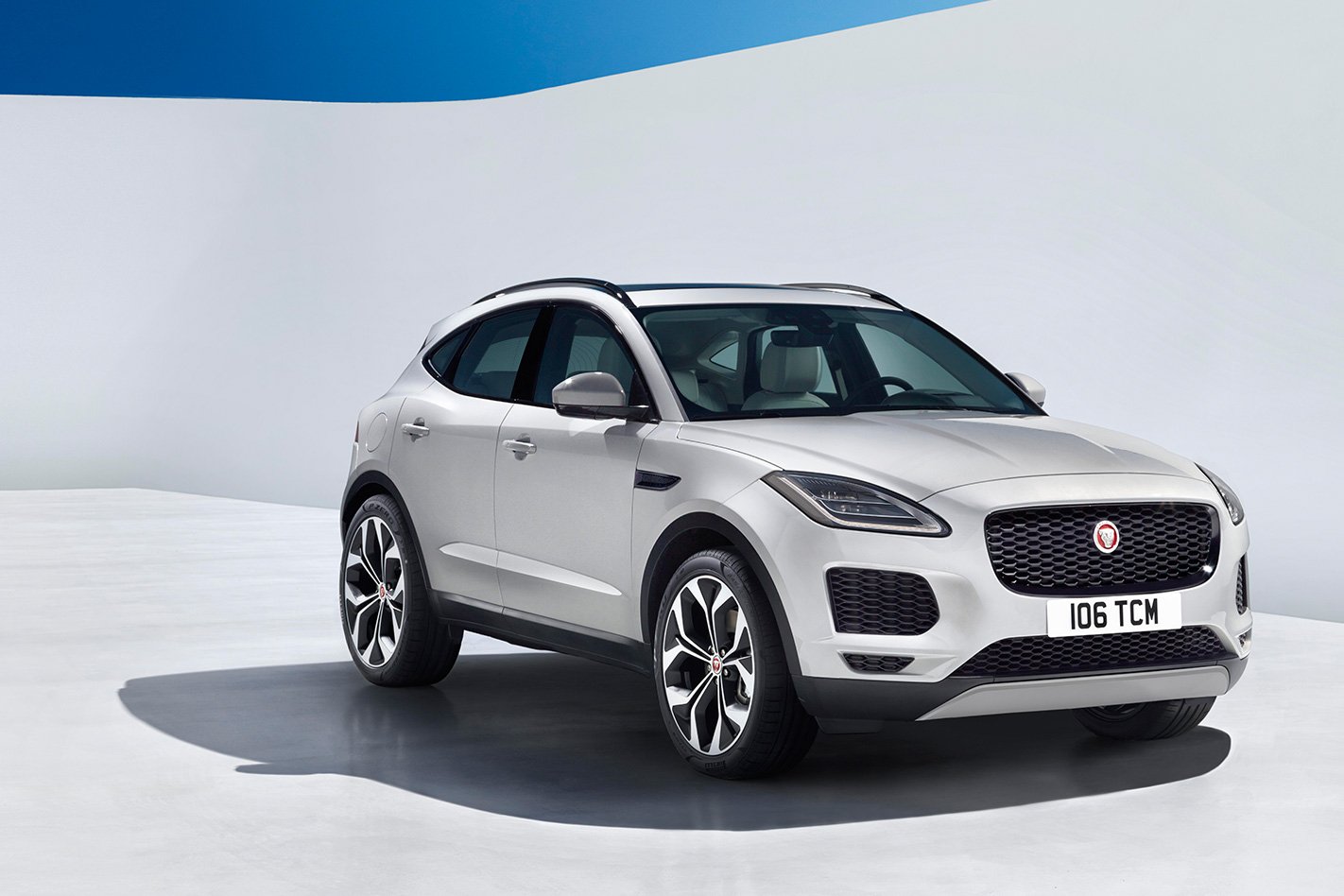
Drivers can switch between Normal, Dynamic, Eco and Rain/Ice/Snow modes on the JaguarDrive Control unit, the system altering throttle mapping, steering response, transmission shift speed and, where fitted, the AdaptiveDynamics suspension (Jaguar-speak for continuously variable dampers). Weight has been cut via the extensive use of aluminium componentry, both in the body and the suspension assemblies. If you’re really not too fussed about unsprung weight, you can even specify a 21-inch alloy wheel – a first in this class. Jaguar even promises the ‘biggest ever Growler’ which is the badge on the grille that cunningly hides the adaptive cruise sensors.
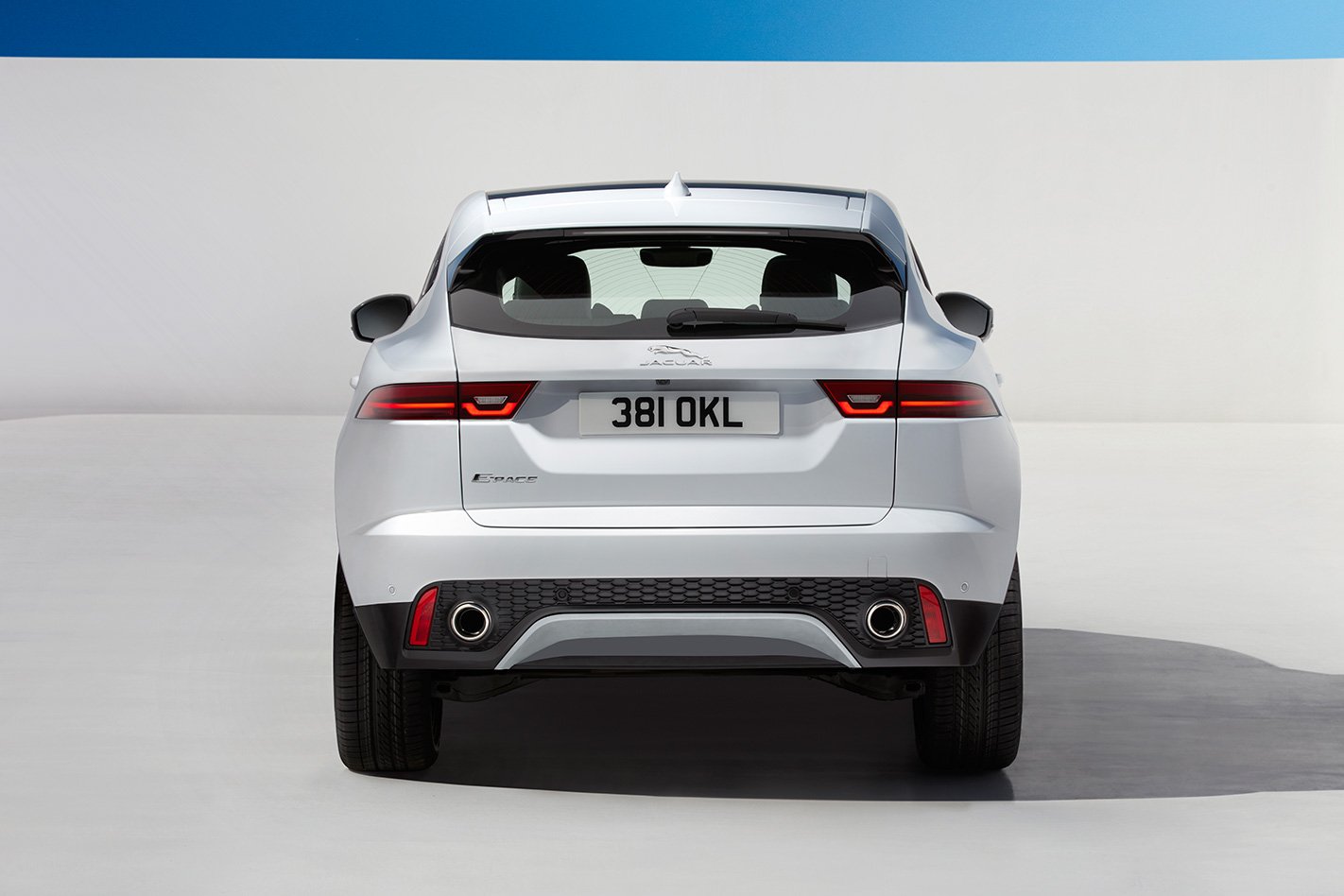
A big slug of the E-Pace’s development budget has clearly been diverted to the infotainment systems, the car getting the latest Touch Pro centre screen that allows you to pinch, swipe and zoom like you would with your smartphone. You can split the 1280×542 pixel screen to show two different functions. If that’s not enough, customers can select a massive 12.3-inch TFT screen. There’s also a full-colour Head Up Display that’s hugely customisable. All five occupants get their own USB charging point and there are four 12v charging points.
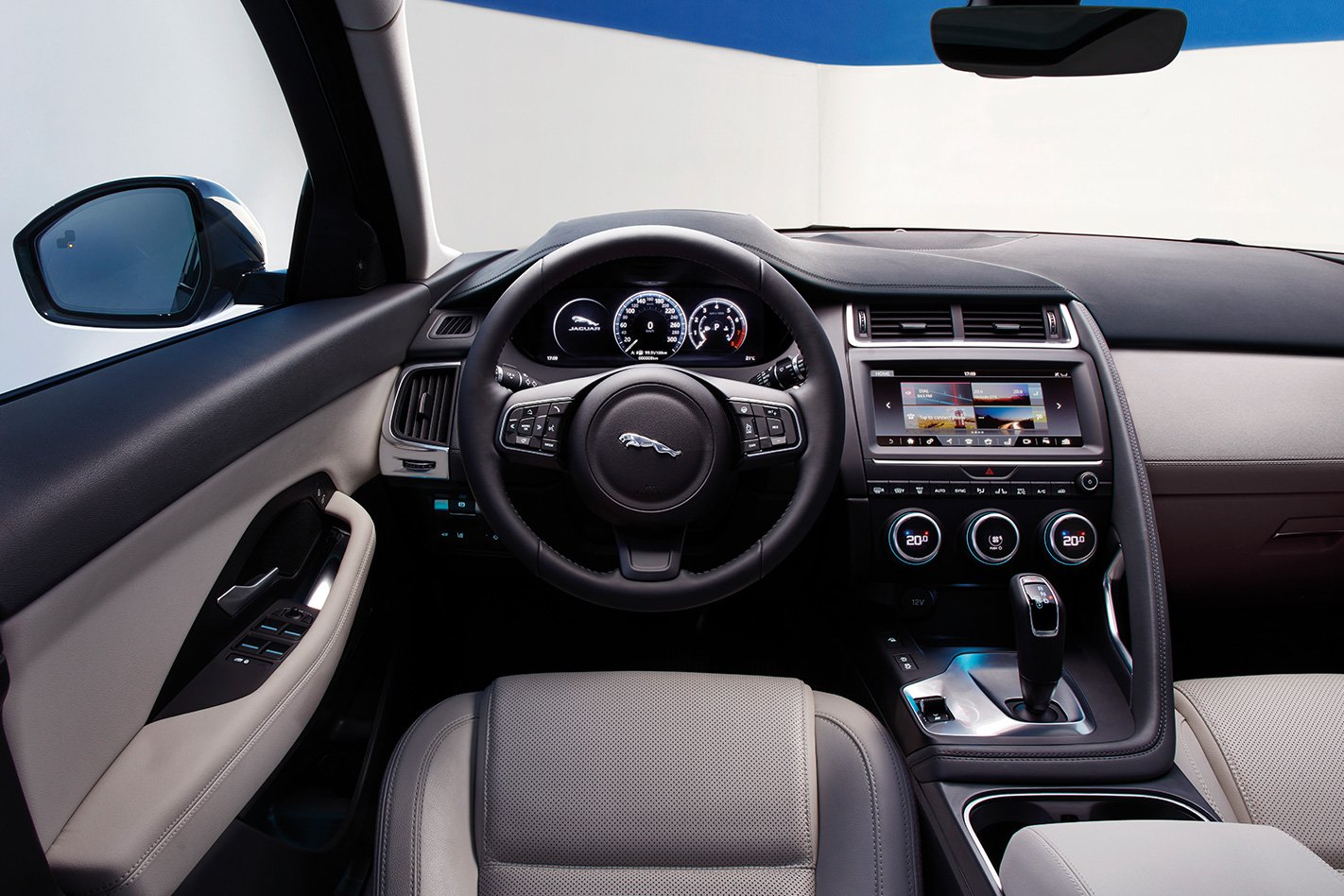
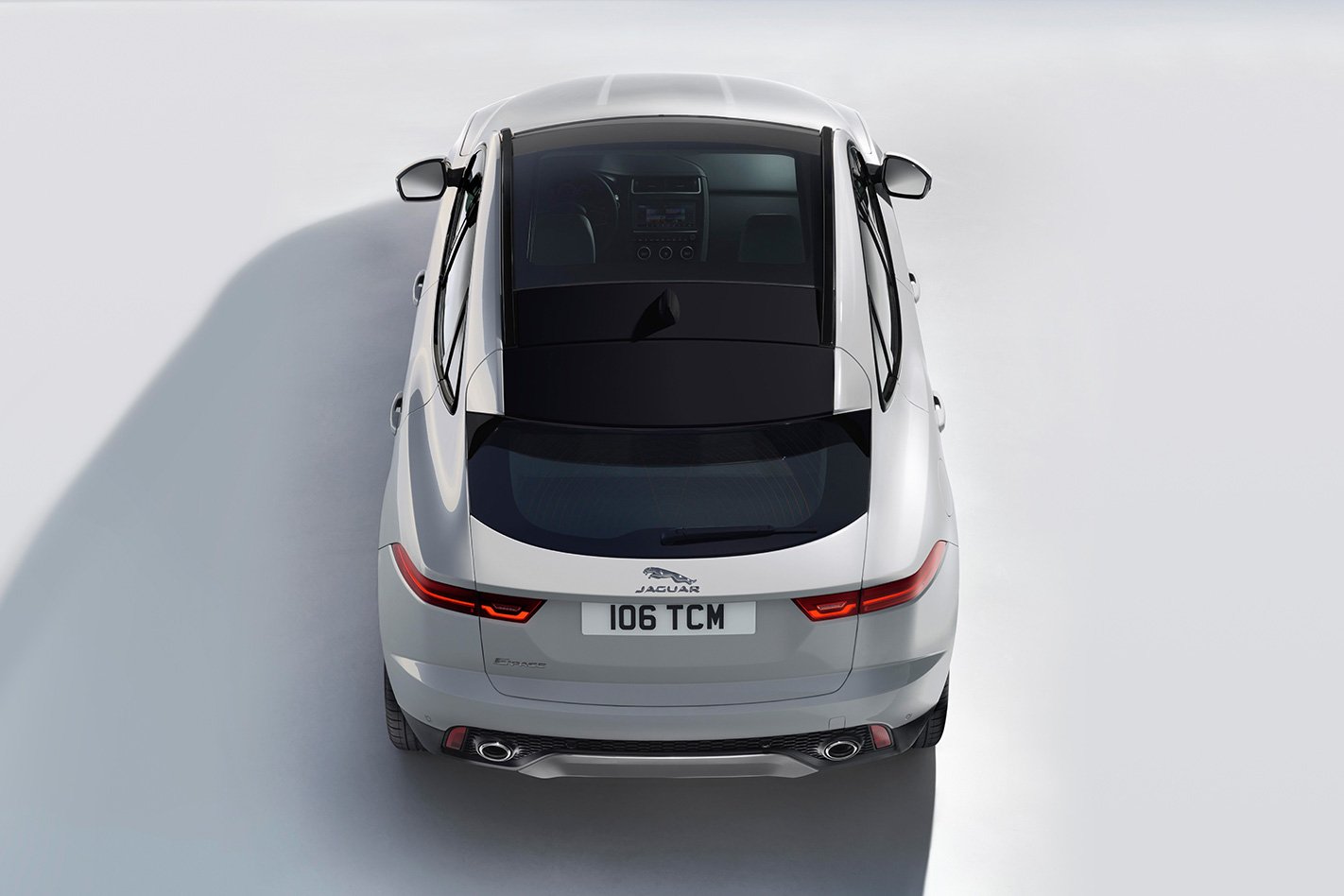
Full Australian specs have yet to be finalised, but Jaguar has initially announced four trim levels; S, SE and HSE in the mainstream range and a First Edition offered solely with D180 and P250 engines for the initial year of manufacture. Talking of which, with Jaguar’s UK factories close to capacity, paymasters TATA have had to cast their net a fair bit wider. Aussie cars will be bolted together at Magna-Steyr’s plant in Graz in Austria, while Chinese market vehicles will roll off the lines of the Chery plant in Changshu.
If F-Pace global orders are anything to go by, the E-Pace is going to keep these factories very busy indeed. Could it prove the greatest thing to come out of Graz since Arnold Schwarzenegger? Keep checking back here for the first drive review.
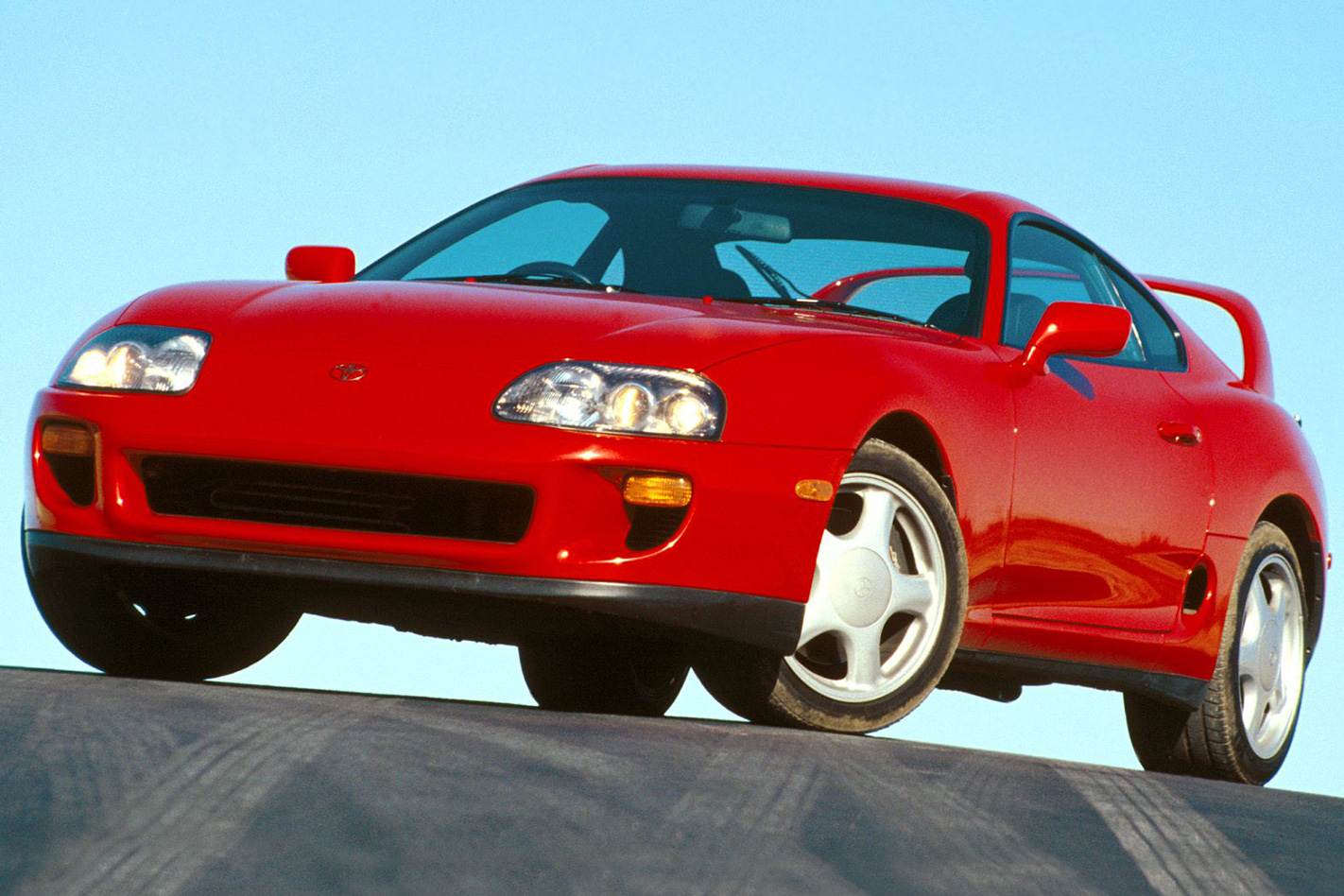
The Walking Dead’s zombie virus has jumped into inanimate objects, with the once-dead Toyota Supra about to roar back to life.
The Supra is the production car that first gave the world the faintest idea that the beating heart of at least one car enthusiast laid beneath that Mount Fuji-sized pile of white-painted, stolidly shaped metal with plastics that smelt slightly funny.
And then, in 2002, it died. And for more than a decade, it stayed dead. And now it’s almost back, thanks to an unlikely technical tie-up with BMW.
Every other carmaker in the world has seen enough in the sales data to assume the mid-sized coupe market is shrinking towards oblivion. That frightened the two carmakers, but they both still wanted their sports cars, so they split the costs, more or less.
But sitting on the same chassis, suspension and electronics architecture will the flagship Toyota sports car, complete with a full performance sub-brand beneath it as well.
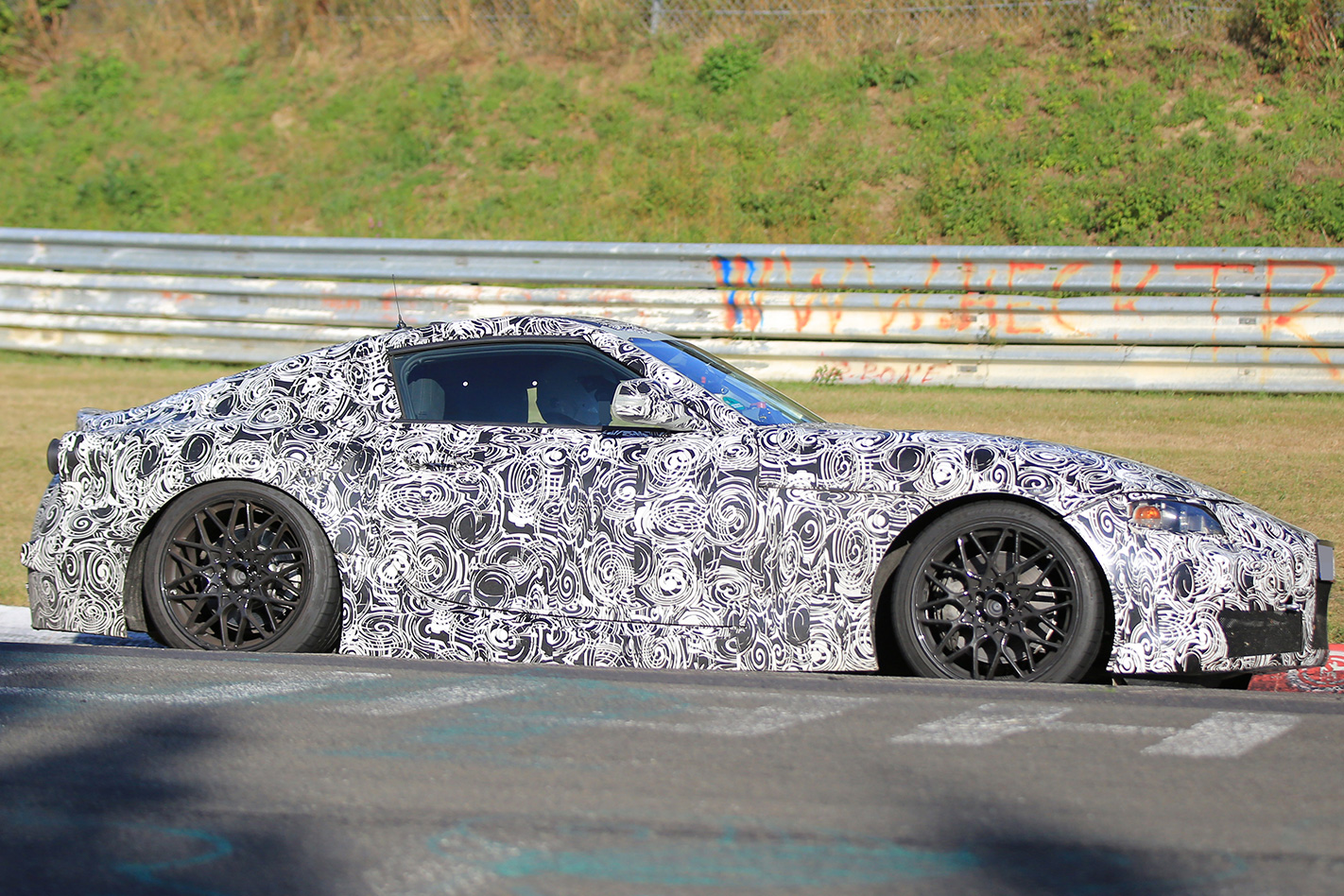
Prototype Supras are being flung around Toyota’s private test tracks near Mount Fuji, however, they’re also being tested on the Bavarian roads near its technical partner’s Munich headquarters.
9 weird and wonderful interiors
Toyota is staying admirably mum about the car, about what it will cost, what engines it might have, what gearboxes it will use, its performance targets – even how it will be different to the BMW twin.
What we know for sure is that Tetsuya Tada (no, not the restaurant bloke) has been tasked with overseeing it, and he knows both handling fun and joint-venture engineering, having been in charge of the successful 86/Subaru BRZ project.
Due on sale in the second half of next year, the car won’t borrow fuel-sipper electrified tech from the Prius, but (Toyota insists) it will use the fast discharge technology it developed for the World Endurance Championship, which came within a lap of winning last year’s Le Mans 24 Hour race.
That means BMW won’t be using Toyota power and Toyota won’t use BMW power. The base Supra is likely to use the Lexus IS200’s in-line, 2.0-litre, four-cylinder engine, tuned for somewhere around 180kW of turbo power.
The rear-drive Supra will also tune up the same engine to closer to 225kW of power, which is said to be close to the Lexus engine’s engineering limits.
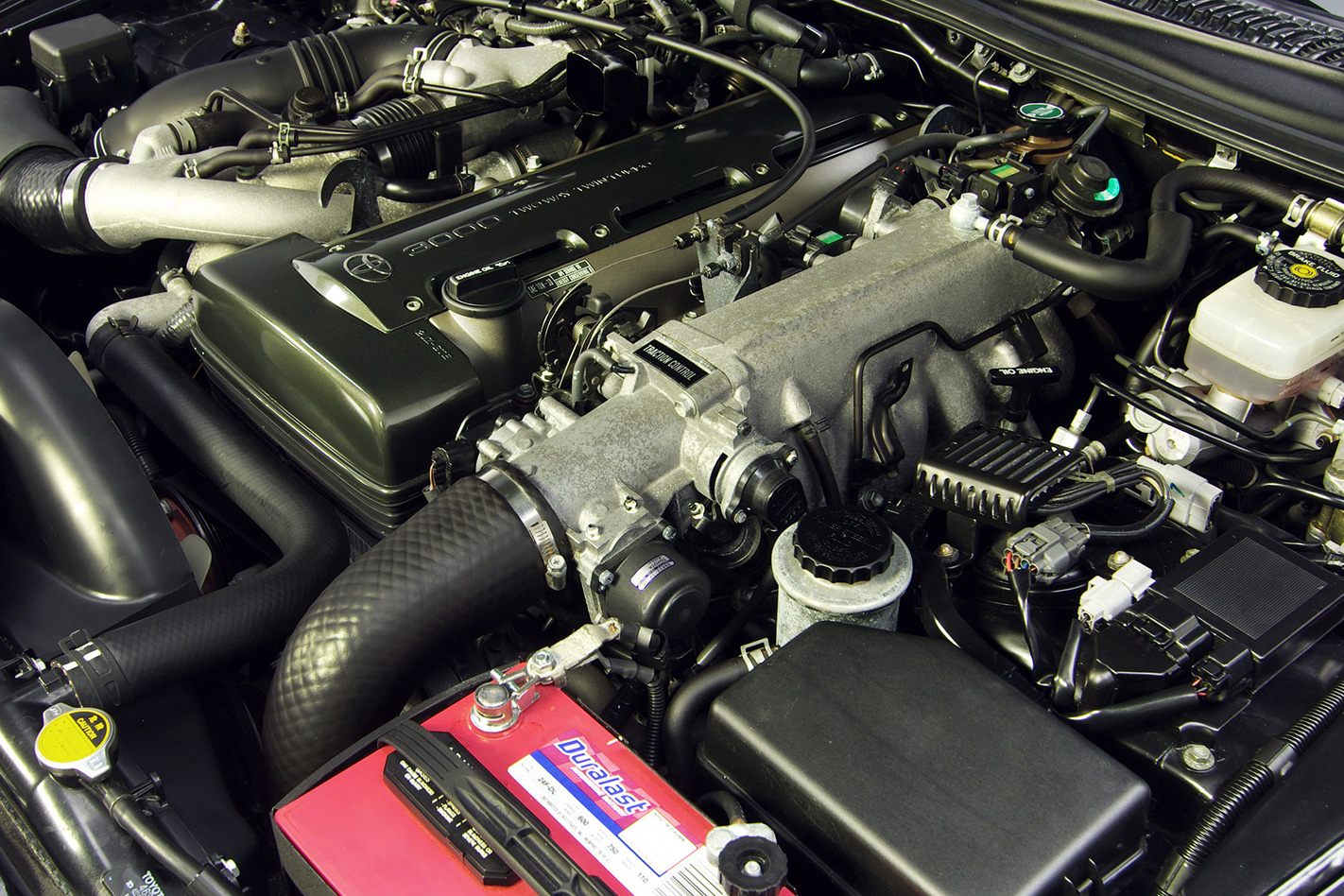
Toyota and BMW have worked on a trick differential and launch control for the fastest of their twins, with Nagoya sources suggesting the 3.5-litre Supra will slip beneath four seconds for the sprint to 100km/h, while it will be artificially governed to 250km/h.
Then there’s the hybrid version. Toyota could have taken the easy road and slotted in a stronger version of the Yaris Hybrid R concept’s layout, with 1.6-litre turbo four-cylinder power, a disc-shaped electric motor in the gearbox casing to drive the rear wheels and two more on the front axle. Sources insist it hasn’t.
If you’re wondering what that is, the “disc-shaped electric motor inside a ZF transmission thing” is a favourite go-to piece of hybrid engineering at BMW.
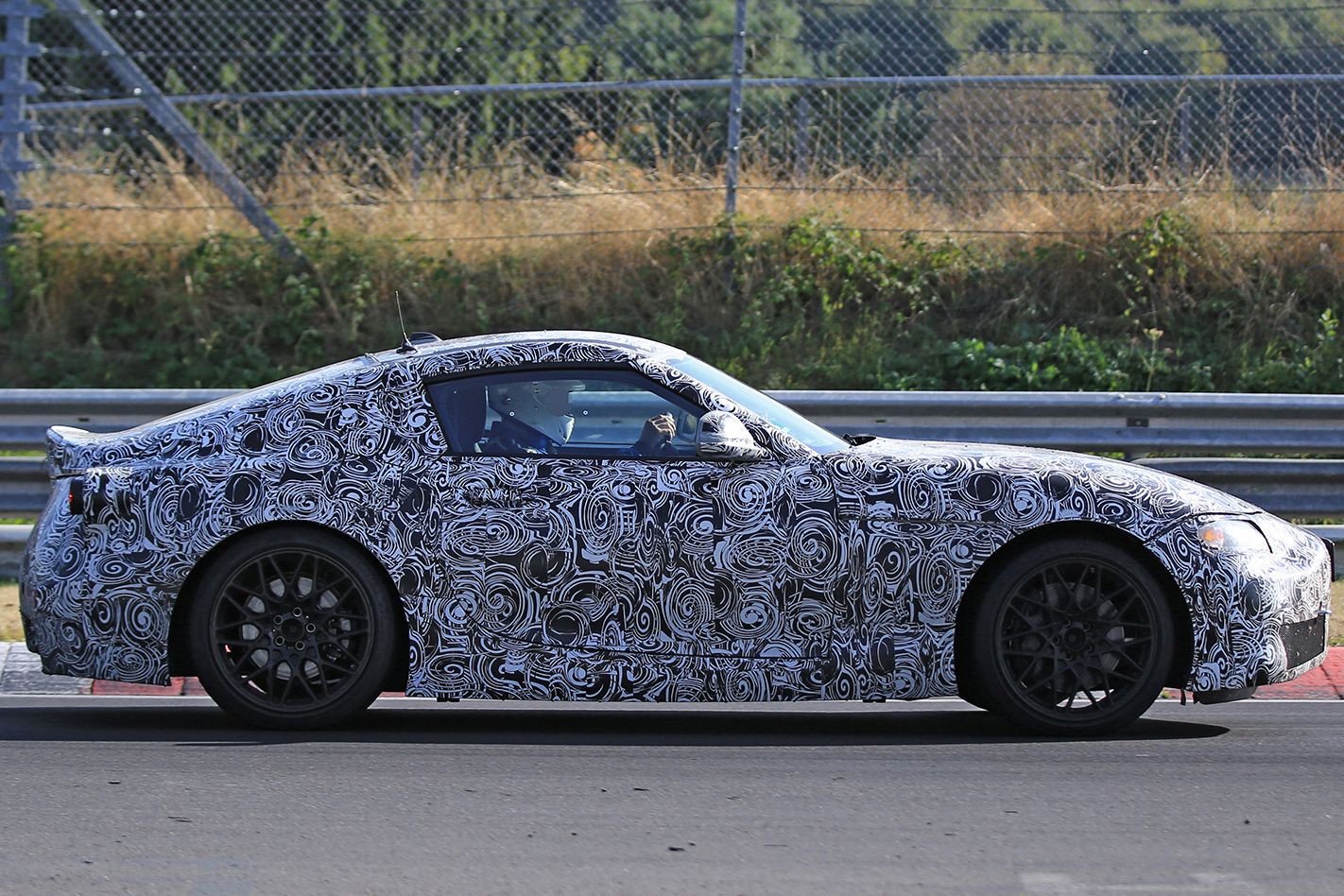
Both sports cars will share the long-nose/short-tail layout and will carry just two seats and a parcel shelf inside.
For the Supra’s part, the fifth-gen model will use the FT-1 concepts from 2014 as a starting point, though the design will be cleaner, inside sources say.
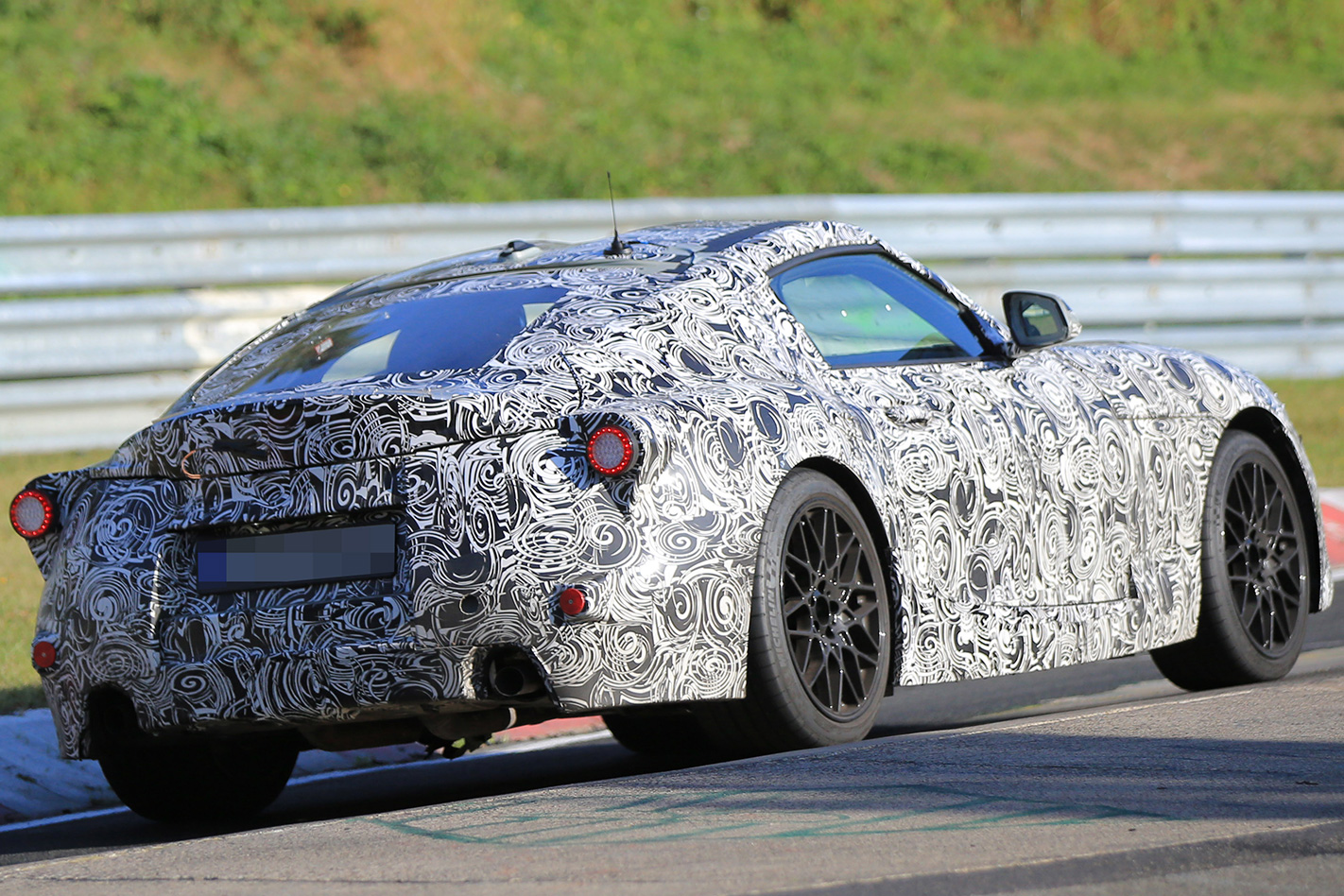
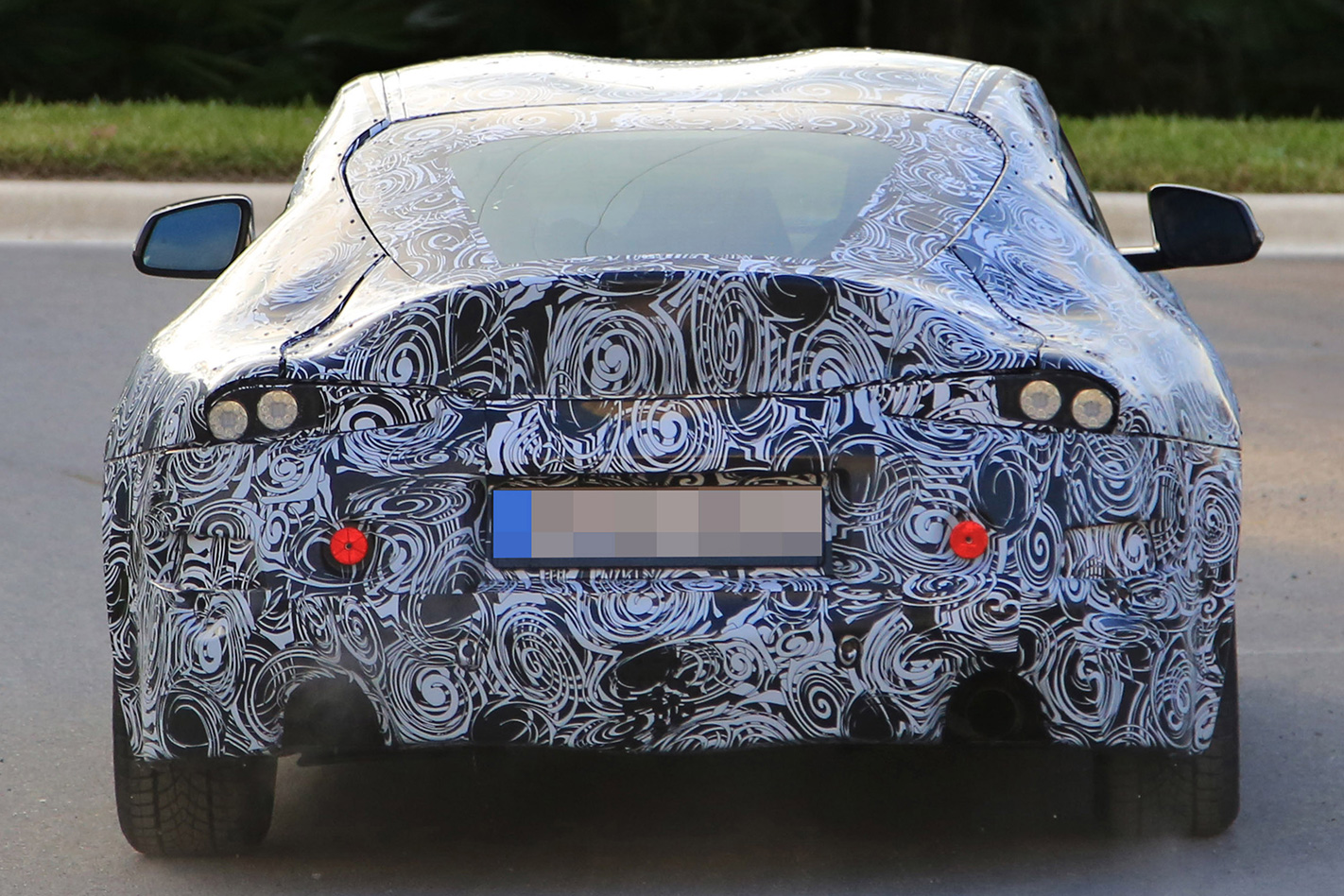
Its body will be mostly aluminium, with a full liftback (while the BMW will use a boot) and the spy pictures make it look deceptively big.
Toyota has no plans to decapitate the Supra (while BMW has no plans to build a fixed-roof version of the third-generation Z4), so it’s poured all of its energies into making the hardtop handle, while keeping a clear separation between the two models on the sales side.
The jointly developed platform will see the two cars use chassis modules from the current 3 Series BMW range, which means they’re able to slot in stronger units as the models get faster. Expect the V6 Supra, then, to share its front and rear axles and its five-link rear suspension with the current BMW M4 and BMW M3.
This isn’t the first joint-venture project between the Japanese and German brands, with the giant and the (relative) minnow also developing fuel-cell systems and a lithium-air battery together.
They’ll also build their cars together on the same line, however, nobody gets home-field advantage because both the Supra and the Z4 will be built by Magna Steyr in Graz, Austria.
Magna built the first-generation Mini Countryman, Paceman and Coupe and will also assemble some models of BMW’s 5 Series, probably the plug-in hybrid.
The scale and size of the operation means the two companies are expecting joint sales around 60,000 cars a year.
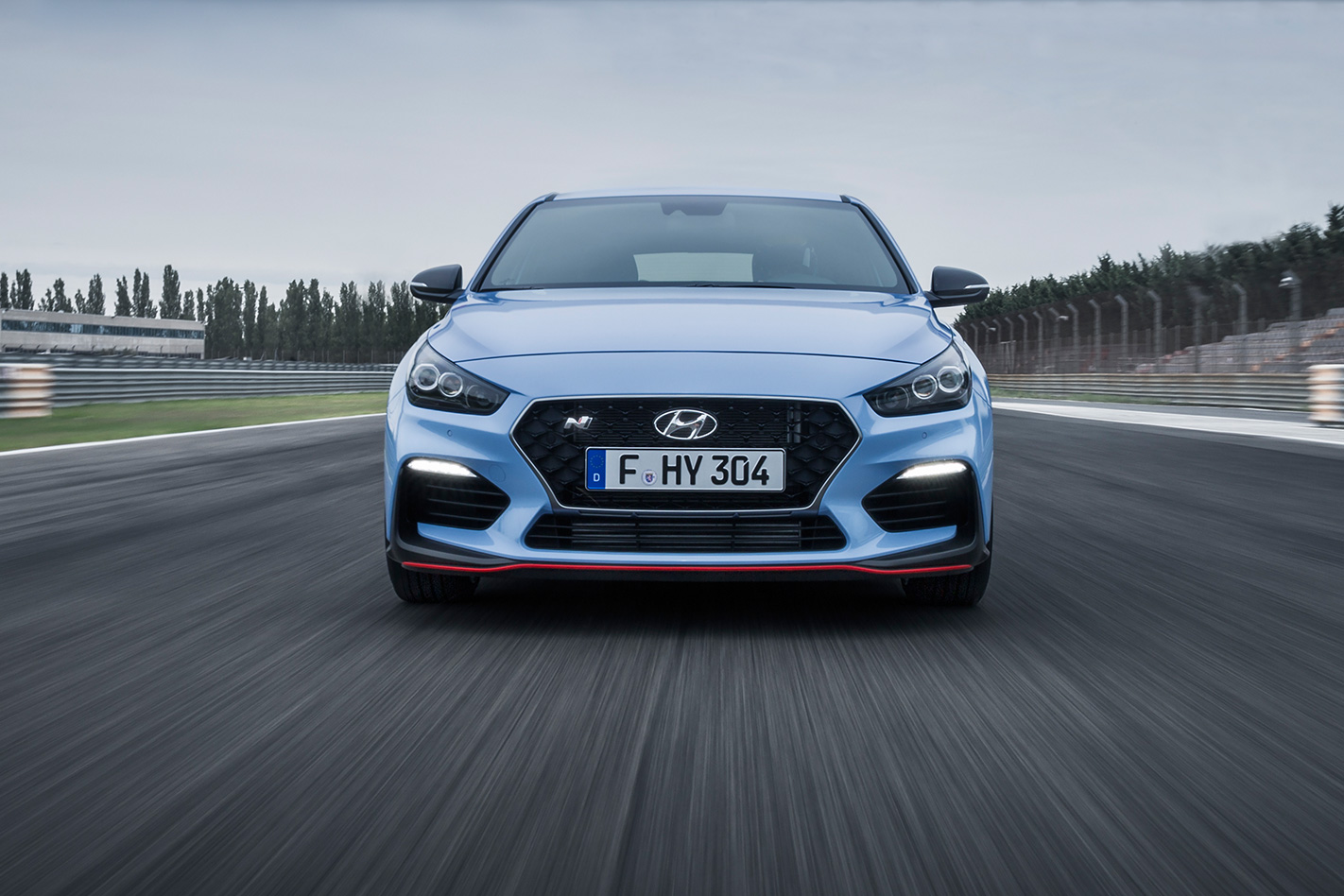
HYUNDAI’S first proper performance car has been revealed in production form, with the hugely-anticipated Hyundai i30 N officially breaking cover and showing off the most aggressive-looking bodywork to hail from the Korean peninsula since the Veloster Turbo.
And it’ll have the firepower to back up its taekwondo stance. The i30 N’s boosted 2.0-litre T-GDI turbo petrol inline four develops maximums of 202kW and 353Nm, ultra-competitive figures when lined up against the 169kW Volkswagen Golf GTI, 184kW Ford Focus ST and 202kW Peugeot 308 GTI 270.
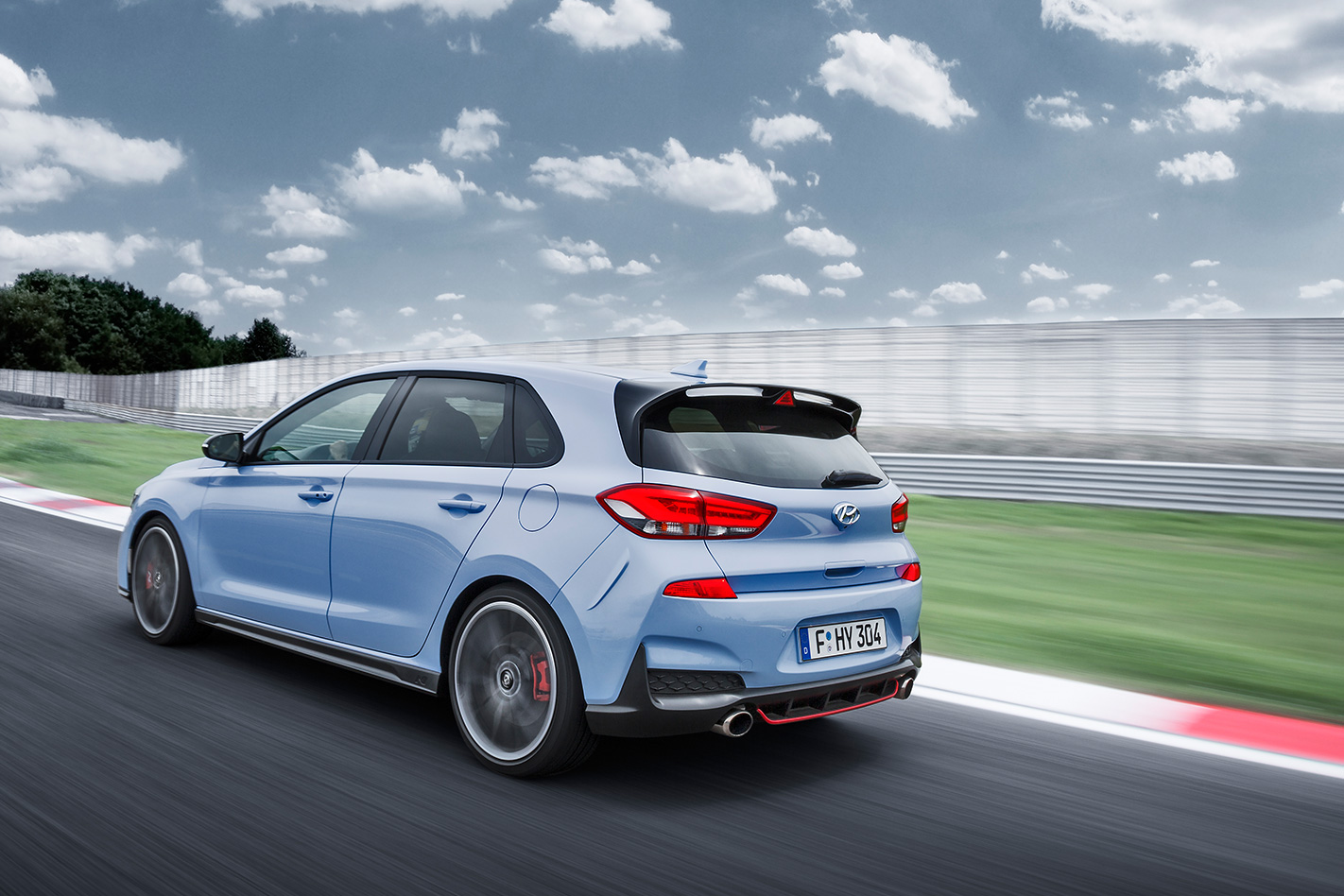
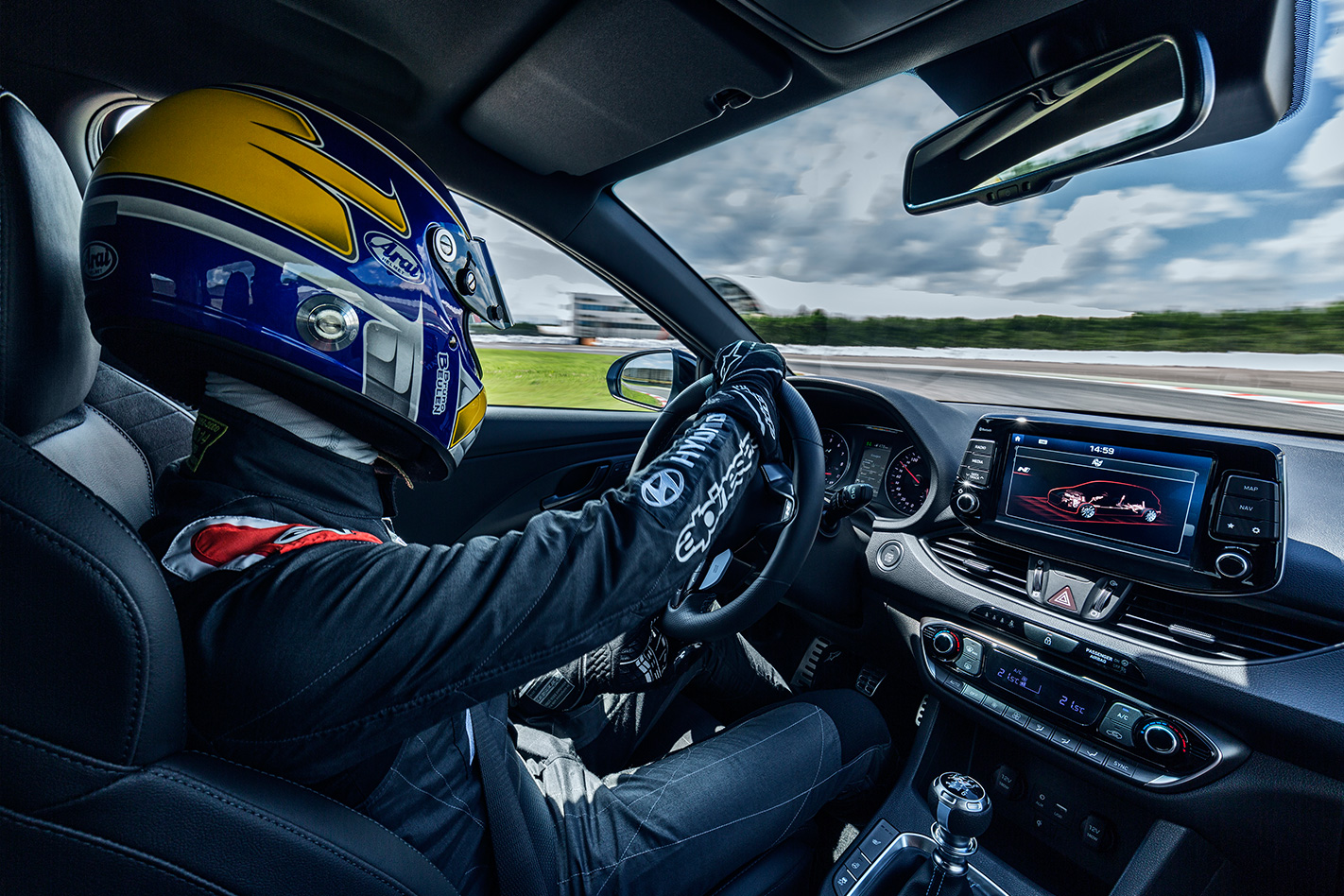
Hyundai promises that “real enthusiasts” will be able to deactivate all stability aids as well, should they seek, in Hyundai’s own words, “maximum freedom”. That’s an encouraging thing to see in a press release.
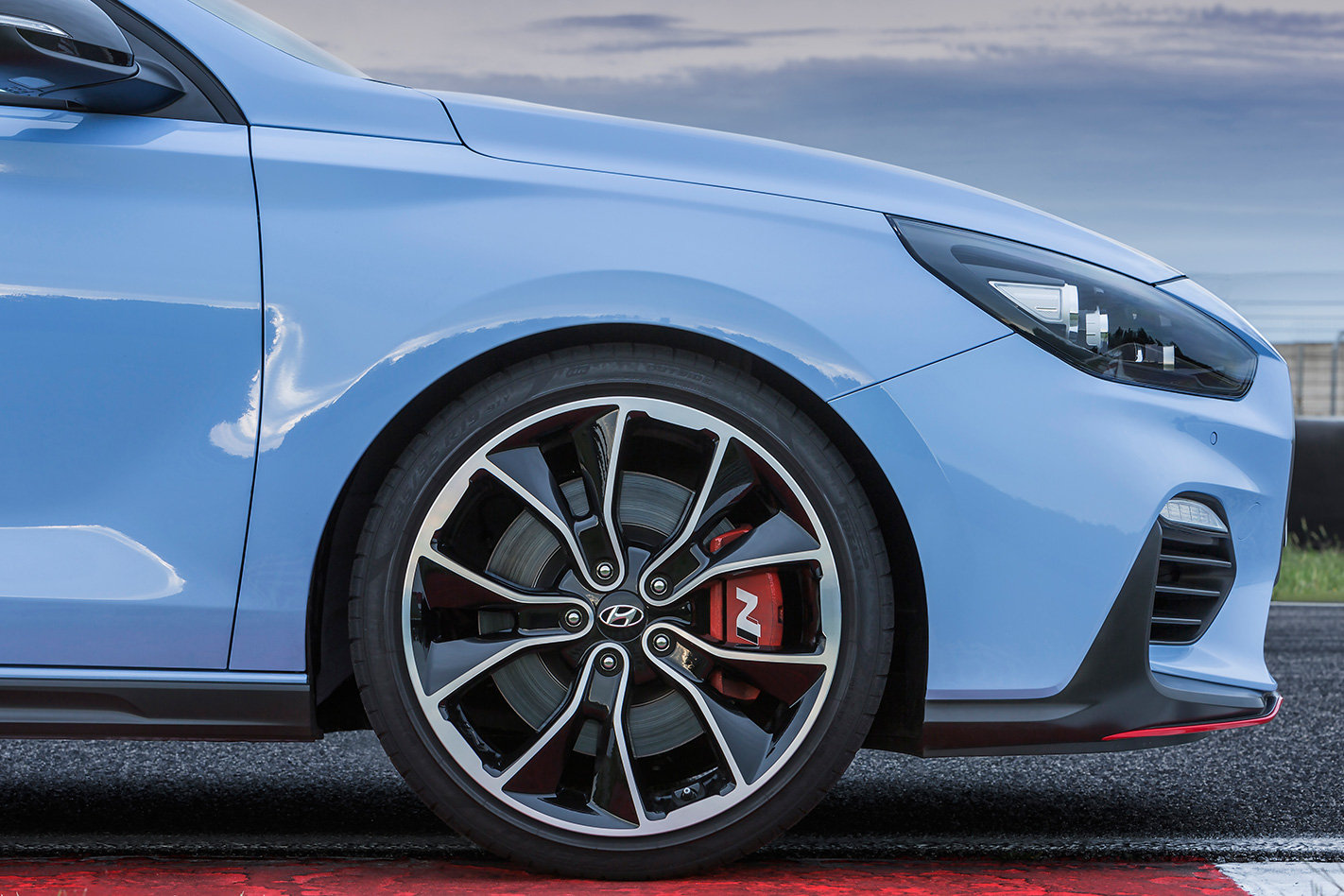
The i30 N’s front crossmember is completely unique and features special suspension geometry and settings to help with crisp turn-in and maximum traction, while the rear multi-link is similar to an i30 SR’s hardware, but enhanced by unique spring rates.
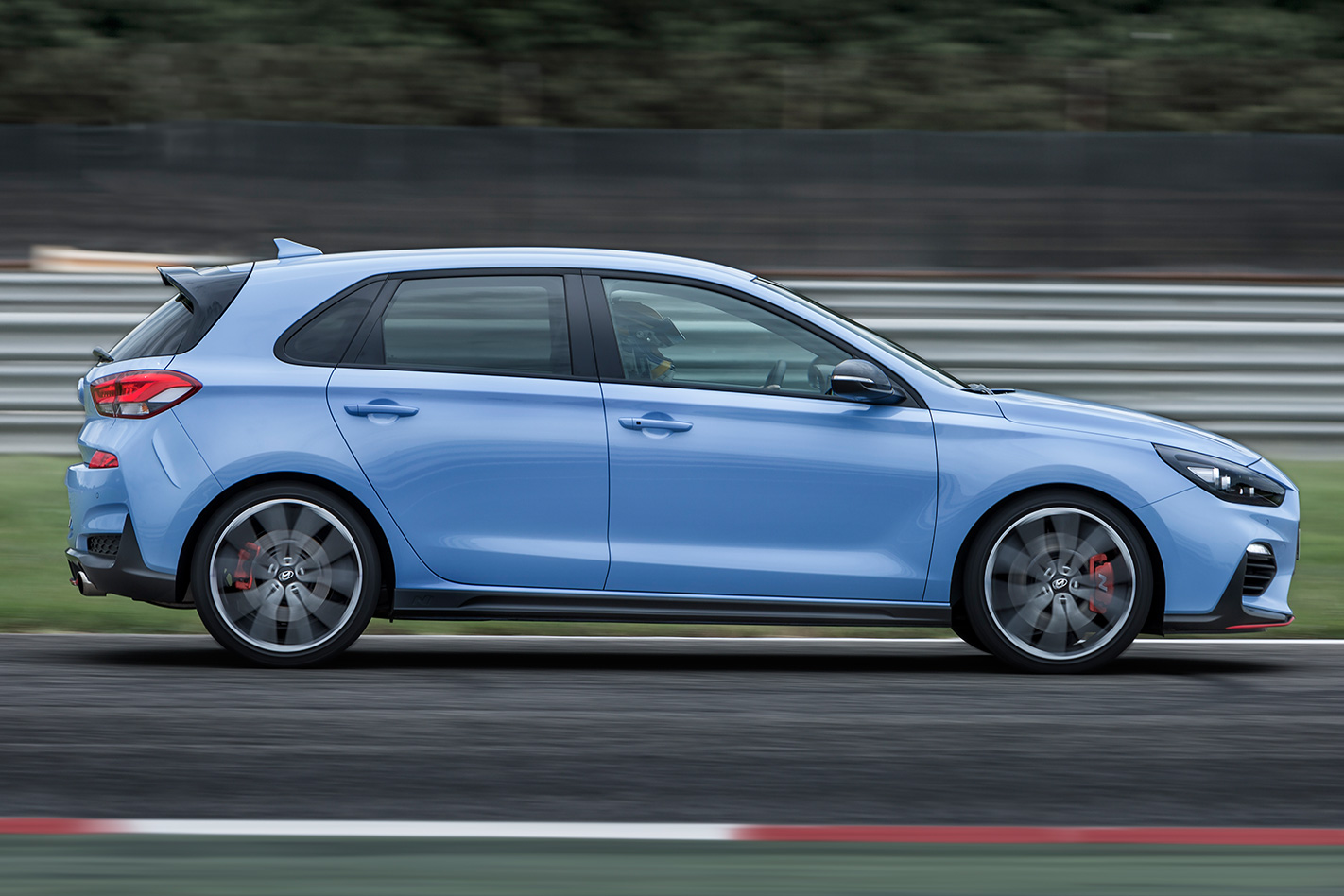
The steering ratio is unique for both models, and the i30 N gets a rack-mounted rather than column-mounted assistance motor for better steering feel. Ride height measures in at 4mm lower than a standard i30 when the i30 N is rolling on 18-inch wheels, or 8mm lower when optioned with 19-inch alloys.
The press release also makes mention of something called “after-fire sound” when N Mode is selected. Prepare thy eardrums.
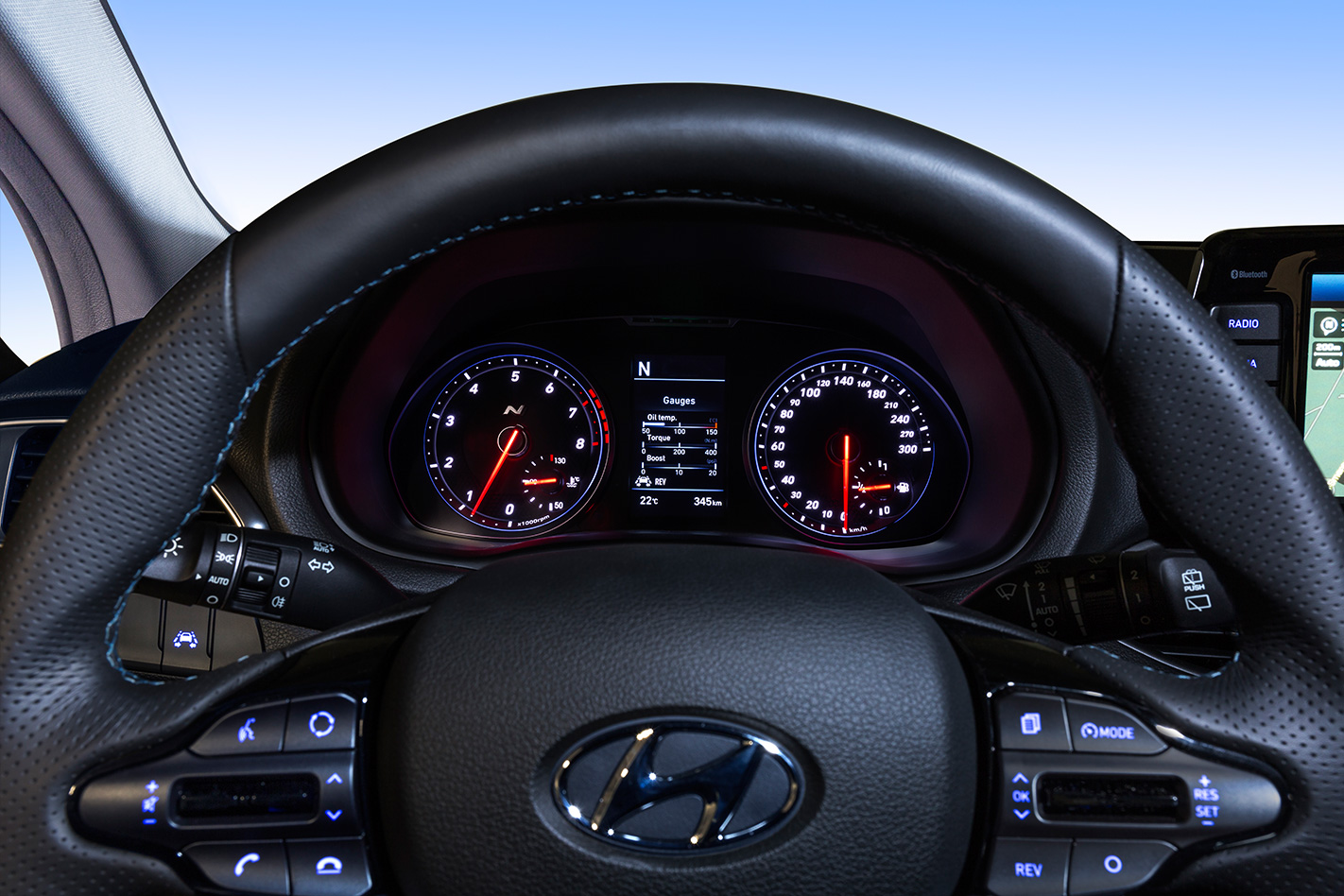
The tachometer’s redline also changes, BMW M3 style, depending on whether the engine oil is up to temperature or not.
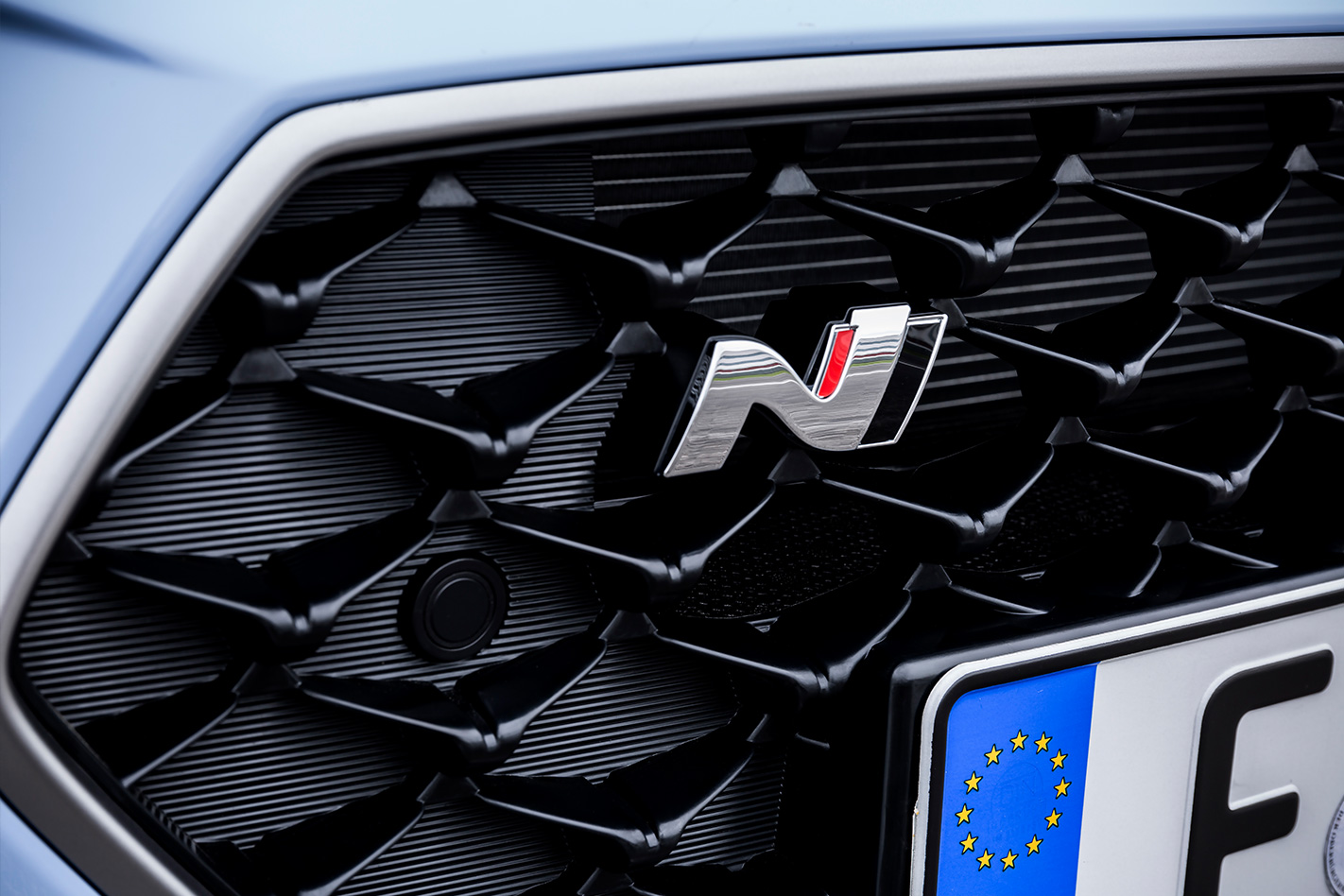
Clothing it all is an aggressive bodykit featuring a gaping grille opening flanked by M3-style ‘cheeks’ on the outboard corners of the front bumper, with a large N badge screwed into the open-mesh grille itself.
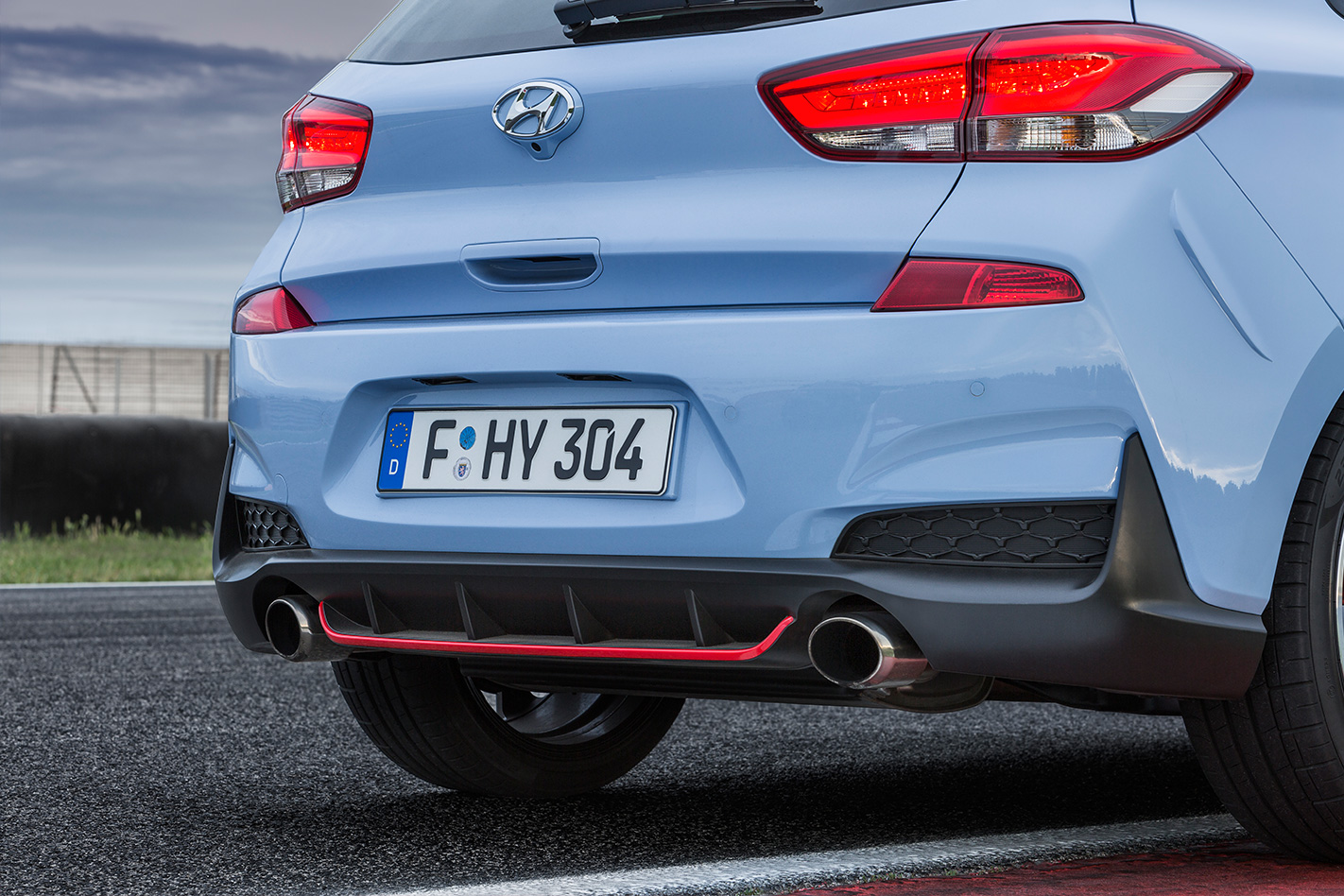
Around the back, a sizable wing sprouts from the top of the i30’s tailgate and houses a triangle-shaped stop lamp. Underneath, the rear bumper hangs lower, features sharper contouring and frames a pair of oval exhaust tips.
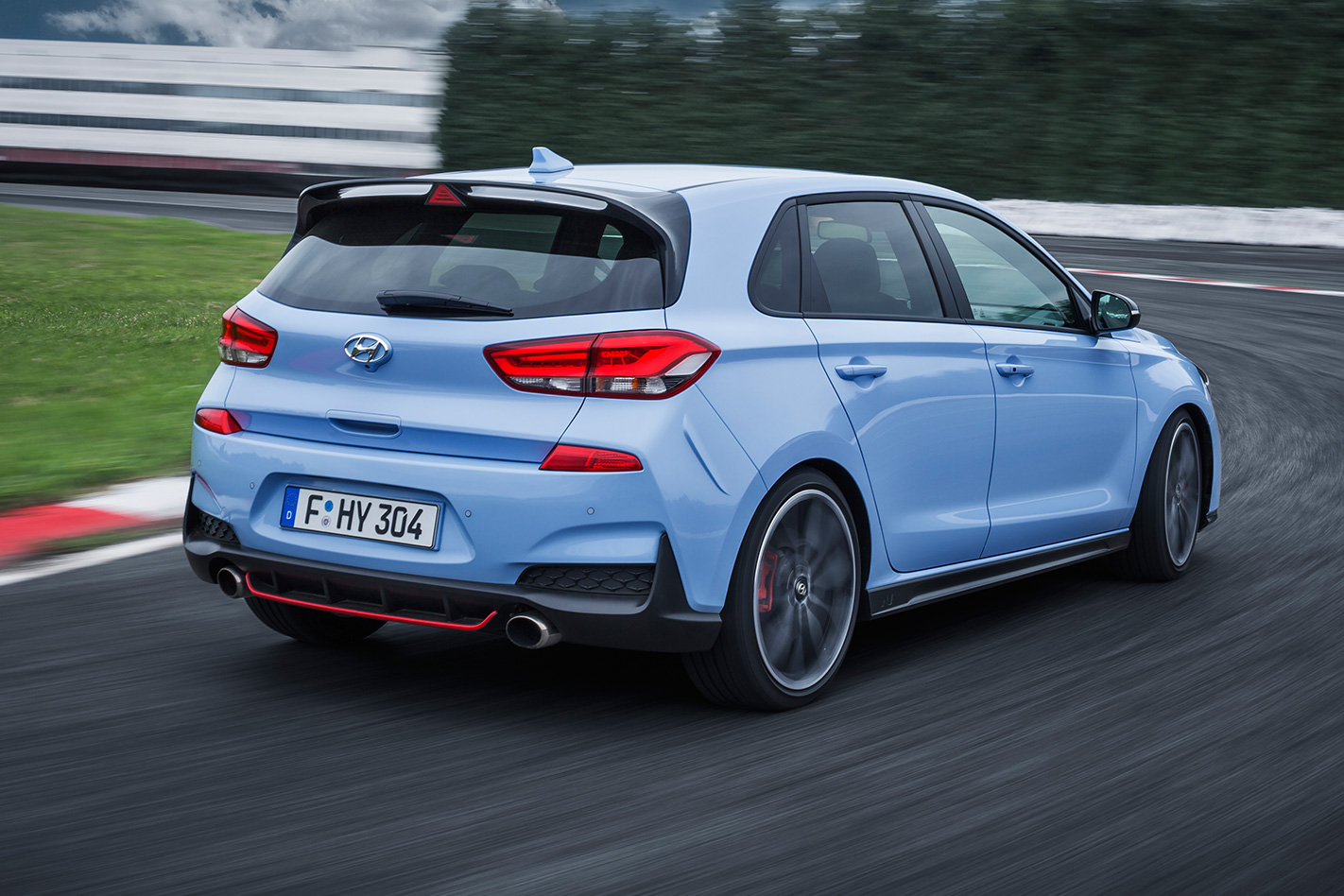
The i30 N is Hyundai’s first concerted effort to offer a bona-fide performance product, and is the culmination of years of intense development – including 10,000km of driving on the Nurburgring Nordschleife alone, plus a stint in wheel-to-wheel competition at the gruelling ADAC Nurburgring 24-hour.
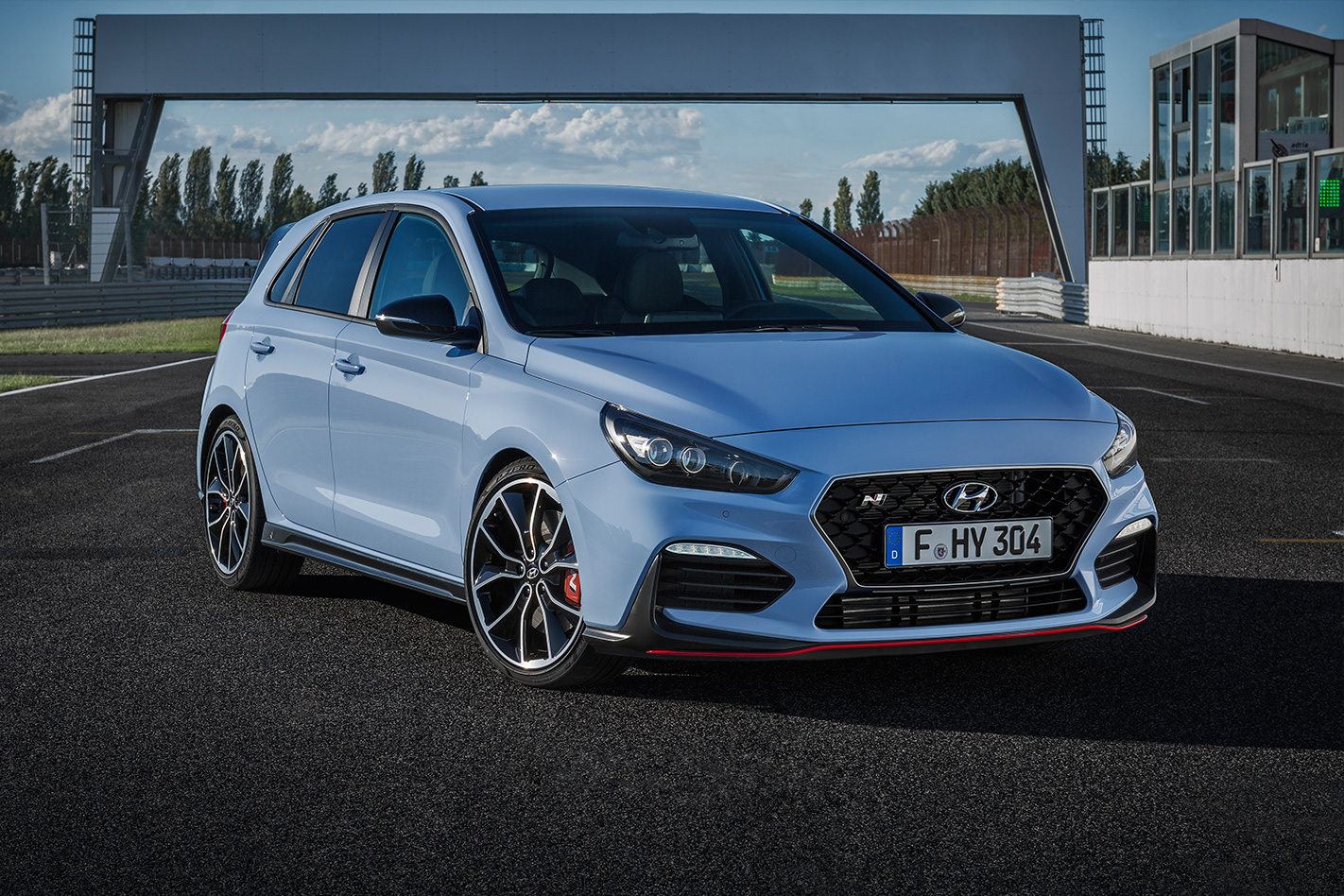
Local specifications have yet to be confirmed, but expect the i30 N to go on sale overseas around the end of this year with an Australian debut likely around the start of 2018. Pricing for the base i30 is expected to target the Golf GTI directly at around $41K, while the Performance Pack is likely to put it in the ballpark of $48K.
Full details of Hyundai’s first ‘N’ car have been released after a long testing period.
The less powerful of the two versions will get 184kW and 353Nm from its turbocharged 2.0-litre four-cylinder engine, with Hyundai saying it will hit 100km/h in 6.4 seconds.
With an almost Golf R-rivalling power output of 202kW/353Nm, the Performance package model sports a claimed 0-100km/h time of 6.2 seconds.
Both will carry on to a top speed of 250km/h.
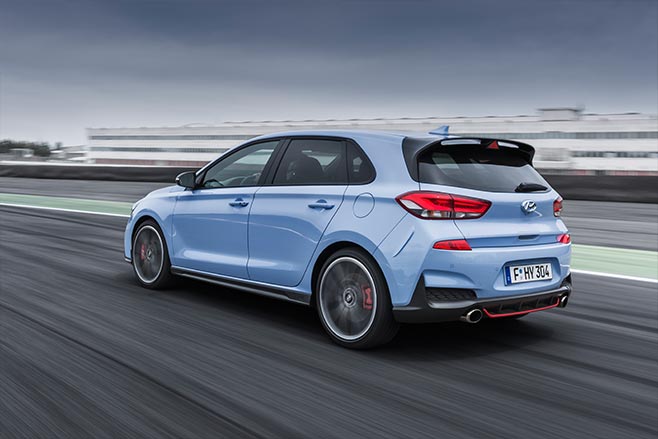
“The i30 N loves corners. The N logo symbolises a chicane, the ultimate part of the track where the i30 N achieves maximum traction, precision and feeling,” Hyundai says.
With adjustable dampers, a limited-slip diff for the Performance Package), and customisable chassis settings, MOTOR found that the i30 N prototype fulfilled that principle with ease.
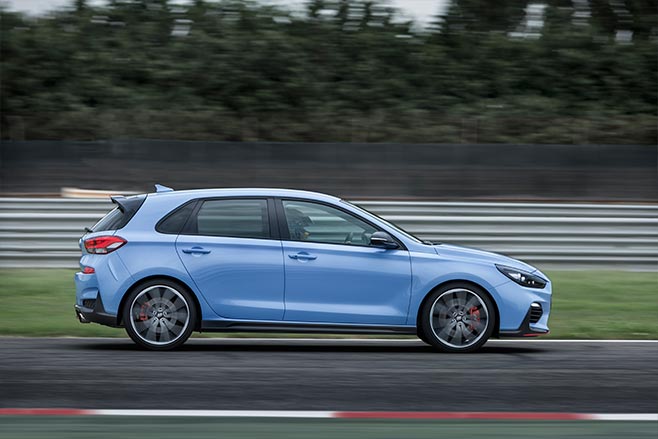
Thierry Neuville tests Hyundai i30 N
Though the ‘N’ stands for Namyang, the location of the R&D centre where the i30 N was developed, it’s appropriate in that it could also stand for Nurburgring.
Hyundai says each test i30 N has lapped the ‘Ring 420 to 480 times.
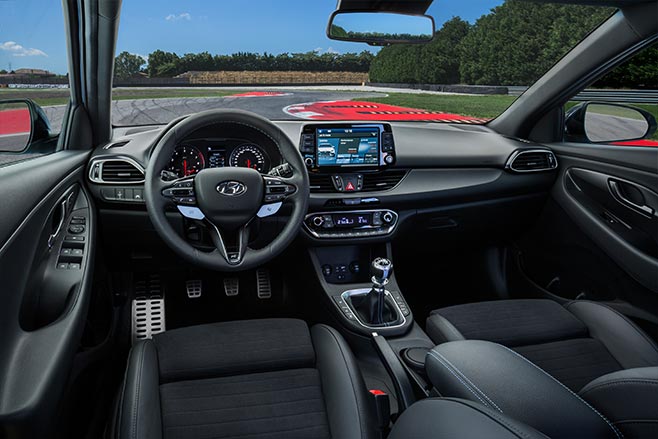
As the list of features we never thought we’d see on a Hyundai grows longer, the i30 N will also have a launch control mode. Hyundai explains how their version works:
“In N drive [or Sport+] mode, with the ESC off and the clutch disengaged, the first gear can be engaged immediately by releasing the clutch pedal within five seconds after full throttle acceleration.”
Yes, the ESC can be switched off completely.
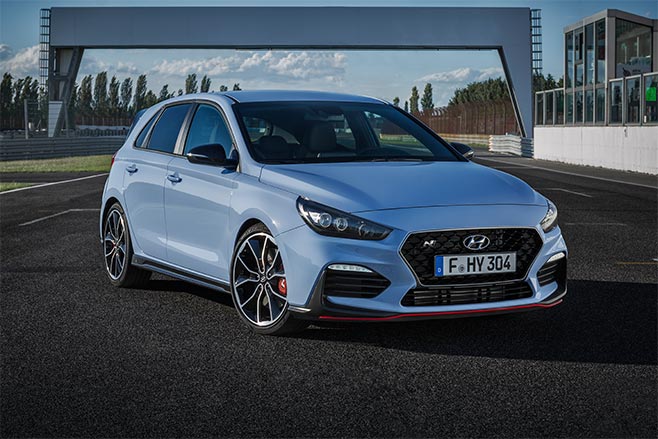
While the i30 N sounds rorty enough in its own right, the sound enhancement might make the car sound ‘less real’ to some.
But the Focus RS-like exhaust crackle should make up for it, as well as the car’s striking visuals.
As a departure from the standard or SR-spec i30, 19-inch wheels support at car that’s a subtle 8mm lower, with dual exhausts, a black spoiler, a diffuser and, of course, N badges to distinguish it.
Not only are we looking forward to a first proper drive, but we’re also eager to see it in the metal.
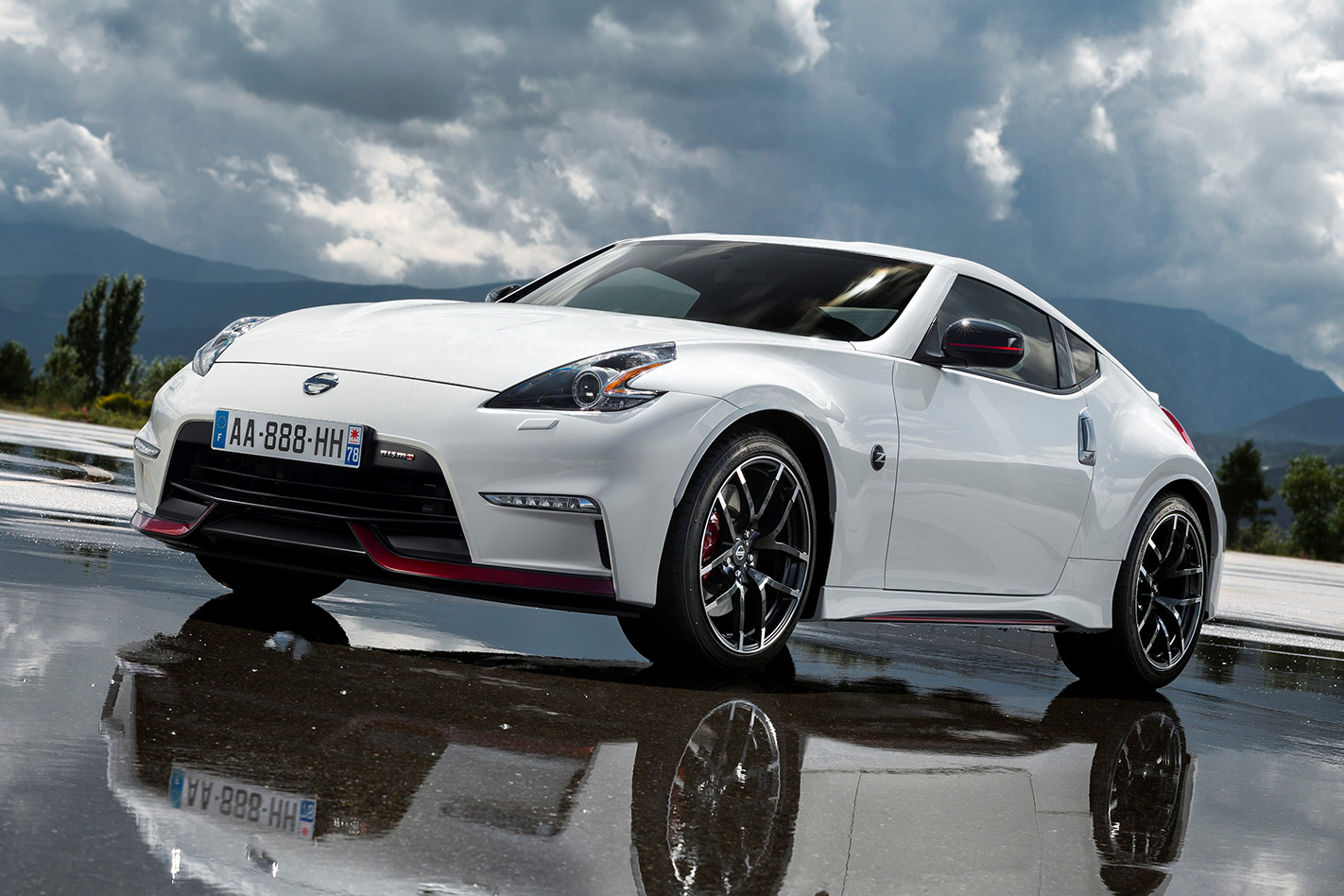
Australia will see the launch of the Nissan 370Z NISMO as soon as next month, Nissan Australia has confirmed.
With its arrival slated for August 29 in the form of a media launch, the 370Z NISMO will be the second model of three NISMO tuned Nissans promised to arrive in Australia.
With the GT-R NISMO already having made a strong impression, anticipation for the 370Z is building, with the third model still only rumoured to be the Nissan Juke.
Also found on the US version is a high-performance Exedy clutch, re-tuned double-wishbones at the front and re-tuned four-link suspension at the rear, plus higher spring and stabilizer bar rates.
The 14.0-inch front and 13.8-inch rear NISMO Sport Brakes are also on the cards though, with nothing confirmed yet for Oz, some changes may be made.
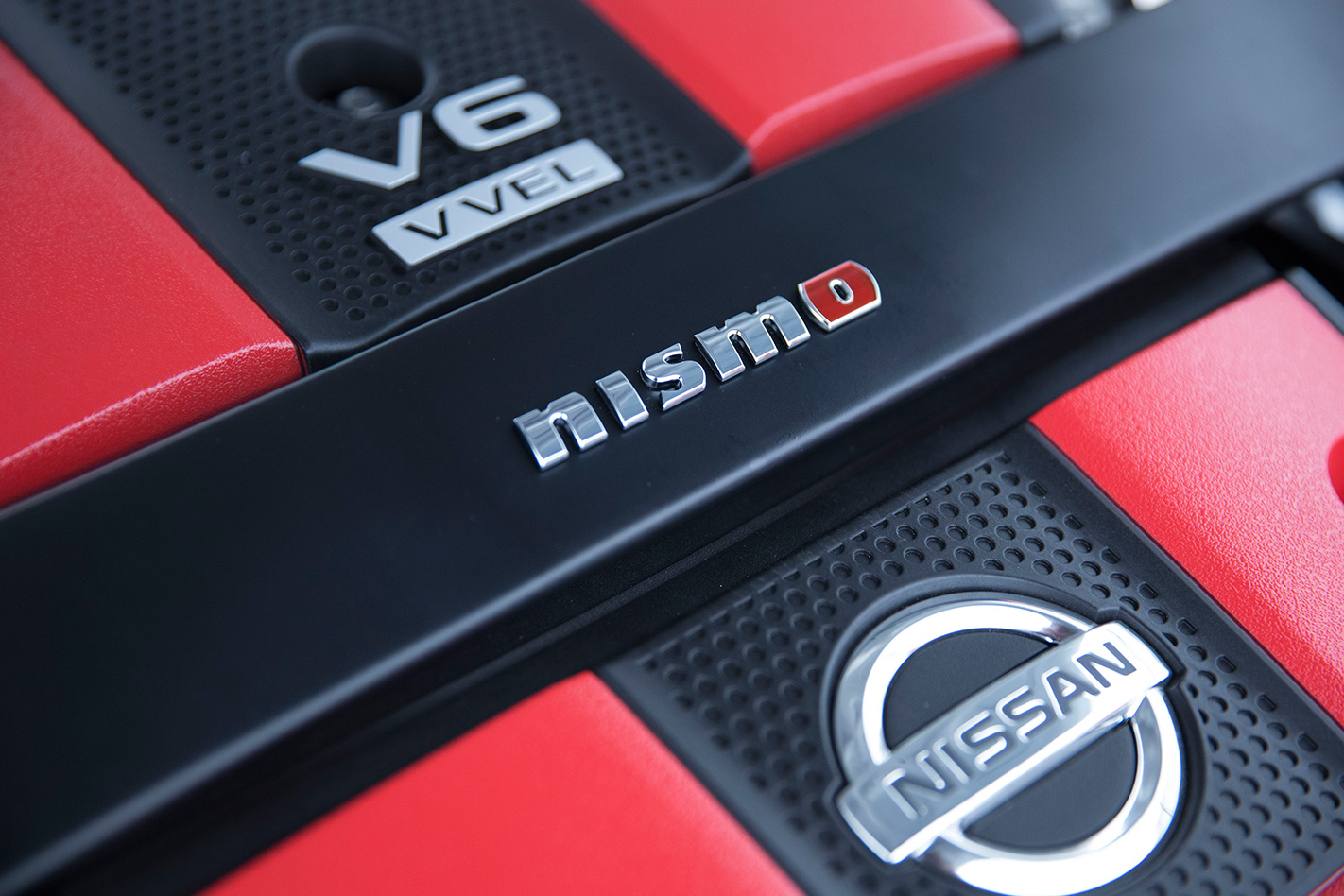
That doesn’t mean we’ll see the same figures, as Oz tends to receive somewhat muted wattage in its deliveries.
Though nothing is confirmed, MOTOR road tested a 370Z NISMO last year, which we were told had 253kW/371Nm.
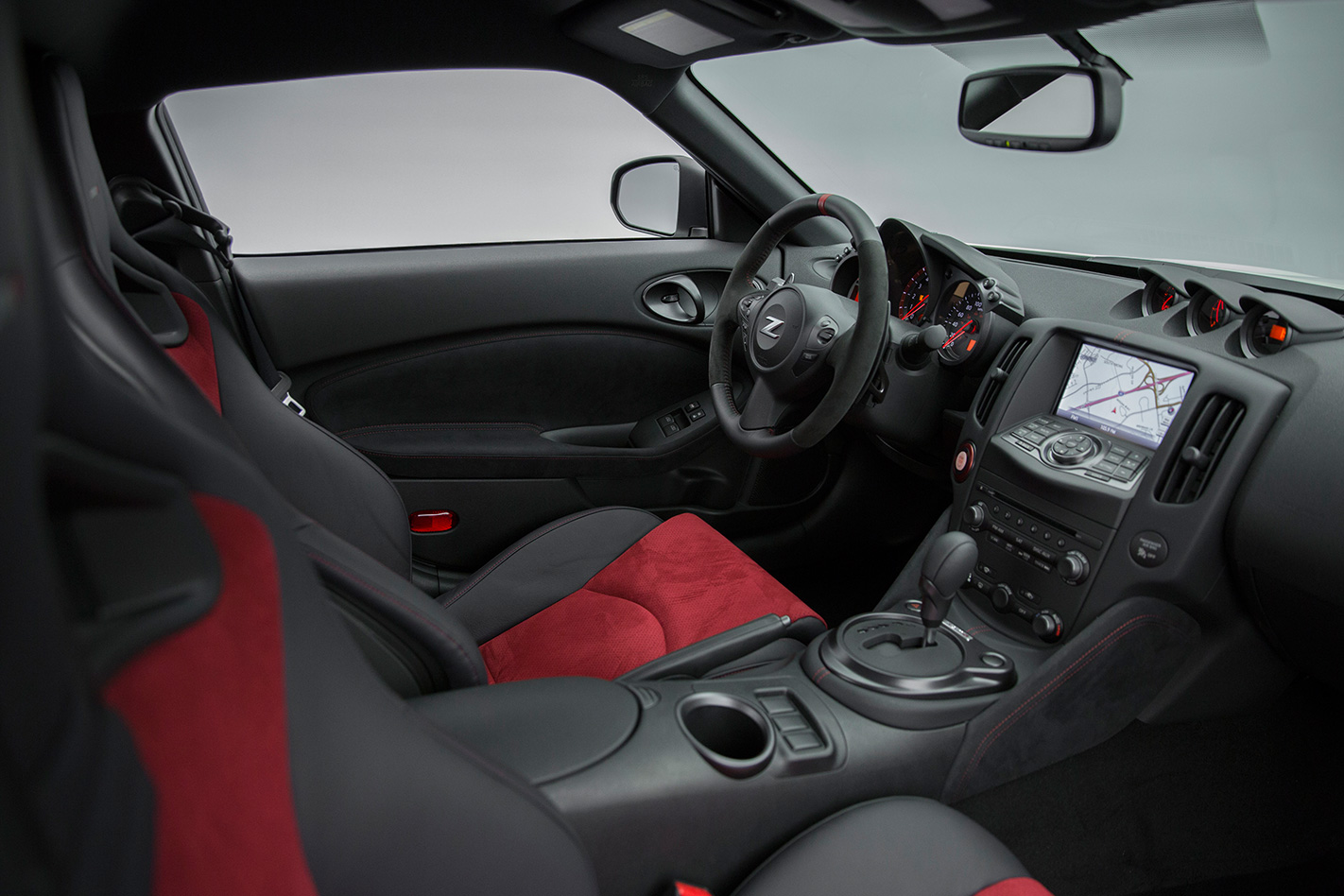
Though it admits the market for two-seater sports cars isn’t enormous, it says everyone who wants to buy a 370Z NISMO will be able to.
As for price, Nissan hinted the premium over a regular 370Z would be around $10,000, which sits it in the $65K-$70K range.
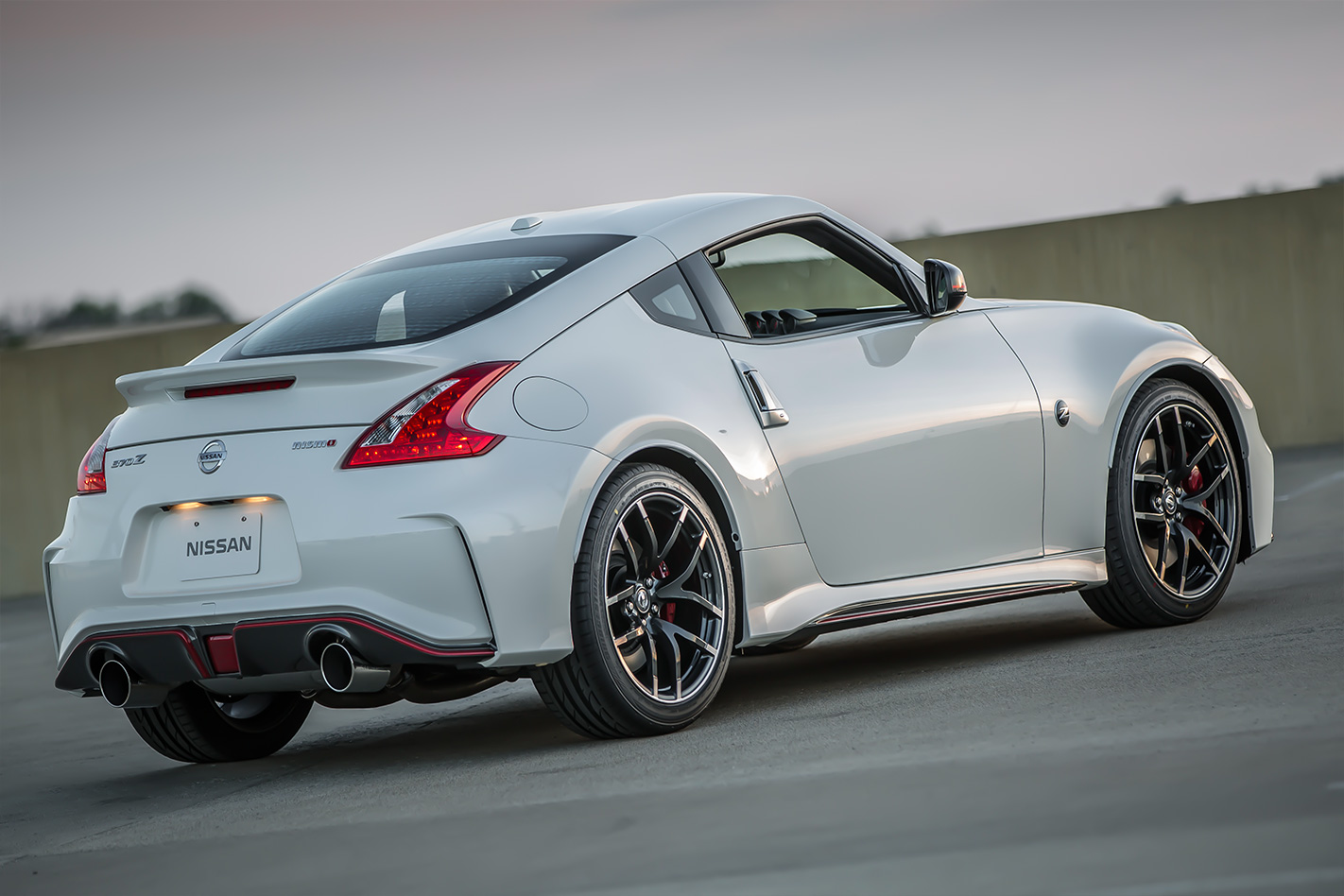
“There is Juke NISMO available globally, so we’re looking at how that might work, but there are a number of different versions of that,” Emery recently told MOTOR.
MOTOR will bring you the full Australian specs of the 370Z NISMO from its launch next month.
AUDI’S new A8 luxury flagship is the world’s first production car to be developed with real-world level-three autonomy, allowing a driver to “do something else” while at the wheel, says Audi, but getting the system from prototypes to the road involved far more technology and innovation than you might think.
Here are seven of the critical systems the German car maker had to weave into its fourth-generation A8 to make level-three autonomy a reality.
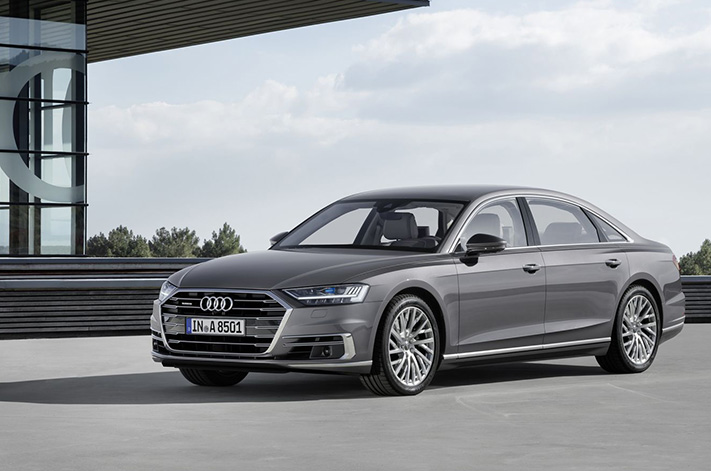
Redundant braking system – like all modern cars, the Audi A8 has a tandem hydraulic braking system, but it also incorporates a dual power system for the brakes as well. A power or control failure to one braking system will not result in brake failure.
Hybrid power back up – If a problem compromises the main drivetrain, hybrid A8 variants will be able to propel the vehicle to a safe location using one power source only, if there is a problem with either electric drive or its combustion engine.
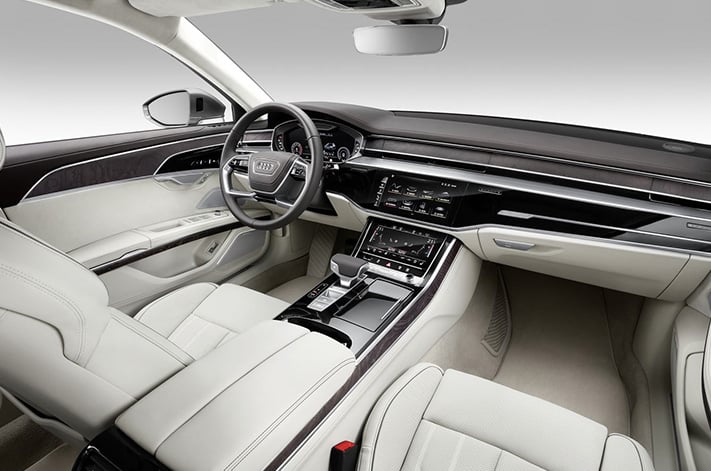
zFAS specialised control system – At the heart of the A8, the new zFAS central controller is comprised of two computers. A larger computer runs the various systems under normal conditions but a second smaller computer provides a backup. The pair of controllers constantly monitor each other to ensure electronic control is maintained.
Time-triggered ethernet – The A8’s extensive array of sensors, cameras and electronic systems are connected by the vehicle’s own ethernet system. Each task and system is allocated a specific time that it is permitted to communicate on the ethernet, which reduces error messages and increases communication speed. The process is repeated thousands of times a second.
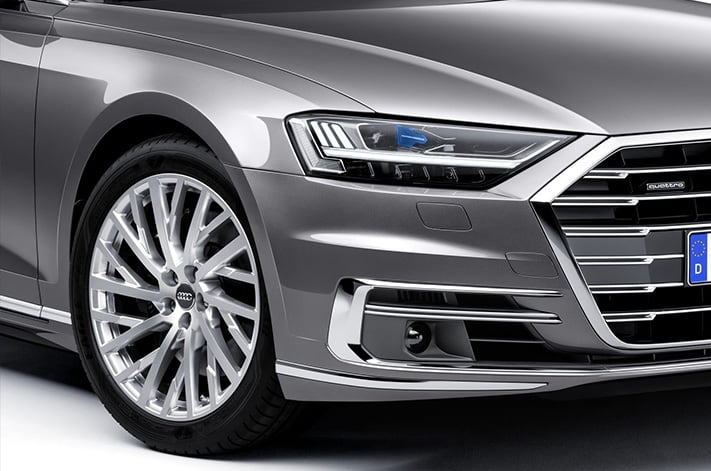
“We’re closing every single door that could lead to a problem. The A8 is the first car to have closed all those doors,” said Audi’s top autonomous technology engineer Alejandro Vukotich.
BEFORE the decade is out, aspiring Audi owners will be able to experience the enjoyment of owning a four-ringed model without full ownership or financial commitment, thanks to a new Audi On Demand service that’s due to launch in Australia by 2020.
Under the new scheme, customers will be able to simply hire any new Audi model for the length of time that suits their purposes through a simple online application, and hand back the keys when they are done.
The service has completed a trial in Munich and San Francisco generating a warm reception and a diverse range of customers, which has prompted a larger global roll out that will include 15 nations including a number of Australian cities within three years.

“It’s a new offer for customers that means flexible usage of premium cars and that is interesting in almost all markets, so Australia expressed interest and we are interested to push it in that region to bring that to life,” she said.
“It’s not defined yet when it will come … but it’s part of the planning until 2020. That’s confirmed.”

Under a standard arrangement, the customer will pick the car up from a participating dealership but an optional Concierge service will deliver and pick the car up from a specified location, boosting appeal and convenience, says Audi.
Exact Australian locations are still being finalised, but Bernhardt confirmed that centres in most major capitals were part of the plan.
“It will concentrate on the main cities. Mainly we’re talking about Sydney, Melbourne, Perth, Brisbane. We will start with one city then expand to other locations where it makes sense to have an offer. Not for the rural area.”

Bernhardt explained that the ‘now economy’ was breeding a new type of consumer that wants products and services instantly but values flexibility and not having to sign up to contracts or leases. Customers will be able to spend as little as one hour in their chosen Audi or up to three months.
While the deal is expected to boost Audi’s profile, the service is not just a marketing incentive, said Bernhardt, and was intended to generate cash for the company as its priority.
“There is a business model behind it so it has to be profitable, it has to be profitable for the dealers if we include dealers. It’s not a marketing topic, it’s a business model.
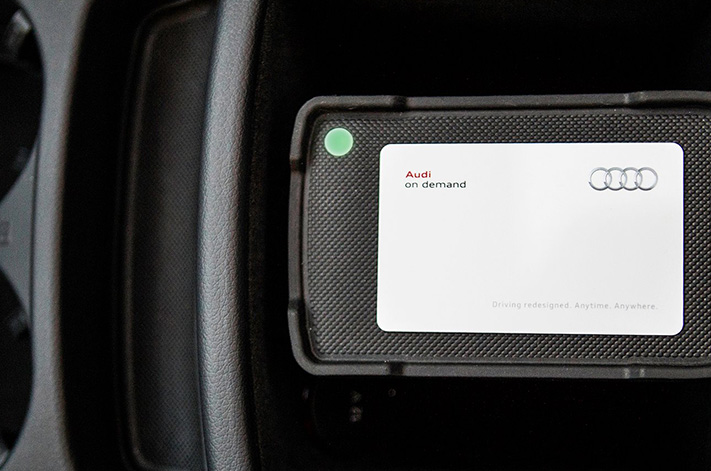
Berhardt also revealed that different nations had also demonstrated dramatically different preferences in the cars on offer.
“We have a project running in Hong Kong and they prefer the e-tron. At Munich airport the RS6 is the most booked model. In San Francisco many people go skiing over the weekend. They do not have a car but they use the Q7 so the Q7 is highly booked in winter.
“You pay per usage. You order a car and pay the amount of money for the amount of time you use the car. In general, Audi On Demand is open for everyone who wants to register.”
Mercedes-Benz has announced a series of updates for its E-Class range, the most notable of which is a new version of its Linguatronic voice control system that activates a string of extra vehicle functions.
Described as an “evolutionary leap forward”, Linguatronic now works beyond the infotainment system to change settings of a broad range of functions including climate control, heated seats, rear window demister and ambient lighting.
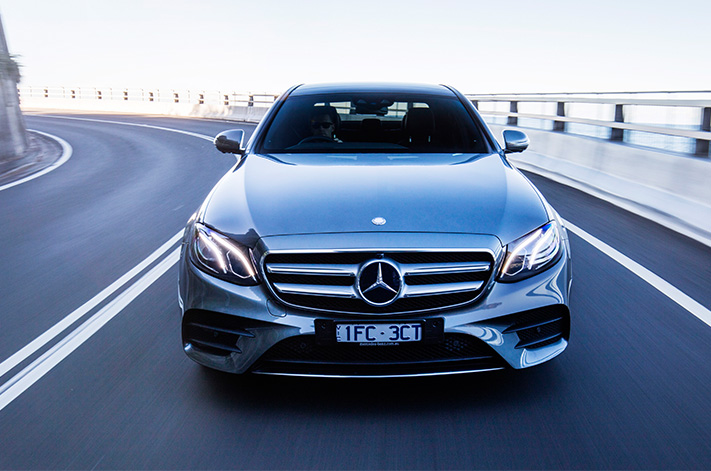
You can also ask for information such as remaining fuel range, current speed limit or when the next service is due in up to 22 languages – double that of the current system.
The system recognises up to 450 voice commands, depending on language, which are designed to be simple, intuitive and natural as possible. For example, if you need directions simply saying “Navigate to xy” is sufficient to launch navigation to the next destination unlike other systems which take you through several steps.
The upgrade also includes new interior trim options with additional wood trim finishes, updated Nappa leather colour options (Macchiato Beige or Yacht Blue), and an enhanced ambient lighting system with a choice of 64 colours.
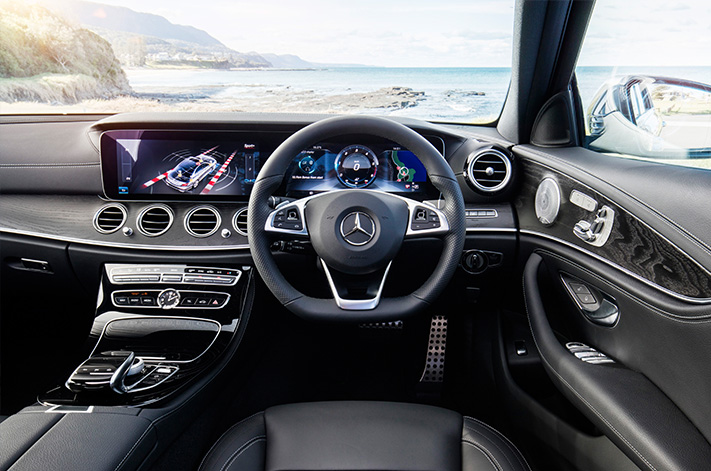
Other additions include two USB charging ports in the rear, updated touch control buttons on the steering wheel with audible feedback and a boot closing function that works with a gentle push of the boot lid.
A Mercedes-Benz Australia spokesman told WhichCar it is still waiting for confirmation on which updates will make it in Australia-bound E-Class models and when.
This is the first upgrade of the Mercedes-Benz E-Class which was first launched at the 2016 Detroit Motor Show in January that year and has seen a gradual roll out of variants including coupe and cabriolet.
