
Snapshot
- Entry-level Skoda Fabia Select to join line-up with driveaway pricing
- Fabia Monte Carlo to be updated ahead of August 2024
- ‘Select’ versions of Kamiq, Karoq and Scala on the way
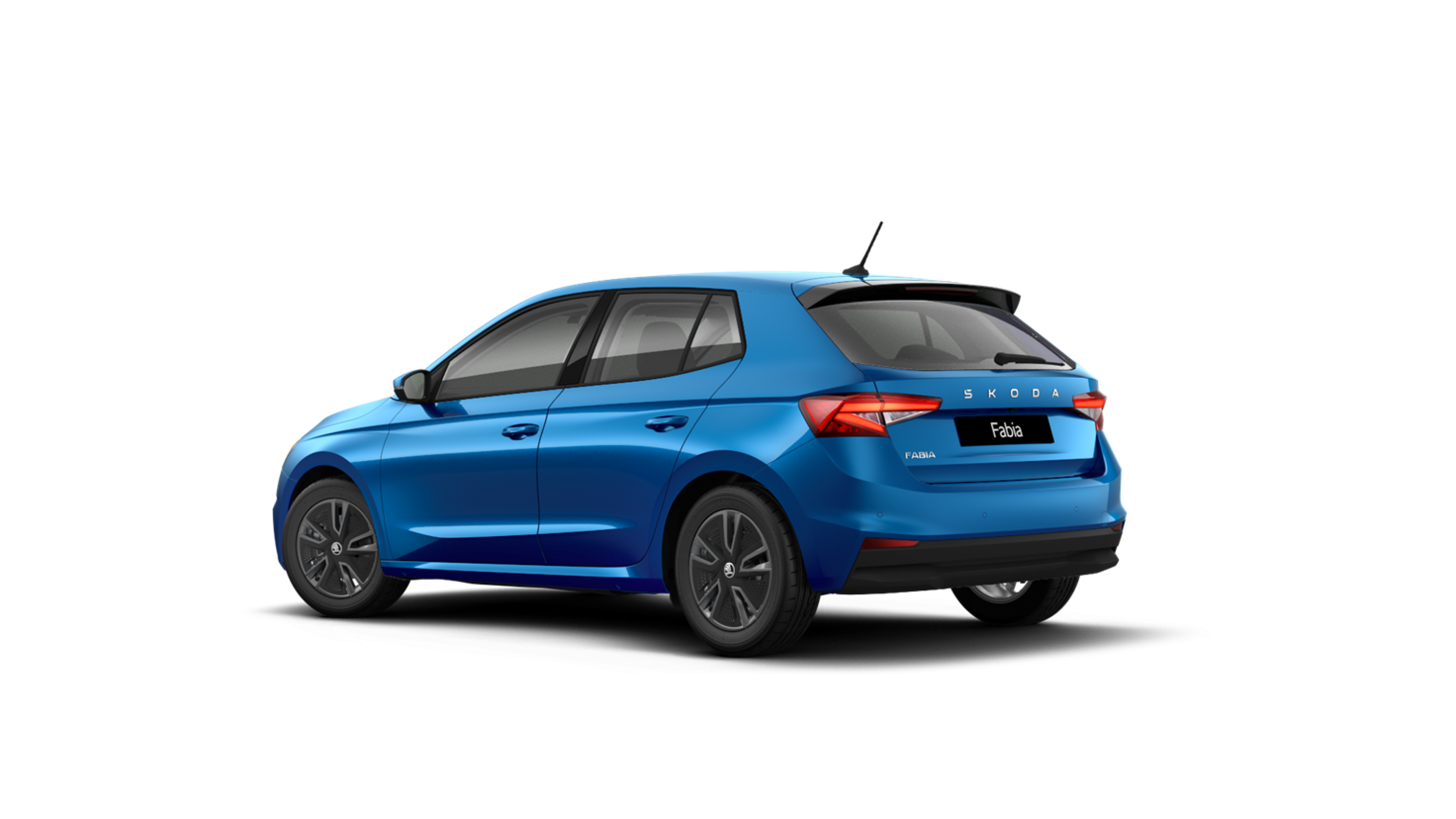
The 2024 Skoda Fabia Select will be added to the line-up to see a more affordable entry-level model offered for the first time in two years.
Priced at $31,900 drive-away, the Fabia Select will join the flagship Monte Carlo Edition 150 – which is $38,990 drive-away – expanding the range from a single model.
Scheduled to arrive in local showrooms in August, the statement from Skoda Australia also confirmed that a revised specification Fabia Monte Carlo will be announced ahead of the Select’s arrival.
Skoda also confirmed it will introduce cost-conscious Select versions of its facelifted Kamiq in July, with the Scala and Karoq offered in Select trim levels the following month.
On the outside, the Fabia Select features 16-inch alloy wheels, LED headlights, foglights and taillights.
Standard equipment includes keyless entry and engine start, an 8.25-inch centre touchscreen with Apple CarPlay and Android Auto smartphone connectivity, two USB-C ports as well as front and rear parking sensors.
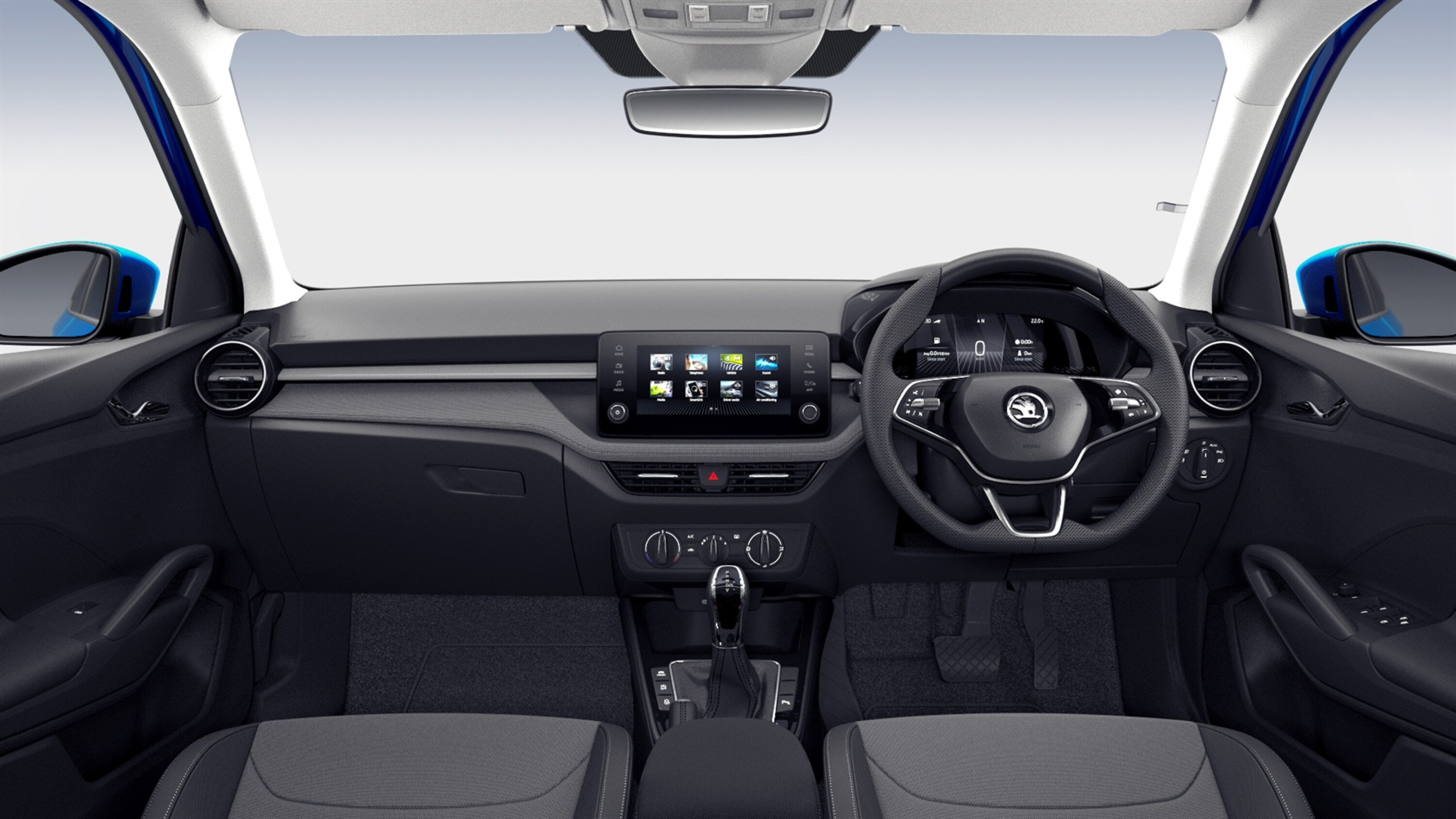
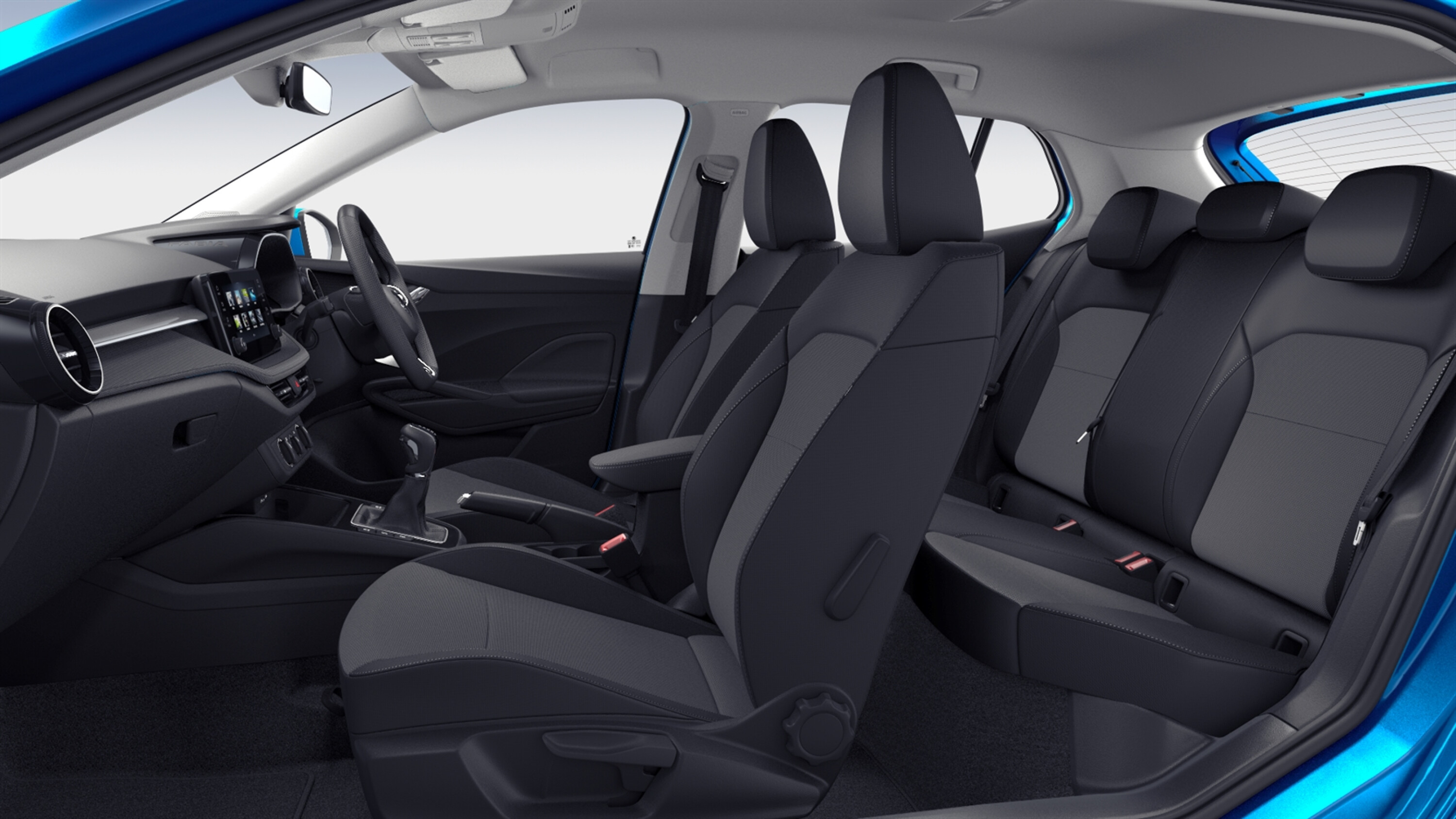
An 8-inch digital instrument cluster and leather-trimmed steering wheel are also standard fare, as well as height-adjustable front seats with lumbar support and the Fabia’s large 380-litre boot area.
Standard active safety features include autonomous emergency braking with pedestrian and cyclist detection, lane-keep assist, blind-spot monitoring, rear cross-traffic alert, manual cruise control, and six airbags.
The current generation Fabia achieved a five-star ANCAP rating in 2022.
The Fabia Select will be powered by a 1.0-litre turbocharged four-cylinder petrol engine producing 85kW/200Nm, using a seven-speed dual-clutch automatic transmission to drive the front wheels.
Skoda has offered only the Monte Carlo version in Australia since 2022 as sales of the city-car segment have declined considerably since the Volkswagen Polo-based Fabia nameplate was introduced to Australia in 2011.
That’s seen the demise of cars from the segment including the Ford Fiesta, which was axed in Europe with production ending in 2023 as Ford looked to its Puma SUV instead, while the Audi A1 – with which it shares its platform – will not be replaced when the current model reaches the end of its lifecycle.
Australian sales to the end of April 2024 saw the Fabia – in Monte Carlo spec only – post 145 sales, compared to 607 Mini Coopers and 571 Volkswagen Polos.
Suzuki has given its five-door Jimny the retro treatment that proved successful on its three-door baby 4WD in 2023.
The Jimny XL Heritage has been announced, featuring the same package of extras as last year’s three-door Heritage – inspired by the pint-sized off-roader’s “history from the 70s, 80s and 90s”.
The exterior adopts retro striping, ‘Jimny Heritage’ decal, and red mud flaps front and rear. Inside there’s a Limited-build badge, Heritage cargo tray, and an “exclusive Heritage pack” that is listed without details of what it includes.
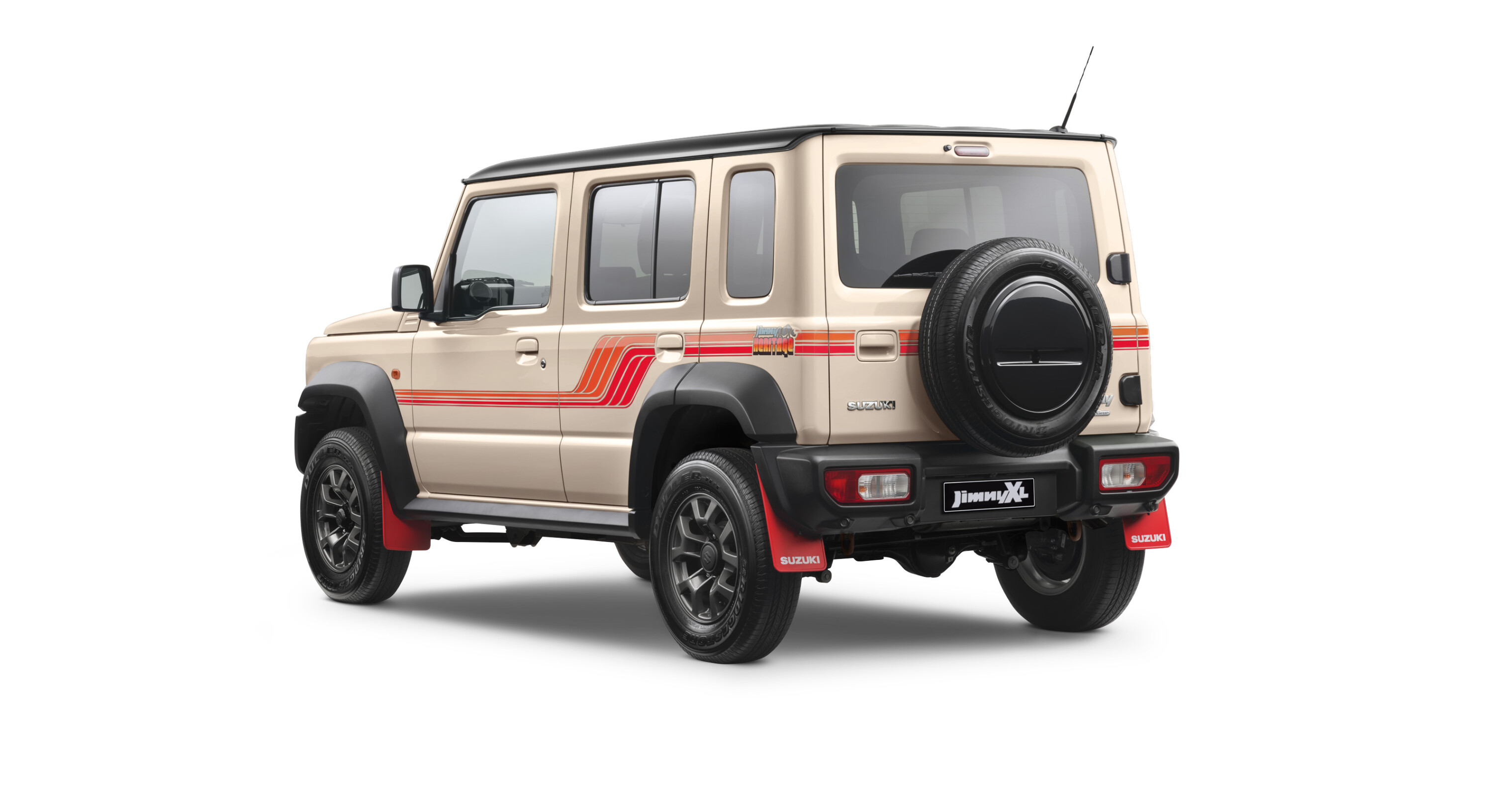
As with the three-door Heritage, the XL retro edition is offered with a manual gearbox and is based on the GLX – and carries a $1500 premium to be priced from $36,490, not including on-road charges or metallic paint.
More units are available, however. Where the Jimny Heritage was restricted to 300, the XL Heritage will have a 500-unit run.
Suzuki says the three-door Heritage sold out last year in just two days.
Five colour options comparise Ivory with Black roof (pictured), White, Jungle Green, Bluish Black, and Granite Grey.
First deliveries will take place between late June and early August, added Suzuki.
Here are the latest cars from Grays that have appeared on our radar.
1980 Nissan 280ZX Automatic Coupe
Sure, it’s not the same as the beloved Nissan 240Z classic, but this 280ZX is still worth a look if you’re a fan of the ol’ Zeds.

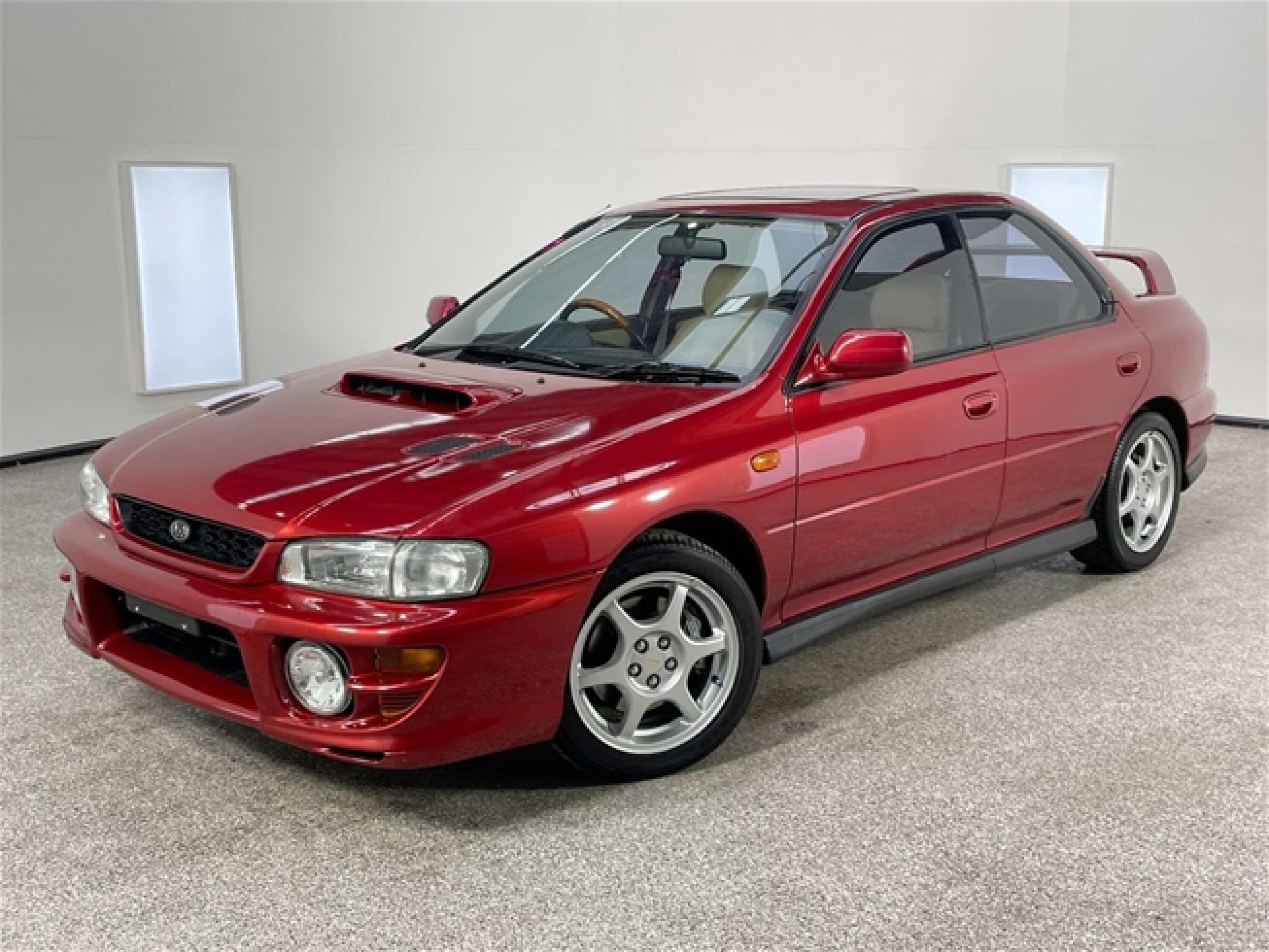
2000 Subaru Impreza WRX ‘Classic’
The original V8 humbler of the 2000s could certainly warrant a look, especially in this “Classic” guise. The ad for this original Impreza WRX indicates that this is one of only 152 examples brought to Australia.
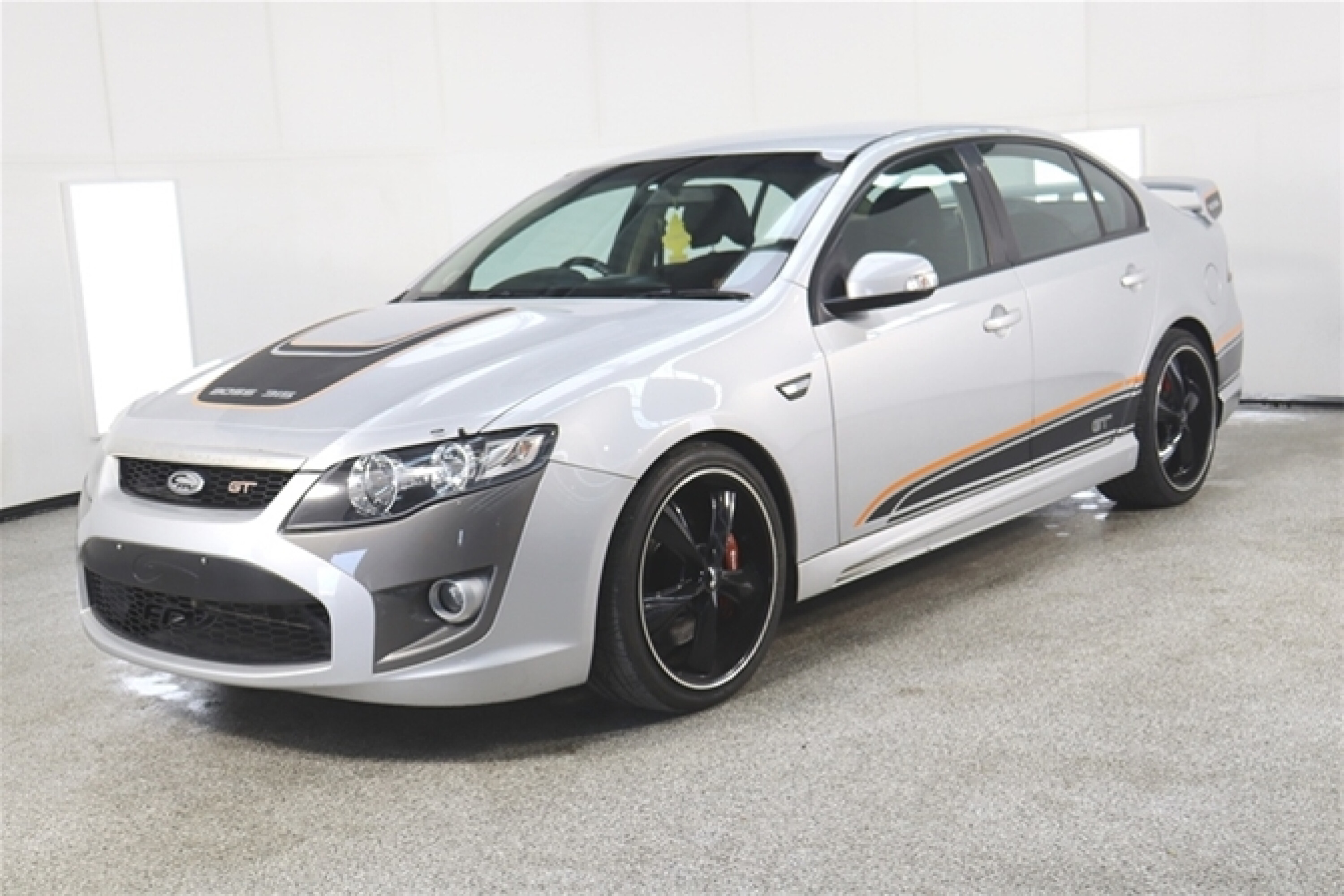
2008 FPV GT FG Automatic Sedan
Eagle-eyed fans of the Ford Performance V8’s might want to scan their eyes over this relatively low-kilometre (50,000km) FPV GT from 2008.
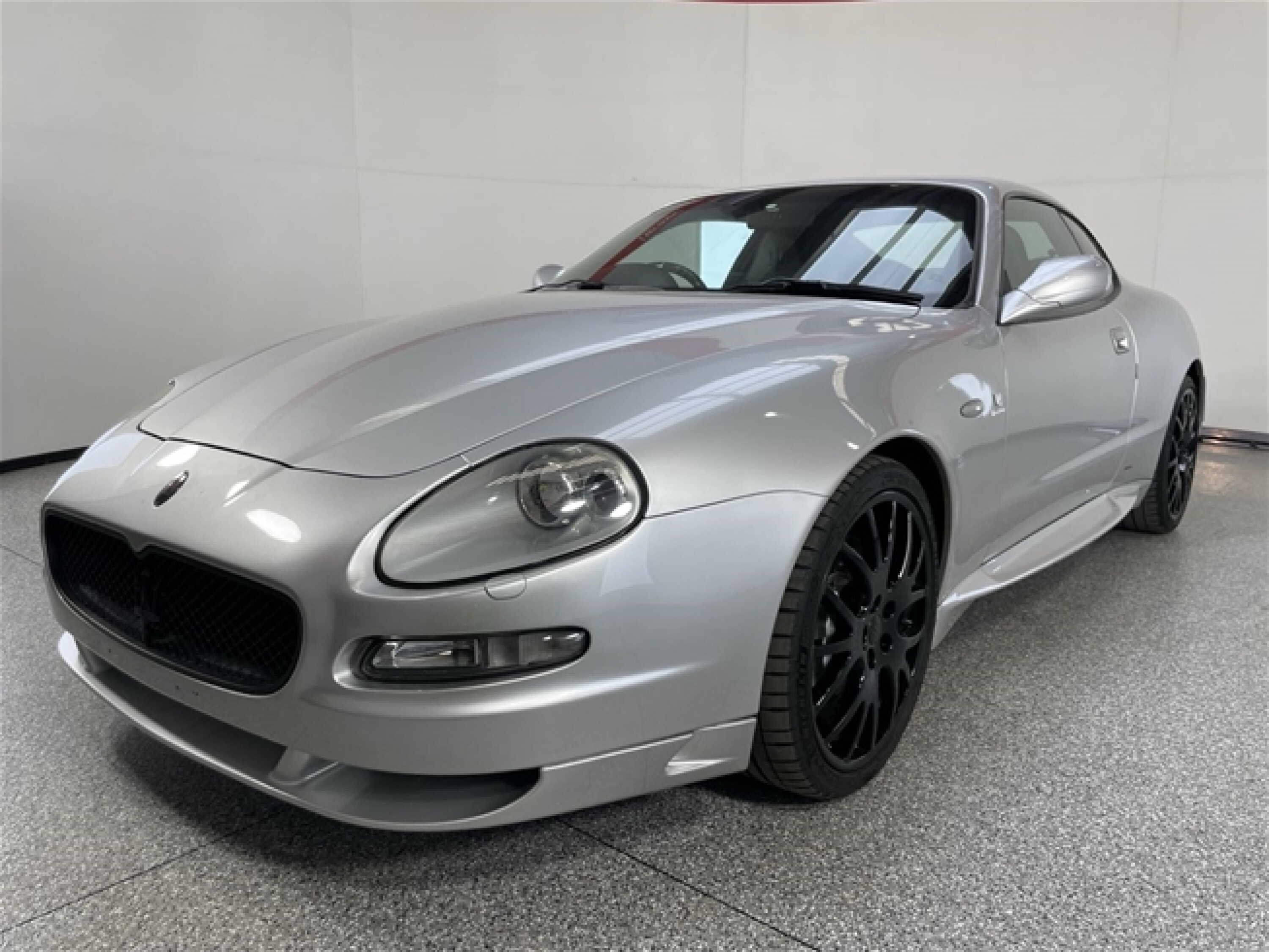
2005 Maserati Gransport coupe
For something a little more exotic comes this Maserati Gransport from 2005.
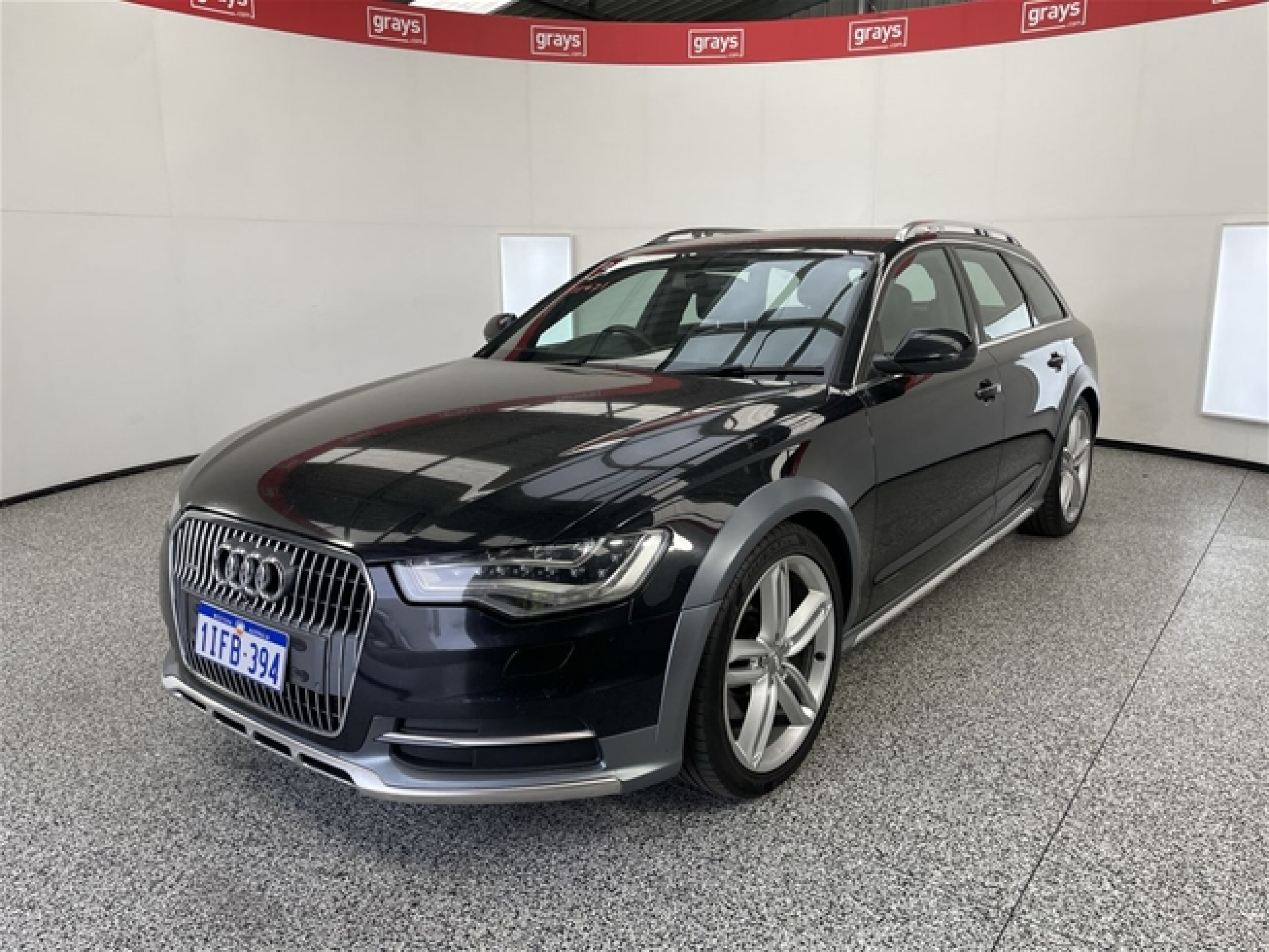
2013 Audi A6 allroad quattro
A little more practical than the example above, this A6 allroad quattro supplies all the needs of a family in a form that isn’t like your typical SUV.
2017 Land Rover Discovery Sport
And for your typical SUV fix, this Land Rover Discovery Sport would fit that need.
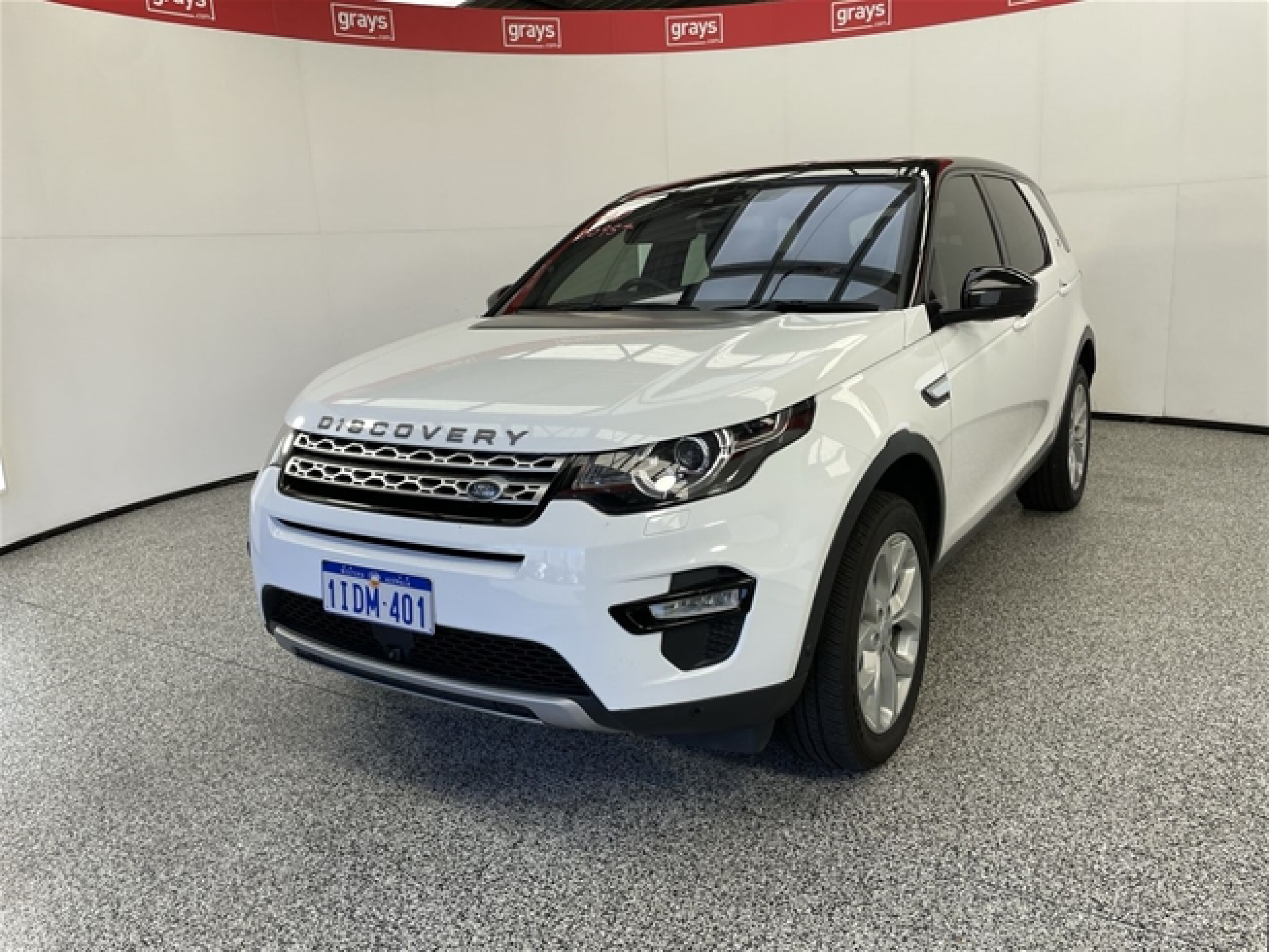
Take a look at Grays’ entire listings here [↗]
A Dependable Family Friend
What makes a car special? For some, it’s performance, design, comfort, or handling – some may argue that this 1998 HiLux SR5 is devoid of all the aforementioned.
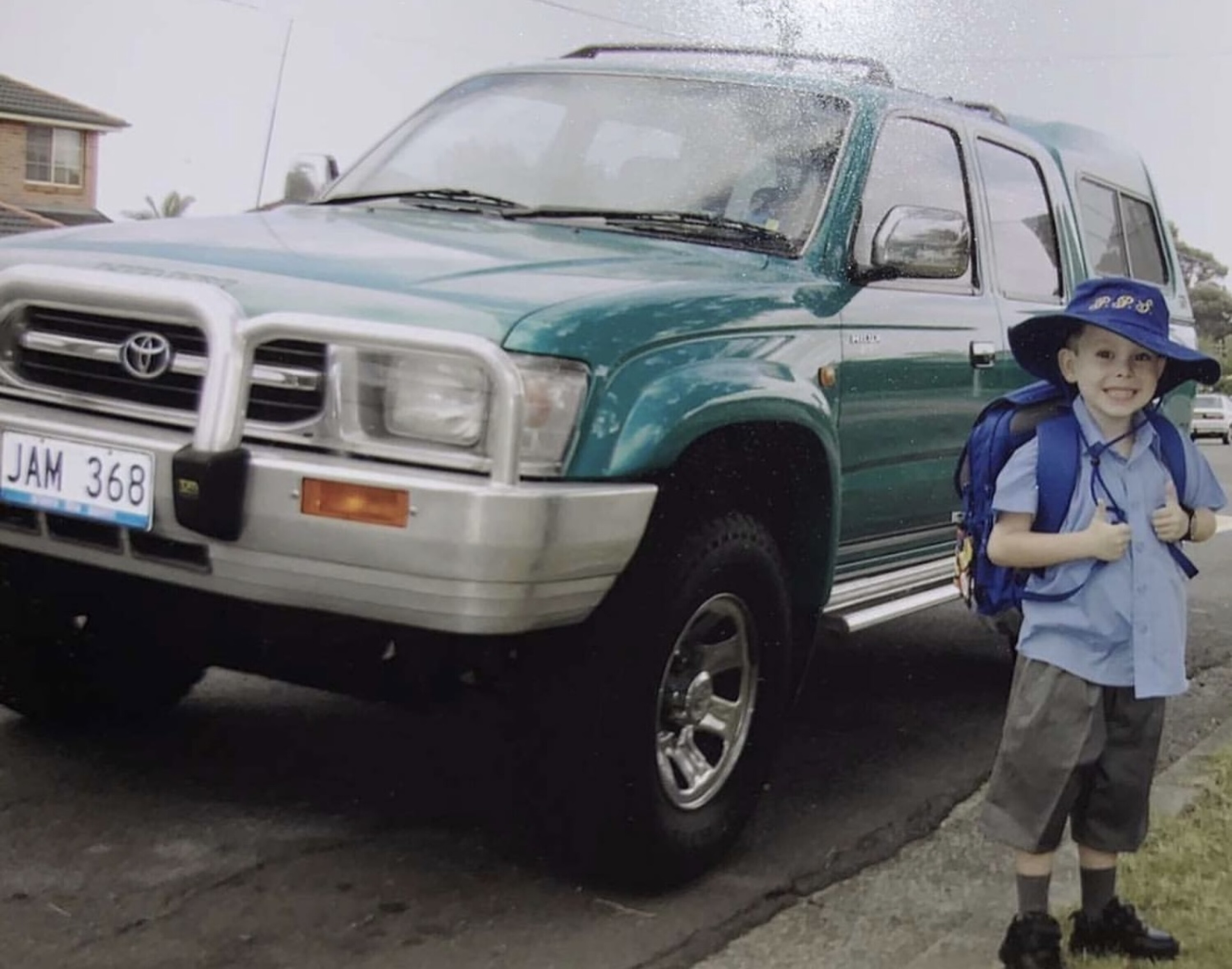
However, for me, this car represents something far more important. This RZN169R Hilux SR5 4WD – in 2.7-litre petrol guise and finished in Opal Metallic Green over a Moon Mist interior – was purchased brand new from Phil McCarroll Toyota, by my mum, in late 1998.
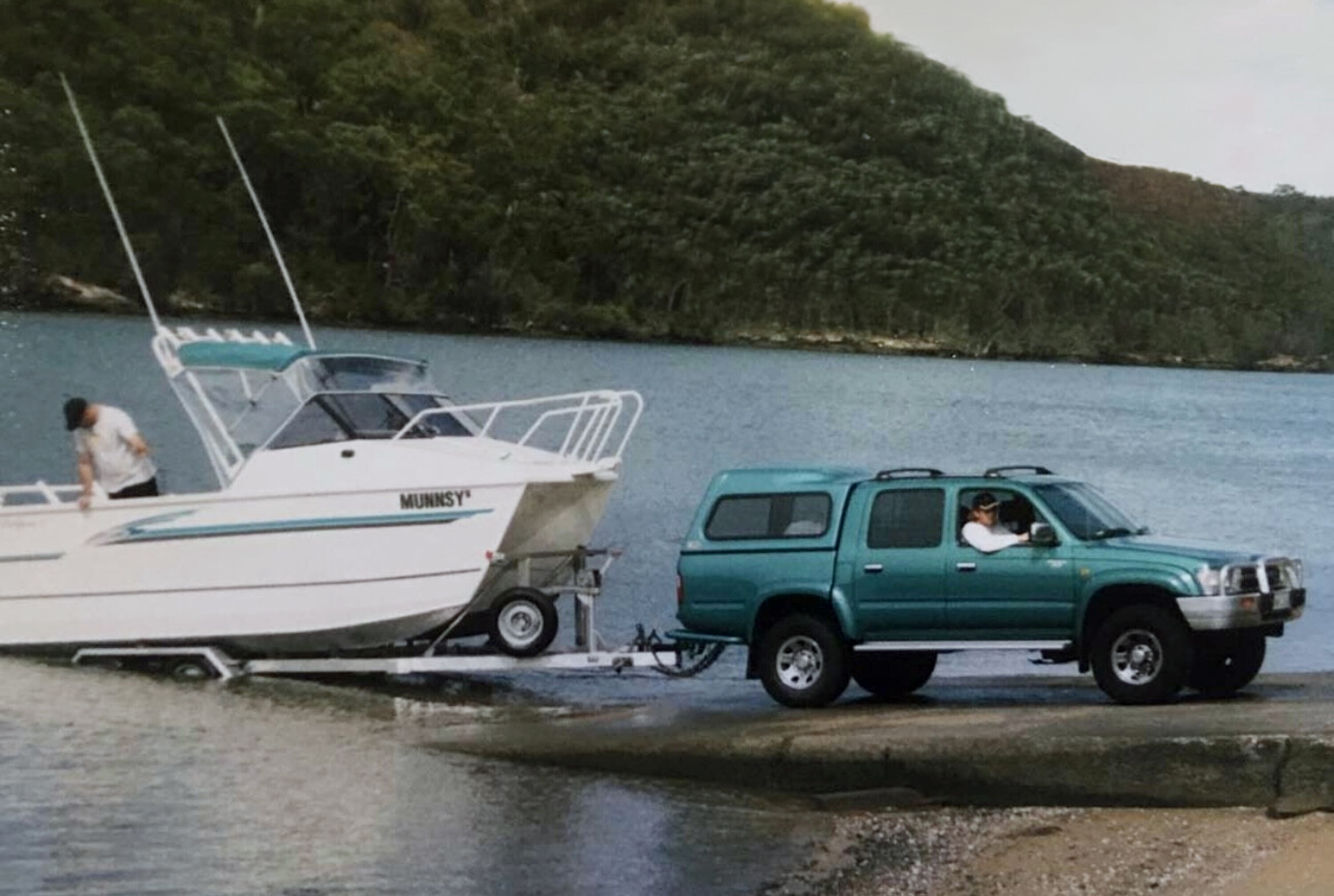
Due to the obscure colour, this HiLux was sourced from Bathurst – the only one available in Australia at the time – and had an interesting life ahead.
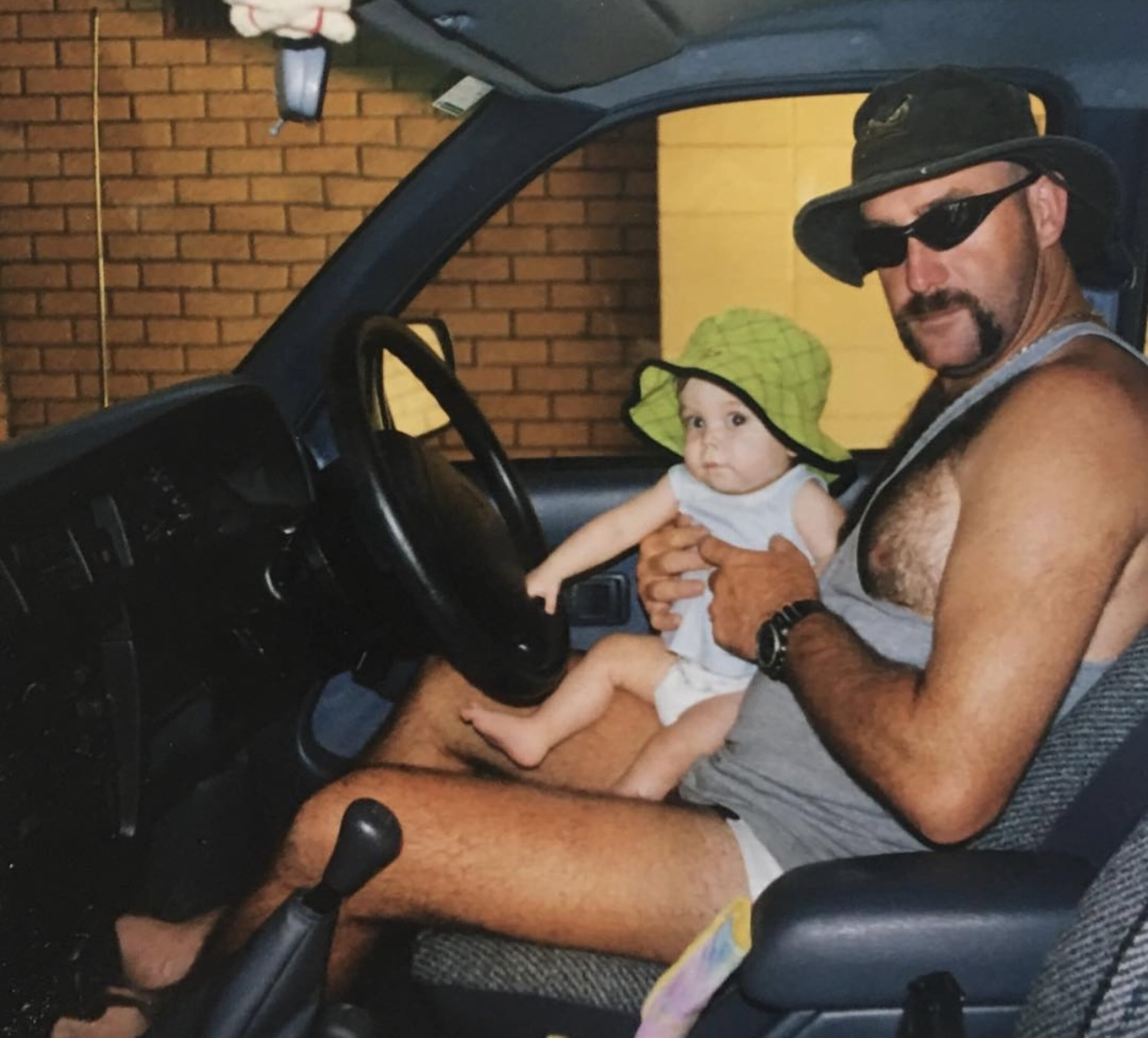
In 2001, the HiLux brought me home for the first time, as a newborn baby. This is where my love for cars began. In the course of the next two decades, the HiLux took me on my first holiday…
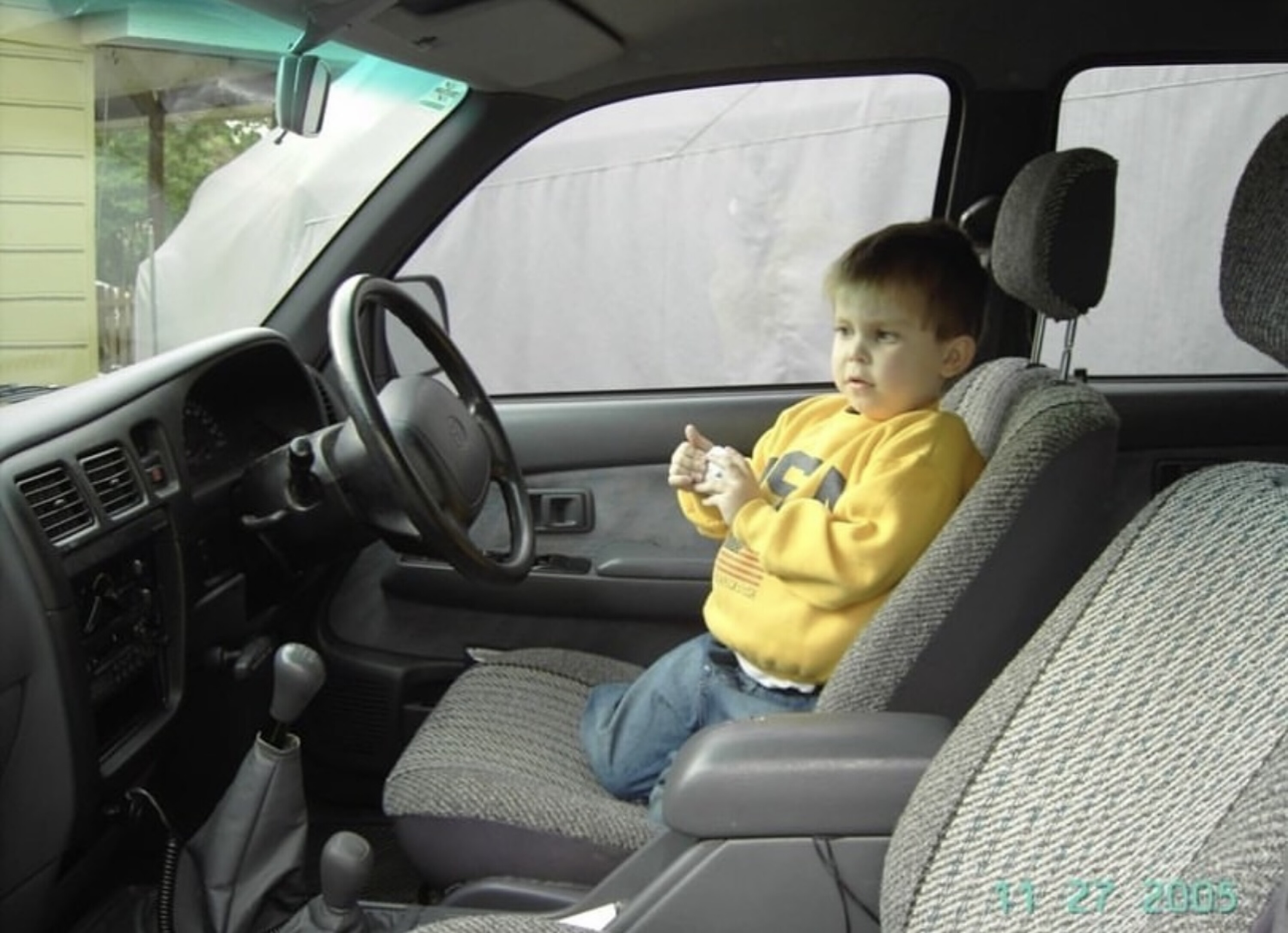
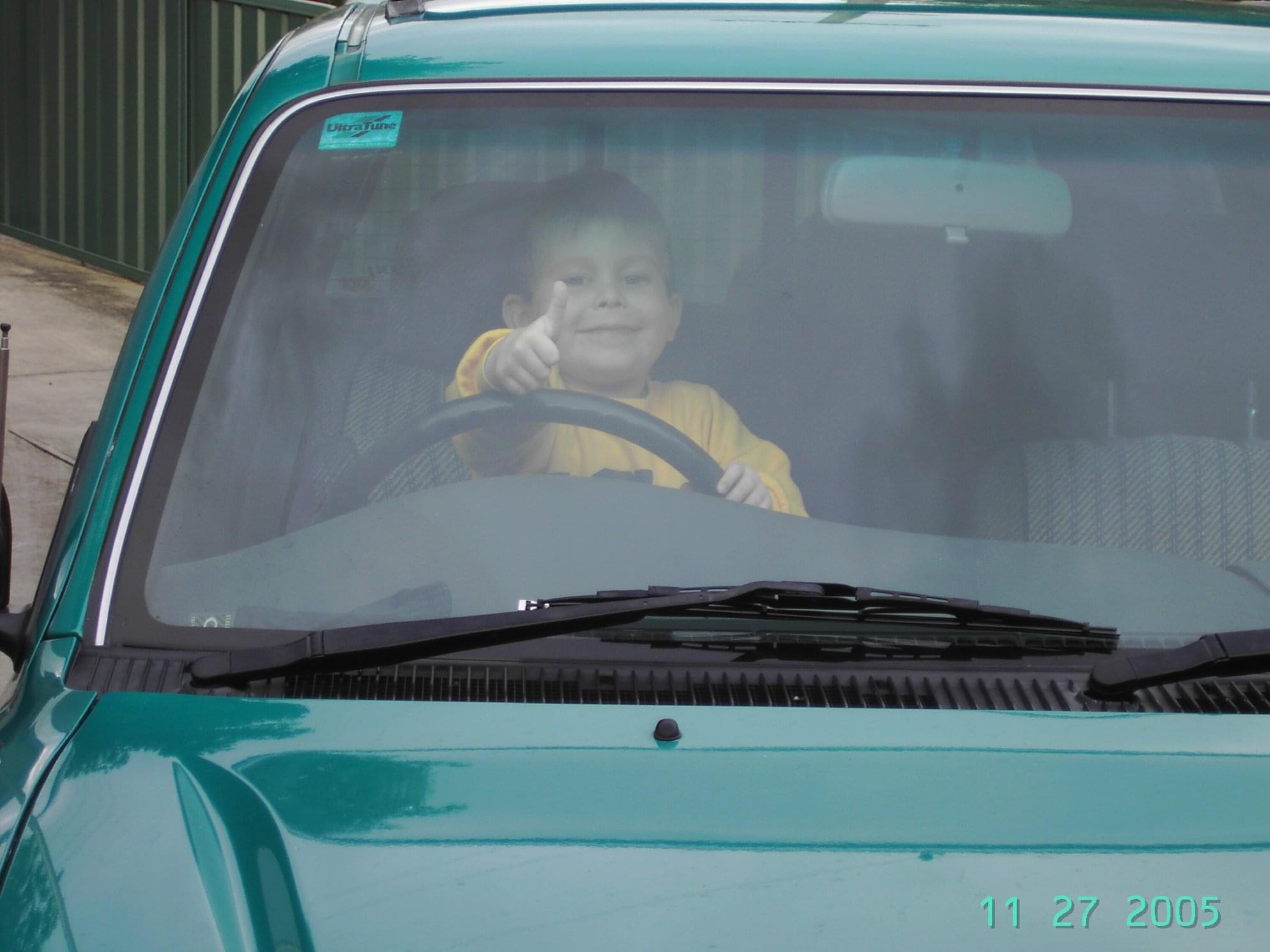
…to my first day of pre-school…
…and to my first day of primary school.
As a chronically unwell child, this HiLux took me to countless hospital appointments, late-night admissions and emergencies, and brought me home after life-saving surgery. In some ways, I owe my life to this car.
Many milestones with this car followed, including learning to drive.
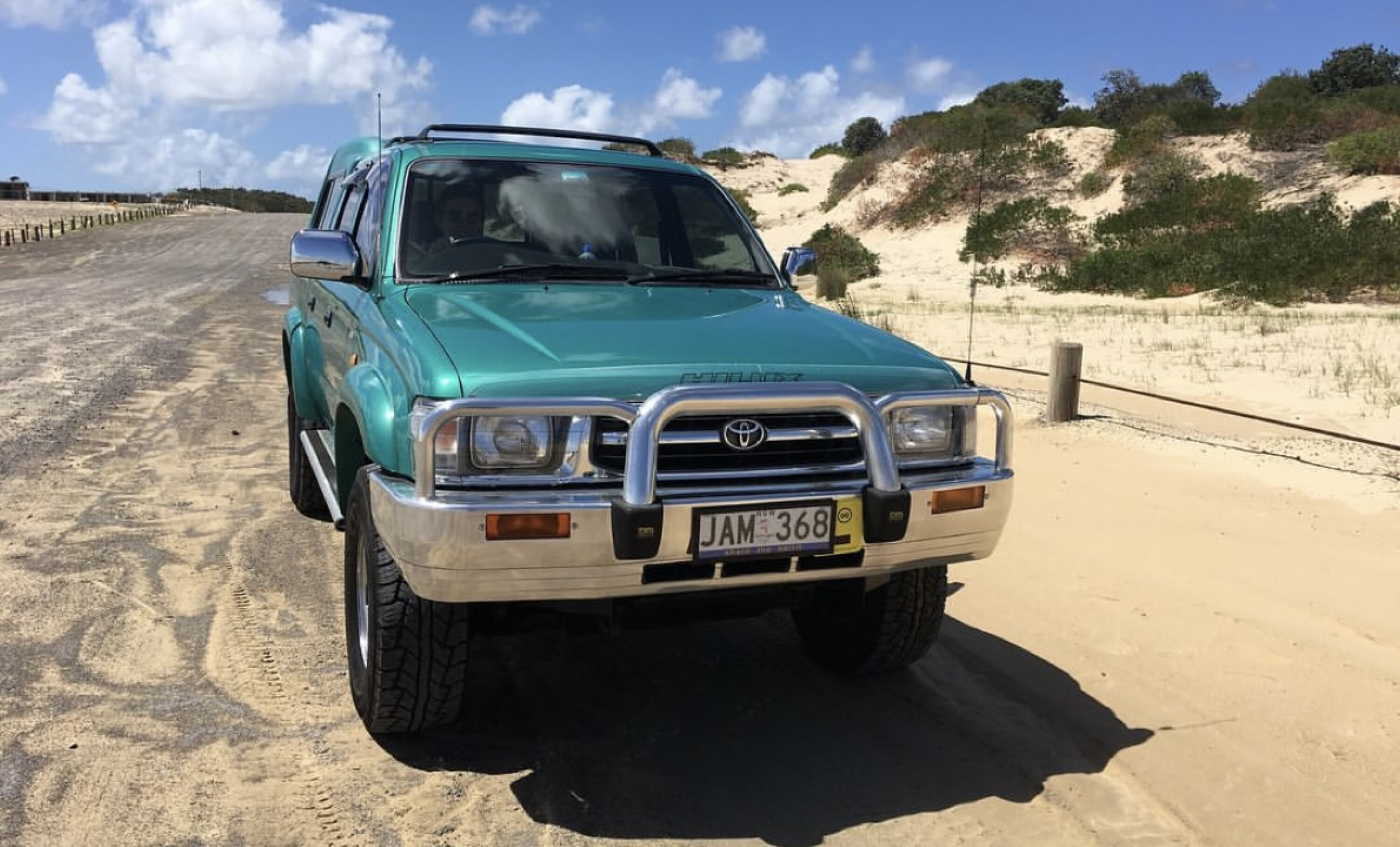
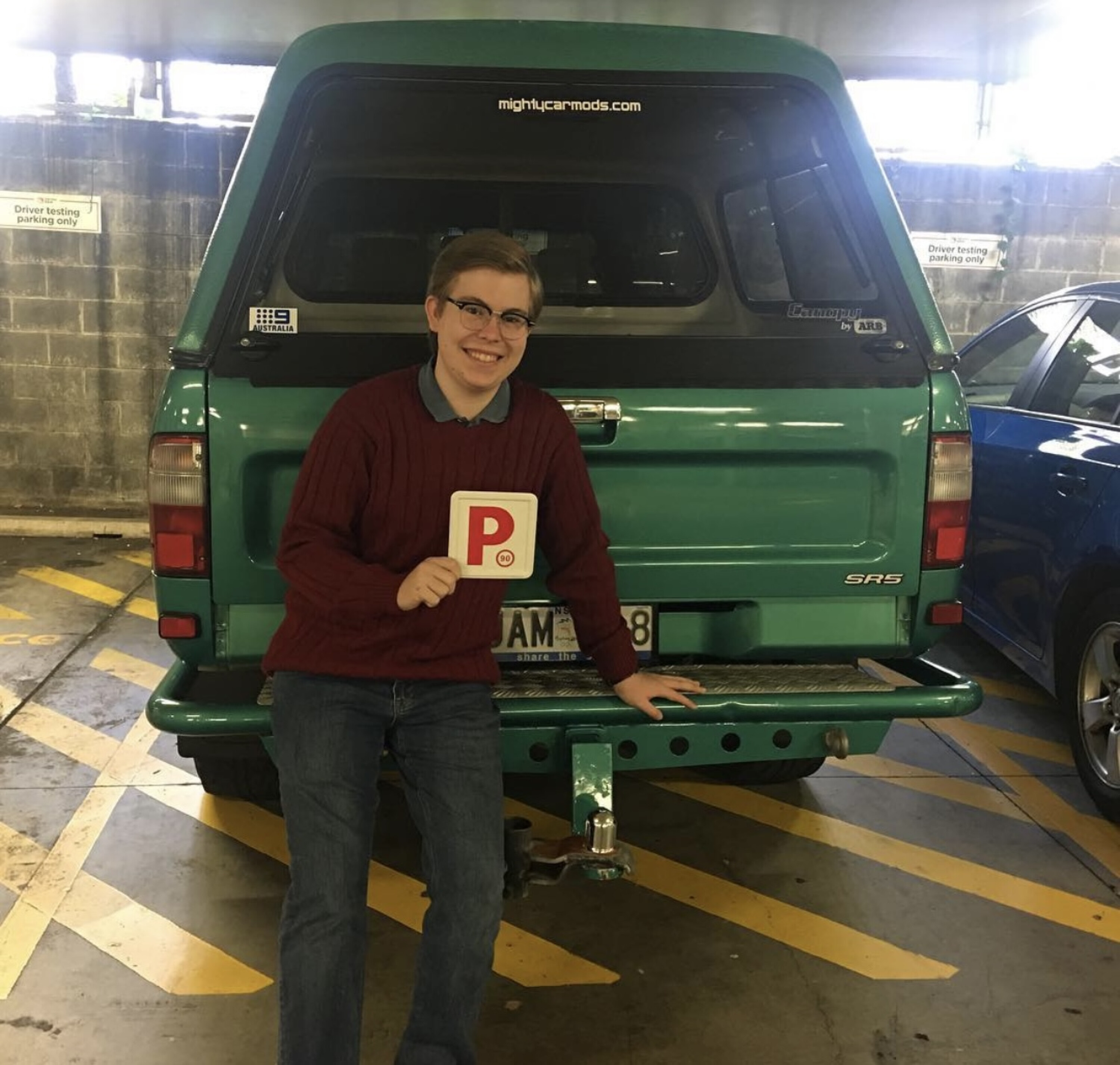
The HiLux was there for the teenage ritual of passing my red P plate test (first try!)…
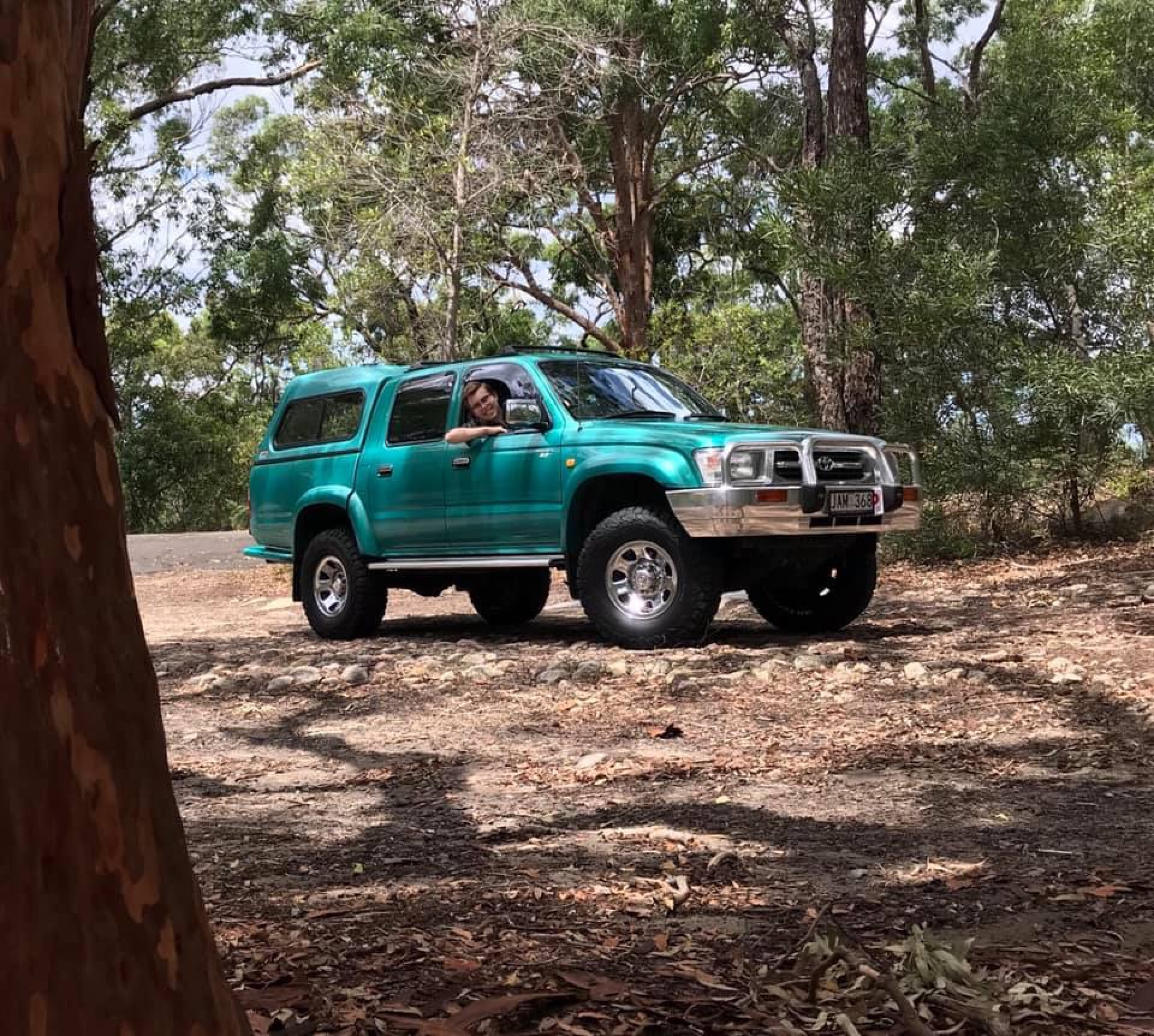
…and through to my last day of high school, the final educational milestone for this HiLux.
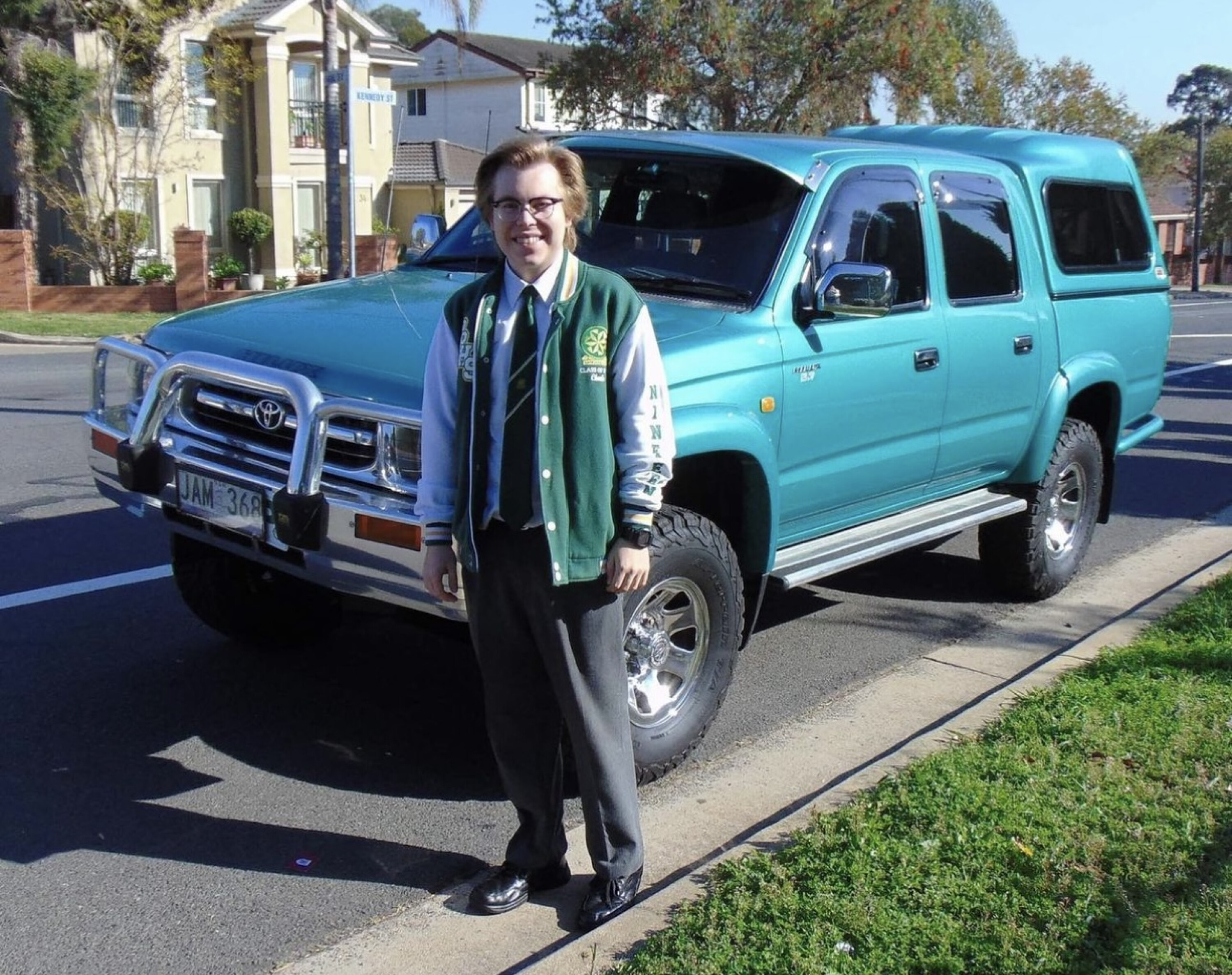
A lifetime of memories with this car had cemented its sentimental value within me, there was absolutely no way I would part with it.
By this point, I’m sure that my love for this car has become evident, having it by my side through milestone events, learning to drive, graduating from school, and overcoming serious health challenges.
This car also provides me with a tangible connection to memories of family members and friends who have passed on, which is special and cannot be fabricated or replicated.
This car has been with me through thick and thin, and with a particular characteristic that gave me the feeling that it possesses a ‘personality’. Those who know, know.
Giving the HiLux a Birthday
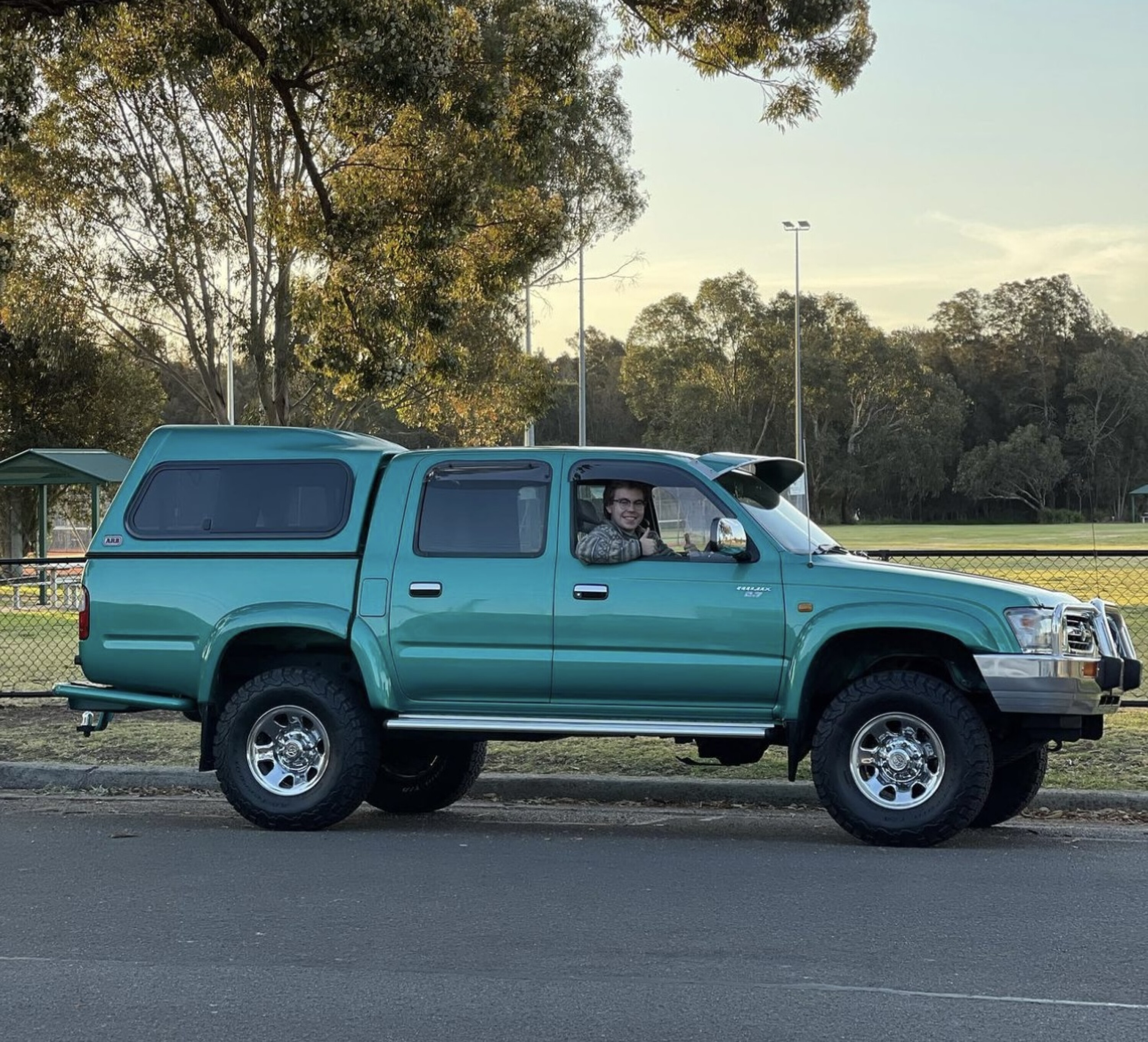
After phenomenal breakdown-free daily service for over two decades, in excess of 250,000 kilometres and with enormous sentimental meaning, it made sense to give the HiLux a mechanical and cosmetic refresh, and to retire it from daily duties in order to preserve it.
In some areas, the classic Toyota clear coat peel was setting in. Paint and panel work was undertaken where needed, a new sun visor was fitted, new old stock genuine exterior trims and door seals were sourced from Amayama, and a new ARB canopy was fitted.
The Moon Mist grey/blue shifter boot and console lid were re-trimmed, leaving the worn driver’s seat, clad in the obscure early blue SR5 cloth trim, as the only worn item. A replacement has recently been acquired.
Breathing New Life into an Asthmatic Engine
The 2.7 litre 3RZ-FE petrol engine with W56 five-speed manual gearbox was always a dependable drivetrain, but never an exhilarating or powerful experience.
This was a point of contention that my dad and I often debated over the years, discussing forced induction modifications and even a 1UZ swap, but I couldn’t bring myself to meddle with the venerable and reliable original drivetrain.
I knew I would regret irreversible modifications.
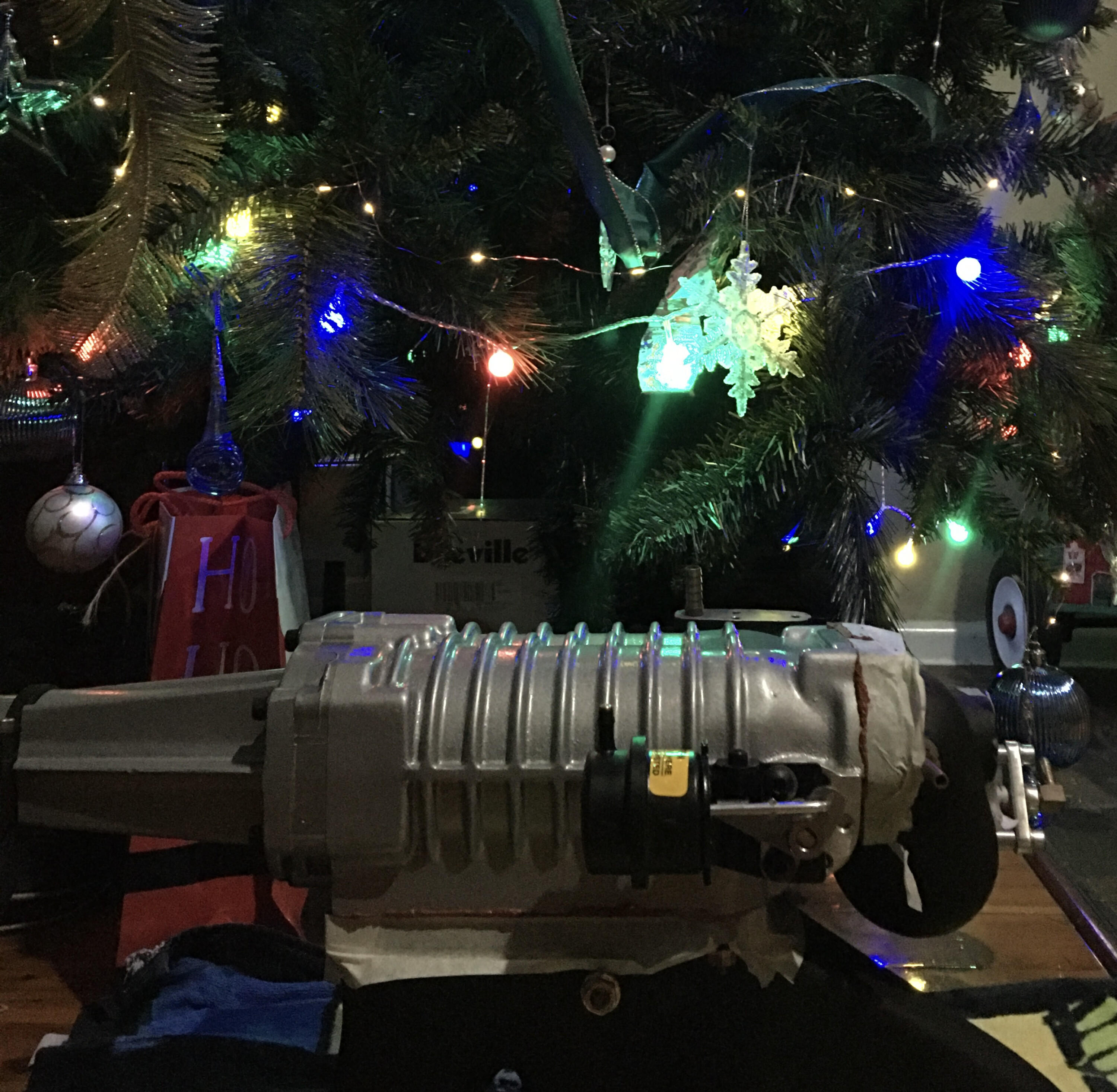
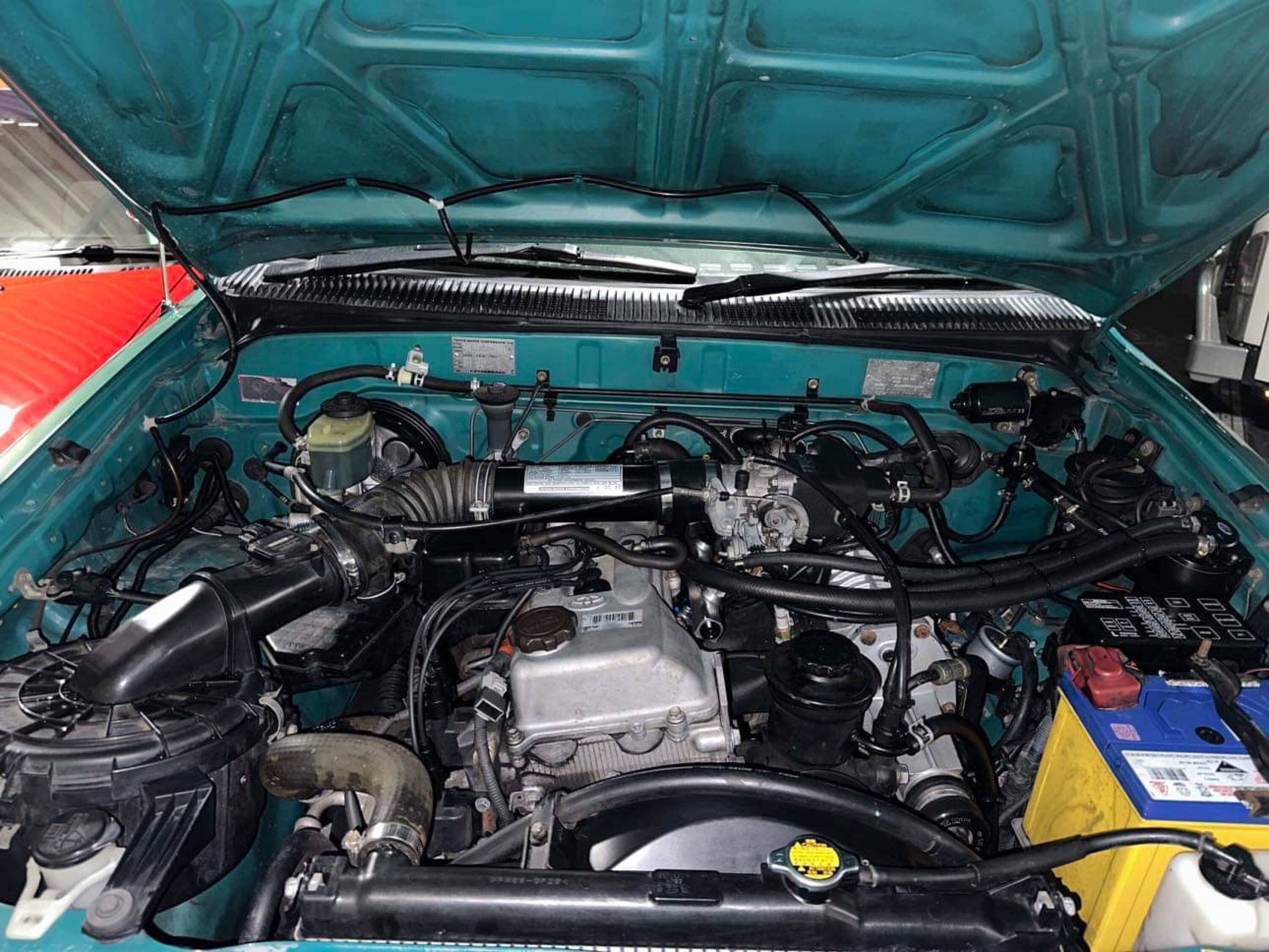
By chance, I stumbled across a new old stock TRD supercharger setup for the HiLux that had been imported from the USA in the 2000s and was listed on Gumtree.
This kit included the Eaton MP62 blower found on some Lotus models, with a custom TRD Manifold and appropriate proprietary brackets.
As luck would have it, the supercharger arrived just before Christmas. It looked great under the tree!
While waiting for the supercharger to arrive, my dad and I began the preparatory modifications.
First was the removal of the fuel tank, with great difficulty as the wiring loom is VERY short, to upgrade the original fuel pump to a Walbro 255LPH unit.
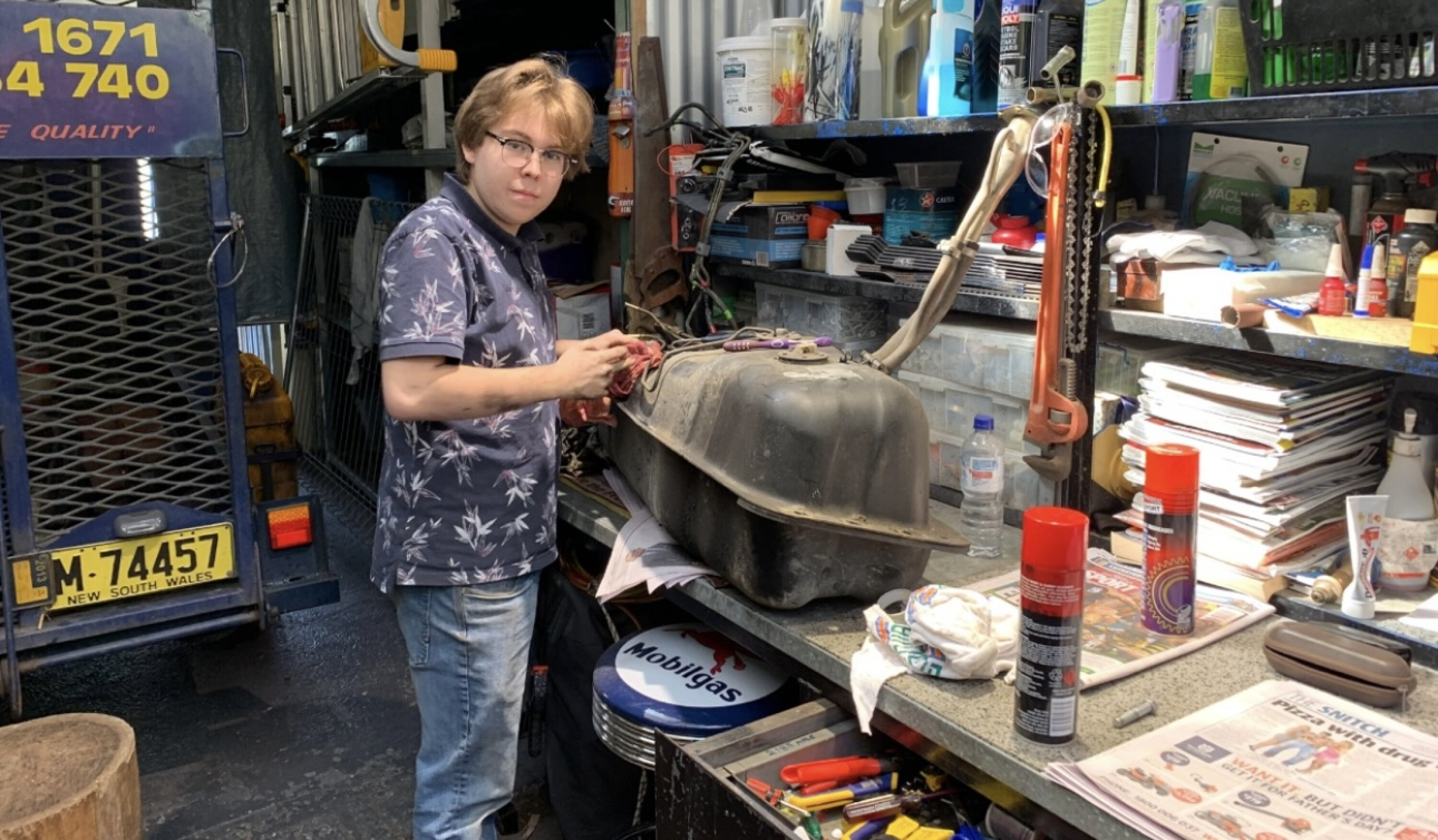
The original water pump was also replaced and the viscous fan coupling was split and refilled with silicone oil then adjusted to engage at a slightly lower temperature than before.
After a few days of creative expletives and spanner throwing with my dad and a family friend, the supercharger was finally on. In the coming weeks, a Haltech Elite 550 ECU and Plazmaman fuel rail with 1200cc Bosch Injectors were fitted, and a 10 psi pulley was fitted to the supercharger.
The original brake rotors were also upgraded, with DBA T2 rotors and DBA Xtreme Performance brake pads.
Supercharger Results
After being dyno-tuned by a specialist, the fruits of our labour, whilst not staggering on paper – 98kW and 200Nm at the rear wheels with BFGoodrich KO2 31×10.5R15 tyres – was a vast improvement.
The drivability improved greatly, with steady torque throughout the rev range and a distinct whine while rowing through the gears that manages to turn some heads.
Even with the factory-fitted LSD, rainy days turn the HiLux into a handful, with a lively rear end resulting in some effortless tail-happy manoeuvres. The supercharger enables it to keep up reasonably well in modern traffic, without pushing the limits of its chassis and handling dynamics.
Fuel consumption also improved from stock form to around 10L/100km if driving sensibly and down to 8.0L/100km when cruising on the highway (despite sitting around the 3000rpm range in fifth gear).
Sentimental Connection – Part of The Family
Spending a lifetime with this car has formed an unbreakable bond. I have graduated from the baby seat in the rear to the driver’s seat – a privilege.
Over the years, this car taught me invaluable mechanical skills from servicing and modifying it. This car was my ticket to becoming mechanically handy and my inspiration for becoming an automotive enthusiast.
This HiLux has never broken down in my entire life, which gave me a high expectation of reliability for any other cars I have owned or encountered.
Sometimes, a car becomes part of the family. If this isn’t a prime example, I don’t know what is. I have had a lifetime of memories with this car and I look forward to a lifetime of many more.
Next time you see a well-loved car, don’t be afraid to politely compliment the owner. They may very well have a story to share.
Snapshot
- Mitsubishi reveals ‘Momentum 2030’ five-year plan
- Two new models will form part of a doubling of the US line-up
- ‘Path to electrification’ and updated dealerships to better serve younger customer base
Mitsubishi has teased several all-new or refreshed models as it plans to enter new segments over the next five years in North America.
It comes off the back of revised tariffs on Chinese made vehicles and wound back emissions laws in the US, impacting product strategies for car makers operating in the United States.
Branded ‘Momentum 2030’ and presented to Mitsubishi Motors North America (MMNA) dealers earlier this month, the plan targets four key areas: an expanded product line, electrification, a ‘modernised’ retail sales model and the addition of more dealers to its 330-strong network.
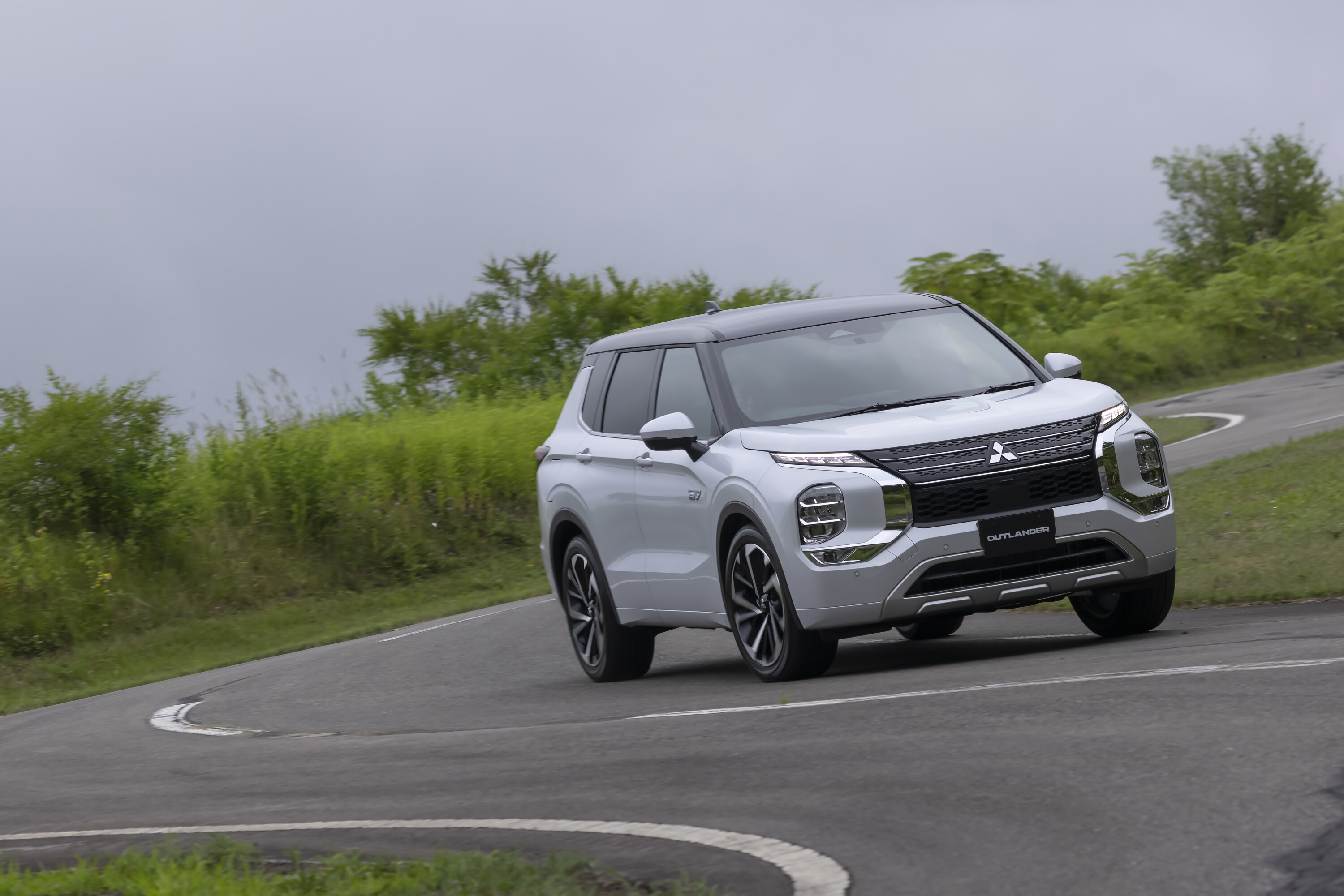
The plan sees two all-new models mooted in “segments in which the company does not currently compete” but does not share further details on them.
However, these vehicles will likely be the next-generation Delica minivan – previewed by the D:X Concept in 2023 – and a larger SUV slotted above the Outlander, which could be a spiritual successor to the Pajero.
Both models are also mooted for an Australian launch.
A shadowy teaser image released by Mitsubishi overnight appears to show two Outlanders – including a lifted ‘Rugged Edition’ due in 2025 [↗] – at least three all-new SUVs, an electric car, and the all-new Delica minivan.
The new cars teased for North America will be part of a push to see a “new or completely refreshed” model released each financial year (April 1 through March 31) from 2026 to 2030.
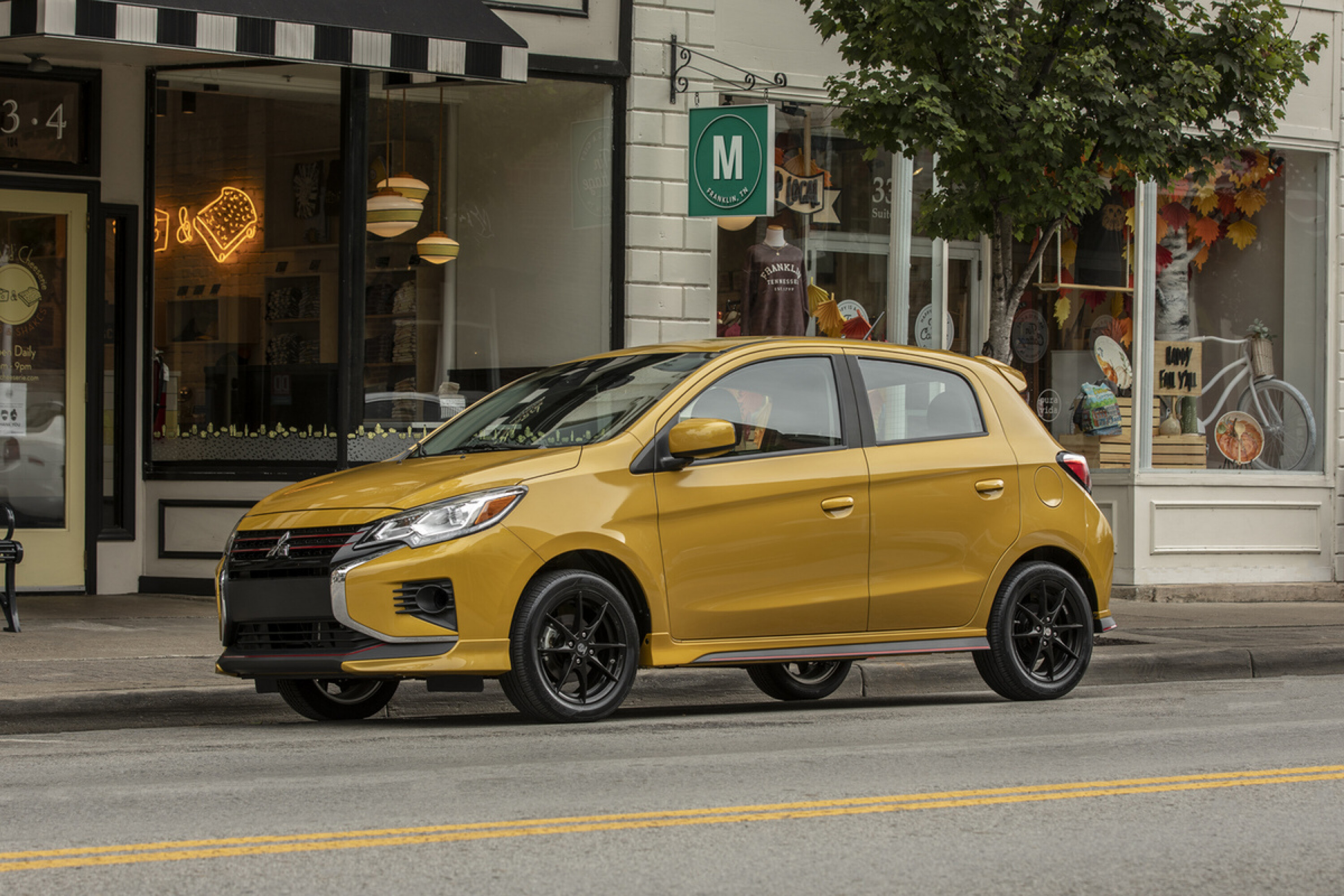
The current MMNA line-up is made up of only four nameplates: Outlander and smaller Outlander Sport (ASX), the Eclipse Cross, and the Mirage hatch and sedan.

Automotive News reports a new small crossover with a plug-in hybrid option will debut in 2025 to replace the Mirage. It is also likely to succeed the 14-year-old ASX.
“Mitsubishi Motors is at a pivotal point in North America, charting a bold, clear and attainable plan for our future success in the United States,” said MMNA president and CEO Mark Chaffin in a company statement.
The brand’s US sales in the first quarter of 2024 were up 35.7 per cent, and while its 2023 result saw an increase of 1.8 per cent, it came against 11.6 per cent total new vehicle market growth.

The Momentum 2030 plan includes a path to electrification – without further detail – with Mitsubishi previously publicising a global goal to be carbon neutral by 2030 and offer only electric vehicles in its showrooms by 2035.
The only electrified vehicle currently in Mitsubishi US showrooms is the Outlander PHEV.
The Outlander is the car maker’s most popular model in the US, with the plug-in hybrid version contributing to record sales for the nameplate in 2023.
The Outlander made up 49,182 of the brand’s total 87,340 US sales in 2023 – more than half – but with none of its vehicles in the top 25 best sellers.
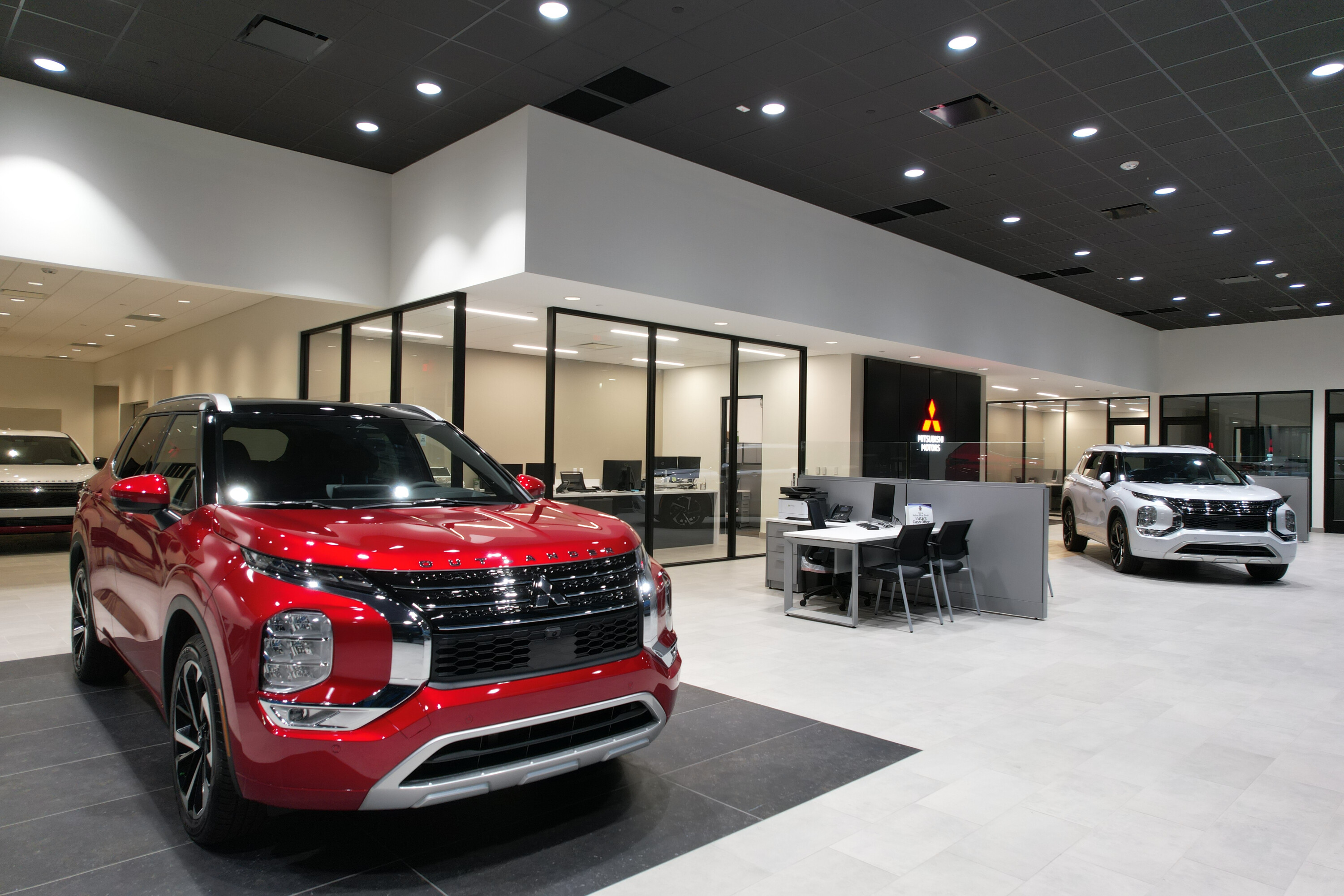
That gives MMNA a market share of around 0.6 per cent – compared to Mitsubishi Australia’s 63,511 sales in 2023 for a 5.2 per cent market share.
In Australia, Mitsubishi was the fifth best-selling car brand in April 2024, with the Outlander the ninth most popular vehicle in the country.
Momentum 2030 also included a plan to become “a leader in industry change and evolution” in the retail approach, with plans to update and increase the number of dealerships, entering areas of the US it currently does not have a presence in.
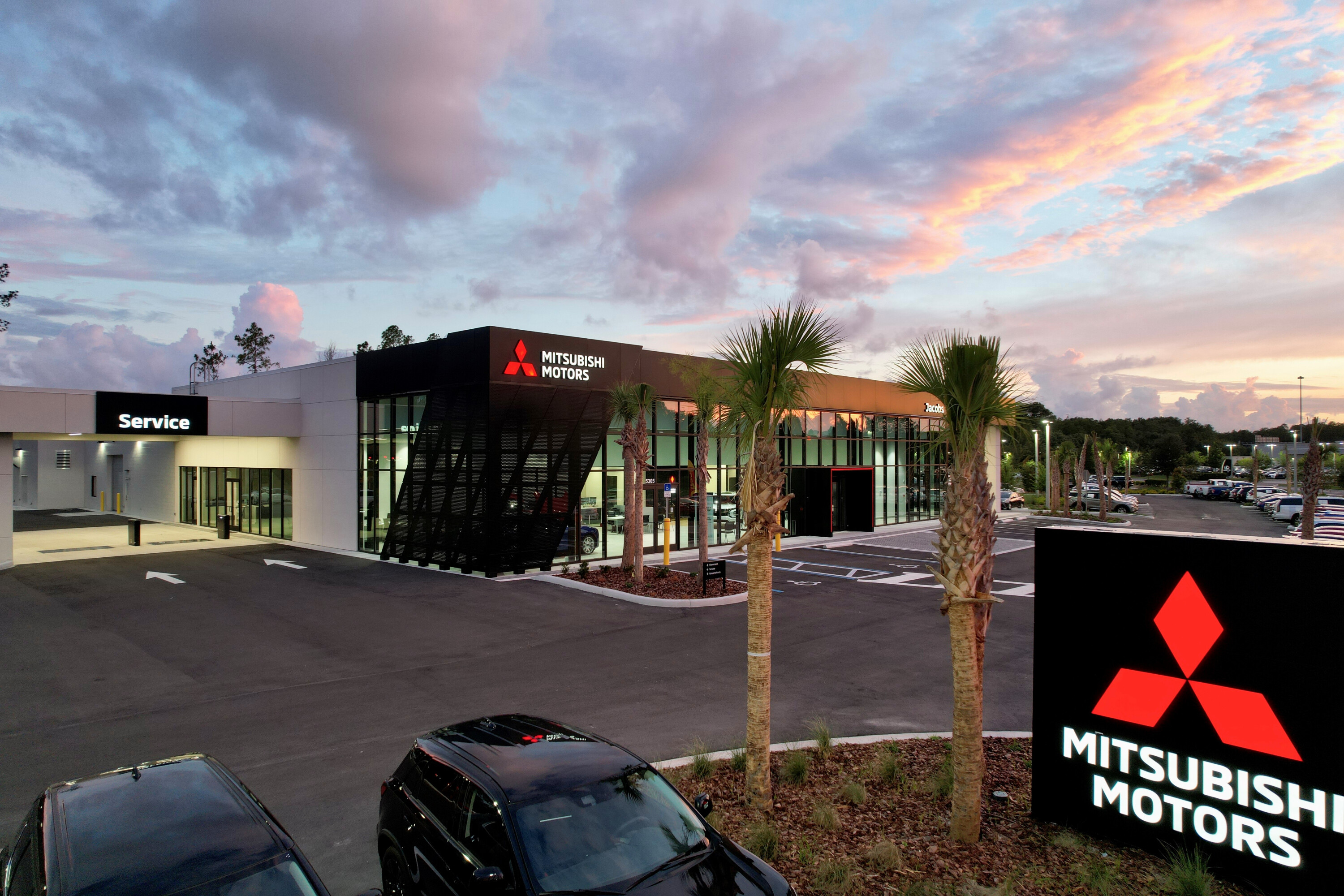
MMNA said it intends to do this through new retail concepts and offering “greater technology” between the customer and the dealership during the buying and servicing processes as its buyers become younger and increasingly tech savvy.
“Back in 2018, we started to consider our path forward, and that plan brought us a new headquarters location in Tennessee; new vehicle launches that led to record Internet search results, sales records and brand successes; and outstanding dealer partners winning customer satisfaction awards,” Chaffin said.
“Momentum 2030 will build on that, setting the stage for new powertrains and vehicles being introduced, new dealerships being opened, and new technologies being developed to make the shopping and ownership experience faster, easier and more enjoyable.”
Ever wondered which SUVs have seven seats? And ever wondered what the cheapest seven-seat SUV is? Wonder no more!
We’ve gathered a brace of affordable sports utility vehicles (wait… you DID know what SUV stands for, right?) that offer three rows of seats and that won’t smash the piggybank.
Whether it’s for more cabin space, extra seating or even just for better visibility, SUVs are quickly becoming the popular choice of vehicle for families large and small.
And while some SUVs are getting right up there in price, there is a subset of less spendy seven-seat SUVs that not only work well for a growing family but are easier on the hip pocket.
Mahindra XUV700
From $36,990 drive-away
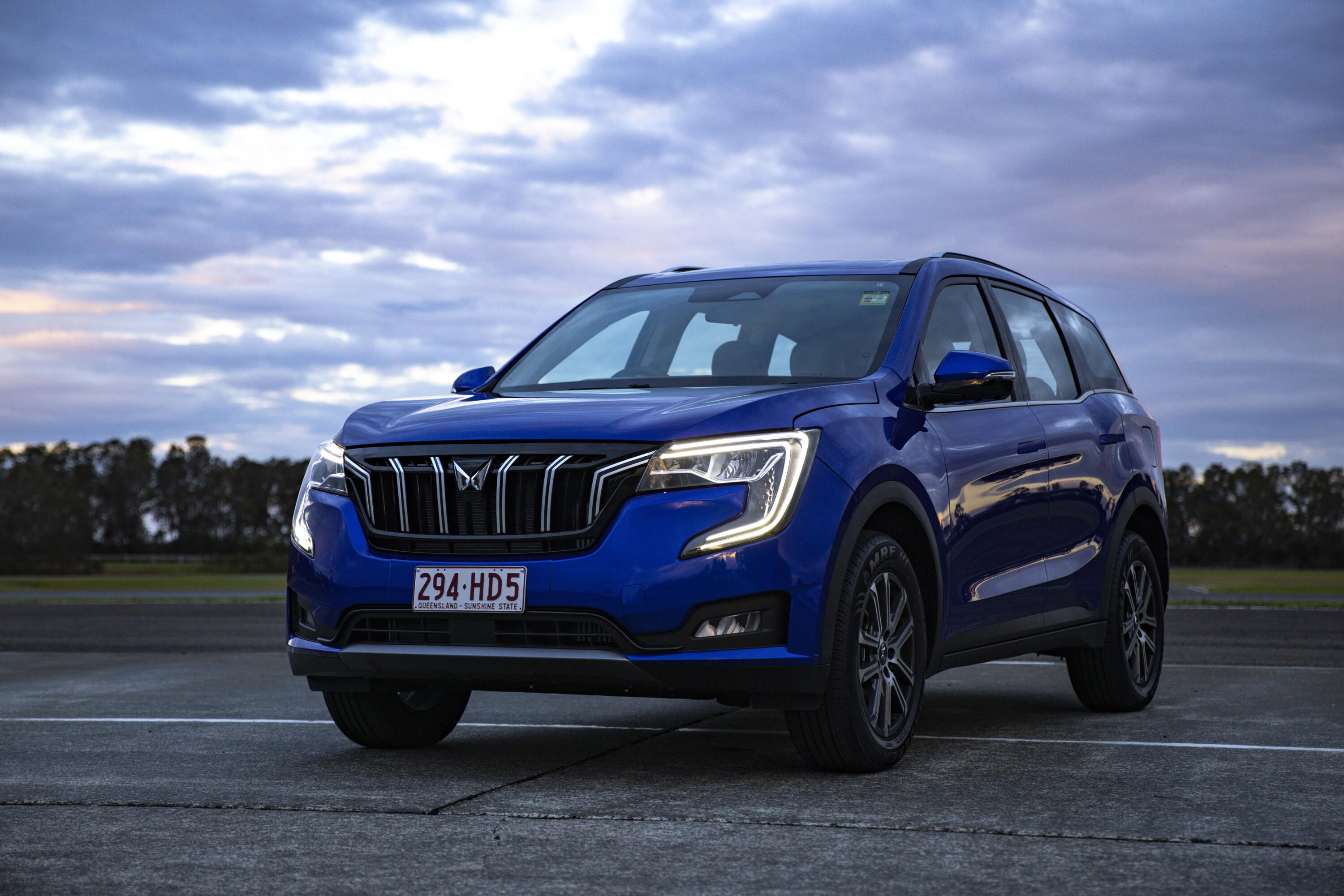
The Mahindra XUV700, built in India, may not be the most well-known model but landed in Australia in 2023.
The seven-seater family car has a heap of technology not often seen in large SUVs at this price point.
It boasts a budget-friendly price tag and heaps of standard features such as dual 10.25-inch digital displays, a panoramic sunroof, tyre pressure monitoring system, leatherette seats, adaptive cruise control, LED daytime running lights and plenty more.
Although not the smoothest ride in its class, the XUV700 packs a punch with its robust 149kW/320Nm 2.2-litre turbocharged petrol engine paired with a six-speed automatic transmission.
The XUV700 underwent its last facelift in 2019.
LDV D90
From $38,937 drive-away
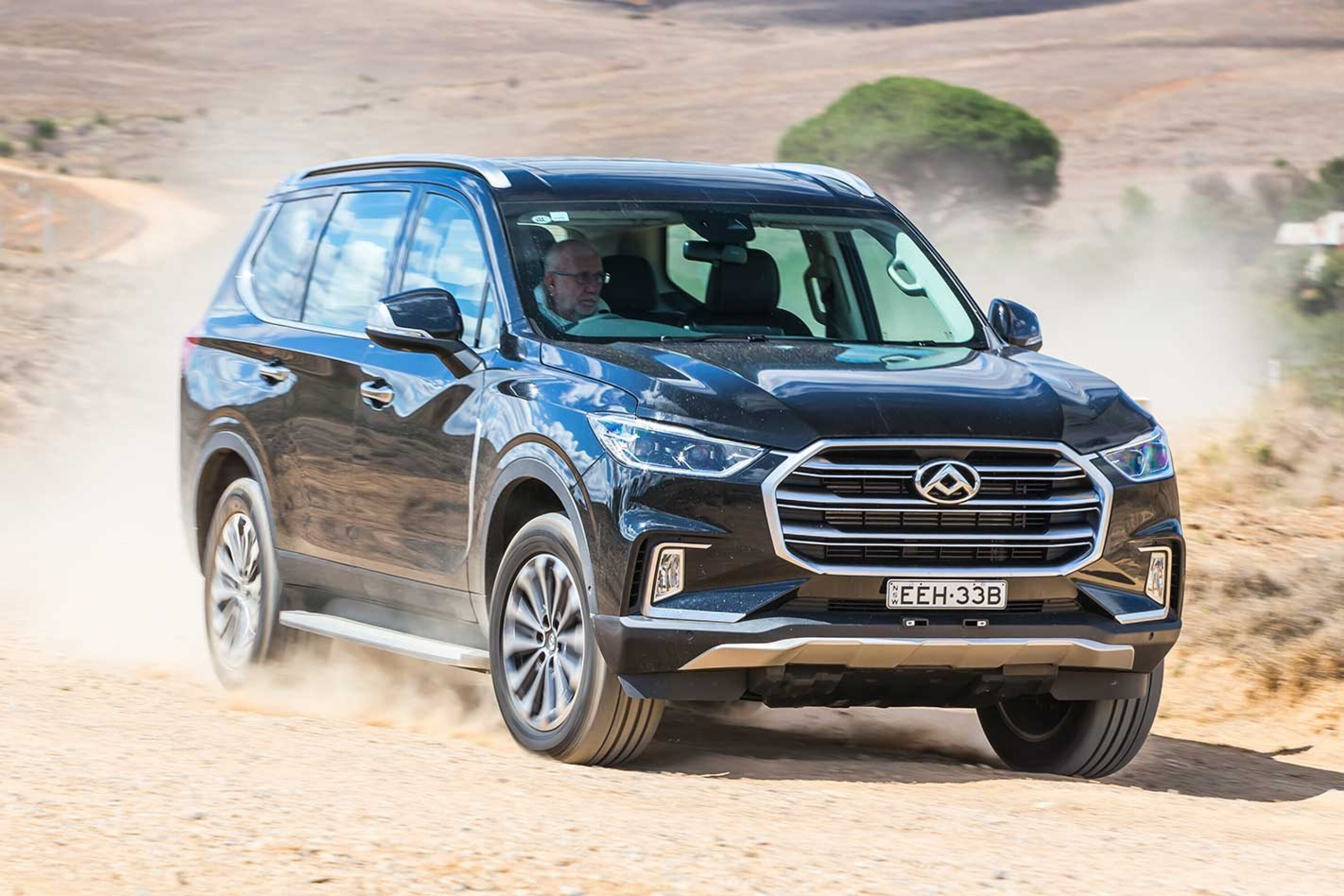
LDV is a Chinese brand few people have yet to come across here – but the manufacturer is gaining traction in the new car market, with twelve models currently on offer and a large presence in the commercial space.
The seven-seat D90 currently gets a drive-away price of $34,990 in entry-level spec and includes safety tech like autonomous emergency braking, forward collision warning, adaptive cruise control and traffic sign recognition.
Nissan X-Trail
From $40,020
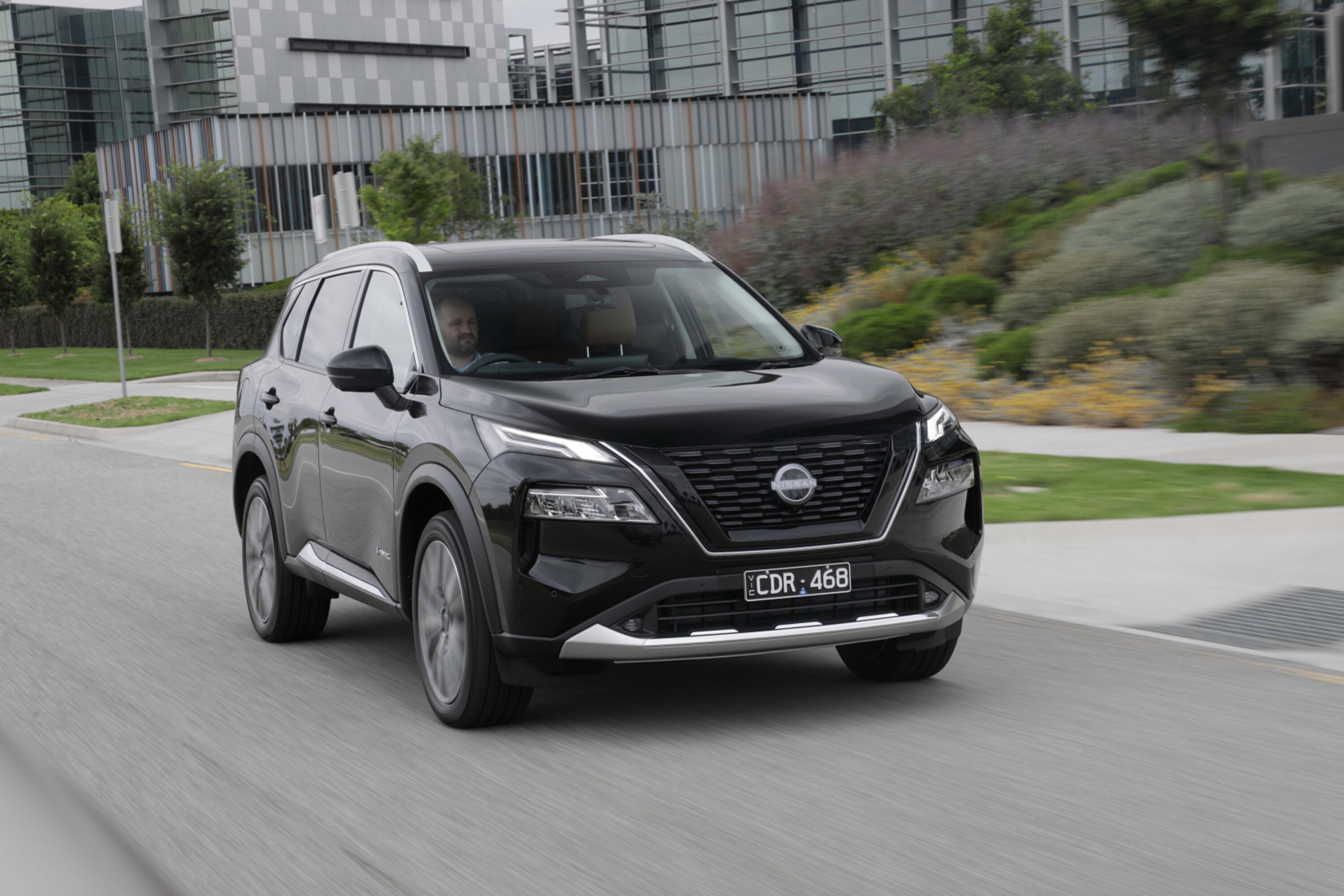
There’s quite a diverse range of X-Trails to choose from – eight to be exact. But it’s the front-drive seven-seat ST we’ll look at here.
Priced from $40,020 (before on-roads), you’ll get a 2.5-litre petrol four-cylinder paired to a CVT auto. LED daytime running lights (DRLs) and taillights, power door mirrors, rear cross traffic alert and blind spot monitoring all come standard.
It does miss out on safety features such as front parking sensors and tyre pressure monitoring systems, as well as luxuries like heated and leather-appointed steering wheel and dual-zone climate control.
It’s a great starting point with plenty of safety features if luxurious additions aren’t on your shopping list, though.
Mitsubishi Outlander
From $41,240 plus on-road costs
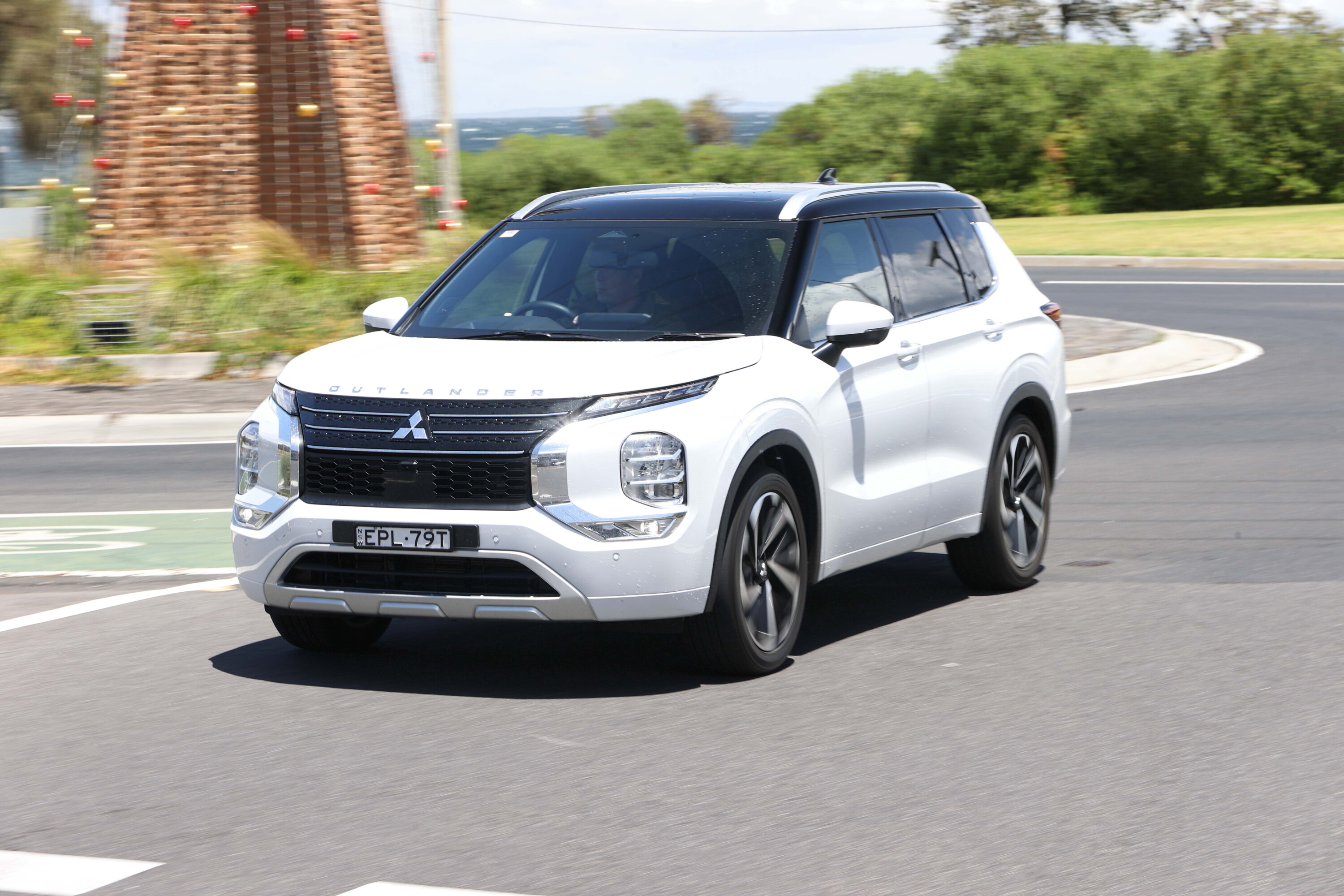
The Mitsubishi Outlander ES is a longstanding affordable seven-seat car on sale. You can get your hands on a base model in front-drive automatic from $31,290.
But be warned – just because it has seven pews doesn’t mean you can (comfortably) fit that many adults in the car. Mitsubishi says the Outlander is a 5+2 seater, not a genuine seven-seat SUV.
Those foldaway rear seats at the very back are super cramped if you’re any taller than, say, 100cm (or a toddler).
So if you’re after a full-time seven-seater, there are better options out there – but for the odd occasion, the seven-seat Outlander SUV is a good option.
Chery Tiggo 8 Pro Max
From $41,990
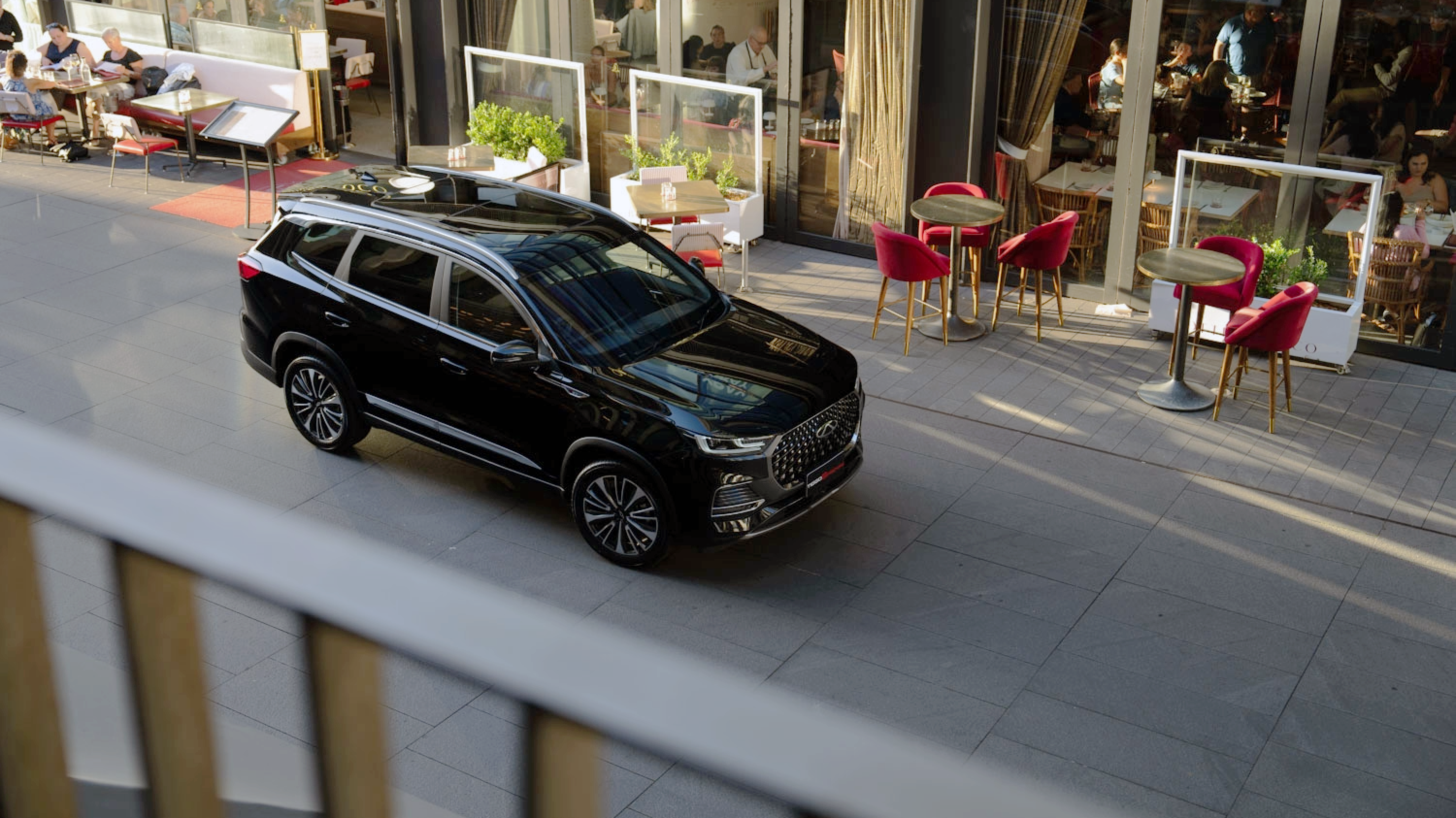
The Chery Tiggo 8 Pro is a seven-seat only SUV that has only just hit our shores. It’s is packed with features like 18-inch alloy wheels, a wireless charger, 360-degree camera, eight-speaker Sony audio system and more.
In addition to its impressive feature set, the Tiggo 8 Pro offers great value for money. The SUVs competitive pricing, coupled with a generous seven year/unlimited km warranty a makes it an attractive option for families.
Honda CR-V
From $46,800 plus on-road costs
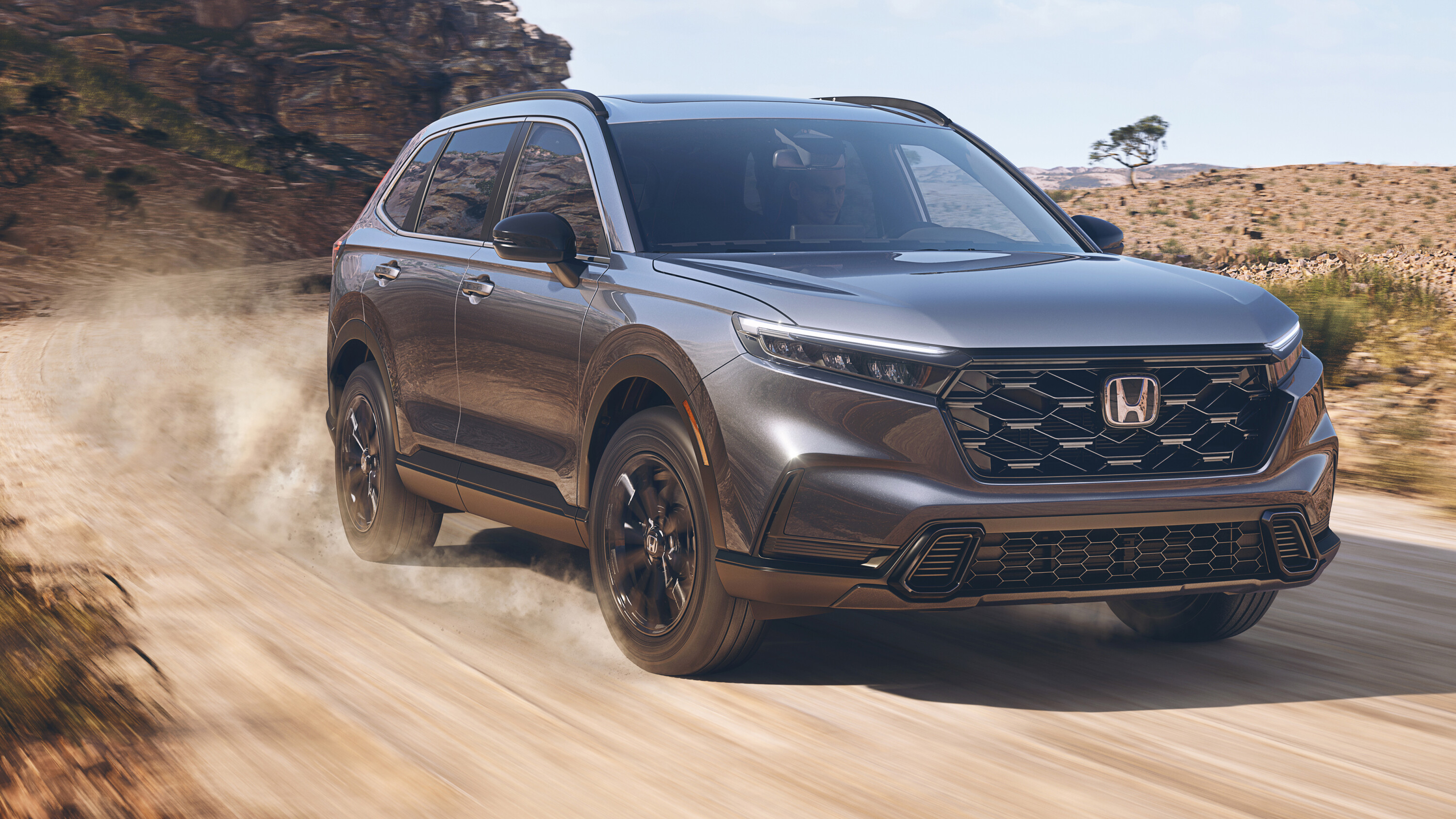
Honda introduced this seven-seater in January 2019 where it was a bargain option, taking over as the most affordable seven-seat option in the CR-V range.
However since the all-new generation launched in 2023 it has creeped further away from the $35k mark it once sat.
In saying that it now hosts a huge suite of safety and comfort features that previous generations didn’t have.
Parting with $46,800 (plus on-road costs) will get you a very modern cabin, blind spot monitoring, 17-inch alloy wheels and 140kW of power from Honda’s 1.5-litre turbo petrol engine.
Ssangyong Rexton
From $50,000
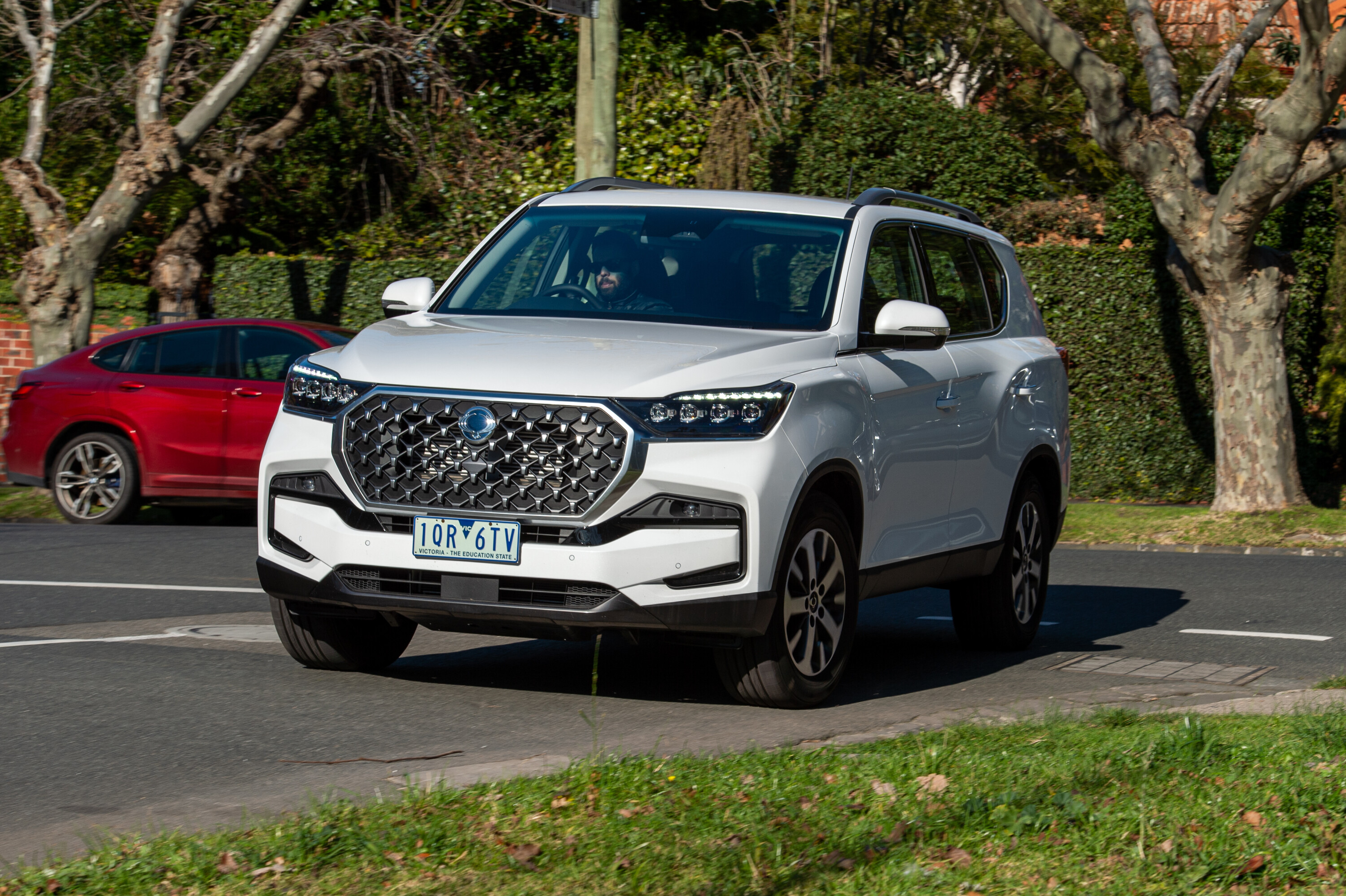
A seven-year warranty, nationwide pricing, more dealers, big towing capacity and heaps of equipment; that’s what the latest iteration of the Korean brand SsangYong is promising Australian buyers with the Rexton large seven-seat SUV.
The SsangYong Rexton ELX SUV comes standard with front-wheel-drive and a 2.2-litre turbocharged diesel engine teamed with eight-speed automatic transmission.
It retails for $50,000, and offers 18-inch alloy wheels, a leather steering wheel, nine airbags, rear cross traffic alert and blind spot monitoring.
The 2024 GWM Haval H6GT Lux sets a new standard for sporty mid-size SUVs, combining dynamic design with a robust feature set and impressive performance. This model caters to drivers looking for a stylish and well-equipped vehicle that doesn’t compromise on practicality.
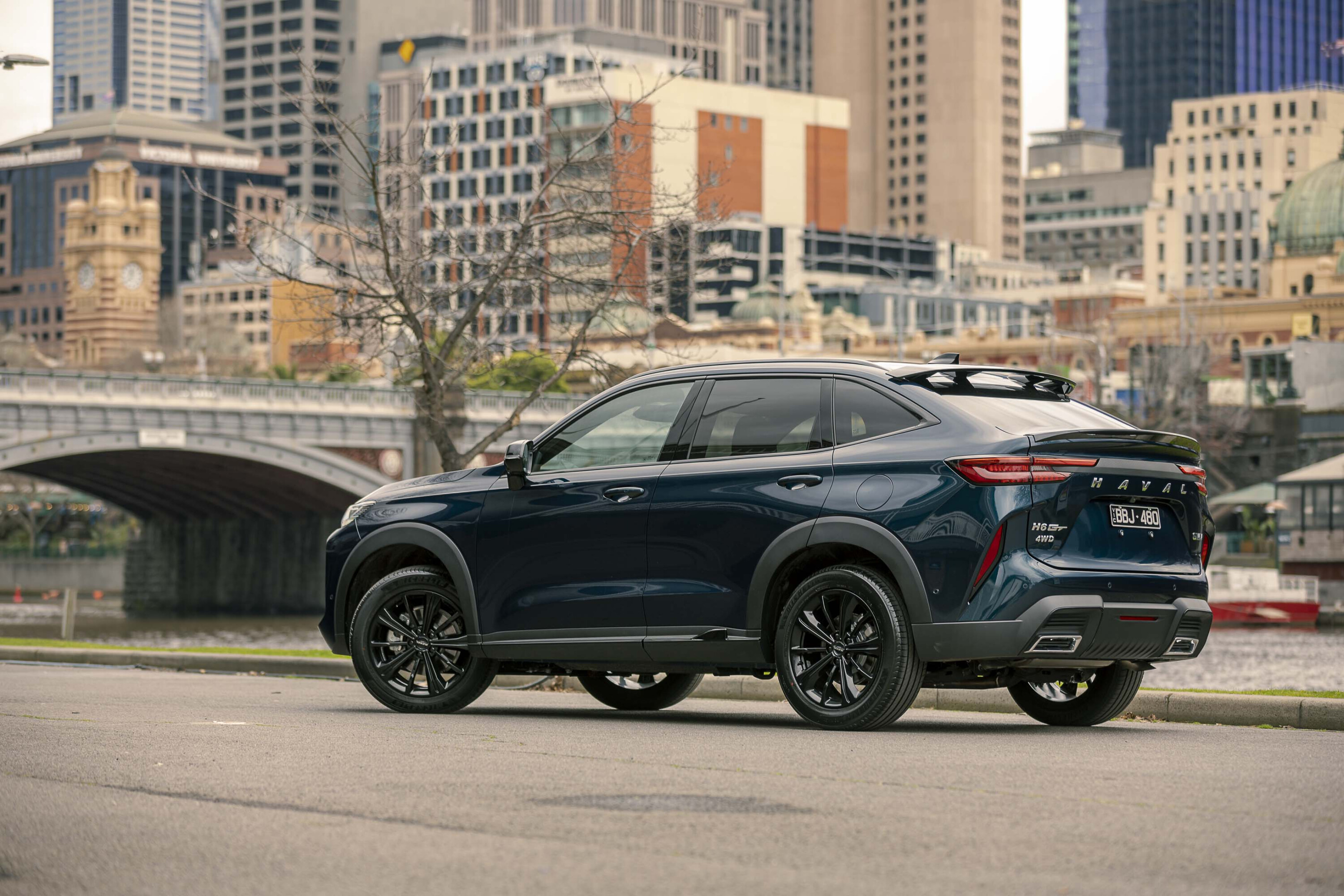
The Haval H6GT Lux features a sleek, coupe-inspired design, distinguishing it from traditional SUVs in its segment.
Let’s dive into what makes the H6GT Lux a standout option.
Pricing & Features
Priced at $41,990 drive-away, the H6GT Lux sits as the base-range of the H6GT lineup, offering a balance of luxury and sportiness.
The coupe SUV is also available in the Ultra trim level for $44,990 capping the range.
Both are powered by a 2.0-litre turbocharged four-cylinder petrol engine that delivers 150kW of power and 320Nm of torque, paired with a seven-speed dual-clutch transmission.
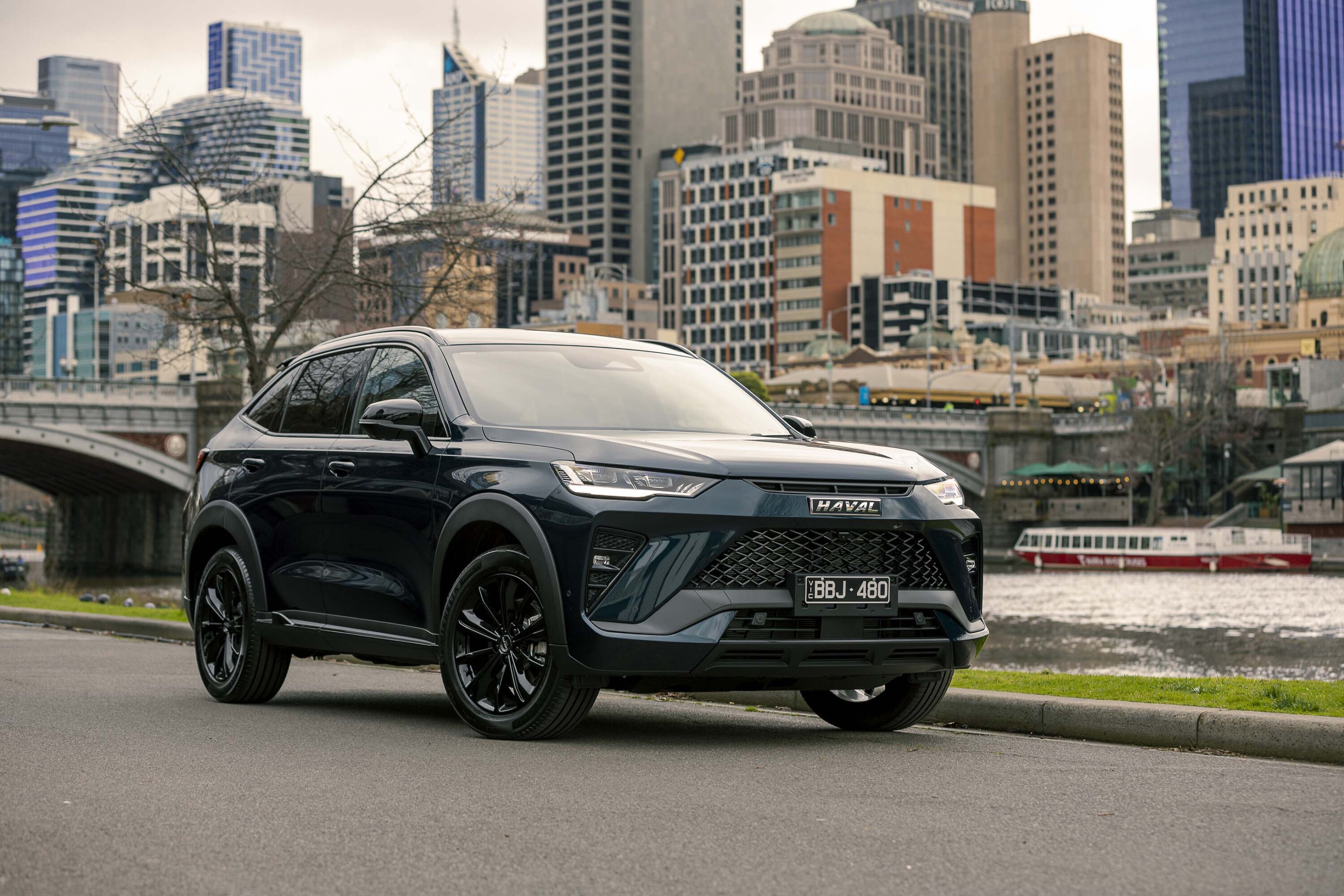
The vehicle is packed with high-end features, including matrix LED headlights, 19-inch alloy wheels, and a sporty rear spoiler.
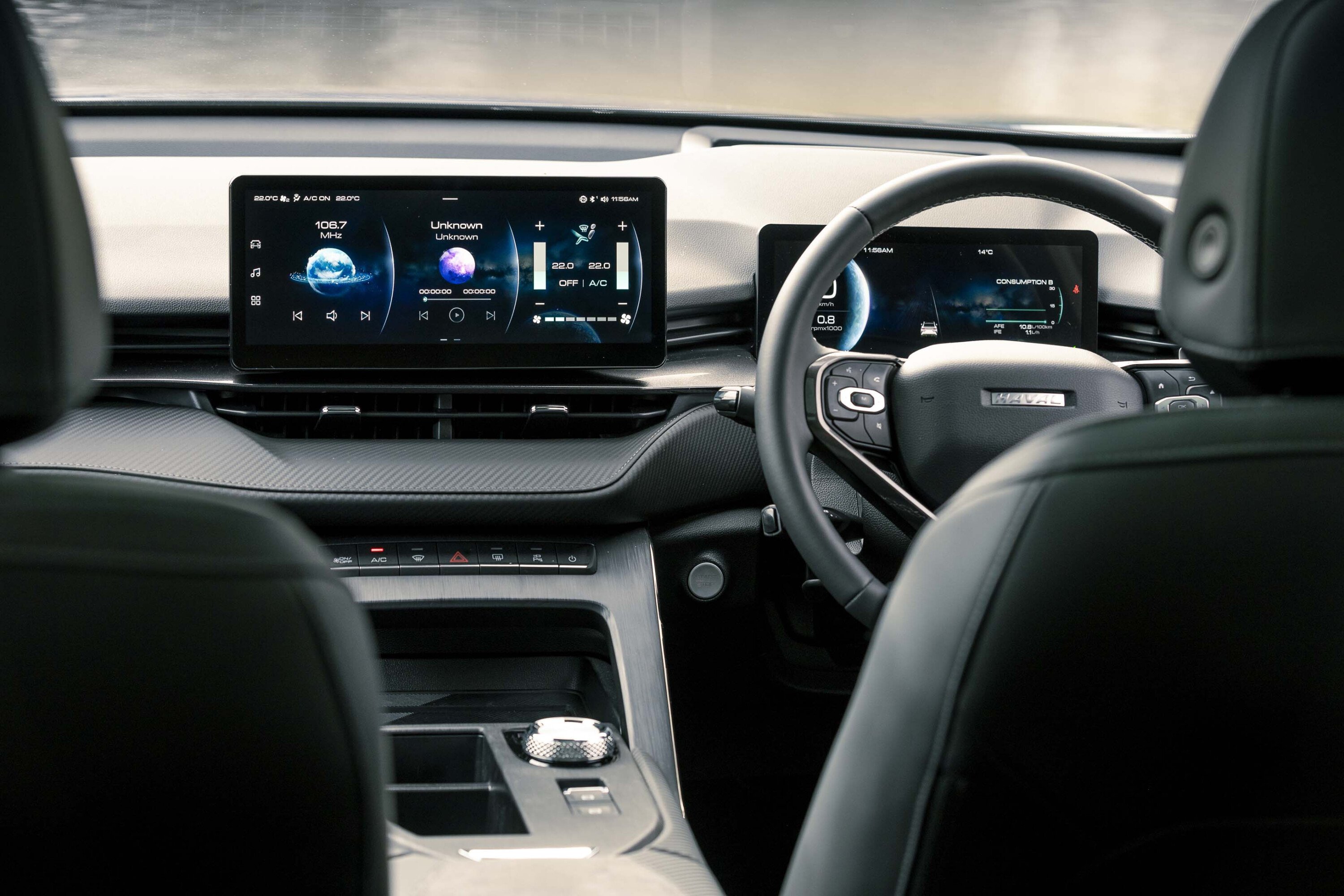
The interior boasts a 12.3-inch central touchscreen, 10.25-inch digital instrument cluster and a with smartphone integration, Apple CarPlay and Android Auto. Additional amenities include leather-appointed seats, rear privacy glass, keyless entry with push-button start, and dual-zone climate control.
Features like a panoramic sunroof, a 12.3-inch central touchscreen, heads up display and heated seats are reserved for the range-topping Ultra.
Safety
The Haval H6GT Lux has received a five-star ANCAP safety rating, which covers the entire H6 range which the GT is built on.
In safety evaluations, the SUV scored 90% for adult occupant protection and 88% for child occupant protection.
Standard safety features encompass seven airbags, Automatic Emergency Braking (AEB), adaptive cruise control, traffic sign recognition, lane keep assist and a 360-degree camera system.
Key Rivals
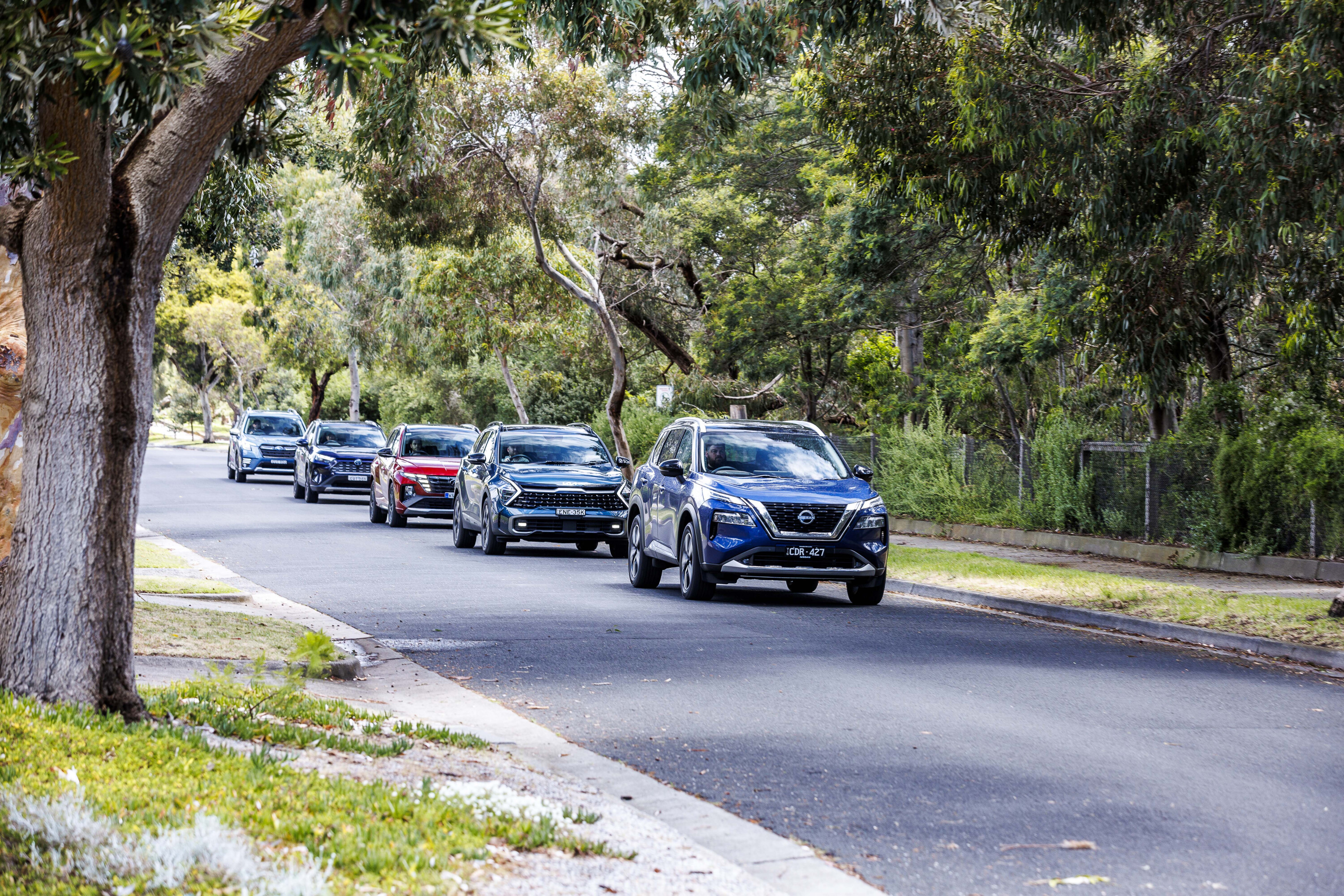
The sports/sporty-looking coupe SUV market is competitive, with several key rivals offerings sport styling on specific trims, including:
Should I put it on my shortlist?
The Haval H6 GT offers strong performance with impressive handling, braking, and steering. It is well-packaged and reasonably priced at $41,990. However, its infotainment and driver assist systems need refinement, leading to some frustrations.
Despite these issues, the H6 GT has the potential to impress, especially on challenging roads. Prospective buyers should test drive it, as it shows how close Haval is to competing with top brands, needing just a few tweaks to be excellent.
In recent years, MG has significantly impacted the Australian market with its lineup of new, cost-effective, and technologically advanced models.
The brand has been praised for promoting the adoption of electric vehicles, especially with the introduction of the new MG4.
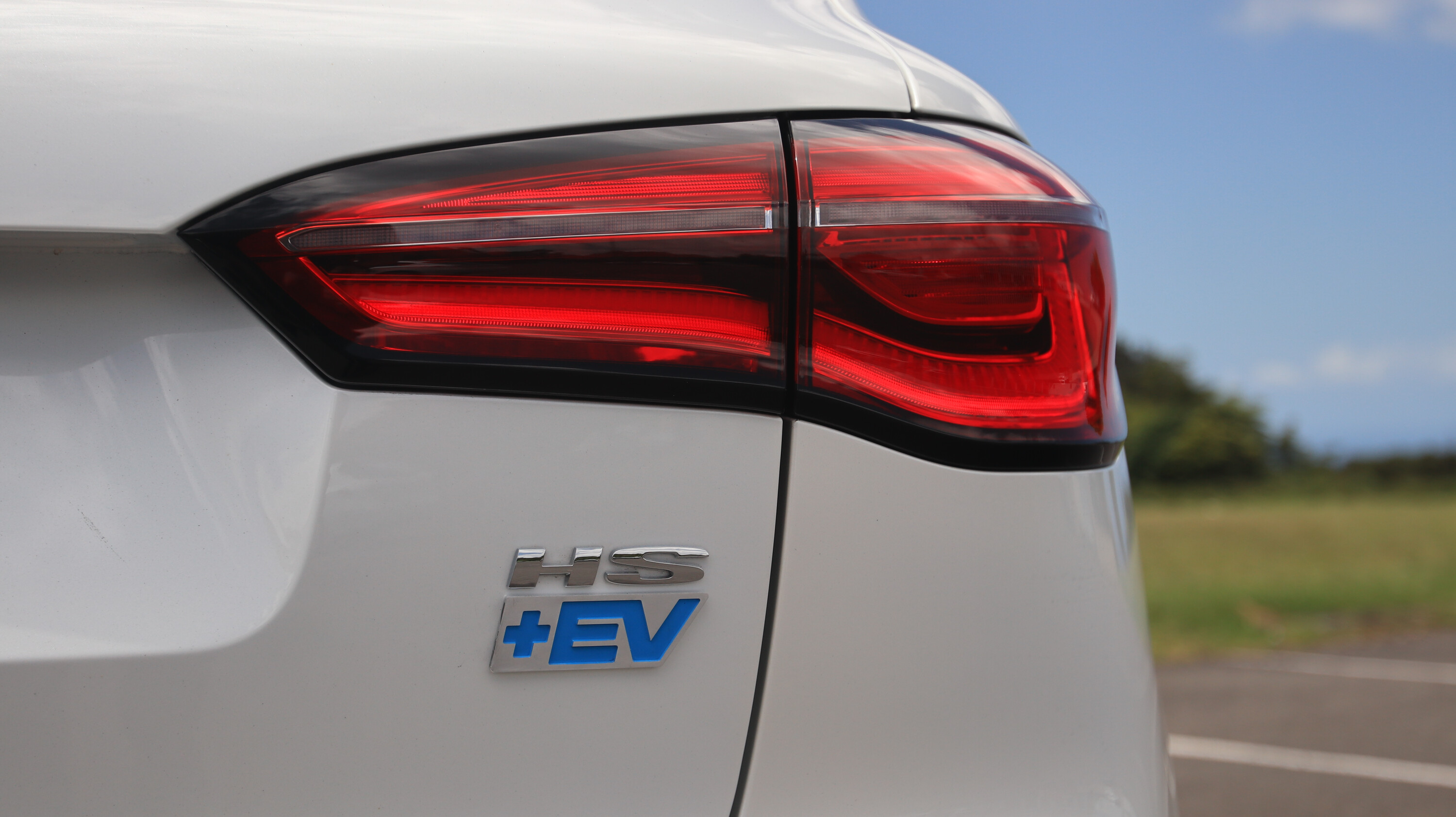
For those looking for a medium SUV, MG offers the HS, with the HS +EV catering to those interested in plug-in hybrid options.
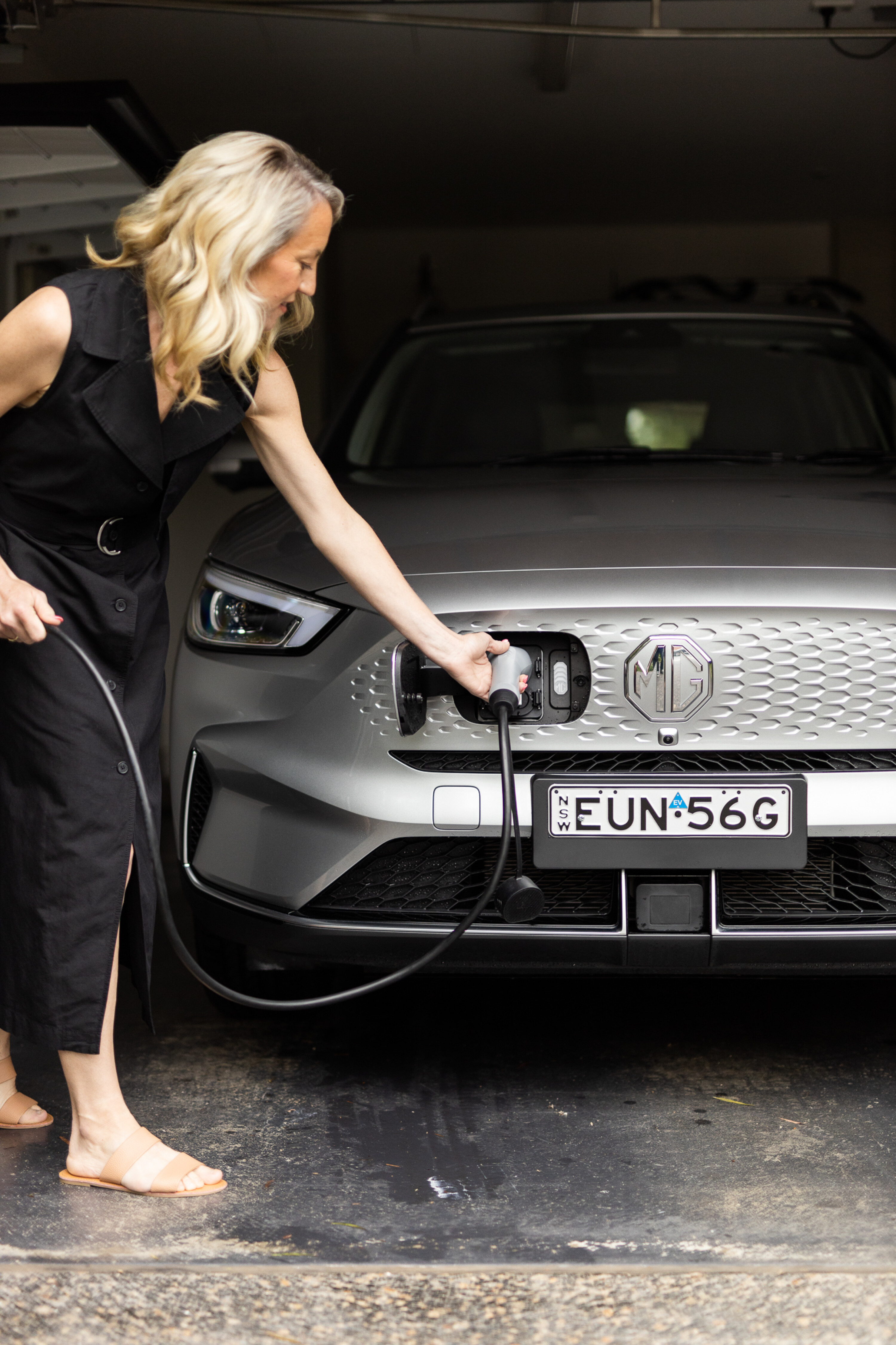
A plug-in hybrid is a type of vehicle that combines a traditional internal combustion engine with an electric motor and a rechargeable battery. It can be charged via an external power source, allowing it to run on electric power alone for shorter distances before switching to the petrol engine for longer trips.
If you’re curious about electric cars and how they might suit your lifestyle, the HS Plus EV could be your ideal stepping stone.
Pricing and features
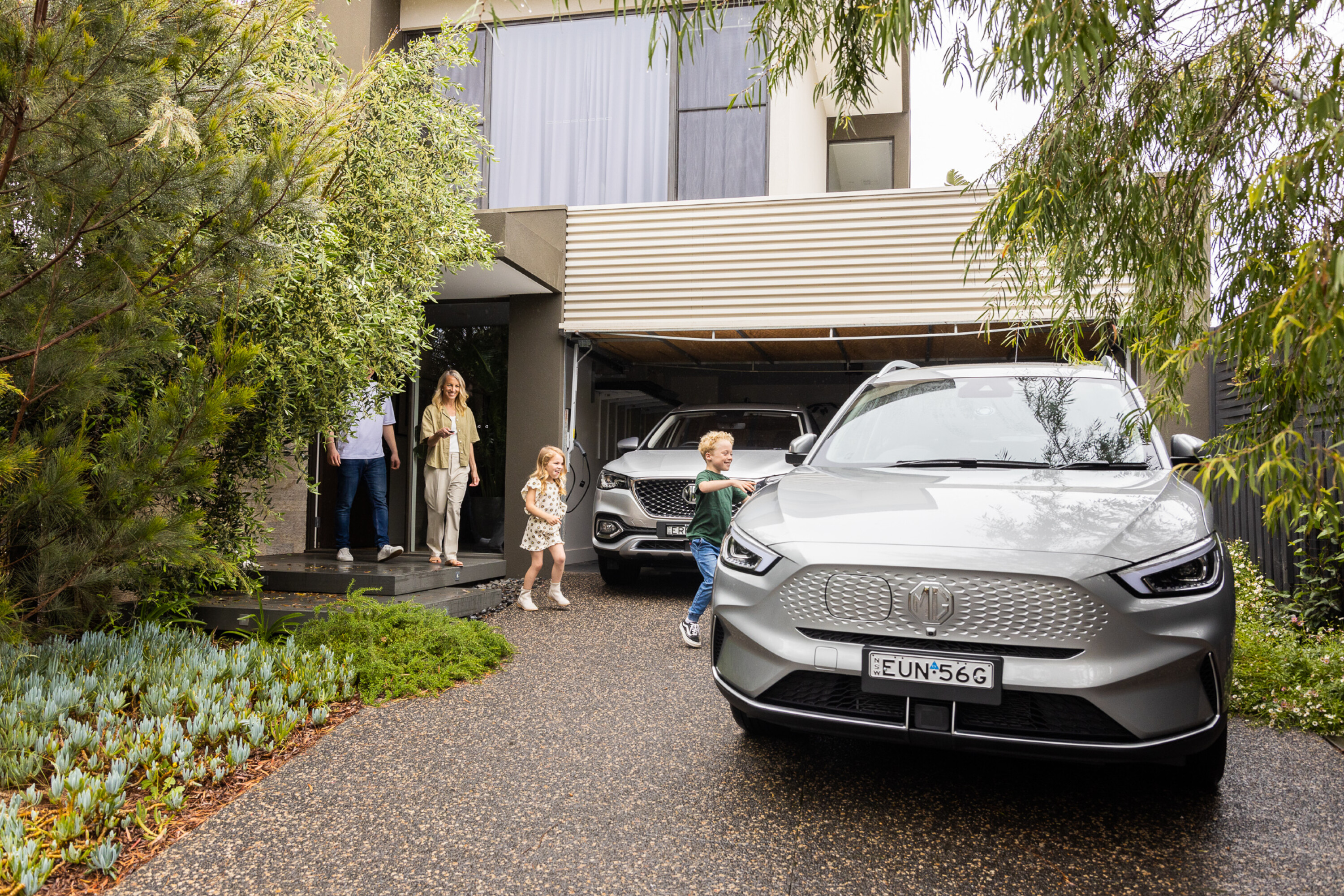
The MG HS features a five-door, SUV-style design, with capacity to seat five passengers comfortably.
Available in two variants, it is classified as a medium SUV in the mainstream market, priced under $60K.
MG advertises national drive-away pricing for the MG HS Plus EV starting at $43,690 for the base Excite model and up to $46,690 for the tested Essence grade. This makes the PHEV versions $11,700-$12,700 more expensive than their petrol-only counterparts.
The powertrain combines a 119kW/250Nm 1.5-litre turbocharged petrol engine paired with a 10-speed transmission with a 90kW/230Nm electric drive motor, powered by a 16.6kWh lithium-ion battery.
Electric only driving range is quoted by MG at 63km and has a quoted combined cycle fuel consumption of just 1.7-litres/100km. During a recent test we found the consumption of one airport to destination trip used 5.2-lites/100km.
| 2024 MG HS Plus EV Excite standard features | |
|---|---|
| 10.1-inch infotainment system | LED daytime running lamps |
| 12.3-inch digital driver display | LED tail lights |
| 17-inch alloy wheels | Rear air vents |
| Apple CarPlay and Android Auto (wired) | Rear parking sensors |
| Dual zone climate control | Reverse camera |
| Four USB-A ports (2x front and rear) | Roof rails |
| Halogen headlights | Satellite navigation |
| Heated, electrically-operated door mirrors | Six-speaker audio system |
| Keyless entry with push-button start | Synthetic leather seats |
| Leather-wrapped steering wheel and gear shifter | |
Safety
Plug-in hybrid versions of the MG HS have not been safety rated by ANCAP.
However the petrol HS range earned a five-star safety rating from ANCAP, based on Euro-NCAP tests conducted in 2019.
Each model in the MG HS lineup is equipped with six standard airbags (dual front, side, and curtain) to enhance passenger protection.
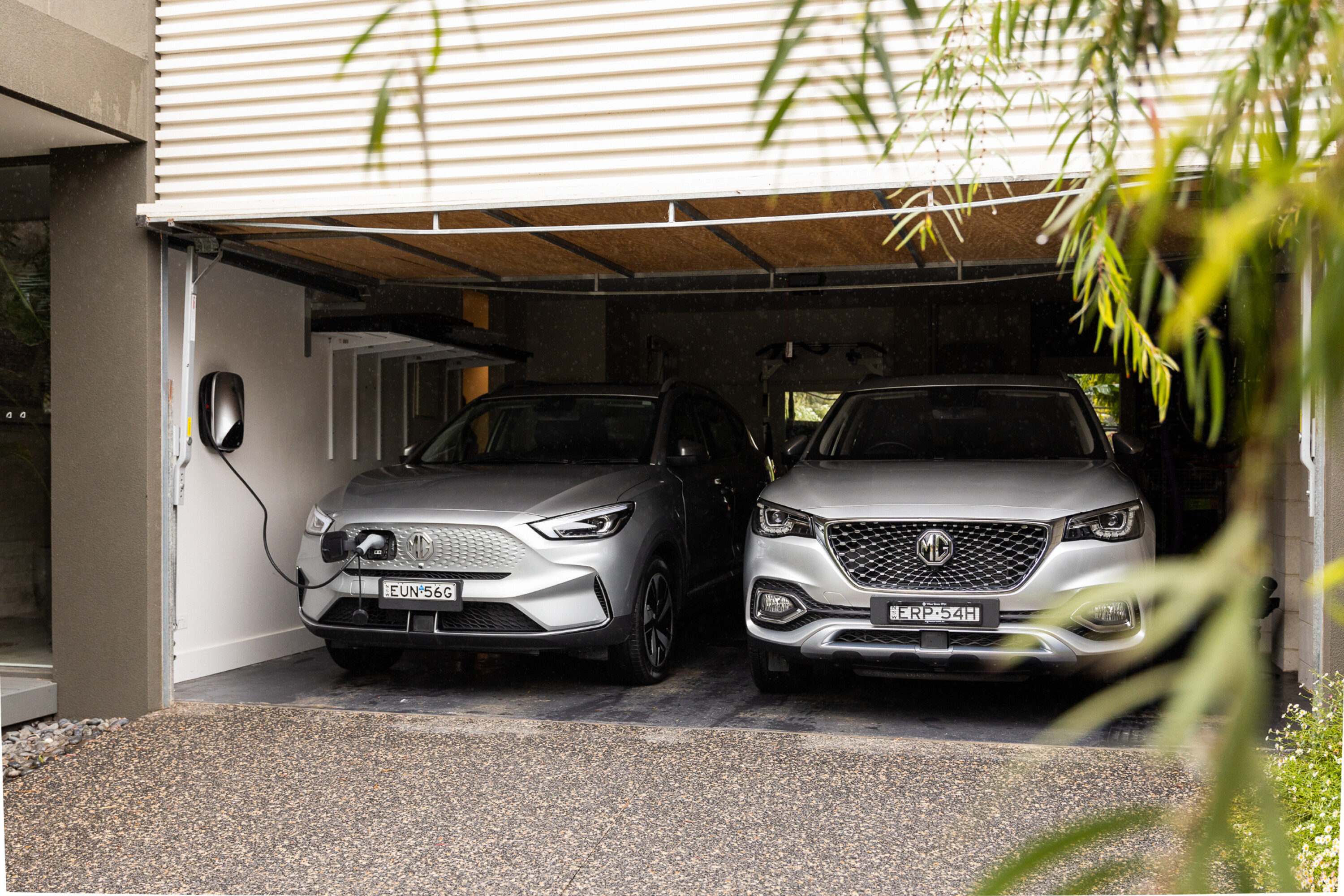
Furthermore, the HS Plus EV benefits from the inclusion of the MG Pilot safety suite. This comprehensive safety package incorporates a range of active safety technologies, such as autonomous emergency braking, lane-keeping assistance, forward collision warning, adaptive cruise control, traffic jam assist, blind-spot detection, rear-cross traffic alert, traffic sign recognition and automatic high beams,.
Key rivals
In the world of plug-in hybrids, many competitors are positioned in a higher price bracket. However, new affordable entrants like the BYD Sealion 6 are emerging regularly and are set to launch this year.
Competitors include both traditional and plug-in hybrid vehicles including:
Should I put it on my shortlist?
The MG HS Plus EV Excite offers great value, making it an attractive option for buyers looking to explore electric vehicles without fully committing just yet. Its affordability is obviously a significant part of its appeal, with many PHEV options at a hefty premium to their petrol counterparts.
If you have the charging infrastructure handy at home or the office then the electric only range could be plenty for your daily needs after a routine nightly charge.
Debuting in 2017, the 2024 MG ZST has rapidly gained popularity in Australia as an affordable small SUV.
Positioned above the ZS in the Australian market, the ZST models add several features to the virtually identical ZS offering.
Manufactured by MG, a brand that transitioned from British to Chinese ownership, it now consistently ranks among the top ten best-selling car brands in monthly sales reports.
I’ll even put money on the fact that you’ve probably seen one this week.
Pricing and Features
The MG ZST Core was highlighted in our 2023 Best Value Small SUV comparison as the most affordable option available. It’s also one of Australia’s most popular SUVs.
The Core starts the ZST line-up (before the Vibe, Excite and Essence) which you can drive home for only $25,490. The Essence tops the range at $30,490 drive-away packing in plenty of additional features for your dollar.
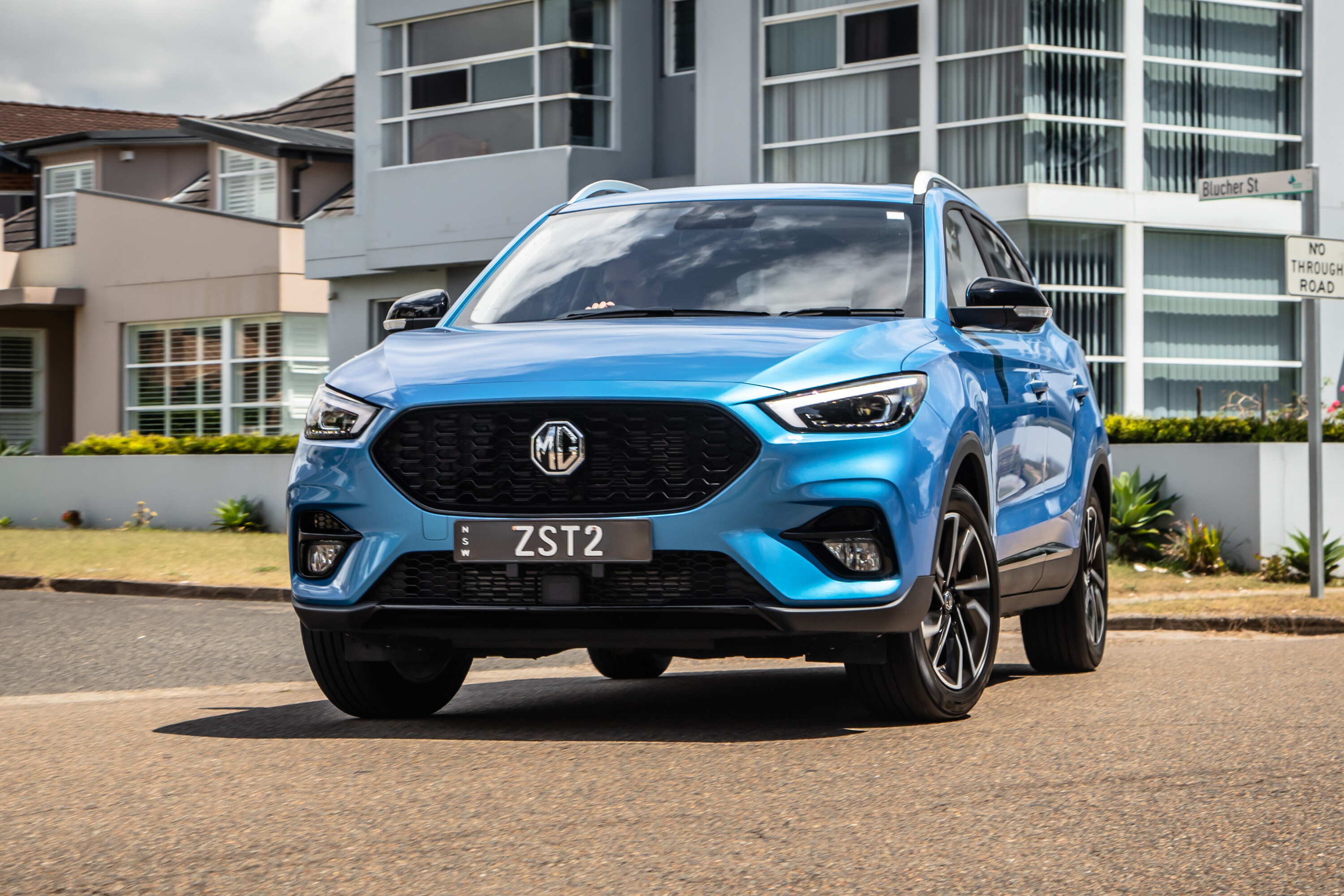
The Essence switches out the base grade 1.5-litre engine for the more powerful 1.3-litre turbo petrol engine producing 115kW or power and 230Nm of torque.
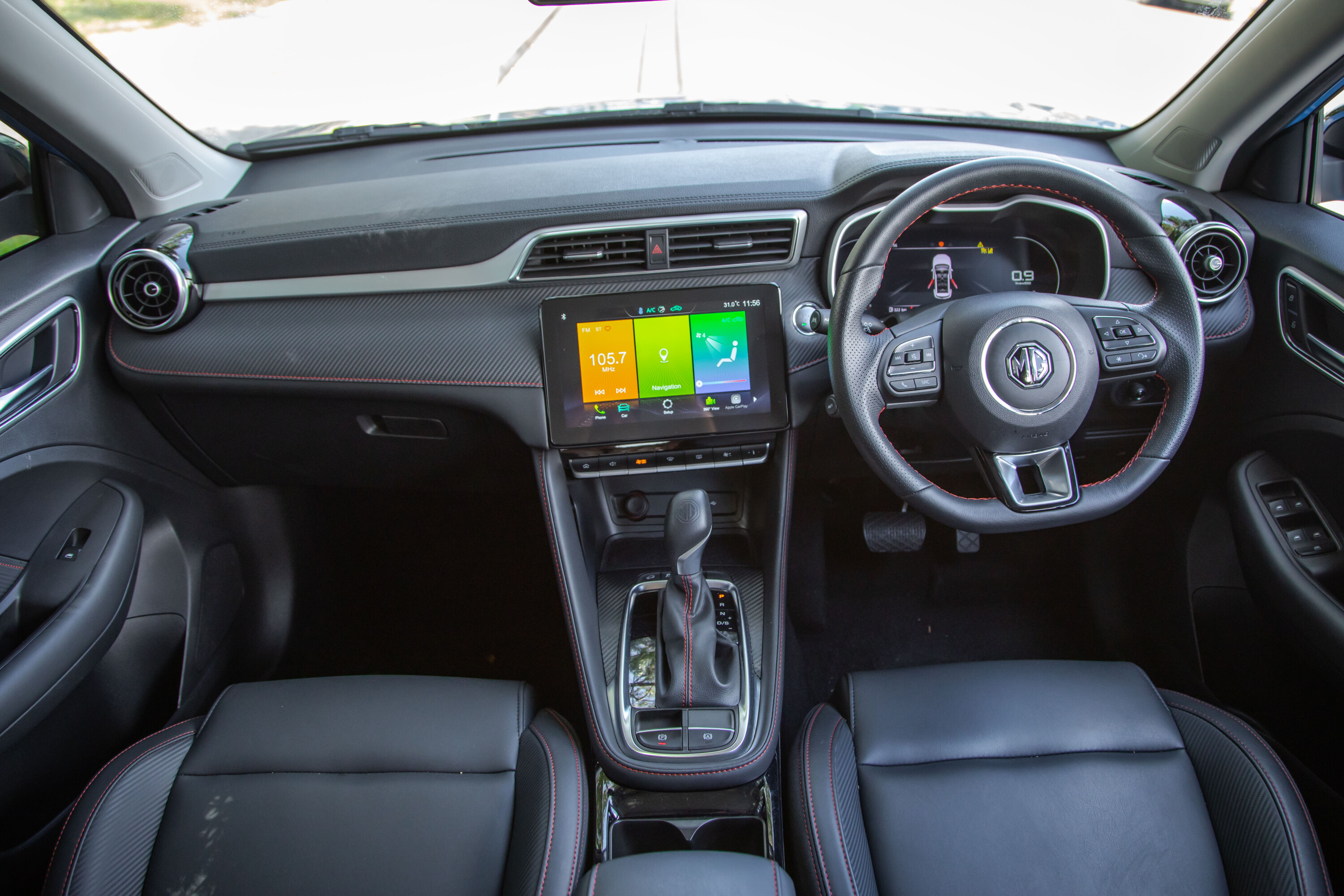
Despite its competitive price point, MG includes a host of standard features across all models, such as 17-inch alloy wheels, a 360-degree camera, keyless entry with push-button start, and LED headlights.
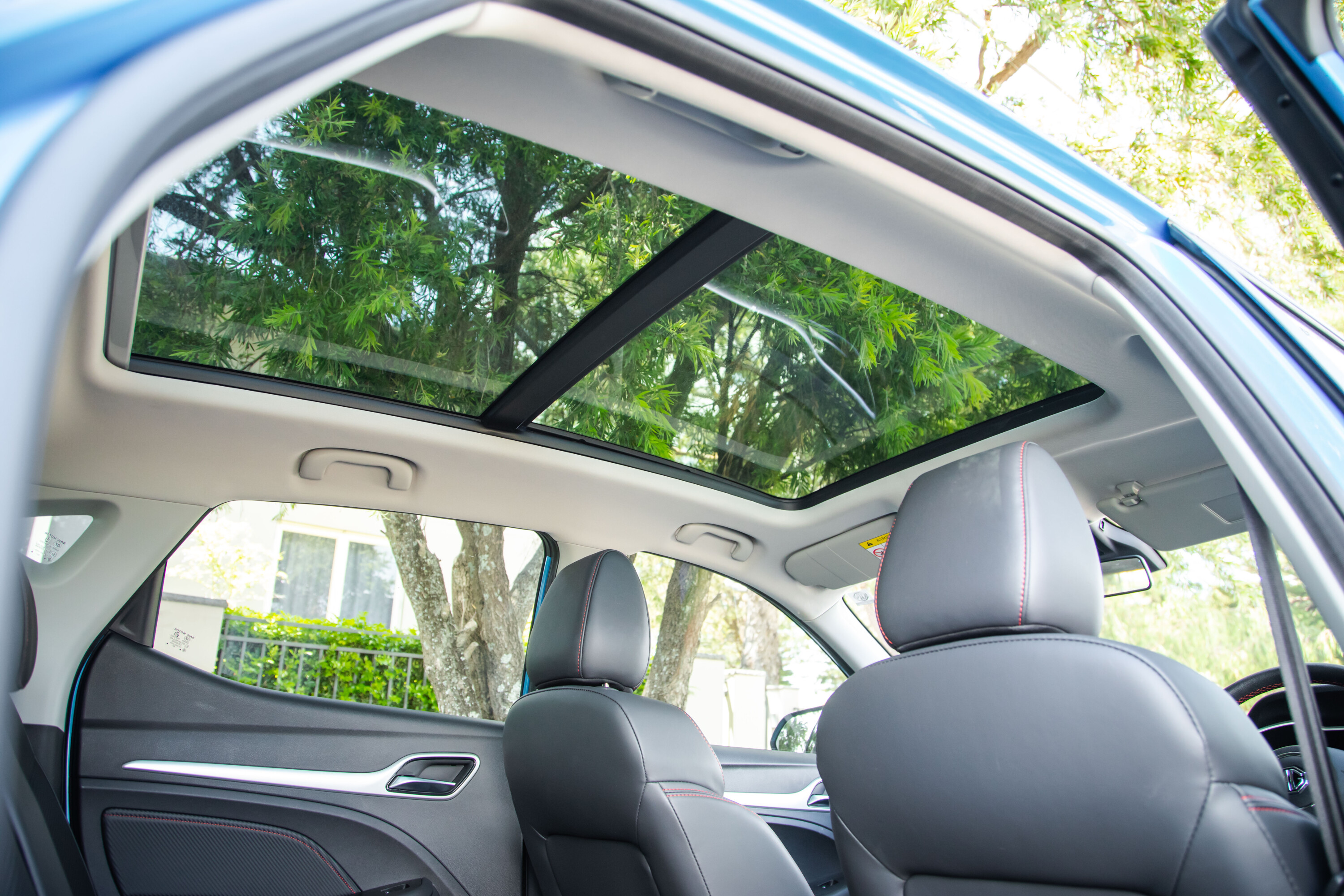
Stepping up to the Essence gets you great creature comforts such as a 6-way electric driver front seat, rain-sensing wipers, an enormous sunroof, heated front seats and a digital driver instrument cluster as well as sporty design accents both in and outside the cabin.
Inside, you’ll find a generous 10.1-inch touchscreen with Apple CarPlay and Android Auto, synthetic leather seats, a leather steering wheel, and a six-speaker sound system.
The entire MG range comes with a seven-year unlimited kilometre warranty, enhancing the overall value appeal of the model.
All colours other than white and black come with a $700 premium.
Safety
The original MG ZS earned a four-star rating in 2017, a rating that the ZST also maintains despite its significantly enhanced driver assistance and active safety features.
The ZST Essence comes standard with safety features such as six airbags, ABS with brake force distribution, an electronic stability program (ESP), a rearview camera, rear parking sensors, and cruise control.
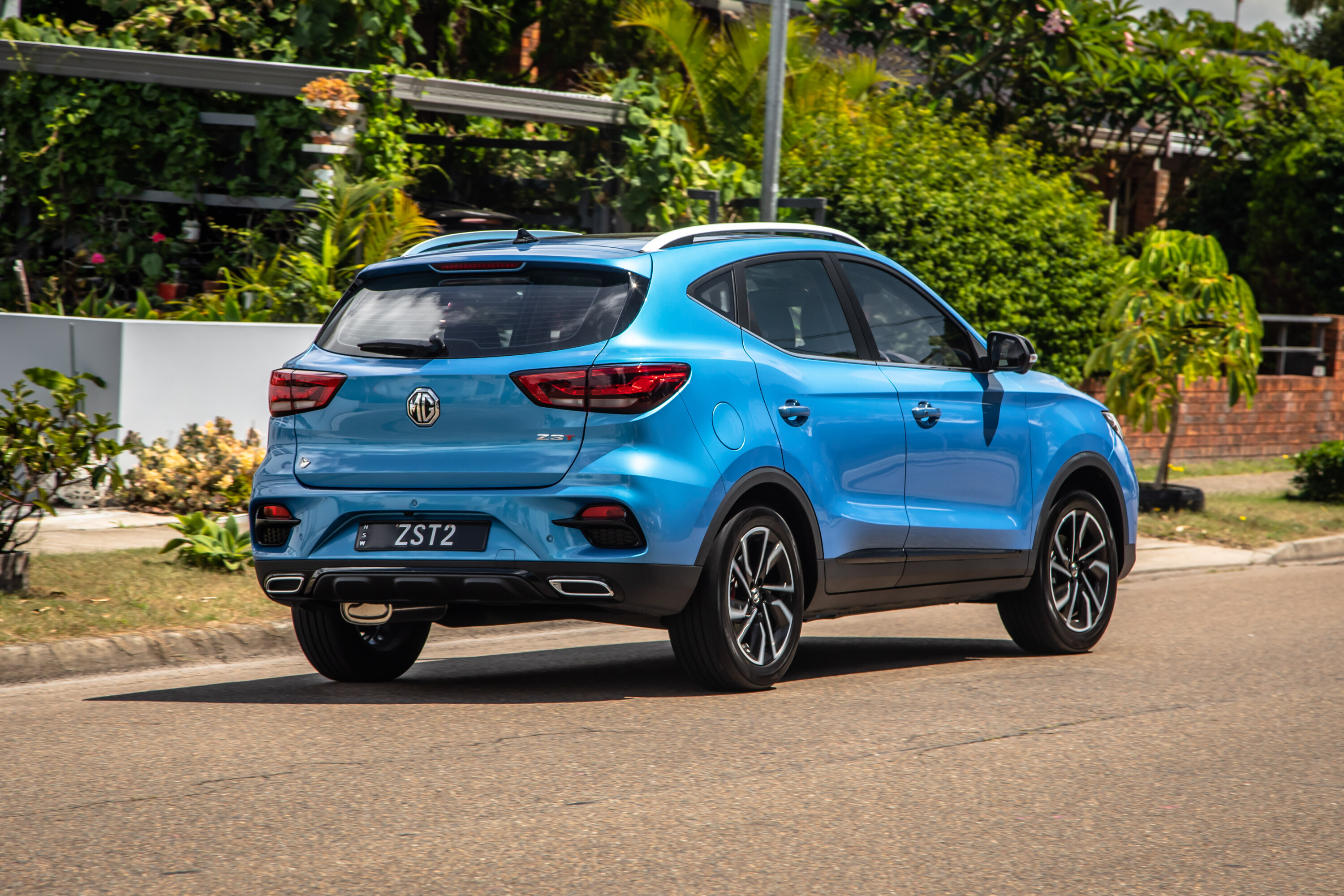
All variants of the model include the MG Pilot active safety suite as a standard feature, identifiable by the prominent ‘Pilot’ badge on the tailgate.
Beyond the standard ZS offerings, the Pilot suite enhances safety with features like adaptive cruise control with stop and go, AEB with forward collision warning, lane-keep assist, lane departure warning, rear cross-traffic alert, automatic headlights, blind-spot monitoring, and a 360-degree camera.
Key Rivals
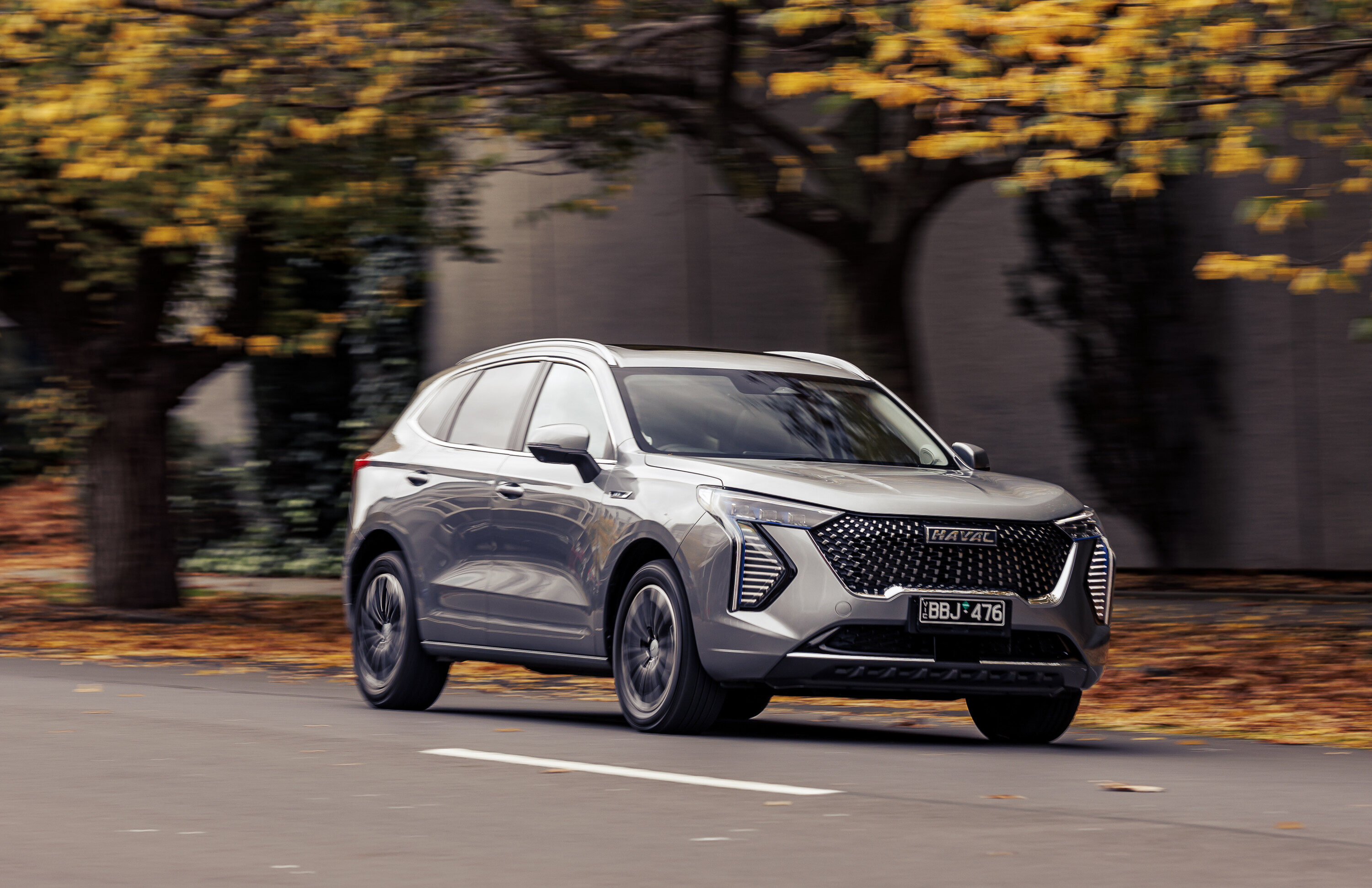
With a strong presence in the small SUV category, MG faces stiff competition from a diverse range of contenders, spanning from economical to upscale mainstream models, including:
Should I Put It On My Shortlist?
If the MG ZST Core feels a bit too basic for your taste, the Essence is designed to meet and exceed your expectations.
The entire ZST model already offers excellent value with its comprehensive set of features.
At such a competitive price point, moving up the MG range adds numerous features that competitors often only offer at the top of their line-up—sometimes nearing $50k.
In a world where convenience and affordability are key, it’s clear why so many Australians are choosing the ZST as their daily driver.
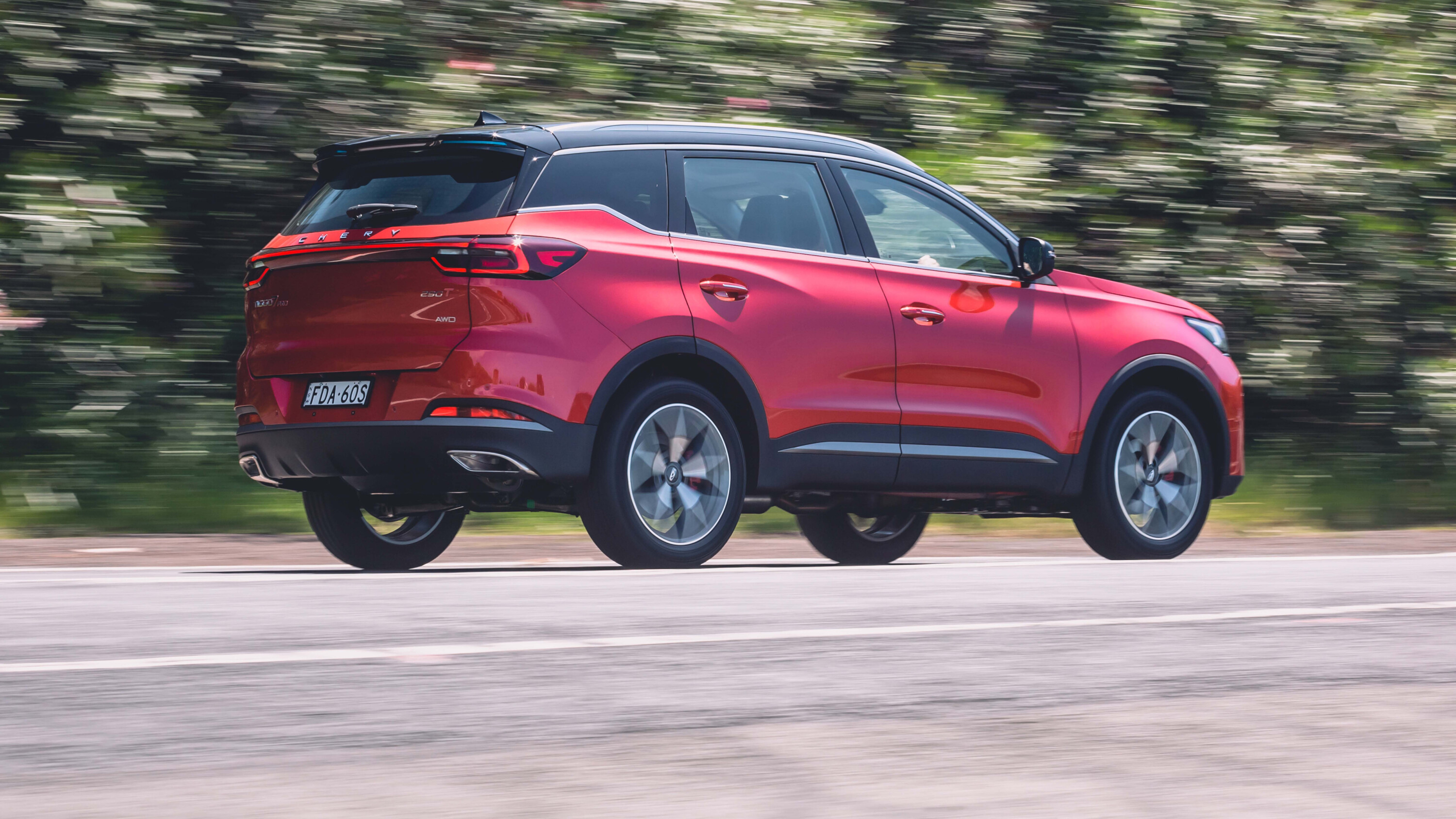
Chery has its sights set on offering a mainstream sub-$30K small SUV to go up against the MG ZS and Kia Stonic, but it could also be plotting a tiny little EV with pricing similar to the MG 3 or Kia Picanto.
The brand is expanding its model range to include a number of different types and sizes of vehicle, having just added the Tiggo 8 Pro Max – its biggest model and its first seven-seater – but the business can see space opening up for smaller, more affordable vehicles, too.
Chery Australia chief operating officer, Lucas Harris, said the business can see some potential at the affordable end of the market, with many brands abandoning the sub-$30K space as they chase higher margins on larger, more profitable SUVs.
“It’s good, isn’t it?” he said when asked about the spaces opening up below $30,000.
“Certainly I think there are some opportunities in that space, and we’re obviously looking at that very carefully,” he said, suggesting there could be a couple of potential front-wheel drive SUVs, or crossovers, to play that role.
As such, it comes as no surprise that Chery has confirmed the Tiggo 4 is coming, and it could slot under the current entry-point to the brand’s line-up, the Omoda 5.
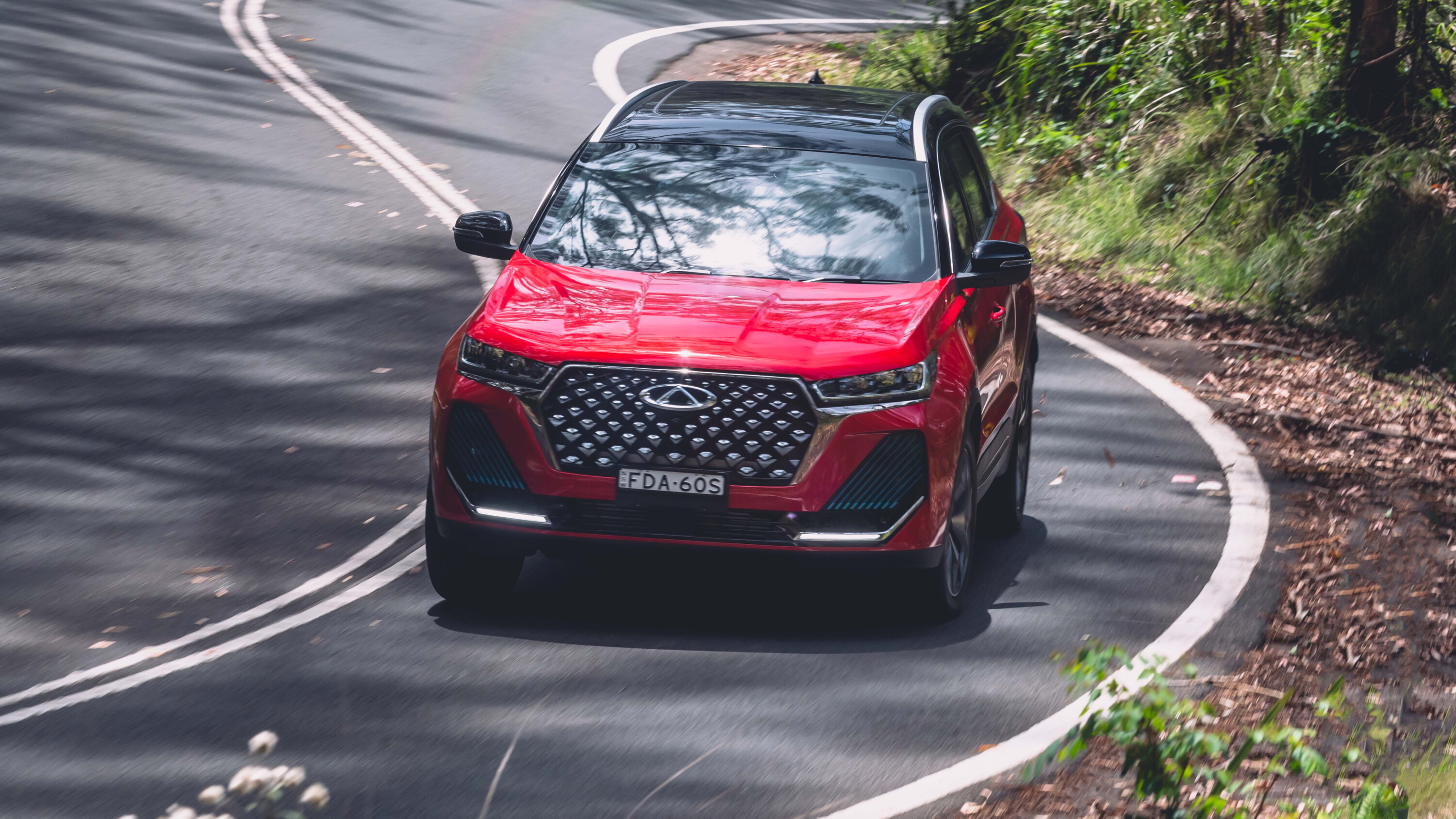
However, Mr Harris also suggested that there’s space for an even cheaper, even smaller model – such a car already exists, the Tiggo 2, but in its current-generation guise, it isn’t expected to arrive here.
“It’s actually quite a small car – that model has been around for quite a while, so it’s highly unlikely that we would take that version of the Tiggo 2,” he said. “But for inner-city driving and as people are looking for more and more affordable options, we certainly wouldn’t say no if an option became available in right-hand drive, to look at a car like. But it’s currently not in the product plan.”
But on the topic of a Picanto-sized model running full EV power, Mr Harris hypothesised that there could be a solution available from China that might tick the box for urban drivers on a budget.
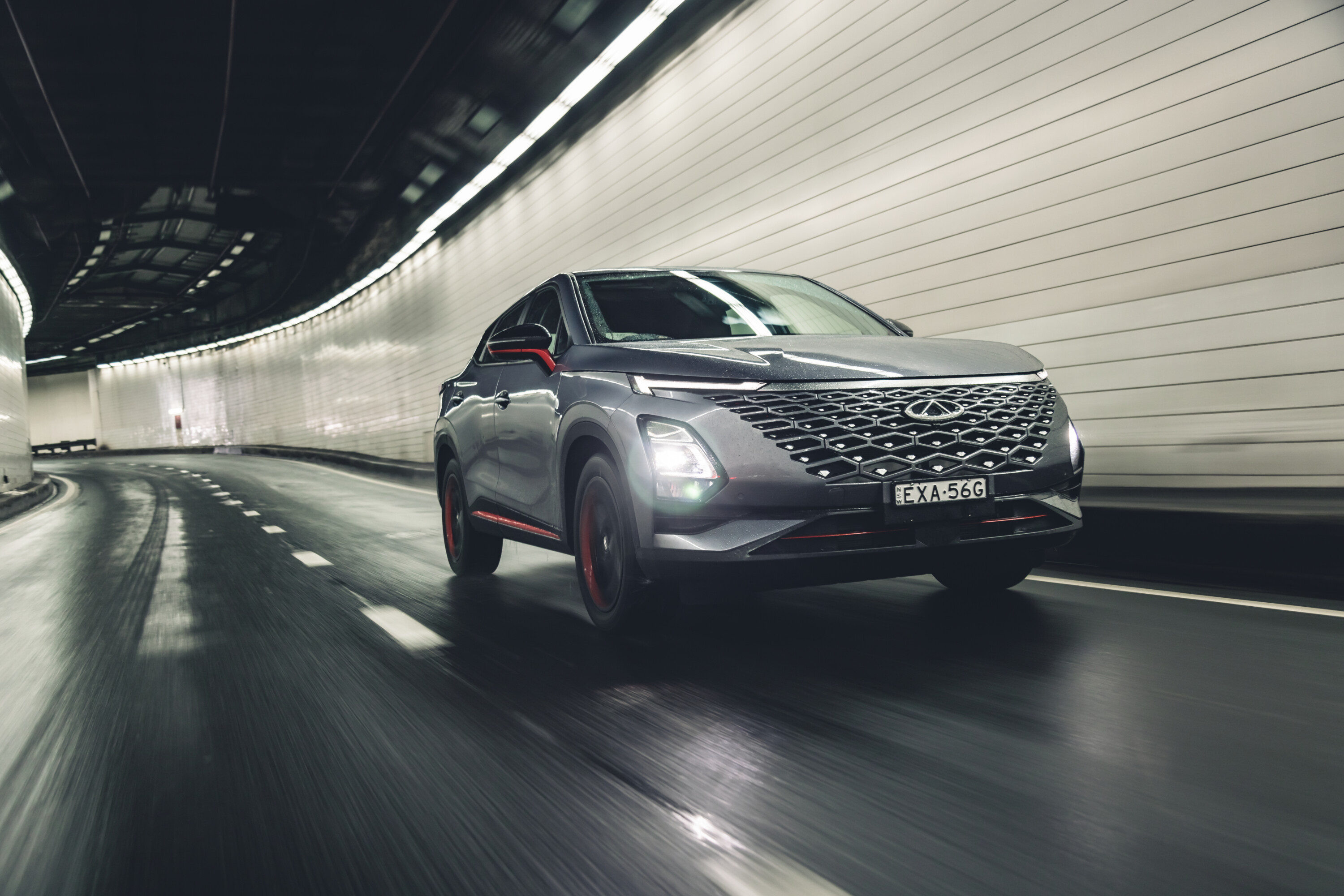
Such a car would have some limitations to consider for it to be positioned at a compelling price point.
It would have a top-speed limitation to save battery range, a smaller battery with likely less than 200km of range, and possibly not the same mindset around crash test ratings – the Omoda 5 and Tiggo 7 Pro have both been awarded a five-star ANCAP rating, and the Tiggo 8 Pro is also expected to get it.
Mr Harris suggested that a buyer of a circa-$20K EV that is tiny and maybe caters more for singles and couples could mean that a safety rating won’t be as crucial a consideration.
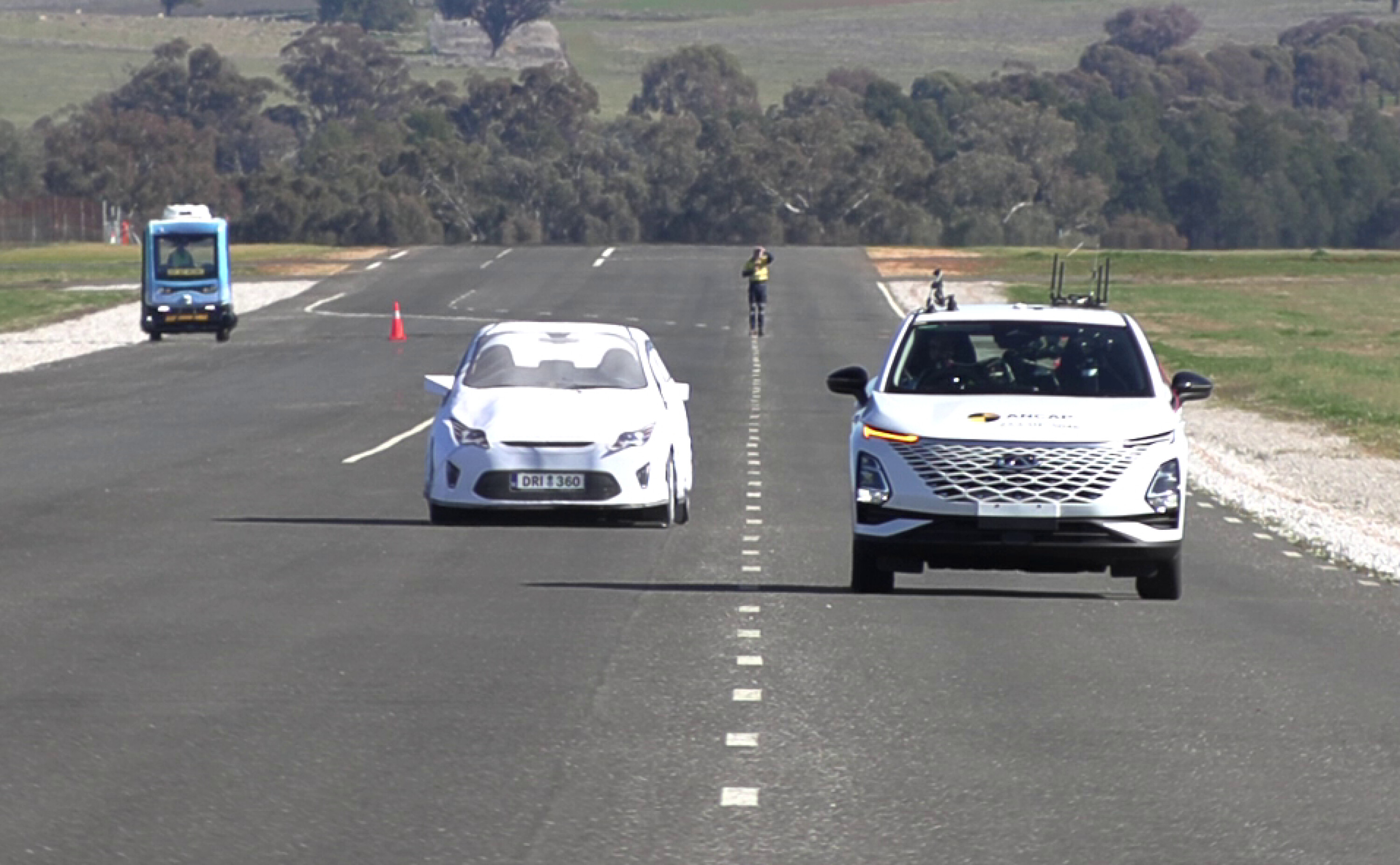
“An ANCAP rating is not, I think, the be all and end all for every consumer,” he said, suggesting that high-end luxury and sports car customers don’t buy based on crash tests, and perhaps those on a strict budget might not, either.
“Those cars are built and designed and bought by customers for a totally different purpose than what a family car is, that’s got to be with you day in and day out to do the regular chores of life.
So how does that change you know we’re talking hypothetically about a Smart Car-esque city car that doesn’t do more in the 70 kilometres per hour. It’s designed to drive in 50 and 60 kilometre zones of cities.
“Is the standard different for those cars, because the purpose is different and the people buying those cars, are they as interested in if it’s all these other purpose boxes, does the star rating become a big factor for them or not?” he posited.
“Nothing is impossible, right? You know, one of the things I think is curious – and I don’t know the answers – but is there a market for Smart Car-esque sorts of vehicles?” he posited.
“You know, super small EVs, a couple of hundred kilometres of range, very affordable, they’re around-town cars, you know you’re not going on the open road, that’s not the purpose.
“Is there a market for that? Maybe it’s not particularly big right this second, but as the population increases and city densities become more and more, and the roads aren’t exactly getting any wider or bigger, car parks aren’t getting any bigger. Is there a place for those sorts of cars? Maybe.
“They are overseas, and in more densely populated cities [they make a lot of sense]. So, yeah, as our population grows, does it create an opportunity? Maybe it does.”
Chery currently sells the Omoda 5 from $34,490 drive-away, but there are significant deals being done on that most-affordable model. Above it is the Tiggo 7 Pro, and the newly launched Tiggo 8 Pro Max sits atop the range… for now.
