
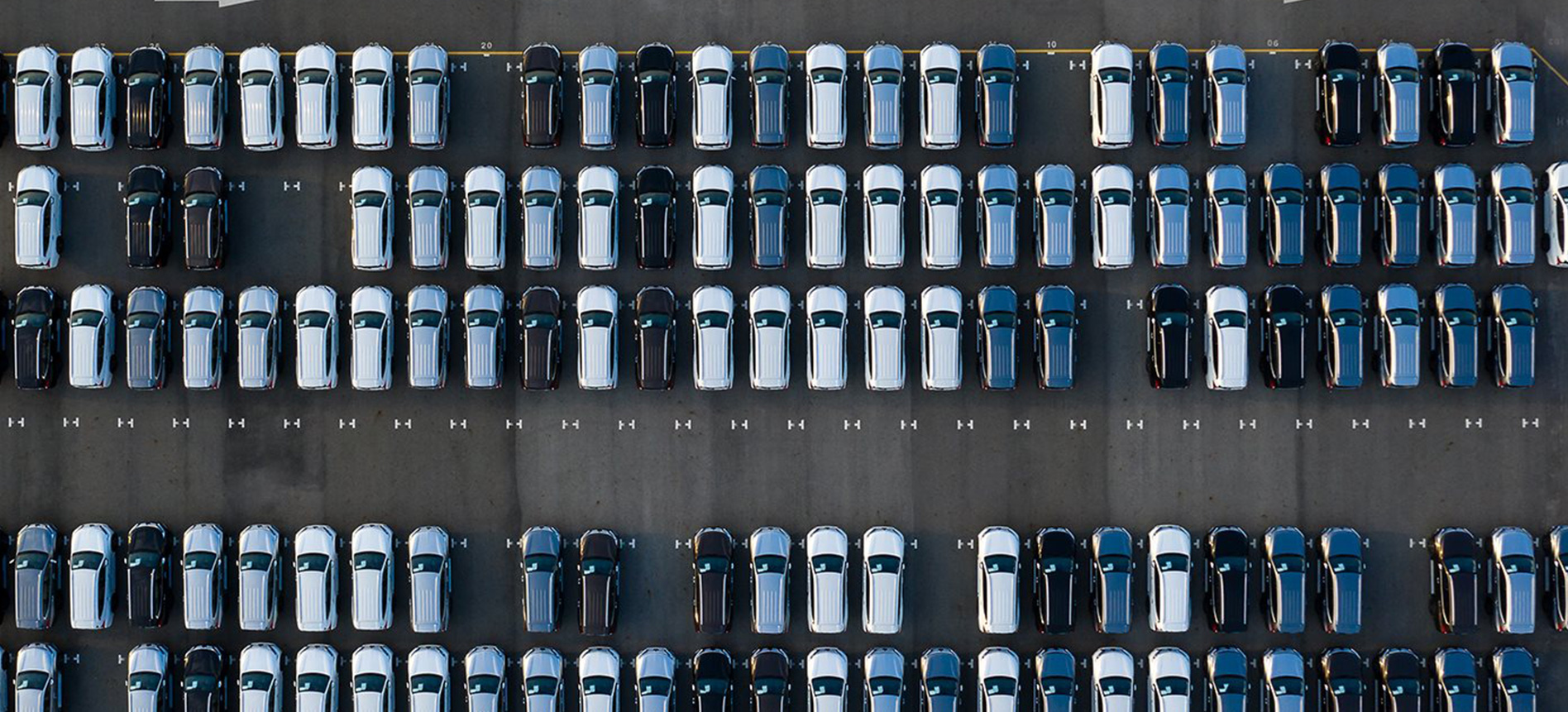
The figures are in, and Toyota has overtaken Volkswagen for the title of world number one.
The Japanese giant sold around 9.53 million cars and light commercials around the world in 2020, with the Volkswagen Group (including its various subsidiaries like Audi) notching up 9.31 million sales.
Impressive numbers in a year where the planet virtually stopped, sure, but the numbers represented an 11 per cent fall for Toyota and a drop of more than 15 per cent for VW.
For VW, the figures coincided with a massive 24 per cent drop in the overall sales of all passenger vehicles in Europe, its strongest market.
Toyota, meanwhile, took the most pain in its biggest market, the US, where sales from all brands dropped 15 per cent in 2020.
“Naturally the number of units sold was lower than in the previous year because of the spread of coronavirus,” Toyota spokesperson Chisato Yoshifuji told Bloomberg.
“But because Toyota and its partners were able to thoroughly implement measures to combat the spread of the virus, we were able to continue our corporate activities and keep yearly declines at the level they were.”
It’s a turn of fortunes for VW, who outsold Toyota every year from 2015 to 2019 on a global scale.
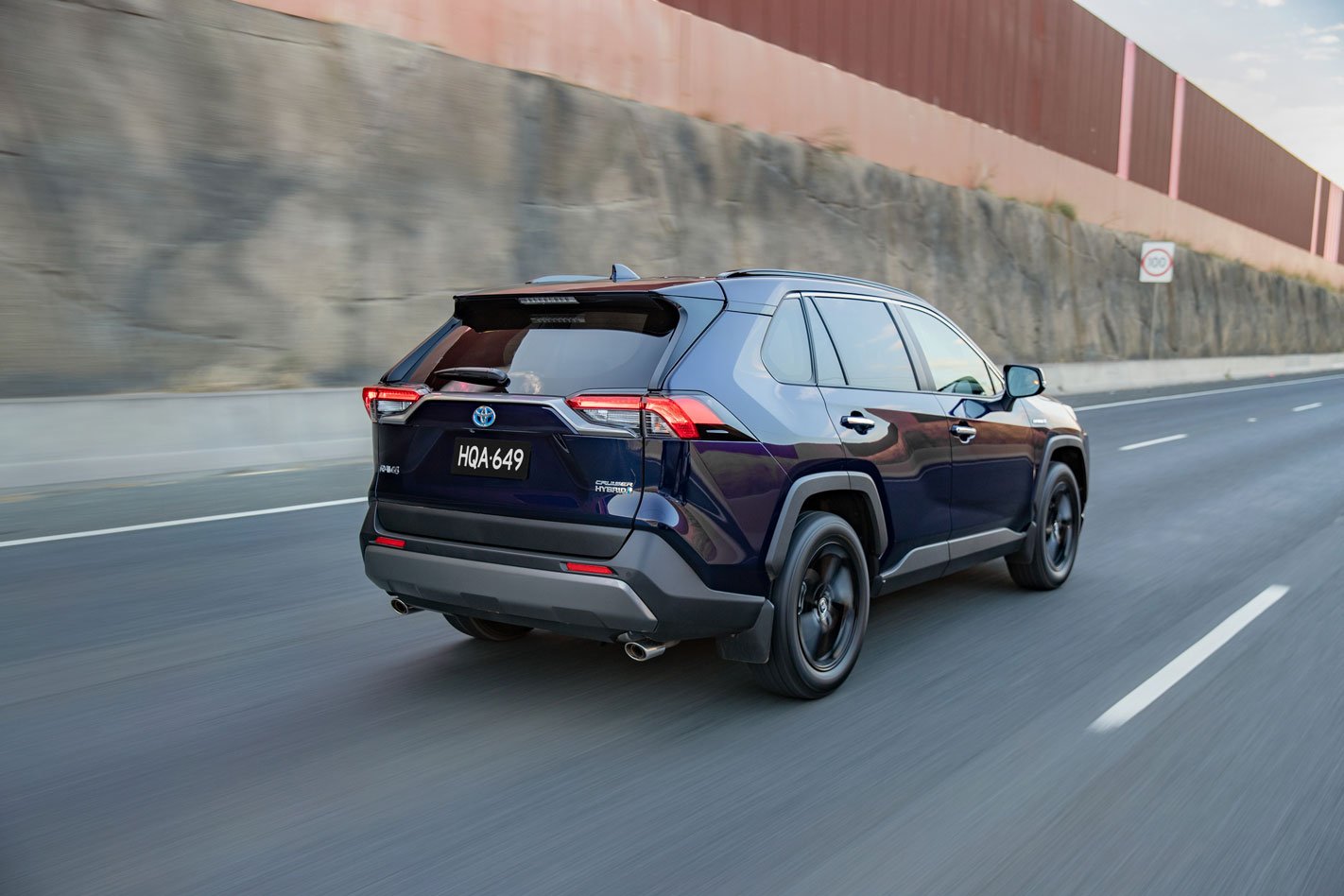
Not surprisingly, Toyota again ended the year as Australia’s best-selling vehicle manufacturer for the 18th year in a row.
It even managed to increase its market share from 19.4 per cent in 2019 to 22.3 per cent on the back of record hybrid sales.
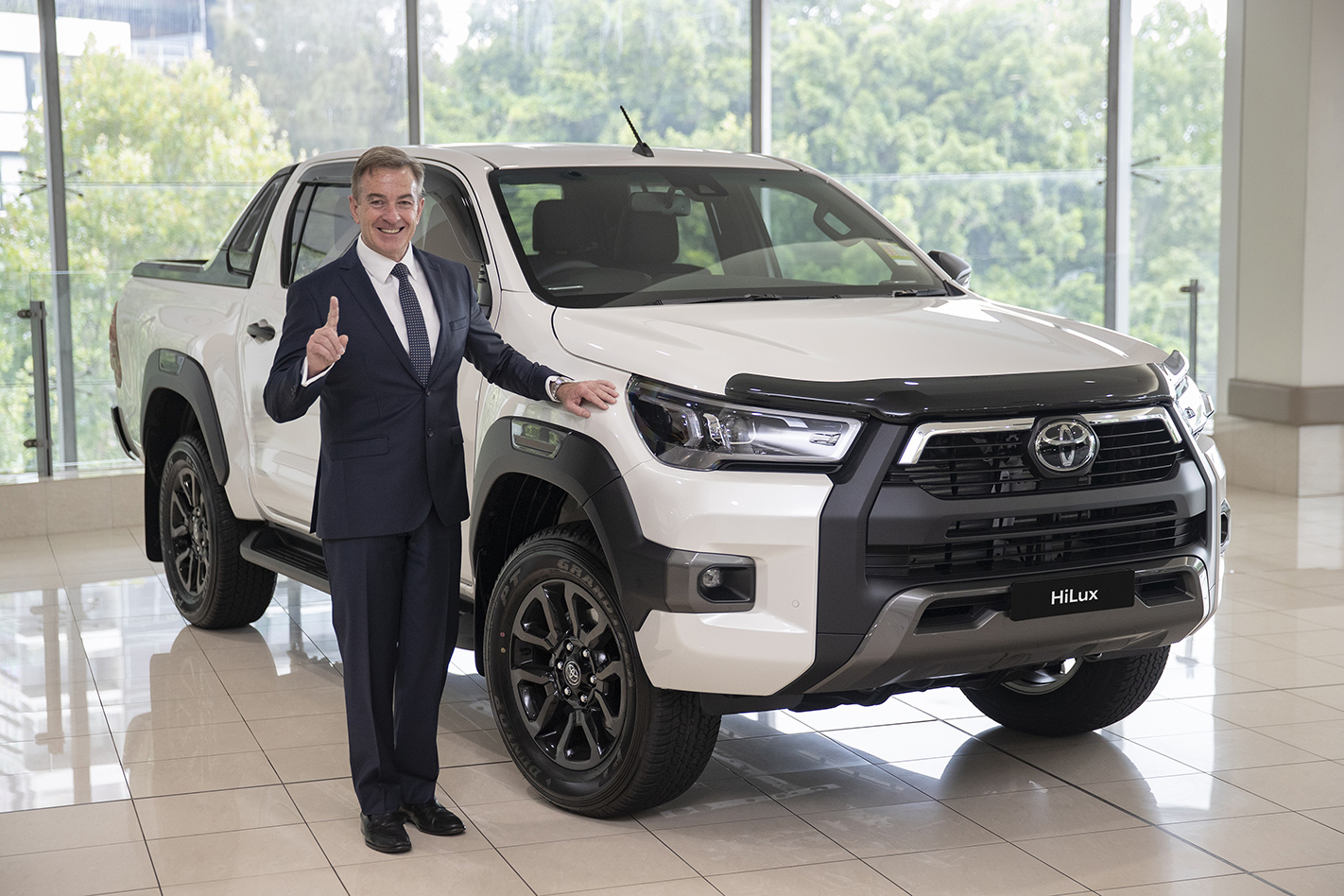
Toyota sold 204,801 vehicles in 2020, just 965 less than its 2019 total and, for the first time, it finished a calendar year with best-sellers in a number of categories, in the form of the HiLux, top-selling SUV (RAV4) and passenger vehicle (Corolla).
It’s time for Audi’s twin-turbo RS6 to stake its claim on the 2021 MOTOR Shootout!
Pegged as the ultimate do-anything performance package, the Audi RS6 boasts supercar-shaming abilities blended with its signature estate silhouette and prodigious grocery-getting versatility.
But what does it have to offer those who seek to add track work to its broad resumé?
To find out, we strapped professional hotshoe Karl Reindler in for two blistering laps around Victoria’s technical 3.0km Winton circuit.
With only its bigger R8 V10 Performance stablemate on the MOTOR Shootout leaderboard, will the muscular wonder-wagon best the tried and true supercar stalwart?
Following two fast laps, the best time from the RS6 was an impressive 1min:36.2sec.
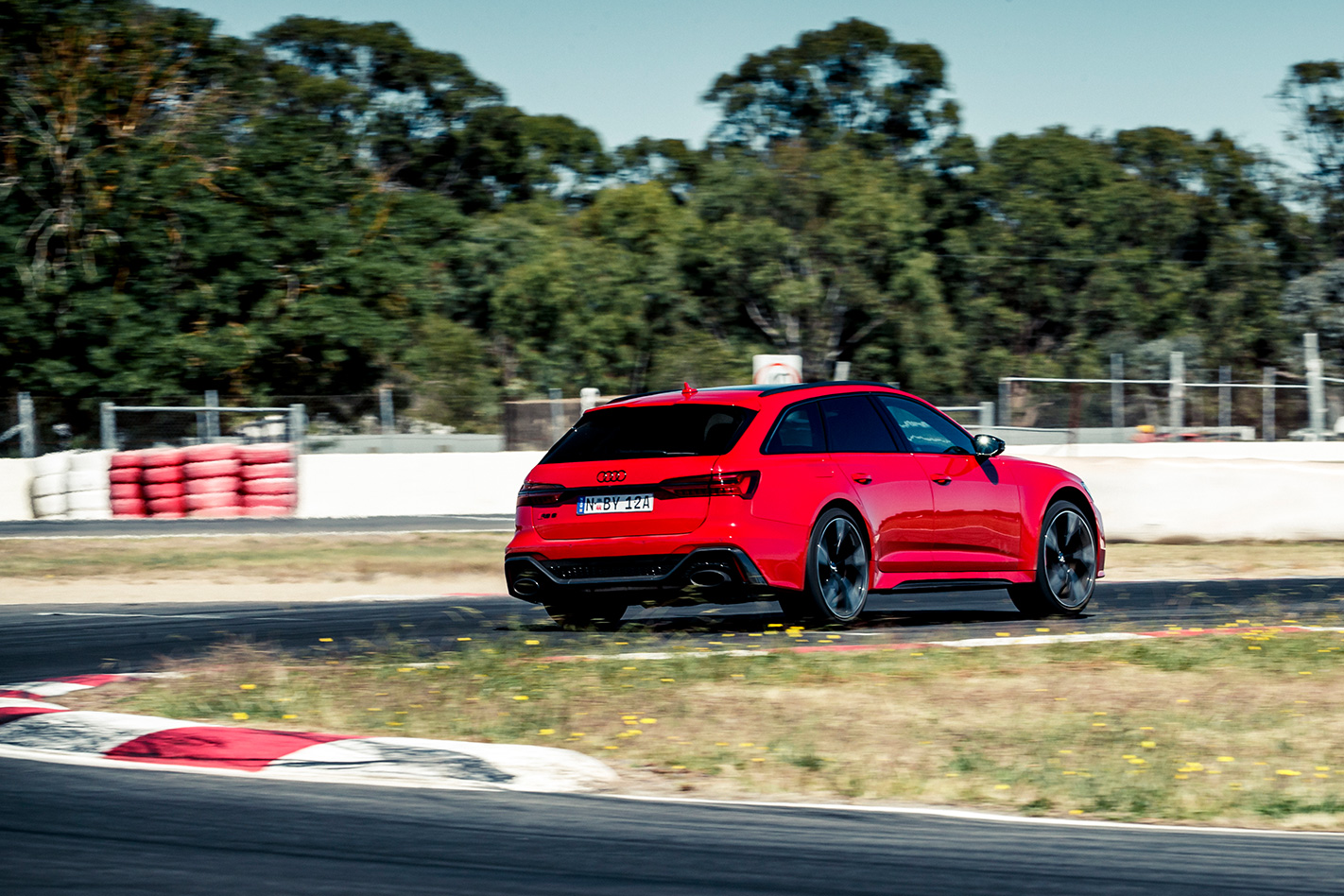
“These things are so much fun! They’re obviously one of the heavier vehicles we have here today. You certainly feel it but not as much as you might think,” Karl remarked after his hot laps.
“The ability to get this car to the apex… it’s super accurate still, but the thing I like most about it – it gives you confidence.
“You drive it and with every consecutive lap, you just want to man-handle it a little bit more and throw it around. It seems to cop it without compromise as well.
“The tyres did start to fade at the end there… but it’s so much fun. Power down in this thing is just phenomenal, as long as your patient enough… it just launches you off those corners.”
Despite an explosive dynamic prowess belying its sizeable weight and mass, the RS6 came up a few seconds shy of the R8 V10 Performance.
With the rest of the 2021 Motor Performance Car of the Year field still to set their times, stay tuned to see how the Audi RS6 compares to some of the most focused sports cars available.
We’ll be releasing a new hot lap shootout video every week, so make sure you don’t miss out by subscribing to the MOTOR Youtube channel!
WATCH NEXT 2021 Audi R8 V10 Performance hot lap – Motor Shootout
Mazda’s premium brand crusade seems relentless. A steady upward trajectory in quality, product diversity and refinement took a dramatic up-ramp with the introduction of the BP-generation Mazda 3, putting the company’s small hatchback at the top of the class and its rivals on notice.
Ironic that one of the Japanese company’s most affordable models should be the one that elevated Mazda into new premium territory, but the limelight is turning to focus on the flagship of the Mazda family and the CX-9 large SUV.
A 2021 update is mild with a new 10.3-inch central widescreen for all variants and gaining the most recent and rapid Mazda Connect software. Sportier paddle gear shifters are also added to all variants except, bizarrely, the Sport, and there’s a lightly redesigned front bumper.
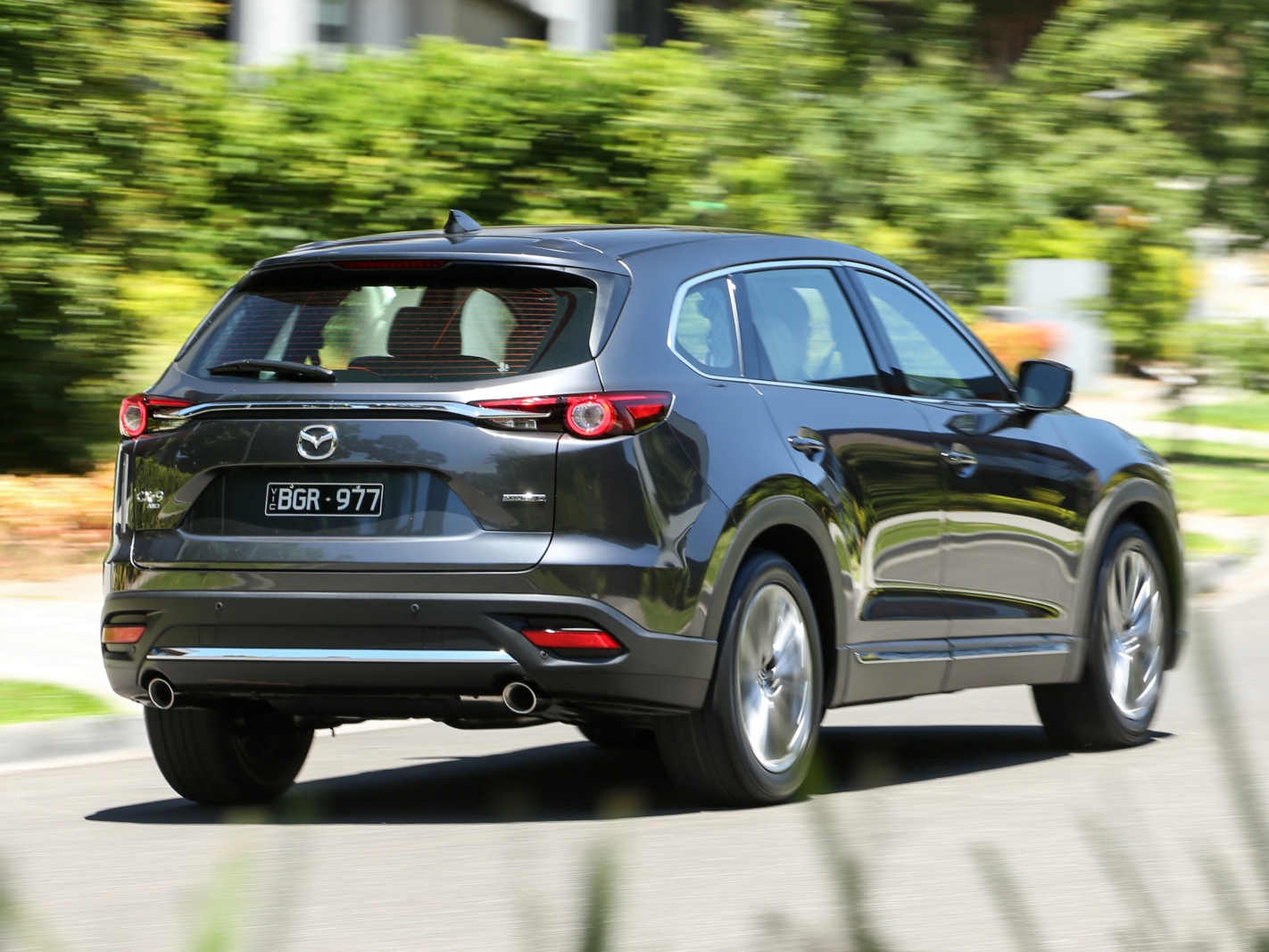
But rather than treat the 2017 Wheels Car of the Year winner with a comprehensive update, Mazda has instead chosen to add to the CX-9 range with three new variants.
The most affordable is the GT SP which gets blacked-out highlights, 20-inch wheels and burgundy leather interior. Then there’s the 100th Year Anniversary special edition that is limited not to 100 units but 110, and brings a host of more luxurious additions to mark Mazda’s centenary.
But the Azami LE is arguably the most interesting, not least for its price. At $73,875 it’s the most expensive new Mazda money can buy. Has Mazda done enough brand enrichment and product enhancement to venture deep into $70k territory?
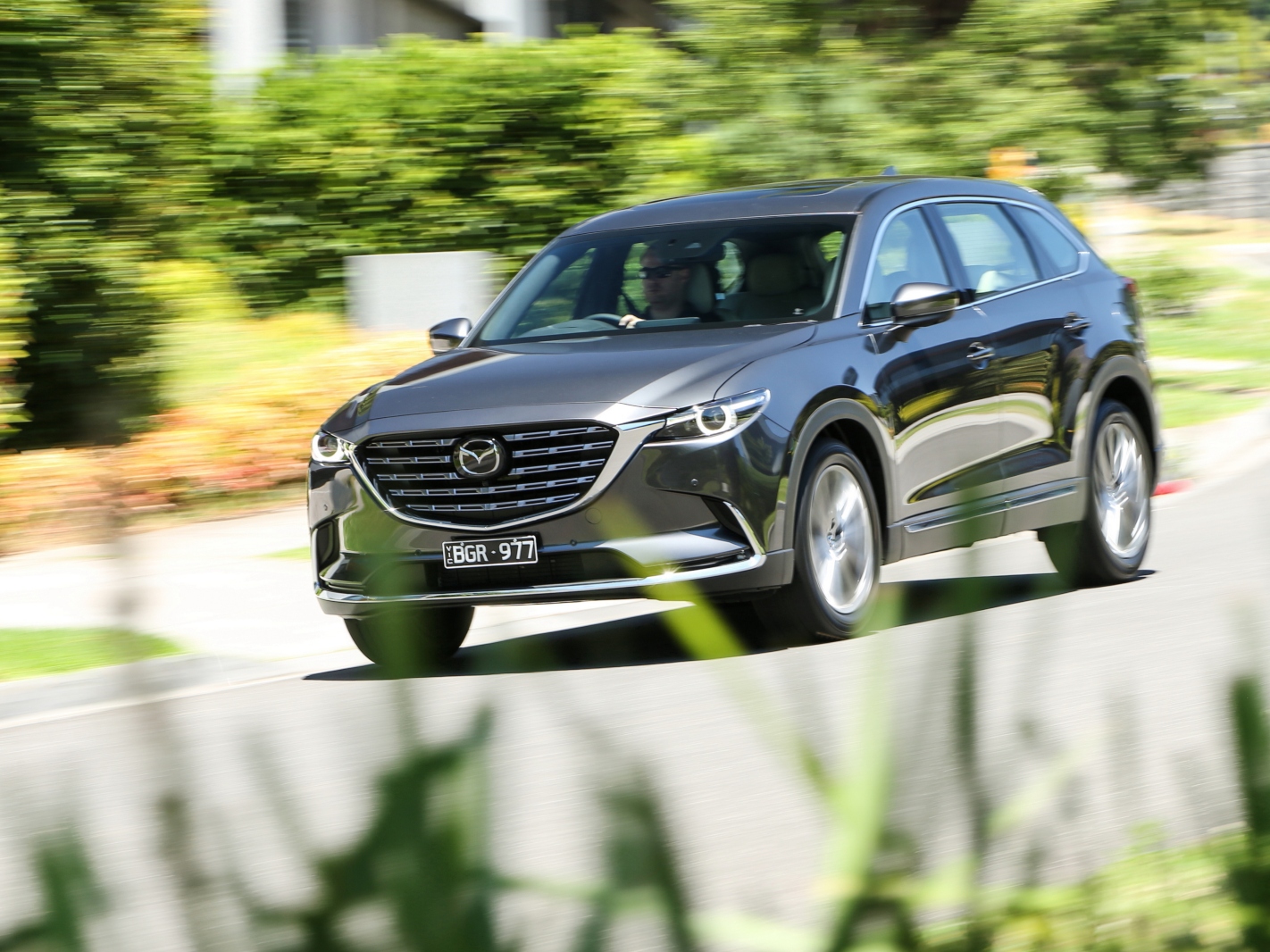
There’s no doubt the seven-seater is a strong contender in the segment – a Wheels COTY gong isn’t handed out lightly and many of the facets that won the CX-9 its title remain unchanged with the update.
Under the bonnet, there’s the same 2.5-litre turbo petrol engine that produces 170kW and 420Nm. In a car that tips the scales at more than two tonnes, the four-cylinder still feels well matched.
Torque peaks low in the rev range for effortless low-speed work but it pulls a convincing double act and is also happy to rev freely.
Add to all that a claimed fuel economy figure of 9.0litres/100km and you’re looking at a very well-rounded unit.
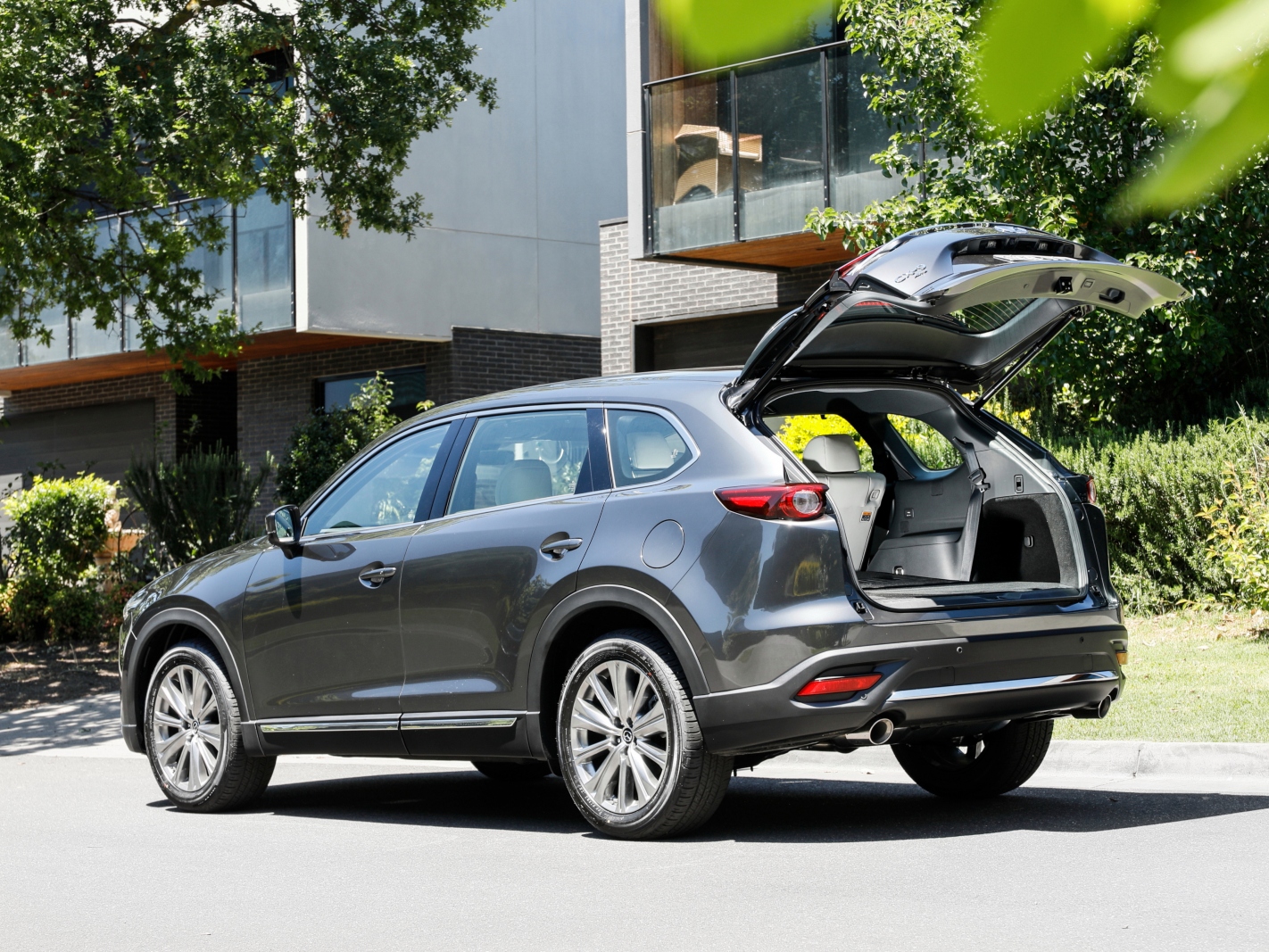
Unlike the 100th Anniversary which is exclusively front-drive, the Azami LE is only available as an all-wheel-drive wagon with a six-speed automatic transmission. The torque-converter-type auto is about as benign and well-behaved as they get although its six ratios appear too few amid rivals that total as many as 10 these days.
It’s not just the impressive powertrain that helps hide the CX-9’s heft with a chassis, ride and handling all of which defy the 2010kg kerb weight.
For an SUV that sits firmly in the large market, the Mazda has a sweet turn-in, carries speed through corners well and is almost perversely enjoyable to throw around. But you won’t want to do that everywhere as it neglects the best part of its chassis – the ride.
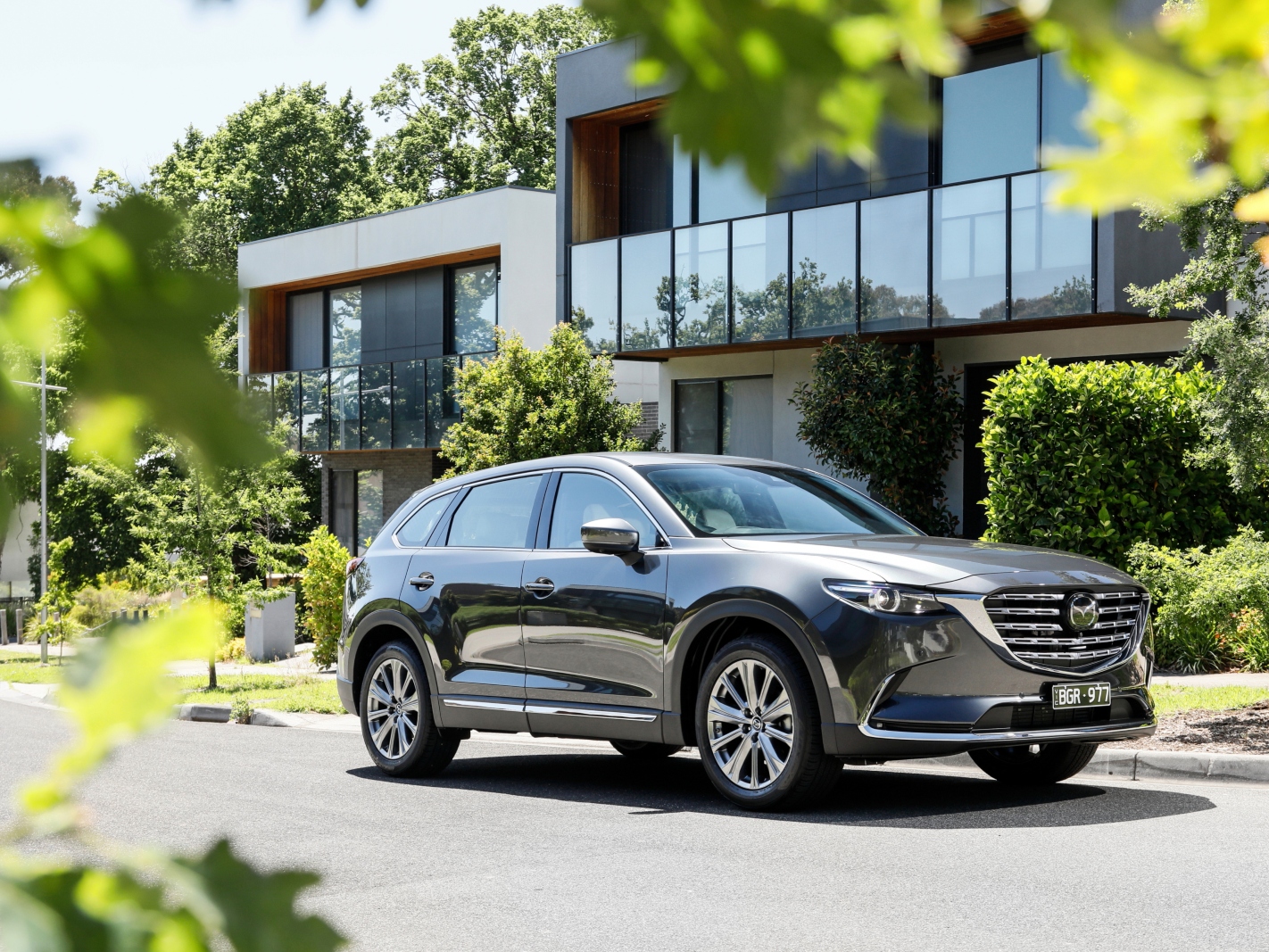
Even on the imposing 20-inch alloy wheels standard on the Azami, the ride is composed and forgiving, particularly at higher speeds. Little road noise is transmitted to occupants and the full spectrum of road imperfections from fine high-frequency to large thumps are absorbed with grace.
Up front, the CX-9 cabin is well-appointed with quality materials and equipment. The new updated screen and Mazda Connect information and entertainment system looks sharp with smart graphics and relatively easy navigation.
Some might not appreciate touchscreen operation but we’ve found the technology is generally not as effective or efficient as a dial and hot-keys, which are less prone to errors caused by the vehicle’s movement.
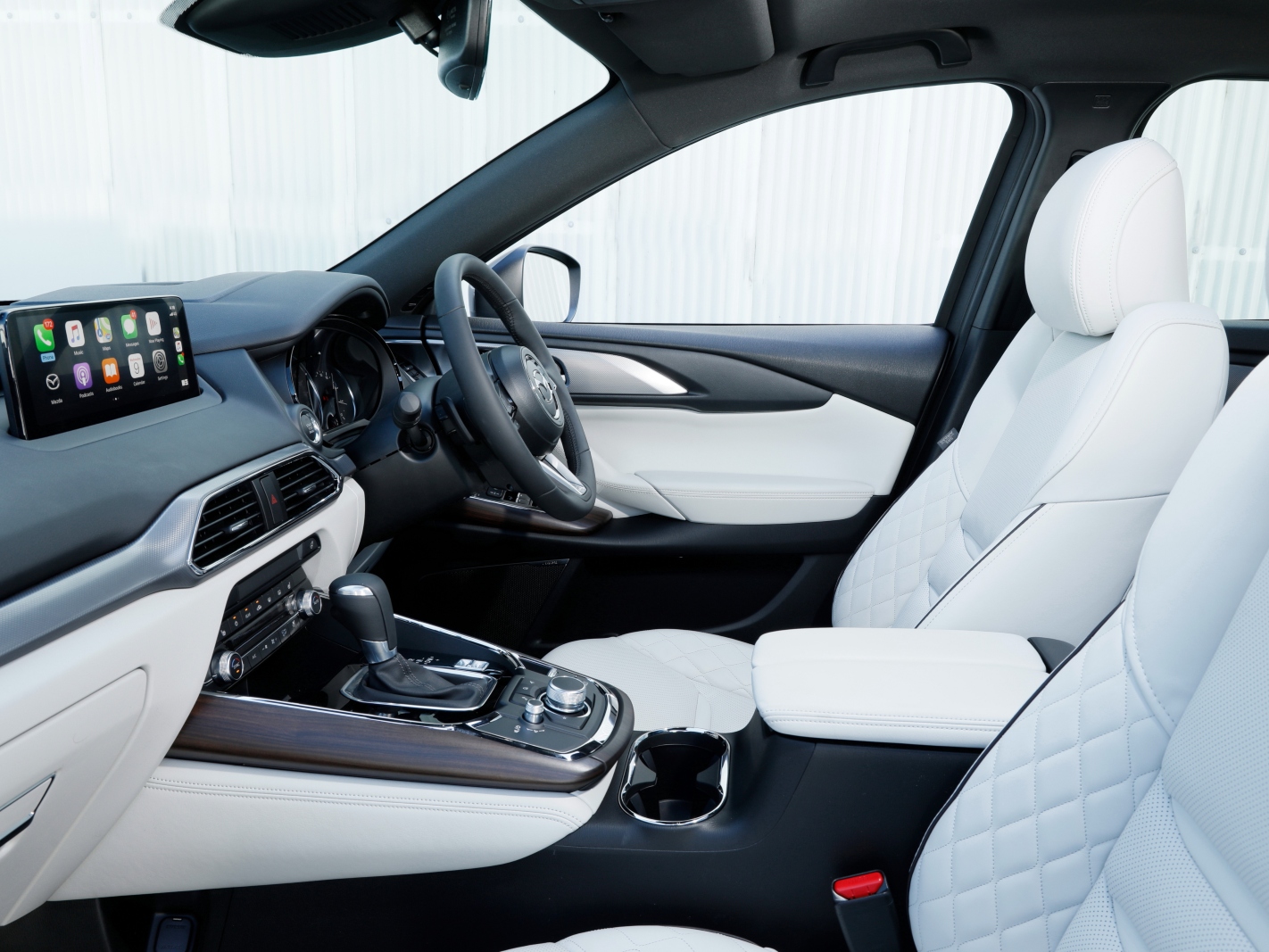
Nappa leather adorns the seats of the Azami grade CX-9s and the quilted upholstering lifts the entire cabin – especially in the Pure White which looks stunning but would probably be a full-time job to keep free of stains.
Wireless device charging is also slotted into the centre console and adds to the generally high level of specification along with a clear head-up display.
While an increasing number of rivals venture further into the digital display era with fully digital instrument clusters, the CX-9 is still partly analogue.
But we haven’t even got to the Azami LE’s party piece because it isn’t part of the front row seating at all.
The defining feature of the new range-topping variant is the second row of seating where, in place of the three-seat bench typical to the rest of the range, Mazda has installed a pair of luxurious captain’s chairs.
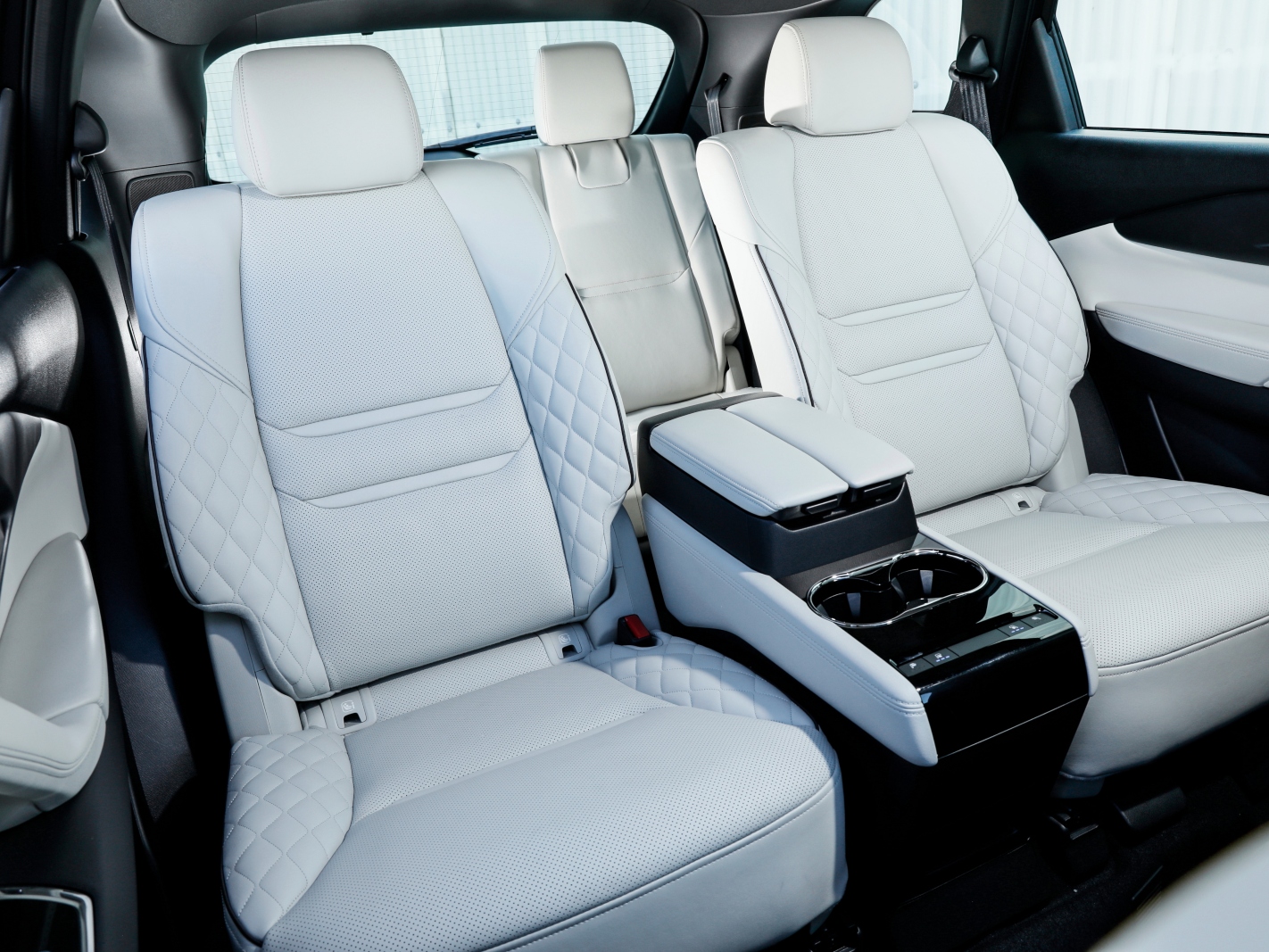
The result is a level of comfort identical to the front row and a cosiness that even tops the two front spots.
Passengers lucky enough to board here get heated and cooled seats, their own climate control panel, more quilted leather and a huge storage space under the centre armrest.
A pair of USB sockets provide more power for devices and the seats are also individually electrically adjustable.
Sitting in the LE’s second row is a treat and we’re certain it’s a novelty that won’t wear off but there is the potential for one problem at least. If you have a family of more than four, the argument as to who gets the middle row will last for years.
But the Azami can certainly accommodate more than four as it retains the third-row seating common to all CX-9 variants.
That’s right, Mazda’s priciest model is a six-seater.
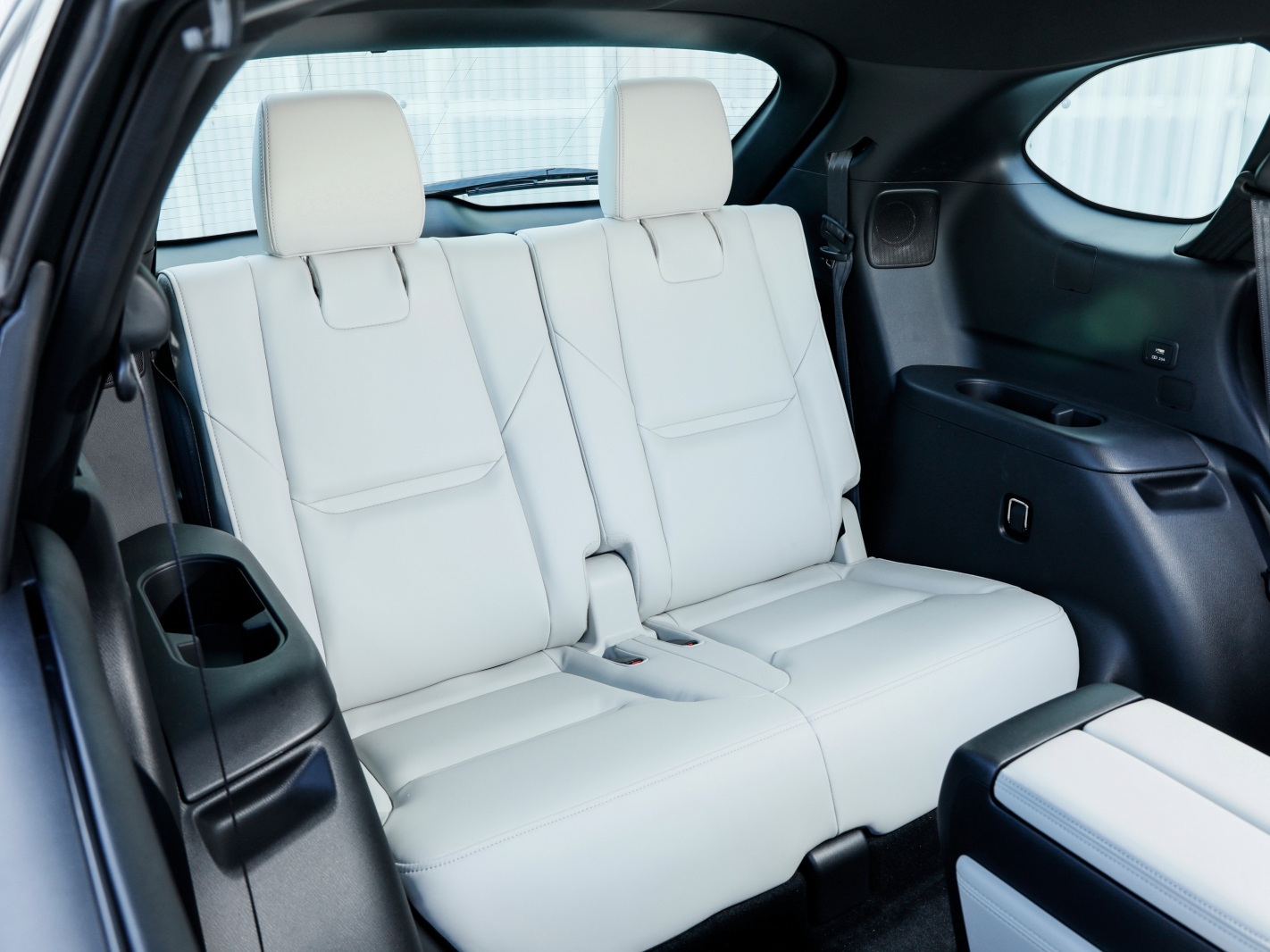
While some rival seven-seater back-row seating is a bit of a gesture, the CX-9’s is a bit better. You’ll never look at the third row the same way again after spending any time in the captain’s row, but it is functional.
As a bonus, the electric adjustment of the second-row seats allows simple one-touch access to the back row.
Of course, if you like all the Azami LE’s attributes but your passengers simply don’t deserve that level of comfort, the standard LE is available with seven more conventional seats and it’ll save you a significant $3250.
You don’t have to cast your mind too far back to remember a time when Mazda played in the economy class market and it did that very well, but with the introduction of its resoundingly good Mazda 3, it transitioned convincingly into business class travel.
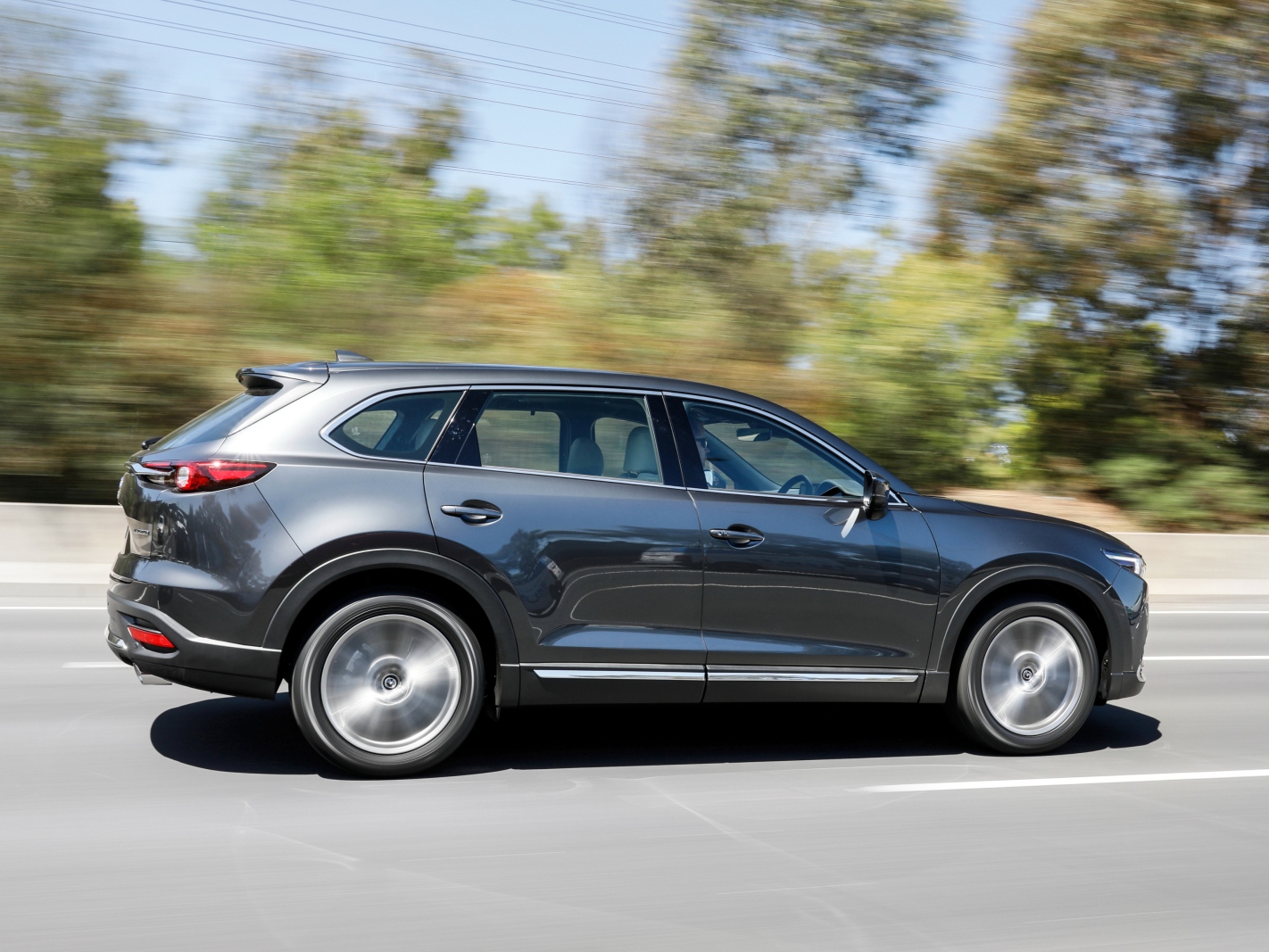
But now there’s the new flagship of the CX-9 range and the entire Mazda family, and while it’s fair to say that $74,000 is a lot of moolah for a Mazda, if you think of it as the company’s first-class foray, it doesn’t seem like such a bad deal after all.
Rating 4/5
Model Mazda CX-9 Azami LE Engine 2488cc 4cyl, dohc, 16v, turbo Max power 170kW Max torque 420Nm Transmission 6-speed automatic Weight 2010kg 0-100km/h 7.6s Economy 9.0L/100km Price $73,875 On sale now
Depending on your point of view and intended usage, the new Mercedes-Benz A250e sedan plug-in hybrid is likely one of two things.
Either a well-sorted daily EV providing the option of longer trips with zero range anxiety and the convenience of a quick petrol refill, or a well-sorted daily EV saddled with lugging around a few hundred kilos of internal combustion engine that fires up only a few times a year.
Regardless of which camp you’re in, this new arrival into the electrified segment does bring some useful advances not seen from the likes of PHEVs that could be loosely considered competitors; cars like the Mini Countryman PHEV ($57,200) or the Volvo XC40 Recharge ($64,990).
For starters, the plug-in A-Class can be optioned (for $1490) with DC fast-charging capability for the 15.6kWh battery housed under boot.
This allows a decent whack of charge to flow into the car – say from 10 per cent to 80 – from a commercial charger in under 30 minutes.
Without it, the circa 60km of pure EV capability can be achieved in around 7.5 hours on a regular domestic supply, or 4.5 hours from a wall box fitted to your parking space from $1250.

If the stats are to be believed, most people drive fewer than 50km per day, so the range is adequate without the need for the 1.3-litre turbo-four to fire up.
Performance is sufficiently sprightly in EV mode, too, thanks to the generous whack of near-silent torque available at step-off.
You’ll choose EV mode as the default for daily driving, and not just as a fuel-saving measure: the lack of engine noise, elimination of gear-shuffling from the eight-speed dual-clutch and instantaneousness of the throttle response make it perfect for typical urban driving.
And if you do need to summon everything the combined driveline can muster, kicking the throttle pedal through the indent deep in its travel will wake the four-pot to deliver a seamless, swift burst of speed, albeit with a bit of high-rev raucousness.
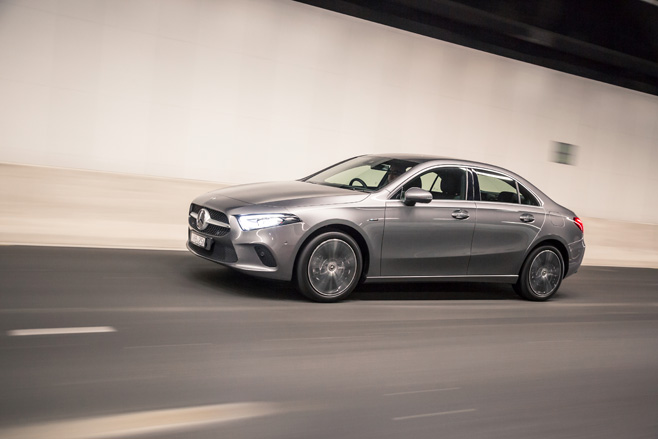
Claimed 0-100km/h in this mode is 6.6 seconds, so not far short of the lighter, grippier AWD petrol A250, which gets there in a claimed 6.2sec.
The only slight downside for the hybrid is that its total combined outputs of 160kW and 450Nm are funnelled through the front wheels only, so there is a degree of torque steer and ESC intervention when you start throwing a heavy right foot at it on wet roads.
Oh, and it’s noticeably less nimble when driven swiftly in tight terrain than the A250 4Matic, due to the combined extra weight of the 150kg battery pack and 75kW motor that sits sandwiched between the engine and gearbox.

But that’s not enough to prevent the A250e still being a mostly cohesive, satisfying driving experience; one that allows plenty of user-tweakable flexibility.
For example, you can vary the braking re-gen via the wheel-mounted paddles, or choose ‘battery level’ mode that excludes the EV side of the powertrain, allowing you to cruise on a highway trip on the engine alone, and later utilise the available EV range when you arrive in town.
And of course the nav is sufficiently smart to guide you on a route either optimised for remaining charge, or one that takes in charging options.
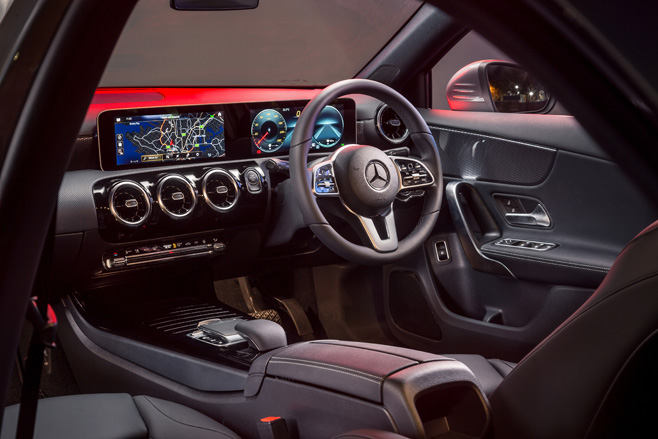
Overall, as a value equation, you could never build a compelling case for the hybrid based on fuel savings alone. The list prices of $63,400 for the hatch and $66,000 for the sedan is around $6K steeper than you would pay for the A250 4Matic pair, and also sees some disappointing equipment omissions.
For example, you’ll be adjusting the front seats manually unless you option otherwise, and accommodated in a cabin trimmed in faux leather.
But for buyers wanting most of the EV driving benefits without making a full commitment to forgo bowser power, the A250e does advance the cause, and could be a handy bridging measure until Australia’s charging infrastructure proliferates.

Rating 3.5/5
Likes Handy EV-only range; charging flexibility; seamless integration Dislikes Non-IRS rear end; tyre noise; manual seats at $66K?
Mercedes-Benz A250e sedan specs
Engine 1331cc 4cyl, dohc, 16v, turbo Motor single speed, gearbox integrated Battery 15.6kWh lithium ion Max combined power 160kW @ 5500rpm Max torque 450Nm @ 1600-4000rpm Transmission 8-speed dual-clutch Weight 1605kg 0-100km/h 6.6sec (claimed) Economy 1.6L/100km Price $66,000 On sale Now
Key the ignition off, let your heart return to something that doesn’t feel like a jackhammer in your chest and try to order your thoughts.
The Mercedes-AMG GLA 45 S doesn’t always make that easy. Driven as intended, it’s shockingly fierce and searingly rapid.
Try to prod at its limits on a challenging road and the experience is staggeringly intense. Perhaps it’s the combination of height, compactness and sheer punch that is so mind-scrambling.
Mentally piece together the road that it’s just demolished and it’s clear that this is a small SUV that rewrites what we thought were the extremes of the genre.
In order to make sense of the violence of what has just happened, perhaps we need to furnish you with some backstory.
Mercedes-Benz has certainly squeezed the A-Class formula until the pips are squeaking. The baby in the Mercedes firmament, the A-Class’ MFA2 platform not only underpins the ever-popular A-Class hatch, but has also been spun into the A-Class sedan, the CLA four-door coupe, a long wheelbase sedan for China and now the GLA baby SUV.
Given that there’s a certain metronomic predictability about some of Mercedes’ product launches that is reassuringly Germanic, having already driven the ballistic Mercedes-AMG A45 S, it was only a matter of time before the folks at AMG got their hands on the GLA.
The results are suitably breathtaking. There has never been a baby SUV with the sort of power and performance that the brains trust from Affalterbach have presented here.
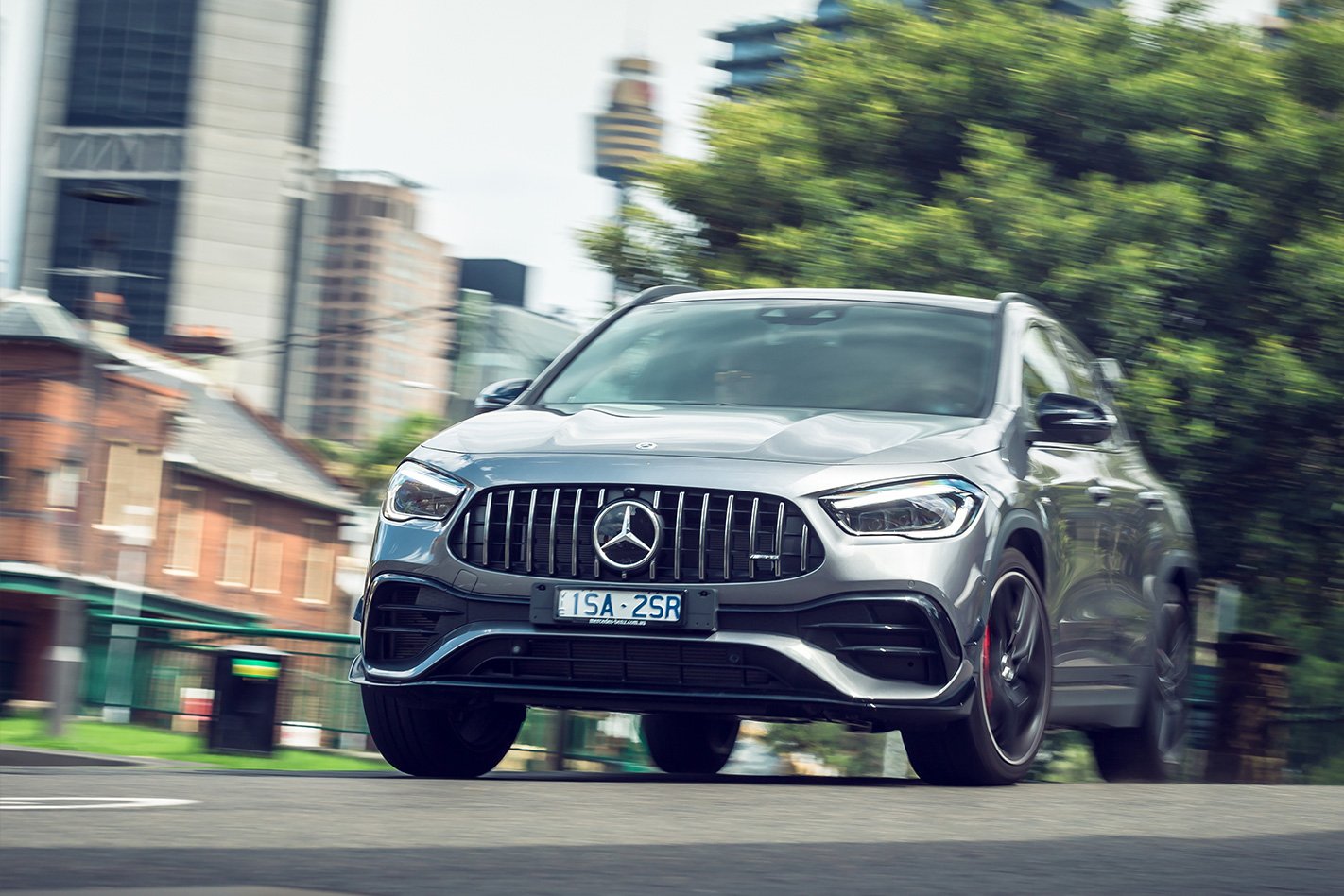
As impressive as the bald facts are – and 310kW/500Nm in a car that weighs less than 1700kg is certainly impressive – we feel it’s incumbent upon us to address the elephant in the room.
The Mercedes-AMG GLA 45 S is, in all practical considerations, a hot hatch on stilts. Most of us are used to paying around $50,000 for some of the very best hot hatches, but this GLA will set you back $107,035.
Despite the fact that this chubby AMG crossover will utterly destroy the very best of that crop in terms of power and capability, it’s an obstacle many buyers will struggle to overcome.
And that’s notwithstanding the fact that, to all intents and purposes, the AMG GLA 45 S is a $93K AMG A45 S with a bit more ride height and a little more space inside.
That price tag also shunts the AMG into the realm of some ultra-talented sports SUVs. A Volvo XC60 T8 Polestar Engineered is around $8K cheaper, a Porsche Macan GTS about five grand more.
Both are slower.
Sit behind the wheel of the GLA 45 S and the genetic link to a $44,000 A-Class is explicit. In other words, there are some compelling reasons why you should shop elsewhere that all seem perfectly valid right up until the moment you prod the silver starter button.
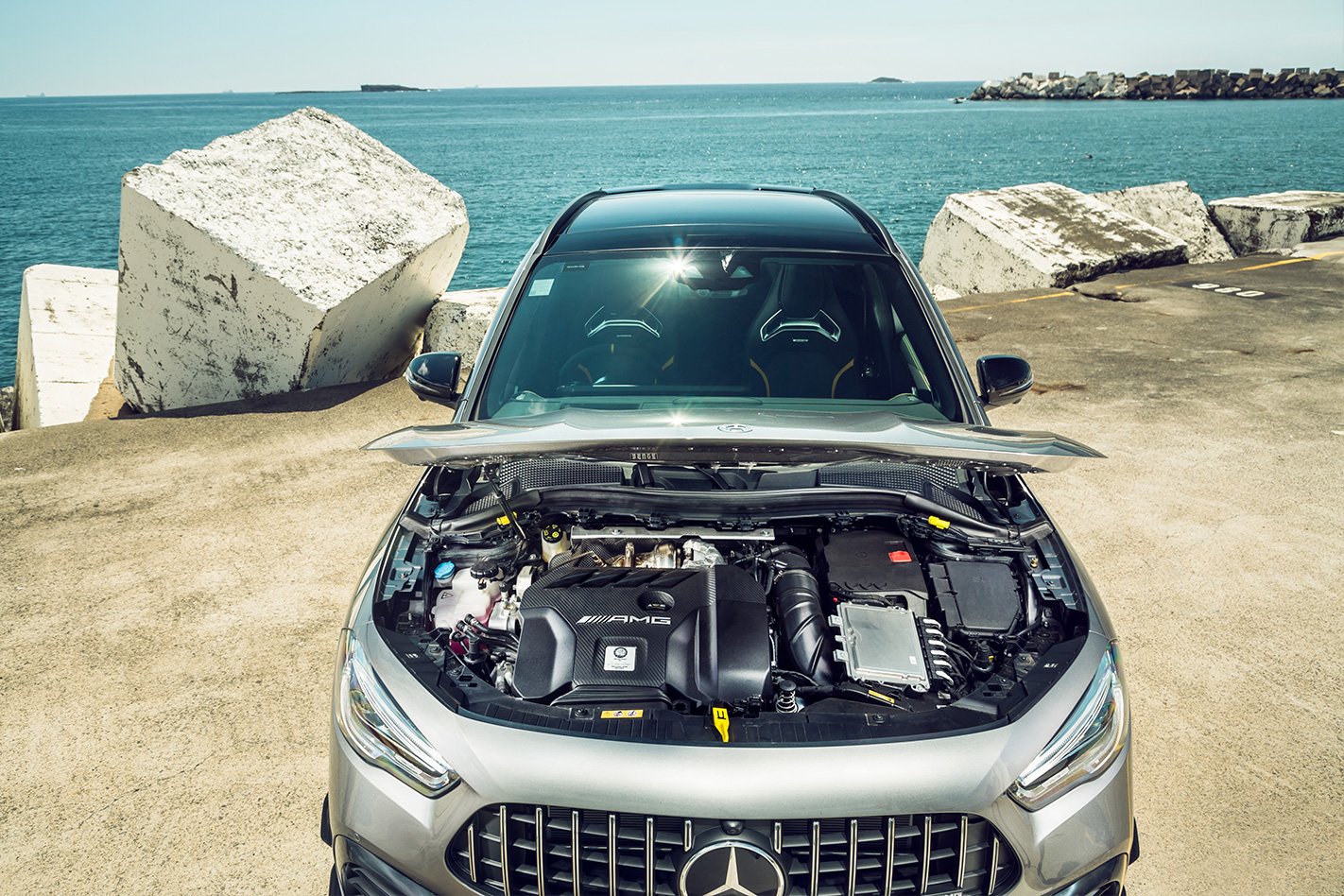
Underneath the stubby bonnet of the GLA is one of the world’s great engines. A 1991cc four-cylinder petrol engine with a single turbo that makes 310kW sound like the very definition of peaky lag and lunge tedium.
It just shouldn’t work. Yet it does. Plug the GLA 45 S into third gear at little more than jogging pace and mash the throttle and it really starts gathering pace from 2500rpm.
By 3000rpm, it has cleared its throat and is really motoring, and the excitement keeps building. At 5000rpm, the exhaust note mutates into a frenzied rush, overlaid by the distant siren-like keening of the twin-scroll turbocharger. By most accepted measures, the acceleration ought to tail off thereafter, but it just intensifies, right through to the soft 7000rpm rev limiter where you snick up another gear and repeat.
For what is ostensibly an SUV, it’s bonkers.
With both port and direct injection, the M139 engine is a fiendishly clever piece of tech.
Needle bearings for the turbo allow it to spin cleanly, propelled by up to 2.1 bar of boost to 169,000rpm, delivering that surreally lag-free feel.
AMG also torque-shaped the engine’s response to make the most of the turbo’s response, lifting the peak torque to 5000-5250rpm, and thus giving the engine a more naturally aspirated feel.
Affalterbach also worked on a smart dual-cooling system, which allows for the head to be kept comparatively cooler for maximum output via a mechanical water pump, while the crankcase is kept a little warmer for lower friction, utilising a second, electrically driven water pump.
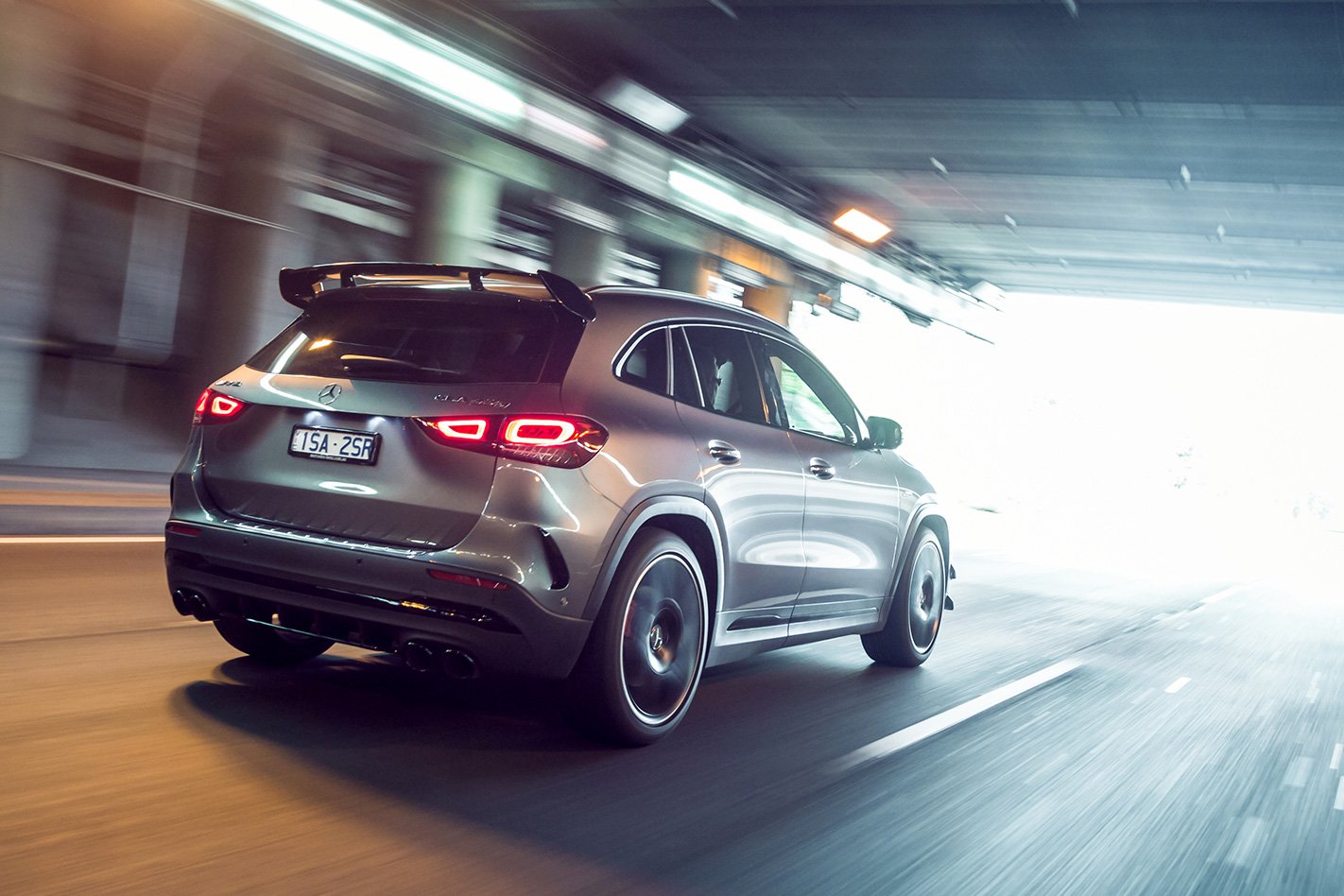
Some context? AMG quotes a 4.3-second 0-100km/h time. We achieved 4.4 seconds, which is quicker than a BMW M2 Competition, the difference being the M2 was figured on a hot and sticky dragstrip and the AMG was splashing through standing water in the rain on a private road.
Extracting that performance really couldn’t be easier. Switch the mode dial to Race, ensure the transmission is set to ‘D’, foot on the brake, jab the throttle pedal to the floor, check that the Race Start dash legend has engaged and then sidestep the brake.
The eight-speed dual-clutch transmission blats through the gears crisply. So quick are the ’box’s reactions in Race mode that it has the ability to kick down two gears upon sharp throttle demand before the pedal reaches the end of its travel.
Power is shuffled between the rear wheels via a pair of electronically controlled clutch packs which, when set into the requisite configuration, will even allow an element of power oversteer. It’s a riot.
On road, the AMG GLA 45 S corners with little roll, the microfibre-trimmed wheel tipping the car into corners cleanly. On occasion, the transmission can knock the car down a couple of gears as you pick up the throttle on corner exit, but this rarely shocks either transmission or body, but it can sound a little clumsy.
Keep the car in manual mode instead and you can pluck gears perfectly at will. One caveat is that the space between the right-hand gearchange tab and the column-mounted shifter is pretty tight.
If, like me, you have large hands, it’s entirely possible to turn left with your mitts curled onto the shifter and knock the gear selector up into neutral with a knuckle, depriving you of drive.
For a company as safety-obsessed as Mercedes-Benz, this remains a curious blindspot.
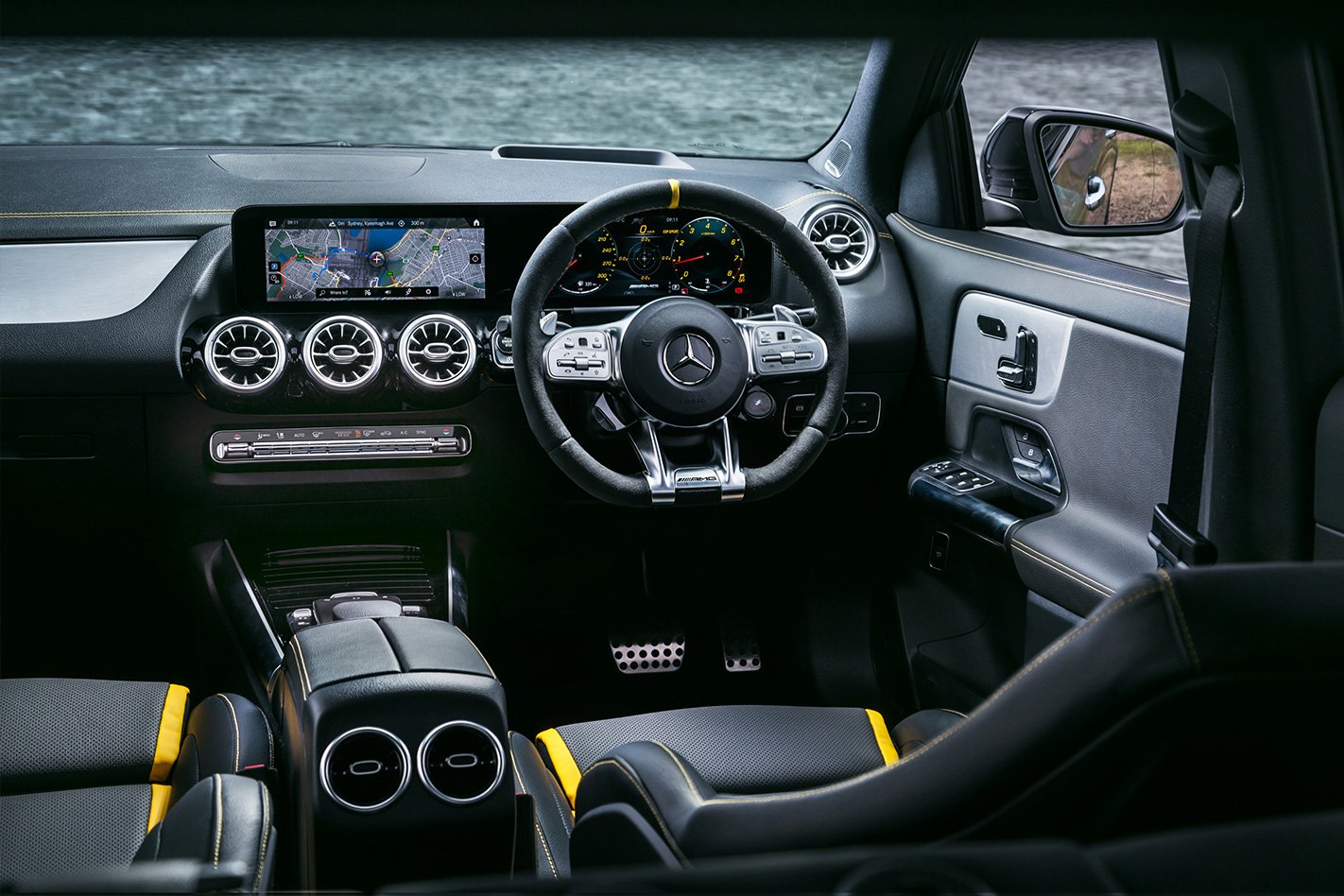
The cabin is otherwise much as you’d expect from an A-class-derived vehicle: that is glitzy but deeply engaging. The MBUX infotainment system is fiendishly complex, but extremely clever.
There’s an excellent head-up display, a fiddly wireless phone charger, decent but fairly firm seats, and multiple drive modes to play with, cycling through Slippery, Individual, Comfort, Sport, Sport+ and Race. Key the car off and it’ll always restart in Comfort, but a press of the manettino-style mode dial pings it straight into your custom-set Individual mode.
Keying off also defaults the grabby lane-keep assist system back to the engaged setting, which requires a tedious sift through the touch-screen menu system to disengage. It also switches the air conditioning off the recirculation mode. If you’re a hay fever sufferer, you’d rather the GLA retained the setting it was left in.
Testing revealed a couple of quirks. One was a seatbelt warning that needed to be cleared down every time the car was started and the other was the vehicle’s habit of activating the pre-crash process (grabbing seatbelts, snatching at the steering, activating the hazards and sounding chimes) whenever the GLA was braked into a particular guardrail-lined right-hand hairpin.
Like all of the A-Class-derived interiors, the brightwork can reflect crazily in midday sunlight with the illuminated air vents positioned in a way to perfectly reflect in the nearside door mirror at night.
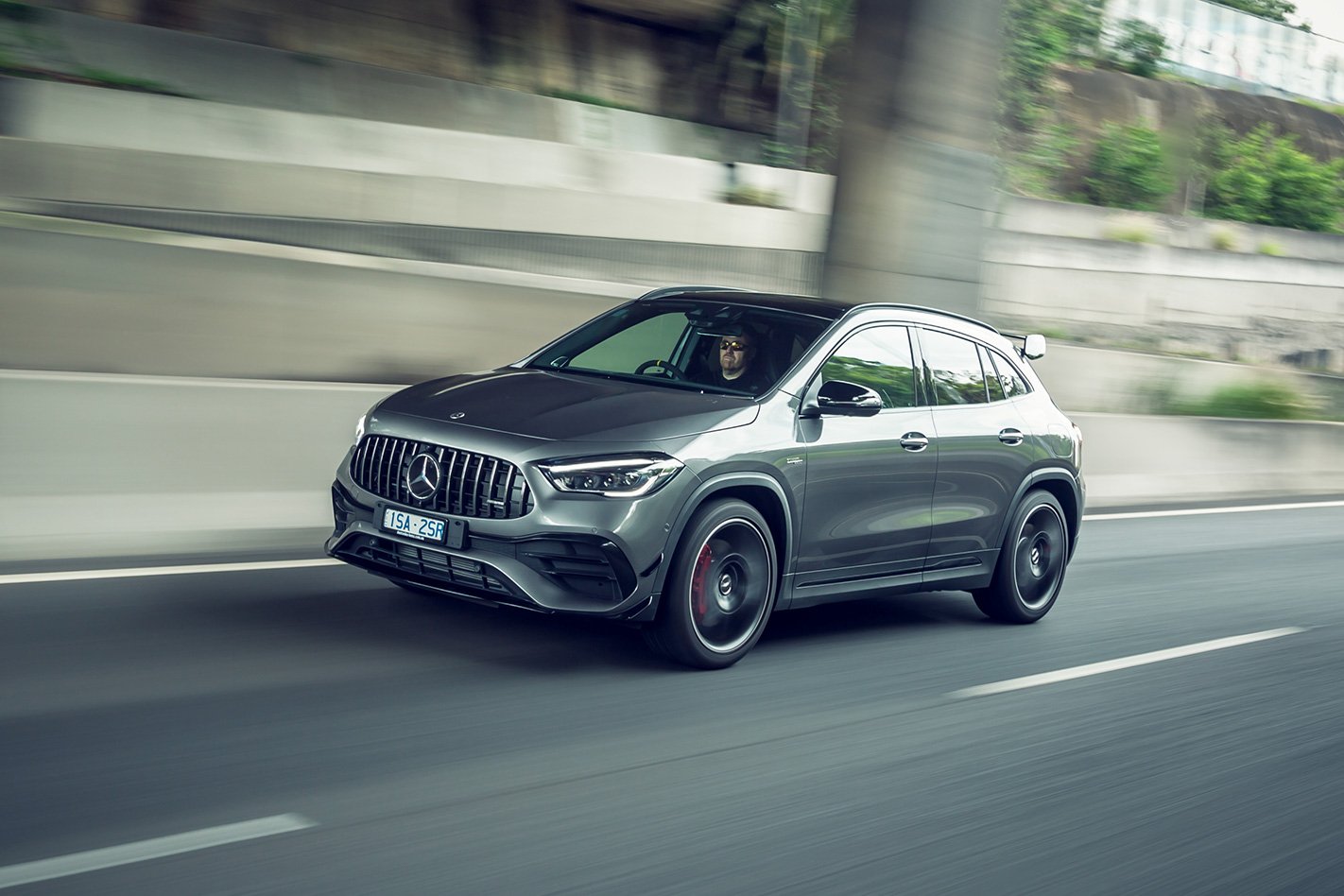
For all of its undoubted attributes, it’s something of a struggle to picture the buyer of a GLA 45 S. For it to make sense, you’ve really got to drive it, otherwise, the $25K cheaper GLA 35 AMG would seem to deliver a more compelling value proposition.
And if you are a really keen driver, you’ll rapidly come to the conclusion that the AMG A45 S hatch delivers a higher-fidelity driving experience. What’s more, I’m not sure that the GLA possesses the requisite bandwidth to be that refined small family SUV which then turns into a backroads brawler when you have a bit of time to yourself.
It’s sprung so firmly that your toddlers would grow necks like Dan Ricciardo. Not that there’s anything wrong with that, but it’s not what I’d choose if I was looking for something that could soothe them into the warm embrace of slumber on a journey.
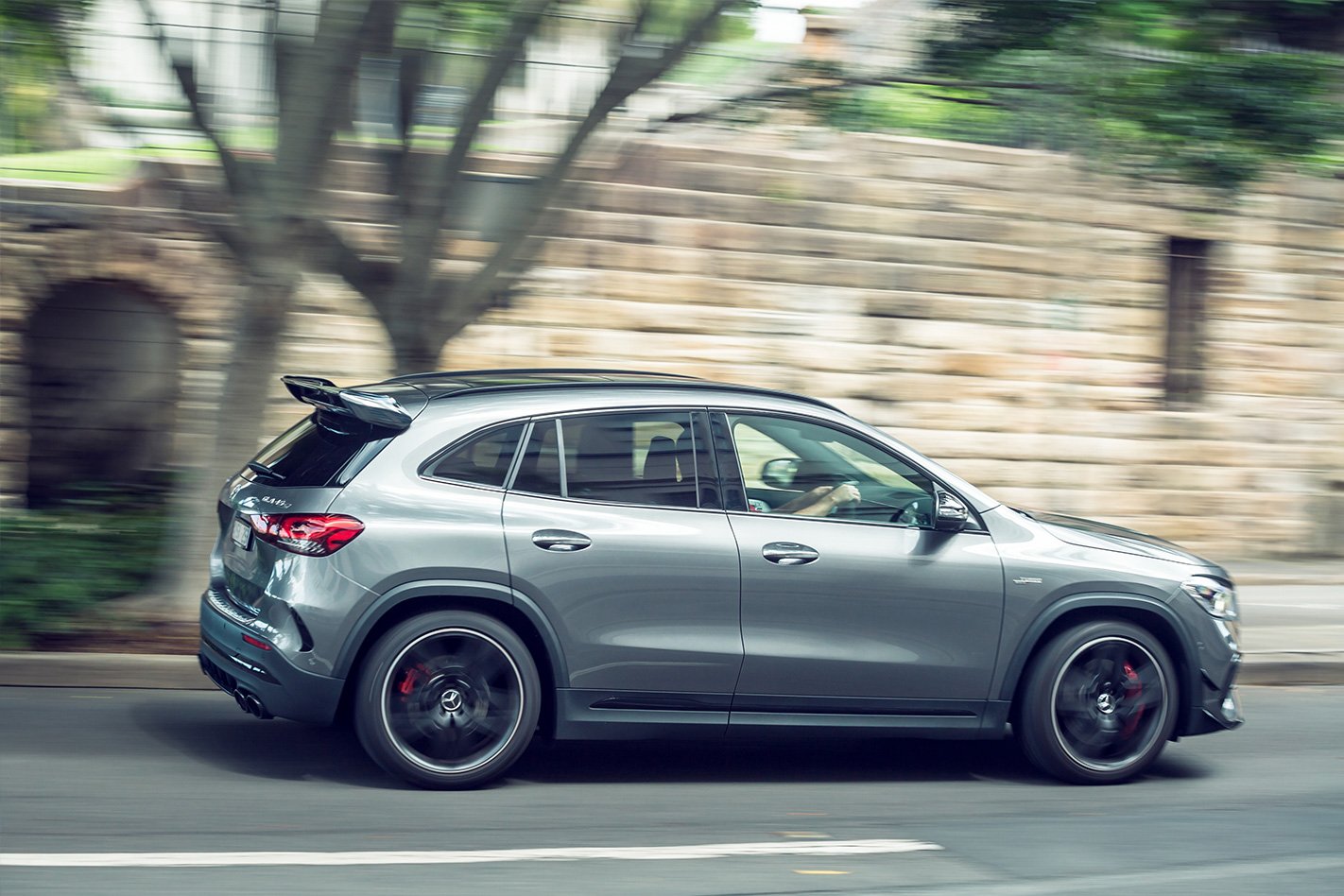
So the GLA 45 S emerges as something of an oddity, albeit a very fierce and crushingly rapid one. It teases at the edge of AMG’s product proliferation plans, but given the demand for Affalterbach’s wares here in Australia, it’ll likely find takers for its particular blend of qualities.
There’s a quirky character ready to reveal itself but it does come at a cost. In delivering the astonishing capability of this powertrain, AMG has saddled this GLA with a distinctly self-conscious price tag.
Or, as Jeff Goldblum once mused, “Your scientists were so preoccupied with whether or not they could that they didn’t stop to think if they should.”
Rating 4/5
Likes Crushing all-weather capability; amazing engine; interesting tech Dislikes Road noise; price; niche appeal; some klutzy ergonomics
Engine 1991cc inline-4, DOHC, 16v, turbo Power 310kW @ 6750rpm Torque 500Nm @ 5000-5250rpm 0-100km/h 4.3s (claimed) Weight 1765kg Price $107,035
Tesla has unveiled a long-awaited refresh to its Model S sedan, showing off a radically redesigned interior accompanied by only minor exterior tweaks.
Don’t get too excited, though… even though pricing has been revealed, Australia is at the back of the queue to receive the latest version of Tesla’s longest-serving model.
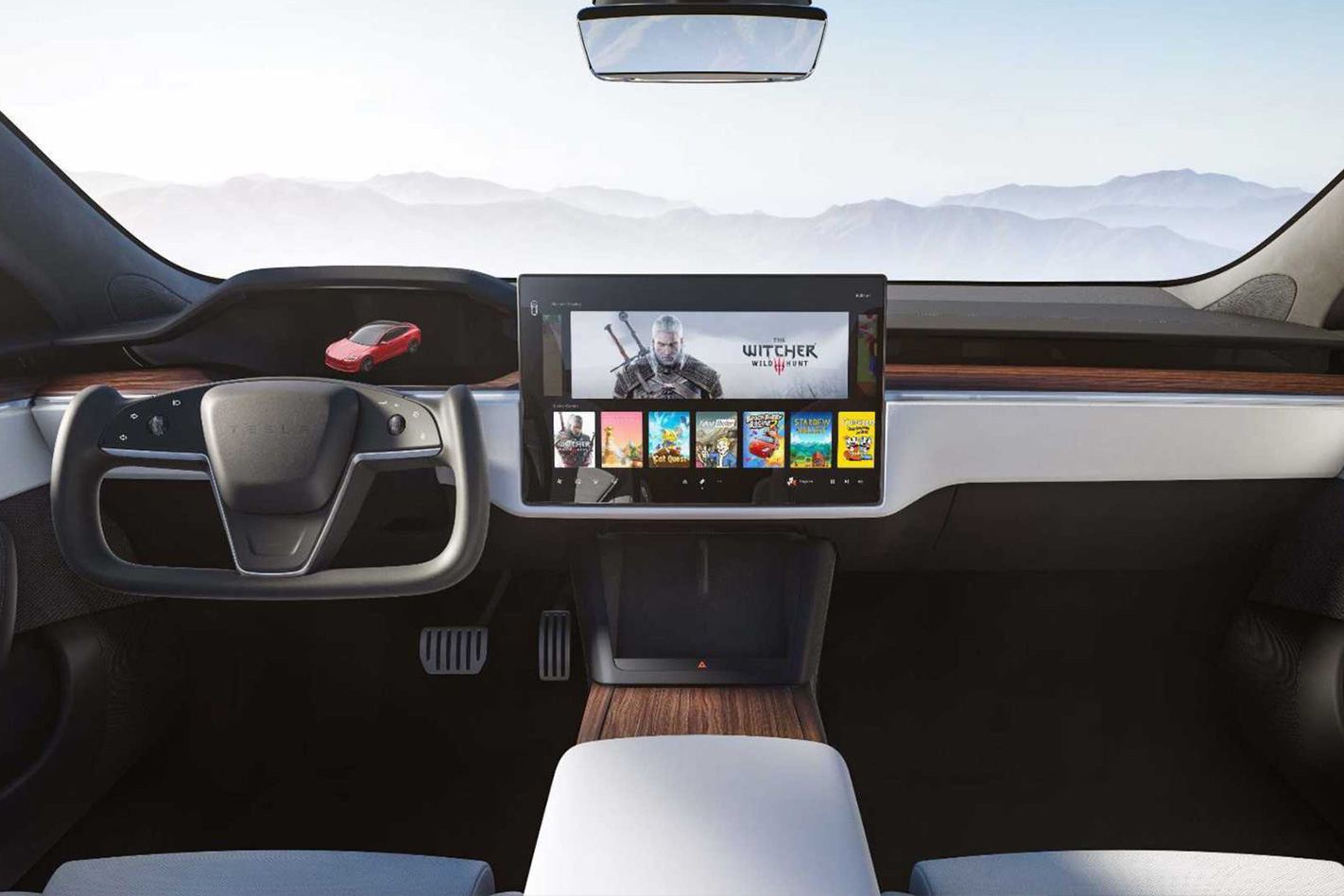
The biggest changes are in the interior. Gone is the portrait-mounted centre touchscreen in favour of a Model 3-style 17-inch floating landscape display, while a yoke steering wheel with no stalks replaces the traditional round item.
Gone too, it seems, is any semblance of traditional gear-changing or indicating. There are no visible toggles or paddles, no buttons on the centre console and no lever that could be used to engage forward and reverse modes.
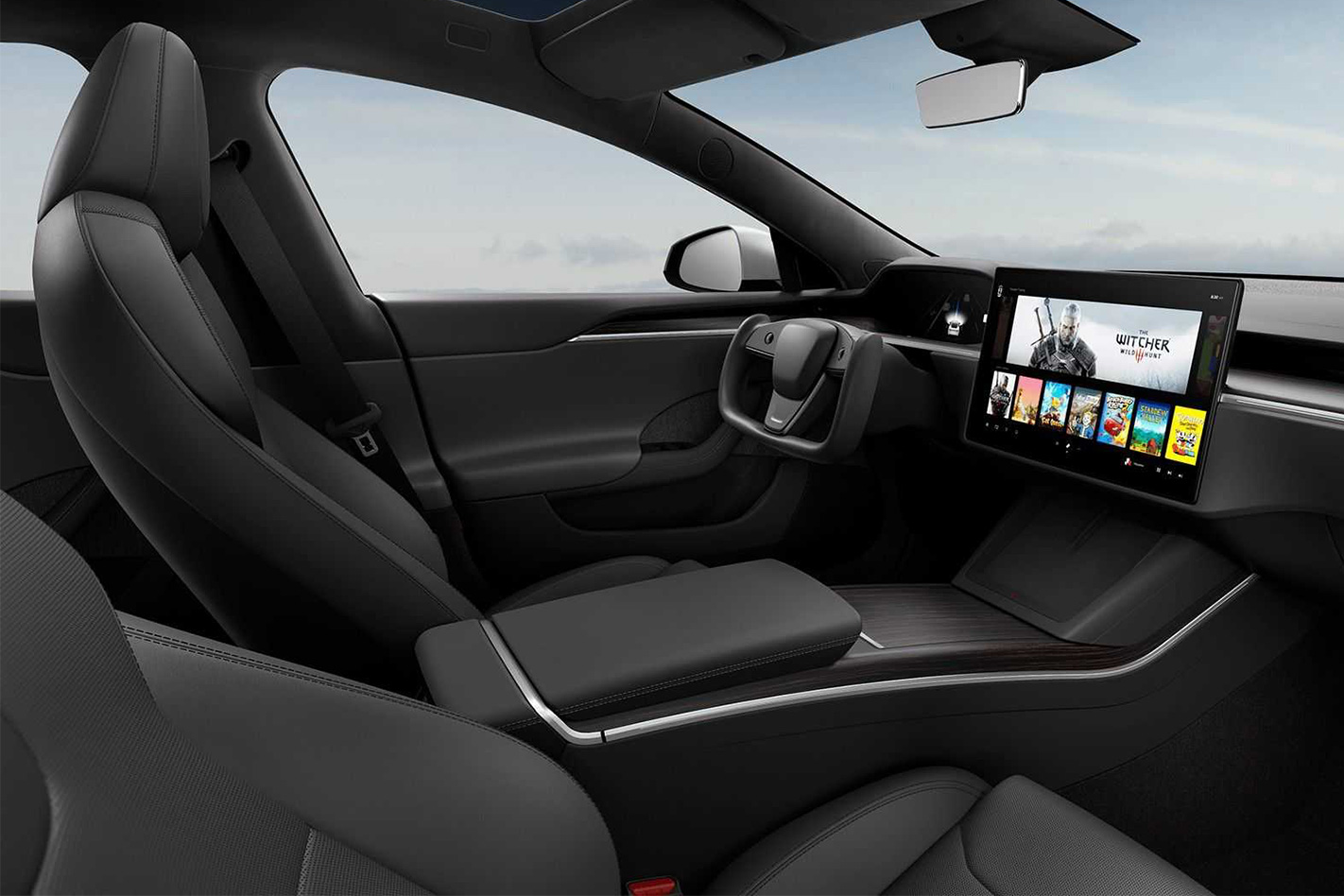
The centre-mounted cinematic infotainment screen can tilt towards passenger or driver and is said to feature brighter, truer colours.
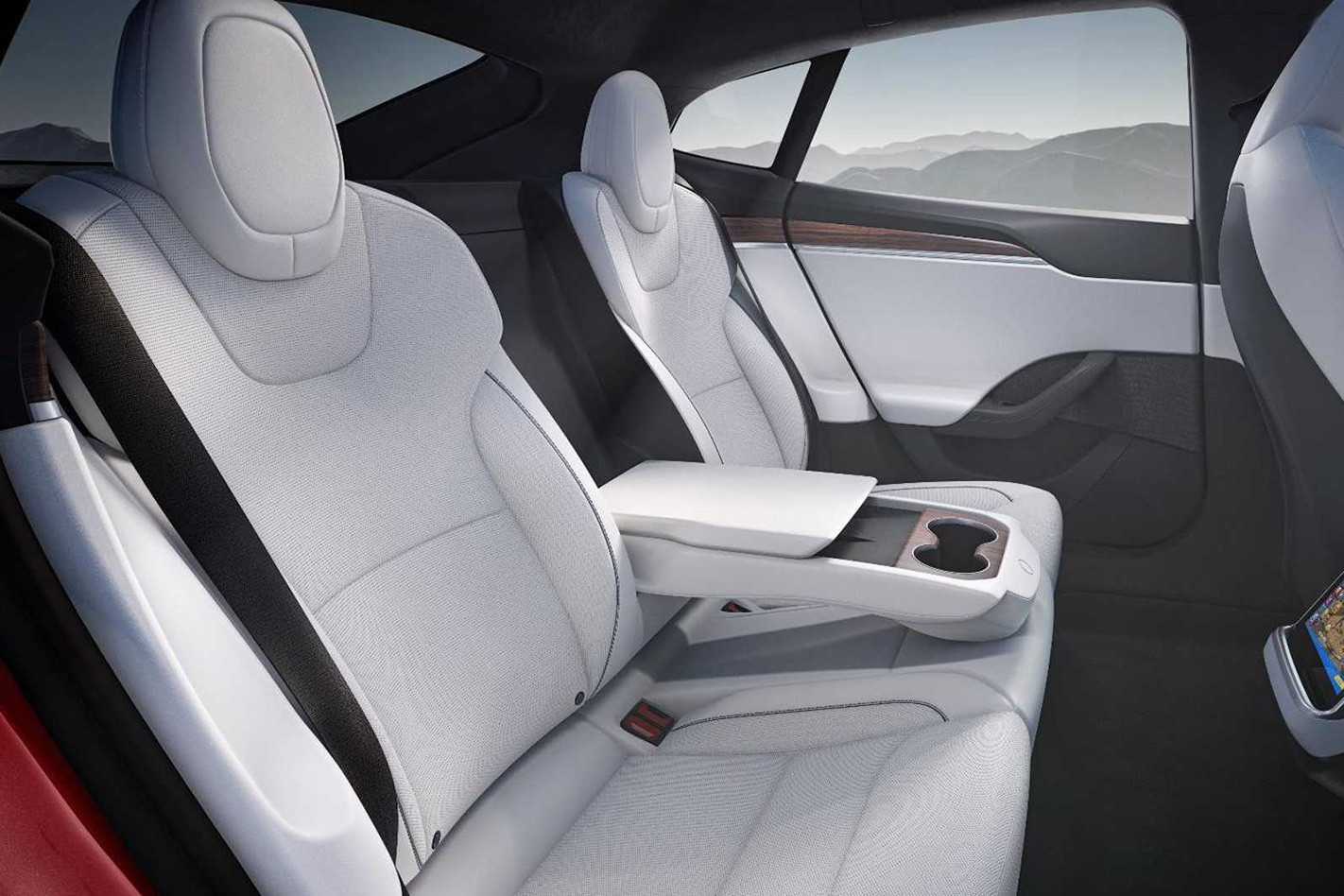
There’s also a revised dashboard that does away with conventional vents, while its rear seats have accentuated bolstering.
The Model S pictured below is also presented as a four-seater, though there are seatbelt clips for three rear-seaters.
Wireless charging and USB-C ports are available to every passenger, and dark wood, light wood or carbon-look trim accents can be optioned.
The previous digital instrument cluster remains in place behind the new steering wheel.
The Model X SUV also gets a similar interior update, though less is changed on the exterior compared to the Model S.
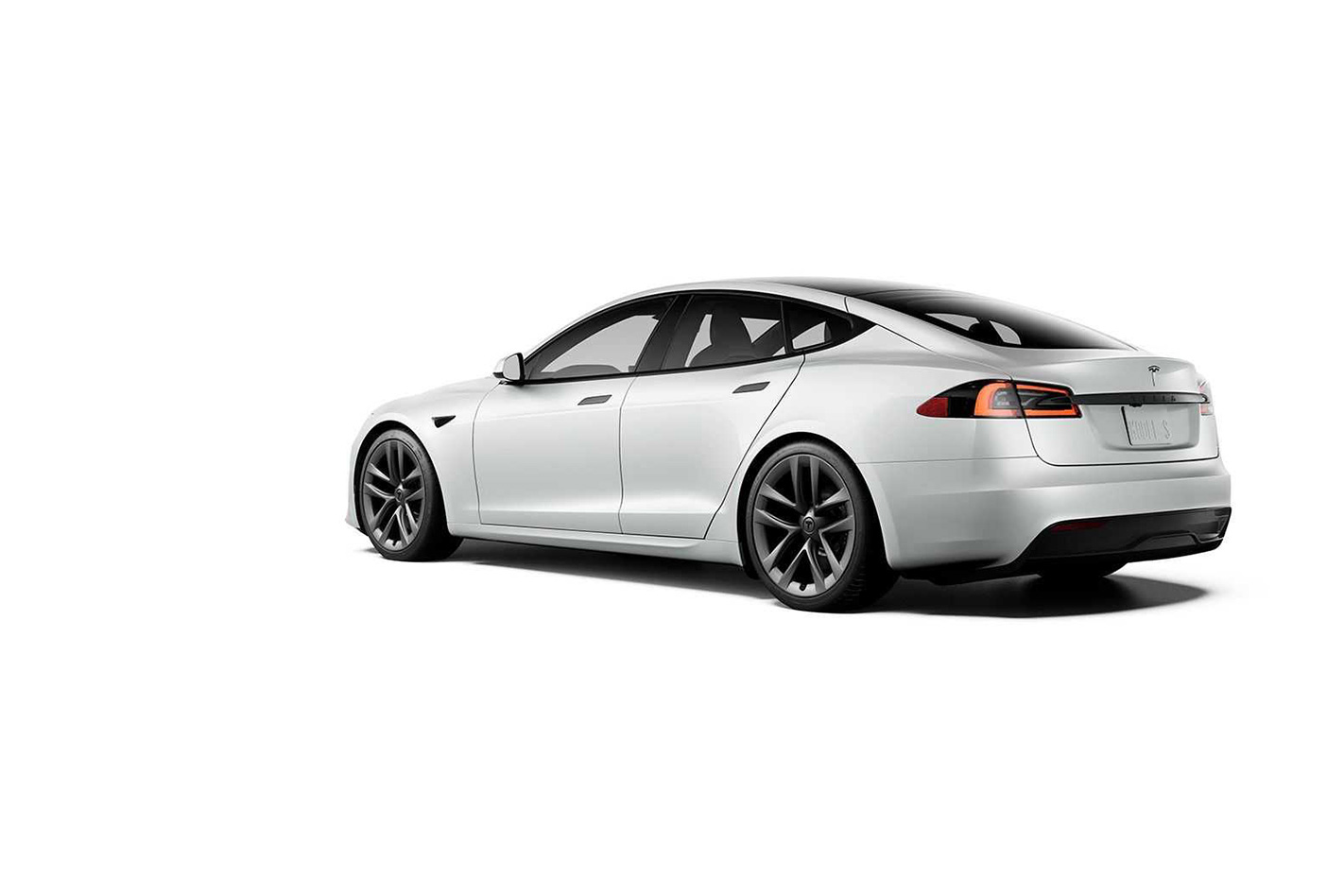
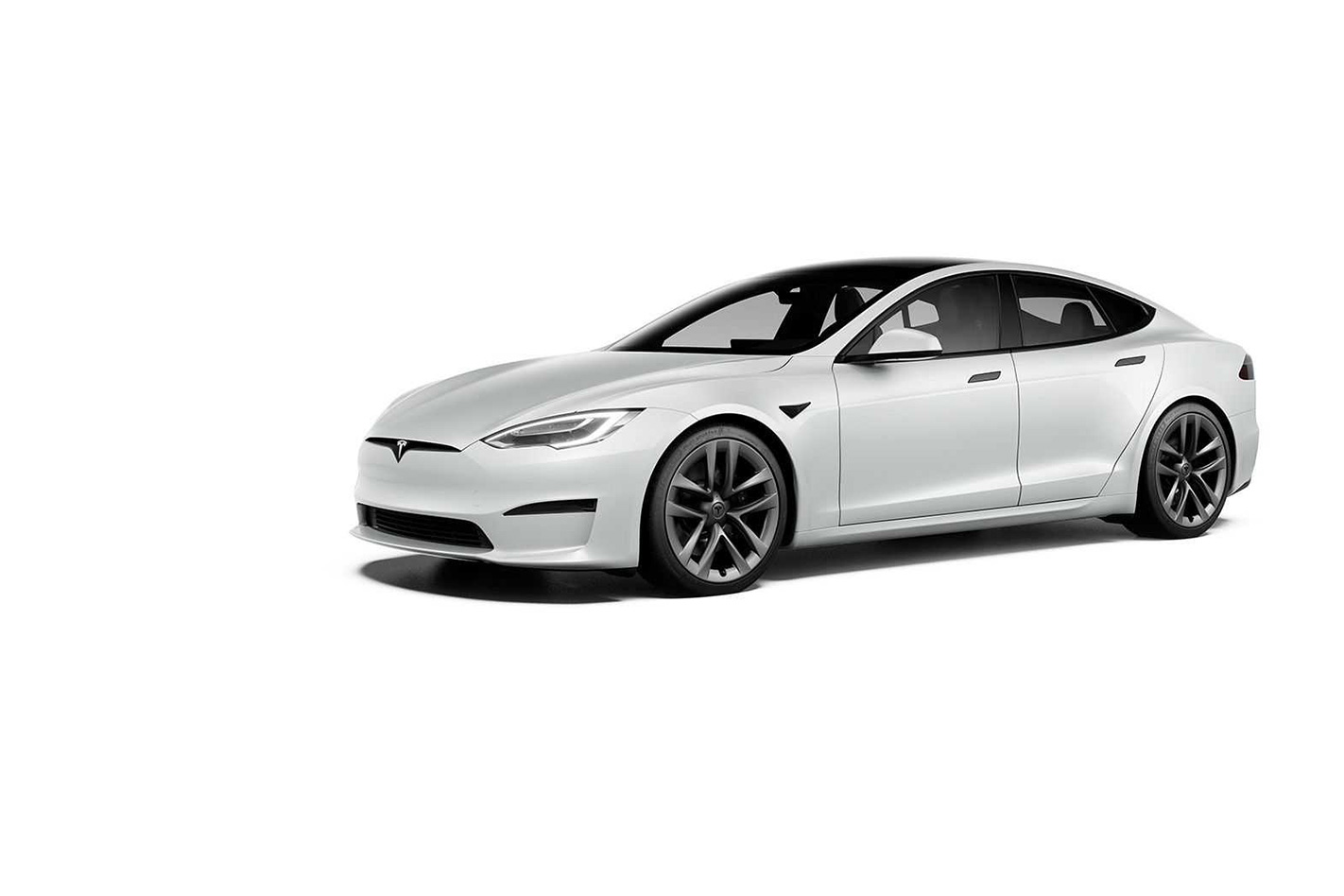
Outside, the Model S now features a more aggressive front bumper bar and a subtly tidied rear end, in addition to new-design wheels.
Little is changed around the rest of the car, suggesting a carry-over for the seven-year-old metalwork.
The new Model S is due to launch in Australia in 2022, with Tesla promising a performance boost, too.
Tesla is calling its newest range-topper Plaid+ (replacing the Performance variant), and says this new triple-motor Model S can go from zero to 100km/h in under two seconds while delivering an 836km range.
The new three-strong range will be on offer locally, and prices are already up despite the long lead time.
It starts with the Model S Long Range ($154,863 driveaway), moves into the Model S Plaid ($215,816 driveaway) and tops out with the Model S Plaid+ ($237,970 driveaway).
Prices are approximate, based on registration in Victoria.
The Long Range uses two electric motors for a claimed 663km range, can sprint from zero to 100km/h in 3.2 seconds and run onto a 250km/h top speed.
The standard Plaid comes next, with three motors providing a 628km range, a 320km/h top speed and a claimed 2.1-second 0-100km/h sprint.
Tesla’s Plaid+ replaces the previous Performance variant. It uses three motors to output more than 820kW, will accelerate to 100km/h in less than two seconds and features carbon-ceramic brake rotors and torque vectoring.
Tesla’s self-claimed ‘level five’ Autopilot, which was supposedly in development last year, can be optioned for an additional $10,100 and is said to provide “navigation on Autopilot, auto lane change, auto park, Summon, auto steering on city streets and traffic light and stop sign control.”
Of note, Tesla claims that regulatory approval for this version of Autopilot may take longer in some jurisdictions.
The new design was shown during a quarterly earnings report.
Tesla says production of refreshed Model S and Model X cars is due to begin within weeks in overseas markets.
2022 Tesla Model S Australian pricing
- Model S Long Range – $154,863 driveaway
- Model S Plaid – $215,816 driveaway
- Model S Plaid+ – $237,970 driveaway
UPDATE, January 2023: Sony Honda Mobility announce Afeela brand, unveil new prototype EV
Here it is, a first look at the near-production EV concept that will be launched in 2025 under Sony Honda Mobility’s new brand, Afeela. Get all the details at the link below.

The story to here
In a disappointing about-face, Sony has indicated that it won’t make its Vision-S electric vehicle available to the public after all.
Sony surprised the world by unveiling its own electric car at the Consumer Electronics Show in 2020, and the technology and electronics company was following all the normal paths towards a series production run.
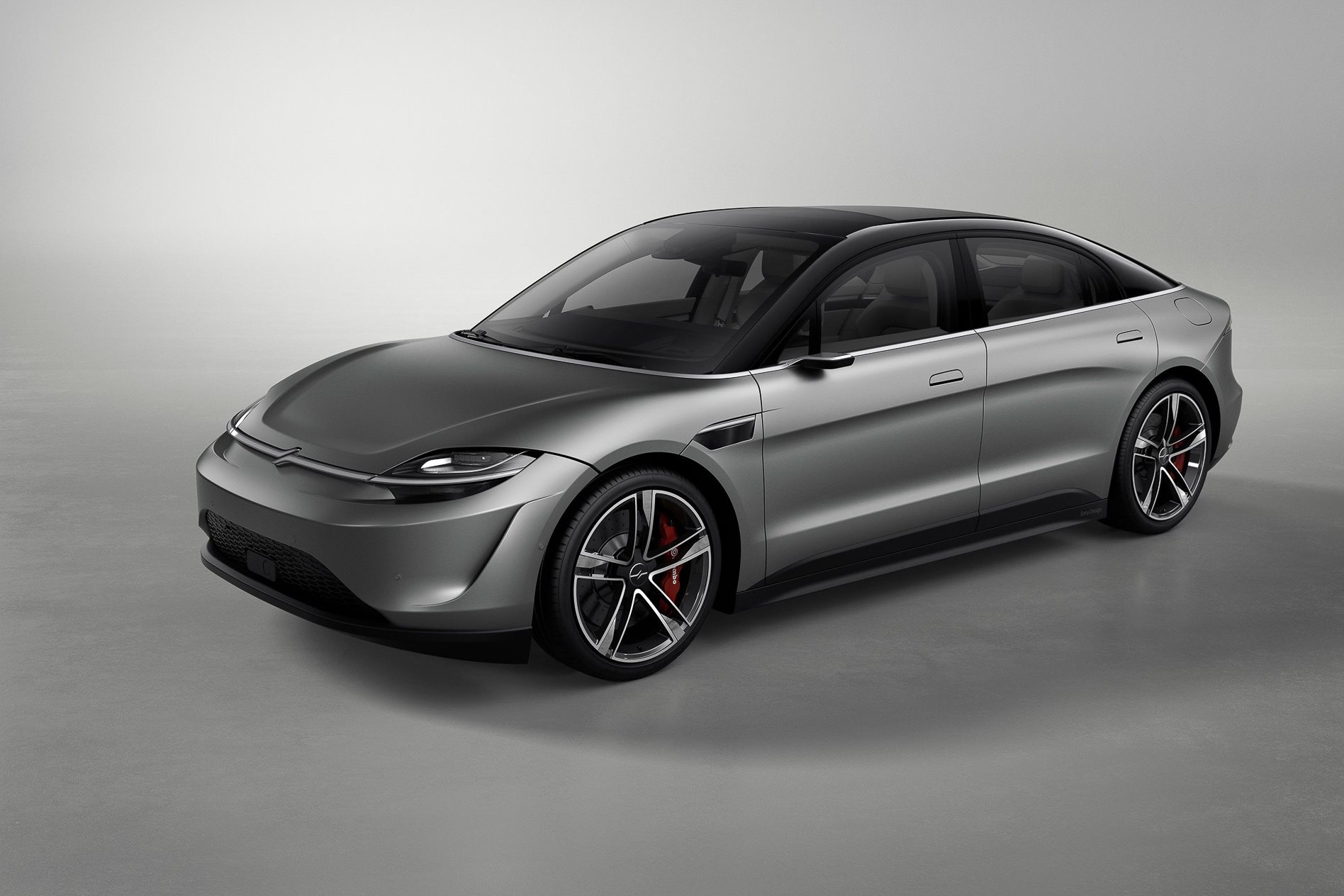
Now, though, Sony has poured cold water on expectations by revealing that the Vision-S is, in fact, only a test bed for technology development.
“At present, we have no plans to mass-produce or sell the vehicle. With mobility expected as a major mega trend into the future, we’re exploring how Sony can contribute in a meaningful way to the era of autonomous driving,” a company spokesperson told US site Car and Driver.
This follows less than a month after the car was seen testing on Austrian roads, leading to assumptions that the Vision-S was on a steady track towards reality.
However, Sony has confirmed it has no current plans to build the Vision-S or anything like it, though the technology firm did stop short of ruling out a play in the EV space in the future.
Instead, Sony says the Vision-S is designed to test new technologies relating to autonomous driving and infotainment including gesture control, a 360-degree audio system and its own LIDAR-based autonomous driving system.
We wouldn’t put it past the company to somehow incorporate its Playstation 5 gaming system in the future, too.
It is curious, though, that Sony went to the trouble of building a fully-functioning electric car with help from partner Magna Steyr (which also builds the Toyota Supra and BMW Z4), shipped the car across the world for various development tweaks, and even tested its safety tech on public roads.
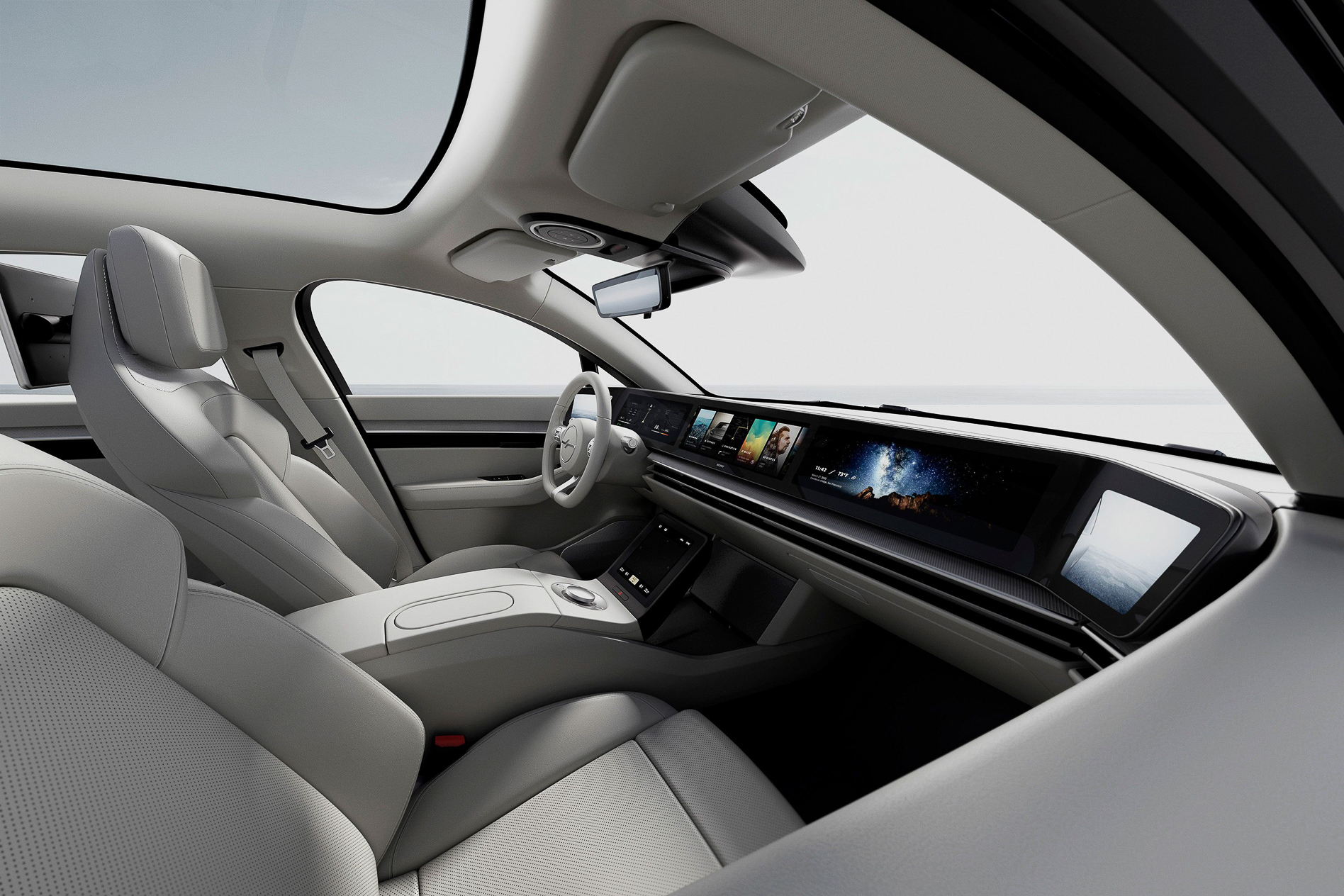
Considering Sony could have developed its systems using an existing car – Google developed its Waymo self-driving tech with a Chrysler Pacifica for example – it is interesting that the Vision-S is so detailed.
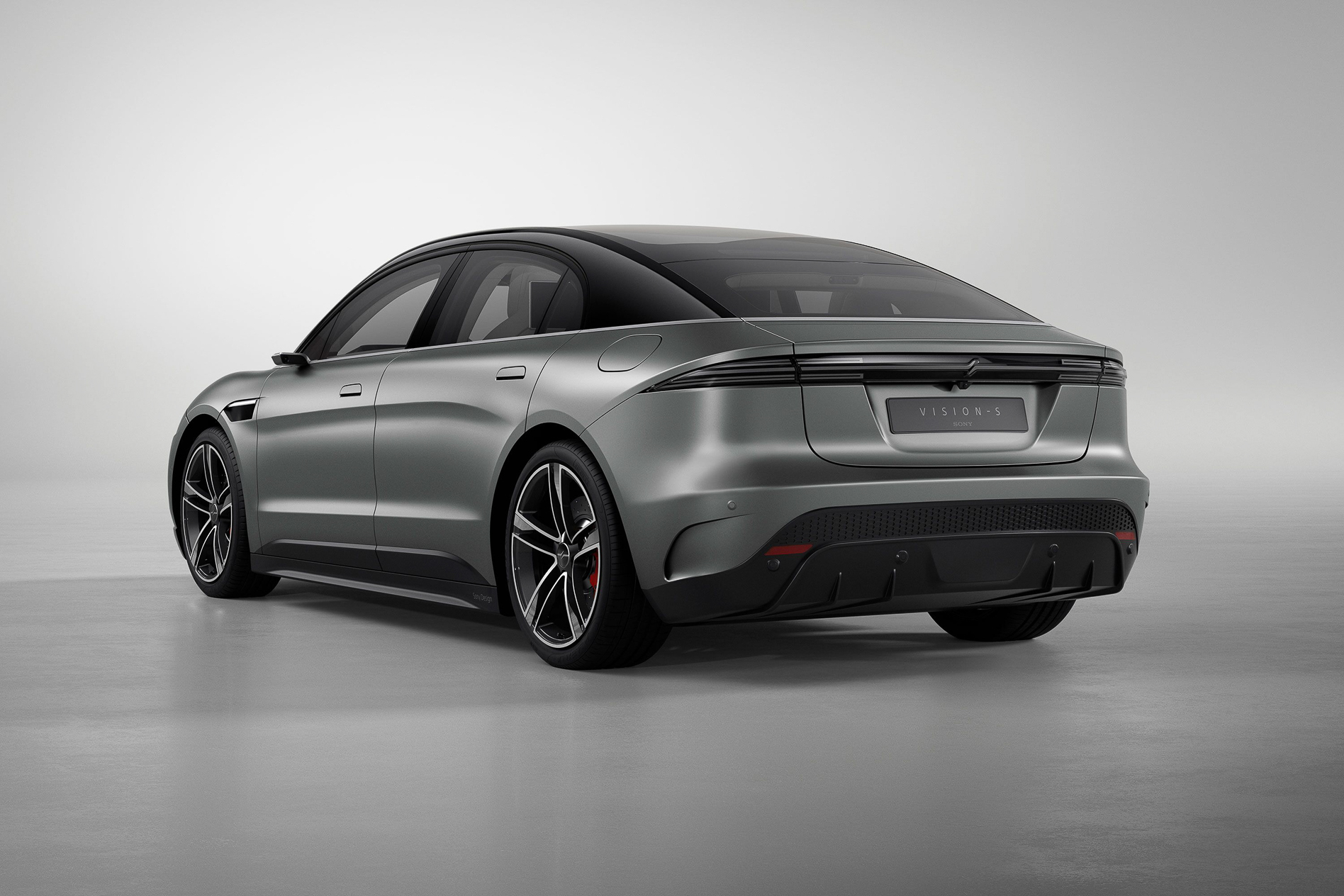
We’re not entirely surprised by the news that the Vision-S won’t make it to production, but it’s a shame to think what might’ve been – it’s certainly a looker.
Whether we’ll see more from Sony in the automotive industry remains uncertain, but technology rival Apple is gearing up to launch its own EV with the help of Hyundai by as soon as 2024.
Peugeot Australia has confirmed it will bring in a plug-in hybrid version of its 3008 medium SUV to Australia.
Updated petrol and diesel versions will arrive first, though, along with the 2021 5008 seven-seat SUV.
Revealed last year, the plug-in hybrid (PHEV) versions use the existing 1.6-litre turbo petrol engine and add electric assistance via a motor and a 13.2kWh lithium-ion battery.
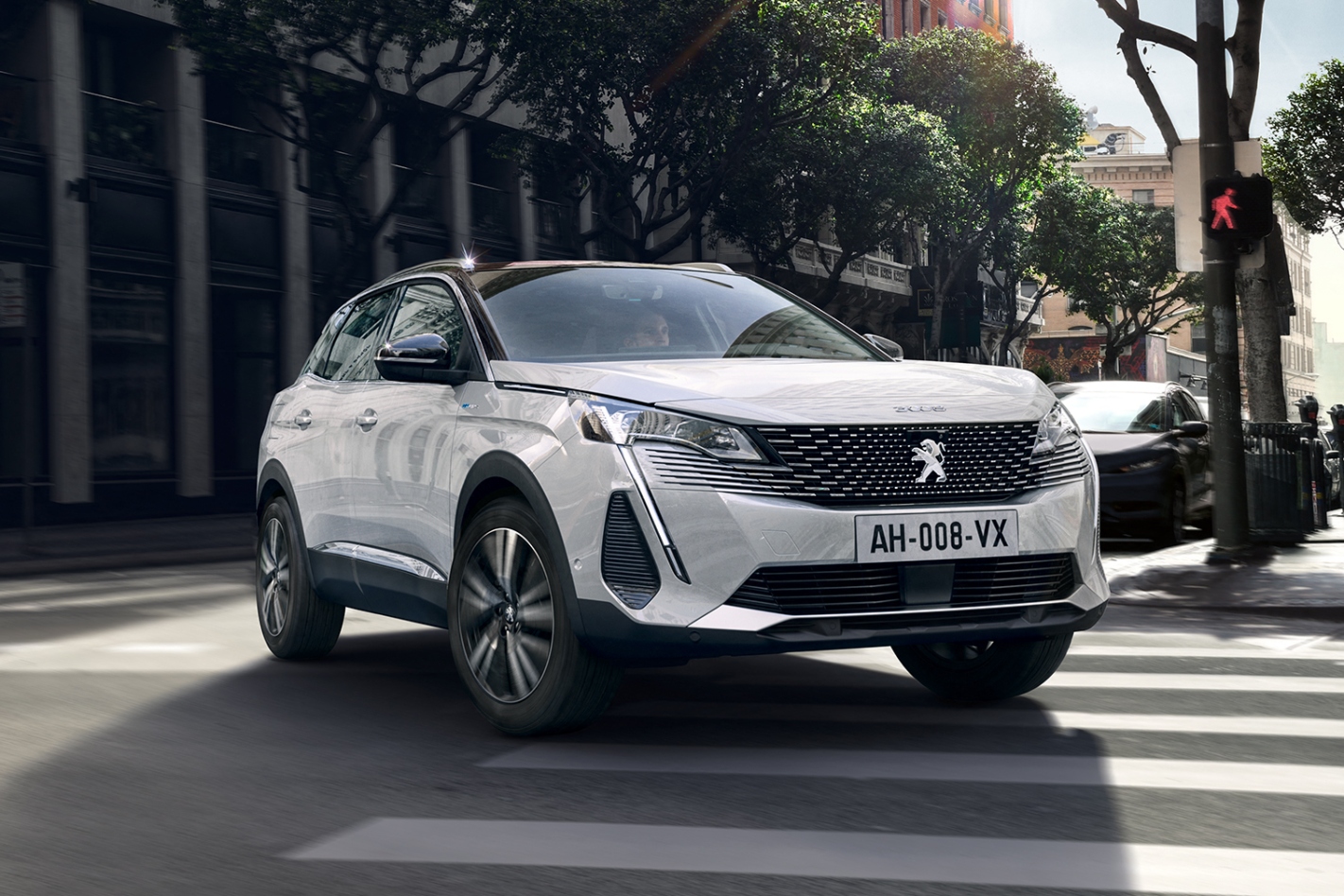
The more powerful Hybrid4 300 uses a 147kW tune of the four-cylinder engine, combining it with an 80kW electric motor on the front axle and an 83kW version on the rear axle to generate 224kW combined.
It also offers 59km of pure electric range.
A second, less potent Hybrid 225 uses a detuned 1.6-litre turbo with 132kW, paired with a single 80kW electric motor on the front axle for a total of 167kW and a pure EV range of 56km.
The Australia-bound 3008 five-seater and 5008 seven-seater will initially arrive with the current models’ prosaic but punchy 1.6-litre petrol and 2.0-litre diesel powertrains that are bolted to six- and eight-speed automatic transmissions respectively.
A Peugeot Australia spokesperson told WhichCar the 3008 and Peugeot 508 sedan/wagon will gain PHEV variants later this year, but wouldn’t reveal which of the two powertrains will be in either model.
There are no plans to bring an electrified 5008 to Australia.
Fresh faces
When the 2021 3008 and 5008 models arrive in Australia, they will come with a cat-inspired exterior redesign, featuring a new frameless front grille flanked by gloss black side scoops.
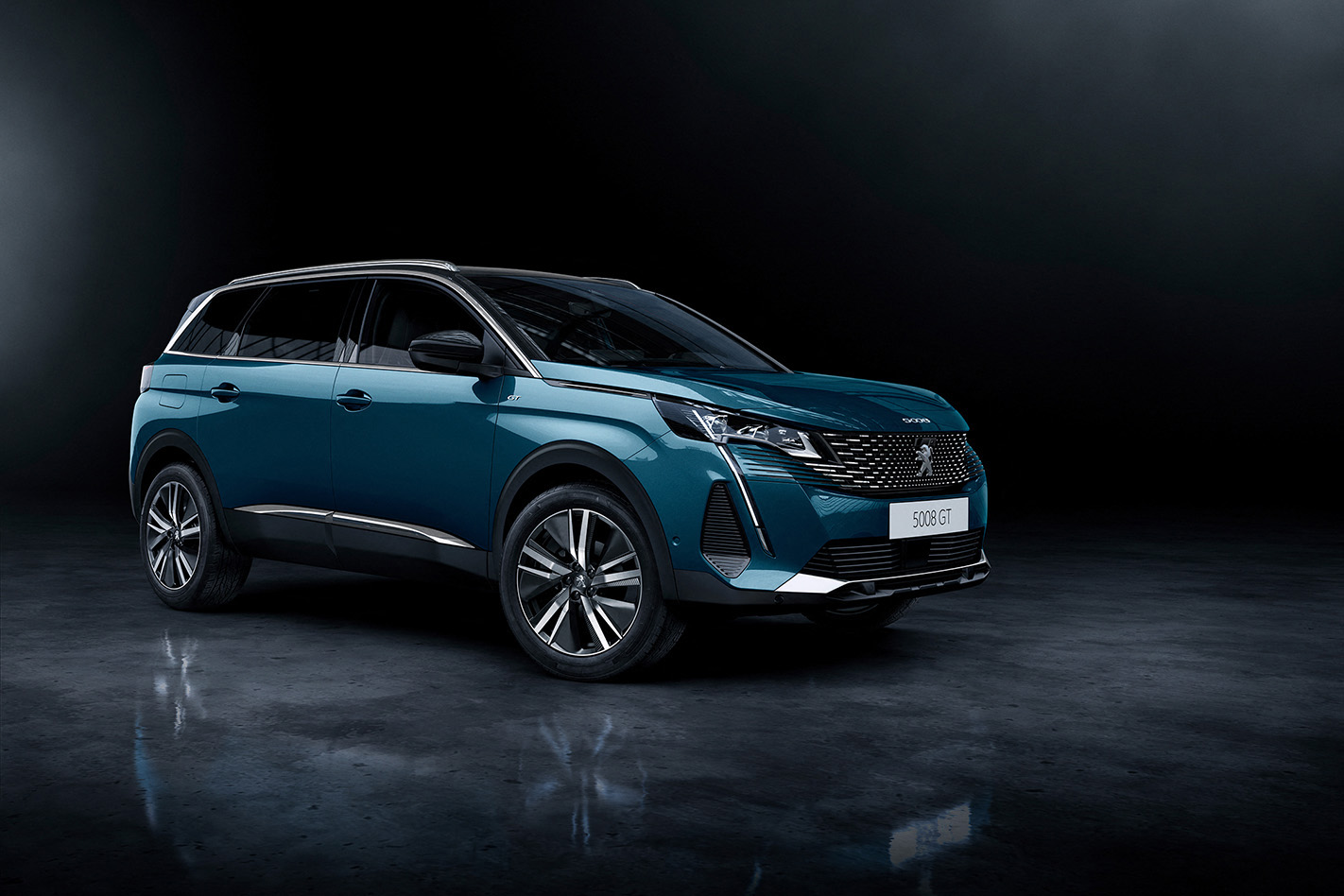
Fog lights have been deleted in favour of ‘foggy mode’ headlight tech, which instead switches on reduced-intensity low-beam lights when the rear fog lights are activated.
Their rear ends, meanwhile, gain new full LED lights that include resculpted ‘3D lion claw’ lighting signature and scrolling indicators.
The lights feature a smoked glass lens, extending the black boot strip on either side of the vehicle.
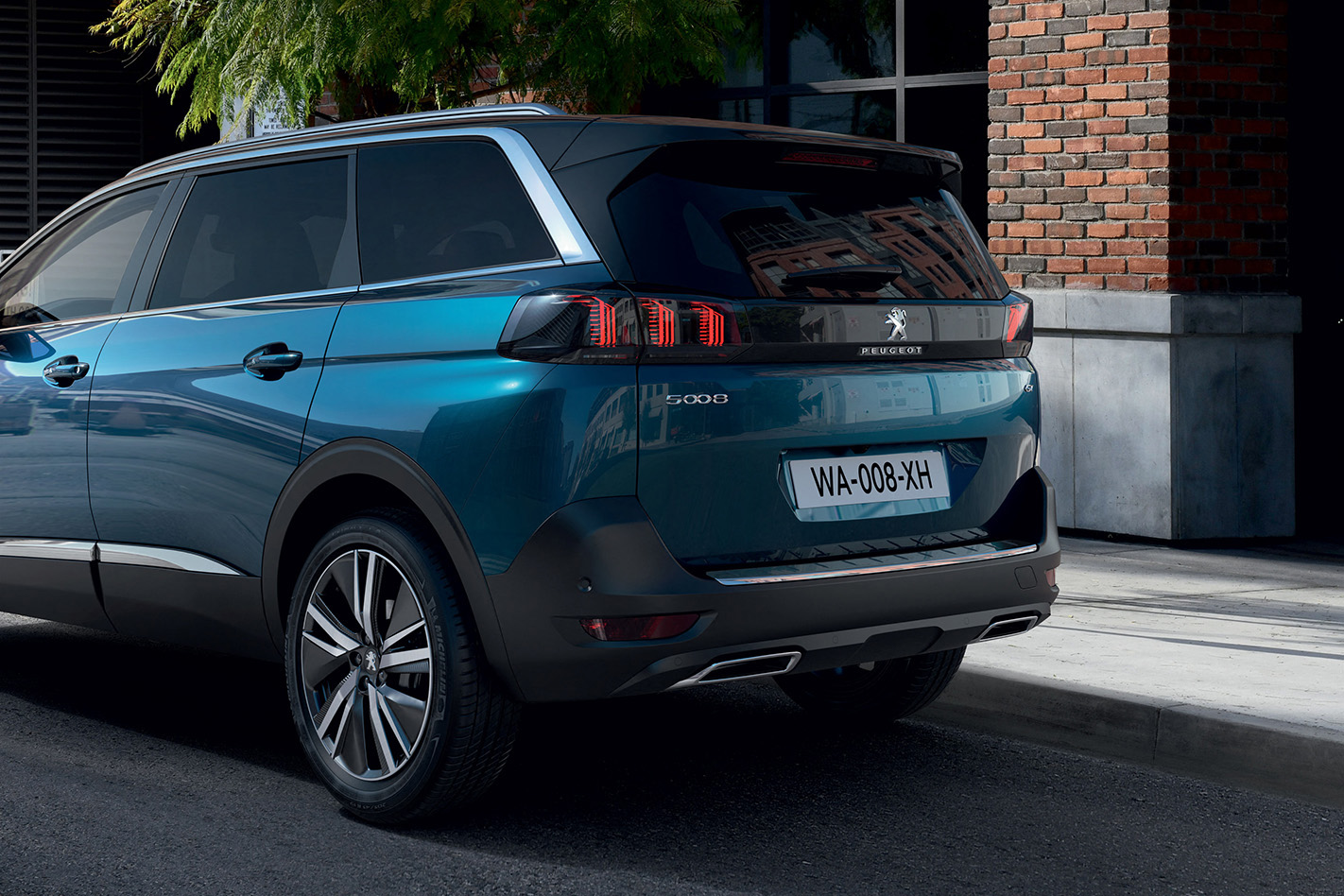
The new lighting is complemented by a black boot hatch to visually widen their stance, says Peugeot.
Subtle interior updates are highlighted by a new central touchscreen that has been refreshed with a larger 10-inch display (growing from 8.0 inches), while the fully digital driver’s i-Cockpit instrument cluster remains the same size at 12.3-inches but with higher resolution graphics.
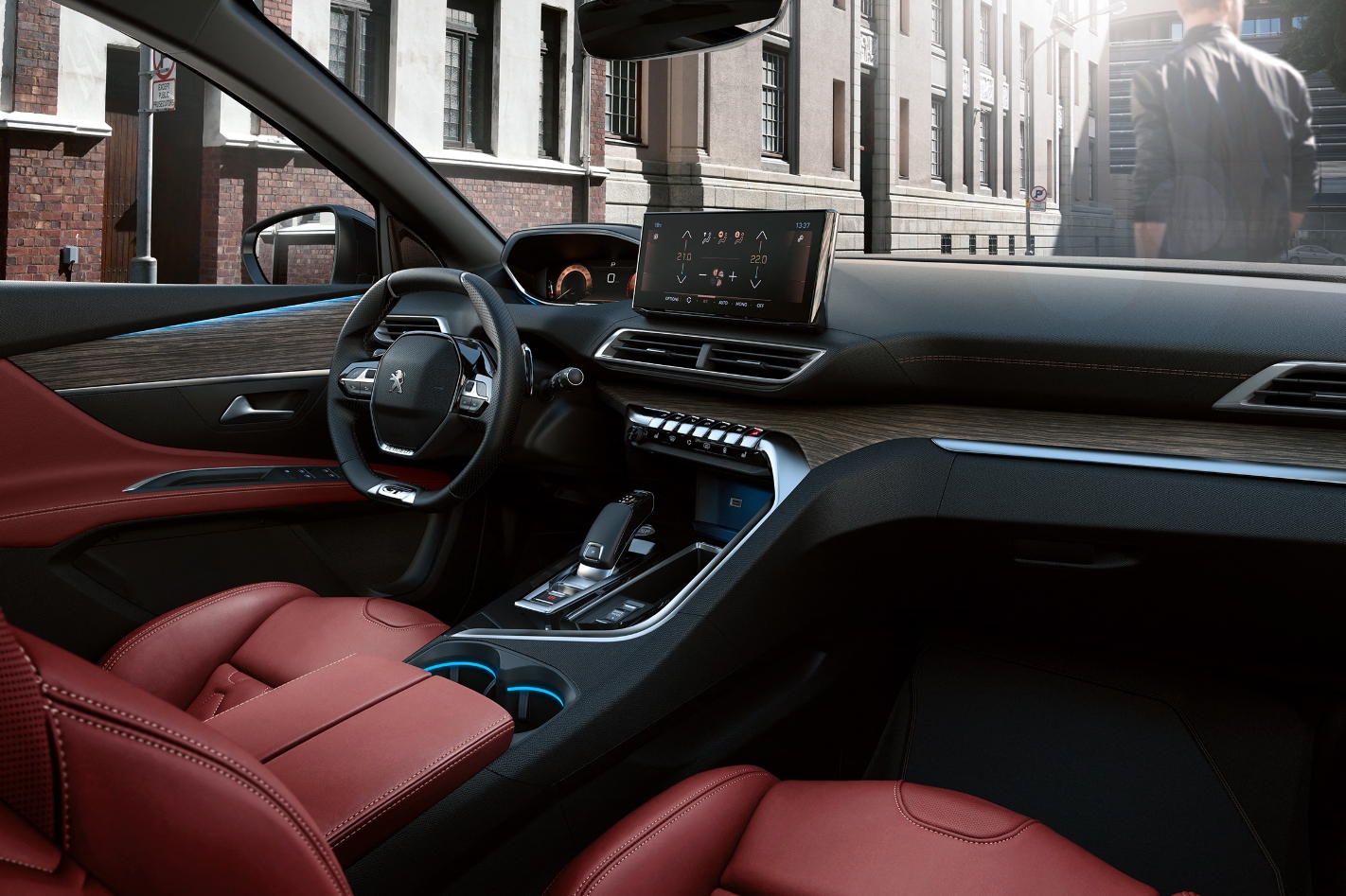
The 3008 also gains a new GT Sport variant which includes a Black Pack option to the tread plates, bumpers and roof, and a unique wheel design Peugeot has dubbed ‘Washington’.
The 3008 GT Sport spec also includes Nappa leather and Focal premium 10-speaker system audio as standard.
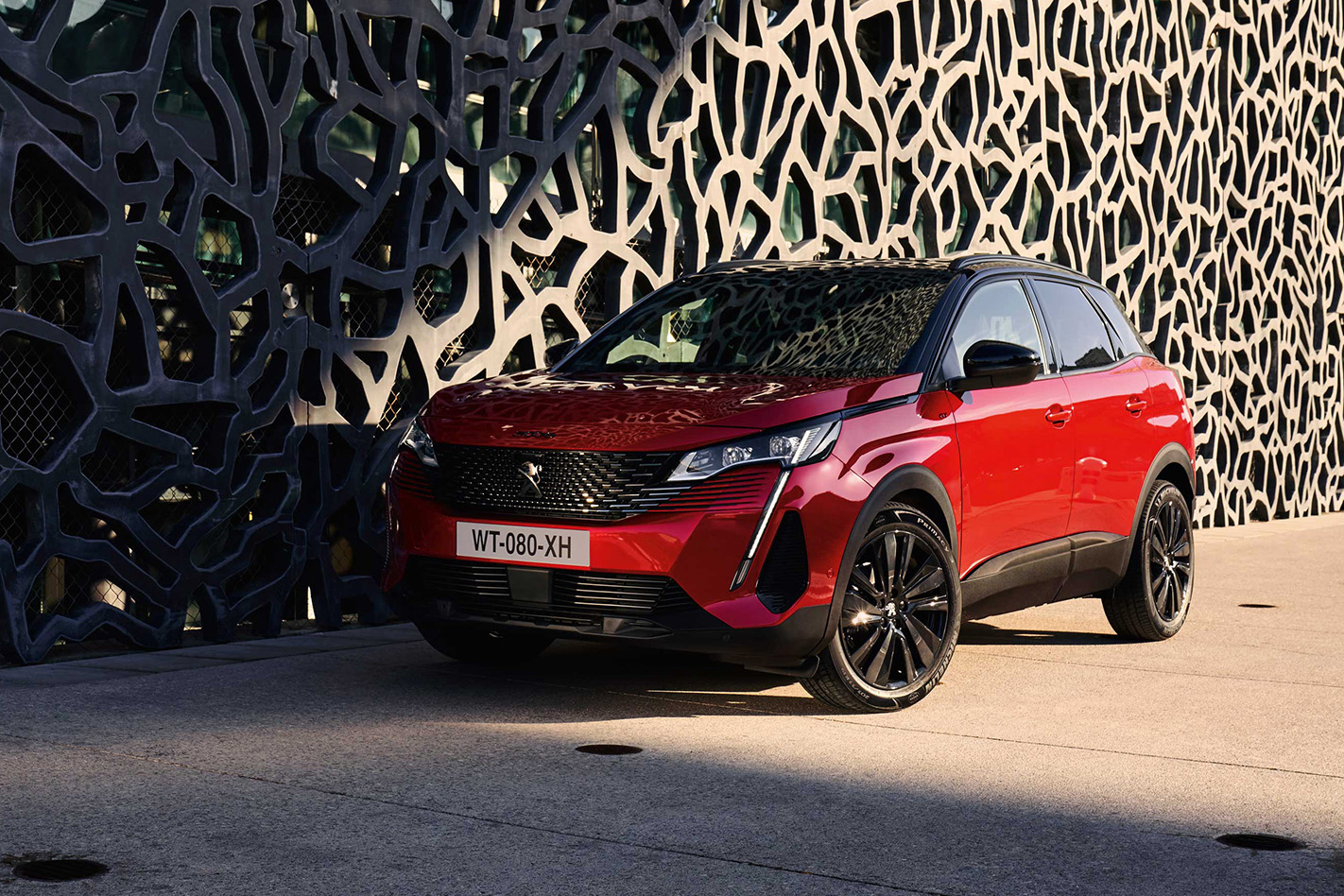
Full Australian specifications and pricing will be released closer to the on-sale date.
If you’re in the market for a high-performance car or weekend racer but nothing is jumping out at you from the classifieds, this British classic might pique a little more interest than your average street machine.
After a turbulent history fraught with roadblocks, funding crises and now a global pandemic, the Bloodhound land speed record-targeting rocket car is up for sale for the second time in as many years.
With just two careful owners from new, this unique 2008 model is in perfect condition, presented in not the factory original blue and orange, but a more understated white, following its first change of hands early in 2019.
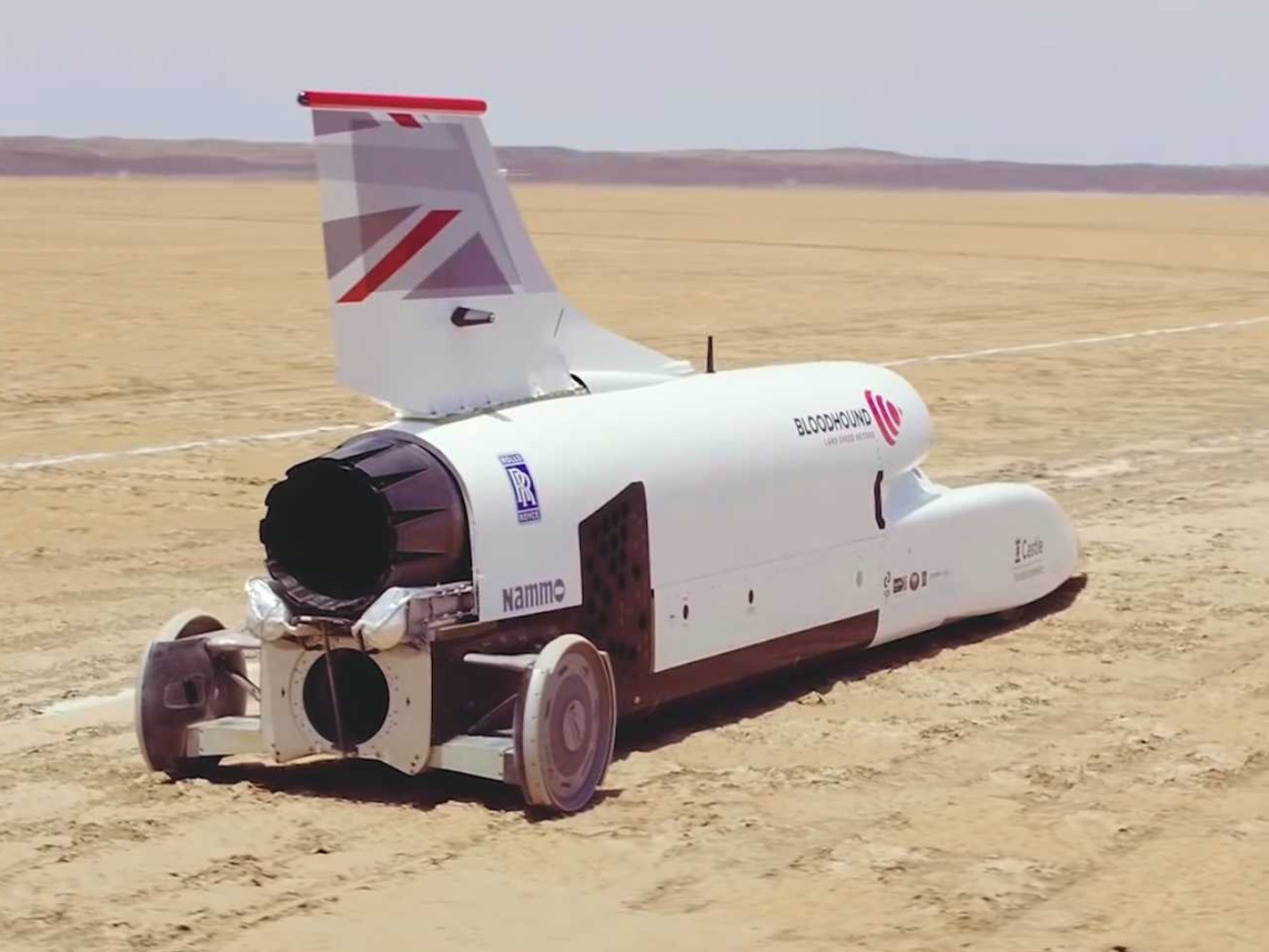
When the car’s original owner Richard Noble ran out of cash in 2018, the car was sold to entrepreneur Ian Warhurst for an undisclosed sum, saving the project from cancellation.
But Bloodhound LSR is just one of many companies to have felt the mire of the COVID-19 pandemic and now the car is looking for a new home once again.
“When I committed to take the car high speed testing in 2019, I allocated enough funding to achieve this goal on the basis that alternative funding would then allow us to continue to the record attempts,” said Warhurst.
“Along with many other things, the global pandemic wrecked this opportunity in 2020, which has left the project unfunded and delayed by a further 12 months”.
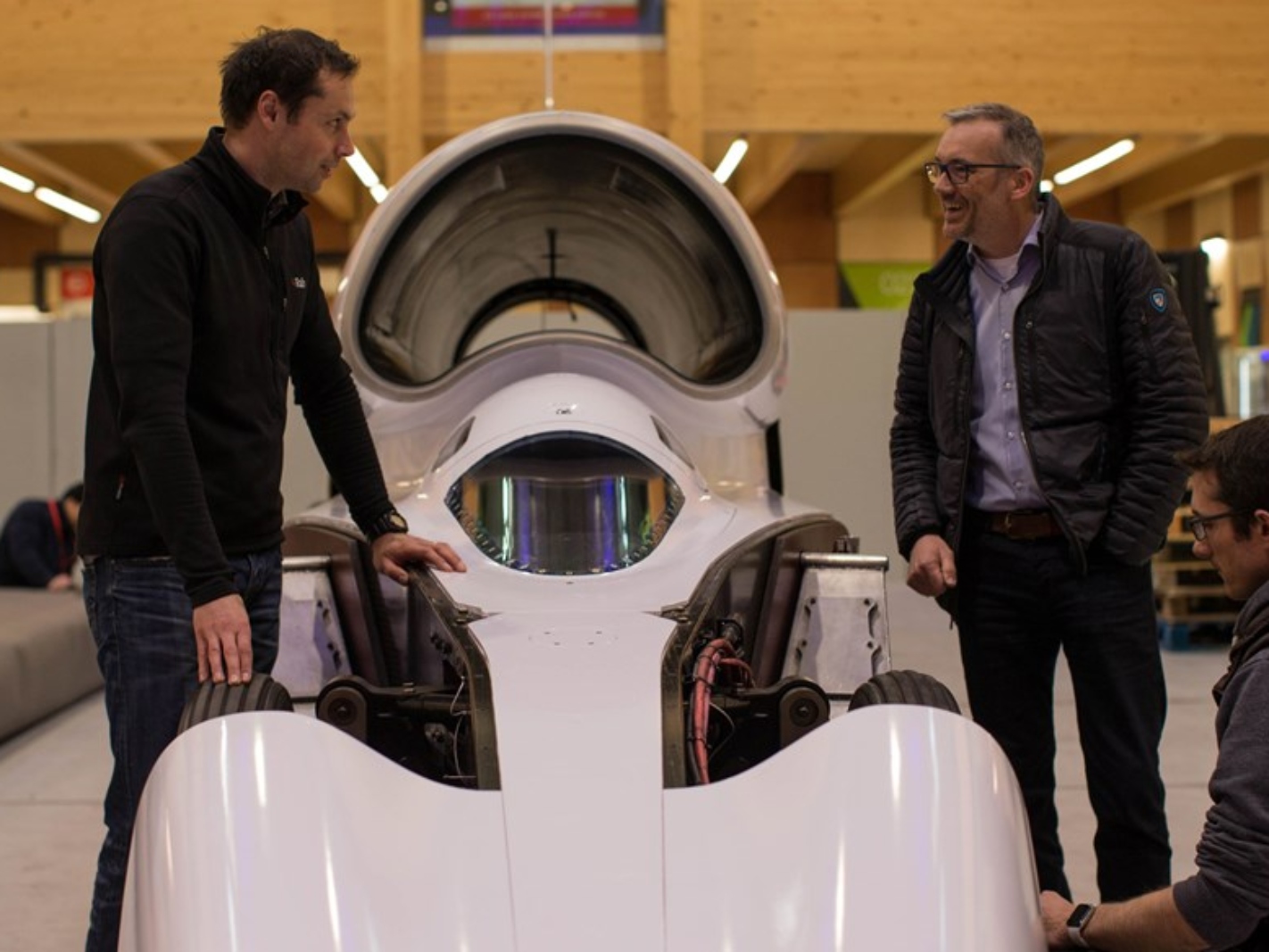
Interested parties should have a multi-million-dollar budget, superhuman patience and a very long driveway.
While the car has already cracked a respectable 1000km/h it is yet to topple the current land-speed record of 1228km/h set by Thrust SSC in 1997.
Ultimately, the Bloodhound has been designed to clear 1600km/h.
* So it’s fair to say this could be a unique opportunity to buy the world’s fastest car, it just hasn’t actually done it yet. However, the spec sheet does look promising.
At the heart of the Bloodhound is the same engine that powers the Eurofighter Typhoon. Although it might be hard to believe, the 90kN EJ200 afterburning turbofan is upstaged by the Nammo monopropellant rocket that pumps out a whopping 120kN.
All up, the Bloodhound produces about 100,000kW.
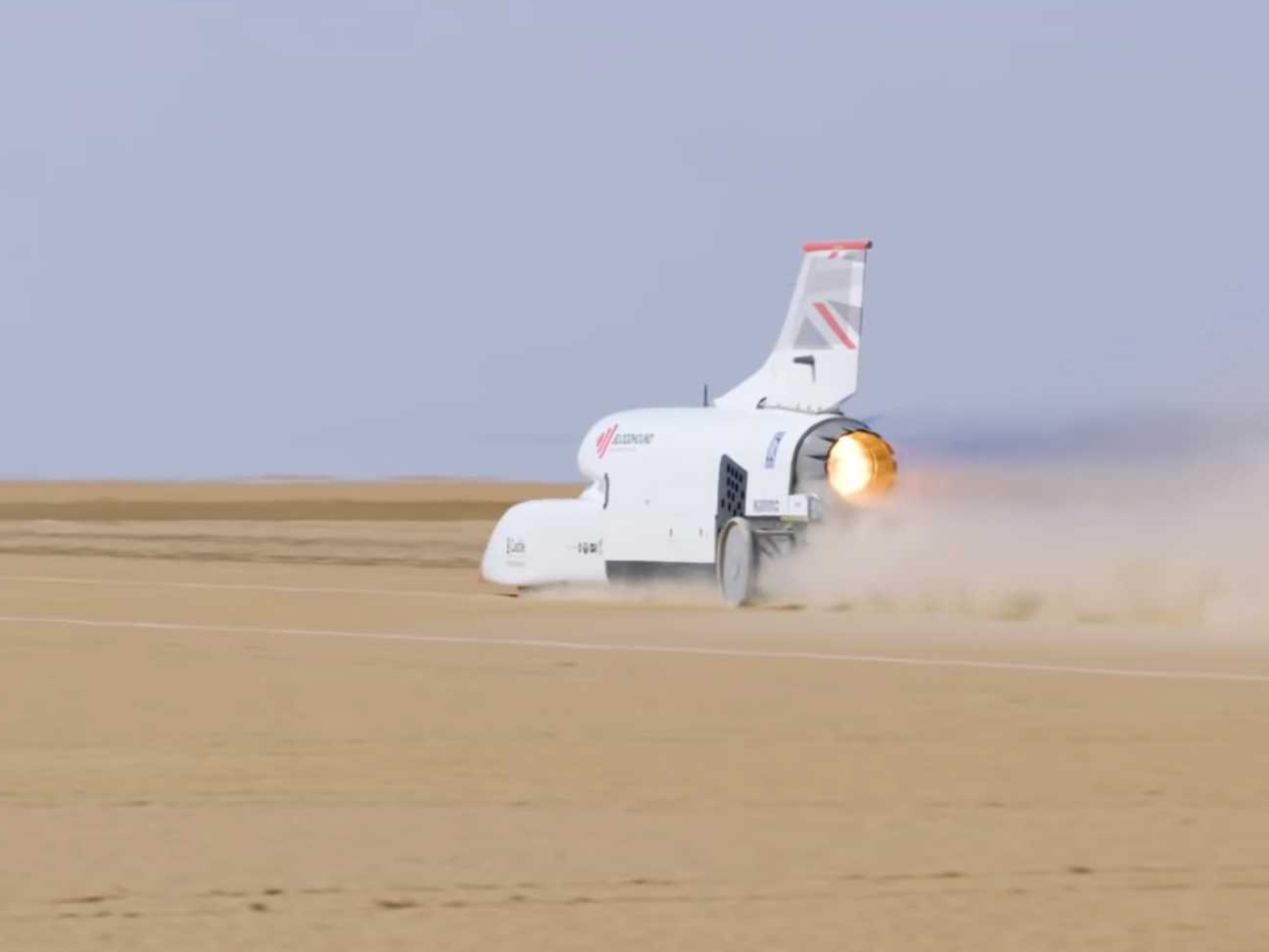
Originally, the one tonne of liquid oxidiser necessary to power the rocket motor was going to be supplied by the mother of all fuel pumps driven by a large capacity petrol engine.
In today’s more carbon-sensitive landscape, however, the pump has been redesigned with an electric motor… but the Bloodhound is still no Prius.
Up for sale with the car itself are the intellectual property and project assets which include tooling, development equipment and, most likely a big box of unidentified nuts and bolts.
It’s also not known if RAF wing commander Andy Green is part of the deal.
The current land-speed record holder has remained the Bloodhound’s driver through the first change of hands and is expected to follow it to its new owner if one can be found.
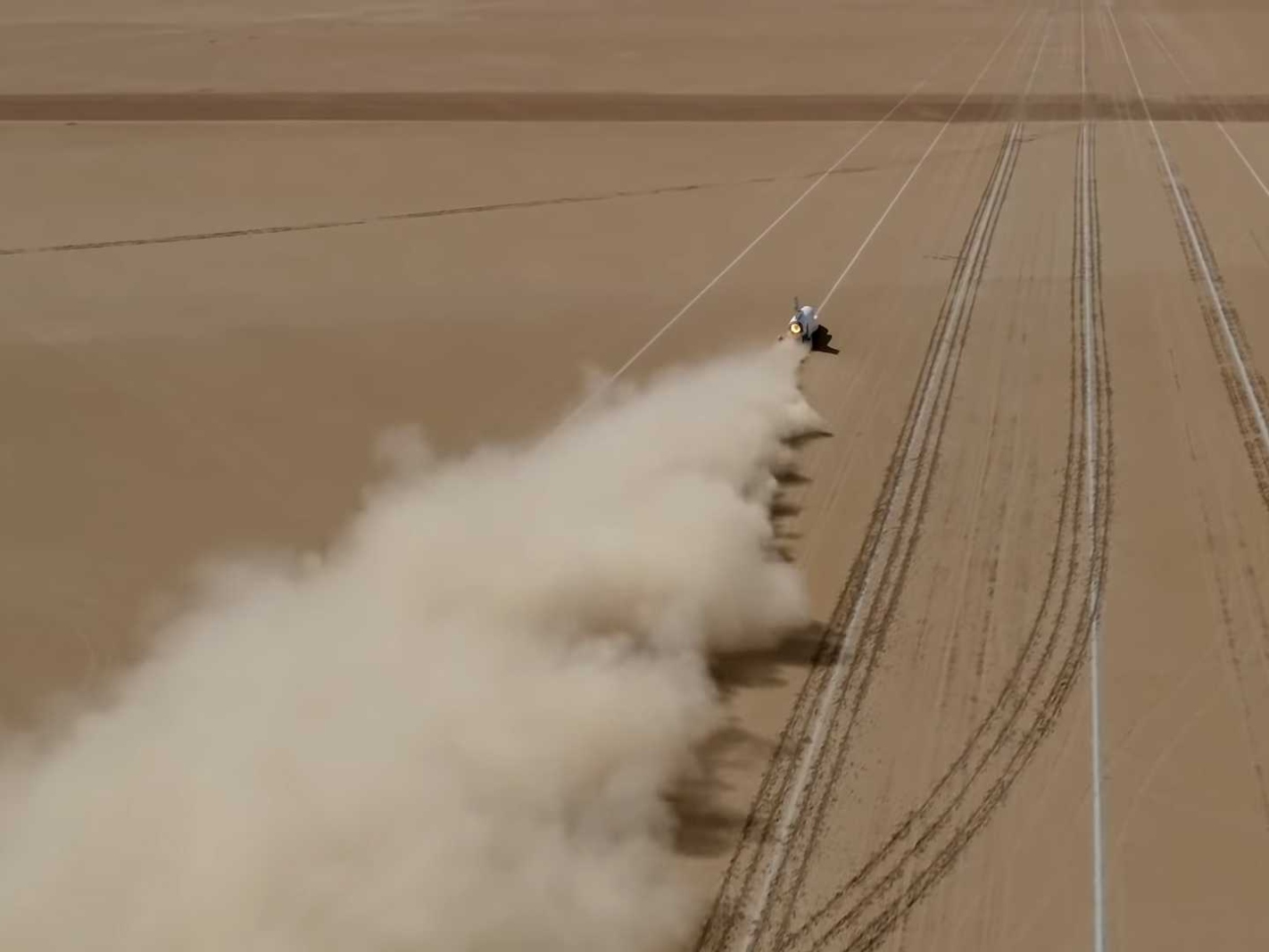
Encouragingly, the car’s current owner says the Bloodhound will not be broken up regardless of whether a buyer can be found.
The Bloodhound definitely starts and runs but it is still very much sold as an unfinished project and, while the Eurojet engine is a part of the deal, it does not yet have the critical Nammo rocket engine required to yield the full performance promise.
Conservative estimates are set at about the $14m mark to source and install the precision piece of Norwegian aerospace tech. Alternatively, the seller knows a bloke who he thinks has a used one in his shed.
No tyre kickers – they’re solid aluminium and weigh 95kg each.
EVERYBODY who loves Holden, and even plenty who don’t, remember Holden’s Last Car.
The Red Hot VF Commodore SS-V Redline exited Holden’s production line at 10:45am on Friday 20 October 2017, bringing to an end over a century of automotive construction.
Retained as part of the Holden Heritage Collection, it is currently housed in the National Motor Museum in Birdwood, South Australia, as part of the Holden Heroes: A Retrospective 1948-2017 display.
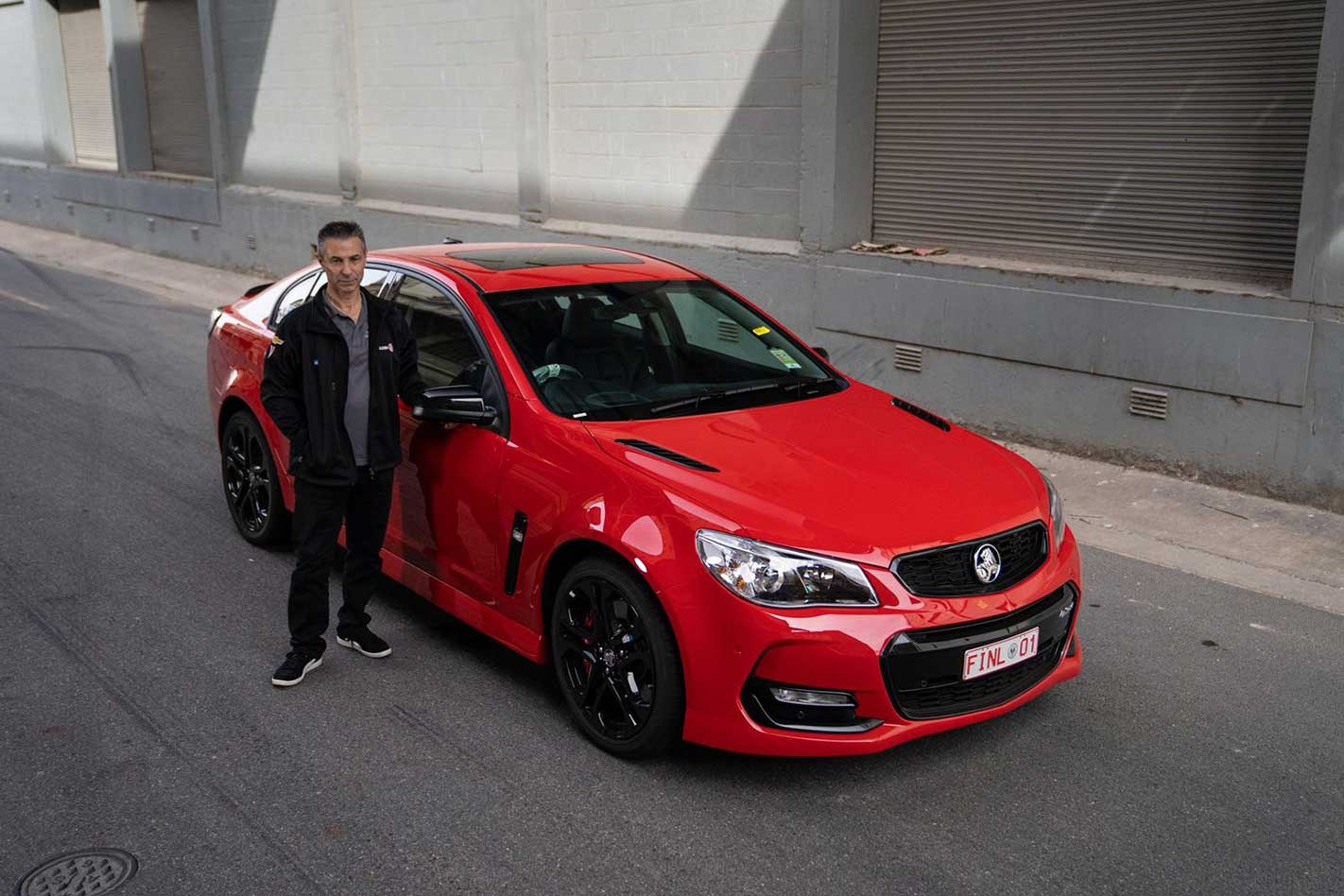
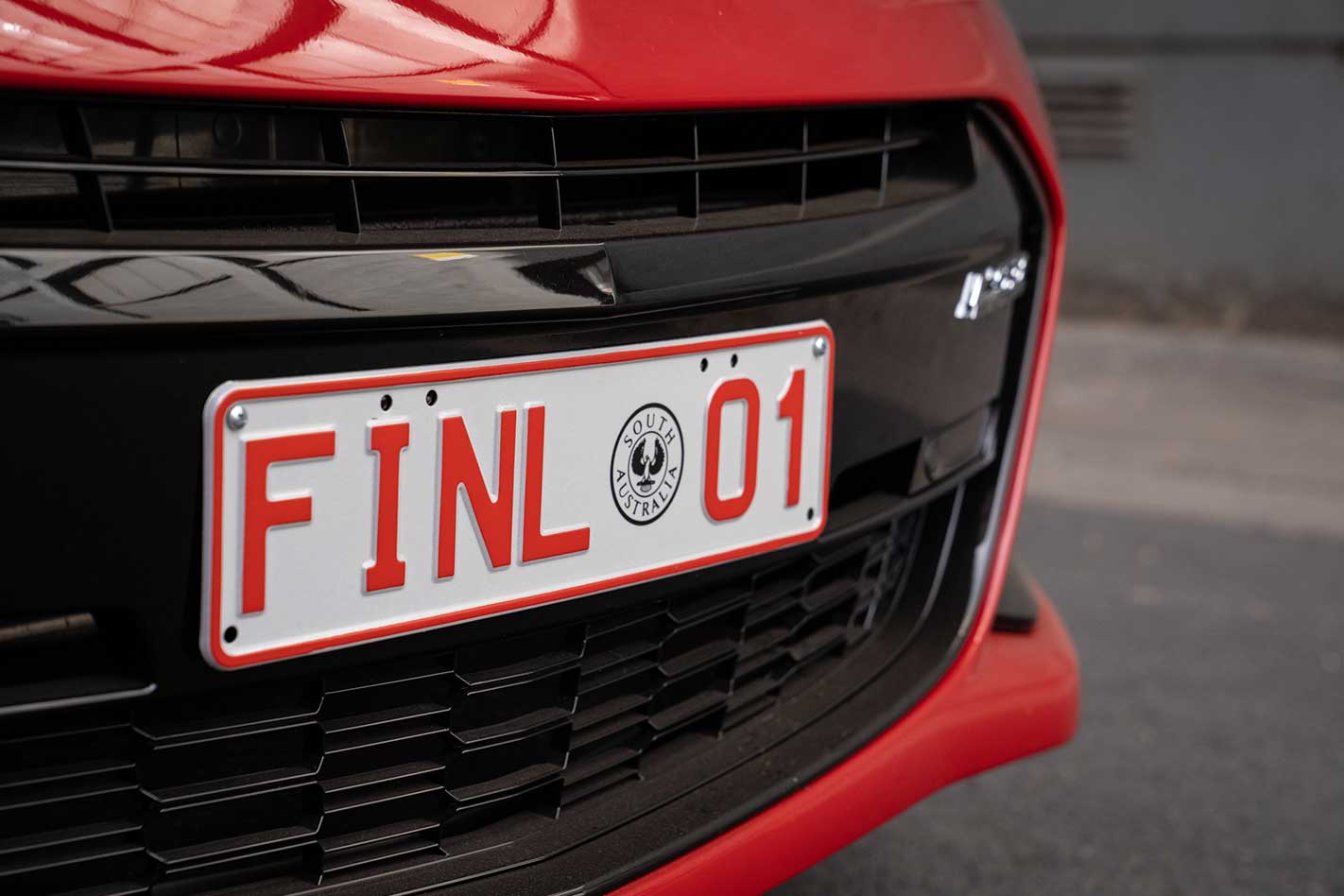
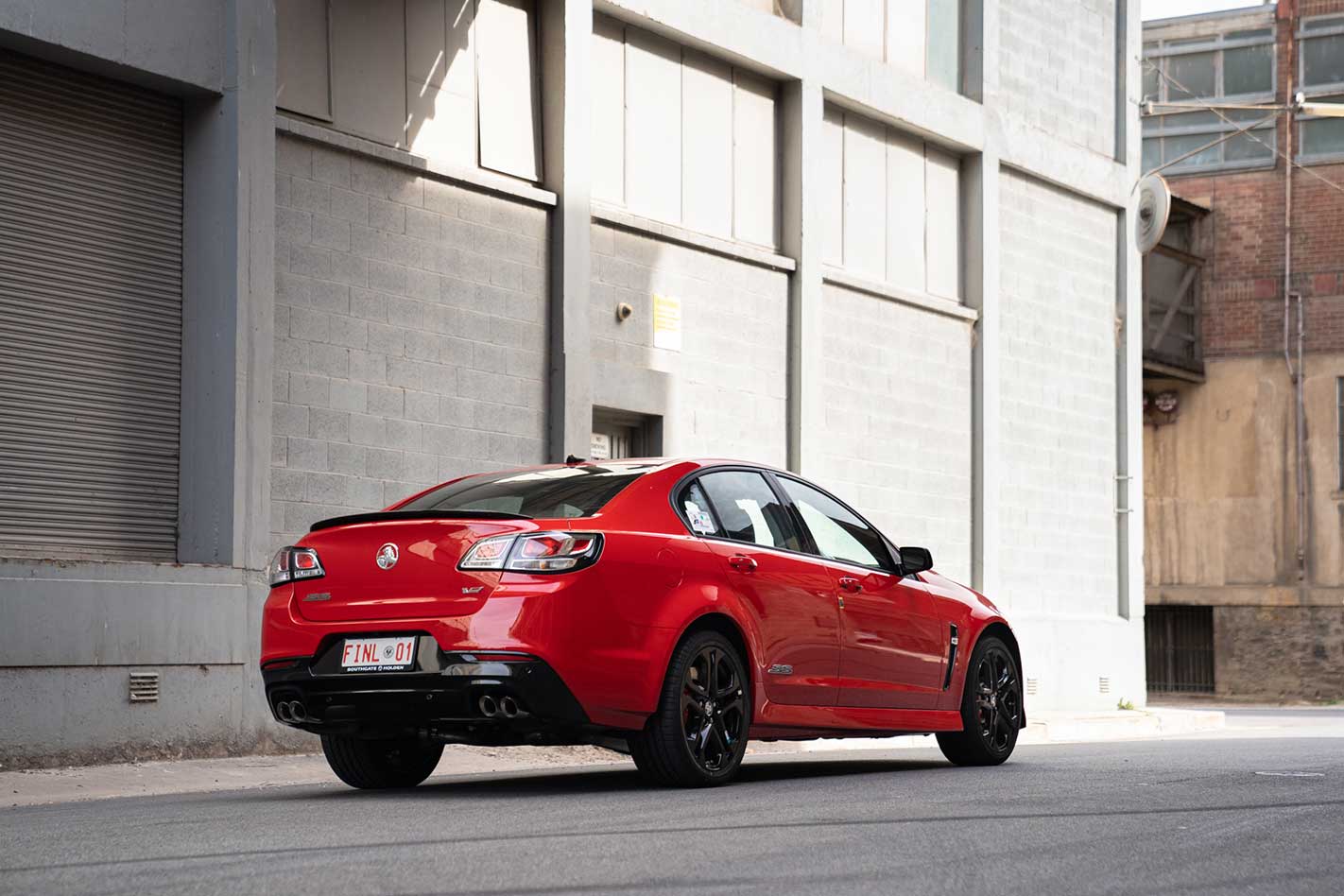
But another car with claims to the title is currently up for auction, this one not in a museum but in private hands. This near-identical VF SS-V Redline has already sailed past the $250,000 mark – and for this particularly significant piece of automotive history, the sky really is the limit.
Former Holden paint shop process engineer Alex Kyriakopoulos owns the car, having sequestered it away in an anonymous suburban garage for the past 3.5 years. Unlike the official Last Car, Alex’s VF is the final Holden to be constructed in Australia.
Alex watched the official Last Car get framed up and painted, inspected, and then placed aside in readiness for its starring role.
It would later return to the line with no others behind it, crawl through General Assembly and emerge to a waiting crowd as the official Last Car.
However, Alex then witnessed many more bodies getting framed up – the floorpans being mated to the side frames, and bonnets, doors and bootlids then added – before heading into his paint shop.
The final body created in this process was allocated VIN 333644, completed by General Assembly on 17 October 2017 before being loaded onto a truck en route to a Victorian Holden dealership.
In a chance conversation with some fellow engineers, Alex learned that while 333644 had indeed been allocated a dealership, it had not yet found a buyer.
“I knew I had to save it from obscurity,” he says. “So I put $60,000 on the table to make that happen.”
“I’m not a true collector,” he explains.
“I want it to go to someone who will look after it properly. Don’t get me wrong; it’s garaged and covered, but it’s not like it’s in a climate-controlled museum or whatever, which is really what it deserves.”
Alex isn’t wrong; for him and plenty of other former workers of Holden’s Elizabeth body and paint shops, it’s as deserving of the Last Car title as Holden’s official unit.
As the last car constructed by Holden, 333644 is the final vestige of the firm’s 164-year history, which from 1914 included automotive body construction mated to local or imported chassis.
Holden’s original prototype was created by hand in Detroit in 1946, while the first Australian-built prototype was completed in 1947.
Both these cars still exist, as does ‘Old Number One’, the car Prime Minister Ben Chifley greeted on 29 November 1948 as first off the production line.
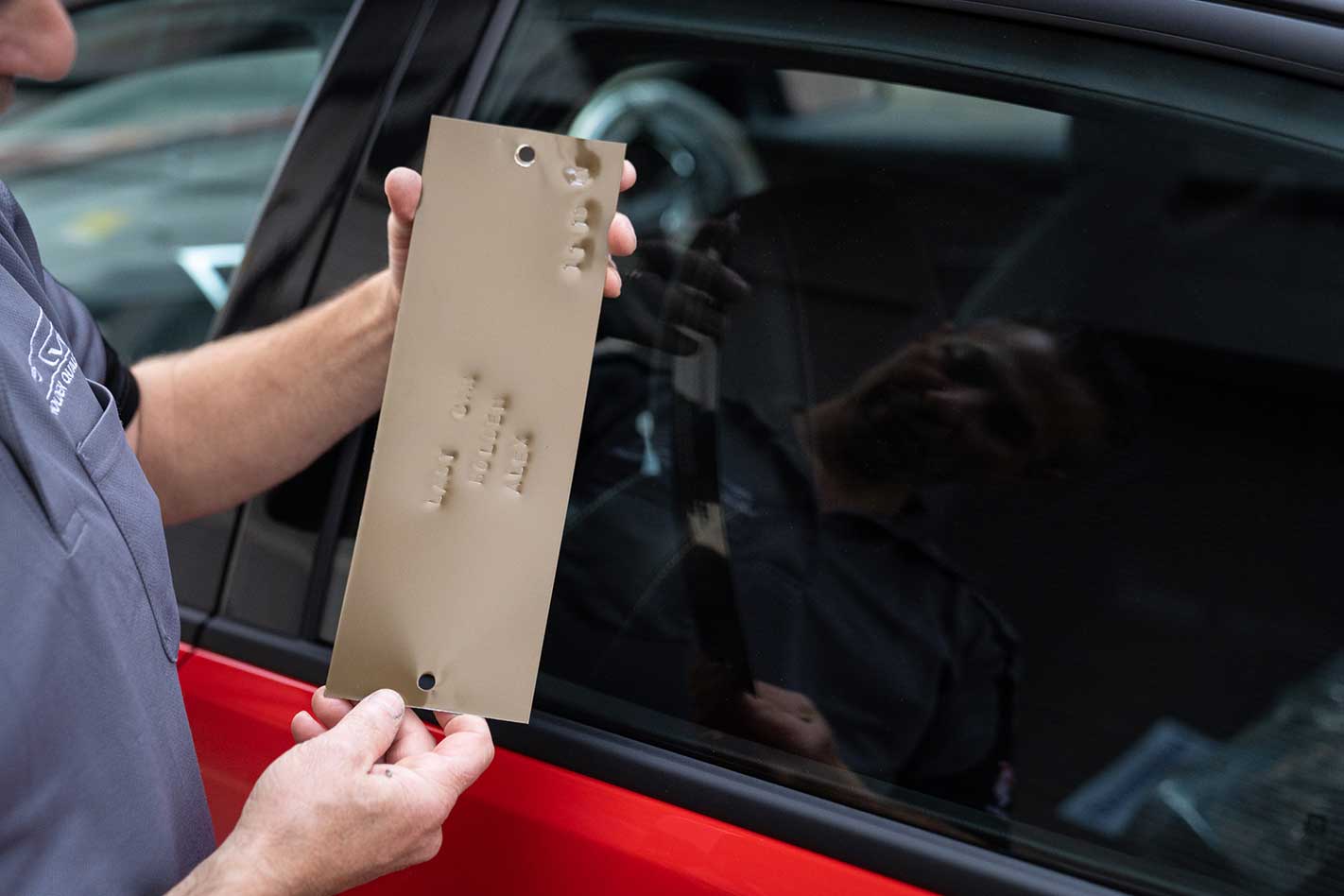
“I don’t think those guys have ever worked on a major production line,” he says.
“There can be problems, and there must be solutions. That’s why my car is also a Red Hot SS-V Redline with a sunroof. Imagine if they’d put a wagon through? Or deleted the sunroof? Or someone dropped a rattle gun on the official Last Car?
“It’s not like it could go through the paint shop again; it was all closed. So mine was a contingency car.”
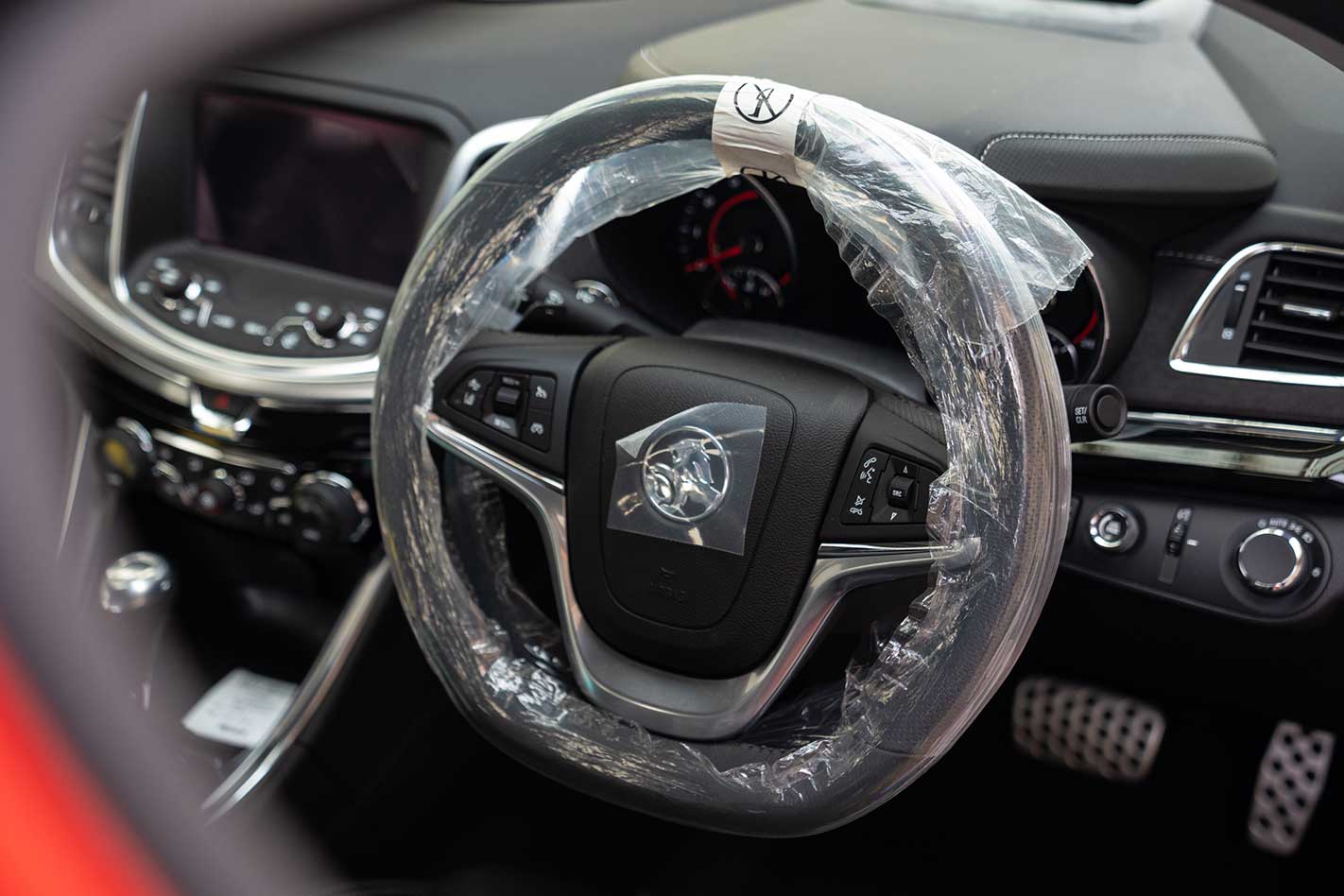
“I saved it for the guys and girls in the body shop and the paint shop,” Alex continues. “And me, I must add. For us, it’s the culmination of our careers at Holden. It just couldn’t disappear.”
As much as Alex loves the machine in his garage, he feels it’s time to part with it.
“What if I just hold on to it and it becomes a barn find in 50 years’ time? What benefit has it done to anyone?” he asks rhetorically. “I don’t want the car to spoil. That’s not unreasonable.”
If you think you’re the person, company or museum that can do justice to 333644, the final car constructed and painted by Holden in Australia, you can find it at Lloyds here.
Pictures: Troy Barker
Correction: In an earlier version of this article, it was erroneously stated that the Commodore currently up for auction at Lloyds is the official Last Car housed at the National Motor Museum in Birdwood. This is completely incorrect; they are two different cars, with the one up for auction being owned by Alex Kyriakopoulos. We have updated the article above to remove this error. We apologise for any inconvenience caused to the staff of the National Motor Museum and any other parties involved.
