
The mighty LandCruiser could be in for a model shake-up with Toyota registering a new model designation that could be applied to the all-new car due in 2021.
Toyota last week trademarked “Sahara ZX” with the Federal Government’s IP Australia website, an early indication that the lineup of the current 200-Series LandCruiser could be tweaked or changed for its 300-Series replacement.
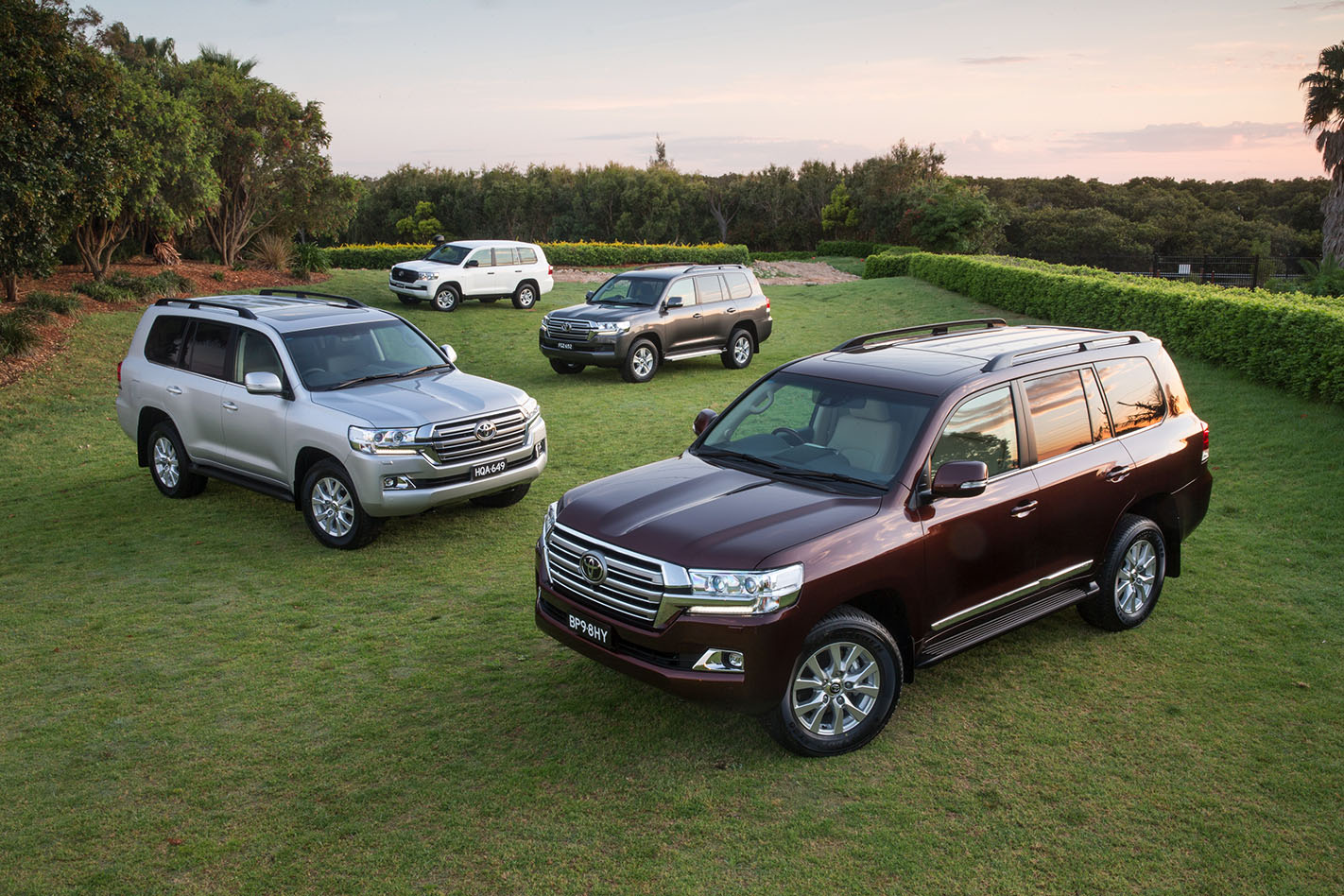
Presumably, a Sahara ZX would sit at the top of the range, although Toyota Australia is not shedding any light on the new trademark listing for now.
“Trademarks are routinely registered by companies for potential future use,” a Toyota spokesperson told WhichCar.
“Our head office in Japan has registered this latest trademark to give us maximum flexibility in the future, however, we have no further announcements to make at this stage on any future products related to LandCruiser.”
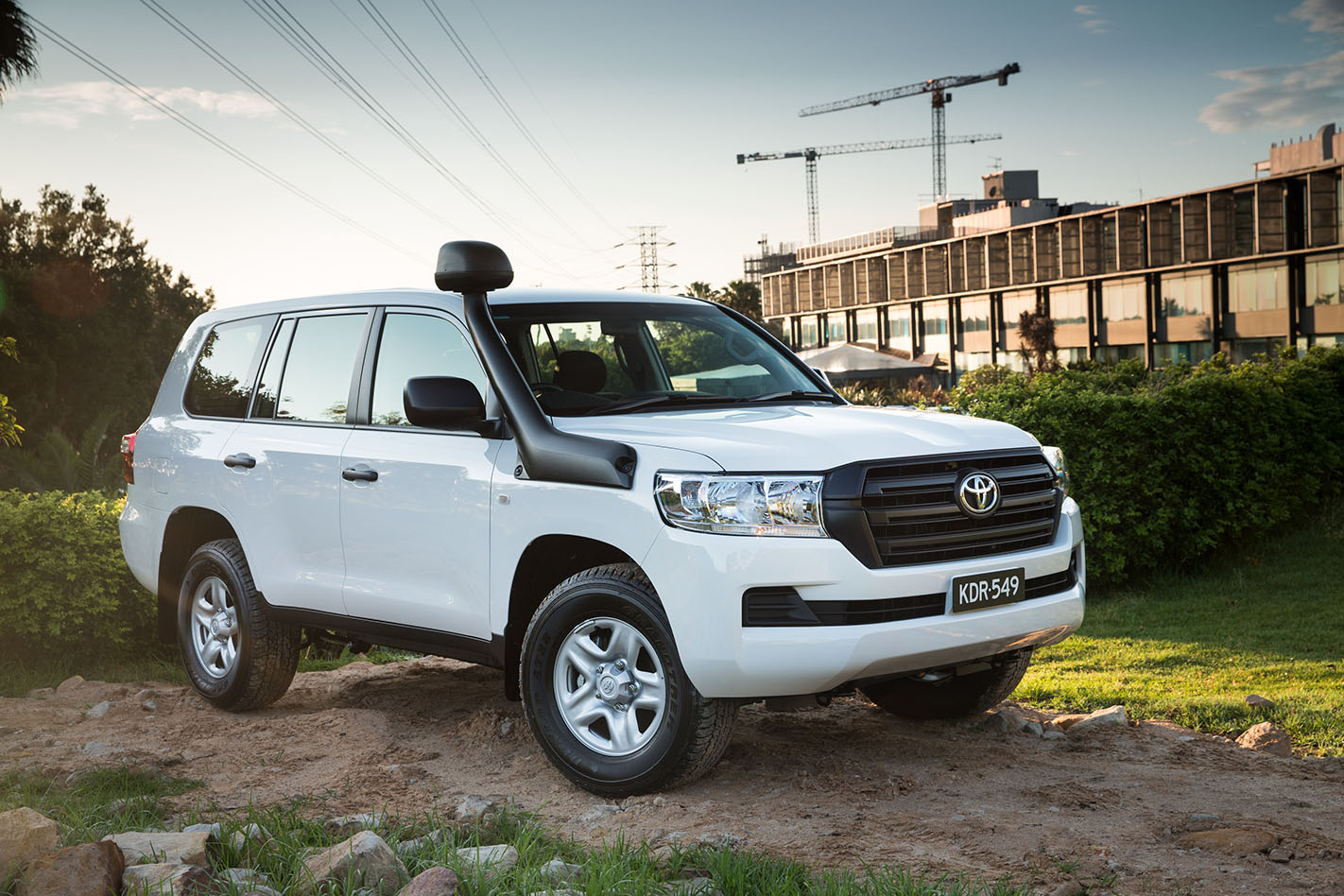
Whether the new ZX moniker is enlisted early in the new model’s arrival or not, the new LandCruiser is set to evolve significantly from the current 200-Series, a car that has been integral to Toyota’s success in Australia.
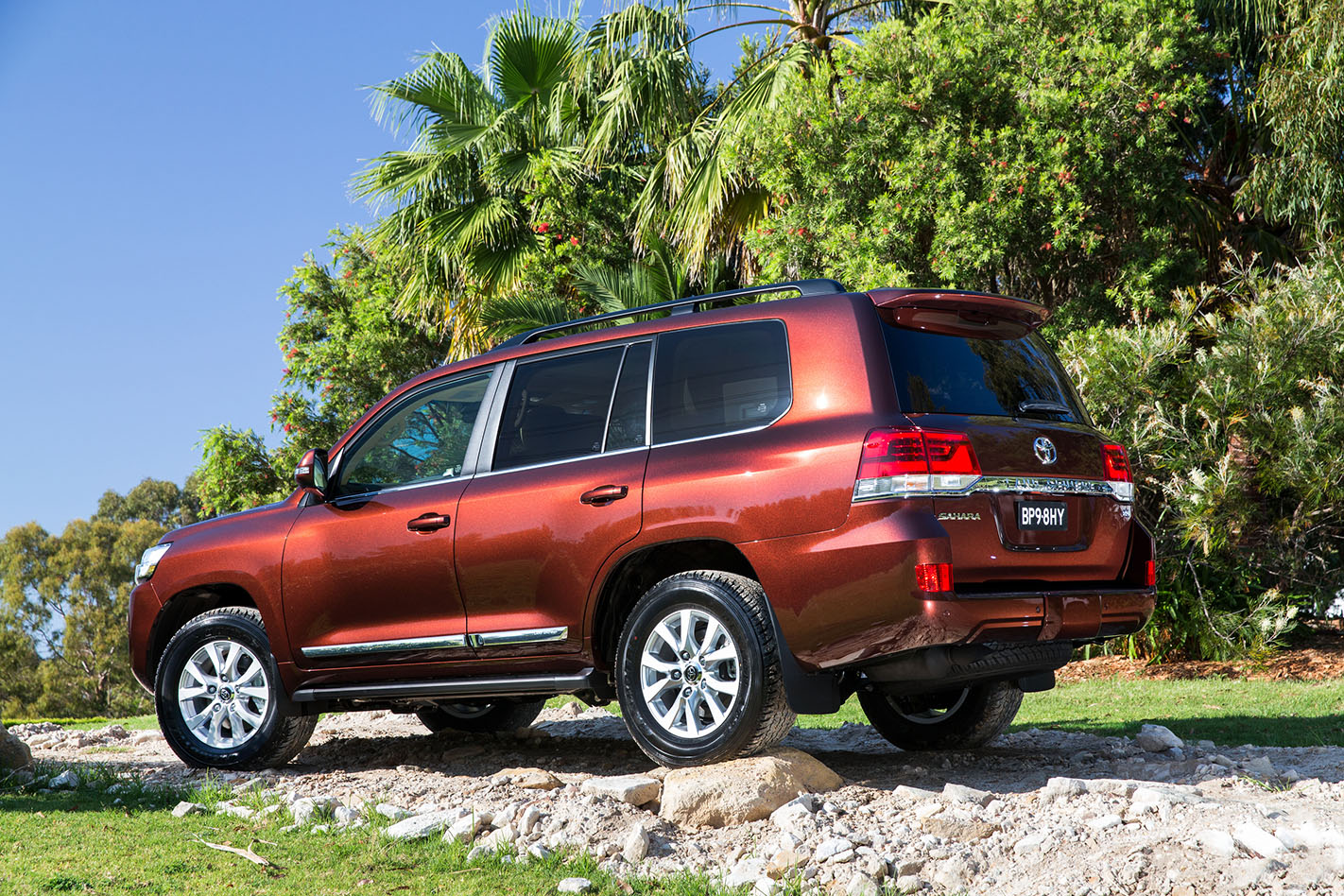
Despite downsizing and a shift to soft-roader city SUVs, Toyota is selling more LandCruiser wagons in the car’s twilight years than it did more than a decade ago when the current 200-Series went on sale in 2007.
The 300-Series is shaping up to be a very different LandCruiser to that 200.
The V8 diesel engine is set to be replaced with an all-new turbo-diesel V6 that’s expected to boost performance but use less fuel.
Toyota is also expected to use some aluminium panels in an effort to keep the weight down of a car that could grow slightly in size.
Earlier this year Toyota also applied for the rights to the ZX name, suggesting it could also be used on other models.
In New Zealand, for example, Toyota already has a ZX version of its Hiace van, sitting at the top of the lineup.
Many Toyotas that have been released or updated recently have been hit with a price increase, the most severe of which was for the entry-level Yaris, surging past the $20K barrier as part of a 44 per cent price hike.
And expectations are that the all-new 2021 LandCruiser will be more expensive than the model it replaces.
Toyota will use the 2021 C-HR GR Sport to launch the GR Sport sub-brand in Australia, and we now know for how much.
Sitting below full-on GR cars like the GR Yaris and GR Supra, the C-HR GR Sport offers all the styling and suspension tweaks of cars of that ilk, without the boosted engine bits.
It’s a similar strategy employed by brands like Hyundai for its N-Line cars.
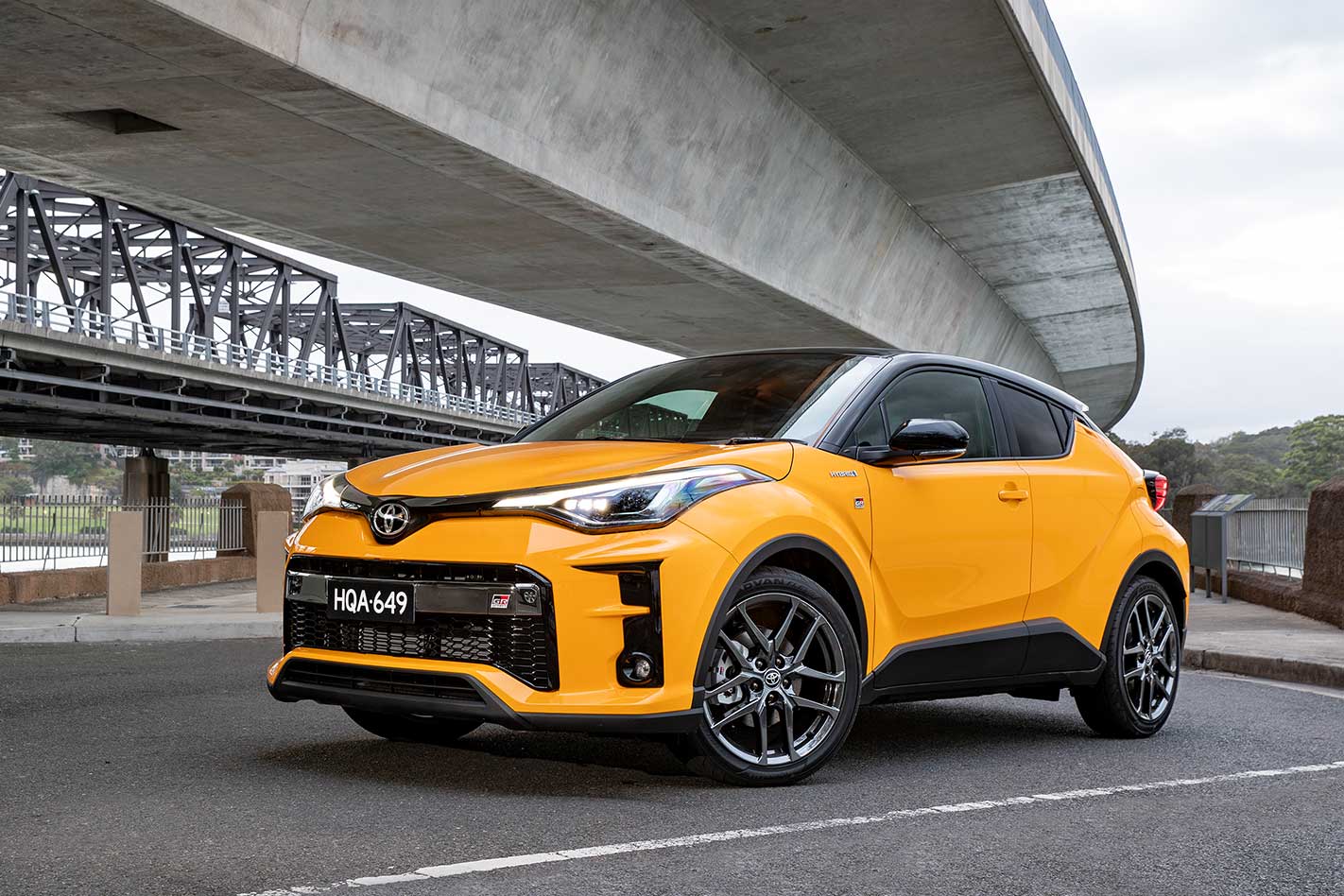
Based on the front-wheel-drive C-HR GXL, the GR Sport brings a range of sporty styling enhancements such as a GR Sport front bumper bar, 19-inch black GR alloy wheels, sports seats, unique trim pieces and GR branding throughout.
Priced at $37,665, it’s line ball with the hybrid-powered Koba variant, and offers a black roof as its only option on Crystal Pearl, Hornet Yellow and Feverish Red hues.
Power comes from the range-topping C-HR Koba’s 1.8-litre naturally-aspirated hybrid four-cylinder engine, supplying a combined 90kW to the front wheels via a continuously variable transmission; pay no mind to the manual transmission depicted in photos.
Suspension tweaks
Despite the standard powertrain, Toyota insists the new C-HR GR Sport isn’t all about looks. The uprated suspension is said to deliver a more enjoyable dynamic driving experience, it drops the ride height by 15mm on retuned springs.
The dampers and roll bars have been tuned to suit, while tyres are sized 225/45. GR engineers have also looked at the steering and installed extra bracing, while its brake calipers are finished white.
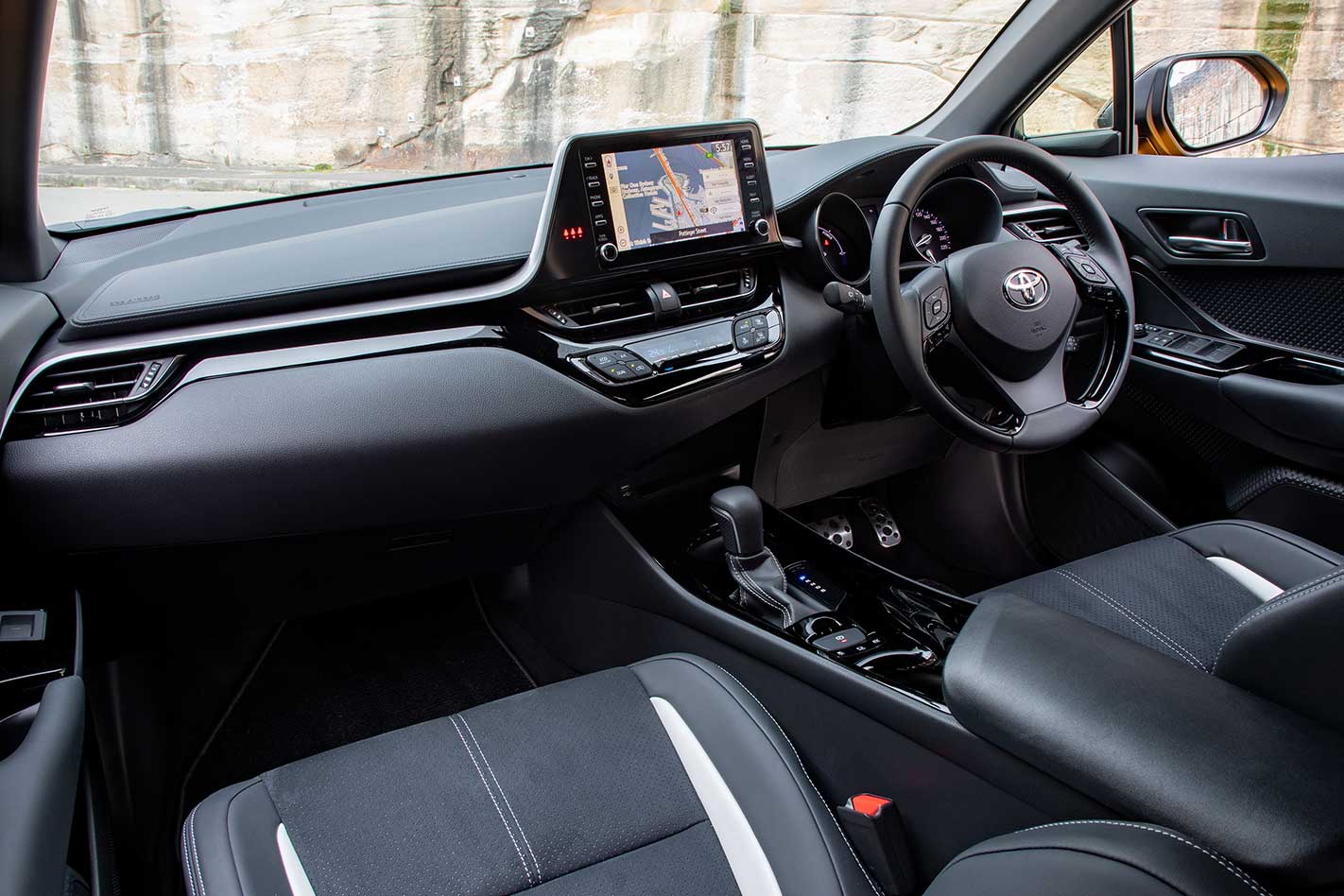
The interior kit mirrors that of the most affordable C-HR GXL, meaning the inclusion of 8.0-inch infotainment with Apple CarPlay/Android Auto capability, wireless smartphone charging, dual-zone climate control.
Adaptive cruise control is one of many active safety features, including blind-spot monitoring, road sign assist, and rear cross-traffic alert.
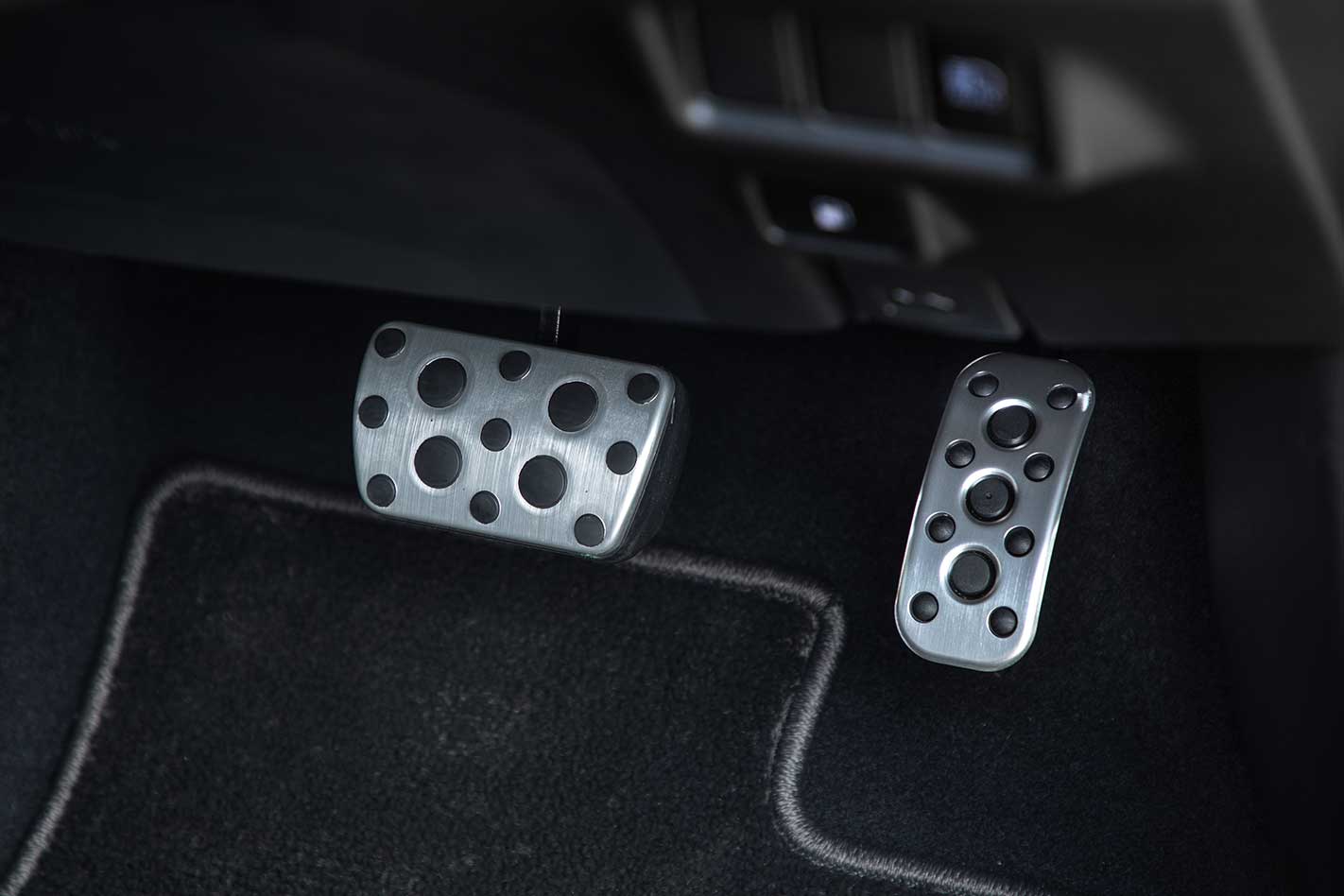
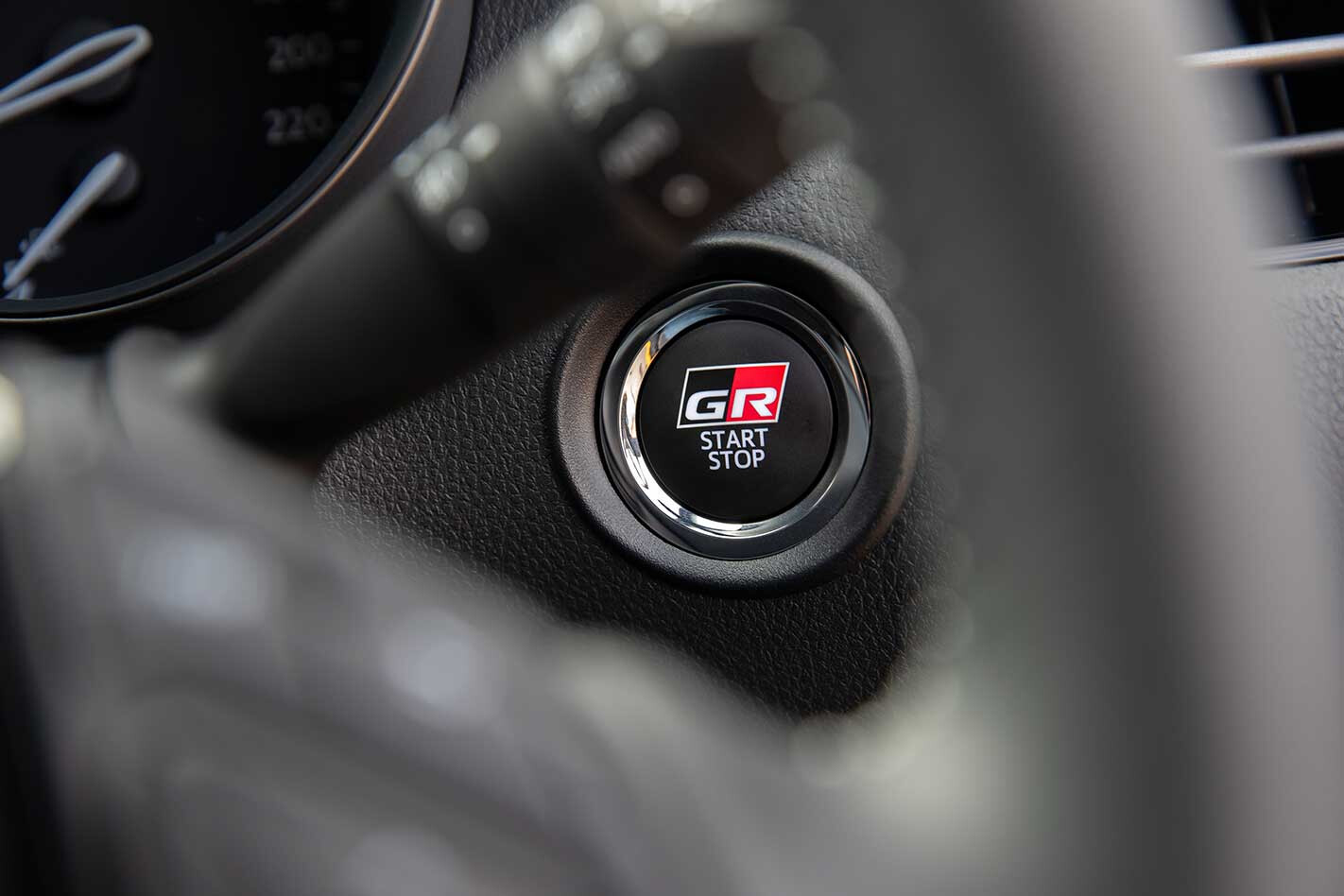
The GR Sport C-HR takes things one step further inside, adding leather accented sport seats, dark silver paint surrounds, and a GR Sport start button. Oh, and there are also metal pedals.
It’s offered with Toyota’s capped price servicing program, pegging the first five services at $200. It’s backed, of course, by a five-year unlimited-kilometre warranty.
GR Sport is just another step on Toyota’s journey to creating a larger range with more performance cars under the Gazoo Racing banner, fulfilling a promise to customers to provide a more exciting line-up.
“When we launched our GR performance brand last year with the GR Supra, Toyota hadn’t had a serious high-performance sports car in its line-up for 17 years, but together with the new GR Yaris that arrives next month, we are well and truly back on the performance track,” said Toyota Australia vice president of sales and marketing Sean Hanley.
“And just like the dedicated GR sports cars, the performance-enhanced GR Sport models like the new C-HR GR Sport, are inspired by the lessons and technology derived from Toyota’s championship-winning motorsports program,” he said.
Audi has shocked the motorsport world, by announcing it will return to the 24 Hours of Le Mans from 2022.
Between 2000 and 2014 Audi won 13 times at La Sarthe, making it the second most successful manufacturer in the race’s history, behind Porsche.
Since leaving the World Endurance Championship at the end of 2016, Audi’s major international motorsport program has been Formula E.
However, it will no longer compete in Formula E following the conclusion of the 2020/21 championship, turning its focus to Le Mans.
The change in direction follows a new leader at the top, with Julius Seebach replacing Dieter Gass as Audi’s Head of Motorsport from 2021.
To race at the 24 Hours of Le Mans, Audi will build a car to meet LMDh regulations, which will make their debut in 2022.
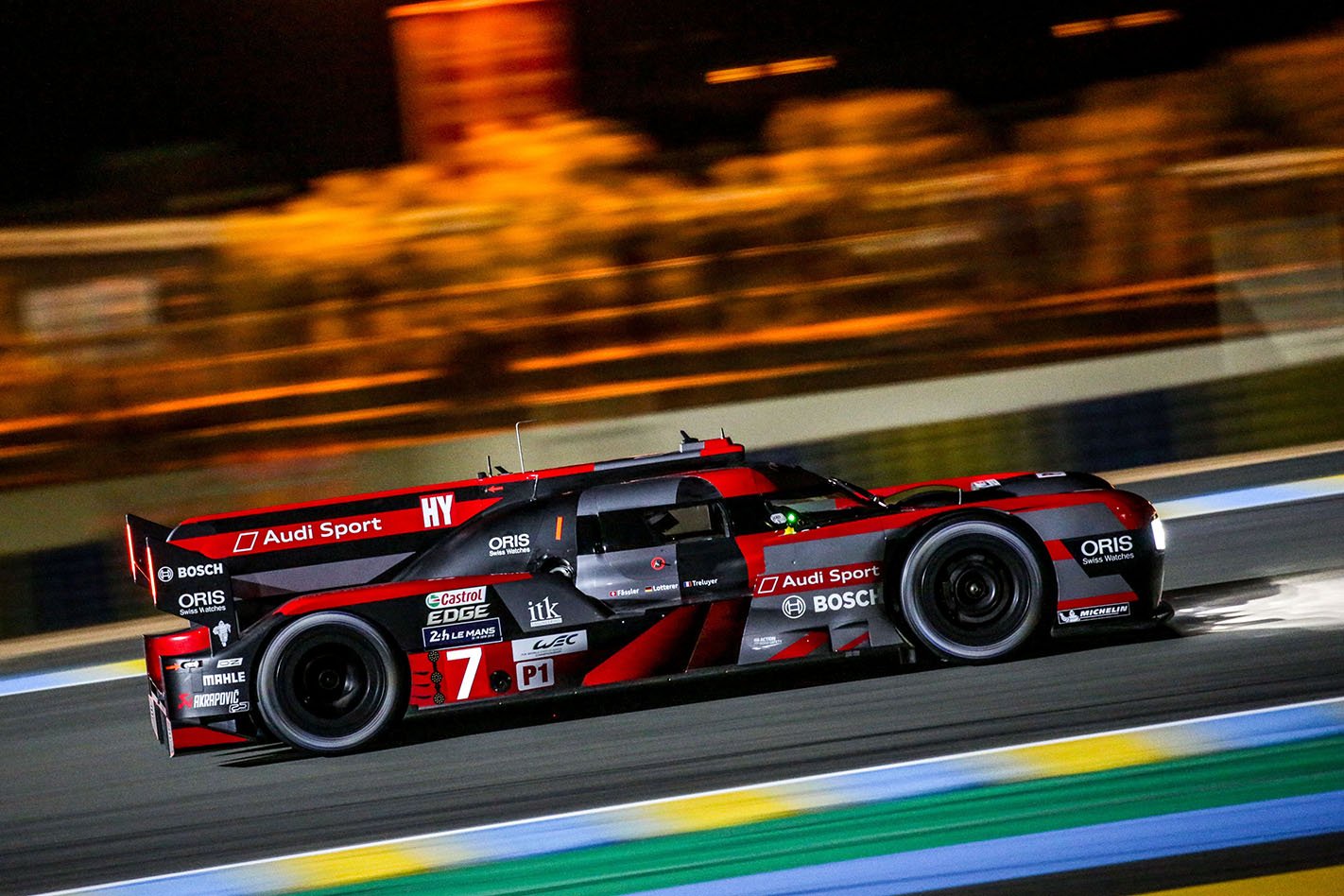
Above: Audi last competed at the 24 Hours of Le Mans with the R18 e-tron quattro in 2016.
WHY HAS AUDI CHOSEN TO RETURN TO LE MANS?
Choosing LMDh over the highly vaunted LMH (or ‘Hypercar’) regulations allows Audi to compete in the American sportscar championship IMSA, that includes high-profile events like the Daytona 24 Hour, Sebring 12 Hour, and Petit Le Mans, as well as the 24 Hours of Le Mans.
The FIA and ACO have confirmed that they will allow LMDh and LMH cars to compete alongside each other in the top-flight class of the World Endurance Championship from 2022.
Meanwhile, IMSA is yet to confirm that it will allow LMH cars to compete in its series at all.
“We are intensively preparing to enter the new sports prototype category LMDh with its highlight races, the Daytona 24 Hours and Le Mans 24 Hours,” said Seebach.
“The most important message for our fans is that motorsport will continue to play an important role at Audi.”
Other than Toyota and Peugeot, most manufacturers have shunned the LMH regulations (which requires production cars to be built to match the Le Mans racers), instead opting for the cheaper LMDh rules.
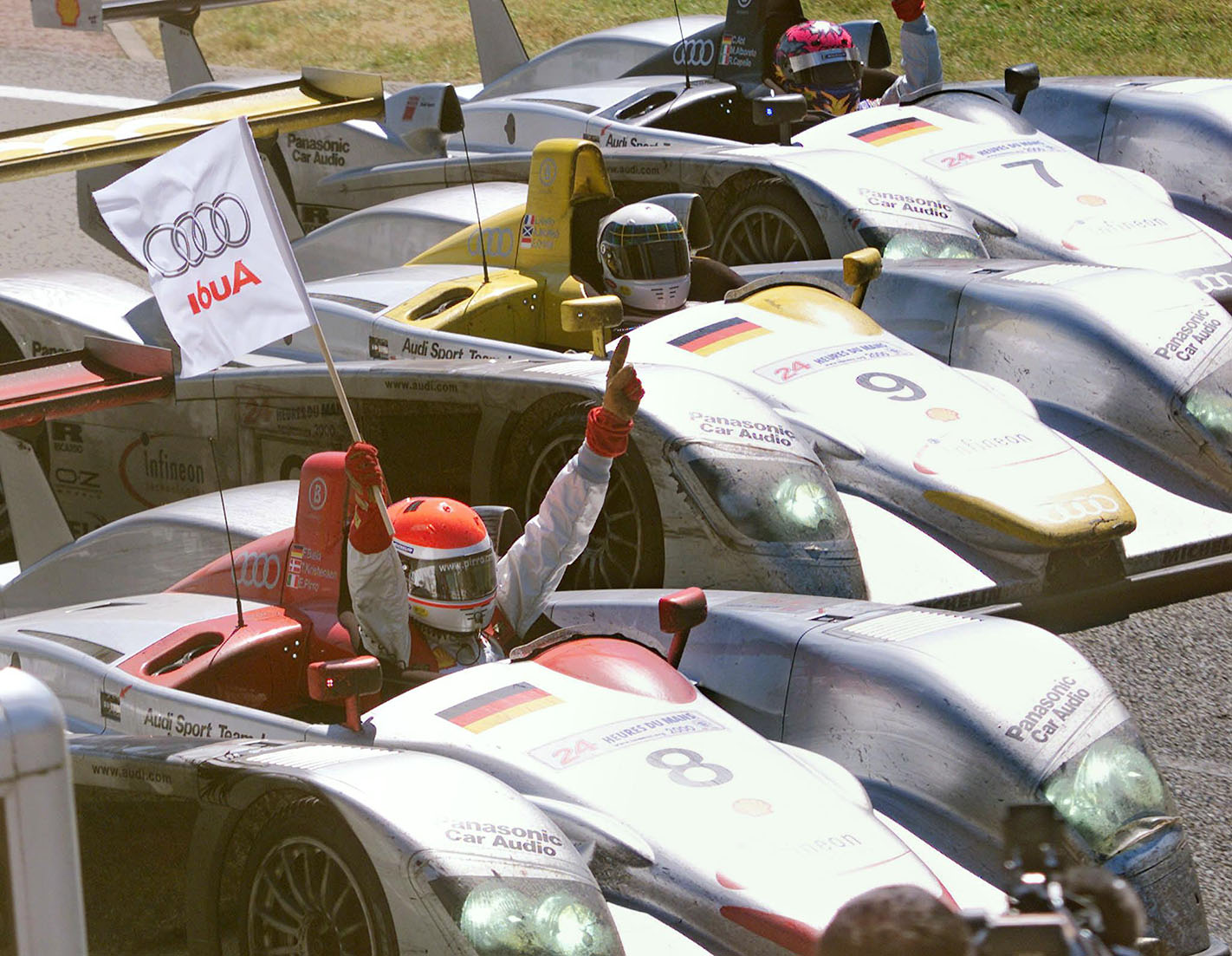
Above: The Audi R8 is the most successful car in Le Mans history, having won five times between 2000 and 2005.
WHAT IS LMDH?
The newly finalised LMDh rules allow manufacturers to supply their own engines capable of up to 470kW, which will be paired with a ‘spec’ 50kW electric motor supplied by Bosch.
There are four constructors licenced to build LMDh chassis: ORECA, Ligier, Multimatic, and Dallara. Manufacturers can purchase an LMP2-based chassis from one of these four companies and drape their own road car-inspired bodywork over the top.
IMSA has worked hard to ensure its LMDh rules are affordable, capping the price of the entire hybrid powertrain, supplied by Williams Advanced Engineering, at US$350,000, and the chassis (sans XTrac-supplied gearbox) at US$409,000.
It is estimated the total cost to build a LMDh car without an engine will be roughly US$1.18 million.
Honda is another manufacturer currently linked to a potential LMDh program, with the company’s Acura arm having recently competed in IMSA’s top-flight DPi category in partnership with legendary team Penske Racing.
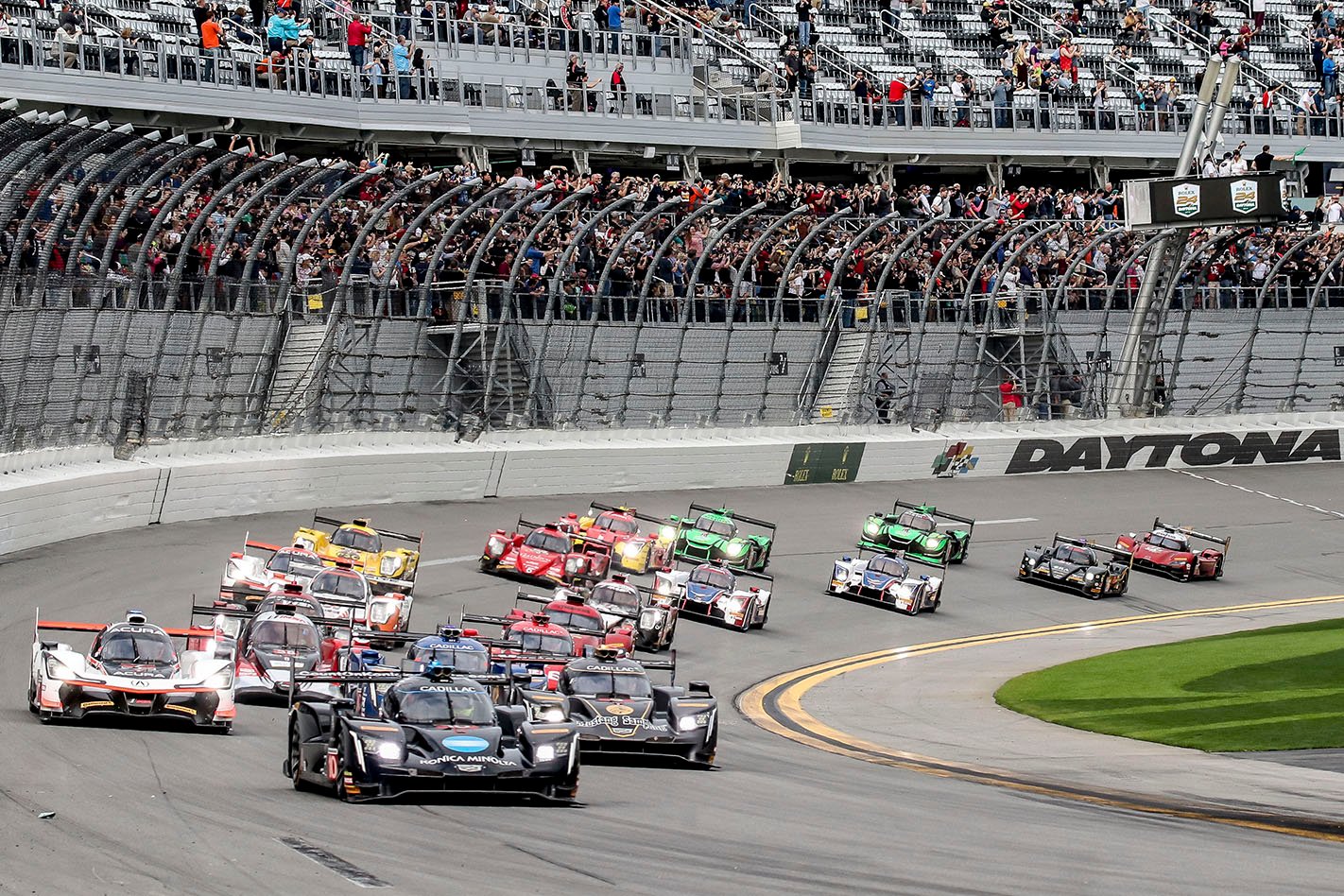
Above: Cadillac, Mazda, and Acura DPi race cars taking part in the Daytona 24 Hours
ARE THERE ANY OTHER CHANGES?
It’s not just Le Mans that Audi is focussing on, with the company announcing that it will compete in the Dakar Rally from 2022.
The German company has made a multi-year commitment to the off-road test, and says it will use the program to improve development of electric drive systems and batteries.
“We want to continue demonstrating the brand’s slogan ‘Vorsprung durch Technik’ in international top-level motorsport in the future and develop innovative technologies for our road cars,” said Markus Duesmann, CEO of Audi. “The toughest rally in the world is the perfect stage for this.”
Audi has never competed in the Dakar Rally as a factory team, however fellow VW Group brands Volkswagen and Porsche have both scored outright victories in the toughest event in motorsport.
With Audi confirming its departure from the all-electric Formula E series at the conclusion of 2020/21 season, it leaves sister brand Porsche as the sole representative of the VW Group in the category.
However, Porsche has also been rumoured to be evaluating entering the LMDh class in the future.
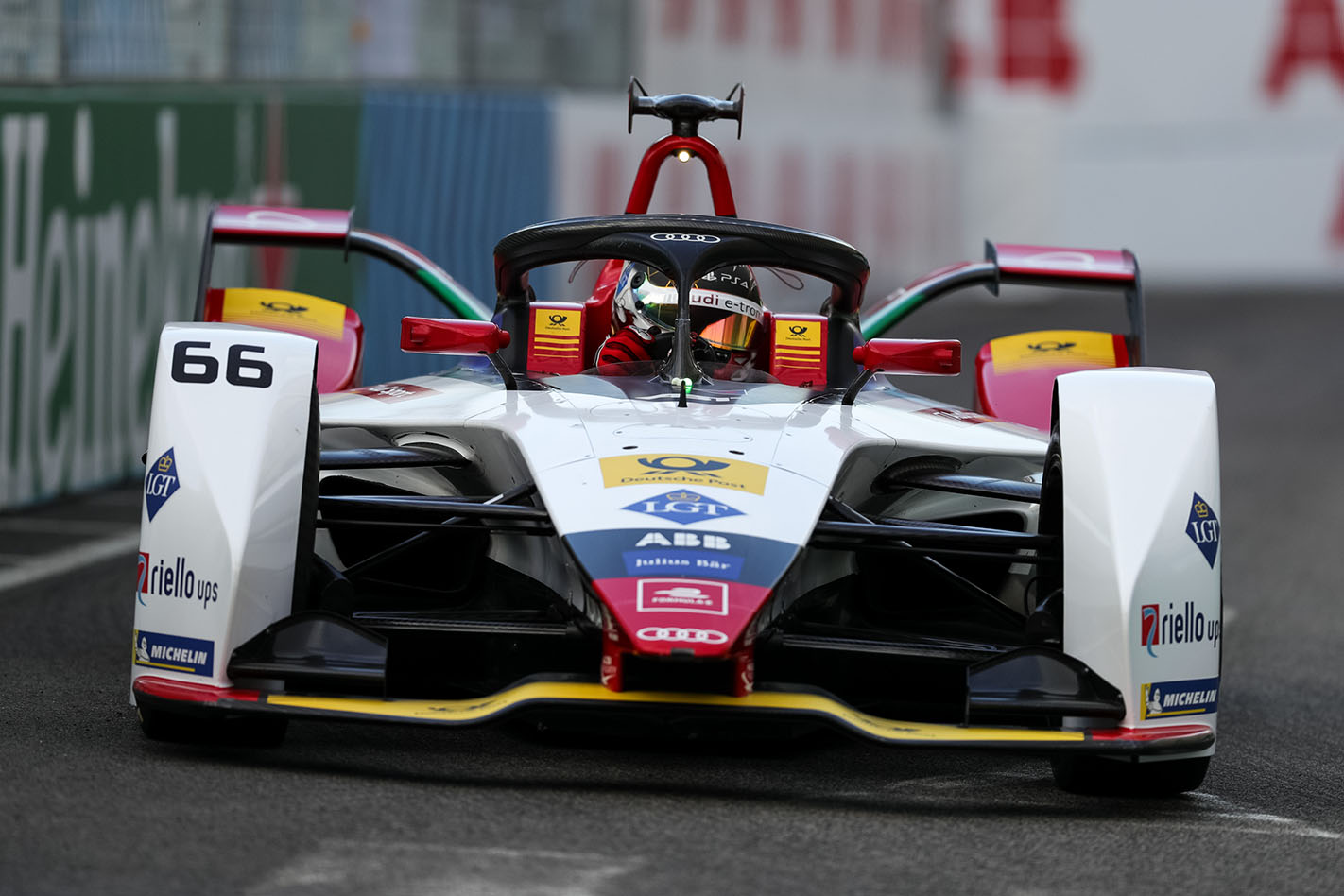
Above: Audi has competed in Formula E for seven seasons, winning a single championship in that time.
BMW has announced pricing for its incoming front-wheel-drive hot hatchback, the 128ti.
But while it’s aiming for a more traditional hot-hatch buyer than the range-topping M135i xDrive, thanks to a 180kW FWD layout, there’s nothing familiar about its $56,900 price tag – at least among its rivals.
It will arrive early next year as one of the most expensive FWD hatches this side of the MINI JCW range, Renault Sport Megane Trophy, and contrast heavily against natural competition like a Ford Focus ST and Hyundai i30 N priced between $40K to $50K.
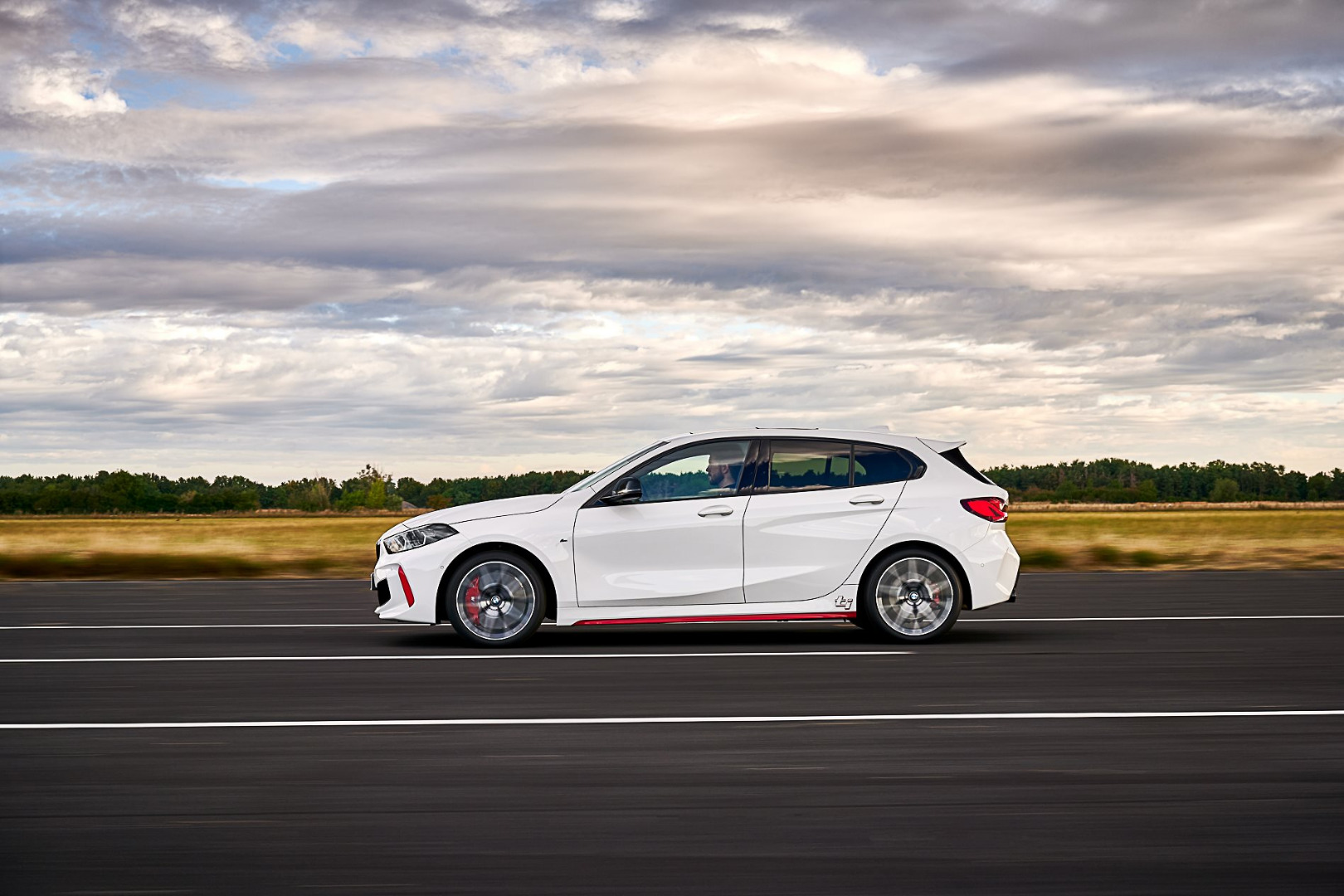
Volkswagen’s incoming Golf GTI, perhaps its closest rival as a luxury hot hatch, should also undercut its price if the GTI picks up where the seventh-generation GTI Performance left off at $48,490.
At $56,900, the BMW 128ti represents almost a $10,000 increase on the base 118i, adding unique 18-inch wheels, synthetic leather seats, a leather steering wheel with unique stitching and velour floor mats on top of its mechanical upgrades listed below.
As well as offering leather or M sport seats, a de-badged exterior is available with any of the six paint finishes, five of them being metallic besides Alpine White, with the premium paints forming the basis of the options packages BMW offers here.
Enhancement Package 1 – $3000
- Metallic paint
- Panorama glass roof
- Active cruise control with Stop & Go functionality
- BMW Individual Storm Bay Metallic
- Panorama glass roof
- Active cruise control with Stop & Go functionality
- Automatic operation of the tailgate
- Luggage compartment storage net
- Through-loading system
- Seat heating for driver and passenger
- Lumbar support for driver and passenger
- Steering wheel heating
What’s ‘ti’ all about?
It stands for Turismo Internazionale, and dates back to the 1963 1800 Ti. More familiar to most, though, will be its presence on 3 Series models in the 1990s and 2000s. It is also used for a car that’s not necessarily the range-topper, but the sweet spot for keen drivers.
That certainly seems to be BMW’s aim with the 128ti, as next to the oddly anodyne (and four-wheel drive) M135i flagship, its specs make for unimpressive yet exciting reading.
The main advantage over the M135i is weight – the 128ti shaves 80kg off its sibling’s kerb weight, improving performance and agility.
Under the bonnet, it’ll feature the same 2.0-litre four-cylinder engine as the MINI John Cooper Works – but here it’s fitted with a twin-scroll turbo.
In overseas markets, the 128ti will offer 194kW and 399Nm, but ours will be hobbled slightly, thanks to the addition of a petrol particulate filter.
This will restrict power to 180kW and torque to 380Nm, which adds 0.2sec to its 0-100km/h dash, stretching it to 6.3 seconds.
Instead of all-wheel drive, the 128ti spins its front wheels only. Breaking with current BMW gospel didn’t extend to the gearbox, though – the only option is the eight-speed ZF you’ll find on the rest of the 1-series range.
That’s a shame, as the manual shift fitted to lowlier 1-series’ and on the MINI JCW is pretty sweet and precise.
What’s BMW done to the chassis?
It’s fitted the best from the M135i – namely, lowered M Sport suspension with firmed-up anti-roll bars and mounts plus stiffer springs and shocks.
The steering’s specific to the 128ti in a bid to minimise torque steer, and the same Torsen limited-slip differential has been fitted to improve cornering agility.
M Sport brakes with 360mm front discs feature, while the 18-inch alloys can be shod in Michelin Pilot Sport 4 tyres.
Less functional but more visible are other M Performance accessories – the 128ti can carry half an accessory catalogue with it in the form of carbon fibre splitters, diffusers and mirror caps.
All models have a black grille and tailpipes plus exterior chrome deletion, while inside there are red accents and ti-specific stitching.
BMW 1-series: the basics
The 1 Series marks a big moment for the Bavarian carmaker, as it finally bows to the inevitable, drops its aged rear-wheel-drive strategy for its smallest model and goes front-wheel drive.
The top versions gain BMW’s xDrive all-wheel-drive system.
The new car, which sits on BMW’s UKL2 platform, shares much with the MINI line-up, as well as the BMW X1/X2, and 2-series Active/Gran Tourer ranges, will be considerably cheaper to build than the old model for the company.
It also saw the introduction of new driver and safety tech, which BMW says puts it right at the cutting edge of its market sector.
There is no three-door version available, and that’s likely to remain the case throughout the car’s life.
BMW 1-series styling – conservative looks for conservative buyers
There’s one thing you can say about the 1-series – it’s been consistently ugly since its launch in 2004.
Much of the visual awkwardness of the first-generation model can be put down to the odd proportions borne from its rear-wheel-drive drivetrain combined with engineering hardpoints from the ill-fated Rover R30 project it was sired from.
Ally that with Chris Bangle’s flame surfacing, and you were left with a baby that only its mother would love.
The second generation was more of the same, whereas this one is a ground-up reboot of the franchise – very much following the Mercedes-Benz A-Class and Audi A3 in adhering to the small premium hatch template.
The larger kidneys up front and the Ford Focus-like proportions will take a considerable amount of time to get used to, but a lack of visual elegance never held back the old 1-series before, and if anything, this one fits in way more readily with its rivals.
Moving to front-wheel drive gives the 1-series a larger, more usable interior, bigger boot, and vastly improved practicality – in this market sector, that matters more than balanced handling and uncorrupted steering.
What’s under the skin of the BMW 1-series?
The body is lighter and more rigid than before, and in order to minimise weight, aluminium is used for the bonnet and tailgate for instance and other high-tensile steels are used throughout its monocoque.
The end result is a weight reduction model-for-model of around 30kg. We were expecting more, given the fact the old car’s propshaft accounts for most of that.
BMW says the new car’s dynamics are very much in keeping with the balanced ethos of the old one. So it gets a super-responsive throttle and steering.
The rigid body helps with the suspension tuning – and BMW promises a better ride, too. The M135i is offered with standard M Sport suspension (10mm lower than standard), brakes and steering (a faster rack).
You can optionally select these across the range in the M Sport Plus package.
BMW 1-series is also available with adaptive suspension including VDC (Variable Damper Control) as an option, which lets the driver choose from two different damping response settings via the Driving Experience Control switch, namely Comfort or Sport.
What’s the new 1-series like inside?
Think new BMW 3-series and you’re already there. As well as BMW’s Live Cockpit with 8.8-inch central touchscreen and instrument cluster has a 5.7-inch colour display (upgradeable to 10.25in), the driver aid count has been increased significantly – so you can now specify Active Cruise Control with Stop and Go.
Safety systems include collision and pedestrian warning with city braking function, Lane Departure warning with steering assist and speed limit information. Optional extras include Lane Change Warning with blind-spot detection system.
A head-up display is available on the 1-series for the first time as is Parking Assistant, which offers automatic assisted parking for parallel or 90-degree parking.
Thanks to the BMW Digital Key, you can also now use your smartphone instead of a key, by holding it to the door handle to let you in.
Finally, BMW’s Siri-style Intelligent Personal Assistant is available on the 1-series – just by saying ‘Hey BMW’. It’s fully online and connected and is updated on-air remotely by BMW.
A 1977 HDT LX Torana A9X raced by John Harvey has become one of the most expensive Holdens to sell at auction, trading hands for $910,000 on the weekend.
Driven by John Harvey in Australian Touring Car Championship in the years when nine-time Bathurst winner Peter Brock had left the HDT team, the number 76 Marlboro-liveried Torana race car fell short of its $1 million-plus auction hopes.
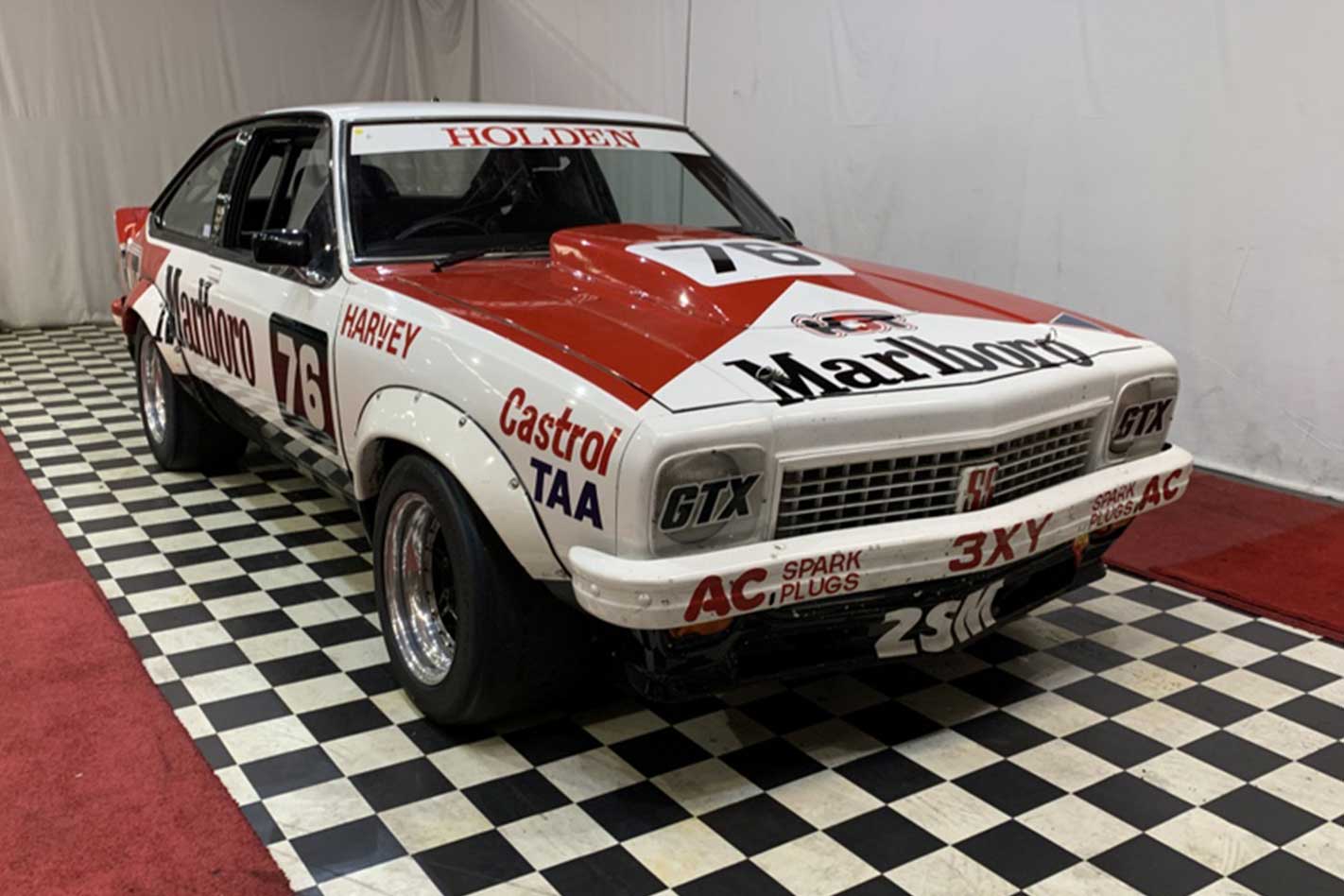
But the $910,000 price – along with the 7.5 percent ($68,250) buyer’s premium – makes it among the most expensive Holdens ever snapped up.
Earlier this year a 1969 HT Monaro race car sold at auction for $715,000 and in 2018 Brock’s 1982 and 1983 Bathurst-winning VH Commodore sold for $2.1 million.
“It was bought by a passionate Australian collector,” said Lloyds Auctions chief operations officer Lee Hames, through a PR representative.
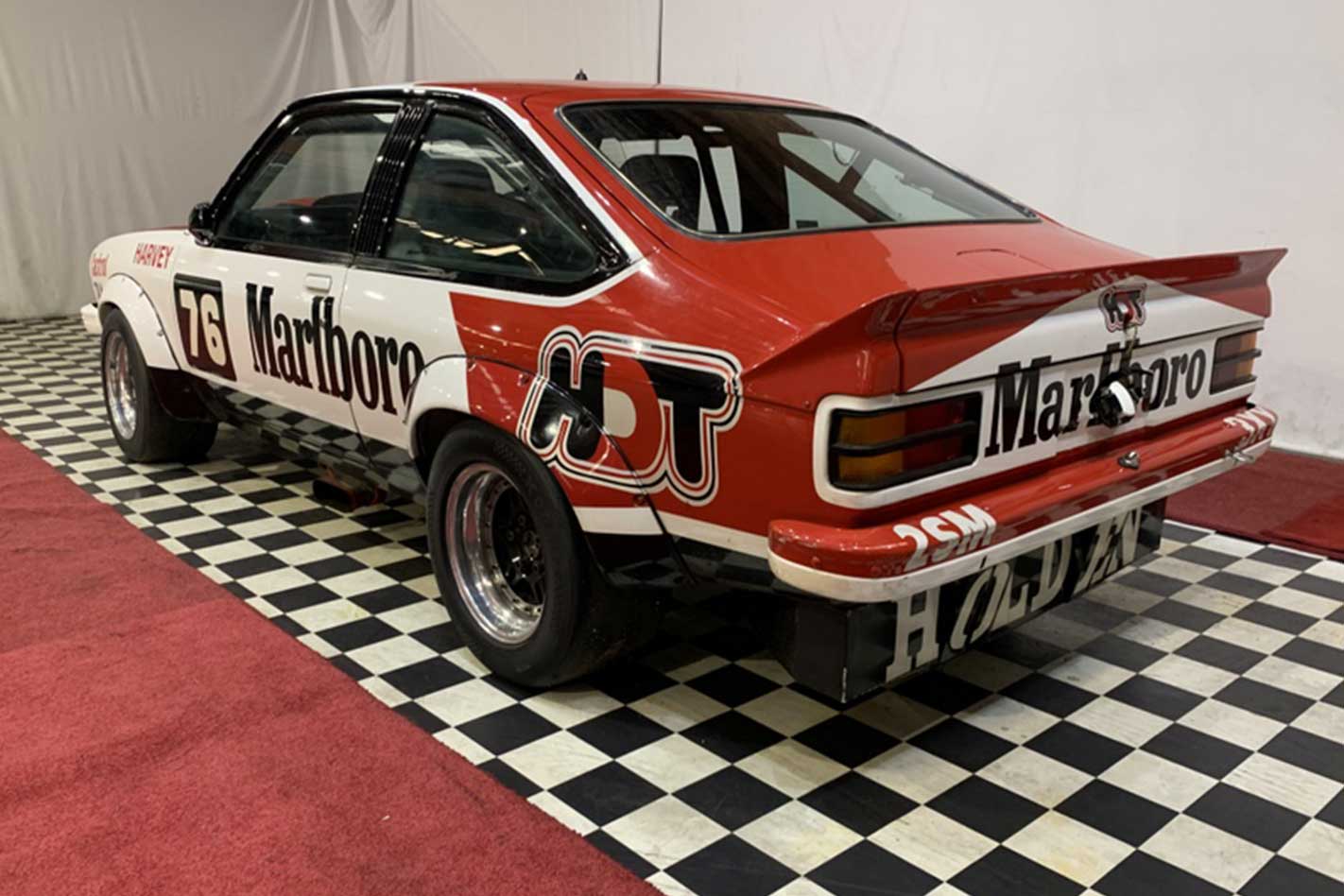
The racing Torana was crashed at Mount Panorama in 1978 by Harvey’s co-driver Charlie O’Brien but was repaired to later finish third in the 1979 Australian Touring Car Championship.
It has been in various hands since retiring from full time racing and was restored in 1993 before being displayed at museums in Bathurst and Phillip Island.
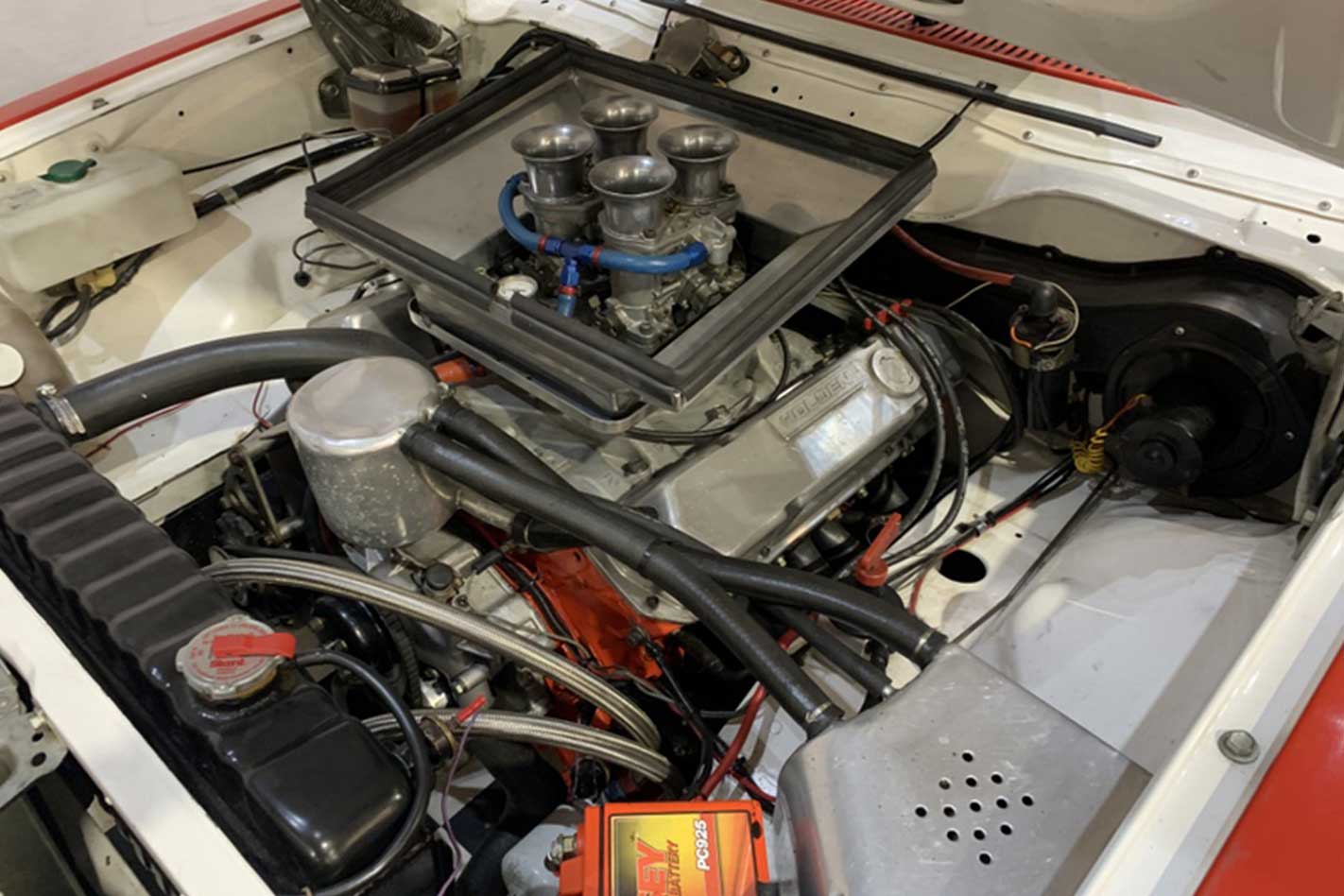
While the number 76 Torana was the highlight of the auction lot, it also included various spare parts and race gear claimed to be worn by Harvey.
They include “worn Jacket, boots, helmet, trophies, racing records and an enormous array of memorabilia items”.
However, Harvey’s son Gavin took to social media on the weekend claiming some of the extras were not genuine.
“It’s a complete FAKE, no doubt!!” said Gavin Harvey of the helmet.
“It never really slowed for us, we have been going strong the whole way through,” he said, pointing to everything from classic cars to jewellery, pinball machines and “man cave memorabilia”.
“People are spending more time at home, they’re looking for things to enjoy … and to make their spaces more appealing.”
Source: Lloyds Online
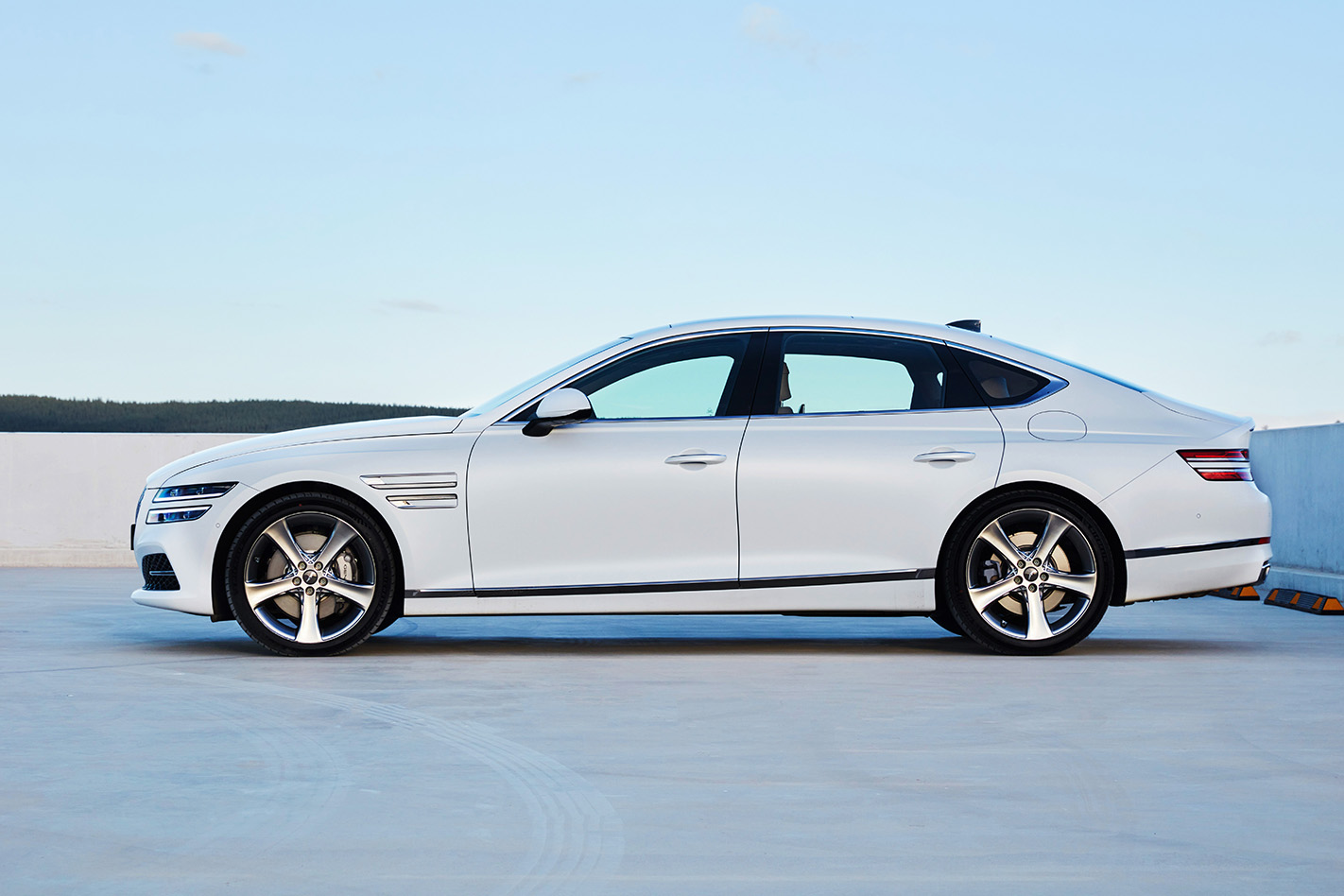
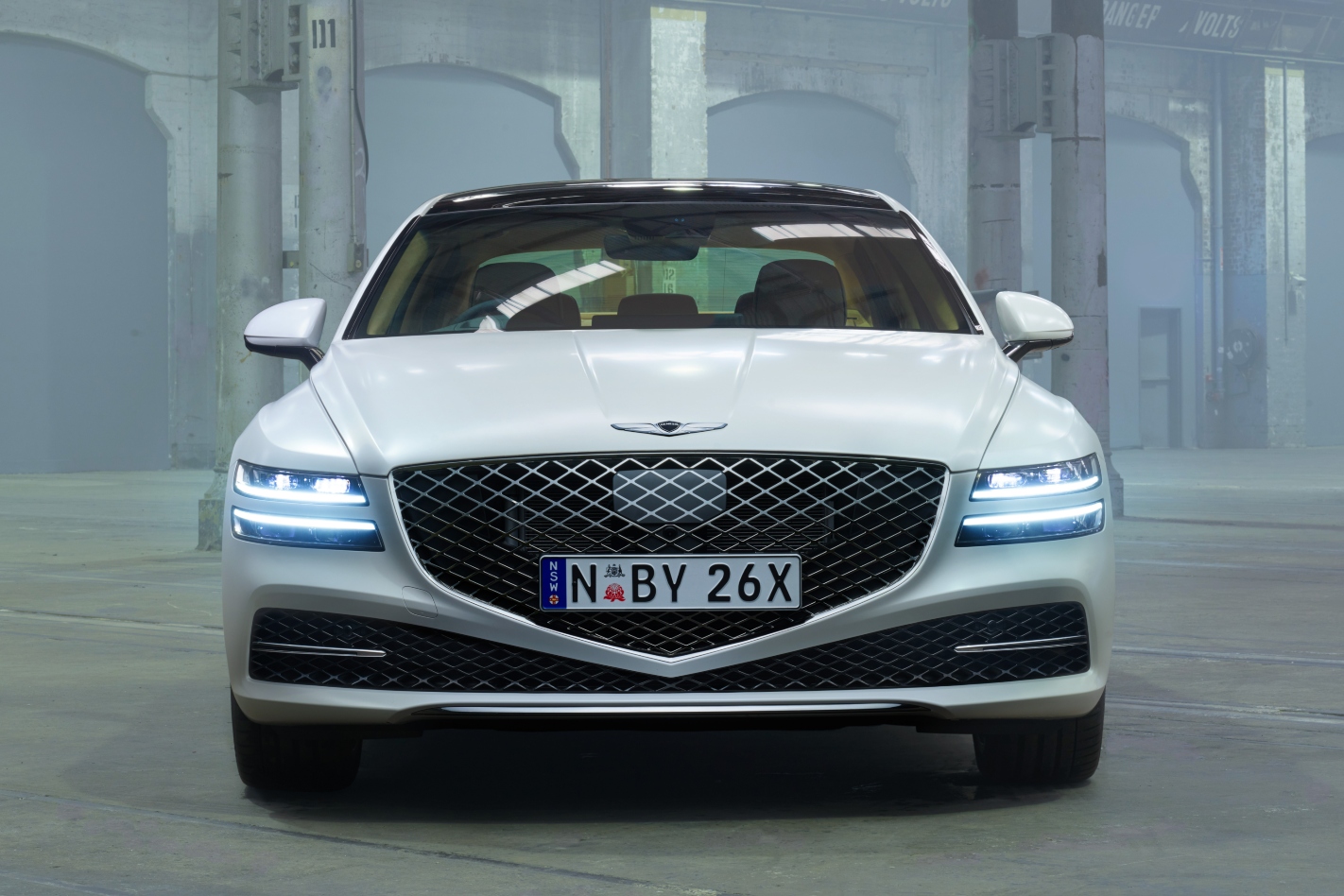
Genesis has detailed the second iteration of its large luxury G80 sedan ahead of its Australian debut in November, confirming a choice of two turbo petrol and one turbodiesel engines and two or four-wheel drive transmissions.
Kicking off the range, the 2.5T rolls in with a turbocharged 2.5-litre four-cylinder petrol engine which sends 224kW and 422Nm to the rear wheels via an eight-speed automatic transmission. Opting for the smaller engine doesn’t bring big efficiency gains, with official combined fuel consumption coming in at 8.6L/100km.
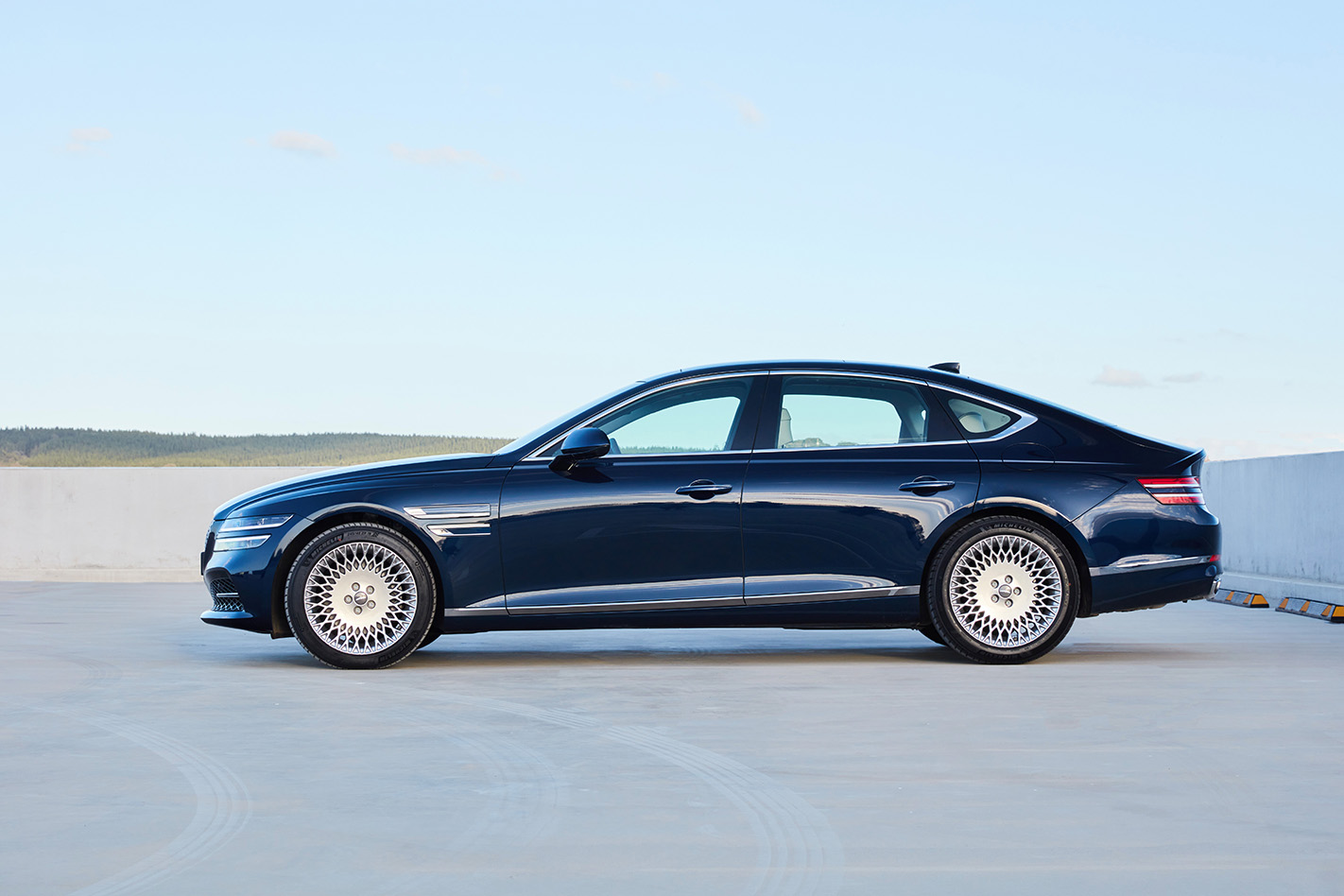
The second of two four-cylinder variants – the 2.2D, added to the line-up in June 2021 – is powered by a 2.2-litre turbo-diesel engine, which produces 154kW and 442Nm, and returns a combined fuel economy figure 6.6L/100km.
Finally, the range-topping G80 3.5T is powered by a 3.5-litre 279kW/530Nm turbo V6 petrol with power distributed to all four wheels via the same eight-speed auto. Euro5 emissions the bigger engine drinks 95 RON premium unleaded petrol at a rate of 10.7L/100km.
Pricing starts at $84,900 before on-road costs for the 2.5T, $87,990 for the 2.2D, and $99,900 for the 3.5T. This represents a significant step up over the original G80 but the new model does offer a comparable leap in equipment and specification to justify the premium.
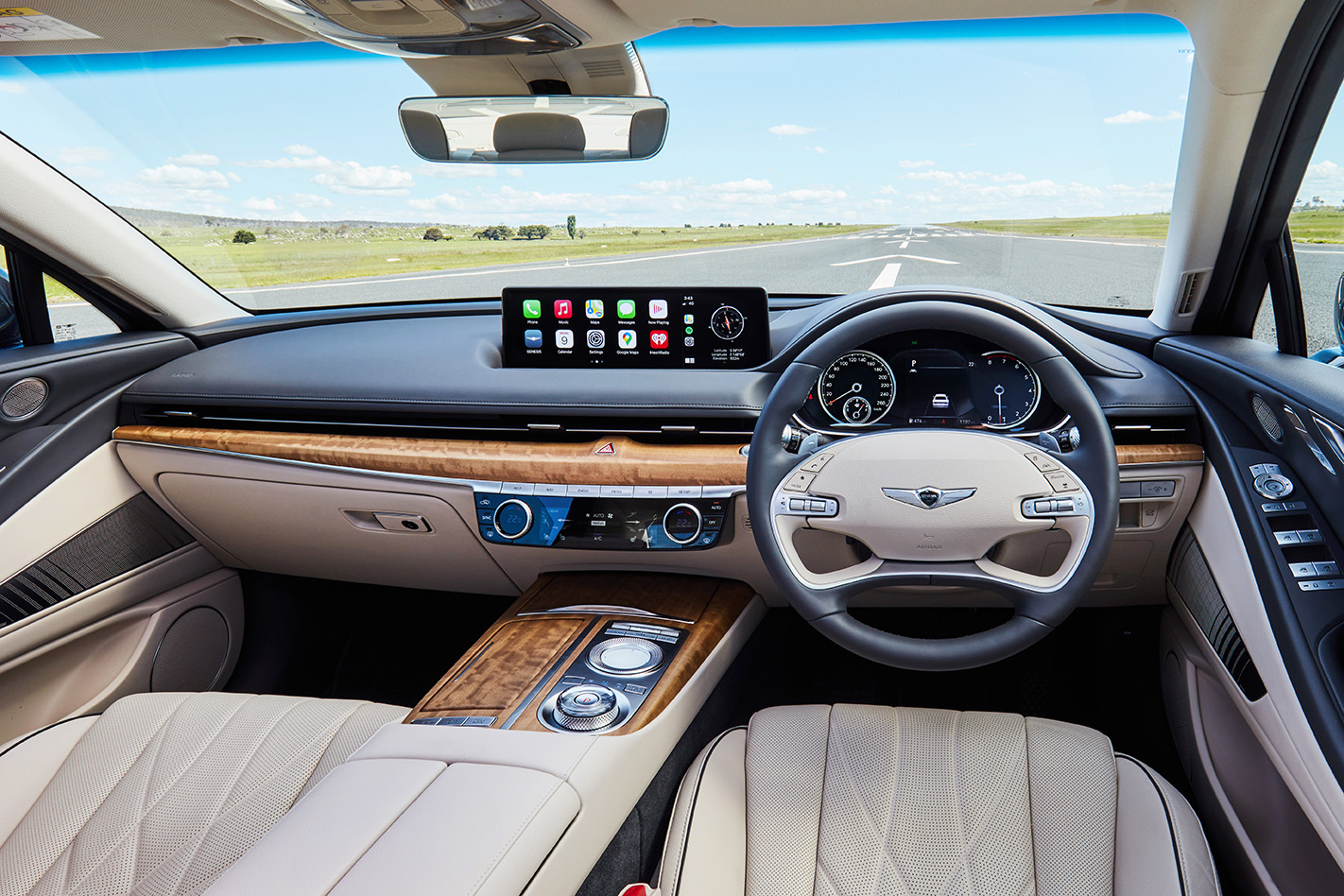
For a start, the Genesis G80’s cabin is stuffed full of technology including an array of digital displays.
The driver has a 12-inch head-up display (one of the largest available on the market) complemented by a digital instrument cluster, while another digital display measuring 14.5 inches forms the central touchscreen.
Find another $13,000 in the budget and G80 customers can add the Luxury Package which, among other goodies, turns the instrument cluster into a unique 12.3-inch 3D display and adds a further pair of 9.2-inch touchscreens for the rear-seat occupants too.
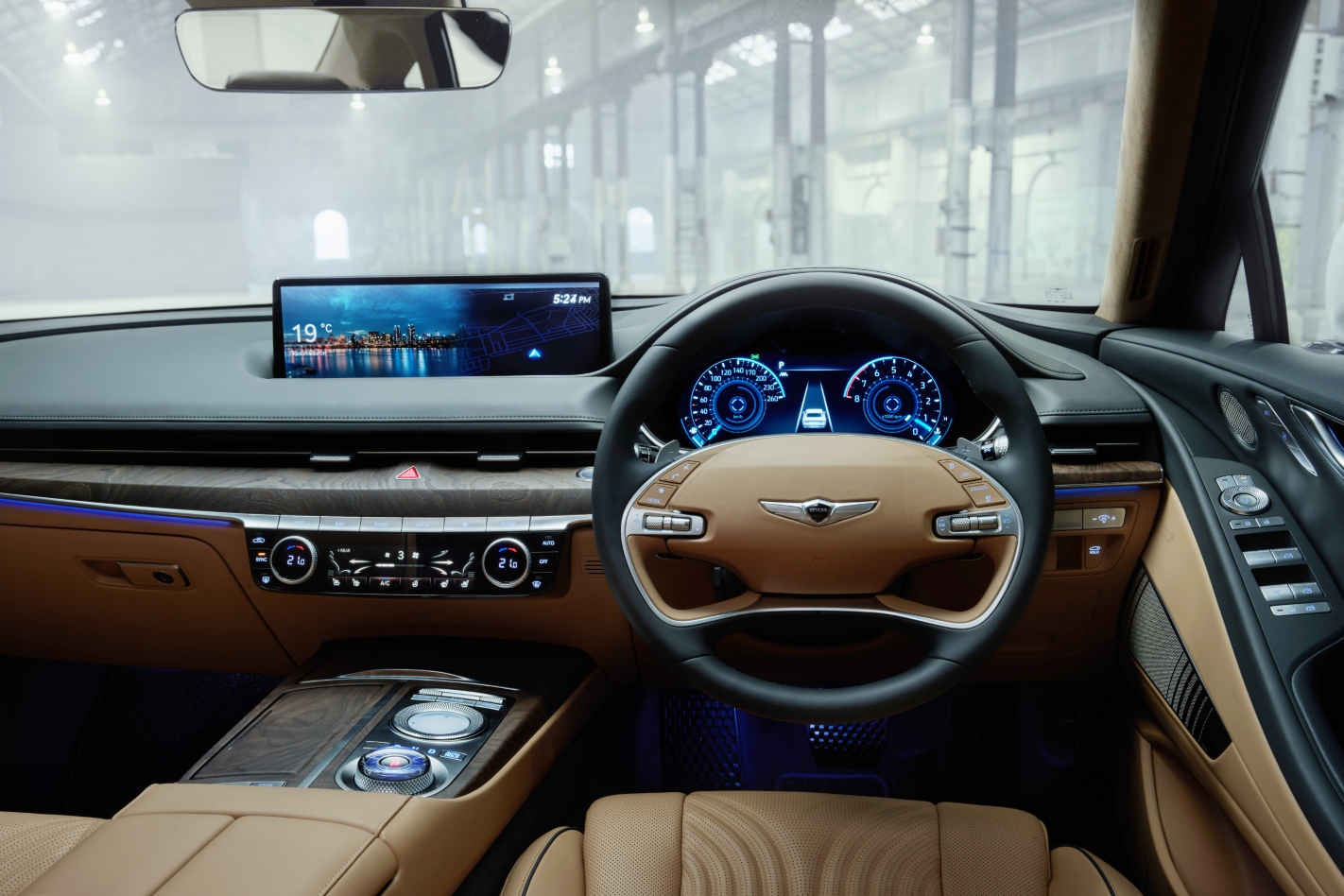
While many brands are fitting out interiors with synthetic hide or part-leather interiors, the G80 is an all genuine leather affair which is upgraded to Nappa leather with the Luxury Package.
Other standard cabin highlights include power-adjustable seats with heating and ventilation, panoramic sunroof, a choice of five upholstery combinations and a pair of open-pore wood finishes.
The G80 cabin is technologically well appointed too with wireless device charging, 21-speaker Harman stereo, handwriting recognition by the touchscreen, dual-zone air conditioning with separate temperature control for the rear seats and smartphone mirroring.
Much of the G80’s technology closely resembles that offered in its GV80 SUV equivalent. That includes an innovative augmented reality navigation system that displays route information over an image of the road via the massive central screen.
There’s also blind-spot eliminating cameras that cleverly display their images in the digital instrument cluster according to which indicators have activated the function.
It’s just one of a whole host of safety features offered as standard in the G80 deal along with a 360-degree maneuvering camera with 3D images, an active bonnet which rises in the event of a pedestrian collision to offer an impact-reducing crumple zone, and active cruise control down to stop-and-start traffic speed.
Driver Attention Warning monitors driver behaviour to detect fatigue, while the Luxury Pack adds to that with a Forward Attention Warning which uses a camera to scan the driver’s face and can detect tiredness and distraction from facial expressions.
Airbags total 10 including a special centre side-impact bag which prevents injuries by occupants impacting each other during a collision.
In addition to increasingly common autonomous emergency braking, the G80 offers technology that can avoid collisions at junctions and lends a hand during evasive manoeuvres that could unsettle the vehicle were it left up to the driver alone.
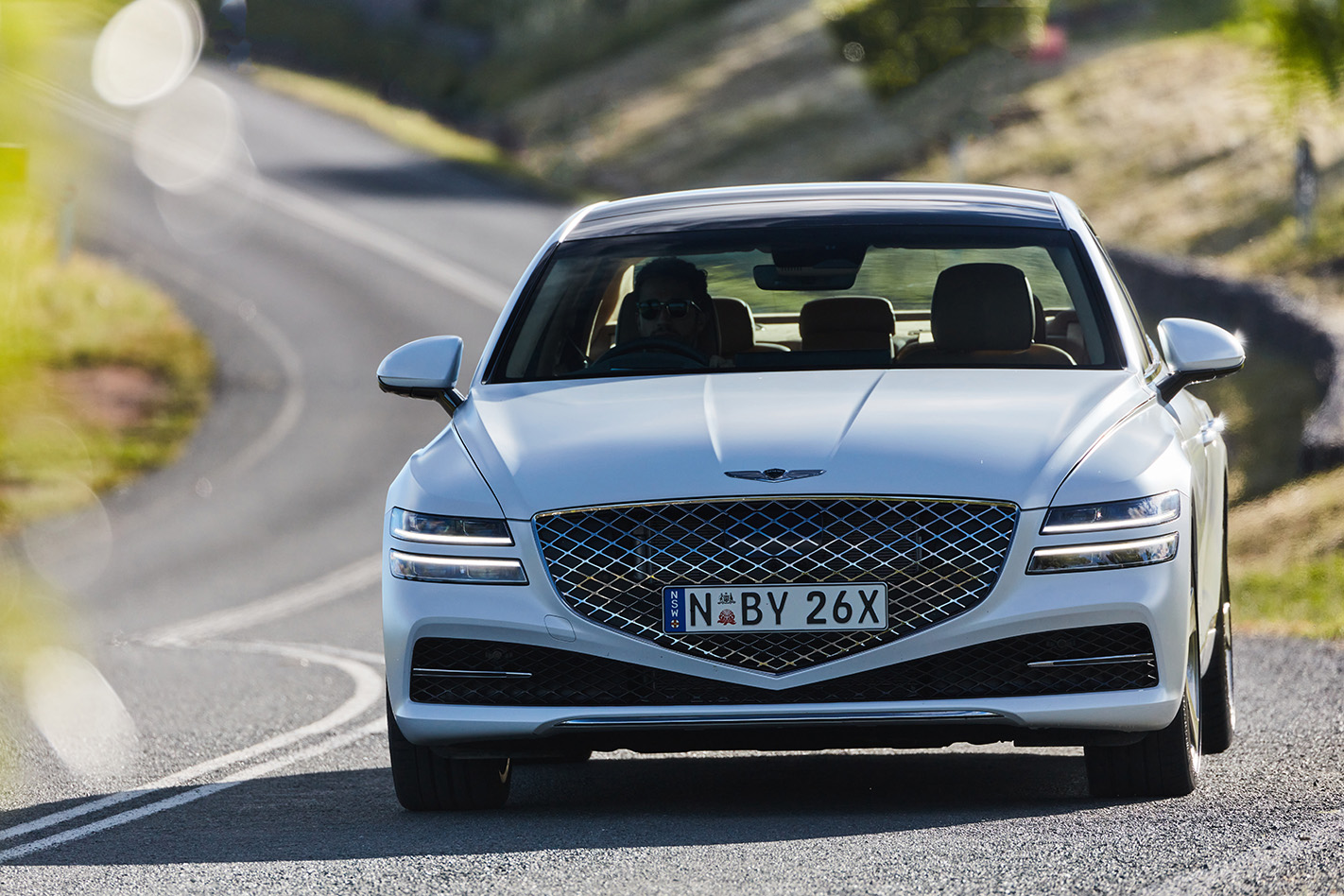
The G80 rolls on a chassis that has been developed for Australian roads and conditions. In fact, we spied it under development back in early 2019.
Adding to the comfort-focused ride, the big sedan has adaptive suspension which includes a new Road Preview function for the 3.5T.
Using images from the forward-facing camera, the G80 can sense large changes in the road ahead such as speed bumps or surface damage, and adapt the suspension damping for optimum comfort.
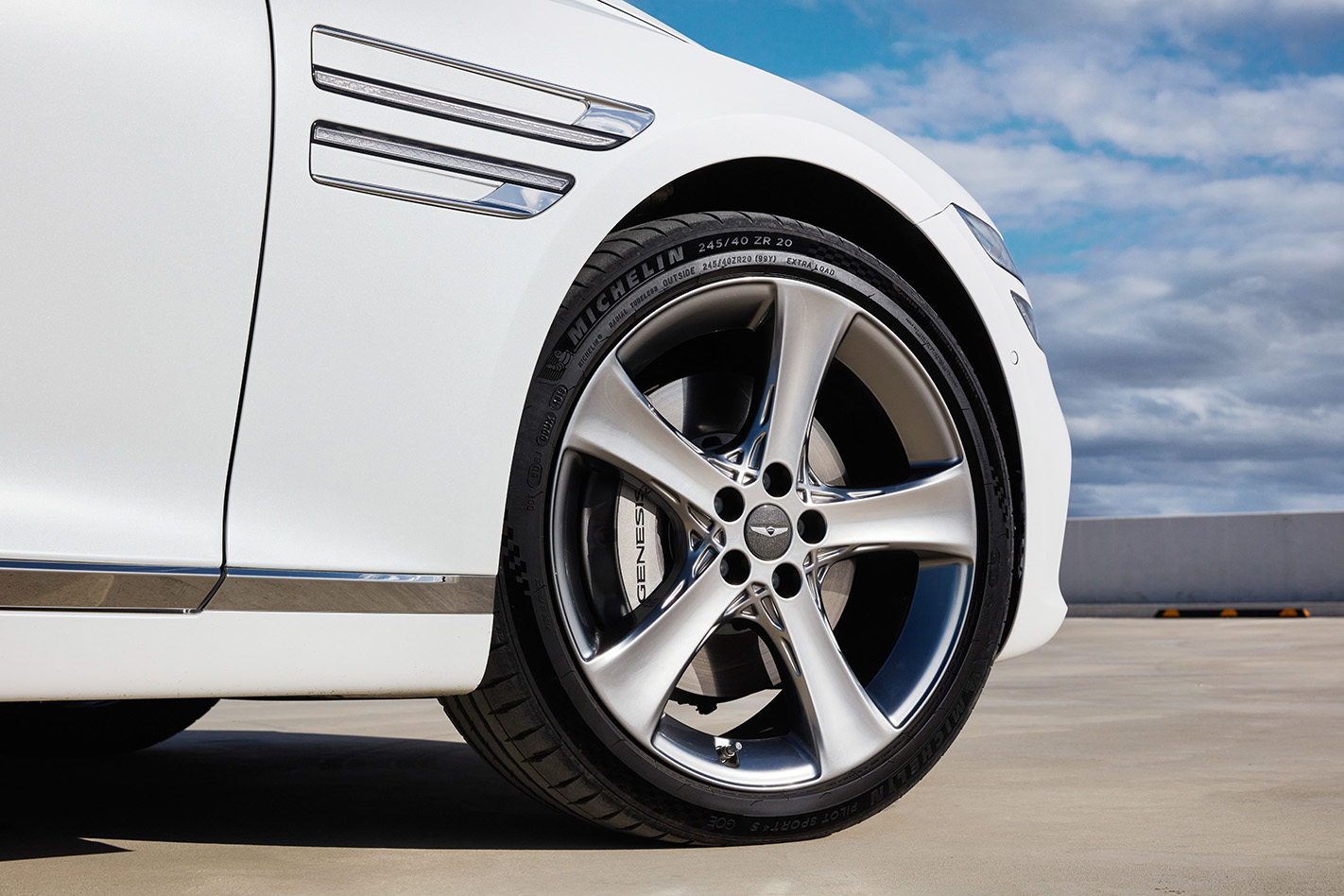
The all-wheel-drive 3.5T rolls on 20-inch alloy wheels that wear Michelin Pilot Sport 4S tyres and house four-piston brake calipers and 360mm discs on the front axle, while the 2.5T gets 19-inch wheels and Pilot Sport 4 rubber and single-piston front calipers grabbing 345mm front rotors.
Speaking of wheels, the G80 has a space-saver spare wheel and not the mobility or inflator kit that owners of some other car brands bemoan.
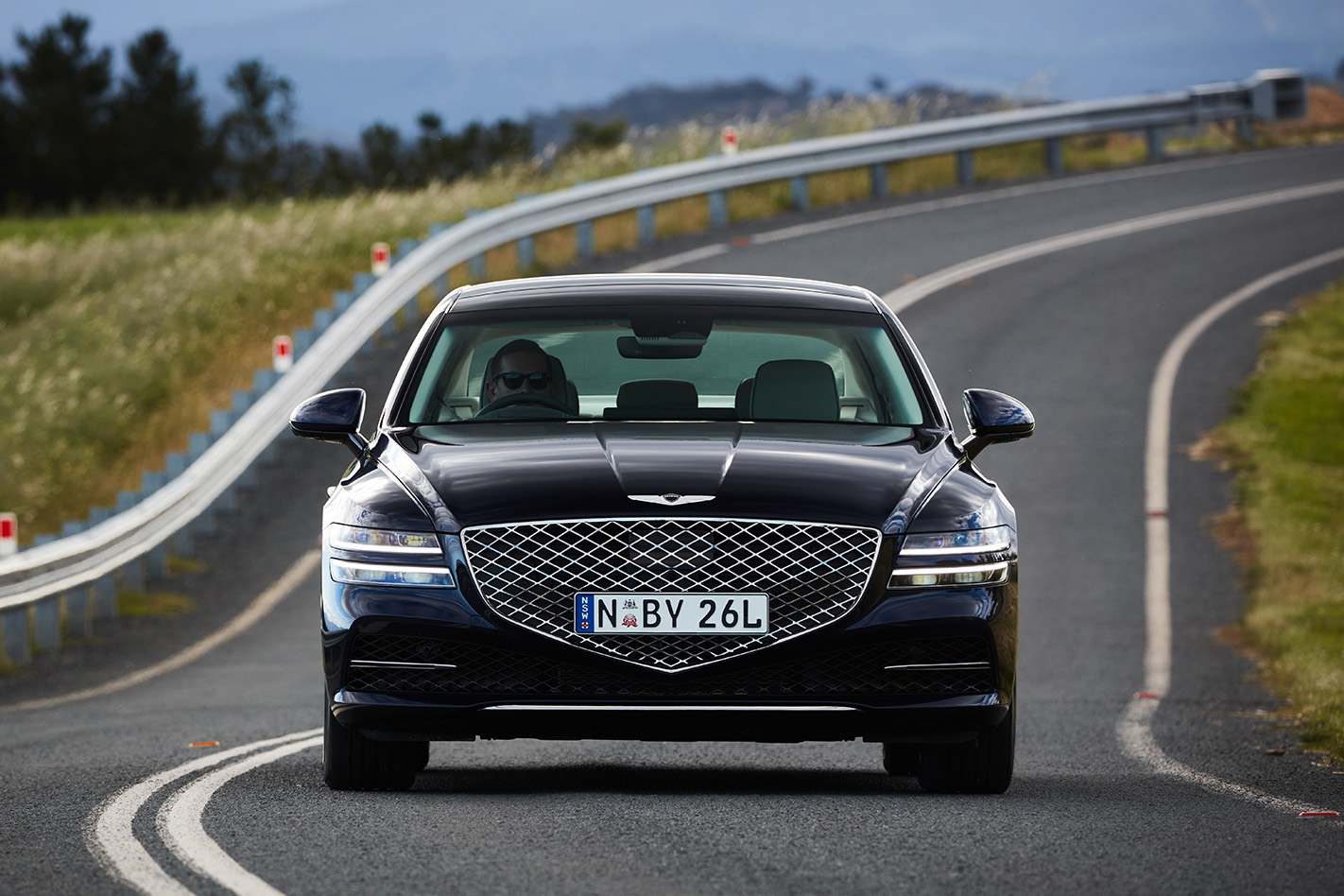
Other exterior highlights include soft-closing doors, acoustically insulated windscreen and full LED matrix headlights that carry the distinctive quad-design mimicked by the rear light lenses.
Does life flash before your eyes moments before a massive shunt? Best to ask these motorsport champions who survived spectacular close-calls with the Reaper.
ROMAIN GROSJEAN – 2020
One of the most violent-looking crashes in recent memory, the frightening imagery of Romain Grosjean’s 221km/h incident in Bahrain appeared eerily similar to that of Francois Cevert’s fatal crash in 1973. Thankfully, Grosjean emerged from the car and flames, and virtually walked to safety with the aid of trackside marshals. A testament to modern safety – and the once-controversial ‘Halo’ device – Grosjean is currently in hospital being treated for burns on both his hands and, amazingly, nothing else.
RYAN BRISCOE – 2005
One of those crashes that is so horrifically violent that you can’t believe anybody could possibly have survived. Unlike other drivers on this list Briscoe didn’t emerge unharmed, but his injuries – broken collarbone, concussion, bruised lung – were relatively minor given the severity of the impact and he was back racing again later that year.
PETTER SOLBERG – 2004
Part of Rally Germany is held in an enormous military proving ground. Next to the road are enormous concrete blocks called hinkelsteins, designed to stop tanks driving where they like. The footage below gives you some idea as to what they do to a rally car when hit at high speed. The damage was so severe, Prodrive was forced to scrap the million-dollar machine.
ROBERT KUBICA – 2007
The safety standards of F1 cars were given the ultimate test in 2007 when Robert Kubica slammed into a wall at the Canadian GP at 290km/h. The BMW Sauber was obliterated and covered the hairpin section of Circuit Gilles Villeneuve in shrapnel. Amazingly the cockpit kept its shape and Kubica escaped with only a sprained ankle and a slight concussion.
MARK WEBBER – 2010
Webber’s time at Red Bull Racing was controversial to say the least and in Valencia in 2010, things went belly-up. Webber clipped the back of Heikki Kovalainen at over 300km/h, his F1 car hurled through the air, clipped a sign above the track, landed upside-down, flipped and smashed into a tyre barrier. Webber was lucky to walk away.
CRAIG LOWNDES – 1999
If a V8 supercar leaves the track at 200km/h and rolls five times, then it’s a safe bet it’ll make this list – especially as the driver escaped with only a dodgy knee. It also helps that it was at Melbourne’s Calder Park and the driver was Craig Lowndes. Craig said: “It was like being in a washing machine.” Appropriate considering he cleaned up the championship that year.
COLIN MCRAE – 2001
Entering the final round of the 2001 WRC season, Colin McRae, Tommi Mäkinen and Richard Burns were all in with a chance of winning the title. McRae set a searing pace from the start, but his gung-ho approach bit hard on Stage 4, when an ill-timed cut sent his Focus into one of the biggest crashes of the Scot’s career. And that’s saying something.
BILL BROWN – 1971
A burst tyre over McPhillamy Park at Bathurst sent Brown’s Falcon into the fence at 170km/h. In the video, keenly watched on YouTube to this day, you’ll see a flaggie sprinting for his life. But as the car rolls over the fence, folding in half about where the driver sits, you can’t help but think, ‘he’s dead’. But yet, Brown walked away, even driving home that evening.
GEOFF BODINE – 2000
Running up to 40 similarly paced race cars at high speed surrounded by unforgiving concrete wheels is always going to carry high risk, but it’s truly astonishing that Geoff Bodine escaped from this monumental accident relatively unharmed. Bodine’s truck is launched into the catch fencing where it explodes, before bouncing back onto the track and being bashed around like a pinball by following cars.
STAN FOX – 1995
At the start of the ’95 Indy 500, Fox dived low in turn one, on lap one. He spun, collecting a bunch of other cars with him, ending up reversing into the fence at silly speeds – without the front of the car. Legs exposed mid-air as seen in this horrifying photo, Fox suffered career-ending head injuries, but some say he was lucky just to survive.
FABIAN COULTHARD – 2010
A tyre blow out at 300km/h down the quickest straight in Australian motorsport at the 2010 V8 Supercars Bathurst 1000 caused Coulthard’s Commodore to roll almost ten times, ripping the car to pieces leaving just the bare roll cage and a few crumpled bits of metal once the car came to a rest.
It’s a crash Formula 1 hadn’t seen the likes of for decades.
Although it’s partly a miracle, Romain Grosjean’s condition after the Bahrain GP this weekend could have been much worse if not for F1’s high safety standards.
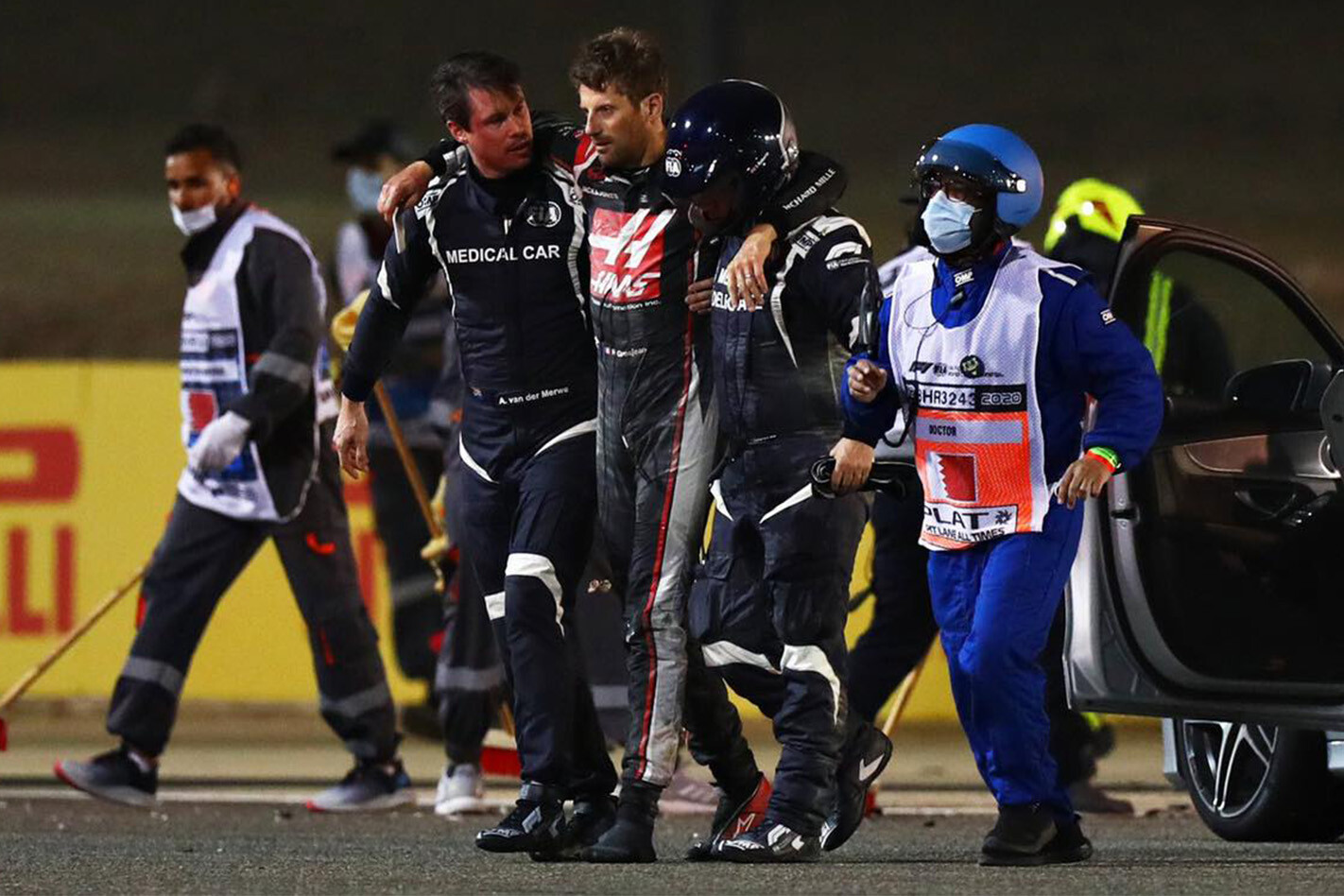
Despite the distressing event, Grosjean has come away with only burns to his hands.
We’ll learn more about what exactly happened in time, but for now, here’s our breakdown on how we were spared a tragic incident.
The crash
Amid the first-lap confusion at the back of the pack, Romain Grosjean fast approached a slowing Ferrari and McLaren.
He turned hard right to switch sides and caught Danil Kyvat’s front left tyre with the right rear side of his car.
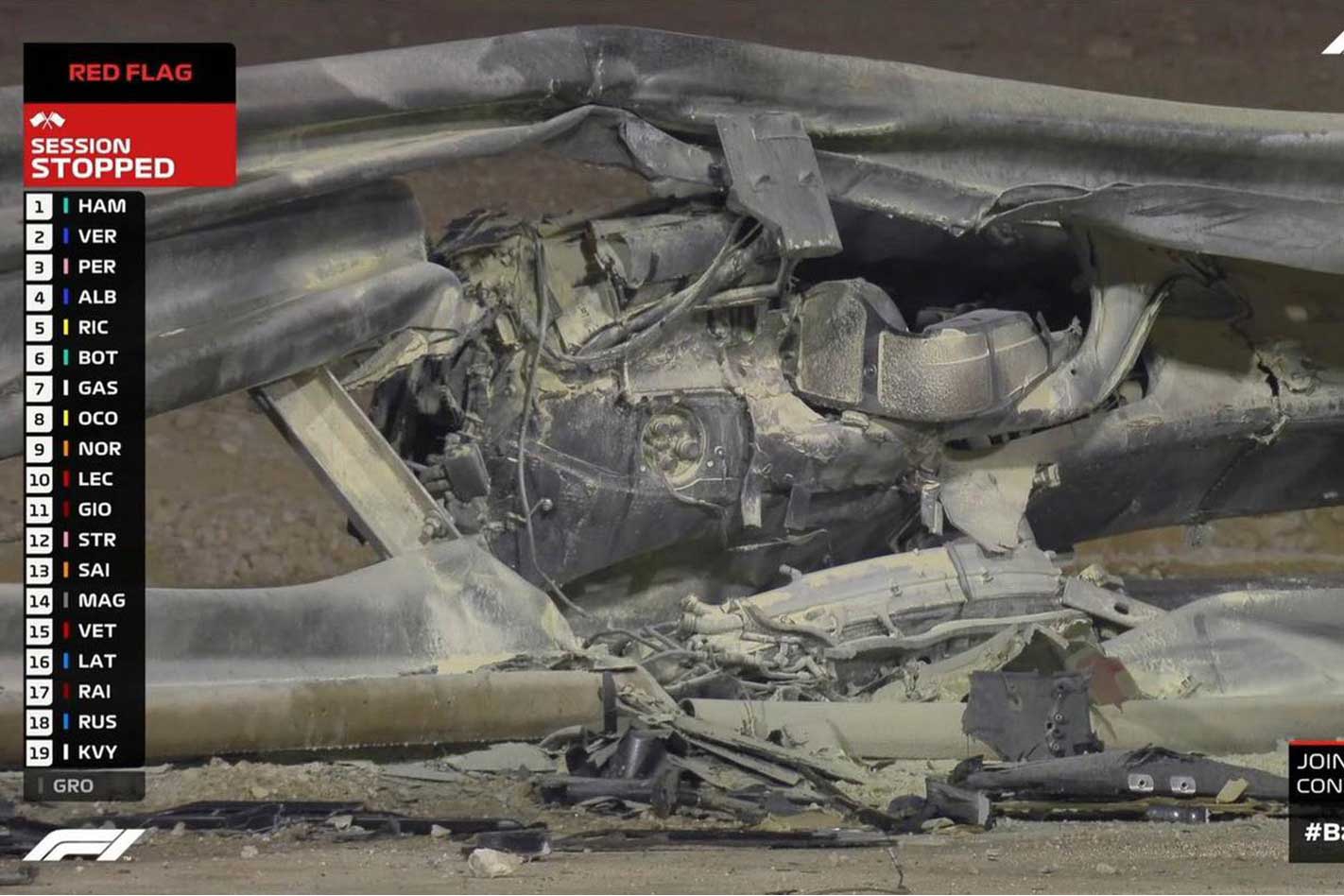
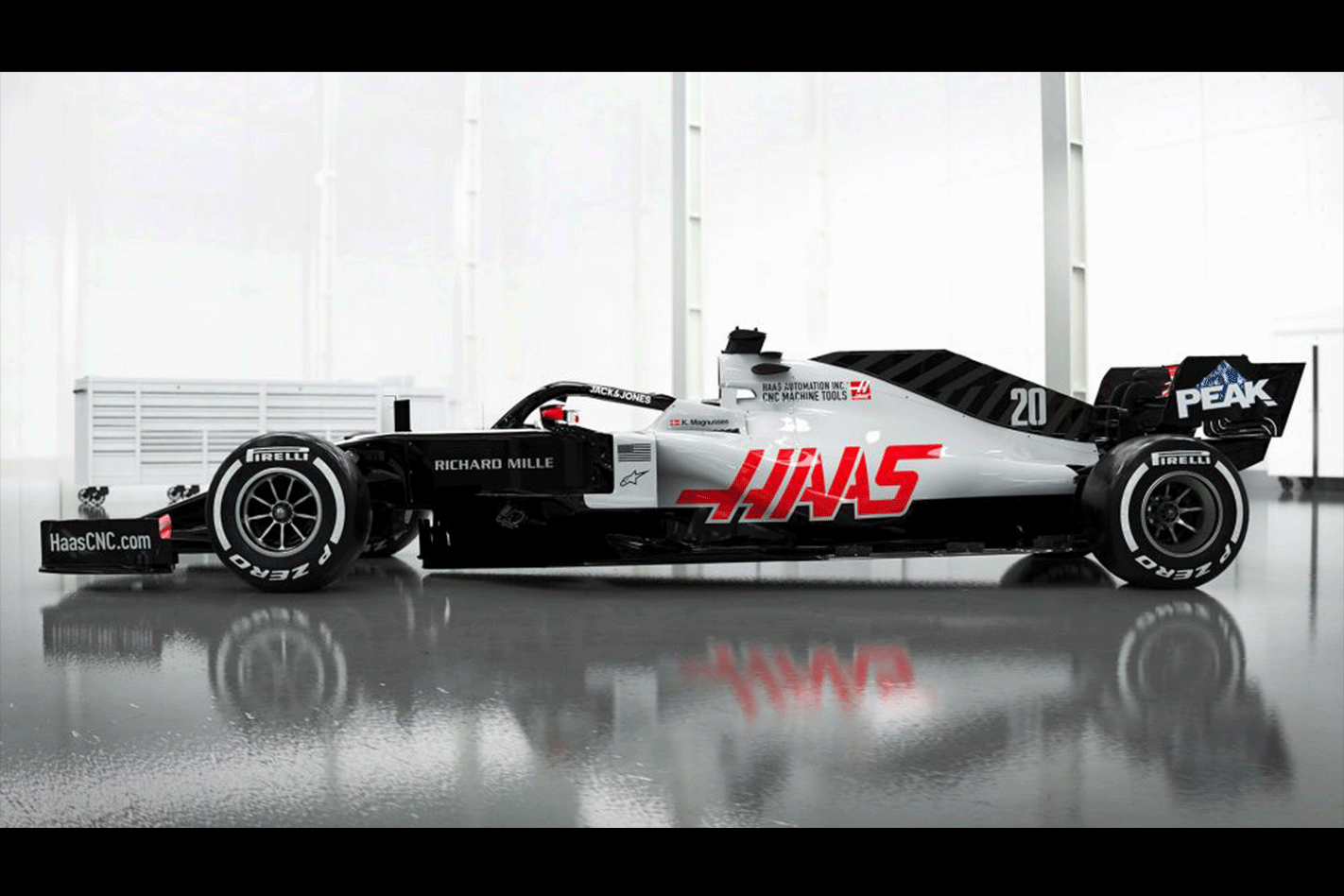
After momentarily lifting, Grosjean’s Haas was then set on a path towards the barriers at more than 200km/h.
The fiery crash that followed will be the subject of intense investigation over the next months, given the ATL-made fuel bags are designed from ballistic-grade material to avoid ruptures and therefore fires.
Key factors of survival
In all of this, it’s amazing that the carbon-fibre tub, for one, remained intact, keeping Grosjean within the safety cell.
His Haas hit the wall at 220km/h and only travelled metres after bursting through the barriers, generating huge deceleration forces.
The fact the Haas F1 car’s engine and rear structure tore away from the monocoque proves it dissipated energy properly – validating all testing and engineering invested into the core structure.
Equally important was the halo protection device compulsorily fitted to F1, F2, F3 and Formula E cars since 2018, remained intact.
Given pictures reveal the halo’s titanium-cast centre section bore the brunt of the force, it pried open the barrier panels and spared Grosjean’s head from direct impact.
Without it, it’s widely believed Grosjean would have almost certainly perished – even with a state-of-the art carbon fibre helmet.
These factors contributed to the French driver remaining conscious and thus able to unlatch his seat belts and leap from the raging fire.
First response
While the Haas was carrying a full fuel load at the time, reported to be around 98kg-100kg, it was commentated a collector, holding much less fuel, actually ignited.
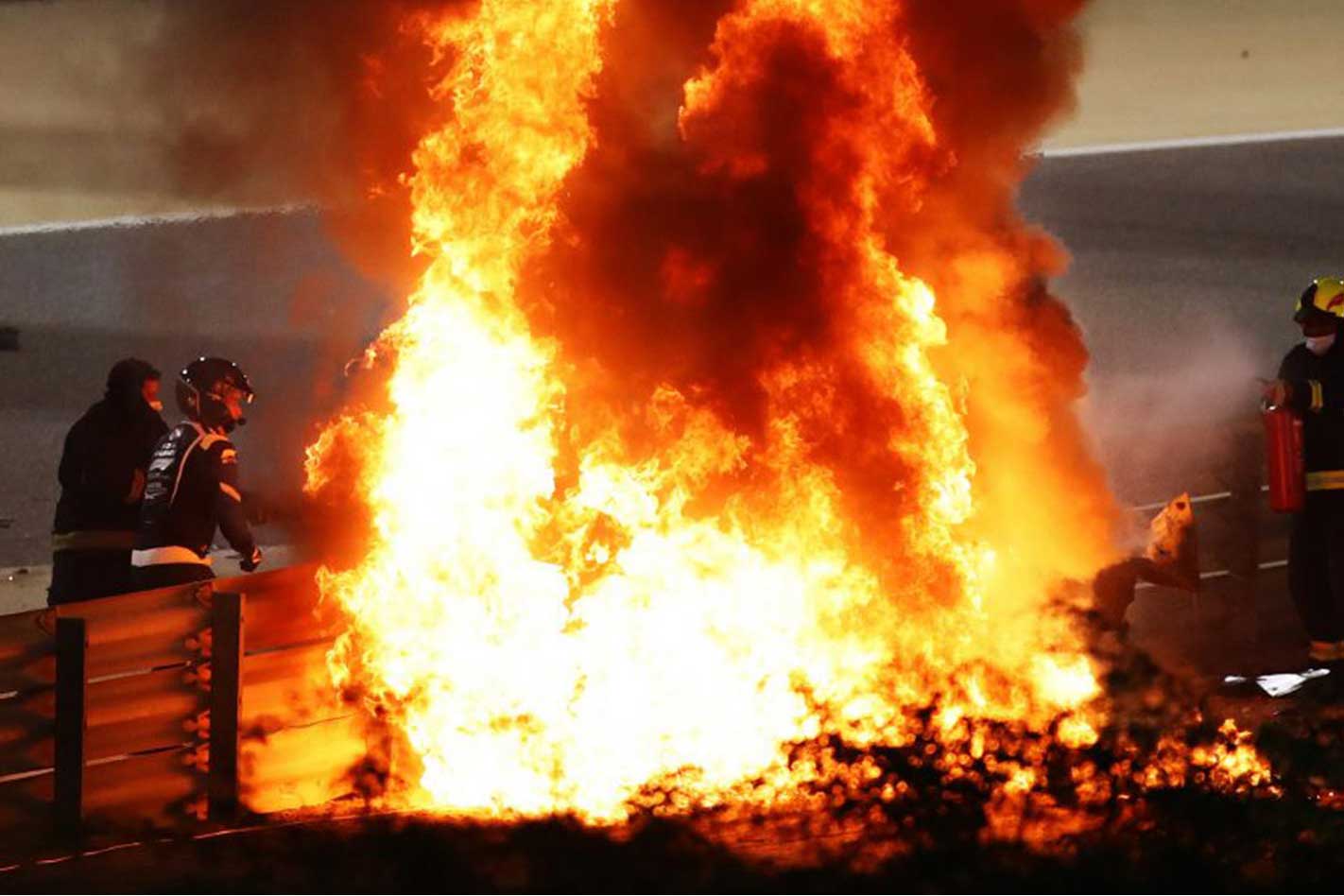
South African racer Alan Van De Merwe, who is the F1 medical car driver, arrived quickly with field doctor Ian Roberts, who first directed one of the marshals on where to point an extinguisher.
Both the marshals and Roberts showed extreme bravery. The fire extinguisher suppressed the flames just enough for him to step over and reach Grosjean.
Shaken, Grosjean was airlifted to hospital with only burns to his hands and ankles, proving that fire-proof suits, gloves, balaclavas and undergarments did their job and should never be overlooked.
As for the final word, Dr Roberts puts it well: “It just goes to show all the systems that we’ve developed, everything worked hand in hand: the halo, the barriers, the seatbelts.
“Everything worked how it should and without just one of those things, it could have been a very different outcome.”
F1 driver Romain Grosjean has escaped a shocking crash at the Bahrain Grand Prix with minor burns and suspected broken ribs, after a ferocious impact that saw his race car break in half.
His HAAS F1 car pierced a steel barrier before snapping into two pieces and erupting into a huge fireball.
“My God,” exclaimed Sky Sports pundit and former racer Martin Brundle. “It’s torn the car in half!”
A secondary barrier caught the car as Grosjean tripped over Daniel Kvyat during the first lap and fired hard off the track.
The front half of the car skewered through the barrier and the rear end separated completely.
The F1 safety teams were directly on the spot, as the medical and safety cars follow the pack away from the start on the first lap.
Grosjean hopped out of the car unaided, and was helped over the barriers by F1 medical crews.
The race was red-flagged, and restarted after the barrier was repaired.
While it was controversial at the time of its launch at the beginning of the 2019 season, there is no doubt that the car’s halo safety bar, which sits above the car, saved Grosjean’s life.
A short statement from his team said “Romain has some minor burns on his hands and ankles but otherwise he is okay. He is with the doctors just now.”
The team later added that the Frenchman was being taken to hospital with a suspected broken rib(s), while the FIA confirmed Grosjean was conscious throughout the incident.
Haas has since uploaded a photo of the driver in a stable, and smiling, condition.
MORE TO COME
What stands out?
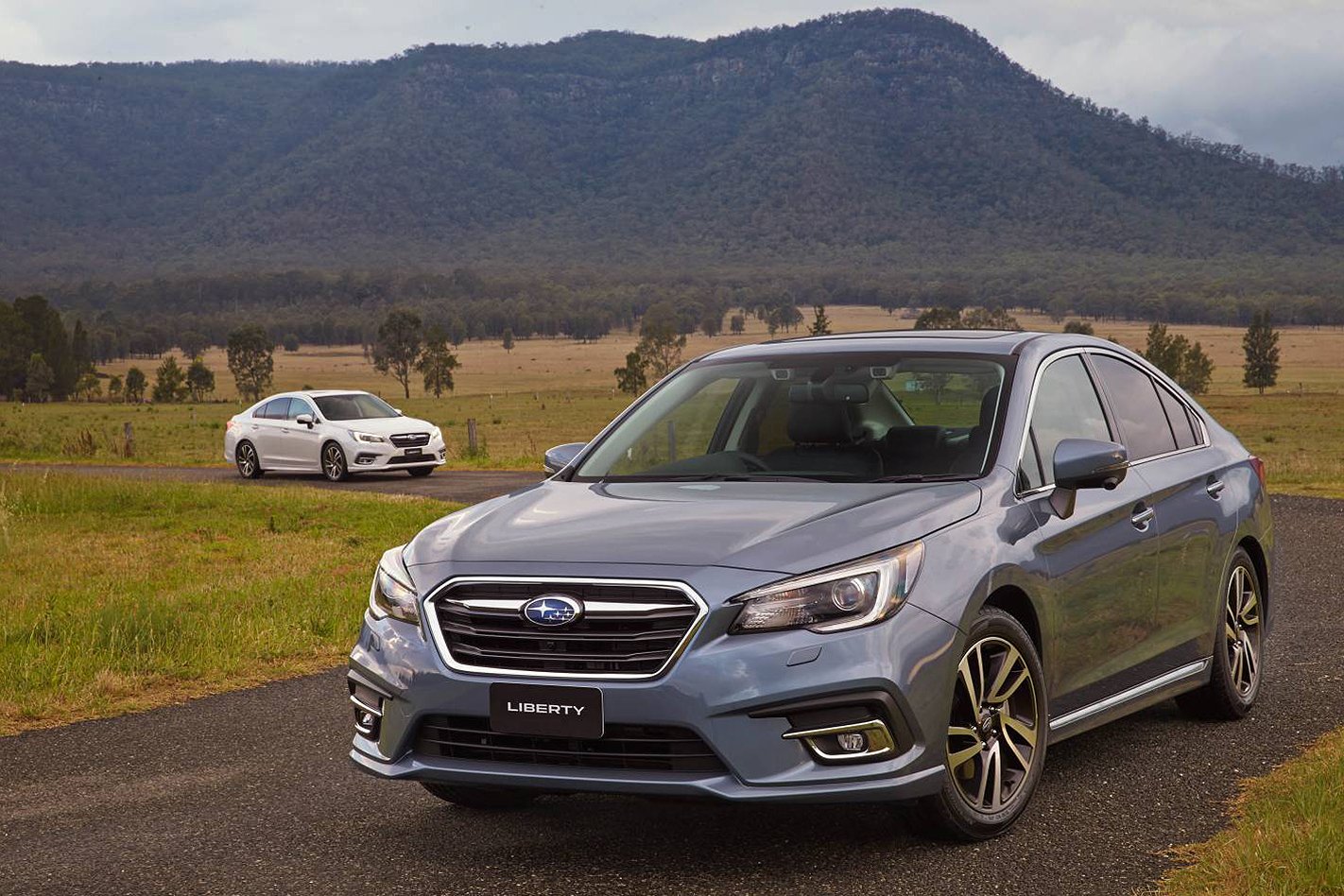
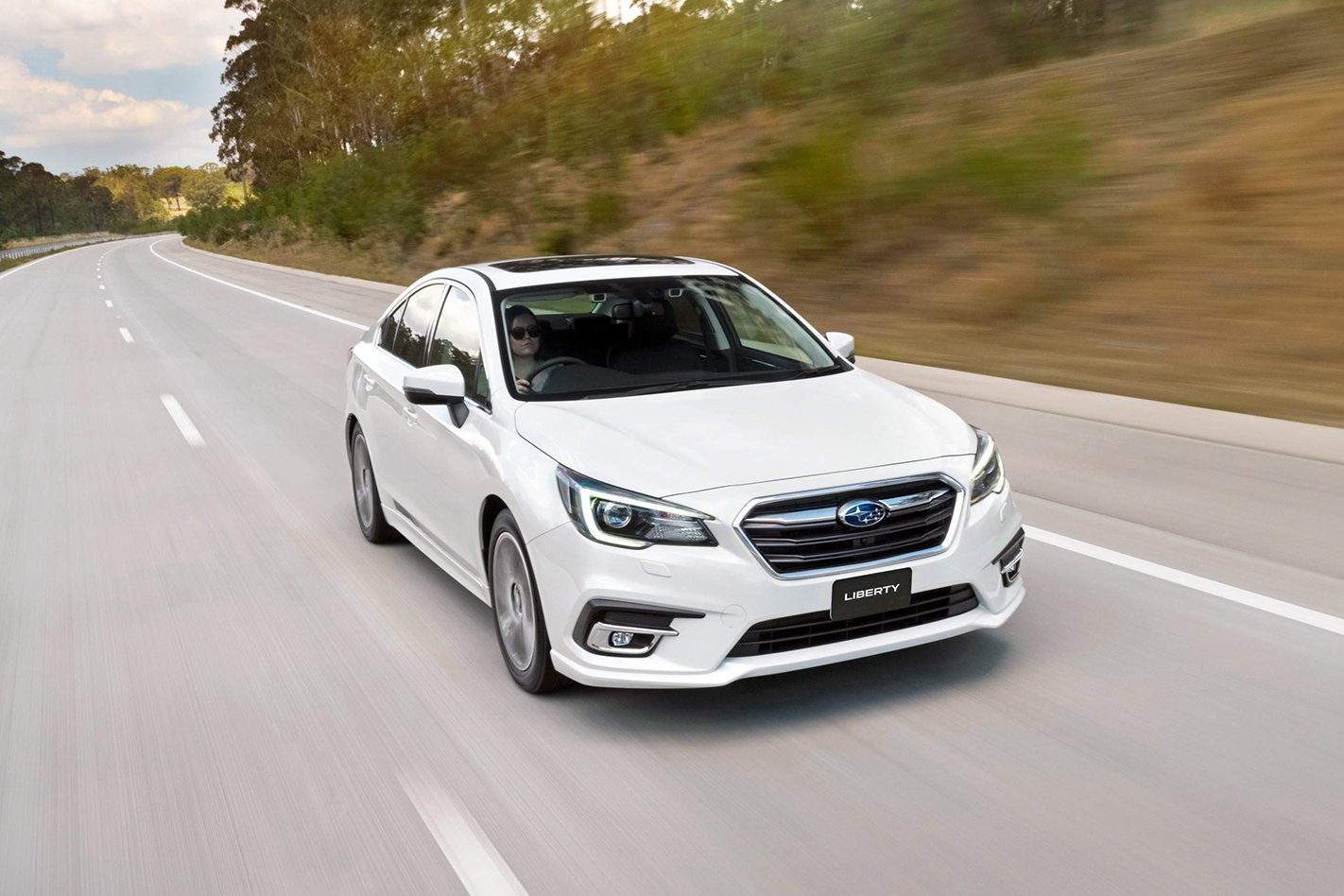
The Subaru Liberty is a conservative but classy looking medium sedan that’s renowned for its very smooth boxer engines, all-wheel drive, and enduring reliability. It also offers well-balanced handling, sharp pricing and lots of equipment. A standard active safety suite includes autonomous emergency braking that works at city and highway speeds.
What might bug me?
Dropping off your Liberty for a service every six months (or 12,500km), as recommended. Many alternative medium cars can go twice as long between trips to the mechanic.
What body styles are there?
Four-door sedan only.The Subaru Liberty drives all four wheels at all times. It is classed as a medium car, lower priced.
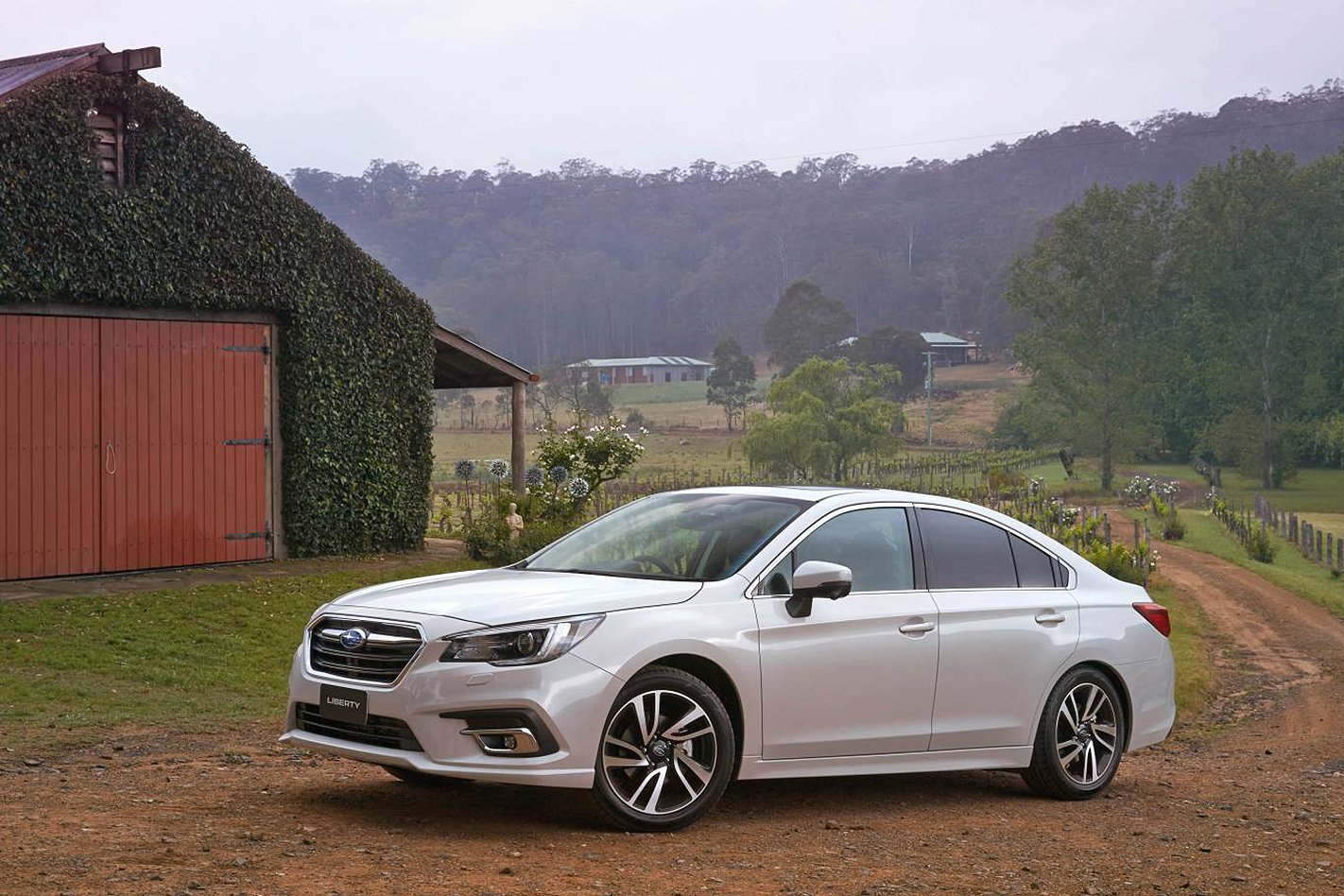
What features does every Liberty have?
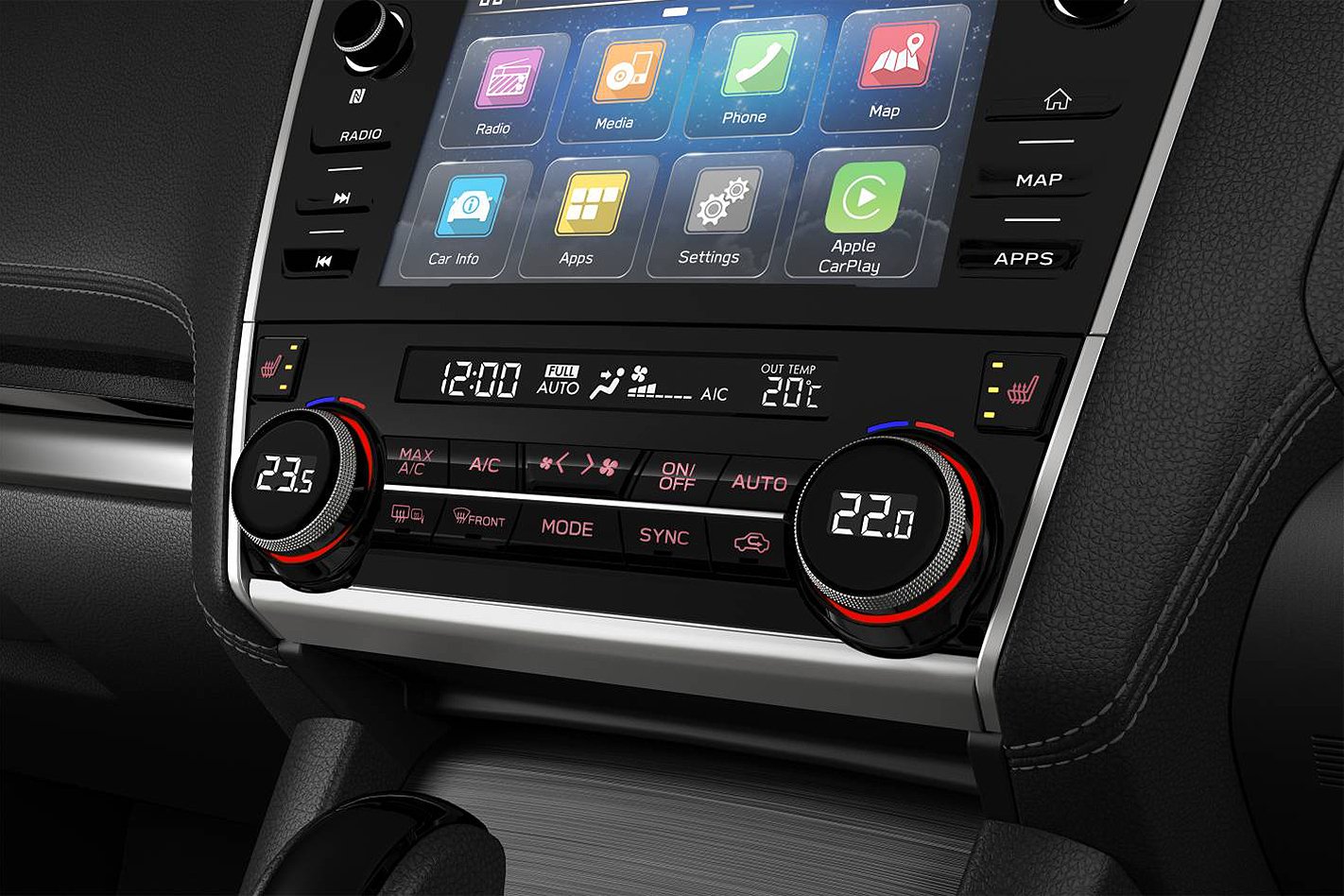
- A touchscreen audio system with a radio, a CD player, compatibility with MP3, WMA and iPod, and auxiliary and USB input sockets. Apple CarPlay/Android Auto connectivity, Bluetooth for phone calls and audio streaming, with a voice command system.
- Controls on the steering wheel for operating the audio system, Bluetooth and cruise control.
- Dual-zone climate control, which lets you set different temperatures for each side of the cabin.
- Headlights that turn on automatically when it’s getting dark
- Windscreen wipers that operate automatically when it rains.
- LED daytime running lights.
- LED Front fog-lights.
- LED tail-lights, rear indicators and stop-lights.
- A reversing camera.
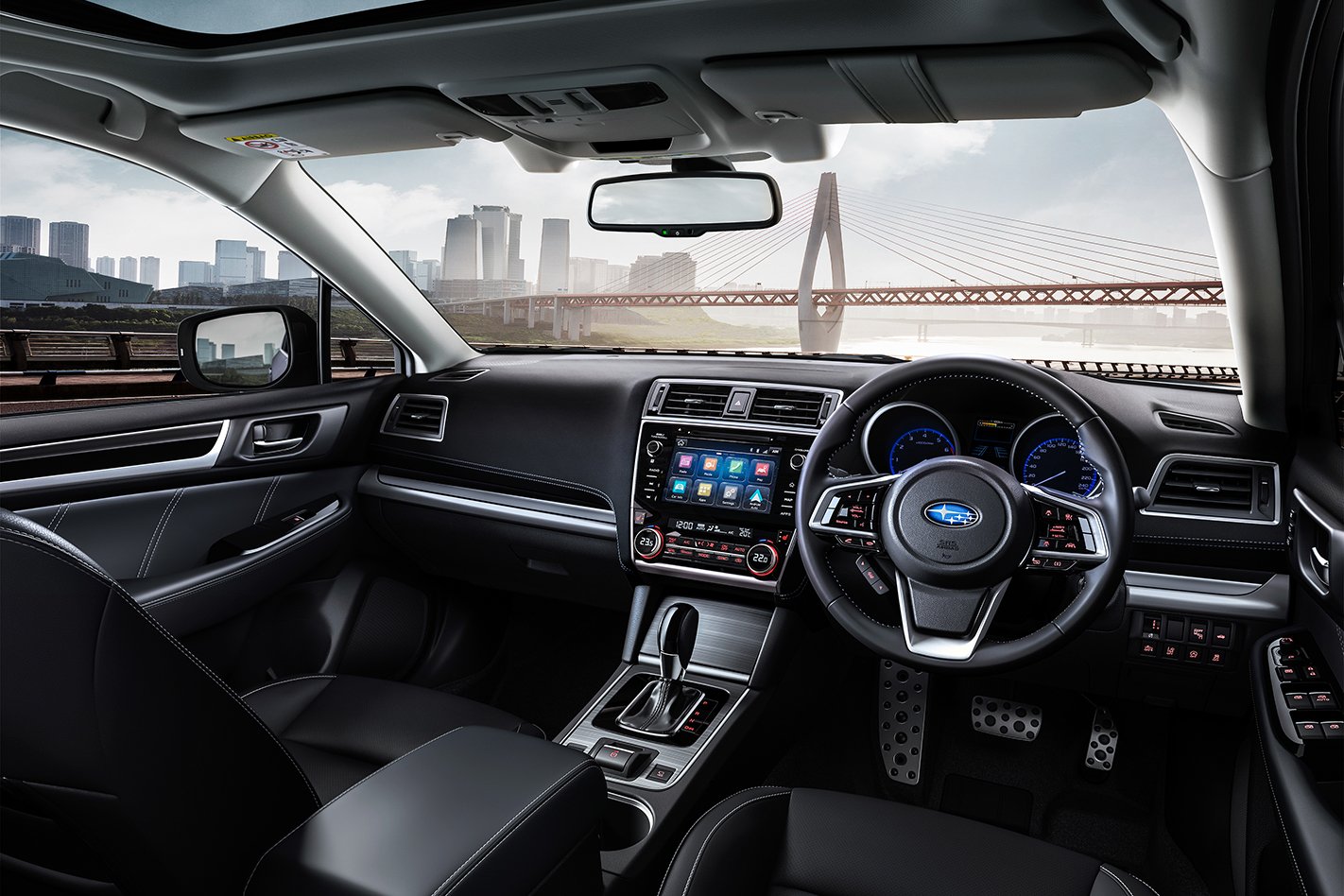
- Leather-trimmed gear shifter and steering wheel.
- Eighteen-inch aluminium alloy wheels, which are usually lighter and better looking than the traditional steel wheels, and a full-size spare tyre on a matching alloy wheel.
- Metallic or pearl paint finishes. There are nine colours to choose from, at no extra cost.
- Subaru Intelligent Drive (SI-Drive) with Sport and Intelligent driving modes.
- Subaru’s EyeSight active safety suite, which includes adaptive cruise control, lane departure warning, lane-keeping assist and autonomous emergency braking that works at city and highway speeds. (For more on EyeSight features, please open the Safety section below.)
- Seven airbags. Electronic stability control, which can help you control a skid and is mandatory on new cars. (For the placement of airbags, and more on EyeSight, please open the Safety section below.)
- Every Subaru Liberty carries a five-year, unlimited-kilometre warranty.
Which engine uses least fuel, and why wouldn’t I choose it?
The 2.5-litre four-cylinder engine in the Liberty 2.5i and 2.5i Premium uses the least petrol, consuming 7.3 litres/100km on the official test (city and country combined).The main reason you might not choose this engine is that the alternative 3.6-litre six-cylinder petrol in the Liberty 3.6R Premium offers you almost 50 percent more power in most driving conditions. It consumes 9.9 litres/100km on the official test.The official figures suggest either of the Liberty 2.5s will be thirstier than many alternative medium-sized sedans. However, our reviewers’ real-world experience places their fuel use about the middle of the medium-car field.A 2.5i Premium averaged 10.0 litres/100km in a real-world comparison of 10 medium sedans for the September 2016 issue of Wheels magazine, using about 5 per cent more petrol than an accompanying Mazda6 and 10 per cent less than the Ford Mondeo and Kia Optima GT. (The most fuel-efficient car reviewed, a Volkswagen Passat 132TSI, used 7.9 litres/100km.)Most medium cars are speedier, but the Liberty 2.5s still cruise very smoothly and without much apparent effort in highway use.The 3.6R, on the other hand, is among the quicker and more responsive of the popular medium-size cars. But it is thirstier than the 2.5s.
Subarus are unusual in that their horizontally opposed engines lie flat in the engine bay rather than standing vertically. That means more of the engine weight is carried low in the car, which helps handling. (Such engines are also described as boxers, because the horizontal movement of each pair of pistons resembles the movement of a human boxer’s fists.)
The 2.5-litre engine (only) has automatic stop-start, which saves fuel in urban driving. It shuts down the engine when you stop, and starts it again when you take your foot off the brake pedal to drive away.Every Subaru Liberty has a continuously variable automatic transmission and all-wheel drive.
What key features do I get if I spend more?
Stepping past the least costly Liberty, the 2.5i, and spending more for a 2.5i Premium gets you a smart key and a start button, which lets you unlock and start the car while the key resides safely in your bag or pocket.
Seats are trimmed in a mix of real and fake leather, rather than cloth. Both front seats are heated and power-adjustable, and the driver’s seat remembers your settings (so that you can restore them easily after a companion has driven the car).
It also has a side-view parking monitor and steering responsive headlights that automatically dim when another vehicle appears.
Spending more again for the 3.6R Premium gets you the much more powerful, 3.6-litre, six-cylinder engine, the features of the 2.5i Premium, and 12 Harman Kardon brand speakers for the audio system. You also get exterior cosmetic changes, such as extra chrome-look trim on the boot and door handles and dual exhaust tailpipes.
Does any upgrade have a down side?
No, except for the additional thirst of the 3.6R over either Liberty 2.5. That’s more marked in the city because unlike the 3.6-litre engine, the 2.5 has an automatic stop-start system that saves fuel in urban driving.
How comfortable is the Liberty?
Seat cushion comfort and backrest support in the Liberty is terrific, and both the cloth and the leather seat trims are well finished and feel like they will wear well.The ergonomic relationship of the driver’s seat, wheel, pedals and minor controls is excellent.The ride in the Liberty is comfortable on well-finished roads, and the car also handles big bumps well. But it feels unusually reactive to the small surface imperfections common on coarse-chip country roads and urban arterial, where its reluctance to settle becomes tiring.
What about safety in a Subaru Liberty?
The Subaru Liberty stands out for its high level of active safety on all versions via the EyeSight suite, as well as the standard reversing camera, seven airbags and electronic stability control.There are airbags directly in front of the driver and front passenger; an airbag outside each front occupant to protect the upper body; a curtain airbag extending down each side of the car to protect the heads of front and rear occupants; and a knee protection airbag for the driver.EyeSight brings you an autonomous emergency braking system. A computer monitors images from two cameras mounted above the windscreen. If it detects an obstacle – typically another car that has slowed suddenly – it will warn you, and if you do not respond quickly it will brake the car for you. The system works at all speeds below 145km/h, although (as with any such system) how much it can slow you will depend on your speed and the conditions.EyeSight also warns you if you are drifting out of your lane (a sign of fatigue). A lead-vehicle start alert tells you that the vehicle ahead of you in a queue has moved on.Adaptive cruise control maintains a safe distance automatically from other vehicles ahead on the highway. Linked with EyeSight, it recognises brakes lights and vehicles from longer distances and wider angles, making it even safer on multilane roads or when vehicles cut across lanes.The 2.5i Premium and 3.6R Premium add to this high-beam assist (which dips the headlights automatically for oncoming vehicles), a blind-spot monitor (which warns you, when you indicate to change lanes, if a vehicle is alongside out of view), and lane change assist (which warns when a fast-moving vehicle in a neighbouring lane is about to enter a blind spot). They also provide a rear cross-traffic alert, which warns, when you’re reversing, if a jogger, cyclist or other vehicle is crossing behind you.The Australasian New Car Assessment Program (ANCAP) awarded the Subaru Liberty five stars for safety, the maximum rating, in December 2014.
I like driving – will I enjoy this car?
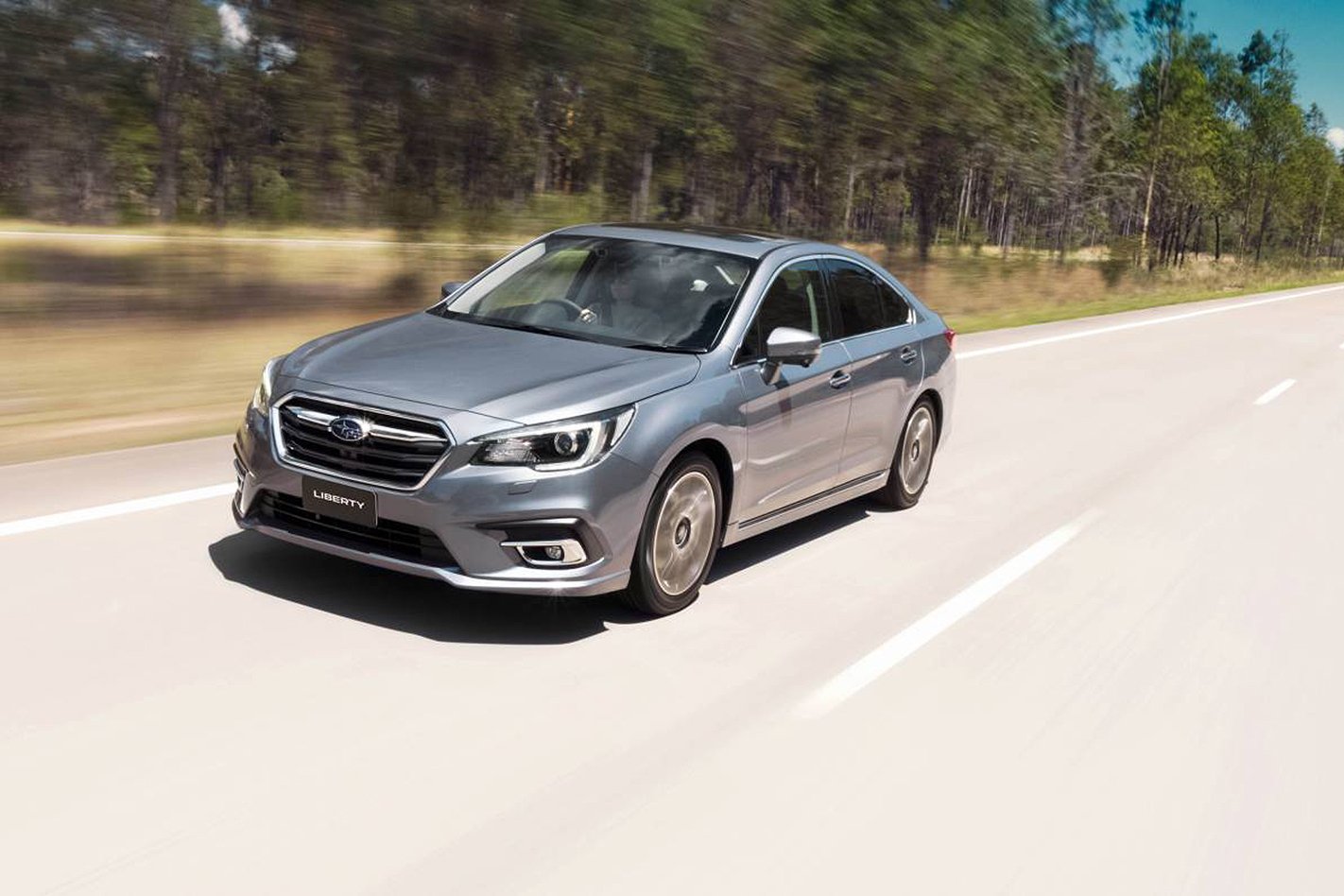
The Subaru Liberty is a mixed bag of enjoyable and not-so-pleasing qualities for drivers who like to engage with their cars.On loose surfaces or wet roads, you will appreciate its all-wheel drive. You almost never experience the wheels slipping in a Liberty, as you might briefly in a front-wheel-drive alternative such as a Mazda6, Toyota Camry, or the discontinued Kia Optima (before the electronic stability control throws out its safety net).In addition to giving the Liberty a sure grip on the road, the AWD system, by tying together the drive from all four wheels, brings handling balance and poise. The front and rear tyres resist slipping or getting out of step with the pair at the other end because they’re linked.
How is life in the rear seats?
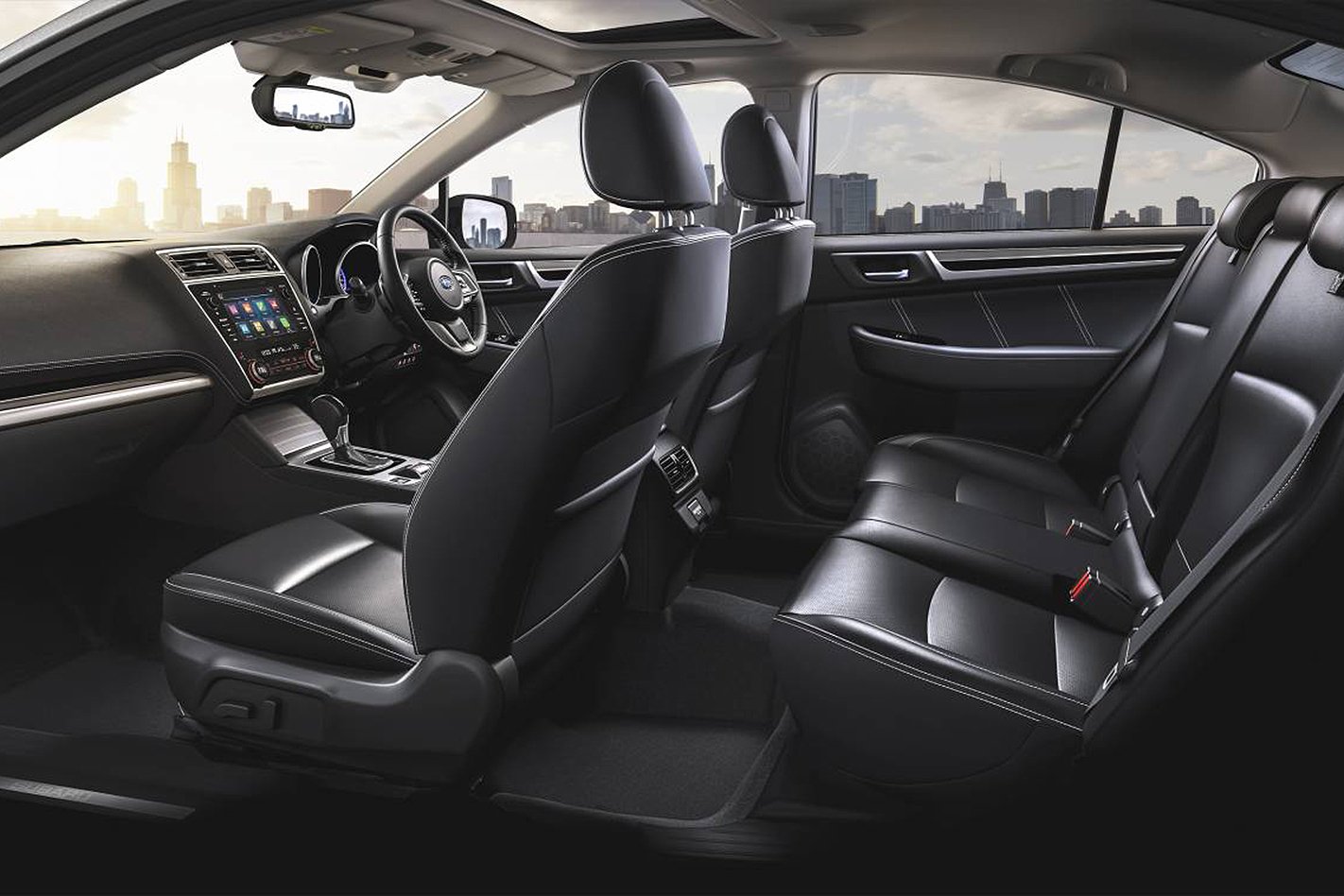
In the back of the Subaru Liberty there is good head and toe room, and generous legroom.Rear passengers get their own air-conditioning vents, as well as a centre armrest with twin cup holders, a padded outer armrest, and a bottle holder in each door.
There are attachments for Isofix child seats in the outer rear positions.
How is it for carrying stuff?
The Subaru Liberty’s 493-litre boot is about the same size as those in most alternative medium cars – even though, unlike some of those, the Liberty has a full-size spare wheel (which it houses beneath a false floor in the boot).The absence of internal boot hinges means you won’t inadvertently crush your luggage while shutting the Liberty’s boot-lid.A 40-60 split-fold seat brings the ability to carry larger or longer items when the back seat is not needed. The 40 per cent seatback is behind the front passenger’s seat, which makes it possible to carry very long items along the full length of the interior while seating two rear passengers, at a squeeze, on the driver’s side.
Where does Subaru make the Liberty?
The Subaru Liberty is made in Japan.
What might I miss that similar cars have?
Better fuel economy – and often greater power also – from either a small turbocharged petrol engine or a turbo-diesel. The Mazda 6, Volkswagen Passat and the Skoda Octavia offer fuel-efficient turbo petrols, for example, and Toyota Camry hybrids.Perhaps a wagon version. You have to buy the Outback (a cross between a conventional wagon and an SUV) if you want a tailgate in a medium Subaru. The Outback is based on the Liberty, but with slightly raised suspension and a light off-roading slant. The Subaru Levorg is another option if you want something sportier.
I like this car, but I can’t choose which version. Can you help?
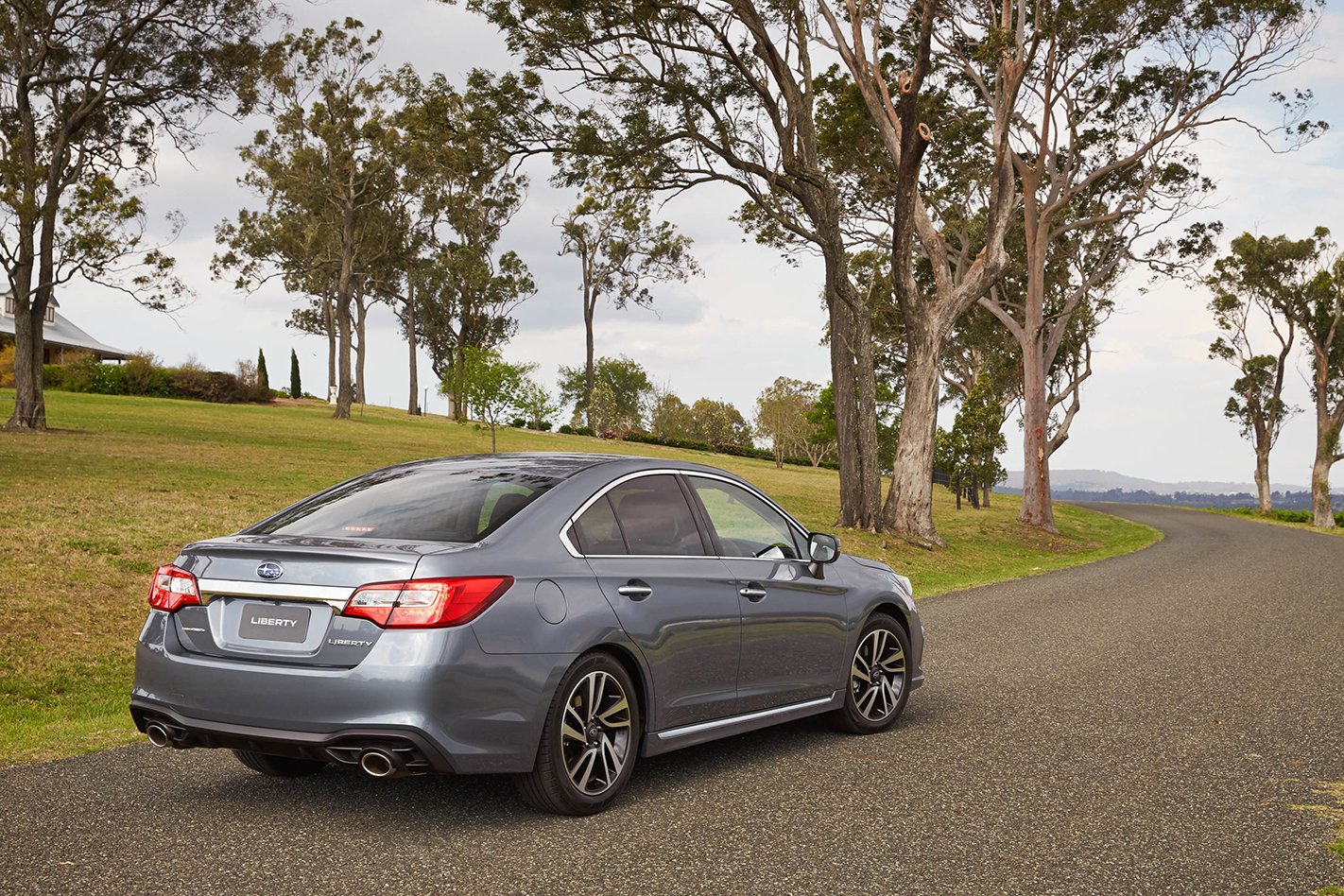
Our reviewers like the 3.6R because it transforms the Liberty from a bit slow to quite quick, even though it does make it thirstier.
Are there plans to update the Liberty soon?
The current sixth-generation Subaru Liberty went on sale in December 2014.
The 2.0i Premium and 3.6R Premium received updates, including additions to the Eyesight safety system, early in 2016.
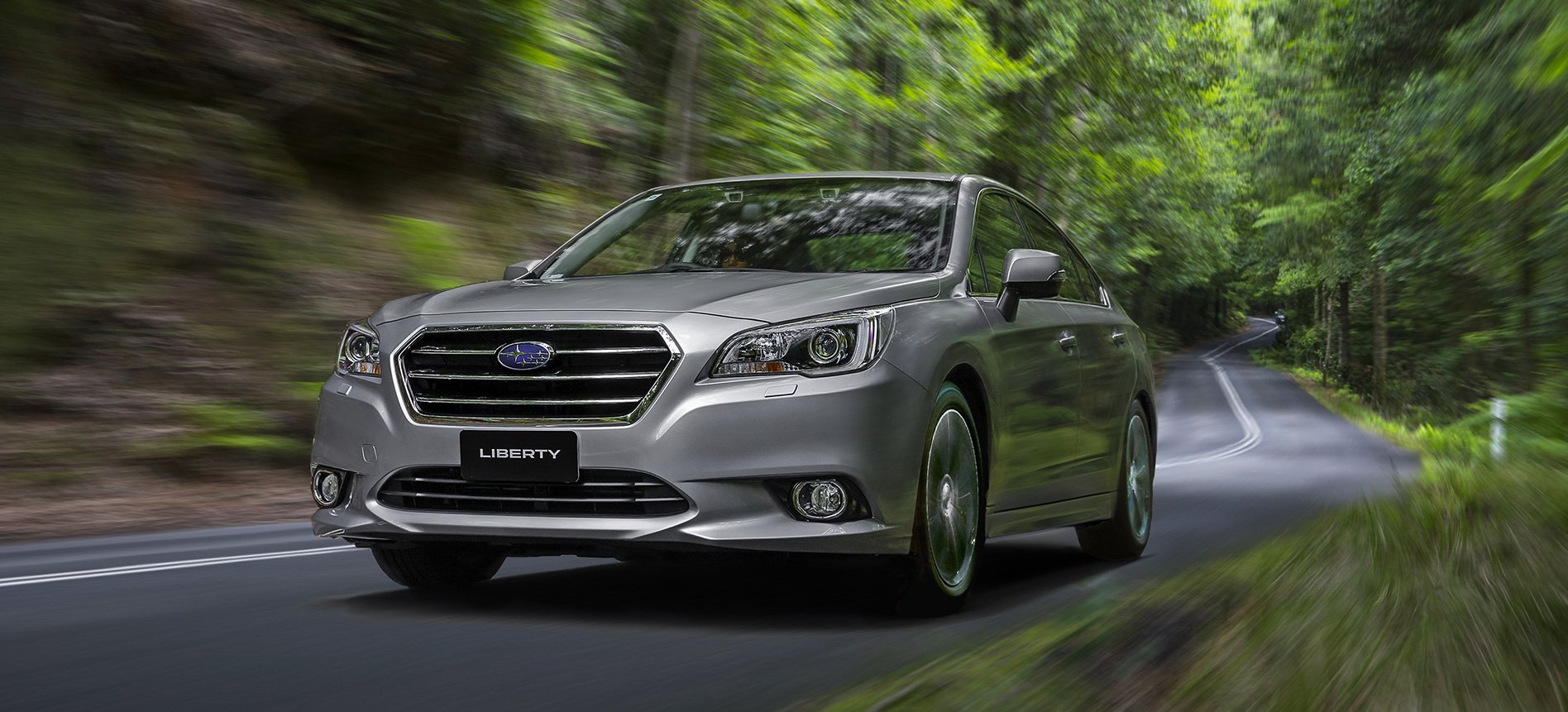
A cosmetic and equipment update for the Liberty arrived in February 2018.
Apple CarPlay and Android Auto connectivity were added in 2019.
A new-generation Liberty is coming in 2021, however, it won’t be coming to Australia which means this 2020 model is the last to go on sale here.
