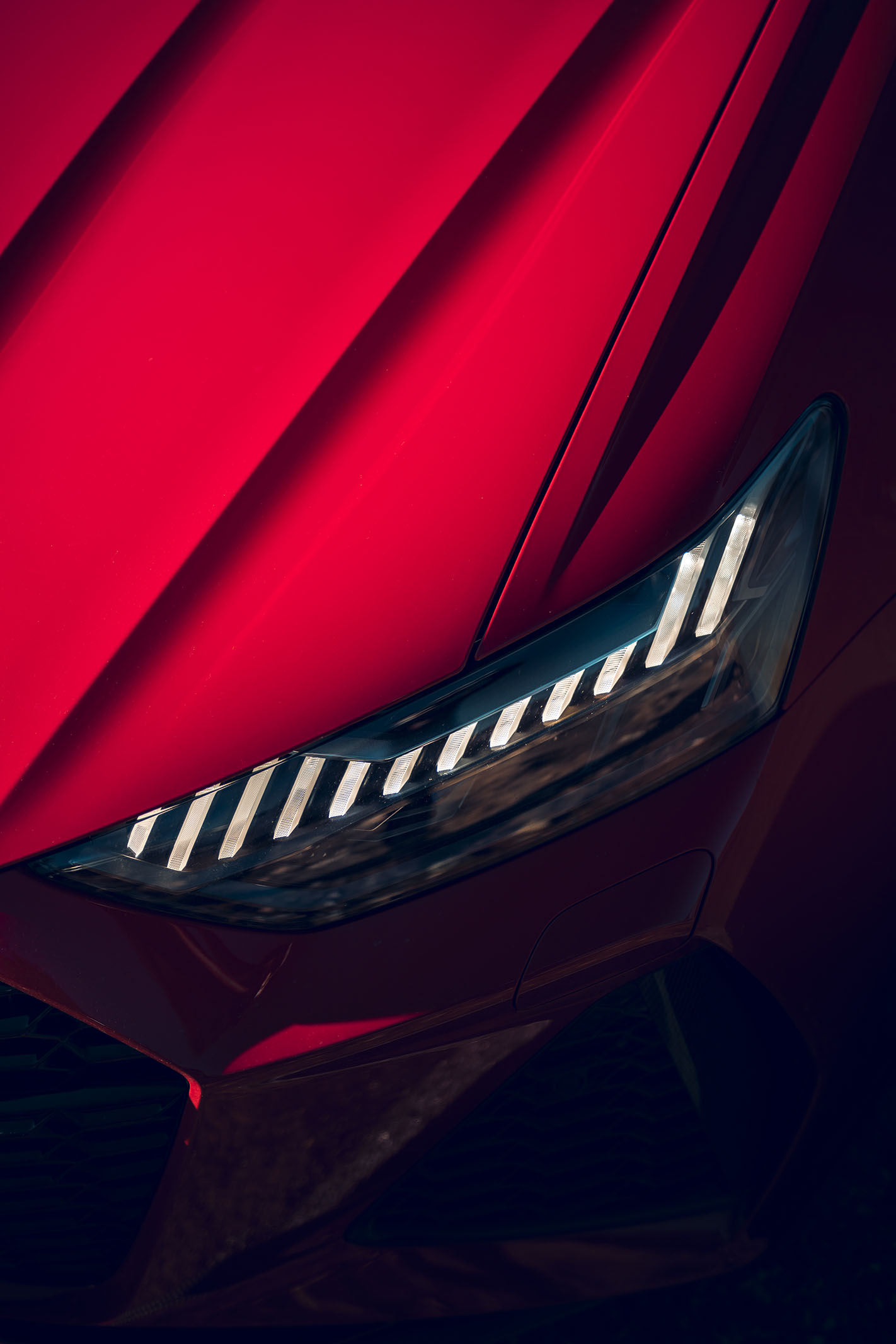
Ford is reportedly preparing a 6.8-litre pushrod V8, in readiness for the next-generation Mustang sports car.
The news comes despite Ford’s A$20 billion spend on electrification of its range, including the Mustang nameplate, over the next five years.
A trade union official in the Canadian city of Windsor – just over the border from Ford’s home town of Detroit in the US – has confirmed that one of the town’s two engine plants will be tasked with building a new 6.8-litre V8 engine, while the current Coyote 5.0-litre engine will continue to be sourced from the second plant in nearby Essex.
The new V8 is part of a wider A$2.1 billion investment by Ford, with most of the money going into the development of a battery electric vehicle (BEV) line. Some A$170 million, however, is earmarked for what’s being called a “new engine derivative”.
While it seems likely that the S650 Mustang will include a stunning all-paw hybrid Coyote V8 option, the Windsor Star is reporting that the new pushrod V8 is also earmarked for the next-generation Mustang, as well as the F-150.
Ford’s last pushrod eight-pot – also built at the Windsor plant – began production in 1962. Australia was the final market where it saw duty, finishing up with the AU Falcon in 2002.
Ford had begun the replacing the Windsor with its family of SOHC and DOHC Modular V8s in the early 1990s.
This process also included its big trucks, with the SOHC 6.8-litre V10 Triton engine doing the heavy lifting from in Ford’s larger behemoths from 1997-2019.
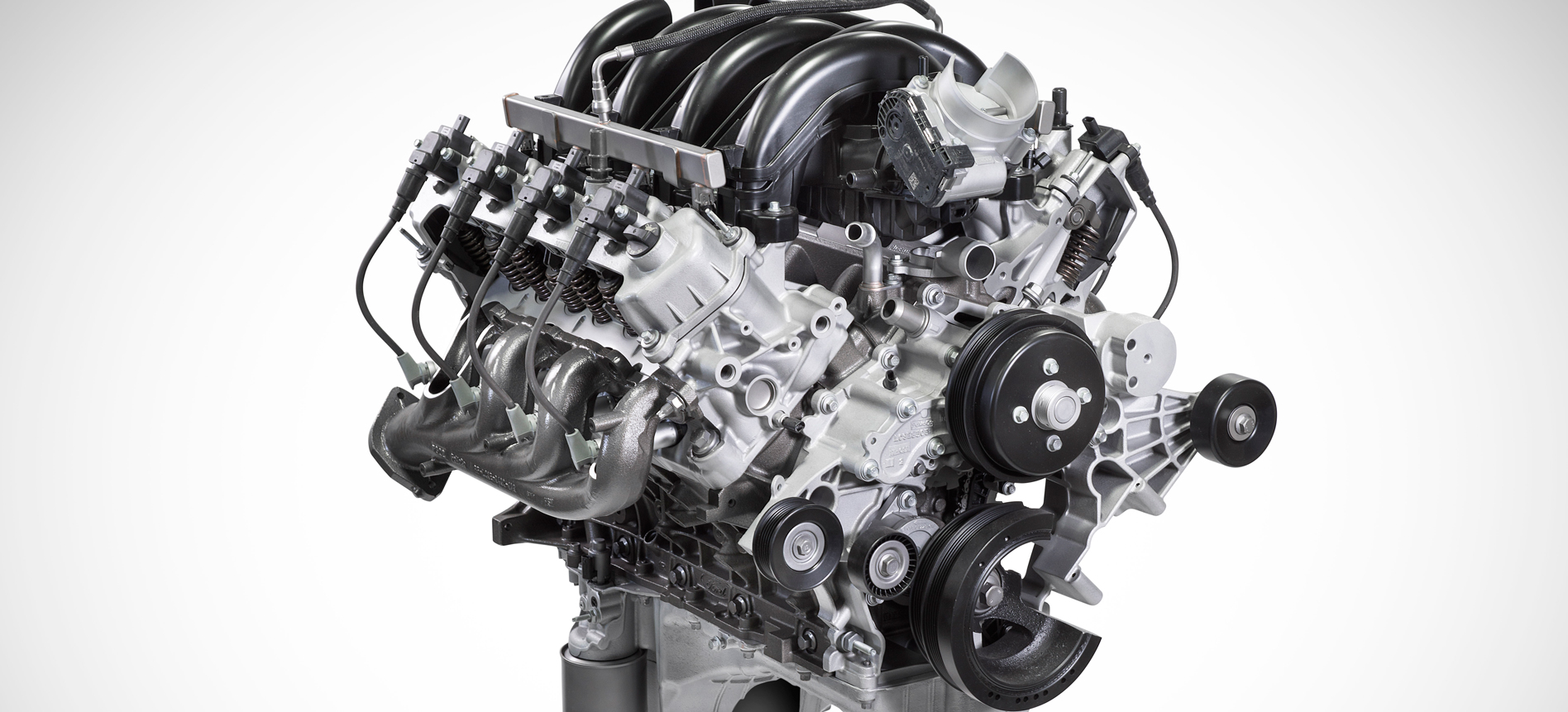
The Triton V10 was also built at Windsor and was replaced by the all-new 7.2-litre Godzilla pushrod V8 last year (above).
Given that it’s not physically possible to enlarge the Mustang’s current Coyote engine from five litres of swept volume to anything like 6.8 litres, it makes sense that the new engine announced for the Windsor plant will be related to the Godzilla lump.
Where the 7.3-litre differs from the Coyote is in its valvetrain operation.
Where the current Mustang 5.0-litre uses twin overhead cams and four valves per cylinder, the 7.3-litre relies on the old-fashioned, but still effective pushrod system, with a single cam located closer to the crankshaft and half the number of valves.
A pushrod engine won’t rev as hard as a DOHC engine and will be heavier, broadly speaking, but it is better at making torque, is more compact and uses far fewer parts.
While final specs haven’t been revealed, it seems likely that Ford would look at producing an aluminium block for the 6.8-litre engine, based on the 7.3-litre architecure.
This will take care of the reduction in swept volume, reduce the overall mass of the engine and will allow for existing ancillaries – alternators, oil systems and the like – from the 7.3-litre engine to be used without the need to redesign them.
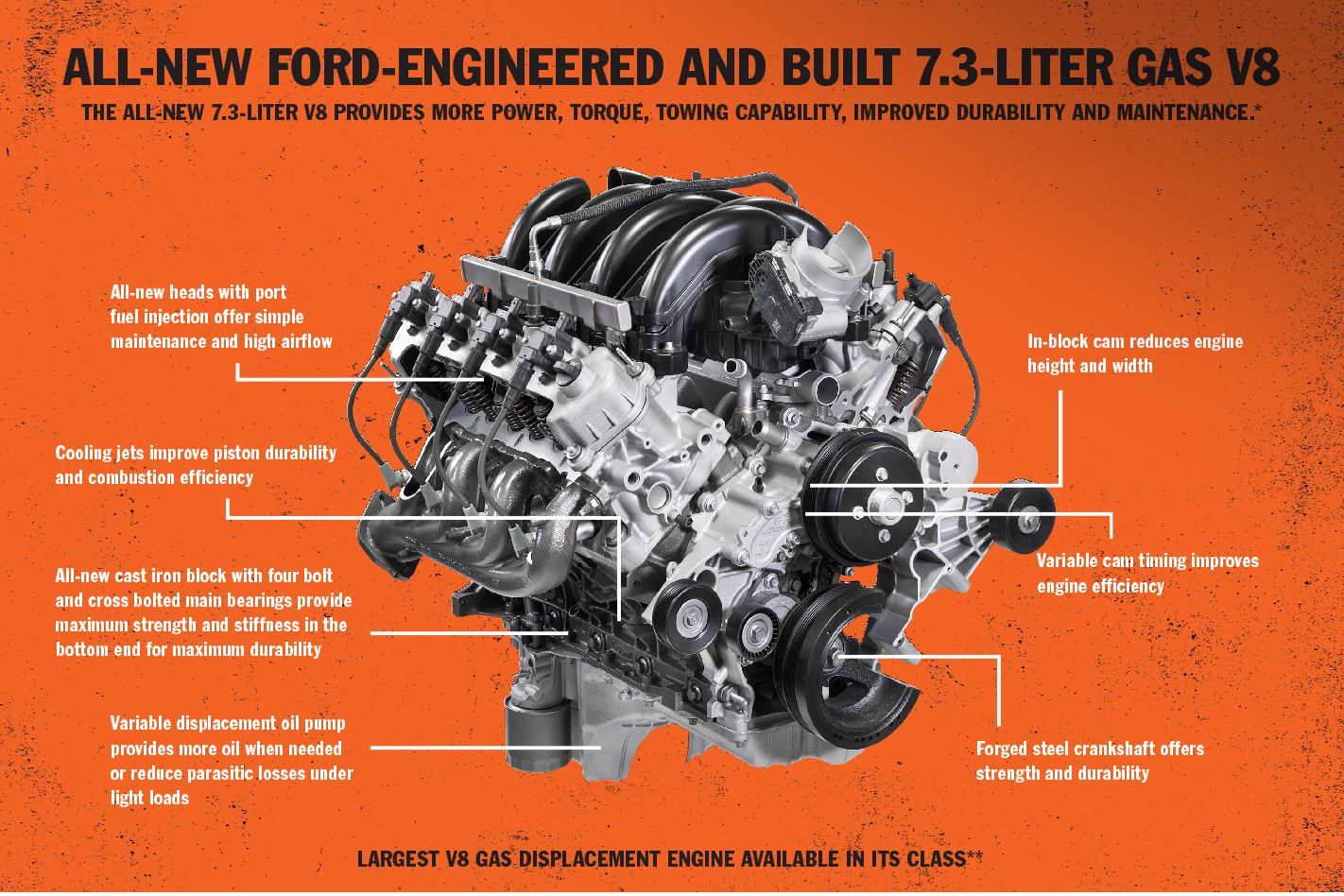
The new casting could also facilitate the fitment of the larger engine under the bonnet of the next-generation S650 Mustang by shaving off corners and brackets of the iron block that aren’t needed.
Even so, if you are wondering how an engine originally designed for a truck will fit under the bonnet of a low-slung sports car, don’t worry – the Godzilla motor is available to the public as a crate engine and has already been successfully stuffed into a variety of Mustangs by enterprising enthusiasts.
It wouldn’t be used only in the Mustang, of course; the F-150 is the only full-sized pick-up that uses a large amount of aluminium in its construction in order to save weight, so an alloy V8 is a perfect marketing fit – and a no-brainer for the Raptor model.
It would also mark Ford’s return to a space currently dominated by rivals General Motors and Dodge/Chrysler, where pushrod V8 engines serve in the engine bays of cars like the Chevrolet Corvette C8 and the Dodge Challenger Hellcat.
The final batch of the original Windsor engines were used in Australia for Tickford’s TS50 and TE50 Falcon AUs in the early part of the 2000s, before the brand switched to more modern V8s, culminating in the debut of the Coyote in 2011.
The Coyote V8 is part of Ford’s Modular engine family, and debuted in the Mustang in 2011.
It received a major overhaul in 2018, moving to direct fuel injection, bigger valves and an increased compression ratio. In Mustang Mach 1 form, it produces 345kW and 556Nm.
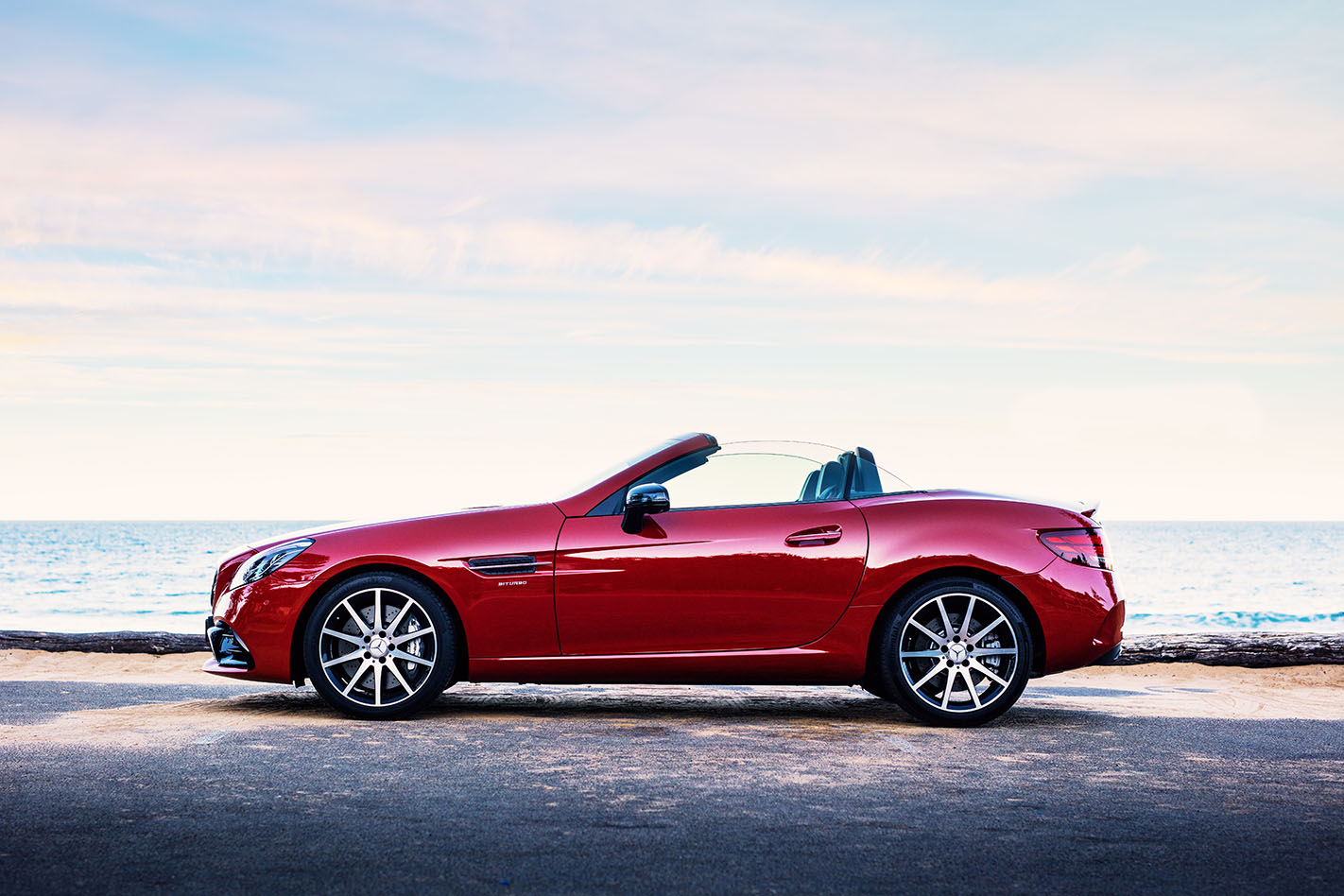
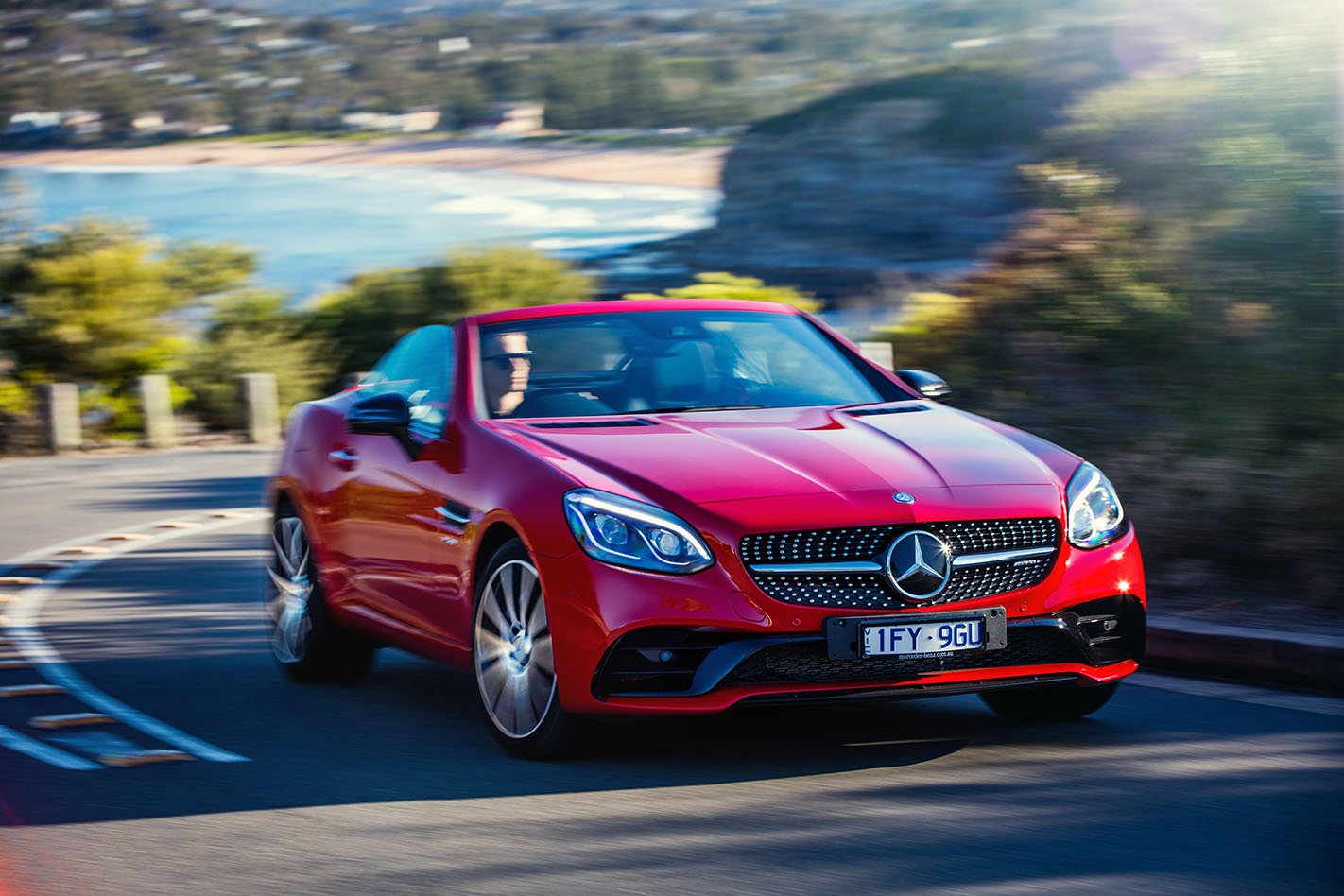
We’ll forgive you for forgetting that Mercedes is still selling its littlest roadster. After bursting onto the scene in the late nineties, where it blazed a path by kick starting the entire ‘folding hard top’ trend, the SLK and its SLC successor slowly but surely faded into the background. Left to wither on the vine? You bet.
And now, after 24 years of continuous production, Mercedes has officially pulled the plug with no successor in sight. So how to remember it? We’ll freely admit the SLC has never been our favourite Mercedes. A lack of development dollars means today’s car is easily eclipsed by newer and sharper rivals like the Audi TT and Porsche Boxster. Yet even when box-fresh, the SLC was never the last word in steering feel or on-the-limit balance and response. But then again, it was never pitched that way.
First badged as the SLK (it was rebranded as SLC as part of 2016’s facelift), it has long projected itself as a mini-SL; a relaxed cruiser that trades heavily on its premium badge, striking design and drop-top appeal. That’s not to say there haven’t been some bright spots, or some truly mental versions (see sidebar, below).
These came, naturally, from the mad hatters inside AMG who, after supercharging the original SLK’s 3.2-litre V6, decided to stretch the ‘small car/big engine’ maxim to its limit by squeezing a 5.5-litre V8 into the second-gen car and naming it SLK55. Consider that for a moment, and then remember the SLK is tiny. The first-gen car is shorter and narrower than an NC MX-5. Can you imagine Porsche or Audi stuffing such an enormous donk into the Boxster or TT? Us neither.
Design has always been at the forefront of the SLK’s appeal. Created, mostly, by Michael Mauer (who would go on to lead the VW Group and is now design director at Porsche) under the oversight of Bruno Sacco, the original R170 SLK (an acronym that translates to Sporty Light Short) harked back to the 190SL of the 1950s by using four-cylinder power and riding on an identical 2400mm wheelbase. A stiffer and quicker R171, which also introduced a distinctive F1-inspired nose, followed in 2004, before the current R172-gen debuted in 2011.
It’s testament to how well Mercedes judged the segment that sales have remained relatively strong. Even as recently as 2014, the SLK was out-selling the Boxster and TT by more than two-to-one in Australia. A softening segment and ageing product has since seen sales tumble.
So will we miss it? Not as much as other cars that we have featured in our Driven to Extinction seires. Yet for all its flaws, there was a charm to Merc’s tiny convertible. Little roadsters are fast becoming scarce, so bow your heads, if only for a moment.
BLACK BEGINNINGS
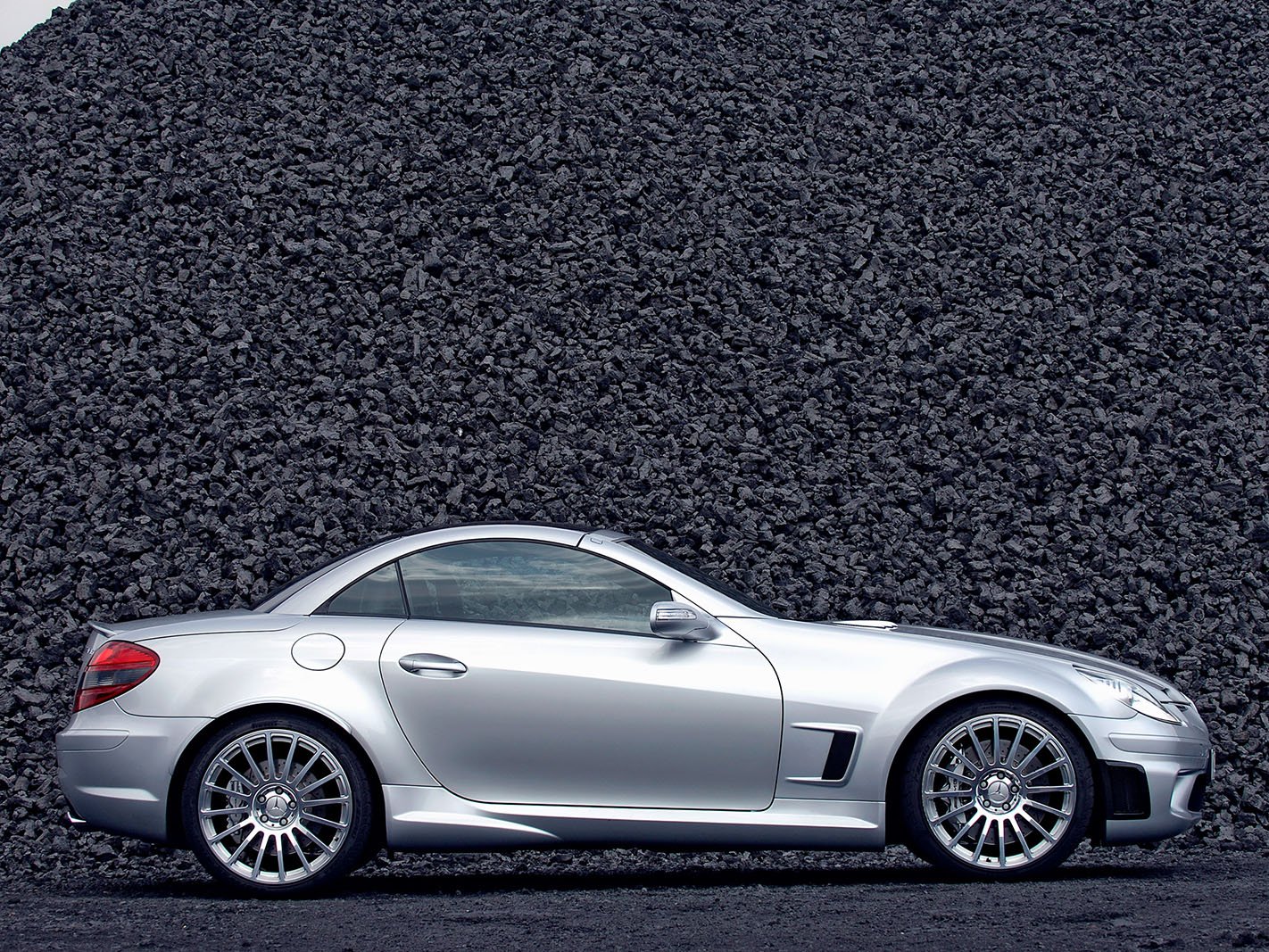
Of all the cars to kick start AMG’s hardcore Black Series skunkworks, the SLK seems an unlikely candidate. Yet that’s exactly what happened. Power was lifted to 294kW/520Nm, the chassis made more aggro, and the folding roof was ditched in favour of a fixed lid made from carbon. Only 100 were built between July 2006-April 2007, and sadly none made it to Australia. Our first Black was the CLK.
AUSTRALIAN SALES
- 2010 – 338
- 2011 – 398
- 2012 – 701
- 2013 – 521
- 2014 – 475
- 2015 – 235
- 2016 – 106
- 2017 – 291
- 2018 – 167
- 2019 – 147
- 2020 – 34 (YTD)
The VN Clubsport arrived in the nick of time to save a struggling HSV from a recession that engulfed many enterprises during the 1990s. Almost a decade later, the world in slightly better financial shape, HSV’s survival was then assured. Unexpectedly and halfway through the VT model’s production cycle a new engine arrived, allowing Holden to claim dominance in its performance war with Ford’s struggling Tickford Vehicle Engineering.
The US-sourced 5.7-litre LS1 had an alloy block and heads and delivered a decent 220kW. In HSVs, including VTII Clubsport, 250kW became the benchmark.
Despite being billed as the car to own if you had a hankering for weekend on-track heroics, the vast majority of Clubsports never got near a racetrack. Most owners, it seemed, preferred to slot the auto ’box into ‘Drive’, adjust the quasi-race seat to ‘sprawl’ and gee up their mates with a dose of V8 rumble and mumbo. Therefore in the used market you will find auto Clubbies outnumbering manual cars by around three to one.
Within a year of the 5.7-litre car’s arrival a revamped VX brought a 5kW boost, dual airbags and side-front occupant protection. A VXII version brought standard 18-inch wheels to address the issue of inadequate rubber.
HSV devotees regularly complained (apparently) that their cars were too similar to the SS Commodore.
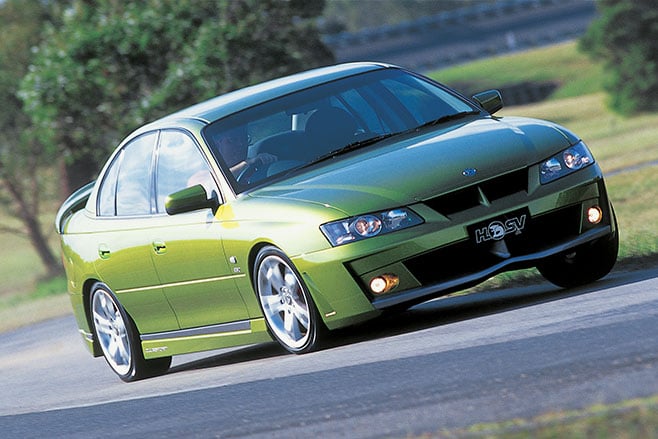
Therefore when the ‘Y Series’ (as opposed to plain old VY) arrived in late 2002 it came in new colours with unique slabs of body embellishment. Power climbed again by 5kW and it would take the arrival in 2003 of the YII before output from the 5.7-litre reached 285kW and torque for the first time would exceed 500Nm.
For several years HSV offered its 300kW GTS300 but in 2004 with the arrival of a Z version, Clubsport buyers were granted a similar experience for $30,000 less.
Cars with this degree of performance and spaciousness should have been selling in their thousands in the USA. Blame corporate jealousies and politics for that failure. HSVs did make their way overseas but too late and in numbers too few. Fortunately there are plenty going around in the used market locally. Here’s what to look for.
In the market for an HSV Clubsport?
Strong sales of 5.7-litre versions means Clubsports from the early 2000s are most common. Best avoid cars that have averaged more than 5000km a year. Preserving these cars is a task that needed to be undertaken from the date of delivery.
Modifications are fine if you’re buying for some track-day fun or basic transport. Beware any changes that run counter to HSV’s original dynamics that might turn a balanced and responsive car into a dog very hard to move at resale time. Worn-out VX-Ys with trashed interiors and 300,000km make up the bottom of the market. If you’re after a ‘builder’ these offer good buying. Primo collector cars rarely come up so if you have some investment dollars, join your local HSV owners’ club.
HSV Clubsport body & chassis
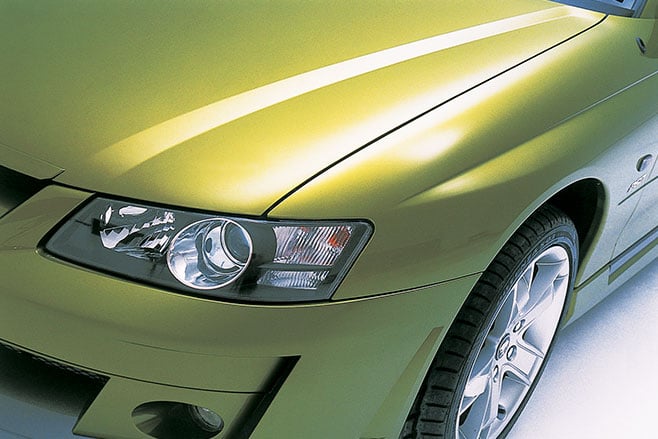
Limited clearance when negotiating speed-bumps or climbing a gutter makes Clubbies easy prey to underbody dents and cracked plastics. Inconsistent bumper and bonnet gaps can signify poor repairs but look also for damage to hidden sections of the air-dam, sill skirts and rear bumper (best checked from underneath). Replacement body panels are still available and finding correct replacements for HSV body kit components isn’t difficult or especially expensive.
HSV Clubsport engine & transmission
Gen III V8s have a reputation for durability but some vibrate more than is acceptable. New engine/transmission mounts will help. Check for overheating by letting the car idle after test-driving. Clutch life varies according to use but 80,000 kilometres should be possible.
Cars with a mushy pedal probably need the hydraulics overhauled but stay away from ones where gears are difficult to select and send vibrations through the gear-lever. Automatics that slur changes or jump from second straight to fourth need an overhaul.
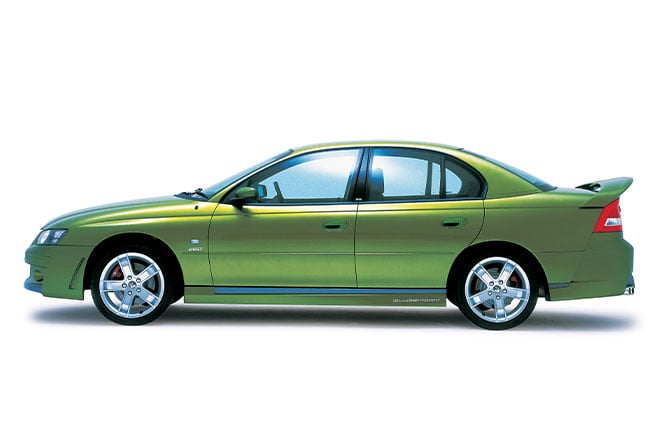
HSV Clubsport suspension & brakes
Worn bushes cause front-end clunks and wavering steering response. If the rear tyres are worn significantly on their inner edges, the IRS components will need examination by a specialist. VX and subsequent models have greater scope for rear suspension adjustment than early cars.
Brake squeal and shudder is just the discs demanding attention; sets of stock rotors and pads will set you back $1000 or so but rising to more than $3000 if you upgrade to a premium brake package.
HSV Clubsport interior & electrics
Most interior parts are unique to HSV and more expensive to replace than those fitted to basic Commodores. Leather needs to be supple and crack-free or a hefty retrim bill awaits. Due to their pronounced bolsters, even stock seats are prone to wear.
Dampness in the footwells can come from the heater or a leaking windscreen seal. If the dampness isn’t coolant or fresh water, the clutch hydraulics are a likely culprit. Air conditioners suffer a range of faults (mostly expensive to fix) so tepid air even with the thing cranked up full isn’t a good sign. Test the seat electrics to make sure they haven’t seized due to lack of use.
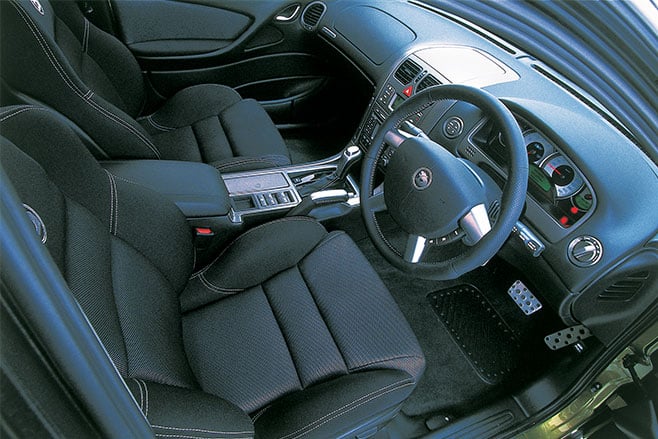
HSV Clubsport specs
Body 4-door, 5-seat sedan Engine 5665cc V8, OHV, 16v Power 260kW @ 5600rpm Torque 475Nm @ 4000rpm Transmission 6-speed manual Weight 1660kg Used Range $15,000-$40,000 (VT-VZ)
Other cars to consider
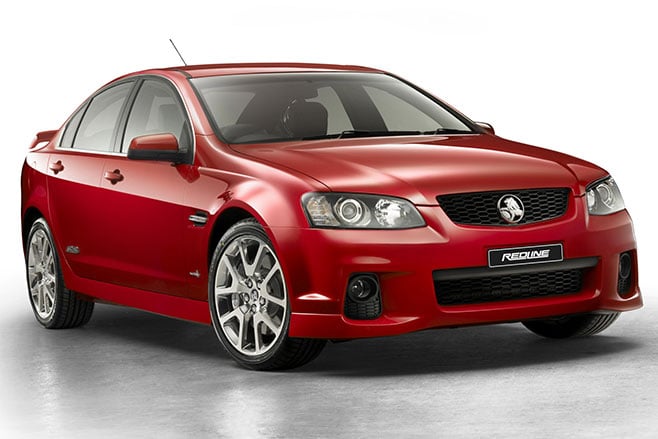
1. Holden SS-V Redline (VE II)
A generation newer than VT-VZ and very much feeling it, the first Redline encroached on HSV’s turf when launched in 2010 boasting a 270kW/530Nm 6.0-litre L98 V8, big four-pot front Brembos and even sharper FE3 suspension. Tidy examples are about $25K.
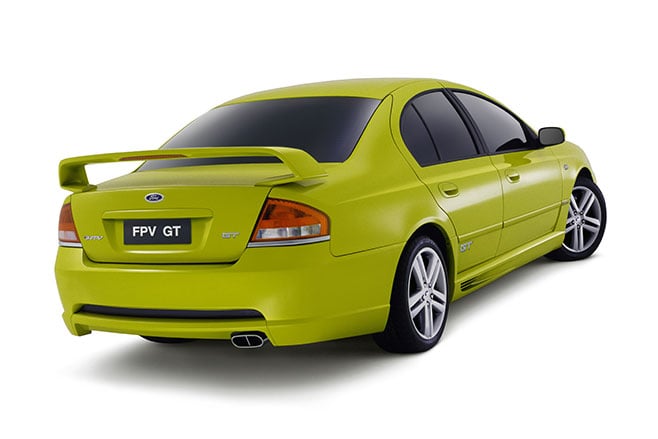
2. FPV GT (BA)
For the brand agnostic, the ‘original’ BA GT (concept pictured) is serious investment-grade metal. Its BOSS290 5.4-litre twin-cam V8 produced 290kW/520Nm and its heavily updated BA chassis had the edge on Holden’s VY. Budget $25K and up for a clean one.
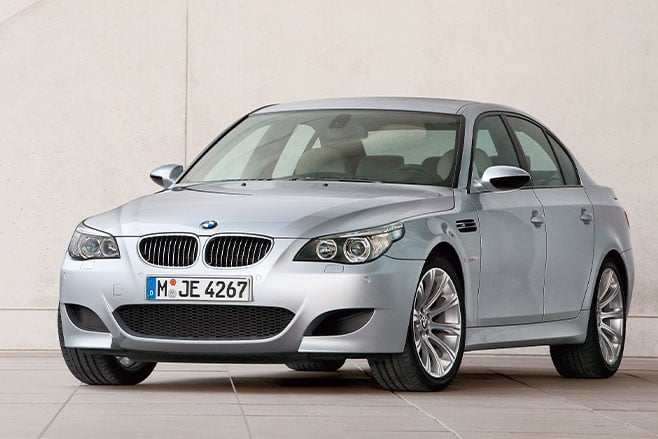
3. BMW M5 (E60)
Bit of a left-of-field alternative, BMW’s atmo 5.0-litre V10 luxo-sedan can be had for as little as $30K these days. With 373kW/520Nm it’s not short on grunt, but there’s a reason they’re so cheap – they go bang easily. Very important to do your research.
It was only the morning after that I really started to get a sense of what I’d put my old, soft and squidgy body through. The base of my neck ached dully, the hollow pain etching its way across my shoulder blades.
My lower back simply just hurts, while my innards are still a little skew-whiff from the pummelling I gave them the previous day. And it all happened in the space of less than three minutes.
Was I wrestling lemurs? Moving a fridge single-handedly? Losing a fight with a pre-schooler?
Nope. I topped 306km/h on runway 34R at Kingsford Smith International Airport, aboard a car that balances its demonic side with docile precision like few others can – the Porsche 992 911 Turbo S.
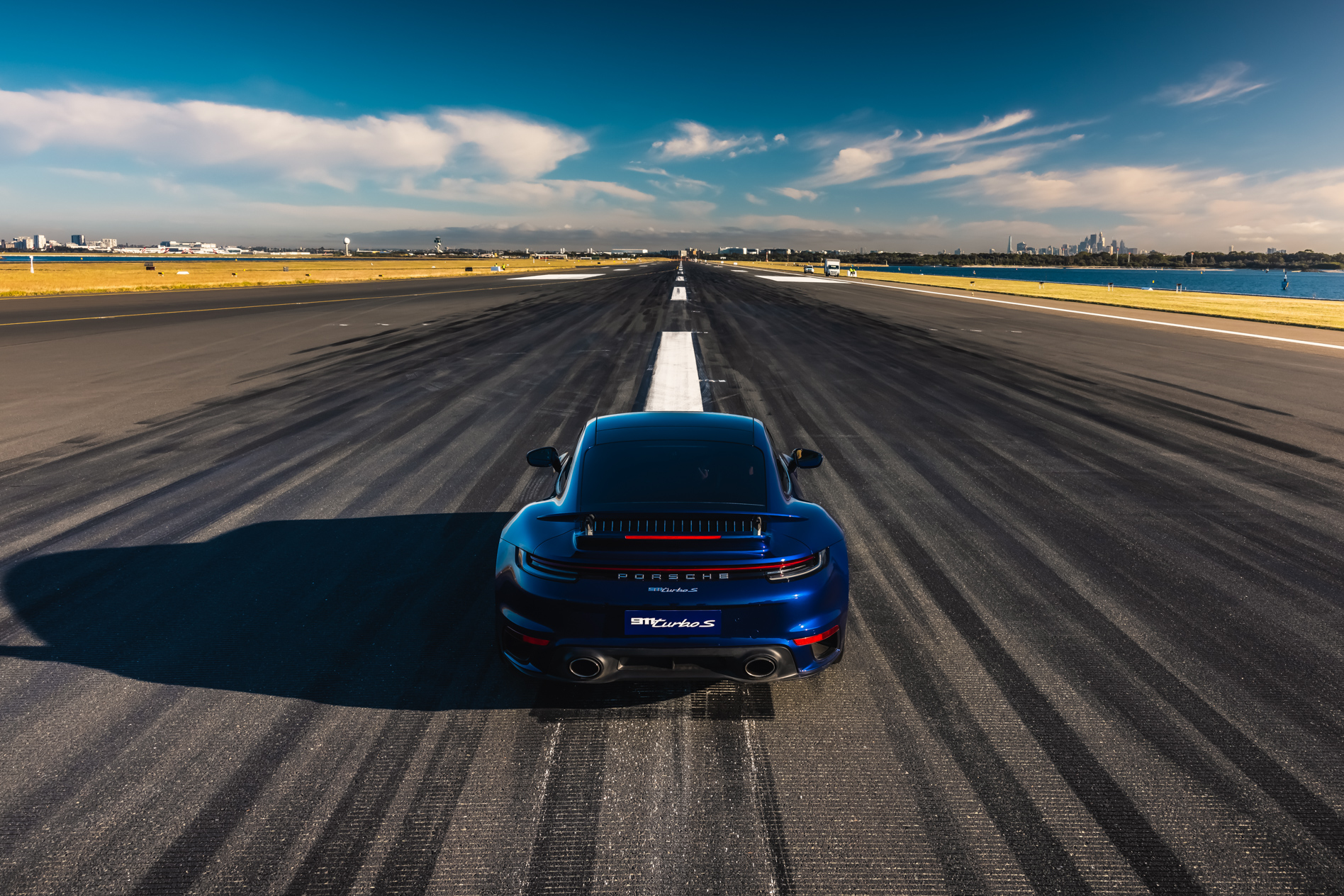
The legend of the Porsche 911 Turbo S runs deep – it’s not as hardcore as a GT3 or something from the RS stable but several rungs above the Carrera and capable of astonishing speed that doesn’t come at the expense of civility or longevity.
Previously, Turbo S launches have occurred in places where the car has a fighting chance to stretch its wings – but with the majority of the country still labouring under border restrictions, the wings metaphor was taken more literally. Far more.
The sense that today is going to be a bit special is obvious by the sheer number of motor noters assembled at gate 16 – and they’re all early, too.
Visible past a wall of wire and a veritable sea of high-viz lays 2438m of 50m-wide tarmac, and there isn’t an aeroplane in sight.
2020’s impact on travel is no more obvious than at Sydney Airport, with flight movements cut by 90 percent. “There are usually a thousand operations a day,” said Matt Duffy, GM of operations and the man charged with ensuring the ground-bound missiles didn’t wreck things for everyone else. “Now there’s about 100.”
Duffy’s job is to ensure that what’s taken onto the runway – known as ‘airside’ – comes back off. That means no phones, no GoPros… not even loose change.
“A two-dollar coin is enough to kill a jet aircraft engine,” he tells us, adding that his team will sweep the entire runway for foreign objects once we’re done.
Today’s event is a brief taste of the heroics that the Turbo S is capable of. It’s got more of everything in 992 guise; more tech, more power and more torque, and the flight mission today is a simple one; crack 300km/h on a flying 1000m (and a bit) flyby.
Bathurst winner Luke Youlden leads a who’s-who band of top-gun race drivers who’ll each take one for the team and saddle up with us hacks for the attempts.
“It’s a bit wind-dependent,” he tells us during a recce. “A headwind really knocks the pace out.”
How fast has he managed to go during recce and set-up? “Oh, about 320,” comes the casual reply. Jeepers.
I strap in with Toyota 86 Series champion and Supercars racer Tim Brook, who runs me through the procedure. For a car with so much raw potential, it’s surprisingly simple.
“Okay, so Sport Plus Mode, and really hold the brake,” he tells me. “Then hit the overboost button as you quickly floor it, and that’ll give you more boost for 20 seconds. When you’re ready, hop off the brake.”
‘More?’ I quietly wonder to myself, before my stream of consciousness is utterly shattered by the full-blooded departure of the car ahead of us in the queue.
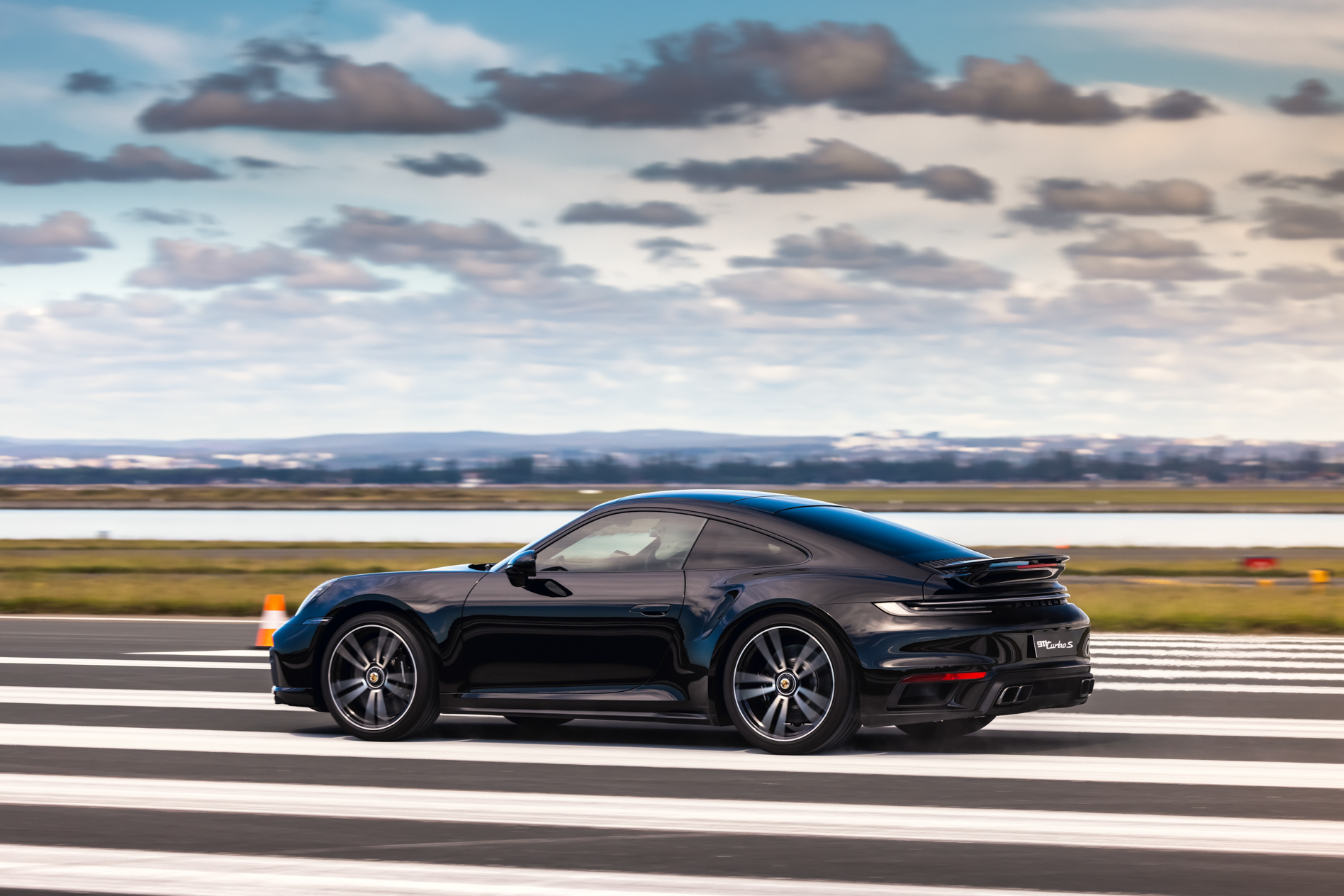
I’m already swearing, we haven’t even nudged onto the horizontally grooved blacktop (designed to prevent water sitting on the surface), and I’m wondering just what the next ten seconds will bring.
It’s a lot to take in, and the environment is one I’ve only seen as I gaze idly out the window of 14A, wondering whether I should Uber home or catch a train.
The sheer width and the uniformity of the runway means it’s harder to use visual cues, while its sheer length means it looks like it goes on forever. Which it doesn’t.
Tim walks me through the steps again, and I dutifully comply. Throttle pinned, the 911’s 3.8-litre flat-six holds steady at 5000rpm, building boost like floodwaters at a levy wall, before…
PHWOOOAAAFF.
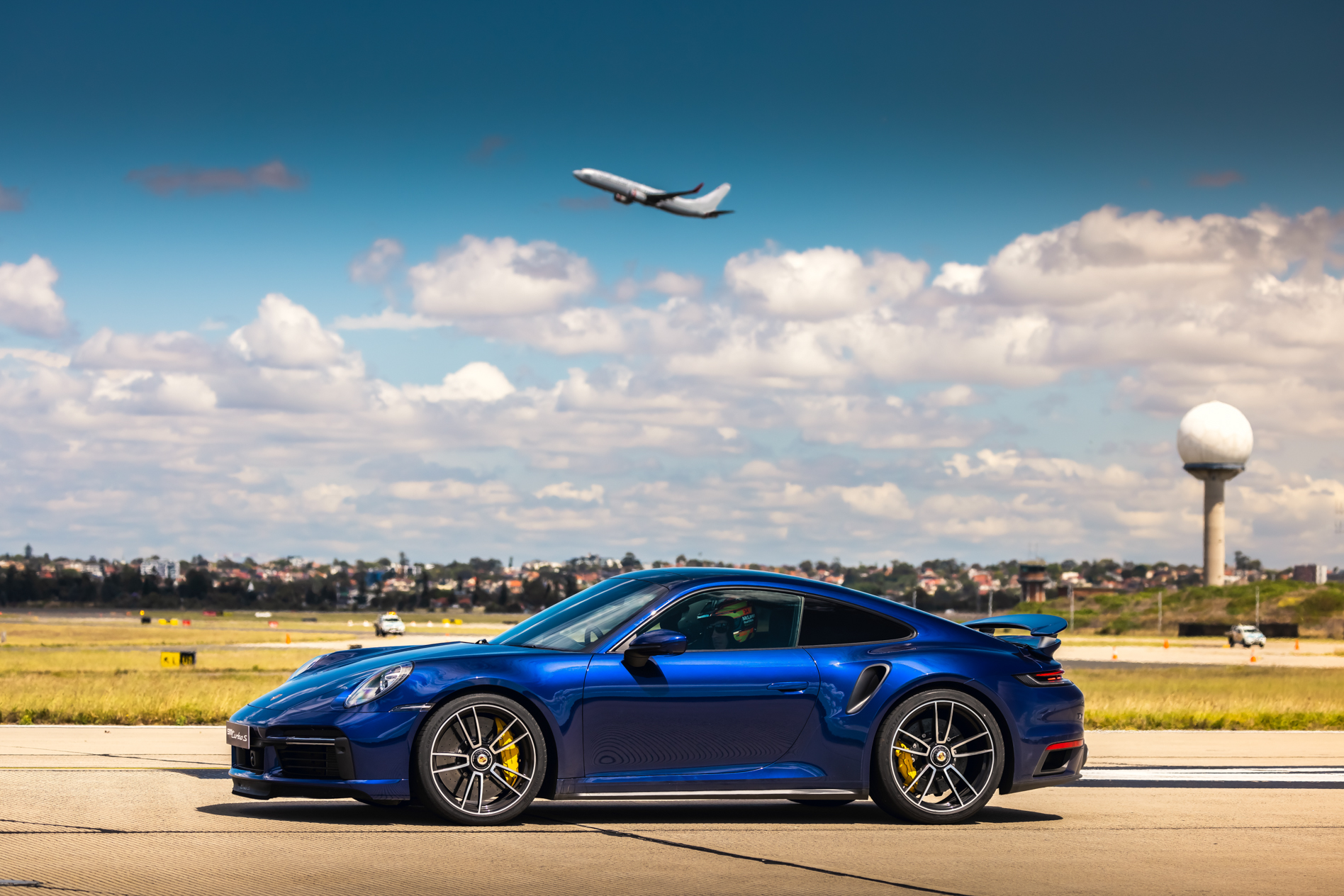
Honestly… I can’t wrap my head around a metaphor that perfectly describes the silken, relentless viciousness that pummels my neck, back and guts as the Turbo S’s brutal wave of pure thrust effortlessly flings us toward the other side of the world.
Several swear words slip my lips as we missile at the 400m board, which we pass in the snap of the fingers. Even Tim, whose body will be subjected to these 1.3G launches all day, is grinning.
“Okay, loop around here and we’ll go for 300,” he says, as I gather my wits and try to take it all in.
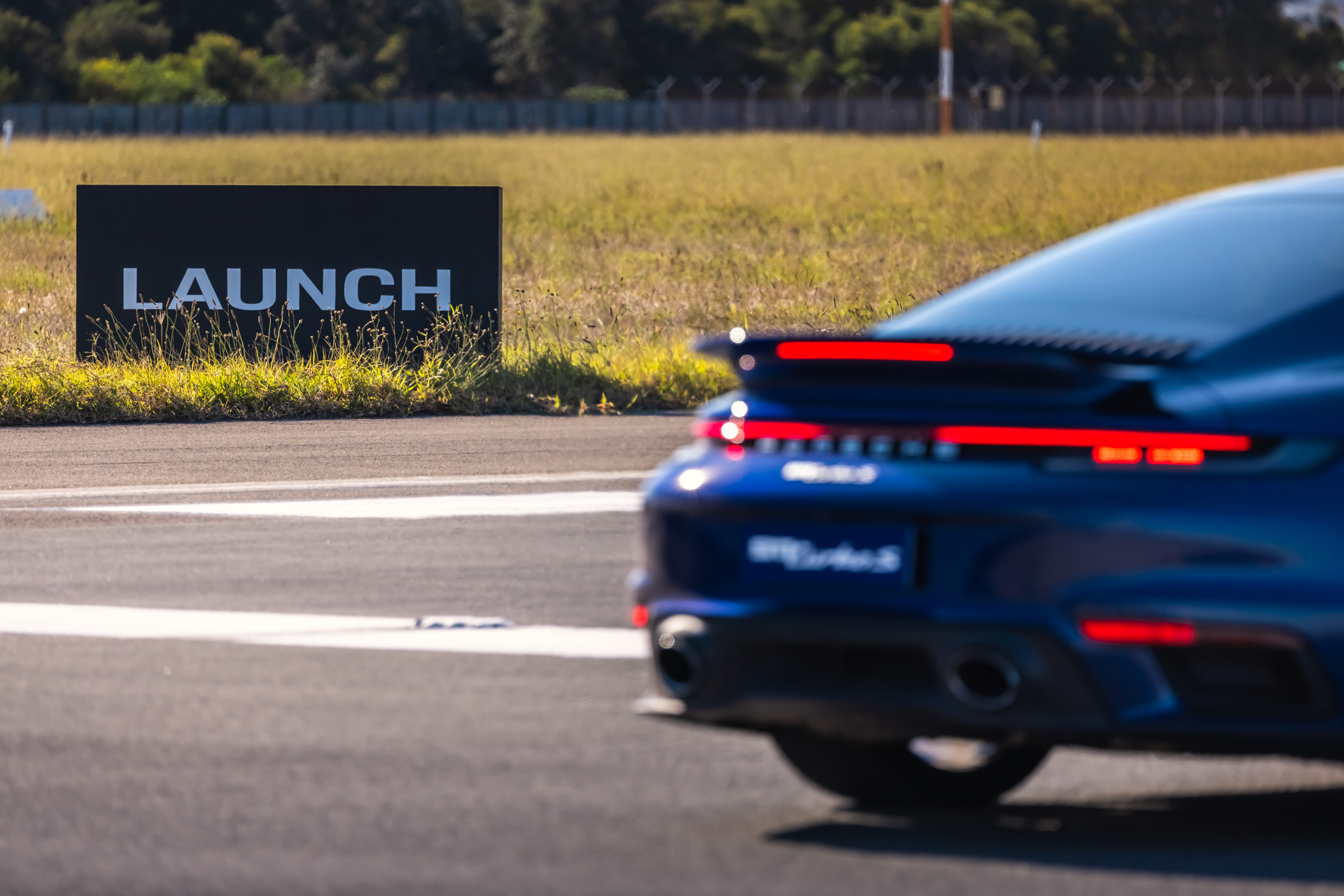
The $473,500 Porsche 911 Turbo S is a power monster, packing 51 more kilowatts and 50 more Newton-metres than the previous one – and that was batshit crazy enough.
With 478kW (more than a modern Supercar racer) and 800Nm up its 3.8-litre twin-turbo sleeves, the Turbo S now does the 100km/h dash in 2.7 seconds every day of the week and as many times as you need on a Sunday.
Unfortunately, the high-vizzers have banned our Vbox from the cockpit, but my neck is telling me we did that and more.
“Okay, we’re going to roll around to the start of the runway again, and I want you to come onto the track at about 60km/h,” says Tim. “Once we get the okay, give it the berries.”
Deep breath. Eyes forward. And… thwack. We’re up and away. The scenery whips by and the 992’s digital speedo ratchets up in tens, whirling numbers like a Vegas slot machine.
The 200km/h mark passes in what seems like no time, and Tim shouts – the engine noise has been replaced by a chilling, whistling scream from the grooved tar – “stay in it! Stay in it!” as 280km/h, then 290km/h roll up.
Then it’s 300km/h and up to 306km/h before I brake firmly, the Turbo S hunkers in – thanks, ironically, to the rear wing and front splitter acting as air brakes – and we take Charlie 4 to exit the fun zone.
And that’s it. But… Jesus. What a rush.
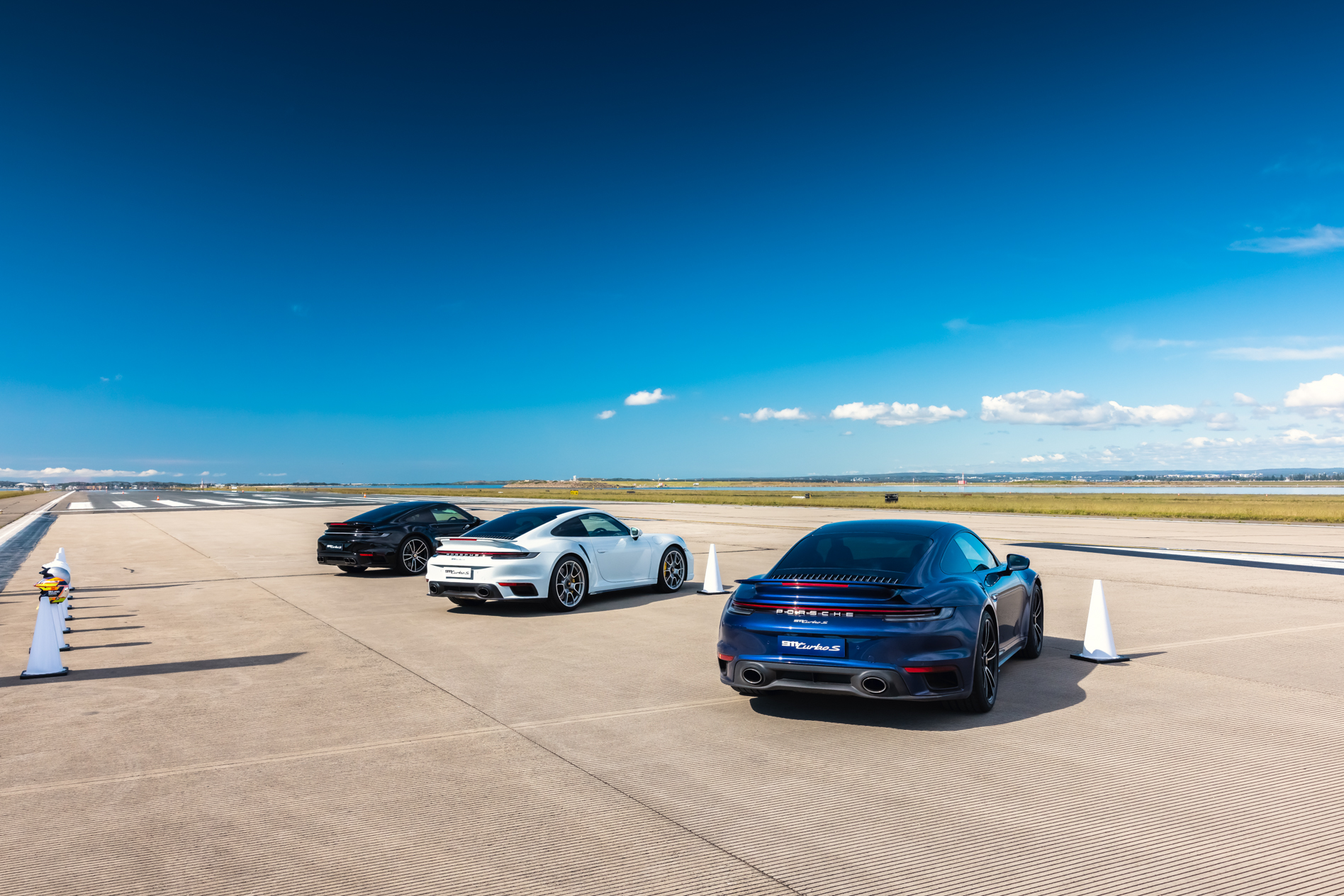
I can’t tell you much at all about the way the 992 Turbo S drives, other than it’s no more complex to interact with than a 911 Carrera.
The 420mm/390mm carbon brakes work just brilliantly, and the engine is astonishingly strong.
The eight-speed PDK gearbox did its own thing, too… and aside than its otherworldly pace, you’re going to have to wait until we get one into the garage to explore this incredible machine’s potential further.
Me? Not sure I’ll need to have another go. My glimpse into its monumental abilities has been a privileged one, and if i need to leave it right there, then I’ll be happy with that.
Australia gave the world the ute, and there was much rejoicing.
Then, for decades, Australia continued building the ute, but some countries stopped after a little while. America, for example, had the El Camino through the 1960s, ’70, and ‘80s.
But Americans didn’t stop loving the ute, and a company in Denver, Colorado called Left Hand Utes is helping to sate ‘Murican hunger for quick car-based… ‘pickups’.
We’ll keep calling them utes, thank you very much.
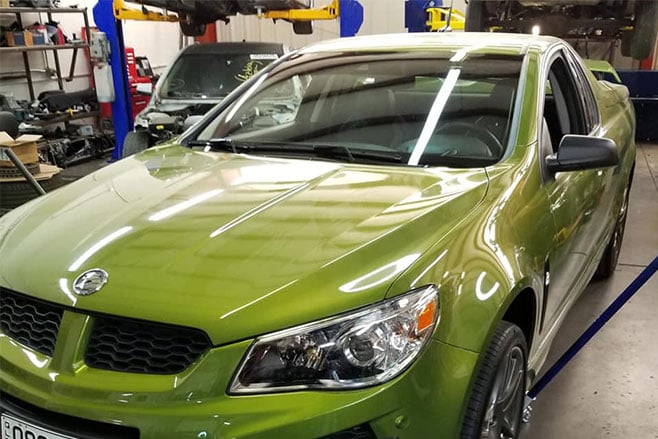
“American auto enthusiasts have long cried out for the return of the Chevrolet El Camino,” the Left Hand Utes website proclaims.
“The half-car, half-truck model departed from America in 1987, but it still thrived in The Land Down Under (where it was started), referred to by Australians as utes.”
We’re actually vaguely familiar with the company, back in 2017 YouTuber Doug DeMuro highlighted a VE Commodore Ute converted by Left Hand Utes.
Since, we’ve come across a GTSR Maloo from HSV, which Left Hand Utes boss Randy Reese told us about while letting us in on his process.
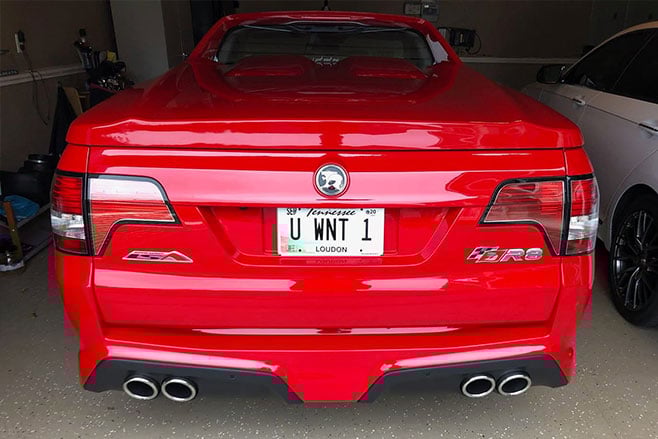
“What we’ve been doing is have customers buy them in Australia with their own money,” he said, “then they take what they want, and then we set up shipping. All I’m doing is the conversions.
“It’s the same frame rails [as the Chevrolet Caprice] that go underneath, same driveshaft, same fuel line, same brake line,” he adds.
“I don’t paint, I don’t cut frames, I don’t change VIN numbers, the only thing I do change is where the bits coming through the fire-wall.
“And it’s just a 16-gauge piece of stamped steel that I get from the US donor car, and I weld it in there.
“I do not add VINs to them, I use a 17-digit GM VIN.”
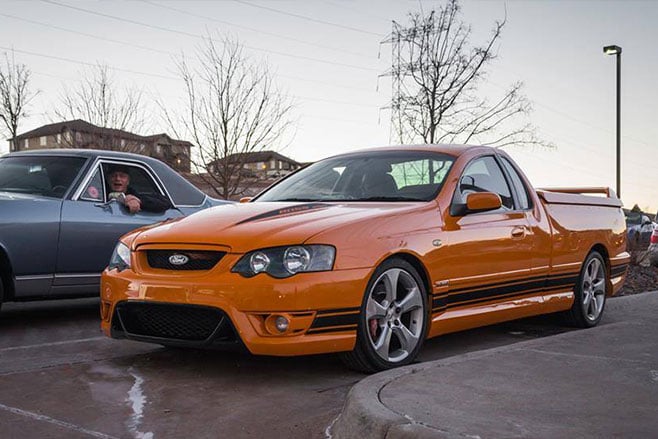
HSV (now GMSV) even helps Reese out with parts like tags and information he requires for himself or customers.
It’s not just GM brands Reese works on, though. A few Ford Falcons and their FPV variants have made their way through his workshop.
While it feels strange to celebrate one of our national motoring icons making its way overseas and therefore leaving Aussie shores likely forever, it’s not like we have a shortage of the things here, and Reese only converts a couple a year.
Can we deal with a few utes lost if it means our US pals get to enjoy and appreciate our creation? Absolutely.
This was easily the weirdest and coolest shoot we have yet conceived for the show, and it was every bit as fun to make as it hopefully looks.
It might be stretching the premise of a car comparison to breaking point, but evaluating the suitability of an Isuzu D-Max and Jeep Wrangler Rubicon for surviving a zombie apocalypse highlights some of their toughness claims and virtues in a way nothing else can.
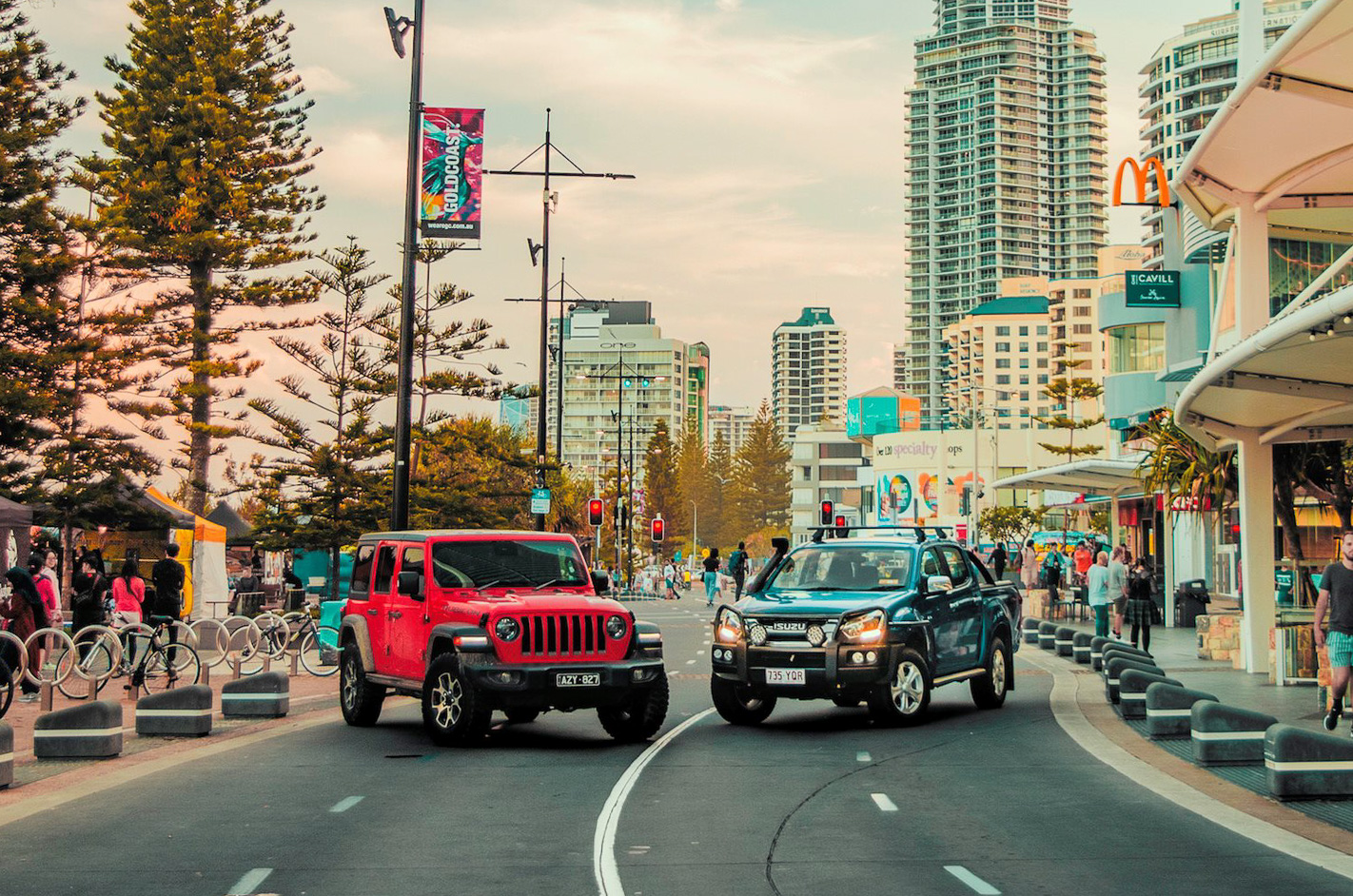
On the one hand, there’s the tried-and-tested Isuzu which is getting long in the tooth as far as the ute market goes, while the Wrangler is box-fresh and largely unproven in this latest generation. Old versus new, ute versus SUV, affordable versus premium. Unlike every other comparison we’ve ever conducted, the winner would not be the better car, it would be the presenter who kept their brains off the menu.
You won’t be seeing too many head-to-heads like this on the show, but we are delighted with how it turned out.
Shot entirely in Queensland in November last year, the concept hinged around an incredible event hosted in Surfers Paradise amusingly entitled Fest-Evil, which launches on Halloween and concludes a few days later with a spectacular zombie-walk through the city.
The Surfers Paradise city council gave us exclusive permission to pass the road blocks and actually take our pair of tough trucks into the slobbering, moaning, shuffling horde, for a car review finale like you have never seen.
In the deciding scene, Elise is safely locked in her Jeep while I make the fatal mistake of jumping into the Isuzu’s tray. As the crowd of 1000 undead descended on me, I have to say it was genuinely terrifying. The participants are not casual dress-up partygoers, they are unbelievably committed cosplayers and stay in character no matter what.
The costumes are incredibly detailed and we couldn’t show you the full gore of the situation in our TV time slot, but keep your eyes out for a web special that reveals some of the full horror of these guys. They were they real stars of this feature.
And they didn’t go easy on me either. I’m not acting as I am roughly pulled from the back of the ute, and watching the crowd circle me as I lay helplessly on the ground is one of the most disturbing and surreal things I have ever done.
For the start of the feature, director Sean and I shared a vision of an ominous wasteland to create a sense of foreboding without giving away the final horrific conclusion. The surrounding countryside and sugarcane fields to the north near Norwell provided the perfect backdrop.
Sultry conditions and gloomy skies combine with a darker colour grading for a feel that’s a mix of the films Children of the Corn, Signs and, of course, some of the great zombie movies. The sugar refineries and harvesting equipment created a crossover of industrial and agricultural that’s almost unique.
Then of course there’s the brilliant cameo by Harry and Cobey of WhichCar’s sister show Mighty Machines in which they attempt an ambush. The scene took many, many takes as keeping a straight face presented the most challenging element of the whole shoot. Watch out for this in the outtakes reel as well.
While we used a handful of editing tricks, for the most part, the deserted streets, abandoned buildings and scenery were as they appear (okay – the crashed helicopter and burning buildings were Sean’s doing).
A very early start secured the shots with no traffic or pedestrians but we did encounter a few native Gold Coast zombies that clearly hadn’t made it to bed yet from the previous night’s partying.
And as always when Sean and I work together, we tried to sneak in as many film culture references as we could without detracting from the story. If you’re seeing a few nods to Sean of the Dead, Zombieland and others, you’re not imagining it.
Despite meticulous preparation and planning the one thing we can’t take credit for is the weirdly appropriate timing that this feature goes to air. We hope the show and this little behind the scenes glimpse offers you some distraction and enjoyment as we all face a challenging time. Hopefully things turn out better than they did for me in the show.
Today marks yet another painful milestone in the demise and departure of Holden, with the Port Melbourne-based GM Australia Design centre shuttered for the final time tonight.
It’s another sad and significant landmark in the withering of the once proud Lion brand and marks the end of a rich history of production and concept car development, spanning more than half a century.
In its heyday, the centre employed 150 staff including designers, model makers, drafting specialists and clay sculptors, and has produced more than 30 concepts for global and local markets, covering all General Motors brands, not just Holden.
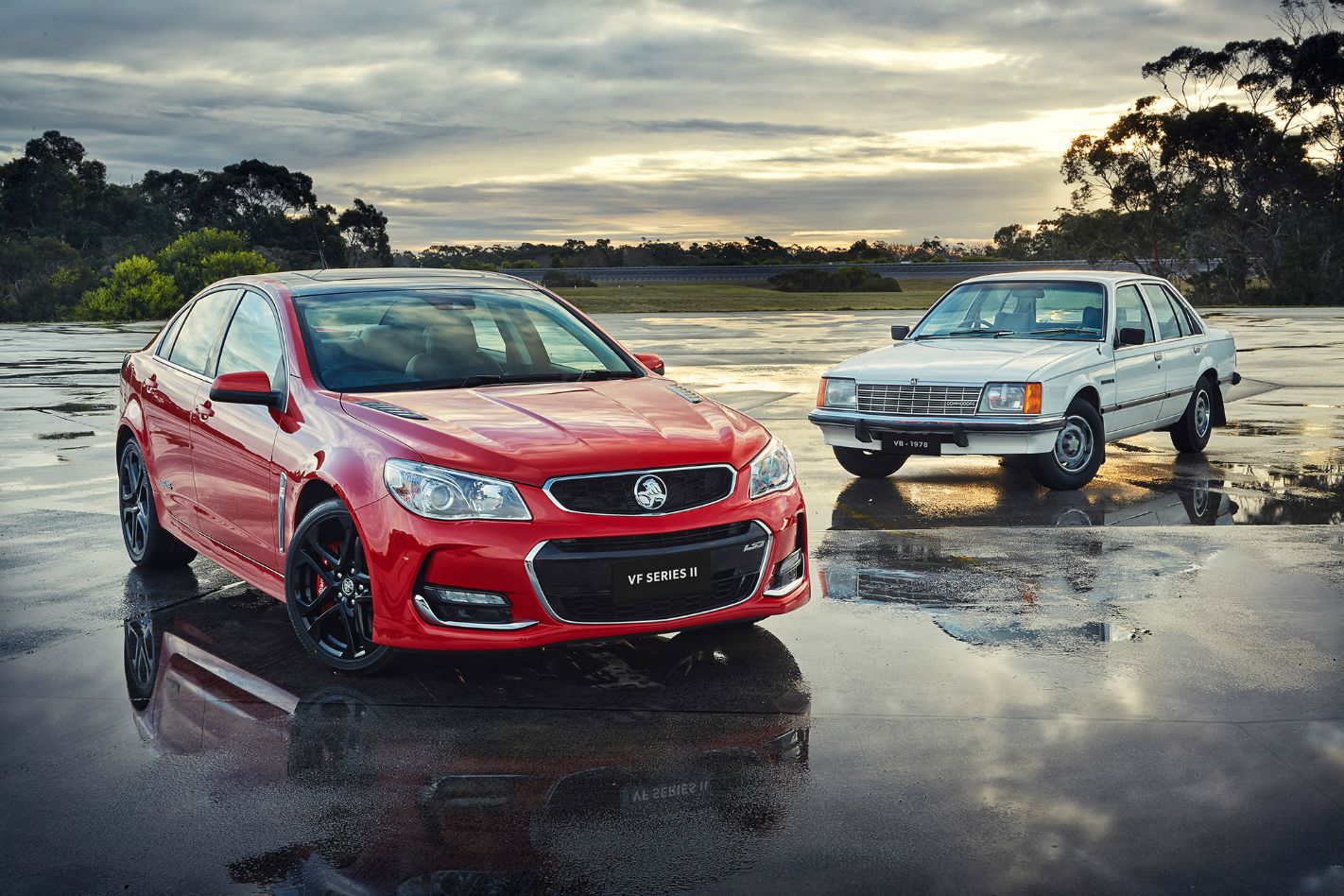
The centre was once the only facility outside GM’s Detroit headquarters capable of developing vehicles through the full process from inception to prototype, although that ability was curtailed with the end of local production car manufacturing in 2017.
Nonetheless, the studios continued conceiving and developing designs for concept and production cars, as well as exploring future mobility ideas right up until June this year.
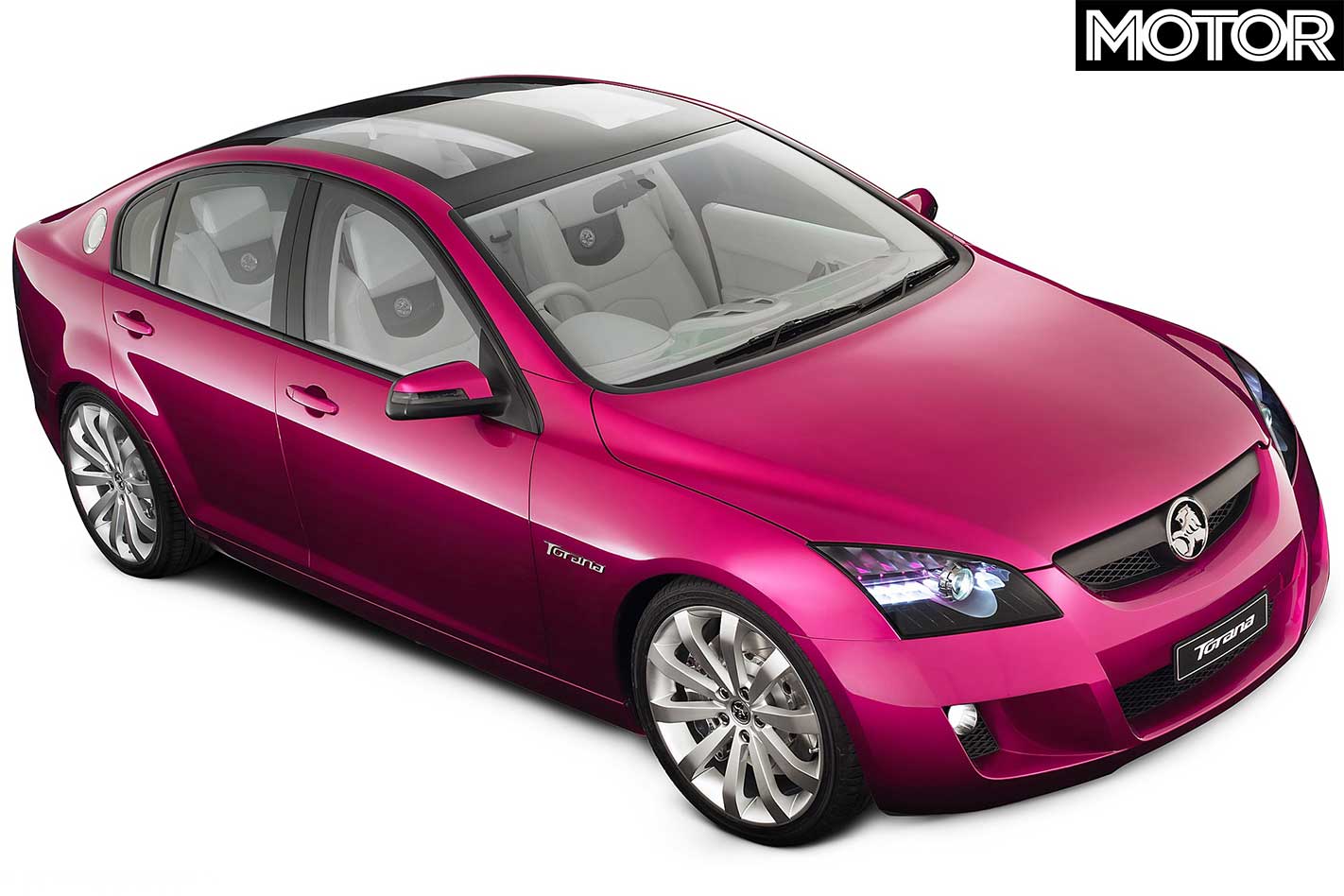
From its founding in 1964, through the first concept in 1969 and the stunning Holden Hurricane, to its most recent vehicles, the design facility was a centre of excellence that gained admiration over its years from rival brands and GM alike.
Notable milestones in the later years include the 2015 Buick Avenir once chalked to replace the Holden Caprice when it was retired, and the Opel GT of 2016 which was famously photographed on the centre’s rooftop carpark, prompting every motor journalist in Melbourne to consider buying a drone.
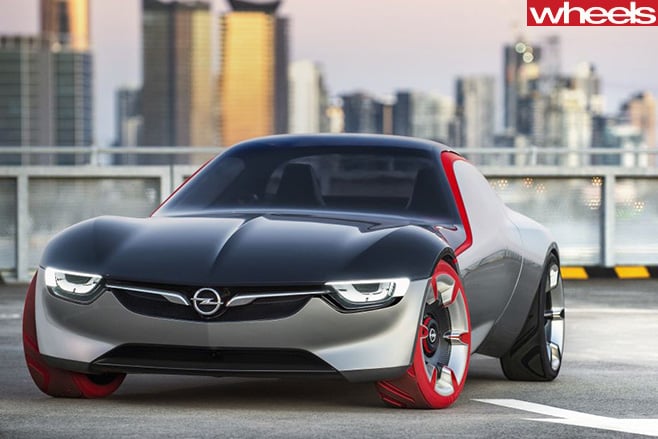
When the car was officially revealed at the Geneva motor show, the accompanying international press photography proudly featured Melbourne’s city skyline in the background, reminding all of Australia’s place in the global automotive landscape.
The Jaw-dropping Holden Efijy, handsome Coupe 60, elegant GTR-X, V2 Monaro and fifth-generation Chevrolet Camaro were all born in an unassuming building not far from the banks of the Yarra.
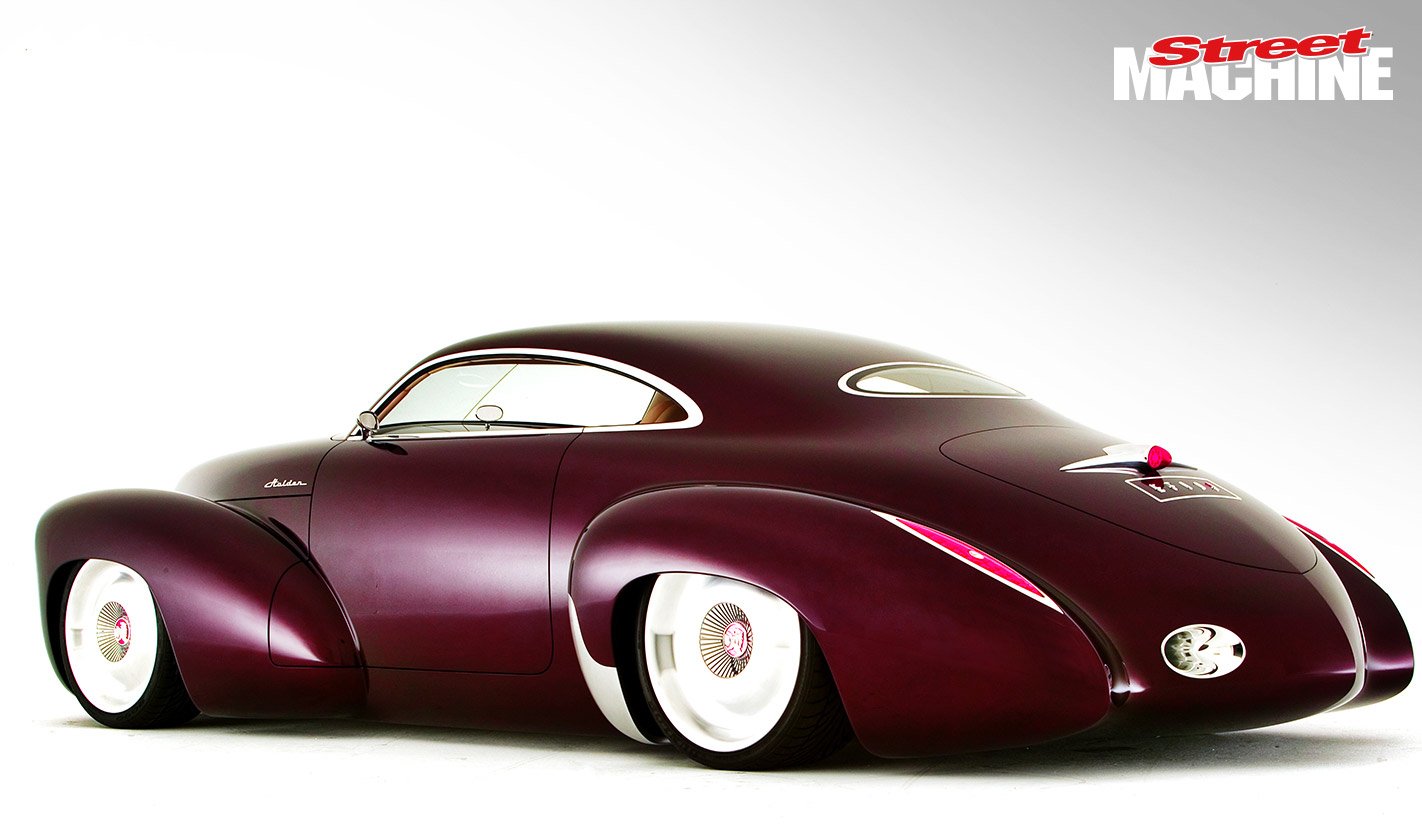
Arguably the greatest champion of the centre in recent years, at least, was Holden chief designer Richard Ferlazzo who penned the incredible Efijy and reported having a full plate at the facility through all Holden’s developments.
His influence will be remembered alongside current GM global design vice president and Australian-born Michael ‘Mike’ Simcoe who started out as a car designer with Holden in 1983.
Let’s get something straight. Ford’s new Mustang Mach-E might deliver the goods as an all-electric crossover when it debuts next year, but as far as those who already worship the rear-drive V8 are concerned, it’s hard not to feel there’s more thoroughbred to be found in, well, dog food.
This awesome feature appeared in MOTOR magazine – grab it now by subscribing right here!
To get the diehards even half onboard, Ford, obviously, has a bit of convincing to do – so it’s drafted in a silent weapon, of sorts. The Mustang Mach-E 1400 you see here is electric, based on a Mustang Mach-E and unleashes 1044kW (1400hp). It mixes equal parts drift monster and time-attack machine with WRC aero and cutting-edge electric tech.
But before we get into how it does these things, first some bad news. You can’t buy one. And the cost to approve one probably set off an alarm in Ford’s accounts office, even if it would have been a drop in the ocean compared to the awesome US$11.5b (A$20 billion) it’s plugging into EV development on the whole.
Ford, however, has built mega-machines solely for marketing before. Just ask professional drifter Vaughn Gittin Jr.
He’s the man behind RTR vehicles and the Mach-E 1400’s vision with a CV that includes Ken Block’s latest Gymkhana star, the Hoonicorn, and then its twin-turbo methane sucking successor the V2. But it was yet to feature something this shocking and that may be why Ford teamed him up with Ford Performance.
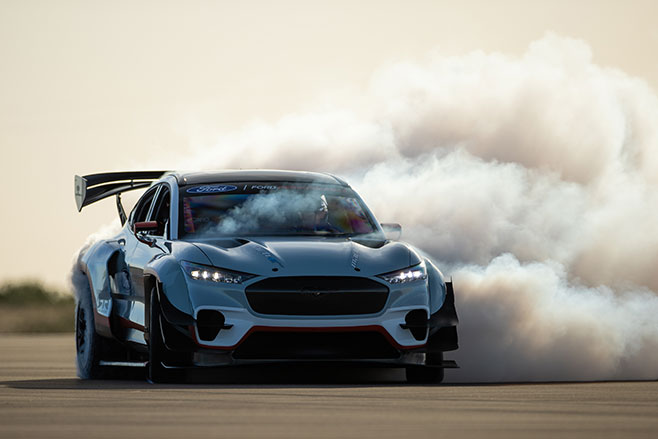
At the front, with three motors arranged down the centre line of the car, the 1400 is already up one motor on the road-going Mach-E GT. They’re stacked in front of and behind each other, “like a rotary [engine], but electric,” Gittin says, and directly drive a Winters Quick Change differential that sends grunt to the outboard wheels. It’s the same setup out back, only there are four motors instead of three arranged in the same pancake style.
Feeding them is a nickel-manganese cobalt battery placed nice and low in the car between the two axles – the same location as the production car. It’s rated at 57.8kWh capacity and cranks 700 volts worth of juice through the powertrain. So it’s safe to say it is going to kick a little bit harder than your average wall port.
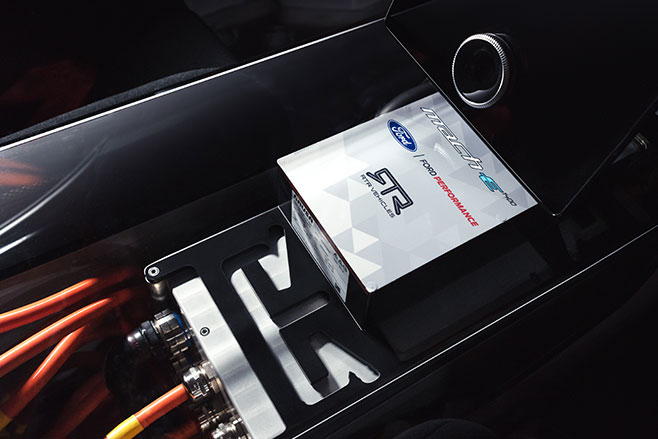
Inverters that take the current and supply it to each motor live inside the interior’s central tunnel where you’d expect a transmission and propshaft. There are seven inverters, one for each motor, hooked to thick wires finished orange for high visibility.
At full pelt the Mach-E 1400 produces “a little over” 1044kW and 2034Nm. Or a lot of energy, which of course produces heat. So, to ensure the fun lasts a while there are two radiators for each end.
You might have noticed, however, that while the front end has a great opening in the bumper to feed the radiators air, there’s a massive diffuser hogging space in the rear. That’s because what may be the world’s largest NACA duct, in charge of inhaling fresh air on to the rear radiators, actually sits on the roof.
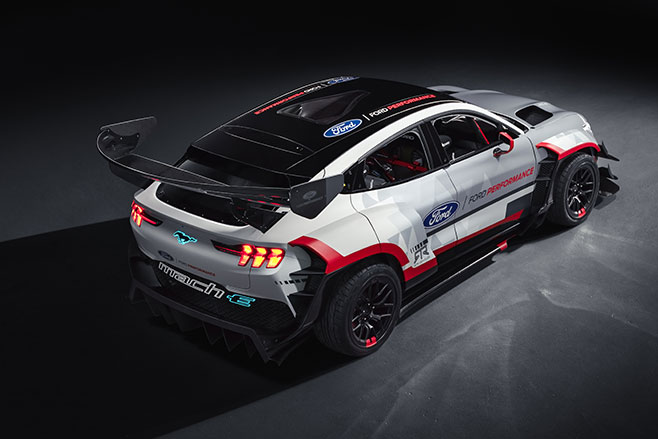
It fails the theoretical drive-upside-down test, unfortunately, since it’s a heavy beast. The battery alone weighs about 680kg.
Add the motors, cooling systems and inverters and the kerb weight cranks up to 2267kg. And that’s after a plethora of high-end materials that would make you think it’s a rolling science experiment – which it is.
Ford Performance, eager to learn as much as possible on electric powertrains with the Mach-E 1400, says the car could test different battery chemistries or electric motors for research.
The aluminium structure ended up providing a good starting point for saving kilograms, but only the chassis, doors, roof and front guards still use it.
Everything else on the exterior is now carbon fibre besides the bonnet, which is flax composite that, just like the dark weave, is lightweight and strong, but friendlier to earth.
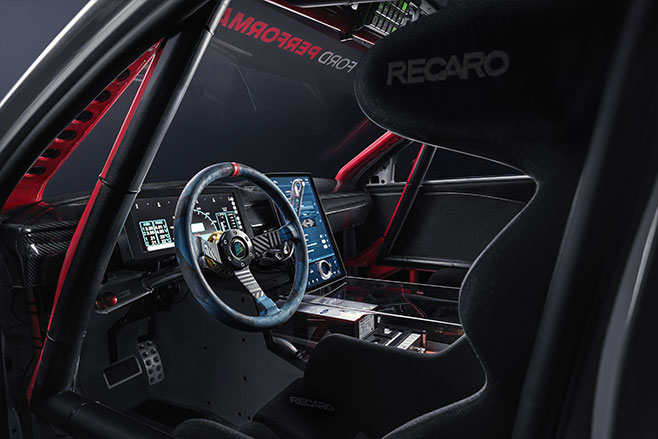
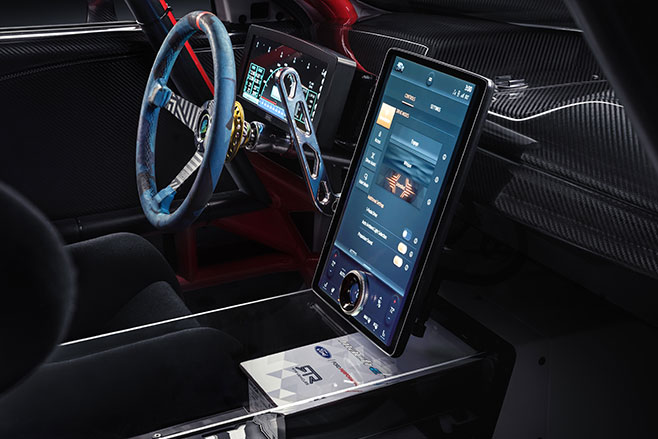
Inside, it’s all motorsport. The only thing carried over from the production car is the huge Tesla-style central tablet screen and the metal throttle pedal.
Drivers – usually Gittin or other Ford-associated pros – sit behind a Motec dash. Underneath that is the emergency and the electronic brake booster (EBB) switch.
Add the Mach-E 1400’s fully adjustable drive that can split it between increments as little as two per cent or as much as 20 and it’s clear why this gripped Gittin’s imagination so tightly. Oh, yeah, the handbrake also disengages the rear motors in lieu of a clutch pedal.
What’s it actually like from behind the wheel, though? Watching Ken Block’s first rip in it on YouTube is a good start on its tyre-shredding ability.
But Gittin puts it well: “it’s like a magnet roller coaster that you control.” The handling’s not too bad, either, he adds. “You’ve never seen a car like this that weighs five thousand pounds that handles like an open-wheel IndyCar. That’s what it feels like. It just turns in so well because the centre of gravity is so low.” It can also drive each axle at opposing speeds for next-level on-the-spot burnouts.
Some quick number crunching suggests it might not be as savage as the Hoonicorn V2, which squeezed 1022kW into something that weighed near 1400kg, equalling over 700kW per tonne.
The Mach-E 1400’s lardy kerb weight splits total power output into a more relatable 461kW per tonne. For instance, the McLaren 765 LT, which is still an insanely quick car, manages 420kW/tonne.
Still, a McLaren, or even the Hoonicorn, can’t switch on 2000Nm in instant.
Either way, it’s clear, that even on paper, the Mach-E 1400 is set to silence the most stubborn petrol-heads.
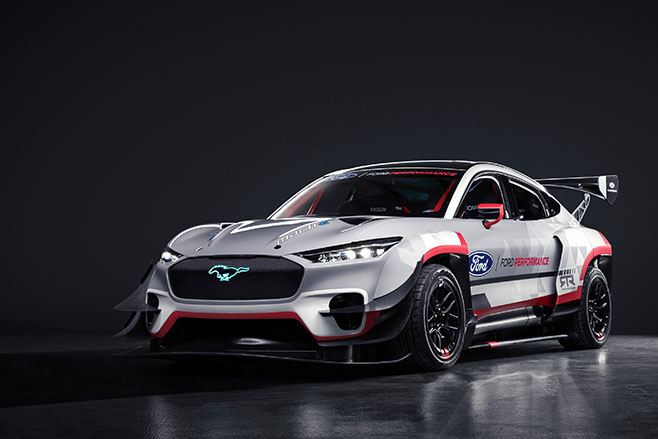
Ford Mustang Mach-E 1400 specs
Body 4-door, 4-seat SUV Drive all-wheel Power 1044kW Torque 2034Nm Battery56kWh, 700V, nickel manganese cobalt Propulsion three motors (f); four motors (r) Transmission direct drive single gear (f/r) Weight 2267kg Downforce 1000kg at 257km/h
This awesome feature appeared in MOTOR magazine – grab it now by subscribing at a great rate right here!
It’s not often that we unintentionally ruffle feathers at WhichCar, but sometimes a story unexpectedly hits a raw nerve, and never has there been a better example than our weirdest car comparison to date.
The premise was simple: In the midst of a zombie apocalypse, which car is the best to keep your brains off the menu?
One would hope that escaping a raging murderous hoard is something you never actually have to attempt, nor do we honestly expect any sane person to be researching and evaluating their next car on its ability to outrun the undead.
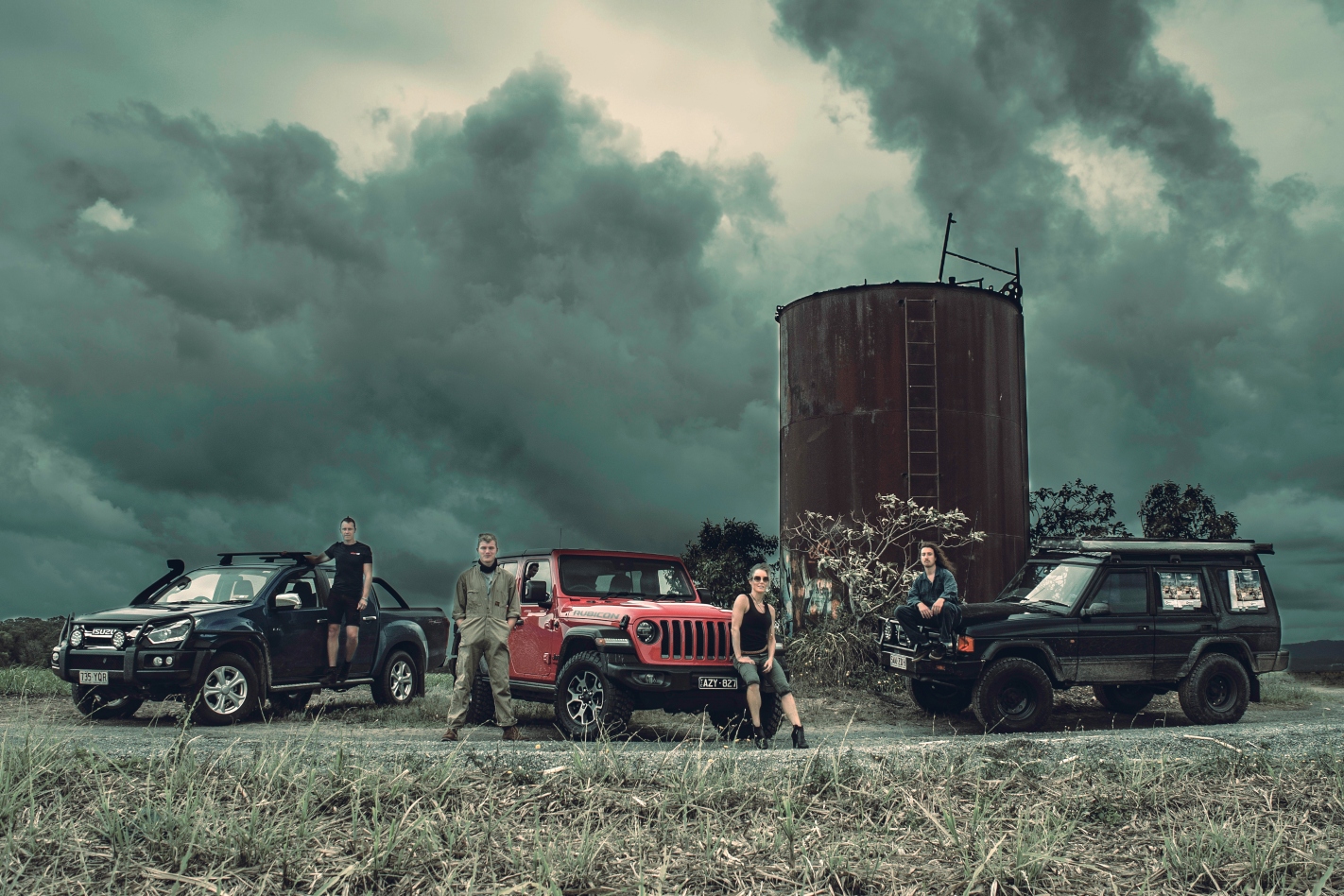
However, our staged national disaster was a hyperbolic metaphor for the toughest challenges a one-tonne ute or SUV owner might throw at their vehicle, with a twist that hopefully caused a few smiles.
Off-road ability, dependability, practical features and efficiency – they’re all things you might be looking for in a vehicle, whether you’re dragging trailers across acreage or out-dragging a marauding melee of monsters.
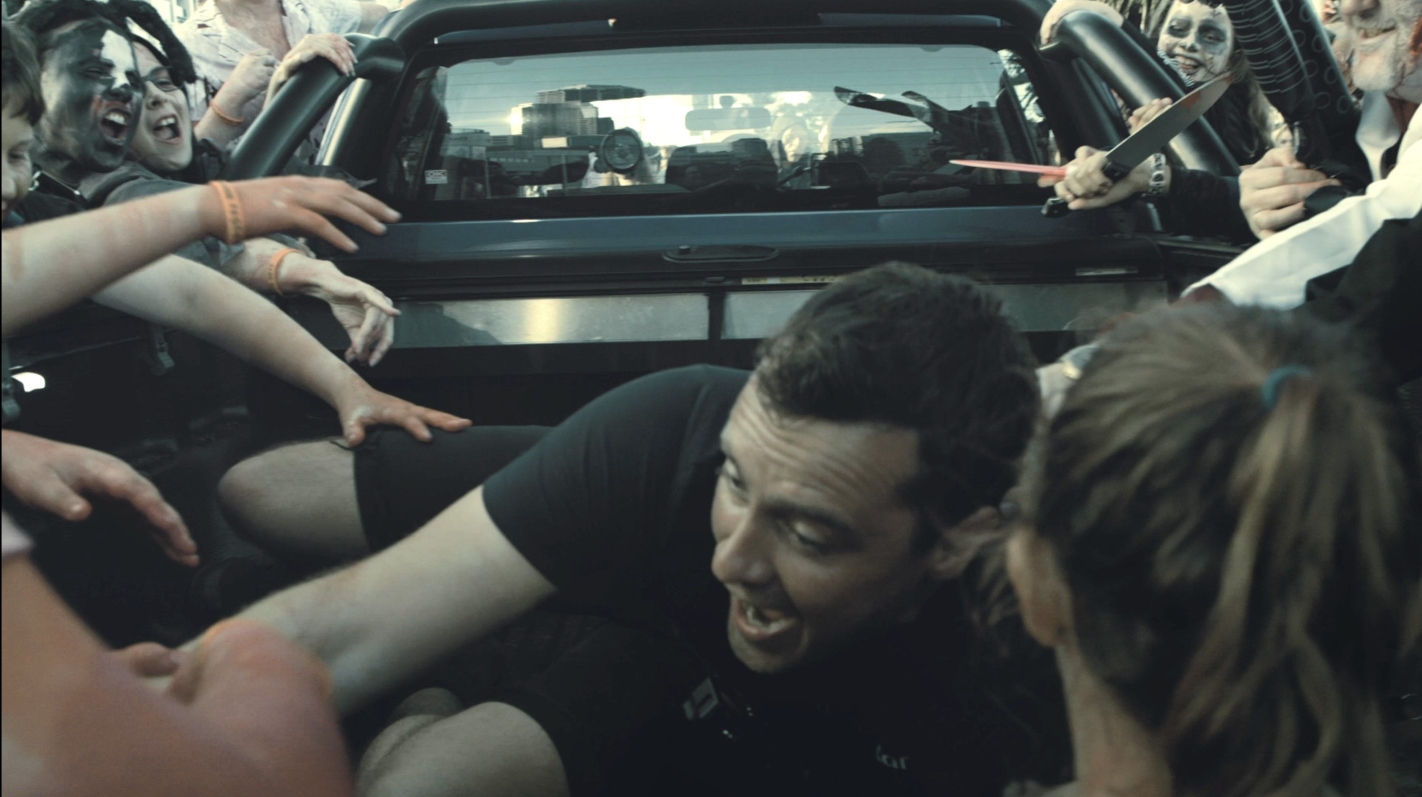
However, the timing of the episode going to national free-to-air television couldn’t have been worse.
In late March, the developing Covid-19 crisis was only just unfolding in Australia and the sensitivity surrounding national crises was understandable, so imagine if you flicked on the TV to emergency announcements and scenes of Surfers Paradise ransacked and burning…
We are sorry if you were one of the disgruntled viewers who got a shock from our bogus news readers and phony special effects that Sunday afternoon because that certainly wasn’t our intention.
In fact, the feature was filmed in October 2019, long before anyone could have known a pandemic was looming and, even if we intended to, timing the episode to coincide with the worsening Australian situation would have been extremely difficult, if not impossible. We couldn’t have done it if we tried.
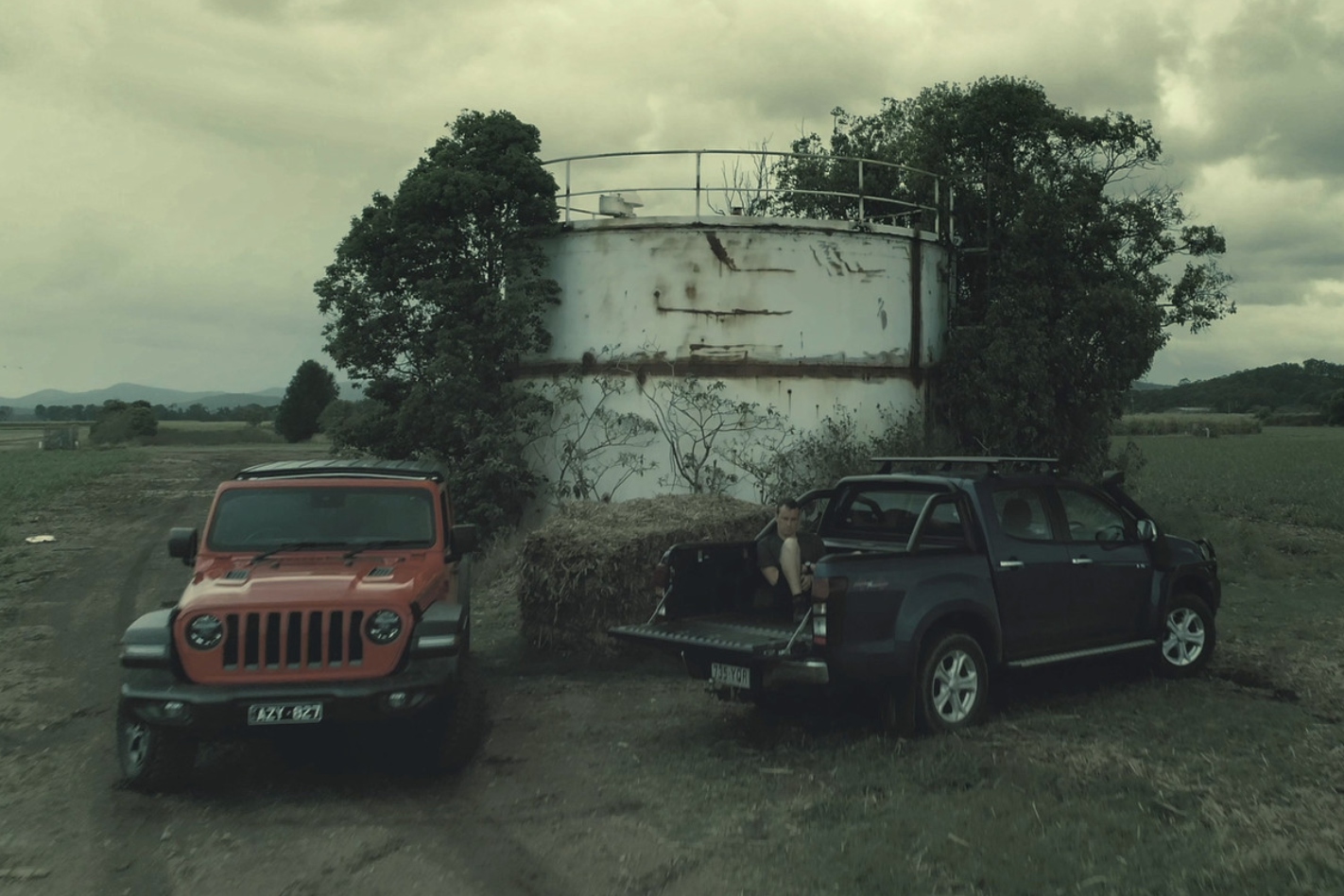
Let it be known therefore, that it was absolutely not our intention for the episode to cause alarm nor was it in any way making a joke of the coronavirus pandemic. Instead it was a silly leftfield interpretation of the traditional head-to-head car comparison.
For obvious reasons, we didn’t publish the video online at the time, even though the bizarre coincidence was accidental and, while releasing the controversial Isuzu D-Max versus Jeep Wrangler comparison today is also coincidental with the date, at least this time it’s deliberate. Happy Halloween.
There’s a moment to savour on the road to Mount Buller. Ditch the Hume at the Flowerdale exit and head east 11km along this road to the Murchison Gap lookout. You’ll crest a rise, the vista opening to a stunning panorama of rolling green hills as the road tumbles down a scarp slope in a series of lazy hairpins. Known informally as the Broadford Bends, it’s a well-trodden road-testing spot, the scarred guard rail bearing testament to those with a surfeit of ambition and a shortfall of skills.
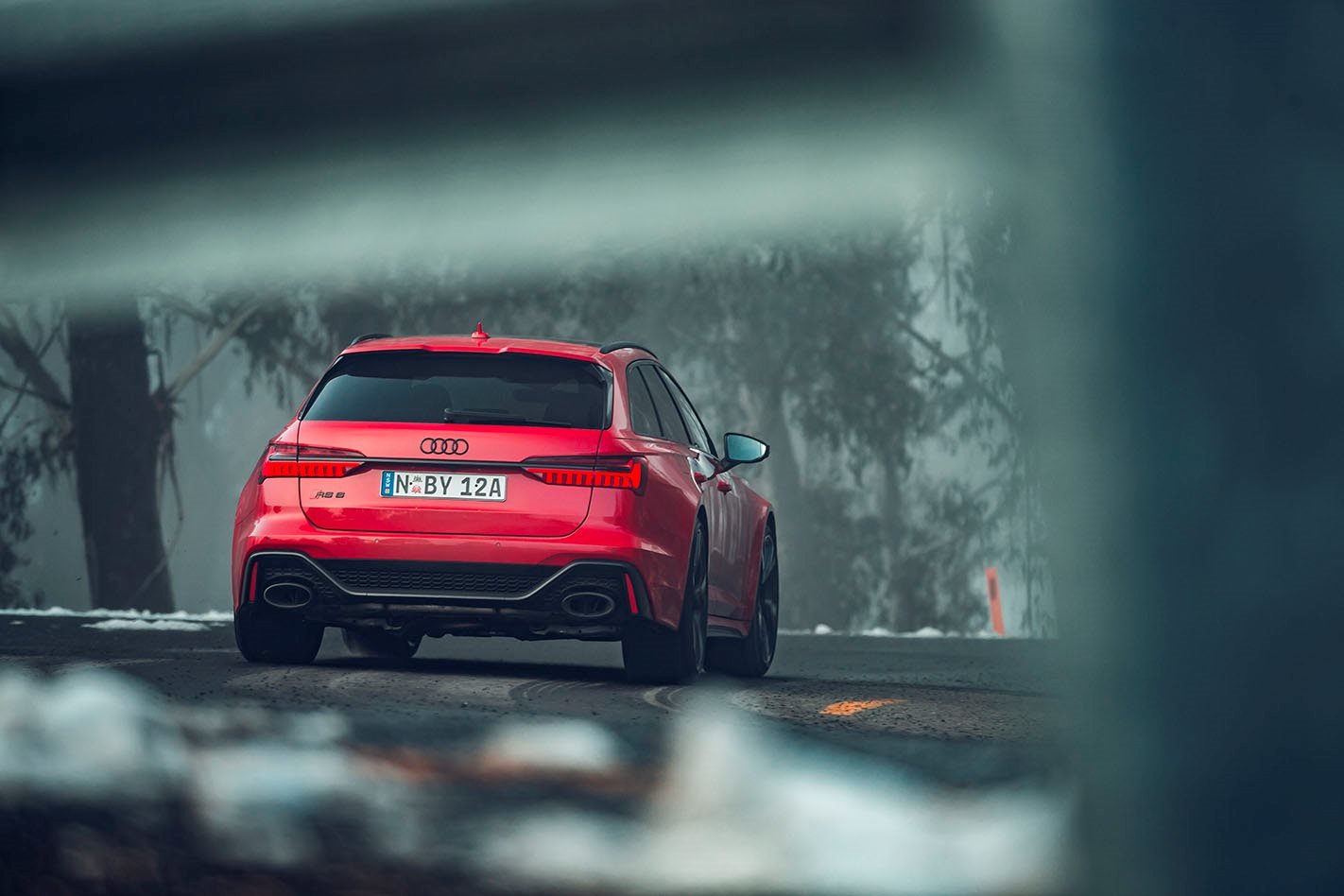
An Audi RS6 would be mighty here. I can’t say for sure because I’m stuck behind a B-double that insists on driving at 120km/h along any vaguely straight piece of road and then slowing to a virtual crawl for corners. Unbroken white lines stymie any attempt to power the 441kW Audi past the truck on corner exit. I could sit, take a ten-minute break and continue on my way. Problem is, the RS6 isn’t that sort of car. Like Truman with the bomb, if you’ve got it, you’re going to want to use it.
This C8 version is the fourth-generation RS6, and you can get up to speed with a brief history in the genealogy extract below. Like all of the others, it’s built around a twin-turbocharged engine that drives all four wheels via a tiptronic automatic gearbox, in this instance using a 4.0-litre V8 developing 441kW and 800Nm. This version is the first to feature a (very) mild hybrid drive system, but the RS6 hasn’t gone all Prius on you. Anything that can propel 2075kg of wagon to 100km/h in 3.6 seconds is anything but meek.
Firing past the truck is the first time I’ve matted the throttle pedal and it’s an unnerving experience. At first I can’t put my finger on quite what it reminded me of but the thought gently coalesces. My father was a giant of a man, with huge hands that could bend six-inch nails as a party trick like most would mangle a paper clip. I remember as a kid challenging him to an arm wrestle and he’d grin and let me win.
I knew he was just sandbagging, so I cajoled him to try harder and the RS6 rekindled that first feeling of unanswerable and hitherto unimagined force. Suddenly I was eight years old again and realising that there are some things that you needed to be wary of.
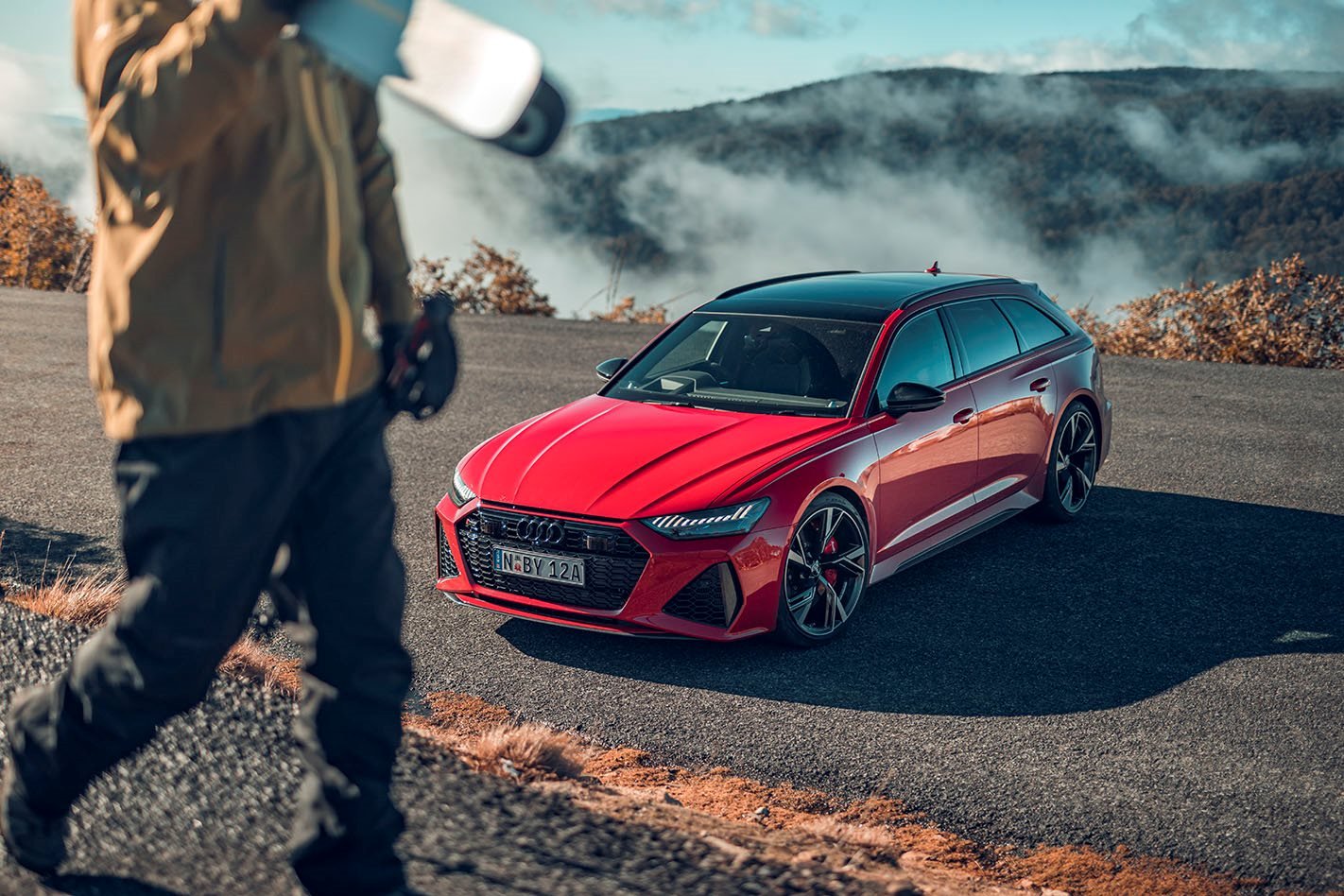
There’s little in the way of turbo lag, although such are the many permutations of drive modes and gearbox settings that if you’re set into one of the more benign modes, the system can take a moment to figure out the details of your request. From there, it’s just a case of clinging on, the scariest part being the kilometres per hour racking up on the head-up display. There in microcosm, is the Audi RS6’s greatest strength and greatest weakness.
Here at Wheels, we’ve long argued that involvement is just as important as sheer speed, and on balance, we prefer to nail our colours to the mast of fun at sensible velocities. Given this RS6 initially seems to be all about speed without subtlety, we might need some convincing as to its merits.
That’s why we’re heading to the snow of Mount Buller today, to try and get to know this enigmatic car that’s usually on the lists of lottery winners looking for a vehicle that does almost everything. If we can’t figure it out on these great roads, with hours of seat time and, if we’re lucky, a bit of snow and ice to allow us to see all of Audi’s torque-deployment techniques at work, we never will.
Of course, there are times when you don’t crave involvement. On the motorway schlep, it’s clear that the RS6 is a fantastic cruiser. A car on 22-inch wheels and liquorice-strap 30-series tyres has zero right to ride as well as it does, but the air suspension does a brilliant job of ironing out freeway chatter. At speed, the engine is so quiet that I have no idea when it’s telling cylinders two, three, five and eight to stand easy by switching off their injectors and closing the intake and exhaust valves.
The only grumble is the noisiness of the air conditioning fans, which make quite a racket even when set to their lowest speed. These get the manual deactivation treatment. There’s also a curiously un-Audi-like creak from the right-hand side of the dash that grows tiresome. In order to stop fixating on it, I crank up the B&O stereo. The COVID restrictions mean that I’ve got no photographer in the vehicle to torture with my appalling music collection/singing. Alastair Brook is hauling his Canon collection in another all-wheel-drive wagon.
The stringybarks on the road approaching Mansfield knit their fingers overhead, framing a snowy Mount Buller as its summit peeks through the clouds. Were I the sort of person who could drop $216,000 on a tango red Audi RS6, maybe I’d have a chalet on the mountain and use the car for weekend blasts to the snow. It certainly feels right to have a pair of skis and boots in the car with me, despite Australian ski resorts having a very odd relationship with drivers.
Unless you’re a resident, Buller won’t let cars up to the village itself in winter. We can get most of the way there, but the Horse Hill car park is our final destination today, a few bends down the hill from the lodges. We pass signs in the valley informing us that 2WD vehicles need chains. That sounds promising.
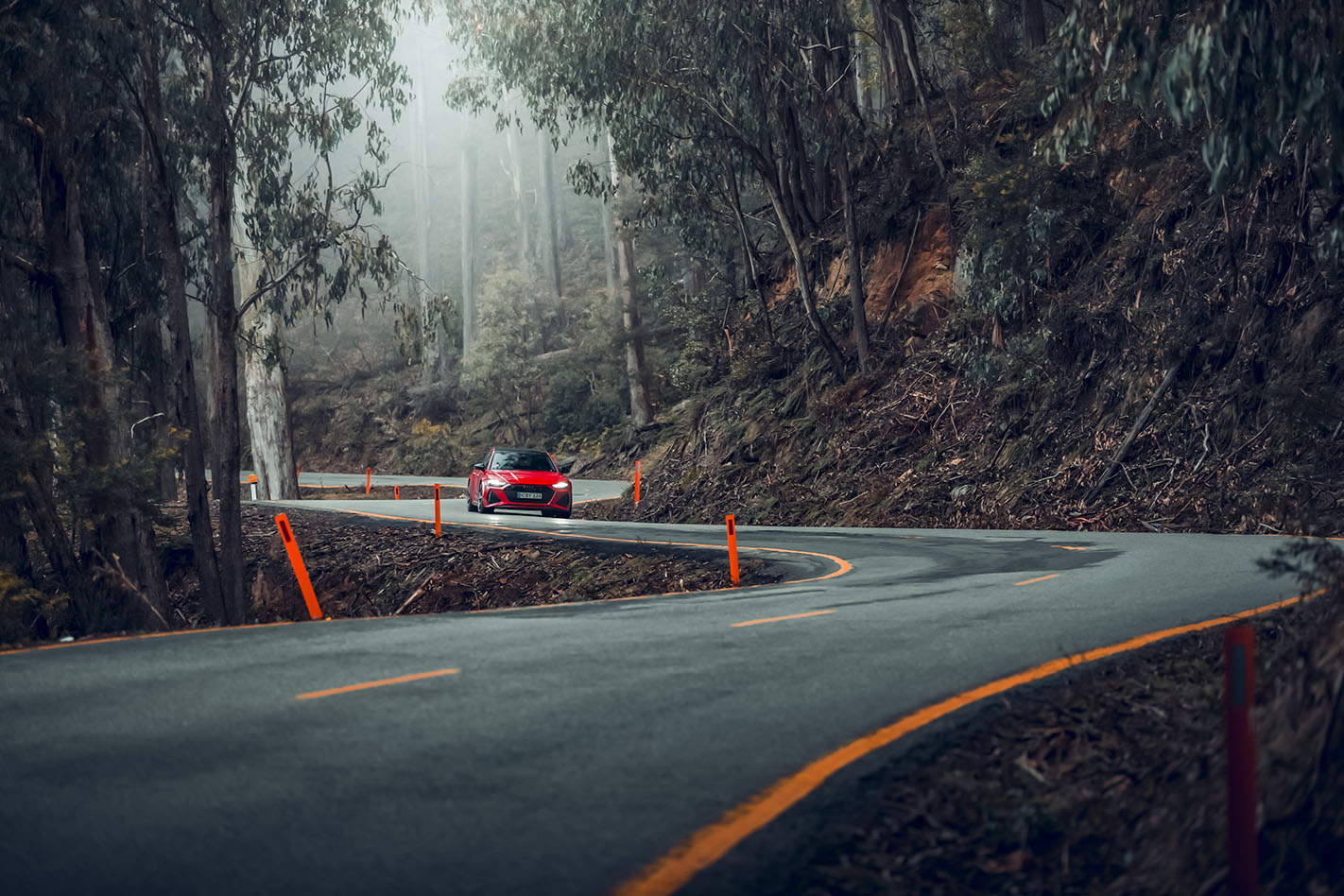
The road itself is a sharp and gnarly climb from Mirimbah, with little in the way of respite. The Audi feels agile in the tighter hairpins thanks to four-wheel steering, while clicking the RS button on the steering wheel tightens the suspension, steering, throttle map, gearshift strategy and – if you then click an option on one of the two haptic-glass screens – you can bring up RS1 and RS2 menus that customise things still further, allowing you to tailor the quattro sport diff, the exhaust sound and the ESC settings. It’s not as slick as the M1/M2 tabs on the wheel of a BMW M car, but it’s not bad.
The exhaust sounds more purposeful, but the rest of the dynamic changes are comparatively subtle. There’s no great duality of character here, which would be an issue were the basics not fundamentally good. Fortunately they are. The RS6 disguises its weight adroitly, helped by massive carbon ceramic brakes and an air spring module with a 50 percent higher spring rate.
Nominally a 40:60 front to rear torque split, the mechanical centre differential can send up to 85 percent of torque rearwards. The quattro sport differential on the back axle then metes out that measure between the rear wheels with backup from wheel-selective torque control, effectively a torque-vectoring by braking system. That dull plough-on understeer that used to be the bane of RS6s? Pretty much gone.
The steering is accurate but devoid of any great feedback. It encourages you to cleave clean lines through corners, and is geared nicely to cleanly catch up the few degrees of yaw the RS6 will exhibit when powering out of hairpins. At just 2.1 turns lock-to-lock, it’s quick but never feels darty or neurotic. You’re always mindful of the fact that this is a sizeable car, only a handful of millimetres less than five metres stem to stern.
The engine isn’t one that really encourages chasing the limiter, on public roads at least. Peak torque arrives at 2000rpm, and while maximum power comes at a relatively heady 6000rpm, the gearbox’s software will slur up a gear long before that in most drive modes. Switch it into RS mode and the dial pack and head up display change to a bar graph tachometer which strobes an angry red as you approach the redline.
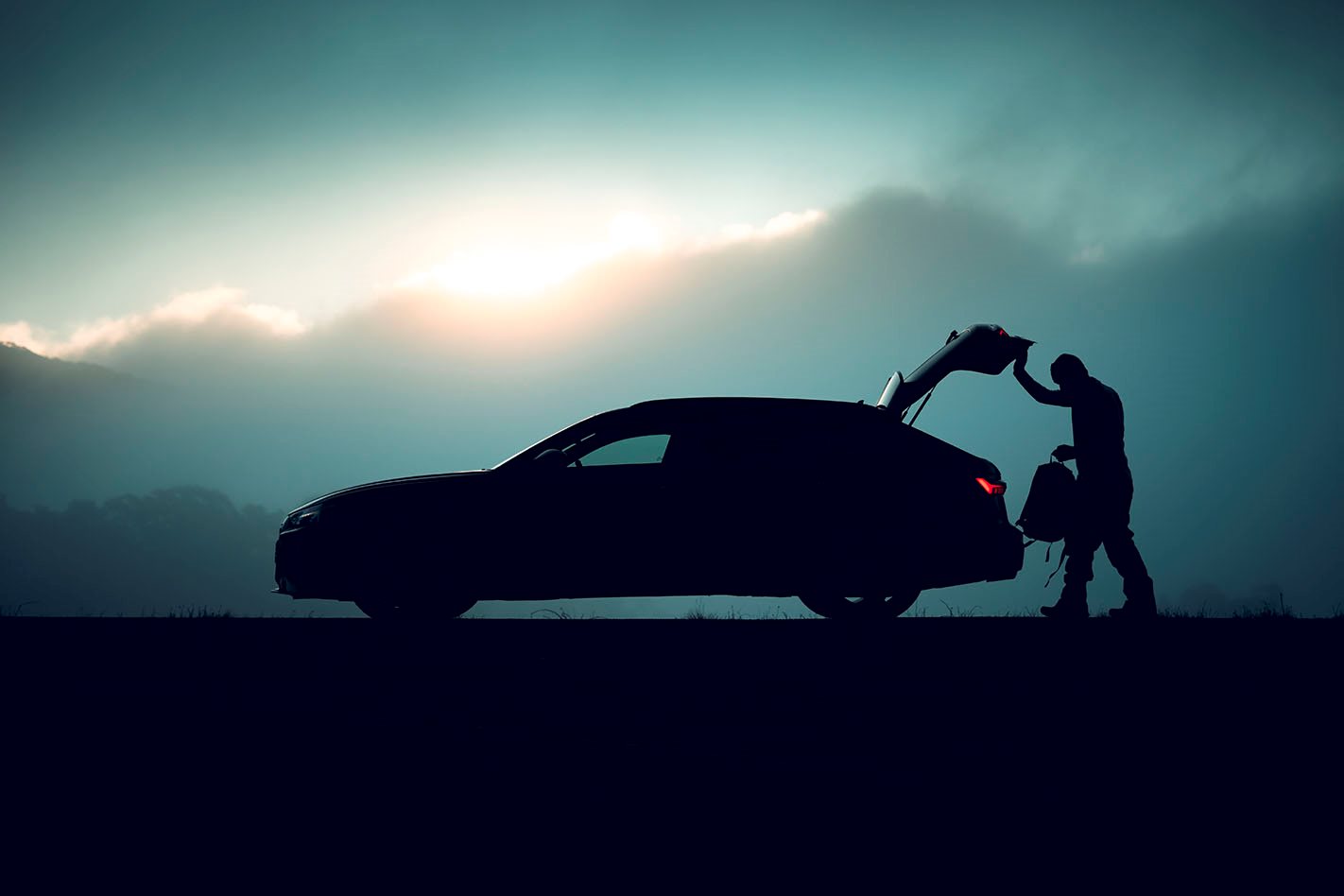
Dew point reached, cloud now blankets the mountain, the tops of the alpine ash trees stretching into the mist. We roll through Unnamed Corner where Conrad Whitlock’s car was found parked in July 2019. The businessman was never seen again, one of four people who have disappeared without trace within 12 months and a 60km radius of the Wonnangatta Valley.
Locals speak of a high country bushman called the Button Man, who carves buttons from the antlers of deer he spears and does a sideline in terrifying campers by appearing out of nowhere or pitching his camp silently next to theirs in the middle of the night. Police claim he’s odd but innocent, but it’s a very real reminder that there are some parts of the Victorian Alps that remain resolutely wild.
Scruffy snow remnants start to dot the roadside, but the Audi’s thermometer is telling us it’s still seven degrees Celsius outside. A bit of rough calculating on one degree dropped per hundred metres ascended suggests it’ll be four or five degrees at the top. As we approach the cloud tops, the light becomes blindingly diffuse, like driving into a giant photographic soft box. The seat heater and then the heated rear screen go on because I still refuse to entertain the noise of that air-conditioning fan.
Busting through the cotton-candy cumulus is a magical moment, almost as if you’re flying your own fighter jet, the road ahead jinking through the cloud tops. We swing into the massive Horse Hill car park to find but a few cars and, to our surprise, a covering of snow and ice in its shaded lower section.
On a summer tyre like the 285/30 ZR22 Pirelli P Zero the RS6 is shod with, this would normally be virtually undriveable, but it’s instructive to see how the rear diff in particular manages to eke traction from almost glare ice. Set into Sport mode and with the ESC in Sport, it allows a safe degree of oversteer before intervening, but will allow a slightly disconcerting degree of power understeer on icy surfaces, which is something to consider on mountain hairpins if you’ve never heard of ‘slow-in, fast-out’.
I’m tempted to dismiss the mild-hybrid tech as a bit of an unnecessary addition. Yes, the integrated starter-generator finesses the idle-stop system very agreeably and up to 12kW of power can be recovered and stored in a separate 48v battery, but it seems a huge amount of cost, weight and complexity to save ‘up to’ 0.8 litres per 100km.
Audi would have been better served shaving 200kg from the car’s weight to achieve much the same end. Besides, if you’re really that concerned about fuel saving, you’re probably not about to buy a wagon that, on our test route, averaged 16.3L/100km.
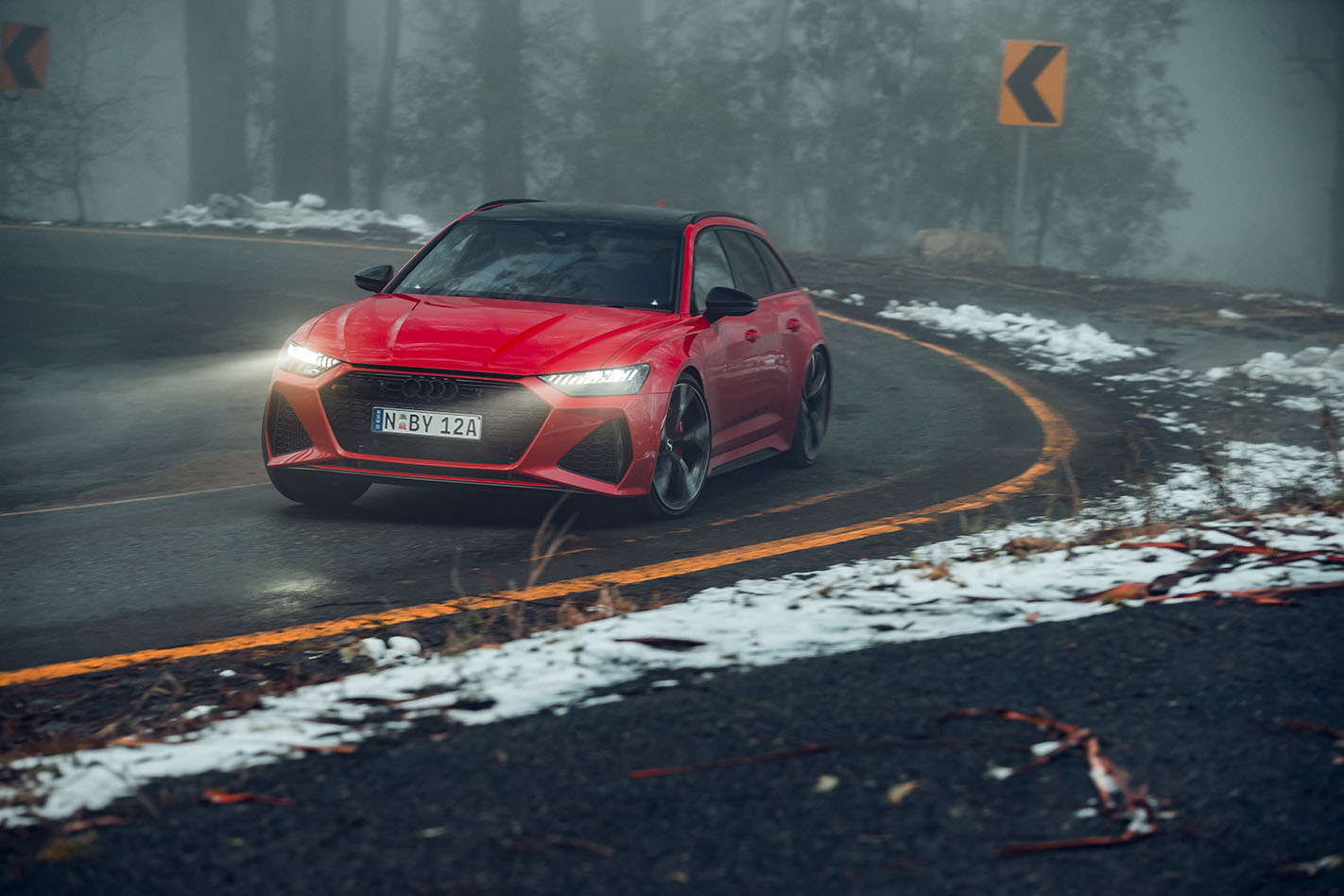
Your mileage may well vary on the styling of the latest Audi RS6, but it certainly no longer falls into the ‘sleeper’ category, with its 40mm blown-out guards, power dome in the bonnet and monster alloys that hunker right up into the arches. As darkness falls over the mountain, we head for home. The astonishing headlights deserve a special mention. The Matrix LED laser headlights can be set into an automatic mode where the individual LEDs mask out oncoming road users, dimming the lights in one of 64 stages.
Despite casting a beam of light that looks for all the world as if it’ll be cremating the retinas of oncoming drivers, not once did anyone take umbrage. In fact, on sweeping left handers, it’s possible to see the cone of light chasing the rear of oncoming cars, a wall of photons panning in perfect synchronicity a couple of metres behind them. The haptic throttle pedal is also an interesting piece of tech, mildly vibrating the pedal if the car thinks you’re about to miss a sat-nav instruction or you’re piling in too fast to a speed limit change.
Collecting thoughts on the Audi RS6 isn’t easy. For all its styling excess, it has a quietly opaque persona and, after some consideration, one that is surprisingly endearing. It delivers a cerebral blend of ride comfort, grip, performance and handling whereby one part of its dynamic makeup never serves to overwhelm the others.
While its engine isn’t as charismatic as an AMG V8 or its dynamic reserves as explicit as a BMW M5, it’s perhaps the RS6’s wholly unexpected gentleness that is its greatest asset. Its mannered reluctance to impose its personality on you is very Audi. Here’s a tool that works beautifully, forward through technology. Would make a good marketing slogan, that.
THE WAGON GENEALOGY
The RS6 debuted in 2002 with the C5, powered by a 331kW 4.2-litre twin-turbo V8. It lasted a mere two years, with the next version being the crazy V10-powered C6 of 2008. Sharing tech with Lamborghini’s V10, this 426kW monster also spent just a couple of years in market.
Things became a bit more sensible in 2013 with the softer-edged 4.0-litre C7. This made 412kW, but Audi couldn’t help but introduce a punchier Performance model with 445kW. The C7 was sold until 2018 and the current 441kW C8 is expected to be the biggest seller. The reason? It’s the first RS6 model to be exported to the US.
AUDI RS6 QUATTRO AVANT SPECS
Engine: 3996cc V8 (90°), dohc, 32v, twin-turbo
Max power: 441kW @ 6000-6250rpm
Max torque: 800Nm @ 2050-4050rpm
Transmission: eight-speed automatic
Dimensions (L/W/H/W-B): 4995/1951/1487/2930mm
Kerb weight: 2075kg
0-100km/h: 3.6sec (claimed)
Economy: 16.3L/100km (tested)
Price: $216,000
On sale: Now