
You don’t normally associate Ford Mustangs with cyclists, at least not positively, yet the American carmaker has patented a rack that slides out of rear of the brutish coupe to hold two bikes.
The patent, filed earlier this month by Ford Global Technologies, shows two spring-loaded poles that slide out of the rear bumper with straps attached to secure the bike wheels.
The bikes are mounted side by side and straddle the two poles which can also be partially revealed if you only need to store one bike.
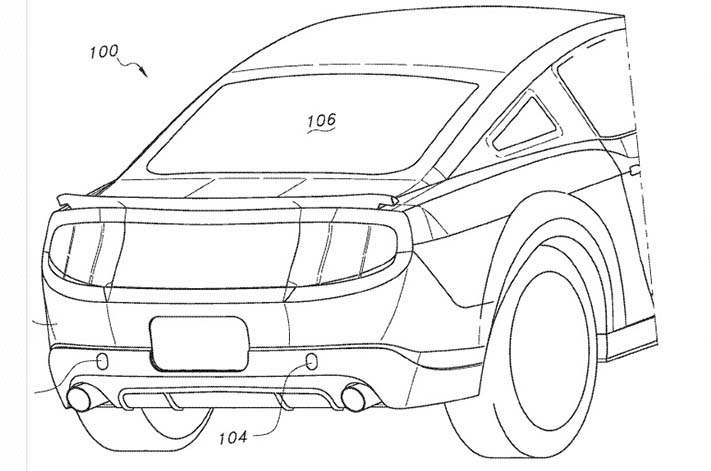
As the background information on the patent papers points out, the system overcomes the issues associated with aftermarket rear-hatch or trunk-mounted carriers which block boot access and require a tow bar for them to be attached.
“To solve these and other problems, the present disclosure relates to a retractable bicycle carrier system,” the patent states. “Advantageously, the described system can be retracted into a portion of the vehicle, and this does not impact vehicle styling when not in use to carry bicycles.”
While the pictures on the patent papers show the rear of a Ford Mustang, the introduction suggests it’s more intended for use with SUVs without obstructing rear access via the tailgate.
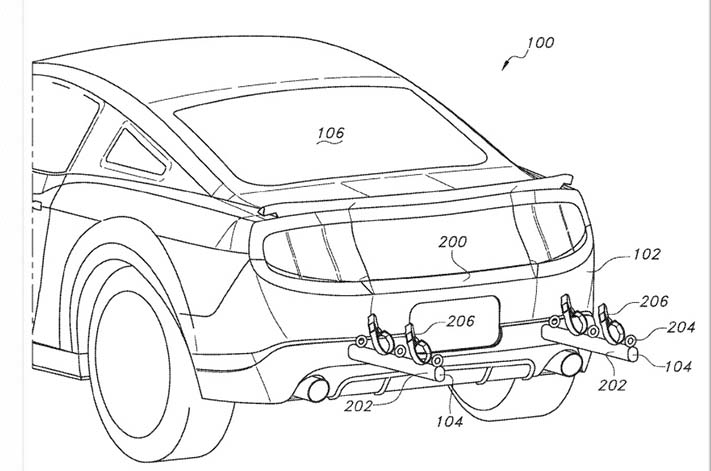
“The described system advantageously allows access to a vehicle cargo area of a sport utility vehicle (SUV), crossover utility vehicle (SIV), van etc, even when bicycles are being transported. In turn, the described system does not impact available vehicle cargo space area when bicycles are being transported.”
The system was initially met with bemusement because of the choice of vehicle to base it, but it actually seems like a good idea which solves the convenience issues associated with car bike carriers – whether they’re on a Ford Mustang, Mondeo or Escape.
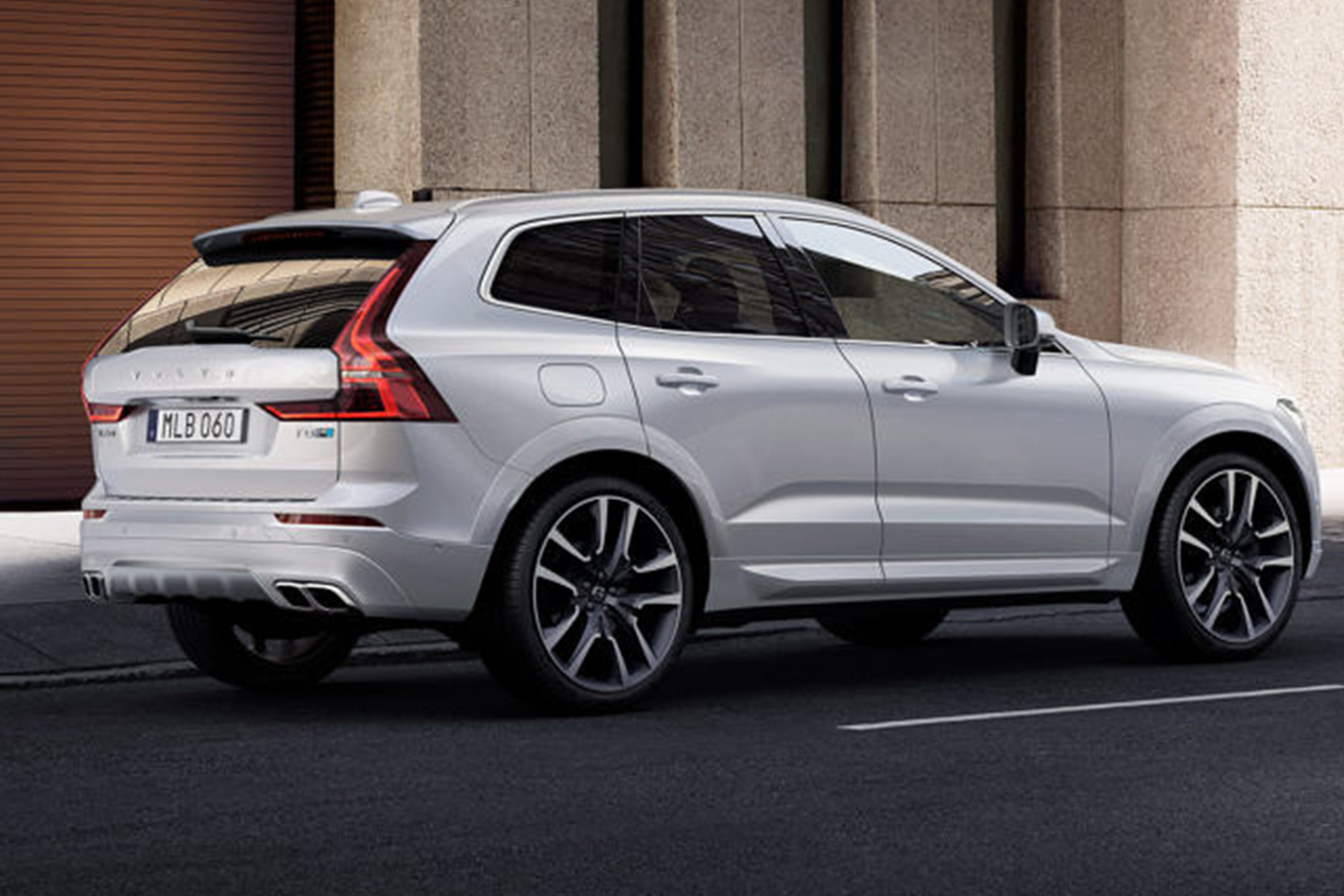
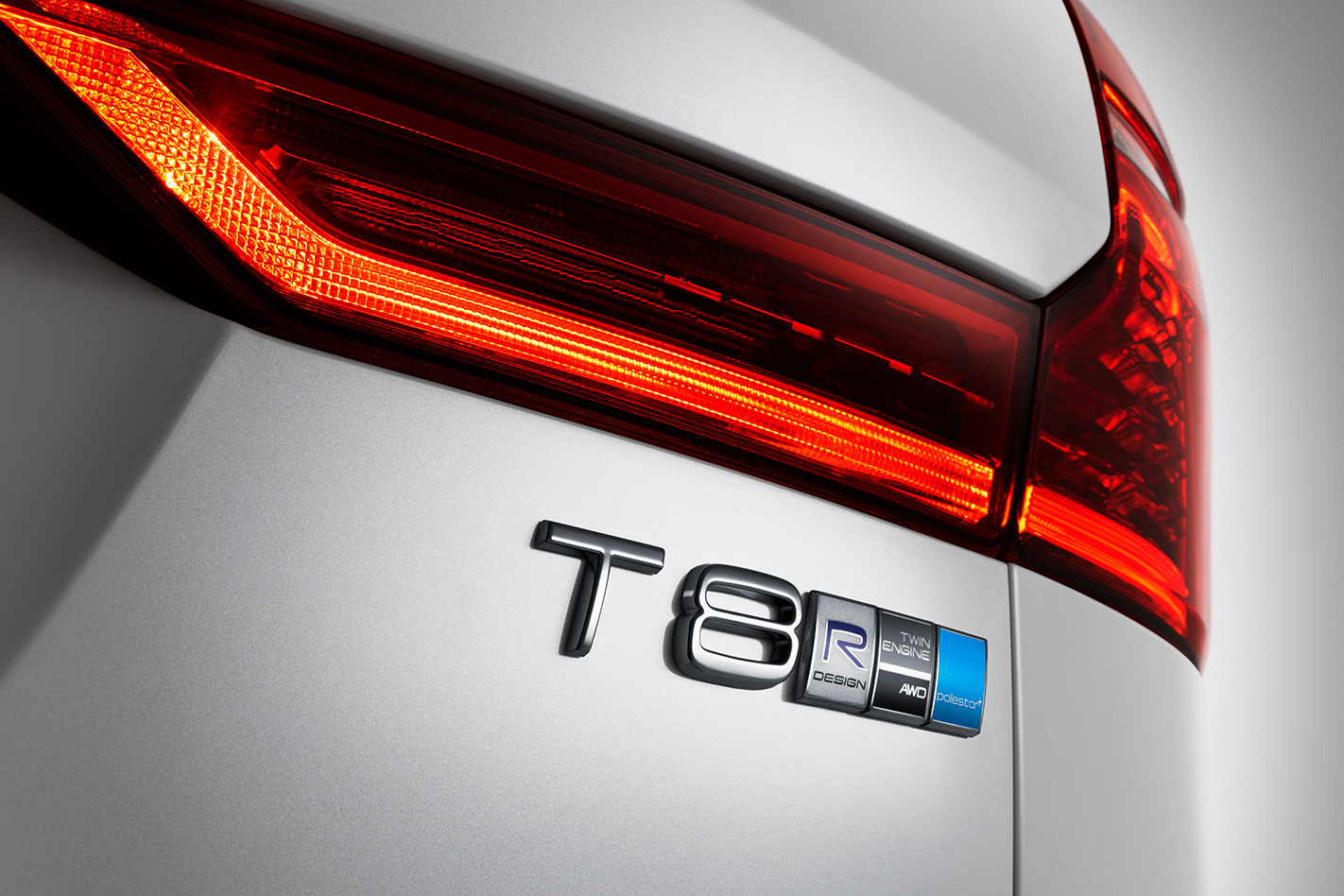
With a new Polestar-tweaked power output of 314kW, the Volvo XC60 T8 matches the Polestar-fettled XC90 T8 as the Swedish brand’s most powerful offering.
The 1848kg SUV packs a turbocharged and supercharged four-pot, with an electric motor originally capable of 65kW.
The company says the XC60 has had improvements undertaken on the “engine performance, throttle response, off-throttle response, gearshift speed and hold”, which should make the SUV a little more engaging to steer.
A “gear-hold” function has also been programmed to prevent the car from shifting during cornering with high lateral g-force to avoid throwing the SUV’s balance.
Henrik Fries, Polestar VP of research and development says that after 20 years of motorsport experience via Polestar Cyan Racing, the Swedish tuner can efficiently make a road car with ample powertrain performance while maintaining its practicality.
“The new XC60 has provided us with an excellent base to work on with a dynamic chassis and a state of the art powertrain.
“With the Polestar optimisation, it makes the new Volvo XC60 a true drivers’ car.”
Polestar, is on track to become its own separately-branded performance arm for Volvo, while Volvo itself is aiming to be an electric-and-hybrid-only company (including Polestar) by 2019.
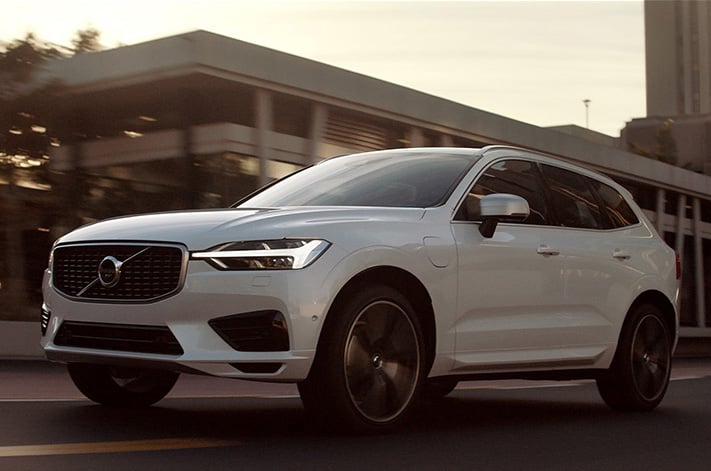
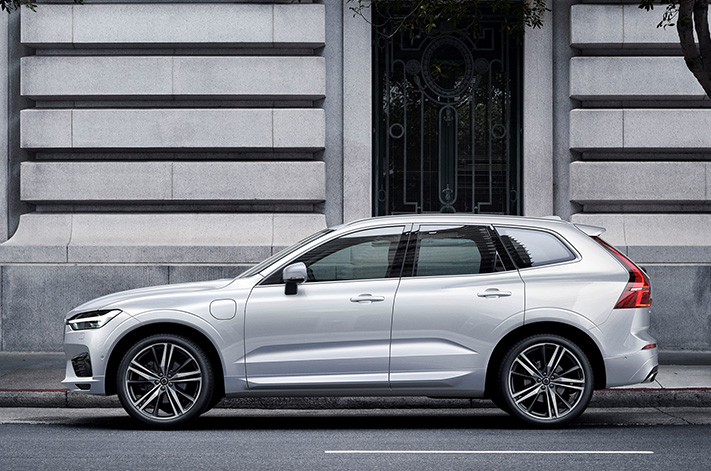
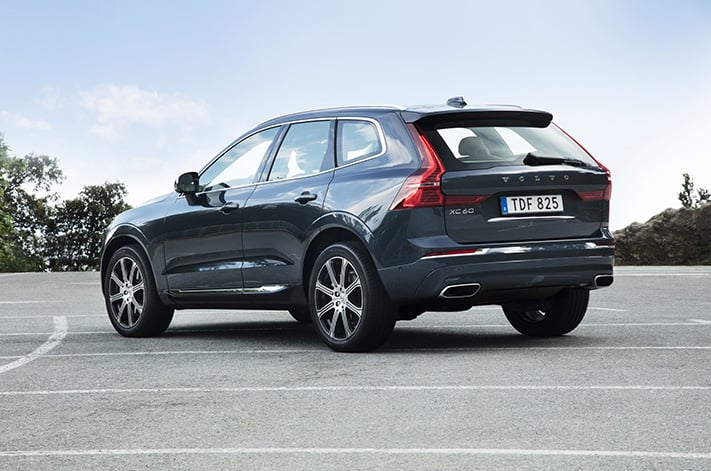
Volvo’s new XC60 SUV will soon become one of the most powerful Volvo road cars ever, thanks to a Polestar-developed enhancement package that lifts output of its 2.0-litre petrol-electric hybrid powertrain to a hefty 314kW.
That level of power matches the Polestar-optimised XC90 T8, however in the smaller and lighter XC60 it should easily outpace its bigger brother in a straight line. That said, Volvo is yet to confirm how much quicker the Polestar-packing XC60 T8 is compared to the non-Polestar model’s 5.3-second 0-100km/h sprint time.
Right now, the non-hybrid S60 Polestar is the fastest car in Volvo’s stable, with a 4.9 0-100km/h stat.
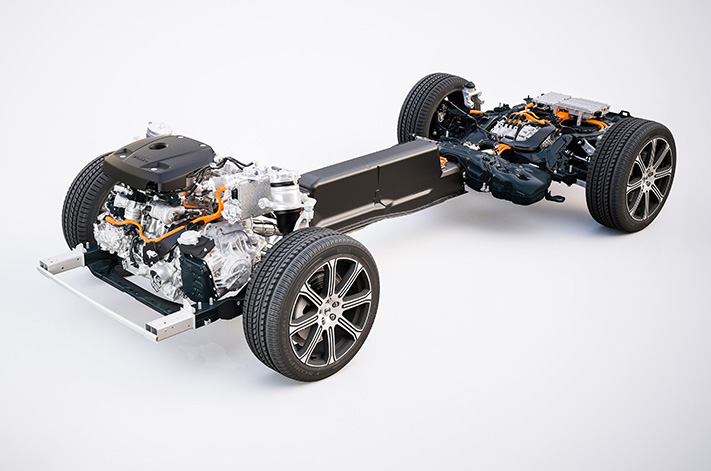
Powered by a 235kW 2.0-litre turbocharged and supercharged petrol inline four, the regular XC60’s T8 powertrain is assisted by an electric motor that boosts total system output to 303kW and 640Nm. Polestar, Volvo’s wholly-owned high performance arm , massages the petrol-electric powerplant further to produce that 314kW output.
It’s worth mentioning that 314kW is 44kW more than the XC60 T8’s closest rival, the twin-turbo V6-engined Mercedes-AMG GLC43, not to mention the 294kW Porsche Macan Turbo.
Polestar also waves its wand over the XC60 T8’s eight-speed automatic to tighten up shift times and rejig shift points to better utilise the engine’s extra muscle, while it’ll also hang onto gears longer if it detects aggressive driving.
However, environmental credentials are stellar. With a claimed average consumption of 2.1L/100km on the combined cycle and a pure-electric range of 45km thanks to a plug-in charging capability, the Polestar-optimised XC60 T8 will sip rather than slurp fuel.
The Volvo XC60 range is due to arrive locally in the fourth quarter of 2017. Aussie Polestar availability has yet to be confirmed, however given Polestar-optimised powertrain packages are already available in the mechanically-similar XC90 T8, we’d expect the XC60’s 314kW engine config to also come our way.
THE Nissan 370Z Nismo will give the ageing 370Z a late-life push when it arrives here in August as the second model from Nissan’s performance arm to come to Australia.
Following on from the ultra-limited, $299,000 GT-R Nismo that launched locally at the start of the year, the 370Z Nismo will be pitched as a more attainable and substantially more affordable option for those keen to get a Nismo badge in their driveway. Pricing is yet to be finalised but Wheels understands the premium will be modest, with the pricetag expected to hover somewhere around the $65,000-70,000 mark.
That would make it roughly $10,000 more than the existing 370Z coupe manual, which retails for $56,930. According to homologation documents seen by Wheels, the 370Z Nismo will be available both with a six-speed manual and seven-speed automatic, with a Nismo-tuned version of the standard car’s 3.7-litre naturally-aspirated V6 making a stout 253kW of power.
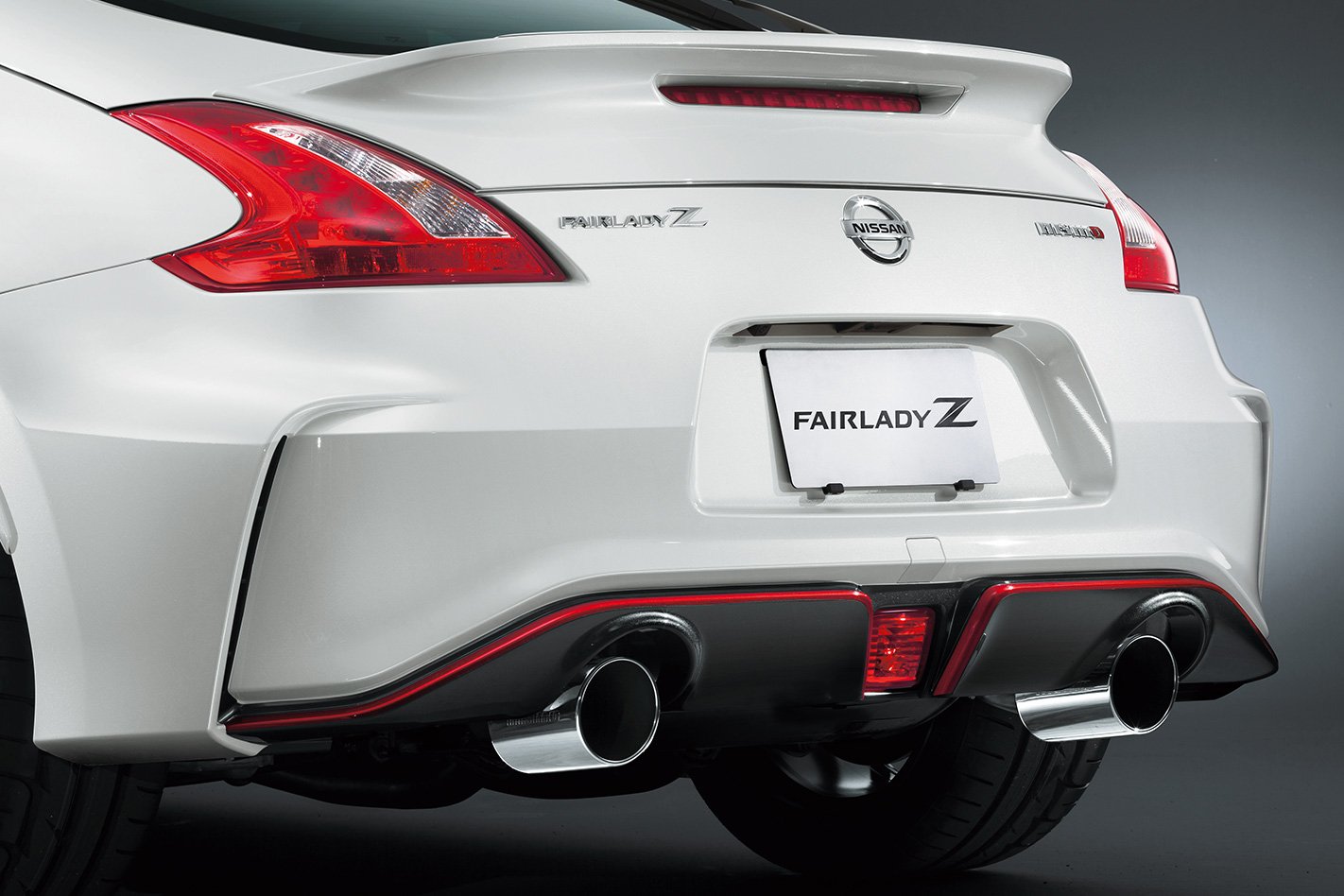
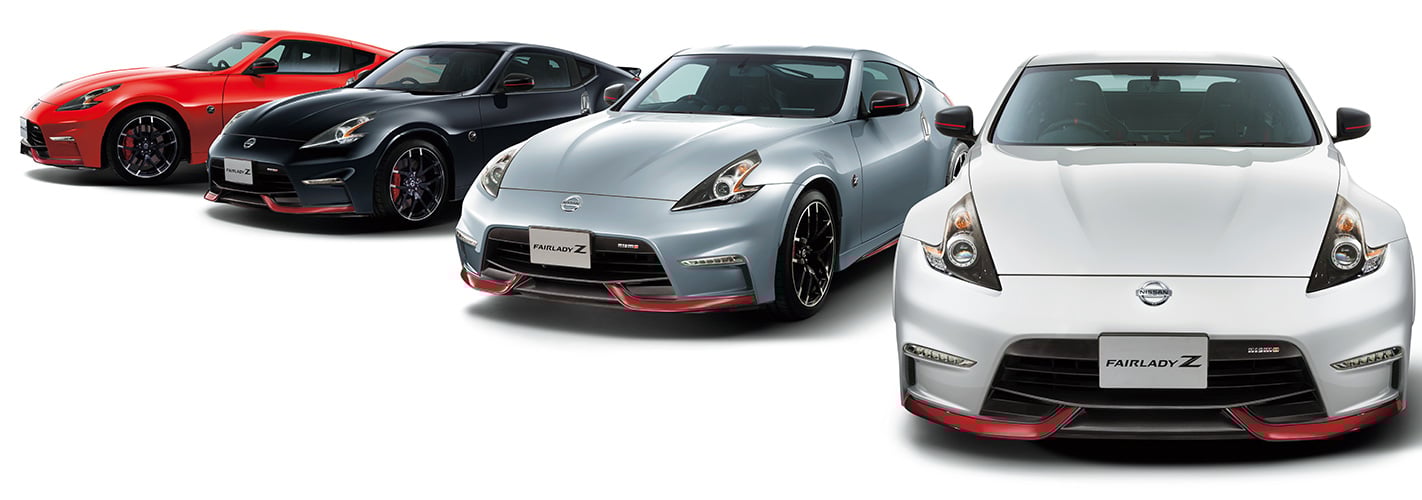
With 19-inch alloys that measure half an inch wider at both front and rear than standard (9.5 inches and 10.5 inches respectively), and suspension that preferences grip over comfort, the 370Z Nismo will flaunt some of the hard-core flavour of the R35 GT-R Nismo.
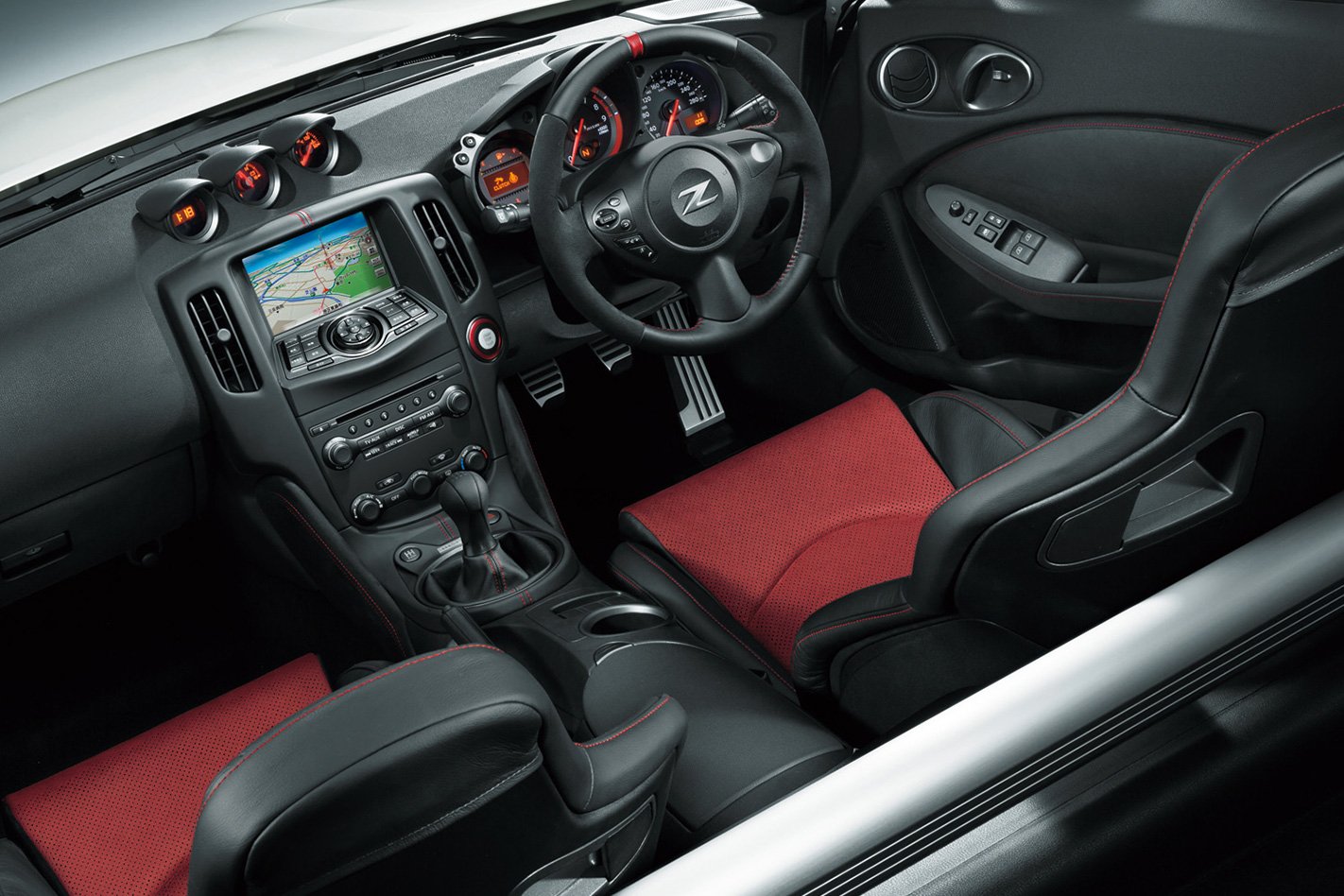
Full local specifications have yet to be confirmed, but we expect Australian 370Z Nismos won’t differ greatly from overseas model. That means interior equipment should include grippy fixed-headrest Recaro bucket seats trimmed in red microsuede, with a part-microsuede steering wheel rim, Nismo-branded tachometer (that highlights the engine’s higher 7400rpm redline).
Unfortunately for sun-seekers, the Nismo formula will only be available in Coupe form – the 370Z Roadster is yet to receive a Nismo variant. While the GT-R Nismo is constrained by a yearly allocation of just 20 cars for Australia, it’s unclear whether supply of the 370Z Nismo will be limited in this country.
Expect full details and specifications to be revealed as the Nismo 370Z’s local launch draws closer.
Chevrolet is currently developing two new Corvettes.
One is the next ‘Vette model, the C8. The other, and the more immediate of the two, is the angriest version of the current C7 generation. The Corvette ZR1.
And it’s not far away now, with testing being undertaken at the Nurburgring suggesting the car is almost ready to be unveiled.
And it sounds bloody angry.
Evidence pointing to it housing a newly developed 6.2-litre supercharged ‘LT5’ is mounting, with reports of GM having trademarked the name, and of course there’s the fact that they’ll need a new powerplant for the mid-engined C8.
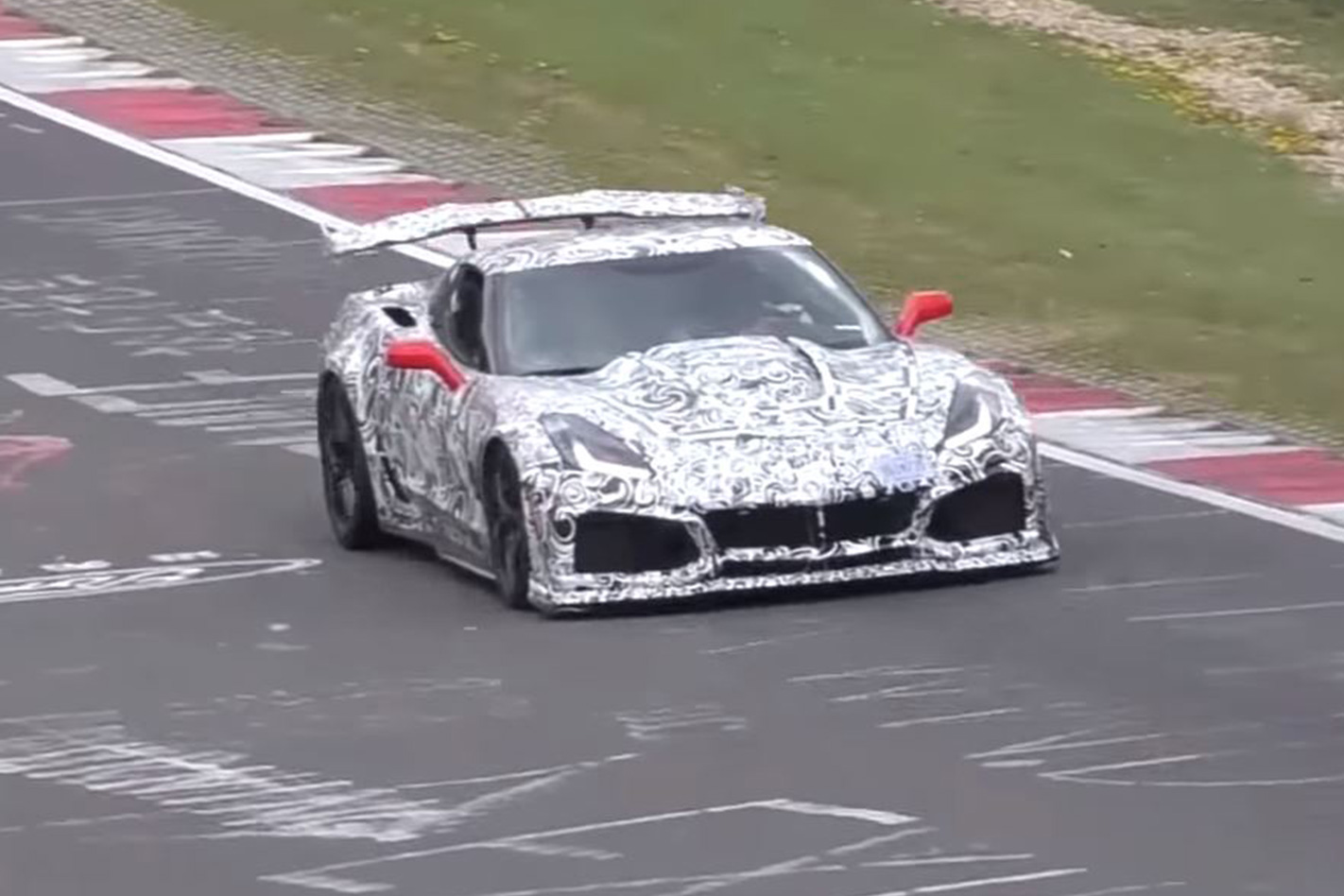
In fact, the cars are already being compared before the ZR1 is even revealed.
Power figures for the upcoming ‘Vette are yet to be confirmed, but rumours suggest it could top 560kW, which would make it around 80kW more powerful than the ZL1 1LE.
It doesn’t seem that GM is too worried about keeping the car itself secret, though, with footage plentiful from its various ‘Ring track tests.
One video even shows it nose-to-tail with the anticipated Hyundai i30 N prototype.
Thought Chevrolet hasn’t announced an officially announced the reveal date for the ZR1, a report from Car and Driver suggests GM insiders expect an August debut at the “Continental Tire Road Race Showcase IMSA event”.
All we can do it wait until next month to find out.
VOLKSWAGEN will expand its range of pumped up, high-performance R-vehicles in a similar manner to the Mercedes-AMG range, it says, and continue a push into premium territory.
While the coveted R badge has so far only resulted in a handful of higher-performance versions, limited run specials and optional packs, the German carmaker says it’s getting serious with R and the brand will soon form a more consistent and present line of vehicles.

“Yes it’s extremely versatile and it is intended that the R will be like AMG is,” he said. “That is very much part of our product planning.”
While VW has teased its intent with a number of R-Line offerings that bring sporty promise and light enhancement, the sharpened R-focus will bring more hardcore versions of the line-up with pedigree performance.

“It’s obviously dependent on being available from Germany but what you’ve seen with us here in Australia, the R; we bring out 300 cars and then we stop for a year. We need to make the R part of the sub-brand of Volkswagen.
“We want to always have R models as part of the offering within the product portfolio. It’s very powerful. What I would like to see here in Australia is more consistency in the supply line.”
To date, the Volkswagen R flagbearer has been the Golf, which was offered in both hatch and limited wagon form and will return with the updated 7.5 range next month, but Barsch said the badge is not limited to select models, unlike the GTI brand which is sworn to the small hatchback.
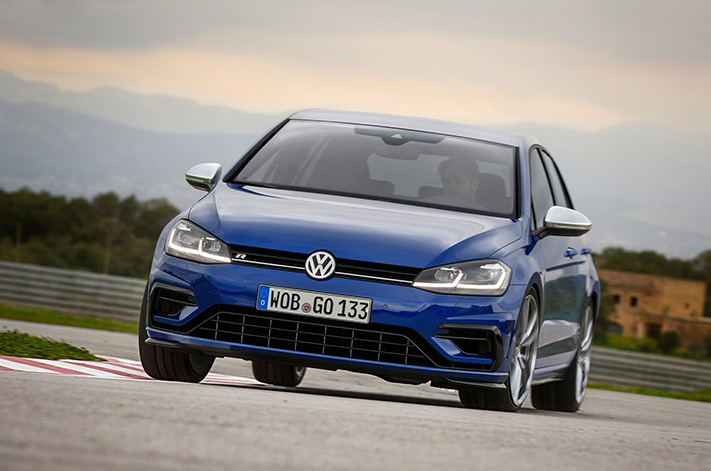
As for what is in the pipeline, Barsch said nothing is yet confirmed but a spicier version of the freshly launch Tiguan mid-sized SUV was top of the wish list.
“The car that we’re hanging out for is the Tiguan. If I had my dream and wish list – a Tiguan R.”

Alongside the other new premium offerings, a more conspicuous R family would continue to fluff Volkswagen’s pillows and boost its appeal for customers looking for a more emotive line-up of vehicles, concluded Barsch.
“To me as a car nut they’re [R cars] critical in creating the emotion of the brand and when you think about it, what put the Golf on the map was the GTI, and the R is a GTI on steroids”.
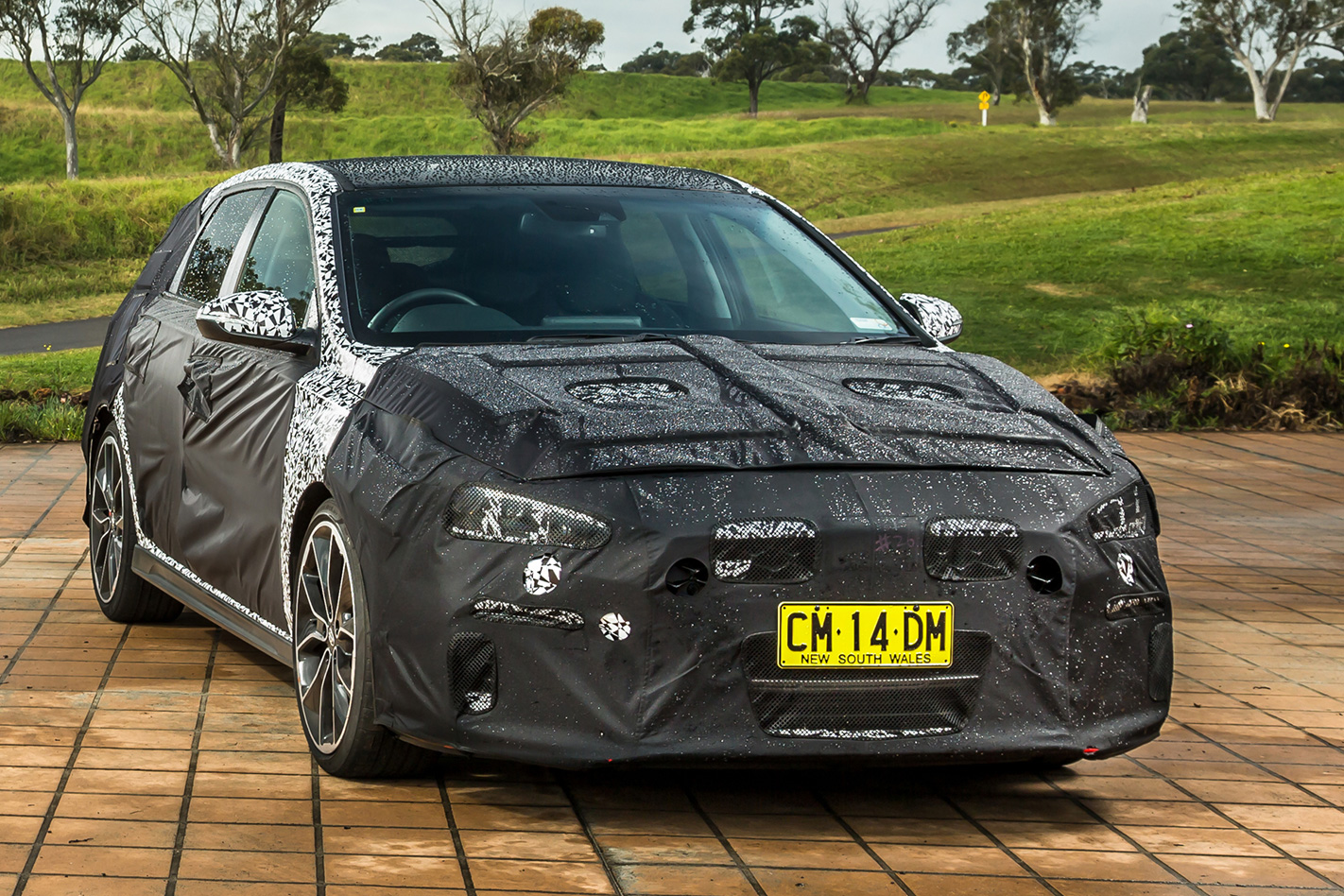
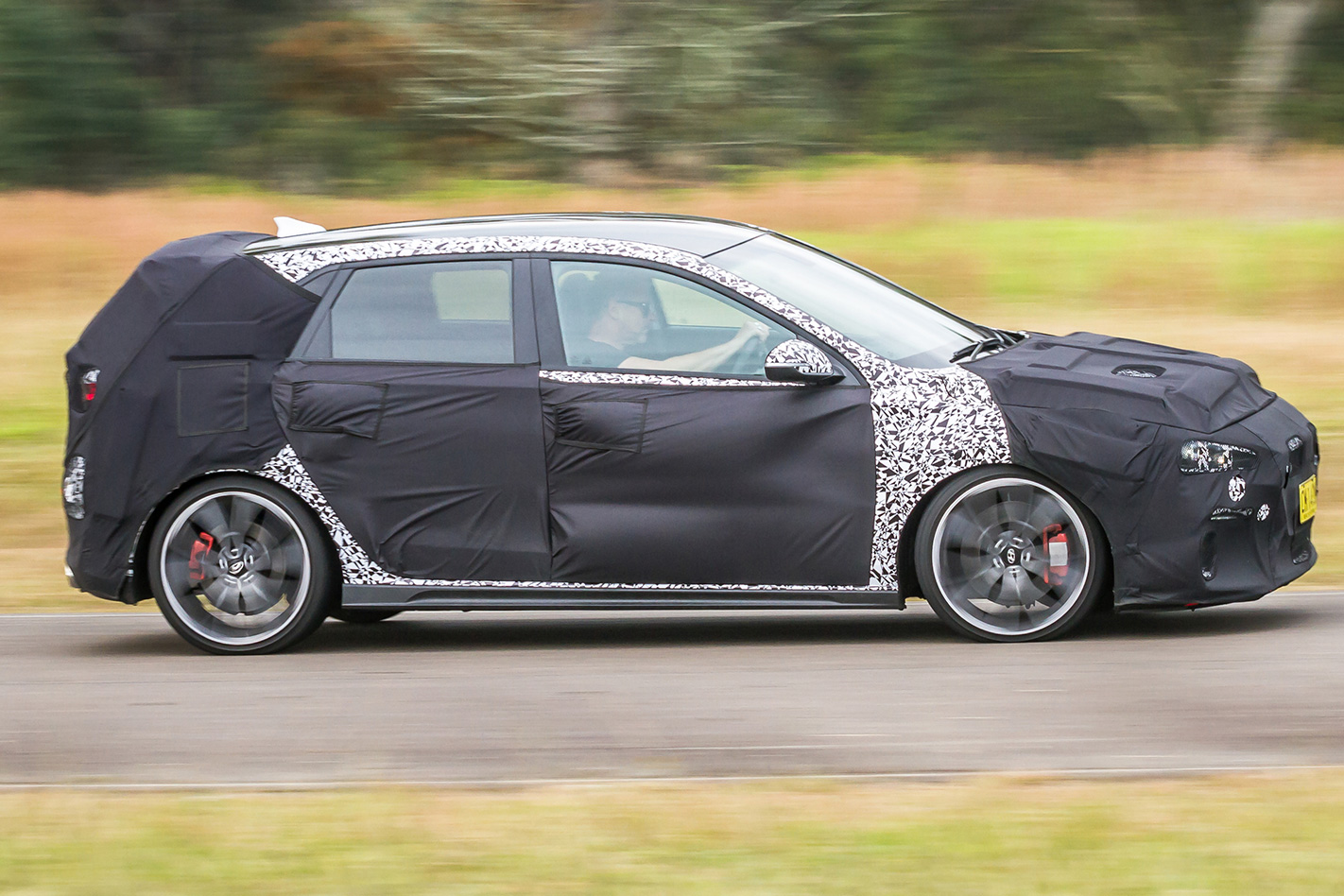
HERE IT IS – the Hyundai i30 N, Korea’s first crack at not just a hot hatch, but a proper performance car.
And while we don’t know what it looks like yet, we’ve driven it. And it’s good.
And it’s all very secretive. We can’t actually tell you where we drove it, other than at a “private test facility” somewhere in NSW. Can we say it’s on the Central Coast? Probably not.
And bizarre, given just how open Hyundai is about many other things to do with this car.
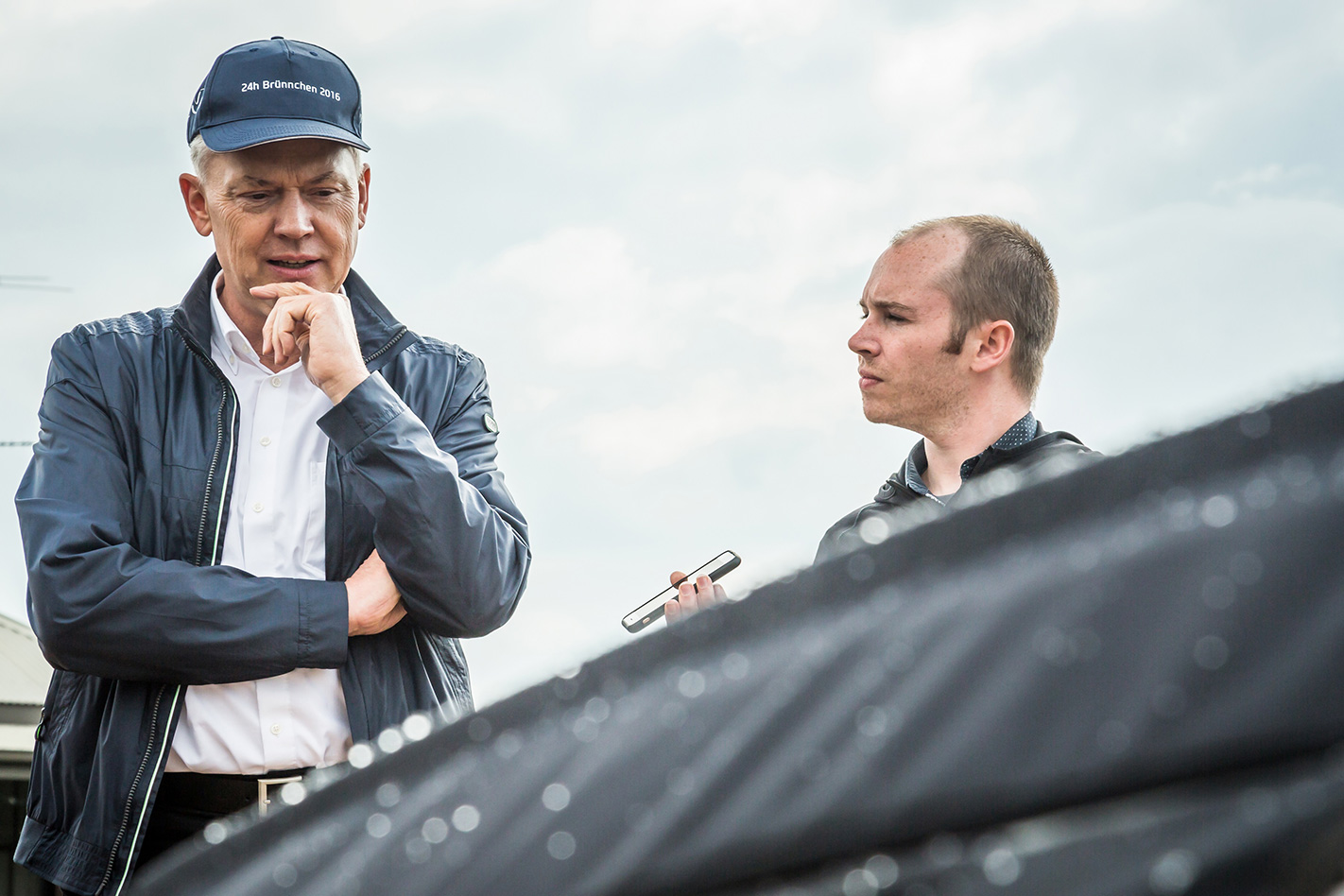
Somehow, they’ve managed to get two prototype cars for MOTOR (and other media) to test and not only that, they’ve flown in the honcho who’s creating them, ex-BMW M Division boss Albert Biermann. Who, by car company standards, is a breath of fresh air for his frankness, thoughtfulness and honesty.
Rear-drive twin-turbo Hyundai Genesis G70 announced
Ask him a question and he’ll give you an answer, sometimes so candid you get a feeling you should be checking if you can publish it. (As a more lowly media outlet would, don’t worry.)
So first, before we even sit in these camouflaged prototypes, let’s recap what we know. Hyundai wants to win over people like you and me, who take driving seriously, with a new performance brand called N Division.
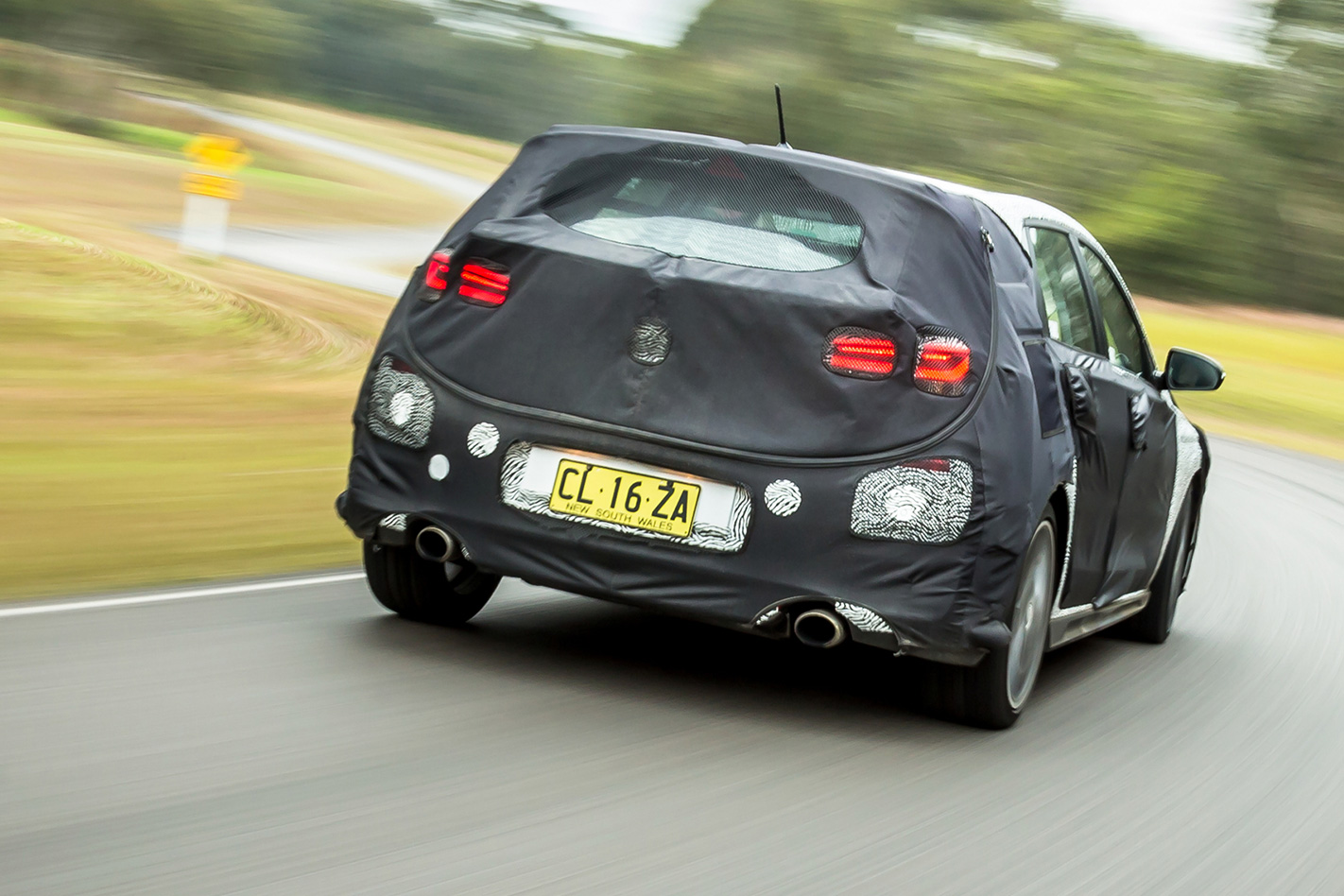
The i30 Ns are six-speed manual only for now. Both weigh around 1450kg. The lower-tune i30 N gets 18-inch wheels, 184kW/380Nm and an open differential (but one that brakes a spinning wheel).
The “Performance Package” model will have 202kW/400Nm, an electronically-locking limited slip diff, 19s, bi-modal exhaust, bigger brakes and better seats. Both cars have coloured shift lights in the instrument binnacle.
Both also have rev-matching on downchanges – and upchanges – but you can turn this off with a button on the steering wheel.
And that’s not the only button you’ll find there, either. In fact, the scope for adjustability by way of drive modes is unprecedented for cars around this price.
As we slink into the pre-production i30 N it becomes apparent, this is a seriously high-tech hot hatch.
Of course, if you want your dampers soft, your ESP half-off, and your engine eager, you can have that in a custom mode.
The i30 N in this way feels very novel, like a big toy you want to play with; a Golf GTI will give you some level of engine/chassis/noise customisation, but not in the same fun and nerdy way an i30 N will.
Driving out on track, by ourselves, we can’t quite believe we’re suddenly in what is probably a very expensive prototype and encouraged to go as fast as we like, around what is quite an unforgiving circuit.
We are intensely curious to drive this much-anticipated, much-hyped first hot hatch from Korea, yet also don’t want to be That Guy Who Crashed It.
First impressions are… fantastic seats, rivalling those in a Toyota 86. Terrifically direct and well-weighted steering, if lacking a little feel, not unlike a Golf GTI’s.
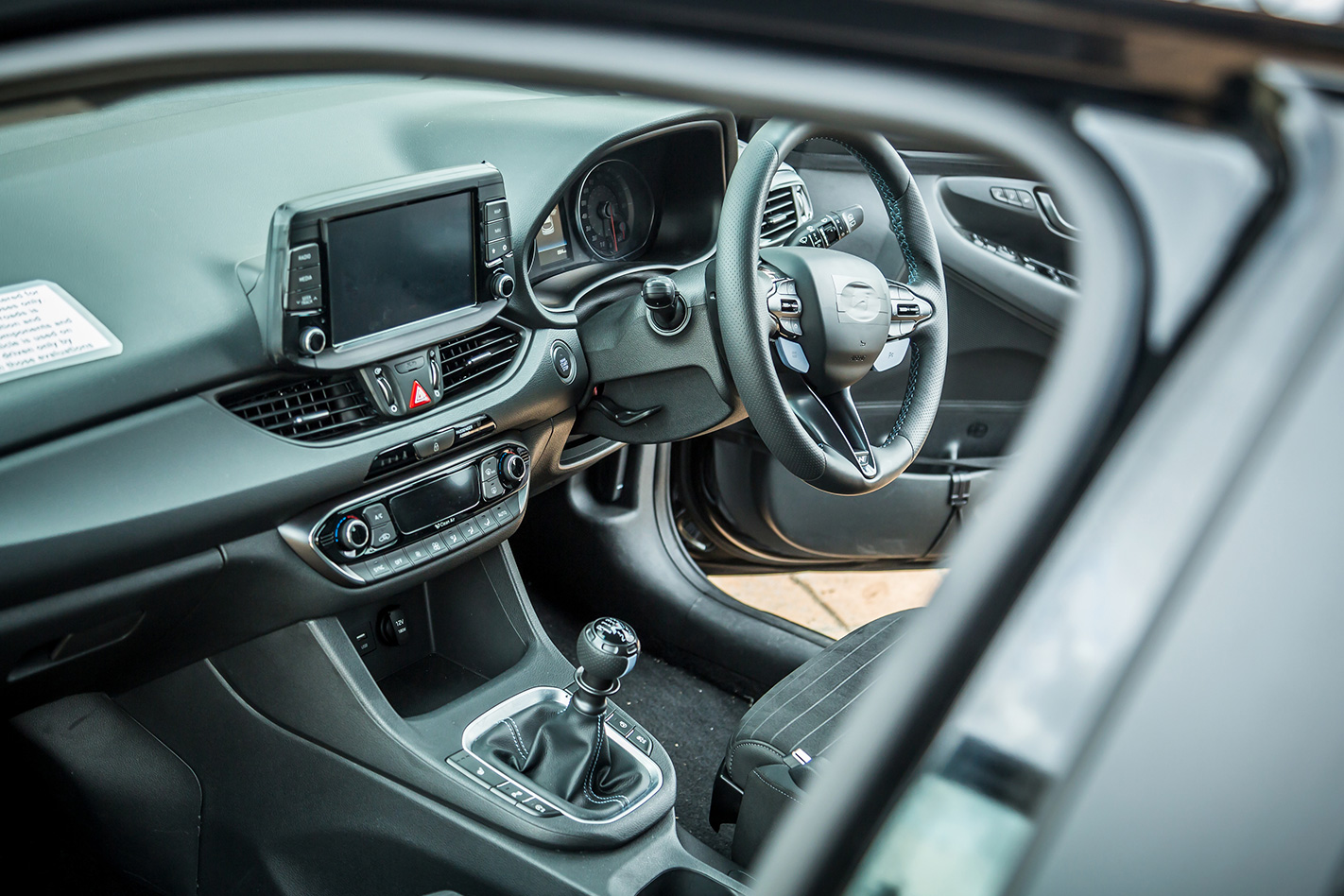
You can very much tell it’s a Hyundai by the gearchange and clutch feel, neither of which will make lists of ‘most satisfying-to-use manual gearboxes’, but still feel fine.
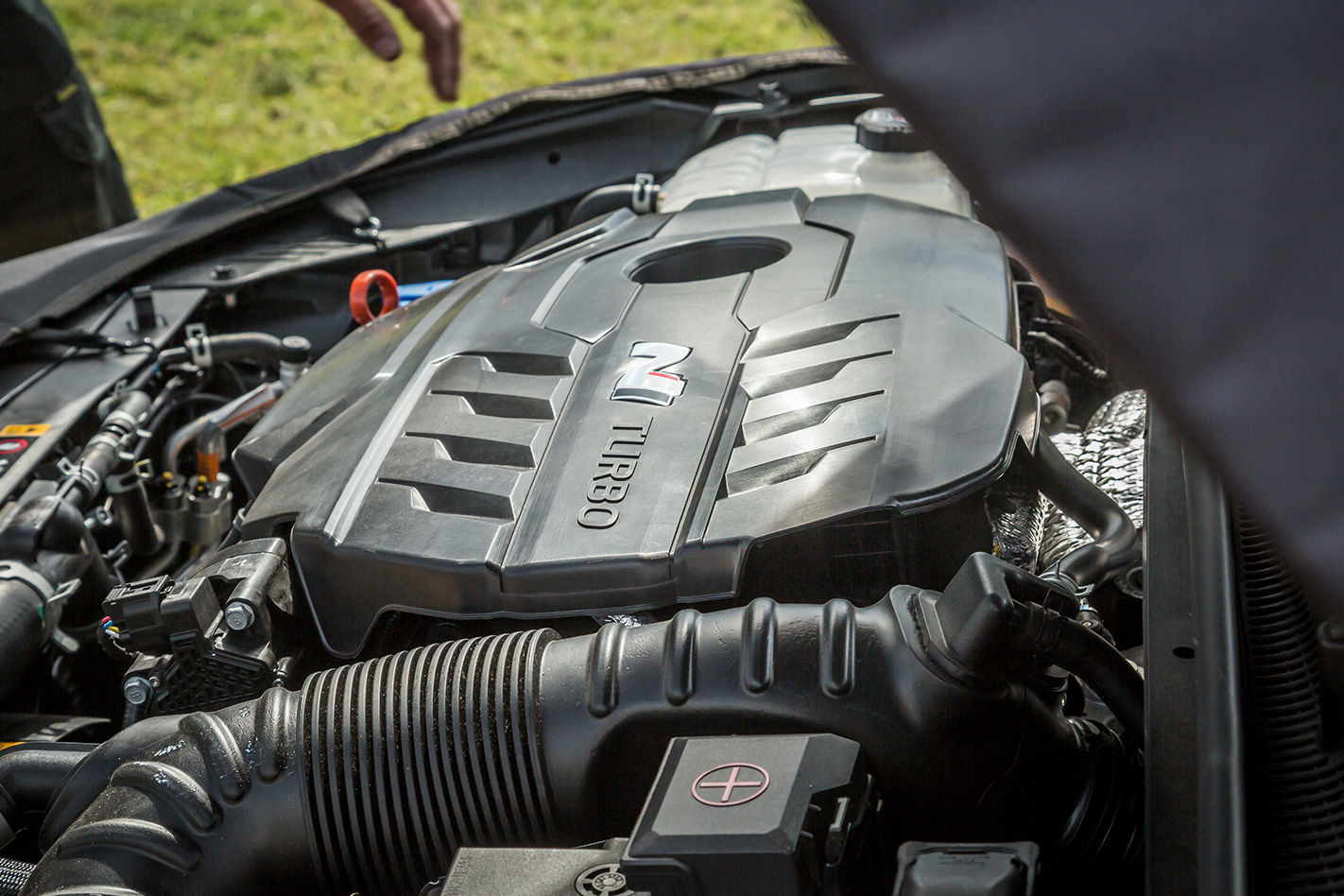
And interestingly, the i30 N sounds a bit like a Focus RS, a loud, gurgly exhaust at idle, enthusiastic with pops on the upchanges and crackling on the overrun, and a fair bit of enhanced growl coming courtesy of a mechanical, engine bay-mounted noise symposer (like a Golf GTI/R). Aurally, there’s a fair bit going on.
This is a swift car and, crucially, feels like a proper hot hatch – not a warm one. It has plenty of grip. Particularly in the rear. Where a lot of people who love hot hatches, don’t want it.
For our first dozen laps in N Mode, the i30 N reveals a handling personality much more along the Golf R and Peugeot 308 GTi end of the playfulness spectrum, than Focus ST or Megane RS.
It seems the trade-off is, front grip expires long before rear grip, and on what can sometimes be spooky tyres, Pirelli P-Zeros, attempts at provoking the rear can be more white-knuckle and something you do for the camera, rather than for fun around the back of the track, when no-one’s looking. Somewhat disappointing.
We roll back into the pits. “So, how was it?” asks Biermann. We try to explain that it was more ‘stable’ than we were hoping.
During our chat at the Paris Motor Show last year, Biermann made the i30 N sound like it would be a hot hatch developed with more of a Toyota 86 philosophy: fun more than lap times. We fantasised over a new tail-happy, rorty and fun hot hatch entering the market. It seems we were wrong.
Using the centre screen, I go for what I would in pretty much every car with this much customisation: soft dampers, perky engine. In the i30 N’s case, that also means most aggressive diff-lock and ESP half-off. It’s a different car.
Suddenly, with the body shifting around on its suspension, you have a world more information about how much is left in the tyres. Confidence is way up.
Drive it hard and straight and there’s a satisfying, exciting amount of bodyroll letting you know how much grip is left. Flick it into a fast corner and the now softer rear excites, encouraging steering correction – the excellent sport ESP calibration letting you have a play – all the while in a very friendly and predictable way.
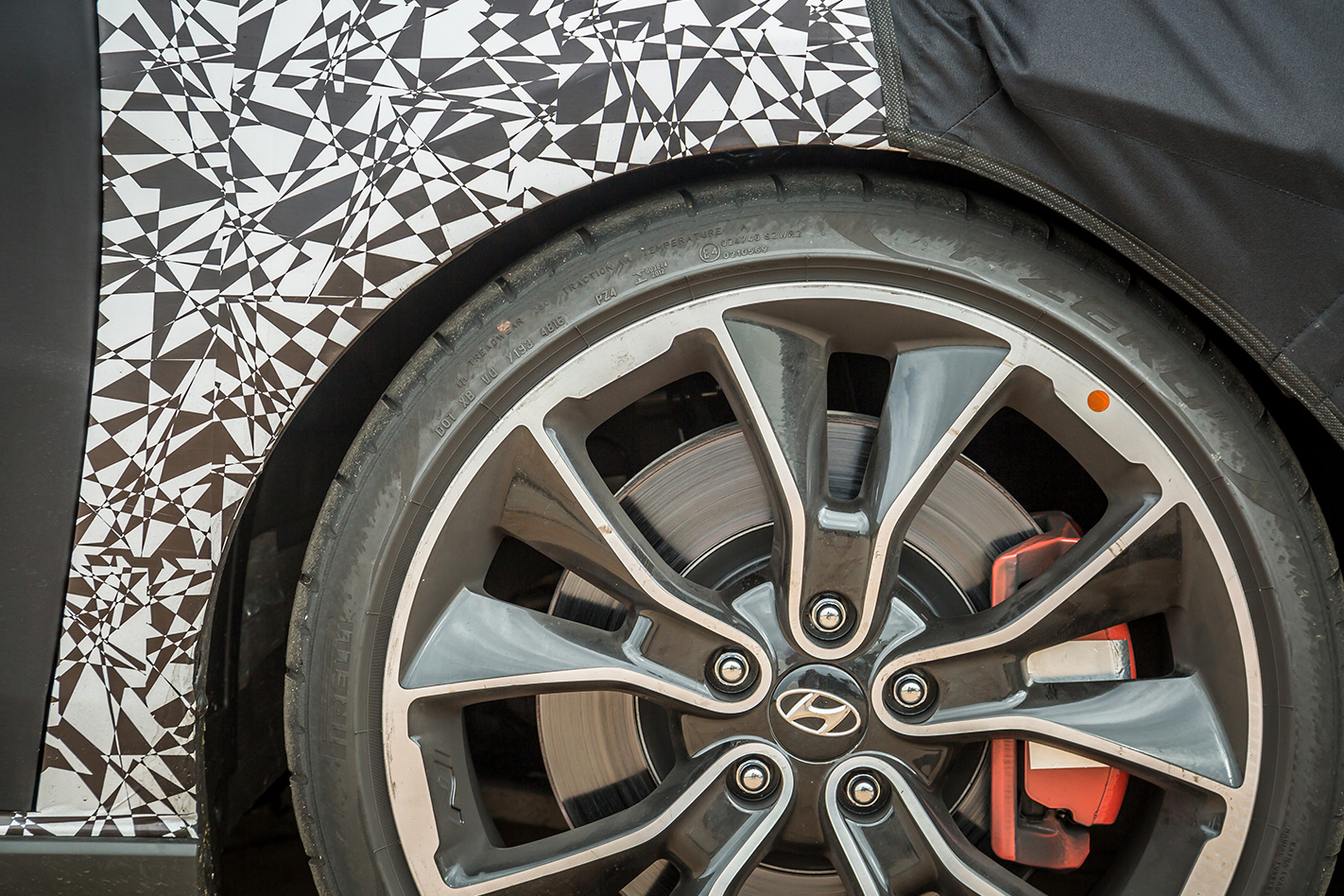
Now, this is still a prototype, and things will change, but it’s pretty much done. It’s not all rosy so far – we suspect the ride will be very ‘focused’ and the engine does run out of breath a little in the upper revs.
We get to see what it looks like at the Frankfurt Motor Show. But it’s incredibly promising.
It’s like a slightly more playful Golf GTI Performance that sounds like a subdued Ford Focus RS, with toys and modes and buttons like you’d find in cars over $100K. Does it bring something new to the sub-$50K hot hatch table?
Absolutely. “We have a twinster all-wheel drive system in one back at Namyang in Korea as well,” says Biermann, casually.
Which means there are more N-branded hot Hyundais coming. And we actually can’t wait to drive them.
What stands out?
The Volkswagen Golf is an accomplished city car that feels equally at home on freeways – and it rides more smoothly on rough roads than most other hatchbacks. Even the less costly Golfs are among the best small cars to drive, and the more expensive bring you sports-car like speed and handling. Interiors function well, all engines are easy on fuel, and auto-braking is available. This review covers cars on sale prior to the Golf 7.5 upgrade of July-August 2017.
What might bug me?
Paying more for petrol: all petrol-engine Golfs require premium unleaded.Driving at less than 80km/h on the space-saver spare, until you can fix your full-size flat tyre.Driving auto Golfs in stop-start traffic. The dual-clutch transmissions fitted to Golf automatics do not provide the fluid, elastic take-up from rest that you get from a traditional automatic or gearbox or a CVT.That Volkswagen was forced to admit in September 2015 that it had fitted millions of its diesel cars with devices designed to cheat tests for harmful exhaust emissions. However, the company subsequently offered a recall program, and said it had upgraded the engines in new diesel Golfs so that they complied fully with anti-pollution laws.
What body styles are there?
Five-door hatchback, and five-door wagon.The wagon body is about 30mm longer than the hatchback body, and the extra length is all in the boot.(There is also a higher-riding Golf Alltrack wagon with all-wheel drive. The Alltrack is not covered in this review.)All Golfs but one are front-wheel drive. The Golf R drives the rear wheels also, when it decides extra grip is required. Golfs are classed as small cars, lower priced.
What features do all versions have?
Cruise control, a speed limiter (to prevent you from inadvertently picking up a speeding fine), and a decent Bluetooth-enabled sound system.A 6.5-inch colour touchscreen for controlling audio and phone functions (among other uses).Apple CarPlay and Android Auto, which work with Apple and Android phones. If you plug your phone in through the USB socket, many of its apps – including mapping and music – are mirrored on the touchscreen display and can be controlled from there.A reversing camera.Tyre pressure sensors. These tell you when a tyre has lost pressure, so that you can stop driving on it and have it repaired before it goes flat. (The spare tyre on every Golf is a skinnier space-saver, with a recommended top speed of 80km/h.)Stop-start engine technology, which can automatically switch off the engine when stationary and refire it when you apply the accelerator. That saves fuel in the city.A fatigue alert, which monitors steering wheel movement and sounds a warning if that suggests the driver is falling asleep.Automatic multi-collision braking. This applies the brakes after an initial collision, in the hope of avoiding or mitigating a secondary impact. For example, it might prevent your drifting into an oncoming lane after being hit from behind.Seven airbags: two directly in front of the driver and passenger; one on the outer side of each front occupant to protect the upper body; a curtain airbag on each side to protect the heads of front and rear passengers; and finally an airbag at knee level for the driver.Electronic stability control, which can help the driver avoid and recover from skids. All new cars must have this feature.All Golfs are warrantied for three years, with no limit on kilometres travelled over that period.
Which engine uses least fuel, and why wouldn’t I choose it?
The most fuel-efficient engine available on a Golf is the 2.0 litre turbocharged diesel, which consumes as little as 4.7 litres/100km (city and country driving combined) in official tests.This muscular engine makes the most sense for those wanting to travel big kilometres. However it is available only in the 110TDI Highline, which is the most expensive of the regular Golfs.The engine in the least expensive Golf, the 92TSI, is a 1.4-litre turbocharged petrol that is also impressively frugal, consuming 5.4 litres/100km when matched to the seven-speed auto gearbox.In real-world comparison testing for the January 2017 edition of Wheels magazine, a Golf 92TSI averaged 7.7 litres/100km, placing it among the most frugal of 12 small cars reviewed. Just remember that like all Golf petrol engines, it requires premium fuel.Those who value more performance can step up to the 110TSI. It uses the same sized engine as the 92 but it is fitted with a bigger turbocharger that generates up to 25 per cent more power but without consuming much more fuel.The sports-oriented Golf GTI and Golf R similarly share a bigger, 2.0 litre turbocharged petrol engine, but with the R’s engine tuned to deliver more power. Both use significantly more fuel than the smaller engines, with the GTI the less thirsty (expect a real-world average of 9-10 litres/100km, falling towards 7 litres/100km for highway cruising). The payoff? The Golf R makes roughly twice as much power as the base-model Golf 90, and the GTI is nearly as strong.The six- or seven-speed DSG automatic transmission offered with Golfs operates more like a computer-controlled manual gearbox than like a traditional automatic. That fluid, elastic feeling with which a traditional auto moves off from a standstill is missing, replaced by a power take-up that can feel sharp or jerky – especially if you need to lift off and then reapply throttle.Once on the move, shifting is exceptionally smooth and fast, and the DSG design is very fuel-efficient. Most Golfs are also available with a six-speed manual ’box.
What key features do I get if I spend more?
The least expensive Golf, the 92TSI, rolls on 15-inch steel wheels with plastic covers.Pay more for the 92TSI Trendline and you get wheels in the same size but made from aluminium alloy, which look nicer than steel and are lighter. You also get front and rear parking sensors, which help you judge the distance to obstacles. Windscreen wipers operate automatically when it rains, and the headlamps switch on automatically in low light.Spend more again on a 92TSI Comfortline and you get bigger, 16-inch wheels, shod with wider and shallower – or lower profile – tyres. These quicken steering response slightly and add grip. Various trim touches help the cabin feel nicer. Dual-zone air-conditioning lets the driver and passenger set temperatures independently. And there is satellite navigation.On Highline models the alloy wheels grow to 17 inches and the tyres get wider again. The cabin is trimmed in leather, and the front seats are heated. Keyless access allows you to unlock and start with car while your key remains safe in a pocket or bag. And you get either the more powerful 110TSI petrol engine or the 110TDI diesel.The sports-oriented Golf GTI rolls on 18-inch wheels with the same width but still shallower tyres. Its most relevant additional feature is the much stronger, 2.0 litre engine. Seats are sports versions but covered in cloth. Headlamps are extremely bright, bi-Xenon units.The Golf GTI Performance increases the wheel size to 19 inches and adds a front differential lock, which improves drive when accelerating hard out of corners, as well as auto-dipping headlamps. Trim is suede-look Alcantara.At the top of the performance tree is the Golf R, with the most powerful engine, 19-inch wheels and yet wider tyres, adjustable suspension and all-wheel drive. The interior trim is leather and the front seats are heated.An option on most Golf variants is a Driver Assistance Package. That includes automatic cruise control (which matches your speed to a vehicle ahead), automatic emergency braking (which helps you avoid rear-end collisions below 30km/h), and automatic parking (which steers the car into place). Cost is about $1300.A commemorative, limited-run variant of the Golf GTI, named the Golf GTI 40 Years, has auto cruise control and auto braking standard, as well as a significant power boost and cosmetic enhancements.
Does any upgrade have a down side?
Wider, lower-profile tyres on bigger wheels ride more roughly and cost more to replace. High-performance tyres on the sportier models are likely to wear faster.
How comfortable is it?
Inside, the theme is stylish yet practical, with clean metal finishes breaking the formality of the dark plastics. There are ample storage areas, from the covered centre binnacle to the generous glovebox. Seats are supportive, with some firmness that helps over long distances. The cabin is impressively hushed at speed, when the car feels smooth and refined.Around town the Golf is a cinch to steer, with a refreshing lightness and ease of manoeuvrability.What sets the Golf apart from rivals is the ease with which it deals with poor road surfaces, of which Australia has plenty. A suburban pothole or grate does little to upset its demeanour, while a large bump in the middle of a high speed corner is handled with eerie assurance.The GTI and R receive a stiffer suspension tune than regular Golf models, but it never jars and is surprisingly compliant in its softest Comfort mode.
What about safety?
The high level of standard safety equipment, which includes a reversing camera, means all Golfs rate well for safety. Excellent vision helps the driver relax, and the optional automatic emergency braking offers a safety net around town.The Australasian New Car Assessment Program (ANCAP) awarded the Golf its maximum safety score of five stars.
I like driving – will I enjoy this car?
Golfs have always been at the pointy end of the small-car field when it comes to driving enjoyment, and the latest Golf 7 is no exception. The Golf sets the class benchmark for fluid yet responsive steering, cornering poise and overall agility.The turbocharger endows even the 92TSI’s engine with hearty pulling power from very low in the rev range. The peppier 110TSI is surprisingly adept at overtaking at freeway speeds, helped by the Golf’s light weight.The 110TDI is more responsive again. Occasionally from the diesel you feel a bit of vibration.Driving through all four wheels, the Golf R is a reassuring and deceptively quick hot hatch. It punches brilliantly out of corners and has immense flexibility across its rev range.Throw in a rorty exhaust note with some popping and crackling during gearchanges and the R is a tantalising package. Acceleration to 100km/h is claimed at 5.0 seconds – that’s very quick.Impressively, the Golf GTI is not far off. While it drives only the front wheels, it does so with convincing grip, brought about by clever electronics that work as an electronic limited-slip differential to improve drive. It is also lighter than the R by about 100kg.The GTI Performance raises the front-drive grip another notch, and is a great alternative to the R.Yet the GTI and Golf R are equally at home when making city life that little bit more enjoyable.
How is life in the rear seats?
The Golf’s truncated exterior hides a clever interior that offers generous rear leg room, and thoughtful touches such as rear air-conditioning vents (they’re not common at this end of the market).
How is it for carrying stuff?
Boots on the hatchbacks are well proportioned and do not shy away from bulky items such as a pram. Rear seat backs fold forward to add load space with a 60/40 split.The wagon stretches the regular hatchback body by about 30cm. All of the extra length is in the boot, where there is half again as much usable space: it grows from 380 litres to 605 litres.
Where is it made?
Australian Golf 7s were built in Germany.
What might I miss that similar cars have?
The Mazda3 offers a blind-spot warning and (on Astina versions only) high-speed auto emergency braking. It also has a head-up display on some models, projecting a speedo closer to the driver’s line of sight.Among other Golf alternatives are the Toyota Corolla, Hyundai i30, Subaru Impreza, Ford Focus, Honda Civic, and Kia Cerato.High performance alternatives to the Golf GTi and Golf R include the Subaru WRX, Ford Focus ST, Peugeot 308 GTi, Audi S3 and Mercedes-Benz A250 Sport.
I like this car, but I can’t choose which version. Can you help?
Our reviewers like the Golf GTI. All Golfs have a functional interior and great driving dynamics. The GTI adds brilliant performance.
When did Volkswagen update this Golf?
The Golf 7 (denoting the seventh generation) went on sale in 2013. An update that arrived in the third quarter of 2015 brought slightly more power to the 1.4-litre petrol engines, with matching changes to the model names: the 90TSI gained 2kW and became the 92TSI, while the 103TSI gained 7kW and was renamed the 110TSI. That update also equipped the Golfs with bigger touchscreens, better multimedia features (including Apple CarPlay and Android Auto), and more equipment on some models.In July 2017 Volkswagen introduced a mid-life facelift that it called the Golf 7.5. It offered only 110kW petrol and diesel engines, and auto braking was standard. Facelifted Golf GTIs and Golf Rs arrived in August 2017, again with auto-braking standard.
Not long ago, the idea of a Mercedes-Benz ute would have been reserved solely as an April Fool’s joke. In fact, BMW did just this, trailing an M3 ute as its April 1st gag as recently as 2011.
Thing is, nobody’s laughing now, and despite the impending demise of Holden’s iconic ute, the market for upmarket pick-ups is clearly picking up. Due to launch on July 17th, the Mercedes-Benz X-Class looks set to capitalise on the additional headroom in the ute sector.
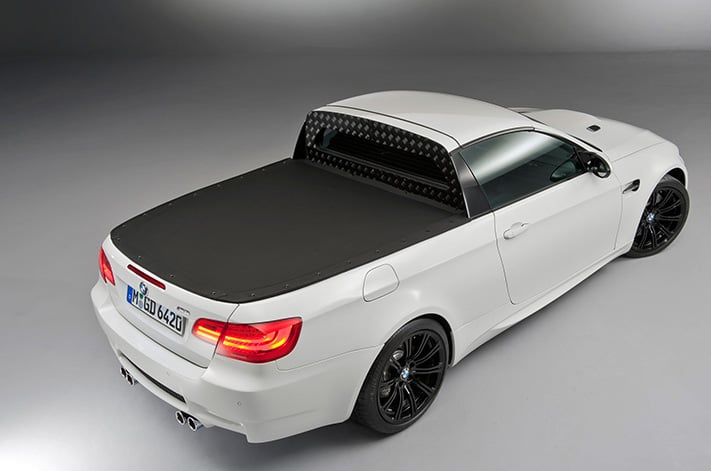
The X-Class – based on the NP300 Nissan Navara brought about by Mercedes’ deal with the Renault-Nissan Alliance – isn’t the first ute to carry the three-pointed star.
The G-Class Professional programme still sells utes in various markets and the beautiful W115 stacked-light sedan turned into a ute for the Argentinian market in the 70s. Nevertheless, it treads new ground in the market, closing what Mercedes chairman Dr Dieter Zetsche described as “one of the last gaps in our portfolio.”
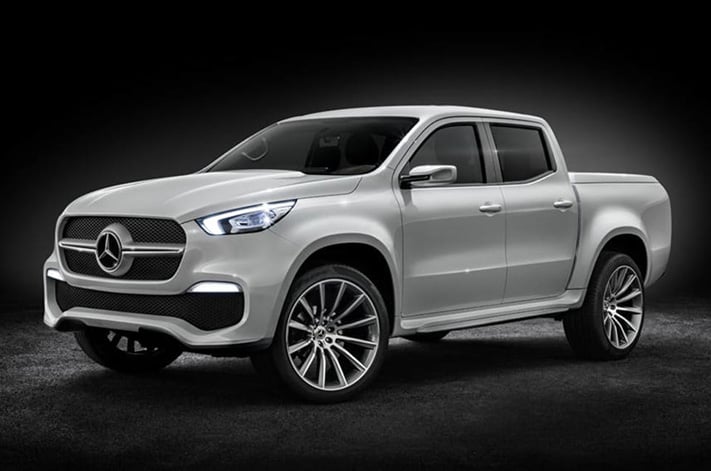
The mid-sized ute market currently accounts for 14.1 percent of all Australian registrations and that portion of the pie is notably top-loaded.
Ford’s upmarket XLT and Wildtrak versions of its successful Ranger ute account for more than 62 percent of all Ranger registrations, so clearly there’s a big demand for utes that can still put in the hard yards but which come with more than a few creature comforts.
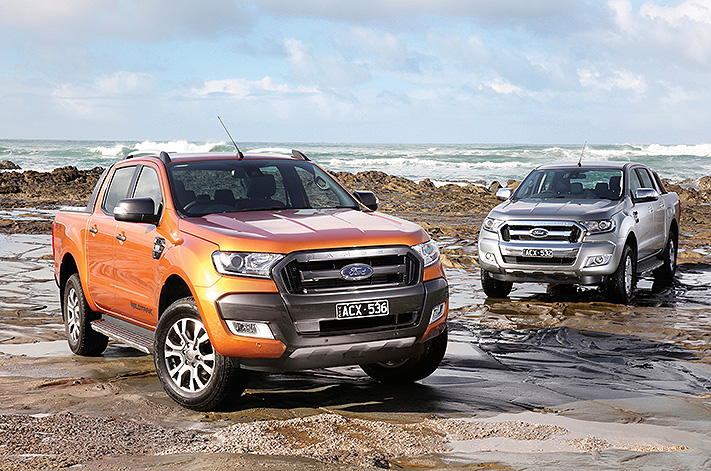
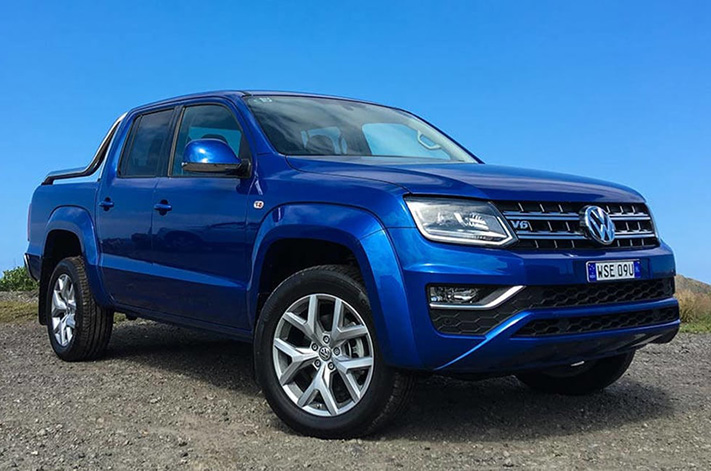
To date, Volkswagen’s Amarok has represented the high-tide mark in this class, its V6 TDI 550 Ultimate model retailing at $67,990 and boasting the sector’s most powerful engine at 165kW/550Nm. It also justifies its price tag with features such as an eight-speed automatic ‘box, a leather-trimmed interior, Apple CarPlay/Android Auto, auto braking and heated front seats.
So can we expect a whole host of copycat BMW, Audi and Jaguar products if the X-Class does well? Possibly not. You see, Mercedes isn’t diluting its brand by offering a ute. Unlike its premium-sector rivals, it has a long and proud history of commercial vehicle manufacture, giving it a decisive advantage in this sector, for the time being at least.
When asked if there was a halo model Mercedes-AMG X-Class in the pipeline, Volker Mornhinweg, Head of Mercedes-Benz Vans, didn’t rule out the possibility, saying “So far no, but maybe we will see in the future.”
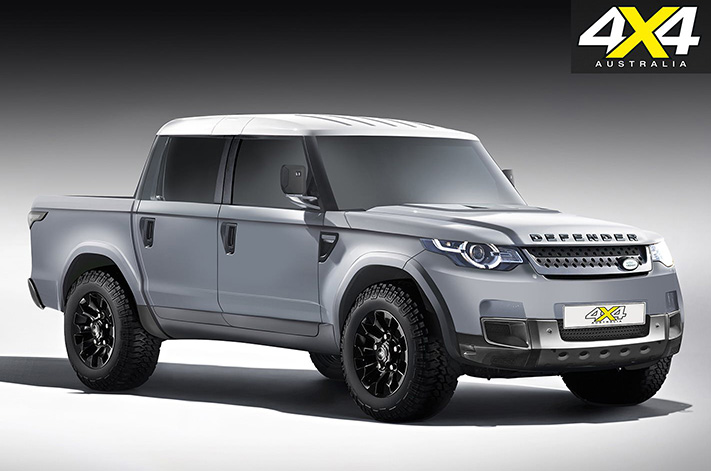
The day we see a $100,000 one-tonne ute could be closer than we think. Land Rover’s increasing penchant for exploiting market niches could see it pitch in with a ute version of the next-gen Defender.
Mercedes-Benz is tipping the ute segment to grow by around 30 percent worldwide over the next 10 years, and is reconsidering its plans not to take the Spanish and Argentinian-built X-Class to the USA where there has been a big spike in ute sales from the Toyota Tacoma, Chevrolet Colorado and GMC Canyon. Ford USA has also announced it will be taking the Ranger back to the US in 2019.
So what started out as a bit of a joke has become a serious battleground for some very big players. Mercedes has chosen its partner wisely, as Nissan is the world’s second biggest manufacturer of mid-sized pickups, and with larger ute platforms like the Titan in the Japanese giant’s portfolio, we may not have seen the end of Mercedes’ plans just yet.
Nissan Australia has enhanced the showroom appeal of its Qashqai small SUV with the arrival of a new N-Sport special edition.
Nissan claims there’s an extra $1800 worth of extra value built into the Qashqai N-Sport, which retails for $28,690 – just $200 more than the Qashqai ST petrol 2WD CVT that it’s based upon.
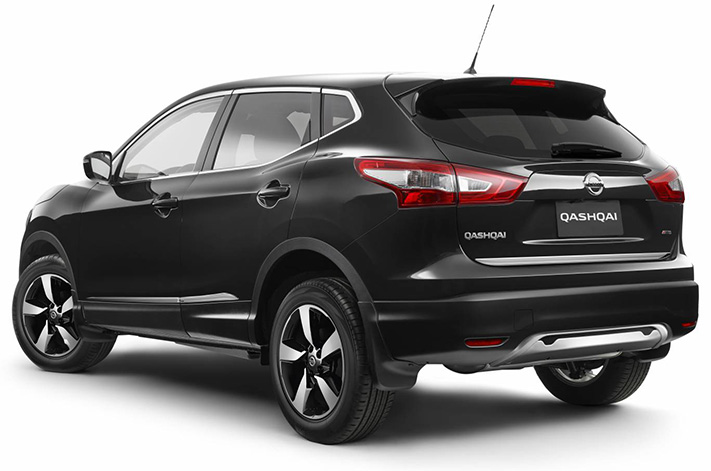
However, in a confusing move Nissan has elected to apply a special drive-away pricetag to both models that’s considerably less than the retail sticker. At $26,990 including on-road costs, the Qashqai N-Sport is a keen deal. The Qashqai ST petrol 2WD automatic is priced at $27,990 drive-away, meanwhile.
It’s worth nothing, however, that these sharp drive-away prices only apply to cars ordered before the end of August and delivered by the end of September.
Mechanically, the N-Sport produces the same 106kW/200Nm outputs as the Qashqai ST petrol 2WD, with average fuel economy of 6.9L/100km. The differences come from the N-Sport’s machined-face 18-inch five spoke alloys and exterior trim (door sills, tailgate garnish, front and rear bumpers) finished in “Ice Chrome”
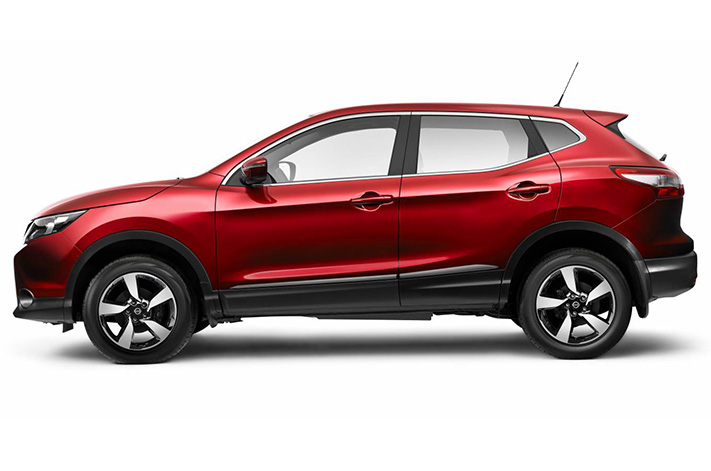
Elsewhere, the feature set is the same as the ST grade. That means standard features like a reversing camera, electronic parking brake, four-speaker audio system, cruise control and five-inch colour infotainment display – basic, compared to the seven-inch display, satellite navigation, climate control, keyless entry/ignition and six-speaker audio of the Ti and TS grades.
Then again, that $27k drive-away price point is a fairly compelling number in the context of entry-level small SUVs.
The Qashqai is currently the third most popular small SUV in Australia, according to year-to-date sales figures. Only the Mitsubishi ASX and Mazda CX-3 sell in greater quantity, though Honda’s HR-V compact is currently nipping at its heels. In Nissan’s own showroom, the Qashqai is a core model and sits in third place behind the X-Trail and Navara.
