
UPDATED Ken Block has revealed that the buyer of the Ford Focus RS RX Gymkhana car at auction over the weekend actually lives in Australia.
Few other cars are as widely loved on the internet as one of Ken Block’s Gymkhana creations, so for Block to offer his 2016 Ford Focus RS RX to the general public is a big deal.
Block announced in an Instagram post that the Aussie winning bidder paid US$200,000 (AU$280,000) – a relative bargain if you ask us – which will be donated to the Team Rubicon charity that provides relief in the wake of natural disasters.
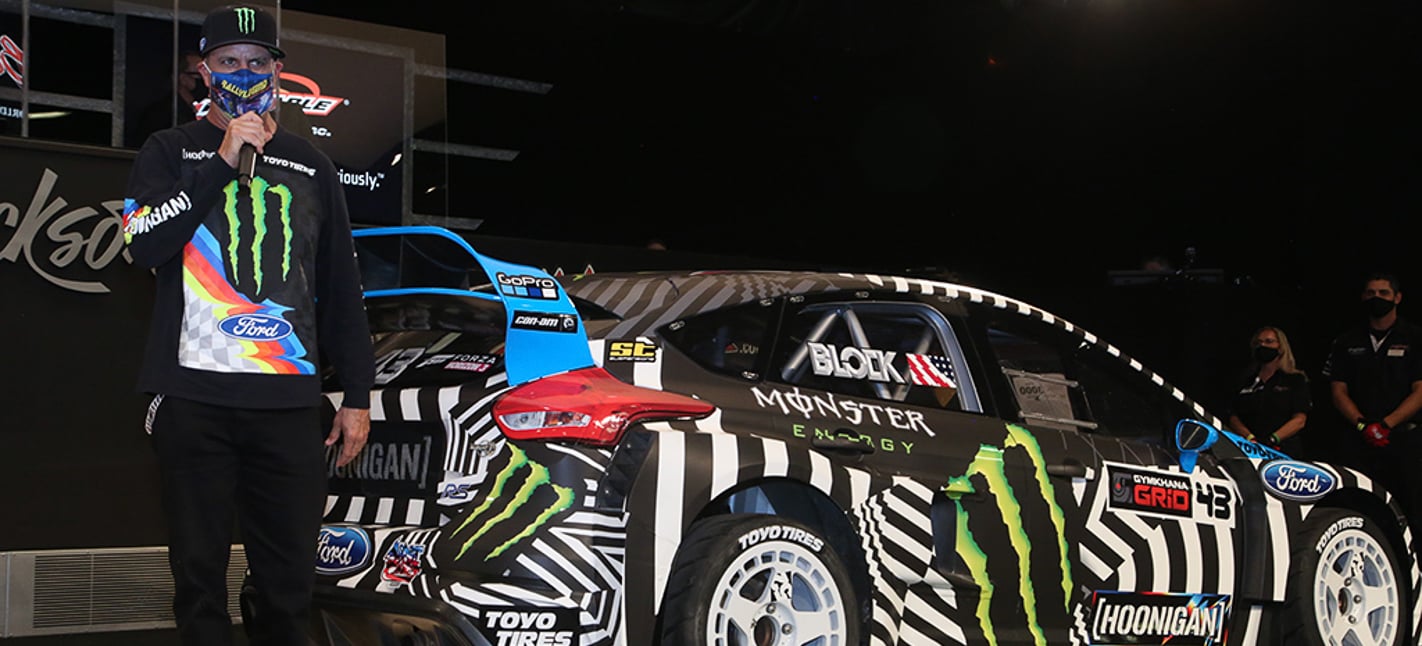
Block goes on to note the irony in the fact the car will head Down Under after all, after having been turned down to film Gymkhana 9 in Sydney.
https://www.instagram.com/p/CG1NOZHh3dM/?utm_source=ig_embed&utm_campaign=loading
Of course, no clues are given regarding the buyer’s identity other than the fact that the buyer is Australian.
We can only hope that Focus RS RX’s new owner won’t let it sit idly in a garage, and will use it for what it was built for – huge skids.
The Ford Performance-fettled Focus RS RX skidded onto the auction block as lot 3000 on October 22 at the Barrett Jackson 2020 Fall Auction, joining numerous other exotic cars including a Lexus LFA, Lamborghini Huracan GT3 and two Ford GTs.
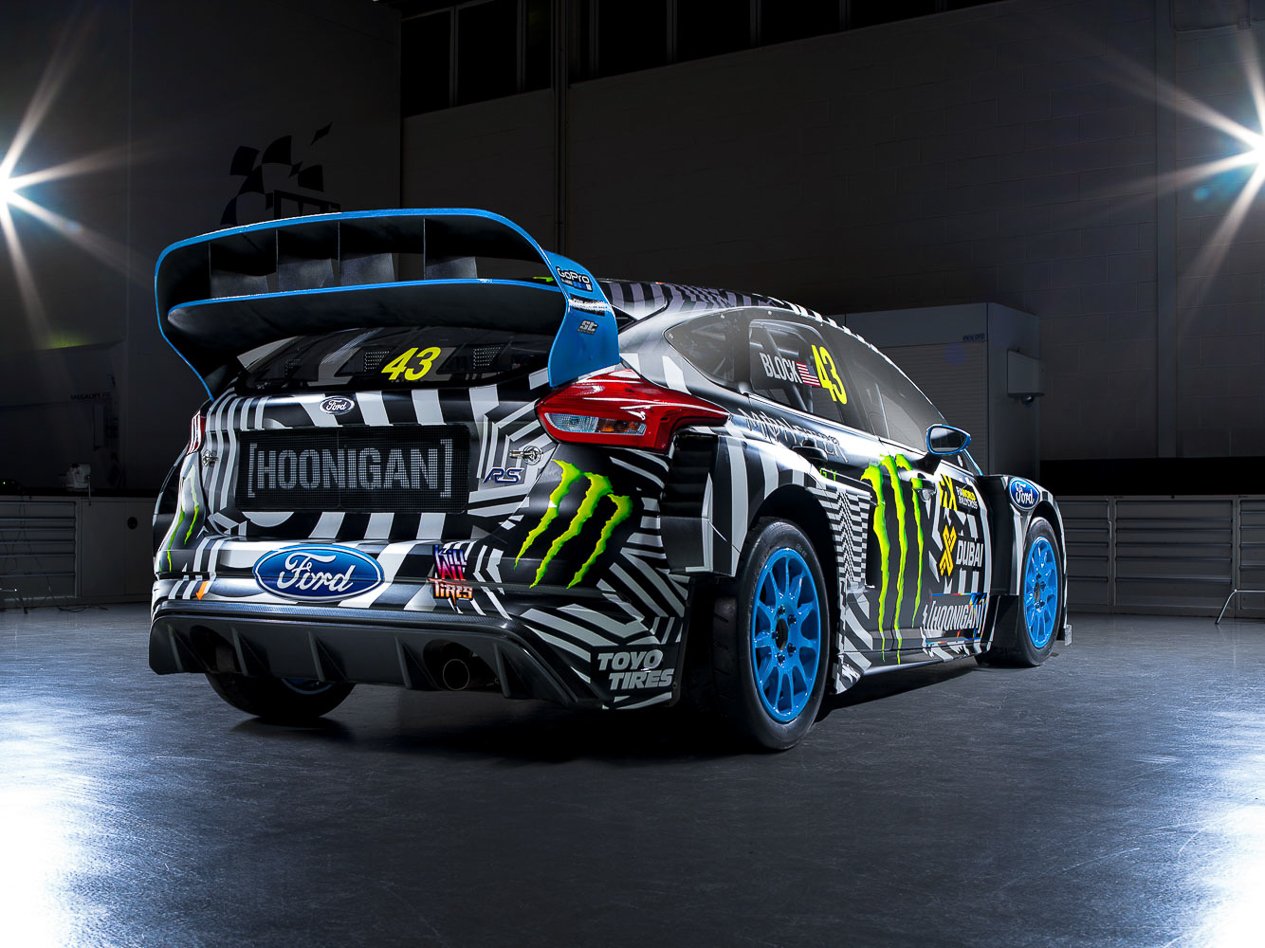
Ken Block steered the Focus RS RX toward internet stardom in late 2016 in the Gymkhana 9 film, in which it tore up an industrial park in the city of Buffalo, New York.
Some of the most daring stunts to date were performed in that video, including a jump in front of a freight train, a donut by water’s edge and skids on top of a vertical lift bridge.

In fact, Buffalo was a fall-back location after the Hoonigan producers were denied access to shoot on local soil in Sydney.
Designed by Ford Performance in the US and built by M-Sport in the UK, the Focus RS RX was commissioned for Block’s FIA World Rallycross Championship entry.

It features a 2.0-litre four-cylinder turbocharged engine outputting 484kW to all four wheels, a reinforced chassis with Reiger rally suspension, a five-speed Sadev sequential transmission, full roll cage, Cosworth engine management and carbon fibre composite bodywork.
Mindbendingly, a zero to 100km/h sprint takes a little over two seconds.

It’s not the first time that a Gymkhana car has been sold off to the public after Block listed the Ford Fiesta HFHV (that toured Australia in 2011) for sale at a pricey $500,000 a few years ago.
While it’s sad to see off a staple of the Gymkhana series, we’re excited about the prospect of another fire-breathing, tyre-shredding rally monster taking its place.
There is finally some good news on the horizon for the battered Victorian automotive industry, following a state government announcement that Victoria’s automotive retail and service sectors will reopen almost immediately.
From Wednesday 28 October, all automotive businesses will be open to the public, as long as each workplace operates with a COVID-safe plan in place.
This means customers can now visit dealerships to purchase a new car and attend service centres to have work completed.
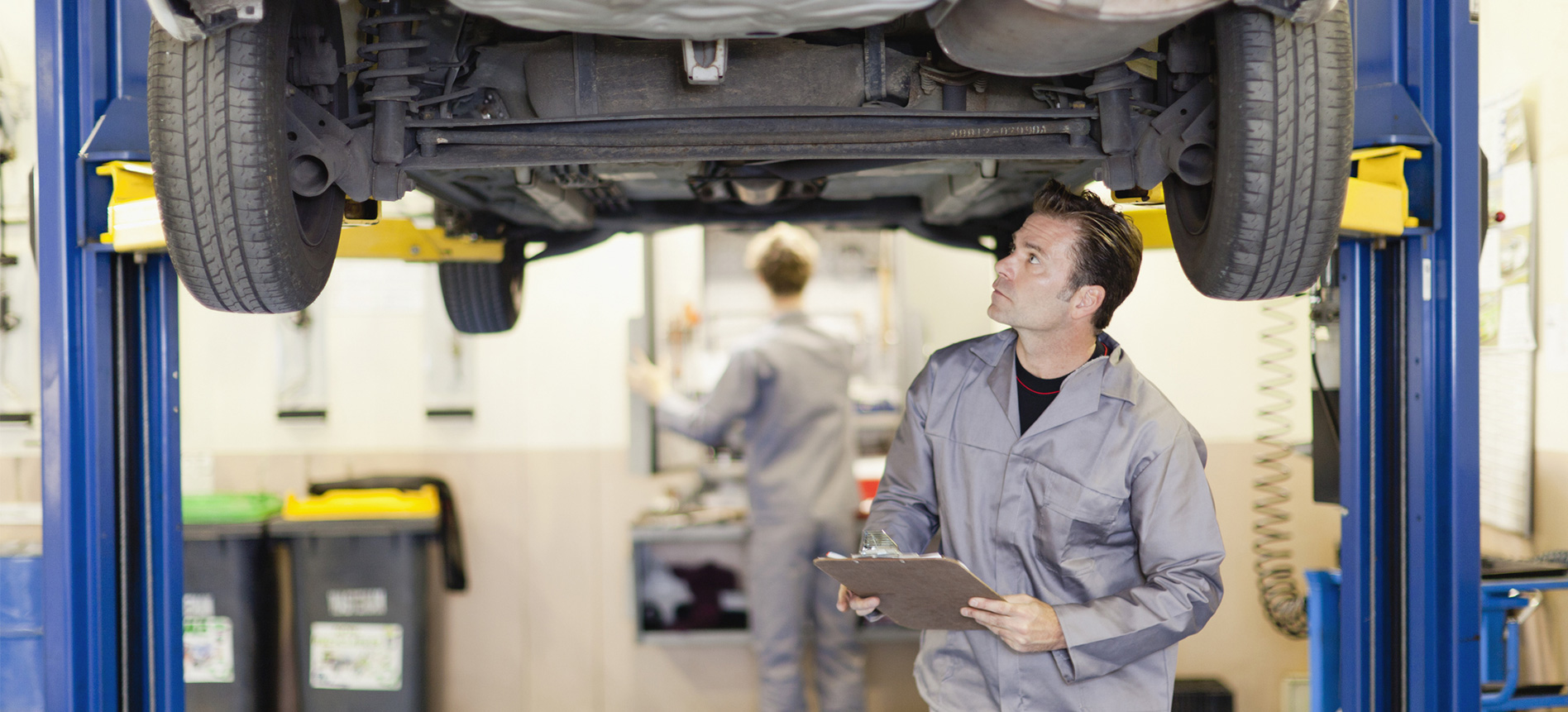
This news comes on the back of the Victorian government’s advice which is to switch from ‘stay home’ to ‘stay safe’.
It’s news that the Victorian Automotive Chamber of Commerce (VACC) welcomes wholeheartedly, with VACC CEO Geoff Gwilym saying “the automotive industry is primed and ready for opening.”
“VACC has provided its members with exhaustive information, including assisting with COVID-safe plans, creating communication templates, and resources for staff and customers,” he said in a statement.
Without getting too far ahead, the VACC insists that it’s extremely important to remain vigilant. Every Victorian business – automotive or not – must adhere to the following principles:
- Ensure physical distancing
- Wear a face mask
- Practice good hygiene
- Keep records and act quickly
- Avoid prolonged interactions in enclosed spaces
Previously, Melburnians in need of a car were resigned to online ordering only, which was embraced by various brands.
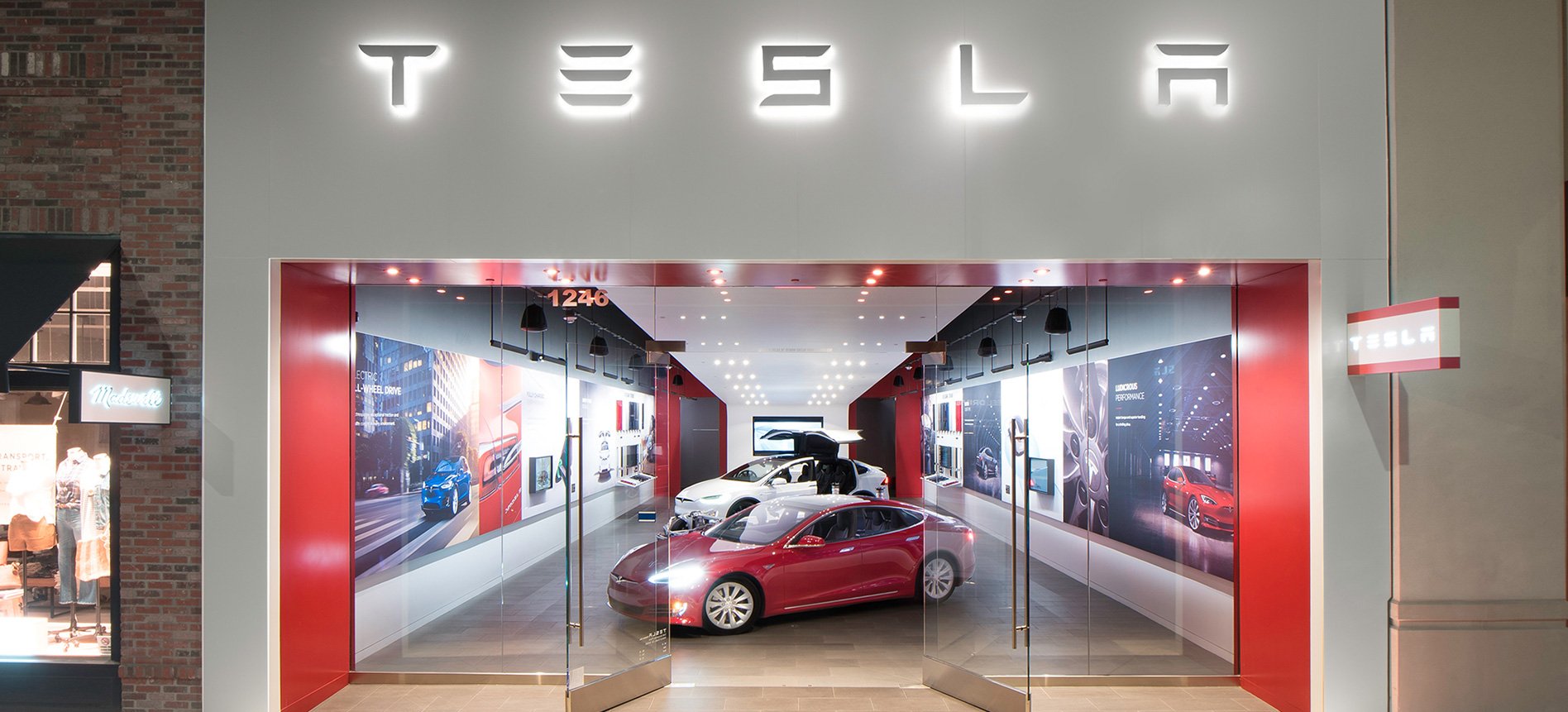
The shuttering of the automotive retail sector has had a detrimental impact on the local car industry, which is only now showing signs of an uptick after barriers to purchasing are pulled back.
Victoria remains the worst affected state, experiencing a 57.7 per cent September sales slump compared to this time last year.
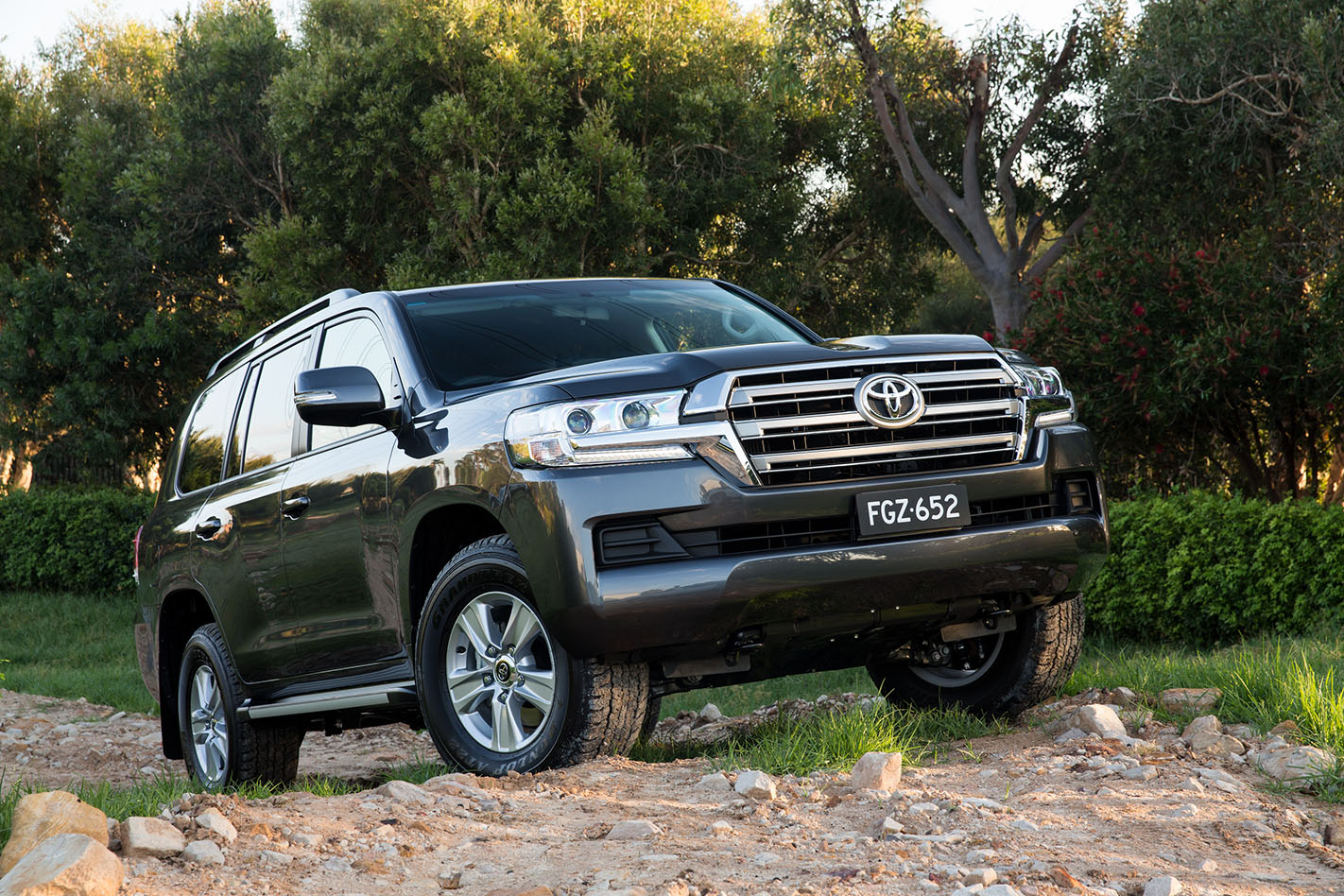
Toyota is preparing to launch one of its most important all-new models next year in the form of the LandCruiser 300 Series.
And it’s not ahead of time. The 200 Series LandCruiser has been available since 2007 and has been updated just twice in the intervening years.
Finally, however, Toyota looks set to reveal an all-new LandCruiser which will bring with it new engines, more room, and modern safety features.
An all-new LandCruiser is a big deal not just for Toyota, but also its customers, with the off-road wagon having a customer retention rate in the ballpark of 90 percent.
Keeping those loyal buyers satisfied is an important, and difficult, job.
The official line from Toyota is… well, there isn’t anything official. As far as the local press office is concerned, no new model has been announced, therefore there is nothing to discuss.
However, a replacement for the aging 200 Series will have been in the pipeline for several years, and while Toyota isn’t saying anything on the record, it is understood that preparations for a reveal and launch cycle are starting to ramp up.
So, here’s everything you need to know about the upcoming all-new Toyota LandCruiser 300 Series.
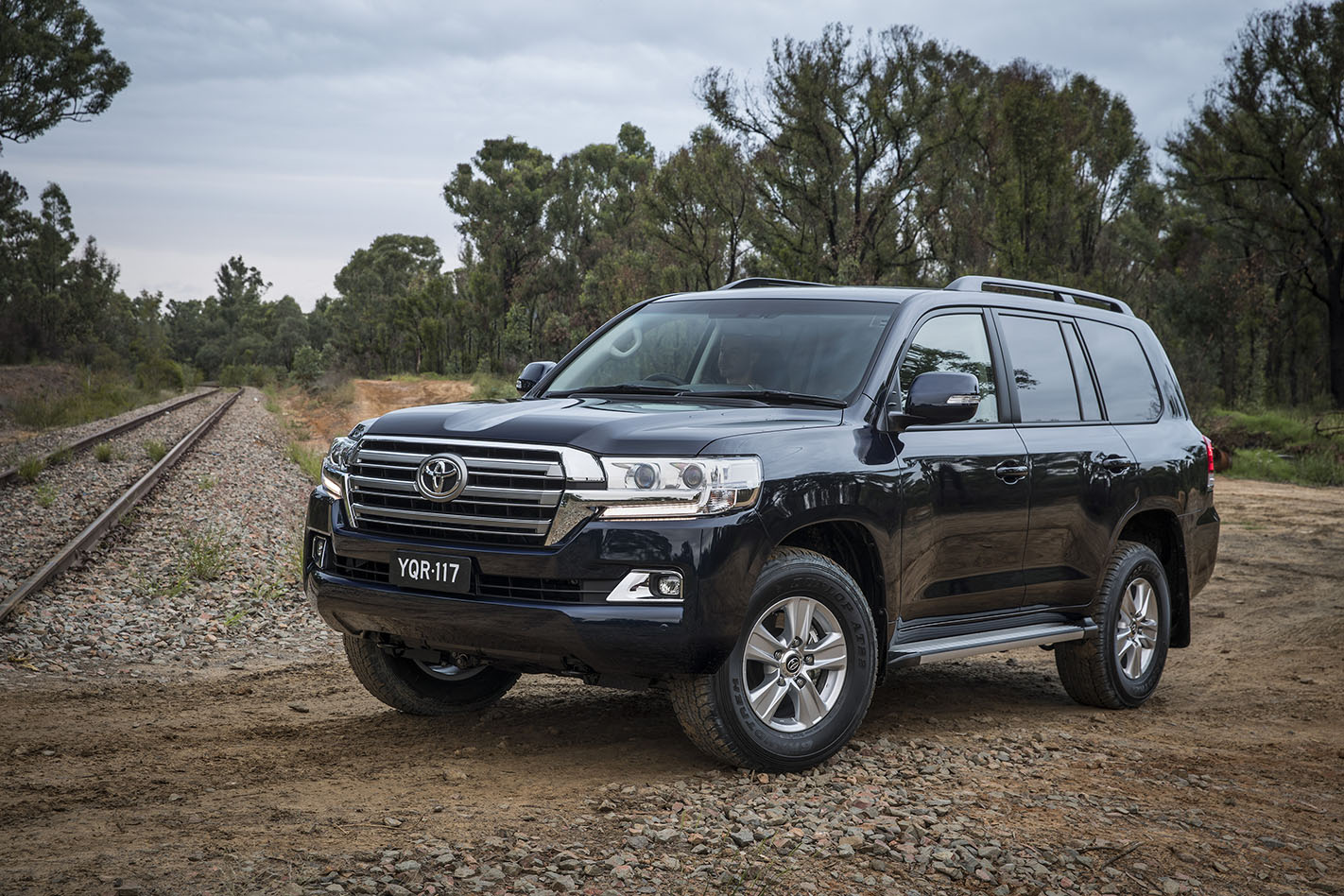
When will the new Toyota LandCruiser arrive?
While there was media speculation earlier in the year that the 300 Series would be revealed before the end of 2020, that now looks incredibly unlikely.
Instead, the off-road wagon is likely to shown to the world next year, with an Australian launch expected in late 2021.
Toyota has recently employed raffle-style systems for customers to pre-order high-demand and low-volume models like the Supra and GR Yaris.
However, while there is no doubt there will be plenty of demand for a new LandCruiser, there will also be a large volume of vehicles slated to arrive locally, meaning such a system won’t be necessary.
If you want a current-gen 200 Series LandCruiser, the model will continue to be built by Toyota until at least the end of 2020.
We understand, however, that Toyota is moving into run-out mode for the LandCruiser 200 series across its dealerships.
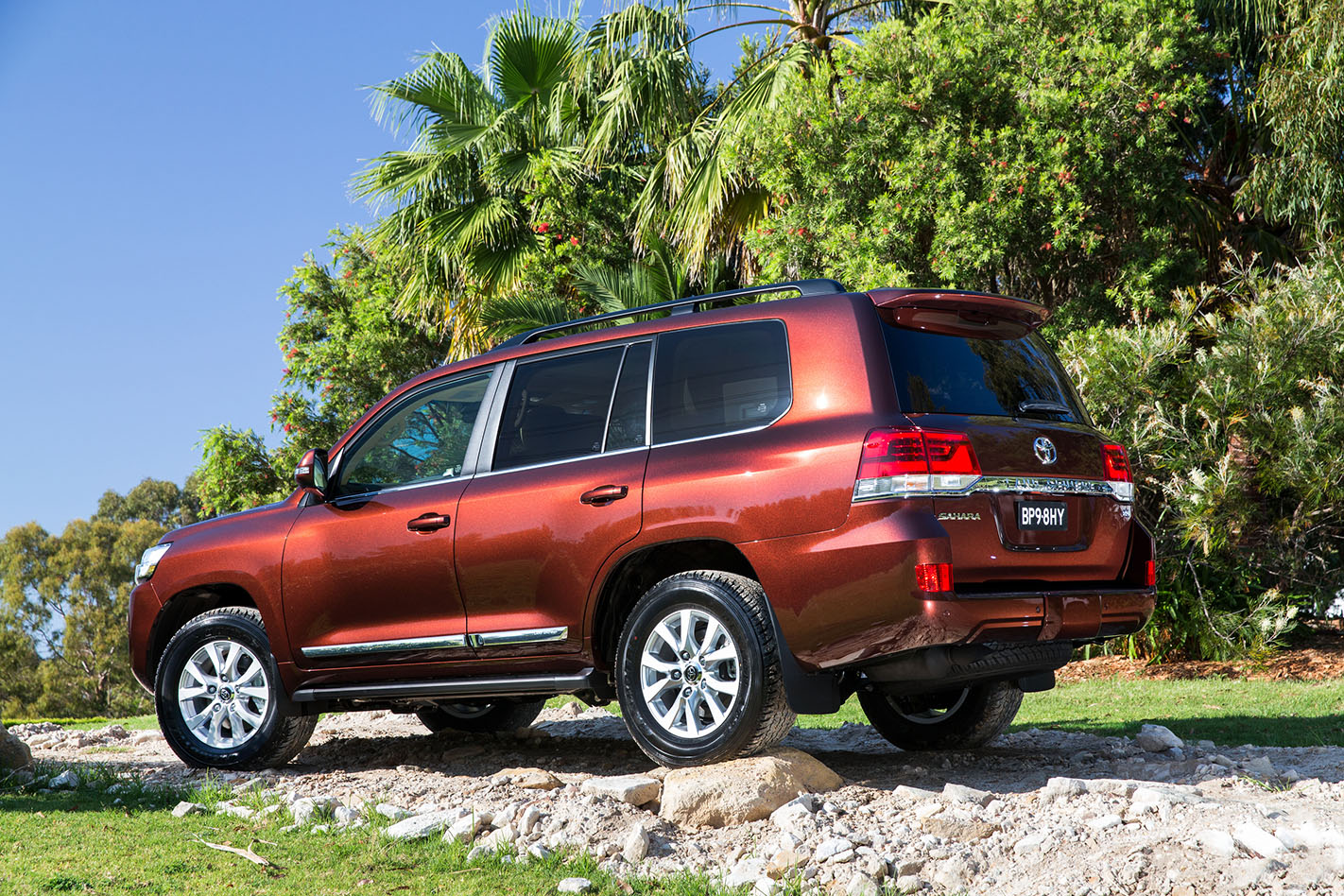
What engines will be used in the new LandCruiser?
Because it’s an all-new model, it’s likely that the LandCruiser’s engine options will come in for an update with the 300 Series.
Currently, the 200 Series is available with just a single engine choice – a venerable 4.5-litre twin-turbo diesel V8, producing 200kW and 650Nm.
First, the bad news; the V8 will depart from the line-up.
Australia is one of the few markets in the world that still offer the 4.5-litre diesel engine, which was updated to Euro 5 emissions standards in 2015.
However, Toyota needs to hedge its bets when it comes to future emissions compliance, and the 4.5-litre V8 oiler won’t make the grade for tighter Euro 6 emissions – even though they aren’t set to be implemented locally until 2027.
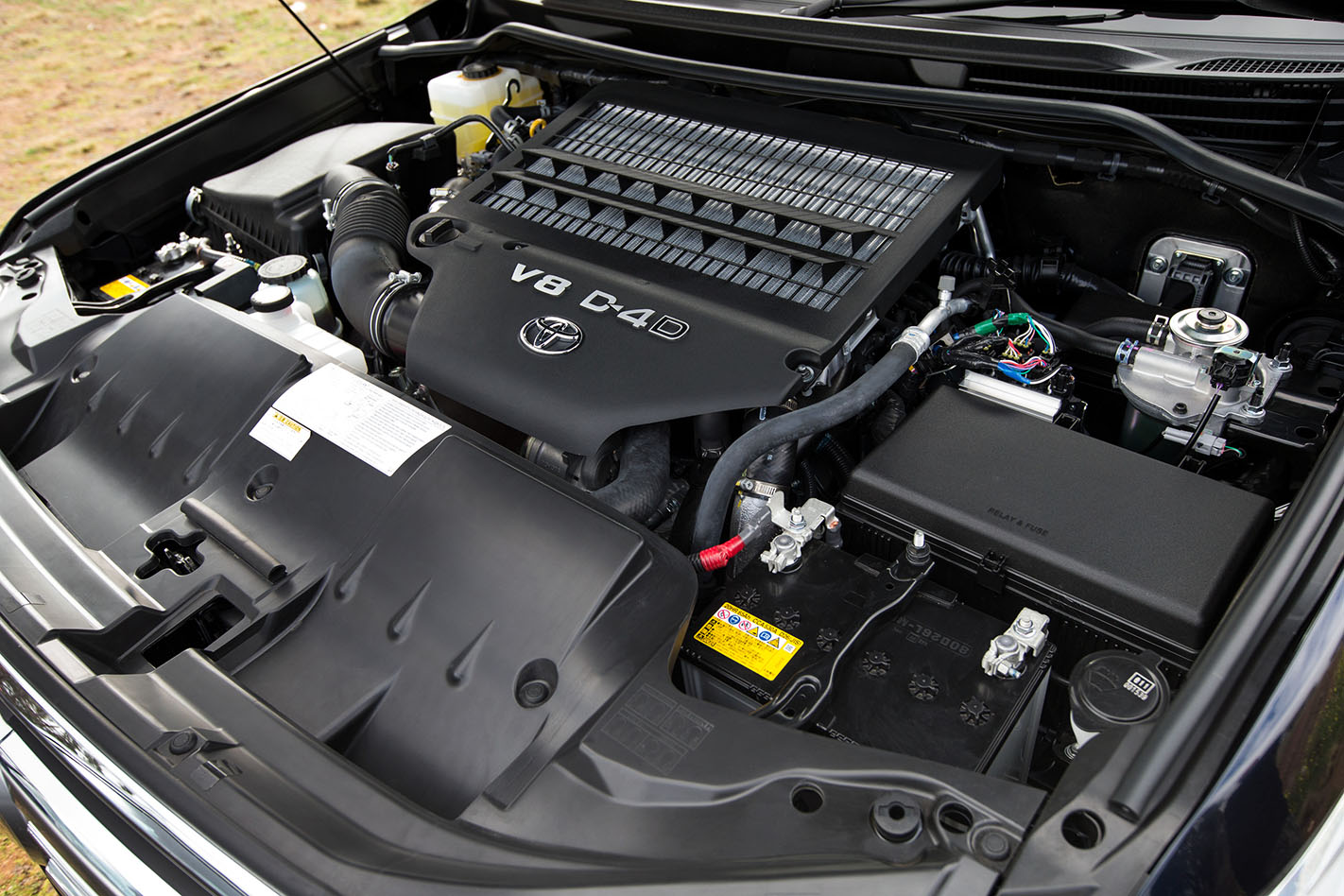
However, the good news is its replacement will have plenty of grunt to keep customers happy.
A 3.3-litre twin-turbo diesel V6 is expected to be the first engine available to Australian customers, with higher power and torque figures compared to the V8 it replaces.
Joining the diesel engine, a 3.5-litre twin-turbo petrol V6 could be added to the line-up, with ballpark outputs of around 300kW and 600Nm.
Will there be a Toyota LandCruiser hybrid?
Yes. It won’t be the first LandCruiser 300 Series to be offered, but a hybrid variant will eventually be offered in Australia.
Globally, Toyota has said it intends to electrify every model in its range by 2025.
Toyota Australia is on board with this plan, and has so far enjoyed booming local sales off the back of the incredibly popular hybrid RAV4 mid-size SUV variant, as well as with cars like the Corolla and Camry.
Timing on the hybrid 300 Series remains murky, however it’s thought that both petrol and diesel variants could gain battery assistance in the next generation.
Will there be a high-performance LandCruiser Gazoo Racing variant?
There is currently no word on a high-performance variant for the LandCruiser, despite international speculation.
However, such a model would be behind GR versions of both the Corolla and HiLux in the model pipeline.
Should Toyota HQ in Japan give a GR LandCruiser the green light, the local arm has already signaled its interest in the arrival of any hypothetical high-performance variant.
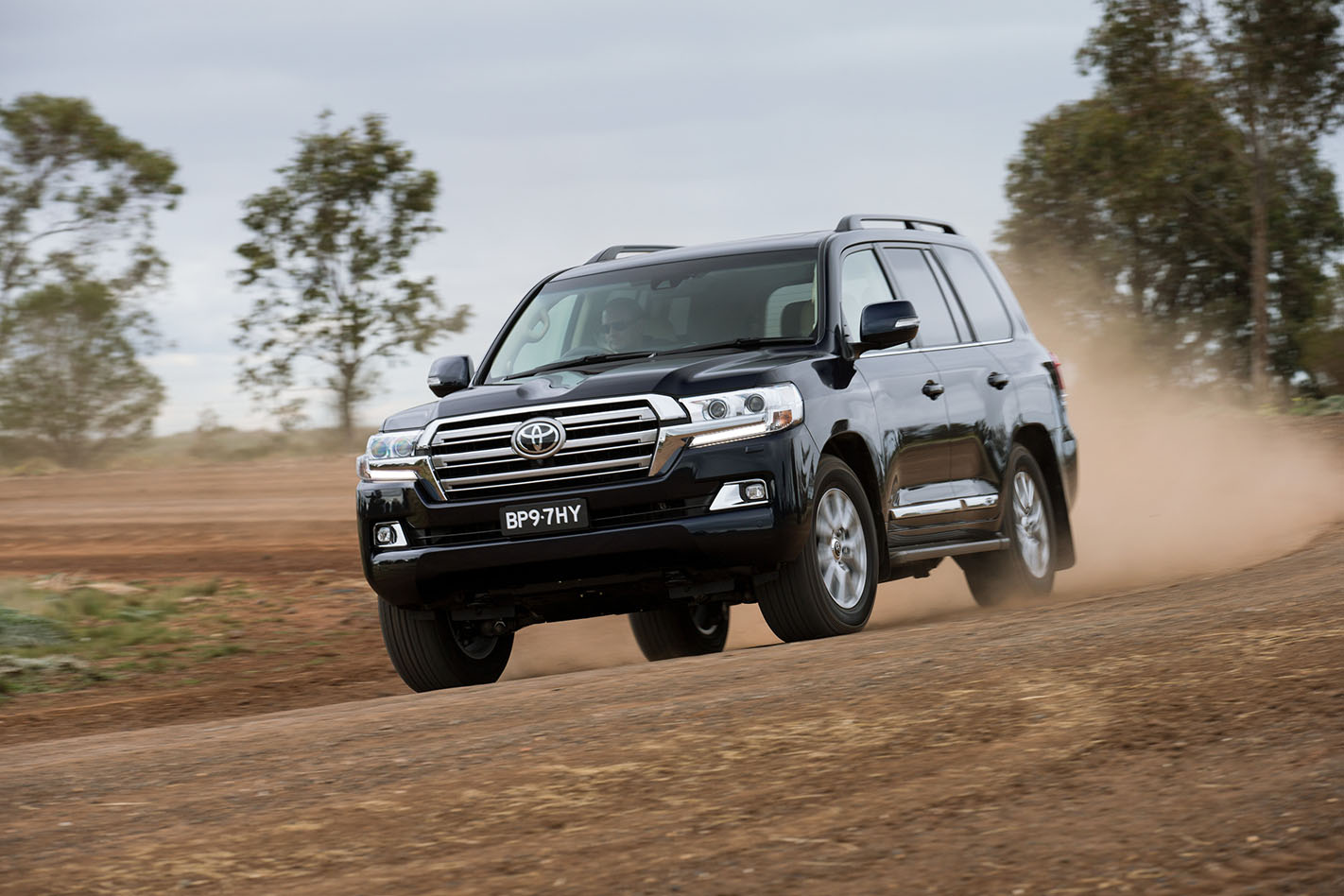
If there is a GR LandCruiser, expect power to come from a twin-turbo V6, with other changes including off-road racing-style suspension and rubber.
However, this one is a case of wait and see.
How much will the 2021 Toyota LandCruiser cost?
Official pricing for the 2021 LandCruiser 300 Series is yet to be revealed.
International speculation suggests the 300 Series will be more expensive compared to the outgoing 200 Series.
This, of course, is not unusual for a new model, and especially one that is getting its first all-new update in over a decade.
For a guide, you could expect the 300 Series to start a touch above $80,000, with the most expensive variant costing north of $120,000.
What other major changes should I know about?
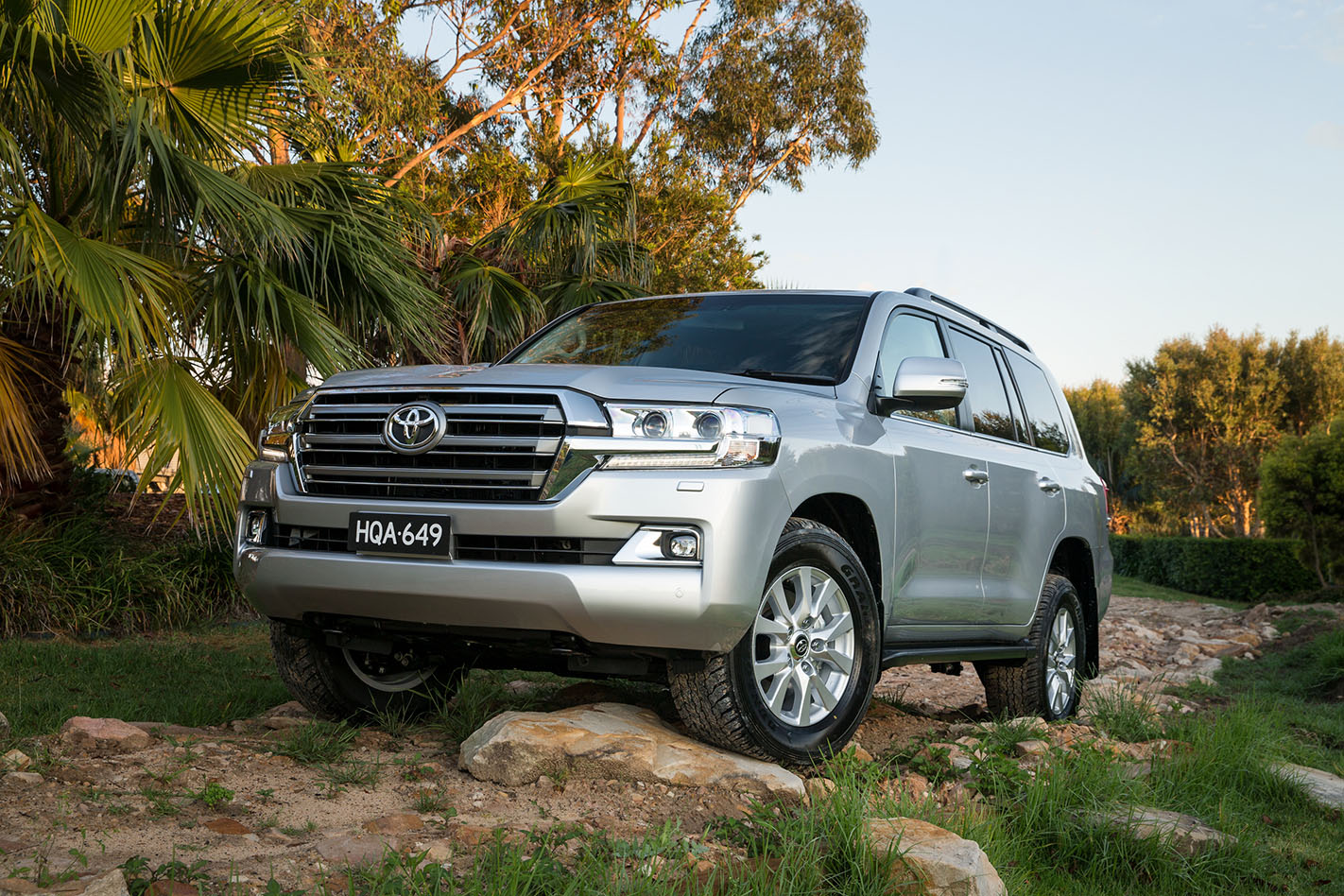
Th new engines will reportedly be married to a brand new ladder-frame version of Toyota’s TNGA platform family, while the new 300 Series will sneak in under the 5000mm-long mark by about 50mm.
Width is estimated at 1980mm and height at 1870mm, which means it is set to retain its traditionally roomy interior dimensions. This won’t be a massive change, but the existing LandCruiser is already a big beast, so it’s important to note for any customers that put a premium on space.
Toyota’s full suite of safety systems are expected to be included as standard, helping ensure the LandCruiser remains well suited as a primary form of family transport.
Inside the cabin, it’s expected that both five- and eight-seat layouts will be offered, using two and three rows of seating, respectively.
The move from seven- to eight-seat capacity is important and would put the LandCruiser on par with the large Hyundai Palisade which is due to be available in Australia soon.
Infotainment is likely to also receive a wholesale upgrade, with the introduction of Toyota’s latest operating system, as well as a 12.3-inch touchscreen, Apple CarPlay and Android Auto.
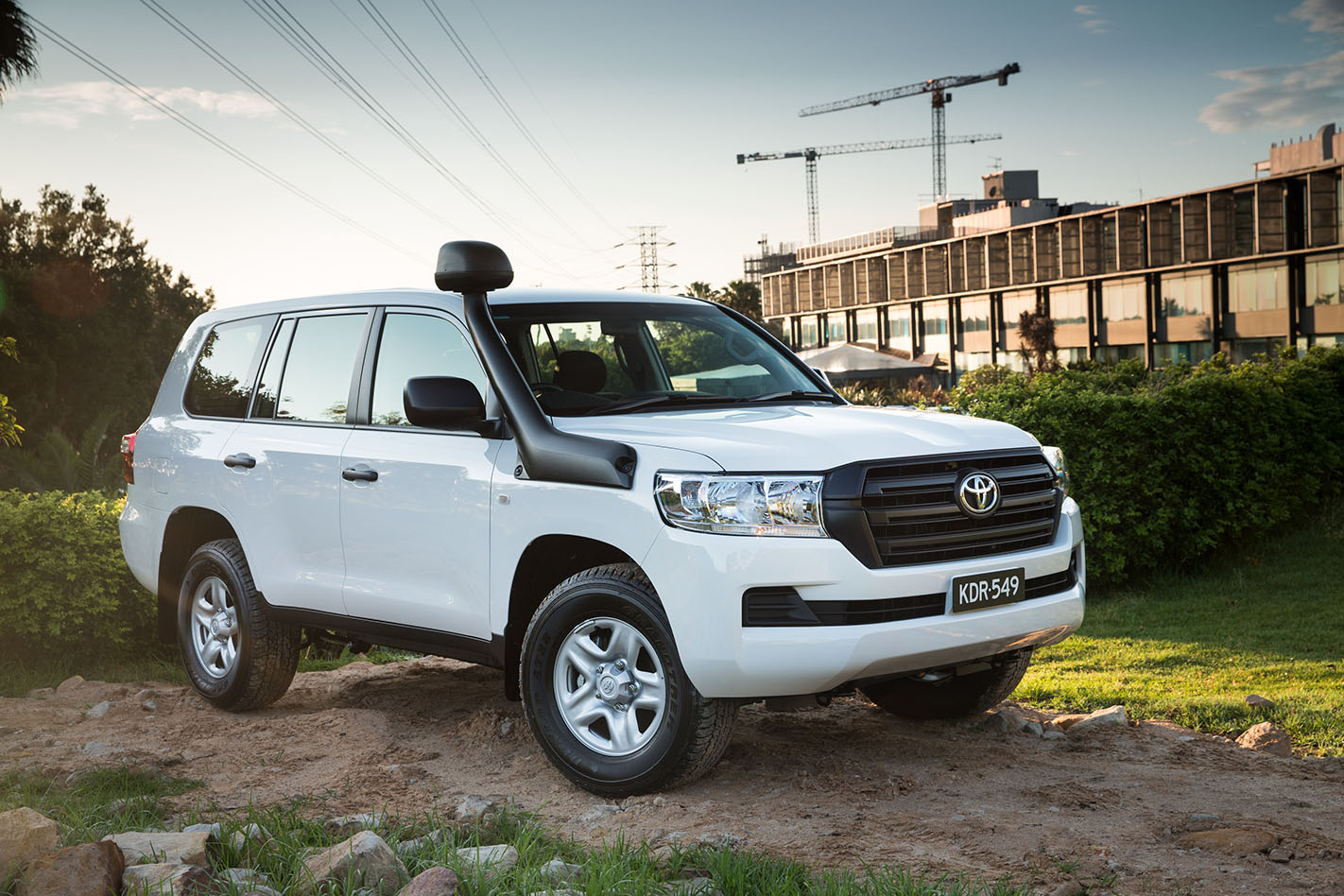
In terms of model and variants, Toyota will undoubtedly continue to offer entry-level, low-spec variants like the GX for primary producers and industry customers, while the range-topping Sahara will also remain in place.
And if you’re a fan of the oldest ‘Cruiser of them all, rest easy – Toyota has gone on record as saying that the venerable 70 Series will carry on even after the introduction of the 300 Series.
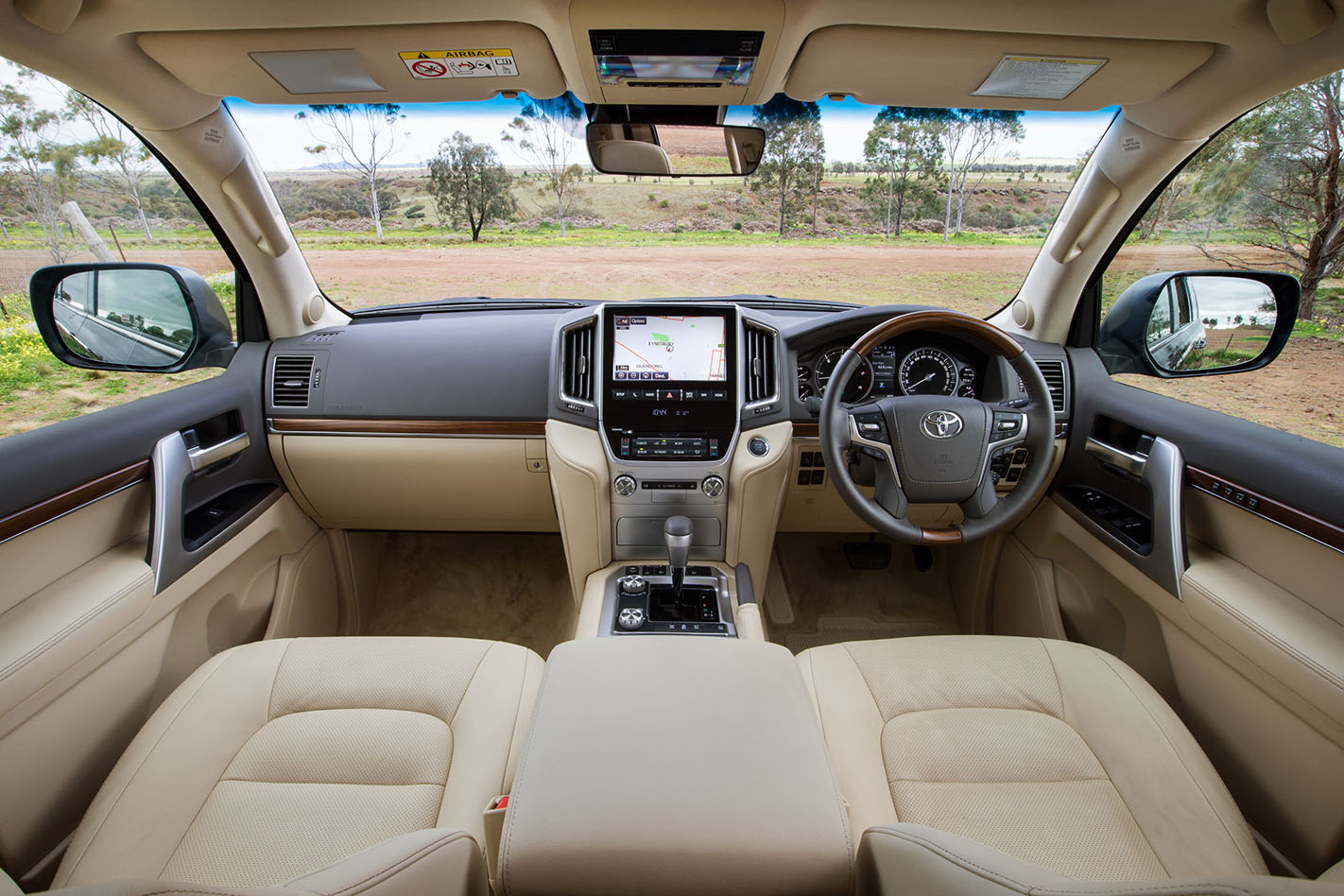
The launch of Sony’s new PS5 console is just weeks away, but we still don’t know much about one of its most important games; Gran Turismo 7. Confirmed back in September in a showcase with several other games, GT7 has been one of the titles surrounding the new PlayStation 5. Here’s what we know.
Gran Turismo 7 release date
Gran Turismo 7 might’ve been revealed alongside several other games, but while we’ve seen more of titles such as Spiderman: Miles Morales and Demon Souls, Sony has gone pretty quiet about Polyphony Digital’s racer. Two things make the situation even less hopeful: the PS5 launch is just weeks away, and Gran Turismo games have a habit of being planned for launch, but never actually arriving on time…
More optimistic gamers can hang their hopes on what Sony has indirectly said about GT Sport’s sequel, though. In a post about the PS5’s new audio capabilities, Sony reveals that 3D audio tech can be enjoyed at launch on games such as ‘Marvel’s Spider-Man: Miles Morales, Marvel’s Spider-Man Remastered, Astro’s Playroom, Gran Turismo 7 … and many others.’
All of the other games mentioned are confirmed for launch, so Gran Turismo 7 should also be out next month… right?
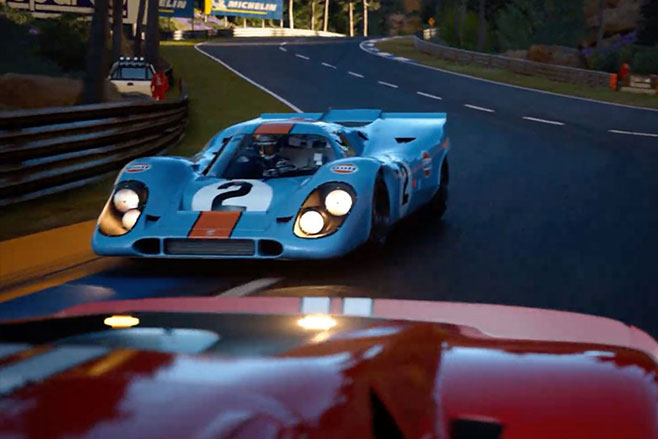
Does it look good?
Of course it does! But at this stage the law of diminishing returns is in full swing. The PS5 brings ray-tracing tech – one of the key features of next-gen machines – and it’s evident in the Gran Turismo 7 trailer shown today.
For those less interested in the tech, expect far more realistic lighting – have a look at the trailer to see what we mean. We’re also expecting 3D sound. Such is the technical ability of the PS5, it’s best to watch the trailer on a 4k and HDR compatible screen – or you won’t get the full effect.
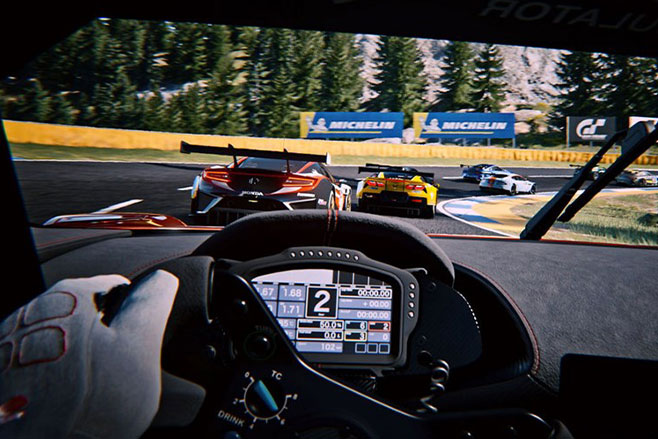
Bringing back the classics
The trailer also revealed two new features that’ll appeal to long-time fans of the series. First, a revamped Home screen shows a sprawling map with new dealerships, used cars and a tuning shop; exactly like older Gran Turismo titles. It’s something that’s missing from GT Sport and is still one of the most criticised aspects of the game.
Secondly, Trial Mountain and Daytona Speedway have also returned to the fold. Except they’re now rendered in 4k and Ultra HDR.
The trailer also featured a nicely rendered Porsche 917k as well as the newly revealed Mazda RX-Vision GT3.
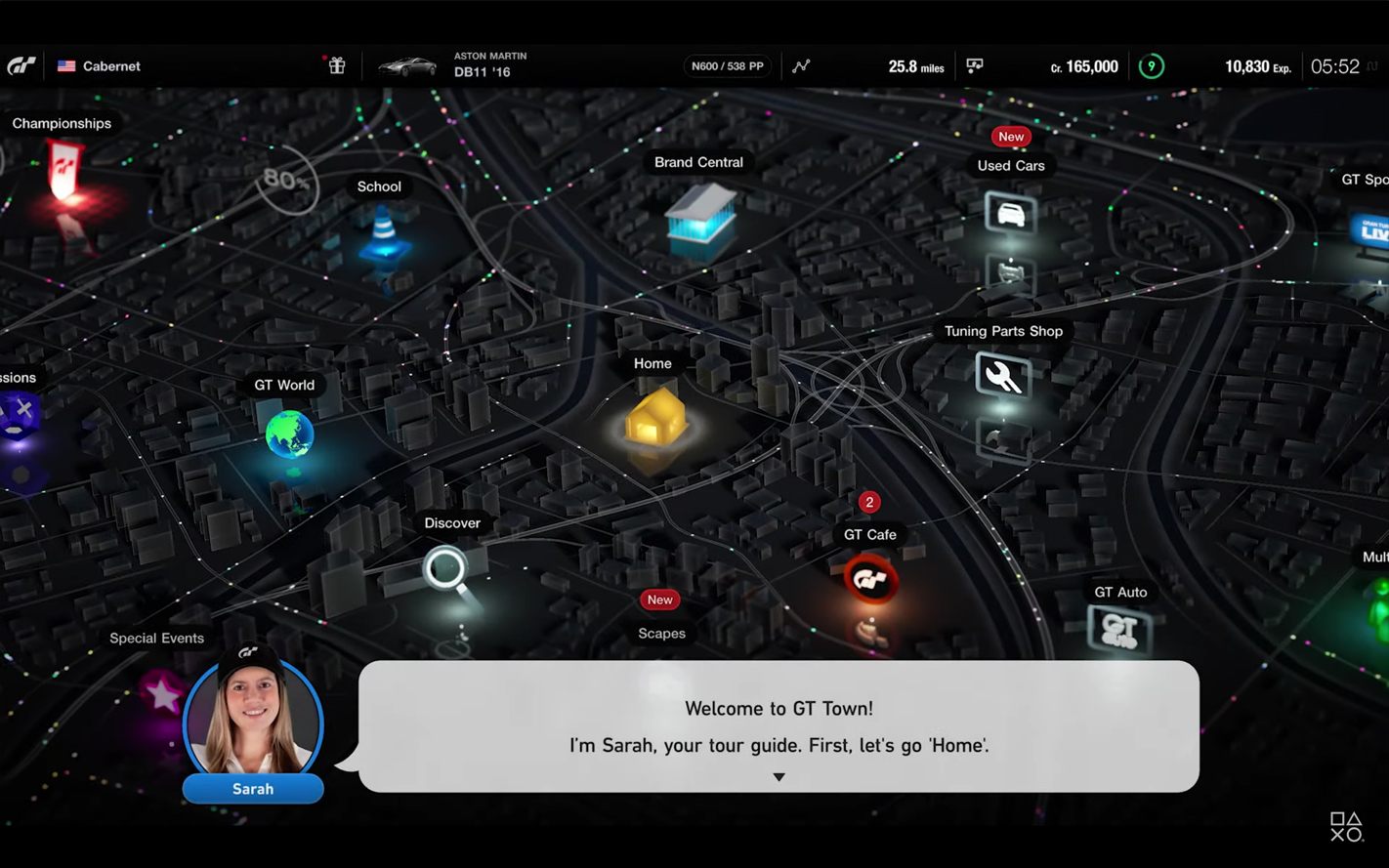
And finally, how will it play?
Well we haven’t played it yet, so can’t tell you. However, we know those using the new PS5 DualSense pad will benefit from a range of improved haptic and vibration features.
That means there’ll be increased and more detailed feedback through the pad; Sony states you’ll be to feel the difference between kerbs, gravel and tarmac – or the feeling of braking traction.
Almost all PS4 peripherals will be compatible with PS5, so you don’t need to throw out your best racing wheel – but we expect Thrustmaster to release a new wheel to coincide with the launch also.
Introduction: A nervous first dance
Kirby meets an old flame; tries not to get burnt during the introduction
- Price as tested: $85,036
- This month: 397km @ 9.1L/100km
You see, as a uni student I had a mate, Keeley, who was renowned for owning powerful modified cars – like a MkIV Supra aerotop that deployed nearly 600kW to tortured rear tyres.
Keeley threw me the keys to his pride and joy at a local track cruise as a birthday gift. But, foolishly, on my ‘warm up’ lap I planted the throttle only to experience an aeon of turbo lag.
When the volleyball-sized turbo finally did spool up, the tyres were as hapless as a watermelon hit by an anvil, and my unprepared and overconfident ass became a mere passenger as the car veered off-track.
No damage was done, and the friendship remained intact. Thick black skid marks that turn hard left into the dusty infield of Queensland Raceway is all that remains as a monument to my foolishness.
Now, with another decade of driving sensibility drilled into my brain, I find myself standing in front of another Supra. This time it’s the reborn MkV Supra GR in base GT guise, ‘mine’ for three months.
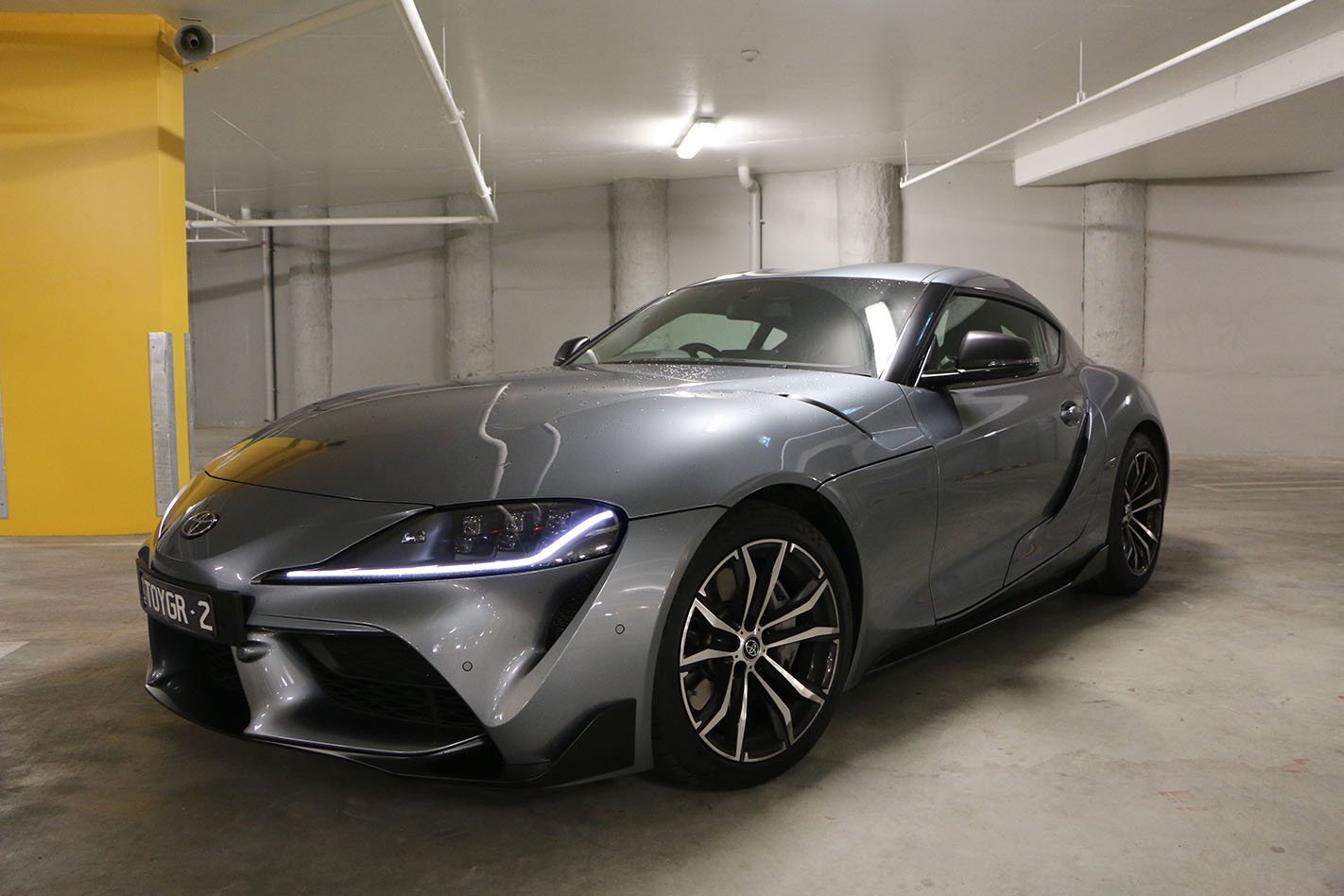
Priced at $84,536, the GT is $10K cheaper than the flagship GTS and, by my logic, the smarter choice.
You aren’t missing ten grand’s worth of performance, with both variants fitted with the same 250kW/500Nm tune from the BMW-sourced B58 3.0-litre turbocharged straight-six.
The only option fitted to our long-termer is premium paint at $500. Dubbed ‘Goodwood Grey’ (all the Supra’s colours are named after iconic race tracks), the hue pops nicely in the sun.
Each corner is kept up by 18-inch wheels (down from 19s on the GTS) wrapped in Michelin Pilot Super Sport rubber (255/40 up front and 275/40 at the rear).
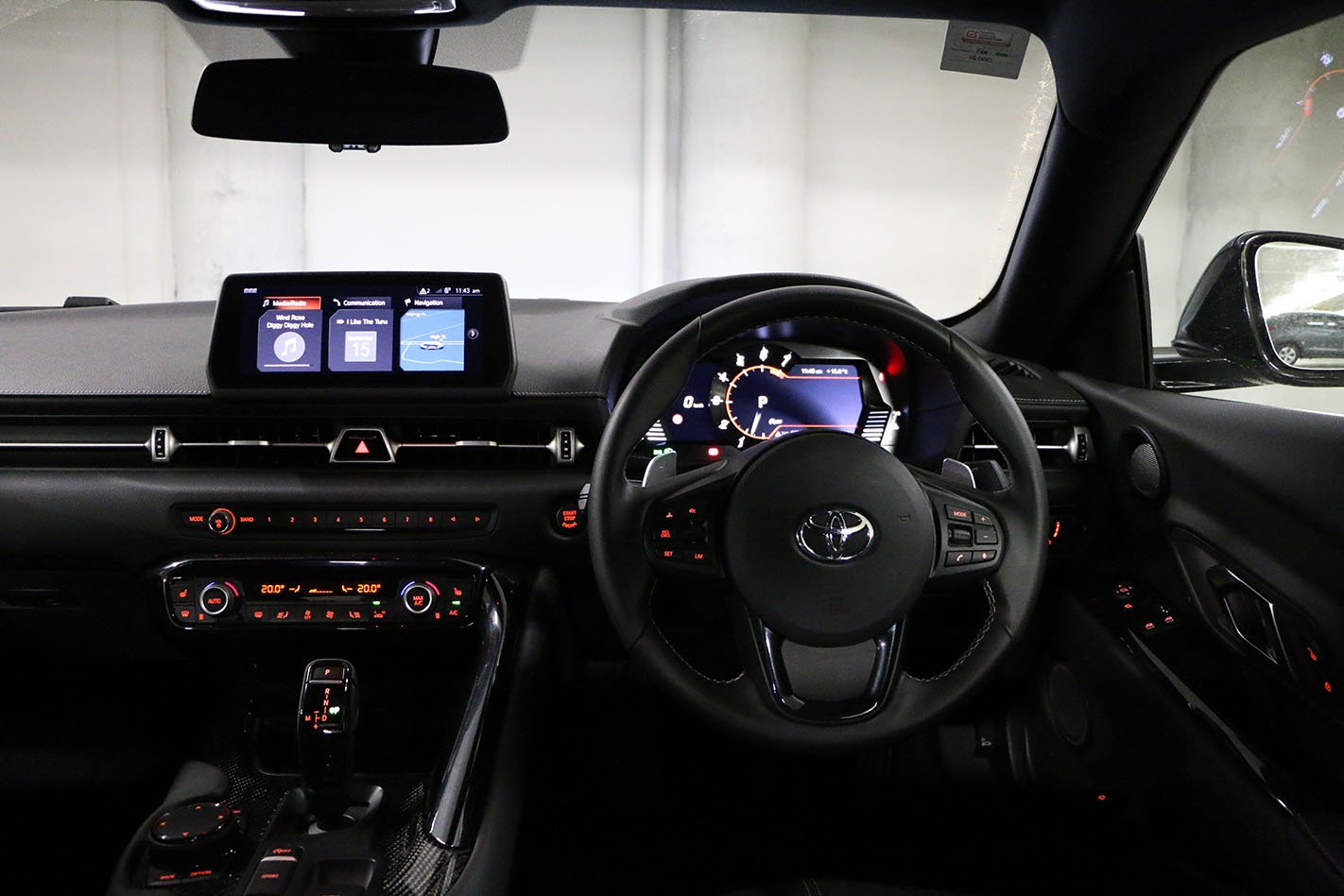
My cheaper variant does without a head-up display, larger rear brakes, the 12-speaker JBL sound system, and the ability to option certain seat trims. Fair trade, by my calculations.
A sports car deserves a proper introduction, so I mapped out 148km of my personal favourite driving roads to start the relationship.
Before I departed, I received a message that brought that original Supra encounter front of mind. It was Dep Ed Enright, who cautioned that on certain weight transfers, the Supra’s rear end can get particularly squirrelly.
Then I recalled during COTY testing when the Supra ripped a skid that could have earned it an automatic entry to Summernats with launch control still engaged.
In the name of preserving of Toyota’s sculpted metalwork, and my career, a ten-tenths blast straight out of the gate wasn’t going to happen.
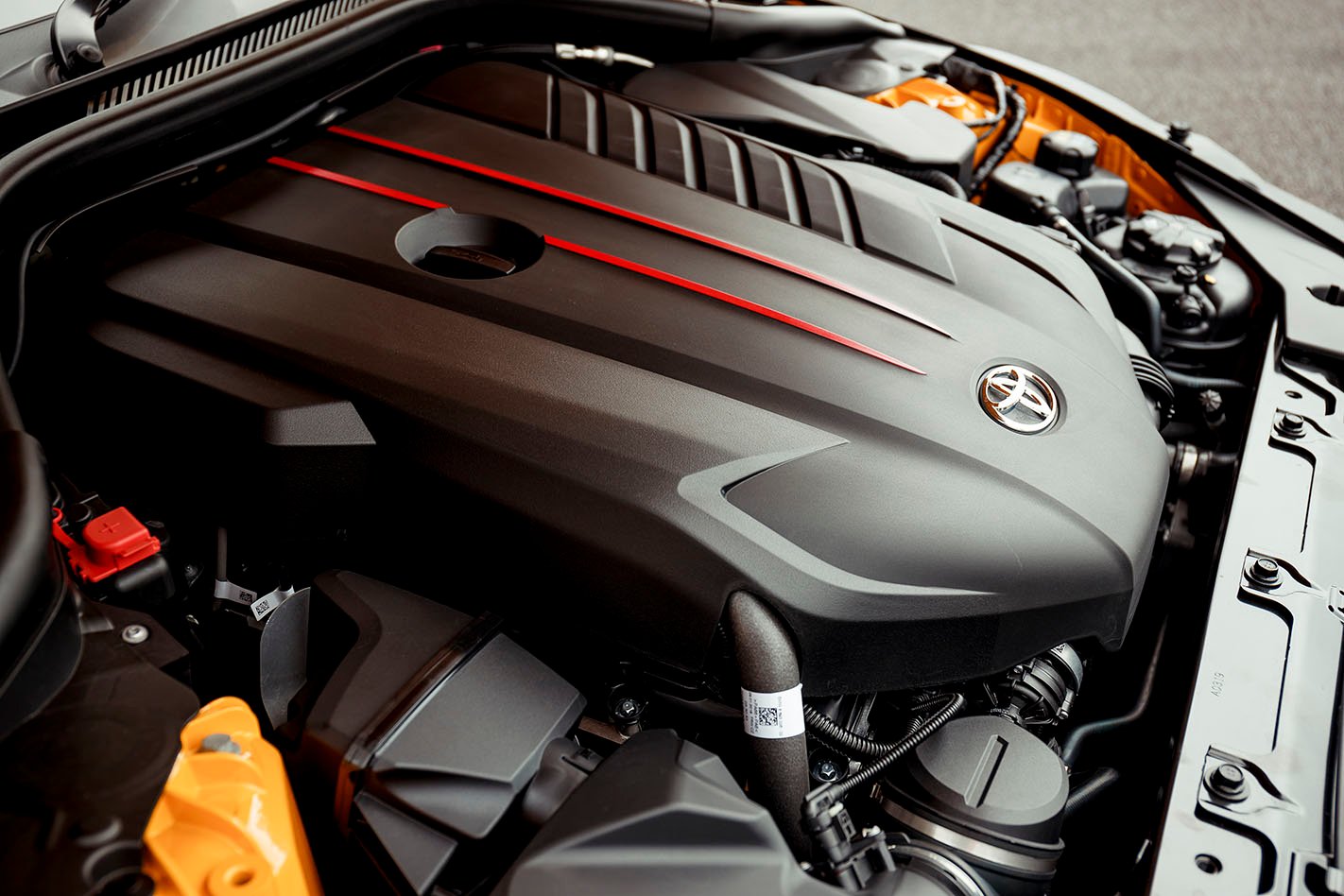
I needn’t have worried, as the Supra and I gelled instantly. Both driver and car relished the flowing, cambered corners of Gembrook-Launching Place road. It was here that I quickly learned of the Supra’s eager turn-in, the nose flowing into bends smoothly thanks to a wonderfully planted front-end.
Then came Reefton Spur and a switch to sport mode. Here I was educated on the eight-speed automatic’s whip-crisp upshifts. Toyota deliberately opted for shorter gearing with the Supra, making it well-suited to this tight and twisting route.
Past Lake Mountain, we descended toward Marysville with the windows down. If it’s an auditory delight you’re after, the Supra delivers. The exhaust’s pops and crackles are joined by whistles and hisses from the turbocharger in a fascinating mechanical duet.
My love affair with this Japanese icon was well and truly reignited. Lockdown restrictions have so far scuppered a repeat trip. Yet, just as when Keeley passed me the keys to his aerotop, the MkV Supra fills me with an ‘I can’t believe I’m driving this’ wonder every time I slip into the cockpit.
My lockdown comes with a rapid silver lining – I’ll be keeping it on the black-top this time around.
Update #2: An unlikely hero
Despite the Supra having its wings temporarily clipped, Kirby finds it still soars
- This month: 254km @ 11.3L/100km
Yes, sports cars must be enjoyable beyond the butter-smooth bitumen and swooping curves of your favourite driving road, but boot apertures and carrying capacities aren’t really their forte.
With Victoria’s strict lockdown measures, the Supra has been mostly grounded at Kirby HQ this month. But that doesn’t mean it has been completely immobile; my partner has to merely begin the sentence “Honey, I think we are out of mi…” and I’ve got the keys in hand.
With a claimed capacity of 290 litres, there’s a surprising amount of room for luggage in the Supra, and even my biggest trips are yet to completely fill the cargo space.
The B58 engine remains as much a pearler around town as it is in the hills, with a fantastic dual character. It’ll happily burble along at a couple thousand revs without any fuss or lurching.
I’m also thankful for the traditional torque-converter automatic, as the low-speed driveability of the Supra is all the better for it. Around town, it slips between ratios subtly, aided by the straight-six’s silky-smooth nature.
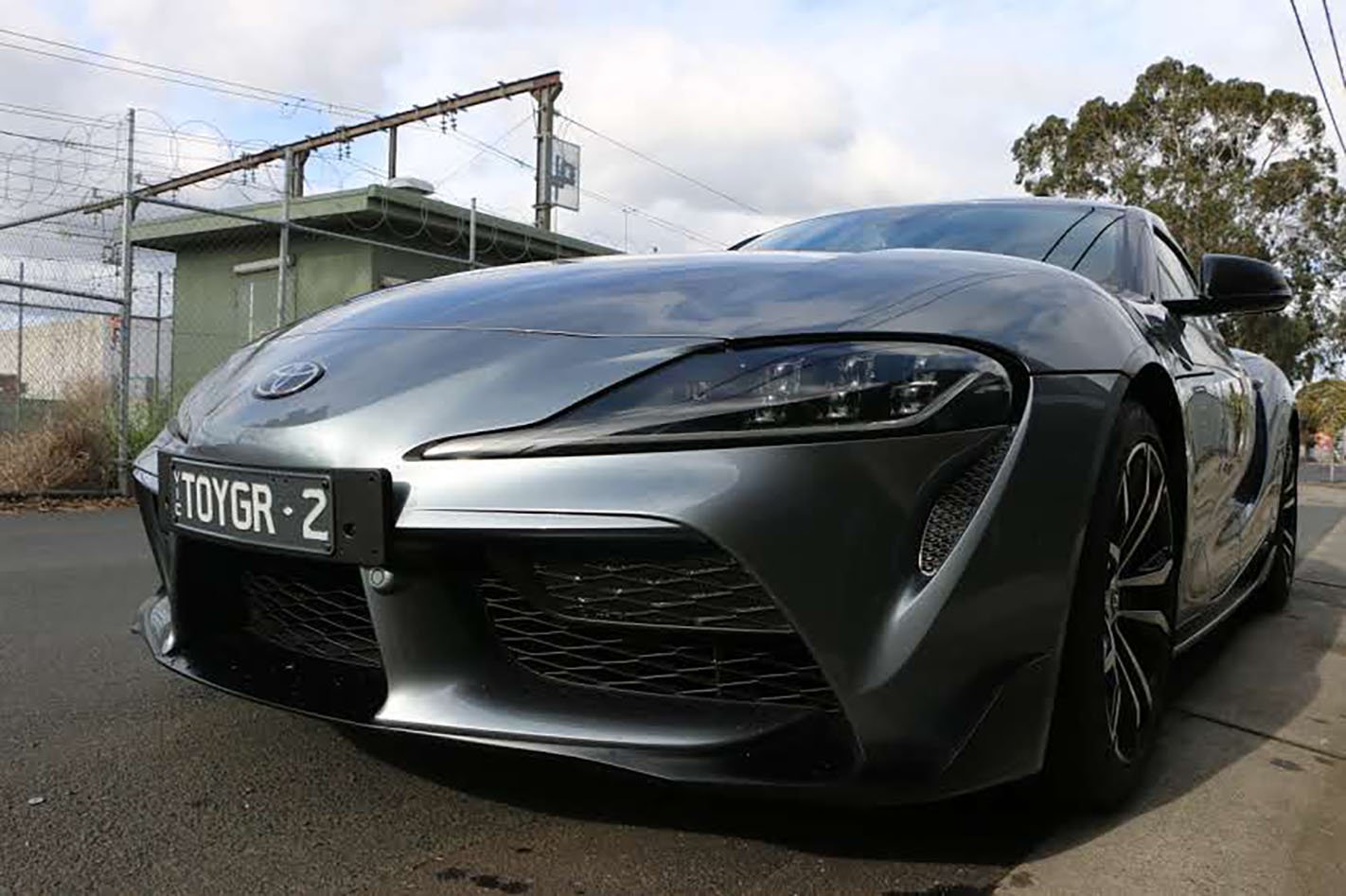
I have grown to appreciate the Supra’s diminutive stature. With an overall length of 4381mm, the Supra is shorter than both the Hyundai i30 Fastback N and Ford Focus, meaning it can navigate tight underground garages with ease, and squeeze into tricky parks with no stress.
Vision outward isn’t the best, with the rear three-quarters requiring some neck craning to get a better angle. A 360-degree parking camera would be a welcome addition come mid-life facelift time.
I also have some gripes with the doors. Firstly, they’re huge, meaning getting in and out when parked next to another car makes you look like a slithering eel.
Secondly, while the sloping roofline gives the Supra a stunning silhouette, it also means you’ll inevitably misjudge the entry as you slide into the cabin and slap your temple against the door frame.
Finally, you simply cannot drive above 60km/h with the windows down. If you want to enjoy a crisp spring breeze, you’ll need to put up with severe buffeting at the same time.
Ultimately, though, these are small things, and the Supra has impressed in its unlikely servitude as a carpark hero. If you don’t need to carry more than a single passenger, the Supra would be a perfectly amicable daily driver that’ll earn you plenty of new friends (more on that next month).
Update 3: The fast and the friendly
Kirby and the Supra partake in some community service
Price as tested:$85,036 This month: 399km @ 8.5L/100km
Moments of true joy have been hard to come by in 2020, but the Supra has done its fair share of community service in the last three months, spreading smiles and good energy anywhere it goes.
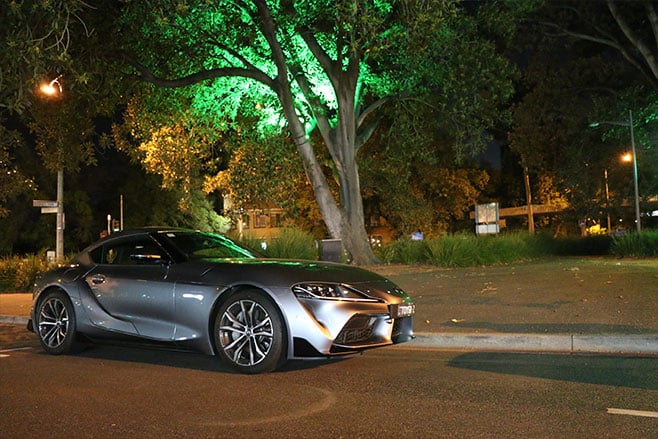
From the trolley boy who gave me the world’s biggest thumbs-up, to the P-plater who probably had to book a chiropractor’s appointment, given how rapidly he twisted his neck at a set of traffic lights. Wherever I’ve driven this last month I’ve been followed by a glut of stares and second glances.
It’s hard to tell if everyone is as big a fan of the Supra’s flowing organic looks as I am, but you can’t deny Toyota’s sports car cuts a striking figure prowling the streets.
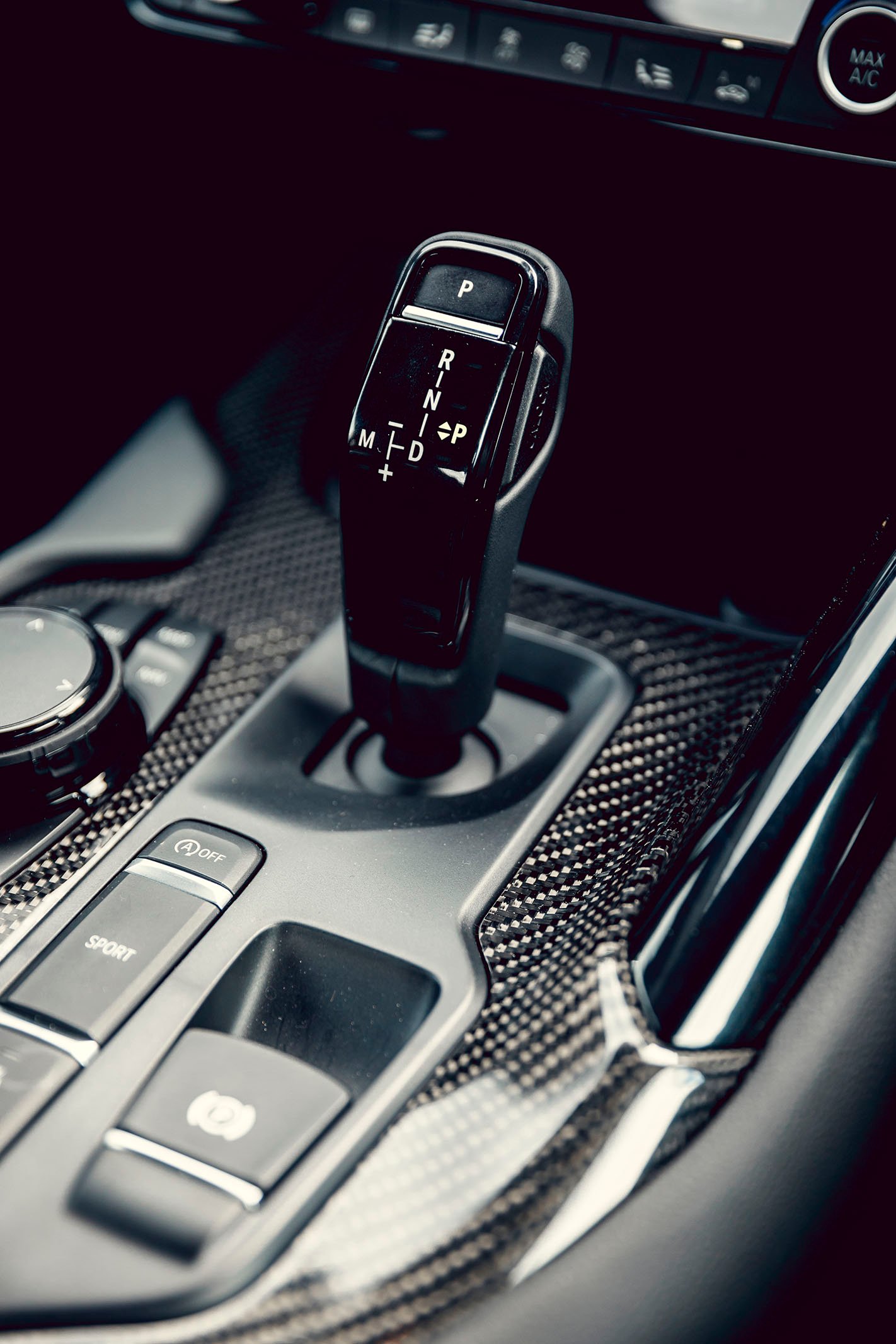
Using BMW systems, Toyota offers one of the most customisable drive mode configurators this side of a Hyundai i30 N. All the usual culprits are available to be tweaked to your liking – steering, suspension, engine, and gearbox.
Separating the engine and transmission is a masterstroke oft missed by other manufacturers. It gives the engine a livelier personality, allowing you to enjoy all the associated pops and crackles from the exhaust without donkey-kick gearshifts at low speed. It’s not quite the high-calibre machine gun audio antics of say, an A45 S, with the Supra’s straight-six having a more muffled tone.
I’m not sure all my neighbours love the Supra’s siren song, but I don’t really care. Any shame I may have felt was wiped completely when a little tacker stopped in his tracks, tugged at his father’s shirt to point at the Supra, then clapped in glee as the exhaust let loose a crisp ‘pop, pop, BANG’ off throttle as I slowed for a roundabout. Onya, kid.
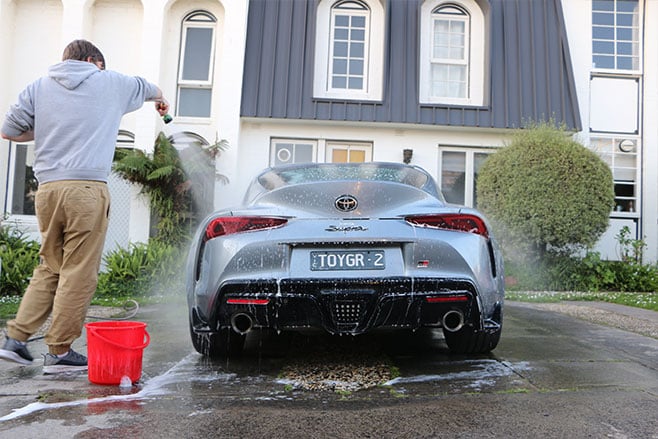
Not everything has been smooth sailing though. After washing the Supra I discovered that water had begun pooling on the plastic boot lip under the rear hatch. Thankfully none had made its way into the boot itself, or underneath the lining, but it was disconcerting to see a decent amount of water had made it between those swooping panels.
Another issue that has reared its head is cabin noise. While road noise is tolerable around town, a couple of stints on the highway has again reinforced the Supra isn’t cut out for long-distance touring. Even on smooth blends of tarmac, tyre roar is significant. On longer drives this would be a frustrating existence.
It’s a credit to the Supra’s endearing nature that these foibles haven’t dampened my affection. And judging from public reactions, I’m not the only member of the MkV Supra fan club.
Update 4: Clean ‘n’ go
The last bath for a sports coupe that nailed its Driver-focused brief swimmingly
Price as tested: $85,036 This month: 358km @ 10L/100km Total: 1408km @ 9.5L/100km
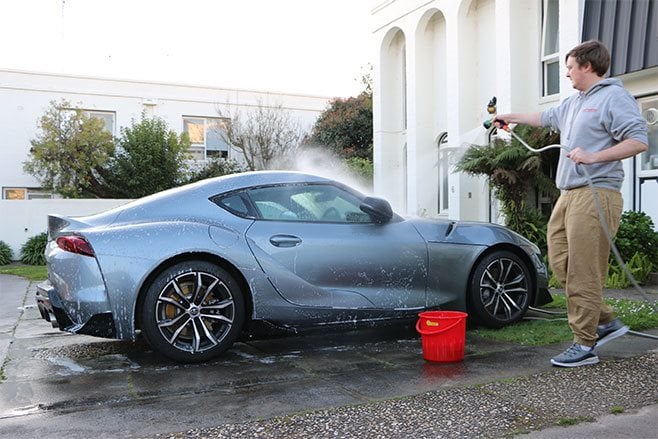
This is it. The final ceremonial wash for every long-termer before returning to its home. A time to reflect on the pros (and cons) of the ownership experience. As I wash the dripping soap suds off the Supra’s flowing, organic curves, I lose myself in silent thought, coming to the conclusion that this is a damn good car, and I’m sad to see it go.
Amid my wistful washing, though, is an elephant in the metaphorical room, and it’s wearing lederhosen and chowing down on some currywurst. The most common criticism levelled at the Supra is its inextricable link to BMW. Those who wield this sword claim that the shared development of the Supra and the Z4 taints the former, preventing it from being a ‘real’ Toyota hero. Yeah, but Toyota could never have justified producing this car without the BMW partnership, and the link only serves to improve the breed.
Not once during my ‘ownership’ of the Supra did the BMW connection bother me; instead it only provided benefits. Jump in a Corolla and tell me the infotainment system is better than what is served up in the Supra. Find me an engine within Toyota’s stable that could fit under the Supra’s bonnet and do justice to the car’s sporting credentials. Don’t worry, I’ll be waiting.
Where the MkV diverges from the path of its predecessors is its nature.
A healthy diet of Fast and Furious films and Gran Turismo games has prompted my generation to forget that the MkIV – despite all its 1000hp tuning potential – wasn’t the sharpest knife in the kitchen when it was first revealed. Stock, it was more of a grand tourer than sports car. The MkV followed perception instead of reality and it’s all the better for it.
A final fang before handing the keys back to Toyota cemented the Supra’s sports car credentials in my mind. I mapped out 135km of some of the best bends around Wheels’ famed COTY road testing loop, culminating in the 41km blast of Grand Ridge Road from Mirboo North to Ellinbank. For those couple of hours on a sunny Sunday afternoon, it was just me, the Supra and brilliant Australian bitumen.
While more expensive than some may like for a Toyota, the Supra provides all the performance you could ever want in the real world.
I remain convinced that the base GT is a smarter choice compared to the more costly GTS – the benefits simply don’t outweigh the extra outlay of cash – but at this price, you are hard pushed to find a more engaging, competent and downright fast set of wheels.
Toyota has dialled in a Goldilocks level of damping into the suspension, allowing the Supra to comply with larger mid-corner bumps, without becoming a wallowing mess, while that silky straight-six engine’s torque curve is as meaty as a rugby union forward, with the Supra coming alive on corner exit to launch you at the next bend. Take the MkV for a proper drive and you will not be disappointed.
This can’t just be a love-in though. I’d be remiss to not note the tiresome road-noise, annoyingly long doors, poor water sealing of the bootlid, lack of sufficient in-cabin storage and sometimes clunky downshifts from the auto transmission around town. But weigh those against the Supra’s benefits and the scales still tip firmly toward the positive.
I didn’t put as many kilometres on the odometer as I would have liked due to Victoria’s lengthy lockdown, but in a way that only cemented my affection for this little silver bullet. During the toughest months of the truly worst year, the Supra was a constant pick-me-up. Even when we were trapped in our 5km bubble, thumbing the Supra’s starter button was a reason to smile. With the freedom to drive wherever, whenever, that smile turned into a gurning, cackling grin. Kudos, Toyota.
The Tochigi Prefectural police service consists of a lucky group of rozzers. Not only do they patrol a gorgeous area of Japan north of Tokyo, now they can do so in a Lexus LC500 police car.
The 5.0-litre V8-powered Lexus luxo coupe joins a slightly more menacing Nissan R35 GT-R, also donated to the force recently.
Reports range from stating the car was gifted by Lexus, to it having been donated by a Lexus executive, though no statement from Lexus appears to back this up.
MORE Nissan R35 GT-R joins patrol fleet in Japan
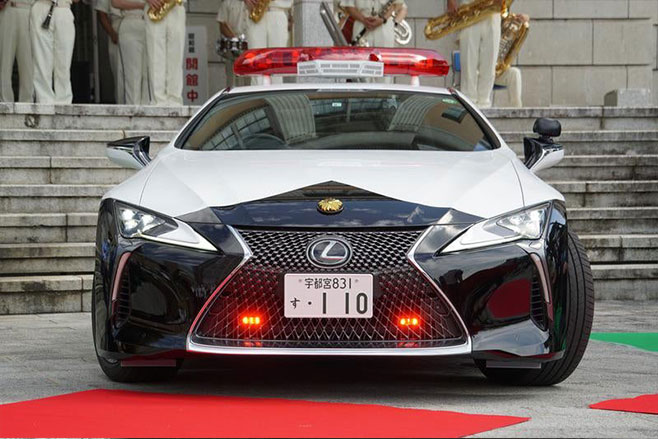
Instead, the car appears to have been donated by Kazuo Nakamura, the same benefactor as the Nissan GT-R and the CEO of pharmaceutical company CMIC.
A report from Japan says he told the department, “I’d like you to make use of this in preventing traffic accidents.”
Of course, the vehicle will be used as more of a PR benefit than in any particularly intense duties, though Tochigi police chief says it will see use on the road in crime prevention and traffic patrol.
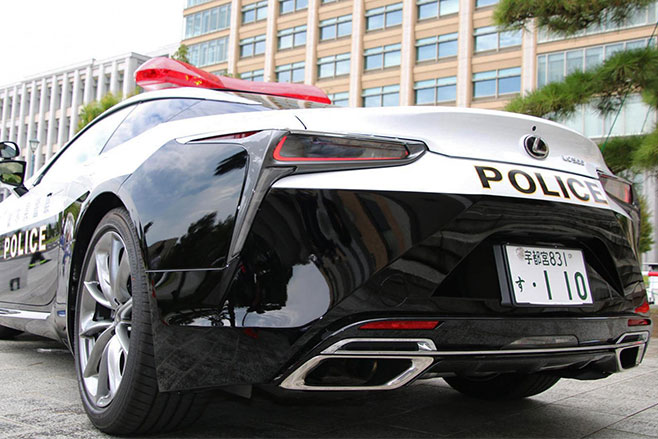
Of course, there are plenty of other drool-worthy patrol cars in Japan, with police forces taking a similar approach to Australian highway patrol when FPVs and HSVs were on the menu.
An R34 Skyline GT-R, an Autech R33 GT-R, a Mazda FD RX-7, and even a Honda NSX supercar have all graced the roads of Japan donning the black and white police livery.
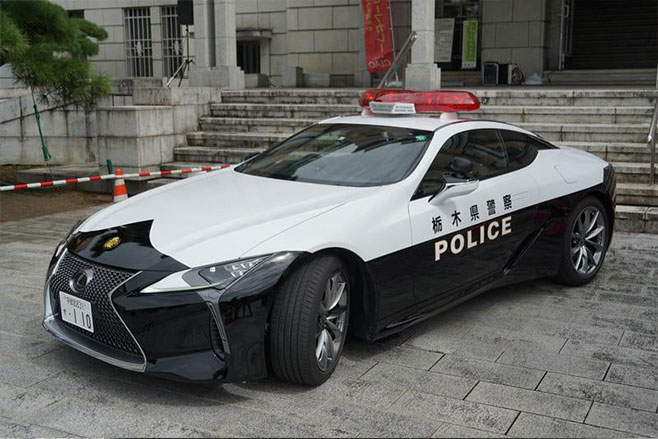
The Lexus LC500 is arguably the most luxurious to date, with suspension designed for comfortable cruising on long trips. However, an aggressive V8 growl gives away the potential for the car to get angry when called upon.
Here in Australia, the updated LC500 and the new LC500 Convertible are the closest you can get to feeling like a Tochigi copper.
NOW CHECK OUT the definitive list of the world’s coolest cop cars
Hyundai continues to gain ground quickly in the Australian market, but if there’s one segment in which it cannot afford to let up, it’s the ultra-important mid-size SUV space.
It’s a space that Hyundai has struggled to dominate to this point, but it’s hoping to change that with the latest iteration of its Tucson medium-sized SUV.
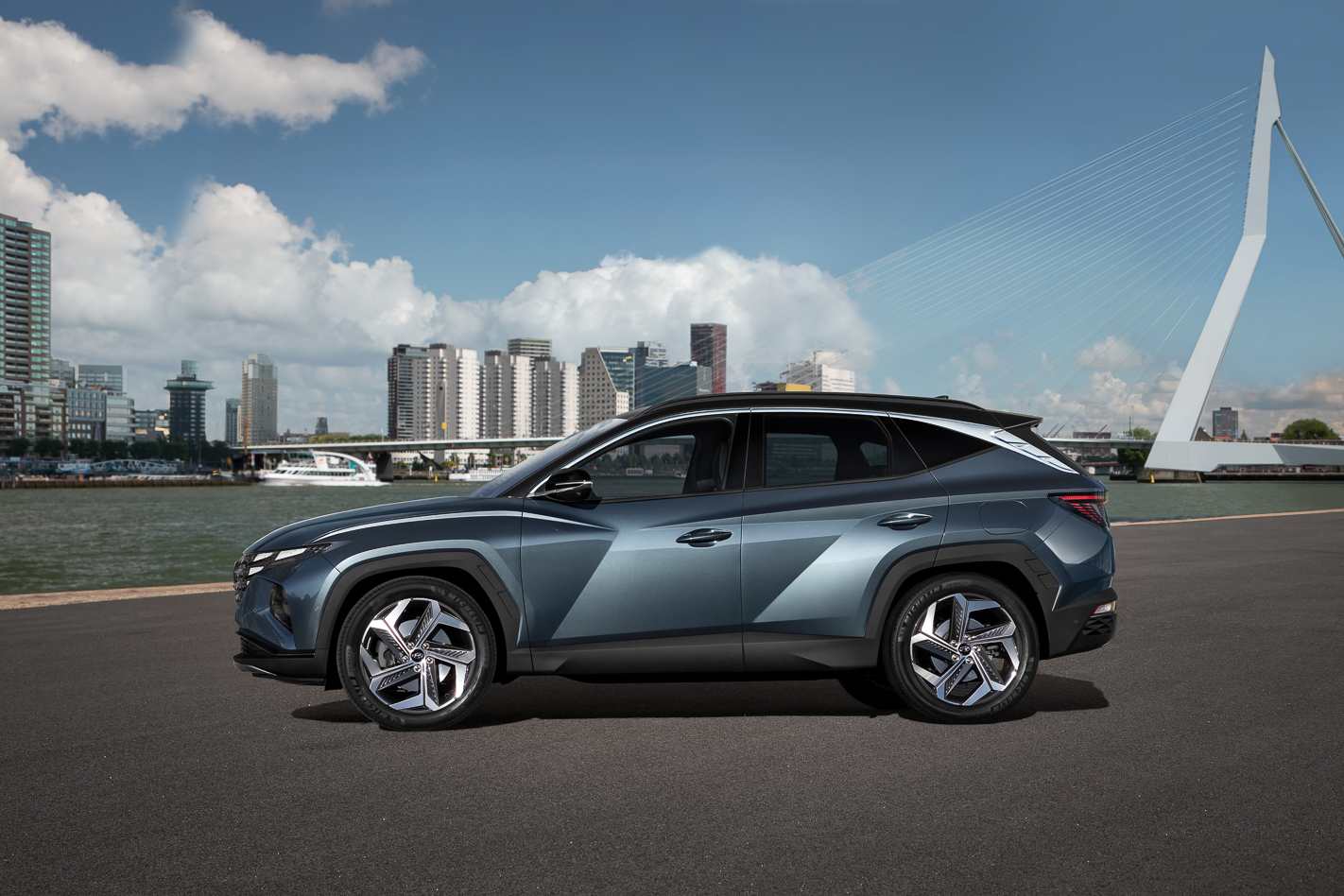
Not only does the newcomer sport a radical redesign, but it’s been kitted-out to the nines in order to keep up with a brace of well-equipped foes.
The dramatic changes, both inside and out, should be enough to worry some of the established competition including the Mazda CX-5, Subaru Forester, as well as the car that currently tops the charts, the Toyota RAV4.
Toyota’s evergreen SUV continues to pull away from its competition in the sales race, twice netting the title of best-selling car in the country in recent months.
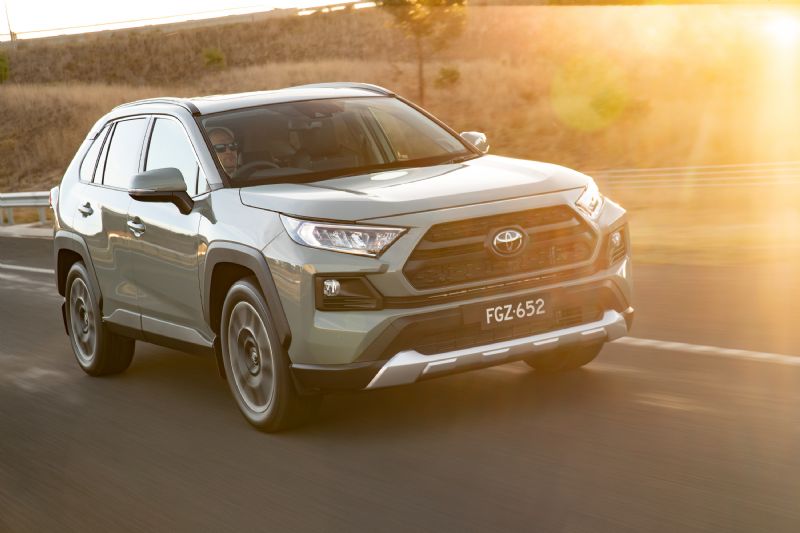
Can it hang onto its enviable position, or is Hyundai poised to pounce with the wild new Tucson? Let’s pit them head to head on specs ahead of an in-the-metal comparison when the Tucson arrives in early 2021.
Equipment/Technology
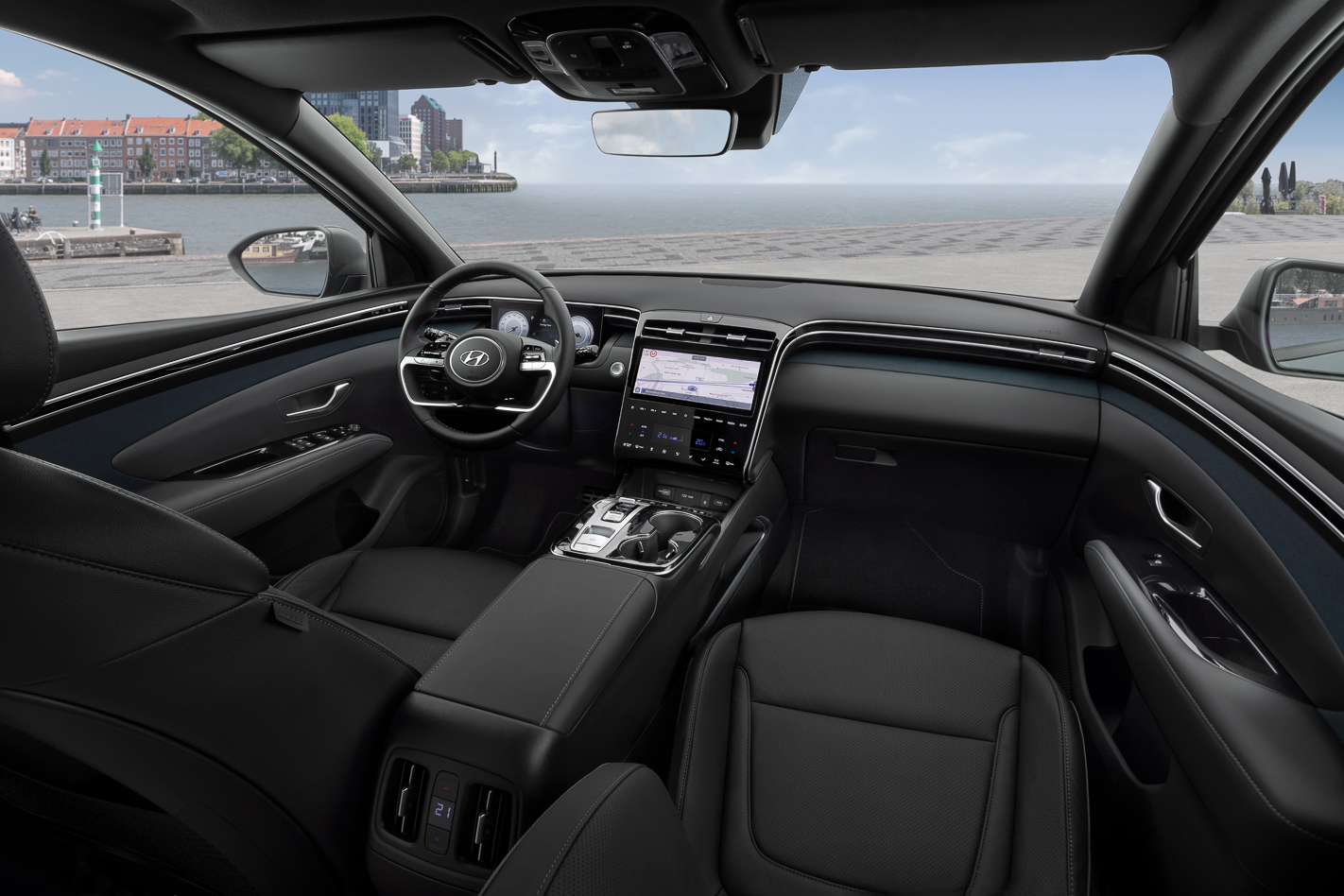
The new Hyundai Tucson will come to market packed with all the latest in technology, headlined by a pair of 10.25-inch infotainment screens – one for the digital instrument cluster and one for the central infotainment.
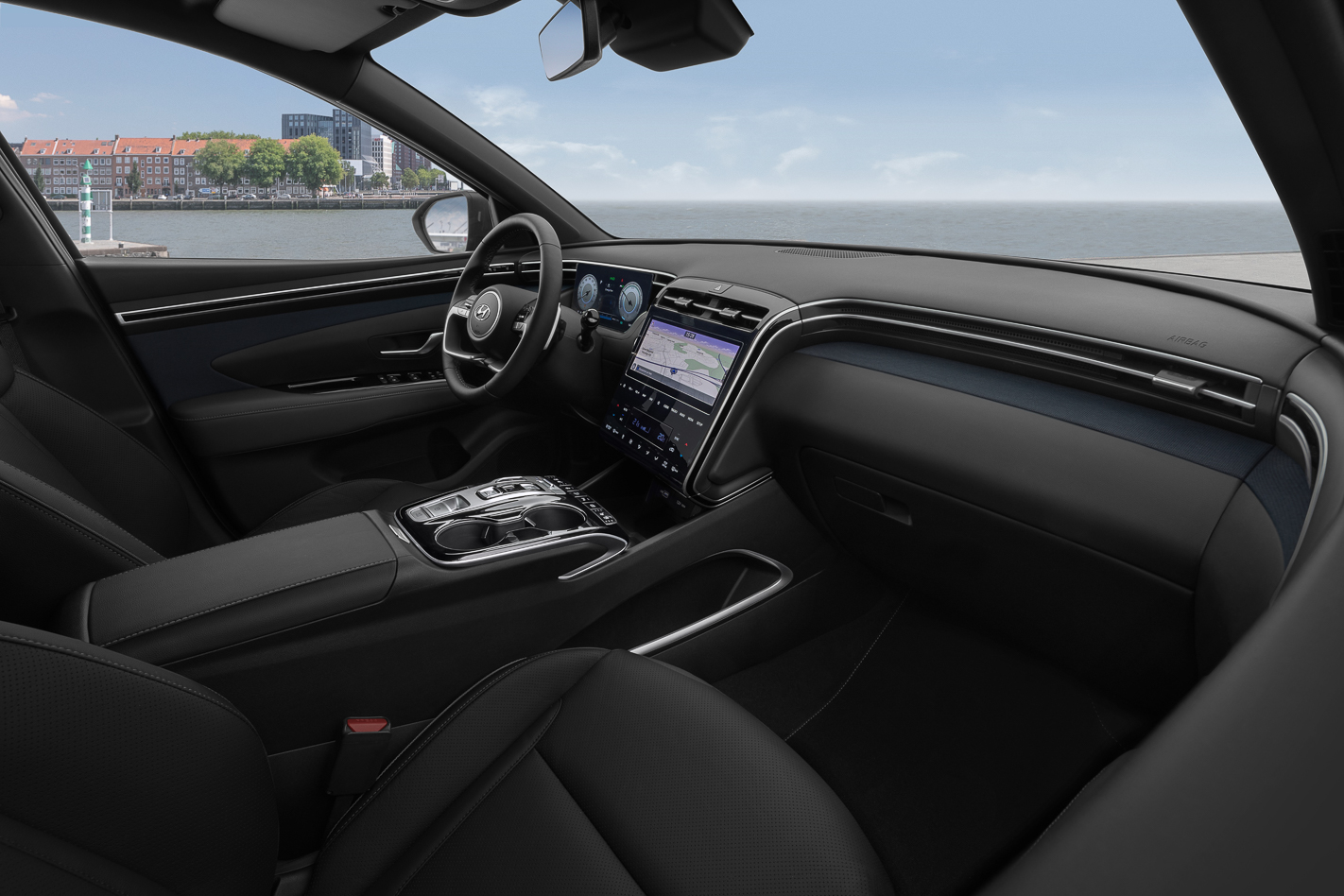
Below the infotainment in the centre stack lies a touch-capacitive panel controlling the car’s climate system, which is said to be benchmarked against airplane air-conditioning systems – timely during the coronavirus pandemic.
Other interior highlights include smartphone mirroring (a Hyundai staple), as well as colour ambient lighting, a premium Bose sound system, active cruise control, safe exit warning for the doors, digital key functionality to control the car using a smartphone and car-to-home capability which can potentially fire up home systems like air-conditioning and lights.
Gear shifts are managed by a cool-looking panel on the centre console, giving the new Tucson a futuristic feel. Rear-seaters will get vents, climate control and USB charge points, as well.
Safety is well covered-off, with Hyundai’s ‘SmartSense’ suite of pre-sensitive safety features providing active cruise control with stop/go function and lane-keep assist, autonomous emergency braking (AEB) with pedestrian detection, driver attention warning, high beam assist, rear-cross traffic alert with braking and blind-spot monitoring.
Hyundai hasn’t confirmed anything in terms of pricing for the 2021 Tucson yet, but it’s expected to mirror the current three-grade range to a degree.
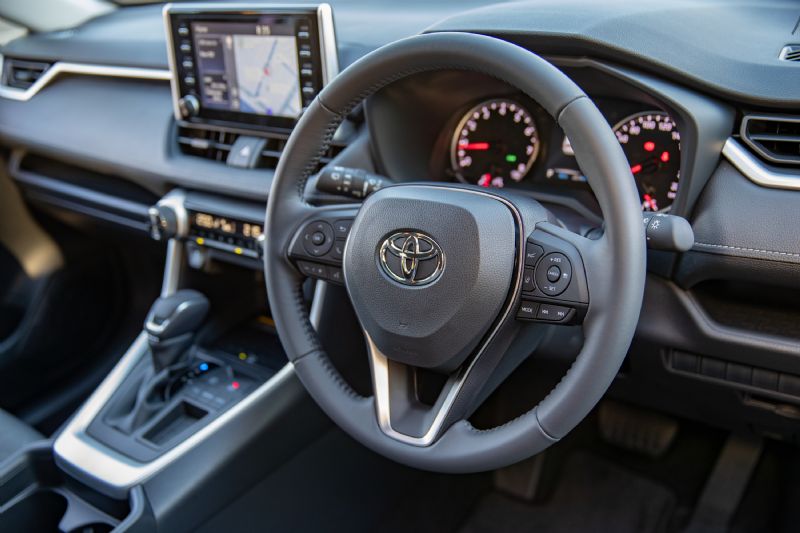
The Toyota RAV4 is also well-equipped with a functional interior displaying an 8.0-inch infotainment screen which can run smartphone mirroring, a 7.0-inch screen takes the instrument cluster digital, wireless phone charging, nine-speaker JBL audio and heated and cooled seats.
Active cruise control, collision detection and AEB is standard on all cars, along with seven airbags, a rear-view camera, lane-departure warning, blind-spot monitoring, rear cross-traffic alert, front and rear parking sensors, speed sign recognition and auto high beam.
Active cruise control is on offer, lane-keep assist helps control the car on highways and a top-down 360-degree parking camera is available.
Engines/Drivetrain
In addition to the design and equipment changes, Hyundai has also refreshed its suite of engines offered with the Tucson.
While the current Tucson range offers a naturally aspirated 2.0-litre petrol and turbo diesel of the same size, the 2021 Tucson introduces a 2.5-litre naturally aspirated four-cylinder and hybrid technology along with a returning 1.6-litre turbo in hybrid form.
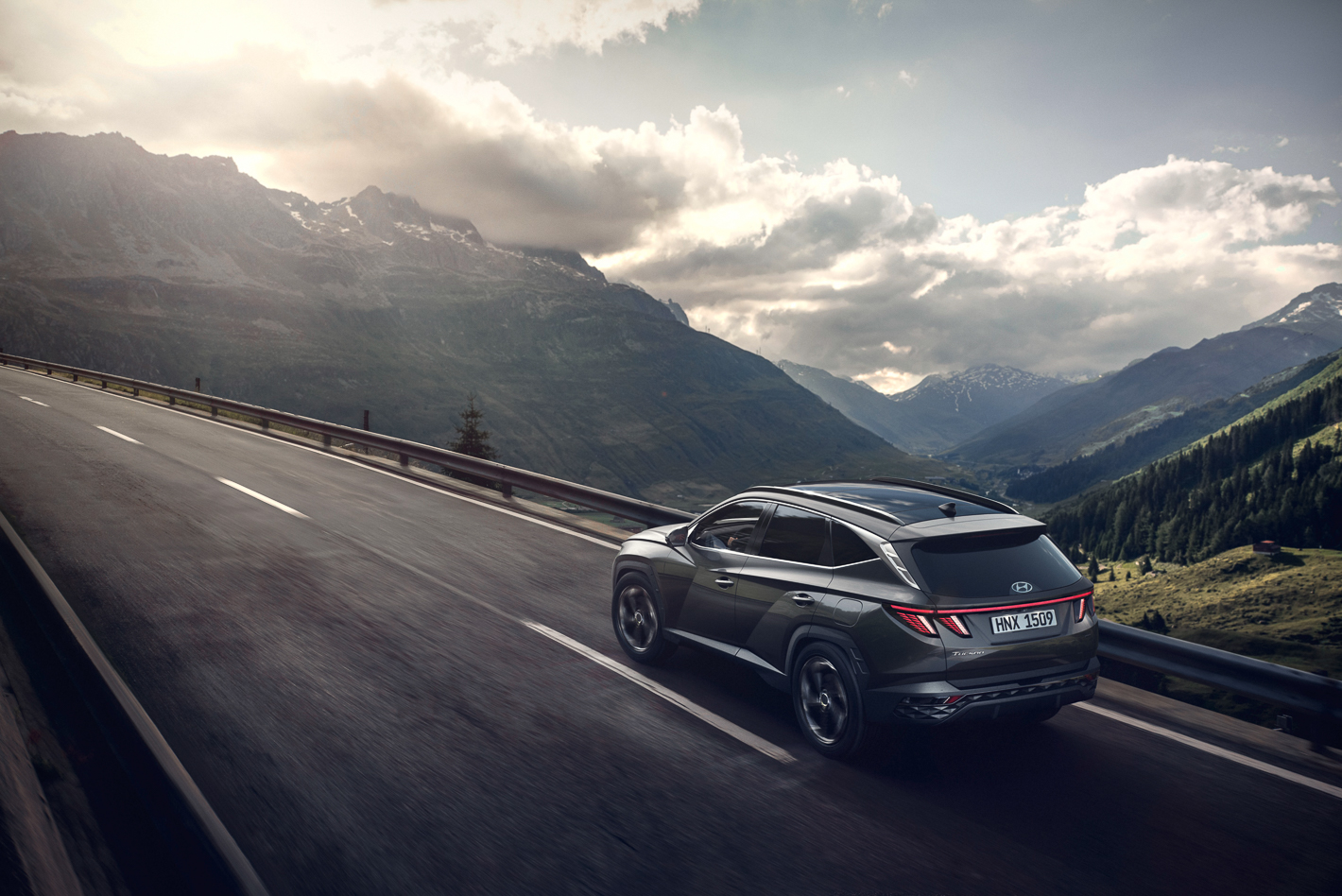
With the capacity increase, the non-turbo engine gets a performance boost from 122kW/205Nm to 141kW and 246Nm. With its new hybrid assistance, the 1.6-litre turbo four-cylinder power rises to 171kW and 348Nm combined.
An eight-speed automatic transmission will be offered with the 2.5-litre petrol but Hyundai has not detailed gearbox options for other engines.
Will there be a manual Hyundai Tucson? Don’t bet on it this time around, though a base-model version may be made available with a six-speed manual.
It’s likely the option of front-wheel drive as well all-wheel drive will be offered depending on the engine and transmission combination, as per the current line-up.
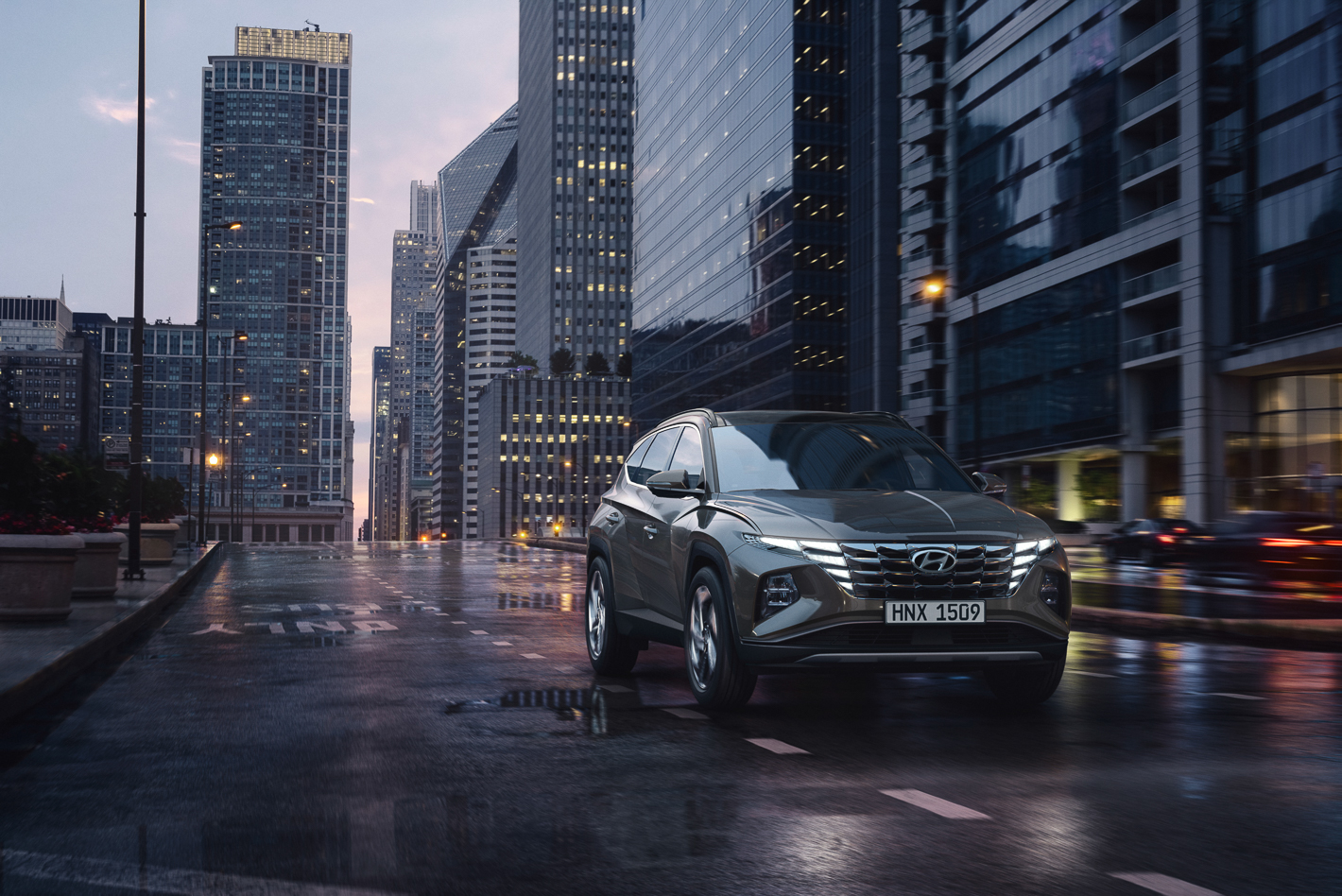
While the hybrid powerplants will be on the menu for overseas markets, Hyundai has stopped short of providing a full run-down of Australian engine options.
We understand the Australian line-up will be a more conservative offering that mirrors the current three-engine range, but both hybrids are under consideration.
Toyota, of course, does have a hybrid engine readily available and it’s selling its socks off – one of the most popular variants in fact.
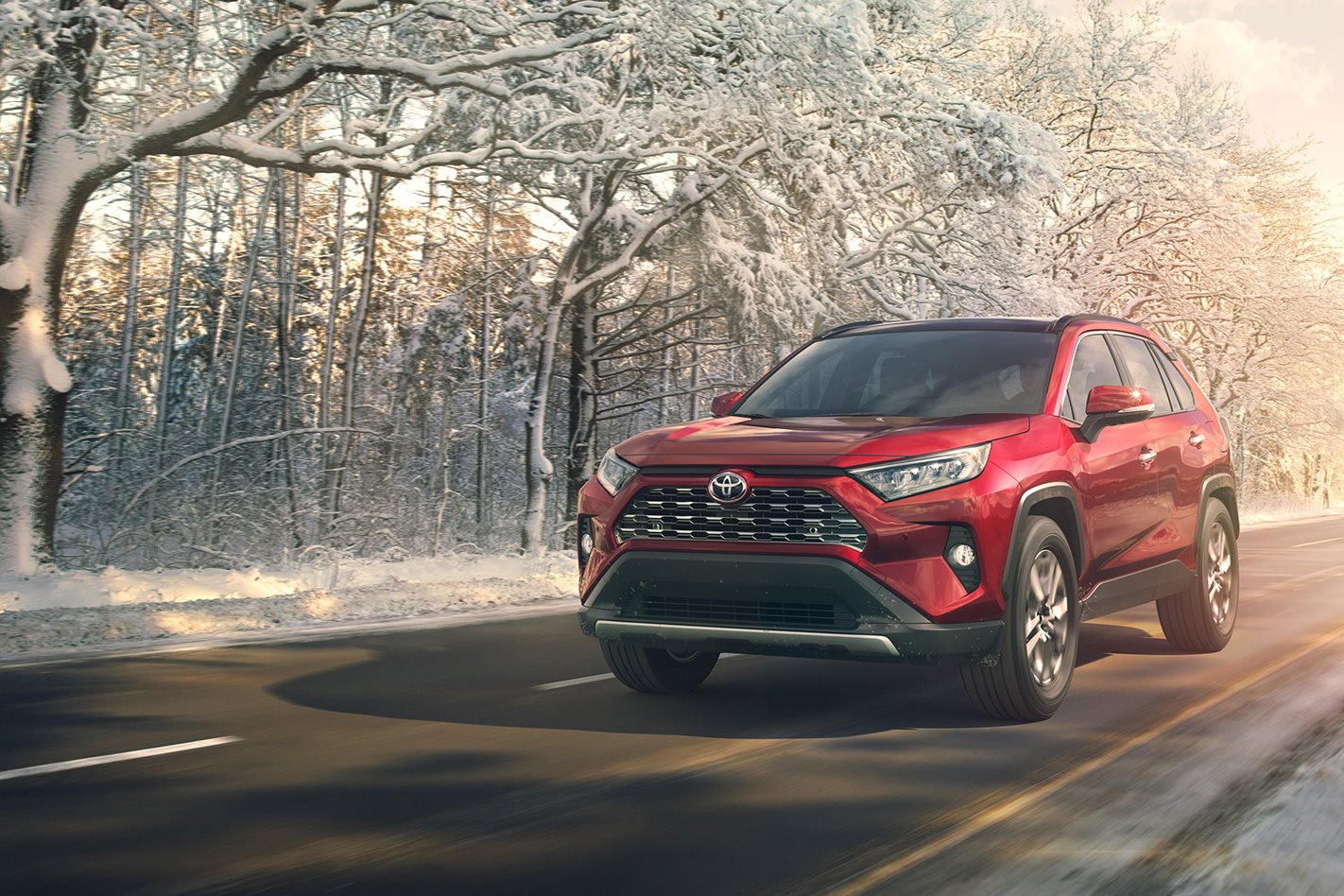
Three engines are available in the RAV4 range which includes a 127kW/203Nm 2.0-litre naturally-aspirated petrol four-cylinder, a 2.5-litre petrol/electric engine that outputs 163kW and a 2.5-litre naturally-aspirated petrol engine with 152kW and 243Nm.
The entry-level 2.0-litre engine is exclusively paired to a front-wheel drivetrain, the hybrid powers both front- and all-wheel drive versions and the 2.5-litre petrol is only available with the all-wheel drivetrain.
Space/Platform
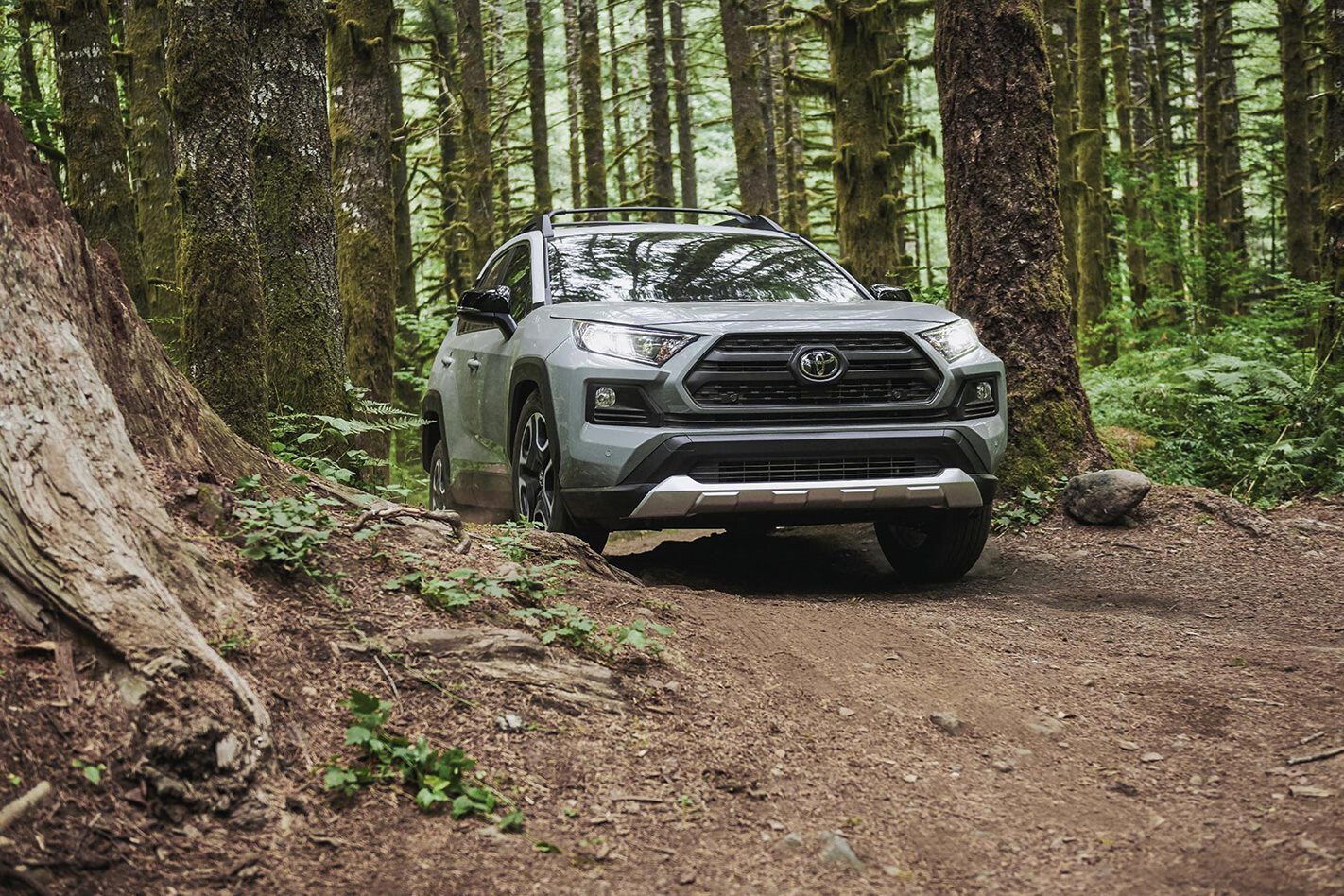
While overseas markets will see both a short and long wheelbase Tucson, Aussies will only receive the latter which includes seating for five.
The long-wheelbase car bound for Australia is 4630mm in length and is longer in all measurements but height, overall.
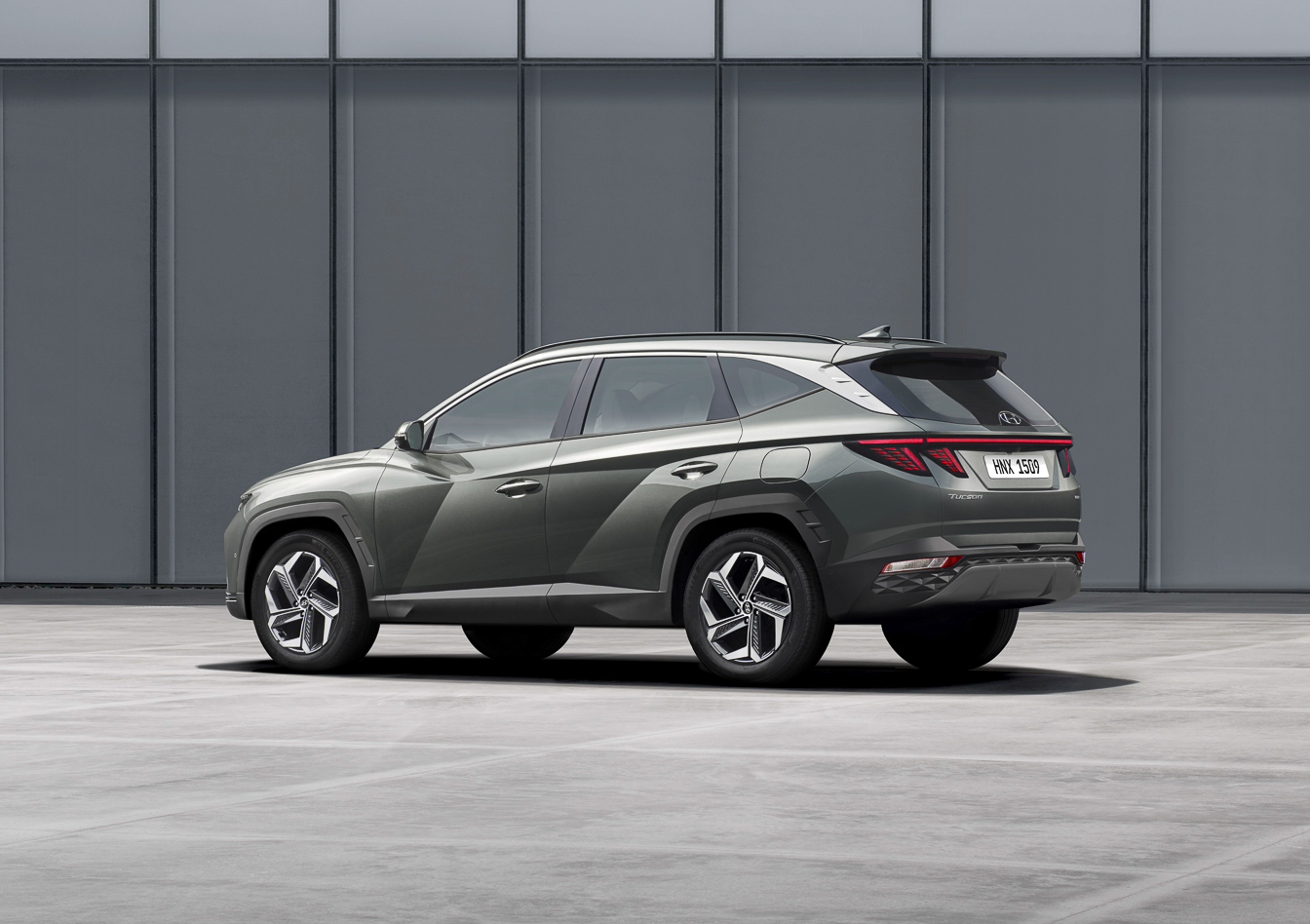
Hyundai says the new Tucson will offer 1095 litres of boot space with the second row folded, and it’s said to be roomier in the cabin itself, in comparison to its predecessor. There’s also plenty of storage nooks on offer.
The RAV4 is marginally shorter overall at 4615mm, but is packaged more smartly in comparison to its predecessor with a longer wheelbase affording extra space for occupants, especially those in the second row.
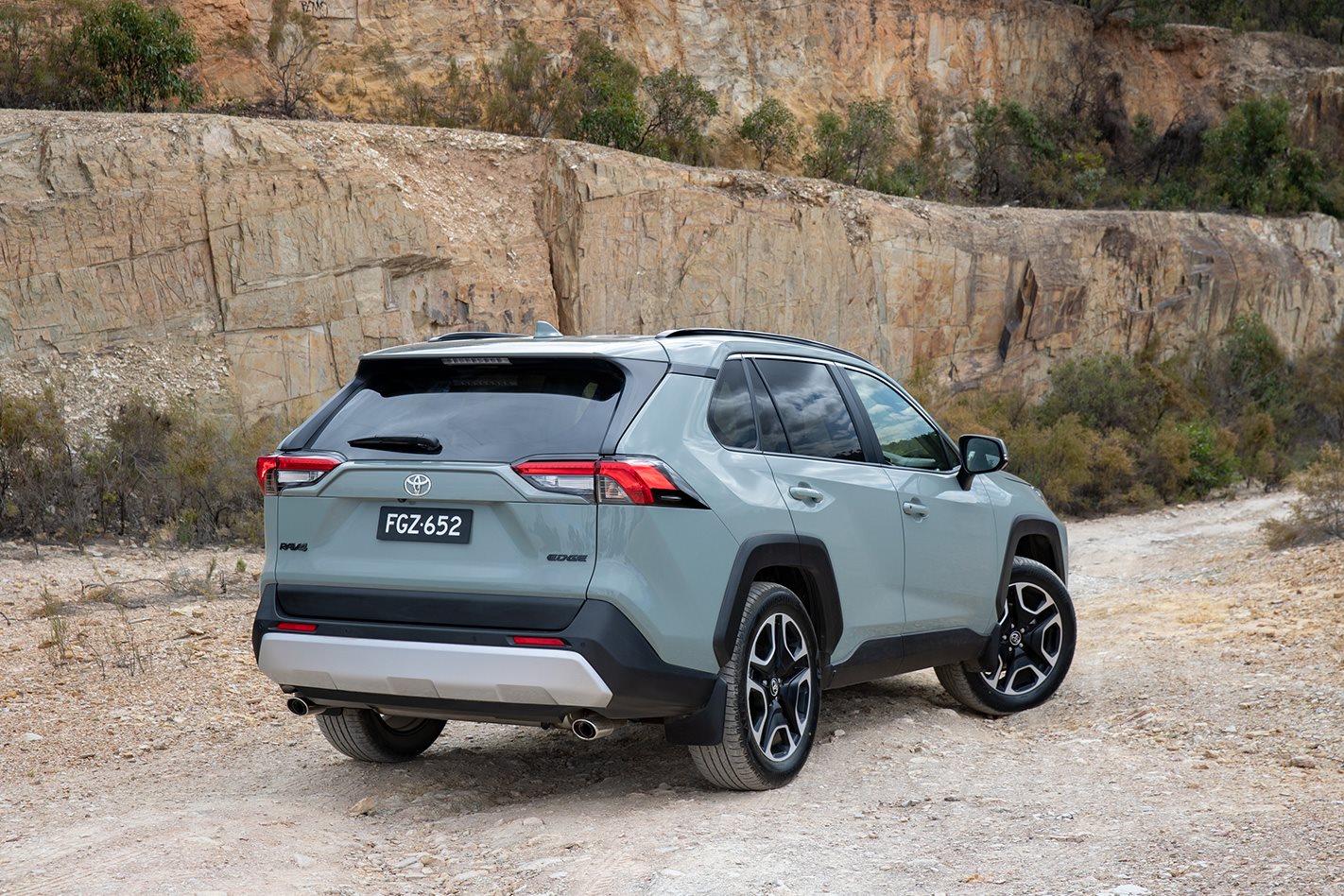
Boot space is recorded as 580 litres with the second row up, which expands to 1690 litres with the second row folded.
Though both brands usually subscribe to the VDA standard of boot measuring, we suspect that the Hyundai’s boot capacity figure needs some clearing up, and will compare much more favourably with the RAV4’s once we’re comparing apples to apples.
Price/Ownership
Pricing hasn’t been detailed just yet for the new Tucson, but Hyundai will need to price the new version keenly if it wants to become a more prominent player in the mid-size SUV space.
We wouldn’t be surprised, however, to see a relative price rise for the Tucson, considering the extra level of equipment included on this generation.
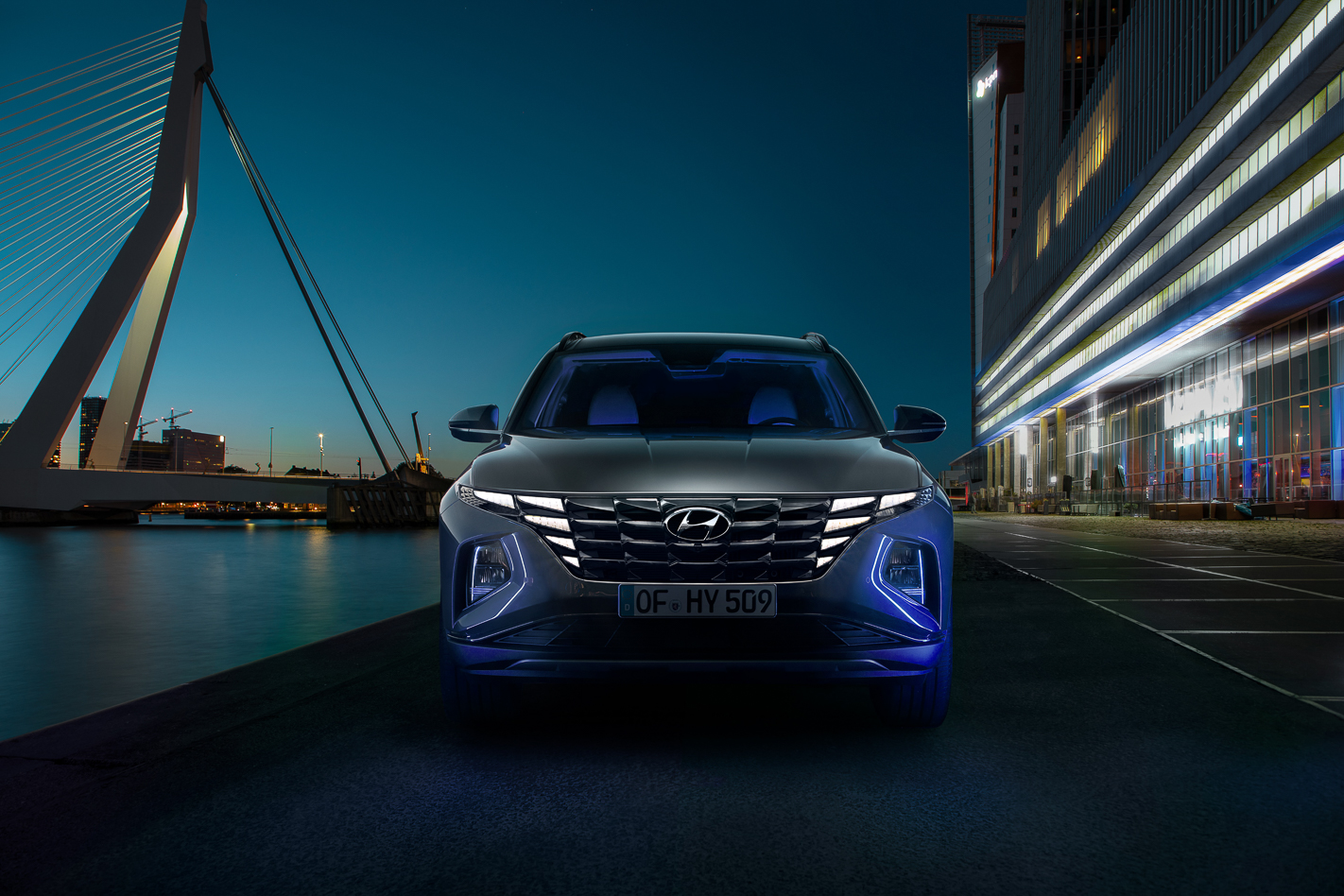
A five-year/unlimited-kilometre warranty is offered on all Hyundais, which the new Tucson will inherit, along with fixed-price servicing.
Currently, the cost to service a 2.0-litre petrol-powered Tucson works out at around $306 per service over the first five years.
To give some indication, Toyota’s RAV4 range kicks off at $32,695 (before on-road costs) currently for an entry-level model and reaches up to $48,915 (before ORCs) for the range-topper.
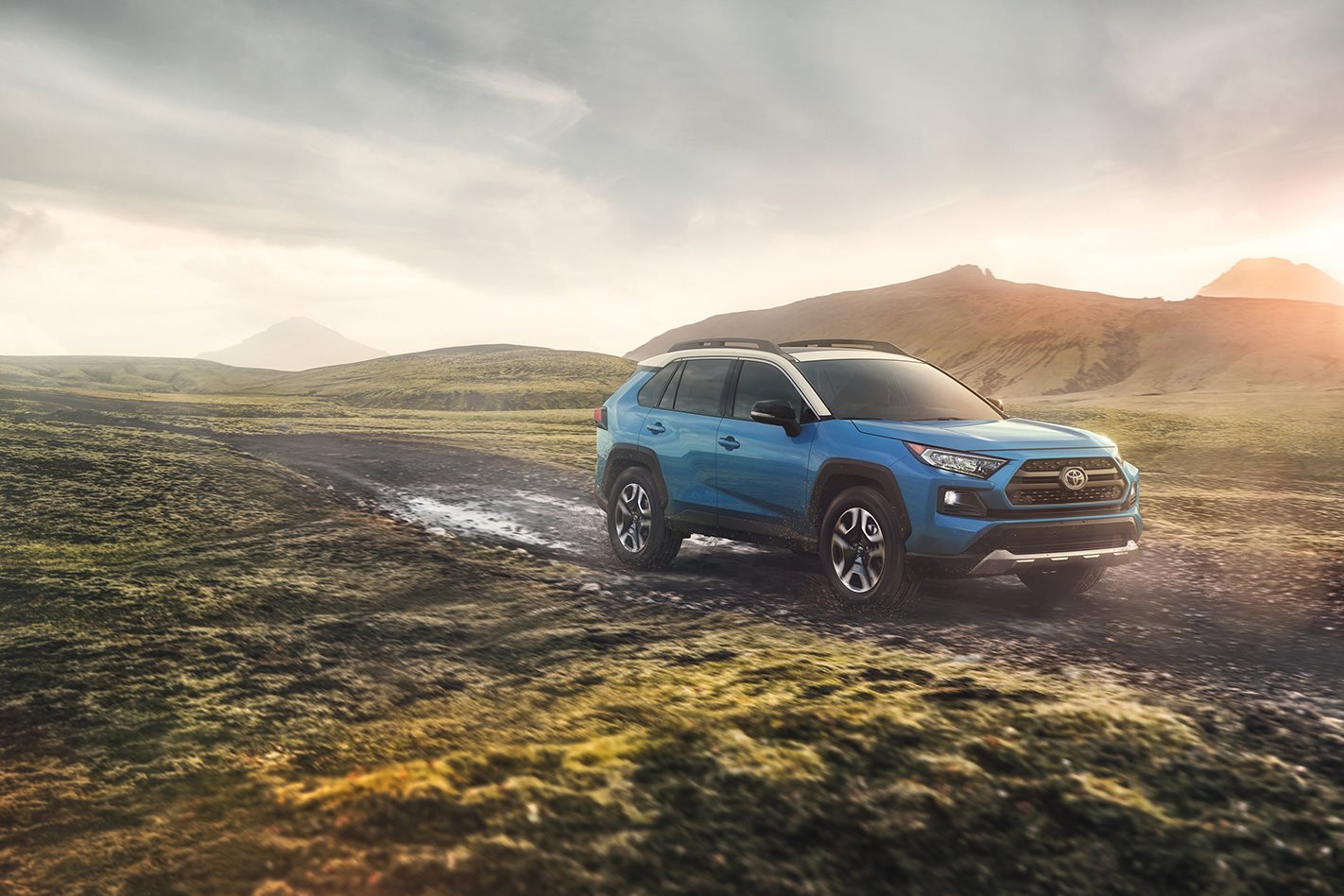
Toyota provides an identical five-year/unlimited-kilometre warranty for the RAV4, while its first six services are capped at $180 each.
Conclusion
Toyota offers a mighty-strong product in the current generation RAV4 and although it’s pricier than some rivals, Toyota isn’t struggling to find buyers. Any newcomer will need to be on its game in order to upset the status quo.
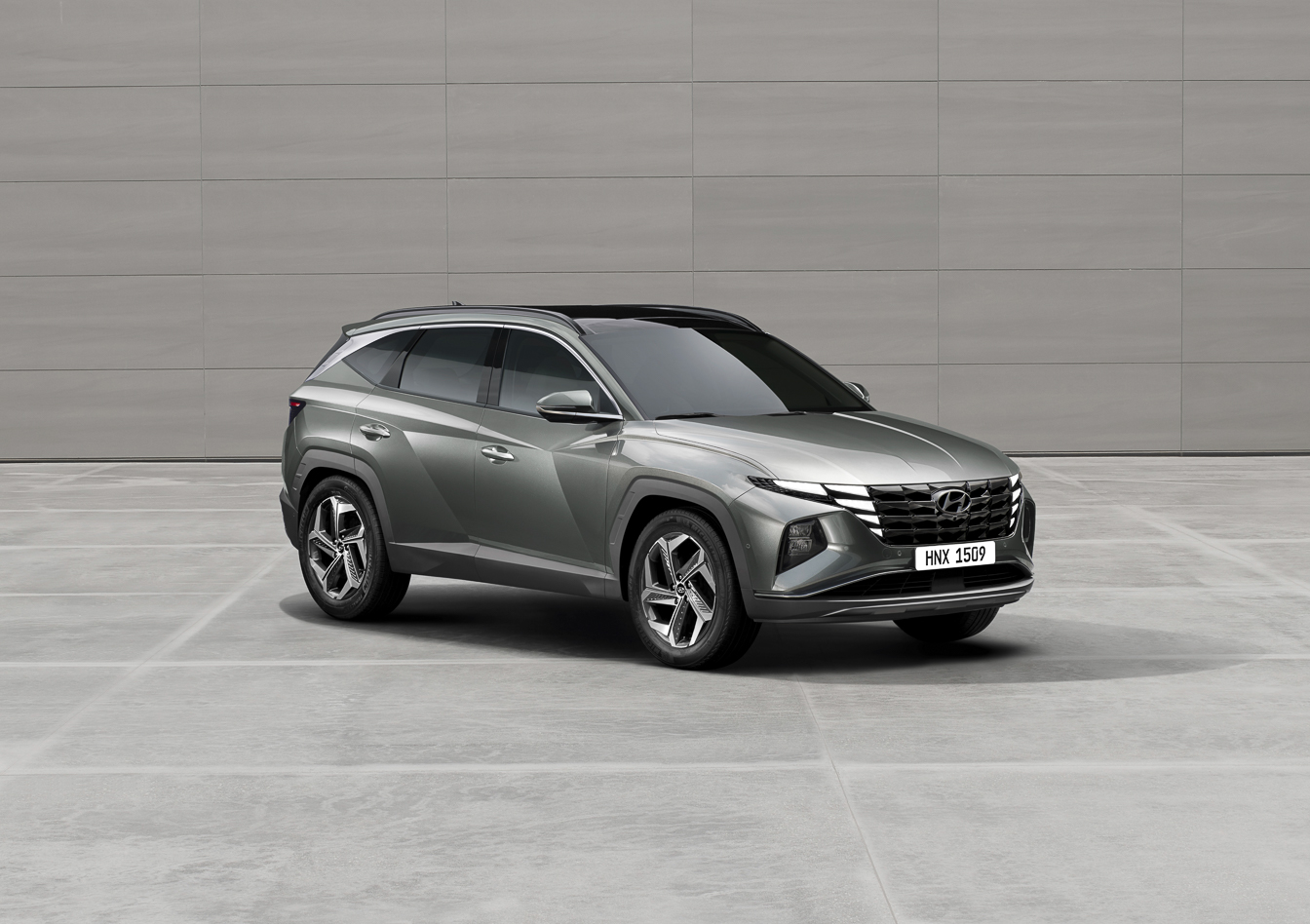
Hyundai’s current Tucson is a pretty underrated vehicle, with Hyundai insiders admitting it needed to work harder for the brand than it has done.
However, with a concerted push to give the latest Tucson bold styling, extra technology and new powertrains, Hyundai is clearly shaping up for a fight with Australia’s best-selling car.
If Hyundai can keep prices under control while properly promoting a new era of technology and equipment with the new Tucson, it might be able to grab a larger slice of the mid-size SUV sales pie, snagging some sales from Toyota in the process.
Is the new Hyundai Tucson or Toyota RAV4 on your shopping list? Let us know what your pick is in the comments below!
Bugatti is in the final stages of developing a vicious track-focused animal that is not pioneering the switch to electric power for the company, but safeguarding its mighty 8.0-litre quad-turbo for at least one more hurrah.
It’s understood that the iconic marque is in negotiations to sell to Czech electric monster manufacturer Rimac, heralding an electric era for Bugatti, but this latest revelation suggests petrol power has a place in the company’s future – in the short-term, at least.
Spied testing at the Circuit Paul Ricard by Youtube channel G-E Supercars, the mysterious model is the first full view of the new Bugatti, albeit in detail-obscuring wrap, ahead of its official reveal.
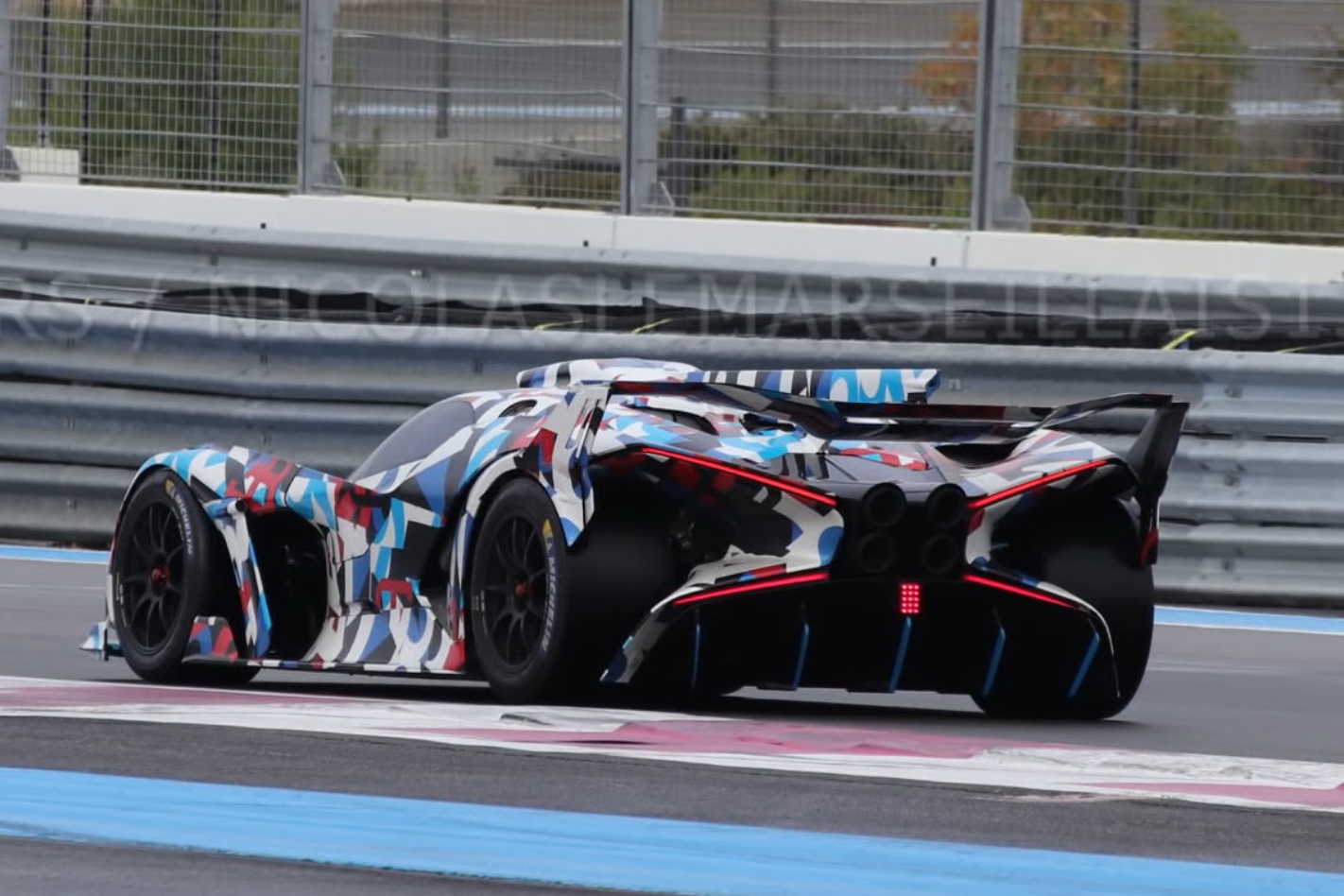
Significantly though, the short clip reveals the car is powered by Bugatti’s perennial petrol powerhouse, which is now firmly in its twilight years.
The vehicle is captured only cruising, but the beat of 16 cylinders is difficult to mistake, while an air-intake scoop on the roof and exhausts would appear to confirm the presence of mid-mounted petrol power.
It’s not known if the newest Bugatti will be offered as a road-going model, extreme track-only plaything, full-blown competitive racer, or another outrageously exclusive one-off that’s already spoken for.
Certainly, its design would hint at a car that’s most at home where it has been initially spied. Its low nose, large tail spoiler, rear diffuser and vertical stabiliser all point to a hardcore track machine rather than cosseting luxury GT akin to the Chiron.
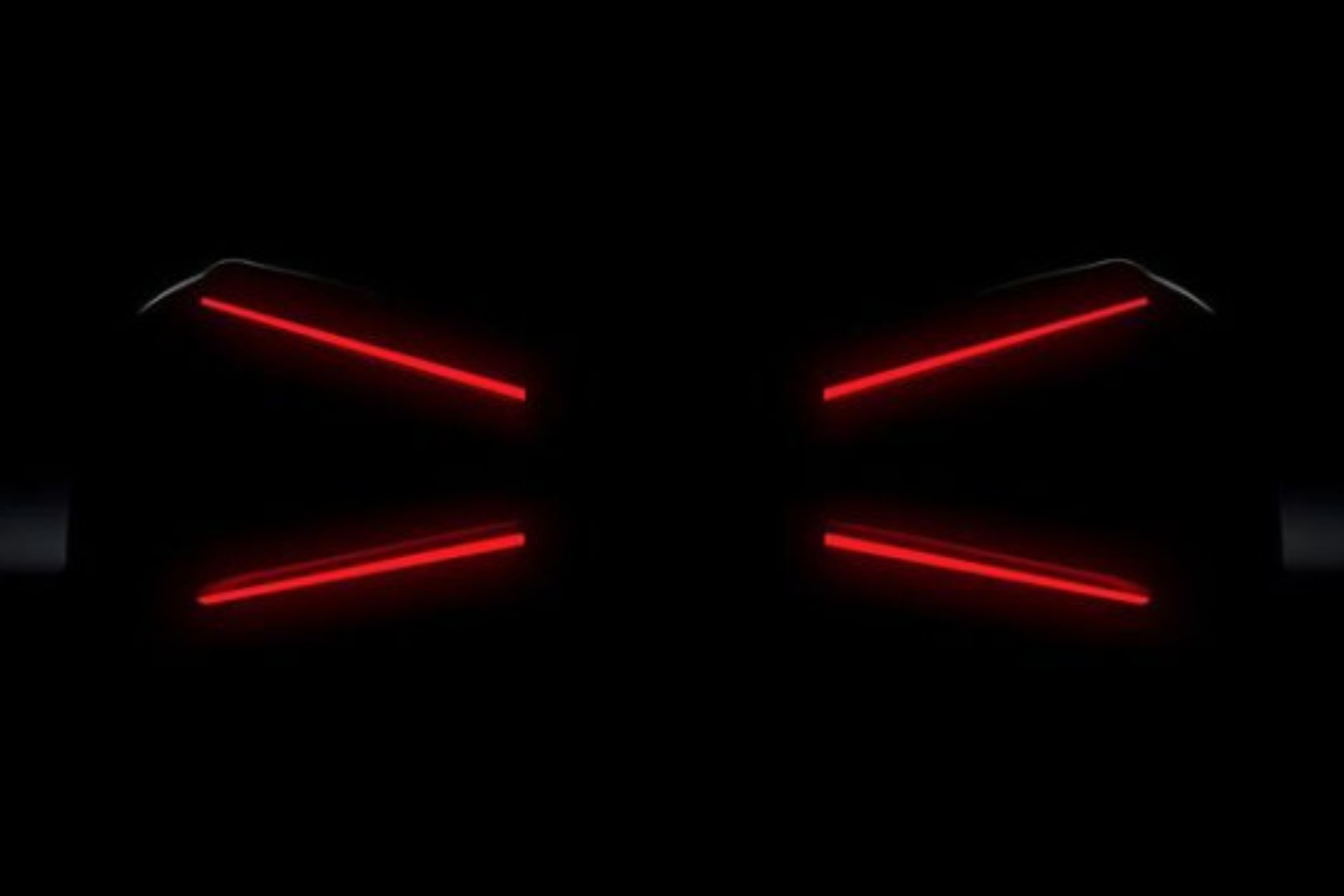
However, unlike the steady stream of outlandishly exclusive models that were all effectively derivatives of the Chiron, this latest Bugatti appears to be something somewhat different.
While it’s likely the racer will be underpinned by the same chassis and major mechanicals, its bodywork, aerodynamics and styling are radical departures from the Centodieci, Divo and Voiture Noir one-off.
Gone is the top-to-bottom crescent side design signature, the stunning rear lights resemble a Star Wars X-Wing and its grille has been squashed from the tall snorting unit on its siblings into a more slender version.
The first look at the model in motion follows a more official teaser campaign in which one previous promotional image hinted at its radical X-shaped rear lighting arrangement, while another social media post has less obvious significance.
The number 0,67 was provided without context or unit and was accompanied by the somewhat unhelpful caption “What if Bugatti created…?”
One theory is that the figure refers to the new model’s power to weight ratio in horsepower to kilograms, although that would rank the new arrival significantly below the Chiron’s 0.75 achievements, if true.

A zero-to-100km/h dash of 0.67 seconds seems implausible, while a drag coefficient of 0.67Cd is slightly worse than the average heavy goods truck.
Perhaps more likely is the numbers refer to a part of the storied company’s history in which it has previously entitled models with simple numbers, such as the Type 57.
Either way, reports say the French-German company will reveal all before October’s out.
Original story published September 24
Rumoured Rimac buyout would put Bugatti in the hands of an electric monster maker
If recent reports are true, Rimac – a Croatian electric vehicle startup is about to buy Bugatti – one of the world’s oldest and most prestigious sportscar brands. How could this happen?
At face value, it seems unimaginable that a car company that wasn’t even in nappies when the Veyron was busy obliterating production car records could be in a position to acquire a marque with such a wealth of heritage and a tack room lined with rosettes.
And yet, both the flogging of Bugatti and its acquisition by an EV authority makes perfect sense if a report by Carmagazine.co.uk turns into a reality.
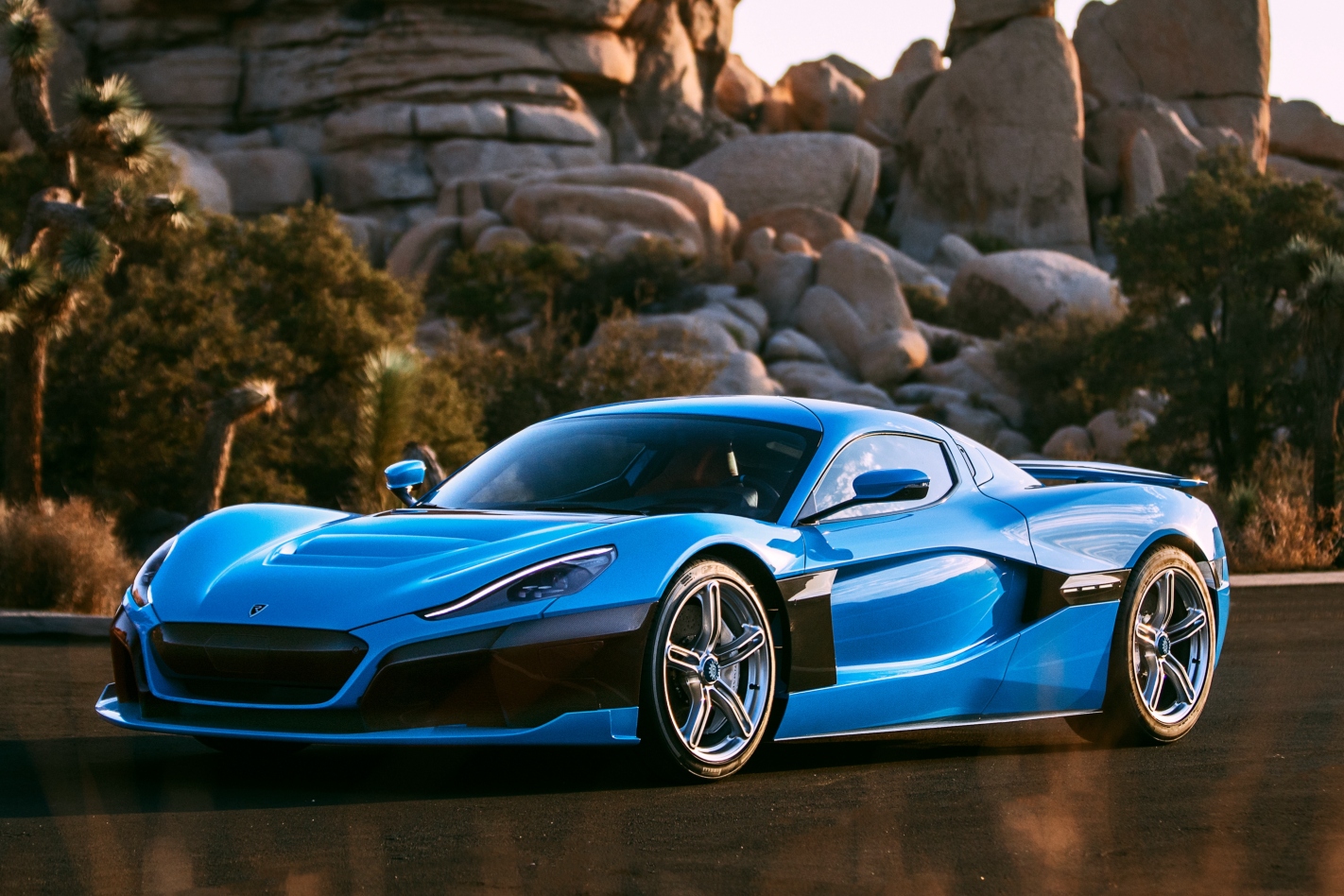
Bugatti’s current owner Volkswagen is fast-tracking its electrification and carbon-reduction strategy in the wake of dieselgate scandal, but with an 8.0-litre, quad-turbo, W16 engine at its core, the hypercar manufacturer is an awkward, ill-fit for VW’s vision.
Not only is getting rid of Bugatti easier for Volkswagen than cleaning up its act, but handing over the keys to Rimac would put the French-ish manufacturer in the hands of a company that has access to 1500kW zero-emissions drivetrains – Drinking problem cured, future secured.
If new owners Rimac slot the current electric technology from its C Two into future Bugatti models, the electric successor would be 250kW more powerful than even the most potent petrol-powered Chiron.
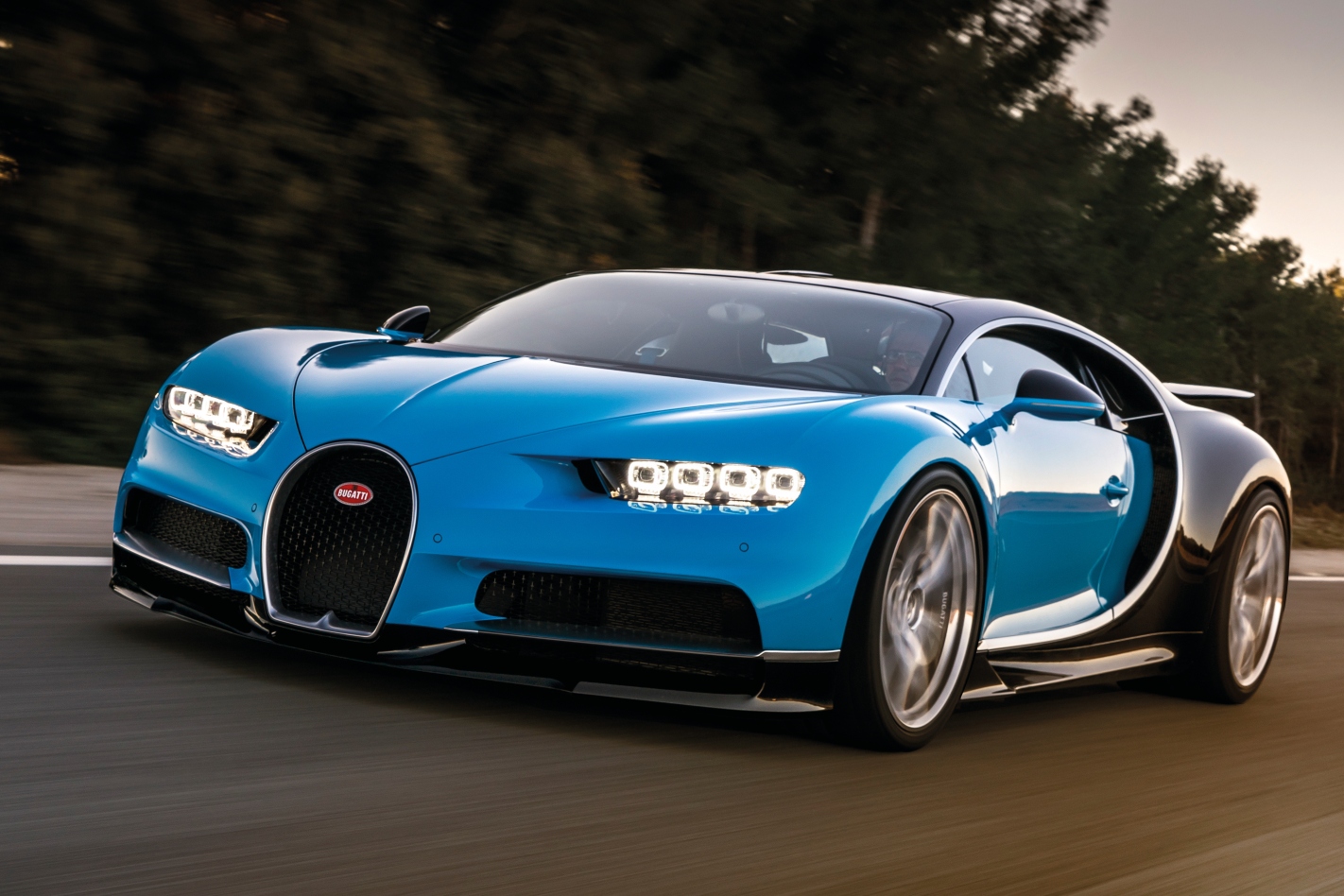
Four motors send 1427kW and 2300Nm to all four wheels for a zero-100km/h potential in less than 2.0 seconds. This could be the drivetrain that powers the world’s cleanest Bugatti to a new production car speed record.
And while the loss of a mighty marque like Bugatti is always going to sting a little, the rumoured ownership exchange would sit more comfortably with all the stakeholders than you might imagine. Porsche, which holds a 53 percent controlling share of Volkswagen, already owns a 15.5 percent stake in Rimac. In exchange for Bugatti, Rimac is offering to boost Porsche’s share to just under half (49 percent).
In simplistic terms, therefore, the current owner off-loads Bugatti for no cash but, through another of its brands, gains even more of the company that now owns it.
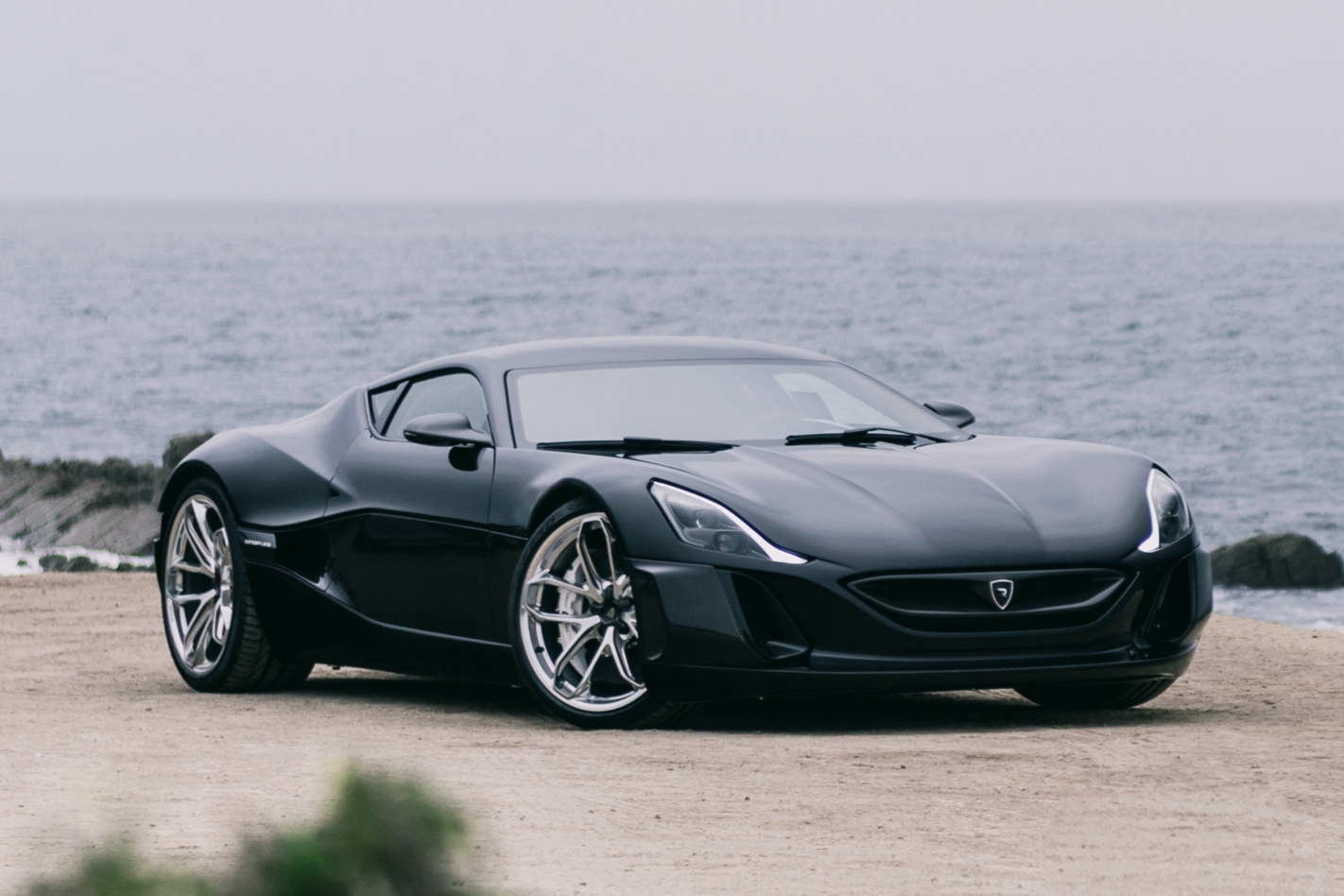
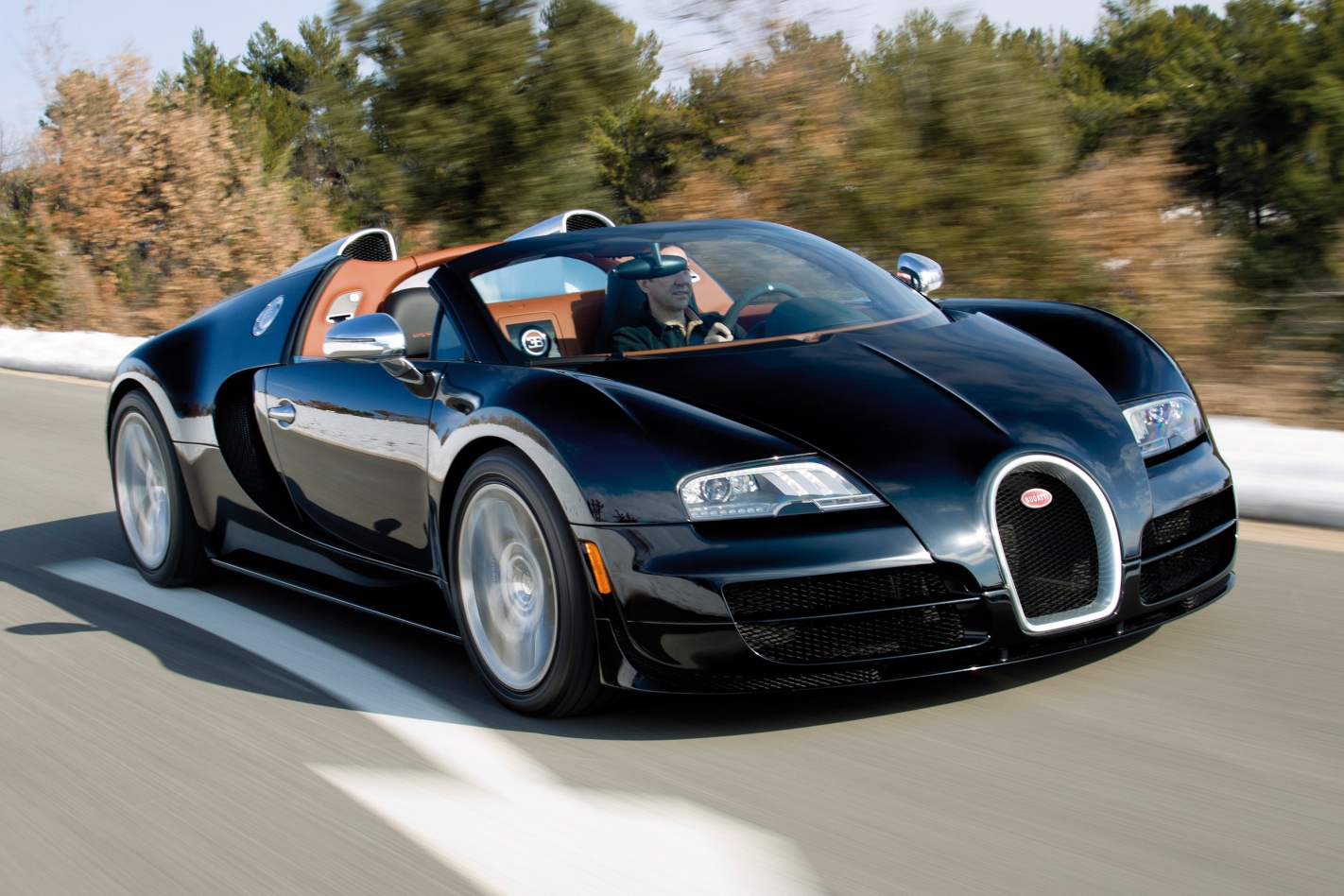
And Rimac? If the rumoured deal goes ahead, in addition to Bugatti’s extraordinary Molsheim manufacturing facility, the 11-year old company (an infant in car industry terms) will buy into one of the richest and most storied seams of automotive history on the planet. Everyone’s a winner.
Finally, an SUV! Regular readers of our Driven to Extinction series may have noticed a pattern. Aside from the capable but humble Ford Mondeo, every car we’ve featured until now has been a two-door sports car (Alfa Romeo 4C, BMW i8). It feels good, therefore, in this high-riding SUV-crazed world of ours, to at least start to even the ledger.
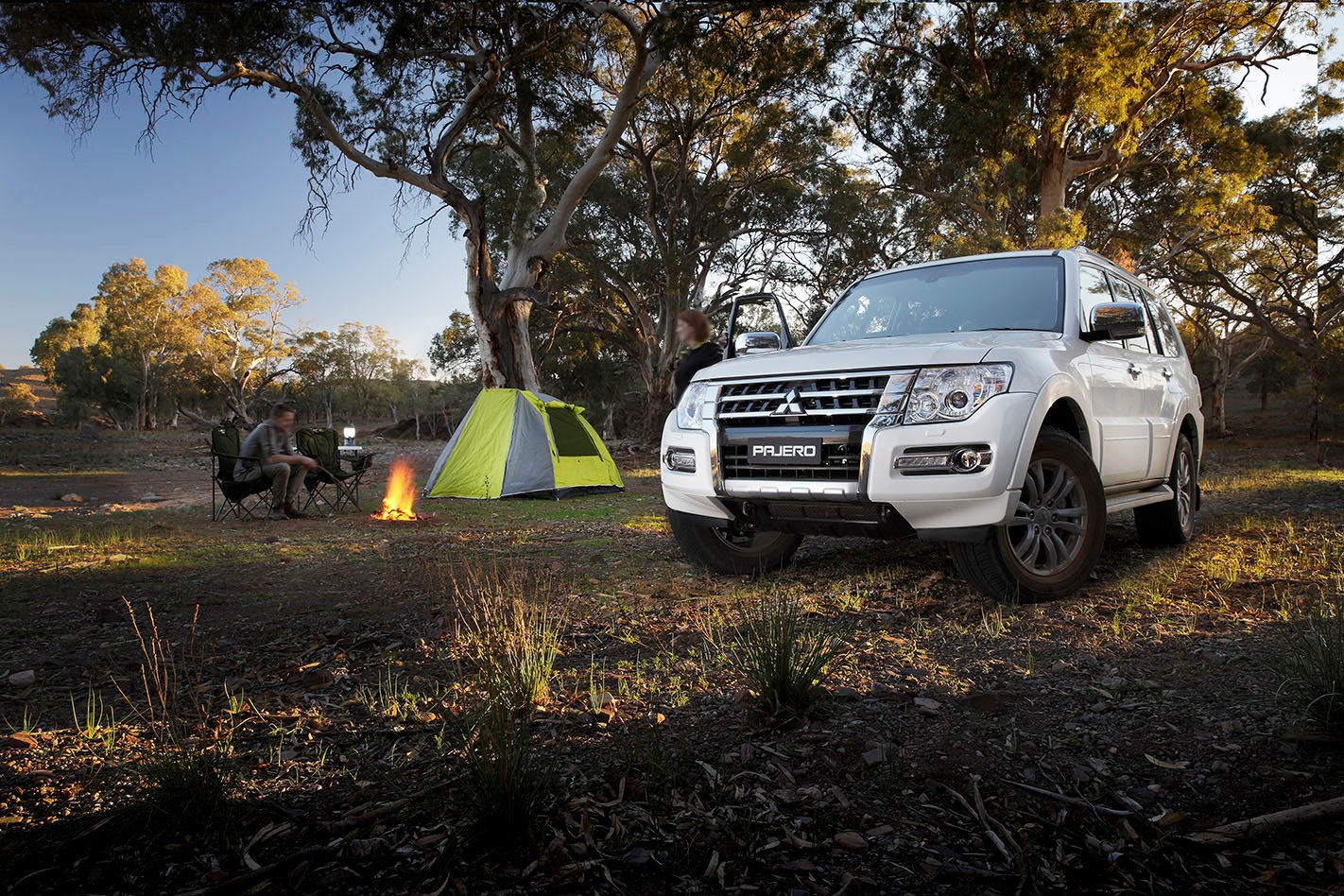
The problem is that this warm sense of righteousness starts to fade when you stop to consider the SUV in question. Not because today’s Pajero is especially good (it isn’t and has been thoroughly outclassed by rivals), but because the news drives a final and rather sudden nail into our hope that one day, just maybe, Mitsubishi might once again do something as mad as the Pajero Evolution (see sidebar, below).
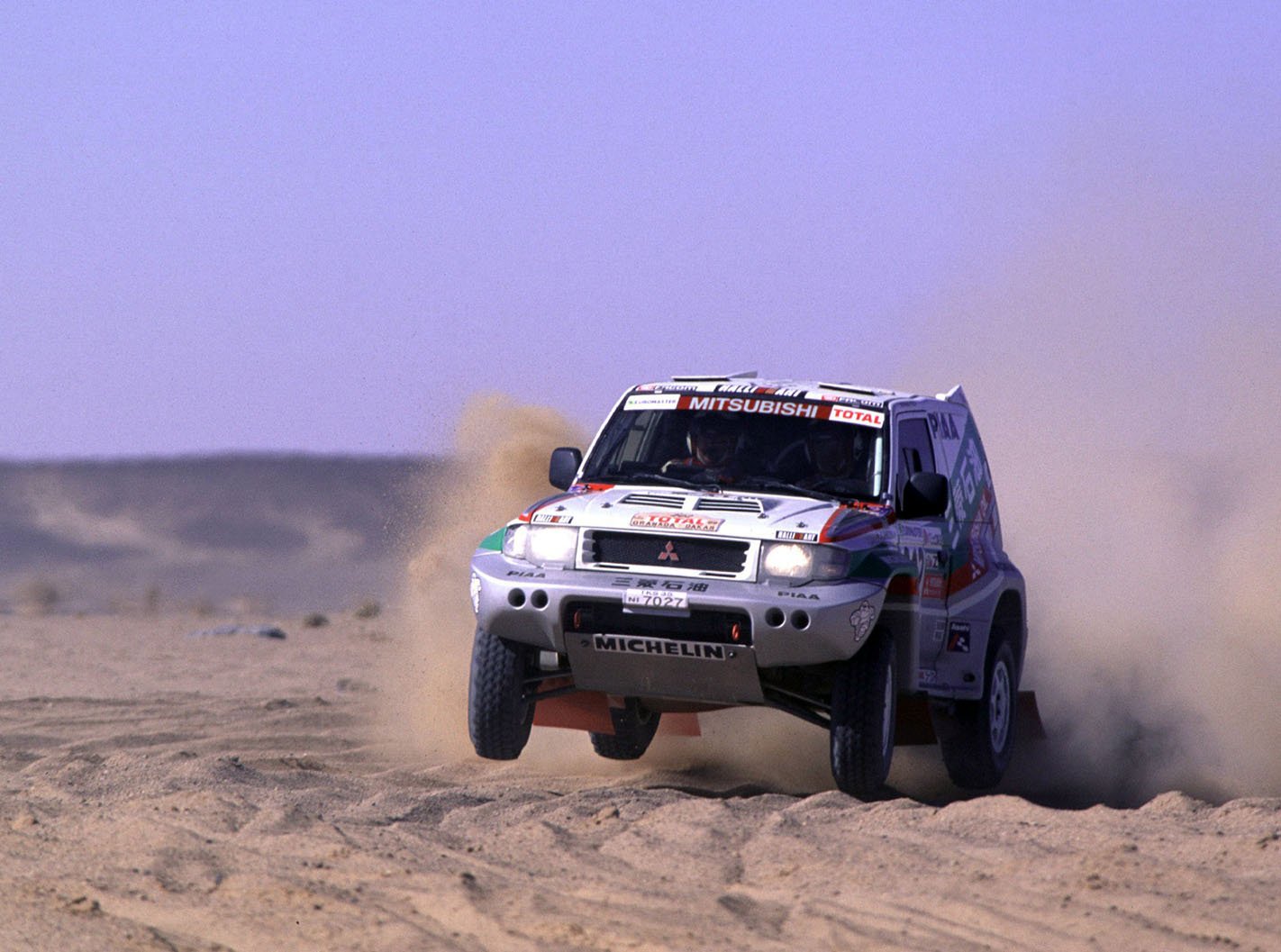
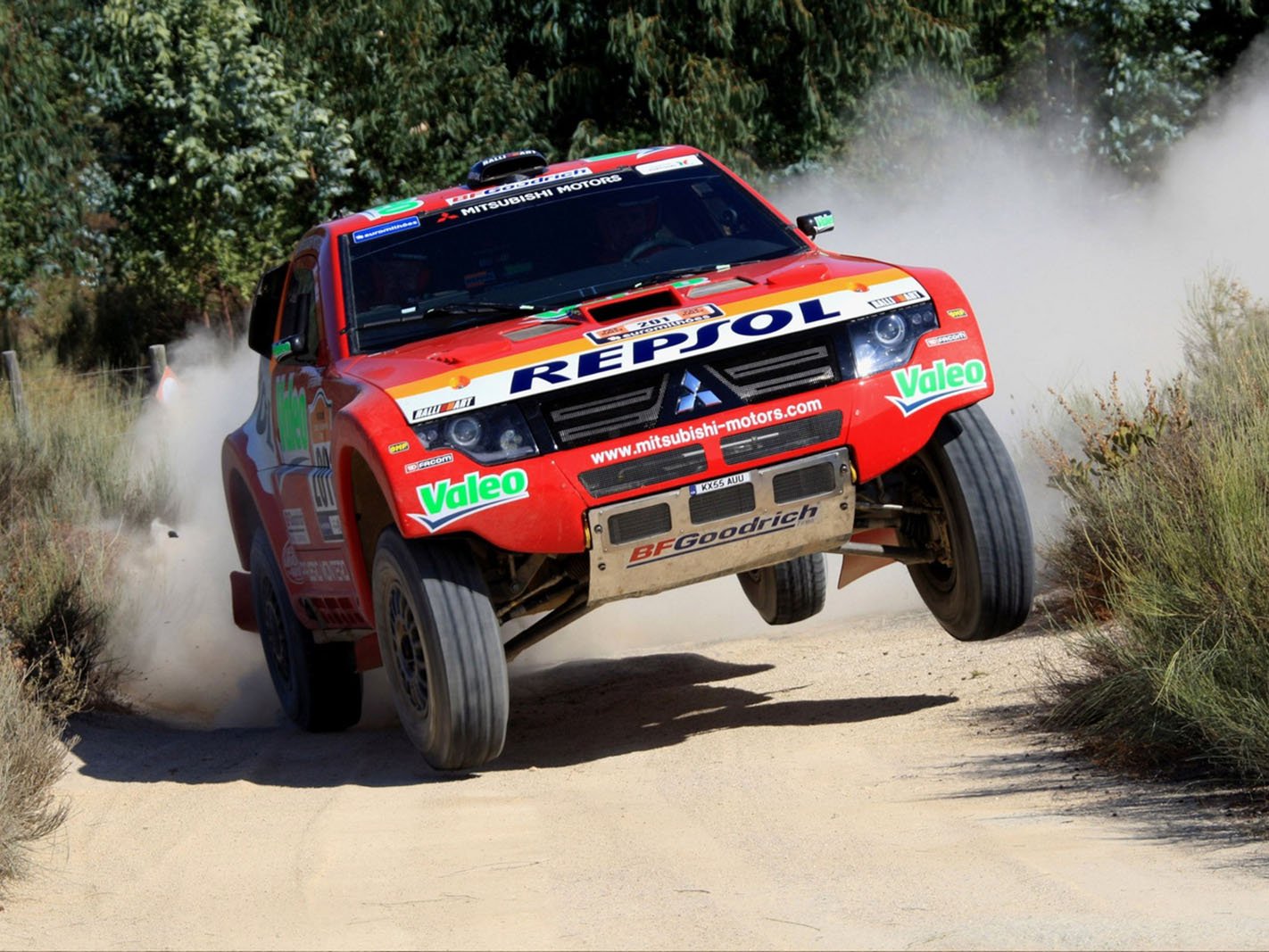
The Evolution was a Dakar special, but then again, every Pajero is tied inexplicably to the infamous off-road race. Mitsubishi used the rally as a key marketing platform and it was wildly successful. It netted 12 overall victories, snatching its first in 1985 and then seven wins on the bounce between 2001-2007.
And just as the Dakar cars forged a reputation for incredible toughness and durability, so too did road-going Pajeros. Even today, being able to go further off-road than nearly all of its rivals is a key Pajero strength.
All of which begs the question: what happened? How did a nameplate with a rich motorsport pedigree, genuine off-road ability, and strong global sales (these hit a peak of 175,000 in 1992) come off the boil so spectacularly?
As you might have guessed, the Pajero’s death speaks to a wider problem at Mitsubishi HQ. Where it once gave us brilliant machines like the Evo and Galant VR4, Mitsubishi’s current strategy is to pin its hopes on a range of decade-old SUVs. And it’s bleeding money. On the cusp of posting its largest financial loss in 18 years (some 140 billion yen), Mitsubishi has decided to savagely cut costs.
Here in Australia, we have bought more than 150,000 Pajeros across four generations (L040, V20, V60, V80) but for more than a decade now buyers have been turning away. And, tellingly, Mitsubishi has done little to stem the tide. Where previous generations of Pajero had been updated every seven years or so, the current model will have been on sale for 14 once it waves sayonara. And if you get really picky, some of its underpinnings were designed as far back as the late ’90s.
So will we miss it? In its current guise, no, we won’t. Today’s Pajero feels an ancient relic in a modern world, but that doesn’t mean we shouldn’t pay our respects to a nameplate that has been on our roads for 39 years.
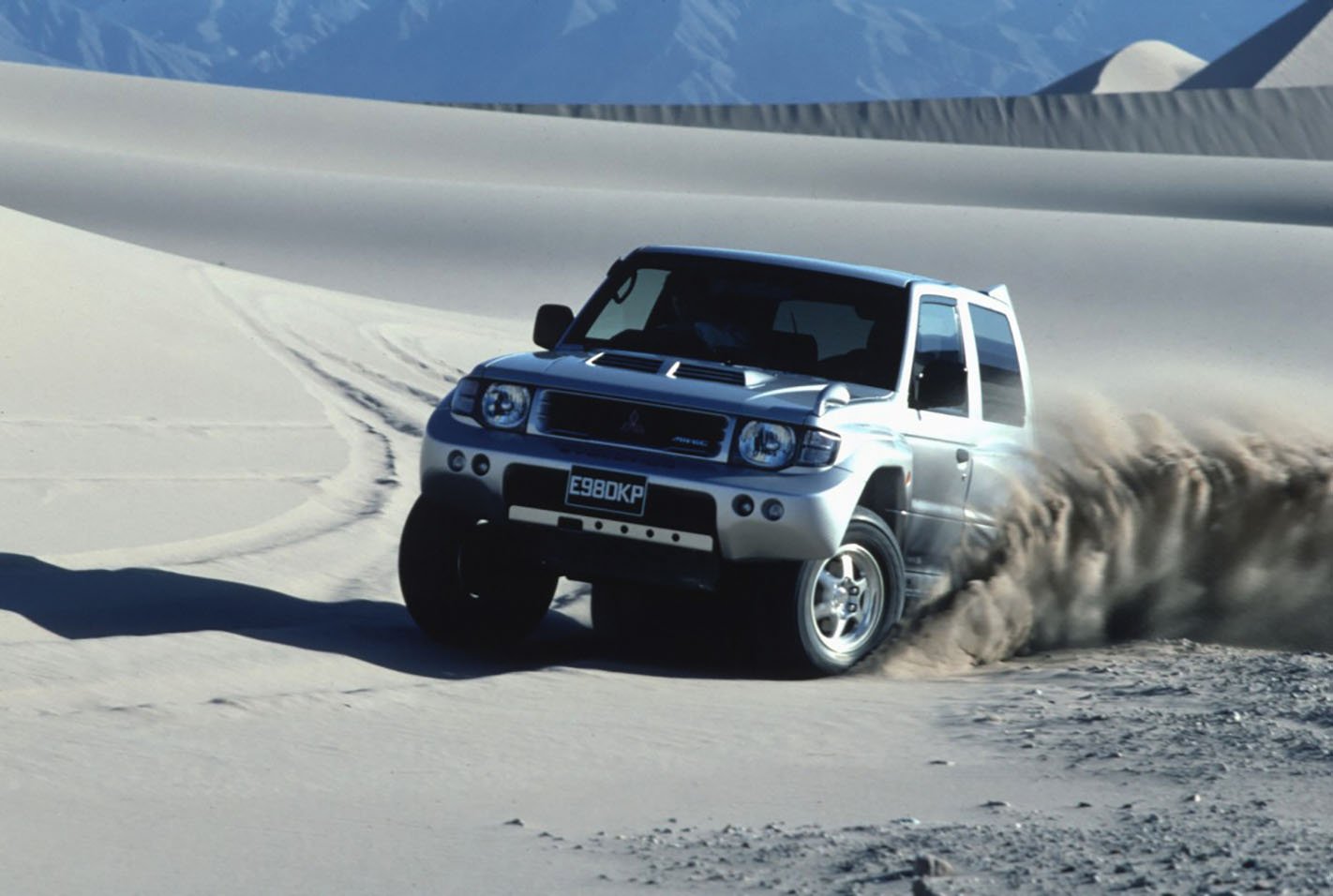
EVOLVING THE BREED
Introduced in 1997 and based on the second-gen Pajero (V20), the Pajero Evolution was a homologation special designed to contest Dakar. A two-door with a scooped bonnet, wrap-around rear spoiler and bulging quarter panels, it was powered by a 24-valve DOHC 3.5-litre V6. And as is a Pajero hallmark, there was independent suspension at each corner. Want one? They’re rare and around $50K.
AUSSIE SALES: A DECADE OF DECLINE
- 2010 – 6986
- 2011 – 6852
- 2012 – 6297
- 2013 – 6705
- 2014 – 5458
- 2015 – 5046
- 2016 – 4049
- 2017 – 4140
- 2018 – 3297
- 2019 – 2847
- 2020 – 1392 (YTD)
Sometimes a departing executive or editor will leave a note on their desk addressed to their successor.
Inside, the incumbent can expect some kind words of encouragement, or perhaps a joke, as well as some useful insights gleaned through hard-earned experience. I didn’t get such a note on my first day as the editor of Wheels.
Mine was more of an instruction manual.
‘HOW TO BE A GOOD MAGAZINE EDITOR: SOME TIPS’ shouted the thick document resting on my keyboard. Written by former Wheels deputy editor, Mel Nichols, and placed on my desk by the magazine’s then publisher, Ged Bulmer, the 14-page double-sided document is now as dog eared as a favourite paperback. But there was something missing.
Written during the heyday of print, there was no mention of the internet, of changing audience habits, or battling the perception that editing a magazine is a synonym for managing decline. On that front, it seemed, I was on my own.
And here’s the thing. More people are consuming Wheels content today than they ever have, via this print edition and our many digital platforms. And when you consider the radical change wrought upon the motoring industry in the previous half decade, Wheels hasn’t only had to contend with the unstable state of media.
With every new issue, it’s been deftly dicing treacherous waters full of car company closures, shifting buyer tastes and the rise of the machines (both electric and autonomous).
Which is why I feel comfortable relinquishing the wheel. Yes, after four years and 50 issues, this magazine will be my final as editor. It’s been a tumultuous ride. Since sinking, nervously, into the editor’s chair, the milestone moments have come thick and fast. The closure of Ford and Toyota’s Aussie plants were the first, but by far the most emotional was when Holden snapped the padlocks on its factories.
Our November 2017 issue, summed up by its beautiful cover image of an FX driving down a dusty road, is the one I’m most proud of. The quality and breadth of story-telling in that magazine encapsulates what Wheels stands for: world-class writing, unrivalled access and depth of reporting, and forthright opinions.
Since then we’ve watched in stunned silence as Holden has imploded totally, and if you need further proof of how quickly the landscape is shifting, consider our ‘Driven to Extinction’ section. When we first conceived the idea to close each issue with a hat-tip to recently departed models, there was some concern that we’d quickly run out of cars to feature.
Now our list extends to the point where we can continue the section for the next year, and more, without breaking a sweat.
But with great change also comes great opportunity. As is Wheels tradition, we’ve driven the agenda and shifted the mindset of our readers through the introduction of our annual ‘Future Issue’ which is always a best-seller. We’ve also tripled our website audience at WhichCar.com.au/Wheels, and made the magazine more premium with our 2018 redesign.
And remarkably, we’ve even managed to tear some youngsters away from their phones. Earlier this year we surprised 12-year-old subscriber Gabriel with a ride in a Ferrari, and many other teens have written in asking me how to become a motoring journo. That fills me with optimism.
I won’t be disappearing entirely. My byline will continue in every issue but instead of editing Wheels, I’ll be working to grow its video presence (and the footprint of all our motoring and industry titles) as Are Media’s Creative Director for TV and Video.
It isn’t a decision I’ve made lightly. Editing Wheels has been a lifelong ambition, though I’m simply the temporary custodian of a great brand. I’ve always felt the gaze of editors past on my shoulders, but my true taskmasters have been you, our readers. You’re a vocal and forthright bunch not afraid to tell me when I’ve got it wrong. That many of you still consider Wheels the best motoring mag in the world gives me solace that most of the time, I got it right.
So thank you. I’ve loved every second of it.
