
Launching an automatic car away from a standing start is pretty straightforward, especially if it’s fitted with launch control, or sends drive to all four wheels.
But it seems that getting a respectable time out of a car with manual transmission is becoming something of a lost art.
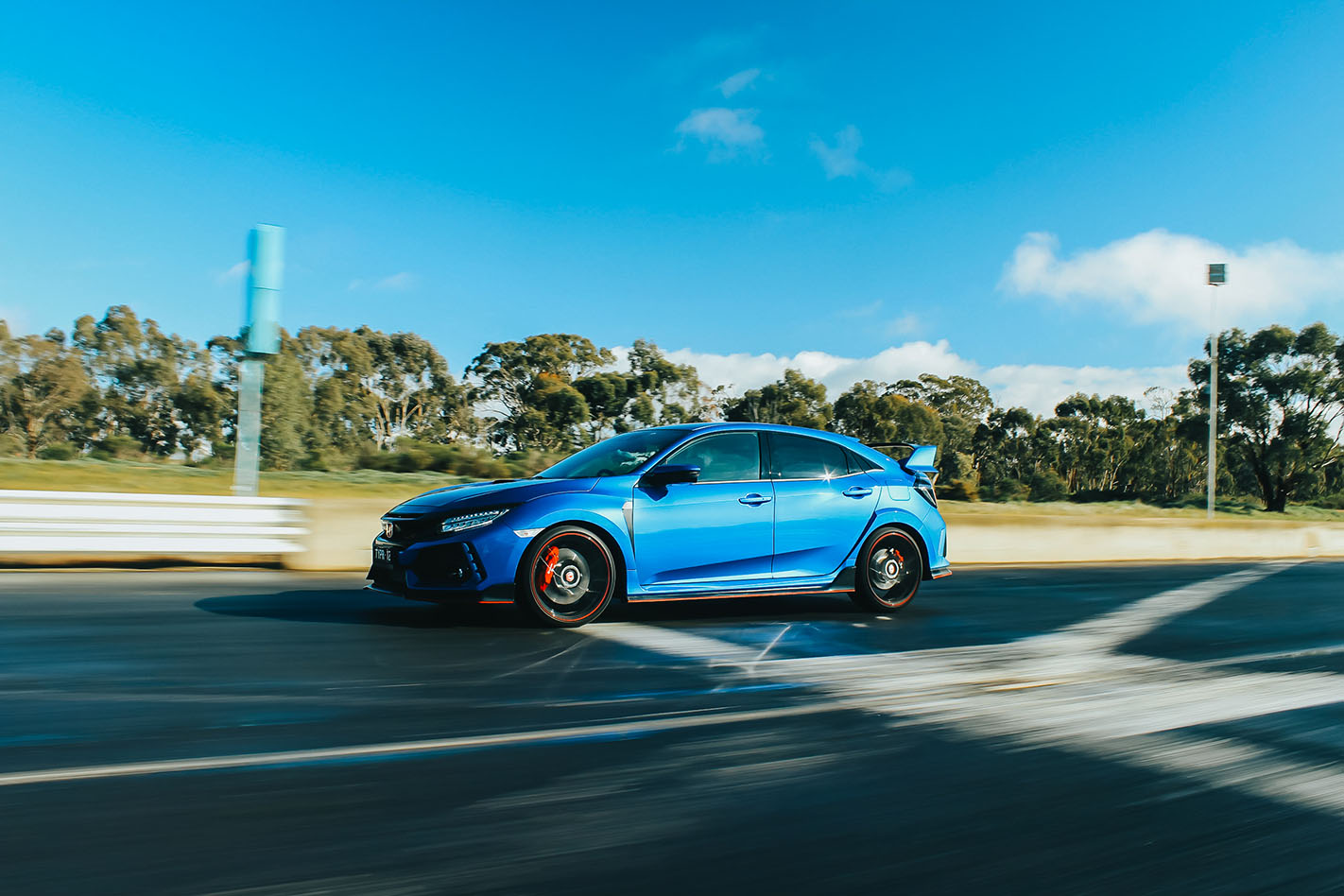
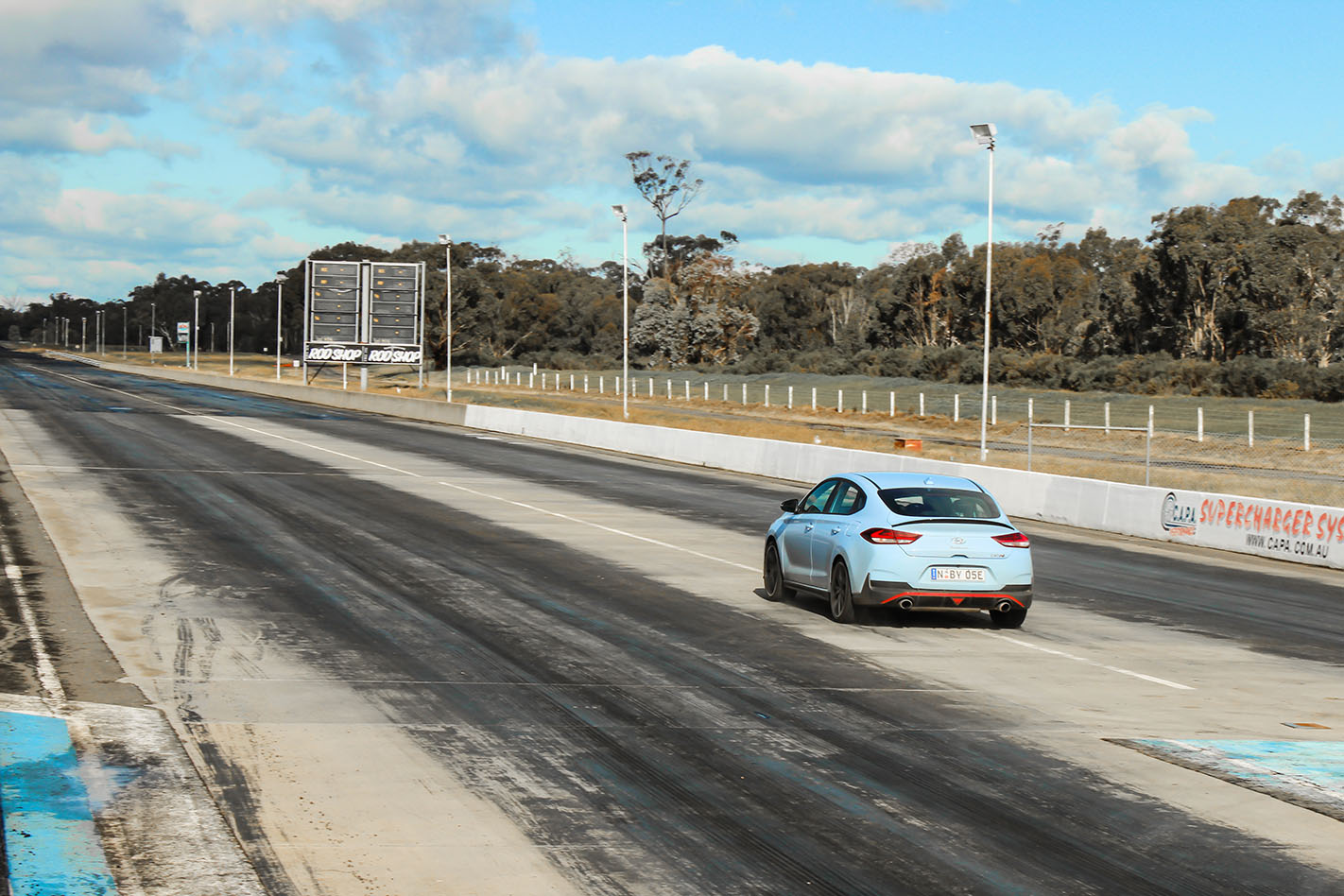
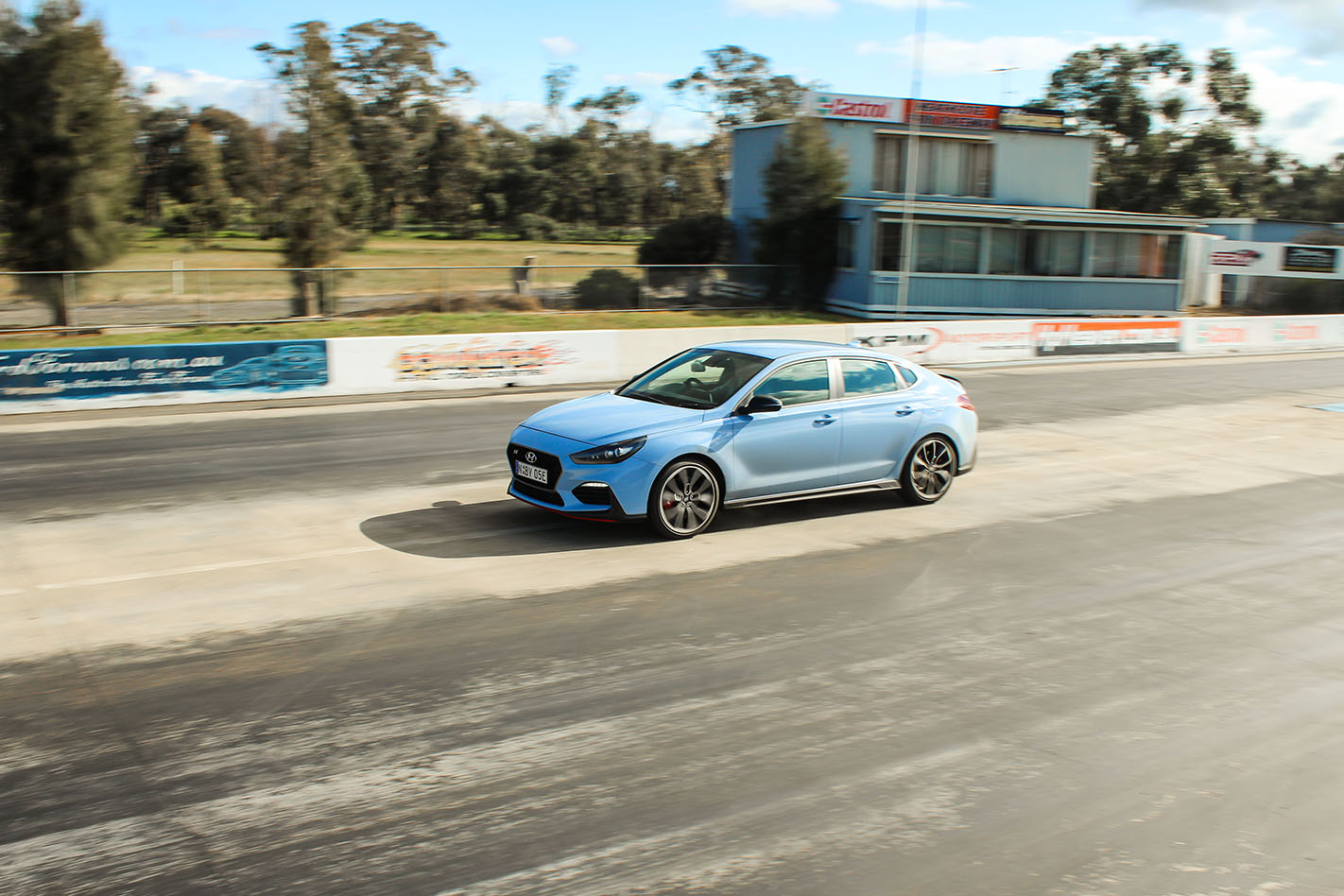
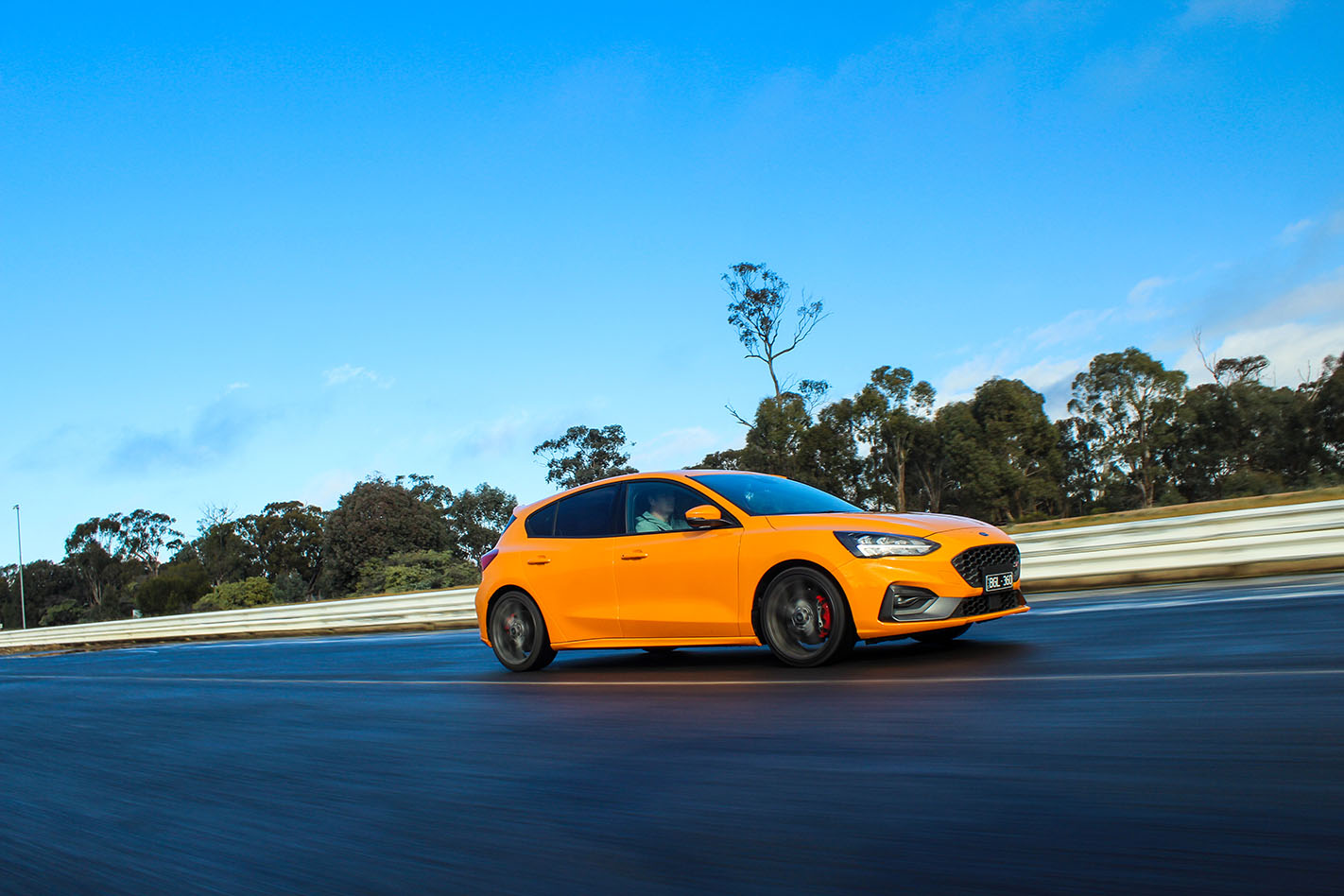
Wheels’ recent test of the Hyundai i30N, Honda Civic Type R and Ford Focus ST seemed a good opportunity to remind ourselves of the strategy involved in getting a strong start from a manual car, especially when conditions are less than optimal.
THE FIRST THING YOU’LL NEED TO DO IS A LITTLE HOMEWORK
The most critical part of the whole process is your tyre, so understand what size contact patch you’re working with, the condition of the tyre and the surface, your current tyre pressures and temperatures and also the relative hardness of the tyre compound.
After that, assess where your car makes peak power. It was clear in our hot hatch test that not only did the Honda have a bigger, grippier tyre than the Hyundai, but also made 26kW more power some 500rpm further round the rev counter. This will then inform your gearshifting strategy. The Focus is also designed from the factory to be flat-shifted, that is clutching in and changing up a gear without lifting your right foot off the floor, whereas most owners won’t subject their cars to this level of mechanical malfeasance.
TIME TO GET SET UP
If you’re launching a vehicle, you’ll also want to make sure that there’s nothing in the cabin that’s likely to get loose and do damage. Switch the air conditioning off and close the windows. And if you have a passenger in the vehicle, advise them to rest their head against the head restraint, especially if you’re in something really punchy.
When you’re clutching in, you’ll want to be on a flat surface so that the vehicle doesn’t roll. For the love of all that is holy, do ensure that you’re also in first gear and not third or, worse still, reverse.
TO BURNOUT OR NOT TO BURNOUT, THAT IS THE QUESTION
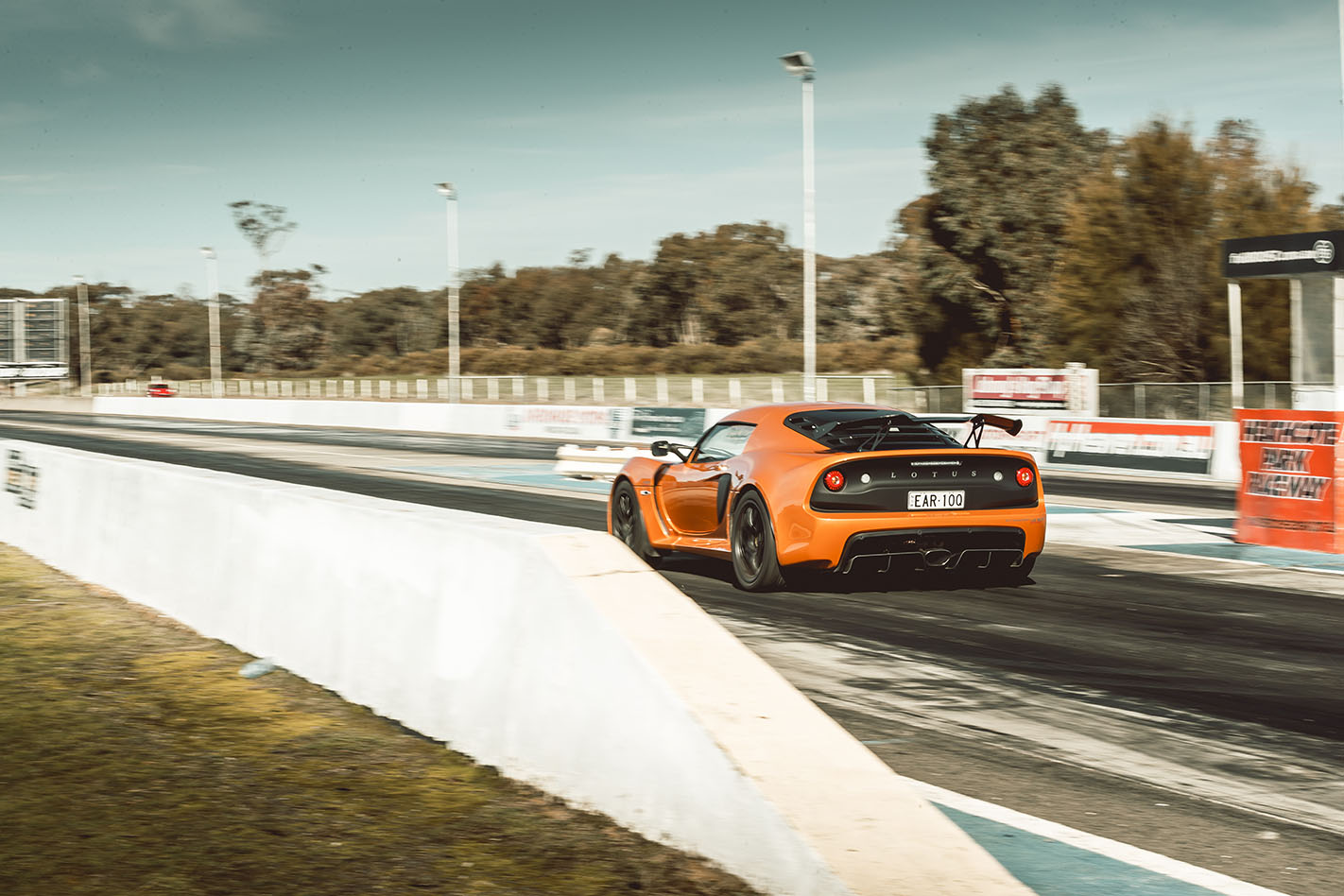
Clearly this is something we’d not recommend on a public road, but we’ll often just give the tyres a quick chirp-up when testing at the dragstrip more to clean the tyre surface of debris than to warm it up in any way. Moderation is key here.
FIND THE SWEET SPOT
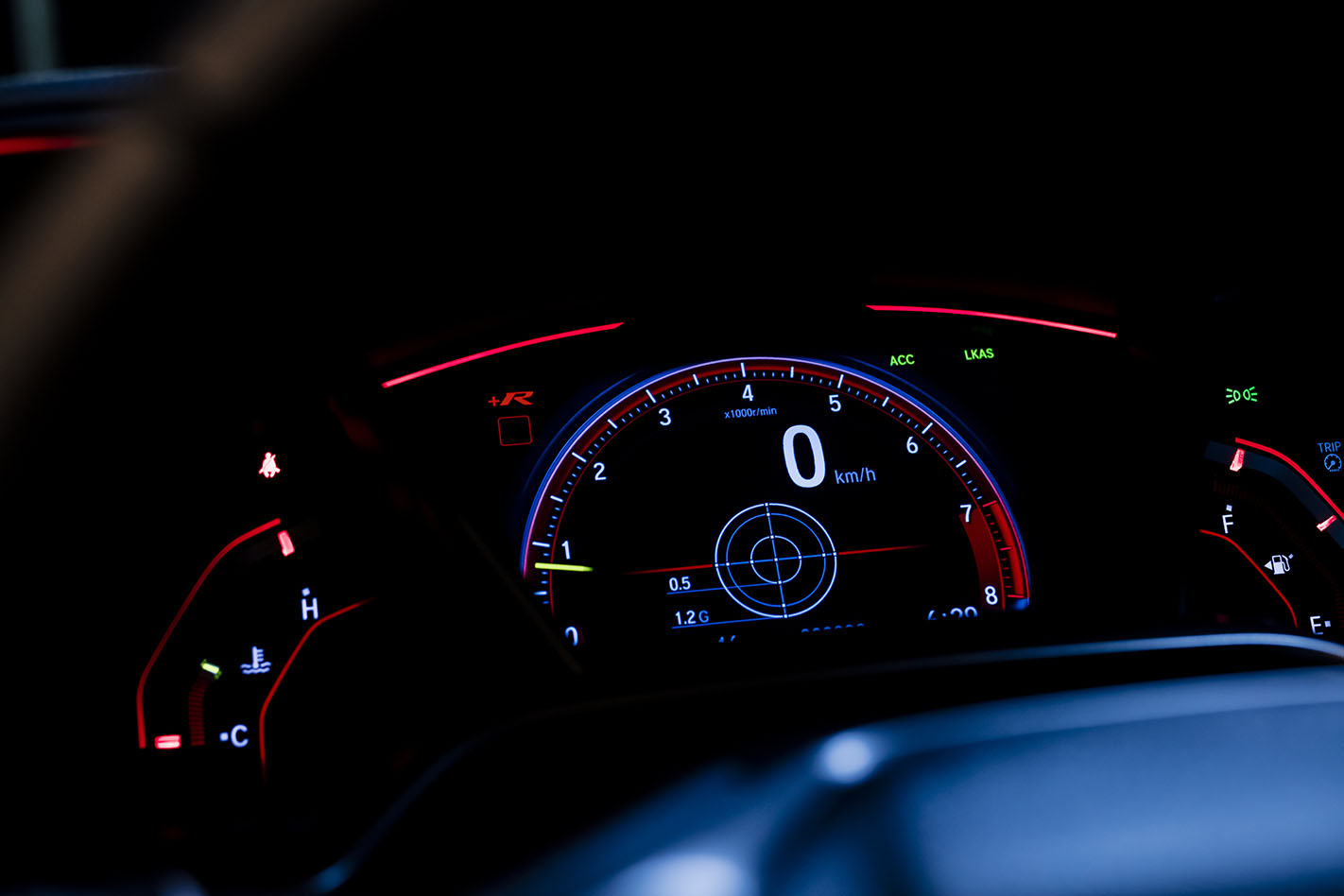
You’ll also want to experiment with the clutch biting point of the car. To do this put a modest amount of revs on the board and slowly bring up the clutch to the point where the engine note lowers slightly as the driveline takes up the slack and prepares to move the vehicle. Note this point in the clutch’s travel.
How many revs you put on the board is generally a combination of two factors. High torque cars will generally require fewer revs, whereas an atmo car with lower immediate torque benefits from more revs. Then there’s the amount of grip that you have available. If you’re on a high-mu surface with plenty of traction, you can safely nudge the revs up a tad, safe in the knowledge that your tyres aren’t about to cremate themselves in a cloud of carbon black.
FINESSE THE RELEASE
How quickly you drop the clutch will also depend on how much grip you have available. With all-wheel drive vehicles, you will need to disengage the clutch crisply and build revs rapidly, as the grip available is often considerable.
Ford’s advice with the old all-wheel drive Focus RS was basically to rev it almost to the limiter and sidestep the clutch. Savage, but effective.
But it’s worth remembering that if the tyres aren’t slipping, all of that stress is transferred to your clutch plate. In a front- or rear-driver you may need to feed power progressively so as not to overwhelm the grip from the driven pair of tyres.
WHAT ABOUT TRACTION CONTROL?
Whether or not you disengage traction control is up to you. We tend to find that with almost all systems, a little experimentation with the system off will yield better times than with it on.
HOW DO I GET THE MOST OUT OF A TURBOCHARGED ENGINE?
Unless you have an anti-lag system, sitting with steady engine revs won’t build boost pressure.
The trick here is to fool the system by sharply building to optimum revs (over the space of half a second or so) and then lifting the clutch, so that there’s already a bit of boost available to you.
WHEN YOU KNOW YOU GOT IT RIGHT
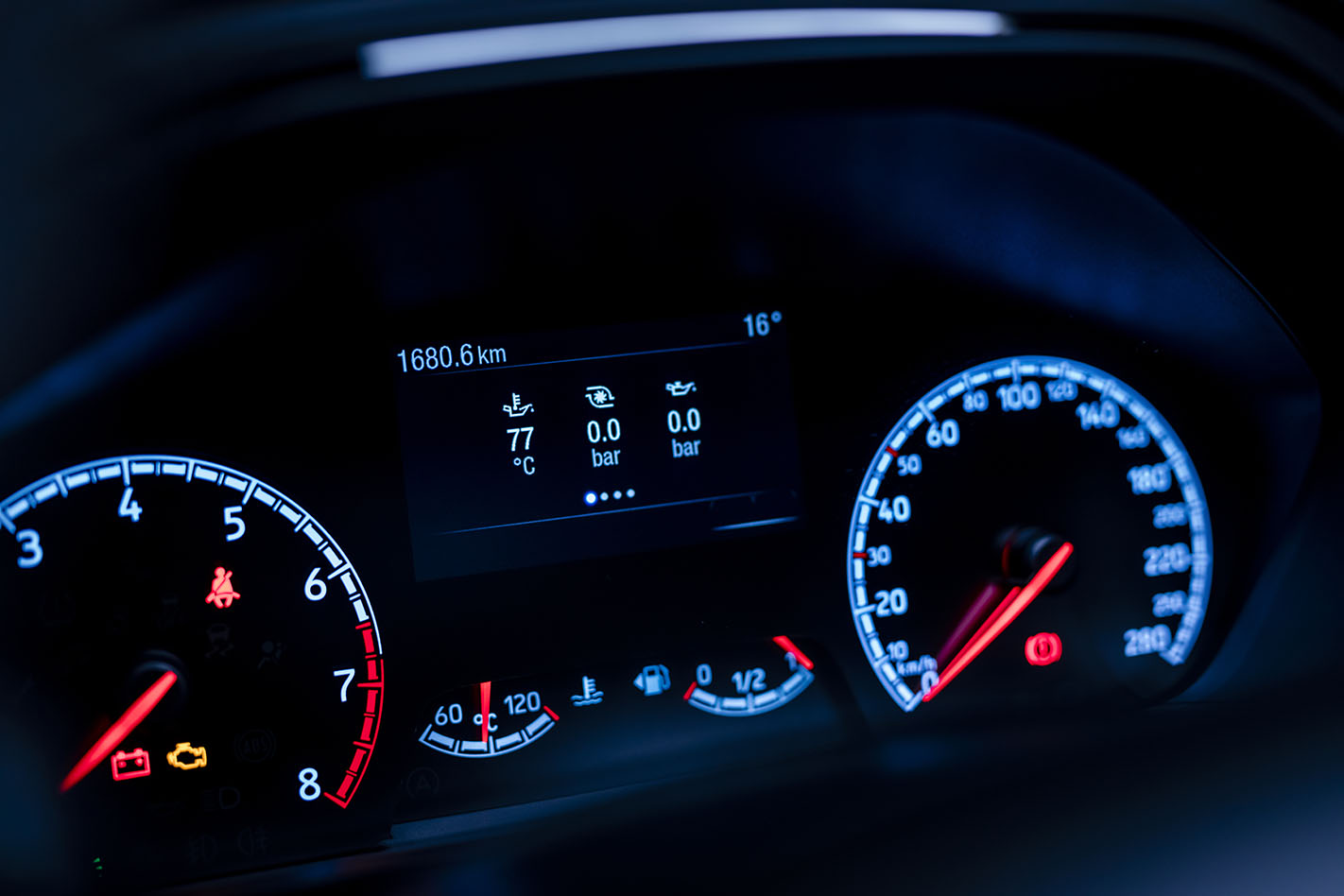
The holy grail sound effect is usually a momentary squeal of wheelspin and then clean traction.
Get that right and, unless you foul up a gearchange, you usually know you’ve nailed a decent time.
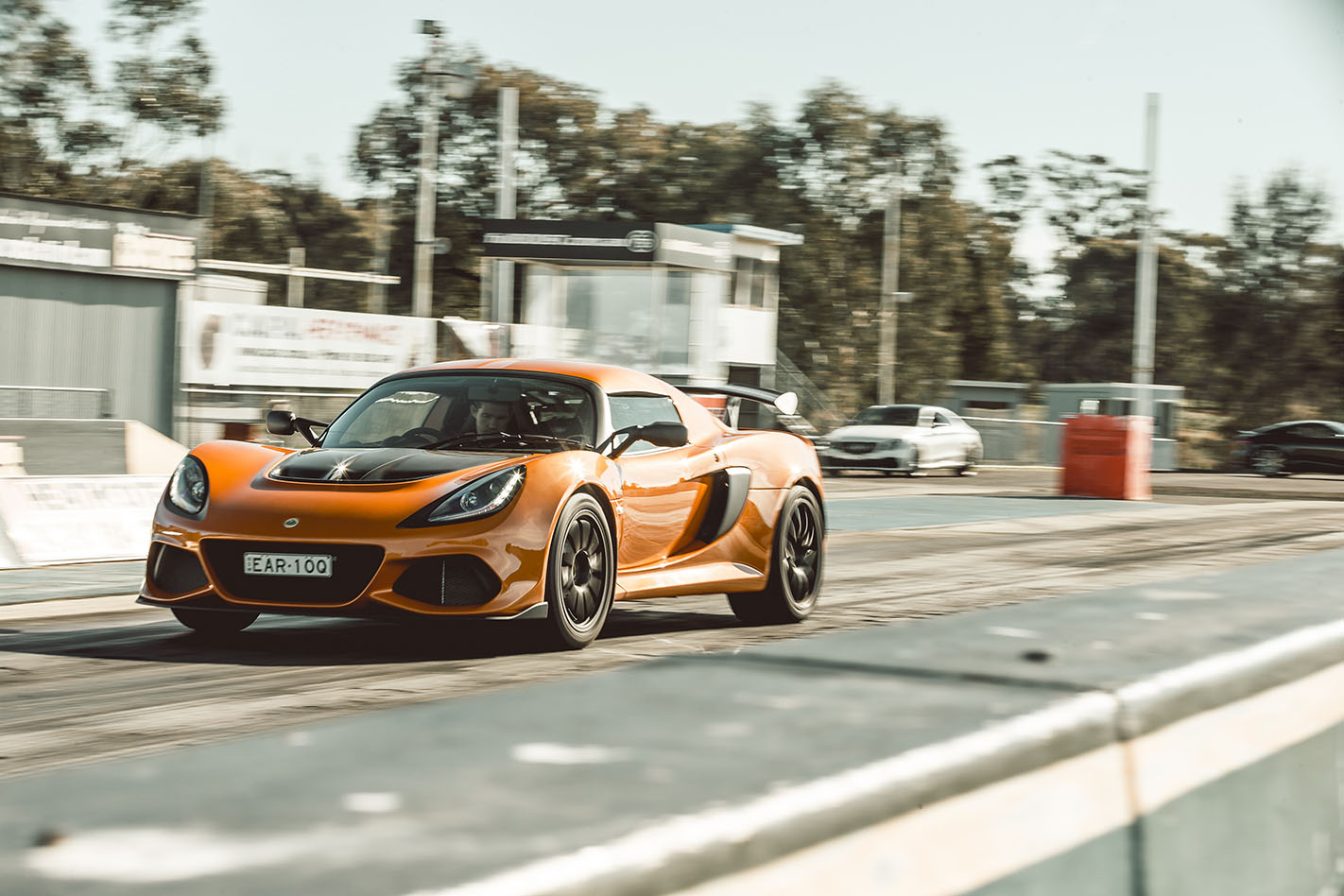
WHERE ELSE CAN IT GO WRONG?
There are a couple of other ways that you can screw things up.
The first is a common error – upshifting too early. You’ll typically lose around 60 percent of wheel torque with each upshift, so even if the engine feels as if it has done its best work en route to redline, it’s almost always more effective to stay with it to almost the engine cut than upshift early.
Subjectively, you’d swear that upshifting earlier would be quicker, but beg/borrow/steal a satellite data logger and try the two techniques. Nine times out of ten, sticking with the gear you’re in for as long as possible will net you a better time.
The second is (sorry, press offices) being too gentle with the car. Figuring a car isn’t an activity for those with excessive mechanical sympathy. You’ll want to be very quick with the clutch and the gearshift (taking up slack in the stick’s travel before you engage the clutch) and, once you have traction, the throttle pedal stays on the floor for the best possible times, or merely feathered slightly through shifts.
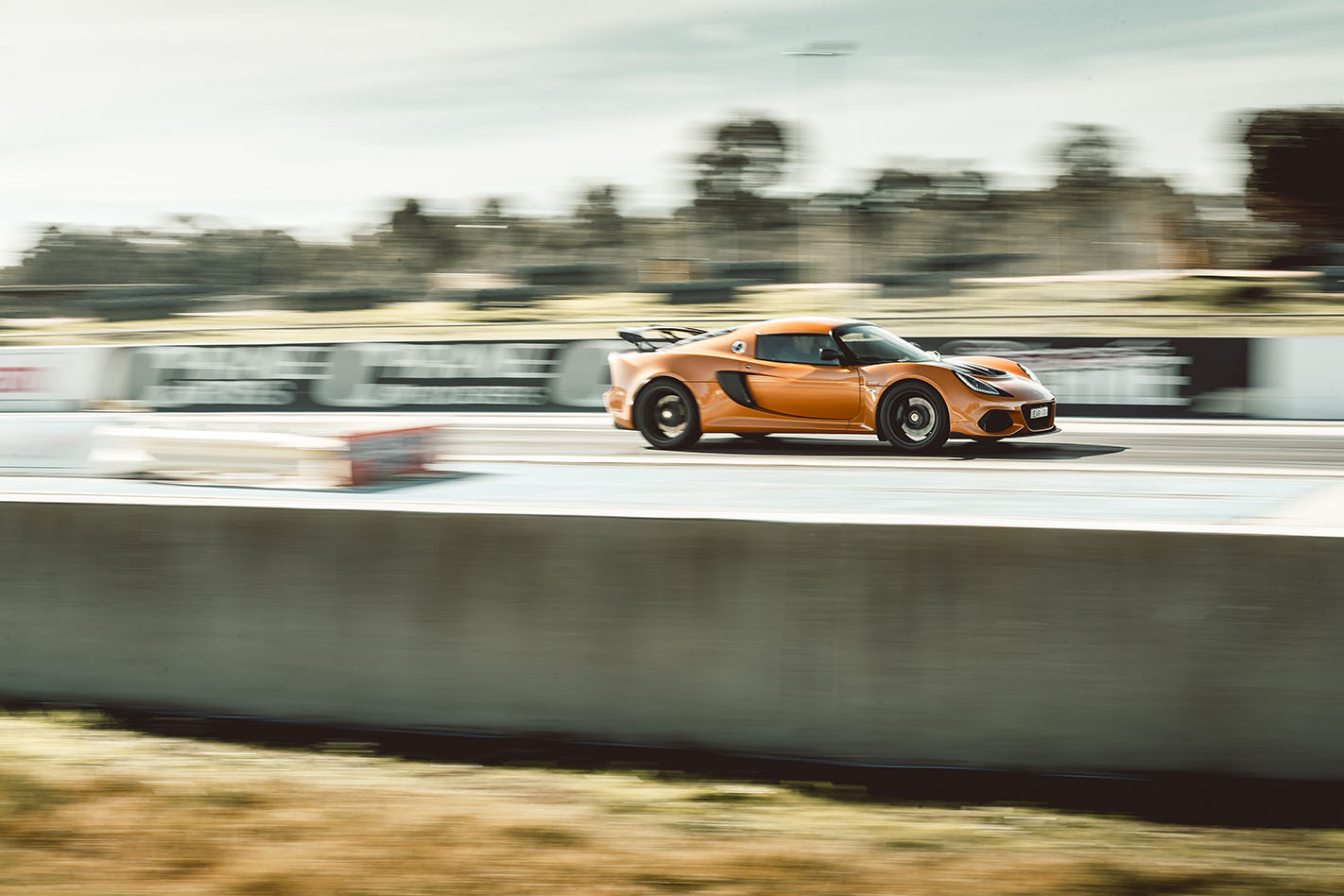
CONGRATS, YOU CAN NOW LAUNCH LIKE A PRO
If you’ve nailed all of the above, congratulations! And remember that the middle pedal is probably going to need some attention in your immediate future too.
Update #1
August 4, 2020 Km Driven: 450km
You’ve got to feel for the Nissan Qashqai. On the one hand, it should be a runaway success. It’s an SUV in an SUV-mad country. And its bigger brother, the Nissan X-Trail, was the world’s top-selling SUV in 2017 – the Toyota RAV4 pipped it in 2018 and 2019.
But being in the right place at the right time and with the right pedigree isn’t enough, especially not when you are just one of 20 different small SUVs all vying for Australia’s attention.
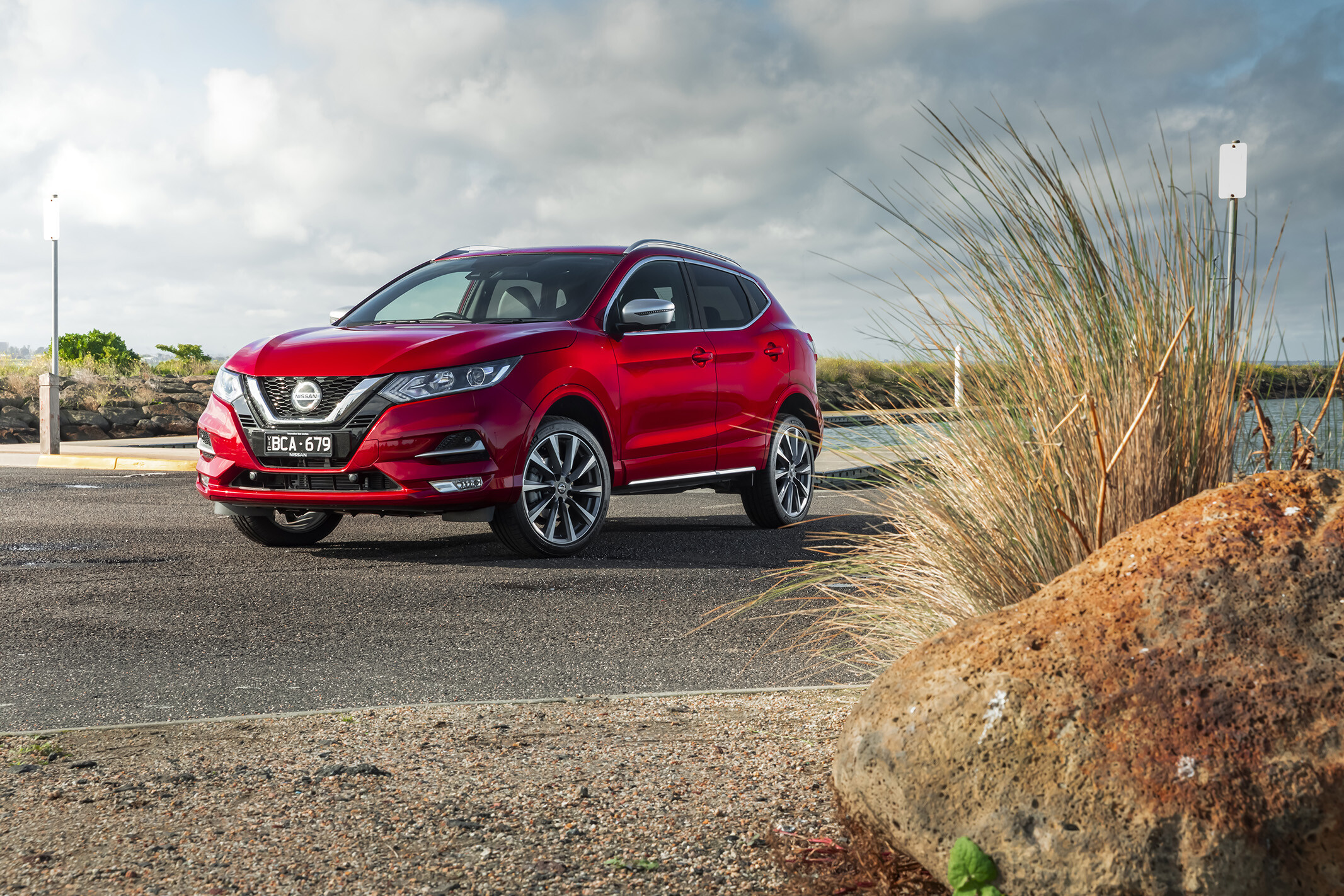
The Qashqai does okay, though; one-in-10 small SUV buyers choose the Qashqai over rivals like the Mitsubishi ASX, Toyota C-HR, Hyundai Kona and Subaru XV, so it must have a lot going for it. To find out exactly why I decided to live with one for six months. For the first two months I’m in the Nissan Qashqai N-Sport, after which I graduate to the top of the range Qashqai Ti. So, let’s get started.
We get asked a lot of questions about the Nissan Qashqai. From the obvious “Is the Nissan Qashqai a good car?”, “Is the Nissan Qashqai a seven-seater”, “Can it go offroad?” and “Can the Nissan Qashqai tow?” to the less so: “What does Qashqai mean?” and “How do you pronounce ‘Qashqai?”. Then there are some astute questions, such as “Which Nissan Qashqai is the best to buy?” and “How reliable is the Nissan Qashqai?”.
Let’s start with the easy one, or the hard one, depending on your linguistic flair. The ‘Qashqai’ are a collection of five nomadic tribes living in Iran and famous for their carpets. According to Wikipedia they pronounce it “Kash-kai” or “Gash-gai”.
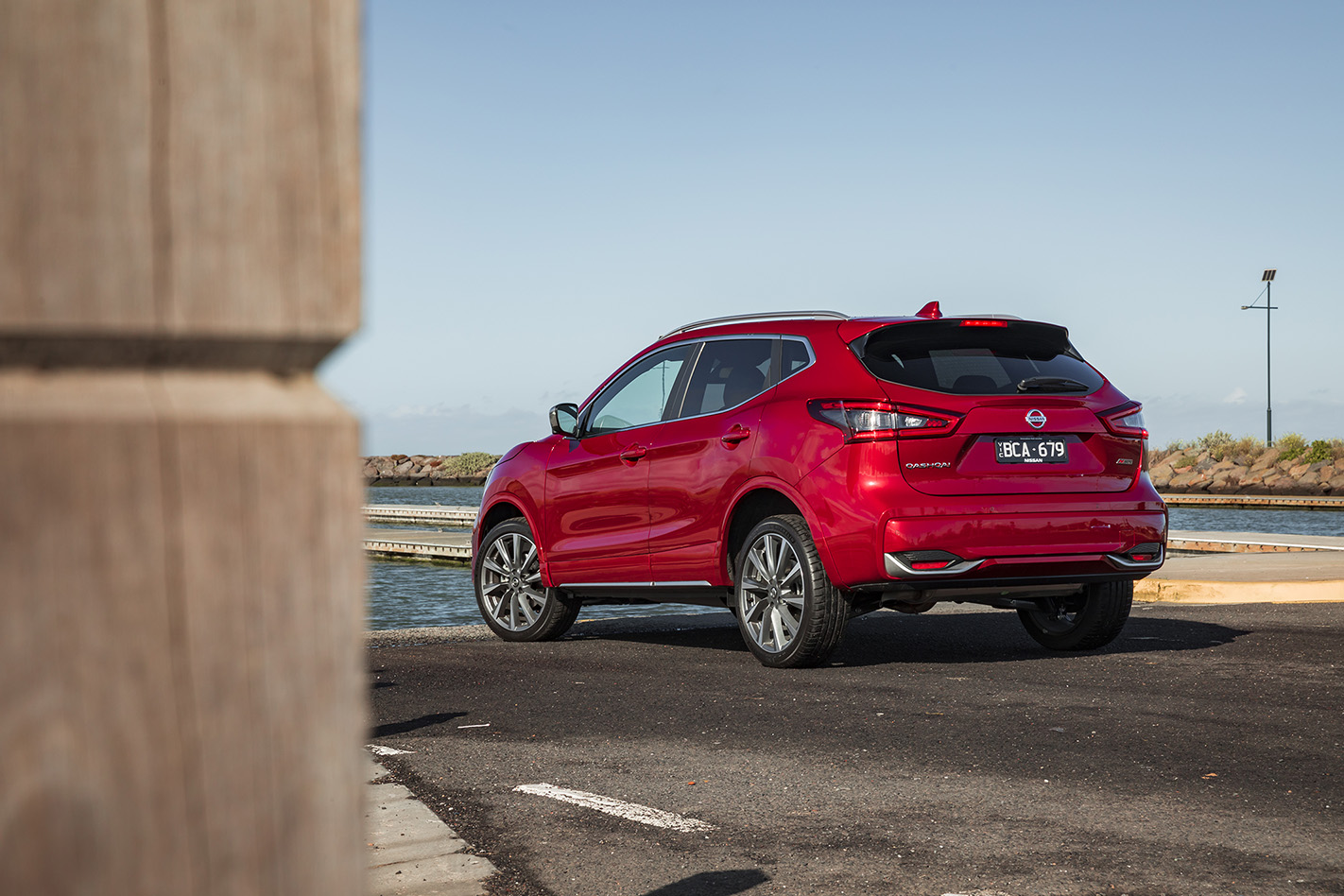
Nissan says it chose the name because it believes buyers will be nomadic, too. Presumably, they mean ‘nomadic’ as migrating to the Qashqai from a bigger or smaller Nissan SUV, rather than in and out of the Nissan brand, because consumer loyalty is highly prized by car companies – anything up to 70 percent of new car sales are from the brand’s existing owner base.
So a positive ownership experience and vehicle reliability definitely count!
The Nissan Qashqai is the second smallest of Nissan’s five SUVs. In size and price terms it sits above the tiny Juke and below the popular X-Trail, the bigger Pathfinder, and the Patrol offroad monster.
All five Qashqai variants are five-seat, five-door wagons with a 2.0-litre petrol engine driving only the front wheels through a CVT continuously variable transmission. There is no all-wheel-drive option. There is a manual transmission option on the cheapest model (the ST) for those who like to change gears themselves.
The model I’m testing here is the Qashqai N-Sport introduced in 2020. It sits below the range-topping Ti, is priced at $36,290, and is said to add a sporty flavour to the Qashqai range.
We’ll get to the N-Sport’s points of difference shortly. First, it’s worth noting all Nissan Qashqai models come equipped with convenience features like Apple CarPlay and Android Auto (via a 7.0-inch touchscreen), front and rear parking sensors and a rearview camera, cruise control, and Bluetooth. That last one is a bit finicky with my wife’s Samsung Galaxy S10 but connects to my Huawei no problems. The Qashqai’s audio system is a fairly basic six-speaker setup but it does offer DAB+ digital radio.
Many of the intelligent safety features are excluded from all but the most expensive model, the Ti. I’m talking about intelligent park assist, and lane intervention. Autonomous emergency braking is standard on all models, but only the Ti gets the pedestrian detection enhancement. And the base ST model misses out on blind-spot warning and rear-cross traffic alert.
Now, to the $36,290 N-Sport model in particular, and what it gets that the $35,290 ST-L doesn’t. On the outside, body-coloured bumpers with silver inserts are an obvious giveaway, as are unique 19-inch alloy wheels inside body-coloured wheel arches. The wing mirrors are also silver capped.
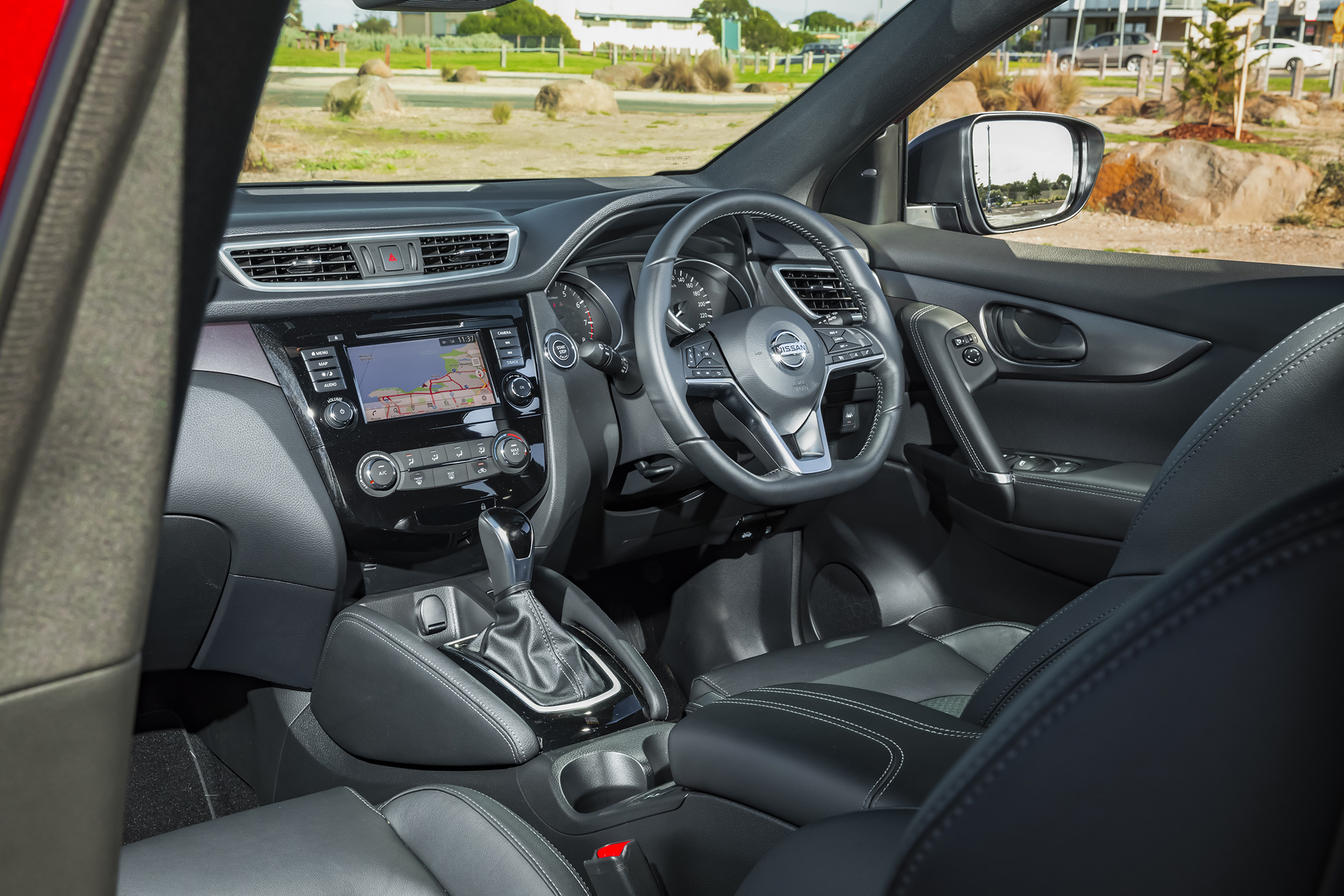
The N-Sport’s interior imparts quite an upmarket vibe for a car priced in the mid-$30,000s largely through the clever choice of materials and a spaciousness few in its class can match, although the touchscreen’s dated graphics bring that vibe down a notch.
The front seats are part leather part fabric and both adjust for height as well as slide and rake (the driver’s does so electrically). They even have matching lumbar adjustments so you don’t get a sore back on long drives. The steering wheel adjusts for tilt and telescope, which means it’ll accommodate a wide variety of driver shapes and sizes.
Like the ST-L, the N-Sport has heated front seats which are a welcome touch in a Melbourne winter. It also has satellite navigation. Unusually for this price, the air-conditioning is not climate controlled. It’s old-school meaning you need to set the fan speed and a cold-to-hot dial. Only the Ti gets climate control.
Practicality is strong up front with plenty of little cubbies for life’s knick-knacks, including door pockets, two bottle holders, and a phone cubby in front of the centre armrest bin. There is no smartphone charge mat on the N-Sport, but that’s the same story for similarly priced variants of its main rivals, the C-HR and Kona.
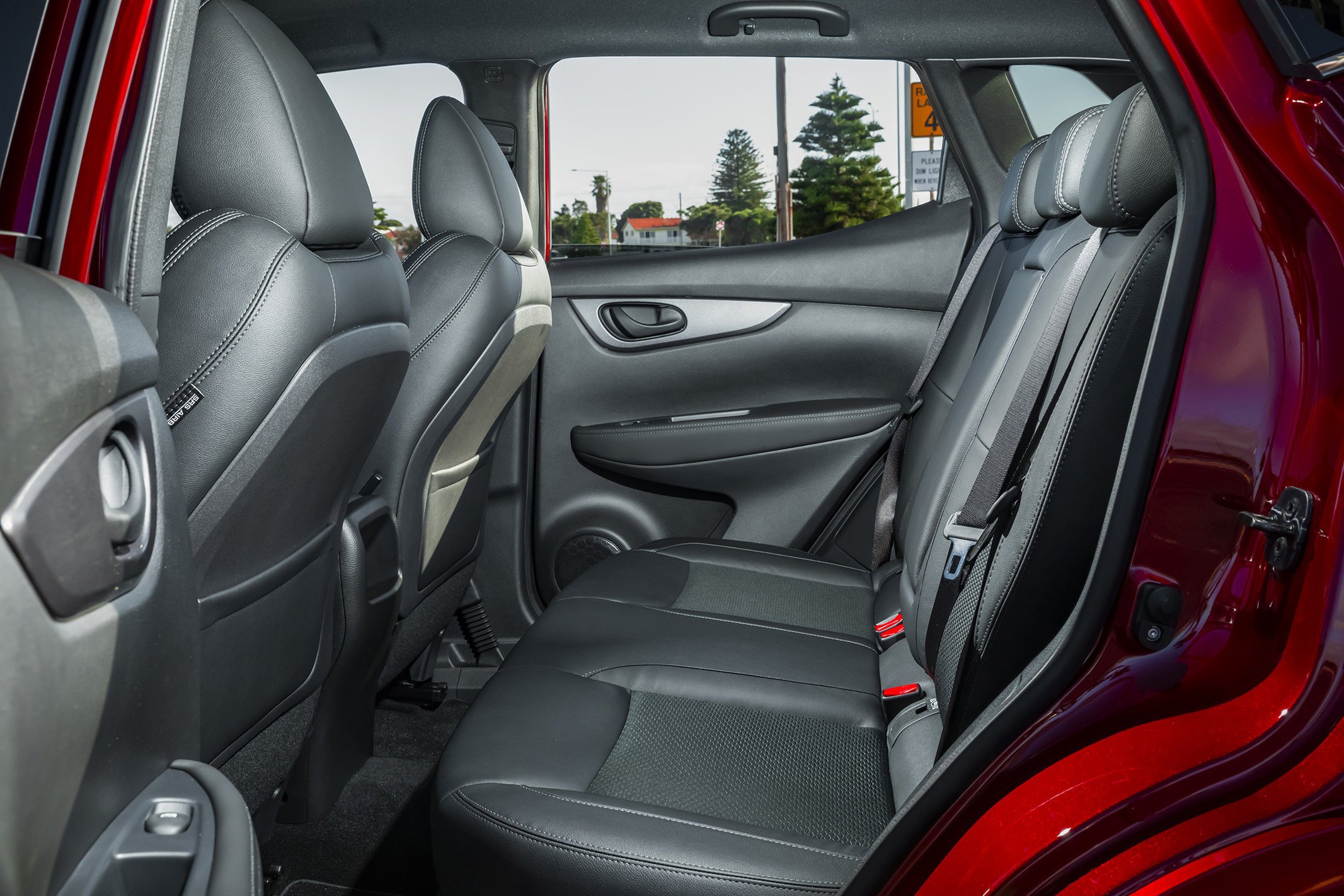
The back seat is roomy enough to accommodate two adults, but that leaves very little room in the middle. Three kids across the back will be fine. There are two ISOFIX mounts in each outboard seats but none in the middle, which is a bit of an oversight because with a capsule installed the front seat has to come quite a long way forward, cramping the front seat occupant considerably.
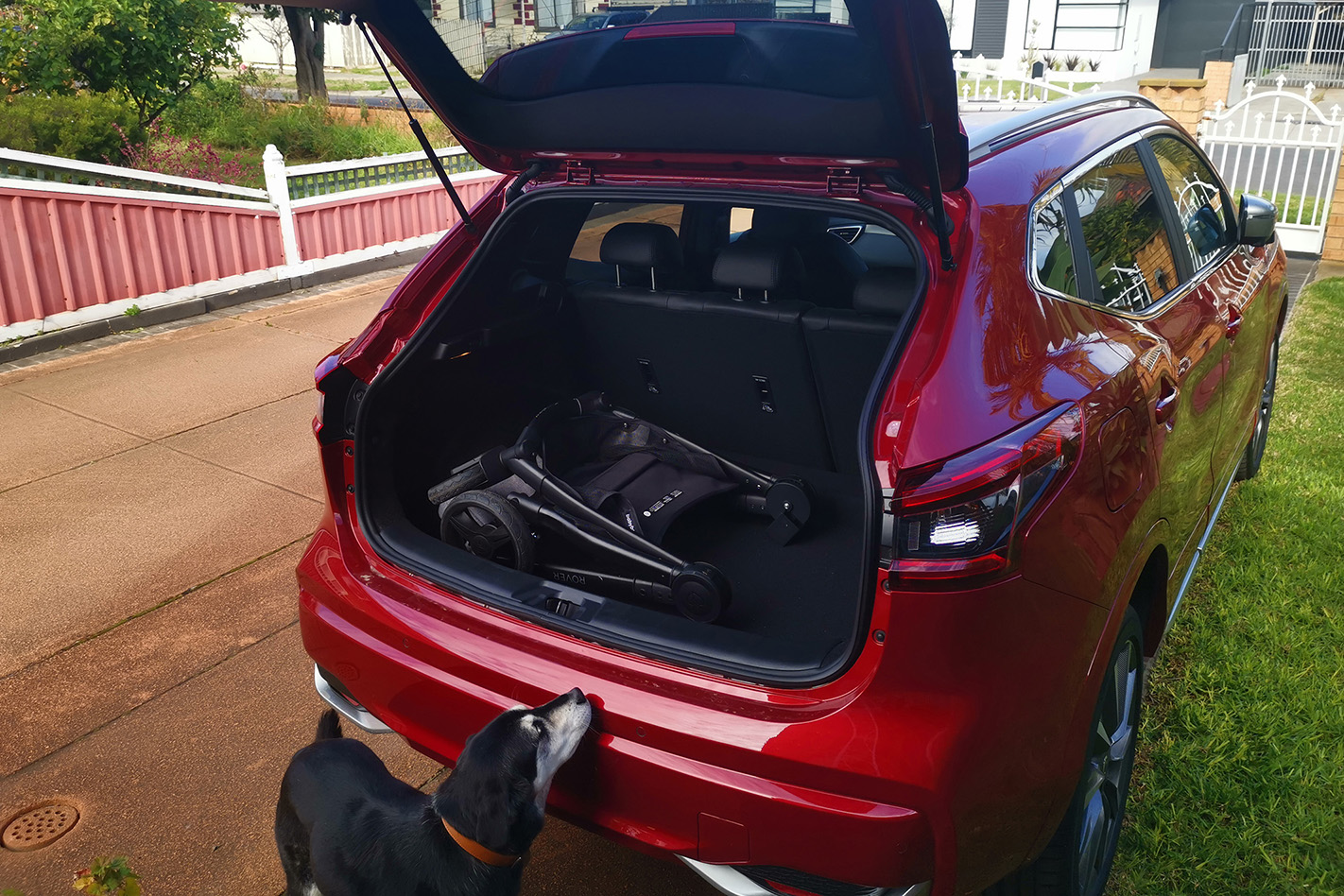
Another area the Qashqai impresses is in boot space. The 430-litre boot swallows our big pram easily, and the car’s relatively low load height means it’s not a huge effort to get the pram up or down. If you need more space, the back seats split/fold in a 60:40 configuration, liberating 1598 litres of space.
As for how the Qashqai drives, our Covid-restricted test-driving relationship has started well. The 2.0-litre engine and CVT transmission are well-matched, making the most of the front-drive Qashqai’s relatively modest engine performance.
The gearless CVT’s seamless acceleration adds an enthusiastic edge to proceedings, making the Qashqai feel faster than its on-paper 0-100km/h time of 11sec would suggest. Sure, the performance is nobody’s idea of fast, but it’s definitely fit for purpose, and relatively frugal too.
The ride does a good job of absorbing harsher bumps, but it is on the firm side of supple, although some of that might be down to the N-Sport’s bigger 19-inch wheels and tyres.
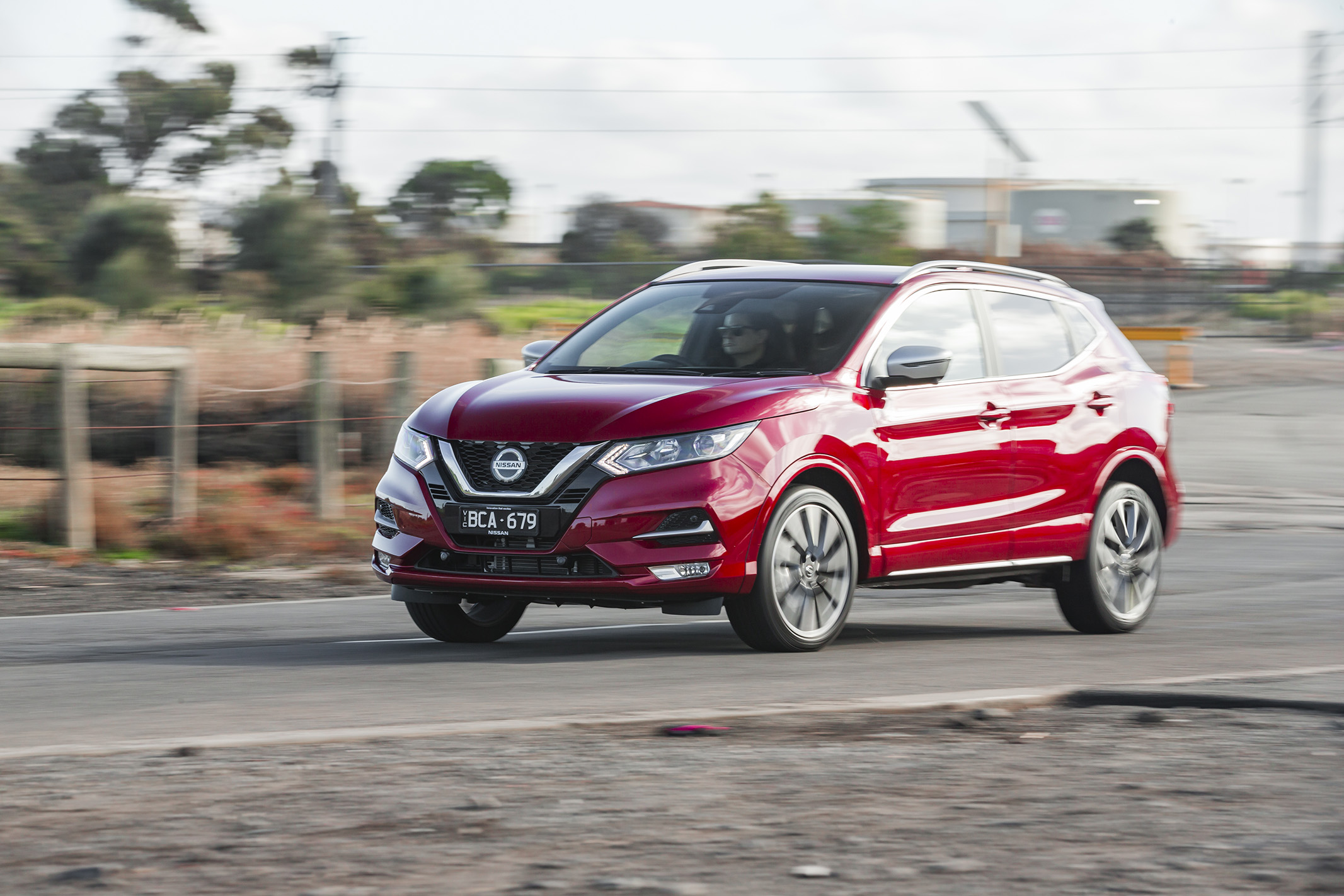
As for the cabin, the upmarket vibe started by Nissan’s choice of materials continues with the ambiance. When Nissan upgraded the Qashqai back in 2017, it put in thicker window glass and more underbody sound-deadening, which means it’s a surprisingly quiet car to drive.
So, no rude shocks, no big surprises. After three weeks the Qashqai N-Sport is proving itself a willing and honest member of the family, and a pretty good way to spend $35K. Let’s see how the next three weeks go.
Run the acronym DOHC through a search engine and it’s likely to come up with two explanations, but as this is a car website, we’ll assume you are not interested in the Department of Health and Children in Ireland.
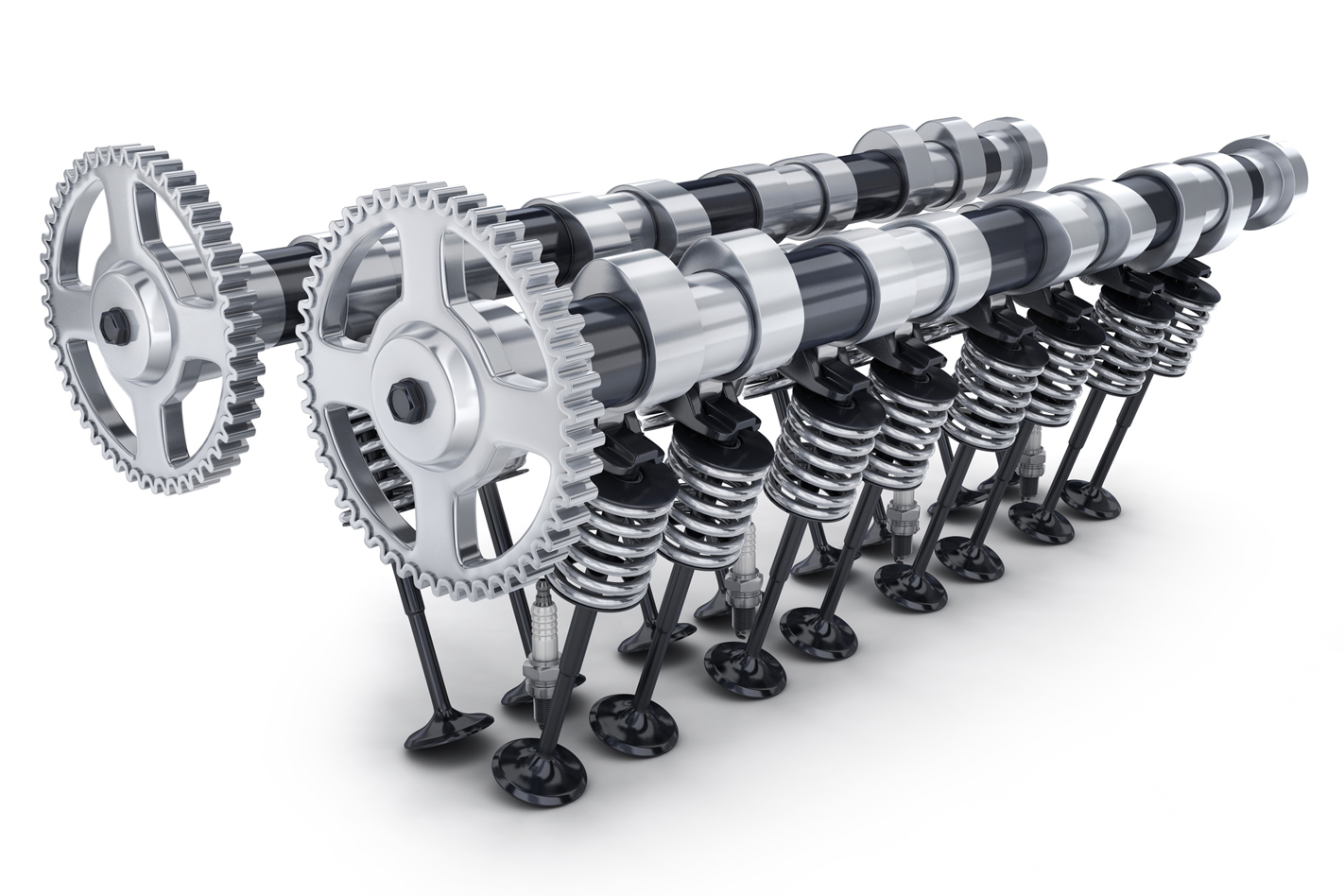
In the automotive context, DOHC stands for Dual or Double overhead Camshaft. Prior to the engine innovation, four-stroke engines were SOHC. You guessed it: single overhead camshaft. Let’s break that down.
CAMSHAFT
The camshaft is the device responsible for opening and timing the closing of the engine’s valves – the central component that lets air and fuel in, and exhaust gasses out. It’s a sturdy rod of iron or steel that has a series of lobes called ‘cams’ spaced out along its length. As the shaft turns, the egg-shaped cams open the valve at a precise time and, as they continue to rotate, allow the valve spring to close it again.
OVERHEAD
Older engines have their camshafts located down low inside the cylinder block and operated the valves via a series of levers and pivots. These engines are described as OHV or overhead valve. But in an overhead cam design, the camshafts are located at the very top of the engine where the lobes can act directly on the valves, reducing complexity and weight and allowing the engine to rev faster.
DOUBLE
By using two camshafts instead of one, it’s easier to design and build an engine with multiple valves per cylinder, which boosts efficiency and power and torque while, at the same time, arranging those valves in a more efficient and compact pattern.
It used to be a big deal, but with a few notable exceptions (mainly old school, large capacity V8s) all modern engines feature DOHC these days. The popularity of DOHC might be new, but the technology itself is not. As early as 1912, Peugeot had a four-cylinder DOHC design which it used to win the French Grand Prix of that year.
What’s next?
Just when you had got your head around what single and double camshafts mean, we might be about to lose them altogether. Some engine manufacturers are working on technology that does away with the camshaft completely, with valves operated by electric or hydraulic solenoids.
Swedish hypercar maker Koenigsegg already has a vehicle in production with its ‘cam-less’ engine, and Formula 1 engines have been functioning without camshafts for many years.
But beyond that, electric vehicles – which require no camshafts, pistons, cranks or anything in the way of rotating parts much beyond the main motor rotor – will spell the end of the camshaft and anything it attaches to.
Whenever someone puts a V8 in a Porsche, purists lose their minds… but what if it’s a Porsche that the purists aren’t too worried about?
Enter this first-gen (986) Porsche Boxster, previously the home of a mid-mounted flat-six, now powered by a Toyota 1UZ-FE V8 usually reserved for plus specifications of ‘90s cars from Lexus and Toyota. The Lexus LS and Toyota Soarer (and twin Lexus SC) both had 1UZs in some specs, for example.
The owner of the Boxster has posted images and videos of his Boxster in a group dedicated to 1UZ engine swaps and was good enough to field questions and supply explanations on the work carried out.

Adaptions to the engine to fit nicely into the car (and to the car to accommodate the engine) seem to be relatively simple. For example, the intake for the Toyota V8 lines up well with the intake vent behind the passenger (right) door on the Boxster.
Check out this Ford Ka with a Barra swap!
Similarly, an adapter plate for the engine to mate with the stock Audi-sourced 5-speed gearbox is available from a supplier.
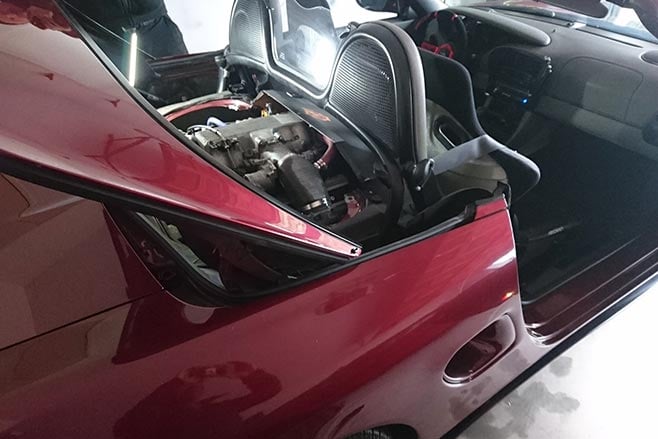
A heat shield protrudes into the cabin somewhat, and required some alteration to the firewall, though the owner says the stock rollbar and some extra custom bracing solves any strength issues. According to him, the only reason these changed were made was a wish to keep the transmission and rear axle in the stock position.
Aussie-built BMW Z3 with an LS1
Judging from a quick driving video the owner posted, the 1UZ-FE runs nicely in its new home, though whether the conversion affects the car’s handling is obviously only for the owner to know.
The original Porsche Boxster is something we reckon should be remembered fondly, and we don’t know that popping a 1UZ is the way we’d have one, but this owner seems quite pleased with his decision.
Let us know your thoughts in the comments below!
Get your free weekly MOTOR report!
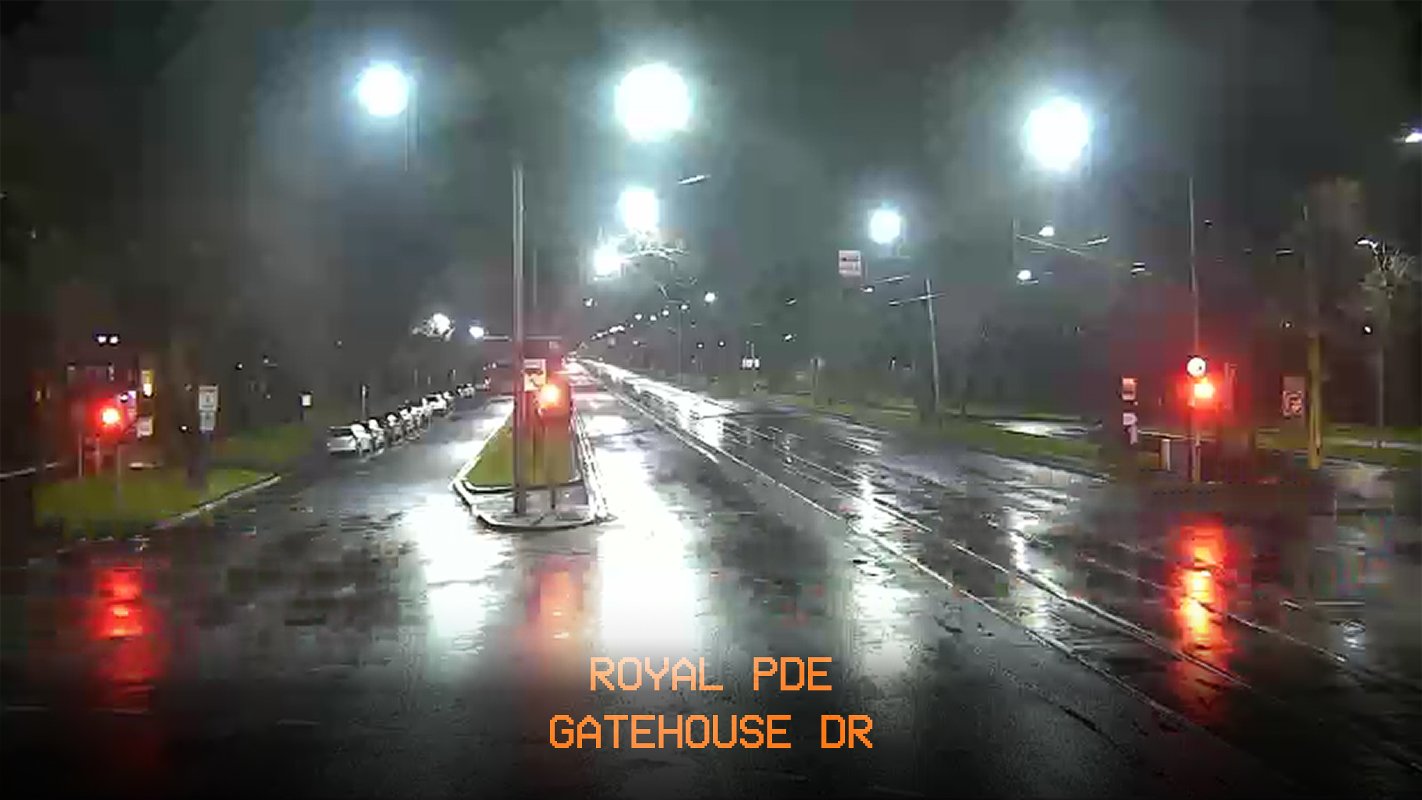
Victorian premier Daniel Andrews shared a series of images depicting a desolate road network last night, after the Melbourne public largely obeyed some of the most stringent coronavirus lockdown curfews in the world.
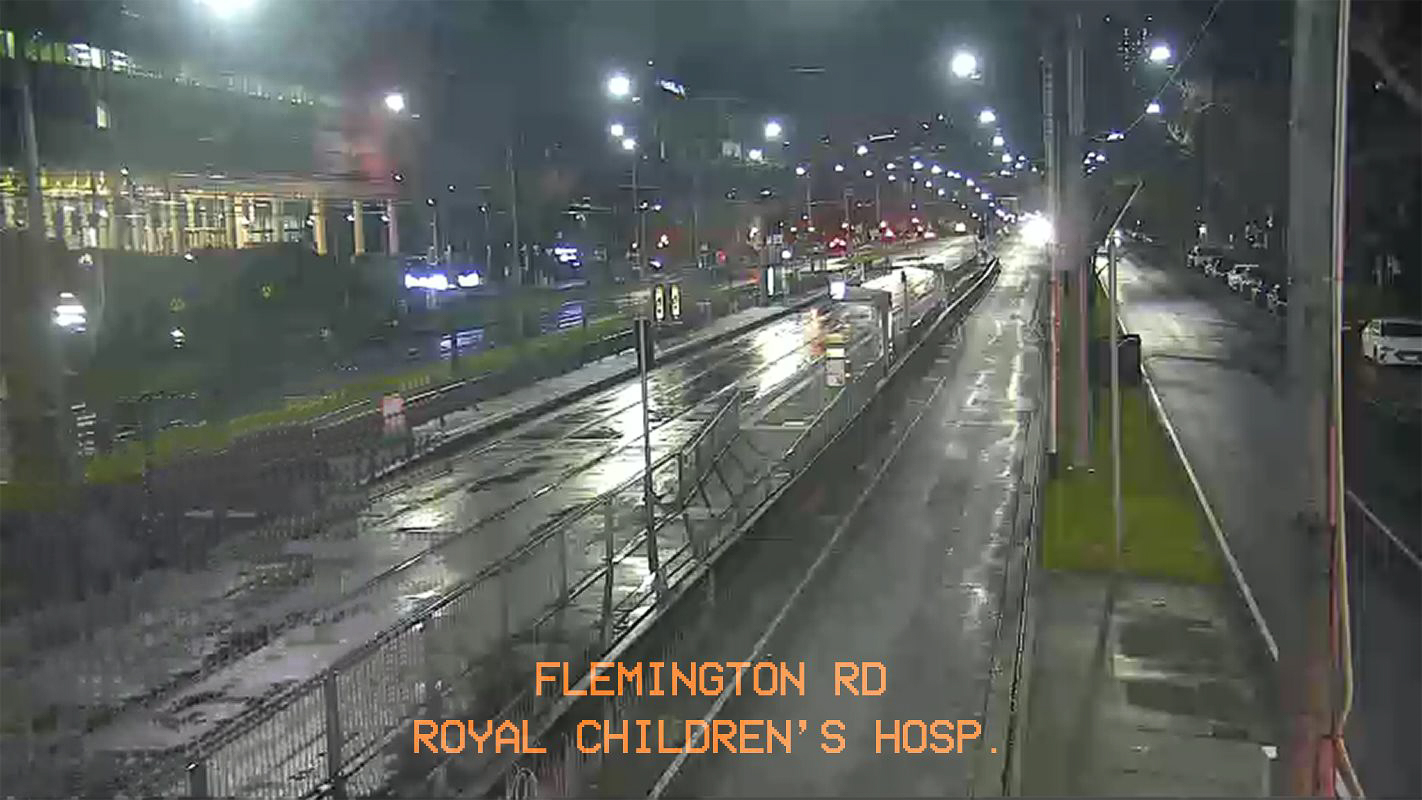
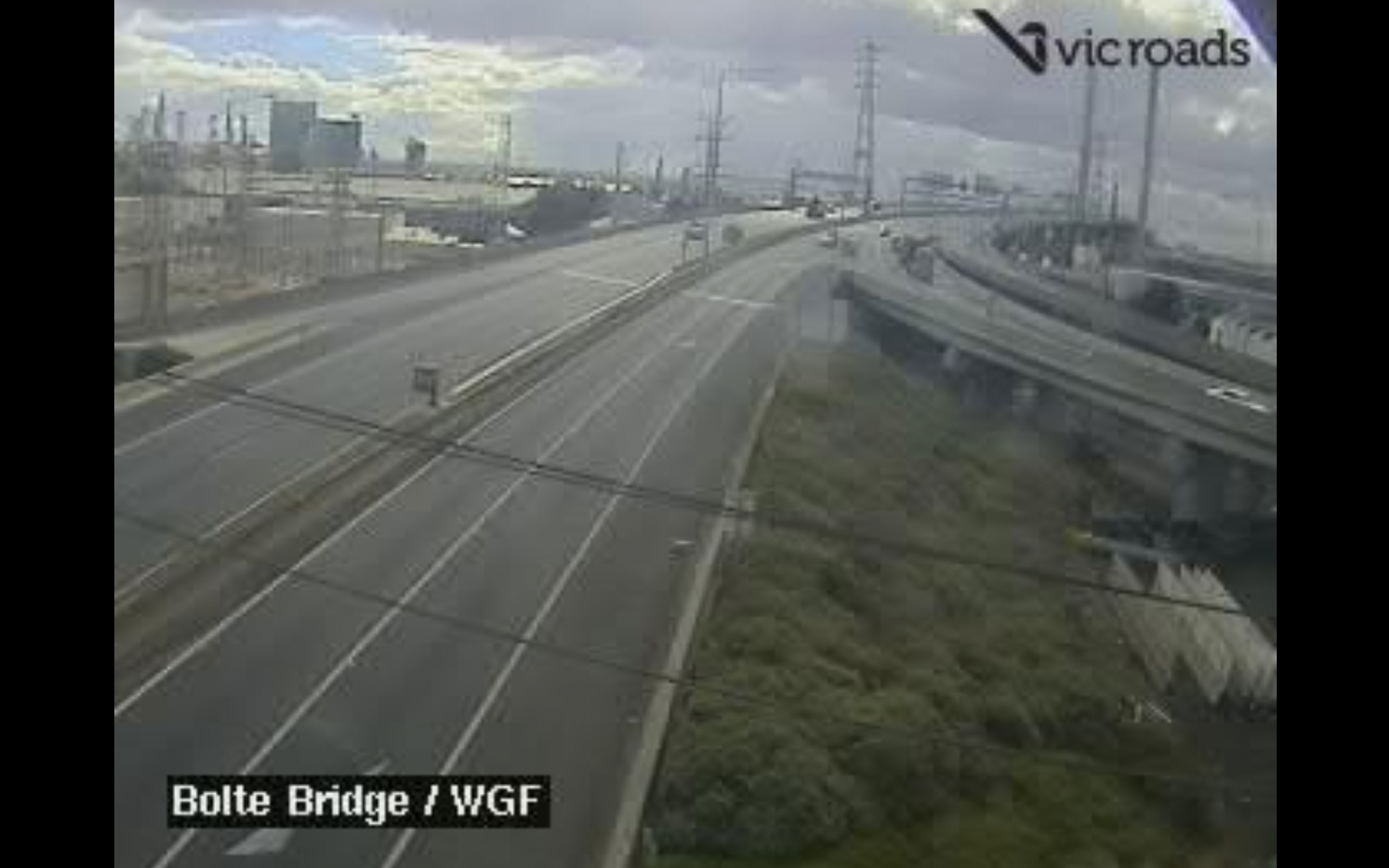
The photos were gathered from traffic cameras in various spots across Melbourne including the usually-busy Punt Road, Monash Freeway, Eastern Freeway, Tullamarine Freeway, and Flemington Road locations.
Daniel Andrews captioned the photos by simply saying “Thank you” to the Melburnians who were abiding by the curfew.
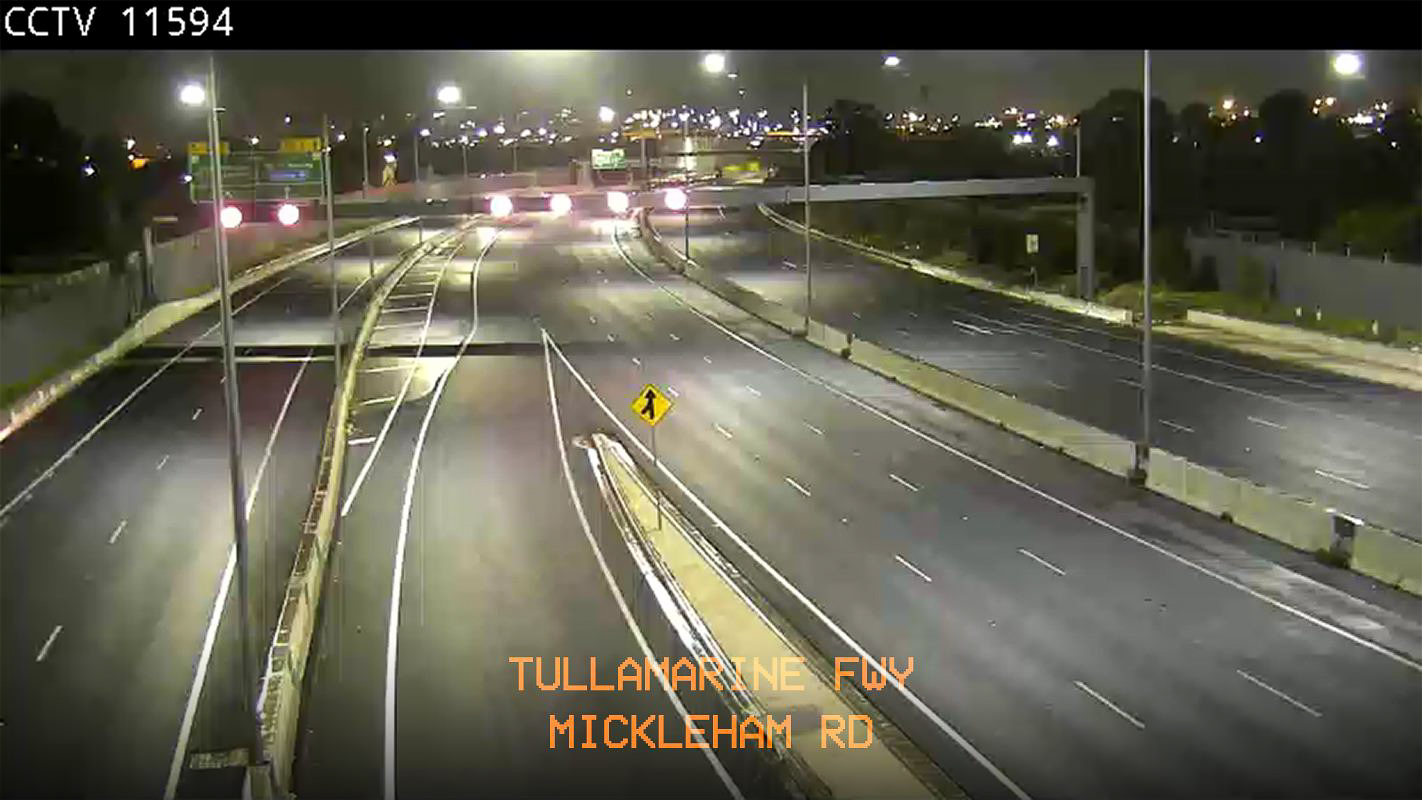
The curfew means the only reasons Melburnians should be travelling between the hours of 8:00pm and 5:00am is to work, seek essential health treatments, and for care or safety reasons.
It is for that reason that you see these eerily-deserted roads, which would normally be filled with motorists commuting home, going out for dinner or just plainly going for a drive.
Even throughout the daytime these locations are seeing a vast reduction in traffic numbers (below).
A reminder that Victoria Police can fine you $1652 for breaching the Stage 4 curfew in Melbourne.
See more photos of a deserted Melbourne by clicking on the lead image of this story.
Steven Bradbury doesn’t need much of an introduction but just in case you were living under a rock in 2002, he was the winner of the 100m speed skating gold medal at the Winter Olympics in Salt Lake City after a final corner pile-up among more favoured rivals.
The Toyota RAV4 seems to have inherited some of Bradbury’s luck, with the Toyota Hilux and Ford Ranger, which often hog the top steps of the new vehicle sales podium, tripping over their own supply issues.
The dual-cab pair have consistently been trading blows for the top spot on the sales charts, but were usurped this month by the RAV4, which brought home more than 4000 registrations.
In total, 4309 RAV4s were registered by Toyota, putting it more than 1000 units clear of second and third for July.
For reference, the Hilux registered 2947 sales across both 4×2 and 4×4 variants while the Ranger convinced 3104 of you to sign on the dotted line, again across both drivetrains.
It’s no great surprise to us at Wheels that the RAV4 would one day get its moment in the sun. It was one of the finalists at Car of the Year 2020 and has won every comparison test we’ve put it into.
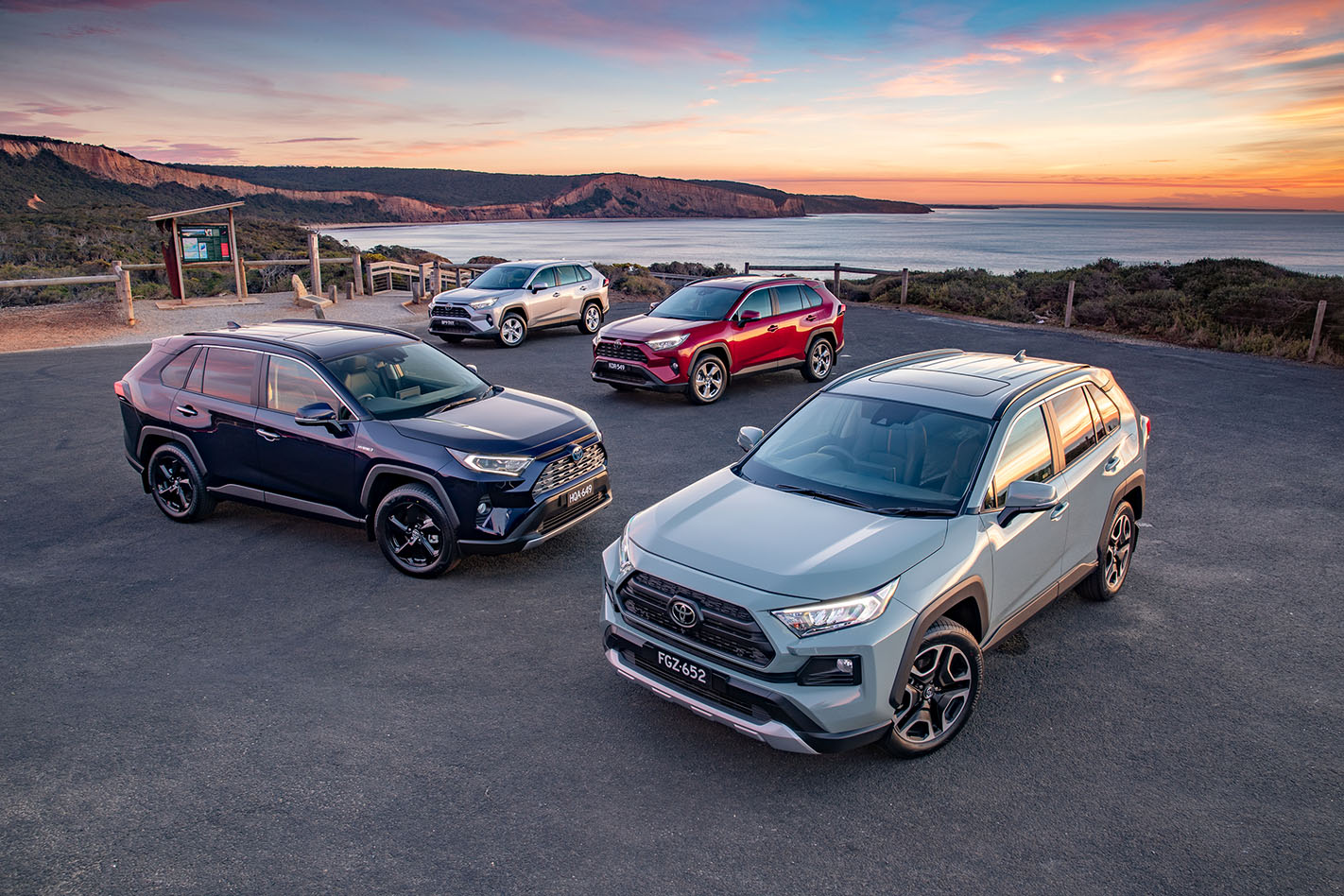
It seems the Australian public agree with us, and waiting lists for the supply-constrained RAV4 have blown out to over nine months.
A combination of the RAV4 supply issue easing somewhat and a bigger than expected take up of the government’s instant asset write-off, meaning that dealers ran dry of dual-cab stock in June, has seen the SUV claim top spot in Australia’s new car sales rankings for the very first time in its 26-year history.
Overall, sales were slightly depressed again in July, with 72,505 vehicles sold. Which is down 12.8 percent versus July 2019.
Year to date, 2020 is down 19.2 percent against 2019.
Nevertheless, the RAV4’s 4309 units registered in July was a stellar performance.
The next best selling car in its class, the Mazda CX-5, tallied fewer than half the RAV’s registrations at 1727, with the bronze medal being claimed by the Nissan X-Trail with 1116 sales.
In other words, the RAV4 sold more than the Corolla, the Camry, the Supra and the C-HR combined. Or, if you prefer, more than double the combined sales of Kluger, Prado and Fortuner.
Australia’s favourite car is, predominantly, a hybrid. Who saw that coming?
A design document kept secret by Holden for two decades has been uncovered by Wheels, revealing initial plans for several tantalising VE Commodore variants.
Top of the pile is a mid-size sedan that would have revived the Torana body style for Holden. Among the other lost VE Commodore models are a coupe and coupe ute, a cab-chassis ute, a shooting brake-style wagon, and even a seven-seater…
The secret document is believed to be an exploration into the different possibilities of a versatile flex architecture strategy; a result of an early brainstorming session by Holden’s design team.
Wheels understands the study was created around the turn of the millennium when development of Holden’s billion-dollar baby was still in its infancy.
In total, Holden’s designers envisaged the possibility for nine or more variants to be spun off the VE Commodore and its Zeta platform.
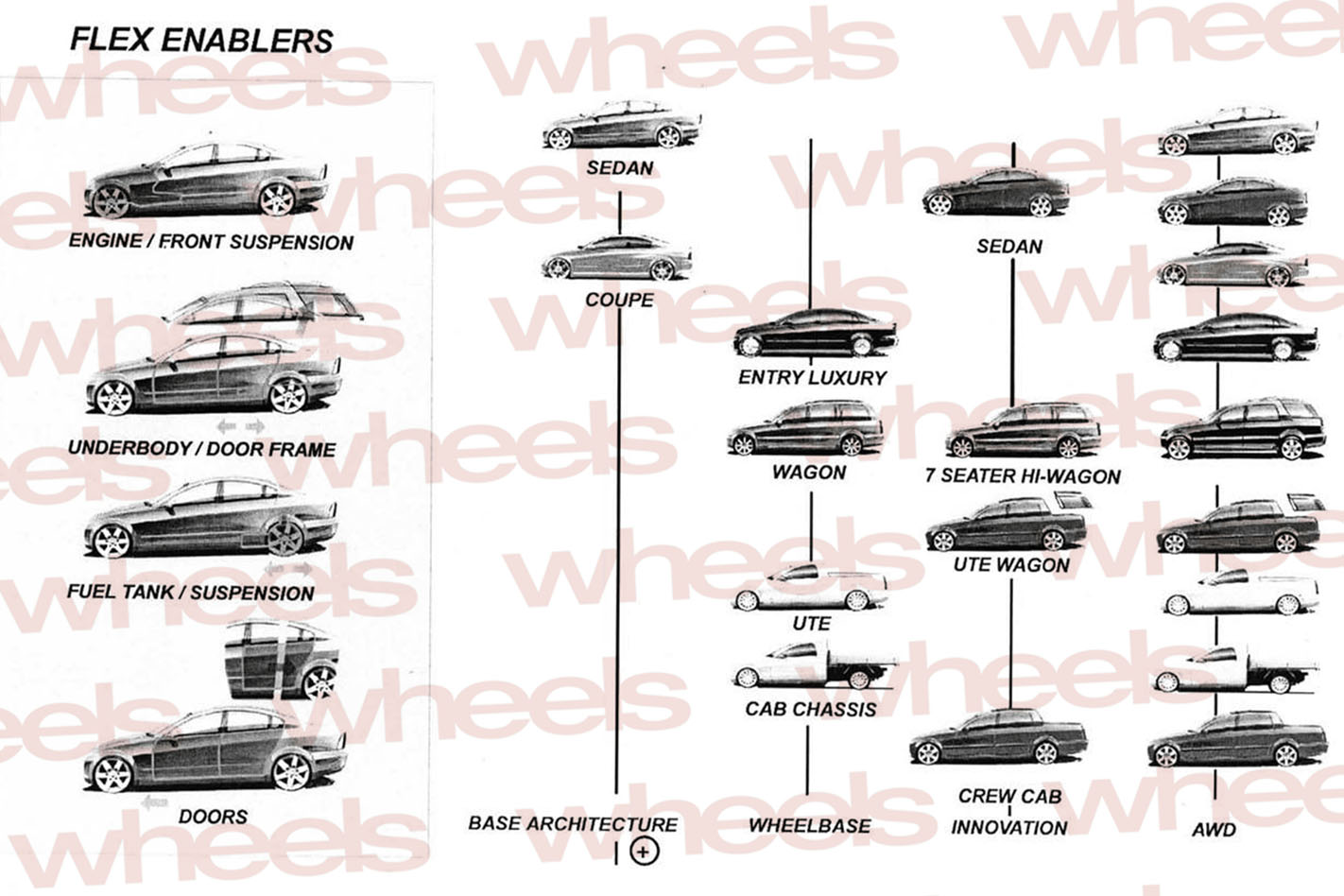
Nestled amidst the different ute and wagon body styles on the document is a short-overhang sedan which Wheels understands to be a Torana-sized body.
This model would eventually come to three-dimensional fruition in the form of the TT36 concept from 2004; well ahead of the VE’s 2006 launch
The rear-drive concept was powered by a 280kW/480Nm twin-turbo version of Holden’s 3.6-litre Alloytech V6, but it was reported the engine bay would also accommodate a V8 if required.
Holden’s designers said in 2004 that the Zeta platform which was in the final stages of development at the time wasn’t suitable for the project, nor Cadillac’s Sigma platform, or Pontiac’s Kappa architecture.
Instead, they claimed the concept used a completely unique, all-new, Holden-designed platform that followed the same philosophy of the Kappa chassis – built at a cost of $3.5 million.
It is understood that a production version would have utilised the Zeta platform, with GM head honcho Bob Lutz eager for the architecture to spawn a BMW 3 Series rival.
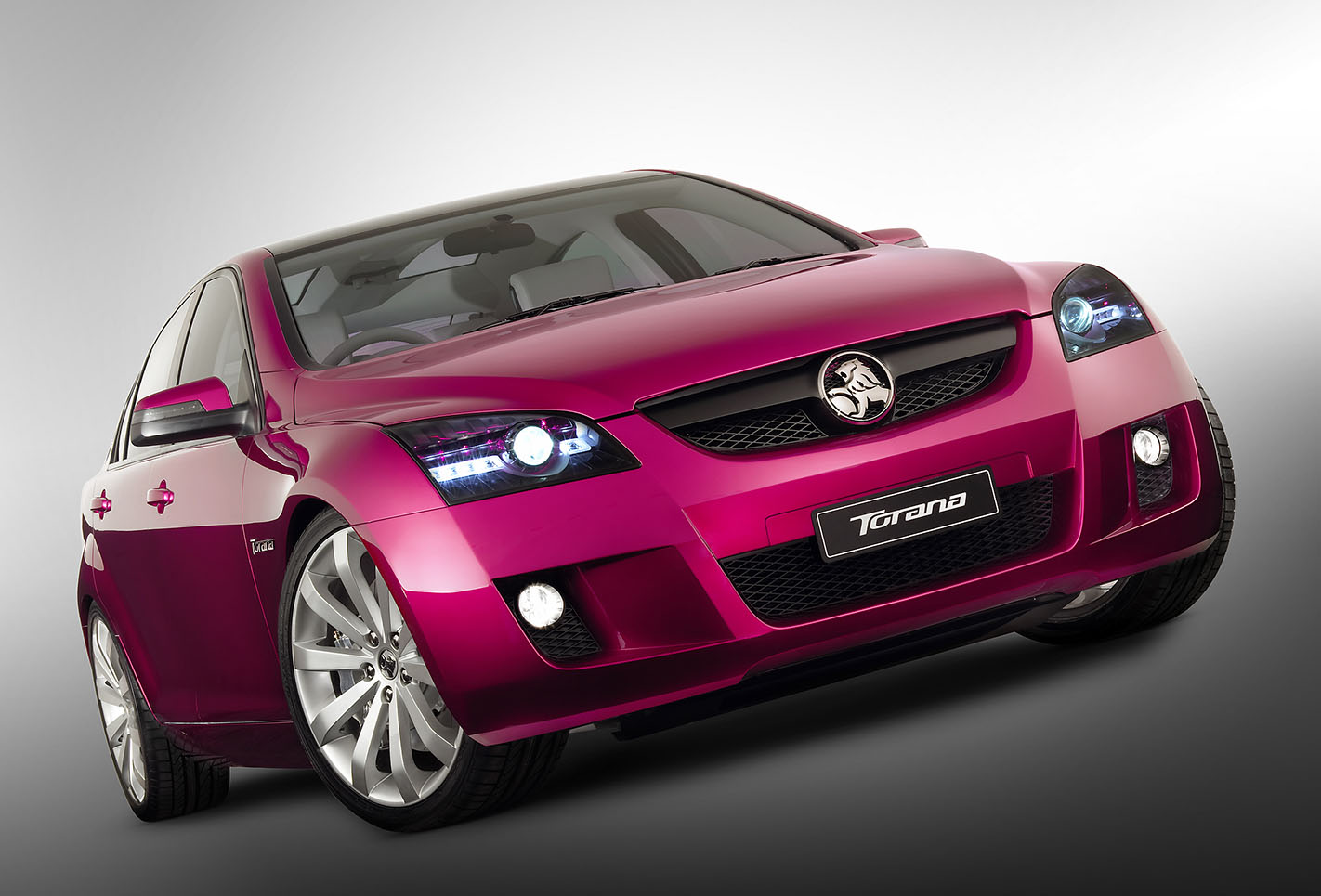
Former Holden design director Tony Stolfo hinted in 2004 that the TT36’s relation to the VE Commodore would follow two years later. We now know these production ideas where being discussed within Holden’s boardroom.
“It displays some of the key proportions we’ll see in future cars: front wheels forward, minimal overhang, high belt lines and a high deck,” Stolfo said in 2004.
“All these elements create strength and purpose and deliver expressive, contemporary styling.”
A limiting factor in putting a reduced rear-overhang bodystyle is Australia’s predilection for full-size spare tyres.
Reducing the bodywork behind the rear axle would require Holden to have ditched the full-size wheel and instead opt for an inflator kit for the hypothetical VE Torana.
While not the deciding factor in the variant’s feasibility, it was certainly debated by designers and engineers.
This newly surfaced document confirms that Holden designers were planning for every possible VE Commodore model to eventually be offered with an all-wheel-drive powertrain, similar to what was teased with the SSX concept car.
Revealed at the 2002 Sydney Motor Show, the VX-based concept was fitted with GM’s Gen III V8, paired with all-wheel-drive running gear.
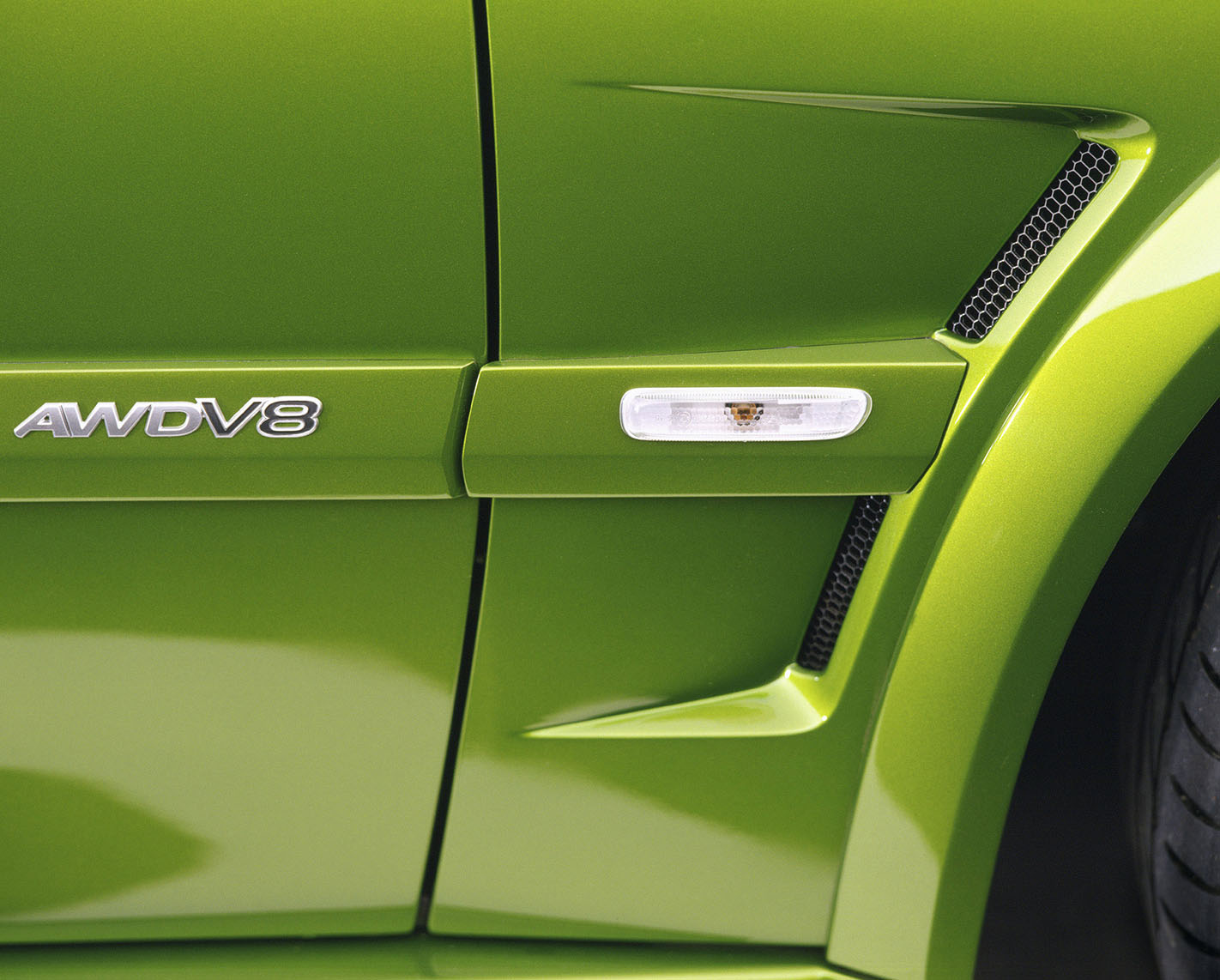
It was well-known at the time that the underpinnings of the SSX had potential for production.
Mike Simcoe, then head of design for the Monaro and SSX, and now General Motors’ Vice President of Global Design, isn’t a fan of pie-in-the-sky concept vehicles.
“Concept cars are nice to do, but I like to think everything we do has the feasibility of going into production. And the SSX was built with this in mind,” he was quoted as saying in 2002.
While Holden did build all-wheel-drive V8 wagons in the form of the high-riding Adventura, history tells us the VE ended up as a rear-drive-only proposition.
Holden and GM’s official line at the time was that there wasn’t a strong enough business case to invest in an all-wheel-drive application for its Gen IV V8.
Of the lost variants, the VE coupe (a natural successor to the VZ-based Monaro) included in the document got the closest to production. A version of the car was fully modelled before going into a stasis for a number of years.
It would finally be shown to the public after some additional tweaking in the shape of the Coupe 60 concept car.
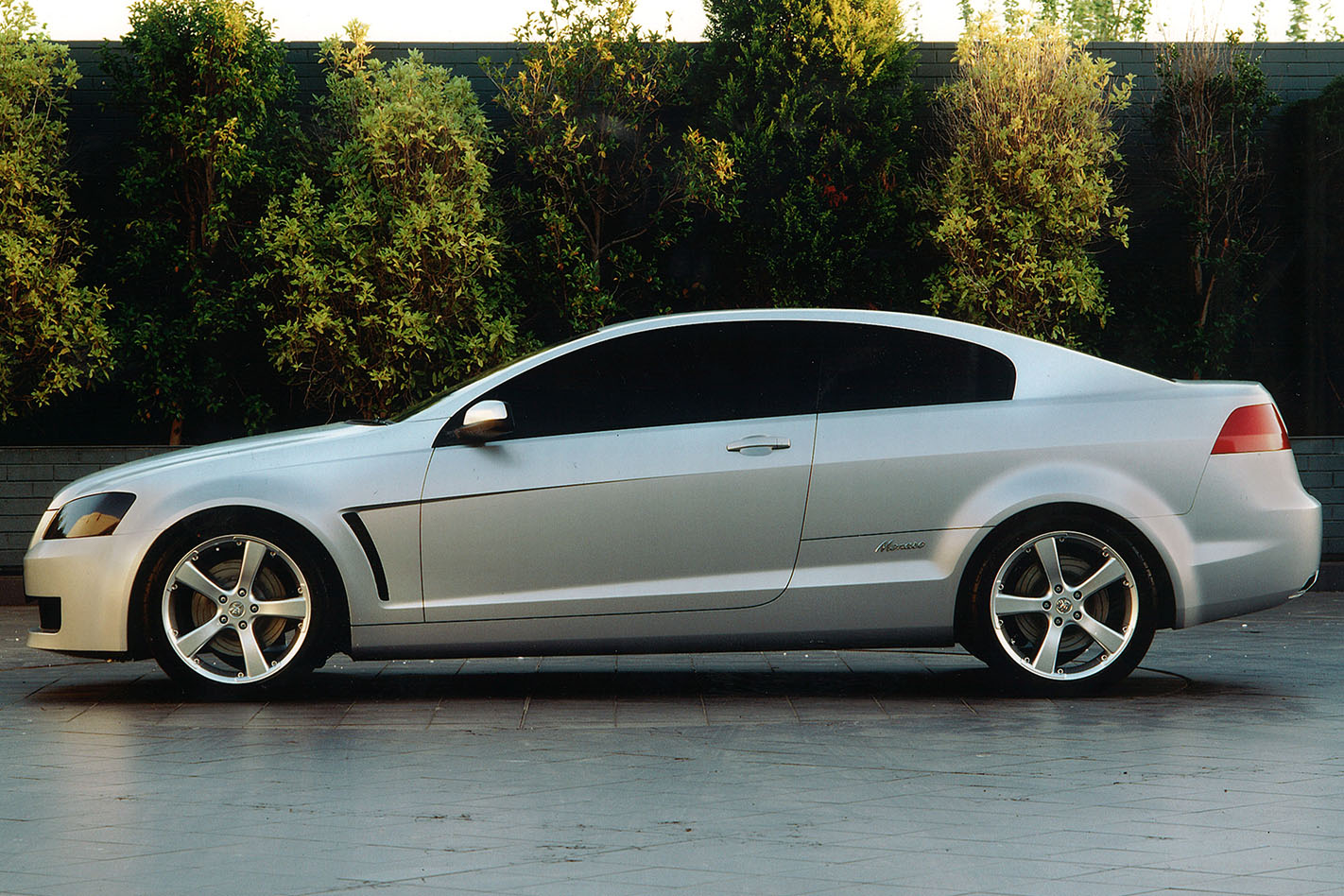
Simcoe revealed to Wheels in 2016 a VE Monaro’s production would rely on parts sharing to succeed.
“The point of the coupe and the coupe ute was the sharing of the long door and glass to save investment, but from our design standpoint it made the ute much more sleek and low, with frameless glass allowing a single door and a simple profile change to the edge of the glass to suit two different roof shapes,” he said.
“For the coupe it meant frameless, and therefore a slimmer, more open upper.”
Full-size clay models of both the VE coupe and coupe ute were created, showing how serious Holden was about the potential variants.
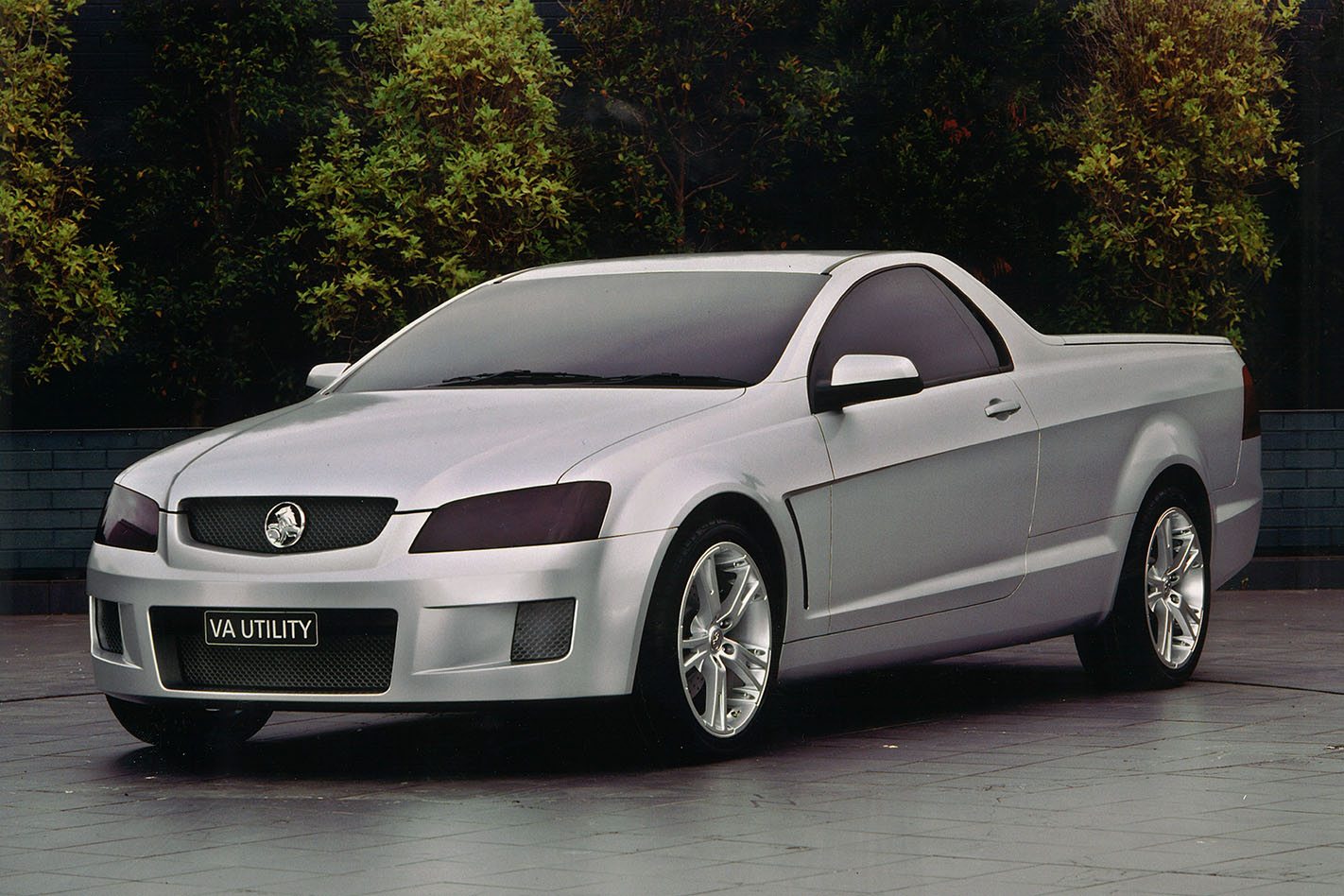
Other lost models revealed in the document include a cab-chassis VE ute, perfect for tradies and workmen. This, along with a successor to the Crewman ute, and a seven-seat Adventra follow-up, were explored but ultimately nixed during VE development.
One of the flex models was known internally at Holden as Shooting Brake. Wheels is aware the idea was mooted to pair a fastback wagon roofline with the larger coupe doors and reduced rear overhang to create a style-driven model that exemplified both the ability of the company’s designers, and the flexibility of the Zeta platform.
The newly emerged document is a fascinating insight into a chapter of Holden’s history when optimism and possibilities were at an all-time high.
So which of Holden’s lost VE Commodore variants would you like to have seen make production?
Volkswagen’s ‘T6.1’ nomenclature may only suggest that it has given the Transporter, Multivan, Caravelle van ranges a light refresh, but it insists that the changes in equipment, both standard and optional, are extensive.
Across the T6.1 range is a new suite of standard safety features including forward collision alert with emergency brake, Crosswind Assist, Side Assist with blind-spot monitoring and Rear Traffic Alert.
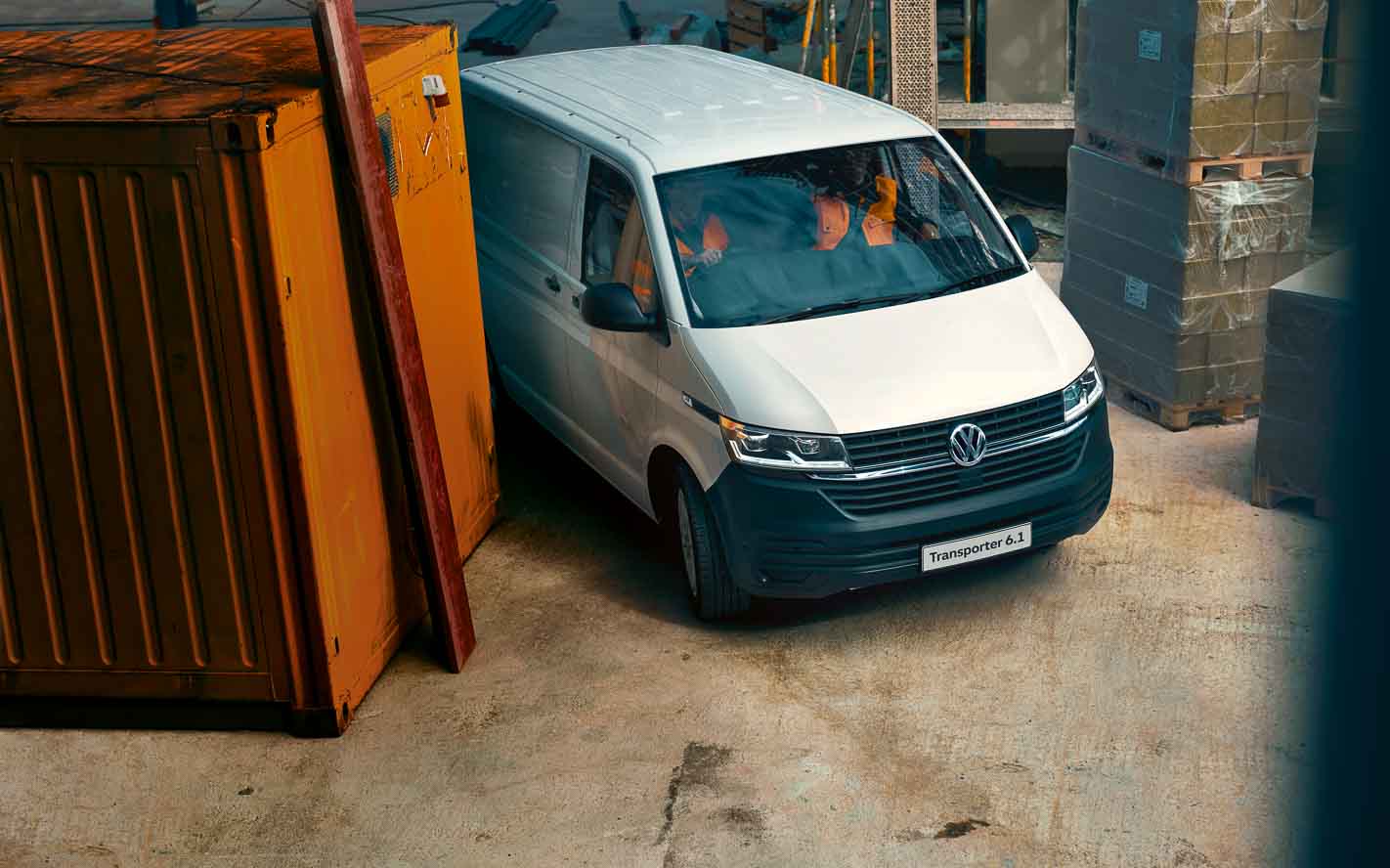
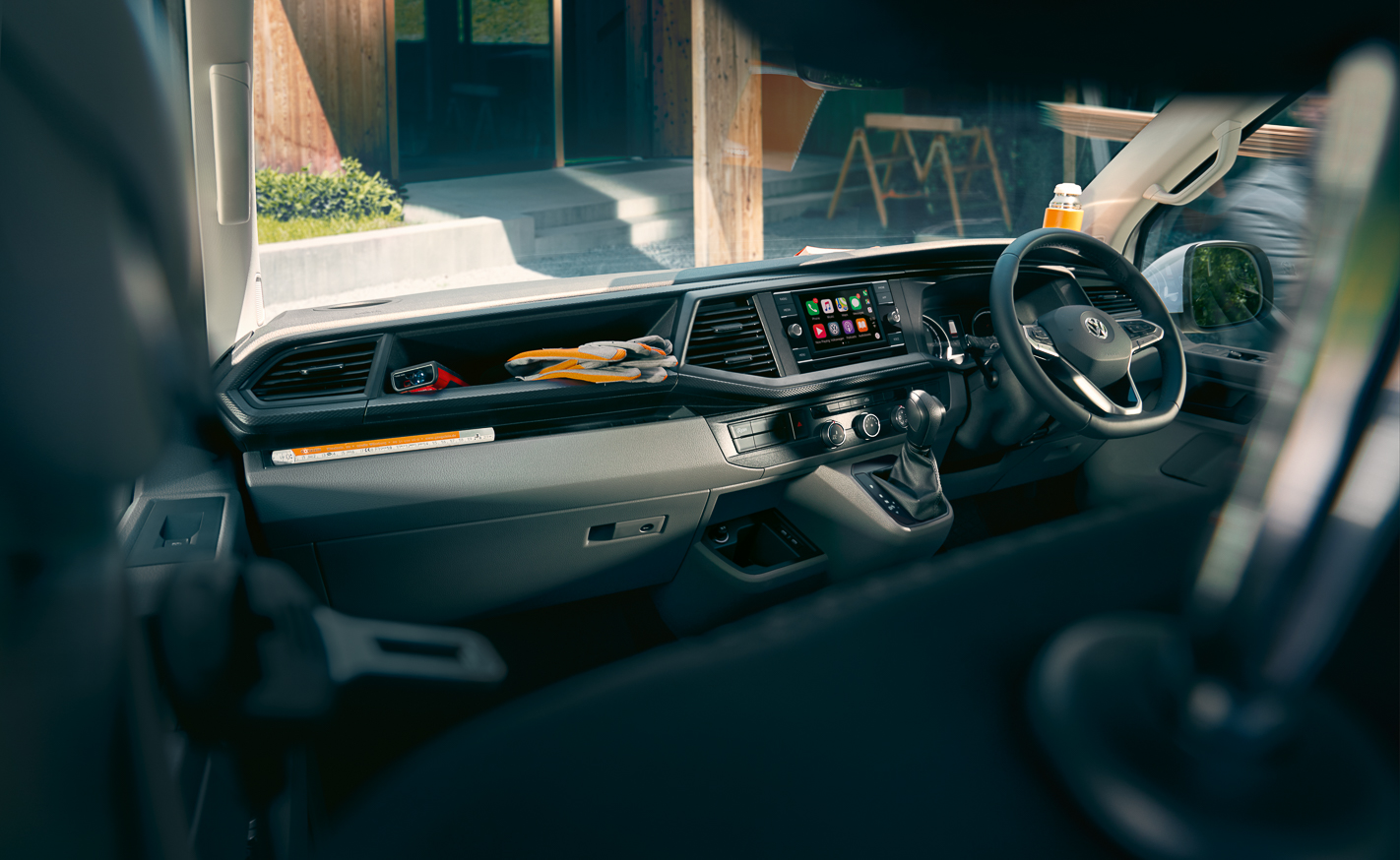
So too, each van now gets a modern interior with the latest in Volkswagen design and infotainment, featuring Android Auto/Apple CarPlay connectivity and you can even option a digital instrument cluster.
Volkswagen says the styling and equipment revisions bring the T6.1 range closer in-line with its latest passenger cars while retaining the classic personality of the Transporter, Caravelle and Multivan nameplates.
Speaking of the new Transporter, changes include a revised front-end design and headlights, new colour/trim options, new steering wheel and dashboard and reverse camera with parking sensors.
TDI250 versions are powered by an 81kW engine, TDI340 cars are powered by a 110kW engine and TDI450 cars are powered by a 146kW engine.
The new Transporter range is available in short- and long-wheelbase versions, in Crewvan specification and with a factory tray in both single- and double-cab versions.
The range starts at $38,990 before on-road costs for a manual TDI250 SWB van.
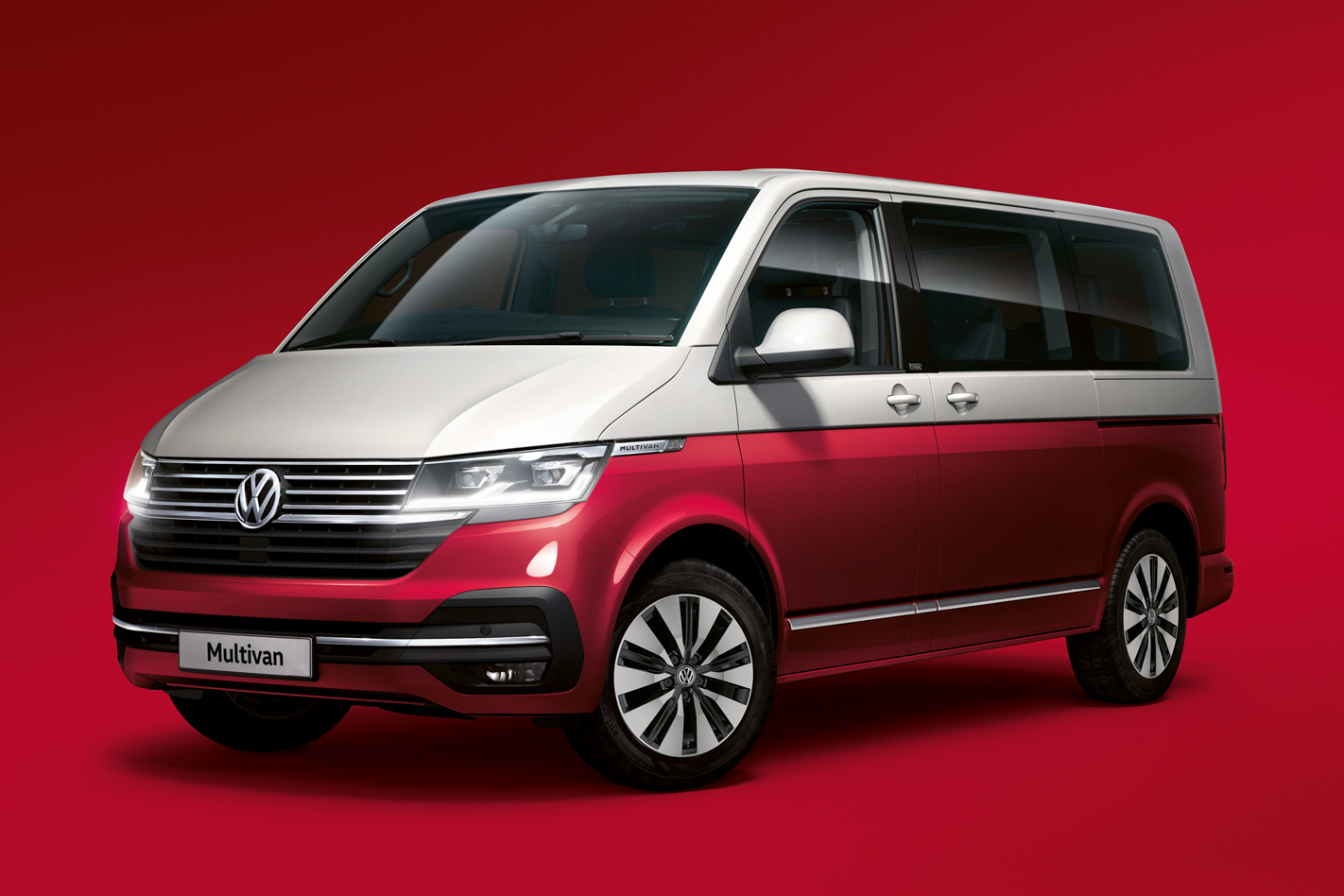
Volkswagen says the Multivan is the volume seller in the range, and as such has supplied it with a number of features and layouts for varied scenarios.
It’s available in short- and long-wheelbase versions much like the Transporter, though features different Comfortline Premium, Comfortline Exec and Highline trim levels.
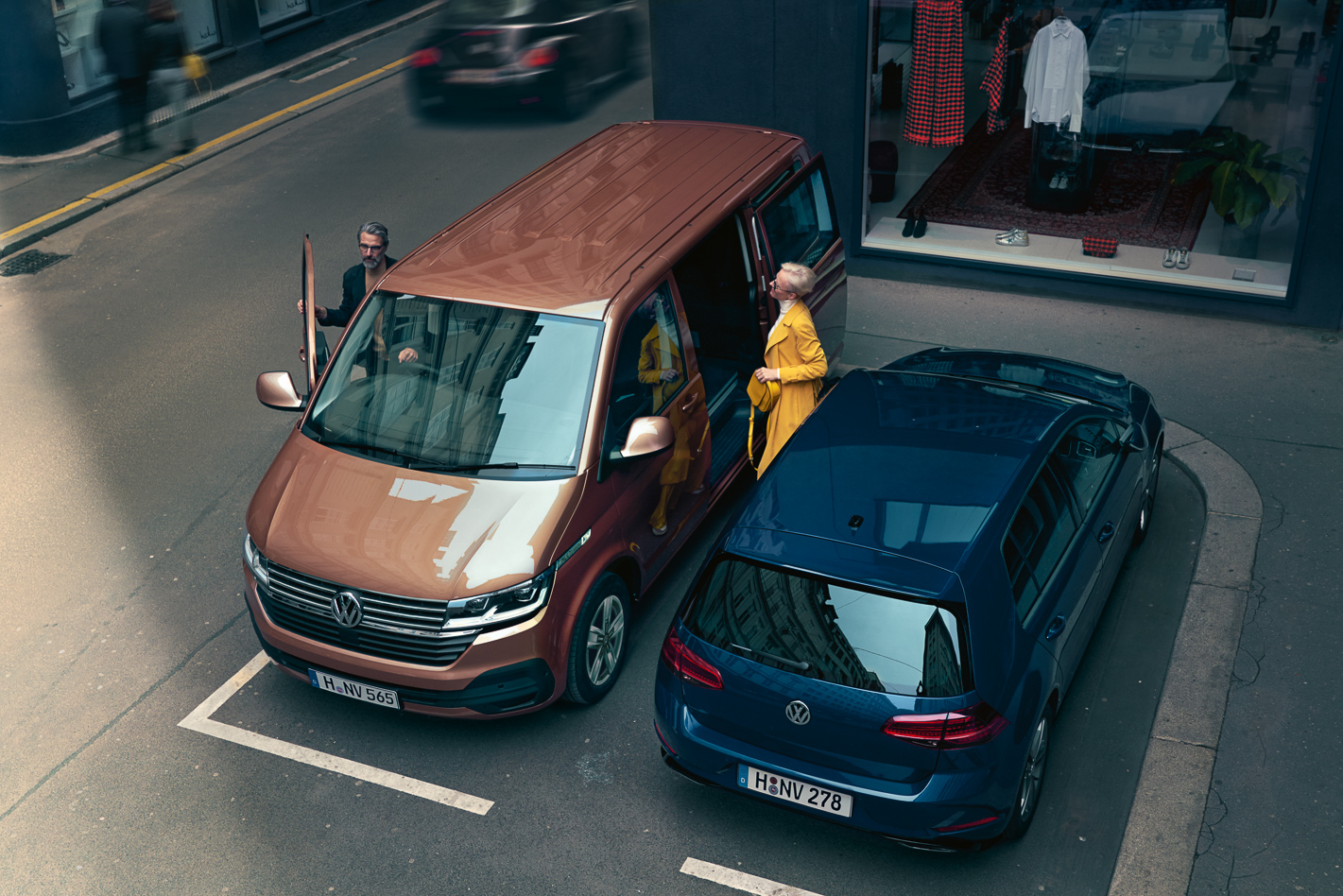
The Multivan Comfortline Premium is powered by the TDI340 110kW engine, and the Highline and Comfortline Exec are powered by the TDI340 which uses a 146kW engine.
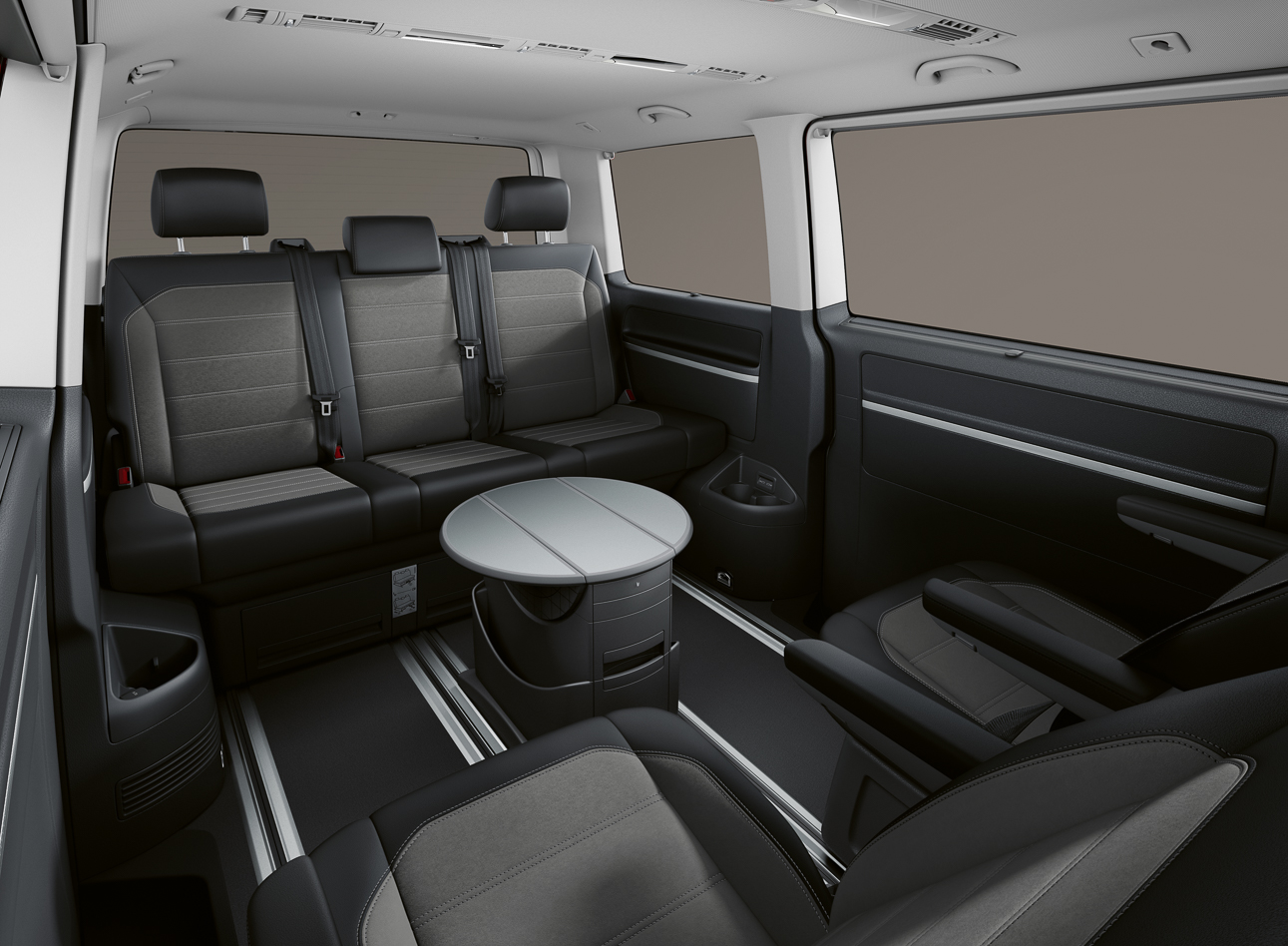
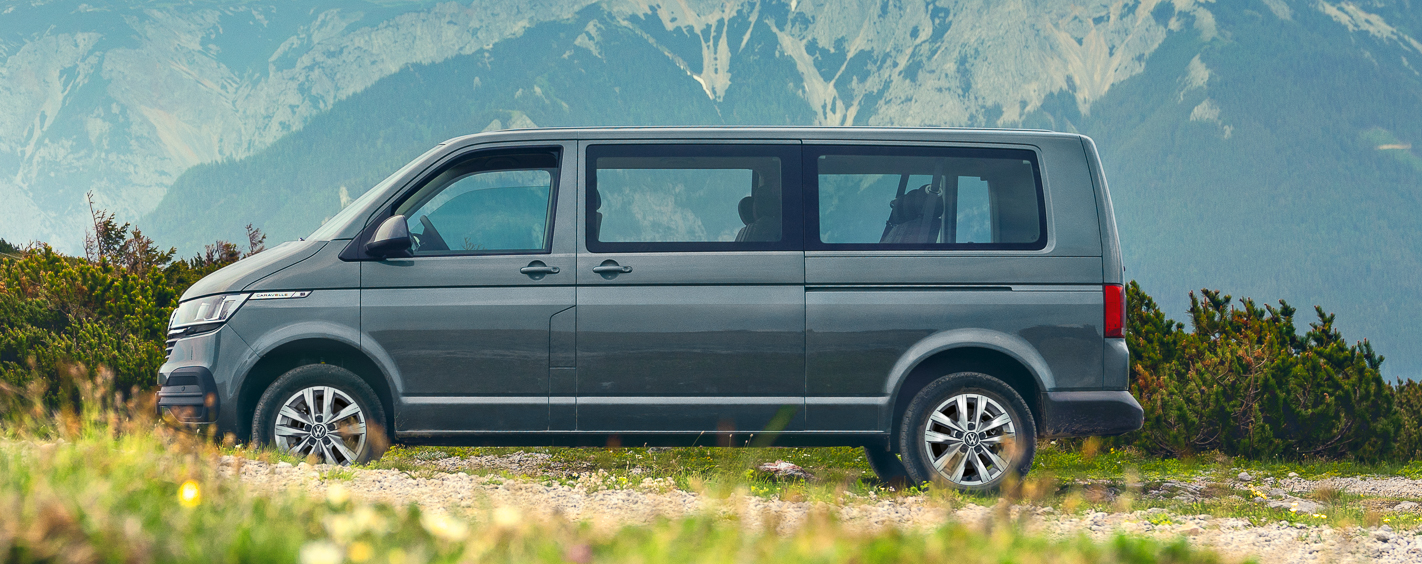
To round out the range, the Caravelle offers a nine-seat capacity which is the largest of the T6.1 range. It’s intended to suit both the ‘family workhorse and dependable business partner’ duplicities.
It’s only offered in Trendline guise, with the TDI340 engine with the 110kW engine.
Volkswagen first offered an entrée for the new T6.1 range with the special online-only California Beach camper and Multivan Cruise in late June, but it has since sold out of first-edition California Campers and is running low on Multivan Cruise edition stock.
According to a Volkswagen Australia spokesperson, only eight Multivan Cruise special editions remain and will not be re-introduced at a later date.
However, VW also said the “[California] Camper will be a mainstay model in the range”, with further details on that variant to be supplied closer to launch.
Each van or people mover of the range is sold with a five-year/unlimited-kilometre warranty with a range of pre-purchase servicing options too.
The new VAG van range, in both commercial and passenger versions, is available to order from dealerships now and will start arriving from November.
Volkswagen T6.1 range Australian pricing
Transporter van pricing:
| Transporter Van SWB TDI250 5 Spd Manual | $38,990 |
| Transporter Van SWB TDI340 6 Spd Manual | $41,990 |
| Transporter Van SWB TDI340 7 Spd DSG | $44,990 |
| Transporter Van SWB TDI340 7 Spd DSG 4MOTION | $47,990 |
| Transporter Van SWB TDI450 7 Spd DSG | $50,990 |
| Transporter Van SWB TDI450 7 Spd DSG 4MOTION | $53,990 |
| Transporter Van LWB TDI340 6 Spd Manual | $44,990 |
| Transporter Van LWB TDI340 7 Spd DSG | $47,990 |
| Transporter Van LWB TDI340 7 Spd DSG 4MOTION | $50,990 |
| Transporter Van LWB TDI450 7 Spd DSG | $53,990 |
| Transporter Van LWB TDI450 7 Spd DSG 4MOTION | $56,990 |
Multivan pricing:
| Multivan Comfortline Premium TDI340 7 Spd DSG | $61,990 |
| Multivan Comfortline Premium TDI340 7 Spd DSG 4Motion | $64,990 |
| Multivan Comfortline Premium LWB TDI340 7 Spd DSG | $64,990 |
| Multivan Comfortline Premium LWB TDI340 7 Spd DSG 4Motion | $67,990 |
| Multivan Highline TDI450 7 Spd DSG | $84,990 |
| Multivan Highline TDI450 7 Spd DSG 4Motion | $87,990 |
| Multivan Comfortline Exec LWB TDI450 7 Spd DSG | $87,990 |
| Multivan Cruise Edition TDI340 7 Spd DSG | $73,990 |
Caravelle pricing:
| Caravelle TDI340 LWB DSG | $58,990 |
All prices provided are before on-road costs.
As Melbourne moves into its stage-four coronavirus lockdown, the automotive retail trade is steeling itself for a six-week period where new car sales may be deemed illegal.
However, it’s an ever-changing story of mixed fortunes, with vehicle servicing departments and car mechanics able to trade through the lock-down albeit under vastly different conditions, according to the Victorian Automotive Chamber of Commerce (VACC).
“After consulting the Victorian State Government, VACC can assure automotive business owners and the more than 111,600 Victorians employed in the sector that the automotive industry is still open for business,” said VACC CEO, Geoff Gwilym.
Specific new guidelines for the vehicle and parts sales sectors in metropolitan Melbourne will apply to those businesses that remain open.
“Wholesale and retail sales of vehicles and automotive parts are not permitted at a physical site in the metro area,” confirmed Gwilym. “But these businesses can still operate.
“Service and repair operations at vehicle dealerships can remain open on-site and vehicle sales can still take place, but these will need to take place online, and trade sales of vehicle parts can continue, meaning service and repair workshops and body repair businesses can continue their work.”
It’s understood that aftermarket service and repair, body repair, tyre-fitting and all other areas of the automotive industry can remain open and on-site if they are conducting operations within government safety guidelines and under COVID-19 Safe Plan guidelines.
The deadline for businesses to file their COVID-19 plans that haven’t already done so is Friday July 7.
“Logbook servicing, tyre and windscreen replacement, body repairs, and other safety-related work can be conducted by dealerships, aftermarket repairers and body repair shops,” said Mr Gwilym.
The chamber also said that the five-kilometre radius restriction does not apply if a vehicle needs to be taken to a brand-specific workshop in order to complete repairs.
Gwilym also pointed out that businesses in regional Victoria are still operating, albeit under Stage Three COVID-19 restrictions, except for public auctions.
The picture for shopfront-style car dealerships is, however, much less clear. The government restrictions around retail activity mean that car dealerships will – on paper, at least – be unable to open their showrooms from midnight Wednesday July 6.
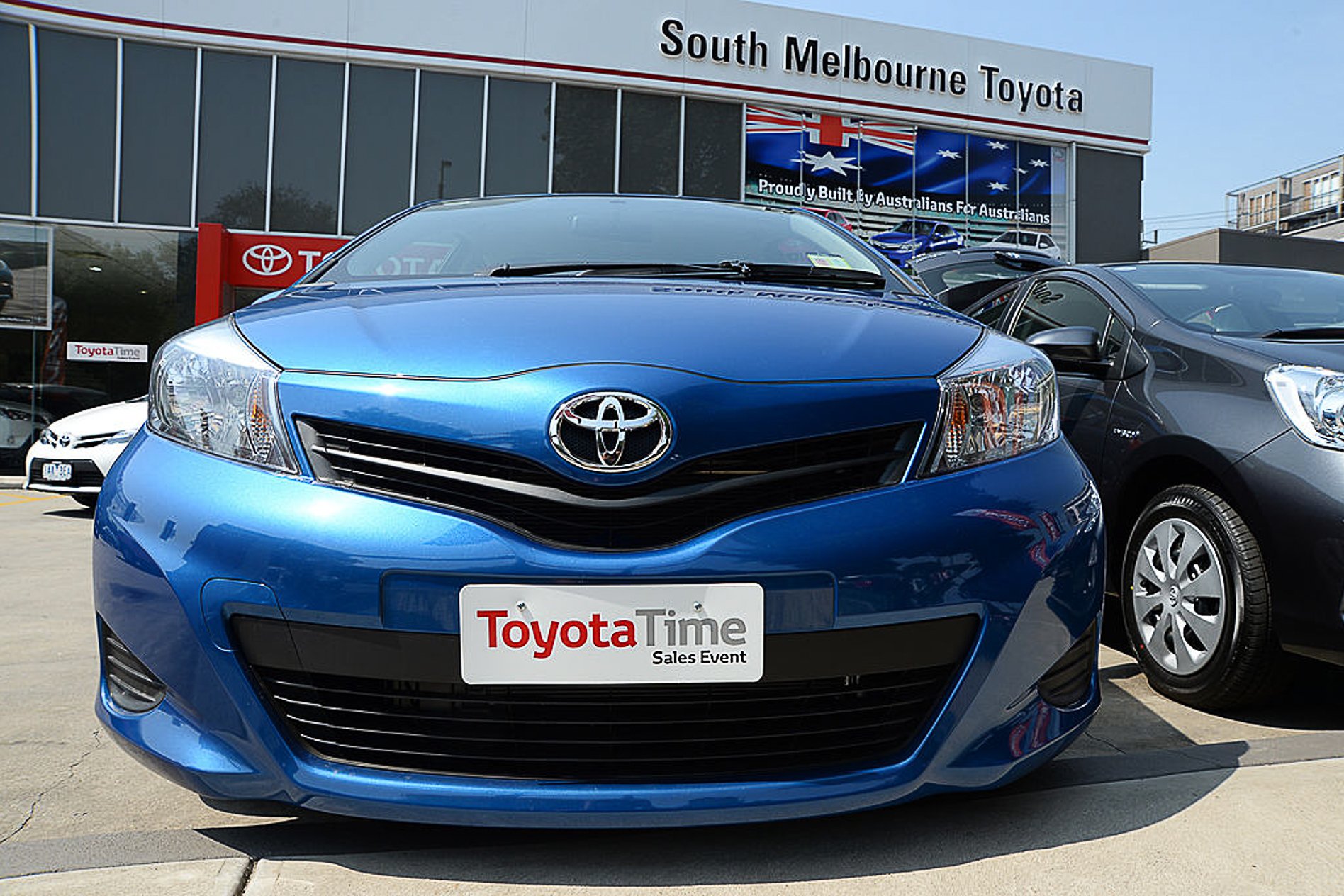
This means that the sale of new and used cars from car dealers in metropolitan Melbourne from a showroom floor would be illegal from tomorrow until mid-September at the earliest.
Used car sales in the city between private owners would be subject to Stage Four movement restrictions.
Victoria’s Chief Medical Officer, Professor Brett Sutton, is expected to make a specific announcement late Wednesday that will provide more clarity around which businesses are able to open or close.
The Federal Chamber of Automotive Industry (FCAI) is also understood to be consulting with the Victorian government on behalf of the wider car industry.
It’s understood he will specifically address the issue of car showrooms in his remarks.
We’ll update the story as more information comes to hand.
As we wait for a new generation of Subaru WRX, the brand’s Australian arm has introduced a new limited-edition version of the current generation Rex.
The Subaru WRX Club Spec will be a higher version of the model, with several additions and options, including a couple of functional changes and STi parts.
Set to be priced at $47,990 for a manual or $50,490 for a CVT-equipped Club Spec, the variant is close to the WRX Premium for price… because it’s based on the Premium.
This means it gets electrically adjustable and heated front seats, a Harman Kardon audio system, and the top-spec infotainment system.
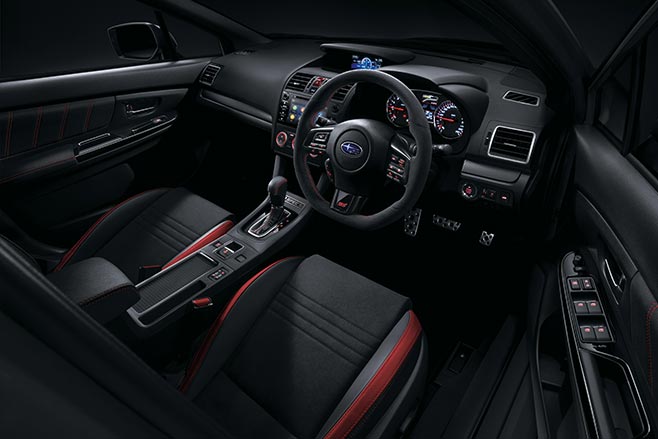
On top of that, the Club Spec scores goodies such Ultrasuede and leather appointed Recaro seats, an Ultrasuede steering wheel from the STi, Brembo brakes if you pick a manual gearbox, and 18-inch dark grey alloys, also from the STi.
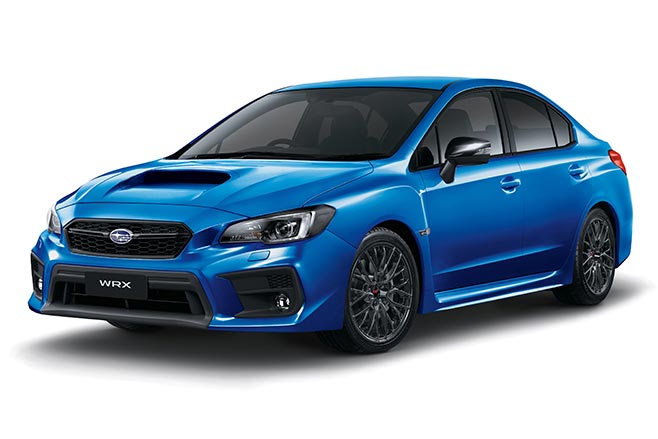
Visually, the Club Spec is set apart by its matte black badging with the variant’s name, as well as black door mirrors, rear spoiler, and antenna, plus a numbered badge inside and some carbon-look finish around the dash.
We have an idea for a Subaru 22B successor…
The Club Spec can be had in WRX Blue Pearl, Crystal Black Silica, or Crystal White Pearl, setting it apart from the 2012 version of the Club Spec which was bewinged and available in orange.
Subaru says they’ll be available at dealerships over the coming weeks, though current restrictions on retail in Victoria will delay this for customers there.
