
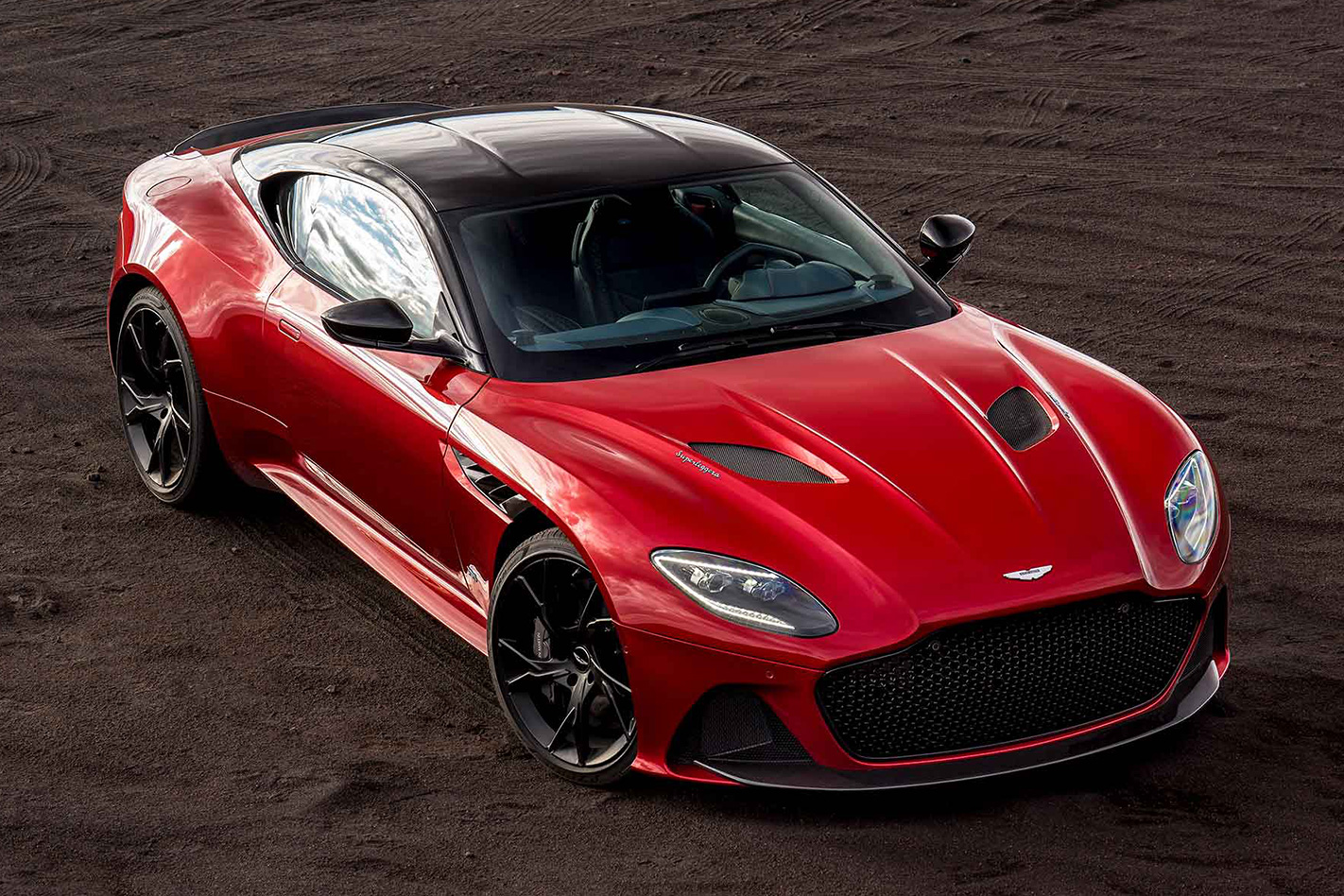
The Aston Martin DBS Superleggera is a stunning vehicle. Brooding, pumped-up and delivering a heady 533kW from its twin-turbo V12, it’s also a mobile billboard for a company about to go public. Aston’s CEO, Andy Palmer, is a shrewd operator and will have noted the effect on Ferrari’s share price of its halo and special edition models. With a game plan that encompasses seven new models in the next seven years, there’s plenty of scope to extend the brand upwards into even higher margin models.
The Valkyrie hypercar we know about already, and the Varekai SUV looks set to be Aston’s Porsche Cayenne – the car that generates the cashflow to introduce a mid-engined flagship model. In 2016 the company posted a £163 million loss, largely as a result of major capital investments in infrastructure. Last year, Aston Martin realised a profit of £87 million, with the new model conveyor belt offering investors something to get excited about.
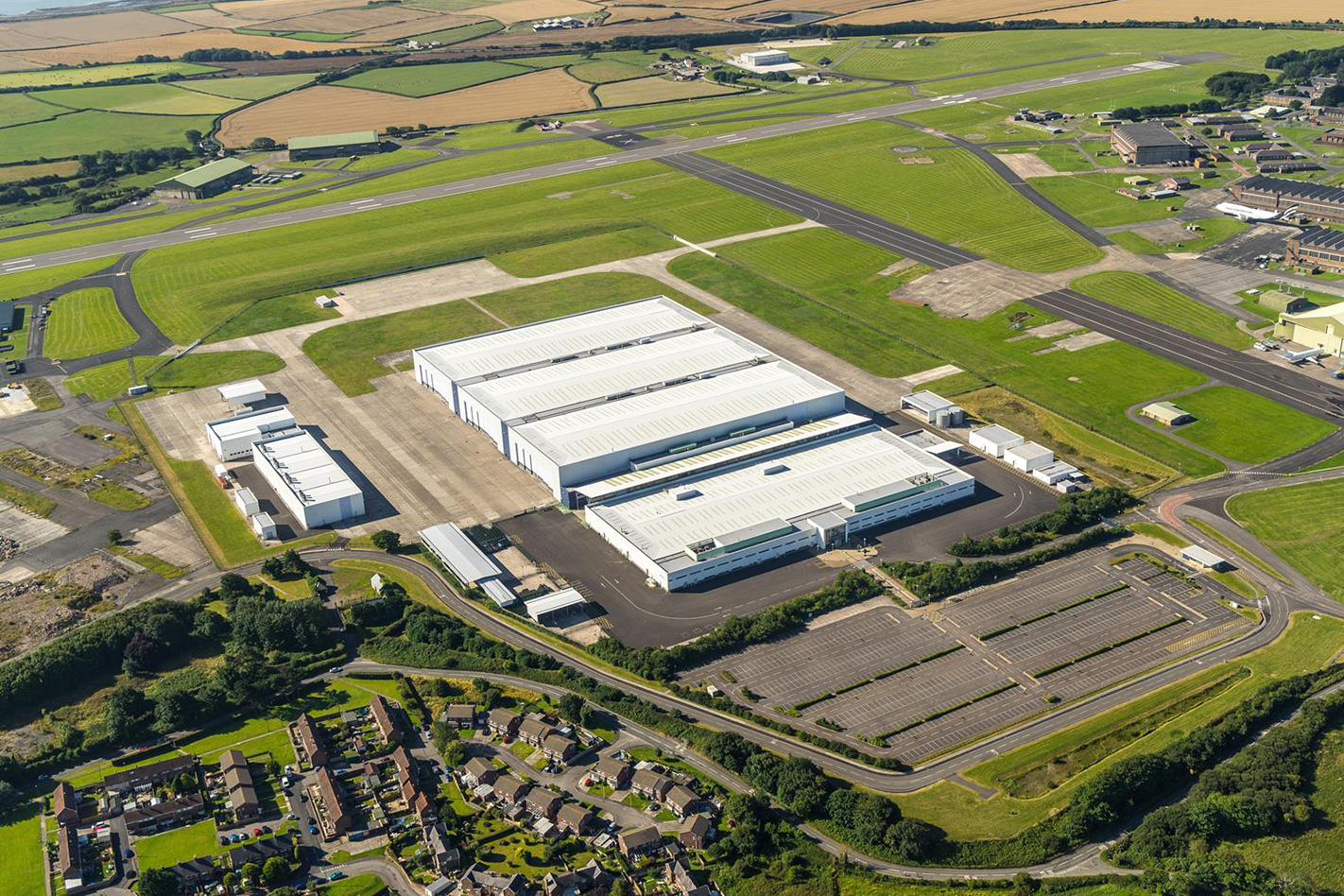
It’s easy to see why Aston is so bullish. At the very top end of the performance car market, price-to-earnings ratios are closer to those of luxury goods manufacturers than to car makers. As it stands, Ferrari’s shares trade at a P/E ratio of 39, compared to Ford at 6 and Fiat Chrysler Automobiles – from which Ferrari was spun off in 2016 – at 7. Gaydon has clearly eyed this formula and is looking to emulate Maranello’s success.
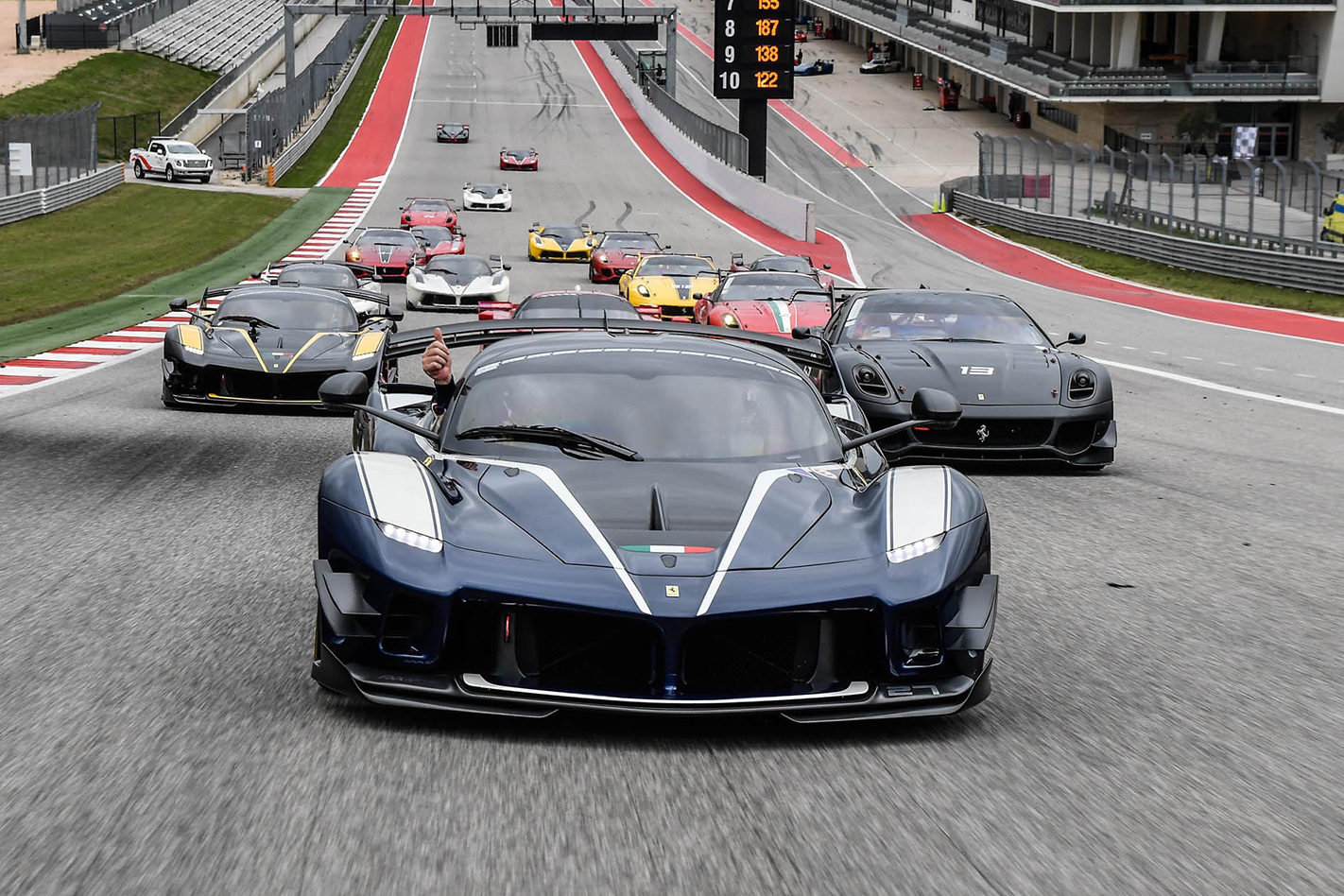
UBS equity analyst Michael Binet outlined why the investment firm still rated Ferrari as such a solid buy. “In our view, the mix of revenues from ‘super margin cars’ (e.g. Aperta, 70th Anniversary, TDF12, Japan 50th anniversary, or cars with some sort of premium pricing vs RACE’s standard production road models) will increase to 15% of total company revenues from 13% in 2016,” he said. “For example, the convertible LaFerrari Aperta largely leverages the original LaFerrari platform with minimal extra cost (no roof), but has an estimated average selling price of €1.8m compared to the original LaFerrari at €1.3m.”
While Ferrari may have dictated the ground rules in this part of the market, Aston Martin still has a very long way to go before it can level with Maranello.
Metric | Aston Martin 2017 | Ferrari 2017 |
Revenue | u20ac989.9 million | u20ac3.42 billion |
Vehicles sold | 5,117 | 8,398 |
Adjusted EBITDA | u20ac233.9 million | u20ac1.04 billion |
Adjusted EBITDA margin | 23.6% | 30.4% |
Pre-tax profit | u20ac98.3 million | u20ac746 million |
Operating cash flow | u20ac388.5 million | u20ac328 million |
Data sources: Aston Martin Holdings Ltd., Ferrari N.V. EBITDA = earnings before interest, tax, depreciation, and amortization. Adjusted figures exclude the effects of one-time items.
So who are Aston’s owners and are they looking to sell up? The principal interest in the business comes from an Italian private-equity fund, Investindustrial, and a consortium led by Kuwati private-equity firm The Investment Dar (TID). The Kuwaitis have had skin in the game for some time now, having been part of the group that rescued Aston when Ford’s Premier Automotive Group crumbled over a decade ago. Investindustrial’s a relative newcomer, having acquired its stake in 2013, the same year that Daimler bought a five percent stake in the British manufacturer. Both TID and Investindustrial are now looking to realise a profit on their initial investments and Daimler doesn’t seem keen to put its hand in its pocket.
“We had all opportunities to increase our stake in Aston Martin. We do believe that for a company of that size, independence and a focused management is a recipe for success,” the German company’s CEO Dieter Zetsche told the press at last year’s Geneva motor show. Despite Aston’s swing to profitability, that position hasn’t changed. “I think just the way we are working together is the perfect way for both sides and we have no plan of changing that,” he said.
Stefan Bellof’s astonishing 6:11.13 Nurburgring lap record, which stood since 1983, has finally been broken. By another Porsche driver.
And now, Porsche has released the onboard footage.
Timo Bernhard shattered Bellof’s record by more than 50 seconds when he took the de-restricted Porsche 919 Hybrid ‘for a spin’ around the ‘Ring.
The ‘Evo’ version of the LMP1 racer allowed Bernhard to manage a stunning time of 5 minutes and 19.545 seconds.
Afterwards, Bernhard was astounded.
“This is a great moment for me and for the entire team – the 919 programme’s icing on the cake,” he said.
“The Evo was perfectly prepared and I have done my best on this lap. Thanks to the aerodynamic downforce, at sections I never imagined you can stay on full throttle.
“I’m pretty familiar with the Nordschleife. But today I got to learn it in a new way”, the 37-year old German said.
Bernhard is also a huge admirer of Stefan Bellof.
Not the first: Read about the 919’s record at Spa
In 2015, exactly 30 years after Bellof’s untimely death, Timo raced at the Spa 6-hour wearing a helmet painted in Bellof’s famous black, red, and gold.
“For me Stefan Bellof is and remains a giant.
“Today my respect for his achievement with the technology available back then increased even more.”
Porsche says the 919 hybrid Evo now weighs 849 kilograms and, since it’s no longer bound by WEC rules, its modified active aerodynamics generate over 50 per cent more downforce than previously.
Thanks to this, it was able to hit 369.4 km/h during its record lap. More than 860kW probably helps, too.
Check out the video above to see just how intense the Nurburgring is when the average lap speed is 233.8km/h.
WHAT IS IT?
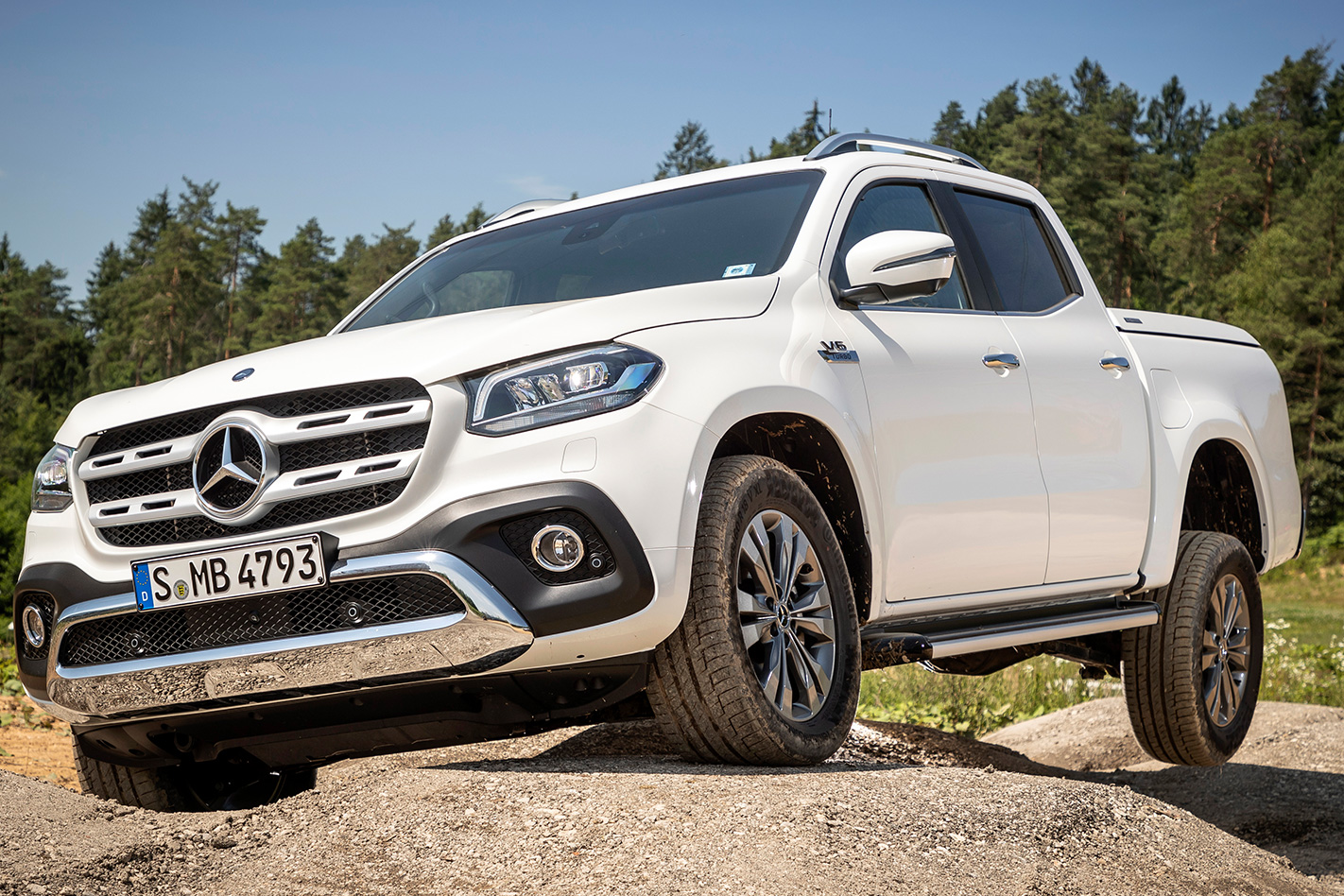
This is the X-Class many people have been waiting for. Mercedes-Benz launched its Navara-based dual-cab ute at the end of 2017, but this V6-powered version, called X350d, is the first to get a proper Mercedes-Benz drivetrain rather than a carry-over four-cylinder engine and gearbox from Nissan. And it’s a radically different vehicle as a result, not only to the Navara but to the four-pot X250d as well.
WHY WE’RE TESTING IT
Local showrooms won’t see stock of the X350d until December, so the chance to preview it in Slovenia almost six months earlier was too good to pass up. Australia is one of the key markets for X350d specifically, and Mercedes-Benz is eager to get it right.
MAIN RIVALS
As the only other V6 dual-cab on the market, the X350d’s closest rival is the Volkswagen Amarok. But buyers at this end of the pricing spectrum will almost certainly be cross-shopping the Ford Ranger Raptor, HSV SportsCat and potentially even the V8-powered Dodge Ram 1500 truck.
THE WHEELS VERDICT
The X350d feels more like the vehicle we expected Mercedes-Benz to build when it set out to deliver a dual-cab ute. Impressive cabin refinement and comfort, effortless performance and thoughtful engineering that make it both a functional workhorse and a capable recreational tool.
PLUS: Refinement and comfort; gutsy performance; safety equipment MINUS: Brake pedal feel; last-gen infotainment interface
THE WHEELS REVIEW
BELIEF was justifiably high when Mercedes-Benz announced its dual-cab ute foray. Here was a premium manufacturer with relevant experience in off-road and commercial vehicles coming to play in one of Australia’s most popular segments. Couldn’t be a bad thing, right?
But the four-pot X250d that got the ball rolling with a carryover Nissan Navara drivetrain wasn’t quite what everybody had anticipated. Some potential buyers found it hard to believe the hype about X-Class being more than just a Nissan with a three-pointed star on the front.
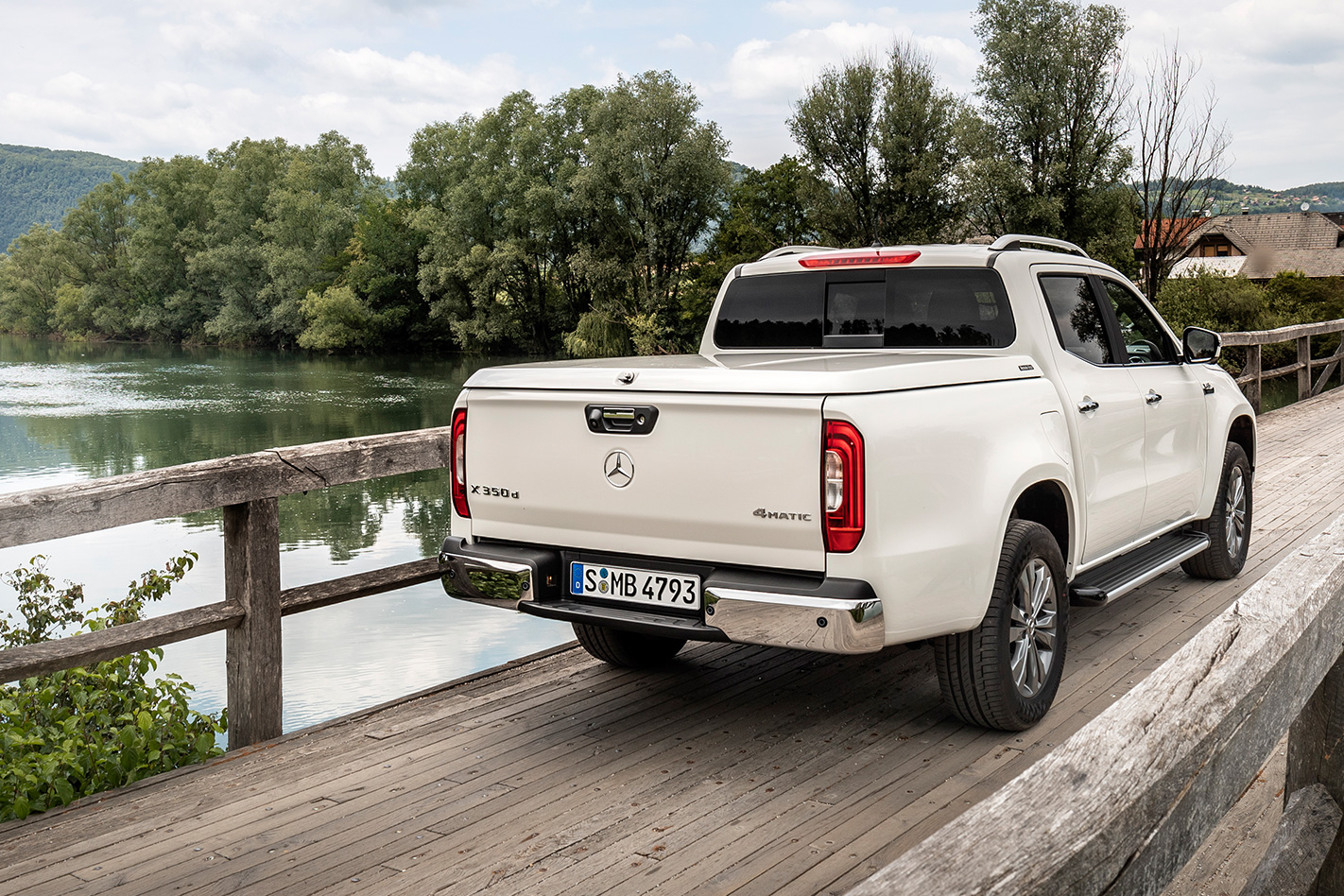
The X350d is the one with the potential to get that message through. It’s the first X-Class to get a proper Mercedes-Benz engine and gearbox, and comes with a raft of other fundamental changes to support its performance hike that make it more than just an X-Class with a V6 in it. The X350d is radically different under the skin compared not only to the Spanish-built Navara with which it shares a production line and some components, but to the X250d as well.
The engine is a 3.0-litre turbo-diesel V6 as found in other Mercedes passenger cars and commercials, but producing 190kW and 550Nm in this application – 50kW and 100Nm more than the 2.3-litre X250d. It’s mated to a seven-speed automatic gearbox that’s controllable via paddle shifters, and feeds a permanent all-wheel drive system with a fixed 60:40 rear-biased torque split. Fuel economy is claimed at 9.0L/100km.
And it’s a burly performer. With a 0-100km/h sprint of 7.5 seconds it sits alongside the VW Amarok V6 as one of the quickest utes in the class. And it does that without any of the unwanted harshness or vibration associated with most other oilers. It’s an effortlessly fluid powertrain.
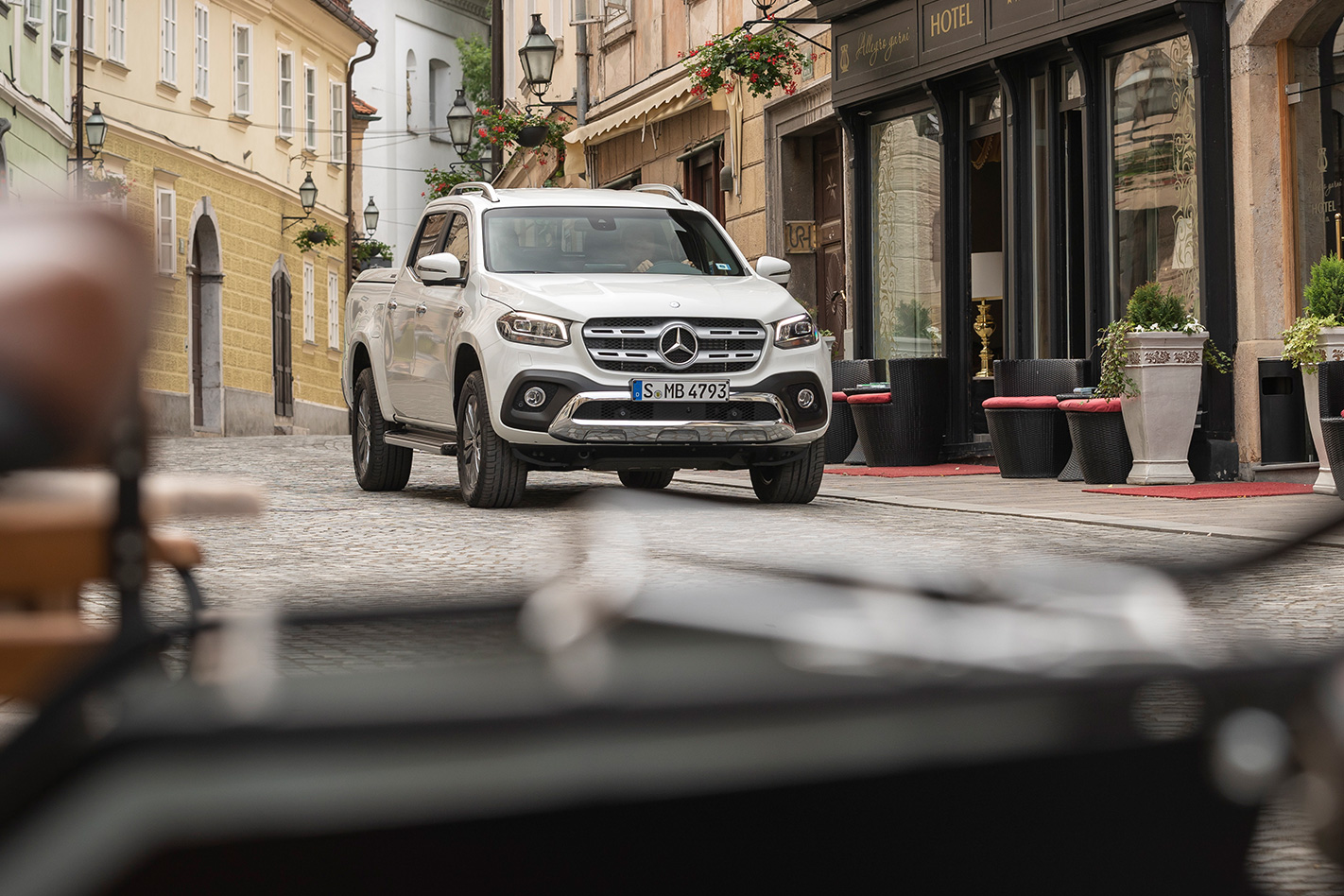
Mercedes’ engineers focused heavily on creating a car-like driving experience, which included a more comprehensive approach to improving its already impressive levels of noise suppression and cabin refinement. Engineering improvements specific to the V6 include additional crossmembers for the ladder frame and structural reinforcements for the body shell.
Its light steering is unchanged from the X250d, and passive, though a Sport mode for the V6 sharpens throttle response and alters gear shift points. There’s also a manual setting for more complete control and Eco and Comfort modes for reduced fuel consumption.
Suspension revisions for the X350d were difficult to judge during our drive, as Australian cars will get a taller suspension setup with 222mm of ground clearance rather than 202mm of European models. Detailed ride impressions will have to wait for a local launch late this year, though the experience during our overseas preview suggests Mercedes has struck a ride and handling balance that’s more cooperative in dynamic driving terms than most other dual-cabs. While firm, the X350d’s ride with an unloaded tray was far more agreeable than some of the overly bouncy alternatives in this segment. Its composure on gravel was equally impressive.
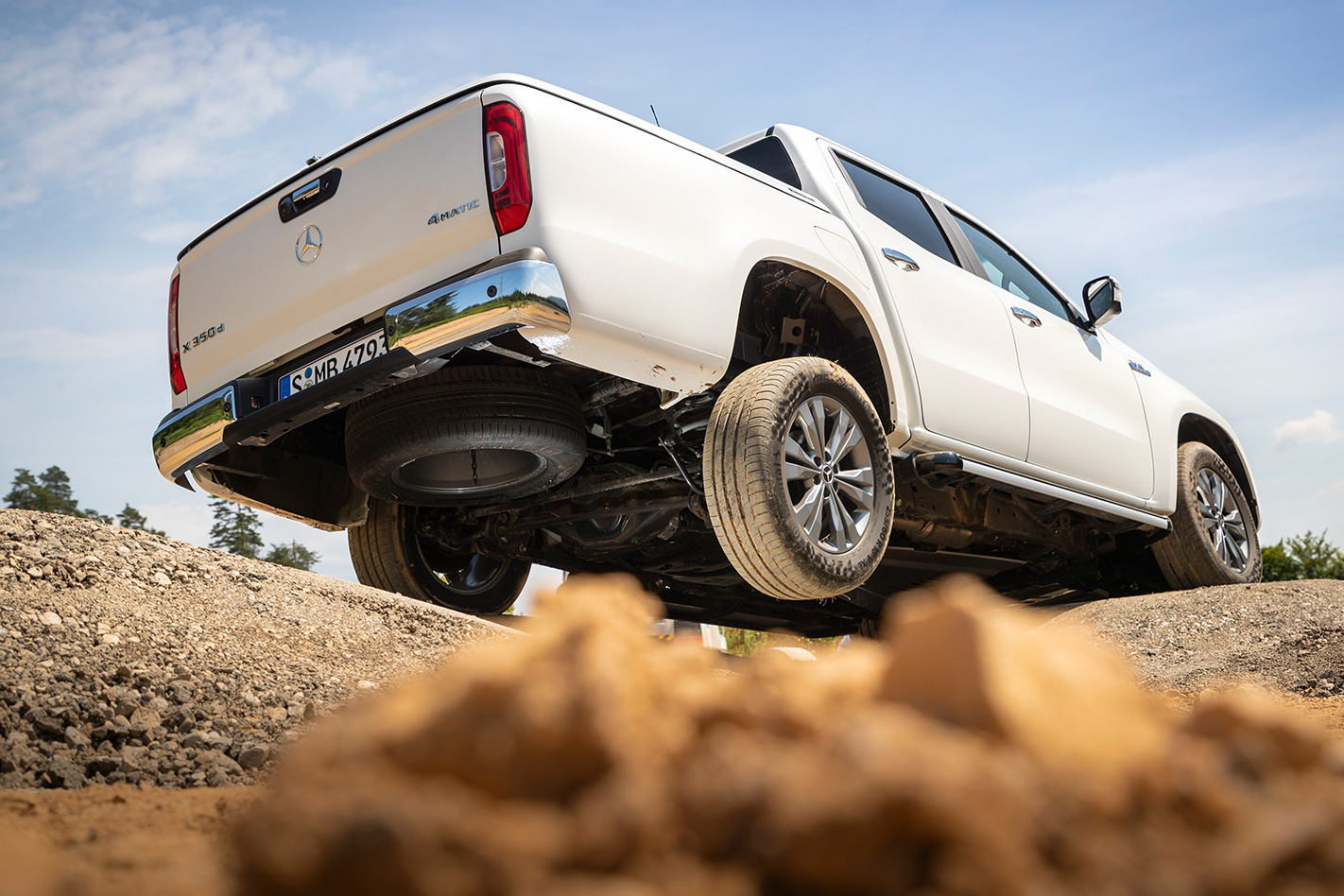
Part of that stability comes from front and rear tracks that are 70mm wider than the Navara on which it is based. That opens up room in the tray, which now measures 1215mm between the wheel arches – enough to fit a standard pallet. Payload is 1107kg and towing capacity is 3500kg. The X350d’s rear axle is variant specific, with the option of an electronically activated locking differential. The transfer case is also new for the V6 model – borrowed from the G-Class off-roader – and allows for the selection of low-range gears while the car is moving.
Hit the trails and the X350d will handle as much as most people will ever ask of it. Its off-road specific mode will climb 45 degree inclines and wade through water of up to 600mm in depth, though there is no speed adjustment for its hill descent control, which is locked at 5km/h in 4L and 8km/h in 4H.
An upgraded braking package brings ventilated discs to all four corners plus a stronger booster and larger diameter master cylinder. Having said that, confidence in the X350d’s stopping power could be improved by reducing its long pedal stroke and spongy feel.
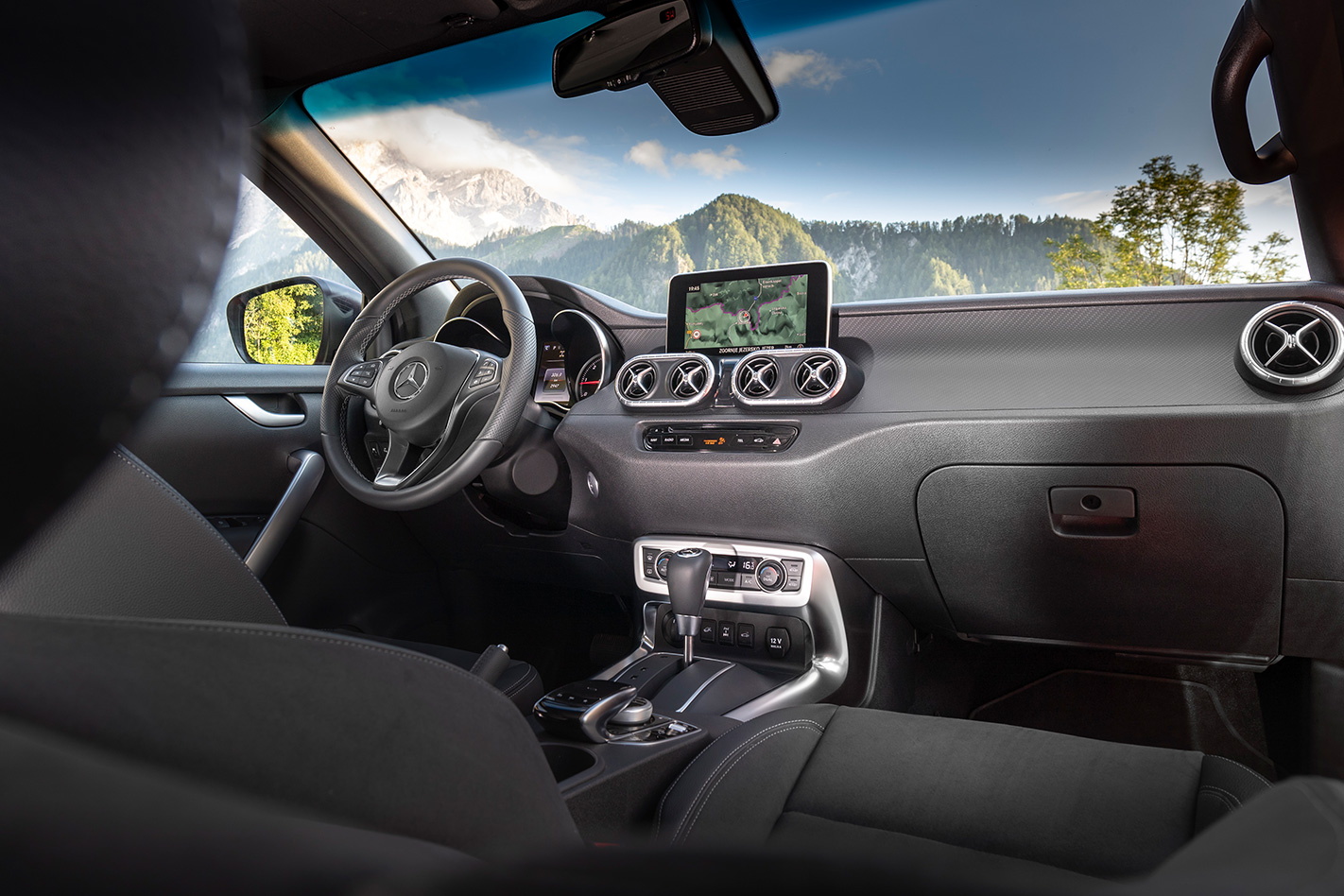
Extra width underneath extends upwards to a cabin that’s 50mm wider and 30mm taller than the Navara’s. Space inside is generous, though there’s less of a tradie focus here with a notable absence of storage pockets and other work-centric features. But it’s a nicer place to be than most dual-cabs; calm and comfortable, even after hours of driving.
Standard equipment includes active brake assist, lane keeping assist, traffic sign recognition, trailer stability control, seven airbags and ISOFIX attachments for two child seats. There are four 12v outlets (two front, one rear, another in the tray) and a 360 degree camera that’s useful for parking and when off-road. It’s at the pointy end of the class for features, though the last-gen infotainment interface is a shame.
Two X350d variants will be available locally. A more affordable Progressive version, and flagship Power. Specifications of each will be confirmed closer to its arrival in December, though it’s understood they will ride on 18-inch and 19-inch wheels respectively as standard, and leather trim will be optional. Pricing is also yet to be determined, though it’s almost certain to start in the mid-$70K range, where it will meet a fierce competitor in the Ford Ranger Raptor.
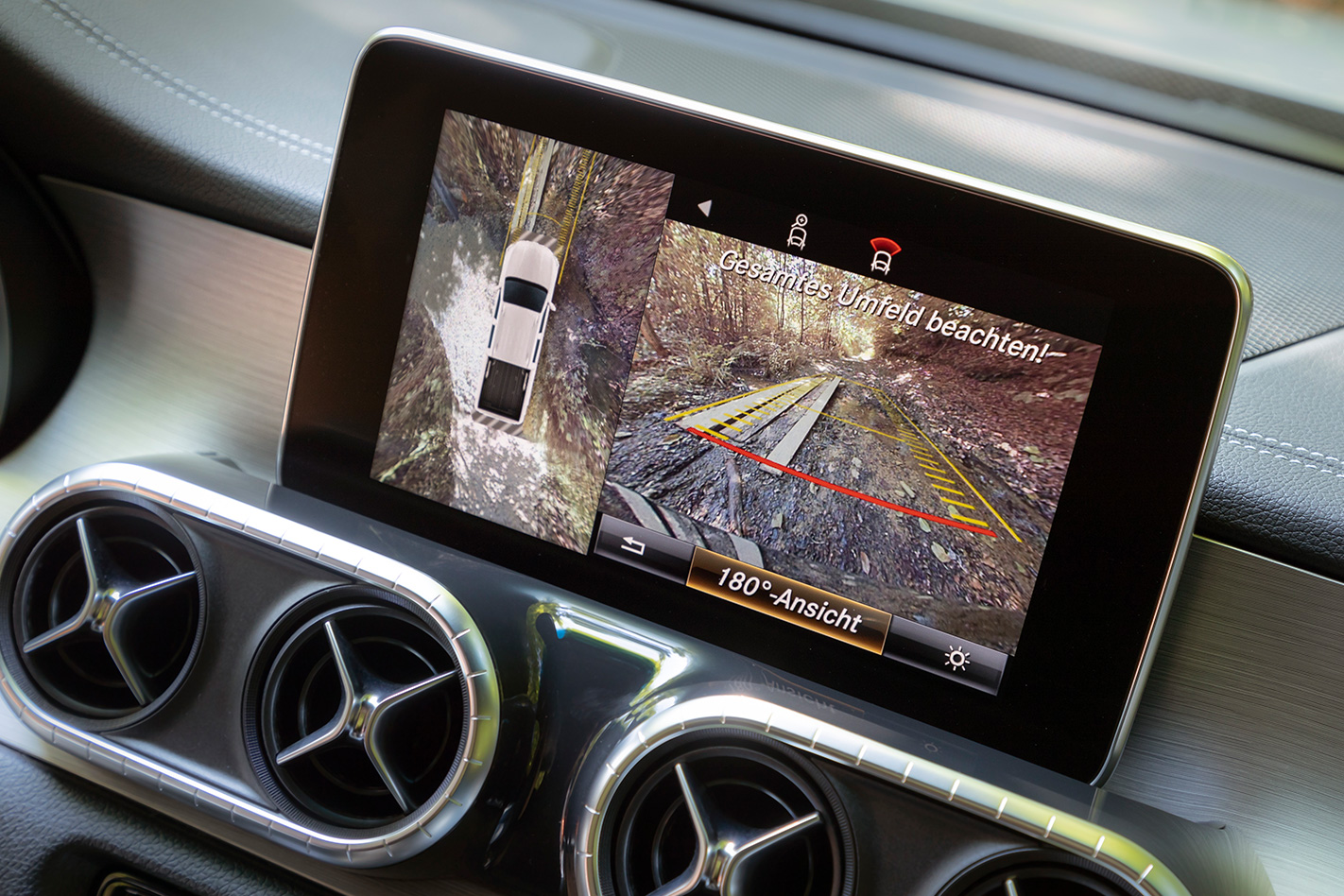
Anybody who felt that the X250d variants didn’t quite measure up to the full-fat Benz experience that was promised should be pleased about the X350d. This seems to be the vehicle Mercedes had in mind when it promised to deliver a dual-cab ute. It’s a little bit more polished, more capable on and off-road, and it sits closer to what buyers expect of a product with that hallowed three-pointed star on the snout.
SPECS
Model: Mercedes-Benz X350d Engine: 2987cc V6, dohc, 24v, turbo-diesel Max power: 190kW @ 3400rpm Max torque: 550Nm @ 1400-3200rpm Transmission: 7-speed automatic Weight: 2285kg 0-100km/h: 7.5sec (claimed) Fuel economy: 9.0L/100km (EU) Price: $75,000 (est.) On sale: December
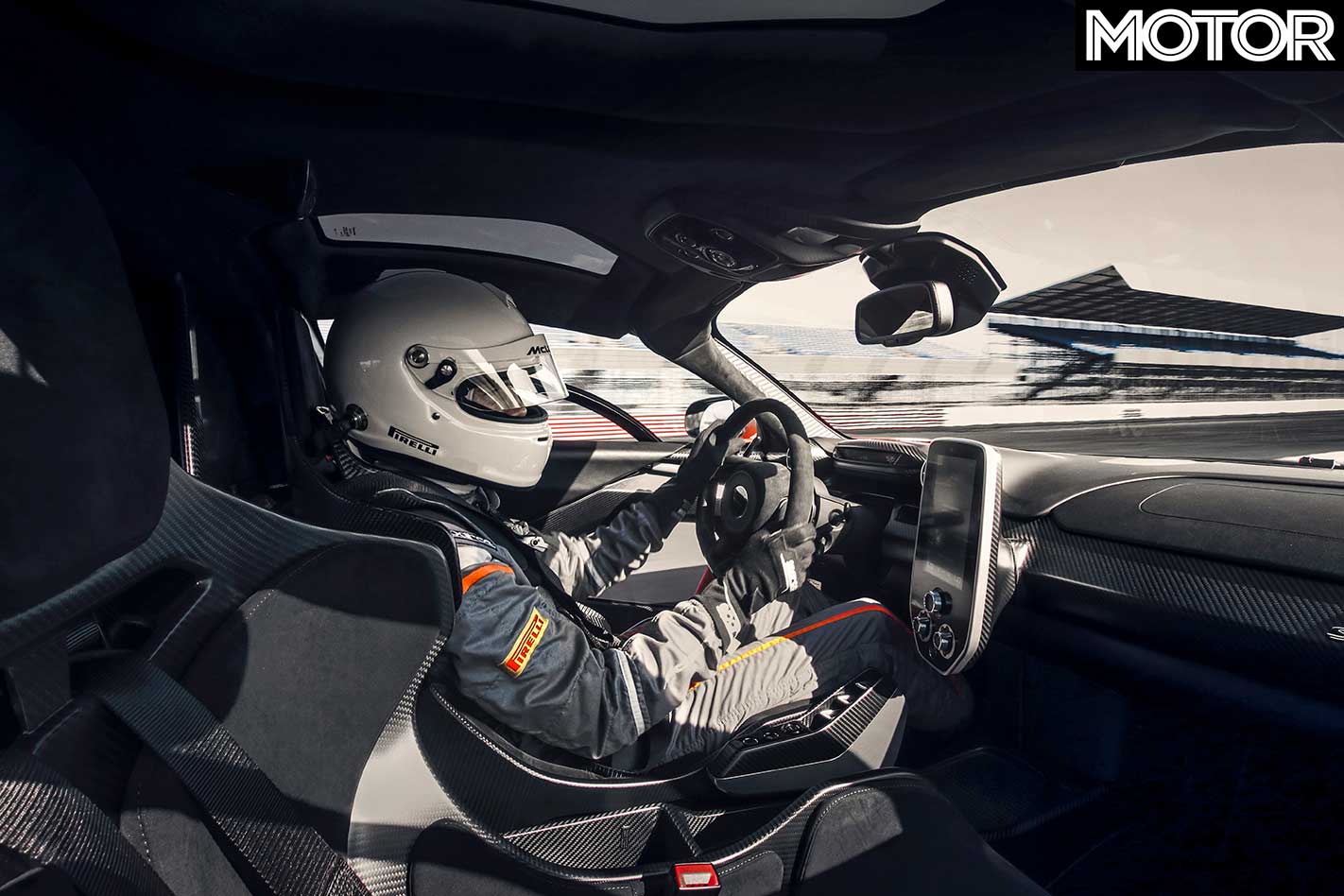
I overhear somebody talking to my instructor/passenger/babysitter as I strap myself into the McLaren Senna. But “remind him he’s got less…” is all I catch as I do up the harness buckle before somebody plugs in an intercom.
Presumably the rest of the sentence was “time”, because I’m meant to have a 15-minute slot driving the Senna, but know the time it takes to attach many, many video cameras to its innards and outards will reduce my allotted minutes.
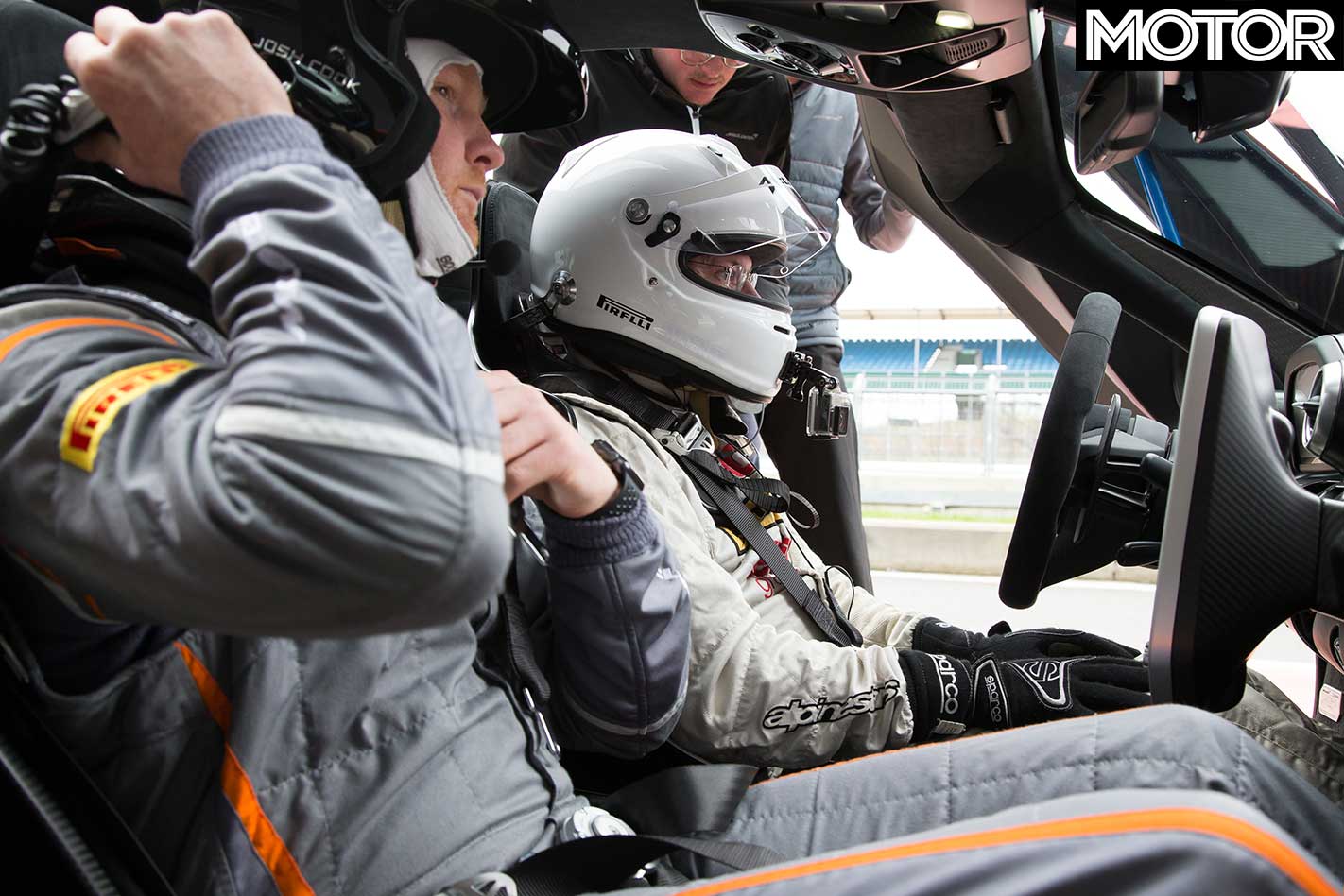
And then the doors slam down and my minder, Josh Cook – a works Vauxhall driver in the BTCC – tells me what has actually been said. “They say to remind you you’ve got less tyre temperature, because the car has been in the pit lane for a while,” he says. Right. I see. Josh, isn’t this a road car? And we’re worrying about tyre temperatures?
Some road car. “We wanted to create the ultimate road-legal track car,” says Andy Palmer (no, the other one), McLaren’s Ultimate Series director. “It’ll pioneer technology that we can bring down to the Super and Sports Series cars.”
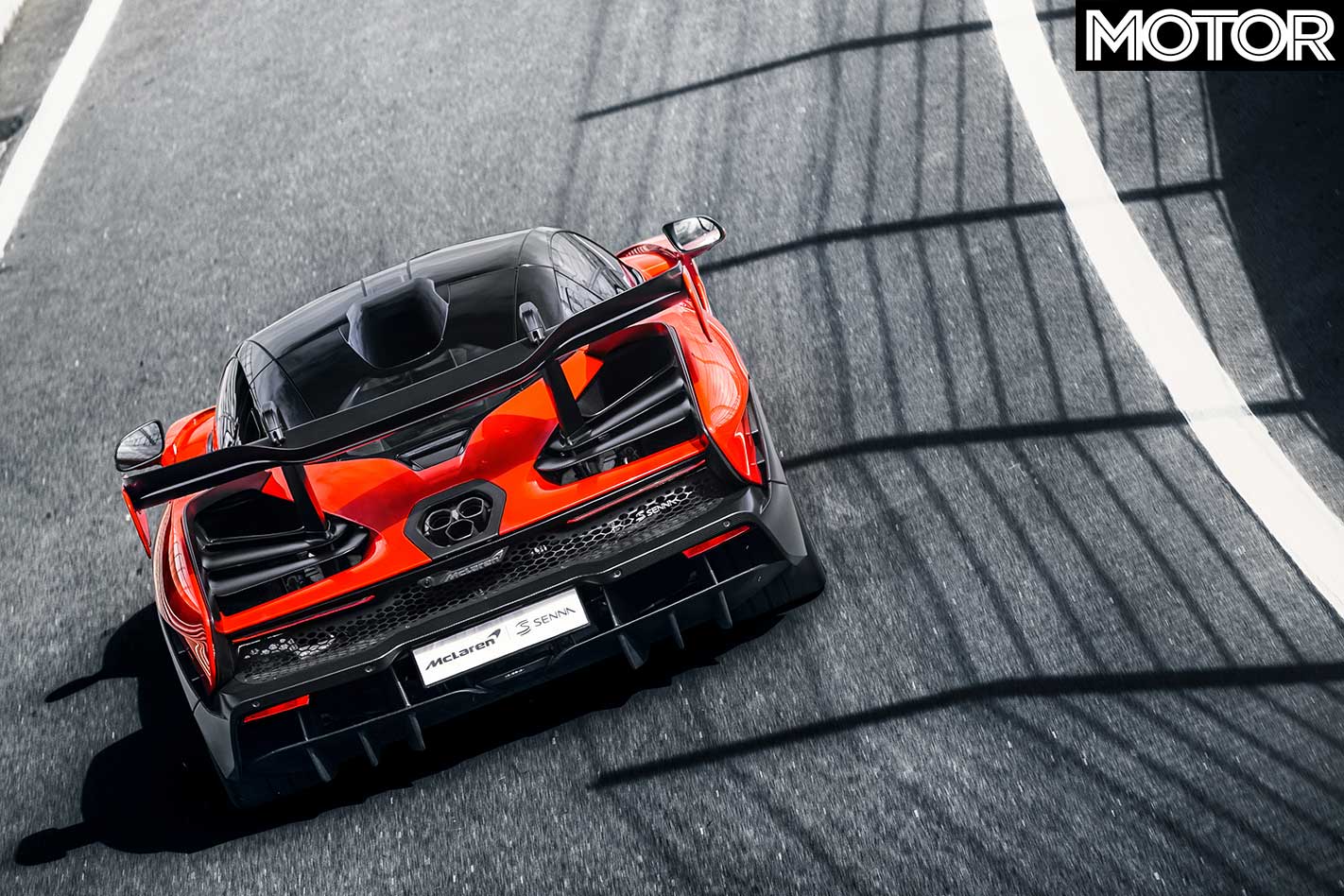
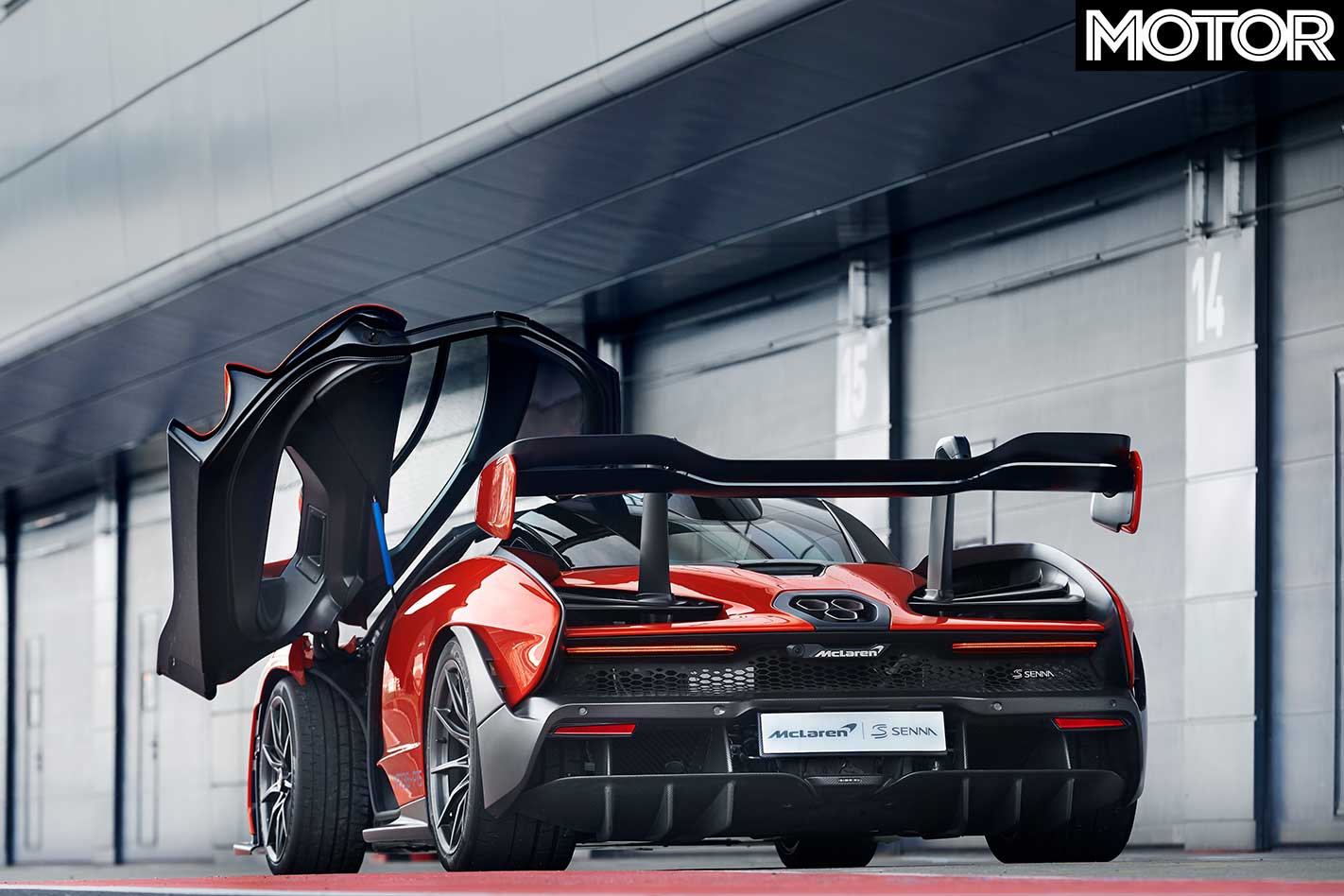
So although there will be 500 McLaren Sennas, fully homologated as a series production car for worldwide sale (this one is still, technically, a prototype), it happens to make 588kW, and an accompanying 800kg of downforce at 250km/h. Hence the rear wing. And the rest of the looks.
It won’t take long to reach 250km/h, either. McLaren is usually accurate with its acceleration quotes: it says 0-100km/h will take 2.8sec, 0-200km/h 6.8sec and 0-300km/h just 17.5sec. The top speed is 340km/h.
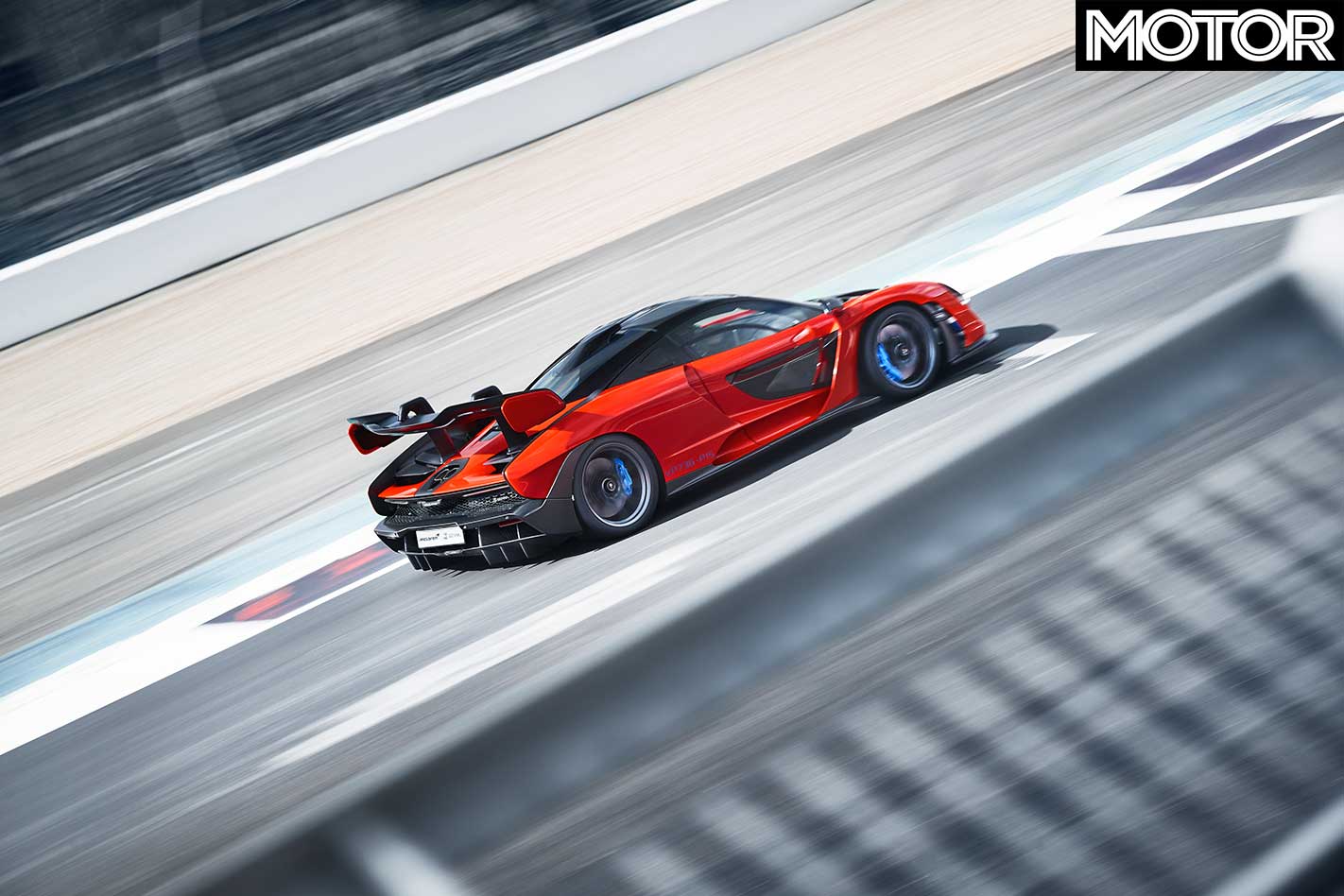
Another, perhaps even more significant, number is the 1198kg the Senna weighs (before fluids). The previous Ultimate Series McLaren, the P1, weighed 1395kg in similar trim, owing to its hybrid tech. The 720S weighs 1283kg dry.
This car, visibly larger than a 720S because of its aerodynamic addenda, uses a chassis developed from that car. The Senna’s carbon fibre ‘Monocage III’ passenger cell, the strongest yet used in a McLaren road car, has been both strengthened and lightened, particularly around the rear bulkhead, where additional material eats into rear visibility.
Or it would if you could see much past the wing. And besides, Josh wants the centre mirror and leaves me with the door mirrors, which give a reasonable view. Visibility generally, in fact, is good, for a car like this. You can even specify glass panels in the doors. They add a bit of weight but, well, you can never see too much. Bear in mind, too, that this is a pretty intimidating car.
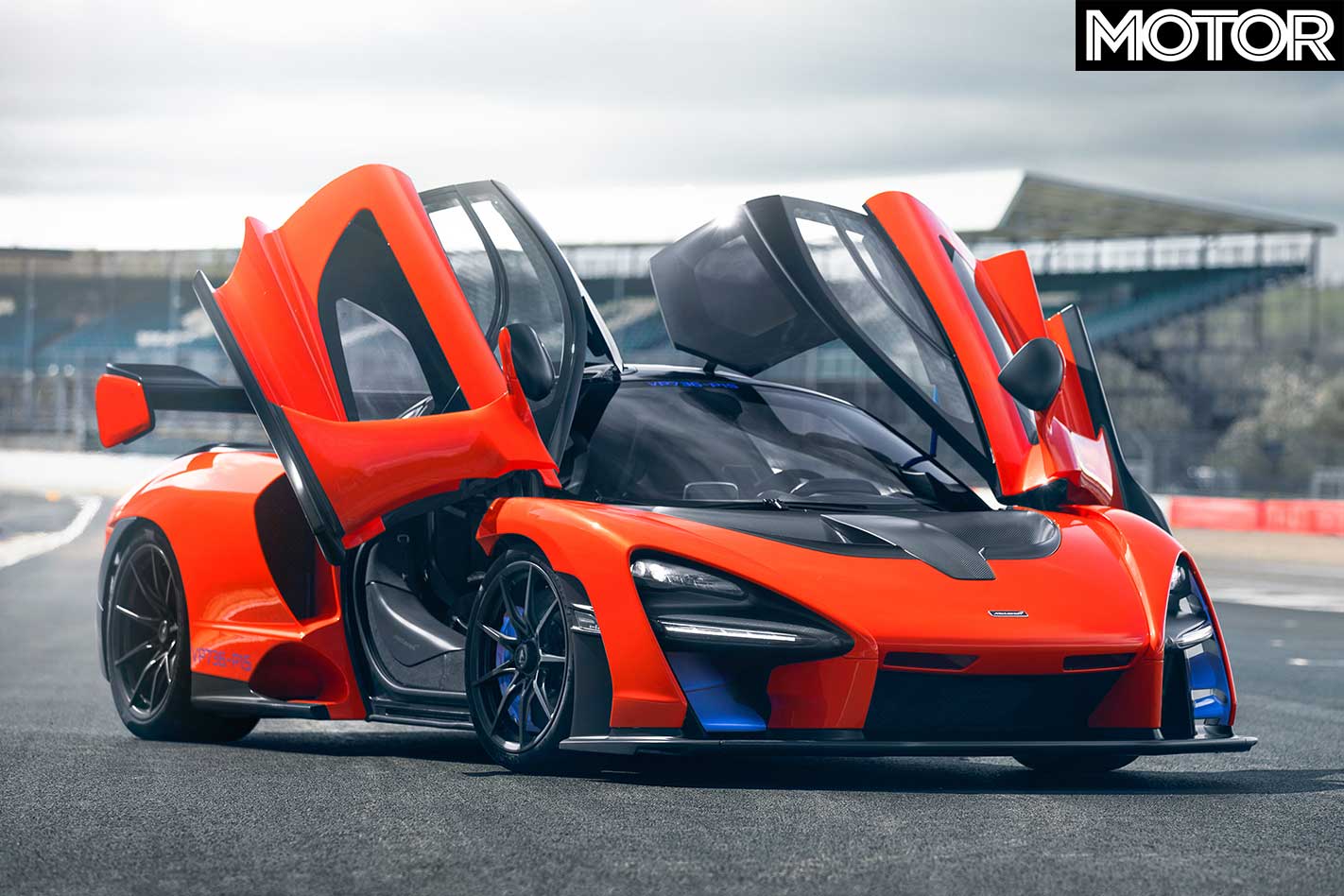
There are the statistics, such as 491kW per tonne, there’s the appearance of it, there’s the fact that they’ve insisted I wear full race pyjamas, a HANS device and an intercom, and once into the six-point harness I can’t reach the door to pull it shut.
So far, then, it feels like getting into a customer racecar, by which I mean not a rough-and-ready used racer. It’s immaculate yet overwhelming; a concept made real. Not unlike an Aston Martin Vulcan, a project born from a similar ethos: “We put our all into it, and you buy it to enjoy it.”
The Senna’s interior is less flamboyant than the Vulcan’s or the McLaren P1’s. It’s all naked carbon fibre, naturally, but with fewer outlandish curves. It’s more straightforward, racier.
But there are very ‘McLaren’ touches. Because McLaren fits sensible steering wheels to all of its cars, this one gets the same.
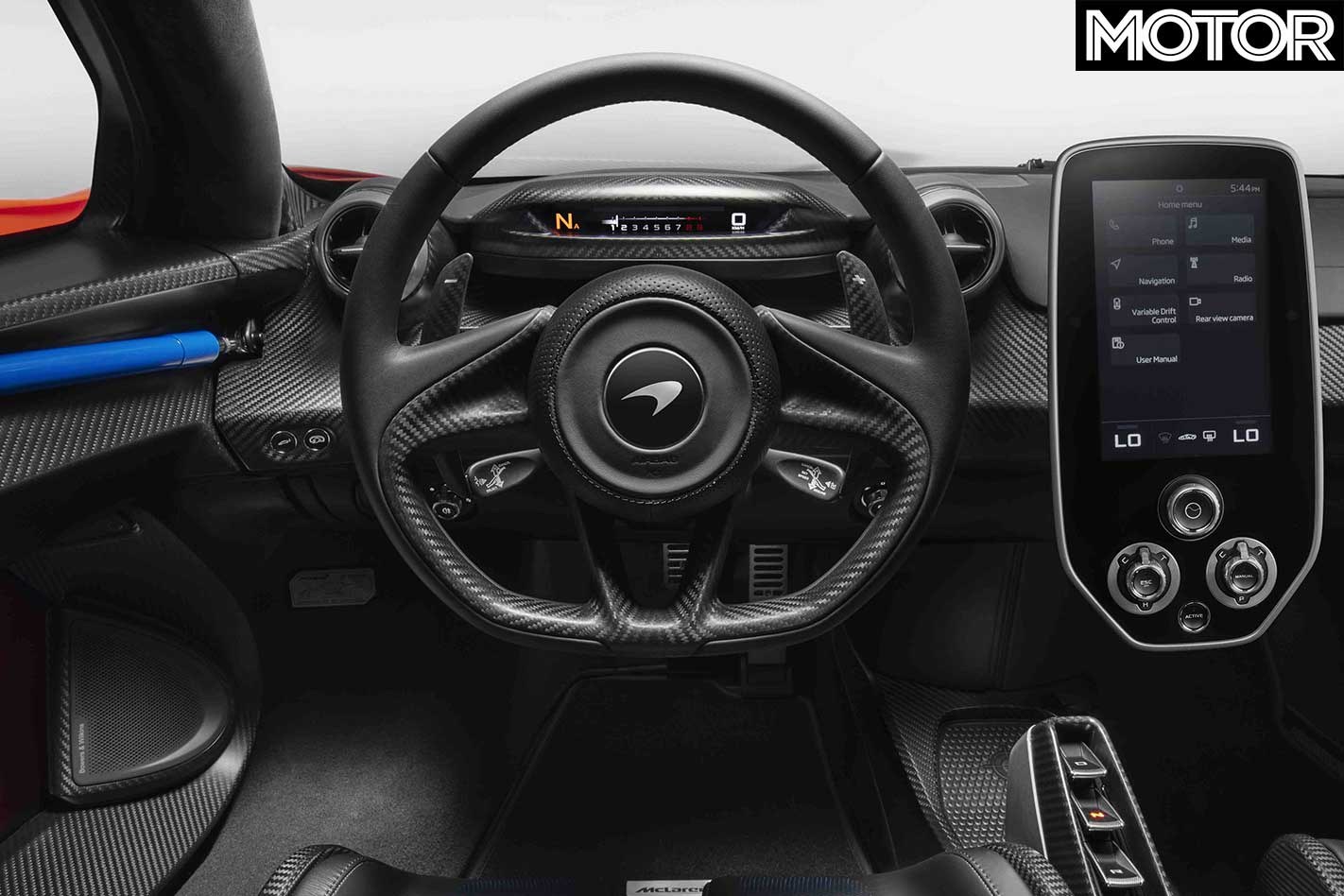
The 720S’s digital instrument binnacle, which can be upright with a big, clear layout, or lowered for a minimal one (as in the 720S; I prefer it raised), is replicated, and so too are the basics of the driving position, albeit in a massively sculpted seat. The brake pedal is central so you can pick which foot to use, and the steering wheel is hugely adjustable.
If you can’t find a comfortable, purposeful driving position here, I doubt you’ll find one anywhere. For all of the intimidation you might feel on the outside, for all that it looks like no other McLaren, it at least feels like one.
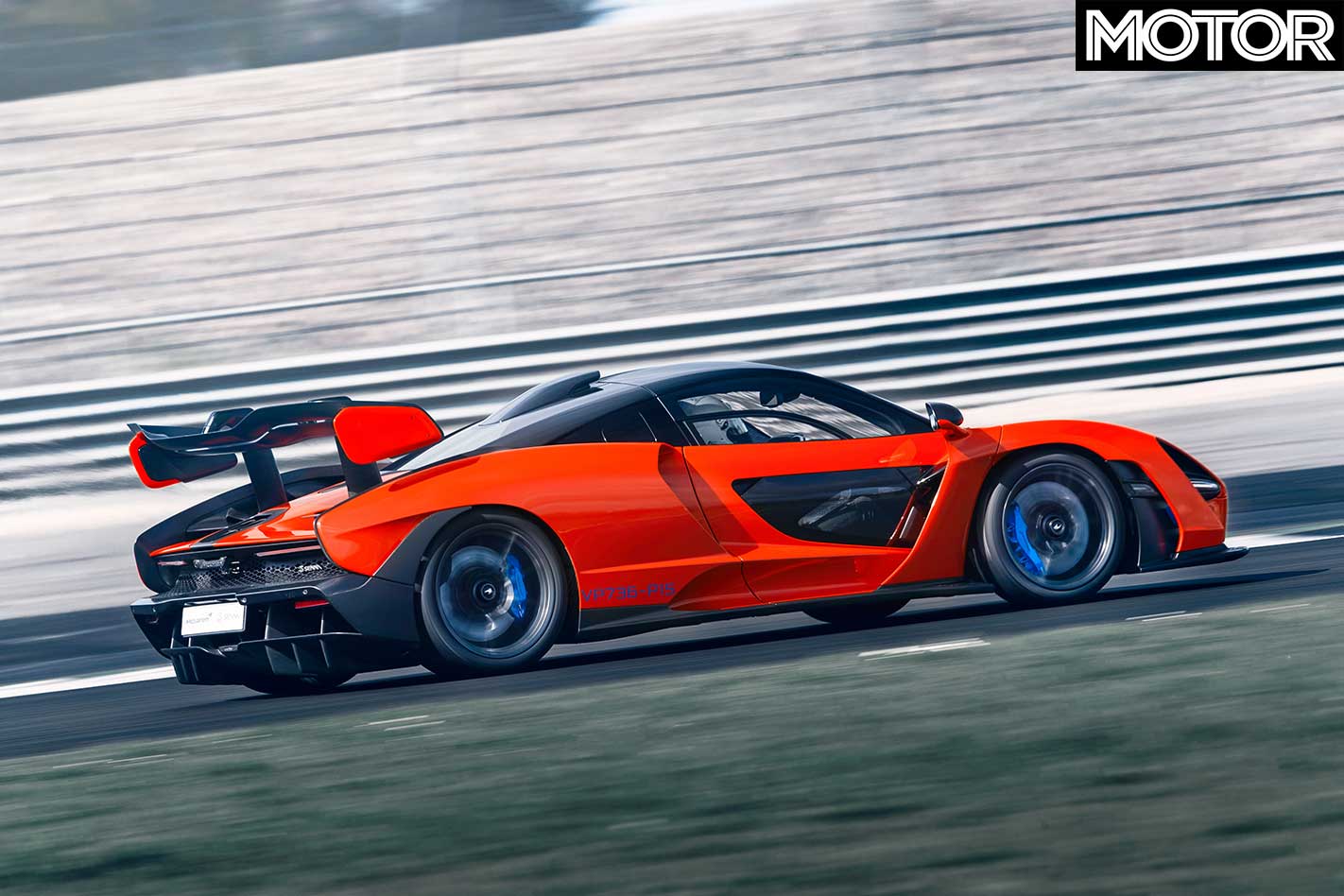
It does when you’re rolling too. There are different drive modes as on other McLarens, for chassis and powertrain. But what I’ve had to do for a very short stint on the track is ignore the road stuff and pop the car into Race mode, which lowers the Senna by 50mm and, thanks to underfloor wizardry, is responsible for creating 60 per cent of the car’s total downforce.
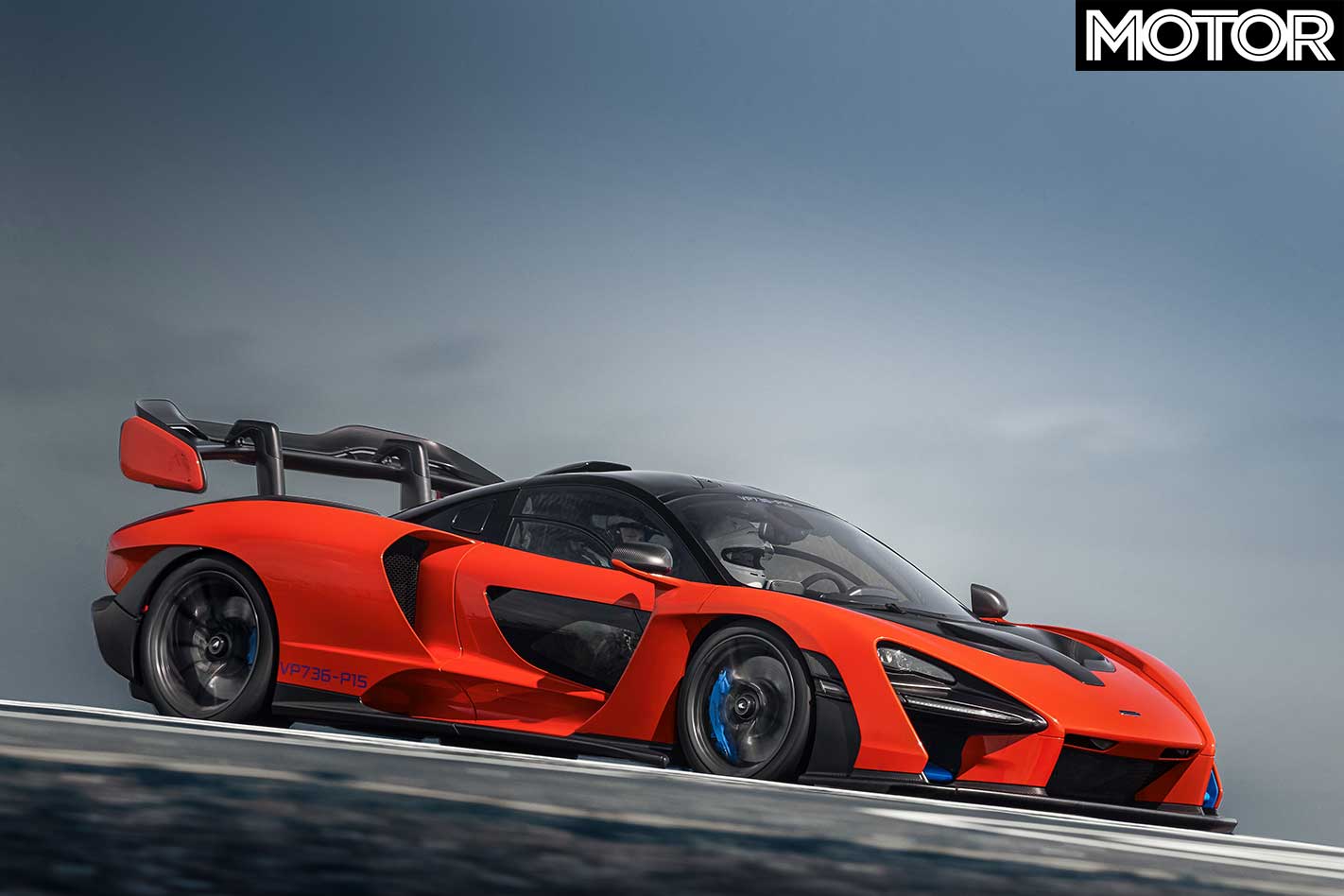
There are active aero elements front and rear, including a 20-degree variance in rear wing angle. This is the kind of approach that begets walloping lap times: add a little power, forget hybridisation, take out a load of weight and add aero. It’s why the Lamborghini Huracan Performante laps faster than any of the famed hypercar trio: LaFerrari, Porsche 918 and McLaren’s own P1.
A McLaren 675 LT would be as quick around the same circuit as a P1, for example. And here, now, the Senna eclipses that. By a distance.
It has, as standard, a new compound and design of Pirelli Trofeo tyres (you can get more ordinary Pirellis as a no-cost option), which mean it can pull around 0.3g (16km/h or so) more than a 720S in high-speed corners and 0.2g (8km/h) in lower speed ones. A P1 is, typically, ‘merely’ around 0.2g and 0.1g quicker than a 720S respectively.
And then there are the Senna’s going and stopping credentials. That power is up by 9 per cent over the 720S doesn’t sound like a lot, but to try it is to whack into the soft rev limiter repeatedly. It’s weird.
There are cars with half of the Senna’s 588kW where you’d hesitate to extend your throttle foot. But there’s such smoothness and reassurance at work here that it’s easy. McLaren has, as it does, employed a 4.0-litre, twin-turbocharged V8 to drive the back wheels through a dual-clutch automatic gearbox, and it knows its way around this unit (or these different units, it would say, because of the internal differences) to the extent that using it is as straightforward as in a 570S, only turned up to warp speed.
It’s nothing like, say, a similarly powered Ferrari F12tdf or Aston Vulcan in that respect. You want to use 588kW? Just have it. Oh, there’s the soft limiter. Click a paddle and help yourself to another 588kW.
If there’s a more approachable car with this level of power, I haven’t driven it, so the engine isn’t what is shocking about the Senna (although there are two things I’ll come to that are). Nor is it the hydraulically assisted steering, which is responsive yet smooth, deadly accurate and feelsome, and perhaps the best power steering set-up in existence today.
And neither is it the low-speed cornering, during which the Senna feels to the 720S like a Lotus 2-Eleven does to an Elise. The intrinsic character is there, the incisive turn, the accuracy with which it can be placed, the resistance to roll and yet the compliance over bumps, but it’s all amplified on account of the weight reduction. You feel that so very, very much – much more than the power.
If you were given the choice of more power or less weight, one corner would be enough for you to pick the weight loss, every time.
But all of this comes in a faintly reassuring character that you can feel in every McLaren from the 540C upwards. So is this – the same character of chassis, of transmission, of engine, of handling – a problem? One ex-chief exec of a rival supercar maker once said he thought it might be: “I couldn’t sell the same kind of sausage,” he said, “and charge twice as much for one that was only 10 per cent longer than another.” He hasn’t since left to become a butcher, but I knew what he meant.
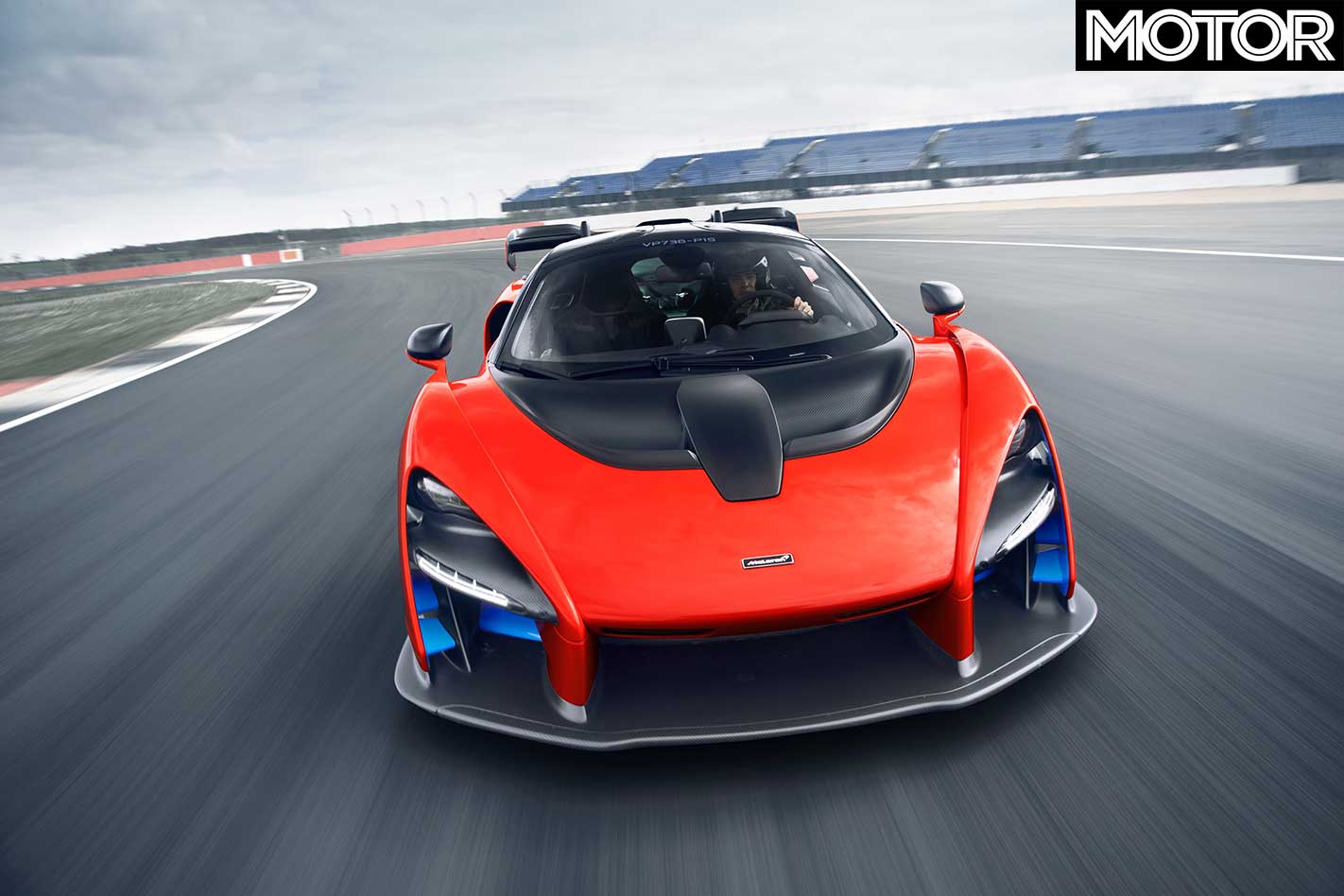
But the Senna steers around this accusation in two ways. One is its faintly astonishing corner speeds, and specifically the fabulous high-speed stability. It is so absurdly reassuring and stable – yet still wildly exciting – that you will drive it faster and faster and feel like you want to drive it faster and faster again. Like a GT 911, it feels like it has the integrity to be thrashed day after day while you learn more about it and yourself.
The second thing is the way it stops. It’s a bit of a cliche to talk about the way track or racecars brake – single-seaters are the bomb in this respect – but I’ve never known anything with more than one seat that brakes like the Senna.
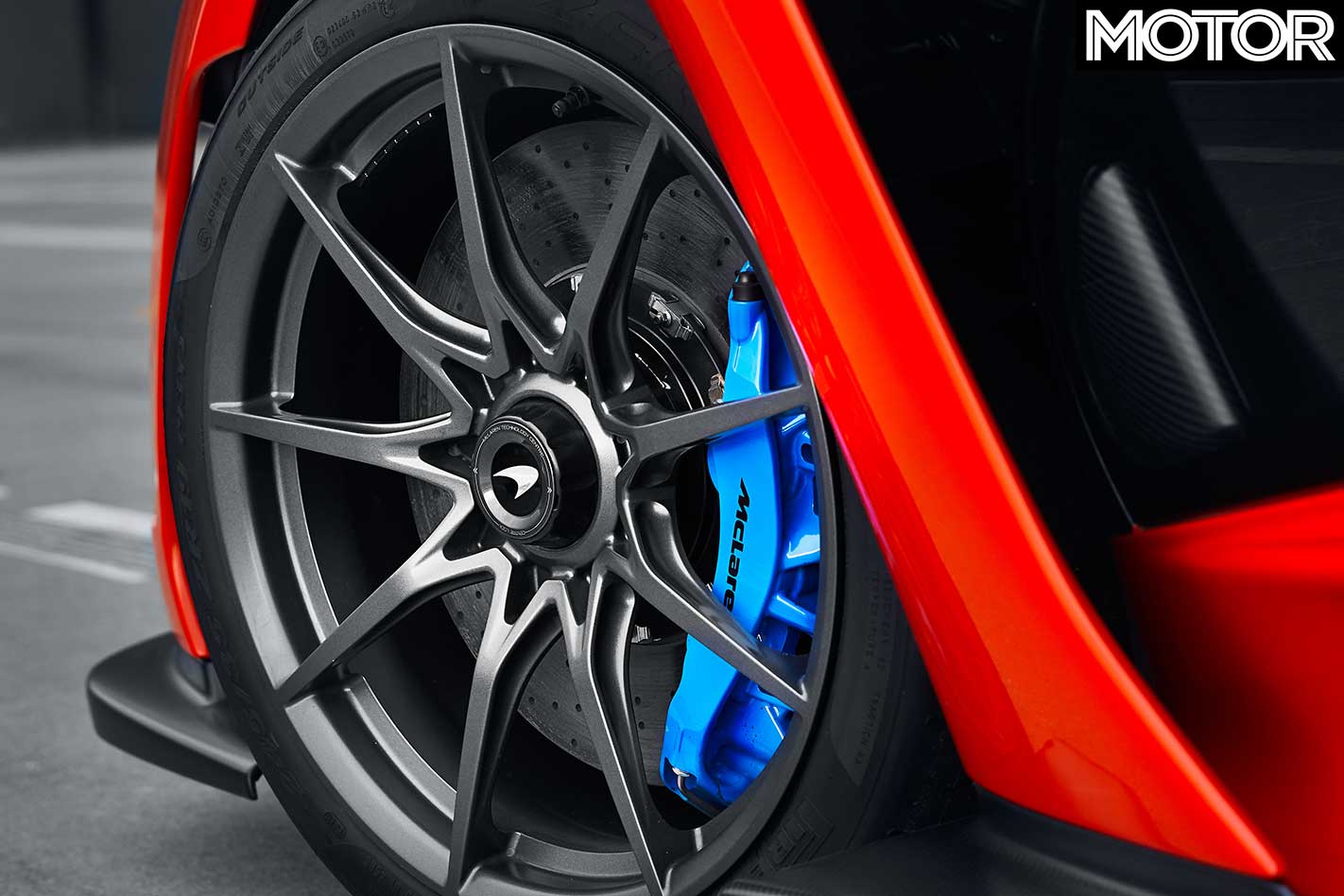
McLaren reckons it can stop from 200km/h in 100 metres – 16m less than a P1. But that doesn’t really mean anything until you learn that you can stand, as hard as you possibly can, on the brake pedal, from high speed, and it sheds speed like it has driven into a vat of golden syrup.
Ultimately it’s those two things – and they are as addictive as they are significant – that take Senna from being just another, faster McLaren and turn it into another kind of McLaren. One that might just become the world’s fastest production road car. Any way you look at it, it’s one special creation.
Senna’s Suspension Secrets
McLaren’s suspension system is no less fiendishly complicated on the Senna than it is on its other road cars. It has hydraulic springs, with two chambers on each corner: one for heave (front-rear), the other for roll (side-to-side), with an accumulator between them, to accommodate fluid as it moves.
With one side or end pressuring another, it stays flat and resists dive and roll, the latter without anti-roll bars. It’s what gives its road cars exceptional ride quality. So while there’s a coil spring on each corner of the Senna, it’s very small and just there to maintain a static ride height.
There are oil-filled dampers, too, and as you flick through the road-biased modes it’s these that stiffen, thanks to a reduction in the size of the flow valve. Putting the car into its Race mode, though, is what reduces the ride height by 50mm and finally has an effect on the hydraulic spring rates: the heave spring rate doubles, with the roll spring rate increasing 2.5 times.
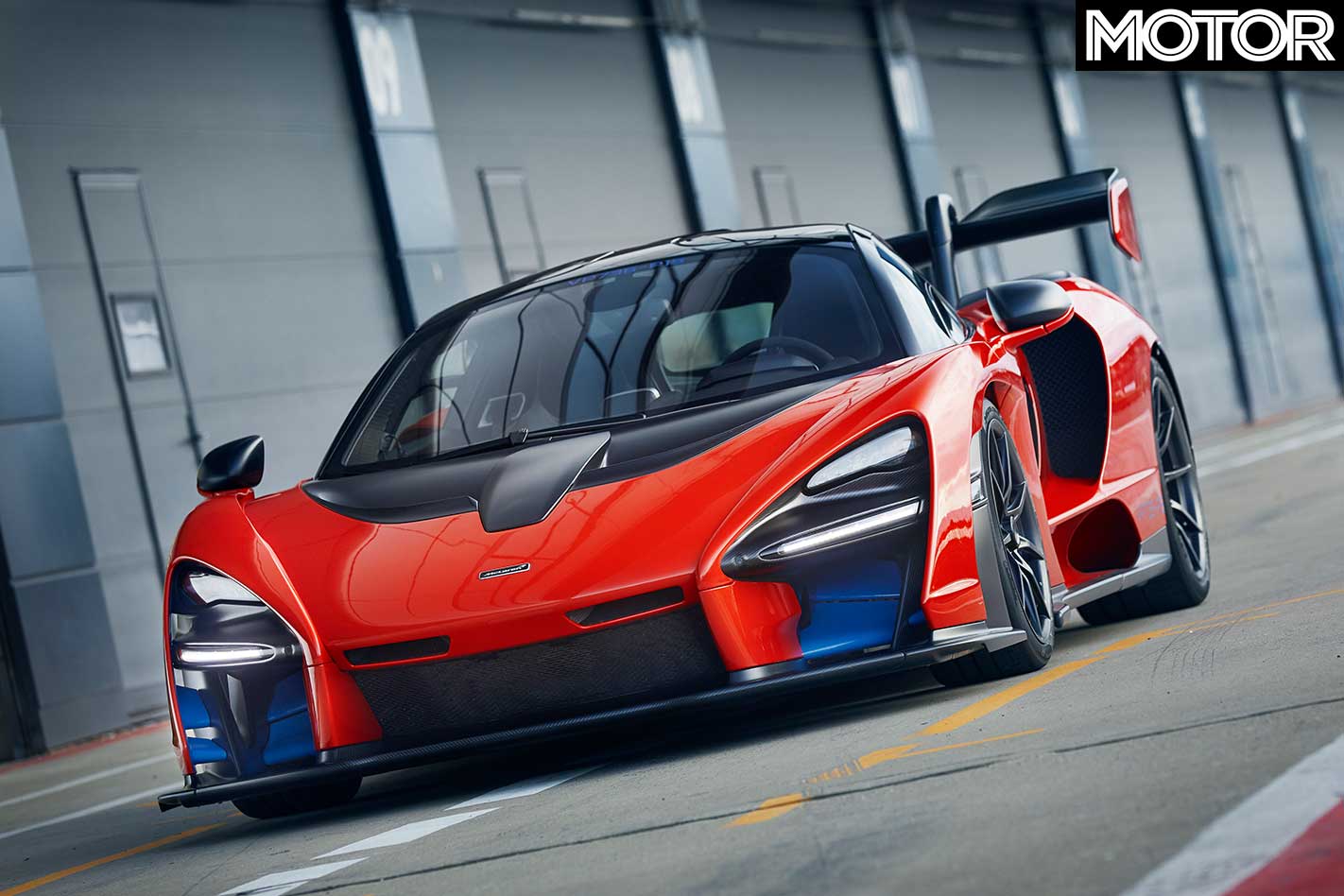
FAST FACTS McLaren Senna
BODY: 2-door, 2-seat coupe DRIVE: rear-wheel ENGINE: 3994cc V8, DOHC, 32v, twin-turbo BORE/STROKE: 93.0 x 73.5mm COMPRESSION RATIO: N/A POWER: 588kW @ 7250rpm TORQUE: 800Nm @ 5500-6700rpm WEIGHT: 1198kg (dry) POWER-TO-WEIGHT: 491kW/tonne TRANSMISSION: seven-speed dual-clutch SUSPENSION: double wishbones front and rear; independent interconnected hydraulic dampers; K dampers L/W/H: 4744/1958/1229mm WHEELBASE: 2670mm TRACKS: 1654/1618mm (f/r) STEERING: hydraulically assisted rack-and-pinion BRAKES: 390mm carbon-ceramic discs, 6-piston calipers (f); 380mm carbon-ceramic discs, 4-piston calipers (r) WHEELS: 19.0 x 8.0-inch (f); 20.0 x 10.0-inch (r) TYRES: Pirelli P Zero Trofeo R; 245/35 R19 (f); 315/30 R20 (r) PRICE: £750,000 (AUD$1.4 million)LIKE: Mega performance; handling; stopping power; aero DISLIKE: It’s not cheap; left-hand-drive only; all sold RATING: 5 out of 5 stars
It’s not yet coughing up blood, but the diesel car doesn’t look healthy lately. Compression-ignition internal combustion was invented in Europe, which has always been the place where it was most welcome and most popular.
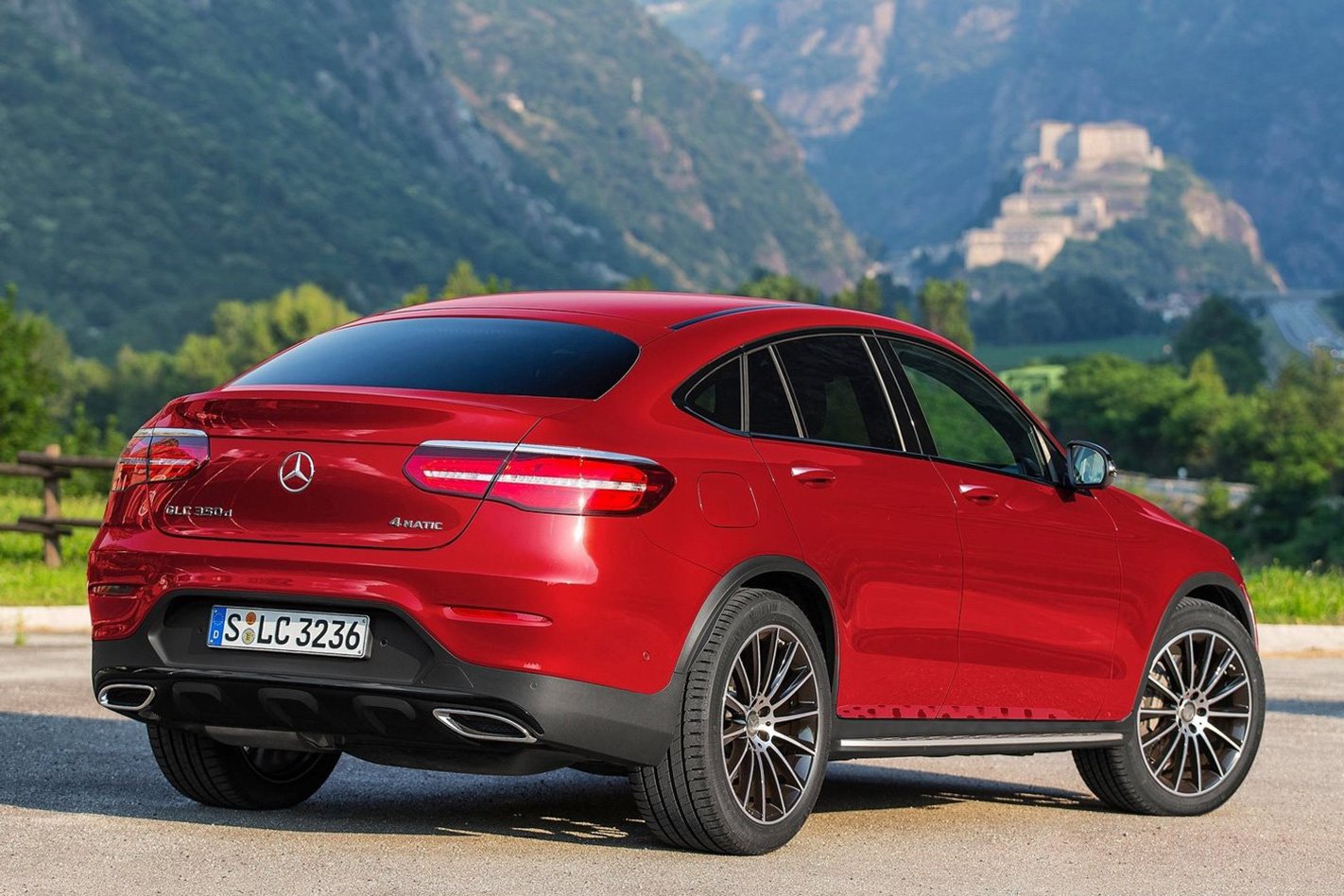
But now, even in countries where diesel was warmly embraced, it’s being given the cold shoulder. Even Italy. Unlike other major markets in Europe, such as Germany, France, Spain and the UK, Italians kept buying diesel passenger cars after the VW Dieselgate scandal broke in late 2015. That’s beginning to change.
The decline in diesel’s share of the Italian market through the early months of 2018 is small; less than two percent. But the nation’s best car monthly, Quattroruote, believes this is the beginning of the end. All the signs point in the same downward direction, the magazine notes in a solid piece of market analysis.
Demand for second-hand hybrids is rising in Italy, pushing their prices upwards. New hybrid sales are soaring, up 32 percent to the end of the first quarter. Although EV sales are tiny compared with hybrids, pure battery-powered plug-ins are surging too, up 72 percent in 2018.
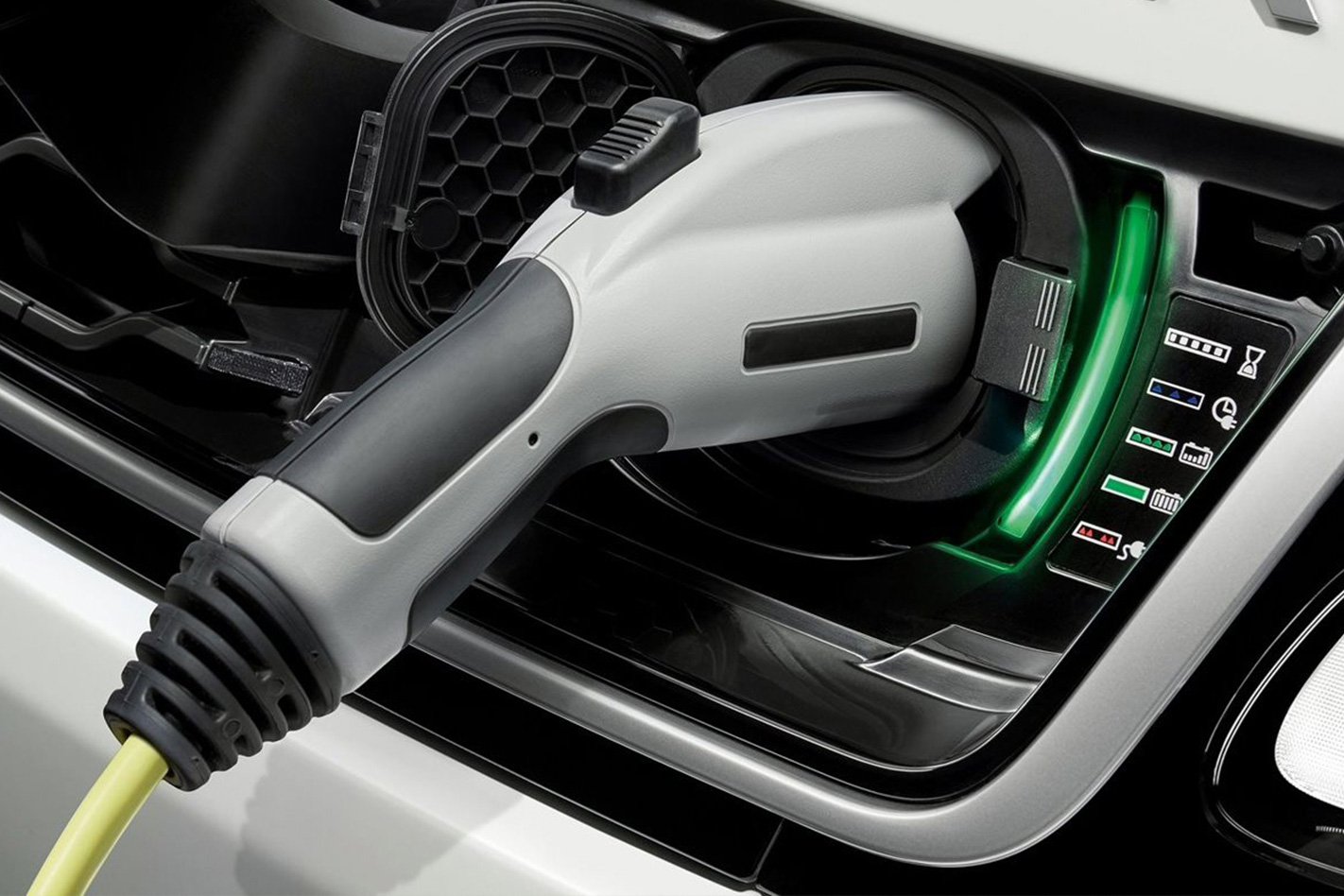
Scandalous behaviour doesn’t bring the kind of backlash in Italy it does in other places, as former PM Silvio Berlusconi’s long political career proved. But, according to Quattroruote, Italian car buyers are beginning to take notice of what some of their big-city politicians are saying. Virginia Raggi, the mayor of Rome, announced plans in February to ban diesels from the centre of the Eternal City from 2024. Milan aims to do the same by 2030.
Such proposals are proliferating Europe-wide. Paris has a plan to ban diesel. London, which already has congestion charging in its centre, recently introduced an extra charge for older, dirtier diesels to drive in the heart of the city. And courts in Germany early this year upheld the right of cities to impose bans on diesels, including the hometown of Mercedes-Benz and Porsche, Stuttgart.
All these moves are aimed at cutting the levels of health-harming NOX (oxides of nitrogen) emitted by diesels in densely populated areas. Dieselgate is chiefly about Volkswagen’s decision to cheat on NOX emissions standards.
At the same time, industry leaders like Mercedes-Benz boss Dieter Zetsche, keep insisting that diesel is vital if car makers are to meet lower CO2 emissions targets set by governments. Reducing CO2 is important, as it’s a major cause of global warming.
Europeans are being told that diesel is a pollution problem … and a pollution solution. Both happen to be true, but buyers are confused. Thanks to Dieselgate, they’re also suspicious. Naturally enough, they’re steering clear.
Meanwhile, affordable internal combustion technologies that will make diesels obsolete for light-duty applications are nearing market readiness. Mazda’s Skyactiv-X engine is the outstanding example. It burns petrol, so its NOX emissions are low, yet it operates with diesel-rivalling efficiency and low CO2 levels. This engine will be introduced in the new Mazda 3, due to launch in 2019.
Put it all together and the prognosis for diesel in cars doesn’t look good. It’s hard to see it recovering, easy to imagine it wasting away. Wonder when the funeral will be?
SAYING Toyota is on a roll is quite an understatement. Traditionally, understatement is a very Toyota quality – but that’s changing fast, and soon you won’t be able to avoid seeing the signs of Toyota’s newfound flair and confidence. In its engineering, styling and ambition, Toyota is getting loud and proud.
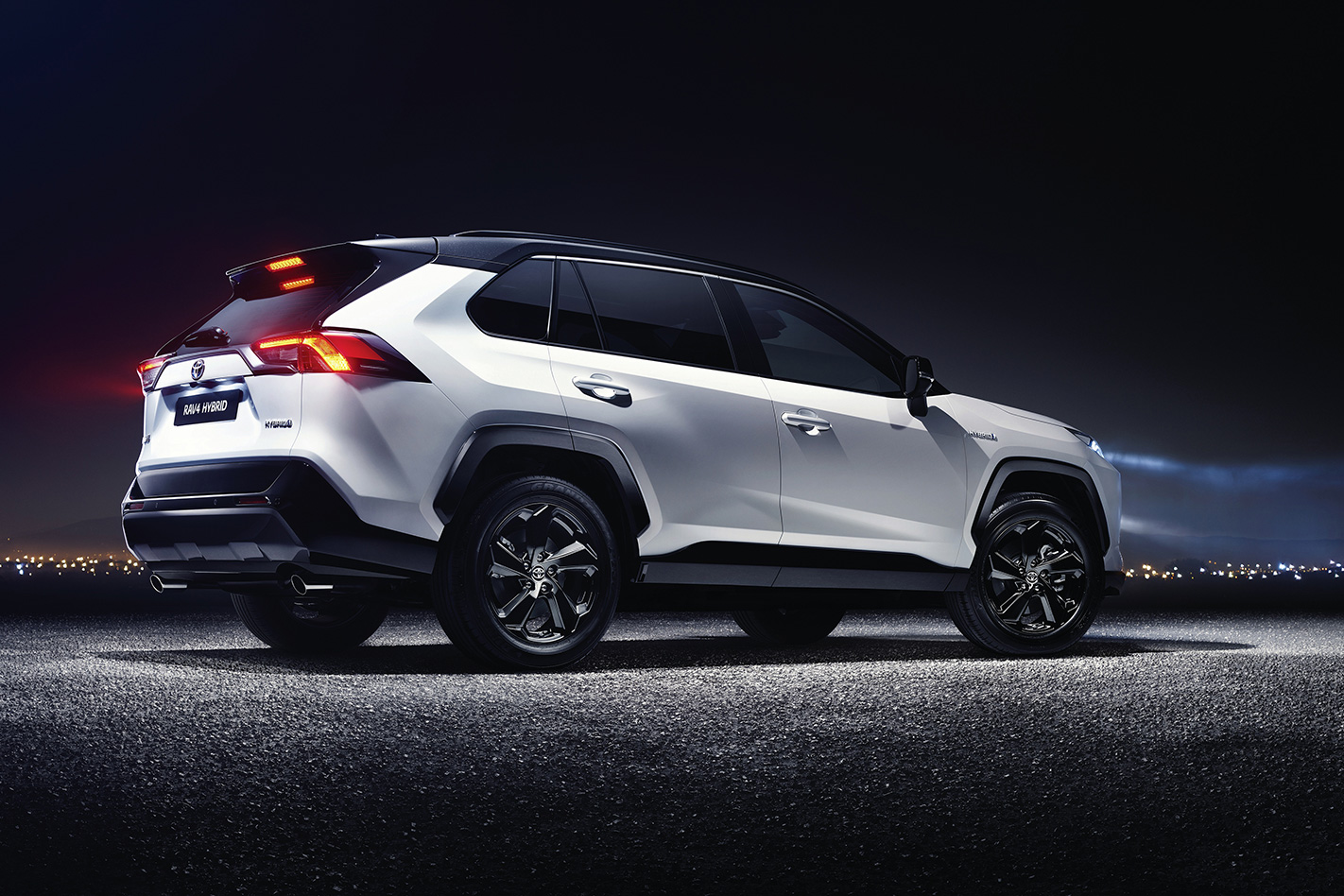
The company is going through fundamental and far-reaching changes in what it makes and how it’s made. Fuel efficiency continues to be a priority, but it’s now joined by vibrant motorsport and performance car divisions. Its previously deadly dull family hatch has just had a complete overhaul that ramps up its desirability, while its SUVs and crossovers are set to stand out from a packed field.
The brand’s latest platform – Toyota New Global Architecture, or TNGA – underpins most of it. First deployed in the current Prius, TNGA’s flexibility means it now features in the funky C-HR and will underpin the new Corolla and RAV4 SUV. It’s good enough for the Lexus UX baby SUV too. Toyota claims a 65 percent rigidity boost compared with its previous platform, and TNGA allows engine bay components and suspension mounts to be positioned lower, in turn lowering the centre of gravity for better handling.
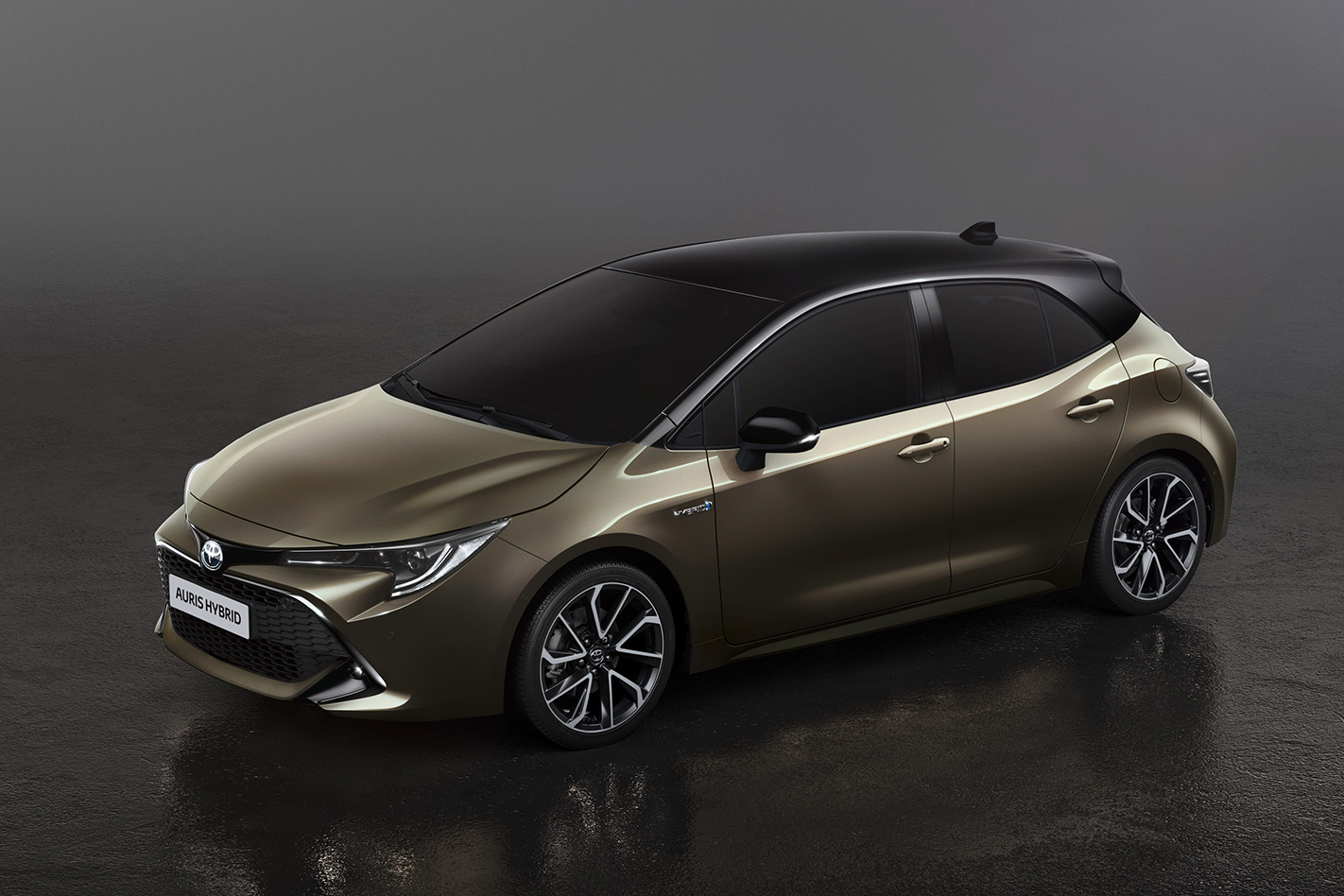
The design of mid-size Toyotas has delivered equally radical changes. The quirky C-HR is making respectable numbers in Australia and the boldly styled Prius and Camry are anything but safe designs. The new Corolla hatch, due here in August, has drawn acclaim for its eye-catching lines.
Toyota’s global design general manager, Simon Humphries: “Our primary goal was to create the most bold and dynamic hatchback on the market, without compromising interior usability.”
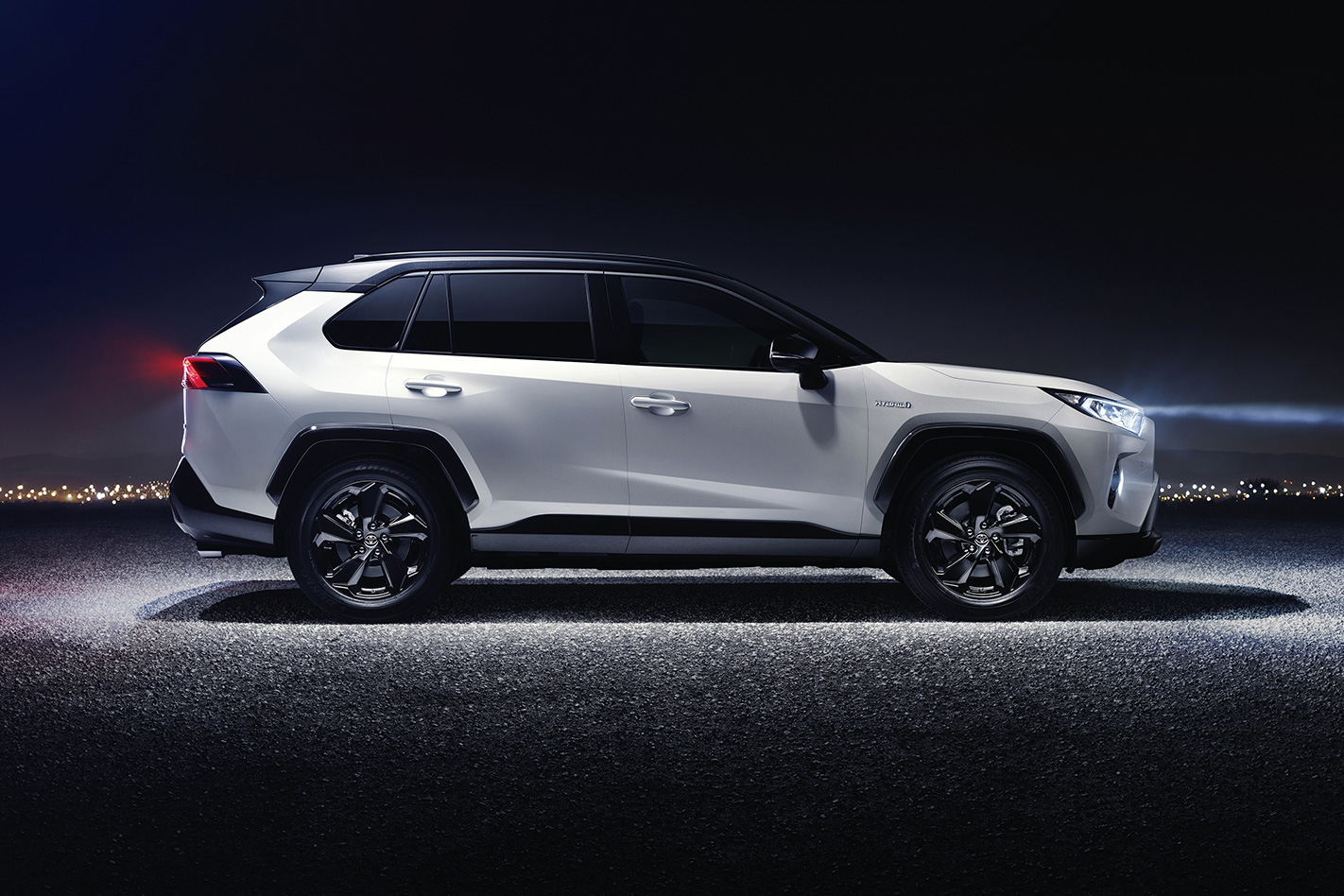
The RAV4, meanwhile, was North America’s best-selling car in 2017. That sort of success might once have made Toyota play safe with its successor, but not this time around. Design-wise, it’s clearly inspired by last year’s maximum-lifestyle FT-AC concept, and it’ll come to market with petrol or hybrid power and all-wheel drive in early 2019.
The pinnacle of Toyota’s rebirth, though, comes in the form of the new Supra – a car the Gazoo Racing team has had a hand in.
Gazoo Racing may only be a motorsport minnow, but it’s going from strength to strength: 2018 began with a podium in the Dakar rally, the Yaris has been competitive in the World Rally Championship, and Fernando Alonso drove a Toyota at Le Mans.
Much of Toyota’s previous motorsport activity has occurred in a vacuum, but now it’s clearly joined up with the road-car range; the Yaris GRMN wasn’t just a quirky novelty. It’s understood there will be two versions of the Gazoo Racing performance car models.
Gazoo Racing Meisters of the Nurburgring, or GRMN, are hardcore performance models: the Yaris has just had the supercharged GRMN treatment. More accessible will be the GR models: think VW Golf R and GTI respectively and you’re close.
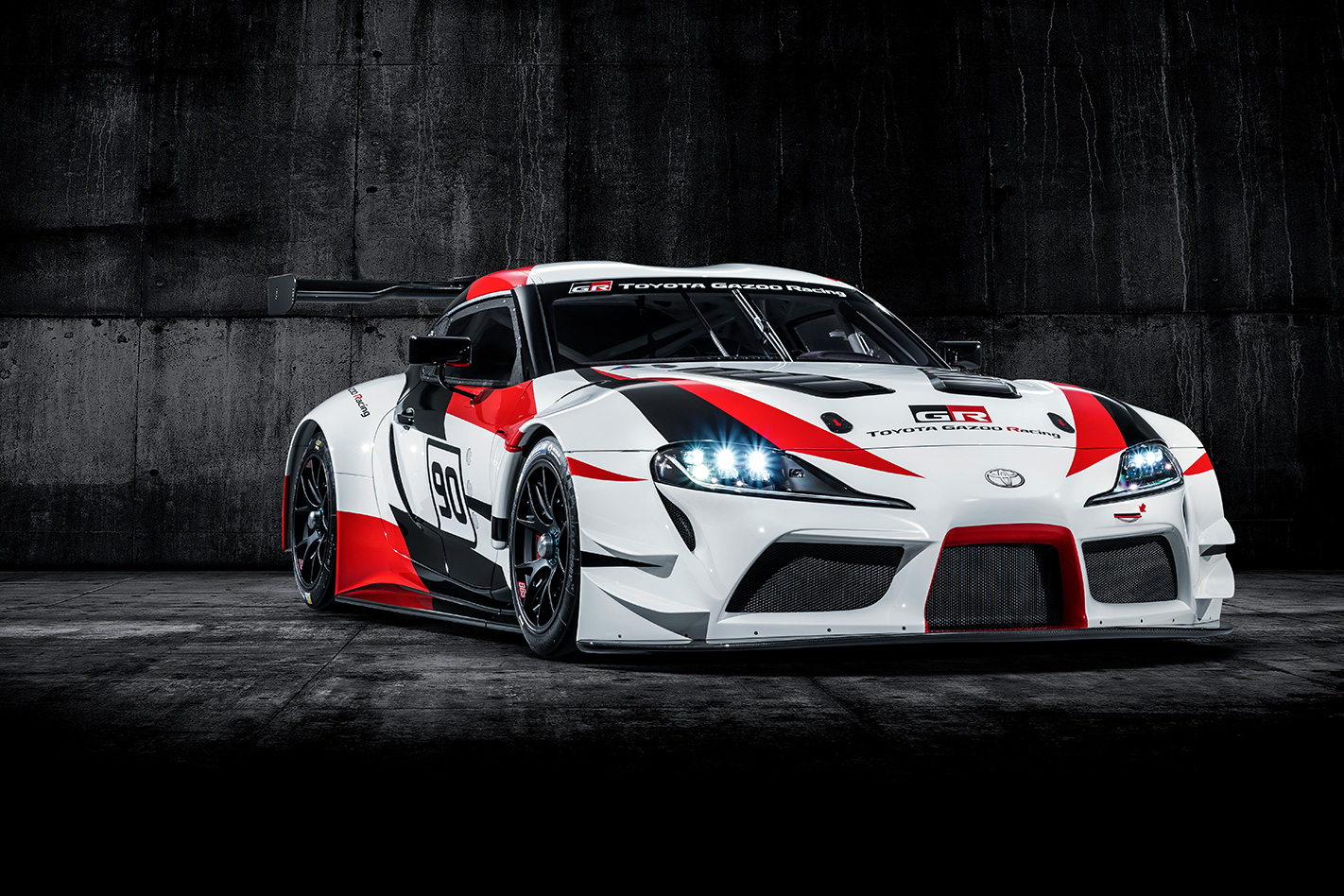
This is all feeding into next year’s Supra, co-developed with the next BMW Z4 and to be built alongside it by Magna Steyr in Austria. The fifth-generation Supra will deploy straight-six turbocharged petrol power, in a ballsy nod to the fondly remembered A80 model.
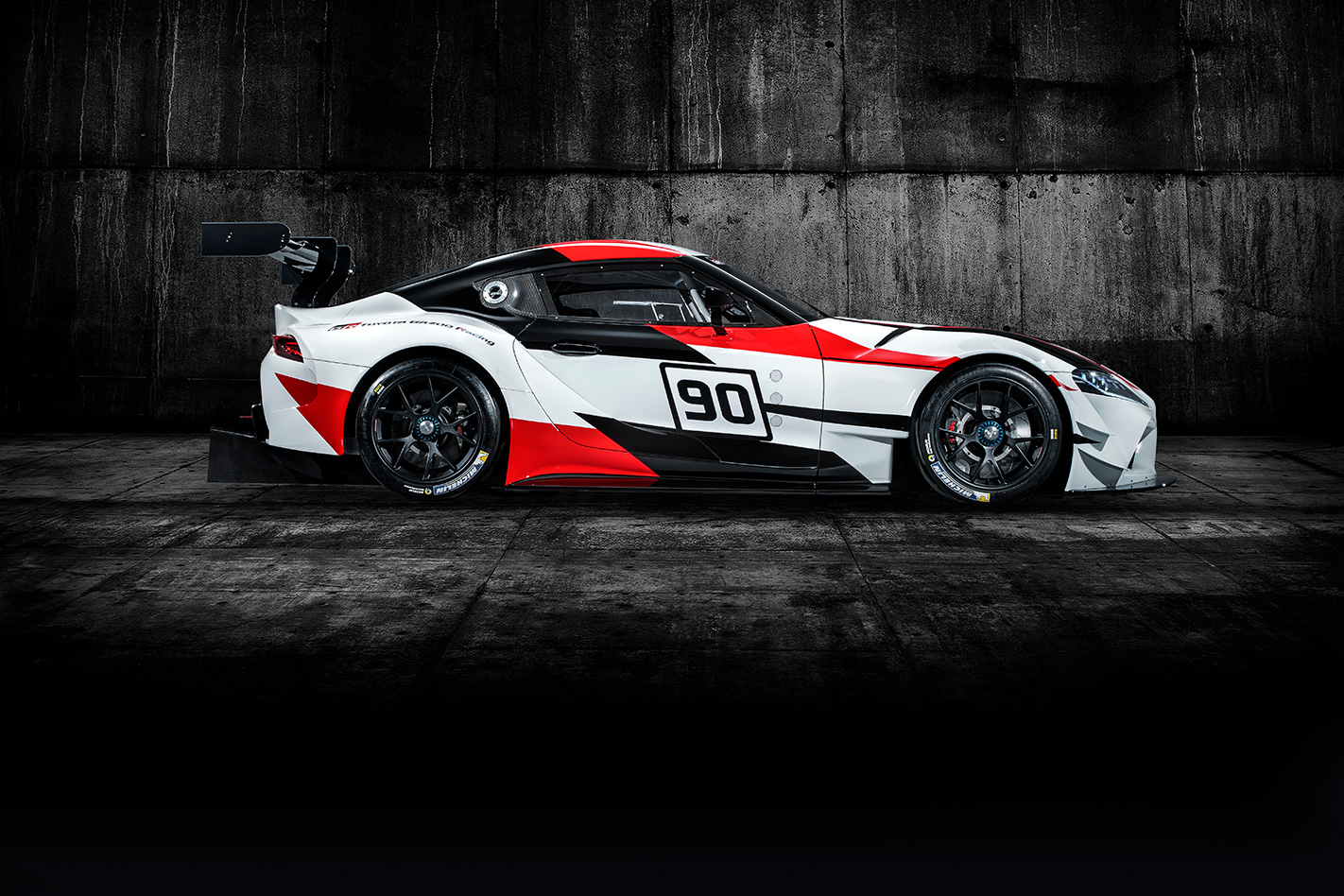
Toyota’s European design boss Johan Van Zyl even fist-pumped the air when the wild-looking Supra GR Racing concept took the stage at the Geneva show. “This concept is a clear signal of our intention to bring back one of our most legendary sports cars to the market,” he said.
You can understand his excitement – after much tedium, Toyota is making its family cars exciting, majoring on clever tech and resurrecting an icon.
- Introduction: The Focused RS
- Update 1: On the shopping run
- Update 2: The champions’ lane
- Update 3: Showtime
- Update 4: Getting a grip
- Update 5: The track element
- Update 6: Conclusion
Introduction: The Focused RS
WE’VE ALL met or know someone who is a ‘small doses’ individual.
Often they’re a total laugh-out-loud riot to hang out with, a larrikin, a trouble-maker, someone who knows how to have fun. But you can only take so much of them before you start feeling frazzled and need some time away. Like, five weeks. Lest you become a danger to their safety.
In our experience so far, the Ford Focus RS could be described as a ‘small doses’ car. That’s not to say it’s unbearable – it’s perfectly comfortable in its own right, with nice interior materials, air conditioning, a decent stereo and all the mod-cons you could want. But relative to its hot-hatch rivals, it’s a bit more, err, focused.
Those eye-candy Recaros (standard in Australia; optional overseas), while superbly supportive, feel thinly padded compared to a VW Golf R’s front seats. And the ride, while fine 80 per cent of the time, makes a Honda Civic Type R feel like an Audi A8. Of the circa-$50K hot-hatch crowd, it’s the Focus RS that comes closest to ‘weekend toy’ status.
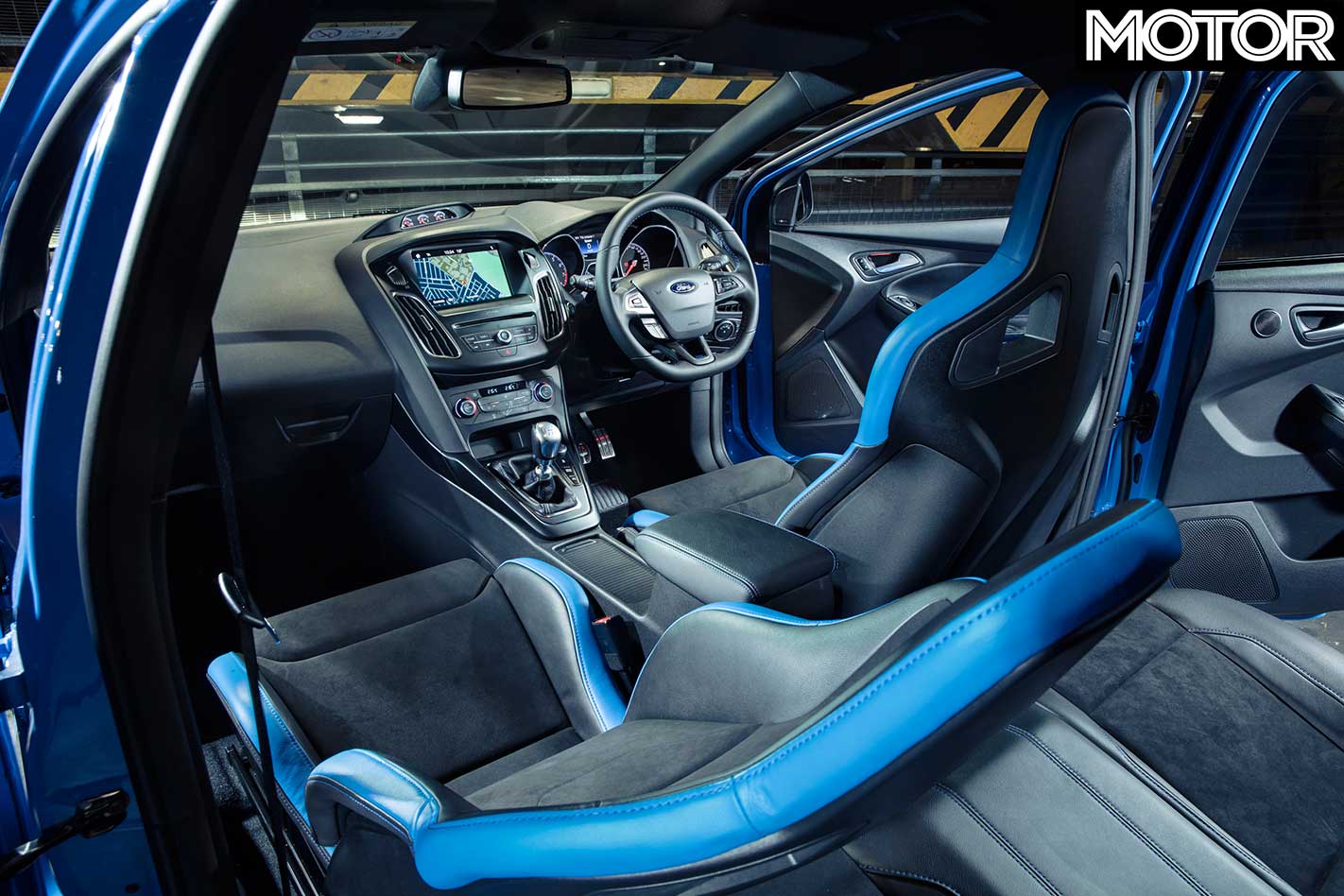
Fortunately, ‘toy’ is nothing but a huge compliment, because this car is FUN. For your $50,990 you get one of the most beguiling handling cars this side of $100K. As one of the most talented cornering gadgets Ford has ever made, you truly have to go shopping in Stuttgart to find another car that offers as many racetrack entertainment options as the Focus RS.
In a way, it’s almost three cars in one, dishing up stability and lateral grip like a Golf R if you so wish; liveliness and playfulness in the rear, like the recently farewelled Renault Sport Megane; or actual power oversteer out of second-gear corners, like a BMW M140i, if you wish to release your inner Ken Block.
As you probably well know, having read about the Focus RS in MOTOR many times now, Ford’s hot hatch owes its cornering magic to a trick all-wheel drive system that can send up to 70 per cent of the 2.3-litre twin-scroll turbo inline-four’s grunt to the rear axle, and then, thanks to electrically controlled clutches, up to 100 per cent of that to either rear wheel as the computer sees fit.
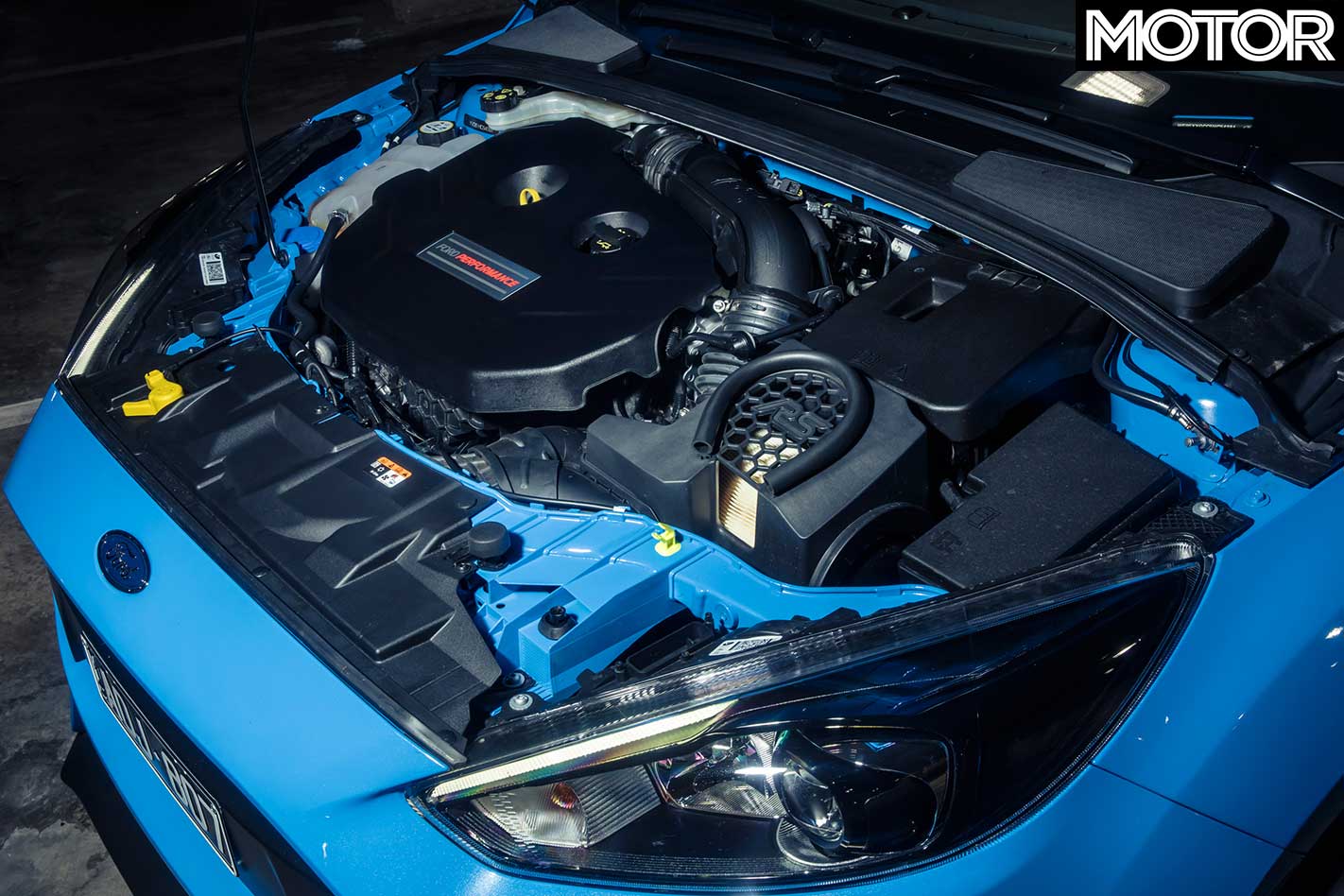
The ones and zeroes in this thing’s computer could presumably encircle the earth many times over – but with the handling only ever feeling spookily good (unless you are power oversteering, which can feel a bit artificial), it’s testament to the Focus RS’s all-wheel drive calibration.
Of course, it was this same crushingly effective system that helped the Focus RS become our 2017 Bang For Your Bucks champion (with a 1:38.4sec Winton lap). That, and its acceleration (0-100km/h 5.06sec; 0-400m 13.31sec) thanks to launch control, 257kW and 440Nm. And, of course, it’s cracking $50,990 price.
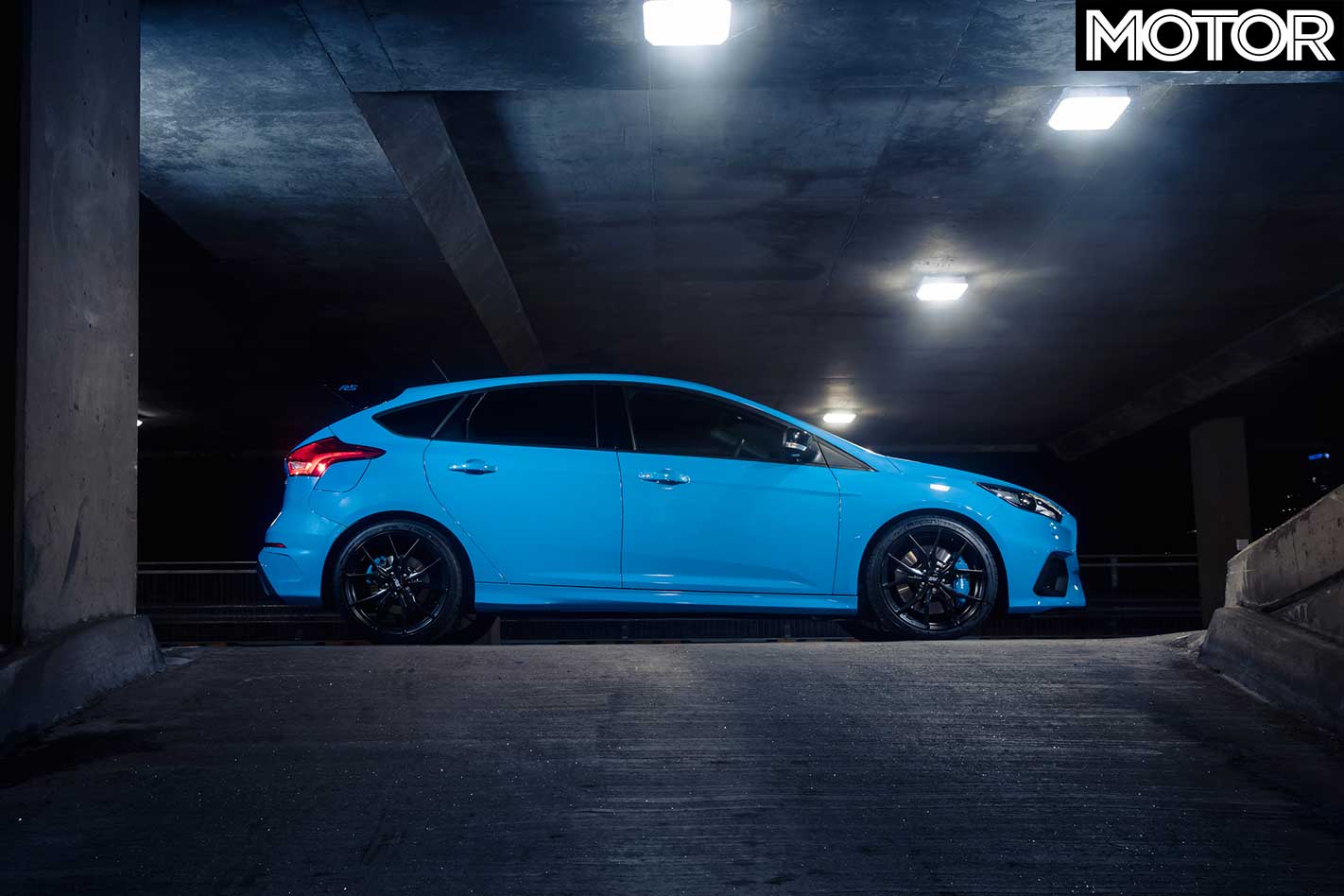
Having only experienced the Focus RS in reasonably small doses, we wondered if the ‘best enjoyed on weekends’ tag was undeserved. We see plenty on the roads during the week, after all. And so we asked Ford, nicely, if we could have one for a few months, and Ford said yes.
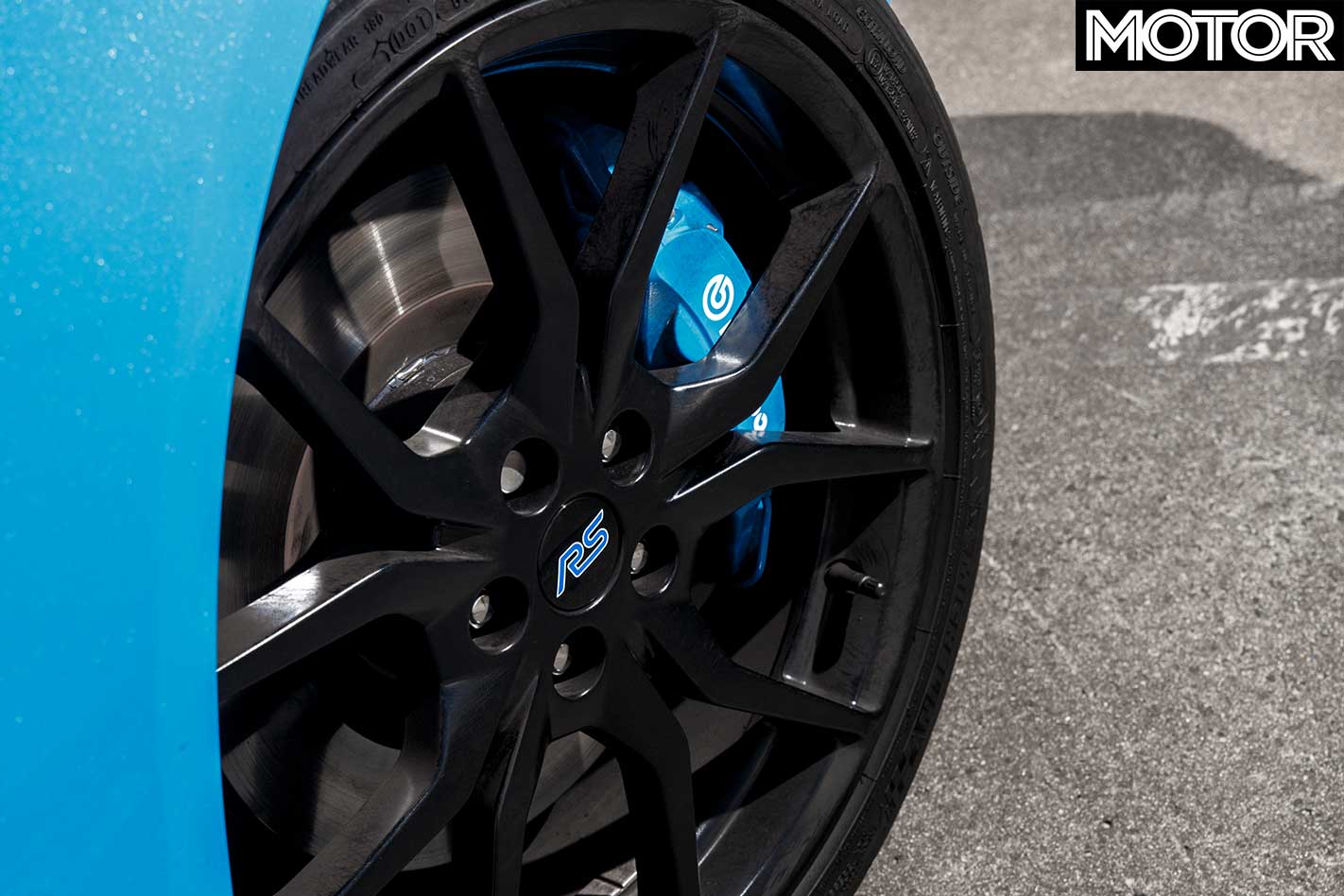
Ford also said, you can only have the $56,990 Limited Edition model. We weren’t going to say no, but it’s even more of a Saturday-Sunday proposition than the ‘base’ RS, with standard forged 19s and 235/35 Michelin Pilot Sport Cup2 tyres (a $3500 option on the normal RS) – and the same rubber you’ll find on a Porsche 911 GT3. A declaration that this car is very much made for the track.
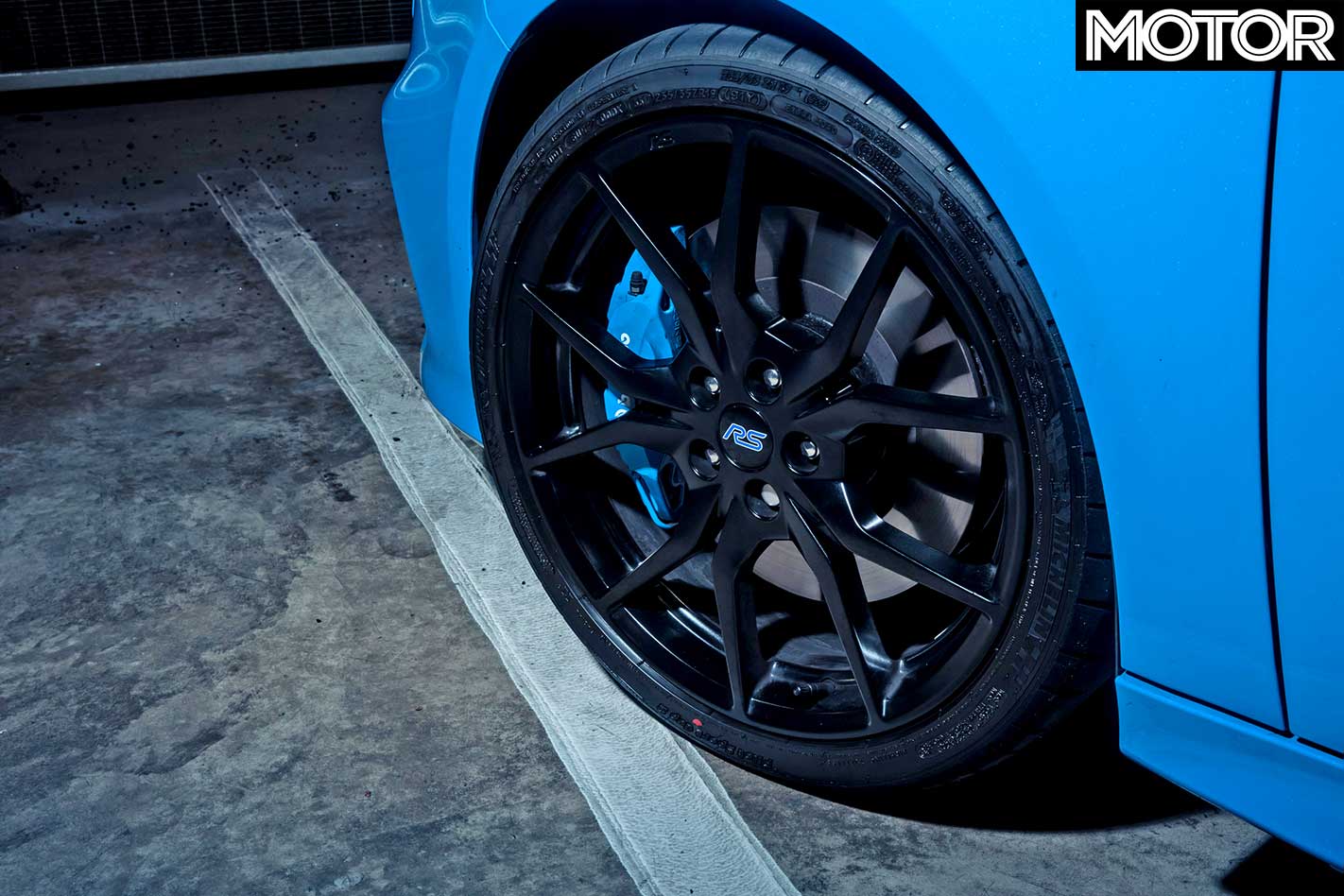
That, and it also has a Quaife helical front limited slip diff. As it has the same adaptive dampers, seats and big Brembo brakes (four-piston 350mm front, single-piston 302mm rear) as the $50,990 version, we should get a good sense what the Focus RS – base or not – is to live with.
Naturally, we’ll also head to the track to assess the difference the diff and the tyres make. And how will those same Cup2 tyres wear when put to daily use? Will the blue interior bits date too quickly? Will the head gasket blow? (A controversial Focus RS topic that we will investigate.) A four-month ‘dose’ should be big enough. And if we’re really honest, we can’t wait.
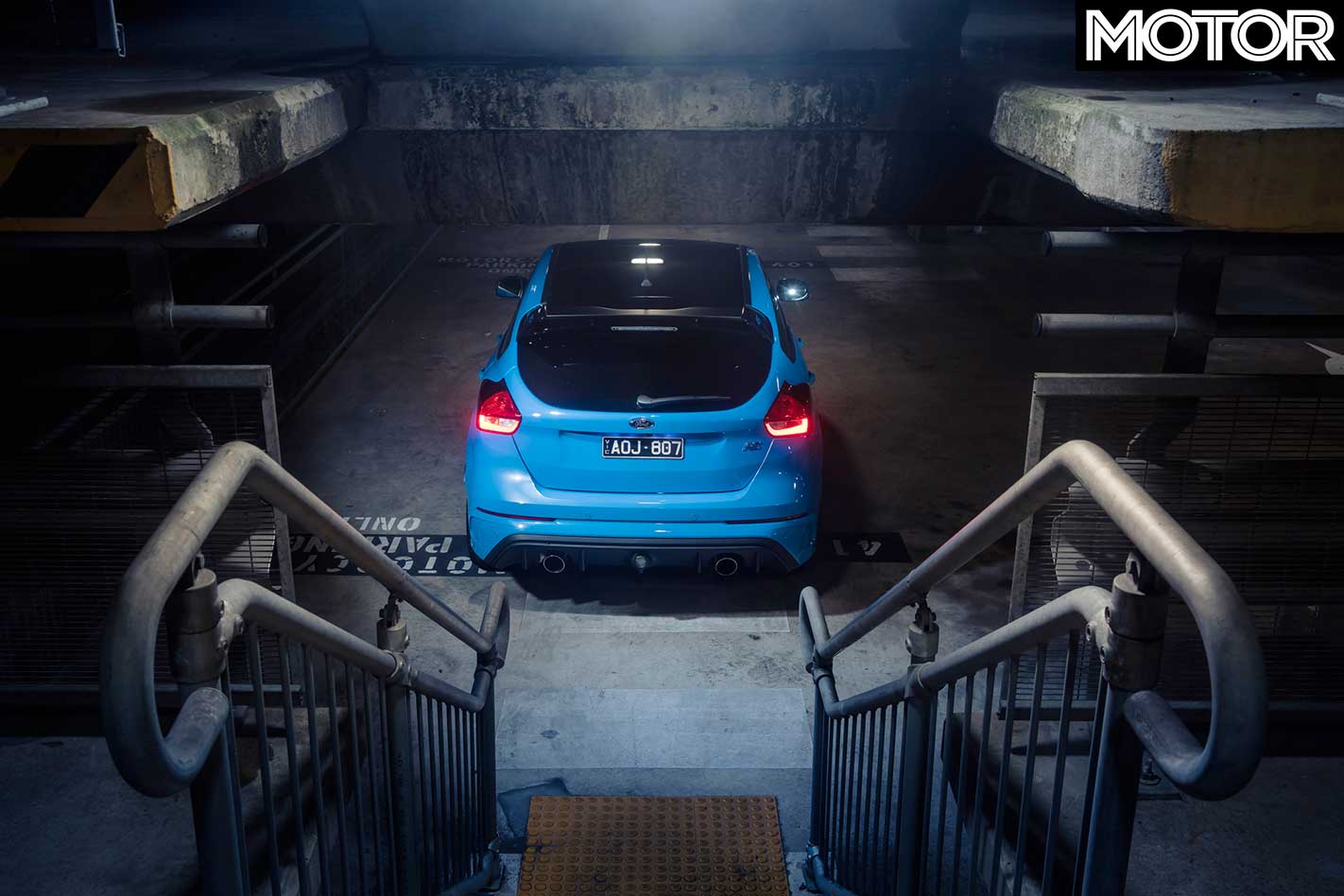
MONTH ONE
Claimed combined consumption: 7.7L/100km Claimed 0-100km/h: 4.7sec Duration: 4 months
Like: Michelin Cup2 tyres standard? Oh yes… Dislike: …they cost how much?
Update 1: On the shopping run
Few cars combine thrills and utility quite like the Focus RS
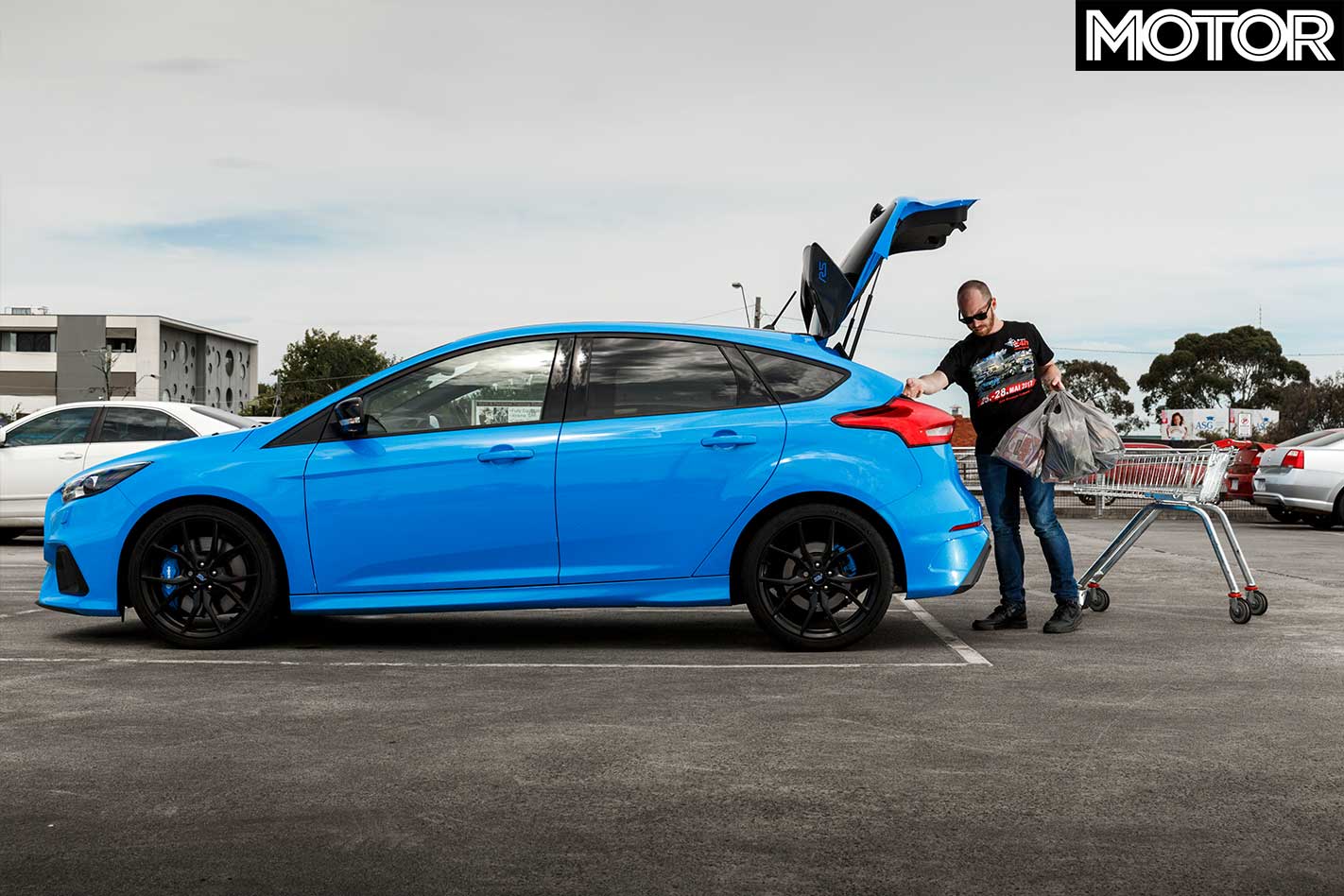
THE FORD Focus RS Limited Edition is like a dog that’s halfway between little puppy and full grown. It wants to have fun all the time.
And when you no longer want to play tug-of-war with a footy sock or throw the ball for the umpteenth time, it’s straining at the leash, impatient to run around some more. In this creature’s universe, when you’re not sprinting and snorting and running amok, you’re switched off, biding time until the next max-energy assault.
In the modern hot hatch universe, none are as cheeky, fun or exciting as the new Ford Focus RS. Particularly this one, the Limited Edition, with track-spec Michelin Pilot Sport Cup 2 tyres and a limited-slip front differential.
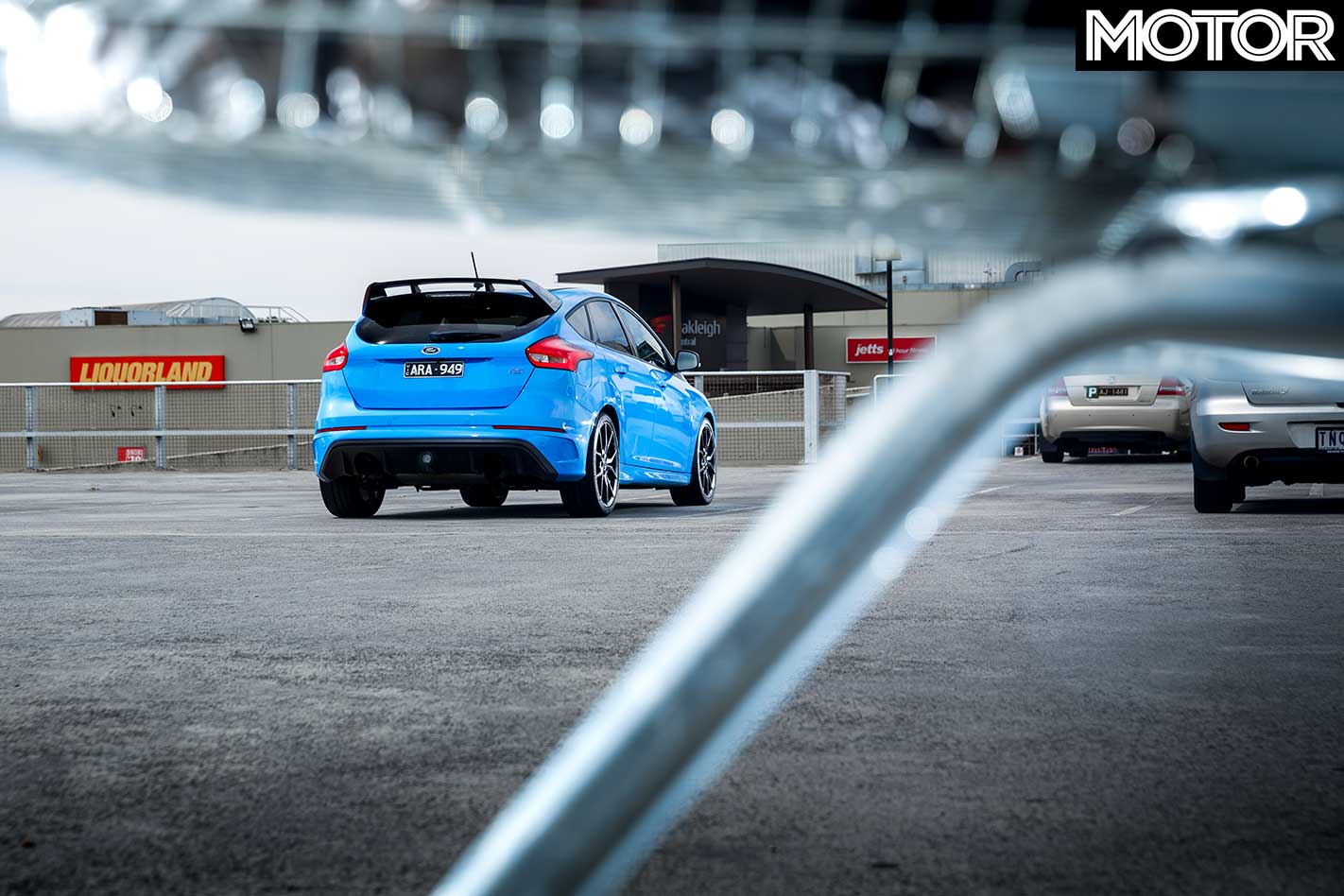
Plainly it has long departed the original design brief of the Focus itself. It certainly feels like it has, as we are learning after Month Two with our new all-wheel drive, WRC-infused long-term weapon.
Having now driven the car properly on the mean streets of Melbourne for two months, we are still trying to decide whether or not this is a car we could live with on a daily basis. It’s almost like an electric car in that it has a very short range, but of comfort to the user rather than distance.
How far that range is depends on your tolerance to the Focus RS’s very sporting suspension and supportive yet unapologetically thinly-padded Recaros. And, in the Limited Edition’s case, the 19-inch Cup 2 tyres, which talk to you in great detail about the road surface. Even when perhaps you’re not in a listening mood.
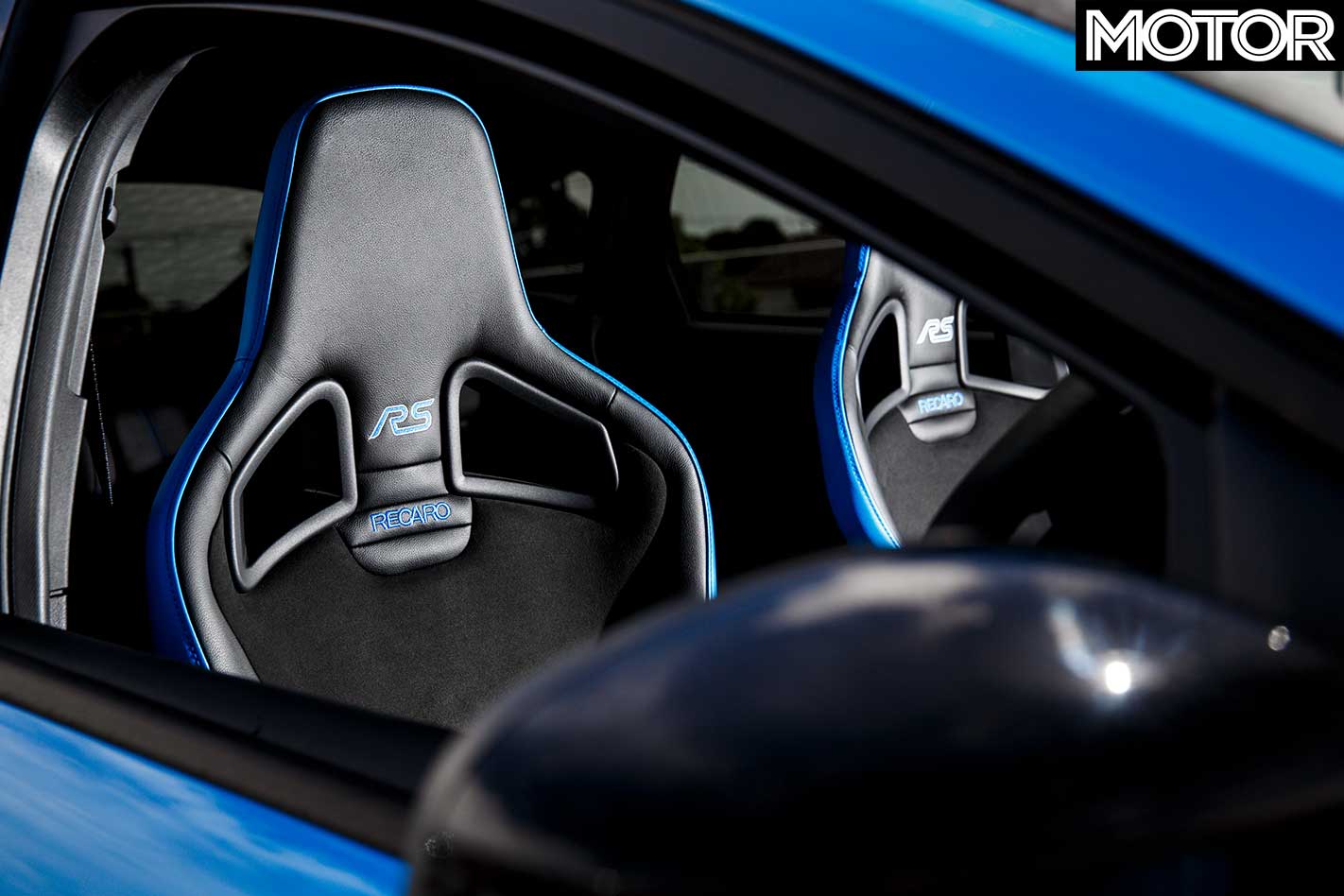
And mood could be the best way to describe living with the Focus RS Limited Edition. Unlike some of its more mature hot hatch rivals, the Focus RS comes with just one mood.
If you’re anything like me, your mood is much more likely to align with that of the RS on a Saturday or Sunday than Monday to Friday. Of course, when you and the Focus RS are on the same frequency, any sacrifices to liveability are well rewarded. No other hot hatch drives like it.
While its 257kW/440Nm, 2.3-litre four-cylinder engine is obviously heavily turbocharged, power and torque are strong, as is the all-wheel drive traction. The Focus RS emits a rorty four-cylinder note, the highlight of which is the pops and occasional backfire on upshifts. You will have confusing urges to fang through the nearest forest.
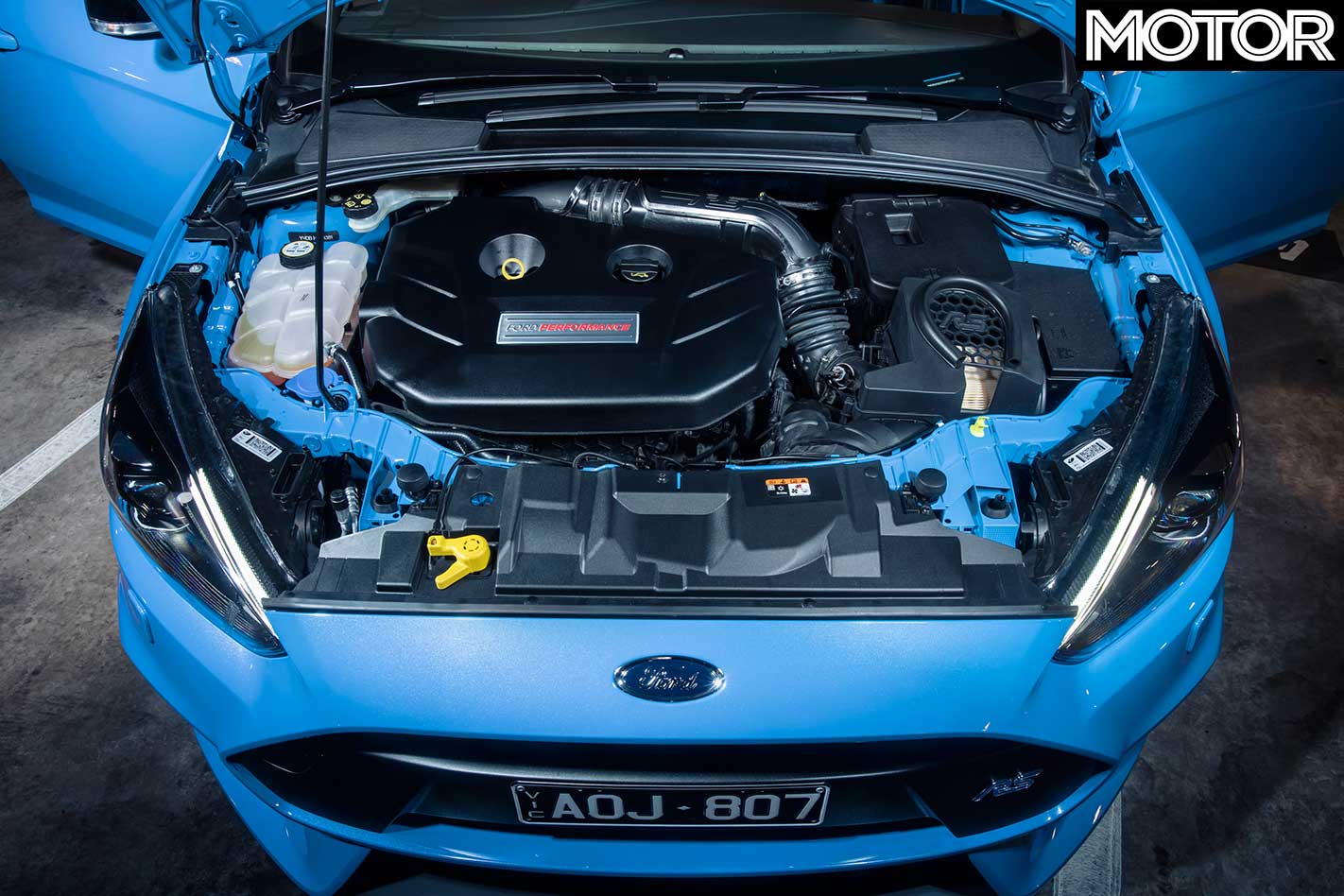
While the Focus RS feels as tall as it is wide – a sensation not helped by a high-ish seating position – the handling is mega.
With a bit of temperature in the tyres, punted hard through a few corners, you will have the thought, ‘wow’. The grip is satisfying, but so is the feedback and the feel of the tyre on the road – which does wonders for confidence. And when driving fast, confidence is the difference between a car feeling exciting or scary.
Back in daily life, the Focus RS is a welcome companion for other reasons. While I have been disappointed in myself to have had the thought, after a very long day driving a desk, that I wished I was piloting something more comfortable home than the Cup-tyre shod RS, I have found myself grateful for its practical ability.
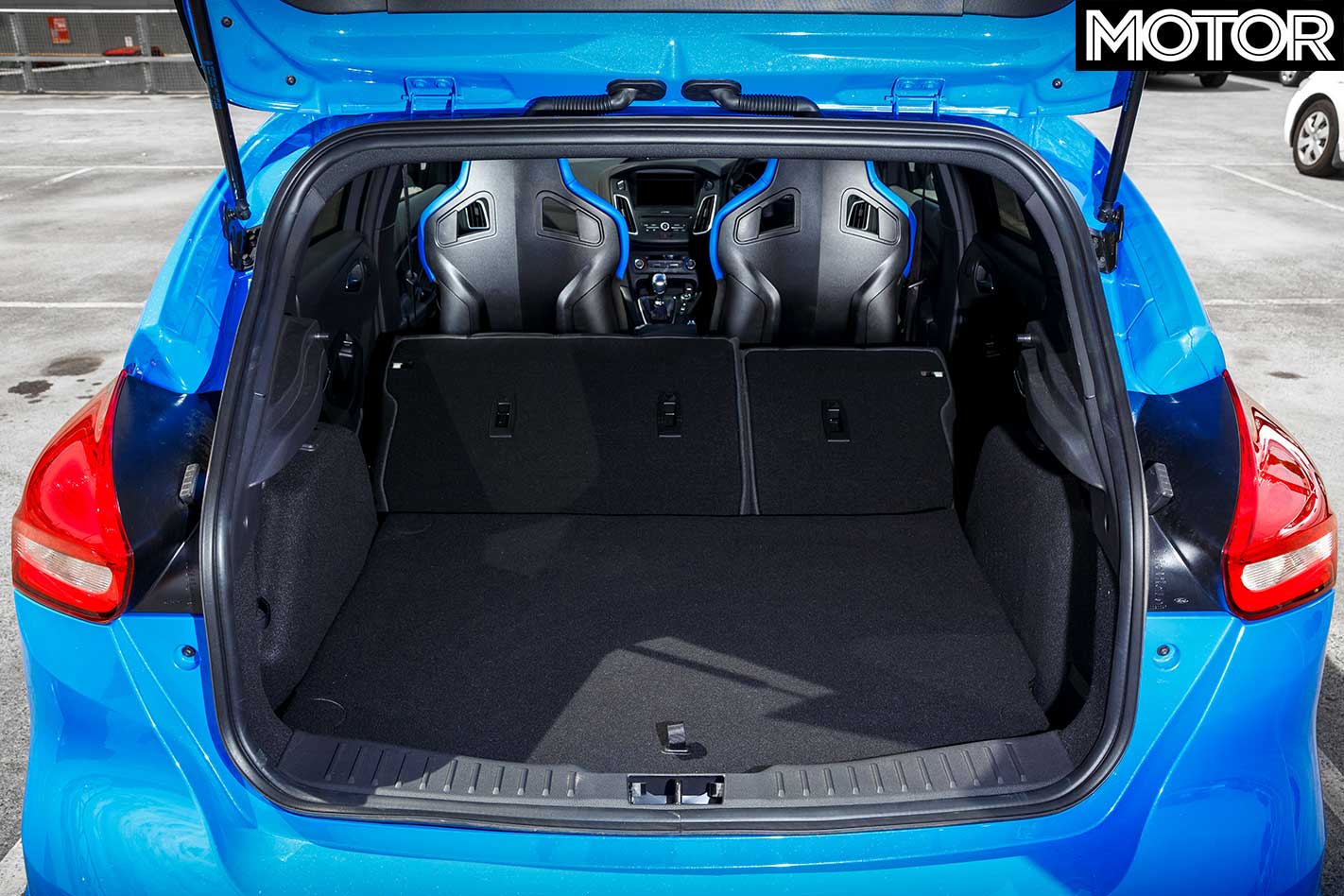
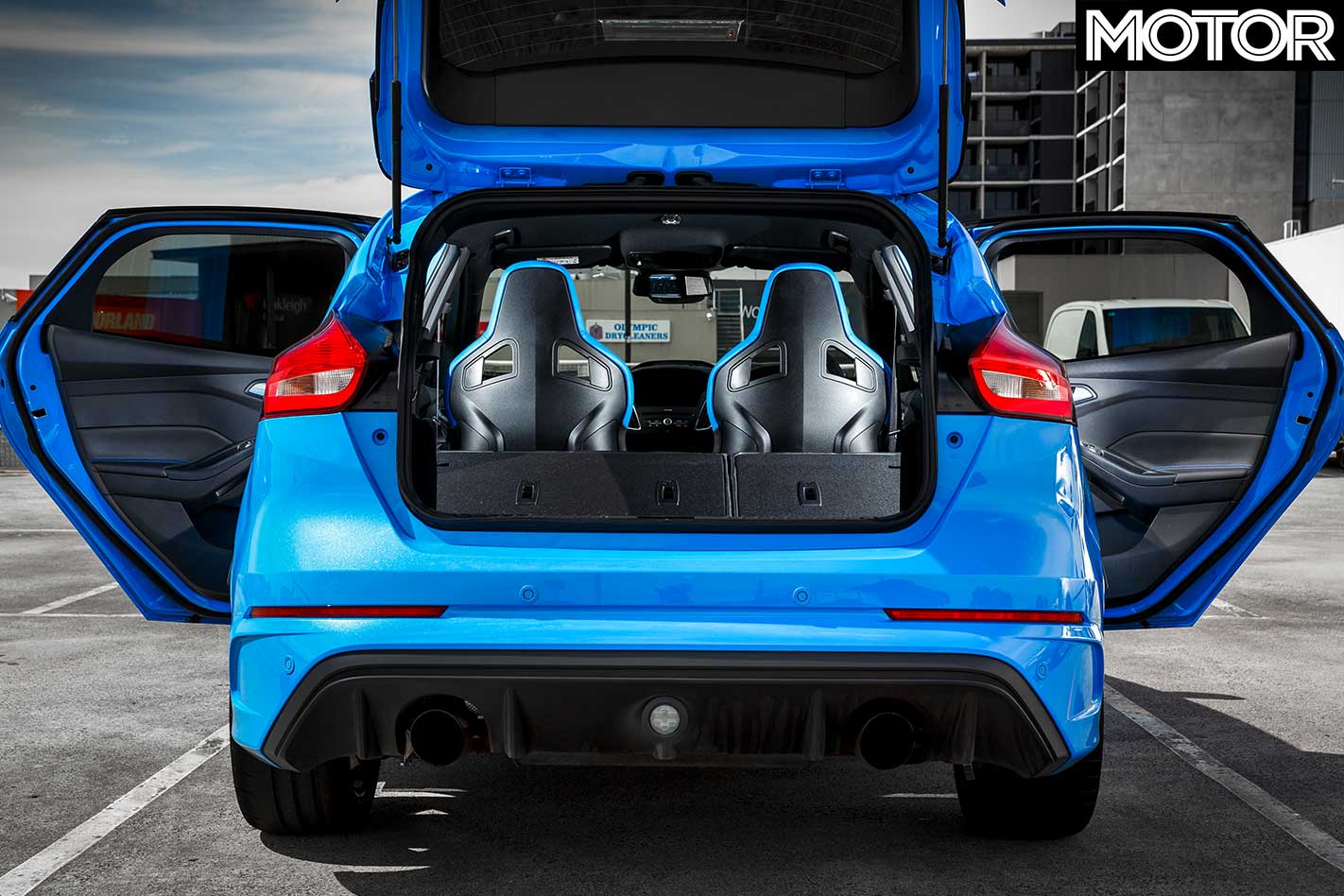
In one week, I was able to pick up my elderly grandparents without even thinking twice if the RS would be suitable, access to the second row easy thanks to generous door openings. That weekend, the Focus’s boot, rear seats folded down (they don’t go flat), swallowed up an enormous cardboard box without any problems.
There’s something very reassuring about having the Focus RS and knowing it can do these things if you need it to.
In the coming updates, we’ll continue to explore the Focus RS as a daily proposition, but our sense for now is that it depends on the driver. If I owned it, I would regularly fantasise about the comparatively blissful, long stroke-feeling ride of a VW Golf R or Honda Civic Type R.
By my report card, the Focus RS Limited Edition gets a C+ for comfort and an A for practicality. From next month, we will get stuck into the areas in which we know the Focus RS is A+.
MONTH TWO
Fuel Consumption this Month: 12.1L/100km Average Fuel Consumption: 12.1L/100km Distance this Month: 400km Total: 4200km
Liked: It wants to have fun, all the time Disliked: It wants to have fun, ALL THE TIME
Update 2: The champions’ lane
The Focus RS meets 2018’s Performance Car of the Year
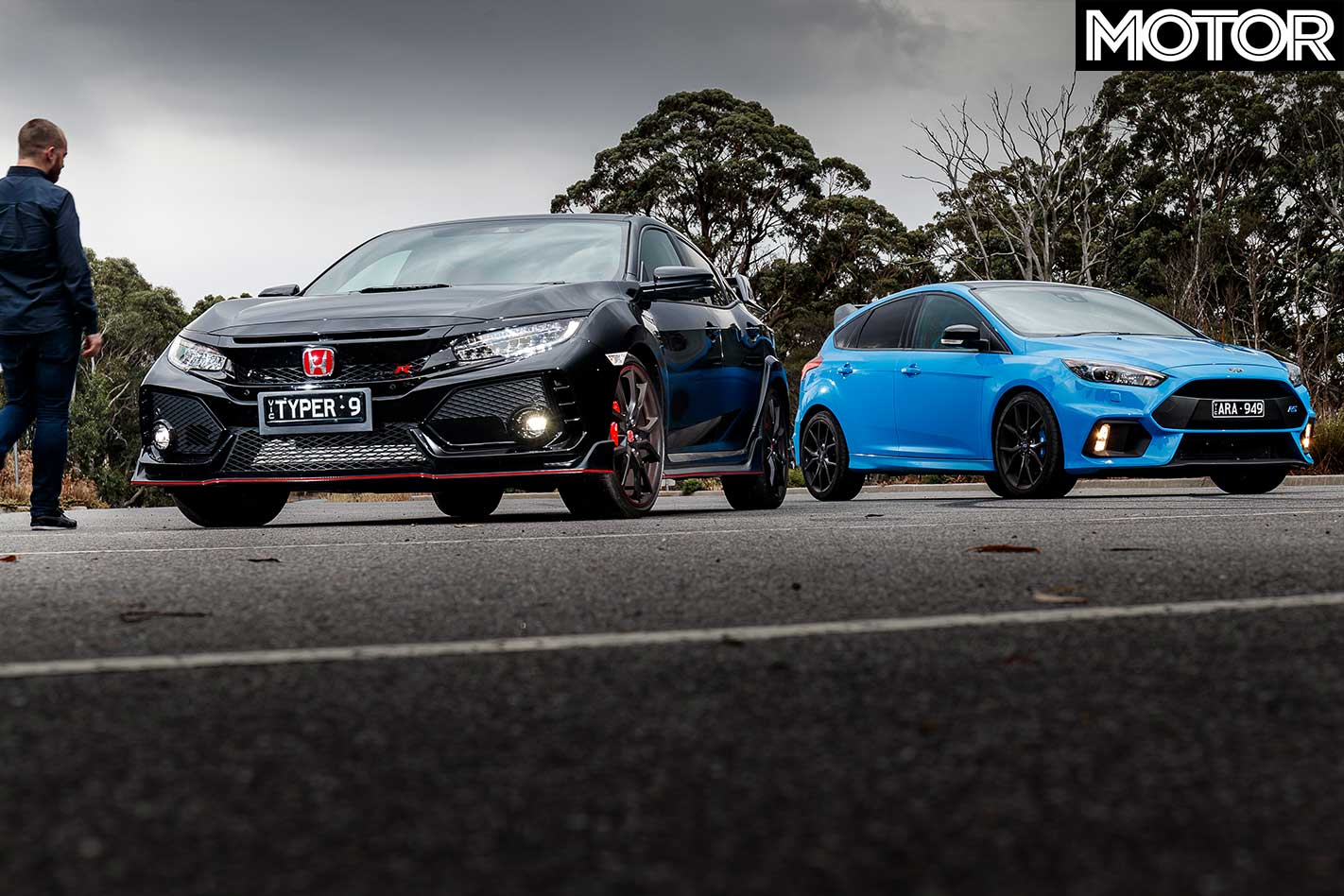
SPOILT ROTTEN, you are. If the mattress is bulging with fifty large, and you’re craving a compact, V8-harassing hot hatch, you have so much choice.
From the base, manual sweetheart VW Golf GTI, right up to the warbling, 911-frightening Audi RS3 end of the spectrum, lovers of hot hatches have never had such a smorgasbord of variety. There’s literally something for everyone.
If you’re the kind of guy or gal who owns a helmet, knows a racetrack PB to at least one decimal place and once spent more than $500 on a pair of brake pads, the two cars pictured here would probably take your fancy.
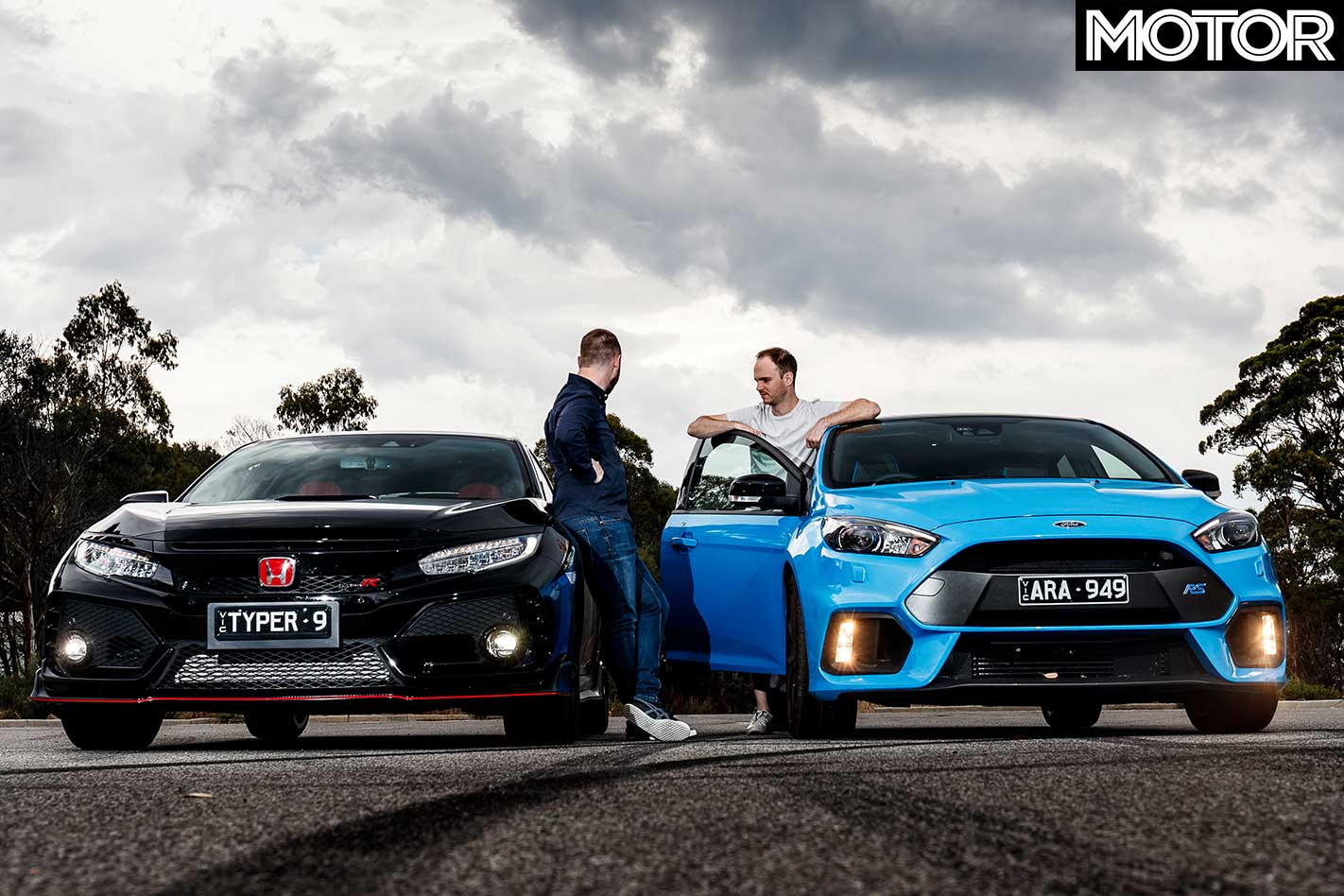
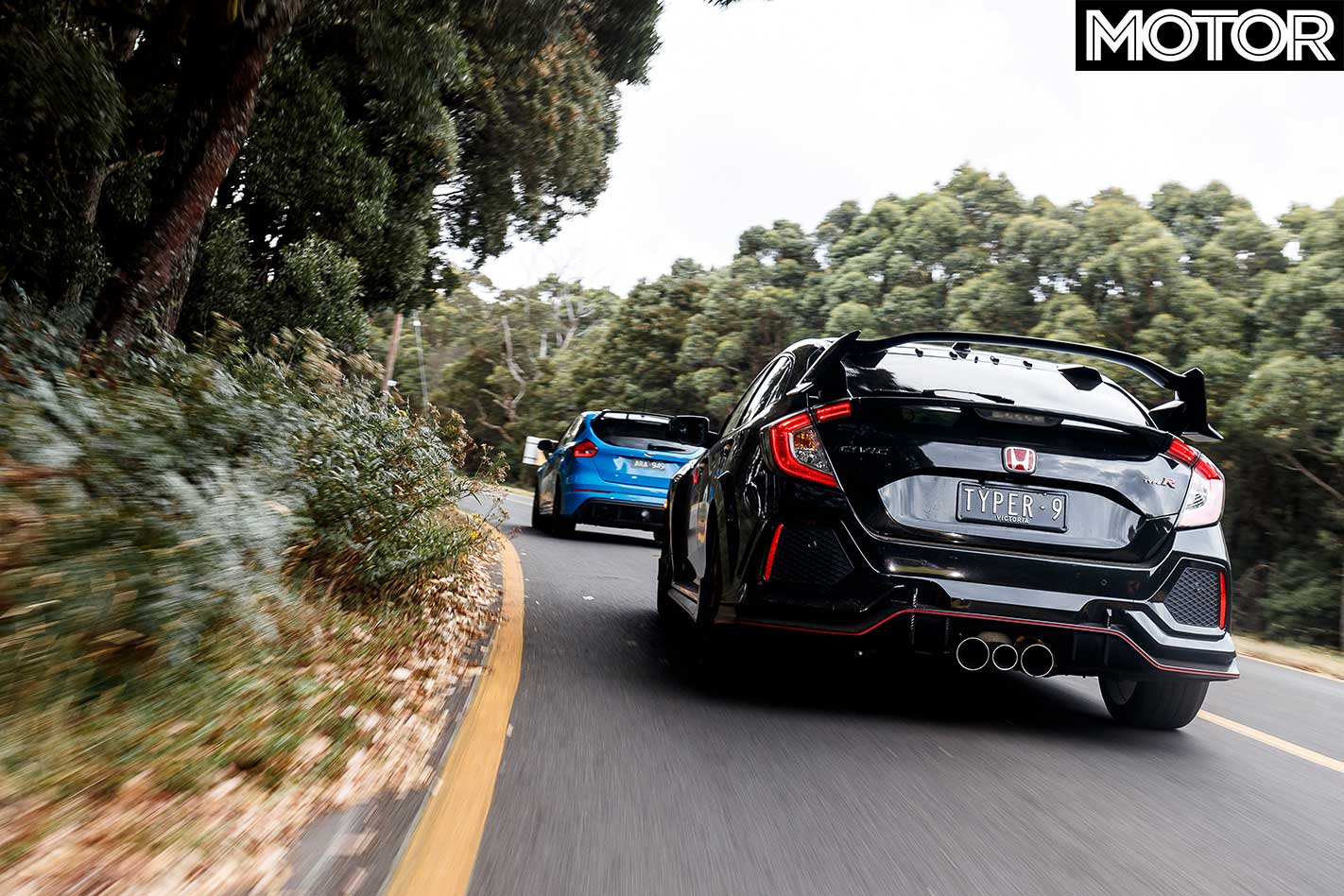
In the blue corner, our long-term test car, the rally-inspired, 257kW/440Nm all-wheel drive Ford Focus RS Limited Edition, complete with sticky cup tyres and front limited slip diff. And in the inky black corner, our reigning and still-sinking-in Performance Car of the Year winner, the 228kW/400Nm, red-Honda-badged, front-drive Civic Type R.
Of all the hot hatches you can currently get, these are two of the top picks. And as the Type R missed out on our hot hatch comparison this issue, by virtue of only having a pair rather than quartet of driveshafts, we thought we should throw it up against our winner in the world’s briefest comparison test.
From the outset, these are two remarkably different cars – in looks and philosophy. For me, it’s the Focus RS that would give the sorest neck, looking back every time I’ve locked the car up.
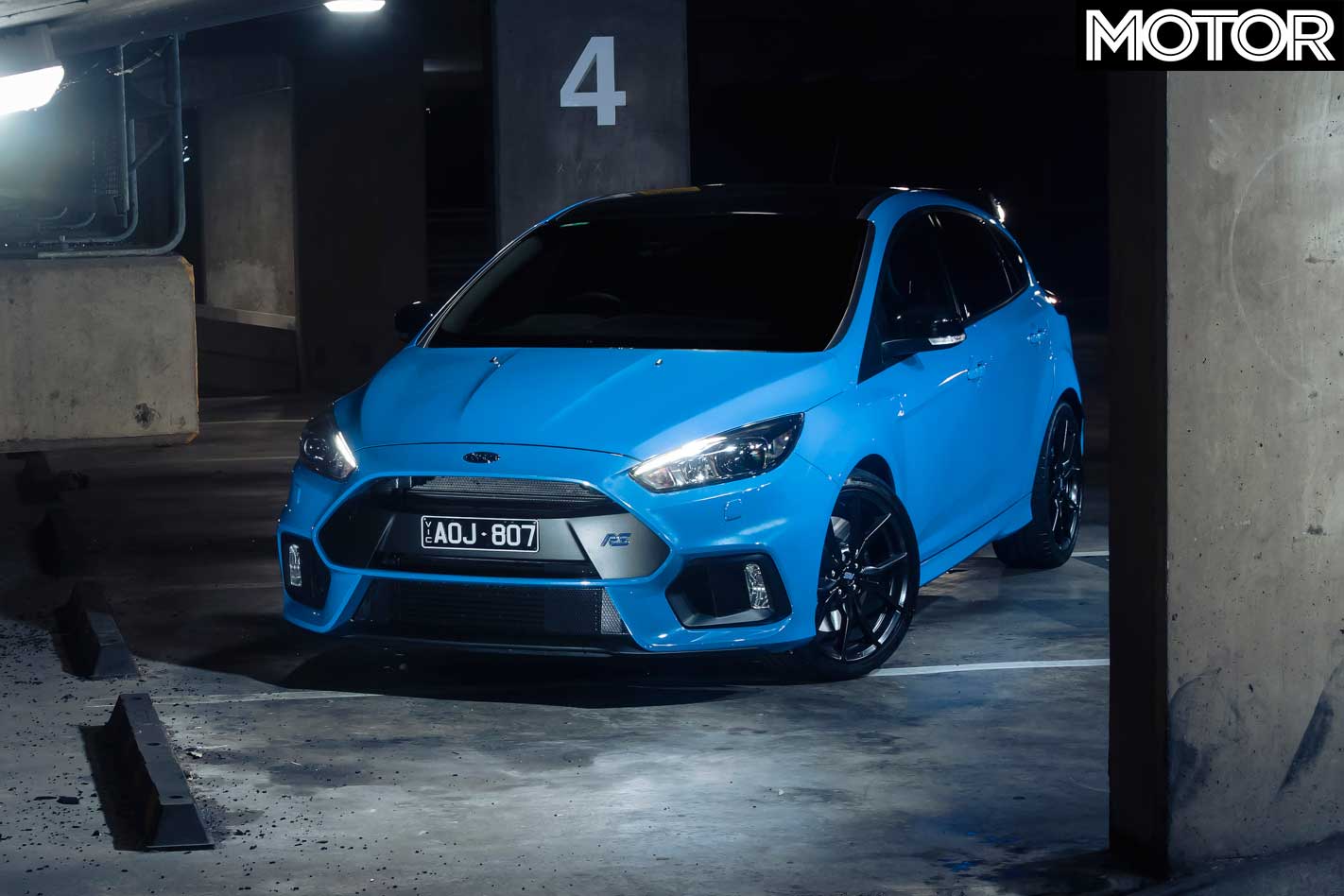
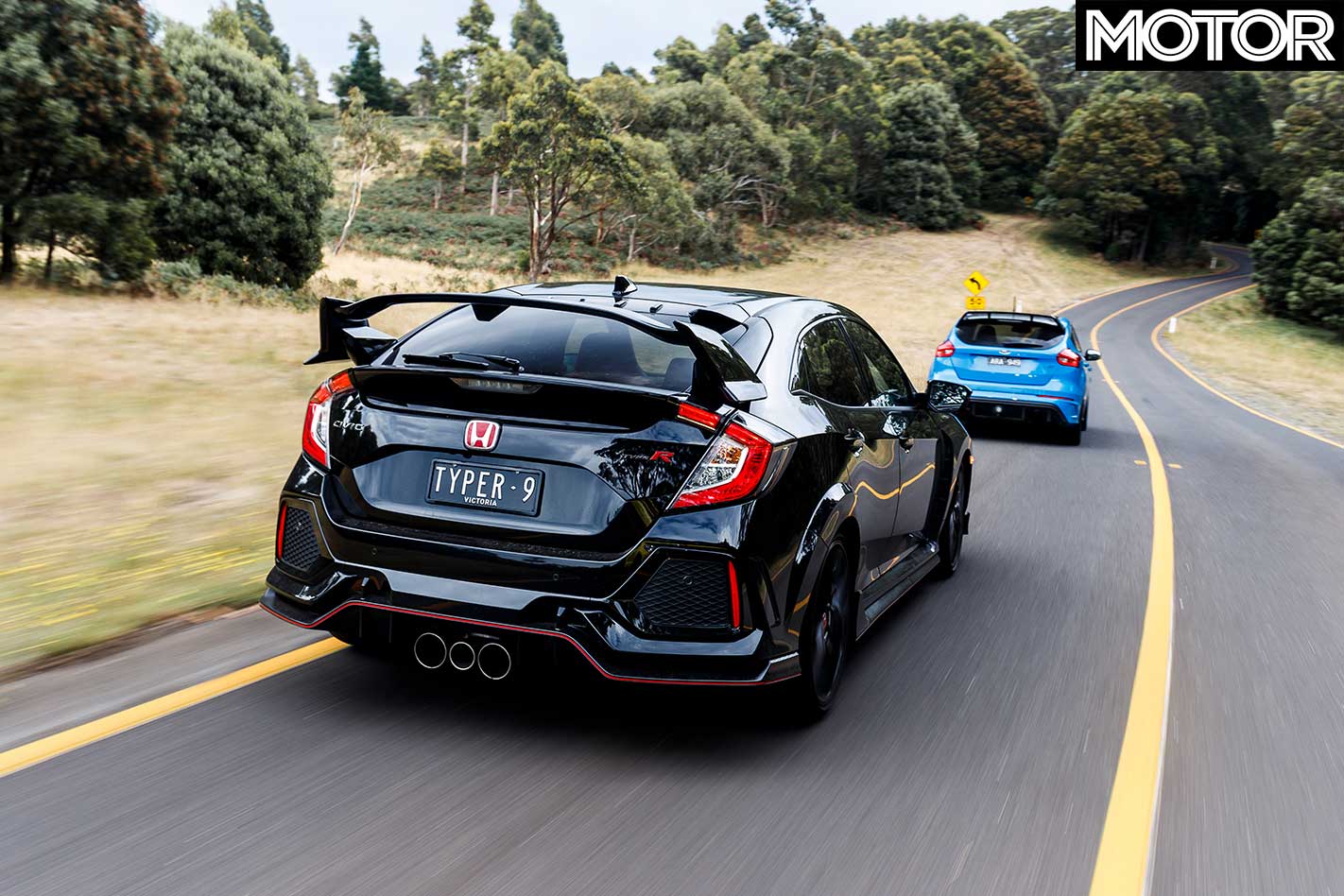
To these eyes, Ford has done the better job with the styling, even if the front end can look a little insect-y from angles. I think the rear wing is just enough mongrel. And I love the black wheels on the brilliant, bright Nitrous Blue.
If I did get a Civic Type R, it’d be in black, which does a better job of hiding some, err, ‘challenging’ styling. Front three quarter? I love the Type R’s fat, menacing stance. Rear three quarter? The rear bar looks a little over-styled to me. And the rear wing just looks like a giant chunk of purposeless plastic.
Getting into the cars, the Civic has the superior seating position by a fair margin. Those attractive red seats strike a fantastic balance between support and comfort, and you sit low and ‘in’ the car, the dash and window-line ensconcing you, with a seating position more like a large rear-drive sedan than pokey compact hatchback.
You feel high and more ‘exposed’ in the Focus RS by comparison, with the window-line much lower. The hard-shell Recaro seats are supportive, yet thinly padded, like they’re made out of tensed muscles rather than cushions.
The Civic Type R is a much more comfortable machine. It shades the Focus RS for daily driveability and refinement, with a remarkably compliant ride that makes the Focus feel like its dampers are stuck in Sport mode.
The Civic also has a slightly nicer interior than the Focus RS, although Ford’s ‘SYNC3’ infotainment system is miles better than the Civic’s ‘HondaLink’. And all over the Focus interior are thoughtful ergonomic touches, whereas the Civic has numerous ergonomic annoyances.
That said, the Civic Type R’s controls are much nicer to use than the Focus’s. The manual gearshift is a well-oiled, precise, mechanical joy, like it was made by Remington or Smith & Wesson. It makes the Focus’s gearshift feel functional, longer in throw, and rubbery.
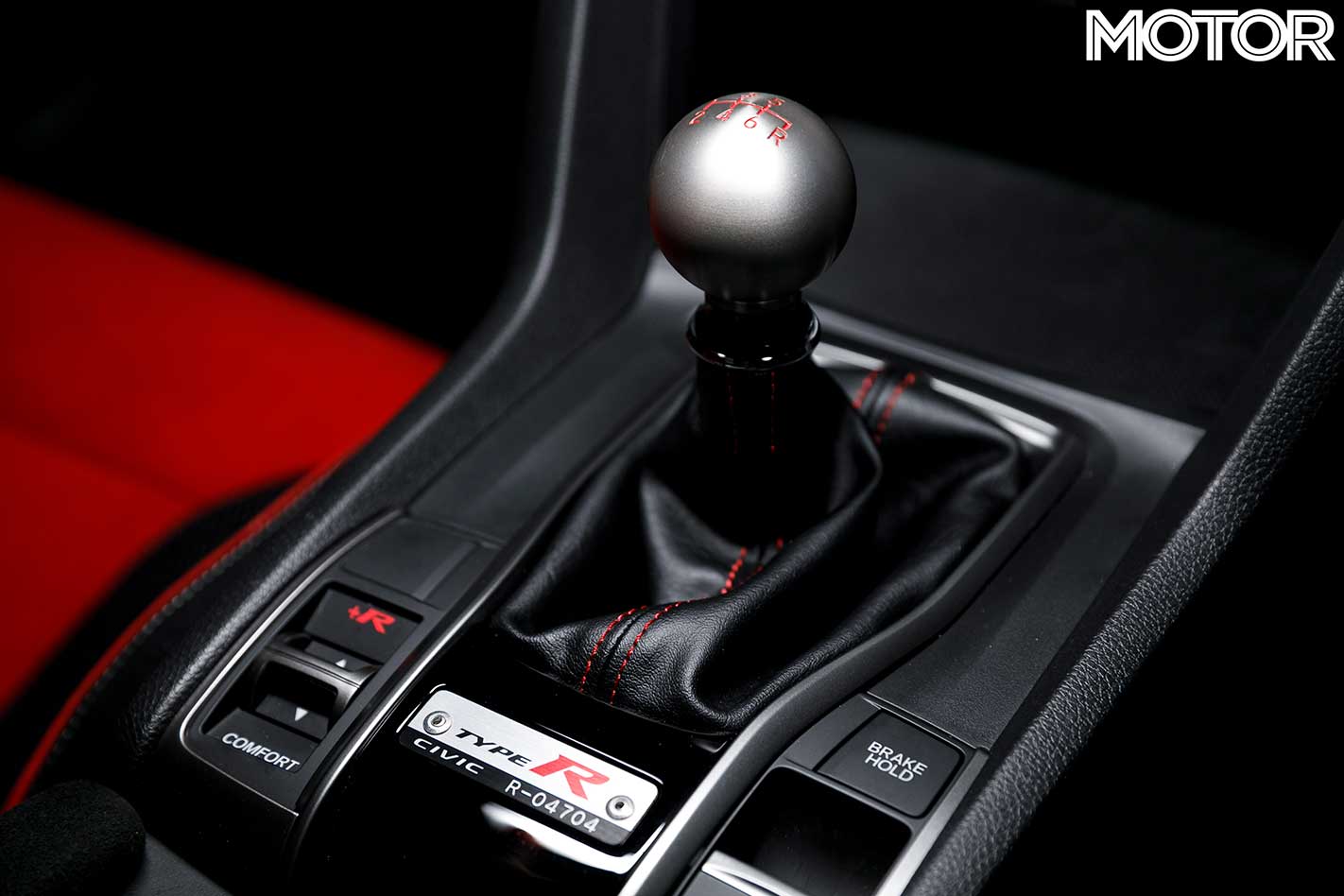
The Civic also has superior steering, clutch and brake feel. Up a twisty road, the Focus RS is exciting, fun and incredibly fast – particularly this one on Michelin Pilot Sport Cup 2 tyres which have huge grip.
By comparison, the Civic Type R feels precise, planted and more serious – and provided you’re not on a road full of first-gear hairpins, just as fast as the Focus. The Civic’s engine sounds better, a hard-edged, almost atmo thrash at higher rpm, more natural than the Focus RS’s fruity, slightly fake engine note. Although the Focus’s WRC-esque tailpipe pops and backfires are a total laugh.
If we had a racetrack for the day and could pick just one car, it would be the Focus RS. But if we were forced to drive just one for the next three years, it’d be the Civic Type R.
MONTH THREE
Fuel Consumption this Month: 14.1L/100km Average Fuel Consumption: 13.8L/100km Distance this Month: 1829km Total: 6029km
Liked: More of a hoot than a Civic Type R Disliked: Not as comfortable as a Civic Type R
Update 3: Showtime
Our RS is put into action as a video workhorse
TWO CORNERS at the Haunted Hills hillclimb circuit converge into one, as one configuration of the track meets another.
Entering his left hander is Warren Luff, sideways, in a Subaru BRZ, at probably 60 or 70km/h. And entering the other, my right-hander, at a similar speed, is yours truly, in our Ford Focus RS Limited Edition long-termer.
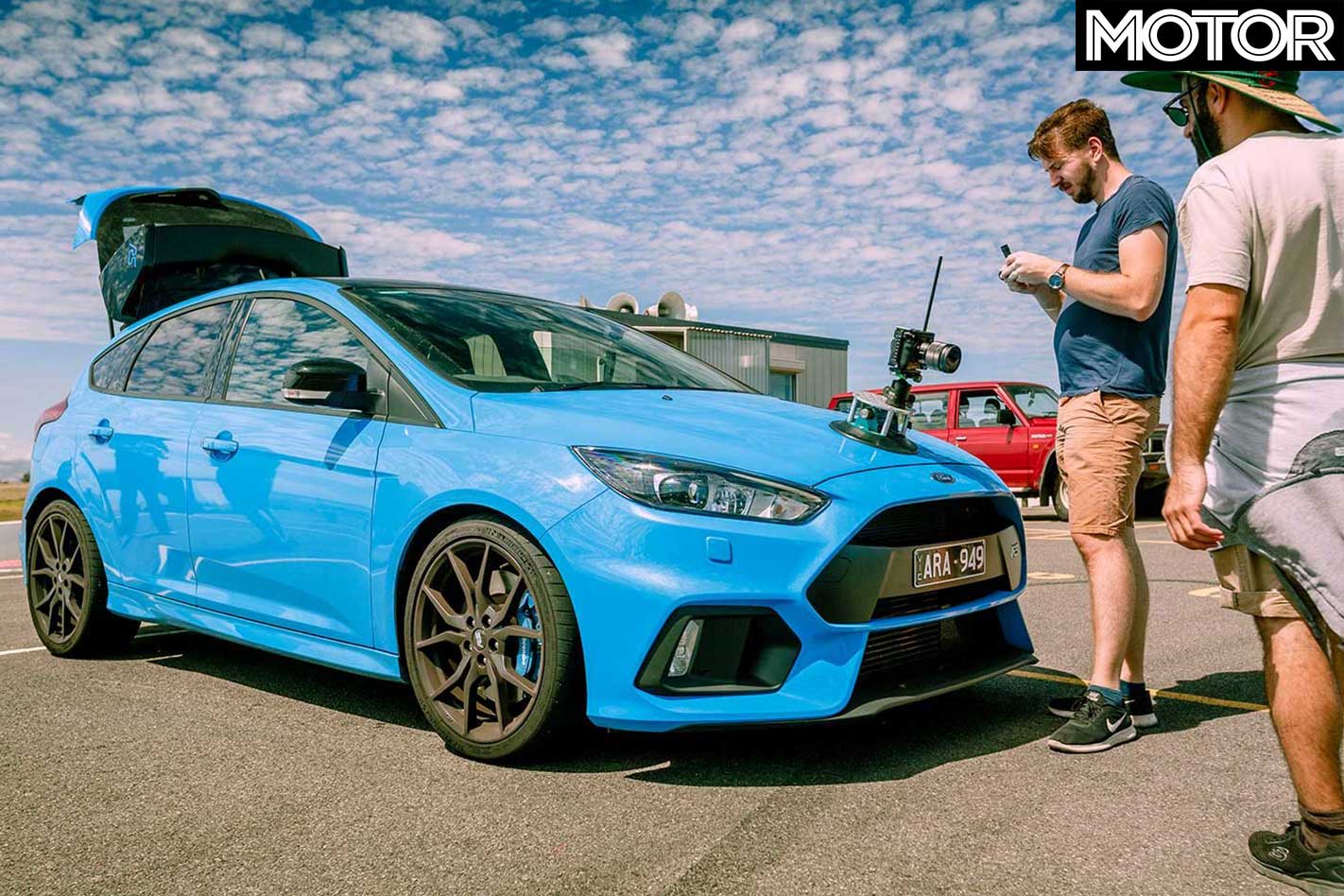
There’s a video camera suction-cupped to the bonnet and my job is to tuck in behind Luffy as he drifts past to capture it for video. Get the timing wrong, or anything wrong, and we’ll be making two tricky phone calls to separate car companies. Get it right, and we’ve just nailed an epic shot.
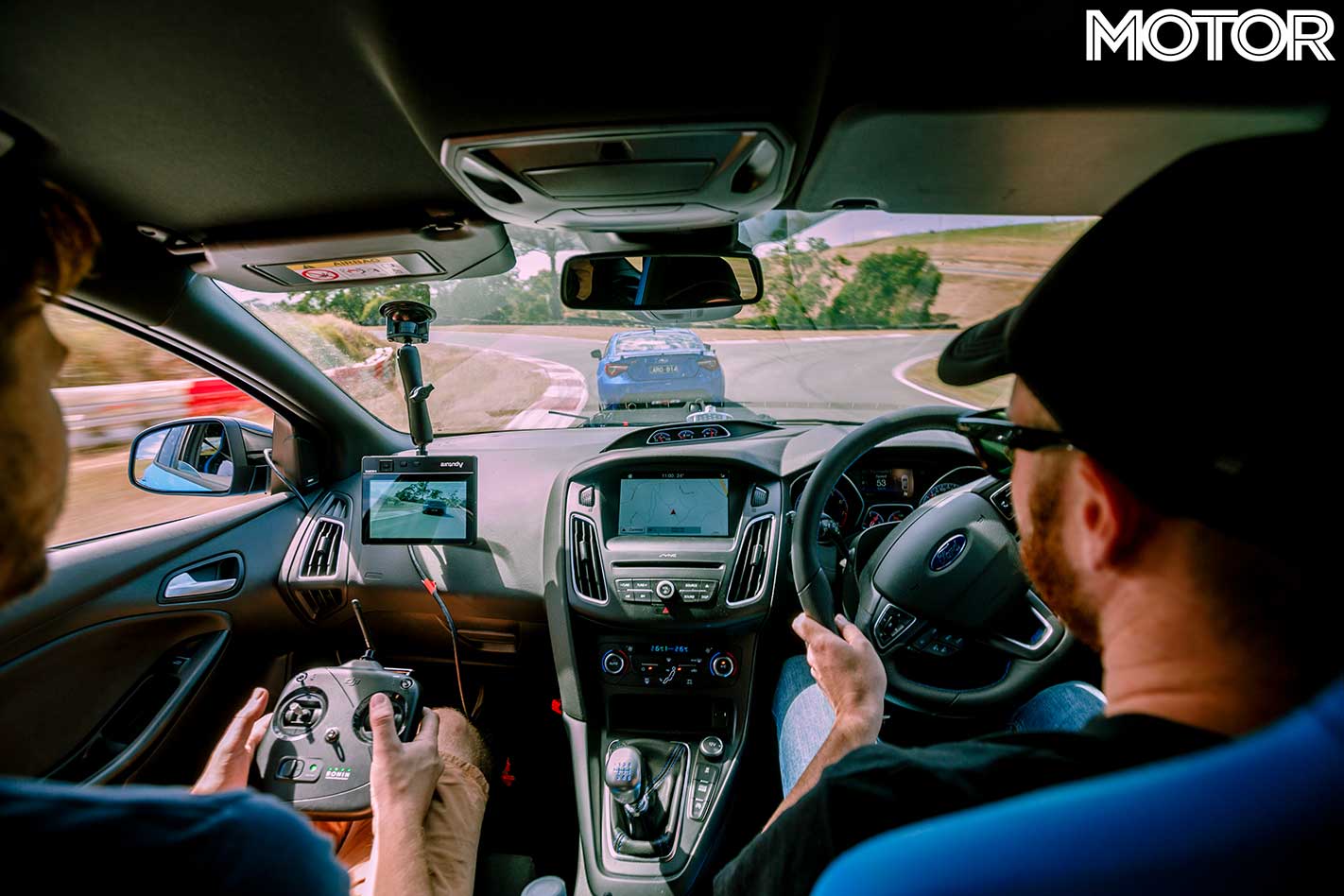
We offered to put Luffy in a rear-drive something, on Bridgestone tyres, and have him show off around a racetrack – which we hope people will enjoy. They said sounds great. And so here we are. (The video, as well, will be out soon.)
It meant we needed a car in which to chase Luffy, and it turned out a hot hatch with 257kW on sticky tyres (that weren’t Bridgestones, mind you) was ideal. Aside from its flat bonnet being perfect for a suction cup camera mount, and it being fast enough to keep up with Luffy Jnr in a sideways BRZ, the RS’s tenacious front end in particular proved its worth during our shooting, where we could tighten the line mid-corner to capture a slightly better shot of the broadside BRZ only metres in front of us.
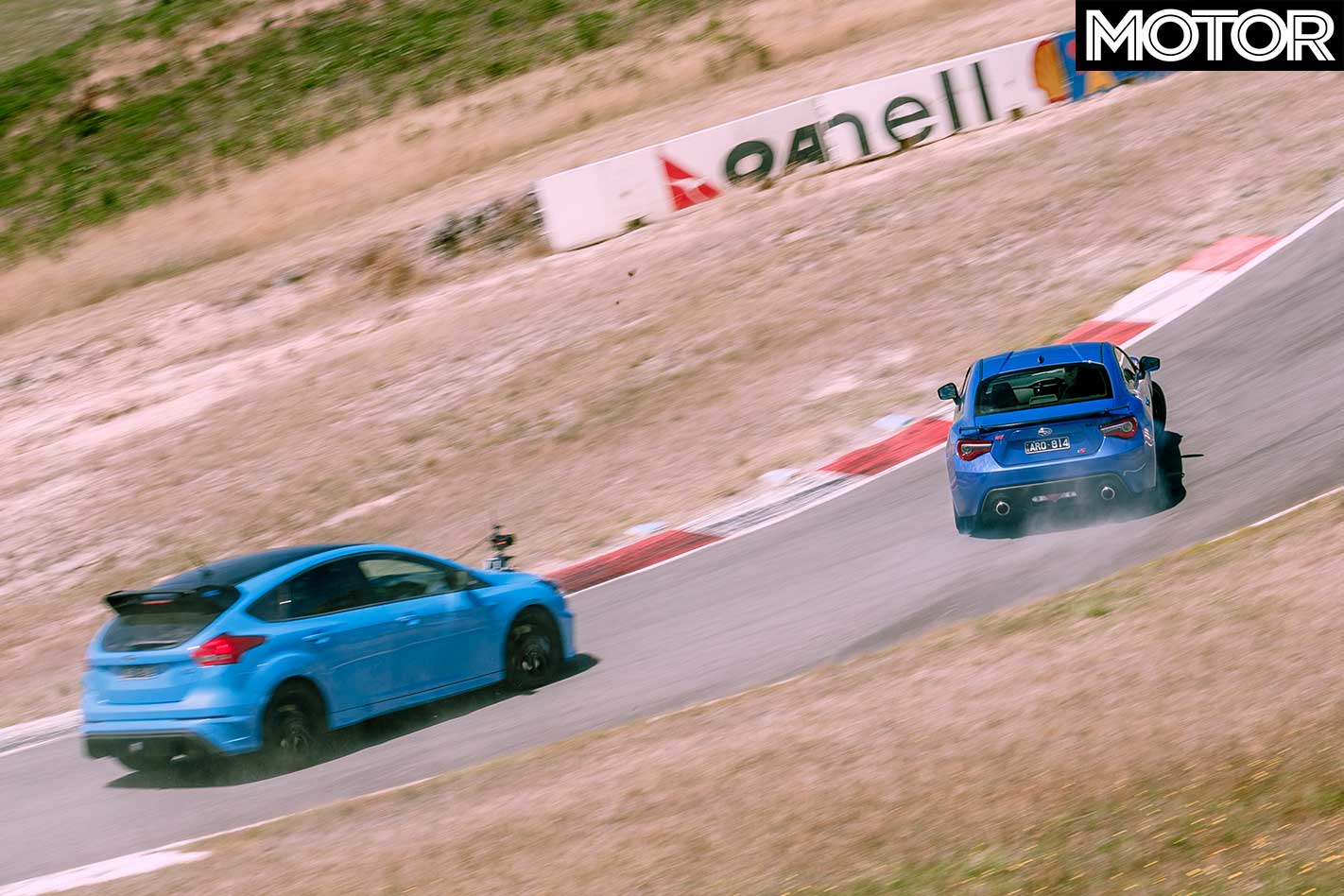
Once you’re a little used to the high seating position, the first thing you notice when pushing the RS on a tighter track is the grip on offer from the 235mm (F/R) Michelin Pilot Sport Cup 2 tyres. They are mega.
As you build temperature into the rubber, the Focus RS loses understeer from its vocabulary as your sides are squished against the Recaro’s supportive side bolsters. The ABS also starts to disappear further and further down the travel of the brake pedal with tyre temp, letting you brake later with seemingly every new corner.
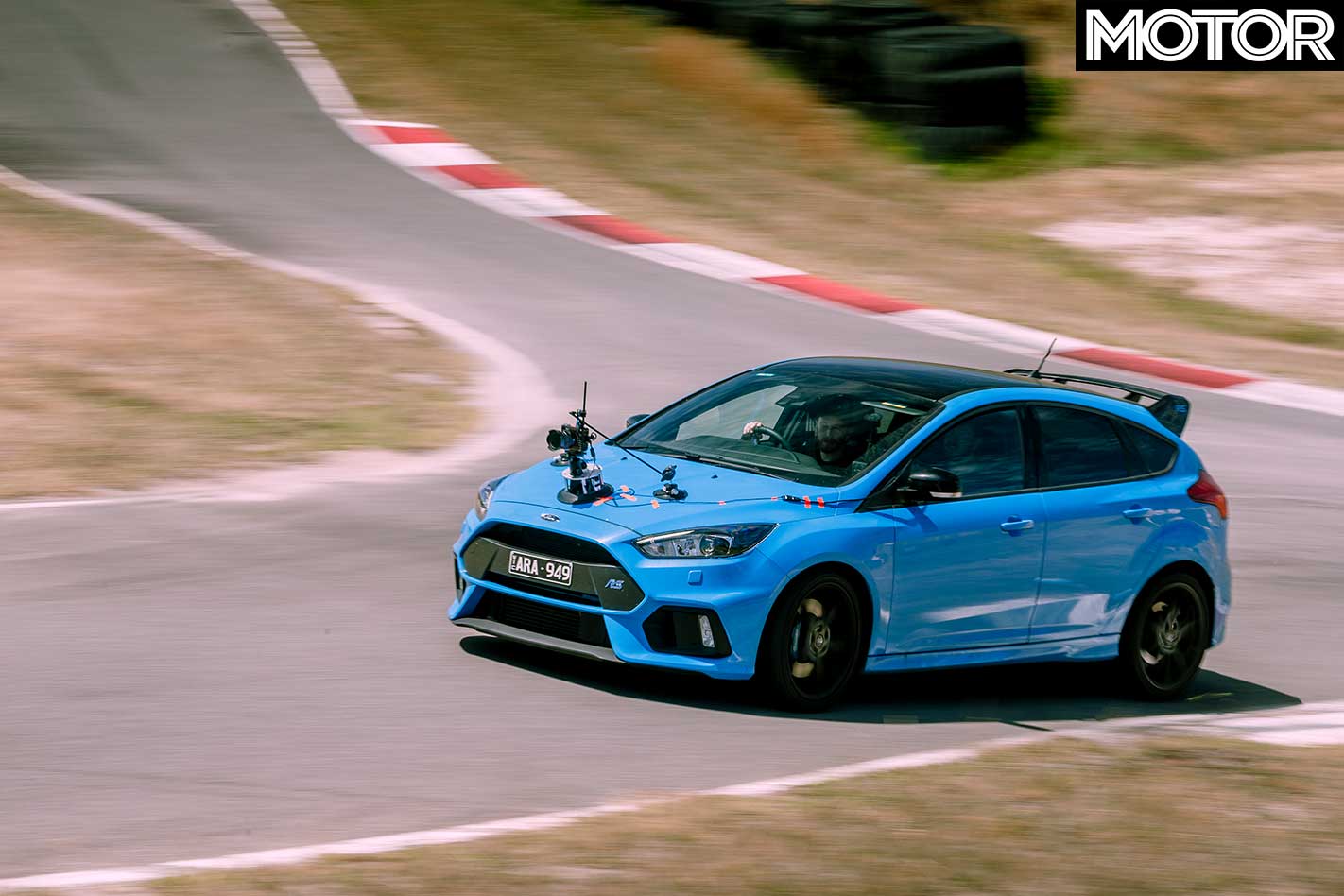
Operating-temp Cup 2 tyres turn the RS into a seriously fast little car. Brought back to Haunted Hills for a hillclimb competition, it would doubtless frighten many other older, would-be-faster machines.
When it came time for some oversteer shots, my already meagre skills were left feeling even more inadequate as I tried every trick I knew in an attempt to defeat the velcro-like rear tyres. Alas, it was I who was ultimately defeated, the stubborn rear end needing serious speed and serious technique to unstick, at which point we were talking only a few degrees of white-knuckle corrective lock.
And that’s one thing that’s obvious about the RS in attempting all this: it’s fun. Properly fun. It exists to entertain you. While, sure, its playfulness is at the slight cost of overall comfort, it’s worth it. And on these tyres – or presumably any track-focused rubber – it’s a proper little weapon.
Four updates in, are we enjoying living with the Focus RS LE? Yes.
Once you know what you’re in for before getting in to drive it, it brings a bit of fun to the morning and evening commutes. The gearshift – functional and notchy when we first got the car – is becoming a bit looser and nicer to use with more kilometres.
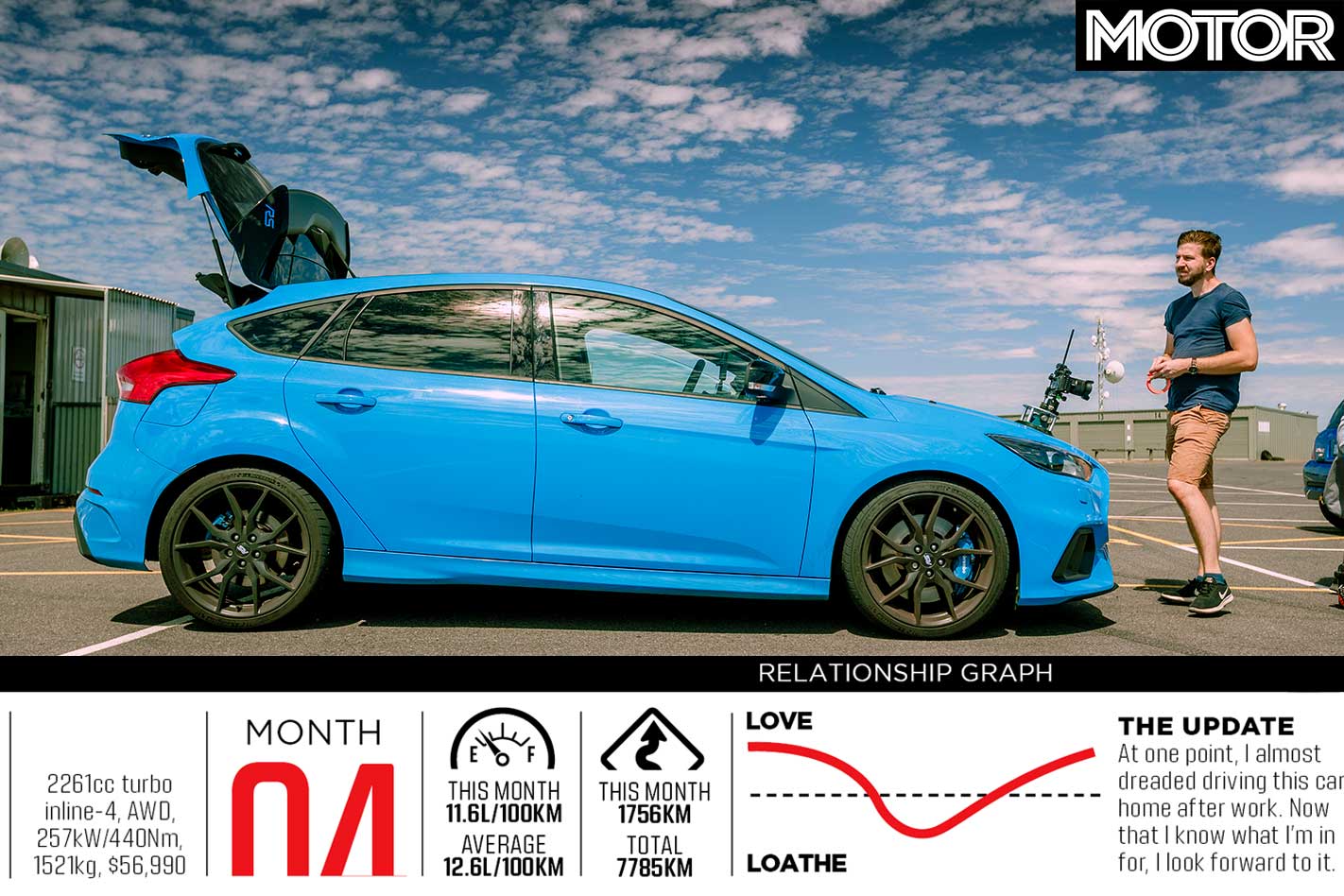
The firm Recaro seats? You’ll be squirming in them over long distances, but appreciate them on a track. Which is where we’re heading next month – a proper one.
2018 Ford Focus RS Limited Edition Pros & Cons
Three things we’re falling for: 1 – It’s fast and fun 2 – 5-door practicality 3 – Looks cool
Three things we’re not fond of: 1 – Big turning circle 2 – Sitting quite high 3 – Bland-ish interior
Update 4: Getting a grip
New rubber makes for a softer but more fun Focus RS
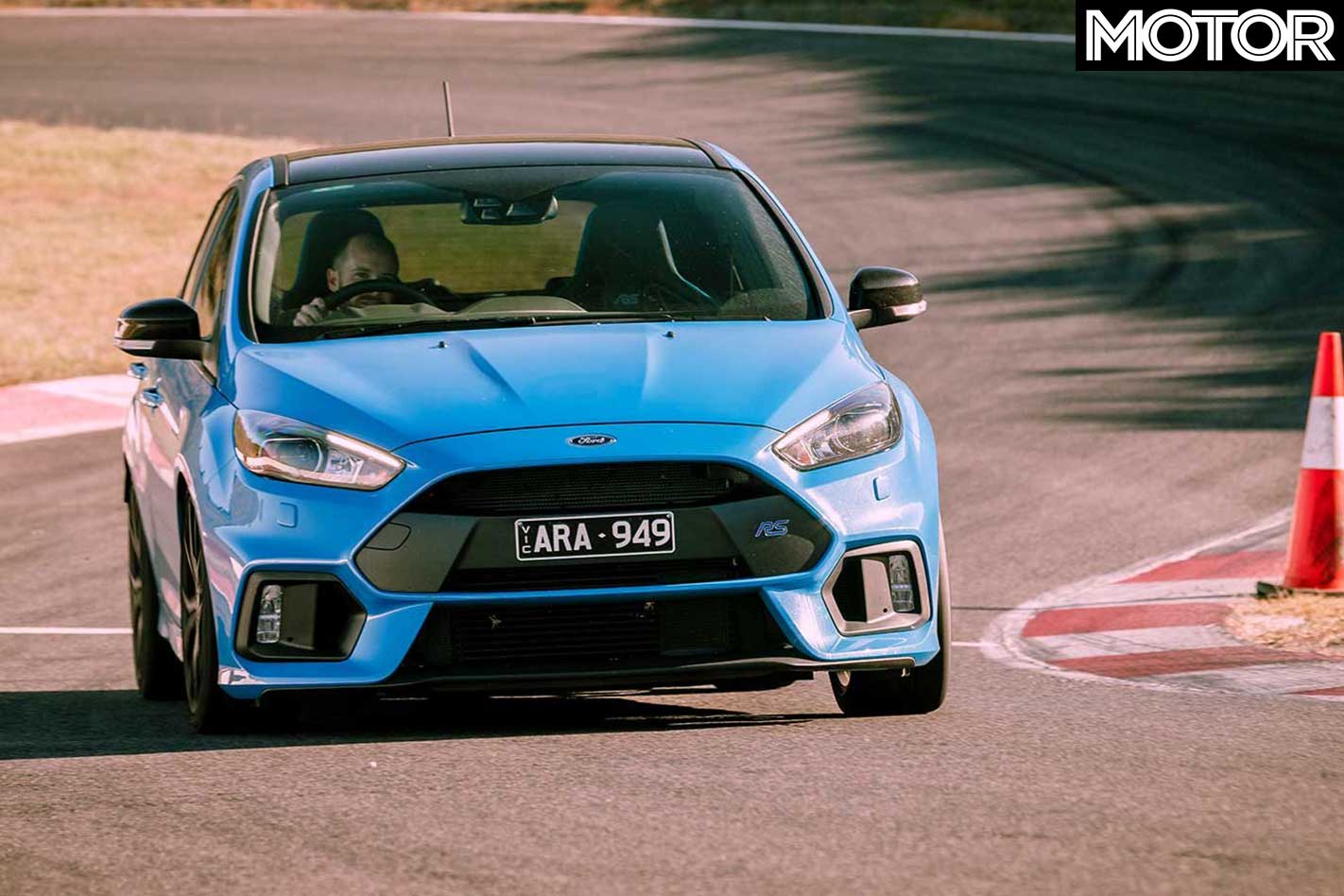
One of the most satisfying roads in the entire eastern half of Australia is only 103km as the crow flies from Melbourne’s CBD.
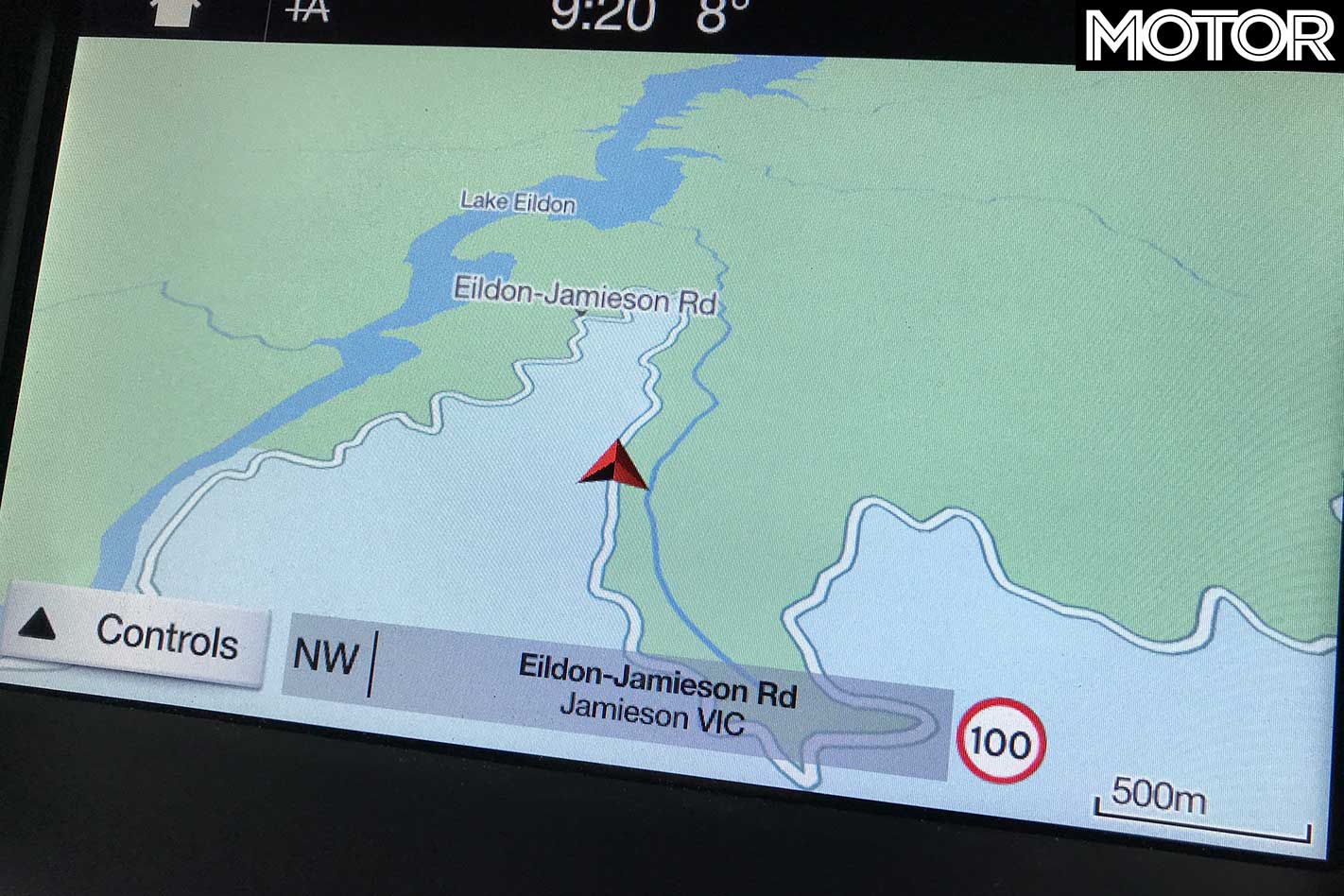
The Eildon-Jamieson Road, as it’s unassumingly known, is about 2.5 hours’ drive from central Melbourne and it’s a sleepy Sunday morning as we turn on to this treed-in, 66km dream squiggle of mostly second- and third-gear, front-tyre-killing corners.
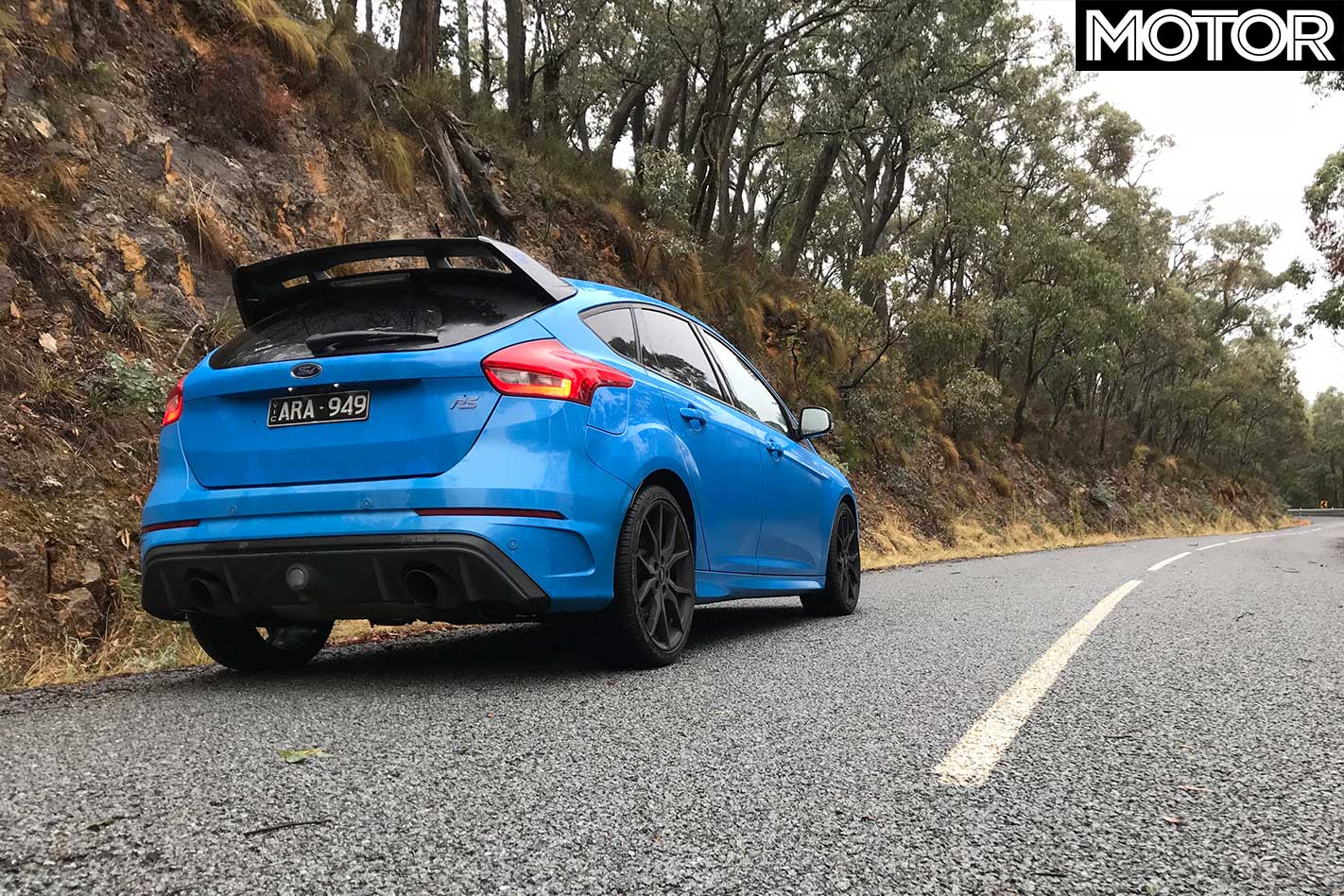
It’s raining lightly, it’s foggy, and stringy tree bark debris litters the road, sometimes looking like fallen branches. But we’re feeling good about things, because we’re in an all-wheel drive hot hatch with advanced chassis electronics, a front limited-slip differential, oodles of turbocharged mid-range torque and we’ve, err, removed the track-focused Michelin Pilot Sport Cup2 tyres.
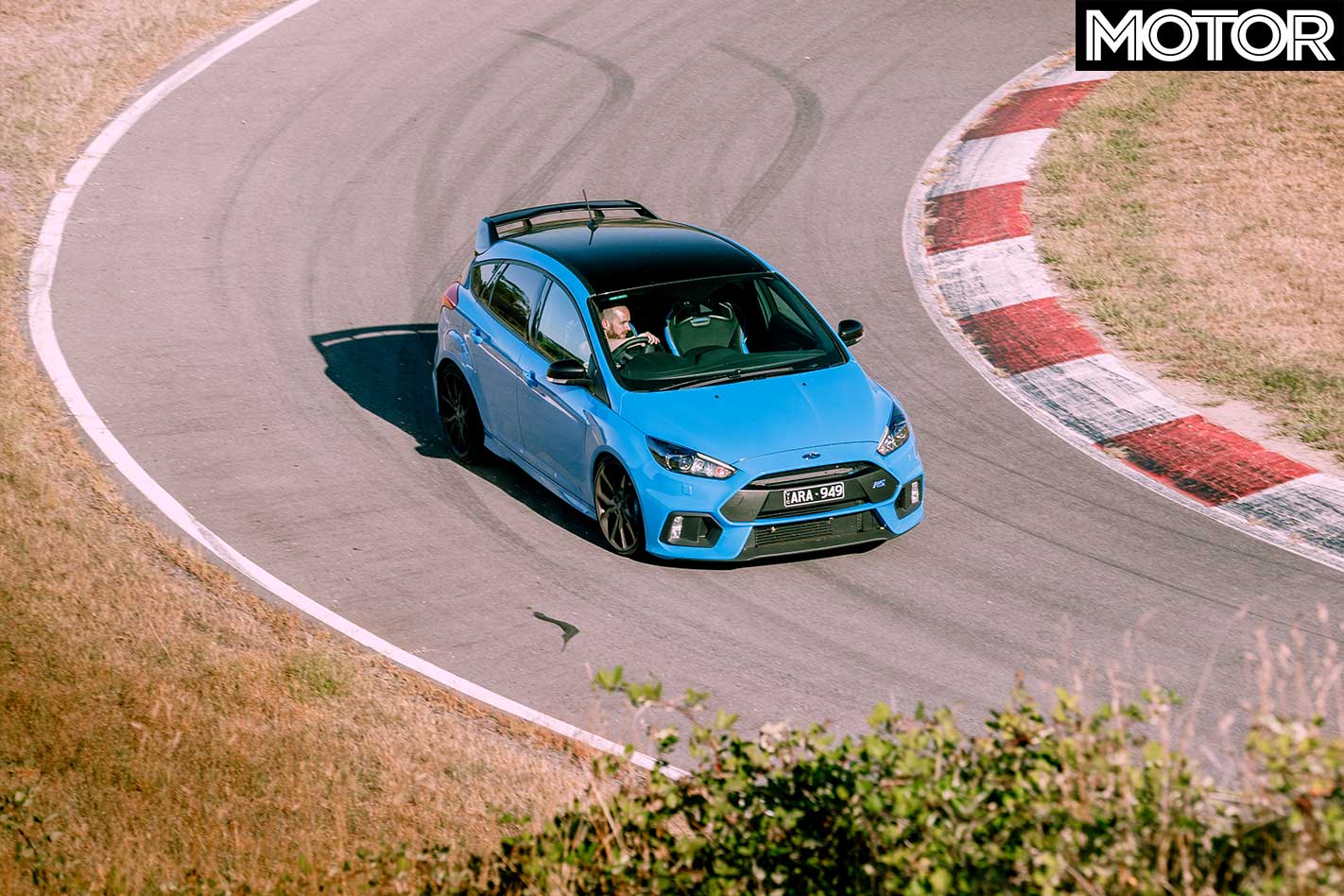
Let’s talk tyres (no, stay with me!) as they make a huge difference to the Focus RS driving and ownership experience. As our test car is the Limited Edition, it comes with standard 19-inch forged wheels and Michelin Pilot Sport Cup2 tyres.
This package is also optional on the standard RS, but if you found yourself requiring a new set of boots then you might be glad to hear that a set of replacement Cup2s is actually, in our opinion, not the way to go for the road.
With the standard Cup2s nearing their treadwear indicators after admittedly quite a hard 9000km, we took Falken up on its offer to try the new FK510 ultra-high performance rubber on the 235/35 R19-shod RS. Although we only fitted the Falkens to review them, it proved an illuminating exercise in the context of the Focus RS itself, as well.
The difference in ride quality between the FK510s and Cup2s was instantly noticeable. Gone was the sensation that the RS was wearing inflatable versions of the rollers on Fred Flinstone’s footmobile, the hard edge replaced with a new, less punishing lower-speed suppleness.
We’re not saying the FK510s transformed the RS into a Mercedes-Maybach, but the ride was definitely improved, and the road noise quieter. And suddenly, we could imagine ourselves driving the RS to work and back everyday. This was a brand new thought.
Of course, a lot of this has to do with the Cup2s wanting a fairly high 41/38psi front/rear cold than any special merit on the FK510’s part, as any UHP tyre would presumably have the same effect.
And given the seats are still firm and the dampers only half work below 70km/h – meaning there’s still an element of you tolerating the ride at low speeds – the new tyres have us also wondering if the Focus RS works better on a UHP rather than Cup2 tyre when enjoying the car on the road.
More grip doesn’t automatically improve a car, and the Cup2 almost has too much for the RS’s chassis on a twisty road, such that all you’re really doing is leaning into a huge, blunt wall of purchase and making it harder for yourself to experience the full talent of that brilliant RS all-wheel drive chassis.
As we found on a damp, treacherous, lonely Eildon-Jamieson Road (which is best included in an epic Victorian high-country multi-day driving tour), it seems less is more when it comes to grip in the RS – on the road, at least.
With a UHP tyre, the limit of the front tyres is more achievable, which is more exciting; the rear is livened up and more eager for a play. You can expend the available front grip such that you can feel the brake torque vectoring at work, and have more fun in the RS at lower speeds. (And presumably it’s better for Drift Mode, although we honestly rarely get the urge to use it.)
And the RS is mega on this damp, twisty road. While in these somewhat sketchy conditions we are happy to leave the rear tyres alone and enjoy the front end instead, it’s interesting as well to play a game of How Early Can I Pick Up The Throttle.
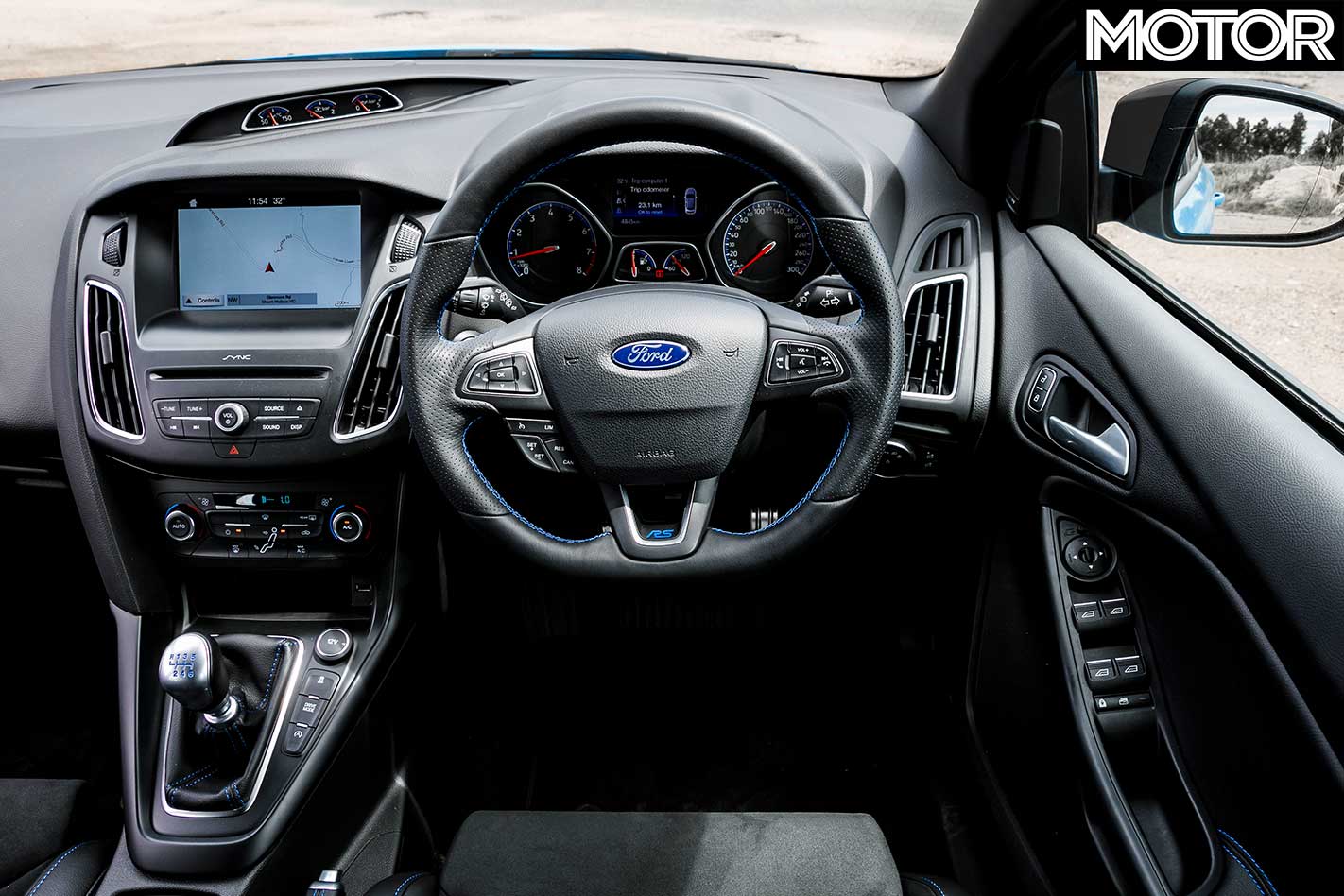
There’s a sweet spot – or curve – of throttle application that you can trace where the RS puts its power down and holds or even tightens its line, but get greedy and it’s possible to push the front wide. Does the fitment of a front limited-slip differential make the LE feel a bit too ‘front-driven’? You’d have to drive it back-to-back with a normal RS to really notice, but possibly.
The RS is also underrated as a gadget for getting from one Aussie country town to another. The damping gets better the faster you go, lending the RS incredible high-speed stability for a hot hatch. It would feel very comfortable at 130km/h on a typical Aussie country road.
Our time with the Focus RS is almost up and the softer 19-inch UHP tyres have turned a fling into potential marriage material. It’s going to be hard to give it back.
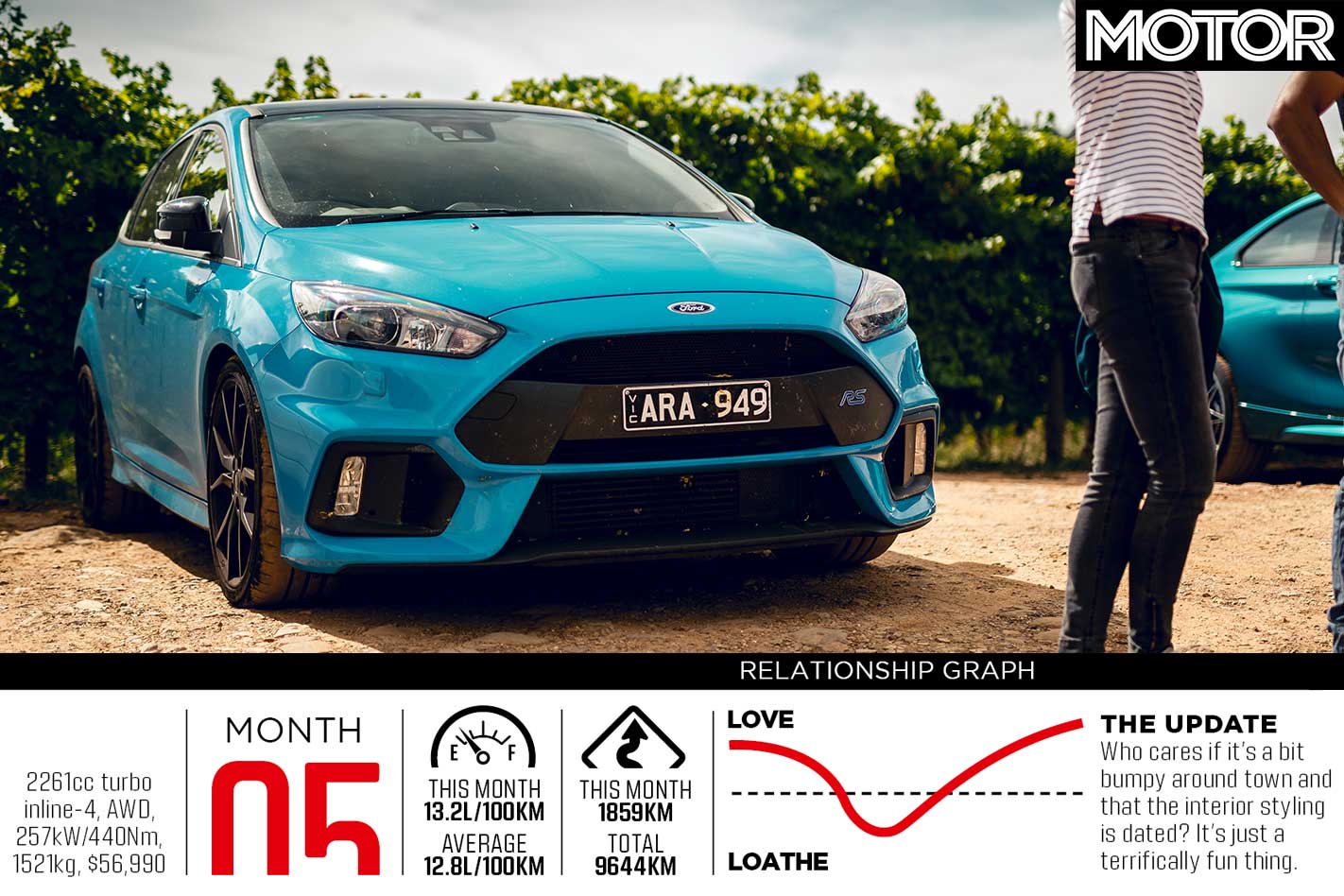
2018 Ford Focus RS Limited Edition Pros & Cons
Three things we’re falling for: 1 – High-speed damping 2 – That front end 3 – Wet weather talent
Three things we’re not fond of: 1 – Breathless top-end 2 – Meh gearshift 3 – Dated interior
Update 5: The track element
Focus RS Limited Edition finds its natural habitat at Phillip Island
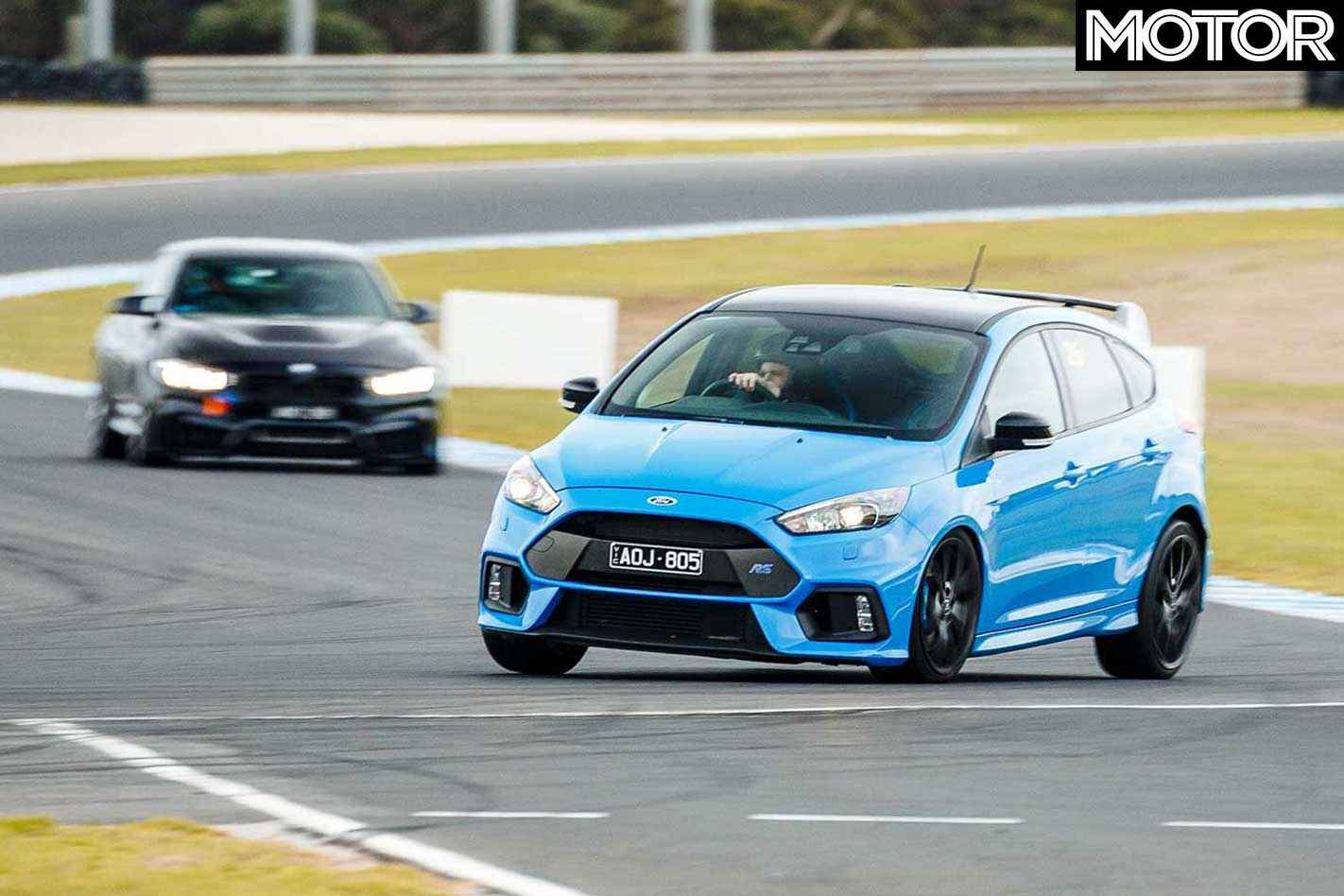
If you’ve bought a Ford Focus RS, you have to get it on a track. There aren’t many new performance models out there with brakes that can reasonably withstand a track beating, that have properly supportive seats, or simply have the ability to be both properly fast and fun at the same time.
If you don’t take your Focus RS to a track, you’ve paid for a lot of capability that you’re just not using. And you’re bouncing around on those firm springs not enjoying the reward for doing so.
This month, we took our Focus RS Limited Edition long termer to the fastest track-day circuit in Australia, Phillip Island. In fact, we took two identical Focus RS Limited Editions along, our long-termer on a test set of Falken FK510s, and an identical car – including almost the same mileage – on the stock Michelin Pilot Sport Cup 2 rubber.
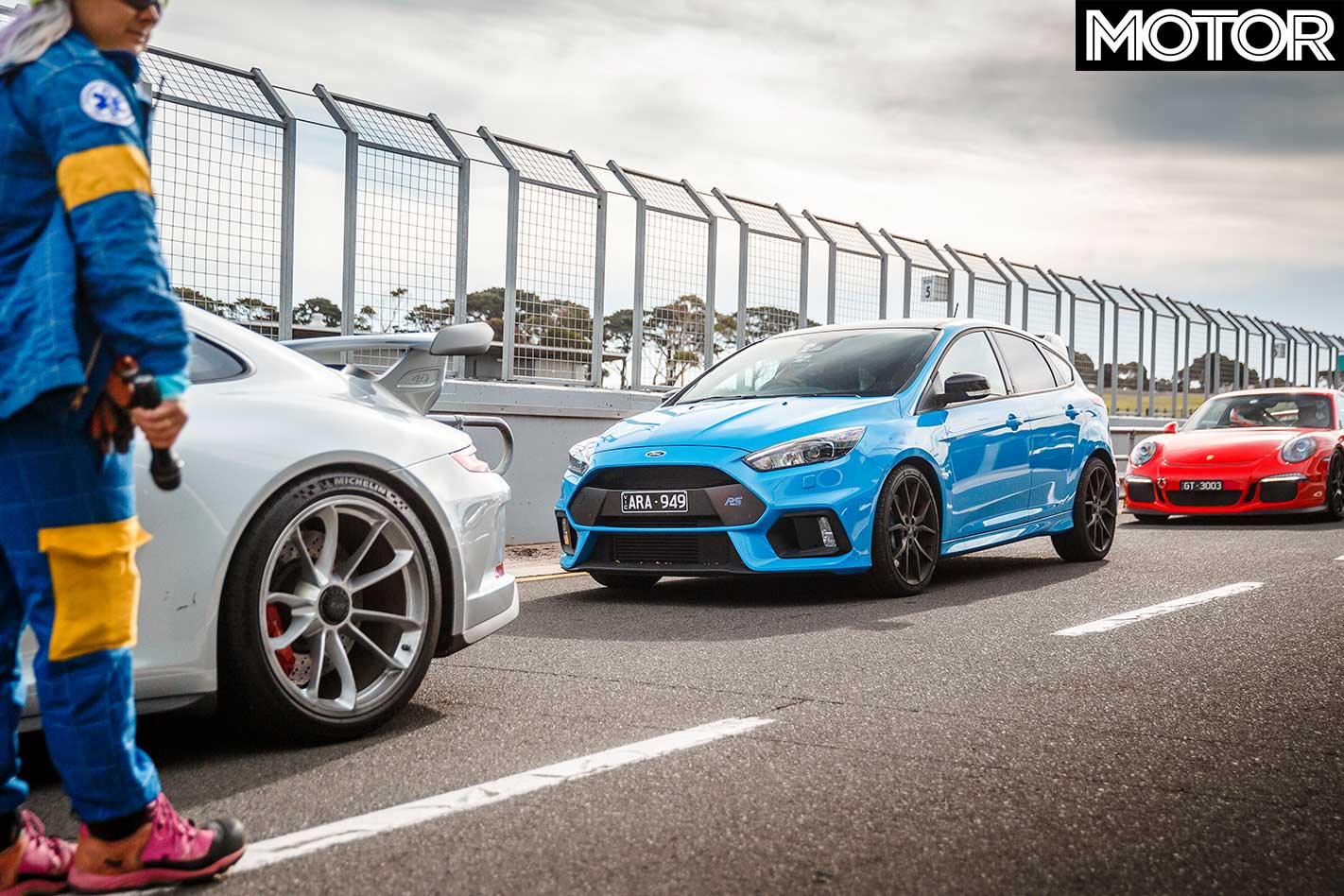
The purpose of this was mostly practical as we couldn’t fit Cup 2 tyres on our long-termer in time for the track day. But if you’re wondering why there are two sets of number plates in some of these shots, that’s why.
From a long-term test perspective, the ring-in RS LE twin had copped even more of a beating than our normal lifer, as it had come straight from our Bang For Your Bucks testing at Winton to our track-day foray at Phillip Island.
And having done possibly 30-50 hard laps of Winton, it must be said, it didn’t exactly feel like it, the brakes still feeling surprisingly healthy, which is a feat an alarming amount of other performance models can’t manage. Some with carbon ceramics.
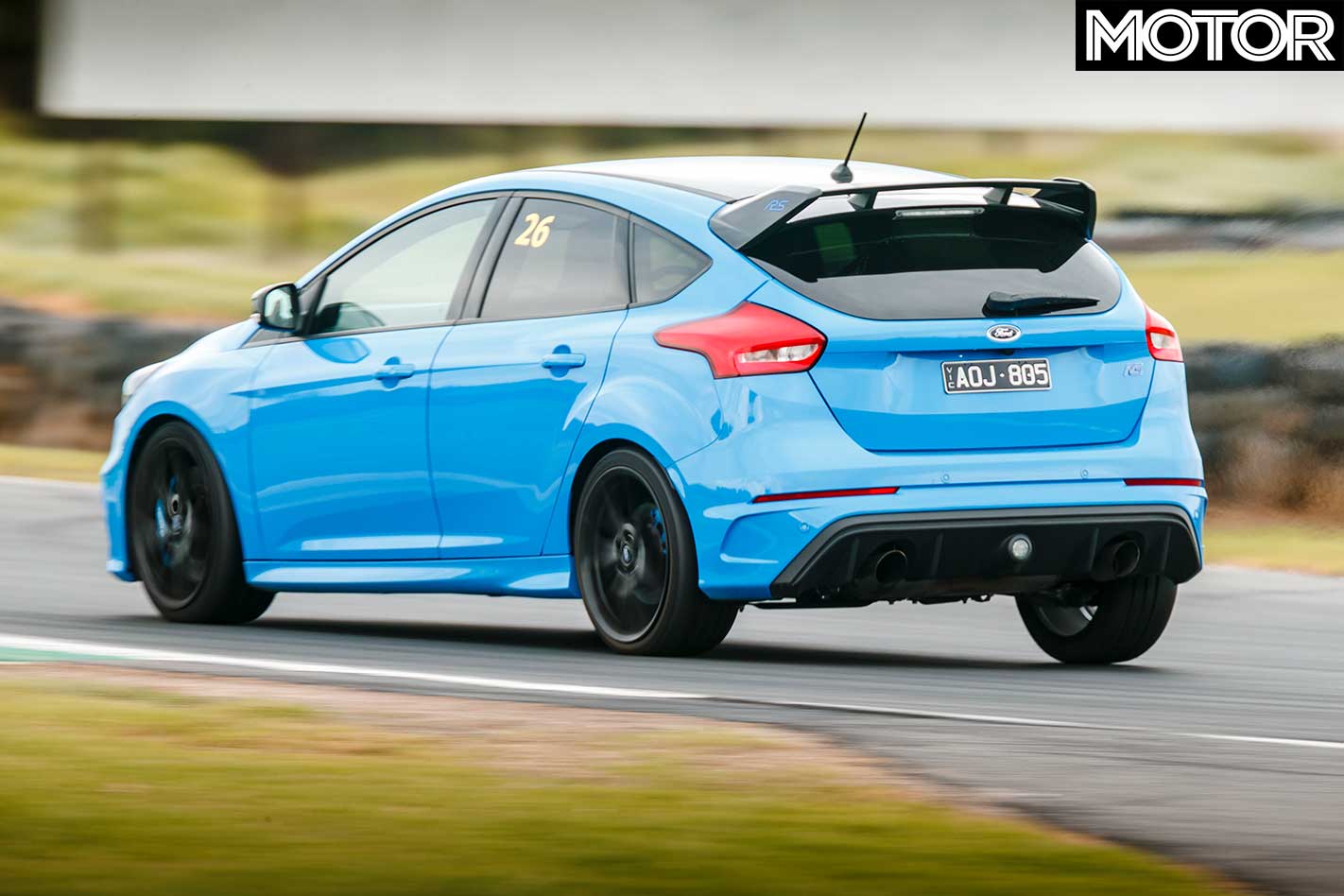
During the day, and helped by cooler ambient temperatures, the RS remained happy, engine temps always under control even after consecutive hard laps. There is something almost Porsche-like about the RS’s ability to go around and around and around, taking out its rage on its tyres, all the while enjoying a drink. A big drink.
Yes, bring jerry cans to your track day with your RS, as one tank vaporised in just two 20-minute sessions, the trip computer showing over 25L/100km.
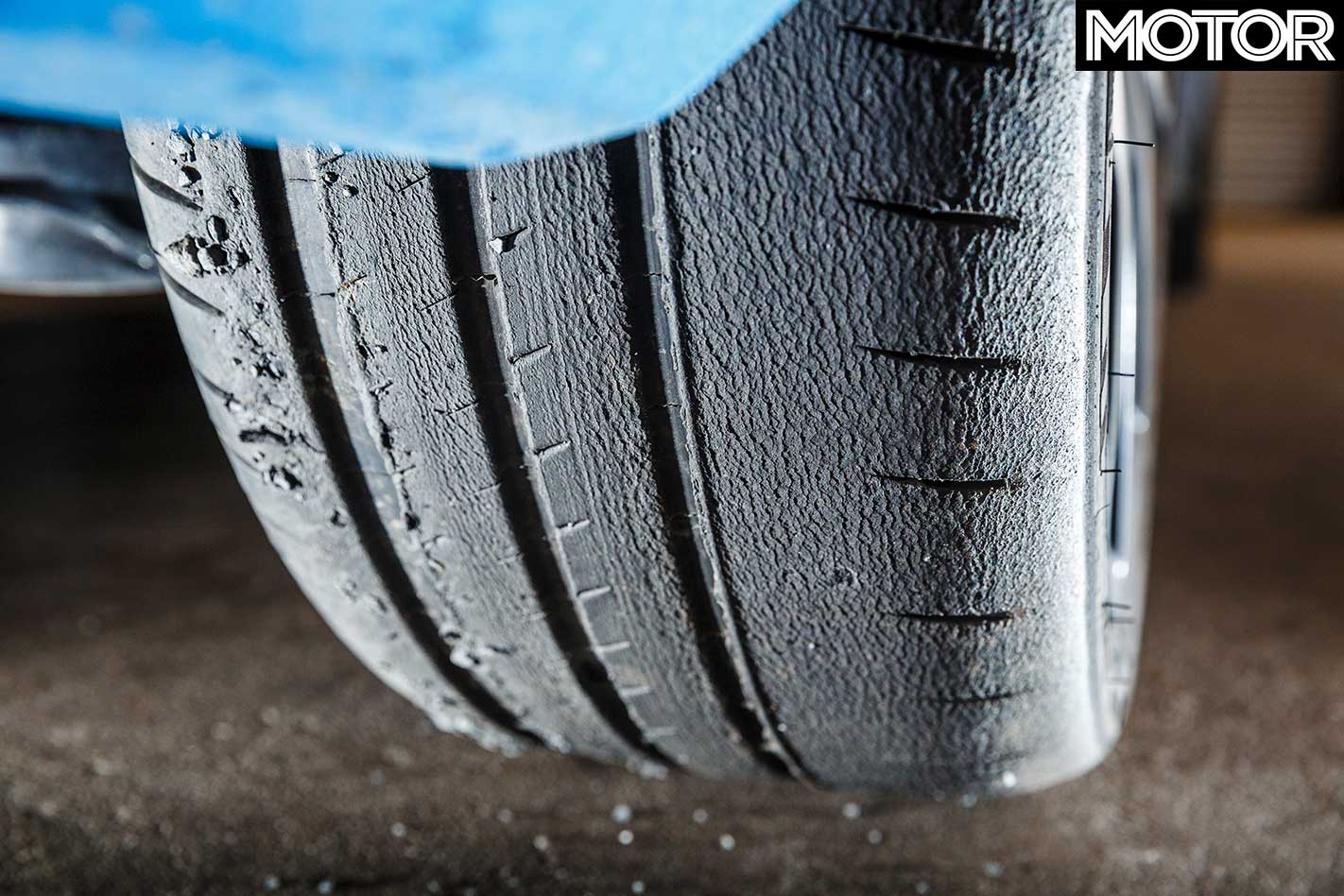
The RS also uniformly devours tyres in a way we’ve seen of only a few cars. The Falkens were looking a little sad after just one session and the Cup 2s? See below. Although credit to Michelin, after a hundred or so kays of normal road driving, the Cups do return to a much healthier appearance.
Around Phillip Island, the RS LE was, well, in its element. Satisfyingly fast – showing 230km/h at the end of pit straight right at the top of fifth gear – it also showed off an impressive stability, able to be held flat through Stoner Corner (T3) and the Hayshed (T8) after short-shifting into fifth gear, with only a brief lift required as it tucked into T12 on to the pit straight, to start all over again.
Normally the habitat of taller-geared supercars, the little RS hot hatch felt at home at the Island, a few short-ish gear ratios aside.
The enjoyment on offer from the RS would change from corner to corner. Around the Southern Loop (T2) and the late apex Siberia (T4), the tenacious Cup tyres accepted increasingly ambitious entry speeds, squishing you into the supportive Recaro side bolsters – enormously fun.
But in the slowest corners the RS LE could be a bit of a chore, like Honda (T4) and the T10 hairpin, with average brake pedal feel and a manual gearbox that sometimes made it almost deliberately hard to find a lower gear. A precision instrument it is not.
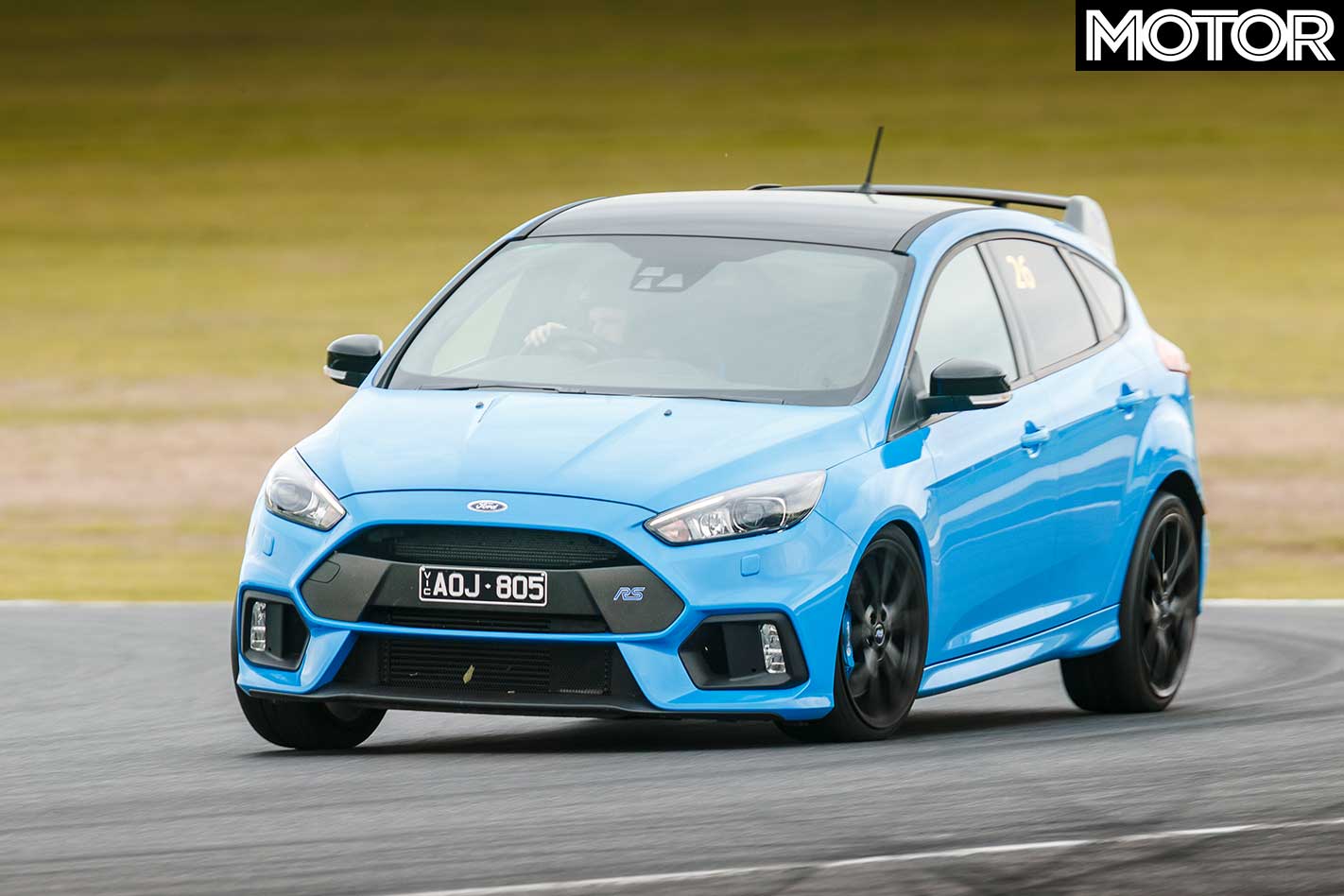
Fortunately, rocketing back out of the tighter corners was a thrill thanks to the traction on offer from the front-diff equipped all-wheel drive system.
Other gripes included actively having to stop myself slouching down in the driver’s seat as I struggled to get used to the high-ish seating position. And bring your own timing gear – for such a great car on track, it’s curious the RS doesn’t have an in-built lap timer. Lucky we took one along; Scotty recorded a best lap of 1:52.2 on the skaty Falkens. Fresh Cups could be worth at least another 1.5sec.
So, is the Focus RS Limited Edition a bit addictive on track? You bet. To not take it on one would be like buying a boat and leaving it on the trailer.
2018 Ford Focus RS Limited Edition Pros & Cons
Three things we’re falling for: 1 – Resilient brakes 2 – Tricky AWD system 3 – Supportive seats
Three things we’re not fond of: 1 – Appetite for fuel 2 – Appetite for tyres 3 – Average gearshift
Update 6: Conclusion
We farewell our heavily turbocharged track-day hero
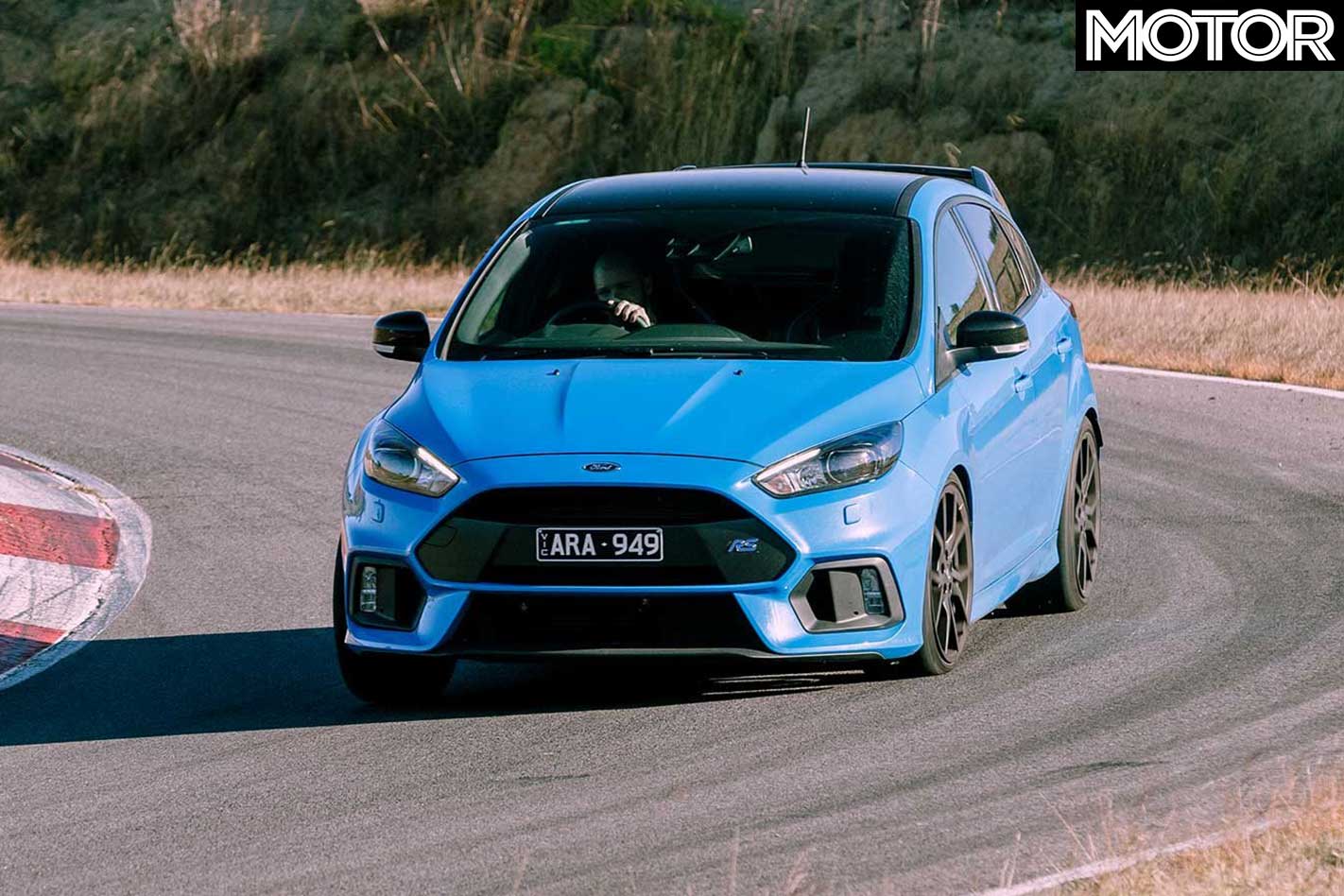
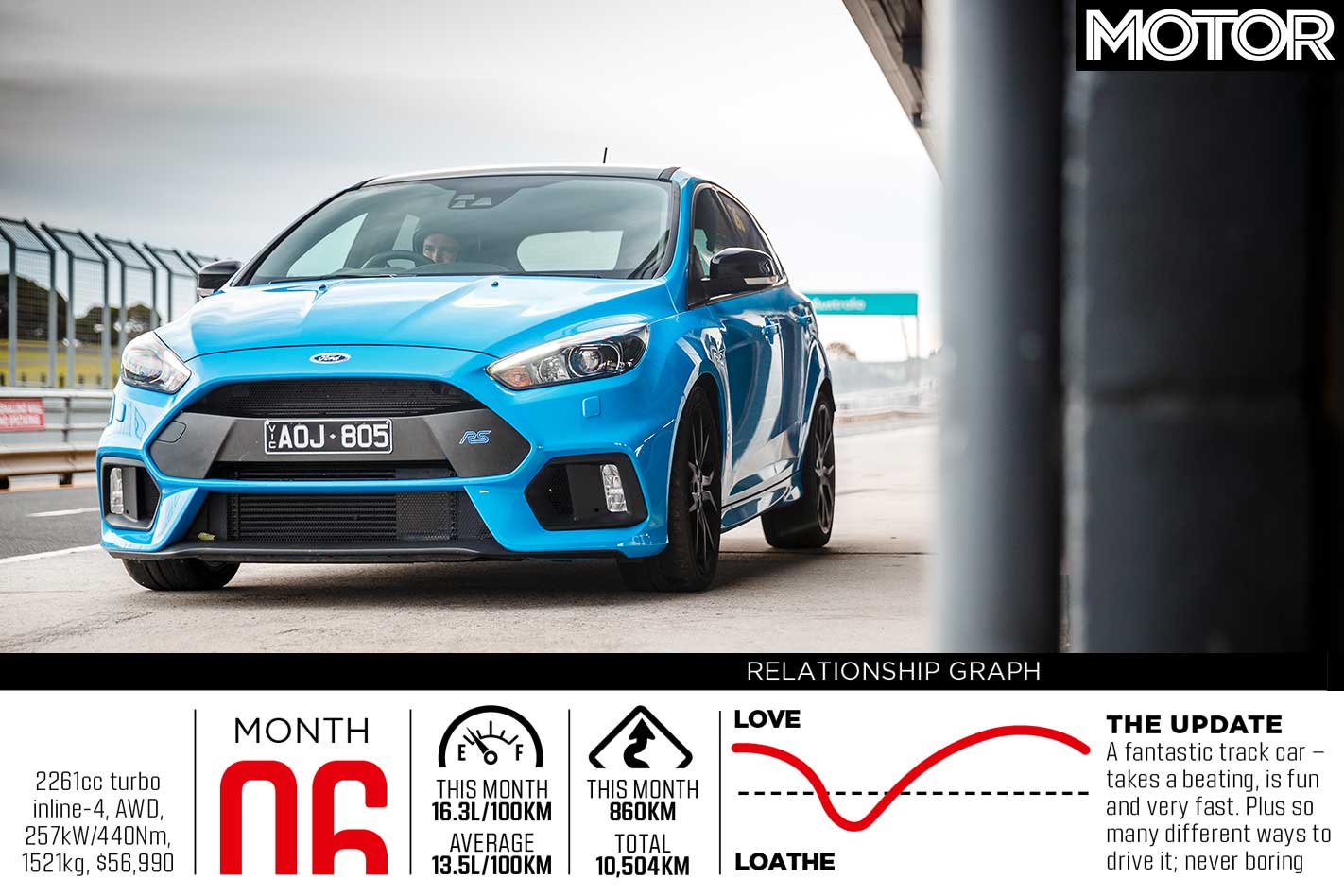
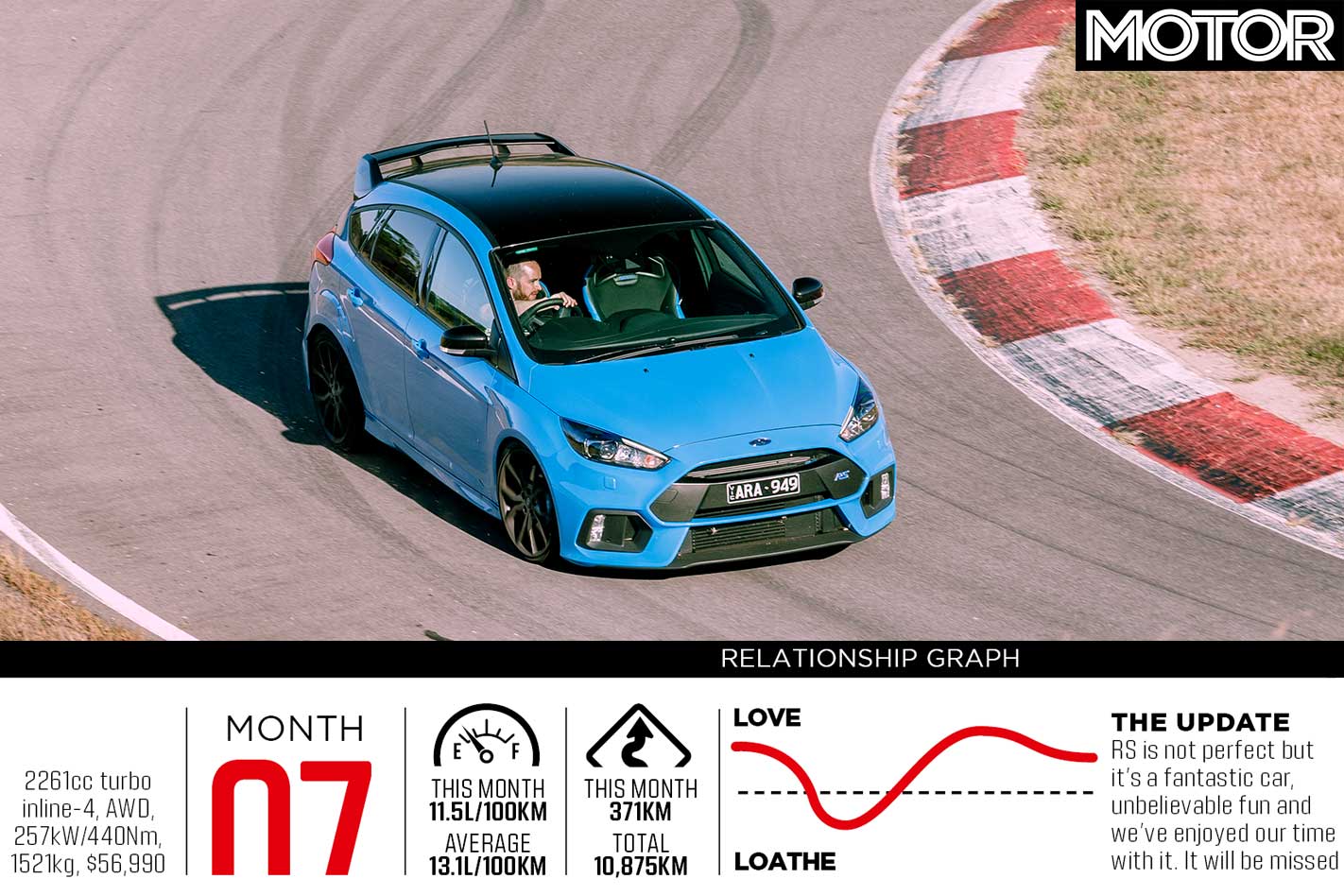
Six months and 10,875km later, it was with a tear that we returned ARA-949 to Ford, ‘our’ Nitrous Blue Focus RS Limited Edition – and the MOTOR garage is worse off for not having this car in it. Would we buy one if we had the chance? Yes, yes and yes.
The Focus RS is a bit of a toy, sure, and you wouldn’t put up with it every day if you never intended to use all the fantastic performance it has on offer.
But if you did, it’s easy enough to live with on a daily basis, provided you are accepting of a few personality ‘quirks’. For example, the turning circle is appalling; the relatively small, 51L fuel tank means you are constantly filling up; there is no full-size spare; the urban ride will either feel too firm, or fine, depending on your reference point, and personal preference.
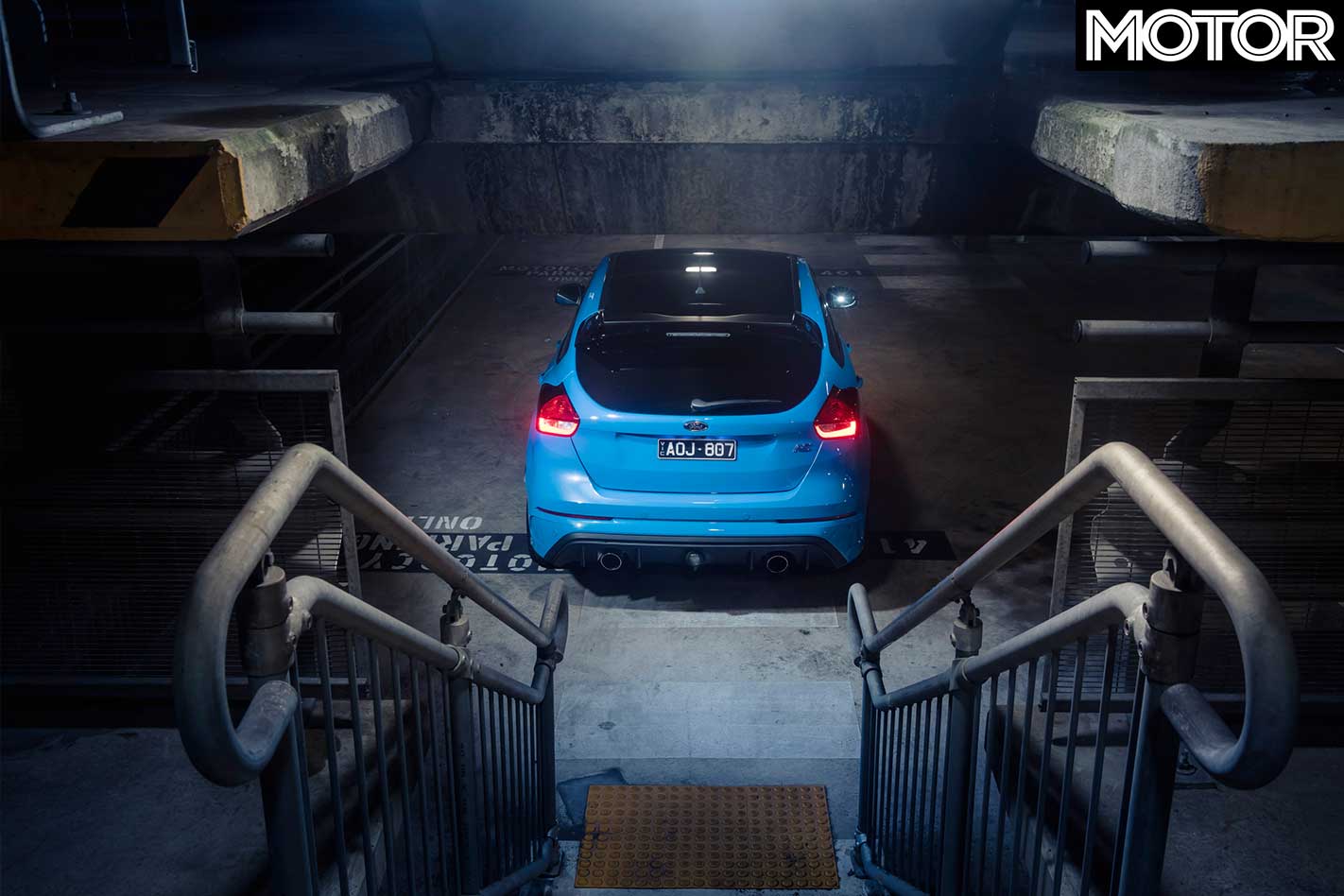
And you have to keep an eye on the oil level – and perhaps the coolant, anxiously, if you haven’t yet taken Ford up on its offer to replace the head gasket, after a litany of failures around the world due to fitting the wrong one in the factory. And there have been other catastrophic RS power unit failures like cracked blocks, necessitating whole engine replacements.
Fortunately, we have had zero problems with our RS in the time we’ve had it. And those 10,875 kilometres at MOTOR might very well be equivalent to, ahem, 30,000 kilometres in the hands of a doting, merciful owner.
We have loved most kilometres in the car. Tellingly, our best times have been on a racetrack – and it would be criminal for an owner not to take their RS on a track, as they’ve purchased one of the best handling cars this side of a Porsche Cayman. Really.
Sure, the controls are far more Ford- than Porsche-like, but that’s fine, it’s a Focus after all. What is more enjoyable are the many ways you can drive an RS on track – enjoying the enormous grip of the Michelin Pilot Sport Cup 2s and just going fast. Or throwing caution to the wind and flinging the thing in backwards, which it’ll happily do as well.
We initially thought Drift Mode was a gimmick, but then we discovered, as a secondary step, you need to also fully deactivate ESC after engaging Drift Mode, and then it works properly, making the RS a bonafide riot.
It isn’t ‘rear-drive mode’, but get the rear sliding and floor it and it’ll slew sideways with all four wheels spinning. If you can arrive at the apex already sideways, you will laugh as hard as you’ve ever laughed in a car before.
One of the main takeaways of the RS is that it’s hugely fun. Its ability to put a smile on your face is up there, for me, with anything else I’ve driven, from rear-drive atmo V10 Lambos to 515kW 911 GT2 RSs to Subaru BRZs – you name it. It has a totally different box of tricks to these cars, of course, but fun is fun, further enhanced by its hilarious exhaust pops and bangs.
Interestingly, very few times did I think to myself, ‘thank god this car has a front limited slip differential’, as is the main attraction of the LE. The traction of the base RS is so strong, you’d probably have to drive them back-to-back, in very specific circumstances, to notice any significant difference. Associate Editor Newman reckons it feels a little more front-driven, and less playful, than the standard car.
If we owned a Focus RS, drove it daily, and intended to track it regularly, we’d buy another set of wheels and fit them with our track tyre of choice, and then fit something like a Michelin Pilot Sport 4S for road use.
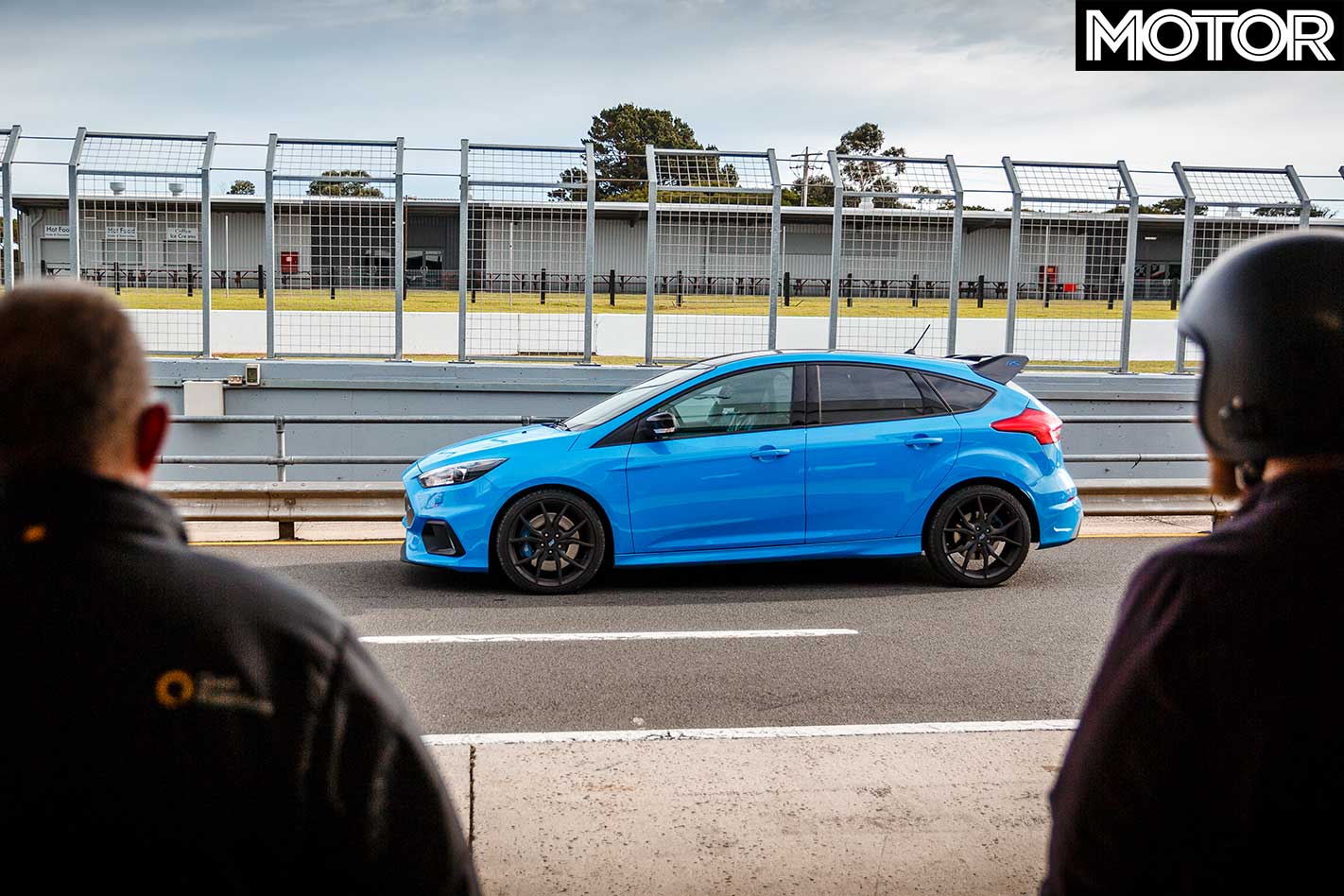
While the grip on offer from the standard Cup 2s is delicious, there’s almost too much for the road, and taking a little bit away unshackles the RS’s brilliant chassis, letting it dance more easily at lower speeds. Plus, getting off the Cup 2’s reinforced sidewalls improves the ride. And Cup 2s are not cheap…
We’d also investigate some lowered seat rails from UK mob JCR Developments. Dropping the otherwise quite high ‘shell’ Recaros either 20mm or 55mm “transforms” the car, or so say many happy owners.
We’ll miss our Focus RS Limited Edition. It stirs up your inner hoon like few other cars. It’s a good, practical car, but an even better hot hatch – a brilliant one, actually, fast and fun, a future classic.
2018 Ford Focus RS Limited Edition Pros & Cons
Three things we’re falling for: 1 – Fun, fun, fun, fun, fun 2 – The looks, the grunt 3 – Epic chassis & AWD
Three things we’re not fond of: 1 – Dated, bland interior 2 – You sit too high 3 – Fuel, oil, tyre bills
THE WORLD of motorsport has a new ultimate laptime – 5:19.545
That’s the time put down by Timo Bernhard in the 919 Evo at the Nurburgring Nordschleife, utterly obliterating the 35-year-old record held by Stefan Bellof.
Long thought unbeatable, the previous record of 6:11.13 was was set by Bellof in a Porsche 956C during qualifying for the 1983 Nurburgring 1000km.
Bernhard averaged a staggering 234.7km/h during his record run, on the 20.8-kilometre Nordschleife circuit.
The new record was set in a 919 Evo, which is the ultimate iteration of Porsche’s FIA WEC championship winning LMP1 car.
Porsche reportedly broke Bellof’s time earlier in the day with a 5:24.375 run from Bernhard, before setting the ultimate lap in a subsequent run.
Neel Jani used the 919 EVO to break the Spa-Francorchamps lap record earlier this year, with his 1:41.770 eclipsing the 1:42.553 set by Lewis Hamilton in his Mercedes-AMG F1 car at the 2017 Belgian Grand Prix.
As previously reported by Wheels, the 919 Evo’s job is not yet done, with more lap records in Porsche’s sights.
It is believed the 919 Evo will also attempt similar feats at Laguna Seca and Brands Hatch.
Mark Webber is set to drive the 919 Evo at the Goodwood Festival of Speed in July.
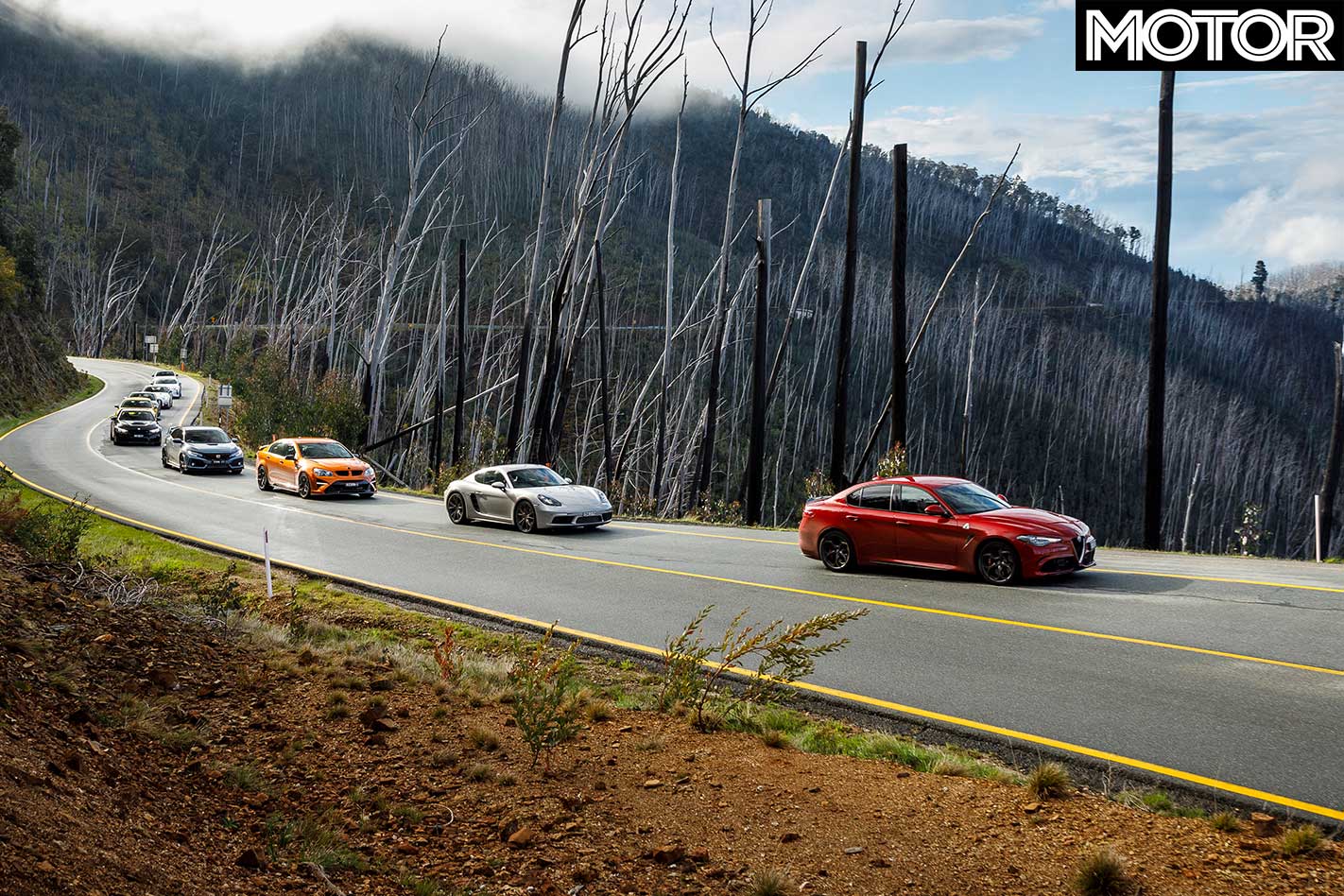
Ten cars, four days, one champion.
Join us for an epic blast through the Victorian High Country to find out which car is crowned the 2018 Performance Car of the Year.
This video directed by MOTOR’s talented guru of moving images Josh Robinson tells you everything you need to know about PCOTY, but if you need a refresher, we’ve got you covered.
What is PCOTY?
At Performance Car of the Year, grins are king. This isn’t a test where a field of cars are ranked by a complex formula. And it ain’t about counting USB ports.
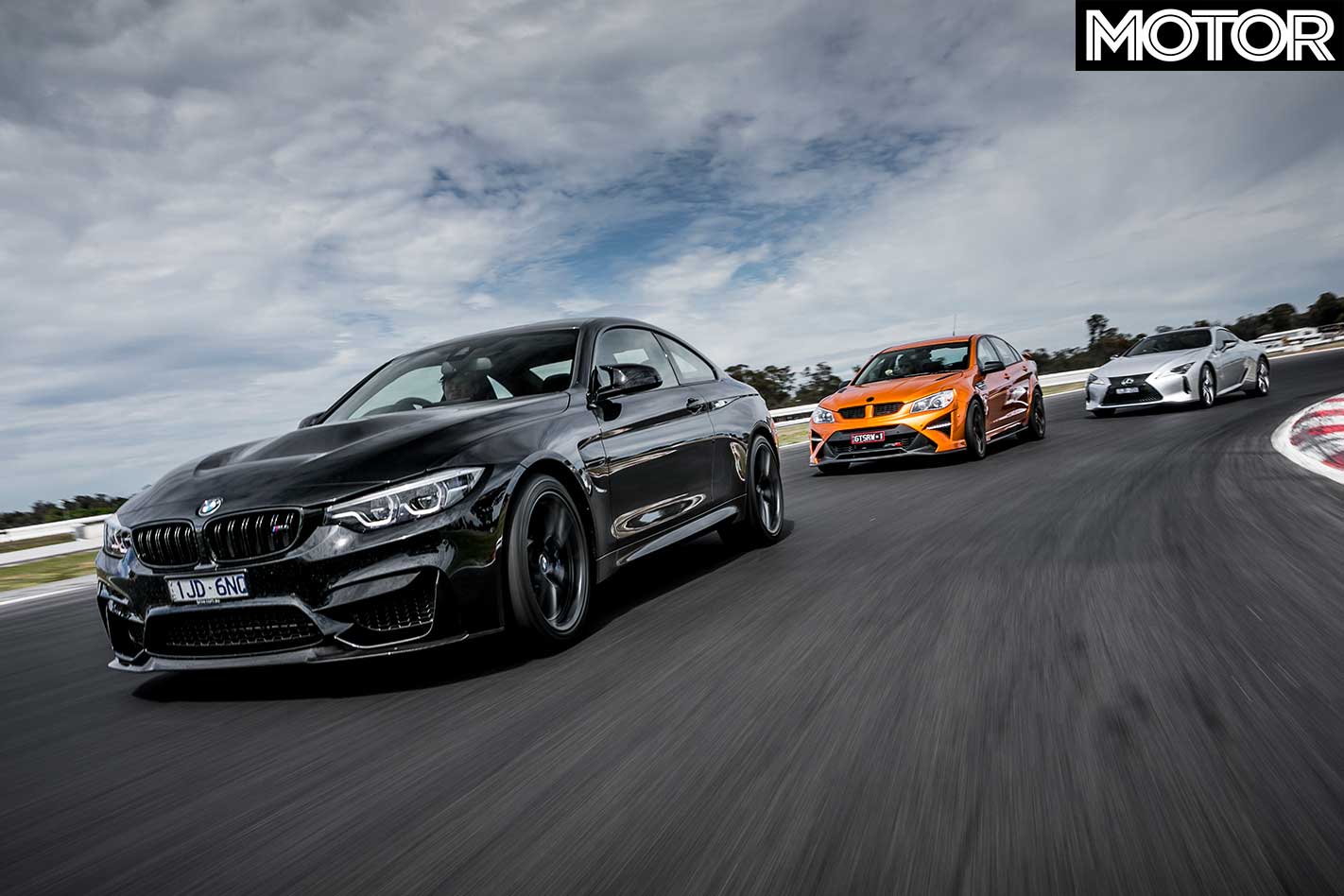
It’s about revealing what a calculator, spec sheet, or passenger seat can’t: how a car makes you feel when driven hard. There’s no price ceiling and the doors are open to the year’s standout driving machines. We’ve kept the competitive set small, but it doesn’t make finalising the list any easier. Despite louder calls for efficient this and safer that, froth-worthy cars are in abundance.
Those of you who caught last year’s event might notice a lack of supercars this time. We did ask around, but Ferrari’s 812 Superfast hadn’t quite reached Aussie shores, McLaren couldn’t find us an available 720S, and ditto Lamborghini and its Aventador S or Huracan Performante. That hasn’t slowed the class, though.
The contenders: – Alfa Romeo Giulia QV – Audi TT RS – BMW M4 CS – HSV GTSR W1 – Honda Civic Type R – Kia Stinger 330Si – Lexus LC 500 – Mercedes-AMG E63 S – Nissan GT-R Nismo – Porsche 718 Cayman S
“SPEED LIMIT enforced by aircraft”. It’s a statement (or an extremely similar variation) that you’ll find on roadside signs throughout regional Australia – but, is it true?
The history of aerial speed checks in Australia is mired in mystery and myths. In fact, it has been used as a form of speed enforcement since at least the 1980s. Even as late as the late-2000s and early-2010s both NSW and Victoria were huffing in the media about the fact speeding drivers could be caught by PolAir.
Then, in December of 2009, then NSW Police Commissioner Andrew Scipione announced the return of aerial speed checks for a stretch of the Hume Highway at Marulan.
NSW Police reportedly used a Cessna 206H aeroplane – which was acquired during the 2000 Sydney Olympic Games – to measure motorists’ speed over a 5-kilometre stretch of road. If police calculated a car was speeding, a photograph would be taken of the number plate, and an infringement sent in the mail.
By April of 2010 the program was out of favour, with The Daily Telegraph reporting just 16 motorists had been fined as part of the program after four months of operation. Police said the aircraft had flown for 94 hours, completing 1588 speed checks.
Come 2012 it was Victoria’s turn to proclaim the return of aerial speed checks in the state.
Superintendent Neville Taylor told media in April that year that motorists will be watched “from the sky and the road”.
Victoria’s aerial speed checks were reportedly performed by helicopter, again calculating a vehicles speed by measuring the time it takes to travel between two fixed points.
When asked by Wheels, a Victoria Police spokesperson confirmed the state’s police force continues to use aerial speed checks to catch speeding drivers.
“Aerial speed detection is only done on roads where police have pre-measured and marked a set distance of the road,” they said.
“Aerial speed detection is not new to Victoria Police. It is a tactic that is used on occasion as part of targeted operations and campaigns to compliment other road enforcement tools.”
However, when asked to reveal the number of drivers who had been fined as a result of aerial speed checks, the tune had changed.
“Aerial speed detection has not been used in Victoria in the past 12 months,” was the response.
Despite the apparent lack of interest in using planes to enforce limits, we aren’t holding our breath for the roadside signs warning of aerial speed checks to be removed.
Queensland Police told Wheels it has the capability to perform aerial speed checks, but does not do so in a traditional road enforcement capacity.
“The deployment of PolAir is undertaken on a tactical basis and is not utilised or deployed for speed detection or enforcement purposes,” a statement read.
“Tactical flight officers in PolAir use the on-board camera to identify vehicles traveling at a faster speed than other motorists and being driven in a way which may endanger other road users.
“Through police radio, the officers then request the assistance of a nearby general duties or traffic branch unit to intercept the vehicle.
“The officers do not just observe the speeding vehicles but also record the driving behaviour as evidence for prosecution purposes.
“The use of PolAir is an important tool in identifying and monitoring target or stolen motor vehicles and is invaluable in obviating the need for police officers on the ground units to engage in high speed police pursuits.”
So it turns out the myth of aerial speed enforcement in Australia has survived thanks to decade-old anecdotes and outdated signs which litter rural roads. The myth obviously works in the Police’s favour, but while there have been modern attempts to reinvigorate the enforcement method, it appears that the cost-to-benefit ratio isn’t ideal. Unless you are in the midst of a police chase, you’re unlikely to be nabbed by PolAir for speeding any time soon.
However, is the deterrent effect of those signs more important and more effective than having flying cops peering through cameras to nab individual offenders – even if the threat they warn of no longer exists?
