
The WhichCar Weekly team virtually reassembles with Chris’ familiar face, along with the decision that, as far as probability is concerned, the Motor magazine digital editor is now a regular guest.
Following a recent article by Motor, Andy, Chris and Dan enter another round of ‘WhichCar would you buy with your own cash’ this time adding in a new level of complexity.
Listen next: Five-car dream garage Christmas special
The trio thrash out their decisions of what to put in the garage if it had to be your only car along with the notable selections from other members of the WhichCar motoring team.
Dan also defends his entry for the up to $40,000 category and offers an alternative because it was stupid.
Andy has a rare moment of sensibility but in some of his new-car wish-list choices, and Chris proves that he is very much the driving enthusiast that’s willing to sacrifice comfort and practicality for his passion.
Later, the team turns the conversation to their own personal cars. With covid restrictions preventing many day-to-day functions of road testing and press car movements, the team has been spending more time in their respective machines.
Find out what the WCW team drive when they don’t have a major manufacturer to sponge off and what the return to some older models means to people who are more than accustomed to driving new cars week-in, week-out.
You can find WhichCar Weekly on all manner of podcast apps including iTunes and Podbean. Please rate, subscribe and leave a review!
And if you want yet more WhichCar action whether it be behind the scenes insights or the very latest from the automotive front line, follow the day-to-day happenings of the WhichCar team on Facebook, Twitter and Instagram @whichcar
Listened to or watched the WhichCar weekly podcast? Help us out!
Leave a note in the comment section below
Leave a review on Apple Podcasts/iTunes
Subscribe to our podcast
There’s no other automotive market in the world that loves dual-cab pick-ups – utes to you and I – quite as much as we do here in Australia.
Despite our largely citified population, the dual-cab ute is not only the best-selling car every month, it’s usually Australia’s second favourite as well.
Over the last decades, the crew-cab utility has morphed from mining staple and farming implement to main street cruiser, resplendent in leather upholstery, 22-inch alloy rims and high-polish sports bars… and buyers can’t get enough of them.
However, this popularity – while welcomed at the dealer end of the car sales equation – creates somewhat of a headache for the car companies themselves.
Here’s how all the mainstream brands (and some others) are rising to the challenge and meeting our demand for the beloved ute.

Dollars and sense
Simply put, no one else in the world loves the mid-sized ute as much as we do. Sure, Americans love their utes, but they prefer theirs in size XL.
And such is the population of the States – 350 million and counting – building at scale is a lot easier.
But building for our million-car market? It’s a different equation altogether.
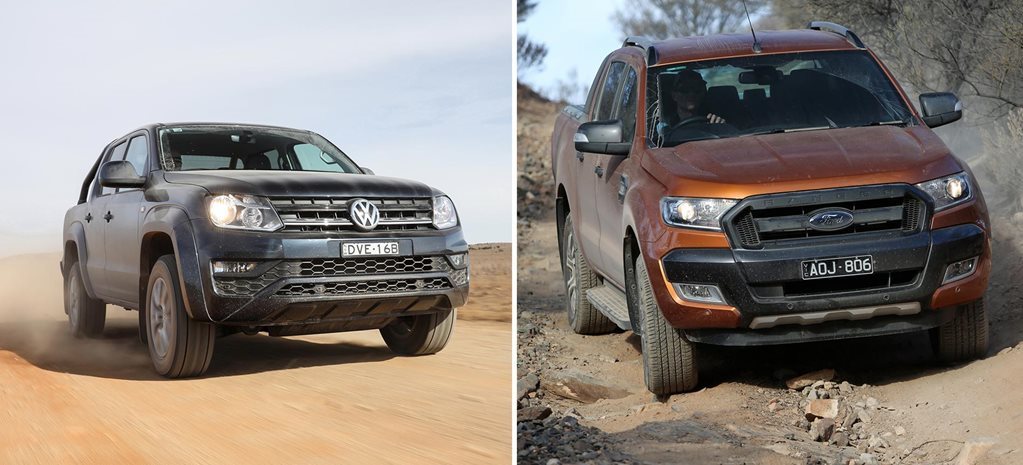
Australians love utes including Volkswagen’s Amarok, but it’s easy to see why it’s hard for the German car giant to invest significant development cash in a car that sells as many of the one-tonne utes worldwide each year as it does Golfs in a week.
The Toyota Hilux is another case in point – it’s a dead set rock star here, but virtually unknown in any other market around the world, other than Asia.
And it’s only because of lucrative markets like Indonesia and Thailand (and in the case of the Ford Ranger, the US) that the dual-cab ute continues to be so widely available locally.
When it comes to selling a car, quantity is key. Quantity allows a company to reduce the cost per unit on every one it sells, because buying more bits for that car – wiper motors, interior trim clips, battery cables, bonnet latches and so on – means it can get a better deal on those parts.
On the other hand, if it needs to develop new parts for a new car, that part also needs to pay its way within the company.
Look at the Hilux’s 2.8-litre four-cylinder turbo diesel engine, for example – introduced with the latest ‘Lux, it’s now used in everything from Fortuners to Prados to the Hiace commercial van. Why? Because it reduces the cost-per-unit price of that engine every time one rolls off the production line.
There is another major expense in the car building cycle, and that’s the base, or the ‘platform’ of the car, where the engine, gearbox, suspension and body are all married together.
Most passenger cars and SUVs share a single platform structure that can be stretched or squashed to suit different sized-cars.
VW’s MLB platform, for example, can be used under the medium-sized Passat passenger car, but can also be found underneath the monstrous seven-seat Atlas SUV in the US.
So that means that the platform cost is low per car, no matter what’s plonked on top of it.
So what does this have to do with utes?
Car companies want to sell you a car, and ideally the car that you really want. Aussies want utes, not small hatchbacks, so trying to get everyone into a Yaris or Mirage just isn’t going to work.
The dual-cab is the flavour of the month, but as we’ve discovered, the relatively small volume of utes sold here can make them expensive. There is a solution, though – platform sharing.
Car companies using other people’s technology and hardware is nothing new. Tesla has previously ‘open-sourced’ it patents and, long before that, Henry Ford used to invite engineers from other countries to walk through his production lines in Detroit in order to fast-forward the notion of assembly-line manufacturing.
Most car companies also buy the same components from large suppliers like Continental and Bosch, so the brake light fuse in your Camry is probably the same as the one in your neighbour’s Mazda 6.
When it comes to utes, though, the idea is taken one step further, and a single project can be shared across two – or even more – separate companies.
Let’s take a look at a few modern examples of current collabs, future hook-ups and those relationships that just didn’t work out.
Ford and Mazda
This was a great example of a smaller company using the resources of a larger one to create a market-relevant car.
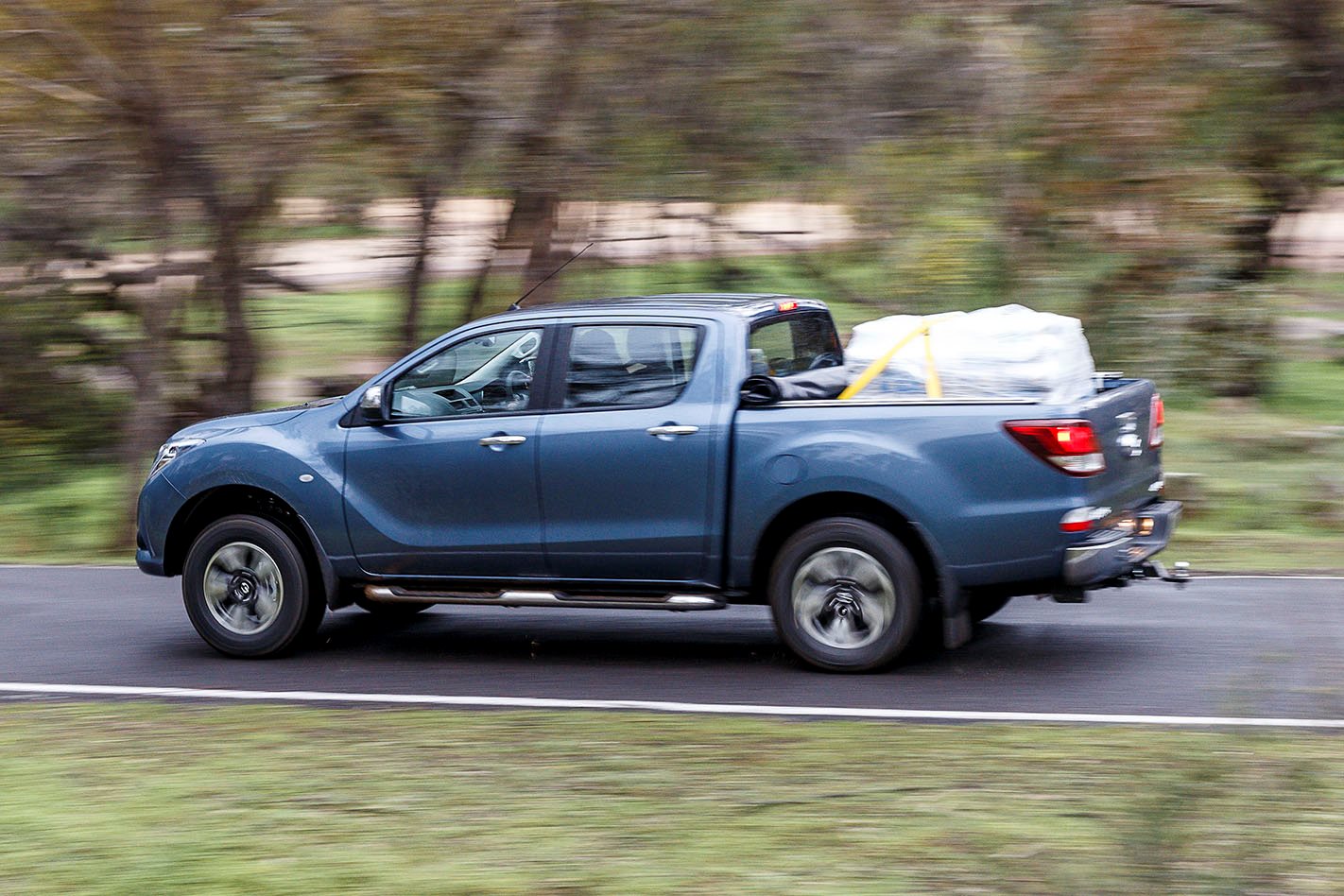
Scratch the surface of the Mazda BT-50 and you’ll quickly find a Ford Ranger. Wearing a largely bespoke body designed by Ford in Australia, the BT-50 serves Mazda well both here and in Asia as a stand-alone dual-cab ute and single-cab tradie style work hack.
Mazda had dabbled in its own commercial stuff in the 1970s and ’80s, but its small size compared to Ford meant it was a smarter play to team up with the Blue Oval.
Since the fraternal twins launched side by side, however, Ford continued to develop the Ranger with revised suspension, new safety technology, interior revision, a five-cylinder engine update and a new four-cylinder.
The Mazda, by comparison, remains largely unchanged as it nears the end of its commercial life.
Mazda and Isuzu
However, the next BT-50 we will see will not be produced in collaboration with Ford, with the deal between the two companies ending in 2015.
Instead, Mazda rekindled an old flame with fellow Japanese company Isuzu, who will supply Mazda with its new D-Max imminently.
Isuzu officials are on record as saying the new deal is ‘supply only’, which means the new BT-50 is likely to look very much the same as the forthcoming D-Max (below).
This also means that engines, gearboxes, safety tech and equipment levels will be common to both brands.
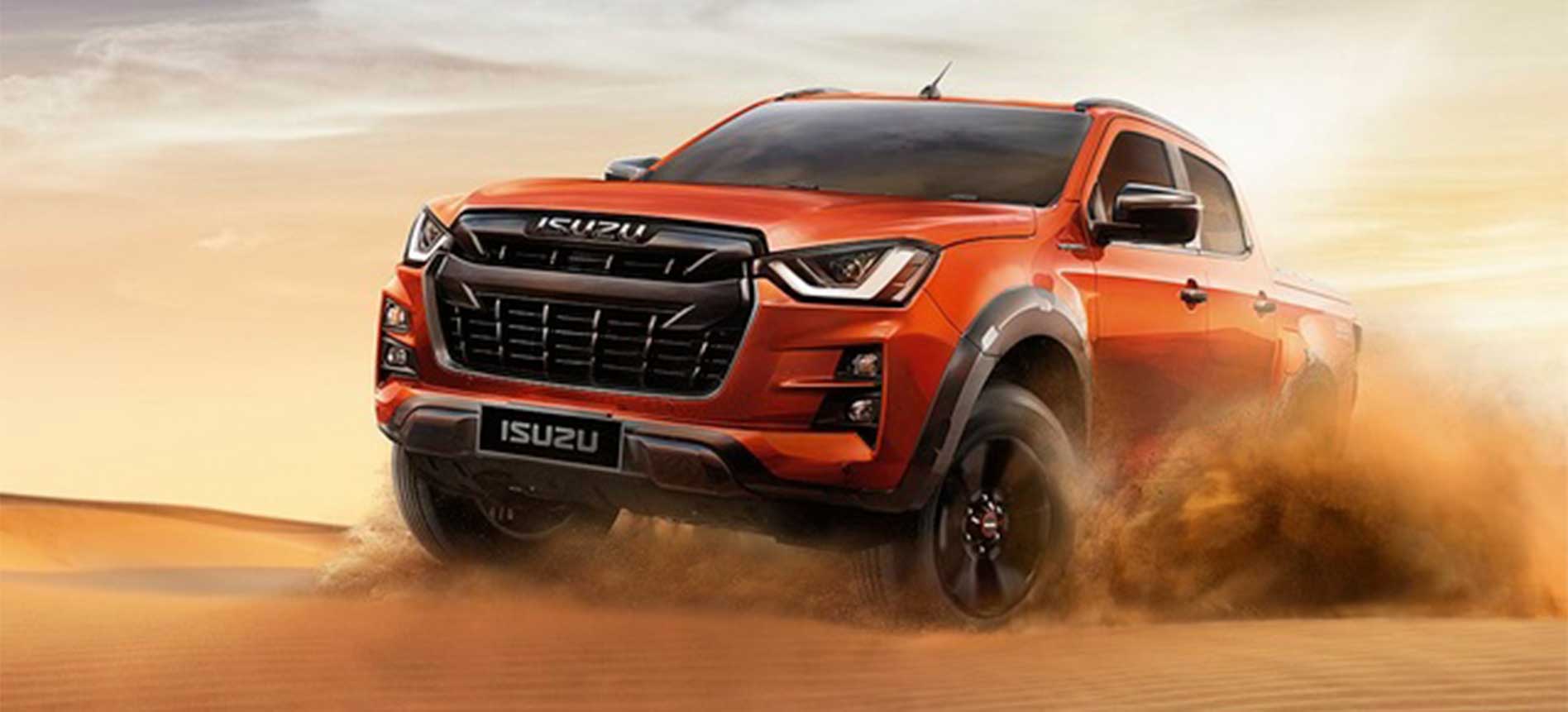
This is undoubtedly a move designed to keep the price of the BT-50 in check in an increasingly crowded and competitive dual-cab space.
Nissan and Mercedes-Benz
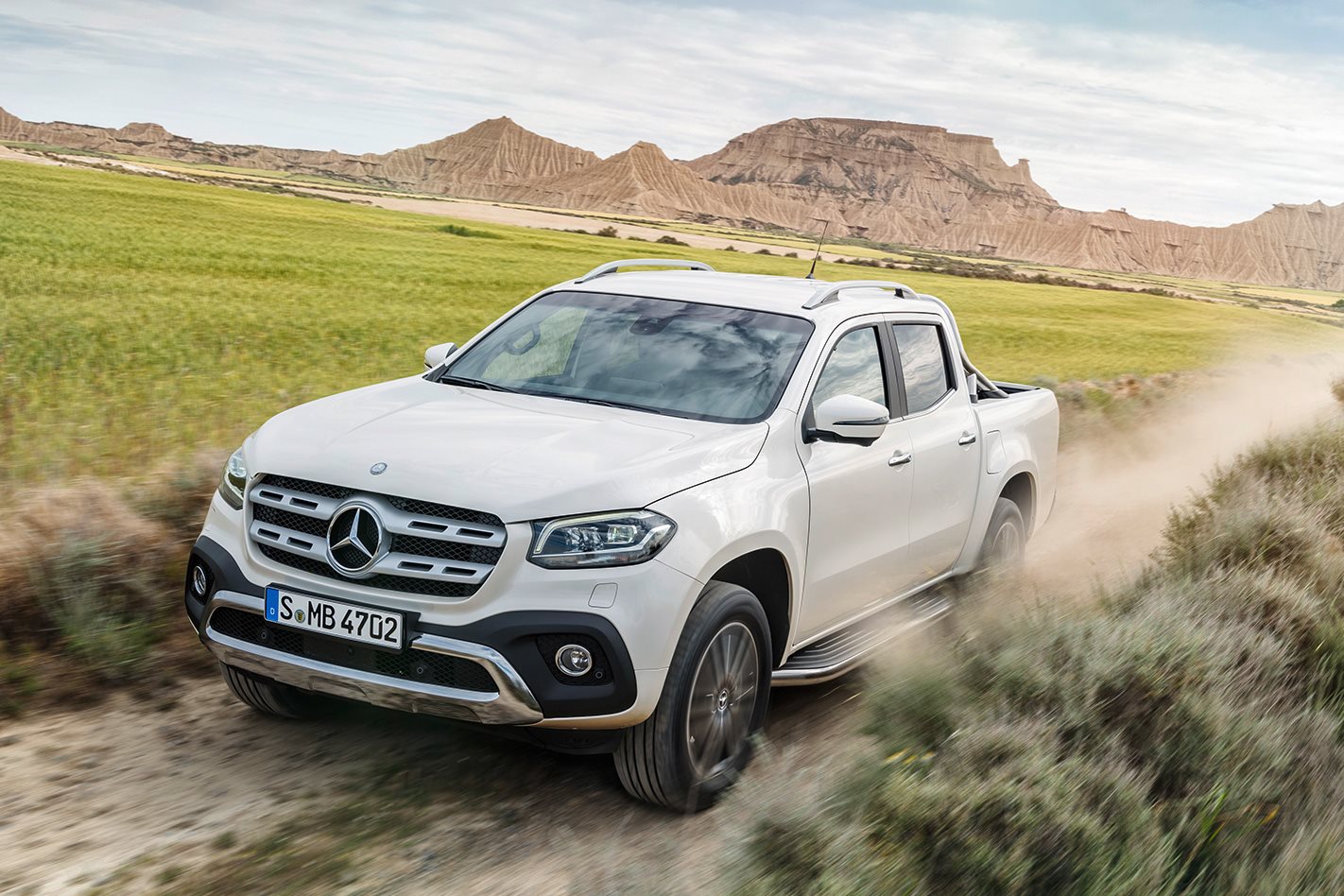
When the current Nissan Navara was in development in the early part of this decade, plans were already being formed between Nissan and Mercedes-Benz to allow the German company to access the Navara platform for a ute of its own.
It was a gamble, given the market position of both companies, but it was a way for Merc to dip its toe into the dual-cab market not just in Australia, but in other territories such as South Africa and South America.
Sadly, the experiment didn’t work. The coil-sprung Navara dual-cab has been a bit of a problem child, with three revisions and counting to make it handle more favourably.
Merc’s pricing structure too, pushed its X-Class ute over the mythical $80,000 barrier.
The program was culled early in 2020, with production winding up in May and leaving egg on the faces of industry executives in both Europe and Japan.
It’s also put more pressure on the lack of sales success of the Navara, given that its original costings would have included quite a few more X-Class sales.
Nissan and Mitsubishi
As the Renault-Nissan-Mitsubishi Alliance reels under the weight of mounting debts, fleeing CEOs and inter-brand squabbling, plans have firmed for at least two of the members to play nice and build a new dual-cab pick-up together – though there is still conjecture about how it will actually work.
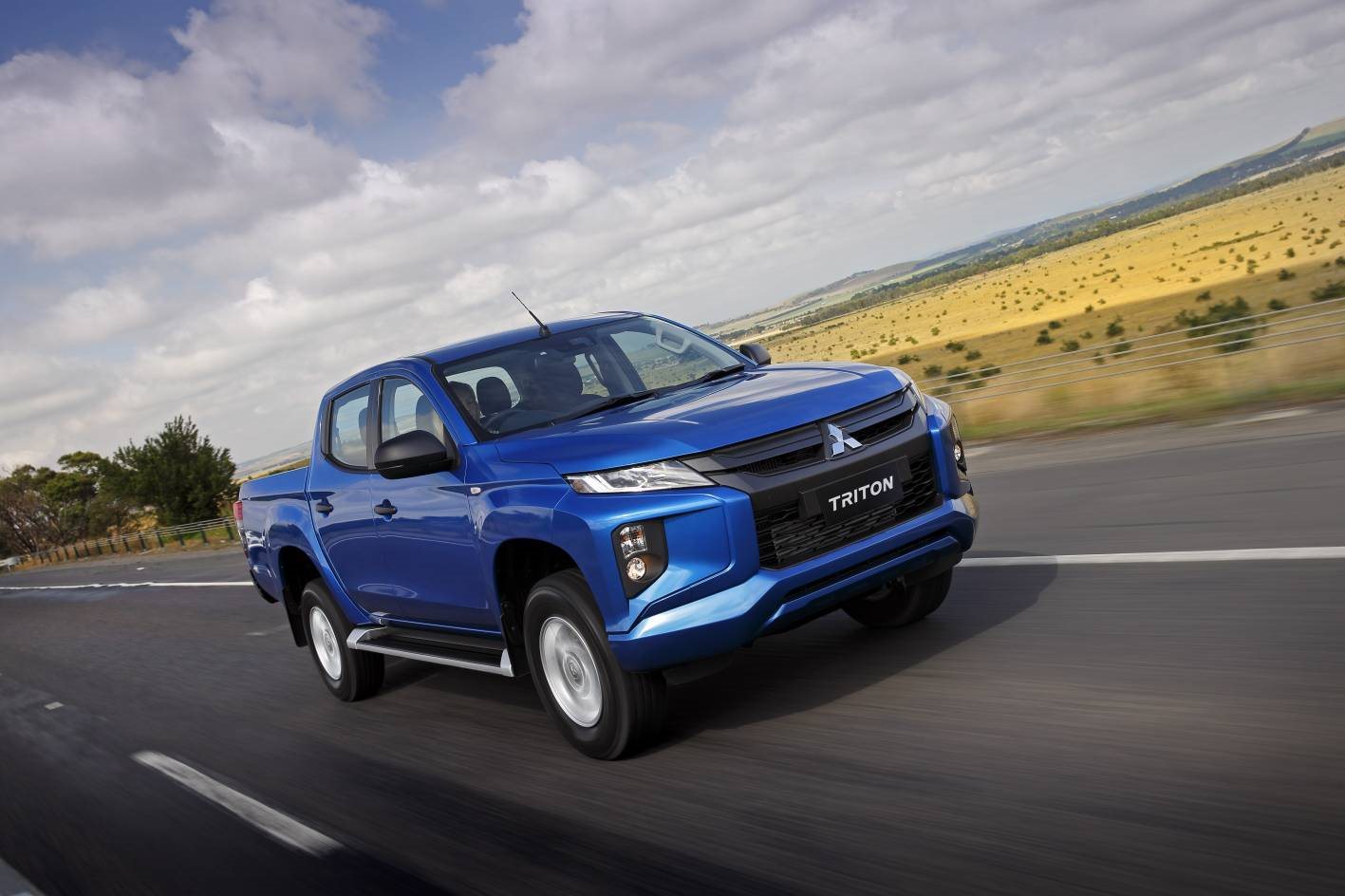
At this stage, it seems that the platform will be developed and built by Mitsubishi, which has a running start on the build of its sixth-generation Triton.
Its powertrain, however, is more than likely going to come from the Nissan camp. Its YS23 2.3-litre four-cylinder diesel engine is much younger than the 2.4-litre Mitsubishi unit, and it’s also available in both single- and twin-turbo configurations.
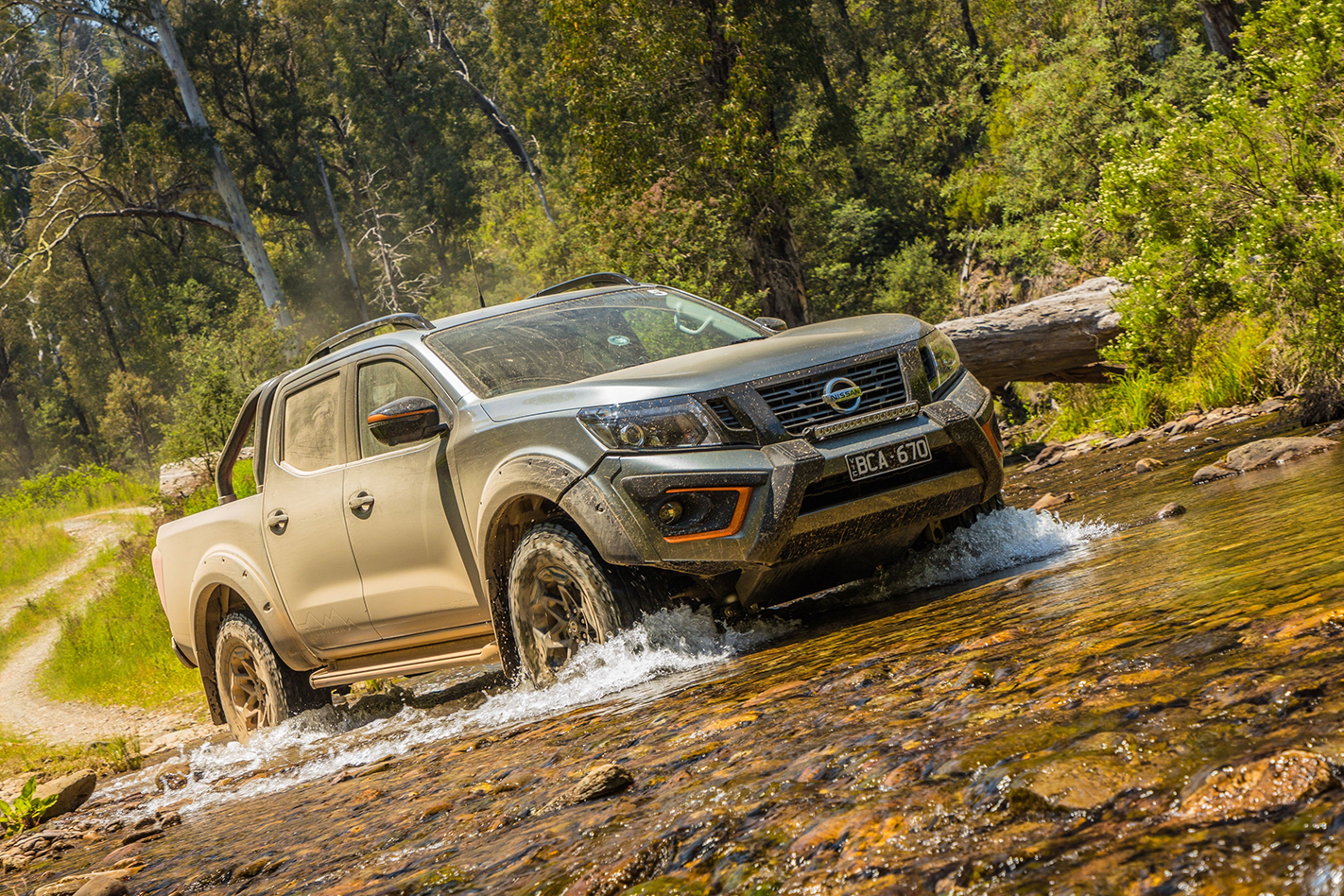
Despite conjecture that the next Nissan Navara will merely be a rebadged Mitsubishi Triton, the truth lies somewhere in between.
Nissan insists it will retain a sense of “Nissan-ness” in the words of its CEO Makoto Uchida, but stern measures to rein in costs and to stem the tide of red ink across its worldwide operations may see that sense of identity reduced to merely front and rear bumper makeovers…
Kia and Hyundai
They’re not here yet, but they’re certainly coming – and the ‘frenemy’ relationship between the two siblings will result in a keenly priced product with the benefit of a lot of hindsight.
Dual-cab pick-ups have never figured into Hyundai’s plans because its success with sedans and small commercial vehicles in its home market meant that there’s no history of utes in the Hyundai lineage.
It’s a similar story for sister brand Kia, but both companies have been pestering HQ for a ute program for a long time now. And the persistence will – eventually – pay off.
Hyundai confirmed the existence of its dual cab ute to WhichCar late last year, while we rendered up what a Kia dual-cab ute might look like.
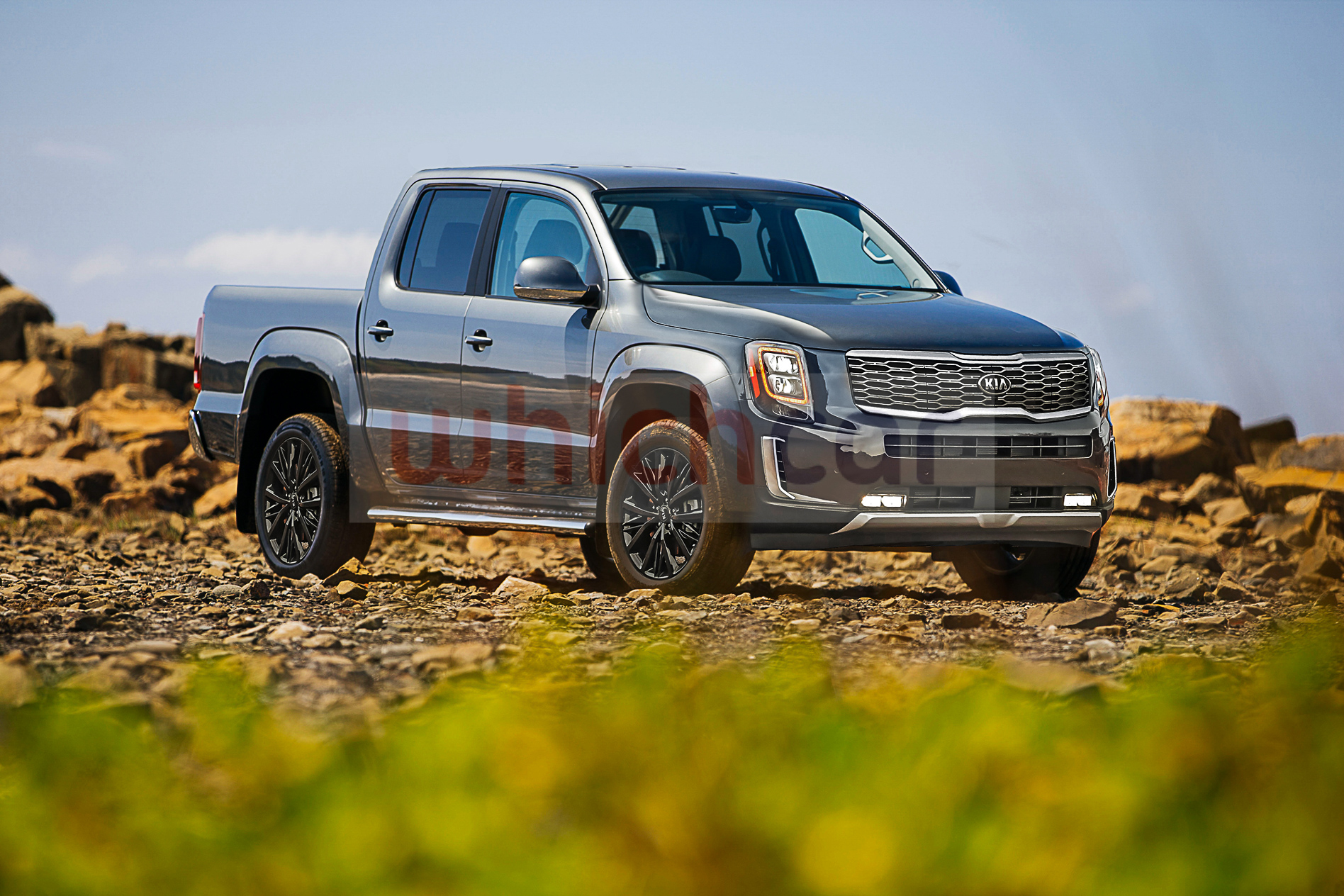
Expect to see a shared platform between the two, along with dual-cab bodyshell that shares its biggest body-in-white parts.
From there, though, both companies will tread their own paths with powertrains and specifications – though there will be a lot of parts-bin specials to ensure costs are kept under control.
We have a good idea of what the plans being fed into Seoul looked like, and we reckon the Hyundai/Kia double act will shake the dual-cab ute market to its core when their respective cars touch down in Australia.
Volkswagen and Ford
This is an interesting one. Volkswagen hovers between being the world’s biggest and second-biggest carmaker, dwarfing Ford in sales and size… but the German giant has signed a deal to use the Blue Oval’s next-generation Ranger as the basis of a new-generation VW Amarok ute.
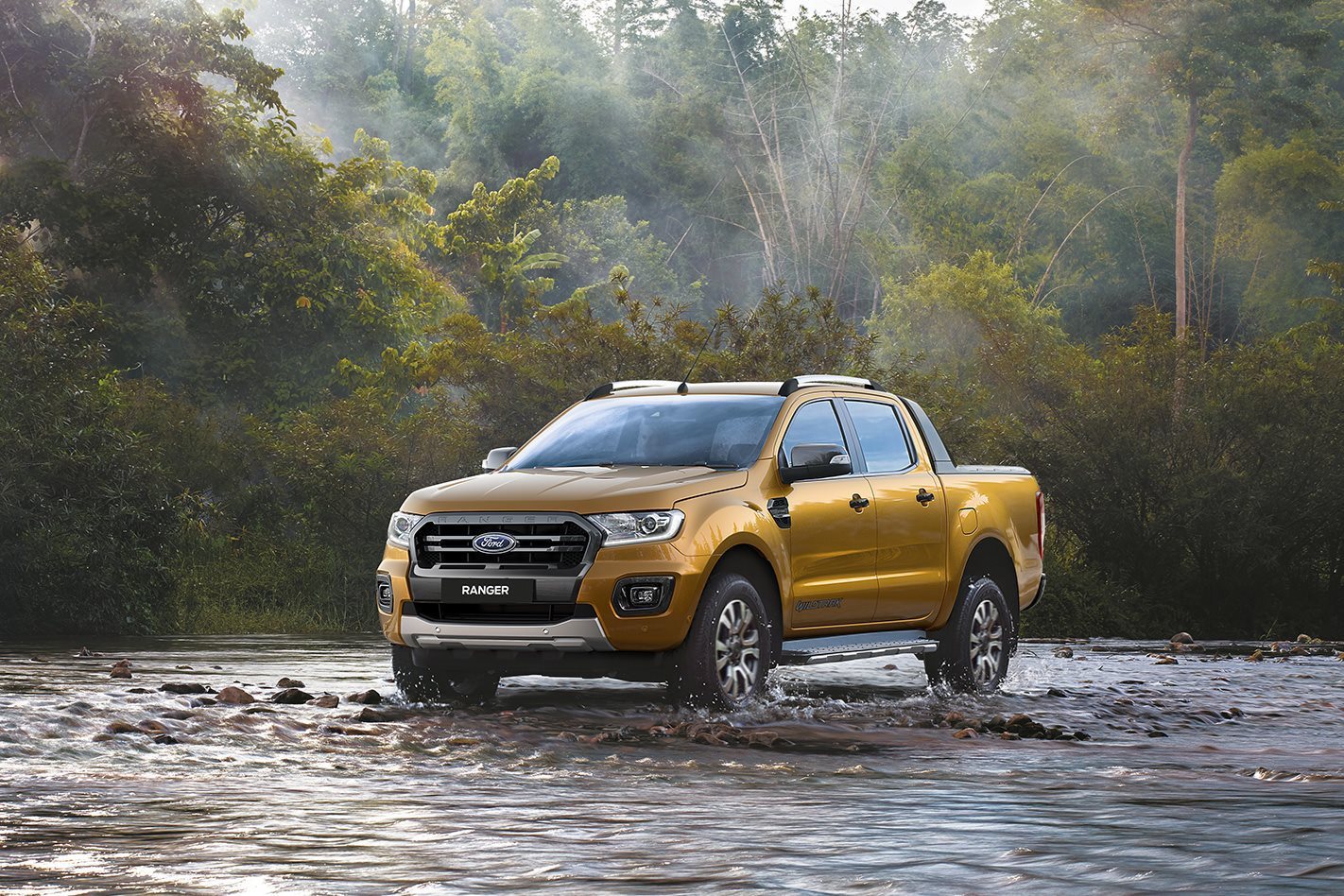
The Amarok has never really sat comfortably within the VW line-up globally, with its relative success in Australia coming as a surprise to VW HQ. While Volkswagen has a line of commercial products including the Crafter van, the Amarok sits just outside that stable.
Partnering with Ford means that VW won’t have to spend mountains of cash to design a new platform for a ute that can handle all the electronic aids and passive safety gear that Aussie customers – and worldwide safety bodies – have come to expect from dual-cab utes.
As well, Ford is selling the Australian-designed T6 Ranger into the US, so the next generation will most certainly offer a left-hand-drive option, making the process of adding the Amarok to dealerships in the US, Europe and even China a whole lot easier.
Holden and Isuzu
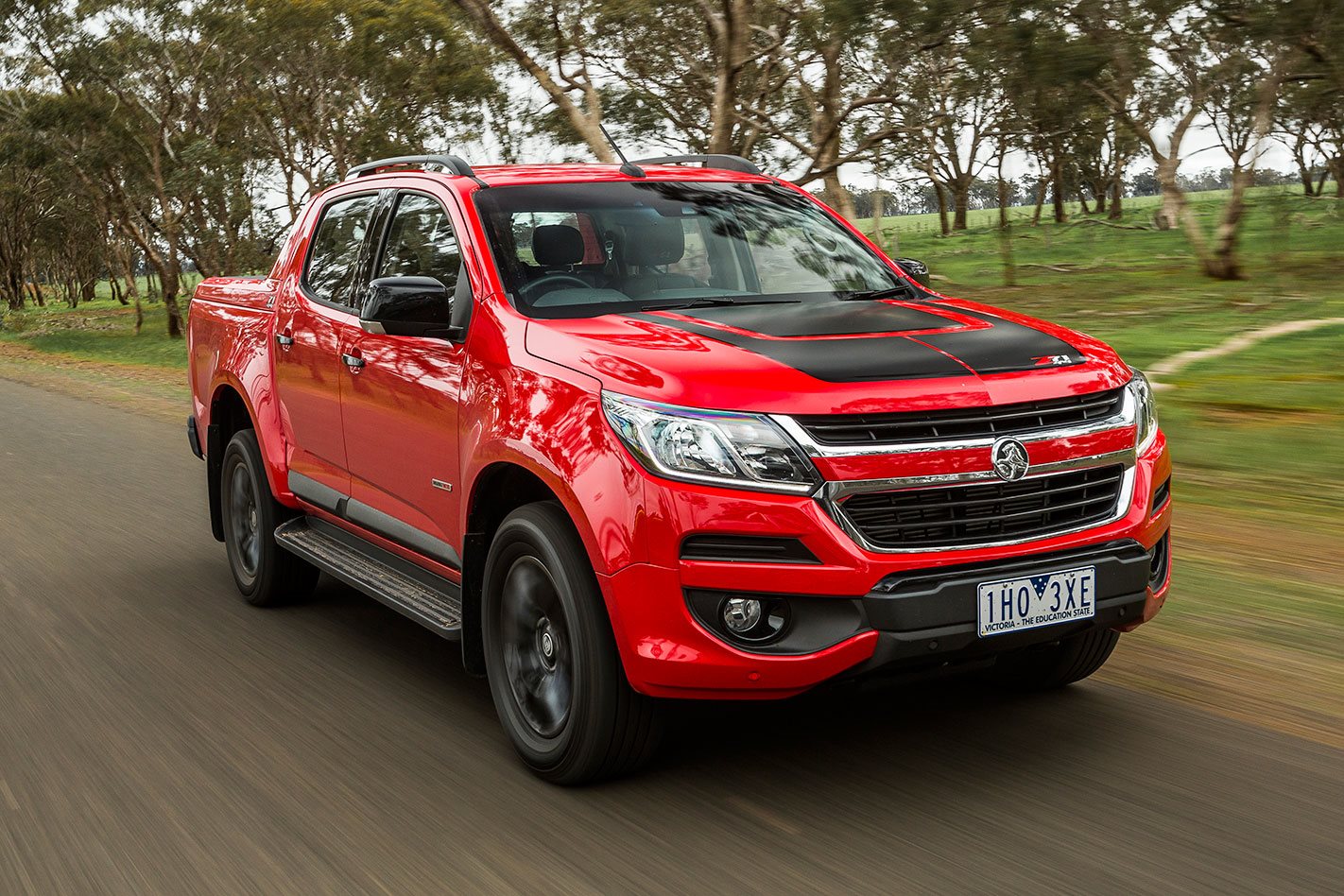
The two companies collaborated in the late 1990s and early 2000s on what became known as the Holden Rodeo here in Australia. The two companies worked together until 2008, when Isuzu created its own company locally to sell the ute as the Isuzu D-Max.
Holden rebranded its ute the Colorado, and while the two companies no longer work together, the current Colorado still shares a lot of its DNA with the D-Max, though it’s been substantially redeveloped since then.
Unfortunately, the local development work done on the Colorado all came to naught, after GM pulled the pin on the Holden brand in Australia.
The Colorado itself also passed into history at least in right-hand-drive form, after GM sold off the Thai factory where it was made and ceased sales into Thailand and Asia, where it was branded as a Chevrolet (below).
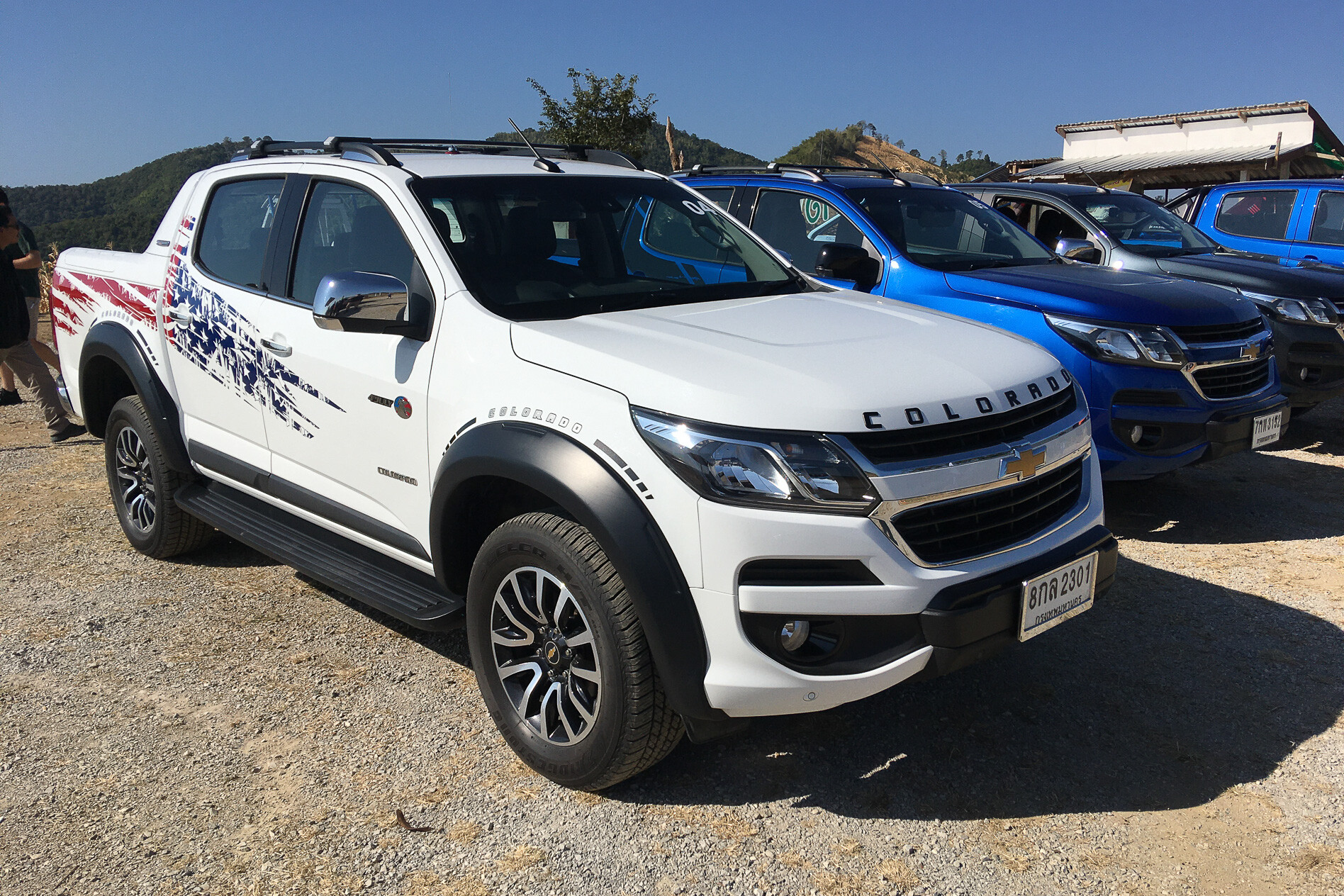
With bespoke sheet metal on the outside, individual bundles of technology and, of course, unique badging, you may not ever know just how much one ute model has in common with another.
The important thing is that continued manufacturer collaborations will safeguard the flow of new utes and lots of choice for our insatiable one-tonne market.
While the Gordon Murray Automotive T.50 supercar was due to be revealed in the metal during the recent (but obviously cancelled) Monaco F1 Grand Prix, work on the project is still moving along with the team from GMA working separately through England’s lockdown.
Legendary Formula One designer and father of the McLaren F1, Murray has now revealed further information about the T.50, a car he says will be the last great analogue supercar.
Not only has Murray announced the weight for the GMA T.50 at an impressive 980kg, but he has outlined how the weight savings were made.
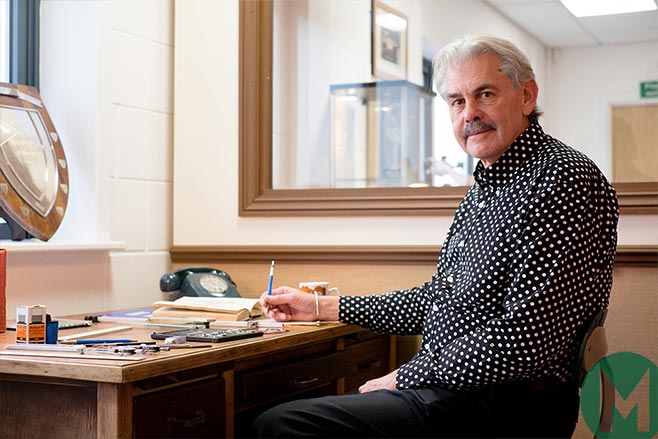
The philosophy guiding the weight of the T.50 is a matter of ‘weight to power’ rather than ‘power to weight’, according to a statement from GMA.
“In the T.50, every 100hp (746kW) only has to propel 150kg of car, whereas for the typical supercar (1436kg with 510kW) the weight it has to propel is 40% higher, at 210kg.”
It’s for this reason the weight was prioritised, and elements such as the engine, transmission, and pedal box are all lighter than that of Murray’s iconic F1.
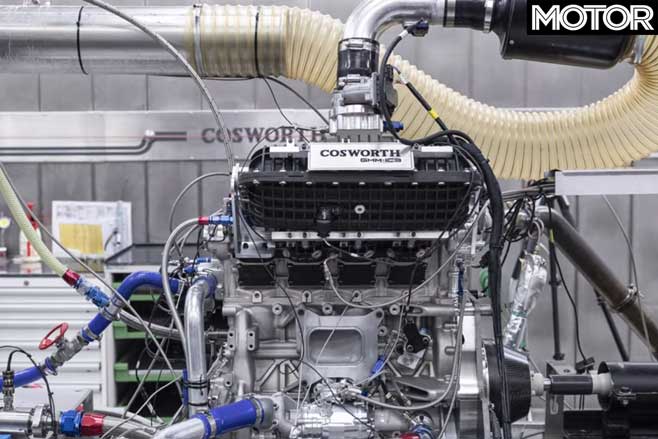
The 485kW 3.9-litre Cosworth V12, naturally aspirated as is Murray’s preference, weighs less than 180kg, making it more than 60kg leaner than the BMW-derived V12 of the F1. The Cosworth V12 also makes more power.
The T.50’s manual gearbox is 10kg lighter than the F1’s and the pedal box is 300g lighter, these two feats aided by the windscreen and even all of the car’s fixings being optimised for weight.
Perhaps even more impressively, the body panels themselves and the monocoque weigh in at a total of less than 150kg.
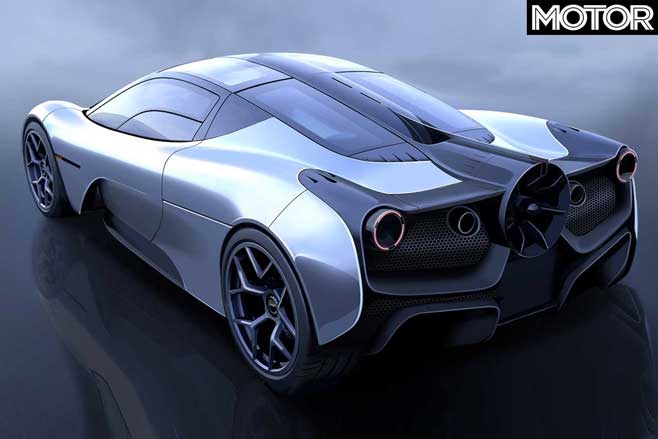
“Designing a lightweight sports car does not come from specifying exotic materials alone,” says Murray, “it comes from a state of mind, from absolute focus and control, and from a deep understanding of lightweight, optimised design.
“Today, the enjoyment of driving has been lost as so many supercars only come ‘alive’ at the upper-ends of their performance capabilities. Chasing a top speed only adds weight (notably through ever-more powerful engines), so the future of true performance cars lies in shedding weight intelligently.”
GMA says a driveable prototype of the T.50 is on track to be ready by September 2020.
It’s a tempting narrative. Porsche switched the 718 Boxster and Cayman range to smaller turbocharged four-cylinder engines in 2016. Since then the company has gradually reintroduced naturally-aspirated six-cylinder engines in a tacit admission that it made a mistake with those four-pots.
Tempting, but wrong. And a great way to get 718 model line boss Frank-Steffen Walliser a bit hot under the collar.
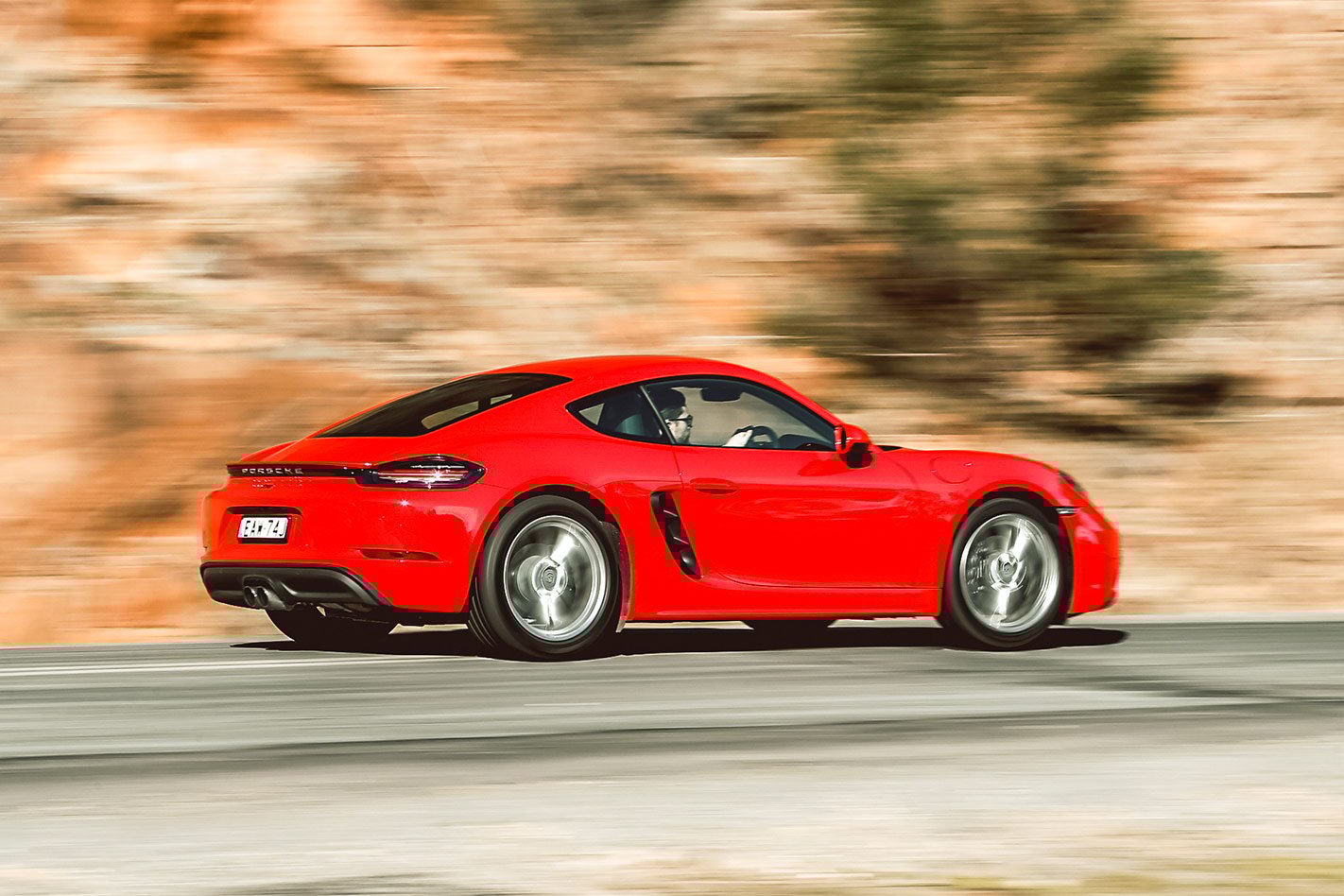
“I would fully defend it,” fires back Walliser punchily when asked whether he stood by the move to downsize the engines.
“It was one of the most important strategic moves we did in the whole model line. I checked the sales numbers of the last twenty years and what we can see is that when we introduced the 2.0-litre, we opened the Chinese market. With their purchase tax exemption regulations and luxury tax, the 2.0-litre brought us in a completely different story,” he explains.
It’s not all beer and skittles though. There was a price to pay for this success.
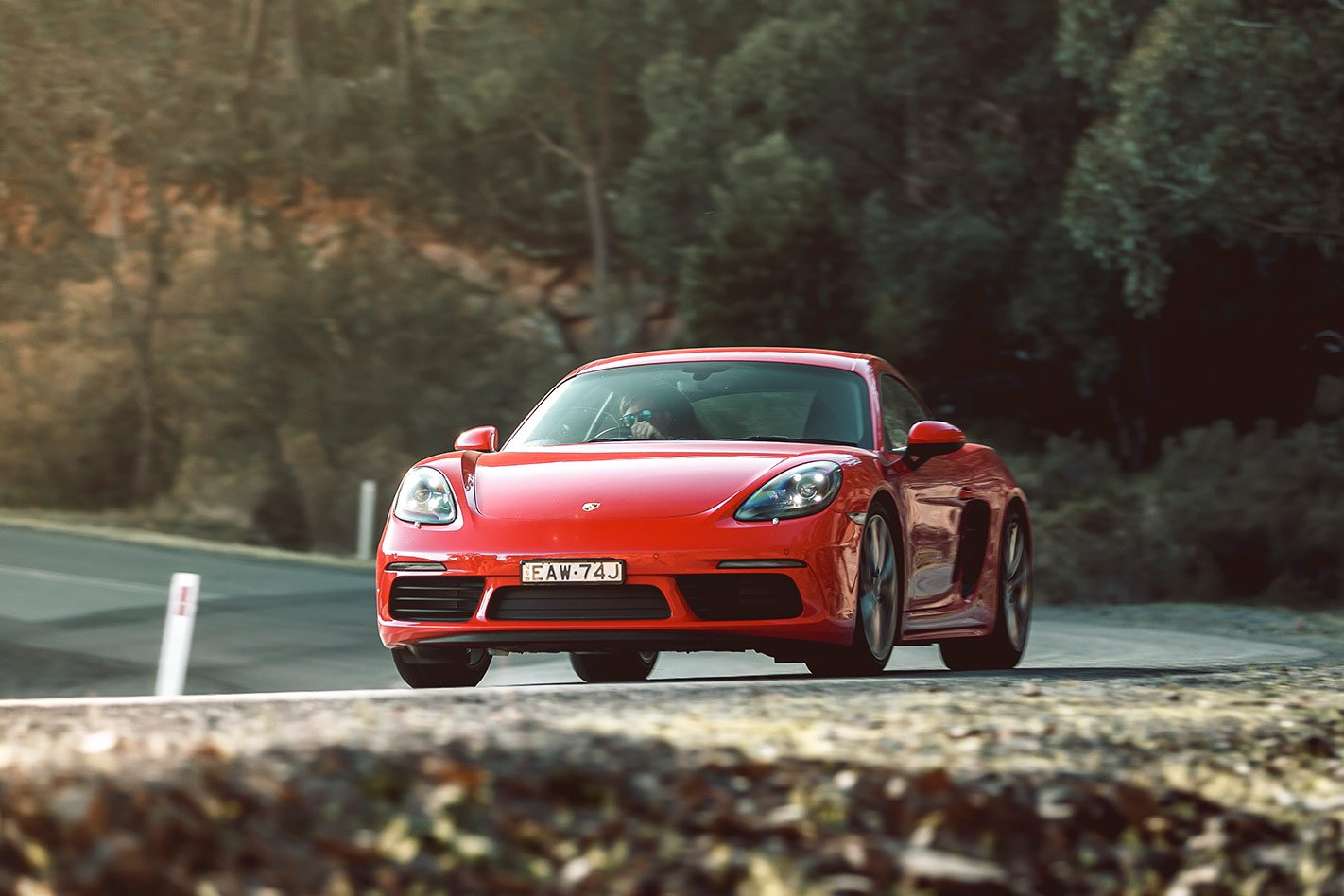
“With the four-cylinder we have to say we lost some of the volume in, let me say more traditional markets. And we all know the engine is really good and the car drives very nicely but you know what I talked about emotions? This [engine] is different,” he concedes.
“But volume-wise we are number one in the market in China and this compensated everything in the world and the sales numbers in China are unbelievably good over many, many years,” he reiterates.
“So strategic-wise it really helped the car to survive. It’s good business and there’s no question to continue the story.
“Even more importantly, in the Chinese market we have a very cool car and we have a way younger target group. The group is way more female, so the typical Boxster customer is 30-year old Chinese women. And the value is unbelievably good because, for sure, once they are with Porsche, they will continue that.
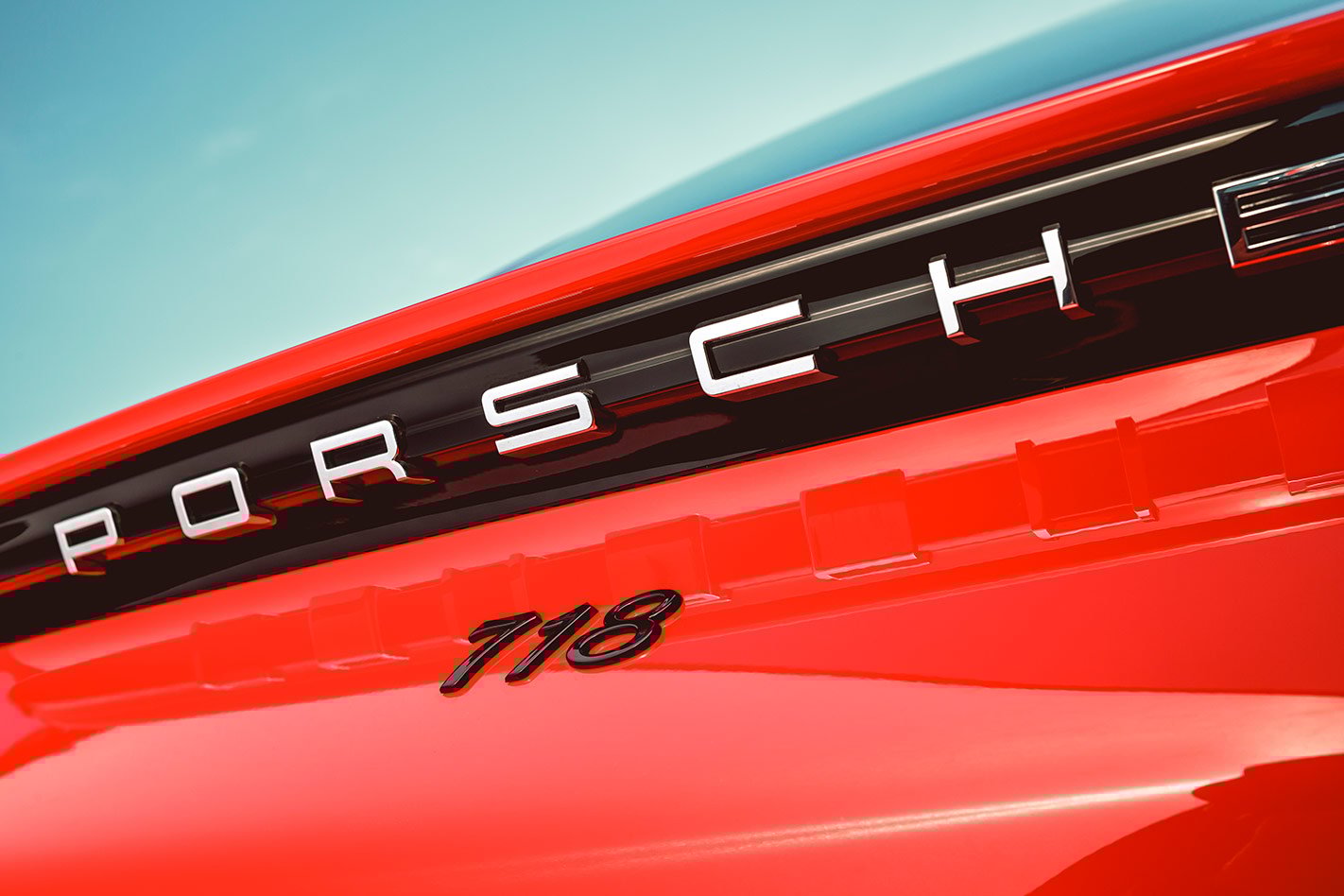
“Don’t get me wrong, we’re a little bit in the handbag business. So, if you love your daughter, wife, girlfriend, you can give her a handbag or, if you love her a little bit more, you buy her a Boxster.
“The girls in China really like it. You know there are more boys than girls in China because, some 30 years ago there was some selection process. The Chinese man has to do something. We have solutions,” he chuckles, tongue firmly in cheek.
“Now with adding the six-cylinder again – with the GTS and GT4 – we hope and we can already see in the order intakes that our more traditional markets, Europe, UK, Australia, US, the interest on the 718 really comes back,” he says.
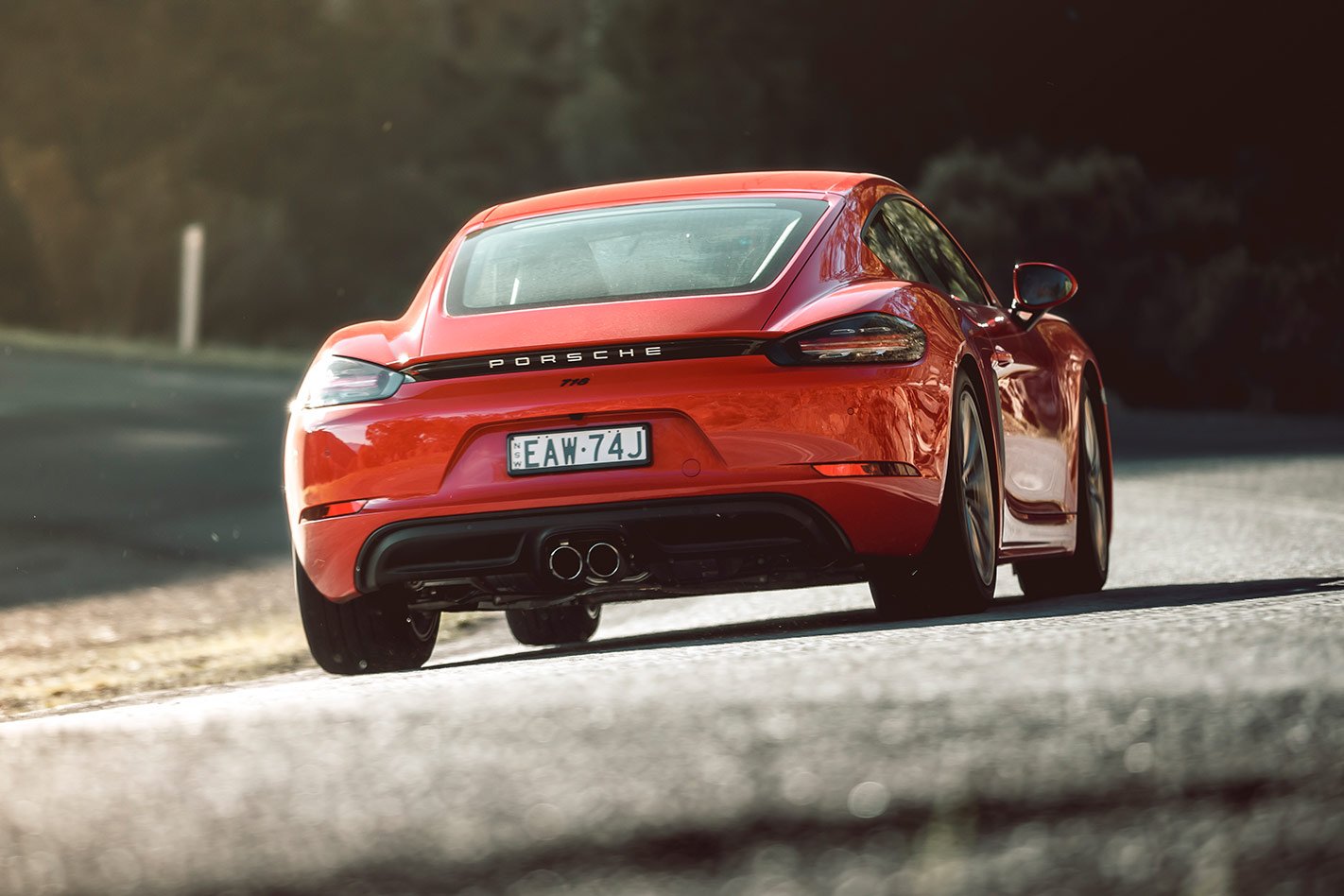
With the 718, Porsche appears to be offering both handbags and six-shooters. Perhaps it should always have been thus. Walliser’s looking to the future though.
“I definitely think we can do a very, very good electric sports car, but I do not intend to do an electric 911.”
That narrows things down a bit and fuels speculation that the next-gen 718 will be electrically-powered.
“We will wait a little bit to see which direction we are going,” he says on the 718’s propulsion.
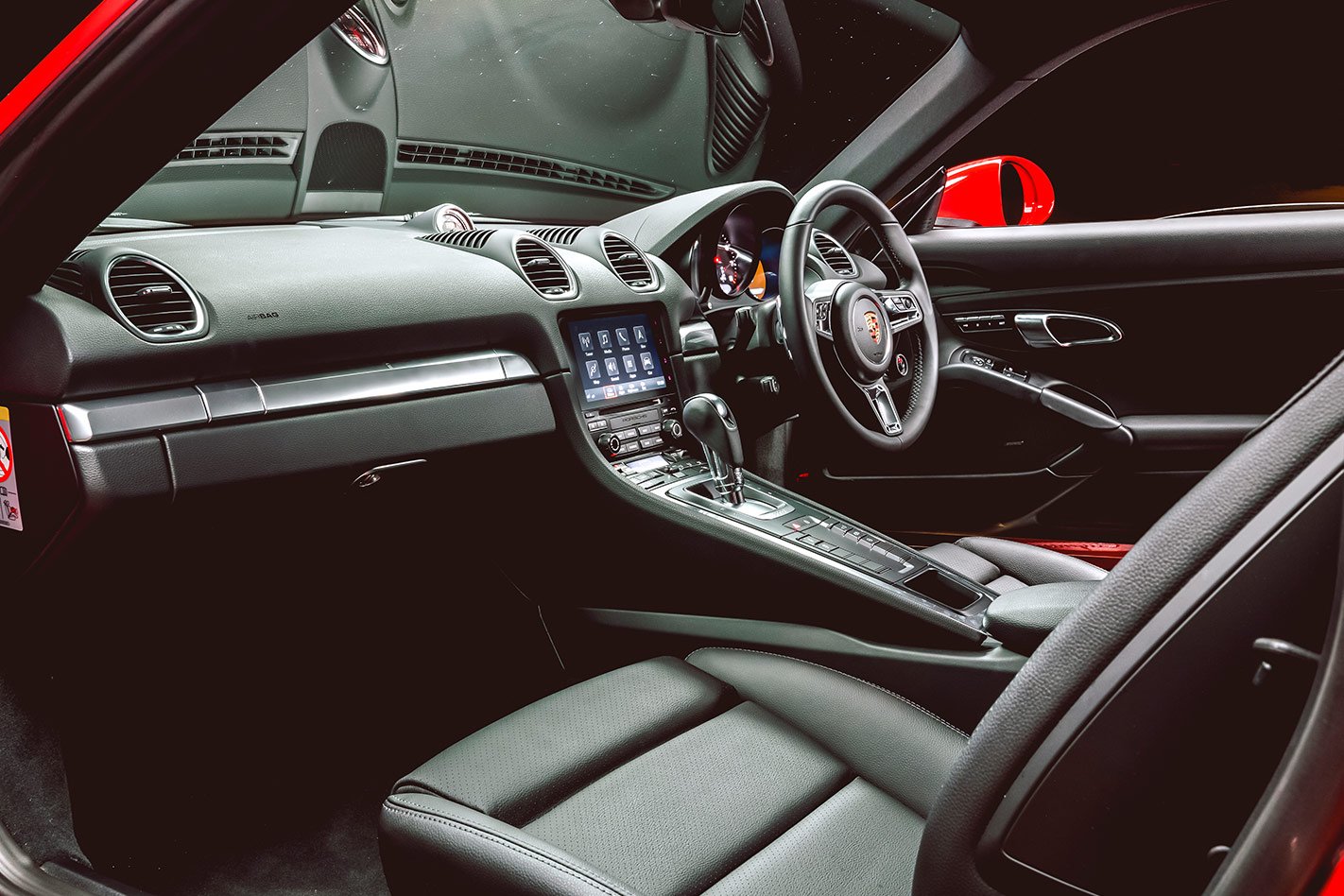
When pressed on how the 718 was going to manage EU7 regulations due in 2026 which are set to push the 911 to a bigger capacity engine, Walliser admits “there are more options than just six-cylinders.” Electric power? “That’s one of the options.”
- Nissan could stop building Navara
- New rescue plan could mean big changes for SUVs
- Renault SUVs slated for Australia – but Mitsubishi might fight back
However, the chance to simply share unseen mechanical parts under each brand’s own body styles may have gone, potentially replaced by what’s known as badge engineering.
Years of internal squabbling and a lack of co-operation across the alliance has led to billions of dollars of losses, both in vehicle sales and in failures to reduce duplication across its three brands. Now, though, it says it has a plan.
The alliance will anoint ‘leader’ cars within its soon-to-be-reduced model line-ups, which will spawn ‘followers’; code for vehicles that are essentially the same inside and out.
“The new business model will enable the Alliance to bring out the most of each company’s assets and performing capabilities while building on their respective cultures and legacies,” said Chairman of the Alliance Operating Board and Renault, Jean-Dominique Senard.
“The three companies of the Alliance will cover all vehicle segments and technologies, across all geographies, for the benefit of every customer, while increasing their respective competitiveness, sustainable profitability and social and environmental responsibility.”
The best example of the alliance’s new focus on the leader-follower method can be seen with the recent launch of the Mitsubishi Express van, which is but for the nose badge a Renault Trafic.
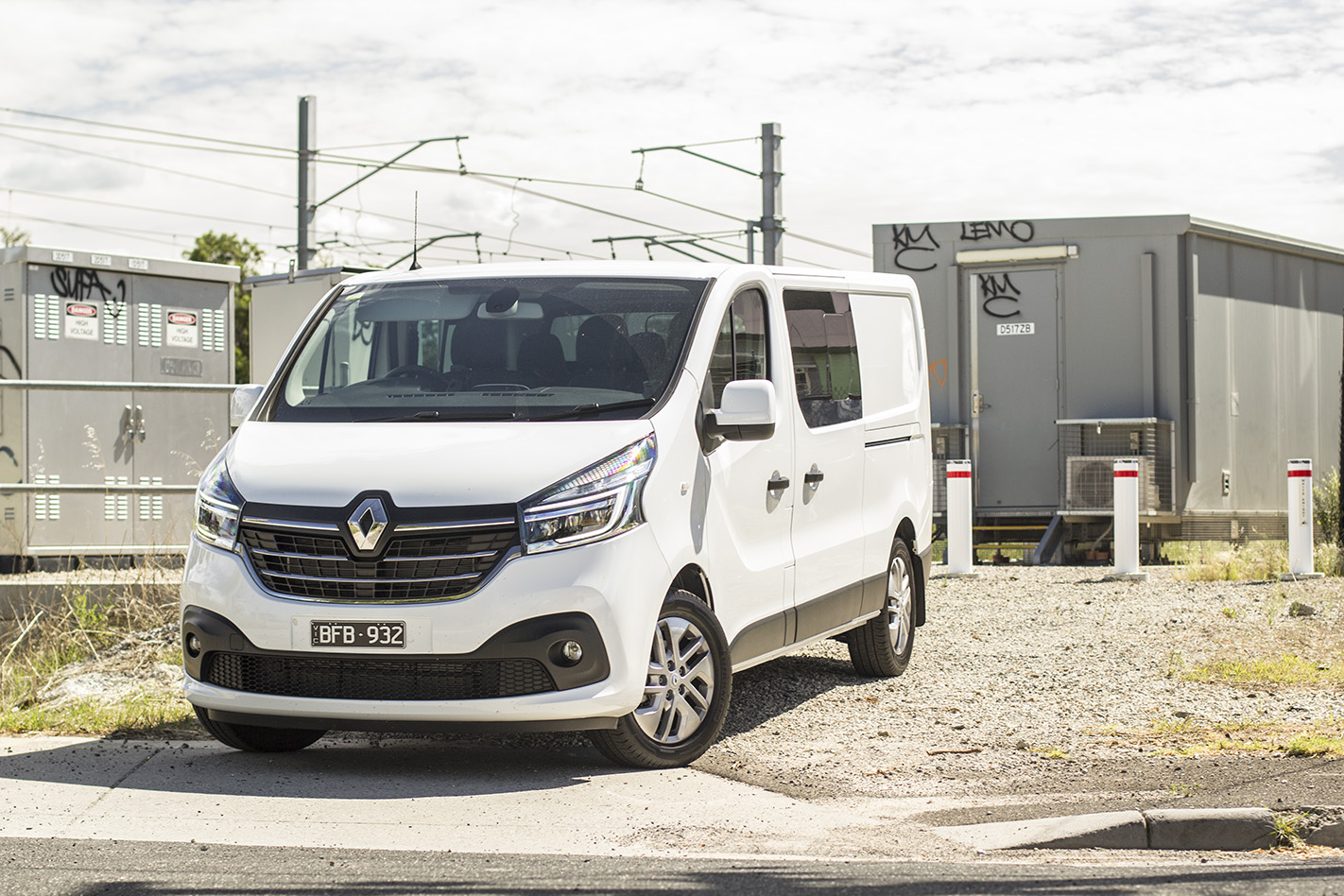
This methodology will be rolled out across all segments, and will affect many vehicles across the three brands.
Of interest for dual-cab mad Aussies is the expectation that the Nissan Navara will disappear in its current form, replaced instead by a co-developed version of Mitsubishi’s next-generation Triton ute, which is further along in its development cycle.
A Triton development test vehicle, known as a mule, was sent to Australia two years ago, indicating that plans are far advanced for the new version.
A plan for the two utes to share underpinnings has been in place since 2016, but the latest road map appears to be the end of the road for a Nissan-built Navara.
The current NP300 Navara, originally engineered to be shared with Mercedes-Benz’s ill-fated X-Class and the Renault Alaskan, hasn’t been a particular success for Nissan, with numerous updates over its lifecycle to sort out its suspension tune.
Internally, it’s cost Nissan far more than it should have, thanks to the failure of the share program with Mercedes-Benz and the repeated attempts to fix fundamental chassis issues.
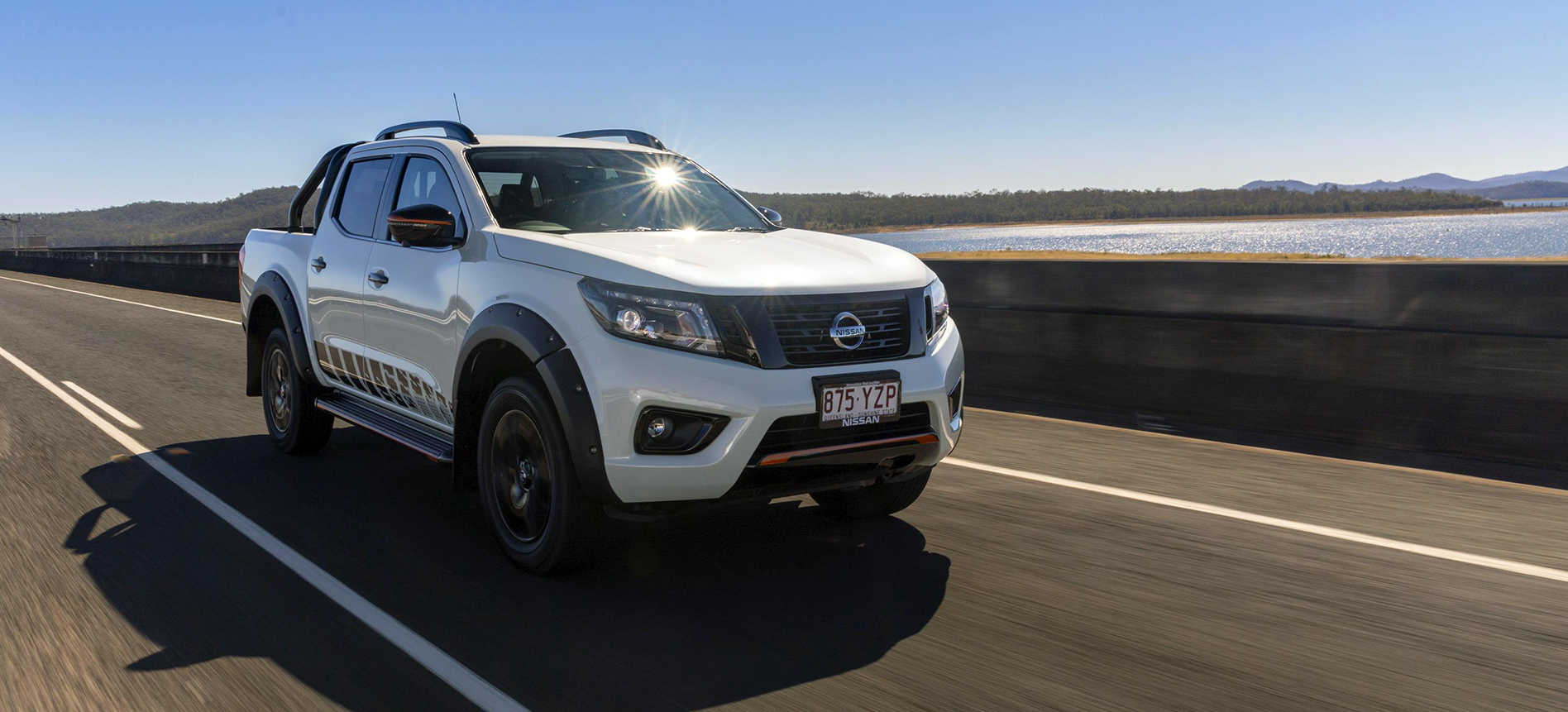
It will count towards a cull of Nissan models announced by the Japanese company, with 14 models to disappear from its 69-model line-up in a huge restructuring that will see it slash $5 billion in costs by winding back production, marketing and development across the world.
Early reports suggested that the sixth-generation Triton will be larger than the current KL, and it may keep its 2.4-litre direct-injection diesel engine.
However, Nissan may contribute its newer range of single- and twin-turbo diesel engines to a joint development program in order to recoup some of its costs.
A Nissan source pointed out to WhichCar that company leaders expressed a desire for the company to maintain a sense of its own identity during a media call on Thursday, which suggests that a straight badge-swap between the Triton and the Navara is not necessarily a forgone conclusion.
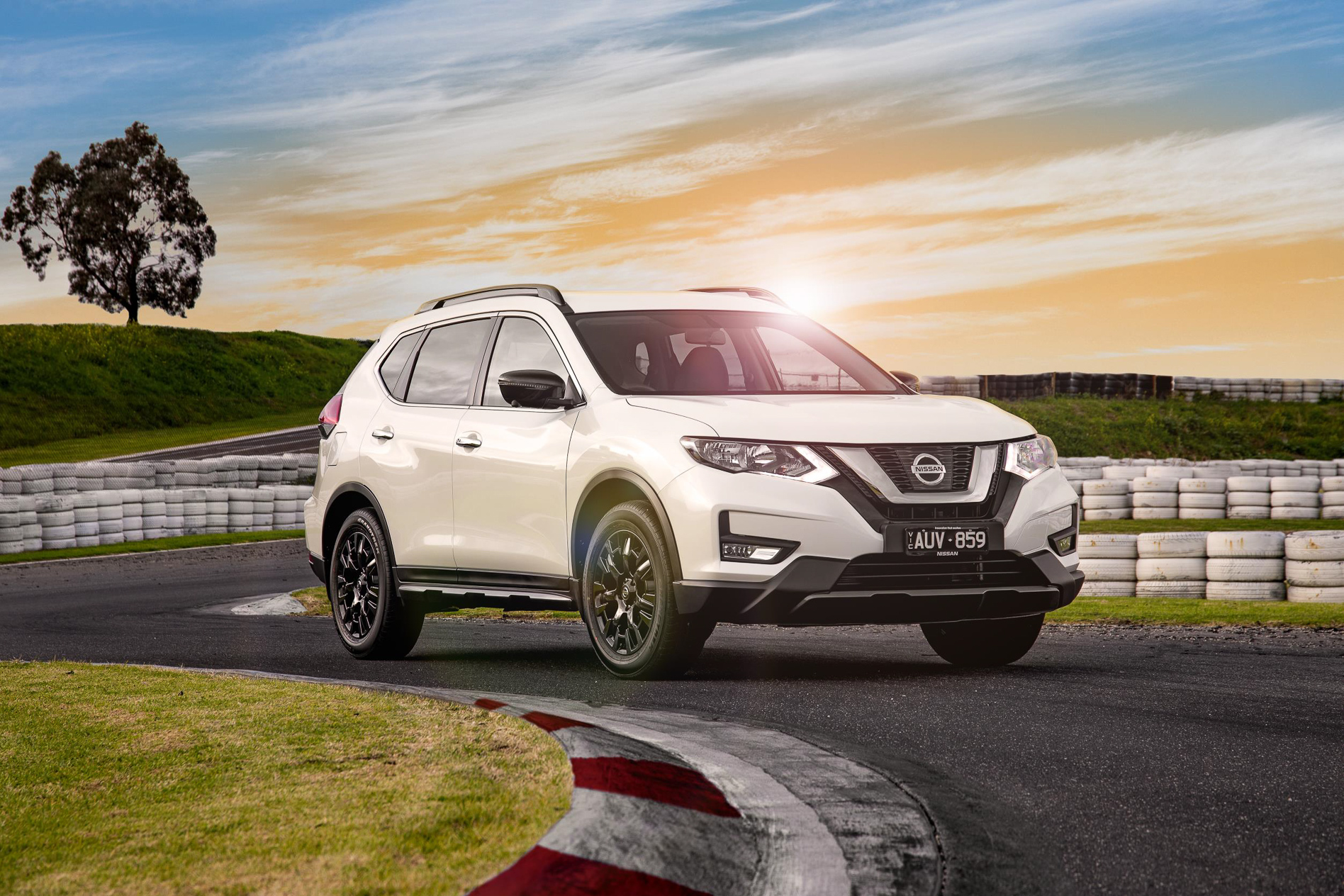
In the medium SUV sector, Nissan will assume the leader role for the alliance, which will see cars like the popular X-Trail be redeveloped at the expense of Mitsubishi’s ancient Outlander and the Renault Koleos.
Nissan’s press event revealed an image of the X-Trail – known as the Rogue in overseas markets – which will be released in the US this June.
This means that the current X-Trail will need to soldier on for 12 to 18 months in the Australian market before it’s replaced with an all-new version.
Less clear at this stage is the fate of compact SUVs like the popular Nissan Qashqai and Mitsubishi ASX, with Renault to take the leader role in the burgeoning category.
The just-launched second-generation Nissan Juke uses Renault technology with its own body, but Australia’s favourite compact SUV, the ASX (below), could potentially disappear, replaced instead by – if the alliance plans pan out – a re-engineered version of the next-generation Renault Kadjar.
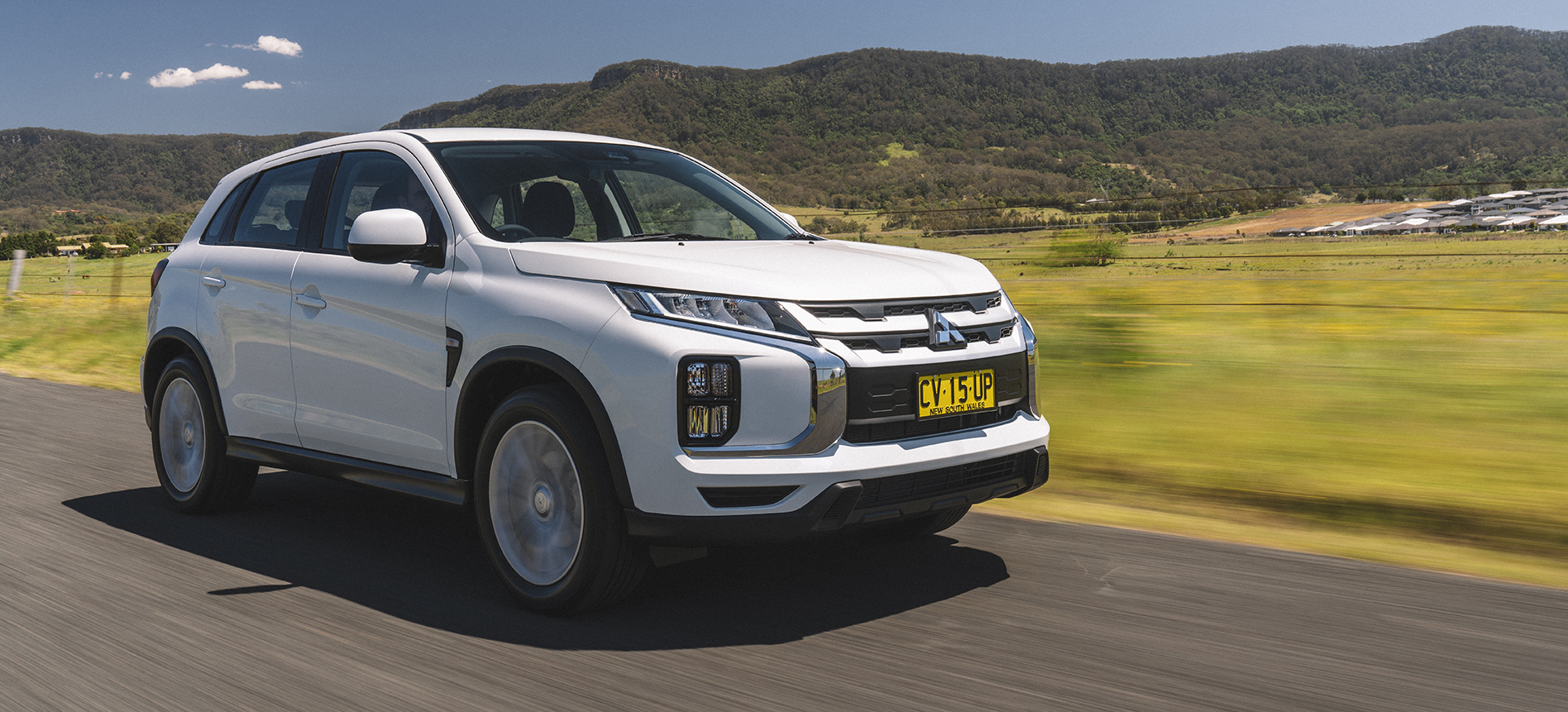
However, the plans around the ASX are even more complex than those around the Navara/Triton, with industry sources suggesting that Mitsubishi may even rebel against the alliance, and look to develop its own versions of the Outlander and ASX.
A relatively recent plan was proposed to move the 10-year-old pair onto a newer alliance platform but it would, according to our source, have meant that the ASX would be smaller and slower, yet cost more at the dealership.
Mitsubishi has previewed more concepts over the last few years than any other maker, with the Outlander previewed last year in the form of the electrified Engelberg concept.
If Mitsubishi does forge ahead with a new Outlander, it will be able to be scaled down to create the new ASX.
The current ASX is, acknowledged our source, almost at the end of its workable life in terms of safety and emissions technology requirements.
There is still lots to play out for some of Australia’s favourite cars – the Nissan Patrol, for example, was referenced in the Nissan presentation, which could mean the relatively low-production, ageing 4×4 wagon may survive.
But while the new 400Z was previewed, there was also no mention of the long-lived GT-R.
As well, electrification and hybrid models need to be factored into future plans, as emissions regulations tighten across the world.
This plan appears to be, however, the last throw of the dice for an automotive triumvirate that has largely failed in its mission to share technology to produce cars more efficiently.
Toyota is Australia’s favourite car brand and not by a fragile margin. Last year, the big red T sold more vehicles than the combined total of the brands in second and third place (Mazda and Hyundai).
Fair to say then, that the Japanese car giant is doing something right in the eyes of Australians.
But, despite its indisputable and seemingly unstoppable lead and about 200,000 annual sales, Toyota is acutely aware that it can’t afford to rest on its laurels.
You need only look to Holden and the crushing result of taking your eye off the ball in the savagely unforgiving Australian automotive landscape.
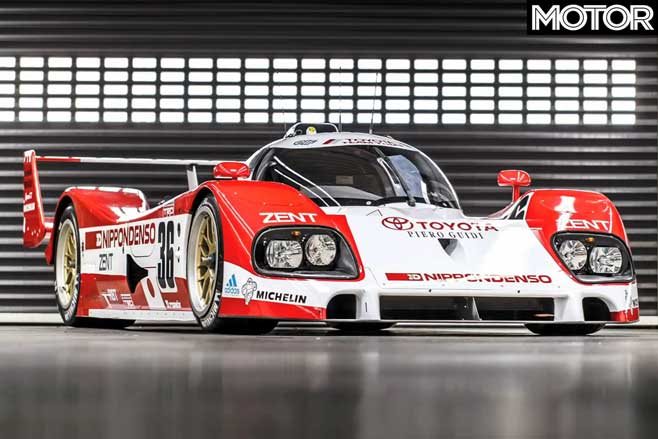
That’s exactly why Toyota isn’t standing still for a second and has been quietly forging a new image for itself over the last few years.
Why fix something that isn’t broken?
The key to Toyota’s success stems largely from a focus on fleet sales and big-ticket orders from companies including government and rental businesses.
These big clients are driven almost exclusively by price, running costs and safety, with little value for cool features and funky style.
Which is why, for many years, if you were after the automotive equivalent of white goods, it was almost certainly a Toyota Camry… in white.
This approach works perfectly for many private consumers, too. Toyota understands that a vast majority of Australian car buyers aren’t motoring enthusiasts and simply want something that’s reliable, safe and cost-effective.
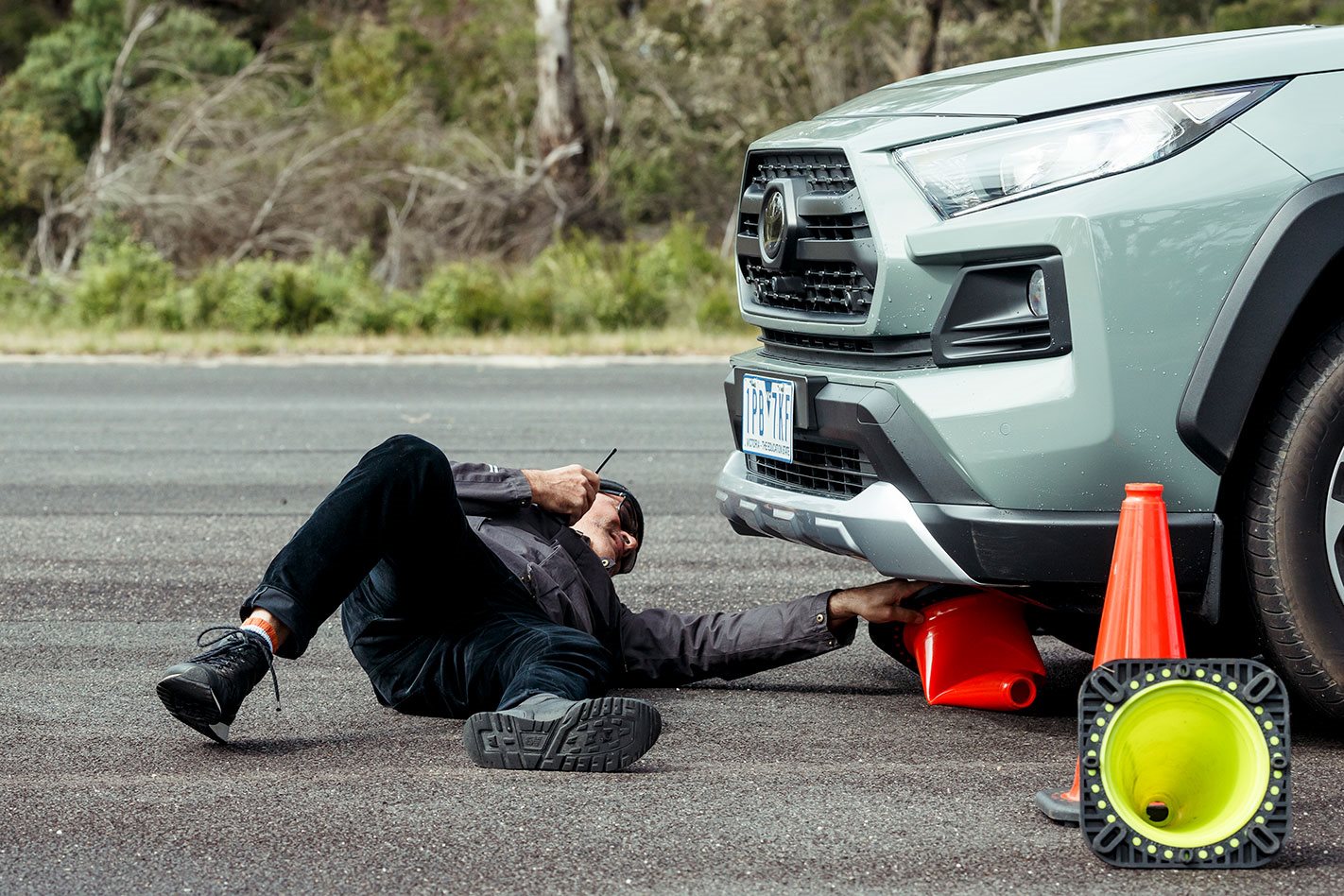
But while Toyota’s fit-for-purpose approach has proven lucrative and efficient, it completely fails to inspire and captivate a new generation of drivers and people to buy Toyotas.
Engineering passion
You won’t have noticed an overnight transformation in Toyota’s image but when you compare the Toyota of 2020 with the company of nearly a decade ago, the monumental change in direction becomes clear.
Here’s how the big T is getting its mojo back and gradually winning over the passionate drivers as well as the pragmatic.
Evolving with the times
Just like Holden and Ford, Toyota once manufactured a large sedan on Australian turf that Australians loved, but over the years, enthusiasm for the Camry, along with the Commodore and Falcon dwindled.
When all three carmakers ceased local production, the large sedan segment fell into obscurity.
The difference between Toyota and the now-doomed Holden was that the Japanese car manufacturer had begun the flow of alternatives Australians wanted to buy many years before.
Those popular SUVs and hatchbacks fuelled the fires of change and funded Toyota’s brand-boosting projects.
Young cars for young people
Trying to win over a crucial youthful audience as well as a driving enthusiast market with a range of cars that target fleets was always going to be a hard sell. Instead, Toyota evolved the range to cater for a broader range of drivers.
Corolla
In 2012, the eleventh-generation of Toyota’s prosaic small hatchback arrived with more than the usual light fettling and a variation on the same theme, it took a step up in design and dynamics.
But the evolution into the twelfth iteration was a quantum leap.
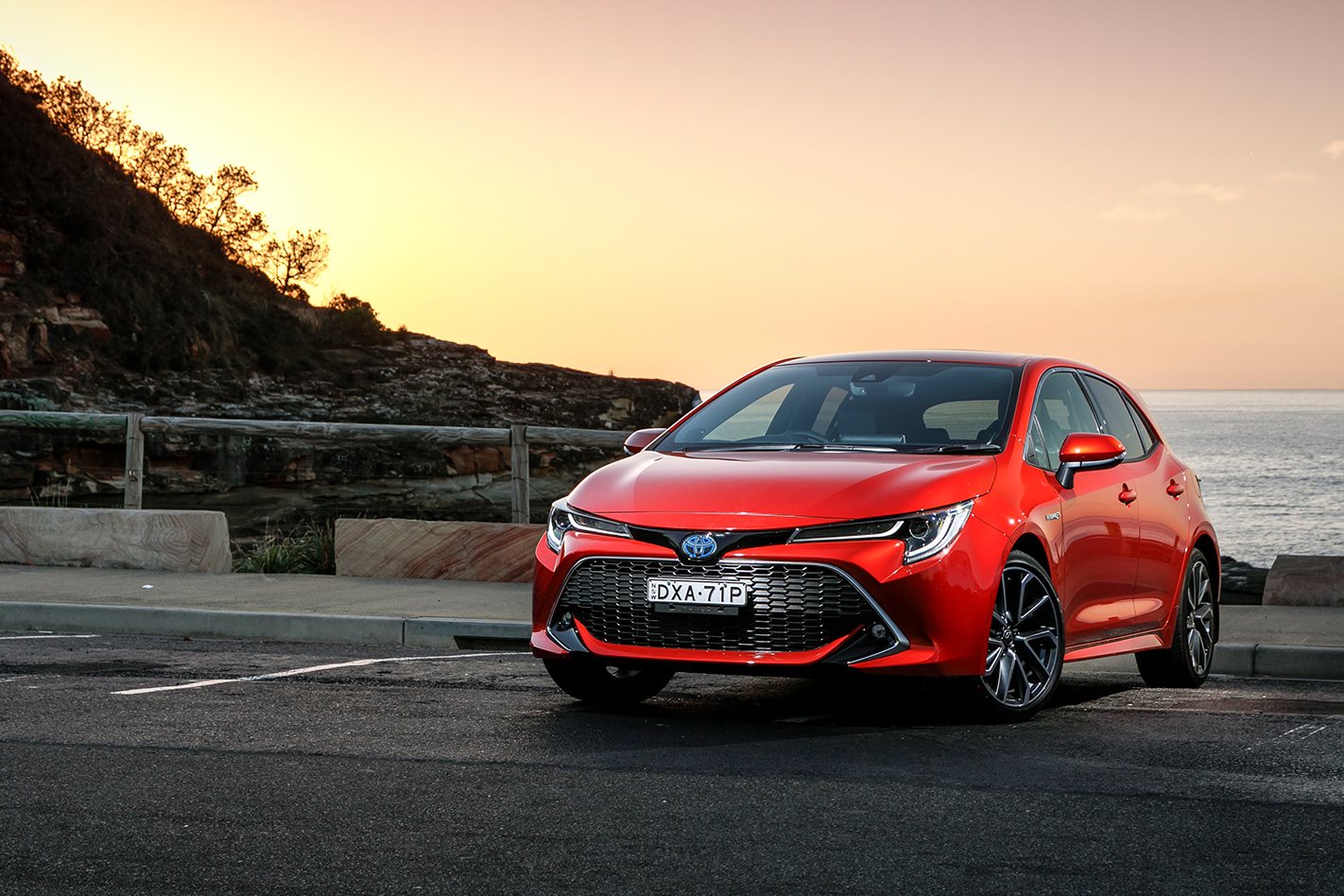
Now the Corolla looks as sharp as its chassis feels, and while there’s not yet anything to compete with true hot hatches, there’s a glimmer on the horizon.
C-HR
Following on from the success of the RAV4, Toyota introduced its first compact SUV – the C-HR. It perfectly filled the gap that had been created by its RAV4 older sibling as it grew into the midsize segment, but the design was like nothing yet seen in Toyota’s ranks.
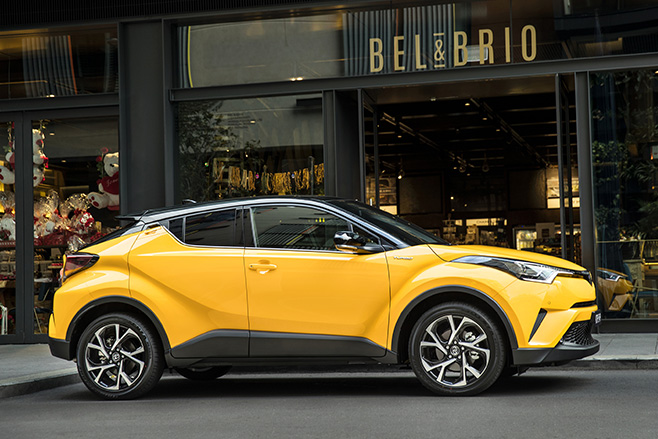
The little crossover only offered a 1.2-litre turbo engine performance, but its real knockout punch was on-point technology including smartphone-prioritising applications and interior design clearly intended to appeal to a style-conscious crowd.
Camry
Who would have ever dreamed the Camry would one day be described as even vaguely cool?
But perhaps the only silver lining to the cloud that was the loss of an Australian-made Camry was the immeasurable step up that an imported version brought.
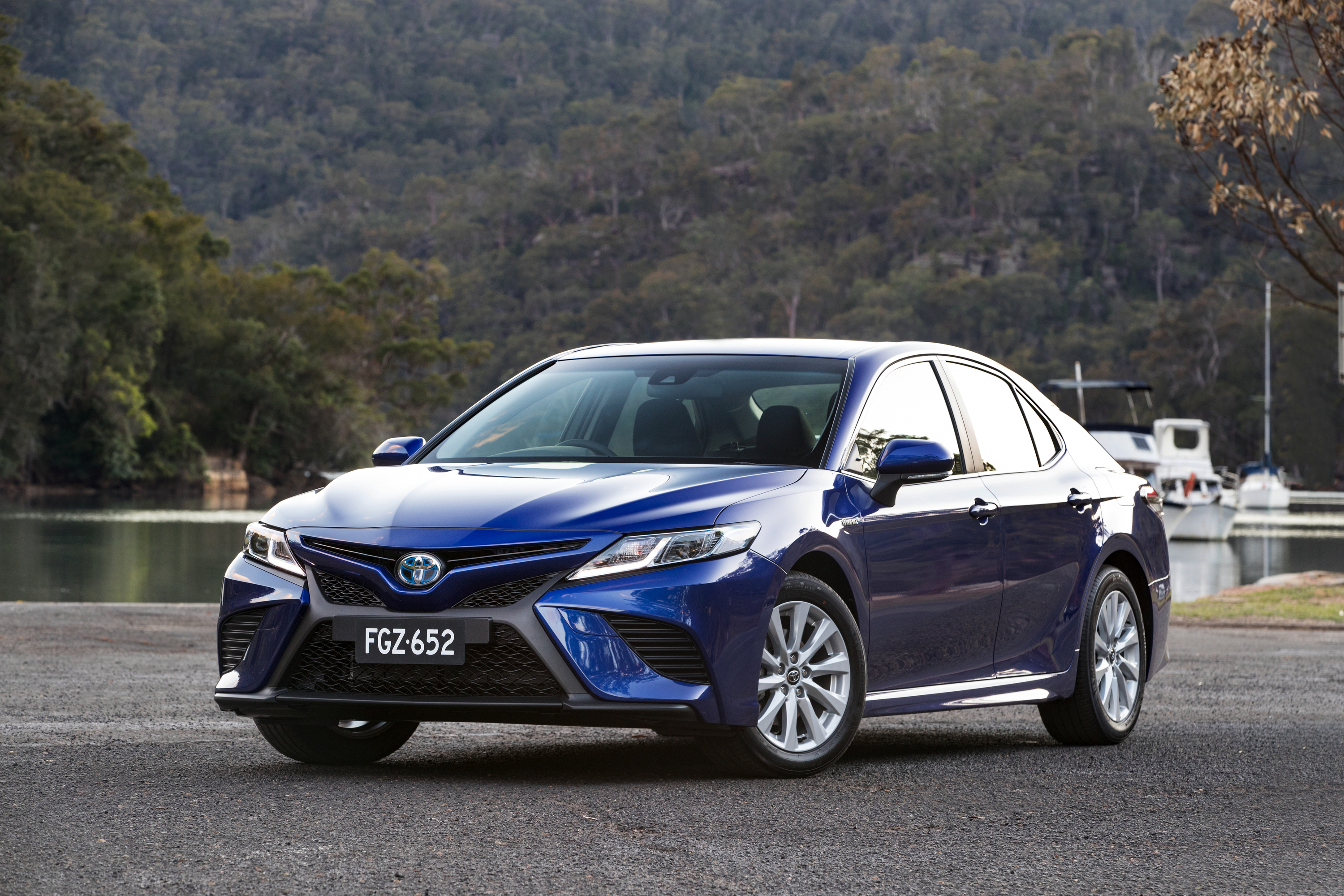
Once again, styling matched the performance promise and the latest generation manages to cater to people who care about what sits on their driveway without compromising the practicality for those who don’t.
RAV4
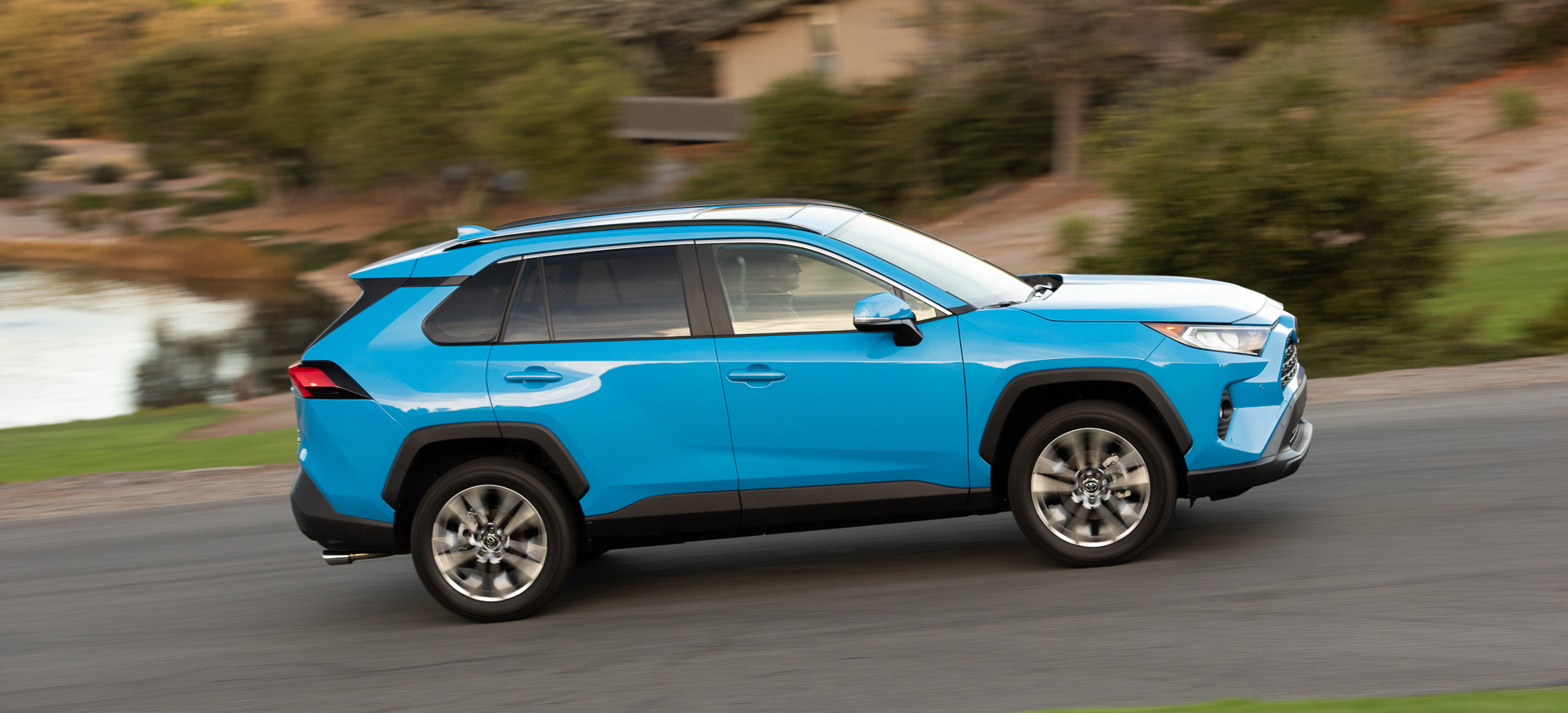
It’s the SUV that started a revolution, and it’s worth noting that it, too, has reinvented itself for a new age.
The success of the hybrid-powered version – with wait times of six months or more on some models – has seen Toyota do what no other manufacturer has been able to do; make green cool.
As well, the boldly angular stature of the new RAV4 is reminiscent of some of Toyota’s daring but underdone darlings like the boxy FJ Cruiser or the polarising but practical Rukus – cars that defied the straight-edged Toyota ethos of the time.
HiLux
Toyota’s iconic pickup was one of its first models that showed signs of finding its way onto the threatened list.
It might have been Australia’s top-selling model for a time, but that was by no means as a result of it being the ‘best’ option in the market.
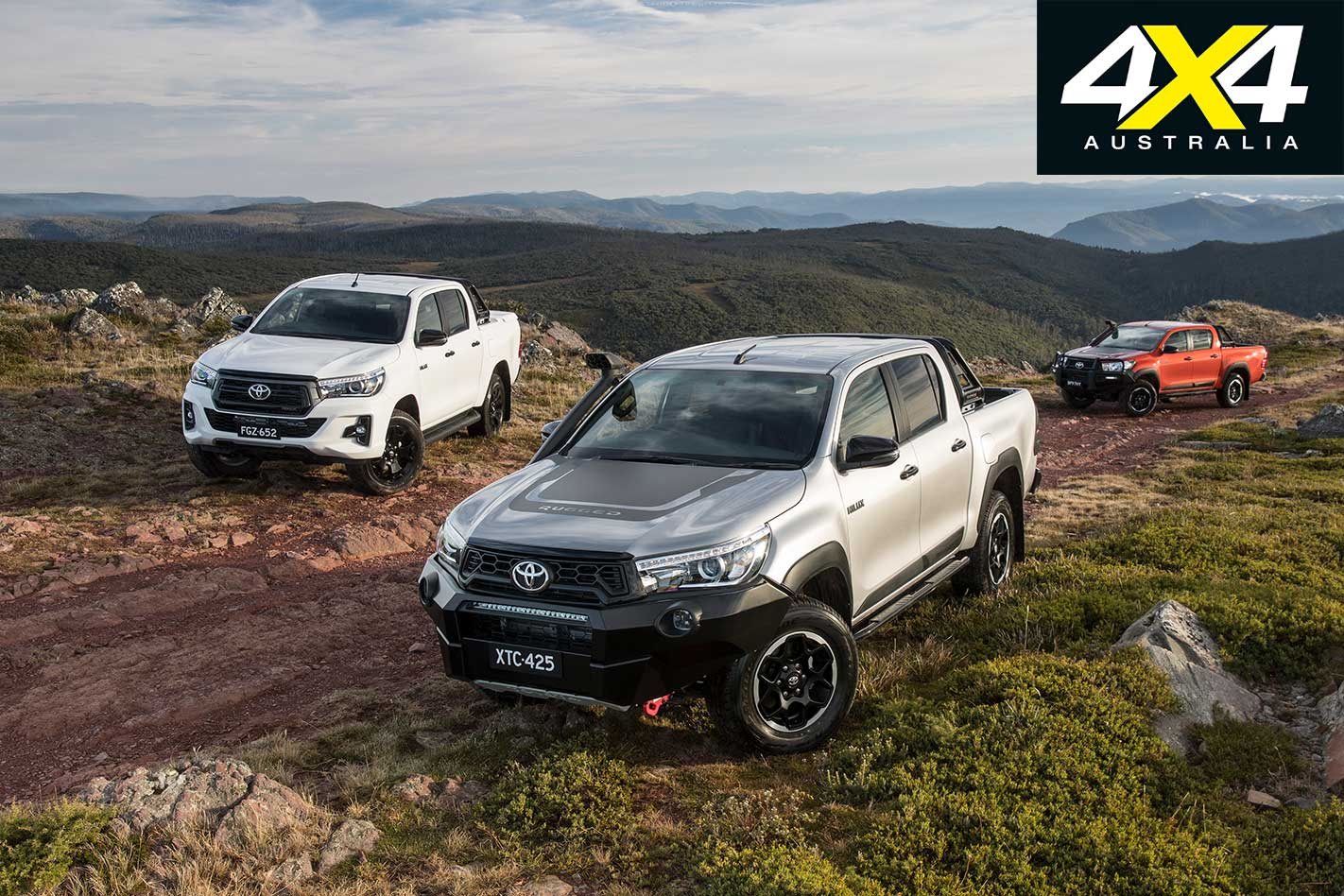
As rival brands introduced monster versions of their one-tonne utes, the weaknesses in the HiLux’s armour started to show. To a degree, however, the range-topping Rugged, Rugged X and Rogue variants applied more pressure and maintain relevance.
Sportscars
86
The company delivered an early hammer blow in its intent to become cooler when, in 2012, it revealed the game-changing 86.
Not only was this rear-drive, 2+2 gem a true driver’s car, it was also affordable.
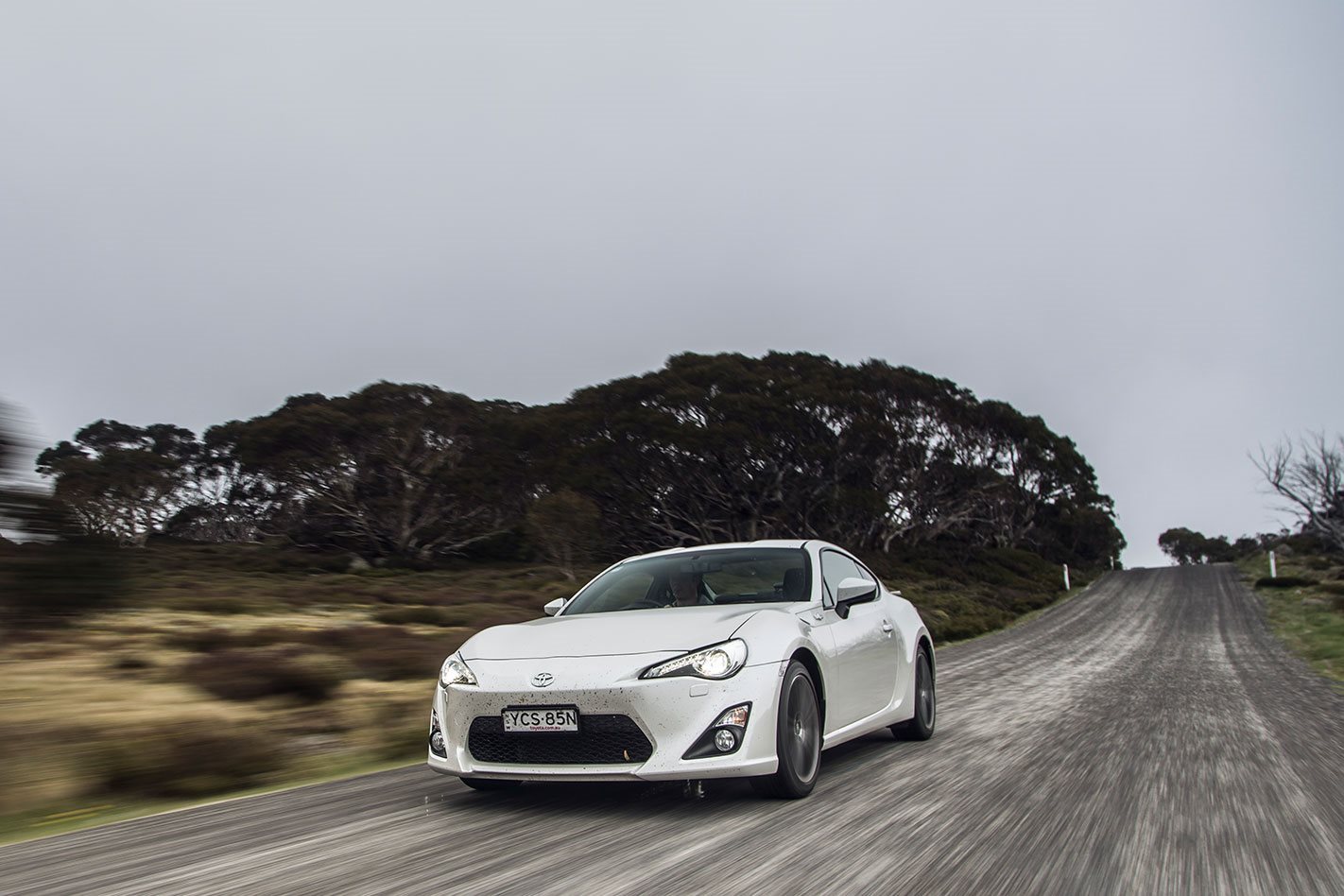
Nearly a decade on, the little sports coupe is winning hearts and being bought by young car enthusiasts who are proud to say they own a Toyota.
And despite fears of its demise thanks to poor sales in the US, Toyota will bring the 86 back for a second generation.
Supra
The 86 would also get a big sister that would both up the performance ante as well as delivering a second nostalgia trip.
The Supra name instantly created a buzz in the performance car world, tugging at the heartstrings of enthusiasts growing up in the 1980s and 1990s.
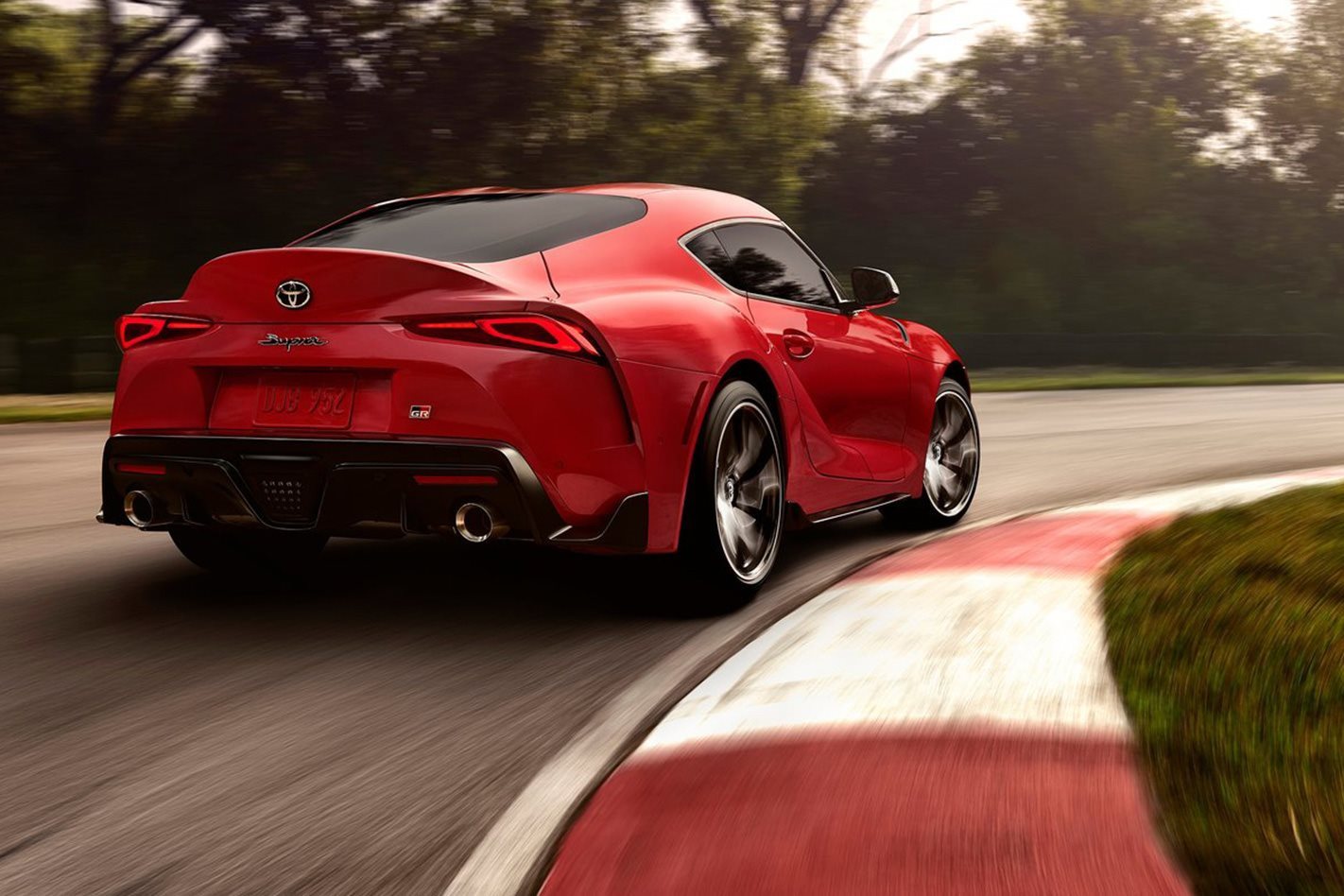
Now though, those fans of the mighty Supra didn’t have to settle for a poster on their wall; they could afford one.
Motorsport
Hand-in-hand with a blossoming range of dynamically rewarding cars, was a growing presence in global and Australian motorsport.
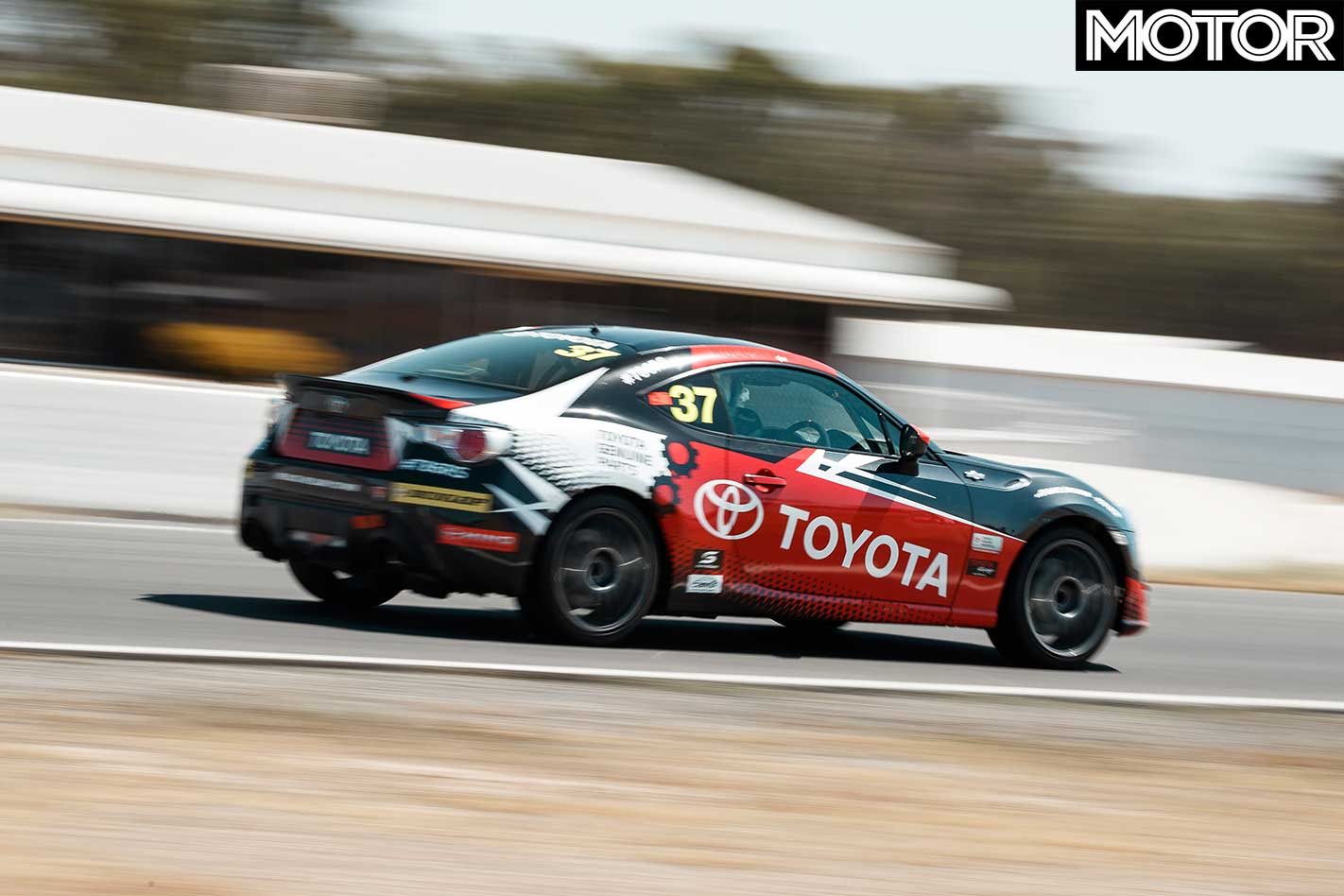
Turn up early to a Supercars race and you’ll see some of Australia’s best drivers battling it out in a single-make series that puts a fleet of racing 86s on track together, further compounding the brand’s commitment to fun and fast driving.
And in 2018, the Toyota rally team would return to the sport it once dominated and take out the top trophy at the Australian Rally Championship, cementing another company triumph into local motorsport history.
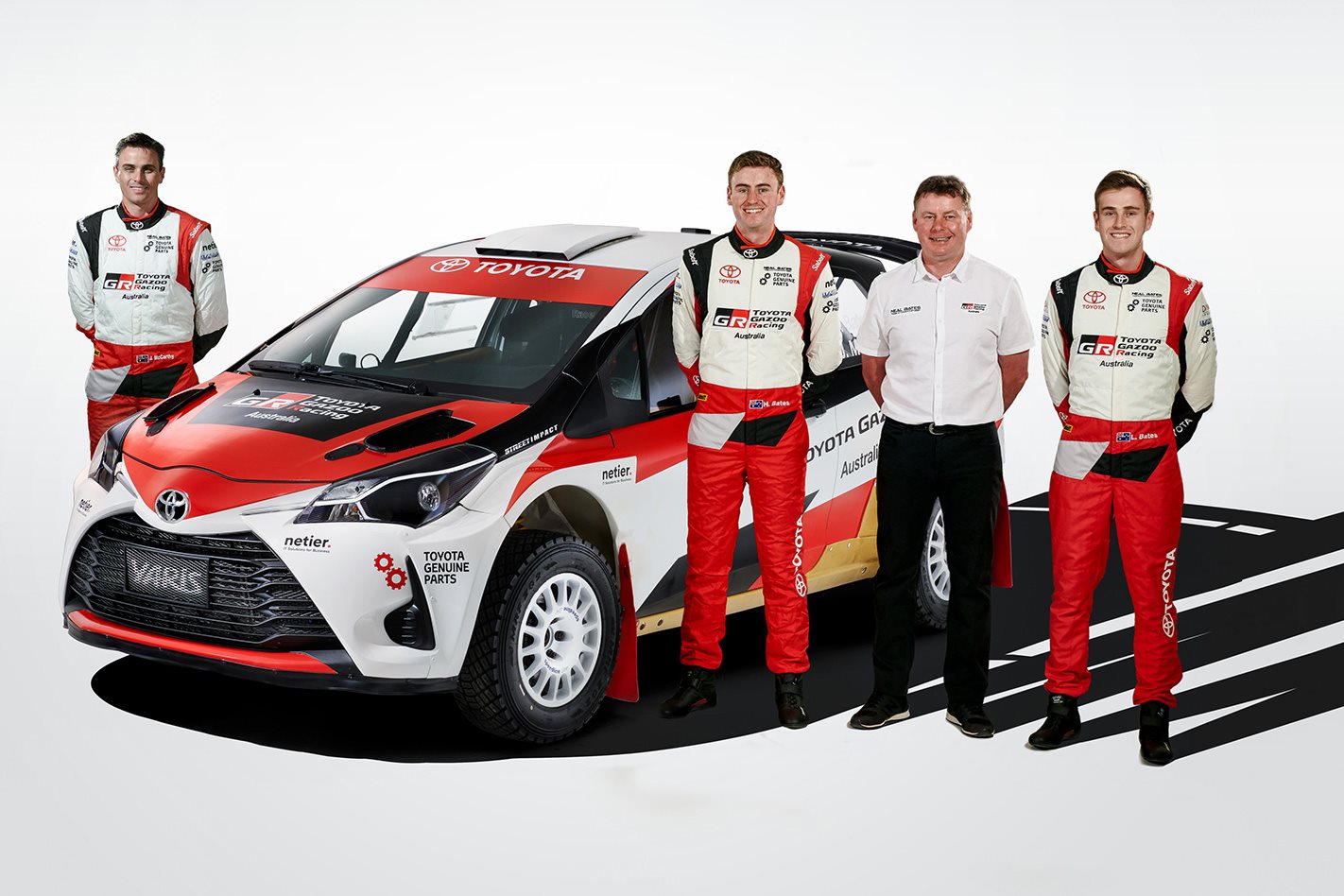
How do you play a Gazoo?
Toyota’s motorsport moniker was introduced to support it various racing ventures around the world, and it’s been slowly infiltrating the road cars ever since, heralding a range of vehicles that might pose as a fierce opponent to hot-hatches from all the mainstream brands.
The GR Yaris was the first, but it will be followed by a GR Corolla and possibly a more potent version of the Supra.
Toyota is not about to let its foot off the accelerator any time soon and you can expect this renaissance to continue morphing the titan away from its dower past and into a shimmering line-up that adheres to Toyota core value principles but adds a dose of future-proofing fun.
The company has arguably not navigated a more significant transition since Kiichiro Toyoda decided to evolve his textiles loom business into automobiles – and rewrite the history books in the process.
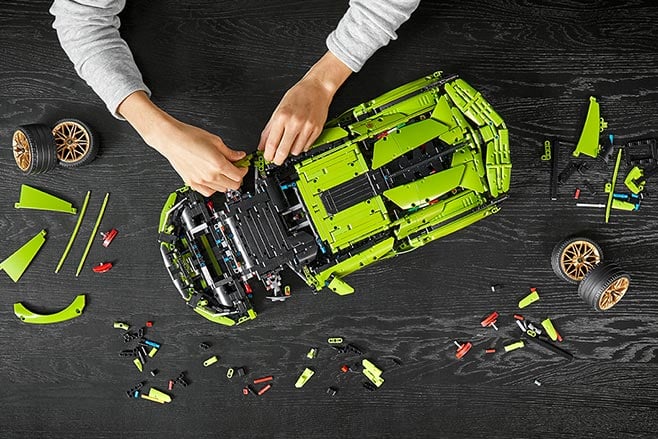
Finally. The Lego Technic Lamborghini Sián FKP 37.
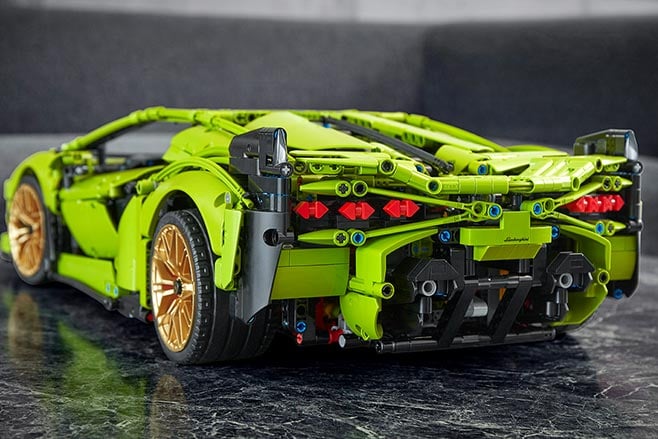
Plenty of leaked images and teasing from both Lego and Lambo have been worth the wait as the 3696-piece replica of Lamborghini’s limited-edition model is revealed.
Measuring in at 13cm high, 60cm long, and 25cm wide, the Technic Sian is a 1:8 scale with an array of working parts and intricate details.
In the signature lime green with gold wheels, the Sian Technic will come in a box mimicking the design language of the Sian itself, though it’ll set buyers back a hefty $569.99.
Lego Technic: Dom’s Charger from FnF
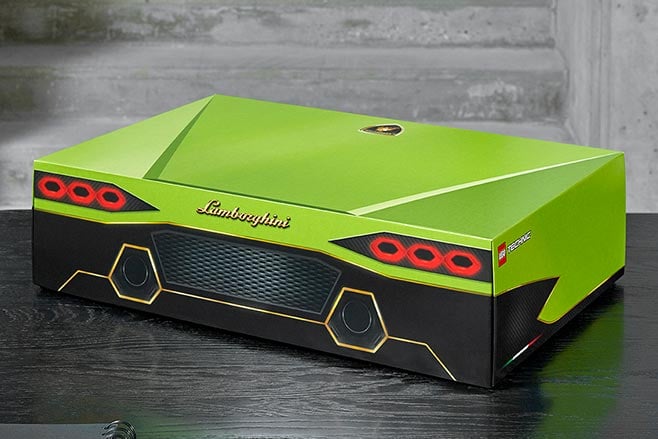
From June 1, fans will be able to order the set and receive a rather elegantly presented kit, and build one of the only Lego cars we’ve seen with scissor doors.
Once complete, the set also boasts a working 8-speed sequential gearbox with paddle shifters and a pop-up rear wing like the one on the real Sian.
These ‘working’ Barra Lego engines are awesome
Lamborghini CEO Stefano Domenicali says Lego is iconic in the same way Lamborghini is to car lovers.
“They both embody the pursuit of design perfection through constant research and development, create different emotions with every interaction, and are valued by generations.
“Each Lamborghini super sports car can be unique thanks to our Ad Personam personalisation program and the specific driving style of each owner, just as Lego bricks provide builders of all ages with endless possibilities for creation.”
Lego CEO Niels. B. Christiansen agrees, saying the model “encapsulates the pursuit of excellence” for both brands.
Nismo GT-R joins Lego Speed Champions series
“Both the 1:8 model and the reveal itself are feats of engineering innovation, pulled off by incredibly talented teams from across our two businesses.”
The last HSV built has left the production line in Melbourne this week.
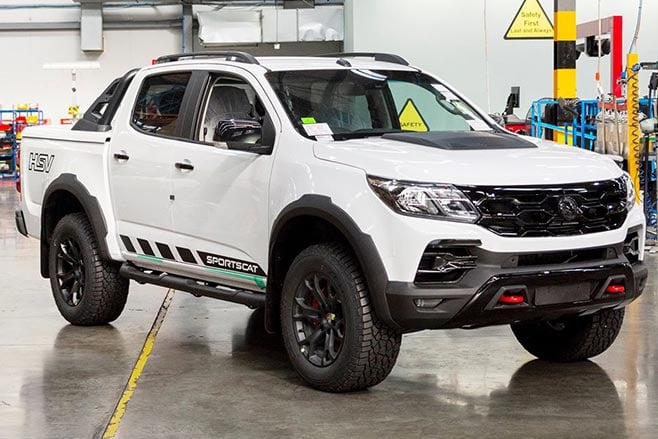
A Holden Colorado SportsCat by HSV (an SV in Summit White to be specific) marks the end Walkinshaw-led company tuning and modifying Holdens.
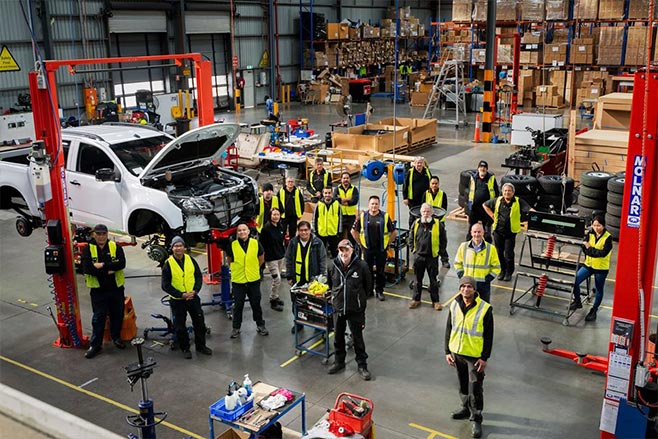
But while the facility at Clayton in Melbourne’s outer suburbs is currently focused on converting the newly (locally) launched Silverado 1500, a spokesperson told MOTOR the future of the company isn’t just the conversion of American pick-ups.
“With SportsCat being the last to wear an HSV badge, we’ll continue to investigate exciting products and bring them to market.”
Holden will effectively cease to exist on the new car market by the end of the year, so the ‘H’ in HSV would become an oddity, though the anticipated change for the brand to become ‘GMSV’ won’t limit the company to converting utility vehicles to right-hook.
Though MOTOR is unable to confirm under which brand or what form the continued enthusiast offerings from the Walkinshaw Group will take, a spokesperson was able to put our fast-car-hungry minds at ease.
“We will continue to evaluate performance vehicles and vehicle enhancements for the Australian market in the future,” they told MOTOR.
While the SportsCat was the last car to leave the production line with HSV’s badge on the grille for the foreseeable future, there was no confirmation either way as to whether the HSV badge would ever return in other ways.
2017 HSV GTSR final drive
One potential avenue for HSV is a program like that run by Mazda for the NA MX-5 or Jaguar its classic models, in which the brand would ‘remanufacture’ previous models to as-new standards.
An example could be the restoration of a customer-owned cars, or a series of reproduction parts for popular models. Whether HSV takes this route in future is yet to be confirmed, but the potential is certainly there.
With the number of vehicles on our roads increasing year-on-year, emergency vehicle drivers are increasingly challenged to get to the scene of an incident quickly and safely. In most circumstances, the onus is on the general public to ensure that that happens.
Being vigilant and observant is a skill that should be practiced by all drivers regardless of emergency vehicles, but keeping your eyes and ears open at all times will help you detect emergency vehicles early, allowing you enough time to react safely.

How to give way to emergency vehicle
The important thing to remember when an emergency vehicle is near is to remain calm. More often than not giving way to an emergency vehicle will mean moving left, in order for the faster emergency vehicle to pass by on the right hand side. If you have no clear path to get out of the way, the advice is to slowly come to a stop and allow the emergency vehicle to pass you rather than panic and potentially cause a collision.
If you see blue or red lights or hear a siren, assume an emergency vehicle is approaching and give yourself enough time to plan. If you wait until the vehicle is on your tail you will have very few options left. When you see one emergency vehicle, it’s possible there will be others responding to the same call. Keep your eyes and ears open for others once the first has passed.
There is no ‘one size fits all’ rule to give way. Common sense is needed in a lot of circumstances, and emergency vehicle drivers should be letting other motorists know their intended path of travel through the use of indicators.
Sometimes it can be difficult to hear emergency vehicles, especially when music is playing or there’s conversation within the car. That’s why it’s so important to constantly keep checking your surroundings.
As always, it is advised to indicate your intentions, like when moving left.

What is an emergency vehicle?
Emergency vehicles are those of the services that can be reached by dialling zero (000). That is, ambulances, police cars and fire trucks. You can be receive significant fines for impeding the progress or intentionally blocking these cars. Tow trucks and repair vehicles do not constitute emergency vehicles, but courteous cooperation is always appreciated in those circumstances.
Can you run a red light for an emergency vehicle?
You should not be breaking the law in order to let an emergency vehicle pass. That means no running red lights or speeding up, as that could increase the likelihood of a crash.

At traffic lights, emergency vehicles are authorised to pass a red light but you are not. The only exception is if a uniformed police officer indicates you to do so. If so, ensure you follow the officer’s instructions closely.
This is the future of the Australian police car
Is it a law to pull over for emergency vehicles?
You must pull over for emergency vehicles – especially when they’re after you. Failure to do so results in hefty fines no matter the state or territory, for example the penalty for blocking the path of an emergency vehicle in Western Australia is 4 demerit points and $400.

What is the speed limit when passing emergency vehicles?
In most circumstances in most states and territories, you must slow down to a speed of 40km/h to pass a stationary emergency vehicle. This rule does not apply if the emergency vehicle is on the opposite side of the road.

The number one piece of advice is to stay calm, safe and legal when reacting to an emergency vehicle. There is no point trying to assist fire, ambulance or police personnel if you are at risk of a crash.
In summary, be aware and observant at all times on the road, not just for the presence of emergency vehicles but all road hazards and potential problems. If you follow these simple rules you could be helping to save a life by allowing emergency services to respond faster to a call for help.
According to the latest figures from the National Motor Vehicle Theft Reduction Council, Australian car thefts increased by 9.0 percent in 2019, with more than 58,000 vehicles stolen nationwide.
A majority of the thefts – nearly 30 percent – were reported in Victoria, Queensland has the unenviable title of second with nearly a quarter of the national figure, while New South Wales represented just over 20 percent in third place.
Interestingly though, even though the Northern Territory reported the lowest number of car thefts, it’s statistically the state or territory where you’re most likely to have a car stolen.
Five NT cars in every 1000 registered were stolen in 2019 compared with the least likely – NSW – where a little more than two cars were reported stolen for every 1000 registered.
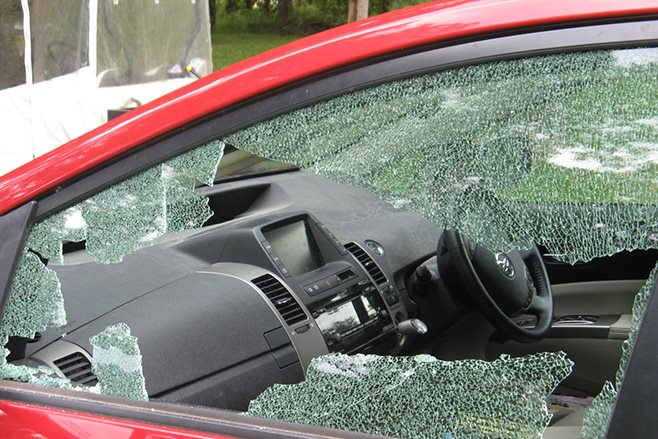
Either way, those numbers should be concerning to any car owner, but there’s good news – protecting your car, reducing the risk of it falling into the wrong hands and avoiding the tiresome insurance claims process might be simpler than you think.
Here’s the essential lowdown on car theft that any car owner should keep in mind and should be part of your motoring routine.
How and why are cars stolen?
As always, information is power, and understanding how a majority of cars are stolen enables the best prevention strategy. Here are the most common scenarios according to Budget Direct’s 2019 car theft statistics:
#1. Contrary to popular belief, a majority of cars are not stolen by a masked criminal smashing a window before expertly hot-wiring the ignition and setting off at pace.
Actually, most cars are stolen using the key that belongs to it. About 37 percent, in fact, are unlocked, started and driven away exactly as the lawful owner would.
#2. Second to that, 18 percent of cars are stolen using – somewhat amazingly – keys left inside the car. In this scenario, the thief forcefully gains entry to the car but finds a key to start the vehicle without fuss.
Leaving a spare key in the glove box is the automotive equivalent of leaving your front door key under the mat.
#3. Acquiring a key through other methods is the third most common way a car is stolen in Australia accounting for 12 percent. This includes finding out the car’s VIN then enlisting a less than scrupulous locksmith to make a copy.
#4. Seven percent of cars are ‘taken without consent’ and thankfully, relatively few are taken by robbery, which includes the criminal confronting the owner and demanding the keys or car to be handed over. This type of theft includes carjacking.

Five percent of vehicles are stolen through misleading the owner, forgery or fraud. Examples include car sales scamming, or dodgy cheques that bounce after the car has been handed over.
#5. Just two percent of cars stolen in Australia are removed by towing or rolling without starting the engine. Using a truck to lift the vehicle onto a flat bed is an extreme case, while breaking in and releasing the park brake to roll it to another location falls under the same percentage.
What can you do to prevent car theft?
Choose secure parking
Even in the most affluent suburbs, your car is still at risk – actually criminals targeting specific models or makes in so-called ‘stolen to order’ thefts gravitate to where the high-end vehicles live.
There’s one thing for certain, though; thieves don’t like to be caught in the act, so park your car in the safest spot possible. Think light, exposed and busy.
There are also some carparks that offer safety zones which are patrolled or have intercom contact with security, so keep an eye out for those if parking in a carpark overnight.
Keep your keys safe
Since about the early 1990s, cars have included more sophisticated electronics including in many cases some form of immobiliser, so finding the keys is a thieves’ newest mission. Keep the keys somewhere safe and hidden, and you’re one big step closer to keeping your car safe.
Avoid leaving them anywhere obvious such as your handbag or jacket pocket. Or, even worse, the hall table.
While the number-one method of car theft is acquiring the key through ‘burglary’, thieves have been known to snag keys from a table or hook near the front door with a shaped metal wire sent through the letterbox. Ironic that modern cars are still being stolen using a bent coat hanger.
As well, think about locking both your screen door and your main door as a deterrent against opportunistic car thieves.
Careful sales approach
Clever scams though online sales services are becoming an increasing problem. The criminal poses as a legitimate interested buyer before enacting a number of possible deceptions.
There are many tricks and scams that thieves can try but the general rule is simple – do not hand over your car or keys unless the full amount you have agreed on is either in your hand or proven to be in your bank account.
And don’t get blindsided by an easy sale. As the saying goes, if it looks too good to be true…
Finally, be discreet with your information when advertising online particularly if you’re selling a high-value car.
Keep your address, registration and VIN a secret until you are certain the buyer is trustworthy.
Anti-theft technology and gadgets
There are a number of aftermarket products that can make your car harder or less tempting to steal, from the somewhat agricultural but effective steering lock to ultra-modern tracking systems.
Read all about the best security options here
Never leave spare keys in the car
Most importantly because they are useless if they are in the car you have become locked out of! Many victims of this kind of theft may not even have been aware there was a spare inside the vehicle.
When you acquire a new car, search through the service books and handbook looking for ‘valet’ or ‘wallet’ keys. This special type of key is slimmer and sometimes even made out of plastic to allow it to be stored in your wallet for emergencies.
Valet keys won’t allow access to luggage and glovebox areas, but will unlock and start the car. Make sure you know where all the keys to your car are and keep them somewhere safe.
Don’t leave anything valuable in the car
Just because they can’t steal your car doesn’t mean they’re not willing to escape with other small wins. If you have to leave your valuables in the car, make sure they cant be seen from outside the car to avoid tempting a suspicious passer-by from cracking the window and escaping with your goods.
We’ve heard of cases where a row of ten cars was burgled, with each car netting the thief less than ten dollars. But a hundred bucks for a few minutes of dirty work is still a hundred bucks.
Don’t leave your garage opener in the car either, as thieves can use this to gain access to your home.
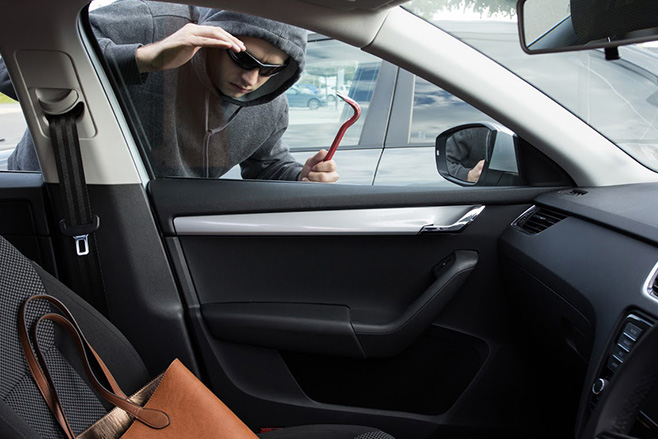
Even if you know a visible item isn’t valuable, a thief does not. Don’t make them want to come in for a closer look and, if in doubt, hide it.
Lock your doors when driving
Many modern cars will do this optionally when you pull away and you can find it in the vehicle settings. This mitigates the chances of carjackings.
And don’t worry about getting stuck in the car in the event of an accident or other altercation. The majority of vehicles with central locking have a crash sensor that will pop the door locks allowing you out or emergency service workers in.
Common sense measures
Leaving your car unlocked or a window open gives thieves a head start and, since many thefts are opportunist crimes they can can be avoided by removing temptation for a thief.
In some cases leaving your car running while unattended is illegal so don’t risk becoming the target of the police as well!
MORE Australian road rules you didn’t know existed
If all Australian drivers followed these simple steps, the national car theft numbers could be slashed, so let’s all do our bit to make thieves’ lives harder.
