
Mercedes-AMG S63 Coupe buyers are a small but dedicated bunch. Their choice of wheels, however, marks them out as people of not only extreme wealth – the entry ticket is $370,500, or $399,900 for the Cabriolet – but also excellent taste.
MOTOR had the chance to get behind of the wheels of AMG’s updated super-coupe at the recent GLC63 S launch. The drive route was brief, but enough to be reminded of the fact that the S63 Coupe stands tall as one of the finest cars in the world.
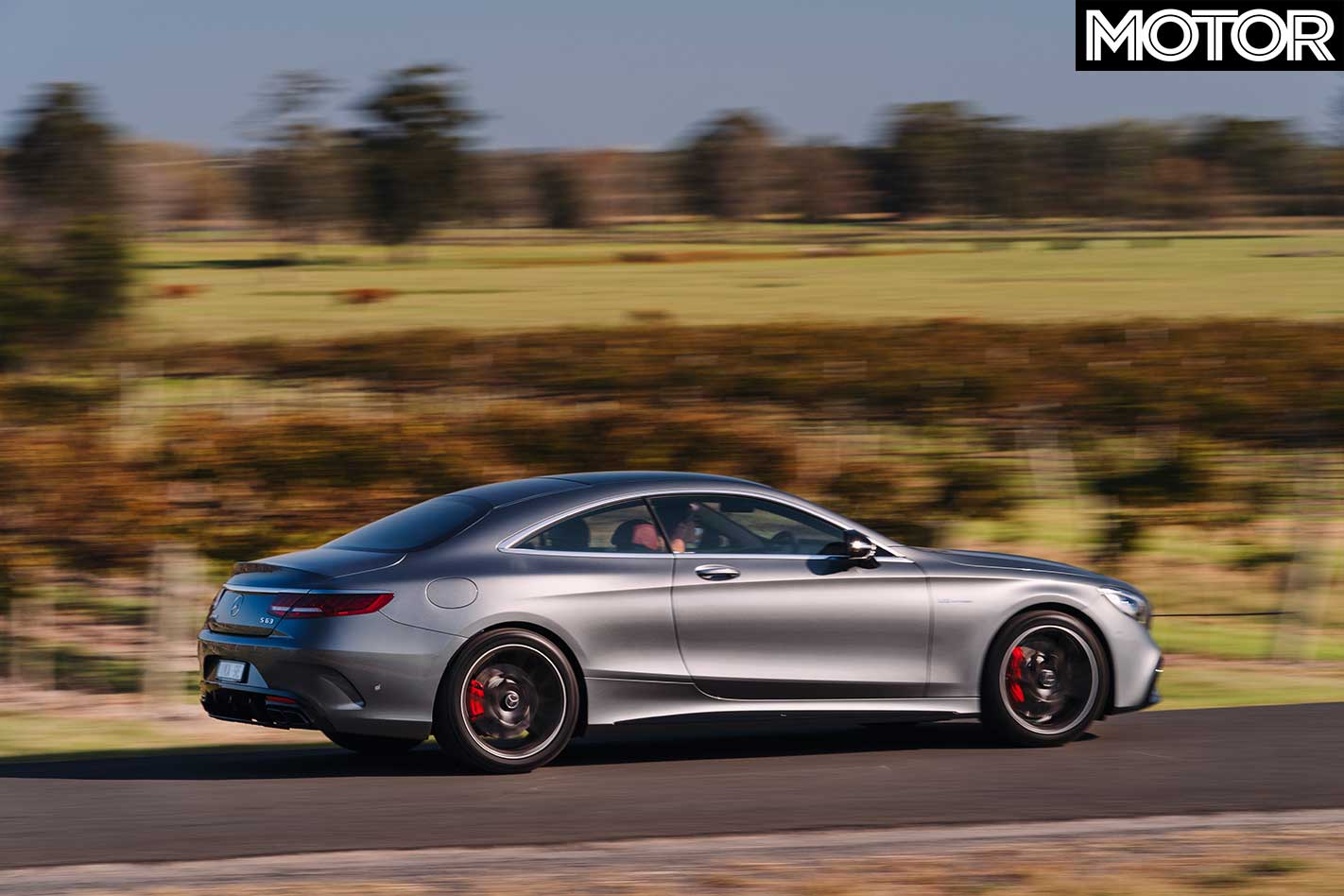
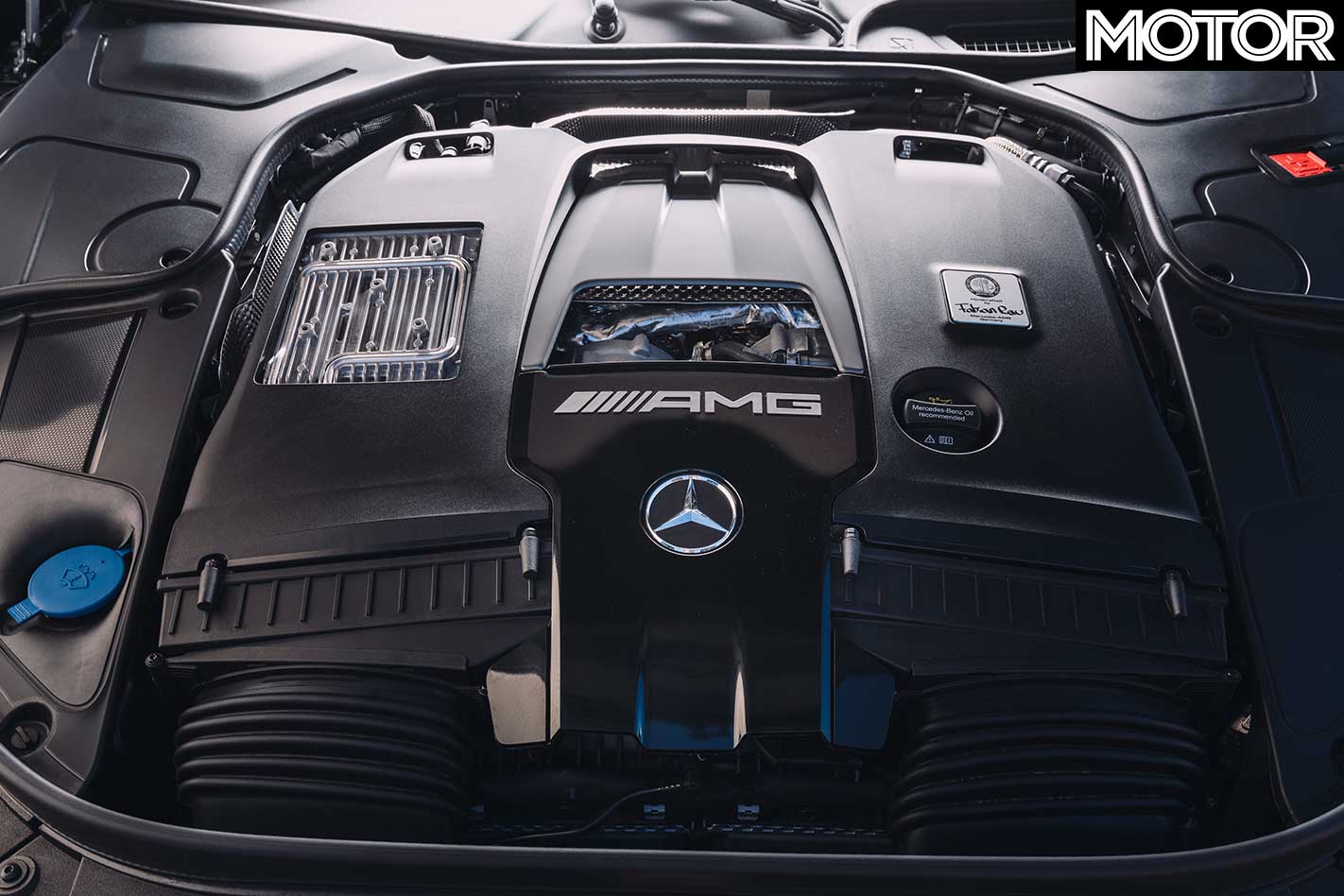
A bold claim which needs substantiating. The inclusion of AMG’s 4.0-litre twin-turbo V8 in its most potent guise certainly answers any performance questions. Despite the near-two tonne kerb weight, 450kW and 900Nm deliver crushing acceleration at any speed.
Like its four-door sibling, the Coupe is built to dominate autobahns and can either cruise in near silence or deliver a snarling V8 soundtrack depending on the drive mode selected. The new engine comes attached to AMG’s new nine-speed MCT gearbox, which works brilliantly in this application, for you’re not chasing the final few milliseconds of shift speed like you might be in a C63 Coupe or similar.
The S63 replaces the S560’s pre-emptive Magic Body Control system with AMG-tuned air suspension but ride quality suffers little, most bumps being smothered before making their way to the occupants, making it easier to relax in one of the finest automotive interiors around.
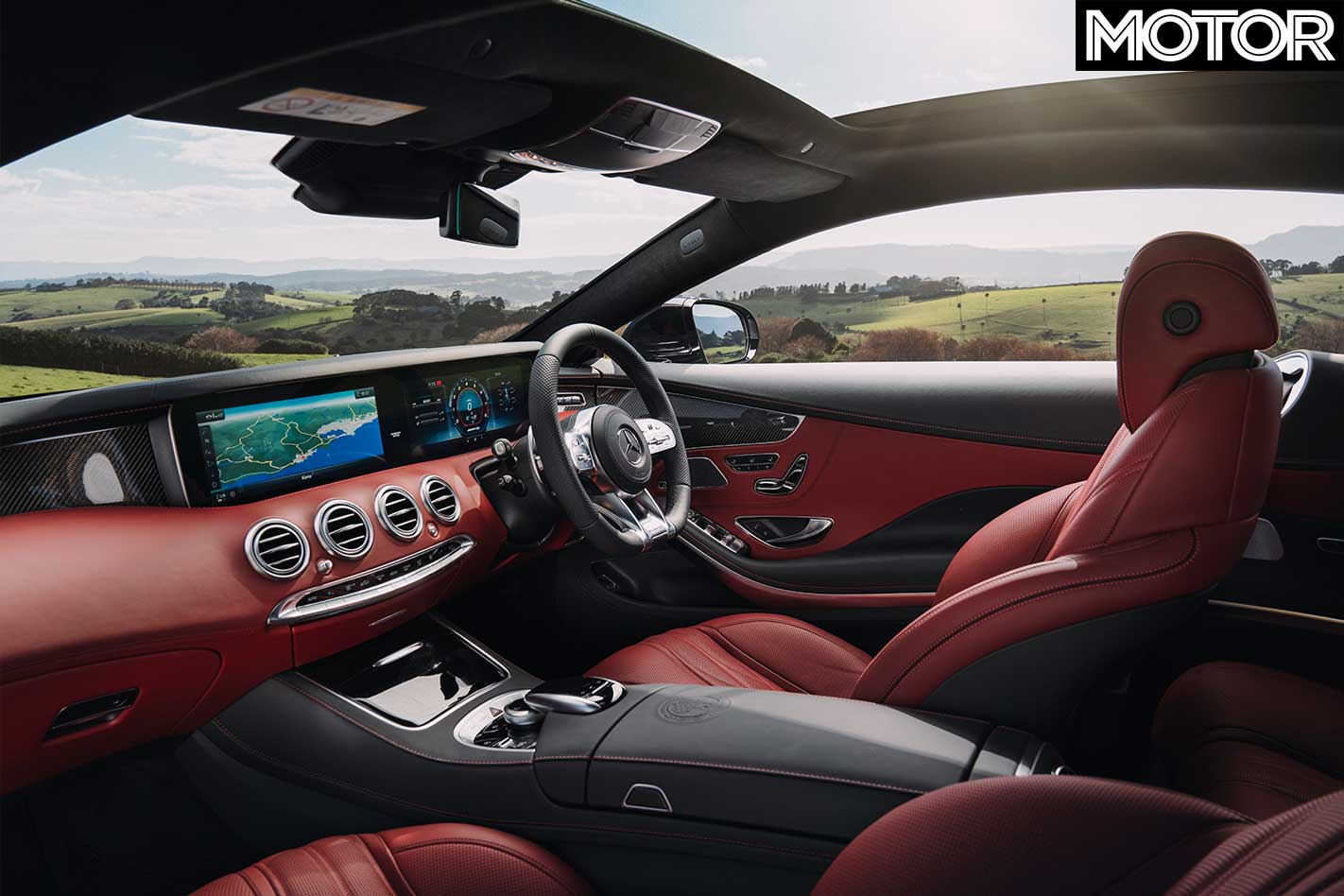
Rich leather, glossy carbon, cool metal offer old-school luxury, but there are gadgets galore. Most obvious are the twin 12.3-inch digital displays for the infotainment and instruments, along with every conceivable active safety aid, heated and cooled massage seats, a 13-speaker Burmester stereo, digital TV and more, though a JLR-style split screen setup would be helpful to allow TV and navigation to be displayed simultaneously.
All this is available in the $314,900 S560, which is probably the pick if you’re the grand touring type, especially as with 345kW/700Nm it’s still plenty powerful. Just don’t drive an S63. The extra grunt is addictive and can be put to remarkably good use.
Local S63s remain rear-drive only, but while the coupe is no lighter than the sedan, its shorter wheelbase, lower centre of gravity and wider front track make it a sharper steer. It is more than capable of carving tighter corners, but it lives for open sweepers, the only caveat being that driving it anywhere near its limit would result in licence-killing speeds.
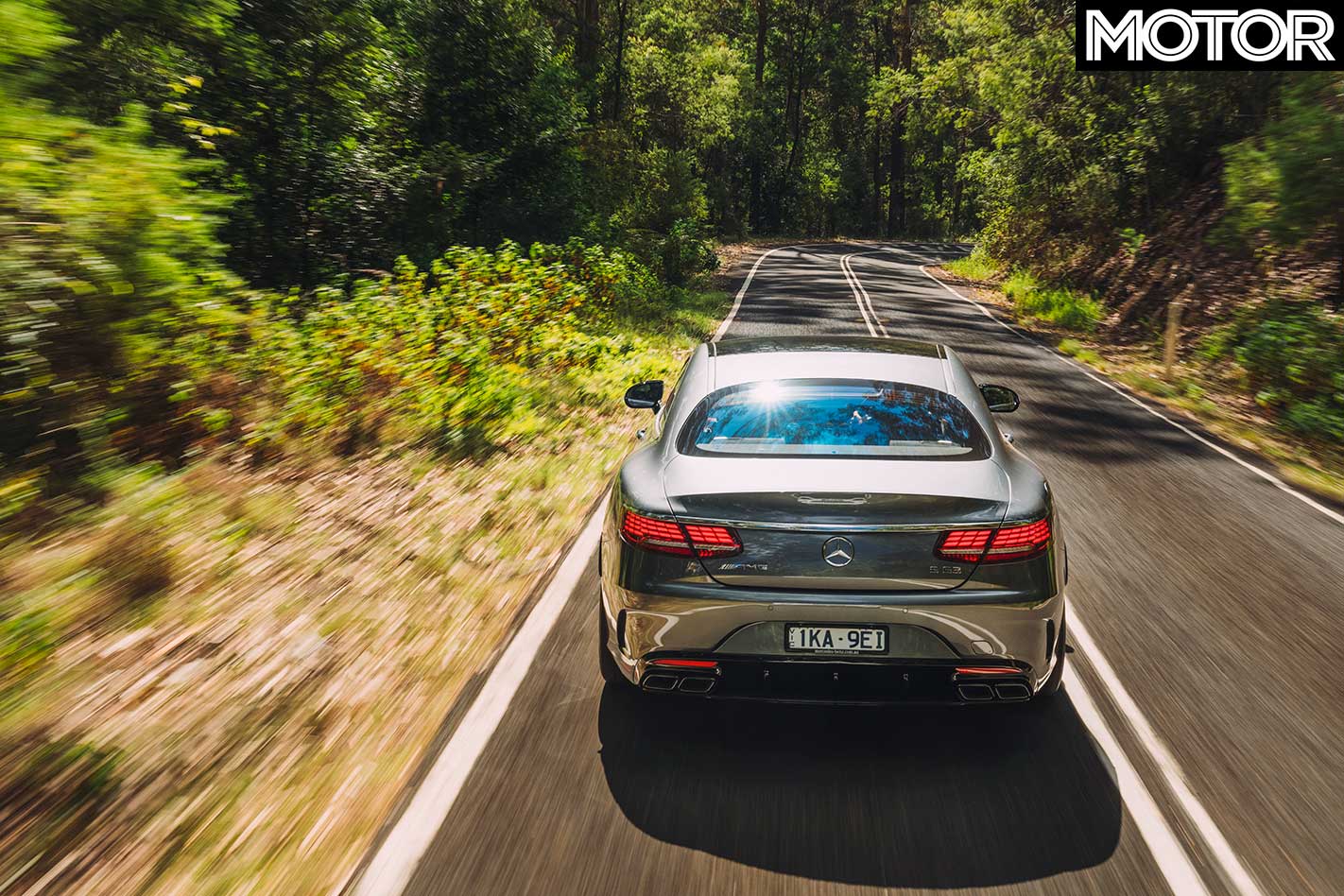
So it has incredible performance and involving dynamics, along with a beautiful four-seat interior, superb refinement, the latest tech and, to these eyes at least, amazing looks (just avoid the rear from dead-straight-on).
Purchases at this end of the market are highly personal, but anyone in the market for an Aston Martin DB11, Bentley Continental GT or Ferrari Portofino should at least sample the two-door S63. You might end up joining a small but dedicated bunch.
2018 MERCEDES-AMG S63 COUPE SPECS: Engine: 3982cc V8, DOHC, 32v, twin-turbo Power: 450kW @ 5500-6000rpm Torque: 900Nm @ 2750-4500rpm Weight: 1980kg 0-100km/h: 4.1sec (estimated) Price: $370,500
MERCEDES-AMG is poised to launch a new electric performance brand, called EQ C Power Plus, that will see its entire model range adopt plug-in hybrid powertrains.
The plan, which is already well advanced, was confirmed to Wheels by the former head of AMG and current Mercedes-Benz board member for research and development, Ola Kallenius, in Sweden today.
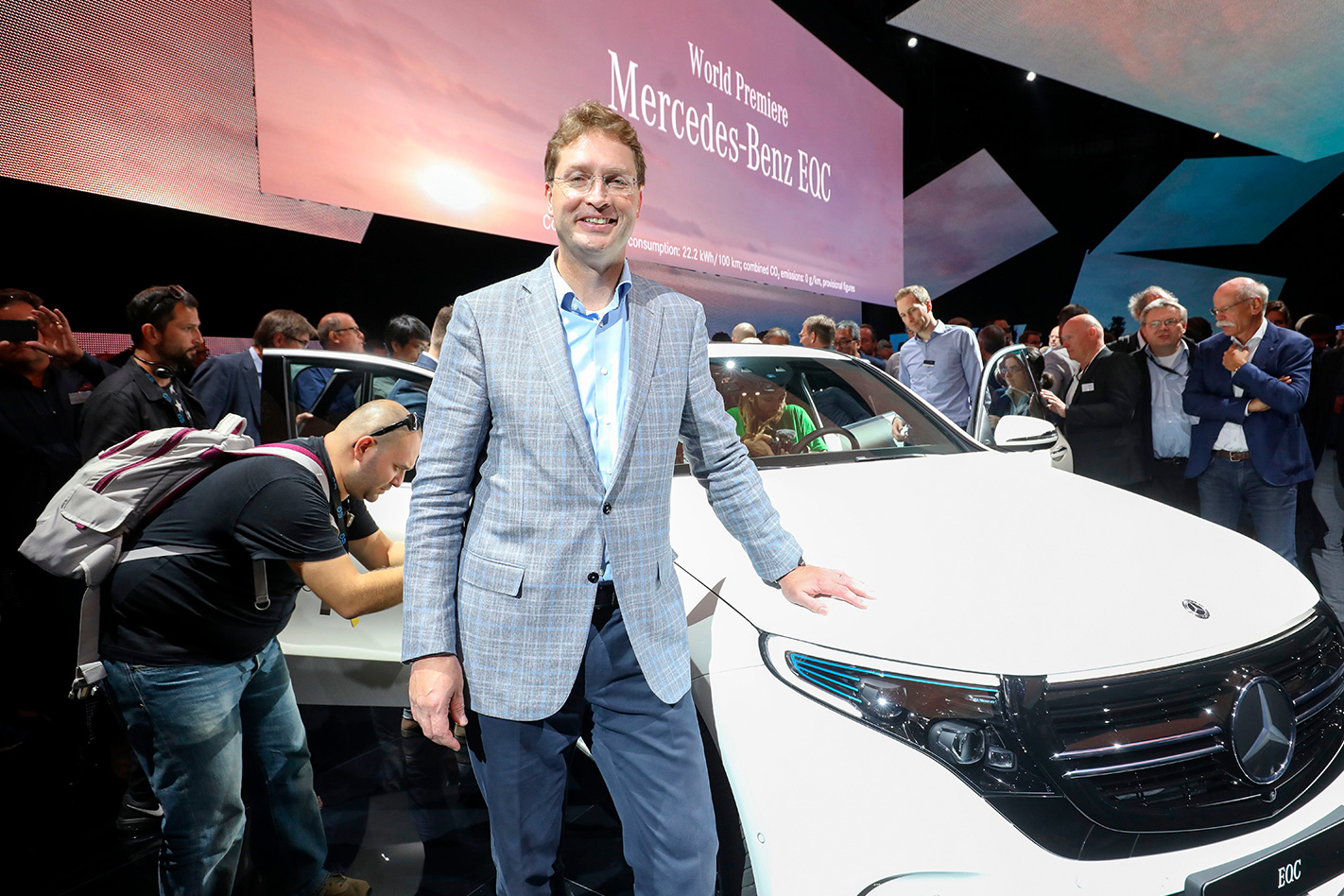
Speaking at the launch of Mercedes-Benz’s first all-electric car, the EQC, Kallenius revealed AMG’s plan when asked if the performance arm saw any potential in the EQC.
“If we talk about EQ as a technology brand, what we have decided to do with AMG is to develop a range of dedicated power plug-in hybrids that we’re going to brand under the brand name EQ C Power Plus,” he said. “So AMG is in full scale development of this to hybridise the AMG fleet post-2020.”
Kallenius wouldn’t be drawn on what size battery packs AMG will utilise, or what combustion engines they’ll be partnered with, but he did confirm the long-term plan is for the entire AMG range to go hybrid.
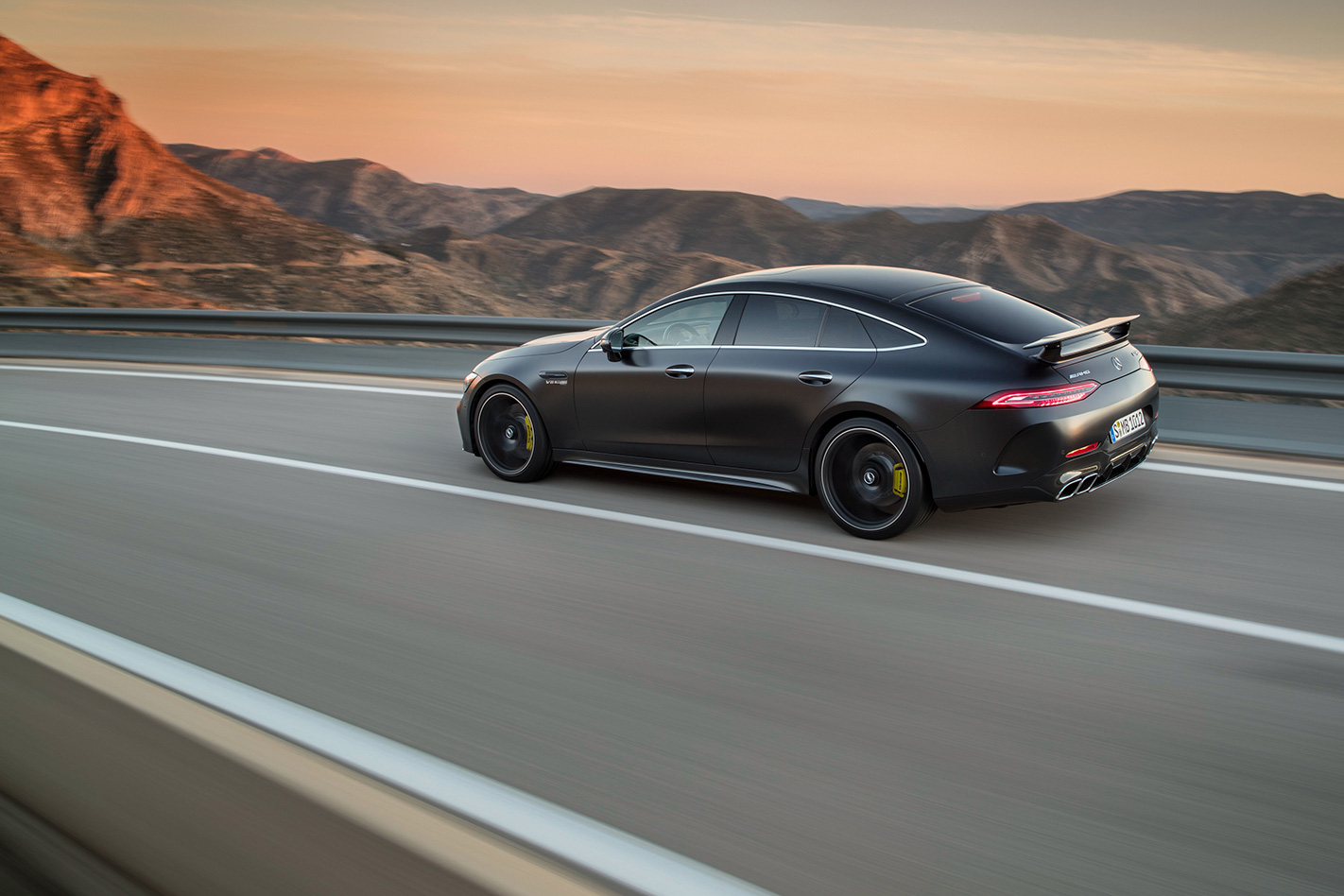
“Eventually we will get there, but let’s take a start and then step by step do this,” he said. “For those of you that are performance fans, you’ll know that weight [of the battery pack] is always not a friend of the performance car, so finding the right balance of boost, weight, kWh, CO2 and so on is the challenge in that department. So that’s a very comprehensive strategy that’s in the making as we speak.”
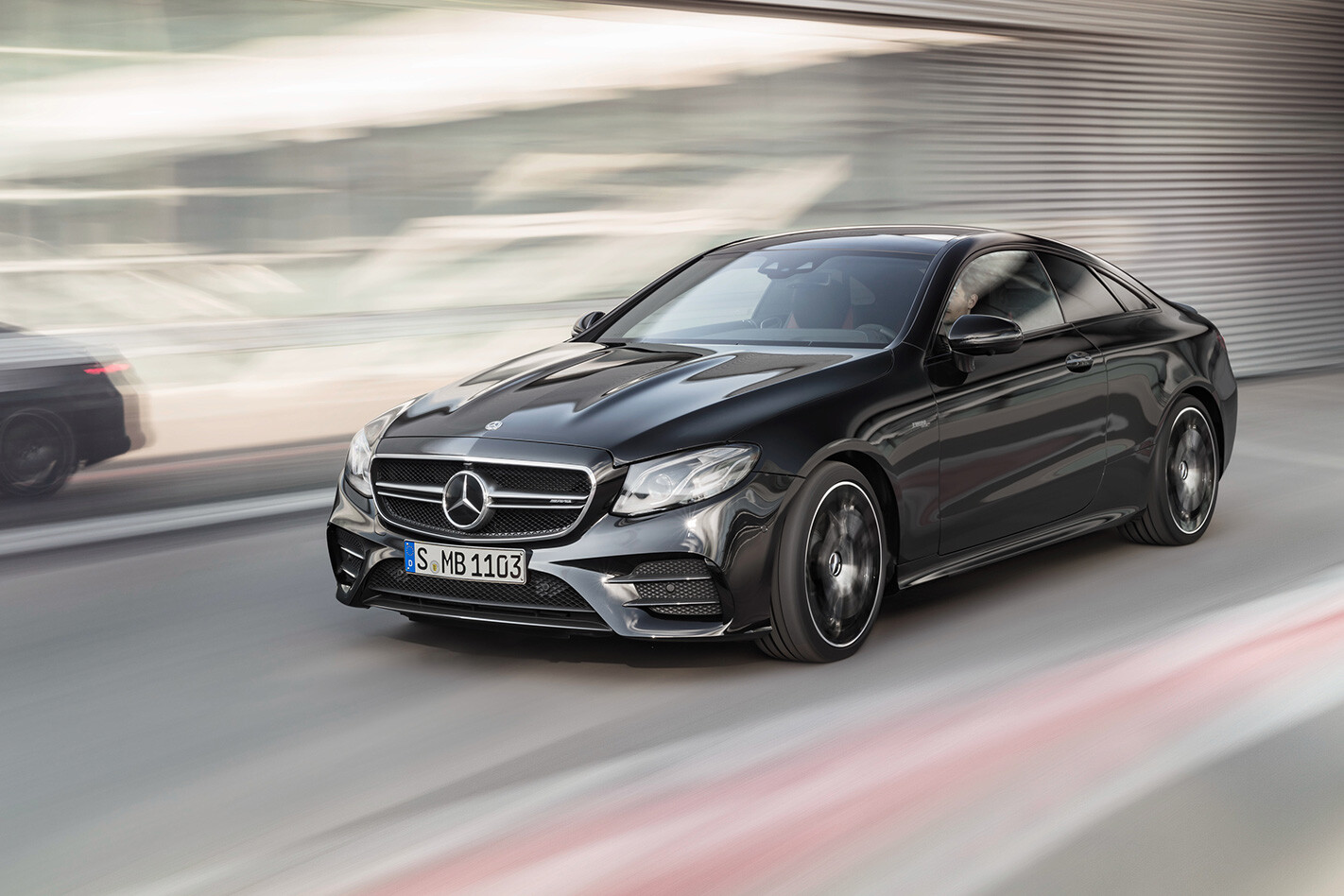
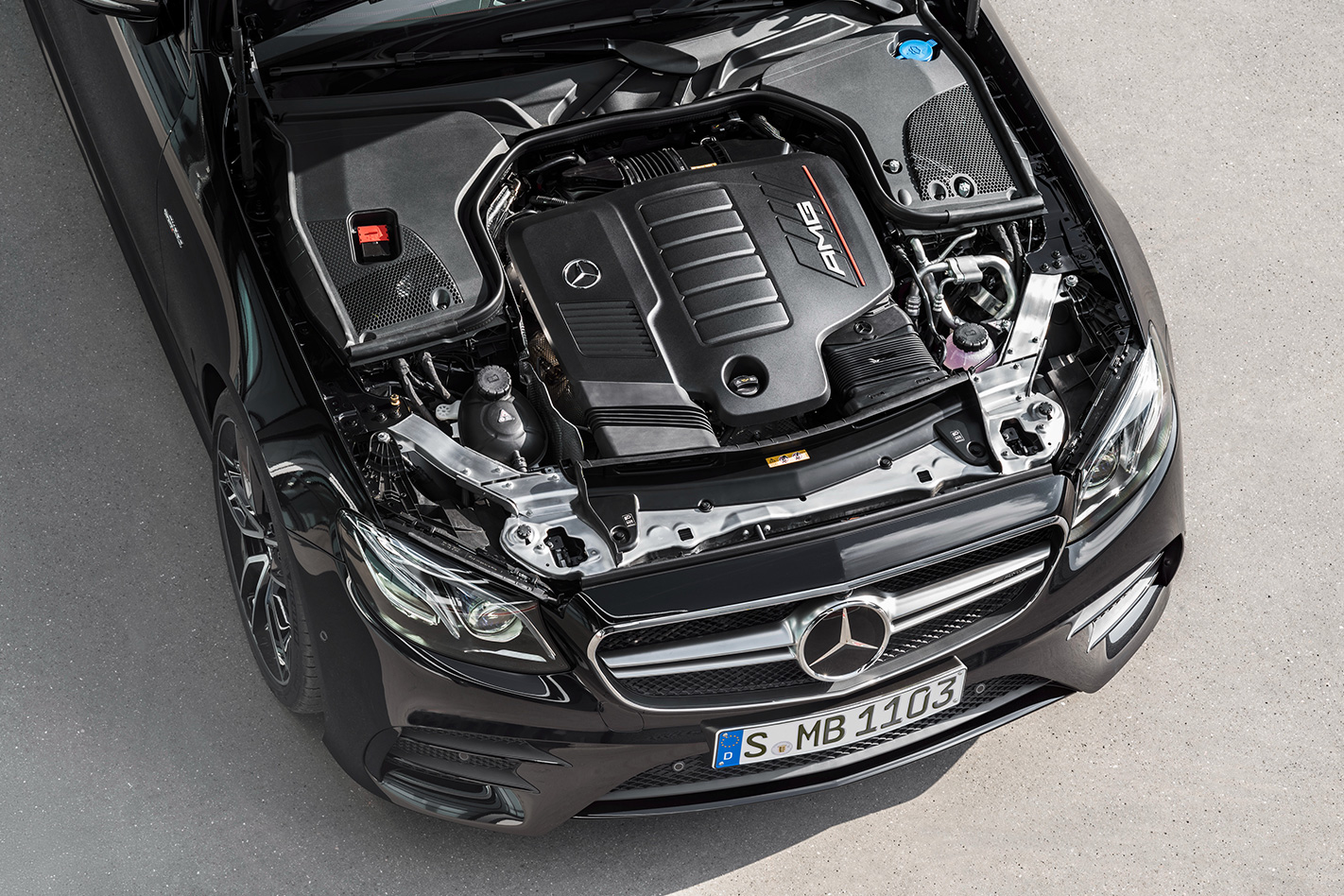
AMG already embraces electrification with its range of ‘53’-badged variants, which utilise a 48v system and an electric compressor to support a conventional turbocharger. The step up to plug-in hybrids is the next logical move on the path to full electrification.
“When do we take the step into a fully electric battery vehicle? We were early starters with the AMG Electric Drive. It was a slightly crazy project that demonstrated in an extreme way what is possible if you really unleash the engineers,” said Kallenius. “What we learned with that car is you can do a lot, especially on the vehicle dynamic side with the torque vectoring.
“It was absolutely amazing to drive that car on a handling track because it felt like you were driving on rails. So that whet the appetite and in the journey towards more and more electric mobility, it is absolutely possible that AMG steps into that scene as well. It’s not a concrete project kicked off at this time, but can I see it happening? Yes I can see it happening.”
The first AMG plug-in isn’t that far away, with Kallenius confirming the debut model will be the AMG GT 4 Door. ‘Regular’ versions of the GT 4 Door launch in America later this month.
MERCEDES-BENZ has today taken the first step towards its battery-powered future, unveiling an all-new electric SUV that boasts a Tesla-beating range and class-leading outputs.
Set to arrive in Australia in the second-half of 2019, the mid-size SUV – dubbed EQC – will cost between $100,000-150,000 and is capable of travelling “more than” 450km on a single charge.
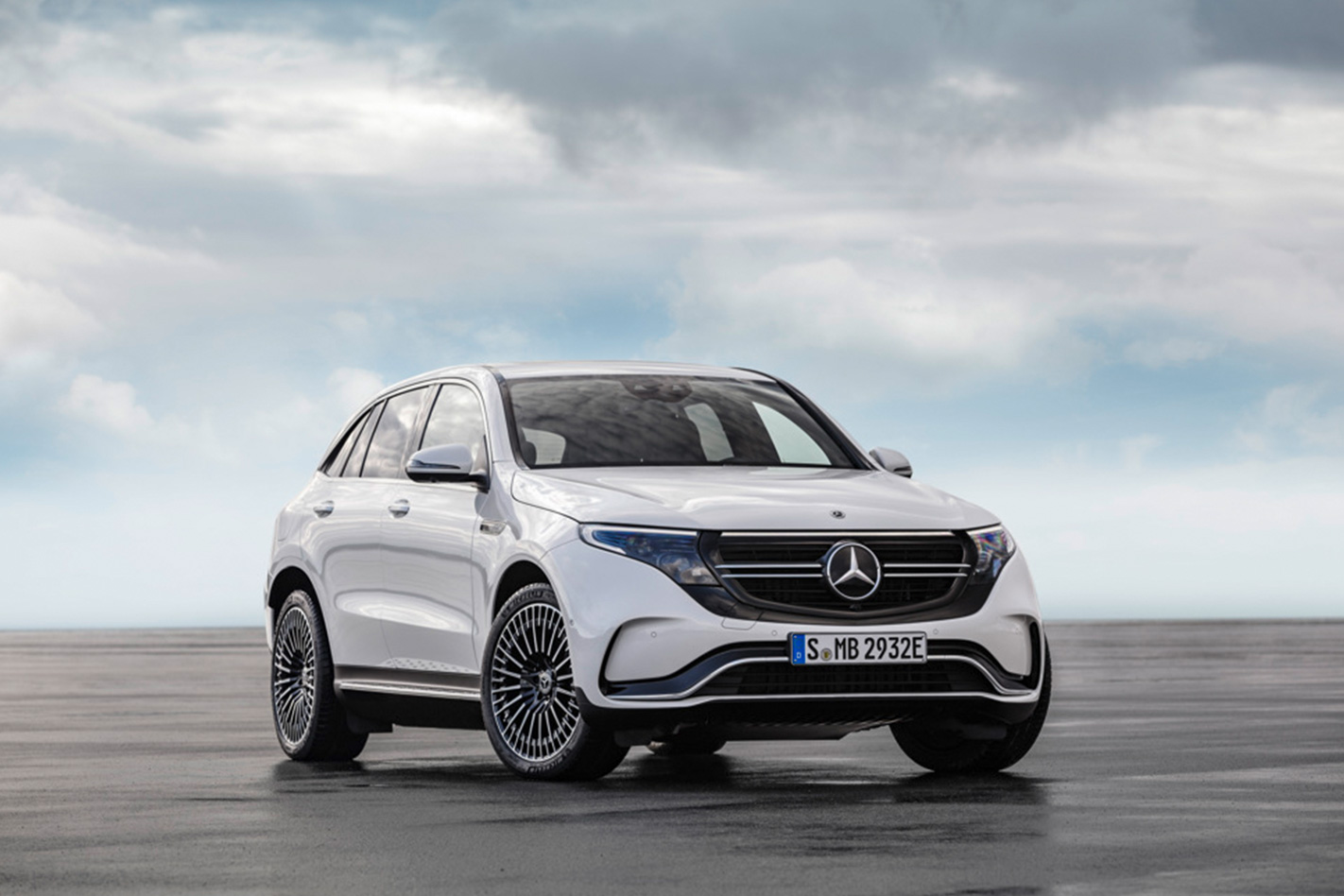
To be positioned as a direct rival to the Tesla Model X 75D and the soon-to-arrive Jaguar I-Pace S, the EQC produces more power and torque than its competitors; its 80kWh lithium-ion battery capable of 300kW/765Nm.
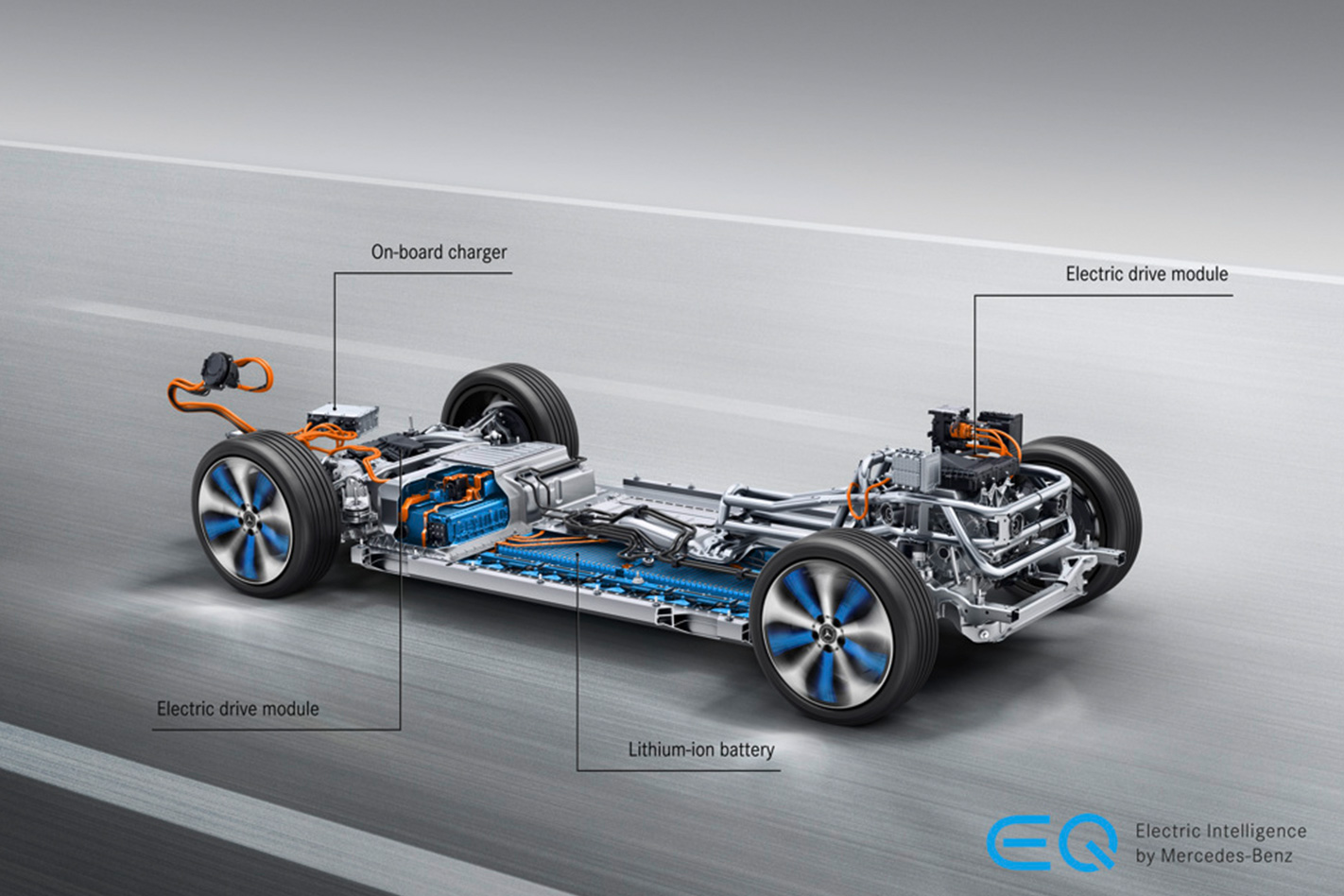
That’s enough to propel the EQC from 0-100km/h in 5.1sec, despite a hefty 2425kg kerb weight. The battery pack contributes 650kg to that figure, its bulk made up of 384 lithium-ion cells positioned low in the SUV’s floor.
Mercedes makes its batteries in-house, the unit created by the wholly Daimler owned subsidiary Deutsche Accumotive at a factory in Kamenz, near Dresden, Germany. The battery comes with an eight year, 160,000km warranty, matching those offered by Tesla and Jaguar.
The EQC uses two electric motors, one per axle, though the two units are configured differently. The front axle is optimised for efficiency and is used for light to medium loads, while the rear motor is biased more towards power and dynamic driving.
There are five drive modes available (Comfort, Eco, Max range, Sport and Individual) and also five modes for the regenerative braking. Operated by the paddles on the steering wheel, the recuperation progresses from D Auto to D+ (for coasting) thorough D and D- to the catchily named D– (D minus minus) which allows one pedal driving.
Once the batteries are depleted, Mercedes says owners will be able to achieve an 80 percent charge via 110kW DC charging point in around 40 minutes, which is on par with the segment norm. Plugging the EQC into a Mercedes wall box (approx. $1700) at home will take between 10-11 hours to achieve a full charge.
Size wise, the EQC is very similar to the current GLC mid-size SUV, despite the electric car being built on an all-new modular architecture called EVA (electric vehicle architecture).
The pair share same 2873mm wheelbase (much shorter than the 2990mm I-Pace and 2964mm Model X), though the EQC is 105mm longer than the GLC, 15mm lower and 6mm narrower.
The similarities are deliberate. To future proof the demand for EV cars and to save valuable development dollars while the technology is still in its infancy, the EQC is built at the same factory as the GLC, C-Class and E-Class in Bremen.
The new EVA platform has 15 percent commonality with Merc’s existing MRA architecture (modular rear architecture), which allows the EQC to be built on the same line as the GLC and C-Class. The common parts are the previously mentioned wheelbase length and the suspension hard points.
Mercedes says the decision to build its battery-powered cars on the same line as conventional powertrains gives it the freedom to increase or decrease EQC production depending on demand.
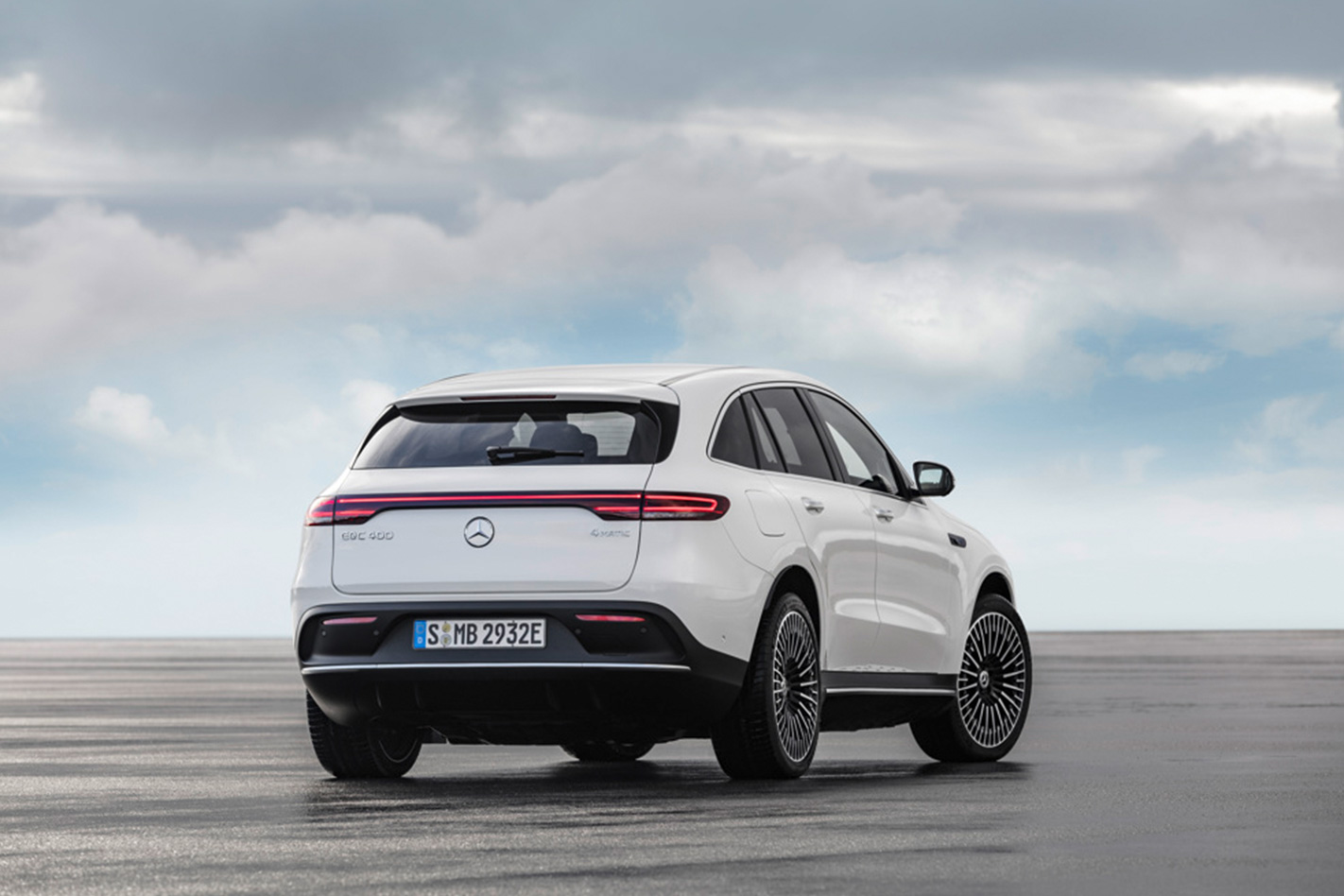
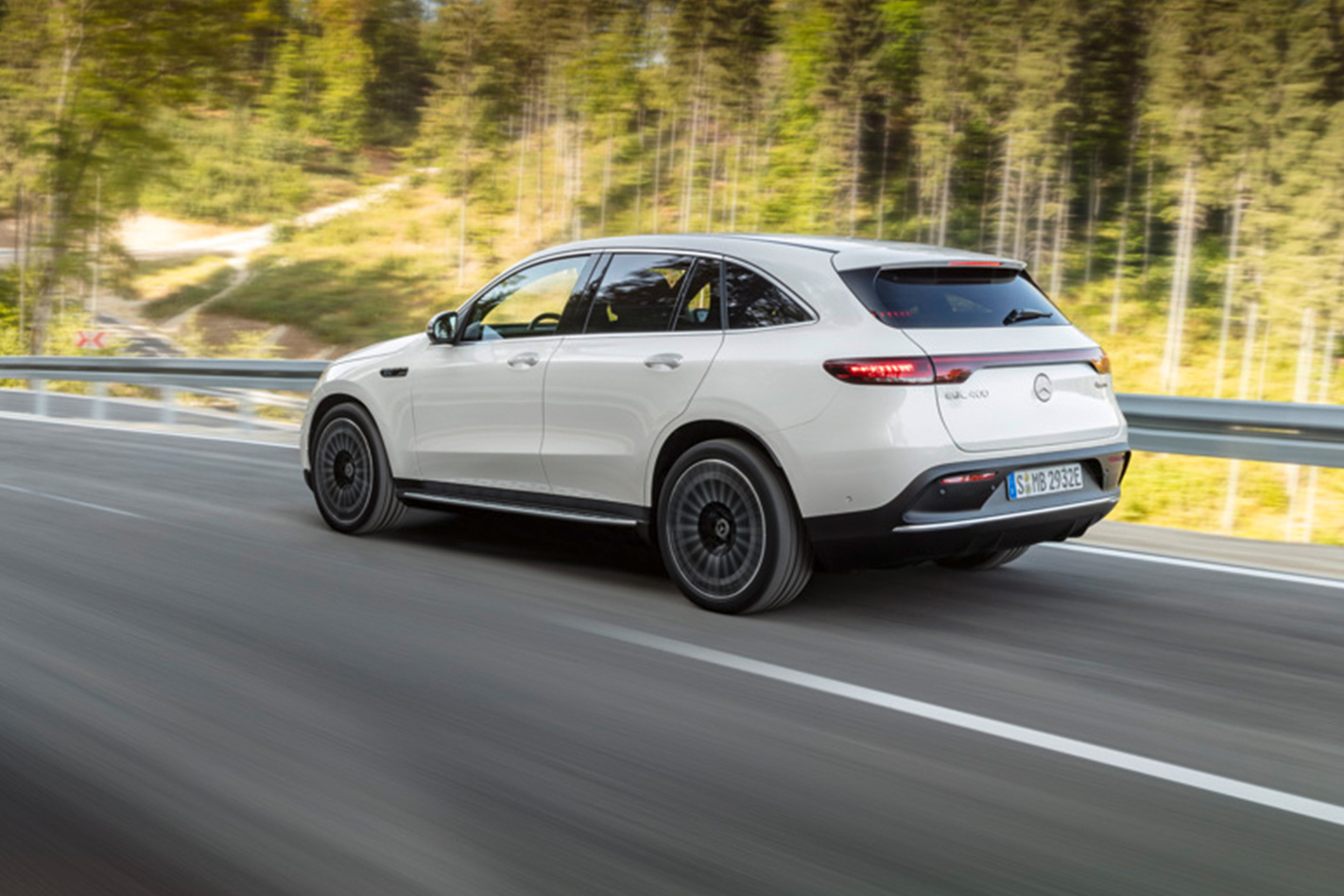
Proportionally the EQC is quite similar to the GLC, though there will be little chance of confusing the two from a design perspective. The EQC’s styling is much cleaner, its roof line lower, and its body void of the character lines that feature prominently on the GLC.
Unique full-width light signatures feature front and rear, both of which will become a carryover element to future Mercedes electric cars.
“It’s our eyebrow, or our torch,” says chief exterior designer Robert Lesnik. “For the first time [in a Mercedes] we’ve connected the lights to the grille. Why does an electric car need a grille? Because it has to have a face. Without one it looks anonymous. We believe a Mercedes always deserves a grille.”
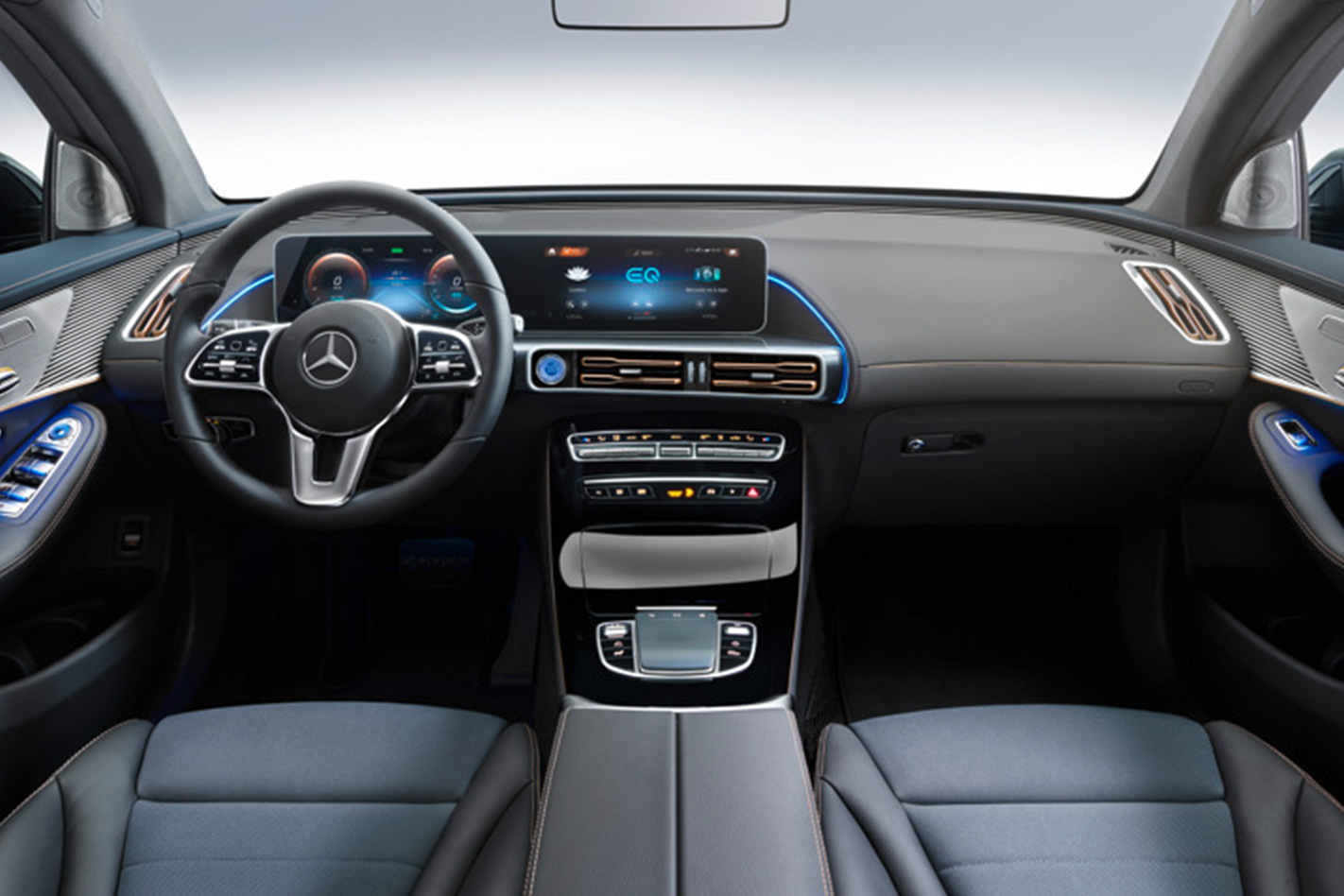
Inside Mercedes’ widescreen digital dash carries over (comprising of two 10.25-inch screens), though perhaps the biggest visual difference is found in the air vents. Unlike conventional Mercedes models that use round vents, the EQC debuts a rose-gold embellished rectangular design inspired by circuit boards.
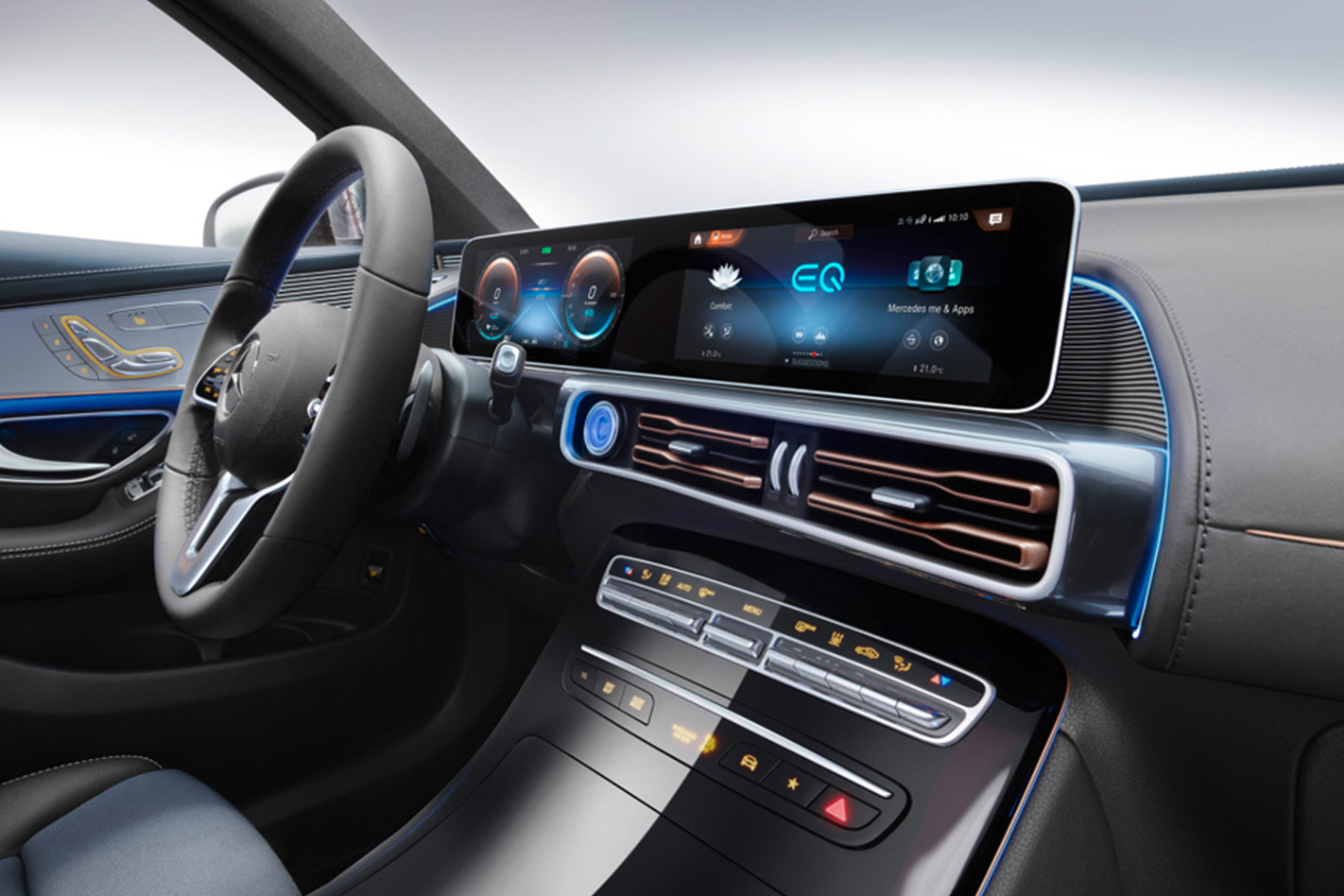
As you’d expect, Mercedes brilliant and intuitive MBUX infotainment system features prominently, though it adds some EQC specific functionality like an EQ menu that provides information on charging options and energy consumption.
Another new feature is the ability for the MBUX voice recognition function to distinguish specific passengers. This allows your passenger, for example, to change their individual climate control settings by saying “Hey Mercedes, I’m cold”.
The significance of the EQC stretches beyond this single model. Mercedes is investing heavily in an electric future, the German company allocating 10 billion euros to establish a line of 10 zero emission vehicles by 2022.
Next up is likely to be the EQA hatchback before Mercedes focuses on sedans and SUVs thereafter. An electric seven-seat SUV and S-Class sized sedan are tipped to follow.
If you were paying attention during Monterey Car Week, you’d be aware that a certain 1962 Ferrari 250 GTO sold for a frankly ridiculous AU$66 million.
Not only did this set a new auction record, but it also got us thinking. Imagine all the cars you could own for $66 million – cars you’d be far more likely to drive.
You could own 12 Pagani Huayra Roadsters, the most expensive car currently on the market in Australia, but we’re guessing you’d rather some variety.
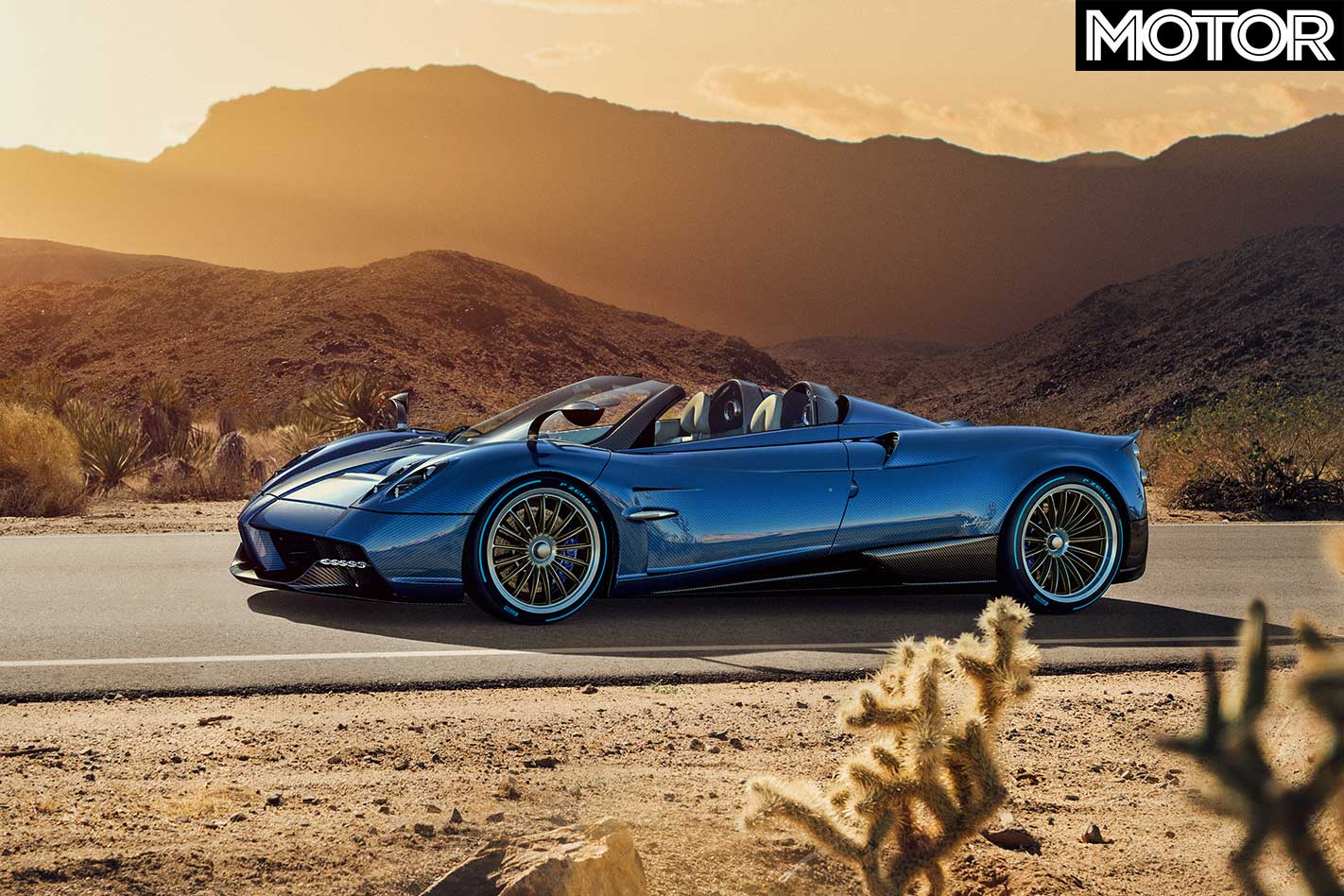
First, we’d actually take the Huayra – because why not? We’ve got $60.5 million left now, not exactly ‘slumming it’. Next, a quick look at our sister site Unique Cars suggests one of the most expensive cars on the used market is a 2015 Ferrari 458 Italia Speciale. Knock $1.5 big ones off and we’re at $59.5m.
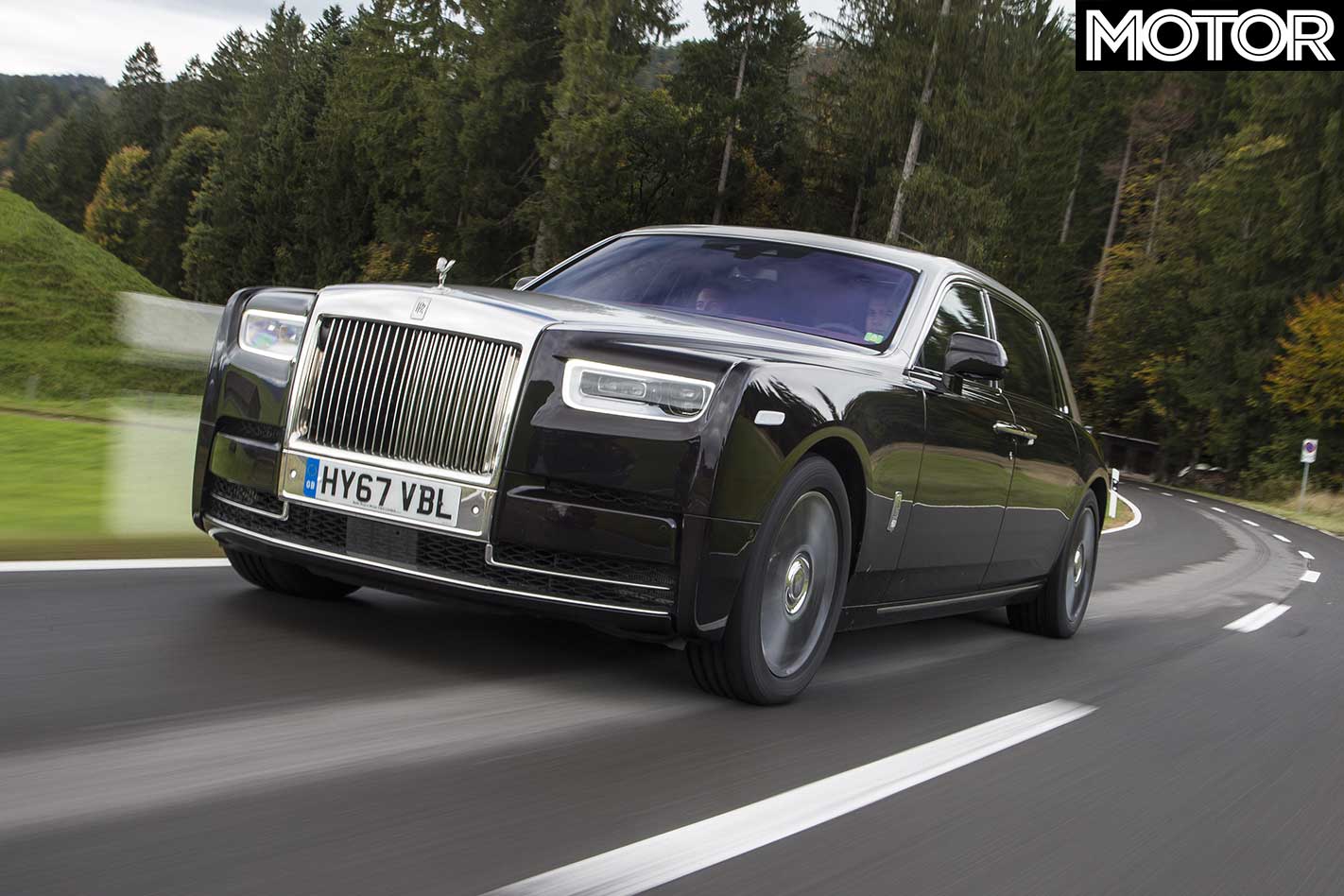
A brand new Rolls Royce Phantom EWB should suit us for the days when ‘one’ doesn’t feel like driving. Let’s round that $990,000 (as if anyone’s paying for a base Phantom) up slightly, and we’re looking at $58.5 million left to spend. This is proving a challenge.
Here might be a good point to go though and pick out a bunch of relatively standard cars from each of the big performance brands, BMW M, AMG, etc.
Let’s have an Audi S1, RS3 Sportback, RS4 Avant, RS5 Coupe, RS6 Performance Avant, an RS7 Performance Limo, a TT RS, an R8 V10 Plus, and an R8 V10 RWS. That’s only $1,760,000.
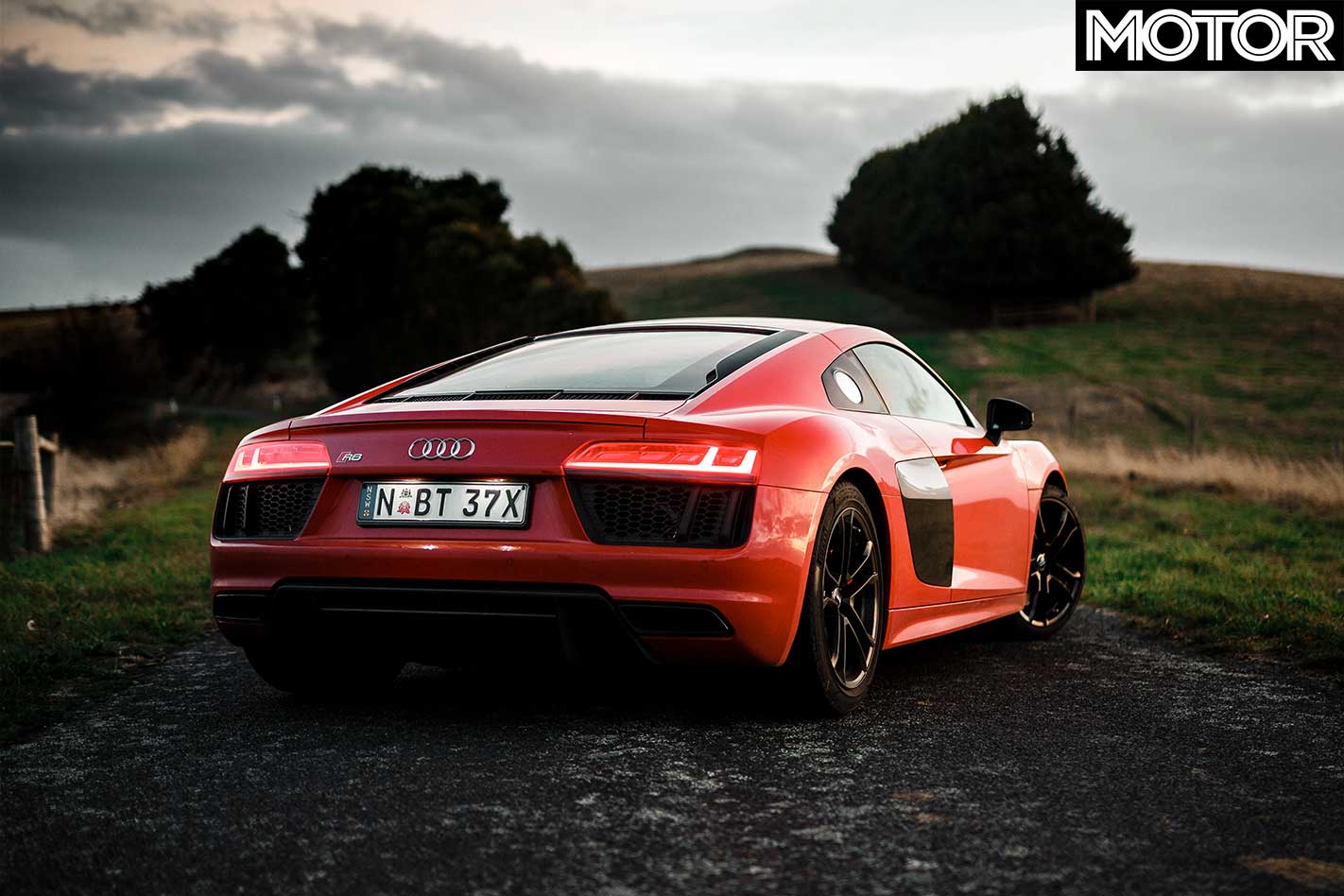
Let’s continue to round up (so, $1.8 million) because there’ll probably be plenty of extra costs in there, and journalists are famously bad at simple maths. We’re sitting on $56.7m now.
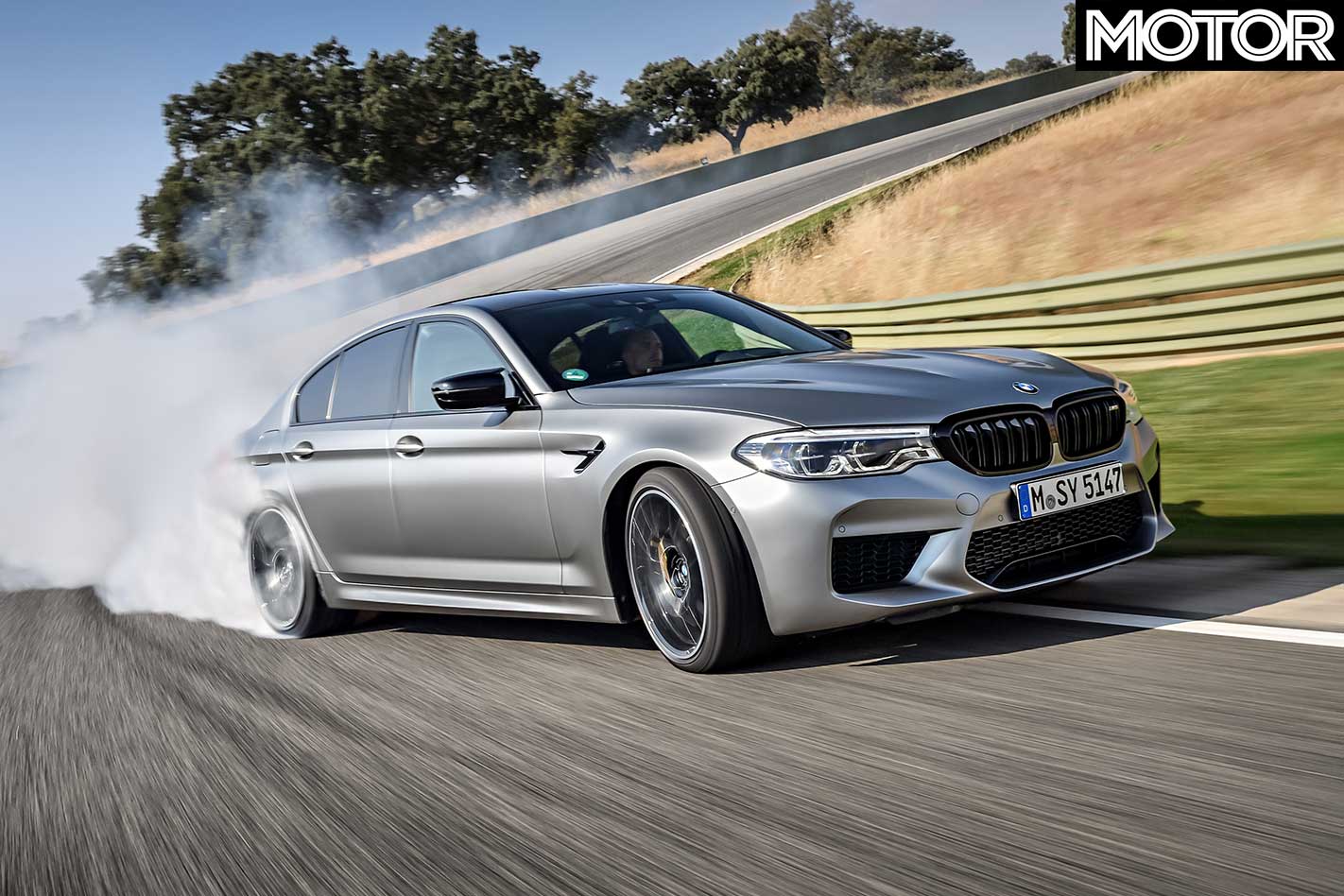
A BMW M140i (it totally counts), an M2 Competition, M3 Comp and M3 CS, M4 Comp Convertible and M4 CS, M5 Comp, M6, M760Li, and, just because it’s cool, an i8. $2.103 million. Round up for $2.2 million. $54.5 million left.
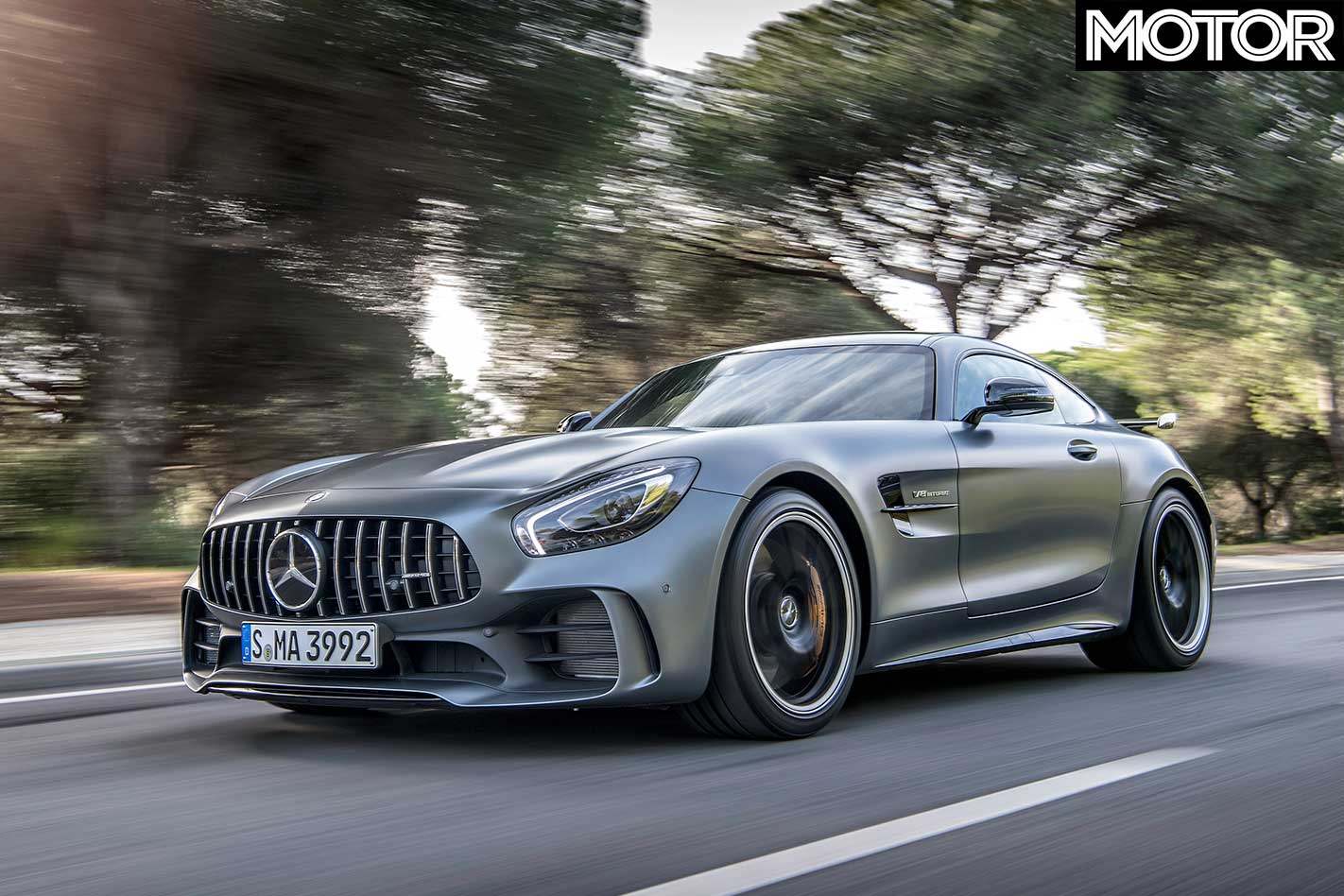
From AMG: A45, C43, C63 S (Sedan, Cabrio, and Estate), E63 S, CLS63 S, S63 L, S65 Coupe and Cabrio, AMG GT, GT C Roadster, and GT R, and a G63 for good measure. Just under $3.8 million. $50.7m left.
Just for fun, let’s buy ever car Porsche has listed in MOTOR’s hot source section, opting for manual where possible because we’ve got $66 million and we can do whatever we want. That totals $12,089,000, leaving us with a rounded down $38,600,000.
We’re not even half-way yet, so let’s jump into some auction results.
A 2004 Porsche Carrera GT sold at Monterey for $1,280,000, a 1989 RUF CTR ‘Yellow Bird’ for $1,393,000, a 1998 AMG CLK GTR picked up $6,149,000, and an F12tdf just over $1 million.
There goes $9,822,000, and we’ve still got $28,778,000. Let’s assume we’ve set aside another $10 million for buying up old classics such like HQ GTS Monaros and XB GT Coupes, and another $10 million for a variety of other driver’s cars like Civic Type Rs, MX-5s, Mustangs, Lotuses, whatever you’re into.
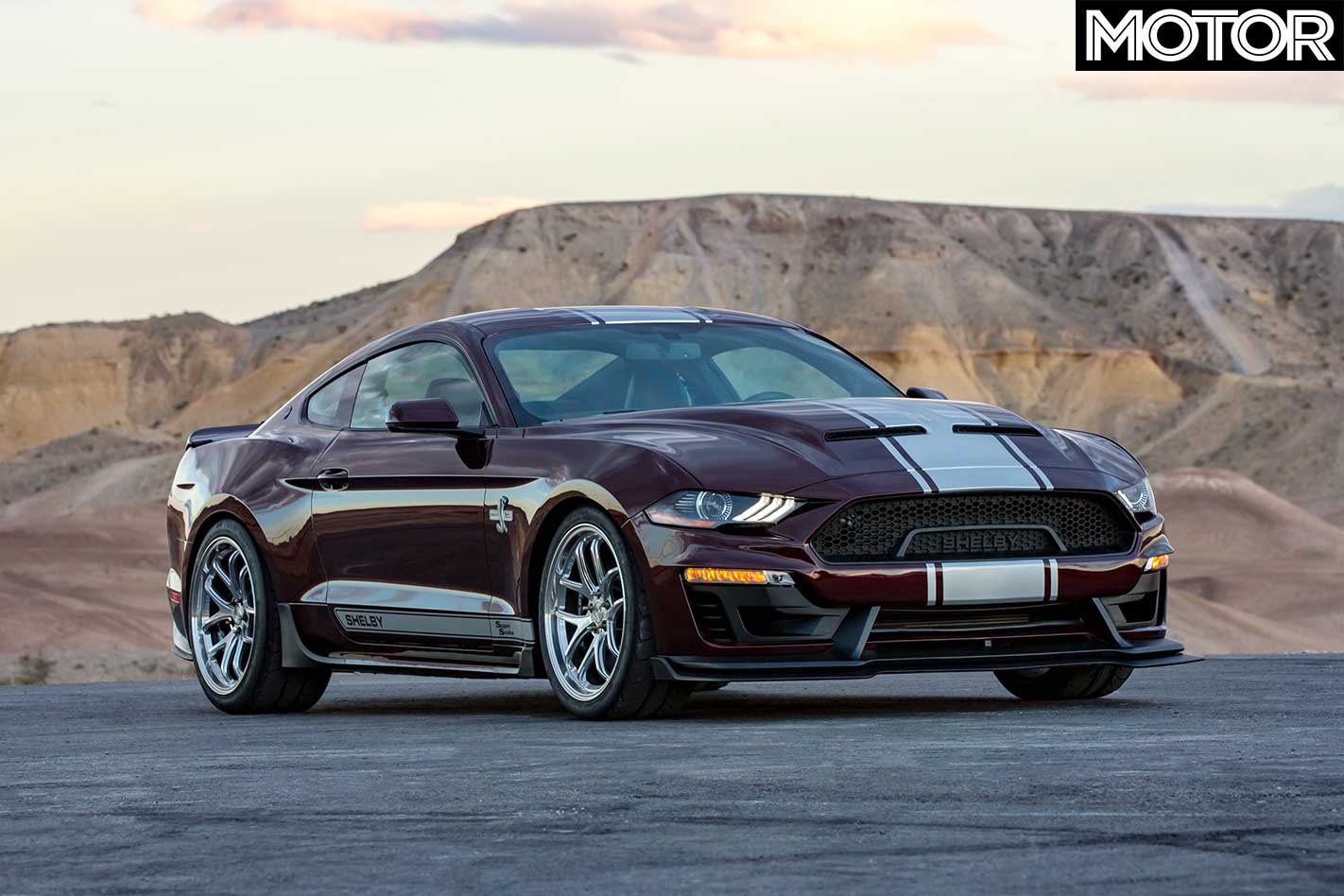
With nearly $10 million left at the end of that, it’s safe to say there’s plenty of fuel money and cash to cover rego fees.
Or, you could always have one old Ferrari.
WHAT IS IT?
The DBS Superleggera is the third model in Aston Martin’s recent renaissance, following on from the DB11 and the reborn Vantage. It’s the British brand’s flagship GT, powering into the position vacated by the now discontinued Vanquish S, and arriving in Australia boasting two key headline figures: 900Nm from a 5.2-litre V12, and a sizeable $515,000 price tag.
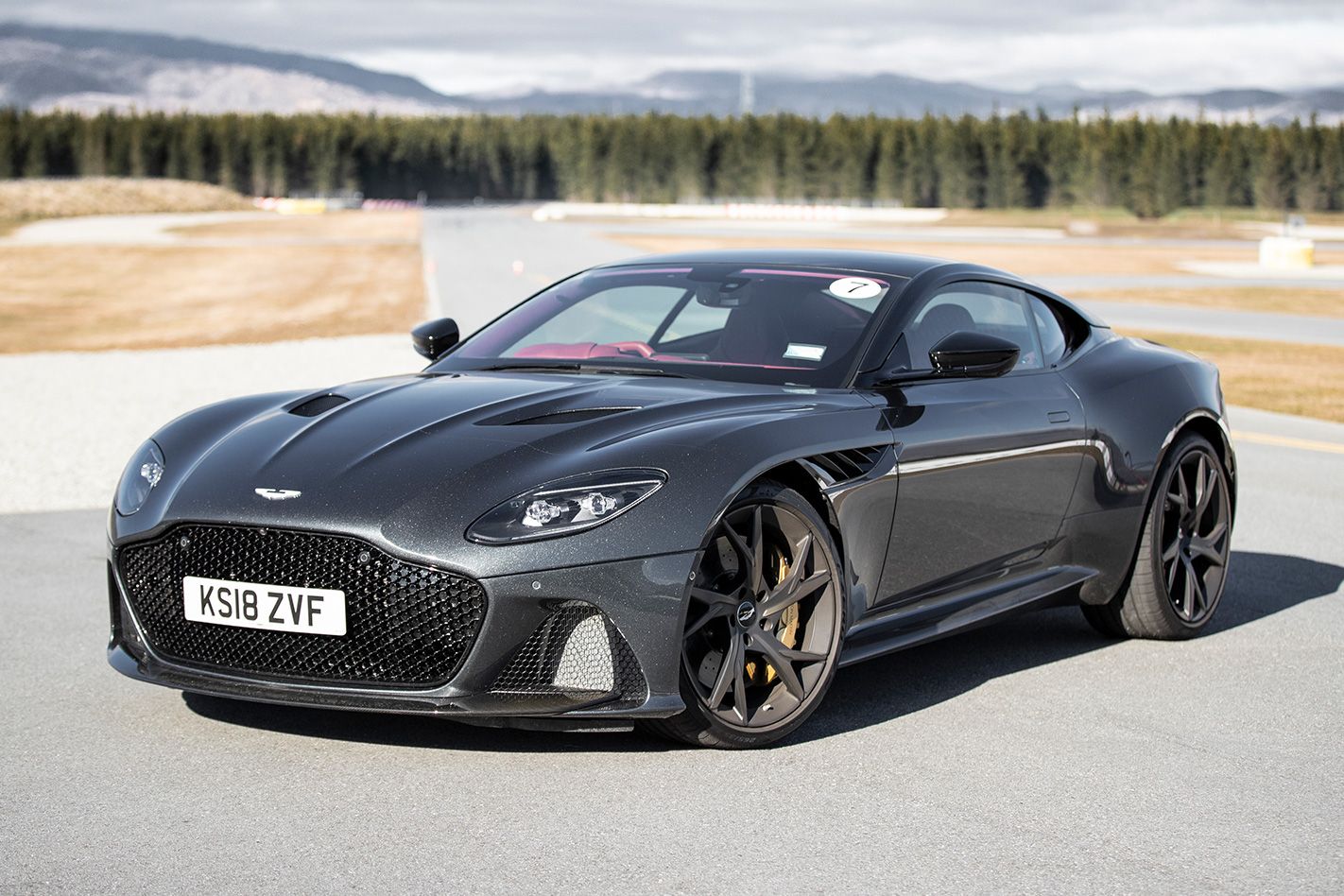
WHY ARE WE DRIVING IT?
Because until the Valkyrie hypercar and the much-anticipated mid-engined supercar arrive, this is the ultimate Aston Martin. And unlike the recent European launch program, which was run on public roads only, our drive in New Zealand added time at a circuit to fully explore the Superleggera’s dynamic depth.
MAIN RIVALS
Ferrari 812 Superfast, Bentley Continental GT
PLUS: Stunning to behold; effortless V12; prodigious outputs; sounds like an Aston should; interior craftsmanship MINUS: 900Nm requires careful management; portly kerb weight; still more GT than genuine sports car
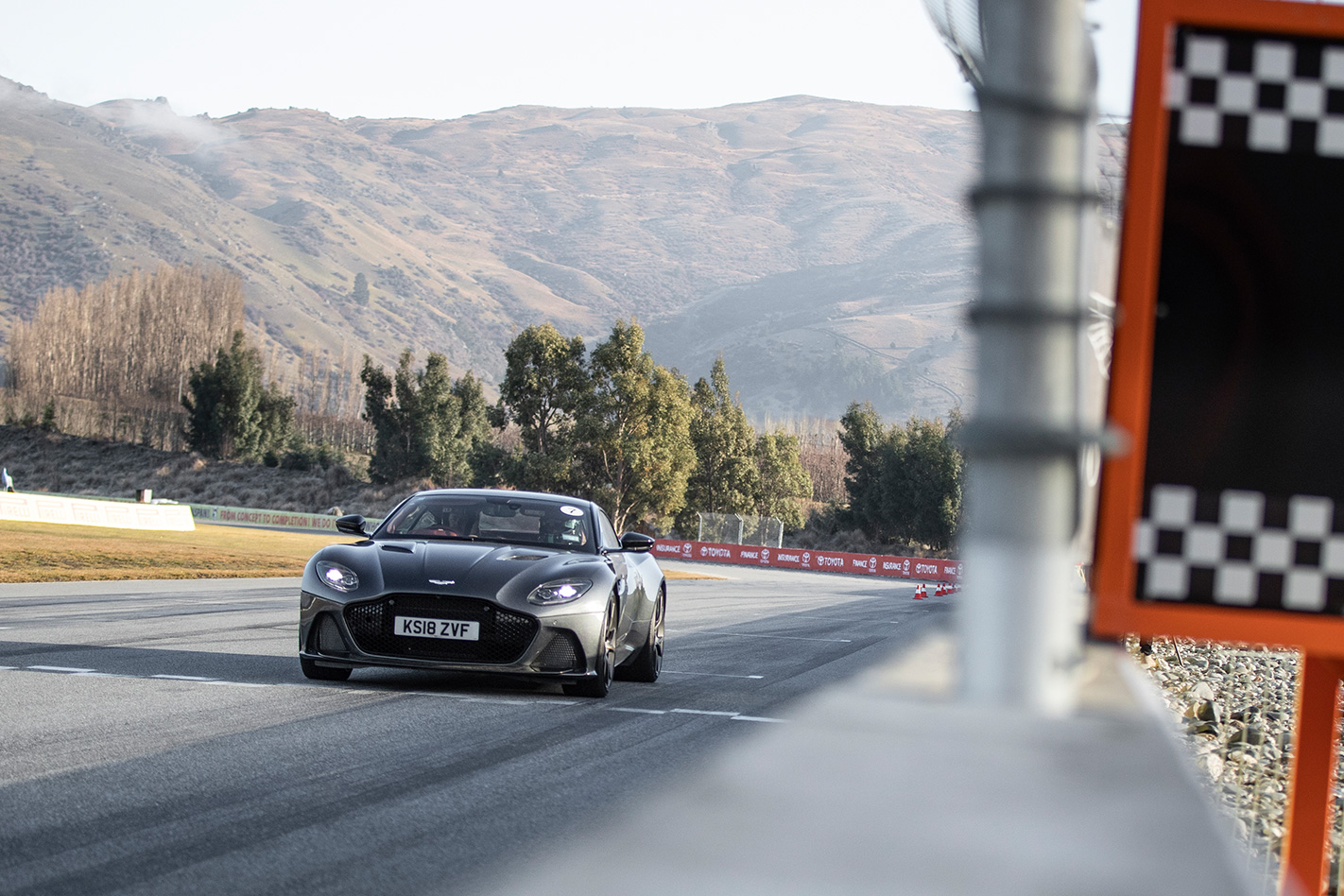
THE WHEELS VERDICT
If creating a luxury GT flagship were a box ticking exercise, the DBS Superleggera nails it. Stunning looks? Tick. Sublime comfort? Tick. Evocative soundtrack, prodigious power and hand-built craftsmanship? Tick, tick, tick! And yet for keen drivers, it never reaches the dynamic highs of its rival from Maranello − the Ferrari 812 Superfast.
THE WHEELS REVIEW
OF ALL the cars I’d hate to be a set of rear tyres on, this one sits at the top of the list. Aston’s DBS Superleggera produces 533kW from its twin-turbocharged V12, but that isn’t the telling stat here. It’s the 900Nm of torque. And the inescapably portly kerb weight figure, which, despite the use of carbonfibre body panels that save 72kg, sits at 1693kg. And that’s sans fluids. Combine the two and there’s a lot of physics for two 305-section Pirellis to manage.
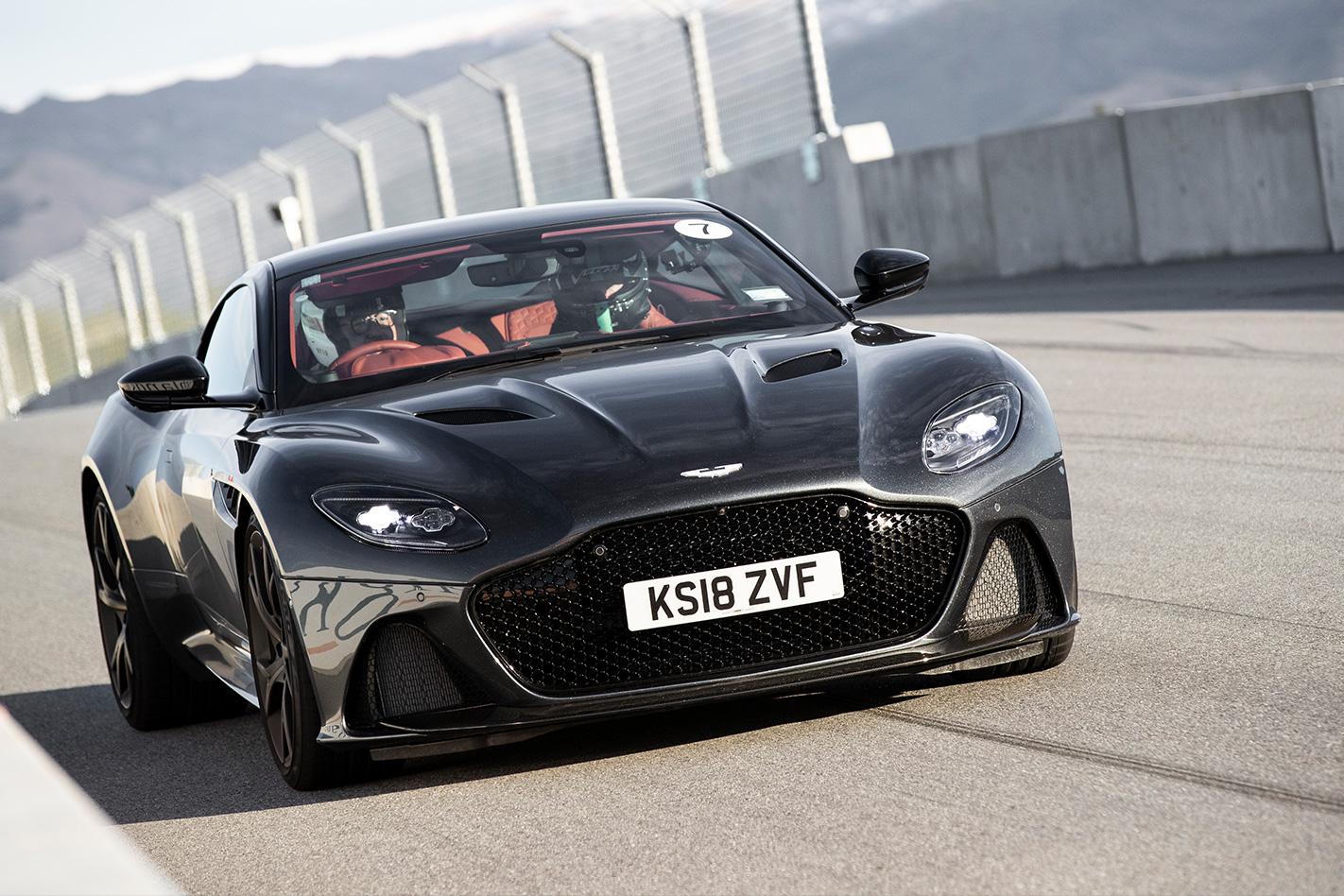
And more often than not, they fail. Drive it hard on a circuit and even careful use of the throttle sends the traction control system into overdrive, especially exiting slower corners. Turn the electronic gubbins off and you’ll barbeque the bespoke rear rubber faster than a juicy scallop on a hibachi grill. Exciting, sure, but how much twist does a 2+2 super GT really need? Ferrari’s savage 812 Superfast has 182Nm less, and no sane person could argue it requires more thrust. Before we get to that, however, some context.
The $515,000 DBS Superleggera is the replacement for the now-retired Vanquish, meaning it flies the flag as the ultimate Aston – at least until the Valkyrie and the much-anticipated mid-engined supercar arrive.
It’s built on the same bonded aluminium architecture as the DB11 and utilises the same 2805mm wheelbase and forged suspensions (double wishbones up front, multi-links out back), but sits 5mm lower. There are wider tracks, stiffer springs, anti-roll bars and rear bushings, a more aggressive limited-slip differential and, thanks to clever underbody aero work and a discreet rear spoiler, the most downforce of any Aston Martin ever: 180kg at 340km/h.
The 5.2-litre V12’s mechanicals are unchanged from DB11, the 86kW/200Nm increases arriving through more boost, greater cooling and a new quad tailpipe exhaust that’s said to be 10dB louder. The eight-speed ZF gearbox is new too, its beefier internals and new casing required to cope with the extra torque.
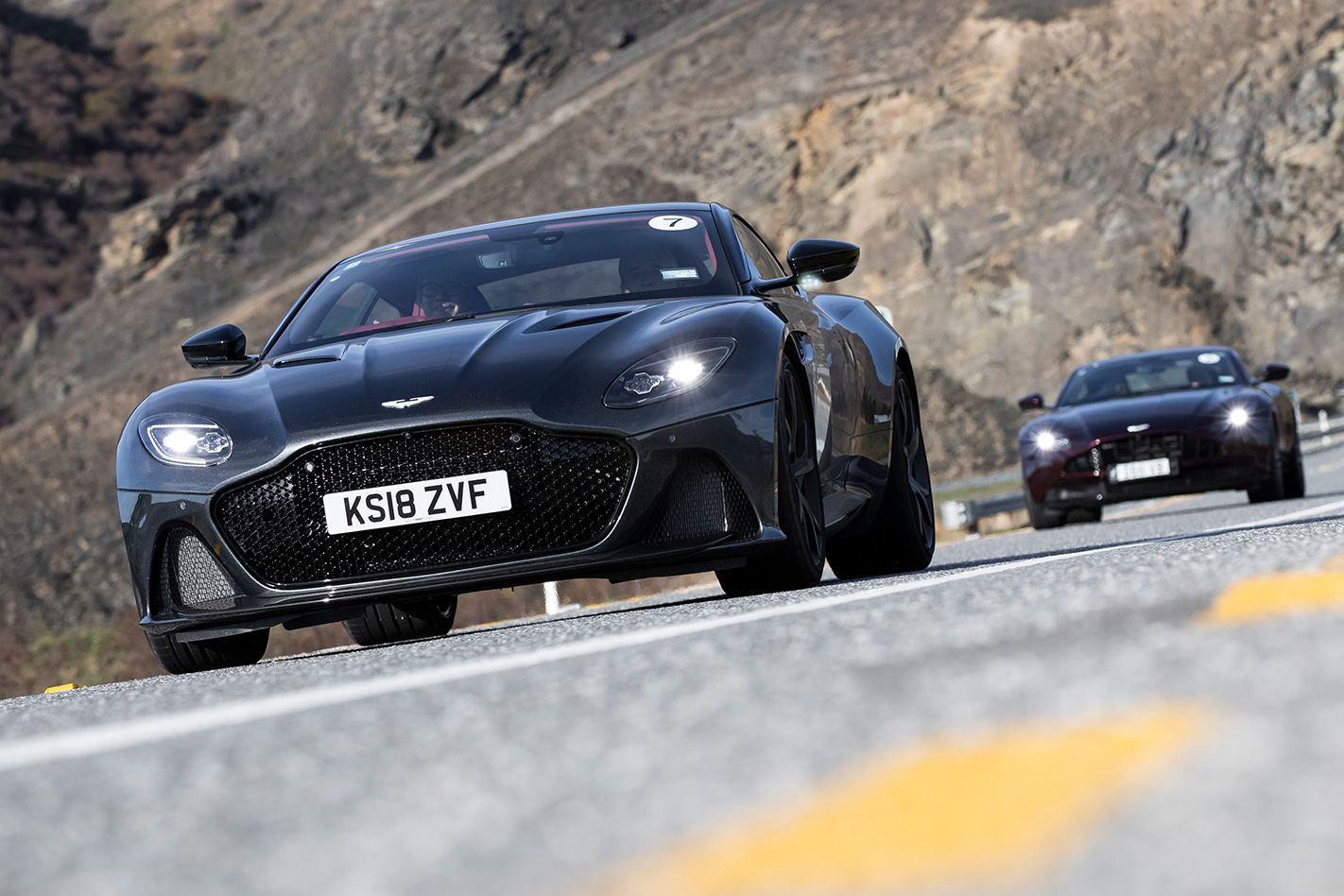
As with DB11, there are three modes for the engine and chassis (GT, Sport and Sport Plus), which can be cycled through via plasticky steering wheel buttons. Drive it sedately and the DBS is remarkably civilised; the experience one of effortless propulsion, silky drivetrain calibration and supremely judged damping. Dial up the aggression, however, and the DBS rises to the challenge. Fast, flowing corners are its forte, the big V12’s bottomless pit of torque delivering a deeply satisfying surge as you squeeze on the throttle in fourth and fifth gear. Sounds good, too, the exhaust cracking and popping on the overrun in Sport and Sport Plus to provide just the right amount of cultured aural theatre.
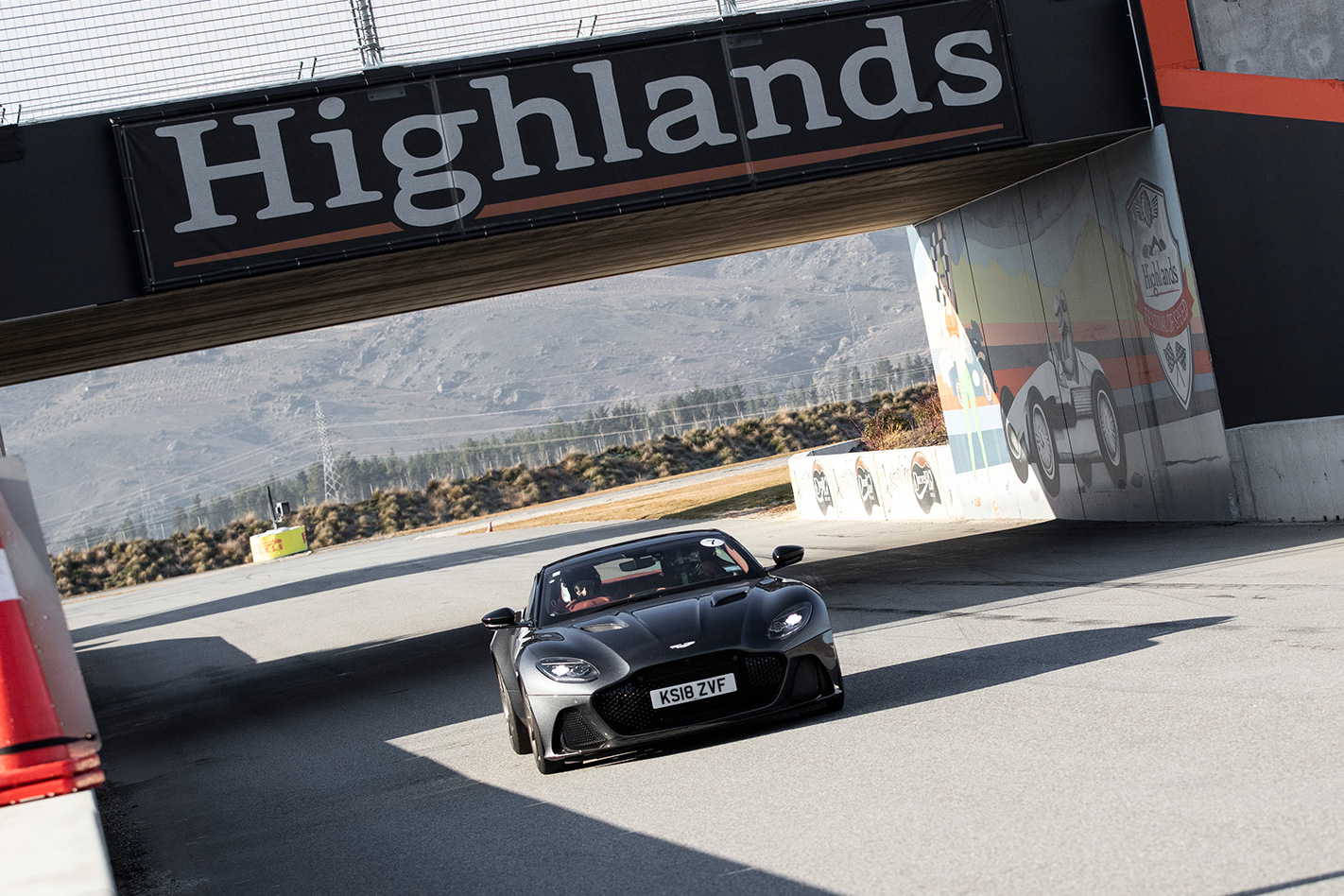
It’s only when you try to hustle the DBS, as we did at the technical Highlands Motorsport Park in New Zealand, that things become a little uncouth and squirmy as you work to contain the weight and manage the torque.
Ultimately, however, the success of the DBS Superleggera rests in what you want from your $500K super GT. If the answer is breathtaking looks, creamy power delivery and continent-crushing comfort, then Aston’s newest model is world-class. It’s a brilliant sporting GT; one that feels properly special and a clear step beyond the DB11. It’s also more comfortable and civilised than an 812Superfast, though nowhere near as exciting or as dynamically talented.
Cabin class
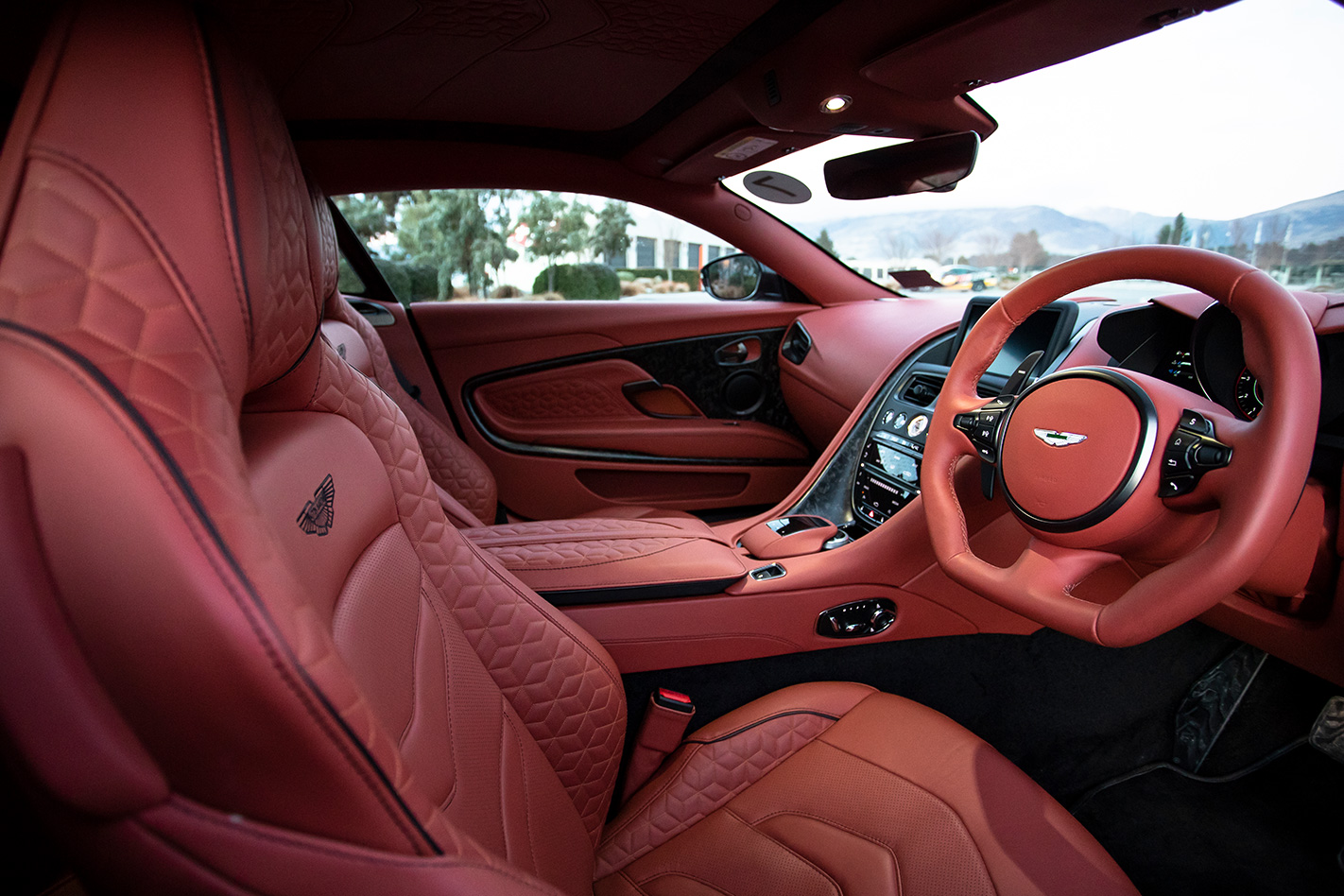
Few interiors deliver such a first impression as that of the DBS Superleggera. Sumptuous, diamond stitched leather covers virtually every surface (even the roof), the metal shift paddles have a nice tactility, as do the prominent crystal buttons mounted on the centre console (used to start the car and select drive, reverse and park).
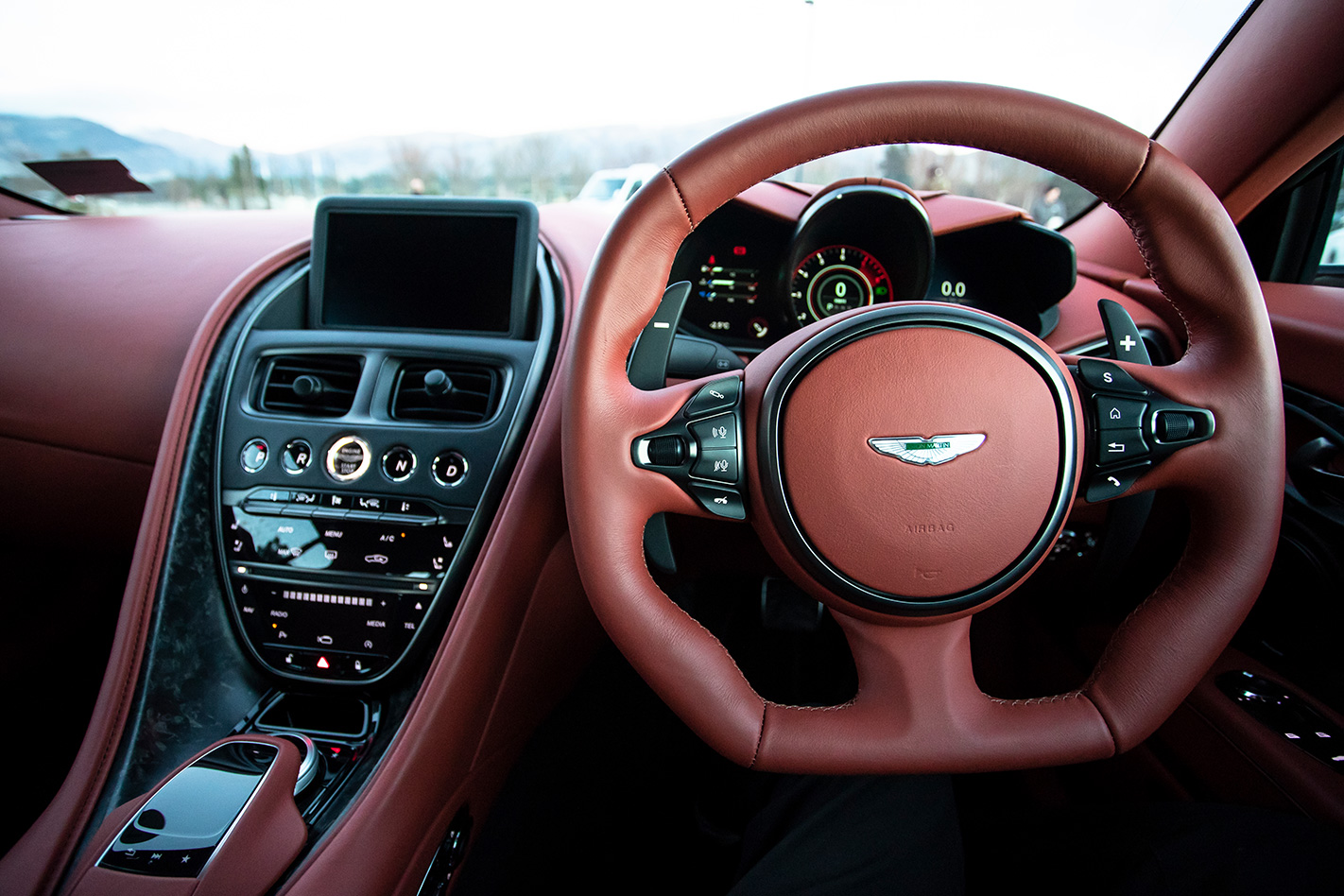
It feels special. Expensive. And strangely familiar. Much of the cabin design is shared with the Vantage and DB11, which dulls the sheen of specialness slightly, and carries over the same ergo glitches. There’s nowhere to put the key and cabin storage is at a premium. Some of the plastics aren’t up to snuff for a $500K car either, especially those used in the air vents.
SPECS
Model: Aston Martin DBS Superleggera Engine: 5204cc V12 (90°), dohc, 48v, twin-turbo Max power: 533kW @ 6500rpm Max torque: 900Nm @ 1800-5000rpm Transmission: 8-speed automatic Kerb weight: 1693kg (dry) 0-100km/h: 3.4sec (claimed) Economy: 12.3L/100km Price: $517,000 On sale: Now
Despite being the world’s most popular passenger car, the Toyota Corolla has long been seen as the vehicle of choice for people who see cars as an appliance, rather than something that’s fun to drive.
Seeking to prove that it could be both, the Japanese carmaker went back to the drawing board with its 12th-generation Corolla hatch, building it from the ground up on an all-new chassis, with a view to make it a significantly more refined and enjoyable ride.
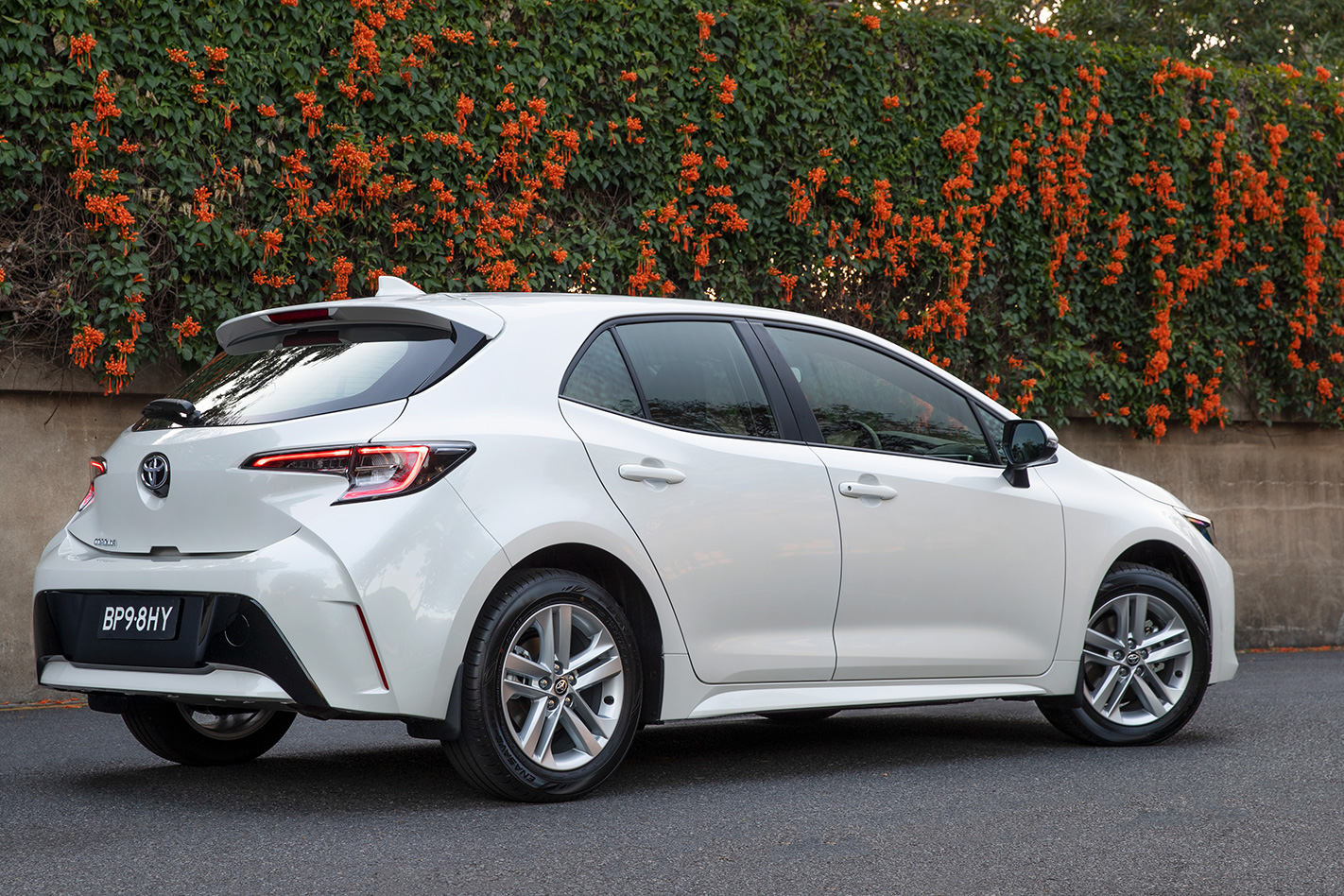
We took to the road in the entry-level Ascent Sport with the 2.0-litre petrol engine and automatic transmission to find out of Toyota has managed to incorporate both driveability and engagement into its already-successful Corolla formula that has seen Toyota’s small hatch reign supreme over rivals such as the Mazda 3, Hyundai i30, Honda Civic, Kia Cerato and Volkswagen Golf.
VALUE
Priced at $24,370, the Ascent Sport is the cheapest automatic option in the new Corolla range, attracting a $1500 premium over the six-speed manual.
As well as a more convenient continual variable transmission (CVT), the Ascent Sport auto also gains three driving modes (Eco, Normal and Sport) adaptive cruise control that works at low and high speeds, and lane-keeping assist.
View the full pricing and features for the 2018 Toyota Corolla range here
The vehicle we tested was the Ascent Sport auto in Glacier White, which is the only paint option not to incur an additional cost – the other seven colours attract a $475 premium. Optional extras included satellite navigation, digital radio (DAB+) and rear privacy glass, which are bundled together as part of a $1042 package, which took the retail price of our Corolla to $25,412.
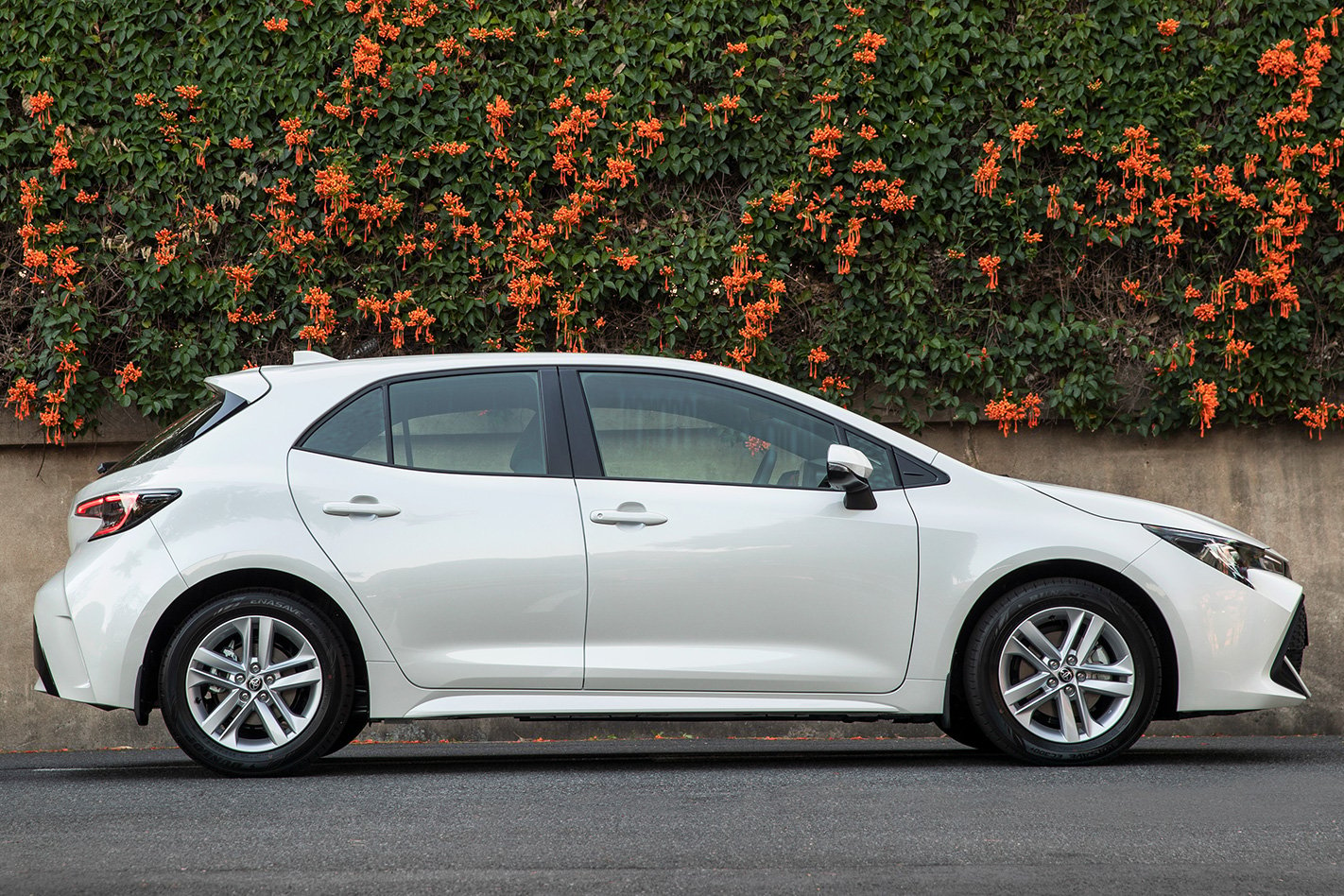
The Corolla’s highly efficient 2.0-litre petrol engine has a frugal official fuel consumption rating of 6.0-litres/100km when coupled with the automatic transmission. Our real-world testing showed 8.1L/100km with a mix of highway and inner-city driving.
The petrol Corolla requires a service every 12 months or 15,000km, which is about average. Each service between from 15,000km to 75,000km is capped at $175 with Toyota Service Advantage.
The Corolla is covered by Toyota’s three year/100,000km warranty.
STANDARD FEATURES
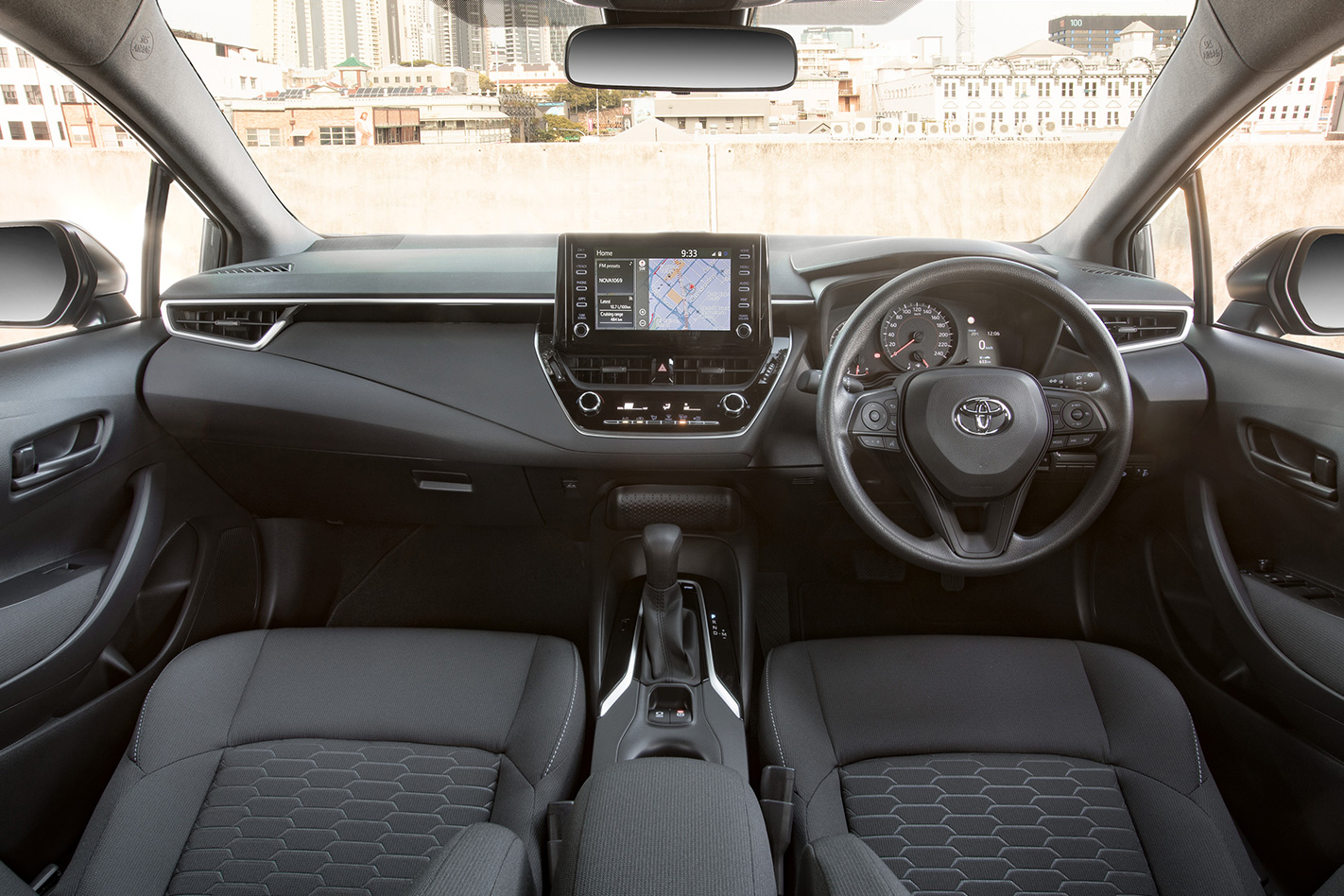
The Corolla Ascent Sport Auto is the most advanced entry-level variant in its class, and comes with advanced safety features that were unheard of in small hatchbacks just a few years ago. These include adaptive cruise control, autonomous emergency braking with pedestrian and cyclist detection, lane keeping assist, and speed-sign recognition.
You also get a big 8.0-inch touchscreen with voice recognition, which clearly displays a reversing camera image with fixed guidelines. Infotainment includes AM/FM radio and connectivity with your mobile device via Bluetooth or USB for phone calls or music streaming. For an additional $1042 you can add satellite navigation with SUNA traffic information and digital radio DAB+ to .
Other features include cloth seats, and there’s an electric parking brake that frees up space on the centre console, LED headlights with auto high beam, LED tail-lights, LED daytime running lights, rear fog-lamps, and power-folding heated exterior mirrors.
The Ascent Sport rolls on 16-inch aluminium-alloy wheels and you get a full-sized spare alloy.
SIZE
The 2018 Toyota Corolla is a five-door hatchback that seats up to five people.
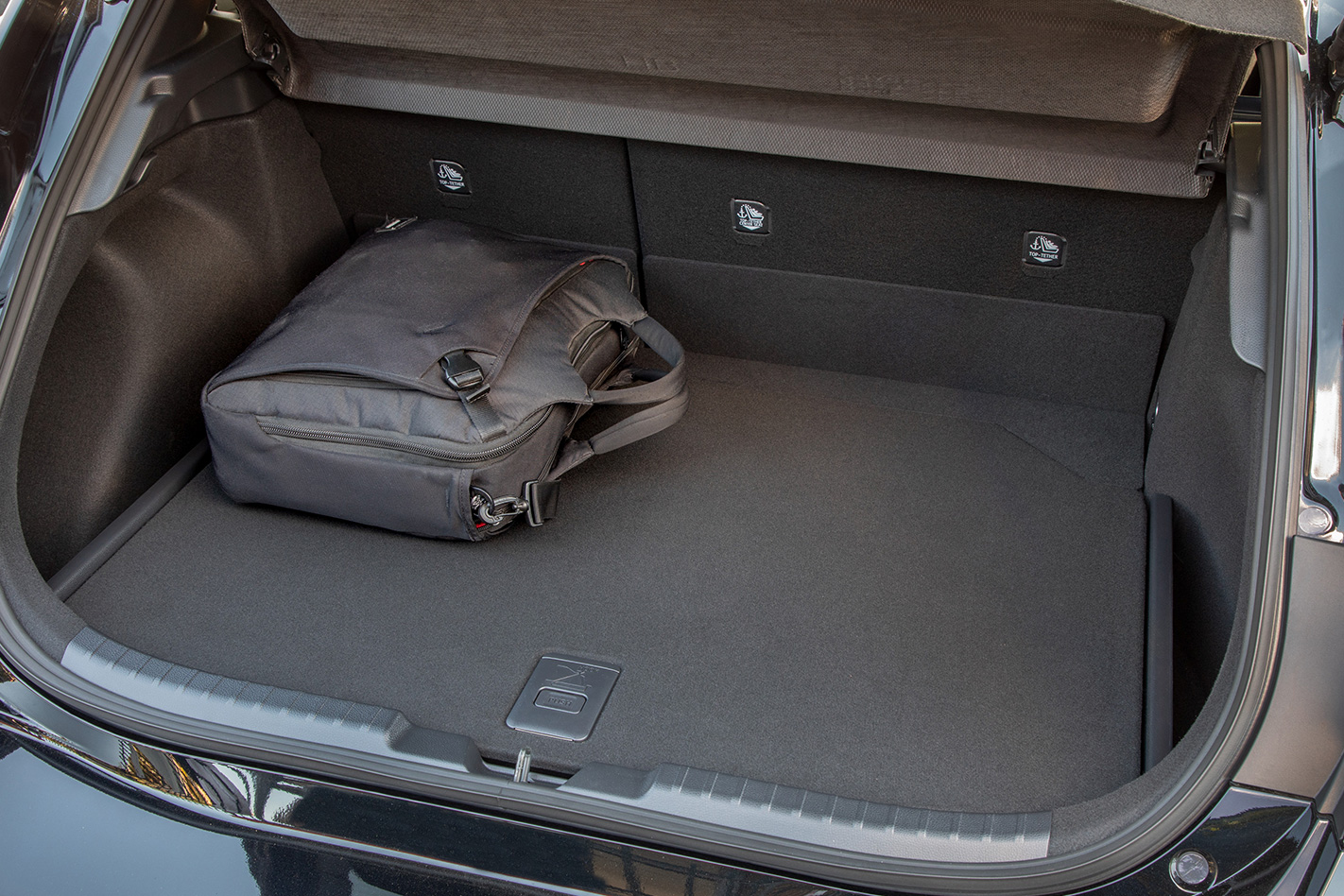
Measuring 4375mm long by 1709mm wide, and weighing in at 1340kg, the Corolla Ascent Sport auto is average sized for its class, however the boot space is very small, with a miniscule 217-litre capacity that’s 142 litres smaller than the previous model Corolla and 69-litres less than the Yaris.
SAFETY
The new Toyota Corolla hatch was awarded a five-star ANCAP safety rating in August 2018 thanks in part to its active safety features, including autonomous emergency braking (AEB) with cyclist and pedestrian detection, and lane-keep assist.
It scored well for crash protection – 96 percent and 86 percent for adult and child occupant protection respectively – and is equipped with seven airbags (front, front side, full length curtain, and driver’s knee), ISOFIX child seat anchors in the rear seats, and seatbelt warnings.
COMFORT
The 12th-generation Corolla has a fresh and ergonomically sound cabin design. Build quality is hard to fault and the materials used also have a high quality feel.
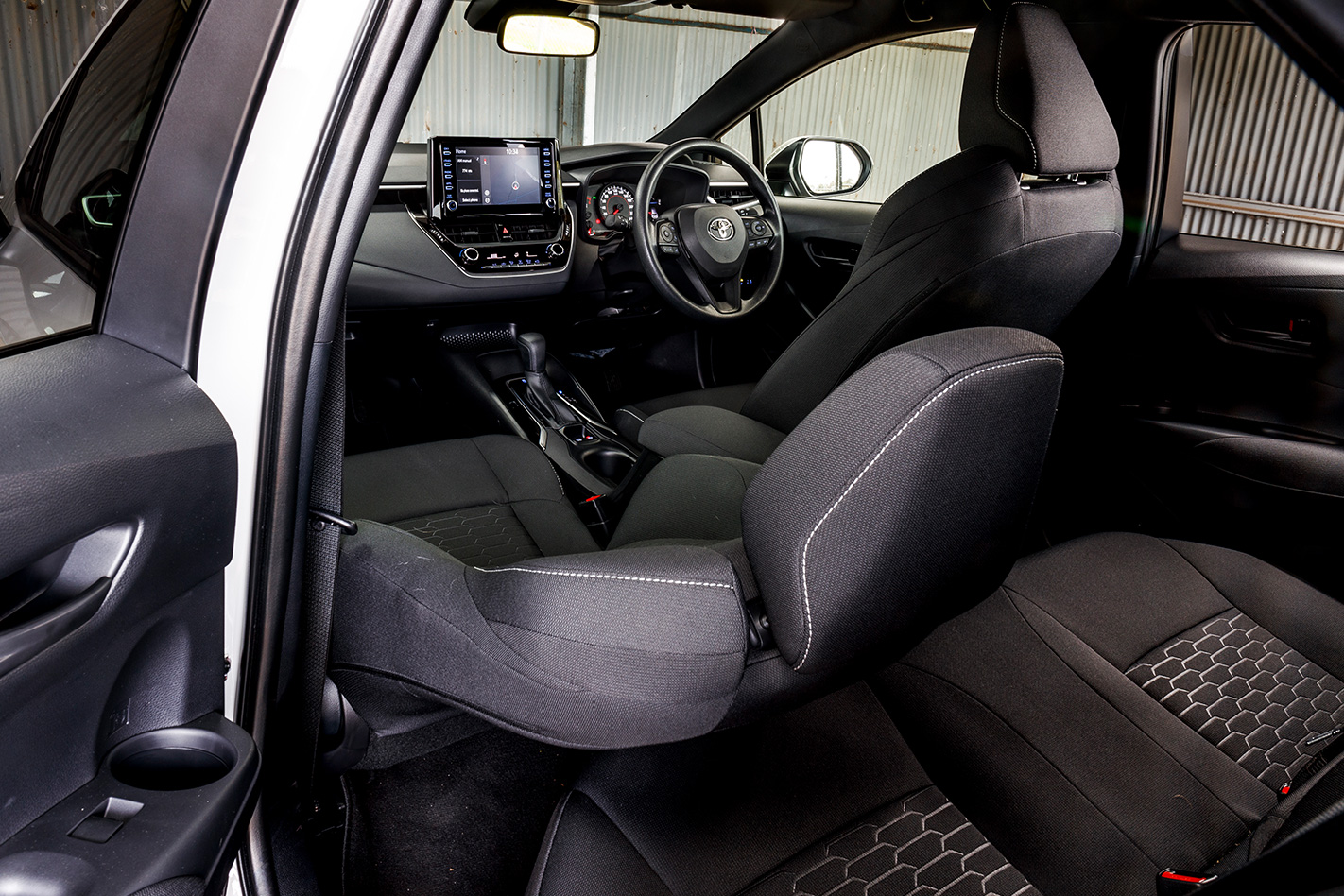
That said, the Ascent Sport’s plastic steering wheel isn’t as pleasant as the leather wrapped tiller in higher-spec SX and ZR Corollas, or similarly-priced Mazda 3 Touring, but the buttons are laid out intuitively, including the cruise control switchgear, which are mercifully no longer located on a separate stalk.
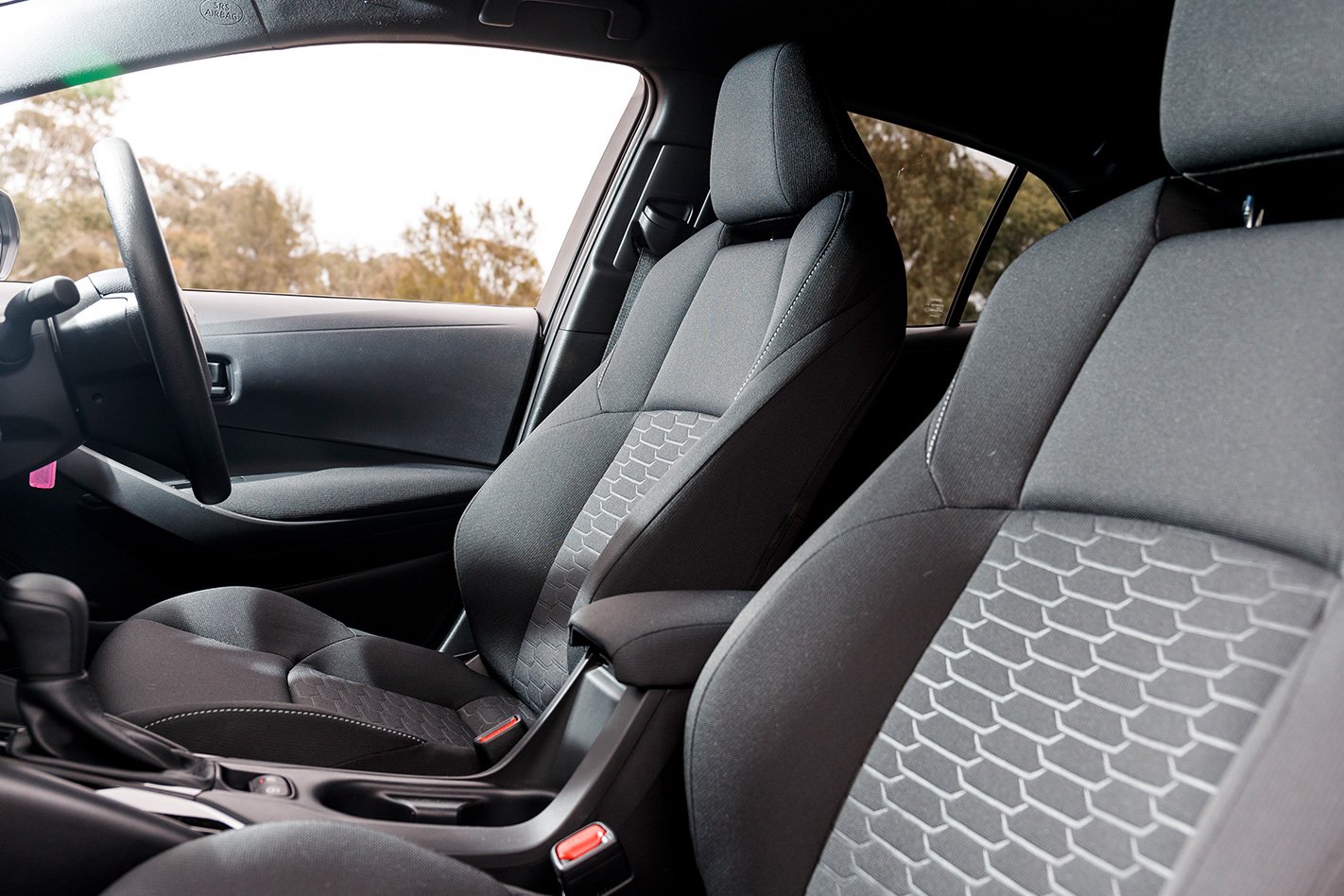
The cloth upholstery also feels durable and the front seats have deep cushions and great lower- and upper-back support.
The back seats are comfortable too, however leg and headroom is tight, with the shins of the average sized adult touching the front seats. A centre armrest has two cup holders, and there is also a handy cup holder on each of the rear-door armrests.
Rear storage is confined to a map pocket behind the front passenger seat and there are no air vents or USB and 12v sockets for rear-seat occupants.
The ride down back is pleasant though, thanks to the Corolla’s advanced multi-link rear suspension that handles lumpy rural roads in a composed manner.
ON THE ROAD
The new Corolla was built with the driver in mind, and has been re-built from the ground up on a new longer, wider and stiffer chassis with a sophisticated new multi-link rear suspension.
The well-balanced chassis combines with nicely-weighted and direct-acting steering to make cornering surprisingly good fun. It handles bumpy roads great too, with the multilink suspension feeling like it’s cutting through road imperfections rather than merely rolling over them.
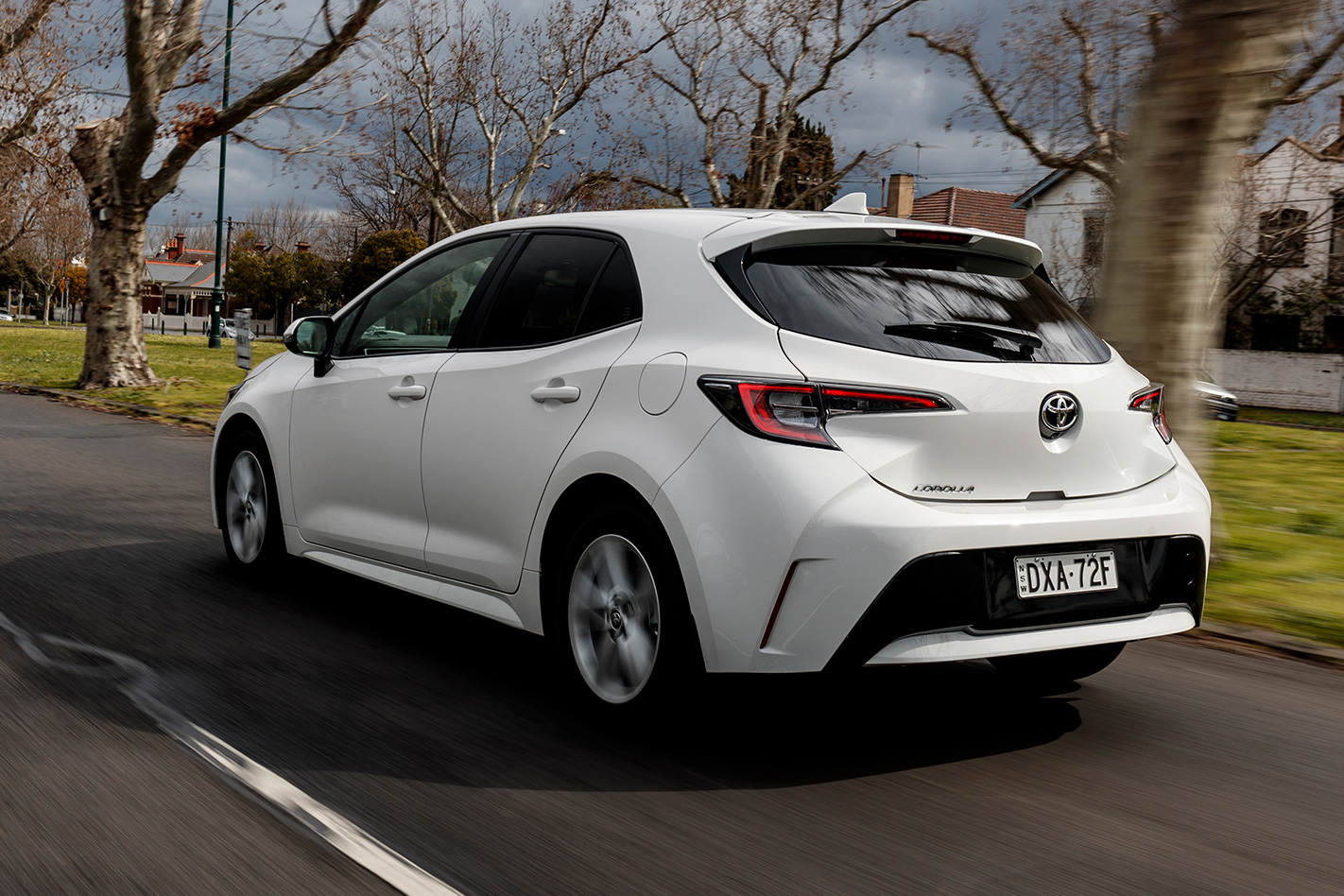
While CVT autos usually have a revvy but sluggish rubber-band feel, the 2.0-litre Corolla’s has a ‘launch gear’ that steps through the gears like a traditional automatic gearbox. This helps it take-off sharply from a standstill, while also offering responsive acceleration while on the move, such as when overtaking.
VERDICT
Yes, the Toyota Corolla can now add driver enjoyment to its steadfast reputation. It seems have moved two generations ahead of the now-superseded Corolla, both in terms of driveability and technology, and the company has done well to gift even the entry-level Ascent Sport with a fat standard equipment list.
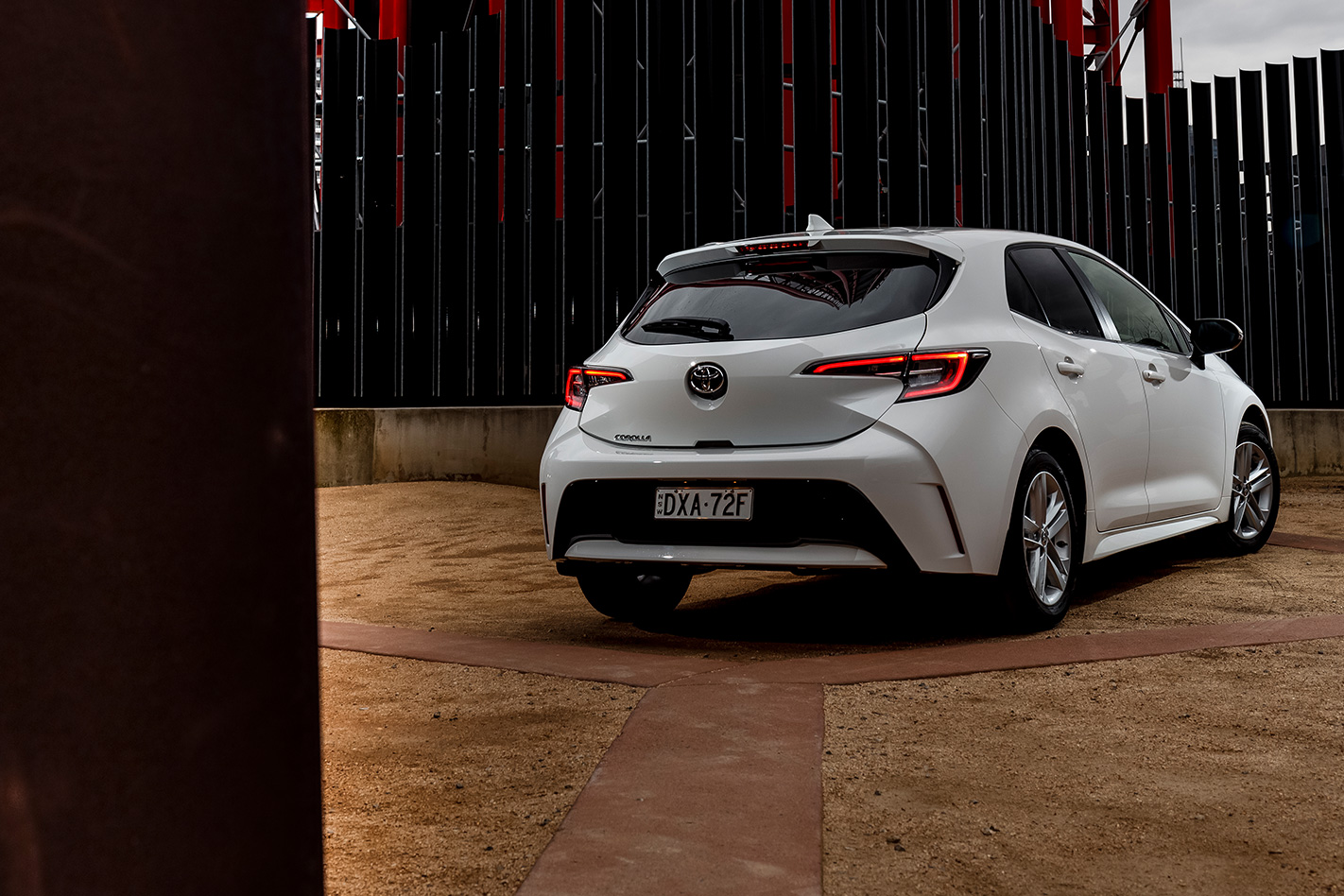
The emphasis on driveability has compromised practicality though, with tighter rear-seat space and a comically small boot. But while the new Corolla may lose buyers seeking more utility, it’s likely to gain new fans looking for something more than whitegoods on wheels.
MORE: Toyota Corolla Range Review MORE: Toyota Corolla Specs, Range & Price
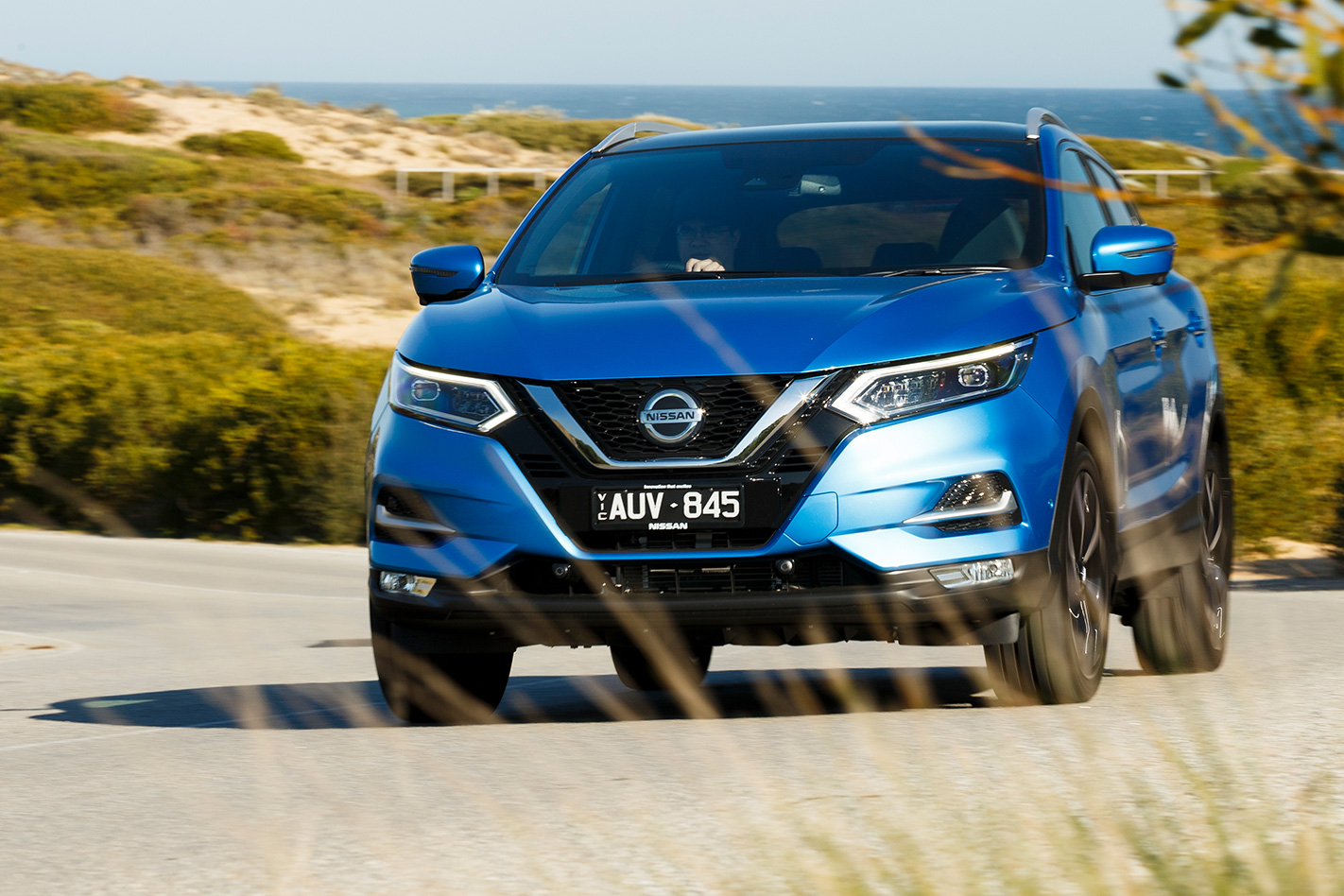
The Qashqai is now into the latter half of its life, but an update rolled out at the end of last year renewed the small SUV with a swathe of updates. It wears a fresher face, for starters, and has been fiddled with under the skin to improve ride compliance, tighten up its handling and improve refinement.
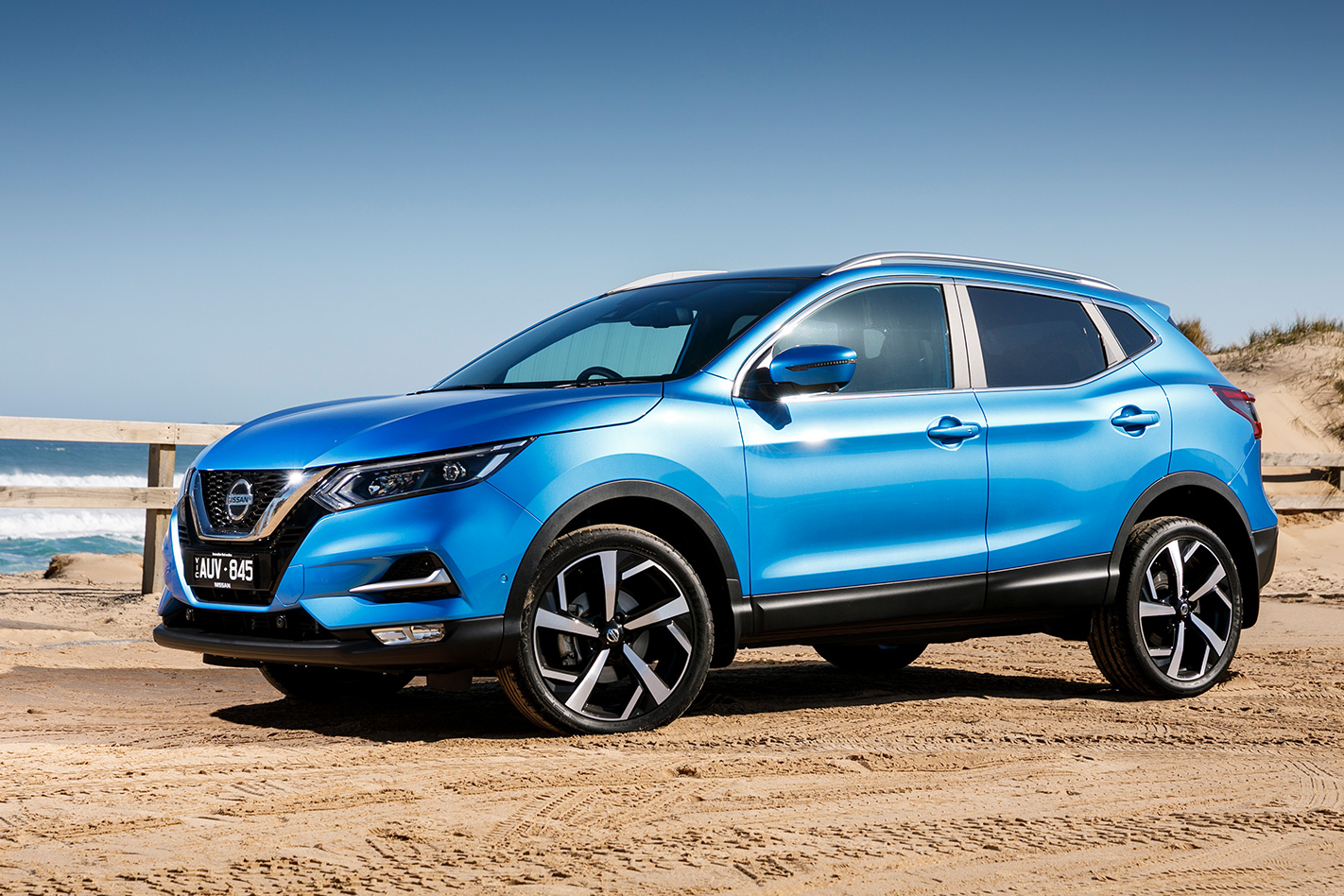
There’s also a new king of the Qashqai range too, with the top-shelf Ti variant being added to the family in the middle of this year. It’s not cheap, but after seven days behind the wheel we discovered that the feature-laden flagship still makes a strong case for itself.
VALUE
Let’s address the elephant in the room: yes, the Qashqai Ti is an expensive thing. Retailing at $37,990 it’s priced deep into midsize-SUV territory, and runs perilously close to more premium offerings like the $41,900 Mini Cooper Countryman or $43,900 Mercedes GLA 180.
Even looking at other mainstream options, the range-topping Mazda CX-3 Akari diesel costs $100 less than the Nissan yet packs in all-wheel drive as standard. The Qashqai, meanwhile, is only available in front-wheel drive form and without a diesel option. But the Nissan justifies its price through equipment. It’s loaded to the gunwales with gear and for those that want something dependable, but very highly specified, the Qashqai Ti ticks those boxes.
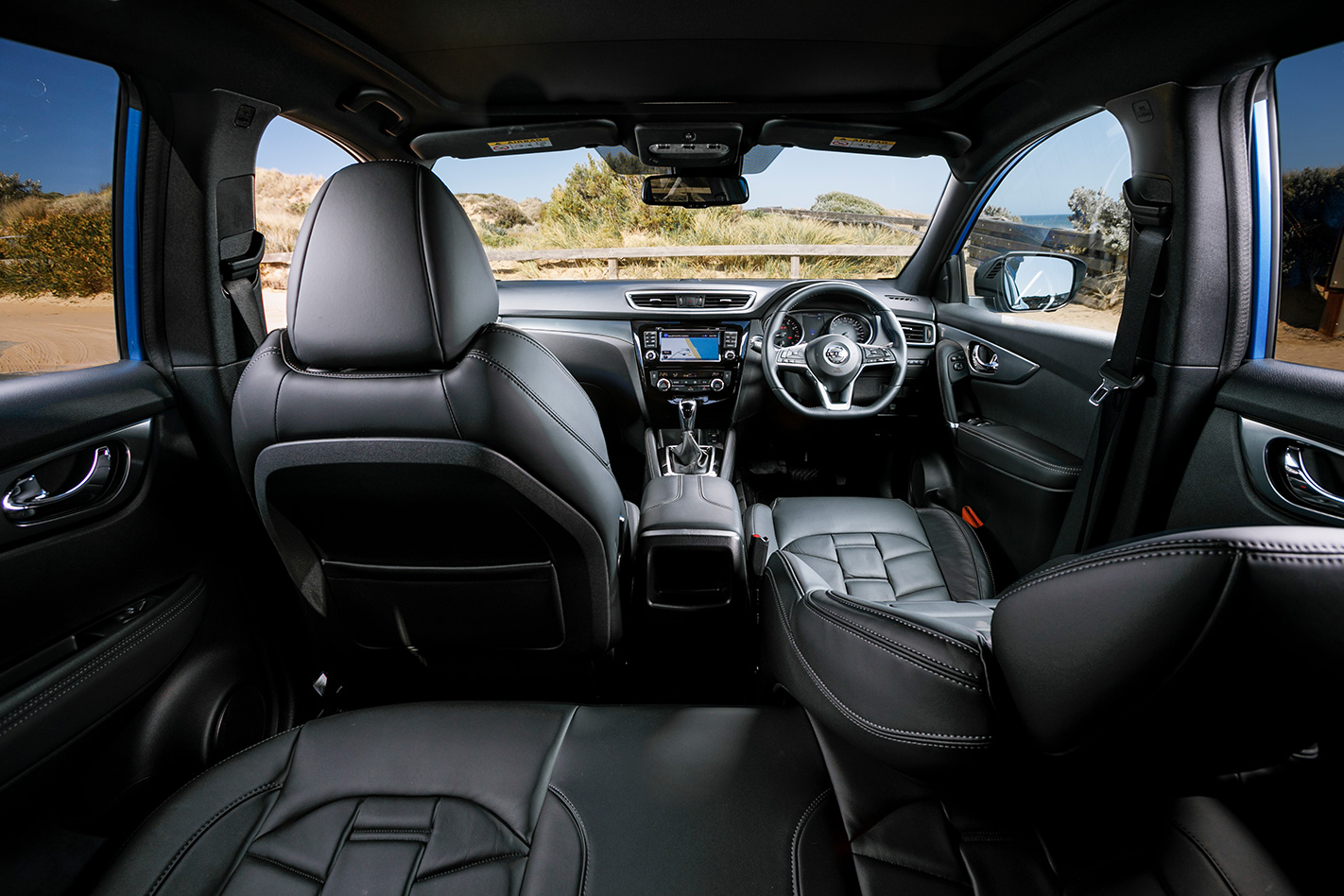
And while the purchase price might be seen as a little hard to bear, the running costs are more manageable. Fuel consumption is a claimed 6.9L/100km on the combined cycle, and it only requires 91-octane.
The three-year/100,000km factory warranty is on the short side in this age of five-year-plus coverage, but service intervals are 12 months or 10,000km with the average service ranging between $224-$298 (more involved servicing can occasionally see a $404-$532 bill, but these are infrequent) – a reasonable figure.
STANDARD FEATURES
As the flagship of the Qashqai range, the Ti variant is certainly feature-rich. In addition to the basics of power folding wing mirrors, power windows, keyless entry, dual-zone climate control and power-adjustable front seats, there’s also high-end equipment like active cruise control, a self-parking system, 360-degree camera view, adaptive headlamps and a massive panoramic glass roof.
The glass roof is definitely a highlight. It covers the heads of both front and rear seat passengers and unlike many so-called panoramic sunroofs is completely unencumbered by structural beams – it’s one big ol’ piece of glass. For those who love to soak up some rays on a Sunday drive it’s a huge selling point, literally.
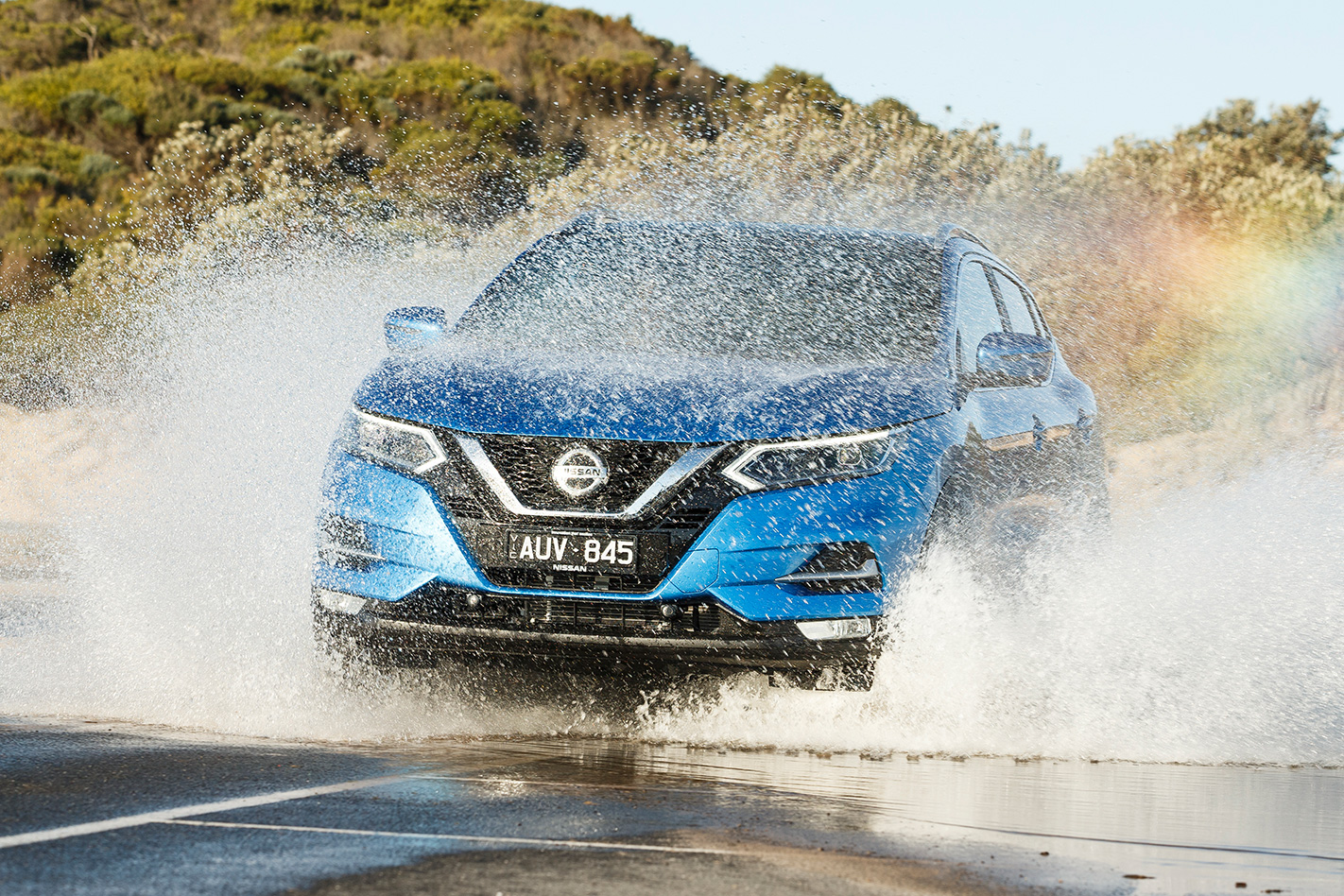
Infotainment is handled by a 7.0-inch colour touchscreen display that brings integrated satellite navigation and a digital radio tuner. Unfortunately, it’s incredibly dated in its appearance, not as responsive to inputs as other systems and doesn’t come with Apple CarPlay or Android Auto smartphone mirroring – a feature that’s fast becoming standard on mainstream vehicles. It’s one area where Nissan could absolutely improve its game.
SIZE
Sized to fit five people in reasonable – though not excessive – comfort, the Qashqai Ti dwells in the small SUV segment and is positioned below the more generously proportioned X-Trail in Nissan’s lineup. With external dimensions of 4394mm in length and 1806mm in width, the X-Trail is easy to park in average-sized car spots, driveways and garages.
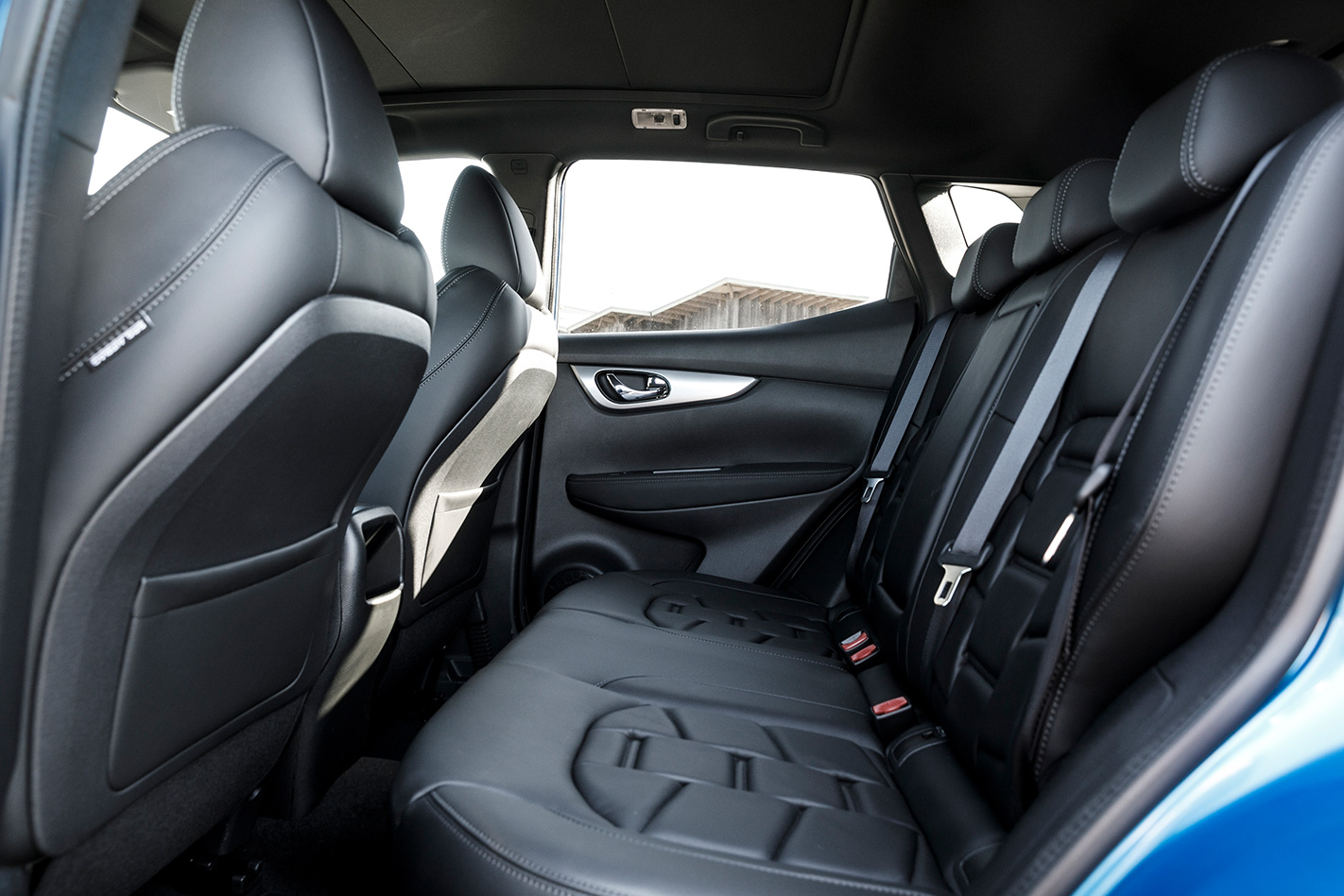
Its comparative compactness conceals a very usefully-sized boot, which offers up 430 litres of seats-up storage space or 1598 litres when the rear seatbacks are folded down.
SAFETY
Equipped with blind spot monitoring, a forward collision warning, lane keep assist, rear cross-traffic alert and autonomous emergency braking as standard, the Qashqai Ti’s active safety suite provides more than just the usual ABS, EBD, stability control and traction control.
In the event of an accident, there are three-point seatbelts on all seats and ISOFIX child seat anchorages on the outboard rear seats, though while there are six airbags in total – the industry average – note that the head-protecting curtain airbags don’t extend to cover the second row. Airbag protection is unfortunately limited to those in the front seat.
COMFORT
The first thing that strikes you as you enter the Qashqai Ti’s cabin is its leather upholstery. The watch-strap style folds of the Nappa leather seats are anything but your average black hide, and while it’s probably going to be a pain to vacuum crumbs out from the seat base it at least looks distinctive and high-end.
They’re heated too, which is nice in the frosty Melbourne mornings we experienced, and there’s also two-position memory settings for the driver’s seat – an invaluable argument-saver if the car is regularly driven by both members of a couple. Those front seats are also a pleasure to sit in thanks to well-sculpted cushions that support your back and bum nicely.

The rear seats aren’t quite so accommodating, given limitations in legroom and headroom (the latter impinged upon by that massive glass roof and its retractable sunblind), not to mention the absence of rear seat vents and the presence of rock-hard door card plastics. Even so, despite the cosiness of the rear bench there’s nevertheless enough room for a pair of adults to be comfortable for a while.
ON THE ROAD
See those gargantuan 19-inch alloys? They’re more than just some visual bling – in fact, they – and the Dunlop Sport Maxx tyres around them – play a massive part in the Qashqai’s on-road manners.
Those tyres are quite an unusual sight on a mass-market small SUV. You’d ordinarily find them wrapped around the wheels of a performance car like the Subaru WRX STI, but Nissan has taken the curious step of fitting them to the humble Qashqai. The result is an otherwise quite mild-mannered car with stacks of grip, but as weird as it sounds it actually feels ‘right’.
And that’s because the Qashqai is blessed with a fairly decent suspension tune, and though the ride is slightly sharp thanks to the low-profile rubber and huge alloys, it’s actually got quite good compliance once you get past that initial harshness. It deals with challenging surfaces admirably well, and the extra grip from its sporty rubber means it can deal with emergency lane changes, hard braking or even the occasional spirited drive without breaking a sweat.
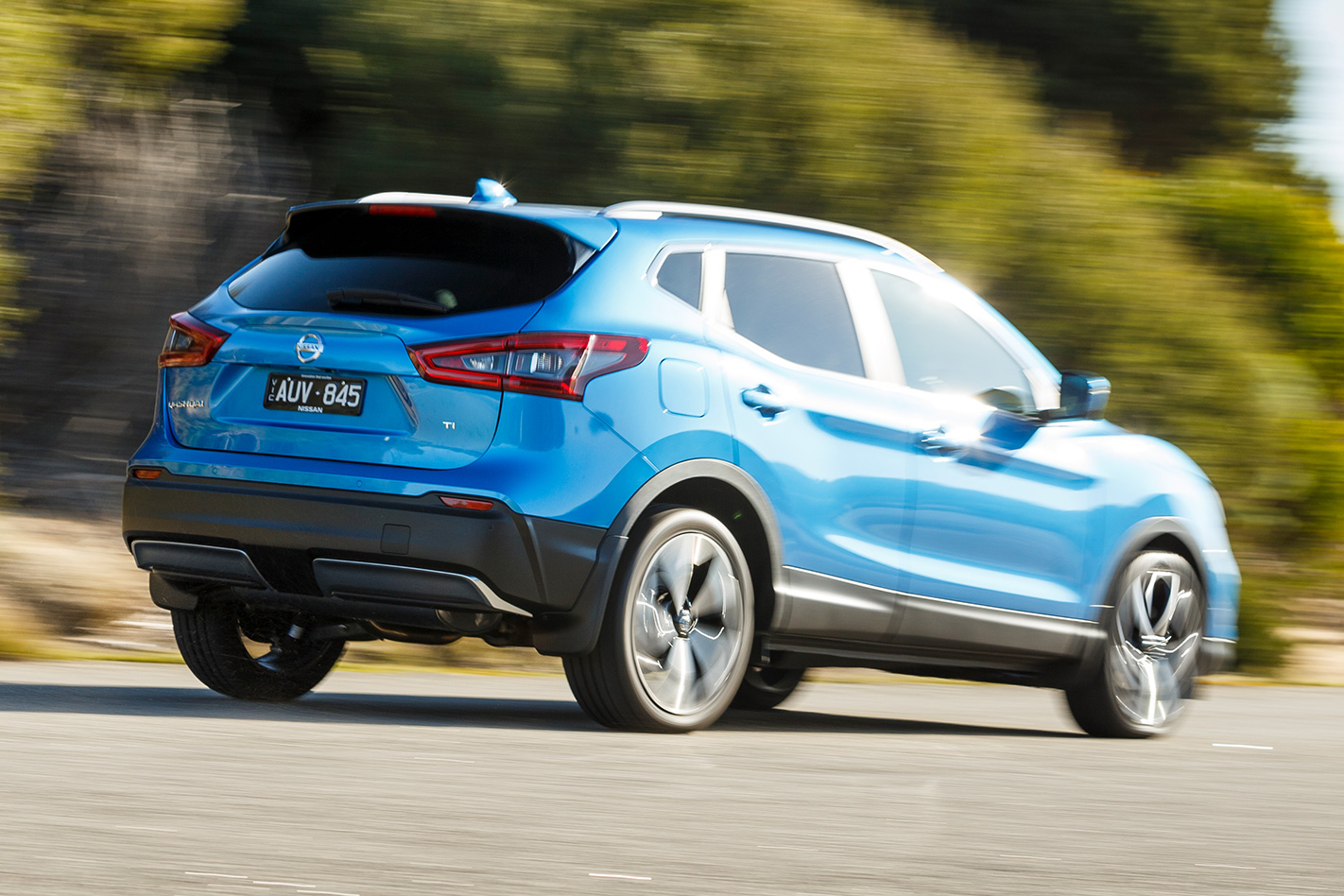
The Qashqai’s suspension was heavily revised late last year with firmer spring rates and retuned damper settings to quell what was previously an unsettled ride. Those changes work a treat, especially on the top-grade Ti.
It’s a shame the powertrain isn’t quite up to the same level of athleticism as the chassis. With just 106kW and 200Nm from a naturally-aspirated (non-turbo) 2.0-litre petrol inline four, the Qashqai Ti feels underwhelming in straight-line acceleration, and though its CVT automatic makes for fuss-free motoring around town, its monotone drone when you ask the car to perform is anything but enjoyable.
What’s more, the engine only starts producing peak torque at 4400rpm, meaning that if you live in a hilly area or frequently carry many passengers (or both!) the engine will need to spin harder than competitors powered by more torque-rich turbocharged engines.
VERDICT
Though the Qashqai might be getting on in years now, thanks to ongoing improvements by Nissan it’s better than it’s ever been – and the Ti is the cream of the crop. The price of entry is high, but you can see where that extra money is going, and if all you want is an easy-going small urban crossover with a smattering of luxe and road-gripping underpinnings, then it certainly fits the bill.
Having already given Enzo Ferrari a two-fingered salute, Ferruccio Lamborghini then went on to invent the mid-engined, road-going, production supercar with the Miura. Not happy to let it end there, Lamborghini then started to get a bit lairy. The Countach was the fruit that fell from that particular Zany-Tree.
This feature was originally published in MOTOR’s September 2012 issue
The original Countach was truly out there. It was science-fiction, but that Italian version of science-fiction where the crappy two-dimensional sets were all done by pissed sign-writers, the male actors wore three piece Armani space-suits and the females (including the female aliens) all had red painted lips and huge fadooboodas. (It was the zero-gravity that made them that shape. Honest.)
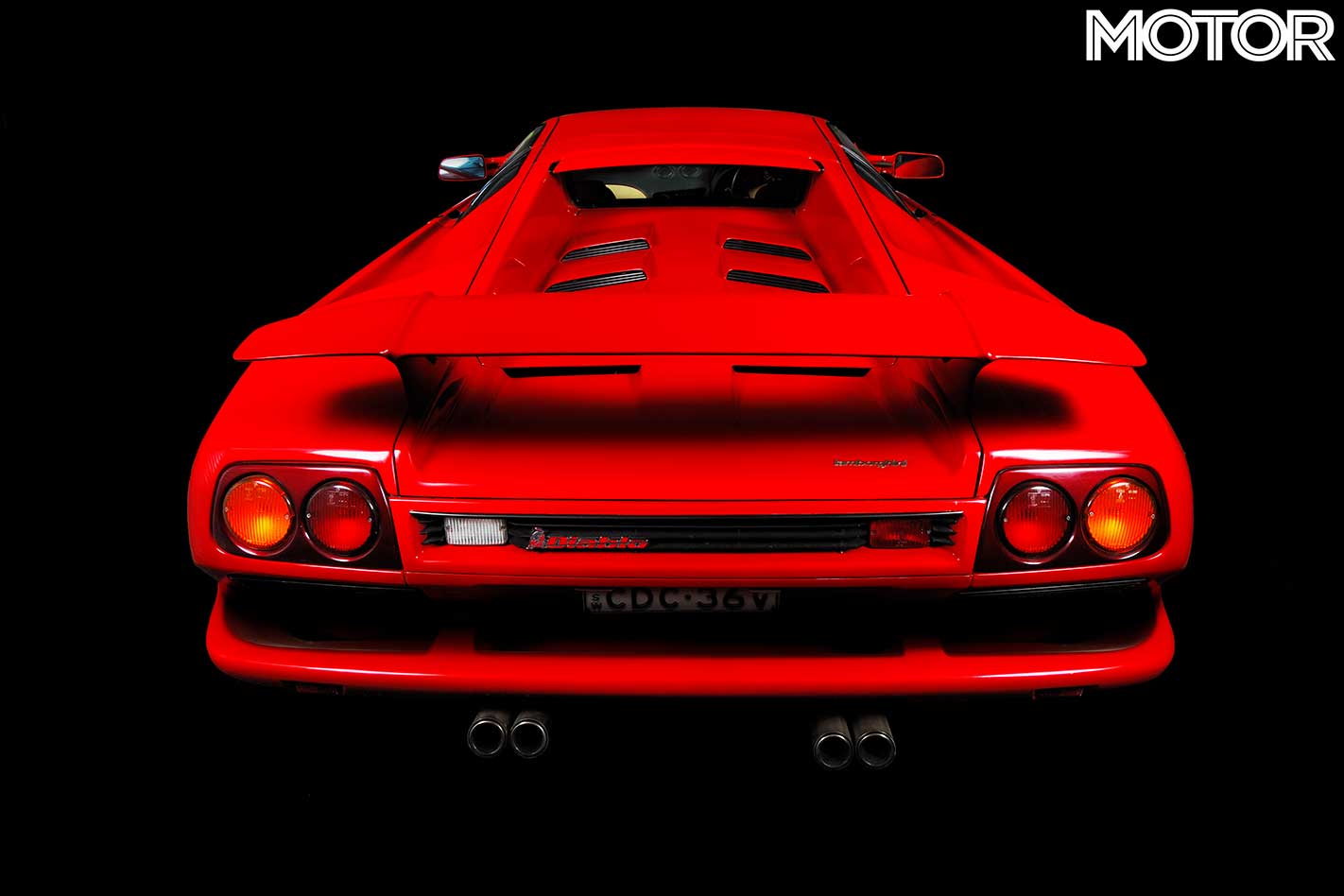
Even by 1985, the Countach’s outrageousness was hardly growing thin even with the Italians and a successor entered the planning stages. That car was, of course, the Diablo and, rather than do away with the excesses of the latter-day Countach, it kind of took the whole cartoon supercar to new heights.
But it wasn’t that simple, because along the way, the Diablo had to drag Lamborghini kicking and screaming into the 1990s, so the styling was softened at the edges and the whole thing gained that vaguely cab-forward look that characterises supercars form this era.
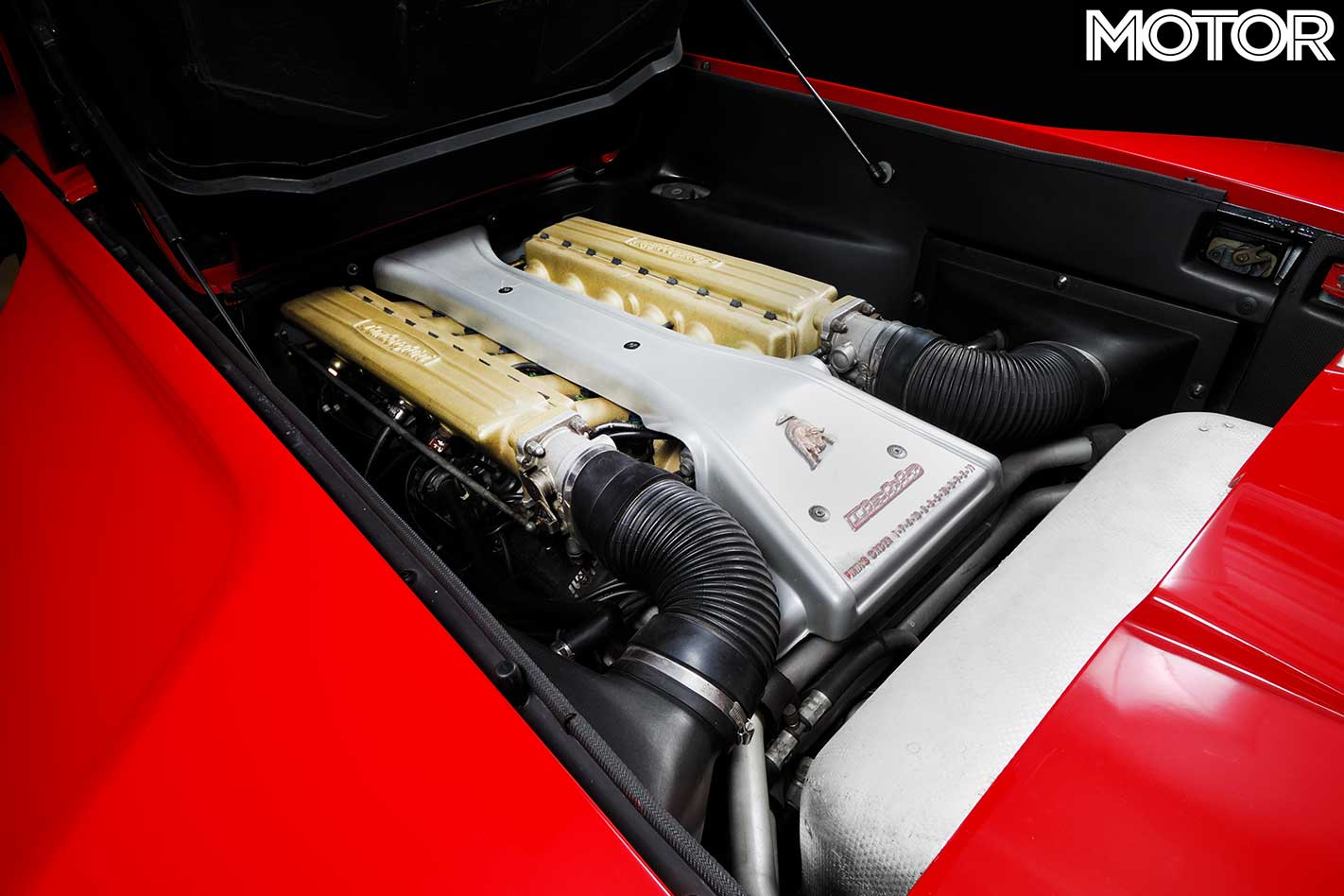
Gone were the big `shoulder pads’ that acted as the Countach’s air intakes, because the radiators for the Diablo had been relocated to that ample rump. Making rear-mounted radiators work is never easy, so Lambo worked hard to make sure the V12 kept its cool.
Measures included designing the rear bumper-apron unit to pull hot air out from under the car although the big air scoops forward of the rear wheels are not for engine cooling. Instead, they cool the rear brakes while another pair of scoops in the front spoiler does the same for the front binders.
Seventeen-inch alloys were massive for the day bet they were needed to clear the big brakes and were wrapped in (what else?) Pirelli P-Zero tyres. The later Countach’s wheel-arch flares were also given the flick for the Diablo which, at better than two metres across, really didn’t need to be any wider. That broad beam is also the reason the doors open upwards (like the Countach) because a standard parking spot simply wouldn’t allow for the car AND an open door.
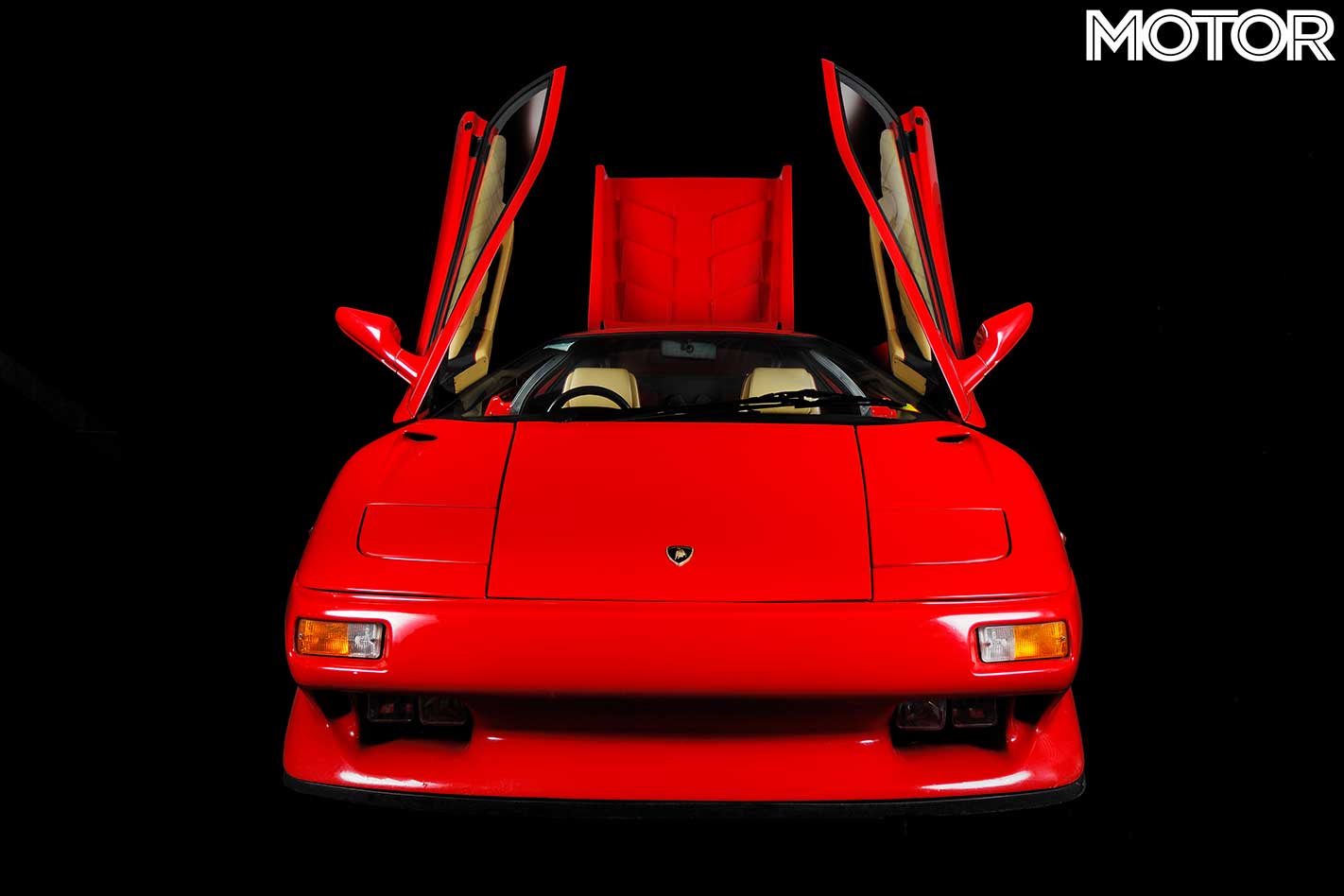
The Diablo wasn’t an ugly car, but neither was it remotely elegant. It was a brutish thing to gaze upon but that was just how everybody in the 90s liked their supercars. Still made the original Countach look almost elegant, however.
Mind you, it’s almost a miracle that the Diablo happened in any coherent form at all: During the car’s design phase, the seemingly annual upheavals at Lamborghini HQ resulted in the whole company falling under the control of none other than Chrysler. So, when you think about it, it’s kind of lucky the Diablo concept wasn’t redesigned by Detroit to be front-drive and powered by the engine from a Jeep or something.
Chrysler did, however, soften the edges of the design although the original crayon-master, Marcello Gandini (who also penned the Miura and Countach) was still happy to have his name on the final sketches.
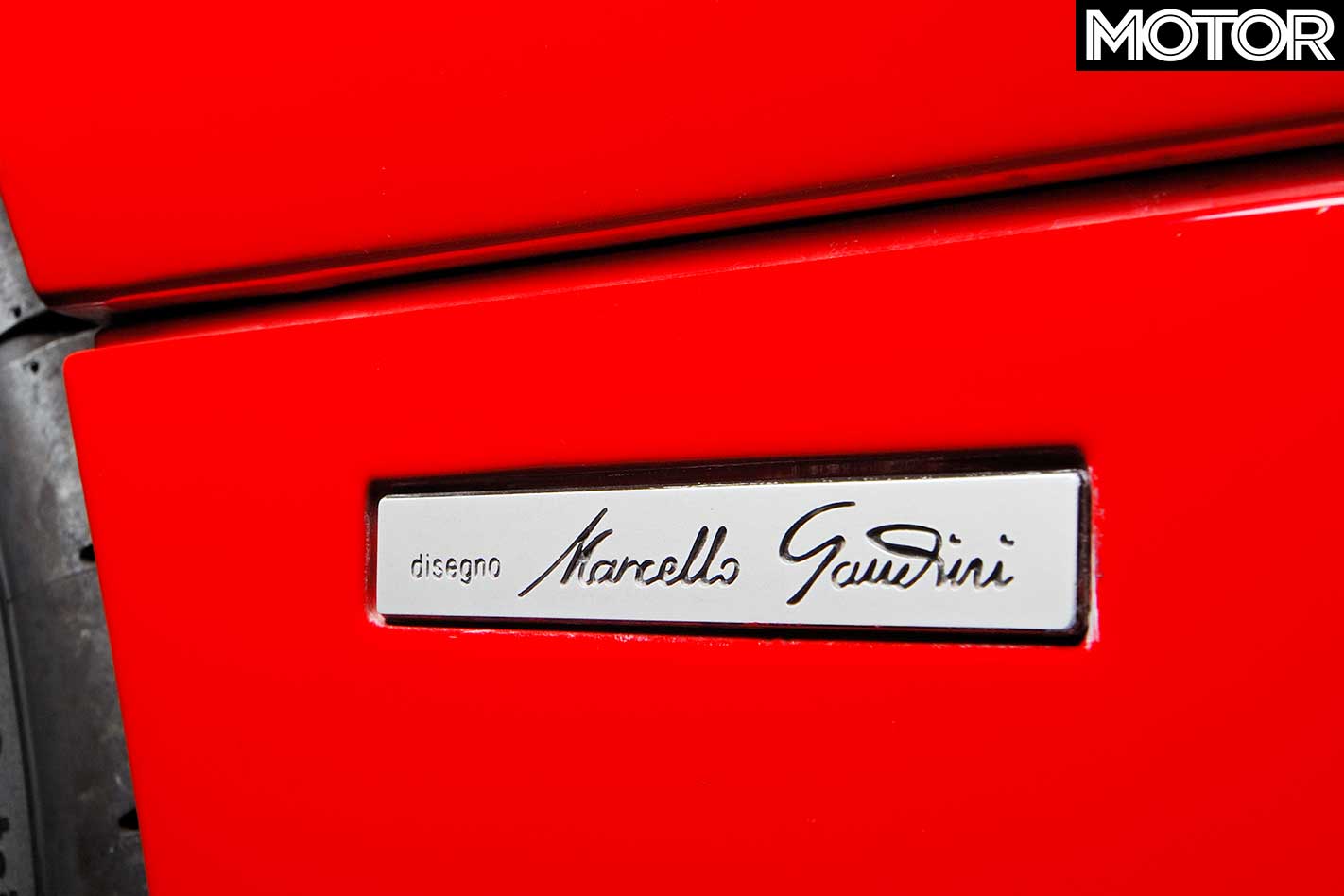
Chrysler couldn’t, however, resist fiddling with the interior but, to be fair, this s one element of the thing Lambo probably wouldn’t have got right anyway, had it been left to its own devices. Italian interiors of this era all give the impression of having been designed after lunch on a Friday. The Diablo’s was no different, even with that North American input.
But beyond that, the Diablo was more steak than sizzle. Lamborghini had always planned on retained the mid-mounted V12 layout for the Countach’s successor and so it was. This time around, of course, the engine measured 5.7 litres and claimed (a fairly optimistic, depending on who you talk to) 367kW and 580Nm.
Then again, the output numbers might not have been too fanciful as Lamborghini not only quoted a top speed of 325km/h, test driver Sandro Munari managed 340km/h during testing at the Nardo pisto provo. The magic was not simply the result of 350 cubic inches, there were also four valves per cylinder and a new form of fuel-injection developed jointly by Weber and Marelli.
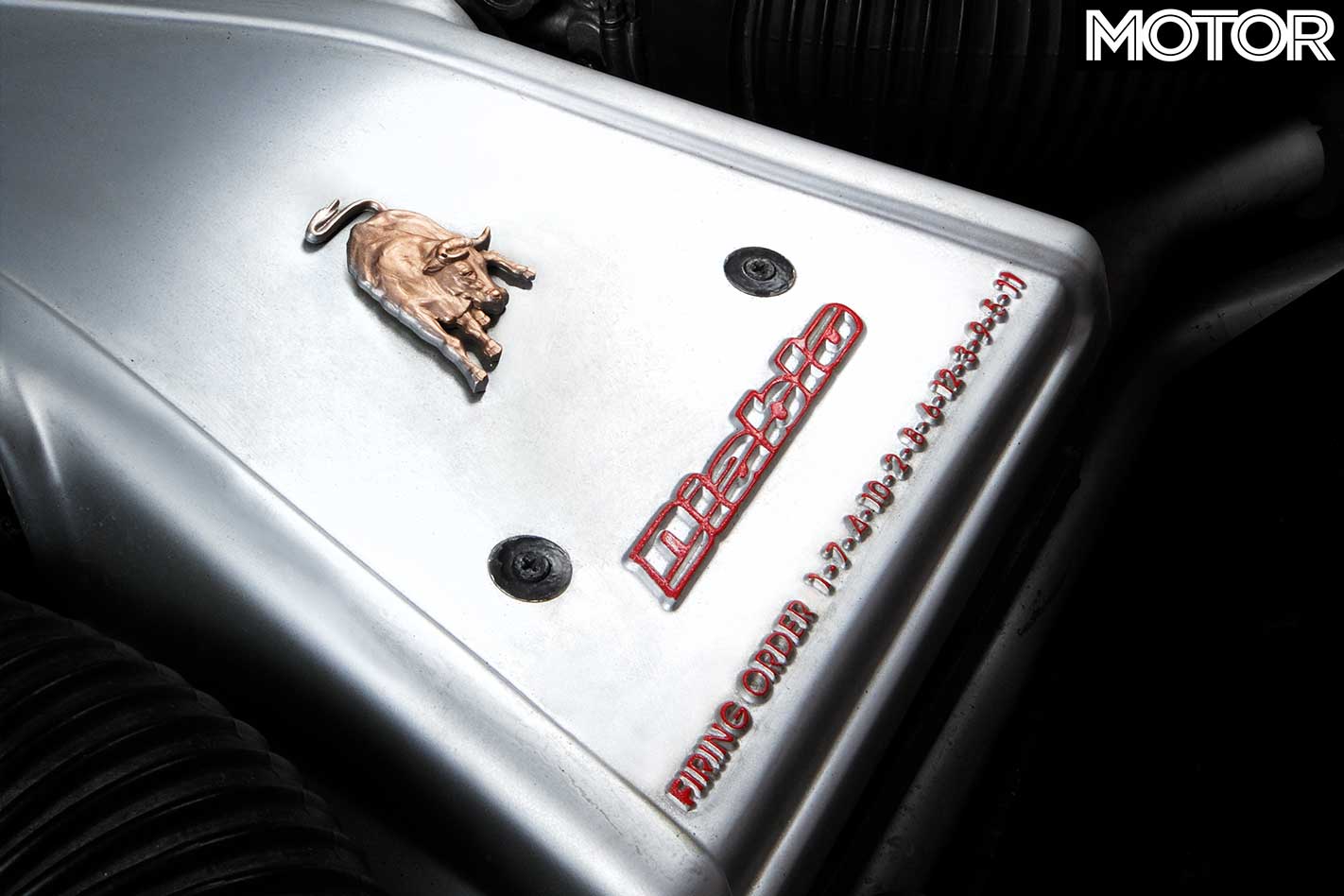
The Diablo happened along at a point in history when high-end car-makers were first starting to get serious about composite materials and exotic metals. As such, the Diablo design centered around a high-strength alloy passenger cell with a different grade of alloy for the front and rear sub-sections. All the body panels were aluminium apart from the engine lid, bonnet and front and rear bumper assemblies which were composite.
Driving the Diablo was the big improvement over the Countach and while it still was far from being entirely user-friendly, the Diablo did at least have front windows that went all the way down (and were even electrically operated. For the warranty period, anyway).
Sounds like a pretty basic sort of requirement, but, hey, this was Italy in the 1980s, remember. The new car was still difficult to enter or leave and remained massively impractical (particularly on the narrow lanes and crowded cities of its homeland) and could still be a handful to drive.
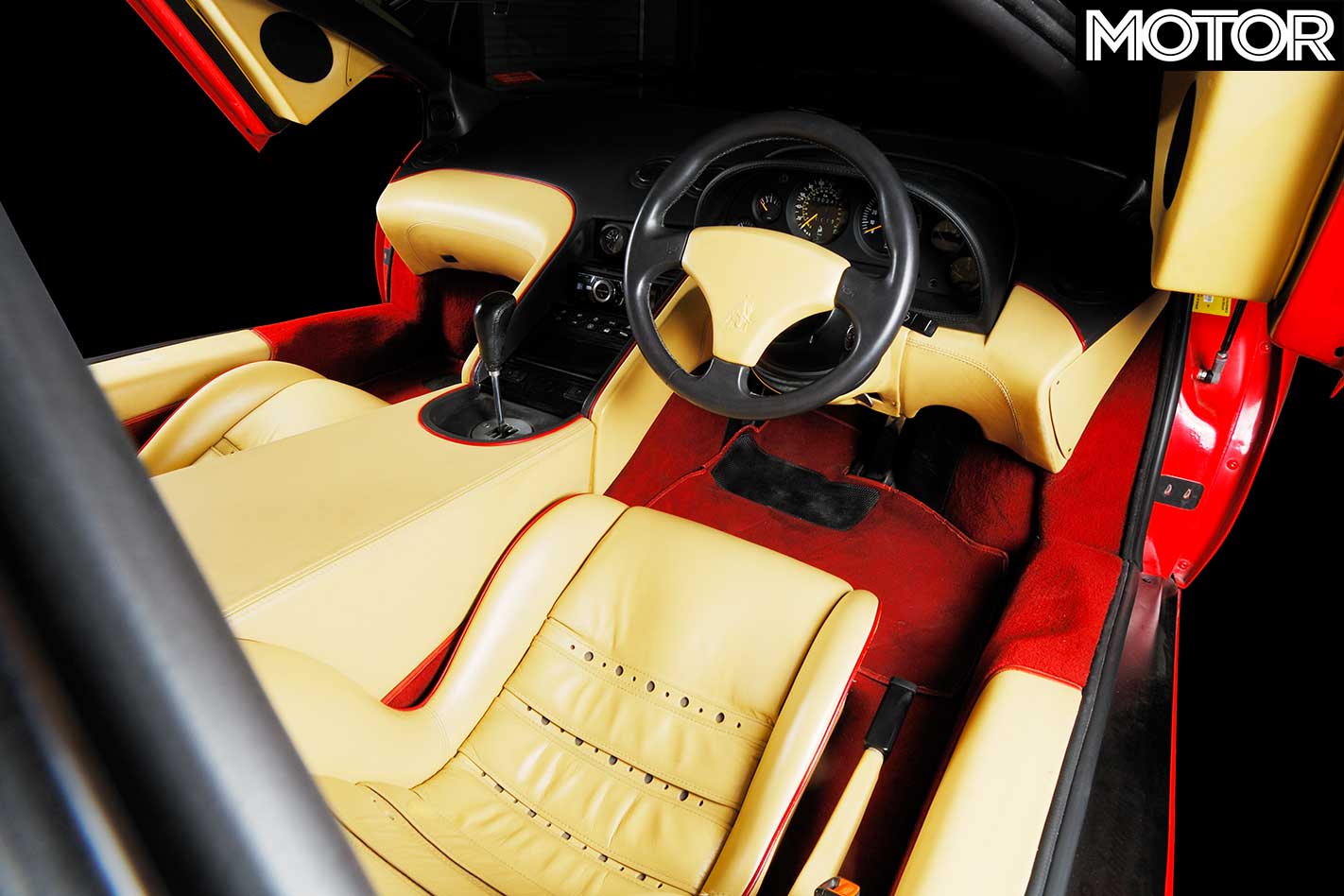
A heavy clutch and steering were just two of the popular complaints, but unlike the Countach, the Diablo’s lower-mounted engine meant that the rear view mirror was no longer just for hanging an air freshener.
That said, all that mass behind the driver’s seat meant the Diablo was still a nightmare to reverse park. But the seats were finally fully adjustable and the instrument pod went up and down with the steering column.
But, if you’ve ever heard an old-school Lambo V12 crack redline in the first three gears, you’ll understand what the fuss was all about. And yes, there are more practical, more reliable, easier to live with supercars around these days for the same (or a lot less) money, but the Diablo is now old enough to have gathered some of that middle-aged cool that separates the true hero cars of the past with the new-boy wannabes.
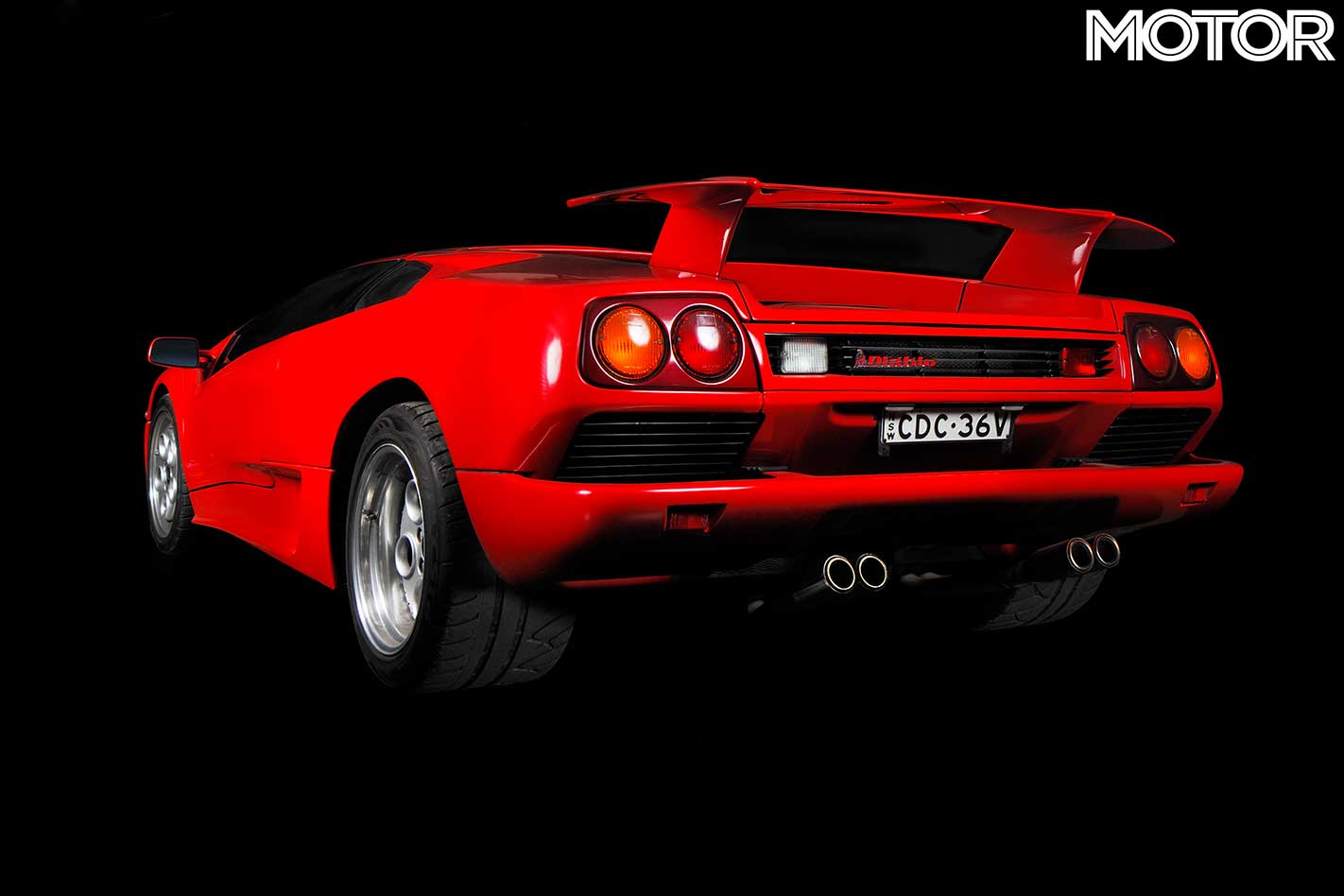
The Good – How can an Italian V12 be anything other than a joy to every sense? When it’s working, of course. – Styling will never be mistaken for anything but a high-end exotic. – Lamborghini badge is your passport to shagging pleasure.
The Bad – Still a pig to drive in traffic and God forbid you should ever need to parallel park it. – Maintenance will require a very special relationship with somebody called Tony who smells of fried clutch plates. – There’s smarter buying for the same money elsewhere.
Dealing for the devil
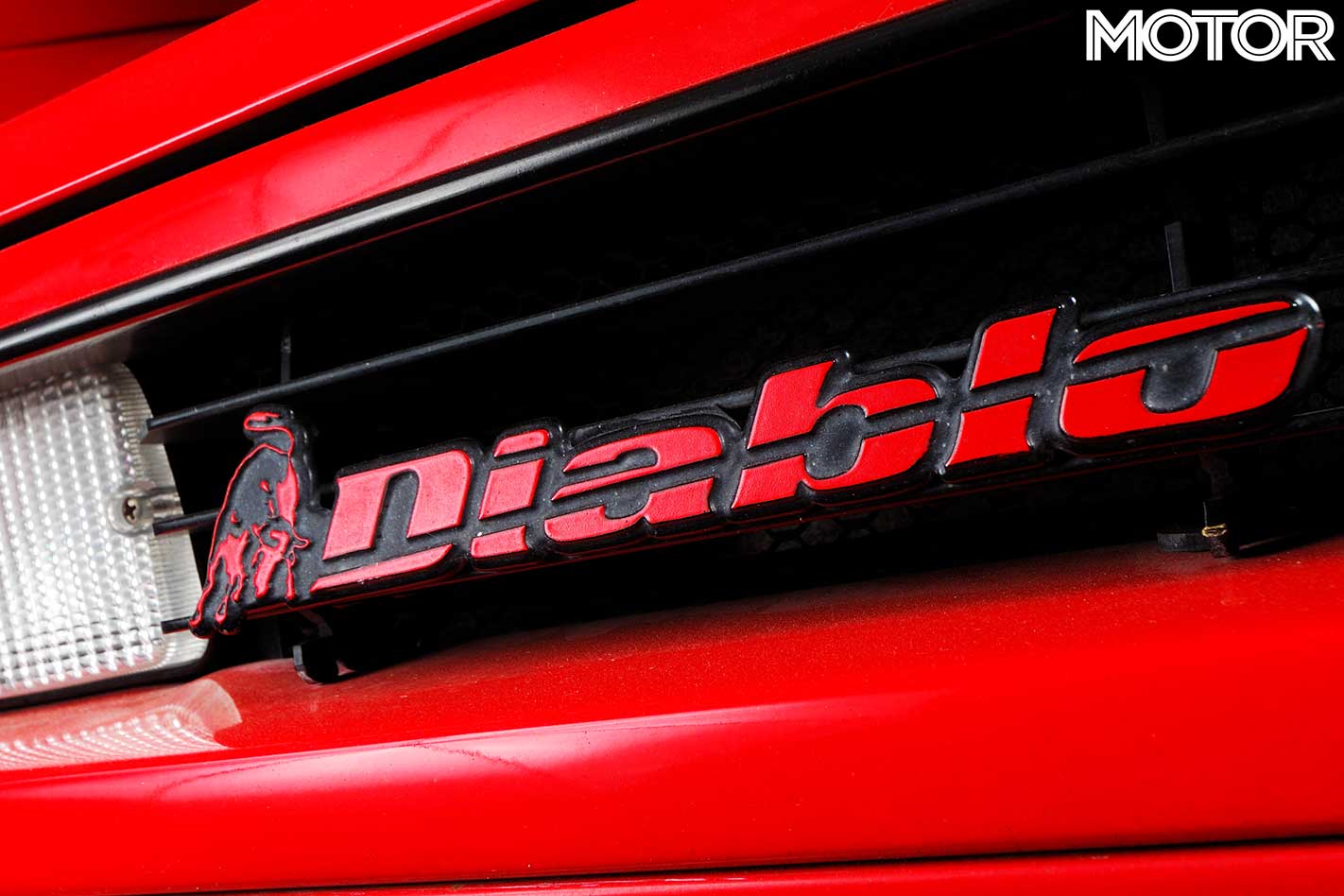
When the Diablo hit the market in 1990, the world was suddenly presented with the future of high performance exotica. But the future cost.
Imported here officially from 1991, the Diablo cost a staggering $695,000 at a time when a 348 Ferrari was 224-grand. Numbers were always small, of course, and by the time 1996 had rolled around and the first Diablo was making way for the more powerful SV version, the sticker had fallen to $489,811.
Along the way, Lamborghini also introduced Australia to the all-wheel-drive Diablo VT in 1993 with a $698,000 sticker, the identically-priced but more powerful SE in 1994 and then the topless Diablo SV Roadster in 1998 which was a snip at a mere $439,650, but a pretty old design (by supercar standards) by then.
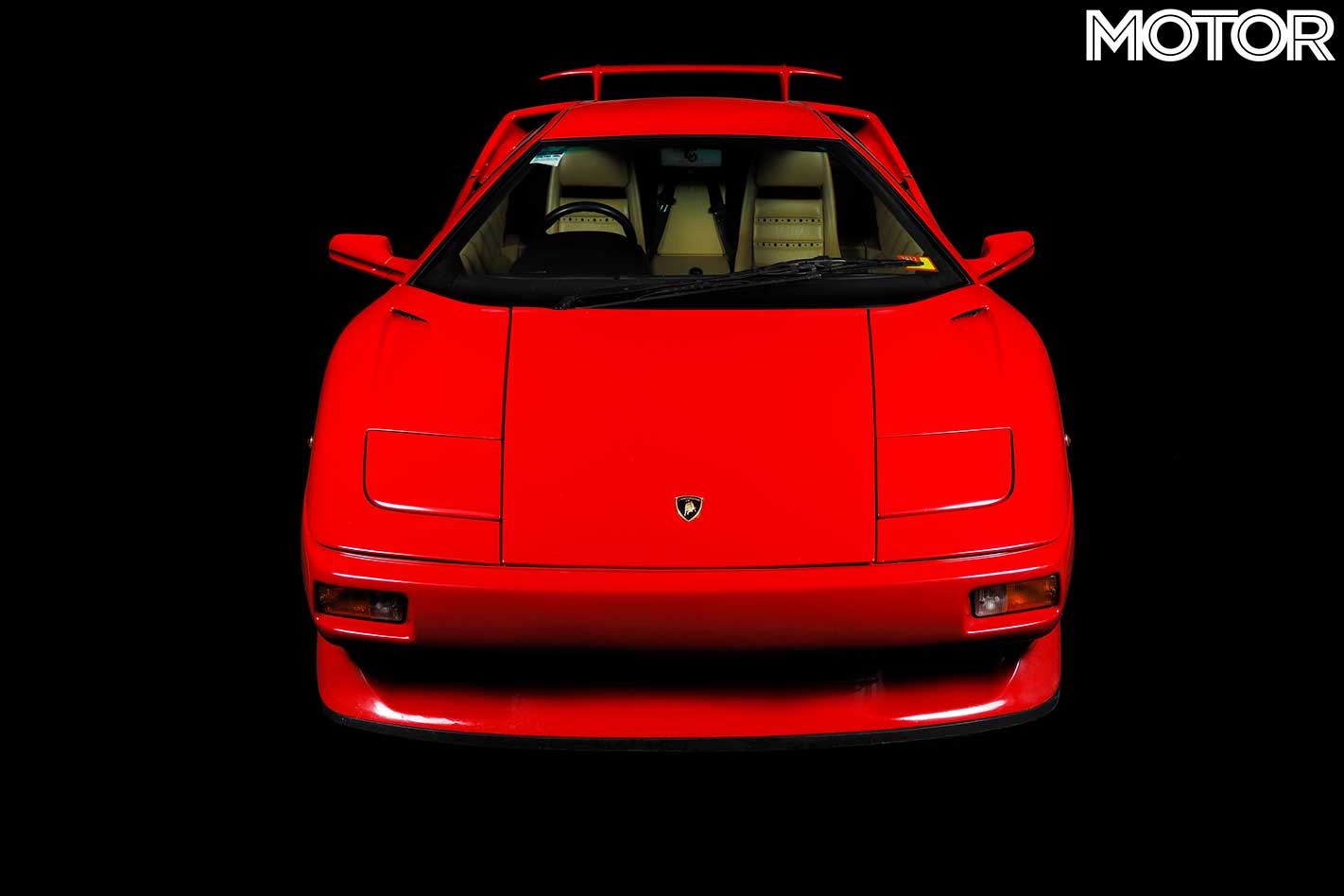
Options? Well, most buyers had to take pot-luck with whatever the cars came with when they were imported, but if you were particularly tenacious and prepared to negotiate with the factory on spec, you could specially order anything form a set of fitted luggage for US$2600 or, for those who liked to keep an eye on the time, a Breguet clock for a hair-raising US$10,500.
Looking for a second-hand bargain? Forget it. Even if you can find one, you’re still looking around the $300,000 mark before the other bloke will smile and shake your hand.
Roush Performance has announced an RS3 model to be based on the 2019 Ford Mustang GT, utilising its mega powerplant setup seen in the 2018 Roush JackHammer Mustang (pictured).
With the same 529kW supercharged V8, the RS3 will replace the JackHammer while allowing buyers to customise their Mustang more than is offered with the JackHammer.
The Roush RS3 will be available locally through Mustang Motorsport, with the upgrade expected to cost about $42,800 on top of the cost of a new Mustang, not a far cry from the JackHammer pricing.
The Mustang Motorsport version of the RS3 will be the same as the US-spec vehicle, a Mustang Motorsport spokesperson tells MOTOR.
“This includes our 2nd stage manufacturer ADR compliance on the supercharger, wheels, suspension, and body components.
“Performance-wise, they will be like for like with the Jackhammer. So people who miss out on the limited run of the Jackhammer can look to MY19 with the RS3.”
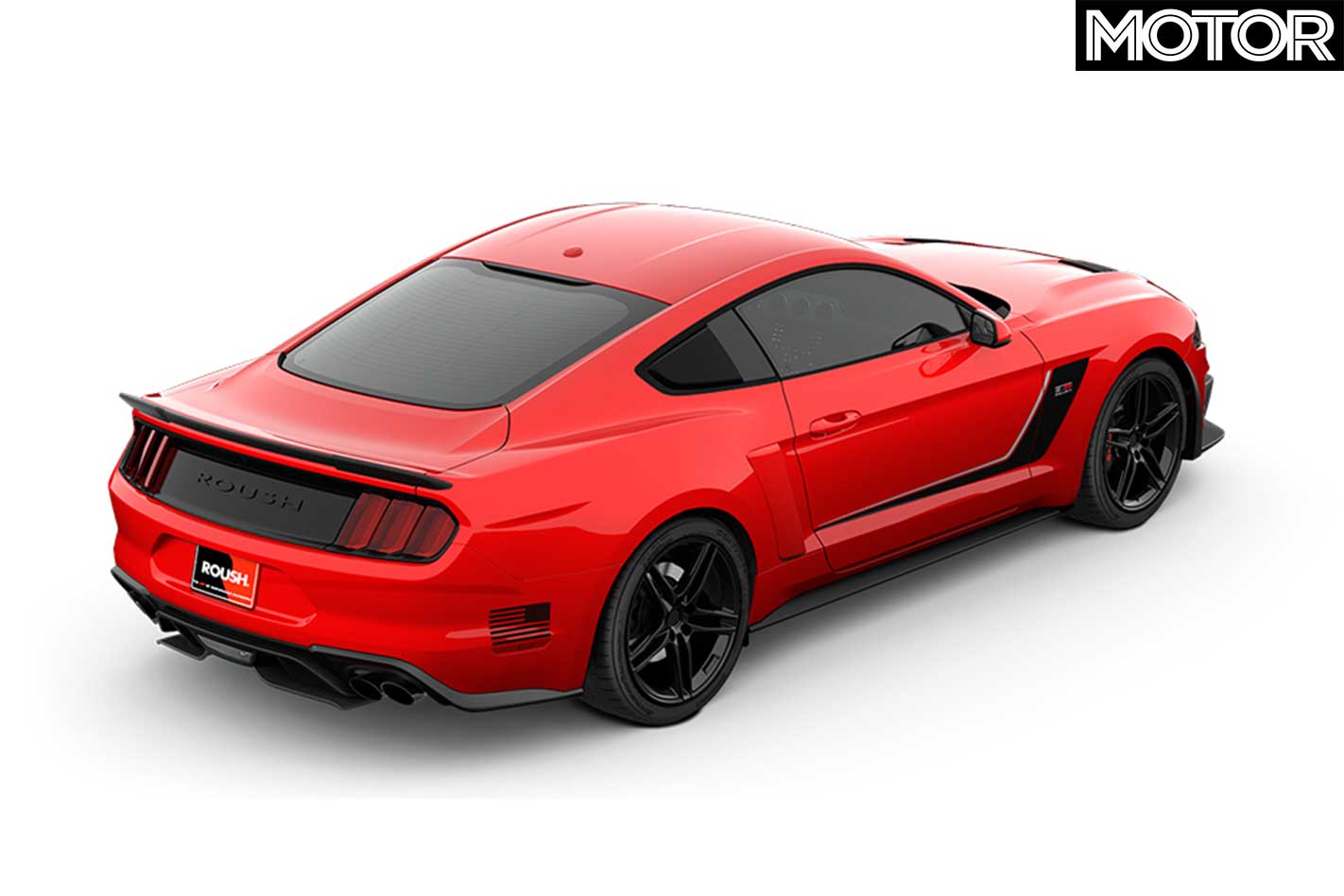
As such, the RS3 should be available with both manual and 10-speed automatic versions here in Australia, with the same ROUSH TVS 2650 supercharger as seen in US versions.
“The Jackhammer will be replaced for the MY2019 model year with ROUSH’s normal RS3 model. The RS3 does allow more customisation with stripe colours, wheel colours, and so on.”
The list of these colours available from Mustang Motorsport will amount to the increasingly patriotic Performance Pearl, Matt Black Jack, Sin City Silver, and Red Blooded American.
Stay tuned for expected availability (and images) of the Roush RS3 Mustang as we update this story.
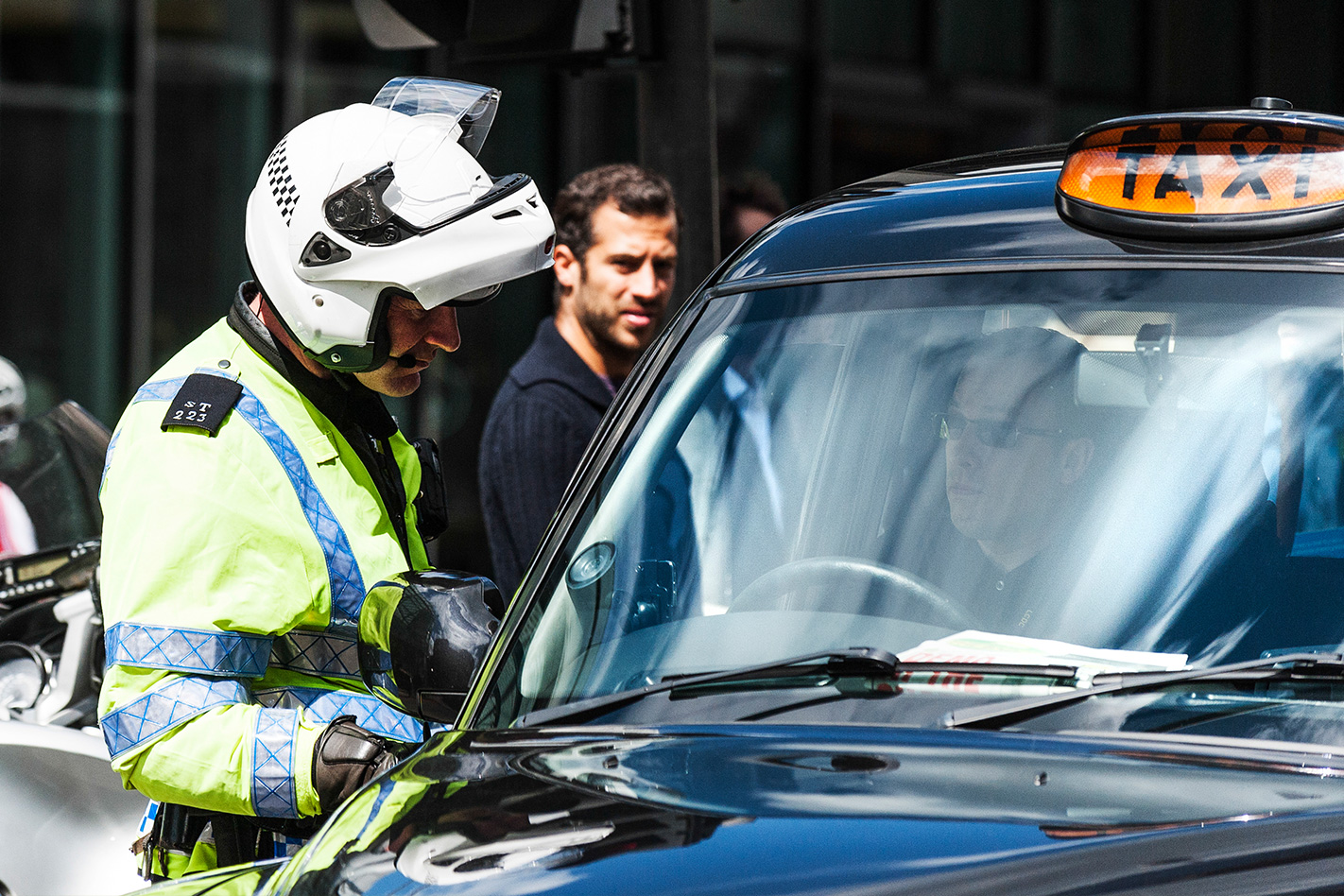
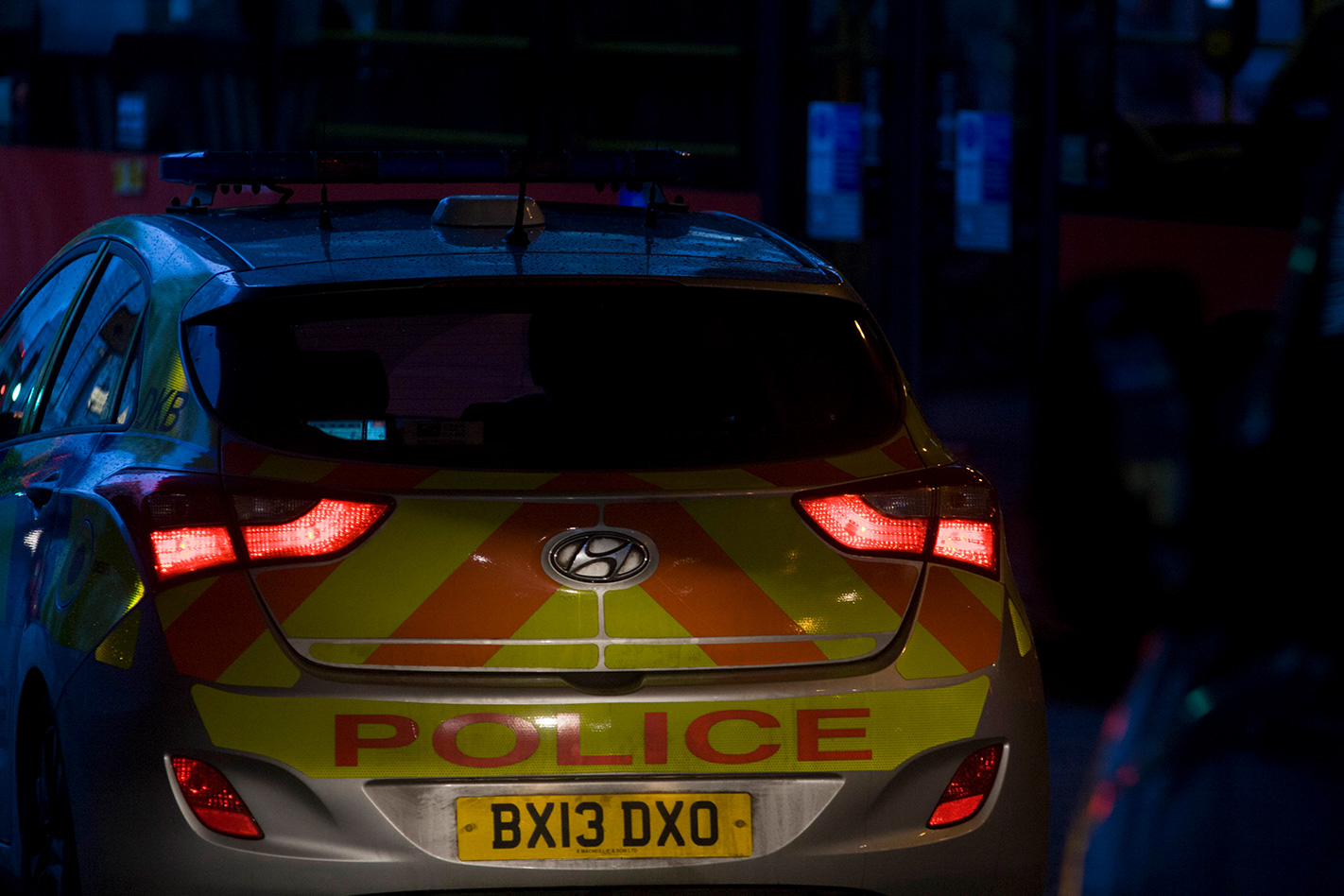
POLICE in the United Kingdom will begin trialling new roadside eye tests for drivers, which will carry harsh punishments for failure.
Drivers will be asked to read a numberplate from a distance of 20 metres away, and The Telegraph reports a failure will result in their licence being instantly revoked. A similar vision test is given to new drivers applying for a licence.
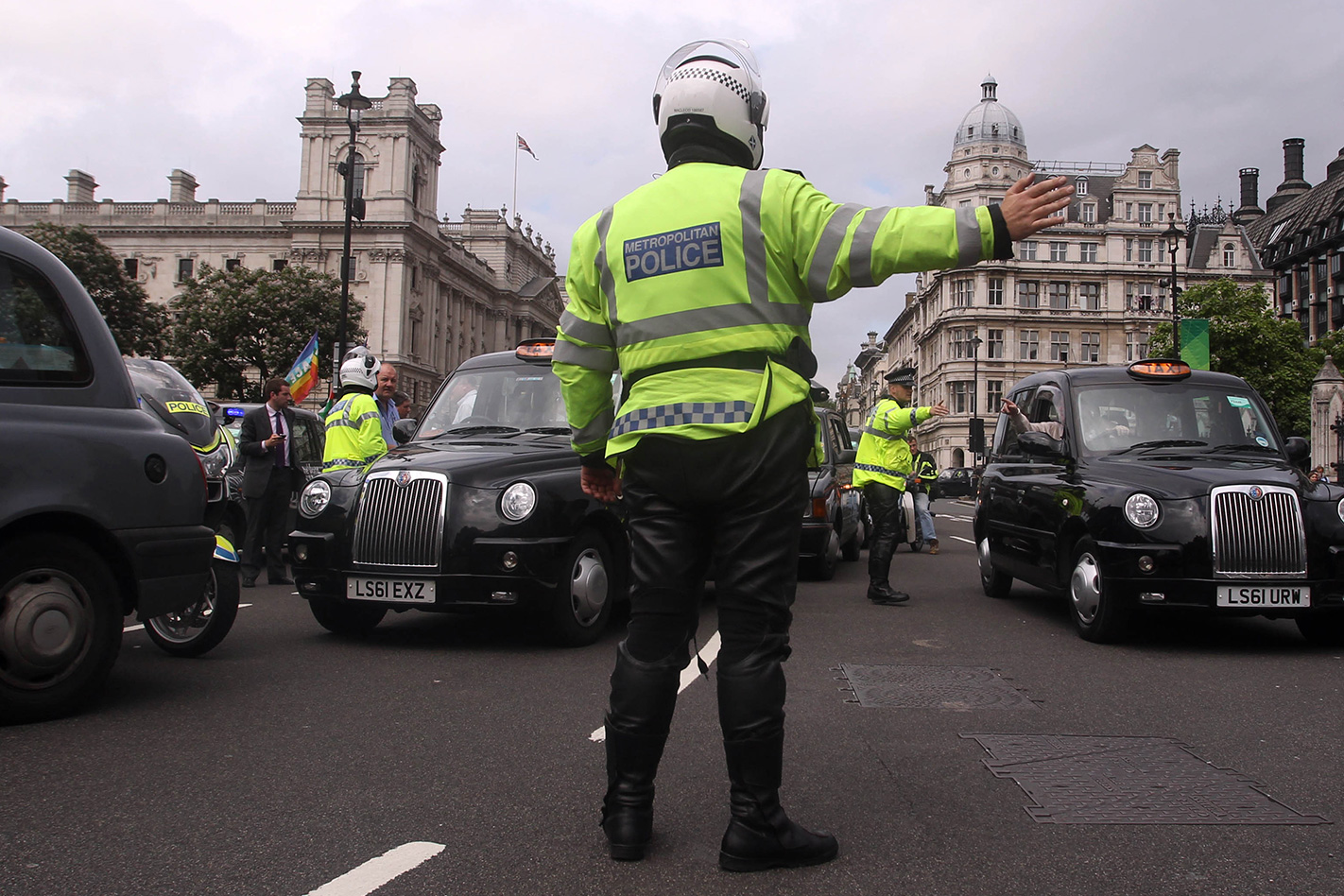
According to reports by UK media, the vision test will be given at every police stop.
The new test is currently being trialled by police in Thames Valley, Hampshire and the West Midlands, and will provide data ahead of a potential nationwide roll out.
Senior instructor for Evolve Driving, Dean Sammut, was sceptical whether a similar test would improve road safety significantly if introduced in Australia.
“First of all, vision is hugely important when driving,” he said. “But, overall, when you consider is this something that we need to police, I don’t think this is one of the major cause of our crashes.
“I think there are many other issues that need to be addressed before that one.”
Sammut pointed at distracted driving as a more urgent behaviour on our road that needed addressing, both through police enforcement, and new awareness campaigns.
“All improvements for road safety are important and valuable, but I don’t know if [vision tests] are a wise way to go about it,” he added.
Drivers with poor vision in Australia are subject to a number of different tests, and can be issued conditional licences which may impose conditions on where and when they can drive, and may require approval from an ophthalmologist or optometrist to attain a licence.
These tests and restrictions vary for each State and Territory.
