
THE director of Ford Performance in Europe has poured cold water on rumours that his division is cooking up an even hotter Fiesta variant, saying reports that describe a Fiesta RS as being “on the way” have misinterpreted his reaction to questioning on the subject.
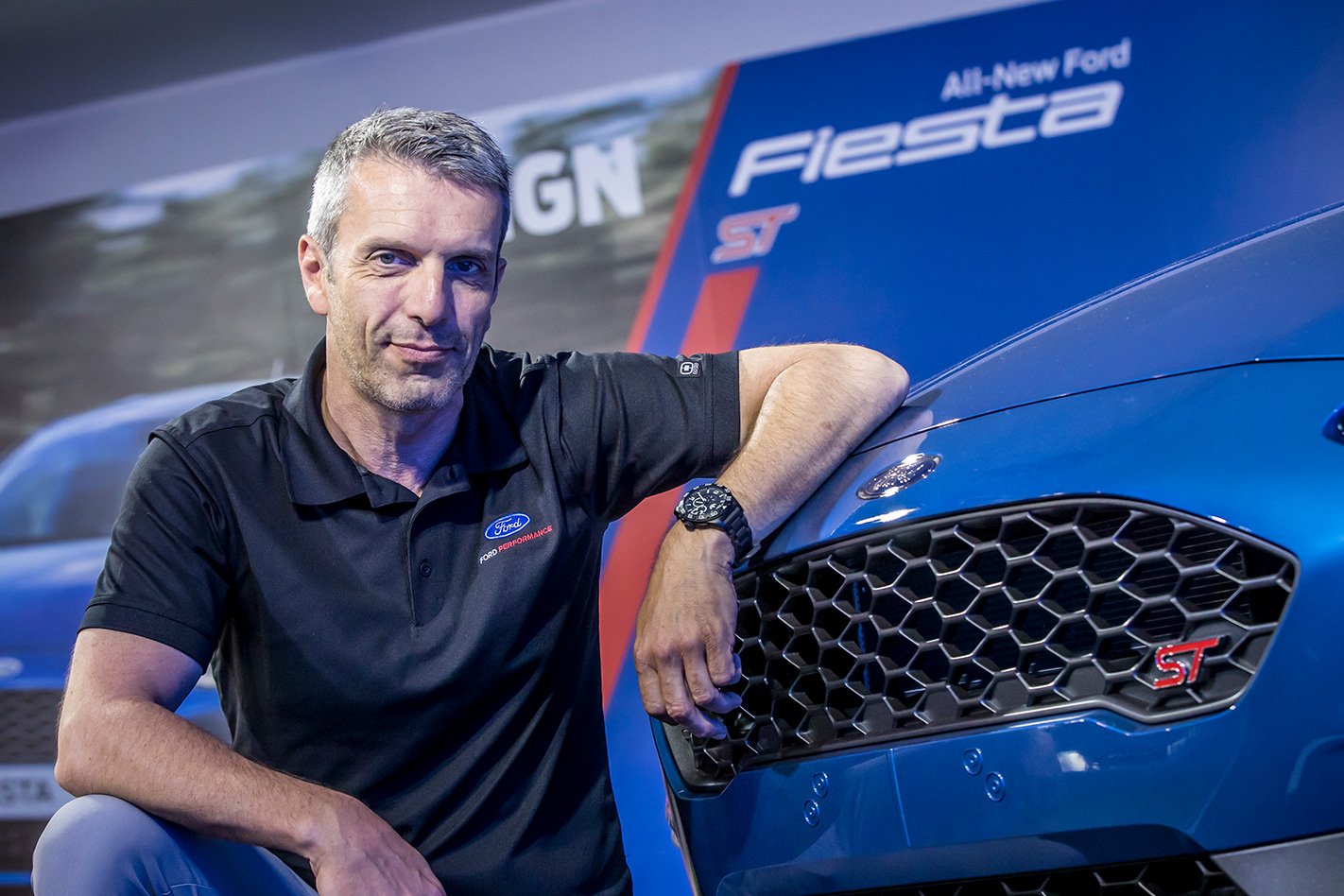
“Everybody is free to write what they like and how they interpret my smile, but it’s all rumours,” Ford Performance chief Leo Roeks said to Wheels. “I cannot, and I will not speak about future products.”
“I think it may be wishful thinking – or wishful hearing – but if I say ‘I can’t speak about it’ some people might interpret that as a yes,” said Roeks, inferring that the mention of ‘future product’ is sometimes mistaken as tacit admission of a rumoured vehicle’s existence when it should not be.
Wheels understands that there’s little-to-no inertia behind the idea of bringing another Fiesta RS to market. Ford put an RS badge on the back of a Fiesta back in 1990 with the Fiesta RS Turbo to create a faster, gruntier version of the Fiesta XR2, but it hasn’t revisited a two-tier Fiesta hot hatch strategy since 1994. Why? The cost of engineering a compact AWD driveline and higher-output engine would surely demolish profit margins, and there’s also the issue of ensuring enough separation between performance versions of the Fiesta and the next-generation Focus ST.
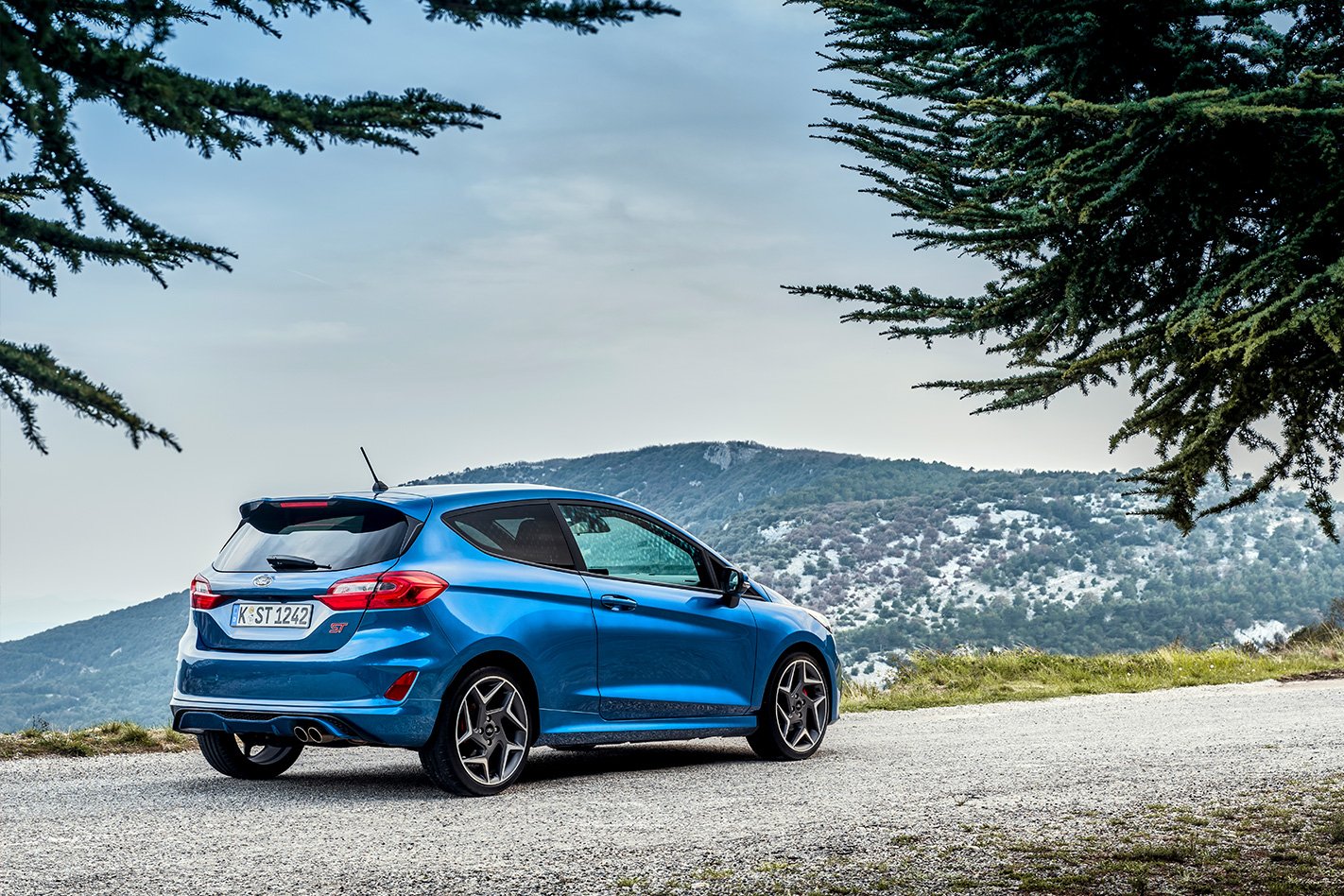
What’s more, after having driven the new Fiesta ST in anger, the argument could be made that the new ST performs the way many punters would expect a Fiesta RS to drive. Dialling things up may simply be unnecessary.
And so it appears that the new-gen 147kW/290Nm Fiesta ST, which arrives here around March 2019, will be the only hi-po model in the Fiesta family for the foreseeable. But while dreams of a four-pot turbo, all-wheel drive Fiesta may be dashed, there’s still hope for those yearning for an even more muscular Ford compact.
With Roeks predicting that 147kW per litre could become the new norm for performance cars, there’s potential for the wick on the 2019 Fiesta ST’s turbocharged 1.5 litre three-cylinder to be wound up further. Just don’t expect it to get an RS badge.
Herrod Performance in Melbourne is offering a kit to get more out of the Mustangs engine while keeping it free-breathing.
The naturally-aspirated performance packs from Herrod come in three levels, starting from $2750 and topping out around $7500 fitted.
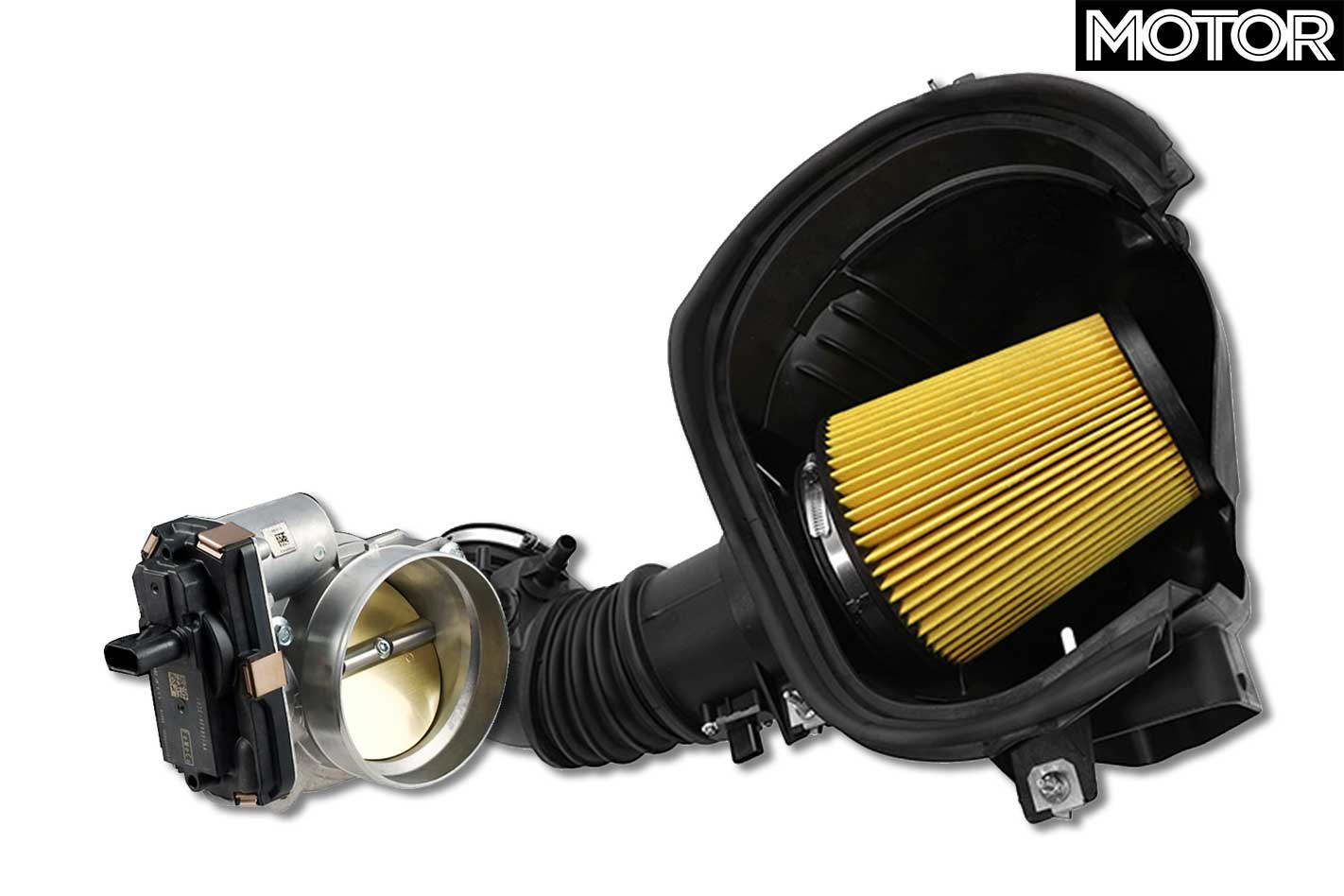
Essentially, a cold air intake from a GT350R is fitted to the 2015-2017 Mustang GT, which is accompanied by an 87mm throttle body, also from a GT350R and a strut brace from, you guessed it, a GT350R.
This is just the base kit, which comes with an ADR-compliant tune, as well as a warranty from Ford Performance.
The $2750 base kit can improve performance by as much as the other two, Rob Herrod says around 20kW and 60Nm more is a realistic expectation, but the other packs include more auditory and aesthetic GT350R-sourced improvements.
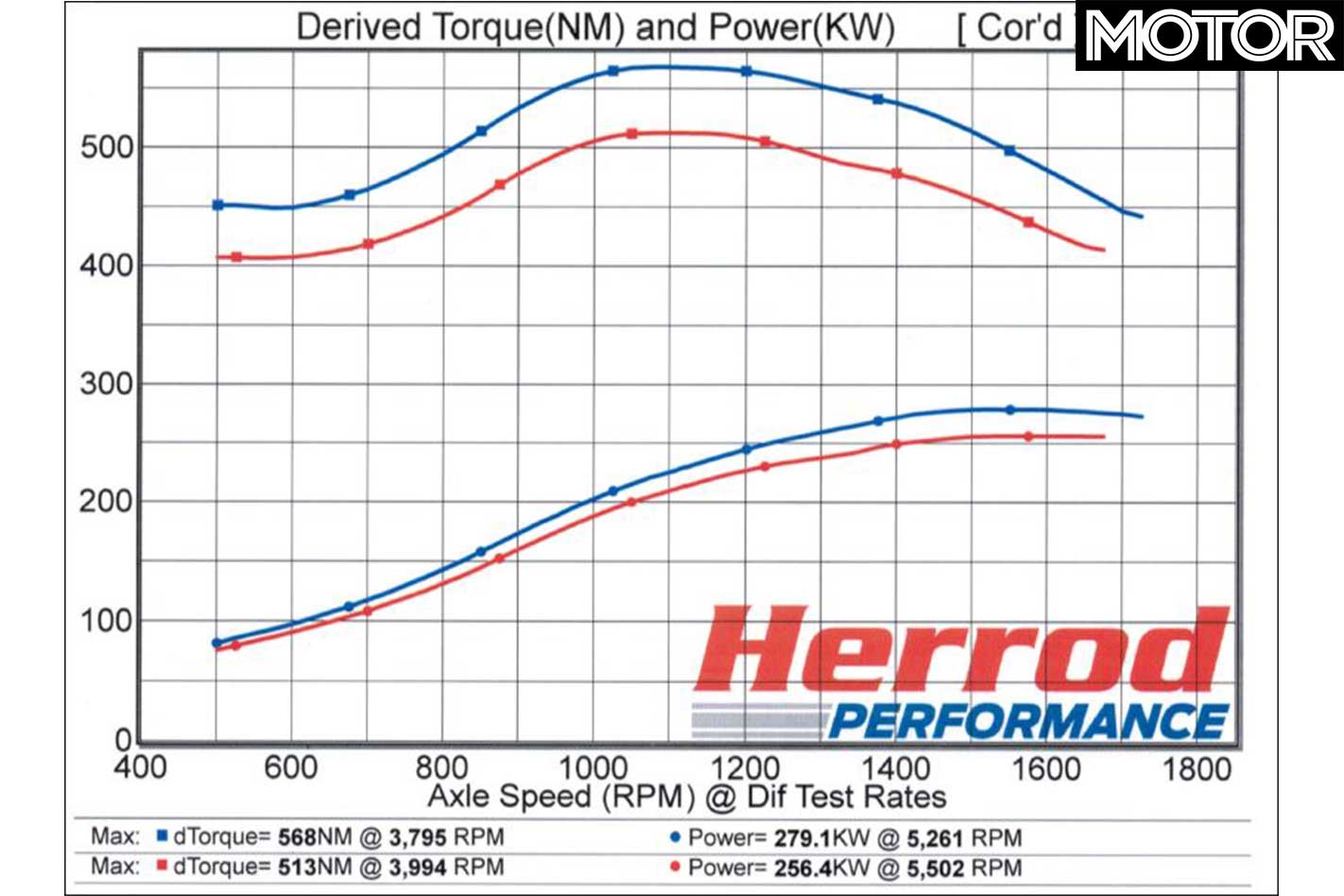
For $5500, customers can opt for the Ford Performance cat-back exhaust, which has a more aggressive note than a stock GT. Power gains are roughly the same, and customers still a dyno verification of the increase.
Finally, a $7500 pack adds a Ford Performance GT350R quad-exhaust, which requires the addition of a GT350R valance to accommodate the extra pipes.
As options, Herrod can fit a Ford Performance lowered spring pack for $1200, or an upgraded FR3 Handling package for $3200.
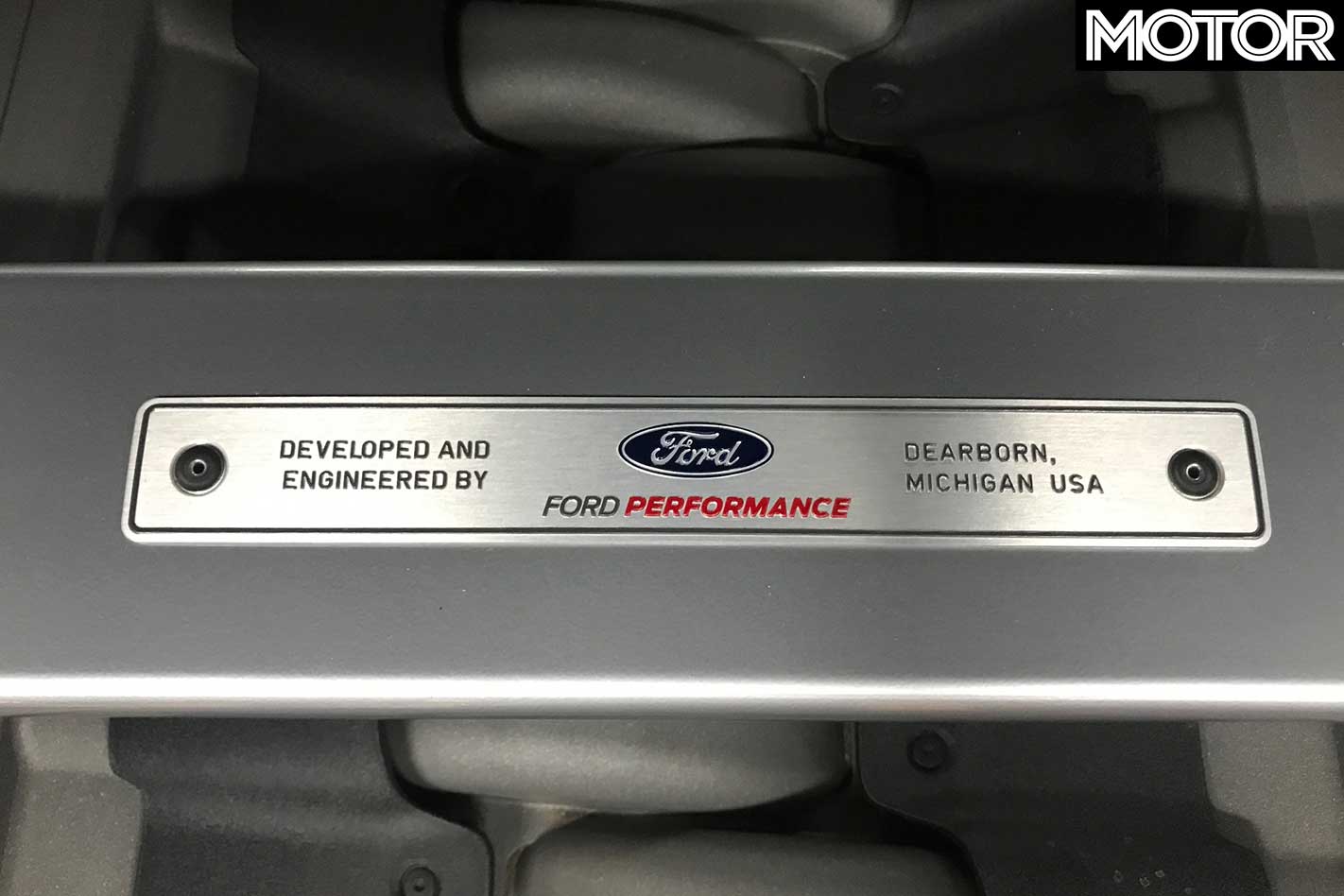
As Herrod Performance is a certified tier-2 manufacturer, Mustangs that roll out of the Herrod workshop also get fitted with a build number plate.
“With the naturally aspirated packages fitted, we have seen power gains of a staggering 20kW+ and 60Nm+ at the hub, as tested on our in-house Mainline Hub Dyno,” says managing director Rob Herrod.
“All of this while still retaining the New Vehicle Limited Warranty backed by Ford Performance, out of the USA.”
PRIME Minister Malcolm Turnbull could one day save Australian taxpayers some money by trading in his circa $400,000 bulletproof, presidential-style BMW 7 Series Security for a cheaper version – made by Skoda.
The Czech brand overnight revealed a “civilian armoured” version of the Skoda Superb Estate, priced from around $210,000, or about the same entry point as the BMW X5 Security SUVs that shadow the prime ministerial limo on official duties.
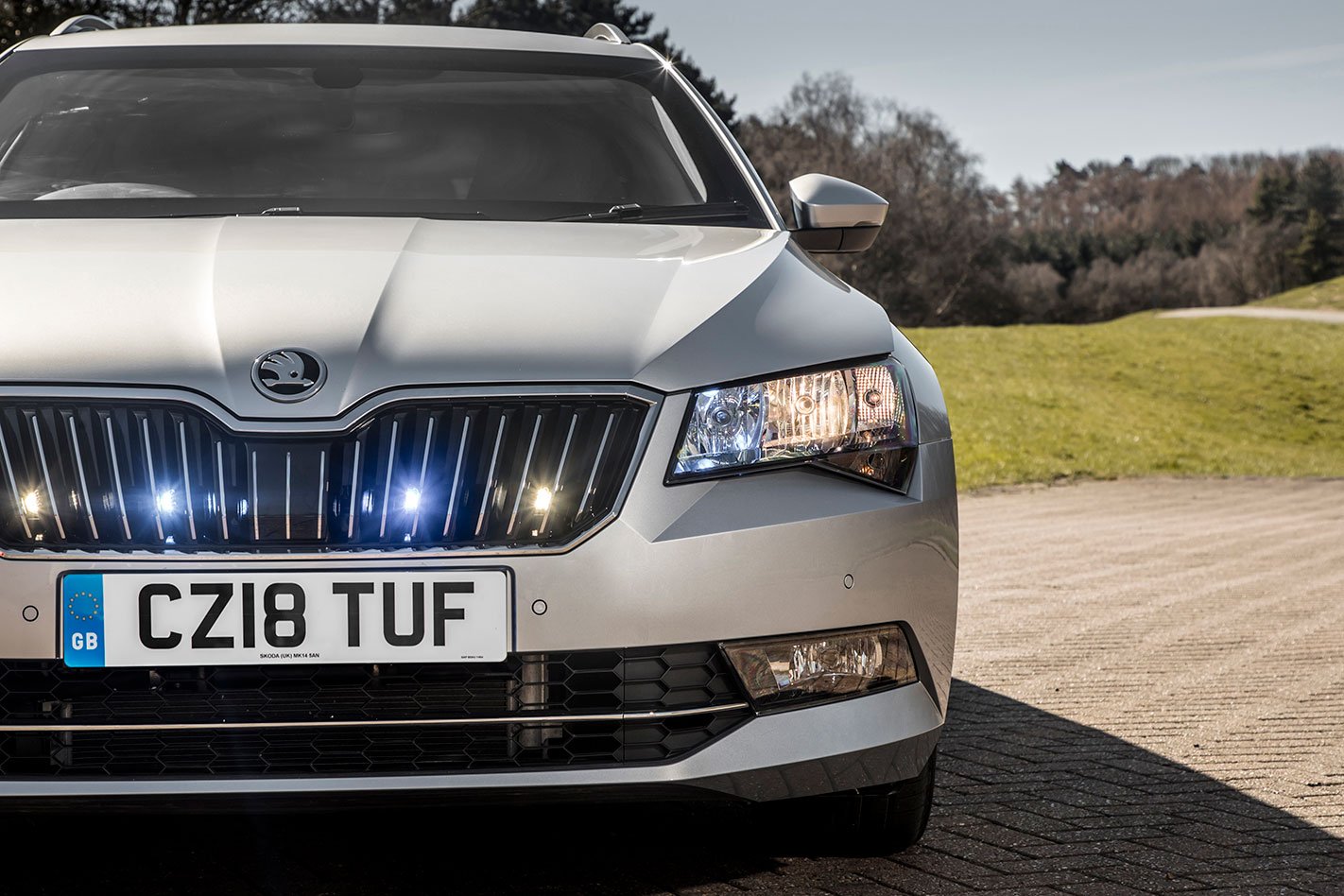
Deliciously, Skoda has released a video of the armour-plated Superb being tested, copping a bomb blast and what appears to be a rocket-propelled grenade all in the name of lifting its late-night downtown Mosul street cred. It doesn’t show the glass being tested using pistol, rifle and shotgun blasts, though.
Skoda said the armoured Superb’s suspension and braking systems were upgraded to handle the extra weight of the car, with the suspension modified “to ensure safe and accurate handling at high speeds” – part of the test also includes driving over rough ground.
The Fallujah special also comes with run-flat tyres, and an emergency lighting and siren system designed to attract attention – and flag a call for help. You can tell its carrying a bit extra weight, too, just by looking at the tyre roll-under on this dynamic shot.
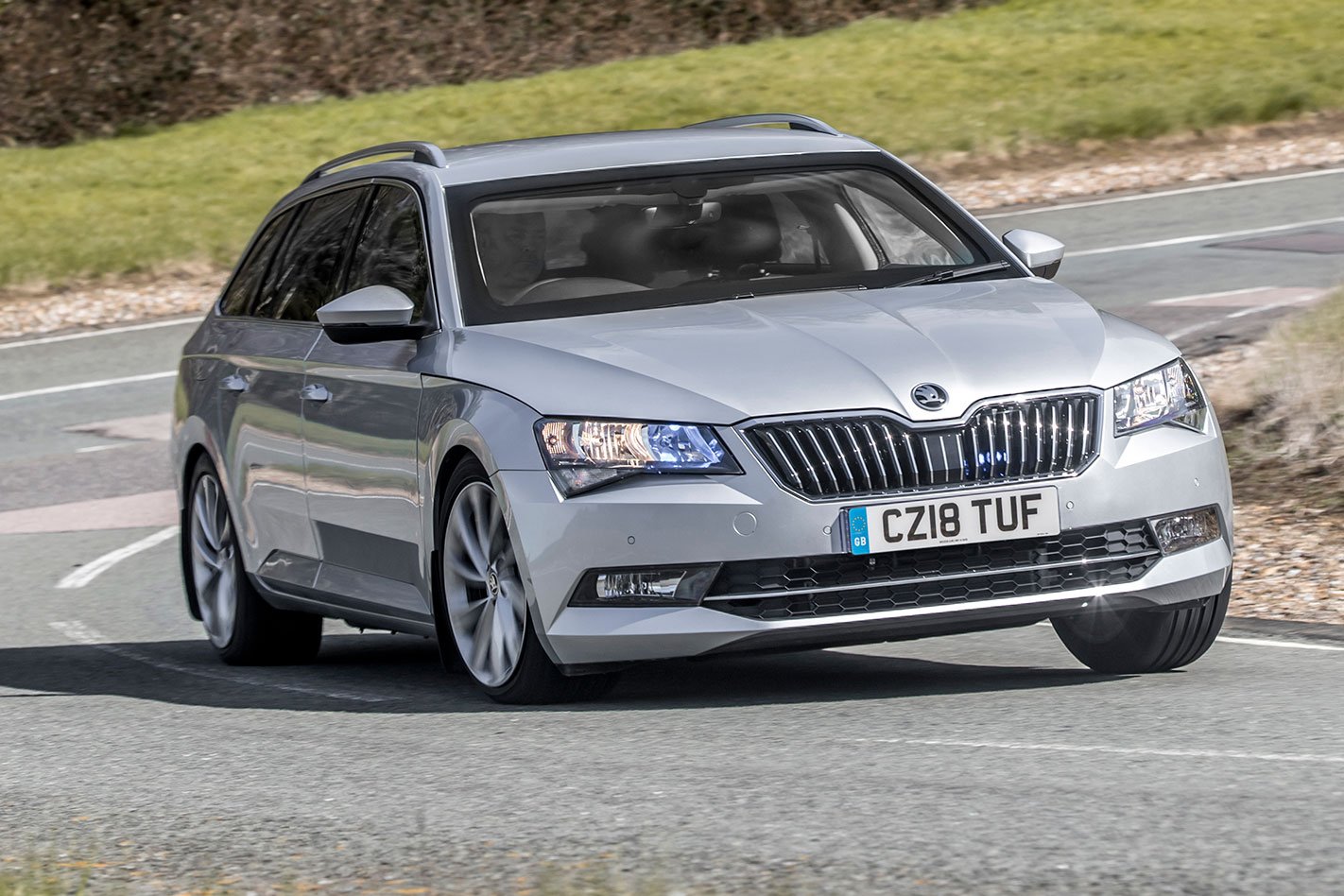
One of the benefits of the Skoda Superb, prospective buyers should note, is the sedan and wagon range’s limousine-like rear-seat legroom. Best of all, the armoured version sells in Britain with a three-year warranty, while Skoda vehicles sold here come a five-year ring of protection.
BMW appears to have the armoured car market cornered in Australia, supplying the Prime Minister with his daily ride, as well as a fleet of specially modified 4.4-litre twin-turbo V8-based X5 xDrive50i support vehicles that are used by the Federal Police. It has also recently won contracts to supply “Security” versions of its 520d sedans to various police forces throughout Australia.
Wheels believes that BMW plans to bring another 22 of the X5 xDrive50i Security vehicles to Australia in coming months.
The regulations stipulate that these cars “must be disposed of by export or destruction” – there goes all hope of ever buying one secondhand.
This car, for many MOTOR readers whether they know it or not, would be the dream daily driver if those lotto numbers finally came through.
Thumping, torque-rich V8, rear-wheel drive, sumptuous interior and lovely ride, plus gadgets galore and plenty of interior space. Oh, and the way it looks will have even the most mouth-breathing of right-lane dawdlers veering hard left out of your way.
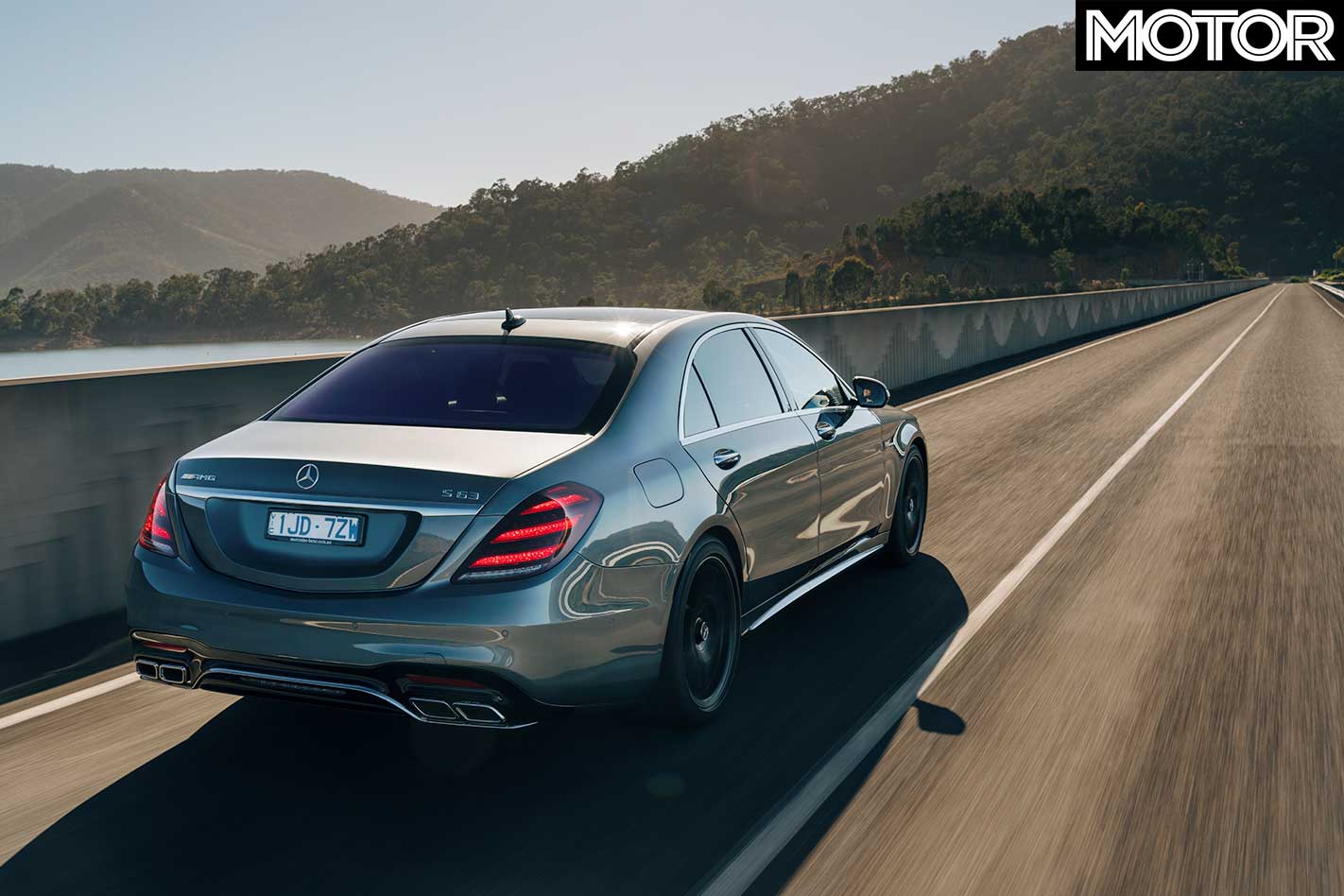
The S-Class is one Mercedes-Benz model that readily lends itself to the AMG treatment, and the Affalterbach revheads have just given their S63 another going-over.
The old 5.5-litre twin-turbo V8 is out, as is its seven-speed automatic transmission, replaced with the same 4.0-litre twin-turbo V8 and nine-speed auto from the new E63 S. That means a tremendous 450kW and 900Nm, although unlike E63 S, the S63 L is rear-drive only, the all-wheel drive version available overseas is not engineered for right-hand drive.
Mercedes-AMG has also revised the exterior styling and we think it looks mega on its 20-inch Y-spoke wheels, sitting low in a certain Russian oligarch kind of way. It’s just a physically large and imposing car in the metal, especially the long-wheelbase version that’s more than 5.2 metres long.
Inside, there’s the spacious, opulent S-Class interior we’ve come to know well since the car’s launch in 2013.
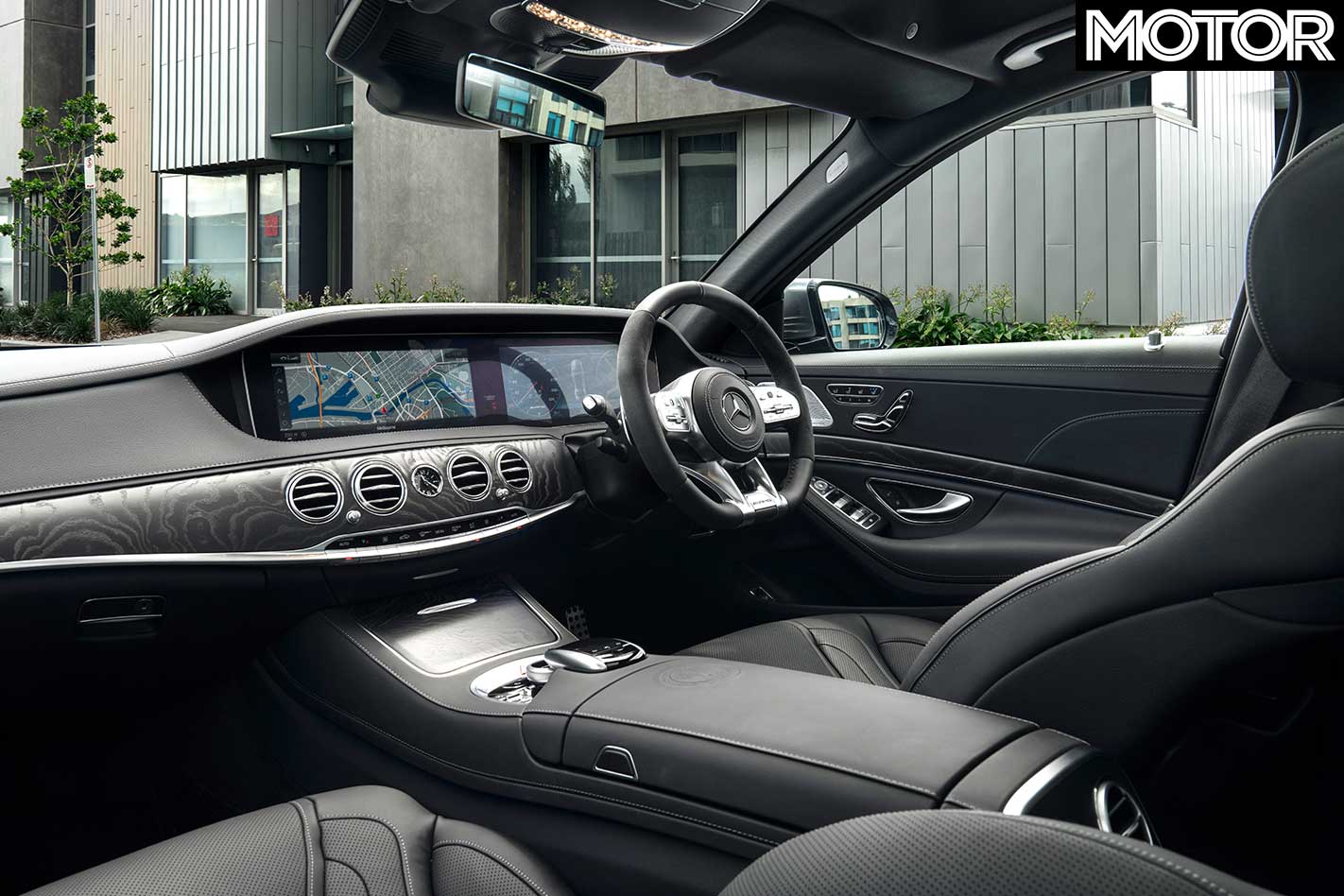
Two large, 12.0-inch TFT screens dominate the dash, containing satnav and infotainment on the left and tacho and speedo graphics on the right behind the steering wheel. The COMAND system’s graphics and user friendliness have been greatly improved since earlier iterations and are now almost enjoyable to use, and there’s an attractive new steering wheel.
Although it must be said, with this generation Mercedes-Benz interior having trickled down throughout almost the entire range, the S-Class cabin isn’t quite as special as it first was. Still, there’s no taking away from the fact this is a lovely place to be, such that you might find yourself sitting in it in car parks or the driveway long after you’ve parked, if you’ve got nowhere else to be.
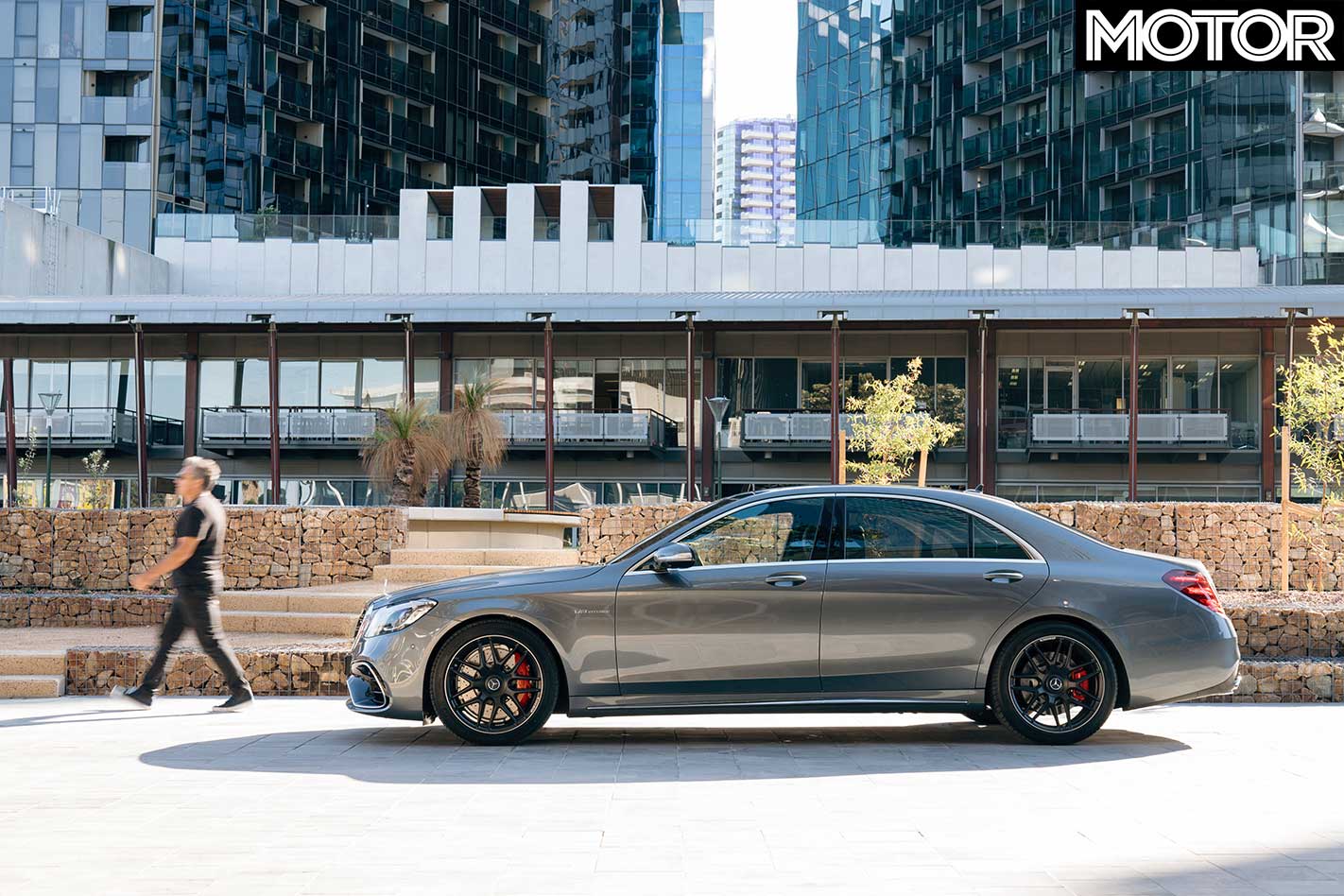
The ride is also exceptional, even if it’s not quite the bliss you’ve heard about with this generation S-Class, and if you’re after that, best get a lesser model, as the S63 L’s 40-profile tyres can occasionally add an edge that’s unbecoming of such a luxurious car.
But that’s AMG for you, and all is forgiven when the S63 L starts to show off the hooligan side to its personality, laying elevens from a standstill into second gear in Sport Plus with the reduced ESP Sport.
Of course, beyond that, the grunt is incredible, betraying what is an autobahn bruiser with monumental turbocharged mid-range. Yes, the S63 L is ballistic. The new transmission is also very responsive when you’re up it, and smooth when you’re not, even if it’s possible to confuse it into a clunk.
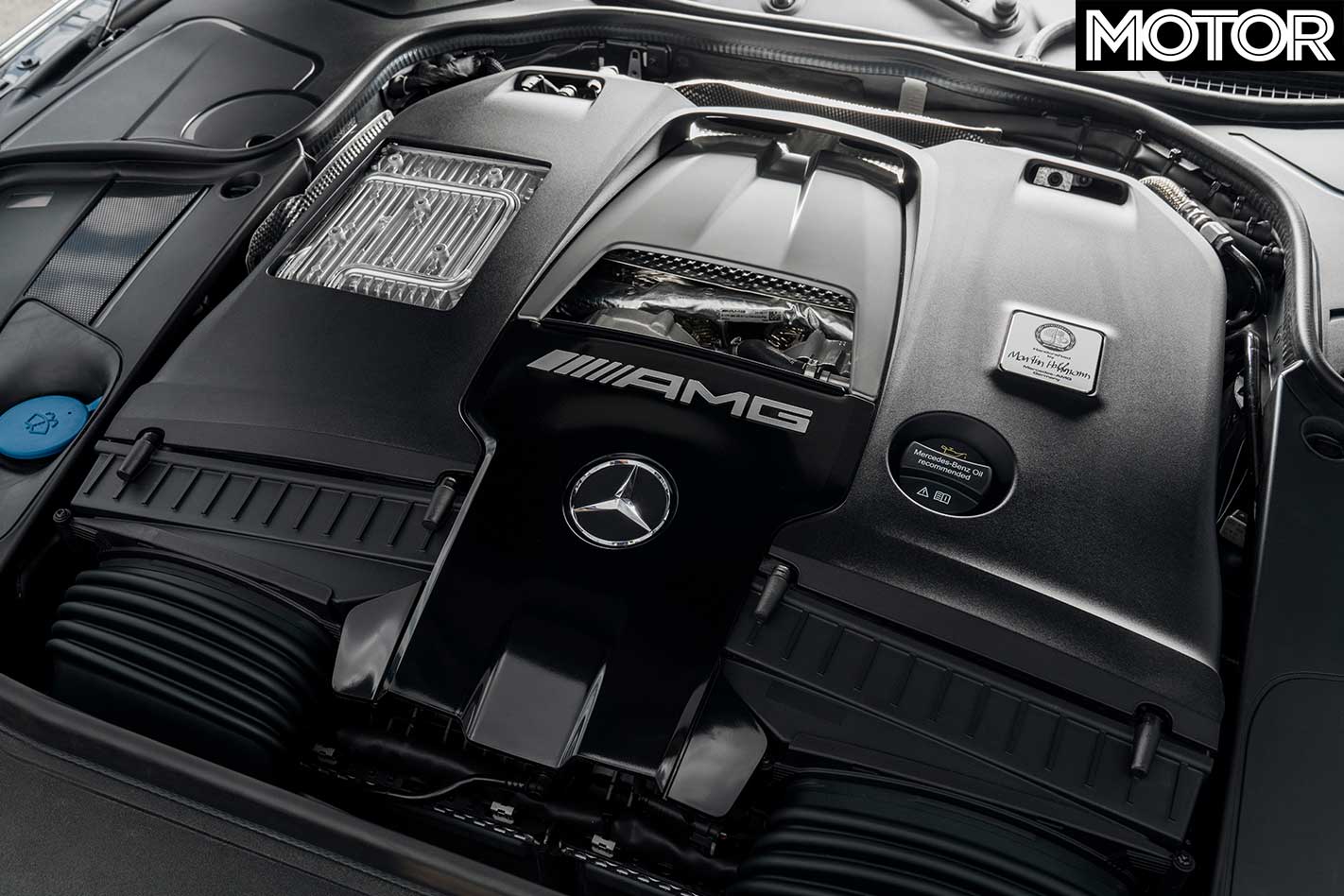
Pleasingly, the S63 L has the same engine note as the E63 S, a top-end snarl that moves away from the burble we’ve come to associate with AMG V8s. We like it; there’s even an active exhaust button, not very S-Class at all.
While the S63 L gets AMG’s new Track Pace lap timing app, this is one car that would feel completely flustered at anything beyond eight tenths on a racetrack, its natural habitat is the motorway. The S63 L feels like it wants to attack corners, but at the same time also forgets its size, keeping the driver busy managing its weight. This is definitely a long-legged cruiser happiest at higher speeds.
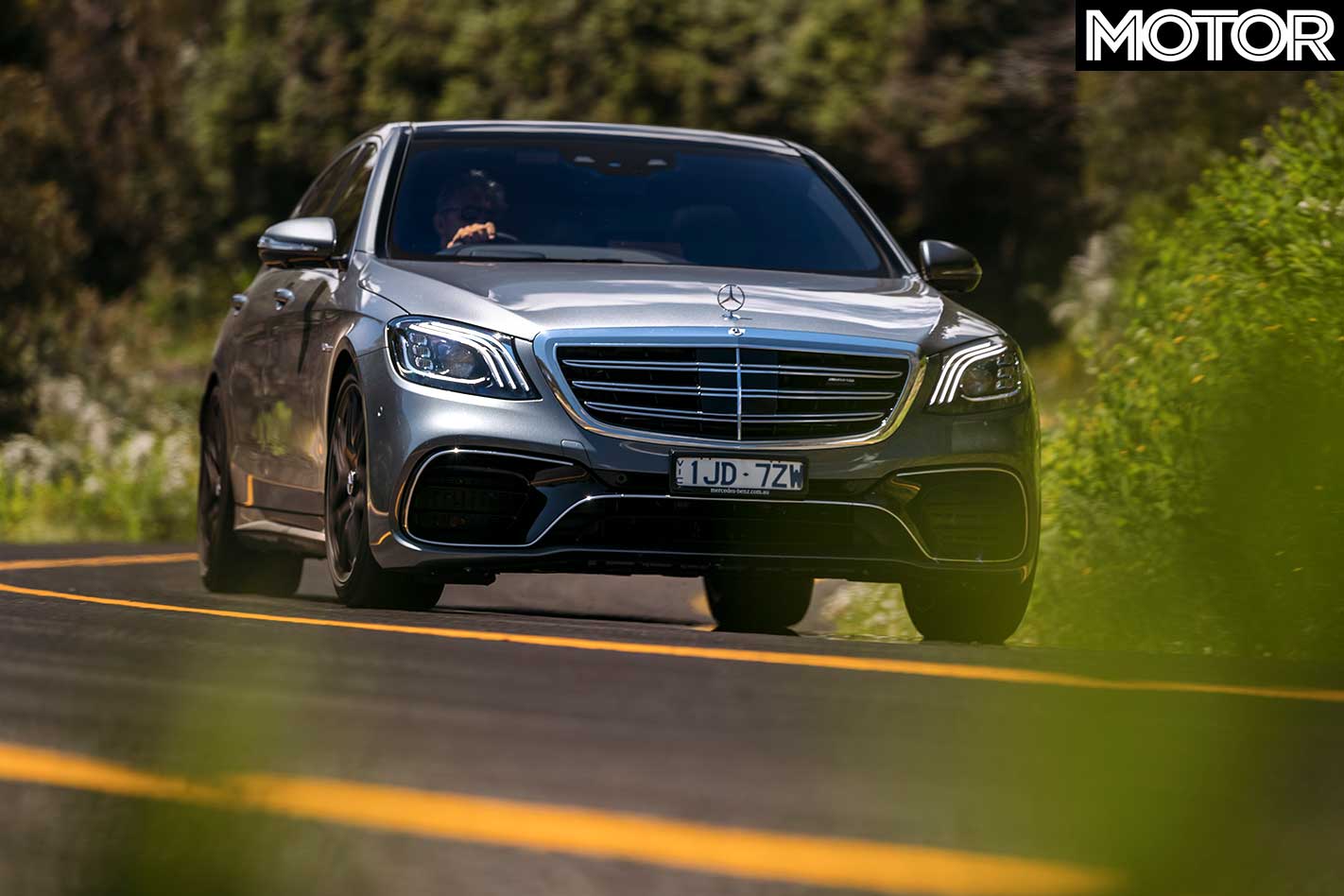
Of all the Mercedes-Benz vehicles that have received the AMG treatment in recent years, this is one of the most well-judged.
There’s something very AMG on-brand about the S63 L. It’s comfortable yet devastatingly fast. The way it looks is a little bit like it was milled from one solid block of German iron. There’s a sinister sounding V8, one that feels like it would send the S63 L into the world’s longest, easiest powerslides if you so wished. In that sense, it’s fun.
There are sharper luxury driver’s cars out there, but the S63 L is in its own way a dream machine for the daily drive – if you can afford it.
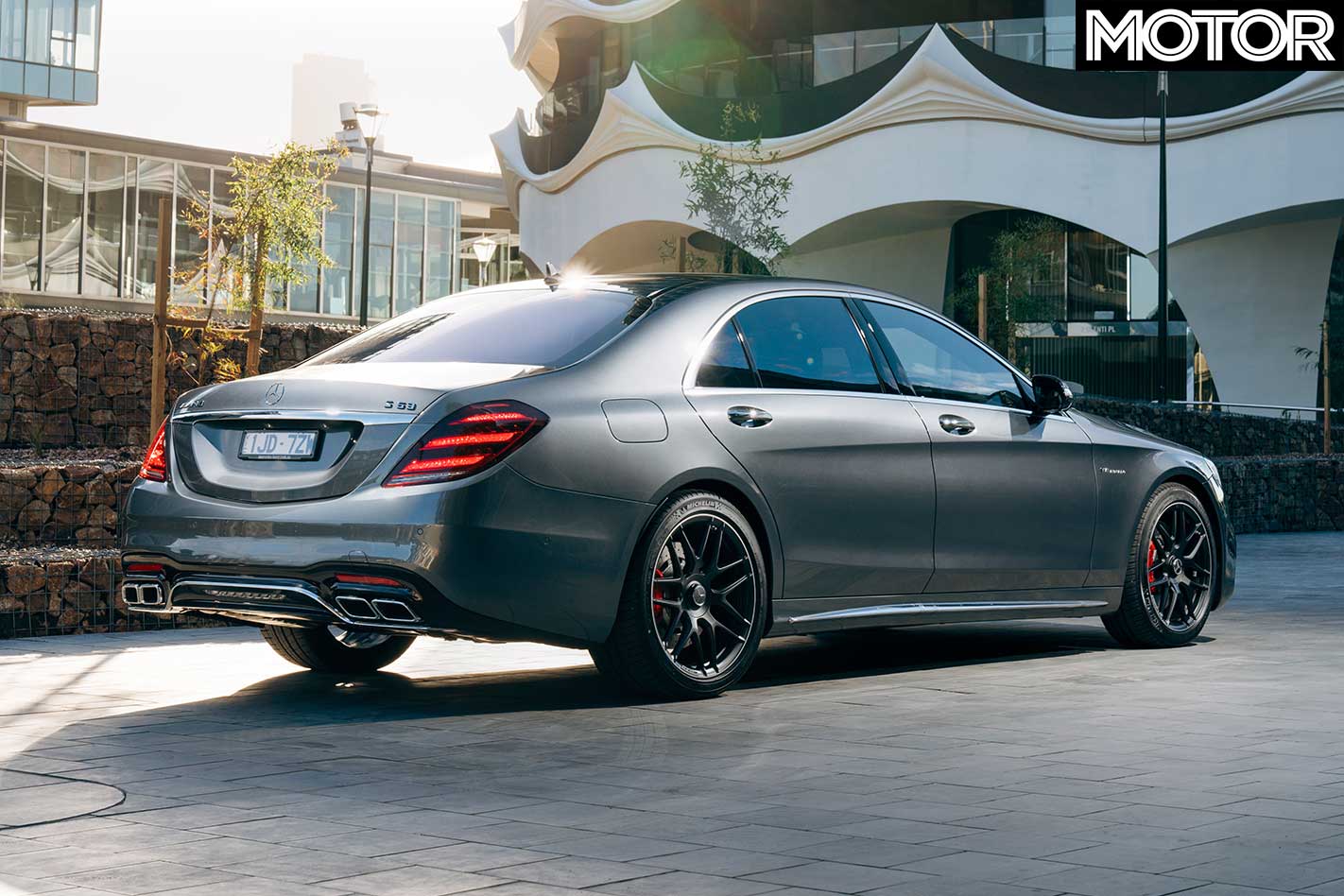
2018 MERCEDES-AMG S63 L SPECS: Engine: 3982cc V8, DOHC, 32v, twin-turbo Power: 450kW @ 5500-6000rpm Torque: 900Nm @ 2750-4500rpm 0-100km/h: 4.3sec (claimed) Weight: 2175kg Price: $375,000
Rating: 4.5 out of 5 stars Like: Imposing looks; thumping V8; luxurious interior and ride; epic comfort levels Dislike: Price; transmission selector stalk a bit dull; there are better driver’s cars
This week we’ve gathered five cars you’re not likely to see on the road, which you could go buy for yourself – if you’ve got the coin.
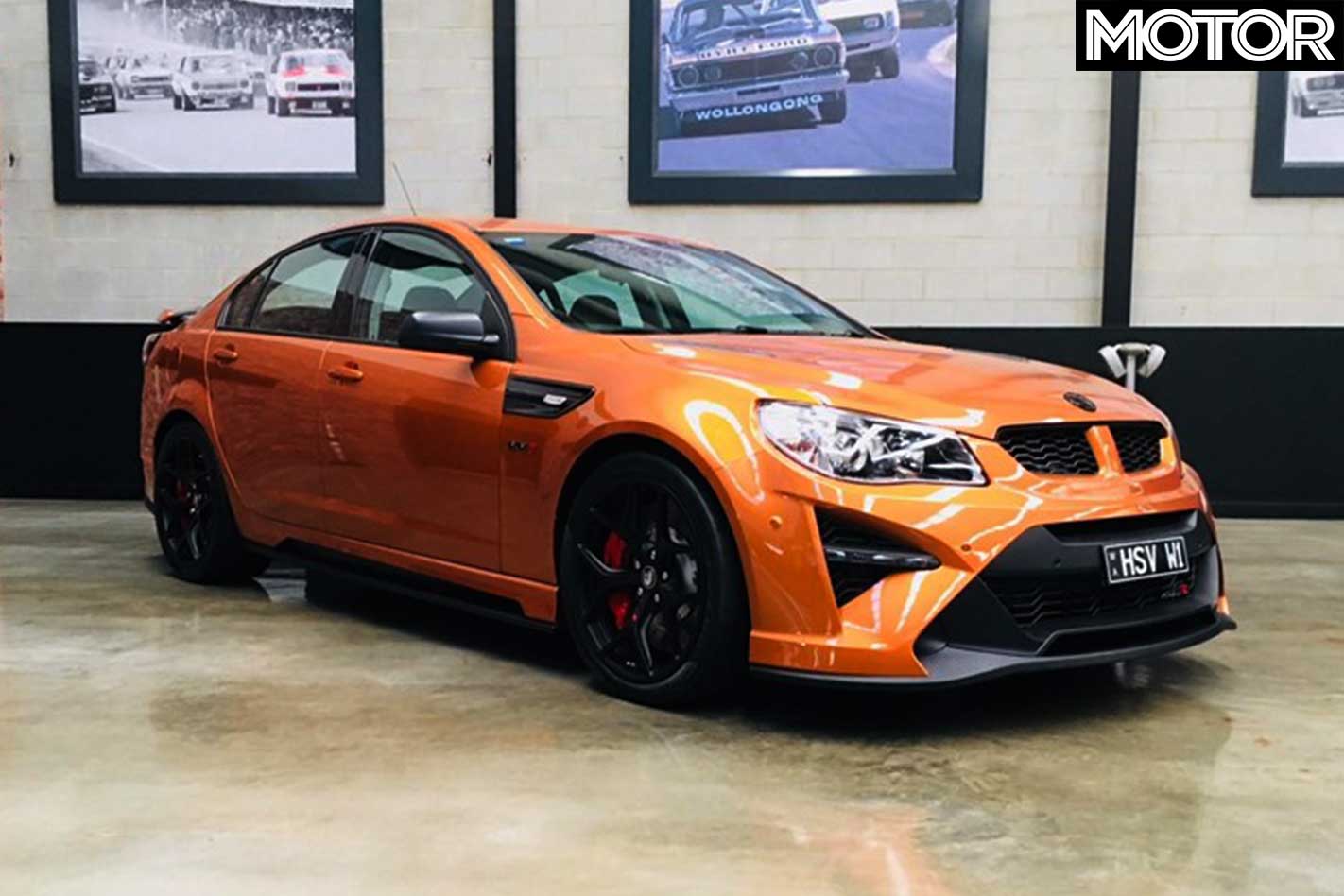
This isn’t so much a suggestion of a car to buy, as a listing to watch.
Despite auctions recently failing to break the upper reaches of W1 asking prices, this car’s set right up near the big 3-0-0.
Sure, it’s an amazing car given it started life as a humble Commodore before being shipped off to HSV, but it was also meant to sell for more than $100,000 under this asking price.
2016 Porsche 911 GT3 RS – $479,990
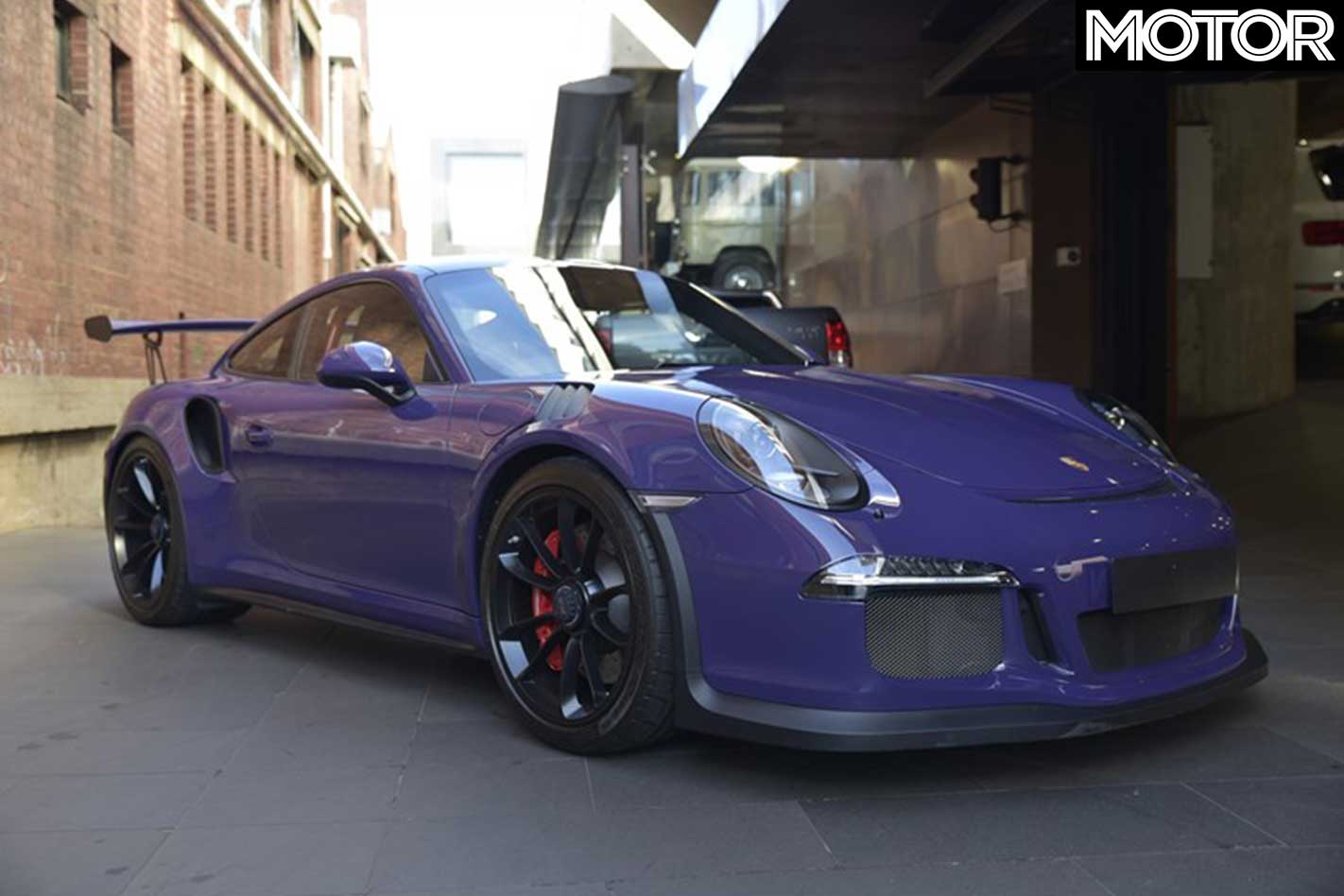
Okay, someone should absolutely buy this car – and actually drive the thing.
With only 710 kilometres showing on the clock, this rare ‘ultraviolet’ atmo Porker has likely not seen many windy roads, let alone a race track, in its time.
Besides, when was the last time you saw a GT3 RS, let alone a purple one?
2008 Elfin MS8 Streamliner – $69,000
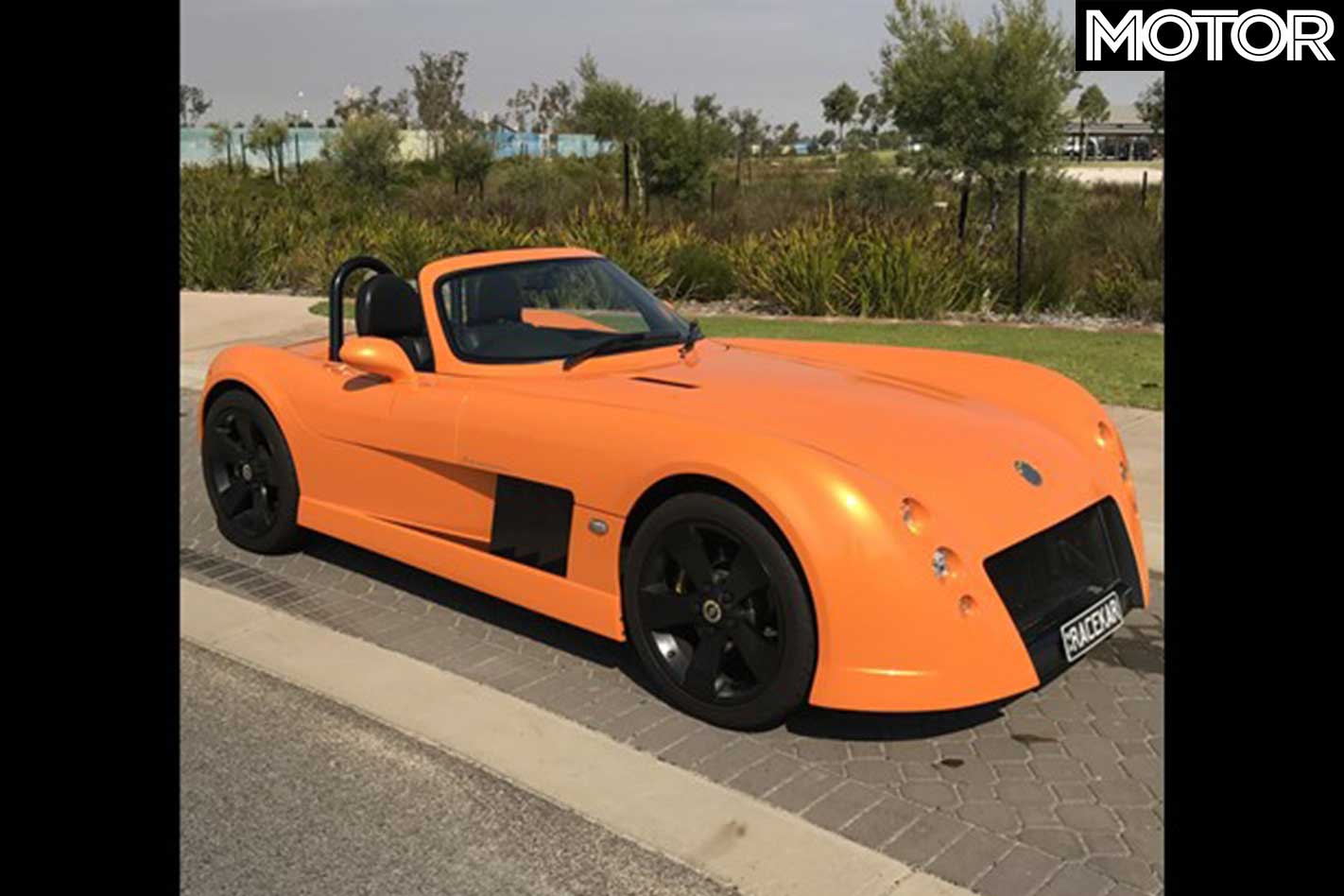
One of a limited list of Australian-built sports cars, the Elfin MS8 is (as many are) powered by a GM LS V8 engine. A 5.7-litre LS1, in this case.
If you want to know more about the MS8, we’ve written plenty on it. But this one in particular looks to be in great condition with only 26,000km on the odo.
It’s based in WA, so if you live on the east coast like most Australians, you’d either need to truck it over, or go on quite the adventure to get it home.
1984 Toyota Supra (Gen 2) – $9,500
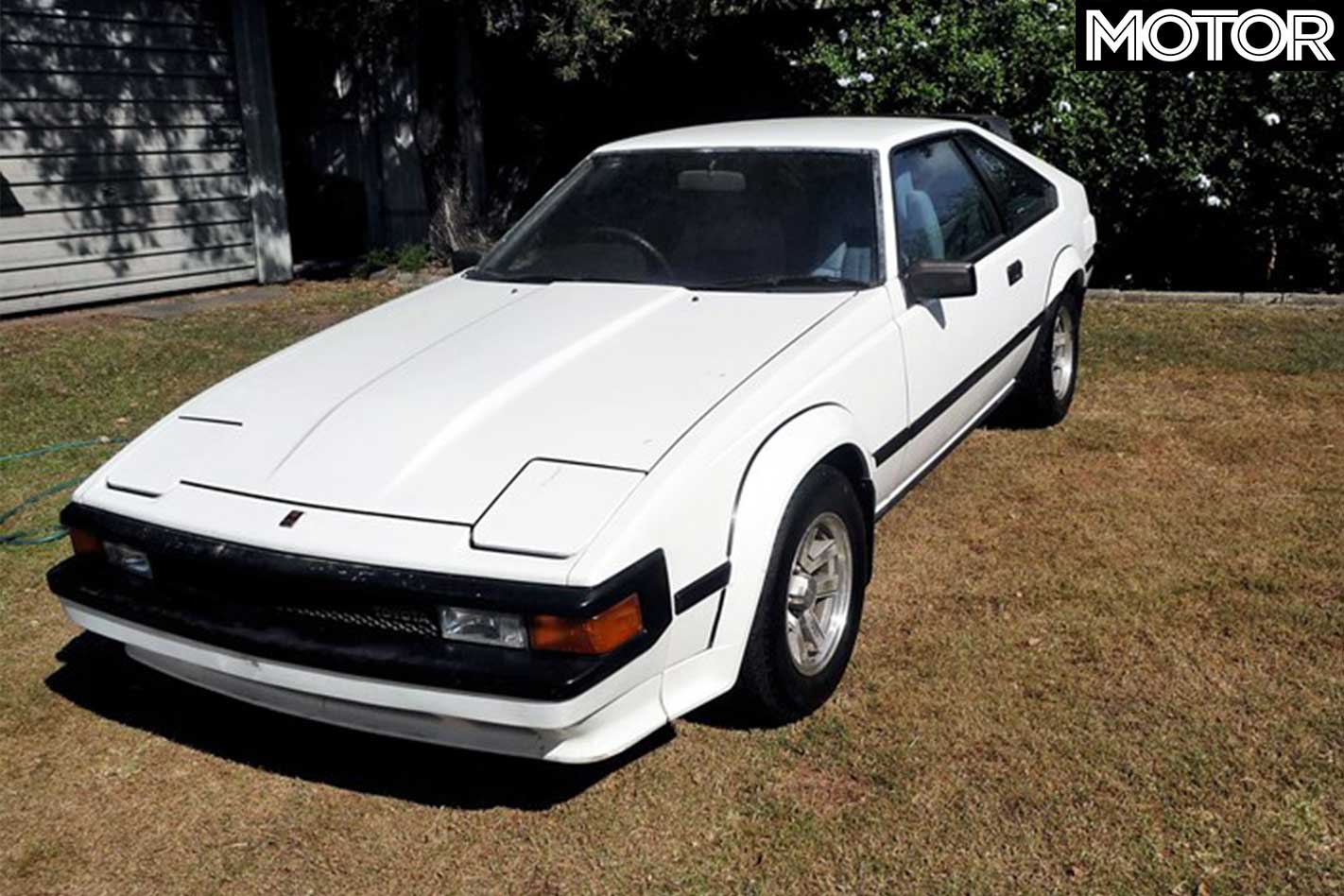
It’s not often you get photos of the underside of a car in its listing, but the seller of this second-gen Supra is keen to prove it’s in good nick.
A reasonable 237,000km+ odo reading might be the main deterrent when considering this car, but it comes with spares, and has had “many” parts replaced.
It’s also less than $10,000. So it’s got that going for it.
2005 Aston Martin DB9 – $97,500
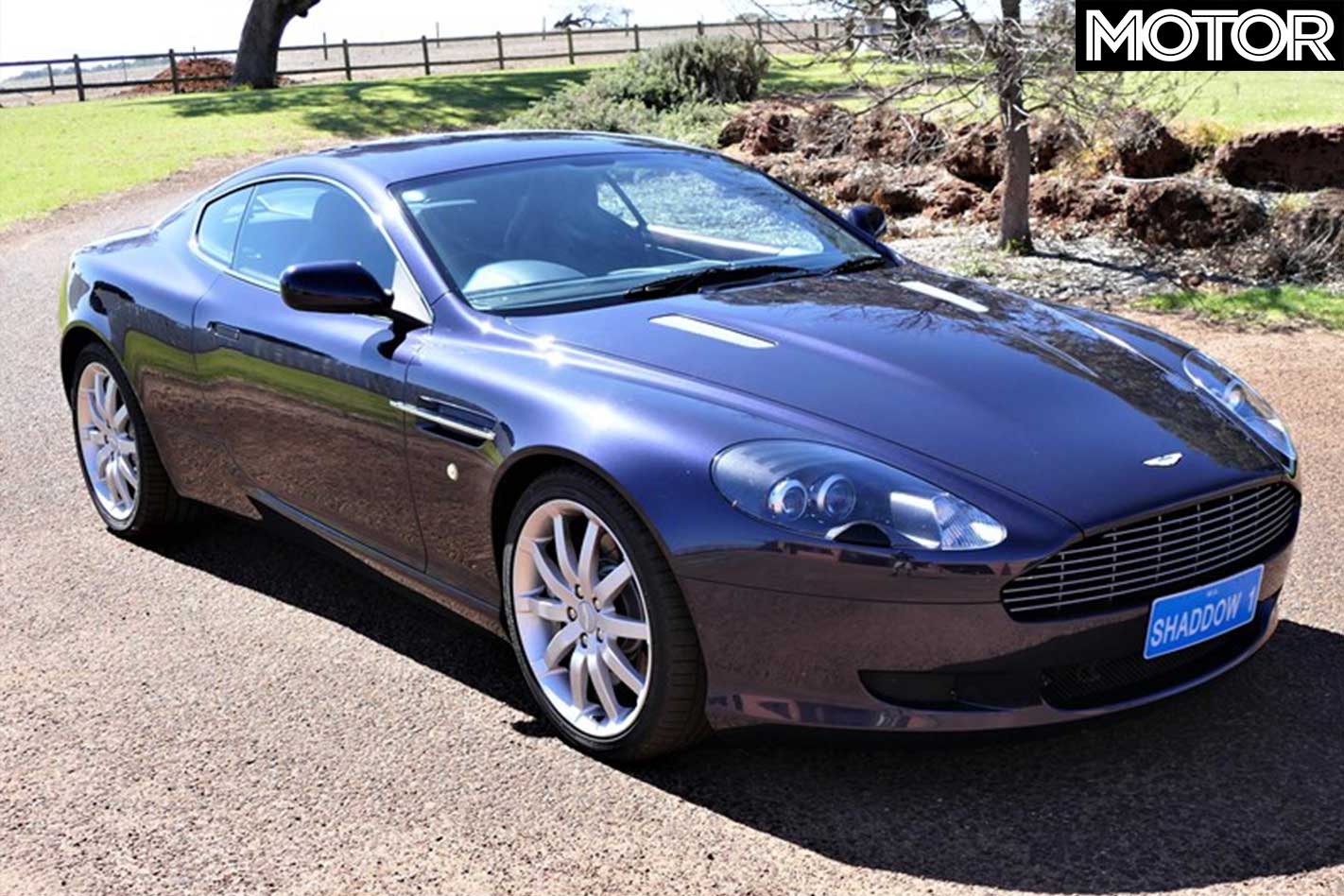
The successor to the DB7 (DB8 might suggest it was a V8, how times have changed!), this V12-powered Aston
It’s not quite the Bond-spec DBS, but 336kW of grand touring British V12 should keep you happy short of driving too hard.
That is, if you can justify the almost-six-figure asking price.
As ever, the bottom line speaks volumes. Back in 2014 Fiat Chrysler Automobiles made a profit of €420m. Its forecast profit for 2018 is more than twenty times that figure at €8.7bn, up from €7.1bn in 2017. Compare that to Ford, which expects its 2018 profits to be flat or somewhere just south of its 2017 figure of €7.6bn. Look behind those headline numbers however, and it’s clear that CEO Sergio Marchionne’s final five-year plan, due to be announced this weekend, will have some work to do.
The reason that profit has increased so markedly is that FCA made huge investments in infrastructure that were designed to catapult it forward. However sales have not grown in line with the forecast. In fact, they’ve slightly declined over this period. That’s not a problem exclusive to FCA, but the company has worked assiduously to reduce its industrial debt. Watch Marchionne carefully when he walks to the rostrum on June 1st. If, as he hopes, he’s left the company debt-free for his successor to inherit next year, the typically casually-dressed Marchionne has promised to ditch his trademark black jumper and wear a tie.
The Italian-Canadian has made it clear in his 2015 “Confessions of a Capital Junkie’ manifesto that the massive costs of future vehicle development requires an increasing focus on partnerships and mergers. In other words, the car industry has no option but to consolidate, and it’s no great secret that he has attempted to woo General Motors. A debt-free FCA could well be an asset that’s too tempting to resist for the automotive giants.
Anyway, let’s break out the scorecards and see how each of FCA’s constituent brands scored against the 2014 plan.
ALFA ROMEO 5/10
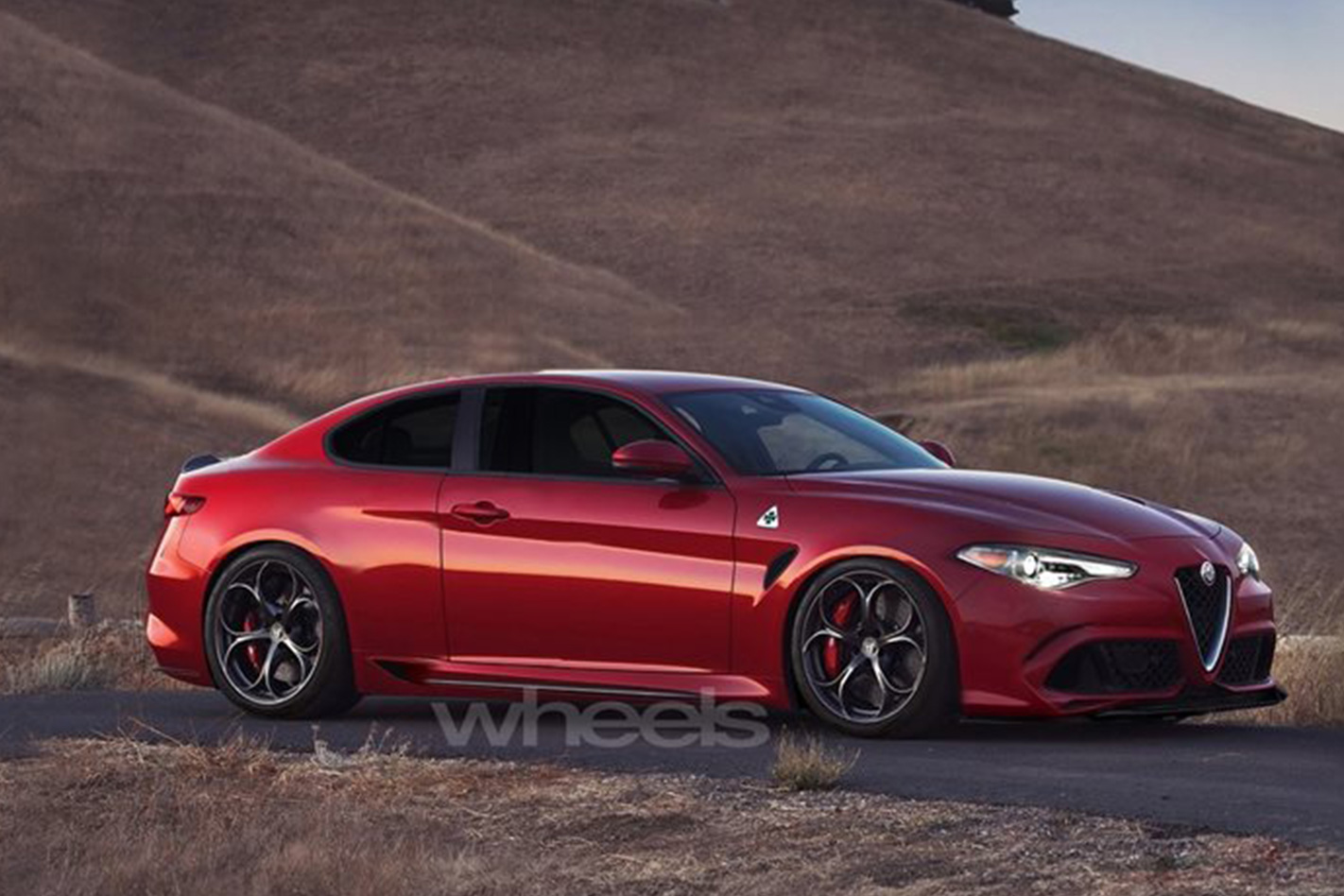
Judged purely on reputational repair, Alfa Romeo is a huge winner. Its Giorgio-platform Giulia sedan and Stelvio SUV have been critically lauded and have set the marque straight after years in a front-drive netherworld that diminished rather than built the brand. That does nothing to hide the fact that sales have been disappointing. Alfa is expected to expand its portfolio with a seven-seat SUV, a show-stopping coupe version of the Giulia and investment into mild hybrid tech that will roll out across its range. The 2014 plan called for global sales of 400,000 units by 2018. Alfa Romeo built 150,722 cars last year, with Marchionne stating in October that the brand’s U.S. sales were slower than expected and Alfa was “behind the curve” in China. Still, better days look set to come.
FIAT 6/10
The portfolio’s biggest seller targeted sales growth from 1.5m units in 2013 to 1.9m in 2018 but stalled at 1.5m in both 2016 and 2017. The brand has largely missed the boat on small SUVs and Italy’s one-time industrial giant is now outsold by Maserati in the Asia-Pacific region. There are glimpses of hope though. Sales of small cars, represented by the popular Fiat 500, Panda, Uno and Mobi totalled 528,000 units in 2017, a climb of nearly 7 percent. Fiat accounted for 33 percent of FCA’s sales in 2017, but needs to try harder in export markets. When, as a group, you manage to shift more cars in Canada than China, it’s clear that the global marketing strategy is off-beam.
JEEP 8/10
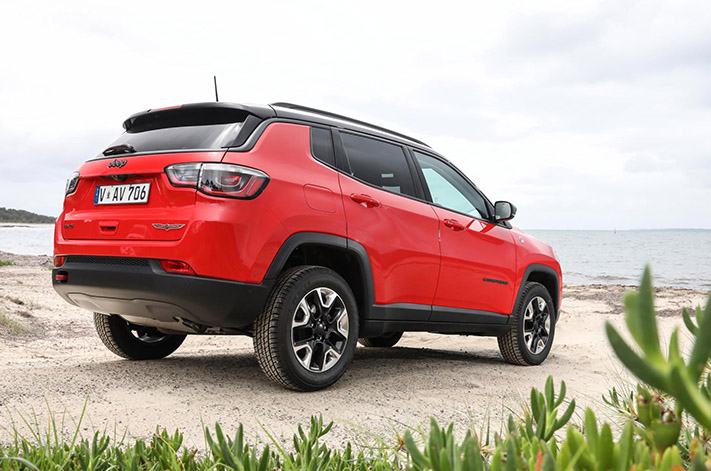
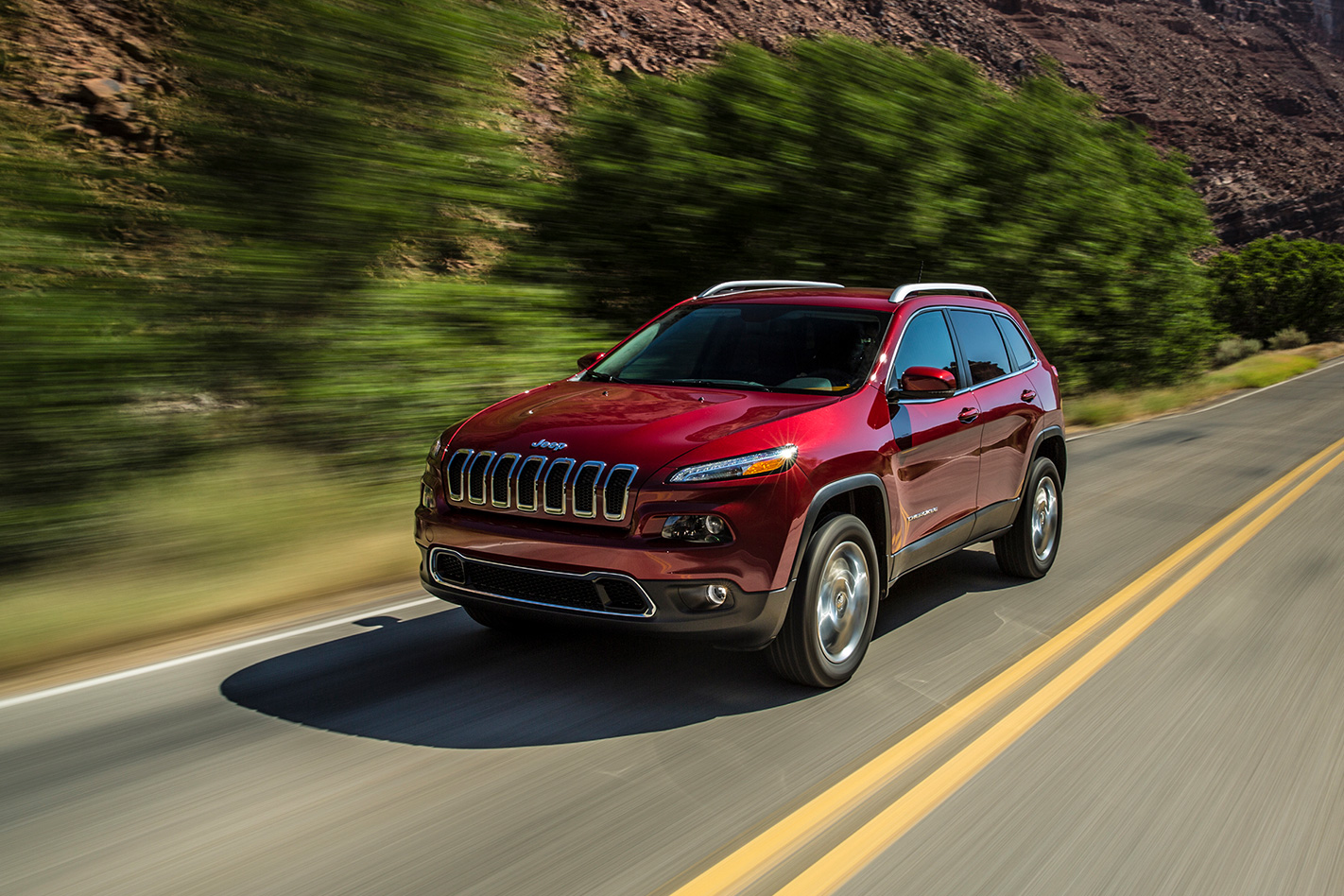
With five of FCA’s six best-selling models, Jeep is one of the few marques not starved of new product supply. Dodge’s Ram Pickup may reign supreme, but it’s followed by Jeep’s Grand Cherokee, Cherokee, Renegade, Compass and Wrangler, with the Compass picking up a huge 123 percent sales boost in 2017. Back in 2014, Jeep was plotting a 20 per cent boost in sales between 2013 and 2018, lifting production from 789,000 units to 1.9m cars by 2018. Okay, so it didn’t quite make that number, but 1.4m units shifted in 2017 wasn’t a bad performance in a softening market. A focus on reducing fleet sales took the edge off Jeep’s ultimate volumes, but the range is set to be augmented by three-row Grand Wagoneer originally due in 2018, but now slated for 2020. Also due is the long-awaited Wrangler ute due in late 2019 with plug-in hybrid models coming on stream from 2020.
CHRYSLER 2/10
Ugh. With sales of 207,000 in 2017, Chrysler is a shadow of its former self and is shifting a quarter of Marchionne’s 2014 forecast. Chrysler’s range shrank to just two models (Pacifica minivan and 300) following the end of Chrysler 200 sales in the US. Here in Australia, the aged 300 still flies the flag for V8 muscle sedans but it’s a minority player, the brand as a whole shifting just 258 cars in Australia in 2017, or just over a third of what Maserati sold in the same period. Globally, Chrysler recorded its worst year since 2009 when the Chrysler Group was bankrupted. Somewhat inexplicably for a US manufacturer, Chrysler has no SUVs on its books, although a three-row crossover is expected in 2020.
DODGE 4/10
Propped up by sales of the Ram pickup, Dodge is otherwise in a mess, sales dropping by 11 percent from 2016 to 2017. There is hope though, with the Maserati Ghibli’s platform available from which to spawn a new generation of Charger and Challengers. The Journey crossover is also expected to morph onto Alfa’s Giorgio platform, while talk of a new generation Viper has helped reinvigorate interest in the marque.
MASERATI 6/10
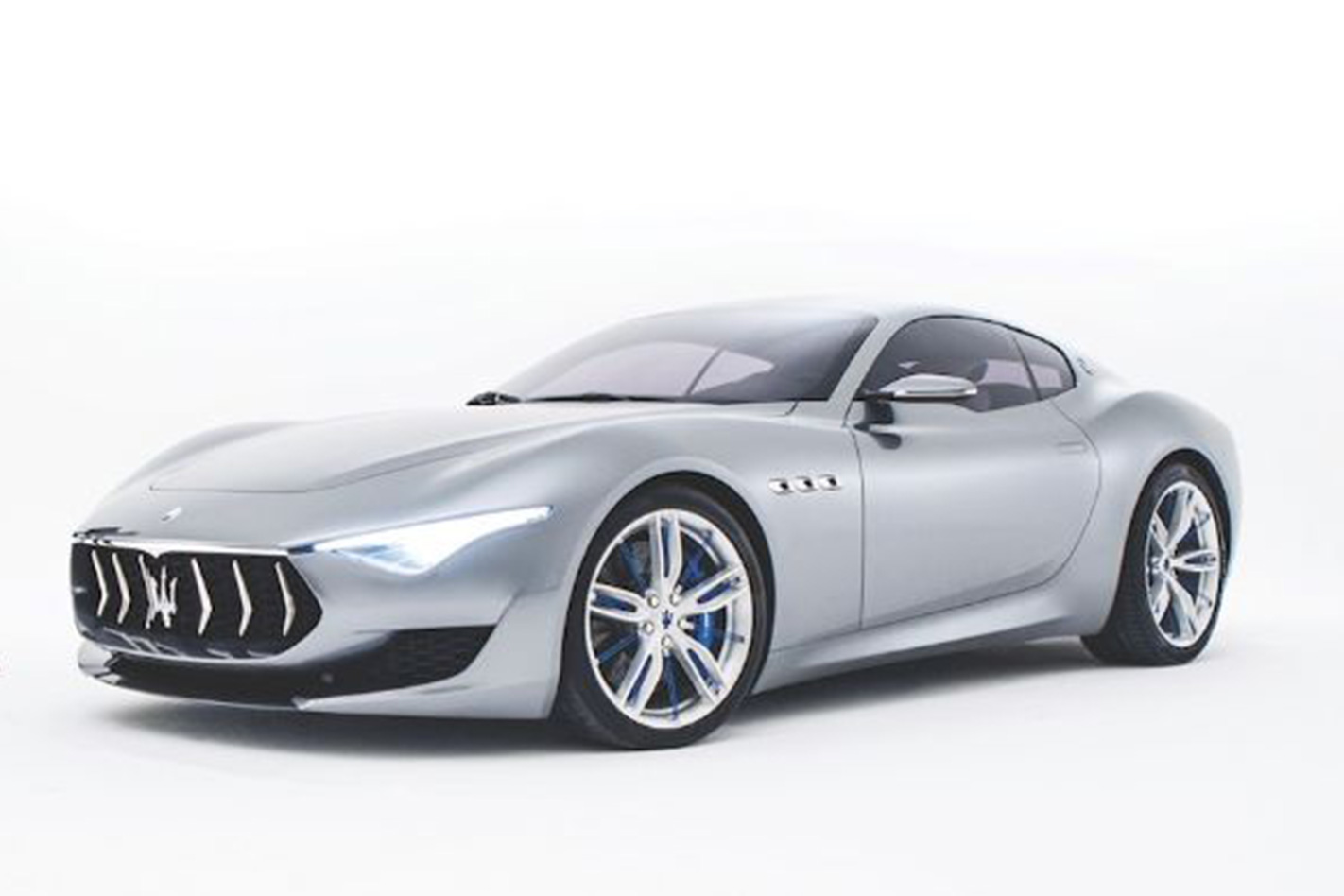
Marchionne promised much in 2014, but not all the plans came to fruition. The Alfieri coupe, the mooted replacement for the GranTurismo coupe remained a motor show fantasy. Still, it’s hard to argue with how Maserati spent its money, unashamedly targeting volume with the Ghibli sedan and the Levante SUV. Another SUV and hybrid tech is on the cards for the marque, but it’s still felt to have underperformed.
Marchionne has been on record identifying the botched launch of the Levante, with brand chief Reid Bigland paying with his job. His replacement, Tim Kuniskis, created a big buzz at Dodge with the marketing planning for Challenger Hellcat and Demon and exactly that enthusiast zeal is required to reignite the magic at Maserati. Global sales stood at a paltry 15,400 in 2014, with 75,000 units targeted by 2018. Achieving 45,000 wasn’t part of Marchionne’s masterplan and the brand will need to do better.
OVERALL SCORE: 6/10
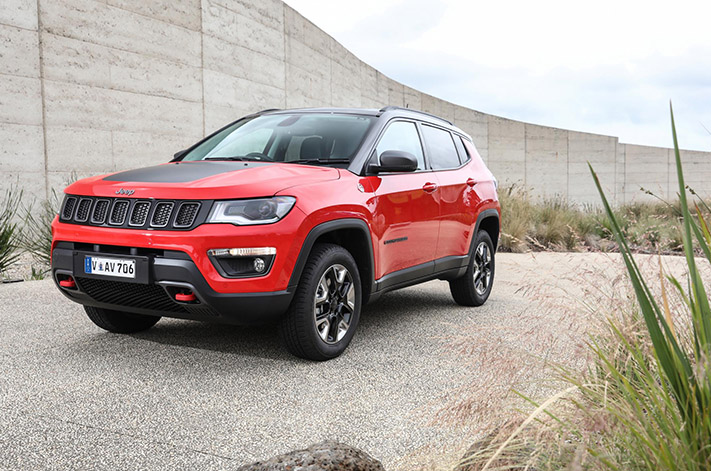
A cautious and measured success story, with volumes helping eradicate debt. Marchionne has every right to feel as if he’s responsibly handing the reins over to his successor come next year. The huge investment in the Giorgio platform is being amortised across a number of brands and looks set to stand the group in good stead for the better part of a decade. Overseeing portfolio development at Dodge and Chrysler seems to represent the biggest challenge, as the group’s focus shifts towards Jeep and managed growth in Alfa Romeo and Maserati, especially in Asian markets.
BMW is about to make the lives of electric vehicle (EV) owners even easier with a confirmed market launch of the car industry’s first factory-fitted inductive charging units from July this year. The technology enables wireless recharging of the high-voltage batteries in electrified BMW vehicles.
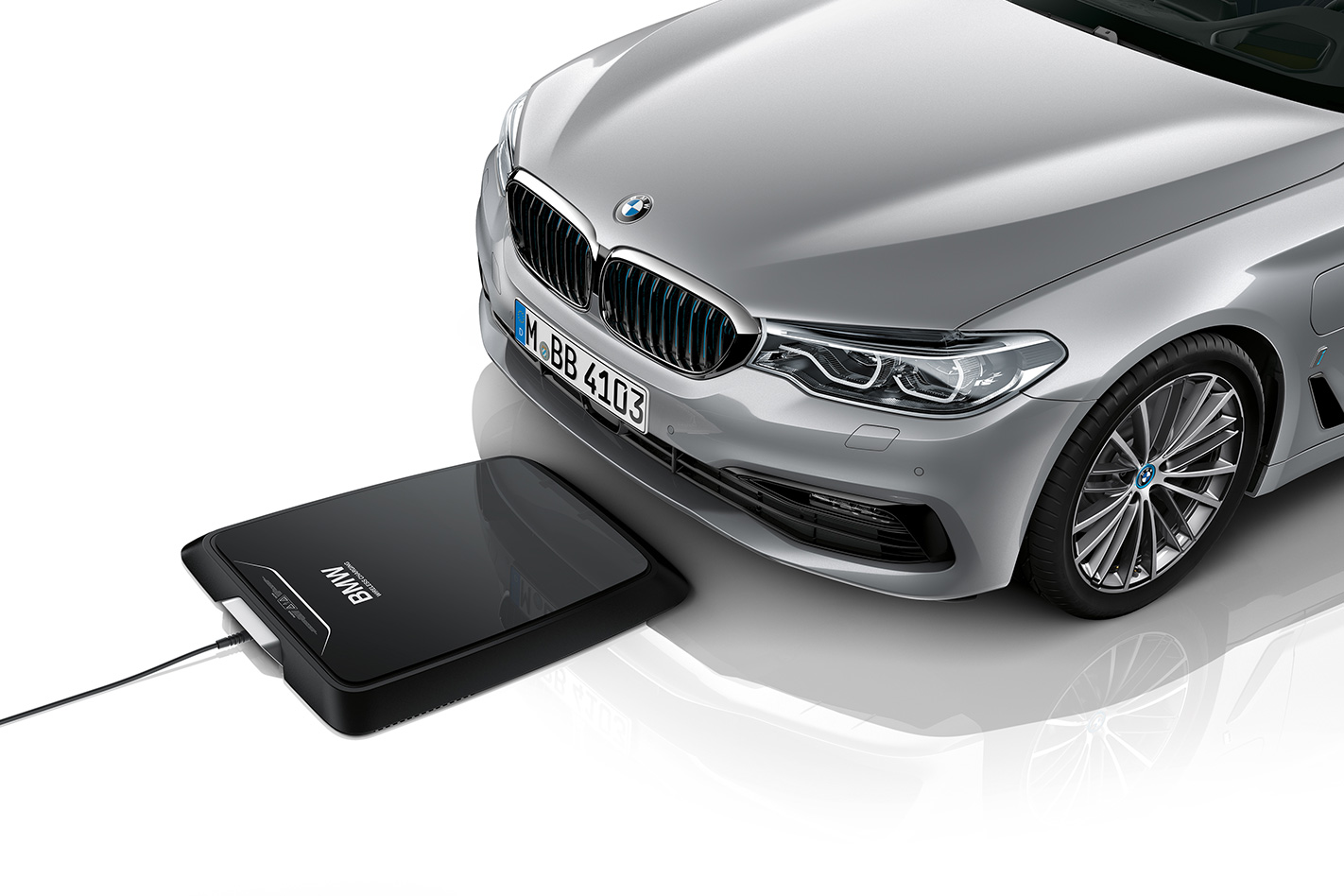
Inductive charging transfers energy wirelessly using an electromagnetic field, making recharging even easier than refuelling. It allows vehicle owners to boost battery energy levels by simply parking their car over the top of an inductive charging base (that BMW calls GroundPad).
Through coils in both the GroundPad and integrated into the underside of the vehicle (CarPad), an electromagnetic field is created in order for current to be harvested and converted by the battery.
It may sound like confusing space-age stuff, but it’s essentially the same technology already used on a smaller scale for electric toothbrushes and a range of smartphones.
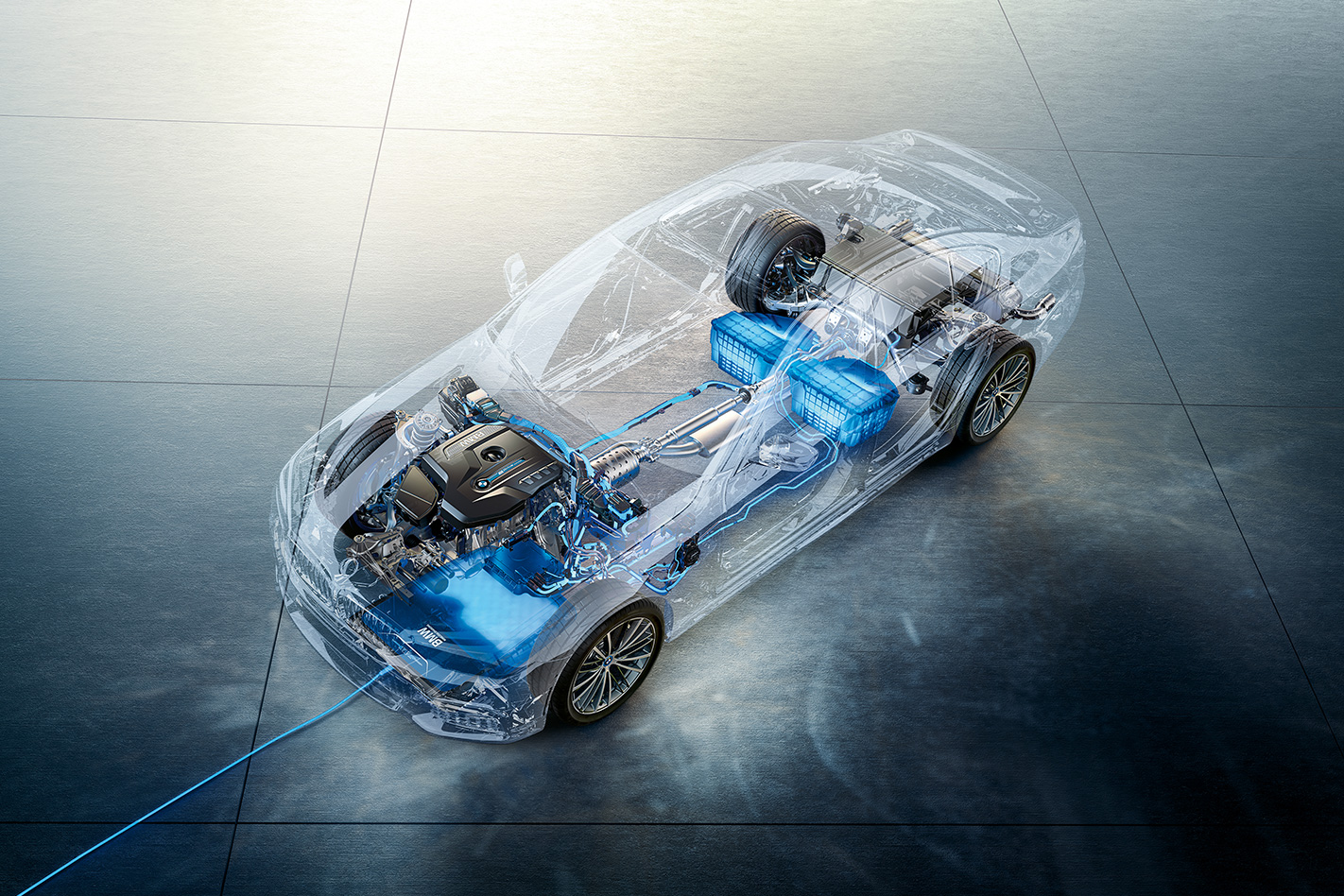
BMW is introducing the no-cords charging technology from July, with the roll out starting in Germany, the US, UK, Japan and China for BMW 530e customers. Owners of the plug-in 5 Series will be able to purchase the CarPad and GroundPad as optional extras.
Australia isn’t yet on the list yet for the first stage of BMW’s inductive charging plan, but BMW has previously stated its desire to introduce it early on, and as EV uptake in this country improves it’s expected the technology will come here.
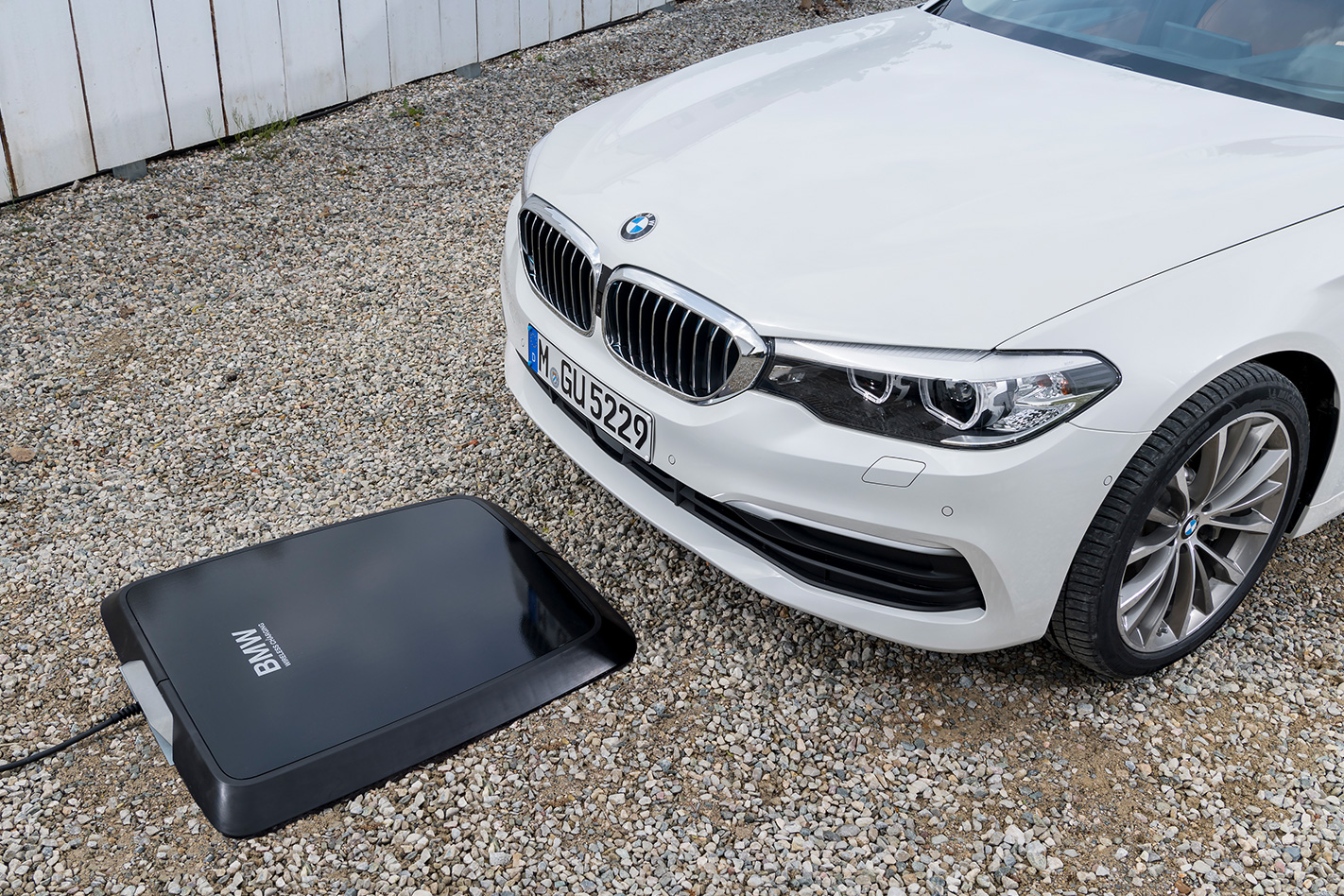
Applications of the inductive charging technology are varied. A GroundPad can be installed in a residential garage or along a driveway for home use, while simply fitting a CarPad to the underside of a car allows it to work with GroundPads at public charging stations or in parking structures setup with GroundPad spots for EV owners.
The distance over which the energy exchange can occur is a short eight centimetres, however the car’s camera system helps align the pads when parking.
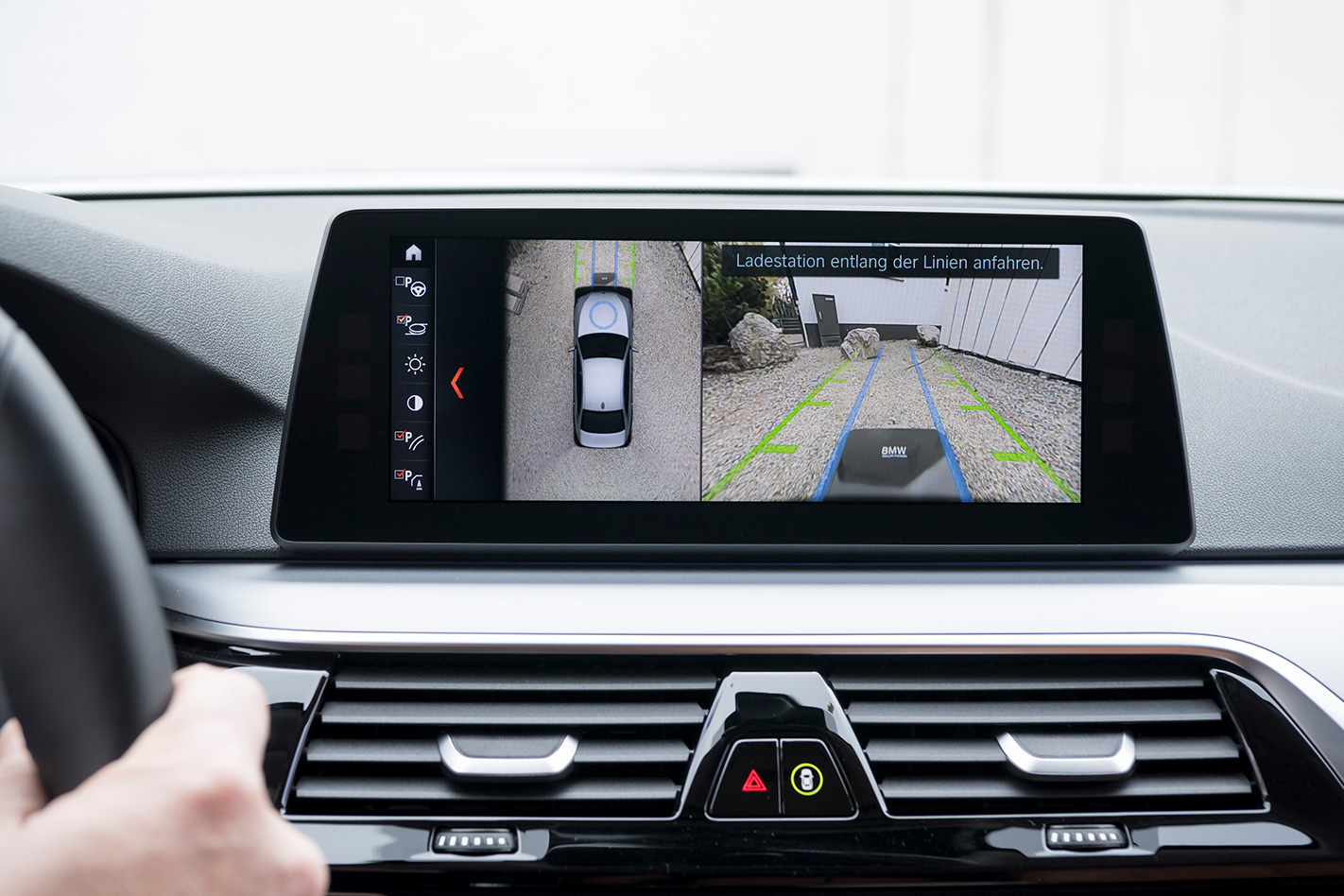
BMW has setup its system so that the charging process starts automatically once the car has come to a stop and the engine start/stop button is pressed. The charging pad will then automatically turn off once charging is complete – which takes around three and a half hours using a charging power of 3.2kW, only slightly slower than the wired BMW i WallBox.
Luckily, ambient electromagnetic radiation is limited to the underside of the car and the GroundPad continuously monitors the environment and will switch off if it detects foreign objects – leaving us reassured that pets can roam about as usual.
We like the sound of this hands-free charging solution, especially when compared to Tesla’s bizarre robotic tentacle charger concept which caused a stir after its unveiling back in 2015.
TELL ME ABOUT THIS CAR
The Mazda CX-5 is Australia’s biggest-selling SUV thanks sharp looks and a diverse line-up that includes two petrol engines and a twin-turbo diesel, with a choice of front- or all-wheel-drive, spread across five specification grades.
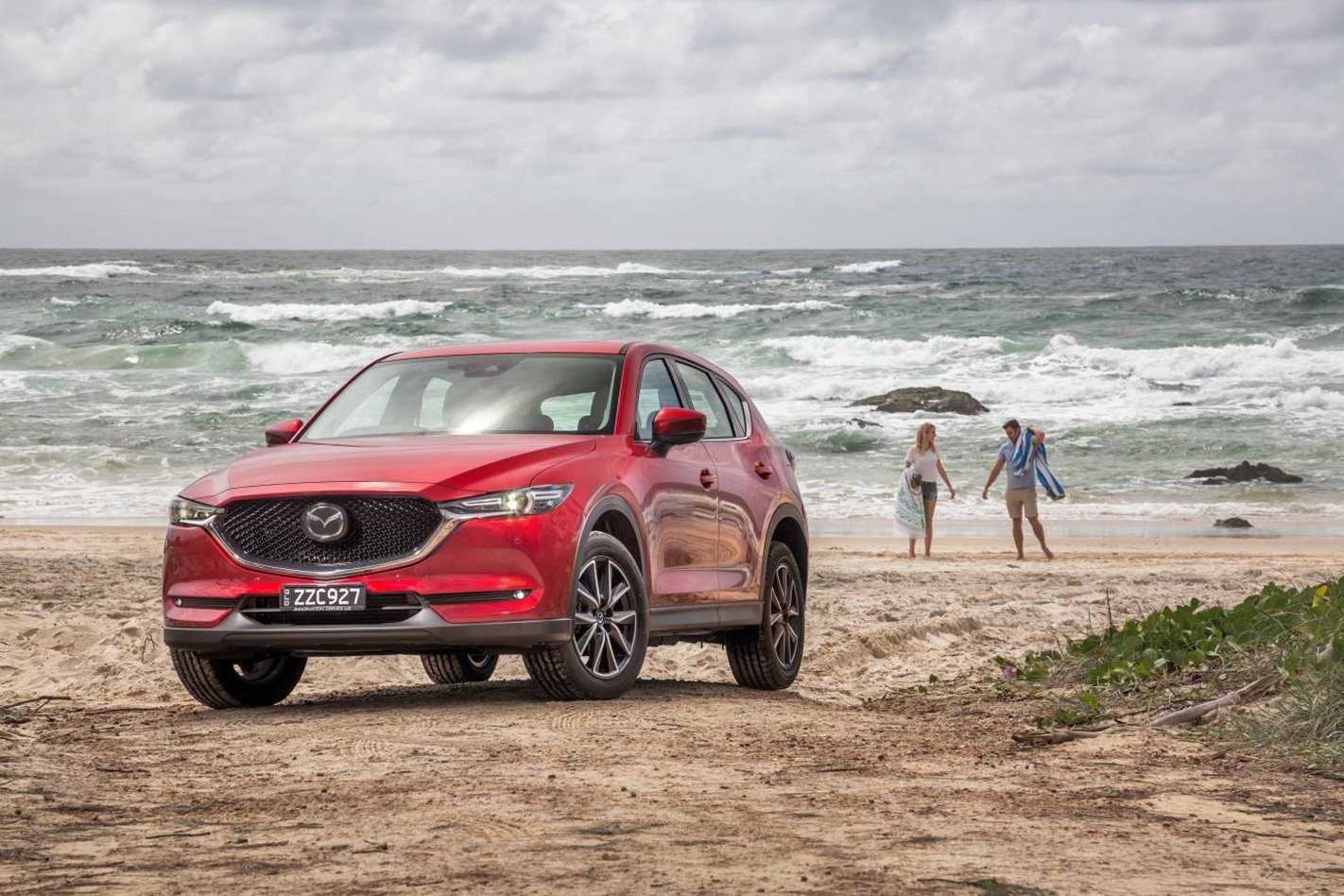
Another reason for its popularity is the regular mild updates which have brought incremental improvements to the CX-5 and kept fresh product in Mazda showrooms. The latest mild update, the first for the second-generation CX-5, has just arrived in Australian dealerships with a performance boost for the 2.5-litre petrol and 2.2-litre twin turbo diesel engines.
The CX-5 is priced between $28,690 and $49,190 and is topped by the feature-rich CX-5 Akera Diesel AWD that’s the subject of this review.
STRENGTHS
- The 2.2-litre SKYACTIV-D twin-turbo diesel engine has been gifted with more power and torque, bringing it up from the 129kW/420Nm outputs of the old car to 140kW/450Nm. The result is more shove with minimal turbo lag, and a power delivery that’s more petrol-like than diesel. Only the sound betrays the fact that this isn’t a petrol engine.
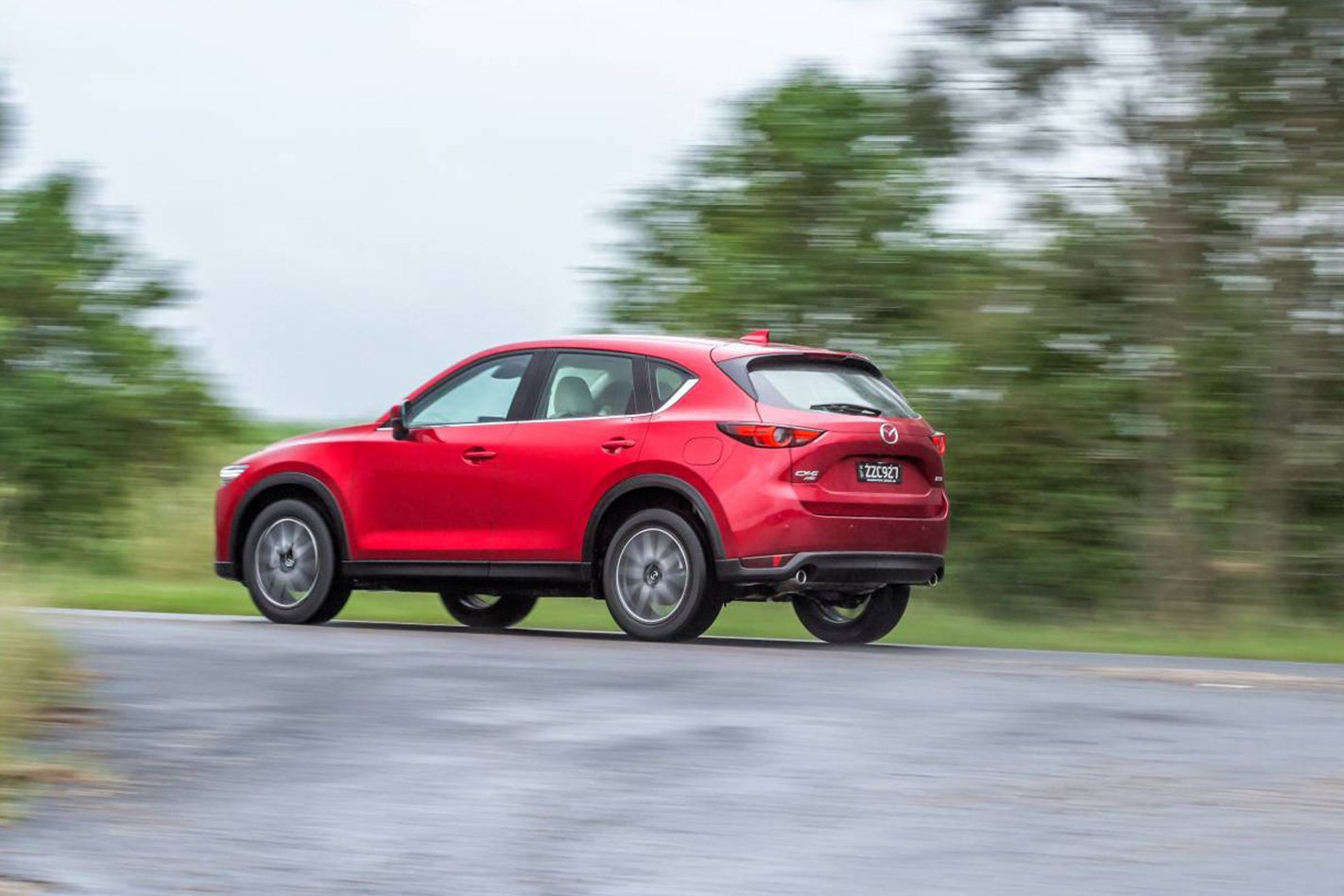
- Fuel economy has also been improved. Mazda’s claim drops from 6.0L/100km to 5.7L/100km on the official combined cycle, which was about right in real-world conditions where we averaged around 6.1L/100km in mostly urban conditions.
- The Akera variants have a new head-up display unit which shines directly on to the windscreen instead of a less-visible flip-up glass panel. The display, which includes speed, speed limit, active cruise control info and sat-van directions, is sharper than before and now much closer to the driver’s eye line.
- The Akera also now has a 360-degree top-down camera view to help avoid obstacles that lurk to the sides and in front of the car, rather than just showing you what’s hiding behind.
- The Akera’s $50,000-ish price tag takes it towards premium territory, but it’s brimming with features that are pricey options in European SUVs, such as the head-up display and 360-degree camera. There’s also a black leather upholstery with contrast stitching; a powered tailgate; adaptive LED headlights; active cruise control with stop-and-go function; traffic sign recognition, automatic folding and heated door mirrors; heated front seats; digital radio; keyless entry and sunroof.
- It’s safe, with a heap of active safety features including high-speed and city automatic emergency braking, blind-spot monitoring, driver attention alert, forward obstruction warning, front and rear parking sensors and lane keeping assist.
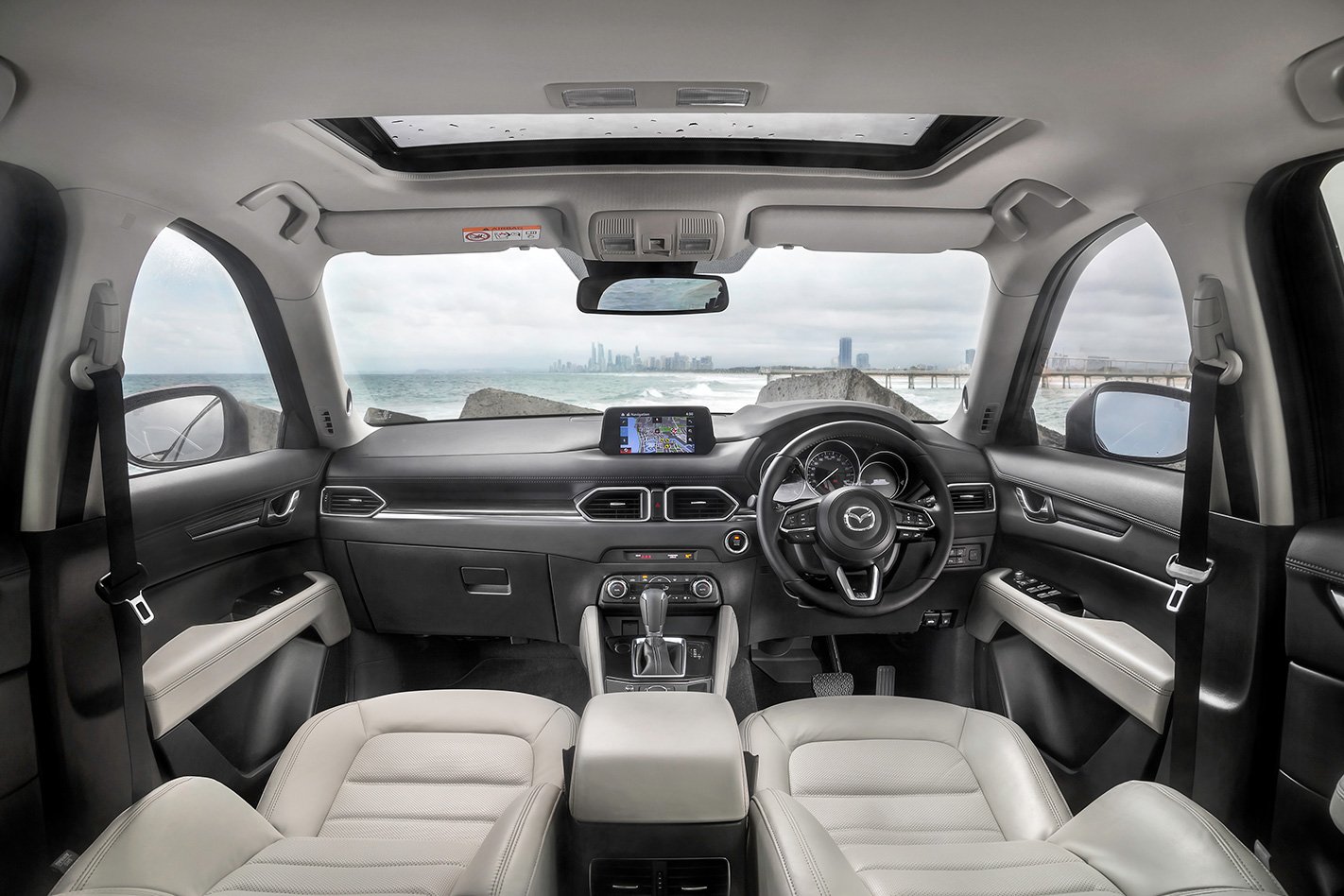
- The big features list means there are few options to tempt you, with only the pure-white leather upholstery (pictured), and metallic paint costing extra.
- The CX-5 doesn’t look very big outside, but the neat interior is roomy and comfortable. The front seats are deep and supportive, with great upper body support. The rear seats have plenty of legroom and good toe room under the front seats. The rear backrests can recline from 24- to 28-degrees and passengers benefit from their own air vents and a USB port hidden in the fold-down centre armrest.
- The big back doors make getting in and out, or loading kids into child seats, an easy task.
- Mazda has reduced the diesel’s engine noise through noise-cancelling software in the audio system, as well as by installing a sound damper to reduce engine knock. However noise suppression is still a CX-5 weakness thanks to abundant tyre noise on coarser asphalt.
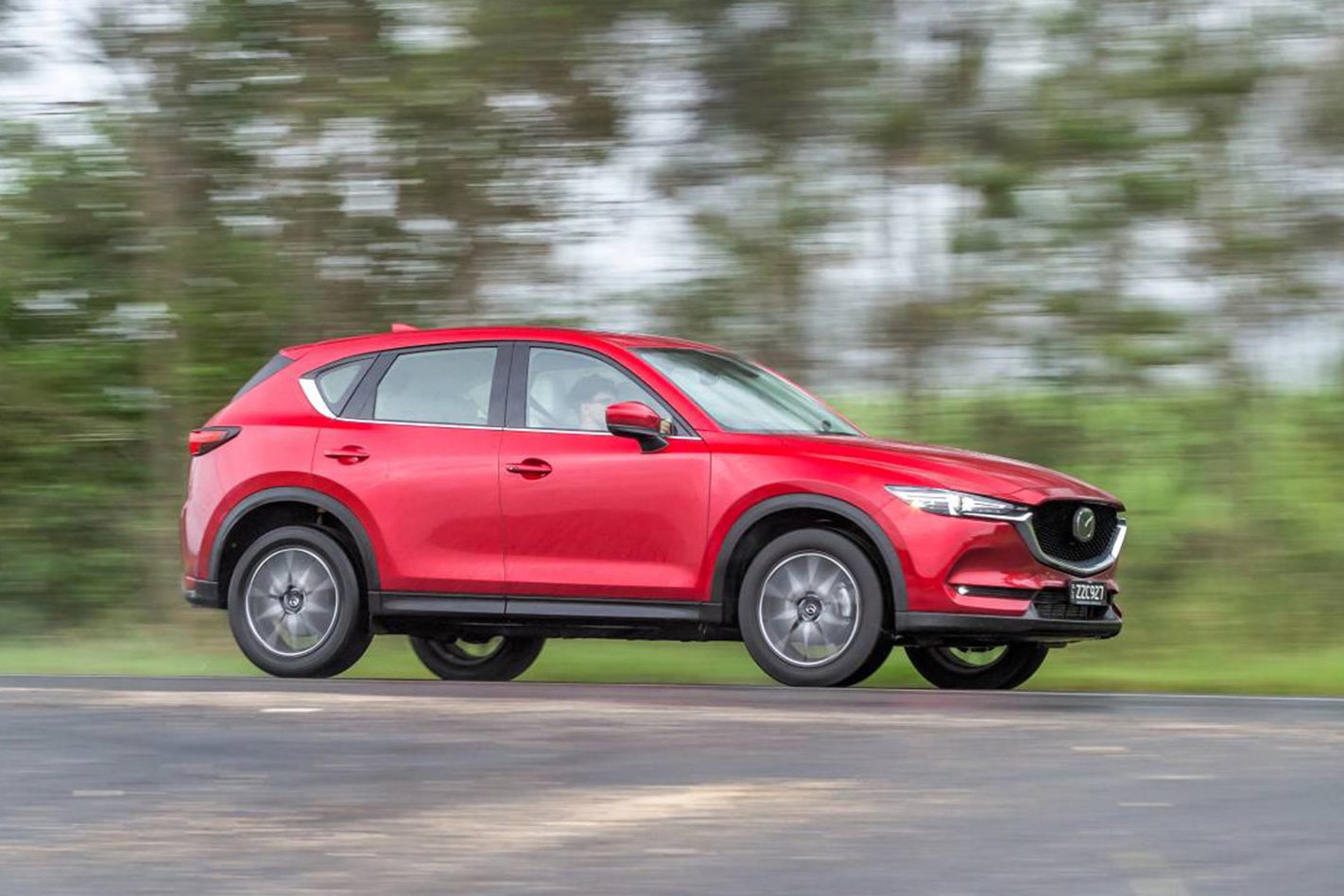
- Mazda installed Apple CarPlay/Android in the recently updated BT-50 ute, but not in its popular family hauler. Being able to pair your smartphone and access apps like Spotify would make the CX-5’s already user-friendly infotainment system one of the best in the business.
- Apart from the head-up display and 360-degree camera, there is nothing else to show that you’ve bought the latest CX-5 Akera. This update was just 12 months after second-generation CX-5 arrived so expect a slight facelift next year.
- Mazda’s diesel servicing regime means you’ll be visiting the mechanic quite regularly, with intervals set for every 10,000km and 12 months. That’s a little lower than many key rivals, which tend to stipulate 15,000km/12 month intervals.
High-spec, turbo diesel, AWD competitors that give the CX-5 Akera a run for its money include the Ford Escape Titanium, Holden Equinox LTZ-V, Hyundai Tucson Highlander CRDi, Kia Sportage GT-Line, Peugeot 3008 GT, Toyota RAV4 Cruiser and Volkswagen Tiguan 140TDI Highline.
REPORTS of the next-generation Focus RS boasting ‘over 400 horsepower’ (294kW) appear to be on the money, if the words of Europe’s Ford Performance boss are anything to go by.
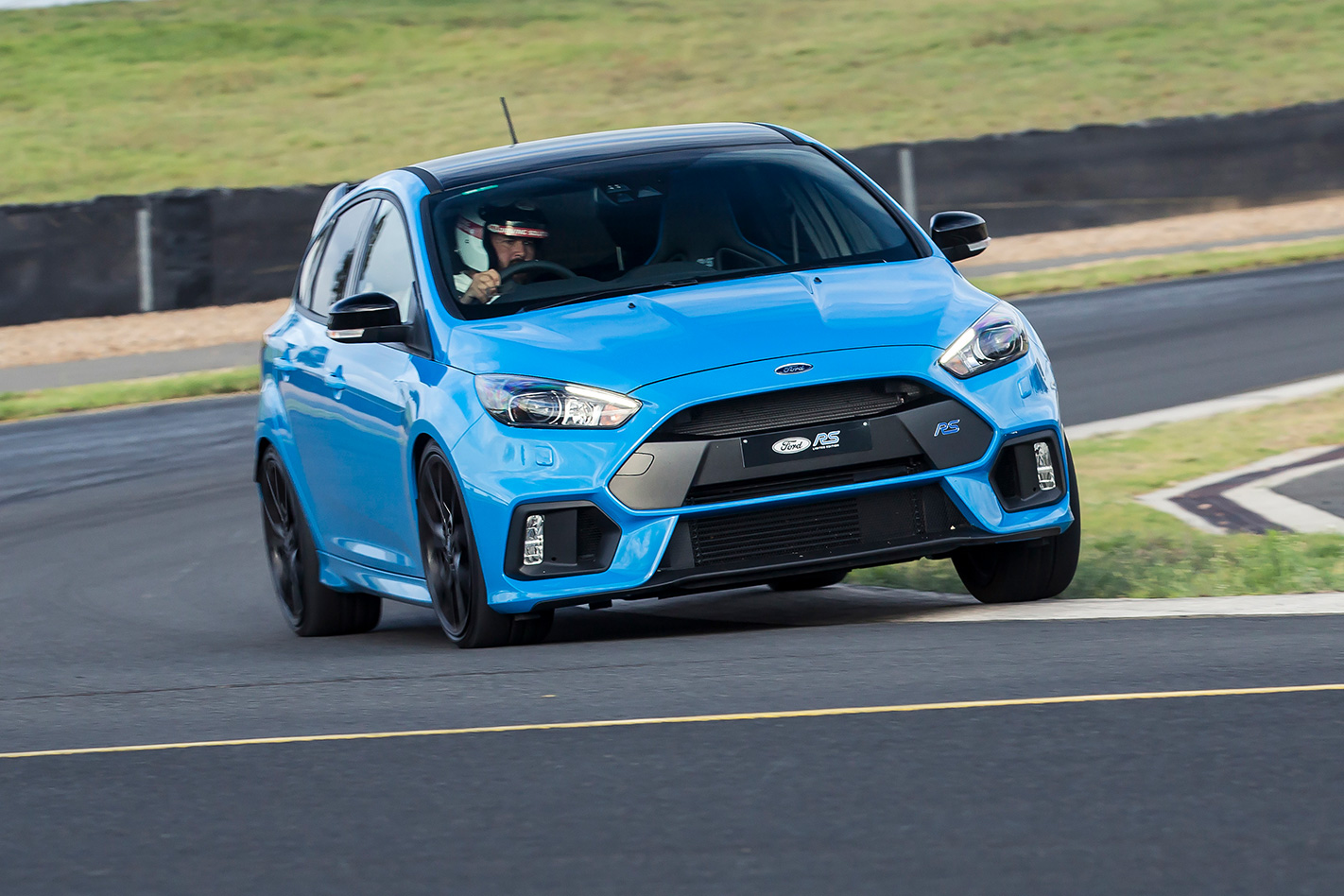
Speaking to Wheels, European director of Ford Performance Leo Roeks says he envisages 200 metric horsepower (147kW) becoming the new norm for specific output – the measure of how much power per litre an engine can churn out. To put that into perspective, it wasn’t so long ago that 100PS per litre was regarded as an exceptional specific output figure.
“I can’t tell you about any new products that might come out,” said Roeks, “but in general if you look at the engine performance, the trend is definitely going to 200PS per litre – that is going to be the state of the art engine technology that you see in high-performance engines that will trickle down to passenger car vehicles and become affordable in time.
“The Porsche [911] GT2 RS is already close – and other exotic [and] relatively expensive cars – but that level of performance will trickle down into normal car industry and normal passenger cars.”
That would mean 1.6-litre hot hatches with 235kW, and 2.0-litre engines pumping out 294kW, with the likelihood of hybrid electric assistance further bolstering performance.
Roeks wouldn’t put a timeline on exactly when he expects 147kW-per-litre to become the benchmark, but a look at the upper echelons of the high specific output club reveals that milestone may not be all that far away.
In fact the McLaren Senna is already there, developing 800PS (588kW) from a twin-turbocharged 4.0 litre V8, while the 5.0 litre V8 of Koenigsegg’s Regera also smashes through that barrier with 820kW (164kW per litre).
But what if you’re not a member of the One Percent? Well the 280kW Mercedes-AMG A45 comes agonisingly close with its 140kW-per-litre figure, and is considerably more affordable at $78K. Pretty soon the A45 could well be the first mass-market car to hit the magic number when the next-gen version arrives.
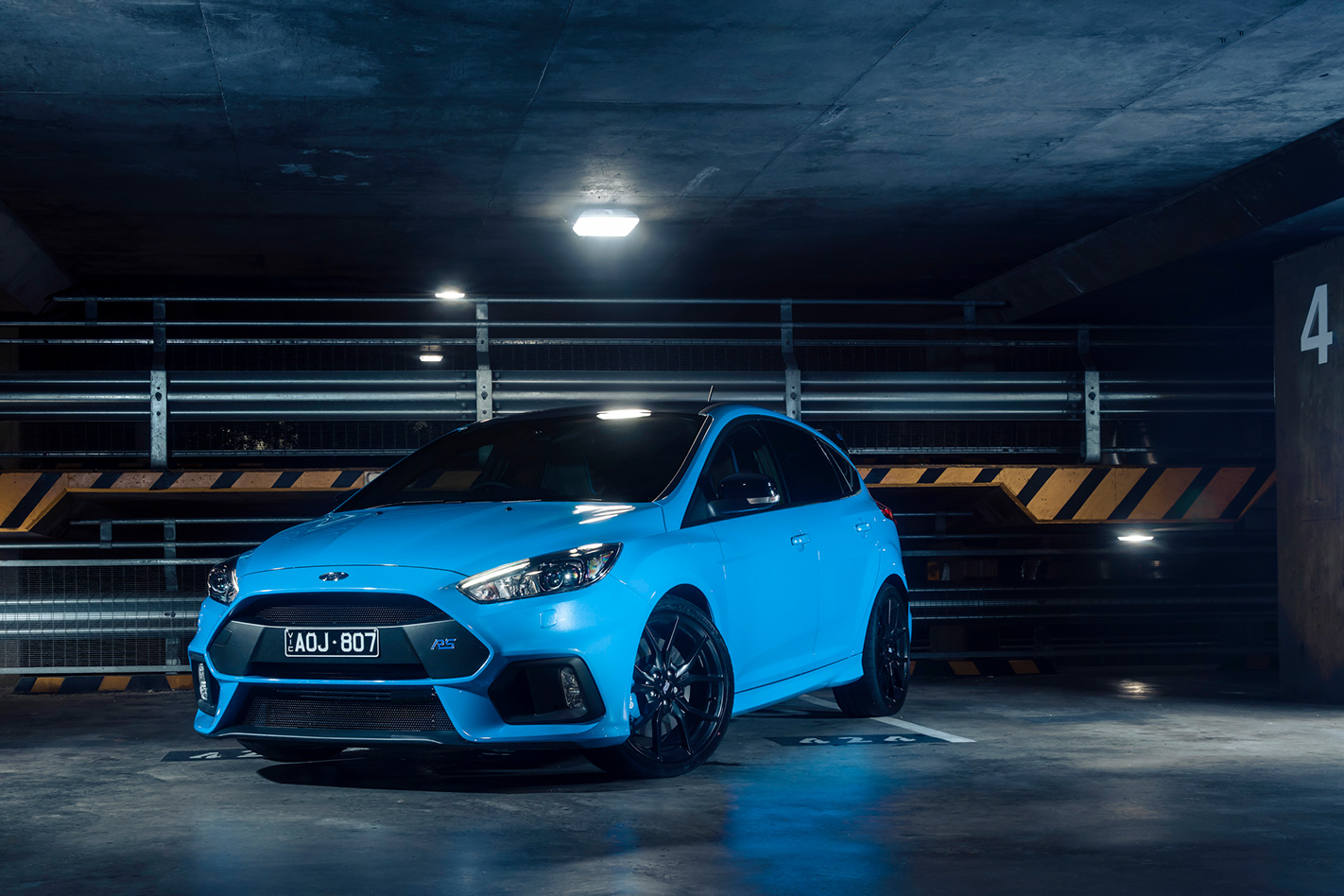
Meanwhile the Ford Focus RS is expected to continue using a turbocharged 2.3-litre inline-four in its next generation, meaning it could fall well short of Roeks’ 147kW-per-litre prediction and still produce more than 294kW – which just so happens to be the output of the Audi RS3, the most powerful hot hatch currently on the market that uses a 2.5-litre five-cylinder engine.
And, in the event that Roeks and his team manage to achieve that specific output target, the next Focus RS could crank out a colossal 338kW from just 2.3 litres of displacement. Reports from overseas suggest hybridisation will help the new Focus RS boost its muscle, which could provide Ford Performance with a handy technological shortcut to help it augment the Focus RS’ 2.3-litre combustion engine. Will it hit Roek’s magic number? He’s definitely not saying, but knowing that those metrics are floating around the mind of Ford Performance’s European director suggests that could be where Ford’s hyper hatch sequel ends up … eventually.
A DECADE ago, luxury cars were a niche market. The top four manufacturers – Audi, BMW, Lexus and Mercedes-Benz – and their kind, including Jaguar, commanded just one in 20 new-car sales. Fast-forward to today, and that figure has grown to around one in every 10. That’s almost mainstream.
Much of that stellar growth in the luxury car segment has come from SUVs. Nowhere is that more apparent than in small SUVs, where manufacturers try and leapfrog each other to attract sales in a corner of the market where buyers don’t mind spending a bit of extra money to stand out from the crowd. Think the likes of the Audi Q2, BMW X1, Lexus NX, the Mercedes-Benz GLA-Class, and more recently, the Audi Q2 and the BMW X2.
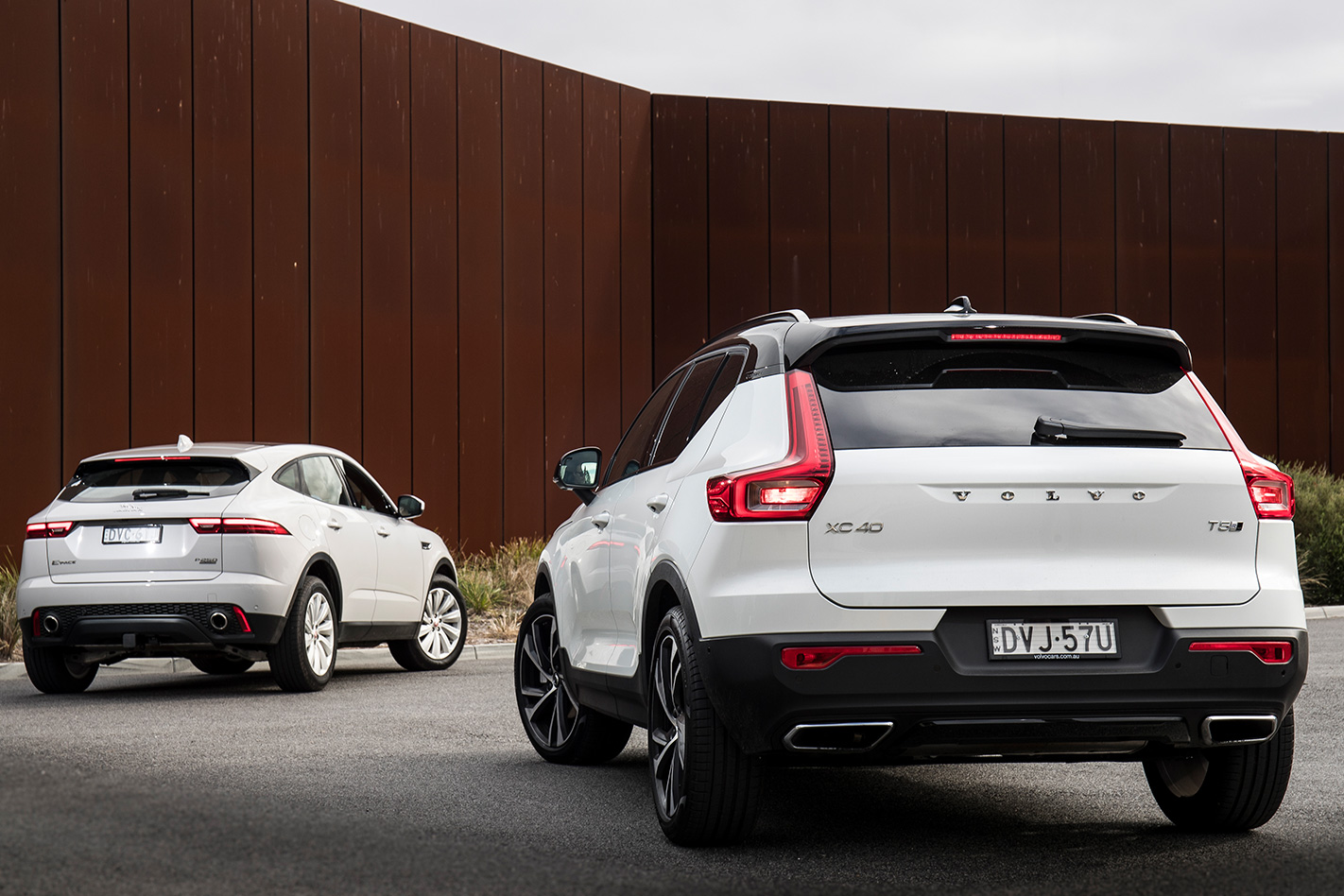
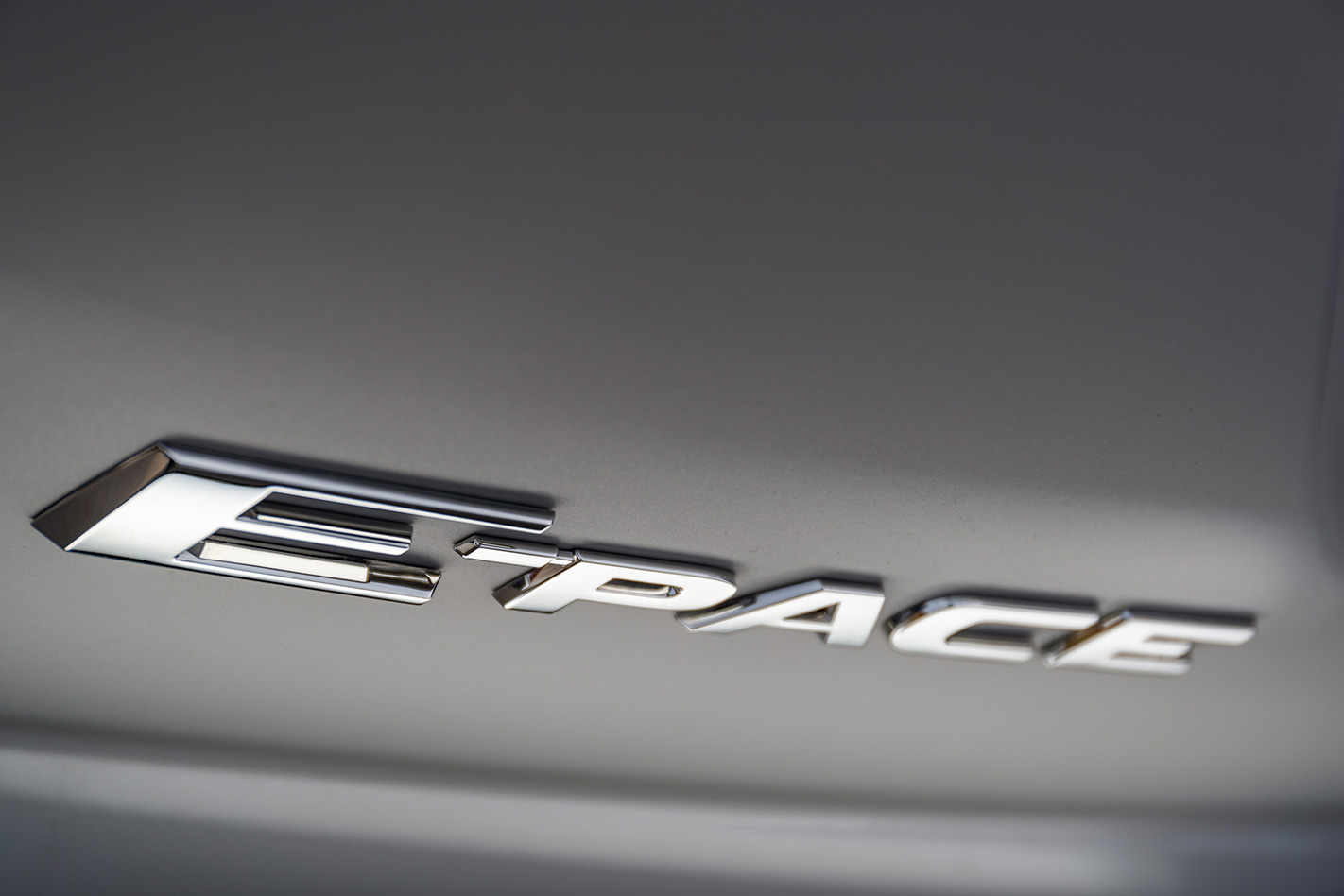
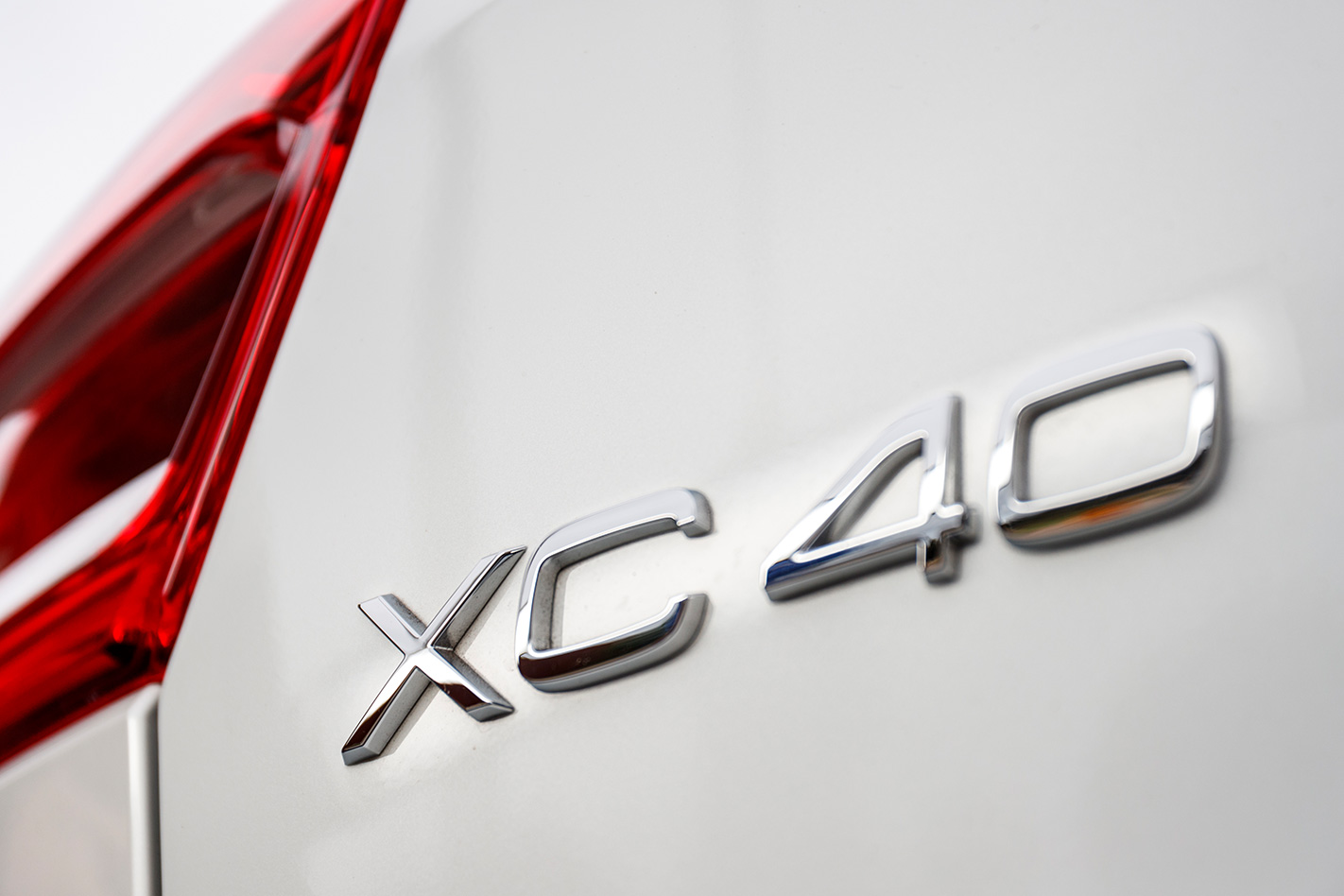
But two brands now making noise in the small SUV space are virgins to the territory; Indian-owned Brit brand Jaguar with its E-Pace, and Chinese-backed Swede Volvo with the XC40.
Here, we’ve chosen two similarly equipped 2.0-litre turbo petrol variants – Volvo’s top-spec XC40 T5 R-Design and the Jaguar E-Pace 250 S, which sits at the lower end of the crossover cat’s 38-strong variant line-up – in what’s shaping up to be the biggest Anglo-Nordic clash since the Cod Wars.
PRICE AND EQUIPMENT
Buy these cars standard off the rack they’d set you back $54,990 for the XC40 T5 R-Design and $57,600 for the E-Pace 250 S.
The 2.0-litre turbocharged powertrains they use are similar, with torque converter autos driving all four wheels with the Jag’s nine-speeder bringing an extra gear.
Safety features in both cars include automatic emergency braking, cruise control with speed limiter, driver alert monitor, lane keeping assist and rear-cross traffic alert, with the Volvo also featuring blind-spot monitoring.
Other standard kit is what you’d expect from vehicles in this price range, including leather-trimmed upholstery, city-speed automatic emergency braking, powered-front seats, dual-zone climate control, satellite navigation, a head-up display, push-button start, LED headlights, DRLs, fog-lights, paddle shifters, auto stop/start and electric folding mirrors.
The Volvo also gets a digital instrument cluster, a powered bootlid, keyless entry and Android Auto/Apple CarPlay connectivity, while the Jag scores heated door mirrors and rear fog-lights.
Equally as telling is what you have to pay extra for, and this is where the Volvo proves far better value.
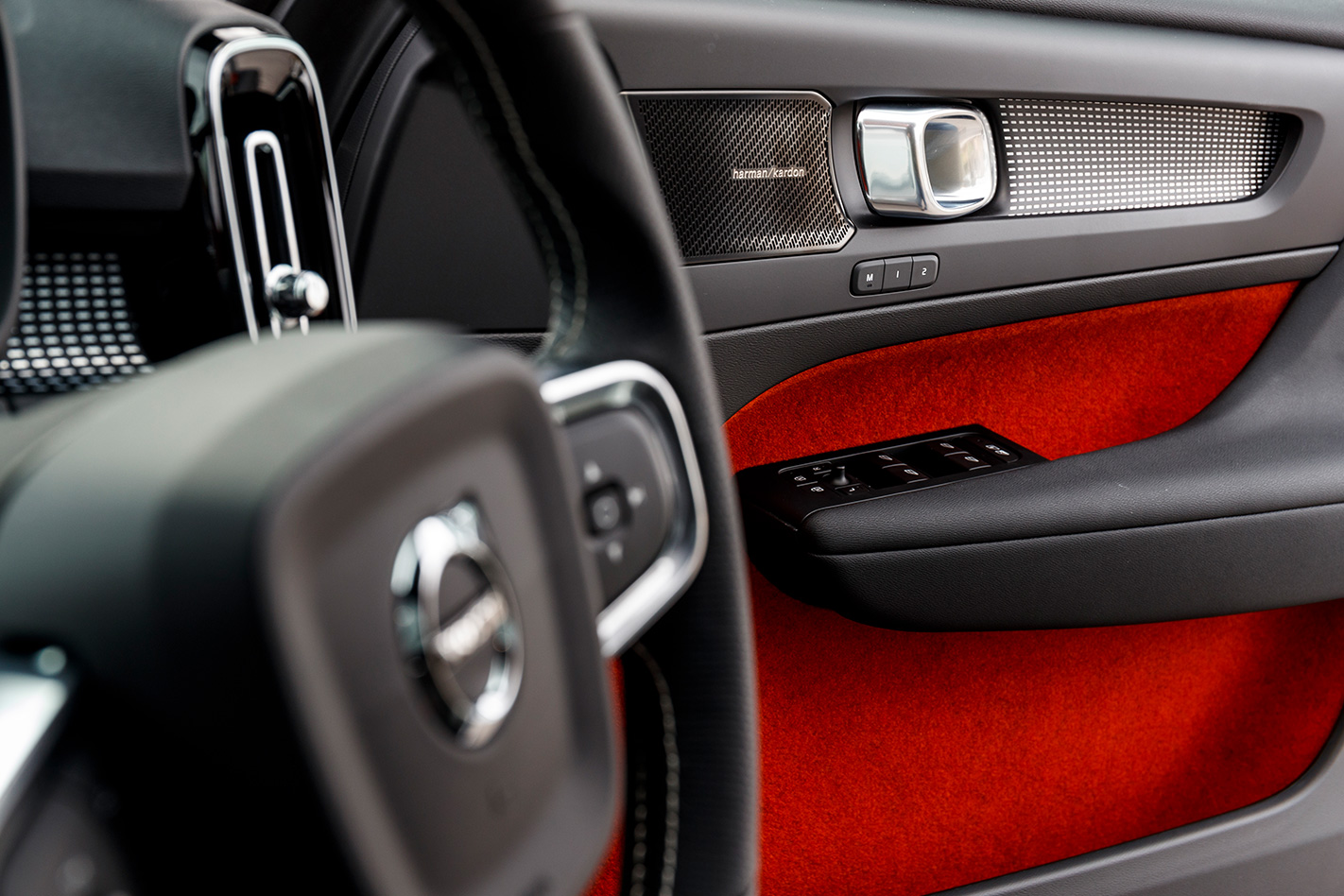
Our XC40 test car came with the Launch Edition pack, which brought adaptive cruise control, heated seats, panoramic sunroof, surround view camera, security alarm and tinted rear glass, power-folding rear backrest, automatic park assist, Harman Kardon premium sound system, plus the funky orange ‘Lava’ carpet and door trims as a no-cost option. Incredibly, all this just adds just $1750 to the standard T5 R-Design price that, with the $1150 for premium paint, took our test car’s retail pricing to $57,890.
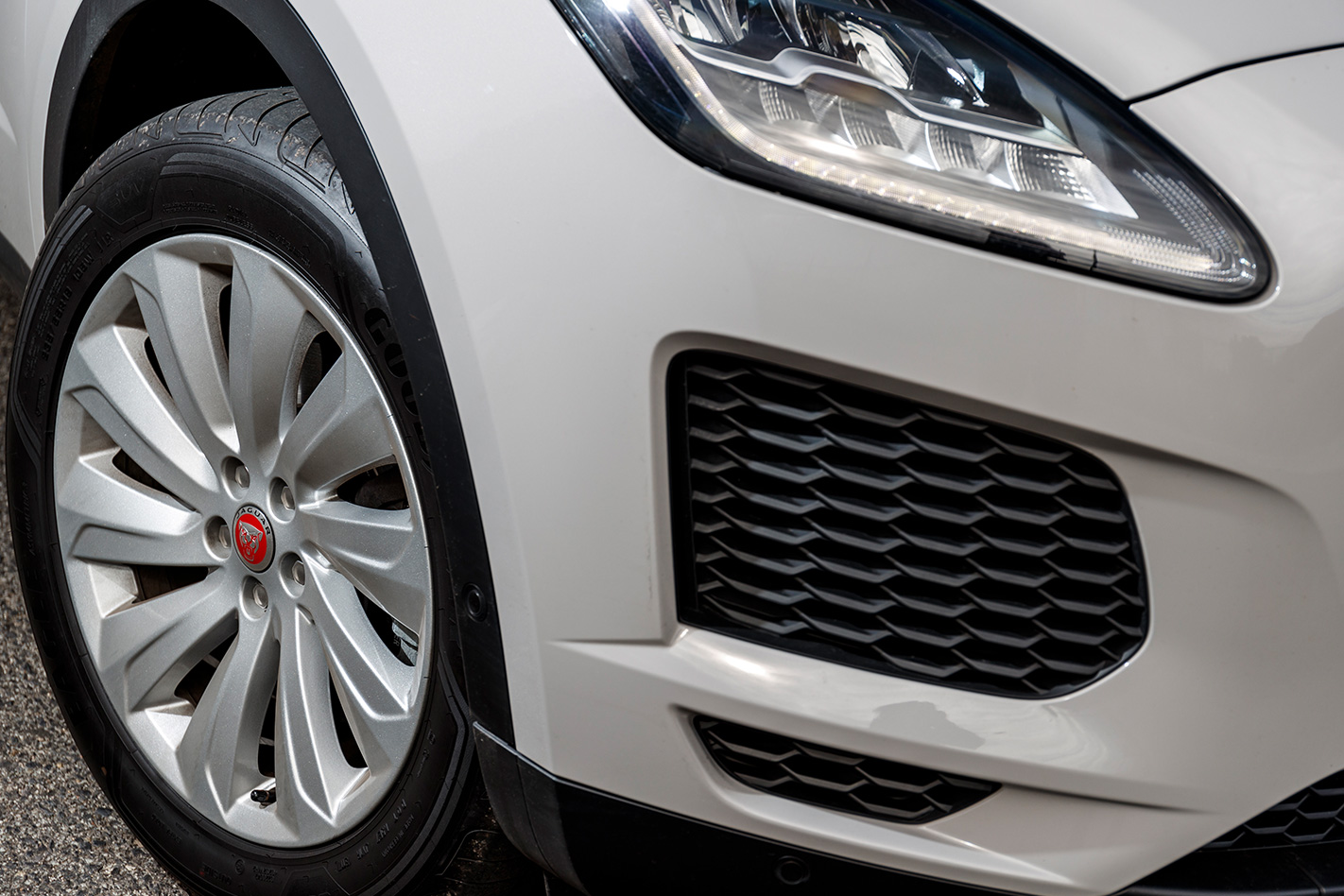
The Jag also gained a bunch of extra features, which coincidentally brought it very close to the Volvo’s spec, including the Enhanced Specification Pack ($3610), with twin exhausts, powered tailgate (although it lacks a locking function), soft-grain leather steering wheel and a head-up display. Individual add-ons on our test car included a sunroof ($2160); 19-inch 10-spoke wheels ($1370); Meridian premium sound system ($1270); towbar ($780); digital gauges ($690); heated front seats and a smartphone pack to connect with Jaguar phone apps ($420), which brought the as-tested total to a whopping $70,880.
WINNER: Volvo XC40
INTERIOR AND CONNECTIVITY
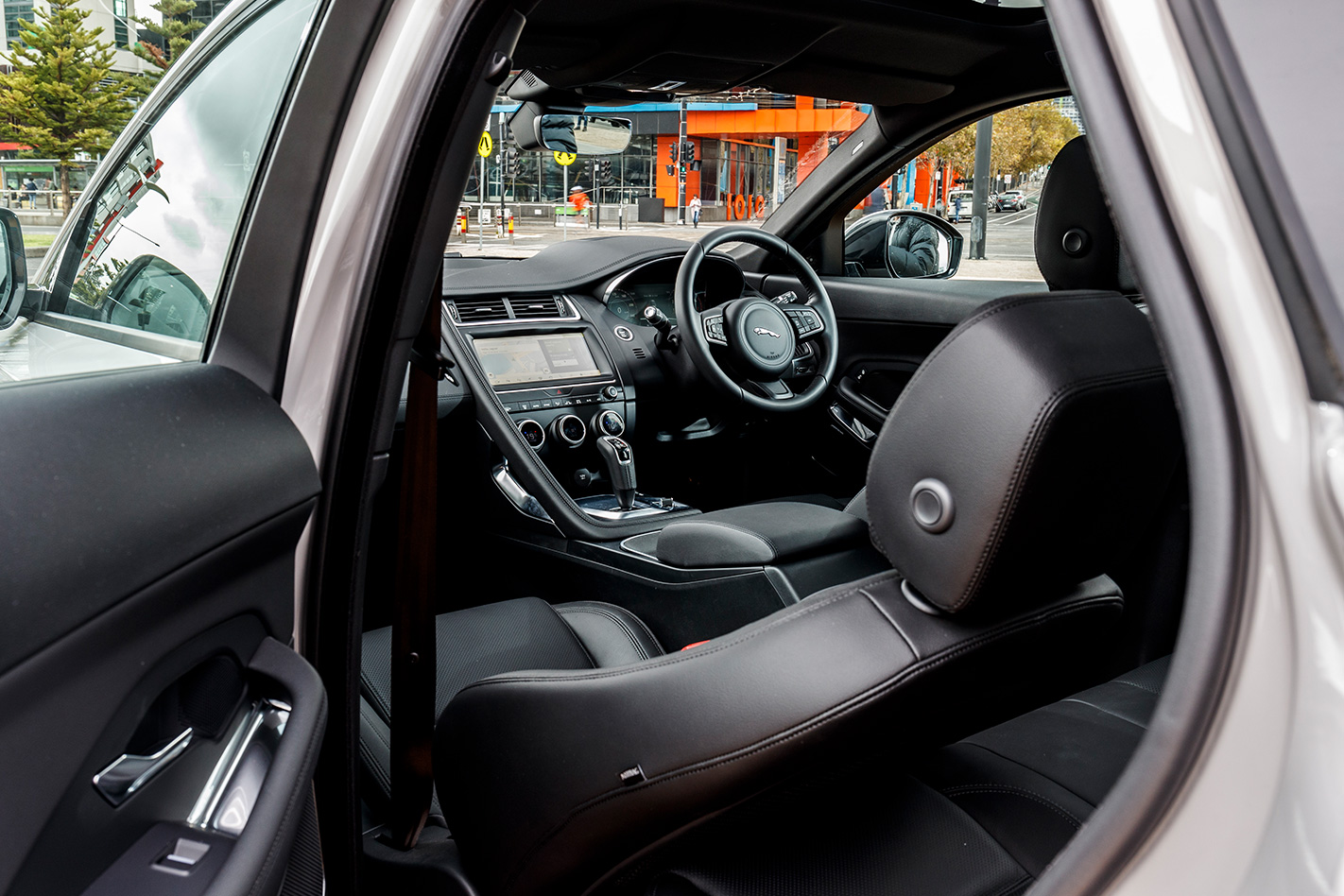
Each cabin comes standard with black leather and powered front seats. The front seats are comfortable in different ways – the Jag’s are soft but supportive and feel like they’re embracing you, while the Volvo’s are a little firmer but seem shaped to support every contour from behind your knees right up to your neck.
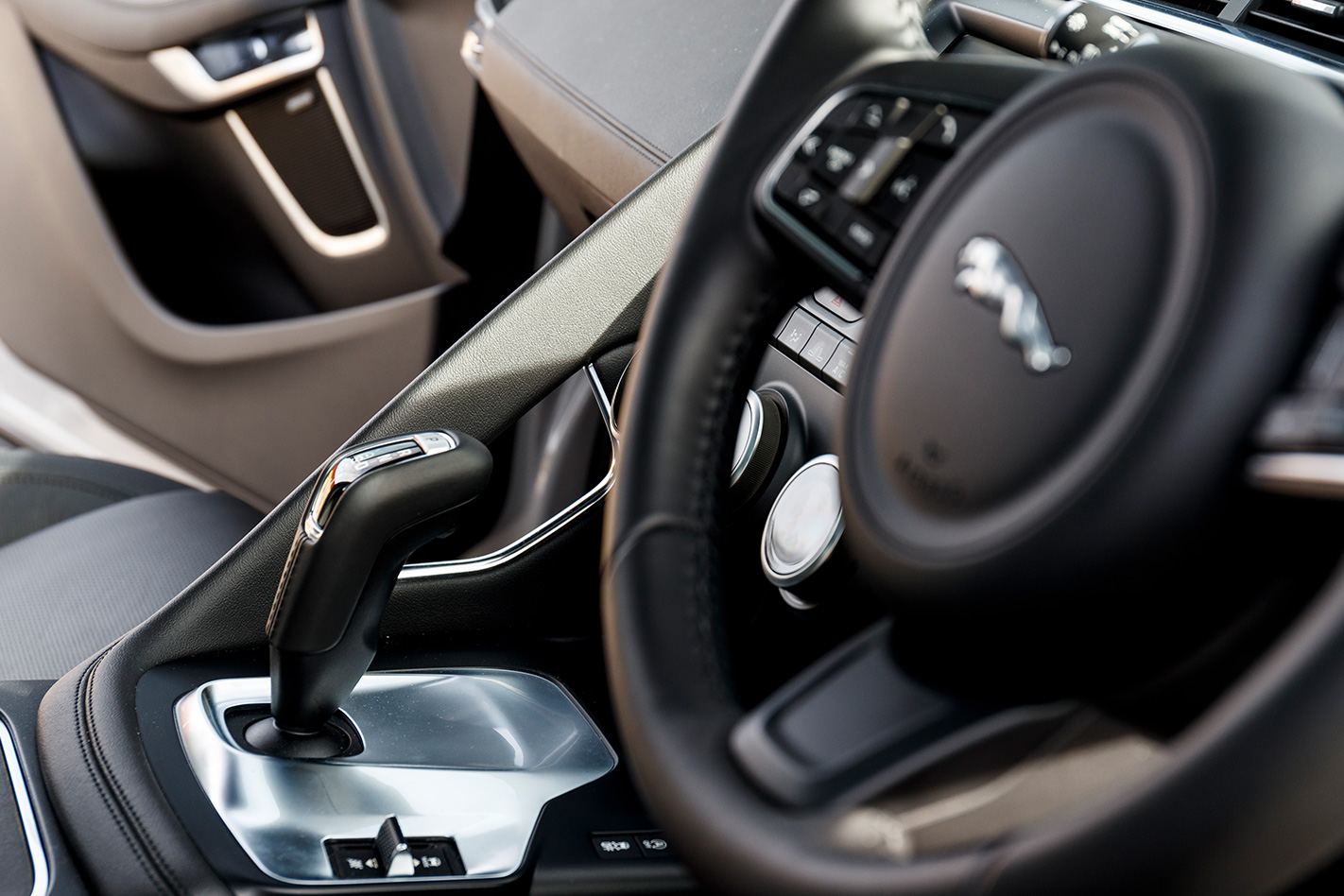
Both cars have a good driving position with decent forward vision, with gauges and buttons generally well placed. For some reason the Jag has a standard gear shifter and not the cool dial that rises out of the centre console as in other the Gaydon’s other models. But even that’s better than the Volvo’s little knob, which needs to be double-tapped when crossing Neutral to Drive or Reverse (rather than responding to a single fluid movement).
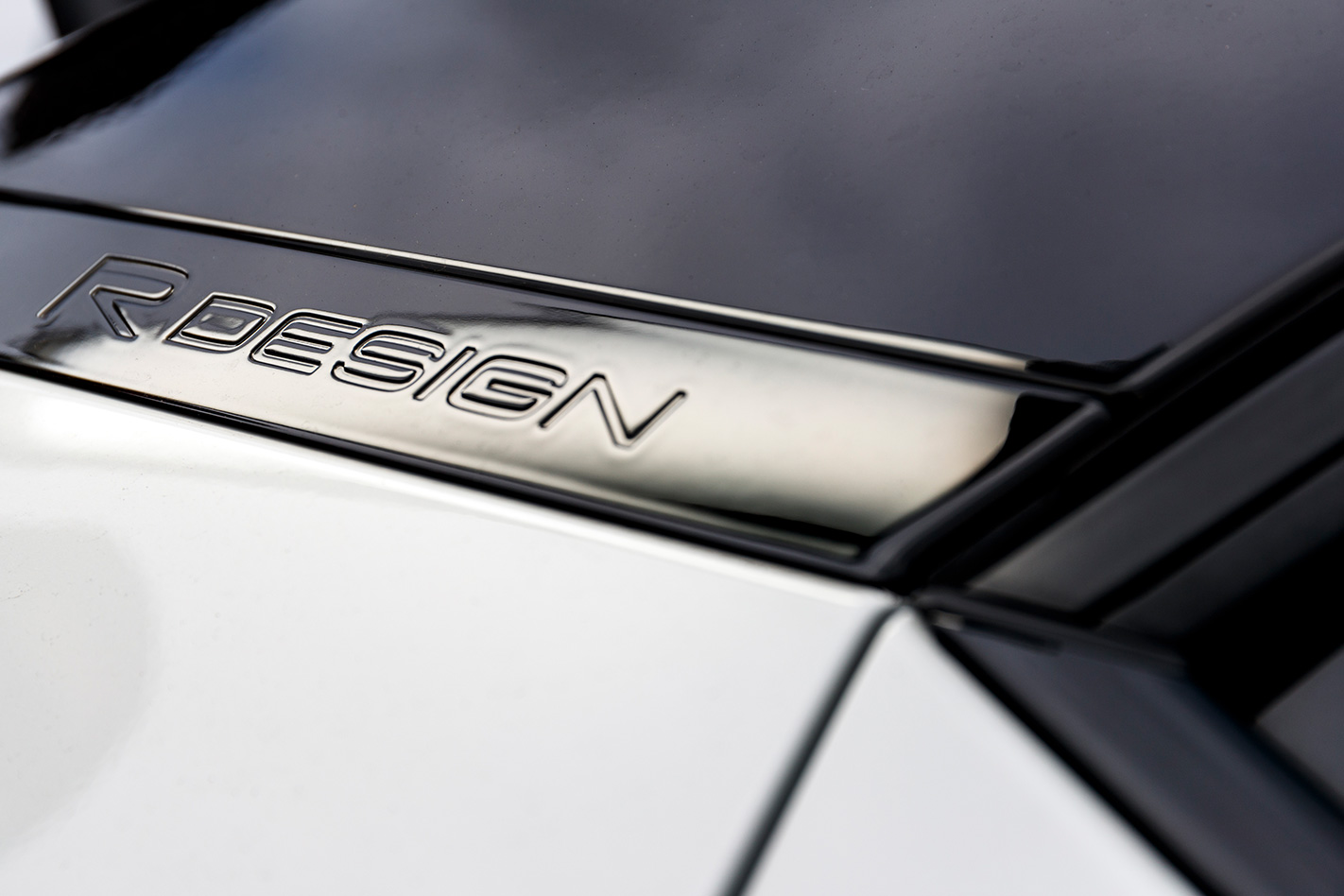
The XC40’s interior design stands out, bringing retro-modish charm including beautifully sculpted seats, vertically aligned air vents and armrests that look like they’ve been chiselled from the doors. This is enhanced by the optional “Lava” carpet and door trims and R-Design aluminium inlays.
Storage is also taken a step further with illuminated front door bins big enough to hold a laptop bag, a flip-out handbag hook on the glovebox lid, and a deep, removable tub in the centre console that doubles as a rubbish bin.
The minimalist E-Pace interior, featuring a clean, swept look dominated by a touchscreen that handles most of the car’s multimedia functions and settings, and three large dials for the dual-zone climate control system, looks a bit drab by comparison.
The rear seats are spacious in each car, with enough leg and headroom for larger adults. Both have rear air/heating vents behind the centre console. Backseat passengers get a single USB recharging port in the Volvo, while the Jag has three.
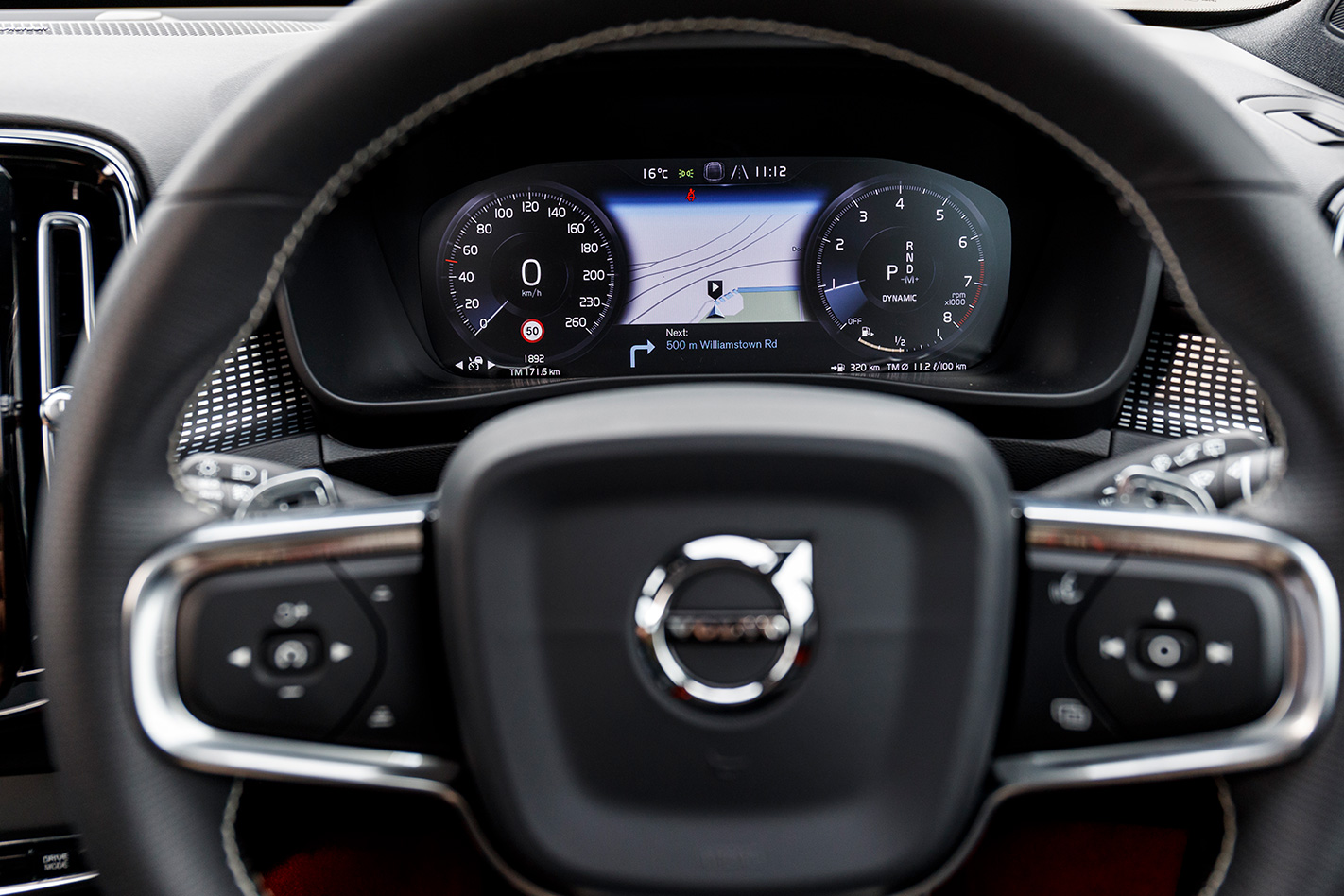
The Volvo also has the edge with an infotainment system viewed via a 9.0-inch vertical touchscreen display, and Android Auto/Apple CarPlay smartphone pairing. As well as controlling audio and navigation functions, you can sweep the screen sideways to access more vehicle functions – a feature that helps Volvo declutter the dashboard.
The Jaguar’s infotainment is viewed via a panoramic 10.0-inch screen with an attractive, user-friendly interface, though it doesn’t support Android Auto/Apple CarPlay.
Digital gauges and driver info are standard in the Volvo and a $690 option in the Jag, and both have a head-up display.
The Jag just wins on boot space, boasting 484 litres with the rear seats in place, but the Volvo makes the most of its 460 litres with four bag hooks and a false floor that reveals a deeper section to hide things away.
WINNER: Volvo XC40
RIDE AND HANDLING
Not much separates these two around town. They’re both fun to drive, and feel well planted with light, direct steering and multilink rear suspensions.
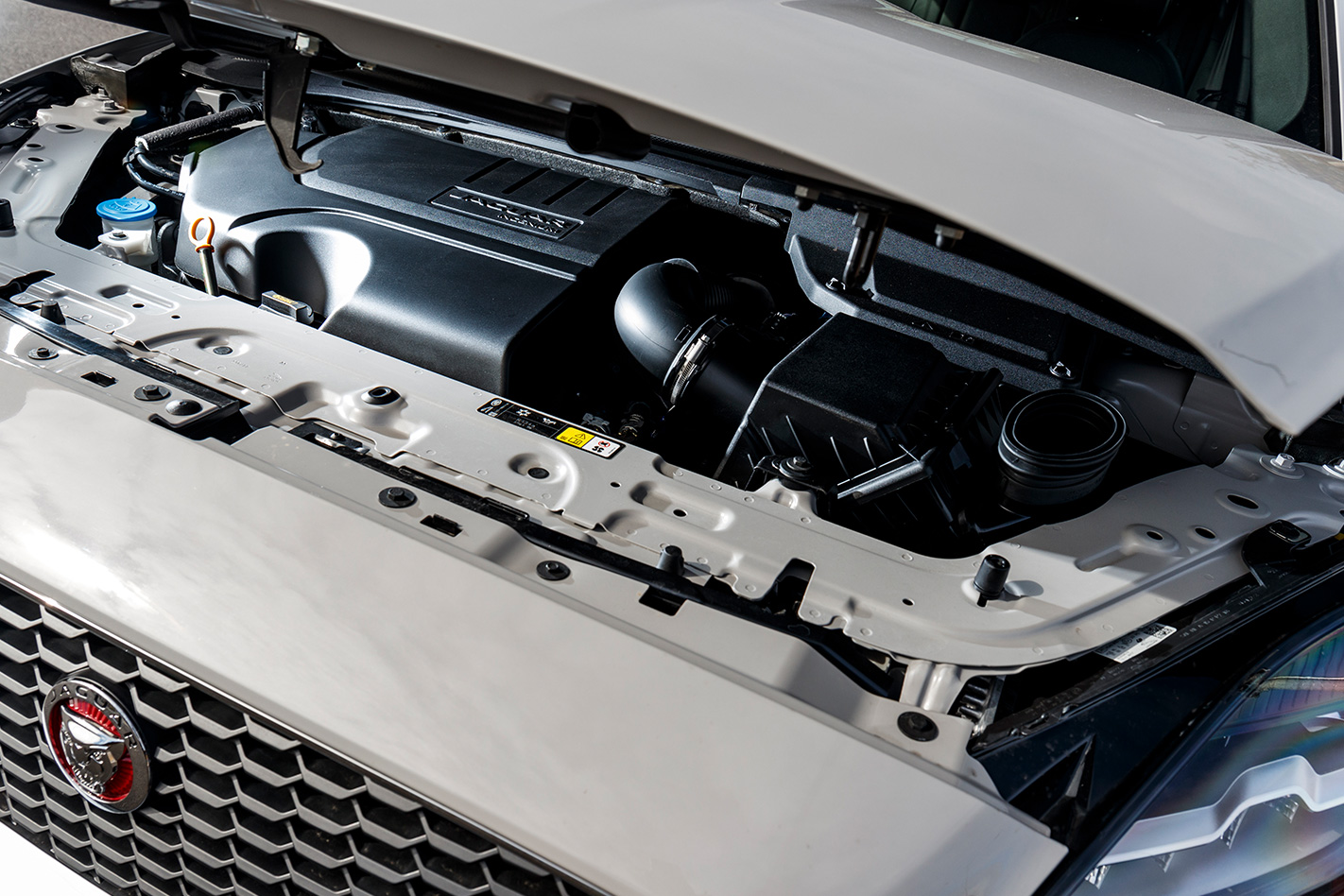
The Jag’s 183kW/365kW Ingenium engine is slightly more powerful than the Volvo’s 182kW/350Nm T5, with the extra Newtons coming in handy to shove its 1823kg kerb weight – that’s a rugby front-rower more than the Volvo’s 1710kg mass. The extra heft becomes evident when you leave the city, where it feels more Garfield than Jaguar, with a bouncy ride and pronounced body roll that’s particularly felt in the rear seats. Excellent steering and the sticky, thick-walled 18-inch “summer” tyres inspire confidence on bendy roads.
While the Jag looks a little over-tyred on its tall rubber, the Volvo, at 1652mm, is 3mm taller, but a taught chassis does well to contain the XC40’s high centre of gravity. The suspension absorbs bumps well; the 20-inch Pirelli PZero tyres feel a little coarse without being uncomfortable, with any jarring well contained by the suspension and ergonomic front seats. Things can feel a little choppy in the back seats, though.
The XC40’s only downside is its overly assisted power steering, which makes for nimble handling around town but at higher speeds leaves the driver feeling disconnected from the front wheels, sapping confidence when exploring the limits.
WINNER: Volvo XC40
PERFORMANCE AND ECONOMY
Not much splits the two 2.0-litre turbocharged, automatic, all-wheel-drive powertrains on paper.
The Jag’s Ingenium engine produces 183kW at 5500rpm, with its 365Nm maximum torque kicking in from 1200 to 4500rpm. It provides plenty of oomph, which is complimented with a smooth-shifting nine-speed auto that has no trouble keeping up with throttle or brake inputs. Throttle response is instant, requiring a light foot if you want to maintain a constant speed with the cruise control off.
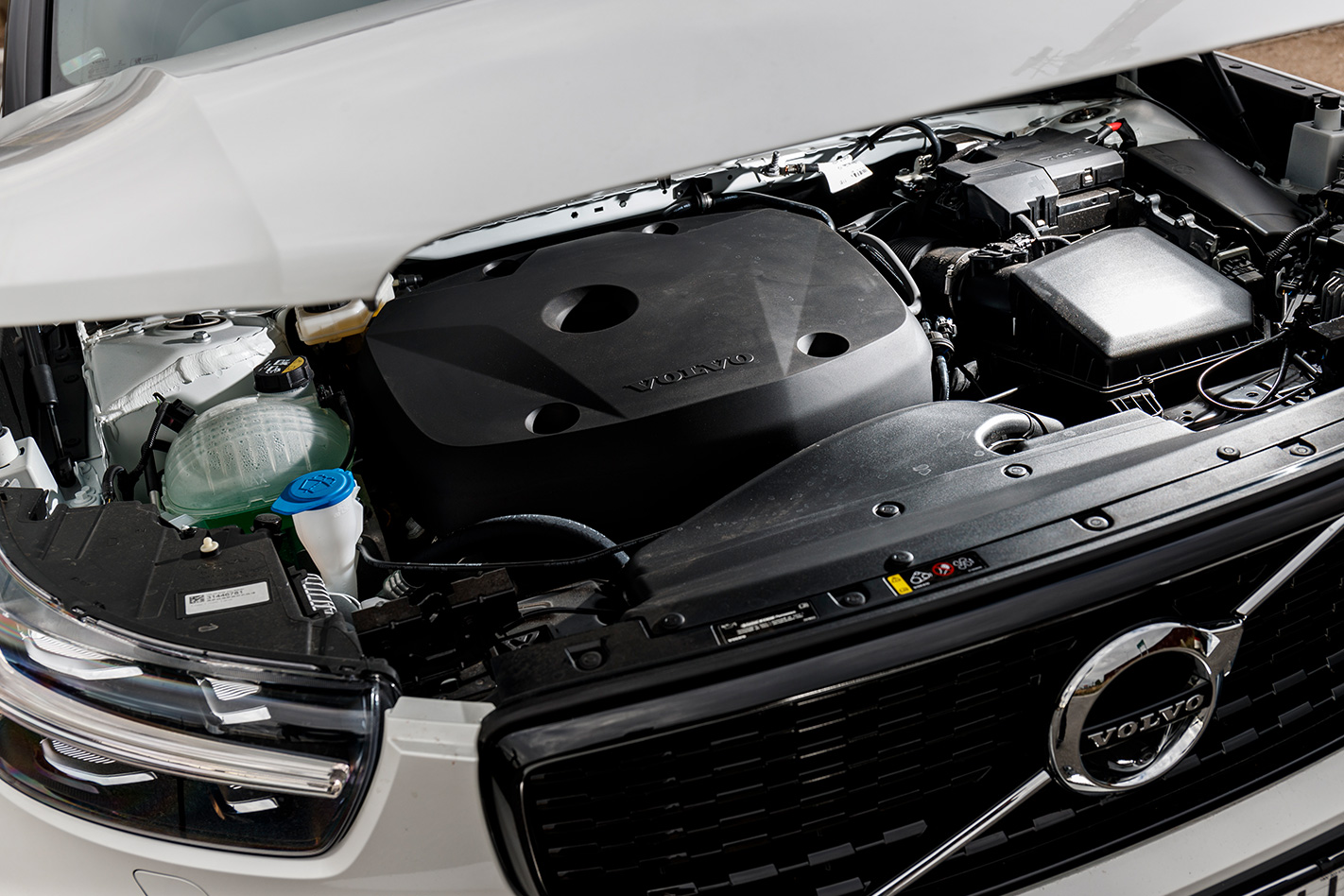
The Volvo T5’s power output is almost identical, producing 182kW at 5500rpm. It feels a little more relaxed when driving around town and at highway speeds, but comes alive when you put the foot down with much of its 350Nm of torque available between 1800 and 4800rpm via an obedient eight-speed auto.
The Volvo’s leaner kerb weight gives it an edge when accelerating, with a claimed 6.4-second 0-100km/h compared with the Jag’s still brisk 7.0 seconds. Our testing showed slightly higher times, with the XC40 hitting the ton in 7.2 seconds while the E-Pace managed 8.1 seconds. The Volvo’s higher torque range also saw it do better between 80-120km/h with a time of 4.6 seconds, compared with a relatively tardy 6.2-second effort from the Jag.
Interestingly the fat cat’s extra 113kg didn’t disadvantage its relative fuel economy. Both cars have an official combined fuel use of 7.7L/100km, but our real-world testing showed the Jag, with its nine-speed auto, drank 10.7L/100km after some vigorous driving, while the Volvo swigged it at a rate of 12.1L/100km.
WINNER: Volvo XC40
WARRANTY AND SERVICING
The XC40 comes with a three-year, unlimited-kilometre warranty, with first service at 15,000km or 12 months and service intervals every 15,000km/12 months. Volvo offers service plans over different three-, four- or five-year periods. Choosing the 75,000km /five-year plan caps servicing costs to $4030; this works out to $806 a service.
The E-Pace’s three-year warranty is limited to 100,000km, but you won’t need to visit your mechanic until you’ve clocked up 26,000km or 12 months, with subsequent servicing following the same interval. Jaguar has a five-year service plan that caps costs to $1500 over 96,000km/five years, which averages out to $300 a pop.
WINNER: Jaguar E-Pace
VERDICT

There’s a lot to like about both of these cars. While the XC40 almost scooped the pool here, there isn’t that much between the two especially if your taste in cars, or your heart, leads you to the E-Pace.
The differences in performance and handling are more evident on open roads where the Volvo feels a little more refined, and less inhibited by weight. However, the differences are less obvious in city driving, where each car felt nimble and comfortable.
The Jaguar has better fuel economy and significantly cheaper servicing, but its economic advantage is lost when you start ticking the boxes for a list of options that get close to the Volvo’s standard equipment levels. To that end, the XC40 T5 R-Design brings more to the table in terms of showroom appeal, including its overall design and pricing, to make it the better package.
