
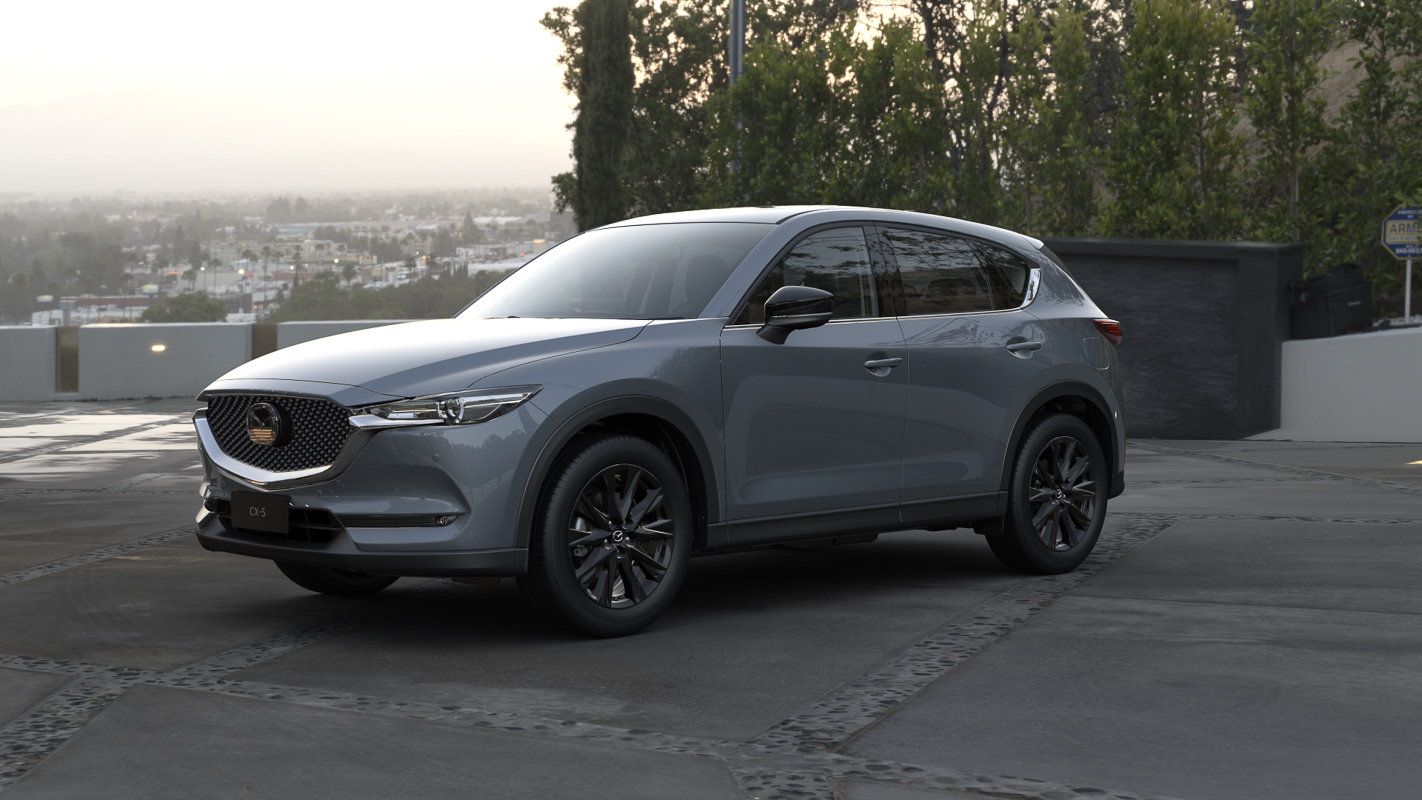
Mazda has introduced minor updates to its CX-5 mid-size SUV range for 2021, adding a sporty-looking GT SP variant and a new, bigger, infotainment screen to select variants.
The new Mazda CX-5 GT SP sits between the CX-5 GT and range-topping Akera, and joins the existing Mazda CX-9 and Mazda 6 models in the new SP portfolio.
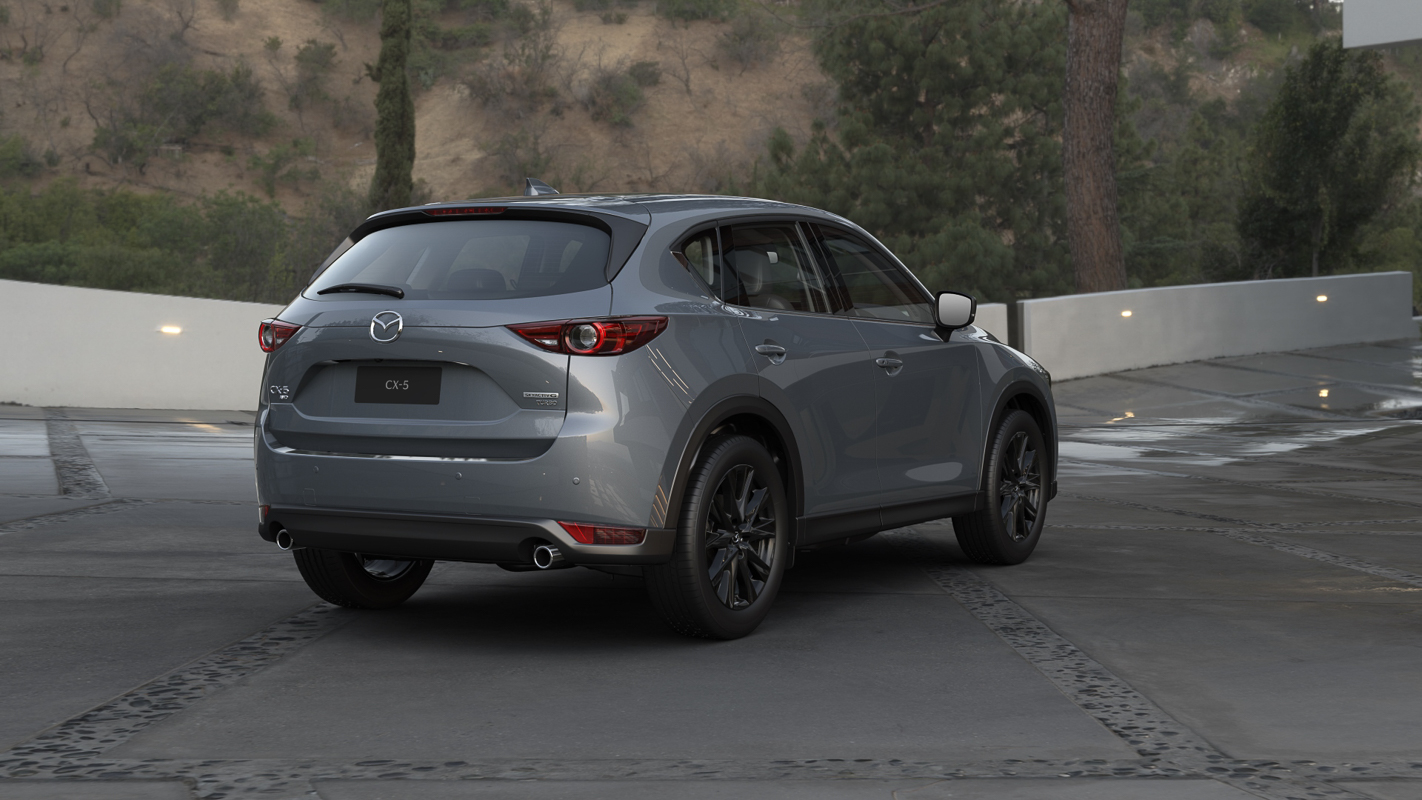
While SP variants have previously been offered with genuine performance enhancements – like the RX-7 SP and Mazda MX-5 SP – the new SP model grades (including CX-5 GT SP) are simply aesthetically sporty; with additions such as black 19-inch alloy wheels, black mirror caps and black ‘Maztex’/synthetic suede upholstery with contrast red stitching.
Mazda has priced the new CX-5 GT SP at $47,490 (before on-road costs) with the non-turbo petrol engine and $49,990 with the turbo petrol engine.
Prices have increased across the rest of the range by as much as $1050.
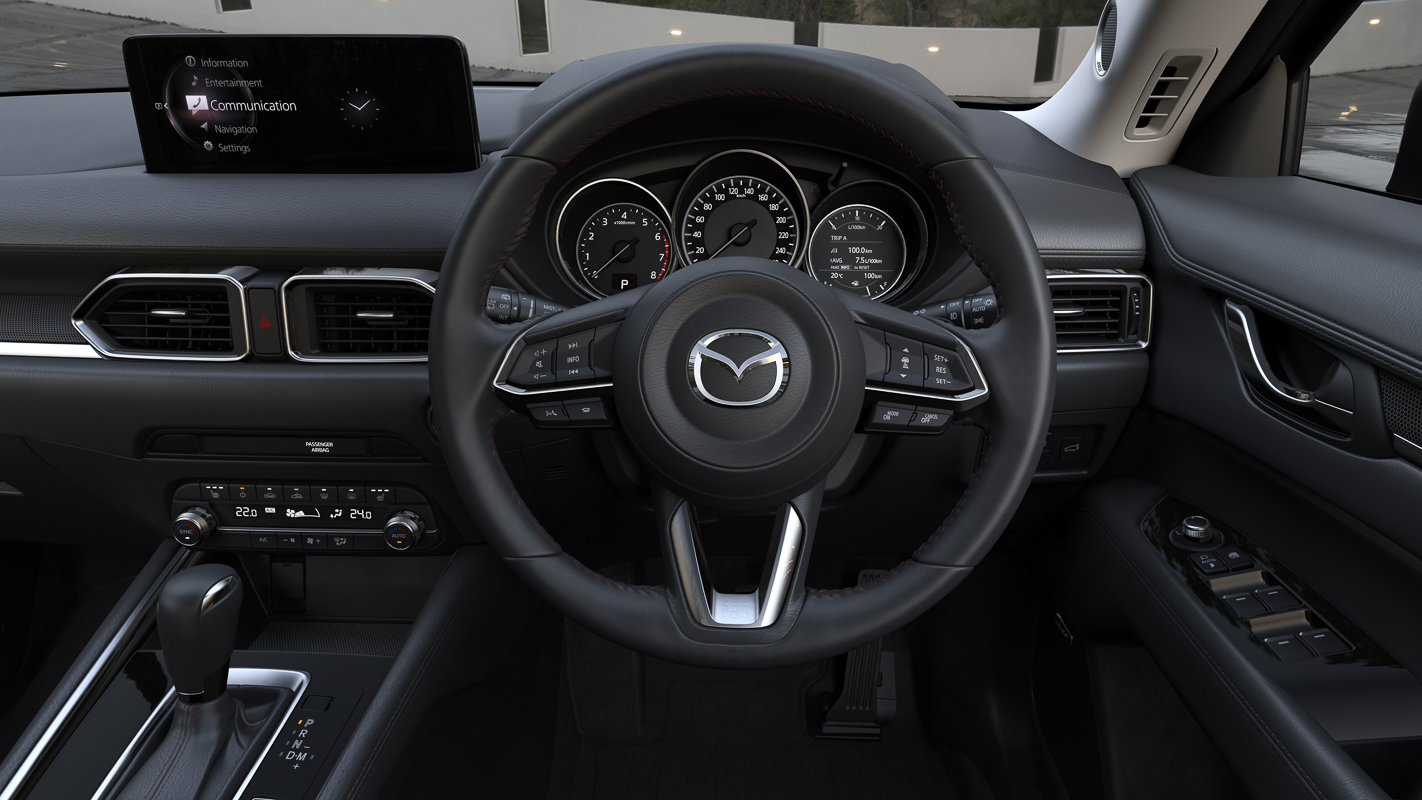
Changes to the rest of the CX-5 range include a new larger 10.25-inch infotainment screen for GT, GT SP and Akera grades, while lower-grade Maxx, Maxx Sport and Touring variants make-do with the old 8.0-inch infotainment unit. All benefit from Apple CarPlay/Android Auto smartphone mirroring.
The entry-level Maxx now receives 17-inch alloy wheels instead of the bargain-basement steel rims.
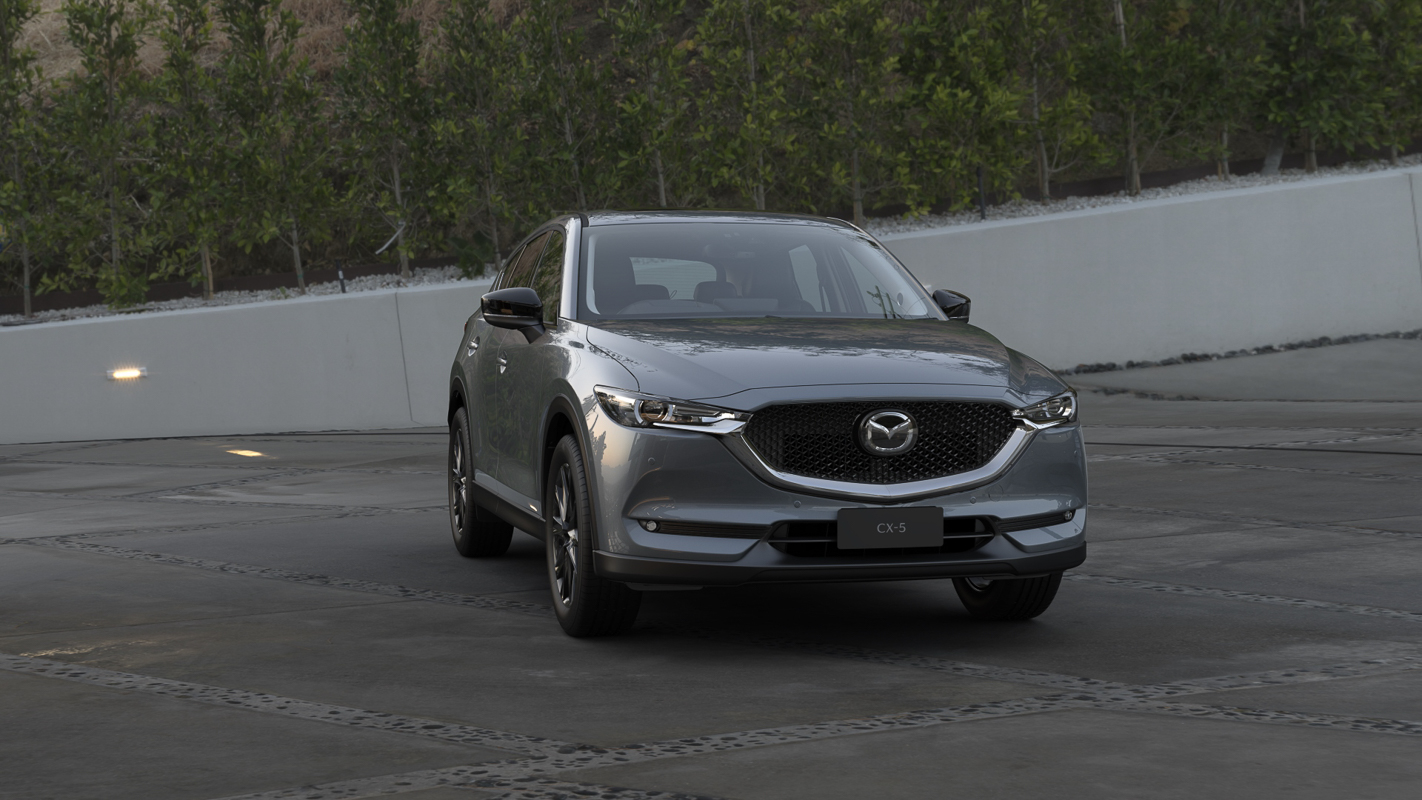
A range of four-cylinder engines is on offer in the 2021 Mazda CX-5 range, beginning with the Maxx and Maxx Sport’s 2.0-litre naturally-aspirated engine with 115kW/200Nm outputs, powering the front wheels only.
The Maxx comes with a six-speed manual gearbox as standard, with a six-speed automatic transmission is available for an additional $2000. All powertrains in other variants including the Maxx Sport come with auto as standard.
Maxx and Maxx Sport buyers can upgrade to all-wheel drive, which also brings a larger 140kW/252Nm 2.5-litre engine that’s standard on Touring, GT, GT SP and Akera model grades.
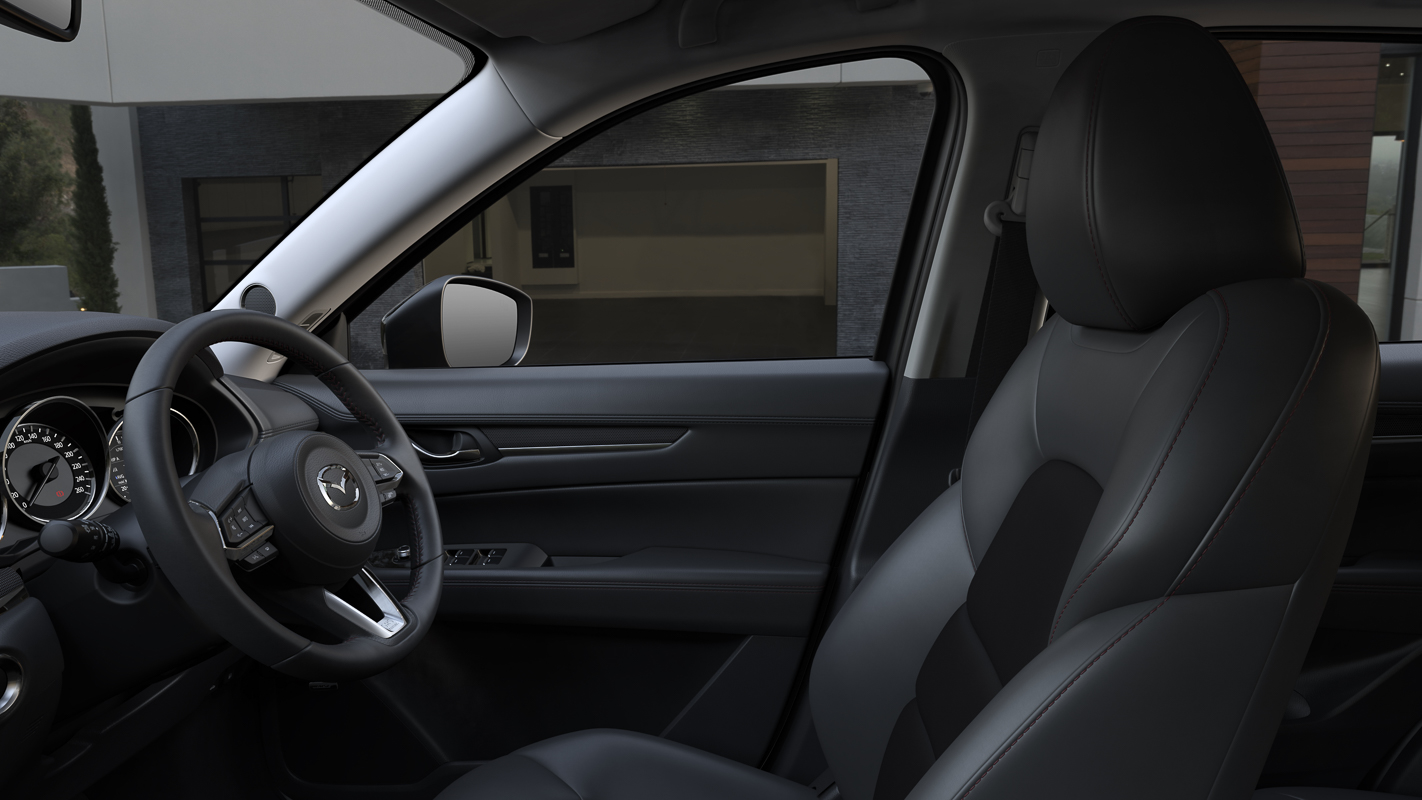
A 140kW/450Nm 2.2-litre twin-turbo diesel engine can be added to the Maxx Sport, Touring, GT and Akera.
The GT, GT SP and Akera variants are also available with the punchy 170kW/420Nm 2.5-litre turbocharged petrol engine, which like the diesel only comes with all-wheel-drive.
Range-wide safety inclusions comprise autonomous emergency braking with nighttime pedestrian detection, blind-spot monitoring, rear-cross traffic alert, lane departure warning, adaptive cruise control, lane-keep assist and a driver attention alert system.
These items help the 2021 CX-5 continue with its five-star ANCAP safety rating.
In terms of safety add-ons, the Maxx Sport and higher specs score front fog lights; the Touring and above come with a head-up display and front parking sensors; and the Akera is equipped with a 360-degree camera and adaptive LED headlights.
Premium metallic paints can be selected for $495.
The 2021 Mazda CX-5 range is available for purchase now.
2021 Mazda CX-5 Australian pricing
Variant | List price |
Maxx Petrol Manual FWD | $31,190 |
Maxx Petrol Auto FWD | $33,190 |
Maxx Petrol Auto AWD | $36,190 |
Maxx Sport Petrol Auto FWD | $36,490 |
Maxx Sport Petrol Auto AWD | $39,490 |
Maxx Sport Diesel Auto AWD | $42,490 |
Touring Petrol Auto AWD | $41,280 |
Touring Diesel Auto AWD | $44,280 |
GT Petrol Auto AWD | $46,990 |
GT Petrol Turbo Auto AWD | $49,490 |
GT Diesel Auto AWD | $49,990 |
GT SP Petrol Auto AWD | $47,490 |
GT SP Petrol Turbo Auto AWD | $49,990 |
Akera Petrol Auto AWD | $49,380 |
Akera Petrol Turbo Auto AWD | $51,880 |
Akera Diesel Auto AWD | $52,380 |
All prices listed in this story exclude on-road costs.
Two months after teasing its first production full-electric SUV slated for launch in 2021, Toyota has announced it is producing a second battery electric vehicle (BEV) along with a plug-in hybrid (PHEV) that are also due to arrive by year’s end in the US.
The Japanese motoring giant’s North American arm did not provide details about the new vehicles, which will join the new electric SUV announced in December. Toyota’s EV play will see up to six zero-emissions products released by 2025.
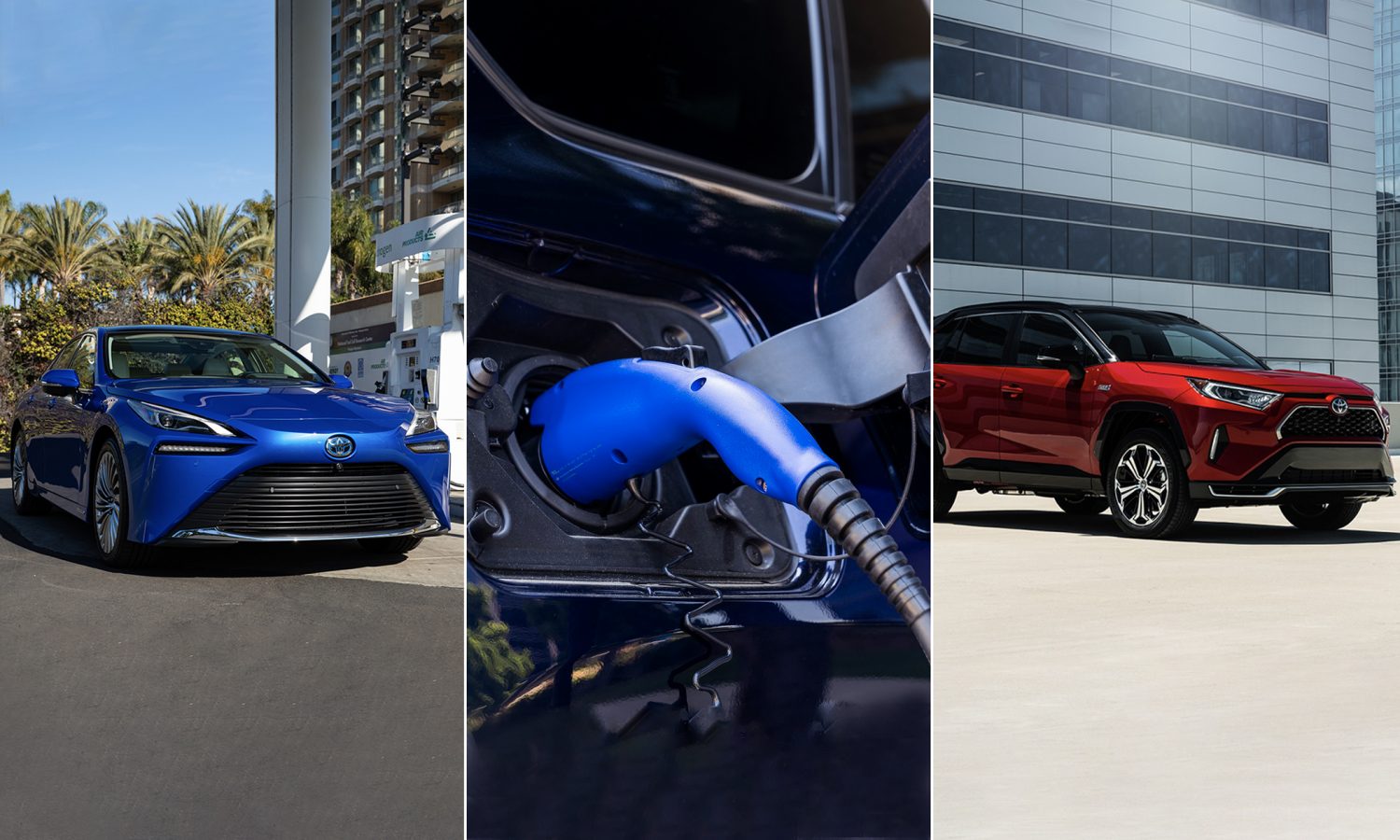
Toyota seems to have a sudden interest in PHEVs after its internal research found they had similar environmental benefits to BEVs. It’s likely the new Toyota PHEV will be an existing model such as the Camry or RAV4.
At this stage it is unclear if either of three new electrified vehicles will be available in Australia.
So far, we know that the previously-announced SUV will be built on an EV-specific e-TNGA platform that Toyota co-developed alongside its minority partner Subaru, and will drop into the mid-size SUV segment alongside the RAV4.
The e-TNGA platform is modular and can be tweaked to underpin both small and large cars so it’s likely the second BEV will share the all-new architecture. In base form it will be front-wheel-drive, but it’s possible to add a rear motor to create an all-wheel-drive vehicle.
Batteries are laid out on the floor of the platform and the number of cell packs can be increased from a minimum of two to a maximum of five.
A glance at the schematic diagram shows that the e-TNGA platform appears to rely on a front-mounted radiator to provide cooling for its battery array, while suspension components appear to be based on traditional MacPherson struts up front and, potentially, a torsion beam out back.
This would allow for packaging flexibility when the smaller rear motor is added.
There’s no indication of how far the platform can stretch and contract, but we’d expect that compact and small crossovers similar in size to the Yaris Cross and Corolla Cross, a C-segment hatchback the size of the current Corolla and the aforementioned RAV4-sized SUV are on the cards.
Toyota currently sells two EVs; one is a Japan-only delivery van called the Proace, and the other is the Lexus-branded UX300e compact crossover.
While it has been heavily reliant on nickel-metal hydride battery technology for its vast line-up of hybrid models – including the ultra-popular RAV4 Hybrid – Toyota is in the midst of a late pivot to lithium-ion battery technology, ahead of a foray into solid-state batteries.
A Toyota spokesperson told US site Automotive News that the company will have a commercially available EV running on solid-state batteries for sale by 2025.
It’s likely that it will be a single standalone model like the hydrogen-powered Mirai, and it could offer up to 1000km of range on a single charge.
Locally, Toyota is on the record as saying that the company will bring electric vehicles to Australia. It’s currently enjoying great success with hybrid versions of its most popular cars, including the Corolla, RAV4 and Camry.
It also recently rolled out the impressive – but expensive – Yaris Hybrid and will offer petrol/electric versions of the incoming Yaris Cross and Corolla Cross.
Reports suggest, though, that it’s the end of the road for the Toyota Camry V6, one of the cornerstones of Toyota’s growth in Australia.
It will be phased out of production by the end of 2020.
The 3.5-litre V6 powered Camry, however, makes up barely four per cent of the current model mix, which is dominated by the petrol/electric hybrid version.
What is the Kia Carnival Platinum 3.5L Petrol?
This is the priciest petrol version of Australia’s biggest-selling people mover that continues to salute the crowd in a tight race that includes the likes of the Honda Odyssey, Hyundai iMax, and Volkswagen Mulitivan, while also being a worthwhile alternative to three-row SUVs.
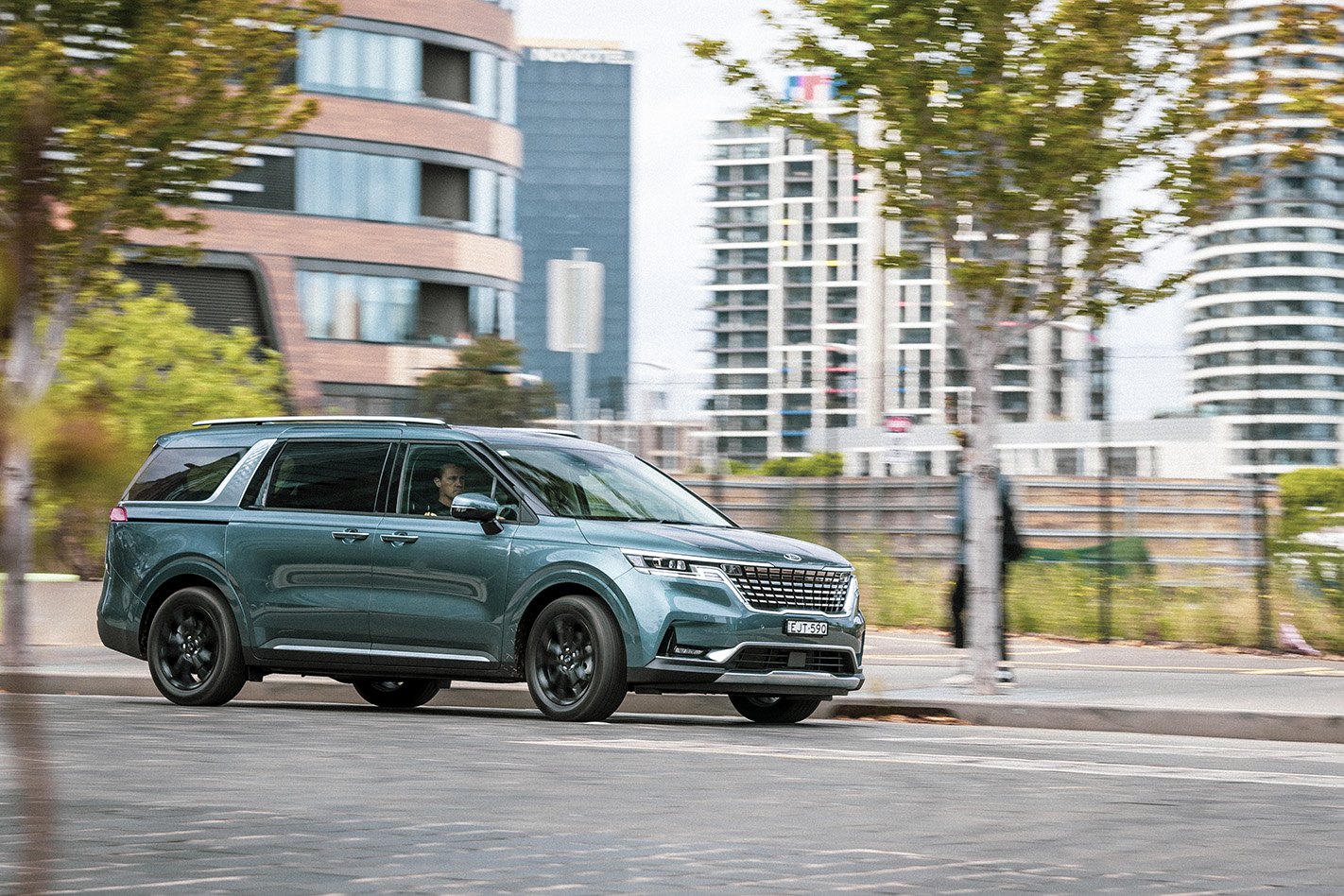
A genuine eight-seater, the 2021 Carnival is an all-new model that carries over everything good from the previous model but adds space, features and tech, and a sharper look that shoots down the ‘boring people-mover’ cliché.
Powered by a 3.5-litre V6 engine coupled with an eight-speed automatic transmission, the penultimate variant in the Carnival range is priced at $64,680 or $67,990 driveaway – second to the diesel-powered Platinum that attracts a $2000 premium but is otherwise identically equipped.
Both cost $18,000 more than their entry-level S versions that are the darling of rental companies, with more bells and whistles added as you move up the range to the Si and SLi, whose petrol versions cost $52,380 and $56,880 respectively.
Comparing the Platinum spec with the other versions it’s easy to see what the extra money brings you and it’s sub-$70,000 driveaway price compares well to similarly equipped three-row SUVs that lack the Carnival’s broader practicality.
What’s the Kia Carnival Platinum 3.5L Petrol like to live with?
When my daughter was about nine years old, she had a pathological hatred for the early-model Kia Carnivals. To be fair they weren’t exactly the epitome of elegant vehicle design, though that changed with the sleeker third-generation Carnival that shifted how people viewed people movers. But still, my daughter was unimpressed.
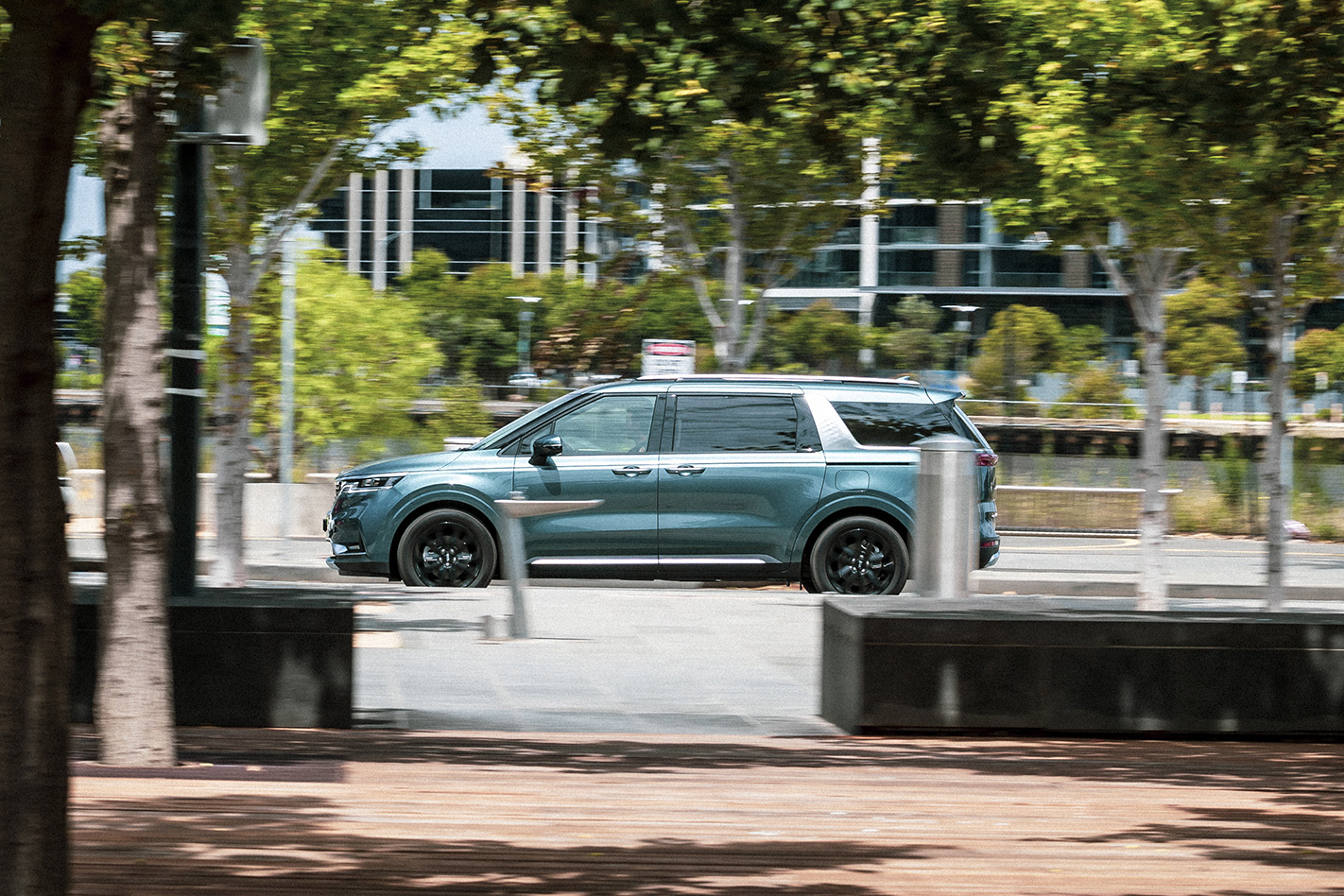
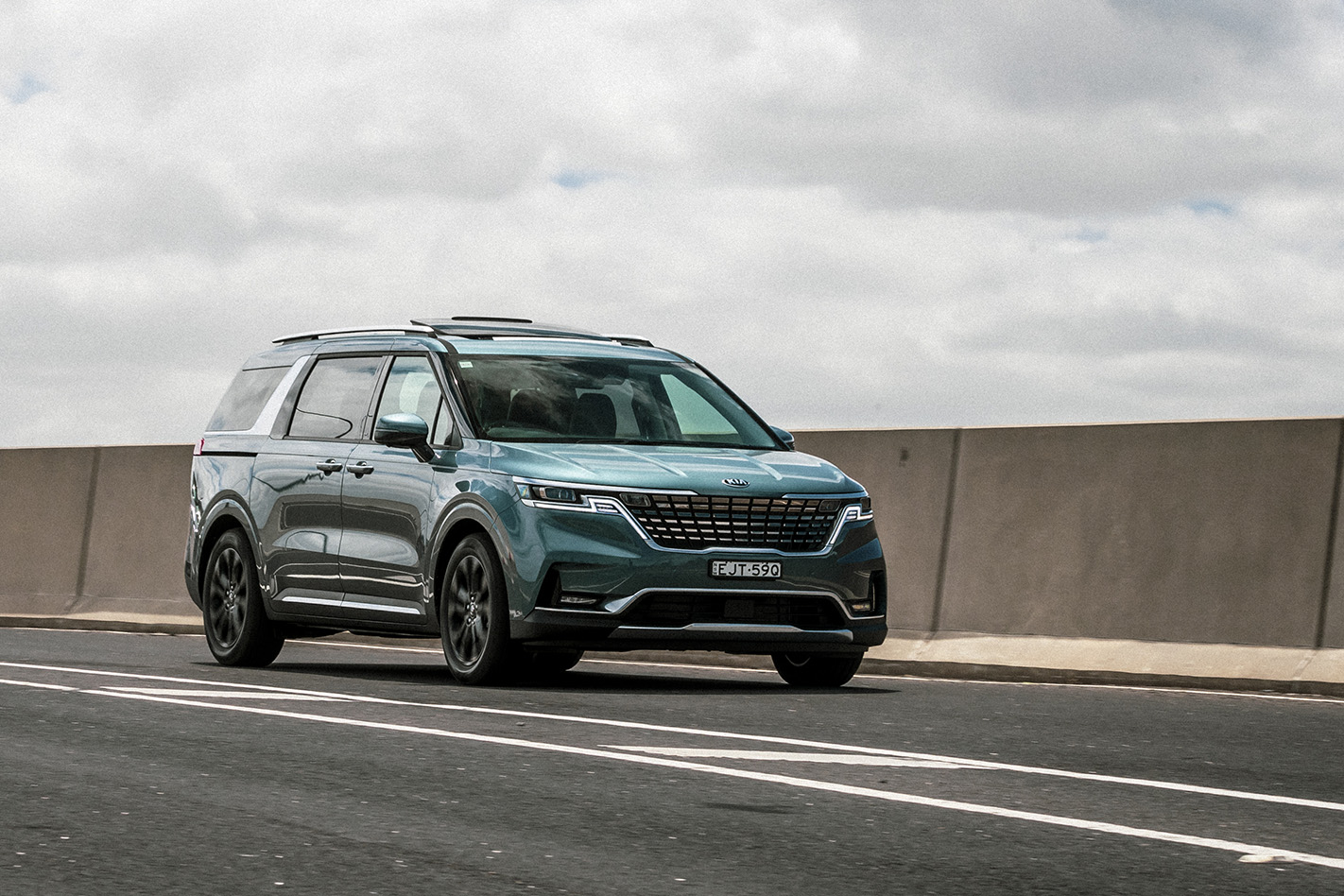
The fourth-generation Carnival has taken the sharp aesthetic even further and when I picked up this review car with its signature Astra Blue paint I took a side profile pic and texted it to her and wrote: “Remember how you used to hate the Kia Carnival”.
“No way! I don’t believe it,” she responded in an uncharacteristically prompt fashion. “Did they get the Range Rover guy in or something?”
She actually makes a good point; there are elements in the new design, including the forward-facing metallic D-pillar, gloss-black 19-inch rims, and the distinctive wrap-around daytime running light signature, that make it look like a squat Rangey.
That said, the front-end manages to be even more audacious than Land Rover’s finest, with lots of chrome and lights scattered about a gaping concave grille that looks like it can track satellites. It shouldn’t work, but it does.
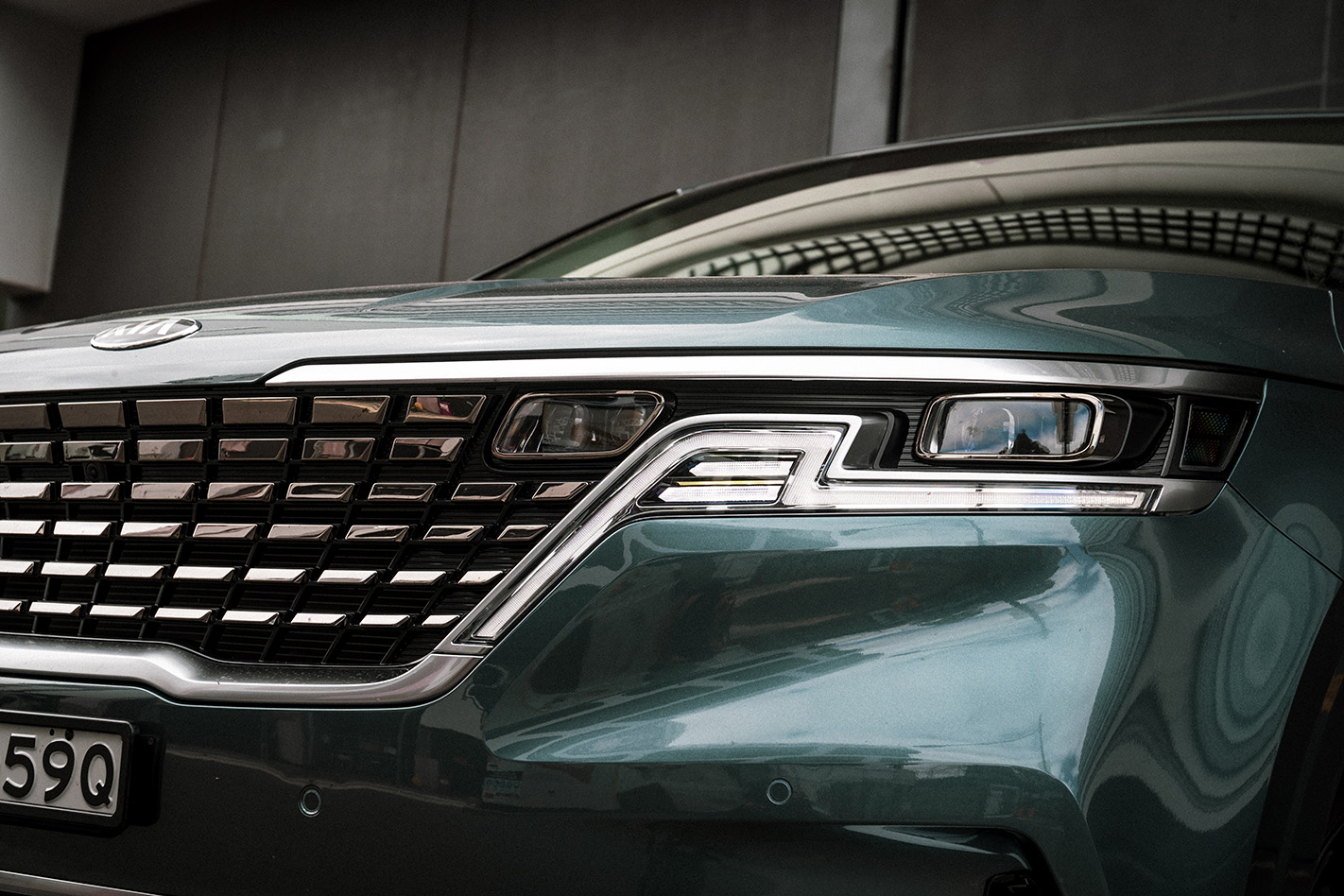
Anyway, this is my convoluted way of saying that, if you pulled into your driveway with this, your neighbours, and my eldest daughter, will express envy rather than concern that you’ve given up on life as they would have a decade ago.
Yes, looks are subjective but I’m yet to meet anyone who reckons the new bold-looking Kia Carnival, which is unashamedly designed for the US market, is unattractive.
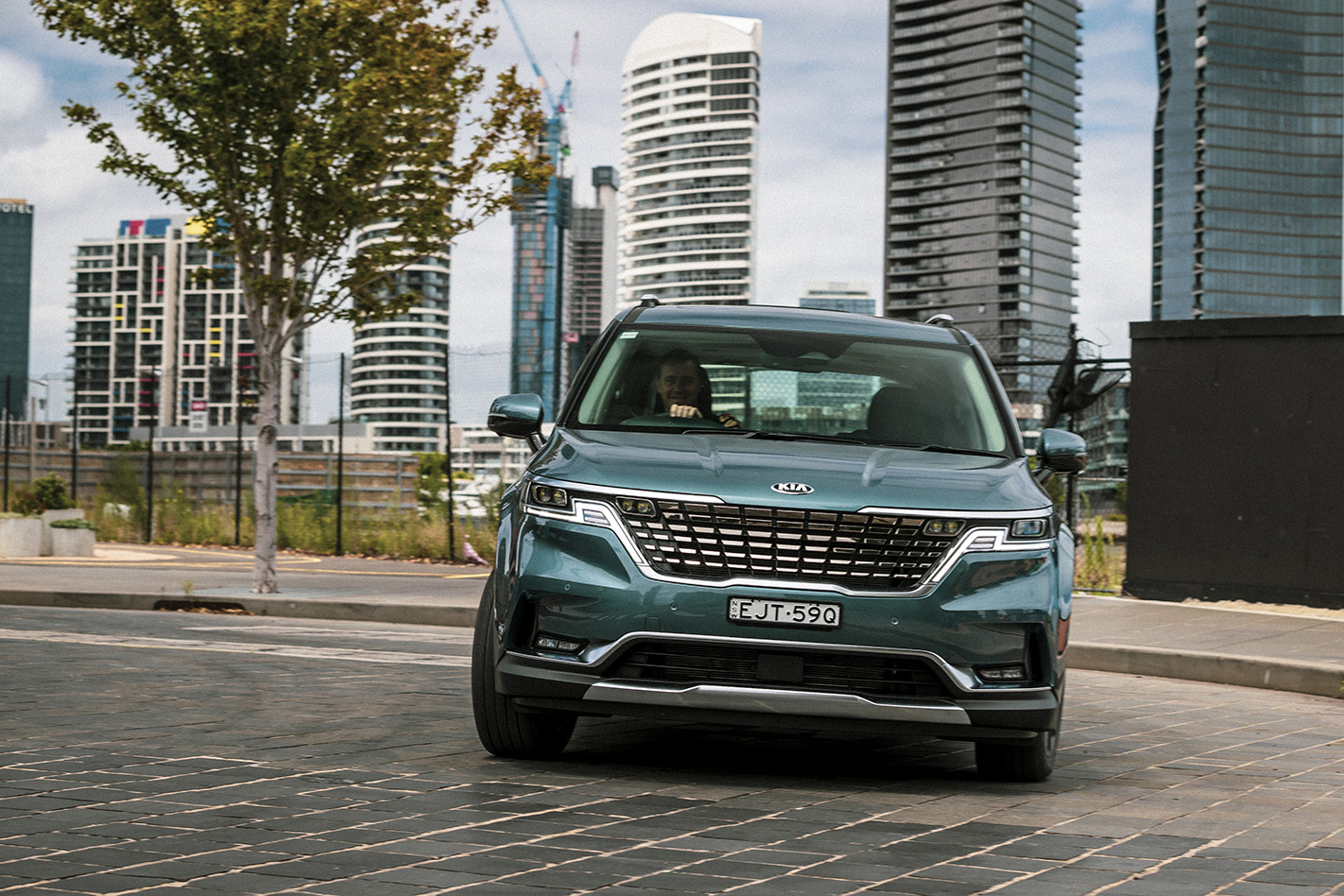
However, quite a few people expressed concerns about the Carnival’s size and how that relates to parking.
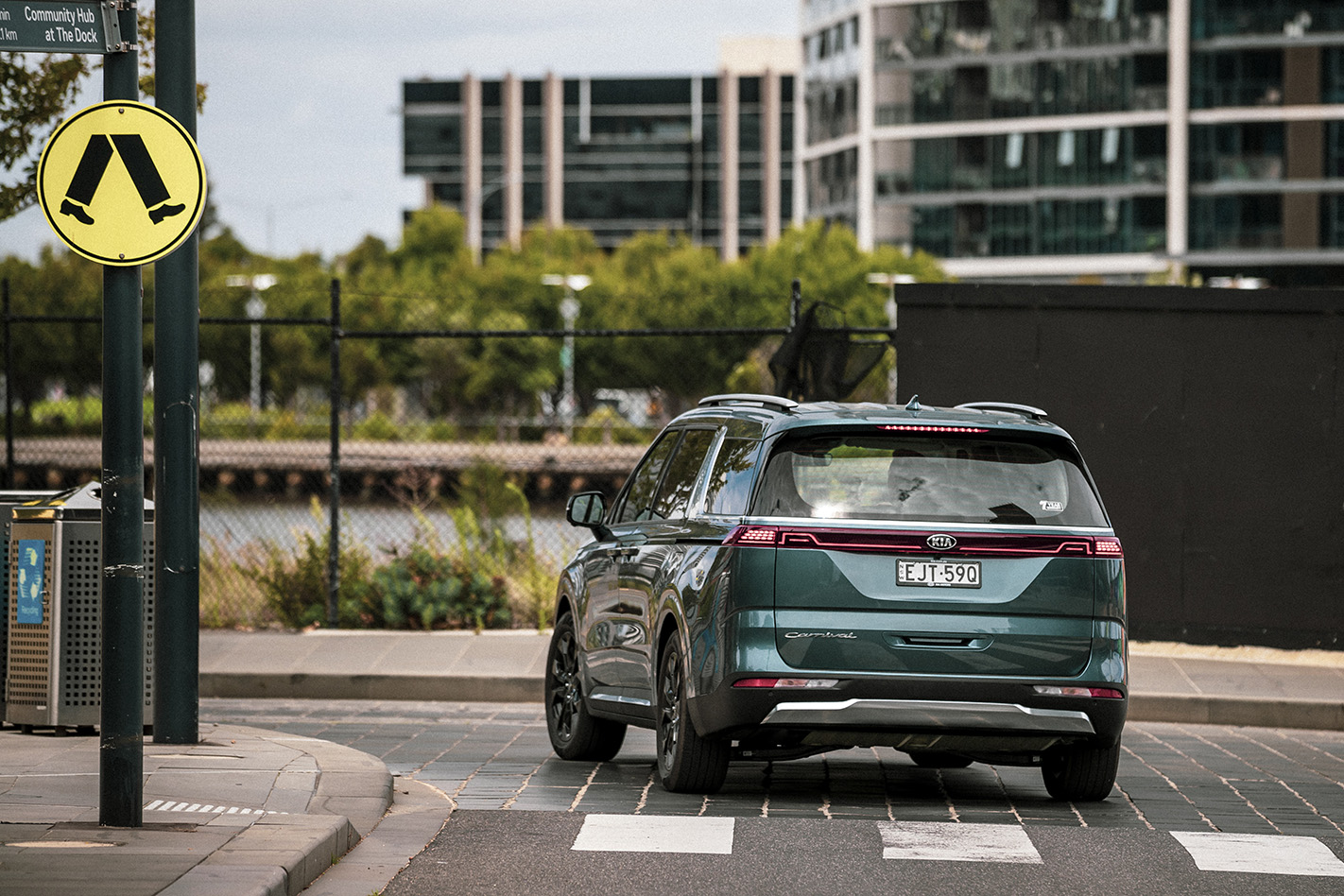
At 5.12m long (33cm less than Ford Ranger dual-cab ute) and 2.0m wide, the Carnival can be a challenge to park. But you get used to it with the help of front parking sensors, a reversing camera with guidelines and a 360-degree parking monitor.
Space and seats
On the plus side, the Carnival’s 10.2 square-metre shell accommodates a myriad of practical and comfort advantages over large SUVs, not least the spacious leather-appointed third-row seats that fit up to three people.
Okay, three adults would be quite a squeeze but you’d have no trouble fitting three children, while two average-sized adults will be happy enough.
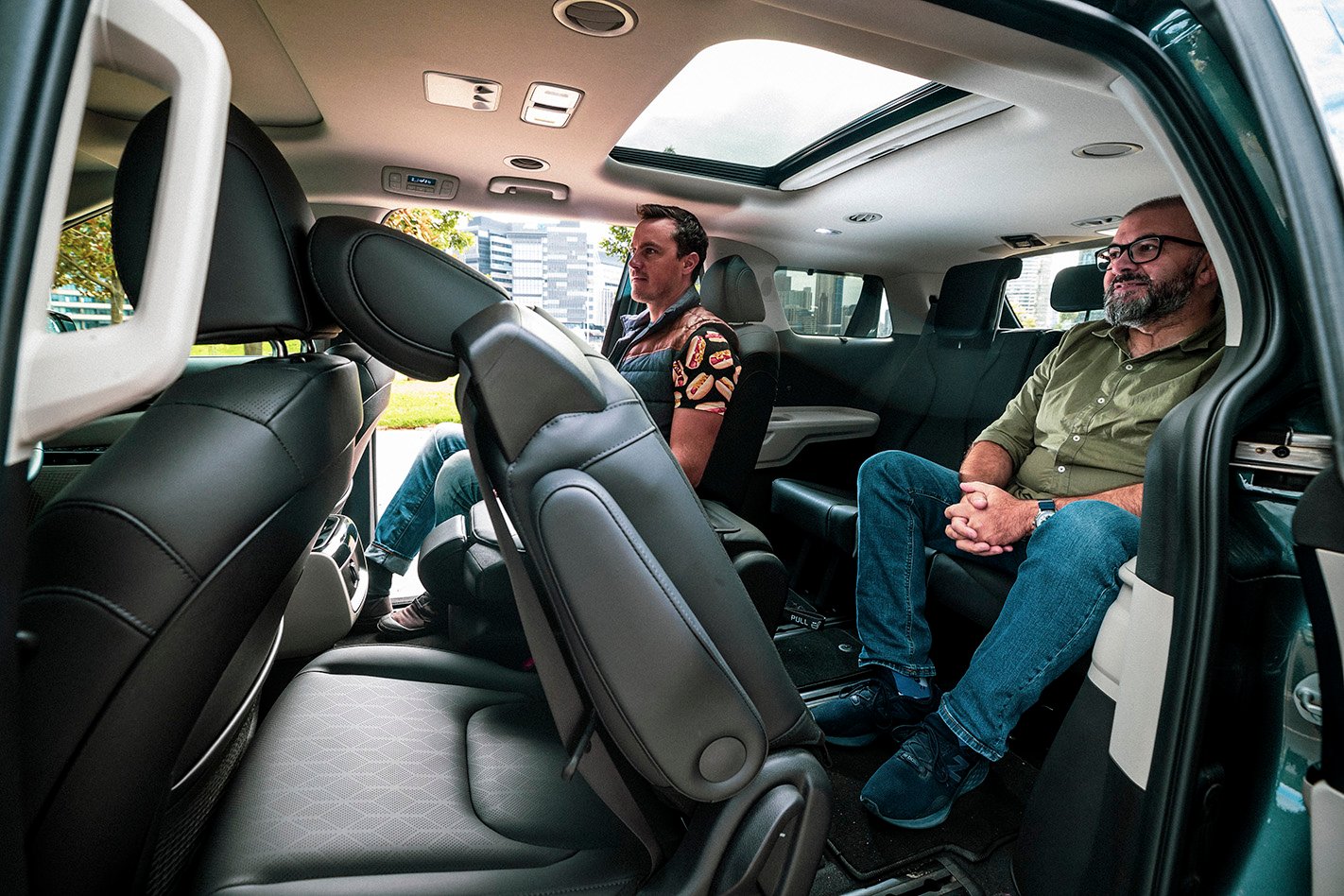
Unlike most seven- or eight-seat SUVs, where the third row is the place to banish the least senior occupants, the back of the Carnival feels quite inclusive with good front and side vision.
There is even a two-way microphone and speaker voice amplifying system that allows mum or dad to say “if I have to come down there…” without yelling, while a dedicated camera allows the front row occupants to check on the kids down back without having to turn their heads.
Third-row passengers are also looked after with their own ceiling-mounted air-conditioning vents, cup holders, small storage bins, LED reading lights and a USB socket on each side. The reclinable backrests have pop-up headrests and legroom is good, helped by the fact the second-row seats can slide back and forth.
Headroom is a little compromised by the rear sunroof that, on the plus side, adds to the airy feel back there. The second row is even more spacious and also seats three, with the middle seat typically best suited for little people.
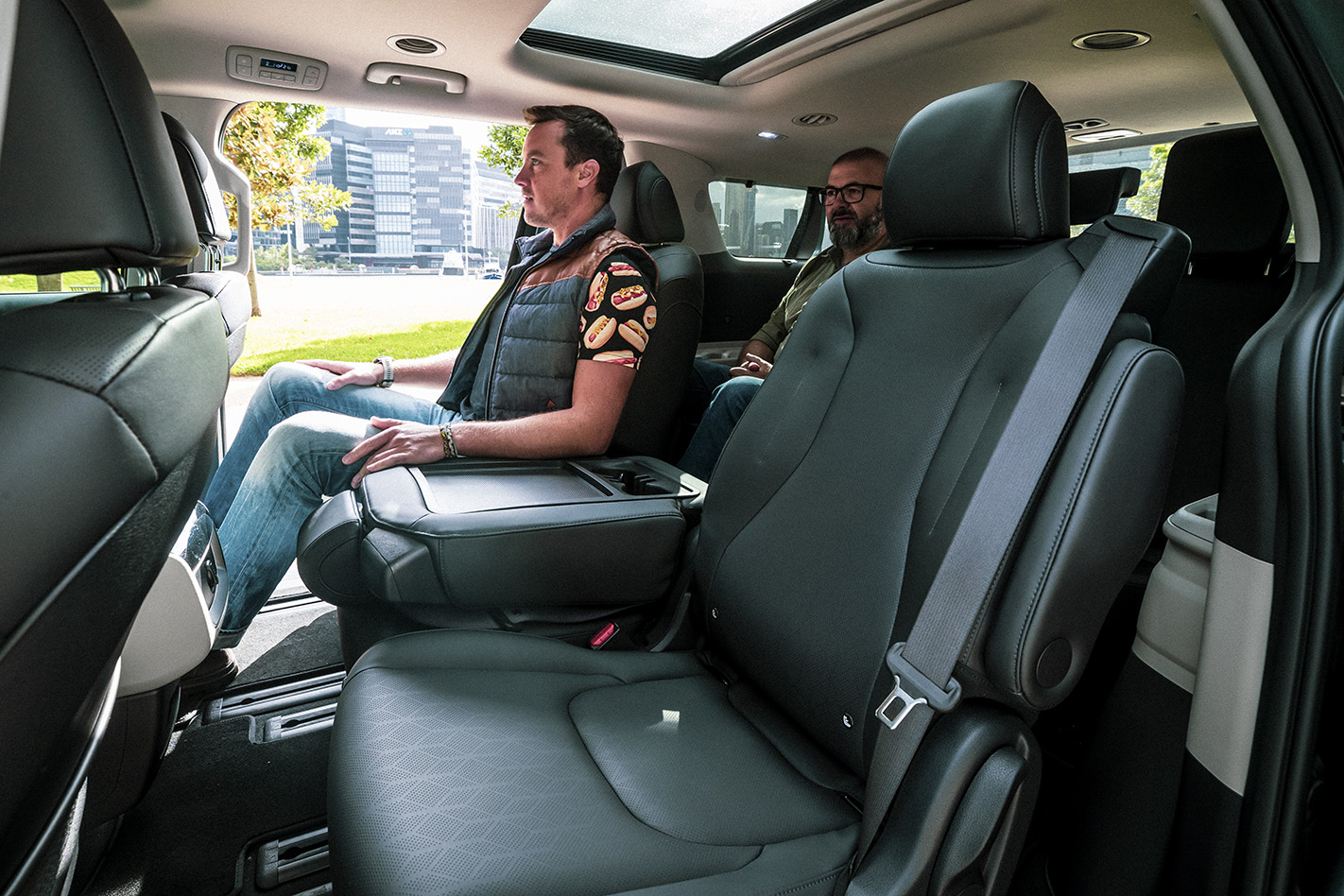
The middle seatback folds down to become a handy table with two cup holders, and the seats can also face rearwards for club-seating configuration, though it’s worth noting that in Australia this position would make them unsuitable for accommodating a child seat or capsule.
Second-row passengers also benefit from four more cup holders (two in the centre console and one on each sliding door trim), digital third-zone air-conditioning controls, ceiling vents, heated seats, USB sockets mounted on the side of the front seats, LED reading lights, and map pockets.
This is a very good car to be a passenger in, but the driver and front-seat passenger don’t miss out on creature comforts, which include heated and ventilated seats, dual-zone air-conditioning, wireless phone charger, and three USB sockets.
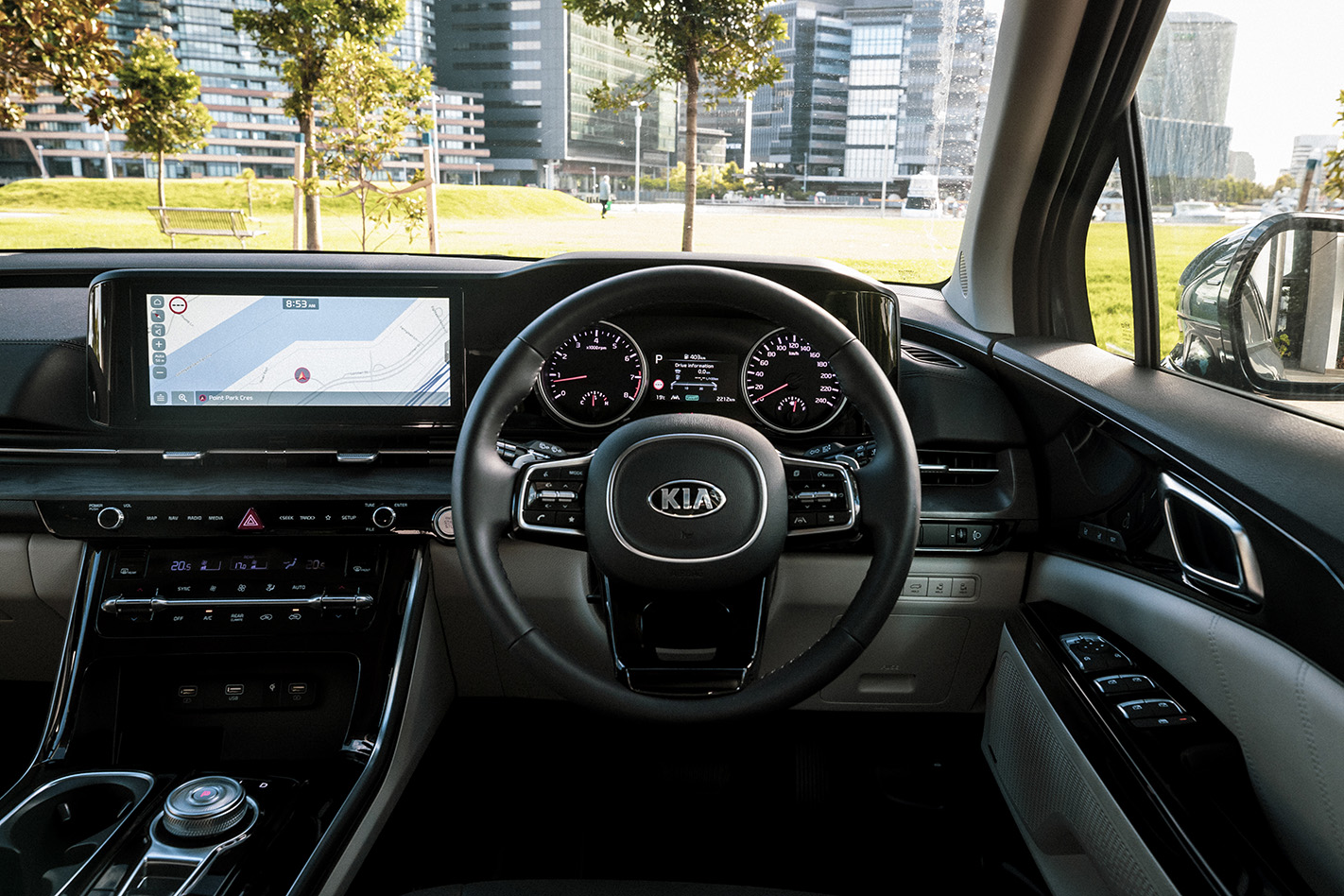
The driver’s seat has 12-power adjustments including four-way lumbar support and the passenger seat has eight power settings.
Other features include a cinematic 12.3-inch touchscreen that melds into the instrument cluster under a single pane of glass the spans more than half the width of the cabin.
The infotainment it displays comprises the now-standard Android Auto and Apple CarPlay connectivity and Kia’s own Kia Live services, while two smartphones or devices can be connected via Bluetooth at the same time.
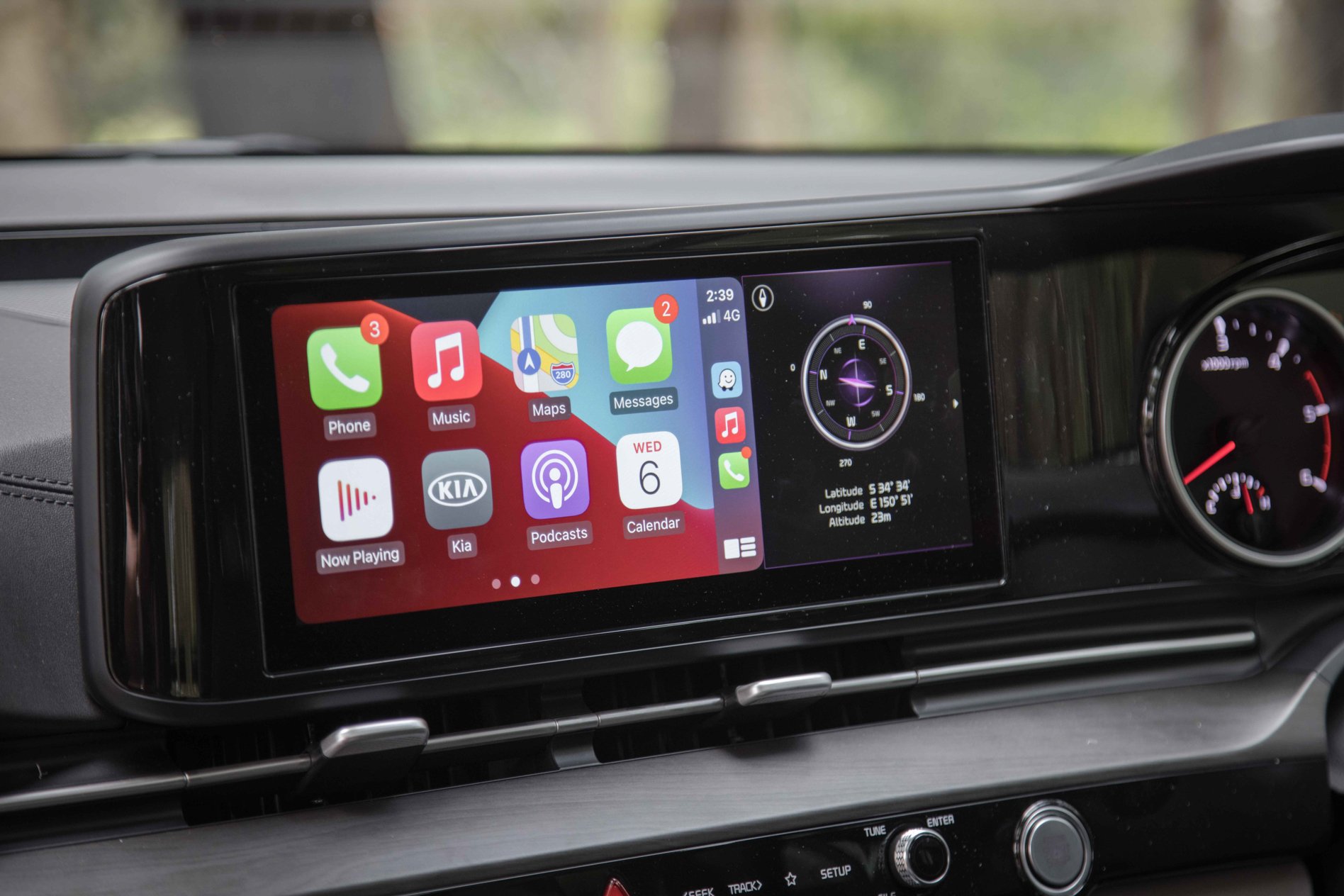
There is also satellite navigation with 10-years free traffic information and map updates, and digital radio played through a 12-speaker BOSE surround-sound audio system.
Other Platinum-spec bells and whistles include a heated steering wheel and power-operated sliding side doors and tailgate.
A notable exception is rain-sensing windscreen wipers, which Kia claims was due to COVID-driven production delays. The cabin itself is well put together and has a premium European feel to it.
Cargo space
You get a sense that Kia’s designers have consulted with actual people-mover owners to ensure its form doesn’t impede function.
Entry to the third row is helped by the middle seats moving forward and their backrests tilting forwards by operating a single handle.
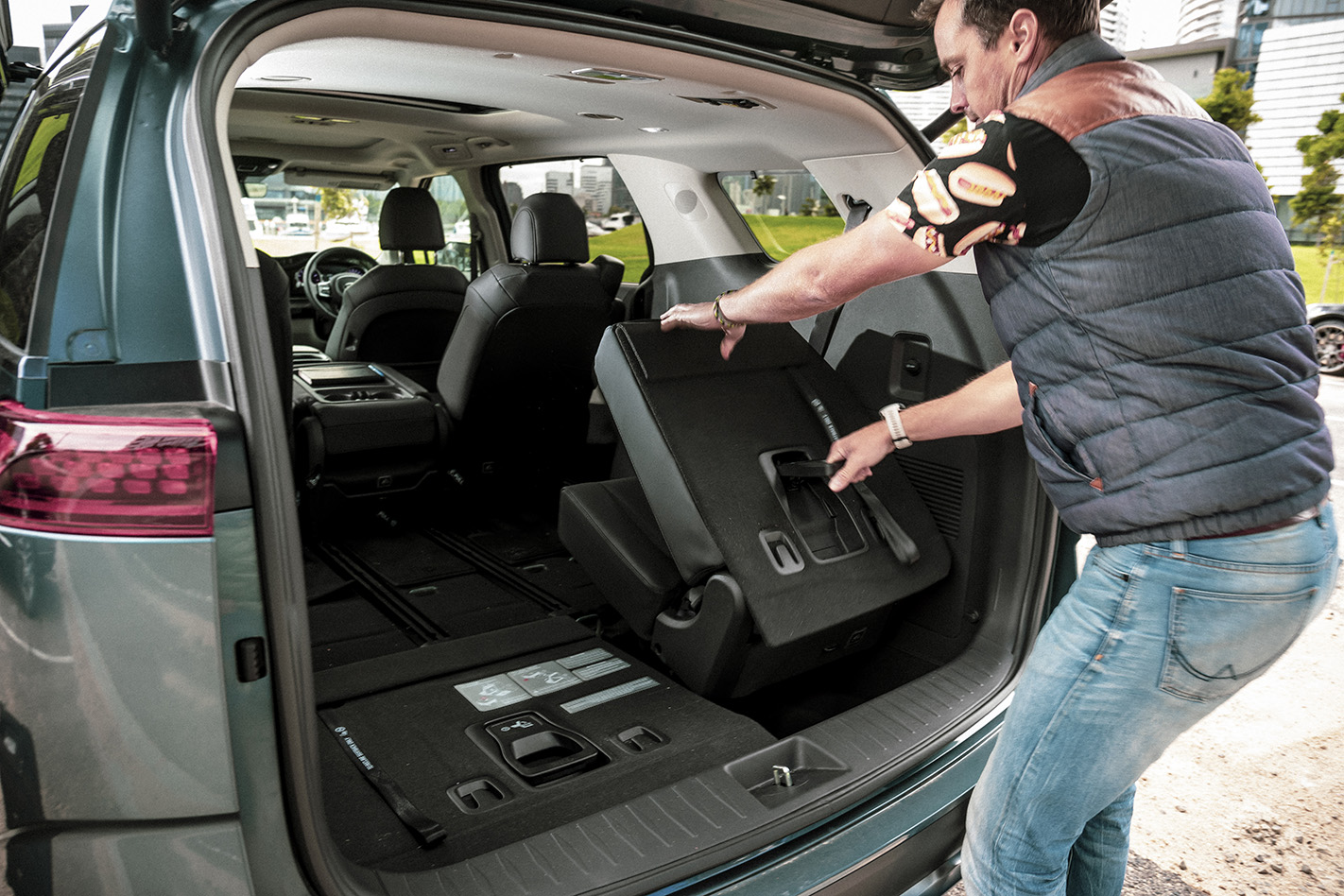
Meanwhile, the 60:40 split rear seats cleverly fold into the floor with a simple action using handles easily reached from the back.
This brings us to boot space; one of the Carnival’s most impressive features.
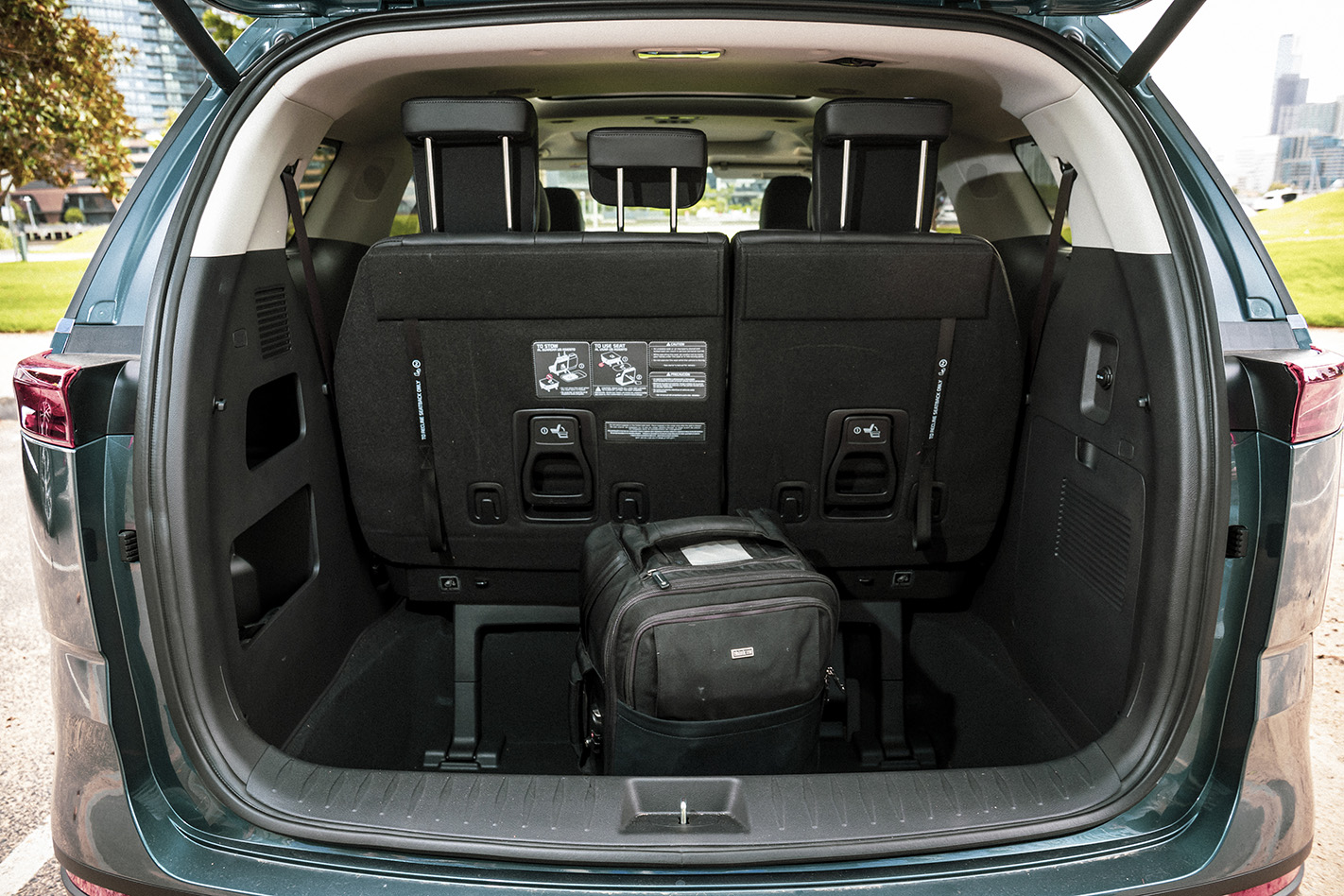
Unlike most three-row SUVs, it can carry up to eight people on a long trip and fit their luggage in the boot. With all three rows in use the boot can house 627 litres (VDA), which features a deep tub that allows for several suitcases to be stacked or stood side by side.
Fold the third row down to a five-seat configuration and you end up with a cavernous 2785 litres.
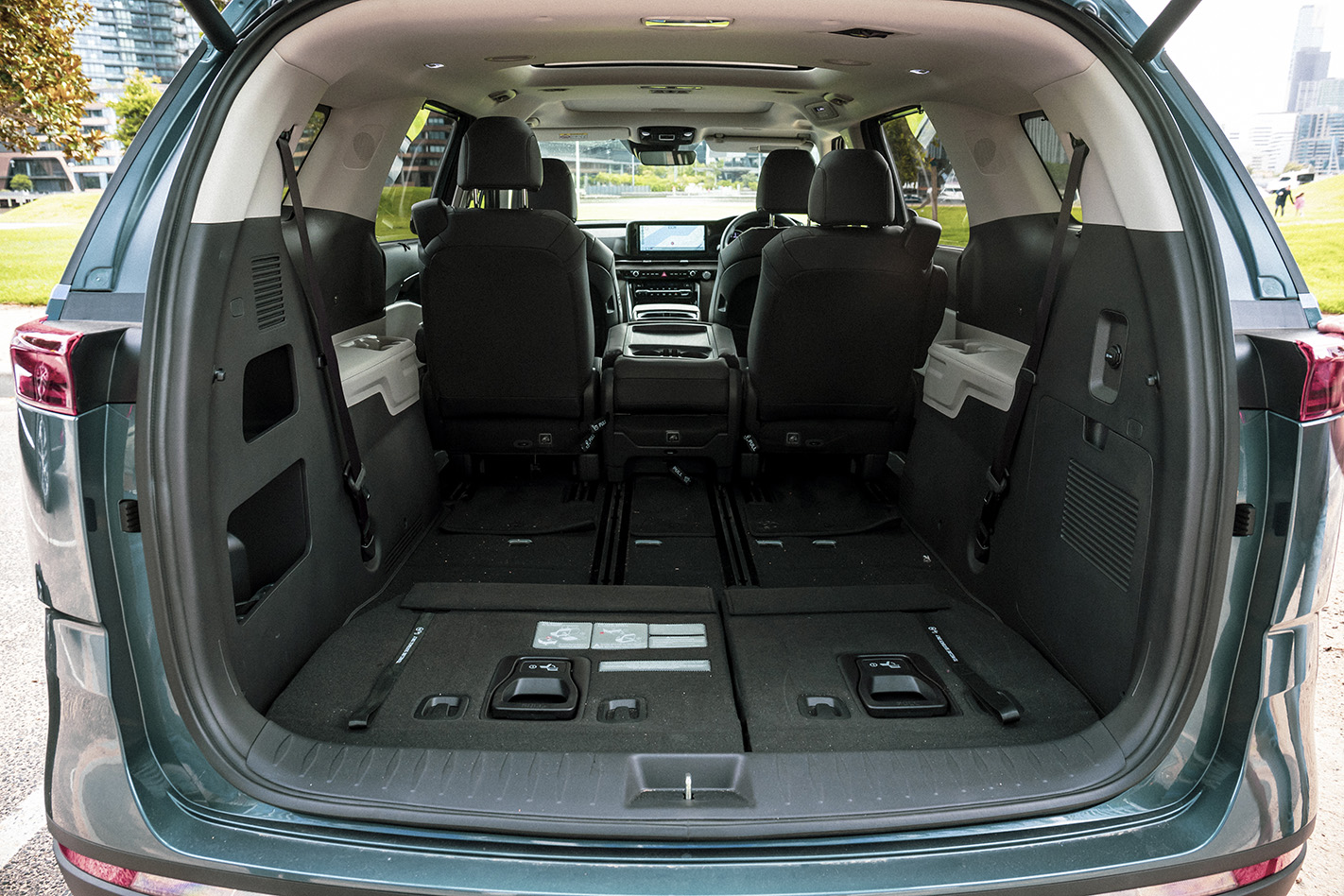
Push the second-row seats forwards and the Carnival becomes a van with enough room to fit boxes or furniture up to about 1.7m long.
I had to dispose of a huge 2.5m by 1.9m Ikea sofa bed with chaise that broke up to several 1.5m long modules and had no trouble fitting it all.
If you should require a trailer, all Carnival versions have a handy 2000kg braked towing capacity.
So what is the Kia Carnival Platinum 3.5L Petrol like to drive?
You’d think a vehicle designed to provide the space and practicality of a small bus or truck would drive accordingly, but the Carnival actually feels like a luxury car, with a smooth and quiet ride.
While it doesn’t have the ride height that SUV buyers seek, it offers excellent forward vision over the stumpy bonnet.
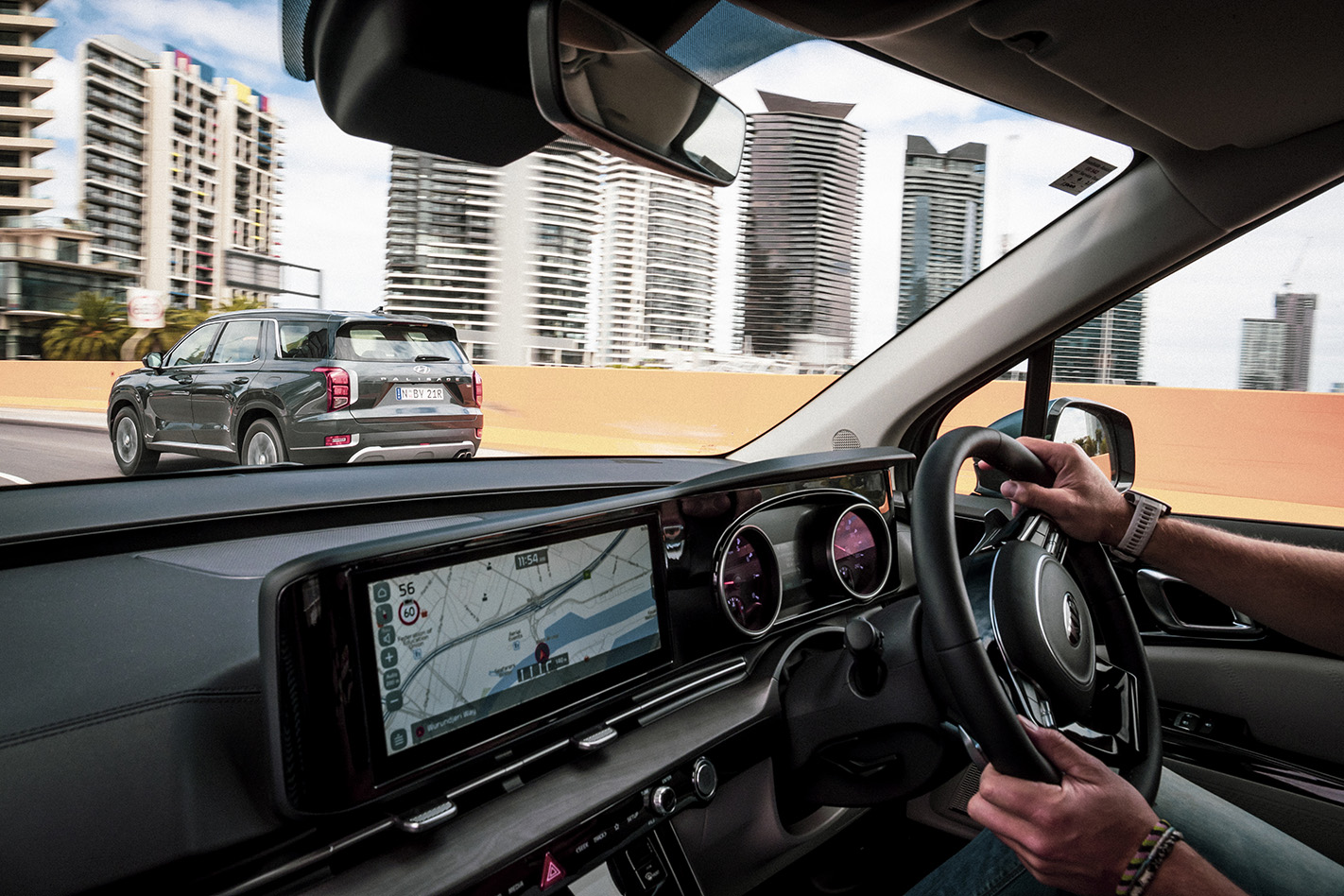
The new 216kW/355Nm 3.5-litre V6 petrol engine offers significant improvements over the 206kW/336Nm 3.3-litre in the previous model.
It is noticeably more refined and while it’s not breathtakingly quick off the mark, the additional power and torque allow for a smoother take-off. Once you get going it pulls the Carnival’s 2.1-tonne heft along with little effort.
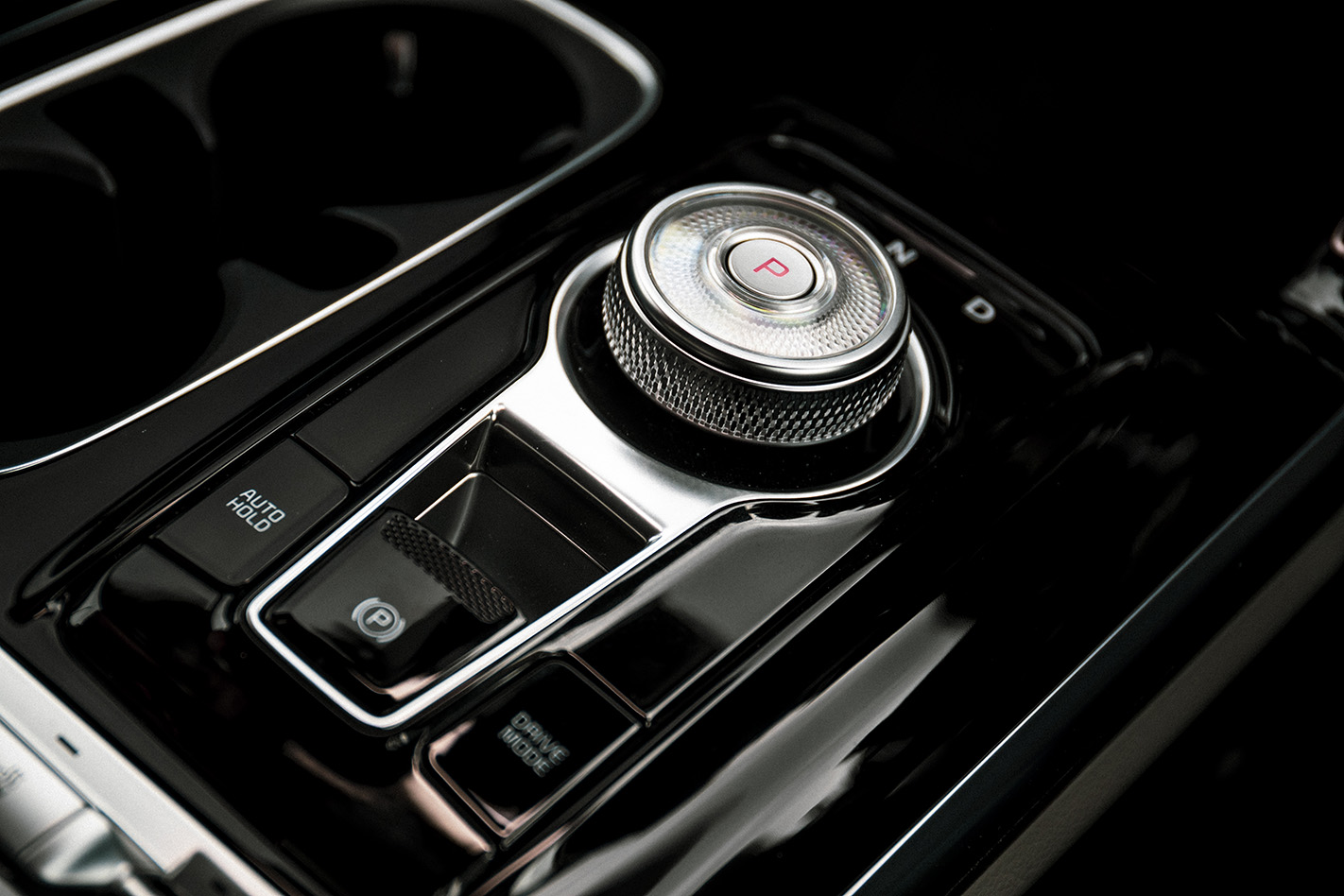
Coupled with an eight-speed automatic transmission that’s controlled by an attractive rotary shifter from the Genesis parts bin, the new V6 engine sends power to the front wheels (there is no AWD Carnival option) and has an official combined fuel consumption of 9.6L/100km, about 10 percent less than its lesser-powered predecessor.
During my time in the Carnival, I averaged 10.8L/100km with a mix of urban and freeway driving. By comparison, the 148kW/440Nm turbo-diesel Carnival consumes about 6.5L/100km.
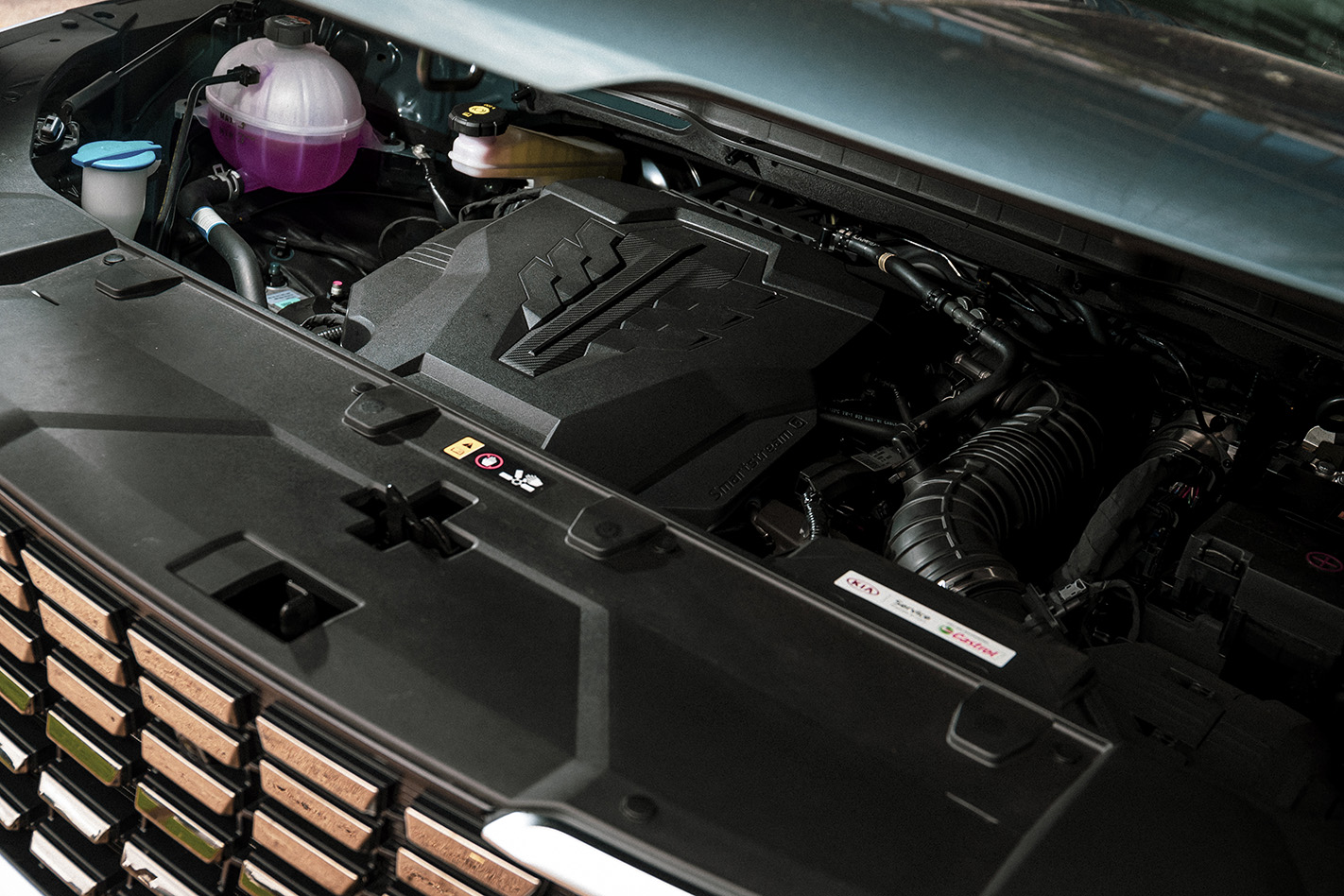
Built on a new platform, the 2021 Carnival’s ride and handling are also considerably improved, in large part due to the revised fully independent suspension that has been tuned for Australian conditions.
It rides on the 235/55 R19 Continental Crosscontact RX rubber with poise, which is particularly appreciated by those sitting above the rear wheels.
Handling also feels lighter and more responsive with the Carnival now equipped with electric power steering instead of the old mechanical power-assisted system.
How safe is the Kia Carnival Premium 3.5L Petrol?
The Carnival’s advanced driver assistance systems includes autonomous emergency braking with cyclist and pedestrian detection and will even brake if it detects another vehicle approaching from the side at an intersection.
It also has blind-spot monitoring, rear-cross traffic alert with auto braking, driver attention alert, following assist and lane departure warning.
Those last two automatically turn on and can be quite annoying when negotiating the 2.0-metre wide Carnival on narrow roads. It took me a while to work out you can turn off the lane departure alarm by holding the button down for a couple of seconds.
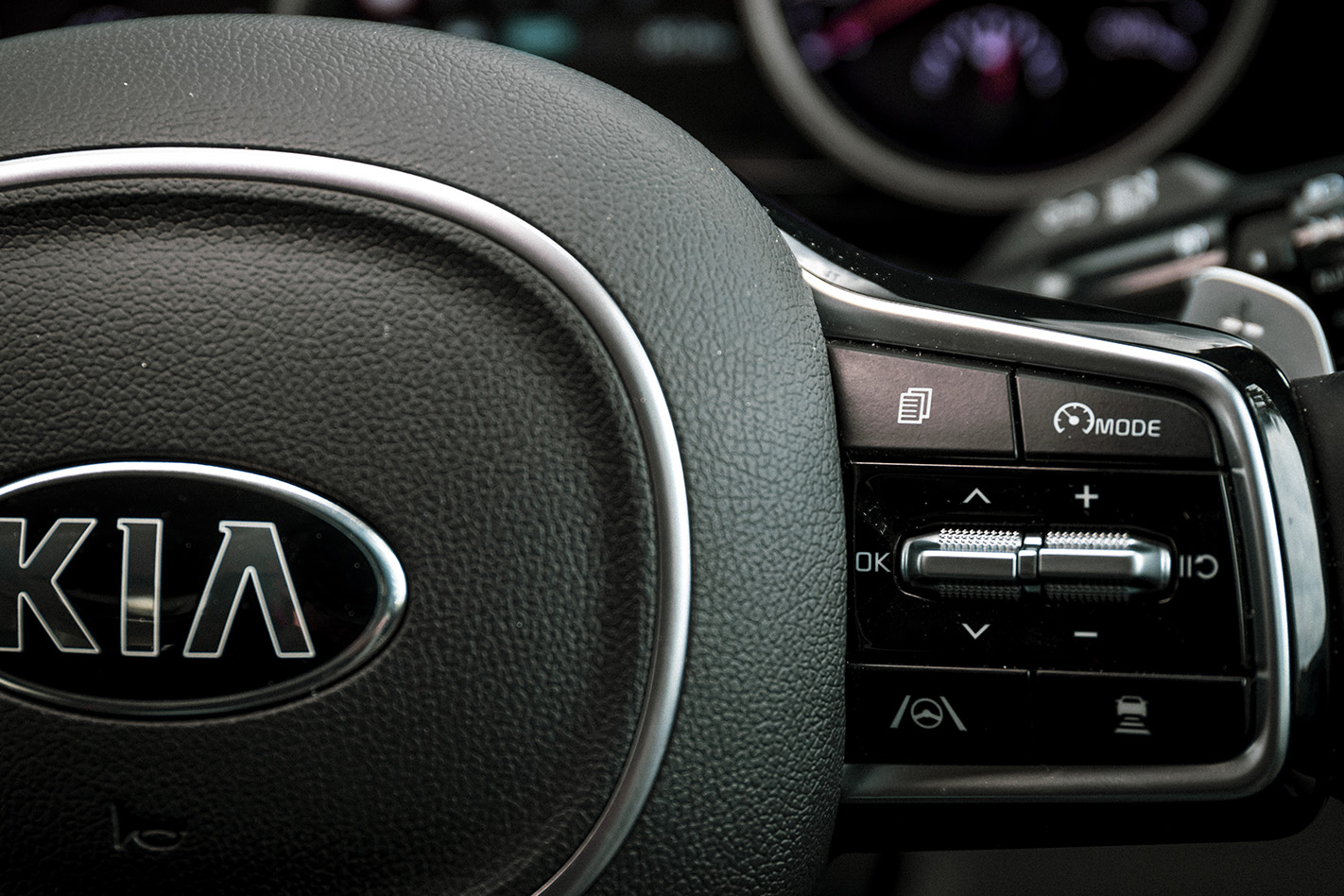
That said, the lane following assist works very smoothly with the smart adaptive cruise control.
Another irritation, and this is with all Kia and Hyundai vehicles, is the speed limit warning, which is often inaccurate – whatever you do, don’t depend on it if you want to avoid a speeding fine.
The Carnival has seven airbags: driver and front passenger front and side; driver’s knee; and curtain across all three rows. There are also five ISOFIX child-seat anchor points with top tethers, child-proof rear door locks and a door-open warning.
The 2021 Kia Carnival is yet to receive an ANCAP rating, but Kia is confident it will repeat its predecessor’s five-star rating.
The Verdict
I can’t believe how much Kia has fit into this Platinum spec for under $65,000. While built primarily for the US market it has a sophisticated European air about it, unlike American-built luxury cars that are a little obnoxious, albeit in a fun way.
Like the previous model, I’d probably steer towards the diesel version. However, if its main mission will be as an urban shuttle rather than long-distance touring, the new V6 petrol is a far more compelling option than it was before.
As far as its rivals go, the Honda Odyssey, which Honda points out is more popular with private buyers, is the most obvious. However, the Carnival Platinum should also be on the list for anyone considering a pricier luxury-spec three-row SUV such as the Hyundai Palisade Highlander and Mazda CX-9 Azami, but want the boot space to go with the seats.
While the SUVs are a little more fashionable and offer all-wheel-drive traction, I’d be hard-pressed to find a reason not to seriously consider the Kia flagship.
Score: 8/10
Pros: Looks, space, comfort, cargo capacity, smooth ride, affordable luxury Cons: Petrol engine’s thirst, finding an excuse to justify eight seats, tight parking
Specifications
Price: $64,680 Engine 3.5-litre V6 petrol Transmission: 8-speed automatic Fuel consumption: 9.6L/100km combined Wheels: 235/55 R19 Weight: 2134kg Dimensions: L 5155mm x W 1995mm x H 1775mm – Wheelbase 3090mm ANCAP Safety: Not yet rated
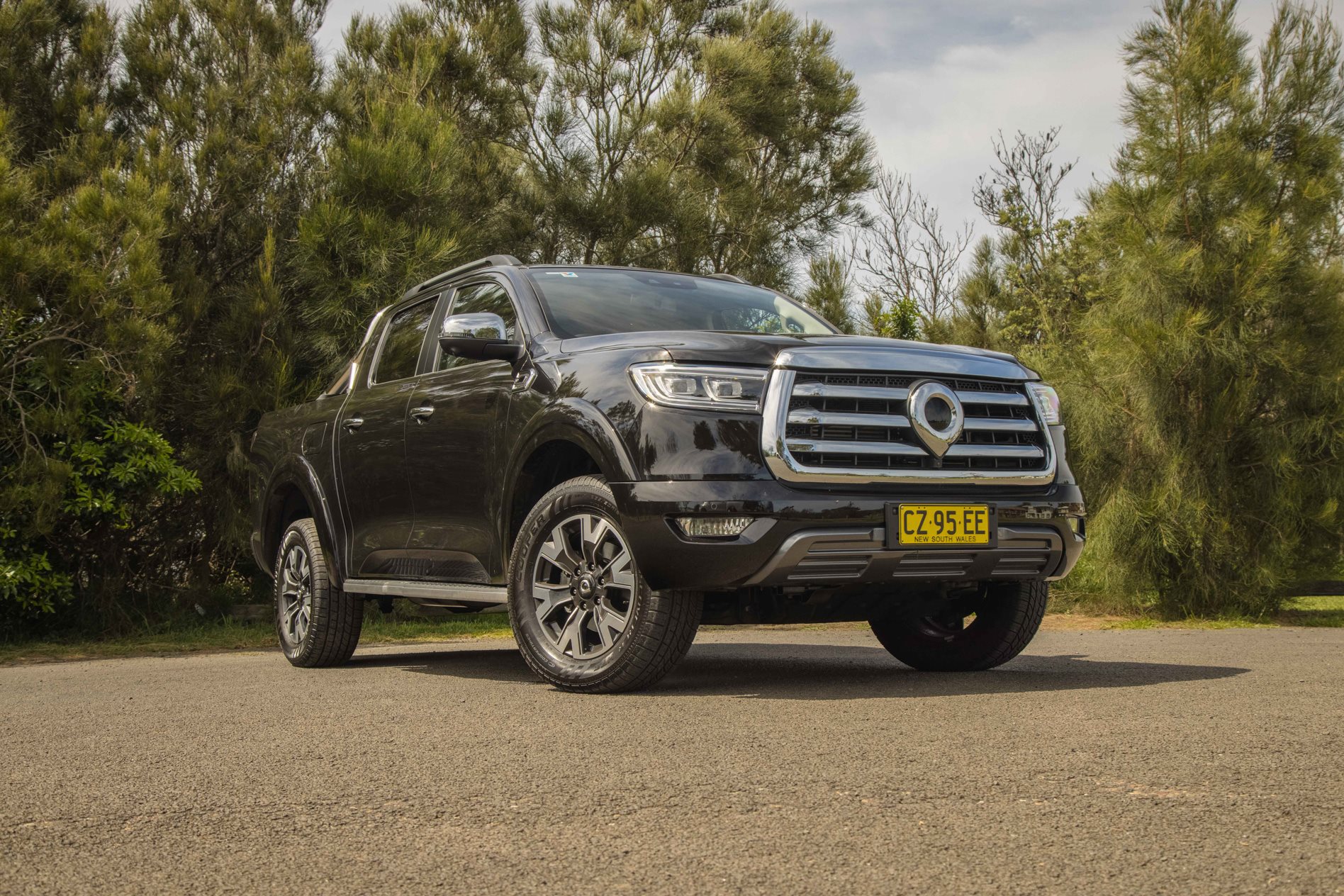
GWM has filed documentation indicating the existence of two new single-cab and cab-chassis versions of the GWM Ute.
Filings to the Australian government’s Road Vehicle Certification System’s (RVCS) website show that GWM is planning to introduce the two new body styles to potentially replace the Great Wall Steed that usually sells for around $20,000 drive-away.
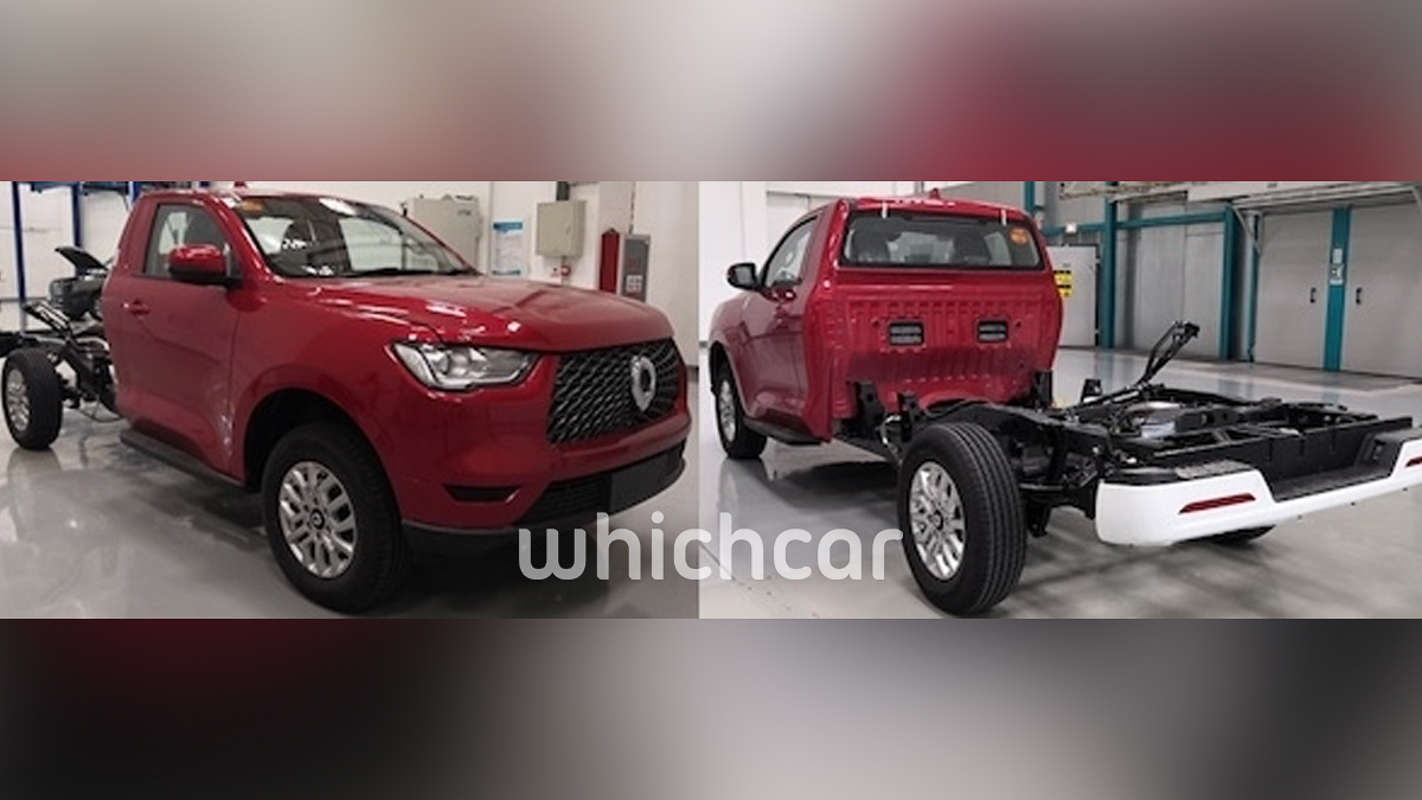
The RVCS listing documents the new GWM Ute variants as having a braked towing capacity of 3000kg, 17- or 18-inch wheels and power windows as standard.
As of now, the GWM Ute range consists of three Cannon- variants, offered exclusively in a tubbed dual-cab guise.
Pricing for the dual-cab ute begins at $33,990 driveaway, but slotting in a single-cab or cab-chassis body style underneath will allow GWM to be more competitive with other work-based utes like the Toyota Hilux Workmate.
According to the RVCS filings, power for the new styles will come from the same 120kW/400Nm 2.0-litre turbo diesel four-cylinder engine as its dual-cab sibling.
The RVCS listing describes the Ute cab-chassis as equipping a six-speed manual transmission as standard, while the single-cab will also receive the option of an eight-speed ZF-sourced automatic.
Little else is known about the specification of the utes, but we’d expect a sharp price and a barebones level of standard equipment if they’re to be anything like the Great Wall Steed.
A GWM spokesperson told WhichCar that these models are still under consideration for Australia and no decision on timing has been made yet.
Don’t let the Ford Fiesta ST’s size fool you. This diminutive hot hatch is deceivingly quick, and not to be underestimated.
With a 1.5-litre turbocharged three-cylinder engine under the bonnet, 147kW and 290Nm is sent to the front wheels via a six-speed manual transmission (yes, three pedals!).
Priced at $31,990, the Fiesta ST was not only the cheapest car at the 2021 running of Performance Car of the Year, but the least powerful. To be fair, this year’s field included the most powerful vehicle to ever tackle PCOTY.
Fighting out of a diminutive weight class, the punchy Ford is shockingly good on track, which should come in handy when it comes to the MOTOR Shootout.
Driven by Karl Reindler the little hatch lapped Winton Raceway’s 3.0-kilometre layout in a stout 1:43.7.
While that time isn’t threatening the top of the scoreboard, Reindler praised the Ford’s on-track performance – as a former Supercars ace he knows a thing or two about going fast on track.
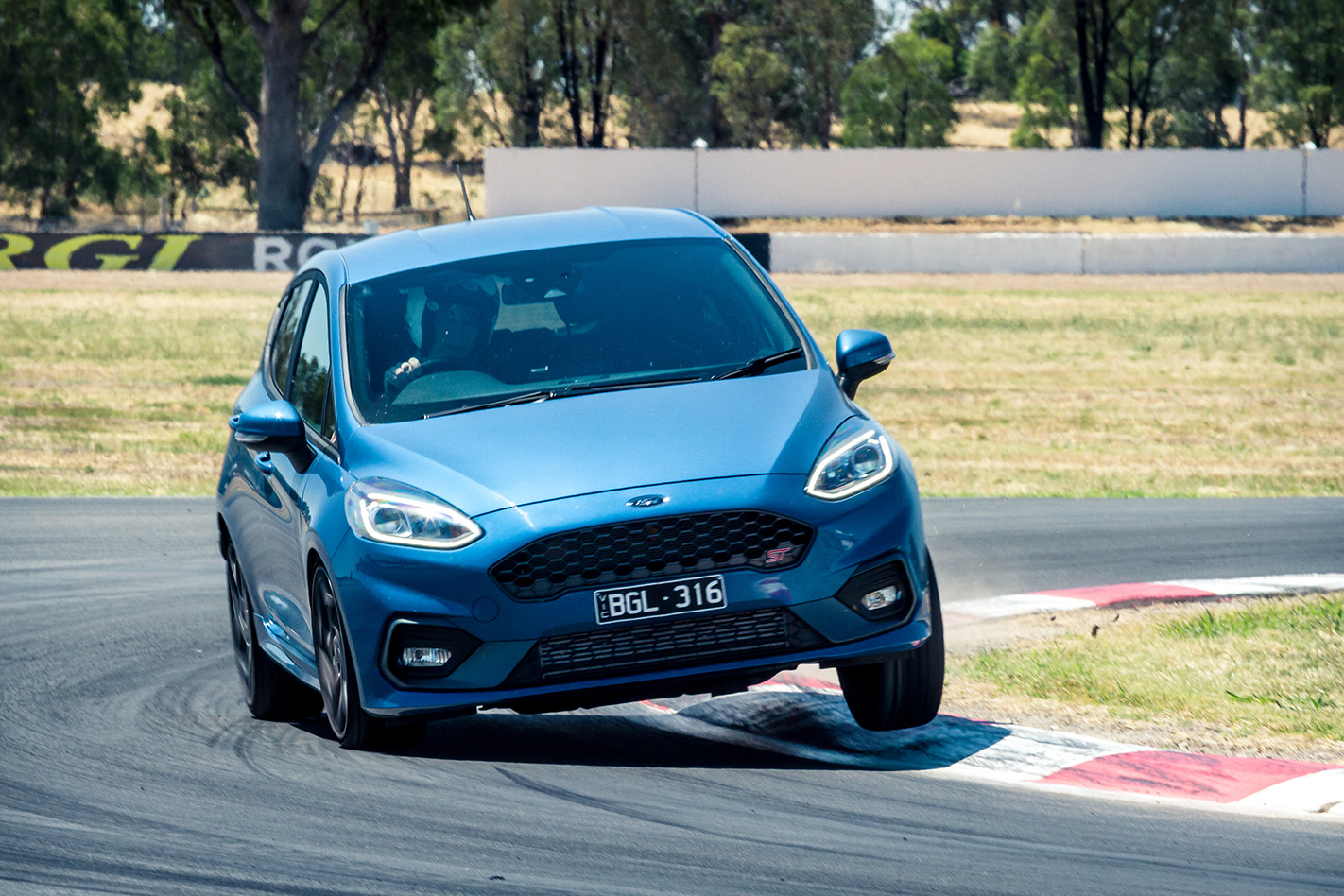
“I’ll tell you what, this thing is so much fun,” he said after his two-lap run.
“It is obviously not the most powerful thing, but the bit that I most enjoyed is it is just so compliant.
“I wasn’t afraid to attack some of the kerbs, and it just recovers so well off them. It is nice linear power delivery which I like, and I love a manual gearbox so that gets me going.
“There is a rawness about this car which just adds to the fun factor.
“The only criticism, if any, is off the corners – being front-wheel drive – you really need to be patient picking up the throttle.
“If you have that patience the diff and front-end really puts the power down well.”
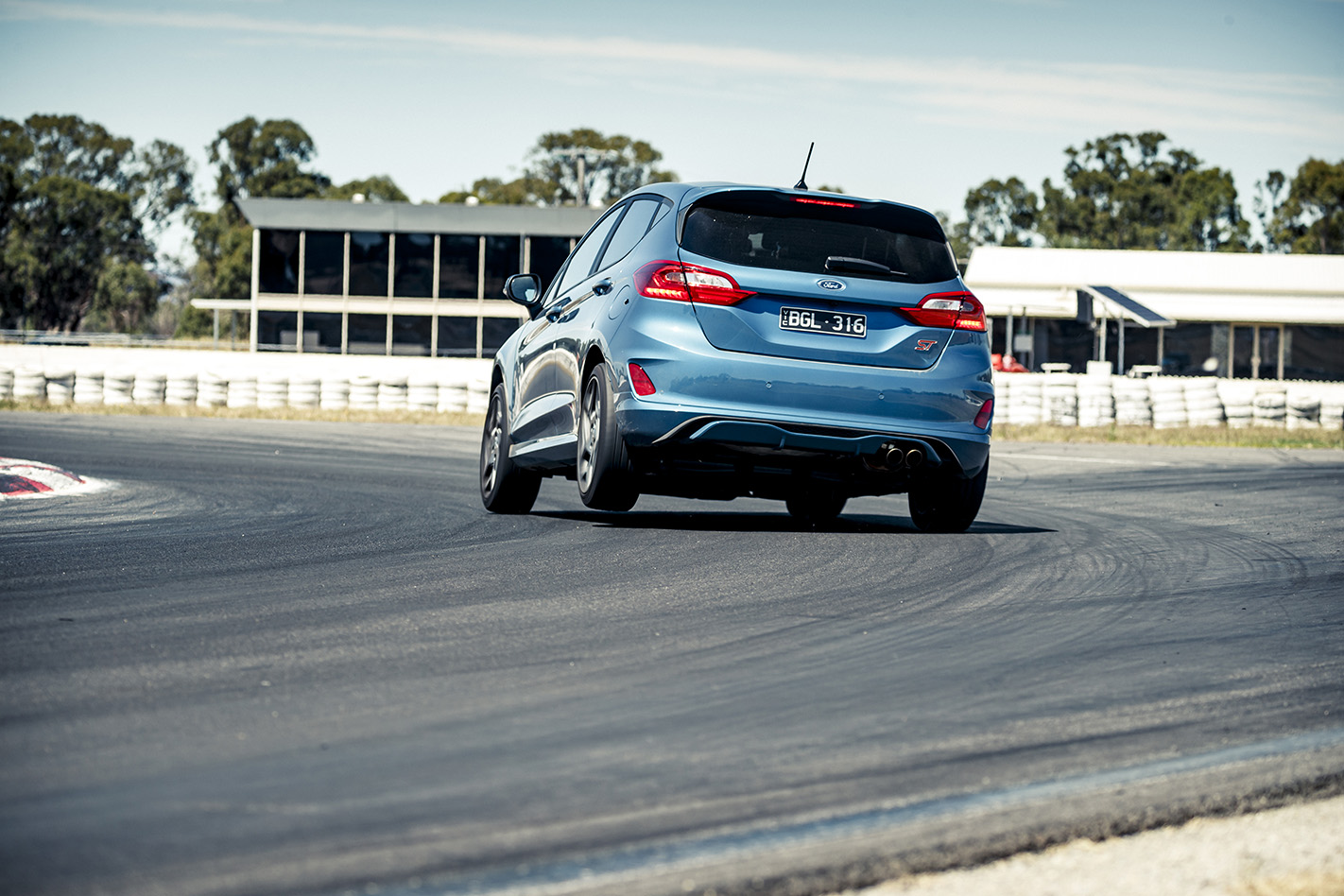
Watch the video above to see the Fiesta ST’s full lap, where Reindler ekes everything the hatch has to offer.
You can click here for a full rundown of the Motor Shootout leaderboard, and check back every Wednesday for a new hot lap – next week is the Herrod SM17 Ford Mustang.
Car designers Ian Callum and Peter Brock will work together on a modern day remake of the C2 Chevrolet Corvette with a 1500kW battery-electric powertrain.
Of course, it’s not ‘our’ Peter Brock, but rather Pete Brock – as he’s better known, the famed American car designer and motorsport legend that penned the Shelby Cobra Daytona and original Corvette Stingray.
The two will collaborate on the design of the project, which will be built by Irish company Studio Ava.
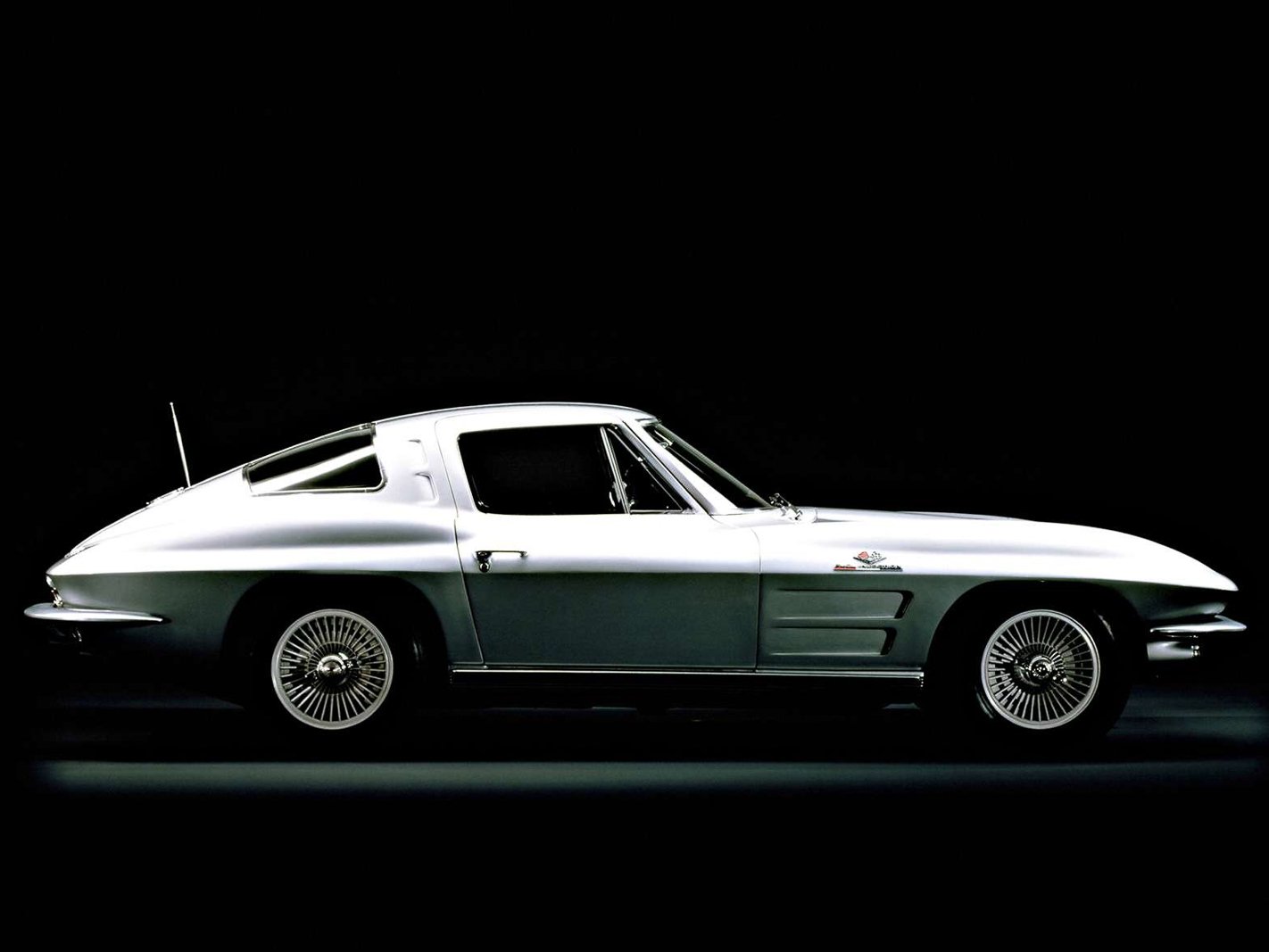
A teaser design sketch (top) is all that can be seen of the new electric classic, showing a split rear window faithful to the original C2 Corvette, accentuated rear haunches and an elongated bonnet.
The Ava Stingray – which is also colloquially known as “The Hyperclassic” – promises hyper-modern pace, power and performance enveloped in the body and soul of a classic, thanks to an electric powertrain.
Little is known about the electric underpinnings as yet, although social media posts suggest it’ll come with all-wheel-drive and offer various outputs from 900kW to over 1500kW. Studio Ava’s website reports the engineering team behind the project has experience with the Jaguar CX-75 prototype and Aston Martin Rapide-E.
Despite seeming like an upstart car manufacturer, Studio Ava has already converted a Ferrari 308 to electric power which it’s shown off on its Twitter page.
The Ava Stingray might sound like yet another classic car EV conversion, though this project is akin to Ian Callum’s modern re-make of his own Aston Martin Vanquish design.
Further details of the project are to be revealed later in February, but it’s expected Ava Studio will produce a limited run with “each car’s creation embodying the unique personality of its owner.” Sounds expensive.
Images published on Facebook have uncovered the new Honda HR-V a week out from its official debut on February 18.
The images, posted on the profile Vanhoe Rage and reported to be Honda patent filings, are basic and don’t offer much detail beyond 3D-generated grayscale models.
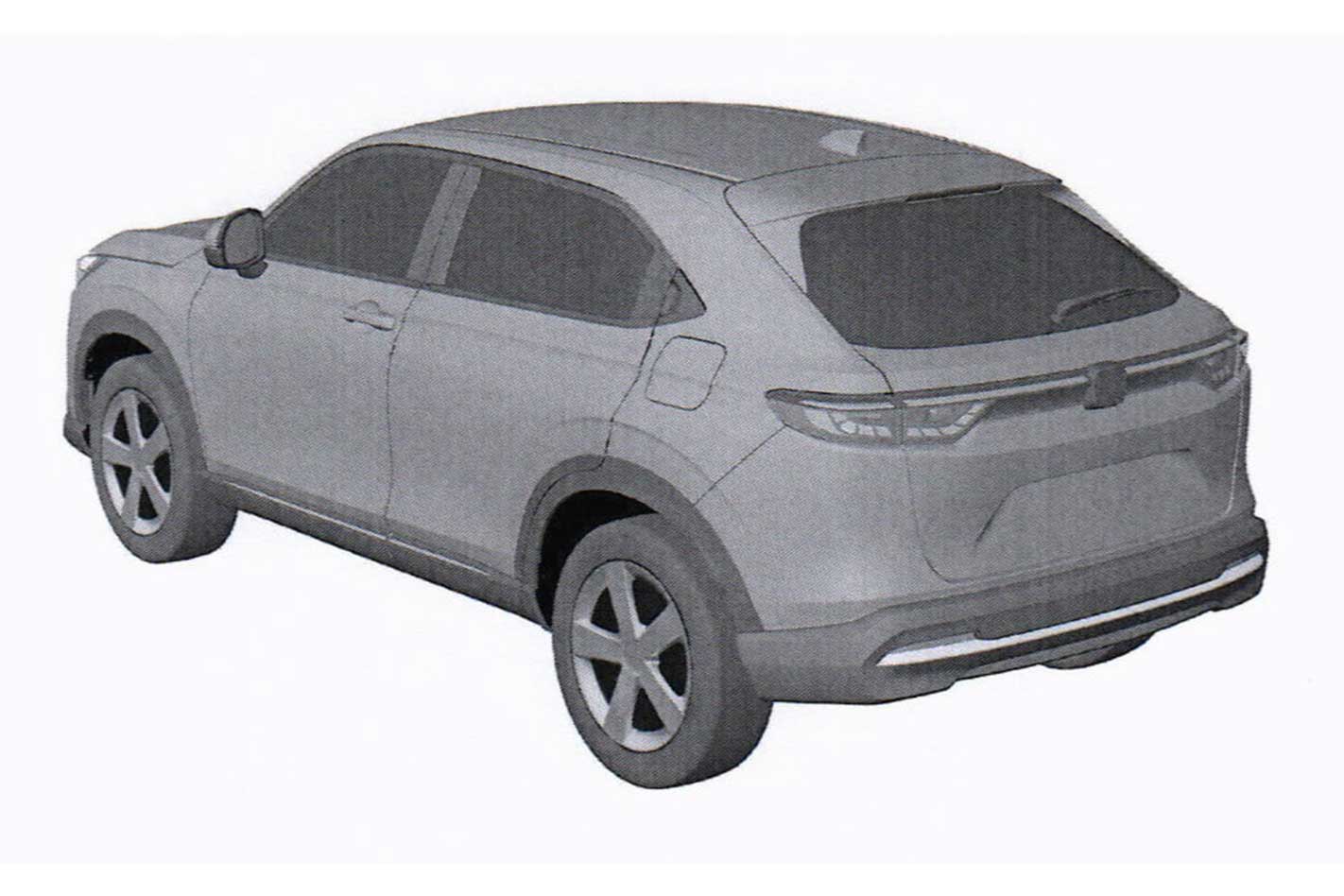
What the new images also reveal about the HR-V is it will wear a heavily redesigned face, sporting a smoothed-off frontal area around a ‘multi-diamond’ style grille and restyled headlights.

Okay, but what about details?

Promising high efficiency with refined “fun-to-drive performance”, it’s reported in Europe this also means the new HR-V range will be powered solely by a dual-motor hybrid powertrain.
Further details, however, on Honda‘s third-generation HR-V are being withheld.

We can also see inside will feature a heavily redesigned centre stack that looks much cleaner and better arranged – reminiscent of Mazda designs – which also stands a screen above the dash.
There are also metal HVAC dials. Placement of Apple CarPlay behind an iPhone in frame suggests the new HR-V’s infotainment will prioritise connectivity.
Broadly speaking, the HR-V e:HEV will further bolster an Electric Vision strategy to have all European mainstream models electrified by 2022, joining other e:HEV variants in the CR-V and recently re-launched Jazz ranges overseas.

“The all-new Accord released in late 2019 was the first opportunity for Honda Australia to introduce a hybrid version of a new model,” a Honda spokesperson said, “and those plans will flow through to other vehicles in the line-up over time.”
Currently, the Accord’s 158kW/315Nm dual-motor hybrid powertrain is attached solely to the range-topping VTi-LX model, pegged at $50,490.
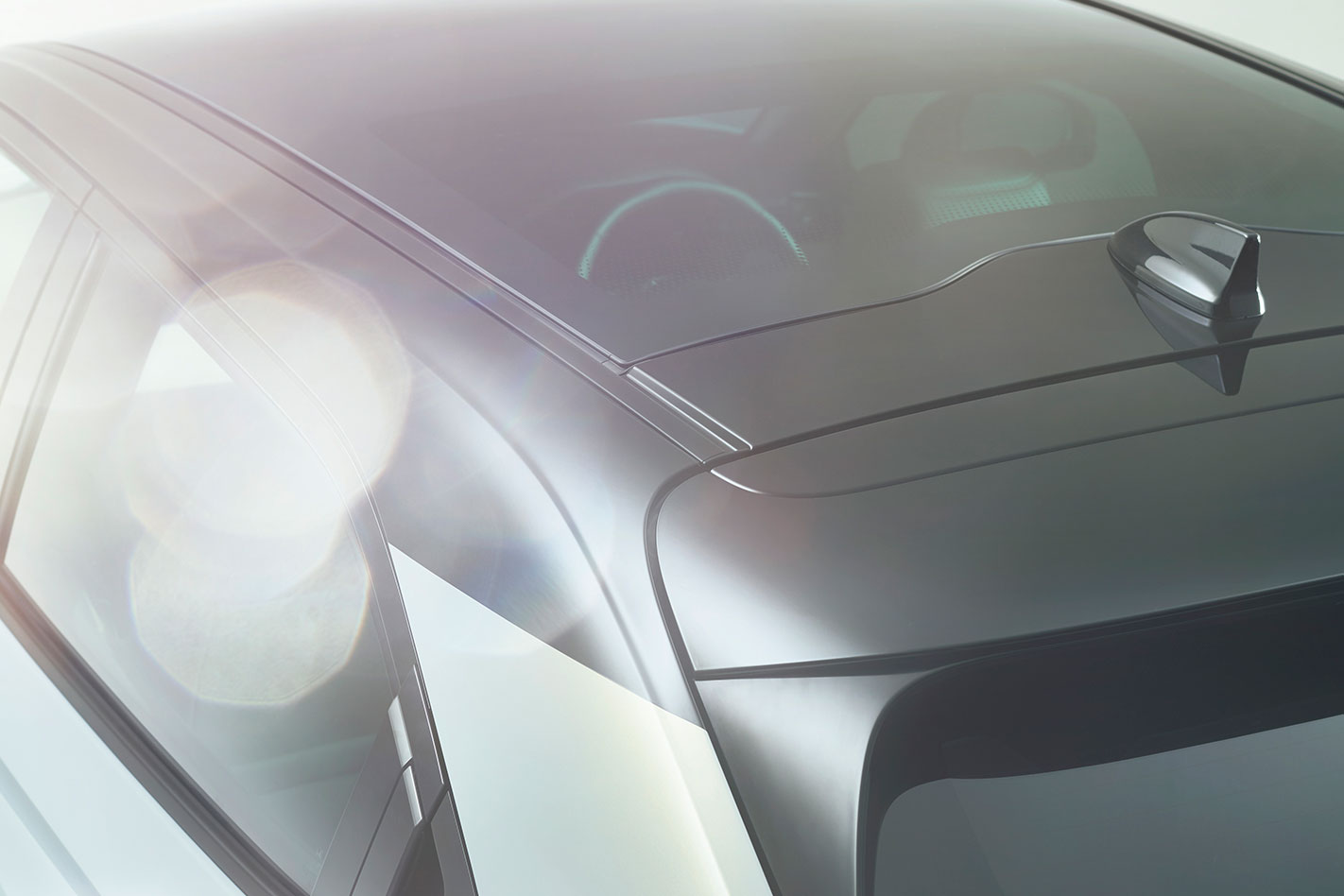
It begins at $25,990 before on roads.
Locally, the CR-V misses out on the 2.0-litre hybrid powertrain underpinning models in Europe, which was revealed to the public in late 2017 at the Shanghai motor show.
In 2020, Honda sold 8181 HR-Vs, making it the sixth most popular small SUV among 22 models.
A unique 2017 HSV GTS-R W1 test vehicle is destined for the auction block later this month, following a run of record-breaking Australian-built car auctions.
This prototype is one of four test vehicles that HSV used to develop the W1 program, in addition to the 275 production examples sold by HSV.
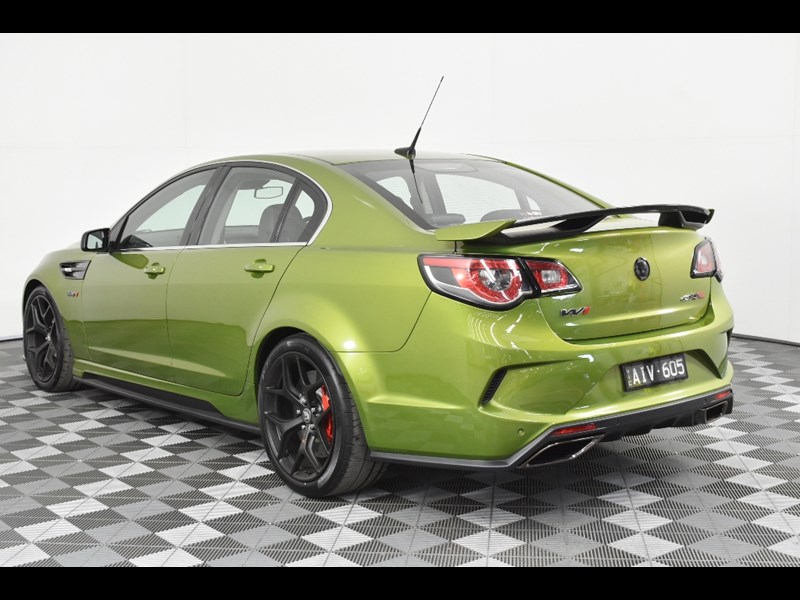
This car, nominated W1 pilot E002, is the only HSV GTS-R W1 to wear Jungle Fever paint – a shade unavailable to the production specifications – making it a one-of-one example.
It follows a recent record set by a ‘secret’ GTS-R W1 Maloo ute that sold for $1.05 million at auction, making it the most expensive Australian-built road car ever.
It’s understood the W1 pilot test cars were offered to select HSV stakeholders and long-time customers in a similar arrangement to the four W1 Maloos.
Auction house Grays.com says the four cars involved in the W1 pilot program were used to test various components, from driveline calibration, chassis and suspension tuning and cooling trials – the latter of which saw this example head to Darwin for hot weather testing.
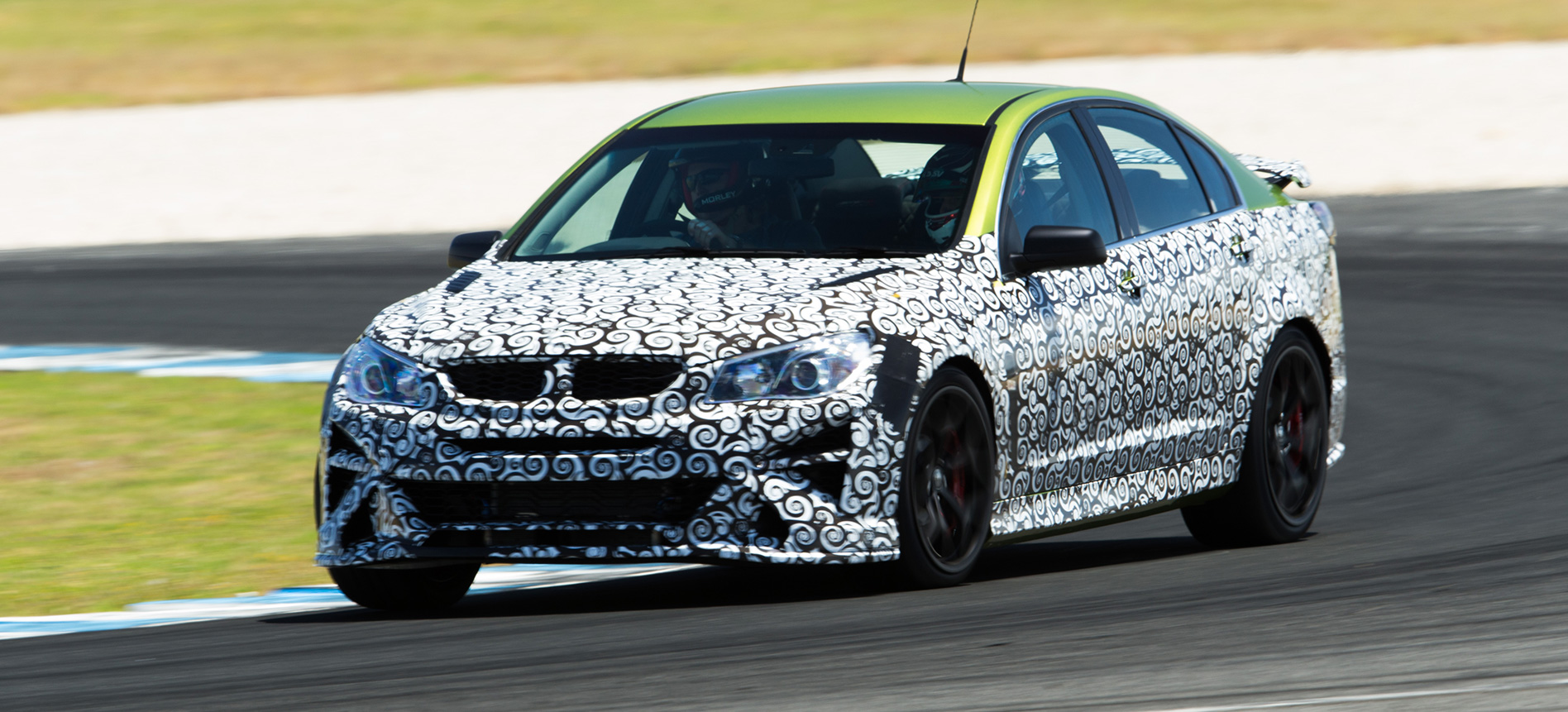
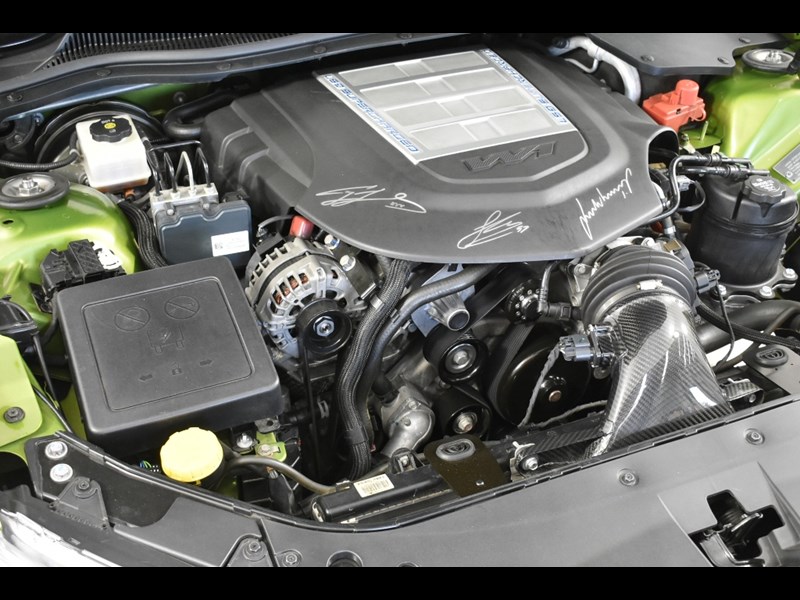
It features all the upgrades equipped to production GTS-R W1s, including the Corvette ZR1’s LS9 6.2-litre supercharged V8 engine producing 474kW/815Nm, which is sent to the rear wheels through a six-speed Tremec manual transmission.
Despite presenting in good condition, this car has not just sat around collecting dust. It currently shows 17,318km on the odometer.
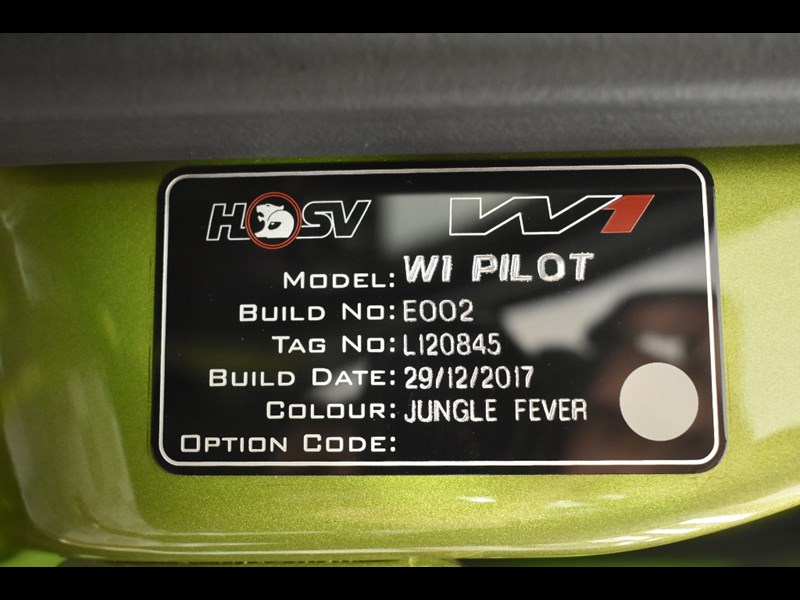
All original GTS-R W1 documentation is provided with the vehicle, and it even retains the W1 watch and numbered car cover.
To top it off, Holden Supercar drivers Jamie Whincup, Shane van Gisbergen and Craig Lowndes signed the engine cover following their 1-2-3 finish at the 2018 Sandown 500.
The listing says “history has shown it’s the unique vehicles that are priced higher than their standard counterparts.”
Considering a number of other standard GTS-R W1s are listed online around the $500,000 mark, this unique car could fetch even higher at auction.
The auction is set to begin on February 18 and conclude on February 23.
What do you think it’ll go for?
Word is Toyota and Subaru are teaming up on another sports car, with online rumours positing a turbocharged all-wheel-drive hatch is on track for a 2022 reveal.
Automotive publication Best Car in Japan has broken the news, citing the project will be based on the Impreza hatch, relying heavily on its signature Boxer engine, symmetrical all-wheel-drive layout.
Power is alleged to come from a 2.4-litre turbocharged horizontally opposed four-cylinder engine, possibly derived from the FA24 that will feature in the updated Subaru BRZ/Toyota 86.
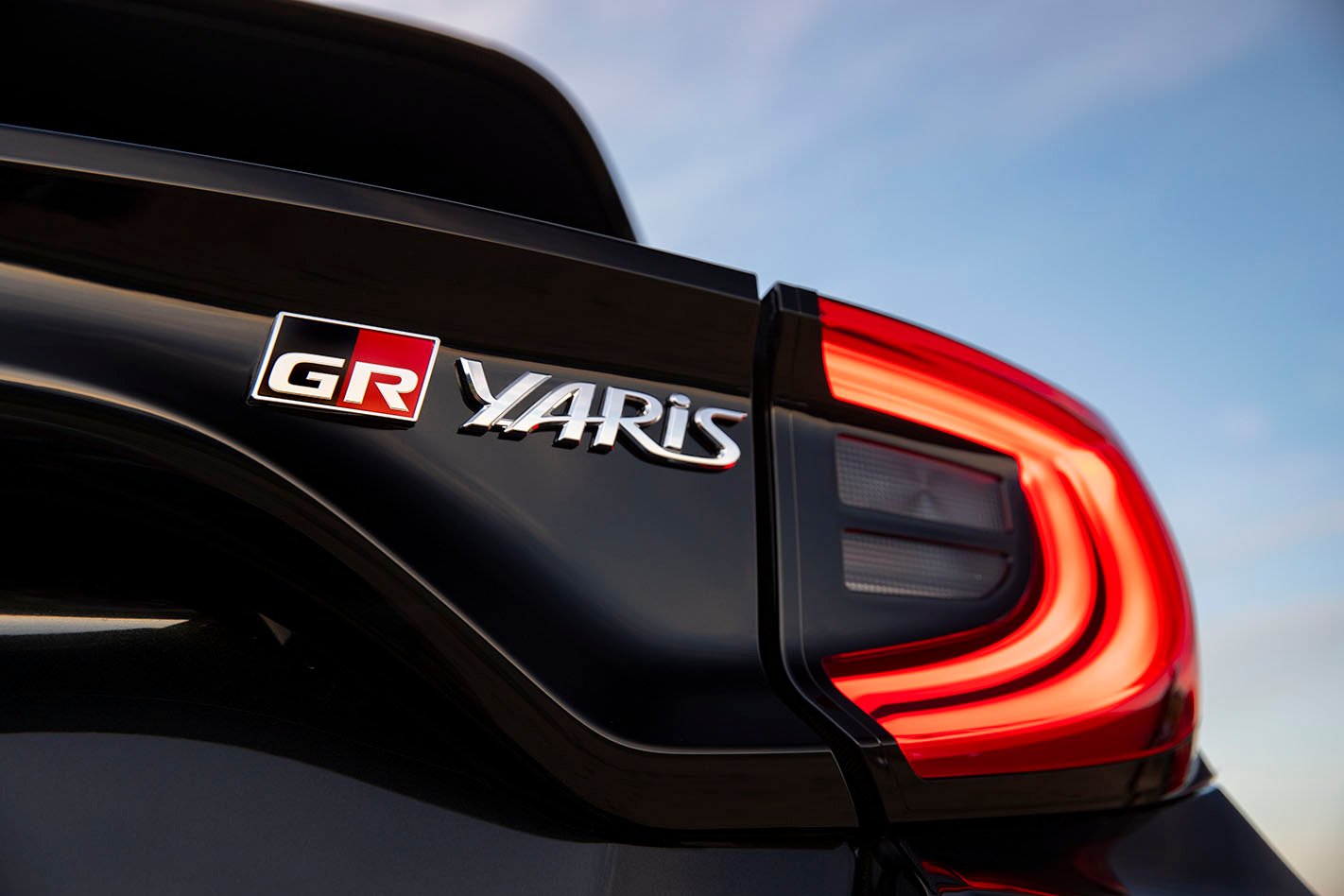
This also means, reportedly, the project will not borrow the GR Yaris’s multi-plate centre differential all-wheel-drive system.
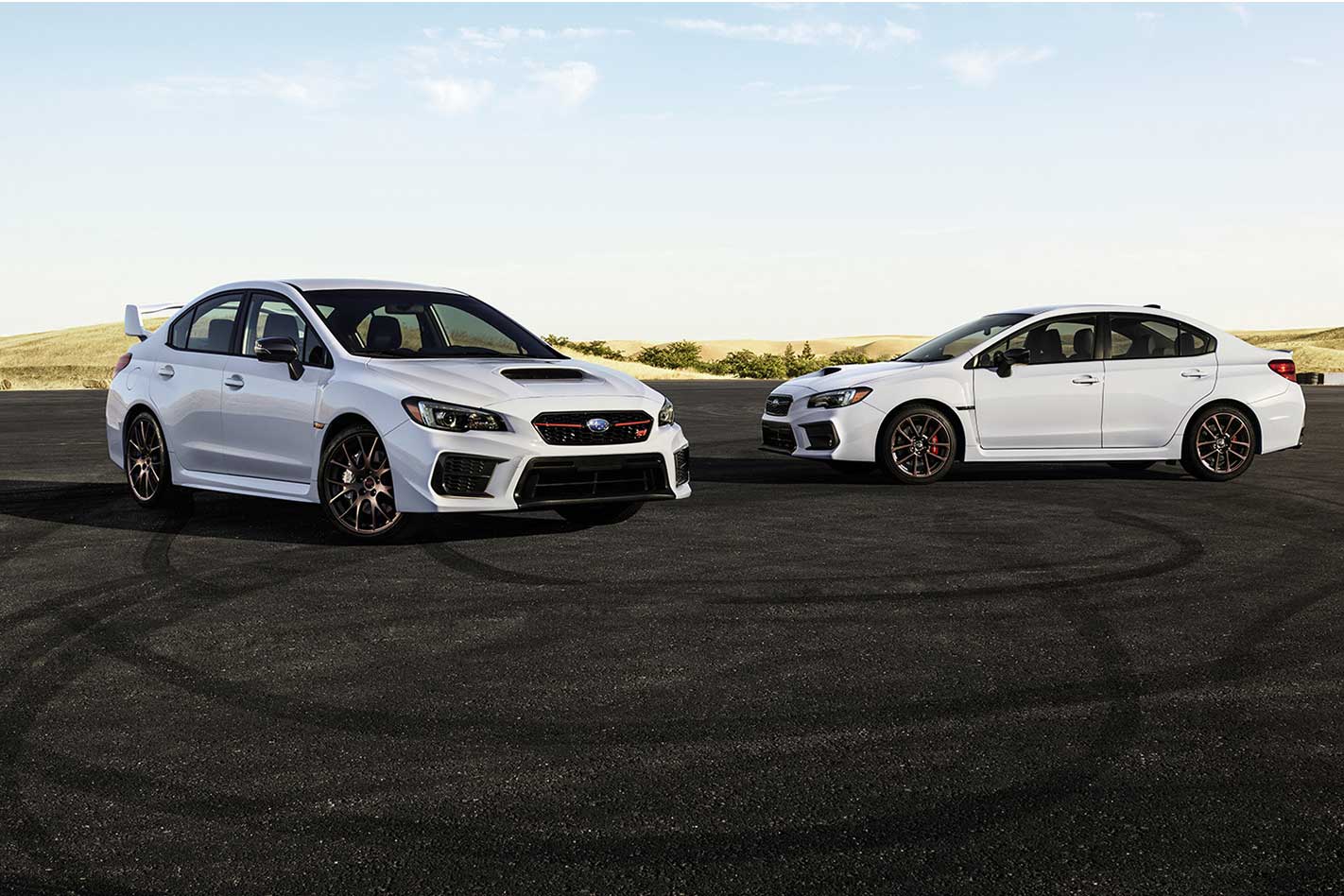
It’s hard to place just where the new project will fall into either manufacturer’s current product lines, given these fundamentals sound a lot like what Subaru has planned for the next WRX and WRX STI.
But it’s thought that perhaps this could be Toyota’s next-generation Celica, a nameplate retired in 2006, since the model name was trademarked as recently as January 2021 in America.
While the late seventh-generation Celica did not sport any fire-breathing all-paw turbo variant within its ranks, the WRC-conquering Celica GT-Four from the sixth generation sets a fitting precedent.
The ST205 series Celica employed a 187kW turbo four-cylinder engine bolted to all-wheel-drive and WRC homologation specific hardware.
There is thinking that this new project might also keep Subaru performance cars in Europe, albeit with a Toyota badge, after Subaru decided to withdraw the BRZ from the continent and leave it to the 86.
While it’s fanciful to predict timings around something we’ve heard so little of, it’s alleged the new Subaru and Toyota developed project will appear in November 2022.
When it comes to engine designs, nothing else has the same bedroom poster allure as a V12.
If you were building an exotic supercar from a clean sheet of paper, a mid-mounted twelve cylinder beast of an engine is the only real choice. To celebrate that fact, we’ve collated ten of the greatest V12s ever put into production.
These are all fantastic engines in their own right, so while the list is numbered, each V12 is presented in no particular order. Ranking these exquisite feats of engineering is a task for another day.
10. Toyota 1GZ-FE
Produced: 1997-2016 | Displacement: 3983cc | Induction: NA
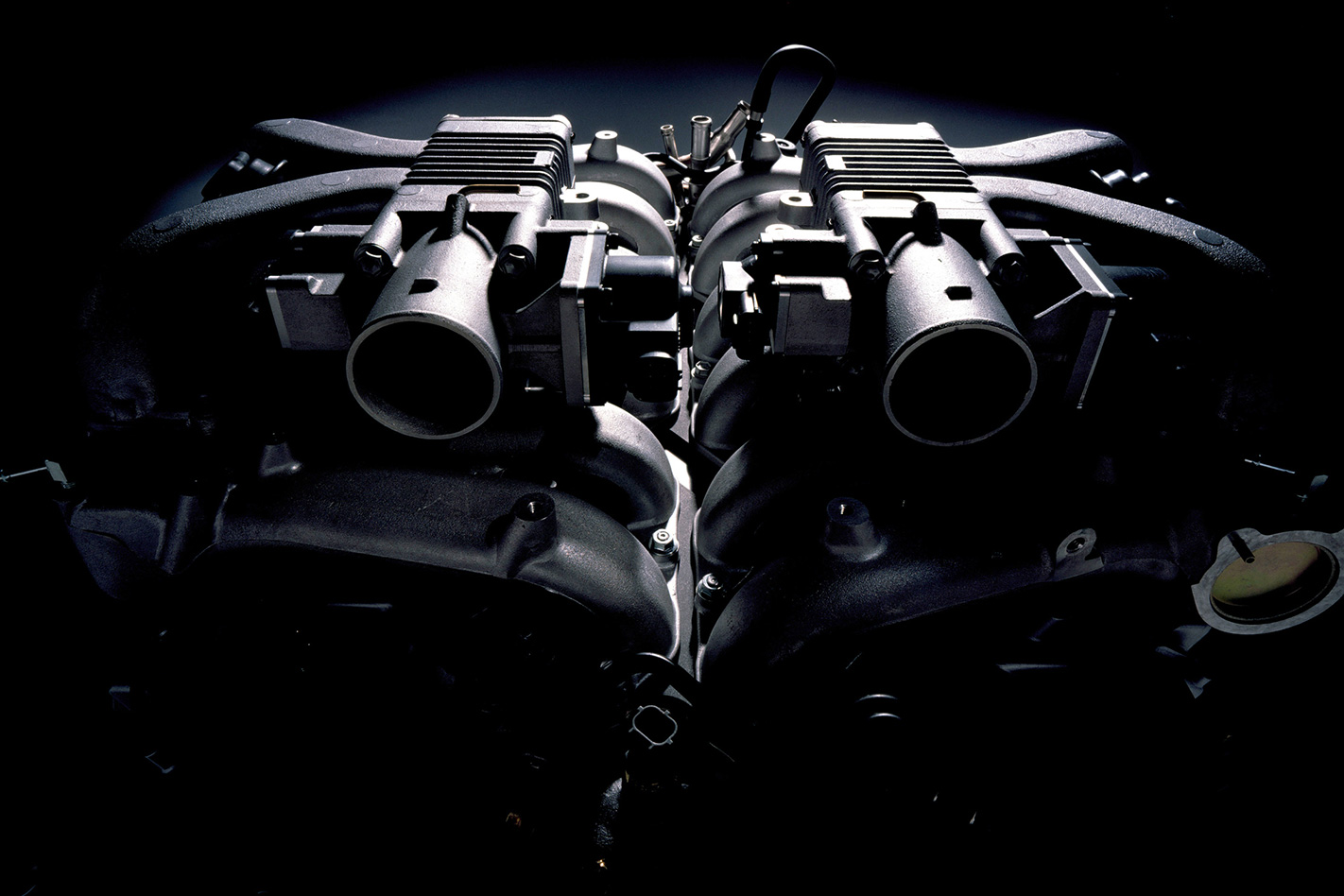
Despite building many great engines, the nation of Japan only put a single V12 into production – the Toyota 1GZ-FE. Fitted solely to the Toyota Century, it was beloved by the Japanese government and Yakuza alike. For reliability there are a pair of ECUs, controlling the fuel injection for each bank of cylinders independently. Toyota’s official power claim for the V12 is a humble 209kW. But the engine has plenty of potential, proven by Smokey Nagata, who fitted a twin-turbocharged version to his Supra. The very same one he pushed to 317km/h on a British motorway.
9. Ferrari F130B
Produced: 1990-1997 | Displacement: 4698cc | Induction: NA
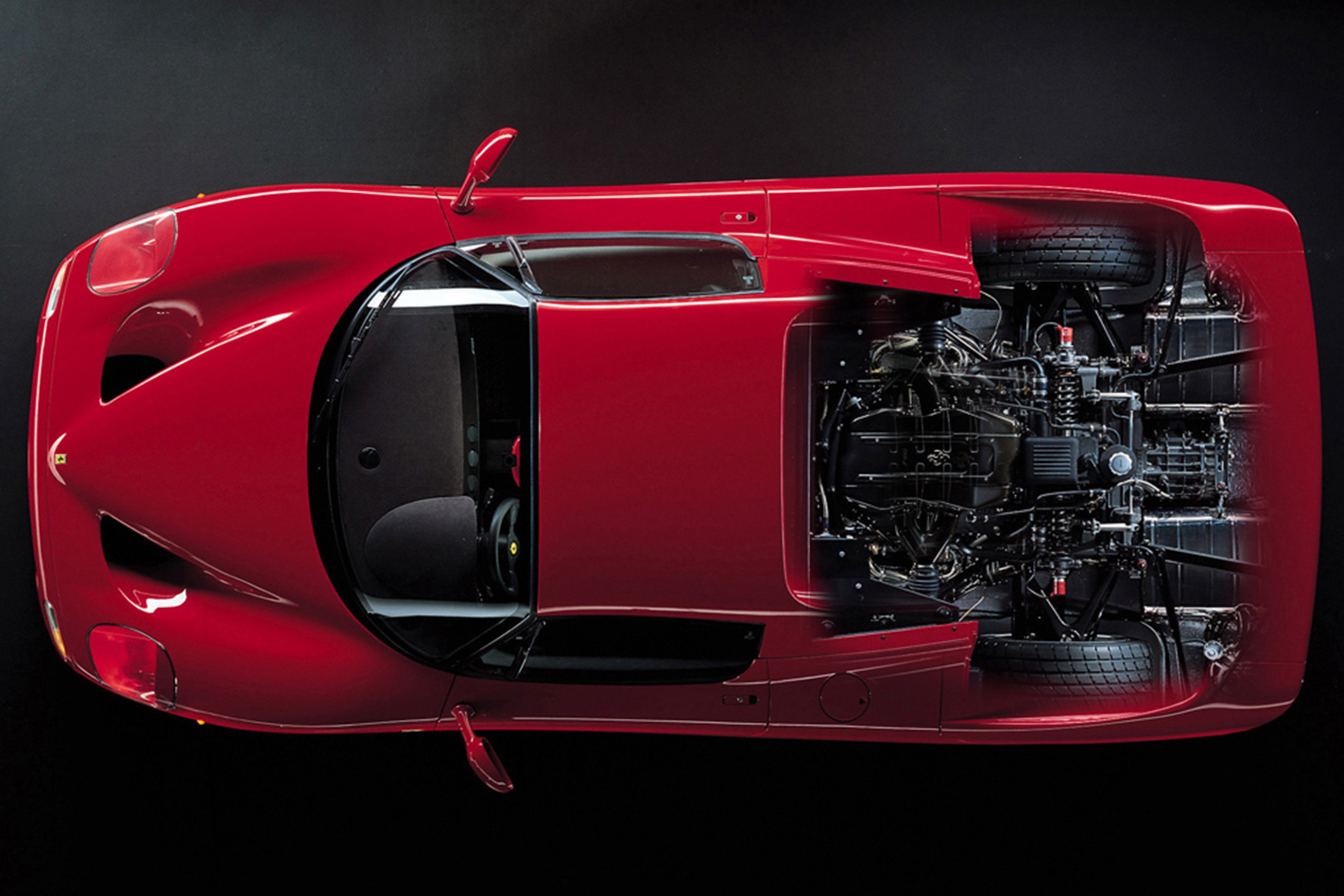
Ferrari’s F130B was only fitted to a single production car, the Ferrari F50, but it started life in grand prix racing. The Ferrari 641 F1 car was powered by the Tipo 036 3.5-litre V12 during the 1990 season – it was this engine that became the 130, a 4.0-litre V12 used in the 333 SP sports car. The open-top prototype had a successful racing career, with designer Tony Southgate describing the 130 as “one of the most reliable race engines I have ever worked with.” For its road-car use, capacity was bumped to 4.7-litres, with a B suffix added to the codename.
8. Mercedes-Benz M297
Produced: 1997-2016 | Displacement: 7291cc | Induction: NA
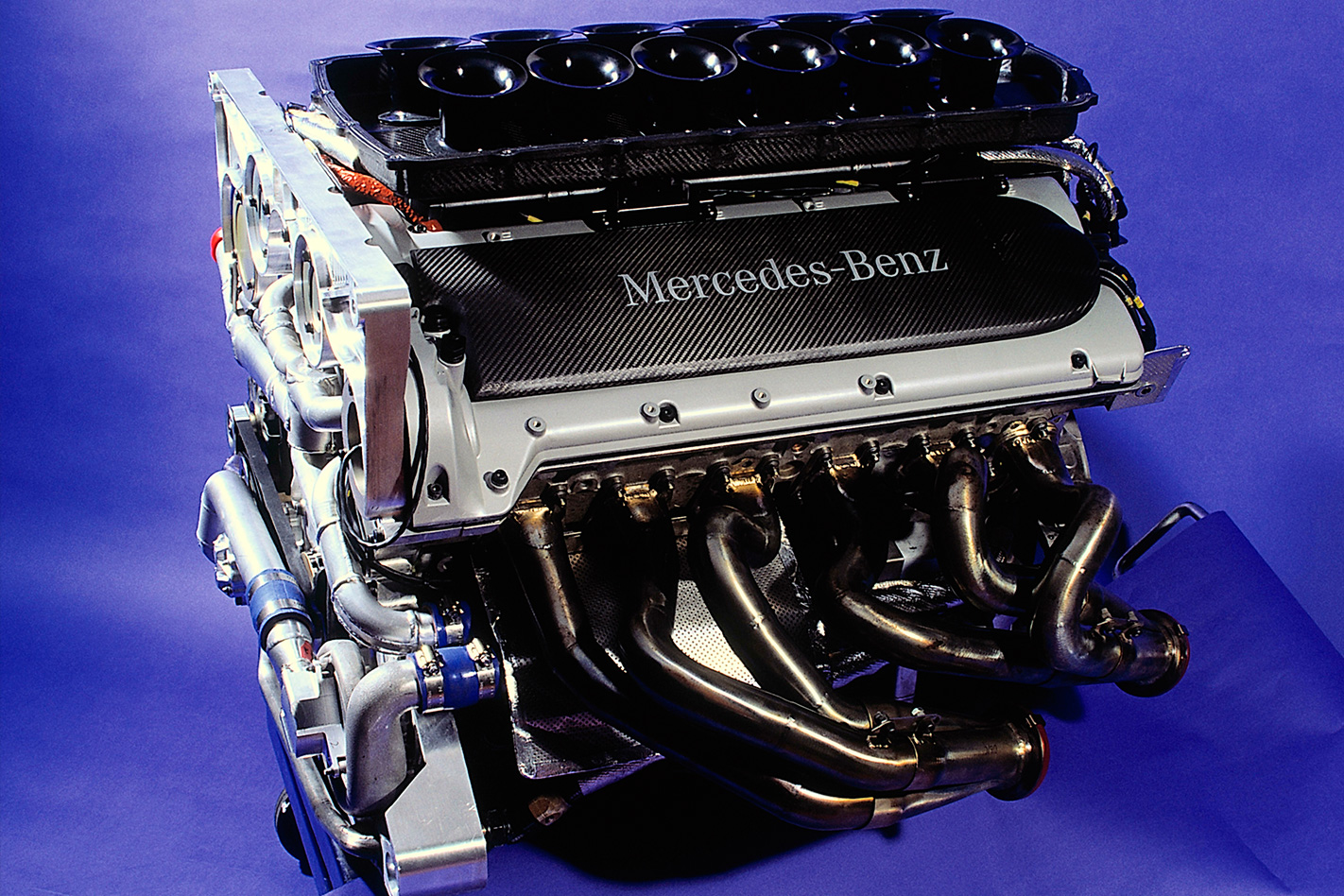
AMG first used the M297 in SL73 and CL73 road cars, but its truly heroic status was achieved with the CLK GTR road cars. While the GT1-spec CLK GTR was fitted with either the LS600 V12 or GT108B V8, the Straßenversion copped the 6.9-litre M297, modified by engine building titans Ilmor. AMG built 25 of the street-legal racers after the GT1 category had been canned, but got its money’s worth out of the engine by shopping it out to boutique hypercar manufacturer Pagani. The version fitted to the Zonda had a larger displacement of 7.3-litres. Horacio Pagani’s refusal to stop building the Zonda for years meant the M297 remained in production until 2016, with a 559kW zenith.
7. LAMBORGHINI V12
Produced: 2011-NOW | Displacement: 6498cc | Induction: NA
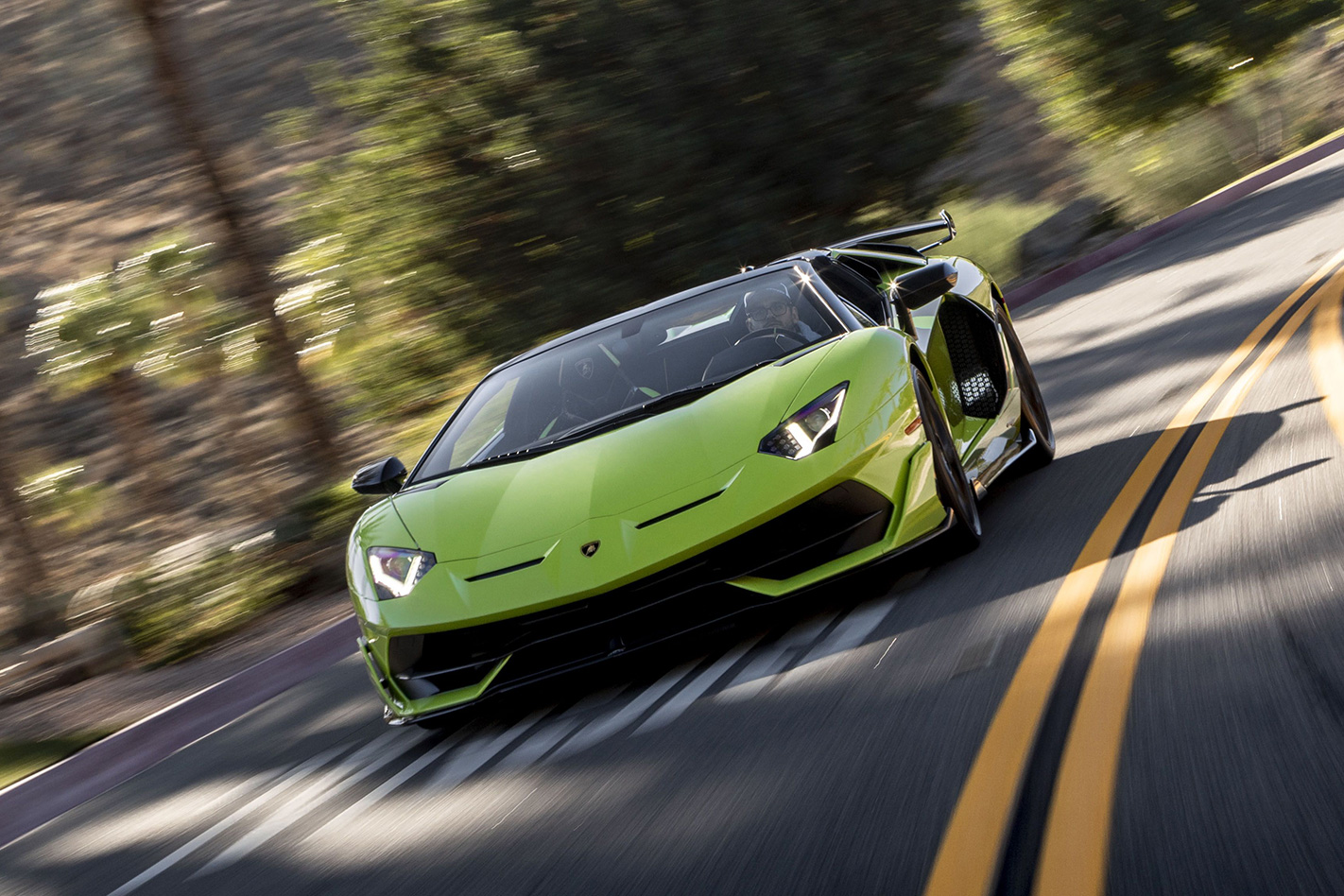
When the Aventador debuted in 2011, it was fitted with a big, beefy V12 that we’d come to expect from flagship Lamborghini products. However, that familiarity belied the ground-breaking change that had been completed. For the first time in the manufacturer’s history, it had an all-new V12. Codenamed L539, the new engine was a full 18kg lighter than the unit it replaced. The key giveaway of the L539’s clean sheet design is the over square bore and stroke and new firing order. Power has gradually increased since it was first introduced, from 515kw on debut to 566kW.
6. BMW S70/2
Produced: 1993-1998 | Displacement: 6064cc | Induction: NA
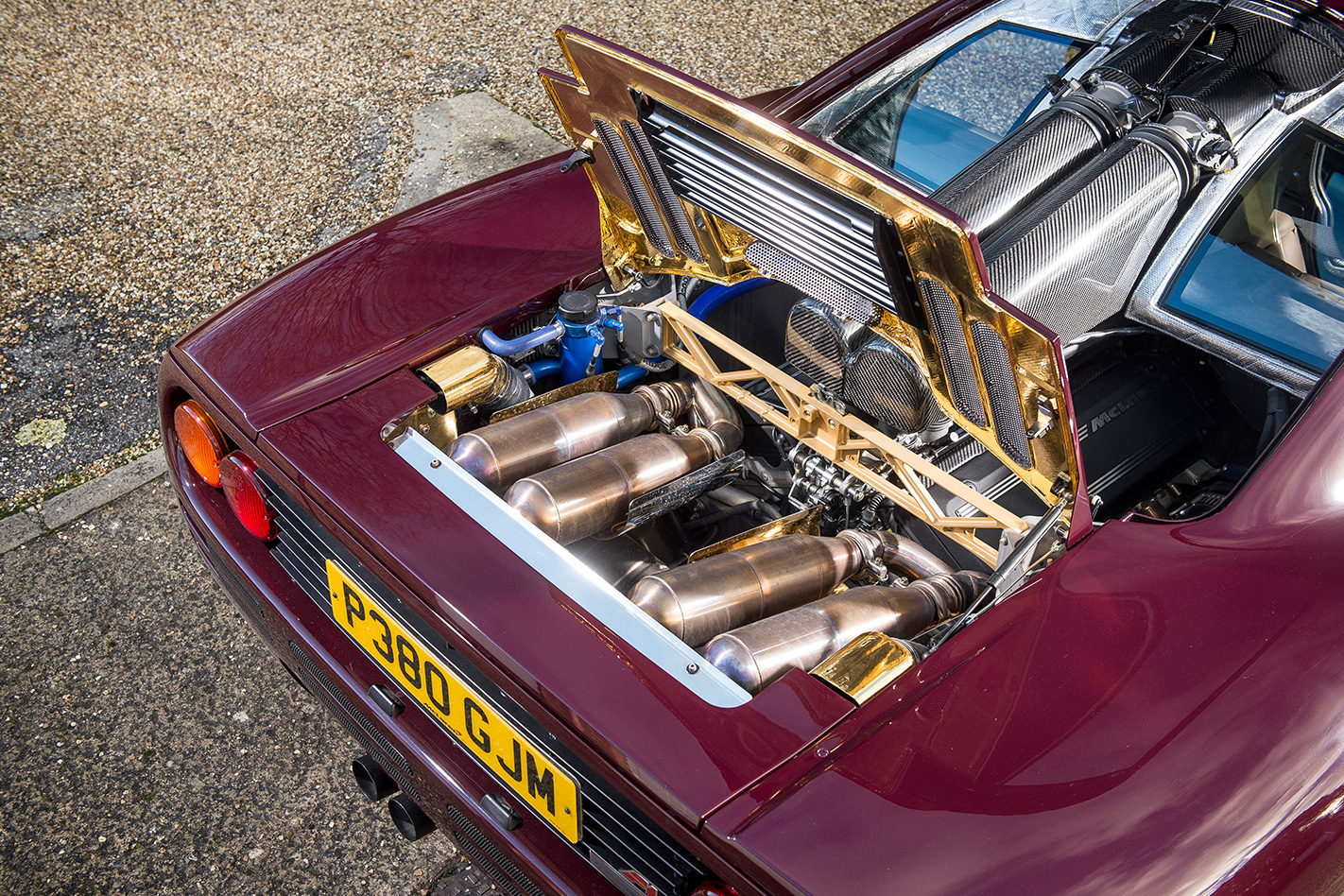
Nowadays it is impossible to think of the McLaren F1 without its legendary BMW-sourced S70/2 V12 powerplant. However, the Munich-based company wasn’t even the first choice for engine supplier, with Honda given first refusal, and Gordon Murray receiving a pitch from Isuzu before opting for the German unit. Murray supplied specific requirements for the engine, including 410kW of grunt, a total block length of 600mm and weight of 250kg. BMW beat the power requirements by 14 per cent, nailed the block length, but the final unit was 16kg heavier than the desired specifications. To this day, the S70/2 remains one of the finest, most exotic, and acoustically spectacular naturally aspirated engines ever designed for road use.
5. LAMBORGHINI BIZZARINI V12
Produced: 1963-2011 | Displacement: 6496cc | Induction: NA
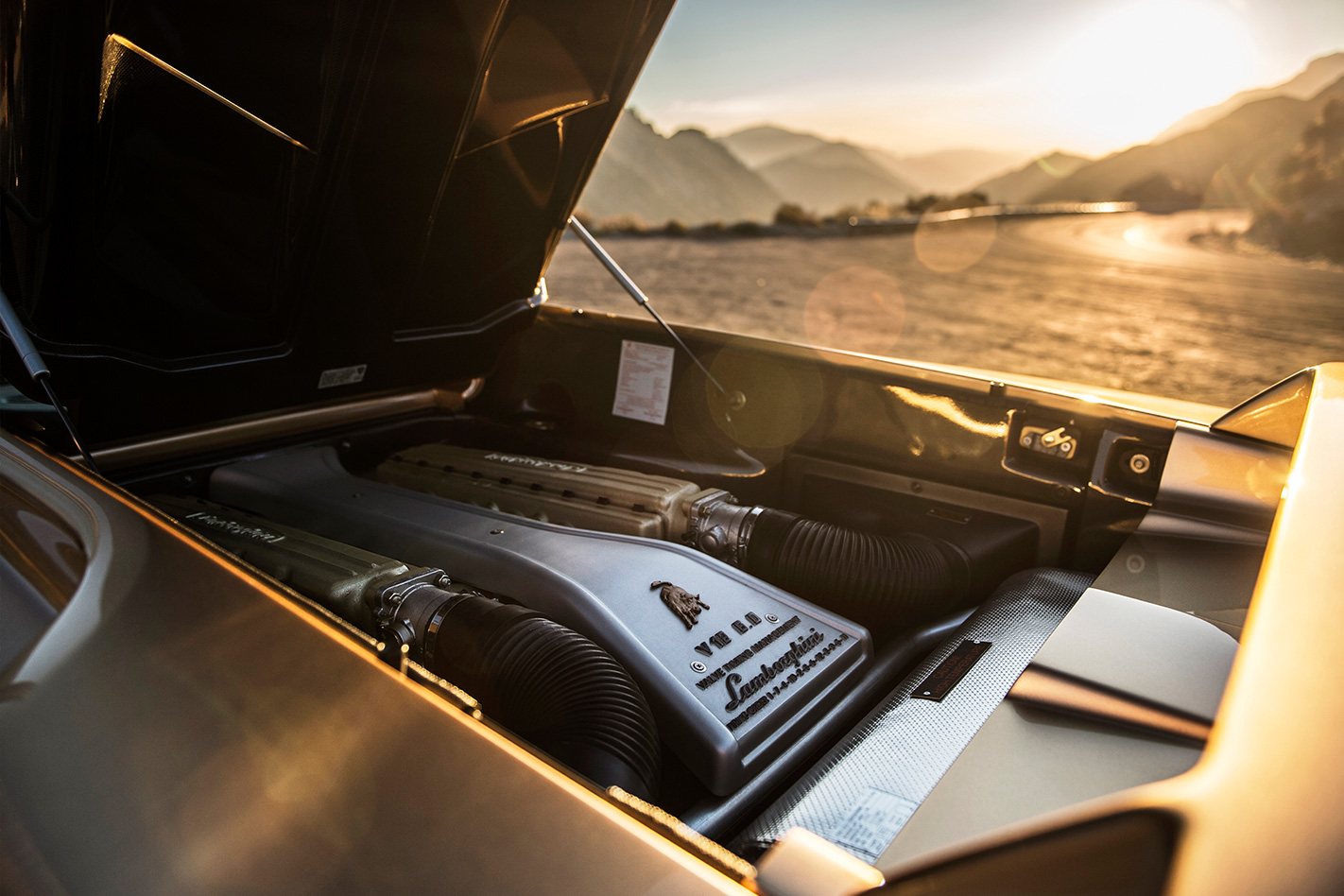
The Bizzarrini V12 is a bit like the Ship of Theseus. Not much of the original design remained at the end of its life, but the core architecture and spirit lived on for nearly five decades. When Ferruccio Lamborghini decided he wanted to build a sports car to crush his nemesis Enzo Ferrari, he contracted Giotto Bizzarrini to build its 12 cylinder heart, promising extra dosh for every horsepower his engine would make above Ferrari’s. Bizzarrini went with a 60-degree quad cam design – mostly for the fact Ferrari were using a single overhead cam design at the time. In its 48 year evolution, the Bizzarrini V12 almost doubled in size, gained electronic fuel injection and, in its final form, the engine produced 493kW at 8000rpm.
4. Jaguar 5.3 V12
Produced: 1971-1992 | Displacement: 5344cc | Induction: NA
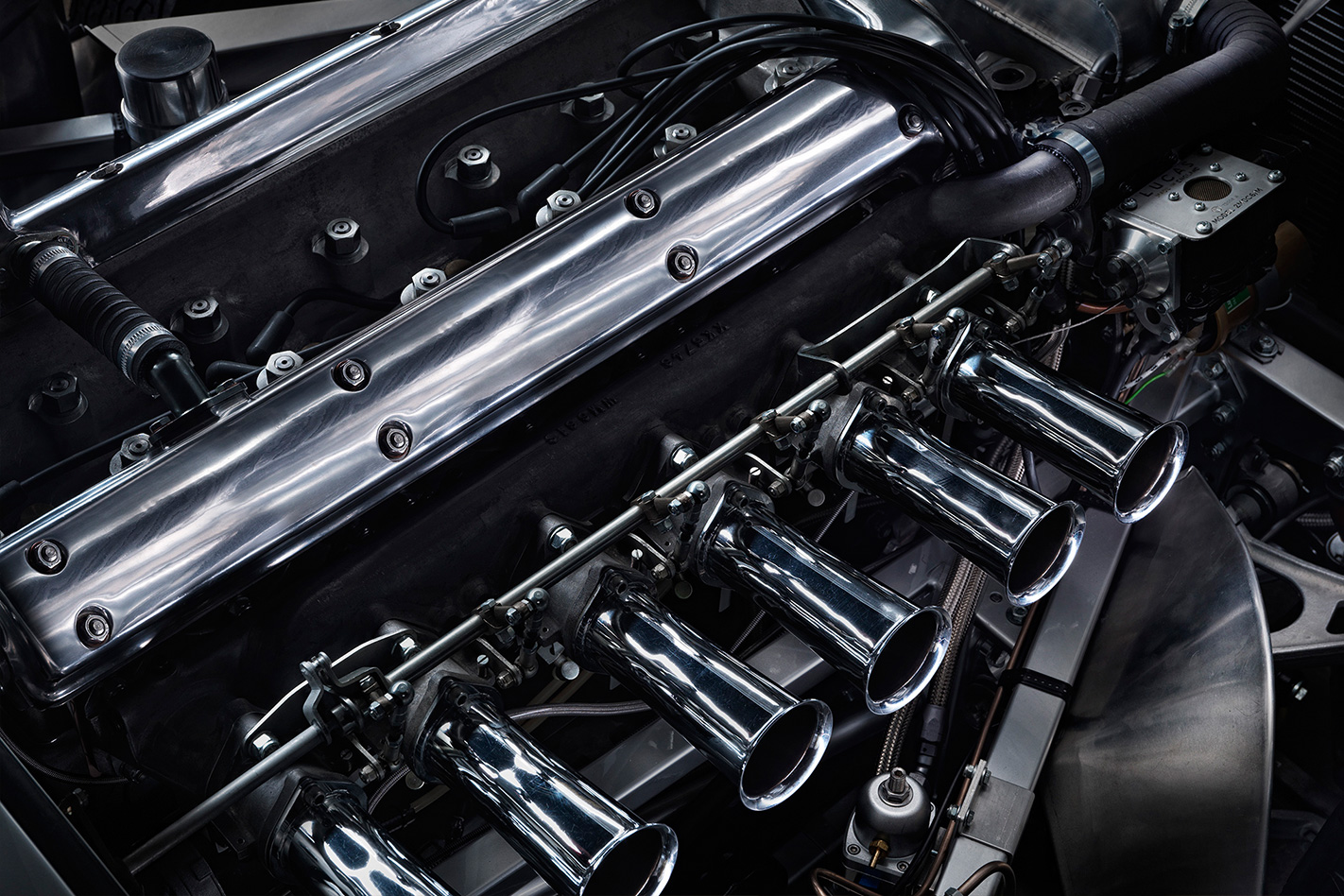
Jaguar first toyed with V12 engines for its XJ13 Le Mans racer, before taking its motorsport learnings and applying it to production car engines, starting with the 5.3-litre. A core trait of the engine was the Oscillating Pick-Up System (OPUS) electronic ignition. While the 5.3-litre was initially meant to have electronic fuel injection, the engine started production fitted with four side draft Zenith-Stromberg carburettors. The ‘high efficiency’ HE version debuted in 1981, extending the V12’s lifespan by another decade, ultimately ending up as a 6.0-litre.
3. Ferrari Colombo V12
Produced: 1954-63 | Displacement: 4943cc | Induction: NA/BLOWN
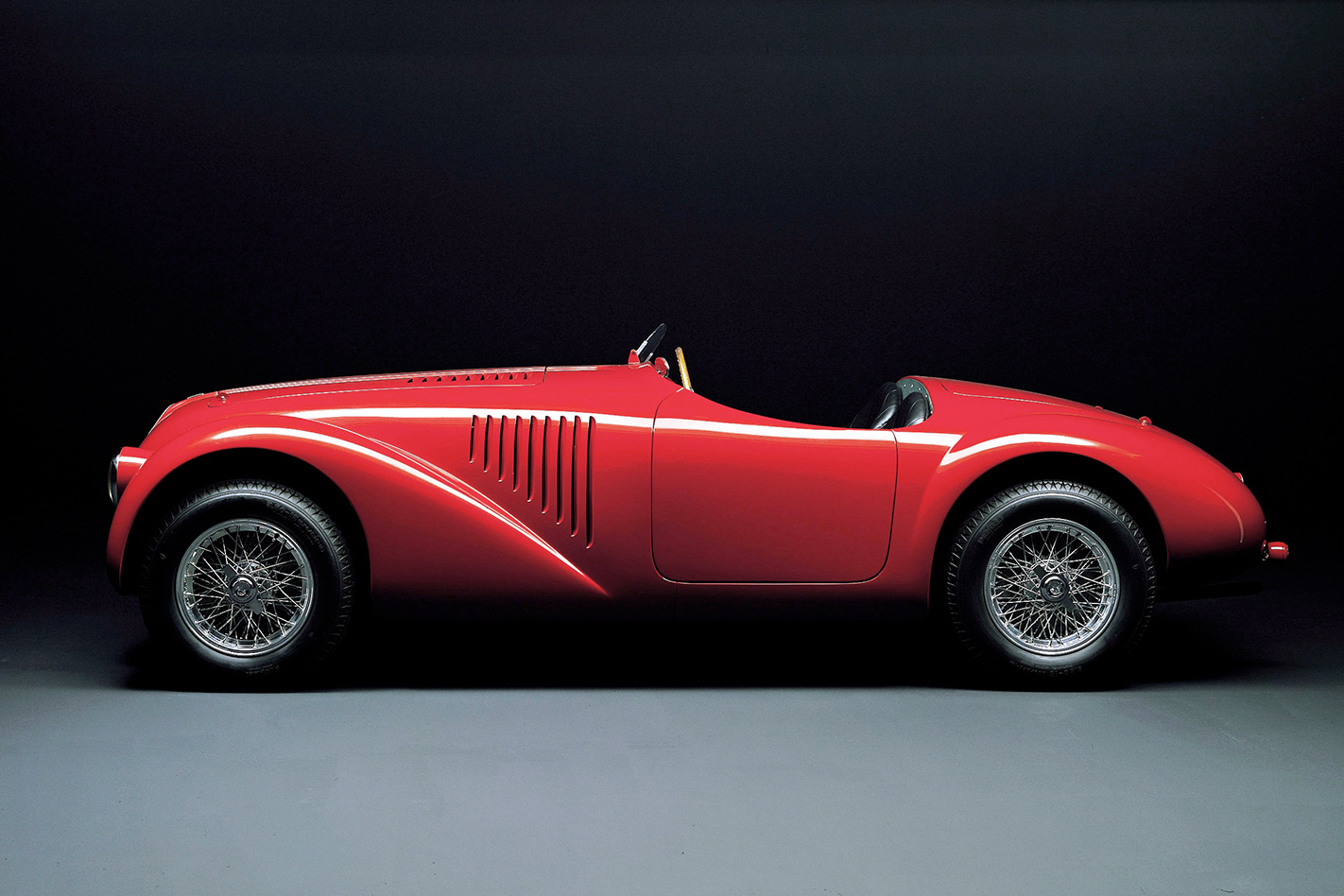
Envious of the V12s used by other manufacturers, Enzo commissioned his first in-house engine in 1947, resulting in the diminutive Colombo. Initially built for the 125S sports car racer, before being supercharged and fitted to Ferrari’s first F1 car, the 125. Despite the tiny capacity of the first iteration, designer Gioacchino Colombo placed the bore centres 90mm apart, allowing for expansion in later iterations. The core design would remain in use until the late ’80s, growing in size, doubling its overhead cams, returning to natural aspiration, and gaining EFI.
2. Aston Martin Duratec V12
Produced: 1999-2016 | Displacement: 5935cc | Induction: NA
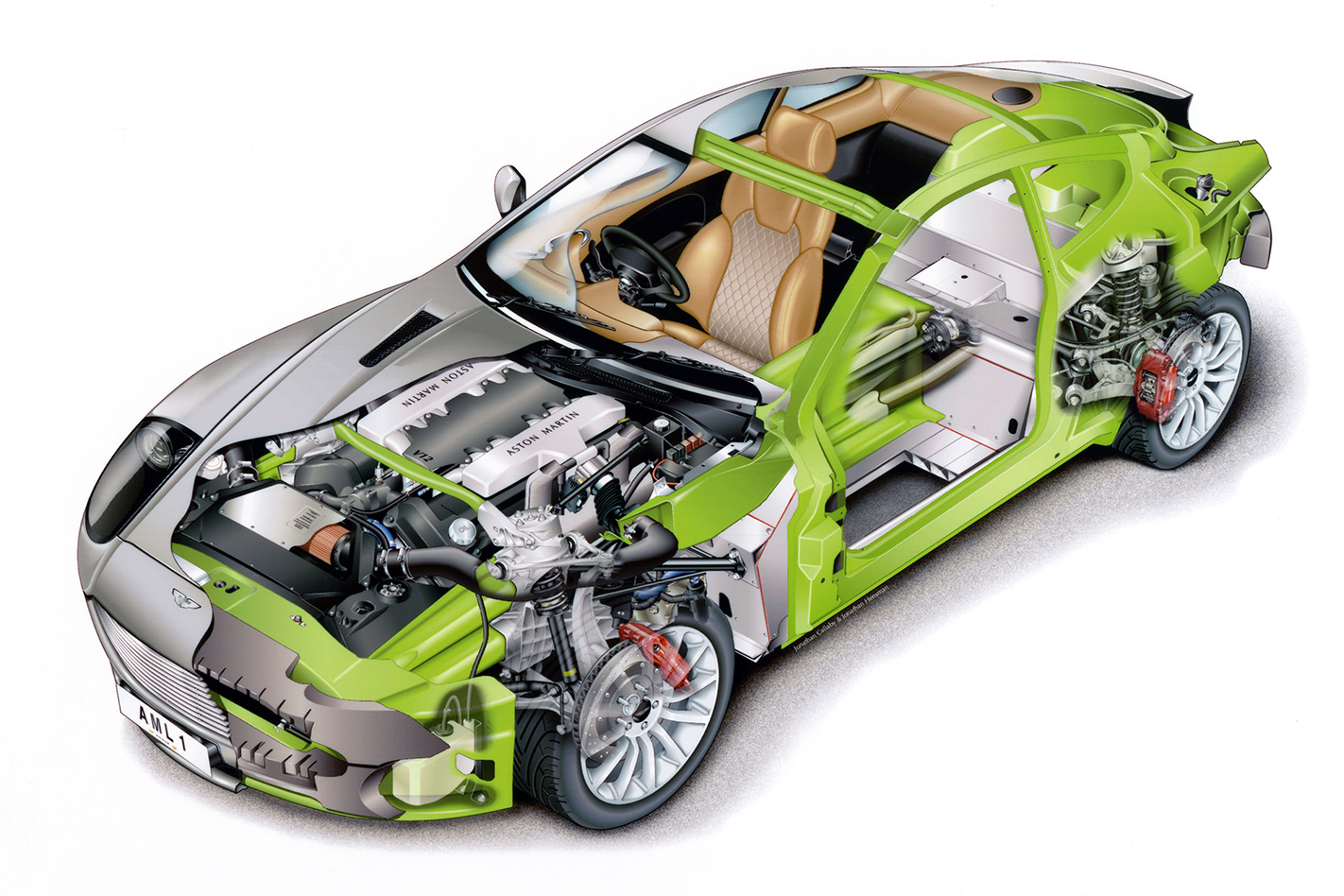
The story of the Aston Martin V12 that first appeared in the DB7 Vantage actually starts with Mazda and Suzuki. The Japanese duo, with input from Porsche, were developing a 2.5-litre V6. Ford, through its partnership with Mazda, took that engine and with the help of Cosworth, built the Duratec V6. For its 1996 Indigo concept, it bolted two end-to-end to create a 328kW/498Nm 6.0-litre V12. The engine had a new block and head, but the same pistons, conrods, valves and cylinder design as a Taurus. Aston ended up putting the V12 into production at the turn of the millennium, keeping it in production as the AM11 until it was replaced by an all-new twin-turbo unit.
1. FERRARI F140
Produced: 2002–NOW | Displacement: 6496cc | Induction: NA
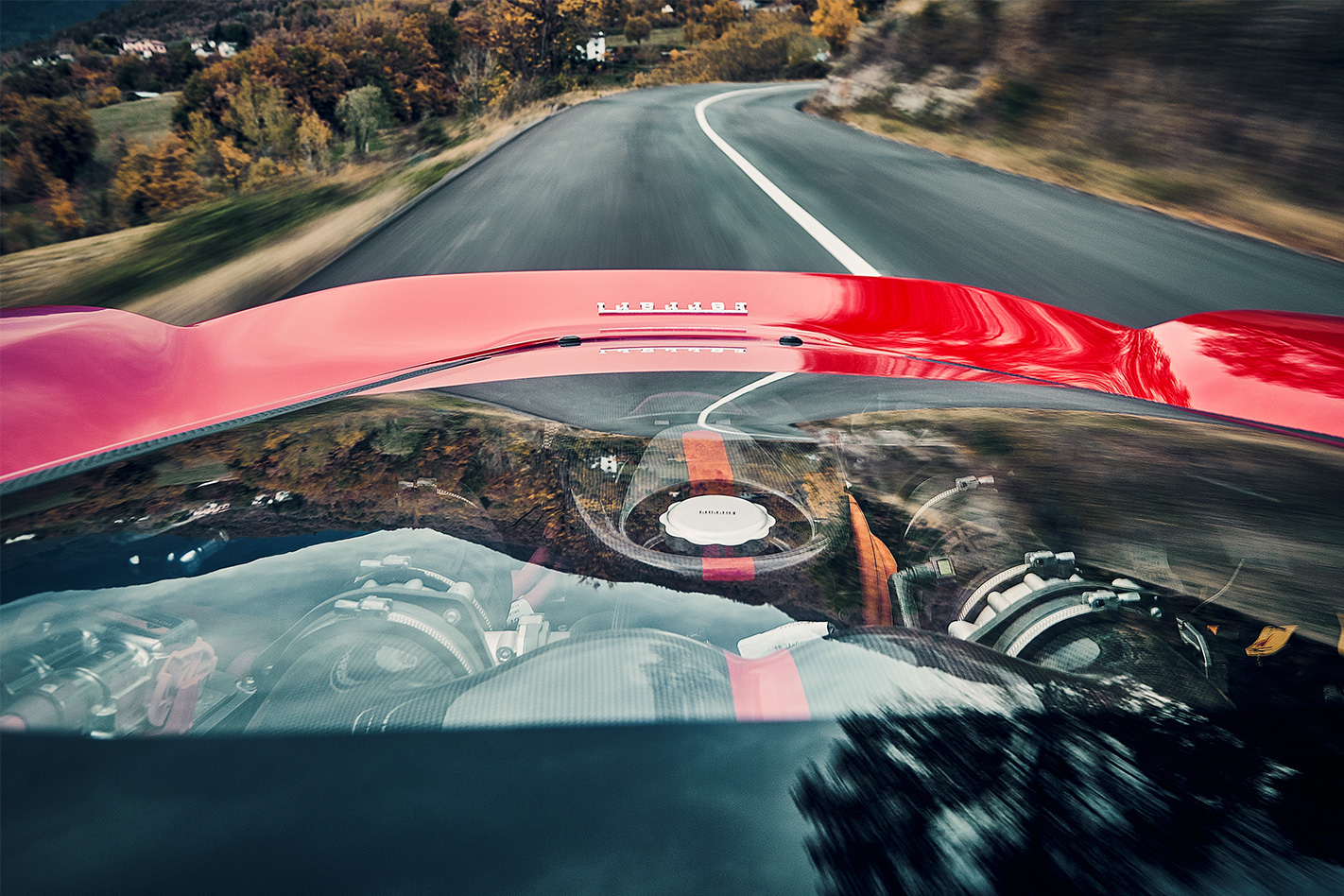
First appearing in the Ferrari Enzo, the F140 has been Maranello’s crown jewel for the last 19 years. A 65-degree DOHC design is used, with aluminium construction for both the block and head. Used in Maranello’s fastest road cars, power for the F140 has ballooned from 485kW in the Enzo to 596kW in the Monza SP1/SP2 twins, while also powering the unhinged XX family of track-only monsters, as well as the Maserati MC12. Ensuring the F140’s survival is a patent for a new fuel injection system, with Ferrari choosing to evolve and improve the design, rather than build an all-new V12.
