
Take a seat, anywhere will do: couch, chair, park bench, doesn’t matter. Comfy? Good, we’re going to perform a simple exercise. Stretch your legs out in front of you but hold your left foot back slightly.
Now extend that left leg whilst simultaneously retracting your right leg slightly. Not too tricky, yeah? It’s about to get harder. While performing the aforementioned leg movement take your left hand and wiggle it forwards and backwards. Got it?
I hope so, for as you’ve probably surmised, you’ve just gone through the motions of changing gear.
It takes a bit of coordination but it’s not particularly difficult, proven by the fact that millions of people each year achieve a sufficient level of competency at this task to be awarded a driving licence.
Given the relative simplicity of this skill, then, why is it so often held to be the arbiter of driver ability?
There are so many more challenging activities behind the wheel than swapping cogs – steering progression, trail braking, holding oversteer to name just a few – but imagine the ridicule if you’d mastered all this yet announced at a car meet that you couldn’t drive a manual?
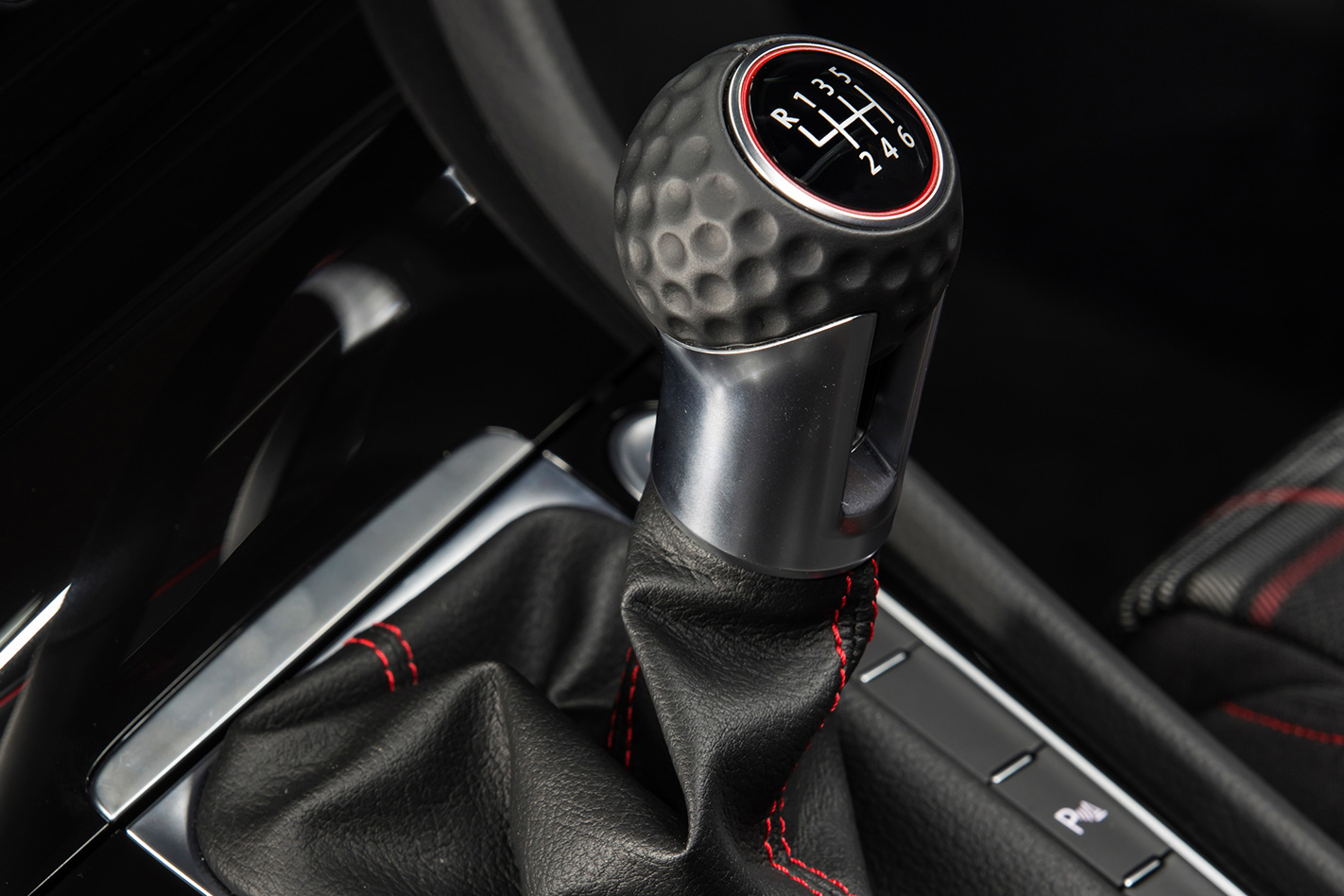
That might sound crazy but it’s a reality for many young racing drivers who graduate straight from karts to paddle-shifted Formula 4 or Formula Renault and, in some cases, reach the highest echelons of motorsport without ever completing a heel-and-toe downshift.
Does that make them lesser drivers? Sebastien Loeb won nine straight WRC titles and didn’t use a clutch to change gear once.
The catalyst for this quasi-rant is numerous recent comments on social media – yes, yes, I should know better – regarding our recent comparison test between the Ford Focus ST and Renault Sport Megane which used the automatic variants of each.
Some dismissed these cars outright for not having three pedals, which is foolish. Just as being able to change gear manually doesn’t automatically make you a great driver, having a manual gearbox doesn’t automatically make for a great driver’s car.
Even when both options are available, the manual isn’t automatically the default choice.
Funnily enough, the Renault Sport Megane is a perfect example. RS Meganes have never had the slickest shift – the RS275 Trophy-R loved getting jammed between gears – and now the latest example is available as a dual-clutch its quick, snappy shifts are preferable to wrestling the indistinct manual.
It’s not alone: the idea of a manual Jaguar F-Type was much better than the reality, likewise various BMWs (M140i/M240i/F80 M4).
It’s not always the shift that’s the problem, however. Porsche, for instance, offers beautifully oiled gear changes but its decision to massively over-gear its cars in the lower ratios means its superb PDK is usually the more enjoyable choice, unless you have the horsepower of a GT3.
Speaking of horsepower, today’s top tier supercars are just too quick for three pedals. The likes of the Ferrari 812 Superfast or McLaren 720S are so ferociously fast that you’re literally out of breath at the end of a drive without the added workload of moving your left foot.
Don’t think I’m denigrating the venerable manual. Changing gears is still a skill that requires time and effort to utterly perfect and it is worthwhile doing so – for example, save a tenth of a second (literally the blink of an eye) on every shift over a lap that requires 10 gearshifts and you’re a second faster.
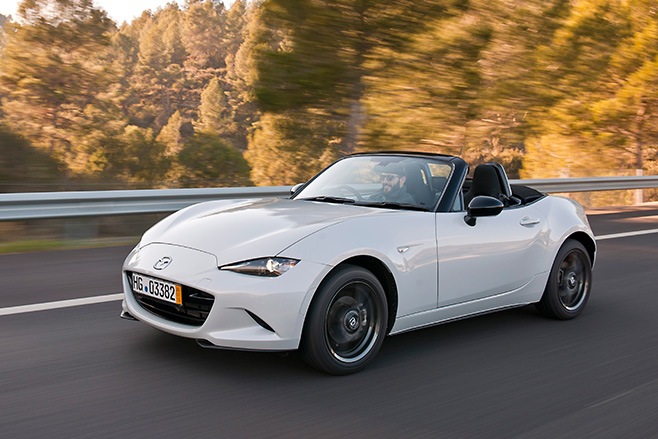
More importantly, done well, three pedals are great fun. Cars with sweet manual ’boxes like the Fiesta ST or ND MX-5 are a joy to drive; the latter actually has a very capable automatic option, but in this example, the manual is definitely preferable.
And this is the point. It all depends. You’re not a driving hero just because you can essentially pat your head and rub your tummy at the same time; if you want to decrease your lap times there are plenty of other things to worry about.
Similarly, just because a car occasionally shifts its own gears doesn’t write it off as a fantastic performance car.
Just like any other part of the machine, a great manual gearbox enhances the driving experience and a crap one detracts from it.
My first real interaction with Scott McLaughlin came with the Garry Rogers team in 2014, as he tried out the successful but short-lived Volvo S60 Supercar for the first time.
He looked impossibly young, and his cheery demeanor lit up the garage like a 100w bulb. In a paddock where closed doors and sour faces can proliferate like a weed on a summer field, McLaughlin was just happy to be there.
Fast-forward six years, and that sunny demeanor has faded a little over the years, as the toll of winning three championships on the trot with DJR Team Penske, a sometimes fractious relationship with Supercars rivals and fans, and a turbulent 2020 season made its mark.
The season wrapped up in October with a fan-limited Bathurst 1000, and Scott had the series win in his back pocket… but that wasn’t enough.
His defence of his 2019 Bathurst 1000 win was important to him – while it’s in the record books, question marks around his qualifying engine and his team’s tactics on the day blighted the result in a way that wouldn’t have sat well with him.
And you could hear it in his voice and see it in his face. He wanted to make amends.
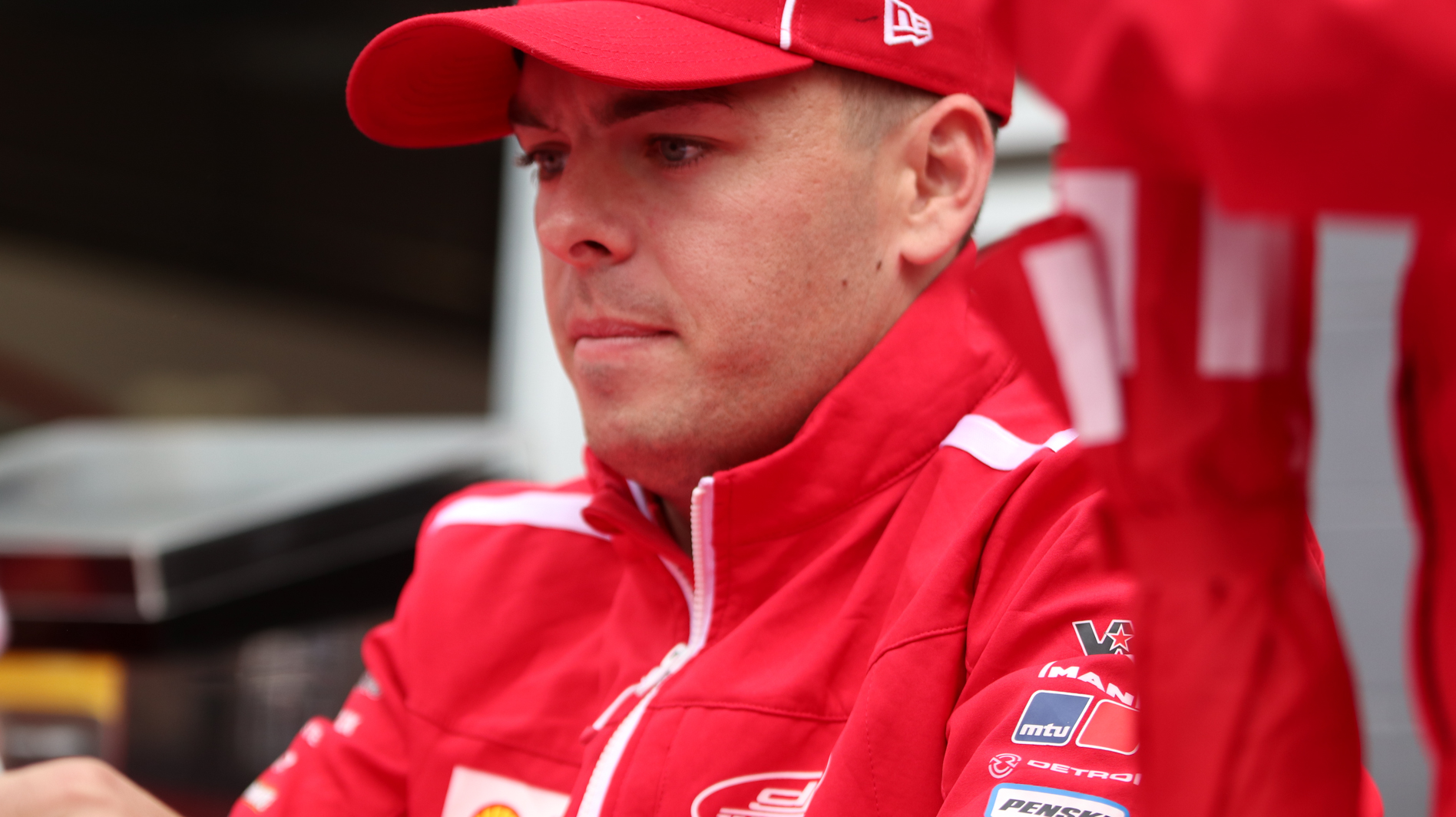
Fate will show that he and good mate Tim Slade missed out on a podium – and there, perhaps, went the only chance for Scott’s fans to say a quiet fare-thee-well to the young ace.
Then there’s the whole IndyCar thing.
With Supercars success in his pocket and the ear of the most influential man in world motorsport, Scott’s focus turned to the US.
It could have been NASCAR – a route trodden by a former Ford-driving Supercars champion, Marcos Ambrose – but McLaughlin has chosen the arguably more challenging path, IndyCar.
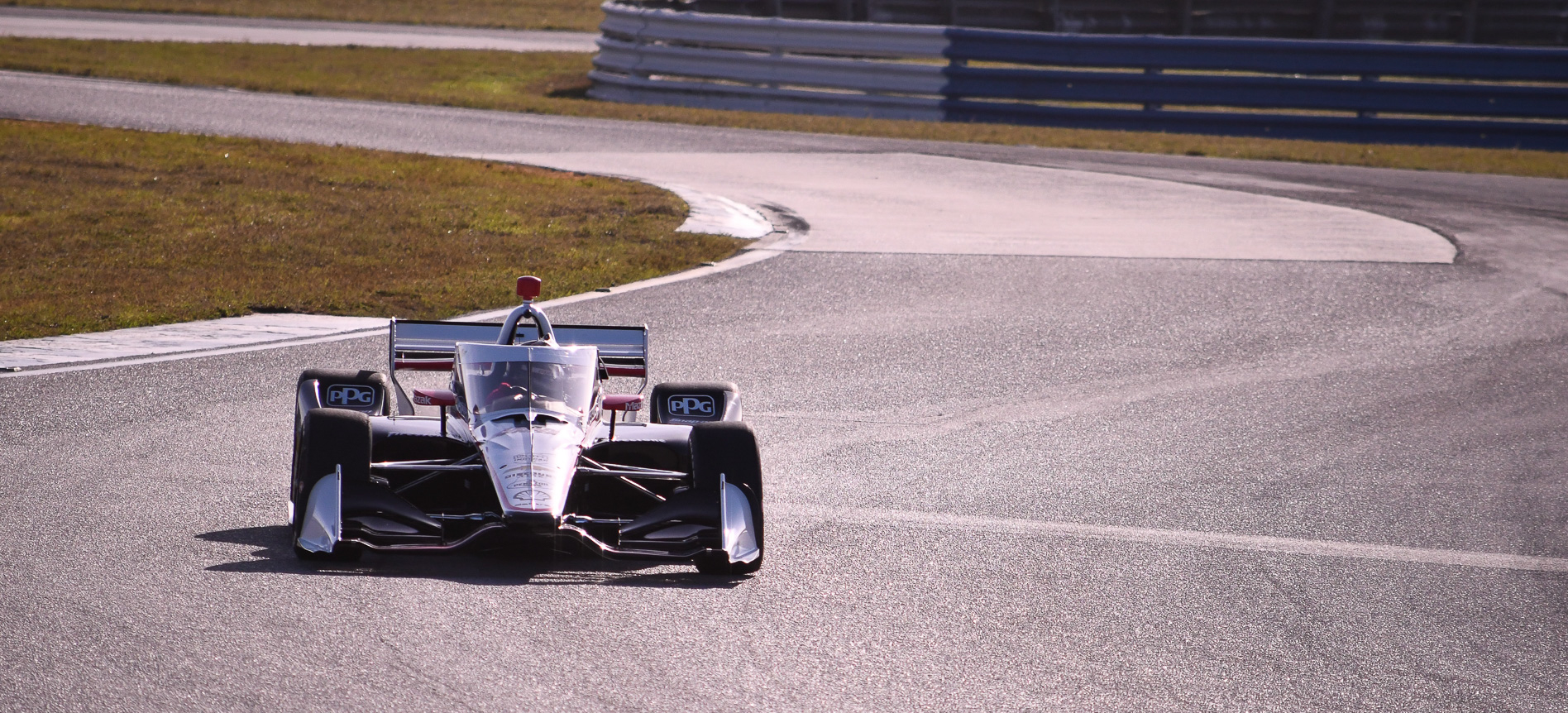
I’ve written about how he’s made that journey, and as a fan of the sport, of Scott and of Supercars, I’ll be watching every step of the way.
What bums me out, though, is that we didn’t get a chance to say goodbye.
Scott has been a central character in the Supercars story for the last six years, from his brilliant ‘give it the jandal’ slip on live telly to his otherworldly ability to wrest poles and wins from some of the best operators in the game – and he deserved a Craig Lowndes-like send-off season of his own.
Sure, COVID-19 put a sizable dent in that notion early on, but I’d argue that the inability (unwillingness?) of the Penske operation to lay out a clear roadmap for either Scott or the Australian operation will not sit well with the team’s legions of fans.
The shutters came down on the line of questioning early in the year, in fact, despite growing signs that there may well be movement at the station.
Penske loves racing, but it has to pay its way and have a purpose – and DJR Team Penske was formed to sell trucks and form business relationships, nothing more.
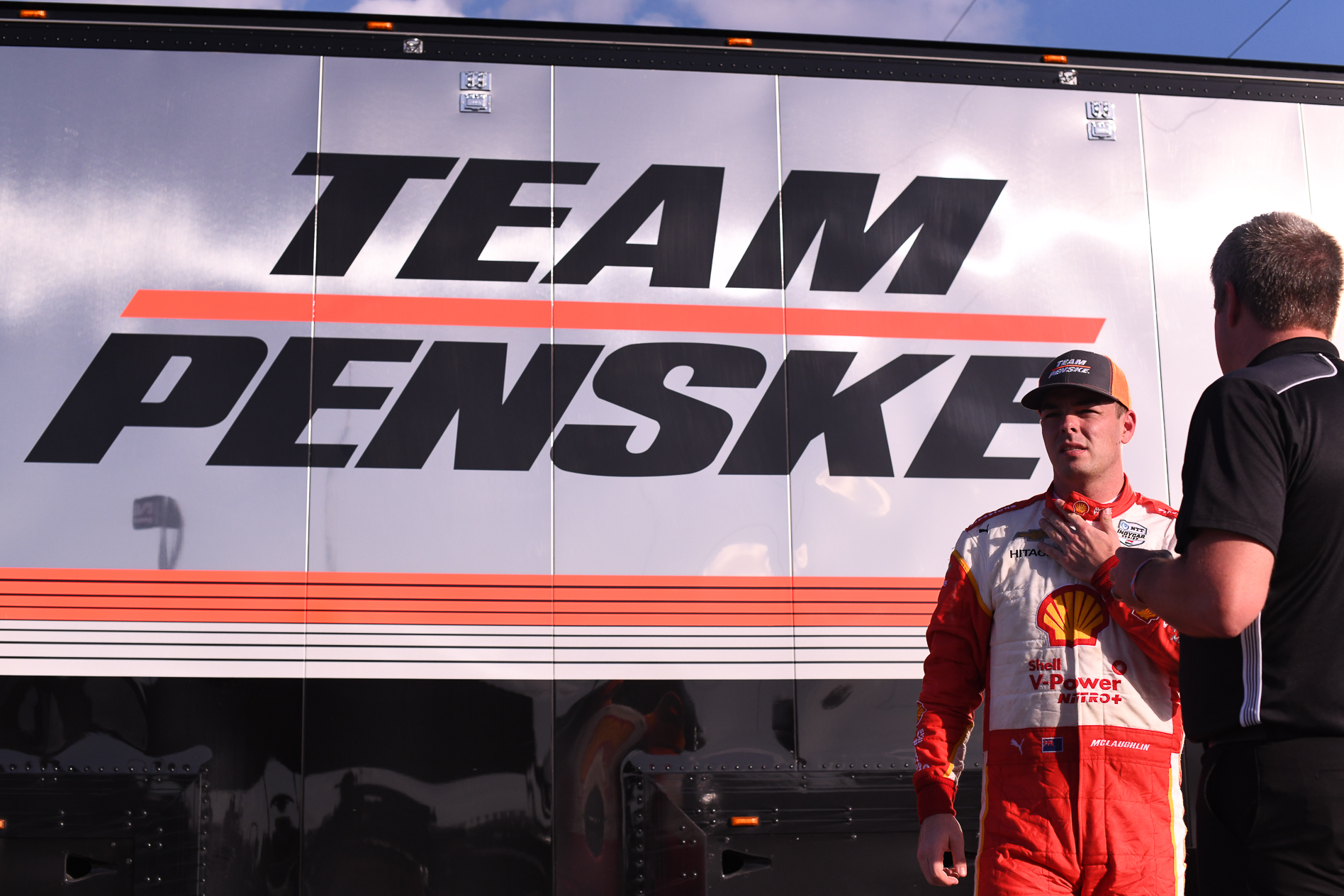
In a game where having next year’s plans locked down six months in advance is considered late, the silence from DJR Team Penske was deafening.
If, as I suspect, Penske’s departure was already locked in at Mt Panorama, then denying Scott a chance to at least make an announcement at the end of the race is pretty average treatment for the legions of Australian and New Zealand fans that have backed the driver and the team since its inception.
Yeah, yeah, commercial deals and all that… but motorsport is as much about the man as the ball.
Scott will be back in 2021 to race at Bathurst, according to the team, but for the situation to devolve to the point where a three-time Supercars champion has to say a farewell from a St Petersburg hotel room… it doesn’t sit right.
Good luck in the US, Scott, and give it some jandal.
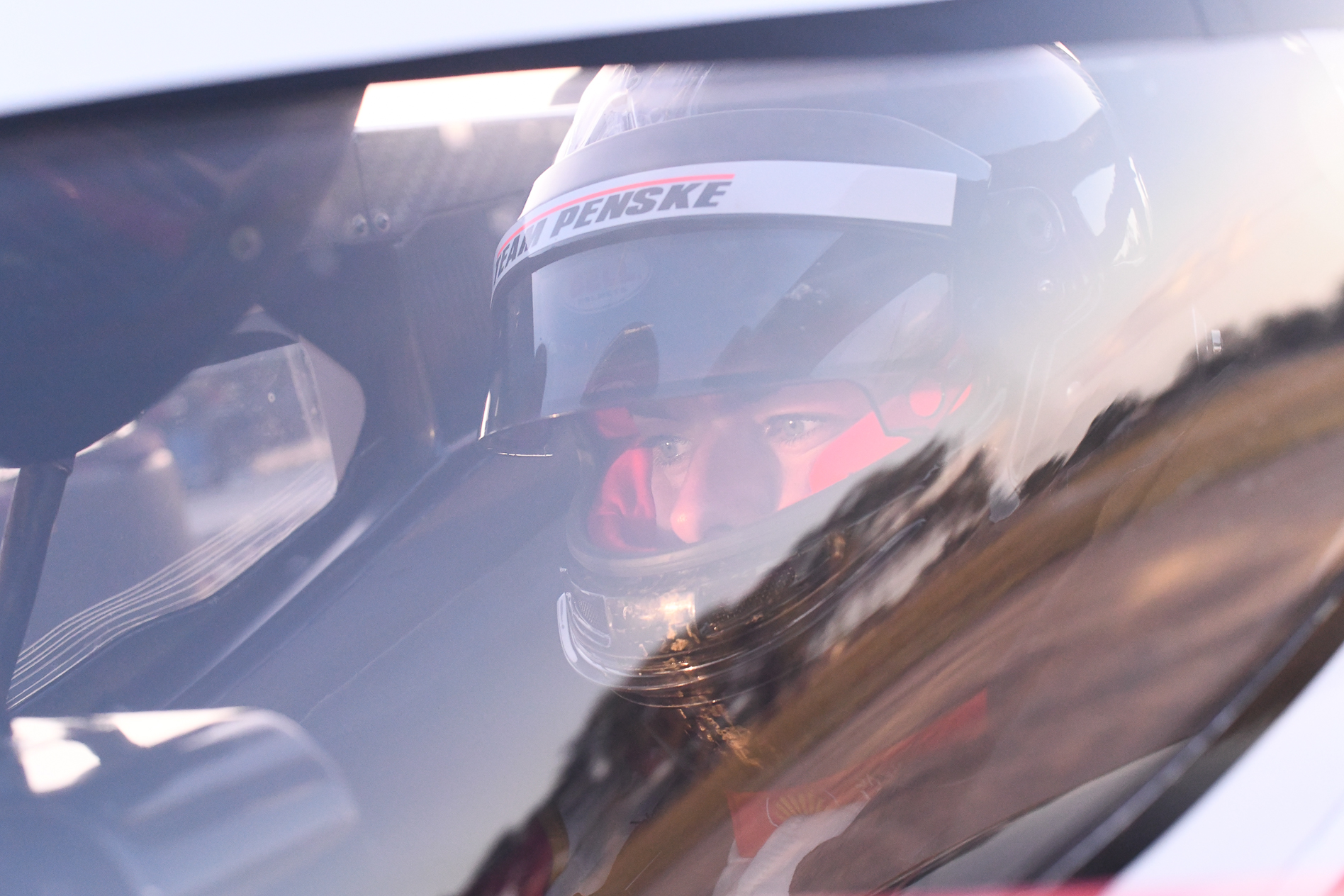
I’ve only space here for public service announcements this issue, and there are a few of them.
This is Dylan Campbell’s final editorial, from the October 2020 issue of MOTOR Magazine.
I had planned to bang on about how happy I am Nissan is putting the 370Z in the microwave for another 90 seconds with the ‘400Z’, or whatever the Z Proto over page ends up being called, and no, I’m not being sarcastic.
What’s not to like about a new rear-drive sports car with a twin-turbo V6 and likely 300kW/475Nm, and one that’ll cost hopefully no more than $70K?
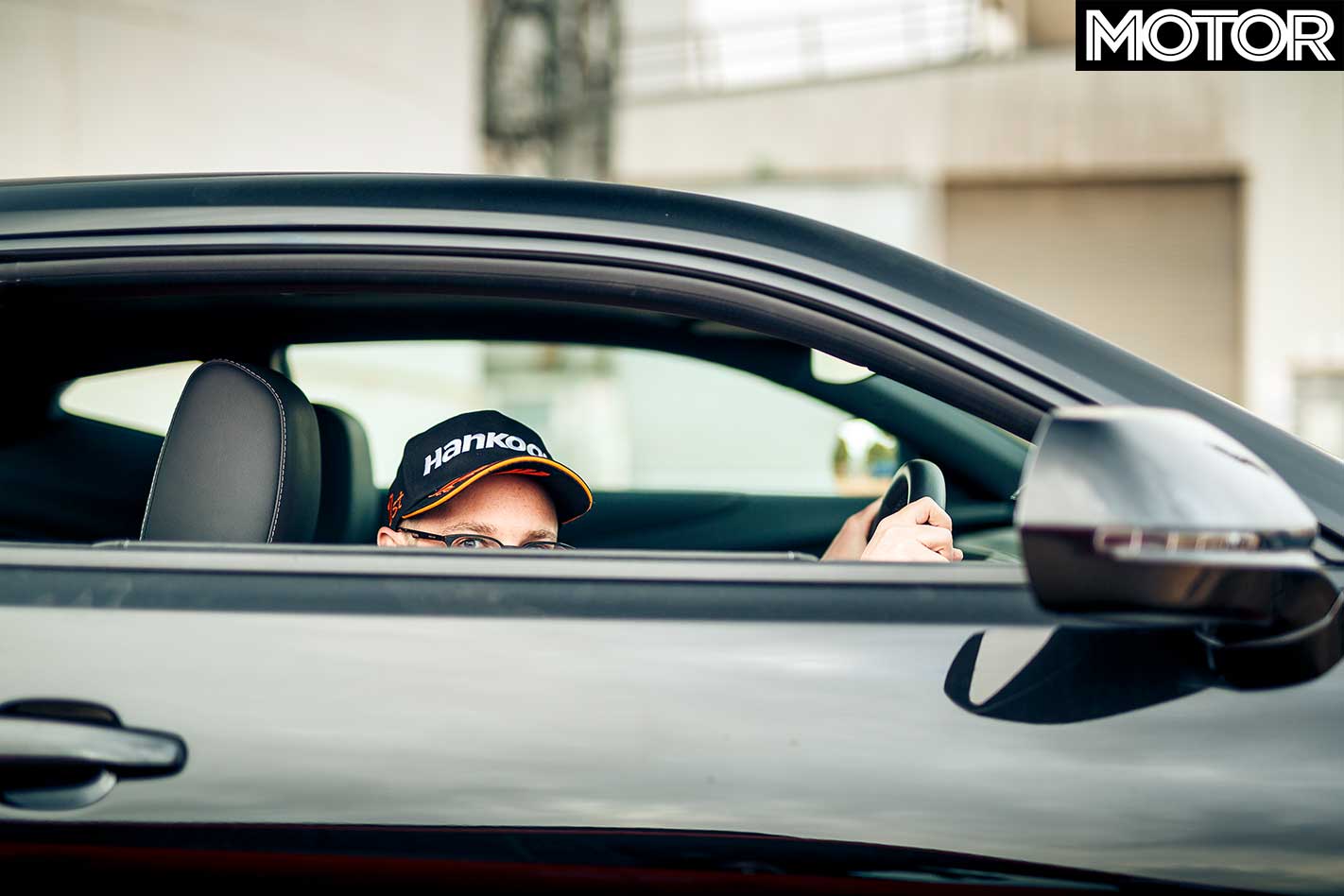
Forget how old some of the part numbers in it might be; it could be like a cheaper, Japanese flavoured BMW M2. And it’s worth bearing in mind that car is being discontinued. A new sports cars is never bad news, and Nissan, you should probably focus on your ageing US portfolio rather than a sports car but I’m glad you haven’t. Go Nissan!
Moving instead on to said announcements, which are somewhat drier, but necessary, and if anything provide a contrast to what’s in store for the magazine’s future.
First, the mag has gone up in size. Huzzah! We’re going to keep trying to do this as we recover from the Covid curveballs hurled at us and everyone else. We’ve been able to bring back Hot Source, the numbers-fest in the back of the back. Thank you to those who’ve patiently awaited its return.
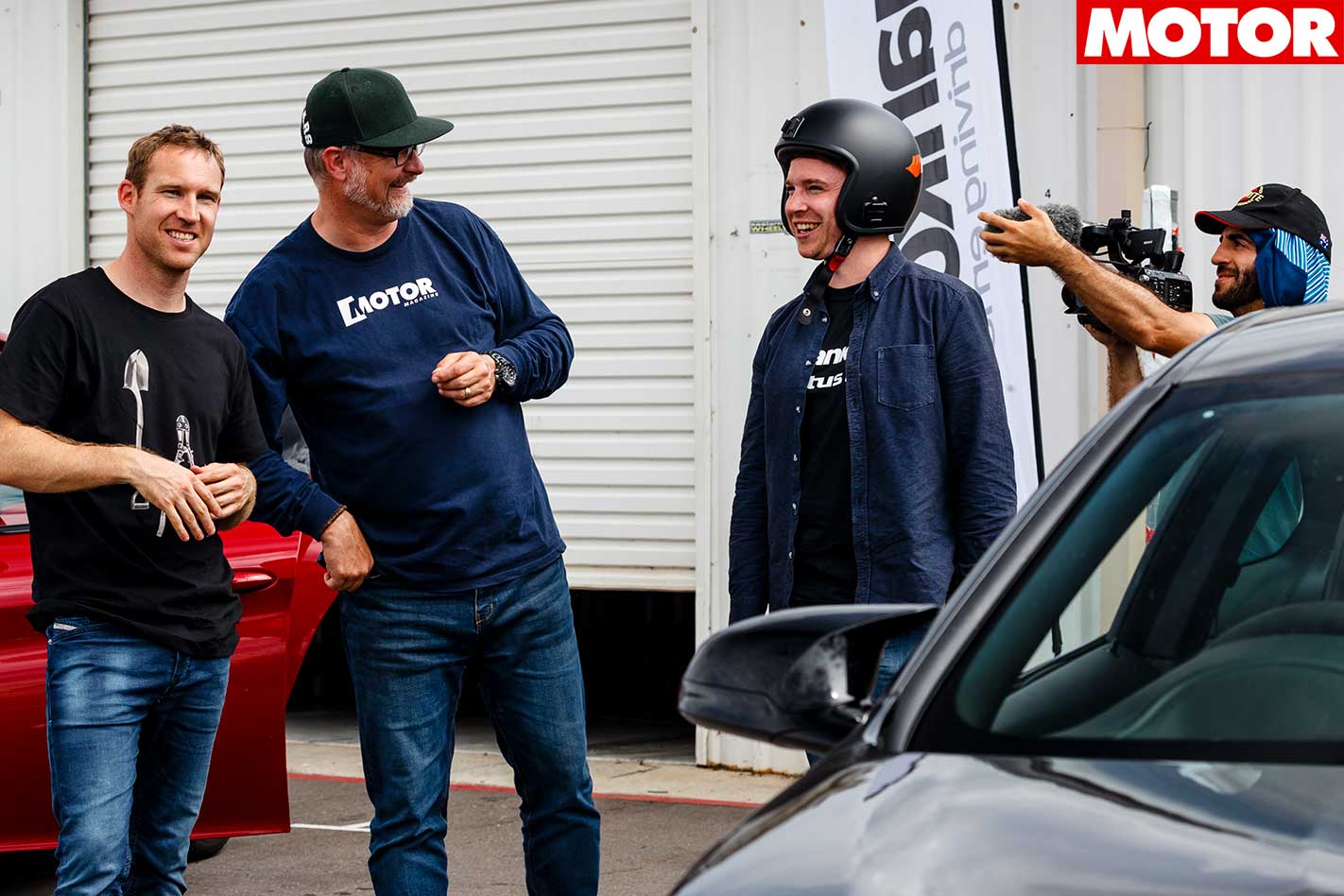
It has meant two other things. The mag is now a bit narrower (sorry to those who collect them) and we’ve copped a paper downgrade. We did this deliberately so we wouldn’t have to put pressure on the words and photos that go on said paper, and we’ve been successful for the most part in that regard. Nevertheless, thank you for your patience through this whole bizarre time; it’s your business too I’m thinking of, and you.
Another change, and maybe this will turn out to be an upgrade – I’m outta here! After god only knows how many issues (89, but who’s counting), I’m off to sort out Wheels as its Editor, or something like that. I’m excited, but also sad.
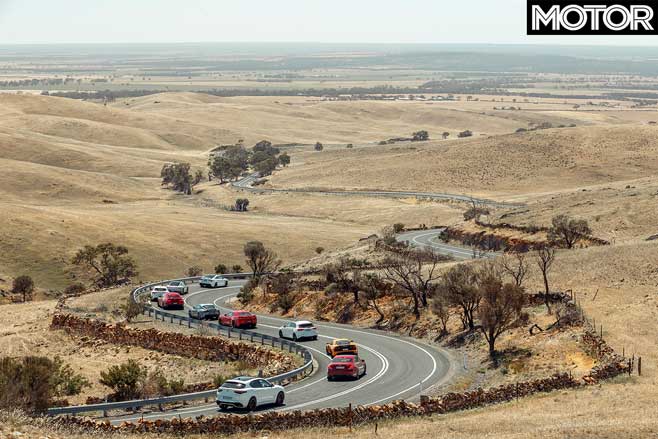
I’ll very much miss MOTOR, my dream job as a teenager. And from that very first 4am deadline that will go down in publishing infamy (there was very nearly not a December 2013 issue of MOTOR), to the countless phone calls of varying moods to the world’s car makers, the shagged tyres, the PCOTYs, the thousands of testing kilometres, and pies, the 16-hour days, the photographer’s ‘one last shots’, the cars – the cars! – the whole lot. It’s been a blast.
I’ll miss it a lot. And I’ll miss you lot. Not that I’d ever say so. But seriously, I’m also incredibly proud of the job we’ve done on MOTOR the last seven years and I hope it’s shown.
I look forward to becoming a reader again (does that mean I have to stop showering as well?) and enjoying MOTOR’s next chapter.
My replacement is Andy Enright who has more roadtesting and car magazine experience – and utterly wild stories – than I might ever hope to have. As for me, see you around the traps. Jumping a Camry for the cover of Wheels, hopefully. Enjoy.
This column appeared in MOTOR magazine – grab it now by subscribing at a great rate right here!
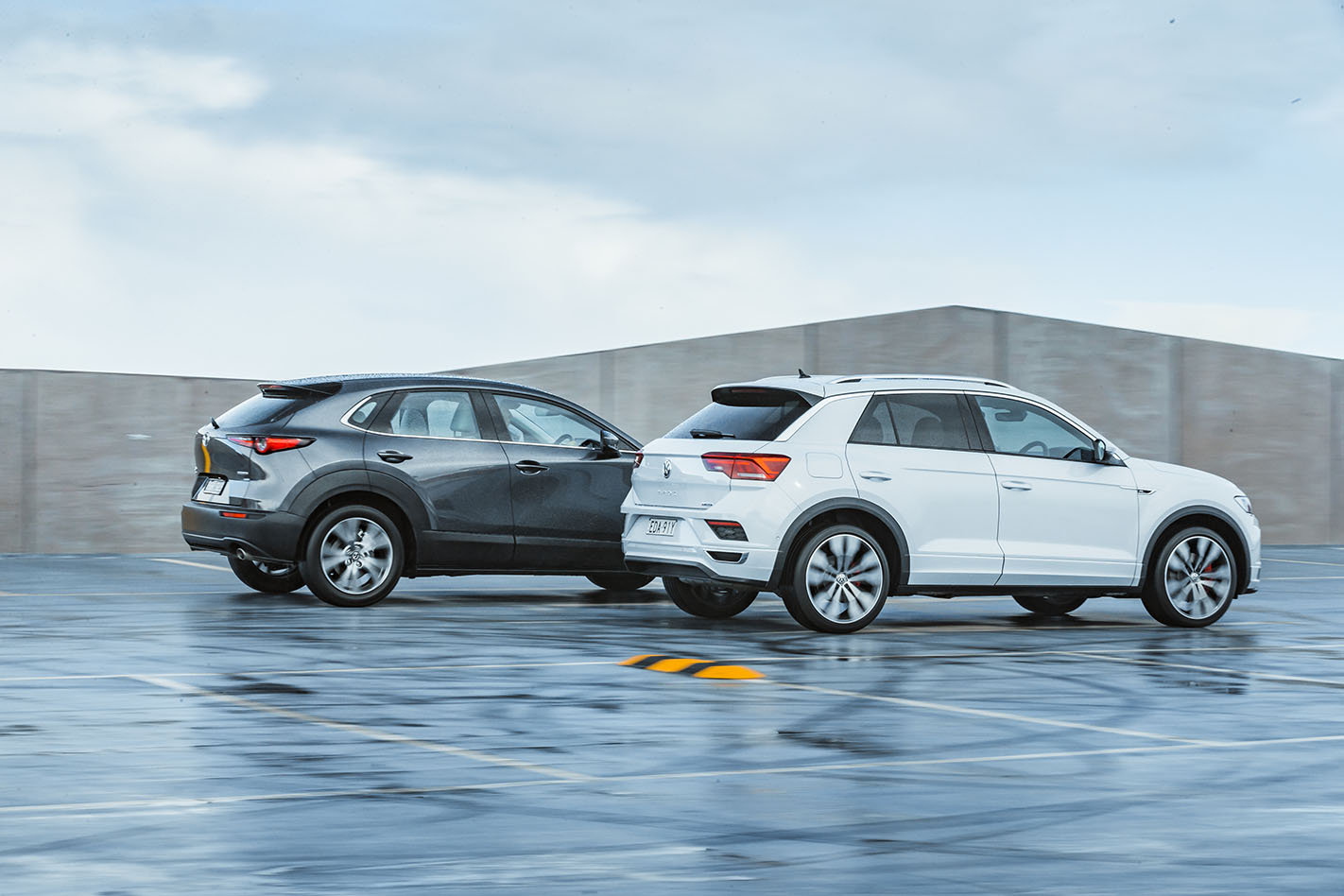
What we have here, dressed as two mid-sized SUVs, is a conundrum. Where do your priorities lie when it comes to choosing a set of wheels? Do you want soothing practicality and a vehicle that does its job with ease while leaving you in sublime comfort? Or are you searching for something more athletic that aims to be more than just a conveyance and appeals to the heart as much as the mind? In other words, do you prefer the tortoise or the hare?
Our contenders for this philosophical dilemma are the Volkswagen T-Roc and Mazda CX-30. The VW is a fashionably late newbie to the segment, while the Mazda has already cemented itself as the class benchmark by winning multiple Wheels tests.
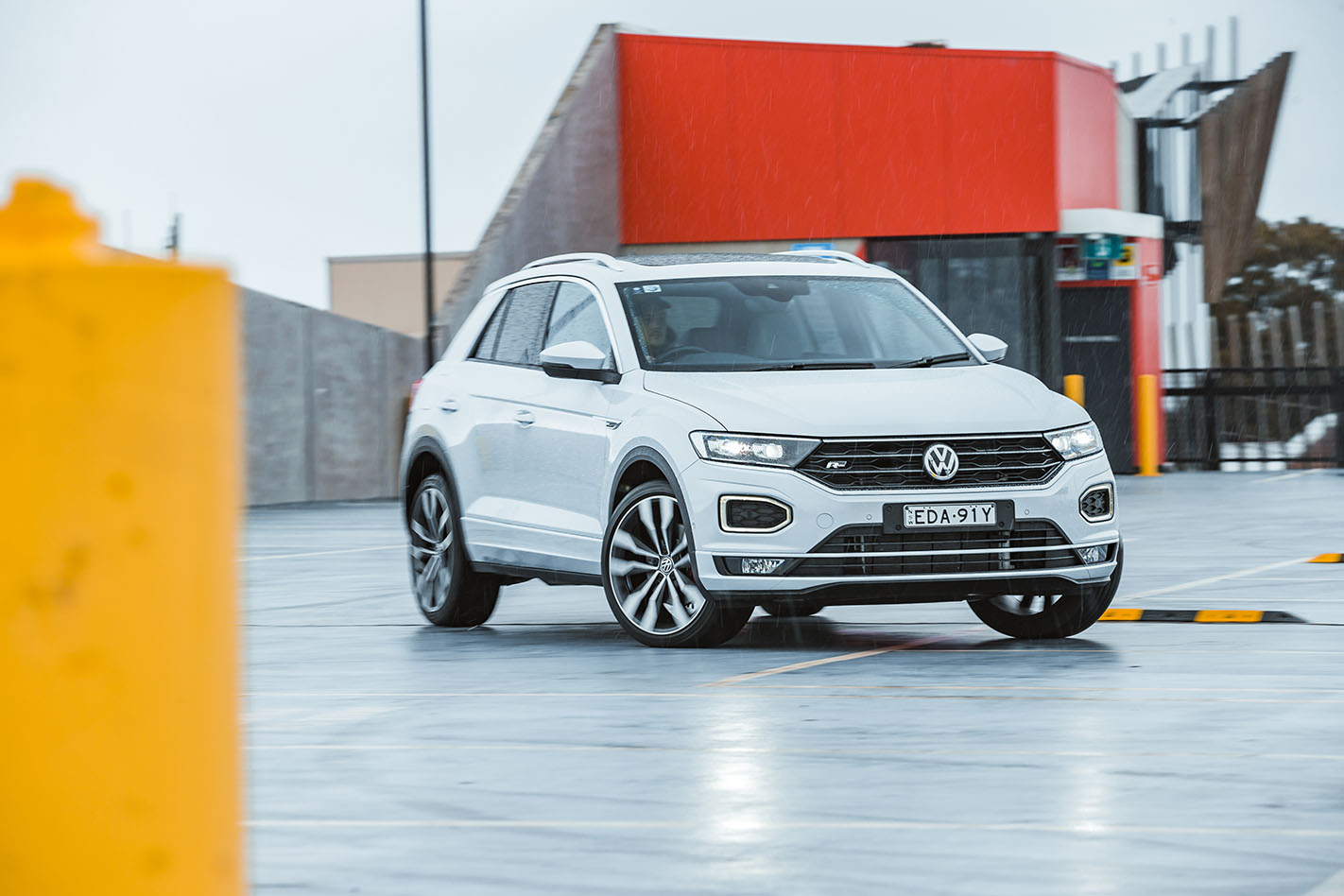
Not to be confused with its smaller T-Cross sibling, the T-Roc takes what makes the Golf a perennial favourite, and applies its hatch ethos to the small-ish SUV game. It’s actually 21mm shorter than the Golf Mk7.5, but some 20mm wider. It’s also more compact than the Mazda which is 149mm longer than the T-Roc and has an extra 60mm between its axles.
International sales for the T-Roc started three years ago after the vehicle was revealed to the world at Geneva in 2014, but gobsmacking global demand has left Volkswagen’s local arm waiting patiently to enter the lucrative small-SUV segment.
The range-topping 140TSI Sport that we have on test starts at an agreeable $40,490, but as-tested here it costs $46,590 before on-roads. Both the Luxury Package ($3500), and Sound and Style Package ($2000) are included on our test vehicle, while metallic paint adds $600.
These option packs are needed to get the T-Roc on par with the CX-30 in the gizmo arms war. Opting for the Luxury Pack brings heated front seats, a panoramic sunroof, electric tailgate, and seats trimmed in a combination of real and artificial leather. The Sound and Style Package adds adaptive dampers, 19-inch alloy wheels, and a 300-watt Beats sound system.
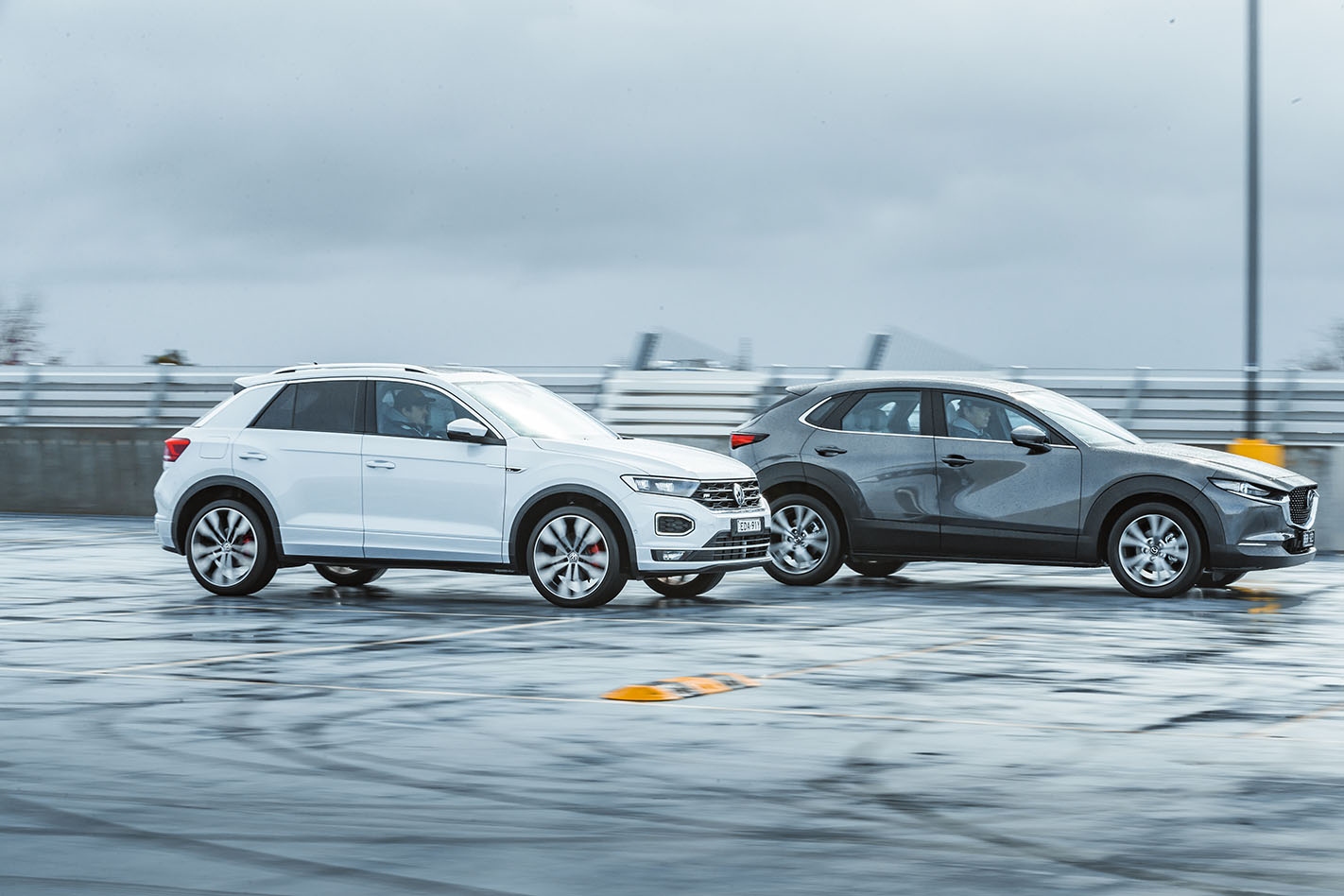
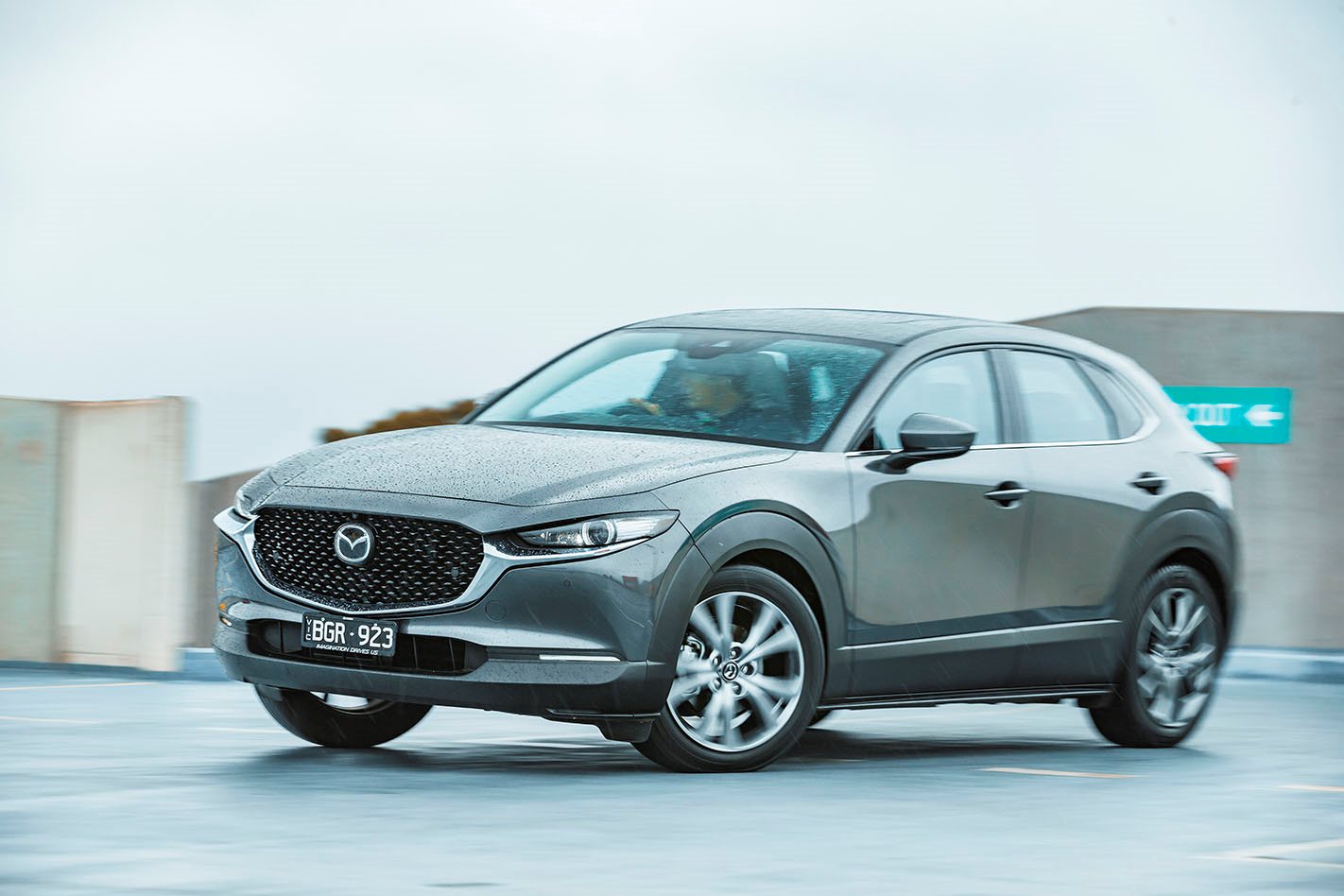
The CX-30 gracing these pages is the $43,490 G25 Astina flagship, with options limited to metallic paint ($495) and front floor mats ($195) for an as-tested price of $44,180.
Standard equipment is generous, with a glass sunroof, 18-inch alloys, 12-speaker Bose sound system, 360-degree parking camera, front cross traffic alert, heated front seats and steering wheel, head-up display, electric tailgate, and ultra-soft leather.
Not only is the Mazda better appointed on-paper as standard, but the material quality feels classes above that offered by VW. Where the German interior is all hard plastic and pleather, the Japanese have skinned half of Rockhampton’s bovine stock to lay over the dash, door trims, centre console, steering wheel and seats.
And despite being an almost $50K SUV, the VW has no electric seat adjustment, nor a head-up display or 360-degree parking monitor. All small omissions, but together they add up to an interior that can only dream of one day being as well-equipped and luxurious as the Mazda.
Both of these SUVs are handsome in their own right and neither forgo functionality for style. While they each have a coupe-like silhouette with a sloped roof, both provide decent rear headroom. Adults taller than six foot can sit comfortably in the rear of both… just. There isn’t much in it, but the T-Roc is more suitable for people-moving duties, with theatre-style seating in the second row and no rising beltline hampering outward vision. Mazda hits back with doors that open wider (almost to 90 degrees) and plusher, more comfortable seating.
In the inanimate hauling stakes the T-Roc wins again with its 392-litre boot holding a 75-litre advantage over the CX-30. The tailgate of the VW opens taller than the Mazda, and reveals a lower loading lip to haul gear over. The T-Roc has 40:20:40 split rear seats, while the Mazda makes do with a simple 60:40 split. The most obvious ergonomic foible of either vehicle is in the T-Roc, where it’s all-too easy to bash your shin on the lower part of the dash when entering the front seats.
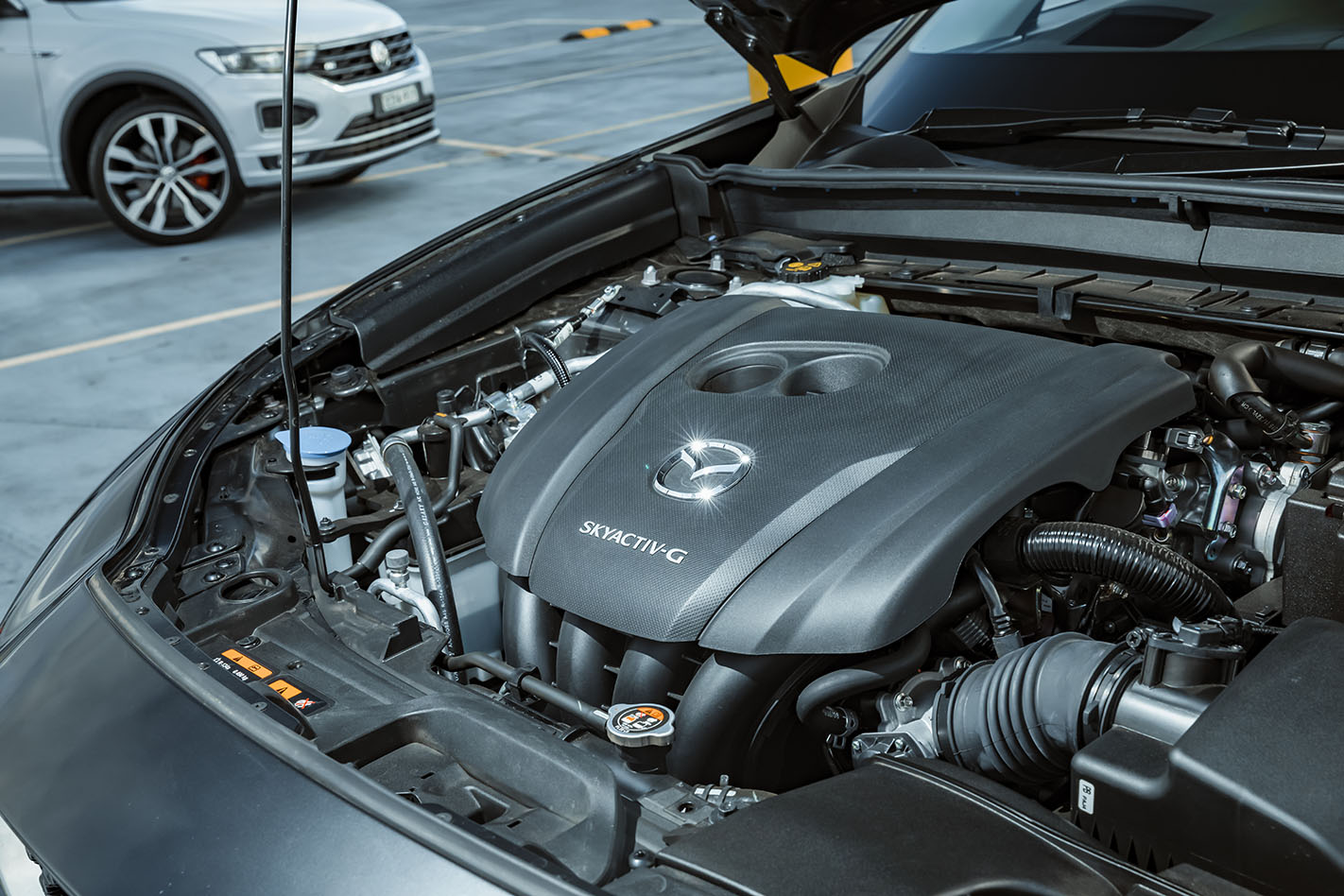
The T-Roc fires its most potent salvo at the Mazda from under the bonnet, where it packs a 2.0-litre turbocharged four-cylinder engine producing a punchy 140kW and 320Nm. The T-Roc never feels stressed with the peak power figure available between 4900-6000rpm, while the hearty shove of peak torque is spread from 1500-4800rpm. Mated to a seven-speed dual-clutch shifts are slick, with VW vanquishing the DCT hesitation that plagued older models.
Readers of this website should be well acquainted with the Skyactiv-G 2.5-litre in the CX-30. It’s just about the antithesis of VW’s EA888 unit, requiring a decent serving of revs to get into the powerband. Peak power of 139kW doesn’t arrive until 6000rpm, and torque shove maxes out at 252Nm at 4000rpm. If you aren’t in a rush it’s all rather amenable, and the six-speed torque converter auto is happiest when throttle inputs are progressive.
The VW’s turbo engine shames the Mazda in the real-world. Both off the line and in overtaking manoeuvres, the T-Roc offers instant go. Meanwhile the CX-30 requires considered inputs to prevent droning revs, and greater room when trying for an overtake.
While both models on test are all-wheel drive, not all drivetrains are made equal, and the Volkswagen’s Haldex-based 4motion system is the clearly superior option. In low-grip conditions, the Mazda all too readily spun the inside front tyre out of tight bends accompanied by a frantically flashing traction control light. The VW easily applied its superior power outputs, with all four wheels doing their part to maintain traction in challenging conditions. As you exit a bend and wind off lock, you can apply an aggressive throttle input and the system will deliver as much power as possible to the ground with little fuss or bother.
On our test the Volkswagen has the advantage of optional adaptive dampers, giving it a duality of character that can fulfil both the everyday commute and weekend warrior duties. In comfort mode it’s bested only marginally by the Mazda, which combines top-notch noise suppression that VW can’t match with a ride quality that absorbs bumps ever so slightly better. It’s a lineball difference between the pair on highway duties, with the Mazda’s quieter cabin eking it an advantage.
Take the exit ramp to a winding backroad, and the VW shines. The steering weight in the T-Roc is well judged and very Golf-like, with a direct 2.2 turns lock-to-lock. Meanwhile the Mazda’s helm feels a touch too light and lacks any great feel and feedback with a lazier 2.8 turns lock-to-lock. Body control is superior in the T-Roc, which settles nicely in the bends, while the CX-30 pitches and rolls more noticeably. The brake pedal is much softer in the Mazda compared to the T-Roc, which at first seems over-servoed but provides greater feel.
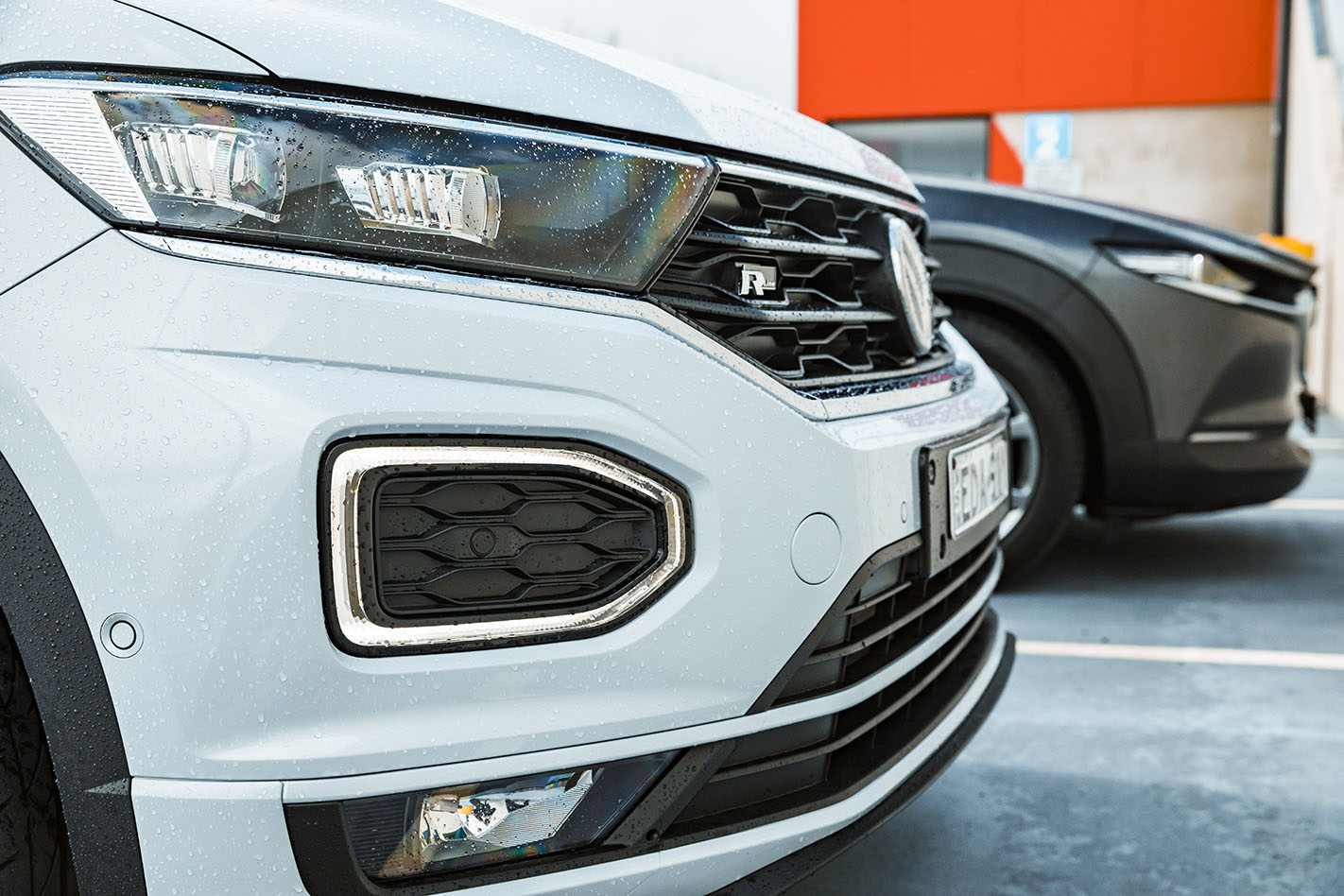
In its sportier modes the VW comes alive, with a genuinely engaging character. You’d happily punt it down your favourite B-road, though in this setting you do sacrifice some ride refinement when encountering larger bumps and potholes.
By comparison, the Mazda never thrills you as a driver and is best suited to someone that prefers a direct route to the road less travelled. Put simply, the T-Roc is more enjoyable at every point of the cornering process and its superior engine will get you to the next bend faster.
That said, the Mazda is one of the most polished SUVs to be released this year and the local arm is having no trouble in selling CX-30s in reasonable quantities. It’s the best-appointed contender in the class, with specification to rival cars almost double the price. On long drives it’s calming and quiet, with well-judged ride refinement, and superior noise suppression. Thing is, there’s no passion in the way it drives. If all you ever want in life is to drive A-to-B in leather-lined, syrupy-riding comfort, then the CX-30 remains a great choice and is one of the most convincing small SUVs on sale.
However, its ride and cabin quality advantage isn’t enough to overcome the unavoidable fact the Volkswagen is the more engaging drive. If you have just an ounce of fuel in your veins, it really is the obvious choice here. And if you’ve ever swiped the keys off the table with the intention to just drive with no destination, letting the road work its catharsis on you, then the T-Roc is the clear winner.
But, is that what you want from your small-ish SUV? As-tested (and how the vehicle should be specced to get the most return), the T-Roc is almost the same price as a Golf GTI. For many, the pleasant luxury of the CX-30 will be all they ever desire.
It’s a tortoise-versus-hare choice, this one, but in our race the late-arriving T-Roc edges past the CX-30 in a photo finish.
HOW DOES THE INFOTAINMENT COMPARE?
It’s a case of ‘Look, but don’t touch’ in the Mazda. The 8.8-inch screen is moved out of reach, but higher on the dash for safety. The latest version of MZ Connect adds smartphone mirroring.
The T-Roc’s 8.0-inch screen is smaller than that found in current Golf, but comes with all the bells and whistles. Graphics are slick, menus are easy to navigate, and has benefit of touchscreen
WHAT ABOUT THE REAR SEATS?
Both rear seats are comfortable for tall adults thanks to clever cut-outs in the fronts. Legroom difference is minimal, but vision outward is superior in the VW.
THE RIVAL – KIA SELTOS GT-LINE ($41,100)
The Kia Seltos makes most sense in its cheaper model grades, but the range-topping GT-Line ceratinly offers lots of kit. Its 130kW/265Nm 1.6-litre turbo can’t match the T-Roc’s punch, but you do get the benefit of a seven-year warranty. You also score all-wheel drive, seven-speed DCT, and multi-link suspension instead of the base Seltos’s atmo engine, front-drive layout, CVT gearbox and torsion-beam rear-end. The interior can’t hold a candle to Mazda’s exquisite execution but, in truth, nothing else does at this price point.
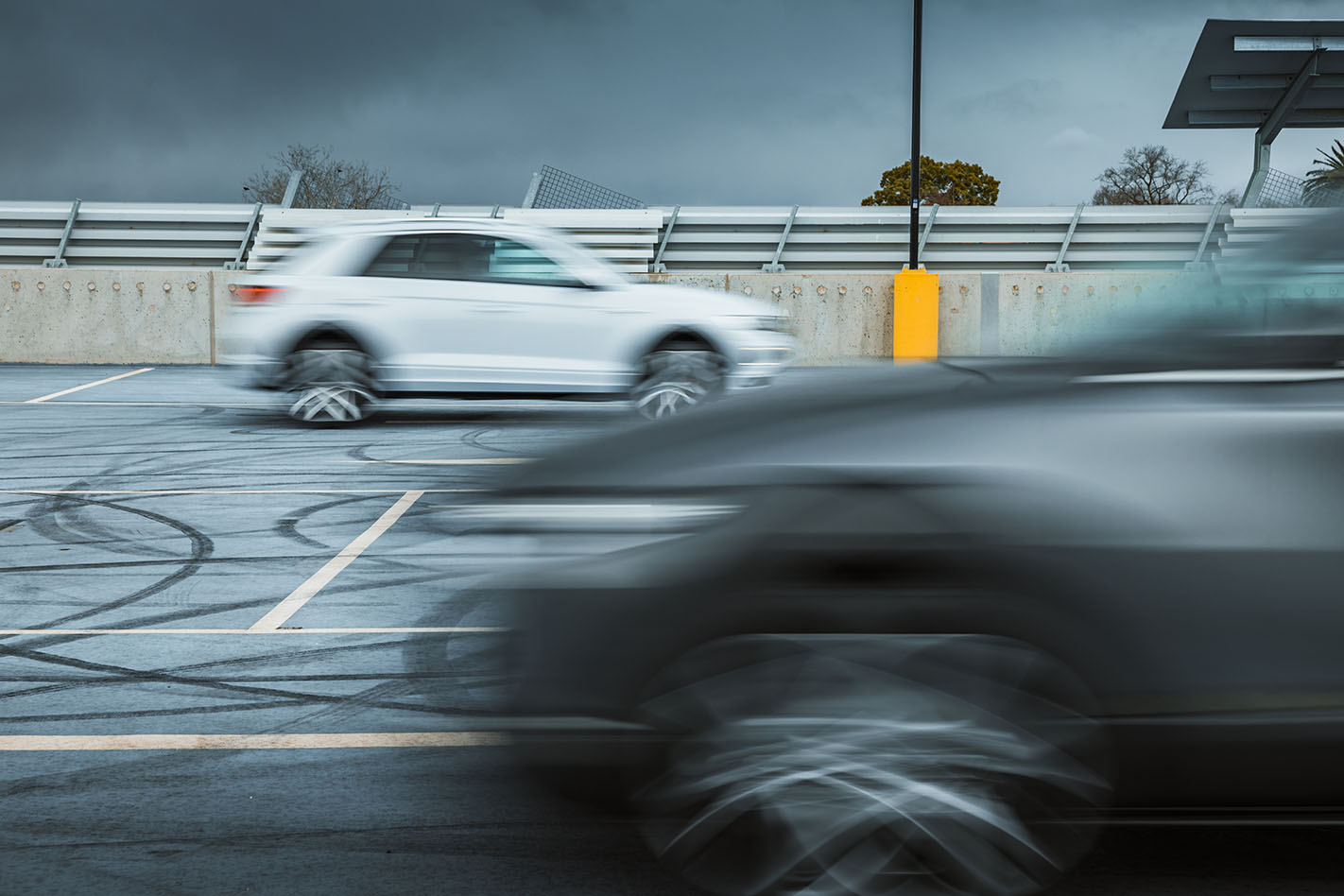
VOLKSWAGEN T-ROC 140TSI SPORT SPECS
Engine: 1984cc 4cyl, dohc, 16v, turbo
Max power: 140kw @4900-6000rpm
Max torque: 320Nm @ 1500-4800rpm
Transmission: 7-speed dual-clutch
L/W/H/WB: 4246/1819/1572/2595mm
Weight: 1495kg
0-100km/h: 7.2sec (claimed)
Economy: 7.2L/100km
Price: $40,490
On sale: Now
Plus: Punchy engine; genuinely beneficial all-wheel drive; engaging dynamic ability; great outward vision
Minus: Needs options to be at its best; some interior materials sub-par; noise suppression can’t match Mazda
MAZDA CX-30 G25 ASTINA SPECS
Engine: 2488cc 4cyl, dohc, 16v
Max power: 139kW @ 6000rpm
Max torque: 252Nm @ 4000rpm
Transmission: 6-speed automatic
L/W/H/WB: 4395/1795/1540/2655mm
Weight: 1442kg
0-100km/h: 9.1sec (claimed)
Economy: 6.8L/100km
Price: $43,490
On sale: Now
Plus: Interior materials are seriously lux; generous standard equipment; calming and refined ride quality
Minus: Asthmatic atmo engine; doesn’t offer any driving thrill; all-wheel-drive system easily becomes flustered
If perfect timing exists, the offer from Lego to review a massive 60cm long, multi-thousand Technic set during Melbourne’s stage four lockdown is it.
We got our hands on a big green box containing one 1:8 scale model of the Lego Technic Lamborghini Sián FKP 37.
We just had to put it together ourselves.
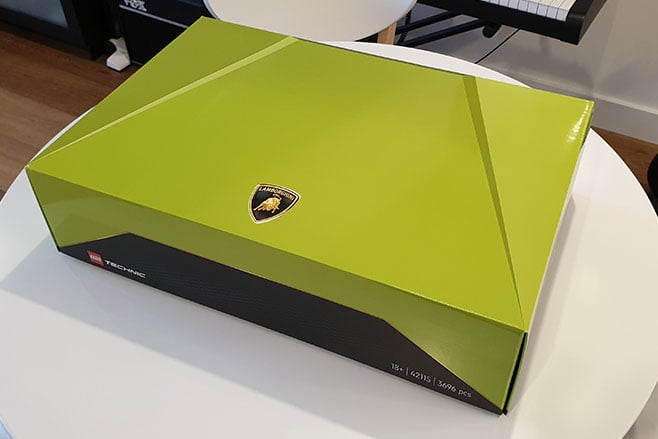
Mercifully, the Technic Lambo Sian set is separated up into six boxes within the main box, making it much more manageable to sort through the 3696 pieces of plastic (and rubber) during each stage (one per box) of the build.
On that, the box itself is designed in quite a striking fashion, replicating the bonnet of the Sian on the outside top, the exhaust and taillights on the side, and the engine cover inside with all the separate boxes.
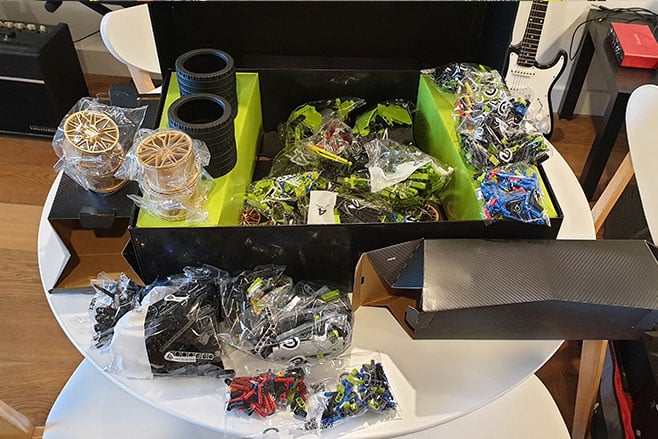
This is what you get when you pop down $570 for a Lego kit.
The two instruction books – not leaflets or ‘booklets’, but proper books – not only sit together to create the image of a Sian but are also separated up into sections that follow the numbering of the boxes.
They begin with the chassis and gearbox, before moving on to build the engine, suspension, interior, and front and rear bodywork in individual sections.
Anyone hoping for a quick bit of fun during a couple of hours is likely to be in for disappointment towards the beginning of the build, unless seeing very little actual car-like progress for quite some time isn’t particularly a bother.
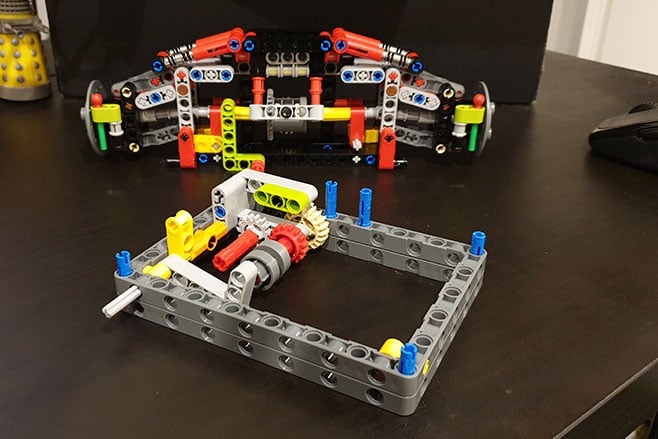
The entire build took this writer much longer than he’d care to admit, and that’s partially down to the lack of enthusiasm for spending hours and hours to still be looking at something that doesn’t yet look like a car.
However, there are fairly glorious moments woven into this early part of the build, such as building the Lego Technic version of the Sian’s gearbox along the bottom of the chassis, and seeing it all click around as gears change.
Sorting out the differentials at either end of the Sian was also one of those ‘ah!’ moments, particularly when I had realised the wheels were turning in opposite directions. I’d put the rear diff in the wrong way around.
Seeing it all come together is much more enjoyable once you’re past the actual construction of it, when everything looks and works in some manner as a car should.
Some parts, even hundreds of steps in, are yet to be completed – an example of this is the mechanism for the active rear wing, which is laid out between the passenger footwell and the rear of the car.
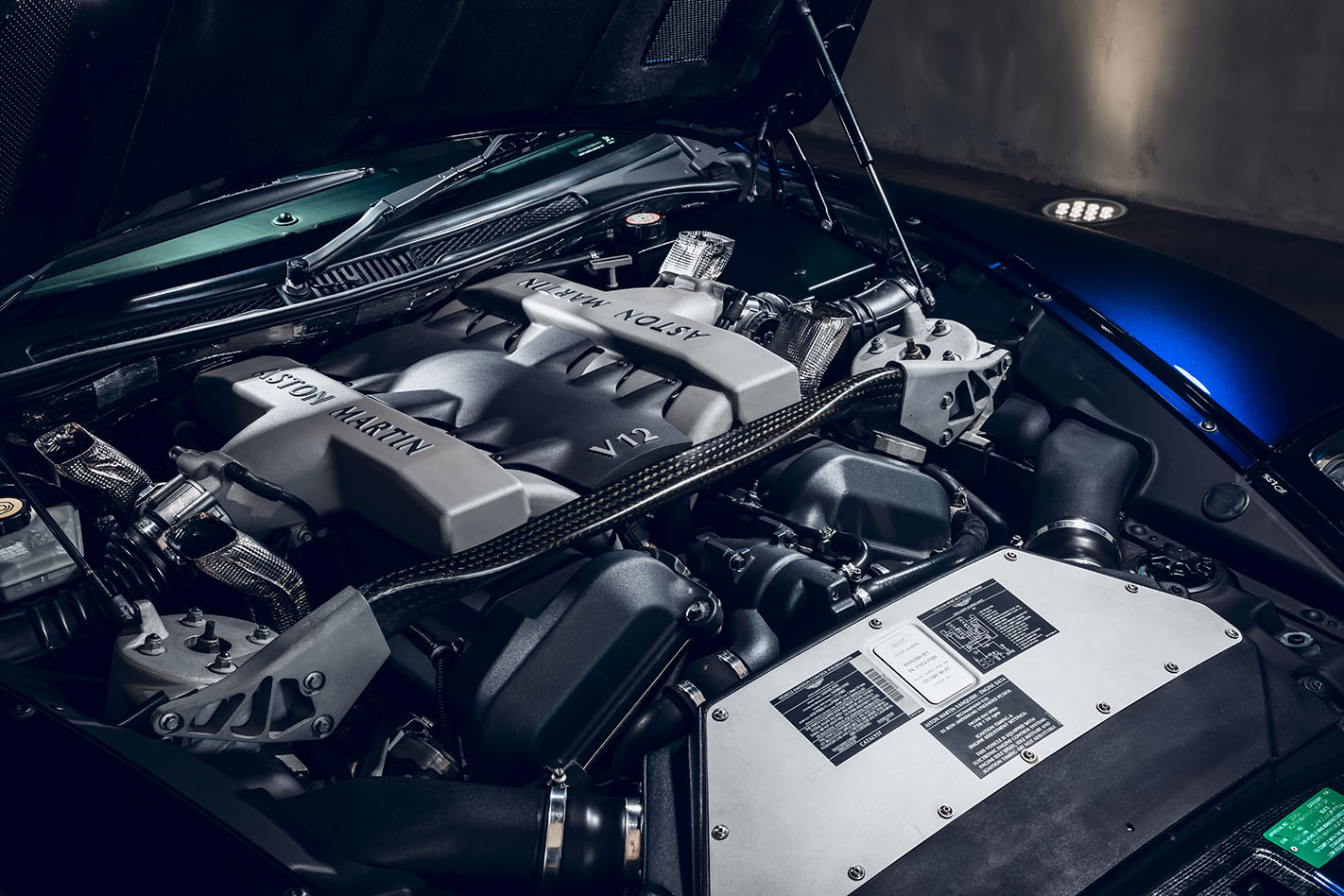
Perhaps the most enjoyable of the earlier stages of the build is the construction of the engine, which results in a V12 with moving pistons and is flanked by exhaust headers.
The engine is later able to be viewed in action by carefully removing some pieces of the engine bay from the complete car.
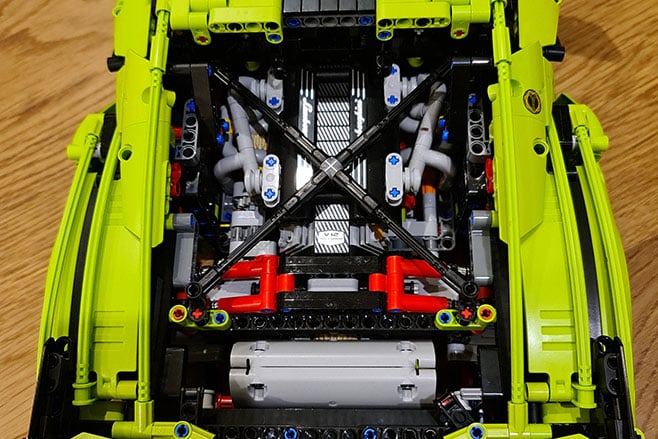
As with most Lego builds, but particularly when it’s taken you approximately 600 steps to get there, the real satisfaction takes place once the final vision begins to fall into place.
Especially when the rear wing is complete, and the mechanism you’d built throughout the underside of the model now raises and lowers the wing.
More than halfway into the build, and just after sorting out the seats inside, the rear of the car starts to come together before you eventually find you’re slotting the last few panels into place.
In terms of the detail, it’s impressive how much Lego was able to replicate from the rather complex Sian.
The rear detail is excellent, and arguably looks better than the front, which is let down just slightly by the quite long, flat black dash top being very visible through the ‘windscreen’.
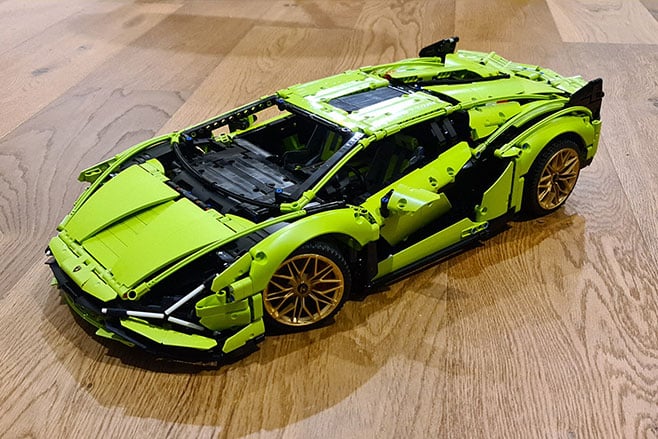
The completed product is rather photogenic, though, especially from ‘scale’ angle where your head would be if you were the right height to fit into the Lego Sian.
Even the brake calipers behind the wheels are visible.
If we could offer one piece of advice to those who are keen on committing many hours to an eventually very satisfying build, it’s to separate up the pieces and keep very close track of what piece the instructions actually calls for.
I found after thinking for quite some time that I’d used the wrong part for the scissor door mechanism, which was actually supposed to be on the firewall.
It wasn’t until I realised I had the wrong part for the opposite door that I was able to go back through the instructions and amend my error.
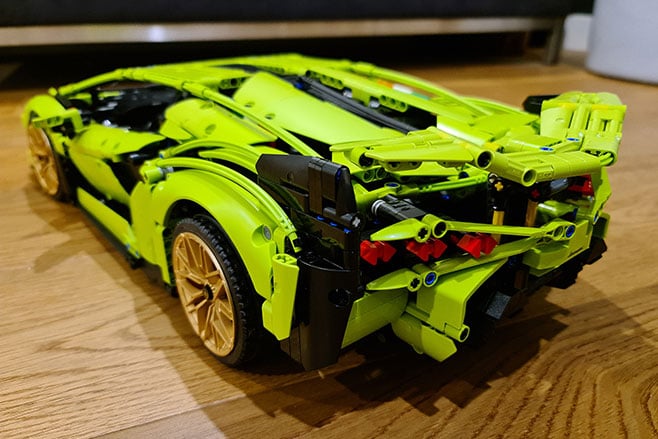
Luckily, with parts that are very similar to each other, or have a mirrored twin, the part numbers imprinted or the ‘to scale’ diagrams in the build books are incredibly useful.
It’s not a build that can be undertaken absent-mindedly, but once you’ve got a 60cm x 13cm x 25cm model of a neon green Lamborghini sitting in front of you, the effort and hours will have been absolutely worth it.
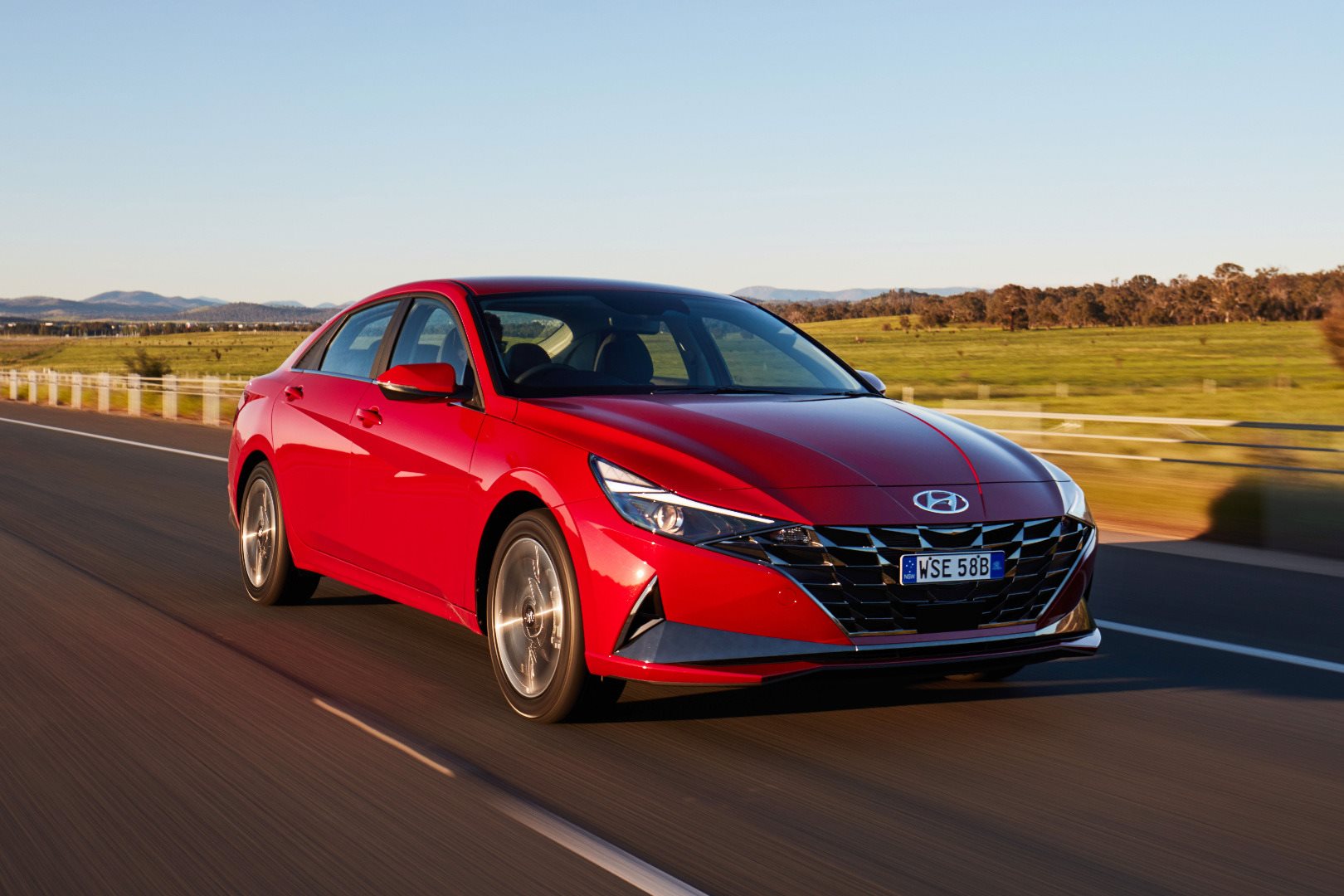
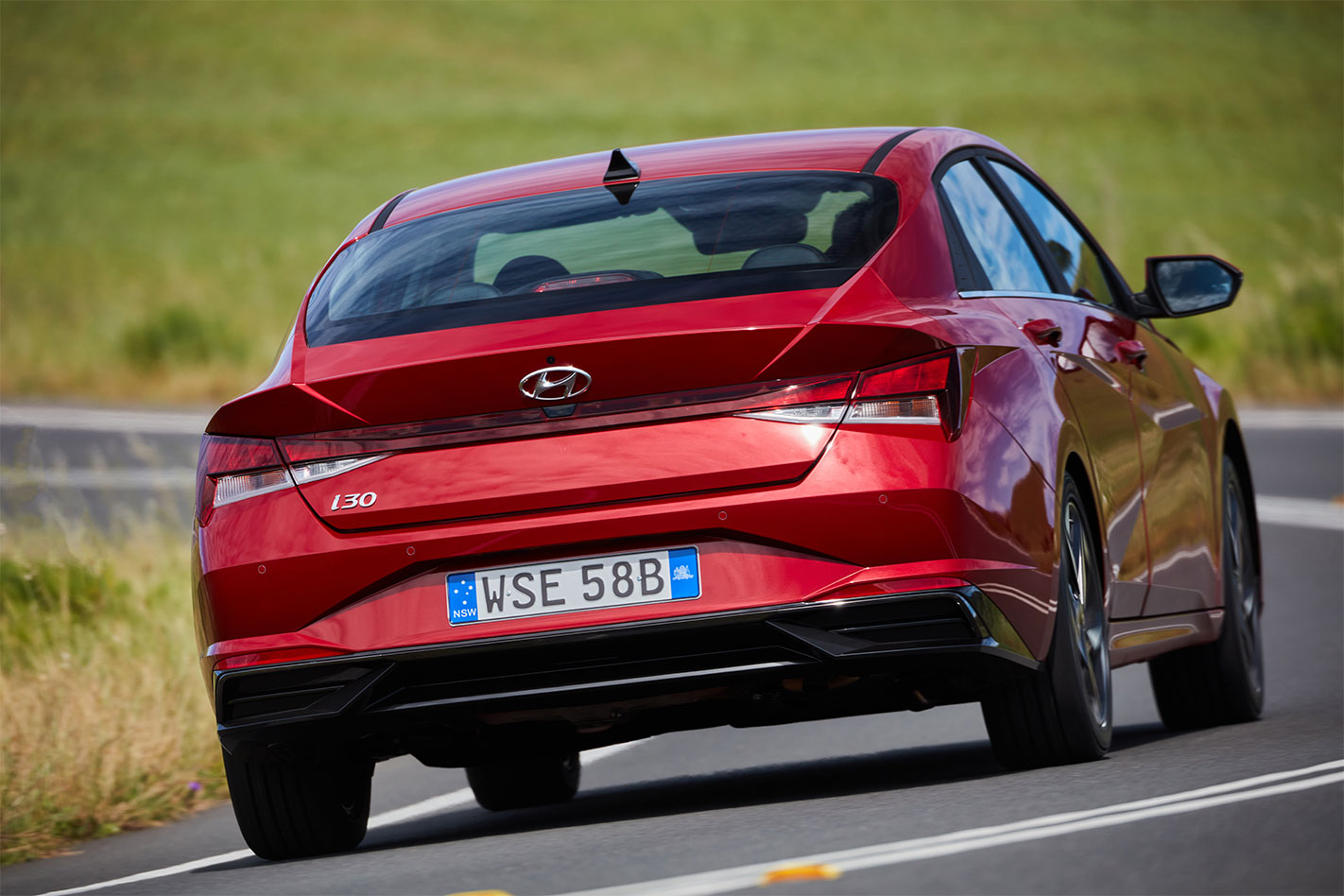
Hyundai’s newest small car, the i30 Sedan, has gone on sale in Australia without an officially sanctioned safety rating from ANCAP.
With no European NCAP crash test data to draw upon and a recent change in crash testing protocols, Hyundai has decided not to offer the car to local body ANCAP for testing, despite a large number of cutting-edge safety inclusions in the car.
This means that the Hyundai i30 Sedan is currently unrated according to ANCAP.
A lack of a five-star rating would impact sales to government departments and businesses like Uber, which requires drivers to be aboard five-star ANCAP rated cars.
“We can tell that [safety] story through the sheer amount of technology in the car,” said Andrew Tuitahi, Hyundai’s product manager.
“It’s got everything in it available to us, everything around the globe, the entry-level car has significantly more safety than the outgoing Elantra and probably a little bit more than the newly updated i30 hatch. We’re confident the tech story tells the safety story.”
Thanks to crash-test changes for 2020, it’s unlikely that the i30 Sedan would score better than four out of five.
“The car isn’t sold in Europe so it doesn’t get a rating there,” said Hyundai’s communication director, Bill Thomas. “It could be that ANCAP decides to test the car here, [but] we’ve taken the decision not to test it here.”
The i30 Sedan has six airbags across the range but lacks a front-centre airbag as found on vehicles like the Toyota Yaris and the Isuzu D-Max, but Thomas refuted the notion that not having a centre-front airbag meant the company decided against testing it.
Hyundai’s small Venue SUV was officially tested by ANCAP in 2019 and achieved four stars, while its Veloster hatch is unrated.
“Any new vehicle sold into the Australasian market is a potential candidate for ANCAP testing,” said an ANCAP spokesperson.
“It’s not the first vehicle in this situation,” observed Thomas.
“We think it’s a minor miracle that the car is here at all,” he continued. “It was developed in right-hand-drive almost specifically for our market. We’re proud to have it on sale and as Andrew says, the tech is pretty impressive.”
“It’s not our place to criticise what they’ve done,” he said. “If you look at the safety introductions they’ve pushed over the years, they’ve saved hundreds of lives, no doubt about it.
“In this case, the car isn’t developed for the European market, we have put as much as we possibly can into it, take what we can and make it as safe as possible.
“We have no doubt that it’s a safe car.”
Three-time and defending Supercars champion Scott McLaughlin will not return in 2021, joining the US-based IndyCar series with Penske.
As well, his team owner Roger Penske will also depart Supercars, selling his part of the DJR Team Penske outfit back to V8 Supercar legend Dick Johnson.
The Queensland-based team confirmed its plans for next season following today’s announcement by Team Penske that it would not return for the 2021 Supercars season.
The two-car team will continue in 2021 with two new drivers, as well, as it looks likely that incumbent driver Fabian Coulthard will lose his seat.
Names already in the mix include Will Davison, who has driven for the team before, and young Erebus talent Anton de Pasquale.
Penske leaves Supercars
“We have enjoyed an incredible six seasons competing in the Supercars series with DJR Team Penske,” said Roger Penske in a statement on the team’s website.
“Partnering with Dick Johnson and Ryan Story to form DJR Team Penske was an incredible experience that produced success on the track and in the boardroom.
“We have built so many lasting partnerships and friendships, and competing in Supercars has certainly helped strengthen our brand and our business in Australia and New Zealand.
“Unfortunately, with the challenges we have faced in 2020 as a result of the COVID-19 pandemic, we have had to readjust our business initiatives for 2021 and beyond.
“We want to thank Dick Johnson, Ryan Story, Fabian Coulthard and all of our team members for their hard work and dedication as we reestablished a championship organization together over the last six years.
“I know that Dick, Ryan and the team will continue to build on that success moving forward.”
DJR Team Penske notched up 56 wins, 62 pole positions, three team championships and three driver’s titles with McLaughlin over the last six seasons.
Dick Johnson Racing returns
“As we enter the next chapter at DJR, we look forward to what lies ahead for our team,” said team founder Dick Johnson.
“It has been an honor to partner with Roger Penske and everyone from Team Penske over these last six seasons, but we understand the challenges that everyone has faced worldwide in 2020 due to the COVID-19 pandemic.
‘We’re thankful that we were able to conclude our partnership with our third driver and team championships together this season. We want to thank Scott for his professionalism on and off the track. He is a generational talent and we are excited he will join us as a co-driver at next year’s Repco Bathurst 1000 in October.”
McLaughlin will return to Supercars for the 2021 Bathurst 1000, according to the team, and is currently in the USA to compete in his first ever IndyCar race, at St Petersburgh in Florida.
WhichCar has been following the story since April, when the young Kiwi drove an IndyCar four times around three tracks, participated in PR and marketing photo shoots, tested on road courses and speedway circuits, and locked away a race appearance in the series later in the year.
And all of this came before his 2020 Supercars title defence had even started.
McLaughlin’s good IndyCar timing
Admittedly, a few stars aligned for McLaughlin to log so much seat time so quickly; his first run in Florida came on the back of a holiday with new wife Karly – a US native herself – and he acquitted himself very well.
The news that he would compete in an IndyCar road-course race in Indianapolis later in the year put more butter on the bread of a potential move, but McLaughlin’s camp insisted his focus was still on Supercars.
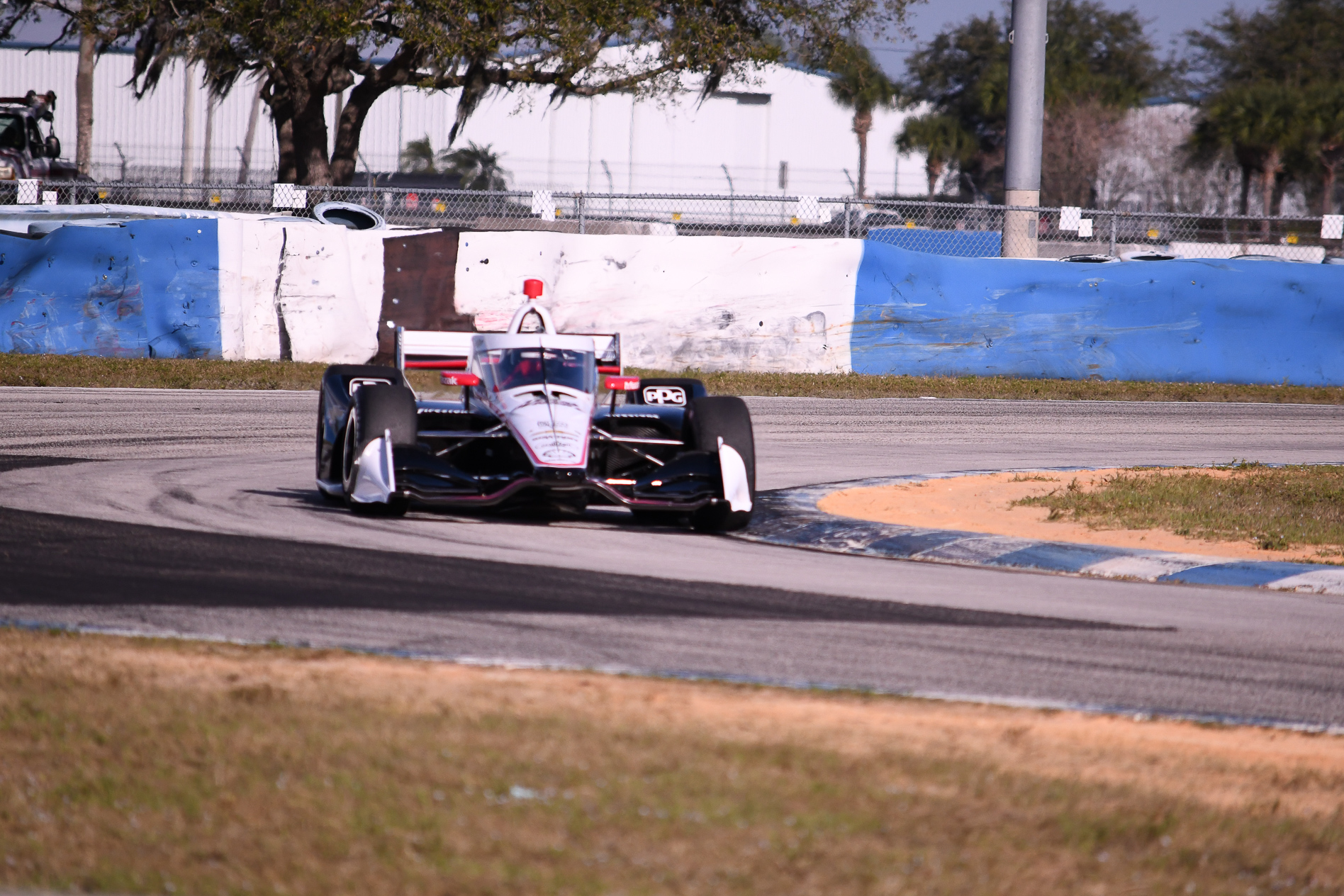
His second test came at what the IndyCar folks call spring training, which references similar events held by baseball teams. All of the established stars of the series were there, and McLaughlin’s top-three times during the day against the stars of the sport raised plenty of eyebrows.
Part of the event, too, included photoshoots for promotional purposes, with McLaughlin wearing a personalised race suit emblazoned with the Chevrolet bowtie logo, not the Ford oval, in deference to Team Penske’s IndyCar engine supplier.
It’s a mark of the team’s professionalism that McLaughlin would score a new suit and carbon-fibre helmet – minimum cost $5000 – for a test day, especially as McLaughlin already has a few Penske suits in the walk-in wardrobe already. And teams don’t take the notion of sponsor conflict lightly.
But when the news came through that McLaughlin had stretched his US trip right up to the front edge of the Supercars season to test an IndyCar at the fearsomely fast Texas Motor Speedway, turning oval laps at the better part of 350km/h, the die was cast rock-solid. While it’s yet to be technically confirmed, take is as read; young Scott McLaughlin is heading to America in 2021.
McLaughlin’s complete lack of open-wheel racing miles, plus the fearsome nature of oval racing, will make his transition one to watch.
And even though this year’s motor racing world has been savaged by COVID-19 cancellations left and right, McLaughlin will still manage to take his place on the IndyCar grid,.
The team confirmed him as a fourth entrant for the season-ending Grand Prix of St Petersburgh in Florida, which takes place just one week after the Supercars champion-elect wraps up the 2020 season at the Bathurst 1000.
But McLaughlin has never raced open-wheelers
There are more reasons that McLaughlin is arguably US-bound in 2021.
Team owner Roger Penske is a titan of the automotive industry, with an estimated 64,000 people around the world on the payroll of his multiple truck leasing companies, car dealerships and even at race tracks like the iconic Indianapolis Motor Speedway.
The 82-year-old is also an astute businessman, and like every other facet of his business world, his race teams are in business to make money, not lose it.
Bunging a driver into a car at the end of a test day for a handful of fun laps on old tyres is not uncommon – but McLaughlin tested properly, with more than 40 staff on hand each day to run the Dallara IR18 IndyCar at the three circuits.
Figure on each day costing Team Penske the better part of A$50,000 by the time everything is totted up, and you wouldn’t be far off the mark. Let’s face it… Mr Penske isn’t spending that kind of money because McLaughlin is a nice guy.
No, Penske is grooming McLaughlin to fill a slot on his IndyCar roster. and he’s set to join a roster that’s chock-full of IndyCar superstardom.
Chief amongst those is Queensland-born Will Power (below left), whose 11-year tenure at Team Penske has netted him multiple win and pole lap records, a championship and a coveted Indy 500 win.
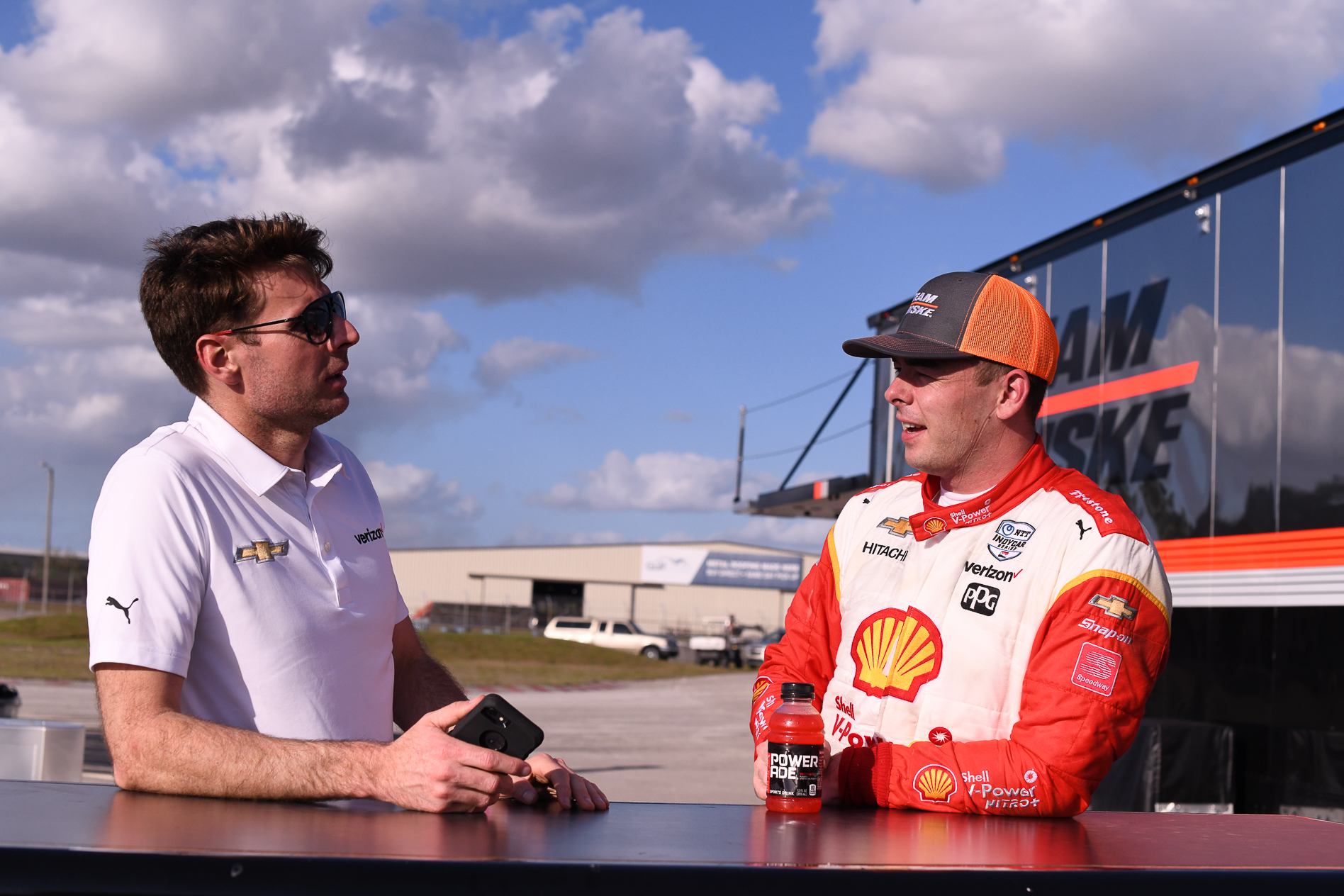
Indy 500 winner Simon Pagenoud and two-time series champion Josef Newgarden are also slated to return in 2021.
Penske’s IndyCar program was scaled back a couple of seasons ago from four to three cars – no sponsorship, no car, says Penske – but it appears that an exception will be made to run a fourth car for 27-year-old McLaughlin.
The cost is in personnel, not parts; Indycar is a cost-controlled series that is based on a 2012-spec chassis, so building a car for McLaughlin is not such a financial burden.
Is 2020 McLaughlin’s final year in Supercars?
So 2020 will arguably be – for the interim at least – the swansong Supercars year for one of the brightest young talents to emerge in the series for some time.
It’s even being openly speculated in pit lane that McLaughlin may even stay in the US after the St Petersburgh race with US-born wife Karly to prepare for 2021.
Certainly, his team owner, the great Dick Johnson, thinks he’s going, telling the Daily Telegraph that “it’s pretty obvious he will be gone next year” earlier this year.
A championship three-peat may also mark the swansong for the DJR Team Penske Supercars team, with the squad yet to confirm its position in Supercars for 2021.
The speculation comes as Hoden’s decades-long association with the sport comes to an end with the drop of the flag after the 2020 Great Race.
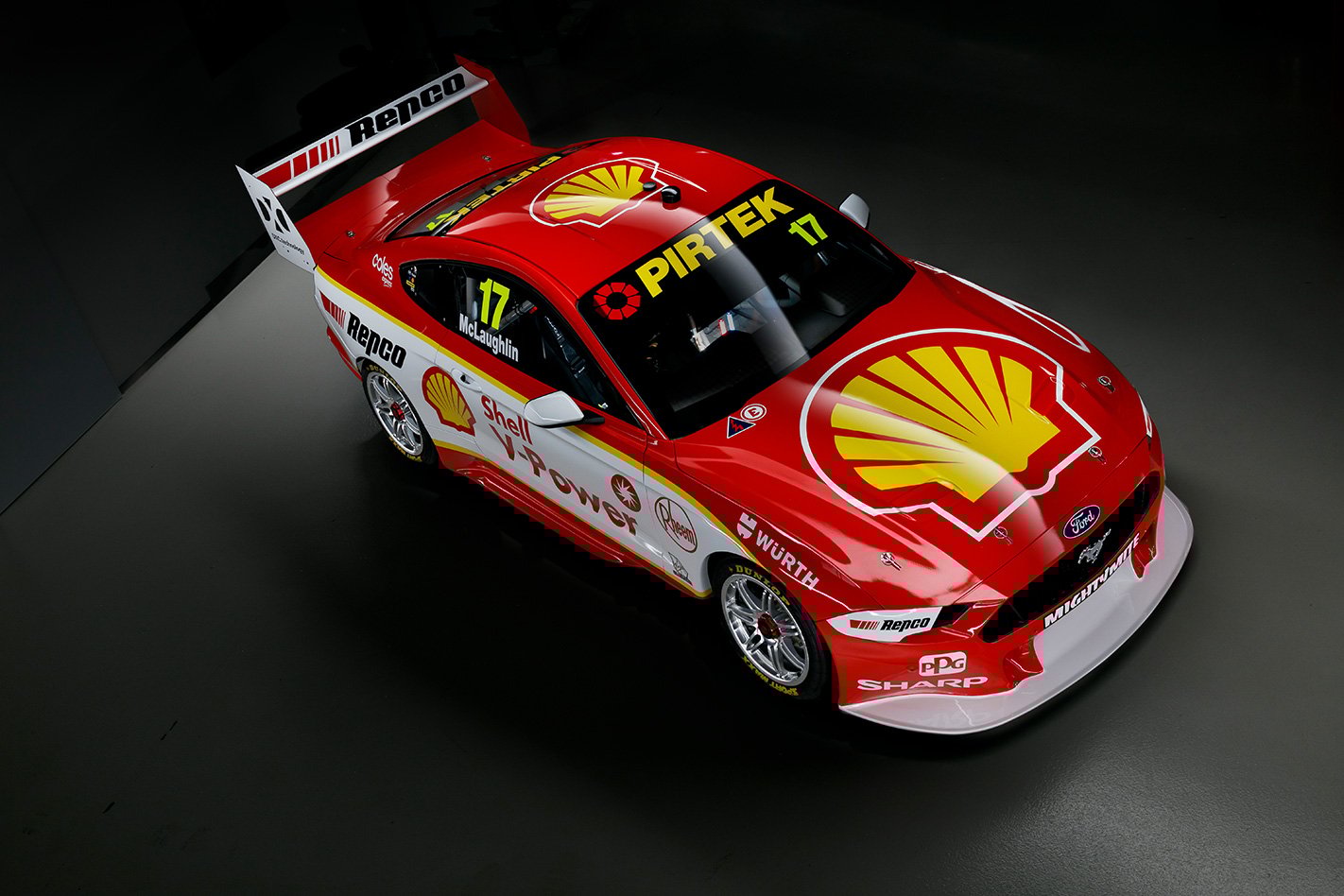
McLaughlin was less than definite about his plans to stay when asked after his win at The Bend in South Australia on the weekend, which clinched the 2020 title with one round to go.
“I’m not sure yet,” McLaughlin hedged when asked on Fox Sports’ Supercars Trackside if this year is his last in Supercars.
“At the end of the day it’s for me, fully focused on the end of the year.
“I’ve got a contract for next year, with DJR Team Penske, but you’ve just got to take your opportunities when [they] come and we’ll just wait and see.
“But right now, fully focused on Bathurst, can’t wait to get there, and just going to get after it.”
Will the 2020 Bathurst 1000 be a farewell tour for the gifted Kiwi? We reckon so.
What is the Hyundai i30 Sedan?
If you like your small cars with a boot, then you’ll love the new Hyundai i30 Sedan.
Obviously, it’s closely related to the Hyundai i30 hatchback, but – like its rivals from Mazda and Toyota – the two aren’t identical.
The small four-door, five-seat sedan is the replacement for the old Hyundai Elantra, and the company is pitching it at a broad range of buyers who are looking for something a little bit upmarket but is still keenly priced.
Price and value
The Hyundai i30 Sedan will take on the Toyota Corolla sedan and Mazda 3 sedan, as well as sibling rival Kia and its Cerato sedan.
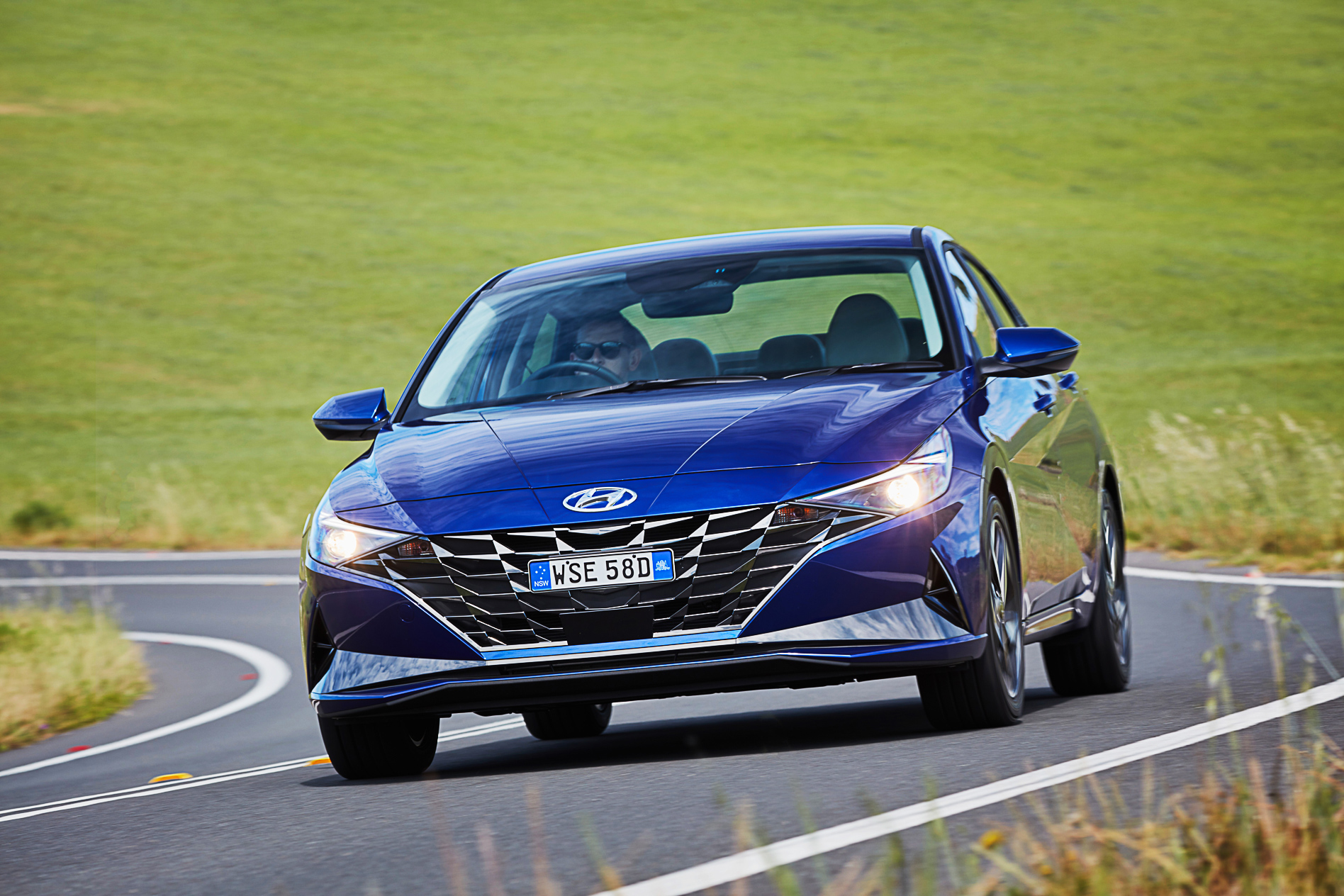
It’s priced from $24,790 plus on-road costs for the base-model Active equipped with a 2.0-litre naturally aspirated petrol engine and six-speed manual.
Most people will pay $2000 more for a six-speed automatic-equipped i30 Sedan Active, while the auto-only Elite will cost $30,790.
Stepping up into the i30 Sedan N-Line costs $30,290 in manual form and $32,290 with a seven-speed dual-clutch transmission, while the top-spec N-Line Premium is DCT-only and will cost $37,290 plus on-roads. All i30 Sedans are front-wheel-drive.
Opting for the Elite as tested here gets you additional safety aids over the entry-level Active, including blind-spot collision avoidance, rear cross-traffic and rear parking collision avoidance, a 10.25-inch screen to match the digital dash and automatic wipers, along with a Bose stereo, push-button start and keyless entry.
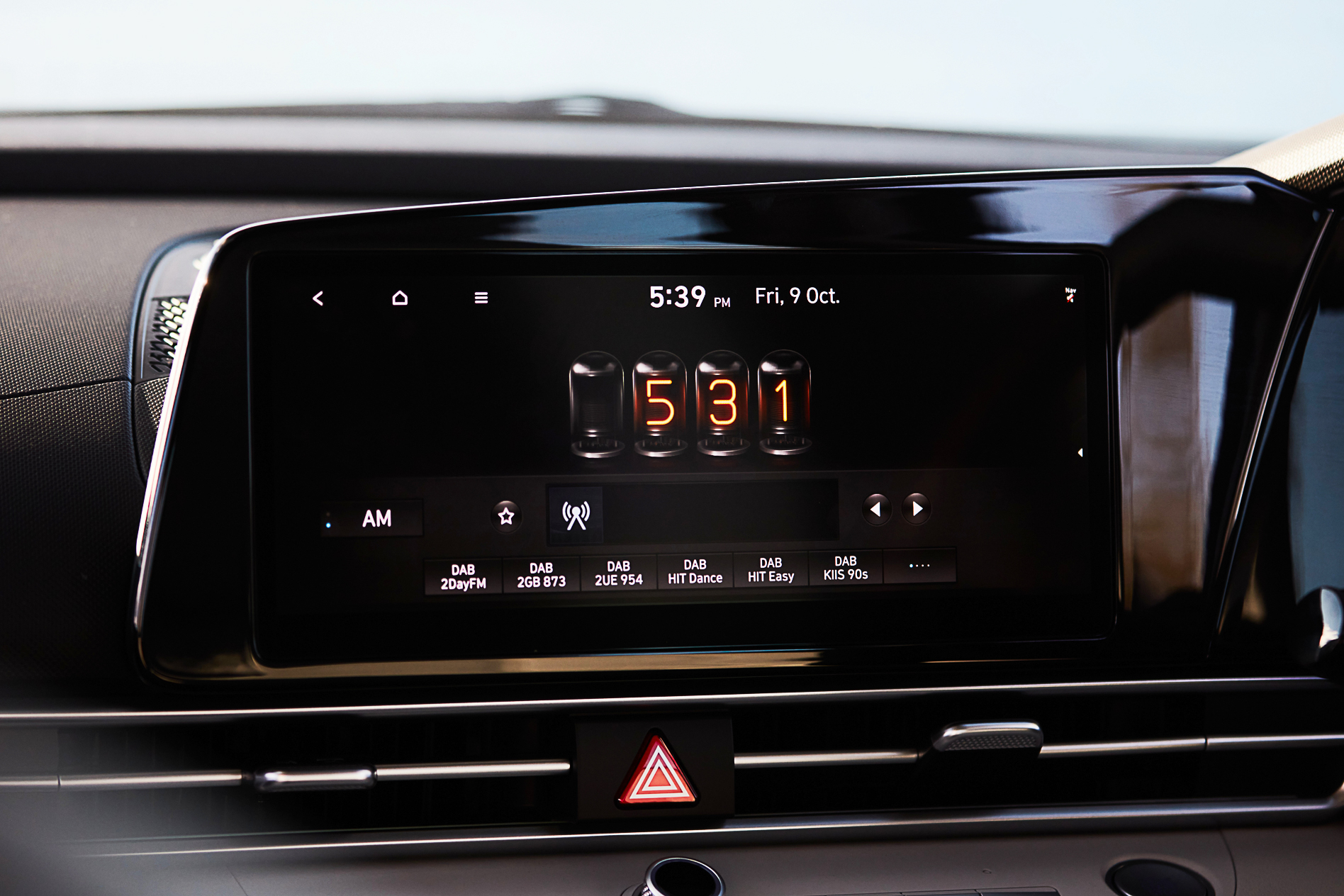
This sits in with the automatic headlights, Apple CarPlay/ Android Auto connectivity, AEB, lane-keep assist and small but important features like rear-seat occupant warning, which is activated by detecting whether the rear doors were opened at the start of the trip.
Interestingly, the cheapest Active is the only car in the i30 Sedan range to currently offer wireless Apple CarPlay, thanks to an age difference in the technologies between the smaller and larger screens.
Hyundai tells us that wireless CarPlay will come on stream in a future update. The bigger multimedia screen also features Hyundai’s newest widescreen sat-nav tech.
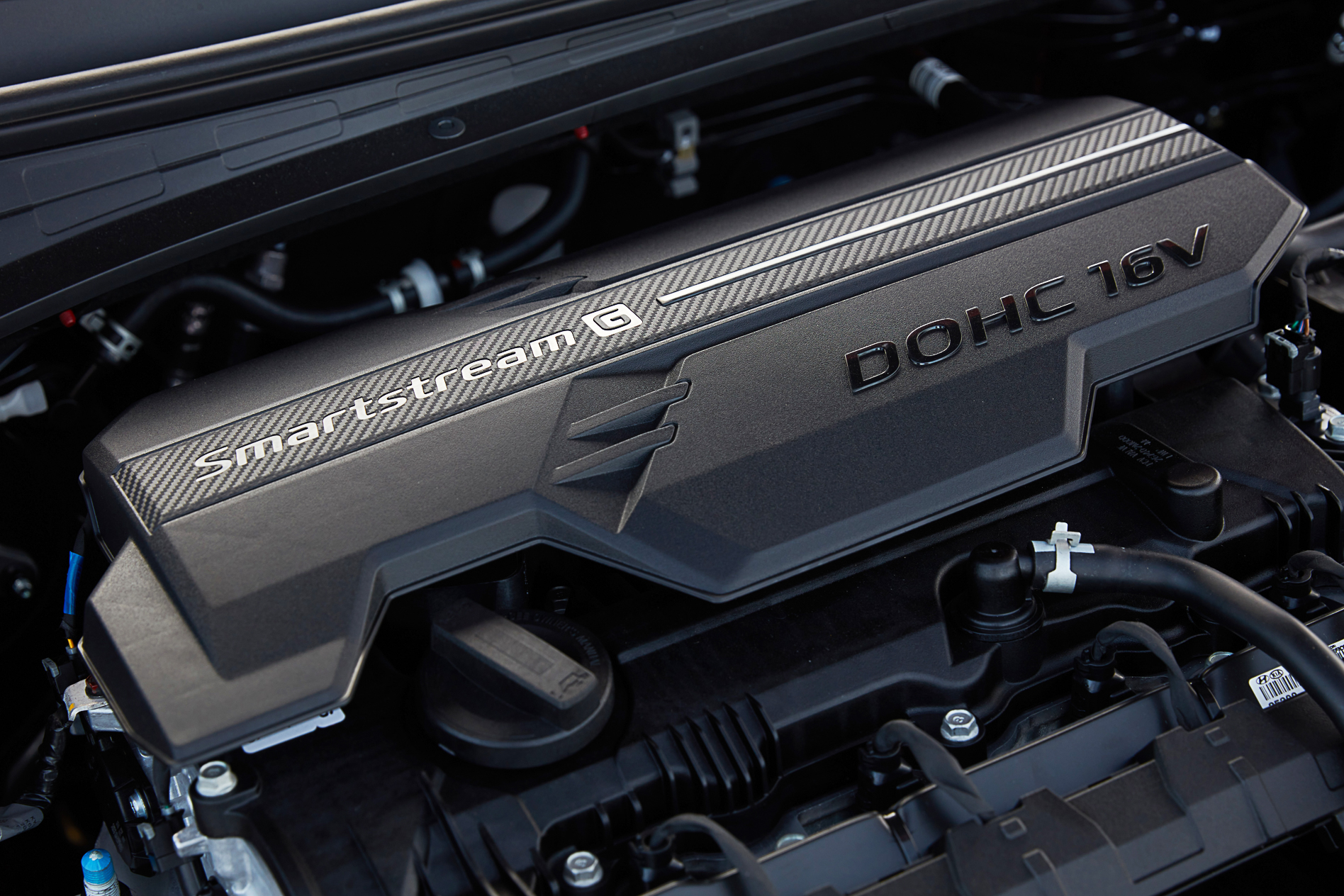
The Elite uses an improved version of Hyundai’s 2.0-litre non-turbo petrol engine, called the SmartStream G2.0, which makes 117kW and 191Nm.
Living with the Hyundai i30 Sedan
On a wet and gloomy Sydney day, we ran the i30 sedan over a variety of terrain that you’d expect to encounter in a typical lifetime of a family’s second car, a young couple’s first new set of wheels or even an empty-nester looking to downsize. This included inner-city driving, a rough country back road loop and highway touring.
Based on a similar but newer version of the platform under the i30 hatch, the sedan is a different proposition to the five-door version in a number of ways, not least in its more ‘luxury on a budget’ vibe.
Hyundai itself says that the sedan is not a sub-$20,000 kind of car, opting instead to stuff it full of tech and drape it with a contemporary design that sets it apart not just from the pack, but from its hatchback sibling.
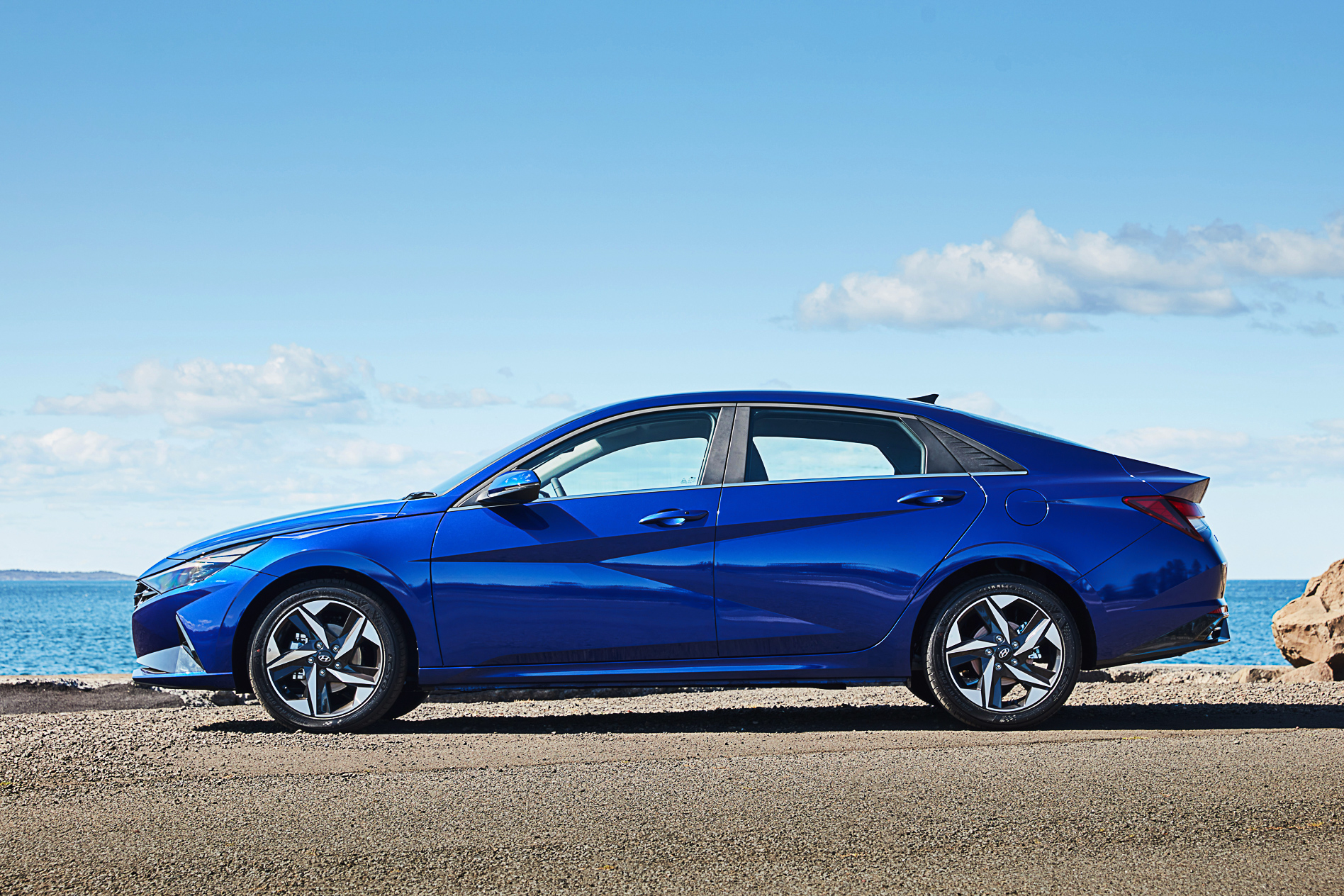
Inside, the $4000 step up from base Active to the Elite is, in our view, a worthy leap.
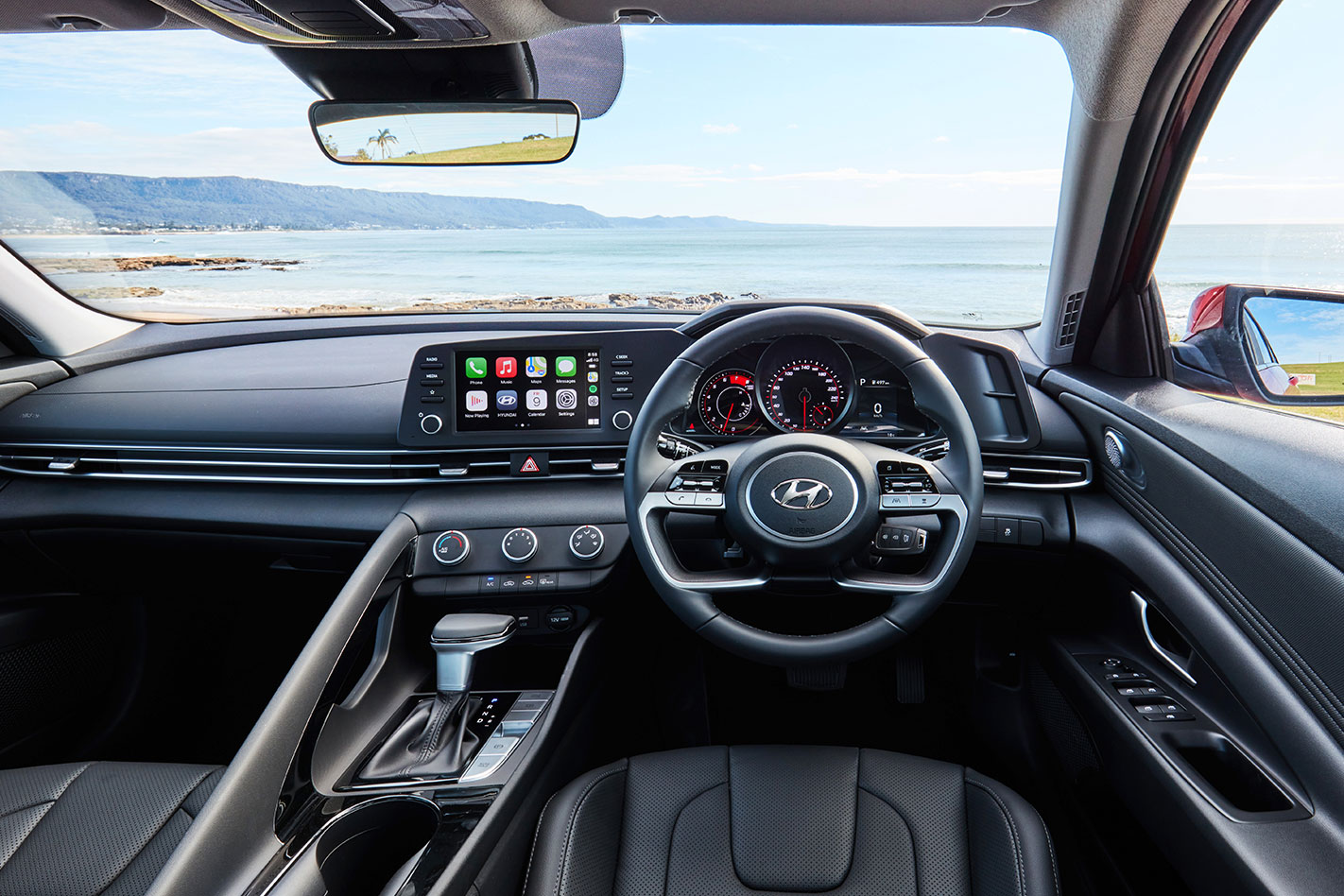
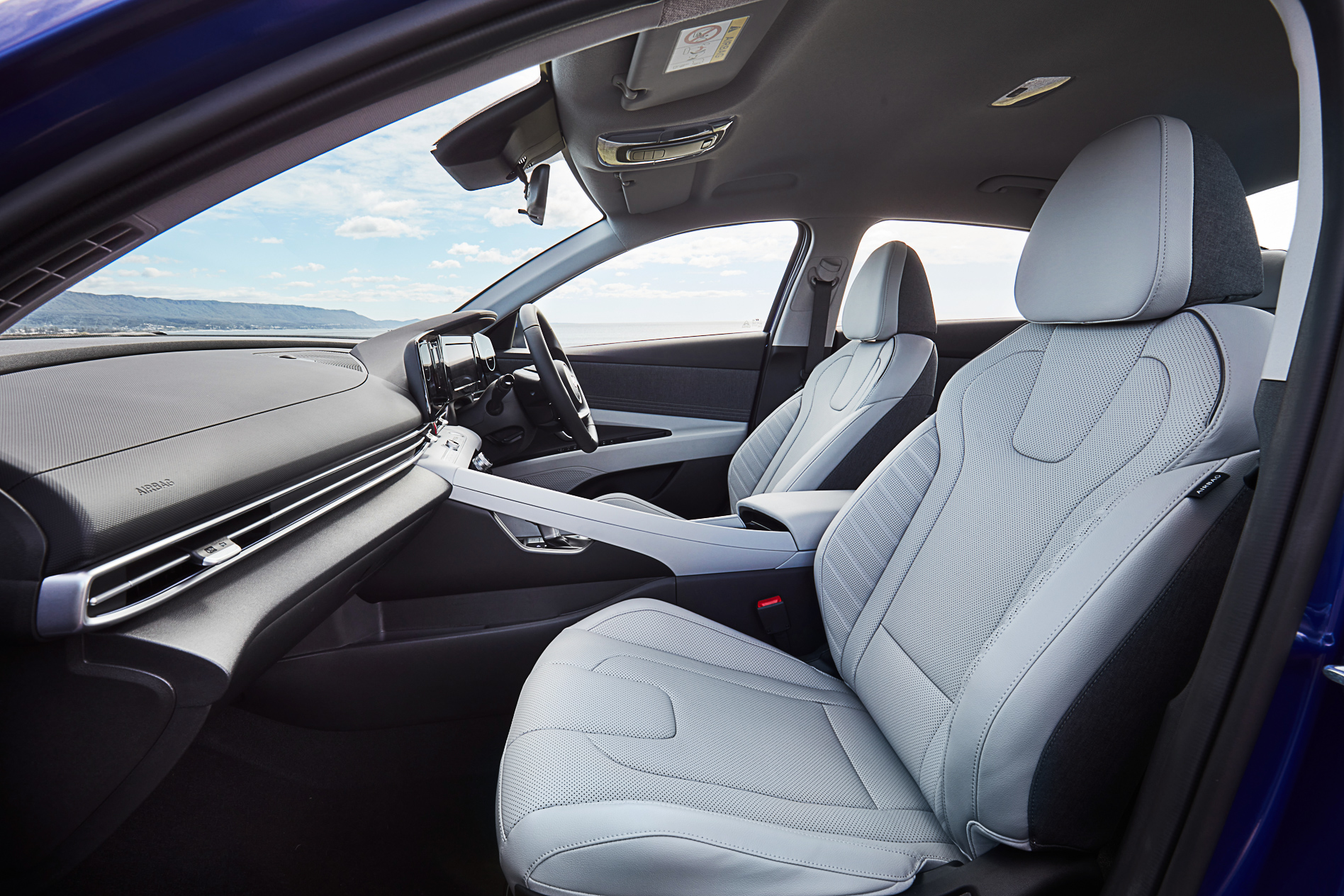
There’s a marked increase in the visual presentation, not least because of the very cool twin-screen layout but because of the way the design favours the driver with a category-leading cockpit design that wouldn’t look out of place in something that costs $14,000 more.
Its front seats are comfortable and are slung low in the car, while button arrays are minimised in favour of the 10.25in multimedia screen running the show.
There are USB ports and an inductive phone charging pad up front, but needing to plug in a cable to activate Apple CarPlay renders the pad redundant for iPhones and Android phones.
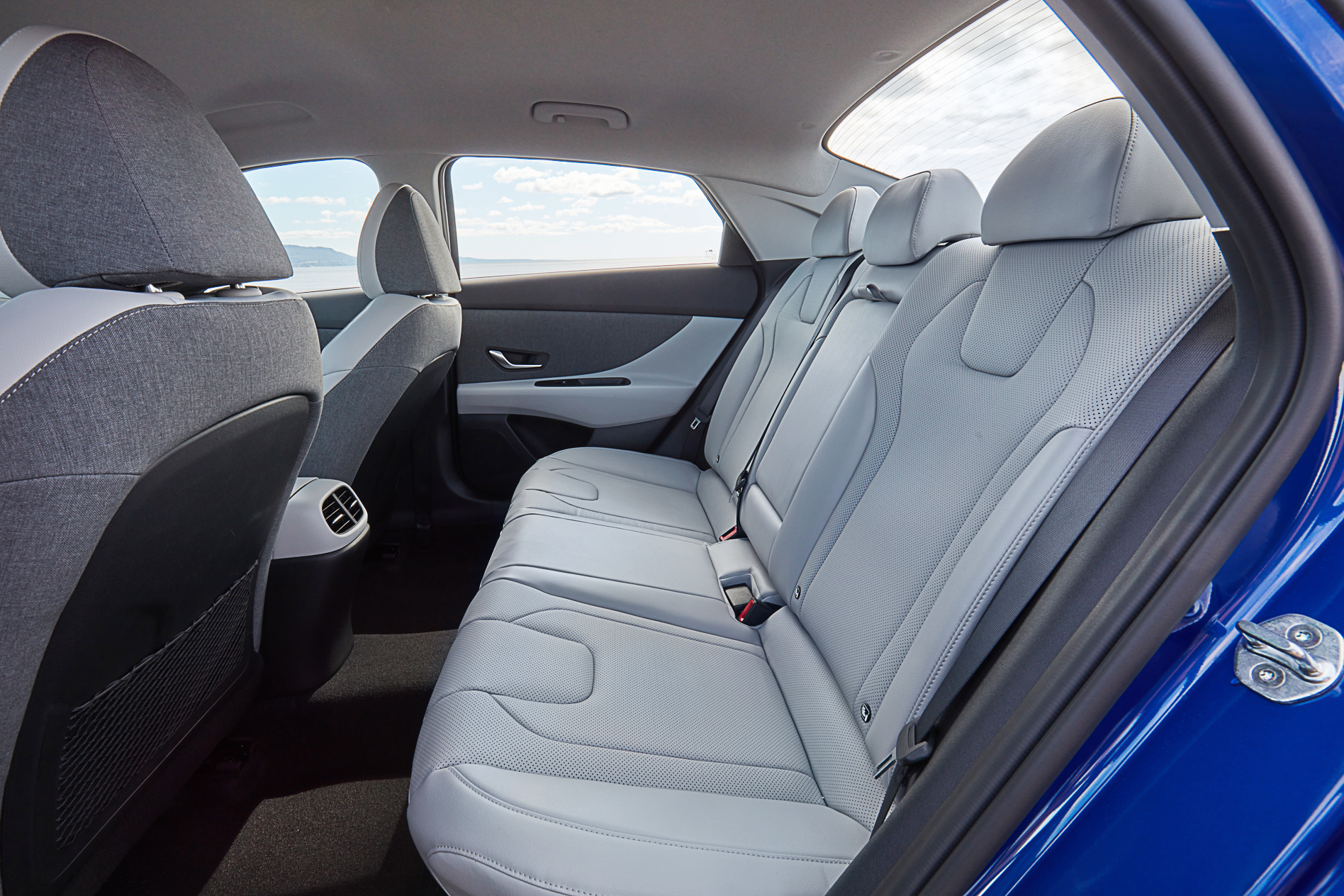
Rear seaters aren’t forgotten, with reasonable room for two adults in the back. Head room is decent enough, as is knee room. Three would be a compromise, though, thanks to the large transmission tunnel.
There are two ISOFIX baby seat mounts and rear vents but, strangely for a charging point-mad Hyundai, there are no USB points in the back.
The boot floor of the Hyundai i30 Sedan hides a full-size spare wheel rather than a space saver, which is a great addition. The boot itself measures 471 litres in size; just one more than the Corolla sedan and 25 more than the Mazda 3.
Driving the Hyundai i30 Sedan
Hyundai takes great pains to tune most of its cars for Australian conditions, after copping an absolute pasting about a decade ago for the ride and handling of one its cars – dispatched to Australia in its overseas form – in local press.
Now, ride, handling and steering are all tested locally, and changes made at a factory level to improve things where necessary.
The i30 Sedan has really benefitted from this program, with a terrific balance struck between providing a comfortable ride and having a bit of character about it.
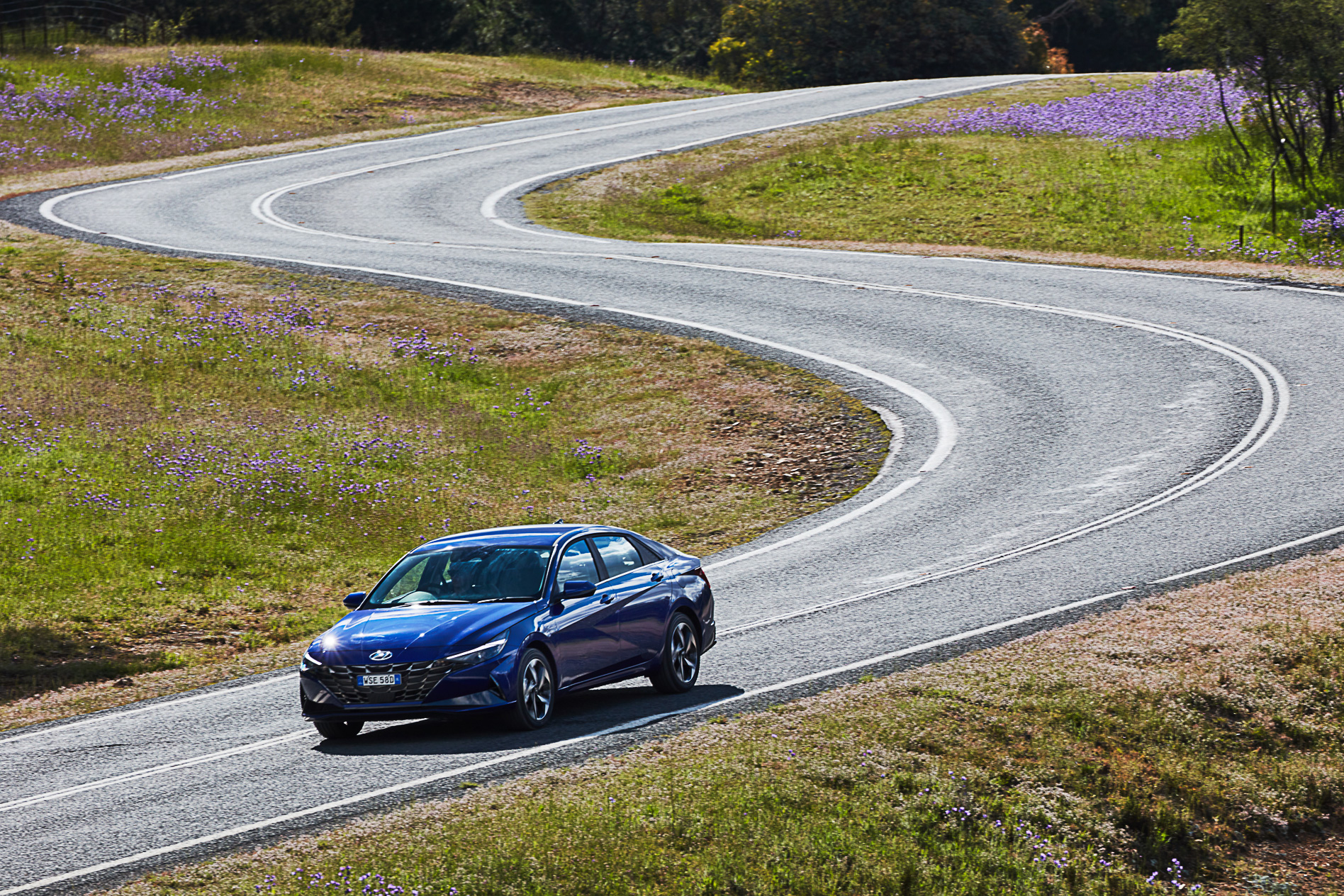
It steers naturally and easily, and small imperfections are smoothed over with the aplomb of something larger and more expensive.
There have been moderate improvements to the 2.0-litre non-turbo four-cylinder, too, which still lacks character but does its job adequately.
It matches well with the Elite’s six-speed traditional automatic, sending power to the front wheels in a fuss-free way. There are no paddles to manually override it, but honestly, you don’t need them here.
The i30 sedan is impressively quiet, as well; road noise can be a bugbear in smaller cars but Hyundai has managed to quell tyre roar and wind noise quite well.
Safety
Now this is an interesting one. Hyundai has rammed the Elite, and all of the i30 Sedans, to the gunwales with safety tech, from low- and high-speed AEB with pedestrian and cyclist detection to rear-cross traffic alert and even rear-seat occupant warning.
However, because the i30 Sedan hasn’t been crashed-tested by Euro NCAP, Hyundai has been unable to apply that test data to a potential ANCAP score.
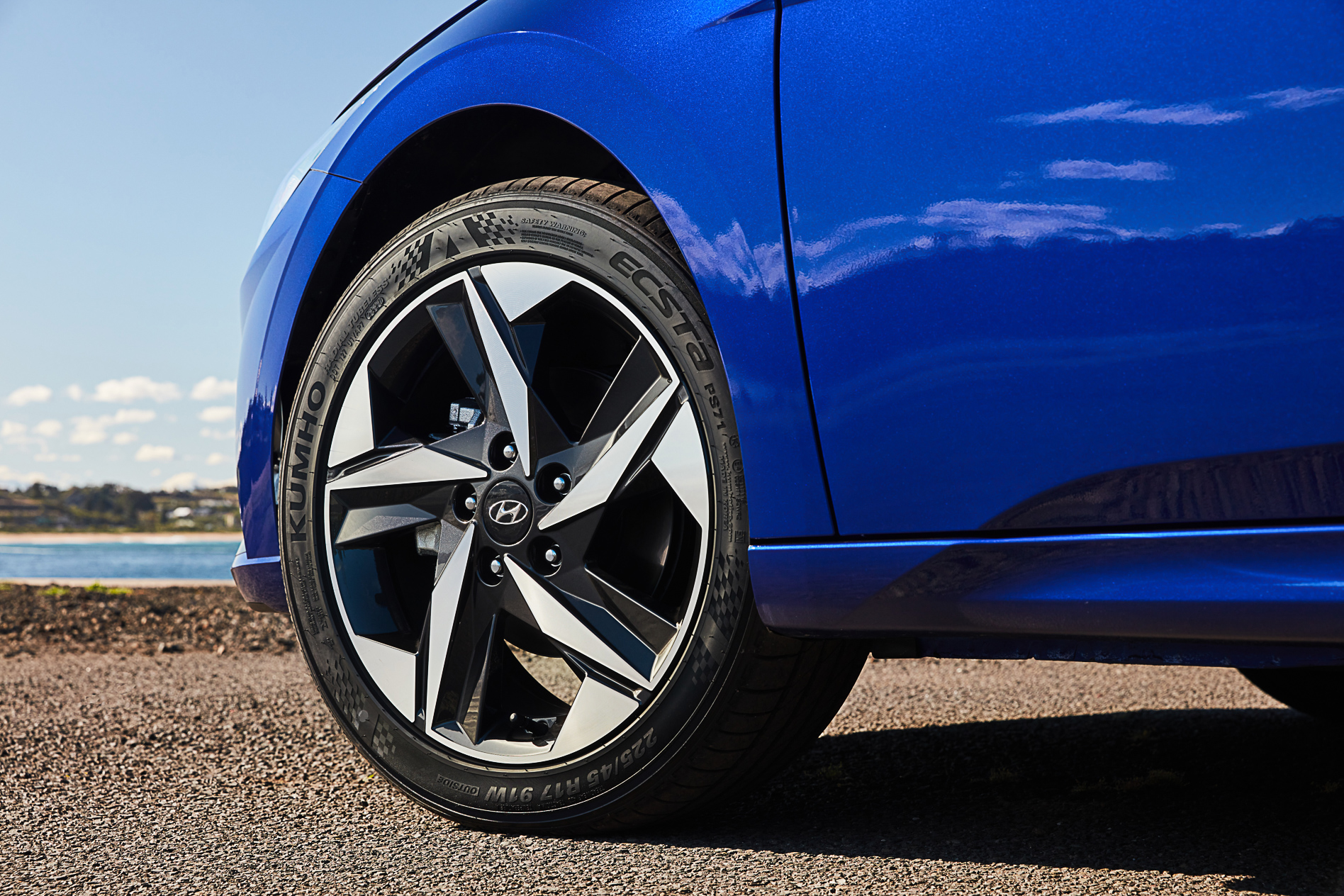
It can submit the car for a test, but because of the change to testing in 2020, it’s unlikely that the i30 Sedan would receive a five-star rating.
However, with six airbags, low- and high-speed AEB, lane-keep assist, adaptive cruise control, rear parking camera and rear sensors and automatic headlights, the i30 Sedan is undoubtedly well equipped for safety.
How much does it cost to run the Hyundai i30 Sedan?
Hyundai offers a five-year/unlimited-kilometre warranty on the i30 Sedan, with recommended service intervals of 12 months or 15,000km, whichever comes first.
A comprehensive fixed-price service program known as the Lifetime Service Plan provides fixed-price servicing on the life of the i30 Sedan (defined as 34 years), which can be transferred to a new owner.
The first five years of servicing for the 2.0-litre equipped i30 Sedan Elite will be approximately $280 per service.
With a claimed combined fuel economy figure of 7.0 litres per 100km, the i30 Sedan should travel about 670km on one 47-litre tank of fuel, and cost about $60-65 to fill up.
It can handle the cheapest 91RON, too, according to Hyundai.
Verdict
Hyundai has done a good job of separating the i30 Sedan from the hatchback in both its looks and its perceived feel.
The out-there exterior styling might not be to everyone’s tastes, though.
If it’s a little bit of affordable luxury you’re after in a small, easy-to-drive, comfortable sedan, the Hyundai i30 Sedan is well worth a look.
Rating 4/5
What you will like
Lots of standard technology, composed and comfortable to drive
What you won’t
Rock star looks
2020 Hyundai i30 Sedan Specifications
Price From $30,790
Engine/Transmission 2.0-litre four-cylinder, six-speed auto
Fuel consumption/CO2/Tank size 7.0L/100km/159g/km/47L
Safety not rated
Seats 5
Warranty / Service Interval 5 yrs/unlimited km, 12 months/30,000km
Spare Wheel (type) Full size
Dimensions (l/w/h) 4676mm/1826mm/1414mm
Weight 1300kg (est)
Of course, it was the DB7 that changed everything. We all know that. It was the car that reimagined Aston Martin’s design language, ‘the most beautiful car in the world’ hauling the company out of its 1970s mindset with some verve. What came next was arguably a bigger step for the business, though.
The underpinnings of the 1994 DB7 could still trace a bloodline to the Jaguar XJS, and was in fact a modified version of the car that TWR designed to replace the XJS, dubbed Project XX. This was canned due to federalisation issues – with Jaguar baulking at designer Ian Callum’s bill – so Project XX went back under cover at Bloxham only to re-emerge as the Callum-refreshed DB7. This was a project Aston has acquired on the cheap (the development budget was around £30m) but in relying on borrowed steel it wasn’t a viable long-term strategy. Aston’s heritage wasn’t forged in steel. It sculpted its art in element 13 – aluminium.
The plan to develop the V12 Vanquish relied on a new construction method for the company that utilised a bonded aluminium superstructure with a carbonfibre transmission tunnel and braided carbonfibre A-pillars, all draped in signature aluminium bodywork. Lotus had a hand in the genesis of the Vanquish project. In fact, the ‘Project Vantage Concept’ that would develop into the production Vanquish had a number of big names behind it. Bob Dover, Aston’s chairman and chief executive, assembled a stellar cast. Dan Parry-Williams, who went on to become McLaren’s engineering and design director, was seconded to the suspension project by Tom Walkinshaw. Lotus also worked on the chassis and suspension. Ian Callum, then still a TWR employee, penned the lines, drawing inspiration from the DB4 Zagato. On January 5, 1998, it was unveiled at the Detroit Show to a rapturous reception.
Knowing what we know now, the concept looks odd, almost as if a Vanquish has been shrunken in a hot wash. The muscular haunches and distinctive front end are easily recognisable but the rear lights were said to have been purloined from the Ford Cougar and the air vents in the dash are from a Ford Ka. The latter parts were to create a delay in launching the production Vanquish after Dover’s successor, Dr Ulrich Bez, appointed to the CEO position in July 2000, took a vehement dislike to them and insisted they be replaced with classier Volvo-sourced vents.
They were just one of a number of ingredients in the concept that never made production. The pushrod suspension with horizontally mounted front spring/dampers which fed loads into the bulkhead, Rover P6-style, were dropped. As was the double-skinned carbonfibre and aluminium honeycomb roof, which was switched out for sheet aluminium. Callum was heartbroken over an alteration to the side of the car for production, where the flanks had to be altered to fit the over-large Ford parts catalogue key barrel carried over from the DB7.
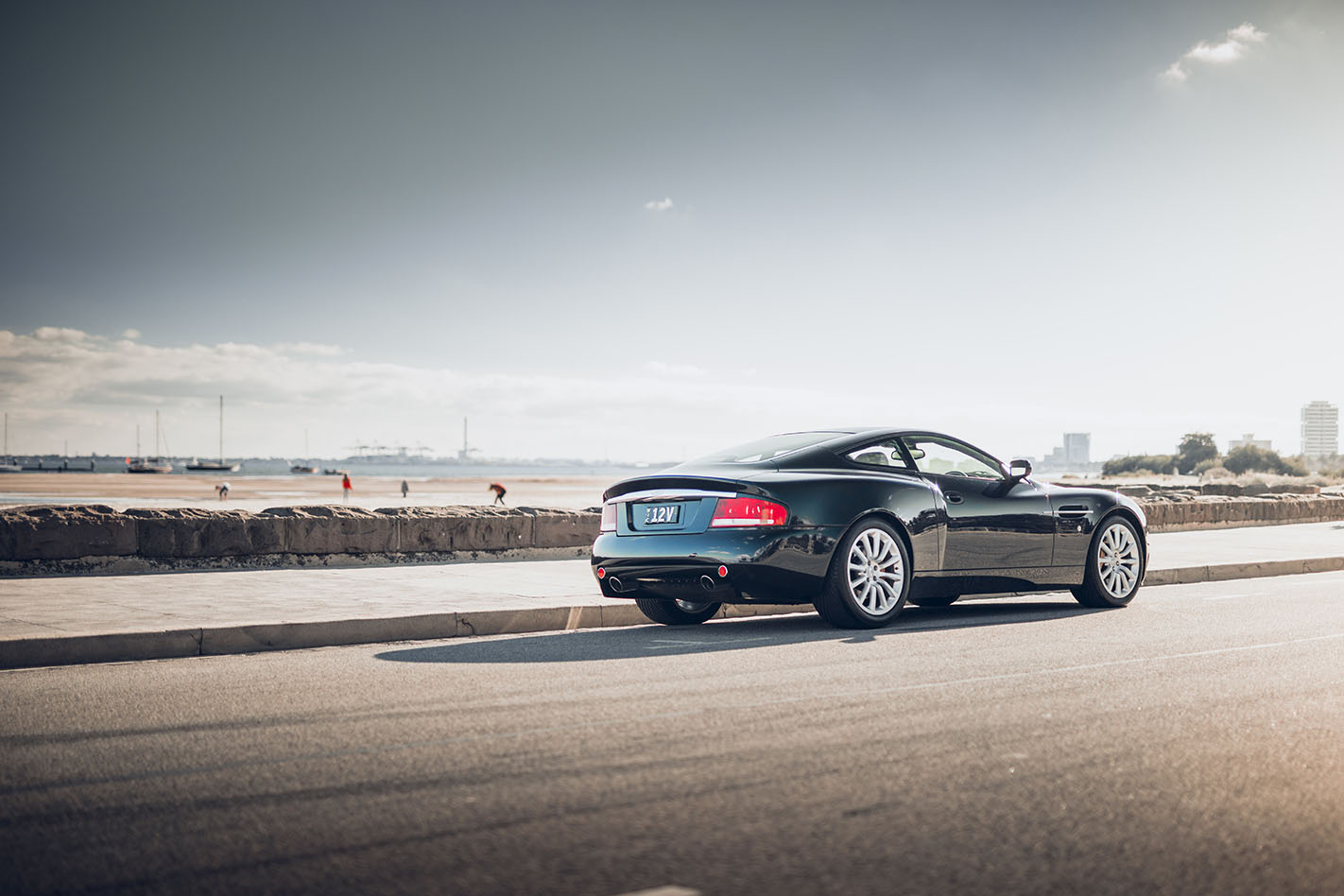
Nevertheless, the basic silhouette survived, with some tweaks to a rear end that Ford boss Jac Nasser described as “too American-like, too Camaro-like”. Callum is especially proud of the proportions of the front end. Because the engine is actually set very far rearwards, its centre of mass is behind the front axle line. This required the windscreen to reach forward over the top of the engine block, creating a structural challenge to cantilever or hang the windscreen out there, but the problems were solved and the Vanquish got the windscreen rake it deserved.
Although some point to the Vanquish as the genesis of Aston’s VH aluminium platform, in truth it was pre-VH, with some elements of its construction going into the first VH model ‘proper’, the 2004 DB9. The car was largely built with known technologies, with even the chassis extrusions easily built. Less straightforward were the body panels. These utilised a new superforming process to shape them rather than using the traditional English Wheel, but because the design was frozen early in the process, the development team had a chance to get them right.
The Vanquish’s V12 powerplant owed much to Ford’s 1996 Indigo Concept, which used the pistons, rings, rods and valvetrain from a pair of Duratec V6 engines and which first surfaced in the DB7 Vantage of 1999. The production Vanquish was finally shown to the press and potential customers in October 2000 and then the public at the Geneva Show in March 2001. Production started very soon afterwards at the Newport Pagnell plant that had been refreshed by Ian Minards aimed at increasing production rates from 1.5 to eight cars a week. Deliveries to customers commenced in the summer of 2001.
Aston Martin refers to this car as the V12 Vanquish, while the VH310 model, built from 2012 is known simply as the Vanquish. To avoid clumsy repetition throughout, we’ll just stick with Vanquish for the original model.
Wheels sent Peter Robinson to the Scottish borders to drive an early test car for the September 2001 issue. Robbo was convinced the Vanquish could stand comparison with Ferrari’s 550 Maranello. Driving it in on the fast Borders roads near Callum’s Dumfries home, our scribe was minded of another local. “Jim Clark, I know, would approve,” he said. “If he’d lived, the Vanquish is just the kind of car I imagine a now 65-year old Clark would own. Super quick, understated, relaxed, comfortable, beautifully finished and a pleasure to drive and admire.”
It seems Robbo was just as taken with the car as its designer. Callum later said, “It captured all of the exotic and all of the emotion I could put into the car, and it was new. You know I remembered thinking at the time it was finished, ‘If I never do a car again, at least I’ve done this one.’ That was quite satisfying.” Not that it was perfect. Callum was never happy with the carry-over headlights from the DB7, claiming the concept had much neater, smaller light pods that he should have fought more tenaciously to retain. He also regretted Aston Martin’s decision to launch the car without the option of a manual gearbox.
Robinson also had some reservations. He noted that the shift times of the Magneti-Marelli sourced transmission were, even in the box’s sharpest mode, more than three times slower than the E46 BMW M3’s SMG transmission. He also questioned the weight, which had ballooned from the concept’s 1500kg target to a monster 1835 kegs. Then there was the packaging, which is tightish for tall drivers with thick A-pillars. There were few complaints about the chassis dynamics, though.
Buying a Vanquish today isn’t the most straightforward of exercises. For a start, they’re rare.
Aston Martin built 2575 between 2001 and 2007, so despite Ian Minards’ best efforts, that’s roughly two per day. That’s split between the V12 Vanquish with 1489 sales and the 388kW Vanquish S, introduced in 2004, which registered 1086 units. The last 50 Vanquish models off the Newport Pagnell line were all Vanquish S Ultimate Edition cars. Early, tired examples of UK-market Vanquishes can be found for around $90,000, but these are best avoided. As with many hand-built cars, buying cheap is a false economy and a genuine, well looked-after local car will cost from $150,000. There’s little difference in values between the factory two-seaters and the 2+2s. Given that Aston Martin only exported a few cars to Australia in an official capacity and that Vanquishes don’t change hands all that often, it pays to play the long game when buying.
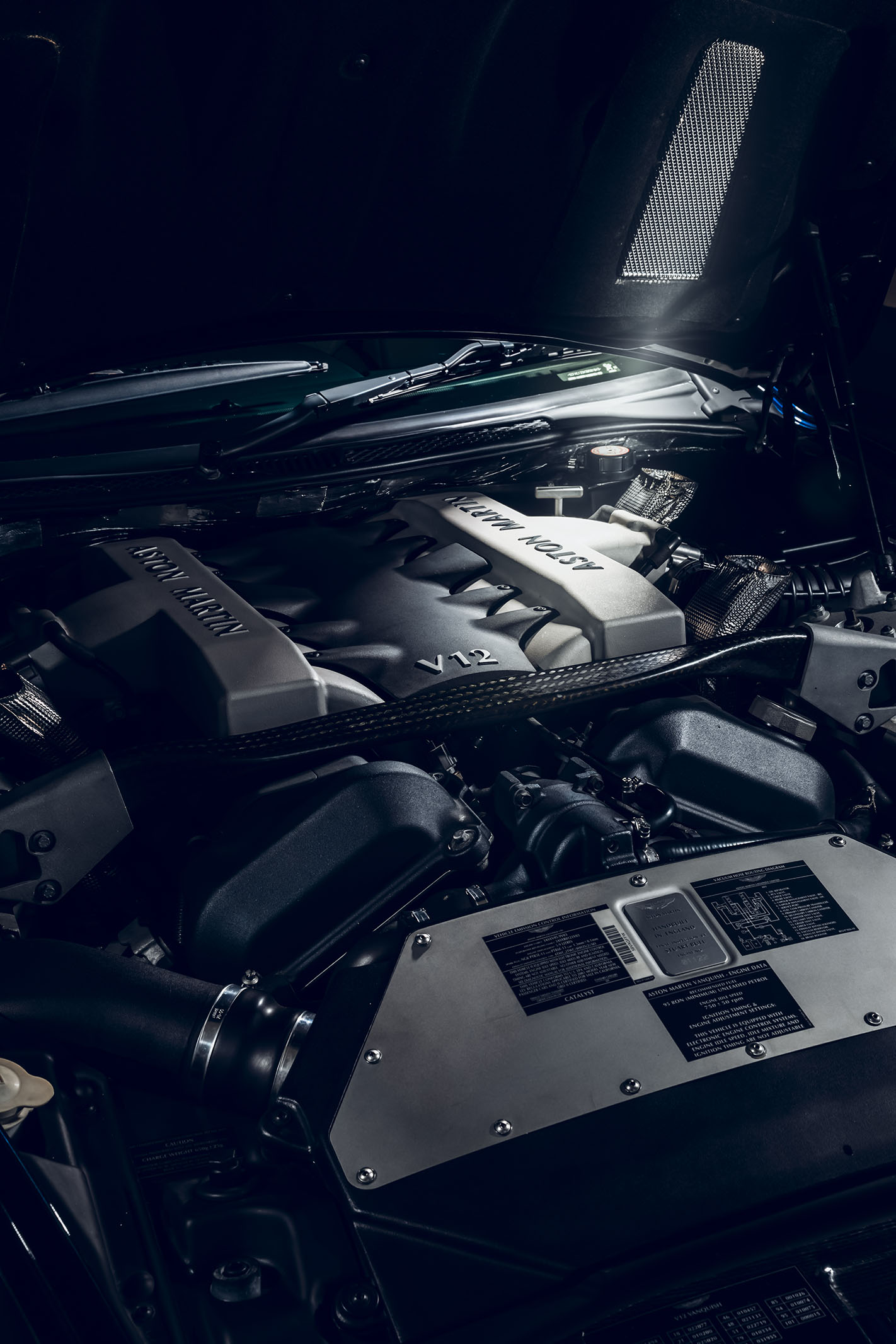
The Vanquish is a complex car and many of its innards are densely packed. It has an exhaust and intake architecture like no Aston before or since and the gearbox hydraulics, with its warren of inaccessible reservoirs and pumps, isn’t something that the layman will want to crack into, and access requires dismantling the whole rear section of the car.
Collector cars that sit at the back of garages will suffer when fuel goes bad, and this can require removal and refurbishment of the injectors. The engines are otherwise mechanically tough, although unsympathetic driving can very rapidly fry the clutch pack in the robotised manual gearbox. The later Works manual retrofit cures this issue but the shift action is poor, clutch calibration odd and the gear lever is in a weird spot. Perhaps the best solution is to stick with the original ‘box but upgrade it to later Vanquish S specification by using that model’s microswitch position sensors, which – along with a measured right boot – cures most of the car’s low-speed friction-plate histrionics. Owners can operate a reset mode for the software that learns individual driver styles. Effectively you hold both paddles in a sequence with your foot on the brake and the system then takes 30 seconds to relearn the gearshift’s relation with the clutch bite point.
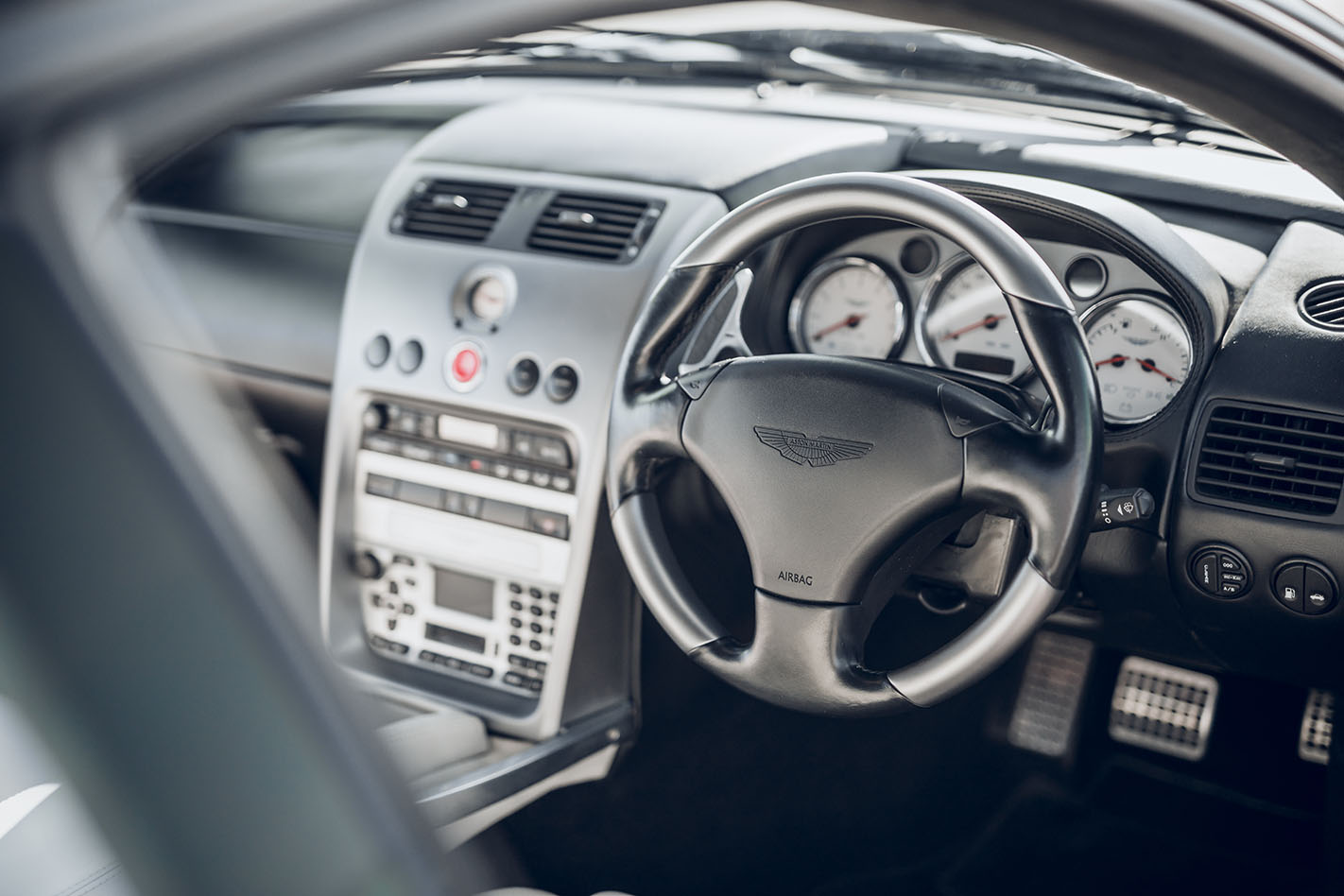
Leather lines much of the cabin, so check that the sun hasn’t shrunk the hide, warping the edges of the dash-top or door cards. The dash on early cars looks a little dated with its Jaguar-sourced switchgear and broad A-pillars, but post-2006 Vanquish S models received the DB9-style console with 6.5-inch colour sat-nav screen. Common trim parts and consumables are invariably cheaper sourced through Jaguar than Aston.
The V12 Vanquish transformed our perception of Aston Martin, modernising it without compromising its heritage one jot.
It’s now seen as one of the stars in the company’s firmament. Sadly, its successor, the Gaydon-built DBS (2008-2012) probably won’t be remembered as one of the company’s greats. The Vanquish, on the other hand, has the lot. It’s charismatic, marked a technological step-change and represents a pivotal part of Aston Martin’s story. It’s the real deal.
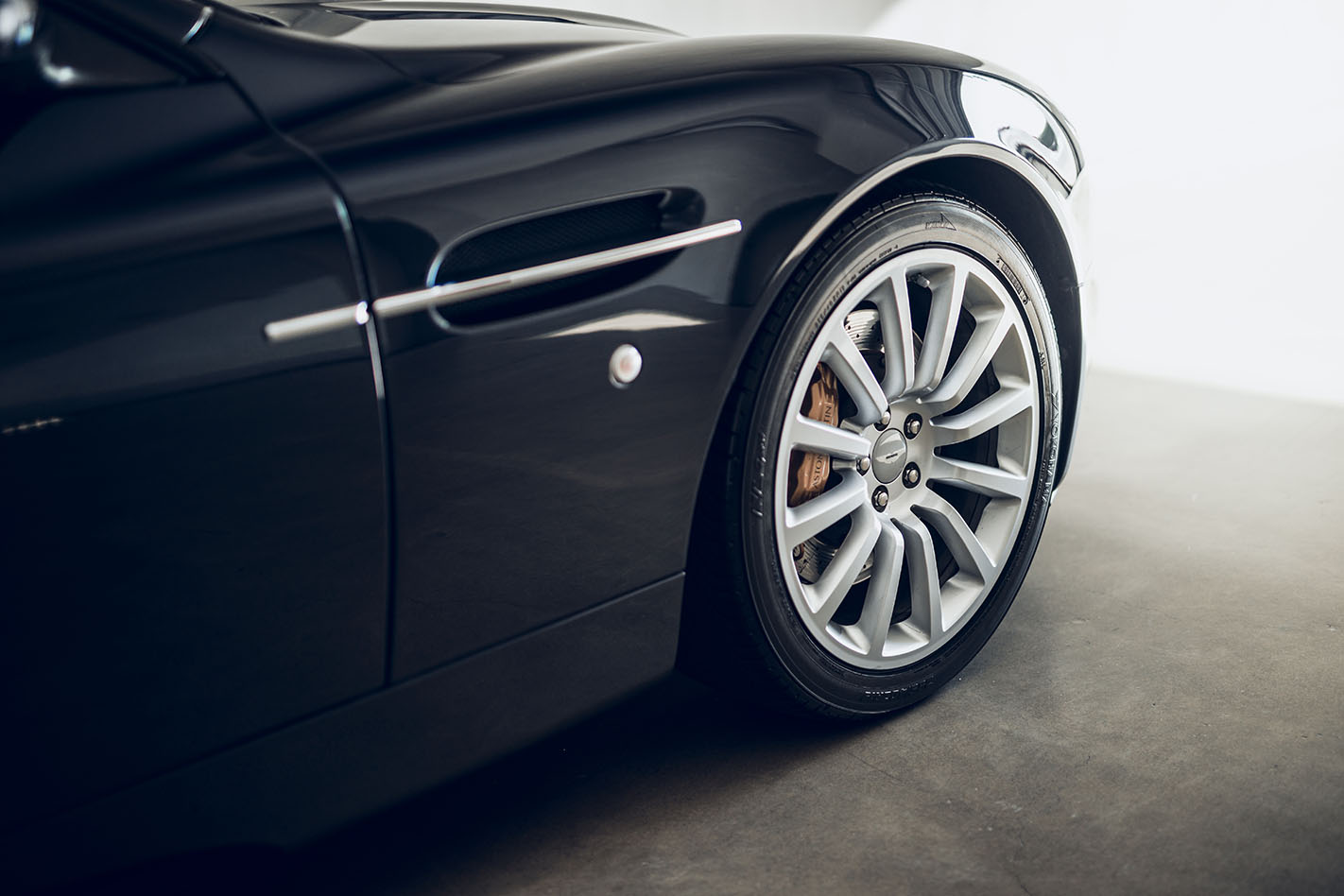
WHAT IS IT LIKE TO OWN?
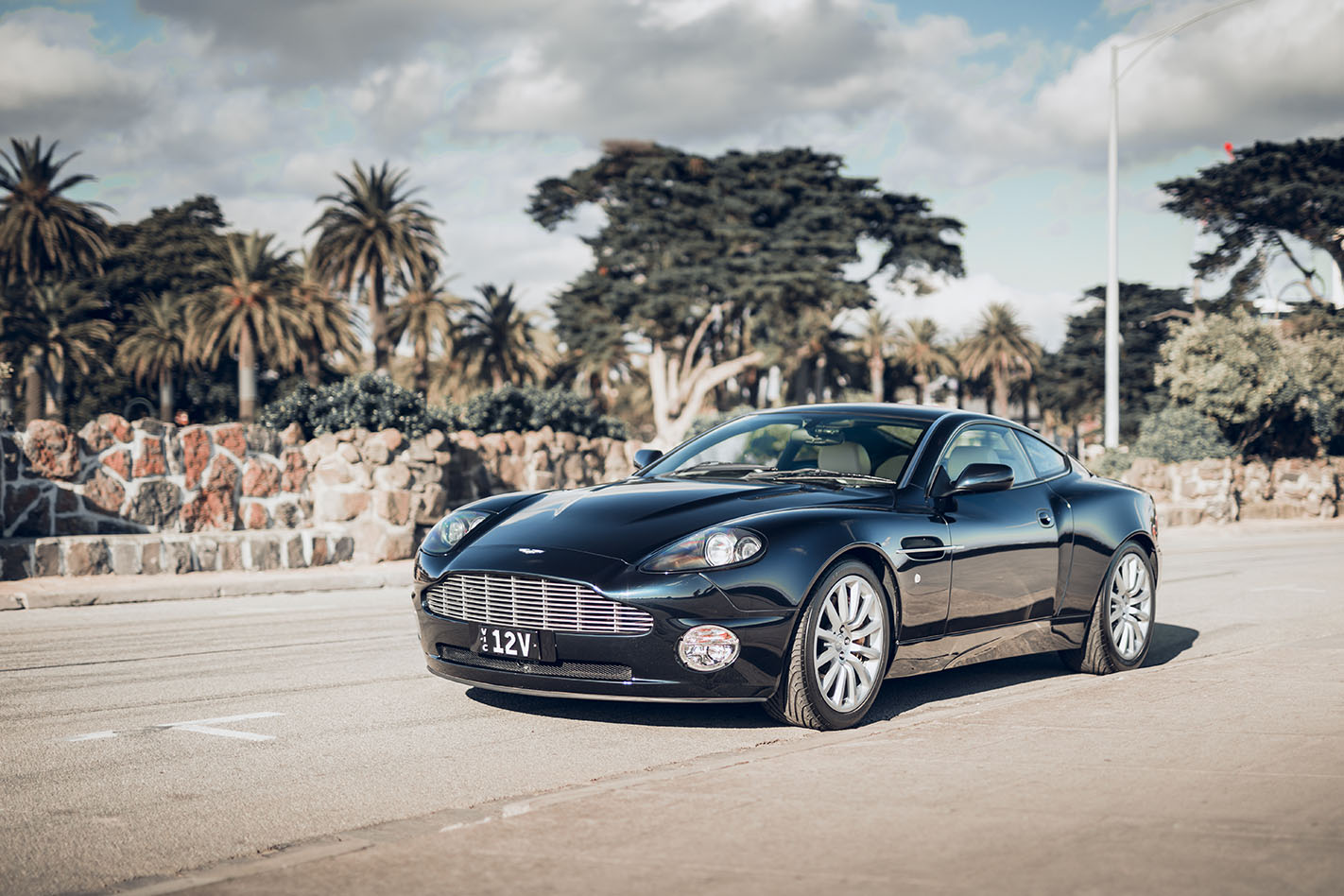
“I first saw the Vanquish in a 2001 issue of MOTOR while riding home from school on the bus. From that moment I just fell in love with it, especially the shape. It was such a big jump ahead compared to the DB7. I didn’t want Bond-spec silver or grey, or one with a garish two-tone interior so I took my time and sourced this Antrim Blue with ivory trim Aussie car. The Vanquish has its foibles but it’s pretty much the best-sounding Aston Martin ever made. Ian Callum just nailed the shape. It’s telling that of all the cars in his back catalogue, this was the one he’s chosen to remanufacture.” – Jordan Roddy, Mt Eliza, VIC.
A LEGEND REBORN
Ian Callum wanted another crack at his favourite in partnership with the Swiss operators of Aston’s GT3 team, R-Reforged. For A$1m, 25 lucky customers got a thoroughly updated car, with 433kW, revised suspension, modern infotainment, 20” wheels, carbon brakes, an auto gearbox option and a stack of styling flourishes.
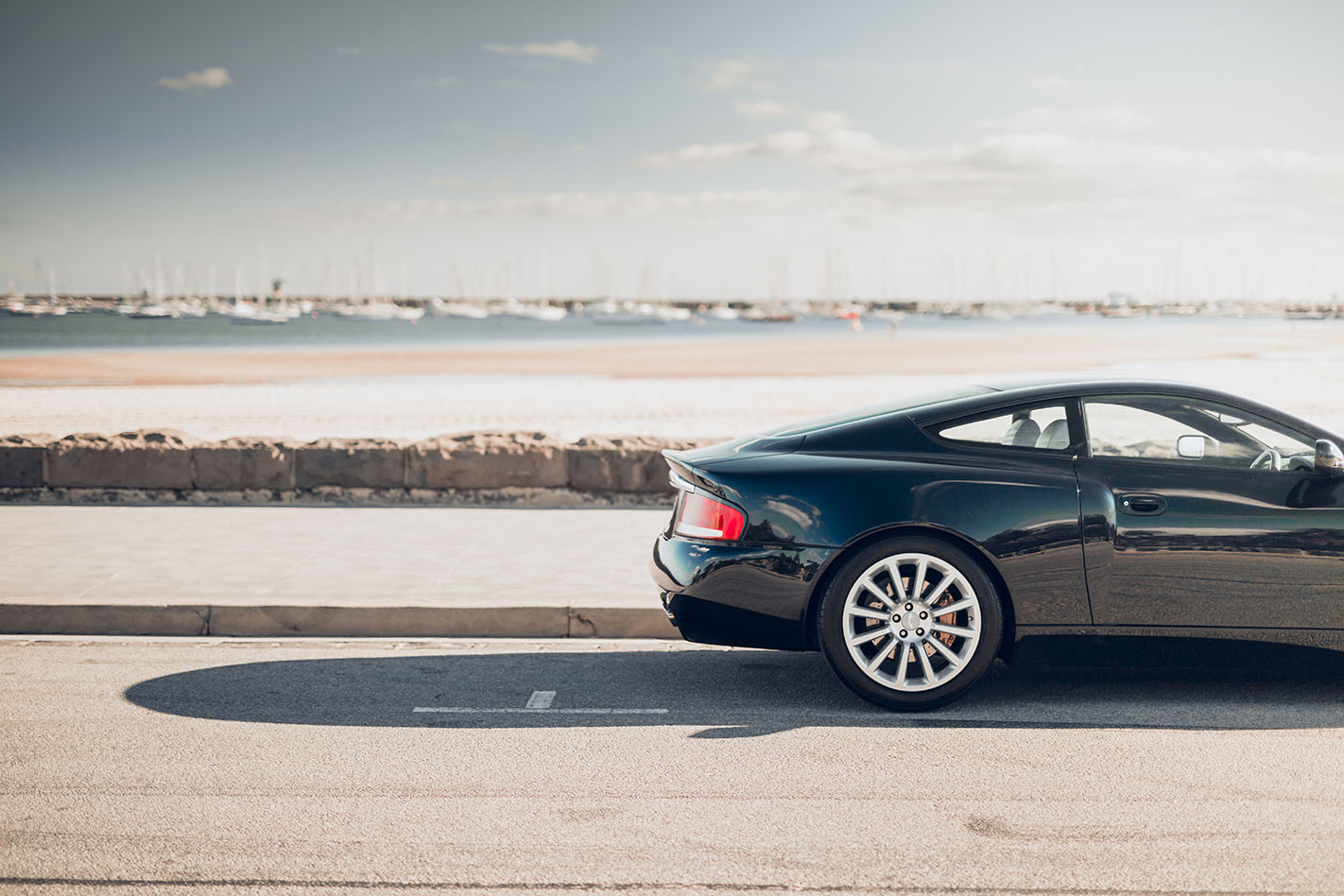
ASTON MARTIN V12 VANQUISH SPECS
- Engine: 5935cc V12 (60°), dohc, 48v
- Max power: 343kW @ 6500rpm
- Max torque: 542Nm @ 5000rpm
- Transmission: 6-speed robotised manual
- Weight: 1835kg
- 0-100km/h: 4.7sec (claimed)
- Economy: 15.0L/100km
- Price: $150,000 (value today)
The Bad: Not easy to keep on top of maintenance; transmission not to all tastes; dash now looks dated; steel subframes can rust; 2+2 cabin can feel tight for taller drivers
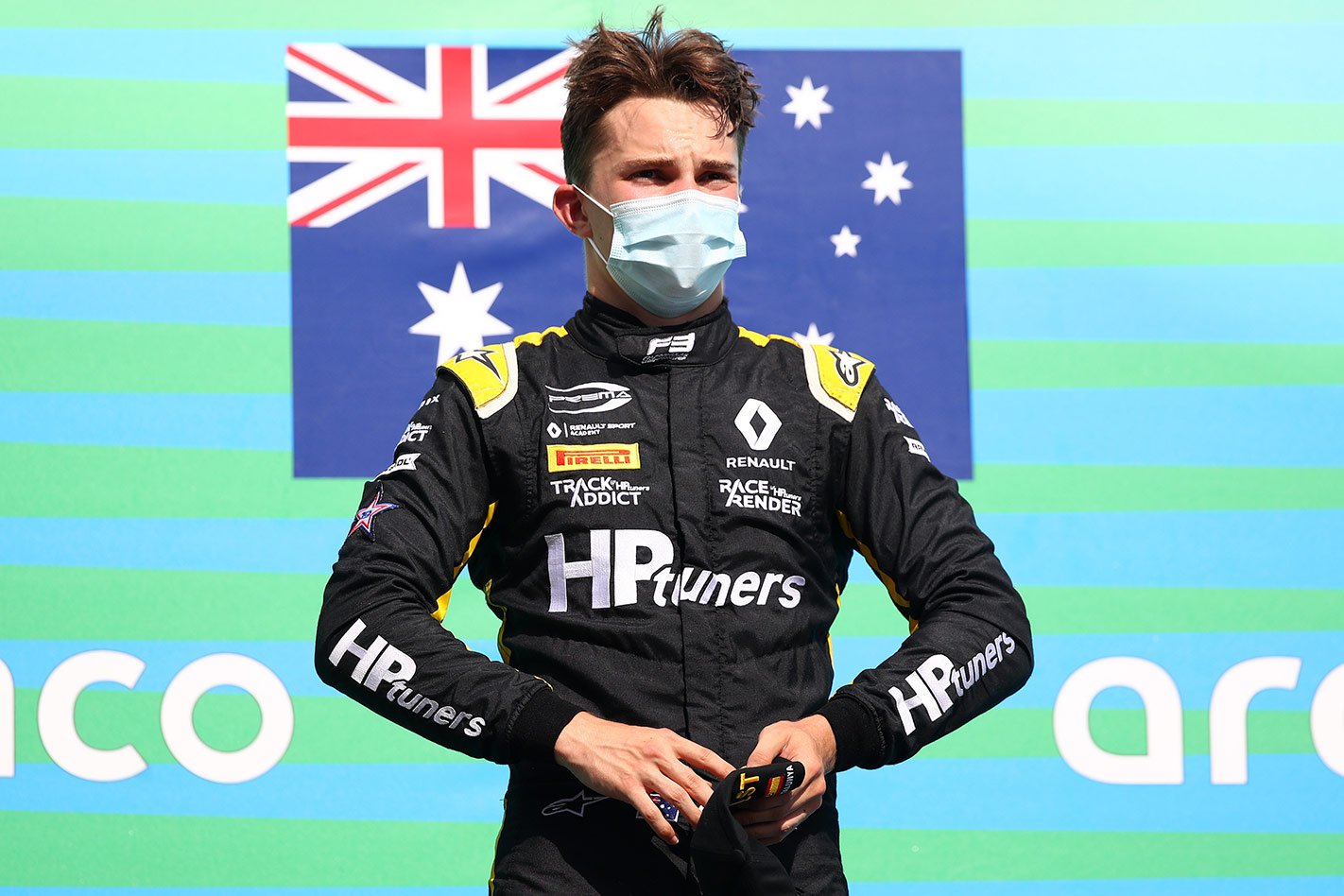
Oscar Piastri is about to take another giant leap towards becoming Australia’s next Formula One racer.
The 19-year-old from Melbourne, who scored a nail-biting victory in the 2020 FIA Formula 3 Championship, will test a Renault F1 car at Bahrain later this month alongside returning superstar Fernando Alonso and fellow upcomers, China’s Guanyu Zhou and Denmark’s Christian Lundgaard.
Piastri, who is a member of the Renault Sport Academy, will spend a full day behind the wheel of a two-year-old Renault RS.18 racer at Bahrain on October 30, joining an elite group of Australian race drivers to have officially driven a Grand Prix machine.
https://www.instagram.com/p/CGowjxxB9V4/?utm_source=ig_embed&utm_campaign=loading
A post shared by Oscar Piastri (@oscarpiastri) on Oct 22, 2020 at 12:07am PDT
Speaking to Wheels in an exclusive interview in the lead-up to today’s announcement, Piastri said he was “super excited” about the opportunity ahead of him.
“I kind of knew that if my results were good this season that that was on the table,” he said.
To be honest, I’ve known it was coming since the end of the season, but it is very, very cool and the anticipation is immense. It doesn’t get any quicker than an F1 car, so I’m very excited to drive one of the world’s quickest cars.”
Read the full interview in the next issue of Wheels magazine – click here to subscribe!
He has driven laps in Renault F1’s high-tech simulator earlier this year and was due to complete more virtual seat time this week in preparation for the Bahrain test as well as being embedded more deeply in official engineering sessions at the Enstone factory during this weekend’s Portuguese Grand Prix at the Portimao circuit.

He says the F1 test is as much as a reward for winning the F3 title as it is an exploratory first step towards the summit of motor racing, and – even though he is already qualified to earn an F1 Superlicence – doesn’t anticipate it being a shootout against Zhou and Lundgaard for a position as the team’s official test and reserve driver in 2021.
“I don’t think there is anything like that,” he said.
MORE F1
- Debate me: Is Daniel Ricciardo overrated?
- Nine of the most successful F1 cars ever
- Ricciardo moves to McLaren
“I’m just looking to enjoy the experience and learn as much as I can and hopefully my head is still perched on my neck at the end of the day,” he joked.
