
In our Fast Facts series, WhichCar delves deep into the history of automotive brands to bring you fascinating facts and intriguing information.
Here we focus on Jeep, the famous American 4×4 brand that’s been soldiering along for more than 75 years since it helped create World War II’s most iconic military vehicle.
WAR MACHINE WANTED
Willys-Overland was America’s second-largest car manufacturer, behind Ford, in the second decade of the 20th century, though it had limited success with its passenger cars before it responded to an industry-wide request in 1940 from the US Army for a “light reconnaissance vehicle”.
The vehicle requirements included a rectangular body shape, fold-down windscreen, three bucket seats, a smooth engine, a wheelbase less than 190cm, and a maximum weight of 590kg. American Bantam was first to build a prototype and was ultimately credited with its invention, though Willys won the contract to be primary manufacturer with a modified version of that vehicle – which it called the Quad before changing to MB.
WHAT’S IN A NAME?
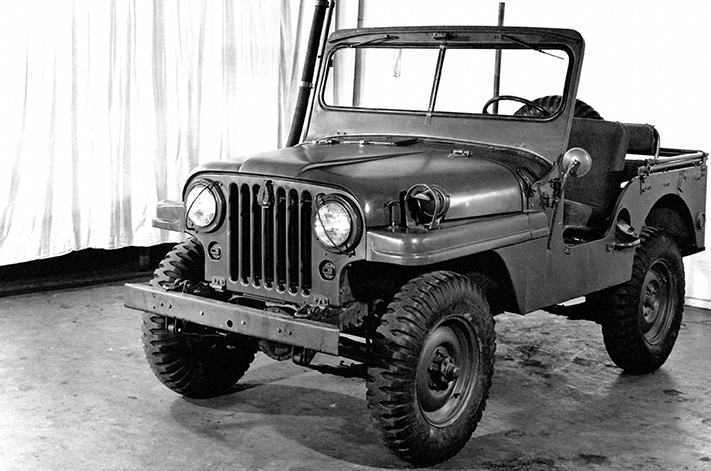
Fellow contract competitor Ford ended up producing more than 275,000 units of the battle ‘taxi’ to help meet demand, calling its version the Model GPW (originally known as the Pygmy). The now-famous Jeep moniker began as a nickname of vague origins. Various theories range from a contraction of GP (for General Purpose vehicle) to a bizarre animal character called Eugene the Jeep from the Popeye cartoon.
TRADEMARK WAR
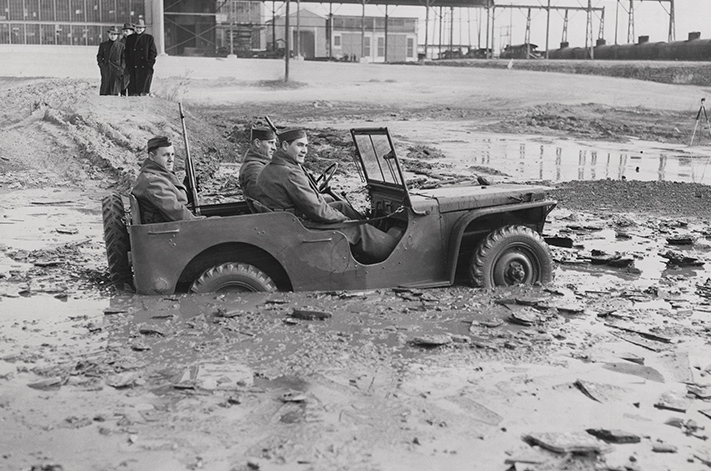
Willys filed to trademark the Jeep name in 1943, which it finally received in 1950 after American Bantam had gone bankrupt and Ford lost its legal fight. It hadn’t been hanging around, though, producing the first civilian ‘Jeep’ – the CJ-2A – in 1945. Featuring a tailgate and side-mounted spare wheel, the model was aimed at farmers who could use it as a load-carrying ute or an agile ‘tractor’ for pulling plows and mowers. The original, 1948 Land Rover Series 1 was inspired by the Jeep.
JEEPS FOR THE ROAD
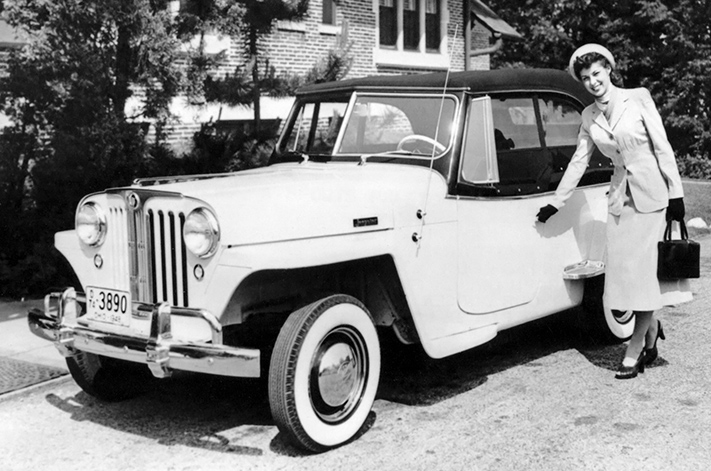
The 1946 Willys Wagon encased occupants in an all-steel body, and with the Jeep’s 4WD underpinnings could be considered a forefather of the SUV – proving popular with America’s post-war suburban explosion. Jeep further focused on the passenger-car market with the 1948 Jeepster, which powered the rear wheels only and featured plastic side curtains instead of roll-up windows.
CREDIT WHERE CREDIT’S DUE
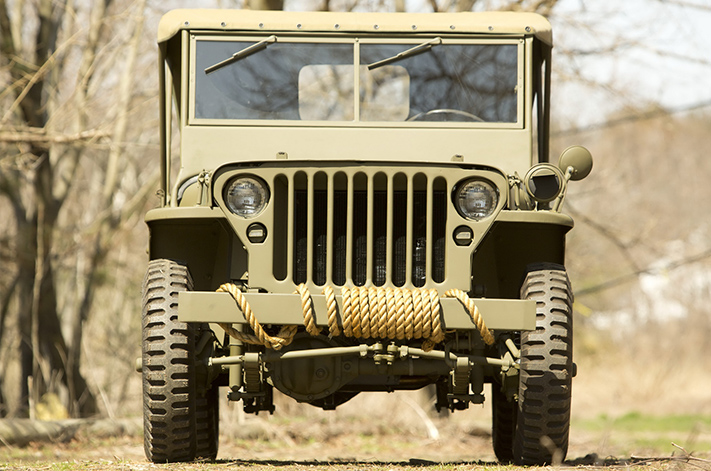
A seven-slot grille is one of a Jeep’s signature features – alongside trapezoidal wheel arches – yet it was inspired by Ford’s version of the MB, which featured a nine-slot vertical grille designed to save weight. The transfer case at the heart of the company’s four-wheel-drive system was also produced by Spicer Manufacturing – now known as Dana and which continues to supply 4WD hardware including specialised axles to Jeep.
Jeep Wagoneer Roadtrip concept
THE 28-YEAR JEEP
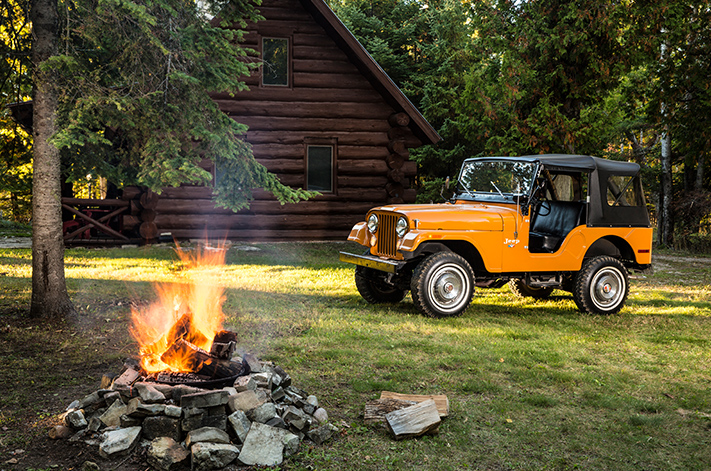
After various updates to the CJ and a US$60m takeover by the Kaiser Company in 1953 that led to the dropping of the Overland part of the name, the 1955 CJ-5 (and its long-wheelbase cousin, the CJ-6) brought much-improved mechanicals and cabin comfort to find popularity with buyers. The model lasted until 1983, with about 600,000 built.
WAGONEER PIONEER
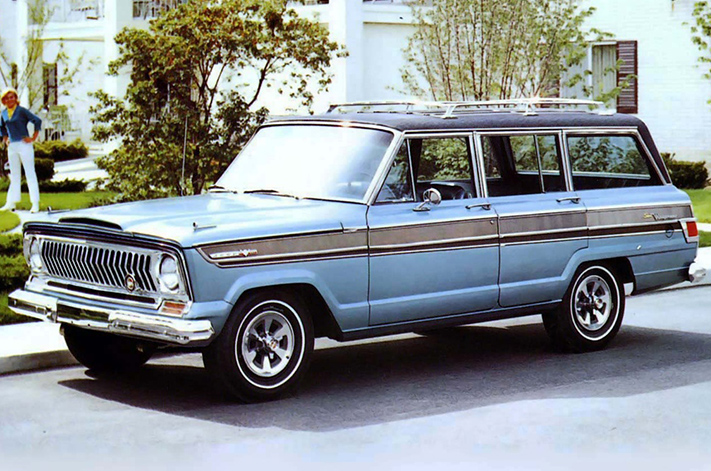
In 1963, the year Kaiser-Jeep was formed, the Wagoneer was released as the world’s first 4WD with an automatic transmission, while options included an independent front suspension. A decade later, the model added Quadra-Trac as an industry-first automatic permanent all-wheel-drive system.
AMERICA’S ANSWER TO THE RANGE ROVER
In 1984 – 14 years after Jeep had changed hands again, purchased by the American Motor Company (AMC) – the Grand Wagoneer took Jeep into luxury territory with features such as leather seats, air-conditioning, extra noise insulation, a powerful V8, and woodgrain exterior trim!
WORLD’S FIRST MODERN SUV
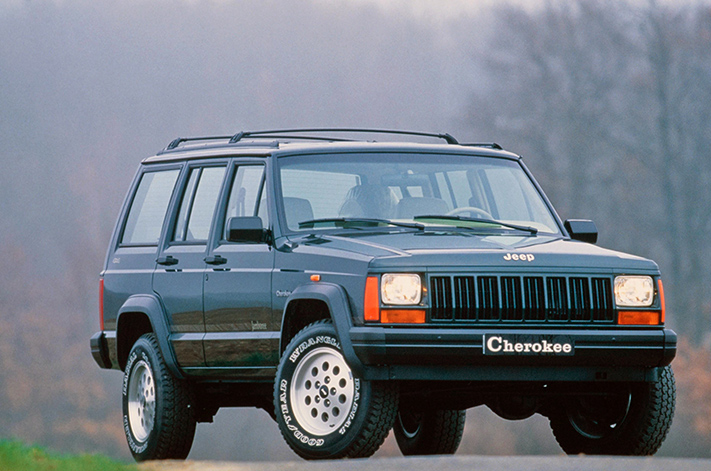
The first of the modern Jeep nameplates recognisable in showrooms today emerged in 1974 with the Cherokee – essentially a two-door variant of the Wagoneer aimed at younger buyers. But the second-generation model released in 1984 had greater significance. An all-new model featuring unibody rather than body-on-frame construction – as well as four doors – the Cherokee could lay claim to being the first of the modern SUV breed.
FRENCH AID; CHRYSLER RAID
AMC sales struggled during the 1970s, in contrast to Jeeps, and in 1979 Renault was approached to become a principal shareholder. Willys already had a link with the French brand, having built the Dauphine in Brazil from 1959 to 1968 under licence. The 1980s would prove to be a more challenging market for cars, however, and in 1987 AMC was purchased by Chrysler (now FiatChrysler but still the parent company).
WRANGLER
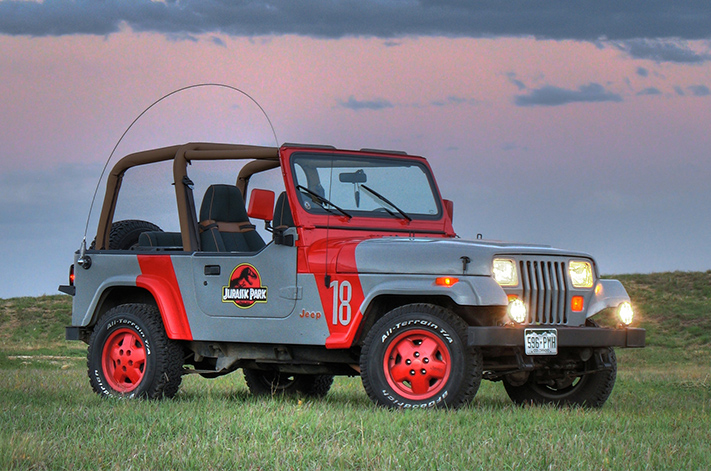
Jeep finally replaced its long-running CJ series with a model called the Wrangler. Visually it retained ties with its military origins (square headlights aside) and continued with leaf-sprung suspension, though mechanically it was more closely associated with the Cherokee. The 1997 TJ generation ramped up the comfort, switching to a coil-spring suspension based on the underpinnings of a bigger Cherokee model…
GRAND SCHEME
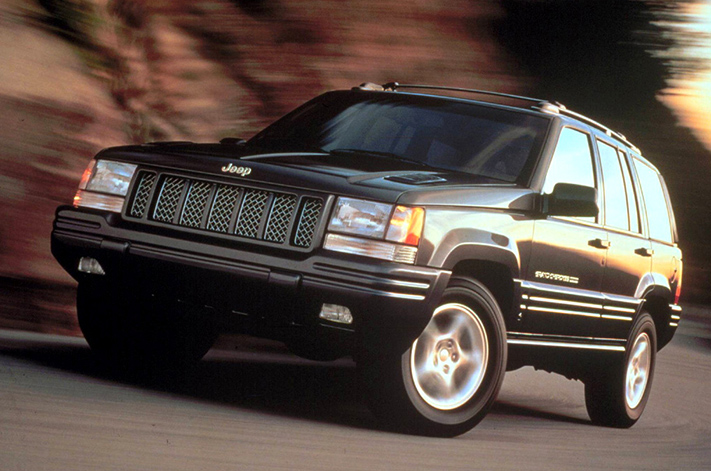
In the grand old days of Detroit Motor Shows – when manufacturers spent extravagant amounts of money on PR stunts – Jeep’s new Grand Cherokee made a smashing debut in 1992 by being driven through one of the convention centre’s glass windows. It was initially planned as the third-generation Cherokee before being created as a new model line with an increased luxury focus. It continues to be one of the world’s biggest-selling Jeeps.
TRAIL RATED
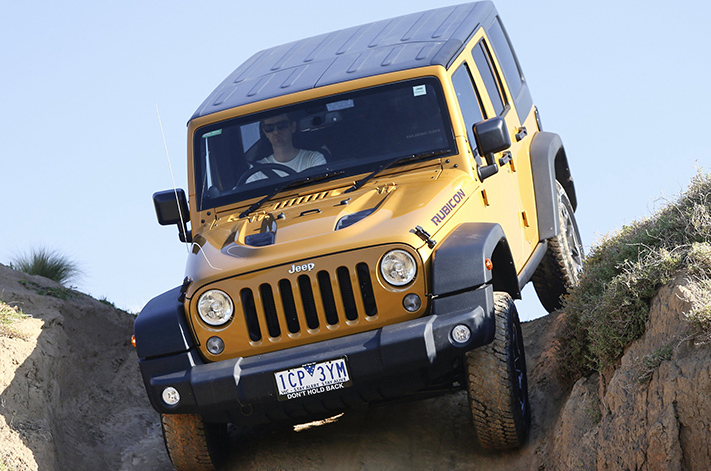
When Jeep introduced a Trail Rated badge in 2003, it was applied to its most hardcore variants capable of tackling notorious trails such as the Rubicon. Today, though, it simply means a Jeep has proven its credentials in five areas: traction; water fording; manoeuvrability; axle articulation; ground clearance. Each Jeep model line currently offers a Trail Rated model. More recently, Jeep has been labelling variants with the highest capability ‘Trailhawk’.
EASTER JEEP SAFARI
What started as a single-trail event in 1967 to attract new visitors to the Moab area in Utah, America, has expanded into a nine-day off-roading extravaganza involving more than 120 trails and about 2000 4WDs … and dominated by the Jeep brand. Last year marked the 50th running of the Easter Jeep Safari. It has become traditional for Jeep to unveil a range of concepts showcasing the brand’s off-roading credentials and design skills.
| Jeep says ‘Happy Easter Safari’ with six new off-roader concepts
FOR TRACKS NOT TRAILS
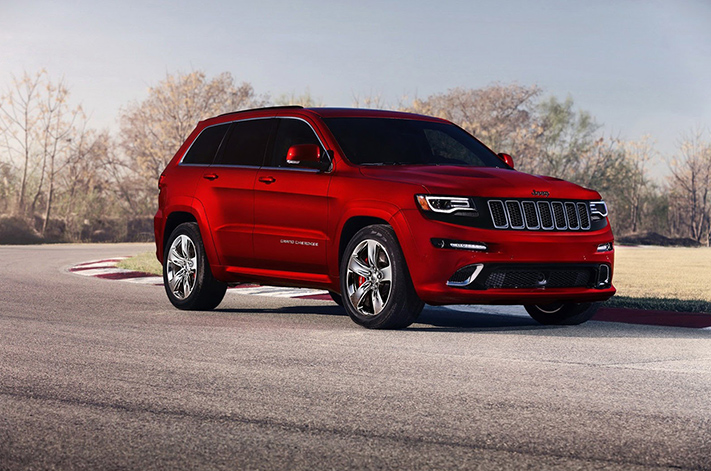
After flirting with high-performance SUVs with its Grand Cherokee SRT, in late 2017 Jeep launched what is the world’s fastest SUV. The Grand Cherokee Trackhawk is propelled by a 527kW V8 and capable of accelerating from rest to 100km/h in 3.6 seconds, and reaching a top speed of 290km/h.
RETURN OF THE UTE
Jeep revived the Gladiator name in 2019 to welcome a ute-based variant of the Wrangler. It was only a matter of time, considering the huge interest of utes in Australia – and in fact, the world.
| Jeep Wrangler Ute heading to Australia
Exclusive and expensive supercars are often overlooked by Australians because there’s an expectation they won’t come here, and they’ll never be seen on Aussie roads.
But the Pininfarina Battista is coming here, and its importer is going to help make sure the electric hypercar can be properly enjoyed on our roads.
Set to be faster than a Formula 1 car to 100km/h, the Rimac battery-powered 1397kW/2300Nm hypercar is going to be built in a limited run of only 150 units, meaning it will be a rare sight anywhere in the world.
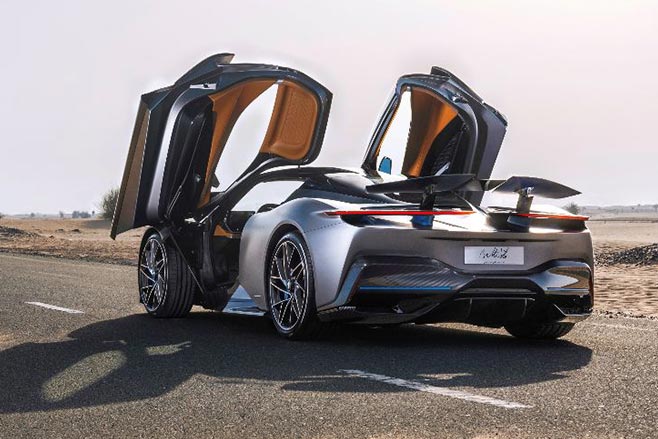
Locally, Melbourne-based luxury used car dealer Lorbek has become the official importer for Pininfarina (much like it has with Koenigsegg), meaning here it will indeed be rare, but not impossible, to spot one.
Three of the fully electric hypercars will make it to Australia, with a Lorbek spokesperson saying the company is already in discussions with some clients regarding the three allocations.
In terms of pricing, nothing is set in stone yet as the exchange rates may vary notably between now and the expected arrival of the car in 18 months’ time, set for early 2022.
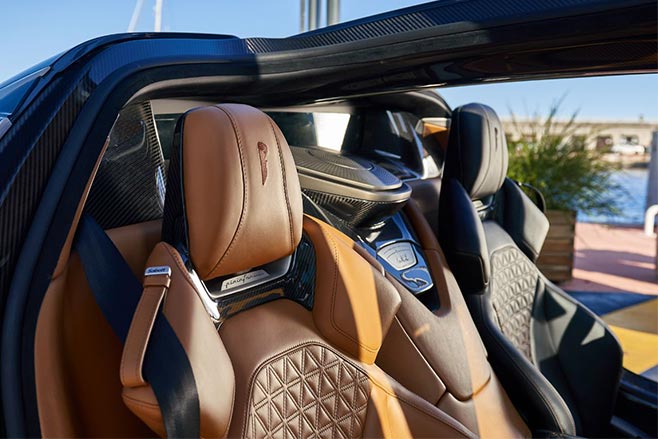
However, the hope for Lorbek is that the Battista will be sold here at approximately the $5 million mark, potentially slightly below that.
Further to this, Lorbek and a company called GET (Global Electric Transport) will contribute to strengthening Australia’s charging network infrastructure through new charging stations to ensure the Battista is always able to maintain its power.
CEO of GET is Harry Hamann, also a communications specialist for Lorbek, while Srecko Lorbek is himself one of GET’s directors.
Need for Speed: Heat is the most recent installment of the decades-old franchise; and after its release last November, has received a few back-of-house updates adding features like wheel support, and just one real content update with the Black Market car pack; which added the microtransaction-able McLaren F1.
However, the chapter seems to have ended, as Heat has received its final update – adding full cross-platform support – while the franchise looks to the future with our first glimpse of Need for Speed’s as yet-unnamed 2021 installment.
Our first look at the upcoming NFS game came from the recent EA Play livesteam: you can watch the short preview above.
They have their sights focussed on the next-gen consoles, and mention the franchise’s return to Criterion Games – makers of the beloved Burnout series as well as some NFS fan-favourites like 2010’s Hot Pursuit and 2012’s Most Wanted.
WHAT DO ACTUAL CAR GUYS THINK OF NEED FOR SPEED: HEAT?
The previous developers, Ghost Games have been at the helm of the franchise since the 2015 self-titled reboot, overseeing what us and many long-time fans of the franchise see as a bit of a purple patch compared to more beloved prior titles.
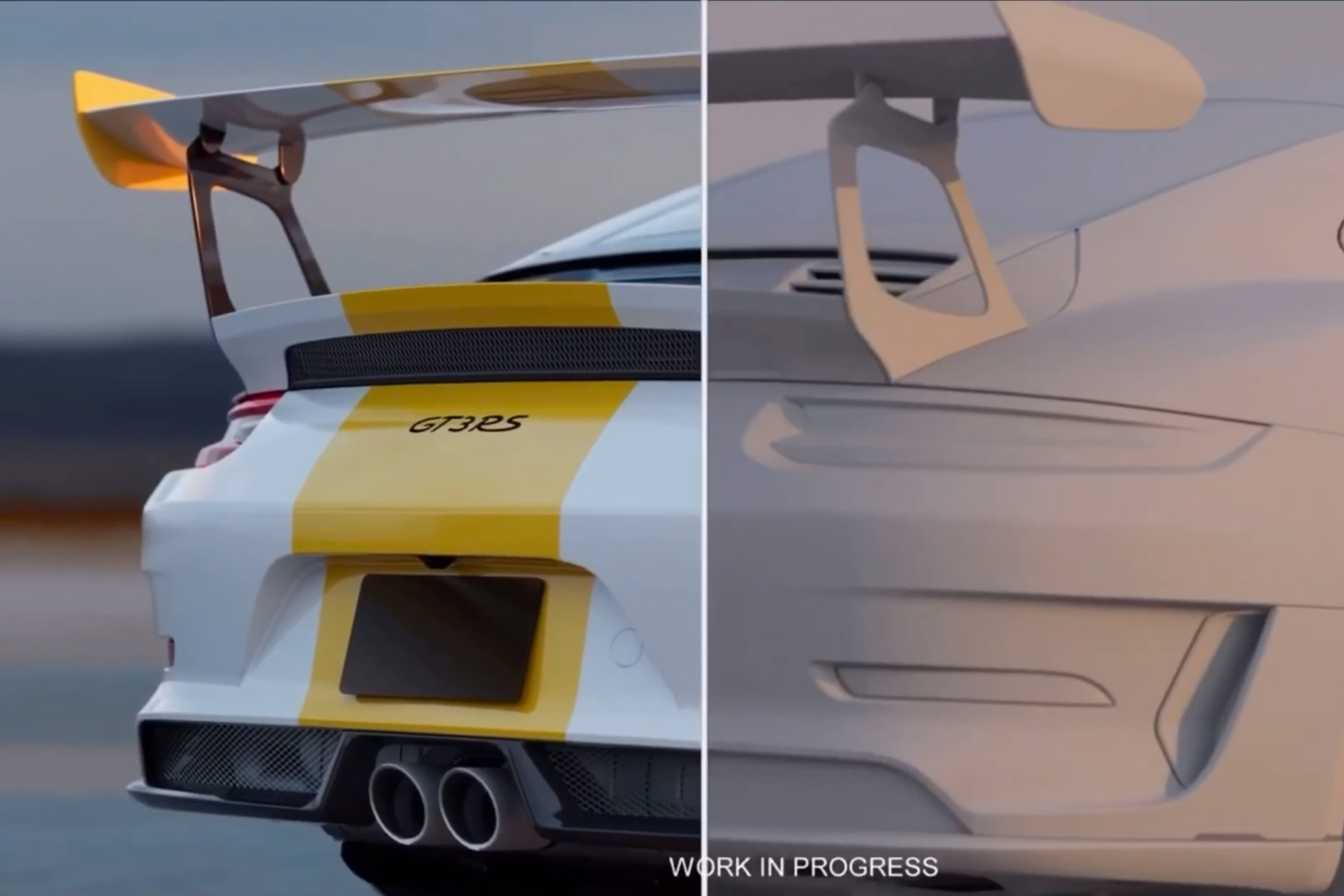
As Criterion slid into the driver’s seat last month, they let fire what was stated to be “the final update for Need for Speed Heat”, and making it the first EA title to offer full cross-play support.
It’s a significant and welcome feature, one that hopefully becomes a mainstay going forward for the franchise; although many online have voiced their feelings of abandonment under prior promises of more content and more cars.
As one of the more celebrated and beloved gaming studios amongst racing genre fans, Need for Speed’s future under Criterion’s guidance has us hopeful for brighter days ahead for the franchise.
NOW CHECK OUT all of our gaming content!
We all love the idea of so-called ‘skunkworks’ projects. Cars built after-hours by the blokes who want to drive them, whether the suits in the offices like it or not. Here’s part two of our round-up.
Z3 M Coupe
After-hours projects don’t get much better than BMW’s Z3 M Coupe. You can thank Burkhard Goschel for that one. Leading up a group of five engineers on an after-hours project, his brief was to fix the chassis flex of the Z3 roadster. Off came the wings and a shooting brake-style coupe body was grafted on.
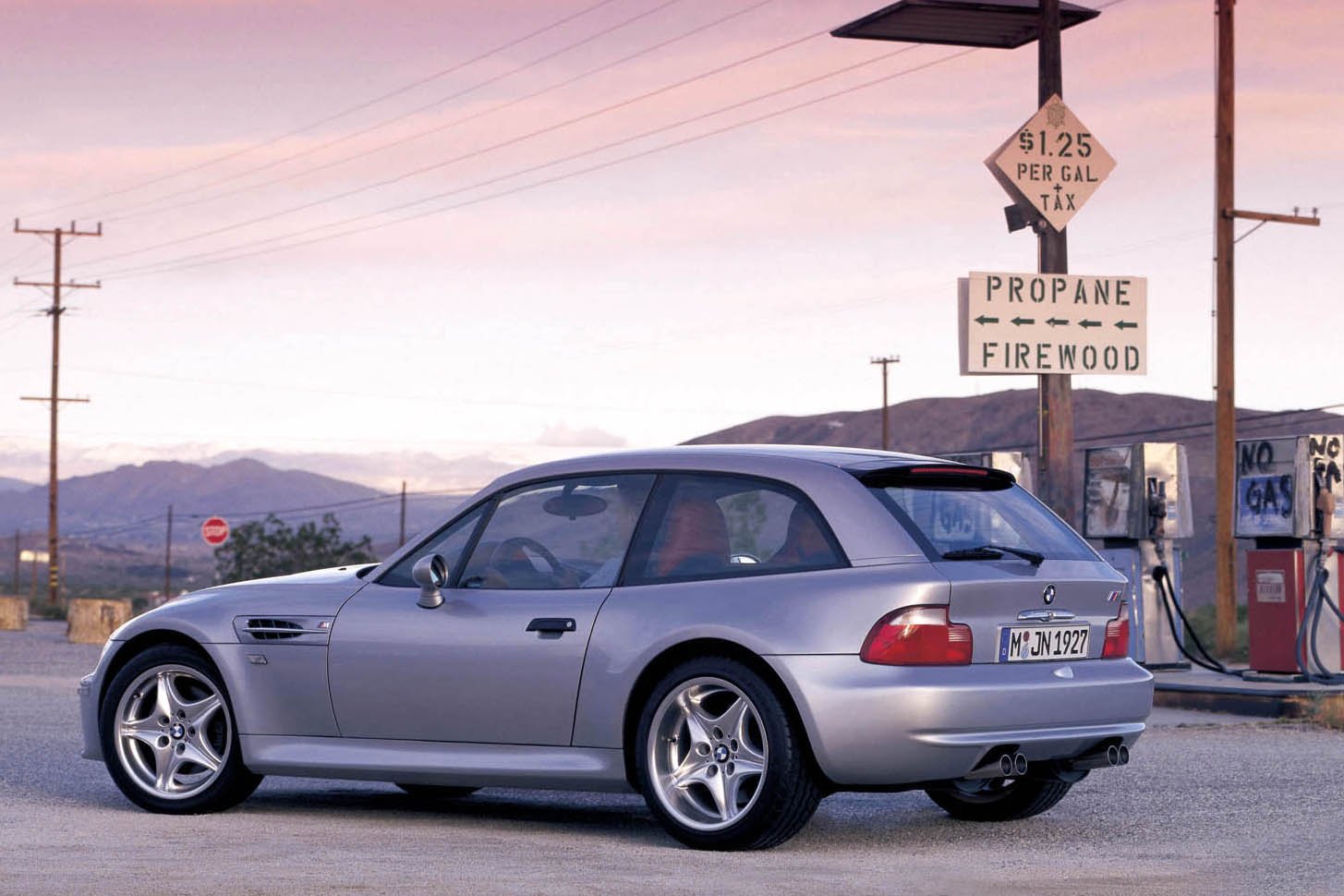
Introduced in September 1998, the hard top car found immediate favour with buyers, outselling the identically-priced M Roadster by nearly three to one. These days a good ‘un will run you $120k.
Audi RS2
It’s ironic that the car that built the Audi RS brand wasn’t even built by Audi. This car was created in Porsche’s Rössle Bau skunkworks. This plant built the 959 supercar and, between 1990 and 1995, possibly the greatest sleeper Merc of them all, the mighty 500E. As demand for the 170mph Benz tailed off, Porsche picked up the contract for the RS2 Avant.
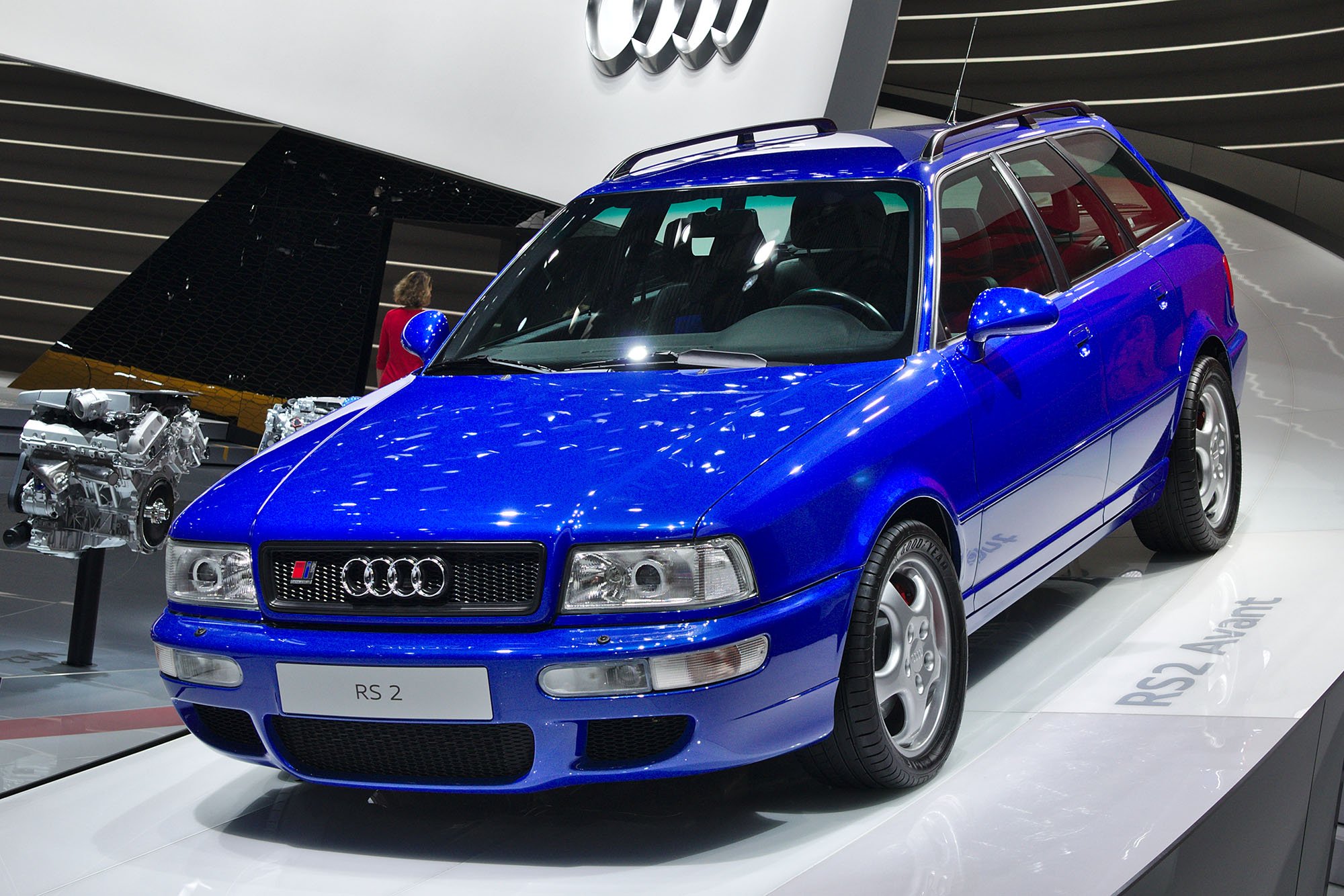
Porsche didn’t plan on making many RS2s (or Porsche Type 2862 if you prefer). Rössle Bau wasn’t set up for big numbers, with Audi initially reckoning on a production run of 2,200 examples. Demand for the 315bhp rocketship was so strong that this was eventually extended to 2,909 cars, Porsche and Audi sharing profits through a joint venture called Arge.
McLaren MSO HS
Some skunkworks cars are the brainchild of one person. Others come from specially set up, fast moving design works. McLaren’s is MSO (McLaren Special Operations) and it builds limited run specials catering to those who want a more exclusive experience. MSO has churned out quite a few outrageous cars in its time, so picking one is a tough task. We’ll go for the MSO HS, a hotted up version of the already outrageously rapid 675LT.
Although the latest 720S might have trumped its numbers, the 675LT is still a fearsome thing and the HS massages the 3.8-litre V8 lump to 506kW — up from 497kW of the 675LT — the 700Nm torque figure remaining the same but accessible lower in the rev range.
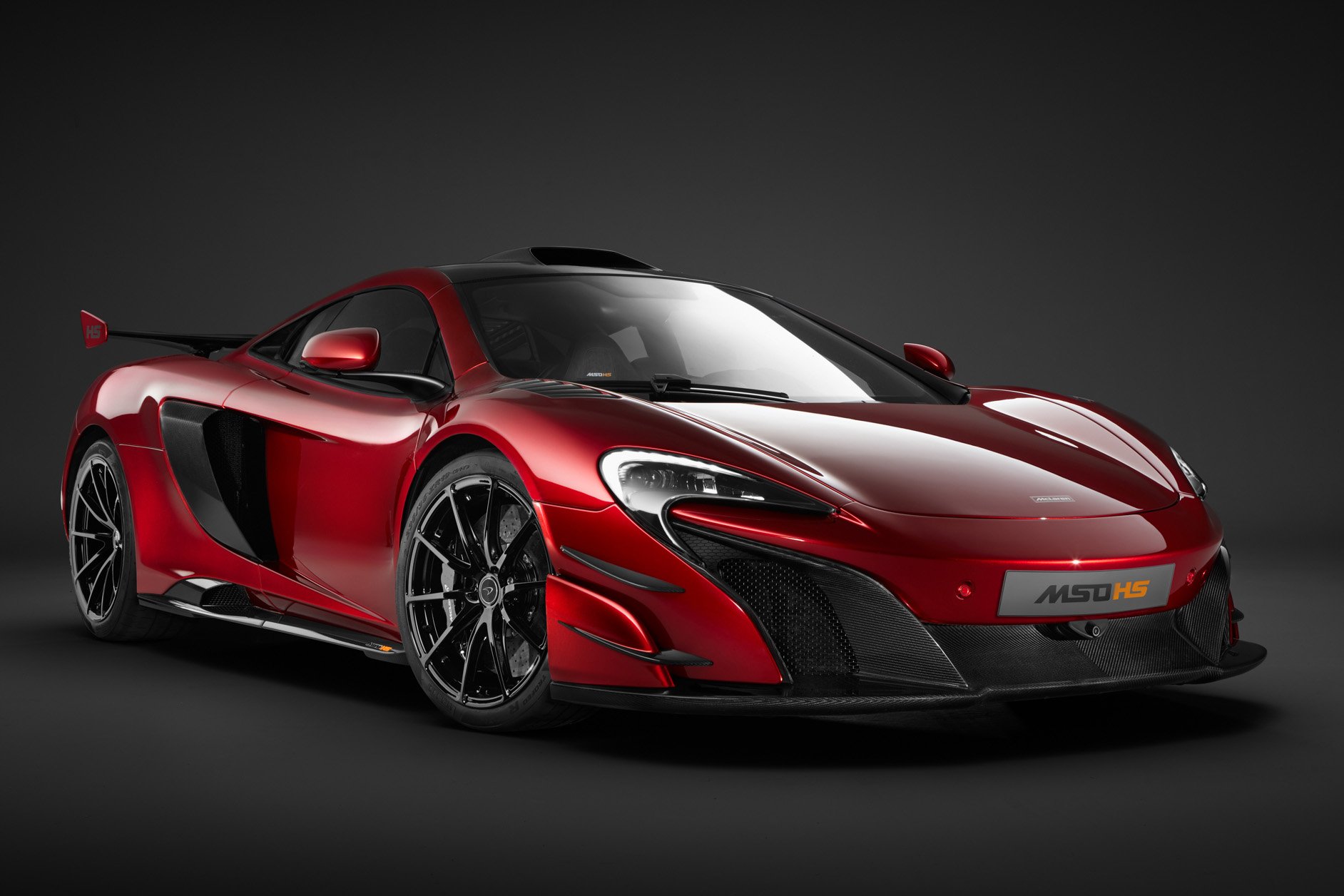
Adjustable for road and track use, the rear wing also acts as an air brake. With around 50kg shaved off the 675LT’s weight through lightweight glass and interior trims, the HS is probably the quickest ‘production’ McLaren around a track, and the 25 lucky owners can record their exploits for posterity with the inbuilt three camera satellite data logging system. The price? Not much less than $2m.
Ford GT
The original Skunk Works was run by Lockheed’s Kelly Johnson to develop special projects aircraft like the U2 and the SR-71 Blackbird. Johnson drew up a list of rules for the operation. He dictated that the number of people having any connection with the project must be restricted in an almost vicious manner. Use a small number of good people (10% to 25% compared to the so-called normal systems). He also guaranteed secrecy by imposing serious security measures. Ford took a few notes from the Kelly Johnson playbook in developing the latest GT.
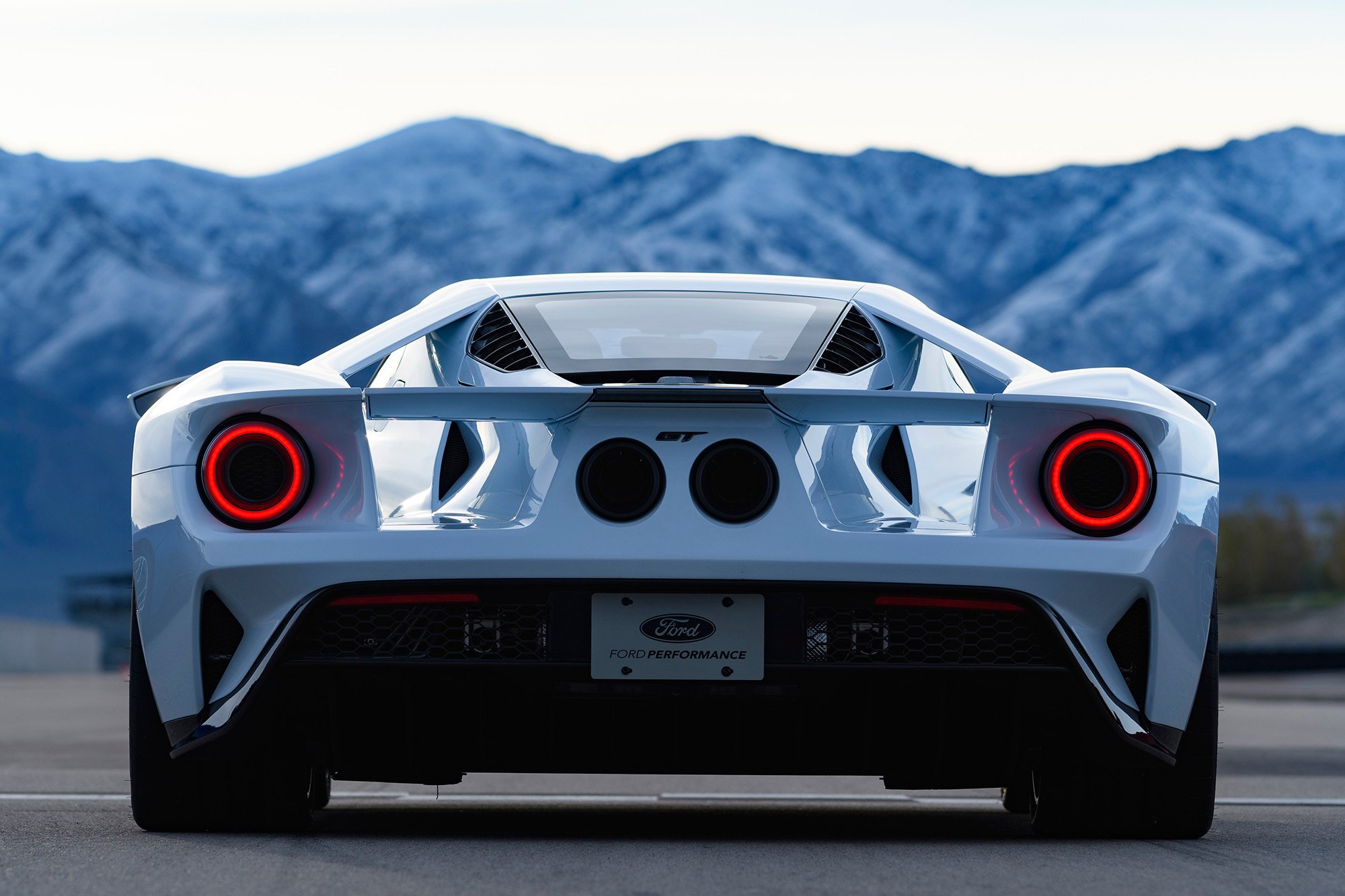
Access was strictly limited. Project Petunia’s team comprised a couple of design managers and four designers. All of them had special key cards that granted them access to the lower level. All in, around 20 staff had access to the basement and when the styling buck needed to be viewed in daylight, it only ever appeared outside at sunrise on Sunday mornings. For a car designed largely in a bunker, we reckon they did a pretty good job.
July 4 – Well, bloody hell. We’ve moved into yet another phase of uncertainty and confusion… and it’s getting a bit old, isn’t it?
As travel plans for school holidaymakers and others are thrown once again into disarray as Victoria’s COVID-19 crisis expands, it’s actually become a day-to-day proposition as to whether our Melbourne-based teams can actually get out and create the content that they need to create.
It’s a huge credit to all, and a testament to their resourcefulness and resilience, that they keep finding new ways to do it.
Our magazine titles keep cranking out amazing issues, the social teams plug away at an equally challenging environment and our sites keep rolling out the good stuff that’s bringing more than two million users a month to WhichCar and its sister sites.
As we dig in to tackle the next front, it’s been another great week across whichcar.com.au, with lots of news and advice pieces doing great business.
The thought of a turbocharged V8 Toyota ute excited a lot of people this week, as the company ponders powering up the big Tundra with a leftover Lexus motor.
Could Toyota be working on a twin-turbo V8 ute?
Speaking of motors, do you fancy a crate engine that makes more than 1400 old fashioned horsepower right of the box? Us too.
News of a less-terrible version of the old Land Rover Defender – the Ineos Grenadier – also lit up the wires, as did news that the new-age Defender would again dip into the nostalgia well for a new variant.
On the lighter side, there was a lot of interest in a prime piece of real estate for revheads, while watching a Ford Falcon do remarkable things against a Lamborghini also kept the internet meters spinning.
When it comes to advice, it seems a lot of people are still unsure about warming up a car, while a story around the future of Supercars racing attracted interest as the series started up again last weekend.
We covered off big savings on some of Porsche’s finest, and took a closer look at the incoming Mini Cooper SE electric car. Plenty of news from Volkswagen this week, too, as it previews a newV8 diesel version of the Touareg and took the tea towel off a new T-Roc.
On the industry side, the Geneva Motor Show scored some bad news, while French ad authorities banned a pushbike ad from TV because it – get this – threatened the car. Sacre bleu!
French authorities pull bicycle ad because it makes cars look bad
Lots of news from Hyundai this week, too, as it ramps up the N moniker and announced an eight-seat SUV that definitely isn’t boring.
And if you have a couple of minutes, you have to watch this clip of a once-humble Hyundai hatch absolutely shredding a New Zealand hillclimb event. Truly gobsmacking.
If you’re lining up a trip this weekend, it’s definitely worth checking out our travel updates blog, and you can see if your drive is on our bucket list of must-drive roads in Australia.
Or you might be amongst the Aussies who think that interstate trave is still a bad idea…
WhichCar TV is back on track on your screens this Sunday, our world-famous podcast is primed, and all of our social pages are brimming with fun stuff to keep you entertained.
Thanks and talk again next week
27 June – Visiting one of the bigger automotive players this week – nice to get out of the home office, let me tell you! – was an eye-opening window into just how far ahead car companies look, and how the better prepared players are viewing the current COVID-19 restrictions as a blip on the radar and not a sinkhole in the front lawn.
The new car you just picked up has in most cases already washed around inside the company for upwards of five years before the big red bow is laid on it in the showroom. “Yeah, I was driving this thing a couple of years back,” said one of the product team as the drop sheet came off a particular car we can’t tell you about just yet.
While we’ll deal with the fallout from The Troubles for some time yet, most car companies will pop out the other end just fine.
It’s been a steady-as-it-goes week on whichcar.com.au this week, as we gingerly make our way back out into the wider world of reviewing and shooting cars.
Our big results came from the lighter side of the ledger, with the news that a US Commodore fan has built his own version of the fearsome GTSR, while yet another crazy American has crossed the country in record time… using a rental Ford Mustang!
A rented V8 Mustang has set an insane new Cannonball Run record
As the motorsport world starts to ramp back up, fans were also fascinated by the way that world champ Lewis Hamilton keeps the kilometres off some his more precious cars.
There’s been a surge in interest around the life and times of Peter Brock this week; we were the first website to review the new biopic Brock: Over The Top, while news that his last Bathurst Supercar is up for sale also piqued interest.
And did you know Holden’s favourite son drove cars stamped with the Blue Oval? Well, you do now!
The dual-cab ute market is heating up again, and we took an in-depth look at how the incoming Toyota HiLux and Isuzu D-MAX will stack up. We’ve also compiled a great list of exactly who’s who in the new dual-cab zoo to keep you up to date.
Why you shouldn’t buy a new dual-cab ute just yet
Another story that really dragged in the eyeballs was based on reports that VicRoads had outlawed a particular numberplate for no real reason. What’s on the plate? Click through to find out… We also celebrated the fitment of a WWII tank engine to a humble Ford sedan.
The MOTOR crew, meanwhile, has taken delivery of a particularly cool long-termer, while 4×4 Australia’s Mitsubishi Triton and our Mazda3 both featured this week.
BMW dropped details of the incoming M5 Competition, and we also took a long, hard look at Skoda’s newly revised Karoq SUV.
On the motorsport front, we reported on the odd case of the ‘noose that wasn’t’ in NASCAR, and checked on the latest Supercars calendar updates.
If you’re lining up a trip this weekend, it’s worth checking out our travel updates blog, and you can see if your drive is on our bucket list of must-drive roads in Australia. Or you might be amongst the Aussies who think that interstate trave is still a bad idea?
WhichCar TV is back on track on your screens this Sunday, our world-famous podcast is stocked with new content, and all of our social pages are brimming with fun stuff to keep you entertained.
Stay safe and talk to you next week.
—
20 June -Just when you thought it was safe to get back into the water… or the café… or the gym… As Victoria prepares to readjust its life – again – the return of restrictions is a stark reminder that we’re all not out of the woods yet, as much as we’d like it to be.
Certainly the packed café strip I walked by on a trip to Melbourne yesterday looked as if nothing had happened to change people’s behaviour over the last few months…
My trip to Melbourne saw me drive there and back from my home office in Wollongong, NSW… apparently crossing paths with a lot of my industry buddies on their way to Sydney on the Hume!
Given the actions by the Victorian government this weekend, it looks like I’ll be doing more 1000km road tests in the near future!
It’s a short letter this week – I’m camping over in the beautiful but internet-challenged seaside town of Tathra this weekend, so getting access to my list of whichcar.com.au story links has been a struggle I haven’t been able to win.
I can tell you, though, that we have a great selection of terrific news pieces including an on-page comparo between the new Toyota HiLux and the inbound Isuzu D-Max, while we had a close-up look at the brand new Mazda BT-50.
There’s also a look at the last-ever Holden Commodore raced by Peter Brock at Bathurst which has come up for sale, which ties in neatly with a special film review we’ll bring you as soon as there’s internets in the air.
If you have a bit of a soft spot for a raucous V8, then Mercedes-AMG can oblige, and we take a really fascinating tour through the greenfields factory that builds the new Land Rover Defender.
The end of the financial year is almost here, too and the site is stacked with terrific advice, like this piece that identifies the best EOFY bargains in each category, and this one that talks about the $150,000 instant tax write-off scheme.
We’ve also driven the much-anticipated Jeep Gladiator ute on home soil, as well as the all-new Nissan Juke.
On the lighter- or weirder – side, Bob Katter dressing as the Grim Reaper to protest Holden’s closure is right up there,while the hail-damaged Lambo we spied in the US has to be seen to be believed.
If you’re lining up a trip this weekend, it’s worth checking out our travel updates blog, and you can see if your drive is on our bucket list of must-drive roads in Australia. Or you might be amongst the Aussies who think that interstate trave is still a bad idea?
WhichCar TV is back on track on your screens this Sunday, our world-famous podcast is stocked with new content, and all of our social pages are brimming with fun stuff to keep you entertained as the days get chillier.
Have a great weekend, and stay safe.
Tim Robson
—
13June – 2020 just doesn’t let up, does it? Sometimes it’s all we can do to focus on the day job, what with the turmoil – good and bad – that’s currently sweeping the planet.
To be honest, though, there have been a few moments where the day-to-day has faded into the background as I watch what’s happening both around the world and here at home.
It’s hard not to merely echo the sentiments expressed around the world by people much cleverer and more invested than I am, but I do feel strongly that this moment in time will be looked back upon as a genuine pivot point.
By its very nature, the car game can – inadvertently or otherwise – exclude people that it shouldn’t, and that includes the indigenous Australian community.
We can all do better, and one small way we can help is by making sure all young Aussies have access to equal educational opportunities.
After a record-setting May for whichcar.com.au, it’s been a quieter week around the traps as attention turns to bigger stages. The biggest story of the week by far came – illicitly, it seems – from Holden’s HQ, with a leaked real estate document detailing the sale of the Lang Lang proving ground. I’ve had opportunity to visit the site on a few occasions, and it’s a pretty important touchstone in the Australian-made car game – it’ll be a sombre day when the keys are (eventually) handed over to a new owner.
Holden Lang Lang proving ground sale brochure leaked
As the economy lurches from its own COVID-19-like fever,a great story on bargain-priced supercars also caught the eye, while details of Nissan’s forthcoming 400Z also proved a strong draw for people perhaps looking for an affordable alternative to a big-dollar sports car.
Talking of performance cars, we also covered the frankly amazing allegations levelled by Ferrari Australia’s ex-boss at some of his Italian colleagues.
It was all about sports cars this week – a limited run of Dick Johnston-inspired Ford Mustangs dragged in a lot of V8 fans, while a story about building your own virtual sports car by way of a racing sim rig was very popular.
One you may have missed over the long weekend was a first-person piece from James Dyson – yes, the vacuum cleaner guy – around the ‘failure’ of the company’s electric car. It’s a terrific snapshot into the hard numbers needed to get a car off the ground.
“I have no regrets”; James Dyson on his stillborn $1b electric car
Audi has the clout to keep going in the EV space, and this week we finally got confirmation of the E-Tron’s launch details. Skoda weighed in with details of the Superb Scout, Mazda revealed a set of special-edition cars tocelebrate its birthday and the Ford/Volkswagen dual-cab ute picture became a little clearer.
On the lighter side, the team from Wheels magazine surprised a young fan with a very special drive-by, and we all had a bunch of fun reliving some of the cool moments from our Continental Car Lab clips on WhichCar TV. Can you cook using the engine bay of a car? As they say in the classics, the answer might surprise you.
We also dragstrip-test VW’s fastest Amarok, get nostalgic about a much-loved car game and asked our editorial team to vote for their all-time favourite utes.
If you’re lining up a trip this weekend, it’s worth checking out our travel updates blog, and you can see if your drive is on our bucket list of must-drive roads in Australia. Or you might be amongst the Aussies who think that interstate trave is still a bad idea?
WhichCar TV is back on track on your screens this Sunday, our world-famous podcast is stocked with new content, and all of our social pages are brimming with fun stuff to keep you entertained as the days get chillier.
5 June
June is shaping up to be quite a month, by the feel of it. The sweep of restrictions we’ve all been subject to will start to ease, and we’ll be able to return to a life that at least resembles the one we all had before the Australian Grand Prix weekend.
Or will we? Put it this way… I’m not rushing to book plane tickets or holidays any time soon. In fact, it’s looking increasingly likely that I’ll be hitting the highway a lot more as I make the 1000km commute to Melbourne to connect up with the rest of the WhichCar team from time to time.
While it might be hard to tell from the scrums currently crowding the roofing screw aisle at Bunnings, I’m betting our lives will definitely be a little different going forward – even if we can gather in groups of 50.
I’m curious to see what transpires with commuting, too. NSW kids were essentially ordered back to school this week, with the glib throwaway line that they should all be driven there. Result: chaos at the first bell. Chances are this will be replicated as more and more offices and workplaces open for business.
In and around our business this week, it’s been all about the idiots. Like the ones criss-crossing the US at breakneck speed, the ones caught at 320km/h on UK motorways or the ones that crashed a brand new Porsche Taycan (below).
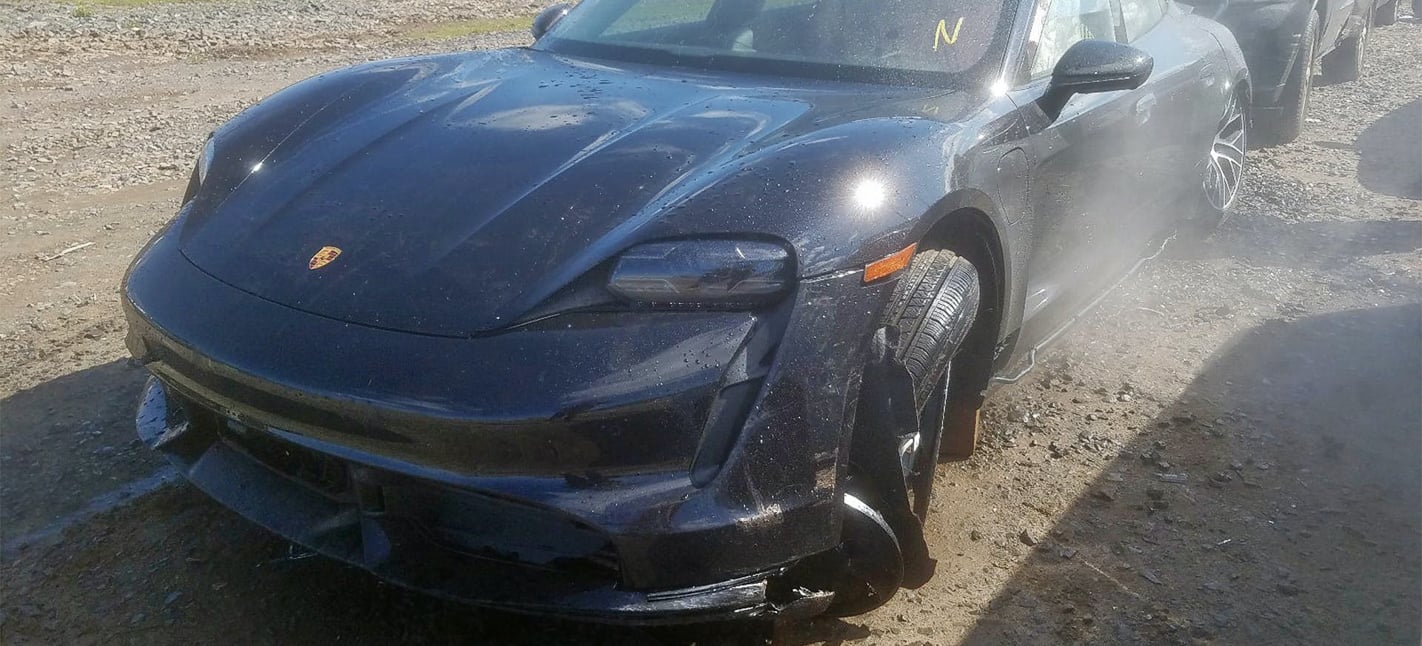
RIP electrons
Some also might say that the lunatics are still running the asylum in the Renault Nissan Mitsubishi Alliance, too, as its new plans sew more confusion than certainty in the wake of some truly stupendous losses.
The team at Wheels dove deep into the next Ford Ranger and what we might be expecting, and the crew also unearthed an amazing story of a left-hook Commodore crossing the US (we assume not in Cannonball mode) that resonated with our readers.
We also dug in to see if there’s any merit around the notion of a cash-for-clunkers plan for Australia, and our in-depth piece on the new hydrogen plans for Australia has also fired well.
Speaking of alternative energy, Jeep’s head designer loves the idea of an electric Wrangler, we took a look at a new V8-powered SUV on its way to Australia and checked out the amazing story of a brand new 20-year-old racing Monaro.
On the new car front, we looked more closely at a trio of brand new compact SUVs en route to Australia, grilled Porsche about what it got wrong with its Cayman and said happy 30th birthday to Lexus.
We also revealed a little more sauce on the incoming Nissan 400Z and looked at just how Toyota has spiced up its tamales in the last decade (below).
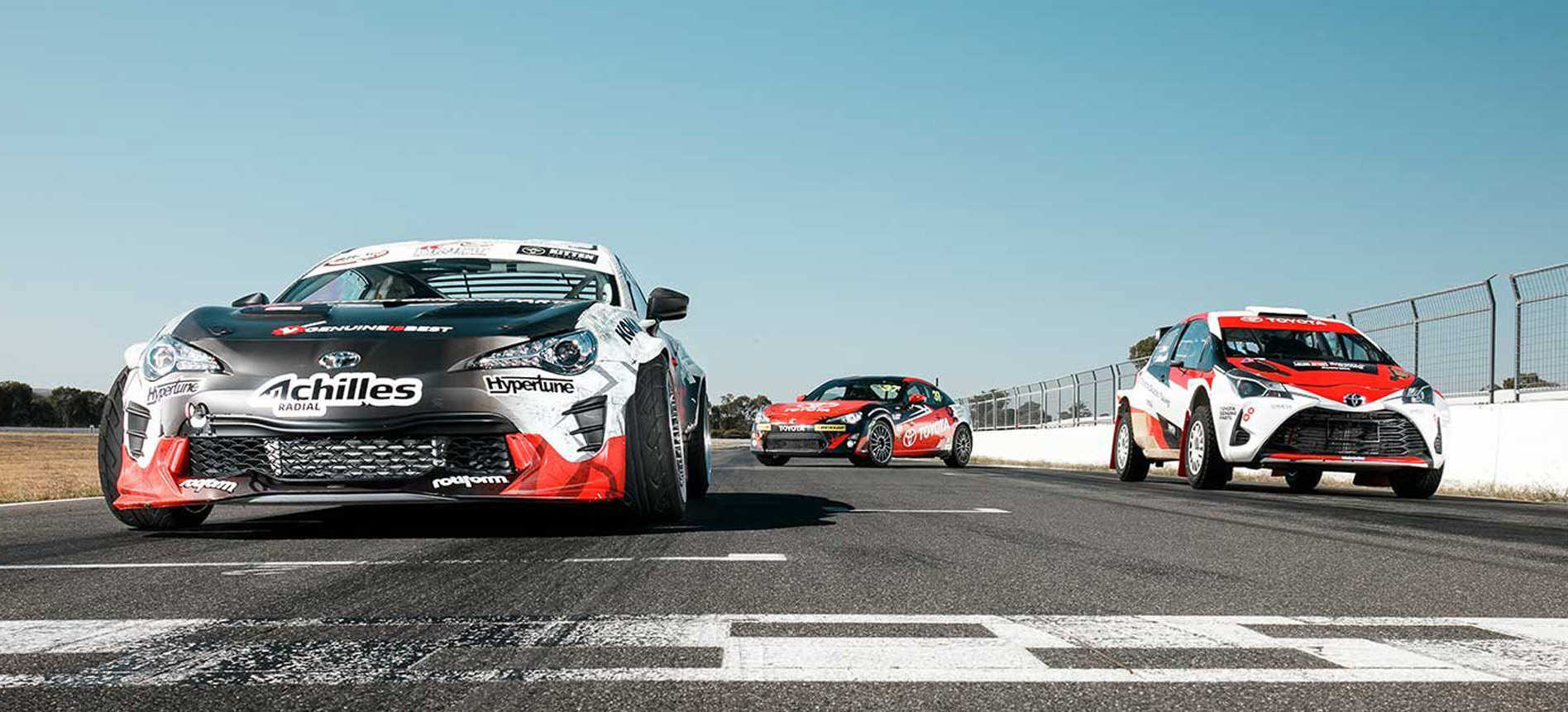
And in motorsport – okay, virtual motorsport news, we looked at the peculiar case of the e-racer fired for not racing, and we looked at how Ferrari ace Charles Leclerc turned the streets of Monaco into his own playground last Sunday.
If you’re heading out this weekend, our travel restrictions update is worth a look, and don’t forget our regular new car deals page, which is updated weekly.
WhichCar TV is back on track on your screens this Sunday, our world-famous podcast is stocked with new content, and all of our social pages are brimming with fun stuff to keep you entertained as the days get chillier.
Have a great weekend, and stay safe.
23 May
It’s amazing what a bit of adversity can do to change long-held habits. Take our game, for example. I’ve been treading the same car review path for more than two decades now, but in a blink of an eye, it’s all gone away.
And yet, we’re still here. Kind of says something, doesn’t it?
Sure, we’ve all made half-hearted gestures towards changing long-held habits over the years. Working at another publishing house in the latter half of the 1990s, our bosses one day proudly whipped the covers off $40,000 worth of video conferencing gear that was going to revolutionise the way we communicated with colleagues in other markets.
If it was used a total of a dozen times in its sad, neglected life, I’d be shocked.
Now, though, car launches – like the one for the new Audi S7 and the Ford Focus ST – have moved to a model where videoing in and iso-driving is the only option, while companies like Mercedes-Benz are doubling down on digital comms for media messaging.
Mercedes-Benz EQA electric crossover spied ahead of 2020 launch
The notion of flying overseas to drive a car is as alien to me at the moment as flying to the moon – it’s potentially doable, but not for a bloody long time.
So there’s nothing for it but to be smart and resourceful, and to find new and cool ways to bring you the same car stuff you know and love – and I reckon we’re doing a great job of that.
It’s been a quieter week out there in the news frontier, but a few big stories still caught the imagination of the whichcar.com.au audiences across the board. Yanks, for example, are obsessed with crossing the US at obscene speeds, while closer to home, readers are keen to find out if we can even cross a state border yet.
There’s a terrific – and slightly harrowing – tale of a test driver crashing a Bugatti Veyron at 400km/h, while the V8-powered Ford Ranger Raptor project has crashed to the ground for the moment.
V8 Raptor project put on ice
Tesla, meanwhile, is looking at pivoting its technology to produce a true million-mile battery, as Brabham – using the polar opposite of battery tech – put its first BT62 into a customer’s hands.
On the lighter side, we take a look at a droolworthy car palace worth a cool $30 million, and we check out a far cheaper but no less awesome Nissan Skyline R32 ute that’s up for grabs in New Zealand.
We examine the latest road toll stats in light of COVID-19 restrictions, and take a deep dive into the renewed focus on the viability of hydrogen-fuelled cars for Australia.
And speaking of new cars launching in a weird new world, we check out the Nissan Juke and the Mercedes-Benz GLB – and don’t forget our regular new car deals page, which is updated weekly.
After a couple of weeks of Breaking News segments messing with our timeslot, we’re pleased to say that WhichCar TV is back on track on your screens this Sunday. Our world-famous podcast features a great chat with Jeep head designer Mark Allen, and all of our social pages are brimming with fun stuff to keep you entertained.
Have a great weekend, and stay safe
May 16 – As the days get shorter, it seems that they are getting a little brighter – nothing like breaking the routine to lift the spirits, that’s for sure!
I managed to ‘officially sneak’ out of the home office for a few hours this week to get behind the wheel of a new car, and it was a giddy rush like I’ve not felt for a while.
I looked (and felt) presentable for the first time in months, and I went somewhere that wasn’t the nature strip across the street or the local deli! It was amazing!
What wasn’t so amazing was just how far off the pace my driving felt, though. The act of driving is a semi-conscious one, and the more you do it, the more effortless it becomes… but having only driven a computer mouse for a few weeks has taken an amazing toll on the finer points of my driving.
And, to be fair, I don’t think I was the only rusty one out there…
Be kind to yourselves as we all ease back into yet another old routine, and give yourselves a few kilometres to get back up to speed. It will come back, I promise!
It’s been another hugely busy week across the WhichCar site, led by a controversial take on the place of the dual-cab ute in our national carpark. We’d love to hear your opinion, actually – you can add a comment at the bottom of the piece.
Opinion: Our obsession with dual-cabs is a problem
Less controversial – but a lot more amusing – was our story on a now-unemployable truck driver who used his boss’s Ferrari as a chock. Not a great career move, we would have thought…
Plenty of people have been clicking through to our travel restriction blog to find out how soon they can hit the road, too.
There’s plenty of dual-cab content to check out too, including a look at VW’s most hotted-up Amarok to date, and a speculative gaze into the rendering crystal ball to have a look at what a new Kia dual-cab ute could look like.
Couple of great stories out of the US this week (a nice change of pace), including a secret-squirrel electric motor conversion and a look at the Jeep Wrangler’s first official crash test for the current generation. Spoiler – it didn’t go well.
We also saw a surge of interest in the news that F1 ace and world’s biggest smile record holder Daniel Ricciardo will switch teams next year, at the expense of another renowned cheery chap Seb Vettel.
Closer to our end of the budget, we also revealed that track days are back on – well, sort of.
Track days are back on – but there are conditions
We dug up a couple of rippers from the archives, too, including a Ford Falcon GT on holidays in Germany (and loving it) and a longing glance back at the Mitsubishi 380 TMR.
On a tech side, we looked at F1 gearbox tech for your car, while the state of, err,solid-state batteries was again of great interest.
And if hotrods are your bag, then a stroll through Castlemaine Rod Shop’s new digs is not to be missed.
After a couple of weeks of Breaking News segments messing with our timeslot, we’re pleased to say that WhichCar TV returns to your screens this Sunday, our world-famous podcast is back up and running, and all of our social pages are brimming with fun stuff to keep you entertained.
Have a great weekend, and stay safe.
Volkswagen has given its Tiguan breadwinner a significant update for the 2021 model year, with a handsome exterior facelift, revised interior looks and a vast technology enhancement for the mid-sized SUV.
The 2021 Tiguan now gets a broader front fascia compared with the pre-facelift car which first went on sale in Australia in 2016. The new look brings more stylised headlights and new VW badging. Less is changed on the rear with updates limited to minor tweaks and relocated badging.
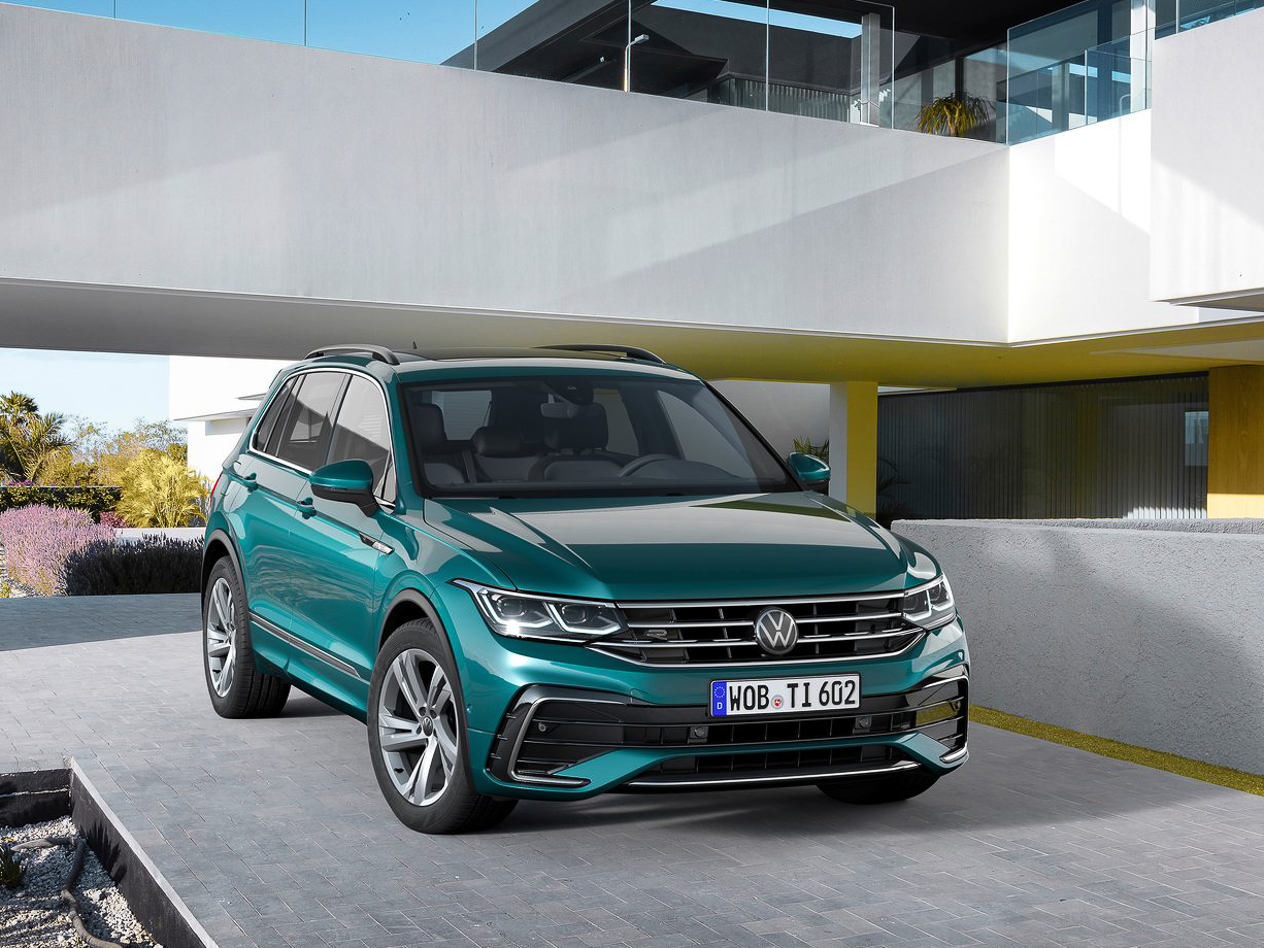
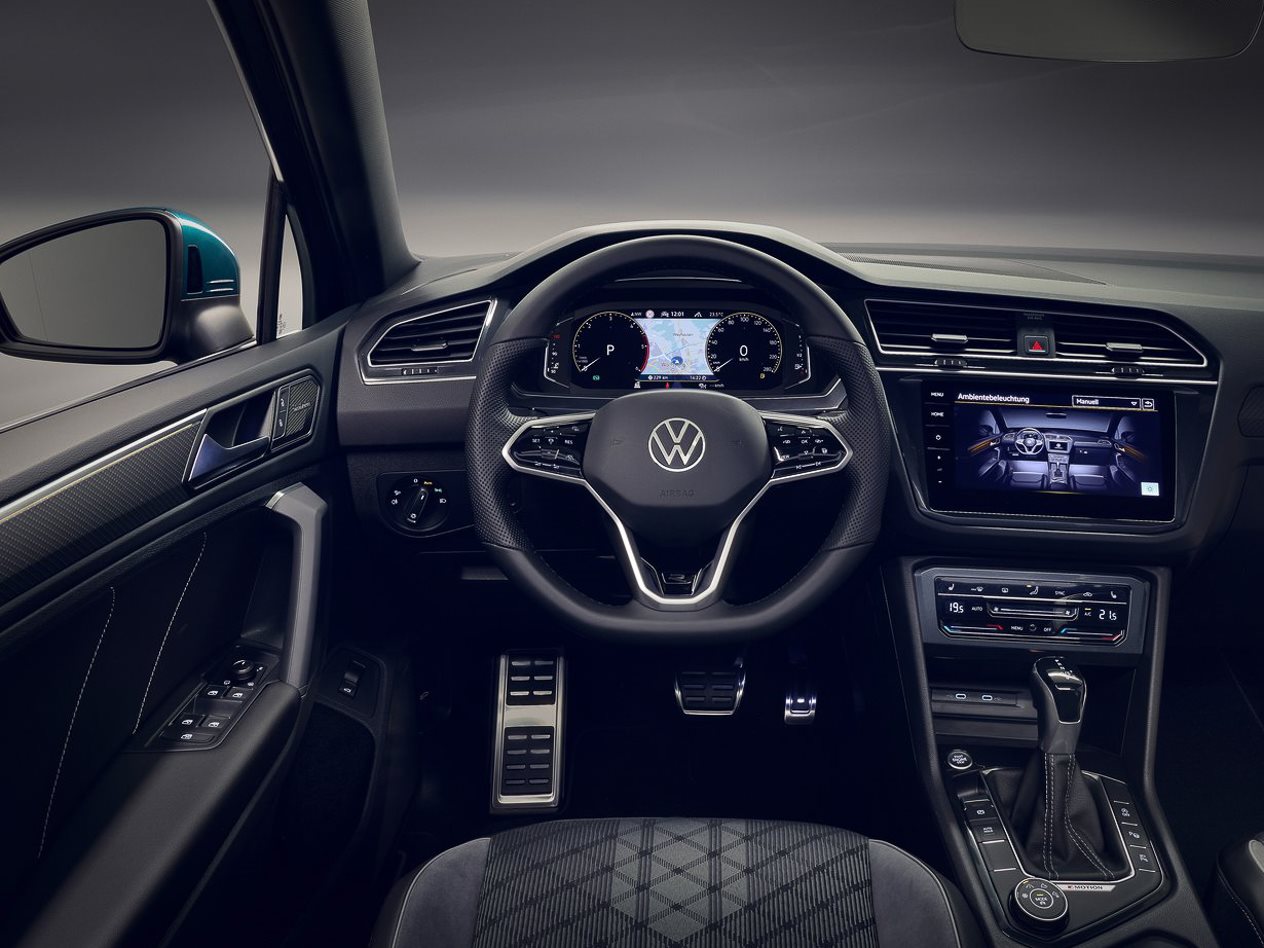
Inside the changes continue, mimicking the dash layout found on the incoming Mark 8 Golf with a 10.3-inch digital instrument cluster and 8.0-inch infotainment screen running the company’s most recent software.

Other notable changes include a new steering wheel that features touch sensitive buttons, two USB-C ports in the centre console and a touch-sensitive air-conditioning unit. There’s numerous trim changes as well as different upholstery options too.
The incoming Tiguan will be able to drive itself, though you’ll have to keep your hands on the steering wheel as backup. The new Travel Assist takes over steering, braking and accelerating at speeds up to 210km/h, but a touch capacitive steering wheel will get angry if you don’t lovingly hold it the whole time.
VW also used the occasion to unveil a new performance variant, the Tiguan R. Powered by the same 2.0-litre turbocharged four-cylinder as the Arteon R, the Tiguan R outputs 235kW/420Nm to all four wheels via a seven-speed DSG transmission.
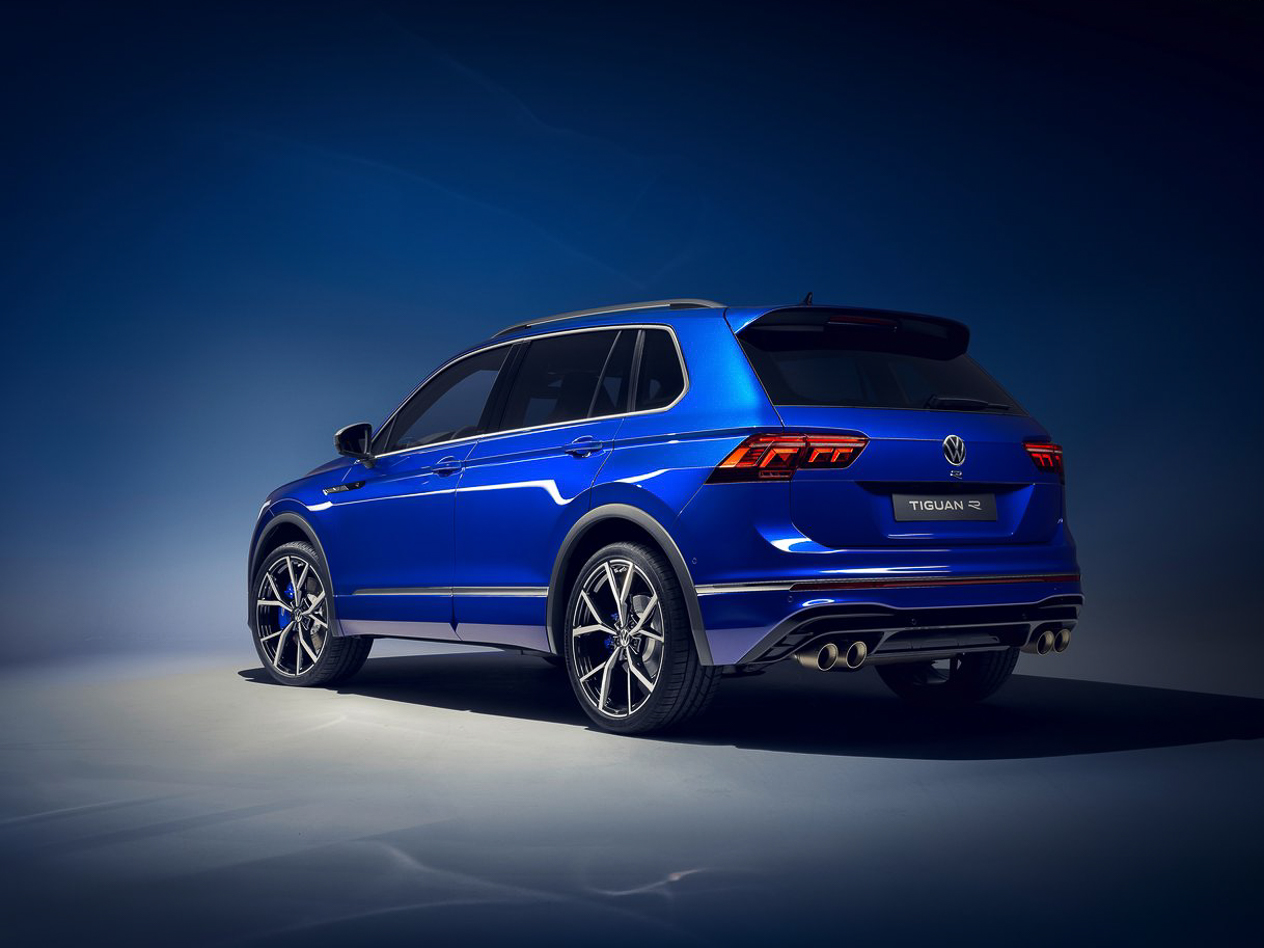
It looks suitably serious with its lowered ride height, sports bodykit, Akrapovic exhaust and impressive 21-inch wheels, while the interior features part-suede trim, large paddle shifters, aluminium pedals and R-badging.
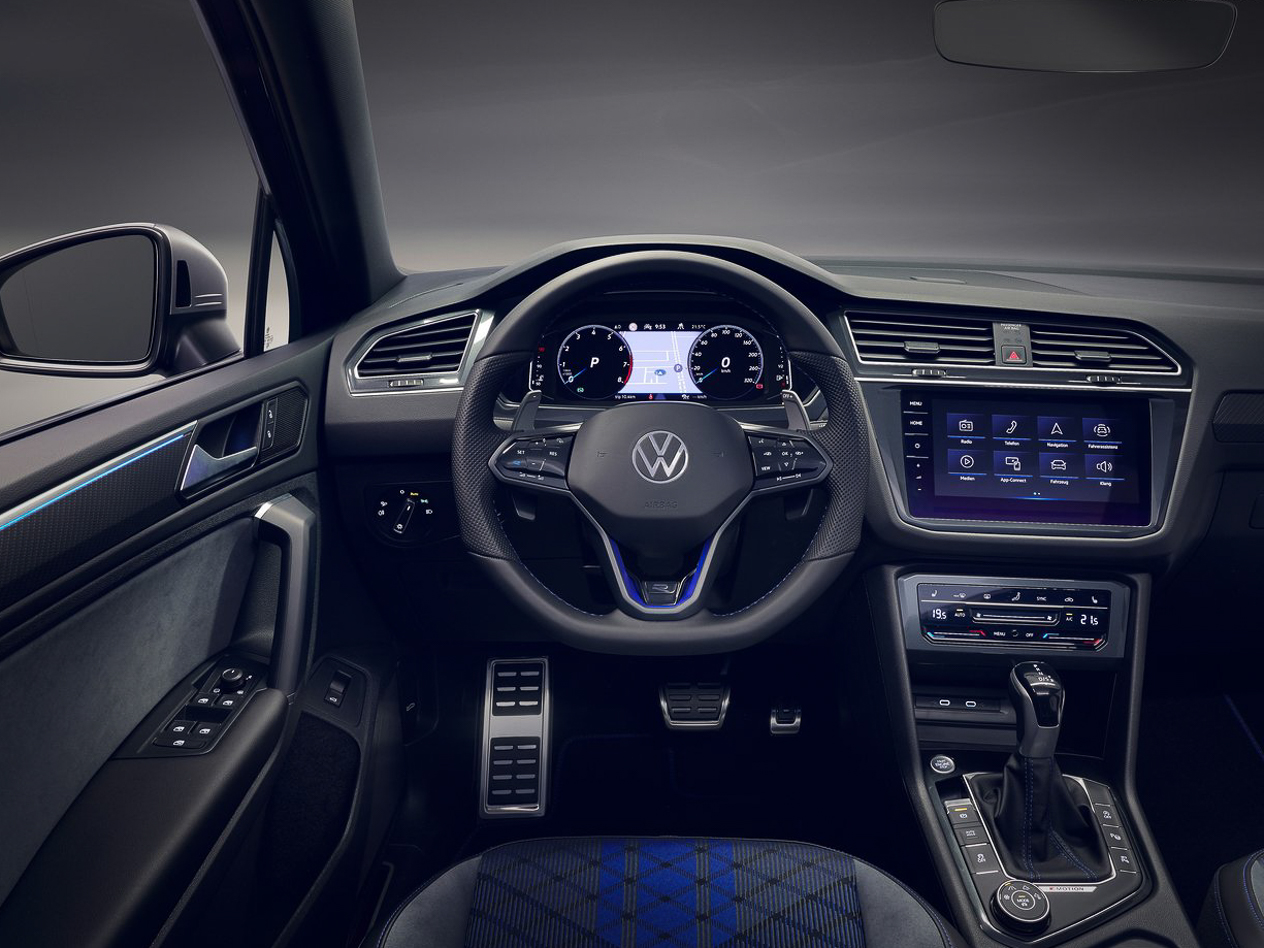
Local representatives have not confirmed the Tiguan R for Australia but things are looking promising, with the local arm saying they’d love to see it – especially considering the populatity of R vairants Down Under. Cross your fingers – it would be a perfect fit for performance-thirsty Aussies.
Volkswagen Australia will have more information about pricing and when the updated 2021 Tiguan range will arrive closer to launch, though we’d expect in the first half of next year.
Volvo has recalled more than two million vehicles worldwide to rectify a potential issue with its front seat belts. It’s the biggest recall in Volvo’s history, and it affects almost 25,000 cars sold in Australia.
The recall will fix a potential issue with the front seat belt assembly, where a steel cable that attaches the belts to the vehicle may wear prematurely and affect the seat belt’s ability to function properly.
“All models are based on the previous-generation platform, EUCD, which is no longer in production. The recall does not concern any current models,” said a Volvo Australia spokesperson, who added that the company is contacting affected customers to arrange a free repair.
Models affected were built between 2006 and 2019, and include the Volvo S80 (643 examples in Australia); S60 (4,232); V70 (389); XC70 (2,688); V60 (1,576); XC60 (15,231); and the V60 Cross Country (218).
No accidents or personal injuries have been reported, according to the spokesperson.

A Volvo US spokesperson told media that the recall was being done “out of an overabundance of caution”.
There have been two Volvo recalls in 2020 so far excluding this one; these were for a missing line of software code in the onboard safety systems of its latest generation cars that may have prevented anti-lock brakes from functioning under AEB activation, while a missing nut on a brake booster affected 32 examples of the 2020 Car of the Year winner, the XC40.
Volvo has built its reputation on safety in the course of its 93-year history, and it actually invented the lap/sash seat belt in 1959. Its more recent inventions include front seat bases that are designed to protect the spines of occupants if the vehicle runs off the road and into a ditch.
Like so many depictions of cars in Hollywood, the big screen often paints a farfetched picture that straddles the line between automotive reality and automotive myth.
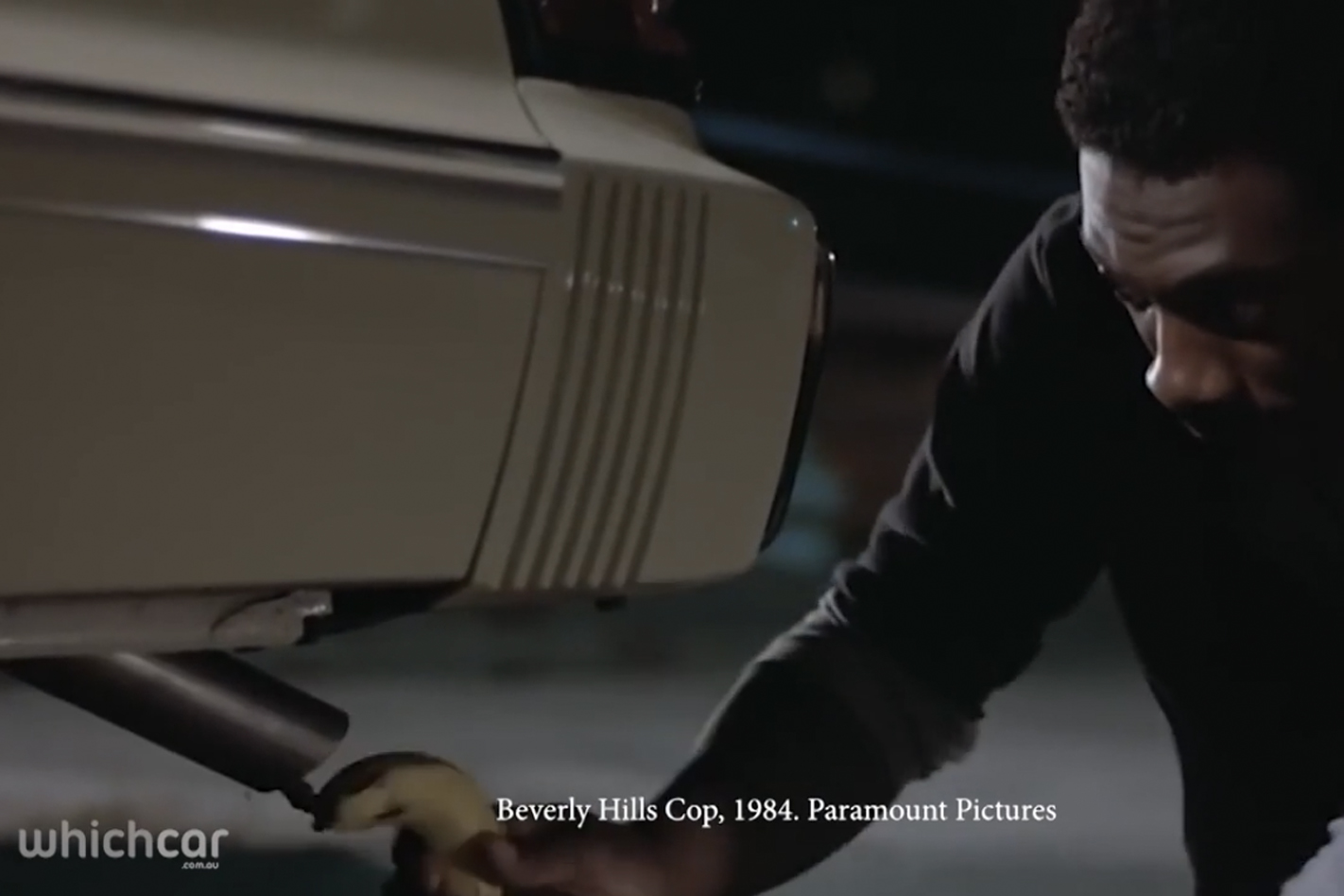
And a good example is the idea that you can disable a car by inserting a banana or two into its exhaust pipe.The theory behind the trick would appear to make sense. If you prevent exhaust gasses from leaving the engine, fresh air and fuel will not be able to fill the cylinders and the entire Otto cycle ceases. But is that the reality in practice?
Attempt 1
For our first attempt, two bananas were inserted into the tailpipe just as they were in the classic motion picture Beverly Hills Cop but, surprisingly, with a little struggle, the Berlina’s V6 engine started and ran.With a dab of the accelerator, the brace of nanas was ejected, even though they had been loaded apparently with more force than in the movie.
Attempt 2
Undeterred, we then tried with a potato. Its more substantial composition allowed it to be forced into the exhaust system with a tighter fit and a better seal. Surely this would extinguish the Holden’s power.
Nope, it might have taken a little longer to start, but when revved, the pressure simply blew the jammed potato back out again with even more corresponding force than the pair of bananas.
Attempt 3
Perhaps more carefully fitted fruit would be the secret behind this story? Using a series of limes that were the same diameter of the tailpipe, a citrus bung may provide the blockage to kill our engine.Once again, the exhaust aliens were simply fired out of the backbox like it was slamming tequilas.
Final attempt
For the last attempt to either prevent our Holden engine from running or simply cut out once started, the entire fruit salad was inserted and, for a good measure, taped in place. How could any discerning engine continue to run without any way of getting rid of its exhaust gasses?Amazingly, not only did the trusty Lion still run, vegetable scientist Simon Telford even managed to drive it away. albeit with some very comical sound effects that were definitely not dubbed over in editing.
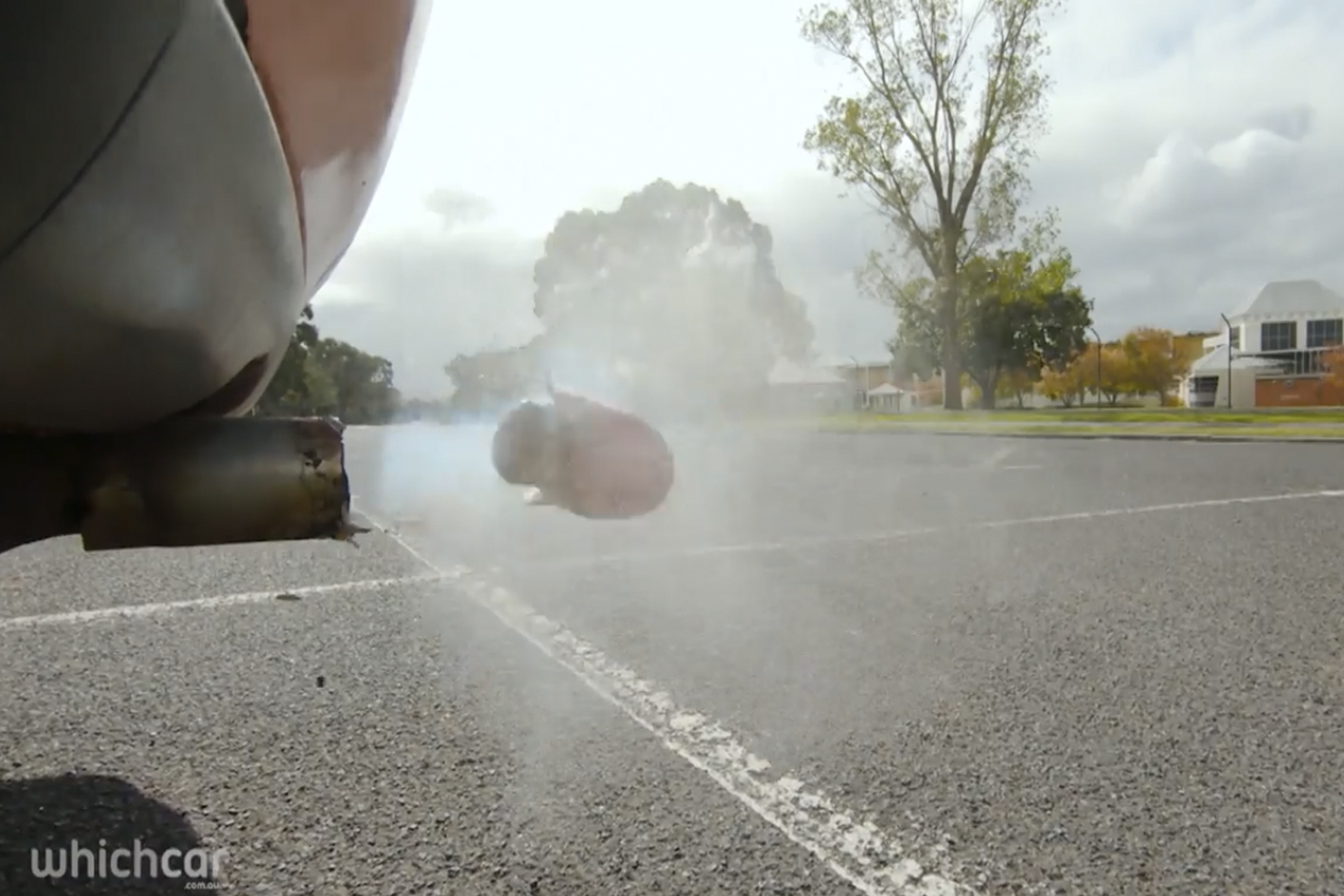
In the case of our first three attempts to recreate the movie myth, the sheer pressure of the gas inside the exhaust was easily enough to dislodge the fruit and veg, but in the final experiment, even when the obstruction was secured in place, the exhaust gasses were determined to find a way out through leaks in the system.It certainly wouldn’t have been producing its full horsepower figure, but it was enough for our red classic to run and drive. Amazing.
Not only does the Australian federal government continue to lag behind the rest of the developed world with one of the least progressive zero-emissions private transport initiatives, but the New South Wales government is also now discreetly mulling a charge that taxes EVs for every kilometre they drive.
While many other nations introduce incentives and benefits to encourage drivers into sustainable cars, a federal financial relations report has revealed the NSW government is considering a ‘distance-based charge’ to make money out of EV owners where fuel tax can’t.
The report explains that, as low emissions vehicles grow in popularity, revenue generated by fuel tax will diminish and a new way of funding road maintenance and construction must be found.
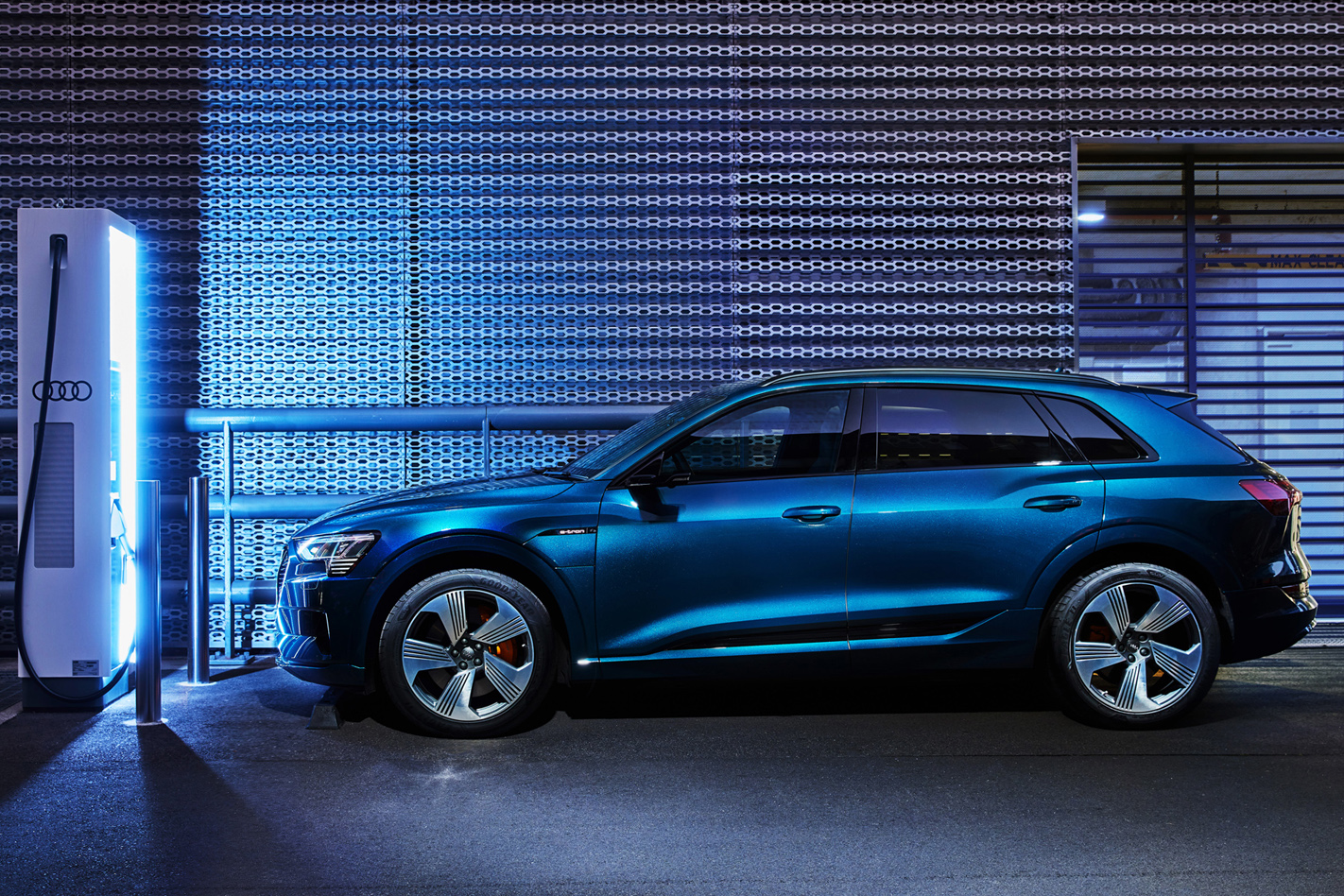
Disappointingly, rather than recognising and praising the significant improvement of modern vehicle fuel efficiency and its role in the reduction of carbon emissions, the NSW government has chosen to see only the negative impact on this reduced dependence on fossil fuels.
Multiple taxes on EV ownership
“Fuel excise revenues are in structural decline as vehicles become more fuel-efficient,” reads the report. “As electric cars increase their share of the total vehicle fleet, the ability of Australian governments to pay for road maintenance and construction from the proceeds of fuel excise will decline.”
The distance-based charge would, therefore, offset the shrinking petrol and diesel tax coffers without rewarding EV owners for helping to reduce carbon emissions.
Adding insult to injury, the report does not recognise the tax already paid by EV owners to charge their vehicle using electricity at home and the effective double-dipping into EV owner’s wallets.
Nor does it propose any of the incentives used by other nations to encourage more people to ditch combustion power.
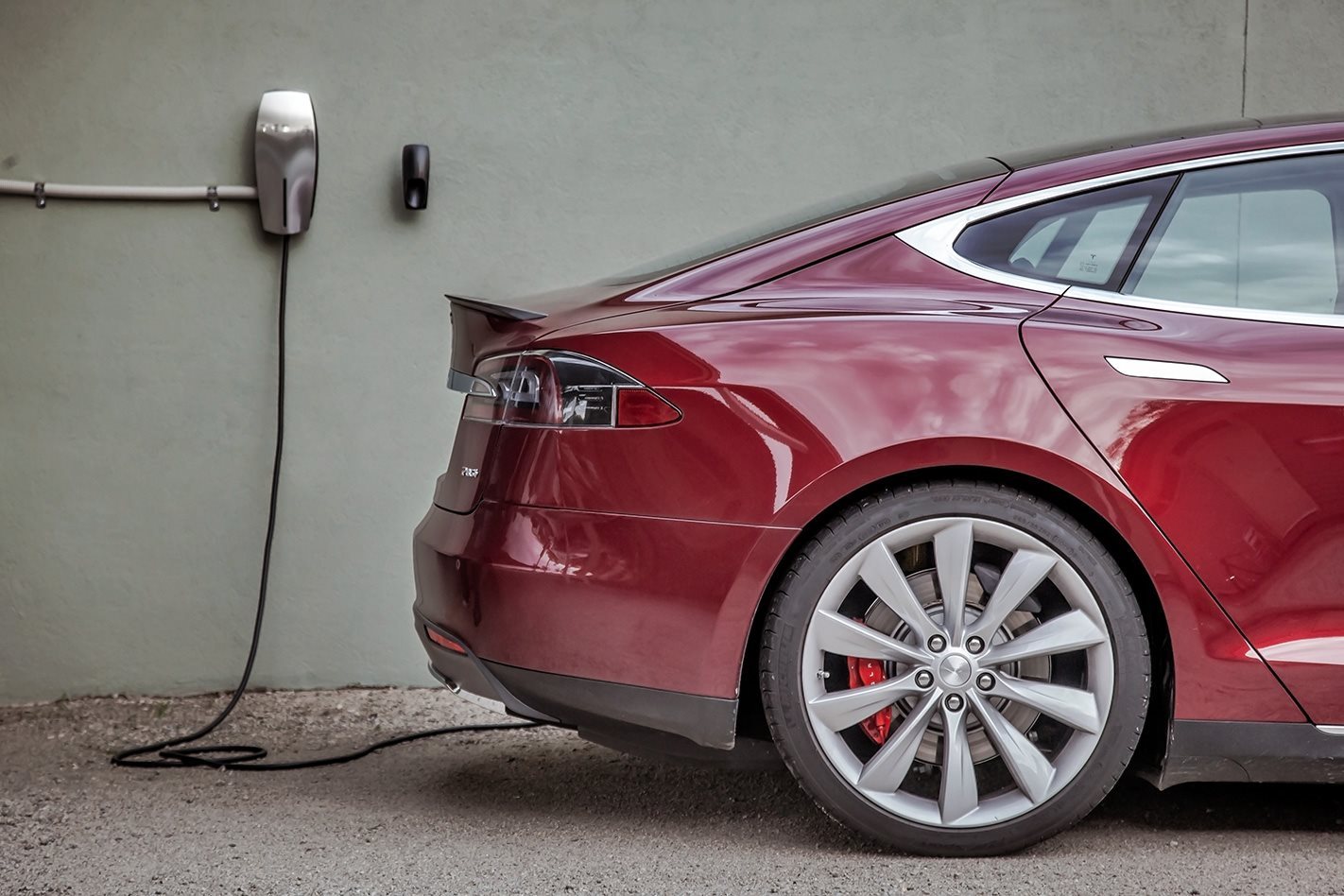
For example, California has been funding road projects through a similar EV distance charge as proposed in the financial relations review, but the US state has also plenty of deal sweeteners to reward Californian’s for making the switch to electric.
Buy a zero-emissions car in Cali and the Clean Vehicle Rebate could put as much as $7000 (A$10,000) back in your pocket. Qualify for the Clean Cars 4 All program and you could be handed up to $9500 (A$13,700) to put towards an EV.
The NSW report does indeed recognise that Australian’s want affordable electric cars at the point of purchase “Upfront, or ‘sticker’ prices, are much more important considerations than operating costs when making purchasing choices in the vehicle market,” it states.
And yet the review makes no suggestion of how to make zero-emission vehicles easier to buy for Australians, even though the Government has apparently found a way to line its pockets through EV ownership and after the initial purchase.
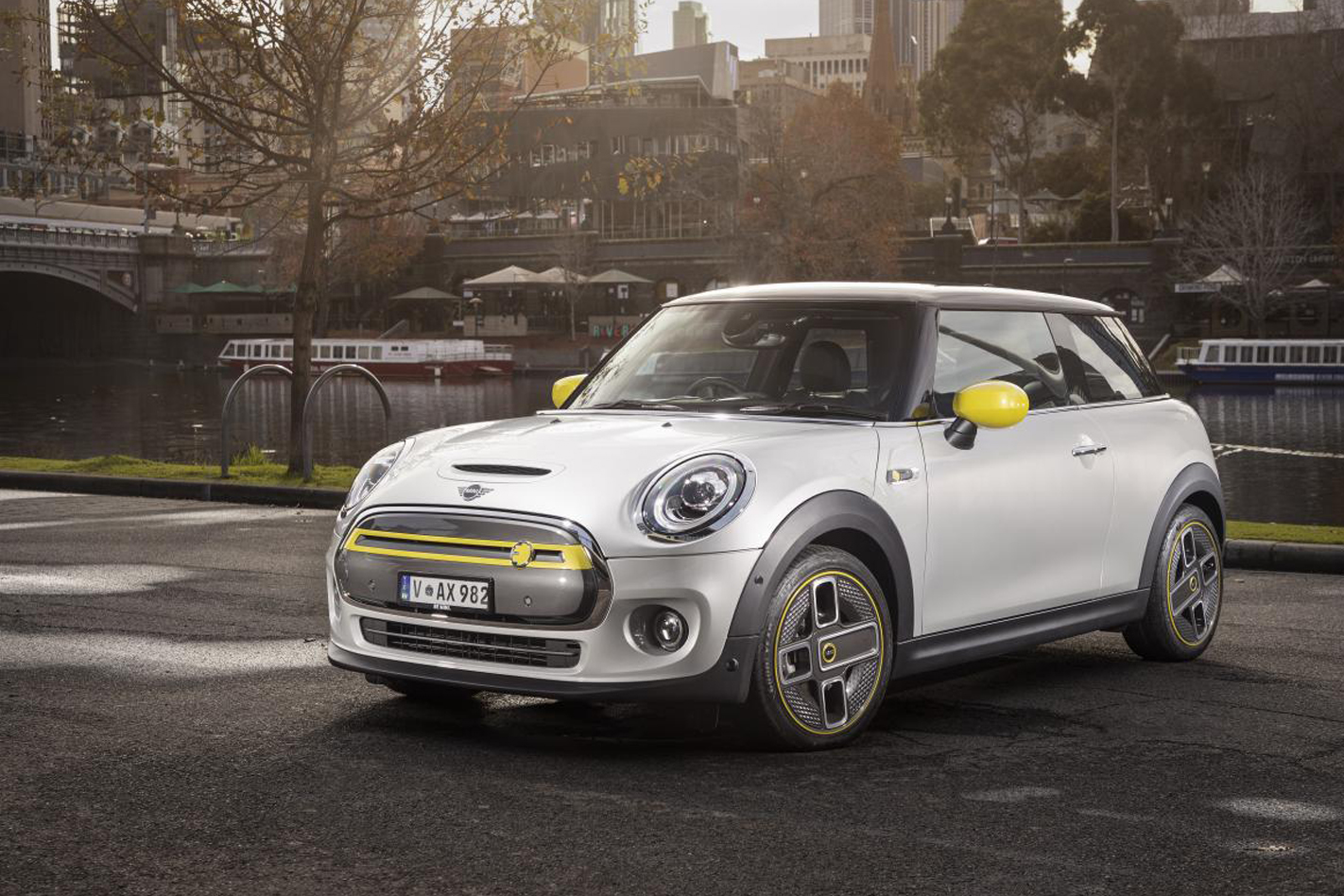
NSW plans to punish EV drivers
Combined with its proposed distance charge, NSW is fast shaping up as the worst place you could own an EV.
The local government is apparently not completely against low and zero-emissions vehicles and has announced funding for charging infrastructure more publicly than its exploration of usage taxing.
In March this year, the NSW government confirmed it was allocating cash to fund EV infrastructure including expanding the fast charging network.
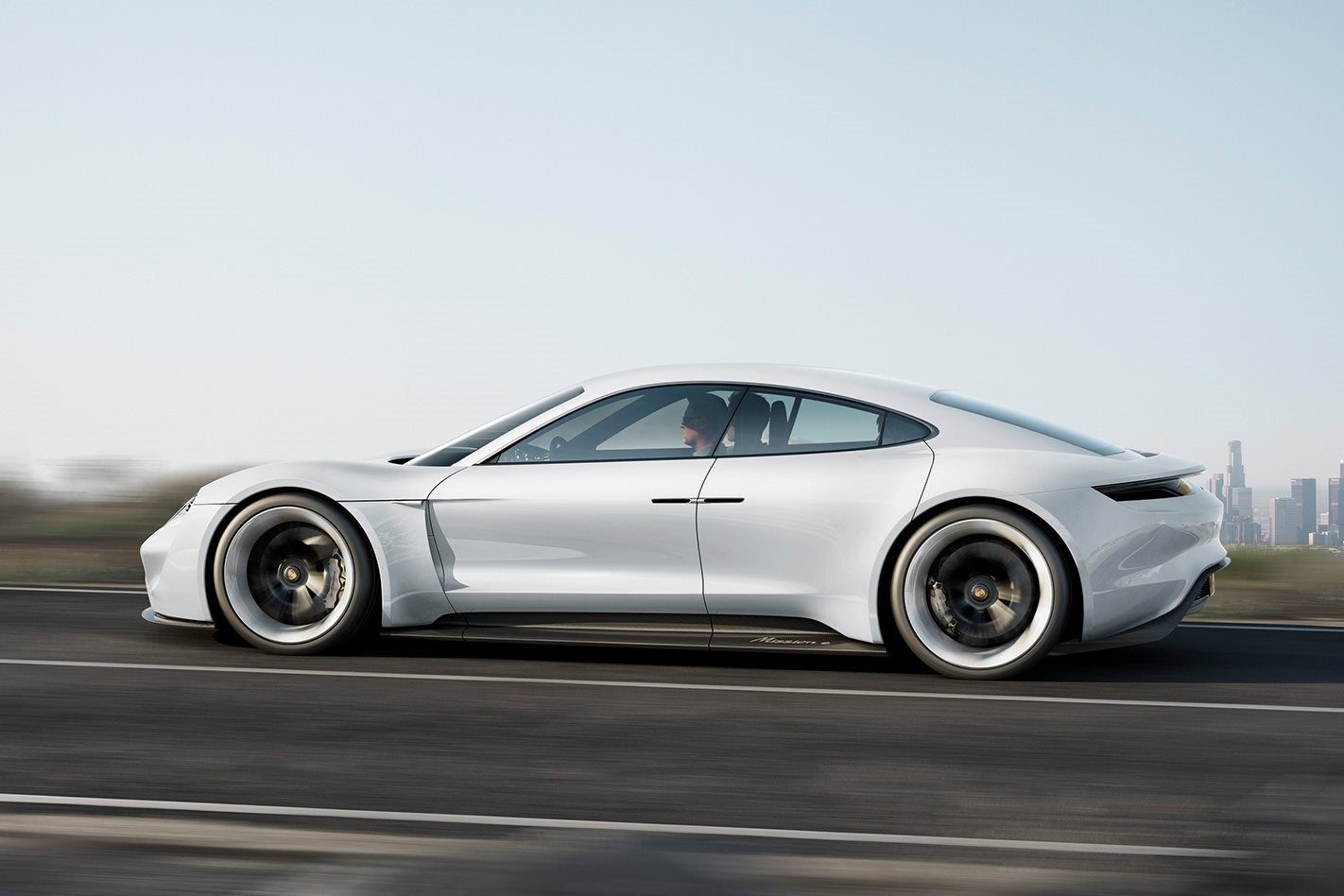
In its financial review, the NSW government says it doesn’t want drivers to be discouraged from buying or owning an EV by taxes that make them more expensive, and that the community should be happy to pay for the environmental advantages out of their own pocket.
“A road user charge for electric vehicles should not be seen as an attempt to discourage their uptake by the community. There are many social advantages that arise from the use of electric vehicles, including lowering air and noise pollution.
“But there are other levers that can be used to support the move toward electric vehicles, including providing access to the infrastructure needed to charge their batteries quickly, especially on long trips.”
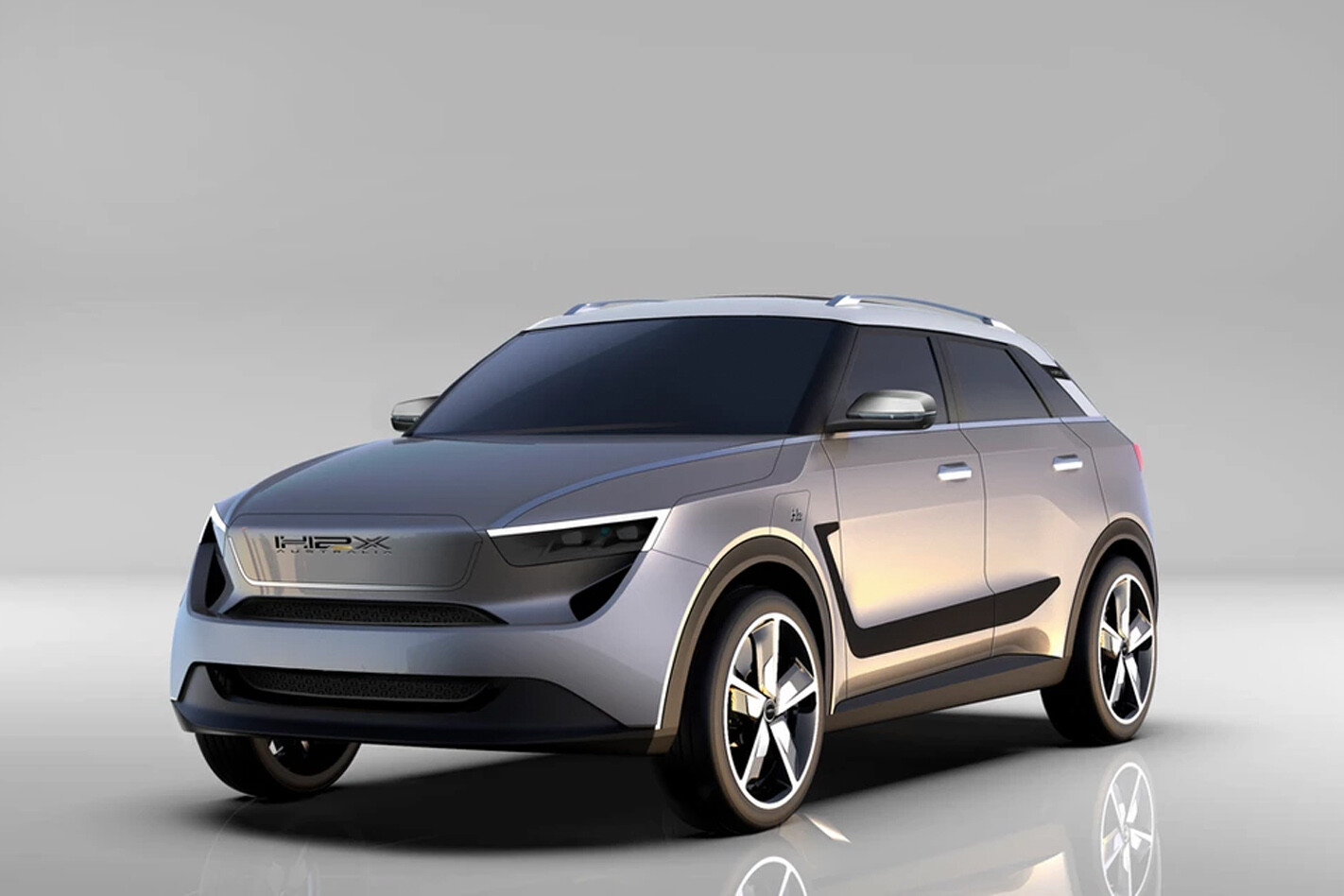
As well as an increased charging network, it announced incentives for businesses looking to establish an electric fleet, such as car-share and rental companies but, once again, little support for private owners of EVs.
Electric Vehicle Strategy delayed
Small steps forward aside, there’s more bad news for Australia’s ranking as an electric transport advocate with the federal government’s Electric Vehicle Strategy – a plan to manage the nation’s transition into an EV era – delayed with no new implementation date yet offered.
“Now is the ideal time to drive change in our transport sector by electrifying our cars and buses, so it’s disappointing the Federal Government has delayed its Electric Vehicle Strategy, due mid this year,” said Richie Merzian, the climate and energy program director at The Australia Institute.
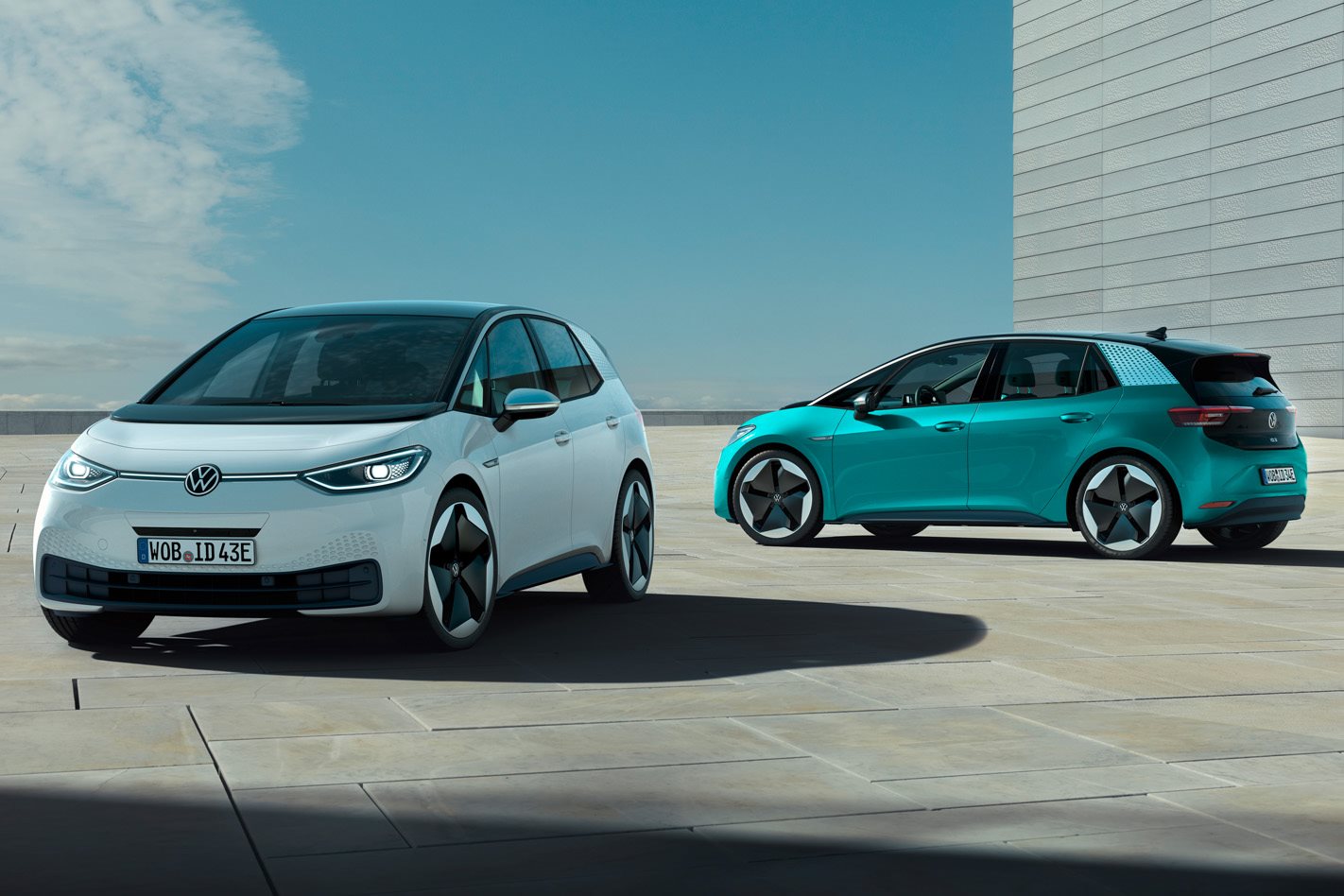
While the important matter of charging infrastructure is slowly gaining traction along with compelling vehicles offered by a growing number of manufacturers, it seems private owners are still expected to bear the full cost of ditching petrol and diesel.
Dodge really had to reveal three new versions of its wildest models all at once, didn’t it? If you’re playing the game of excess, which Dodge clearly is, you don’t take it slowly.
So, here they are: the 2021 Dodge Challenger SRT Super Stock, the 2021 Durango SRT Hellcat, and the 2021 Dodge Charger SRT Hellcat Redeye.
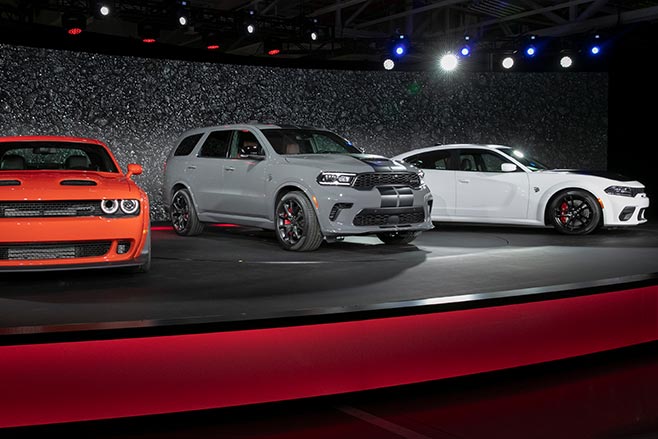
Each car ups the game in their own right, so let’s take a quick look at them in no specific order.
The new version of Dodge’s drag racing coupe, the Challenger SRT Super Stock, is an 807hp (602kW) and 959Nm beast (thanks to 6.2-litres of supercharged Hemi V8) following in the rubber elevens laid down by the Dodge Demon.
While it features an engine only 1hp short of the Demon’s output, it’s not as highly engineered as its Hellish big brother. It’s also not a limited production run, which means Dodge is able to call it “the world’s quickest and most powerful muscle car.”
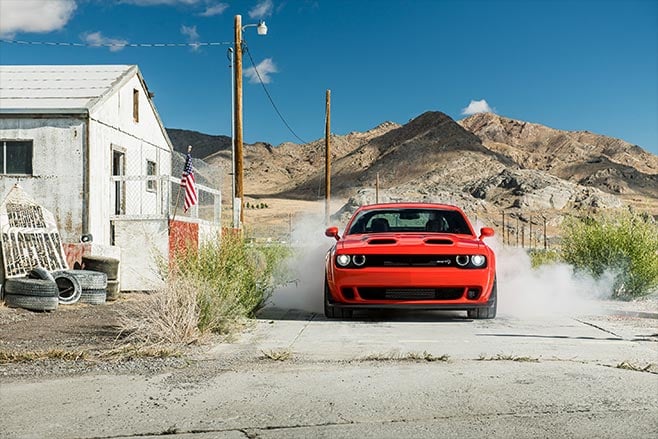
Of course, Dodge must be referring to cars that are currently available and/or full-production models, because the Demon topped it in both regards. The Super Stock can hit 60mph (97km/h) in 3.25sec, cover a quarter mile in 10.5sec, and hit a top speed of 168mph (270km/h) limited by its tyres.
Next, the Dodge Charger SRT Hellcat Redeye. Dodge calls it the “the most powerful and fastest mass-produced sedan in the world,” with 594kW, 959Nm, and a quarter-mile time only one tenth slower than the Challenger Super Stock, 10.6sec.
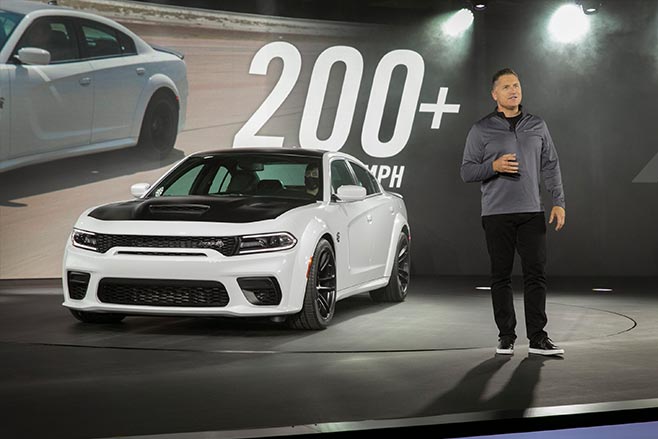
Dodge says it’s seven car-lengths (1.2 seconds) ahead of the Charger SRT Hellcat on its 2.1-mile test course.
Finally, the Dodge Durango SRT Hellcat. Comparatively, this one’s slow. It takes 11.5 seconds to cover a quarter mile, but this is thanks to a 6.2-litre supercharged Hemi V8 engine pumping out 529kW. That’s 7kW more powerful than the tune it appears in under the bonnet of the Jeep Trackhawk, making the Durango SRT Hellcat now the most powerful production SUV in the world.
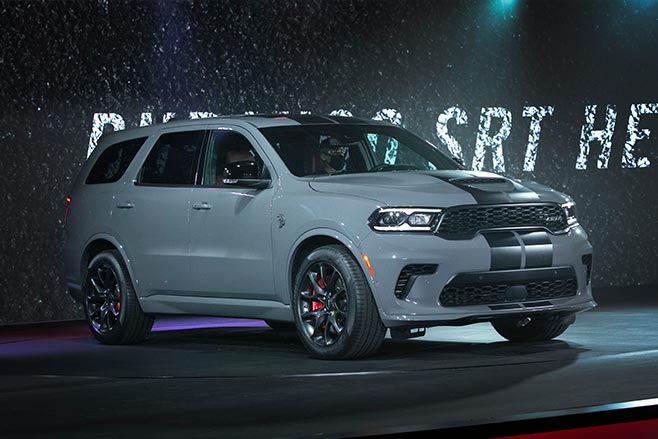
Or, as Dodge puts it, “the most powerful SUV ever.”
If excess is the goal, Dodge nails it.
