
BMW is readying a faster, fitter version of its popular M2 coupe.
The baby M-car has been a smash hit in Australia, its year-to-date sales of 229 (June 2017) making it the most popular M Division product. Those seeking a little extra, however, will be enticed by the forthcoming M2 Competition.
Speculation regarding a more powerful ‘M2 CS’ has been swirling for some time, however MOTOR believes that rather than joining its M4 brother under BMW’s exclusive CS banner, the car will instead expand the more attainable Competition range.
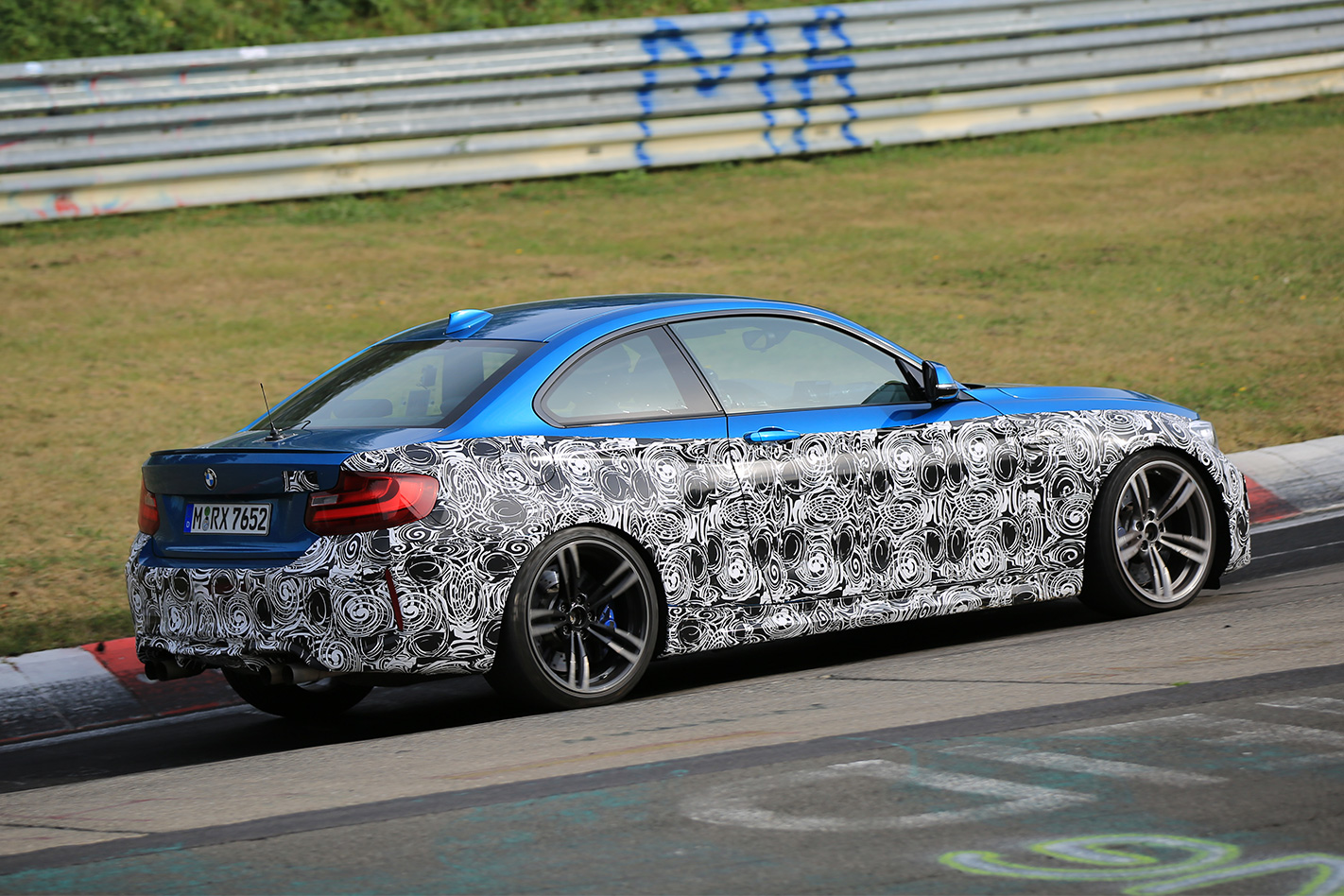
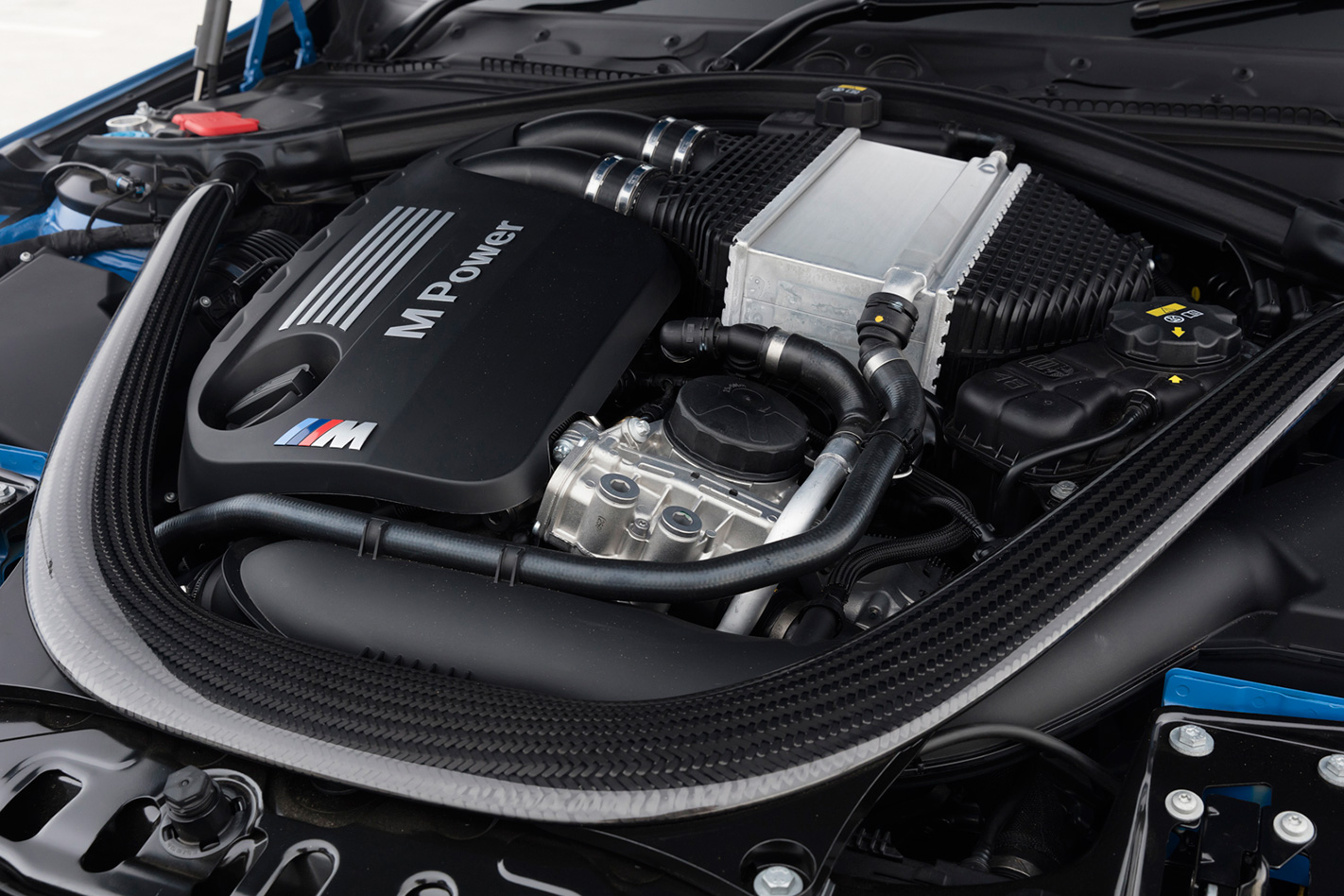
The current M2, like its 1M predecessor, has copped some criticism for using a powered-up version of BMW’s N55 3.0-litre single-turbo inline-six, so to silence these dissenting voices it’s likely the M2 Competition will receive a detuned version of the M3/M4’s S55 3.0-litre twin-turbo inline-six.
Outputs remain a secret, however we’d expect around 300kW/500Nm, leaving some breathing space to the 331kW/550Nm M3/M4 Pure and Competition models, with the standard 317kW M3/M4 expected to disappear from the model range in time.
In addition to the extra power, in line with Competition tradition expect suspension and differential revisions to improve on-limit poise, new wheels and subtle exterior changes – likely the blacked-out badge and trim treatment that identifies an M3/M4 Competition.
Based on prior evidence, the M2 Competition is likely to carry a relatively small price premium over the regular model, so we’d expect a price tag in the region of $105-110K when it lands in 2018.
IT takes quite something to catch today’s motoring press on the hop, but it can still be done. Here we take a look at a few of the cars that created genuine shock and awe on their motor show debuts.
Some we knew about in advance while others were testament to the almost unfeasible secrecy of major design and manufacturing projects. All of them indelibly changed the way we perceived and purchased cars.
Here’s a celebration of the game changers, the projects that shot for the moon and succeeded.
Lamborghini Miura – Geneva 1966
Prior to the Miura, supercars didn’t really exist. Some might argue otherwise, but they’re wrong. The lithe Lamborghini set a template that lasted for decades: a big naturally-aspirated V12 behind the driver’s shoulders, a claim (however tenuous) to be the world’s fastest production car and a shape that made everything that went before look instantly outdated.
Customers had already gained a preview of the engineering beneath Gandini’s jaw-dropping shape the previous year, when a bare P400 chassis was shown at the 1965 Turin motor show.
That was enough to put Maranello on notice that the sports car world was about to tilt on its axis, but few realised quite what an impact the Miura would have when the wraps came off the show car in Geneva.
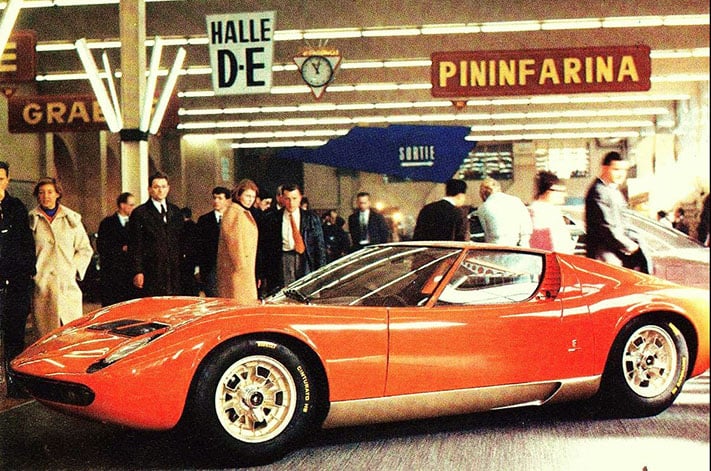
Keeping the press from poking around at what they thought would be Bizzarrini’s V12 masterpiece allegedly kept Lamborghini staff fully occupied. Despite that hiccup, the Miura would go on to alter the way we perceived Italian sports cars, Ferrari eventually acquiescing with its mid-engined rival, the 365 GT4 Berlinetta Boxer, launched in 1971.
Lexus LS – Detroit 1989
Once in a while, the planets align and an automotive culture kicks on by leaps and bounds. The Miura showed how an entire car genre could materialise almost overnight, and in the late 1980s, three of Japan’s biggest manufacturers, Toyota, Honda and Mazda, released cars that changed the way we thought about the nation’s wares. Arguably the most significant was the birth of Toyota’s luxury arm, Lexus, and its LS400.
While the LS400 could be accused of being somewhat derivative in its approach, benchmarking the W126 Mercedes-Benz S-Class, a vehicle widely lauded as the best car in the world, pause for a moment and consider the ambition here.
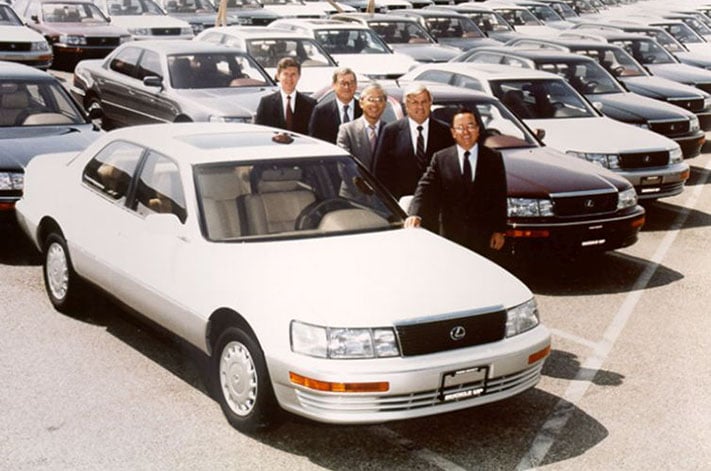
The car that arrived on the stand at the 1989 Detroit Show seemed to appear out of thin air, Lexus having locked down security on the development of its big budget sedan. Insiders knew that the Circle F project had, in fact, kicked off as early as 1983, when Toyota’s chairman had proclaimed that the company was going to “build a car better than the best in the world.”
It was no idle boast. In 1984, a committee drew up the benchmarks for the halo car; and a year later, chief engineers were despatched to southern California to find out what made American luxury car buyers tick. It worked. When the car launched to the public, journalists quickly realised that for many European and American luxury brands, the fox was well and truly in the henhouse.
Mazda MX-5 – Chicago 1989
If there was one motor show that now seems like a can’t miss event, it could well have been Chicago in 1989. While the American press was getting its pants in a bunch over the forthcoming MN12 platform Thunderbird Super Coupe, the Japanese were readying a product onslaught the like of which hasn’t been seen since.
In any other year, the launch of the Nissan 300ZX – the return of the hero Z car – might have been significant enough, but the Zed had to play second fiddle to some other serious players. The Mazda MX-5 for one.

The rest is history.
Honda NSX – Chicago 1989
If the Mazda MX-5 democratised the notion of the Japanese sports car, the Honda NSX’s aims were diametrically opposed. It challenged our notions of how a junior supercar should perform. We’d almost resigned ourselves to the fact that a proper supercar ought to have fritzy electricals, scattered switchgear, catastrophic visibility, tedious reliability and should drink like a sailor on shore leave.
When the NSX programme began, the benchmark vehicle was the Ferrari 308, which was then succeeded by the 328 and, by the time the NSX landed in dealers, the 348. No matter. The Honda made them all look antediluvian.

As they were fine-tuning the timings of their speeches, Kume wandered in, climbed into the show car and revved it to the redline. “Mr Kume, stop it!” screamed Kurt Antonius, Honda’s US PR guru, ‘They’re gonna hear this!”
The next day, Kume stood by as the wraps were pulled off the car. When it was his turn to speak, he highlighted the technical achievements of the car as the press leafed through a six-page engineering glossary.
The forged pistons, the titanium conrods, the aluminium monocoque and suspension assemblies and, with a wry smile, he talked of the 8000rpm redline which he had tested the day before.
Jeep Grand Cherokee ZJ – Detroit 1992
The Grand Cherokee ZJ was a project that had been developed by AMC in the 1980s before Chrysler took up the reins. At the time, a big 4×4 was a Chevy Blazer or a GMC Jimmy, something that was slab-sided, lumbering and with engineering rooted in the 70s.
The Grand Cherokee was different and Jeep was excited. Excited, but largely broke. Without much of a budget for the launch event, they improvised, inviting journalists to the launch in the lobby of Cobo Hall.
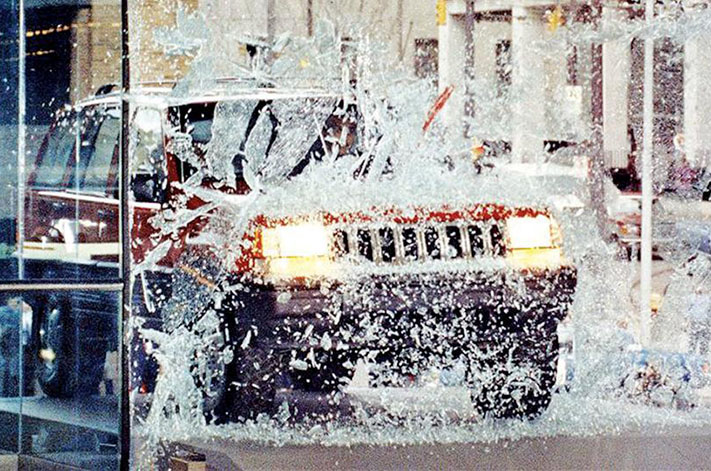
But back in 1992, driving through a window was enough to kick start a revolution in cars. Mercedes-Benz would doubtless argue otherwise, but we reckon this marked the beginning of the SUV era.
Ford GT – Detroit 2015
It’s hard to create a genuine surprise at motor shows these days. The internet has turbocharged the new product rumour mill, everybody carries a digital video camera in their pockets and camera drones can compromise the security of even the most remote proving ground.
What better place to design a car then, than an underground bunker, protected by a series of keycarded doors to which only a select few have access.
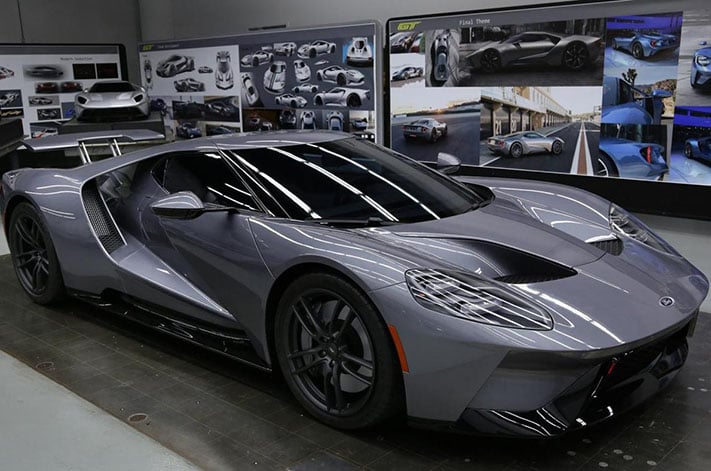
Very few of us had access to it and we weren’t allowed to talk about it. So, we created a room outside of the normal studio,” said design director Chris Svensson. “Literally, a handful of twelve people, including some key engineers, had access to the room. We went old school, we had keys. And not until we unveiled the car… at Detroit, did anybody else in this building know about it.”
Is BMW’s diesel-drinking large sedan the most appealing model in the range? If you’re looking to travel huge distances in top comfort, the answer appears to be an emphatic ‘yes’.
TELL ME ABOUT THIS CAR
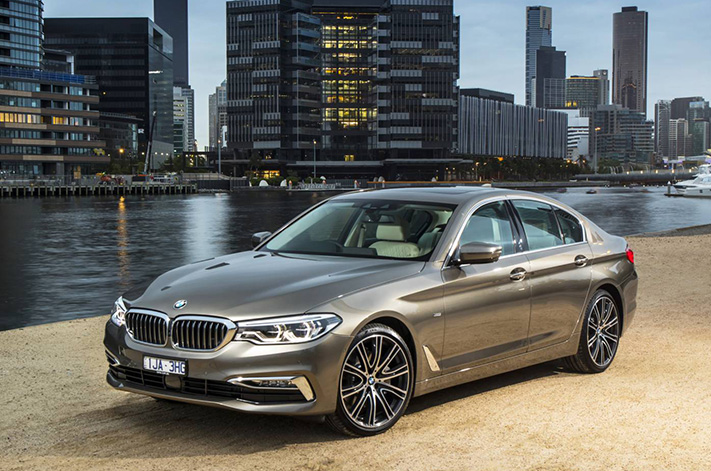
Launching earlier this year, the new-generation BMW G30 5 Series took the German carmaker’s stalwart large car to new levels of finish, size and technology when it took over from the outgoing F10. However, it’s lost some of the sporty edge of its ancestors thanks to less engaging steering.
But how does it go as a long-distance cruiser? We took an optioned-up 530d on an extended trip away from the big smoke with four adults aboard to find out.
STRENGTHS
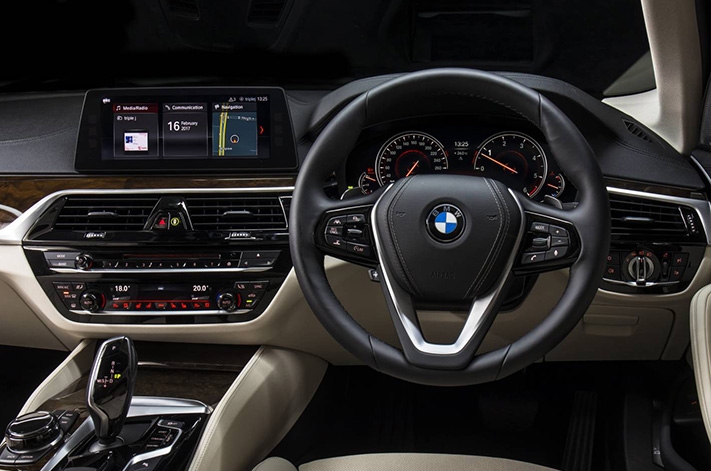
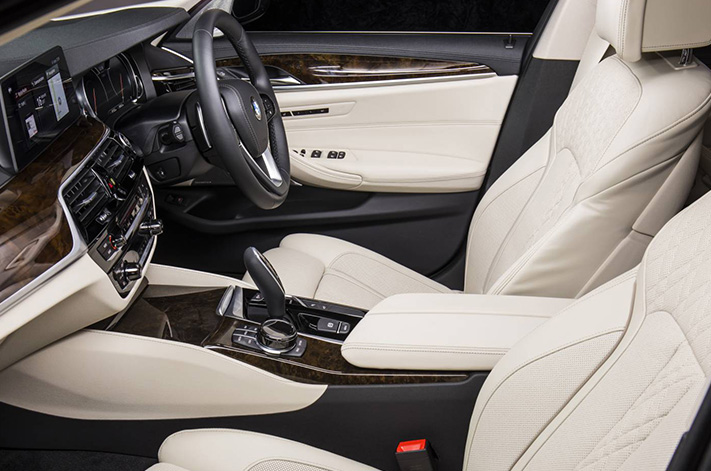
A classy interior is one of the major drawcards of the 530d, and the perforated and quilt-stitched white Nappa leather upholstery of our test car was especially nice – though you’d hope it was, being a $1300 cost option. Material quality is excellent and matched by tight-fitting plastics and trim, flashy ambient cabin lighting and an air of opulence that wasn’t there in the previous generation.
There’s loads of cool tech to enjoy, with one of the slickest 360-degree camera views available in a luxury car, a wireless charging pad for compatible smartphones, rear climate control switches, a colour head-up display and a 10.25-inch colour screen that runs BMW’s excellent iDrive infotainment suite. Tick a $1600 option box and you can also enjoy remote parking, gesture controls for the infotainment system and a screen-equipped smart key.
Noise suppression is fantastic. BMW’s efforts to insulate the 5 Series’ cabin from the outside world result in an interior that doesn’t feel much noisier than that of a 7 Series. Wind noise is low, tyre noise is far from intrusive and the engine is no clattery diesel – if anything, it’s a sweet-sounding six that’s almost petrol-like in its refinement. As a result, conversation between the front and rear occupants is blissfully easy.
Although 195kW may not sound like the most impressive power output in this day and age – especially when a Toyota Aurion flexes 200kW – it’s the 530d’s huge 620Nm torque figure that has the biggest impact on how it drives. With so much torque – and much of it available from just above idle – it doesn’t take much throttle to get the 1.6-tonne 530d moving smartly. BMW claims it accelerates from 0-100km/h in 5.7 seconds, which is faster than most hot hatches.
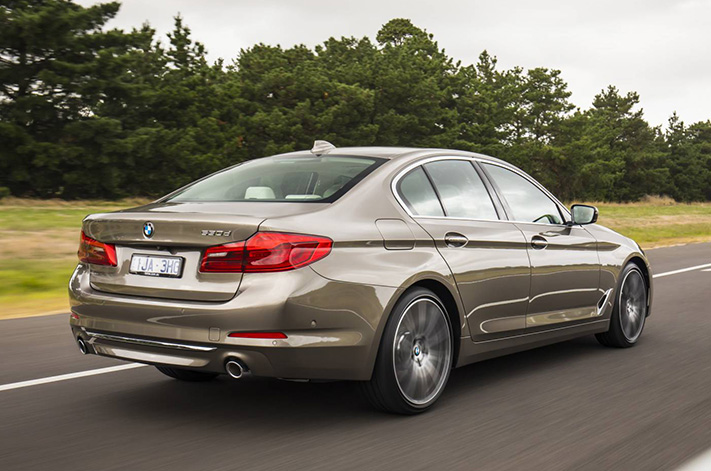
Highway ride comfort is great, and long stretches of open, gently undulating road is where the 530d feels most at home. In Comfort mode there’s a slight floatiness to the ride that is comfort-enhancing rather than stomach-churning, and during our test drive the 530d ate up hundreds of kilometres with no complaints from its four occupants. It’s worth mentioning that our car was shod with 19-inch wheels – expect a sharper ride on bigger rolling stock.
The 530d makes an outstanding long-distance cruiser. The combination of all of its above virtues (especially its excellent seat comfort, hushed cabin, relaxed powertrain and supple ride) makes it the perfect thing for eating up many highway kilometres. If you have to spend hours behind the wheel or seated in the back seat of a car, this is one of the best ways to do it.
WEAKNESSES
Integral Active Steering is a $2250 option, but it doesn’t necessarily make the 5 Series a better car to steer. It shrinks the wheelbase by slightly turning the rear wheels in the opposite direction to the front wheels at low speed, but the variable-ratio steering rack up front delivers an inconsistent feel to the wheel and, in combination with the four-wheel steering, can sometimes result in the car turning in far more quickly than you may have intended.
Option pricing can see the dollars stack up at a rapid rate. Our car was admittedly specced to a very high level, with features like soft-close doors ($1150), remote parking/gesture control/display key ($1600), Nappa leather ($1300) and a high-end Bowers & Wilkins surround sound audio system ($6400). Even metallic paint costs and extra $2000, which stings a little considering the 530d’s $119,900 base cost. All up, the as-specified price tag was $139,300 for the car we drove.
ANY RIVALS I SHOULD CONSIDER?
The Mercedes-Benz E350d, Jaguar XF 30d S and Audi A6 3.0TDI are all worthy rivals, with the E-Class being the freshest and most impressive product among them. If diesel isn’t a rigid requirement, the Lexus GS 450h petrol-electric hybrid is worth looking at, too.
Your new pride and joy is sitting in the showroom, and you’re about to drive it home for the first time. It’s time to organise some insurance cover, right?
For many new-car buyers, factoring in the cost of insurance isn’t front of mind in the decision to purchase their new ride. If your car has a high risk profile – it’s a car that crashes often, you park it at places wheres car are commonly stolen, or the cost of repairs are high – expect to pay an insurance premium that factors that in.
But some cars simply can’t be insured, with at least one insurance company in Australia saying it would not cover vehicles it considered “unsafe” as part of its “Safer Cars Commitment” campaign to encourage members to put crash safety at the forefront of the buying decision.
In 2012, West Australia-based insurer RAC announced it would no longer offer insurance on any vehicle with less than a four-star Australasian New Car Assessment Program (ANCAP) crash rating.
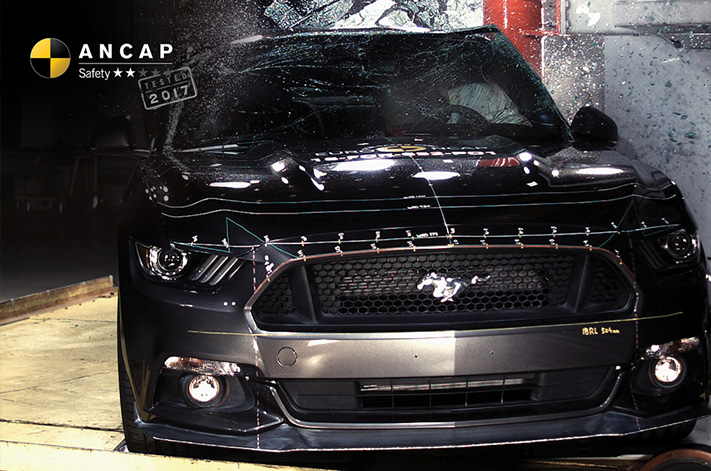
That means if you buy anything from a Ford Mustang – it was controversially initially given only a two-star rating after being marked down for its shortcomings in pedestrian protection and how children fared in the rear seats in a crash before being re-rated to three stars – to a Suzuki APV, a cheap small van that’s largely unchanged from when it first went on sale here more than a decade ago, you’ll have to shop for cover elsewhere.
“Consumers see these brand new cars with elaborate aesthetic features and assume they have high-quality safety features as well; however this is not always the case,” RAC vehicles and fuels manager Alex Forrest said.
“Just because a vehicle looks good, doesn’t mean it does a good job at keeping you safe.”
ANCAP says people travelling in a three-star vehicle are twice as likely to die in a crash, or be seriously injured, than those travelling in a five-star one.
Insurer IAG, which manages brands including NRMA Insurance, SGIO, SGIC, CGU and Swann Insurance, founded its own research centre after a big spike in Australian car thefts in the 1980s – the time Sydney was regarded as the car theft capital of the world. It has since expanded its role to test how well head restraints work in a crash, important work done on behalf of ANCAP that helps to calculate a car’s final crash rating.
Its research into automatic emergency braking has allowed IAG to let insurers give premium discounts to car owners who have vehicles equipped with the potentially lifesaving – and claim reducing – technology.
According to IAG, about a million vehicles a year are involved in collisions in Australia, resulting in “a considerable cost to the community in terms of personal injuries and property damage”.
NEW CARS BELOW FOUR STARS
Model Class ANCAP rating
Great Wall Steed Trade ute Two stars
Suzuki APV Van Two stars
Mahindra Pik-up Trade ute Three stars
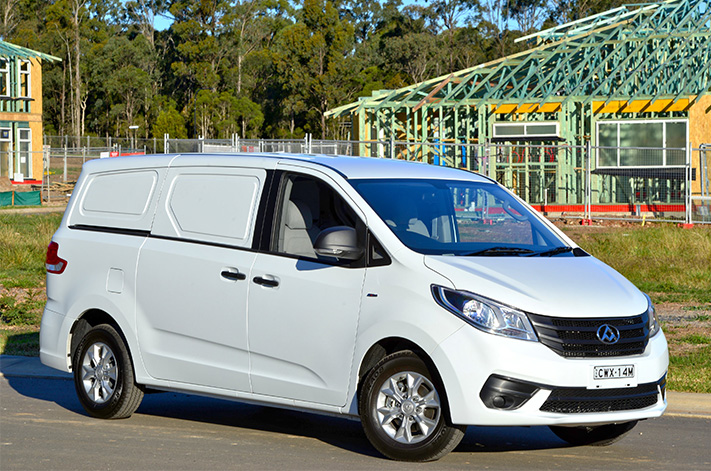
LDV V80 Van Three stars
Ford Mustang Sports coupe Three stars
Foton Tunland Trade ute Three stars
As far as choices for engine swaps go, anything with ‘LS’ in its moniker is usually near the top of the list alongside the mighty Barra or the 2JZ.
And if you’re going to put an LS in a ‘90s Commodore, who better than an ex-Holden engineer?
MKAL Automotive in Melbourne is owned and run by Steve Kalfat, who is exactly that. After leaving Holden he’s continued playing with LS motors, and will LS swap just about anything.
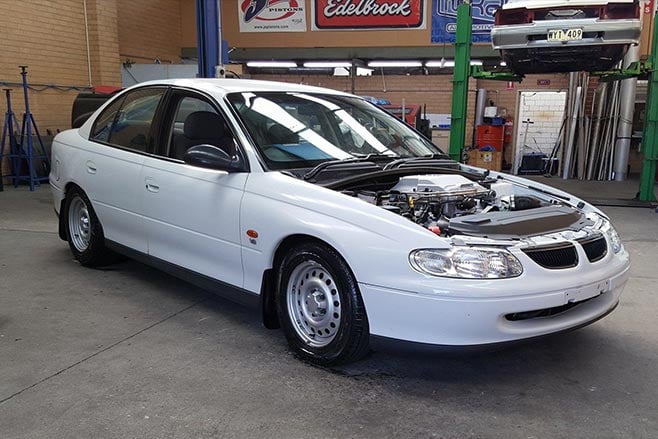
Kalfat says he did more than just swap out the engine, so the thing became a bit of a mash-up of Commodore pieces. The engine and six-speed ‘box came from a VF1 GTS, and the steering system was nicked from a VE to keep it hydraulic.
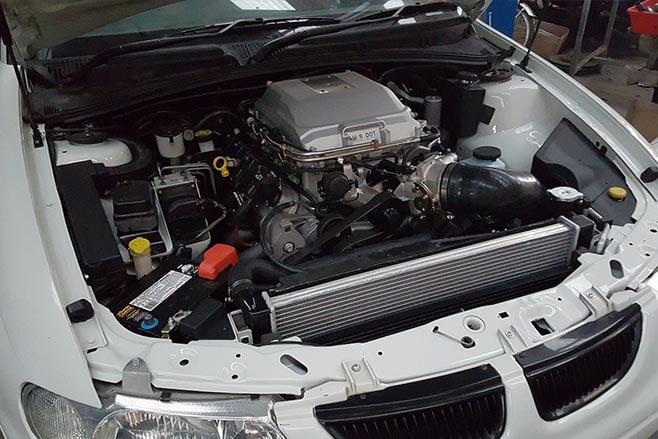
“If it can’t be properly engineered and complied when it rolls out of my shop, I’m not interested in doing it.”
You can find MKAL on Facebook, where some of the LS magic is shared.
GROUP B is one of motorsport’s most hallowed creations. It was, in its original sense, a fairly dry set of regulations, primarily used in rallying, that weren’t actually very well scripted.
The net result was fearsome power outputs in flyweight cars, giving birth to a golden age of rallying, yet the regulations lasted just five seasons (1982-86), before the world’s motorsport governing body stepped in and scrapped them on safety grounds.
Since then, the cars, drivers, and stories of Group B have grown in size and legend to almost epic proportions.
Road and race versions of the category now fetch into the millions of dollars at auction, and are some of the most revered vehicles on the planet.
So let’s dive under the skin and into the history of some of the categories most fascinating competition cars.
Audi Sport Quattro S1 E2
The Quattro moniker became the backbone of Audi’s performance arm and associated marketing. Its mention has long conjured images of white and yellow German rally beasts flying through forests, parting a veritable sea of people, set against a glorious five-cylinder staccato soundtrack. Suffice to say, the legend of Group B and the Quattro are one and the same – without one, would the other be as revered?
During the span of Group B, Audi homologated six different specifications of Quattro. The first was the Audi Quattro 80 A1 in 1981 (homologation number B-671), followed by the Quattro A1, 80 Quattro A2, two different Quattro A2 specifications, and finally the legendary and be-winged Audi Sport Quattro S1.
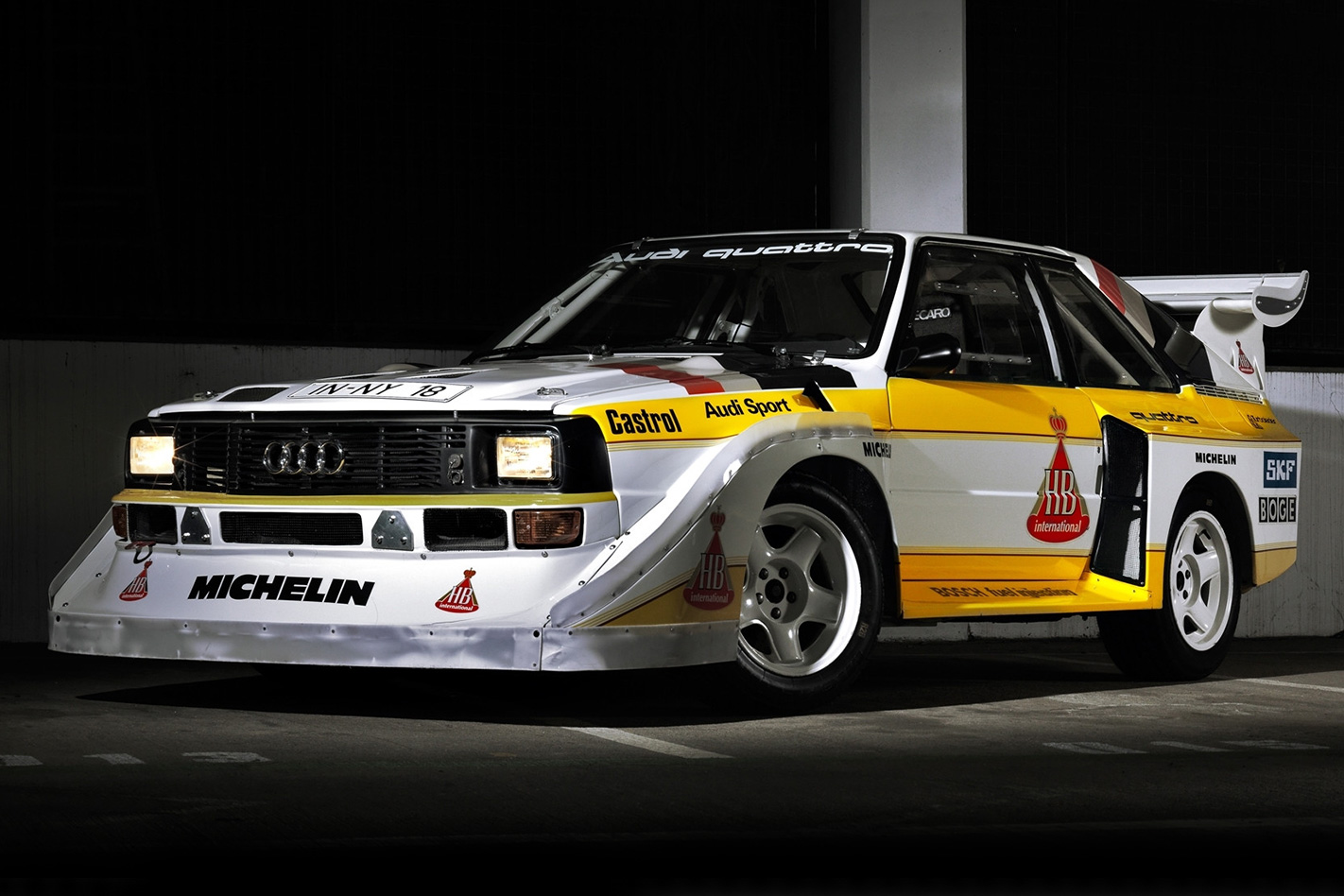
Tipping the scales at just 1200kg, the S1 had an all-aluminum alloy 2.1-litre inline five-cylinder turbo engine pumping out 331kW. Simple maths will let you know this was one hell of a weapon.
Bodywork featured carbon-kevlar panels, with wider arches and a shorter wheelbase over previous iterations, along with fatter rubber.
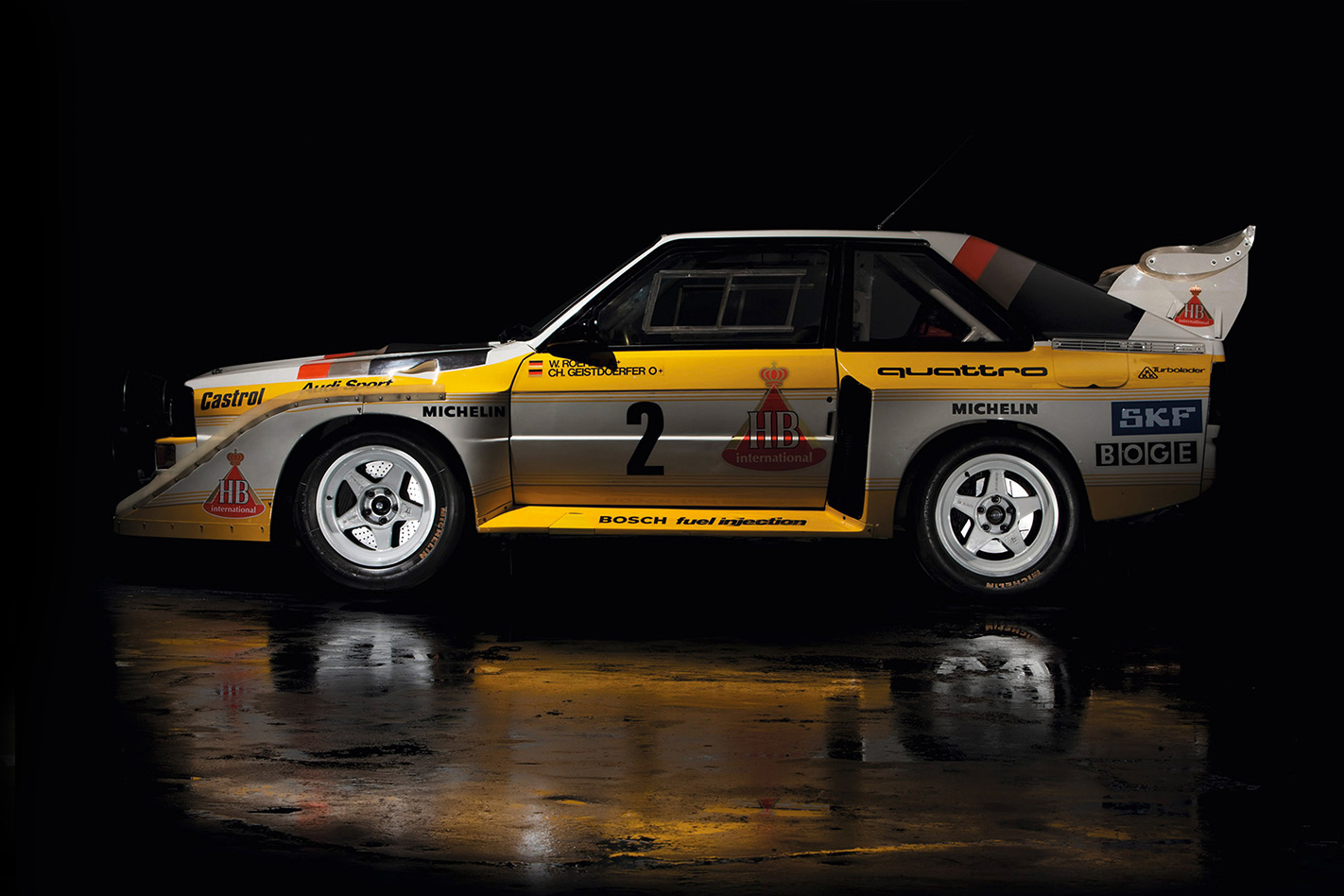
Audi said S1 E2 produced in the ballpark of 350kW. In reality, this was closer to 373kW at a sonorous 8000rpm. One of the unique changes with the S1 was a steeper windscreen rake, a request direct from the drivers in an attempt to reduce internal reflections and improve visibility.
At the end of its competitive lifespan, the Quattro had two drivers’ championships, and 23 rally victories.
Ferrari 308 GTB Michelotto
While Ferrari has been taking part in motorsport events since, well, it was Ferrari, the Prancing Horse isn’t what you’d expect to see tackling a world rally stage.
More commonly associated with the Grand Prix circuits and endurance races of the world, Ferrari bucked tradition in the 80’s and one of Maranello’s got its hooves dirty.
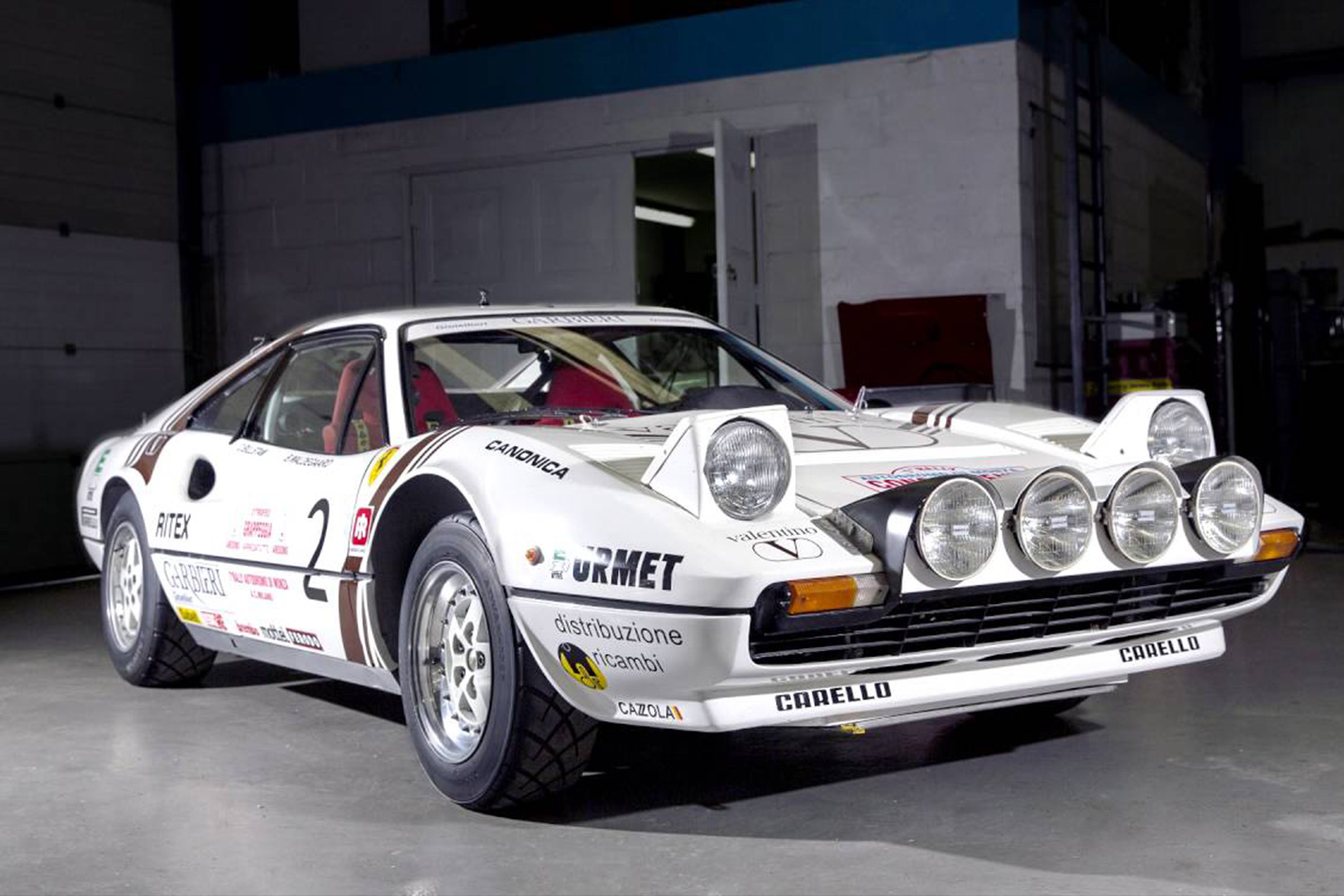
As you’d expect numbers are extremely limited, and they couldn’t really compete against the full factory AWD beasts of the time, but with a mid-mounted 3.0-litre V8, do you really care?
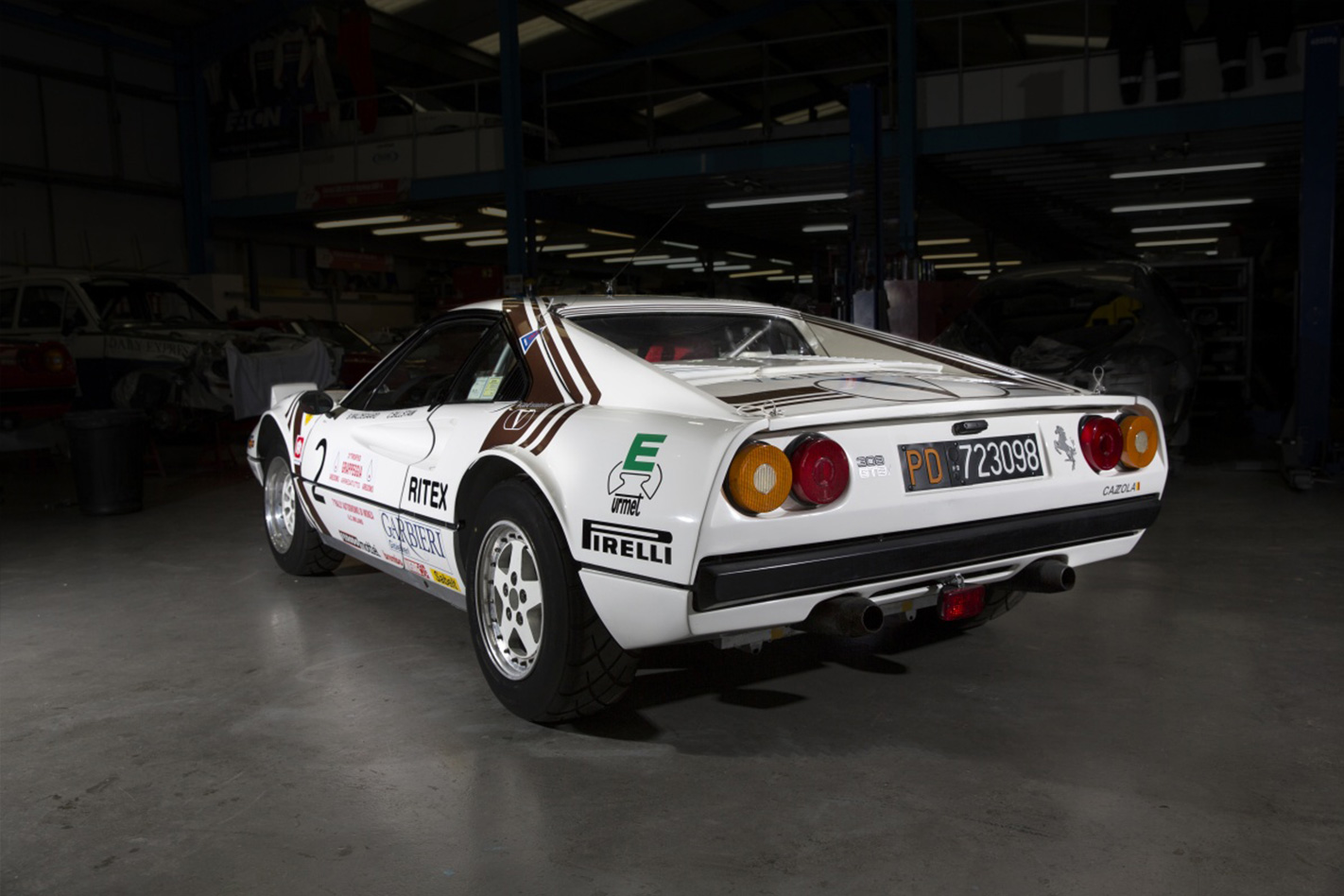
Much like every car on this list, once Group B went the way of the dodo, the 308 rally cars were left orphaned, without many options left for competition. Only existing in single digits, if you see one in the wild, at full song, count yourself among the lucky few.
Ford RS200
Ford has this fantastic habit of building vehicles as a race car first, and then transforming them with minimal change into a road-legal form.
The RS200 is no different, starting life as a Group B monster before a limited run of road cars were produced.
The RS200 was initially born out of a failed attempt to build a rear-drive turbocharged version of the MkIII Escort for Group B regulations. Dubbed the Escort RS1700T, the development was plagued with problems and eventually abandoned after three years. With no vehicle in Group B, and in the hole for the failed project, Ford executives decided the team of engineers would then focus on developing a new, all-wheel drive, purpose built rally car. The result is the RS200.
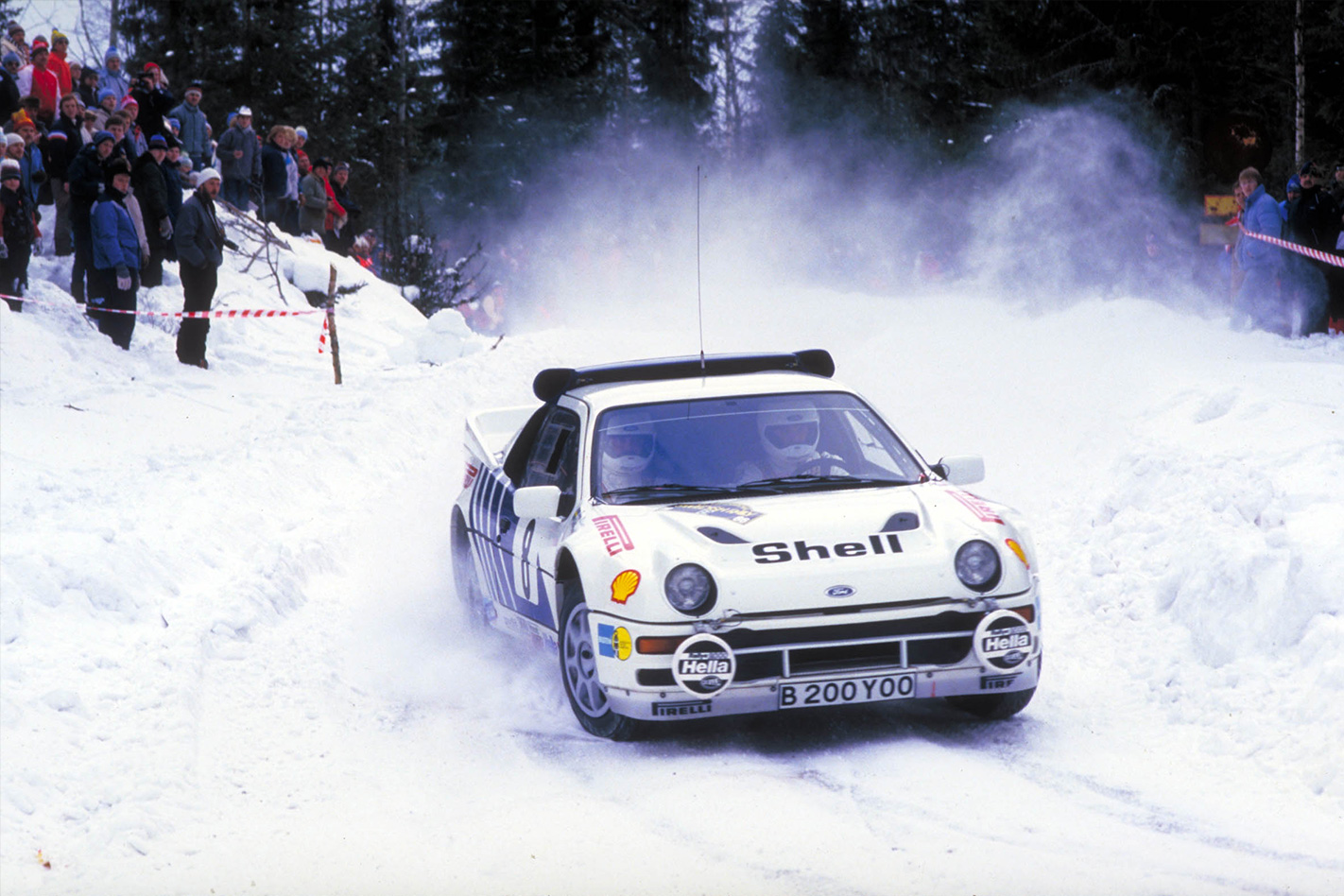
In a tragic twist, the RS200 played a central part in the downfall of Group B. A crash at the ’86 Portuguese rally claiming the lives of three spectators and injuring others, was followed by a fatal crash, injuring driver Marc Surer and killing co-driver Michel Wyder after they impacted a tree in Germany later that year.
The death of Henri Toivonen and co-driver Sergio Cresto at the 1986 Tour de Corse had already piled pressure upon the FIA and the inevitable result was that the Group B regulations were abolished at the end of the 1986 season.
Lancia Delta S4
As far as iconic race cars go, a Martini-liveried Lancia Delta S4 sits pretty high on the list. First homologated for Group B in 1985, it entered 12 rallies, winning five of them. That is a win rate of almost 50 percent.
Lancia was taking full advantage of Group B regulations when it built the Delta S4, with just the bare minimum of road-going versions built. Power came from a 1.8-litre inline four cylinder which was twincharged – having both a turbo and supercharger strapped to it.
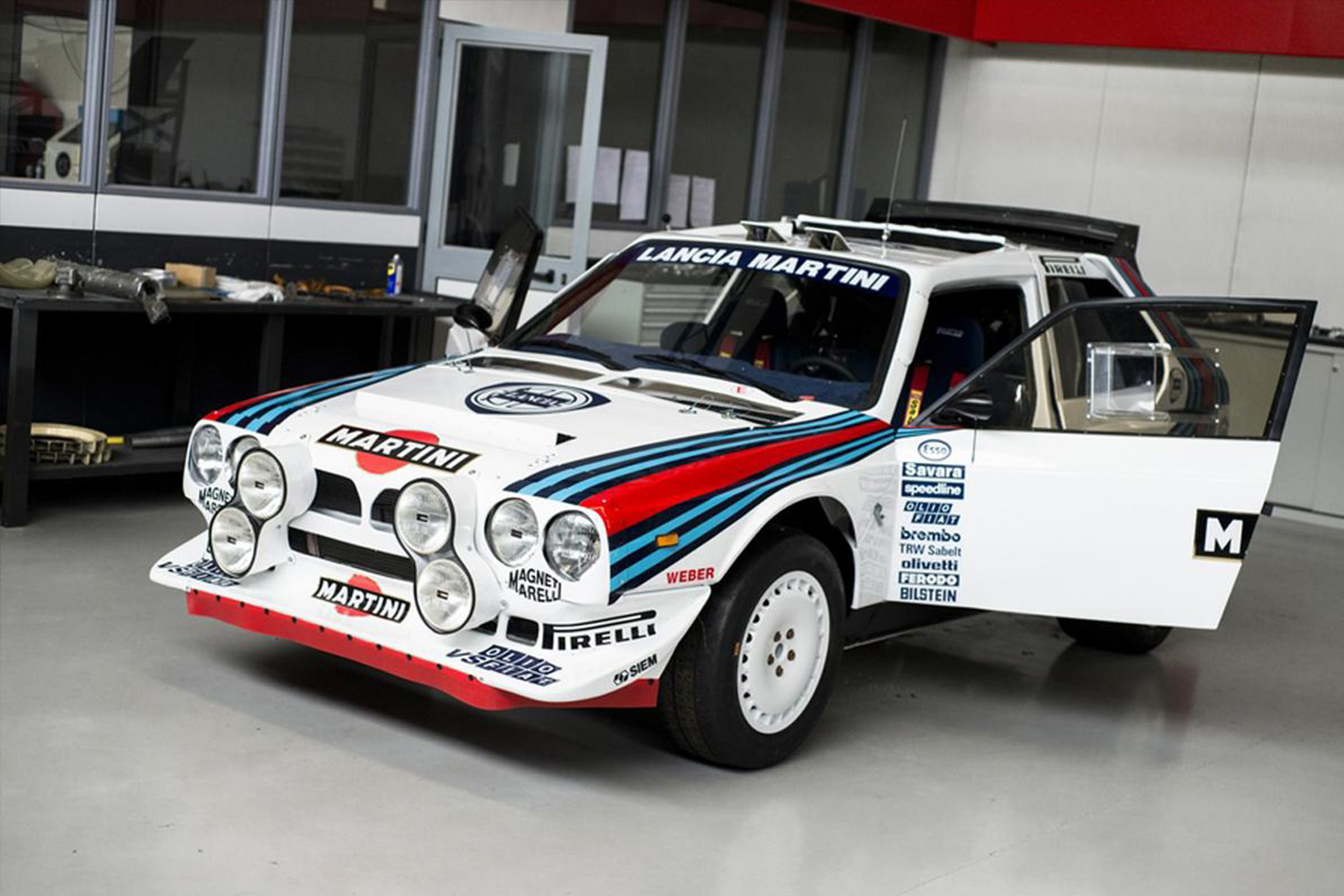
The S4 also had a trick centre differential, allowing the all-wheel drive system to send between 60 and 75 percent of power to the rear wheels.
If there was a single car that exemplifies the crazy innovation and limit-pushing of Group B, the Delta S4 is it.
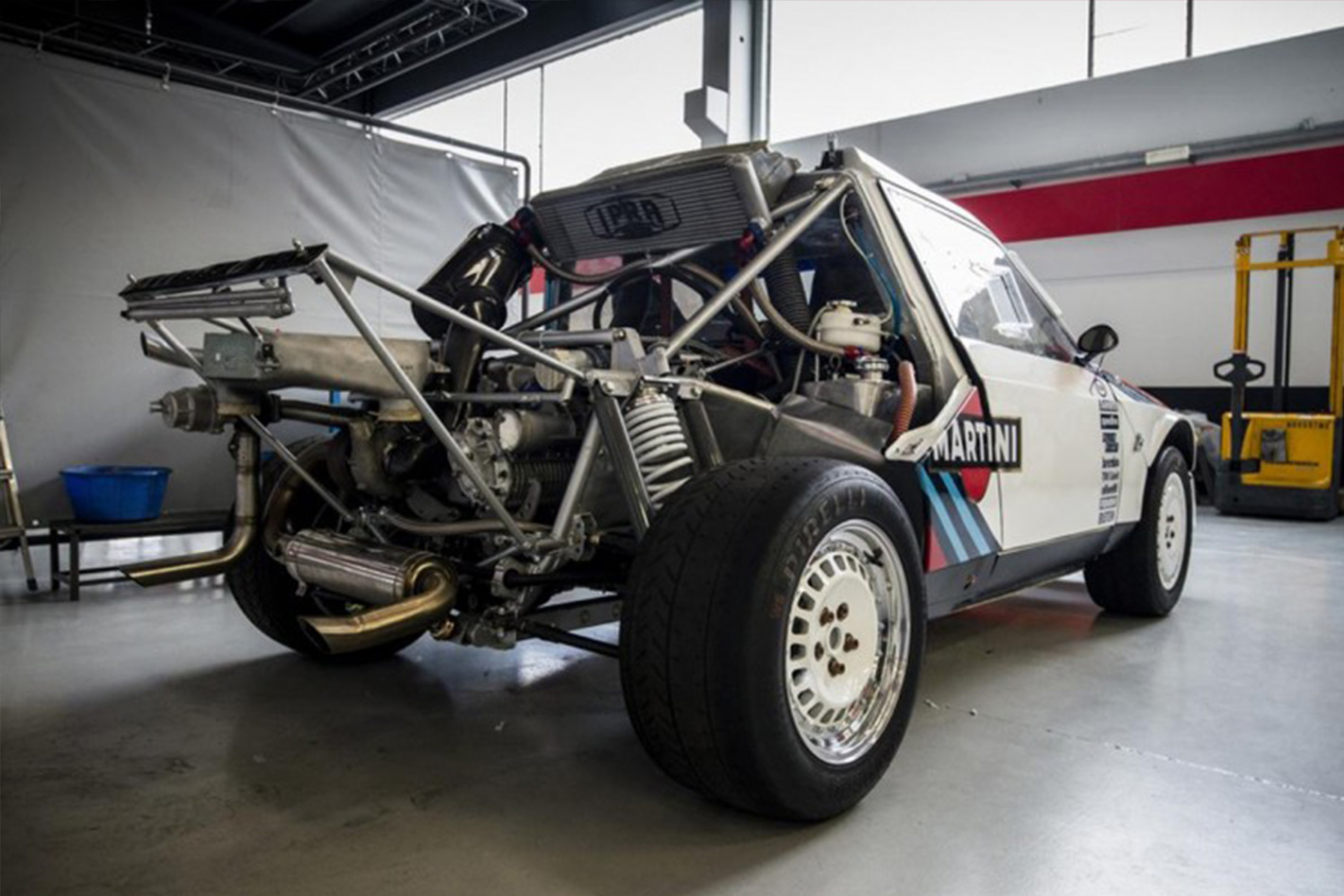
Preceding the bonkers Lancia Delta S4 was the Rally 037, famously known as the last rear-drive car to win the World Rally Championship. Debuting in 1982, it doesn’t have the same impressive record as its replacement, claiming just six wins and a single constructors’ championship from 62 rallies.
Powered by a supercharged 2.0-litre inline four cylinder, mid-mounted, the 037 weighed just 980kg thanks to a polyester resin body, reinforced with glass fibre and flame retardant.
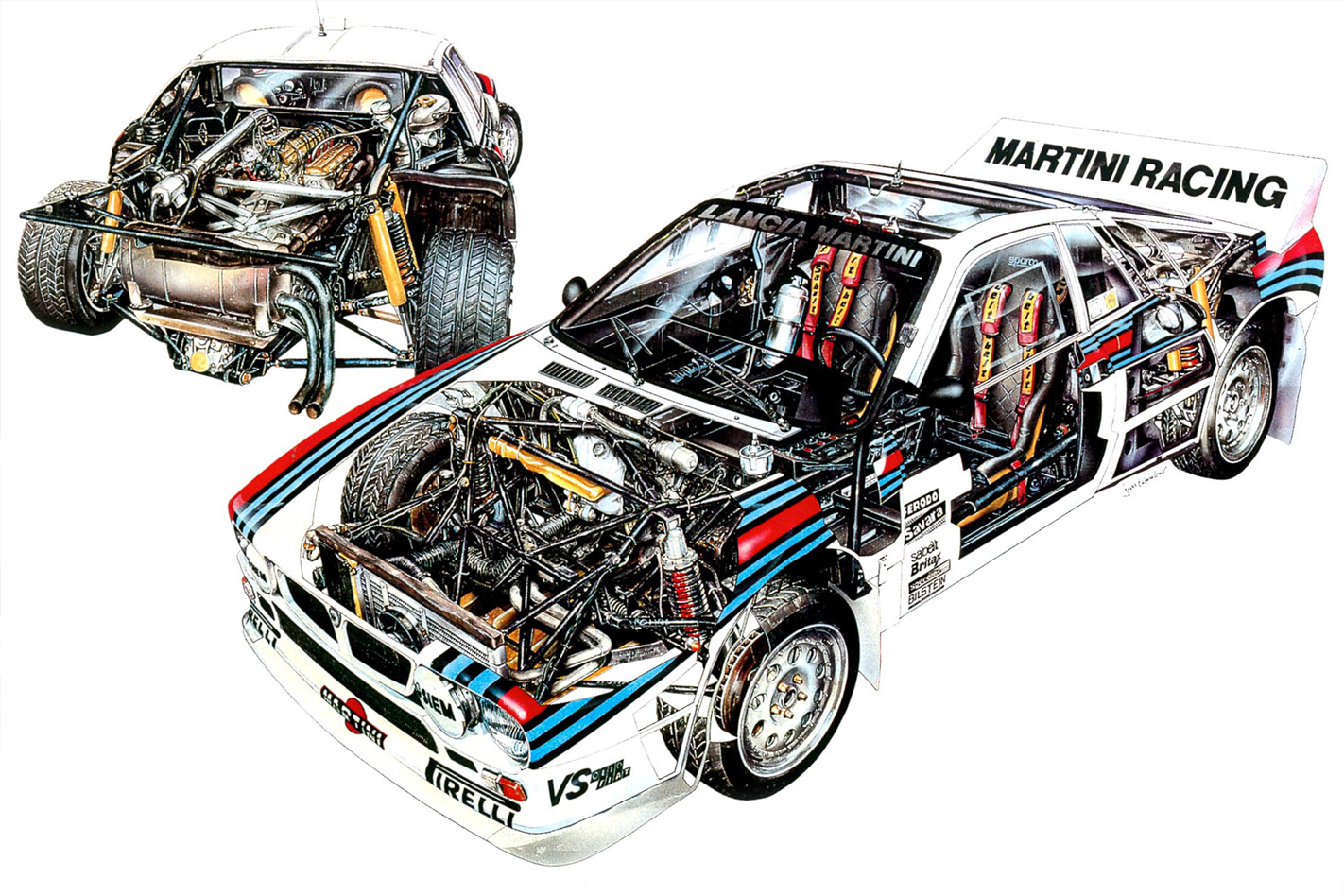
The 037 will live on in legend for its titanic battle with the all-paw Quattros
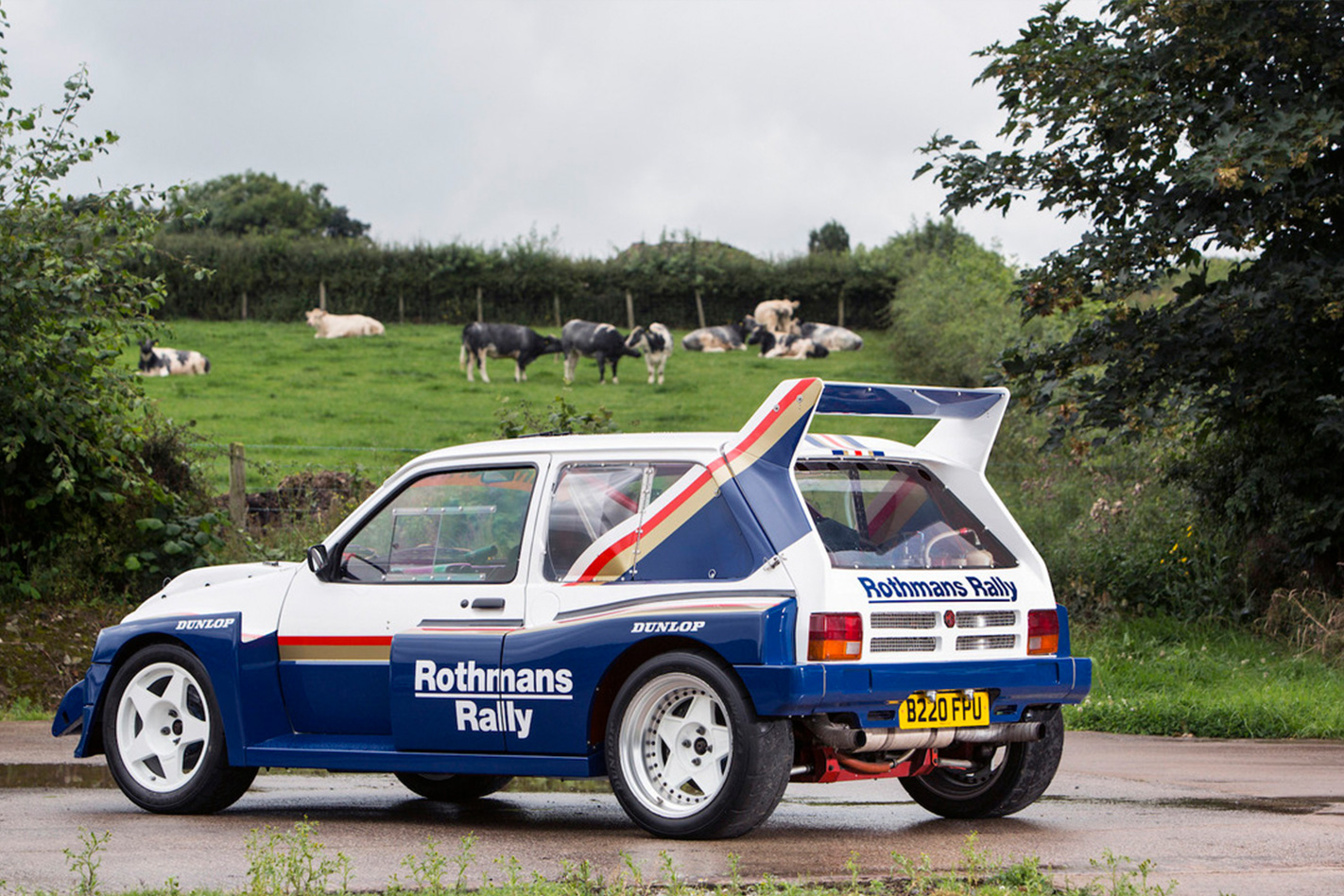
MG Metro 6R4
Where many of the cars on this list started life as, or quickly bore, road going cars, the MG Metro 6R4 Group B car bent the rulebooks in relation to homologation.
While technically based on the road going Metro, the 6R4 shared little other than a badge with the little city car.
A three-litre V6 engine was mounted back to front in the rear of the car, with permanent four-wheel drive.
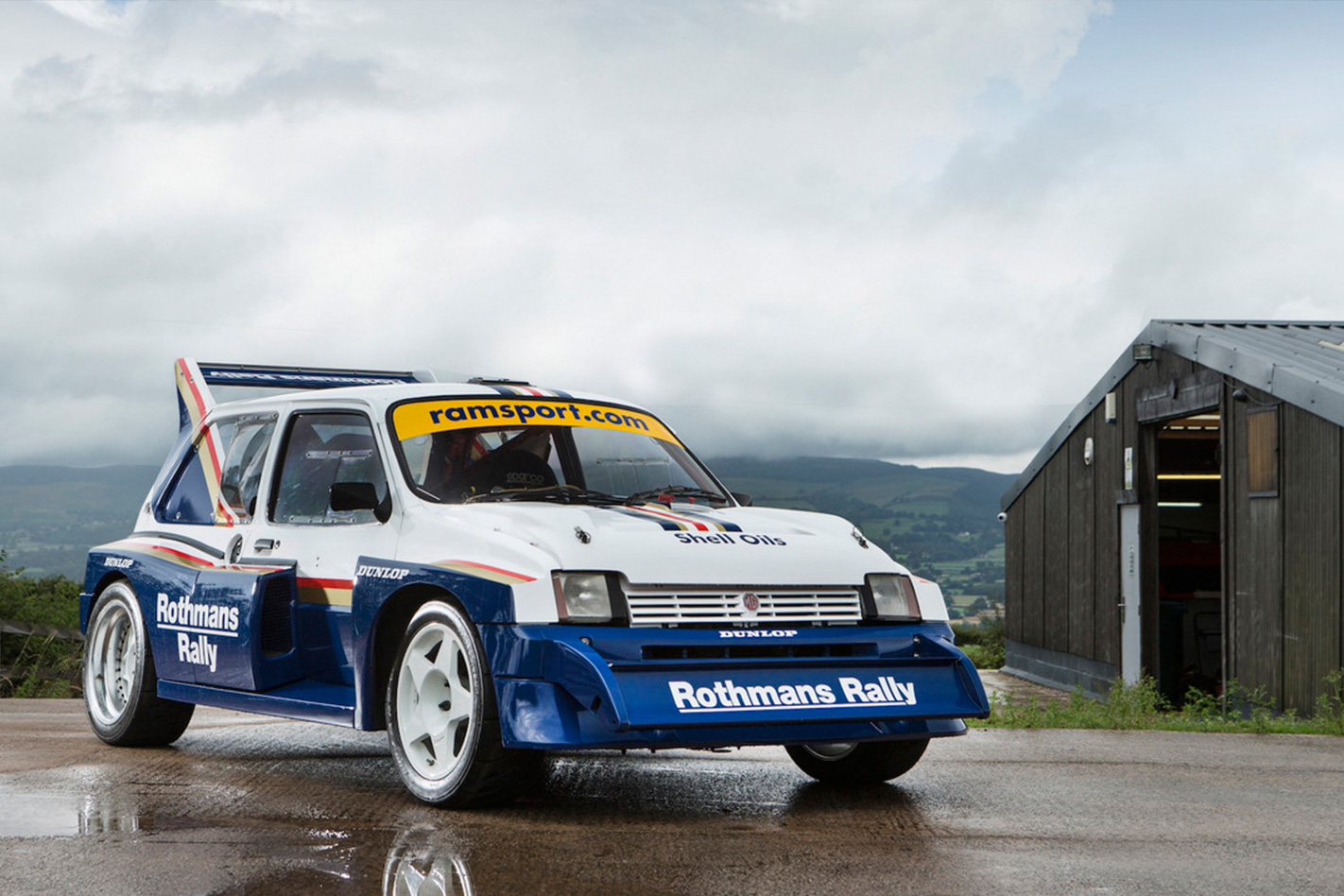
The all-wheel drive system’s packaging was incredibly complex and unique due to the car’s compact stature, with one of the rear driveshafts actually running through the engine sump.
While it finished third on debut in 1985, the 6R4 failed for finish a single rally in ’86, the final year of Group B.
Porsche 959
Although the Porsche 959 never competed in Group B as part of the World Rally Championship, the iconic ‘80s supercar is intrinsically linked to the category.
Porsche earmarked the regulations as the perfect place to develop the next generation of technology for its road cars, and initiated a program to bring the 959 to life through competition.
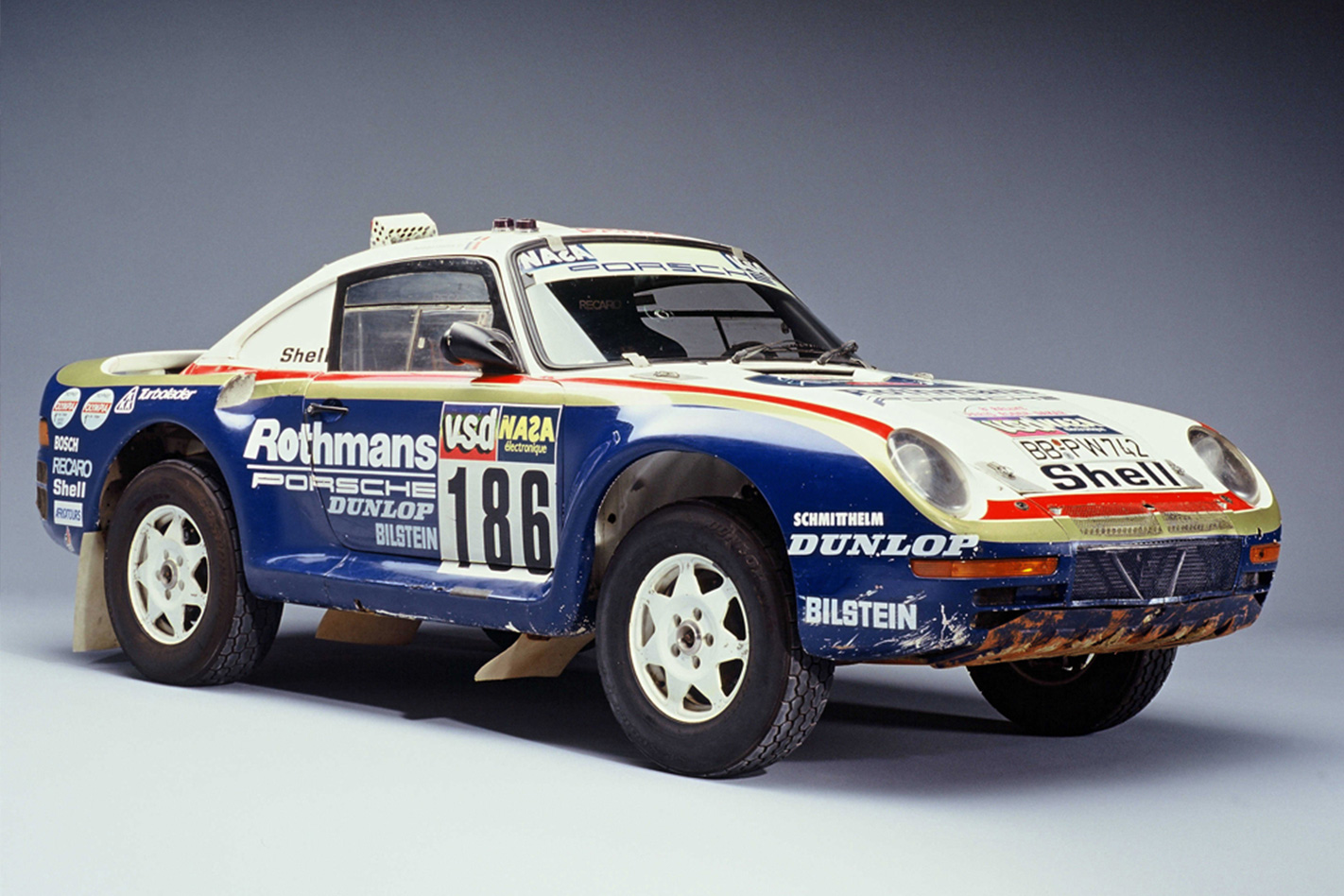
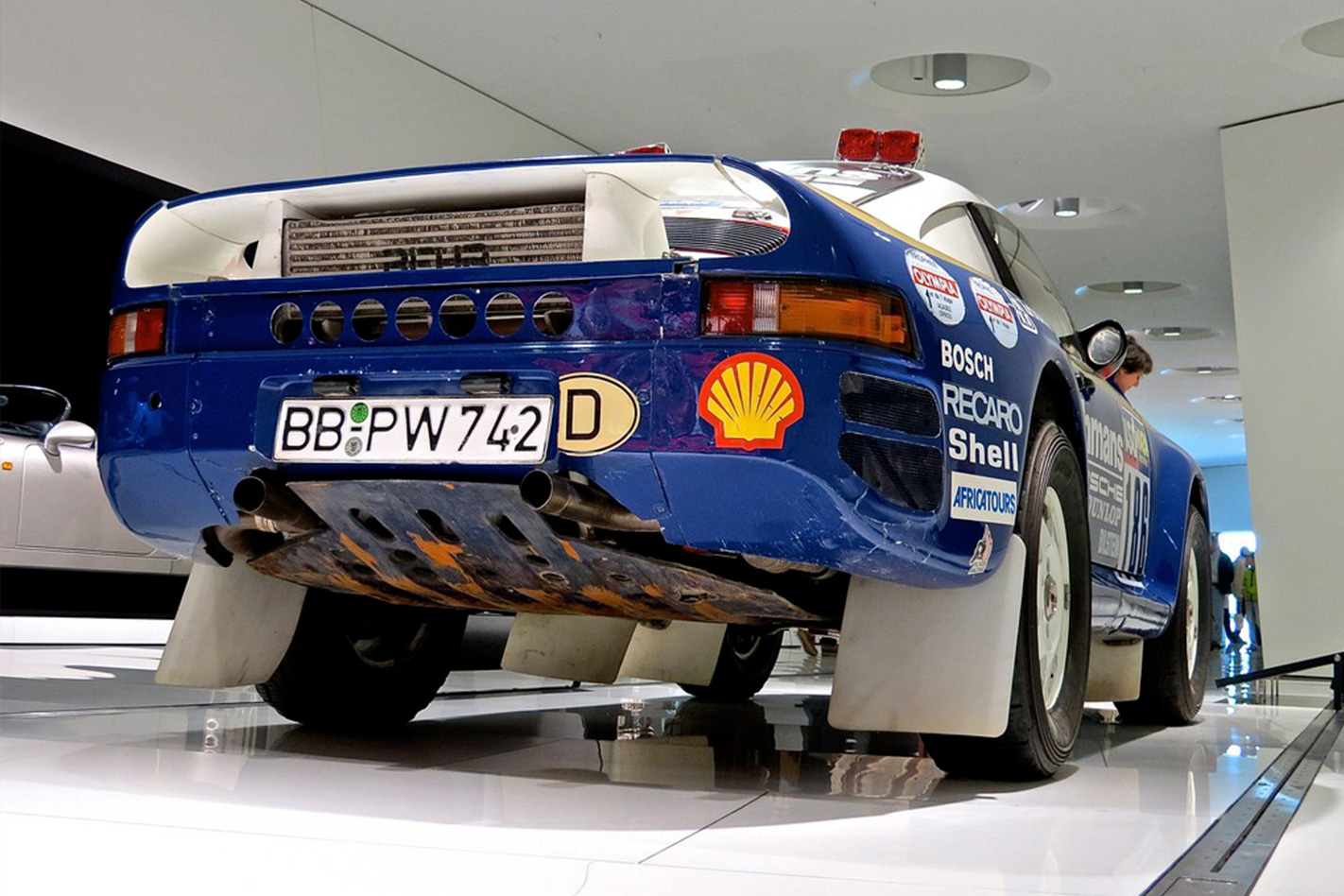
The solution? Take a 911, and modify it to 959 specification. While the franken-Porsches never competed on rally stages as a part of Group B, they competed in and won the Paris-Dakar Rally Raid.
A full assault on the World Rally Championship was ruled out due to the costs of completing a full season, and the imminent death of the category, but we can only imagine what it would have been like to see one of Porsche’s finest road cars taking to the world’s rally stages.
Carmakers like to get buyers excited whenever something different is introduced to the showroom.
But sometimes the word “new” doesn’t mean that what you’re buying is a complete makeover and, as the word would suggest, genuinely new.
Volkswagen is one carmaker to acknowledge this. The latest version of its Golf small car goes on sale this month, and instead of replacing the “mark seven” version of the small hatch and wagon with the “Mk 8”, VW has instead opted to call it the “Mk 7.5” in recognition that underneath, it’s the same car as before, but improved.
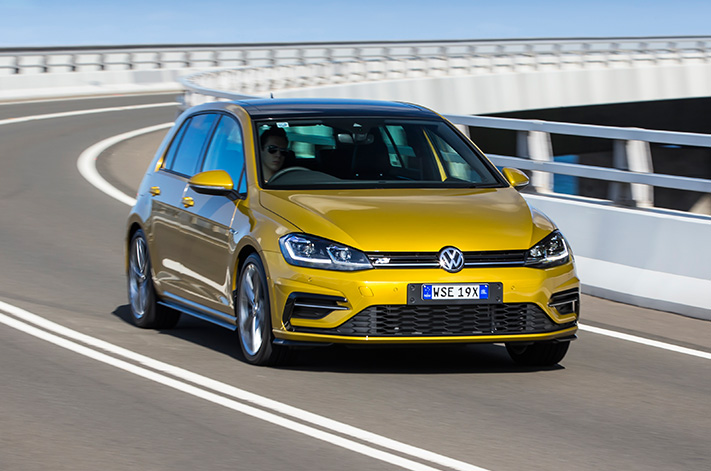
Building a new-look car on top of the old one is colloquially known as a “top hat”. It allows carmakers to give their products a fresh look in the eyes of buyers without having to make the huge investment – estimated to be about $4 billion – to develop a new model from the ground up.
Cars generally last for about seven years before they make a generational leap to an all-new platform. Smaller changes happen more regularly. Some brands will look at their products at least twice a year, adjusting prices as the Australian dollar falls and rises, adding or deleting equipment, and tweaking with the looks.
Beyond these small changes, most car makers will give models a “mid-life update” halfway through their life cycle (after they’ve been on sale for three or four years) with heftier styling and equipment additions and sometimes new engines.
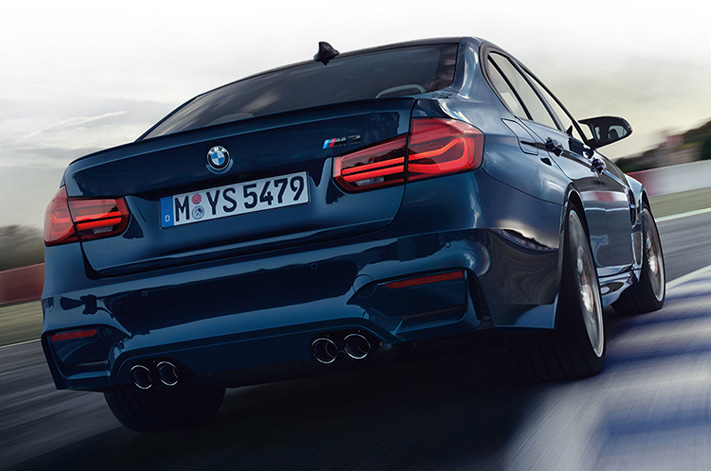
BMW has turned its regular product tweaks into a marketing exercise, labelling them as “life cycle impulses” – much more attractive than calling them what they really are: midlife product tweaks.
But when is new really new?
A strong example of a textbook generational leap is the 2013 Nissan Pathfinder, a large seven-seat SUV that sells against the likes of the Toyota Kluger, Skoda Kodiaq and Ford Everest.
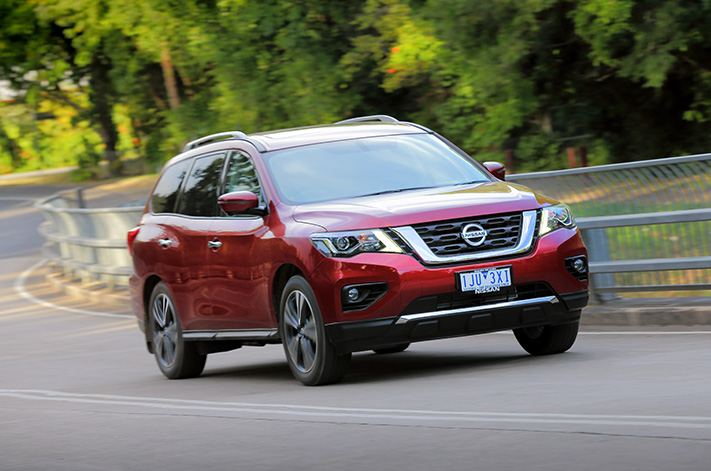
In its previous generation, the Pathfinder was a trade ute with a boot, built on a separate, truck-like ladder-frame chassis borrowed from the Navara. As part of its makeover, it abandoned the ladder-frame chassis for a more passenger car-like monocoque, a move that clearly marked it out as something new.
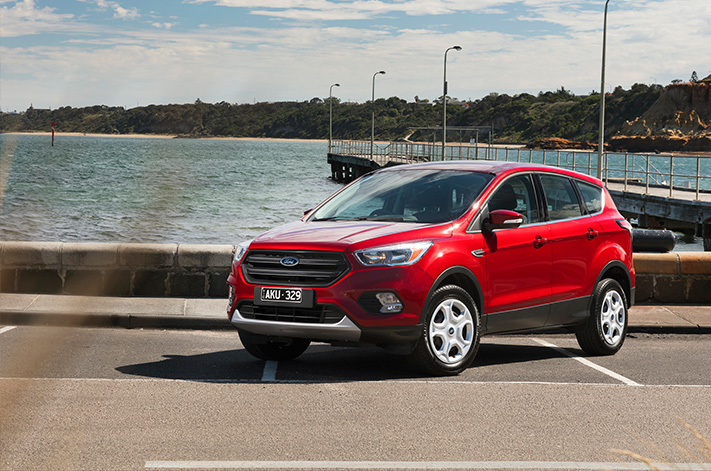
But compare that with something like the 2016 Ford Escape, a model that a couple of years ago didn’t even exist. Don’t be fooled by the newness of the name; the Escape is a rebadged and re-nosed Ford Kuga, a model that first went on sale in 2012. Ford doesn’t market the Escape as a new car, but in an unwary buyers’ eyes it could be.
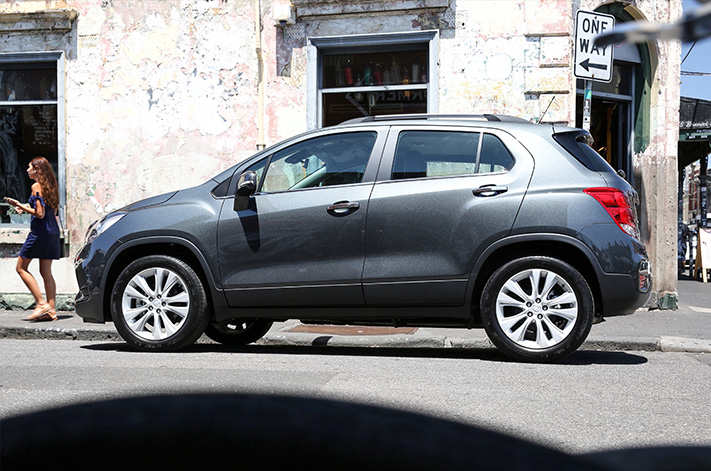
Then there’s Holden’s marketing for the “new” Holden Trax. The small SUV received a cosmetic makeover at the start of 2017, as well as some tweaks to its infotainment unit and showroom model mix, but scratch the surface and the “new” car is much the same as the old one.
Holden was contacted for comment.
Australia’s consumer watchdog, the Australian Competition and Consumer Commission, says under Australian consumer law, businesses are not allowed to make statements that are “incorrect or likely to create a false impression”.
“It makes no difference whether the business intended to mislead a consumer or not,” an ACCC spokesman told WhichCar.
“If the overall impression left by a business’s advertisement, promotion, statement or other representation creates a misleading impression then the behaviour is likely to breach the law,” he said.
“Car dealerships should therefore carefully consider the terms used in their promotions and disclose all relevant information to consumers that may influence their decision to purchase a vehicle – including, for example, if a car is a new model or an upgraded version of an existing model.”
Forza Motorsport has been hailed by many (though not all) as the best racing sim you can reasonably buy.
Praise like this has made it successful enough that expectations are high, and the next iteration, Motorsport 7, looks like it’ll deliver.
With cars ranging from the Aston Martin Vulcan to the 1966 Ford-Lotus Cortina, there’s going to be a bit of something for everyone. Except, for now, Aussies who want to see home grown cars on their favourite tracks.
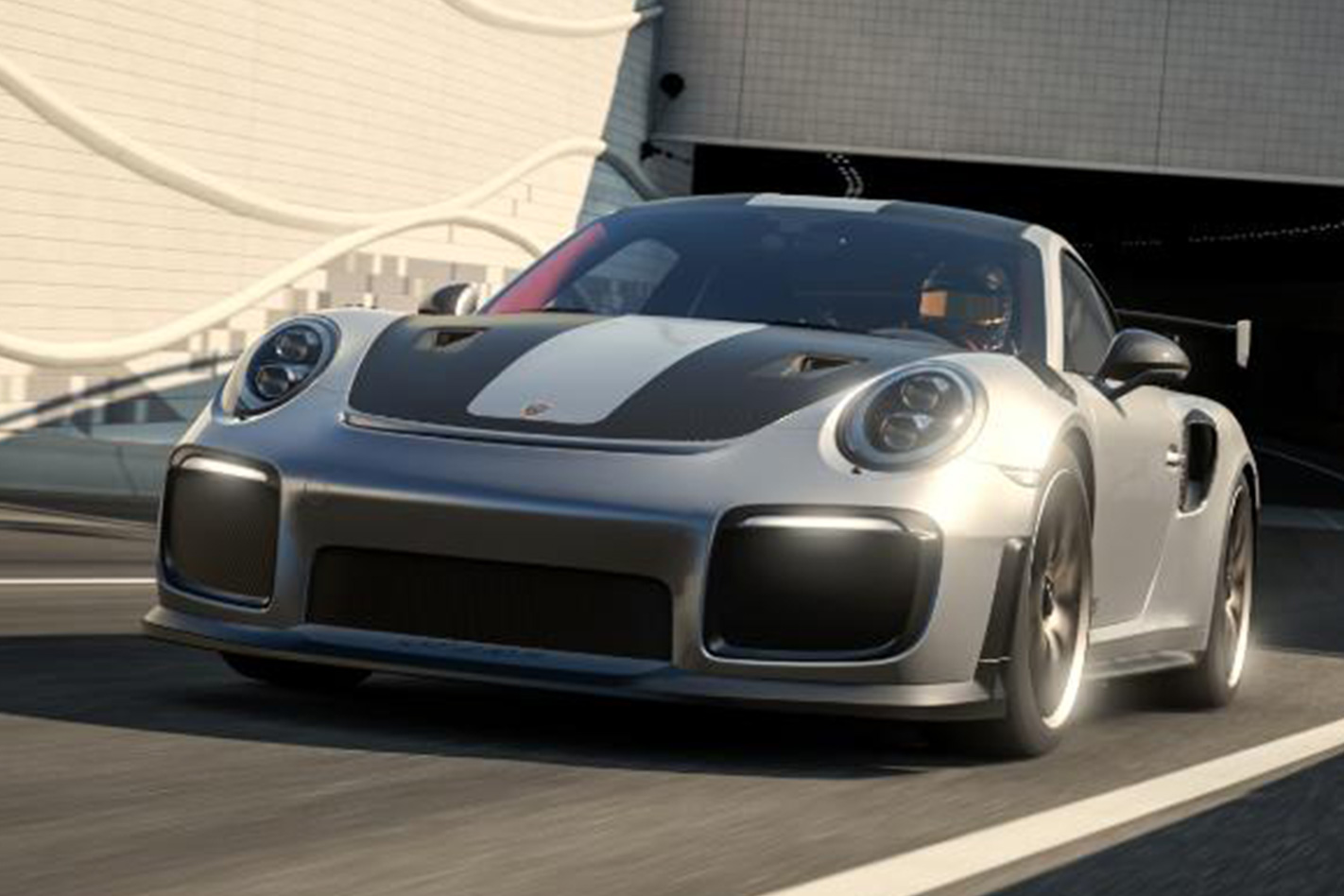
In true Forza style, there was no official announcement of press release to reveal these cars.
Instead, Forza’s Twitter account pointed to an Autoblog article and said the first 167 cars due to appear in the game have been revealed.
Plenty of race cars feature, too, with Senna’s McLaren MP4/4 and the Porsche Team 919 Hybrid making appearances. There’s even a KTM X-Bow.
To make it easier to find a certain car in the list below (use ctrl+f):
2013 Ariel Atom 500 V8
1958 Aston Martin DBR1
1960 Aston Martin DB4GT Zagato
1964 Aston Martin DB5
1977 Aston Martin V8 Vantage
1998 Aston Martin V8 Vantage V600
2006 Aston Martin #007 Aston Martin Racing DBR9
2010 Aston Martin One-77
2012 Aston Martin V12 Zagato
2012 Aston Martin Vanquish
2013 Aston Martin V12 Vantage S
2016 Aston Martin Vantage GT12
2016 Aston Martin Vulcan
2014 BAC Mono
1992 Bugatti EB110 Super Sport
2011 Bugatti Veyron Super Sport
2013 Donkervoort D8 GTO
1948 Ferrari 166MM Barchetta
1952 Ferrari 375
1953 Ferrari 500 Mondial
1957 Ferrari 250 California
1957 Ferrari 250 Testa Rossa
1962 Ferrari 250 GT Berlinetta Lusso
1962 Ferrari 250 GTO
1963 Ferrari 250LM
1964 Ferrari F-158 F1
1967 Ferrari #24 Ferrari Spa 330 P4
1968 Ferrari 365 GTB/4
1969 Ferrari Dino 246 GT
1971 Ferrari #2 Ferrari Automobili 312 P
1976 Ferrari #1 Scuderia Ferrari 312T2
1982 Ferrari #71 Ferrari France 512 BB/LM
1982 Ferrari #72 N.A.R.T. 512 BB/LM
1984 Ferrari 288 GTO
1987 Ferrari F40
1989 Ferrari F40 Competizione
1990 Ferrari #1 Scuderia Ferrari 641
1992 Ferrari 512 TR
1994 Ferrari F355 Berlinetta
1995 Ferrari F50
1996 Ferrari F50 GT
1998 Ferrari #12 Risi Competizione F333 SP
1998 Ferrari #30 MOMO Doran Racing F333 SP
2002 Ferrari 575M Maranello
2002 Ferrari Enzo Ferrari
2003 Ferrari 360 Challenge Stradale
2004 Ferrari 612 Scaglietti
2007 Ferrari 430 Scuderia
2008 Ferrari California
2009 Ferrari 458 Italia
2010 Ferrari 599 GTO
2010 Ferrari 599XX
2011 Ferrari #62 Risi Competizione 458 Italia GTC
2011 Ferrari FF
2012 Ferrari F12berlinetta
2013 Ferrari LaFerrari
2014 Ferrari #51 AF Corse 458 Italia GTE
2014 Ferrari #62 Risi Competizione 458 Italia GTLM
2014 Ferrari FXX K
2015 Ferrari F12tdf
2012 Hennessey Venom GT
2011 Koenigsegg Agera
2013 KTM X-Bow R
1967 Lamborghini Miura P400
1986 Lamborghini LM 002
1988 Lamborghini Countach LP5000 QV
1988 Lamborghini Jalpa
1997 Lamborghini Diablo SV
2008 Lamborghini Reventón
2010 Lamborghini Murciélago LP 670-4 SV
2011 Lamborghini Gallardo LP 570-4 Superleggera
2011 Lamborghini Sesto Elemento
2012 Lamborghini Aventador LP700-4
2013 Lamborghini Veneno
2014 Lamborghini #14 GMG Racing LP 570-4 Super Trofeo
2014 Lamborghini #18 DragonSpeed Gallardo LP 570-4 Super Trofeo
2014 Lamborghini Huracán LP 610-4
2014 Lamborghini Urus
2015 Lamborghini #63 Squadra Corse Huracán LP620-2 Super Trofeo
2016 Lamborghini Aventador LP750-4 SV
2016 Lamborghini Centenario LP 770-4
1956 Lotus Eleven
1966 Ford Lotus Cortina
1967 Lotus Type 49
1971 Lotus Elan Sprint
1976 Lotus #5 Team Lotus 77
1990 Vauxhall Lotus Carlton
1999 Lotus Elise Series 1 Sport 190
2000 Lotus 340R
2002 Lotus Esprit V8
2005 Lotus Elise 111S
2009 Lotus 2-Eleven
2011 Lotus Evora S
2012 Lotus Exige S
1939 Maserati 8CTF
1953 Maserati A6GCS/53 Pininfarina Berlinetta
1957 Maserati 300 S
1961 Maserati Tipo 61 Birdcage
1997 Maserati Ghibli Cup
2004 Maserati MC12
2010 Maserati Gran Turismo S
2014 Maserati #35 M.Calamia Swiss Team MC Trofeo
2014 Maserati Ghibli S Q4
1966 McLaren M2B
1969 McLaren #4 McLaren Cars M8B
1976 McLaren #11 Team McLaren M23
1988 McLaren #12 Honda McLaren MP4/4
1993 McLaren F1
1997 McLaren F1 GT
2011 McLaren #59 McLaren GT 12C GT3
2011 McLaren 12C
2013 McLaren P1
2014 McLaren #60 Bhaitech 12C GT3
2015 McLaren 570S Coupé
2010 Noble M600
2009 Pagani Zonda Cinque Roadster
2010 Pagani Zonda R
2012 Pagani Huayra
1955 Porsche 550A Spyder
1957 Porsche 356A Speedster
1960 Porsche 718 RS 60
1970 Porsche 914/6
1973 Porsche 911 Carrera RS
1982 Porsche 911 Turbo 3.3
1987 Porsche #17 Porsche AG 962C
1987 Porsche #17 Porsche Dunlop 962C
1987 Porsche 959
1989 Porsche 944 Turbo
1993 Porsche 928 GTS
1995 Porsche 911 GT2
1998 Porsche 911 GT1 Strassenversion
2003 Porsche Carrera GT
2004 Porsche 911 GT3 (996)
2008 Porsche #7 Penske Racing RS Spyder Evo
2011 Porsche #45 Flying Lizard 911 GT3-RSR
2012 Porsche 911 GT2 RS
2012 Porsche 911 GT3 RS 4.0
2012 Porsche Cayenne Turbo
2014 Porsche 918 Spyder
2015 Porsche #19 Porsche Team 919 Hybrid
2017 Porsche #1 Porsche Team 919 Hybrid
2011 Radical SR8 RX
2015 Radical RXC Turbo
2004 Saleen S7
2016 Spania GTA GTA Spano
2005 TVR Sagaris
2015 Ultima Evolution Coupe 1020
2016 W Motors Lykan HyperSport
2016 Zenvo TS1
Kia has a revealed a subtle mid-life facelift for its award-winning Sorento seven-seat SUV which brings upscale looks, updated infotainment, and a new eight-speed automatic transmission.
Most of the exterior changes are found at the front with the fitment of modified LED headlights with a daytime running light strip and new-look ‘ice-cube’ fog lights mounted deeper within a redesigned bumper. The Tiger grille now sports some extra chrome to give it a slightly more pronounced smile.
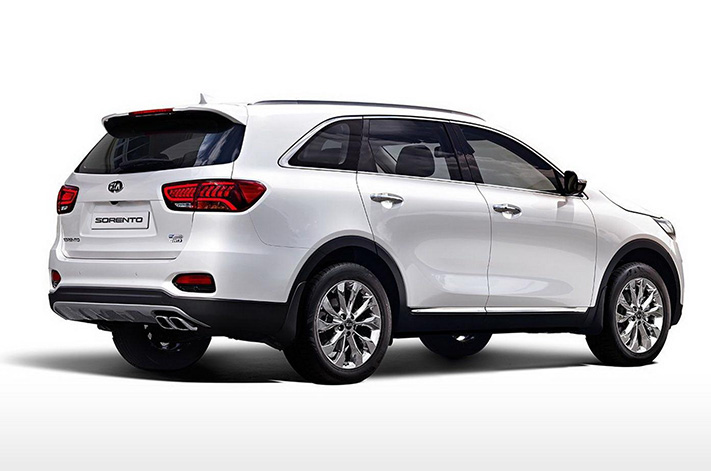
The rear also gets new-look LED tail lights and a remodelled rear bumper that incorporates twin square tailpipes.
New 19-inch alloy wheel designs help to complete the new look.
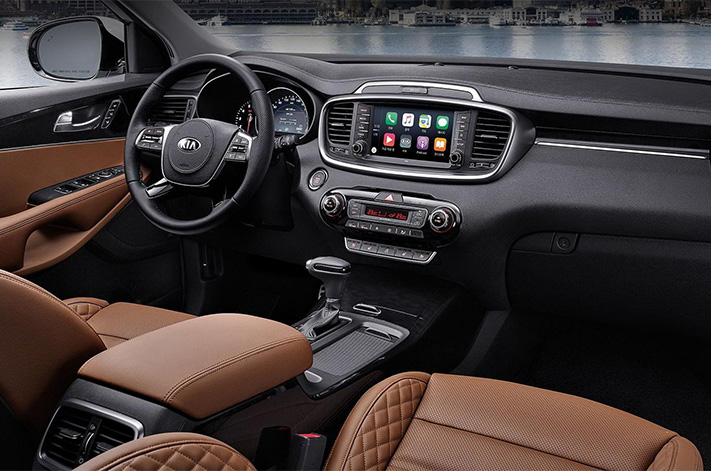
The interior looks somewhat more premium with upper-spec models gaining quilted leather upholstery. The 7-inch touchscreen is the same but now comes with Apple CarPlay and Android Auto, which were first introduced in the all-new Kia Rio. It also has wireless charging for Android phones.
Australia-bound models are expected to carry over the 2.2-litre four-cylinder turbo diesel and 3.3-litre V6 petrol engines from the existing model, but paired with an eight-speed automatic transmission that will replace the current six-speed gearbox.
Kia says the extra two gears will help provide greater fuel efficiency, improved acceleration, and reduced noise and vibration for a more comfortable ride.
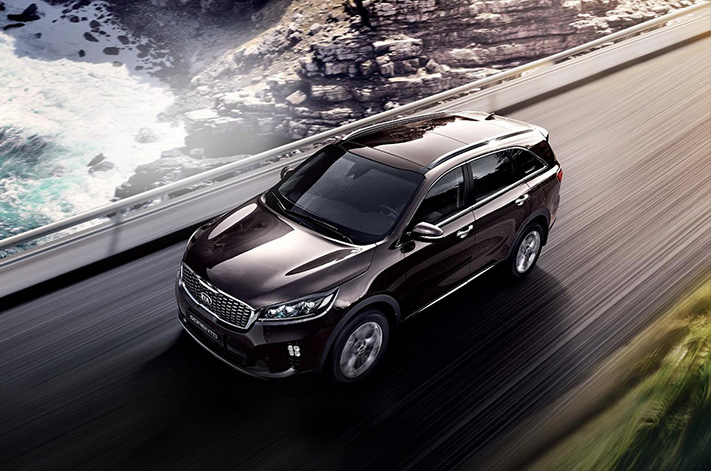
The updated Kia Sorento is expected in Australia towards the end of this year with local specifications and prices to be announced closer to launch.
Kia Australia is quietly hoping the facelift will help boost Sorento sales, which at this point isn’t reflective of its excellent reputation that was built from a swathe of industry awards. By the end of June it was the ninth in its class in terms of sales, finishing behind the likes of the Toyota Prado, Subaru Outback, Holden Captiva, Mazda CX-5, and Hyundai Santa Fe.
HOLDEN this week confirmed the SS badge will die along with local Commodore production.
It will be replaced by a VXR badge for the sportiest offering in the next-gen, Opel-sourced Commodore range.
This got us at Wheels HQ thinking about the 35 years’ worth of SS-badged Commodores since 1982, and exactly which of the 13 generations since then wore it best.
Every Commodore line-up from the VH onwards has had an SS version in it – sometimes with multiple editions – whether they were limited run or full scale, permanent inclusions.
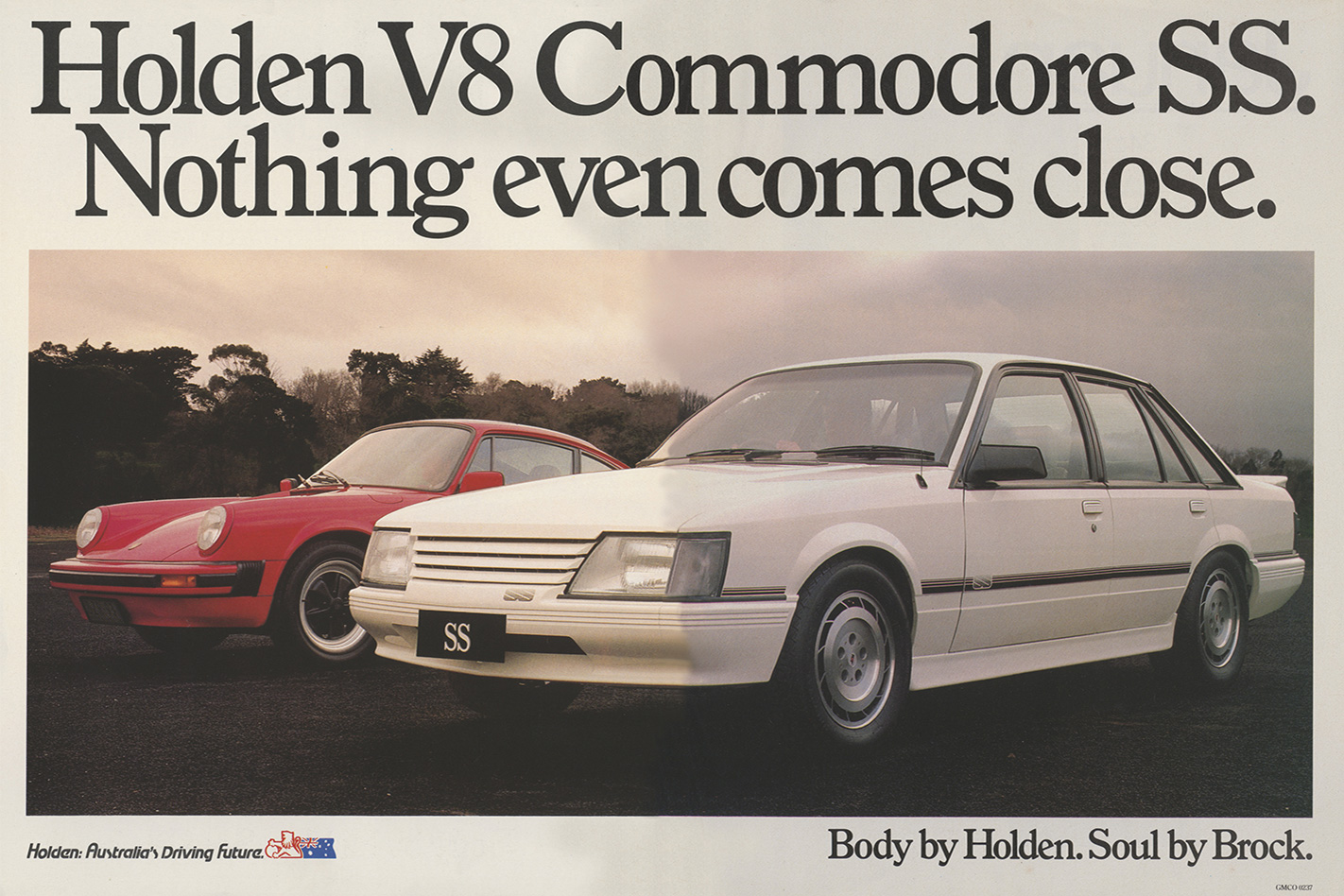
Holden’s history with the SS badge isn’t exclusive to the Commodore, but that is another article altogether. Head over there for a brief rundown of the SS story that might help you with your vote.
When you’re ready, cast your vote below, and let us know which generation of Holden Commodore SS you think was the best.
