
Mercedes-Benz has announced pricing and specification for the GLC63 S 4MATIC+, with the first V8-powered mid-size SUV from the company set to go on sale with a $164,900 starting price in SUV form.
Opting for the coupe variant will add a premium of $7000, and deliveries for both bodystyles are expected to commence by the end of the year.
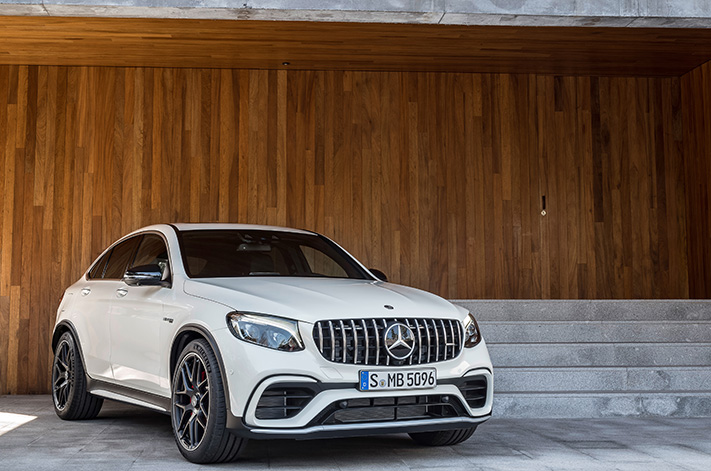
Powered by AMG’s proven 4.0-litre twin-turbocharged V8, both wagon and coupe bodystyles will thump out 375kW and 700Nm and launch to 0-100km/h in just 3.8 seconds – blistering pace for an SUV – before thundering on to an electronically limited top speed of 270km/h.
Power is sent to all four wheels through a nine-speed automatic transmission which has received an AMG-specific calibration.
The GLC63 S comes with a big list of other performance upgrades, including:
- AMG air suspension
- Electronic rear limited-slip differential
- Performance exhaust system
- AMG Dynamic Select with five drive programs
- AMG Performance 4MATIC+ all-wheel drive system

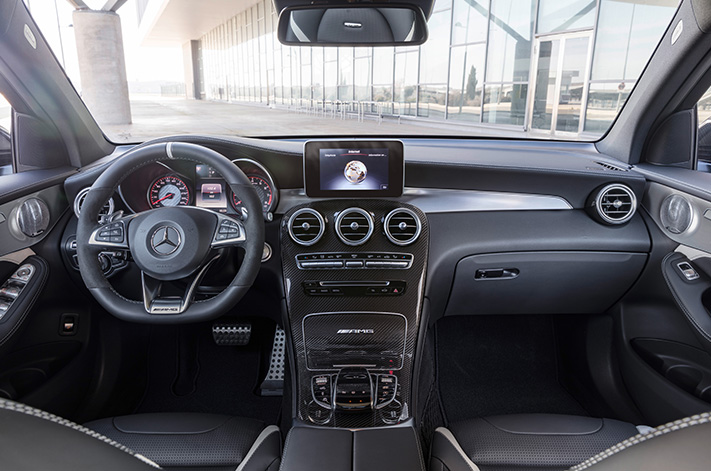
The racing theme is continued on the interior and exterior, with the GLC63 S kitted out with:
- Leather-appointed AMG bucket seats
- AMG instrument cluster featuring a lap timer
- Performance steering wheel trimmed in black nappa leather and Dinamica microfibre
- Front splitter and rear lip spoiler
- Wider wheel arch cladding
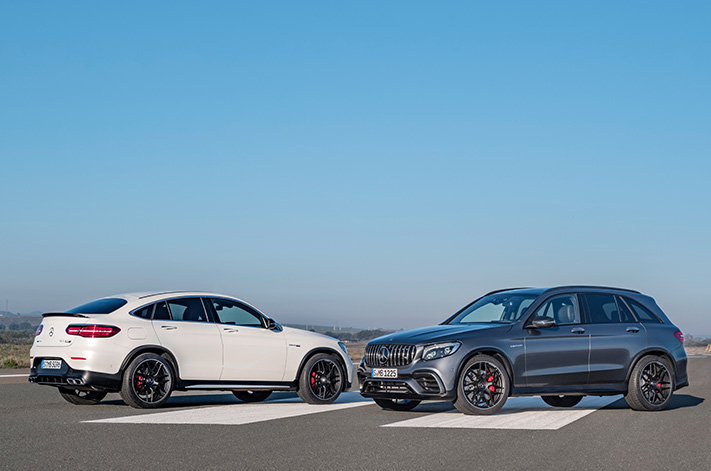
On launch, a limited-run Edition 1 variant will also be available at a $10,900 premium over standard models. This version will come with numerous visual enhancements which include:
- Selenite Magno paintwork with yellow striping
- 21-inch AMG black alloy wheels with yellow rim flange
- AMG aerodynamics package
- Carbon fibre interior trim
- Yellow stitching for the seats, dashboard, and door trims
- Carbon ceramic brakes as standard
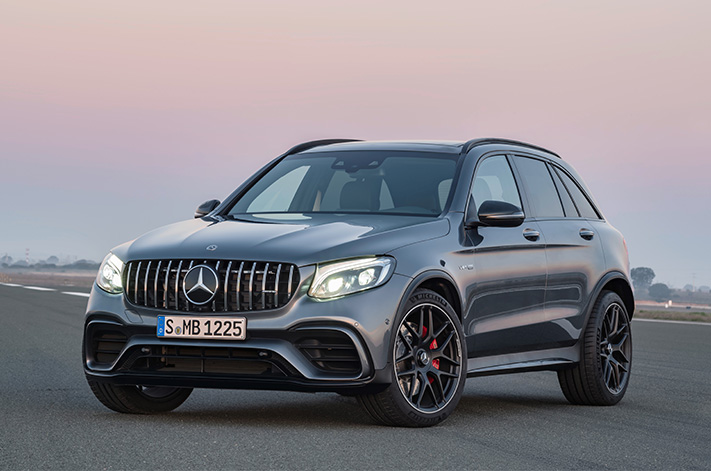
Mercedes-Benz is claiming the GLC63 S to be Australia’s fastest SUV, which numbers suggest to be almost true.
While the GLC63’s 3.8 second 0-100km/h time thrashes the Porsche Macan Turbo’s 4.8 second sprint, it is still trumped by the much more expensive, all-electric Tesla Model X P100D.
Although the GLC63 is faster than the Macan Turbo, it is more expensive. A huge $30,000 more is the amount you’ll need to step up into the AMG from the Porsche.
There are other competitors on the way though, with BMW’s upcoming X3 M set to give the GLC63 a run for its money.
PRICING
GLC63 S SUV – $164,900 GLC63 S Coupe – $171,900 GLC63 S Edition 1 SUV – $175,800 GLC63 S Edition 1 Coupe – $182,800
Note: This pricing includes GST and Luxury Car Tax, but excludes dealer delivery charges and on road costs. Drive away pricing can be obtained from dealers.
UNTIL recently Porsche refused to acknowledge any research and development efforts relating to a possible GT2 RS return, even though the internet was awash with spy pictures and hearsay about a hi-po 911 poised to take over the mantle of most powerful road-going 911.
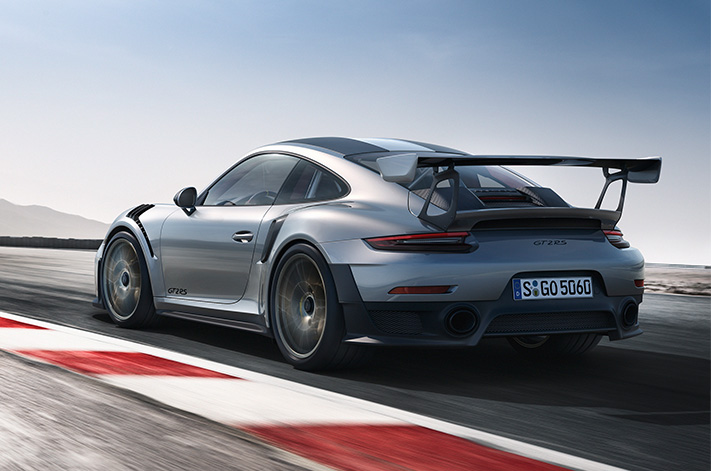
Now we know for sure what the team from Weissach has been up to, and the 2018 Porsche 991.2 911 GT2 RS lives up to the hype. Here’s the Wheels GT2 RS cheat sheet, with a rundown of the headline numbers and some nerdy pub ammo for good measure.
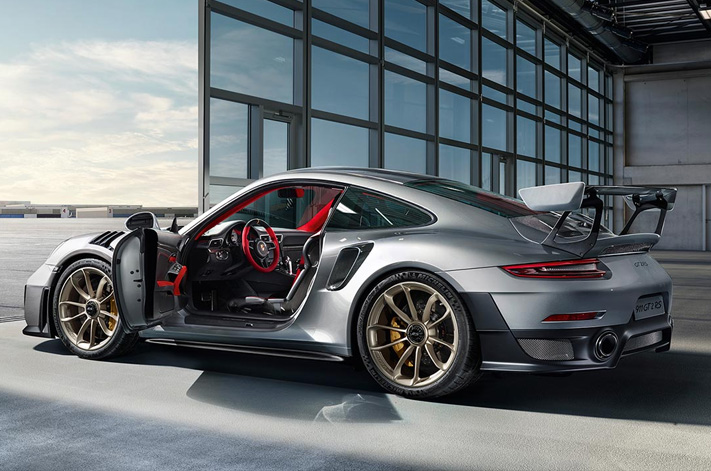
– Internally, Porsche’s Motorsport division refers to the GT2 RS as ‘King Kong’.
– It is the quickest and the fastest street-legal 911 ever. 0-100km/h takes just 2.8 seconds despite being rear-wheel drive only, and even with that huge, drag-inducing rear wing, the top speed is 340km/h, which matches the 918 Spyder hypercar. The all-wheel-drive 911 Turbo S clocks 0-100km/h in 2.9 seconds.
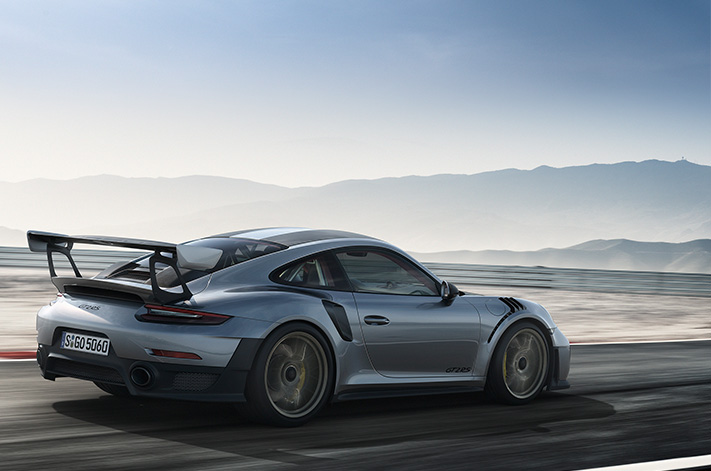
– A seven-speed PDK dual-clutch gearbox is the only transmission available.
– Foot to the floor and with enough road in front, the GT2 RS will climb from zero to 300km/h in 21 seconds, according to Porsche Motorsport boss Andreas Preuninger. He told Drive, “It’s wild because it’s a lot faster than the 997 GT2 RS. That car was about 29 seconds 0-300km/h.”
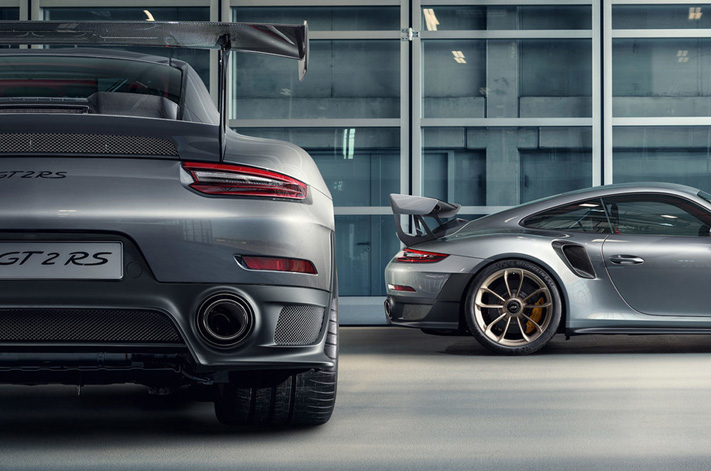
– The GT2 RS uses a ‘racing chassis’ that’s related to 911 GT3 Cup cars. It weighs 1470kg ready to go with a full tank of petrol, and has rear-wheel steering as standard for greater cornering speeds.
– To keep weight down, Porsche has used titanium for the exhaust system, magnesium for the roof, and carbonfibre for the bonnet, front guards, air intakes, mirror shells, parts of the rear end and lots of the interior trim.
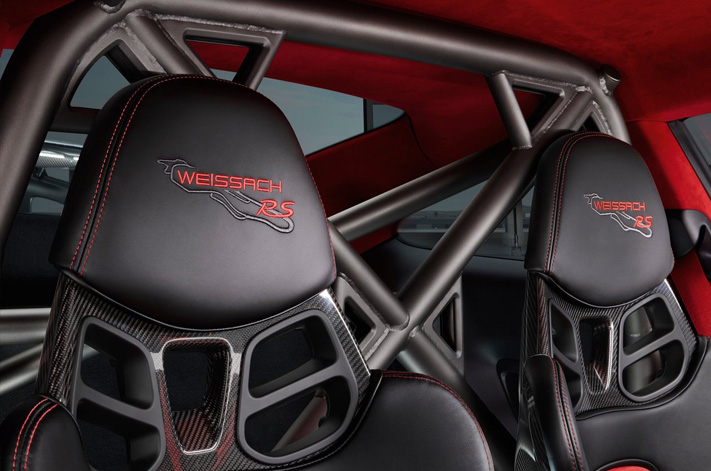
– The GT2 RS has unusual weight distribution of 39:61 front to rear. Various wings and aerofoils festooning the body can generate up to 350kg of grip-enhancing downforce to help balance it out.
– Its rear windscreen and side glass are made from the same stuff as your phone screen, which gives it toughness and optical clarity that other polycarbonate can’t match, while still being lighter than conventional glass.
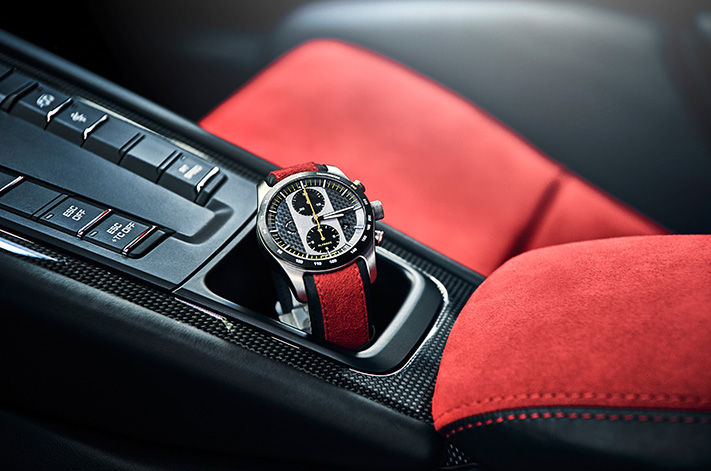
– Mark Webber was involved in GT2 RS development, including time behind the wheel at the Nurburgring Nordschleife. He has an order for a production version, which will go nicely with the 997 GT2 RS he bought new, well before he was on staff at Porsche.
– Production starts in November 2017, but it’s unclear how many examples of the GT2 RS will be built in total. The number will not be strictly limited, instead determined by production capacity. Porsche says it will build them for about one year, and expects slightly more than 1000 to be completed.
– In Australia, the GT2 RS will cost almost double the price of a 911 GT3. The first cars are due here in early 2018 with a list price of $645,400.
Most 4x4s and ute customers are generally buying the popular trucks for a reason: they’ve got work to do, and it is highly likely that towing is something that will be on the agenda for a new workhorse. Towing capacity, therefore, is often critical.
A majority of so-called one-tonne utes on the market offer an official figure about the 3500kg mark but this number only tells part of the story.
The ute you’re looking at might be rated to tow this much weight on paper, but the way different utes handle these loads can differ greatly in reality.
How do the big players stack up when it comes to towing?
Late last year, our friends at 4×4 Australia conducted payload and towing tests on seven of the best-selling automatic dual-cab utes in the country.
The exhaustive testing ranked the seven contenders of competence for towing the maximum weight and carrying a heavy payload in the tray. Here’s how they did:
- Ford Ranger
- Holden Colorado & Mazda BT-50 (tie)
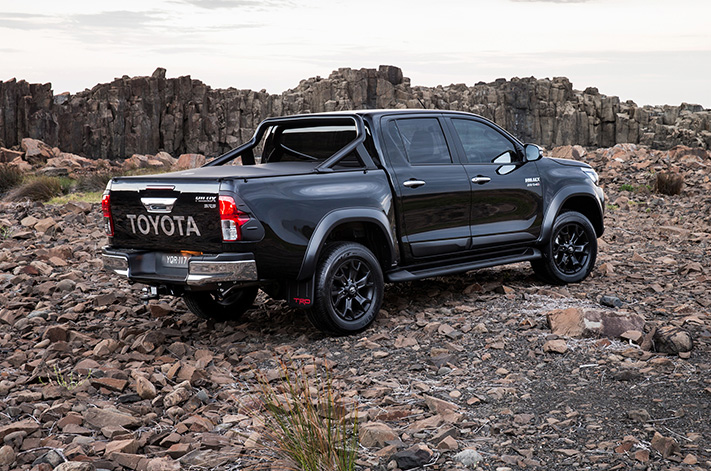
- Toyota Hilux
- Isuzu D-Max (previous model) & Mitsubishi Triton (tie)
- Nissan Navara (previous model)
What can affect towing capacity?
Several factors played a role in how the utes were scored and what affected their respective towing abilities.
Suspension is something that has a vital role in keeping things under control. A significant weight – either towed behind or in the tray – is inevitably going to compress the rear suspension.
Leaf springs help minimise this effect – the Ranger’s rear suspension only dropped 60mm with 800kg in the tray, while the coil-sprung rear end of the Nissan Navara squatted by 100mm in the same test.
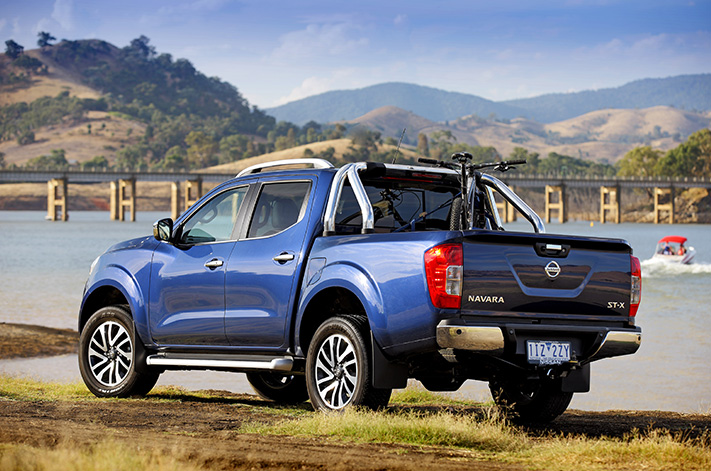
It is worth noting that Nissan has made some changes to the Navara since this test was conducted to address some of the issues it exemplified during these tests and that sub-dual cab versions are equipped with leaf spring rear ends.
The engine’s torque also plays a role here. As the turbo diesel engines commonly fitted to utes produce a lot of torque, it is possible to tow heavy loads low in the rev range.
| Ford Ranger vs Holden Colorado vs Mazda BT50: Which dual cab ute should I buy?
The more torque an engine produces, the less strained it will feel, with higher displacement or twin-turbocharged engines likely to excel here.
Transmissions also play an important part of the puzzle as it affects multiple elements of the towing process.
The gearing of the transmission is important for keeping the engine in its peak torque range when working hard but taller gearing is an advantage at freeway speeds.
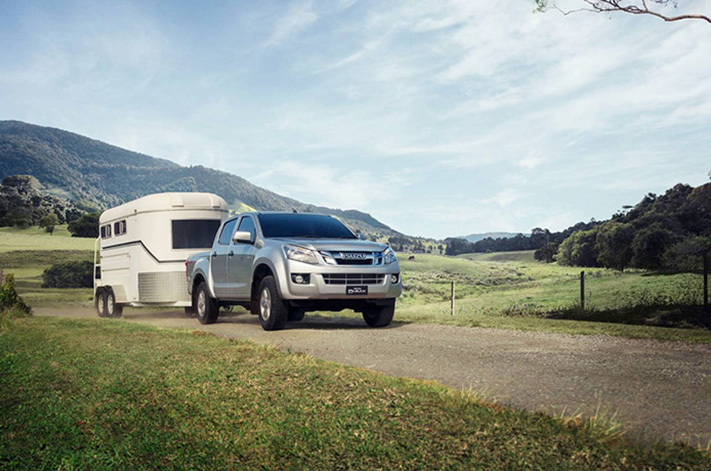
Selectable gears or shift locks are an advantage with automatic transmissions for preventing upshifts when more engine revs are required for towing on steep hills, for example.
Transmission choice can also affect the towing capacity of your ute in some instances. One of the utes 4×4 Australia tested, the Toyota Hilux, is rated for 3500kg with the standard manual gearbox, but this number drops to 3200kg with the optional auto.
What does this mean in the real world?
If you are one of the people who are rarely going to tow more than a box trailer behind your ute, the majority of this doesn’t really apply to you.
However, if you are likely to be towing something much heavier – a caravan or a car – and over longer distances, this is something that should be of paramount importance when considering which ute to buy.
A lot of it boils down to safety. Take the rear suspension issue for example – with the rear of the car bogged down by a heavy weight, this will lift the front up, which may reduce the contact the front wheels have with the road.
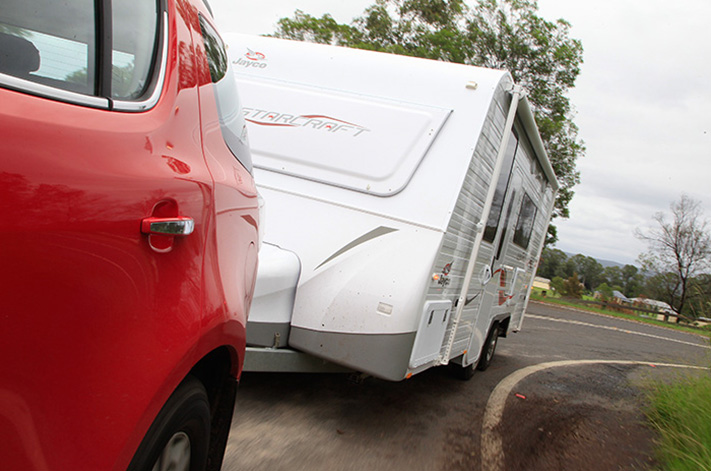
A sizeable weight in the back or on the tow ball can transfer weight away from the front axle may reduce the responsiveness of the steering, while also potentially making it feel vague.
As a heavy load behind you will increase the effect gravity has on a downhill stretch, an auto-equipped ute that will downshift for increased engine braking effect will make life much easier for you and the brakes.
However, brake system upgrades may still be a good idea depending on what you are towing and where.
You will also need to remember that towing a heavy load can affect your Gross Vehicle Mass (GVM).
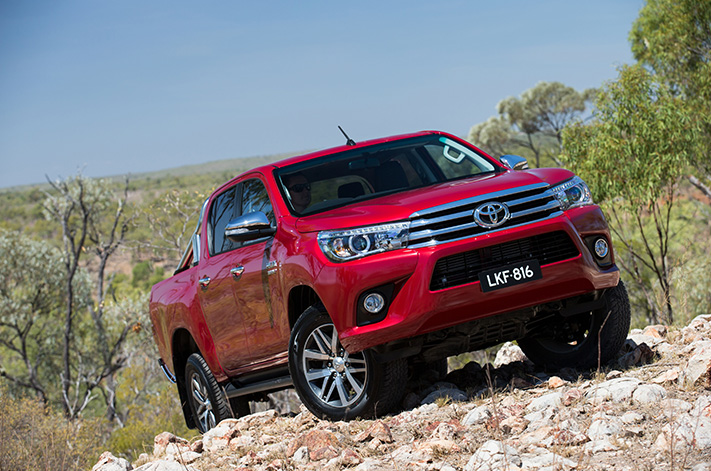
This number is how much the vehicle can weigh when fully loaded, which includes the weight of what you have in the tray, how many people are on board, and the weight of the vehicle itself, including any accessories.
In the case of almost all utes on the market, you will not be able to have it loaded to its GVM while towing it’s rated maximum at the same time.
Aussies can’t seem to get enough new cars, with sales figures showing continued growth overall both year-to-date and month–on-month compared to 2017.
In total, a record-breaking 134,171 cars were sold in June, bringing the year-to-date tally to 599,552 nationally and putting Australia on track for a circa-1.2 million total for the 2017 calendar year.
Private sales accounted for 68,150 cars being sold last month, but business/fleet sales boomed to 52,039.
To help decipher the figures, we’ve crunched the data and listed every segment, its top three sellers, and how many units were sold for each last month. Enjoy.
Top 10 outright
- Toyota Hilux (5461)
- Ford Ranger (5051)
- Toyota Corolla (3830)
- Hyundai Tucson (3741)
- Mazda 3 (34910)
- Hyundai i30 (3471)
- Toyota Camry (3191)
- Mitsubishi Triton (2995)
- Mazda CX-5 (2487)
- Toyota RAV4 (2460)
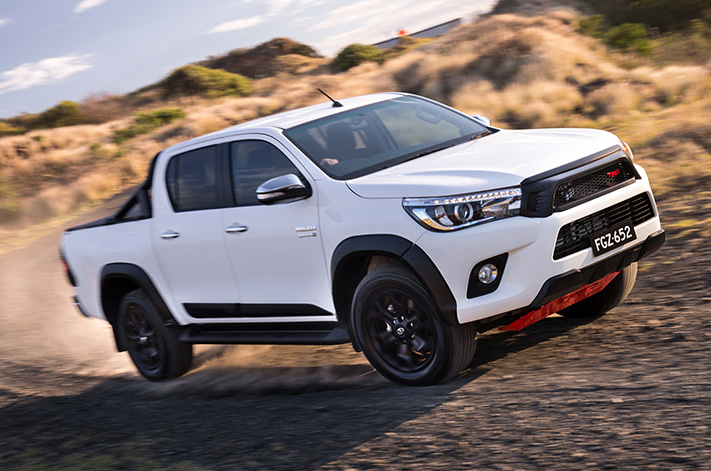
Micro cars
- Kia Picanto (380)
- Holden Spark (99)
- Fiat 500 / Abarth (94)
Light under $25k
- Hyundai Accent (1874)
- Mazda 2 (1399)
- Toyota Yaris (1299)
Light car over $25k
- Mini Hatch (218)
- Audi A1 (118)
- Mini Clubman (35)
Small car under $40k
- Toyota Corolla (3830)
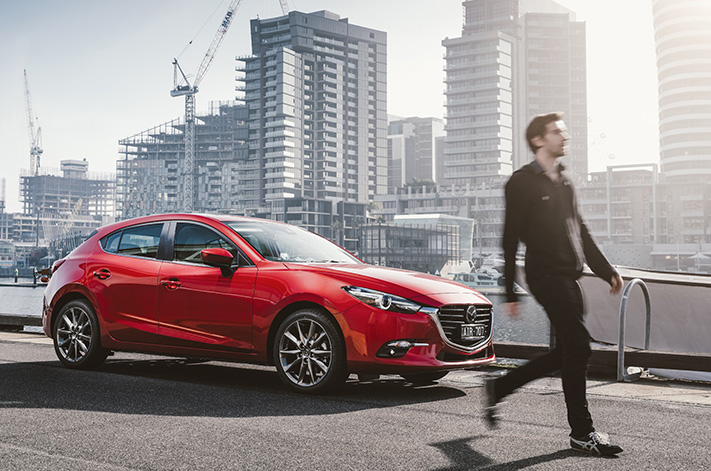
- Mazda 3 (3490)
- Hyundai i30 (3471)
Small car over $40k
- Mercedes-Benz A-Class (666)
- Audi A3 (524)
- BMW 1 Series (307)
Medium car under $60k
- Toyota Camry (3191)
- Mazda 6 (377)
- Volkswagen Passat (322)
Medium car over $60k
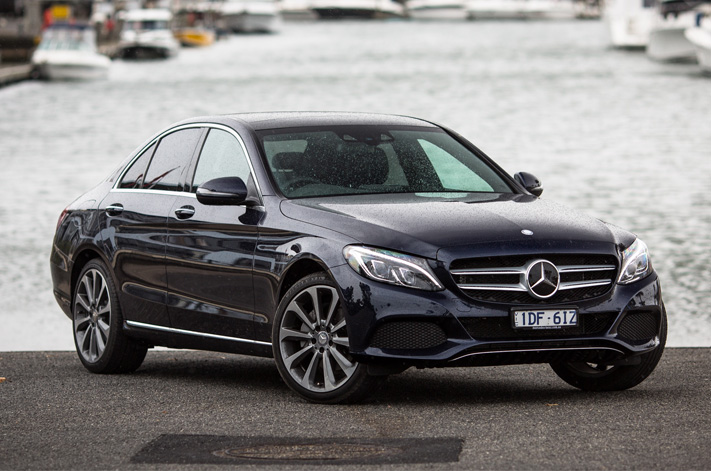
- Mercedes-Benz C-Class (993)
- Mercedes-Benz CLA-Class (389)
- BMW 3 Series (291)
Large car under $70k
- Holden Commodore (2054)
- Toyota Aurion (358)
- Skoda Superb (123)
Large car over $70k
- Mercedes-Benz E-Class (231)
- BMW 5 Series (107)
- Audi A6 (59)
Upper Large car under $100k
- Holden Caprice (34)
- Chrysler 300 (30)
Upper Large car over $100k
- BMW 7 Series (24)
- Mercedes-Benz S-Class (16)
- Porsche Panamera (16)
People mover under $60k
- Kia Carnival (551)
- Honda Odyssey (115)
- Volkswagen Multivan (124)
People mover over $60k
- Mercedes-Benz V Class (83)
- Mercedes-Benz Valente (49)
Sports car under $80k
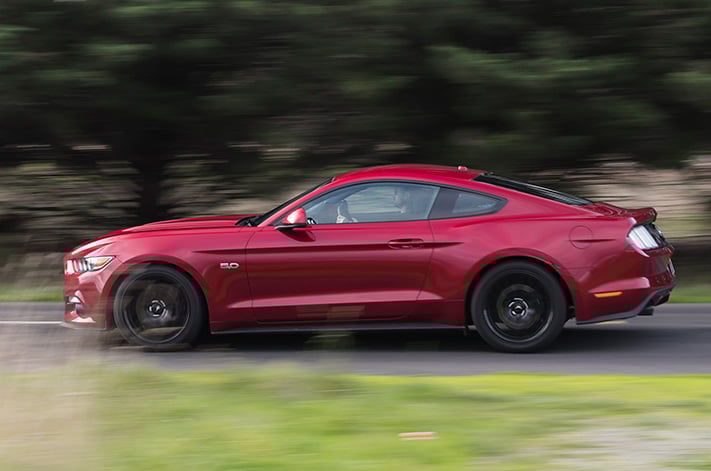
- Ford Mustang (1276)
- Hyundai Veloster (322)
- Toyota 86 (173)
Sports cars over $80k
- Mercedes-Benz E-Class Coupe/Cabriolet (272)
- Mercedes-Benz C-Class Coupe/Cabriolet (107)
- BMW 4 Series Coupe /Cabriolet (87)
Sports car over $200k
- Porsche 911 (42)
- Ferrari Coupe/Convertible (22)
- Lamborghini Coupe/Convertible (14)
Small SUV under $40K
- Mitsubishi ASX (2247)
- Mazda CX-3 (1974)
- Honda HR-V (1606)
Small SUV over $40k
- BMW X1 (464)
- Audi Q3 (336)
- Mercedes-Benz GLA-Class (291)
Medium SUV under $60k
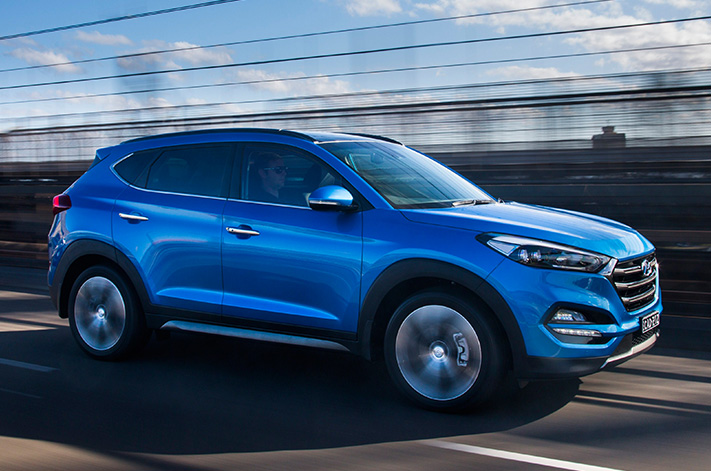
- Hyundai Tucson (3741)
- Mazda CX-5 (2487)
- Toyota Rav4 (2460)
Medium SUV over $60k
- Land Rover Discovery Sport (517)
- BMW X3 (448)
- Lexus NX (434)
Large SUV under $70k
- Toyota Prado (1971)
- Toyota Kluger (1464)
- Subaru Outback (1180)
Large SUV over $70k
- BMW X5 (359)
- Mercedes-Benz GLE-Class (315)
- Audi Q7 (304)
Upper Large SUV under $100k
- Toyota Landcruiser Wagon (1255)
- Nissan Patrol Wagon (68)
Upper Large SUV over $100k
- Mercedes-Benz GLS-Class (92)
- Land Rover Range Rover (43)
- Lexus LX (24)
4×4 dual cab utes
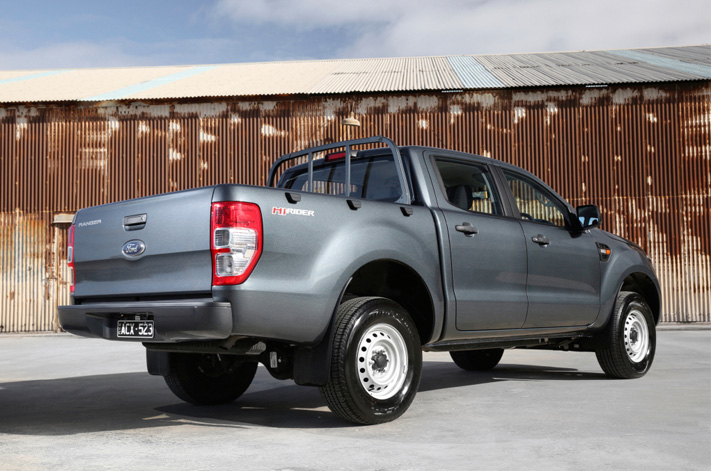
- Ford Ranger (4449)
- Toyota Hilux (3938)
- Mitsubishi Triton (2657)
4×2 dual cab utes
- Toyota Hilux (1523)
- Isuzu Ute D-Max (645)
- Mazda BT-50 (607)
WHAT IS IT?
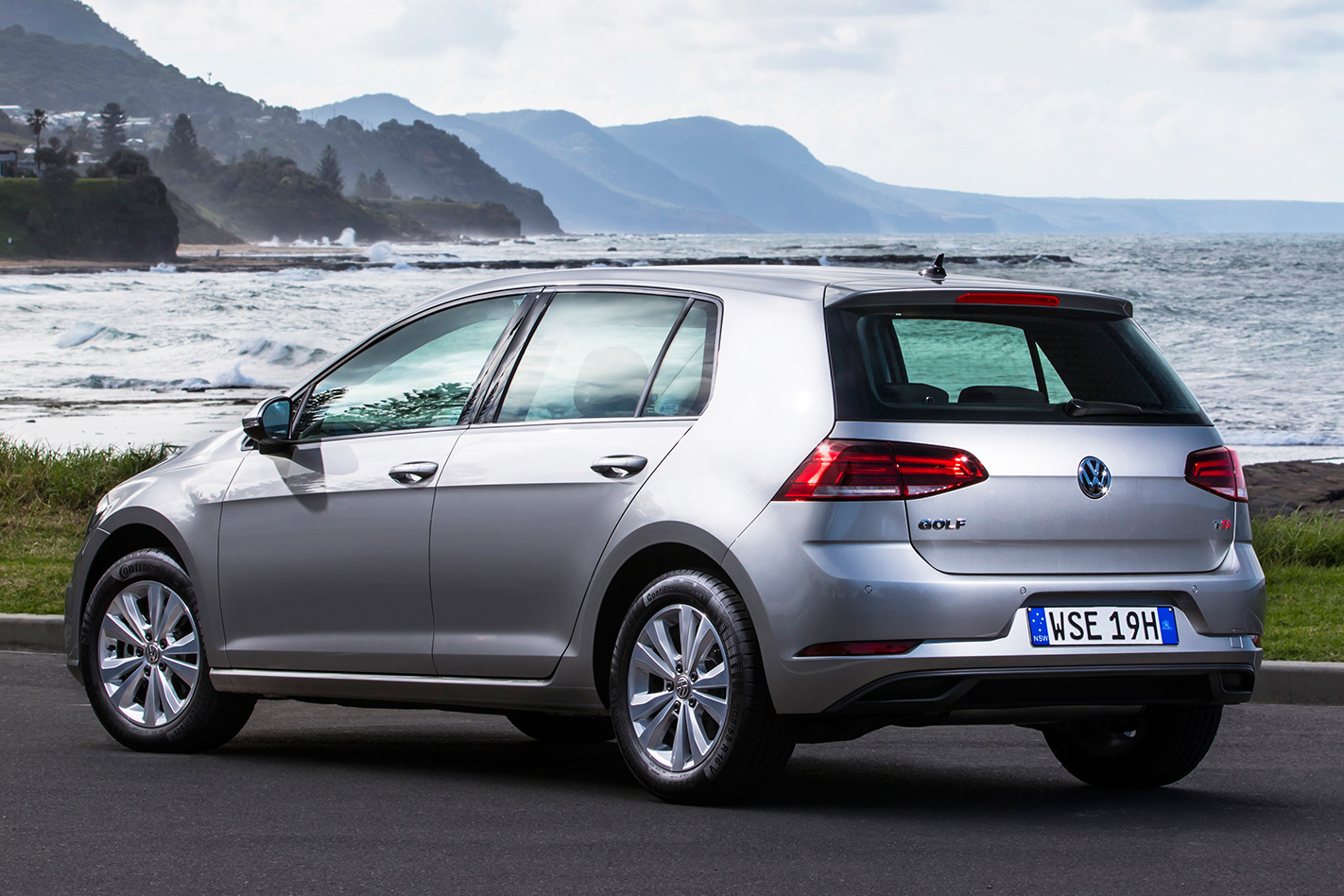
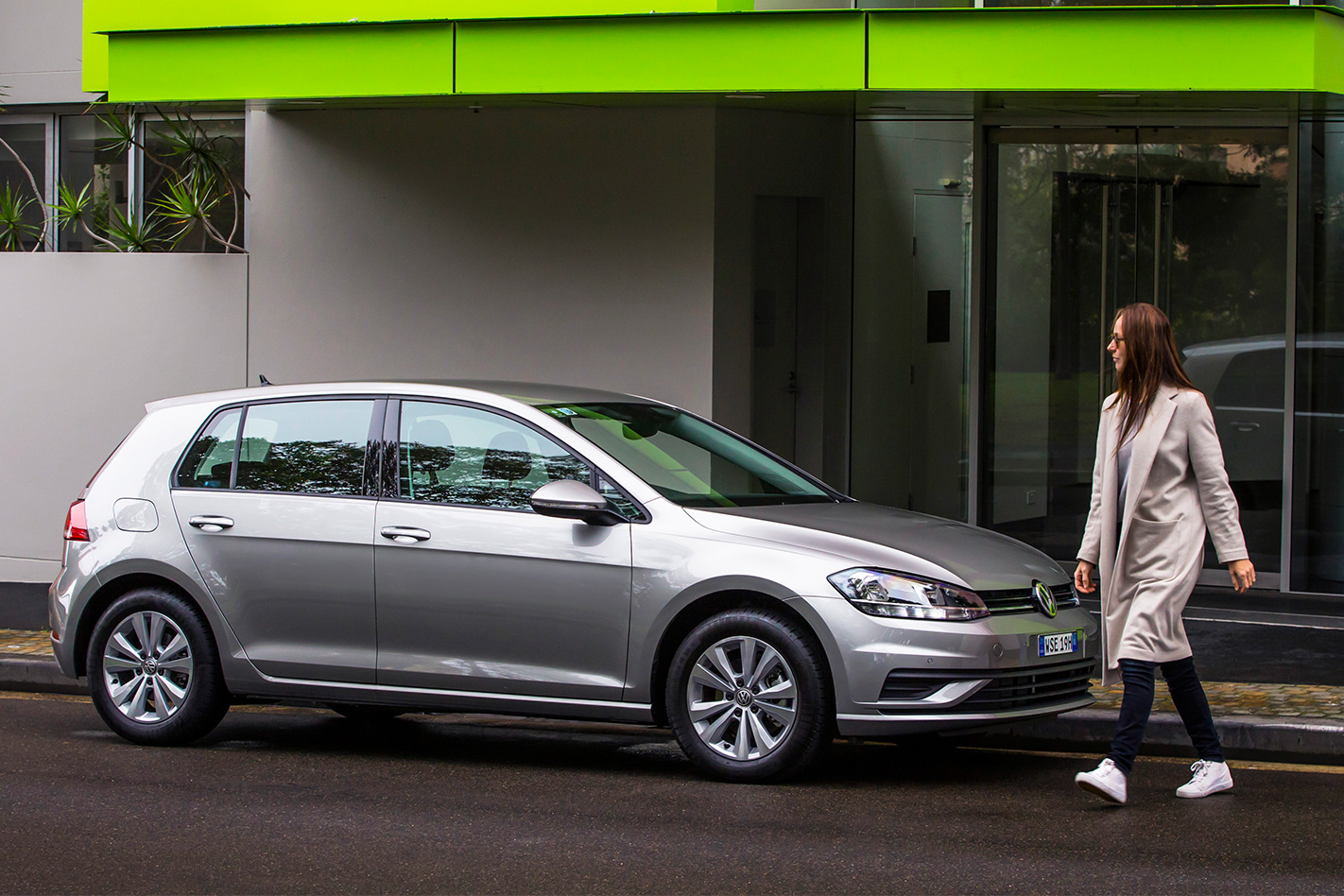
The mid-life updated version of Volkswagen’s venerable Golf hatchback and wagon in mid-range Comfortline trim – the one Volkswagen predicts to be the volume seller of the range.
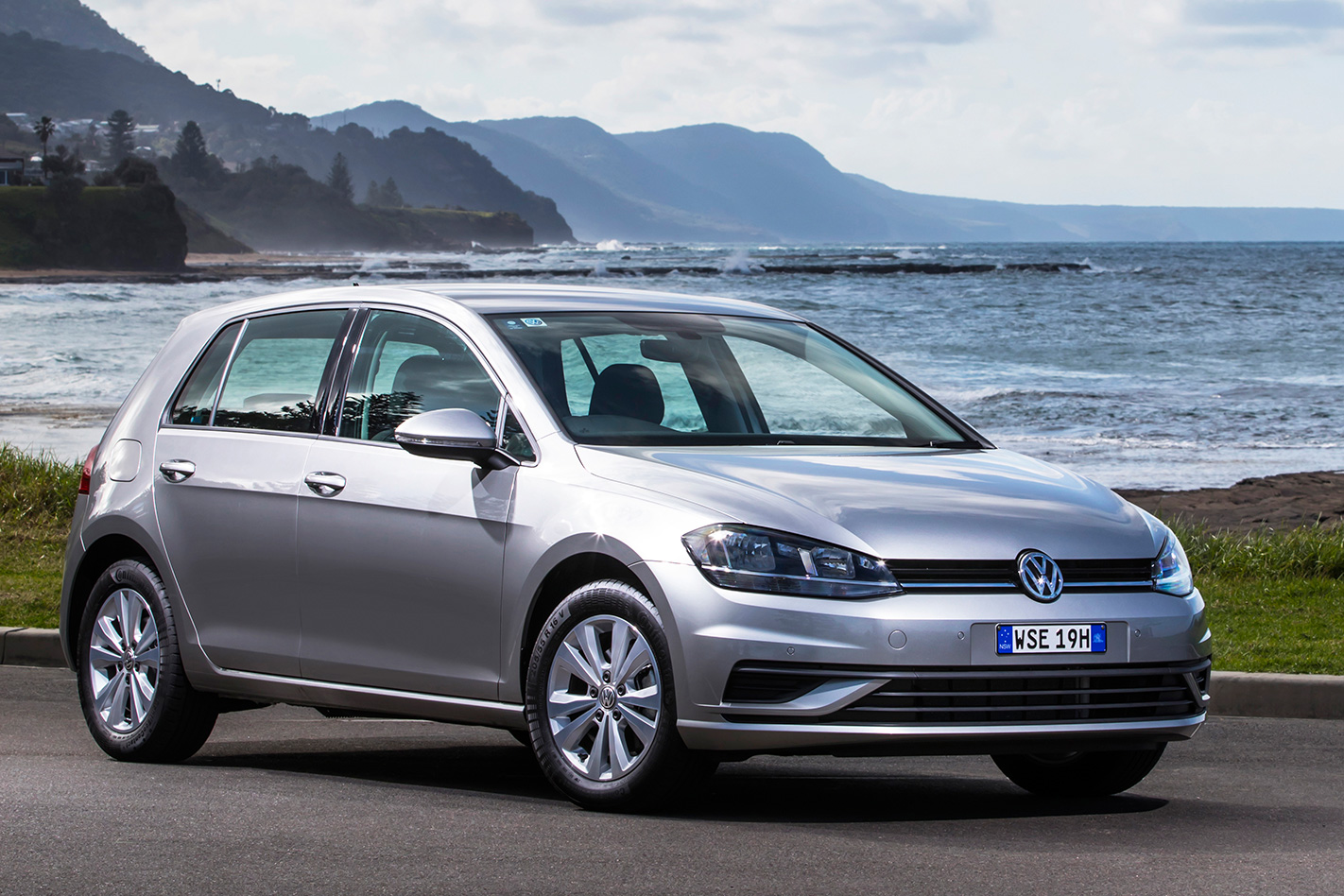
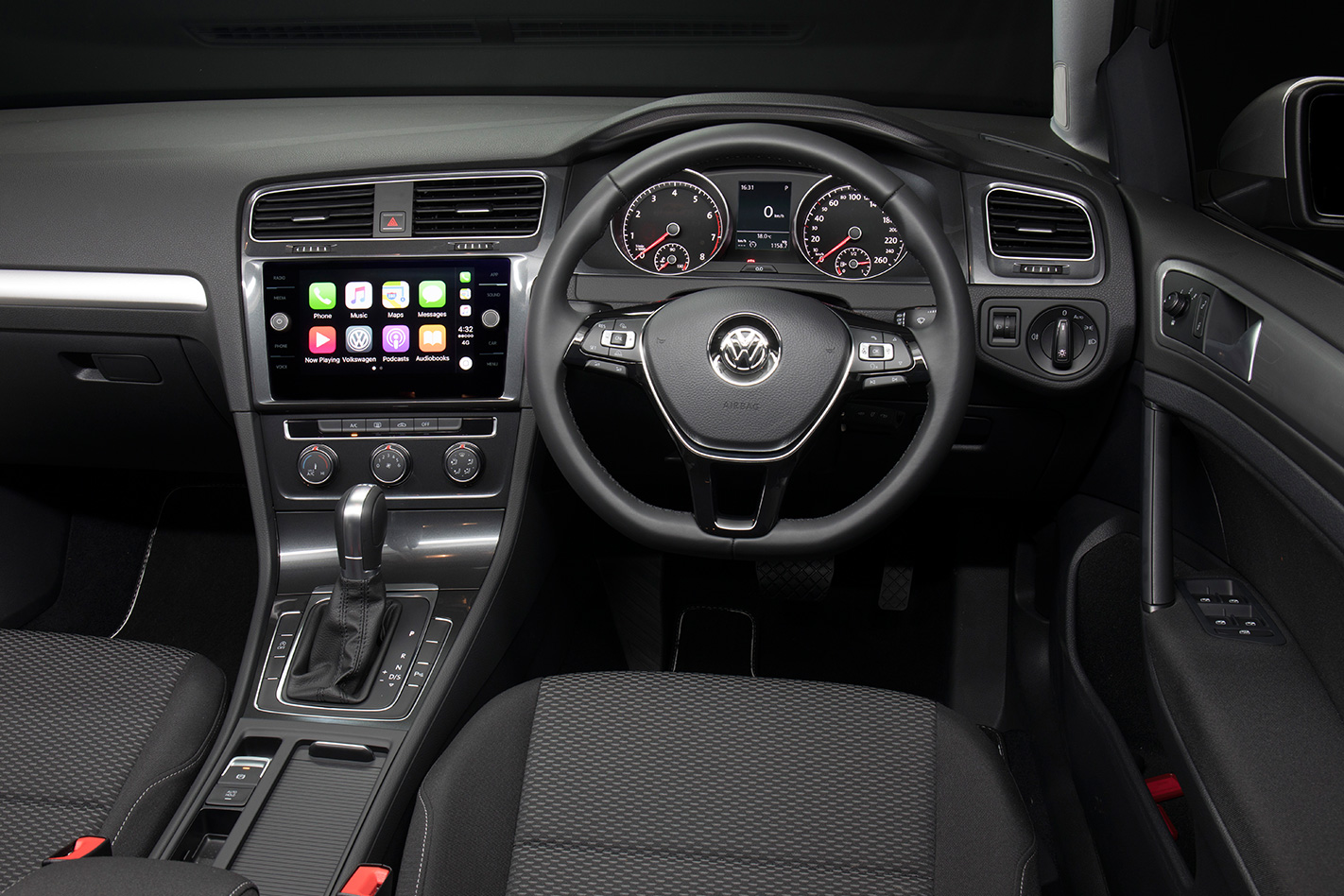
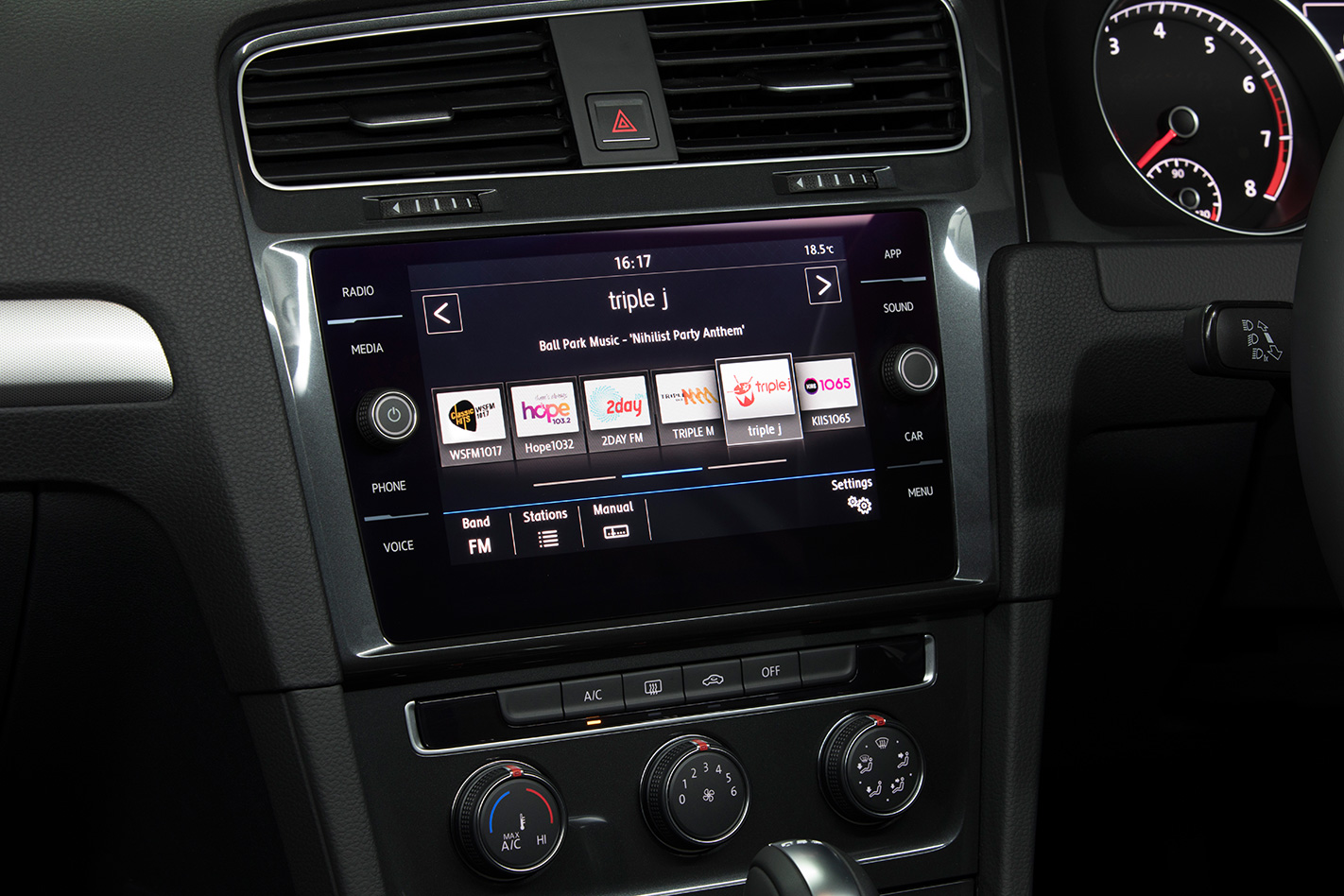
This is the first time Volkswagen has regarded a Golf mid-life refresh significant enough to label with a ‘0.5’ half mark. The 1.4-litre turbo engine has been wicked up and a light facelift applied, but the most significant changes are found in the cabin where a decent dose of tech has brought the four-year-old small car bang up to date.
MAIN RIVALS
THE WHEELS VERDICT
For its mid-cycle update, Volkswagen has given its Golf the customary new face and behind, but it’s the surprisingly athletic 1.4-turbo output boost and interior technology enhancements that really keep the Golf as fresh as a mid-winter Melbourne morning. Engine performance is now a better match for the capable chassis, while the information and entertainment systems are in keeping with offerings in premium segments. The Golf is growing up fast.
VOLKSWAGEN’S revered Golf finds itself at a definitive fork in the road. Does this midlife update offer an opportunity to sharpen the price to prime the model to do battle with likeable French, Japanese and South Korean contenders in the affordable small-car arena?
Or does its compelling blend of quality, driving dynamics and style place it at the edge of the premium German and European rivals? Which way to turn? Volkswagen has made the deliberate move to the latter with an update that has increased the entry level price a little, but boosted the value proposition by a lot, with new features and options that make it an alternative to lower-level premium offerings.
Independent rear suspension, leather steering wheel, 8.0-inch touchscreen, alloy wheels, AEB and reversing camera are not often seen packaged together in a $23,990 small hatch, rarer still one from a German manufacturer. A dual-clutch auto takes the price to $26,490, but the power boost from 92kW to 110kW that forms part of the update adds a genuine GTI-lite enjoyment when specced with the standard six-speed manual gearbox.
Like all sub-GTI petrol variants, the Comfortline has a 1.4-litre turbocharged four-cylinder engine that has been squeezed to find another 18kW and 50Nm, and that increase has taken performance over the fine line between adequate and involving.
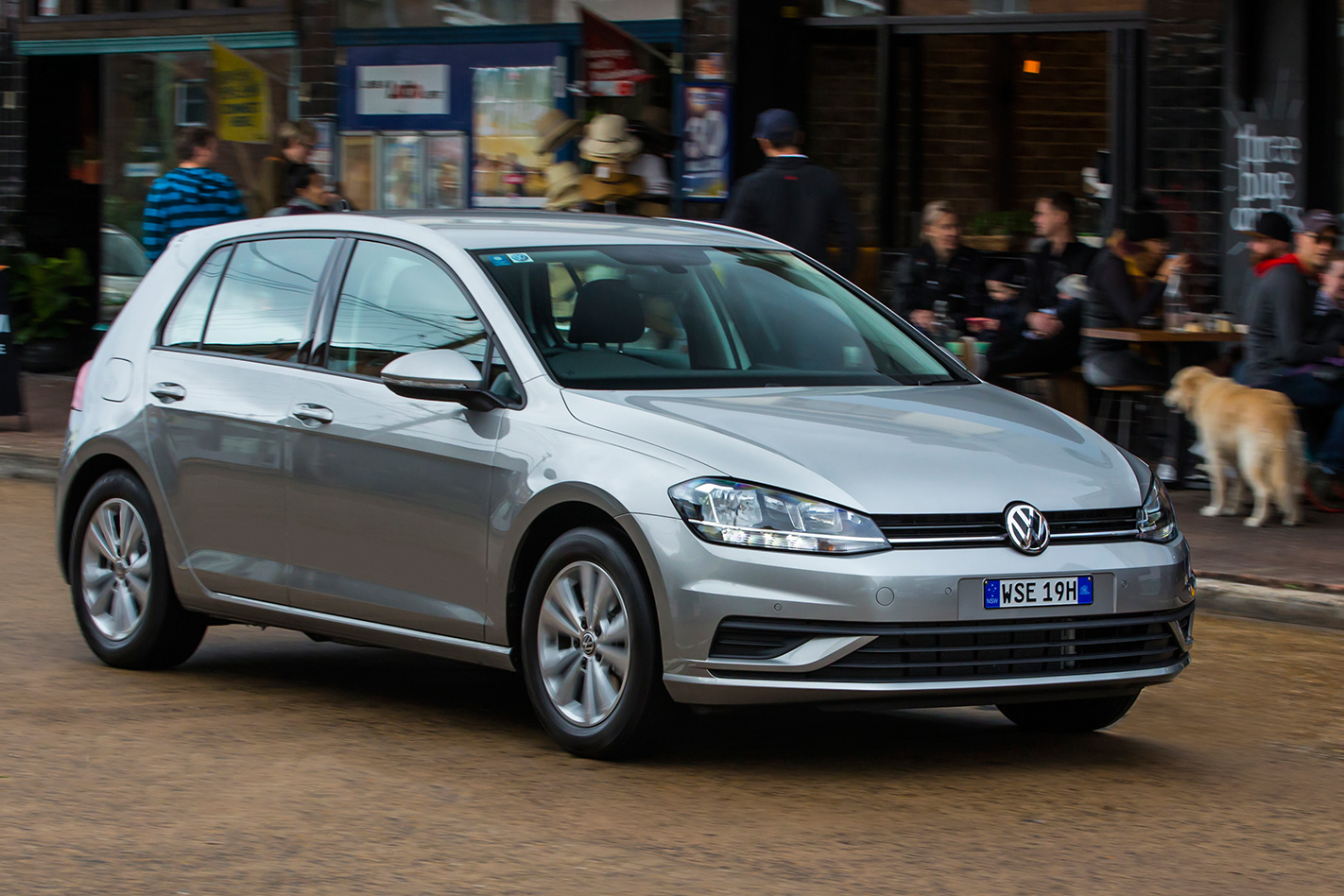
While many midlife facelifts are headlined by a mild exterior redesign, the Golf’s aesthetic makeover of handsome LED lighting and bumper fettling is of welcome secondary importance to the performance boost and logical tech update.
With a proposition as compelling as the Mk7 car, the Golf could have rested on its laurels until its successor arrives, but this well-considered update keeps VW’s small car firmly ahead of budget offerings and deserving of recognition with the Mk7.5 nomenclature.
SPECS
Model: Volkswagen Golf 110TSI Comfortline Engine: 1395cc 4cyl, dohc, 16v, turbo Max power: 110kW @ 5000-6000 rpm Max torque: 250Nm @ 1500-3500 rpm Transmission: 7-speed dual-clutch Weight: 1261kg Fuel economy: 5.4L/100km 0-100km/h: 8.2sec (claimed) Price: $23,990 On sale: now
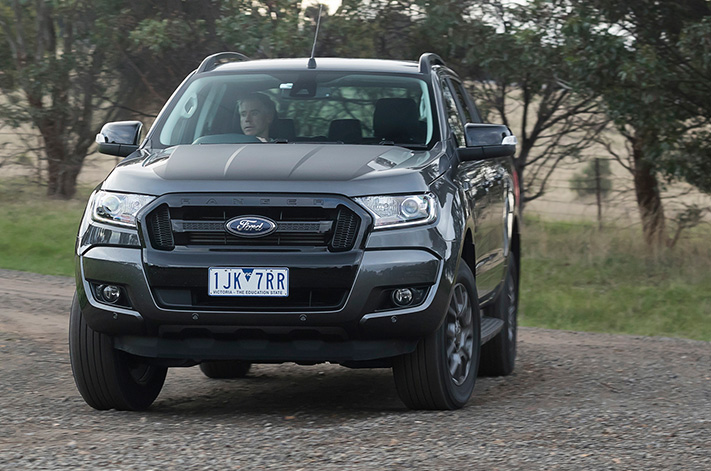
AUSTRALIAN new car buyers can’t seem to get enough of dual cab utes with the Ford Ranger and Toyota Hilux continuing their tussle at the top of the sales charts, preliminary sales figures for the month of June show.
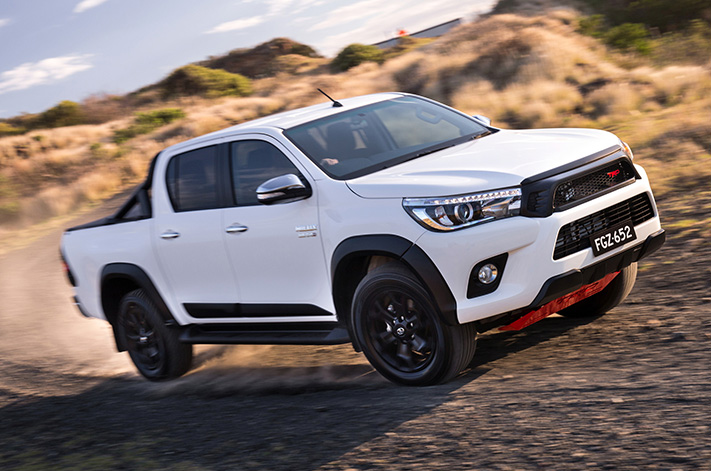
It is the Hilux which wins though; with 5461 examples of the dual cab ute rolling off showroom floors last month.
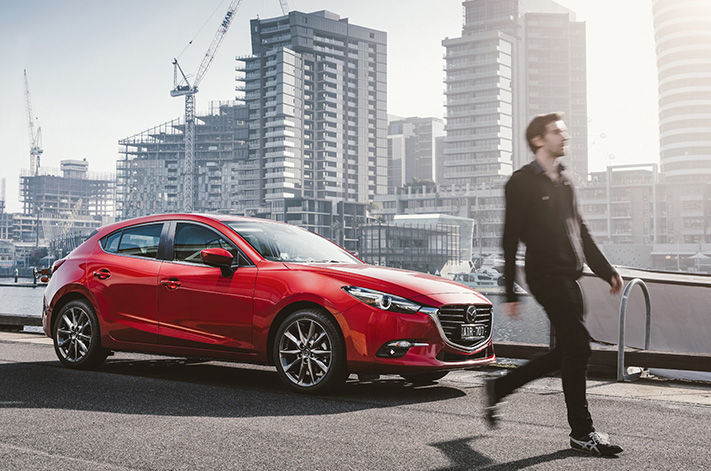
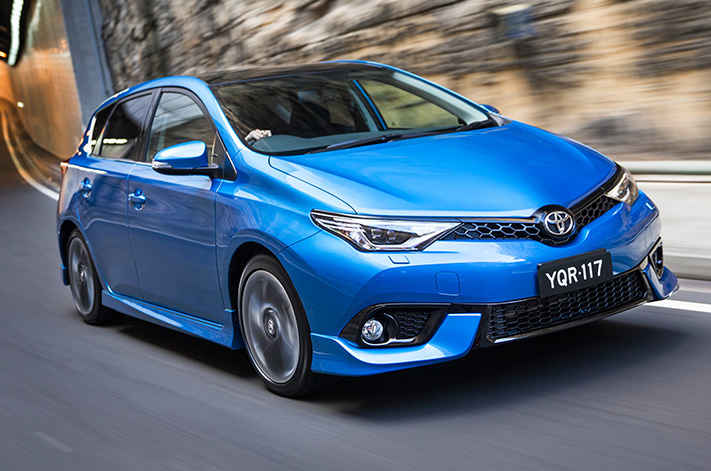
The Hyundai Tuscon leads the country’s SUV charge, with 3741 of the high-riding soft-roaders being sold in June, while the Mazda 3 rounded out the top five vehicles with 3490 sales. The all-new Hyundai i30 recorded its first full month of sales in June, but was bumped from the top five by a scant 19 sales.
Toyota sold almost double the number of cars of its closest competitor in June, and accounted for 18.3 percent of all cars sold in the country during the month.

Next was Ford (8853), Nissan (6690), Kia (6737), Volkswagen (6447), and Honda (5412) completing the top 10.
In total, 134,171 cars were sold in June, bringing the year-to-date tally to 599,552 nationally – an increase of 1,412 year on year.
SUV sales tallied 51,393 for the month, while passenger car sales were 50,646. Just 28,253 light commercial vehicles were sold during the same time (including vans and light buses), however this still represents an increase of 12.2 percent month on month.
Private sales accounted for 68,150 cars being sold last month, but business/fleet sales boomed to 52,039.

While there is no denying the numbers presented by the Ranger and Hilux, when it comes to cars being placed in private driveways around Australia, the best-selling car race is probably far tighter.
Note that the above figures are based on preliminary sales data – official VFACTS sales figures will be released at midday today.
Mercedes-Benz will launch its latest drop-top in September this year, when the E-Class convertible arrives on Australian soil in E300 and E400 form.
It’s a feature-rich technological feast, and a dramatic improvement over the previous-generation model if our first drive is anything to go by.
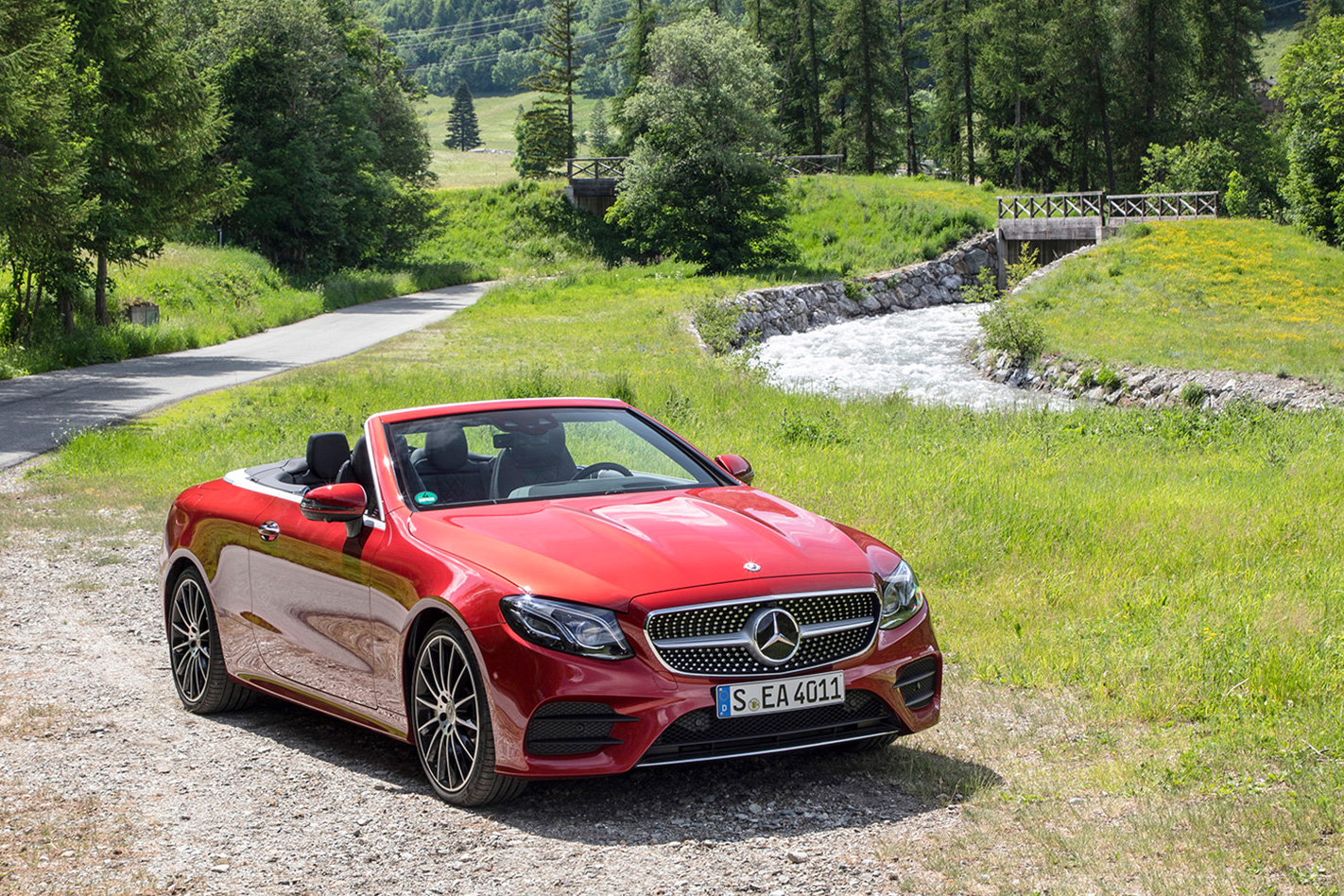
There’s lots to cover, so let’s dive in to some of the 2018 Mercedes-Benz E-Class Cabriolet’s more noteworthy features.
- This is technically only the second true E-Class convertible. The previous model was actually based on C-Class underpinnings and was substantially smaller, while prior to that model your biggest option for a Mercedes four-seat drop top was the CLK Cabriolet – again, based on the C-Class. The first real E-Class convertible was the W124-generation 300CE of 1991.
- Mercedes really, really doesn’t want you to mess up your hair when driving roof-down, and has expended great effort in equipping the new E-Class Cabriolet with a system designed to keep your follicles undisturbed. Dubbed “Aircap”, it pairs a movable spoiler above the windshield with a retractable wind blocker behind the rear seats to help raise the turbulent airflow above the passenger cabin. It works, and has the most profound effect for rear seat passengers – but it’s at its best when all four windows are raised too.
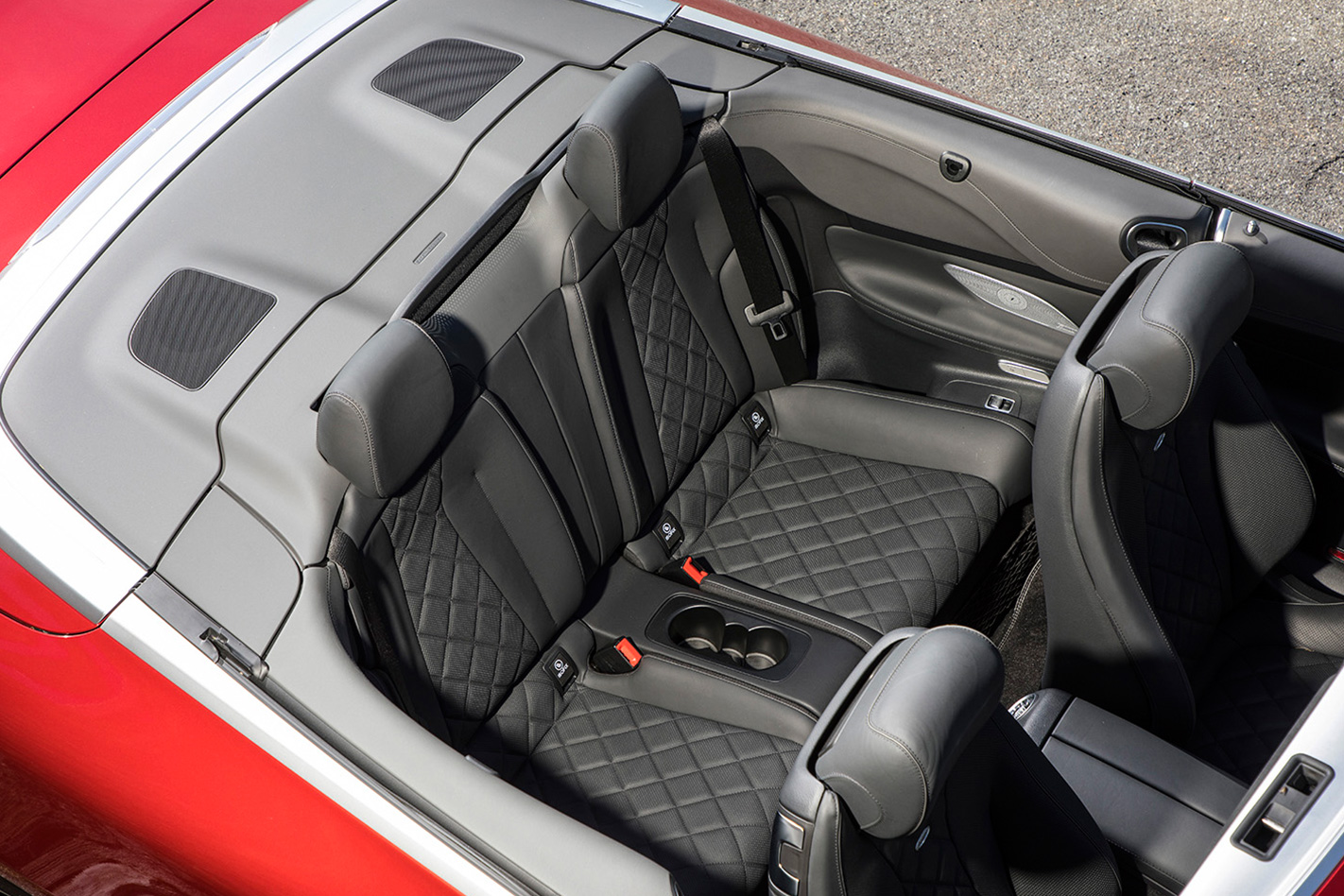
- Top-down comfort also benefits from the available heated/ventilated seats, while a set of heated fans in the front headrests can also blow warm air onto the back of your neck. Perfect for cold-weather cruising.
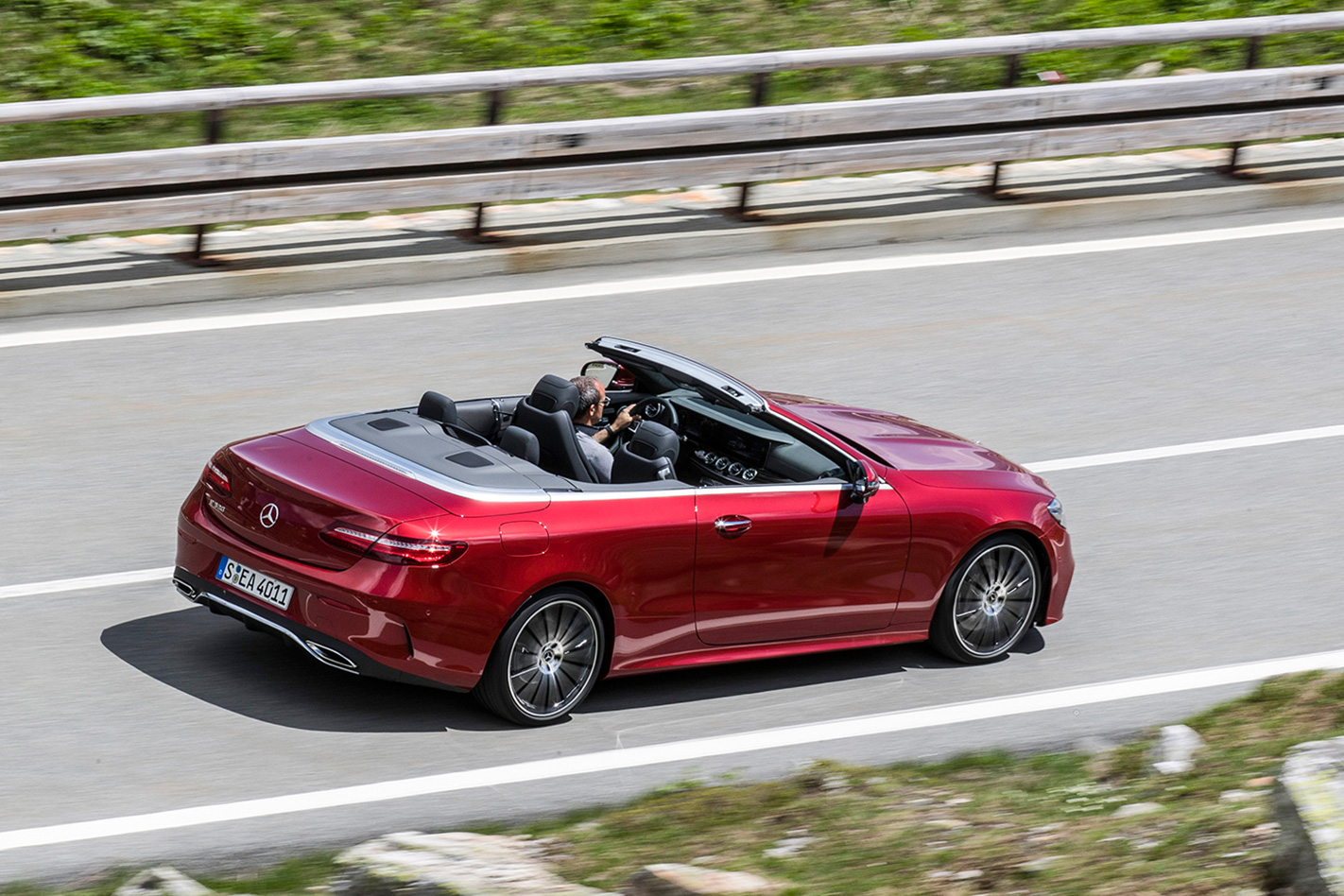
- While some convertibles use a folding metal hard top (like BMW’s 4 Series Convertible), Mercedes-Benz’s designers deliberately chose a fabric soft top for its tighter packaging potential, light weight and greater flexibility in terms of shape. Viewed side-on with the roof raised, the Cabriolet sports a very similar silhouette to the E-Class Coupe.
- Compared to the outgoing E-Class Cabriolet, the new model is 38 percent more torsionally rigid. Thank more modern modular architecture underneath, and a reinforcing frame that ties the rear suspension together with the roof mechanism and chassis.
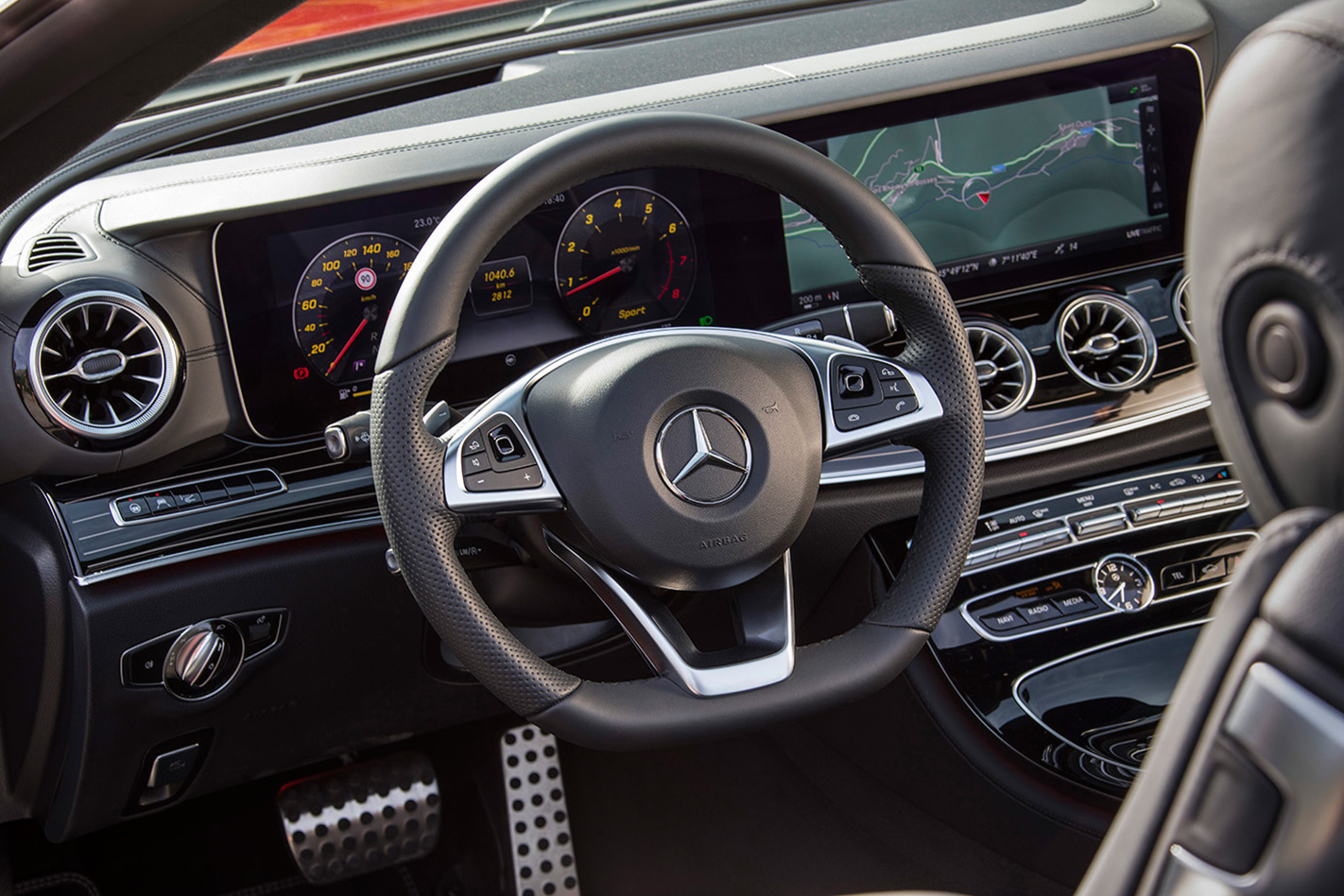
- It may weigh almost 2000kg in E400 4Matic form, but there’s plenty of lightweight features in the new E-Class Cabriolet. Die-cast alloy components help shave mass from the car’s structure, and the front quarter panels, bonnet and bootlid are constructed from sheet aluminium. The use of a fabric roof also saves 50kg compared to a folding hard top.
- Even something as mundane as the windscreen wipers have come in for a rethink, with the wiper washers designed to squirt liquid directly into the path of the blades – and only in the right volume to clear the glass. If the roof is down, you shouldn’t be splashed by any stray dribbles of water. Oh – the whole wiper system is also heated in low temperatures to help clear frost or snow.
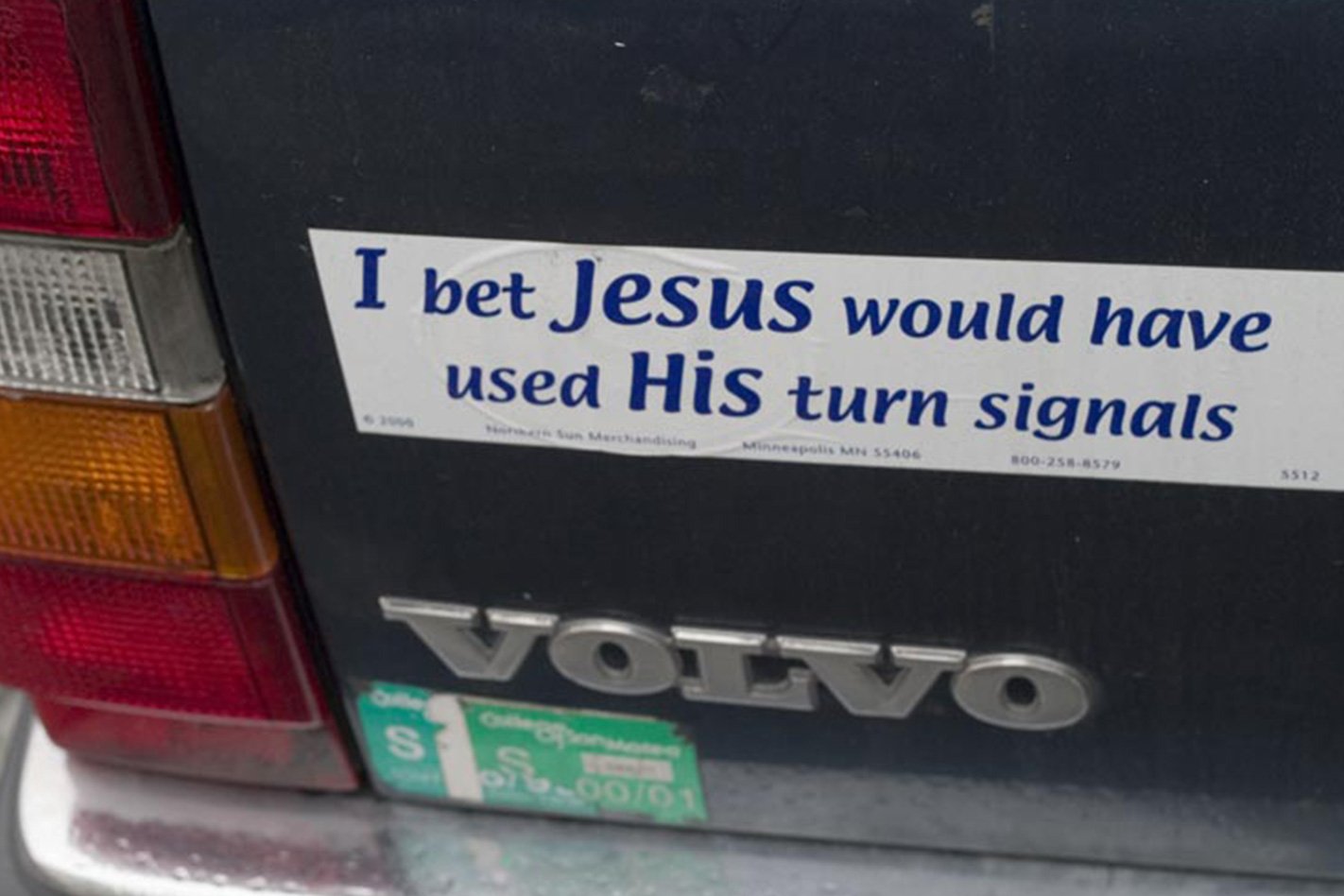
Apparently bumper stickers are an accurate predictor of whether you’re likely to lamp someone who cuts you off in traffic.
Stop reading now if the back of your car is mummified with stick-on wisdom – no, seriously, stop reading, in case you get triggered and come after me with a tyre-iron, you crazed loon – but according to the psychologists at Colorado State University, the theory goes like this:
Humans are territorial animals, even though for us modern animals that territory may only extend a few feet from where we’re standing. But for some people, their cars become an extension of their territory.
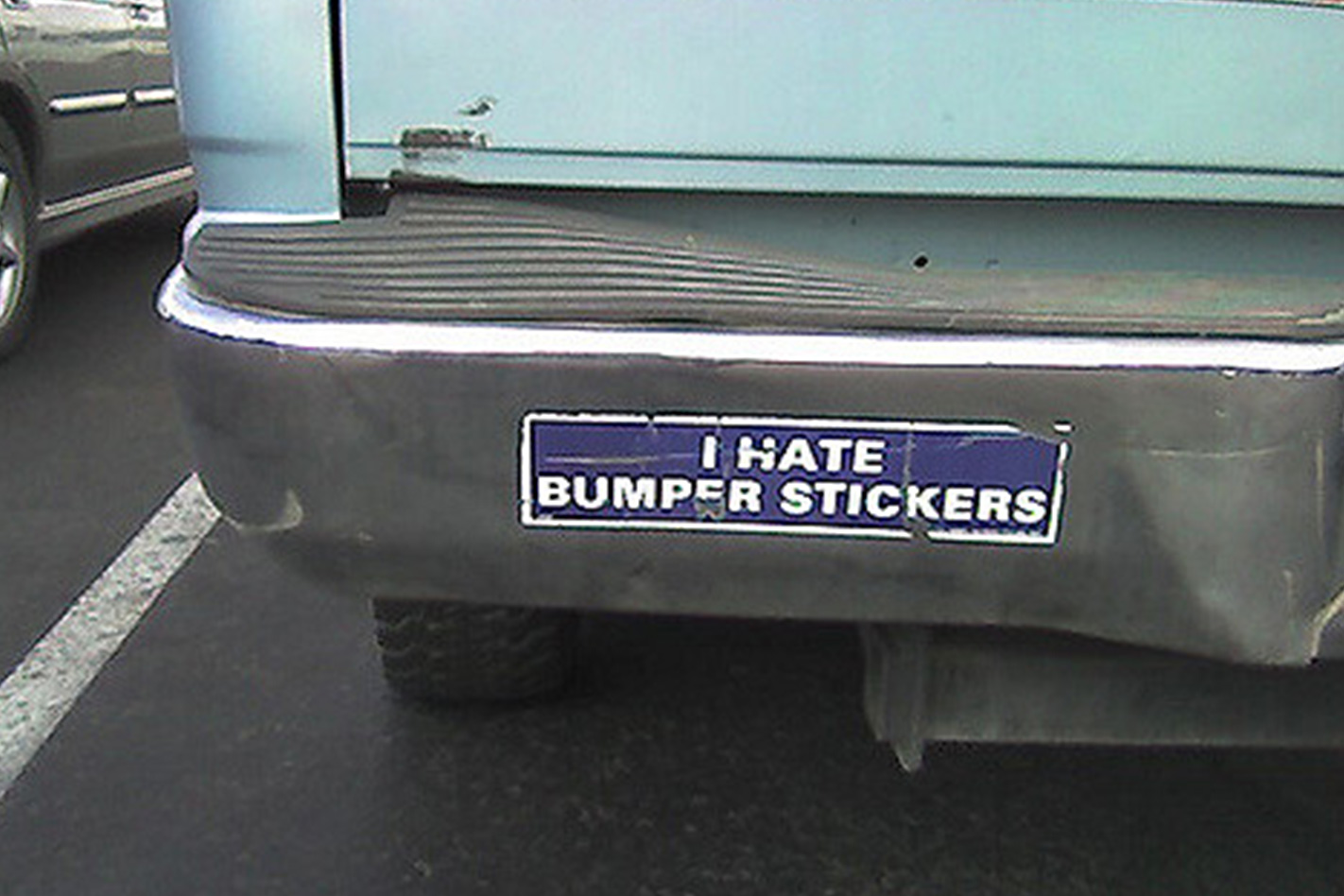
And bumper stickers are apparently strong indicators of territorial feelings about your car.
Opinion: Losing Australian cars means making compromises
And apparently it doesn’t matter what the stickers say – the fact that you have them is the indicator of the animal territorial urge, not the content.
So the “Baby On Board” woman? Psycho. Mr “Magic Happens”? Psycho. Old “Honk if you love Jesus” over there? Psycho.
The thing is, it seems to me that bumper stickers are the novelty T-shirts of the car world – a simple logo signifies one thing, a zany one signifies something very different, but all them are saying “Look at me”.

You don’t see a lot of bumper stickers on cars driven by people wearing suits. In fact, when you’re talking about more expensive cars, bumper stickers are less like T-shirts and more like the facial tattoos of the car world.
And – no offence, Mr Tyson – facial tattoos are rarely a sign of a calm, unflappable mind. As someone wrote on Reddit: “Even if I agree with your bumper sticker, I still think less of you for having a bumper sticker.”
Which is why it’s maybe misleading to do a study just of people with bumper stickers. I’m pretty territorial about my car, and I don’t have any bumper stickers – hell, I’d take the number plates off if I could get away with it.
For the record, I don’t think road rage is always a bad thing. I mean, dragging someone out of their car and beating them with a tire iron is a bad thing (apparently, according to my parole officer), but I think road rage – well, road irritation – is a sign of optimistic expectations.
Opinion: Can YouTube teach you how to drive?
I get frustrated at other drivers because I believe they can do better – really, I think it makes me a humanitarian. I’m surprised the Nobel committee hasn’t contacted me, the way I shout encouragement out my window when some numpty stops across the intersection. And I don’t have any bumper stickers or face tattoos.
Although I do mark my scent on the gutter when I park. That’s probably a clue.
THE men and women at HSV must be a proud bunch, with their latest creation being enjoyed for its tyre-frying qualities the world over.
A total of 20 HSV GTSR utes and sedans, branded as Vauxhall VXR8s, are to be sold in the UK, and to celebrate, a Slipstream Blue sedan was air freighted early to wow crowds at the Goodwood Festival of Speed.
Those knowledgeable Brits saw through the Vauxhall badging and made sure to appreciate the GTSR in a distinctly Aussie fashion.
Behind the wheel for one of the runs was Autocar journo, Neil Winn. UK media outlets, bless their scone-eating hearts, have been kind to Vauxhall-badged HSV GTS models over the years, and seem to have grown equally as fond of our supercharged beasties despite a much shorter exposure to the breed.
And yes, even a stoic Brit can get misty eyed about seeing HSV’s V8 creations cease production.
“Burbling back down the hill, following a McLaren P1 GTR of all things, brings home just how much we will miss Vauxhall’s V8-engined brute” Winn writes.
“Even when surrounded by the world’s rarest supercars, the marshals along with 150,000 strong crowds can’t help but target the GTS-R, shouting for burnouts every time I come to a stop. I duly oblige; after all, this will be the last time this particular car will be driven in anger.”
The HSV GTS has been sold in the UK dressed up as a Vauxhall VXR8 since 2007, and the Brits have fallen in love with it during that time. It’s no surprise then that they are as sad to see it go as we are.
CITROEN will enhance its C4 Cactus crossover this month by adding a long-awaited petrol automatic to the range, cutting the diesel and bringing out a monotone special edition to reignite interest in one of the small SUV segment’s more intriguing offerings.
Citroen took a gamble on the C4 Cactus in early 2016 when it launched the unconventional quasi-SUV into the Australian market – an environment not only wary of cars that buck the status quo, but also one that doesn’t show much love for French automobiles.
It didn’t help that the range at launch was hobbled by the lack of a petrol automatic variant – a configuration that accounts for the lion’s share of sales in virtually every small car line-up. Granted there was an automatic in the Cactus range, but it was mated to a 1.6-litre turbo diesel and took the form of a recalcitrant and unlikeable six-speed robotised manual gearbox.
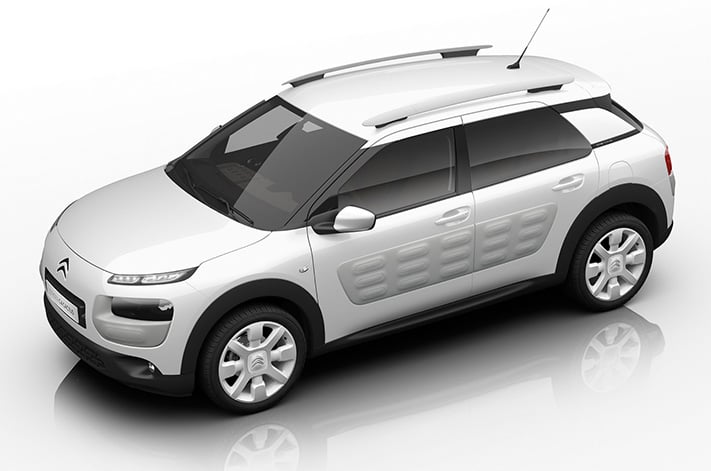
But the July arrival of a petrol-burning auto variant offers some kind of salvation. Pricing is still under a tight lid until the middle of the month, but the fact the C4 Cactus’ 1.2-litre “PureTech 110” turbo triple will finally come with the option of a conventional automatic is bound to improve its showroom appeal.
That gearbox is the six-speed EAT6 torque-converter auto sourced from Japanese company Aisin, that serves across many models in the Peugeot-Citroen empire, among them the Peugeot 208, 2008 crossover and 308 hatch.
“The new transmission and petrol engine will have a positive effect on the appeal of the vehicle,” she continued.
And there’s certainly room for the Cactus to improve its fortunes. Year to date, Citroen has only shifted 32 of its quirky Cactus, less than a third of what had sold by this time last year and only two sales ahead of the unloved Ssangyong Korando.
All told, just 258 examples of the Cactus have found buyers since its arrival in 2016.
However, while Citroen rejigs the Cactus to give it a mid-life leg-up, it won’t result in the car losing its distinctive – and somewhat polarising – “Airbump” body armour.
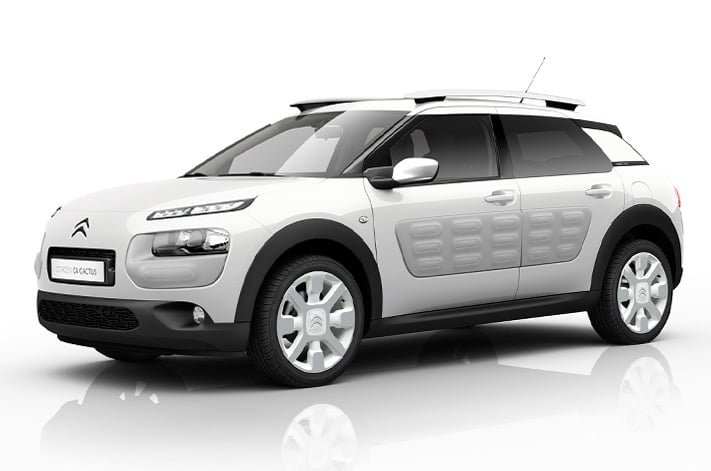
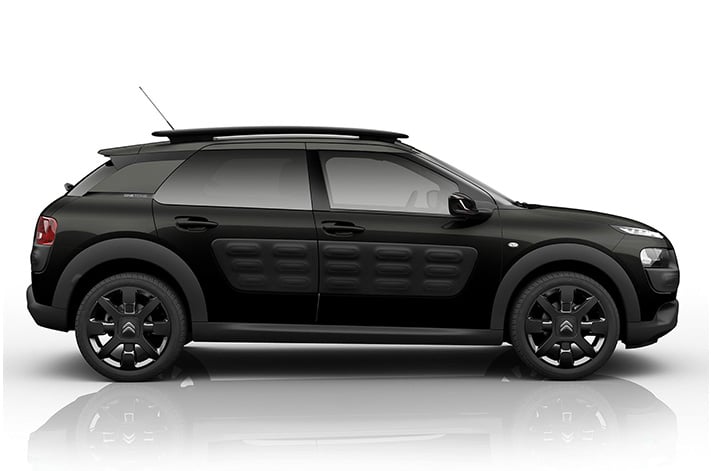
That said, a OneTone special edition will also be offered in the 2018 Cactus range starting this month, bringing monotone colour schemes that minimise the visual impact of those unique Airbumps.
With three colour combos available (white, black and grey), the OneTone Cacti should fly under the radar – though why you’d buy one of Australia’s most stylistically-adventurous cars just to blend into the background is beyond us…
