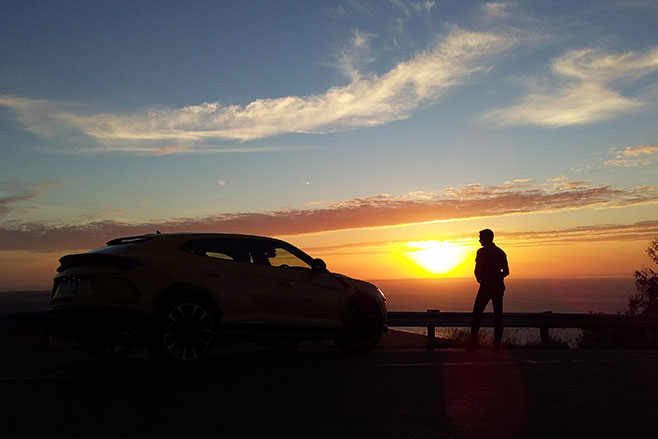
Mazda saw the writing on the wall early: the SUV will have a dominant showing in the Australian car market.
That’s why its SUV range is as large as it is, and growing too. Having introduced the segment-breaking CX-3 small SUV over five years ago, Mazda still sees room-enough in the small SUV market to offer a second offering, the CX-30.
Despite arriving in Australia just as the COVID-19 pandemic was ramping up, Mazda Australia product and marketing director Alastair Doak said the CX-30 is selling well considering the circumstances and remains committed to its SUV line-up as a whole.
“We’re all about choice; we’re not obsessed about having one model being number one. We would rather have five, six, seven solid performers appealing to a broad range of customers rather than having one car that’s 60 percent of our volume. That can be a rather perilous place to be.
“Doing that broad range and appeal certainly may not give you as many sales headlines, but ultimately that kind of messaging is ultimately irrelevant to us. We’d rather have strong performers across a broad range of nameplates rather than just one or two superstars.
“We’re very happy with the portfolio mix.”
But Mazda’s SUV portfolio isn’t the easiest to grasp or follow along with, especially when it starts adding models with a different naming structure like the CX-30 or incoming MX-30 electric SUV.
In general terms, as you go up numerically from CX-3 to CX-5 to CX-9, the cars become larger – and proportionately – more expensive.
Mazda CX-3
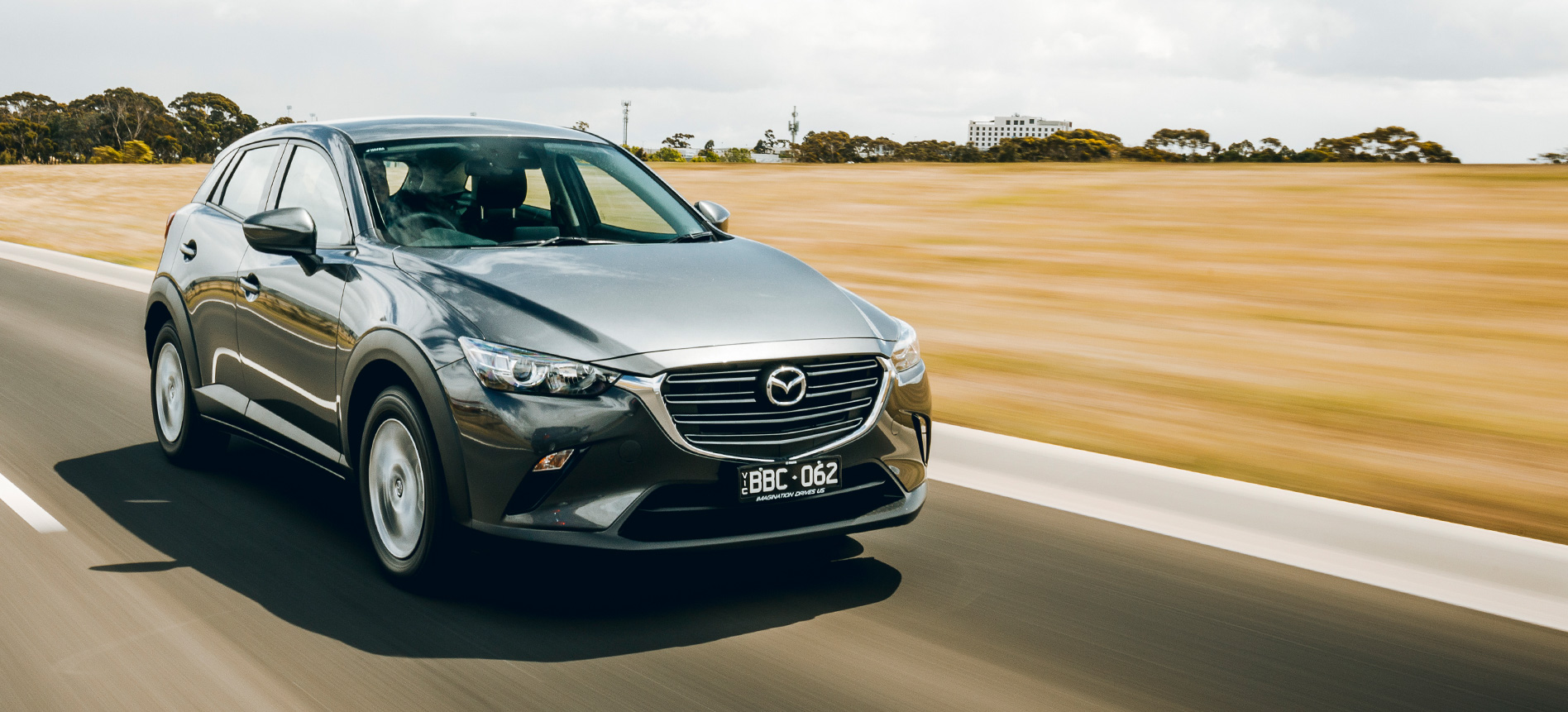
The Mazda CX-3 is the entry-level SUV model in the range and prices start from $22,710 before on-road costs.
It’s generally intended for singles or couples or first-car owners as there’s little space for passengers and luggage. You can get both front-wheel and all-wheel-drive versions of the CX-3, though only one engine option remains – a naturally-aspirated 2.0-litre four cylinder.
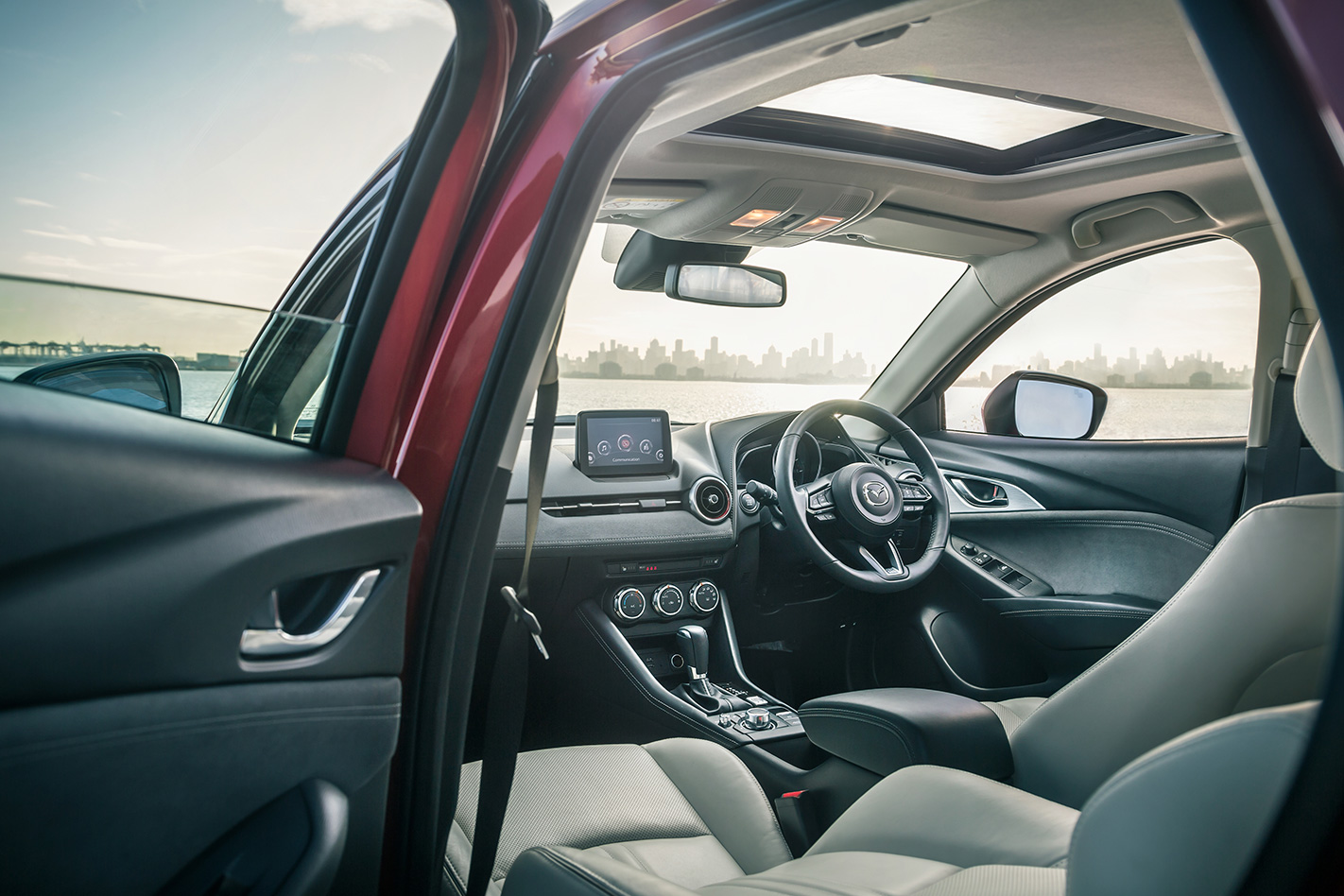
While the Mazda CX-3 is relatively old having been introduced to the Australian market five years ago, Mazda has done a respectable job in keeping up with the times by adding new equipment and technology in market updates.
Mazda CX-30
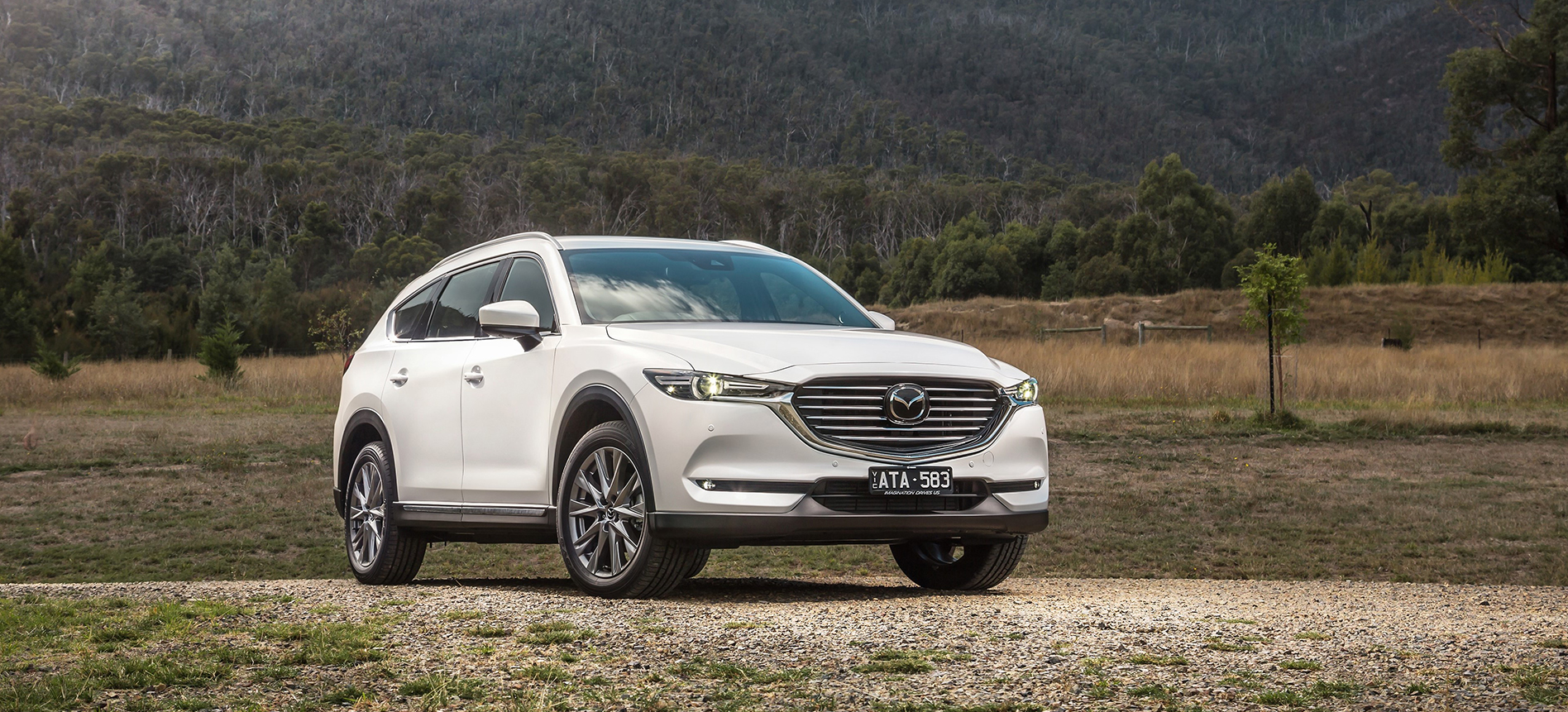
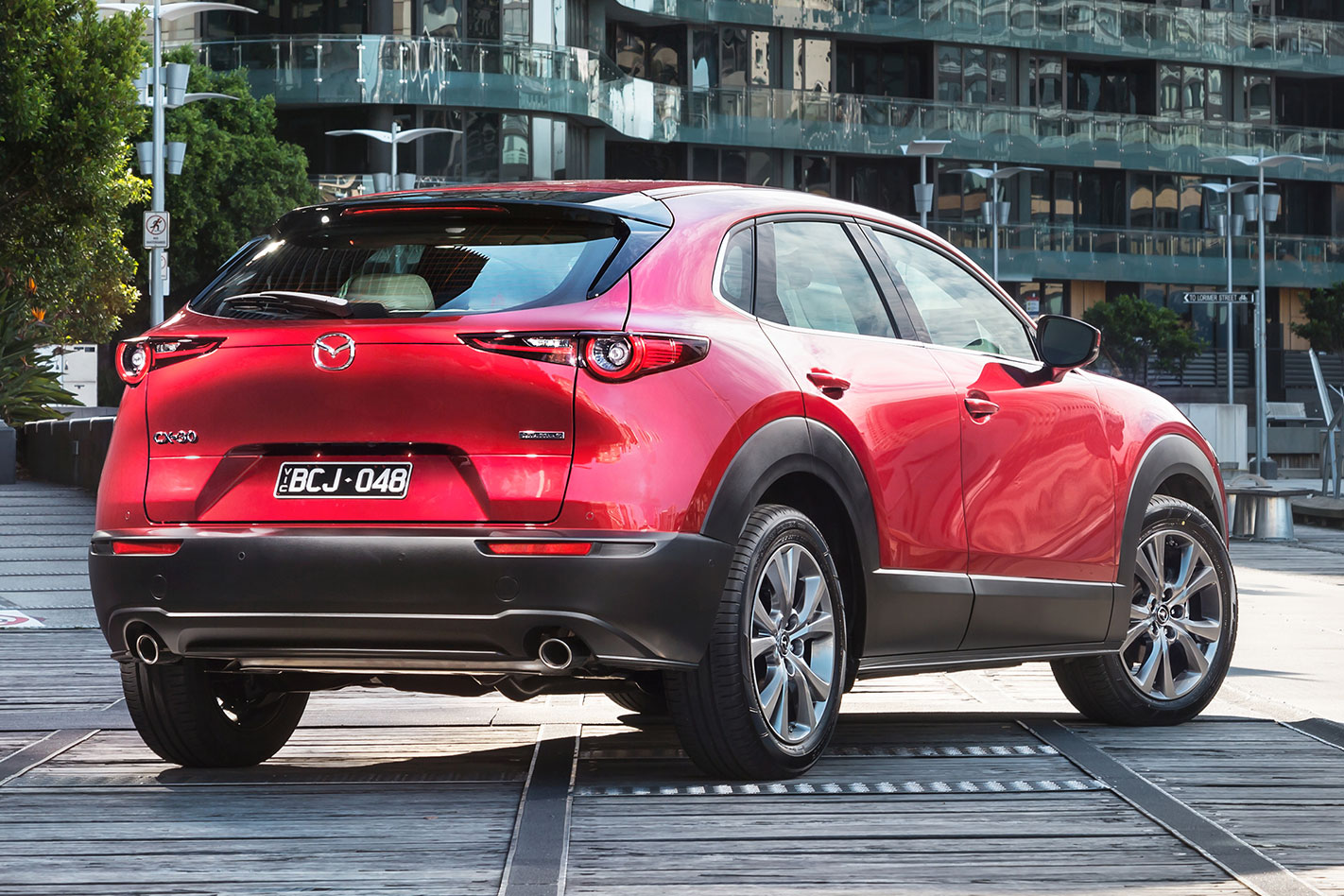
Stepping up in both price and size is the newest addition to the range, the CX-30. The CX-30 is based on the Mazda 3 small hatch and features a newer interior and technology to the CX-3, and there’s more engine choice on offer too.
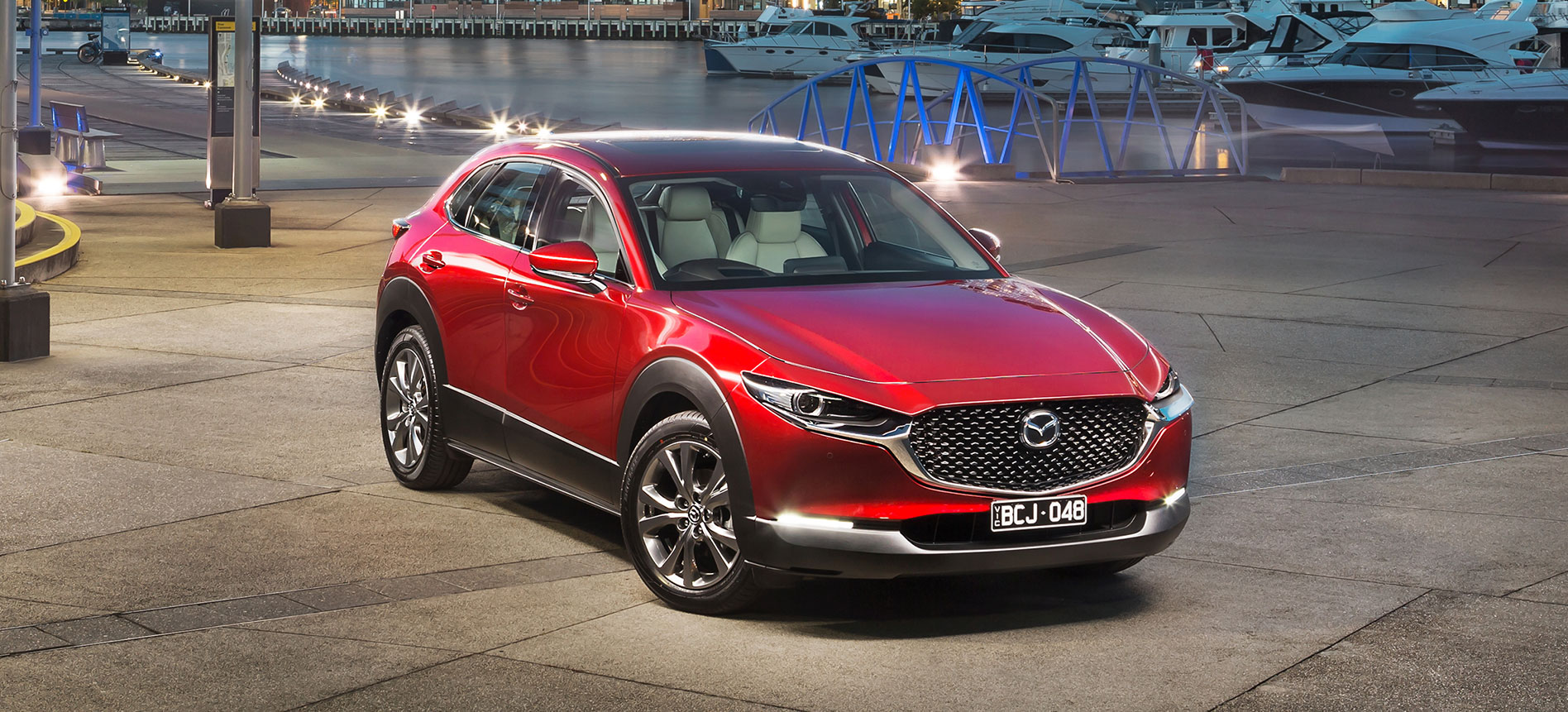
Both 2.0- and 2.5-litre engines are the choices so far, to be joined soon by an incoming SkyActiv-X engine that will increase efficiency and power. The CX-30 is pitted as somewhat of a style-based alternative to the CX-3, though it also features more space.
It is one of the most technologically advanced vehicles in the entire Mazda line-up, not bad for a car starting from $29,990 before ORCs.
Mazda CX-5
The CX-5 is the point at which the CX range starts to become viable for families. There’s much more room for both passengers and luggage, it’s more powerful and it’s even more capable off-road (especially with the latest update).
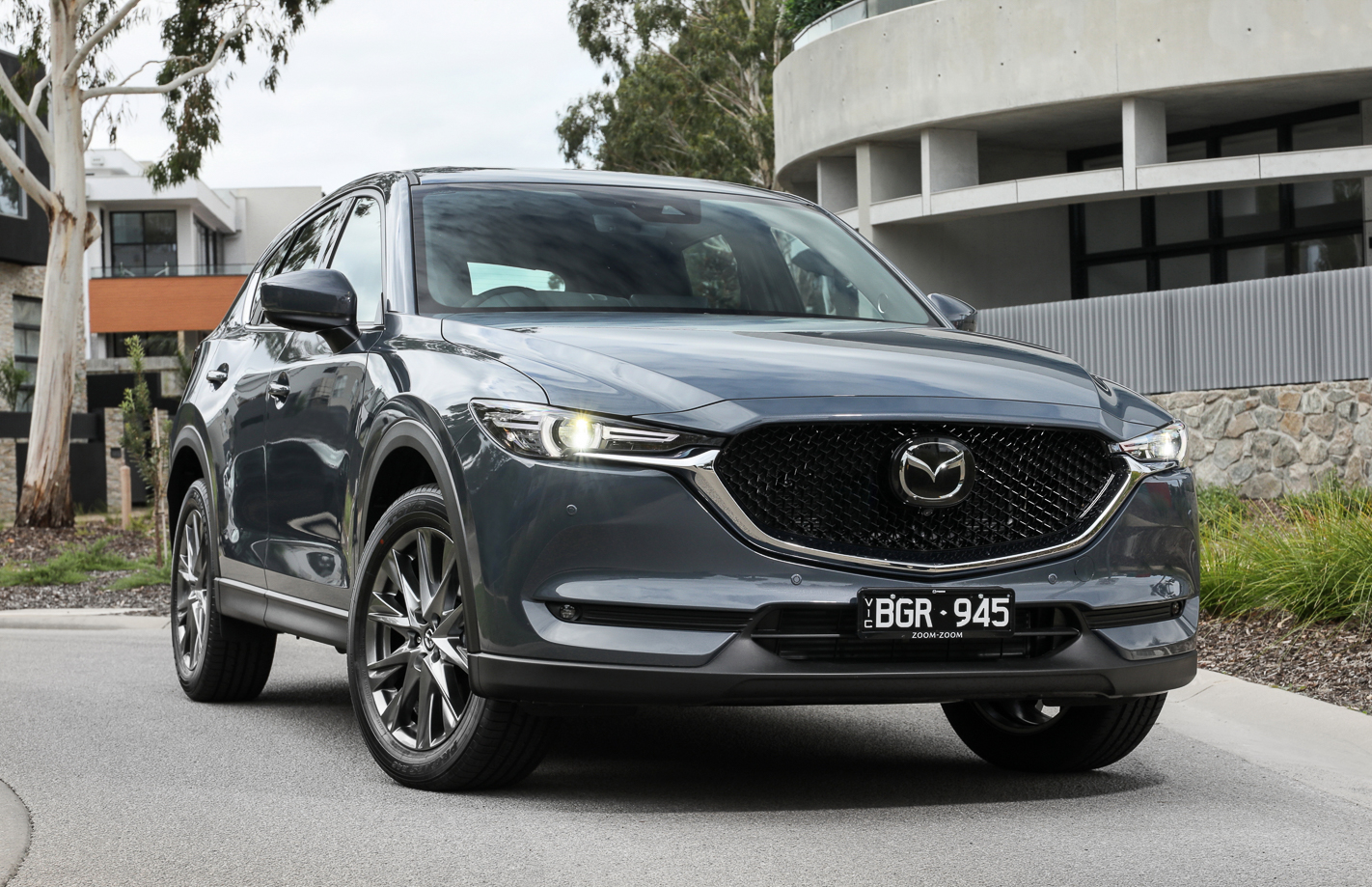
Prices start at $30,980 (before ORCs) and though this generation of CX-5 has been around for a few years now, it has received updated features and equipment year-on-year much like the CX-3 has. It seats five people and has a 442-litre boot.
Engine choice is bumped up to four options with a 2.2-litre diesel, a 2.0-litre petrol, a 2.5-litre naturally-aspirated petrol and a 2.5-litre turbocharged petrol. All-wheel-drive is available on some variants.
Mazda CX-8
The Mazda CX-8 is yet again a step up in terms of space, features and equipment, and was introduced as a diesel-powered alternative to the petrol-only CX-9. As of early 2020, the CX-8 is now offered with a naturally-aspirated 2.5-litre engine from the CX-5.
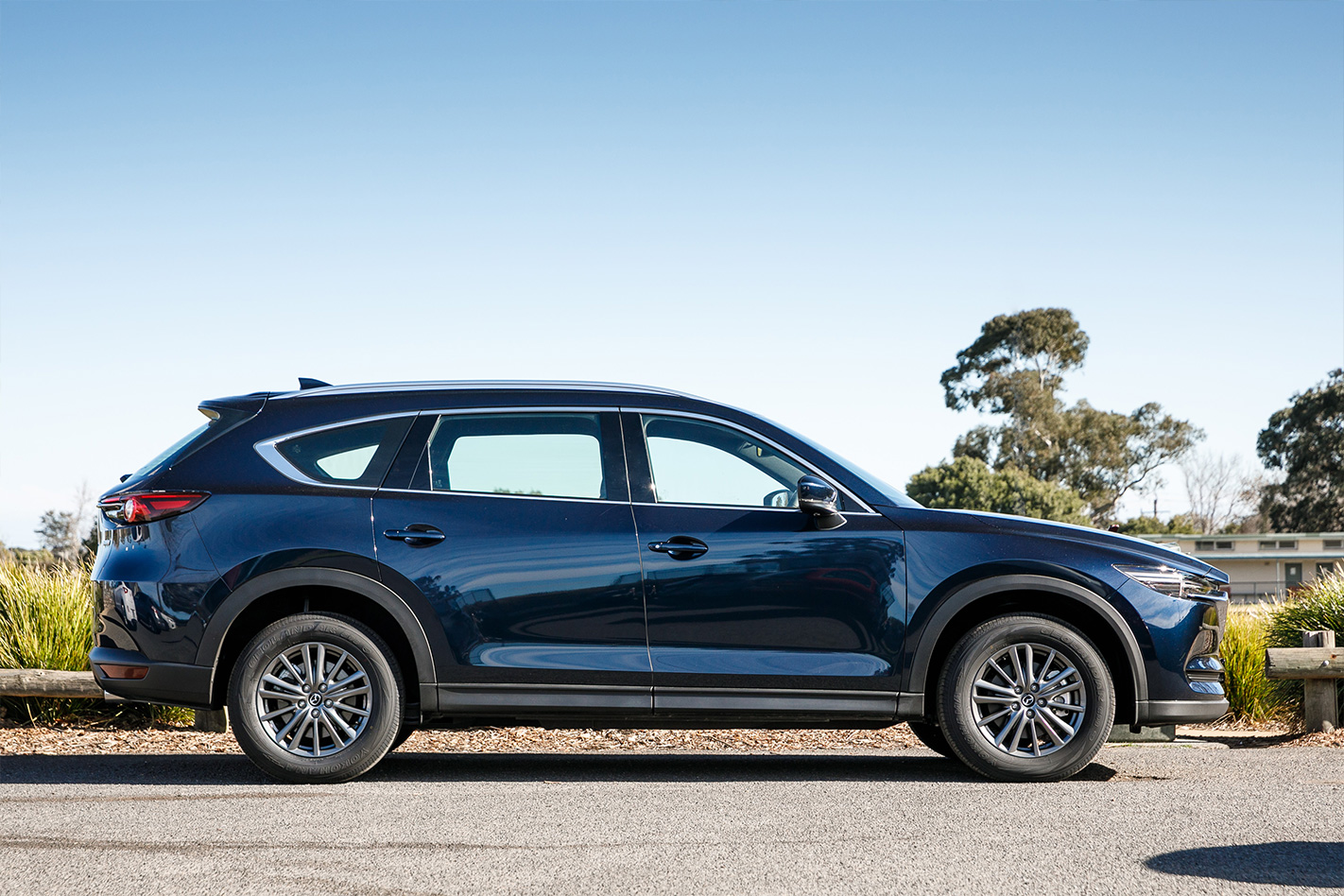
The differences between the CX-8 and CX-9 are minute and mainly relate to engine options and subtle size difference. The CX-8 range is primarily powered by a 2.2-litre diesel engine with the option of a 2.5-litre naturally-aspirated engine.
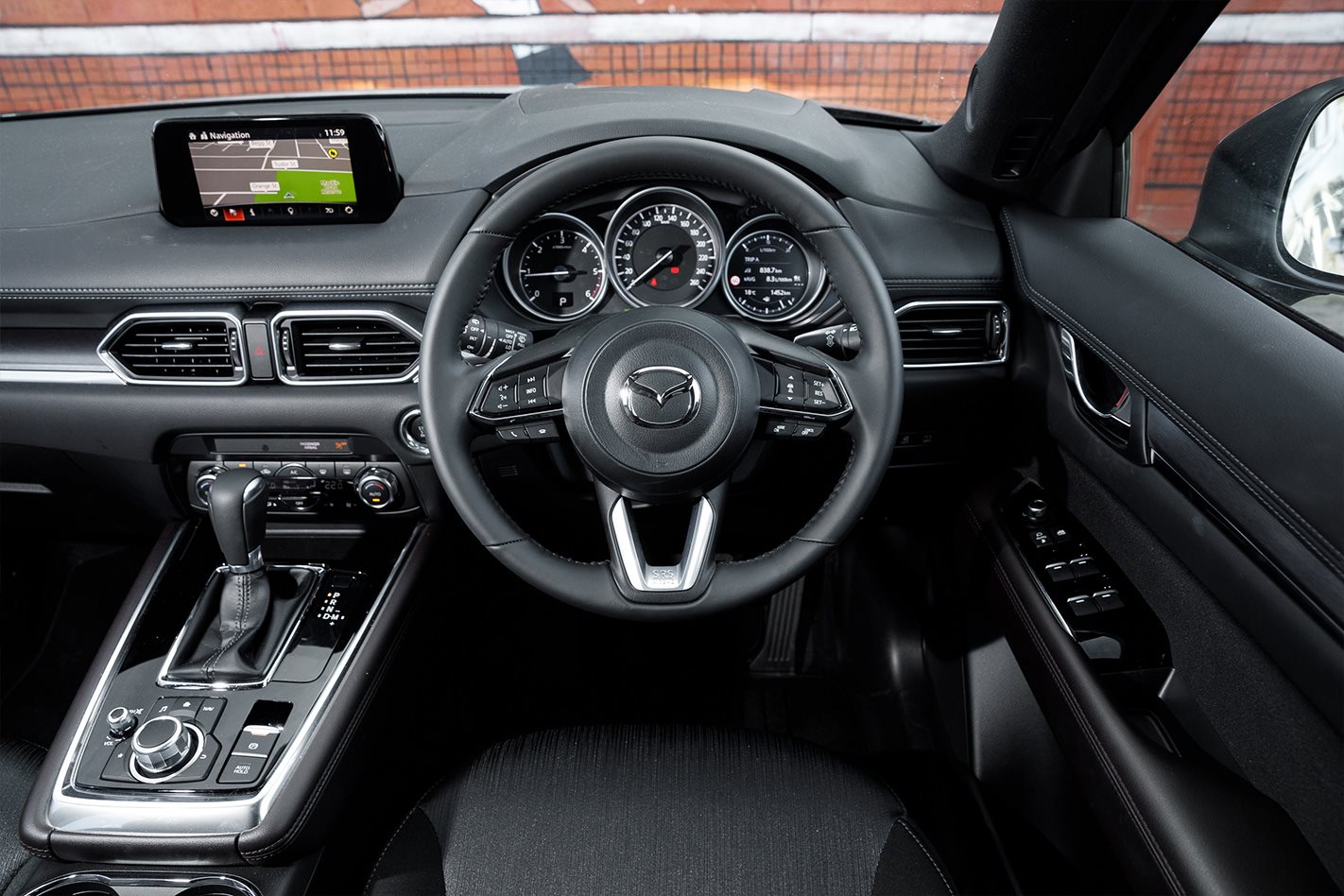
It shares the same length wheelbase with the CX-9 but is marginally shorter in a few key areas like the front seats, third row and contains a smaller boot by a measure of 68 litres.
Mazda CX-9
This is Mazda’s flagship SUV meaning it is the most expensive. It also features the most space and is the best-equipped of the range.
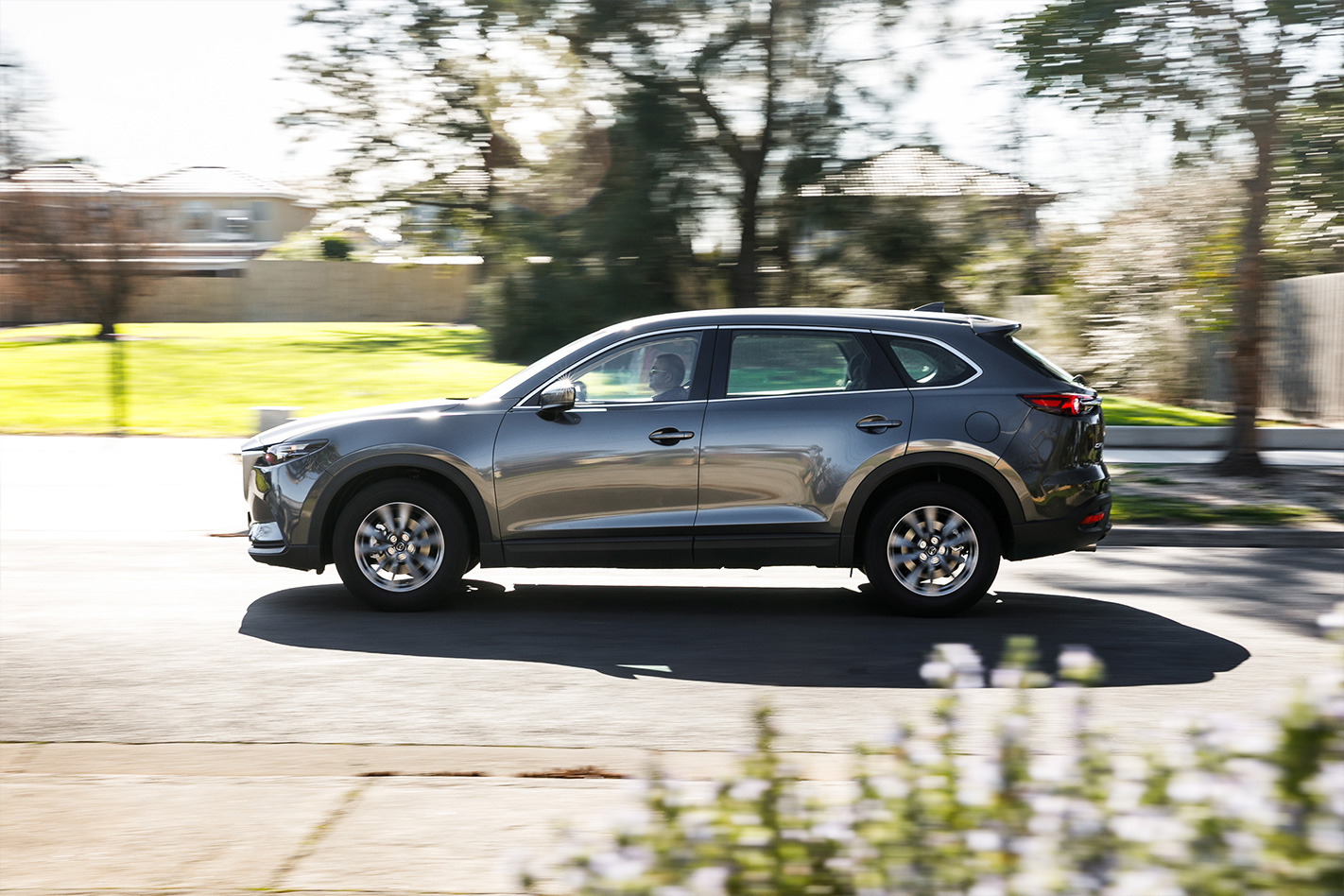
There’s seven seats, a single engine option (2.5-litre turbocharged four-cylinder) and you can have in front- or all-wheel-drive.
The CX-9 range starts at $45,920 (before ORCs) while the CX-8 begins at $39,910 (before ORCs).
A Melbourne man who lost control of a Ferrari killing a young mother had previously lost his licence eight times for speeding offences. Which begs the question: at what point does a person prove themselves dangerously unworthy of holding a driver’s licence?
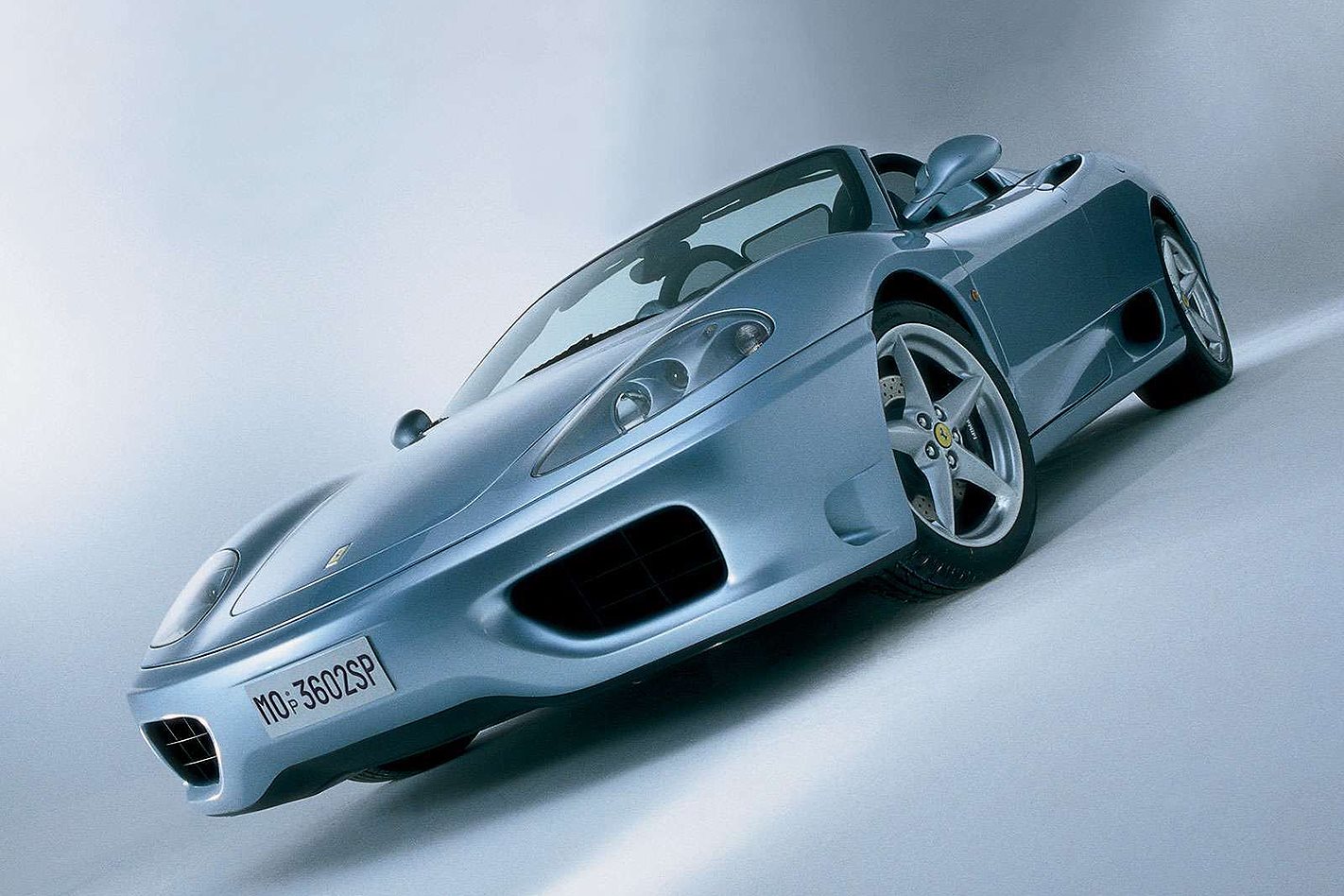
Mark Dimech, 48, was last week jailed after admitting to dangerous driving causing death after crashing a Ferrari 360 Spider while travelling in a convoy of exotic cars in July 2017.
Dimech, who was driving in a convoy of exotic cars through Victoria’s Dandenong Ranges, lost control of the yellow Ferrari while negotiating a bend at almost twice the 45km/h advisory speed. He veered across to the wrong side of the road and collided with a Ford Falcon XR8. His passenger and girlfriend, Rebecca Carkagis, 33, died at the scene and two people in the Falcon were injured.
The court heard that prior to the crash, Dimech had received nine speeding tickets resulting in his license being suspended seven times and cancelled once – in Victoria you can apply to the Magistrate’s Court to have a cancelled licence reinstated.
He received a custodial sentence of three years and eight months and will be eligible for parole in two years and two months. All his licences and permits were cancelled and disqualified for three years.
In sentencing Dimech, County Court Judge Amanda Fox said she accepted he was “genuinely remorseful” and had acknowledged the young mother’s death was his responsibility.
She said he showed good prospects for rehabilitation, adding that any sentence would likely deter him from re-offending.
We hope that is the case, but hasn’t the horse already bolted?
Seven licence suspensions and a cancellation failed to deter him from re-offending, so should he have been allowed to drive and offend again with such tragic consequences?
And if you accept that a life ban is too harsh, should he have been allowed at the wheel of such a high-performance vehicle? P-platers aren’t allowed to drive vehicles above a certain power to weight ratio, so why can’t such restrictions be applied to habitual dangerous drivers?
What do you think? Tell us in the comments section below.
Australia’s love for the ute is undeniable, but even the best-selling dual-cabs in the country have had a tougher time finding homes in 2020 than usual.
Take the Ford Ranger and Toyota Hilux for example; the two most popular cars in the country have sold more than 20,000 4×4 examples so far this year.
However, those figures are down compared to the same period last year (18.6 percent for Toyota and 8.3 percent for Ford, to be exact).
Logic would dictate that a bigger, thirstier, more expensive style of ute would therefore be feeling the crunch hard in these tough economic times. Well, not quite.
The Ram 1500 has been a major sales success in 2020. While the entire market has been shrinking, sales for the large American pick-up have soared locally, with the brand enjoying 34 percent growth year-on-year.
Express and Laramie versions of the Ram 1500 have been selling at such a rate that local distributor Ateco has had to scramble to make sure dealers have enough stock.
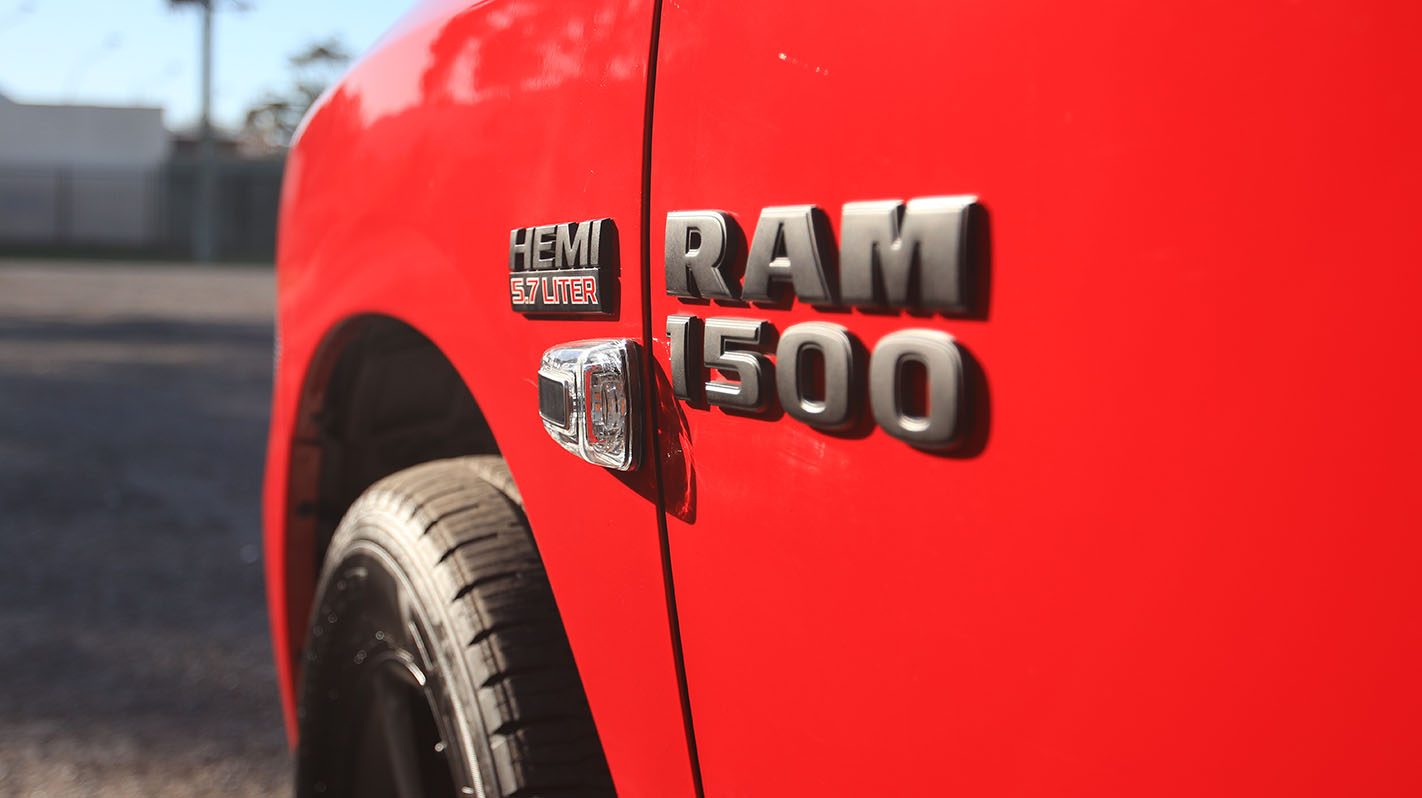
The pick-up style of utility isn’t going anywhere, so lets look at if this larger flavour of dual-cab is right for you. We’ll be ignoring the larger 2500 models as they have a very specific market, and are unlikely to convert regular dual-cab buyers (unless you’ve just come into possession of an ocean liner or small moon which needs towing)
The first thing to note is buying even the most affordable Ram is more expensive than any other dual-cab on the market – not that it hasn’t stopped people buying them like hot cakes.
The 1500 range starts with the Express, which costs $89,950, with the more luxurious Laramie costing an extra ten grand at $99.950. A new ‘Warlock’ model has been added to the local range at $104,950, bringing with it tougher suspension and styling tweaks.
Each is fitted with a 5.7-litre V8 engine producing 291kW/556Nm, mated to an eight-speed automatic transmission.
For $109,950 you can purchase a 3.0-litre turbo-diesel V6 Laramie that produces 179kW/420Nm (but we’d recommend sticking with the V8 petrol if you don’t mind the fuel bill).
In fact, one of the core drawcards for the Ram 1500 locally is the naturally aspirated V8 under the bonnet.
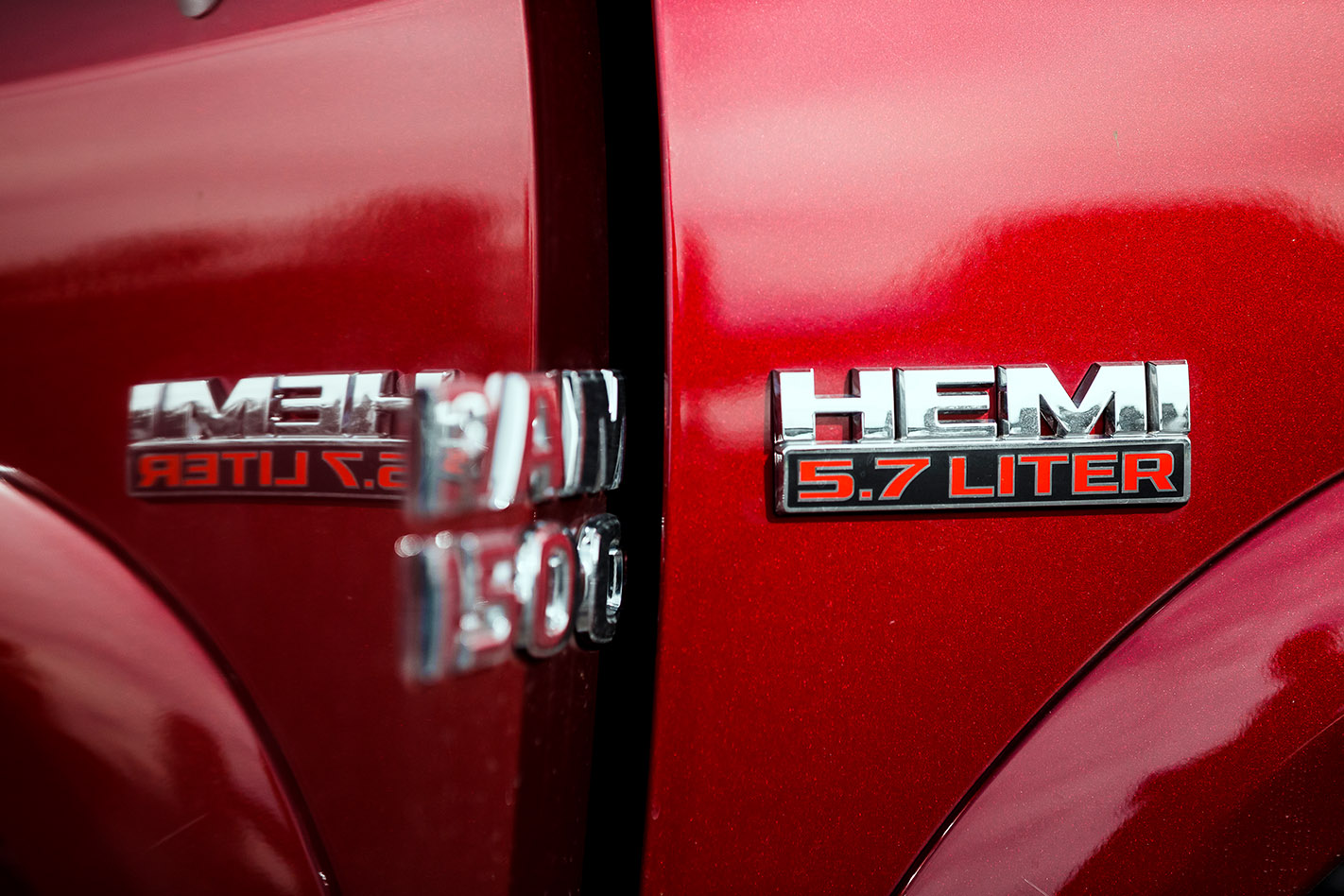
It is chock full of character, with a fantastic burbling exhaust note, and tons of grunt making the 1500 one of the quickest dual-cabs you can buy – despite its 2.5-tonne kerb weight.
The success enjoyed by Ram in 2020 has only cemented the fact that if you pair a good engine with a practical body, Australian buyers are willing to lay a fair whack of cash on the table to add your vehicle to their garage.
There’s also the serious pulling power (pun intended) of the Ram’s impressive 4.5-tonne braked towing capacity. That’s a full tonne more than the best dual-cabs on the market.
Even if what you are hauling is under the 3500kg braked limit of most dual-cabs, the Ram 1500 has a payload capacity of between 800kg and 845kg depending on variant, and maximum Gross Combination Mass (that’s the weight of the loaded car and trailer together) of 7237kg for all models.
With a kerb weight of 2650kg for the Laramie, that gives you a whole load of carrying capacity in terms of both luggage, and vehicle occupants.
For context, a Ford Ranger Wildtrak has a payload of 922kg, but a GCM of just 6000kg.
While some might be put off by the size of the 1500, it is of itself another draw card for the model. Yes, it’s not exactly a breeze to manoeuvre in urban carparks, but neither are other dual-cabs on the market.
Driving the Ram 1500 isn’t as daunting as some would have you believe. Any confident driver should, and could, be able to steer the pick-up comfortably through most metro suburbs.
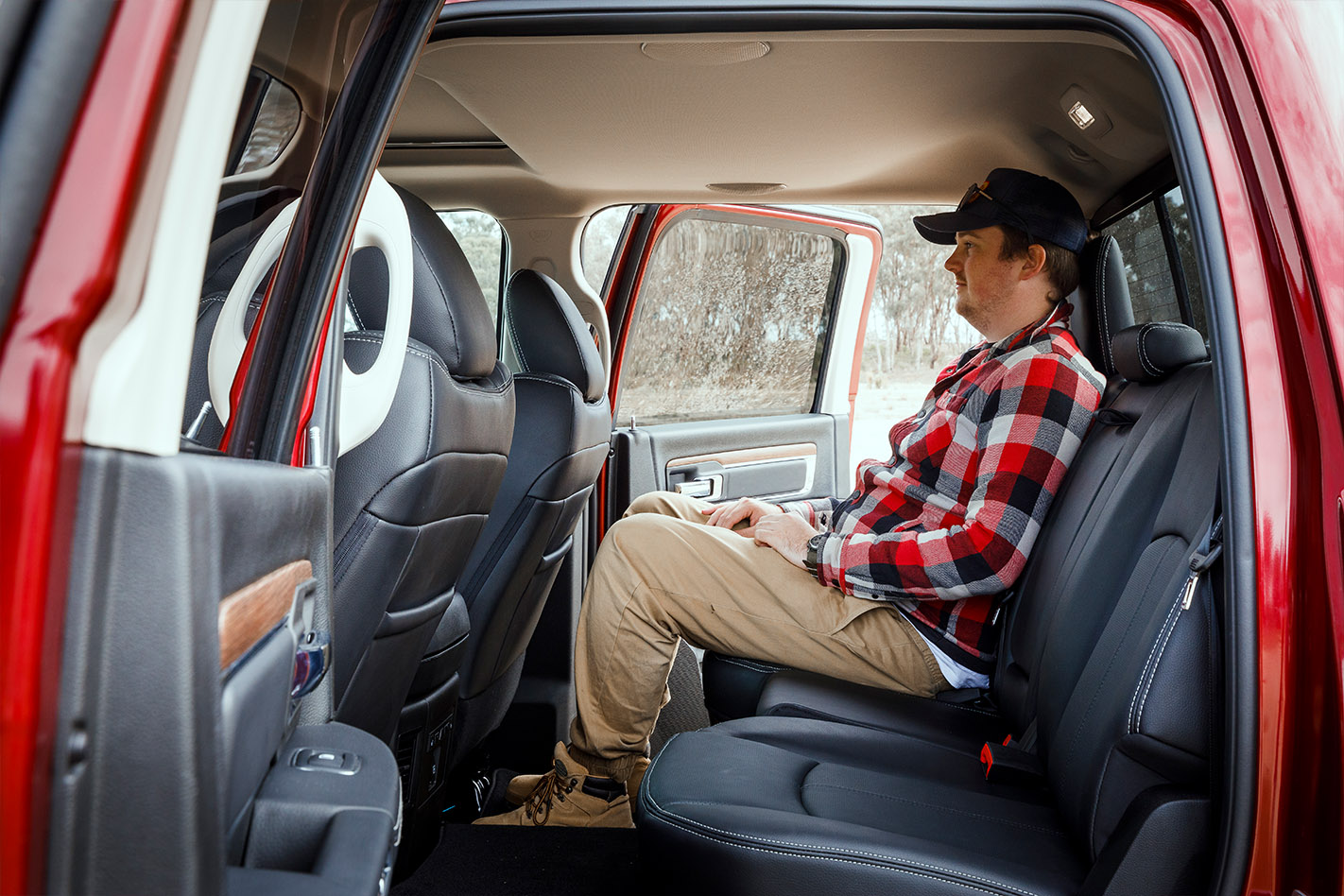
That extra size is also a huge benefit in terms of occupant comfort. The rear seats of a regular dual-cab are best reserved for your most disliked mates, whereas the rearward pews of a 1500 are truly limousine spec. You won’t get better legroom outside of a long-wheelbase S-Class or 7 Series.
Finally, there is the fact that even the more affordable 1500 Express is absolutely rammed with features and luxury goodies.
For the ‘base’ model you get an 8.4-inch infotainment touch screen with Apple CarPlay/Android Auto, as well as a dual-zone air conditioning system.
There’s sizeable storage inside the cabin, USB ports scattered around like chocolates on Easter morning, a 7.0-inch multi-view instrument cluster between the gauges, cruise control, voice recognition, keyless entry, rear air vents, tyre pressure monitor, and automatic headlights.
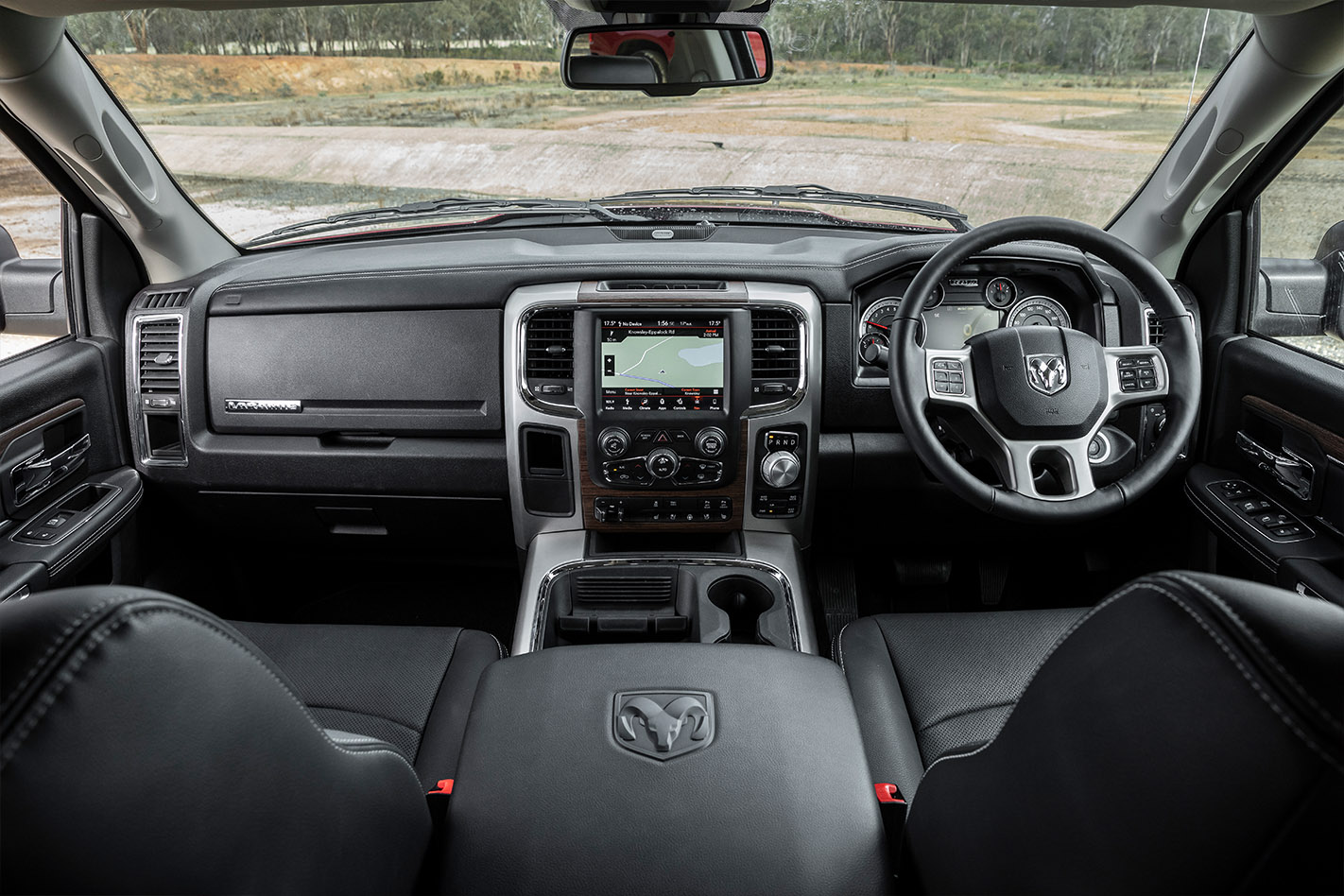
The more expensive Laramie adds partial leather seat trim instead of cloth, electric folding mirrors, a tonneau cover as standard (with RamBox storage in the tray), an Alpine 9-speaker sound system with subwoofer, steering wheel mounted audio controls, an electric sliding rear cab window, power 10-way adjustable driver’s seat with memory function, power six-way adjustable passenger seat, power driver and passenger lumbar adjustment, heated and ventilated front seats, heated rear seats, heated steering wheel, keyless and remote start, rear window defroster, and a power sunroof.
All of that adds up to the Ram 1500 Express and Laramie models enjoying a combined 2169 registrations so far this year.
That’s more than the Mercedes-Benz X-Class 4×4 (1471), and if Ram’s current growth continues it won’t be long until it is knocking on the door of mainstream 4×4 models like the Mazda BT-50 (4914) and Volkswagen Amarok (4776).
If you have the budget (and room) for something with more grunt and equipment than what is currently offered by the current crop of dual-cabs, the Ram 1500 isn’t a bad place to start looking.
Picking a first car is an exciting prospect for young drivers, but it’s important to not get too carried away and temper expectations by first thinking about what you need in a vehicle, rather than what you want.
It’s all very well and good to have wants such as something stylish, comfortable or sporty, but before getting to any of that – consider some fo these must-have car features for the unexperienced driver in your life.
Automatic Emergency Braking
This automatic braking technology (often abbreviated to AEB) is a fantastic safety feature which is thankfully becoming commonplace in new cars, even at lower price points.
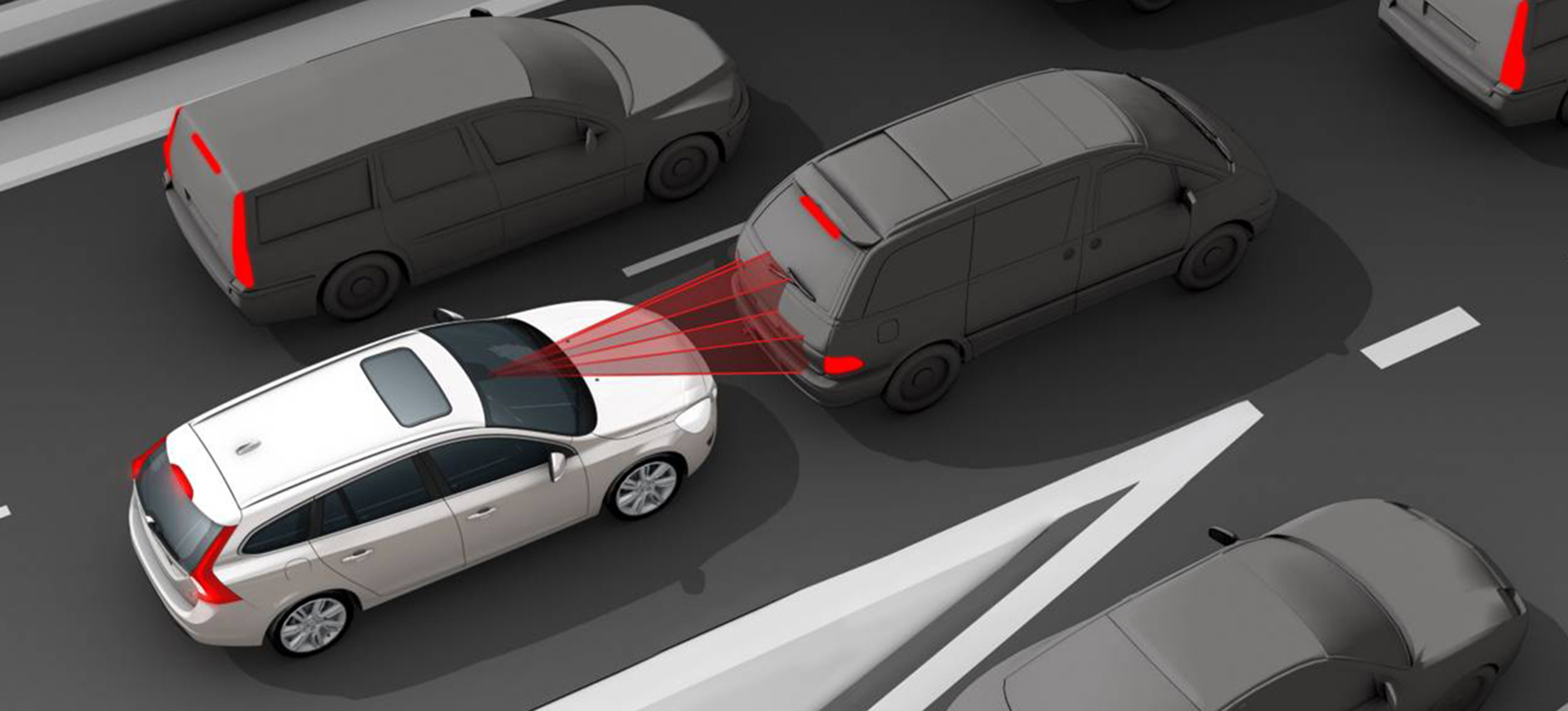
Manufacturers will usually have their own lingo for the technology (don’t worry though, we’ve got a handy list to help you figure it out), but each system ostensibly performs the same function.
AEB is not a replacement for good driving behaviour, but it can help minimise (or sometimes completely prevent) the chances of a collision by detecting a possible incident, and applying the brakes to slow and stop the vehicle if a driver hasn’t reacted.
Reversing Camera / Rear cross-traffic alert
Reversing cameras were once the preserve of luxury car makers, but are now available in just about every car on sale in Australia.
The next advancement is 360-degree cameras, which provide an unparalleled view of the vehicles surrounds, making parking in tight and tricky situations a breeze.
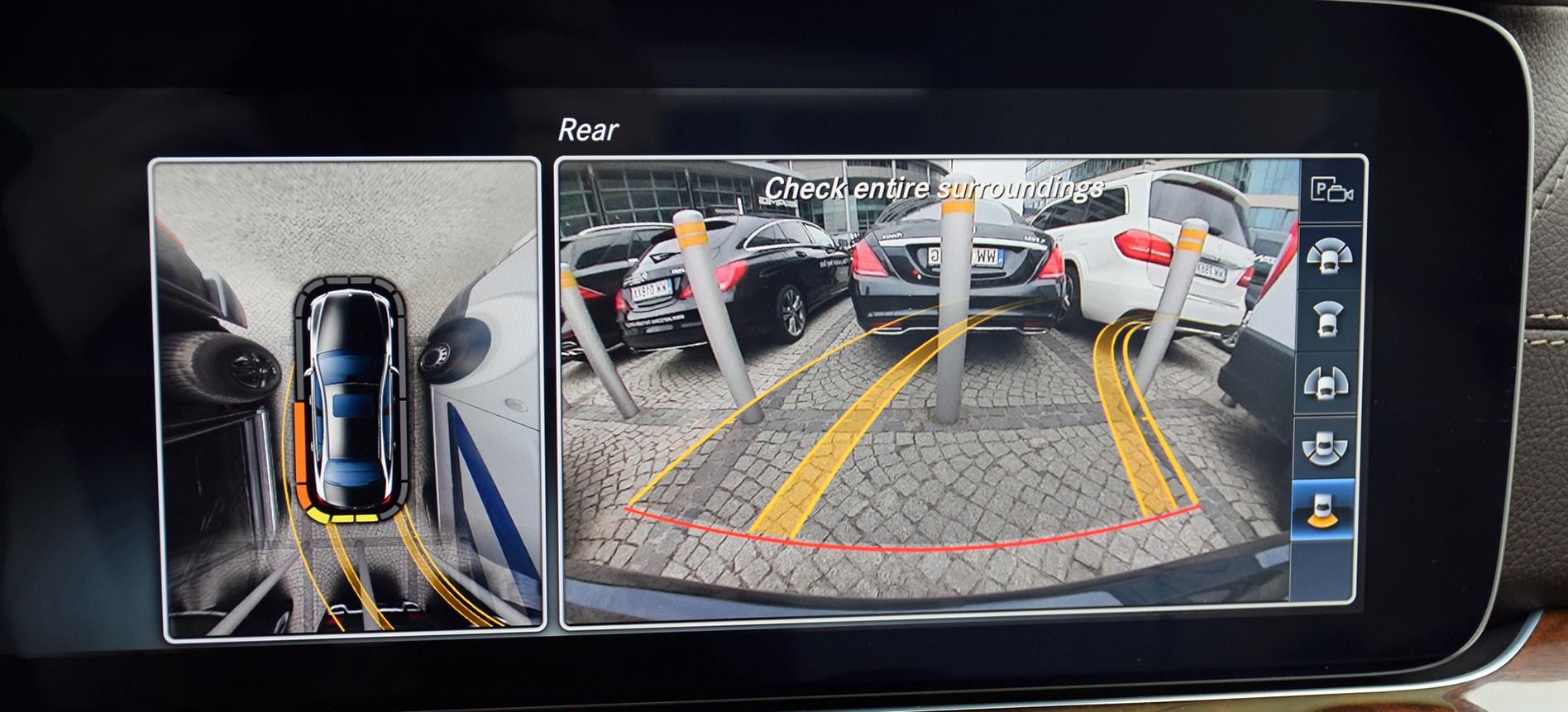
New drivers should also be on the lookout for rear cross-traffic alert, a system which can provide a warning of unseen traffic when reversing out of driveways and parking spots. In some circumstances the technology will even apply the brakes for you to prevent a collision.
Satellite navigation
With strict phone restrictions for P-plate drivers in many states preventing phones from being used to provide navigation directions, sat-nav can be a handy feature for new drivers.
Driving solo for the first time can be a stressful and anxious experience. Add in trying to find a place you’ve never been before, and it can make for a negative experience. Having an in-built sat-nav system in the car will help your new driver navigate the roads with greater confidence, and spend less time lost and panicking in back streets.
Smartphone mirroring
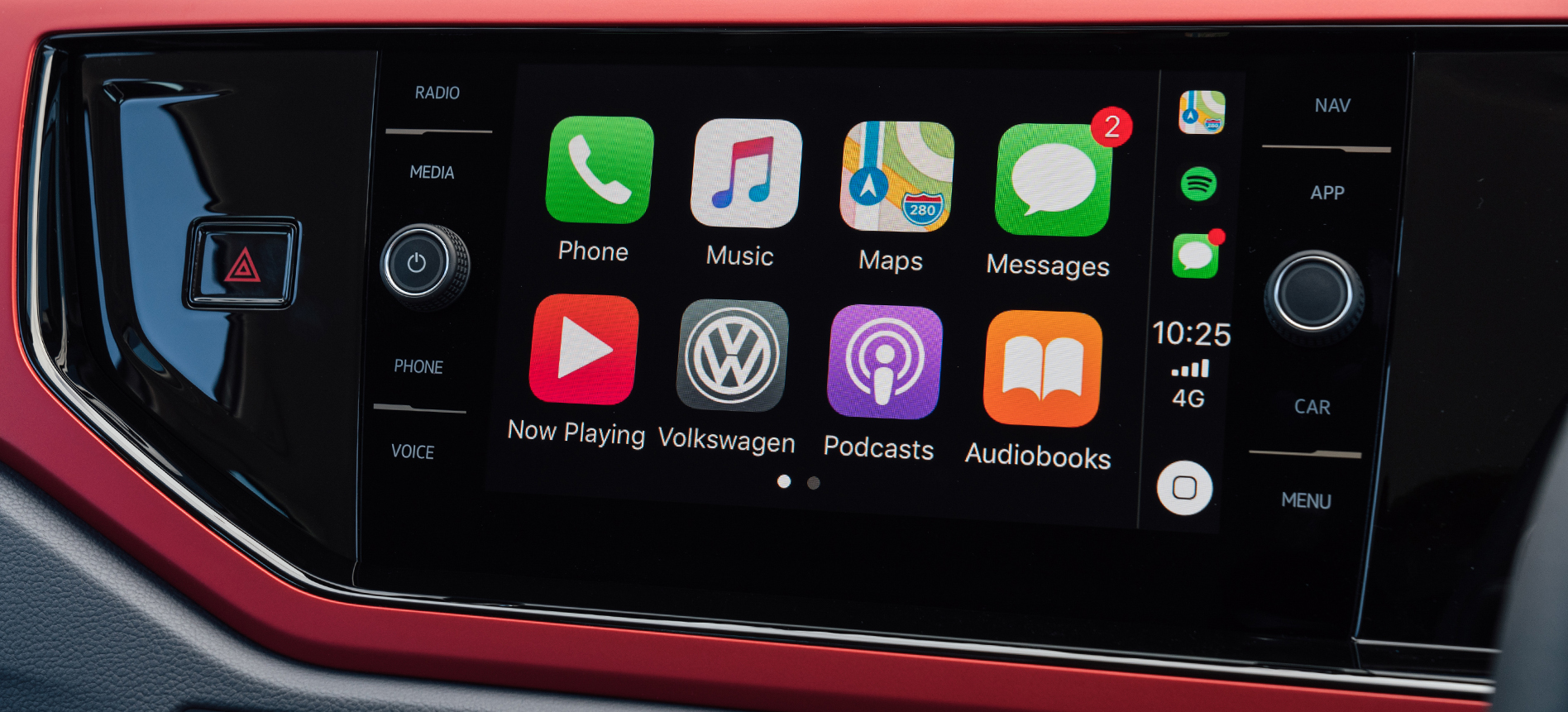
Speaking of phone restrictions for new drivers, smartphone mirroring apps like Apple CarPlay and Android Auto are an approved way to utilise your mobile phone’s functions while driving – so long as you aren’t physically distracted with operating it. That means no touching the phone or spending time touching the infotainment screen while trying to operate the tech.
Be wary though: P-platers in Western Australia, Tasmania and the ACT are granted an exemption for hands-free use of their phone, but it’s a different case in New South Wales, Victoria, Northern Territory, Queensland and South Australia where novice drivers are forbidden from using their phone at all including via a cradle or Bluetooth – in South Australia’s case this only applies to P1 (red plate) drivers, while in Queensland it applies only to P1 drivers under the age of 25.
Head-up display
Another useful safety feature which is trickling into more affordable models is a head-up display.
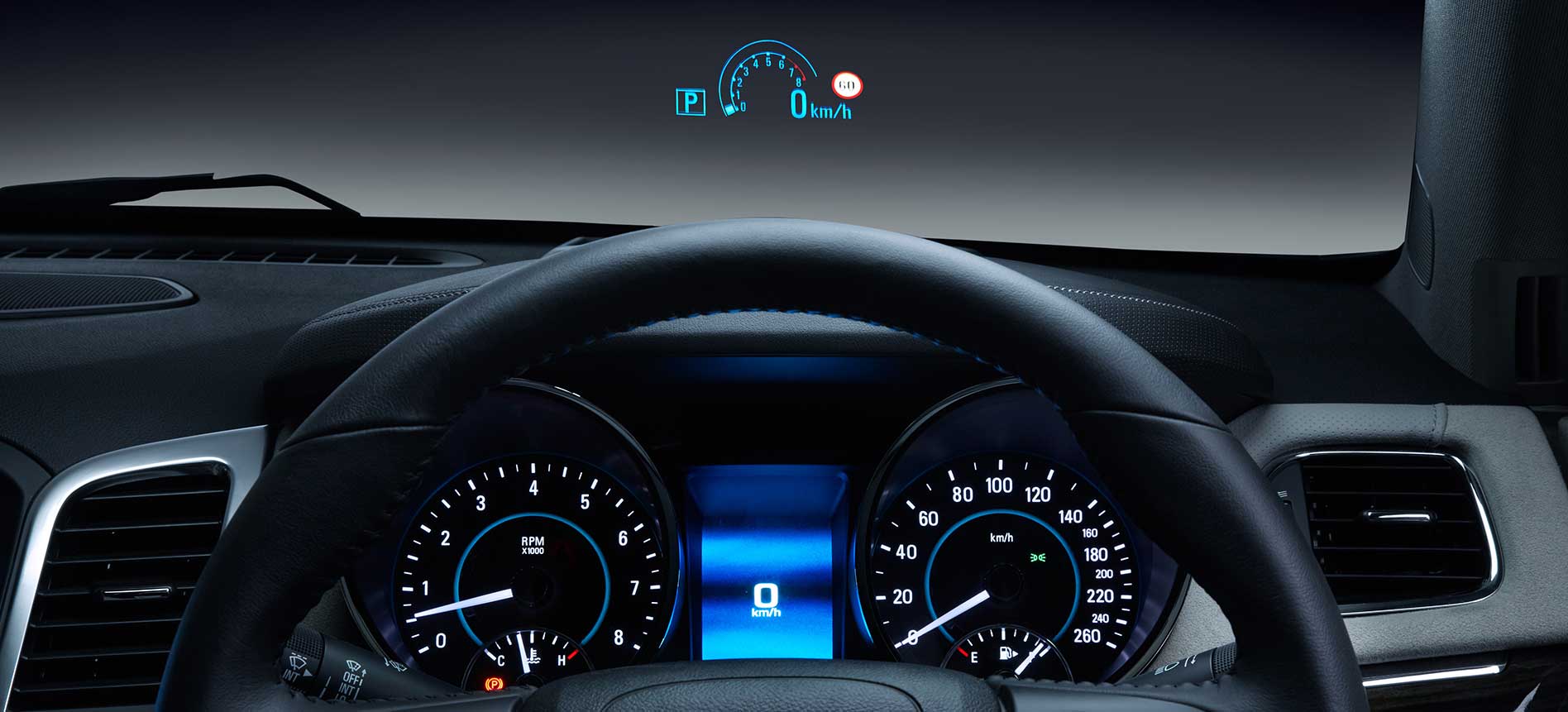
This bit of tech will allow a new driver to spend less time with their eyes off the road, looking at a speedo. By displaying just the most relevant information on the windscreen in front of the driver, a head-up display is a small feature which can make a big difference, reducing the amount of processing power required by inexperienced drivers overwhelmed by information.
In the coming years, electric vehicles will become commonplace and as soon as they reach parity on pricing with equivalent combustion-powered cars, they will take over as the automotive norm. For now though, there is still a huge novelty attached to vehicles that move around using nothing but electricity.
That’s why we decided to dedicate an entire episode of the TV show to this intriguing but important sector of the car industry. Perhaps you are one of the thousands of Australians coming around to the idea, maybe you need a little more convincing, you may even be one of the staunch opponents.
Either way, we wanted to showcase the EV status quo and everything the zero-emissions transport world has to offer, from the inconvenient challenges through to the clear advantages from the present and into the future.
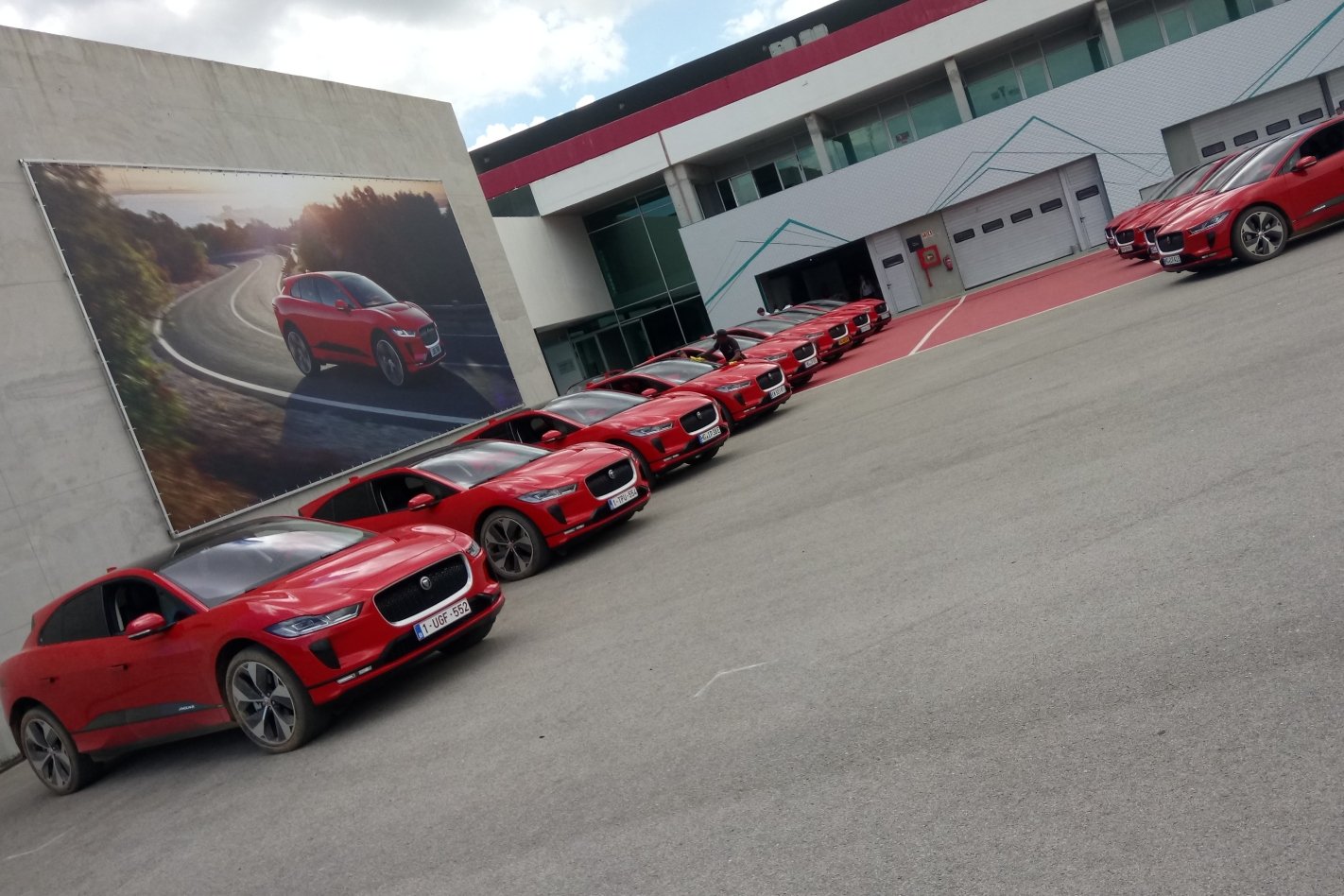
The Jaguar I-Pace story was actually recycled footage and captured long before WhichCar TV was even a twinkle in someone’s eye, back in the middle of 2018 at the model’s international launch in Portugal.
The most memorable thing about this particular launch is that Jaguar didn’t really deviate from the formula of any other SUV introduction despite its unorthodox battery electric drivetrain. There was a road loop, an off-road section including a water crossing, and even some track time.
And not once did we have to pull up to a stranger’s house and ask to borrow a power socket, nor was there a portable generator truck following us around.
If you don’t see that as a vote of confidence in the I-Pace’s ability and trustworthiness then you’re a tougher audience than us. As it happened, the Jag didn’t miss a beat all day.
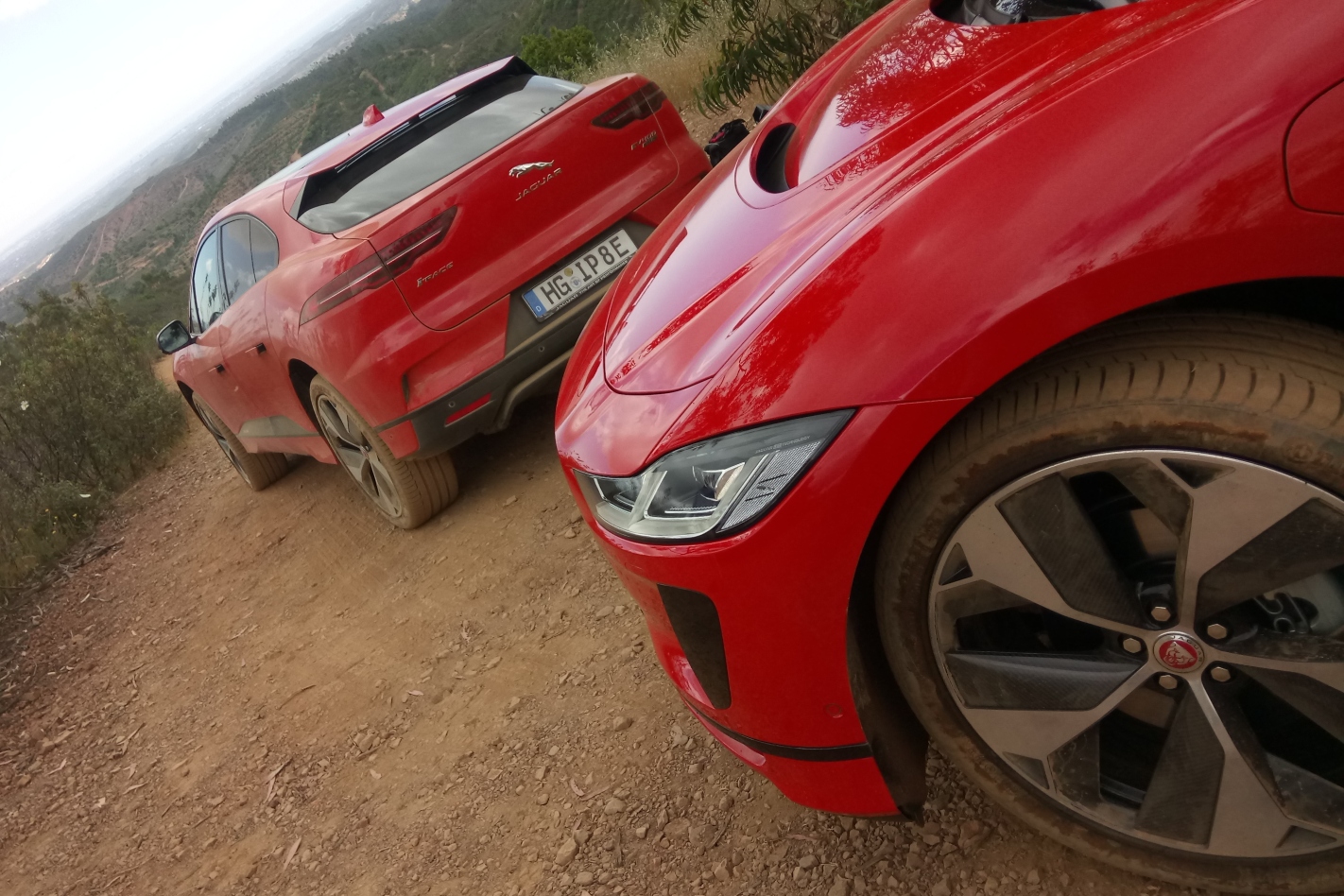
The drive day concluded at the incredible Portimao racing circuit (or Algarve International Circuit) where we were allowed to push Jaguar’s first EV as hard as we liked. The brakes stank, the tyres complained, and the cooling systems radiated heat like a campfire and but we didn’t see one example limp off into the pits for attention.
While the launch was a resounding success from our perspective, ironically it was hosted at a circuit which can be regarded in one way as a rather embarrassing failure – until now. Following completion and FIA homologation in 2008, there were high hopes it would host a round of the Formula 1 Grand Prix, but persistent financial difficulties from both the owners and Portugal’s economy have so far prevented those ambitions becoming a reality.
However, the track will finally realise its dream this year – despite the COVID-19 crisis nearly putting plans on hiatus once more – when the Algarve International Circuit will finally host the Portuguese Grand Prix.
While the German premium brands were squabbling about who would be the first to bring an electric SUV to market first, the Jaguar beat them all to the line and, two years later we got our hands on another pivotal production EV.
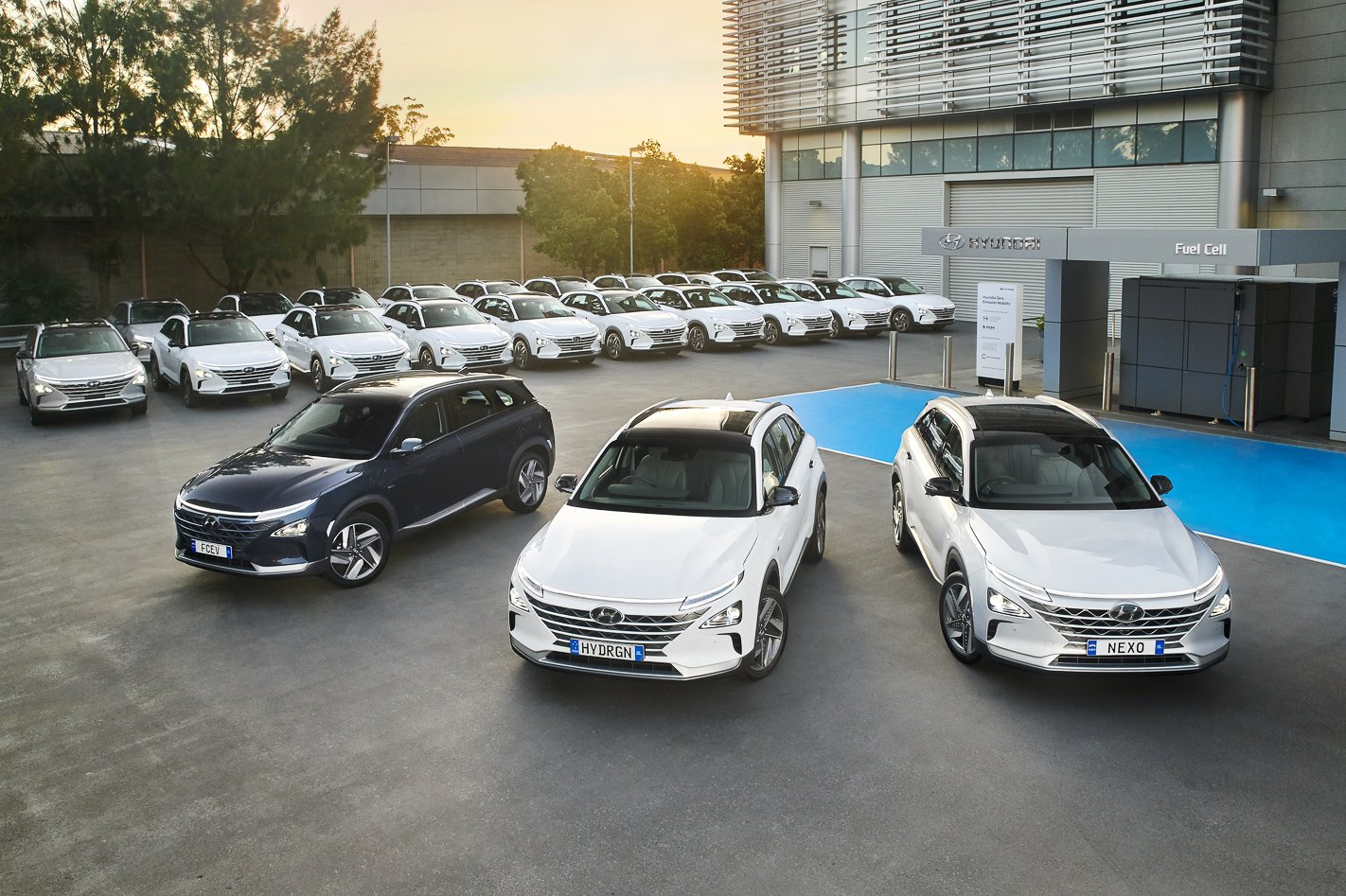
Hyundai’s Nexo is the first ADR compliant hydrogen fuel cell powered vehicle on Australian roads and WhichCar was the first publication allowed to drive it. There are only 20 in the country but this significant model marks an important milestone in the evolution of EVs.
Rather than carrying around a big heavy battery like the I-Pace and all its rivals, the Nexo has an onboard supply of hydrogen that it feeds into a fuel-cell along with oxygen from the atmosphere, generating its own electricity as it needs it.
We’re not allowed to tell you exactly what it’s like to drive just yet, but what we can say is that standing next to the Nexo for three minutes to top up its gas tanks is a far more inviting proposition than sitting in a café for 20 minutes to charge an EV.
We’ll also go so far as to say, it drives a lot like any other electric SUV available in today’s market and not entirely dissimilar to a petrol powered model. That’s why you’ll be seeing a lot more about EV’s, hydrogen ‘FCEVs’ and hybrids at WhichCar.
The 2020 Nissan Pathfinder N-TREK SUV is an all-round great choice for a big family all-wheel drive.
I tested the five-door, seven-seat Pathfinder on a 20-hour round trip that covered more than 1500km from Sydney to Byron Bay over the space of a week. Here are the five things it gets right and one thing it gets wrong.
1. Driver comfort
The driver’s seat is really comfortable – perfect for a long trip. It allows for a range of adjustments, including adjustable lumbar support and temperature.
The steering wheel also adjusts through a wide range. Unsurprisingly for such a big car, you sit high with a great view of the road.
It has well-designed centre console storage that splits neatly into an upper and lower compartment and plenty of storage compartments for drink bottles, phones, keys and wallets. The glove box is huge, too.
2. Looks
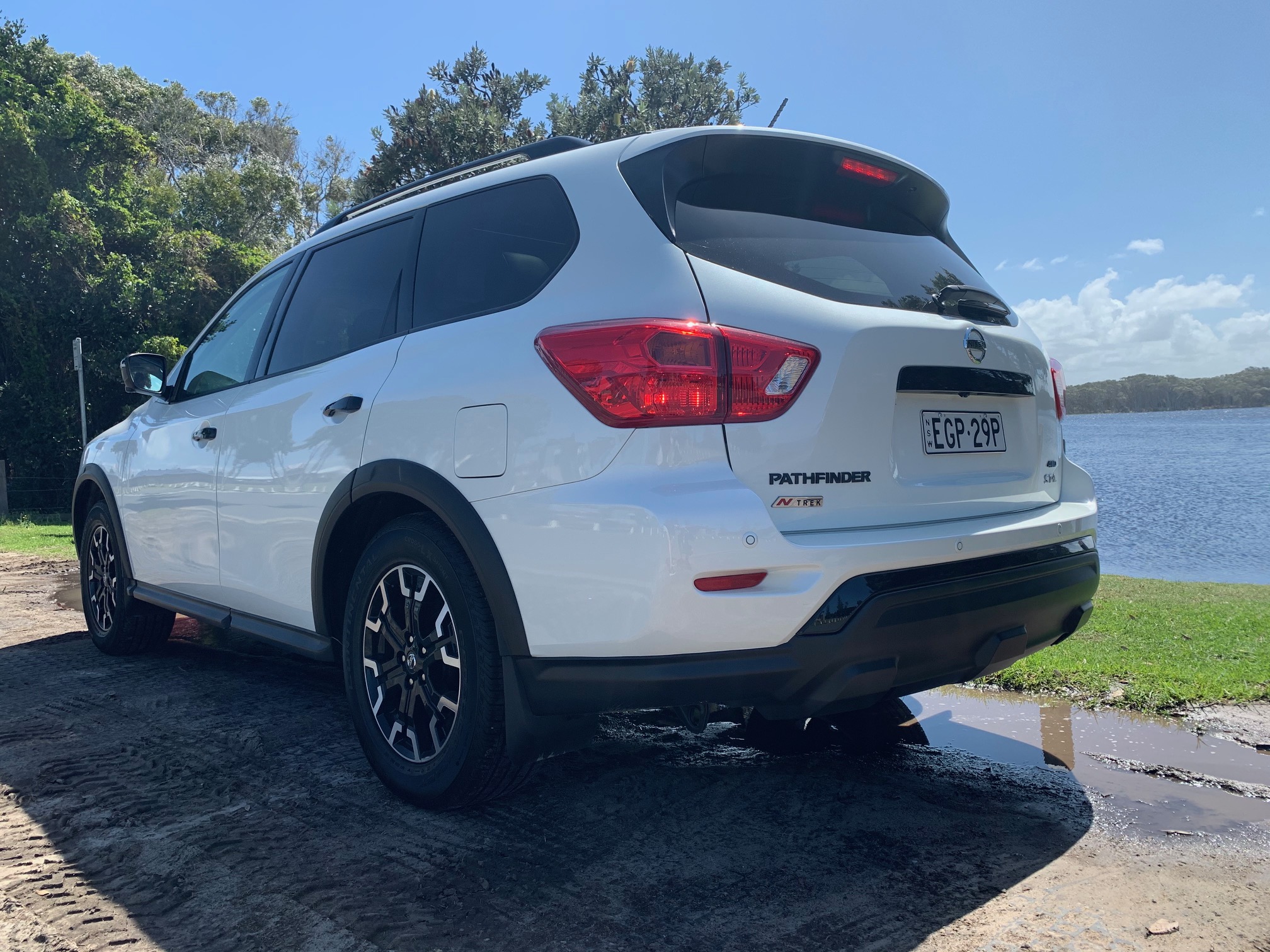
The family four-wheel drive is a relatively daggy category of car but, at the price point, the Pathfinder is a great looking vehicle.
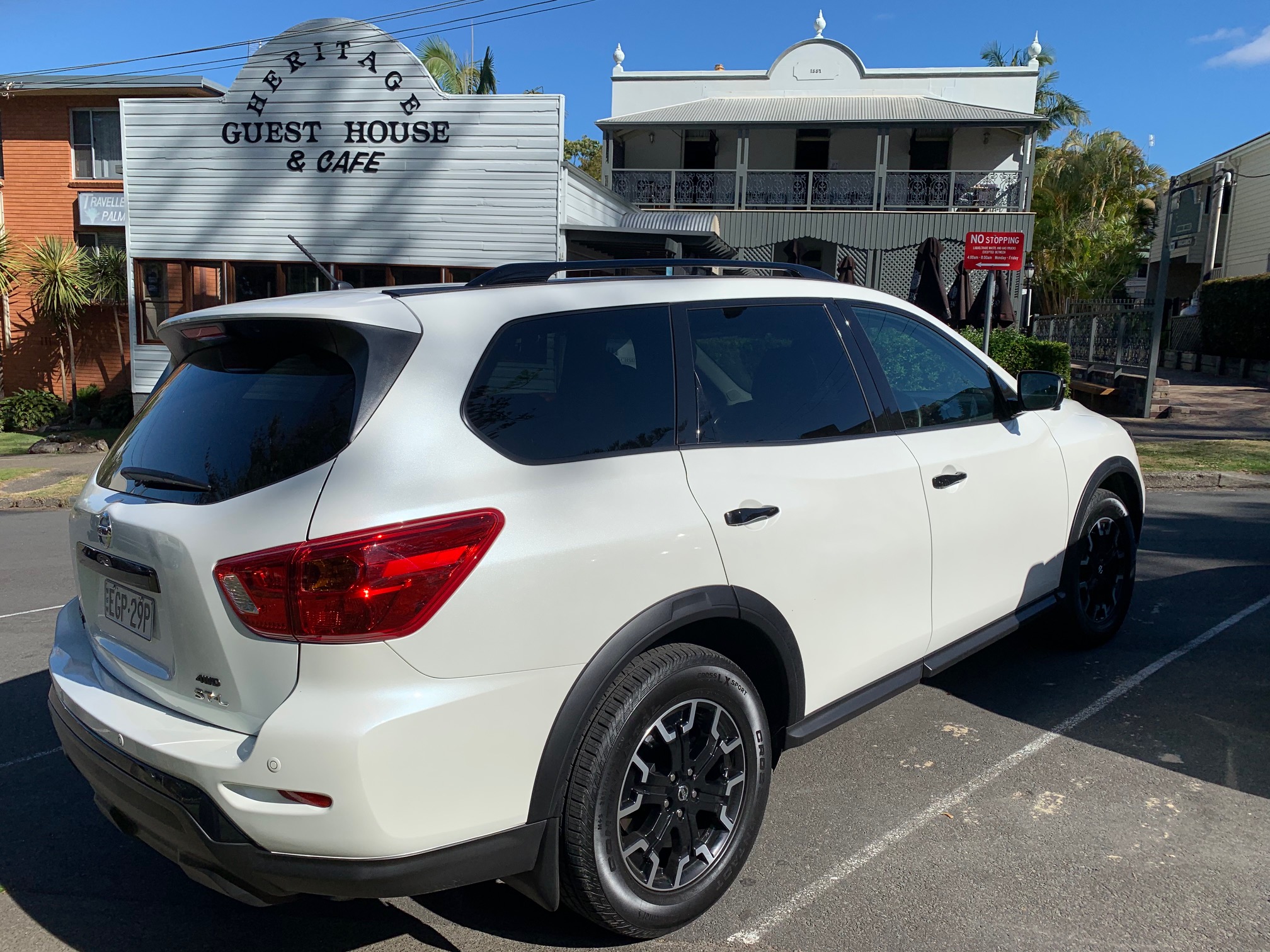
With contrasting black on the front grille, door handles, wheel arches, roof rails and door mirrors and a silver lower bumper guard, it has a suave look notwithstanding its boxy body. Contrasting black and silver alloy wheels add to that style.
3. Ride
Sitting high on the road, with a smooth ride and relatively good acceleration for such a big car, it’s ideal for the highway.
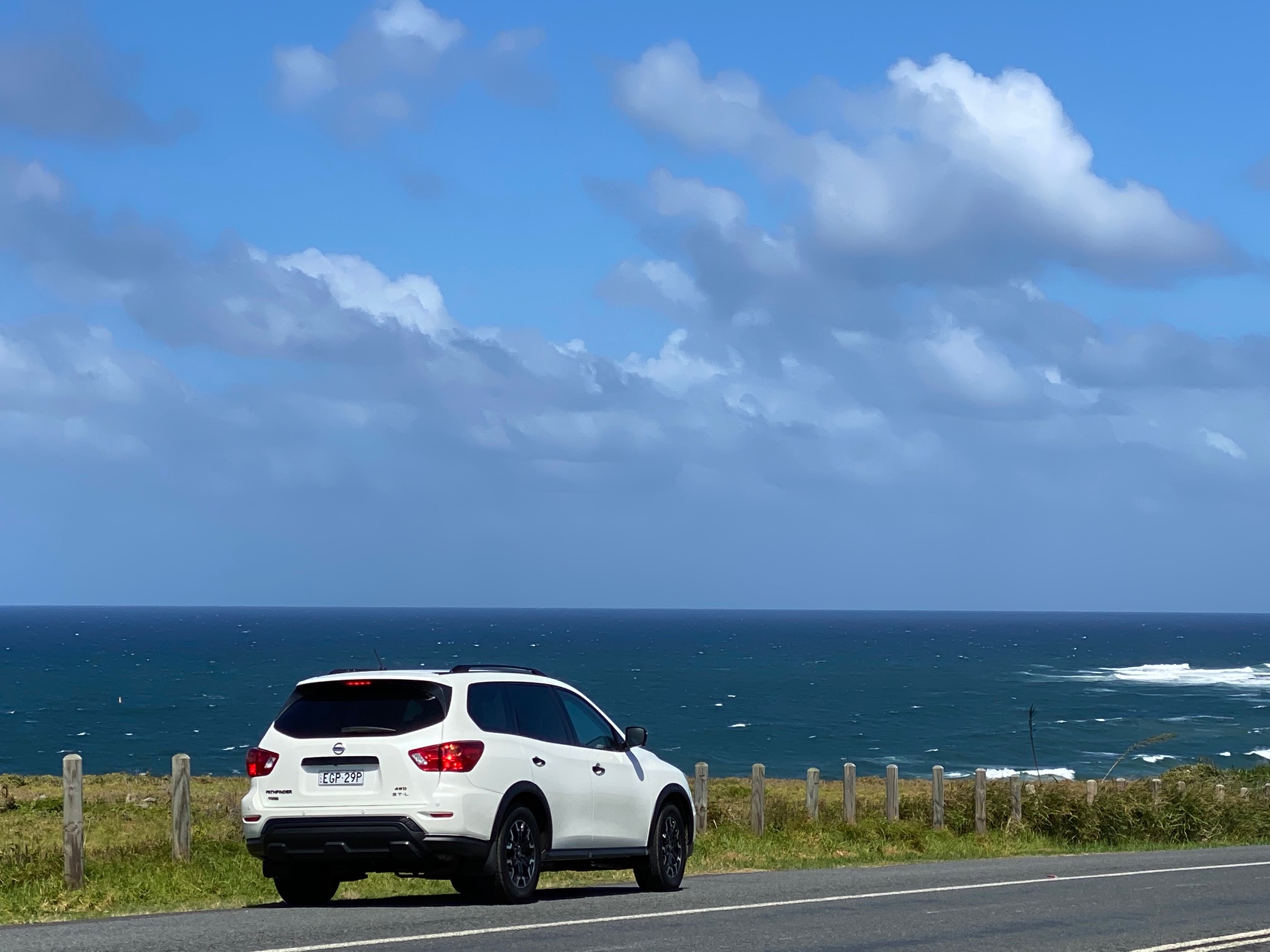
However, it was also surprisingly good on the undulations and windy roads around Myall Lakes.
4. Back row access
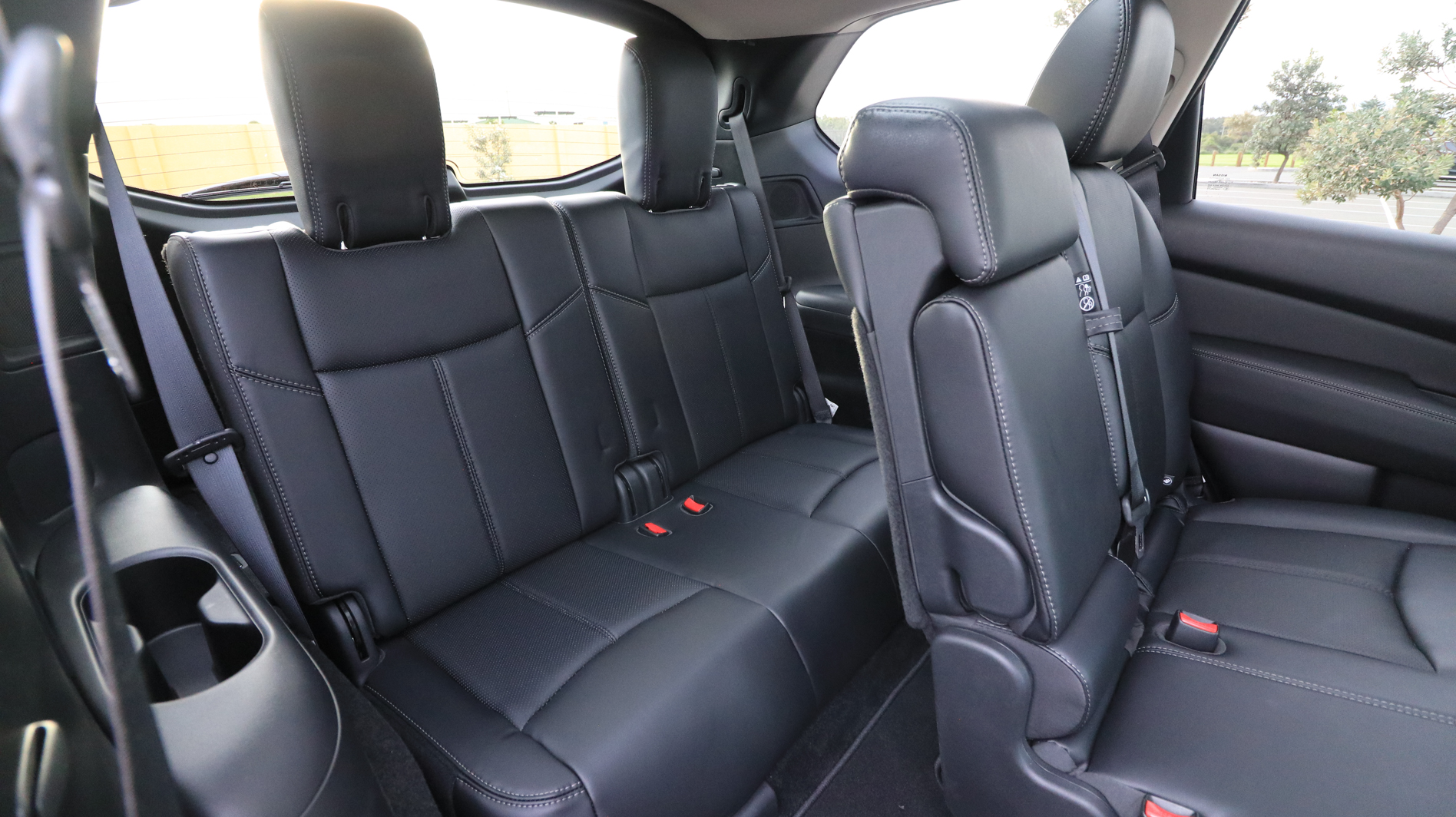
Nissan has come up with a clever folding solution for the middle row of seats that provides good access to the rear row of seats.
The seat folds up and the now compact unit slides forward. Unlike so many third rows that are strictly child-only, a reasonably lithe adult could easily slip into the third row.
Add to that relatively good legroom in both the second and third rows, a large rear sunroof and separate climate control in all three rows, and you have a very comfortable passenger experience, even with a full car.
5. Storage
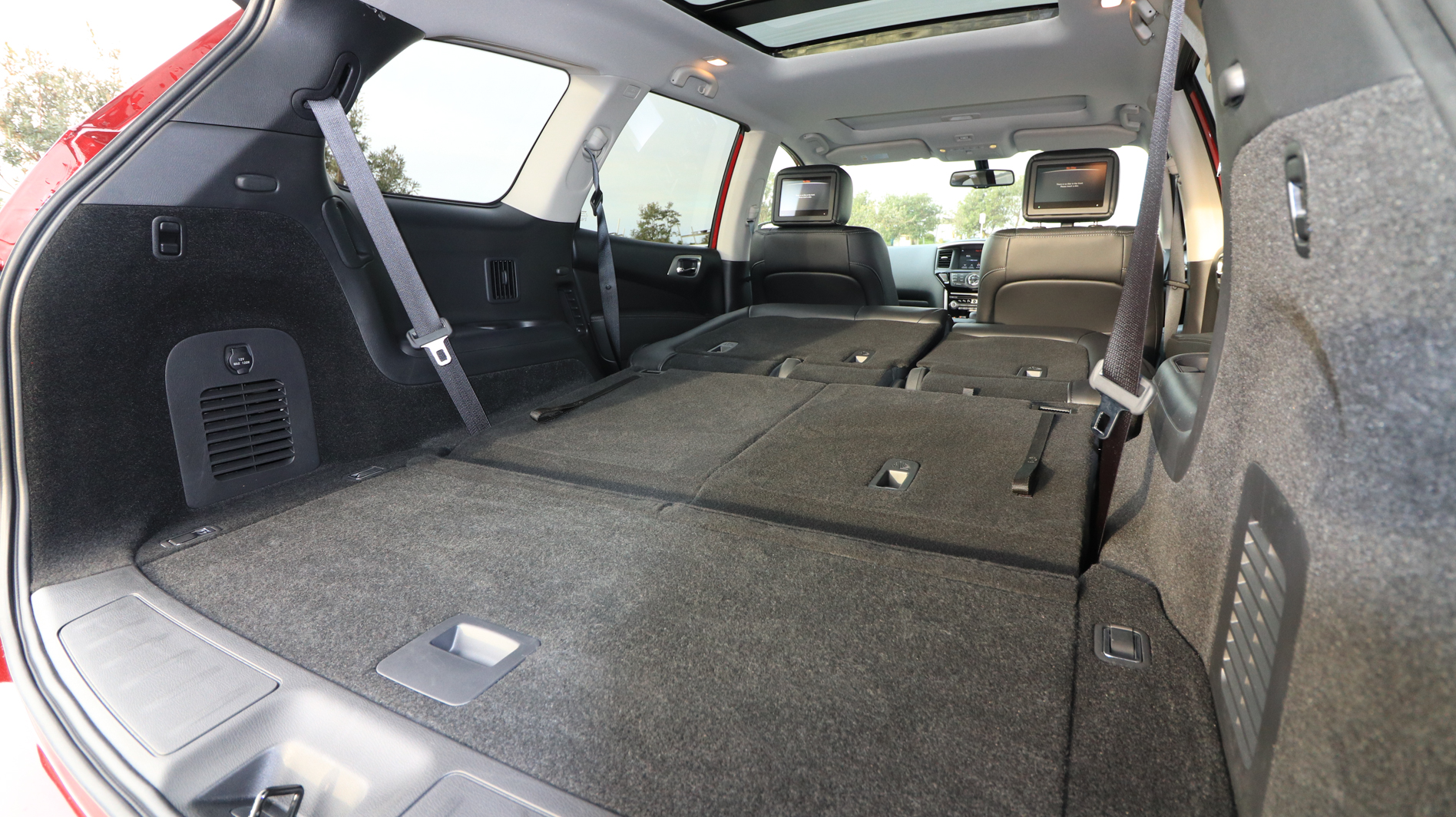
I’ve already mentioned the huge glovebox and deep centre console. On top of that, there are (an almost over the top) thirteen cup holders throughout.
The boot fills out the generous storage options with a mammoth 1164 litres with the third row folded down and 2004 litres with both the second and third rows folded down. Perfect for hauling around gear for the kids.
The one thing it gets wrong
The infotainment system. First, the centre panel has a bewildering array of buttons and knobs in addition to the touch-screen display. It’s an overly busy and confusing set-up.
Second, the screen technology – in particular, the map – feels dated and not just because it doesn’t allow Android Auto and Apple CarPlay.
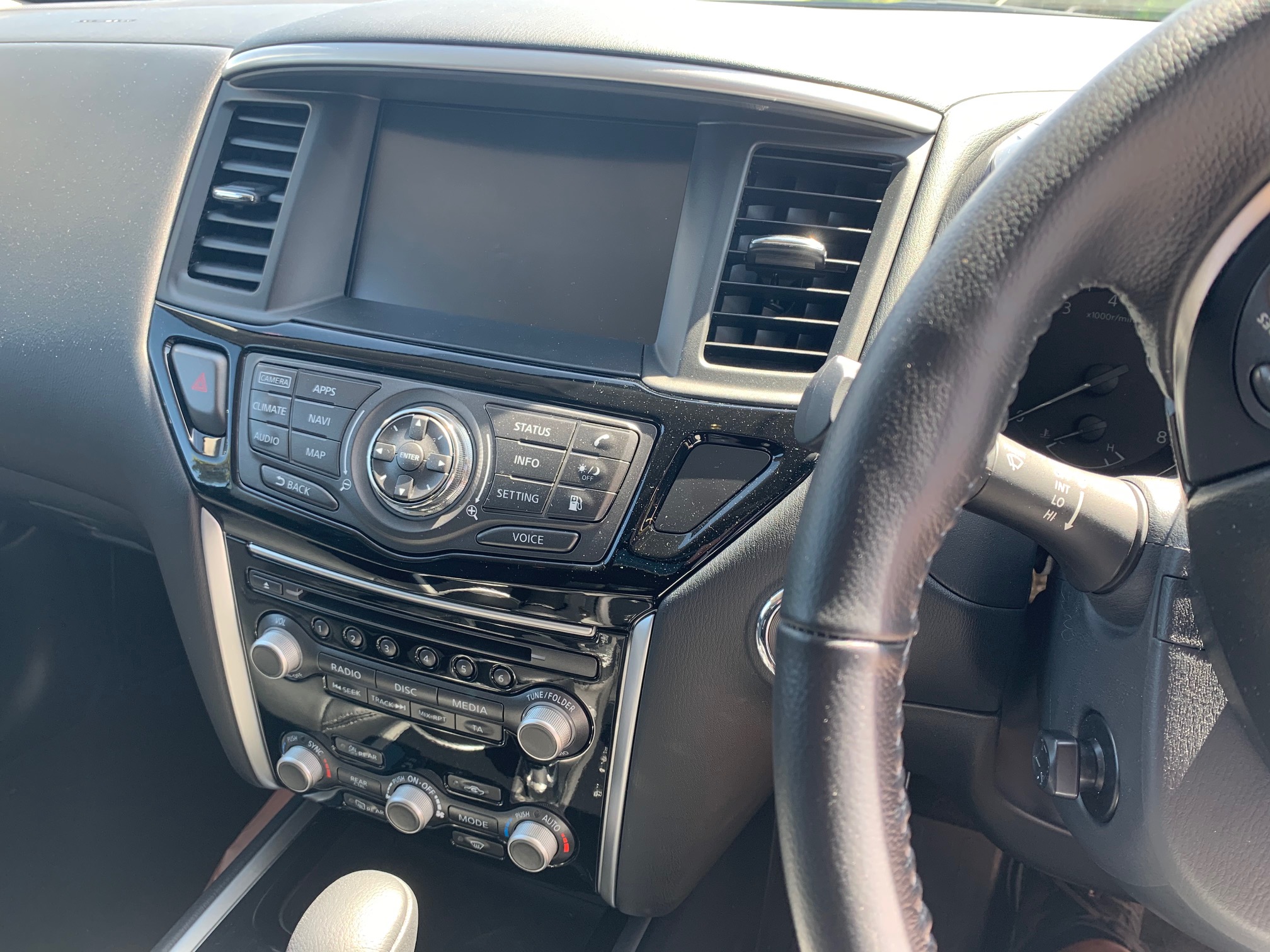
The infotainment system gets the job done but it’s a real contrast with the slick exterior.
All in all, tough, the Nissan Pathfinder is a great car for a long drive with the family.
Find out more about the Nissan Pathfinder
For those unfamiliar, the classic car hobby may draw superfluous images of manicured concours lawns, and bustling high-end auction houses. And yet – especially in recent years – we’ve observed the entry-level segment as one of the most increasingly active sectors in the market.
We’re talking neat cars costing $15,000 and under, and they often sell like hotcakes at auction. Especially amongst younger enthusiasts, it seems more and more people are looking to stick something old in the garage for those sunny Sunday drives.
Are you after your first-time classic? Here’s five we’ve picked out of the Unique Cars classifieds, for as much as a new Kia Picanto.
1978 Mercedes-Benz W123 280CE – VIC – $14,500
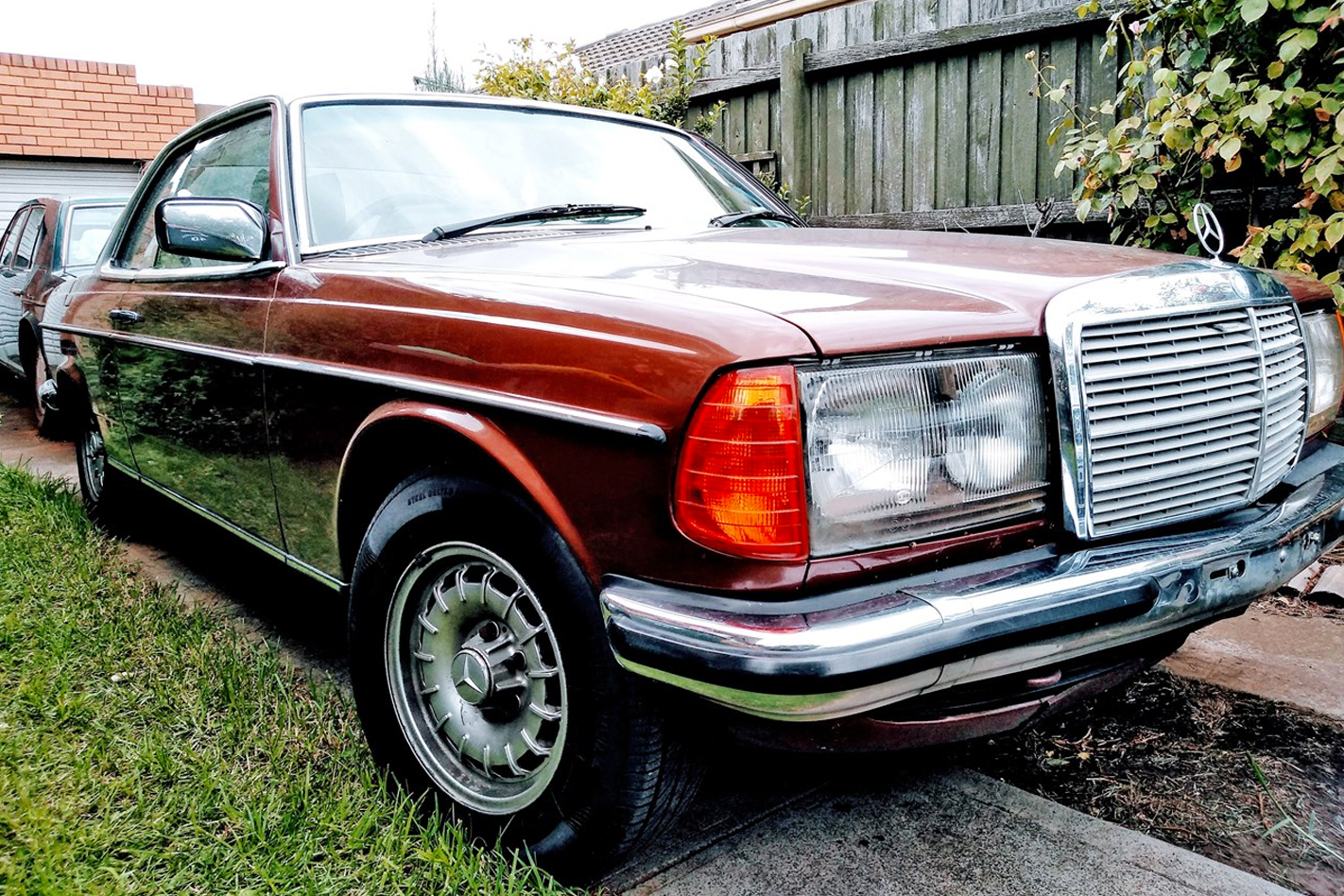
Mercedes-Benz is one of the most popular brands for classic enthusiasts and collectors alike, and the W123 generation of executive cars is a particularly astute place to start investigating.
These cars archetyped Benz’s post-WWII commitment to over-engineering and durability, and were the marque’s most successful model ever with over 2.7 million units produced over its lifecycle.
This one presents in the desirable CE coupe body, and is specified with the 2.8-litre inline six petrol engine – the largest available six-cylinder in the range – matched to a four-speed automatic gearbox.
The listing for this one is a little scant on details, but it’s described as a ‘good’ and ‘honest rust free car’, that’s ‘mechanically sound’ with functioning sunroof.
1985 Nissan Bluebird TRX – VIC – $13,999
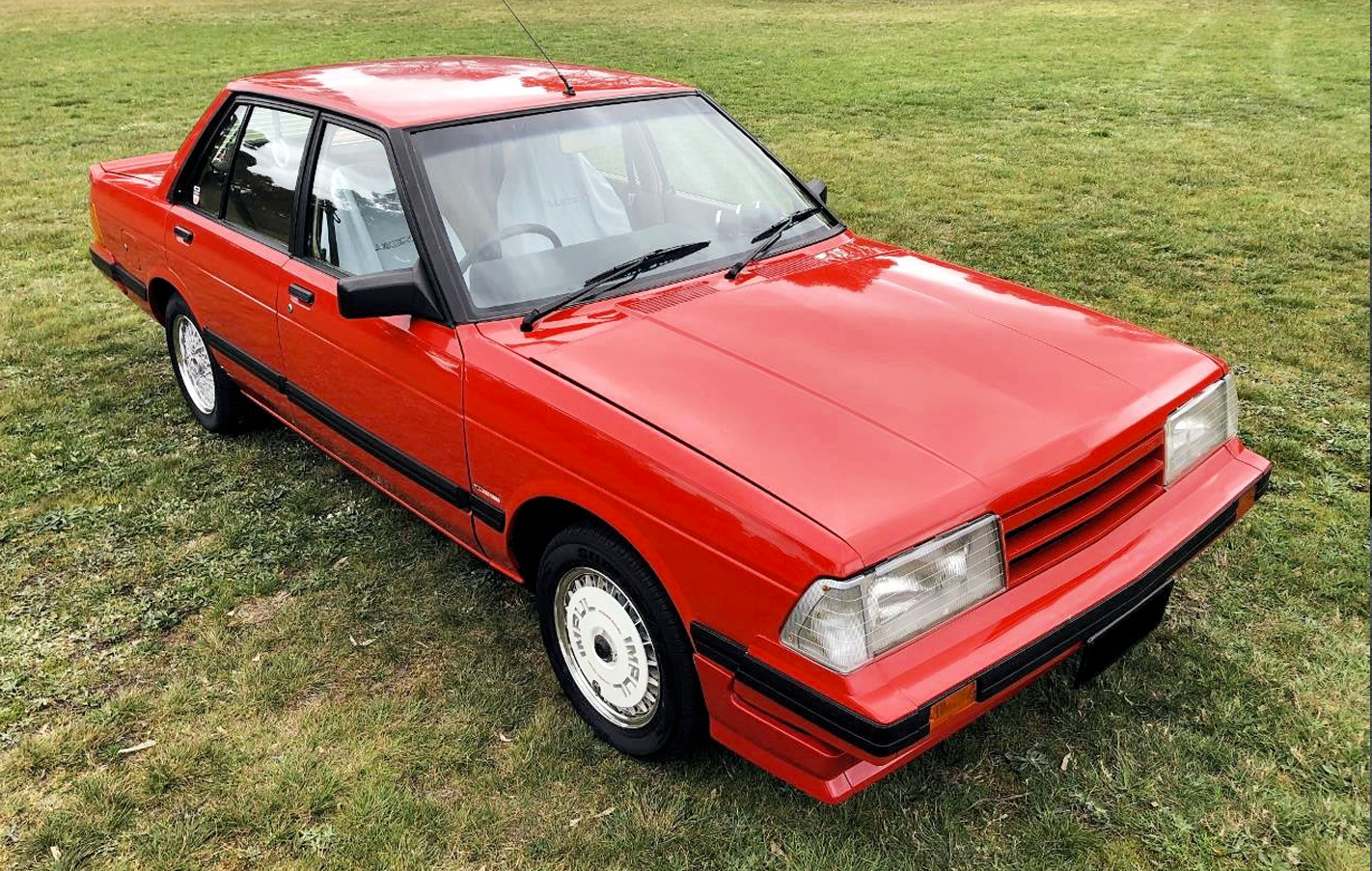
Before Nissan’s famous Skyline GT-R ever turned a wheel in anger on Australian soil, it was the Nissan 910 Bluebird at the hands of George Fury which gave homegrown V8s their first taste of turbocharged terror at Bathurst under Group C regulation.
The TRX model debuted in dealerships as a sport-oriented trim in 1982, and boasted a unique body kit, centre-mounted aerial, 15-inch alloy wheels, rear spoiler, bolstered seats and rear disc brakes.
Five Australian classic cars for under $25,000
This 1985 Series III example is finished in its original coat of Beacon Red over Beige interior. It represents one of around 1000 ever produced, although far fewer survive to this day.
This one presents as fastidiously maintained and highly original, albeit with a few easily reversible modifications. Certainly one for the passionate classic JDM (Japanese Domestic Market) enthusiast.
1986 Mitsubishi Cordia – SA – $9,500
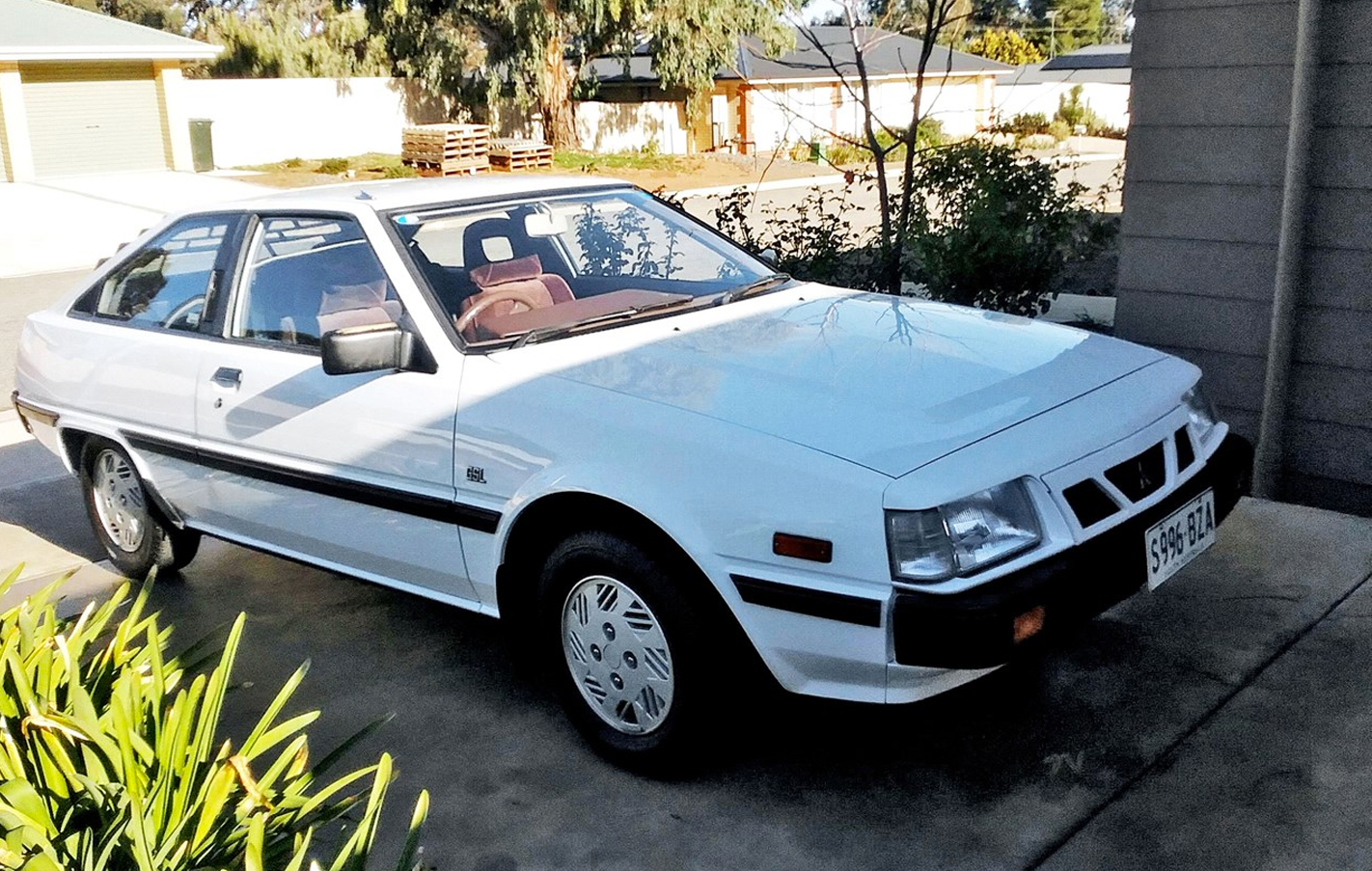
The Mitsubishi Cordia faced steep competition when new, vying for a piece of a saturated market which included the Toyota Corolla, the Holden Piazza and even Mitsubishi’s own Starion.
While the turbocharged GSR model has long been the pick of the litter for sporting enthusiasts, the non-turbo models were still decent handlers boasting rack-and-pinion steering, Macpherson strut suspension in front, and an independent trailing arm rear.
Five modern classic cars for under $20,000
This one might on sale may not be the force-fed GSR model, but it’s the scarcely-believable condition that caught our attention.
The listing describes the car as ‘one of the best in the country’, and the attached photos show a car that looks as new as you’ll likely ever find.
Again, this is one for the Japanese enthusiast, or any fans of the more quirky offerings of Australia’s motoring past.
1986 Mercedes-Benz 230E W124 – VIC – $7,500
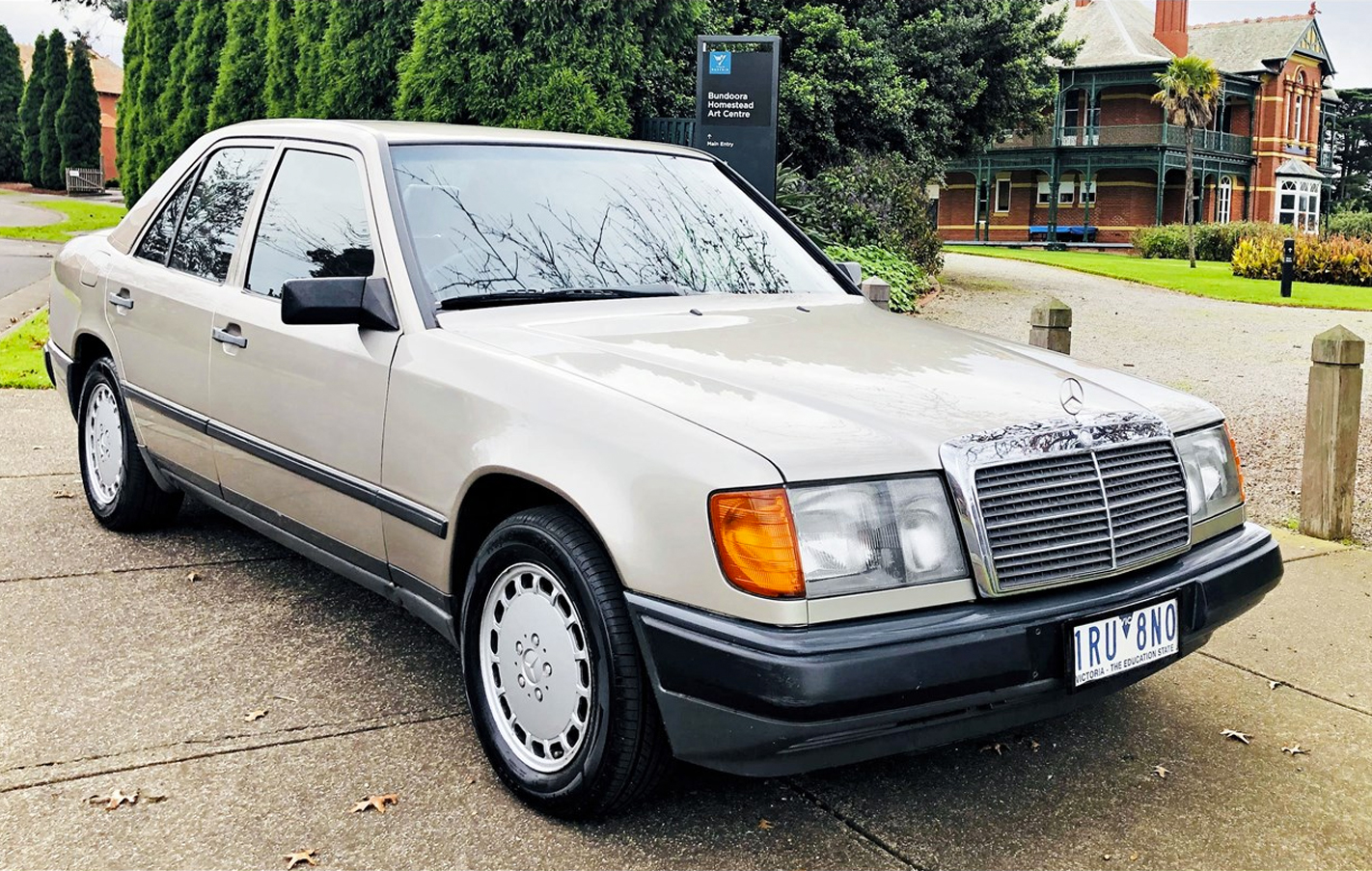
The brick-headlight W124 generation of Mercedes-Benz is a prime example of recent growing interest in more modern ‘young-timer’ classics.
Developed to fill the gap between the brand’s simple range of compacts, and the larger tech-laden S-class; the W124 found unprecedented success in many markets around the world thanks to an expansive range of body styles and engines.
Despite costing well over six-figures when new in certain specification, collector interest until recently had been minimal. Prices for top-end AMG models and high-spec coupes are already nudging as-new prices overseas, however mainstream sedans still represent one of the best all-round buys in the $10,000 and under segment.
Police raid uncovers a treasure trove of modern classic cars
As one of the last models to come from Benz’s famous ‘over-engineered’ era, the W124 was produced by the millions and is famous for its ability to clock up well over a million kilometres with little other than routine maintenance.
This one is described as a highly original survivor, and looks to be in good condition throughout. The car has recently been treated to a new windscreen, four new tyres and a new battery.
This could feasibly be driven every day, and would make for a confident first-time classic/club car.
View the 230E’s listing in full at UniqueCars
1997 Holden VS Commodore – VIC – $6,500
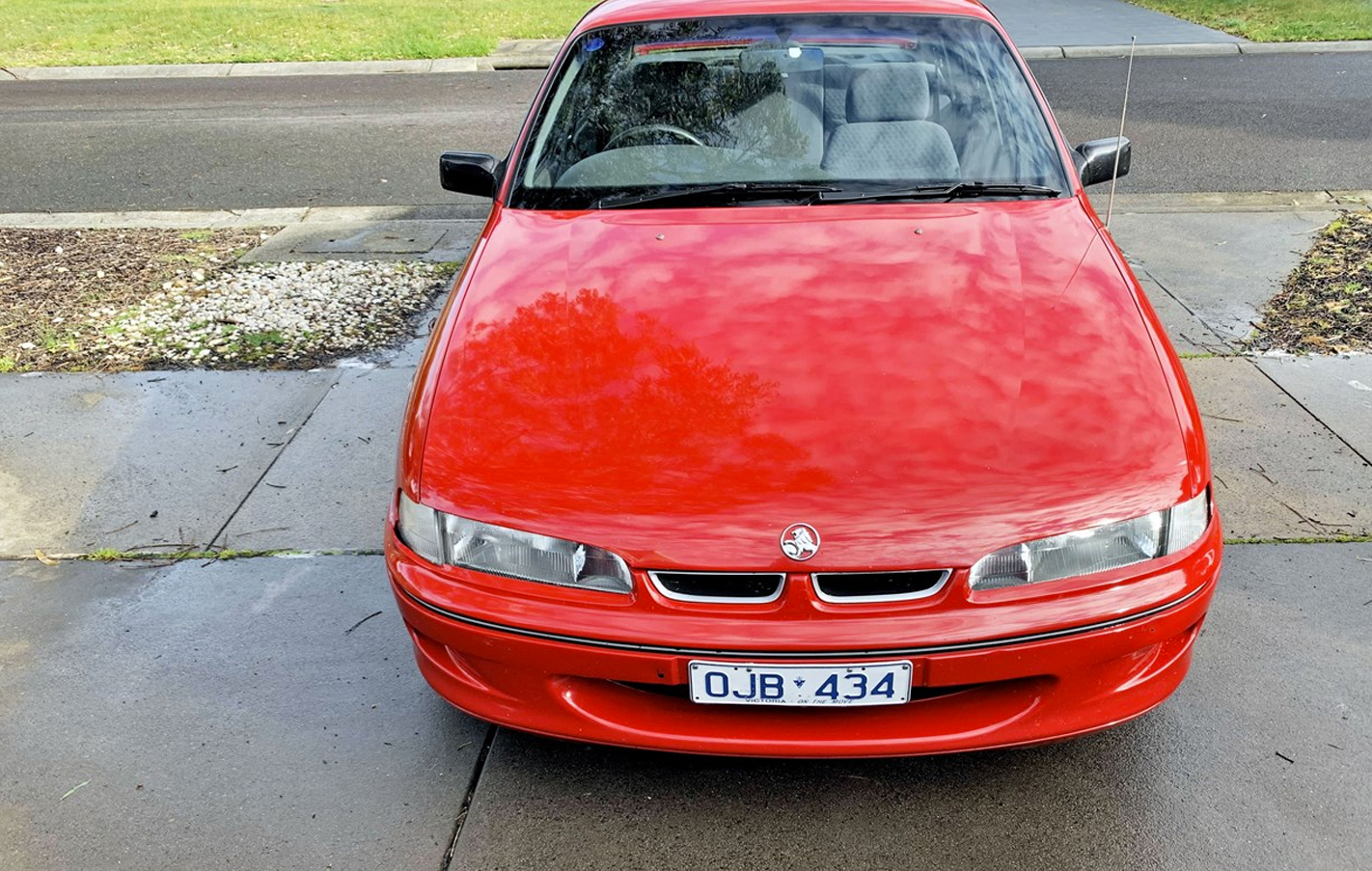
With the steep rise in popularity (and value) for Australia’s locally-made cars in the wake of our now-defunct manufacturing industry; there’s less and less to be found at this price point except for more modern models that have yet to claim their ‘classic’ credentials.
While a six-cylinder VS Commodore may not get everyone’s blood boiling, this one has a rather interesting story, and is in pretty astounding condition.
This car was reportedly ordered new by a CFA manager back in 1998, and is validated by the car’s original logbooks which cite the Country Fire Authority as its original owners.
Furthermore, the car was specified with the highly desired ‘police pack’, which often comprised of Holden’s FE2 sports suspension, a unique speedometer; and various other possible options.
Despite being ordered as a working car, the seller claims that the car has travelled less than 30,000km in its life, and has recently been treated to numerous replacement parts and a full service.
If you’d forgotten what a VS Commodore looked like brand new out of the showroom, this one looks like a pretty darn good indicator and boasts a neat bit of history you can share at your local cars-and- coffee meet.
Have a car to sell? Advertise it for free in Unique Cars Magazine and on tradeuniquecars.com.au!
As the clock winds down on the brand in Australia, Holden’s customer-facing website has dropped all references to its former list of vehicles.
General Motors announced in February that the Holden brand would cease operating in December, prompting a huge run on remaining stocks of Holdens.
As recently as August, Holden was still advertising that it was selling its remaining vehicles, including the Colorado ute and the Equinox SUV, but now the site has wound back to include on the most basic information about the brand, including warranty and basic service information.
Any evidence that the once-great company sold cars – besides a single paragraph on the home page about remaining dealer stock – has disappeared.

Information about the last remaining car in the Holden catalogue, the incoming Chevrolet Corvette C8, has been moved to a new site for GM Special Vehicles, the company that will become the de-facto GM importer for Australia from the beginning of 2021.
Many dealers are also starting to remove Holden signage from the front of their dealerships, as seen in the Facebook post below.
Holden also recently signed off on the sale of its historic Lang Lang proving ground to Vietnamese company Vinfast.
The company has been understandably silent about plans to farewell the brand internally.
The upcoming Bathurst 1000 – where only a token crowd will be allowed to attend – will mark the last Supercars race where Holden will feature as a factory team, while the Bathurst International is planning a large Holden gathering at its event in November.
MORE HOLDEN NEWS
Holden departure will cost $1.6 billion
Ford: we will miss you, Holden
What now for Corvette in Australia?
Holden’s demise catches government by surprise
MORE What does Holden’s axing mean for its customers?
At WhichCar we try to filter out the marketing spin and sensationalised news to bring you only what matters in the world of cars accurately and without padding, but this week has delivered a whole host of stories that appear to be huge on first inspection – but probably aren’t.
On this week’s chat, the WhichCar Weekly podcast takes on the theme ‘Big News That Probably Isn’t Particularly Big News’. Bear with us, we are working on a more catchy title.
Toyota’s tease
First up, Dan and Scott welcome back Tim Robson for a discussion about the mini-but-mighty Toyota GR Yaris, and the shocking news that it will be an absolute bargain at just under $40,000. Except, it won’t.
Clever promotional stunt or potentially brand-damaging strategy? The WCW team digs deeper to try and get inside Toyota’s marketing mind and find answers.
Nissan misdirection
Next up, after a protracted teaser campaign and many, many years of speculation, Nissan has finally revealed the next generation in its iconic Z-car bloodline. Except, it hasn’t.
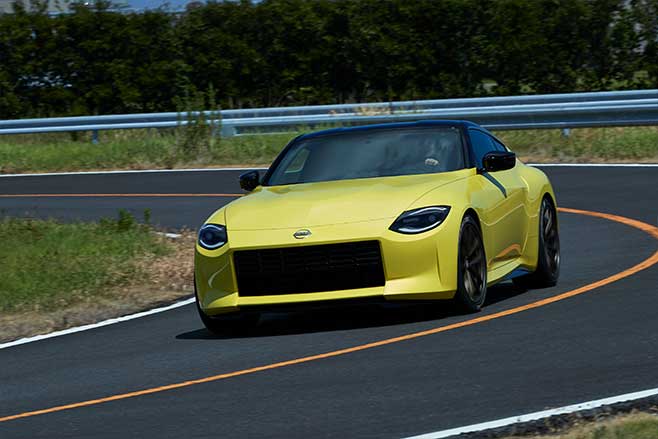
The gorgeous Nissan 400Z that was unveiled this week is not the model so many have on their garage wish list, but a prototype that is as many as two years ahead of an actual production model.
Nissan is in trouble but can this early glimpse garner enough attention to safeguard the future of the brand?
Bugatti bombshell
And finally, the panel discusses reports that Bugatti is about to change hands.
Rumours have it that the Croatian EV authority is about to snatch ownership of the hyperbolic brand from Volkswagen’s hands in exchange for a share of the company. Except it probably isn’t.
If true, current co-owner Porsche will increase its share in the company from 15.5 percent to 49 percent.
So, current owner Volkswagen hands over Bugatti for no cash but, through another of its brands Porsche, gains almost half of the company that now owns it… You can see where we’re going here, right?
The automotive world is a funny place.
You can find WhichCar Weekly on all manner of podcast apps including iTunes and Podbean. Please rate, subscribe, and leave a review.
If you want yet more WhichCar action whether it be behind the scenes insights or the very latest from the automotive front line, follow the day-to-day happenings of the WhichCar team on Facebook, Twitter and Instagram.
And if you really want to get involved, send us a question or auto anecdote of your own. We endeavor to answer all your messages.
Listened to or watched the WhichCar weekly podcast? Help us out!
- Leave a note in the comment section below
- Leave a review on Apple Podcasts/iTunes
- Subscribe to our podcast
Browse through the WhichCar Weekly podcast library here
WhichCar is in the running for the 2020 International Motor Film Awards Best Journalist Film for the Lamborghini Urus review that featured as part of WhichCar TV series season two on Channel 10.
The annual event recognises the world’s best automotive cinema and television with a range of awards that cover 15 categories, including the award for automotive journalism.
WhichCar goes up against seven other nominees from production companies from around the world, including former Top Gear presenter Rory Reid and former Fifth Gear presenter and racing driver Tiff Needell.
The finalists will be judged by a panel comprised of 24 industry heavyweights from a diverse range of backgrounds, including German Oscar winner and film academy founder Jacques Steyn, BAFTA winner Vic Armstrong, Former Fifth Gear and Top Gear presenter Vicki Butler-Henderson, and polarising Porsche modifier Magnus Walker.
Last year’s Best Journalism Film award was taken home by the Grand Tour for its Detroit Muscle Power feature, while the Grand Prix top prize was handed to Mission: Impossible – Fallout.
The 2020 winners will be announced at the IMFA presentation night in London on November 30.
Behind the scenes
Daniel Gardner | March 2020
I feel I need to start with an admission – Contrary to what was implied, the Urus that features in this WhichCar TV segment was not the first Lamborghini I have driven. Nor, if I’m being completely honest, is it the first yellow one. But it’s no word of a lie that the Urus is the most significant model in the Italian car maker’s history and my apprehensiveness was no act.
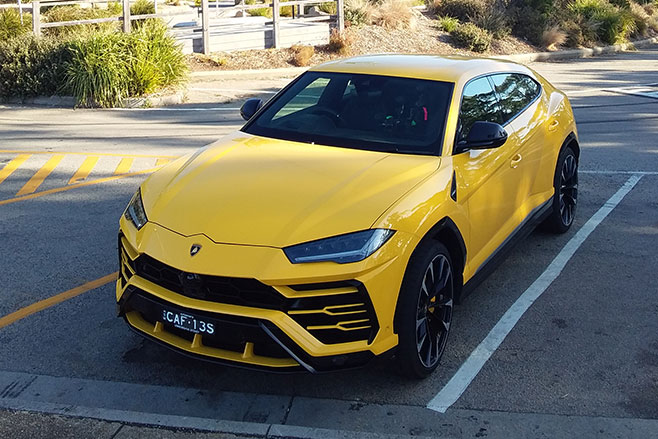
Turns out, I needn’t have been worried because Lamborghini’s SUV foray is a total blinder. Director Sean and I took possibly the most inconspicuous high-rider I’ve ever driven for a blast down Victoria’s Mornington Peninsula in search of great driving roads and the right audience.
The latter we found in Sorrento where you’ll also find a disproportionate number of other very expensive SUVs, and it was fascinating to sit back and watch the locals react to our star of the show.
Looking only out of place due to its rarity, the Sorrento community gave the Urus a warm welcome. One guy in a BMW X5 even bombed our shot announcing “Lambo baby” as he passed, but perhaps the phrase we heard most that day was “Congratulations Mrs Nassif”. A quick internet search will reveal exactly what that means if you don’t know already.
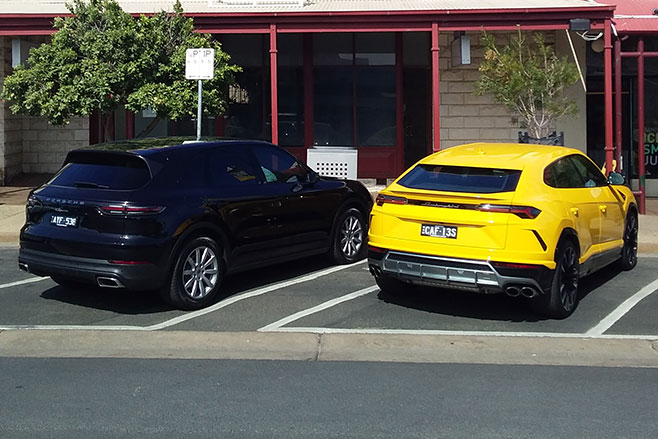
The shoot actually took place in April 2019, which was unfortunately too late to make the first season of WhichCar but meant we got lucky with some idyllic Autumn weather, showcasing this lovely part of Victoria at its absolute best. At the time, the Urus was one of the very first on Australian roads, adding to the number of people that craned their necks to get a good look as the bright yellow SUV passed.
Dynamic shots were provided by the well-known Arthur’s Seat – a short winding ribbon of a road that climbs from Dromana up to some spectacular views as well as the famous cable car at the summit. Here too the Urus received lots of attention and many positive responses.
While the Urus was definitely the star of the feature there was one other vehicle that somewhat made my day and you get a glimpse of it in the very last frame. You don’t see many examples of the Suzuki Mighty Boy on the road these days, but the one that makes a cameo at the conclusion of the segment is a bit special.
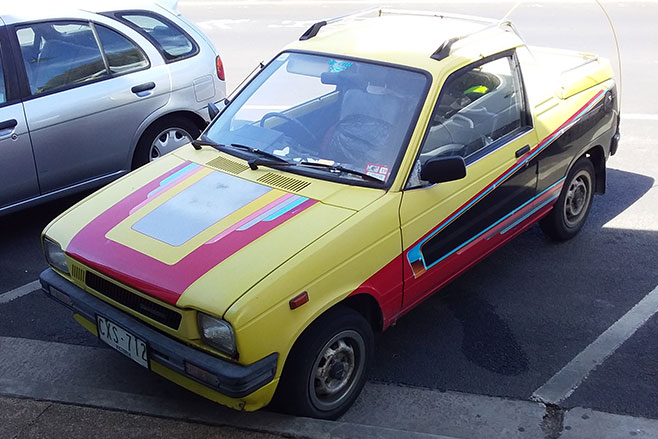
Not only is it still owned by the same family that bought it new, it still wears the incredible 1980s lurid striping that was applied by the dealer when it was new. And we’re not talking some slaphappy wrap. The stripes it wears were hand-painted by a professional pinstriper and are still bright and vibrant to this day.
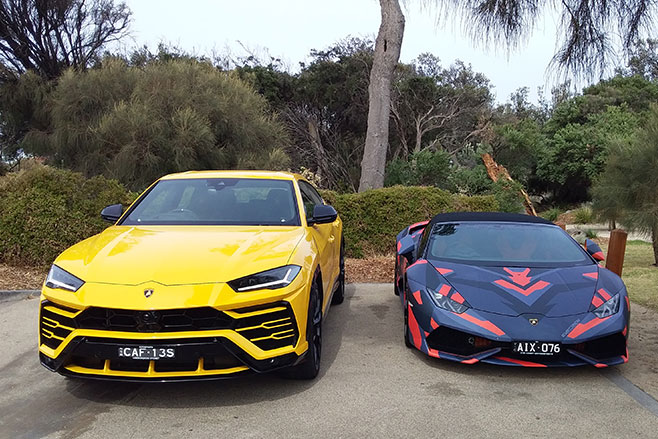
We also met another unusually decorated car on our travels but this time it was something else from the Sant’Agata stable – a Huracan Spyder. In the custody of Troy of Eye Candy Motorsport, the drop-top supercar provides a good illustration of just how big the Urus is when parked next to the smallest model in the current line-up.
The only other significant location was the set for the lovely moody dark shots that focus on some of the Urus’ details at the start of the segment. To get the results we had to fill my basement car park with lights and equipment, which got some funny looks from the neighbours.
Most importantly though, I’m very happy to report the Urus was not a disappointment. Quite the opposite in fact. It’s certainly nothing like any other model I’ve driven with the same badge, but it certainly does deserve its place in the coveted line-up and, with the help of a few Sorrento locals, it’s already the company’s best seller.
If you haven’t already watched the Urus feature on Channel 10, have a click on it above and enjoy the results of an action-packed and memorable day.