
General Motors Specialty Vehicles has issued a bulletin to buyers interested in the C8 Corvette, warning deposits put down at Holden dealers do not guarantee a car.
The incoming local distributor for General Motors urged Holden dealers to refund any deposits they hold on the Corvette while GMSV works out how its new dealer network will be structured.
“Unfortunately, deposits will not guarantee your purchase of a Corvette when they arrive towards the end of next year,” the bulletin said, “and we recommended that all dealers refund these deposits, while we finalise the ordering process.”
“We’re really happy that there’s still that excitement around the Corvette but we are still establishing that network of dealers who will actually sell it,” a local GMSV spokesperson has told Whichcar.
But while GMSV is figuring out its local operations, as well as the supply limits of the new-age Corvette, it means not every dealer will be in a position to deliver the reserved cars.
“Dealers were never told to take deposits so if they took one they did that of their own volition,” the spokesperson says.
“Right now we’re in the process of establishing GMSV network of dealers, and working through who will be a dealer and who’s not, so we don’t know which dealers will get Corvettes and which dealers will be in that network.”
GMSV announced plans to spiritually succeed HSV in Australia in the fourth quarter this year ahead of the Corvette’s arrival in 2021, and the company is yet to update the arrival time with a specific date.
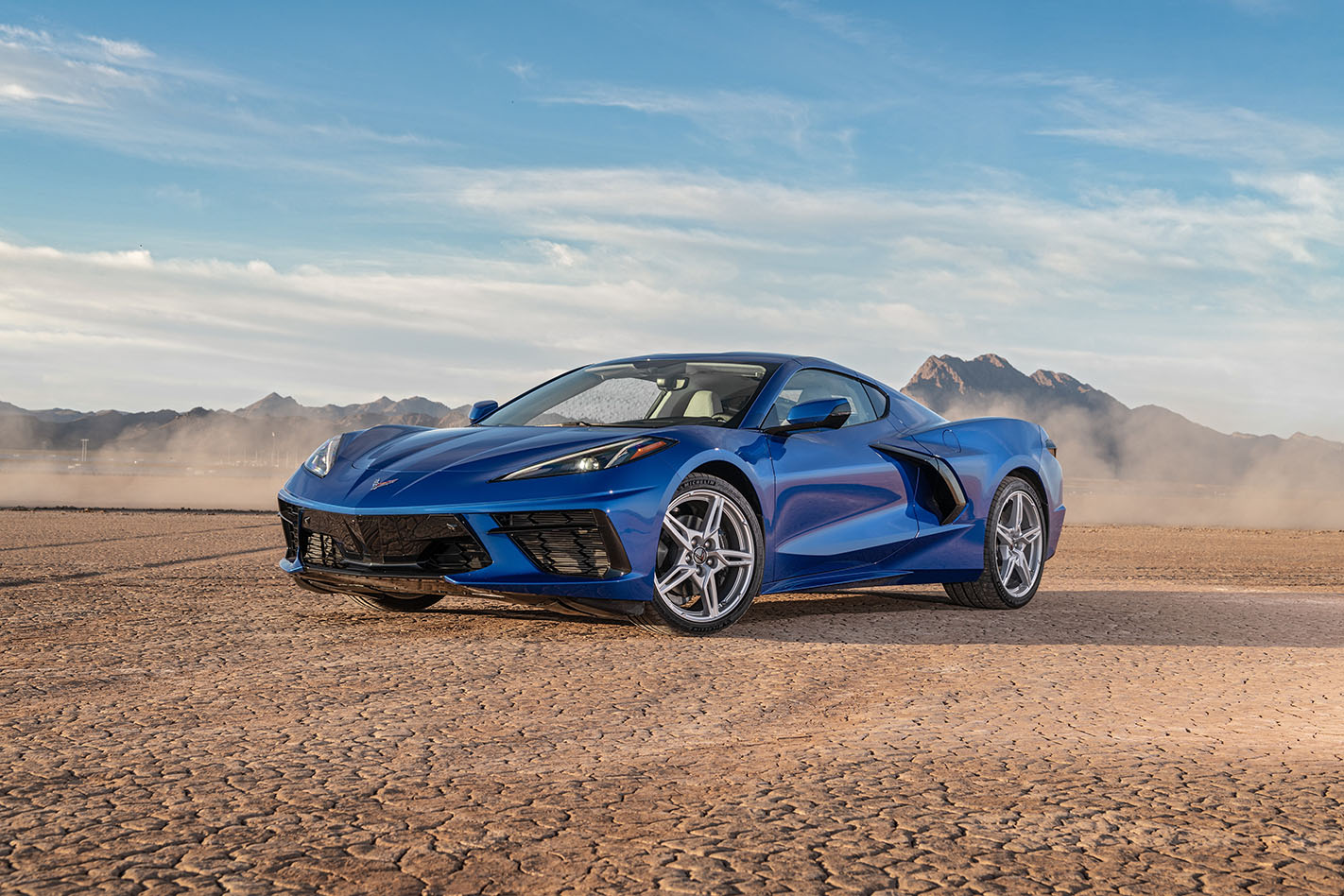
The news immediately follows reports in America that the Corvette is suffering production delays in Kentucky due to parts shortages.
Now, Chevrolet is reportedly waiting to establish a parts surplus before resuming work, setting it up to mobilise 1300 workers and produce 800 to 850 cars per week.
It’s the latest a string of delays that have plagued the Corvette, including a strike last year and COVID-19’s heavy impact on America as well as global supply chains.
When the Corvette eventually arrives, it will be sold alongside the Chevrolet Silverado that the Walkinshaw Group currently converts to right-hand drive.
GMSV says anyone after an Australian delivered Corvette should register their interest through its online portal.
Range Rover has taken a brush cutter to its extensive Velar mid-sized SUV line-up for another wave of range rationalization that chops four engines from the portfolio but adds in two fresh options.
From March next year, the most affordable end of the Velar range will be exclusively represented by three variants of the P250 with the previous D180 now out to pasture. As before, the range kicks off with the P250 S, which is slightly cheaper at $81,000 before on-road costs.
Above that, the P250 R-Dynamic S has also reduced in price by a similar margin to $87,000, while a new P250 R-Dynamic SE forms a new flagship of the 2.0-litre turbo petrol options costing $92,000.
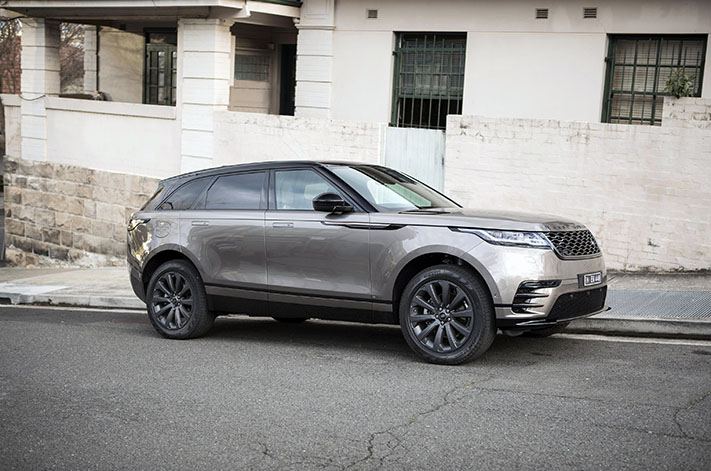
A single diesel option is offered for the 2021 Velar range with a new D200 R-Dynamic SE four-cylinder replacing the previous D240 and D300 four and six-cylinder engines. It costs $96,000 and brings 150kW and 430Nm and, when compared with the previous closest equivalent is about $8000 more affordable.
The new and solitary diesel for now has taken a power penalty over the previous D240 four-cylinder, which produced 177kW and 500Nm.
At the top of the pack, Range Rover’s new 3.0-litre straight six petrol engine will make its debut in the Velar, replacing the previous supercharged V6 with a turbo in-line six engine that uses mild-hybrid tech to produce 295kW and 550Nm.
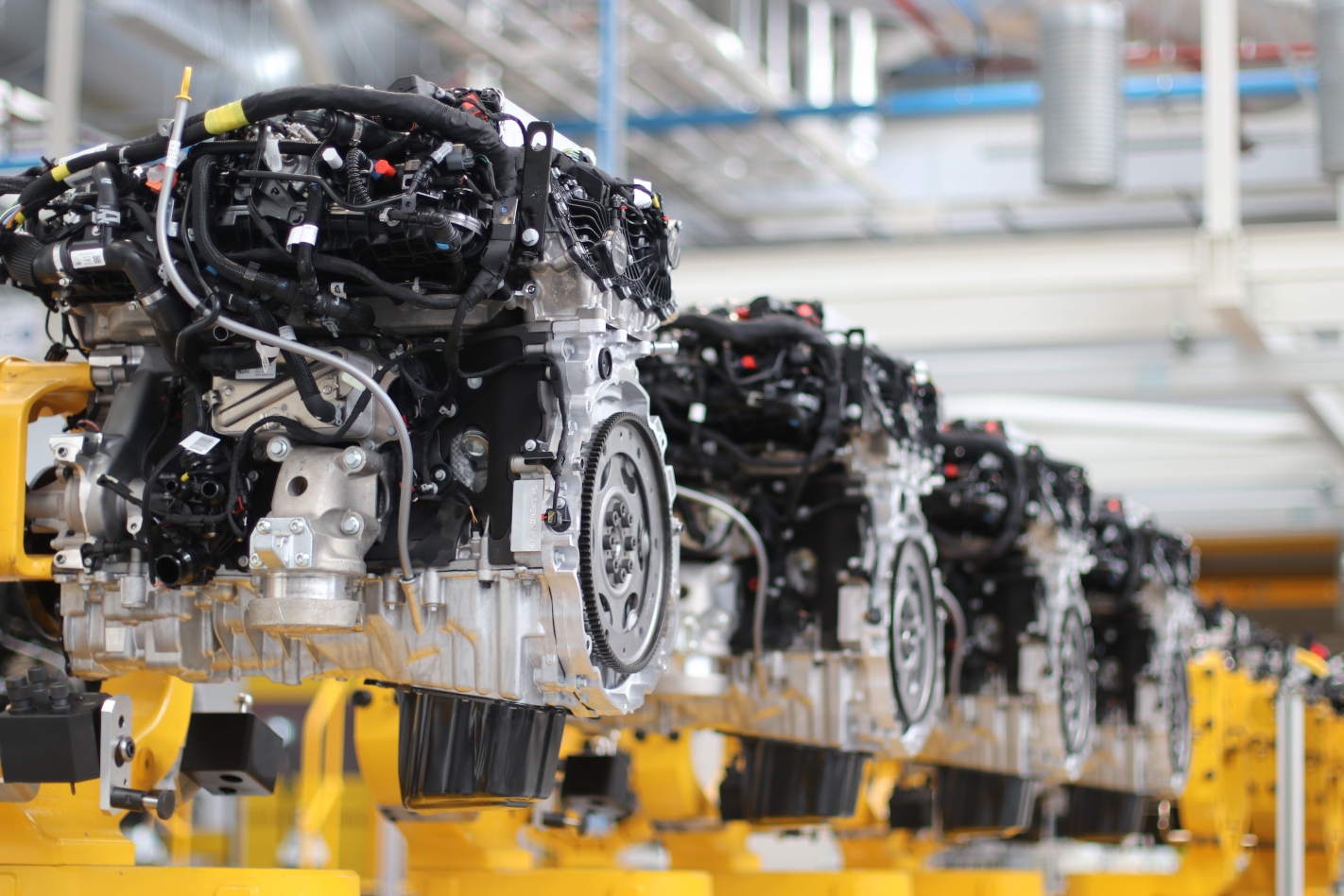
Two versions will be on offer with the most affordable P400R-Dynamic SE for $117,000, while the P400 R-Dynamic HSE takes the crown, for now, as the flagship of the entire range priced from $127,000.
Along with the D180, D240 and D300, the P300 and P380 will also not be returning from launch, nor is any mention made for the prospects of the current performance champion P550 supercharged V8. SE, HSE and SVAutobiography Dynamic Edition specification levels have also been scrubbed.
It’s part of an ongoing range simplification process that Jaguar Land Rover is progressively rolling out across virtually all model lines, and has already significantly culled bulk from several vehicle offerings.
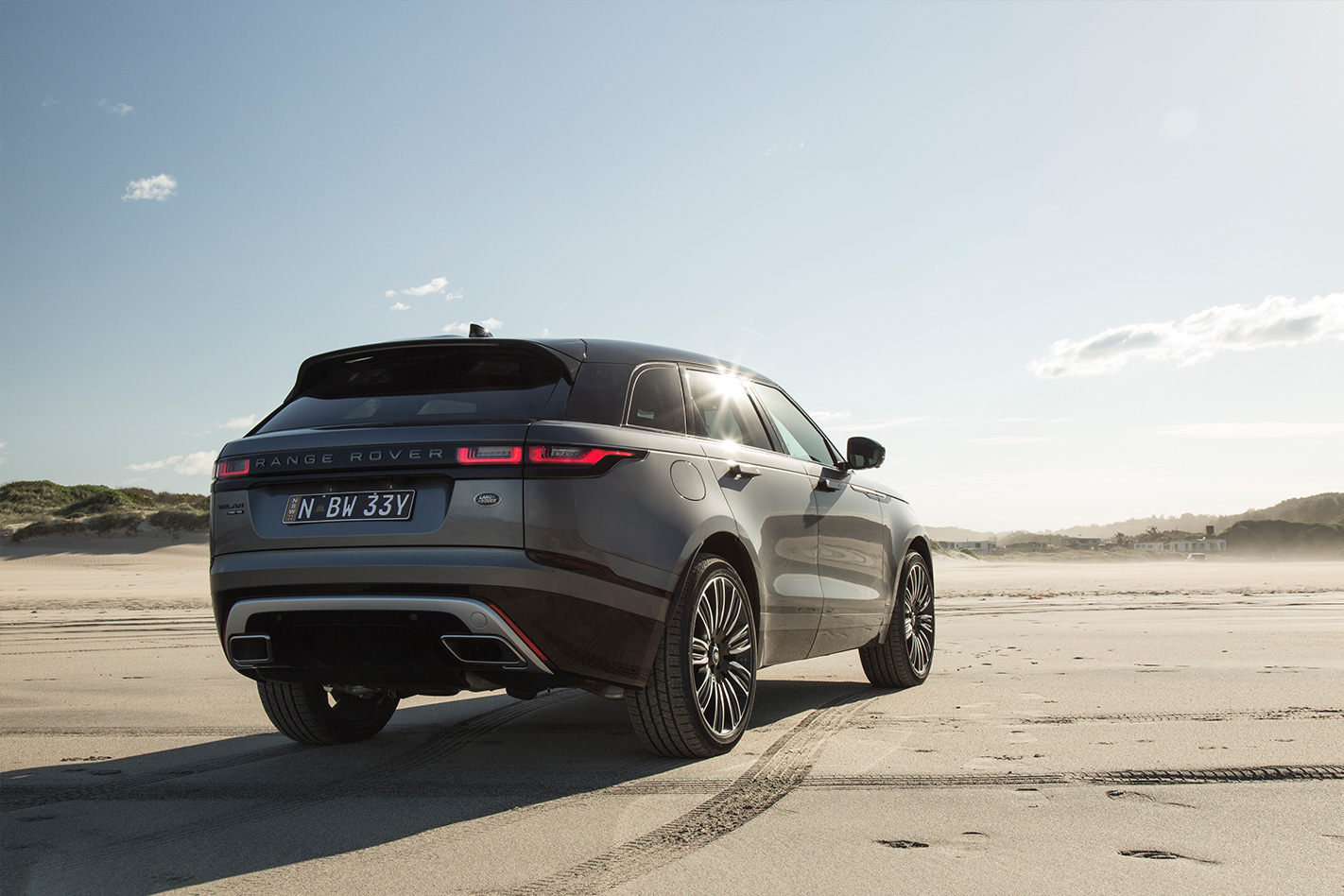
The Jaguar XE mid-sized executive sedan has fallen from 17 variants to just two, while the Velar itself was introduced with almost 50 offerings but has undergone a series of revisions to trim bulk from the line-up that some customers found confusing.
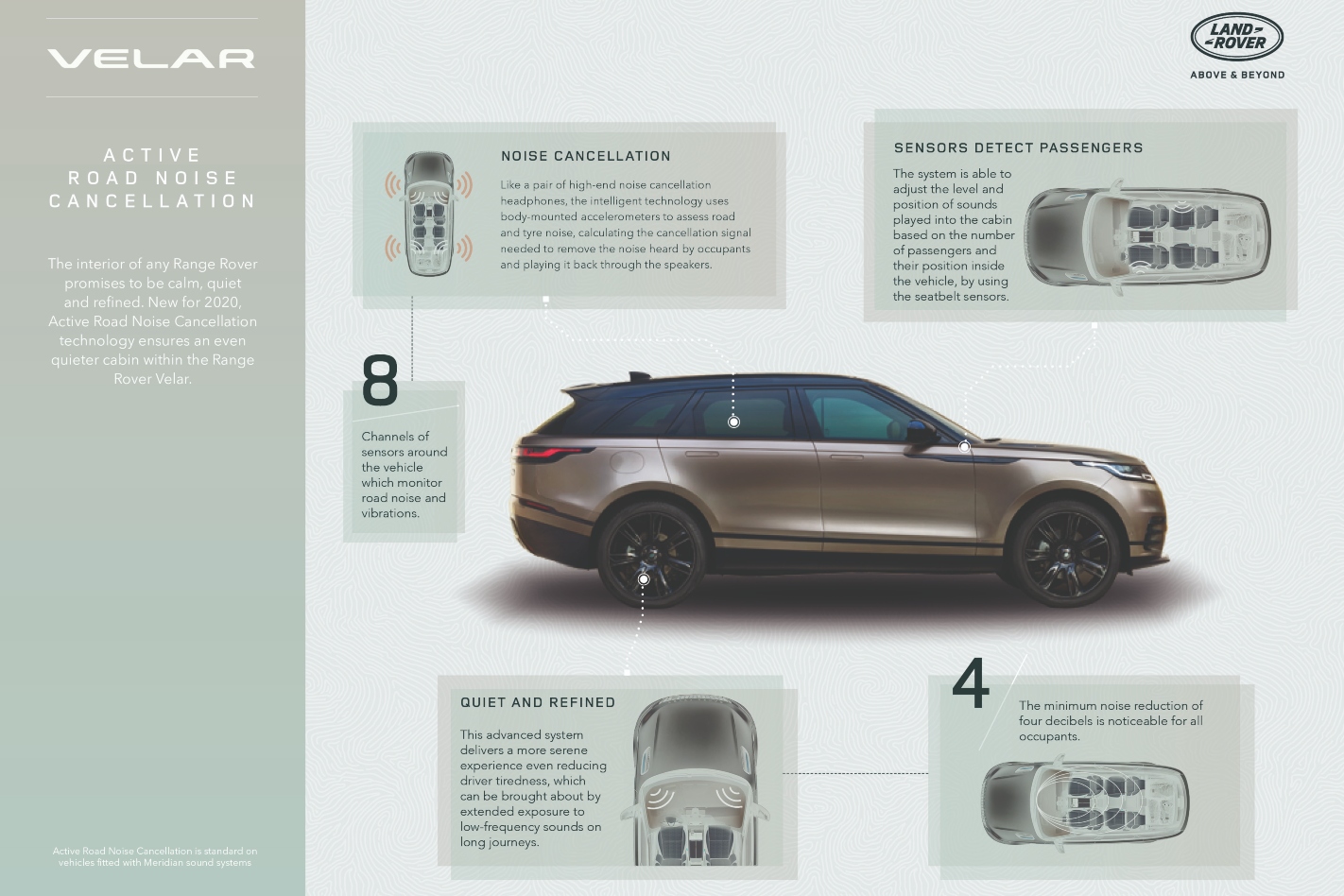
A significant update to specification also arrives with the 2021 Range Rover Velar. Depending on the variant, the Velar gains blind spot assistance, adaptive cruise control, rear collision monitoring, deep water wade sensing, active noise cancellation and redesigned alloy wheels, steering wheel and gear selector, which replaces the divisive rotary knob for a more traditional toggle version.
A range of new paint colours have also refreshed the Velar palette.
2021 Range Rover Velar range
P250 S $81,000
P250 R-DYNAMIC S $87,000
P250 R-DYNAMIC SE $92,000
D204 R-DYNAMIC SE $96,000
P400 R-DYNAMIC SE $117,000
P400 R-DYNAMIC HSE $127,000
Electric vehicles can use the national electricity grid to draw a charge, but some EVs such as the Nissan Leaf and Mitsubishi Outlander PHEV can return the favour by supplying their reserve battery levels back to the grid in times of high demand.
The system, called Vehicle-to-grid (V2G), uses a two-way charging port connected to the home that can either draw or supply power between a battery-electric vehicle (BEV) or plug-in hybrid vehicle (PHEV) and the electricity grid, depending on where it’s needed most.
This technology can help stabilise power supply during times of high demand and combat against blackouts, though the concept unlikely to have a real impact for several years or until there is a sufficient number of EVs.
How does vehicle-to-grid work?
Many EV drivers are only using a fraction of their battery capacity each day, and the growing number of them on our roads means there is an increasing amount of spare energy that could be returned to the electricity grid.
This could be of mutual benefit the power companies and EV owner – the companies won’t need to invest as much in additional power generation sources to meet growing demand, and EV owners could be paid for their electricity.
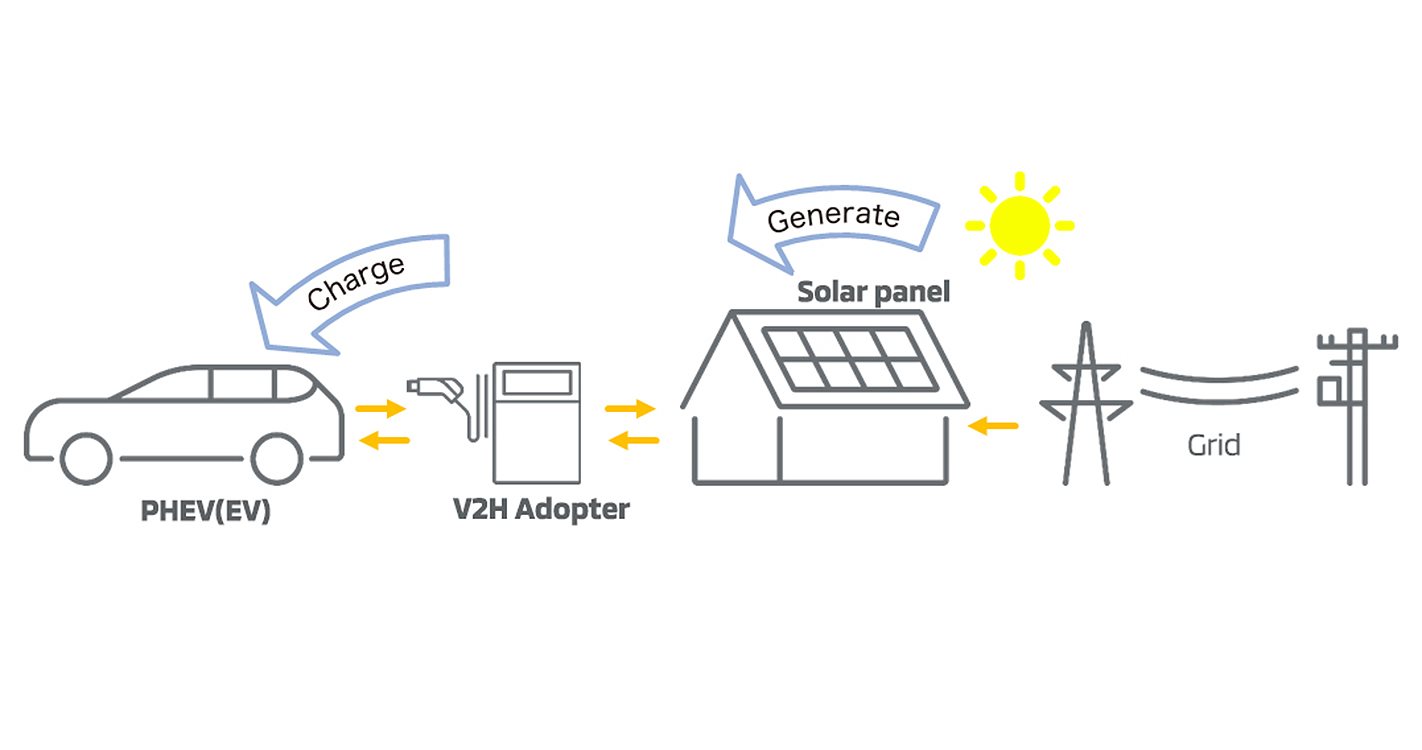
For V2G to work, a suitably equipped EV needs to be plugged into a two-way charger with an inverter, which can charge the battery or draw power from it.
When the EV battery is full you can allow the inverter to draw energy from it.
This will happen automatically when power is required from the grid and you can set how much power can be drawn to ensure you have enough battery charge for your driving needs.
V2G is most effective if the EV has been charged via solar panels as there is no initial drain on the grid.
What equipment do you need for V2G?
Unfortunately, you can’t return battery power to the grid via the standard wall socket or charger. You will need a bi-directional AC or DC charger.
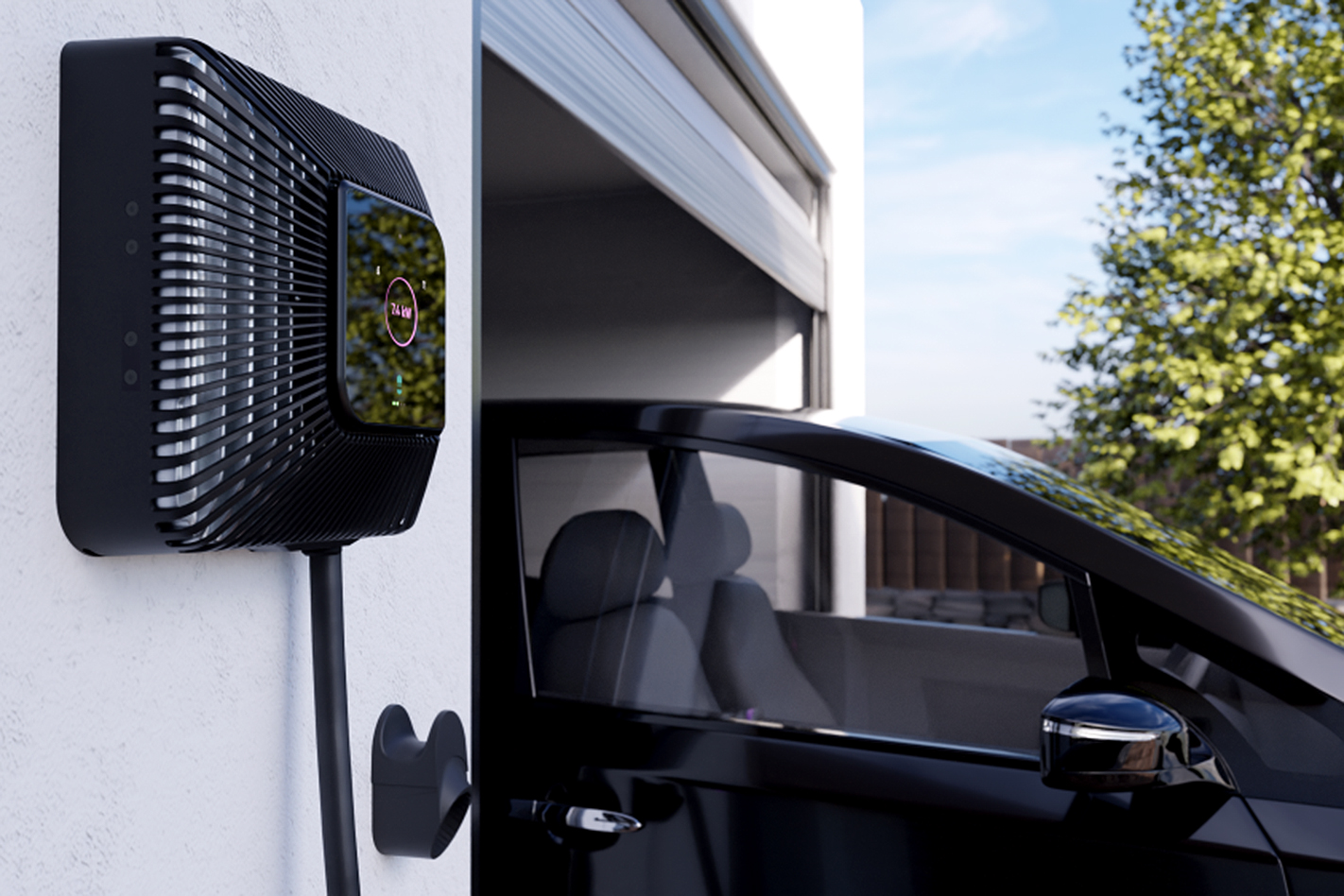
The main issue with V2G capable wall chargers, for now, is cost. While you can get a one-way wall-charger for about $1500 the bi-direction units cost several times more.
The good news is there are more options entering the market which will eventually see prices come down.
Is vehicle-to-grid the same as vehicle-to-home?
Vehicle-to-Home technology works the same way as V2G but charges a home battery or powers household appliances via a solar inverter unit.
This could be very handy during a blackout.
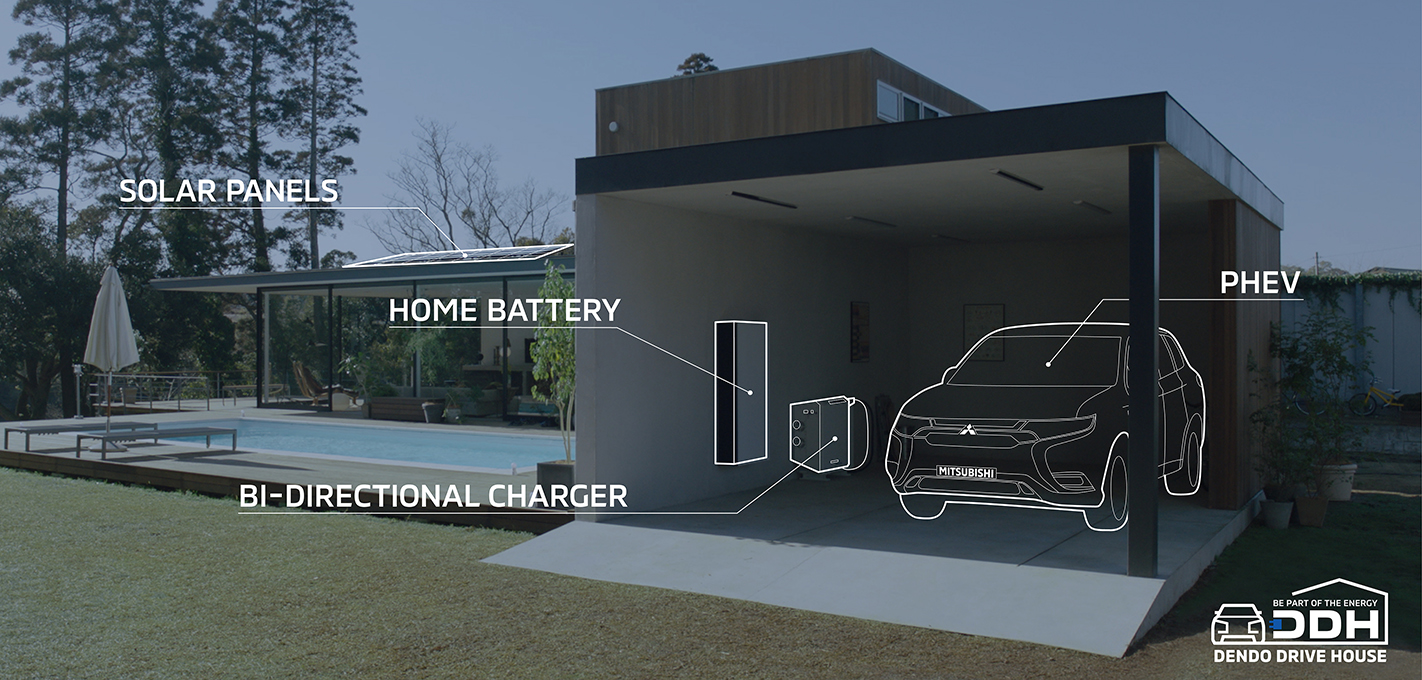
For those with solar panels, a car could be used to store the sun’s energy during the day and then redeploy it to power a house at night.
Alternatively, you could charge your car at work, a shopping centre or a public site and then drive home and power your house for free.
What electric cars are capable of V2G
At this stage, the second-generation Nissan Leaf and 2021-model Mitsubishi PHEV are the only vehicles in Australia with V2G of V2H capability.
Other carmakers, including Mercedes-Benz, Audi and Volkswagen are also working to introduce the technology.
We’ve witnessed significant influxes of new enthusiasts to the collectible car hobby in recent years, and it’s not the traditional chrome-bumpered classics of yesteryear that they’re after.
As younger demographics grow into the means of buying into the joys of owning a recreational vehicle, it’s the increasingly young machines of the 1980s and 90s that are the subject of their nostalgia.
Even in a pandemic-plagued 2020, we’re witnessing quite significant increased demand across the board.
This is being seen quite dramatically-so in the late-model Japanese segment, in particular for hero vehicles like the Nissan Skyline R34 GT-R.
The European sector may arguably offer more bang-for-buck; however, many models – like BMW’s E30-generation 3-series – are starting to move.
For the ‘youngtimers’ out there looking to buy a possible modern classic of their own, here’s five we’ve picked out of the Unique Cars classifieds, for under $20,000.
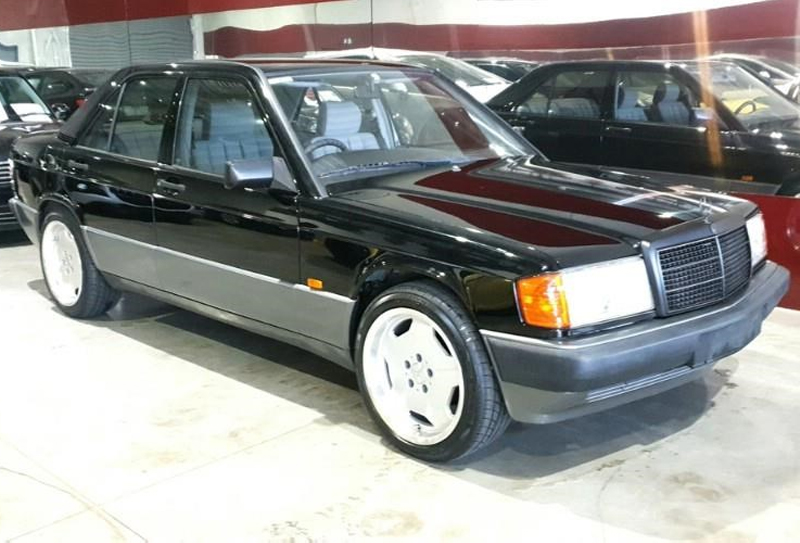
1993 Mercedes-Benz 180E – $9,990
Like how the Australian Falcon GT-HO or Torana XU-1 is lusted after for their Bathurst-winning credentials, for many younger generations out there it’s the participants in 80s and 90s global touring cars that are the holy grails of aspirational ownership.
But while a DTM-homologated 190E Mercedes-Cosworth Evo is worth many hundreds of thousands of dollars, this humble 180E at least affords you the same silhouette at a fraction of the cost.
This one is fitted with a 1.8lt inline-four and is optioned with an automatic transmission.
Supported by comprehensive service history and a notoriously durable reputation, this 180E makes for what could be an awesome weekend runabout, or even a daily driver if you were so inclined.
1996 Holden Calibra 4×4 Turbo – $16,000
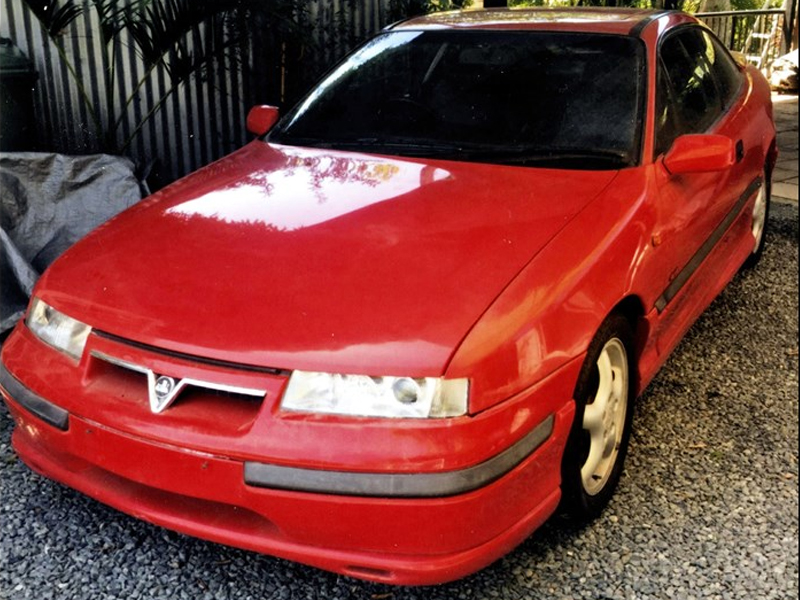
Wow! When was the last time you saw one of these? Sold by Holden as a European Opel-sourced front-wheel-drive coupe, the Calibra does bear a local connection given that many of the GM Family II engines were produced here originally.
Unfortunately – like the last Opel-badged Holden – it didn’t sell very well, while its Toyota Celica and Honda Prelude rivals enjoyed far better success on the sales chart.
We still think they didn’t quite get the credit they deserved.
There were some packaging quirks, however. If you opted for the automatic gearbox, you were left with a detuned two-valve motor good for just 85kW.
The five-speed manual version was treated to a DOHC four-valve motor with a much more spritely 110kW.
The turbo versions, however, found favour with many modifiers in the 1990s who enjoyed feeding these cars more boost until the gearboxes invariably blew up.
Thankfully this one looks to be in quite original condition and is said to have travelled 115,600kms in its life. Oh, and a spare gearbox is included in the sale!
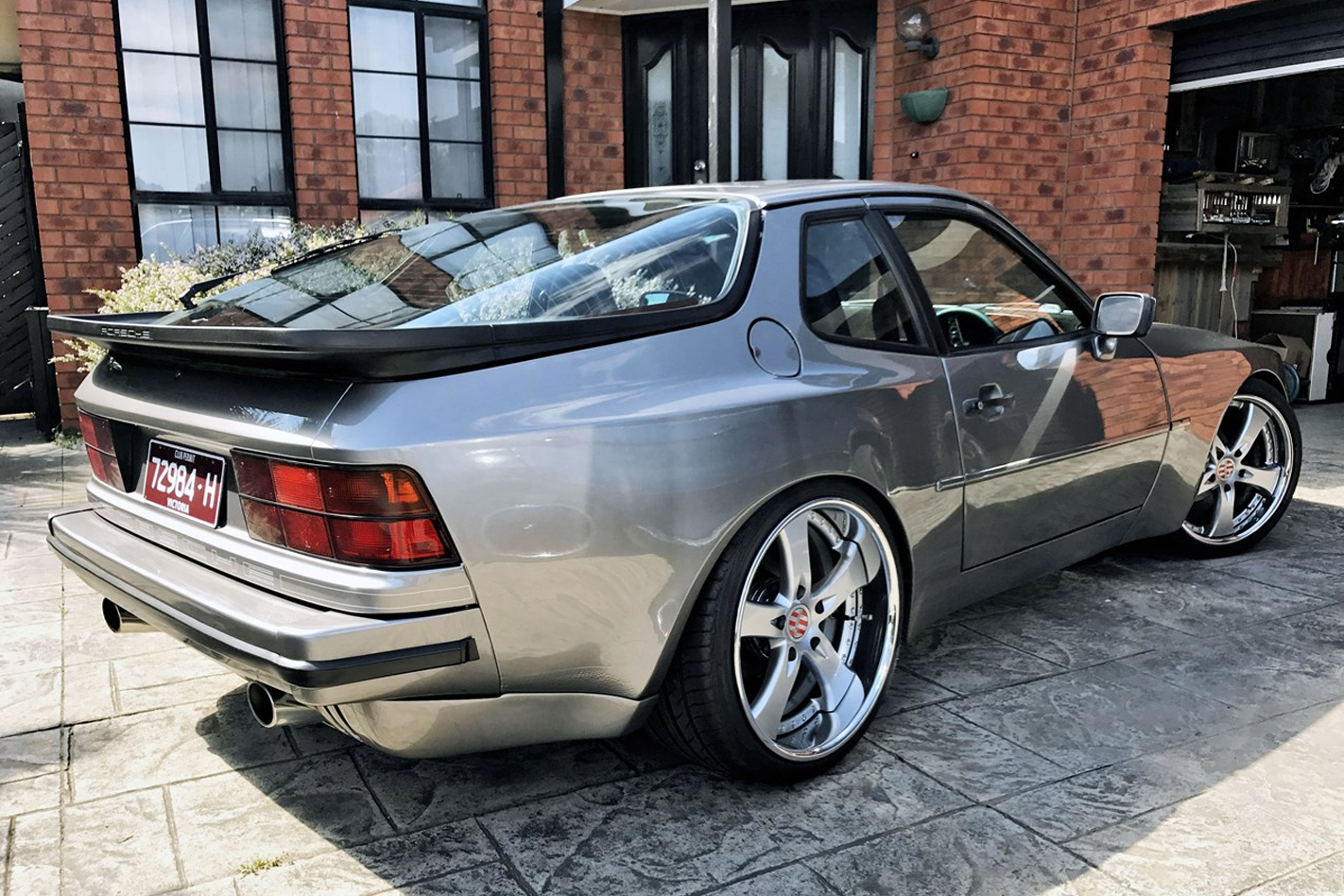
1984 Porsche 944 – $19,000
Porsche’s front-engined coupes were long relegated to the fringes of Stuttgart shield desirability; positioned as the marque’s entry-level offering and viewed, once upon a time, by collectors who believed that owning a Porsche with the engine at the front simply meant that you couldn’t afford a 911.
But now no one can afford a Porsche 911.
After the air-cooled Porsche boom of around six years ago, the ‘entry-level’ range of front-engined two-doors now represents one of the last bastions of affordable entry into the brand.
This one comes well-equipped with an automatic gearbox, leather trim, sunroof and power windows, and is described by the seller to be in ‘mint condition’.
Upon visual inspection, there do seem to be some easily reversible modifications, with an aftermarket steering wheel fitted and some carbon fibre-look vinyl wrap on some of the interior trim.
Photos attached to the full listing show a set of original Porsche wheels and the original steering wheel, too, so we assume the new owner will be able to return the car to factory with minimal effort.
View the 944’s listing in full at UniqueCars
1988 Mazda RX-7 Series 4 – $19,950
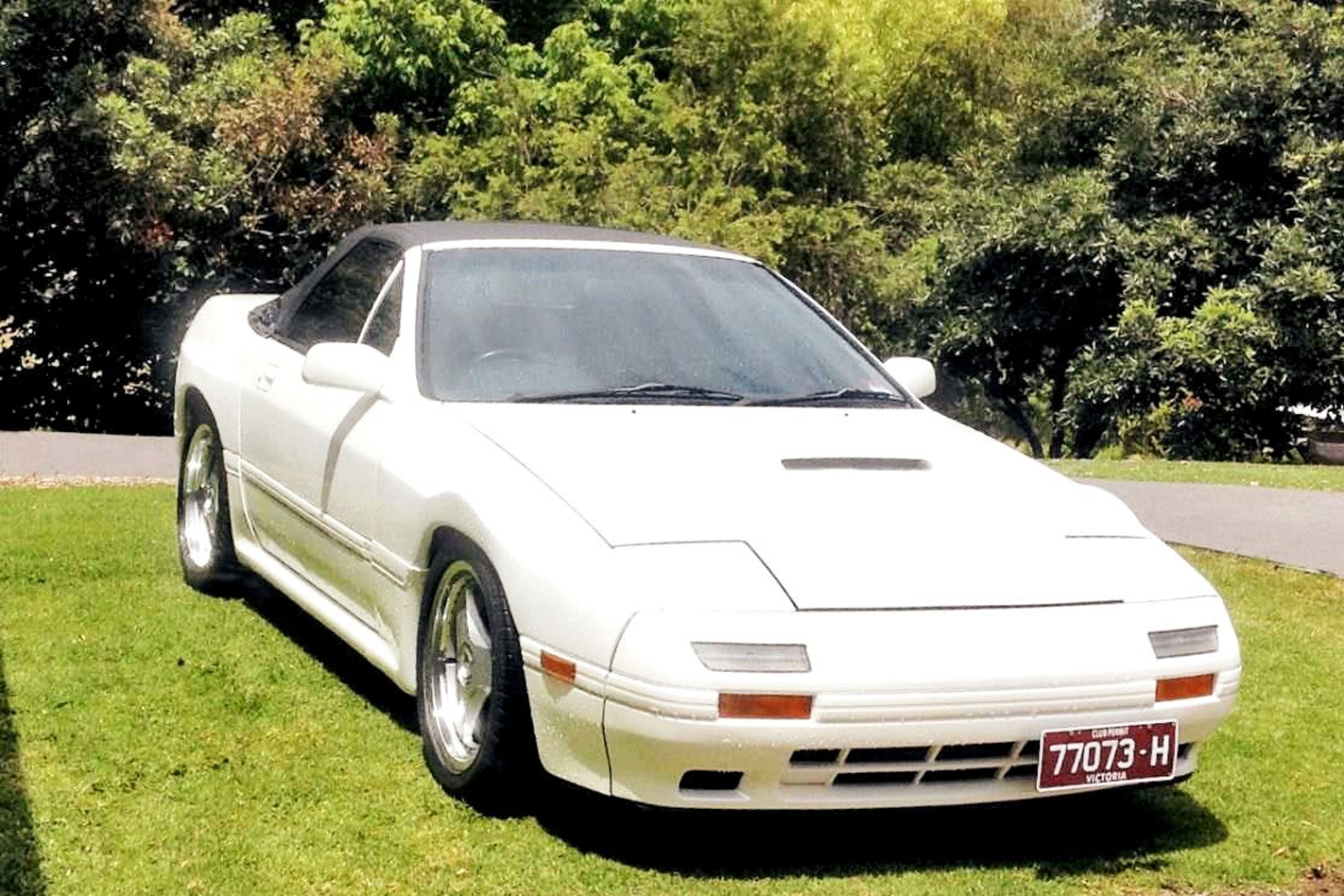
For those outside of the community, the amount of money traded hands for early examples of the Mazda rotary car are simply extraordinary, while generations of younger enthusiasts continue to fuel the popularity of the Fast and the Furious-immortalised FD-generation RX-7 coupe.
We are of the opinion that the second FC-generation of RX-7 remains underrated amongst its contemporaries.
The second-generation RX-7 was a generational leap with new multi-link suspension and disc brakes at all four corners. Wheelbase and overall body dimensions were virtually unchanged from the preceding generation, and yet the whole car was 10kgs lighter.
While they were sold locally in an official capacity, Mazda Australia never brought in the turbocharged soft-top model, opting instead for the naturally-aspirated version due to costs.
This one, however, is an unusual Japanese-spec turbocharged variant which is good for about 146kW – or about 32 percent more than our native cars.
While the automatic gearbox may dissuade some diehard Japanese sporting enthusiasts, the RX-7 looks to be in tremendous surviving condition with just 65,364kms indicated.
1997 Mercedes-AMG E36 – $19,999
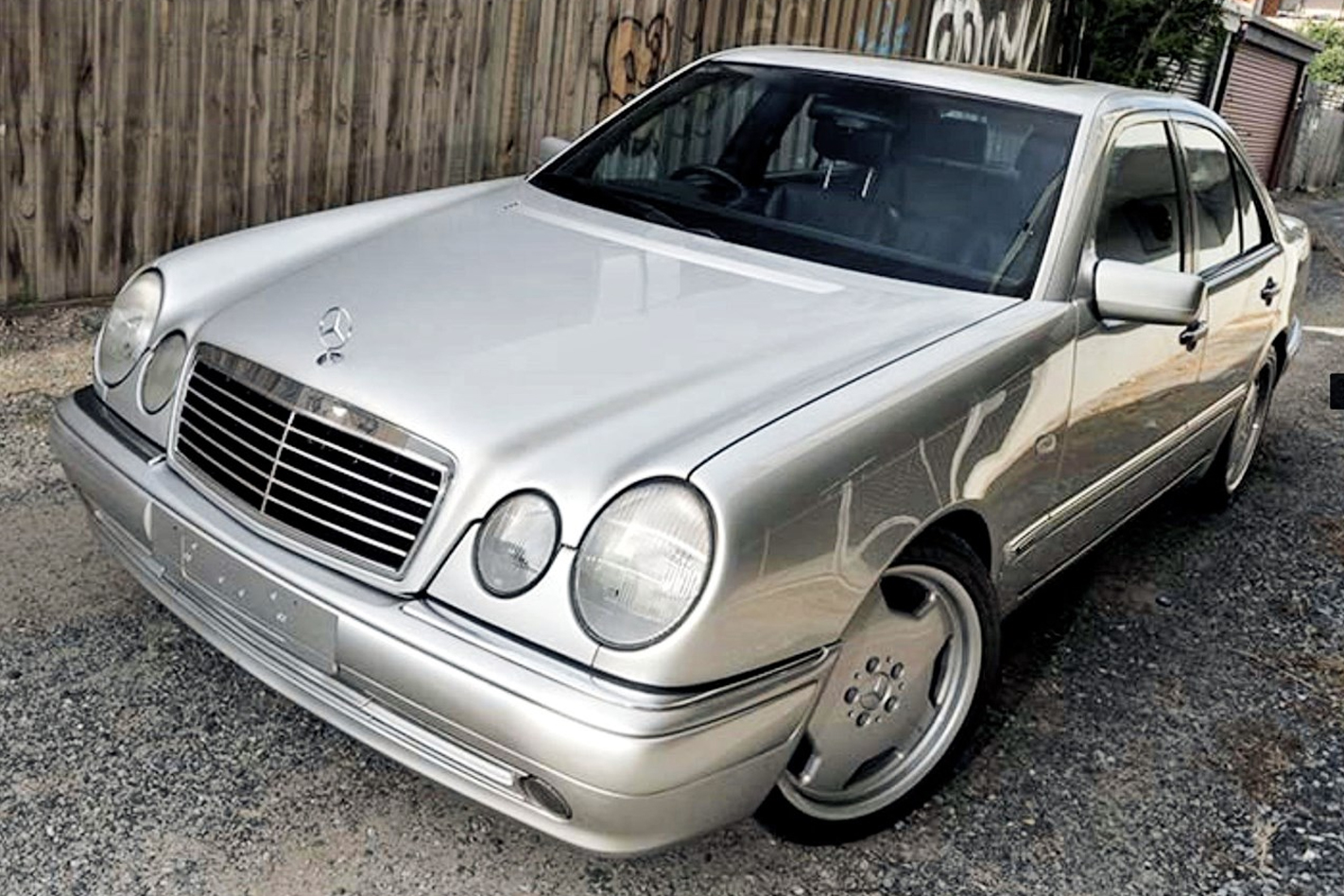
There is perhaps no car that archetypes the very notion of the ‘modern classic’ better than early AMG examples.
And we’re talking AMG cars built, by hand, before the company was purchased by Daimler-Benz, of which this car is one!
Representing one of just 400 produced worldwide, and one of 49 sold in Australia, this 1997 W210-based E36 AMG represents one of the rarer models of this era.
Its engine was based on the pedestrian 2.8lt M104 inline-six, but was bored and stroked to 3.6lt and made a 911-rivalling (for the time) 206kW with the addition of forged pistons, modified intake and exhaust systems, and a re-tuned engine management system.
This example said to be in beautiful running condition and shows 177,000km travelled.
The registration expired in June, however, and the seller states that the price reflects the need to register and “attend to minor bodywork”.
While the E36 only just slips into our price bracket, depending on what is needed for roadworthy and registration – and whatever ‘bodywork’ the seller speaks of – this may actually be the best buy here.
This weekend the boys and girls of the Supercar field are setting blistering times as part of the Bathurst 1000.
But almost ten years ago, Bathurst witnessed a lap that is unlikely to be matched for a very long time, and certainly not by a beloved Supercar touring car.
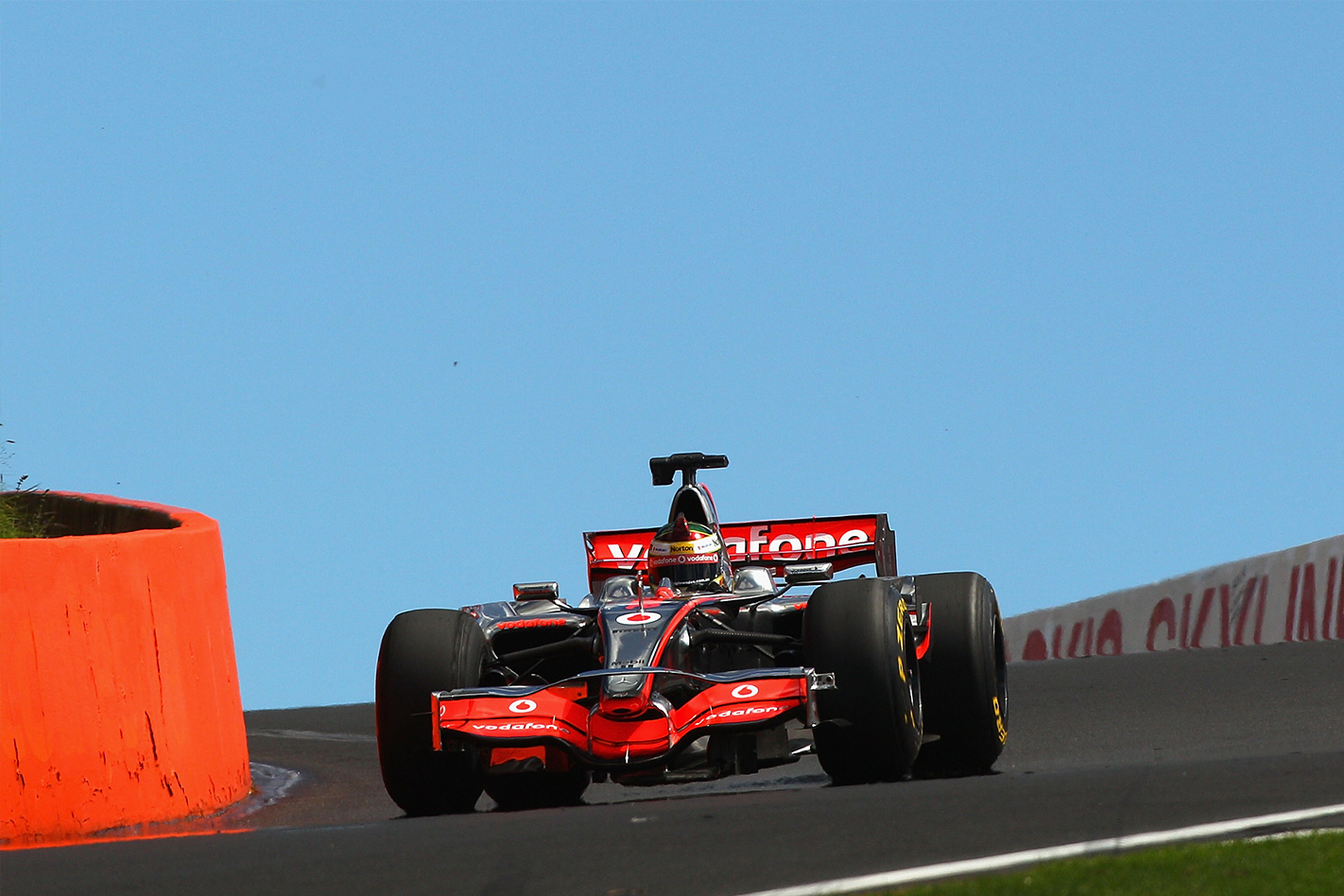
Vodafone brought Jenson Button and a Formula 1 car to Mount Panorama for a special showcase in 2011 – during which, Button set one of the all-time great laps of the circuit.
Coming in at 1:48.8 the McLaren-Mercedes MP4-23 Formula One car lap shattered all before it.
Oh, and Supercars legend Craig Lowndes was only a second slower than Button around the same track – in his first ever steer of an F1 car.
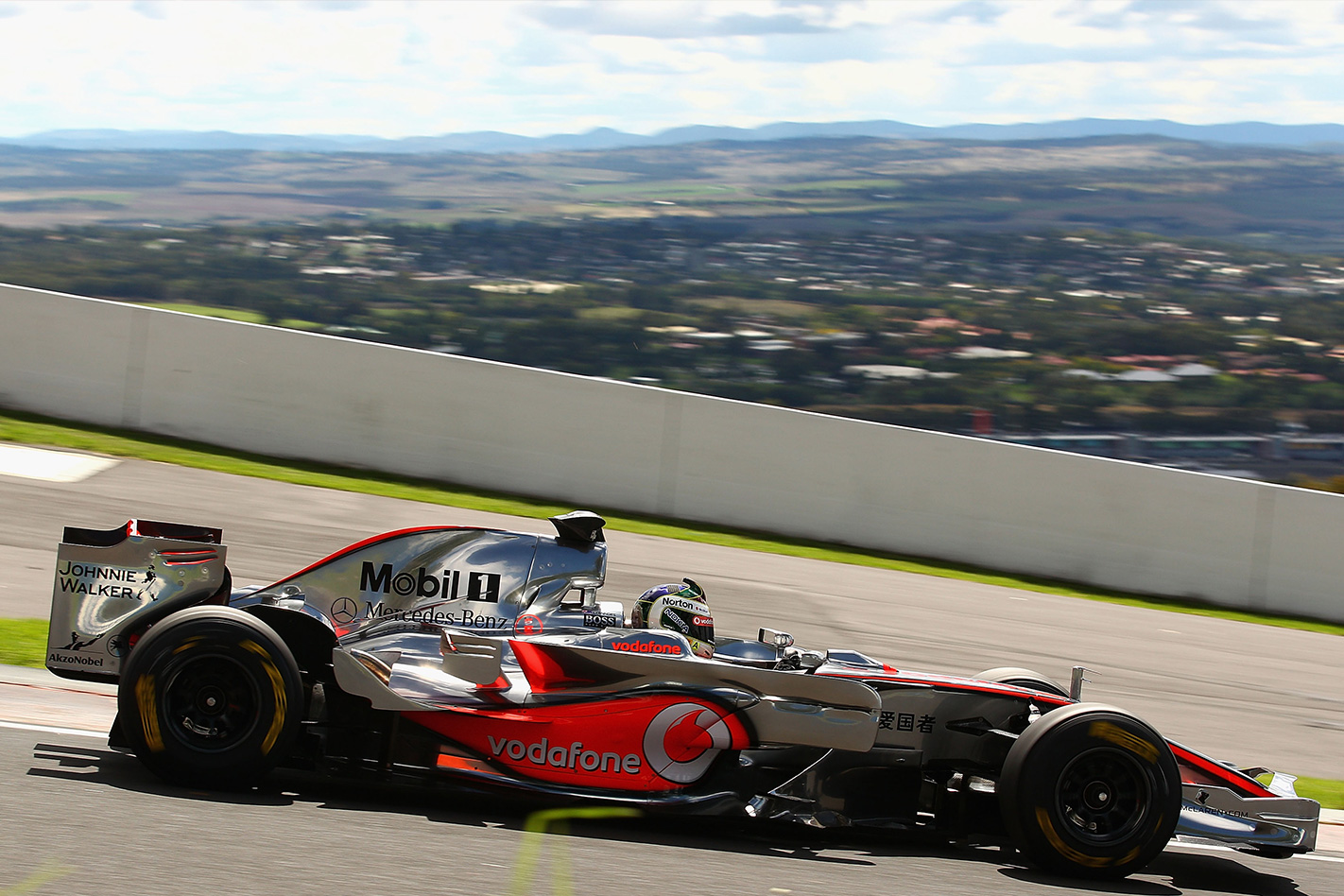
The fact Mount Panorama operates as public road for most of the year caused some problems for Button and the F1 car.
“I could hardly turn the wheel coming into the turn [for Conrod Straight] and it was a bit scary down the straight with it being so bumpy,” he explained at the time.
No one before or since has completed a lap of The Mountain quicker. However, it is only an unofficial lap record.
An oft misunderstood quirk of motorsport lap records is that in order for them to count, they have to be performed under racing conditions.
This means quick laps from practice and qualifying are not counted, nor are those clocked during showcase events such as the one Vodafone put on in 2011.
Shane van Gisbergen is the fastest man around Mount Panorama under race conditions, setting a 2:01.567 lap during the 2016 Bathurst 12 Hour – which he and teammates Alvaro Parente and Jonathon Webb won outright.
However, Christopher Mies is the official outright record holder, setting a 1:59.2910 during a Challenge Bathurst event in 2018, driving a derestricted Audi R8 Ultra GT3 car.
Challenge Bathurst is a time-attack event that essentially turns a qualifying session into the race – hence Mies’ time being counted as the fastest official lap around Mount Panorama.
The rules were changed by Motorsport Australia soon after this to limit lap records to those set during a ‘traditional’ race.
On top of that, neither of those time are the quickest for a car with a roof. That honour goes to the Brabham BT62, which set a 1:58.69 with Luke Youlden at the helm during exhibition laps at the 2019 Bathurst 12 Hour.
Curious what the road car lap record is? Bernd Schneider piloted a Mercedes-AMG GT R to a 2:16.5 lap in 2017. This is officially recognised as the Mountain’s production car lap record.
The current Supercar record is a 2:04.7602 set by Chaz Mostert in 2019, but everyone remembers Scott McLaughlin’s 2:03.3783 that was set during the Top 10 Shootout (but later scrubbed from the record books because of an engine
To put the speed difference into perspective, the F1 car would almost lap the GT R after about five tours around the circuit.
But forget all that. Turn your speakers up and enjoy the sounds of a V8-powered F1 car ripping round Mount Panorama.
What would you like to see complete a lap of Mount Panorama?
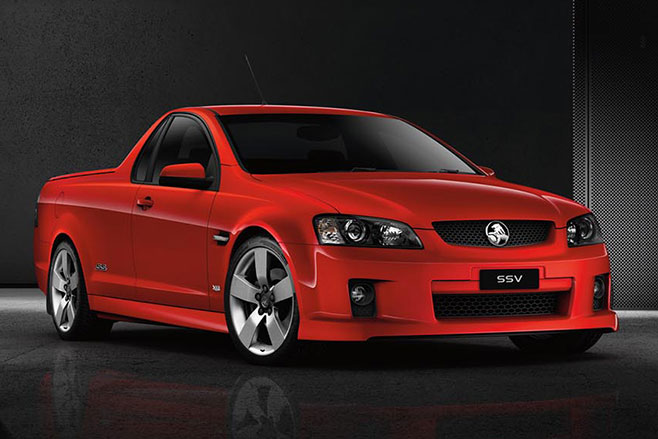
Holden’s following up its much-loved Monaro CV8 restoration giveaway project with another two-door favourite, the Commodore SSV Redline ute, that’s set to be called the TribUTE.
Based on a red 2010 VE II SSV Redline ute sourced second-hand through the brand’s remaining service network, the TribUTE will be given away in 2021, a year that marks 70 since Holden’s first foray into the body style with the FJ Holden Ute.
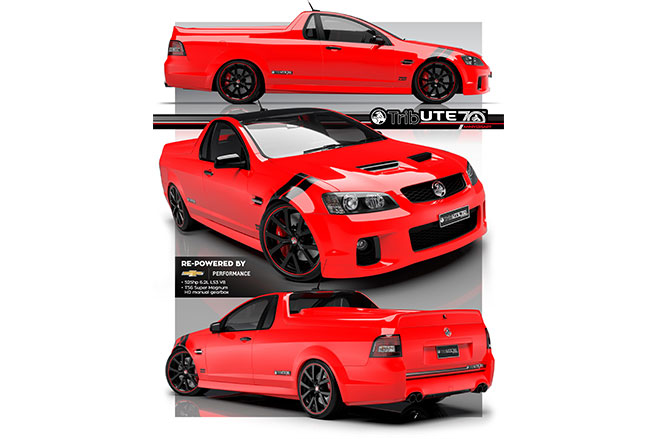
Headlining the parts list is an LS3 V8 crate engine seasoned by Chevrolet Performance to produce 392kW turn-key.
The 6.2-litre engine will back on to a T56 Super Magnum six-speed heavy-duty manual transmission, which is rated to a whopping 949Nm.
As it was done in the day with regular Redline variants, the chassis will be fitted with FE3-suspension and staggered tyres stretched across 20-inch wheels.
The standard Brembo brakes will score upgraded drilled discs.
Just one example of the TribUTE will be restored and shipped to a winner, and you can secure an entry by either servicing your Holden at a certified outlet or by buying AC Delco oil through GM Trade Parts.
With registration and on-road costs included, Hoden has valued the TribUTE at $80,000, or more than any Redline cost new.
We understand the TribUTE’s donor vehicle is already in the Holden service network’s hands, well ahead of the competition’s end date in late July next year.
While it will be restored to beyond its former glory, the TribUTE is not a new car, and the online terms and conditions found on AC Delco’s website state that “the only warranty given by the Promoter with respect to the vehicle is that it is roadworthy when given to the winner.”
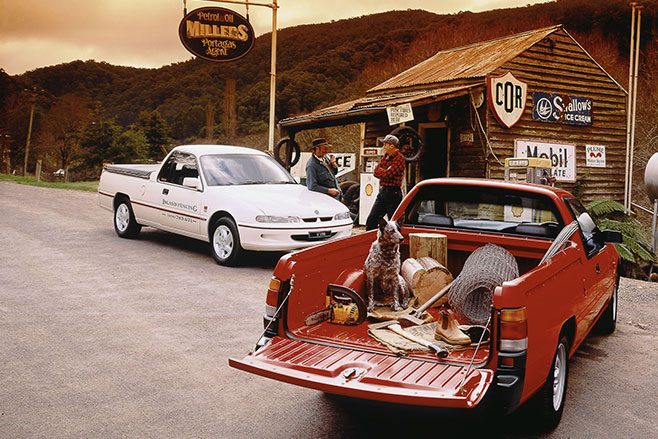
Holden was once Australia’s most popular car maker, producing 7.68 million cars in Australia since 1948 up until 2017.
Parent company General Motors at the start of this year announced the then-import-only brand was set for closure, citing it did not align with the company’s direction to focus on left-hand drive markets.
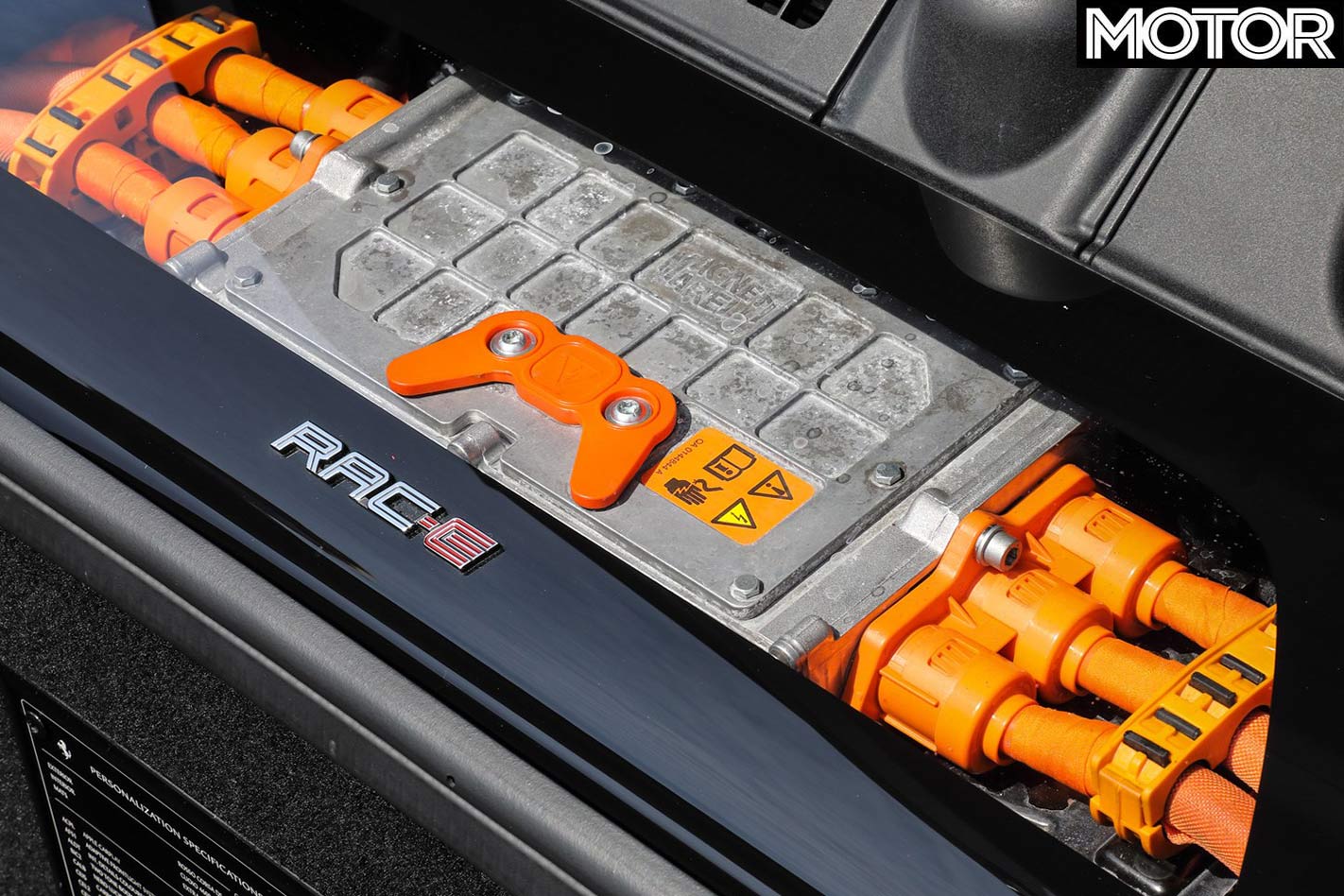
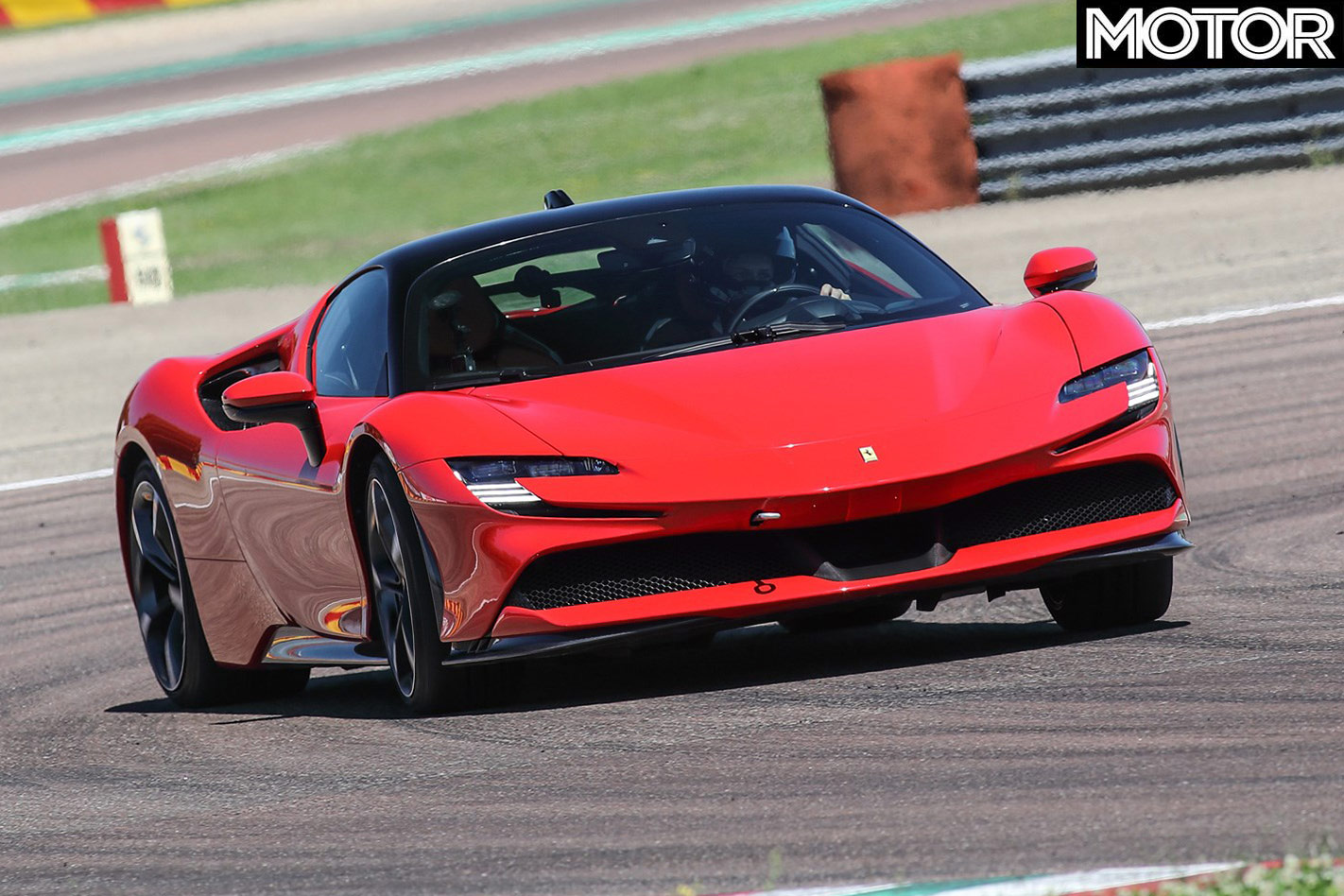
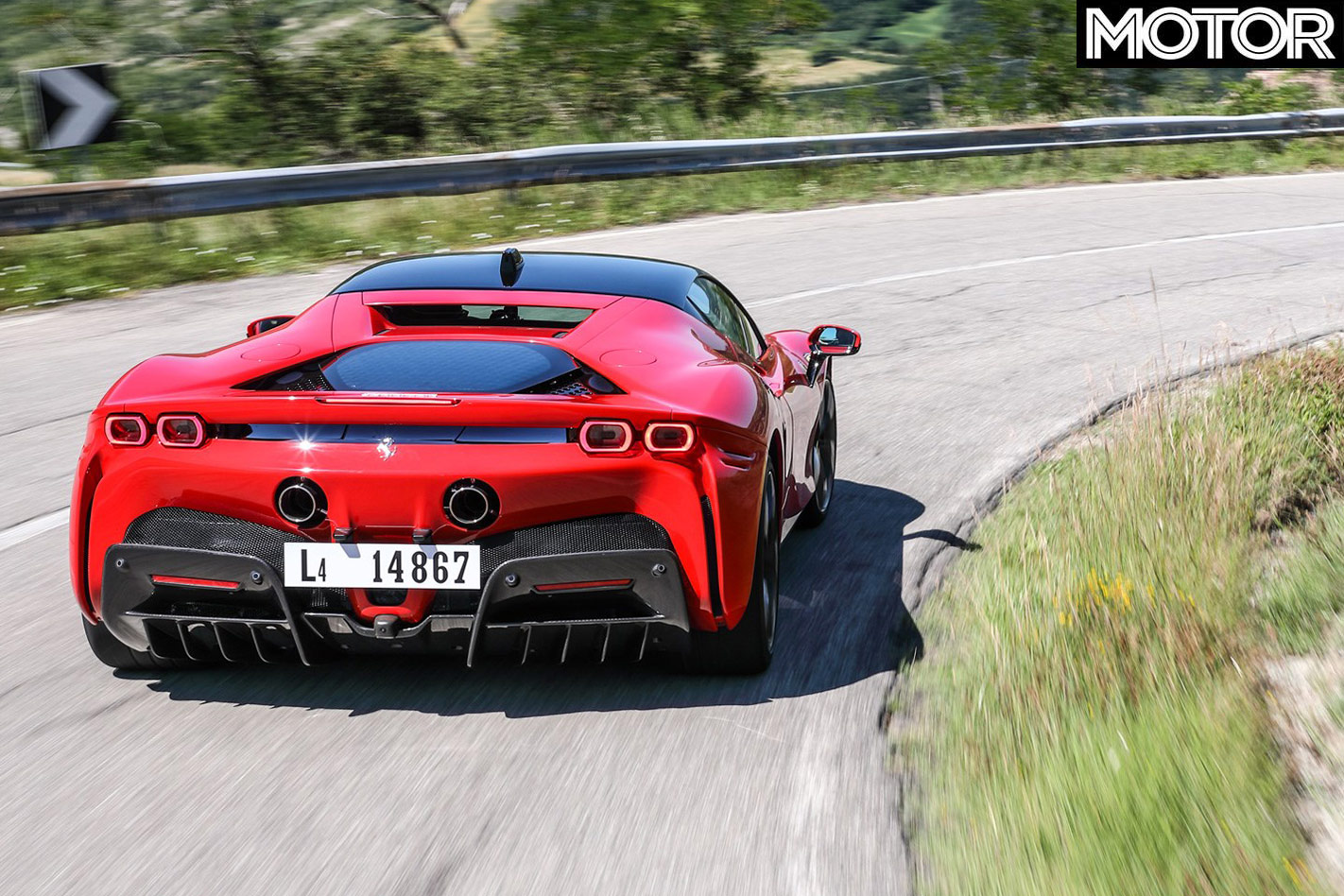
It’s the secret weapon behind the headline grabbing 735kW Ferrari SF90 Stradale and yet it’s only about as big as a your average deep-pan pizza. Say hello to the YASA axial-flux electric motor.
If you’re wondering, YASA stands for Yokeless And Segmented Architecture, which both describes the product’s technical standpoint and its manufacturer’s name. But, axial-flux? Pay attention…
Bolted between the SF90’s twin-turbo V8 and dual-clutch transaxle the YASA motor is the key player in the Italian brand’s first-ever full hybrid powertrain.
But given Ferrari has electrified cars like the LaFerrari to shocking levels of power before, what makes the SF90’s rear motor different is its axial flux, or ‘pancake’, design.
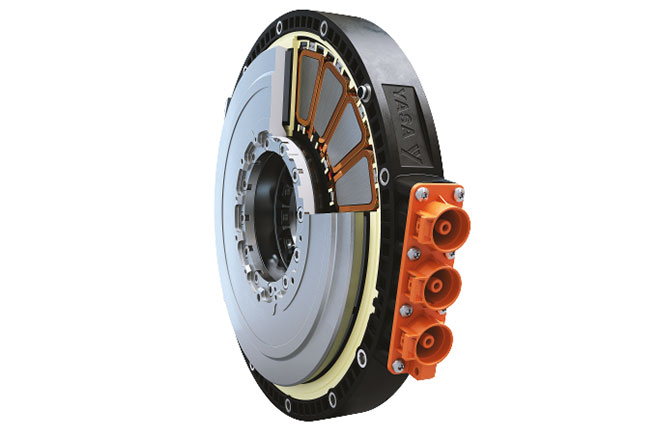
Some within the brand claim the special motor is a production car first, while YASA says it’s key to a staggering kilowatt-to-kilogram ratio.
For every kilogram, the rear electric motor it punches out a hefty 14kW in return. To match that sort of power density a Bugatti Veryon’s 8.0-litre W16 quad-turbo engine would need to produce 5600kW.
| MORE: We unleash Ferrari’s 1000bhp hybrid!
The SF90 also happens to pack another two Magneti Marelli electric motors on the front axle for all-wheel drive, like a Honda NSX, but they’re rated at only 8kW-per-kilogram.
At almost half the YASA motor’s power density they highlight the key advantages in the YASA motor’s design, which packages its components differently to the front motors.
Think of a shaft spinning within a cylindrical drum. Magnets inside the drum act on metals on the shaft, forcing it to spin, creating drive.
Whereas with an axial-flux motor, the magnetic field runs along the same axis as the rotating assembly. It’s like having two stacked plates, except one stays stationary and uses electromagnetism to spin the adjacent plate.
Okay, so these are oversimplified explanations, but they make it easier to picture how axial-flux designs are superior.
Whereas in a radial flux design, the magnetic surface area is limited by the drum’s and shaft’s diameters.
In the end, this means the Magnetti Marelli motors, weighing 12kg a pop, can apply 99kW and 85Nm each. Impressive.
But the 10.7kg YASA motor fires a shot of 150kW and 266Nm directly to the SF90 engine’s crankshaft it’s bolted to.
| MORE: The rules that will shape F1’s future
On top of this, YASA claims axial flux motors use less precious metals, reducing cost, while they also lend themselves to stacking, so you can easily double or triple the output by arranging some in a row – like rotary engines – while using little space.
After all, the YASA rear motor measures only 72mm long, explaining its nickname as a ‘pancake’ motor.
Still, the YASA motor’s 150kW output is enough to shade a Renault Clio RS 200 on power and it’s in fact more potent than an F1 car’s Motor Generator Unit Kinetic motor, rated at 120kW.
| Read next Charles Leclerc tears through Monaco in an SF90
But injecting the SF90 with a burst of speed when chasing down McLaren 765LTs is not the YASA motor’s only purpose because the SF90’s front motors are responsible for driving it in reverse when the battery’s drained.
The petrol motor switches on to use the YASA unit as a generator for as long as the front motors need it.
Sure, buying a car brand-new has its perks. Things like the knowledge that nobody else’s bum has creased the seat fabric, that you’ve got the full factory warranty to cover any defects, and the reassurance that your car has never ever been in a crash.
However, those things come at a significant cost: depreciation. It’s the biggest financial drain that comes with car ownership, and most cars will see a massive chunk of their purchase value lost in the first three years. Bummer.
It’s often said that as soon as a car drives off the dealership lot, it loses 10 percent of its value. Sadly, that statement is actually not too far off. Unless it’s a limited edition model or in high demand, new car buyers can kiss goodbye a significant amount of cash as soon as they take delivery.

Yet, if you’re the kind of savvy shopper that doesn’t mind buying something used, depreciation works in your favour. Don’t need to drive the latest and greatest model? Opting for something that’s older could save you a bunch of cash.
So which cars cop the most depreciation after three years, and are thus ripe pickings for bargain hunters? We’ve trawled through resale data supplied by industry monitor Glass’ Guide to give you a segment-by-segment breakdown of Australia’s depreciation darlings:
Light hatch
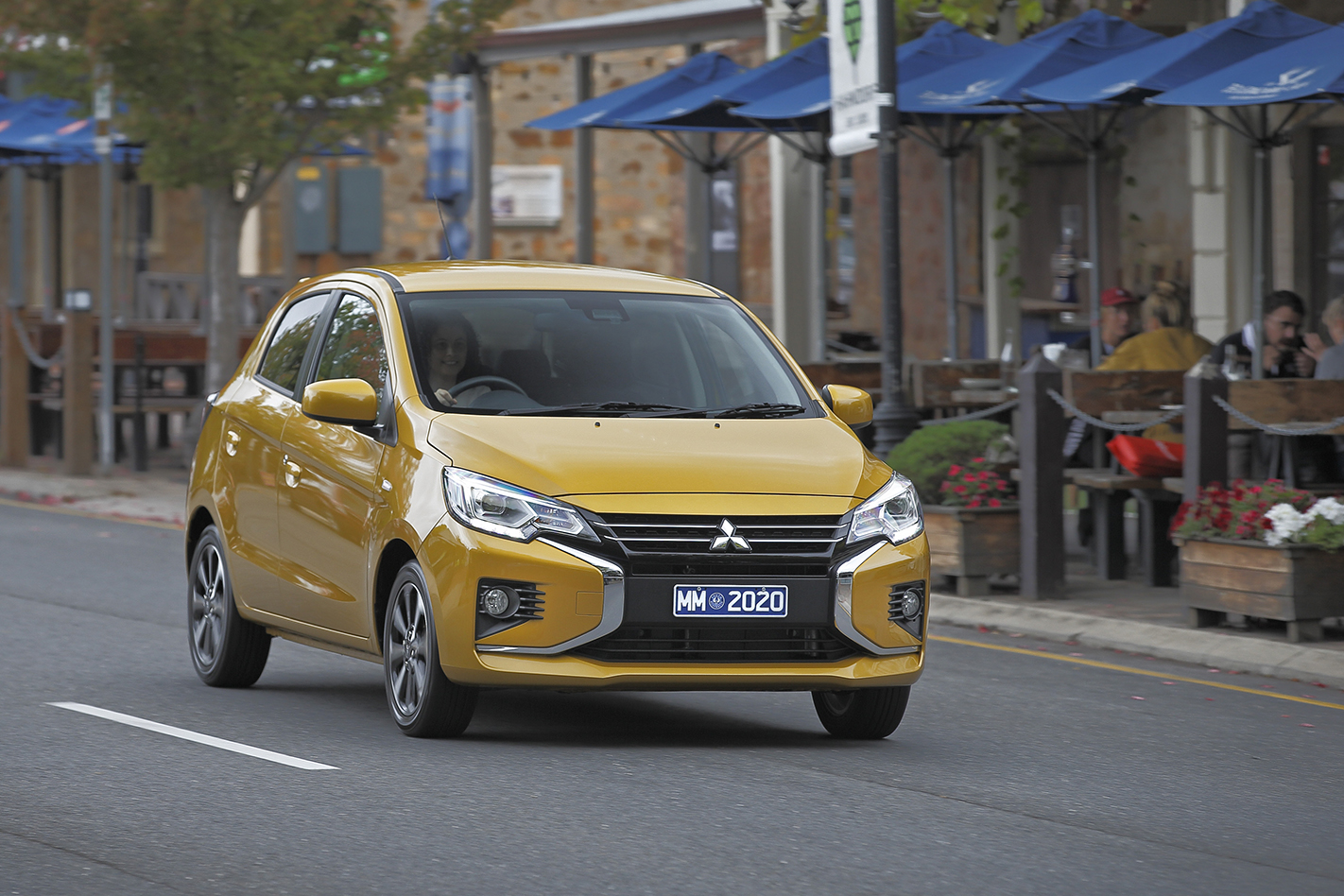
Mitsubishi Mirage ES manual
- Three-year resale value: 41 percent
- Original RRP: $14,990
- Three-year estimate: $6146
Small
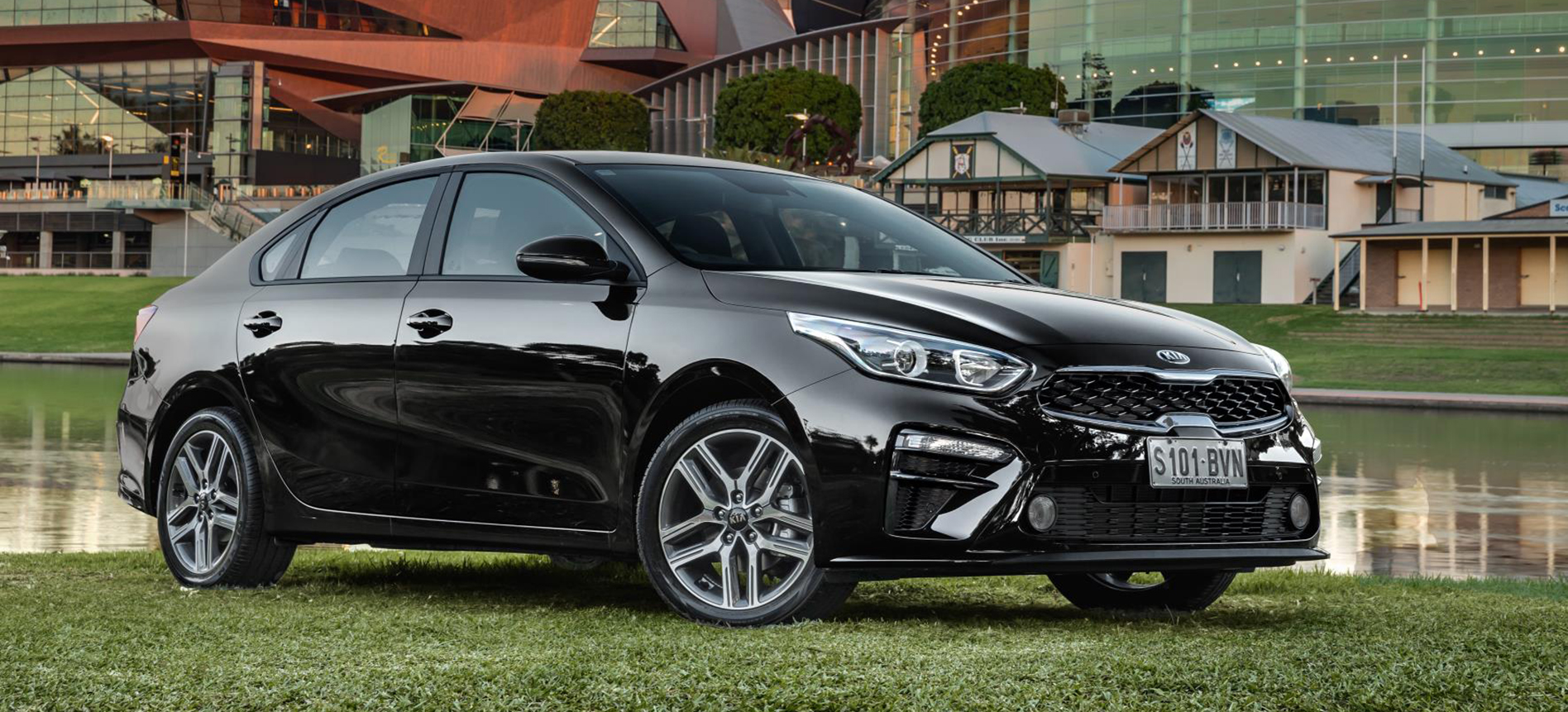
Kia Cerato S sedan automatic
- Three-year resale value: 47 percent
- Original RRP: $23,790
- Three-year estimate: $11,181
Additionally, the manual has the same resale potential as the auto, so you won’t be losing out if you decide to shift gears yourself either.
Mind you, the Cerato is beaten out by the fastest-depreciating vehicle in the small car segment, the Alfa Romeo Giulietta. That car only retains 44 percent of its $35,950 retail price after three years, meaning a $15,818 bargain with plenty of Italian panache three years down the track. However that’s still several grand more than the Cerato, which we reckon is a better value buy.
Medium sedan
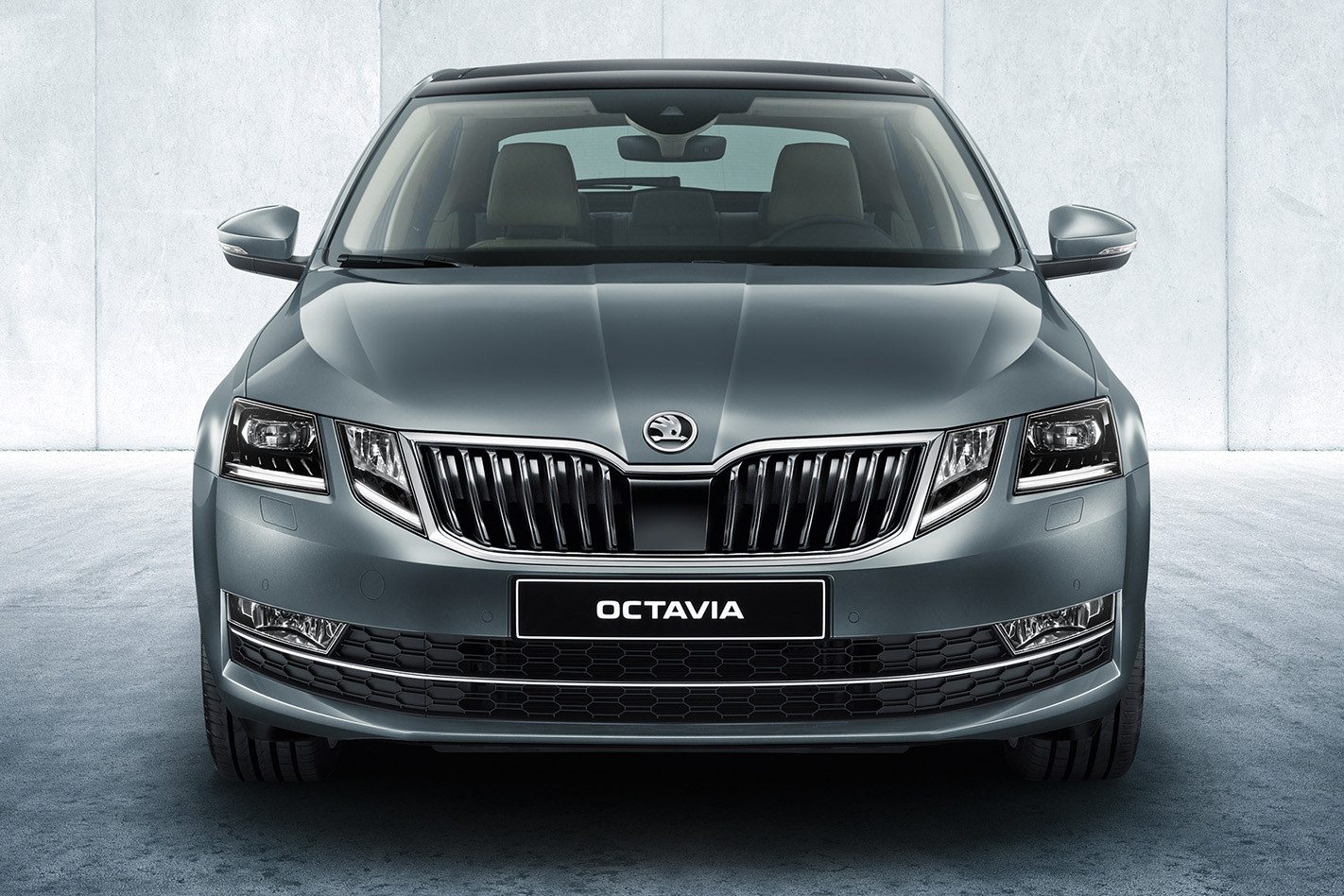
Skoda Octavia 110TSI manual sedan
- Three-year resale value: 43 percent
- Original RRP: $25,890
- Three-year estimate: $11,132
For an Asian alternative, the Toyota Camry doesn’t fare much better than the Skoda when it comes to resale, with most variants retaining just 44 percent of their purchase cost after three years. That means you can snare a base model Ascent petrol for a little over 12 grand once they’re at 36 months of age – which is a great deal, as the current Camry is a well-rounded, well-built and dependable sedan.
Large sedan
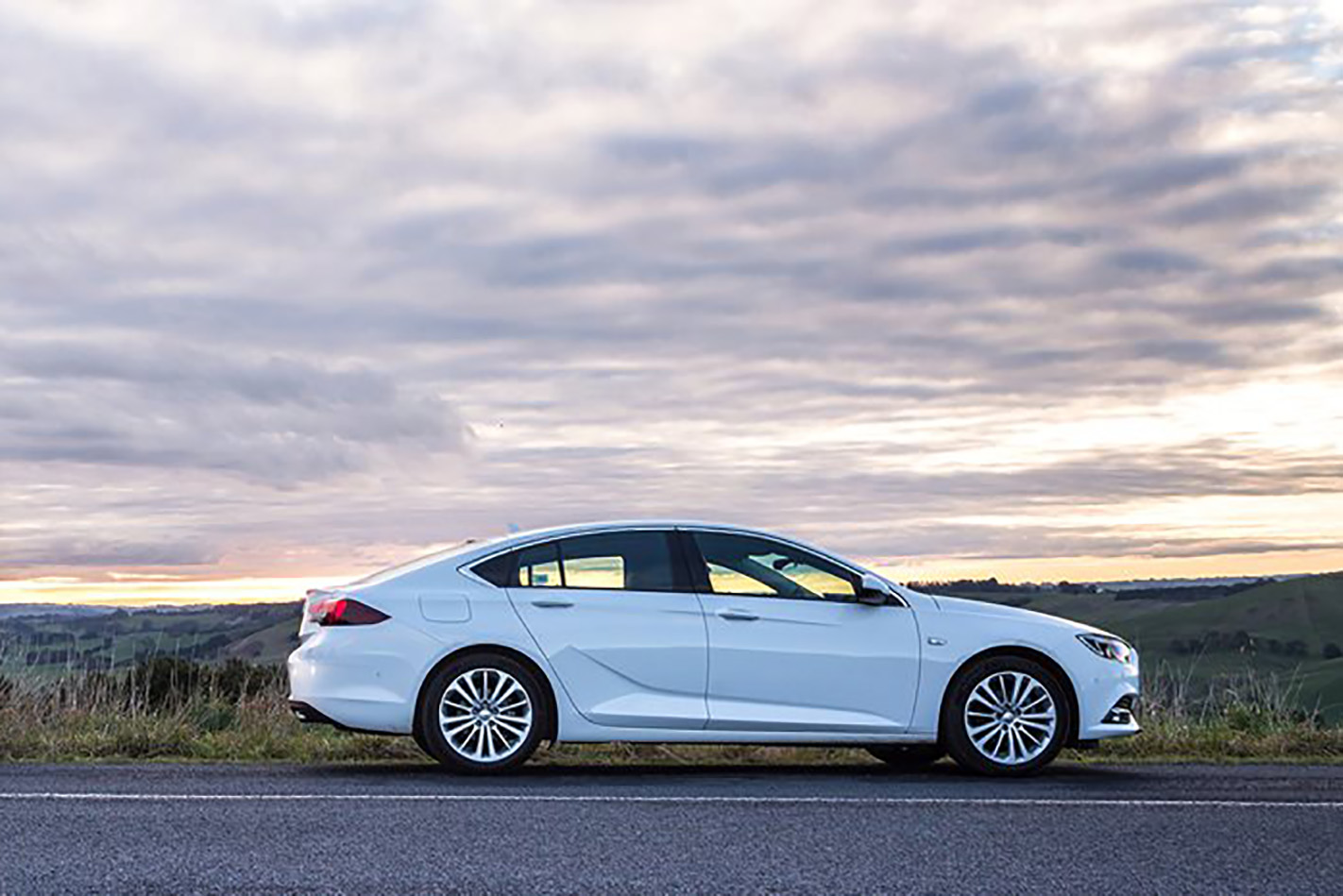
Holden Commodore LT 2.0L
- Three-year resale value: 36 percent
- Original RRP: $33,690
- Three-year estimate: $12,128
Look at the Commodore on its merits, and it’s actually a decent buy. You’ll still be able to service it, parts will be around, and you’ll have two years of factory warranty remaining after the three-year depreciation period.
Interestingly the Skoda Superb 162TSI does even worse for resale than the Commodore, hanging on to a mere 33 percent of its $43,990 original retail sticker to sit at $14,516 after three years. It doesn’t have the power of the Commodore, but with a used value that’s not too far off that of the Holden it’s an intriguing alternative if you don’t mind paying a touch more.
Premium sedan
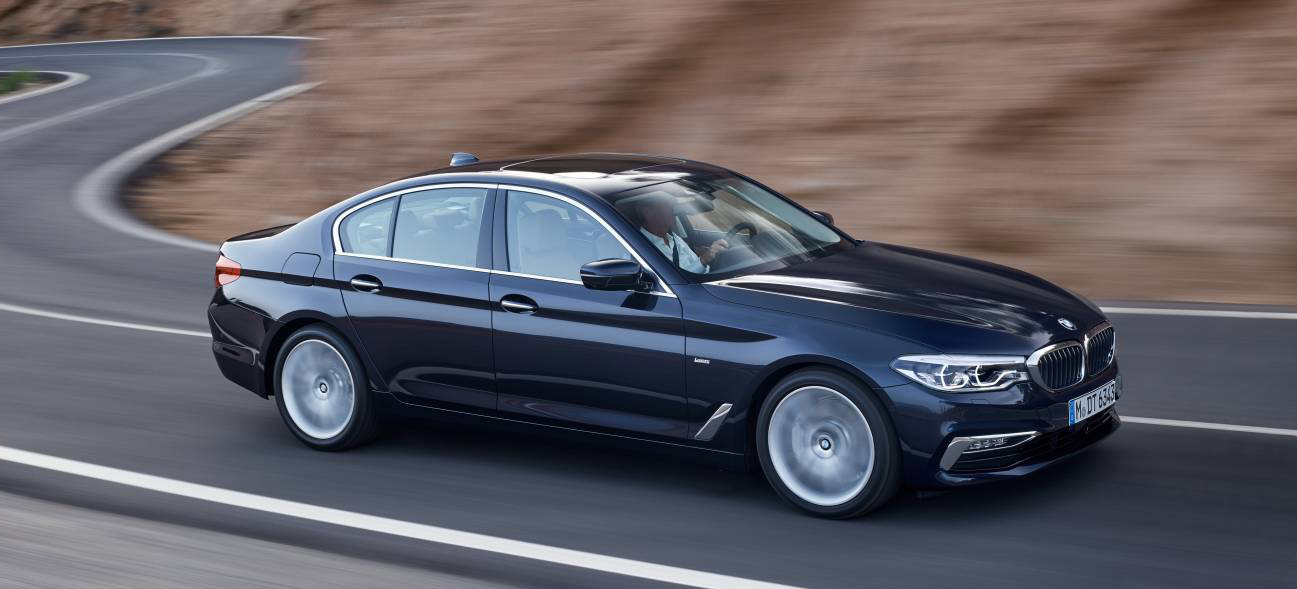
BMW 520i
- Three-year resale value: 36 percent
- Original RRP: $90,990
- Three-year estimate: $32,756
Ergo, they’re bargains as used cars. More than the 520i, the whole 5 Series range depreciates quite hard too – so take your pick.
A mid-size premium sedan for less money than a new Toyota Corolla? You read that right!
Small SUV
Haval H2 Premium
- Three-year resale value: 44 percent
- Original RRP: $22,990
- Three-year estimate: $10,115
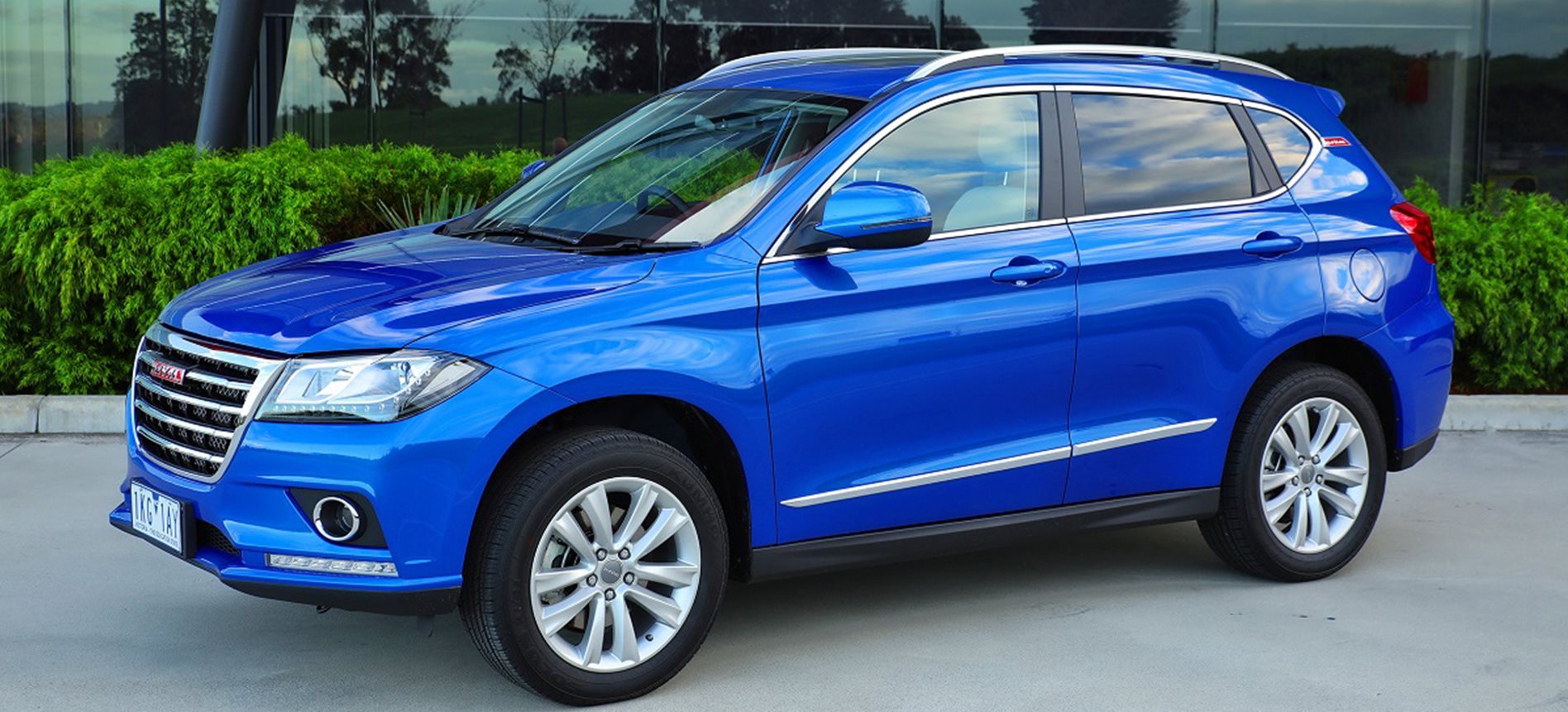
The Haval H2 doesn’t really have a whole lot going for it, being one of the least impressive small SUVs on the market. It is, however, exceedingly cheap to purchase, and even cheaper to buy used. Just over ten grand for a high-riding small SUV really isn’t a whole lot of money.
If you want a REALLY small SUV, the Suzuki Ignis is another depreciation gem. The base Ignis GL manual retains only 44 percent of its original value over three years, meaning roughly $7000 should see you land one of the tiny crossovers in your garage. That said, its diminutive size won’t be for everyone.
Medium SUV
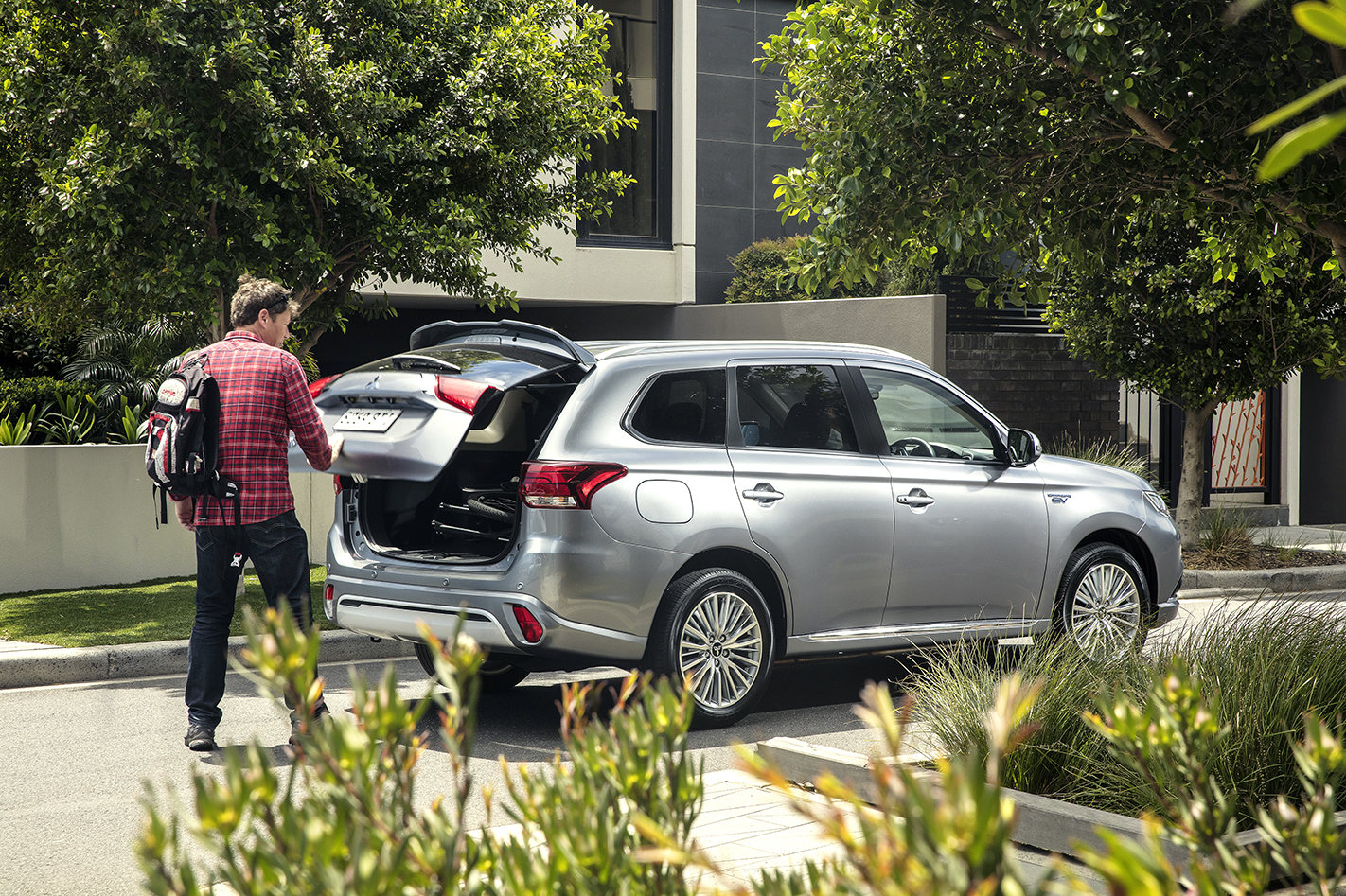
Mitsubishi Outlander PHEV ES
- Three-year resale value: 42 percent
- Original RRP: $45,990
- Three-year estimate: $19,315
Here’s a bargain that more Australians should be taking advantage of. Not only is the Mitsubishi Outlander PHEV one of the only plug-in hybrid SUVs in the mainstream market right now, (which gives families the ability to avoid spending money on petrol) but it also cops huge depreciation that makes a pre-loved example cost less than a much-less-useful Mazda CX-3 does when new.
Large SUV
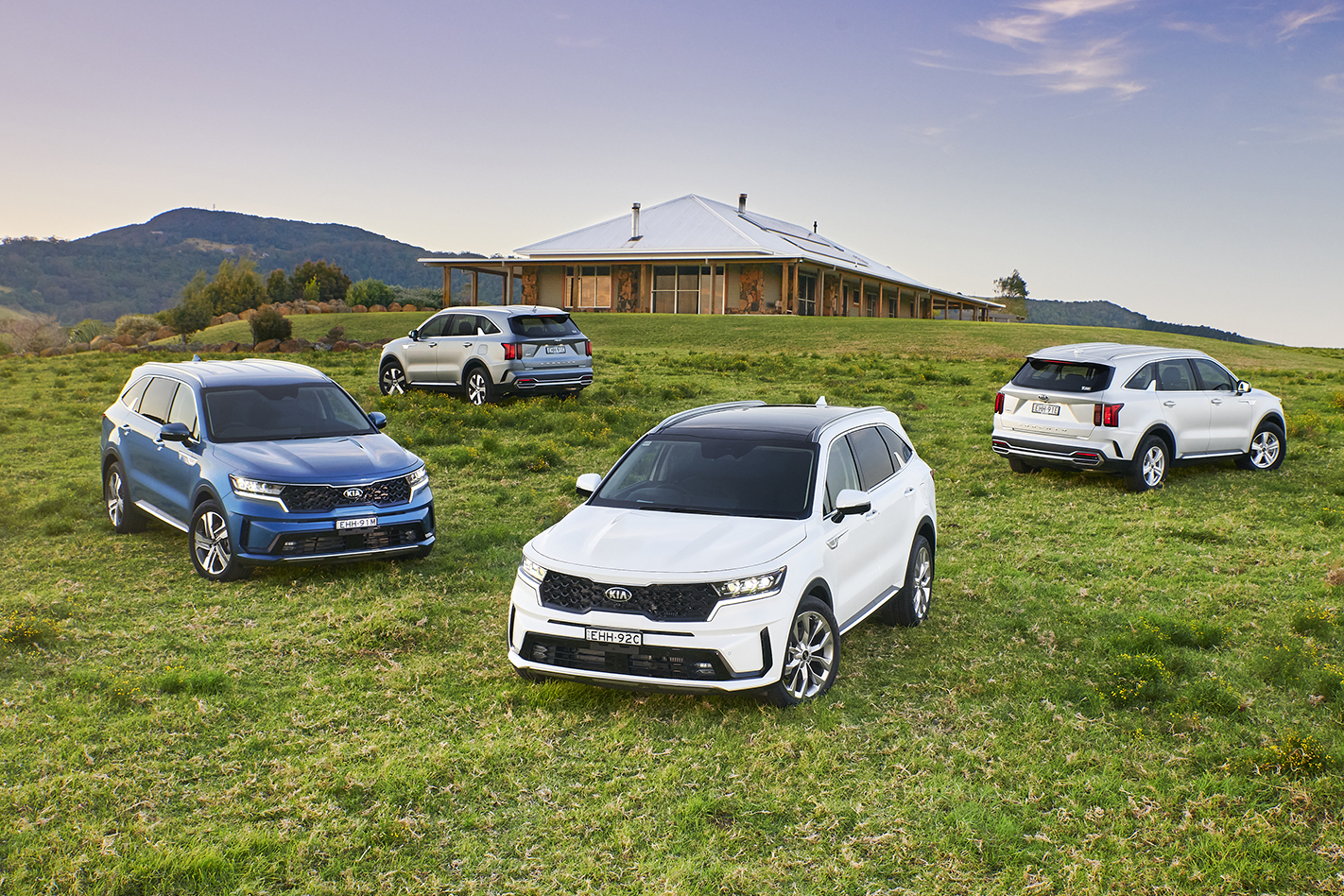
Kia Sorento GT-Line FWD
- Three-year resale value: 54 percent
- Original RRP: $60,070
- Three-year estimate: $32,437
After those three years of ownership, you’ll have a four-year balance of factory warranty remaining, and the Sorento will still fare quite well as one of Kia’s top notch products.
With that in mind, you’re getting a pretty decent deal paying just over half of what the thing cost when new just three years ago.
At the end of the day, you can happily go into many large SUV purchases knowing that you’re getting a pretty good deal in terms of resale.
Sports Cars
Subaru BRZ manual
- Three-year resale value: 50 percent
- Original RRP: $34,990
- Three-year estimate: $17,495
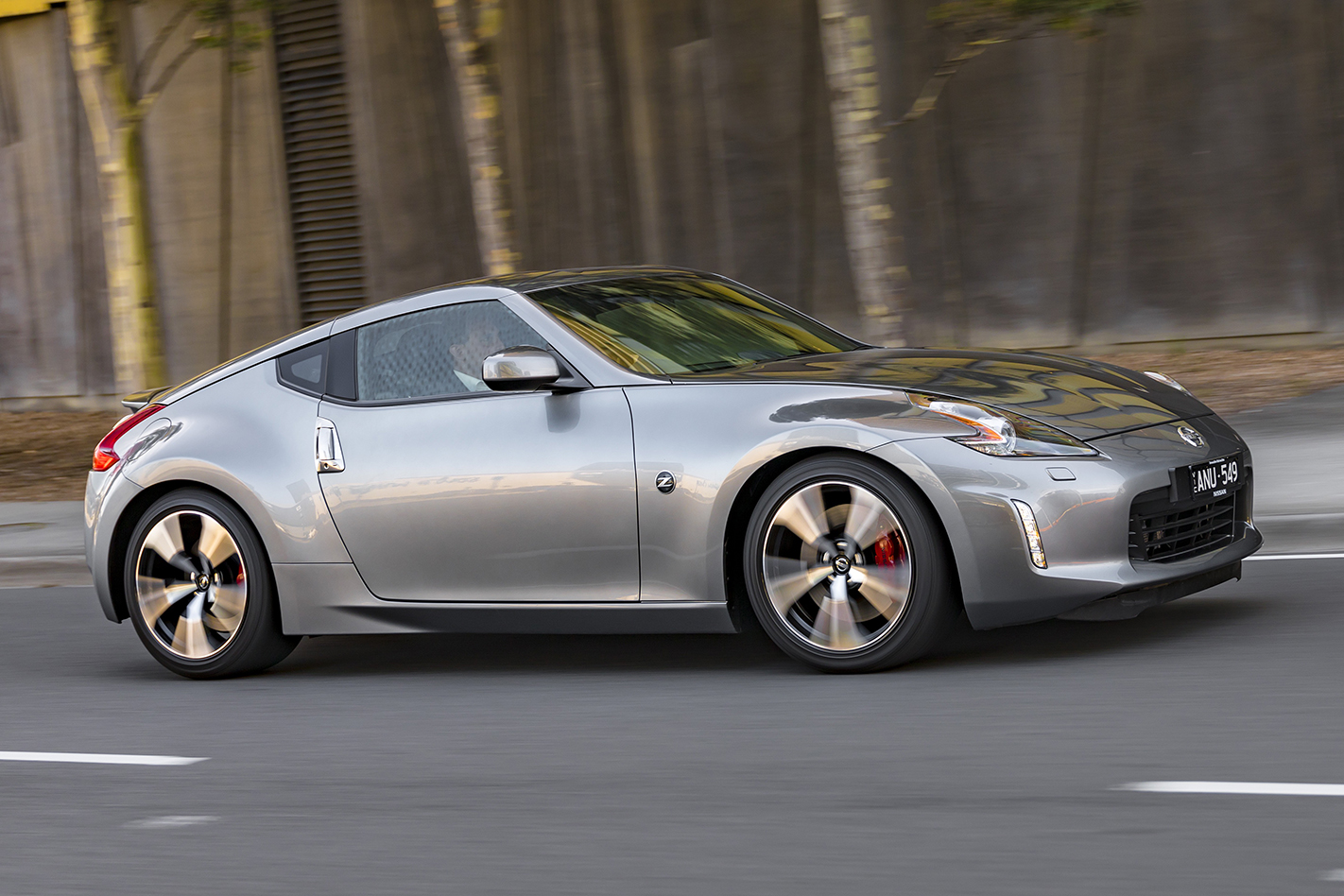
If you’d like something with a heck of a lot more grunt, the the Nissan 370Z N-Sport manual has the same 50 percent resale score as the 86, but a 245kW 3.7-litre V6 that flexes nearly 100kW more than the Toyota 86’s 2.0-litre flat four. With a projected three-year resale of $24,245, the Nissan 370Z (below) offers a lot of performance for the money.
It’s worth noting that there are several other sports cars that depreciate more than the above two, vehicles like Mercedes-Benz’s SL (48 percent) and SLC (46 percent) and the Jaguar F-Type (49 percent), however with many of them having retail prices that are deep into six-digit territory, they still don’t end up as ‘affordable’ at the three-year mark.
Light commercial utility
Great Wall Steed 4×2 2.0L diesel manual
- Three-year resale value: 29 percent
- Original RRP: $18,990
- Three-year estimate: $5507
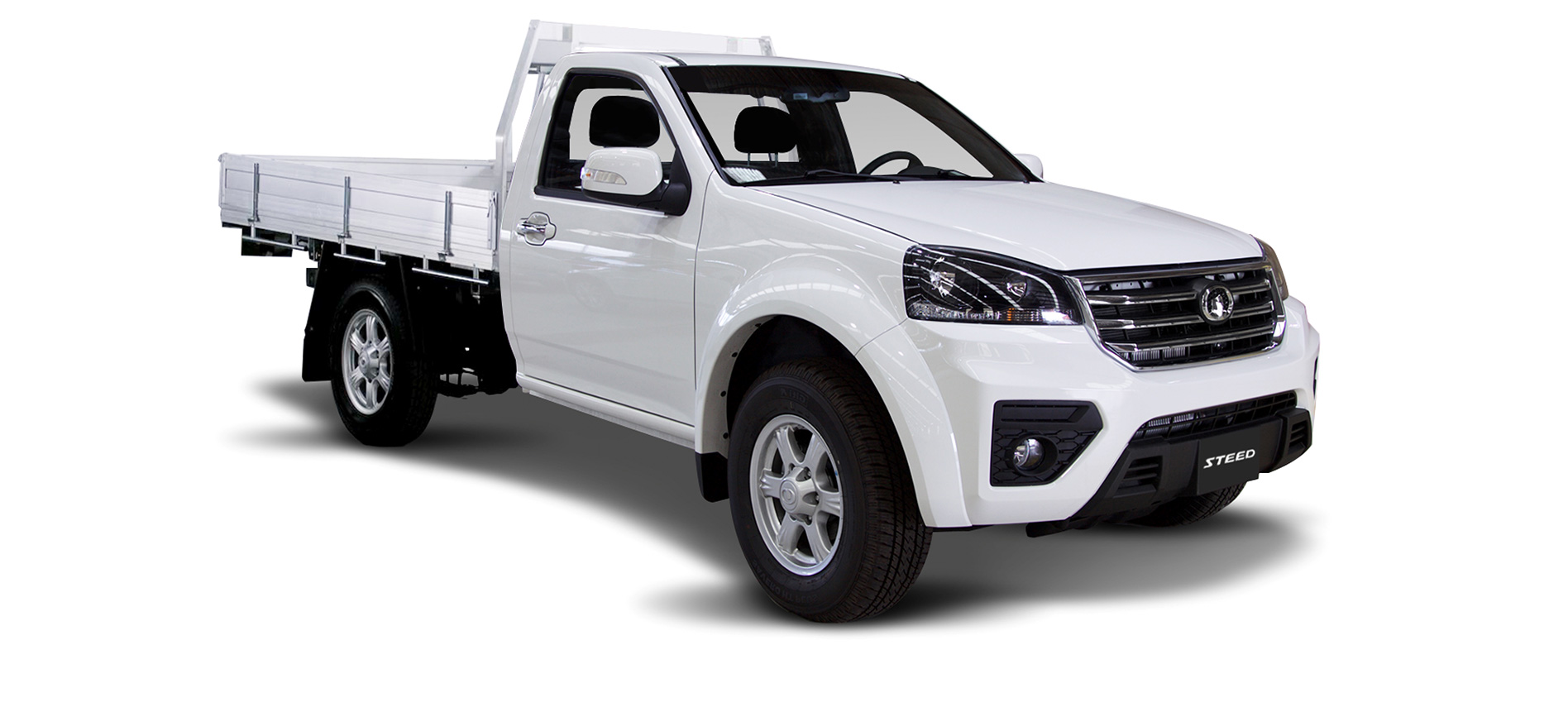
We’ve saved the best for last. Well, not the best, but you know what we mean. The Great Wall Steed is a bare-bones workman-grade ute that’s already dirt-cheap when parked on the showroom floor, but a brutal 29 percent retained value means it’ll cost less than six thousand dollars when it clicks over to three years of age.
And for shoppers just looking for a basic work ute to get the job done, that price projection is no doubt more attractive than any feature list. In case you were interested, the Great Wall Steed has the dubious distinction of having the lowest resale value of any car currently on sale according to Glass’ Guide.
- First prototype reveal of Rivan Amazon van
- Roll-out of huge order delayed until 2022
- Gives fledgling start-up a big shot in the arm
October 12 2020 – Amazon has released a video of its first electric delivery van, a little over a year after the project was announced in conjunction with electric car maker Rivan.
Looking very much like the comgen images released in September 2019 – and timed to drop just ahead of a huge worldwide Amazon Prime two-day sale for the global behemoth – the new Amazon van will be rolled out in the US before the end of 2022, according to the company.
The Amazon van features a walk-through style layout with a focus on driver safety and ease of use, and will use – unsurprisingly – an Amazon Alexa based speech control system that will work in conjunction with semi-autonomous driving technologies that are expected to feature on the delivery van.
Few other concrete details were released, but the huge order is an important one for Rivian, an electric vehicle company with huge backing from companies like Ford and Amazon, and with an owner that’s the diametric opposite of Tesla’s front man, Elon Musk.
It’s headed by a guy called RJ Scaringe… ever heard of him? He is the 30-something-year-old bloke behind Rivian, a decade-old electric vehicle company that landed the biggest single order of EVs in literally forever.
He likes wearing blue, according to his staff, is prepping a farm at one of his manufacturing sites to grow food for workers and spends 95 per cent of his time at work – and he signed off on a deal that could push EVs into the mainstream in the US.
Online behemoth Amazon wants 100,000 Rivian electric delivery vans – worth an estimated $8 billion – to be delivered from 2021, as it chases an ambitious carbon-neutrality policy.

That’s a pretty big order for a company that hasn’t built or sold a car … yet.
Scaringe is, in a nutshell, the yin to Telsa boss Elon Musk’s yang. Both are engineers, sure, but that’s about where the similarities end.
Musk’s multi-faceted, chaos-theory empire that includes space exploration, tunnel boring and solar panels is in direct contrast to Scaringe’s single-minded focus on creating a range of EVs that will, in the company’s words, “make the transition to sustainable transport an exciting one.”
It showed off its first vehicle, the R1T ute, in May 2019 at a large outdoor show, following it soon after with an SUV version.
Based around a modular skateboard deck-style platform with a motor at each wheel, Rivian is promising up to 280km range, 5000kg towing capacity (3500kg with the SUV), 600kW of power and 0-100km/h times of three seconds.
As well, its cars will be able to ford streams, be fitted with canopies, kitchens and other integrally designed accessories, and will start at around US$69,000 ($100,000).
Orders are being taken for late 2020 delivery, with Rivian saying it can build 25-30,000 a year.
“One of the reasons we’ve been quiet for so long is that we wanted all the pieces arranged so that when we showed the vehicles, it wasn’t hype, it wasn’t a show car; it was the real thing,’ he told the BBC at a show reveal of the company’s R1T pick-up.
“We’ve been lucky enough to have investors that allowed us to focus on technology, focus on the product and focus on the execution.”

RJ Scaringe
Along with that focus has come the funding… serious funding, in fact. Ford has tipped in around $800 million, while Amazon itself has tipped in a billion dollars to the company – which, by the way, is yet to sell a single car.
So how does it plan to execute on the order for electric vans? Well, like Tesla, it has benefited from the car industry that it’s planning to disrupt.
Like Musk, who bought a former Toyota facility in Freemont, California, in 2010, Scaringe is also the proud owner of a large car factory in Normal, Illinois, that once churned out up to 200,000 cars a year.
Shuttered by Mitsubishi in 2015 and which cost more than $2 billion to build, the relatively young plant – complete with lines of robots, six stamping presses and other essentials – was weeks away from being pulled down and sold for scrap, before Rivian swooped in and bought it from a liquidation company for around $20 million in cash.
“It’s chump change,” said US automotive manufacturing expert Mike Tracey. “They didn’t have to go through the problem of building a plant, it actually came with a lot of equipment, and they got it at a very cheap price. The presses alone are worth around US$100m each to replace.”This facility – much younger than Tesla’s former GM facility in California - will be key to the company’s Amazon order. It won’t have to deliver 100,000 vans in one hit; now prototypes are on the road , and the order will be fulfilled by 2024.
Unsurprisingly, the underpinnings of the R1T will likely form the basis of the van, with news reports suggesting that the battery and powertrain have already been earmarked for double duty.
Shortcutting that time further will be Rivian’s tie-up with Ford. Where Tesla wilfully ignored the wider car industry when it designed and built its cars, Rivian is unlikely to turn down the chance to procure the boring-but-essential stuff from Ford like indicator stalks, light assemblies and intel on things like crash structures.
What’s interesting is that Rivian reckons the order won’t change the plan to start deliveries of the R1T and R1S from late 2020 – though COVID-19 has since pushed that date out to 2021 at the earliest.
If it doesn’t learn anything from observing Tesla’s often rubbery proclamations of delivery quantities and dates, then Rivian stands to unravel the early goodwill that it’s already built up.
At present, there are many similarities between Tesla and Rivian, and just as many question marks over Scaringe’s ability to pull off what looks like an audacious plan to beat mainstream rivals to the punch.
We have a feeling, though, that we’ll be hearing a lot about the company over the coming years – and it won’t be for all the wrong reasons.
The cameras have been packed away, the cars have been returned to their keepers, Dan’s hair and makeup trailer has gone back for restocking, and the final episode of WhichCar season two has gone to air.
It’s been an incredible journey that spanned the globe as well as each corner of Australia. We took to the freeways and the back roads, the mountains and the deserts and, when the road came to an end, we even took to the water.
We were up before the sun and shot until long after dark and, on a couple of occasions we carried on rolling film all through the night. From the searing heat, to the freezing cold and driving rain in between, we would stop at nothing to get the story in the can.
And the result?
You won’t see the thousands of hours put into creating 30 episodes and more than 100 stories starring hundreds of cars, but for all the right reasons and some of the wrong ones, we will never forget them.
Here are some of our favourite and most memorable moments in the words of the team that created the magic of WhichCar TV.
Andy Enright
If that’s a wrap for Season-two of WhichCar, there are a few things to take from it. Firstly, that the team performed amazingly under unbelievable pressure and circumstances to deliver a product for Ten.
Creating 30 episodes is no small feat at the best of times, but trying to do so at virtually the worst of times and succeeding is a heck of a testament to the crew.
Second learning point for me; never try to film a video segment at a Targa event. It was great to finally see the Jaguar F-Pace versus I-Pace at Targa come to the screens, but watching it back only served to remind me what a logistical nightmare it was.
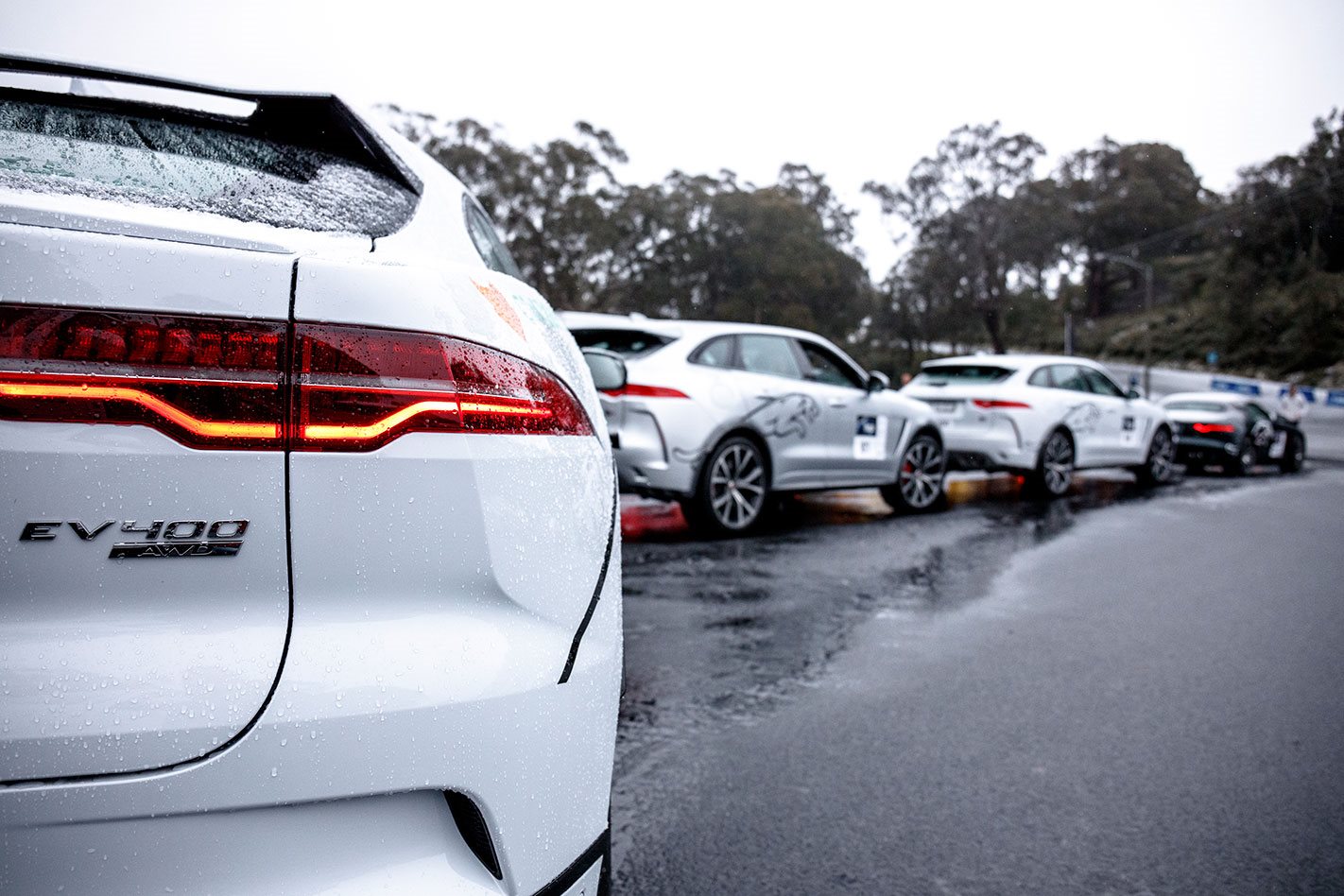
Attempting to film at an event where the vehicles never stop moving, rolling from the flying finish of one restricted access stage straight through to the start of the next should be impossible. Sorry for inflicting that on you, Sean.
That was also a baptism of fire for Emma Notarfranceso, who got a crash course in driving a 5.0-litre supercharged V8. At speed. On Victoria’s most challenging roads. In the snow. She’s rarely shy of a word or two, but I believe there’s an entire reel that’s just eyeballs, white knuckles and faint gibbering.
Thirdly, I’ve seen that while the peaks are high, the troughs can be pretty muddy. I think we all now have a better feel for what will and won’t work and newly appointed video producer Alex has an instinctive understanding of that, so I reckon we’re in good hands. We can raise that bar a lot higher. Let’s do this.
Emma Notarfrancesco
One of the memorable moments of my season-two was the Targa High Country feature. When I pitched the idea, I didn’t realise the event is regarded as one of the more dangerous motorsport spectacles in the country…. and that’s on an average weekend.
This particular weekend in mid-November however, served up some unexpected tricky weather conditions in the picturesque Victorian High Country. When I say tricky, I mean snow, and when I say snow, I mean with black ice occasionally hidden under it.
Thankfully, though, we came equipped with the right hardware. Andy Enright and I lucked in with a pair of luxury vehicles from Jaguar. I spent the majority of my time in a titan of torque, the F-Pace SVR. No complaints from my end obviously as this SUV boasts a 5.0-litre supercharged V8.
One memory that will forever be instilled in my mind is the wait at the very first start line, and as you sit in anticipation not knowing how you’ll perform.
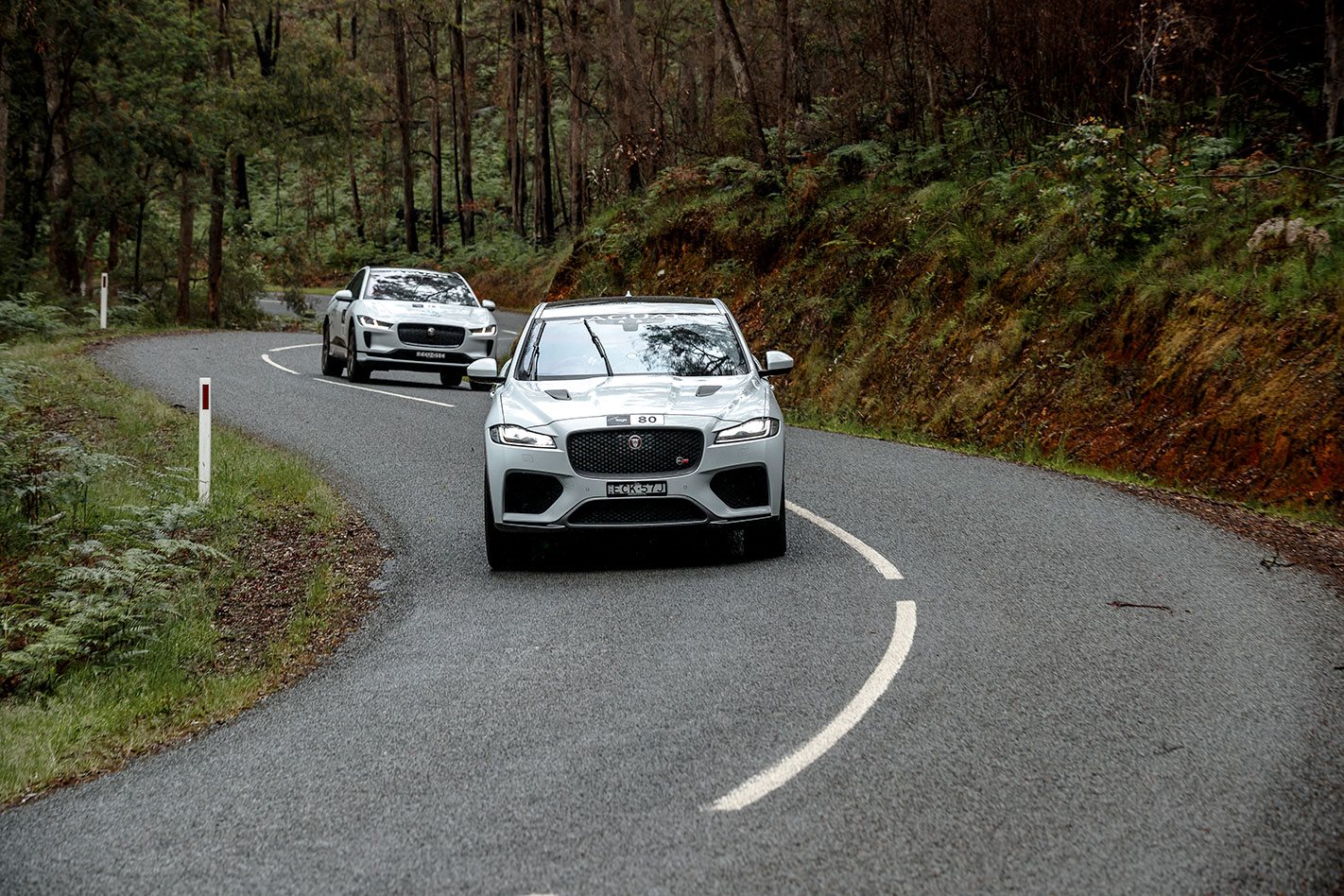
Just the sound of the Jag firing up gave me goosebumps, so you can probably imagine what it sounded like in sports mode at up to 120km/h on a Targa tour! This is the car you want for an event like this.
While its weight took some managing into slippery corners, it made every twist and turn that much more fun with the stereo off and windows open for every single stage. Soaked clothes and cold hands were worth it to listen to a supercharged V8 at the limiter.
The days were long but the time flew by. The roads were tough but by the end, I knew the region like the back of my hand. I hate cold weather but I would have driven in a convertible – that’s how much I loved every moment. The people, the air, the atmosphere. Every turn taught me something new and, unlike an unlucky few, I made it to the end – Jaguar intact.
Elise Elliott
After being guided through a tour of the McLaren Technology Centre in Woking, England, I was handed the keys to the British car maker’s new GT.
This was back in the good old days when international travel was not outlawed. My brief, during a three-day tour through Belgium and France, was to decide whether
the GT lived up to its moniker: Did this vehicle manage to marry the grunt of a supercar with the comfort and practicality of a Grand Tourer? The answer was yes.
With its twin-turbo 4.0-litre V8, the McLaren was fast, low and powerful, yet effortless to drive.
A delightful point of difference over the vast majority of modern cars was its hydraulic power steering which provided both precision and feel.
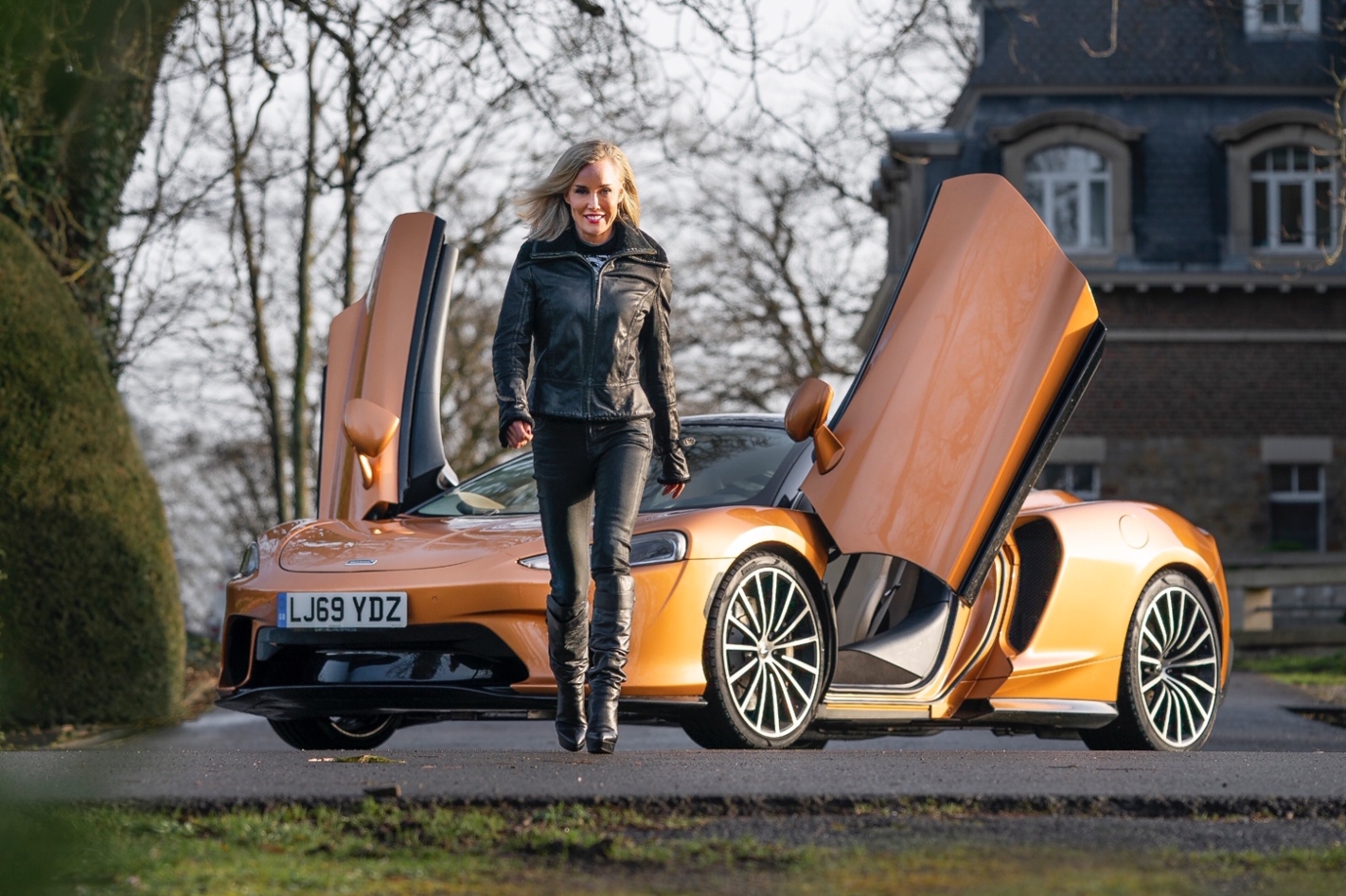
Of course the journey was not without other breathtaking perks — including a stay in a Belgian Chateau and I got a taste of Emma’s Targa excitement when we were offered a few laps of the iconic Circuit de Spa-Francorchamps racing the GT … in the snow.
Matt Bourke
The best way to describe season two is simply mind-blowing. I worked with some amazing creatives and journalists in some incredibly scenic destinations, whether it was touring New Zealand’s stunning northern islands filming our two-part special, or spending time in a near million dollar Rolls Royce Wraith Black Badge.
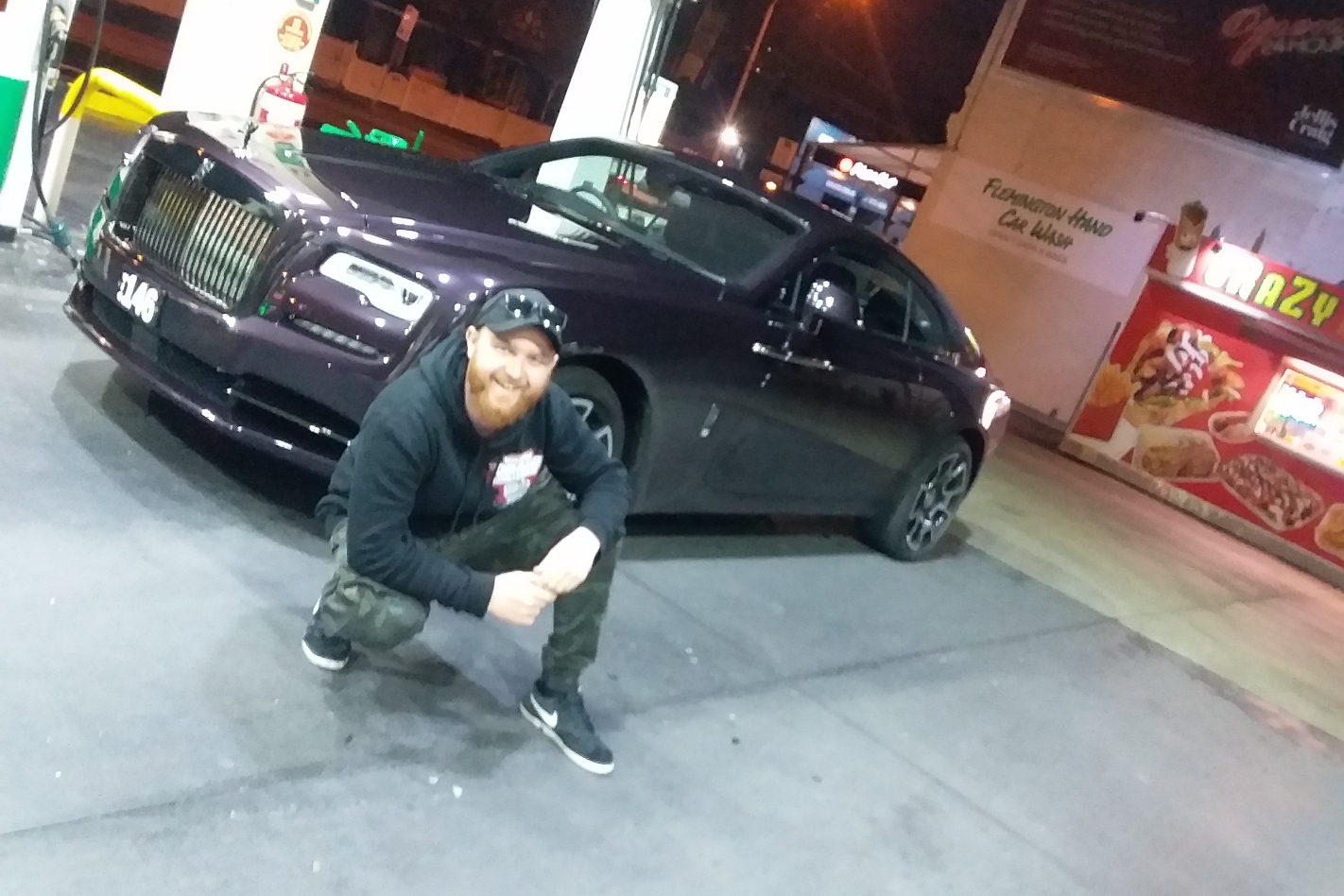
I can’t thank the car brands and our team enough for the opportunities and for making every day different and exciting.
We do this for the love and I’m extremely grateful for the group of experts that I work with.
We’re all bring our own unique talents and experiences to the team and it makes the journey all so much better.
Tim Robson
I didn’t get a lot of airtime this year – there’s only so much pain the hard-working vid team can bear, understandably – but the one spot I really enjoyed doing was the BMW X5 M and X6 M in Scottsdale, Arizona.
International car launches are, for the moment at least, a thing of the past, and this trip would turn out to be my final one for 2020… and it was barely March.
There was some nervous joking about being trapped in our lovely Scottsdale accommodation as COVID-19 panic swept the globe but then, as now, America seemed blissfully ignorant of its impending impact.
With a single day to film, two cars to capture and just one video stringer assigned to two Aussie journos, capturing enough video was a challenge from the outset.
I’d never even laid eyes on the cars, let alone have an idea about what to say!
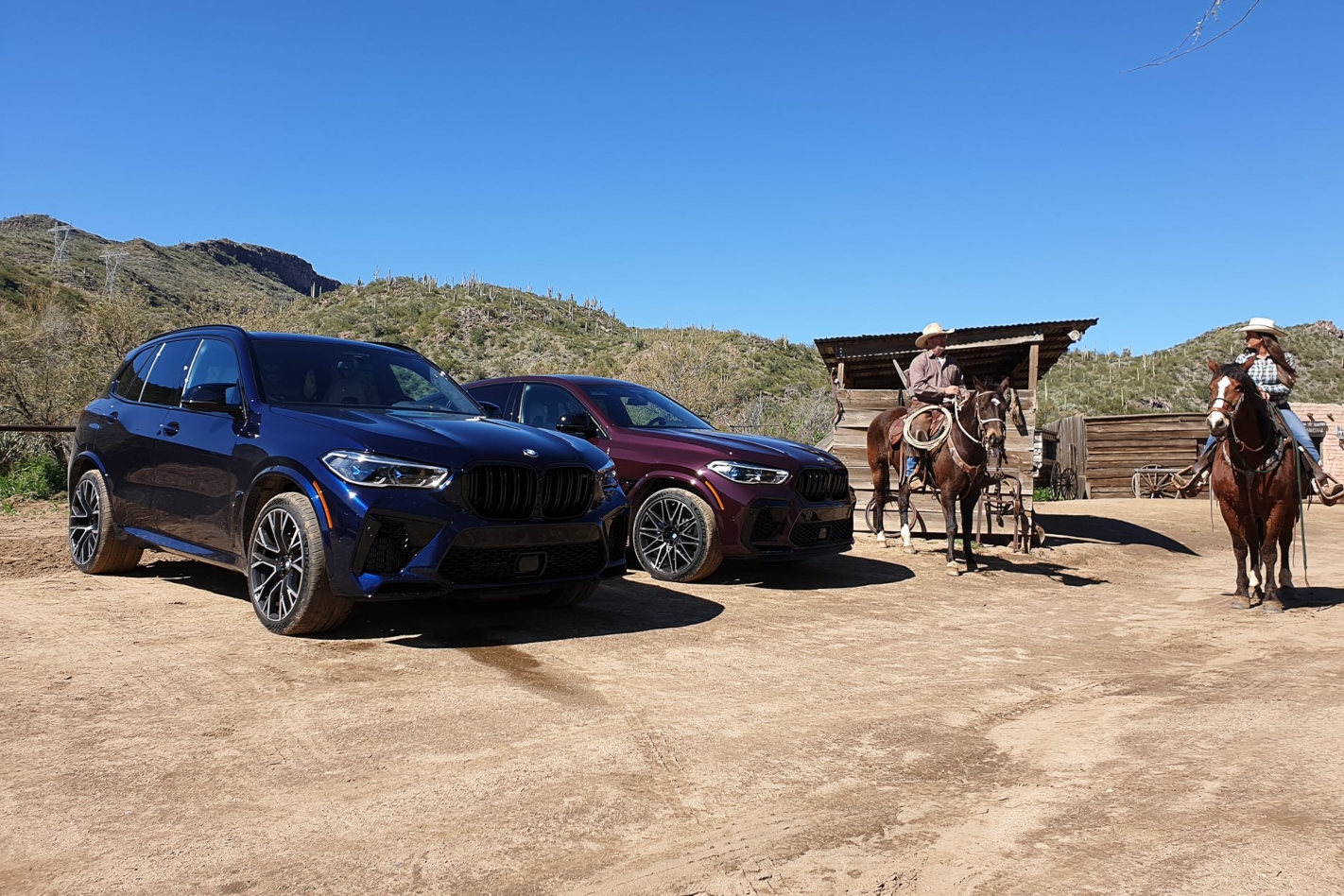
We lucked-out with our stringer, though. Rene Jung is a jovial German with years of top-end shooting experience (multiple Olympics, F1 etc), brought a brilliant sense of humour, and he helped us to nail a raft of amazing footage in next to no time.
https://www.instagram.com/p/B9DWZ2OncTT/?utm_source=ig_embed&utm_campaign=loading
BMW helped too, closing off a section of road in the ominously named Skull Valley, and choosing a brilliant lunch location at a mocked-up dude ranch, complete with cowboys and cowgirls on horseback and some incredible scenery. It included a stream crossing, too, that may have claimed the life of one of the press cars… not from the Aussie press entourage, though!
The day started before 5am and ended well after dark, light-throttling into a remote servo with 0km of range on the X5M’s fuel gauge, but the results were definitely worth the effort.
These shoots are difficult and stressful when they go wrong, and controlling things like audio quality, continuity and even equipment functionality is a bear.
One hiss on a key audio track, or a line of content delivered incorrectly, could mean the whole thing is left on the editing room floor.
Fortunately, your host didn’t bumble too much and Rene pulled off the almost-impossible, leaving me with a great memento of a cool trip and another great story for the show.
David Bonnici
February 2020, and just as the rest of the world was starting to worry about some virus in China, I jetted off to New Zealand courtesy of Nissan. The plan was to have a fresh look at their existing SUV range and film a WhichCar TV segment with the venerable Nissan Patrol … with a difference.
Our main location was the incredible Cape Kidnappers at the bottom of Hawkes Bay on the North Island. The finest accommodation tops out at $3000 per night for the luxury lodge, there’s a vast golf course and huge working farm, while a nature reserve features a gannet colony straight out of a David Attenborough documentary.
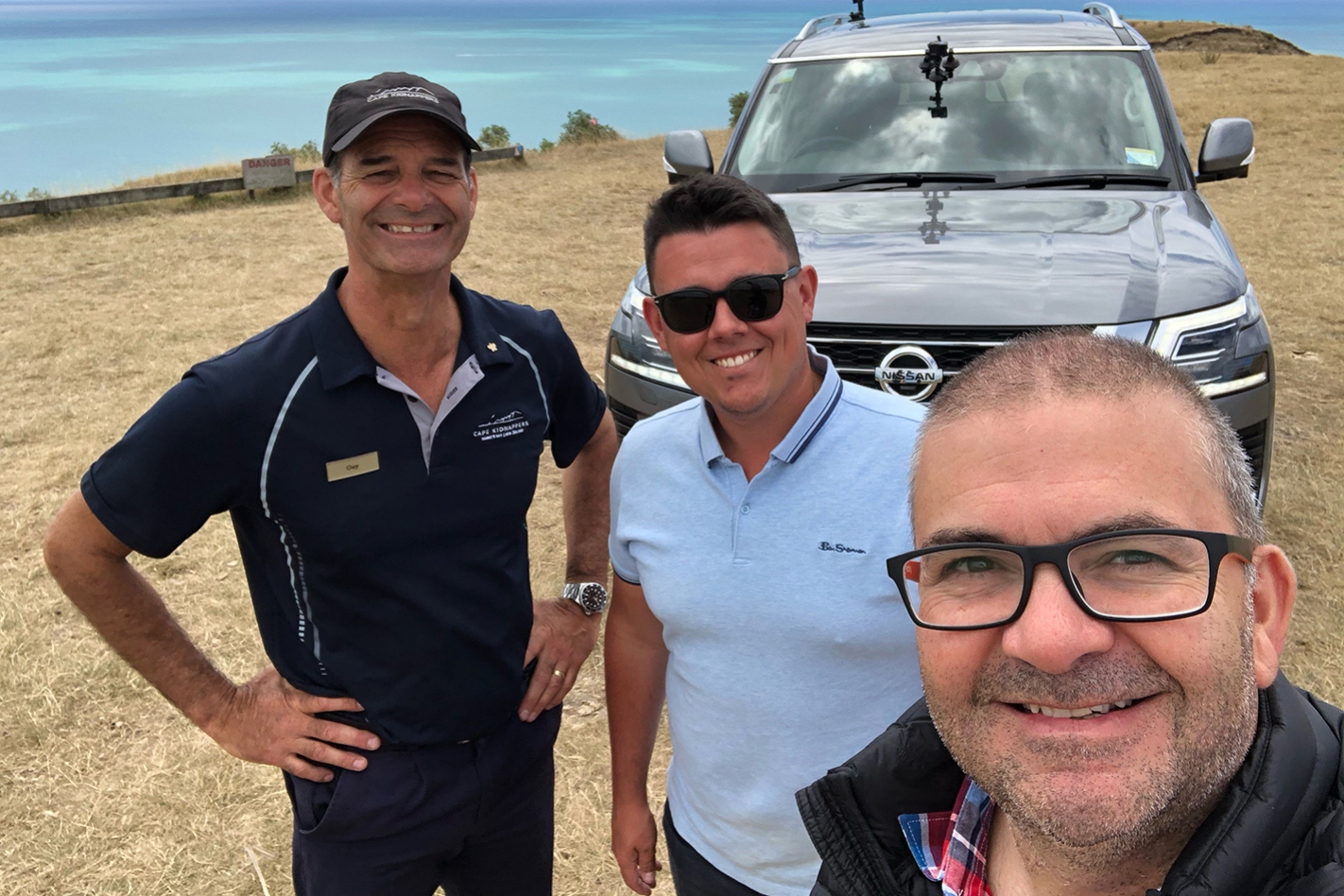
The end result was a testament in part to the talent of WhichCar’s post-production team. Video file problems caused delays and by the time it came to record the voice-over, we were in the first COVID lockdown – much of what you hear was recorded in my bedroom.
Despite the challenges, the story turned out well, not least the spectacular drone footage including the closing shot which tracks the Patrol travelling down a dirt track with the Pacific Ocean dominating the background.
Special thanks to our tour guide and host, who kindly appeared on air to explain how Cape Kidnappers earned its sinister moniker. Have a watch to find out.
Chris Thompson
Science experiments can be fun, it turns out – or at least they are when the experiment involves slapping some very narrow tyres on a luxury coupe and getting as sideways as possible.
My day of filming for the second season of WhichCar involved exploring just how detrimental driving on a space-saver spare tyre can be to your car’s ability to stop and avoid obstacles. But in the Car Lab spirit of things, we took it a step further. Instead of one inadequate tyre, segment director Sean lander suggested using four space-savers for the Lexus RC300.
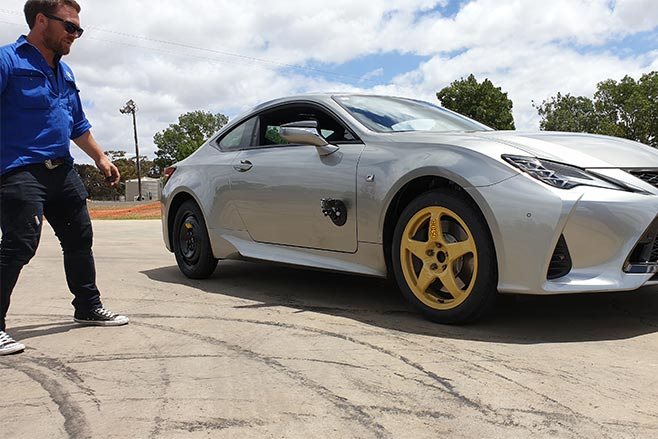
The result was rather long, graceful, and surprisingly easy, slides across the skidpan at DECA, Shepparton. While we discovered it could be a disaster on the road, it was ridiculously fun in a controlled environment.
During the same shoot, I helped Emma present her segment on distracted driving, and proved to be a better in-car annoyance than her as we raced around a motorkhana as quickly as possible, with the passenger asking various questions.
I’m still disappointed she wasn’t immediately able to pull out “Lou Bega” to answer my ‘who sang Mambo No.5’ question.
Scott Newman
I was a very lucky duck for season two of WhichCar TV. There was a sunny day spent on mountain roads in the Honda NSX, a soggy but very fun day in three muscle cars and a pinch-yourself day with Nissan Australia’s heritage R32 GT-R, one of the best cars I’ve ever driven.Two films stand out, though. The first is the Hyundai iMax N ‘Drift Bus’.
Originally an April Fool’s Joke by Hyundai Germany, Hyundai Australia made it real by stuffing a 3.5-litre twin-turbo V6 into its iMax eight-seater.
Everything was sorted: racetrack; film crew; standard iMax, Hyundai’s i30 N tarmac rally car and the Drift Bus.
Everything, that is, except the weather. Just as the gates to the track opened the heavens opened with an intensity I’ve rarely seen.
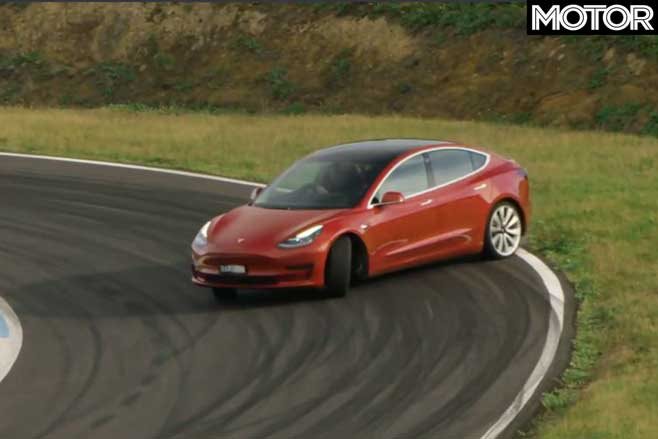
Still, we persevered, the weather cleared and the end result was every bit as fun as it looks.Another example was the “Can electric cars be fun?” film co-starring the Tesla Model 3 Performance and BMW M3.
We headed to Haunted Hills not actually knowing if the Model 3 could do anything exciting (thankfully it could) but also, importantly, not knowing how long the battery would last on track.An overnight stay in a Tesla charger-equipped motel in Churchill allowed the Model 3 to arrive fully juiced, but hooning around for the cameras had an unsurprisingly disastrous effect on range.
Making it home was touch-and-go but I arrived back with the gauge reading 2.0km. That’s true range anxiety.
Daniel Gardner
As seems to be the sentiment of all our presenters and crew, there are simply too many memorable occasions from season-two to refine down to just one favourite. Standing on top of the world on the Blue Rag Range track in Nissan’s Navara N-Trek Warrior, carving up piste in a whole fleet of VWs at New Zealand’s Snow Farm, and blasting a one-off, gold Honda NSX around the Victorian countryside are all up there.
However, one particular shoot will forever stand out. Heaven only knows why I thought it would be a good idea at the time, but asking for permission to be swarmed by 1000 zombies as part of the Gold Coast’s Fest-evil was supposed to be a tongue-in-cheek conclusion to a two-car comparison.
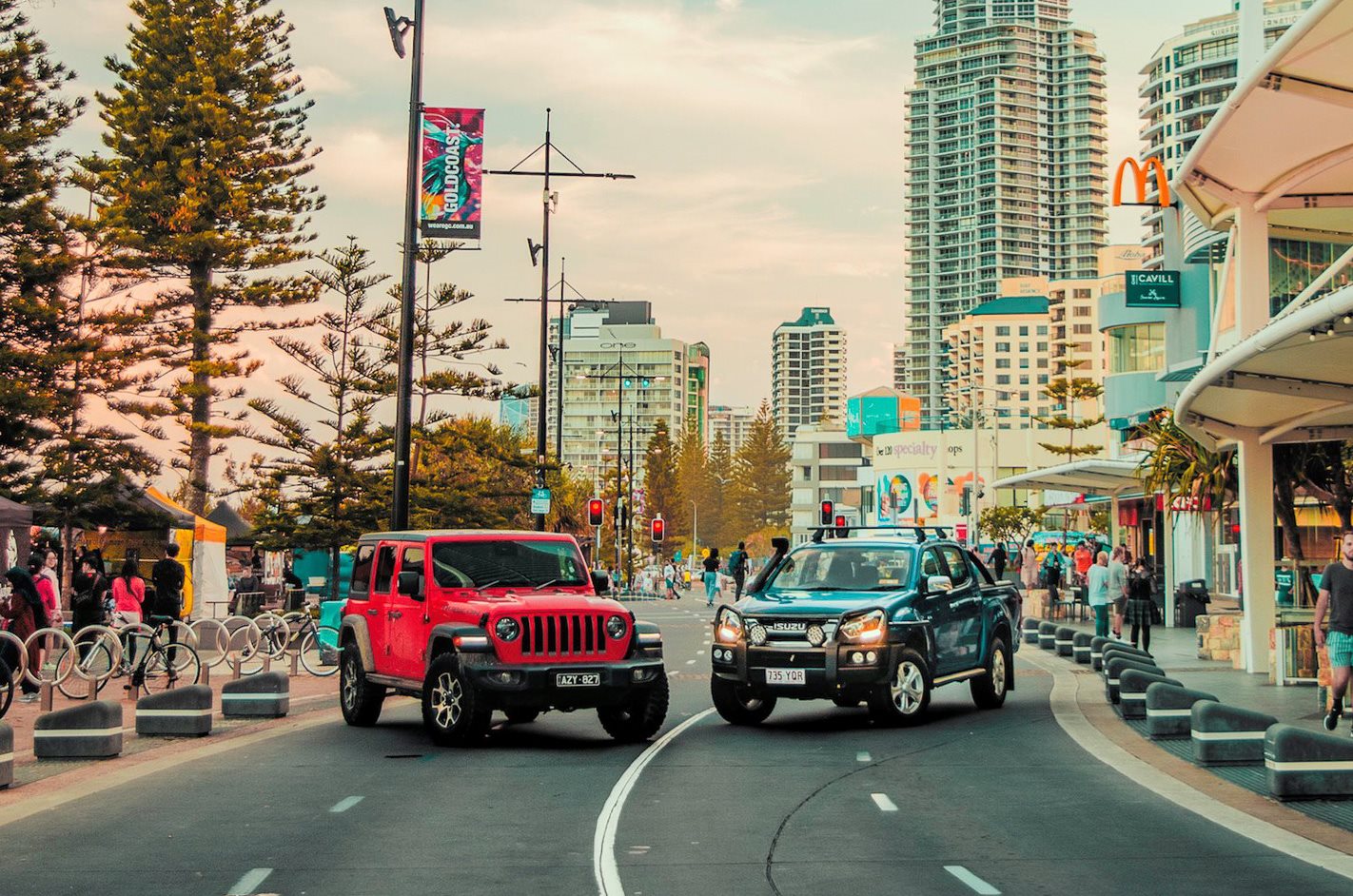
What I didn’t bank on though, is that every one of the participants took their passion for dressing up like the undead very, very seriously and, as the hoard descended on my Isuzu D-Max, there was something sickeningly real about it.
I felt no more comfortable about the situation when the hundreds of rotting and blood-soaked hands grabbed at me and forcibly pulled me out of the ute tray – the aggression and violence escalating with each take.
Later, I found some of the traces of fake blood would not wash off because I had been left with genuine scrapes and bruises as a memento.
The lasting memory though, is as I’m lying on my back with Queensland’s warm sun slowly fading as the crowd of horrifying creatures closed in over me – all completely in character and utterly terrifying.
I can’t wait to do it all again.
