It’s for good reason that the Volkswagen Golf GTI always has so many pundits praising its successes – it’s one of the few cars that can claim all three points of the good, fast, cheap triangle.
For that reason, it’s one of the best options out there for punters looking for something fast, without having to forgo practicality.
But it’s been a while since Volkswagen has brought about an update to the Golf GTI model in Australia – a period in which its competition like the Hyundai i30 N, Honda Civic Type R and Renault Megane RS have all caught up.
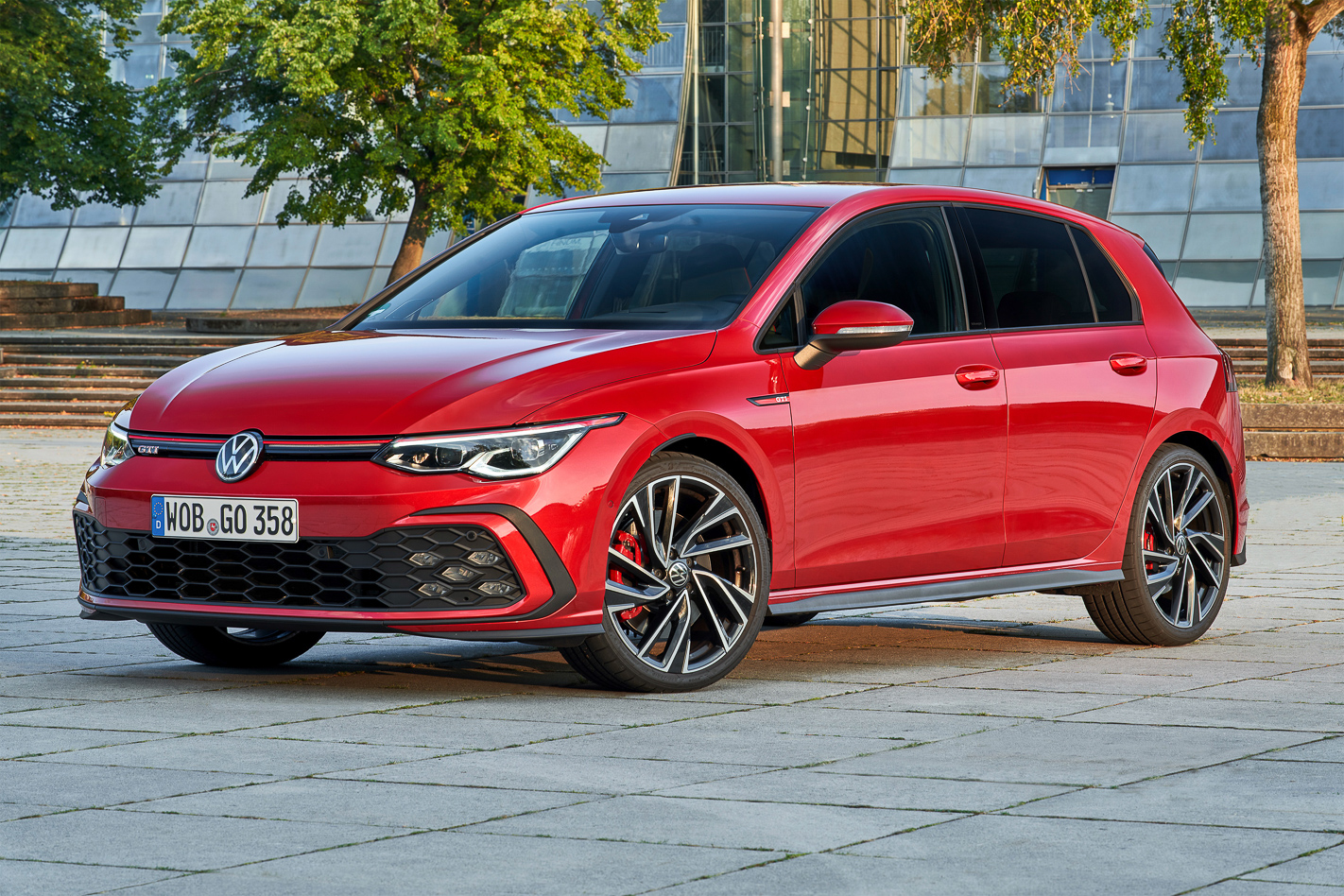
That said, we are zeroing in on the launch of the 2021 Mark 8 Volkswagen Golf, and it’s expected that the Golf GTI will lob at the same time.
Despite not knowing hard pricing and specification data for the next-gen GTI just yet, we more or less know what we’re going to get.
The eighth-generation Volkswagen Golf GTI will feature a few carry-over aspects, including the retention of a subtly-refined MQB platform and a reshowing of the EA888 engine. Quoted outputs remain an unchanged 180kW/370Nm, though VW says a revised shift-by-wire DSG transmissions will allow for quicker gear changes.
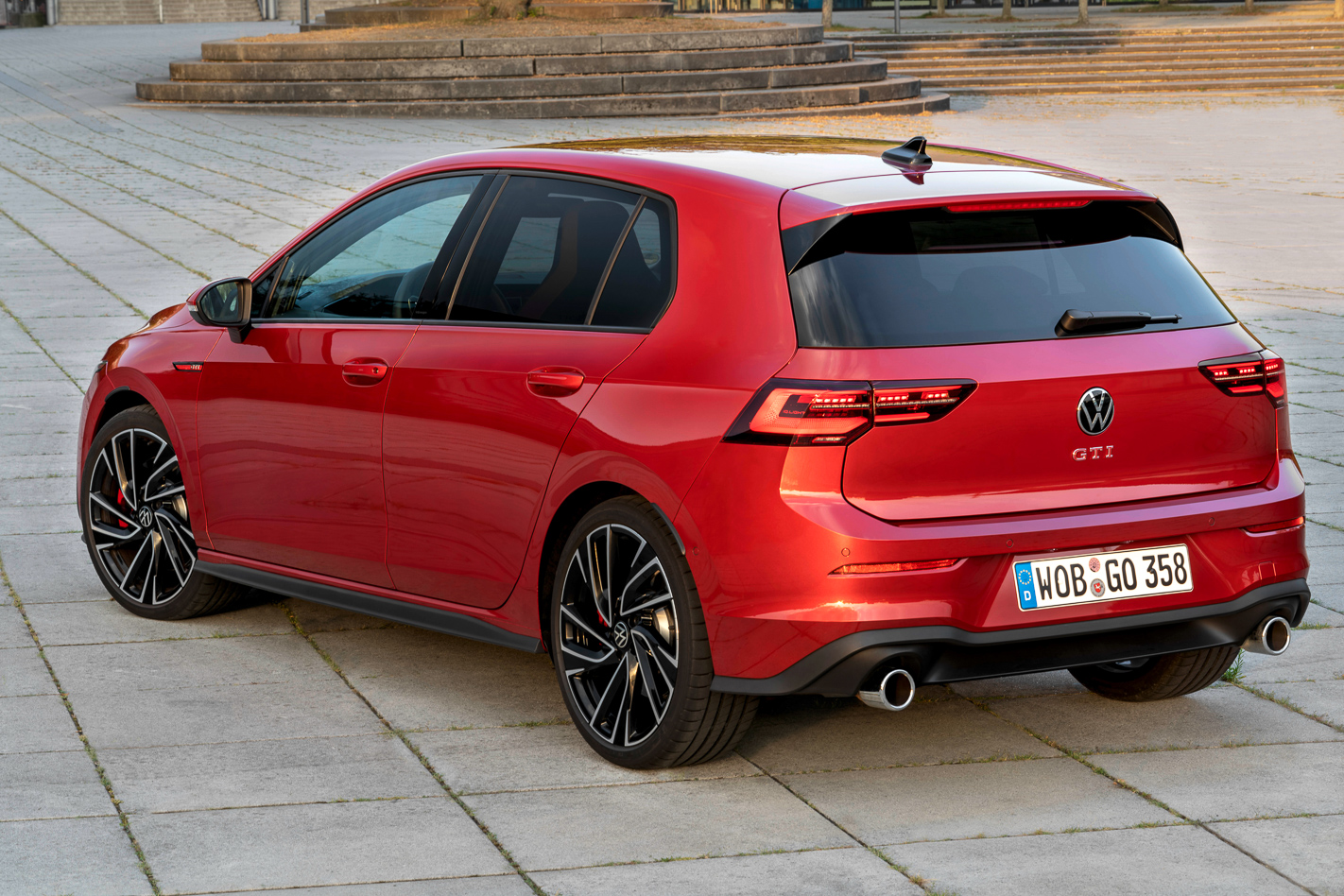
VW offers the Mk 8 GTI with a seven-speed DSG transmission and six-speed manual internationally, though we aren’t holding out hope for a manual being sold Down Under as Volkswagen Australia previously removed the self-shifter from our market.
Revisions to the dampening should see an even bigger divide between comfort and dynamics, while a new Vehicle Dynamics Manager will not only control the electronic front differential, but also the shock’s behaviour and steering response for reportedly enhanced grip through corners.
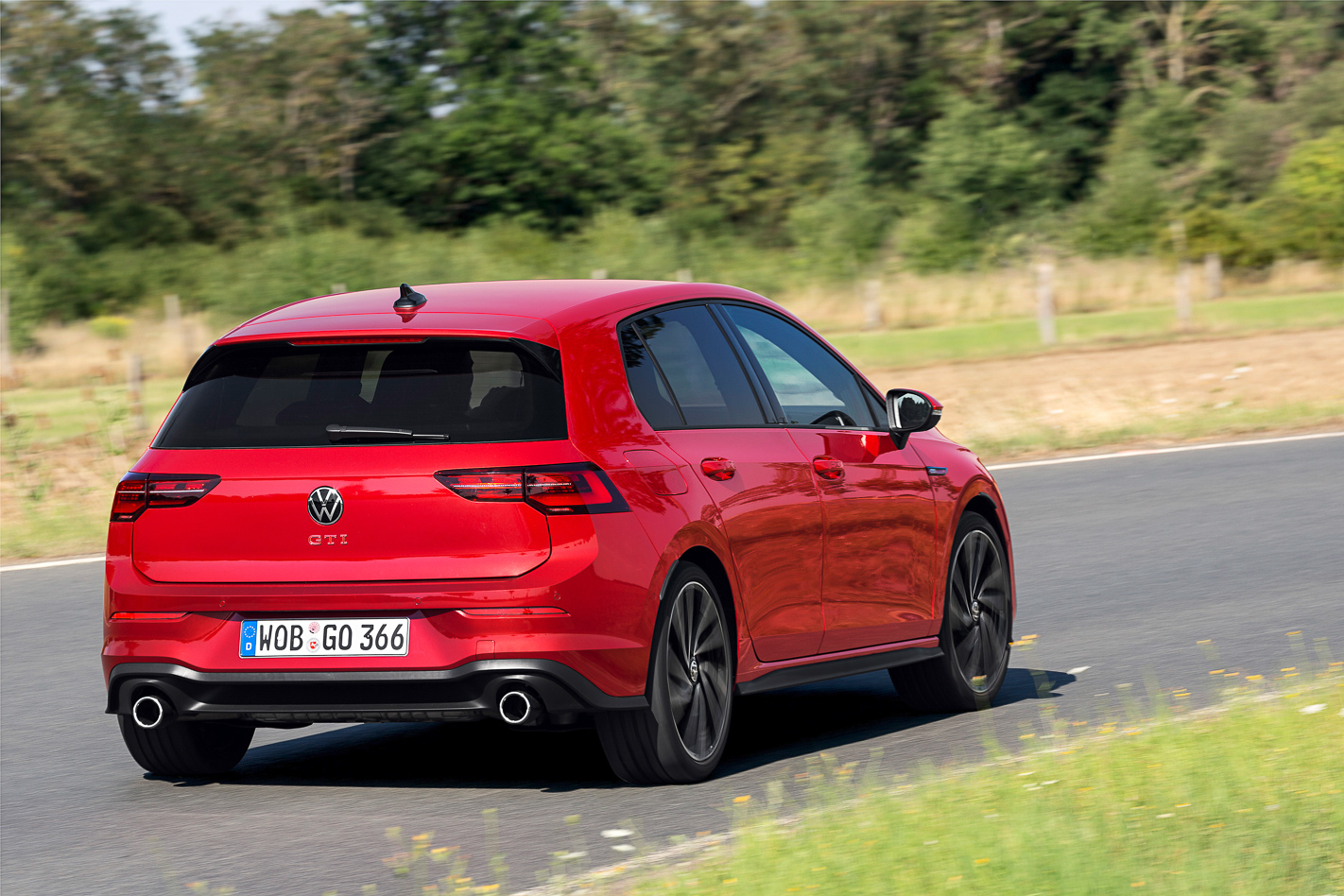
Much of the change in the switch to eight-generation is found in the tech, design and features category.
Design is evolutionary rather than revolutionary, though a fresh face incorporates highlights including a honeycomb grille with in-built cluster LEDs, a new set of headlights that are bridged to one another via a full-width light bar across the fascia and revised wheel designs.
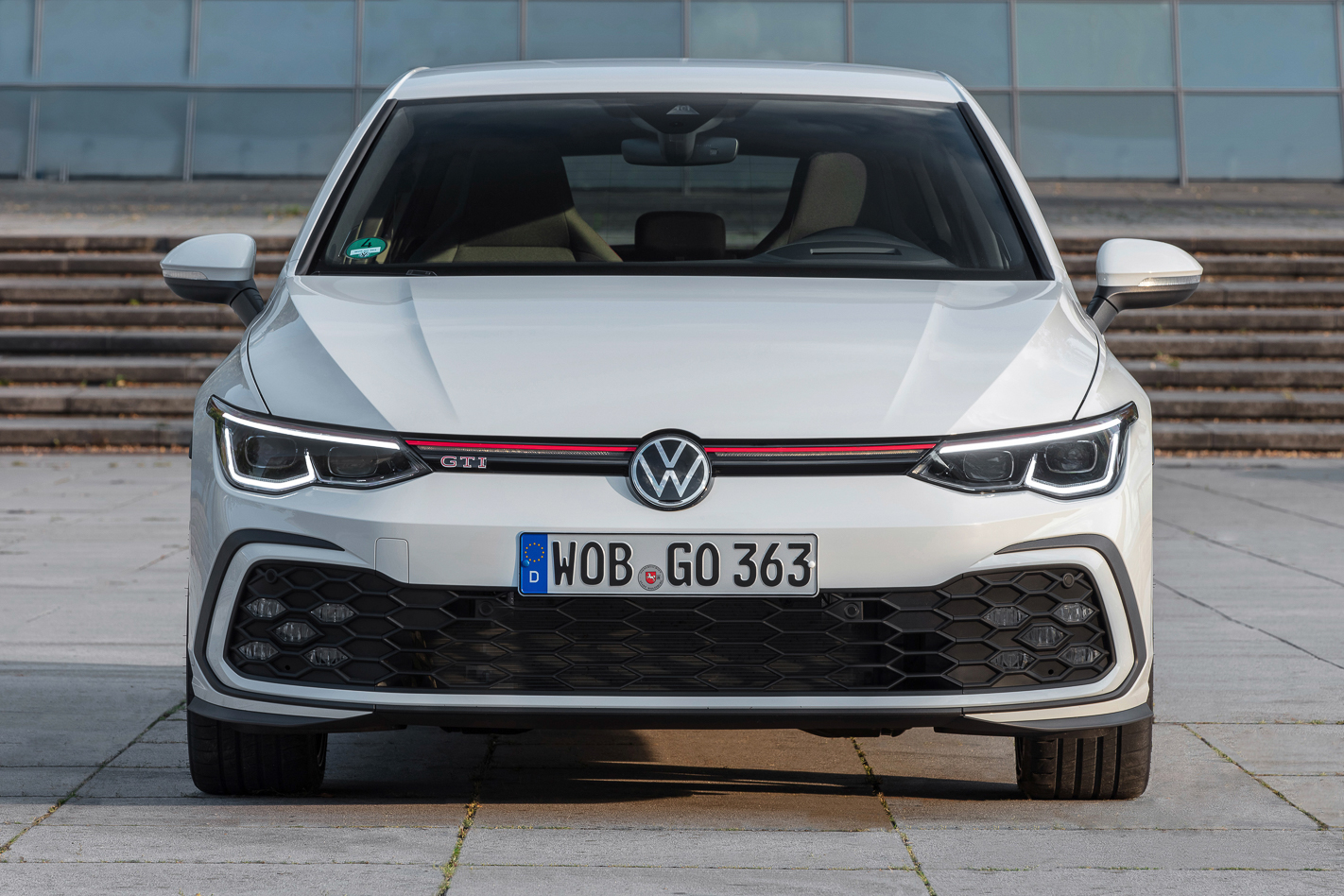
Around the back we can see a cleaned-up hatch with simple ‘GTI’ badging, reshaped taillights and a sporty rear bar that retains a tailpipe at each corner.
Inside we start to see the more substantial changes, with a new 10.25-inch version of VW’s digital instrument cluster pairing with a 10.0-inch infotainment screen to take care of infotainment.
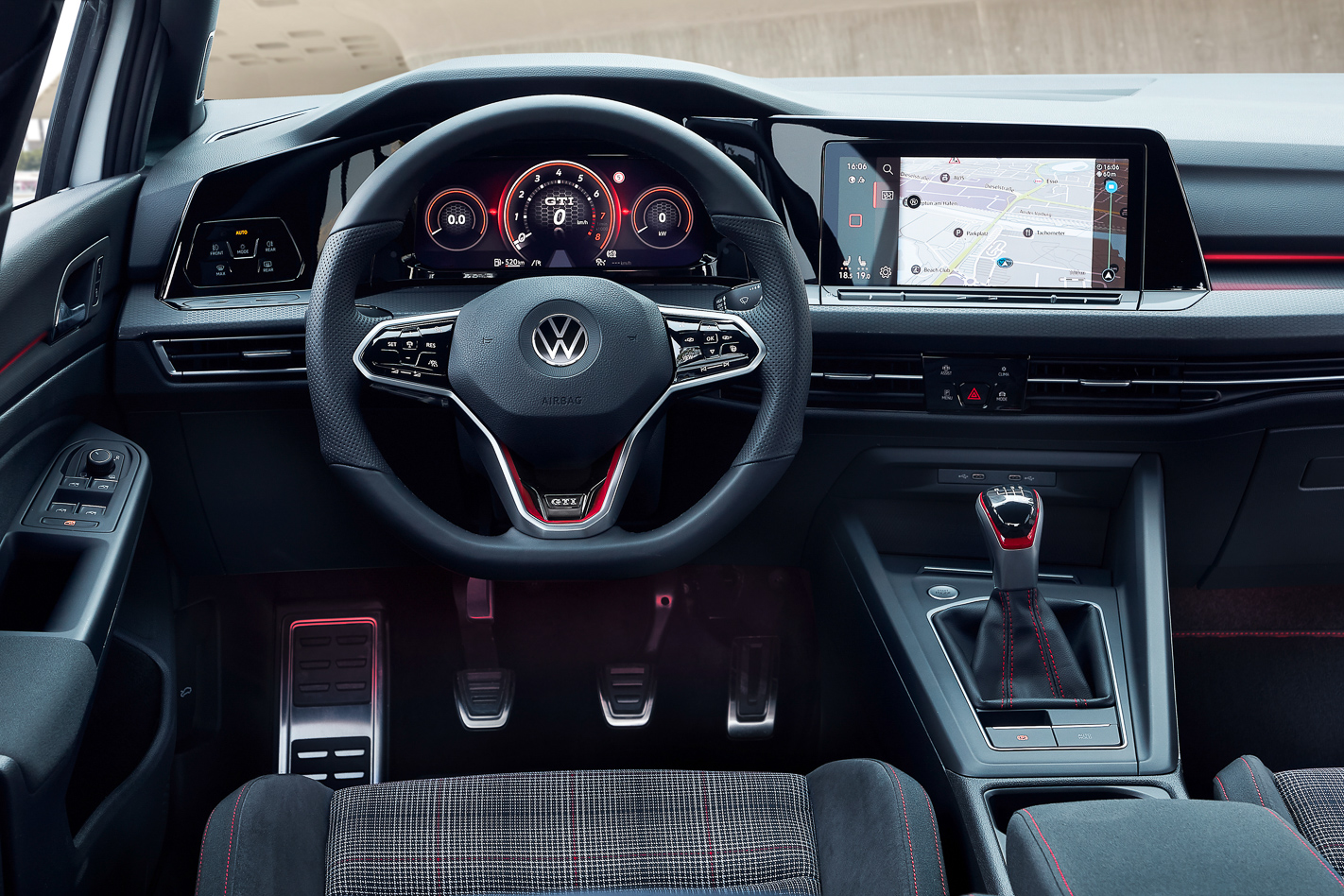
To that point, many of the Golf’s physical buttons are gone, replaced with touch-sensitive trim or on-screen options.
That’s just a brief outlook of what we’re looking at when the Mark 8 Golf GTI arrives on Aussie soil in just a few short months – let’s spell out how that compares to the established competition.
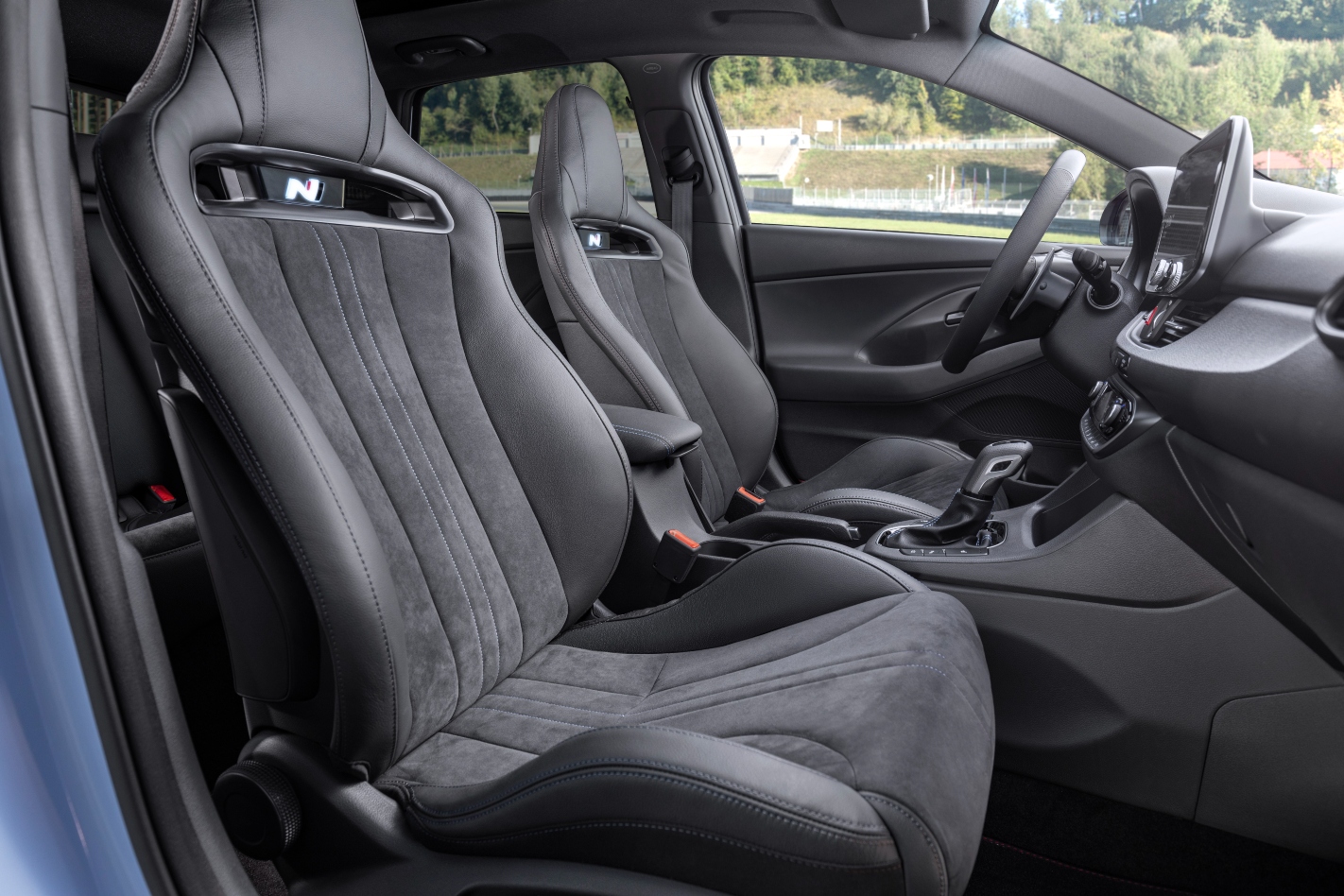
Hyundai i30 N
Hyundai is preparing to launch its newly-facelifted i30 N around the same time we can expect a new Golf GTI in early 2021.
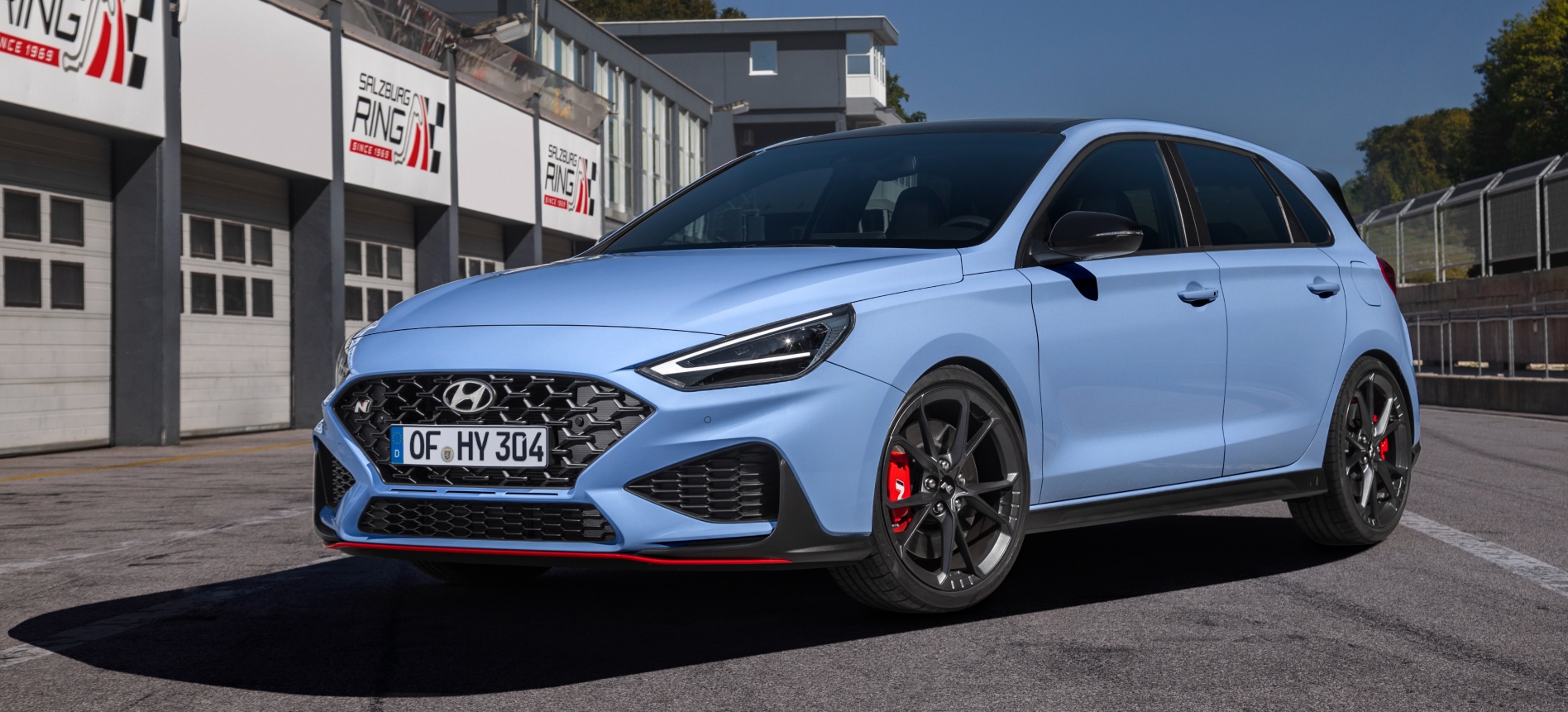
Big news for the 2021 i30 N update is the addition of an eight-speed dual-clutch gearbox option which Hyundai hopes will help steal away customers from VW.
Other changes for the i30 N include a retuned engine delivering 206kW/392Nm, reduced weight, revised exterior and interior design and larger brakes.
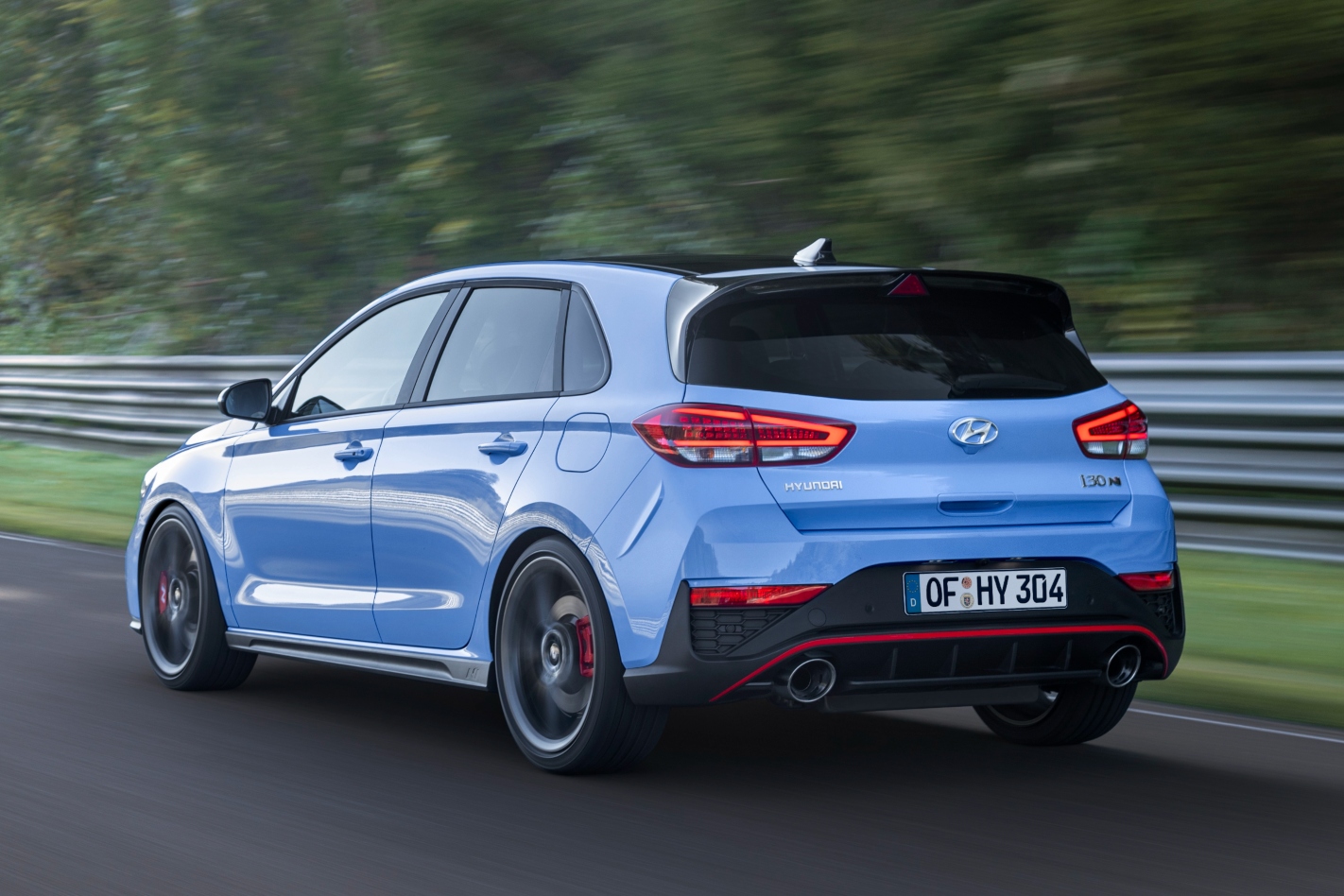
These changes help the i30 N record a faster 5.9-second 0-100km/h claim, bettering the VW Golf GTI which claims to do the run in 6.3 seconds.
The limited-slip differential carries over from the pre-facelift, and three drive modes are available.
On speculation, the extra inclusions could push the previous-gen i30 N’s circa-$42,000 price slightly higher, though unless the circa-$47,000 Golf GTI becomes more affordable, the Hyundai might even beat the Golf on price too.
Ford Focus ST
Where the first two options are newcomers, the Ford Focus ST has already had some time to impress punters.
On numbers alone, the Focus ST does impress, too: 206kW and 420Nm from a strong-and-willing 2.3-litre turbo four-cylinder, paired to your choice of either a seven-speed torque converter auto (no cost option) or six-speed manual.
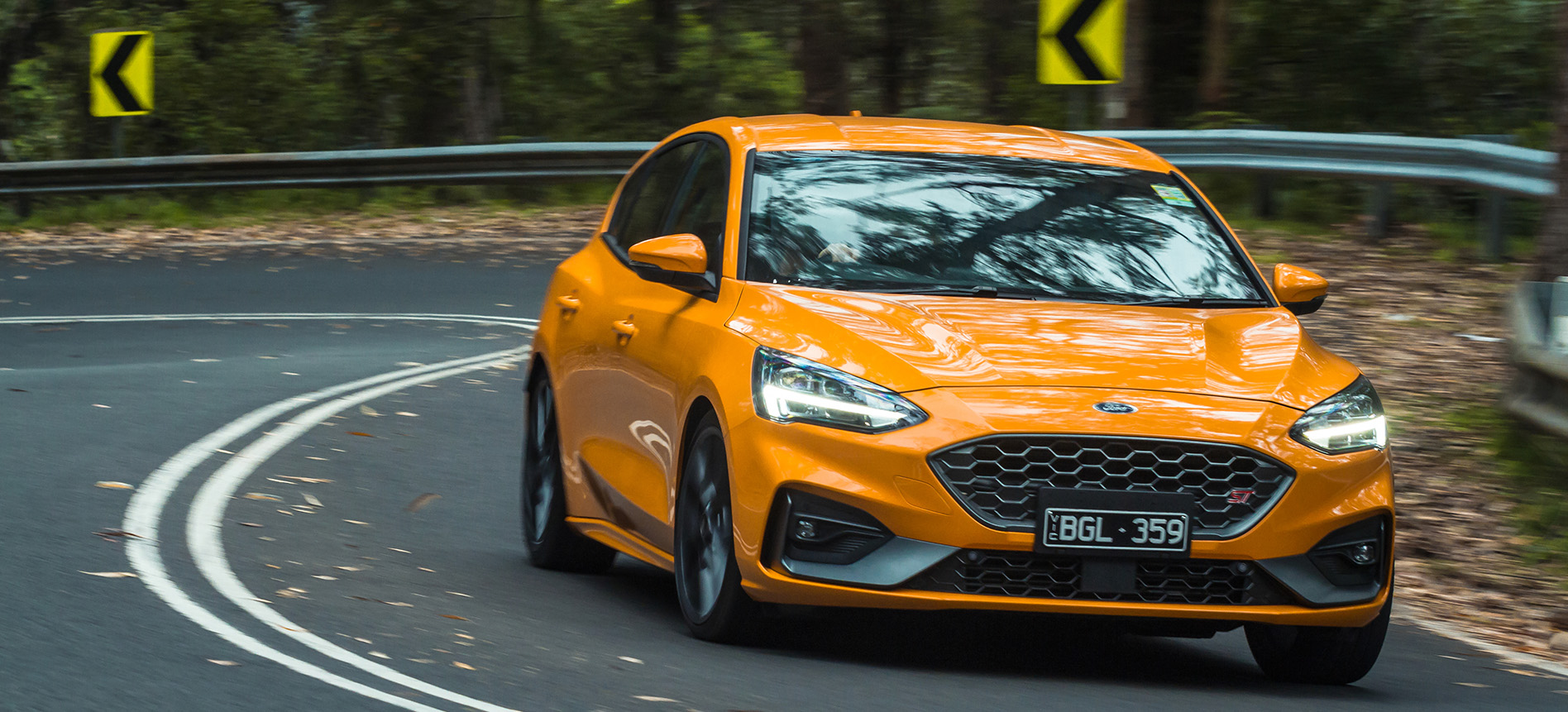
The electronic limited-slip diff helps the dynamics in a way its predecessor needed, and it can sprint to 100km/h in a claimed 5.7 seconds.
It might not be able to boast the same technological connectedness and premium interior attributes as the incoming Golf GTI – in particular the ability to soften the shocks to make for a more comfortable ride – but if you’re more one to favour dynamics over liveability anyway then the Focus ST is a real straight-shooter.
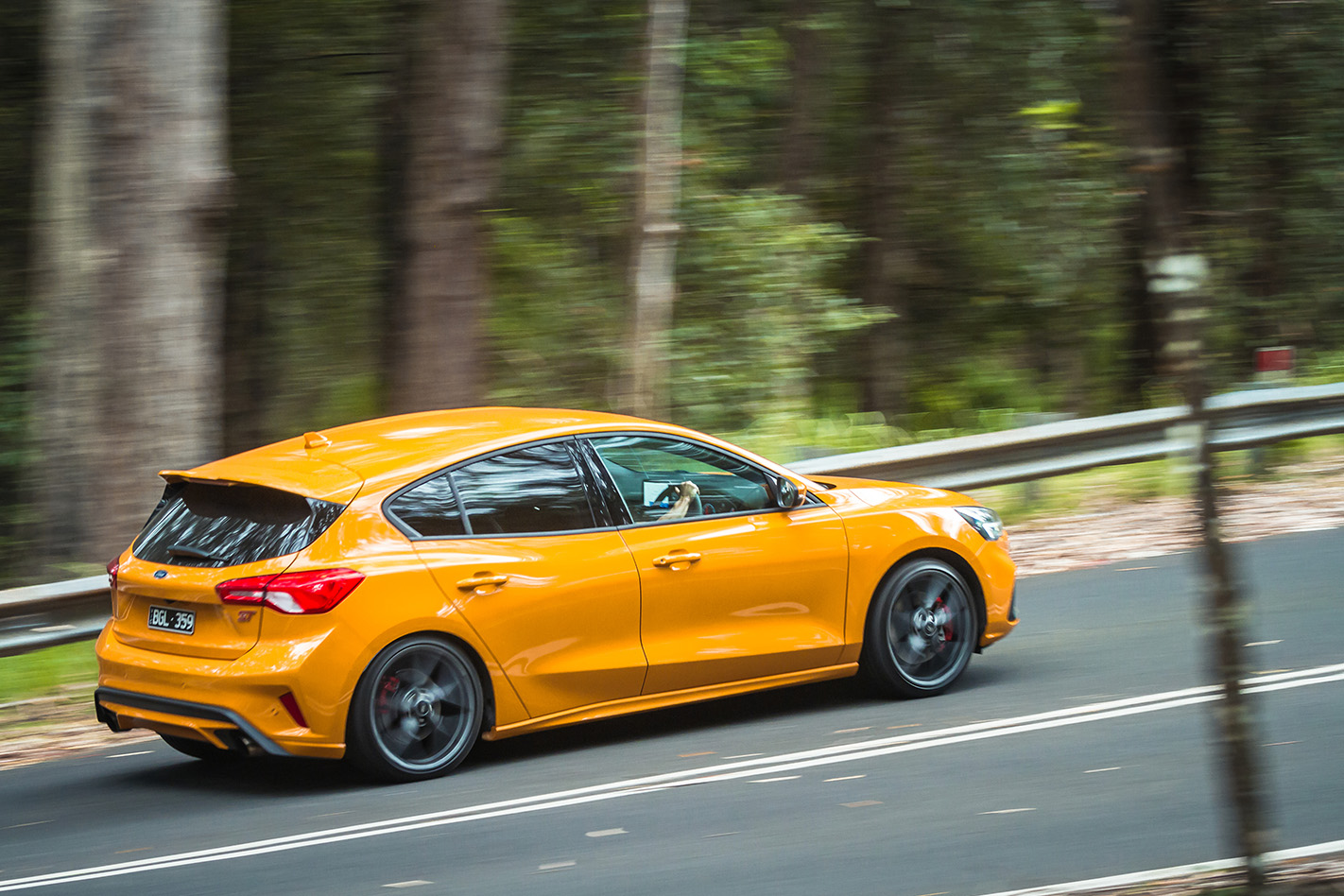
The Ford Focus ST starts out at $45,690 before on-road costs too, which is more affordable than the outgoing Golf GTI.
Renault Megane RS
The Renault Megane RS is one of the all-time great hot hatches, and while the current generation is a departure for fans of the previous-gen, it remains a savagely quick hot hatch with newfound practicality too.
You can have the Megane RS in a variety of variants with different tunes, though the standard Sport car equips a 1.8-litre turbo four-cylinder that can eke out 205kW/390Nm to the front wheels which sends the Meg RS from 0-100km/h in 5.8 seconds.
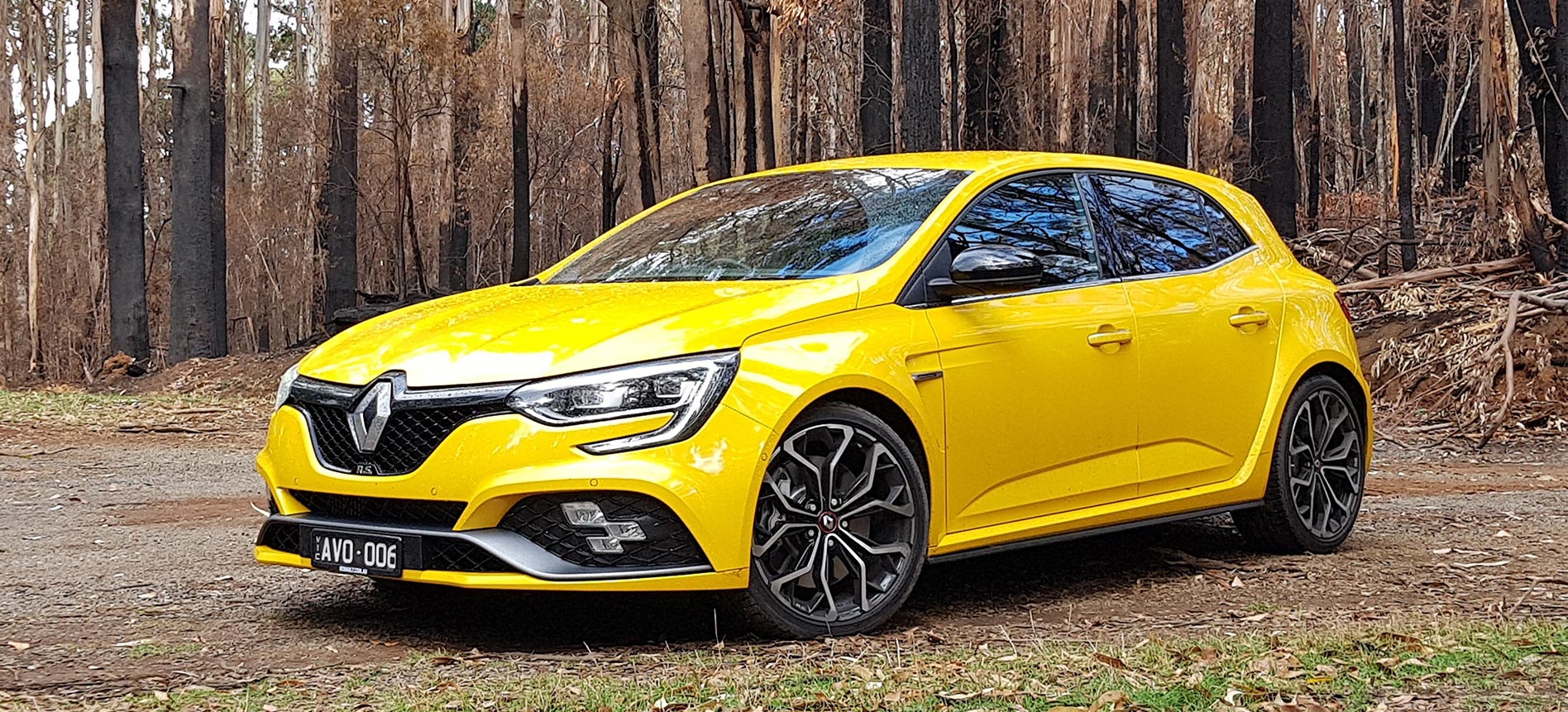
It’s true that the Megane RS now comes in both manual and automatic transmissions, though the six-speed dual-clutch is an expensive $5,000 add over its $45,990 manual offering.
Renault also provides a trick four-wheel steering system, but a limited-slip diff only comes on the more expensive Cup variants.
Honda Civic Type R
The Honda Civic Type R is a bit of a stretch target for the incoming Mark 8 GTI in terms of dynamics.
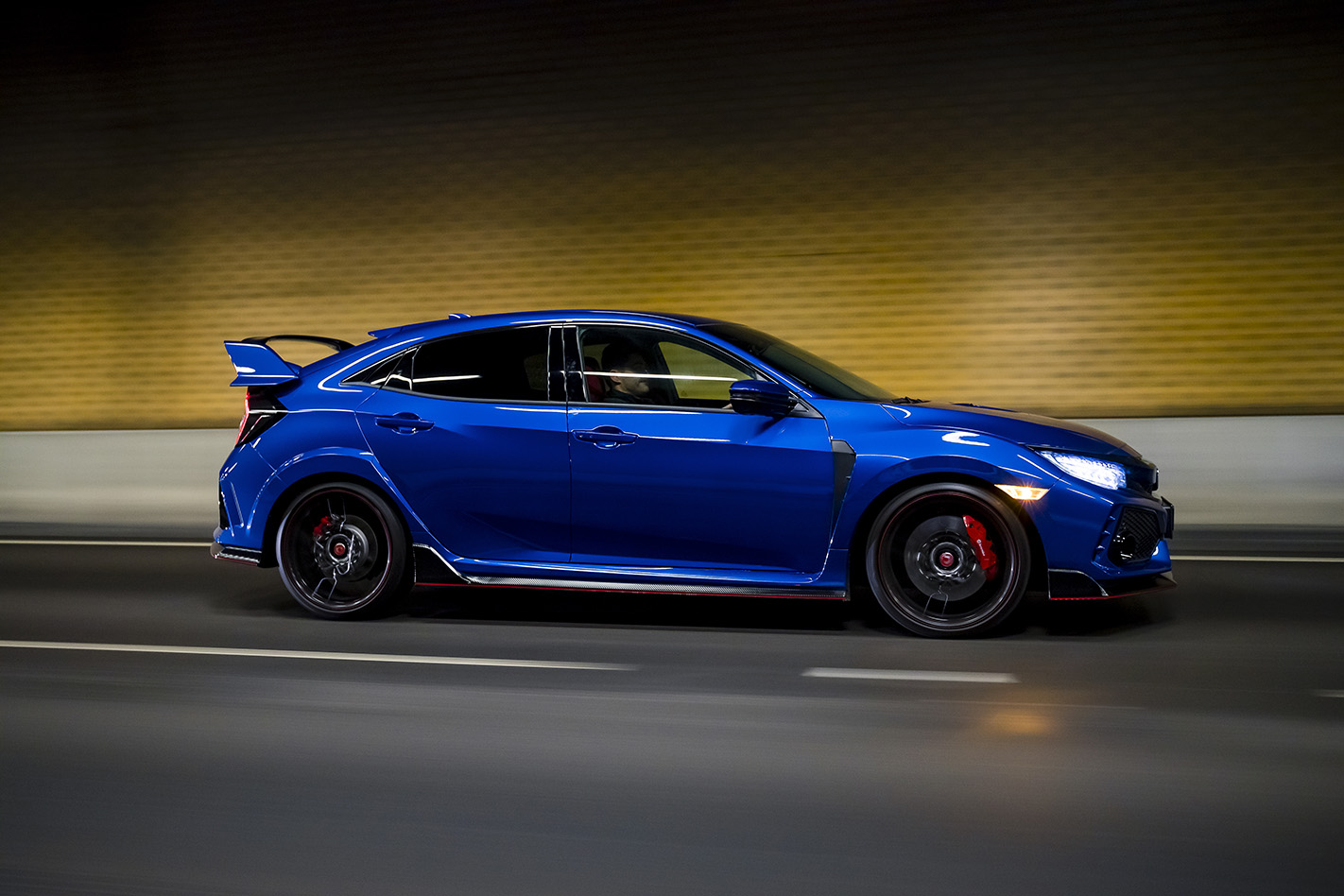
Its 228kW/400Nm turbo four-cylinder is a level above most of the rivals here, and it can perform impressively on track – as evidenced through its 2018 MOTOR magazine Performance Car of the Year victory.
It can also propel the Type R from 0-100km/h in a scant 5.8 seconds.
A 2020 update brought about revised suspension and dampers, some design changes and updated brakes. It also gets a new data-logging application that collects information from the car’s computers to provide feedback on your driving.
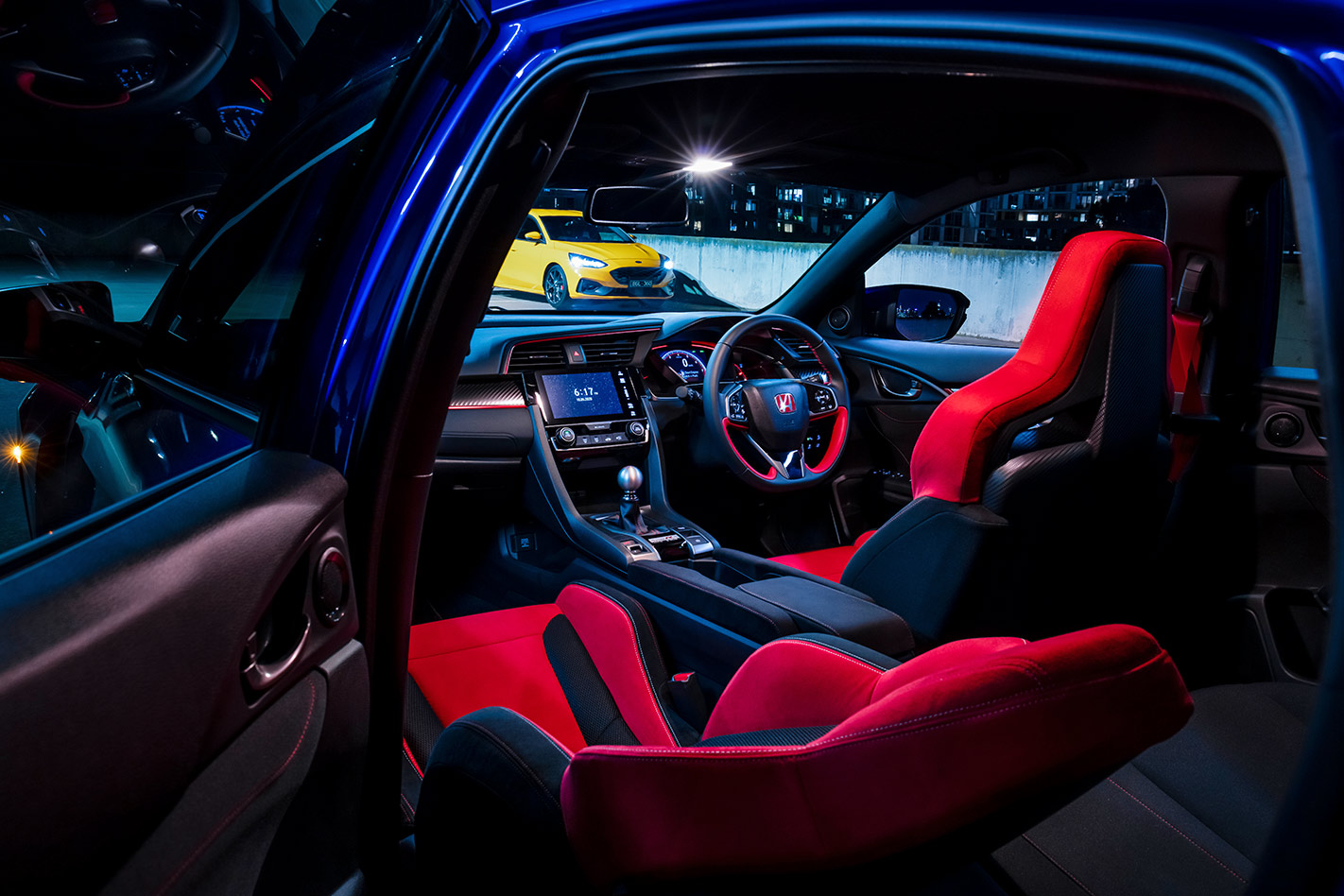
But the downside of the Civic Type R is that it’s never going to be as daily-driveable as a Golf GTI. For starters, it’s manual-only, the big wing at the back is view-obstructing and its infotainment is limited.
Additionally, its $50,990 asking price is steeper than the rivals here.
If you’re out there for pure driving thrills, the Civic Type R is hard to go past, but if you like your car more jack-of-all-trades – as we expect Golf owners do – chances are you aren’t cross-shopping a Civic Type R and Golf GTI anyway.
When BMW and Mercedes-Benz unleashed their first SUVs in the late 1990s it was big motoring news: luxury brands encroaching on the space traditionally occupied by cars originally designed to get down and dirty.
These days it’s difficult to imagine luxury brands surviving without multiple SUVs in their line-up. Even Bentley and Lamborghini have joined the high-riding club.
It’s created a diverse field, and for this exercise, we’re focusing on those classified as mid-sizers or above, the sort of vehicles that double as family transport but can equally push the luxury buttons. Small premium SUVs were included in our Luxury on a Budget category.
As well as petrol and diesel offerings there are various electric contenders and it’s a category that encompasses almost all luxury brands, from those with century-plus heritage to newcomers with big aspirations.
GOLD – Lexus NX300 Luxury
Toyota tech in luxury Lexus clothes makes for a premium SUV that stands above its peers for ownership credentials. And it’s the most affordable in the NX family – the NX300 Luxury – that takes out the top spot.
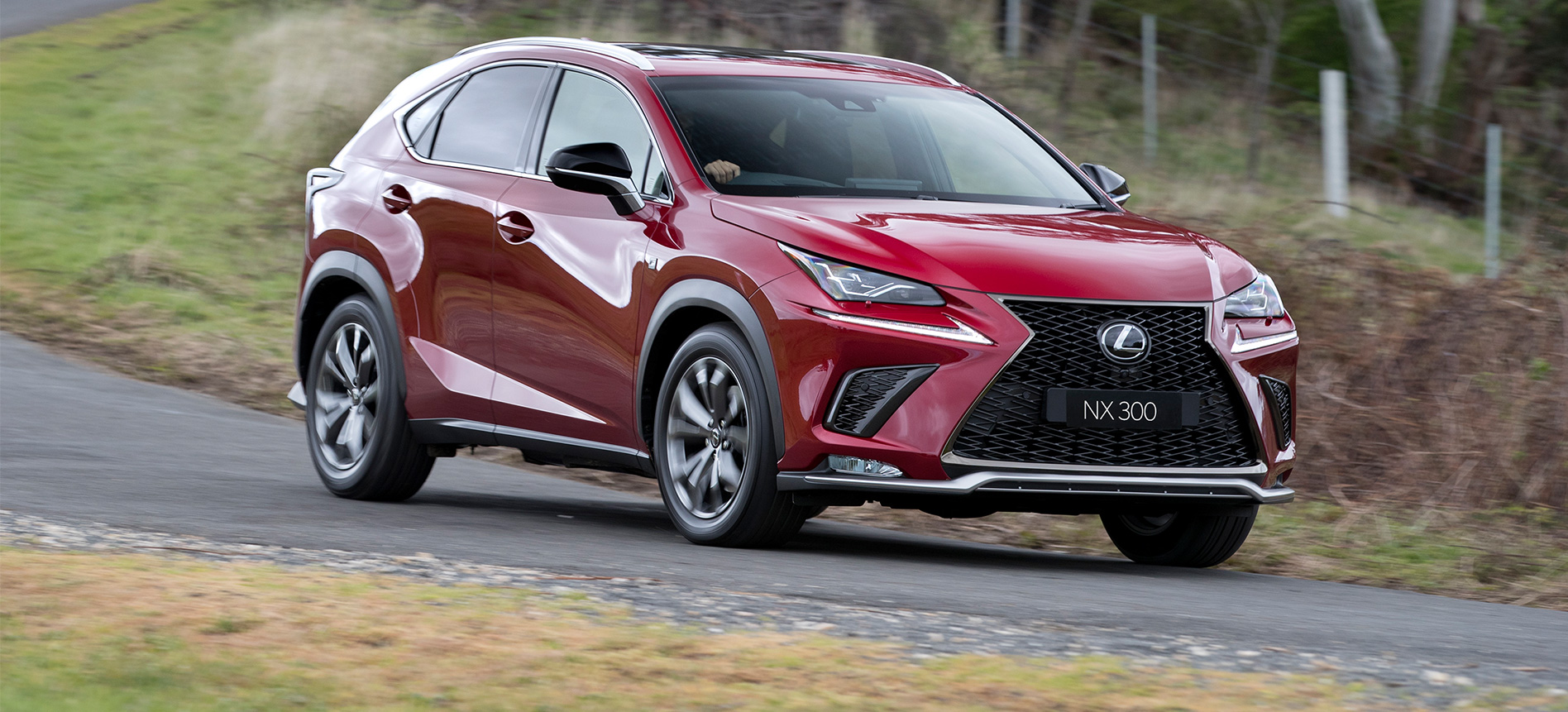
Based on the Toyota RAV4, the Lexus NX is a very different machine to look at – and one that also gets different drivetrains.
Under the bonnet is a 2.0-litre four-cylinder turbo engine making a useful 175kW and 350Nm.
That torque figure in particular makes it a muscular accompaniment to the mid-sized NX body.
Whereas most rivals drive all four wheels, the NX300 drives only the fronts (an all-wheel-drive system is optional), something that helps keep the initial asking price down.
At $57,500 it’s one of the more affordable premium mid-sized SUVs on the market.
That also means there’s less money to lose in depreciation, contributing to a thoroughly respectable 59 per cent resale forecast after five years.
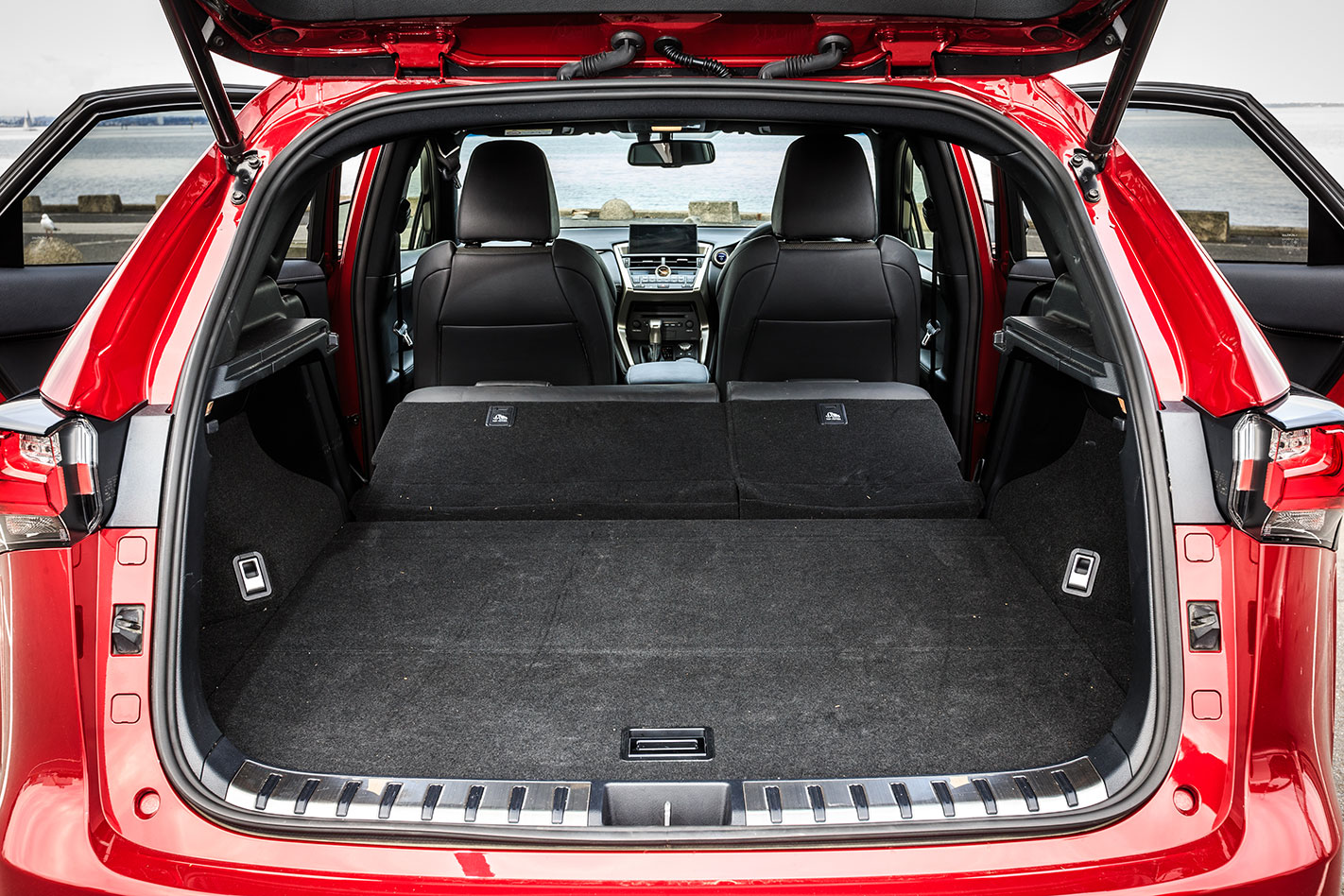
Despite the tempting sticker price it’s loaded with gear, including dual-zone climate control, smart key entry, 10.3-inch touchscreen, heated and power-operated front seats, powered tailgate and a decent 10-speaker sound system.
Elsewhere, trademark Lexus attention to detail is on display, from finishes and materials to the way everything melds together.
Active safety is on par with rivals as is connectivity.
The NX300 is also beautifully refined and gives the impression it will keep playing its luxury card many years into the future.
All of which adds up to a great value luxury SUV, albeit one without the dynamic polish of some rivals.
SILVER – Lexus NX300h Luxury
Key to the one-two success of the NX300h is its petrol-electric drivetrain, the $2500 price premium – for an SUV totalling $60,500 – more than paying itself off through fuel frugality over the first five years of ownership.

The hybrid NX300h doesn’t cost much more to keep running than the four pure electric SUVs we evaluated for these awards.
At less than $1000 of regular unleaded per year it’s a very efficient way to get around, the electric motors matched to a 2.5-litre four-cylinder engine also adding useful torque to get things moving. None of which is particularly exciting to drive…
The Lexus NX300h is more about getting the job done in a relaxed way than tingling any senses.
That goes for the way it tackles corners, too, which is solid rather than engaging, something that had our experts docking it a point.
The only reason it didn’t take the top step of the podium was that Redbook forecasts it will lose more of its value during those early years of ownership.
We’re talking around $1400 – which you could pay back in another year or two of fuel savings – but that’s enough to make the hybrid second to its petrol-only sibling.
BRONZE – Land Rover Discovery Sport P200S
With a third row of seats, the most affordable Land Rover can still carry up to seven, at least if those venturing to that back row are flexible and compact.
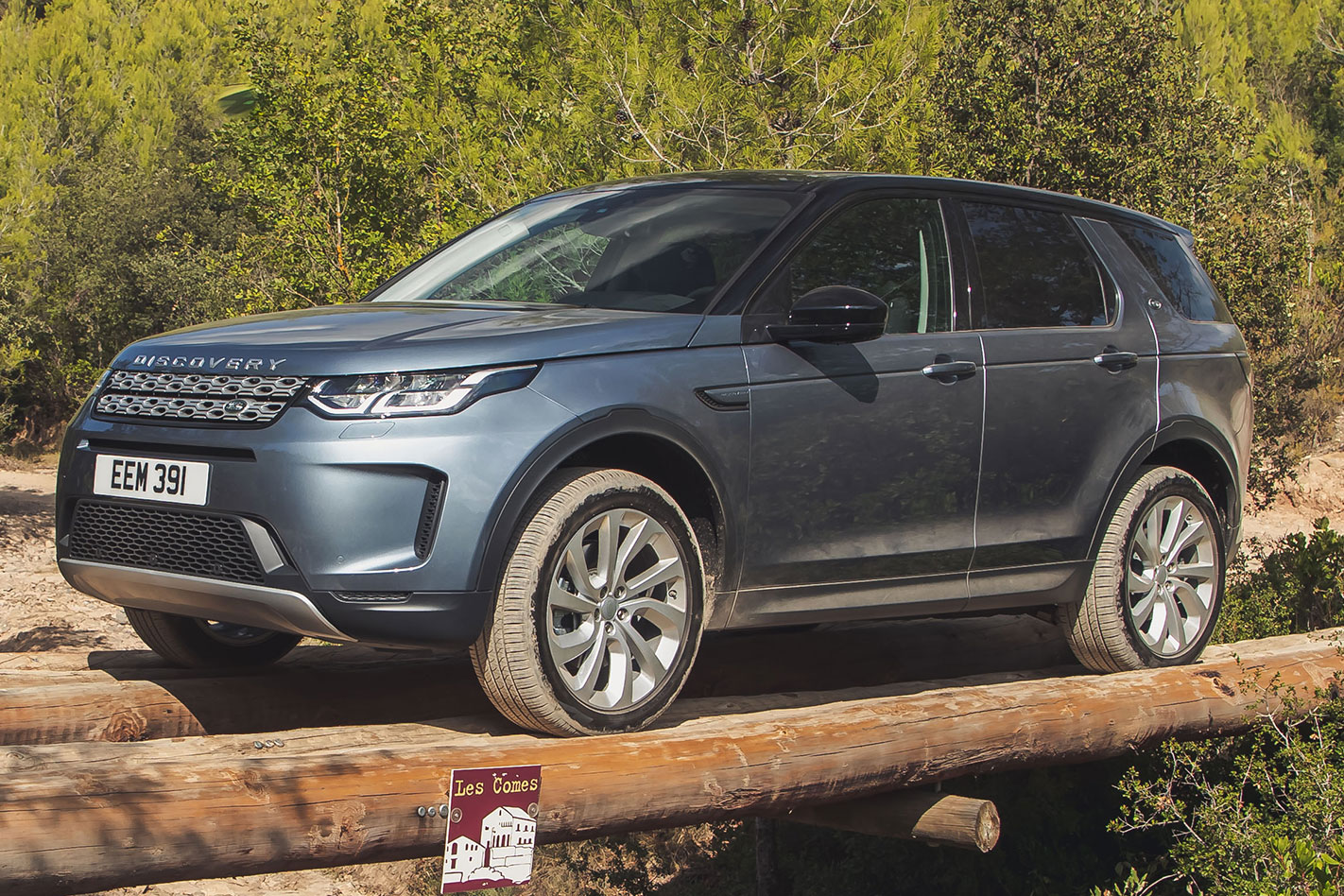
Priced from $60,500, it’s among most affordable seven-seaters from a premium brand.
And while Land Rover has been known for a skinny list of equipment for its price leaders, the Disco Sport is indicative of a new era where the sportier R-Dynamic design treatment is now standard.
There are also electric front seats, Apple CarPlay and Android Auto on a 10.0-inch touchscreen and Land Rover’s clever activity key that is like a fitness band around your wrist.
Throw in solid safety credentials, a willing four-cylinder turbo engine and on-road manners that make suburban running a breeze and it adds up to a convincing package.
That there’s a modicum of off-road ability – adding to its “fit-for-purpose” credentials – reinforces its talents.
Jump to
- How we rate Australia’s Best Value Car
- Light/City Cars
- Small Cars
- Budget luxury cars
- Family Cars
- Small SUVs
- Five-seat SUVs
- Seven-seat SUVs
- Prestige cars
- Kid Carriers
- Dual-Cab 4x4s
- Off-Road 4x4s
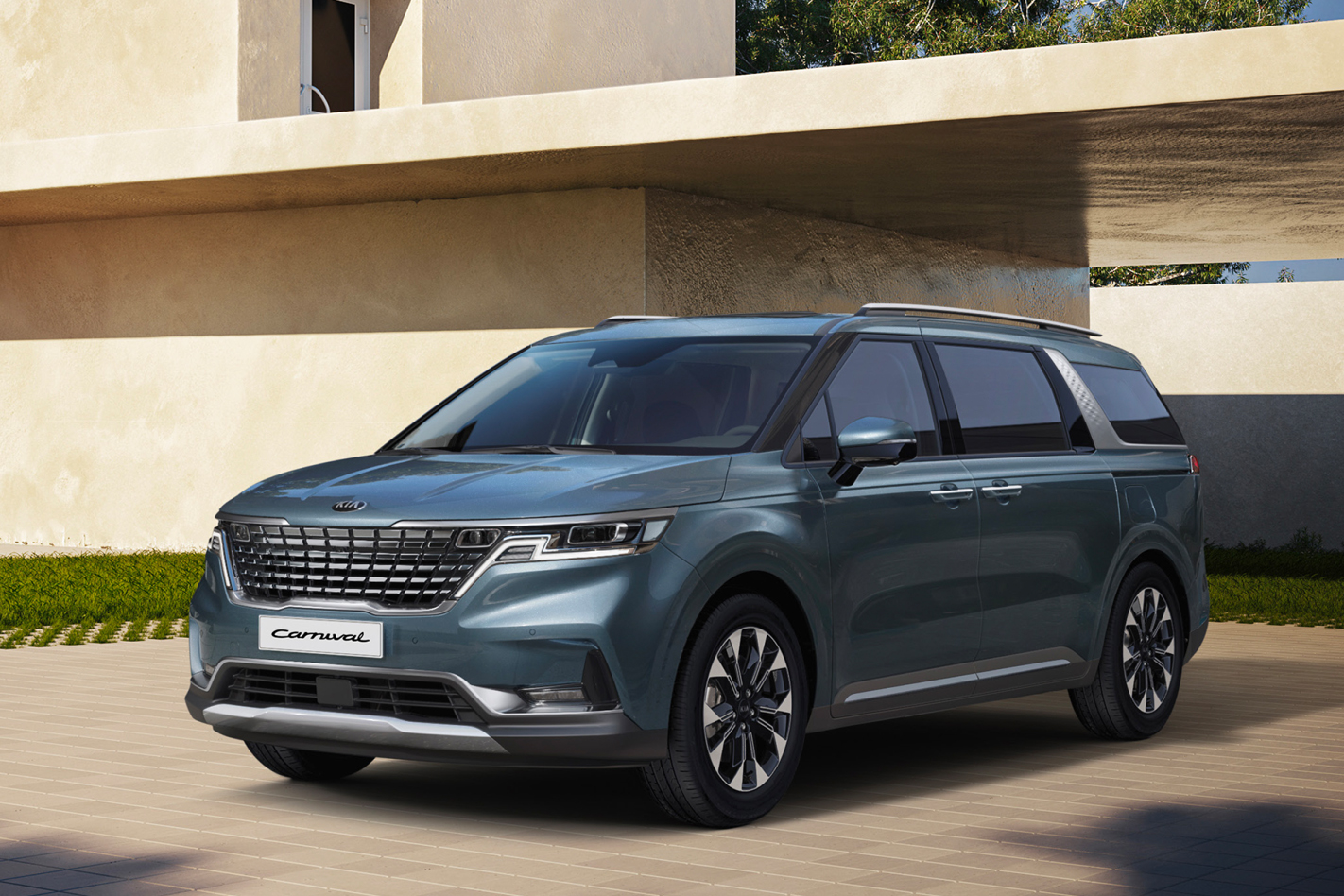
Kia has detailed its fourth-generation Carnival people mover in full, revealing new engines, sharper chassis, and significantly more technology and space, including room for up to 11 occupants.
The base model S will rise by just under $1200, while the top-shelf Platinum diesel auto jumps by almost $3200 – you’ll find the full price list under this story.
Kia has confirmed that the fourth-generation Carnival will come in four specification levels -S, Si, SLi and Platinum – with the choice of both petrol and diesel engines.
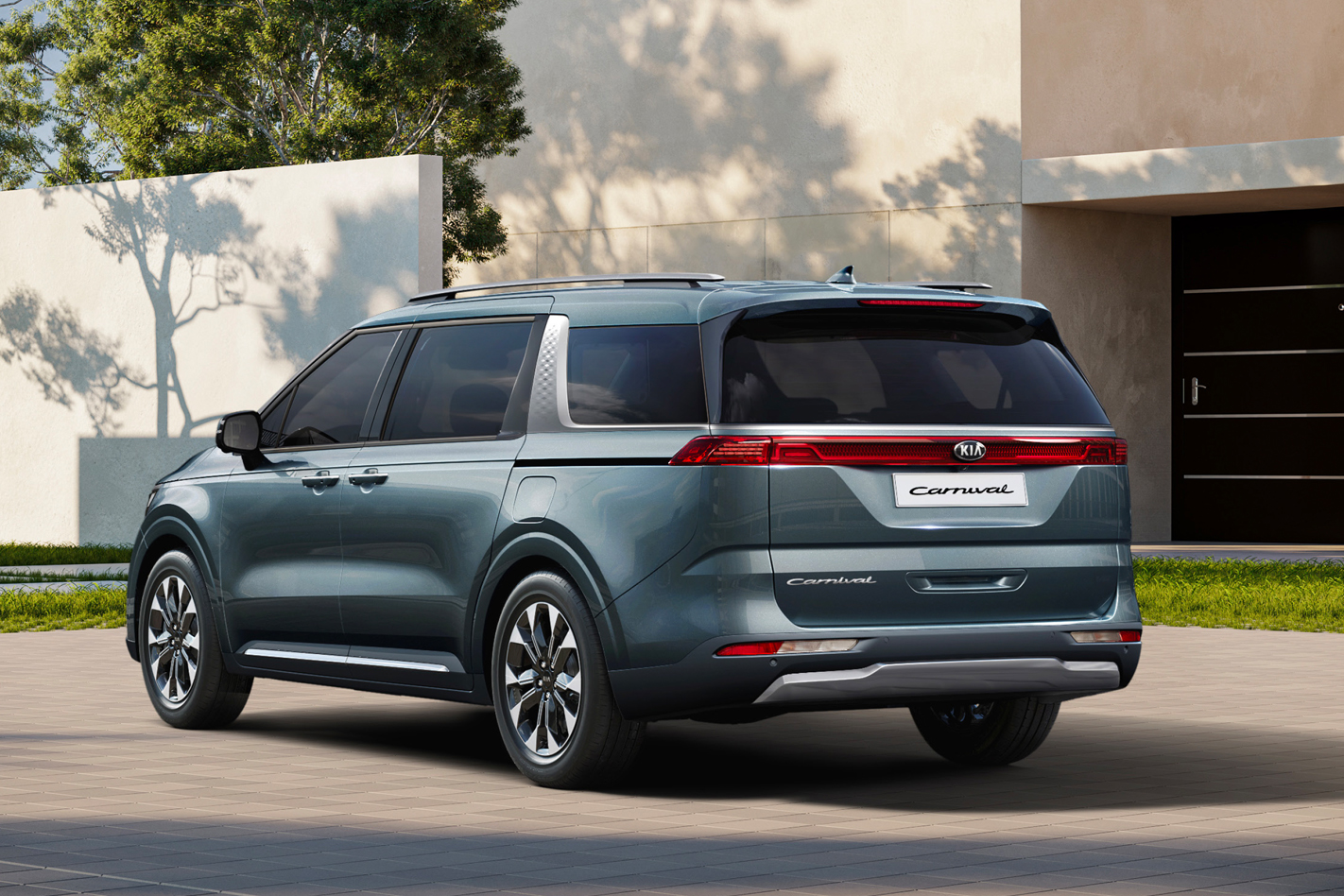
The five-door people mover retains its pair of sliding rear doors, but looks considerably different to the Carnival it replaces.
MORE Australia’s Best Value people movers ranked for 2021
The updated Smartstream-equipped 216kW/355Nm 3.5-litre GDI V6 petrol and updated Smartstream 148kW/440Nm2.2-litre CRDI diesel engines drive the front wheels through an in-house eight-speed automatic.
Specs will be confirmed when the car is officially unveiled on January 8, but the Carnival – rebooted from tyres to roof – will cost only fractionally more than the car it replaces.
Space
When Kia rolled out the Carnival in August, it was obvious that this is no mere facelift.
Rolling on the company’s new platform, the 2021 Carnival has grown in all directions. Measuring 5.2m in length, it is longer by 40mm than the outgoing model and has an extra 30mm in its wheelbase.
It’s also 100mm wider at just under the even 2.0 metres, and has a rear overhang that’s lengthened by 30mm.
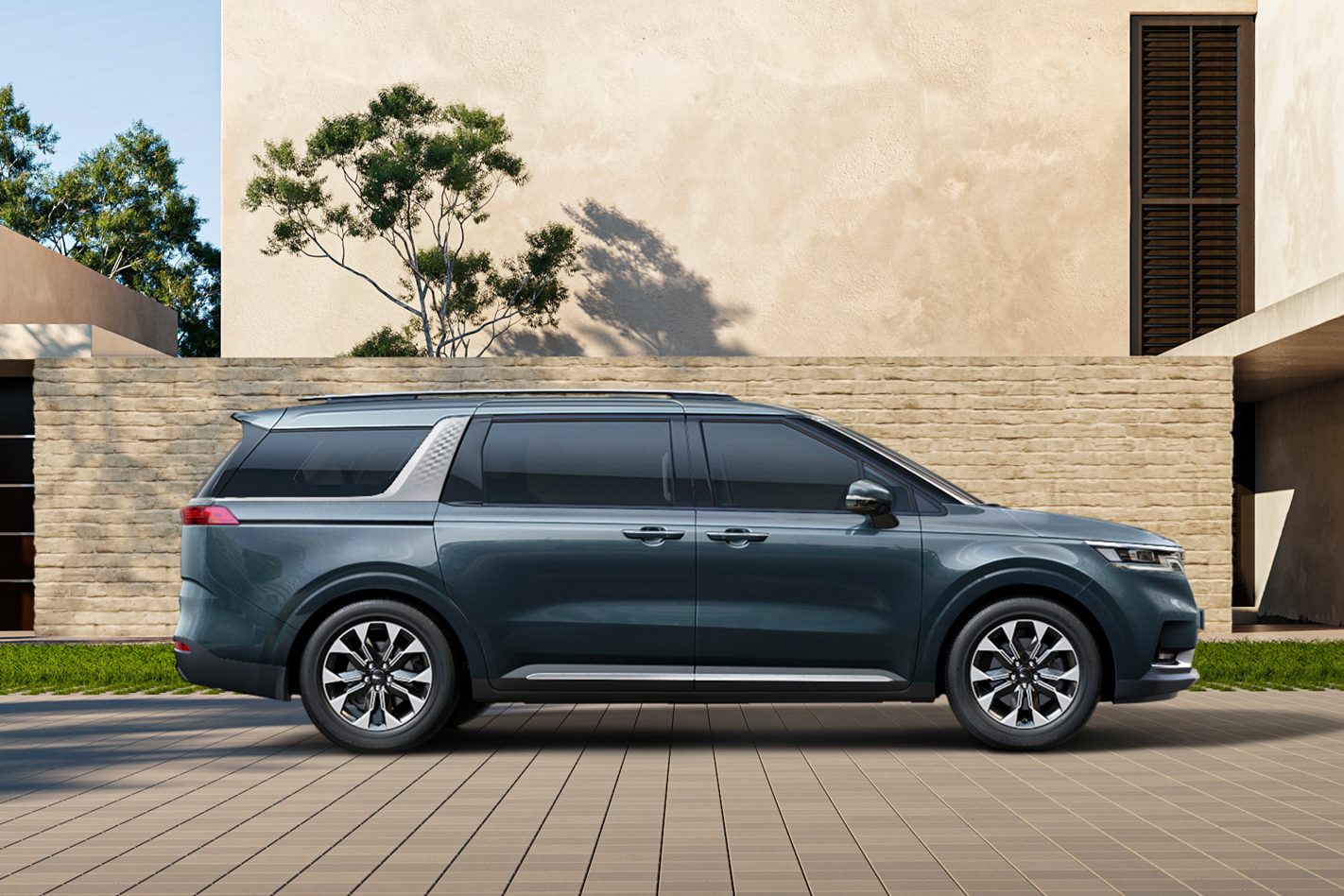
The net result is more space for people and things.
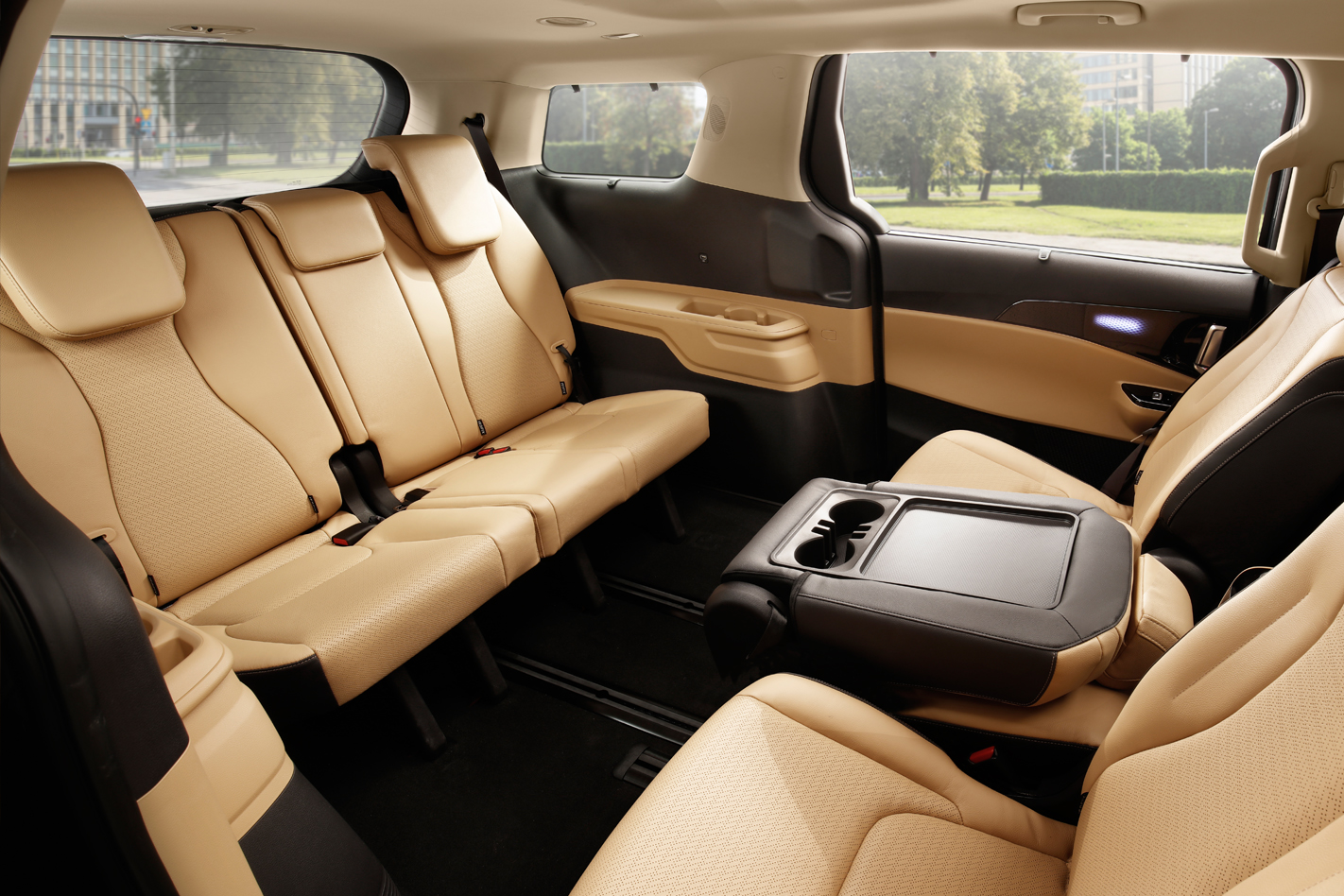
Depending on which variant you choose, the Carnival offers three seating arrangements including the most luxurious seven-seater; which has a three-seat third row, two ‘premium relaxation seat’ places in the middle row and two up front.
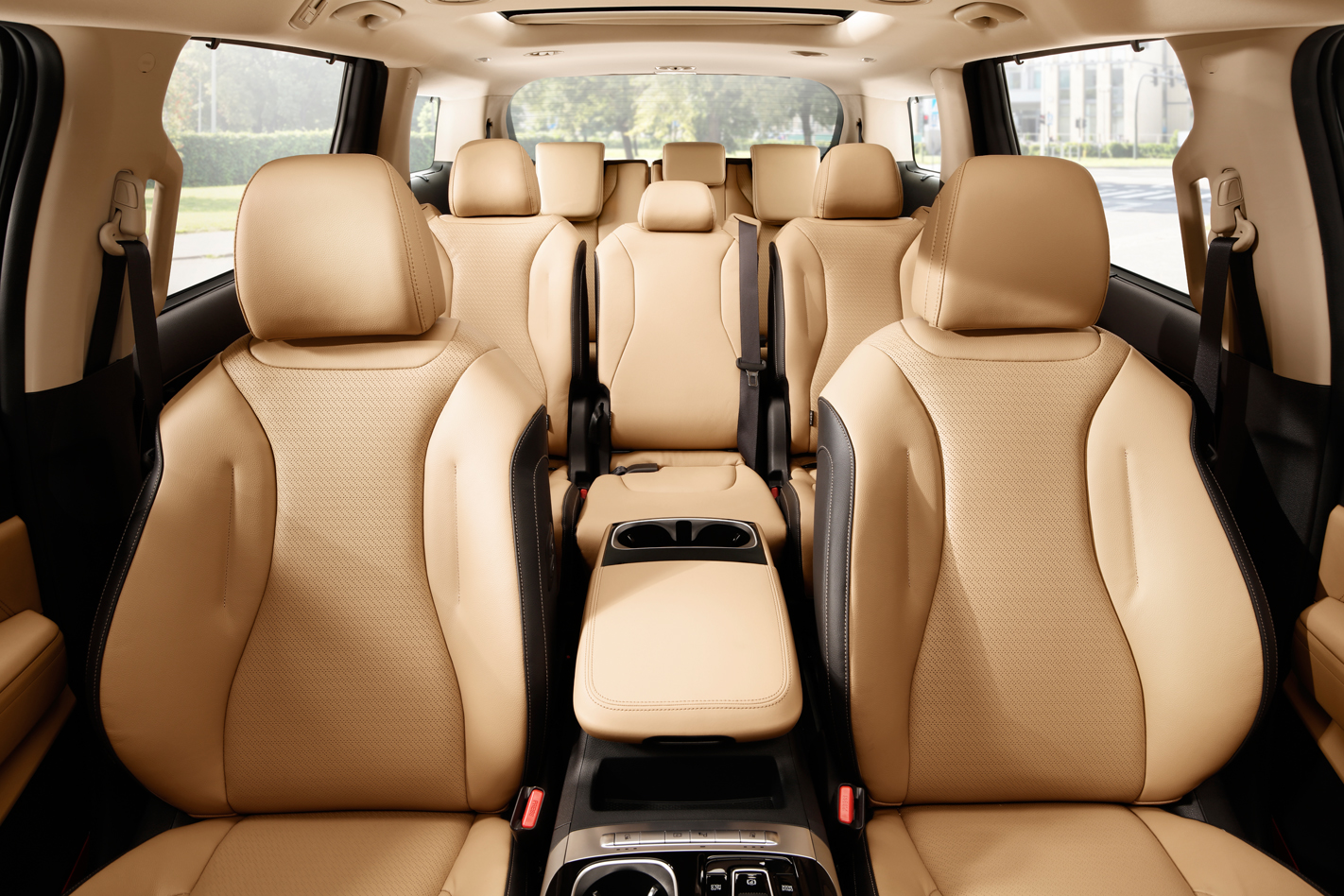
MORE Best seven-seaters For more capacity, there’s a three-seat middle row option for a total of eight onboard, while a new four-row option balloons the Carnival’s capacity to a minibus-like 11!
Kia Australia is yet to confirm if this version will be part of the offering coming Down Under.

Even in three-row configuration, the Carnival still offers an impressive 627-litre boot.
‘Smartstream’ powertrains
As with the third-gen model, the Carnival is offered as a four-cylinder turbo diesel or a non-turbo V6 petrol, but both engines have been significantly updated for the new model.The naturally aspirated V6 petrol is now larger at 3.5 litres and, thanks to direct injection has lifted power and torque to 216kW and 355Nm.
It also features exhaust gas re-circulation (EGR) and a more advanced thermal management system to cut fuel use and emissions.
However, the previous version’s cast-iron block has been swapped for much lighter alloy saving 20kg, along with higher-pressure fuel injection, thermal management system, and vibration-smoothing balancer shafts for an overall improvement in efficiency and refinement.
There is no all-wheel-drive Kia Carnival on offer.
Chassis
With a new platform to play with, Kia’s engineers have overhauled the Carnival’s ride and handling characteristics for a more comfortable ride without compromising driving enjoyment, it says.Fully independent suspension is standard all round as it was before but with completely revised geometry and mountings in all corners.
At the front, there’s a new lighter arrangement that includes electric power steering in place of mechanical power-assisted version for faster more responsive steering.
Read next: Kia also has a new Sorento Most importantly, says Kia, the chassis and suspension rework along with more widespread use of sound insulation has produced a Carnival that is a more pleasant place for all occupants with improved noise vibration and harshness (NVH) levels.
Either way, Kia’s popular people mover will have its final chassis tune fettled for its arrival in Australia, as is the case for all Kias.
Comfort technology
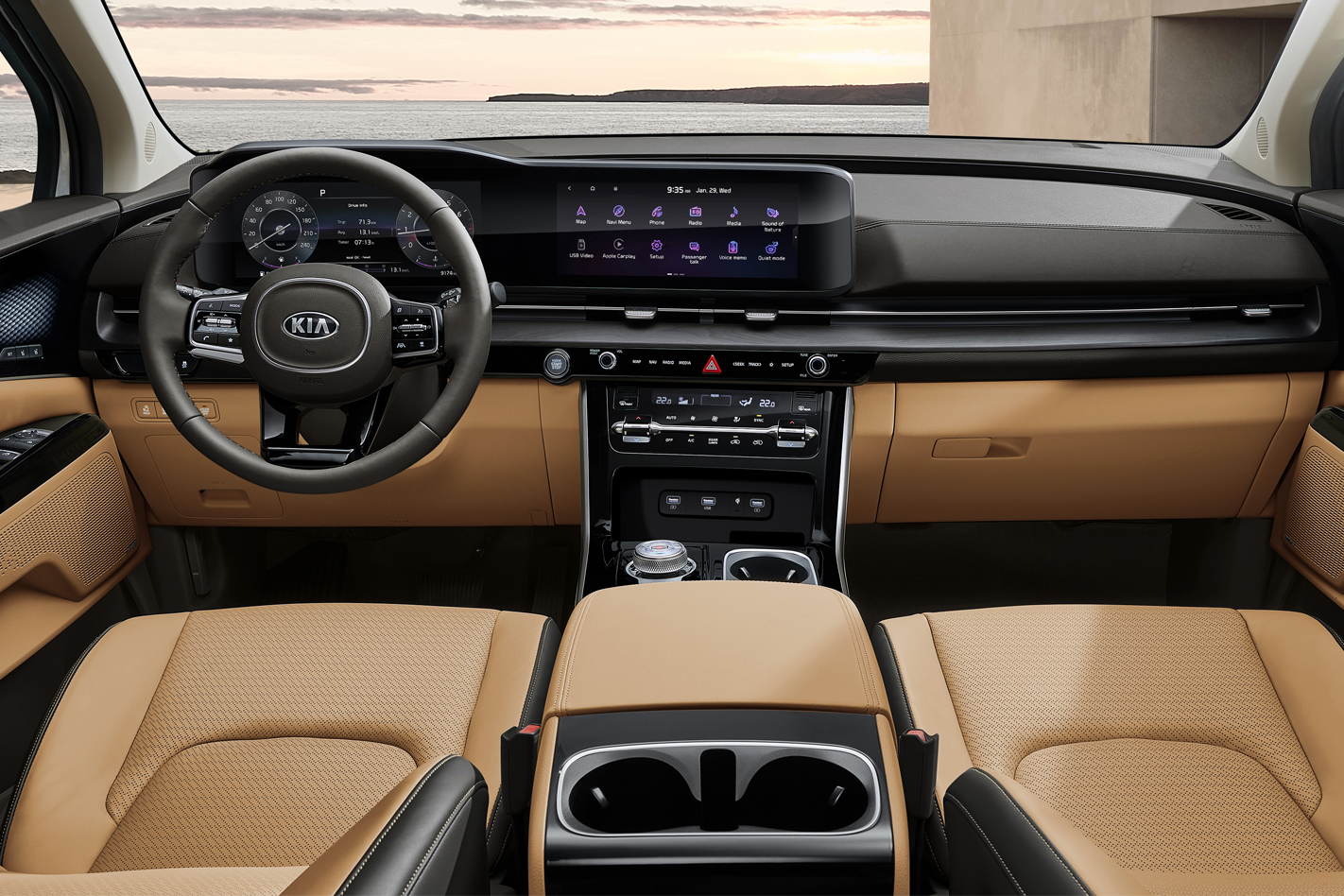
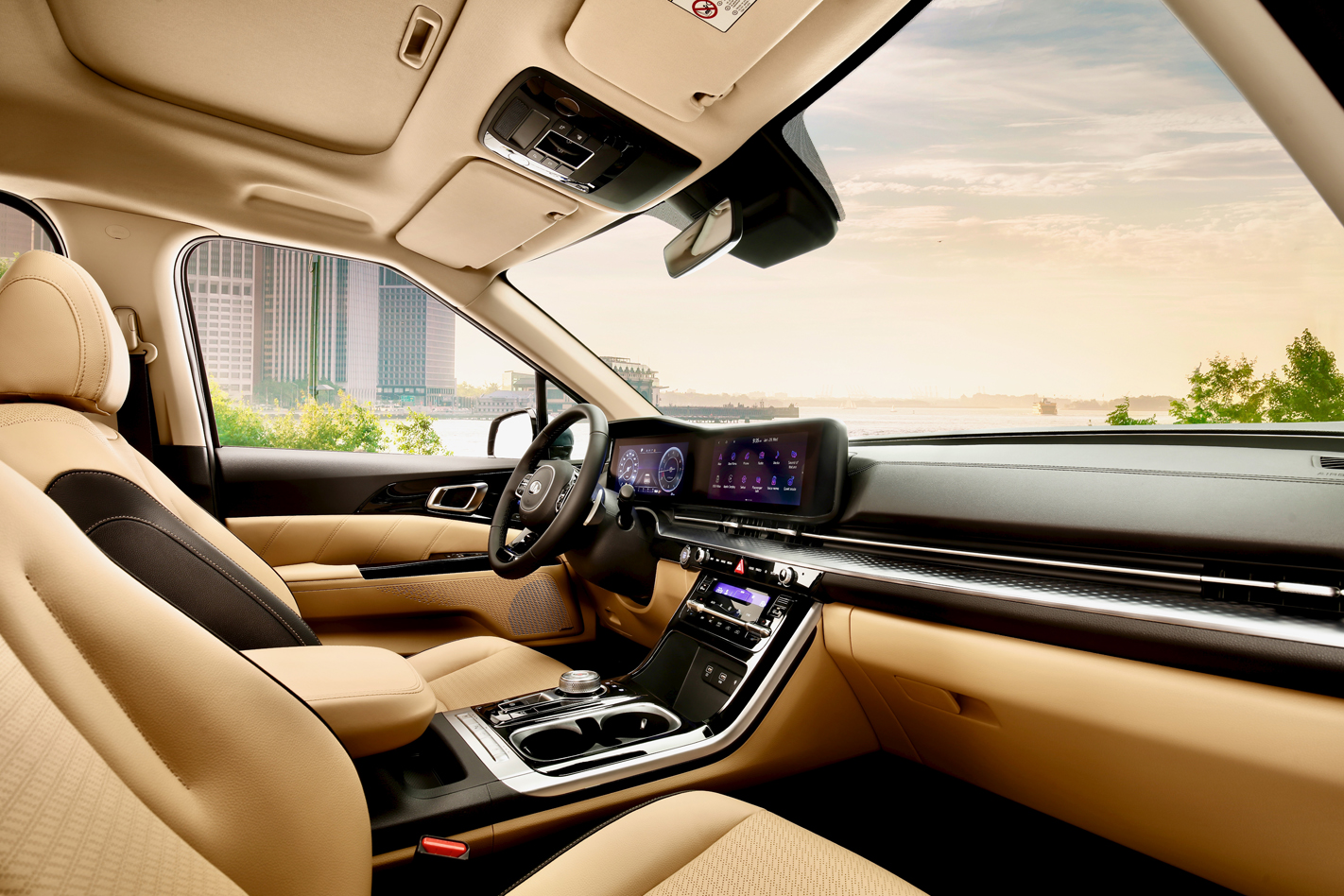
Also adding to the more premium Carnival ambience are a number of technology upgrades with a massive 12.3-inch information and entertainment touchscreen as the centrepiece. It’s integrated into the driver’s instrument cluster seamlessly under a single pane of glass the spans more than half the width of the cabin.
There is even a microphone and speaker voice amplifying system that prevents people at the back having to shout to be heard.
A smart button function allows the powered sliding side doors and tailgate to be opened simply by standing near the for a few seconds. And when loading or unloading the Kia at night, there are new puddle lights to ensure safe and dry footing.
Safety technology
Kia’s Advanced Driver Assistance Systems (ADAS) has bundled even more passive and active safety gear into the new Carnival.
Headlining the electronic safety suite is forward collision avoidance which recognises cyclists and pedestrians as well as other vehicles and larger obstacles.But it’s complemented by blind-spot collision avoidance, adaptive cruise control, speed limit recognition, lane-keeping assist, driver fatigue monitoring, and automatic high-beam headlights to name but a few.
Standard safety equipment will be region specific, but Australia is likely to receive the high-end versions.
More than two million Kia Carnivals have been sold since the genesis of the nameplate in 1998.
Price List
Modelu00a0 | RRP | Driveaway |
S petrol autou00a0 | $46,880u00a0 | $50,390 |
Si Petrol autou00a0 | $52,380u00a0 | $55,790 |
SLi petrol autou00a0 | $56,880u00a0 | $60,290 |
Platinum petrol autou00a0 | $64,680u00a0 | $67,990 |
S diesel autou00a0 | $48,880u00a0 | $52,390 |
Si diesel autou00a0u00a0 | $54,380u00a0 | $57,790 |
SLiu00a0diesel autou00a0 | $58,880u00a0 | $62,290 |
Platinum diesel autou00a0 | $66,680u00a0 | $69,990 |
If diversity is your thing then look no further than the medium and large prestige cars that start at around $55,000.
This used to be the prestige heartland, the price level that got you into a luxury brand, at least before the luxury brands began downsizing their wares.
There are traditional sedans and the occasional wagon lurking to snap up SUV-weary buyers.
Many have a sporty focus, the expectation that their driving manners should be a step above the mainstream.
Tesla even throws an all-electric model into the mix with its Model 3, a car that undercuts most rivals on servicing and running costs but is hurt by high insurance charges and a higher price of entry.
Not that any of the cars we analysed have anything like the used-car appeal of similarly-priced SUVs: while some still love the idea of a traditional prestige car, soft residual forecasts suggest it’s a segment that doesn’t interest nearly as many as it once did.
GOLD – Audi A4 35 TFSI
There’s no shortage of accomplished competition among the traditional heartbeat of the luxury market. But it’s the Audi A4 that emerges with the best combination of value, luxury and driving nous.
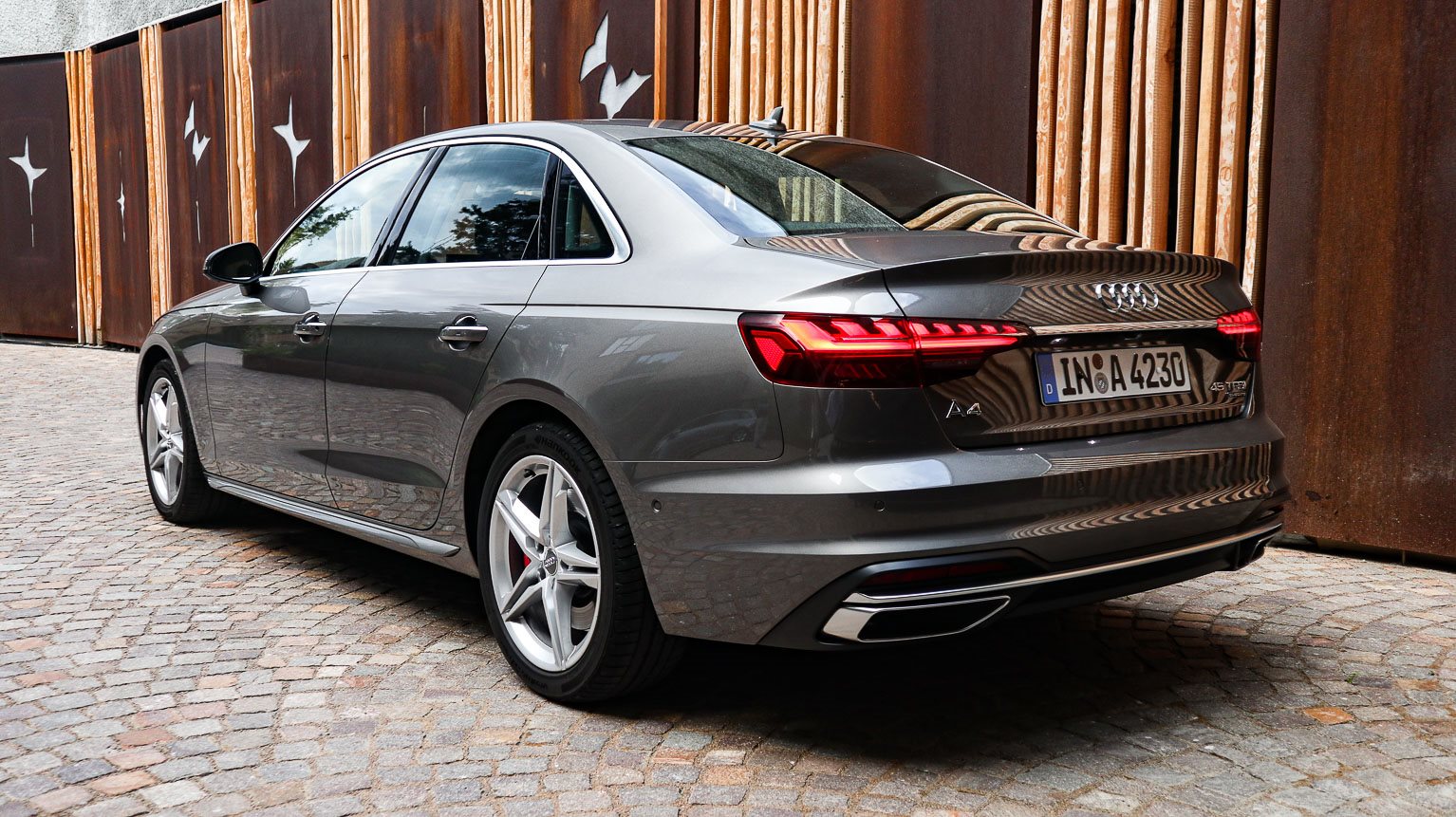
The $55,900 entry-level car is sharply priced against key rivals but still incorporates plenty into the most affordable 35 TFSI model.
There are 19-inch wheels, tri-zone air-conditioning and elegant finishes throughout, as well as partial leather seats and an electrically-adjusted driver’s seat.
The availability of a wagon is a plus, providing some SUV functionality with the sportier dynamics of a lower-riding car.
The addition of Audi Connect Plus allows smartphone connectivity to lock or unlock the doors and provide real-time traffic, fuel and weather information.
Smartphone connectivity incorporates Apple CarPlay and Android Auto.
The 2.0-litre four-cylinder makes a modest 110kW but there’s a solid surge of pulling power lower in the rev range to make for easy touring and suburban running.
Now with mild hybrid tech the A4’s claimed 6.1L/100km fuel use undercuts key rivals, something that helped it to the top in this contest.
Many cars in this category fared below average for anticipated resale values, but the A4’s more affordable price shielded it from some of that pain.
Sensible service pricing and mid-level insurance charges round out a car that nicely blends luxury trimmings into a practical and affordable package.
SILVER – Lexus ES300h Luxury Hybrid
As one of the early adopters of hybrid systems, the technology is paying off for Lexus.
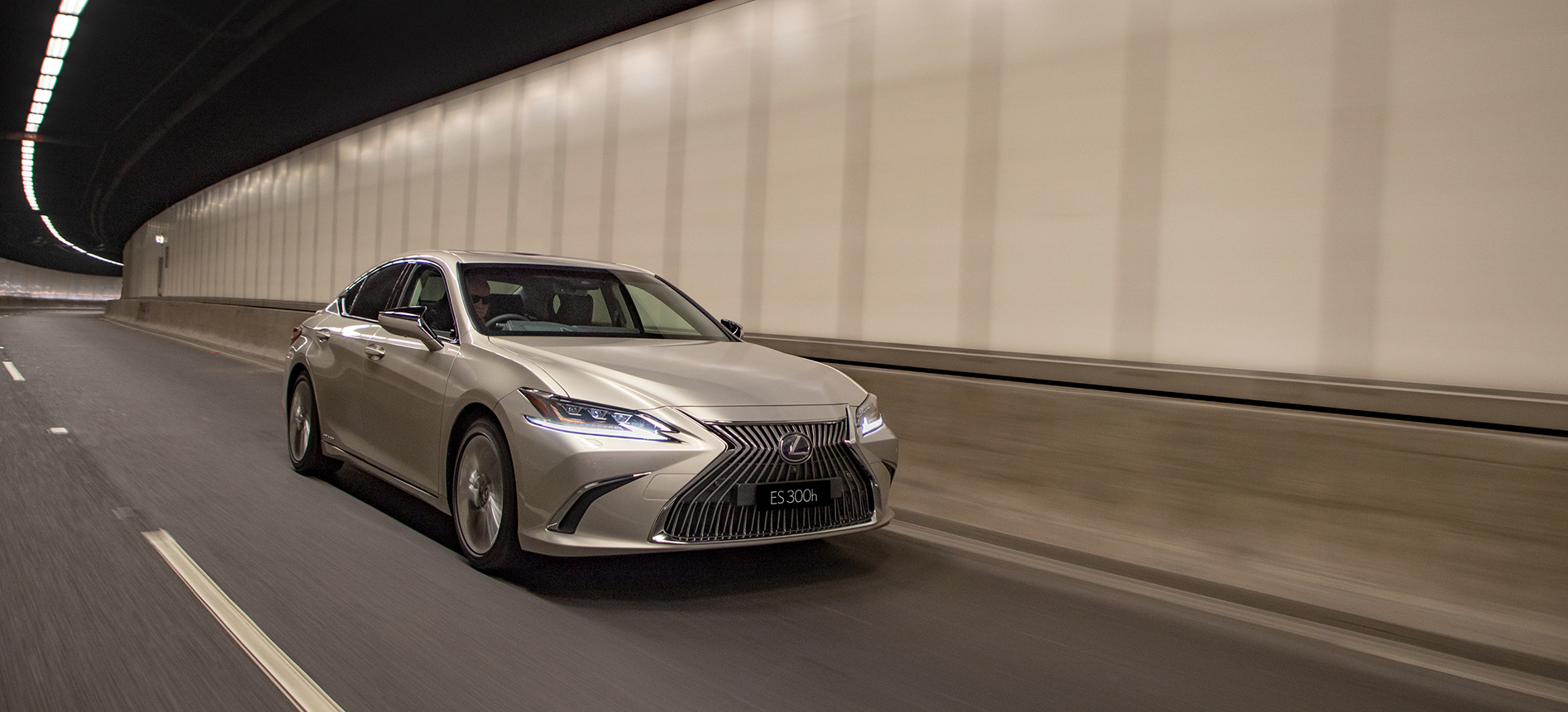
And for the ES mid-sized sedan a hybrid is the only option. The frugal 4.6L/100km fuel use of the ES300h makes it among the most affordable sizeable luxury cars to keep moving.
That was a big contributor of the ES300h finishing on the value podium for 2020.
At $60,500 the ES300h doesn’t excel in other areas, but it does represent solid buying, the reputation for longevity no doubt helping its appeal when it comes time to trade in.
The large body also does a terrific job of making people comfortable, the focus more on a relaxing rather than spirited drive.
That said, the Toyota Camry-based ES300h has sound dynamics and a 2.5-litre four-cylinder mated to an electric motor that does a good job of keeping things moving.
Good connectivity and active safety add the finishing touches on a car that doesn’t make the hair on the back of your neck stand to attention but does ensure relaxed and reliable motoring.
BRONZE – Volvo S60 Momentum
Volvo’s focus in recent years has been on SUVs, something it’s kicked big goals with – both with sales and independent recognition.
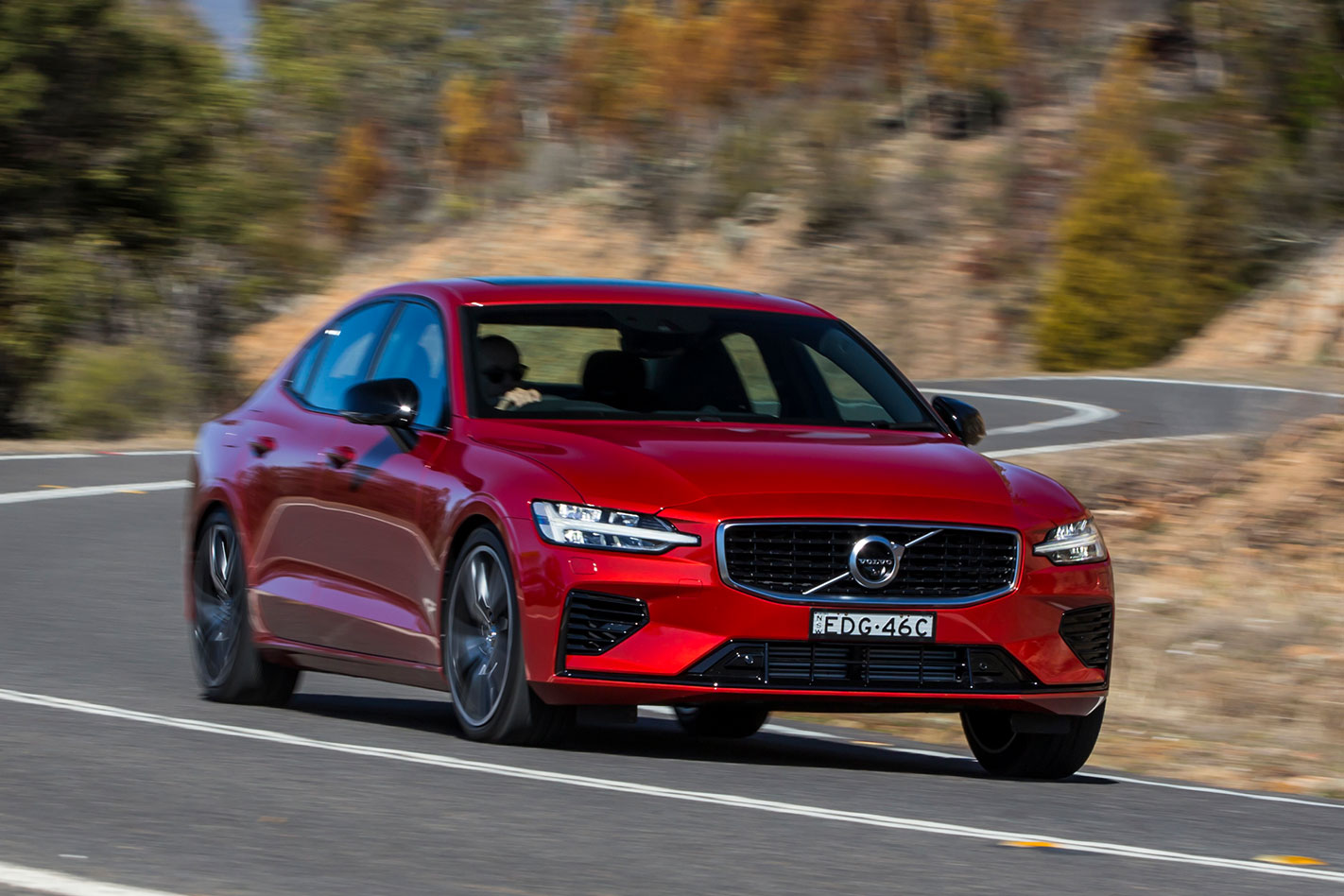
But the traditional Volvo sedan also mounts a solid value case.
The S60 Momentum is priced from $55,990, and while its forecast resale percentage is below that of key rivals, insurers clearly see it as a safe option, the sub-$1000 annual comprehensive coverage adding up over five years of ownership.
That it’s delivered in a refreshingly Swedish style in a car with space reinforces its prestige positioning.
Jump to
As sure as eggs are eggs, there will be a brace of fresh, new SUVs coming to Australia in 2021.
The segment easily outsells every other in the market, and despite a soft 2020 sales year, companies are expecting people to spend more money on new cars rather than overseas holidays or other toys.
Here, then, are a few of the new SUVs you’ll be able to check out as we move through 2021.
Audi Q5
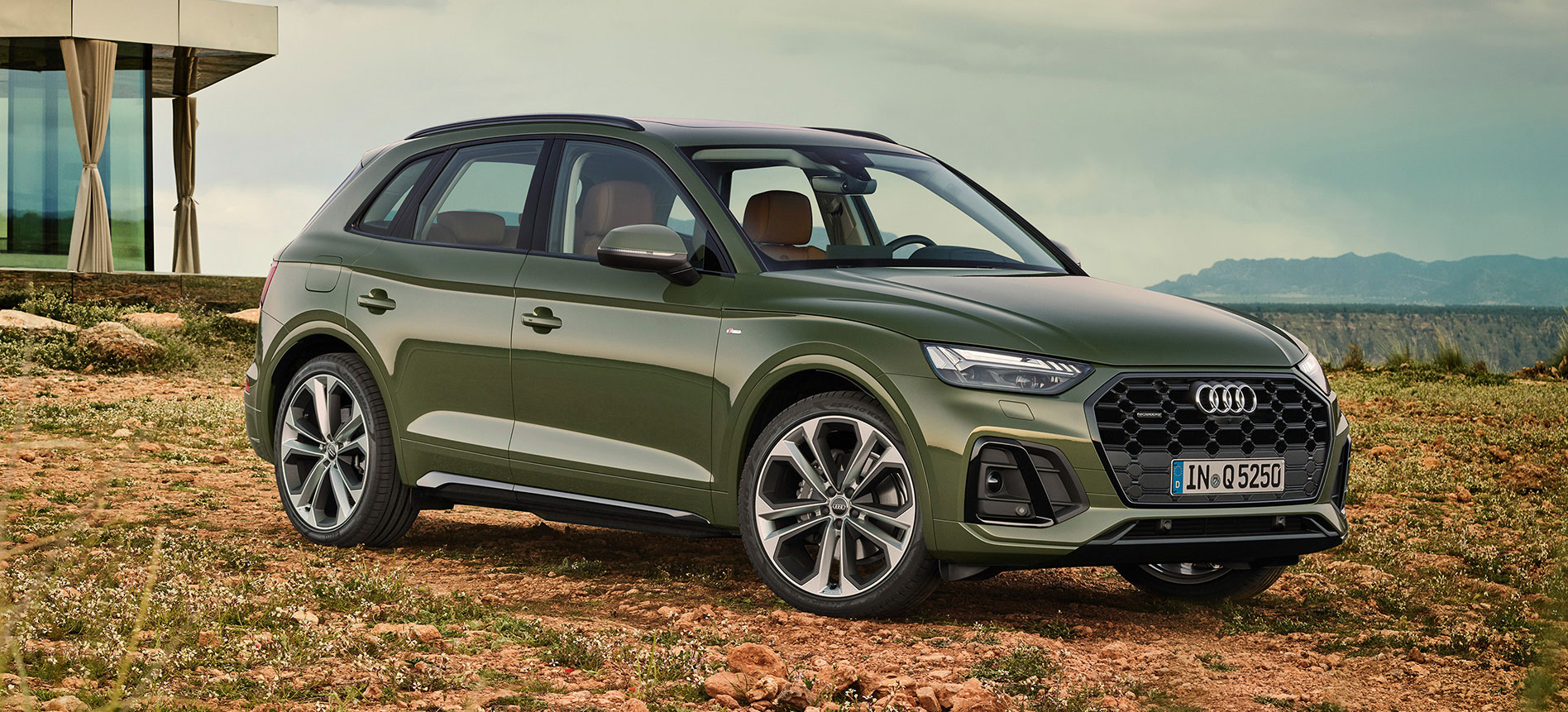
Arrival date: February
Audi has refreshed its Q5, releasing details on the model’s new line-up ahead of a launch in Australia for early 2021.
This update on the five-door medium SUV arrives halfway through its second generation.
The new Q5 debuts a fresh look, upgraded cabin technology and a suite of new engines with mild-hybrid systems.
Genesis GV70
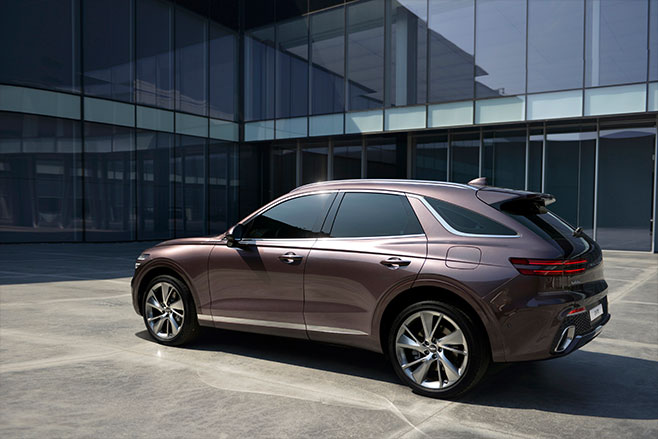
Arrival date: tbc
‘Athletic Elegance’, the same design language recently bestowed upon the updated 2021 Genesis G70, is present here with a Genesis crest grille, flanked by two horizontally split headlights, much like the new G70.
At the rear, the split light treatment continues, with huge exhaust exits featuring prominently.
Read more HERE.
Hyundai Tucson
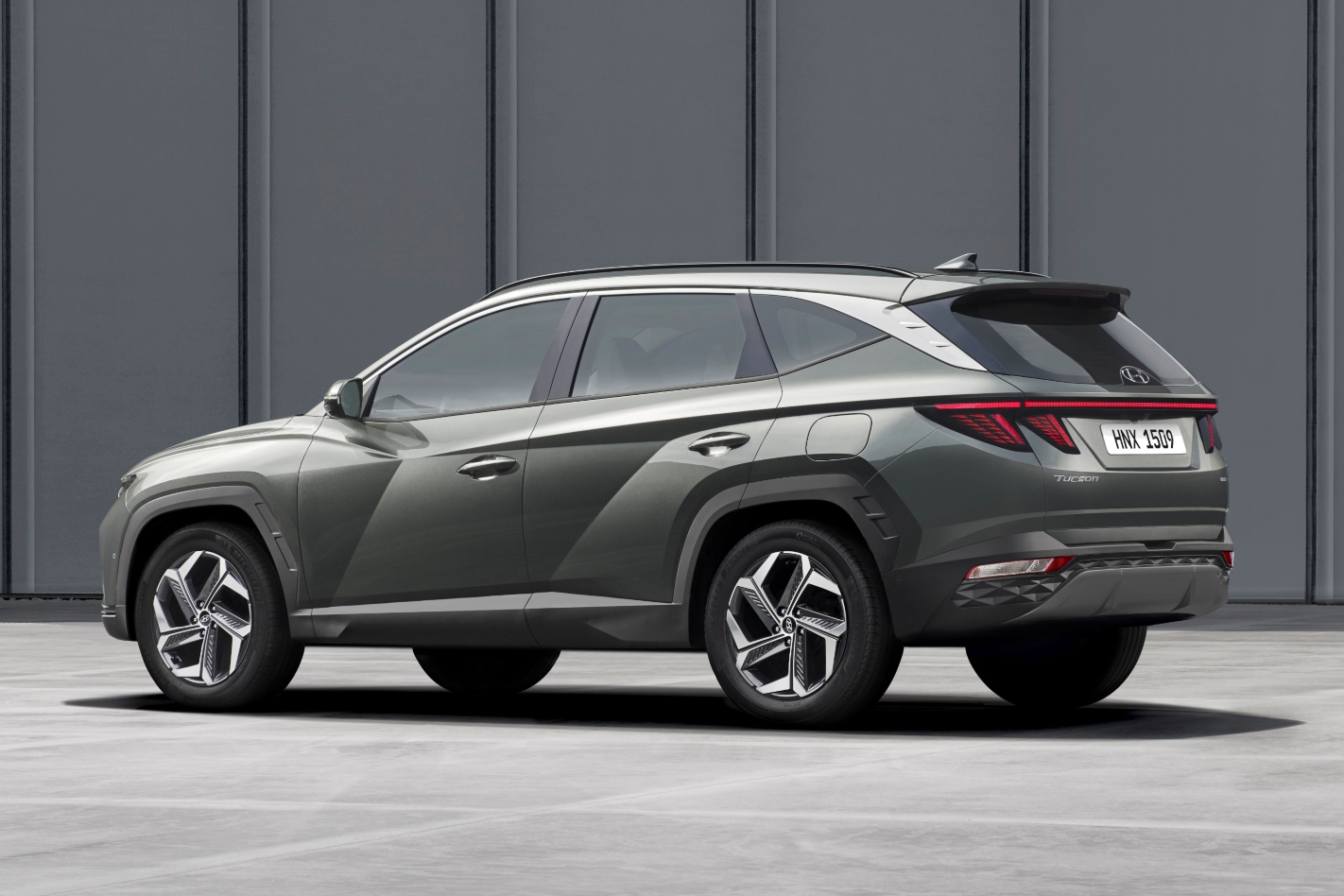
Arrival date: May 2021
Hyundai’s new radically-designed Tucson should hit the market around the same time as the new Nissan X-Trail, and marks the second-generation of one of its most popular models.
Headline items for the new car include a pair of 10.3-inch screens which make up the infotainment system, a fully-digital instrument cluster, connected car-to-home technology and ambient lighting for the cabin.
Isuzu MU-X
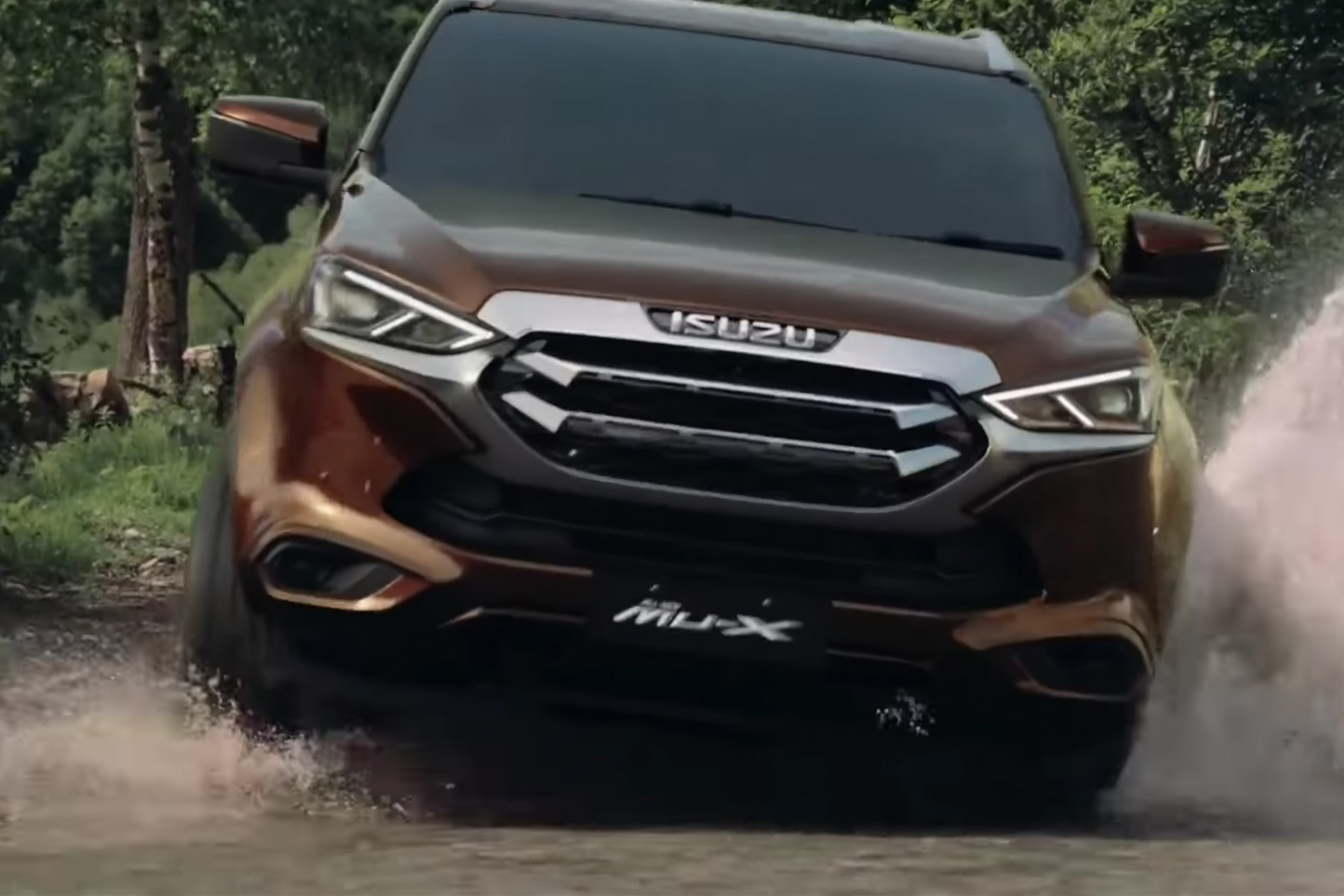
Arrival date: second half of 2021
While the second-generation Isuzu MU-X has taken a step away from D-Max in terms of design, it’s still based upon its ute sibling.
That said, there’s no doubt that this latest iteration is a huge step forward from its predecessor, and a definite side-step away from the D-Max.
Despite Thai MU-X models being slated for a November on-sale date, an Australian arrival isn’t expected until the second half of 2021.
Mitsubishi Outlander
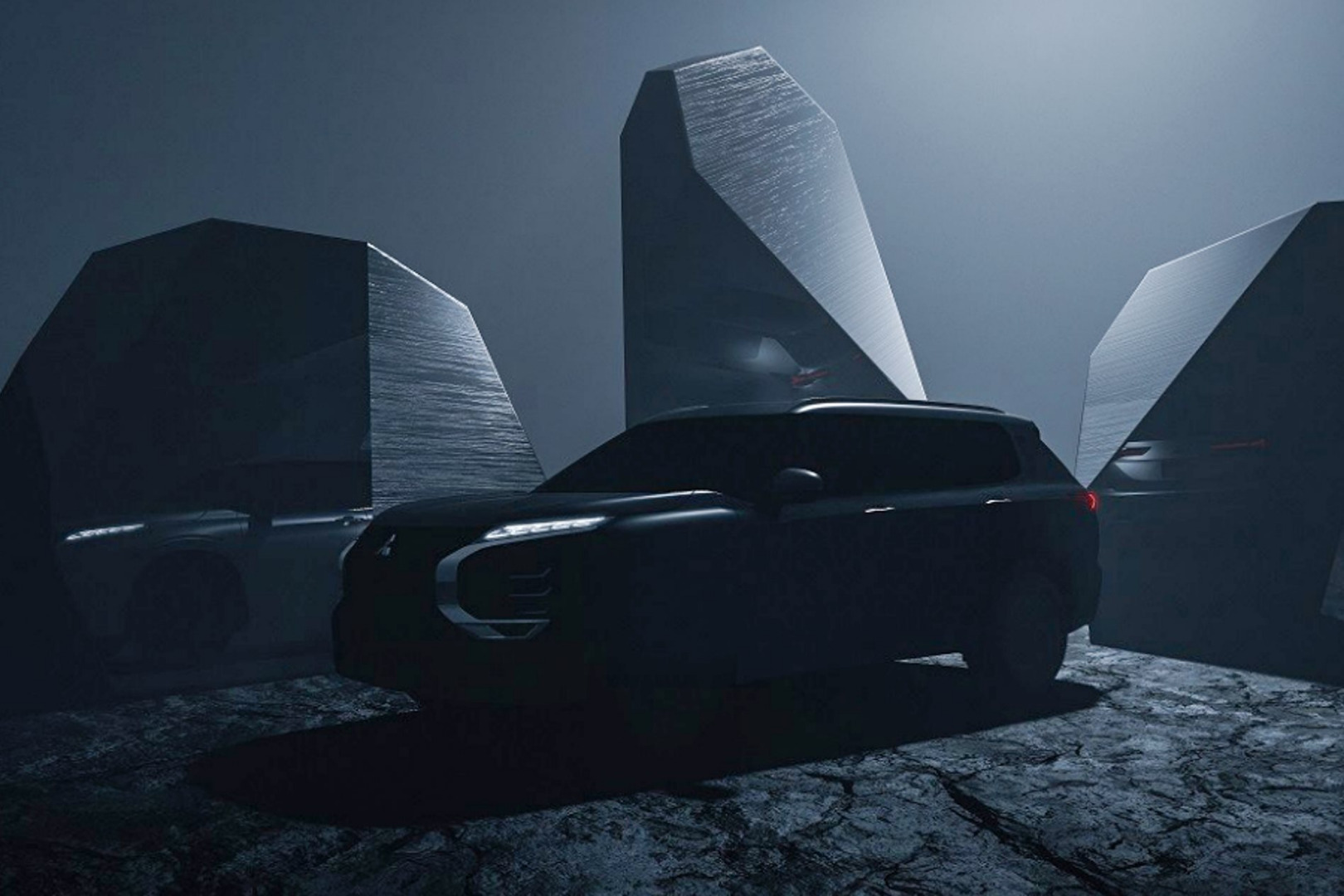
Arrival date: February
Mitsubishi has revealed that it will replace its ancient Outlander medium SUV next year with a car that’s larger on the inside, bolder on the outside and coming after the Toyota RAV4 in the technology stakes.
It previewed a single shadowy image on its social media channels, ahead of a February 2021 launch date.
As part of the Nissan-Renault-Mitsubishi Alliance, Mitsubishi will – as outlined in this plan – defer to Nissan when it comes to the underpinnings of the mid-sized Outlander, which will reportedly mirror those found underneath the next-generation X-Trail.
Engine tech for the next Outlander could go a variety of ways. The new platform will be capable of offering front- and all-wheel-drive, while the latest 1.5-litre four-cylinder petrol engine from the current Eclipse Cross, along with its continuously variable transmission, is a pretty good bet.
CHECK OUT The complete 2021 new car calendar
Road trips are the ultimate way to explore Australia. Whether taking the family on the long-awaited Big Lap or escaping the hustle and bustle of the city for a fun weekend away, we all spend many hours on the road.
You’d think we’d be experts by now in entertaining the little ones, but a survey by travel website www.wotif.com revealed that the second most annoying travel companions are – you guessed it − children. People who can’t read maps ranked first.

In this day and age there’s no reason why kids should get bored in the back seats, even on day-long family trips. So let me take you through the many options, starting with the more traditional and budget-friendly ways of keeping kids happy.
Device-free fun
Young kids love to play the old-fashioned game ‘I Spy’ – even adults can get hooked. Or what about ‘Lingo’, which requires you to explain the meaning of letters on car licence plates? DOR becomes ‘Dinosaur On Road’ and TNP is a way of saying ‘Toilet Now Please’.
If you’d like to be more creative, print out a bingo list of items for kids to discover. Things like: fire truck, scooter, boat, man walking a dog, etc. The first child to tick off all the items on the list receives a reward. You could even turn this into a photography challenge of your children have their own smartphones or cameras.
Alternatively, get a large plastic tub and fill it with pencils, paper, stickers and colouring books to make an activity centre. This requires a fair bit of preparation, but is sure to keep the younger ones happy for a while.

Include snack packs as well so you don’t have to make unplanned stops at fast food joints. As well as fighting hunger food is a good boredom buster so be sure to hand it out gradually and not all at the start of the trip.
Audio books and sing-along CDs can also make the journey more enjoyable.
Compact magnetic travel games are another way to prevent nagging kids. Scrabble, Ludo, Snakes and Ladders, Chess, Backgammon and many other popular games can be purchased at a reasonable price and don’t take up much space.
Use those devices to good effect
If you don’t have the time to prepare, or you prefer peace and quiet during the trip, then technology is the way to go.
Love them or hate them, smartphones are a great way for kids to entertain themselves as long as they have battery life. Many newer cars have USB ports or 12v sockets to plug a charger in at the rear. If there is one socket to go around look at getting an adaptor that allows two or three devices to charge at once to avoid fights.
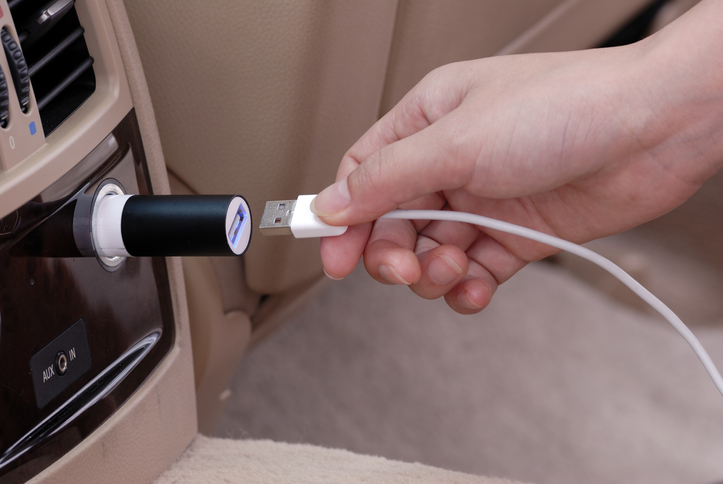
It’s also handy have music, games or videos downloaded on the phones or tablets in case you’re driving somewhere where there isn’t a decent signal for streaming.
DVD players are also a good idea. Portable versions that slip over the back of the driver’s seat have become quite affordable and are easy to use, and can be used with headphones so the driver isn’t disturbed.
It pays to shop around for a good player though. Check the battery life to ensure the battery lasts at least the same time as an average movie. Also, consider buying an in-car charger so you don’t have to deal with changing the batteries while you’re on the road.
Ensure the DVD player can be watched and charged simultaneously, as this isn’t always the case. Some players come with more than one screen, which can be separated from the body of the player so kids can have their own monitor. Alternatively, a screen can be mounted on the ceiling, but there’s the considerable $1000 price tag.

If you want to engage with the kids, but they insist on playing with their devices, try using multiplayer game and activity apps such as Words with Friends, Trivia Crack or Smule karaoke that provides a contemporary twist on classic family games like I Spy and the Licence Plate Game complete with digital scoreboards.
With such a range of options available there’s no reason for kids to voice the dreaded ‘Are we there yet?’ Road trips should be something families look forward to. Who knows, it might even change the result of the next travel survey, though I reckon people who can’t read maps will always remain the most annoying travel buddies – thank goodness for GPS.
It’s hard to keep out of the way of the SUV juggernaut that dominates almost every category of new car buying in Australia, but if you know where to look, you can hook yourself up a new car that doesn’t scream ‘conformist’.
Despite the carnage of 2020, there are still a number of new car launches in 2021 that are worth a second look. Here’s a sample.
Audi SQ2
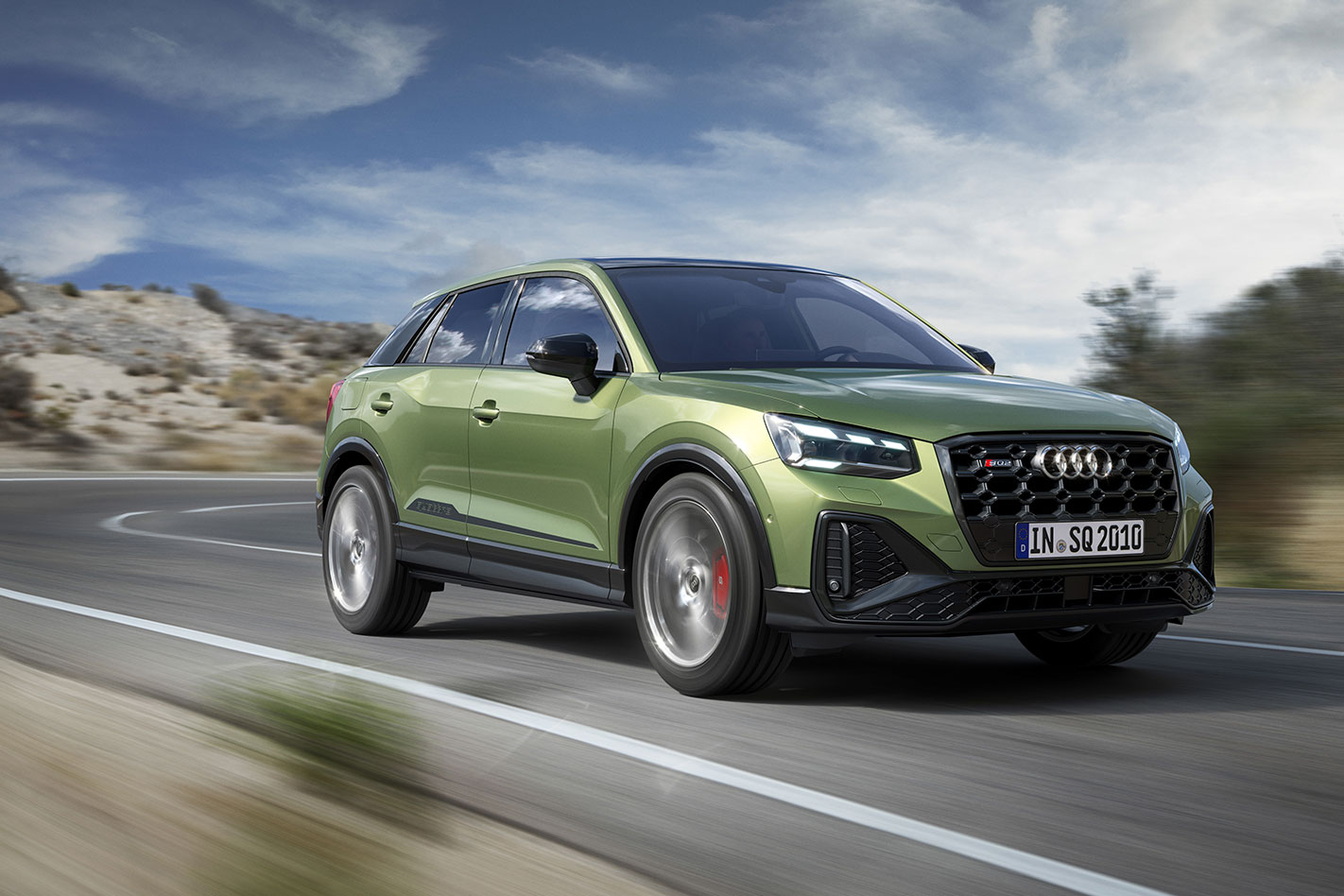
Arrival date: mid-2021
Because it’s taken so long to get here, Australia’s first SQ2 will actually be the newly facelifted version.
This means it’ll arrive bearing subtle exterior tweaks, including a new grille, redesigned headlight assemblies and a new lower front-bumper design that’s reflected in the rear bumper’s new look.
Packing a seven-speed dual-clutch transmission and all-wheel drive, the S3-powered SQ2 is claimed to hit to 100km/h from rest in just 4.9 seconds.
It’s apparently good for 250km/h and can sip as little as 7.7 litres of fuel per 100km.
BMW 128ti
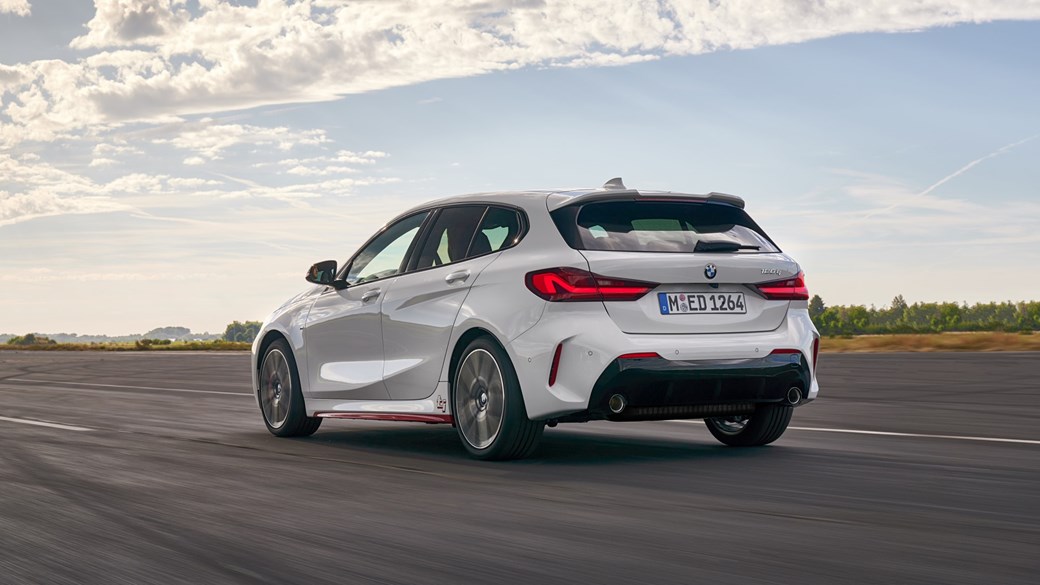
Arrival date: June 2021
BMW has announced pricing for its incoming front-wheel-drive hot hatchback, the 128ti.
But while it’s aiming for a more traditional hot-hatch buyer than the range-topping M135i xDrive, thanks to a 180kW FWD layout, there’s nothing familiar about its $56,900 price tag – at least among its rivals.
The BMW 128ti represents almost a $10,000 increase on the base 118i, adding unique 18-inch wheels, synthetic leather seats, a leather steering wheel with unique stitching and velour floor mats on top of its mechanical upgrades listed below.
Peugeot 3008
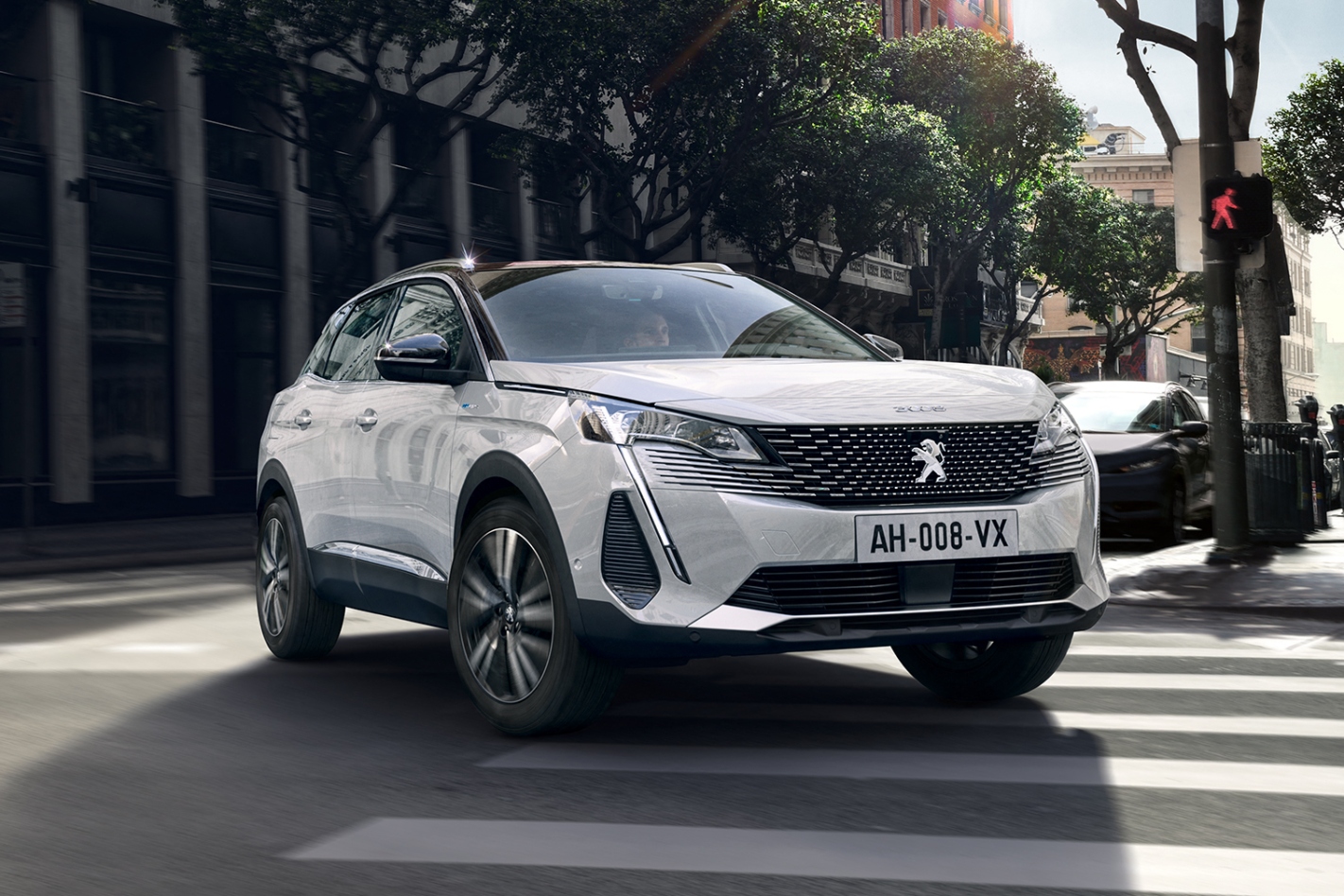
Arrival date: Match 2021
Out of left-field comes a new facelift for the Peugeot 3008 small SUV. While definitely not in the mainstream category, Peugeot offers a quirky alternative in the 3008 which happens to pack much of the same features as conventional SUVs.
Despite the addition of hybrid powertrains overseas, those powerplants are like to be non-starters for Australia at this time.
A full Aussie run-down hasn’t arrived just yet, but we expect Peugeot to carry-over the current engines to the facelifted version.
Some tech enhancements are expected; namely a larger 10.0-inch touchscreen infotainment system.
We can expect to see the new 3008 on Australian roads in Q1 or Q2, but read this story for more.
Tesla Model Y
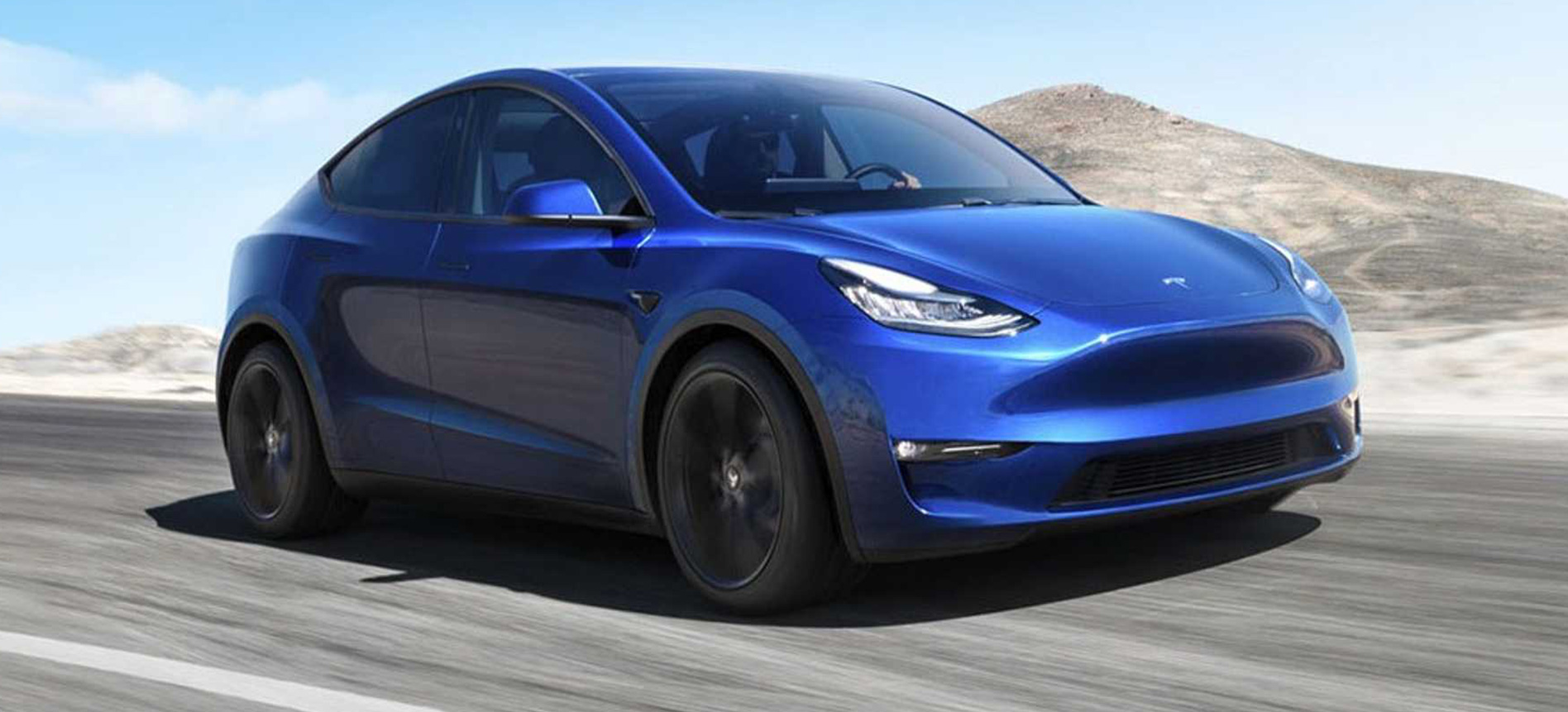
Arrival date: tbc
It feels as though we continually say “coming soon” regarding the Tesla Model Y, but the effective touch-down date is likely to happen in 2021.
It’s the more practical, higher-riding stablemate to the Model 3 sedan and features a conventional set of doors unlike the Model X sibling.
Volvo XC40 Recharge EV
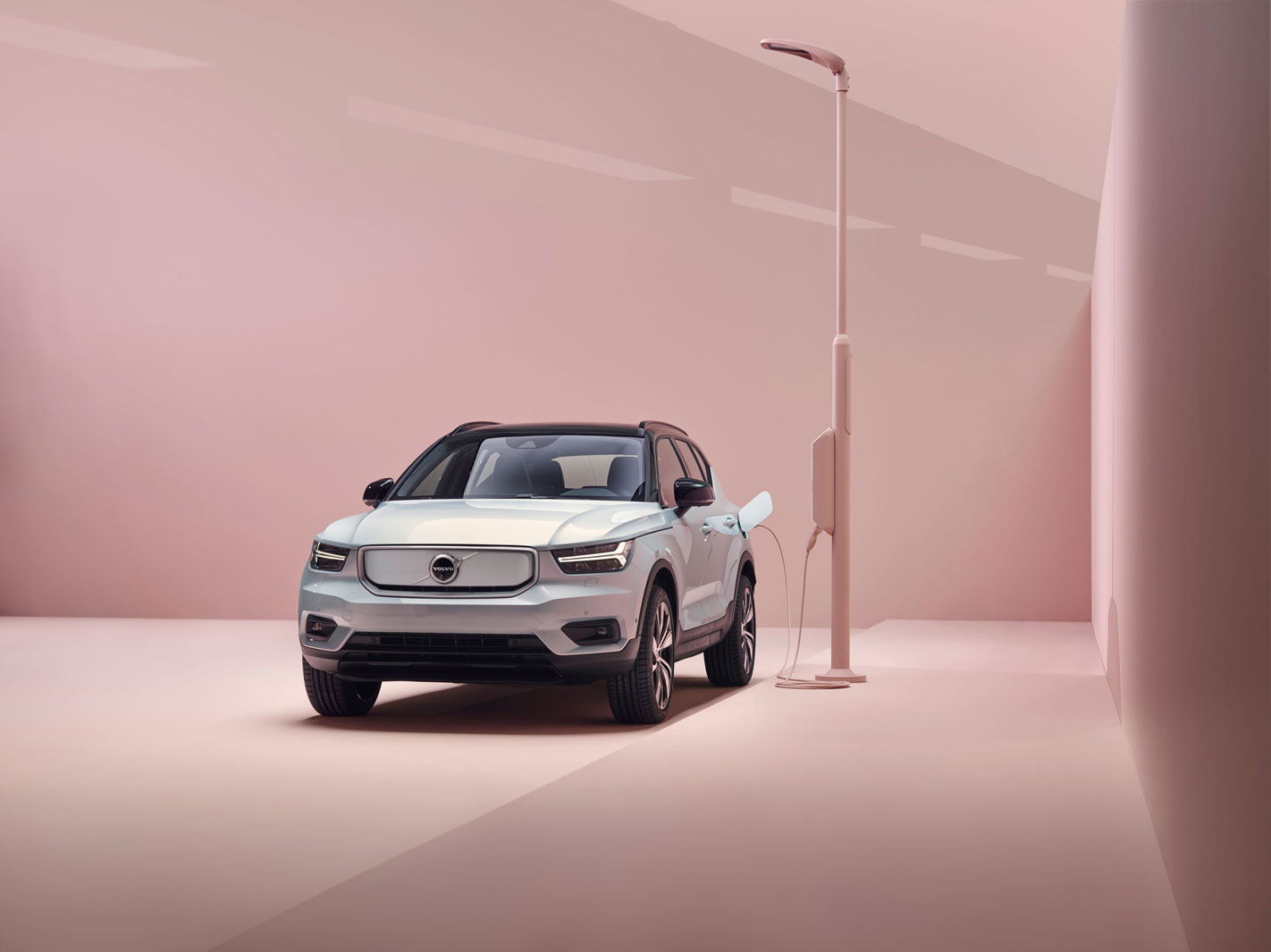
Arrival date: June 2021
Recharge is the branding suffix that will now be applied to any Volvo EV or plug-in hybrid.
In this instance, the BEV XC40 Recharge uses two electric motors to provide a very healthy 304kW and 660Nm to all four wheels.
A 78-kilowatt-hour battery (capable of charging to 80 per cent of its capacity in 40 minutes on a fast-charger) provides a range of more than 400 kilometres according to the WLTP rating, which should equate to a real-world range of around 330km.
The strength of the powertrain is sufficient for a claimed 0-100km/h time of 4.9sec.
No word on Australian pricing, but we’d expect it to be in the $70,000 bracket when it launches here.
MORE We award Australia’s Best Value Cars for 2021
To the generation raised on dial-up internet, the sound of the Subaru Impreza 555’s flat-four ‘boxer’ echoing through a dense pine forest is every bit as evocative as the note of a BDA-shod Escort or a ‘twink’ powered Fiat 131 Abarth.
The original rallying Impreza, the 555, is also redolent of an era when Subaru was at the peak of its powers as an economic and competitive force; no longer the purveyor of humble but hum-drum transport for farmers but a rallying powerhouse, the yellow and BAT blue to Mitsubishi’s Phillip Morris red and white.
Which brings us to the particular Impreza 555 you see here, one presently offered for sale via my105.com.
On the surface, it’s among the most historically important examples of Subaru’s second Group A rally car as you’re likely to find for sale anywhere in the world – much less the southern hemisphere – today.
PRO/STI 93.004 is an early chassis having left Banbury back in the June of 1993.
It was used to contest that year’s Rally Finland by 1981 World Rally Champion Ari Vatanen, the Impreza’s competitive debut.
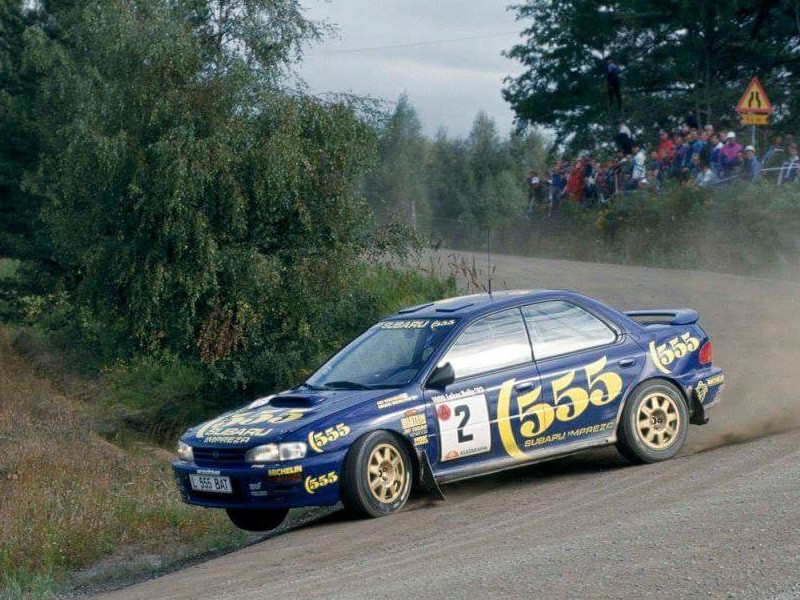
This task was shared between the Finn and Colin McRae, though in truth it would be the older man who’d make the biggest impression by chalking up a series of ballistic, crushingly quick stage times, sixteen of which he’d win outright.
Vatanen had the event by the scruff of the neck from the outset, revelling in the new Impreza’s compact dimensions, traction and all-round ‘pliability.’
For a time, it appeared that Vatanen really would be able to deliver to Subaru that most cherished of manufacturer coveted prizes, the debut victory.
The rallying gods had other ideas, however, as Vatanen eventually found his confidence – and thus willingness to really push to the ragged edge – waning, a legacy of a persistent fault with PRO/STI 93.004’s demister system.
Mere moisture vapour thus played an outside role in denying Vatanen the win, with victory eventually going to Juha Kankkunen in the Toyota Celica GT-Four.
The next three years saw PRO/STI 93.004 driven by a veritable who’s-who of mid-1990s rally talent.
Vatanen aside, this car was piloted variously by Colin McRae, Carlos Sainz, Richard Burns (the future World Champion used it to tackle the 1994 Rally of New Zealand) and New Zealand legend Possum Bourne, while wearing the Prodrive registrations ‘L555 BAT’, ‘L555 SRT’ and ‘L555 STE.’
Bourne’s association with this car will likely (and rightly) be of particular importance to the eventual buyer.
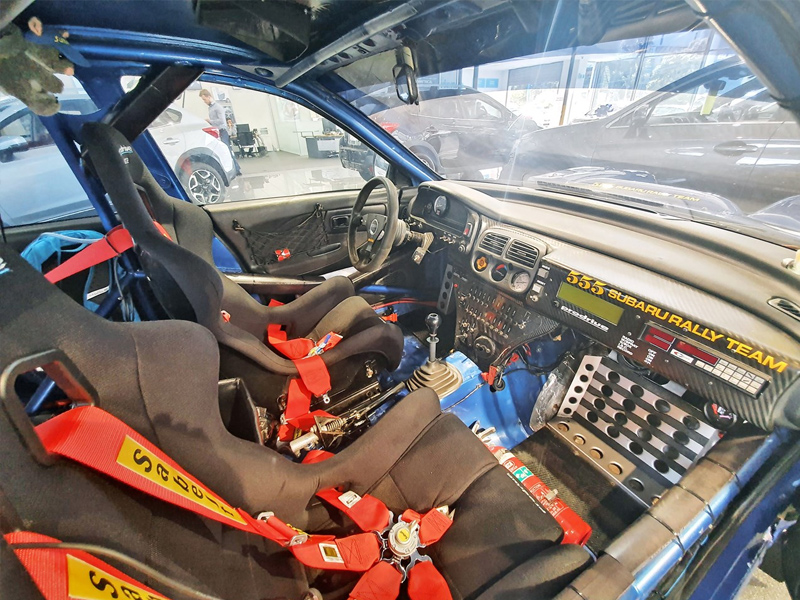
It was with PRO/STI 93.004, after all, that Bourne effectively ‘iced’ his career, using it to take a famous win on the 1996 Saxon Safari Tasmania Rally.
Further wins in Coffs Harbour and Canberra duly followed, as did Bourne’s first Australian Rally Championship.
The car was then purchased by ‘Smoken’ Joe McAndrew in December 1996, and competed in the 1997 New Zealand Rally Championship, after which the car was sold to a private collection in Italy in 2002.
After 18 years unused and in storage, the car has made its way back to Australian shores in the hands of current owner Robbie McLean.
This is an extremely significant and historic Group A WRC car, and is one of the closest things we may ever see to the ‘Holy Grail’ of Subarus.
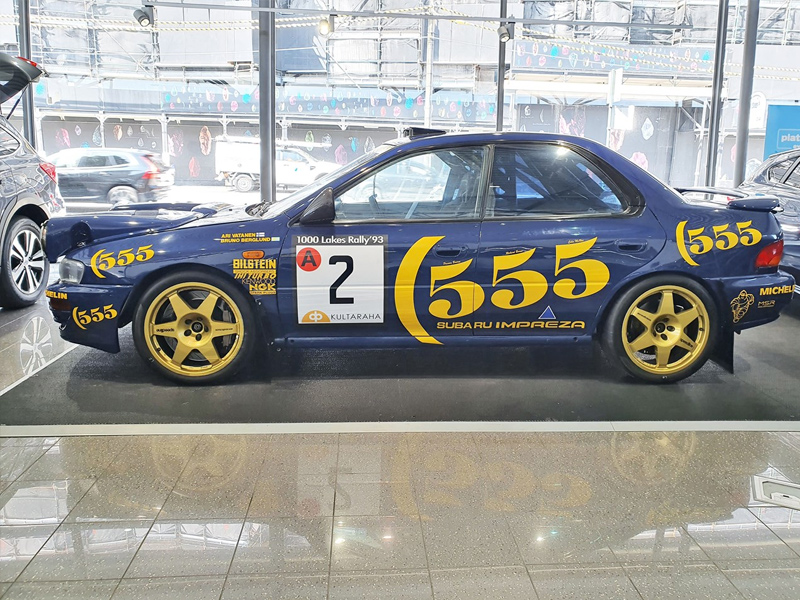
It’s not the first time the car has been offered; a listing on Unique Cars early this year propped a whopping $1.5 million ask, though the my105 ad’s price is a lot lower at $595,000.
We’ve reached out to Prodrive in the UK to find out more about this incredible car, as well.
The Impreza 555 was long ago ushered to the ‘top table’ of rallying’s automotive royalty, right up there with the Escort RS and the Stratos.
As such, opportunities to acquire tangible, drivable examples of motorsport history like this are few and far between, and that’s exactly what PRO/STI 93.004 represents.
Jamie Arkle is the admin for Facebook page The Gravel Crew, and he’s a veritable fountain of knowledge of the golden era of WRC. We appreciate his time and effort to draft up this story; if you’re into legacy WRC stuff, you won’t find a better site on FB./Tim Robson
Contributing – Alex Affat and Tim Robson
So, you want to splash out on something with a touch more class but don’t want to break the bank?
That’s where our Luxury on a Budget category comes in. We looked a plethora of models that deliver the luxury promise for less than $65K.
It includes a mix of small SUVs, hatchbacks and even the occasional compact sedan.
All our winners look smart, boast a bold badge and deliver driving flair, albeit in varying measures.
The diesel engines that once appealed have largely dried up, hybrids and plug-in hybrids filling the fuel-saving role, although it’s traditional petrol engines that dominate.
Some do a terrific job of making the value numbers stack up, others not so much.
GOLD – Audi A1 30 TFSI
A luxury badge in a luxury hatchback for less than the price of most family SUVs.
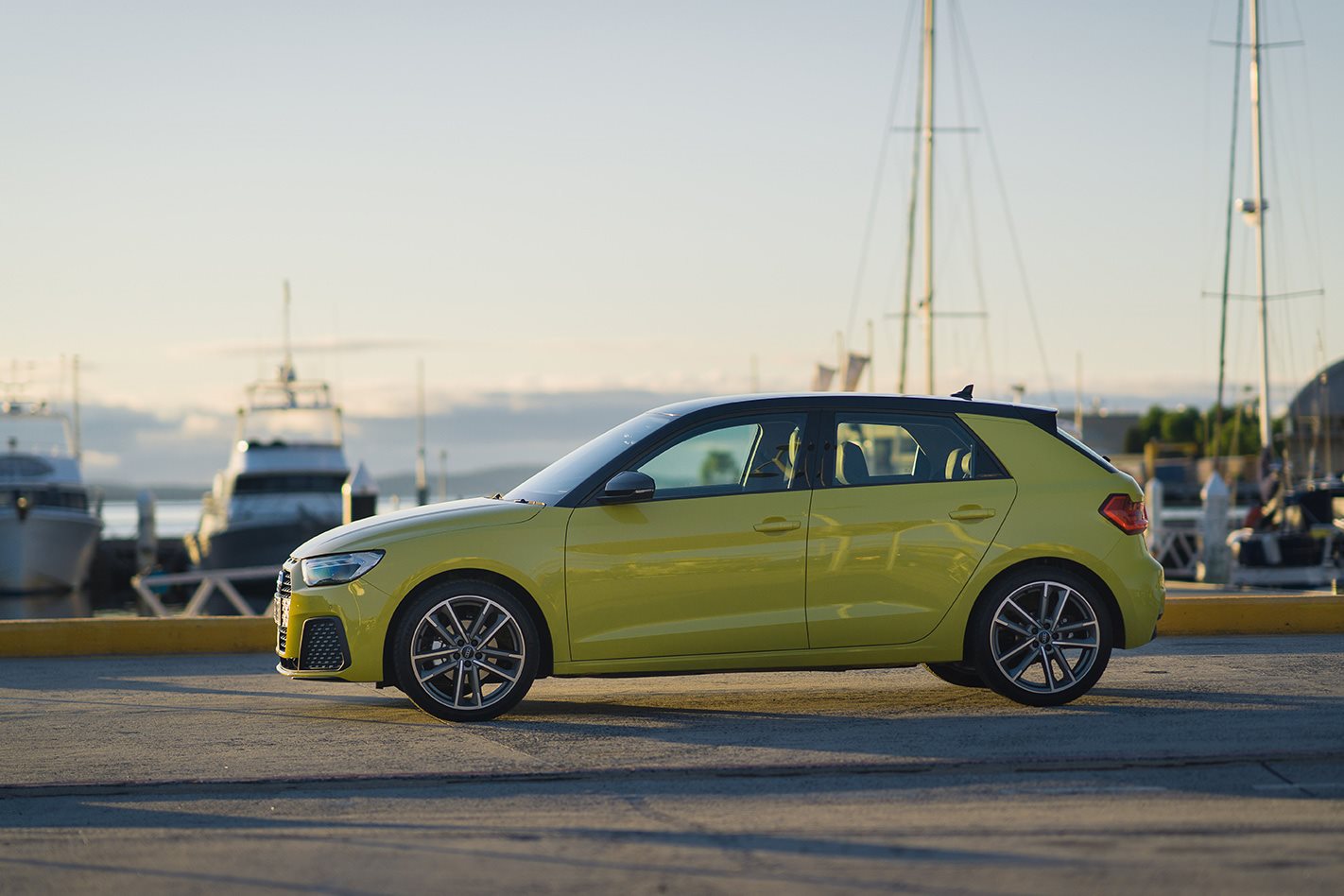
Granted, the Audi A1 doesn’t have anything like the space of those family haulers, but it does provide a taste of the luxury four-wheeled life with plenty of the trimmings.
Our rankings penalised the A1 for that lack of sprawling space – something that limits its appeal predominantly to singles and couples – but its affordability still shone through.
Affordable insurance, low fuel use and sensibly-priced servicing add to its appeal.
And all at $32,350 for the entry-level 30 TFSI, which includes 17-inch alloy wheels and auto emergency braking (AEB).
That low price of entry ultimately plays a big role in the A1’s victory, in part because there’s less initial outlay to evaporate as depreciation over the first five years of ownership.
To get the full luxury fruit you’ll have to splash out on packs and extras for sat-nav and smart key entry, as well as higher-grade finishes.
But with Apple CarPlay and Android Auto much of the tech people expect can easily be incorporated into the clear 8.8-inch touchscreen. And the standard presentation is a step or two above most city runabouts.
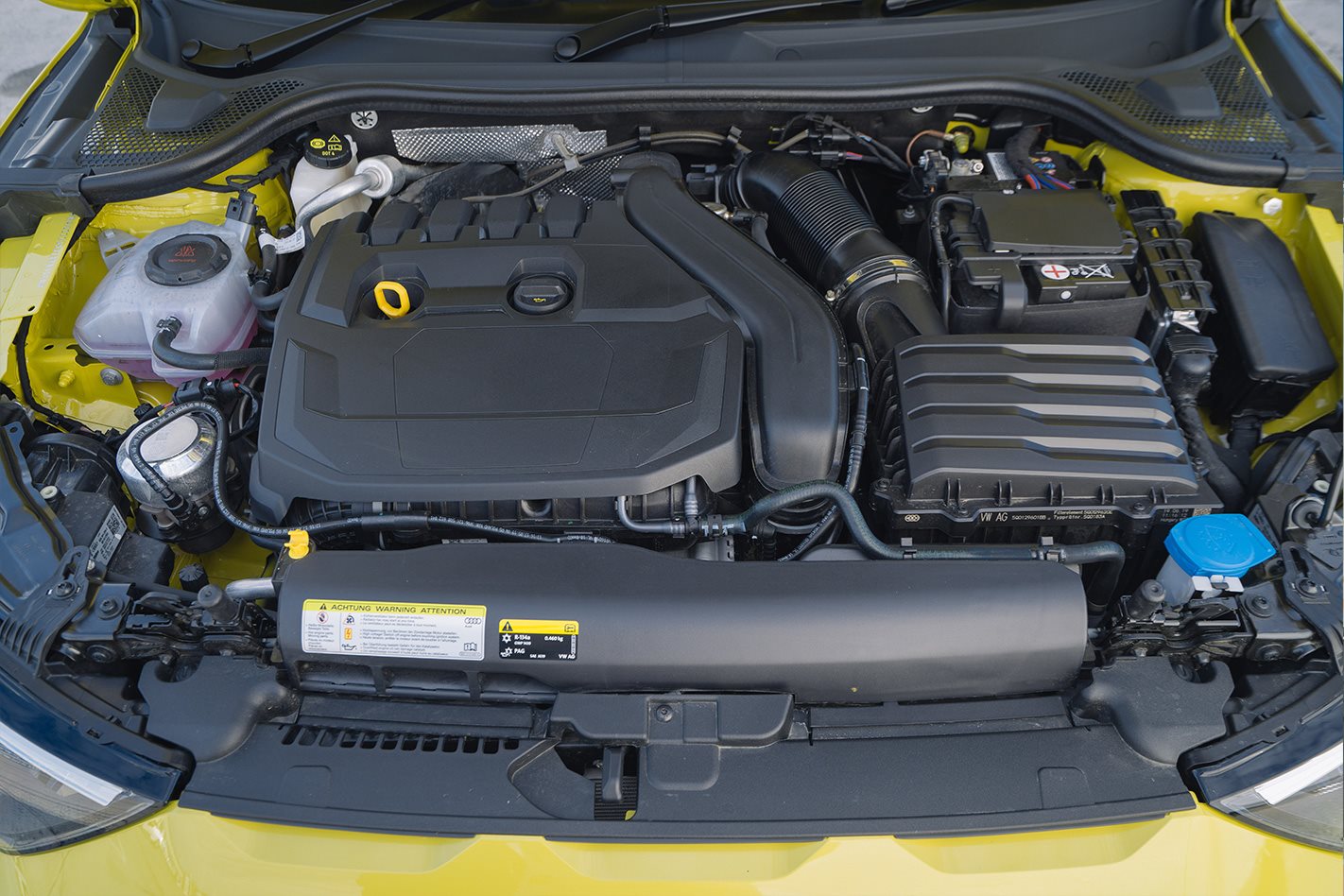
The Audi A1 is a fun car to drive. Its tiny 1.0-litre three-cylinder turbo engine has a lovely character and thoroughly satisfactory acceleration.
The seven-speed twin-clutch auto helps with slick shifts, as does the lightweight body.
It’s sharp through corners, too, adding to the driver engagement. All of which is important if you’re going to splash out on a hatch with a premium price.
SILVER – Audi Q2 35 TFSI
Audi clearly understands how to create a luxury car for those on a budget.
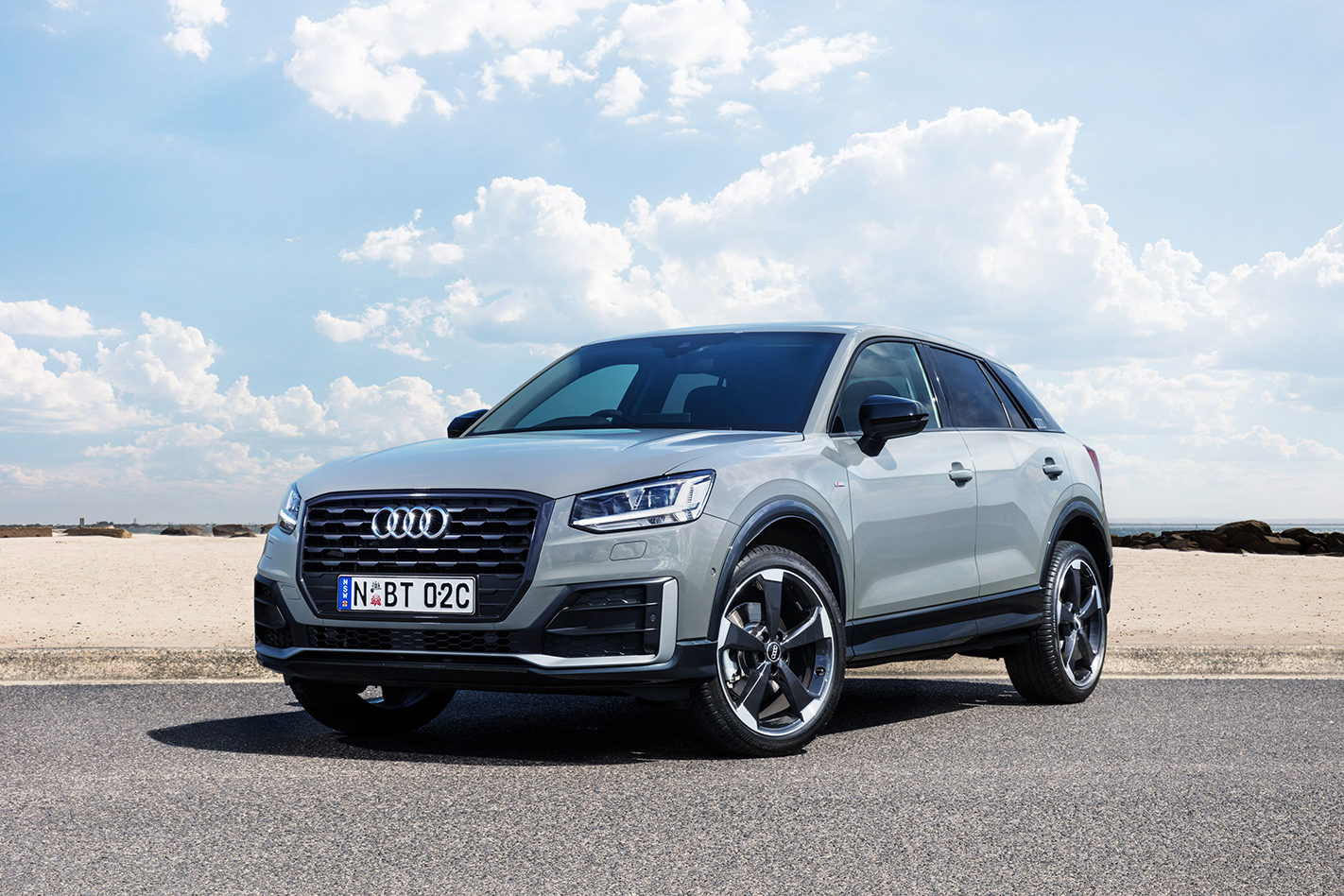
Its smallest and most affordable SUV, the Q2, slots behind its smallest and most affordable hatchback for value cred.
At $41,950 it’s one of the most inexpensive prestige SUVs on the market, but one that delivers on style.
Even inside there’s a modern yet functional look, the 7.0-inch touchscreen atop the dash packaging in smartphone connectivity and Audi Connect for calling emergency services and maximising system functionality.
Being an SUV no doubt helps with pumping its estimated Redbook resale percentage up; buyers are increasingly gravitating to the higher ride height and styling of an SUV rather than a regular hatchback.
In 35 TFSI guise the Q2 gets a familiar 1.4-litre four-cylinder turbo that pulls strongly from low in its rev range.
A twin-clutch auto helps with the zippy acceleration.
The way it corners is more akin to a sporty hatch than an SUV, in part because of its compact size and low-slung nature.
All of which adds up to a fun, sensibly priced entry to luxury.
BRONZE – Mercedes-Benz A180
Stylish hatchback from the outside, yet there’s something refreshingly futuristic about the Mercedes-Benz A-Class inside.
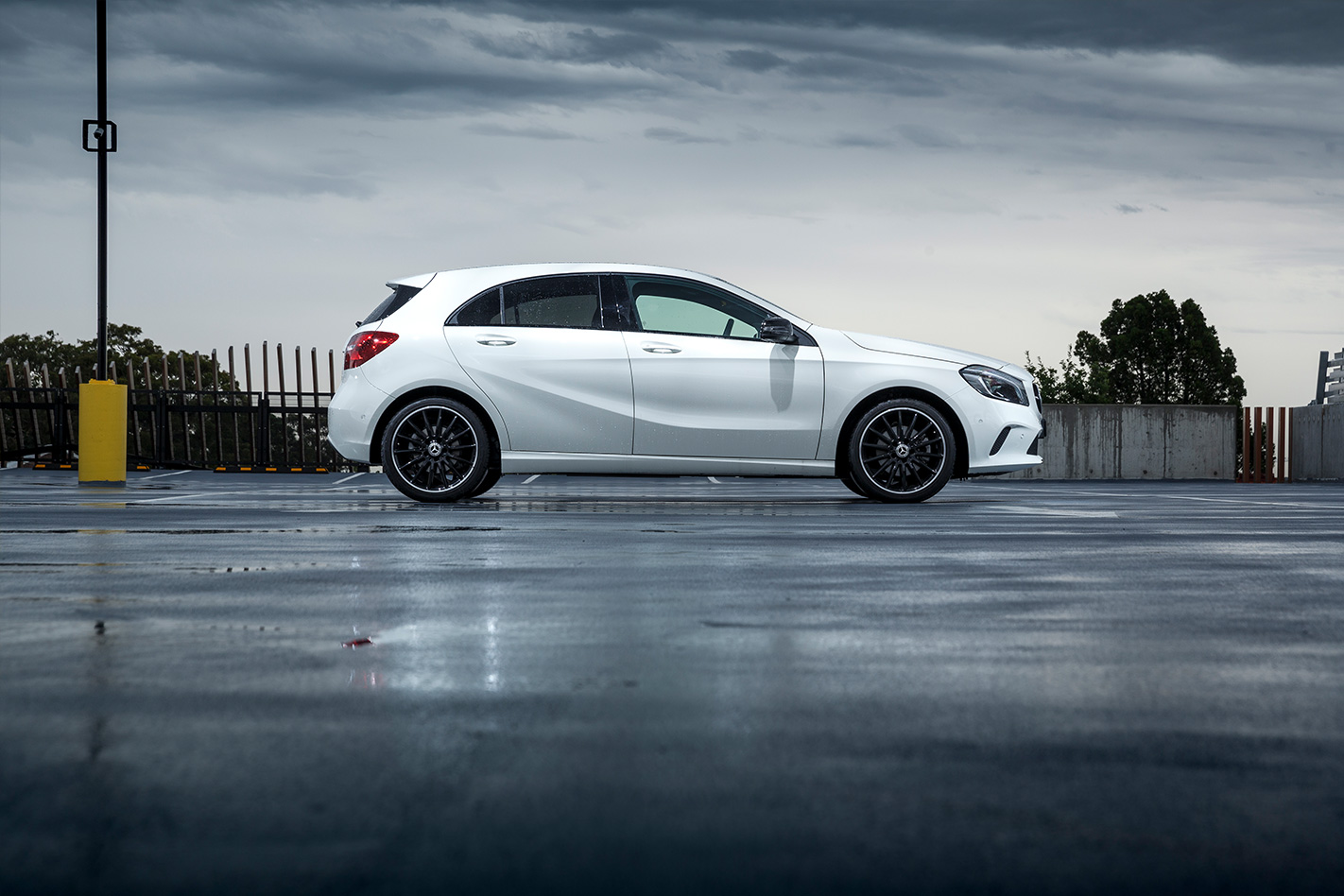
Twin 10.25-inch digital screens take care of instruments and infotainment, while everything surrounding them – from air vents to materials – has a quality appearance.
The 1.3-litre four-cylinder turbo in the A180 isn’t as convincing, but it doesn’t need much premium unleaded.
The A-Class is also hurt with expensive servicing, something that will cost at least $3500 over those first five years.
The saviour for the A180, though, is great predicted resale values, with 64 per cent of the price expected to be retained after five years.
Jump to
- How we rate Australia’s Best Value Car
- Light/City Cars
- Small Cars
- Family Cars
- Small SUVs
- Five-seat SUVs
- Seven-seat SUVs
- Premium SUVs
- Prestige cars
- Kid Carriers
- Dual-Cab 4x4s
- Off-Road 4x4s
After the year we’ve had it’s easy to forget the seemingly unstoppable march of new fast cars remains in full swing. That’s despite catastrophic weather events, a global pandemic and the loss of local icons threatening, at times, to end all the fun.
As you’ll see, 2021 is shaping up to be a busy year for performance cars. We’ve already salivated over the new BMW M3/M4 and Nissan’s wonderfully retro 400Z in serious detail, but there’s another group detailed below that will multiply your excitement.
Get ready for the Mach 1, our most track-focused atmo Ford Mustang yet, or the Chevrolet Corvette – Australia’s first taste of the high-performance GM brand’s halo product. The Mk8 VW Golf GTI will aim to set a new hot hatch benchmark, while Hyundai’s i20 N takes the brand into new, hotly contested waters.
At the top end of town, AMG’s Project One will bring F1-derived fantasy to life alongside Toyota’s all-new Le Mans hypercar. Brace yourself…
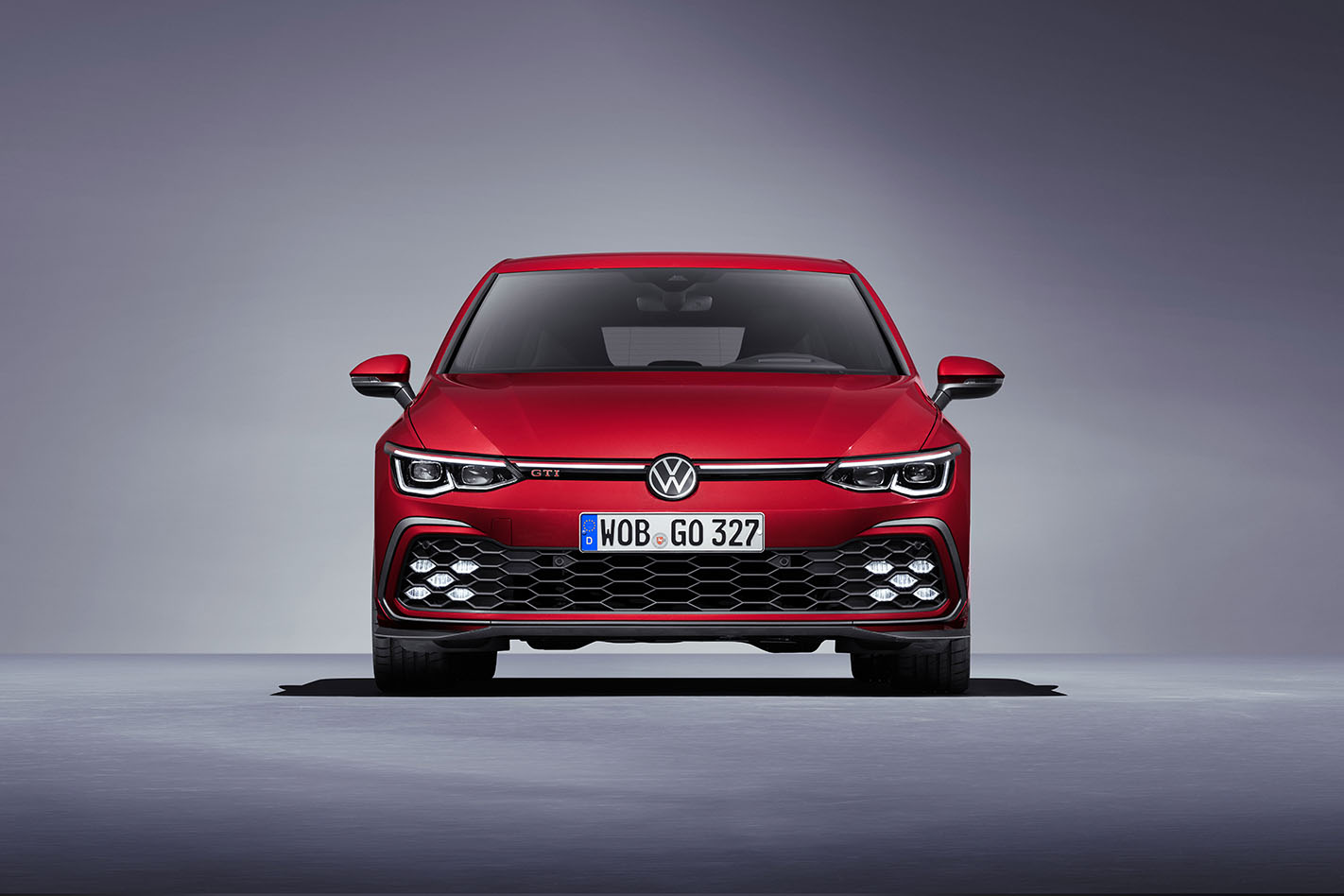
1. Alfa Romeo Giulia GTA
Hopes remain high for Alfa Romeo’s track-terrorising Giulia GTA and GTAm to come here.
FCA UK has reportedly confirmed some of the 500 units planned will be right-hand drive, while FCA Oz maintains it’s looking at the 397kW twin-turbo V6 four-door for our shores.
Celebrating its 110th birthday, the pair sport wider tracks, tweaked suspension, new aero (adjustable on GTAm) and will ditch Pirelli for Michelin tyres.
The hardcore GTAm sheds 100kg and sports a two-seat cabin, while the GTA shares its carbon body panels and Lexan windows. The 1520kg GTA covers 0-100km/h in a claimed 3.6sec.
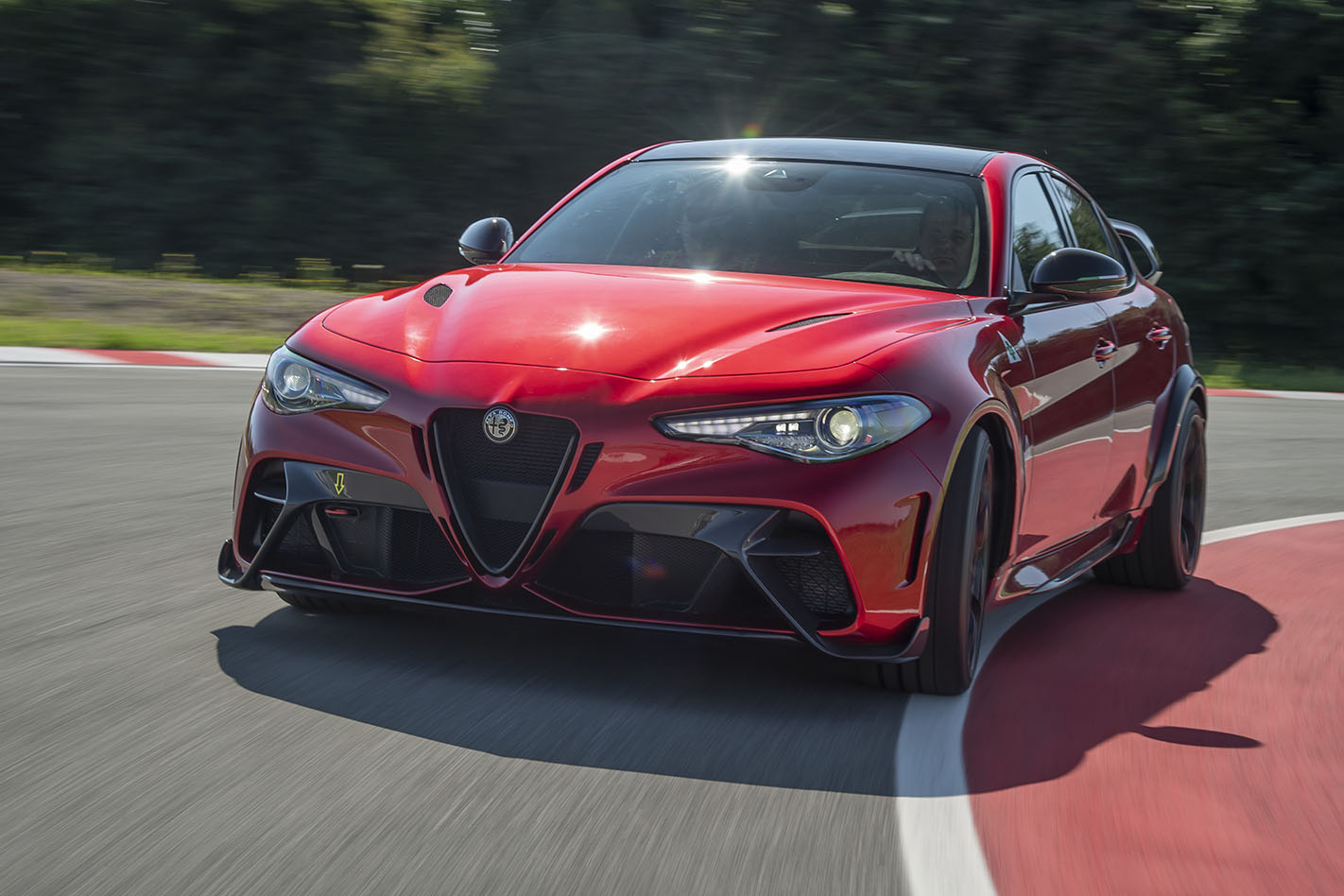
2. Mercedes-Benz S-Class
As usual the Mercedes-Benz S-Class will offer a jewel-adorned statement on safety, comfort and, ahem, class, but even MOTOR has reason to salivate over the new seventh generation before the AMG versions arrive.
Besides the impressive augmented reality head-up display and frontal airbags for rear occupants, the new S580 mates a twin-turbo 4.0-litre V8 with EQ Boost hybrid tech, good for 370kW and 700Nm.
Those numbers are directed through a nine-speed automatic and all-wheel drive for now. There’s no word on a V12 yet, but the six-pot hybrid 580e can go 100km on electric power alone.
3. Hyundai i30 N
Hyundai’s been busy under the i30 N’s sheets, applying the biggest changes to its hot hatch since its 2017 debut.
Besides welcoming a new face and redesigned lights, it has squeezed out 4kW/39Nm from the 2.0-litre turbo four, dropping the 0-100km/h sprint to 5.9sec.
Lighter wheels cut 15 unsprung kilograms and the front brake discs are now 360mm, up from 345mm. New seats also shed 2.2kg. Crucially, Hyundai’s finalised its eight-speed dual-clutch gearbox. It adds weight, but can hold the torque between shifts when you’re flat-out.
Expect it and the six-speed manual here in early 2021.
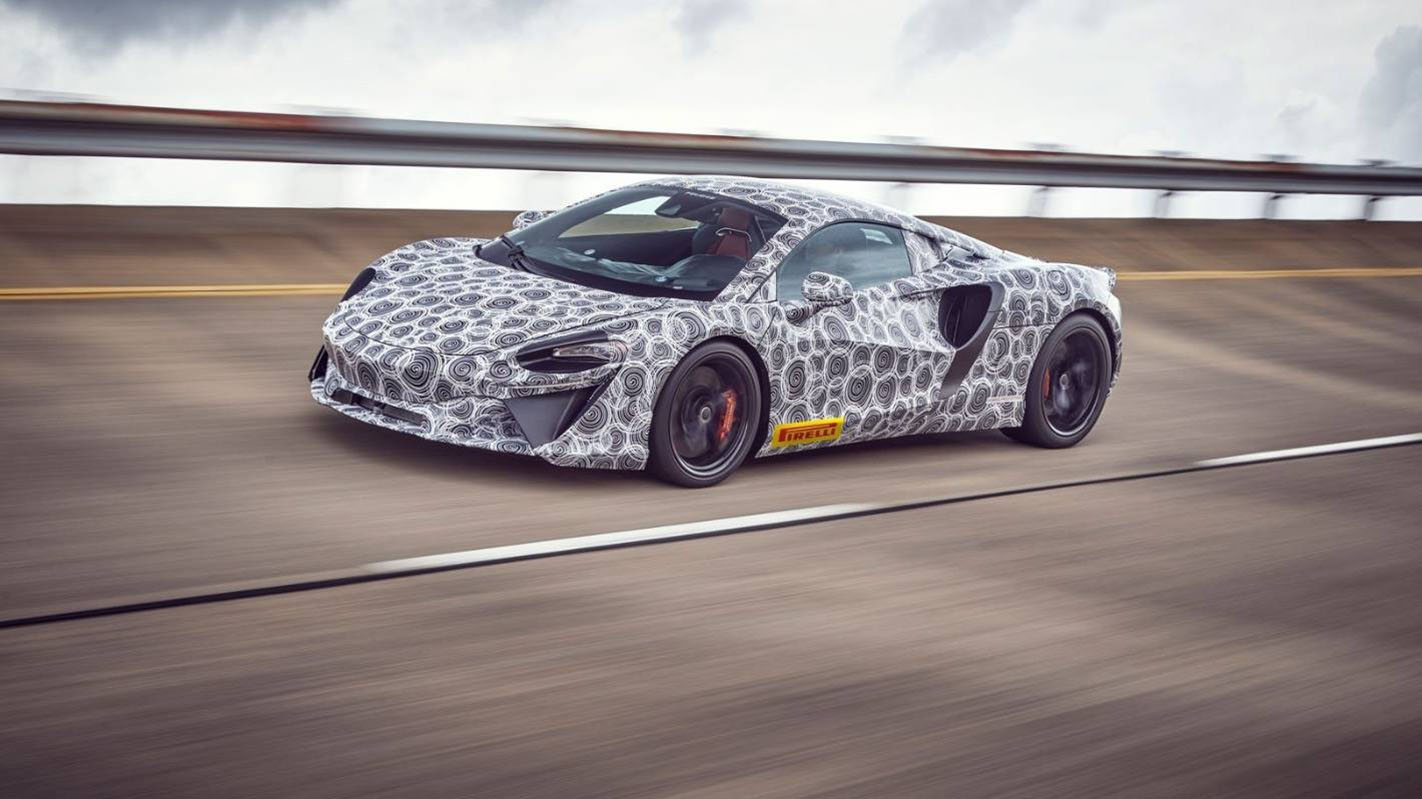
4. McLaren Sports Series
The supercar world is shrinking in cylinder count but burgeoning in technology. Like Aston Martin and more recently Maserati, McLaren is readying a new dynasty of Sports Series models designed around a V6 hybrid layout that will drop its long serving Ricardo-built V8 and Monocell architecture.
Woking is bringing the new Sports Series’ carbon-fibre chassis construction in house, claiming it’s so light it’ll offset the extra flab from batteries and hybrid gear. Reports are putting the 570S replacement’s powertrain at 444kW-plus.
Expect a full reveal early 2021 and sales shortly after.
5. Honda Civic Type R LE
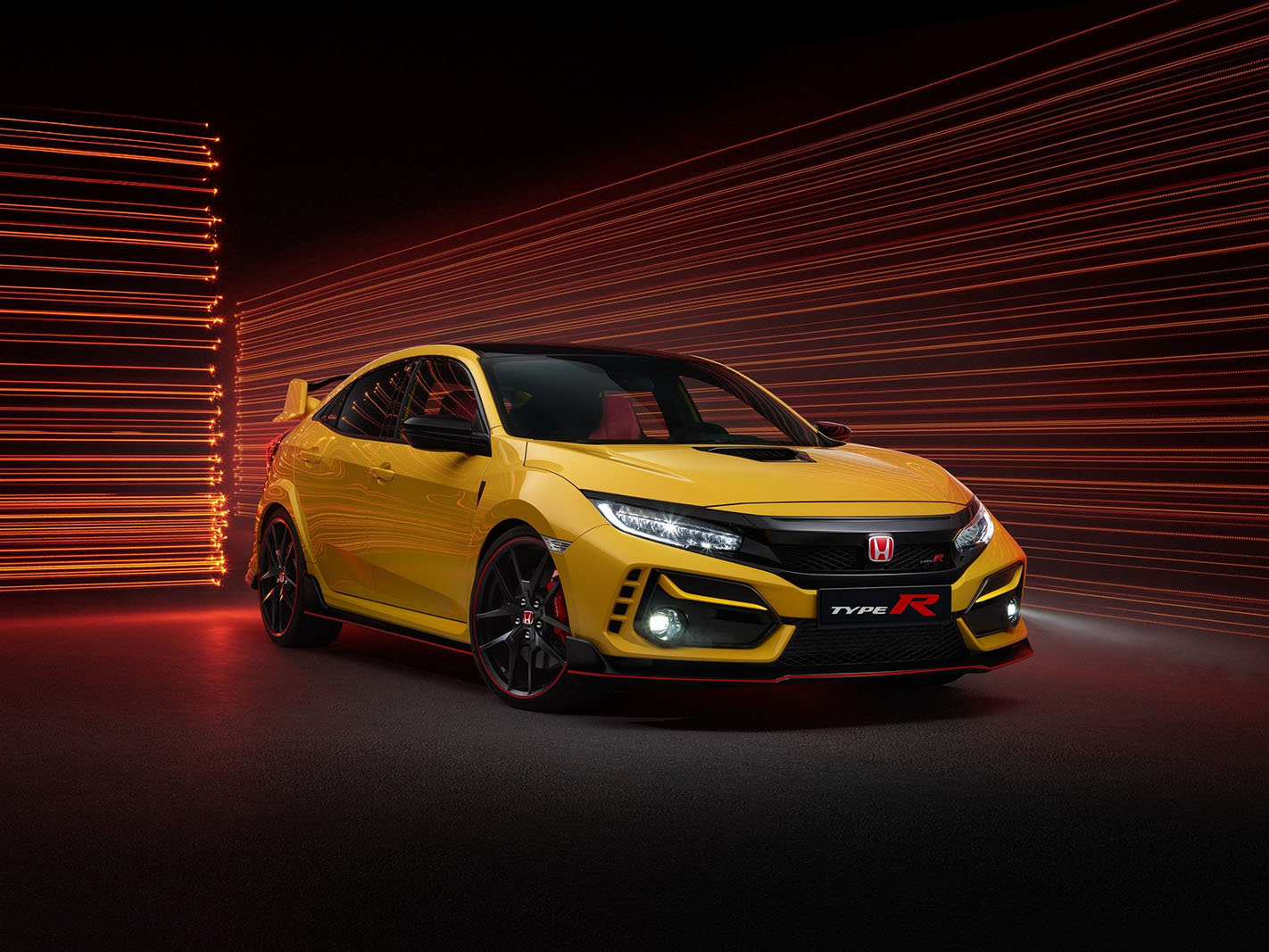
Honda’s sole Type R is set to frighten RenaultSports and Golf GTIs alike when the Limited Edition arrives in the first half of 2021.
As the name suggests, Honda’s only making 1020, with 20 of the Sunlight Yellow cars coming here for $70K through a lottery system.
Its powertrain is untouched, but engineers have deleted sound deadening from select areas while tuning the steering and suspension to suit new lightweight BBS wheels wrapped with track-focused Michelin Pilot Sport 2 tyres.
6. AMG Project One
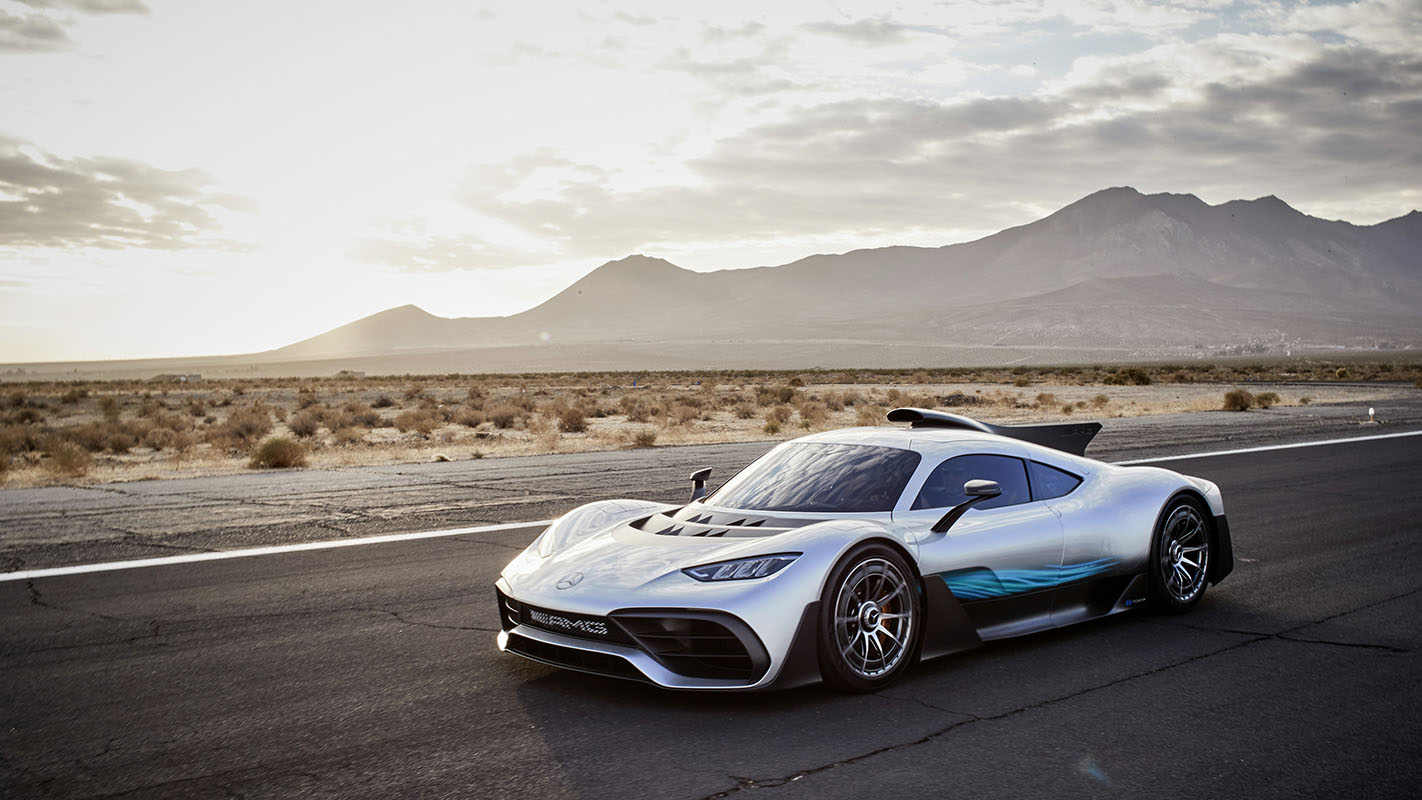
The most successful F1 team currently in paddock will enter the hypercar fray with the Project One early next year.
Designed around the 2014-2016 F1 hybrid powertrain, it’s promised to deliver more than 735kW with extra electric motors and a 1.6-litre turbo V6. Of course, it’ll get cutting-edge aero and bespoke NASA-grade suspension to match.
Despite AMG promising the 275 (priced of $3.5m) all in LHD, at least nine will come to Oz.
7. Ford Mustang Mach 1
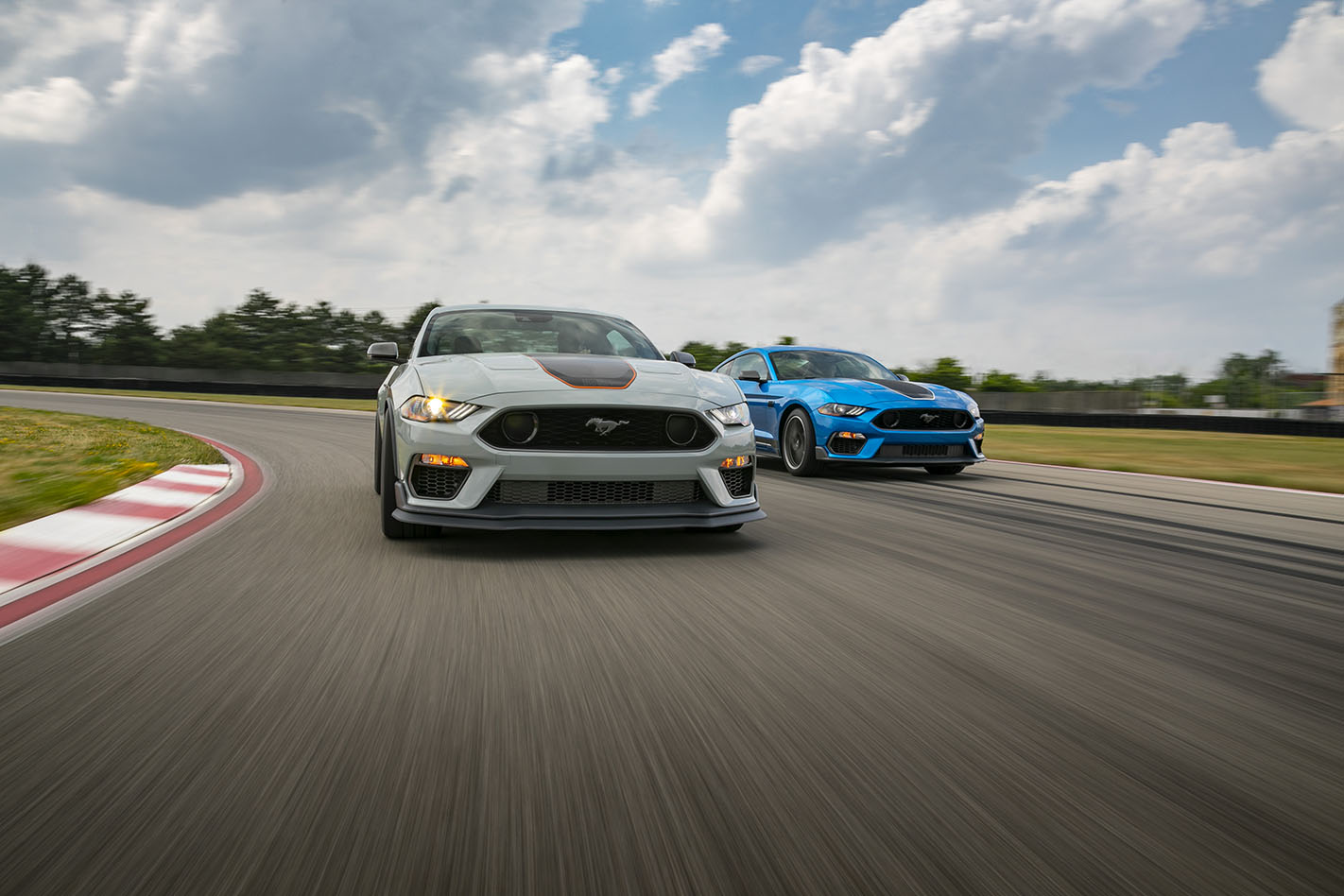
Ford has locked and loaded 700 Mach 1s for local shores next April, treating Oz to its closest taste of a factory Shelby Mustang.
Priced slightly less than $84K, the Mach 1 mates its 5.0-litre atmo V8 (343kW/556Nm) to a GT350 six-speed manual or a 10-speed auto fitted with improved cooling. All models also score GT350 and GT500-derived cooling systems up front and underneath.
All to be confirmed is a handling pack that adds wider wheels and downforce-aiding aero.
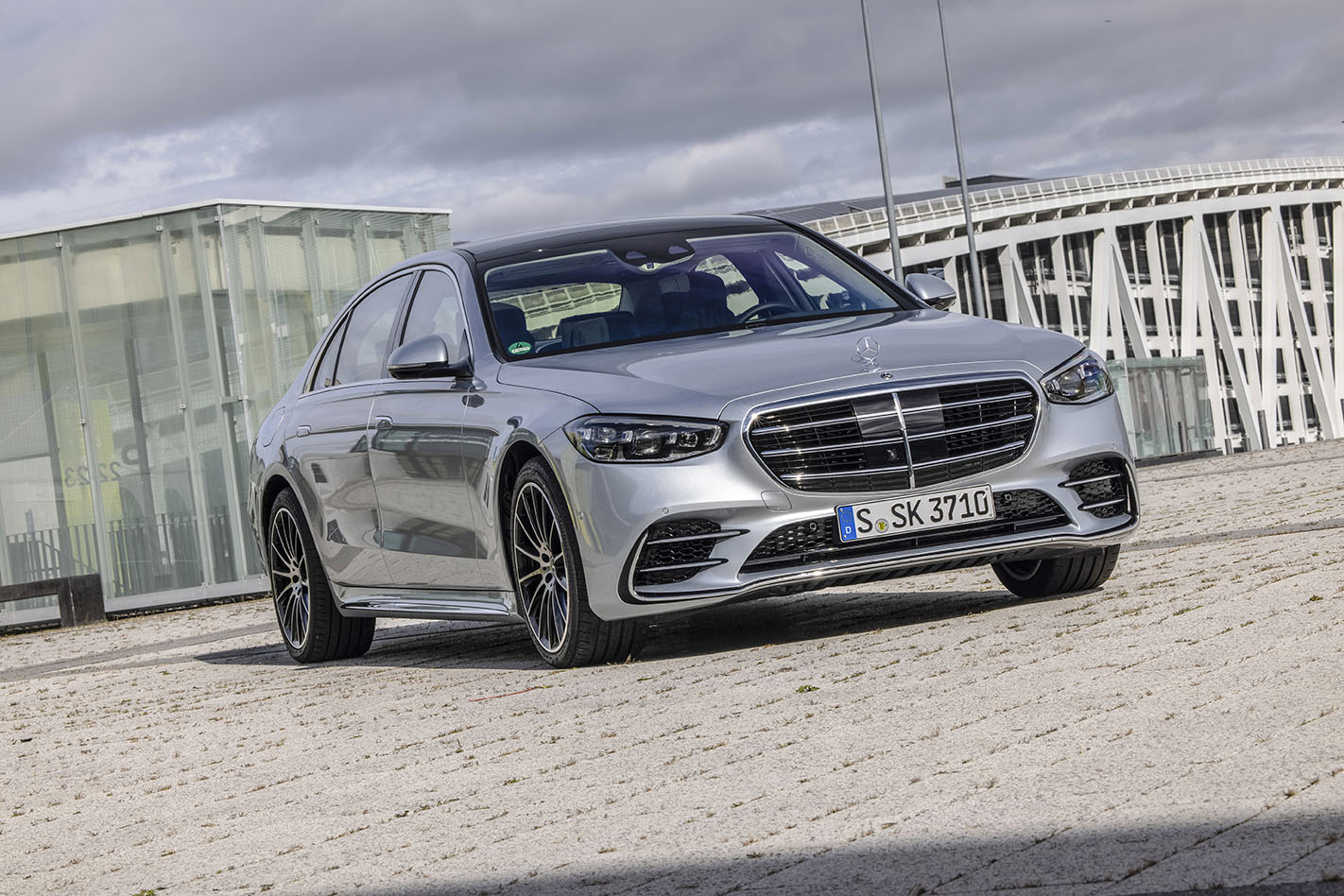
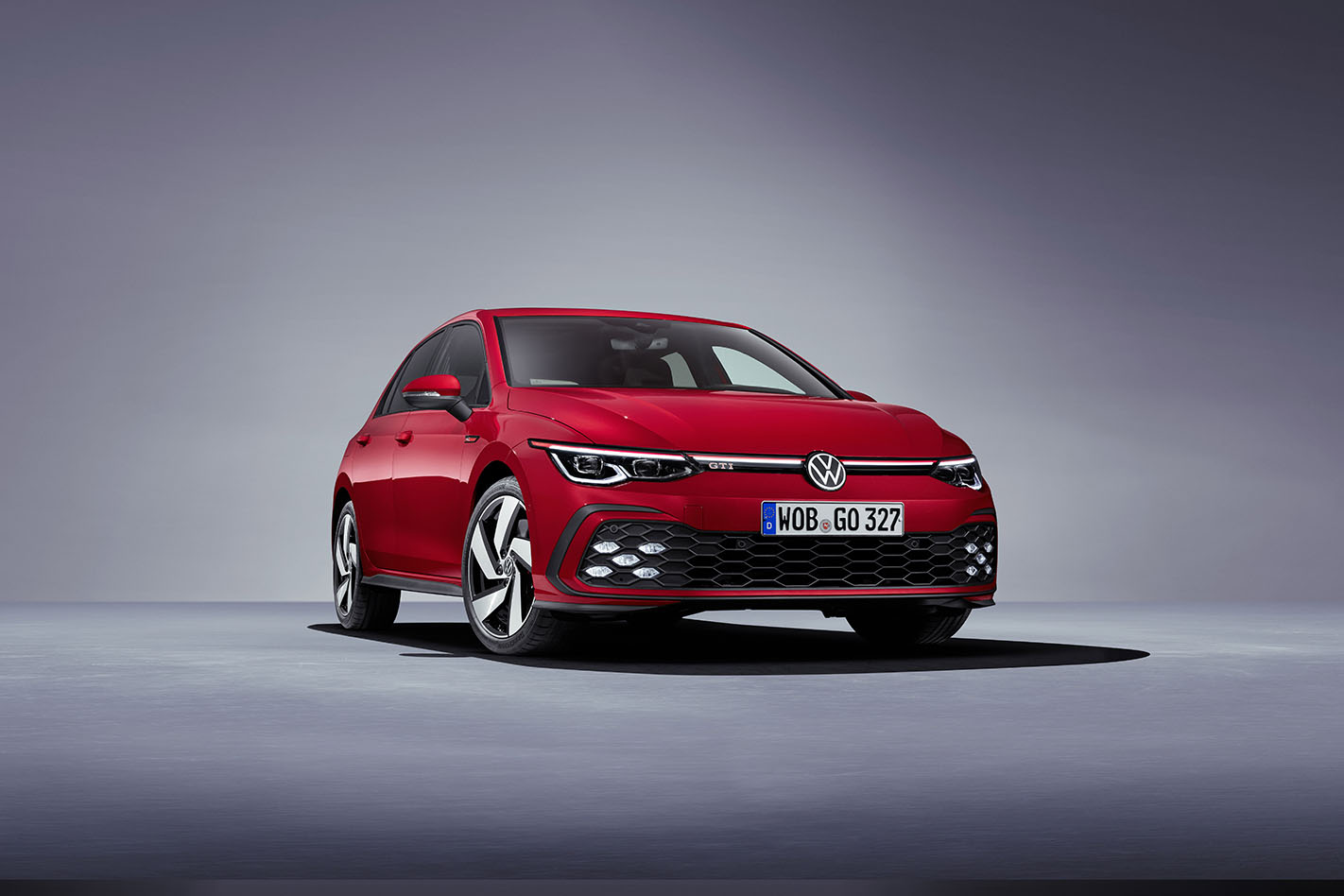
8. Volkswagen Golf GTI
The new Golf GTI focuses on evolution rather than revolution with improved suspension technology dominating news over any significant power hike.
Confirmed for Oz before the end of next year’s second quarter, handling will centre around a Vehicle Dynamics Manager (VDM) module that oversees how the adaptive damping talks to the standard locking front diff.
The seven-speed DSG is now a shift-by-wire unit and VW has confirmed a six-speed manual. Its 2.0-litre turbo four is rated 180kW/370Nm.
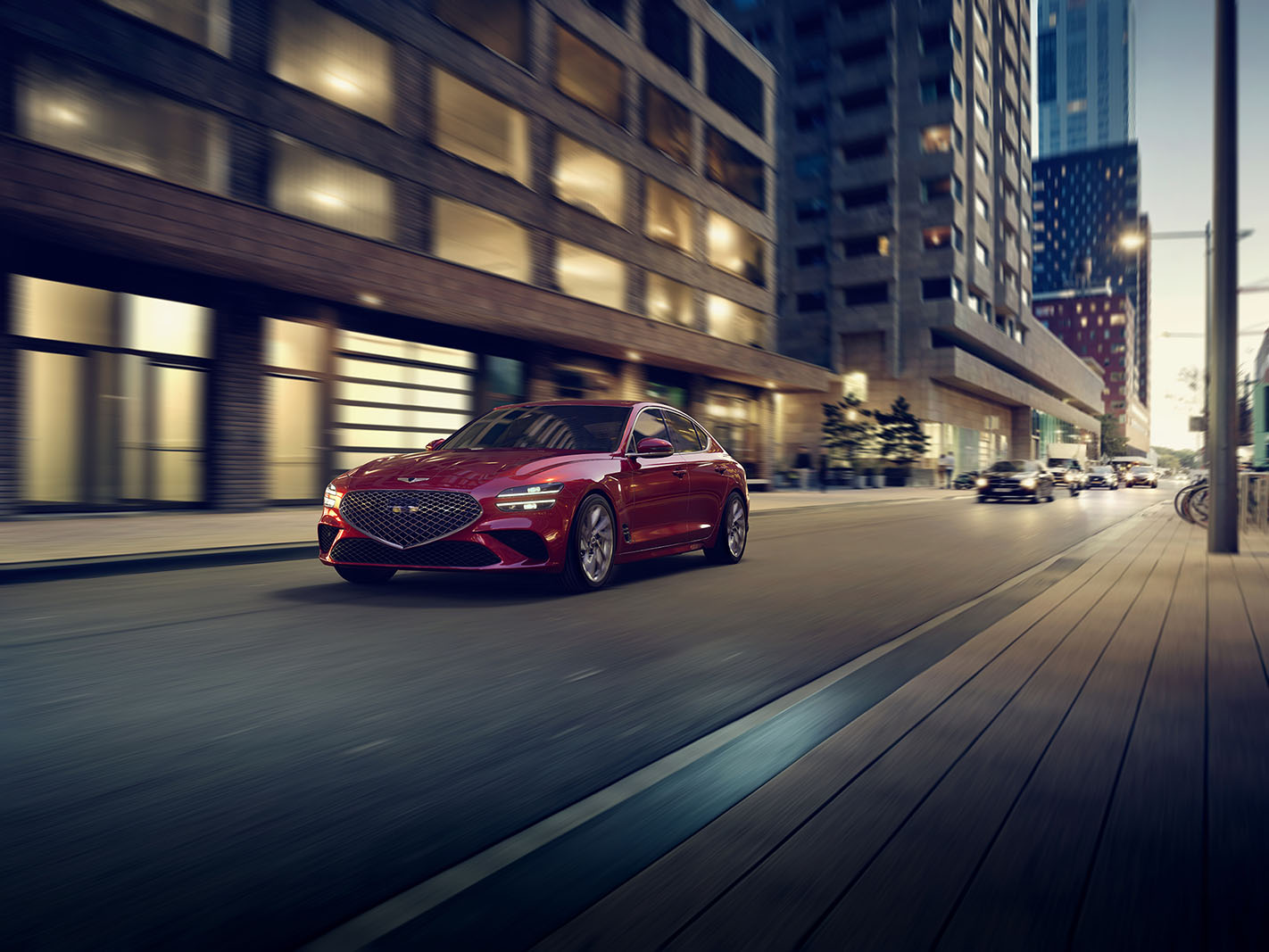
9. Genesis G70
Drift and mode are two words you think you’d never hear along with Genesis G70, mainly because it’s rear-wheel drive.
But the redesigned G70 due early 2021 is debuting a new all-wheel-drive powertrain for its 3.3-litre twin-turbo V6 that can still bake the rears when you’re up for a hoon.
It’s not confirmed for Oz, but our V6s will score a Sport+ mode to up the attitude along the same lines, and an exhaust valve for a more “aggressive exhaust signature”.
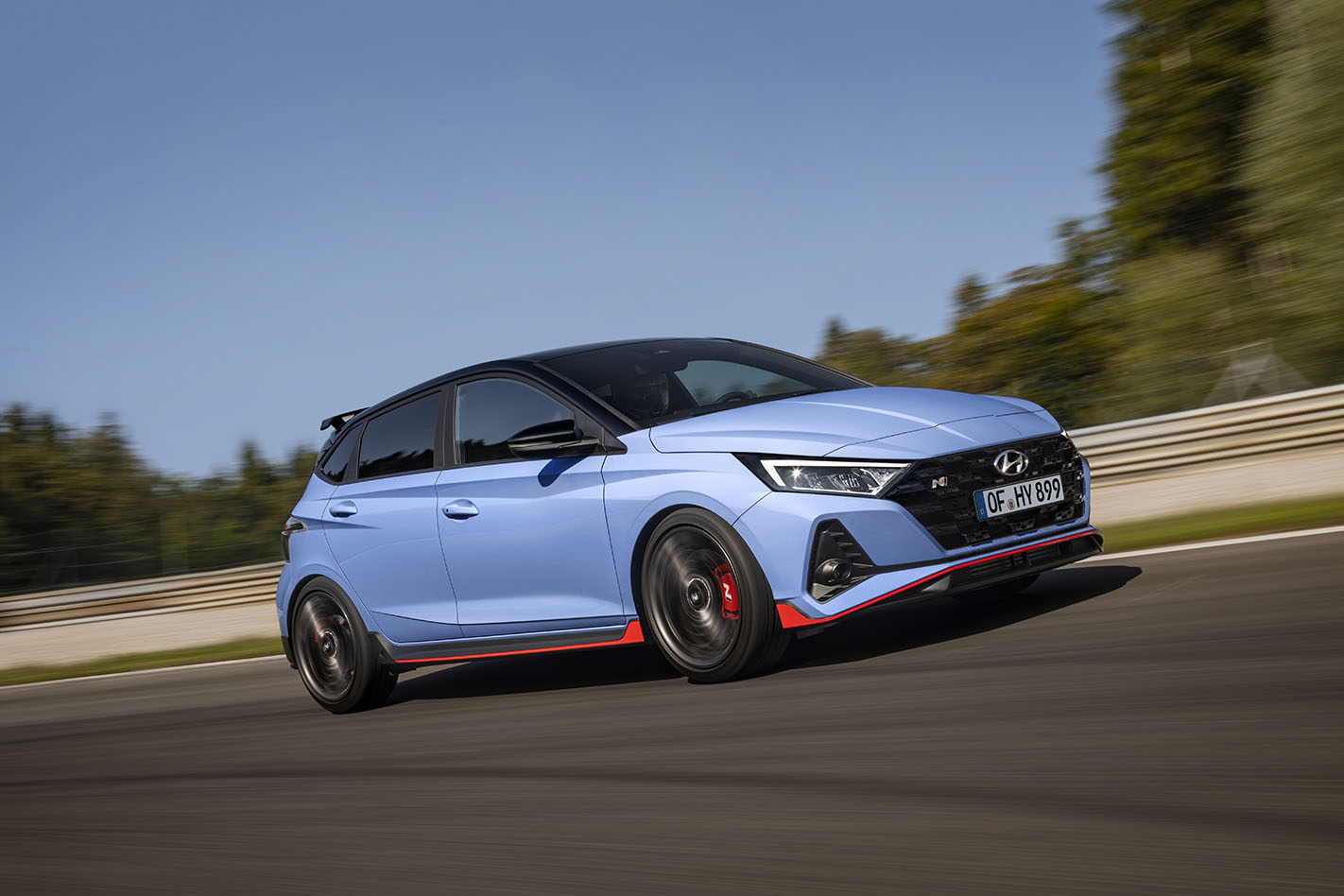
10. Hyundai i20 N
Hyundai has dropped its go-fast brand a weight class to fight Ford’s Fiesta ST and Volkswagen’s Polo GTI with a mini-N.
Relying on the 1.6-litre from the brand’s N-line range, fitted with new injectors and water pump, the i20 N puts 150kW/275Nm through the front wheels and an LSD.
When it arrives next year (likely in the first quarter) expect the i20 N to come in around $30K. Oh, and the five-door hatch will exclusively use a six-speed manual gearbox.
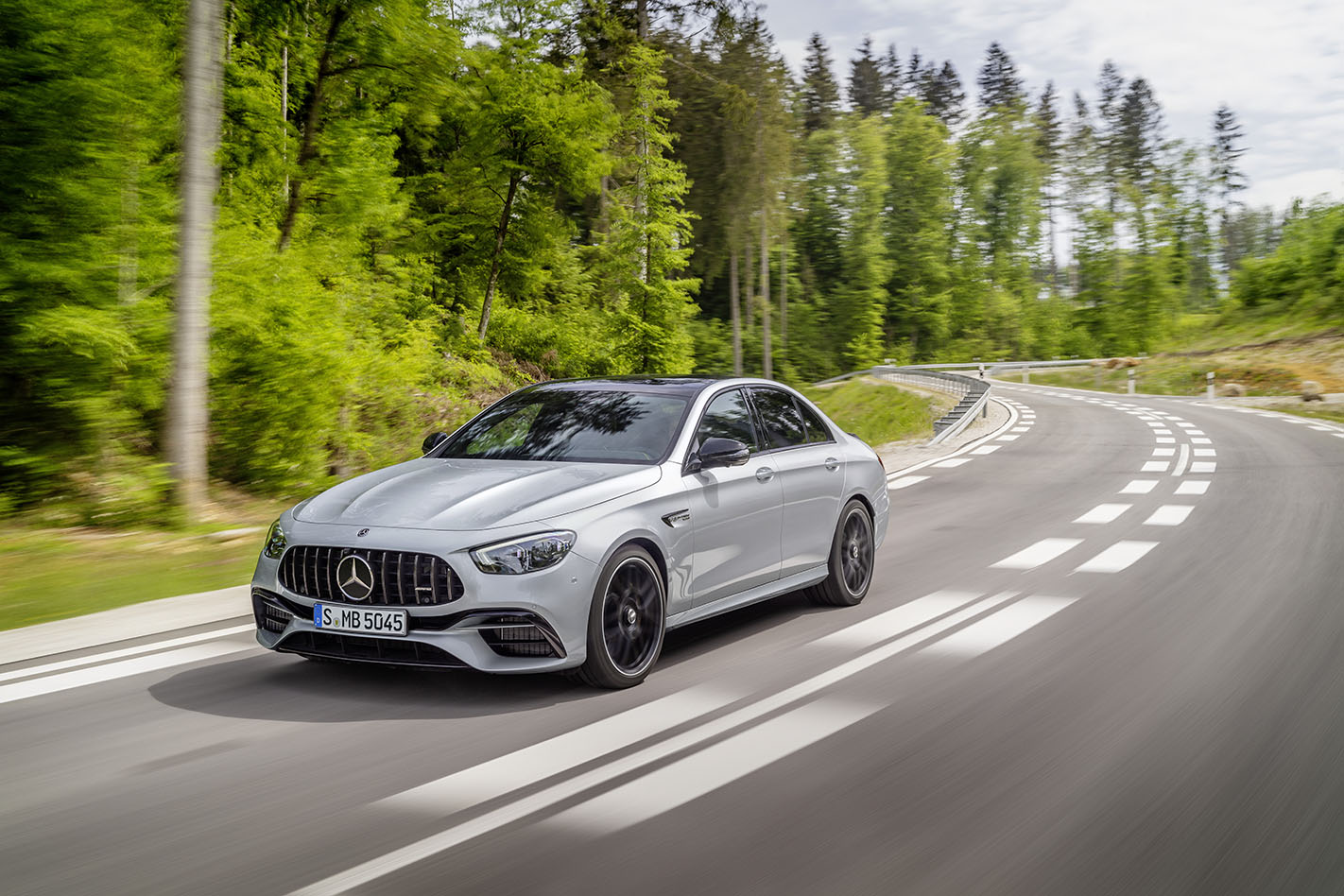
11. Mercedes-AMG E63 S
BMW and its M5 are bracing for battle against a refined, more mature E63 S that will be well and truly launched at the start of 2021.
The single-variant range will wrap its 450kW and 850Nm twin-turbo V8 with the fresh-faced E-Class design, sporting a tweaked rear-end and new colours. Inside a new double-stacked AMG sports wheel greets drivers.
Engineers also have injected more comfort into the luxo-brute’s suspension and refined the aero at high speeds, AMG claims.
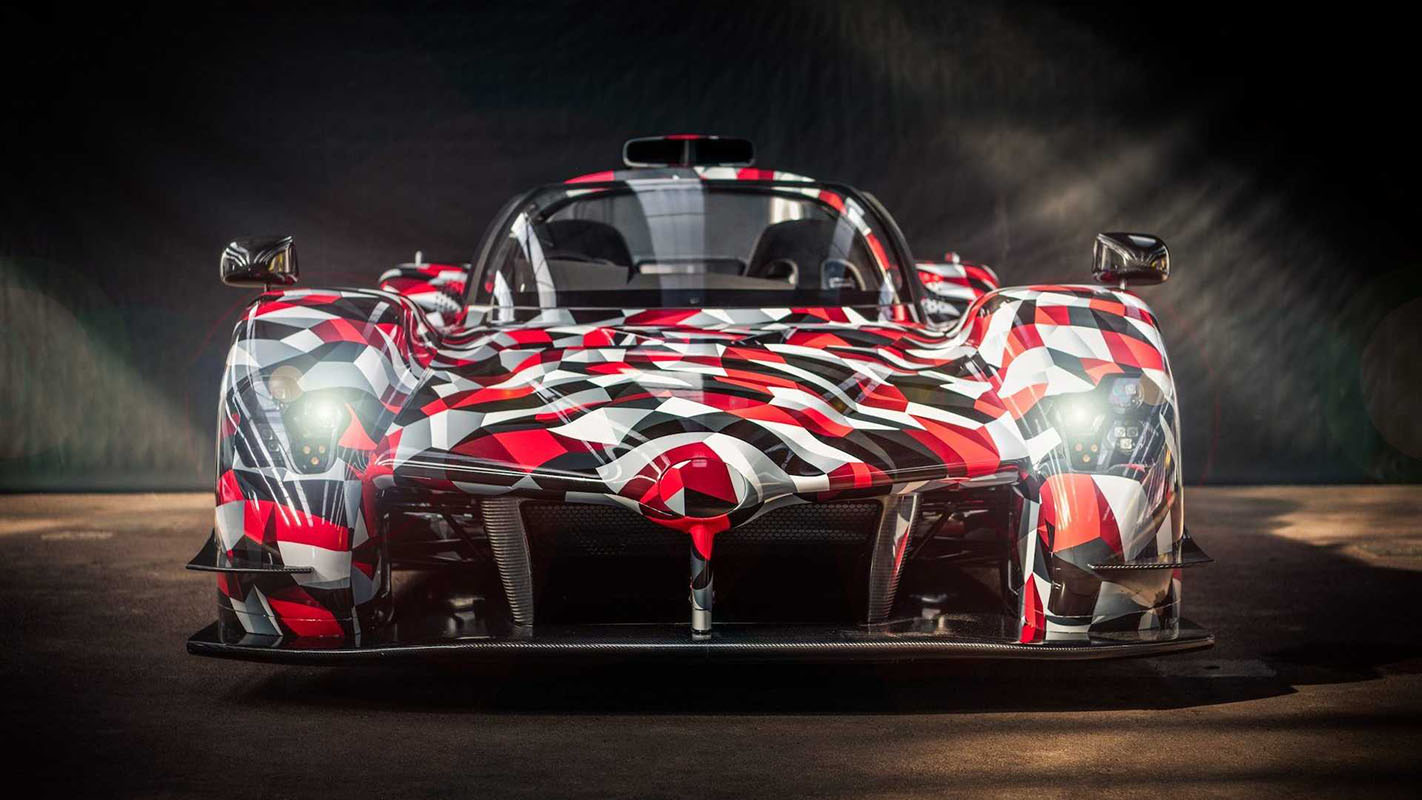
12. Toyota GR Super Sport
Top flight Le Mans racers are set to return to showrooms under hypercar rules for the World Endurance Championship next year.
Toyota has publicly flaunted its commitment to the formula after driving its Gazoo Racing Super Sport around the French circuit at this year’s crowdless race.
Details are scarce on the open-top hypercar, but rules limit power to 500kW with a minimum weight of 1030kg. Manufacturers need to build 20 production-ready units to go racing.
Australia’s favourite cars, made fast: why you should care about Gazoo
13. Chevrolet Corvette
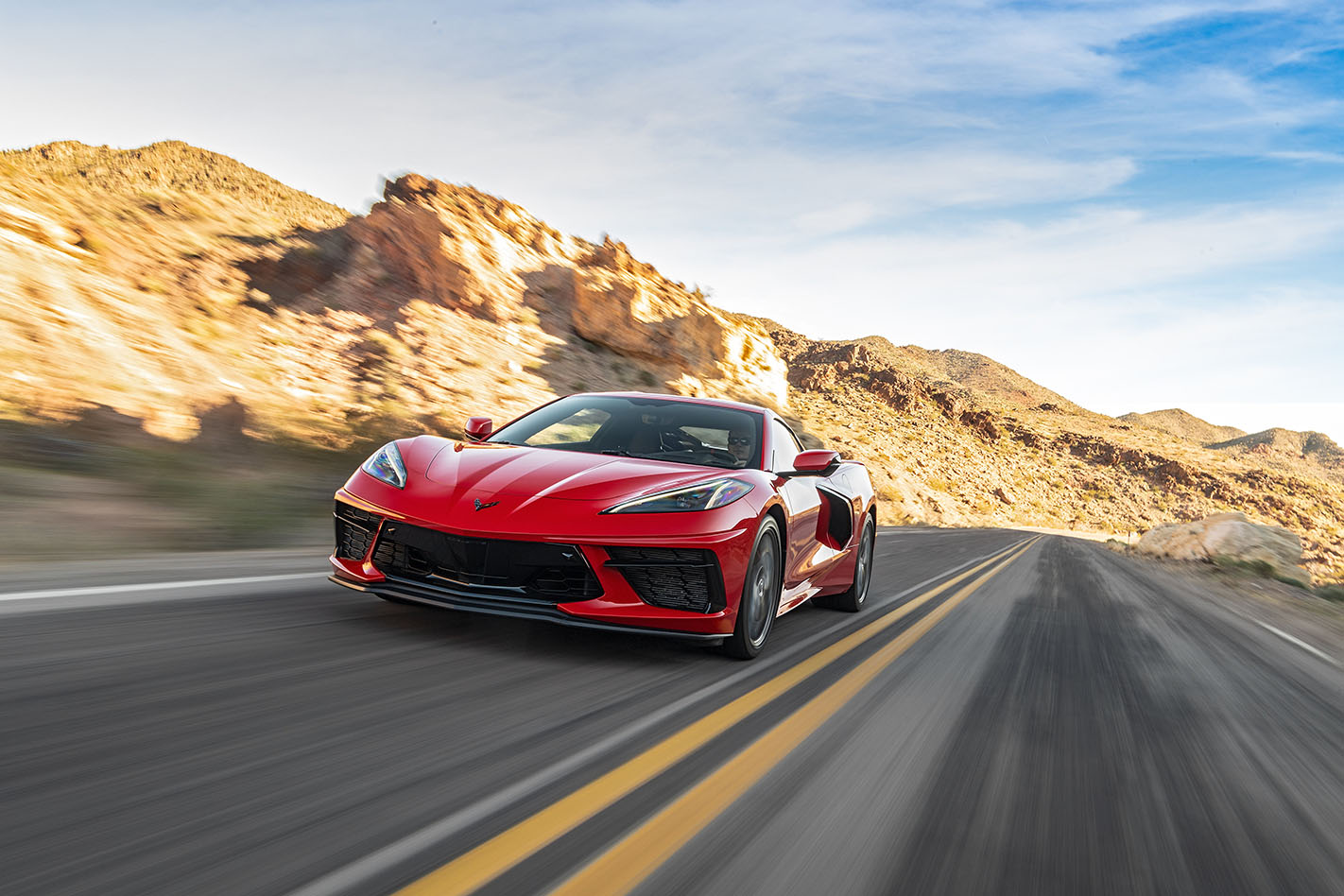
Australia’s first Chevrolet Corvette also happens to be the bloodline’s most radical, with the mid-engine C8 locked in for 2021 despite COVID-19, parts shortages and labour disputes shaking production targets.
Holden’s death now sees General Motors Specialty Vehicles take the reins for distribution. When it arrives the C8 promises a shift in the Yank supercar’s story, with its mid-mounted atmo LT2 V8 producing 369kW/637Nm with the Z51 performance pack.
That’s sent to the rear wheels exclusively through an eight-speed dual-clutch, good for 97km/h in less than 3.0sec.
AND ONE MORE: Maserati MC20
It’s been a long-time between drinks for mid-engine Maseratis but the MC20 promises to return the brand to former glories in supercar land.
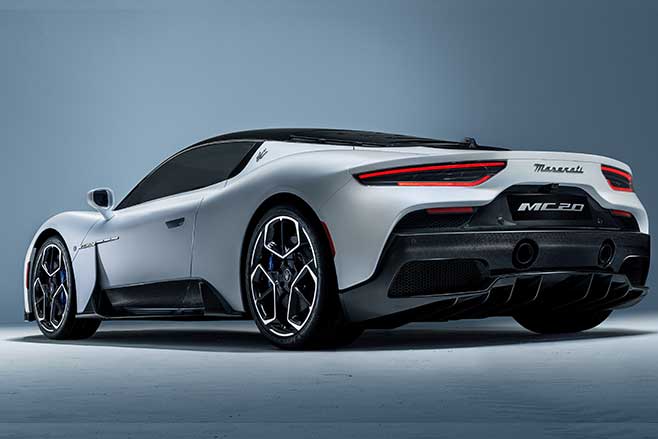
Sporting a seriously powerful 2.9-litre twin-turbo V6 dubbed The Nettuno, the MC20 lowers its engine into a carbon-fibre chassis tub that keeps weight under 1500kg. Cutting-edge aero is also worked into the MC20’s understated and imposing curves for extra performance, keeping its 463kW and 730Nm in check at speed.
Priced from $438,000, it’s certainly marking its place among the Ferrari 488s and Porsche 911 Turbos of the world, but even if you could afford it, next year’s local allocation is all sold out.