
One of the most significant cars in the Fast and Furiousmovie franchise, Dominic Toretto’s Chevrolet Chevelle SS, is up for auction.
And what’s more, it’s on sale right here in Australia.
Auction house Lloyds currently has the iconic movie car as part of a classic car sale, running for another three days and finishing at midday on Saturday September 26.
The Chevelle SS made a brief appearance in its red and black paintwork in the first film, The Fast and the Furious, but plays a much more prominent role in the fourth FnF film, Fast and Furious, as Toretto’s main ride after being modified and repainted grey.
It meets it end as a flaming wreck during the film, though is replaced by another Chevelle in a similar red and black livery by the time the eighth film rolls around.
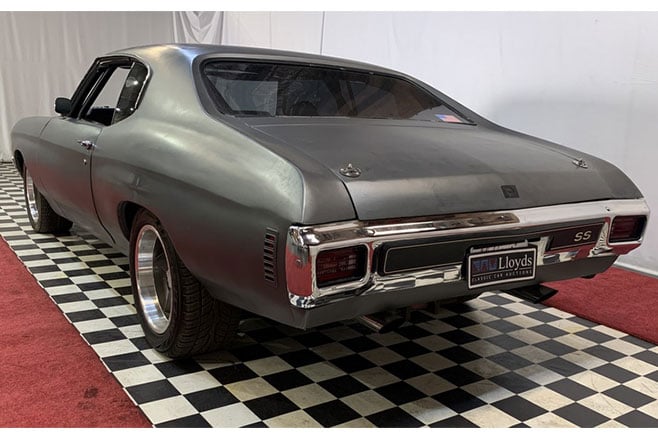
While it’s not as iconic as Toretto’s Dodge Charger, the Chevelle is one of the only other cars to make consistent and meaningful appearances right through the franchise.
Bidding for the car, which has been kept in pre-explosion film condition, currently sits at A$40,500 at time of publication.
“We expect this car to reach six figures this Saturday, but what the final figure will be is anyone’s guess as it will be a car to treasure and will go down in history forever,” says Lloyds COO Lee Hames.
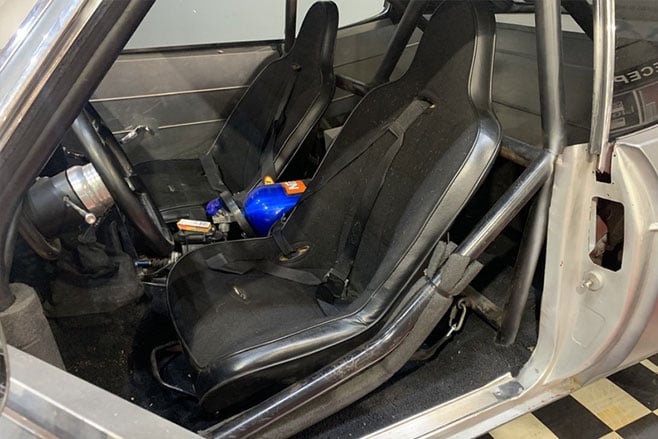
The Chevelle was, according to Lloyds, imported into Australia in 2012, three years after Fast and Furious was released.
It’s still got its V8, four-speed manual, and even the nitrous bottle that was part of its film presence.
“The car was even signed by Cody Walker, Paul Walker’s brother back in 2015 and has also been submitted with Universal Studio Certificate of Title,” Hames adds.
We’re not expecting it to reach the lofty bidding heights reached by the iconic orange Toyota Supra from the first film, which sold for US$185,000 five years ago.
NOW CHECK OUT The cars of Fast & Furious 9
Hyundai’s all-new and radically redesigned Tucson will not languish as a wallflower in the popular line-up of passenger and SUV models, with plans to elevate the mid-sized SUV as the brand’s halo model at the top of the pack.
The car maker’s largest Santa Fe SUV or perhaps the high-performance champion of the range i30 N might seem more logical candidates for the flag bearer of the range, but that’s not the case, says Hyundai.
According to the company’s head of design, Hyundai is not bound by the traditional legacies of some other manufacturers, allowing it to take a different approach and make its own rules when it comes to crowing a pinnacle model.
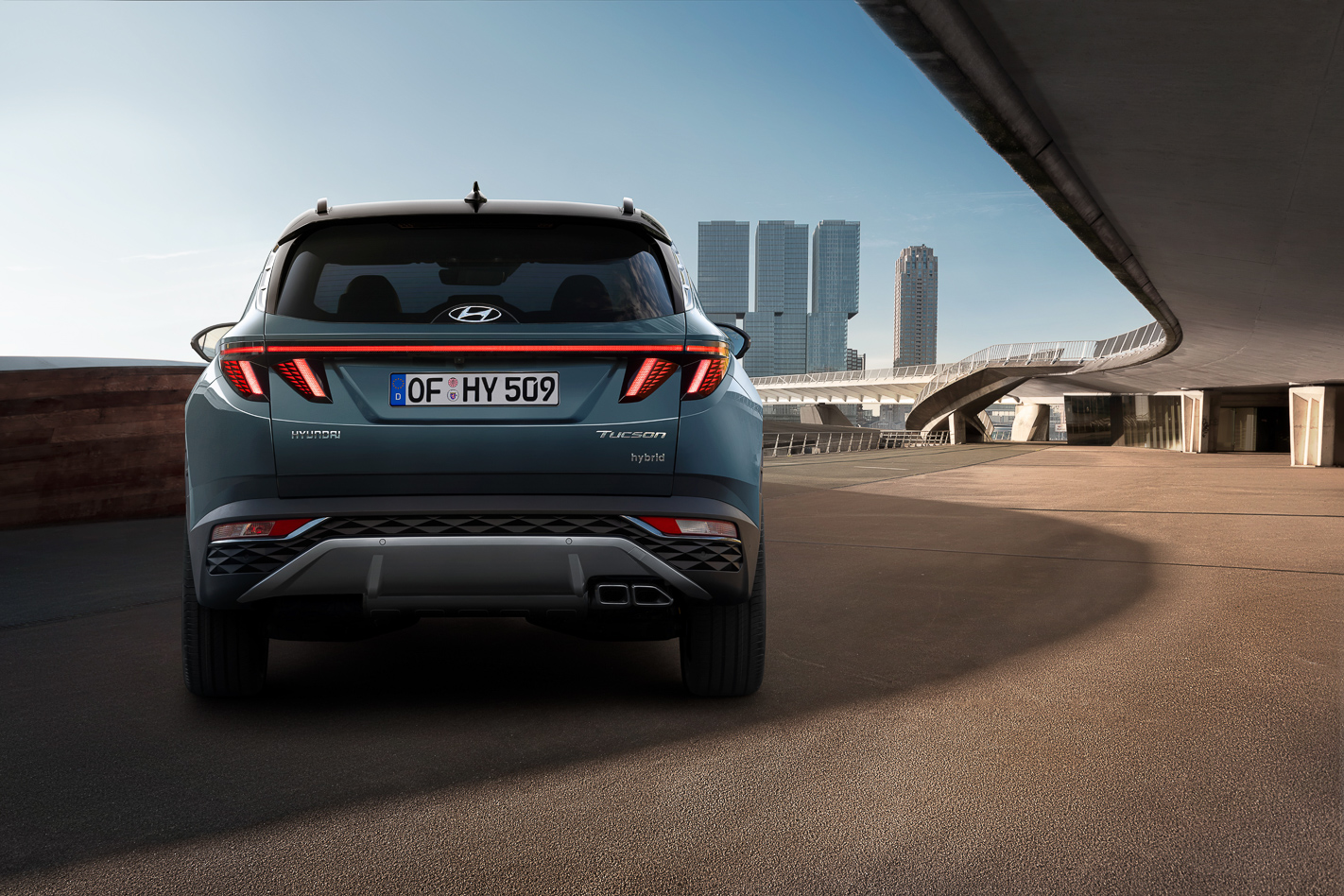
Speaking to WhichCar, Hyundai head of global design SangYup Lee said that despite gathering momentum and popularity, the company still did not have a model that customers immediately associate with the brand.
“Mercedes exists because of their S-Class, BMW exists because of their 3 Series, Porsche exists because of their 911,” he said.
“We don’t have a halo car like 911. Can Hyundai exist because of the Tucson?”
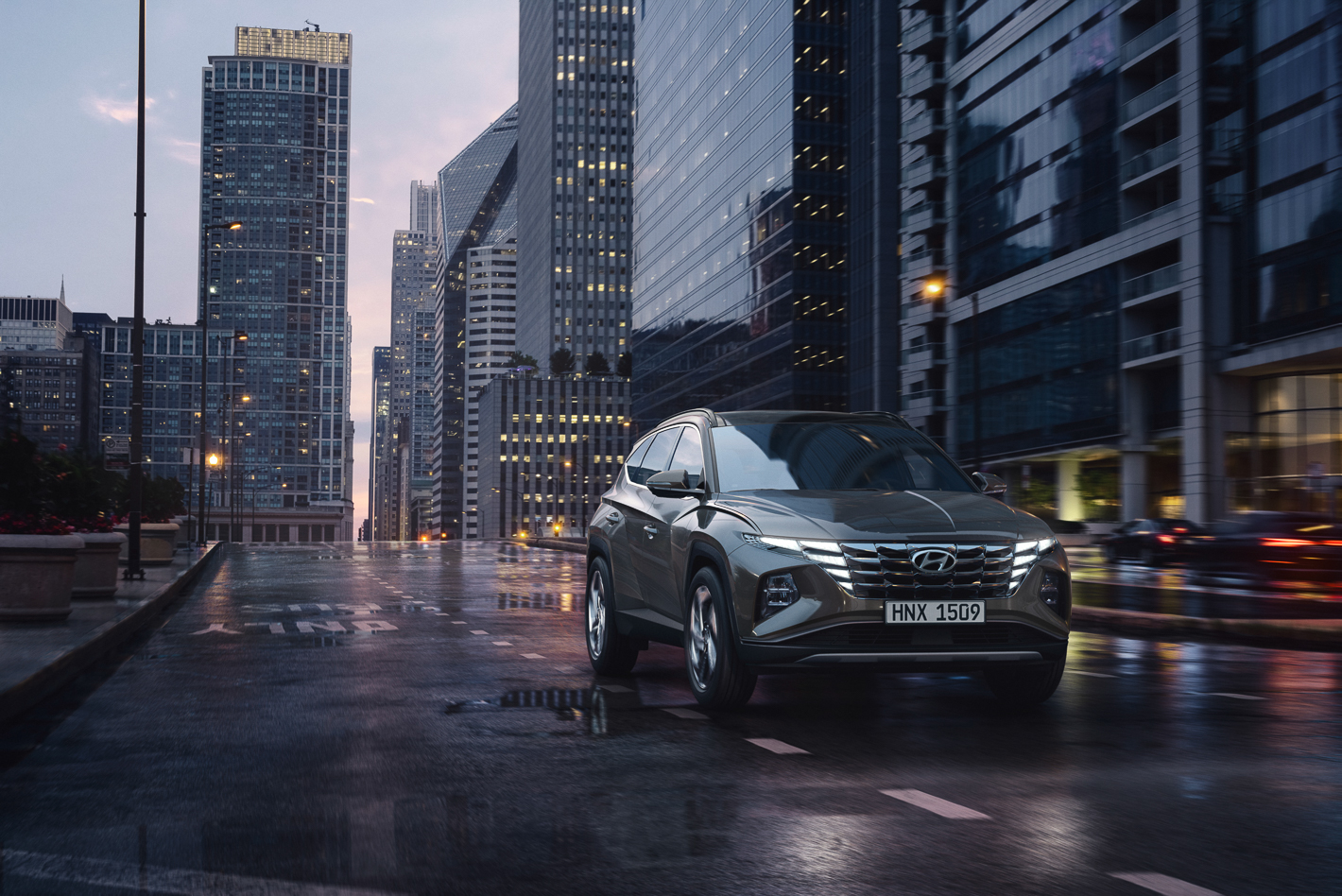
But instead of a high-performance or large luxury model representing all that Hyundai stands for, Lee explained a halo model can be something more humble and hard-working, and used Volkswagen’s Golf small hatchback as an example.
“I think this is the core mission we have. If you … mark the territory with Tucson and then expand the territory afterwards, that’s the plan.”
With the luxury end of the market taken care of by Genesis, Lee – who lived in Australia for two years while working for GM on the last Camaro – said Hyundai’s halo model did not need to be competing with mainstream luxury makers, but there was still room to increase the premium offering in the Hyundai range.
“That luxury side we’ve got covered by Genesis. Hyundai is still a volume brand but a volume brand can give a more premium touch to bring special value in the volume market,” he said. “This is the intention and what we want to create in Hyundai.”
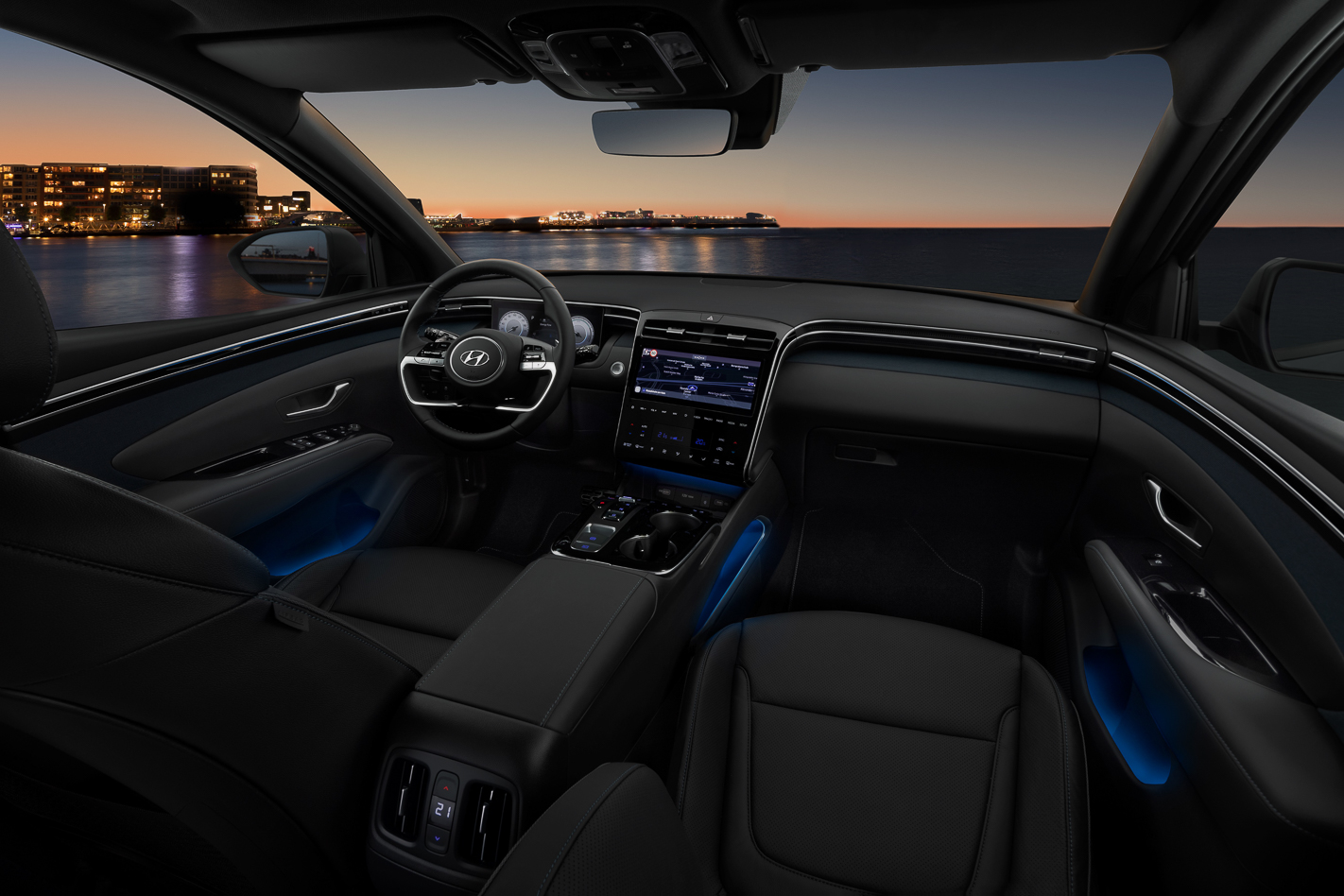
Furthermore, Lee highlighted that many customers don’t necessarily want the highest end in quality and luxury day-to-day and likened the premium car market to fine dining.
“Do you like a Michelin two-star chef and special 10-course dinner, versus really fancy absolutely delicious burger place? Obviously it depends on the day.”
Tucson design insight
With tenures at Bentley, Pininfarina and Volkswagen/Audi, Lee brings extensive European design experience to influence Hyundai’s modern look, and he offered some perspective on the new Tucson’s aesthetics, including the challenges raised by offering the model in two wheelbases.
“This is always a challenge and say, for example, you design the shorter wheelbase first, the second car always suffers.”
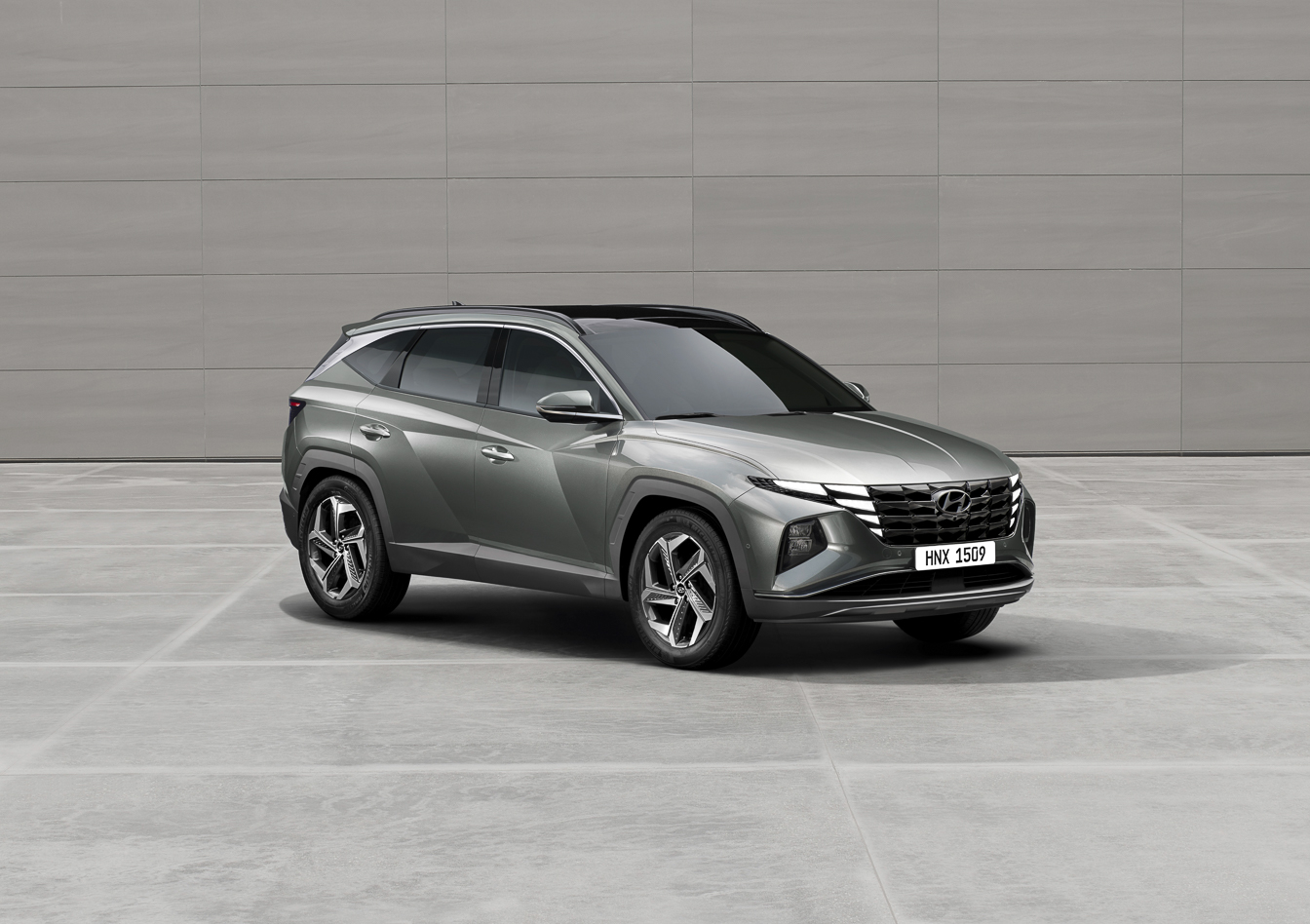
But Lee’s design team did not develop the two different length Tucsons in isolation and, in fact, three models were designed in parallel.
“That’s why with Tucson we tried a different strategy to develop the long wheelbase and short wheelbase at the same time, even including N-Line plus the concept car; all together,” he said.
“They were complementing each other and balanced each other. This was a great benefit to have these three cars together.”
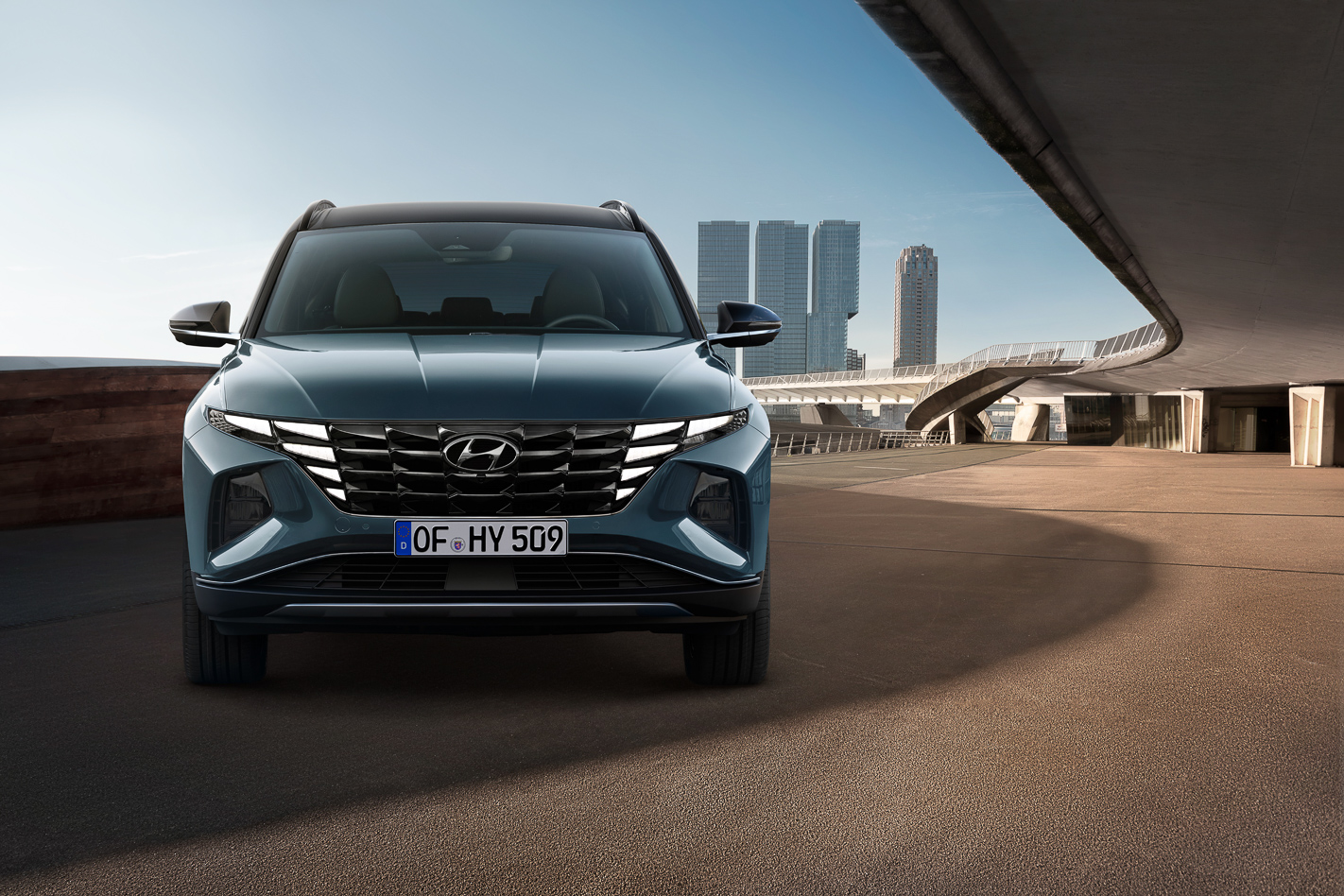
For the second-generation model, the Tucson styling represents a significant departure from the model it succeeds with a radical look that bears little resemblance.
However, Lee explained that while many brands are obliged to incorporate a family lineage in their model lines, Hyundai is not bound by the same rules.
“The legacy of each brand is so important and … how you want to create a story for your customers,” he said.
“With Tucson, we don’t have much of a legacy so we are a lot more free. Some brands have a thick bible of the history that you have to memorise but we don’t have this.”
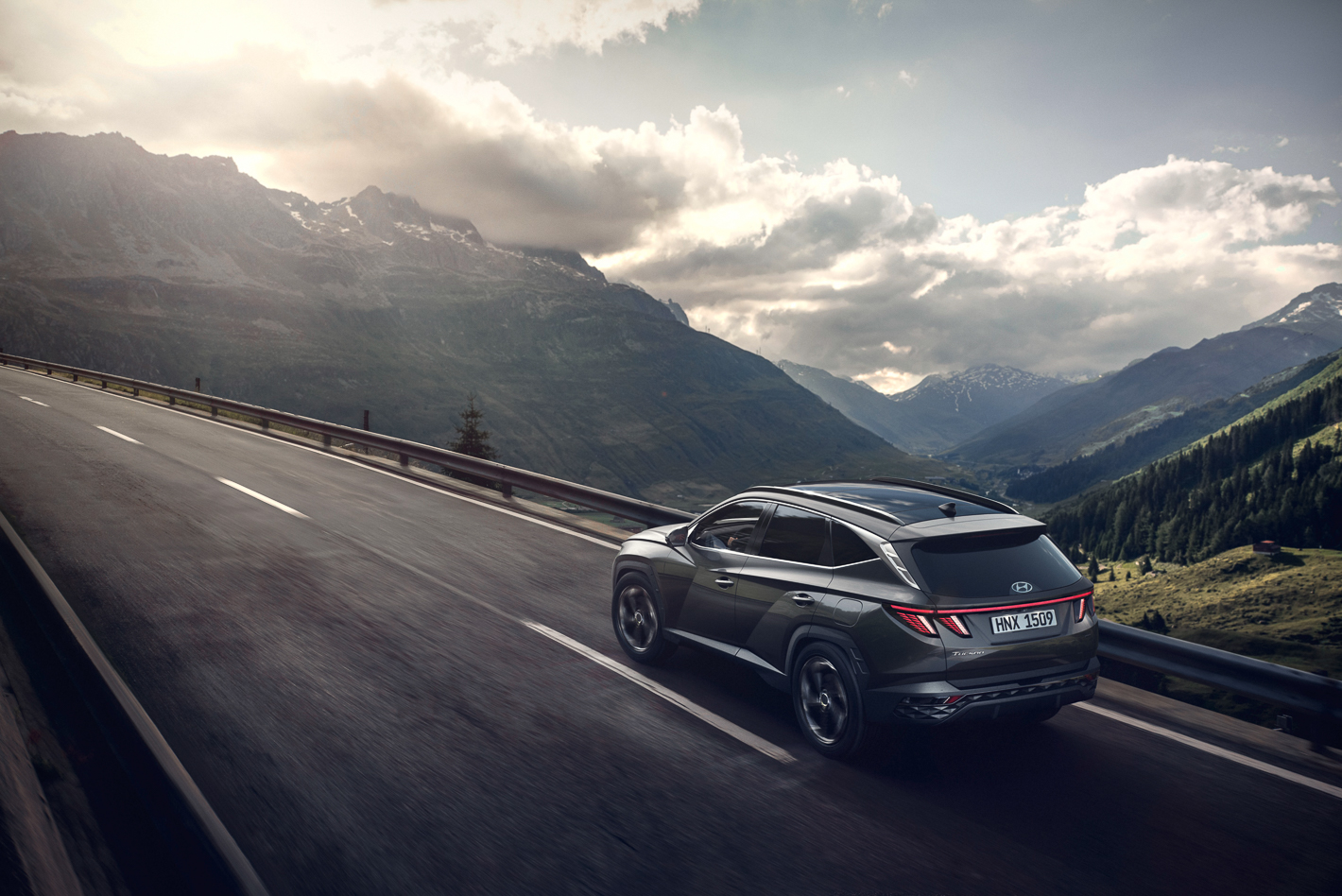
That said, Lee couldn’t resist retaining at least two signatures from the previous Tucson. Look closely at the new model and you’ll recognise the ‘wedge shape’ and the angular wheel arches that Lee describes as “Bertone arches”.
“Everything else we changed,” he concluded.
But as for his favourite of the Tucson looks? Lee claims he loves them all equally, but reading between the lines, we suspect the concept is nearest to his heart and offers the best hint at the forthcoming sportier Tucson.
“I love the concept car a lot,” he admitted. “We challenged so much to have the integrity of a concept car into production that it drove the engineers crazy. Stay tuned for N-Line and I’m not going to disappoint you. You’ll get another strong statement from Hyundai”.
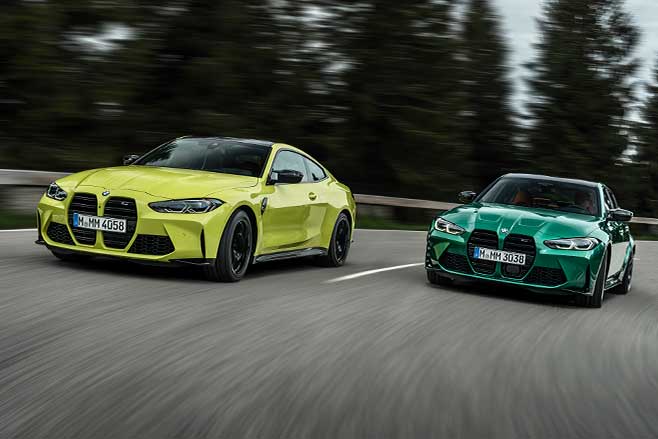
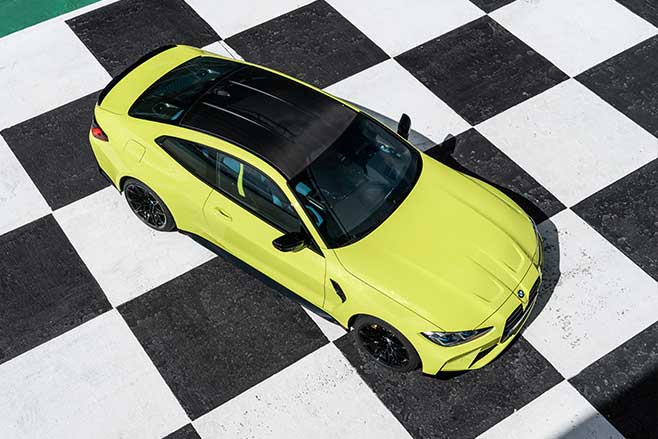
Say hello to the 2021 BMW M3 and M4 and, yes, that grille is real. M Division’s latest weapons debut a very different look to their predecessors as BMW seeks to steal market share from the likes of Mercedes-AMG, Audi and Alfa Romeo.
The large vertical openings replace the famous kidney grille and feed air to a revised version of the S58 3.0-litre turbocharged straight-six that debuted in the X3 M and X4M producing up to 375kW and 650Nm for a 0-100km/h sprint of 3.9sec. And that’s as a rear-driver.
UPDATE: The BMW M3 and M4 will be available in both manual and automatic guises in Australia in Q1 2021 starting from $144,900 for a base M3 in rear-drive, manual. The M4 is another $5000 on top of that, though Competition variants for each are $154,900 for M3 Competition and again at $5000 more, it’s $159,900 for a new BMW M4 Competition. More details for option pricing towards end of story.
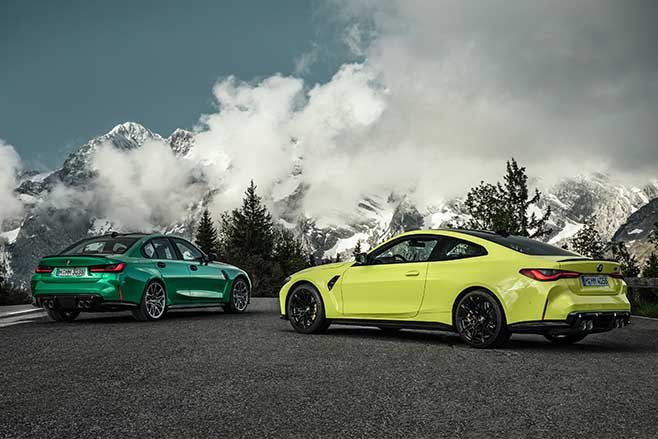
The G80-series introduces a number of firsts for Munich’s mid-size mauler: it’s the first time a torque converter auto has been offered, a ZF eight-speed replacing the previous seven-speed dual-clutch; all-wheel drive will be an option for the first time ever and a G81 M3 Touring joins the more traditional G80 sedan, G82 M4 and G83 M4 Convertible.
But fear not, traditionalists, because a six-speed manual remains, as does rear-wheel drive, but the more powerful all-wheel drive Competition models will blow all previous generations out of the water as the fastest M3/M4s yet.
The Styling
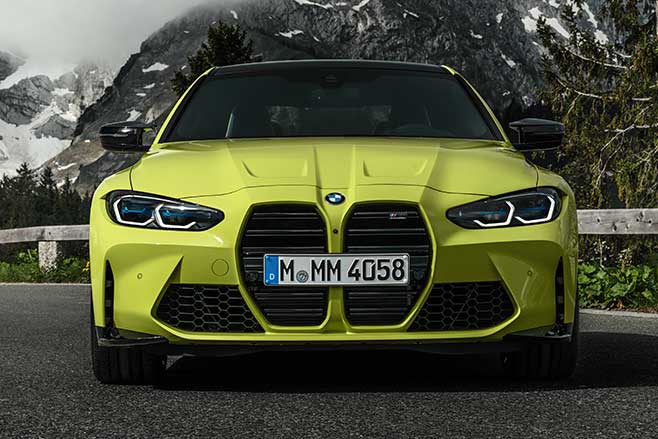
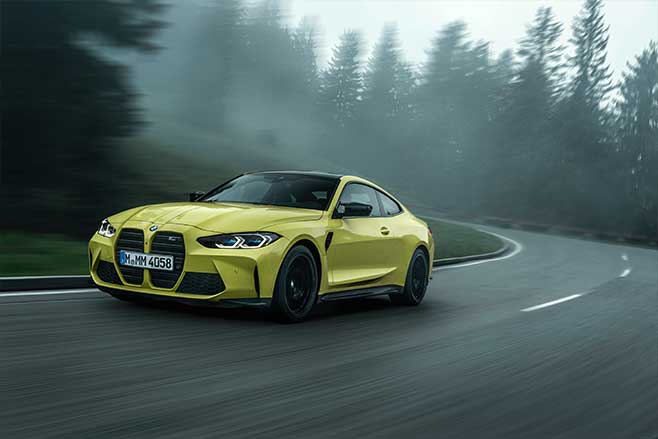
Let’s get the elephant in the room out of the way first: that styling. Initially, the Hannibal-esque front was believed to be fitted to the M4 only with the M3 retaining its more conservative, traditional front end, but both cars receive the controversial face.
M boss Markus Flasch staunchly defends the decision, telling media: “If you see the car without any camouflage in its natural surrounding, I think it was the right move. It suits the car, it’s beneficial for cooling intake, I wouldn’t change it if I could. I haven’t received any negative comments anyway.” Clearly, Mr Flasch doesn’t frequent social media.
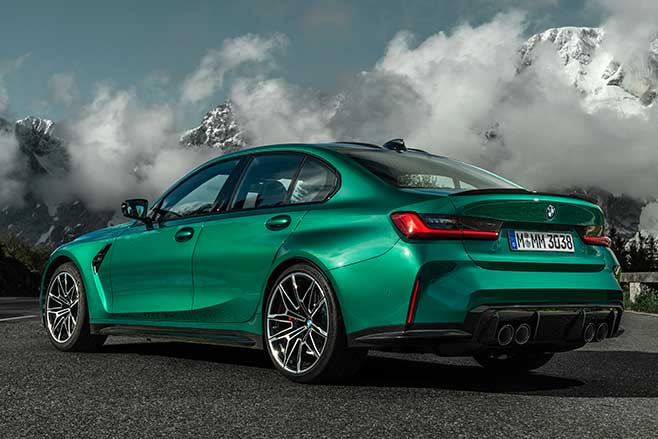
Nevertheless, blacked out and backed by the swollen guards and rippled bodywork of these M variants the nose doesn’t dominate like it does on the standard 4 Series. At 4794mm long the M3 and M4 are 123mm longer than their predecessors with an extra 45mm in the wheelbase.
The M3 has grown 26mm wider and 9mm taller, while the M4 increases the same dimensions by 17mm and 10mm respectively. Rear track grows by just 1mm but the front swells by a substantial 38mm to further improve the car’s already class-leading front-end response.
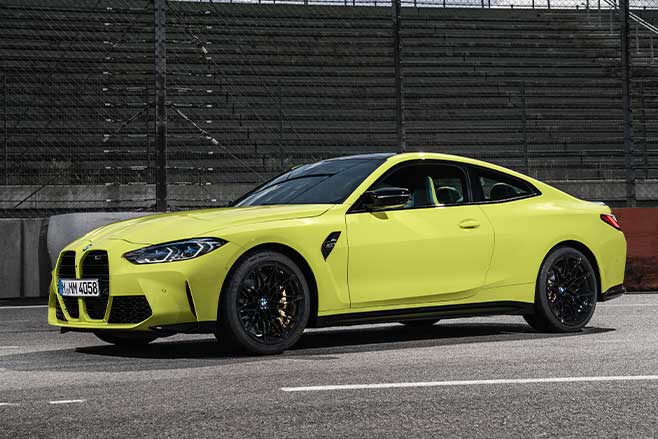
Competition models use black badging, spoiler and tailpipes while a carbon fibre exterior package is also available. Eight regular colours will be offered – Alpine White, Sao Paulo Yellow, Toronto Red, Sapphire Black, Isle of Man Green, Skyscraper Grey, Brooklyn Grey and Portimao Blue – but plenty more are available through BMW Individual.
The Engine
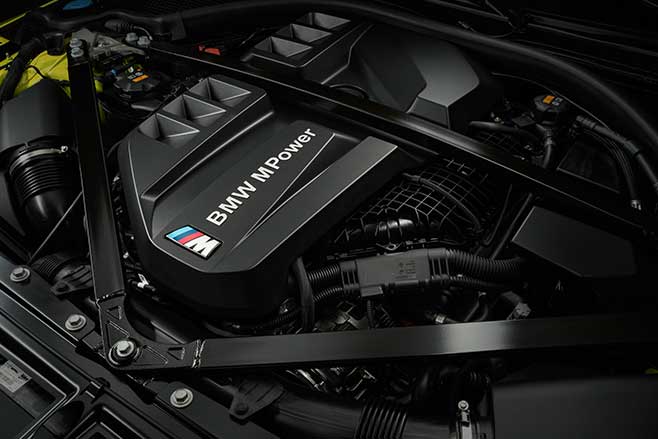
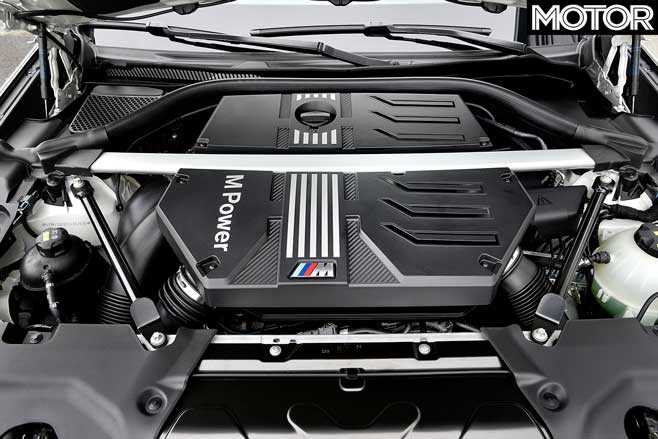
BMW’s new ‘S58’ 3.0-litre twin-turbo straight-six made its debut in 2019 in the X3 M and X4 M performance SUVs but the new M3 and M4 receive the first evolution of this engine, primarily focused on improving throttle response.
Two tunes will be offered depending on the transmission fitted. Six-speed manual variants produce 353kW at 6250rpm and 550Nm from 2650-6130rpm, the latter being the ceiling for the manual ‘box carried over from the previous generation.
For Competition variants fitted with the eight-speed automatic outputs increase to 375kW at 6250rpm and a whopping 650Nm from 2750-5500rpm, which cuts the claimed 0-100km/h time from 4.2sec to 3.9sec and fuel consumption from 10.8L/100km to 10.2L/100km. Both models are electronically limited to 250km/h as standard or 290km/h when optioned with M Drive Professional.
The true worth of the Competition’s more potent tune becomes evident at higher speeds. It’s 1.2sec quicker to 200km/h (12.5sec vs 13.7sec) and blitzes its manual counterpart for in-gear thrust. Accelerating from 80-120km/h in the manual takes 4.1sec in fourth gear and 5.6sec in fifth, whereas the automatic slashes these figures to 2.6sec and 3.4sec respectively.
All-wheel drive will be available on Competition variants from H2 2021. No performance figures have yet been announced, but expect a 3.5sec sprint to 100km/h thanks to its superior traction off the line.
The engine is compliant with the latest emissions regulations and will remain so under the tough new EU7 limits to be introduced in 2026, yet Flasch says: “I can promise that this engine is not at the end of its power limit yet.”
Drivetrain
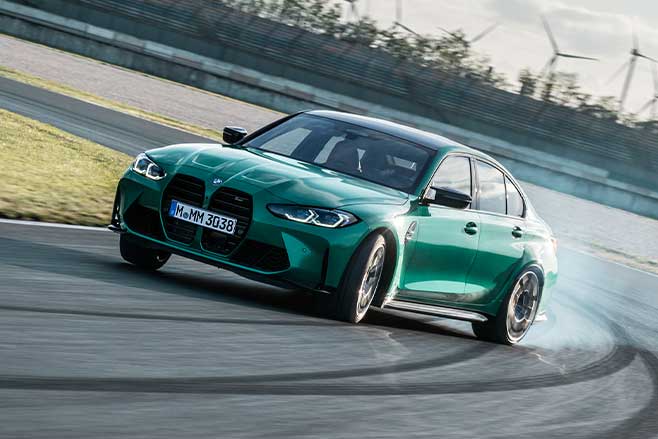
At launch only rear-wheel drive will be available, but all-wheel drive will join the range for the first time. The oily bits are a straight lift from the likes of the M5 and M8, Flasch telling MOTOR “There was no reason for us to change anthing in the hardware, the system is perfect and the benchmark in the high performance segment.”
All models use an electronically-controlled rear limited-slip differential, while all-wheel drive variants use a similarly clever multi-plate clutch in the central transfer case. Under normal conditions all the power is sent to the rear wheels but sent forward when slip is detected.
Slip control is now governed by the engine ECU to allow for much faster reaction to traction loss, the transfer case able to cancel out small differences in rotational speed between the front and rear axles without troubling the primary ECU.
Three modes are available, the traction-oriented 4WD, rear-biased 4WD Sport and tyre-torturing 2WD which Flasch admits is “purely for entertainment”. The latest M3 and M4 even have a built in ‘drift coach’ which records the time, angle and distance of your drifts and offers feedback on how to improve. For those who prefer to go fast, a new 10-stage traction control system offers a level of leniency even beyond the MDM DSC mode.
The manual is essentially a carryover unit from the previous generation, albeit with a revised clutch housing and the inclusion of Gearshift Assistant which automatically matches revs on downshifts, and saves 25kg over the automatic.
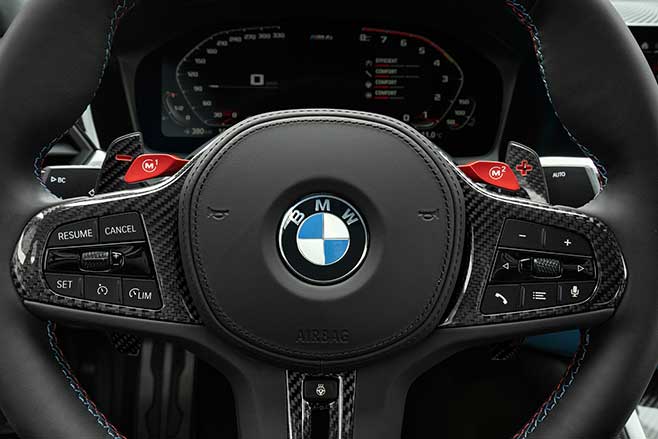
A torque converter automatic is a first for an M3, but Flasch says “There were not many reasons left to stay with the seven-speed dual-clutch. There are more advantages than disadvantages and on the weight side there is no disadvantage of the auto.”
The torque converter locks up the moment the car pulls away, the ‘box will not automatically upshift in manual mode and holding the downshift paddle will skip straight to the lowest available gear for maximum acceleration.
Chassis
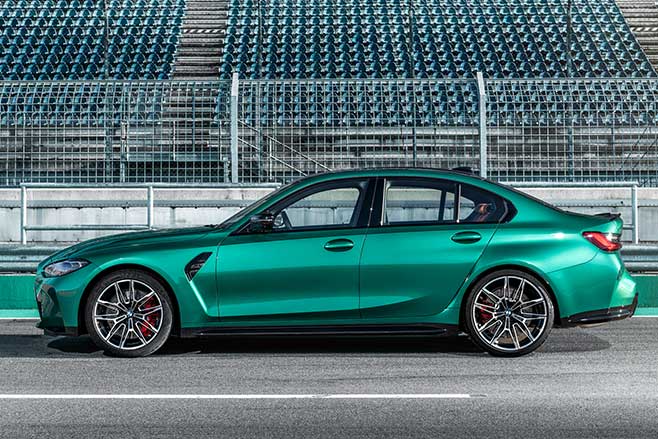
Now for some bad news. The new M3 and M4 are substantially heavier than their predecessors, increasing by between 160-200kg depending on the model and the addition of all-wheel drive will only lift this further.
Flasch points to the increase in size of the base models as the reason, explaining the new M4 is approaching the size of the old M6, while the increased size and performance also necessitates bigger brakes, wheel and tyres to retain control.
M Division no longer offers inadequate braking systems, the new M3 and M4 using 380mm discs and six-piston calipers at the front and 370mm with single-piston calipers at the rear, while the option carbon-ceramics lift rotor sizes to 400mm and 380mm front and rear respectively.
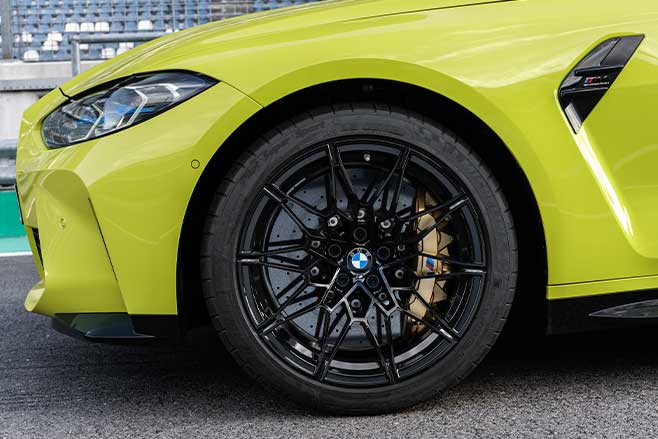
The M8’s brake-by-wire system makes another appearance, providing drivers the choice Comfort or Sport braking, along with two settings for the steering and three for the adaptive dampers.
Staggered rims appear for the first time on the standard models, measuring 18 x 9.5-inch front and 19 x 9.5-inch rear, the Competition variants adding an extra inch of diameter, while tyre widths increase to 275mm for the turning and 285mm for the burning.
Another contributing factor to the latest M3 and M4’s weight gain is the extraordinary amount of bracing M Division adds, includes lateral, longitudinal and vertical engine bay bracing and further underfloor bracing at the centre and rear of the car.
Interior
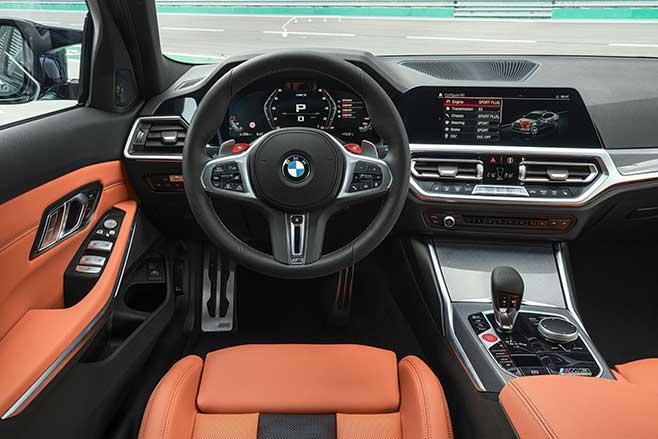
Inside BMW’s latest offerings feature every technological trick it has to offer. The aforementioned Drift Analyser measures your skids, the M Laptimer times your laps and displays data on the HUD and the Drive Recorder can capture up to 40sec of driving footage from the driver assistance cameras.
There’s a 12.3-inch digital instrument display and 10.25-inch central infotainment display using BMW Operating System 7 that can be updated remotely, all manner of driver assistance systems that can be controlled using the M Mode button, Wi-Fi interface, inbuilt SIM card, 4G connectivity and much more.
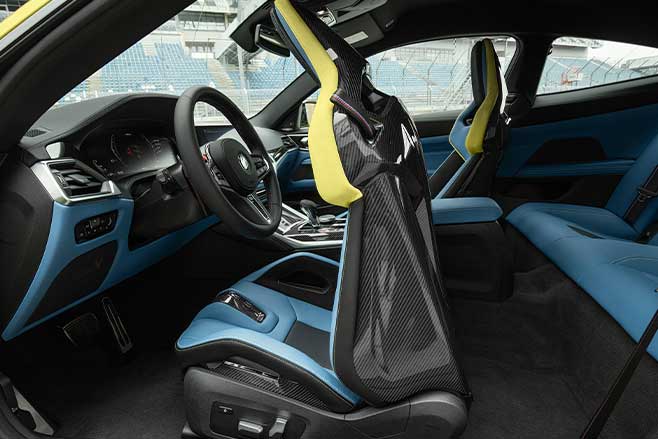
If you’re a track junkie, optional carbon bucket seats shed 9.6kg with removable head restraints to allow for the use of a helmet and an optional carbon fibre interior package gives a racier vibe.
The BMW M3 and M4 will be available in both manual and automatic guises in Australia in Q1 2021 starting from $144,900 for a base M3 in rear-drive, manual. The M4 is another $5000 on top of that, though Competition variants for each are $154,900 for M3 Competition and again at $5000 more, it’s $159,900 for a new BMW M4 Competition.
Additionally, BMW Australia will offer a few options, priced from $2000 for an extra set of track tyres (Michelin Pilot Sport Cup 2 or Pirelli P Zero Corsa), to $26,000 for the full M Carbon pack, which includes M Carbon bucket seats, M Carbon exterior package, and M Carbon ceramic brakes.
Individually, the seat pack is $7500, the Carbon exterior is $9500, and the Carbon brakes are $16,500.
The six engines of the M3 dynasty
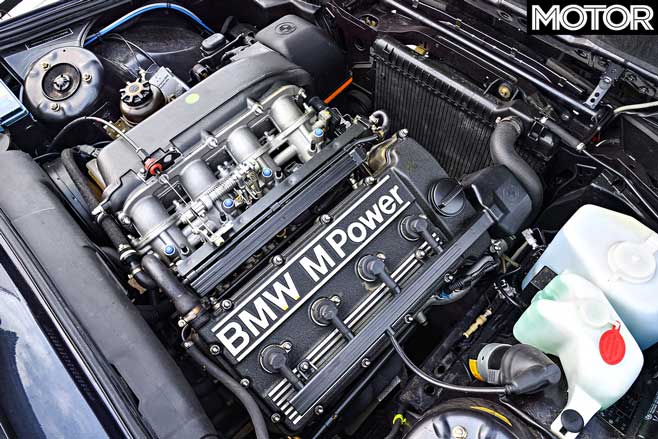
E30 (1986-1991) S14: Tuned 2.3-litre atmo inline-4 spun to 6750rpm. Sport Evo trim made 175kW.
E36 (1992-1999) S50: VANOS 3.0 atmo inline-6 debuts at 213kW. Extra 200cc in ‘95 lifts to 239kW.
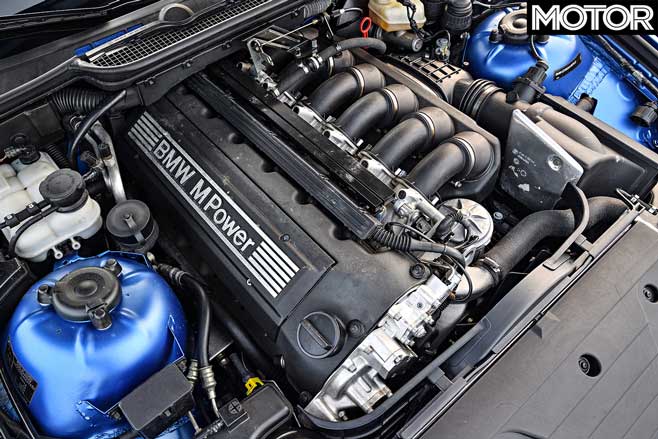
E46 (2000-2006) S54: Further develops S50 to 252kW and 8000rpm. Makes 268kW in CSL trim.
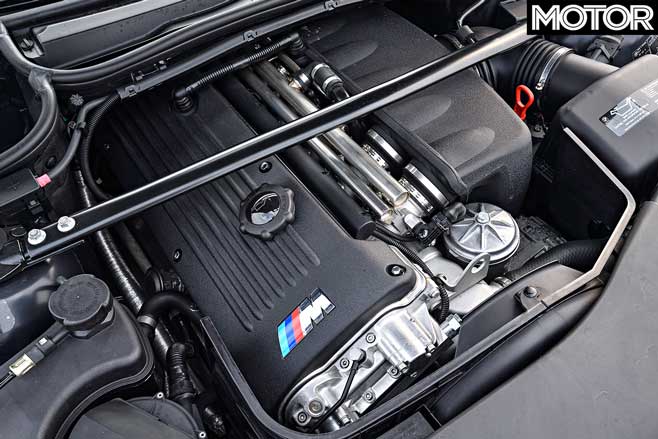
E92 (2007-2013) S65: 4.0-litre atmo V8 hits 8250rpm, 309kW/400Nm. GTS edition gets 331kW.
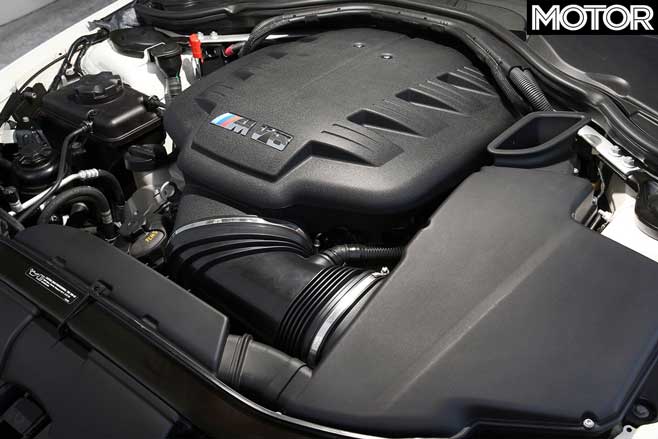
F80 (2014-2019) S55: New twin-turbo 3.0-litre inline-6 makes 331kW. And 550Nm at 1800rpm (!).
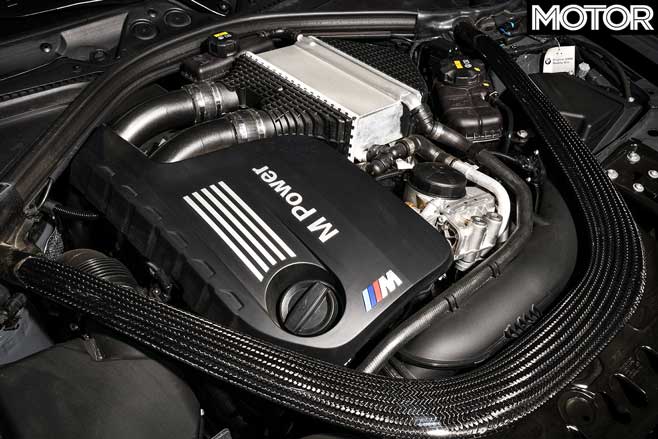
G80 (2019- ) S58: Monstrous twin-turbo 3.0-litre inline-6 makes 375kW/600Nm – for now!
There has never been an official BMW M3 Touring, until now. BMW has confirmed that the sixth-generation M3 lineup will include a five-door for the very first time.
The car isn’t scheduled to be revealed in its final form until late 2022, but BMW has taken the unusual-but-welcome move of confirming the car’s existence early to quell speculation.
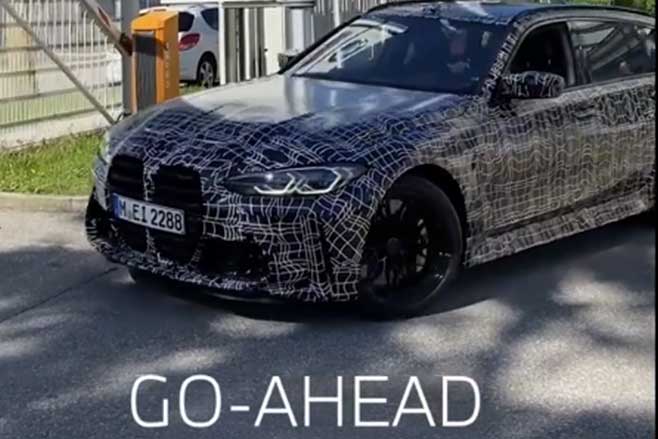
Full details on the 2021 BMW M4 and M3 models
Good news for Aussie wagon fans is BMW Australia’s statement: “BMW Australia plans to introduce the M3 Touring and will advise arrival timing closer to the launch date.”
While the G81 M3 Touring will be the first full production model, BMW has flirted with the idea before, producing a production-ready prototype for the E46 generation to test the validity of the idea.
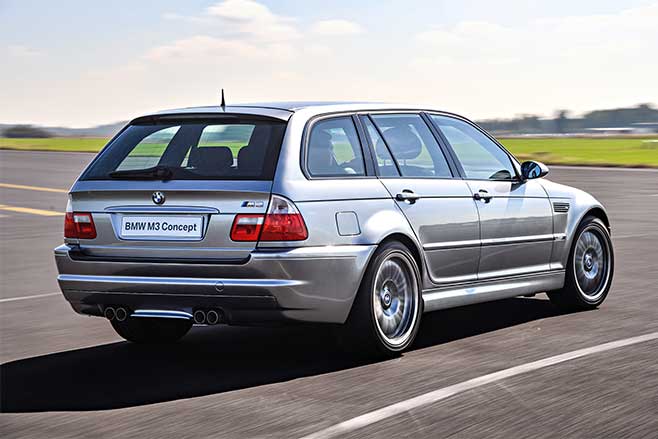
BMW says “speculation on engine and performance is quite welcome” but we don’t have to speculate too much given the 2021 G80 M3 and G82 M4 models have now been publicly revealed.
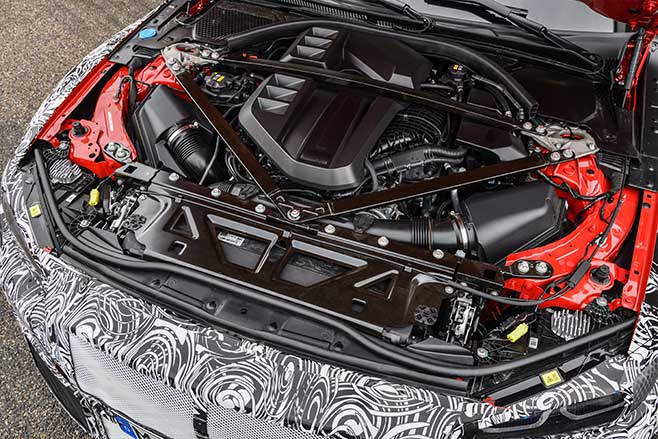
We’d expect the 2022 BMW M3 Touring to be available exclusively with all-wheel drive and the automatic gearbox to reduce model and production complexity, but then the model’s existence itself was a surprise, even to BMW!
BMW M boss Markus Flasch told Australian media: “This car wasn’t planned, our engineering team made it happen. They surprised me on a Monday morning and then there were not too many questions to be asked and we would make the decision to bring this model forward.”

“We had an opportunity that was quite obvious and we saw a huge demand in the market. we saw that high performance wagons are popular in certain areas of the world and therefore we took the opportunity and the car just looks so stunning.”
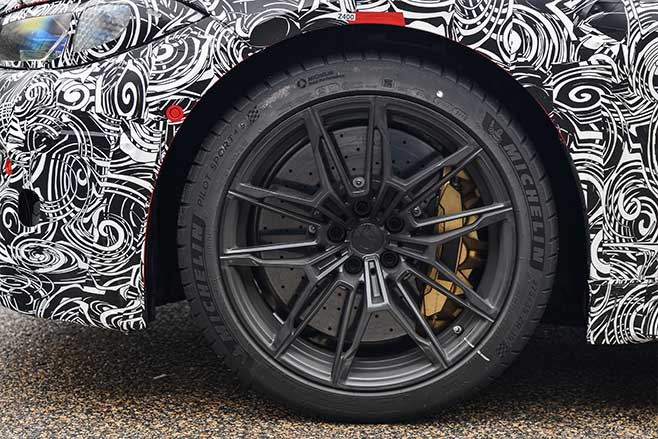
We’ll bring you further details on the 2022 BMW M3 Touring closer to its release date.
It seems so long ago now, but Australia’s penchant for knocking out pretty handy engines has given the world a few of the very best over the decades. While we adopted technology from our overseas masters, the local outposts took matters into their own hands, often selling coals back to Newcastle with newer, better and faster versions of the engines that came before.
The Chrysler E49 265ci six-cylinder
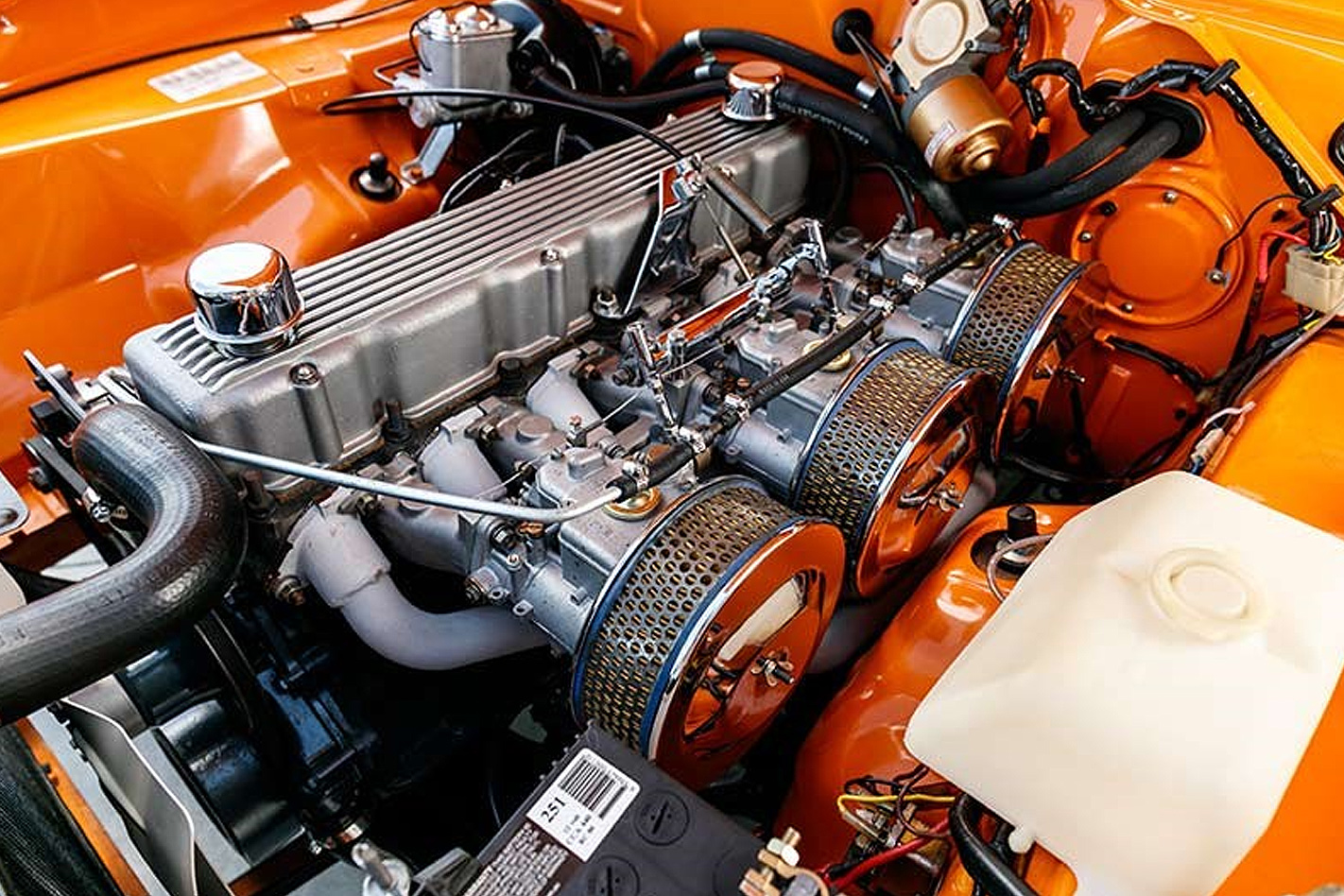
Chrysler Australia crowed about its home-grown ‘Hemi’ being the most advanced six-cylinder in the world when it launched in 1972.
The final Charger R/T E49, developed for Bathurst, boasted 226kW from its 4.3-litre triple weber-fed Hemi.
It was arguably the quickest of the early Aussie muscle cars back in the day with a 0-97km/h time of 6.1-seconds, and a quarter-mile pass of 14.1 seconds.
Leyland 4.4 V8
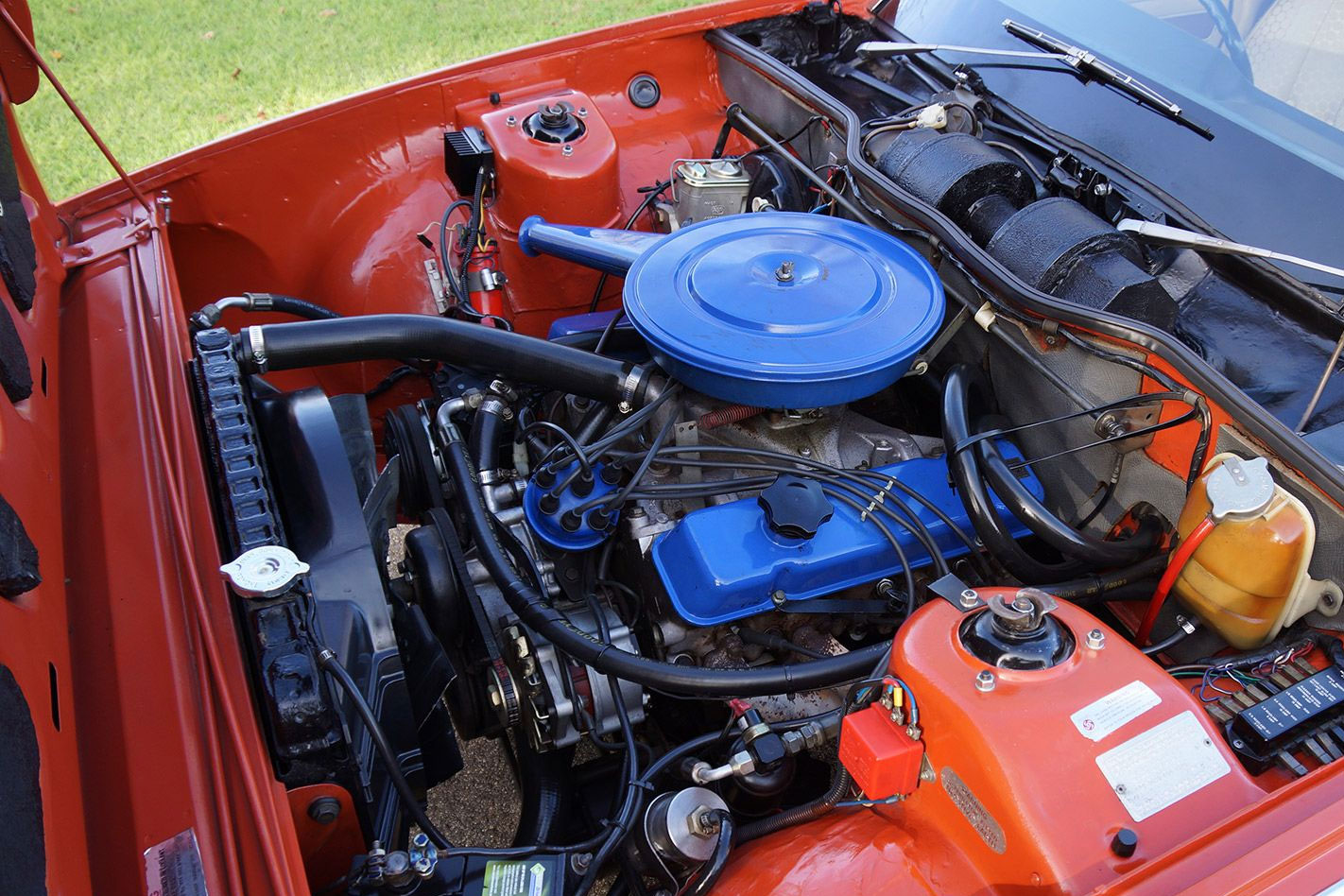
The Leyland P76’s V8 is almost an adopted engine, being based on Rover’s 3.5-V8 (basically a Buick design). But enough Australian input (such as the unique block) and local bits made it Australia’s own, we reckon. It is on this list not so much for what it was, but what it could have been.
The P76 V8 was Car of the Year in 1973, but 18 months later Leyland’s Aussie car and its lightweight alloy V8 – along with its 5.0-litre big brother prototype – were consigned to history.
Holden 5.0-litre V8
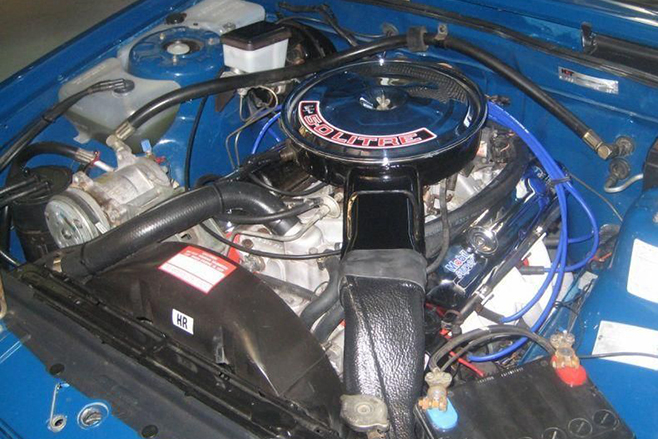
Seen in the VK Commodore SS Group A, this is one of the more collectable of Holden’s flagship vehicles, and used a de-stroked (by 0.5mm) V8 to sneak into the under-5000cc international Group A regs that allowed the race cars to carry less weight.
The 4987cc road mill punched out a claimed 196kW.
Mitsubishi ‘Ralliart 180’ 3.5-litre V6
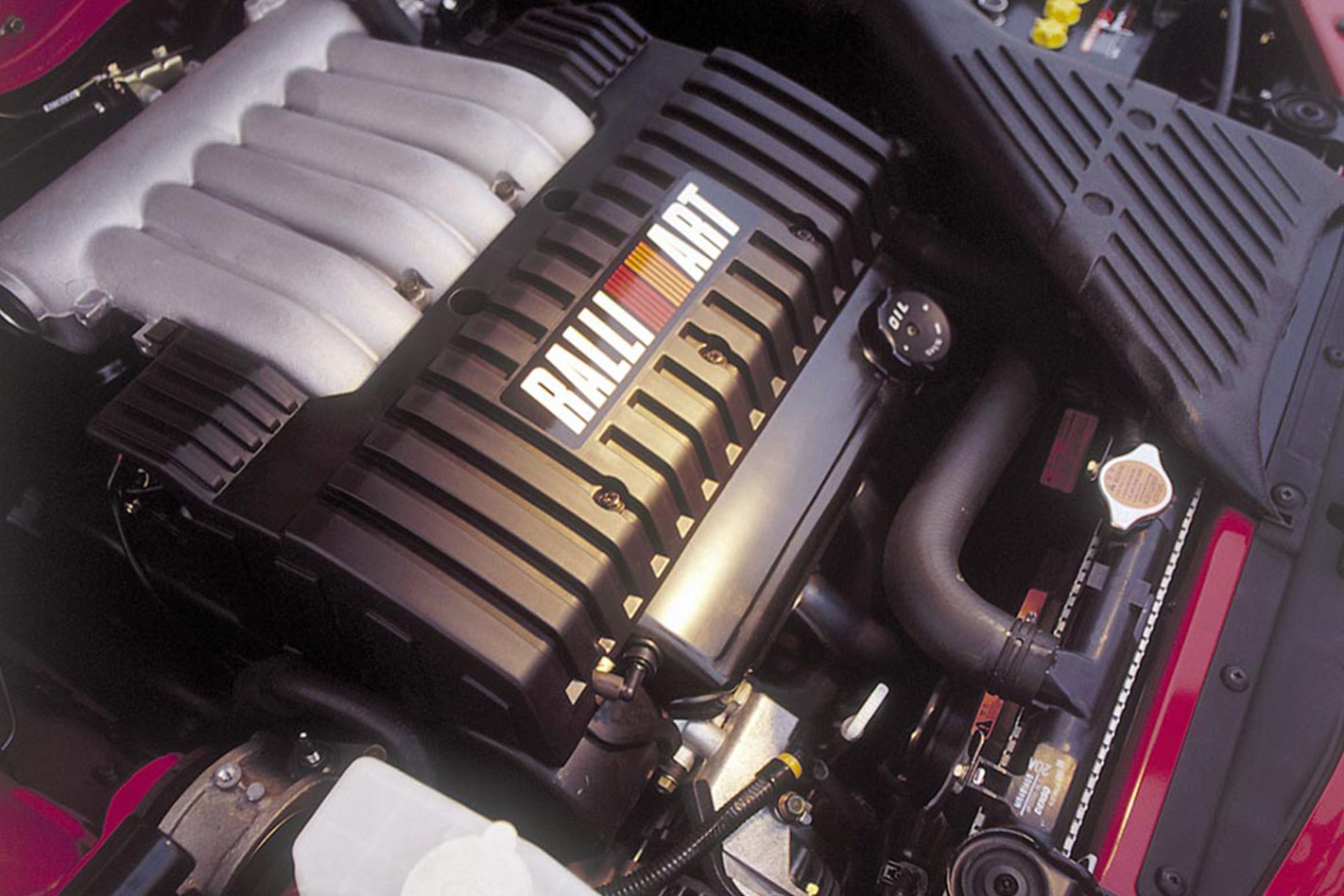
From the hallowed halls where the Valiant Charger’s stove-hot sixes were developed and built came a new Aussie high-performance six. Local manufacture of the once-imported 3.5-litre V6 meant the Tonsley Park team could put an Aussie twist on the engine.
The result was a sweet and sonorous 180kW thanks to head, compression, EFI, cam, and exhaust tricks.
Holden ‘twin throttle’ 5.0-litre V8
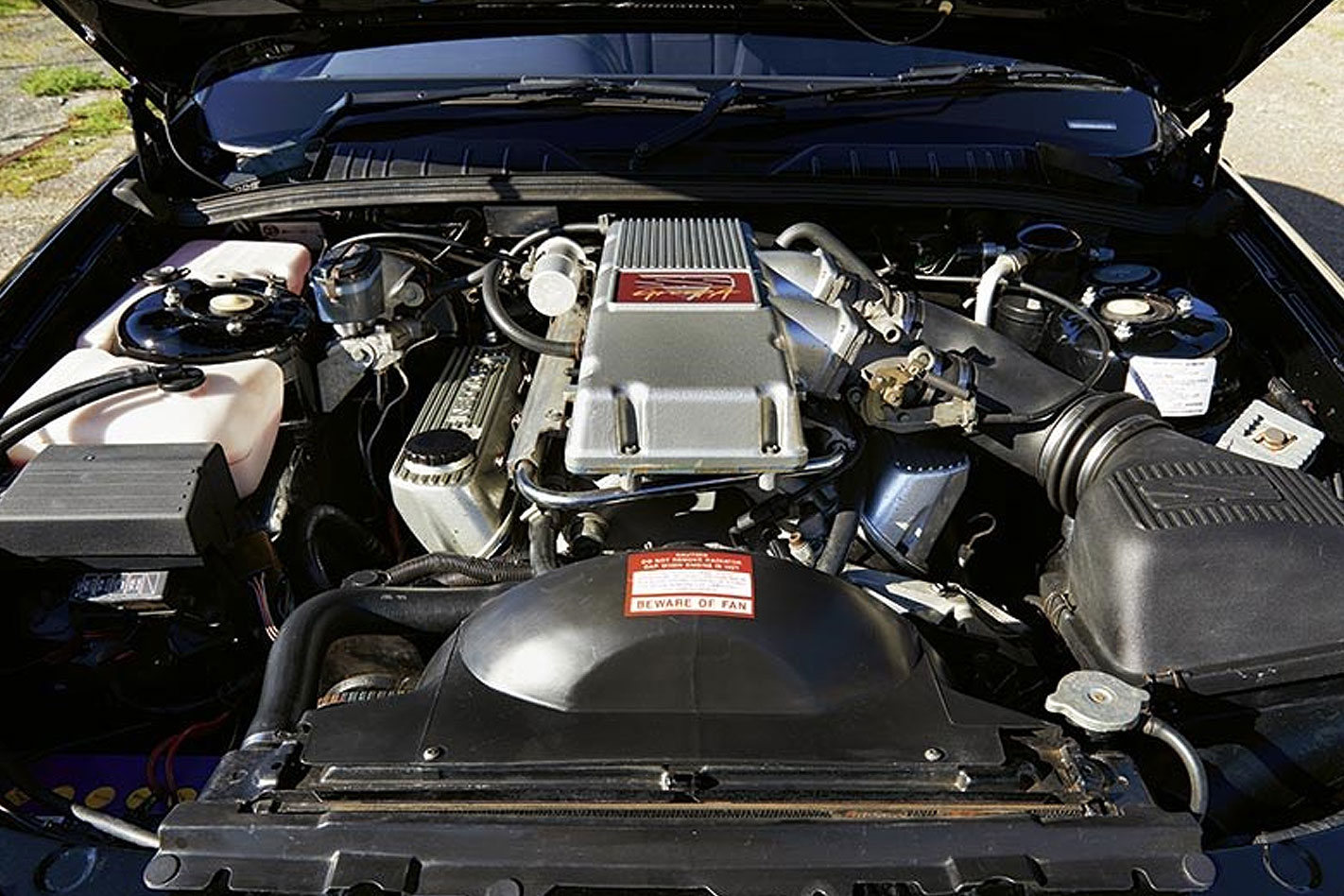
The VN Group A SS Commodore was built with trick hardware to bash Bathurst.
The starter motor, water pump, and sump tin were the only bits that weren’t fast-fiddled. Breathing through a high-rise twin-throttle intake manifold, it delivered 215kW.
Tickford 5.6-litre V8
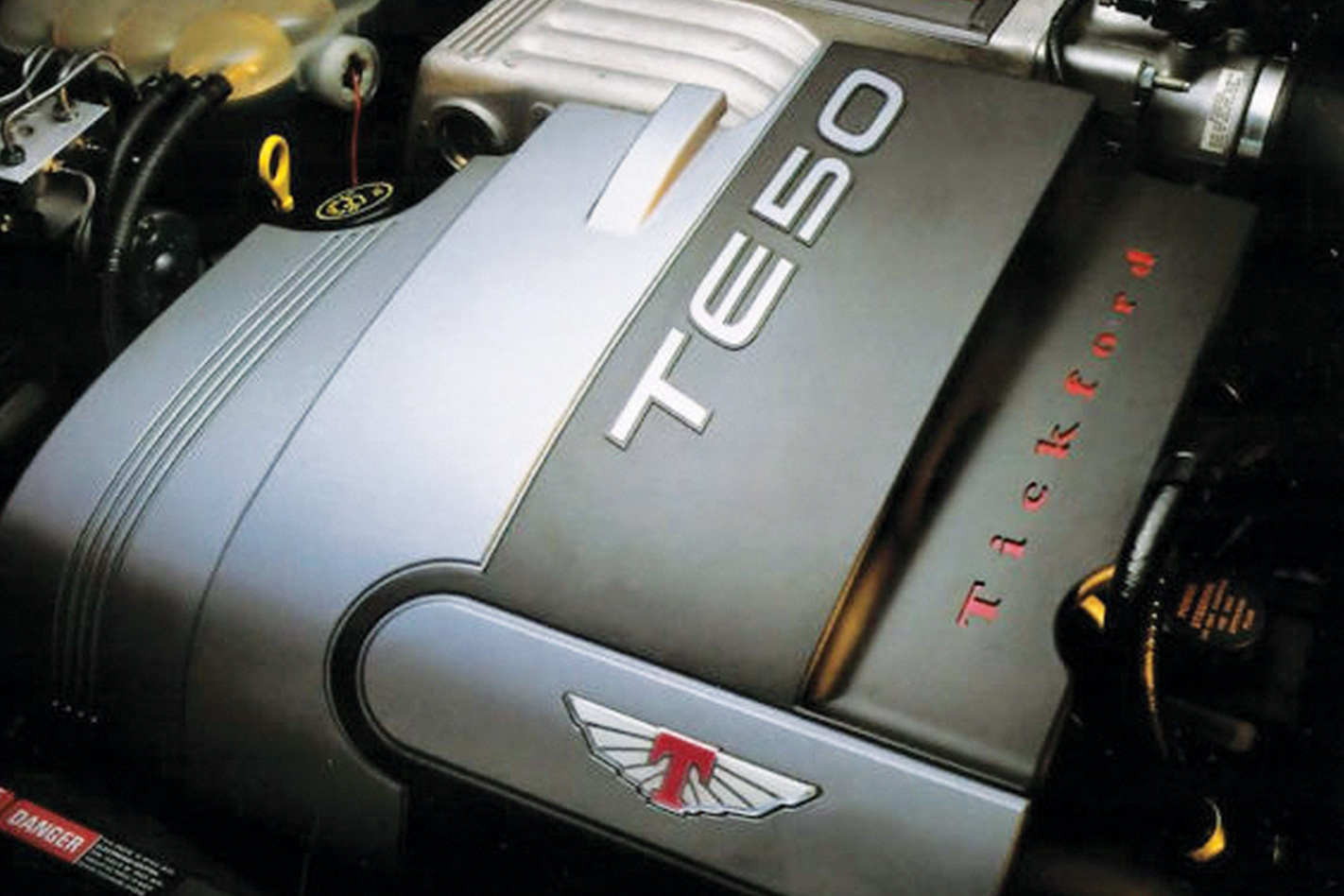
Tickford’s 2001 5.6-litre V8 in the T3 T-Series used a unique crank, con-rods, pistons, intake, exhaust, and rockers.
The remaining US bits are a little more than castings and bolts. Its 250kW and 500Nm has the honesty and willingness of a country cop.
Ford Barra 4.0-litre six-cylinder
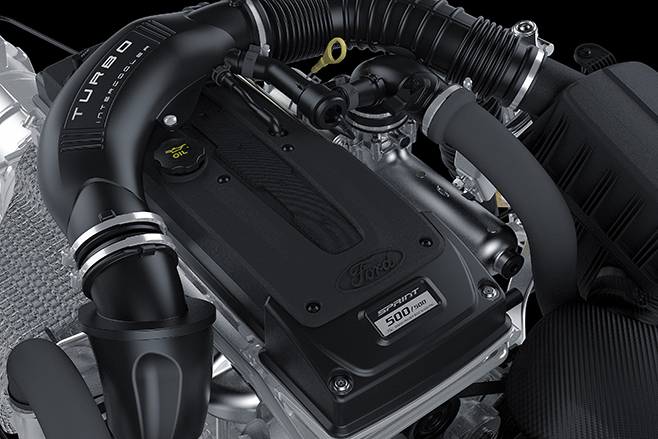
Both in its naturally aspirated, and turbo forms, the Barra is an iconic Australian engine. In its final guise, the Barra produced 325kW and 576Nm in the final hi-po Ford Falcon XR6 Sprint.
With a reputation of embarrassing cars powered by bent eights, the Barra lived up to the famous quote from former Tickford product planner Howard Marsden: “Australians talk V8s, but drive sixes”.
Holden ‘Bathurst’ 202ci six-cylinder
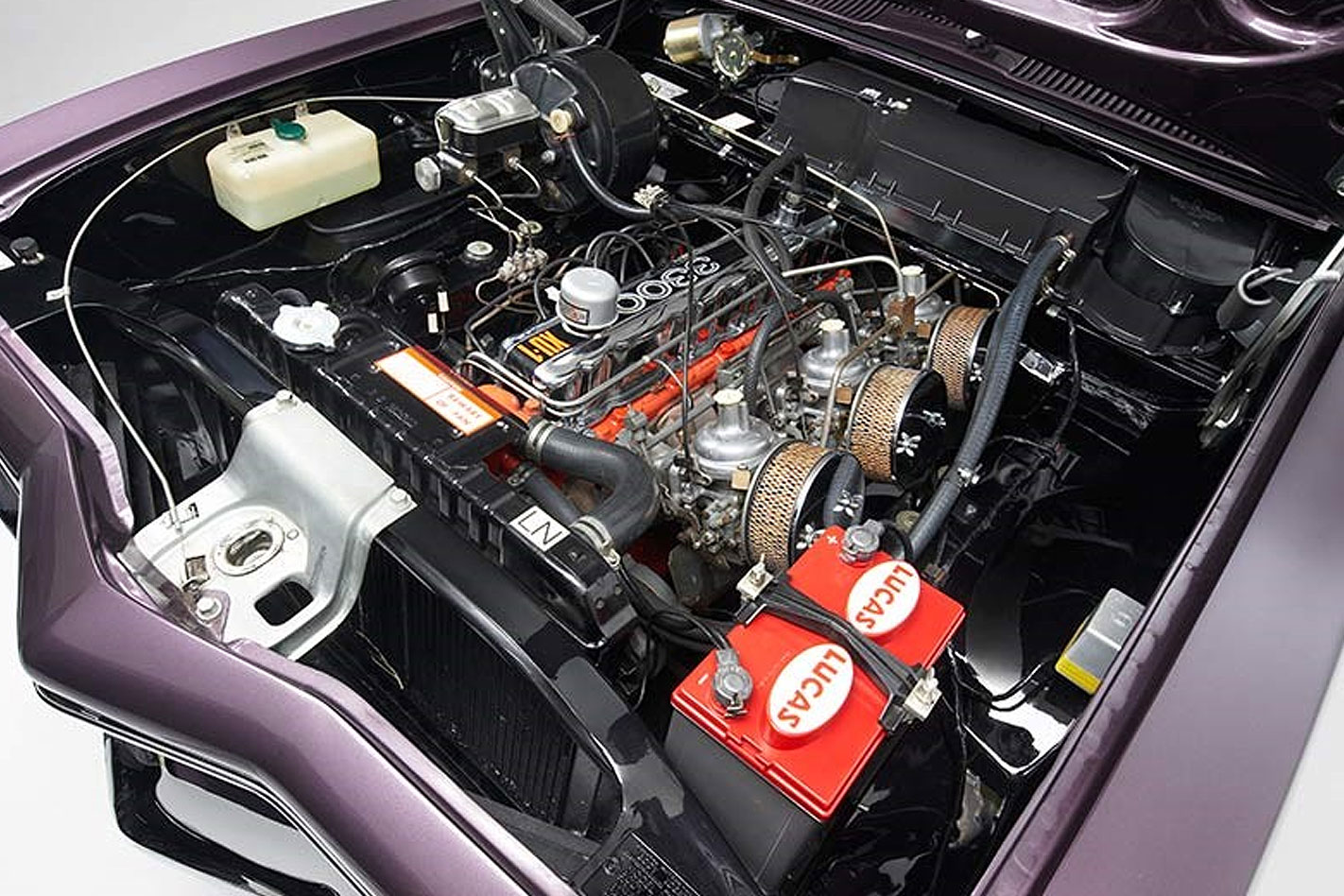
From 1970, Holden’s premium performance package was a lightweight and nimble two-door terror — the Torana GTR XU-1.
The ultimate development of the XU-1’s engine was the LJ 1972 Bathurst special 3.3-litre cast-iron six, complete with lumpy cam, three Stromberg carburettors, 10.3:1 compression and Perfectune Engineering head. It claimed 159kW at 5600rpm.
HSV 5.7-litre V8
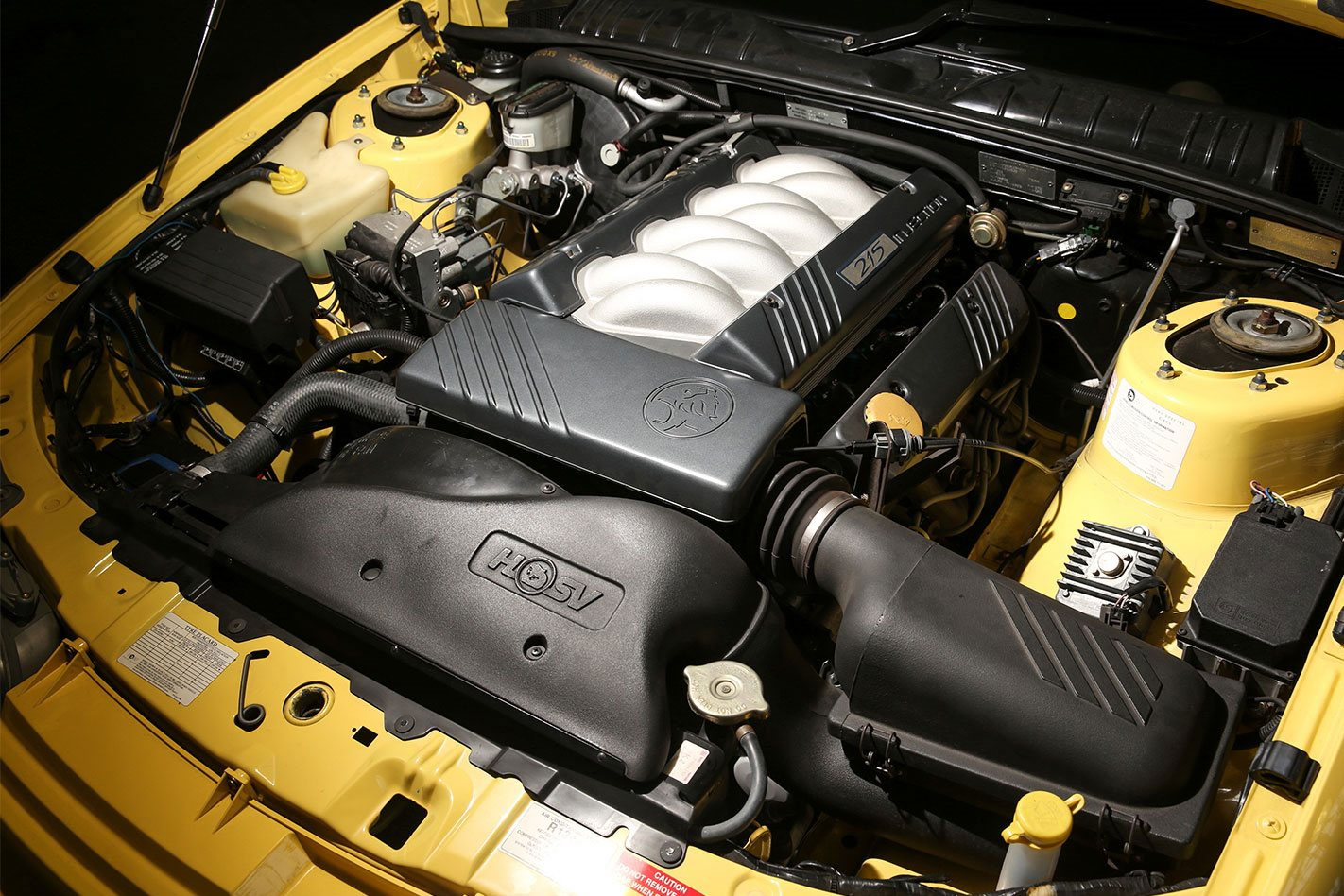
The mighty Holden V8 got some real love towards the end of its life. This started with a decent increase in stroke to give a capacity of 5.7-litres on the VR/VS 215i HSV GTS. Then the venerable donk was given a massive birthday for VT Series 1 and the VSIII utes. These final mods included sequential injection, lighter pistons, a new steel cam with roller lifters, a new throttlebody, revised intake system and twin-cat exhaust. In 5.7-litre GTS form, this delivered 220kW.
Adopted sons?
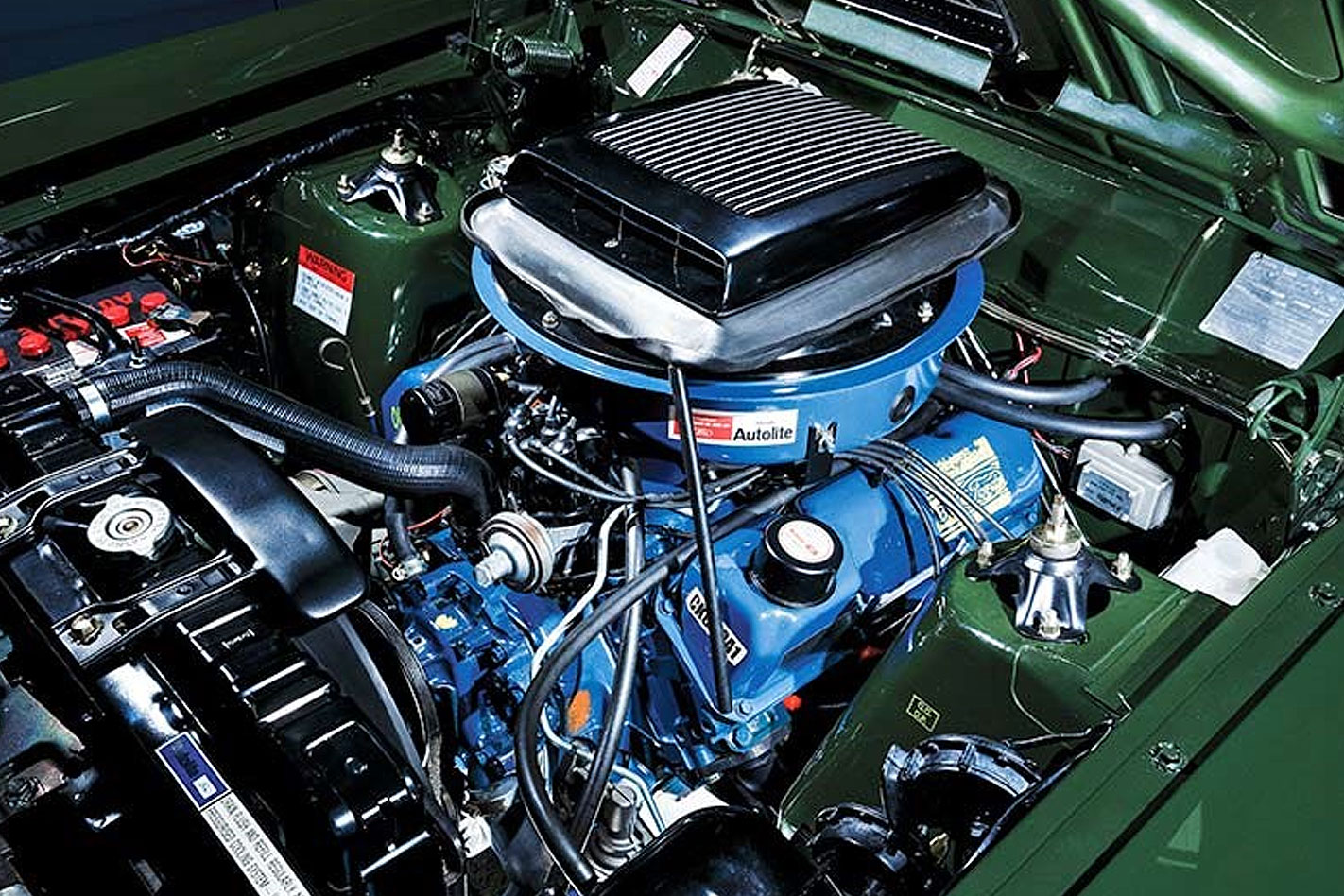
Where’s the bloody 351ci V8 from the XY Falcon GT HO, you ask? While it was assembled in Australia, it was built using imported components.
The EB and EL Falcon GT engines from the 1990s, along with the LS engines last seen in Holden Commodores, are in a similar boat. The boat from the US, that is.
This list is in no particular order, and was adapted from the ‘Our Greatest 10 Engines’ feature first published in Wheels, July 2002.
December 2023: Cybertruck pricing and specs
You might be glad, or you might’ve hoped it wouldn’t happen – but Elon’s teenage wet dream, the Cybertruck, is actually real and finally in customer hands.
Story continues…
Tesla founder Elon Musk has, once again, confirmed that the polarising Cybertruck that was revealed late last year has not been designed for any global regions other than North America, including Australia.
In other words, it ain’t coming, no way, dream on, nadda. Got it?
In August, the billionaire entrepreneur upset a few Australian fans of the bizarre model when he revealed that the company “made the decision to not make this a world truck,” but some chose to ignore Tesla’s commander in chief in the belief the Cybertruck would still be offered locally.
But at the company’s ‘battery day’ conference in the US overnight, Musk has repeated his previous statement that the model was conceived and engineered exclusively for the North American market.
“We are designing the cybertruck to meet the American spec because if you try and design a car to meet the super-set of all global requirements, basically you can’t make the Cybertruck, it’s impossible,” said Musk.
“But this is the biggest market, the North American market is the biggest market by far for large pick-up trucks.”

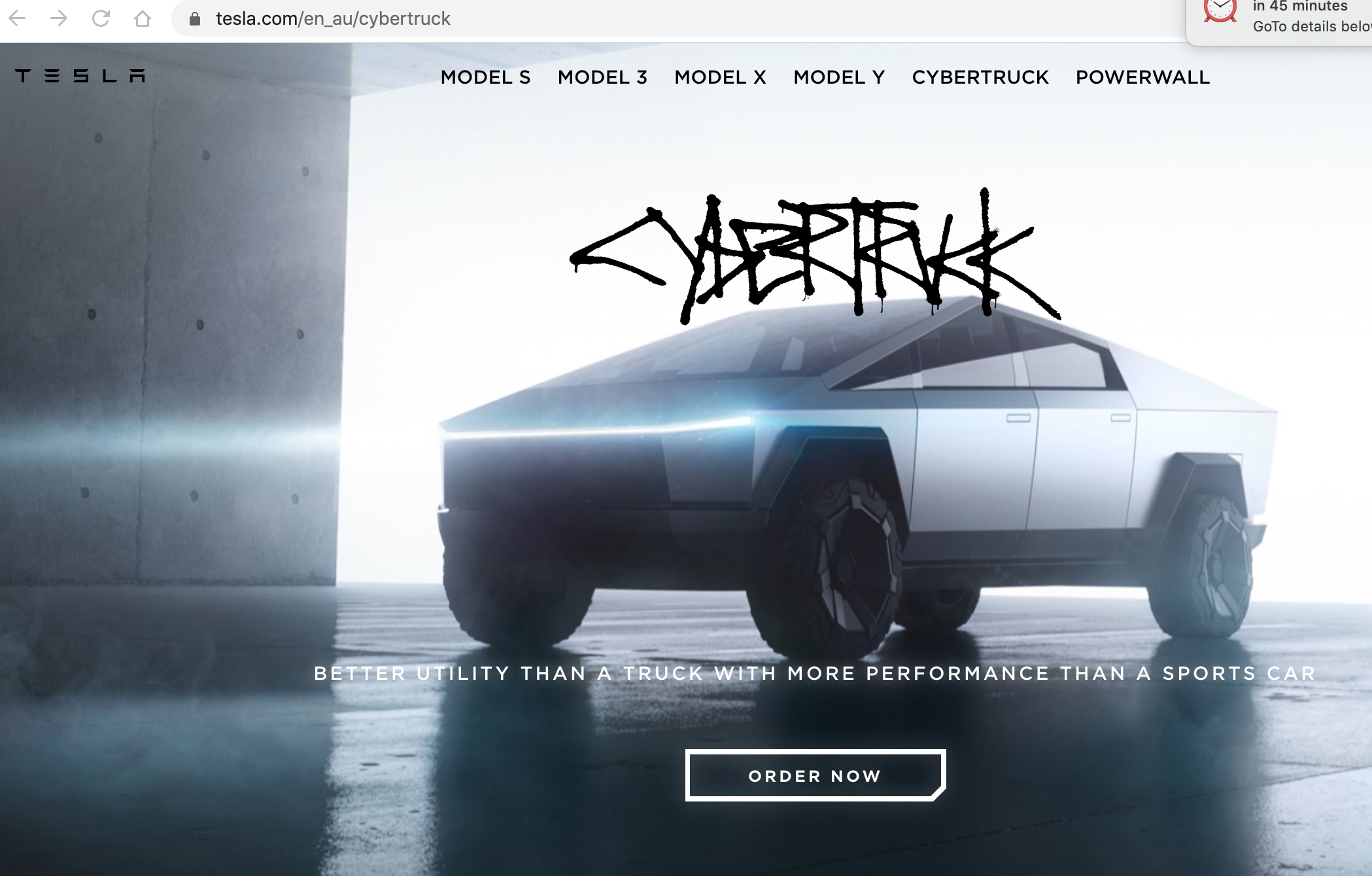
Some will argue that the opportunity to preorder a Cybertruck on the Australian Tesla website is proof the model is, in fact, coming Down Under.
However, we would urge that option to be taken with a grain of salt as the same page also offers the addition of ‘full self-driving’ which is currently illegal on Australian roads.
So, we’re sorry if you were hoping to grab your own example of the divisive car in Australia, but this repetition of Musk’s comments bolsters the confirmation that Cybertruck has no prospects for our local market.
There is a glimmer of good news, however.
Musk went on to say the company might focus on a more compact model that could comply with other global region design regulations, and that could include Australia.
“We’ll probably make an international version of the Cybertruck that will be kinda smaller, kinda like a tight Wolverine package,” said Musk.
“It will still be cool but it will smaller because you just can’t make a giant truck like that for most markets.”
Quite what that will look like, whether the baby Tesla ute will share the outlandish angular design of its bigger sibling, or if a different model will have the same fragile glazing will have to wait until the Californian startup is ready to confirm a second truck in the line-up.
For now though, you’re just going to have to get used to the fact that the Tesla Cybertruck is not going to be offered in Australia. Definitely. No, really. It really, really isn’t. /Daniel Gardner
Original story published August 3, 2019
Tim Robson
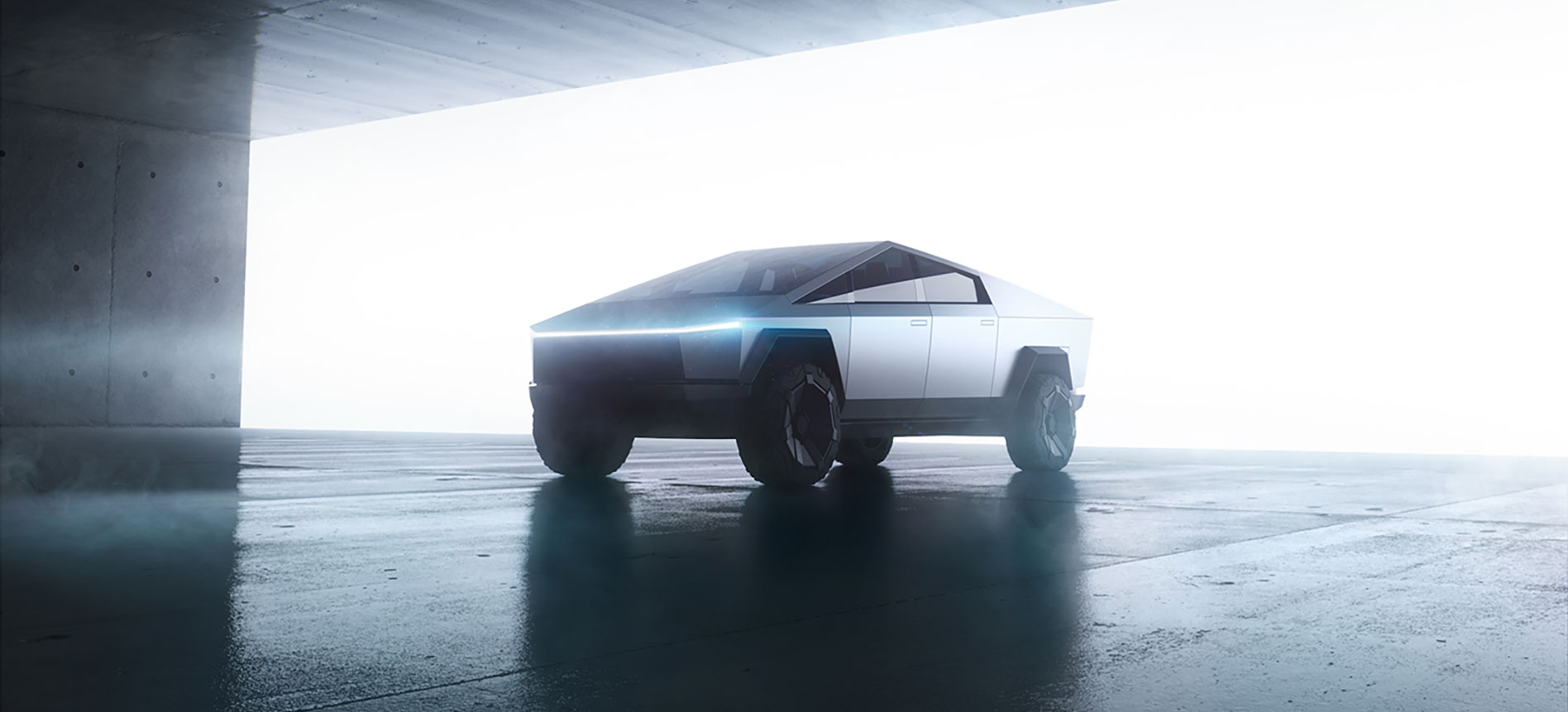
If you had your heart set on turning up in a Tesla Cybertruck for the next Deni Ute Muster, prepare to be disappointed… eccentric Tesla leader Elon Musk has confirmed the wacky Cybertruck will not be sold in Australia or any other overseas markets.
Launched onto an unsuspecting world last year, the angular Cybertruck made a huge splash online, with Tesla accepting more than 250,000 expressions of interest accompanied by US$150 deposits since it was announced in November 2019.
The Australian version of the Tesla website (below) still shows the Cybertruck on its opening page and allows customers to filter through to leave contact details, but it appears it will be for nothing.
“And I should say, we sort of made the decision to not make this a world truck,” Musk told US site Automotive News. So it does not comply with a lot of specifications, like it doesn’t comply with EU’s specs and stuff. But that’s okay, we can always build a slightly smaller truck that does comply with the EU’s specs in the future.
“We’re really, fundamentally making this truck as a North American ass-kicker, basically. The goal is to kick the most amount of ass possible with this truck.”
He also laughed at the notion that the Cybertruck was the product of customer research.
“We just made a car we thought was awesome and looks super weird,” he said, adding that if the large ute’s confronting design didn’t resonate with the buying public, Tesla could potentially pivot to building a more conventional truck.
“If it turns out nobody wants to buy a weird-looking truck, we’ll build a normal truck, no problem,” he said.
WhichCar has asked Tesla’s Australian office if Aussies were able to place deposits on the Cybertruck at launch, and we’ll update the story when we learn more.
Tesla’s polarising pick-up will likely come to market behind EV rival Rivian, which announced last week that its R1T ute will roll off the production line in June 2021, with its R1S SUV dropping in August.
As well, Indian/US concern Triton is planning a mega ute and SUV pairing, though Rivian’s plans are far more advanced.
The words ‘shameful’, ‘car’ and ‘AFL’ in the same sentence could refer to a litany of player drink-driving offences.
They’re equally apt for one of the most cringe-worthy episodes in AFL history that don’t involve the West Coast Eagles club song or The Footy Show.
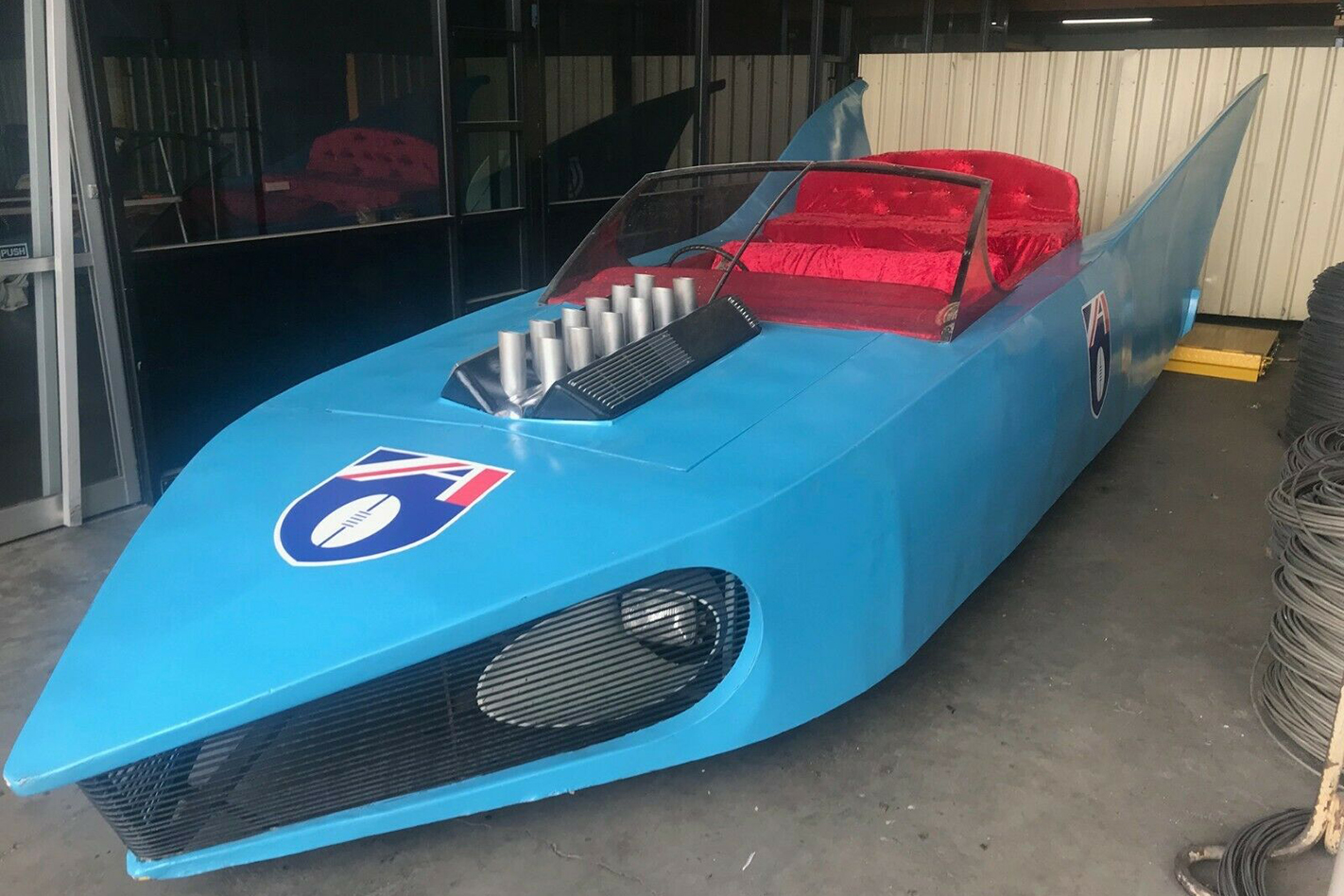
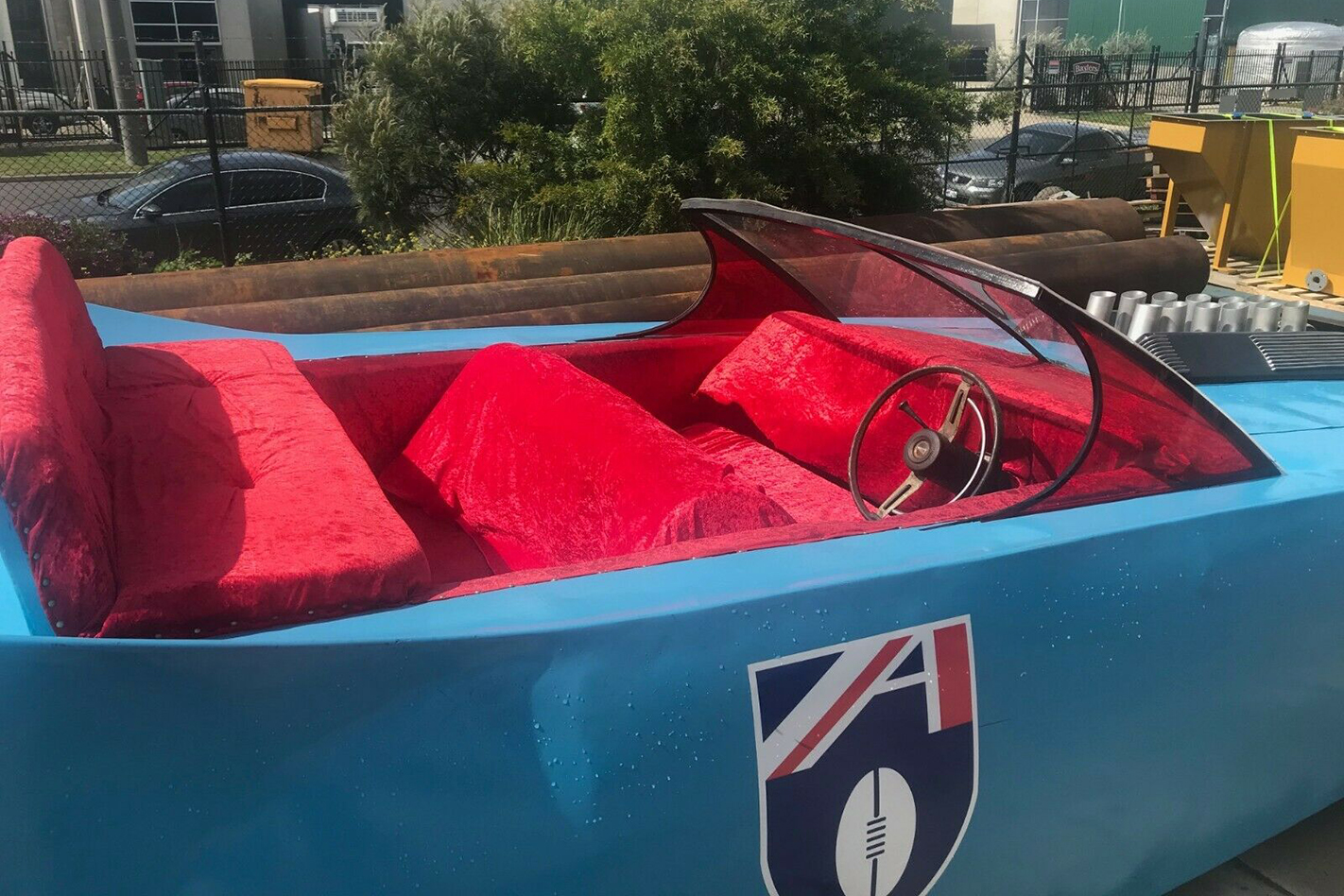
Yes, we’re talking about the baby-blue bewinged roadster that was the star of the pre-game entertainment at the 1991 Grand Final and was instantly nicknamed the Batmobile.
Inside the world of automotive AFL sponsorship
And now it could be yours if you have more than $20,000 to spare!
Details about the car are scarce, with the ad lacking a gallery or much in the way of description – other than its location in Campbellfield in Melbourne’s northern suburbs.
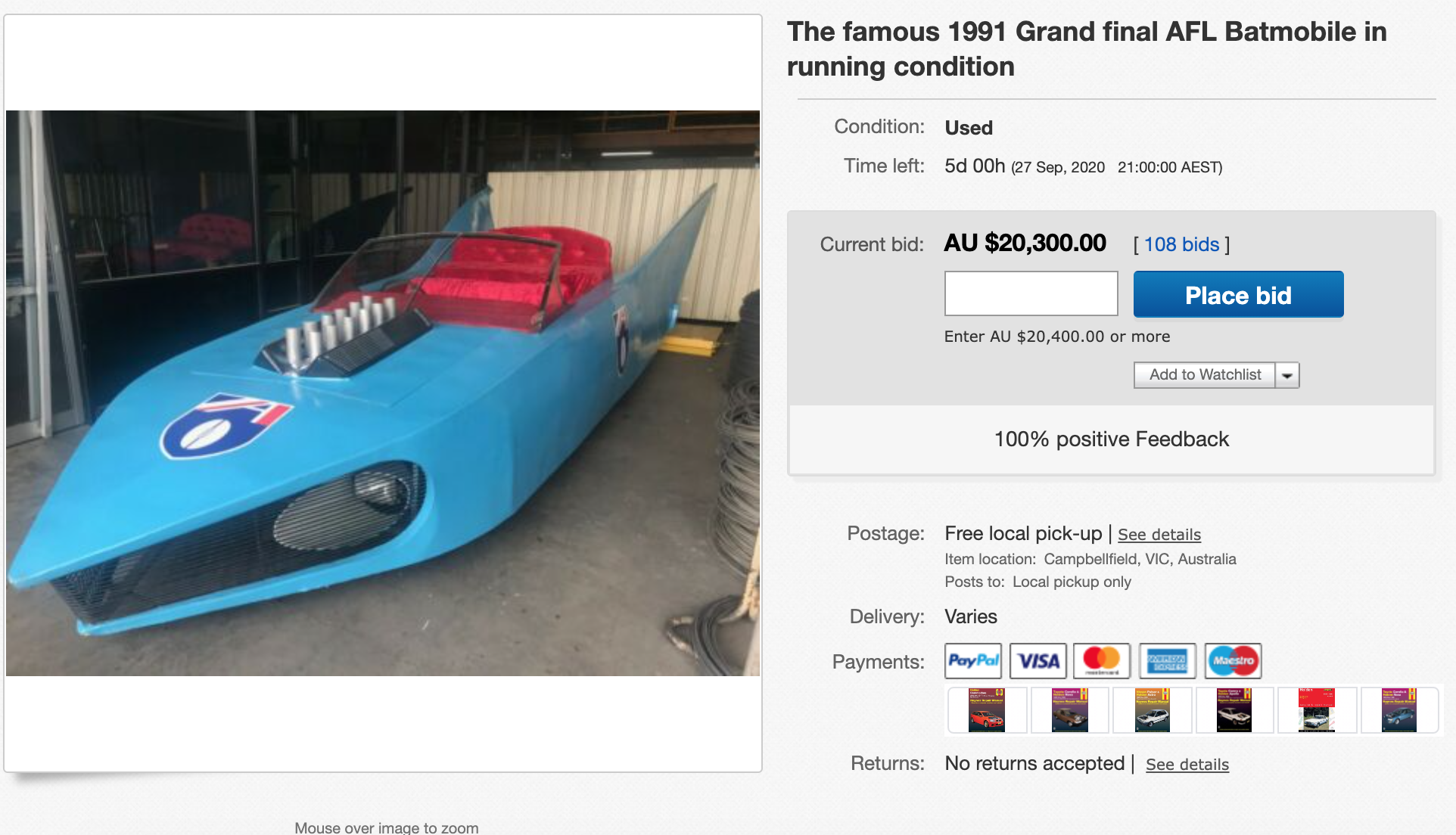
What we do know that it’s based on a 1970 Chrystler Valiant VG coupe and that it isn’t roadworthy.
And it looks about as handsome as the Sydney Swan’s current spot on the AFL ladder.
AFL scores well on the PR front most of the time… but this was a dead set shocker.
The car’s owner, Nathan Young, wasn’t expecting much interest in the ironically iconic car when he listed it on eBay, but he’s set to make a decent windfall from with bids up to $20,300 at the time of writing.
“I’m honestly dumbfounded, my phone hasn’t stopped ringing for something that’s 30 years old, or nearly 30,” he told 7NEWS.
The online auction ends on September 27 .
The Batmobile ferried singer Angry Anderson and marathon champion Robert De Castella in front of 75,000 people at Waverley Park (the MCG was being redeveloped).
It stopped in the middle of the ground before Anderson stood up and – we hope with a sense of irony – sang his hit Bound for Glory.
A curious aside was the 14 Aussie-built Ford Capri convertibles parked in the centre square.
The Capris – an embarrassment in their own unique way – contained luminaries including Brownlow Medallist Jim Stynes, retiring players and other dignitaries, and their bemusement at the unfolding spectacle turned into laughter that only stopped during Meat Loaf’s AFL Grand Final pre-game ‘performance’ some 20 years later.
History is littered with the skeletons and emaciated frames of companies that failed to diversify, staggered to the brink of extinction and, in many cases, died.
Kodak, Blackberry, Blockbuster Video and, perhaps the most obvious and recent example in the automotive world; Holden. None could weather the storm of shifting consumer demand.
But the same fickle and indiscriminate set of circumstances that can undo an organisation applies to almost any company and in any industry if the writing on the wall is ignored for too long – even the petrochemical sphere and the oil giants that occupy it.
It might seem ironic or paradoxical, but in a bid to survive the unstoppable transition away from fossil-fuelled transport and into renewables, oil companies are investing in electrification and EVs.
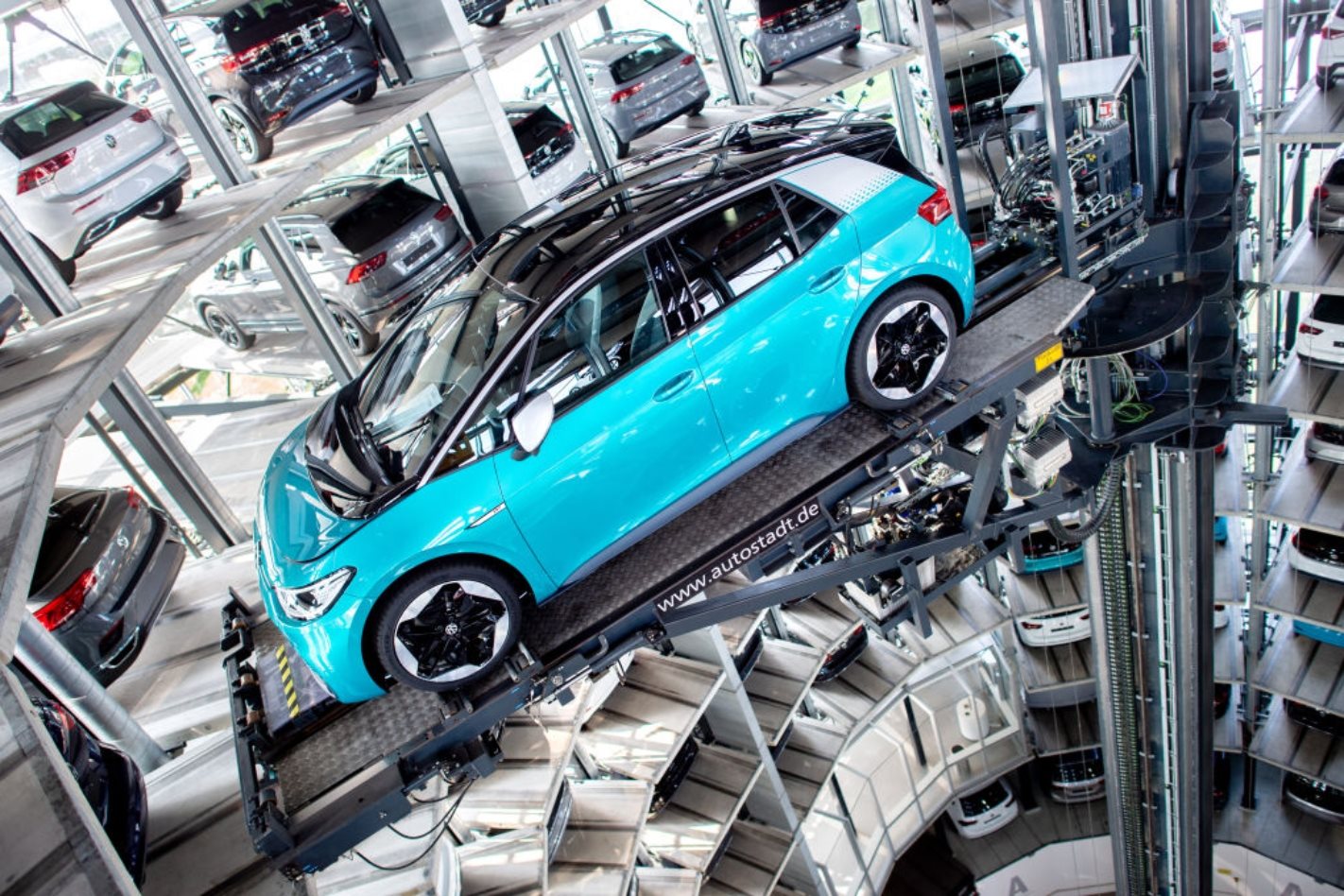
There once was a time when the various oil giants were actively trying to crush the electric vehicle industry and succeeding – indeed there are some theories that suggest they still are.
Either way, whether it be a PR stunt, simple self-preservation, or a balance of both, oil companies are looking for the so-called ‘new fuels’ and green gold.
What are oil companies doing about electric vehicles?
If you can’t dig electricity out of the ground and the business of generation is tightly in the hands of the power companies*, how can the incumbent oil giants muscle onto the EV scene? The answer is utilities and a charging network.
From a historical and legacy perspective, fuel companies are the obvious champions of public charging infrastructure.
With an existing network of refilling stations, installing or repurposing for electric outlets is a smaller step than creating a network from scratch, and their respective branding and identity is already associated with somewhere to go when the ‘tank’ is getting low.
But unlike petrol and diesel cars, EVs can be topped up at home and probably will be a majority of the time so there won’t be a one-for-one filling station swap when an owner retires their combustion car for an EV.
That’s why the oil companies need to do more than simply switch pumps for power points to get a comparable slice of the EV action.
*Many of the big oil companies have interests in power generation including renewable energy.
Royal Dutch Shell
The iconic scallop shell is the most active oil company in renewable energy with more than US$1bn (A$1.4bn) already committed to clean power including ‘new fuels’.
A chunk of the cash was used to acquire Greenlots – a Californian startup with global projects developing charge networks and services as well as collaborations with BMW.
It also bought German battery company Sonnen, one of Europe’s largest EV charging enterprises New Motion, while its acquisition of First Utility has enabled the company to now act as an energy retailer in the UK.
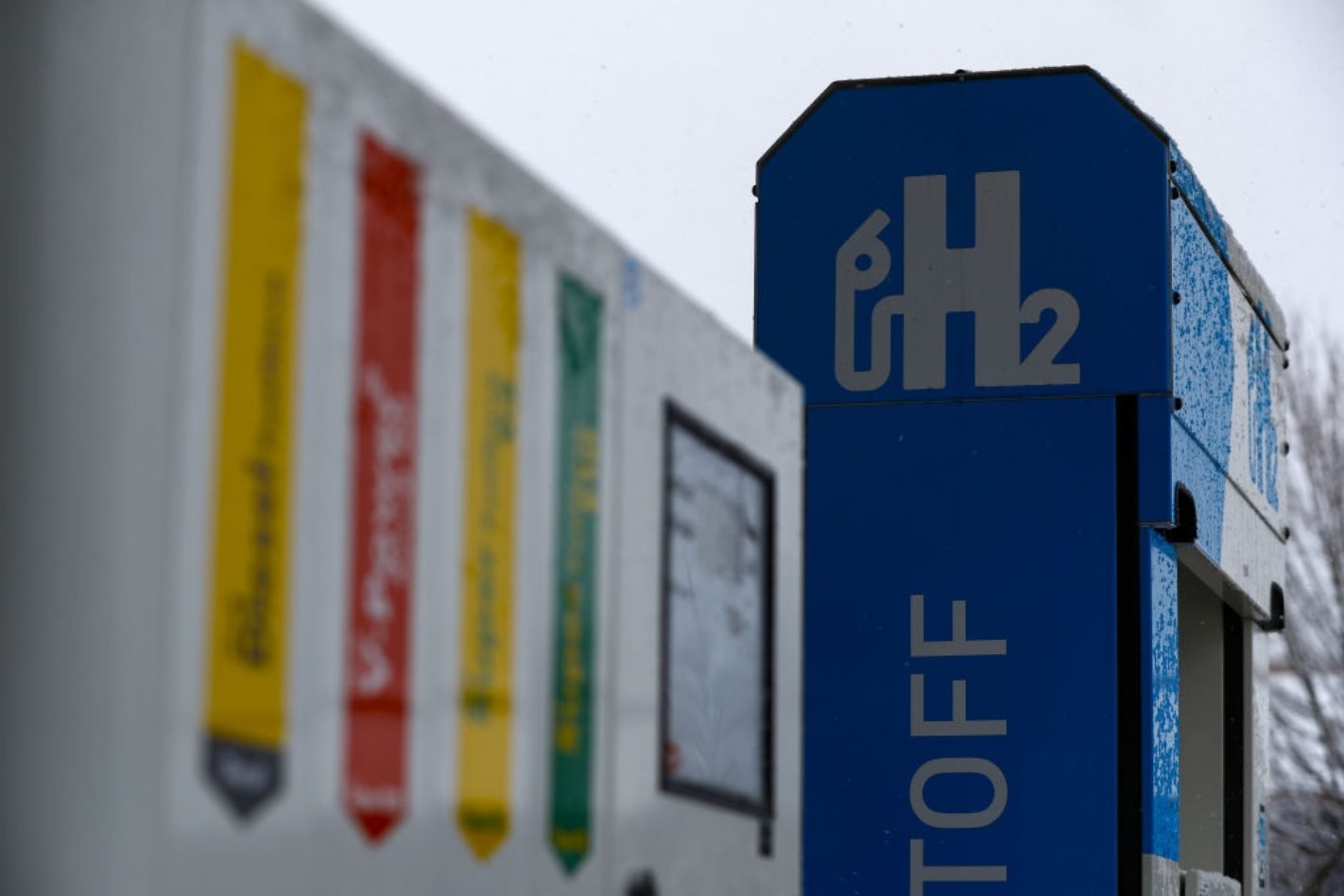
And while battery electric vehicles are garnering the lion’s share of the alternative energy attention, Shell is investing in the emerging potential of hydrogen FCEVs with a growing network of hydrogen refilling stations in Germany.
The British-Dutch giant is also a major sponsor of the Nissan Formula E racing team and says it has a vision to improve the EV driving experience.
“Shell has the unique ability to use its technology and marketing expertise to develop more and cleaner mobility solutions that will serve the growing number of EV customers both on and beyond the forecourt,” it says.
It’s worth noting that Shell has extensive resources in energy generation around the world including wind and solar farms.
Total
France’s big oil hitter has some significant EV investments in its home continent. Partnering with PSA, the company is building an EV battery factory, has 20,000 chargers planned for Amsterdam, and has solar and e-mobility projects ongoing in China.
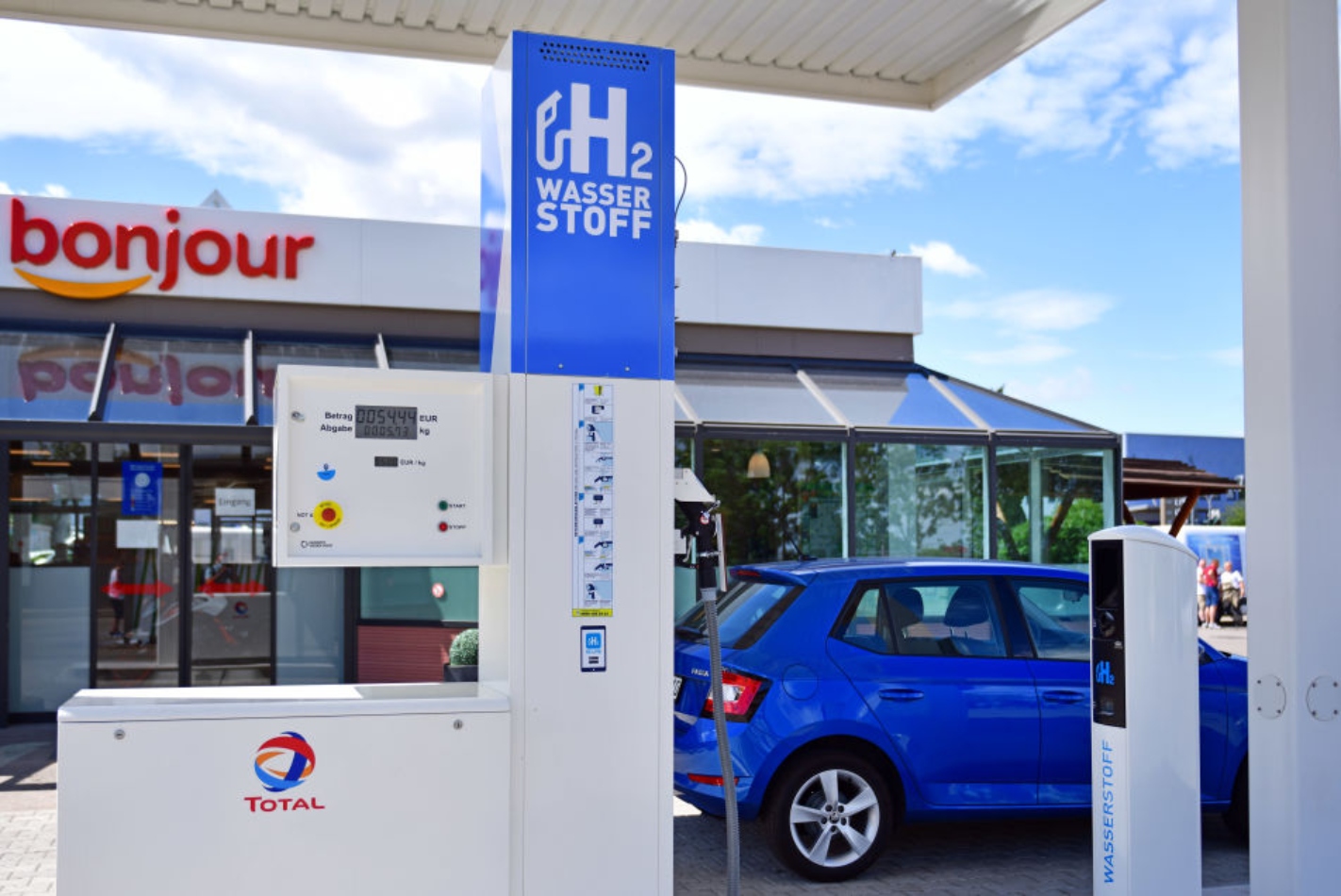
Since 2002 Total has had a hydrogen presence in Germany, where it commissioned its first refuelling station and the partnership with H2 has continued with more hydrogen infrastructure padding out the alternative energy picture.
Total also closed two significant deals in 2018 to add EV assets to its name. The acquisition of G2mobiliuty snared the company a major charging solutions outfit, while the purchase of Direct Energie turned Total into an electricity retailer in Europe.
In September 2020 it further expanded its charging reach by acquiring Source London, the English capital’s largest charging network, which has more than 1600 on-street charge points across the city.
Finding ways to sell electricity is an oil giant trend you can expect to see continuing.
Sinopec
Who? While Saudi Arabian and American oil companies get a lot of the press (both good and bad) in mainstream media, a Chinese company is the biggest global player in terms of revenue.
Otherwise known as China Petroleum and Chemical Corporation, Sinopec is the world’s largest oil company but is yet to match the EV efforts of some smaller organisations.
The group has invested in battery swap technology and infrastructure in its native China, but the company’s main focus is hydrogen and intends to become the nation’s hydrogen leader.

The relative environmental apathy is understandable given China’s green targets that lag many other parts of the world – where power and fuel companies have more of a presence in EV and renewable industries.
Chevron
The North American players have not been as swift to pounce on the EV cause but there are a handful of incentives paving the way for more action.
Chevron Technology Ventures has made a strategic investment in Natron – a Californian tech company that’s developing new energy storage solutions using a revolutionary Prussian Blue electrode innovation.
Chevron is also an investor in Chargepoint and has helped the company build the funds to roll out a massive charger network in Europe and the US.
The venture is in direct response to other oil companies supporting or buying charge infrastructure companies. Dominating charge networks is another strategy that will continue to emerge from oil companies.
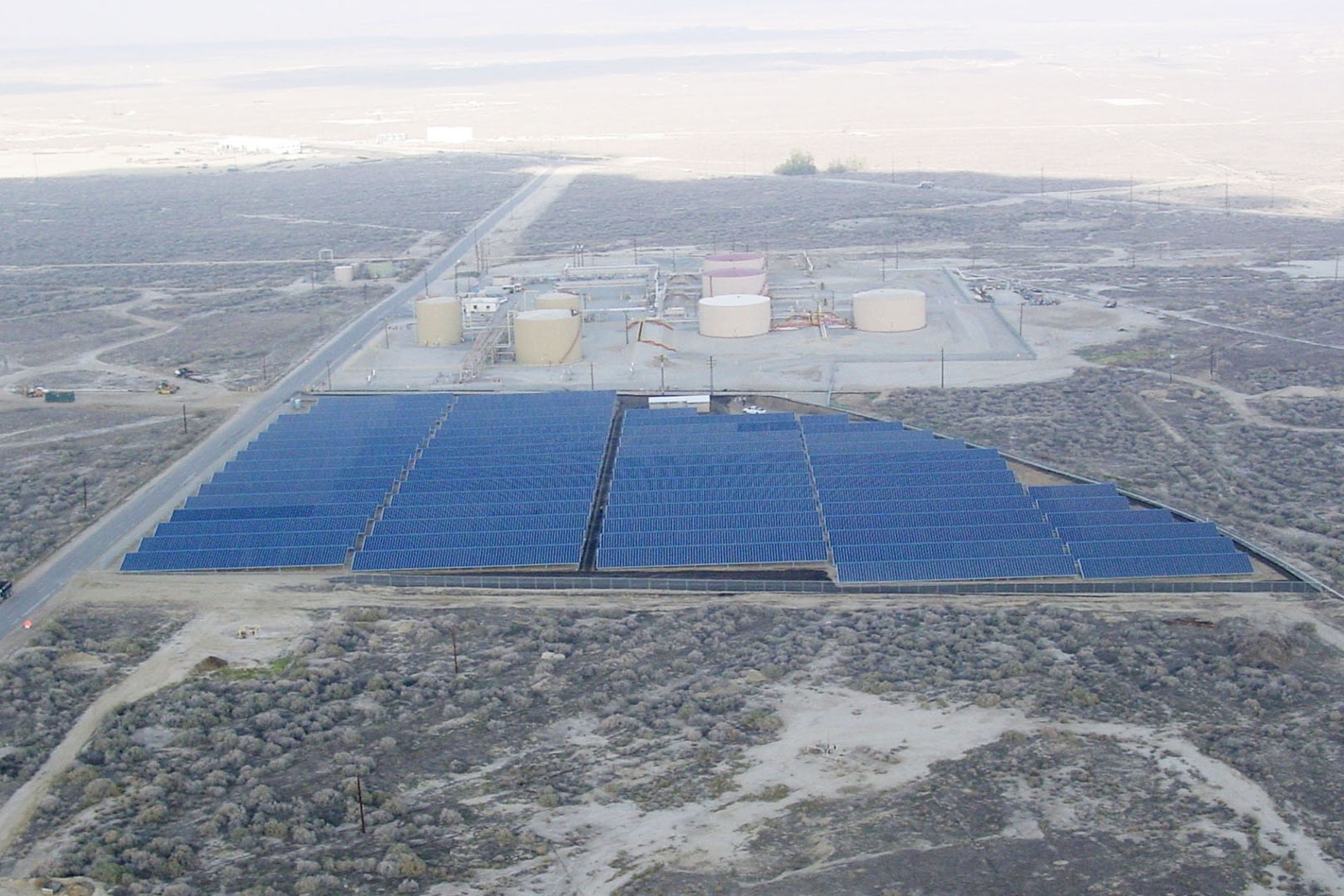
To date, the company has invested more than US$100m (A$136m) in its Future Energy fund and includes the Solarmine photovoltaic array that powers one of its Californian oil drilling fields as part of the portfolio. There’s another irony there if you want it.
ExxonMobil
Fellow North American energy giant ExxonMobil is also starting to talk about an EV-heavy future.
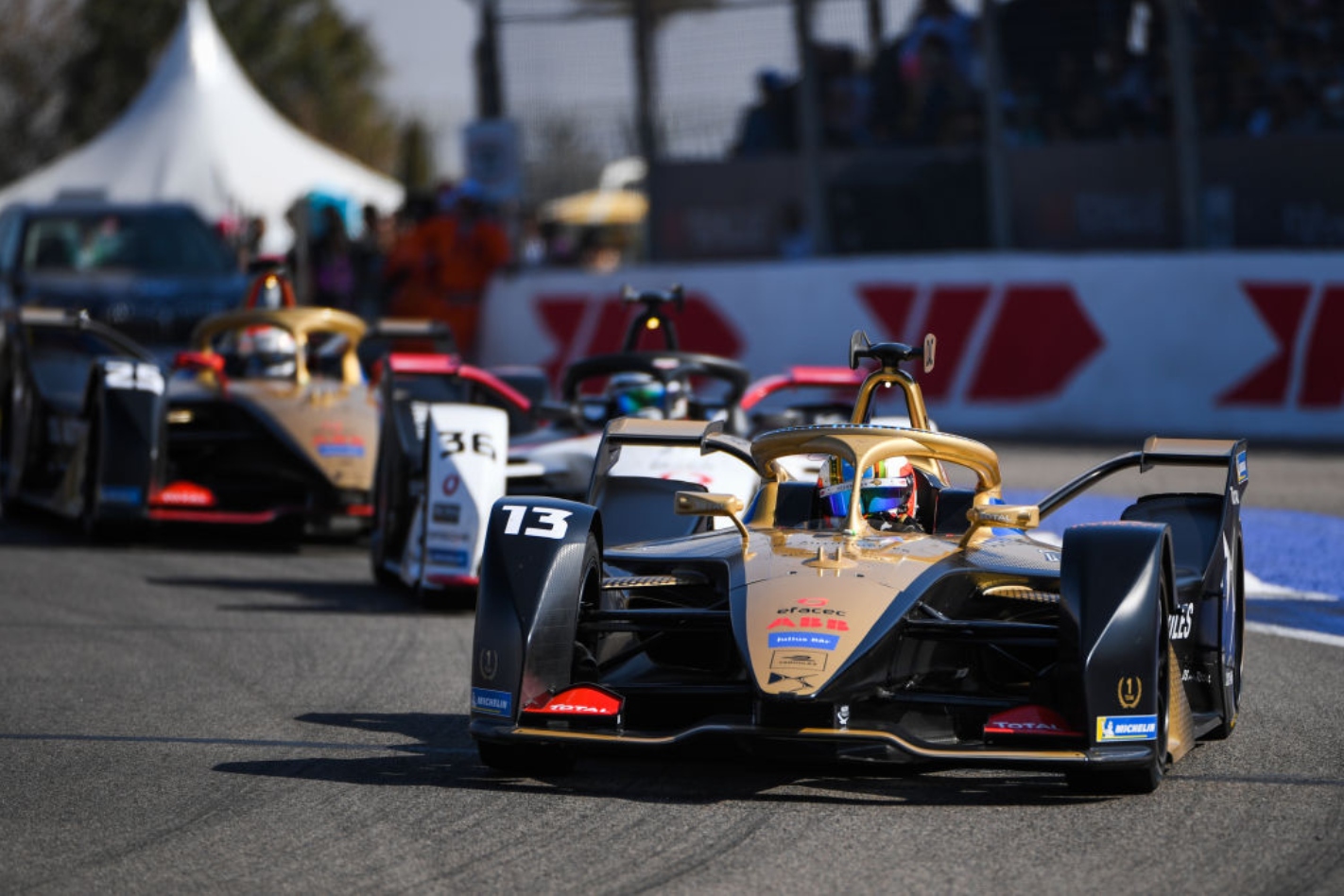
While it hasn’t yet been as actively involved as some of its rivals, the company has partnered with universities in EV projects and is researching electric transport through its involvement in the Formula E championship with Porsche.
BP
Last year, the British multinational announced it would be increasing its presence in China and its lucrative but challenging EV industry. Partnering with DiDi, BP is rolling out a charge hub network across the nation.
In June 2018, the company announced it had bought the UK’s biggest charging network Chargemaster. The venture resulted in more than 6500 chargers around the UK being repainted in the company’s green and yellow (and a little blue), as well as new chargers added to BP forecourts alongside the more traditional bowsers.

Through its sub-brand Castrol, BP also commissioned a report into global EV adoption and examined where the ‘tipping point’ for electrified vehicles lies.
It’s moves like this along with the use of the term ‘climate change’ by the various companies that suggest a petrochemical leopard can change its spots.
Like Shell, BP is regarded as one of the world’s ‘supermajors’ in oil and has significant interests in renewable energy including biofuels, solar, and ‘smart grid’ technology.
Essential oils
But don’t expect the rise of electric cars to silence the drills and scupper the rigs. Less than half of the oil in each barrel extracted from the earth actually ends up as petrol and diesel.
Aspirin, candles, toothpaste, paints, ice cube trays, soft contact lenses and cinematic film – they all require oil in some form.
And the same applies to the manufacturing of vehicles. The stuff in the tank and the sump isn’t the only oil a combustion-powered car has in it nor EVs for that matter, with petrochemical companies continuing to supply products to vehicle manufacturing most likely forever.
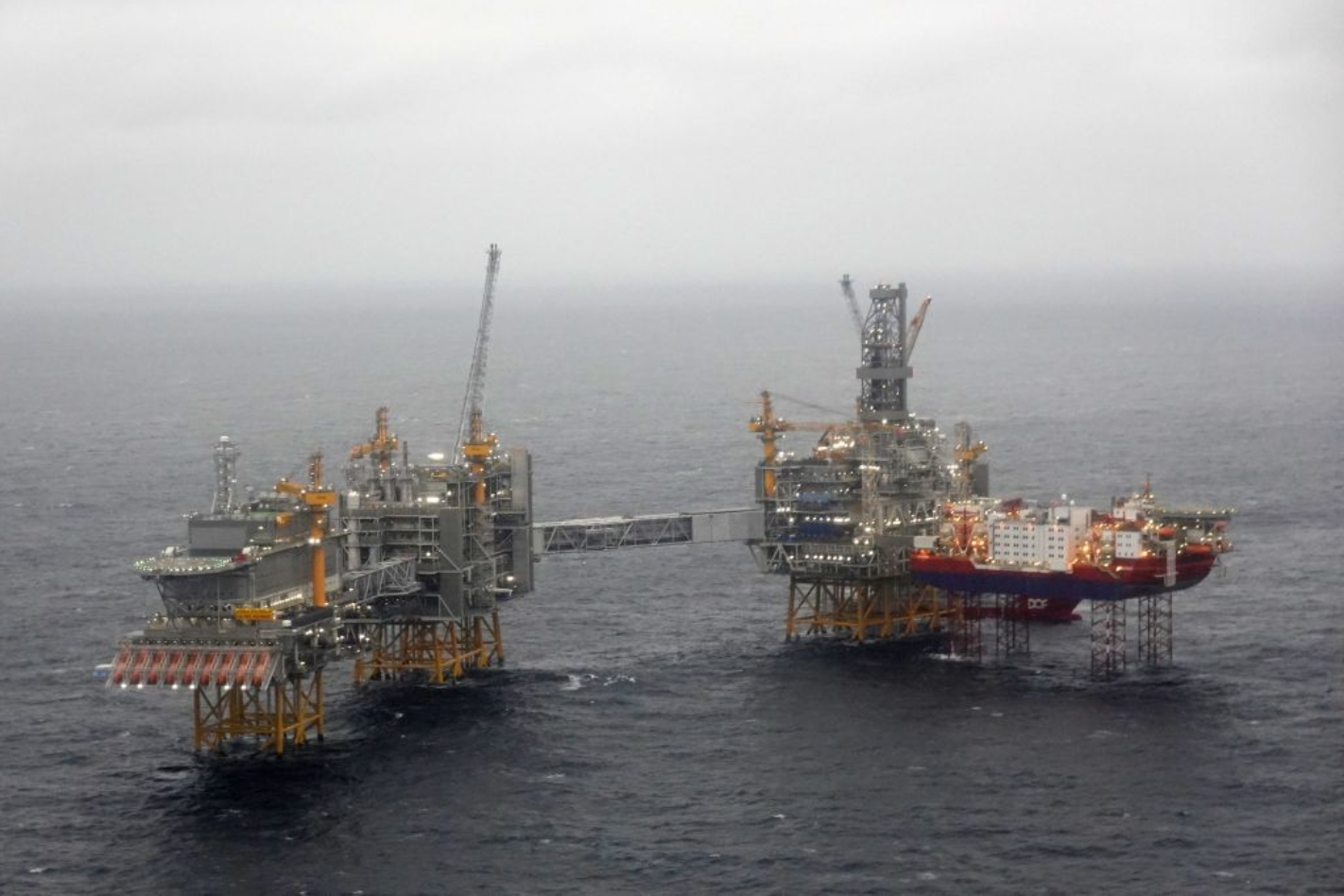
While not all end products need petrochemicals for their composition, part of the process often does. But this too is changing.
More ethical and sustainable materials are being developed all the time including those that depend on petrochemicals less.
For example, the interior of Hyundai’s Nexo contains more than 30kg of materials that are sourced from renewable sources such as bamboo and sugar cane mulch and, while a BMW manufactured in the 1990s had about 15 different plastics in its construction, today’s offerings rely on just four fundamental plastic types.
The simplest explanation
Sceptics and conspiracy theorists might claim oil companies are buying up charging infrastructure startups with the intention of eliminating them from the gene pool to slow or even halt the advance of an EV army, but perhaps the simpler and more plausible theory is the correct one.
After decades of building vast profits from fuelling the world’s transport needs with hydrocarbons, global demand for EVs is forcing the major oil entities to acknowledge electrons are the future and, as the saying goes – if you can’t beat them, join them.
UPDATE, December 2022: See our comprehensive guide on hybrid cars at the link below!
If you’ve come here looking to know more about hybrid cars, you’ll be glad to know we’ve since published an even more comprehensive guide, with references to current hybrid models and the latest relevant technology. Get the full story at the link below.
Story continues…
Hybrid cars are partially electrified vehicles that still use a diesel or petrol engine; whether it’s to drive the wheels or just charge the battery.
The advantage of a hybrid over a full electric vehicle (EV) is they can fall back on the engine power if the electricity supply is dwindling.
That makes hybrids a stepping stone to full EVs, and also means they’re cleaner than standard internal combustion engine (ICE) cars, but with more range and peace of mind than a standard EV.
Simply put, they’re a bridge between the fossil-fuel age and the new era of electrification.
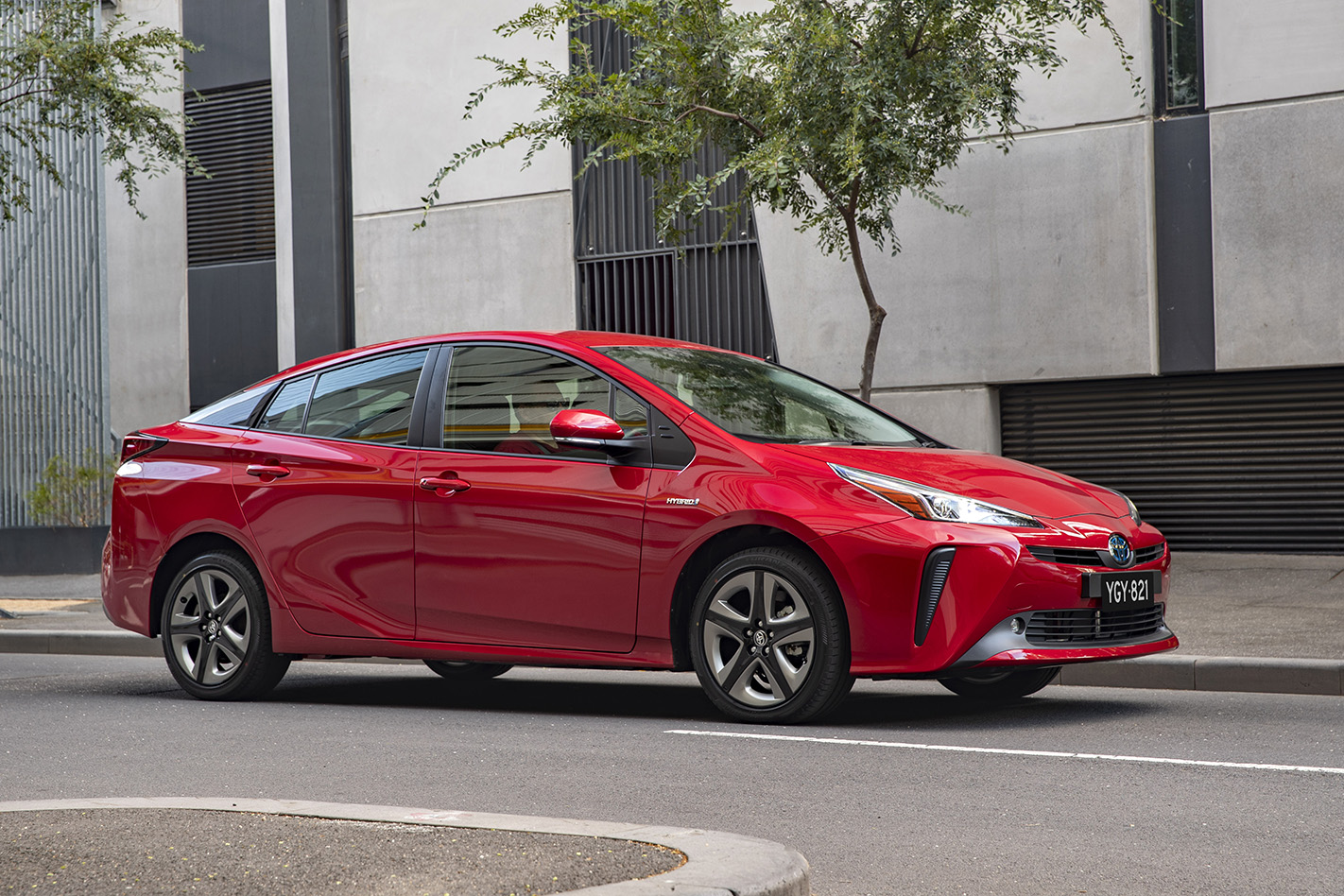
Buy one if you want to reduce your CO2 emissions, save fuel and possible avoid the Luxury Car Tax.
In this article, we explain the major types of hybrid car on sale in 2020 and explain what types of hybrid car you can actually purchase right now.
What’s the difference between a hybrid (HEV), mild hybrid and a PHEV? Keep reading to find out.
How do hybrids work?
Hybrid cars have been around for two decades in series production: Japanese manufacturers have led the charge, with the Honda Insight and Toyota Prius were both launched within months of each other in the late 1990s.
MORE: Diesel vs hybrid: which is the better petrol alternative?Hybrid cars in their various forms – which we’ll talk about later – combine the power from a conventional combustion engine along with an electric motor to propel the car and the result is either more efficient, more powerful or both.
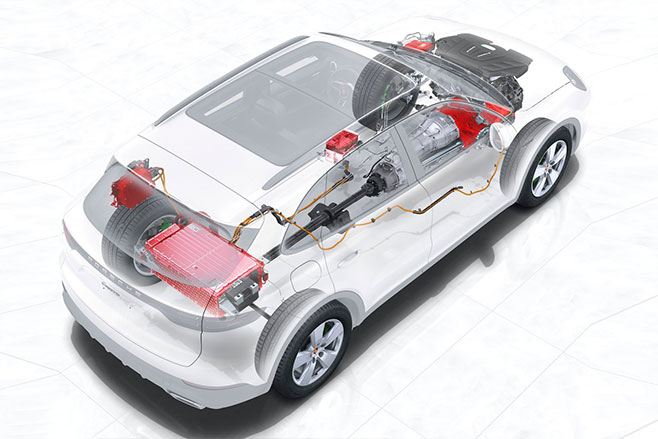
At lower speeds, most hybrids allow a short period fully-electric driving with the engine taking over as the speed increases.
Depending on the system, the electric motor then switches off, coming back on seamlessly when extra power is required, such as when overtaking.
MORE: Are EVs and hybrids good for towing?
The clever bit comes in the power control electronics, which juggle the different power sources. Most do this quite seamlessly, so the driver merely steers, stops and goes – there are rarely other buttons to confuse things (apart from an EV button on some full hybrids, to select full electric drive around town).
The majority of hybrids also use an auto ‘box, so you don’t have to change gear. You’ll usually find a Continuously Variable Transmission (CVT) gearbox, designed to maximise economy and deliver torque or pulling power when you need to accelerate fast.
What are the types of hybrid car?
A traditional hybrid (HEV) is a car which can drive under its own electric power, petrol or a combination: an electric motor on board is capable of driving the wheels under full e-power for a short distance, although most of the time the car will be driven by a mixture of combustion engine and electric motion.
They are sometimes called ‘parallel hybrids’.
Examples of full or parallel hybrids include cars like the Toyota Prius and the BMW 330e. Their batteries are typically small-capacity and they’re optimised for mixed running in daily driving, rather than extended zero-emissions electric range.
What is a mild hybrid car?
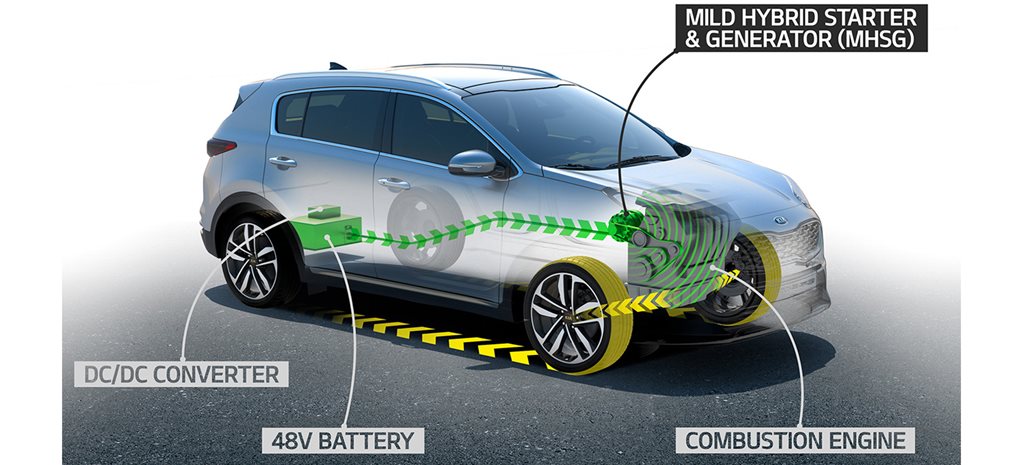
A mild hybrid car is one which cannot drive under electric power alone; the electric part of the powertrain is only used as assistance, and as a way to sometimes cut emissions.
You can read about what a mild-hybrid car is in detail here.
What is a plug-in hybrid car (PHEV)?
A plug-in hybrid is often also referred to as a PHEV, standing for Plug-in Hybrid Electric Vehicle. The name even makes it on to the side of the car sometimes – see the Mitsubishi Outlander PHEV, for example.
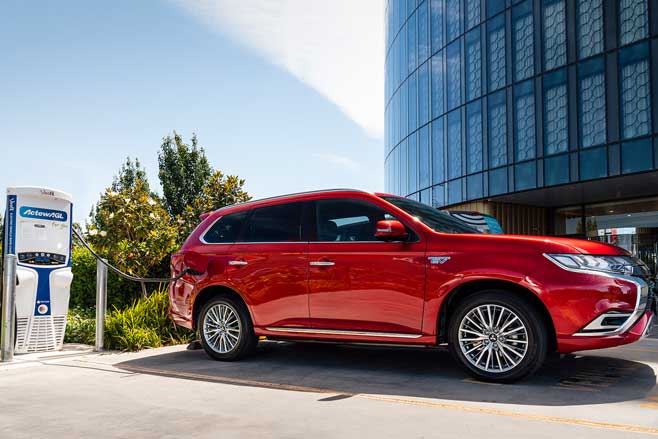
In a delightfully Ronseal fashion, a plug-in hybrid does exactly what it says on the tin: you can plug it in to charge up the batteries when you’re at home or on a long journey.
This means you can provisionally start every journey with a full battery, maximising your chances of driving into city centres on silent and zero-emissions EV mode.
MORE: Plug-in hybrids offer an answer to electrification
Examples of PHEVs include the Range Rover P400e and the new Mercedes-Benz A250e (below). They typically have bigger battery capacities to enable their longer electric range (typically around 30-50 kilometres which is enough for the average Aussie commute).
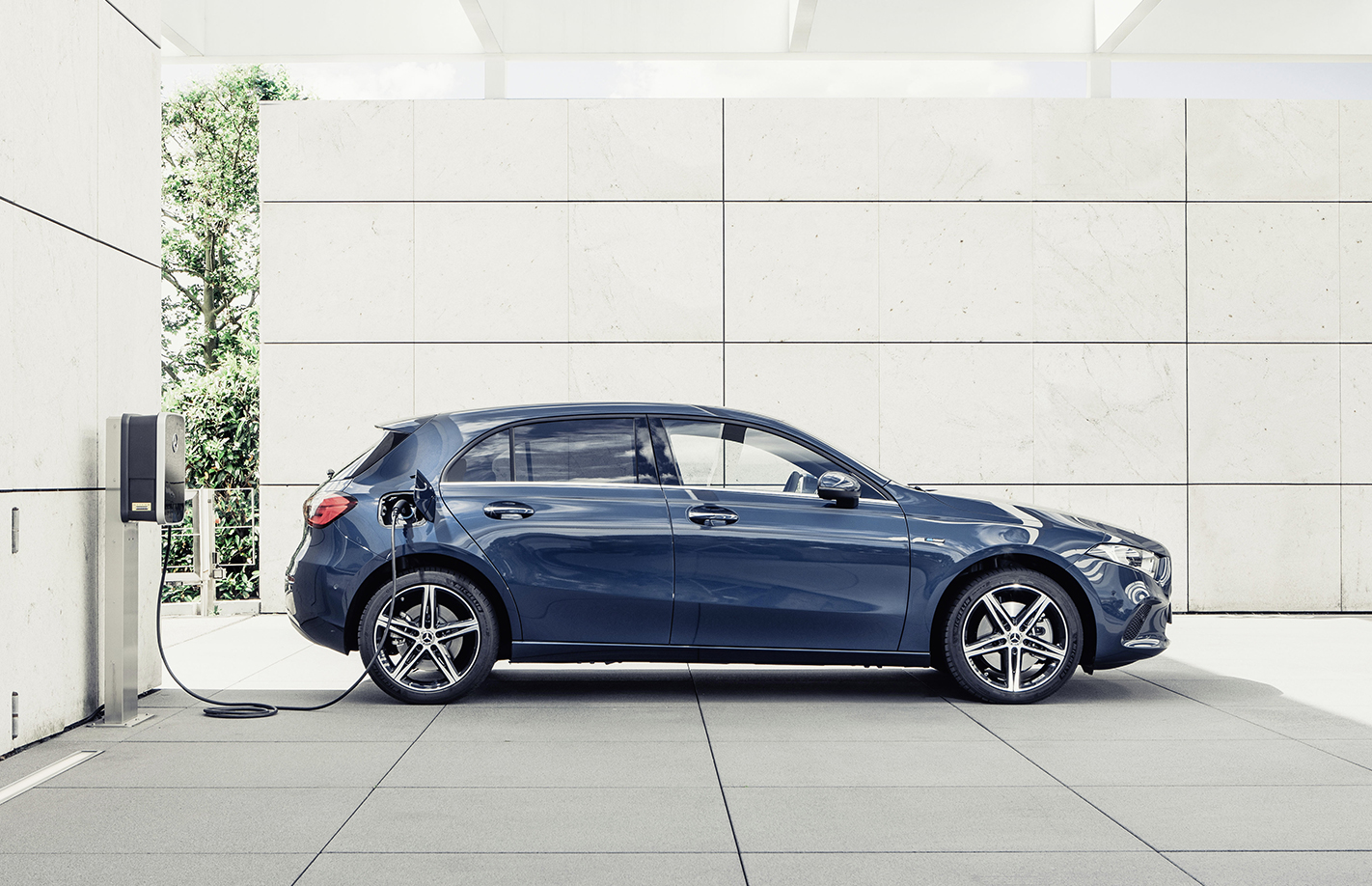
However, recent studies have proved that many owners treat them as internal combustion engine cars, never charging them up.
This is a really bad idea, as you have to carry all the weight of those batteries, but without the benefits in efficiency, they can bring.
The result? Sky-high bills and fuel economy worse than a petrol or diesel car! Therefore, only invest in a PHEV if you have the means to regularly charge it.
What is a range-extender or REX hybrid car?
Yep, yet another category of hybrid… REX stands for Range-Extender electric vehicle, meaning the internal combustion engine on board is only ever used as a generator to charge the battery of an EV, rather than to drive the wheels.
The BMW i3 REx is a good example of the genre, however, it is no longer in Australia.
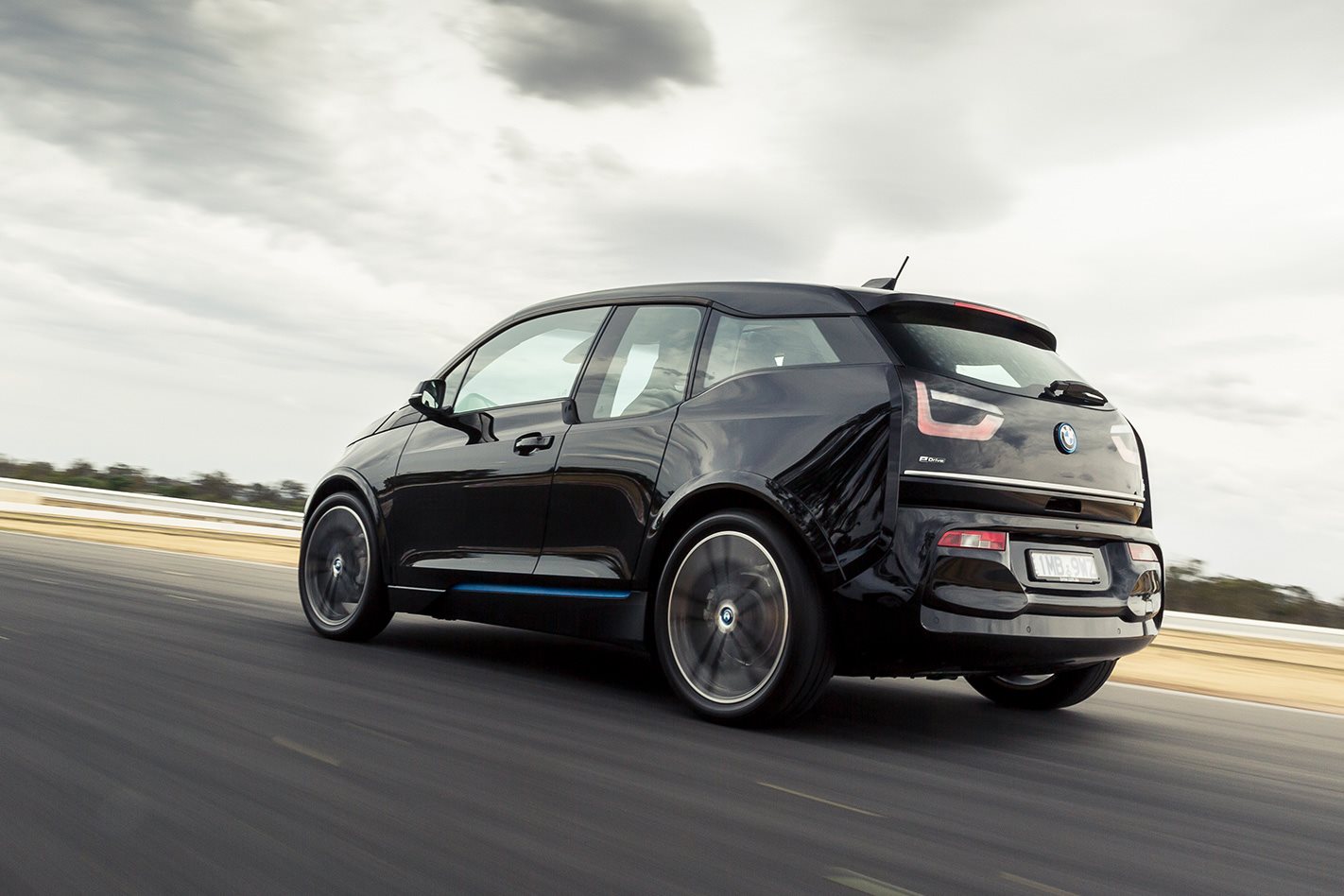
These range-extenders are also sometimes called a series hybrid (so named because the electric motor always drives the wheels – the internal combustion engine (ICE) is plumbed straight into the electric drivetrain, rather than the wheels on the road.
So how do I charge a hybrid car?
Most hybrids are charged automatically without any intervention by the driver. Regenerative braking uses energy wasted during braking or coasting to recharge the battery, with lots of little micro top-ups during normal driving.
Toyota has even started calling its models ‘self-charging hybrids’ to convey this to buyers.
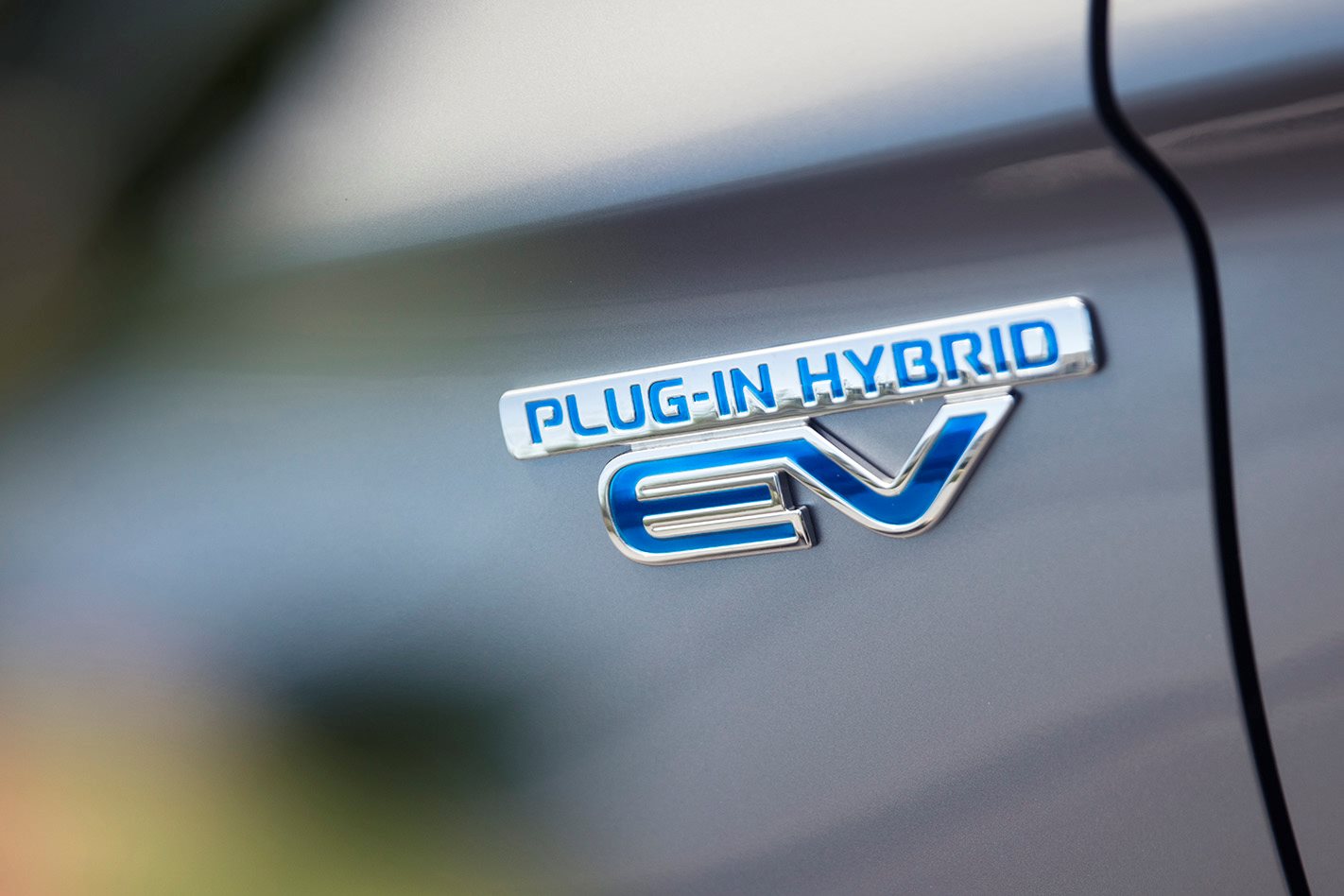
The exception to this rule is a PHEV, which can be plugged into an electric plug to top up the battery: this can be done either at an EV charging point for faster charging or a domestic three-point plug if you’ve got time for a slow trickle charge.
READ NEXT: Australia’s best hybrids
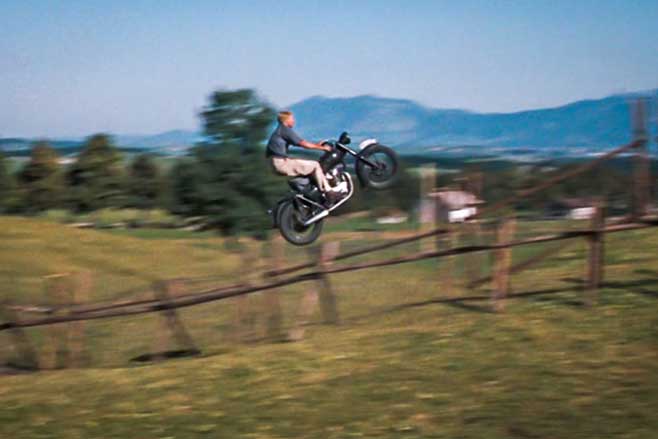
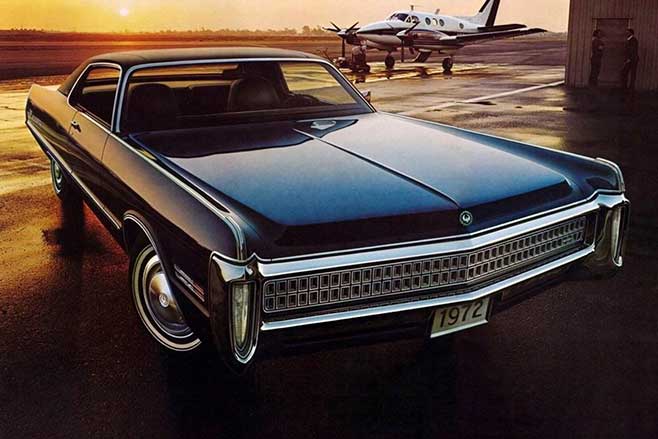

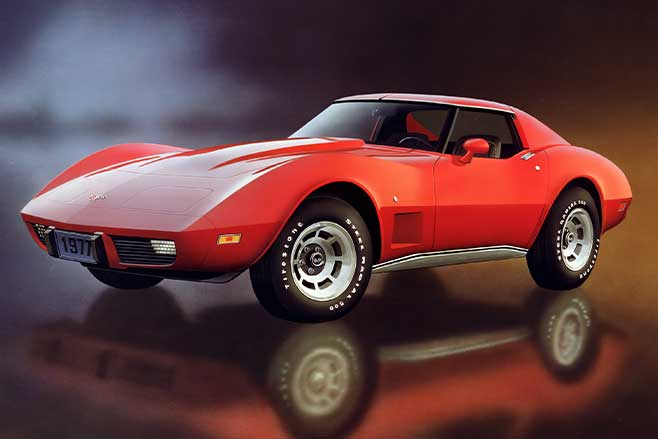
Last, but certainly not least, it can’t be universally hated. While obviously no one is a fan of COVID, there are those out there – step forward, Bunnings Karen – that deny its awfulness. This leaves us with cars like the second-generation Ford Mustang, Chevrolet C3 Corvette and other smog-era muscle cars that had all the flex appeal of Bill Gates.
Or perhaps the DMC DeLorean, a slow, unreliable, poorly conceived and built failure that proved you couldn’t polish a turd, not even if you rolled it in stainless steel, but you can make it a Hollywood star. Of course, the obvious automotive COVID choice is a mid-size Toyota called the Corona, but if you follow the rules above yo…zzzzz. Oh, sorry, I nodded off. Yes, the Corona is far too boring to qualify.
What we need is a car that quickly spread all over the world in huge numbers, wasn’t intended to be dangerous and yet could pose a threat to human life but that isn’t universally despised. The only real option is…the Volkswagen Beetle.

Not everyone views the Beetle this way. Some are swayed by its cutesy looks, its character and its simplicity, but which other car wilfully identifies as a Super Bug? It was hard to eradicate, too, remaining in production until 2003; every time you thought it was gone it would pop up somewhere else.

This may not be the right answer, perhaps there is a more obvious or appropriate choice. I welcome your thoughts on the matter. Send your suggestions in and I’ll have a think about it.
