
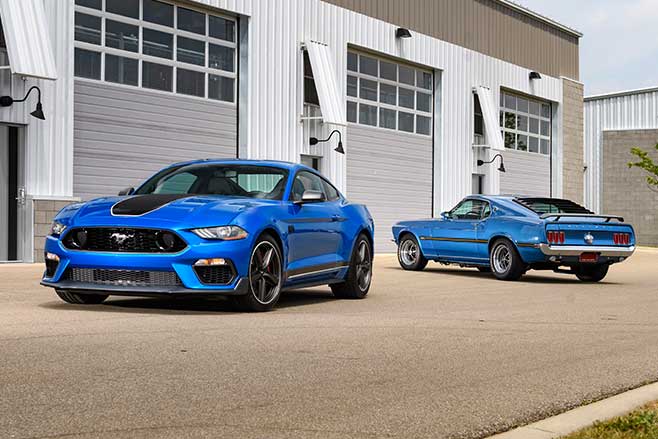
It’s coming. The eagerly-anticipated Ford Mustang Mach 1 will be imported to Australia in right-hand guise.
It will arrive in April 2021 with a quota of 700 cars earmarked for these shores.
Given the limited availability, you may need to act very quickly.
The price of the Ford Mustang Mach 1 will be $83,365 plus on-road costs, and that figure applies to both the six-speed manual and ten-speed auto versions.
Recaro seats will cost an extra $3000, while premium paint will cost $650.
There’s also a special Appearance Pack for one particular paint shade, known as Fighter Jet Grey. A $1000 kit will add orange accents to the interior, an orange stripe on the bonnet and down the sides, and orange brake calipers.
You can also pick from Shadow Black and Oxford White with Satin Black/Red stripes, or Velocity Blue and Twister Orange with Satin Black/White stripes.
Ford Performance boss Carl Widmann almost casually dropped that piece of information when talking about the dry subject of emissions.
“We have four emissions setups for the car,” he explained. “One for Europe, one for Brazil because of the ethanol content of their fuel, one for the US and Canada and one for Australia.”

Widmann then chuckled and noted that Australia is always the toughest place to get the exhaust sounding correct due to noise regulations.
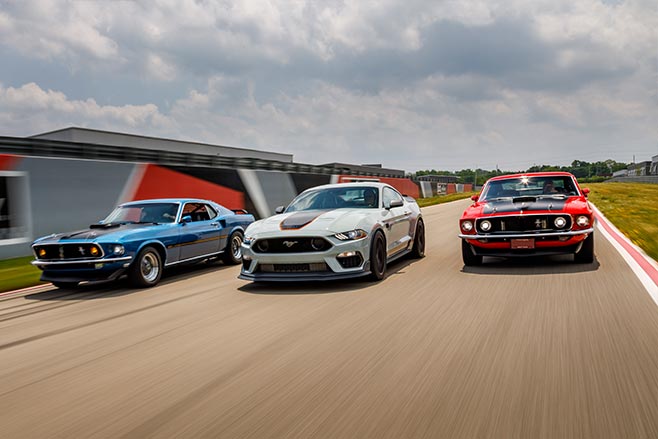
The allocation for the Bullitt was an identical 700 units and sold quickly, but the Mach 1 is an even more iconic nameplate.
The development work that has gone into this vehicle to maximise its endurance on both road and track means that it’s a much more specialist thing than the McQueen tribute, albeit packing the same power.
The $83,365 ask for the Mach 1 is a step up from the $74,000 asked of the Bullitt, but demand is sure to be strong, especially given its tougher mechanicals.
Outputs have been confirmed as being an identical 345kW@7500rpm and a slightly reduced 556Nm@4600rpm.
As detailed in the July issue of MOTOR, much of the focus on development was on integrating a revised transmission and improving cooling.
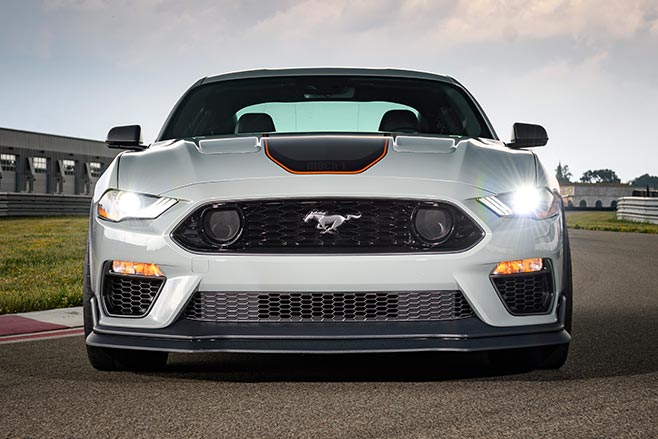
Fighter Jet Grey Mach 1 with Appearance Pack
Mapping the computational fluid dynamics for the heat exchangers has been a lengthy process and the calibration of the 10-speed automatic transmission has also proven a painstaking exercise.
Thousands of kilometres of testing at Grattan Raceway in Michigan, the home of Mustang development, have seen some detailed tweaks to the 10-speed ‘box.
Upshifts now come 350-400rpm higher than in the Bullitt, delivering a more strident note from the 4.5-inch GT500-style tailpipes.
Each Mustang Mach 1 coming to Australia will wear a unique dashboard badge featuring the Mach 1 logo and chassis number, complemented by bespoke sill plates and a new start-up display on the 12-inch digital instrument display cluster.
A new front-end configuration includes a new two-piece upper grille, new lower grille and splitter, and new side grilles.
Ford claims the Mustang Mach 1 creates 22 per cent more downforce than the Mustang GT, via a rear diffuser design shared with the US-spec Mustang Shelby GT500 model, while a longer undertray incorporates fins that direct air to the brakes.
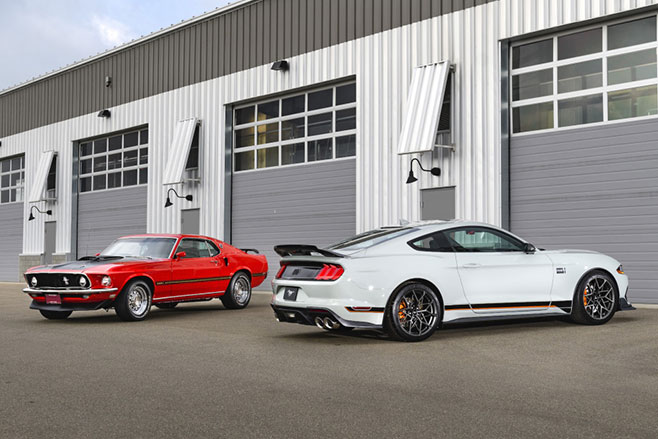
The Mustang Mach 1’s upper and lower front grilles are finished in gloss black, and the iconic Mach 1 logo appears on the rear deck-lid and on each front wing.
Cars will be fitted with Michelin Pilot Sport 4 tyres on wider 19-inch rims, again as a durability measure, rather than the Pilot Sport Cup 2 semi-slicks offered as an option on US-market GT Performance Package Level 2 upgraded cars, or the now sadly departed Shelby GT350 and GT350R models.
Ford is offering a five-year/unlimited-kilometre warranty on the Mustang Mach 1, along with fixed price servicing. We’re confirming whether that warranty will cover track activity and we’ll update when we know.
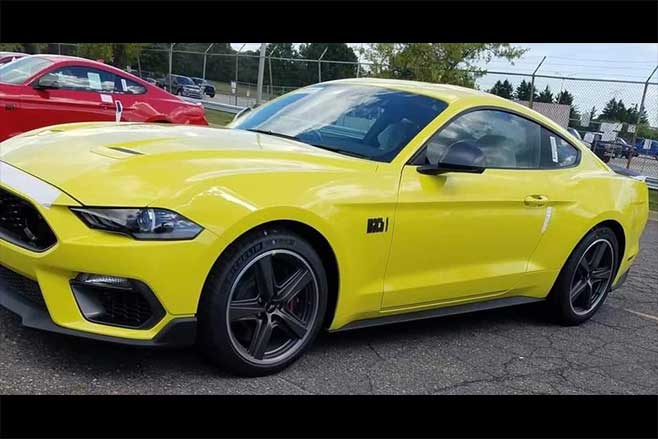
We first rumbled onto the fact that the Mustang Mach1 was a chance for Australia earlier this year, when photos appeared online in August of a yellow base model Mach 1 with the steering wheel clearly located on the right-hand side.
The obvious assertion that the image had been flipped is negated by the fact the grille badge is facing the right way.
This news isn’t necessarily surprising as Ford’s newly promoted Chief Executive Officer, Jim Farley, was quoted in the original press release as saying: “This is one of those special Mustangs that truly brings a smile to the faces of our owners, enthusiasts and fans – including me – so there’s never been a better time to bring back Mach 1 and have it go global too.”
https://www.instagram.com/p/CD4KMDTgIy9/?utm_source=ig_embed&utm_campaign=loading
Until today, Ford Australia has been tight-lipped regarding the Mach 1, telling MOTOR “The Mach 1 news is specific to the US. Here, in Australia, we’re proud of Mustang R-Spec as our halo model.”
“We see a lot of enthusiasm and interest whenever there’s a Mustang that offers something a little different, anywhere in the world,” added a Ford Australia spokesperson. We saw it with R-Spec, which despite being an Australia-only model was picked up globally.”
Questions remain, including whether the optional Handling Pack will be made available in Australia, which includes wider wheels, more focused tyres and extra aero.
Regardless, even the standard Mach 1 promises to be extremely impressive, with the 5.0-litre V8 engine scoring upgrades from the Shelby GT350, including an 87mm throttle body, intake manifold and oil cooler with increases oil capacity by 50 per cent.
These are essentially the same modifications that were made to the limited-edition Bullitt Mustang and result in 358kW/570Nm in US-spec, though Australia’s slightly different test procedures reduce these numbers to 345kW/556Nm.
Also lifted from the GT350 is the six-speed manual with substantially shorter ratios than the standard manual. The auto doesn’t go untouched, receiving plenty of extra cooling to avoid a repeat of the regular GT’s racetrack woes.
This is topped off by wheels a half-inch wider at both ends and retuned springs and anti-roll bars to make the most of the MagneRide dampers that will be standard on all Mach 1s.
In England, they are guffawing into their haddock and chips, the Germans are laughing their loferl off and the Norwegians nearly choked on their Fårikål, with even the slightest mention of electric cars in Australia.
And even the Americans might soon be chuckling into their cheeseburgers at us, should presidential candidate Joe Biden succeed and make good of his pledge to invest billions of dollars in electric vehicle infrastructure.
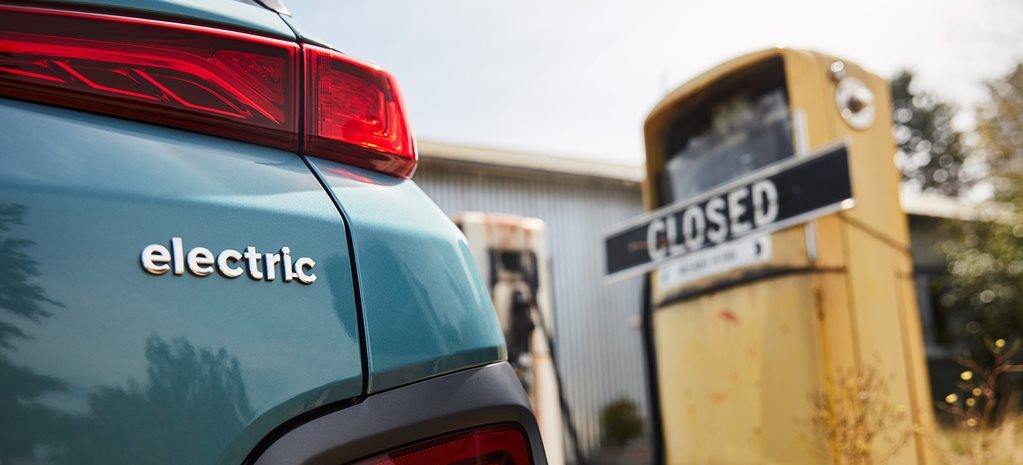
That’s right, while the rest of the developed world is accelerating into an inevitable electric vehicle utopia, Australia has slammed the selector into reverse and is squealing its tyres against the zero-emissions tide. And our bloody-minded resistance is not going unnoticed.
In June 2019 I visited Germany for the first time in four years and was stunned at how much momentum the electric car movement has gained – and it has kept going since.
Nearly 70,000 battery electric vehicles (BEVs) and plug-in hybrids (PHEVs) were sold to Germans in 2018 alone with that figure snowballing since.
In September 2020, there were 21,188 BEVs registered in Germany, triple the number in September 2019. BEVs now make up 8.0 percent market share of German car sales, with PHEVs making up another 7.8 percent – Germans are expected to purchase 300,000 PHEVs this year, double the initial forecast.
In 2018 there were 12,000 public charging stations in Germany, by March 2020 there were 27,730 with the German government set to provide funding for all petrol stations to have charging points as part of its 130 billion euro ($146 billion) economic recovery plan. And those stations will be buzzing with green energy thanks to 50 percent of the nation’s electricity now being produced from renewable sources.
Compare all this with the Australian Federal Government’s 2020/2021 Federal Budget that included money to upgrade a coal-fired power station in New South Wales, and A$52.9 million expanding Australia’s gas industry while allocating a measly A$5 million for electric vehicles.
Cultural cringe
Each time I saw another public charging socket at a shopping centre, tourist spot or service station I sank a little lower in my seat, hoping no one would notice I am from one of the most archaic and antiquated nations when it comes to the adoption of alternative energy.
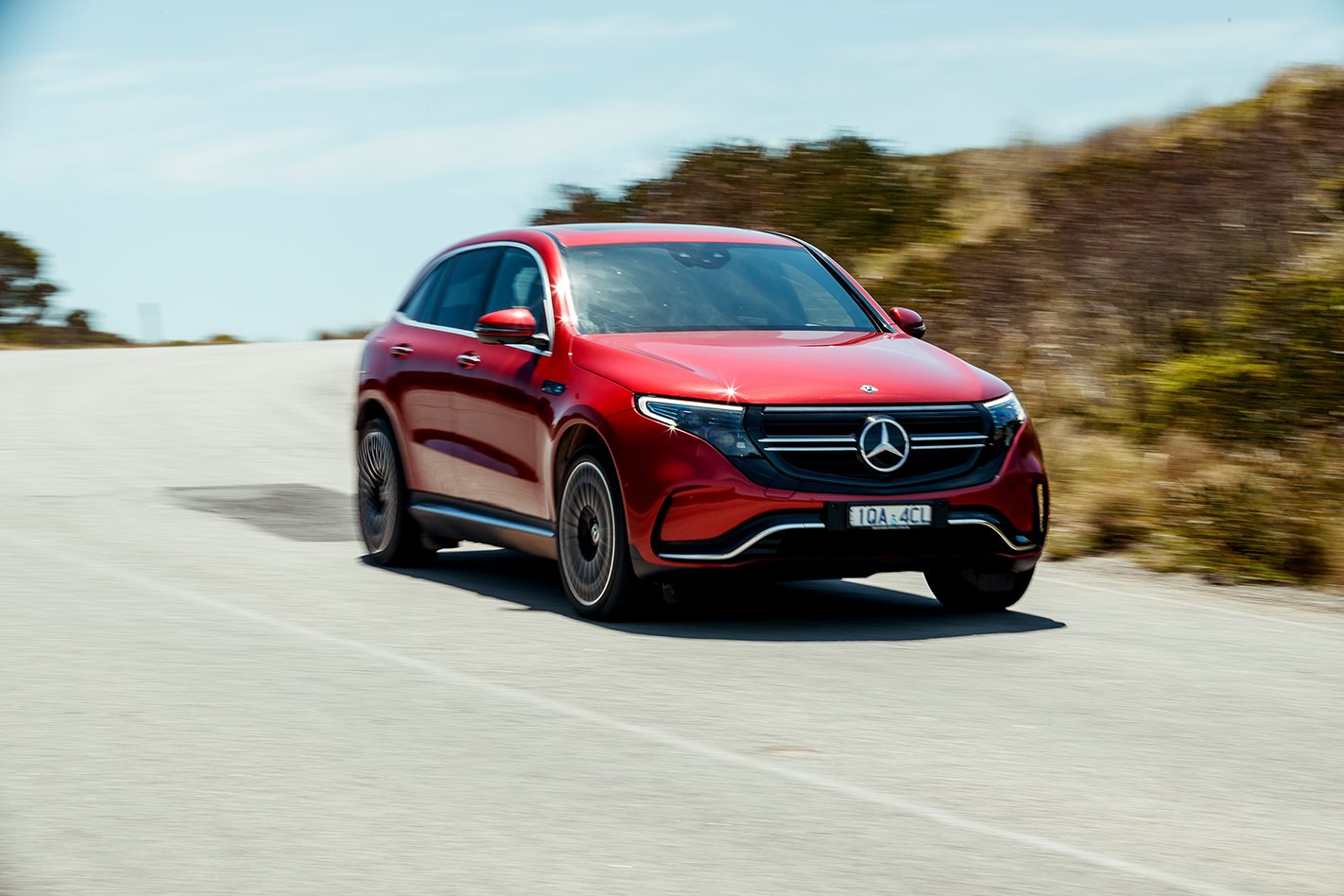
And notice they do. Australia may have the luxury of geographic isolation but the belligerence that it sometimes breeds does not stop the rest of the world taking an interest in the way we do transport. Actually, it’s more morbid fascination than plain interest.
Get chatting to a German and, regardless of their political inclination, they simply won’t believe why we are so opposed to electric vehicles and gorging ourselves on fossil fuels. And when you see just how feasible Germany makes the transition to electric cars appear, you probably wouldn’t either.
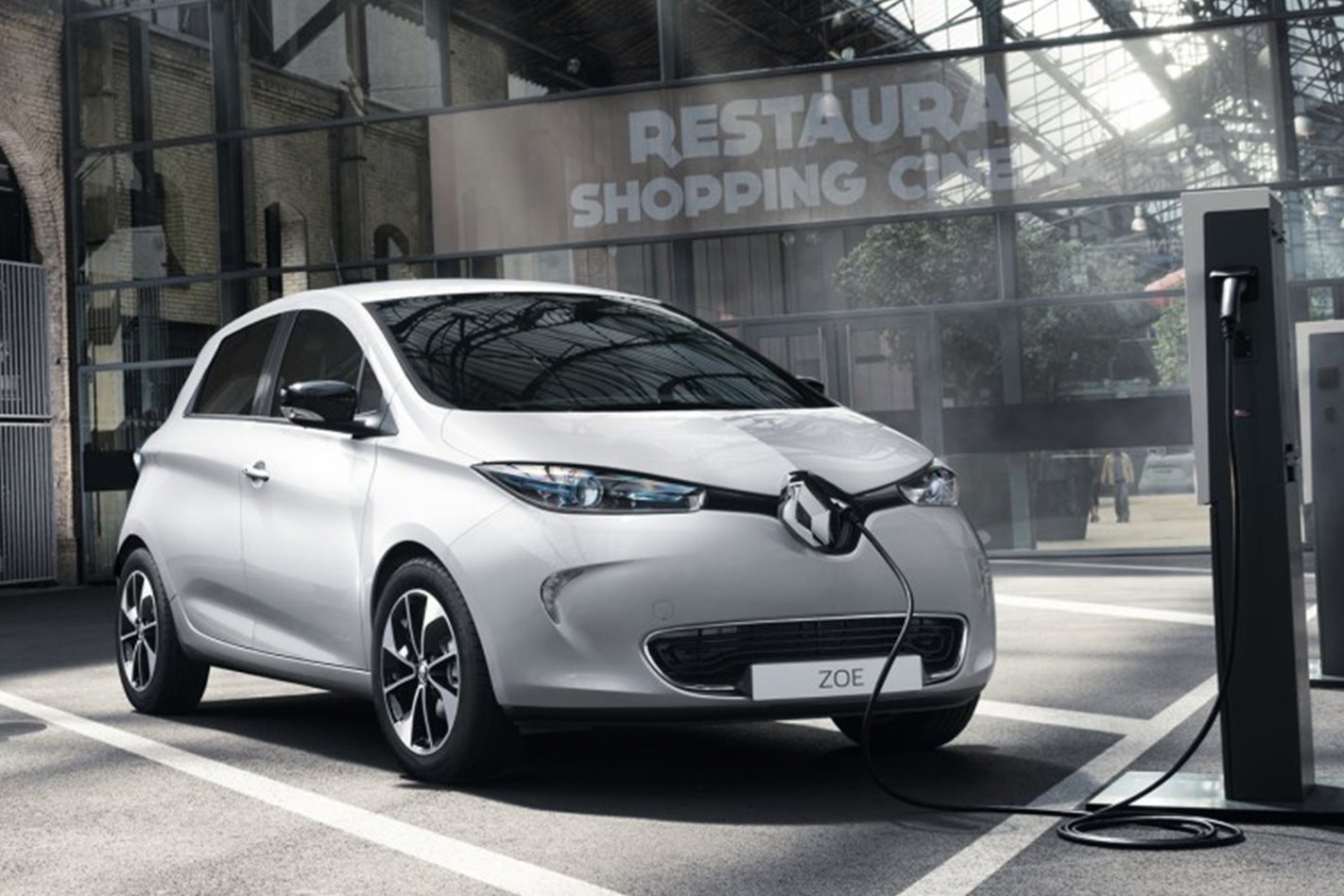
What seems like an insurmountable achievement for Australia even if it changed its attitude tomorrow is only a start for Germany. Battery storage and smart grid capability are being rolled out to public charging points, taking the pressure off energy infrastructure, charging infrastructure incentives will continue to grow the network, and government incentives will encourage more drivers to make the switch to EVs.
Want more? German EV owners are not charged motor vehicle tax on their EV for 10 years and charging it at work is not regarded as a taxable fringe benefit. That’s a whole lot of reasons to go electric.
If you are one of the many Australians that believe electric cars won’t work, then I am afraid you couldn’t be more wrong. The number of example nations that prove its feasibility now far outweigh those that don’t.
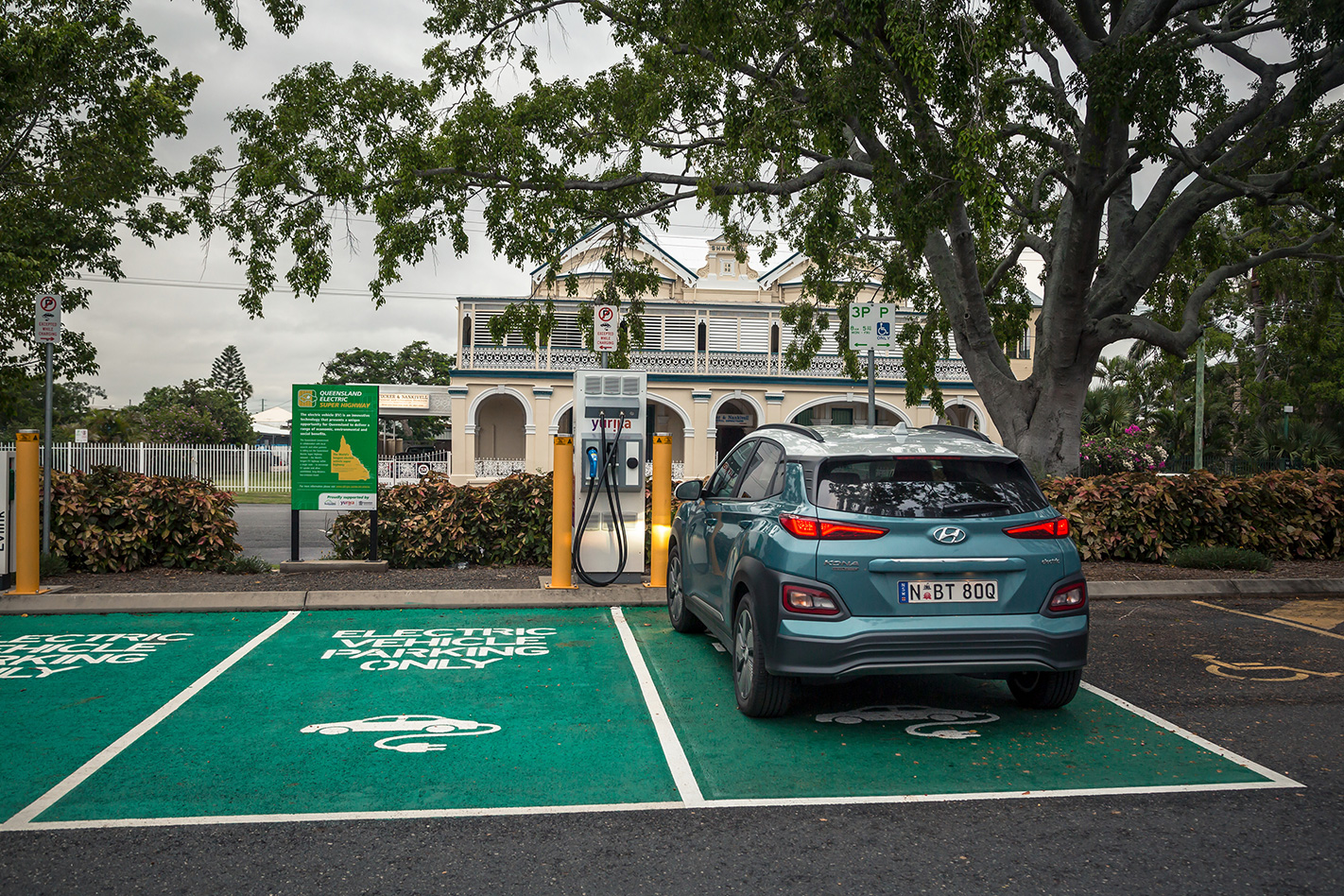
And please don’t even bother trying to pull the “Oh but what if I need to drive to Sydney from Melbourne?” counter punch. When was the last time you actually needed to? And if the answer doesn’t instantly invalidate your argument – as it does for virtually everyone I speak to – then combustion-powered vehicles will still be available to do that job until EVs can.
That’s the point. No one is coming to take your car away any more than diesel trucks have been confiscated in Germany (which hasn’t happened or is likely to happen, in case you were wondering though). If combustion power makes the most sense, then its future is safe.

Jump the Channel from Germany to the UK and it’s the same story. The last time I was in London, overland public transport was almost exclusively powered by diesel and the result? Buildings stained cab-black and faces flushed bus-red.
But positive action from local and national governments alike is turning the tide. Today, 10 percent of London’s black cabs are hybrid and 3000 fully electric buses have hit the roads.
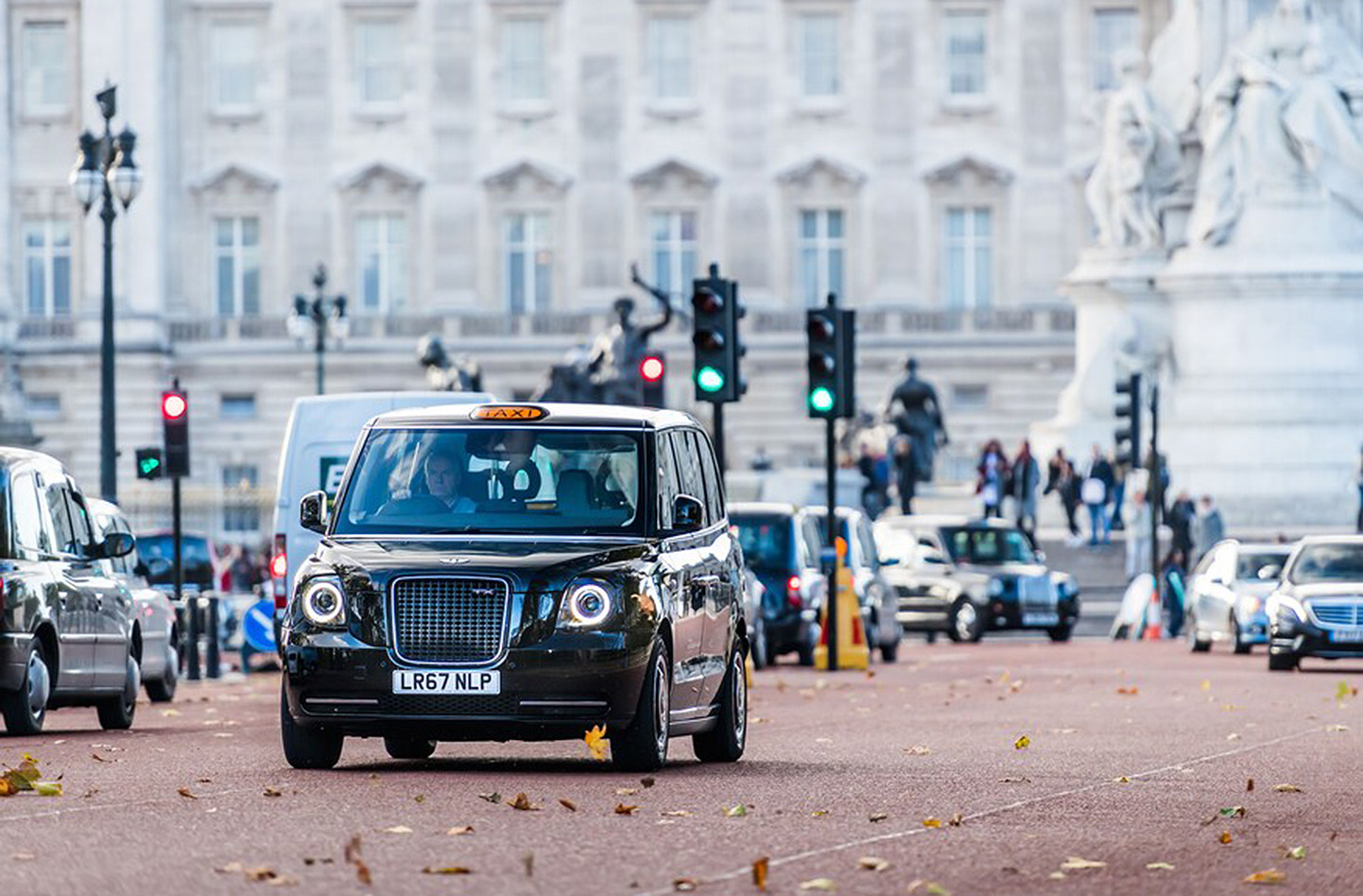
The company behind the hybrid cabs – The London Electric Vehicle Company – is struggling to keep up with demand as more cabbies make the switch to cheaper, cleaner and quieter vehicles. And there’s a fully electric LEVC model now on sale offering on-board WiFi, device charging and six seats.
Think about that the next time you jump in an Australian taxi that’s, at best, powered by a petrol hybrid.
Australian politics has failed EVs
Australia has a government that sees absolutely nothing wrong with digging millions of tons of filthy brown coal out of the ground and burning it to power the nation? A government that not only refuses to invest in renewable energy despite being one of the most suitable countries in the world, and instead favours more coal mines. And a government that offers car buyers no incentives to adopt electric vehicles, whether it be through relaxation of the Luxury Car Tax, road tolls or GST.
As long as the country is lead by politicians who harbour grossly unfounded EV prejudice then we will continue to languish embarrassingly behind the rest of the modern world. Perhaps even fall further behind.
MORE: What will be Australia’s EV sales tipping point?
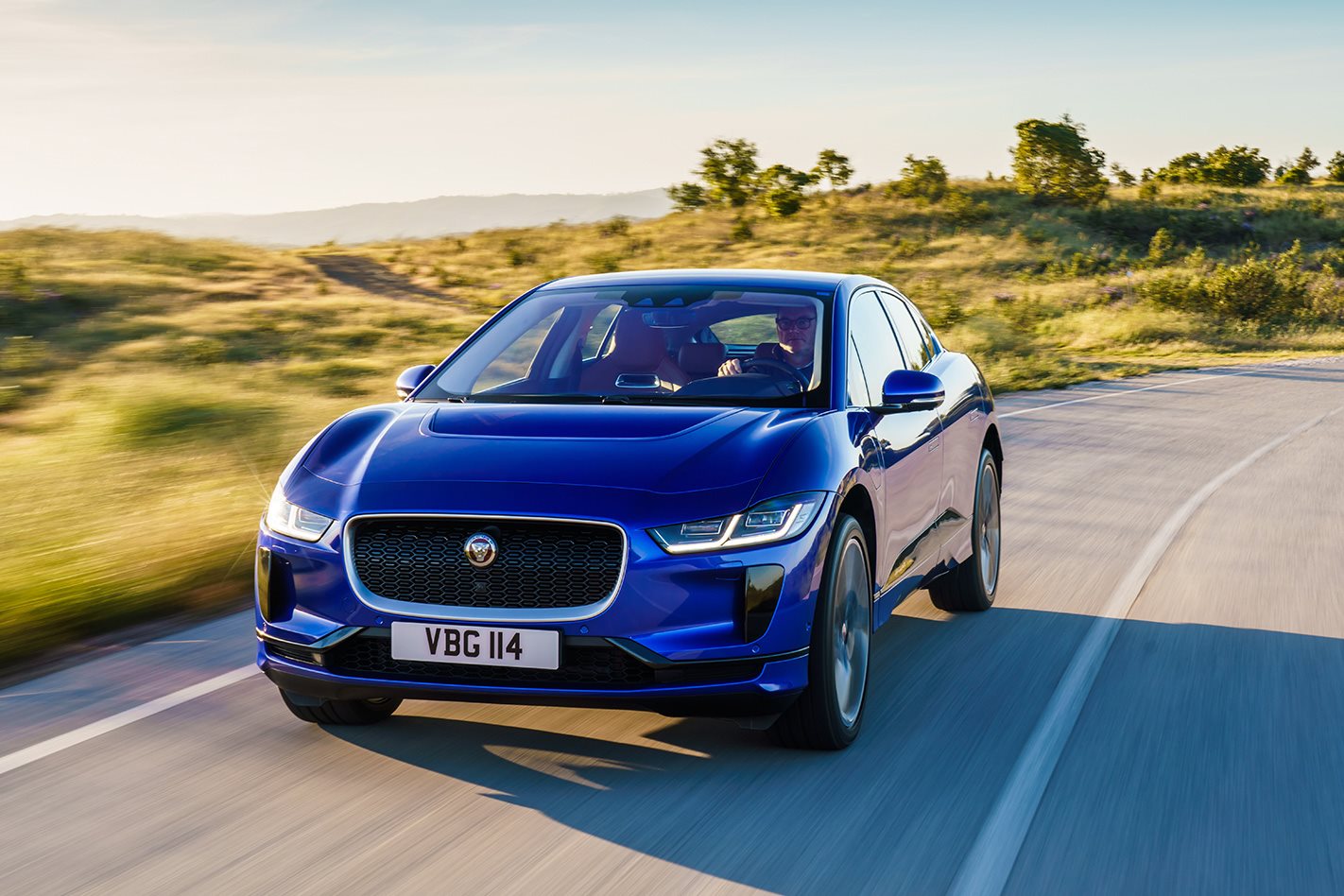
During the 2019 Federal Election campaign, prime minister Scott Morrison claimed Australians don’t want electric cars because they prefer something with “a bit of grunt”. This suggests he hasn’t driven an electric car, examples of which include the Tesla Model S, which can crack 100km/h from standstill in a claimed 2.5 seconds, or the far more sensible Jaguar I-Pace SUV, which has 400kW and nearly 700Nm of torque.
Coincidentally, those output figures almost exactly match Morrison’s armoured BMW 7 Series – although the V12-powered German limo costs about four times more.
Or how about the minister for employment Michaelia Cash, who claimed the then-opposition leader Bill Shorten would force half of Australia’s hard-working tradies into electric cars if elected. “We are going to stand by our tradies and we are going to save their utes,” she said triumphantly.
In doing so, she expertly side-stepped the fact that:
- Tradies might not actually mind having an electric car
- Future generations of hybrid and electric vehicles actually make more sense to savvy tradespeople.
- We don’t live in a dystopian communist nation where the government will come and break your door down, shoot your dog and wrench the keys to your beloved Hilux from your trembling hand, nor was that the aim of Labour’s policy.
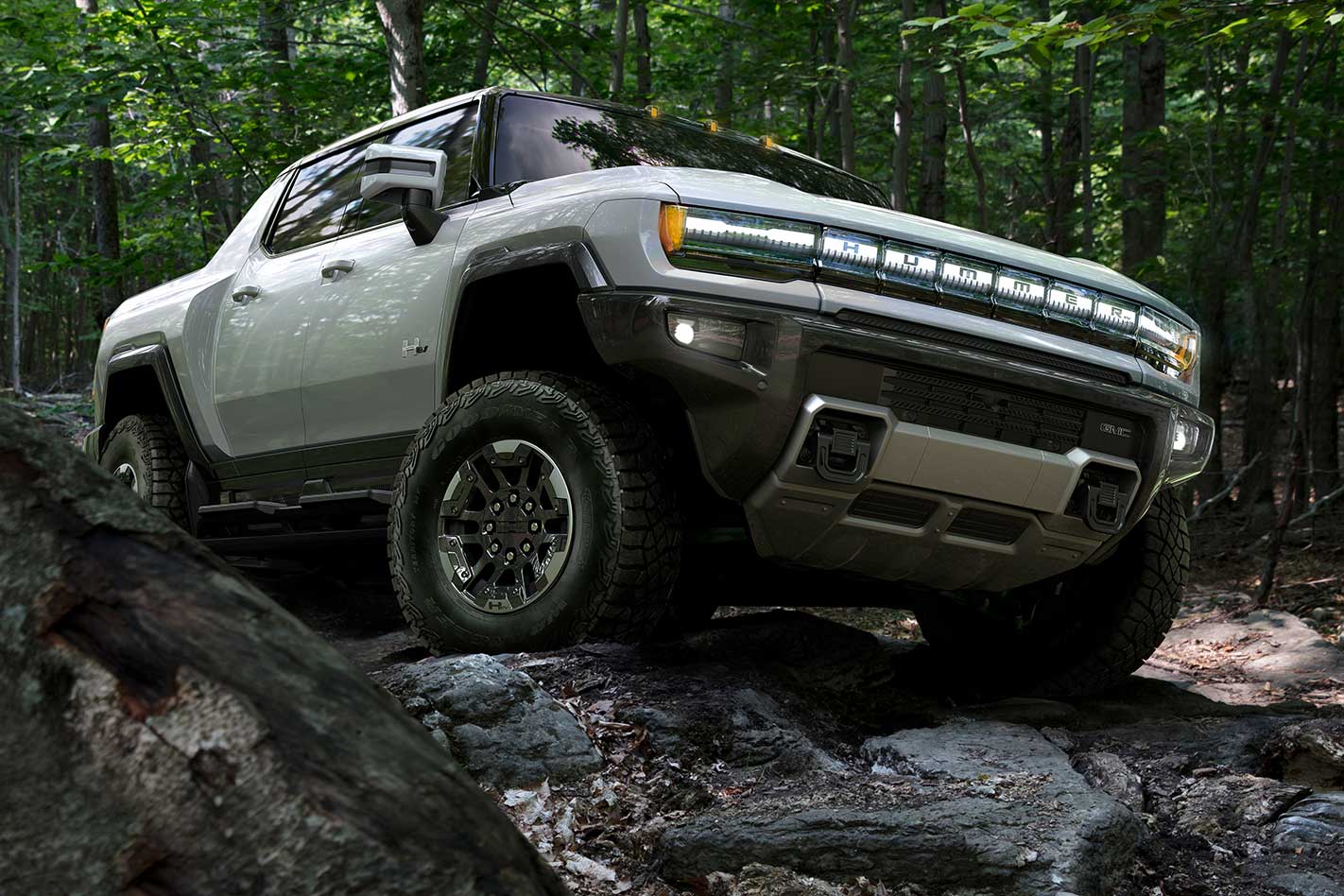
The transition to electric vehicles will be demand-driven and only at a point when the consumer decides they make sense. It will not be delivered at the business end of a cattle prod.
Alas, even a proponent from the other side of the campaign fence couldn’t get it right with the aforementioned Shorten failing to demonstrate even the most basic EV knowledge, including charging times “… it can take, err, eight to 10 minutes …” he fumbled.
Despite this rather public revelation, Richard Stobart – founder of one of the UK’s most innovative EV-supporting businesses chose to tweet a simple but telling message during the Australian federal election: “Vote Bill, save the planet,” he said.
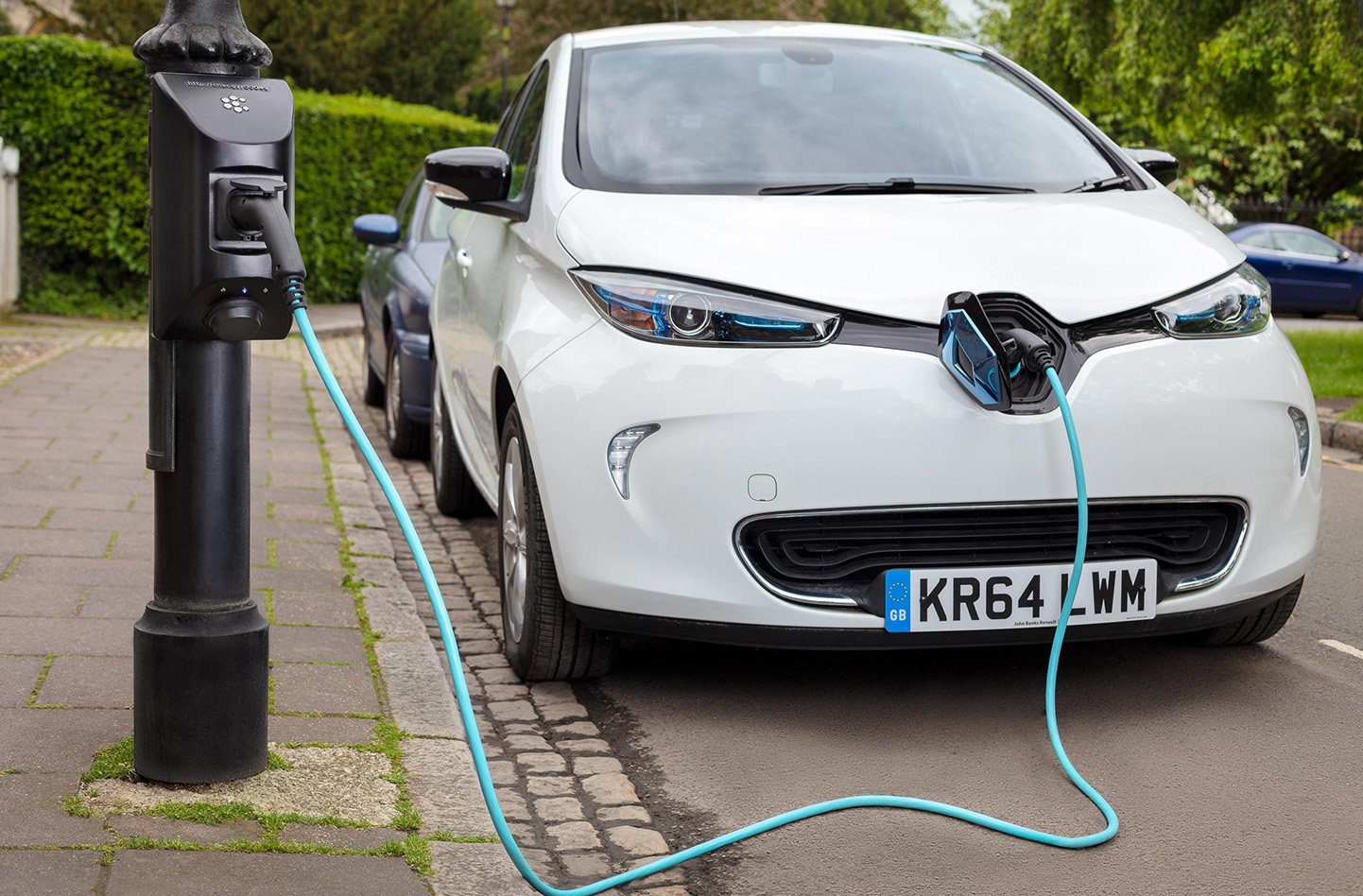
Stobart is an EV pioneer who cracked the formula to install public charging sockets into street-light poles – genius. As a result, Char.gy has now boosted the UK’s charging network by 400 with a whopping 9000 more planned for the next few years.
In Norway, electrification is so popular that combustion-powered cars will not be sold from 2025 and about eight other countries have aspirations to do the same in the coming years. Japan, California and Europe are paving the way for hydrogen fuel cell power with growing infrastructure.
More than 30 countries have introduced EV incentives, including England, California and China where there are comprehensive electrification strategies in place, not just handouts.
The list goes on, and on, and on… until you get to Australia, where Victorians and ACT residents are offered a small discount on registration. That’s it.
In all the countries that embrace electric cars, the revolution is not being powered by philanthropic, selfless environmentalists, the change is driven by the masses as consumers make a cost-driven decision to switch to cheaper, more efficient mobility that compromises little if anything.
And the only way the same will happen in Australia is with a concerted, sustainable government strategy, and a complete revision of our nation’s mentality.
Until then, not only is the world watching our feeble and downright ignorant attitude towards electric cars, it is having a damn good laugh at our expense too.
What is the Subaru Outback?
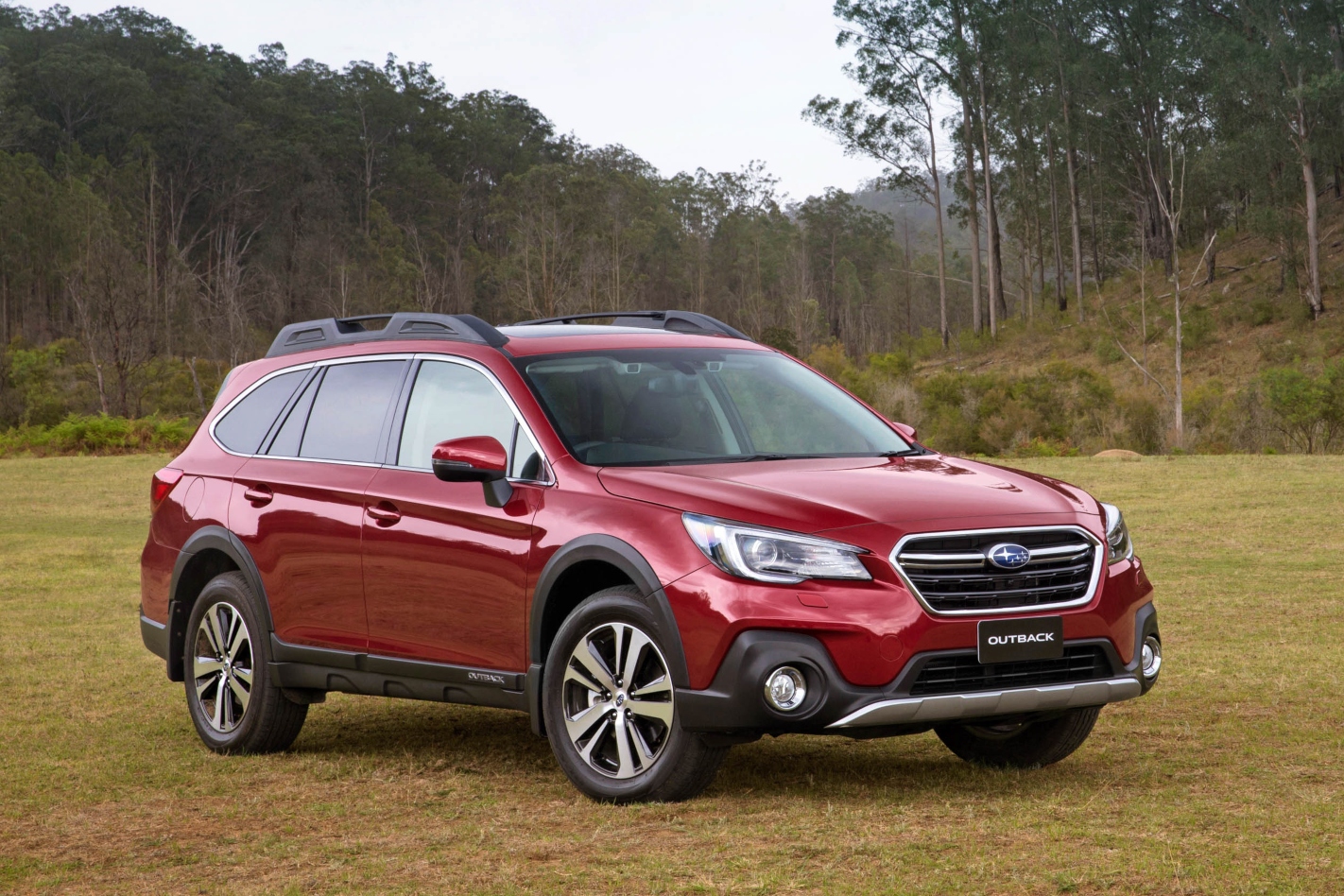
The Subaru Outback is a mid-to-large sized model that straddles the line between a capable all-wheel drive wagon and high-riding SUV. It’s been around in this current generation since 2014 and was updated in 2017, but its replacement is on the horizon.
Despite its age, the Outback is still the company’s third best-selling model behind the Forester and XV, which are much newer to the arena, but it’s no accident that one of the oldest models in the Japanese brand’s line-up is still so popular.
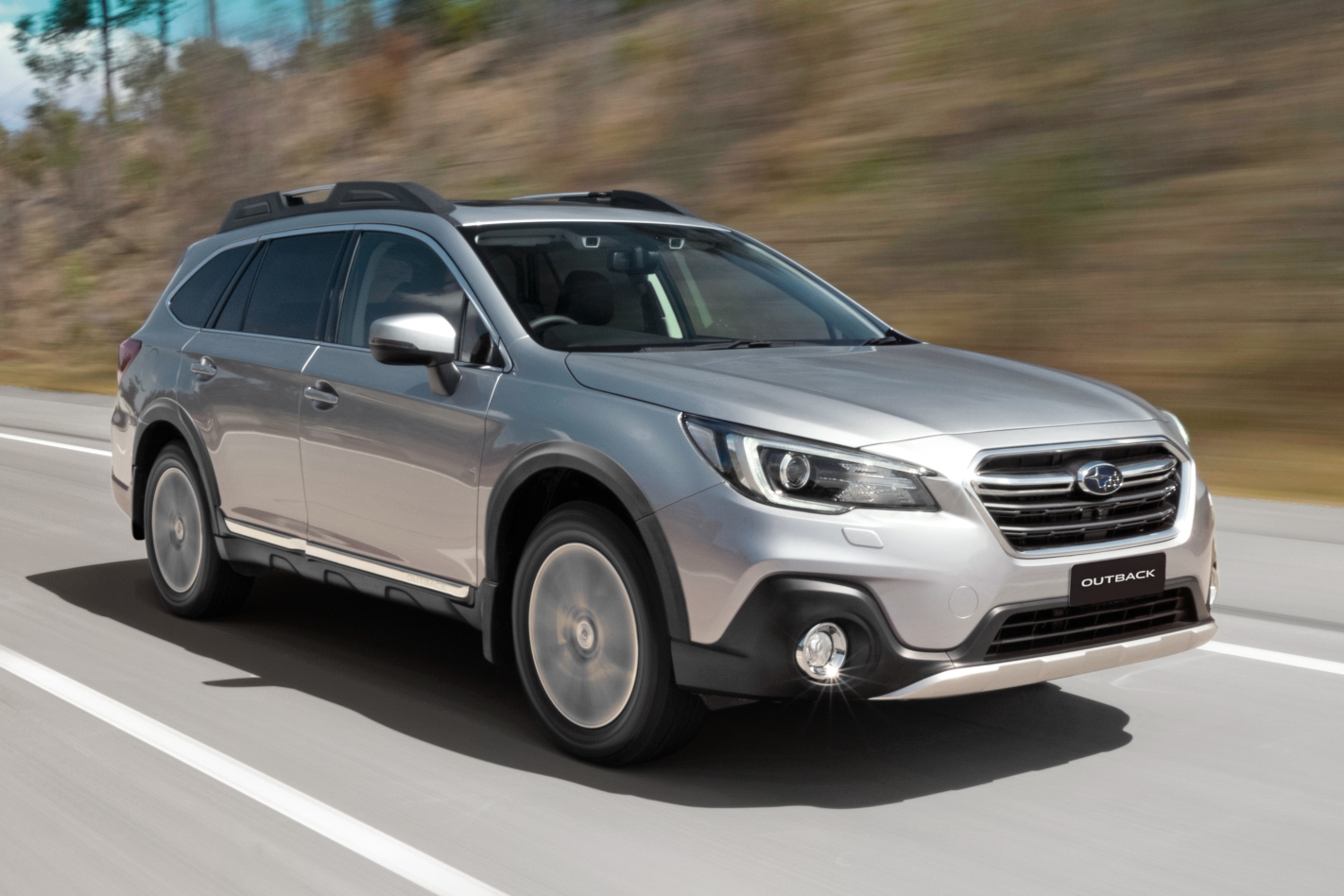
We wanted one last look at the current model to find out how the venerable Subaru Outback hides its age and if it’s worth keeping on the shopping list for now, or whether you’re better off waiting until its successor early next year.
Price and value
As is typical for the evolution of a vehicle though a single lifecycle, the Outback has been updated with extra equipment and safety gear periodically over the last six years, with only relatively small increases in the pricing.
That means you can still get into an Outback for about $37,000 and the range-topping 3.6R is only a shade over $50,000.
Conveniently, Subaru offers driveaway pricing on the current Outback which makes the end cost more transparent and easier to budget for options.
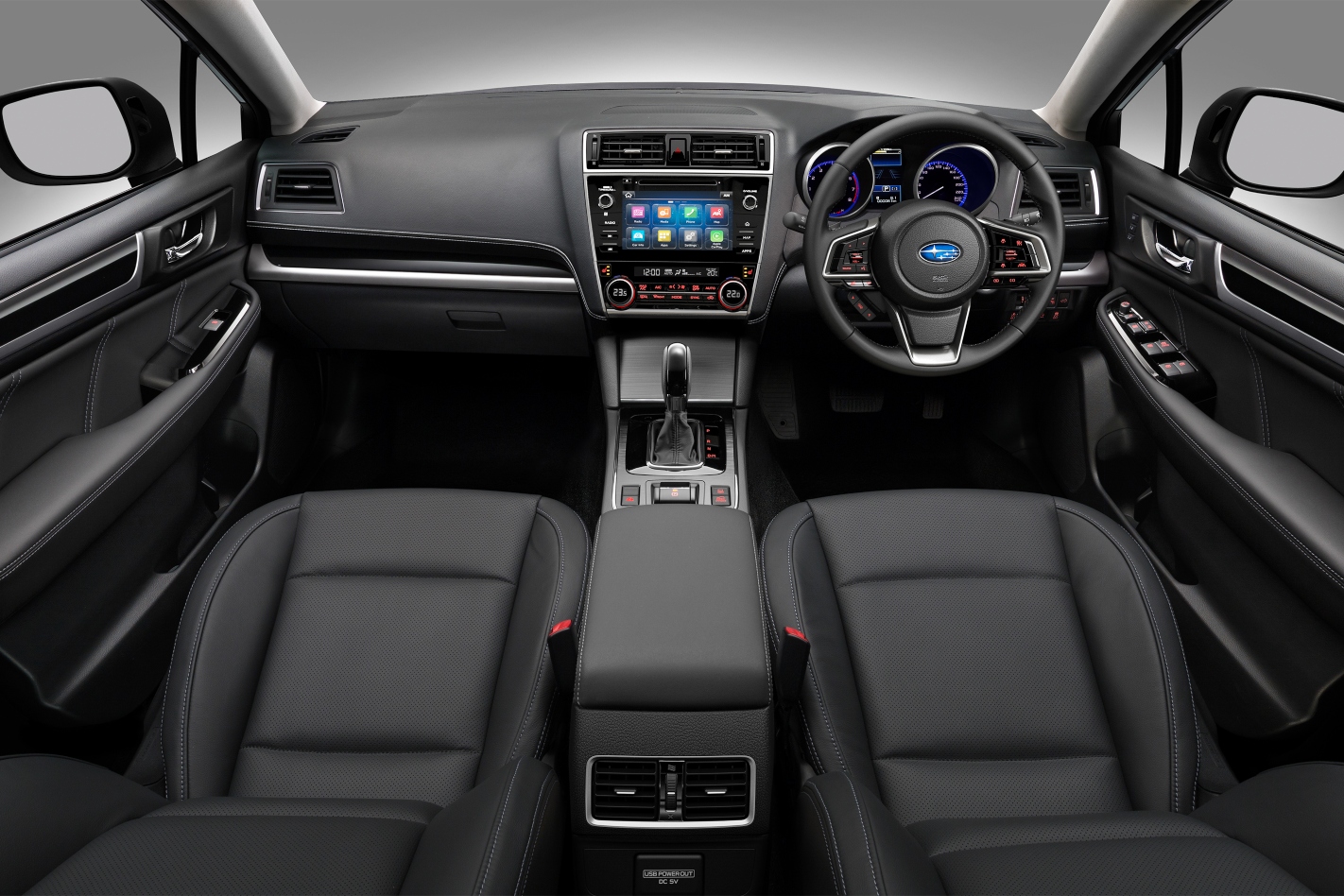
Mazda’s 6 wagon kicks off with the same size petrol as the Outback priced just a little cheaper, but you won’t get the all-wheel-drive and boosted ride height of the Subaru or a diesel option.
That said, there is a turbo version of the Mazda that has the performance to match the Outback flagship and for about the same cash.
If you’re wanting a more SUV-focused comparison then all-wheel-drive versions of the Toyota RAV4 start at about $40,000 and top-out at less than $49,000 but there’s no real performance hero of the range.
Our focus is on the Subaru Outback 2.5i Premium which represents the middle of the range and is priced about $44,000 before on-road costs. For that, you get a 2.5-litre flat-four-cylinder petrol engine without a turbo, bolted to a CVT automatic and Subaru’s permanent all-wheel drive.
Living with the Subaru Outback
During these strange times of lockdown in Victoria, there hasn’t been any opportunity to test the Outback’s party piece and the off-road ability that Subaru often surprises drivers with (although we have taken the Outback on a few off-road skirmishes previously).
Instead, it’s been somewhat caged and locked into a cycle of short suburban trips to collect essentials.
That still allows a decent amount of evaluation, however. Regardless of an owner’s intention and ambition, it’s widely known that a majority of Subarus will spend their lives performing the more pedestrian duties.
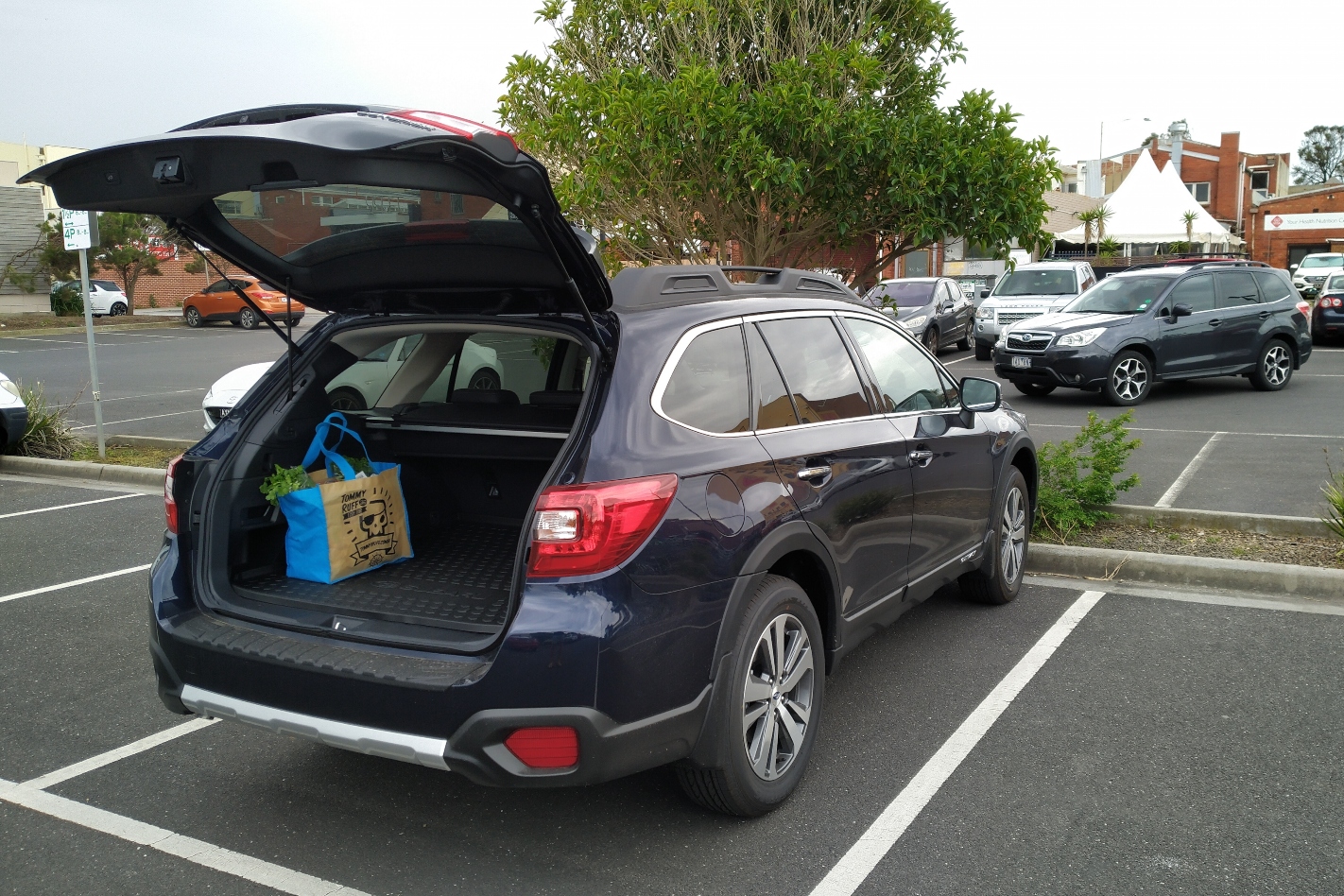
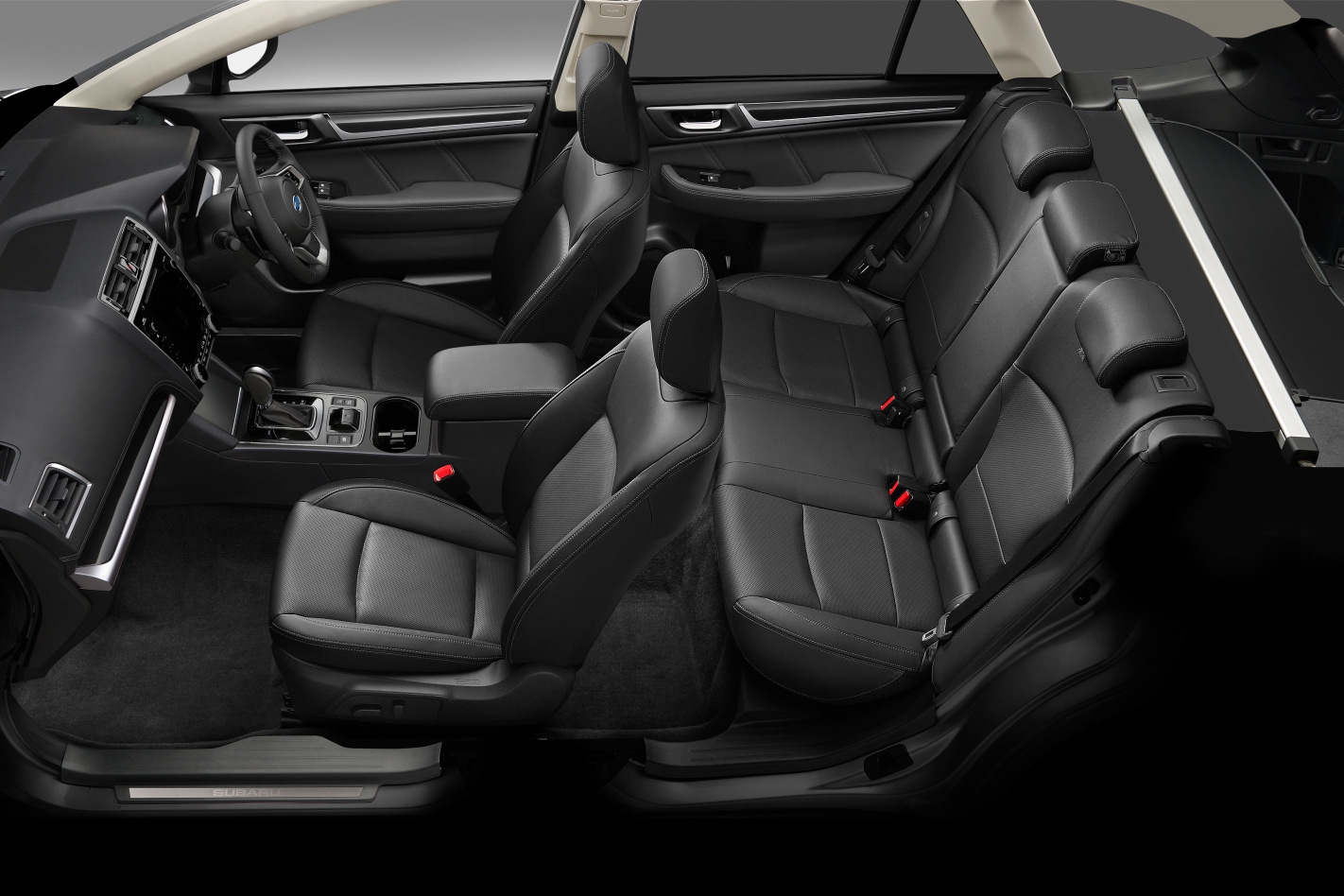
And to that end, the Outback is entirely comfortable if a little underutilised. It’s hard to think of the Outback as a mid-sized contender as its cabin is generously roomy and the same applies to its boot that can accommodate more than 500 litres of things or a massive 1800 litres if you fold the rear seats down.
The Premium-grade extras also make life more pleasant with the Outback including the leather upholstery with suede inserts, heaters for the front seats and the new front and side-view cameras that were added as part of the 2017 refresh.
Cool blue ambient lighting makes the Outback cabin feel roomy and comfortable at night too and our only criticism is of the standard sunroof.
While many rivals offer huge panoramic glass tops that benefit the rear passengers (albeit expensive options), the Outback has a tiny letterbox.
That aside, perhaps the best part of Outback ownership is feeling like you haven’t yielded to the SUV revolution.
It’s difficult to explain exactly why, but the Outback somehow manages to avoid some of the eye-rolling when you tell your friends you bought an SUV. It’s like there’s a common respect for the brand or an understanding that Subarus walk the walk that some other brands can only talk.
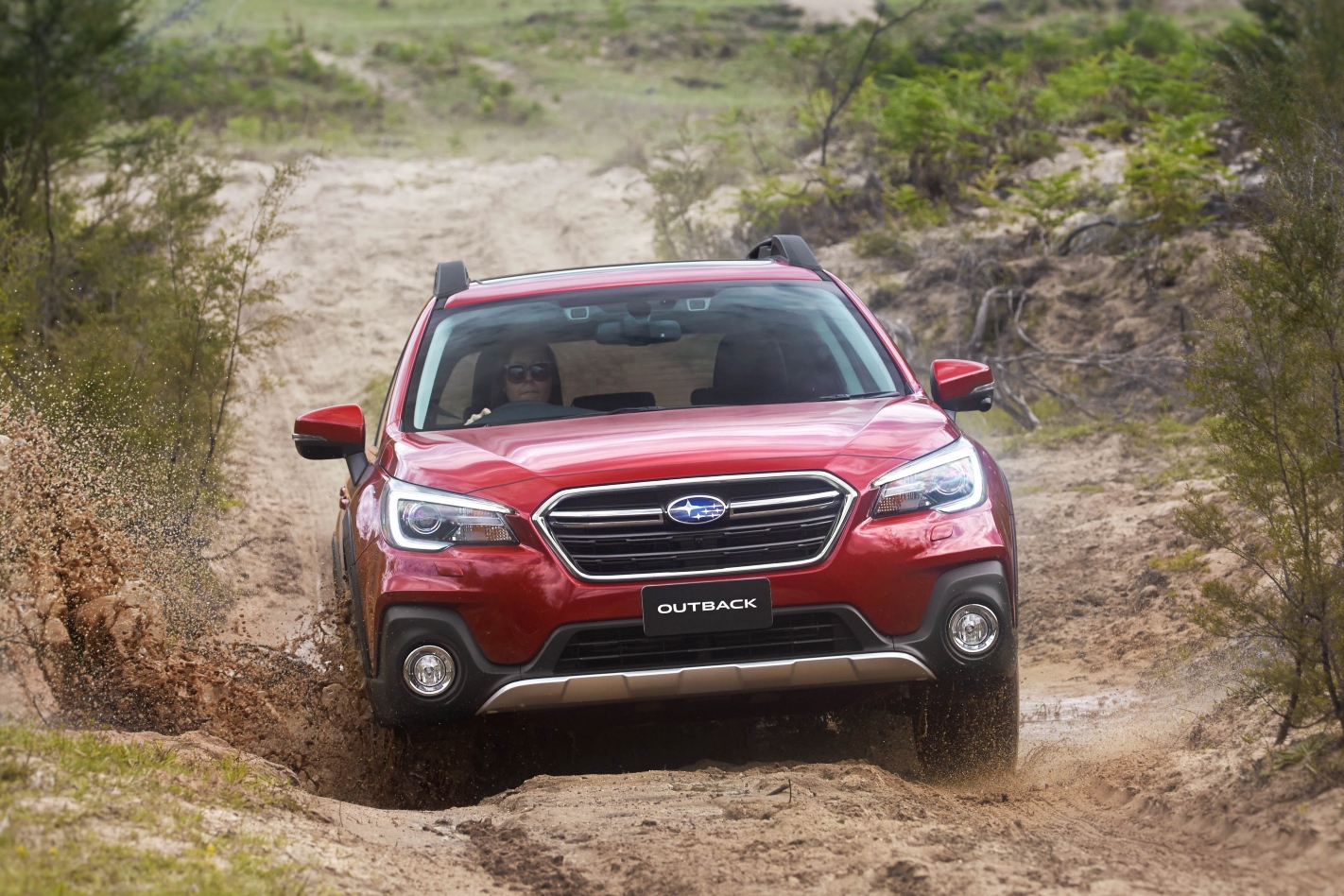
For about-town trundles, the Outback’s ride is smooth thanks to a suspension retune that was also part of the mid-life update and the cabin is quiet and relaxing. Importantly though, the 2021 Outback will roll on the company’s all-new Global Platform (SGP) and that has already transformed some of the Outback’s siblings.
The new version promises improved ride and handling, therefore, but until we get our hands on the sixth-generation model, we can’t say for sure how enhanced the already accomplished manners are.
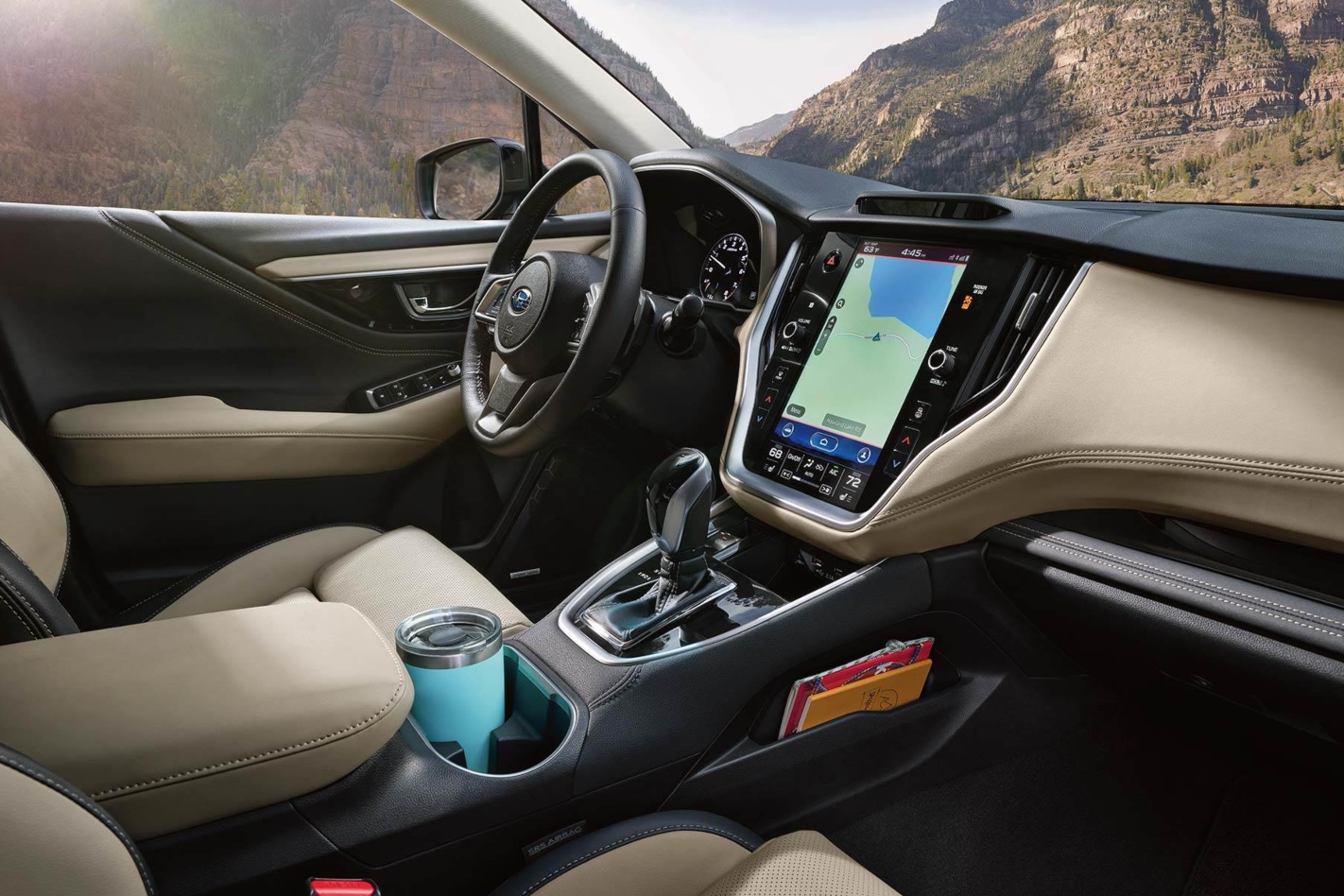
Also arriving with the new model will be a significant step up in comfort and entertainment tech including a new portrait-oriented 11.6-inch touchscreen to replace the current version which is starting to feel a little outdated.
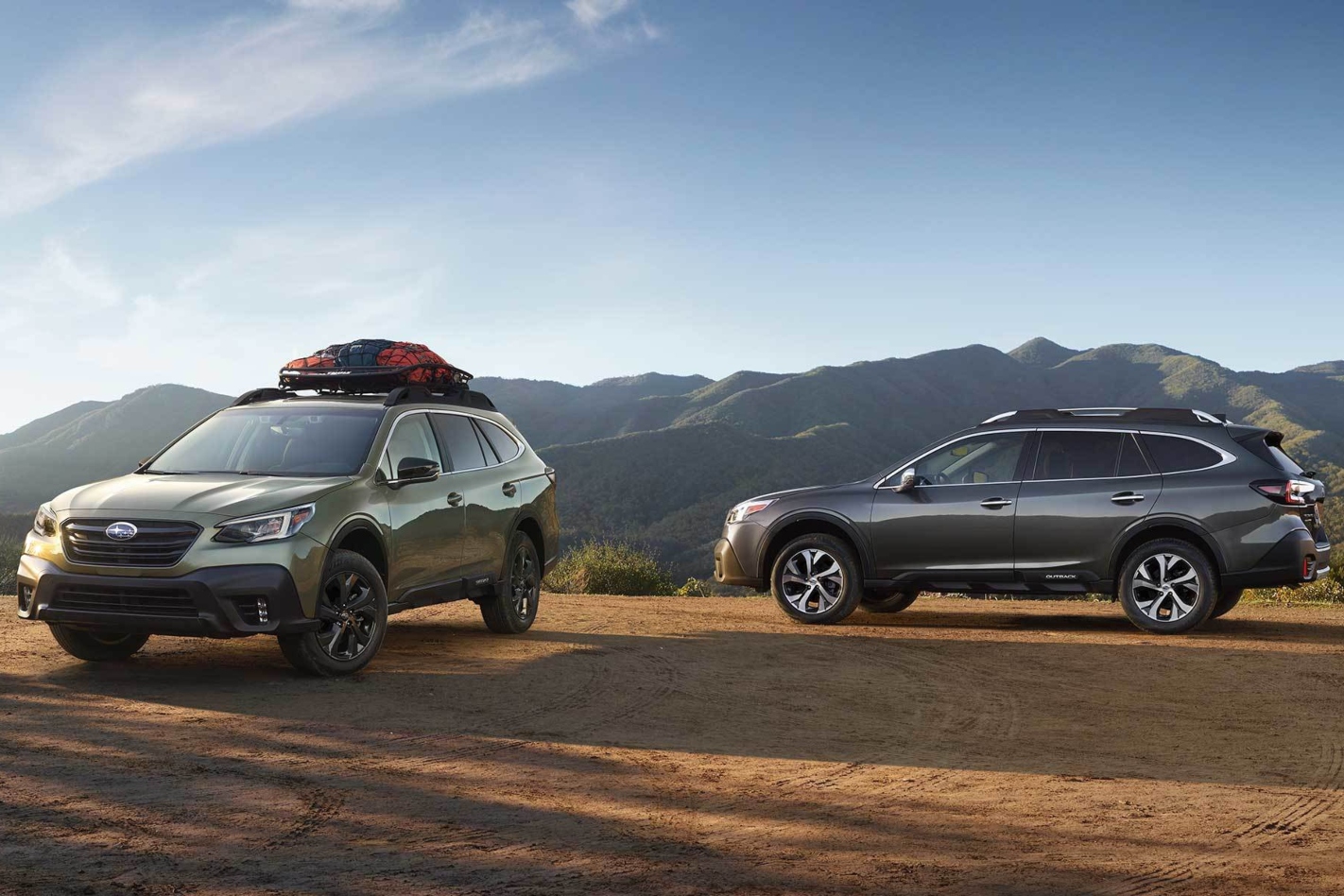
One feature we’re pleased to see carrying over is the fold-away integrated roof rack bars that are a unique feature and are very convenient.
Engine, transmission and drivetrain
With a $50,000 budget, the top-of-the-range Outback 3.6R offers a smooth and powerful flat-six petrol engine which is a very unusual but very effective layout. In fact, Porsche is the only other carmaker to offer this type of engine.
The range also includes a 2.0-litre diesel engine for the most frugal option in the line-up. But the 2.5-litre naturally aspirated four-cylinder has its own attributes.
It too is a so-called flat engine with four cylinders for smooth and torquey output.
It’s no firecracker but nor is it meant to be – at least, not until Subaru announces an STI or RS version.
There’s adequate power to all the jobs an Outback might have thrown at it including some light off-road action.
Behind the flat-four, the Outback has a continuously variable transmission (CVT) auto – as is the case for all variants – which has its own unique characteristics.
The engineers have designed in ‘steps’ that simulate the gear changes of a normal transmission for a more familiar driving manner, but it can’t entirely disguise the one-speed nature of the gearbox.
Subaru is certainly one of the best at engineering CVTs to work well and provide enjoyable driving characteristics, but the Outback’s can still be a little thrashy when revved hard. For light duties, it is smooth and handles the engine’s torque well.
While the current engine line-up is diverse and covers a lot of bases, it is the incoming range of drivetrains that poses the most convincing argument to wait for the 2021 Outback.
For fans of the existing 129kW 2.5-litre flat four, a new version will be offered with a small boost in power.
However, Subaru will be introducing a turbo version which pumps power to 194kW – close to the existing 3.6R – while torque is an impressive 375Nm, more than anything in the current range.
As if that wasn’t enough, there will also be a hybrid option that borrows the same drivetrain already in service with the XV and Forester equivalents.
It’s about as mild as hybrid systems get, but the 2.0-litre petrol/electric combination adds a little extra instant power and torque; useful on and off road, says Subaru.
How safe is the Subaru Outback?
From a safety perspective, Subaru has always positioned itself a little like a Japanese Volvo and a brand that takes occupant and other road user safety very seriously – Whether it be its proprietary all-wheel-drive system legacy for a more sure-footed drive or, more recently, with the introduction of unique electronic driver-assistance systems.
As it stands, the Outback’s safety kit list is headlined by Subaru’s EyeSight suite of safety and driver assistance features, which stands apart from almost every other manufacturer as it employs two forward-facing cameras.
This, says Subaru, allows the system to more accurately determine distance than a single camera arrangement.
In practice, that certainly seems to be so with lane departure warning only intervening when the car is genuinely on its way off course rather than some systems which offer false alarms.
EyeSight is also less guilty of unnecessary collision warnings, although thankfully, we’ve not needed the system to avoid a genuine hazard.
For those times a crash is unavoidable, the Outback is decked out with seven airbags, two Isofix child seat anchors and a five-star safety rating from ANCAP.
Verdict
It’s clear why Subaru’s hard-working Outback continues to attract a steady following of returning customers and new ones alike. For a vehicle that manages far above-average off-road capability, it paradoxically also feels decidedly un-SUV on the road.
Its balance of car-like drive and wagon proportions with SUV practicality and all-terrain promise is what keeps customers walking through dealership doors.
If you’re one of those people who queue for the new iPhone for days before its release, the current generation Outback is perhaps not for you, but if you don’t necessarily need the very latest iteration of everything, the 2020 version still has a lot to offer.
Not only is it managing to hide its age unusually well both technologically and aesthetically, the Subaru Outback is now in run-out and, if you can’t or won’t wait for the new generation, now is the time to start hunting for a bargain.
What we like: Wagon appeal, SUV practicality, safety features, full-sized spare wheel
What you might not like: Dated infotainment, porthole sunroof
With change from $41,000, the Hyundai i30 N isn’t exactly dear…but it isn’t cheap either, and the incoming dual-clutch transmission-equipped car will only push it further up the tree.
That is, ladies and gentlemen, where the i20 N comes in.
This is an excerpt from a feature in the next issue of Wheels, out 9 November – subscribe here!
Based on the Europe-only i20 five-seat, five-door hatch, the i20 N follows the i30 N playbook to the letter… but it offers a unique spin that not only makes the car more affordable – no prices yet, but let’s guess around $32,500 – but gives it a distinctly different character to its bigger, older sibling.
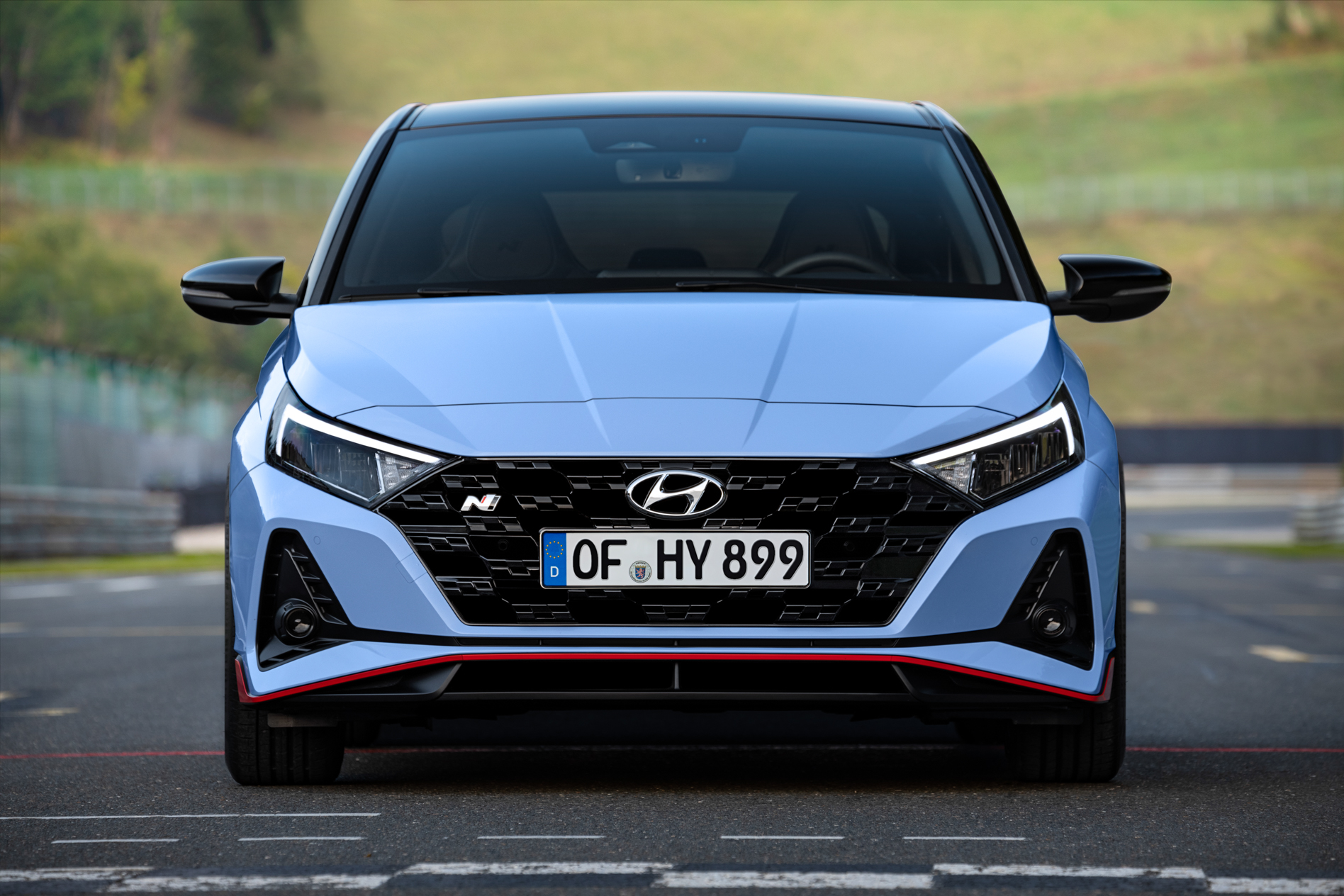
“We really want to follow our three pillars; it’s an everyday sports car, it’s raceway capable, and it’s a corner rascal,” says the head of Hyundai’s high-performance vehicle development, Klaus Köster, on site in Russelsheim, Germany, at the COVID-delayed launch of the civilian-spec i20.
“Mr Beirmann [head of N for Hyundai, Albert Biermann] keeps on telling us, ‘Guys, it’s all about the customer having fun.’
“This is important, and which is, for an engineer, sometimes maybe very challenging, because ‘fun’ is not so easy to measure. How do you measure? With the grin? How high is the blood pressure?”
To read the ingredients on the tin, though, you’d be forgiven for stifling a yawn and rifling over a few more pages. MacPherson strut front end with a torsion beam out back. The same 1.6-litre turbocharged four-cylinder you’d find in a Kona or Tucson. Sliding brake calipers. Not exactly WRC-aping, tarmac-shredding specs.
It’s the parts you don’t see listed out on the spec sheet, though, that provides the secret sauce, that extra punch to the i20 N’s delivery.
Take the body-in-white, for example. Plucking bodyshells off the production line of a mass-market B-segment hatch is not conducive to affordability, but Köster says he’s happy with the changes he’s managed to work into the regulation-issue platform, pointing out Hyundai actually makes its own steel.
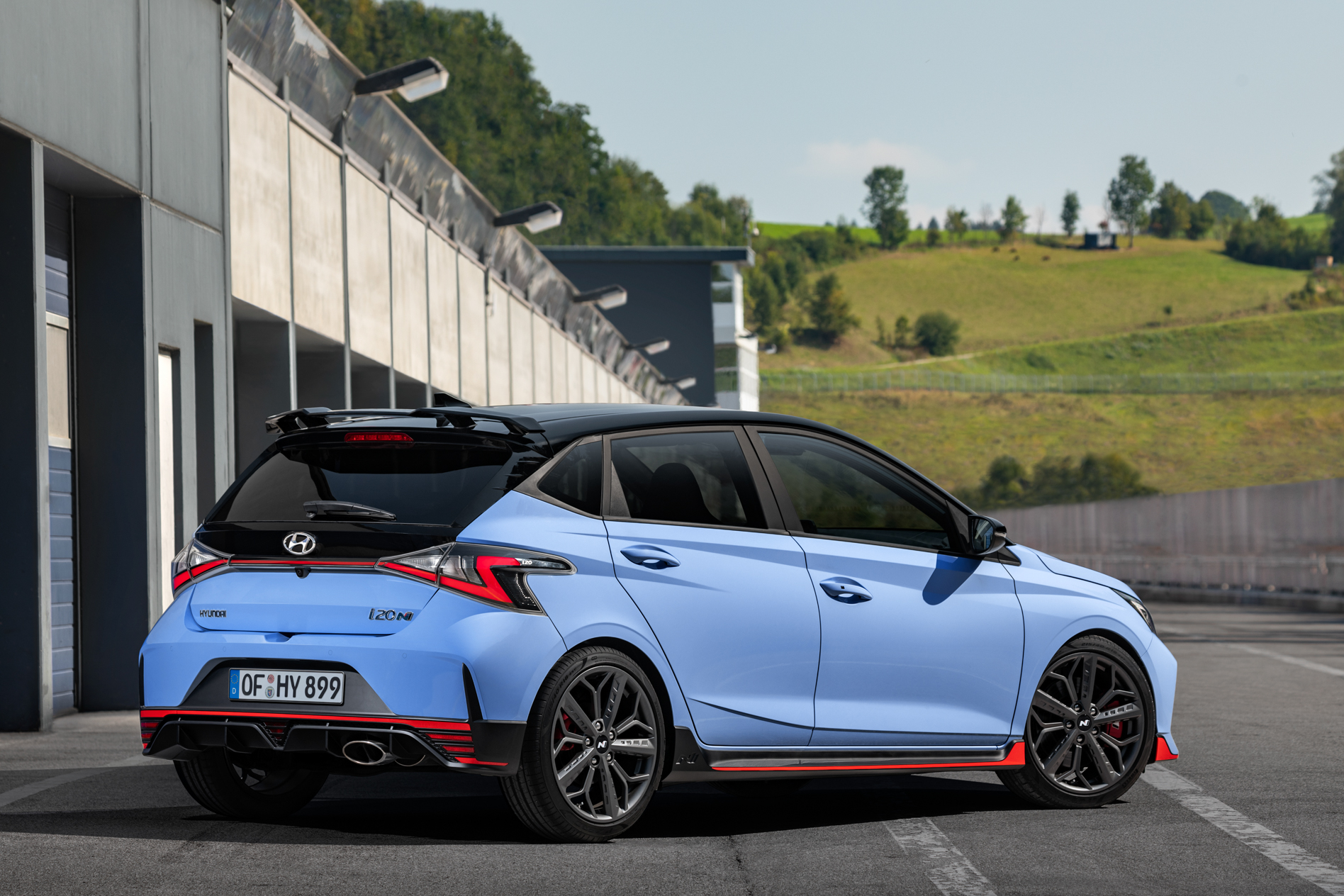
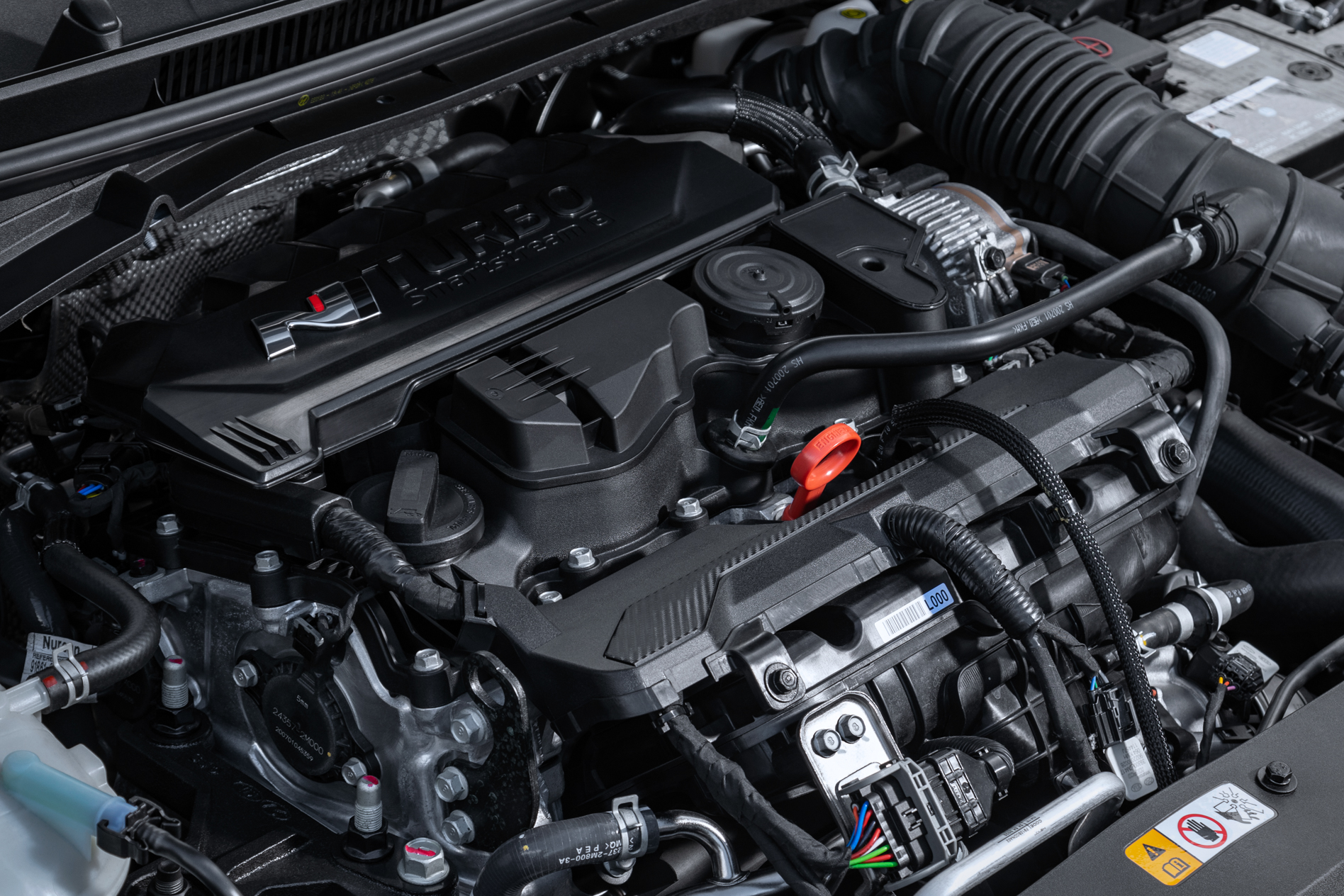
And while the 1.6-litre four-potter is a popular powerplant across the Hyundai universe, the one under the bonnet of the i20 N has a little something extra.
Known as the TGDI Gamma II, it scores a few niceties you won’t see in, say, an i30 N-Line, including a high-pressure fuel rail blasting petrol into the combustion chamber at more than 5000psi, as well as a high-performance water pump for its intercooler circuit.
“At least in the European market, the first time this engine has been introduced,” according to Köster. “This is really a state-of-the-art engine.”
Compare the 1190kg (claimed) i20 N’s 150kW and 275Nm output numbers with the two cars it’ll compete with, too, Ford’s Fiesta ST (147kW/290Nm, 1262kg) and the VW Polo GTI (147kW/320Nm, 1285kg), and it’ll be an interesting fight.
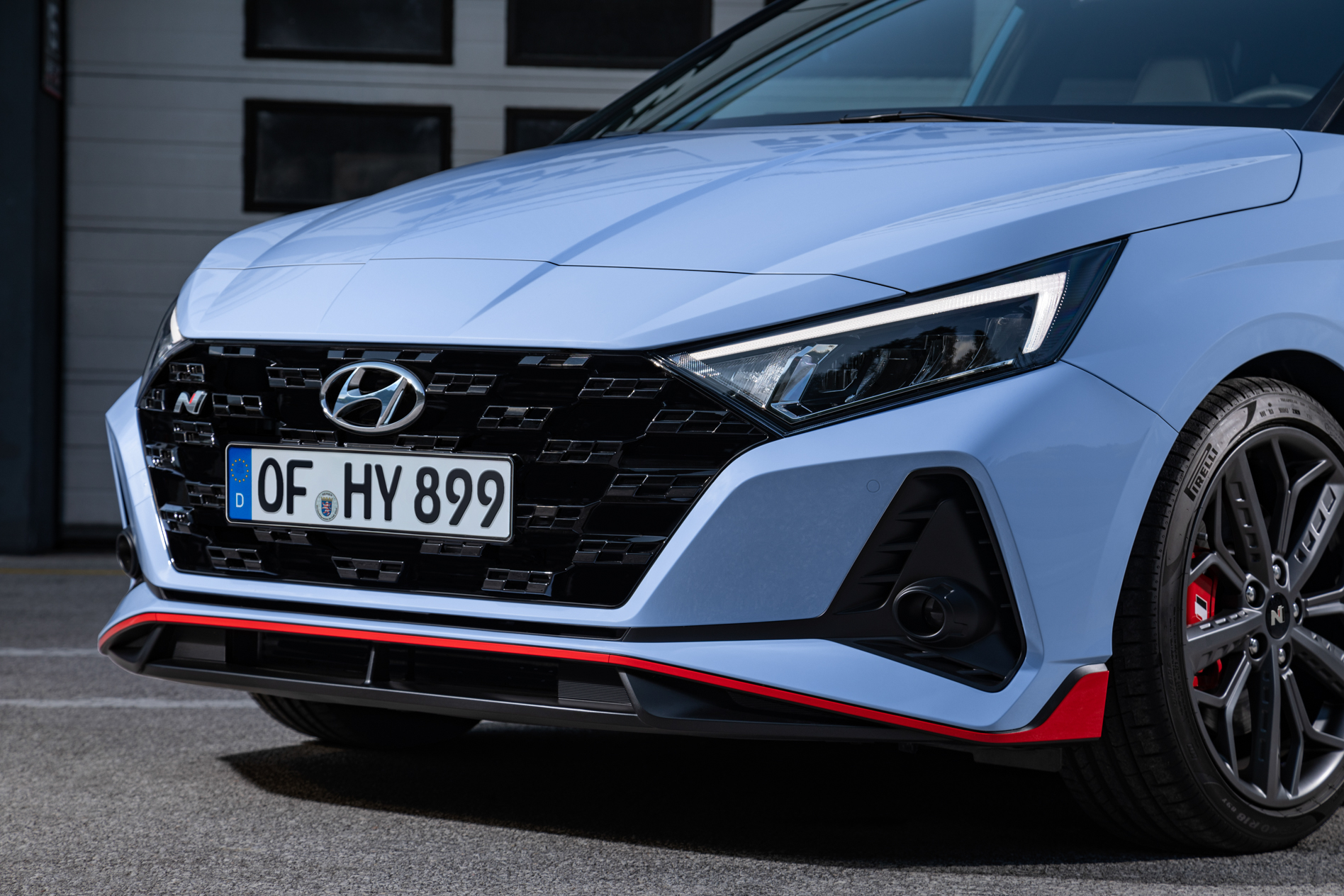
The i120 N isn’t short on safety spec, either. Hyundai’s SmartSense safety kit provides forward collision assist (city/interurban/pedestrian), intelligent speed limit assist, lane following assist and blind-spot collision warning, while a performance monitor offers information on power, torque, turbo boost. It also comes with a lap and acceleration timer.
It’ll also be offered with an optional 10.25-inch LCD touchscreen navigation system with dedicated N content, Apple CarPlay and Android Auto connectivity.
But what about an automatic version of the Hyundai i20 N? Currently, it’s only specced with a six-speed manual gearbox that’s been tricked out to give it the N factor.
After all, we had to wait for more than three years before Hyundai delivered a dual-clutch auto it deemed worthy of its first genuine hot hatch.
“It was a new DCT development which was not available at the time when we launched i30 N,” explains Köster. “All the requirements to make the additional functions possible were considered in the base transmission development for the eight-speed wet DCT.”
The eight-speed isn’t just for the i30 N, of course; it will roll out across the brand’s various models, including the incoming Tucson and i30 Sedan.
“It’s a good example for high performance influencing normal car development that we are able to include the requirements into our mass production development projects,” Köster notes.
Will there ever be a dual-clutch version of the i20 N, I wonder?
“There will be no dual-clutch version,” confirms Köster. “In the B-segment, the manual is just the way to go. For those customers who think they need a dual-clutch, we have the right product in the C-segment.”
Alfa Romeo’s F1 drivers have unleashed the brand’s Giulia GTA and GTAm as part of their final development, hinting the ‘roided four-door sedan is nearing sign off.
Kimi Raikkonen and Antonio Giovinazzi dropped into the brand’s Ballaco proving ground in Italy to shake down aerodynamic, handling and chassis setups around circuit and exploiting the car’s new adjustable wing setup.
Cameras were on hand to capture the action for marketing synergies, revealing that while Kimi Raikkonen is vastly more experienced with this sort of thing – in race or road cars – it’s Giovinazzi who, unsurprisingly, offers more enthusiastic feedback.
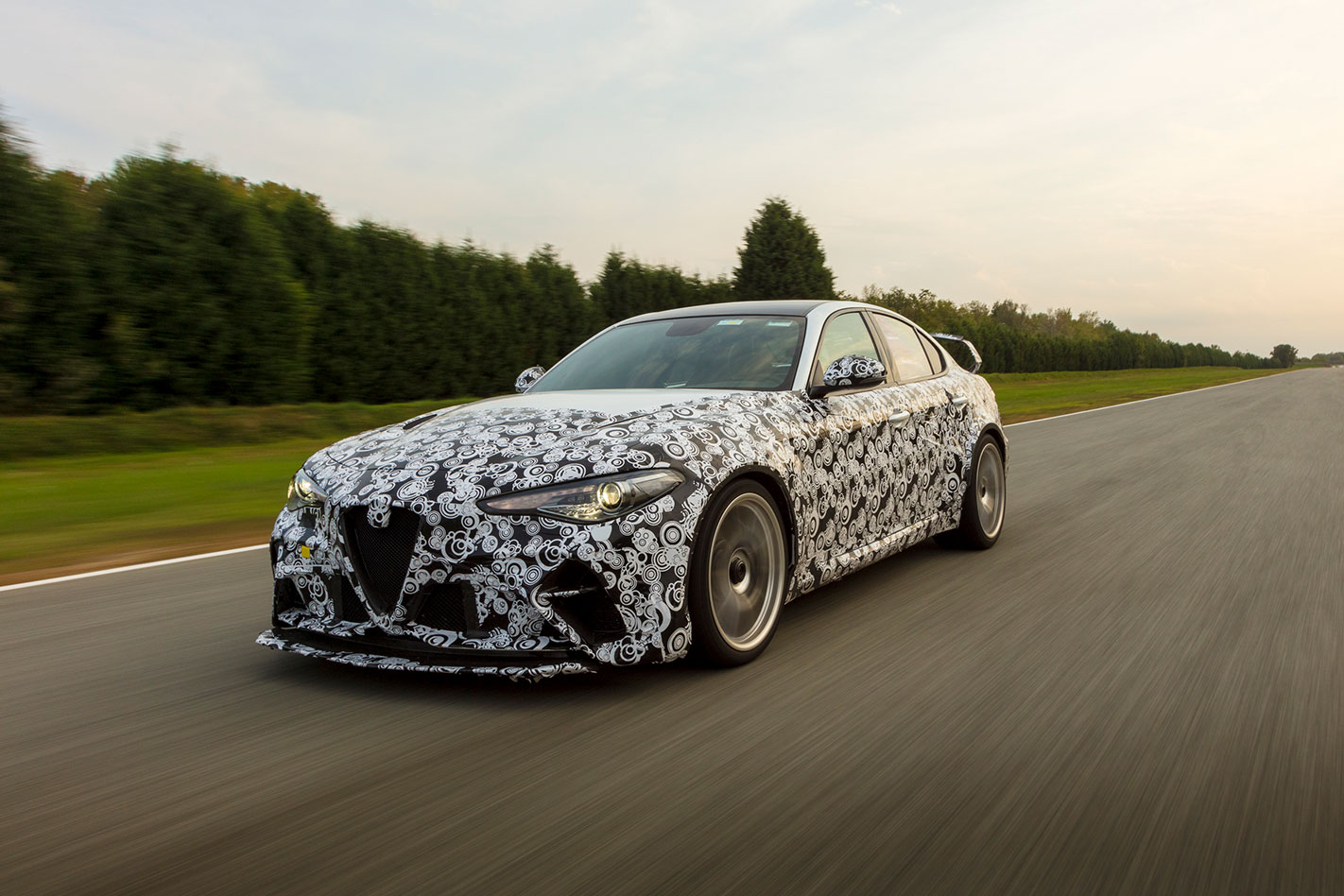
All he offers to engineers when they ask for how the Giulia GTA/GTAm handles fast corners is: “yes, it’s ok.”
While these comments are largely irrelevant without knowing the full testing program, the video offers nice shots of the GTA and GTAm sideways or on a hoist, and confusingly in camouflage.
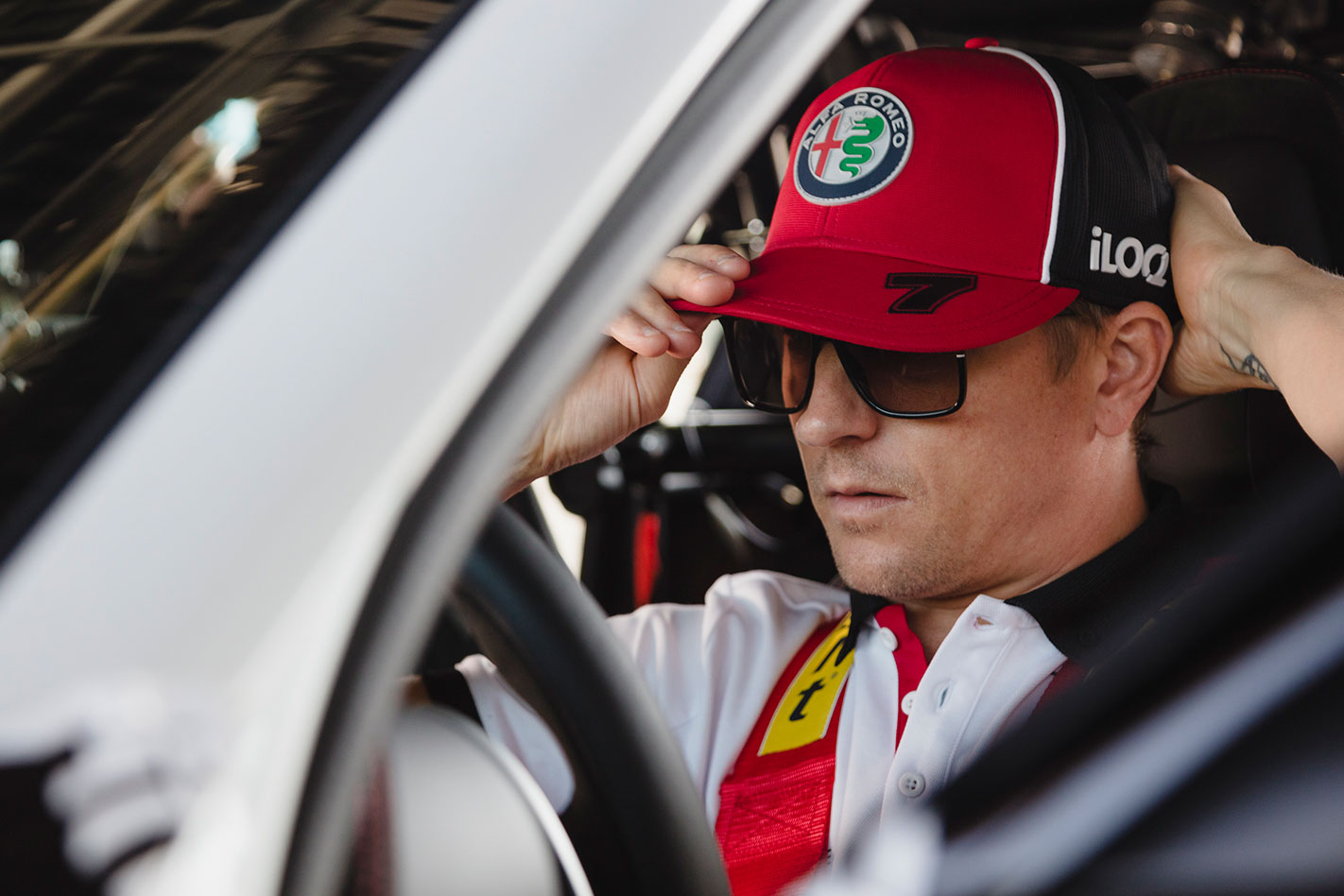
But with FCA Australia repeating to us it’s still evaluating the GTA for the local market without offering much else in the way of hope, is this news just academic on something destined only for Europe?
Alfa Romeo UK’s confirmation the Giulia GTA will be offered in right-hand drive promises its destiny might include Australia.
Local Alfisti would respond well to what Alfa Romeo calls a gift to loyal enthusiasts for its 110th birthday.
The faster, fitter Giulia QV honours the spirit of the original track-terrorising Giulia Sprint GTA and GTAm from the 60s and 70s.
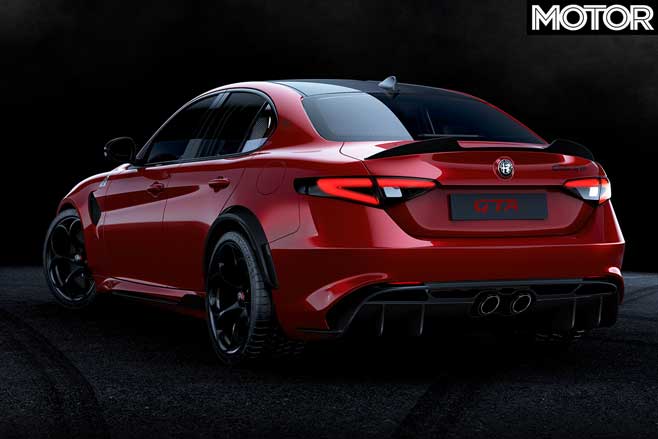
There will be two variants, the ‘regular’ GTA and a more unhinged GTAm, but they’ll both share an underlying mechanical package based on the QV that welcomes an extensive list of performance modifications.
While a modest power bump for its 2.9-litre twin-turbo V6 is good news, taking power from 375kW to 397kW (there’s no mention of torque), headlining the changes is a 100kg diet achieved through an exhaustive list of lightweight parts. After all, the A in its name means “Alleggerita”, which is Italian for ‘lightweight’.
The Giulia QV already has a carbon fibre bonnet, roof, seat shells, drive shaft and rear spoiler but the GTA relies on the material for the front bumper, redesigned diffuser, front wheel arches and rear wheel “arch inserts”, which we assume are what help achieve the car’s wider stance.
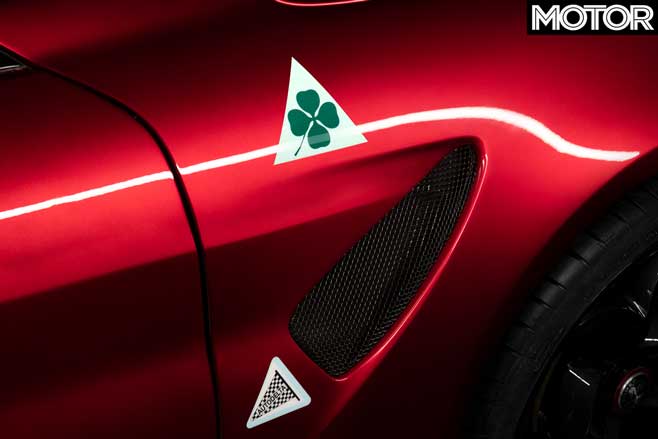
Alfa Romeo’s engineers have pushed out the front and rear tracks 50mm for flatter handling and added noticeable arch flares, while retuned springs, bushings and dampers complement the added width. They’ve also upped the wheel size from 19 to 20-inches and switched them to a centre lock design. And, as a side note, the front arches bear an ‘Autodelta’ sticker in a nod to the original cars’ previous racing histories.
The press release reiterates the engine uses aluminium, as well as the doors and suspension systems, but adds that “composite materials are used throughout”. It says, for instance, the GTA and GTAm use Lexan side and rear window frames.
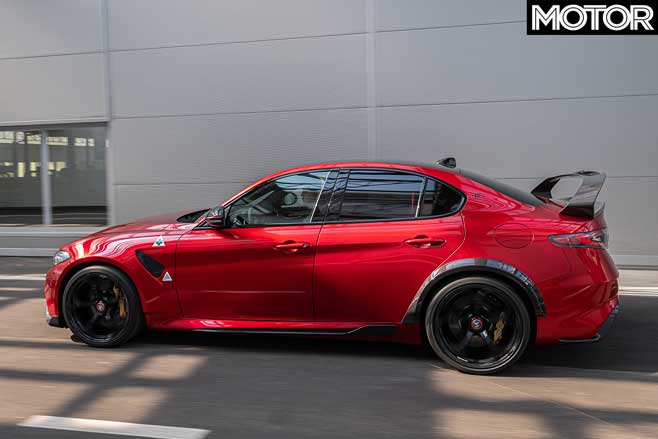
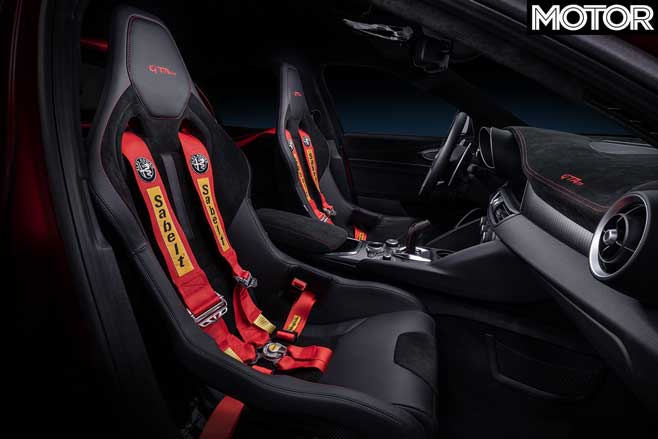
Leather’s been largely ditched for alcantara in the cabin. And this is where the GTAm differentiates itself. In place of rear seats is an alcantara bench said to hold helmets and a fire-extinguisher. It also features a rear-roll bar, no door panels and belts for interior door handles.
New matte carbon inserts give the GTAm “distinctive technical and aesthetic elegance”. It scores a larger rear wing, as well, to balance out its larger front splitter. Meanwhile the side sills on both cars are optimised to suit their new aerodynamic packages.
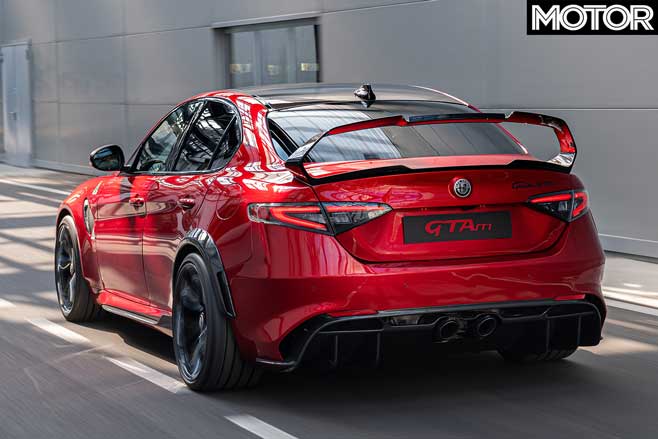
Capping off the modifications is the Akrapovic exhaust that should unleash a wicked noise from the twin-turbo V6. Its tips are modelled in the rear of the diffuser. After everything, the GTA is claimed to weigh 1520kg and to hit 100km/h from rest in 3.6sec with launch control.
To get buyers in the mood for what the car is designed to do, attack circuits, Alfa Romeo will throw in a specialised race kit, with gloves, helmet, gloves and boots, and a customised Alfa Romeo driving course. You’ll get a car cover as well.
*This article previously stated the car included a free driving course. It has been updated with new information clarifying it is a ‘specific’ driving course for GTA and GTAm customers.
Genesis has revealed the first details of its significantly updated G70 sports sedan including a dramatic exterior redesign, revised interior and more technology, ahead of its arrival in Australia early in 2021.
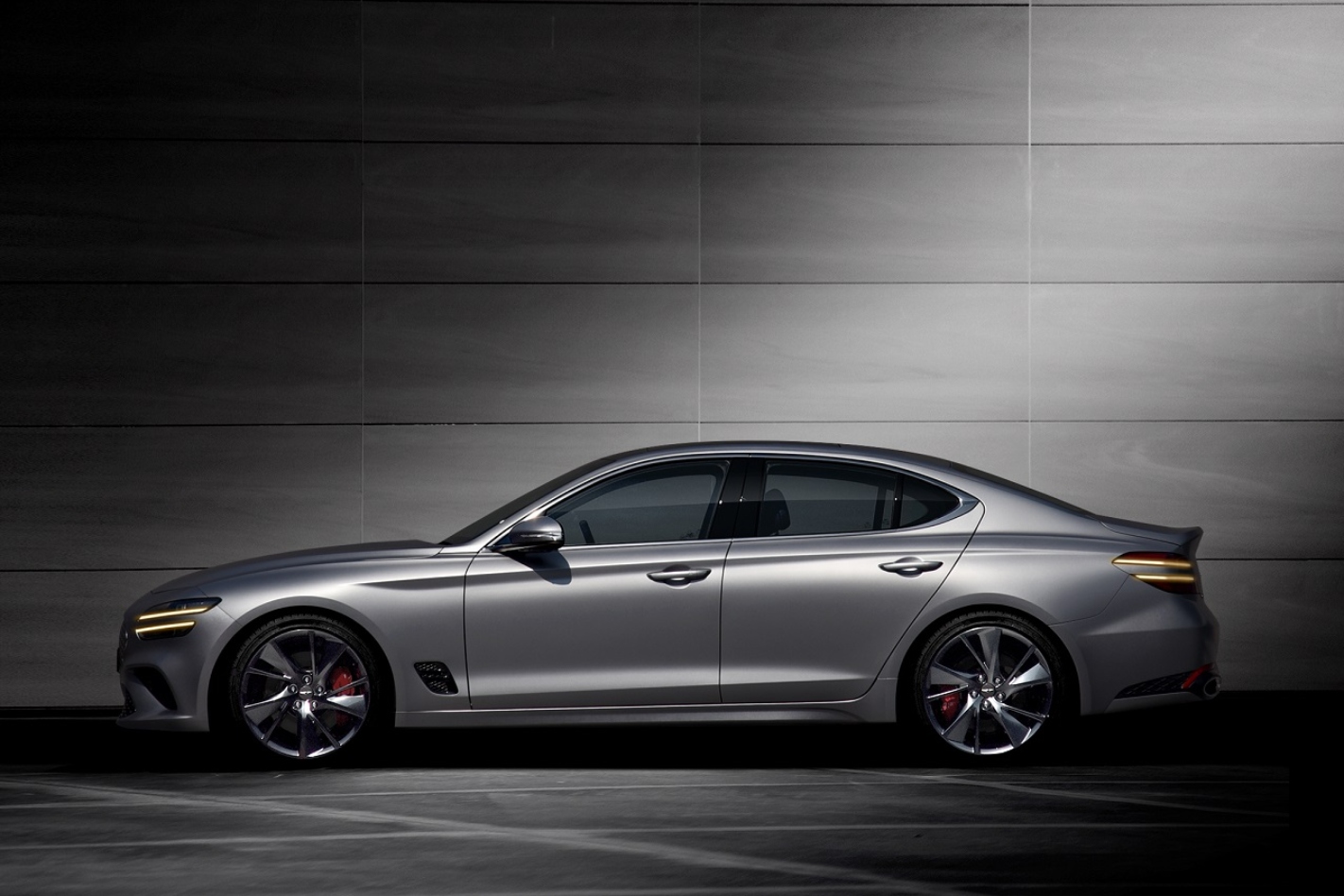
As part of the new 2021 G70 updates, Genesis has resculpted the aesthetics of its smallest model to share the family resemblance introduced by the GV80 large SUV and forthcoming G80 large sedan.
It’s also added more tech – and in ways that may surprise.
On a design fron, the 2021 G70’s headlights adopt the unmistakable over-and-under ‘quad lamp’ light bar design first seen on the company’s SUV foray, twin-rail indicators which conform to the headlight shape and large shield-shaped grille with a single central point in its lower edge.
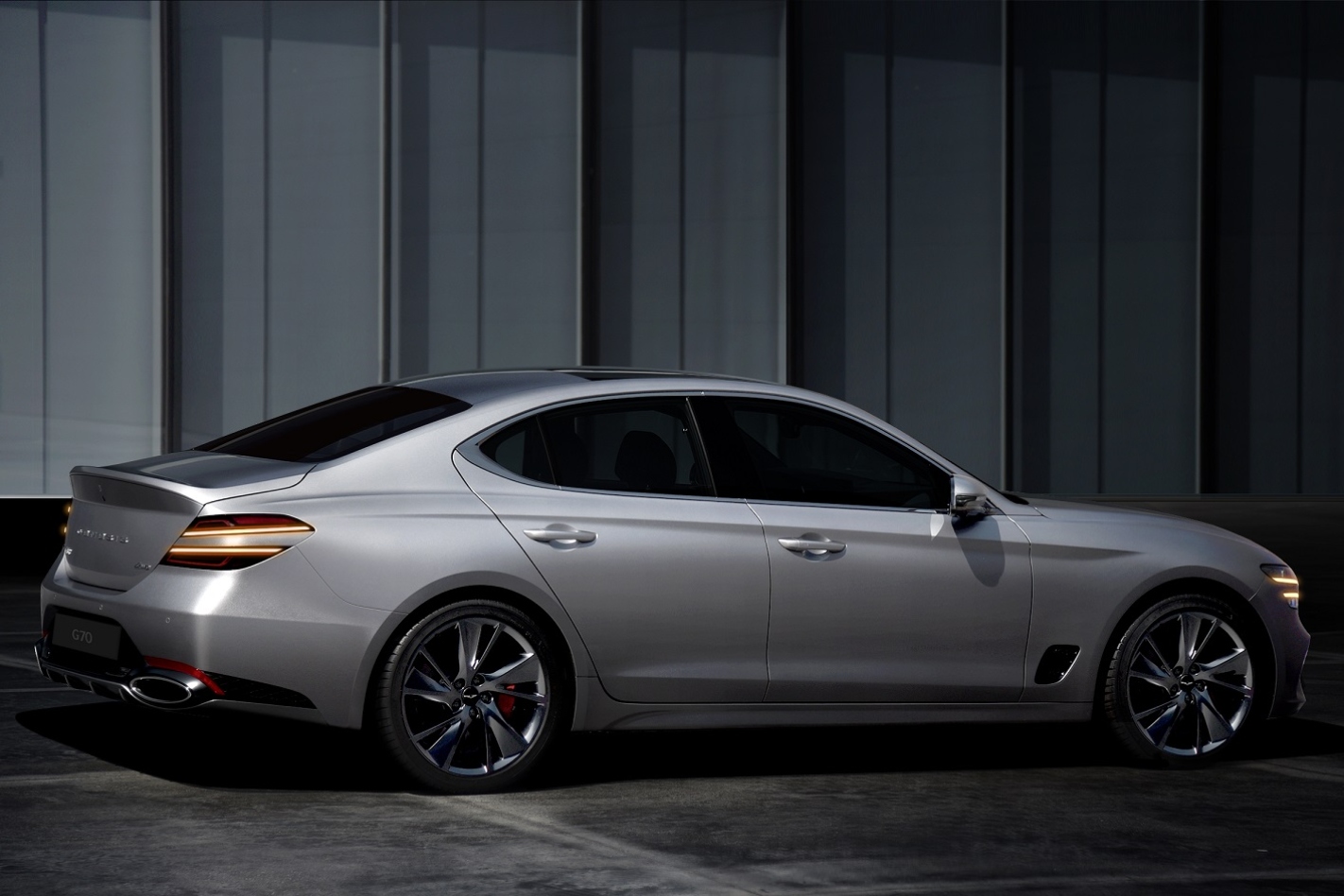
Along its the flanks, tall air extractors have evolved into more compact details lower in the front wheel arches and do not house indicator repeaters like its updated G80 sibling, while the profile remains unchanged with bold blade-like trims leading the C-pillars.
Genesis calls its design language Athletic Elegance, and you can expect to see it featuring in varying forms on the company’s future vehicles which will include a smaller SUV and possibly even a sporty halo car based on the Essentia concept.
The rear has been treated to a similarly comprehensive redesign including a mirroring of the front light units, Genesis badging dominates a cleaner more expansive rear panel, which accentuates the model’s duck-tail boot lid. Larger oval exhaust outlets complete the look.
On the inside the revisions continue, headlined by a new 10.3-inch central display with updated information and entertainment system and improved graphics. There are also new connectivity specifications including over-the-air updates, Android Auto and Apple Carplay, and a reconfigured wireless charging to accommodate a wider range of devices.
In the current iteration, the G70 received criticism of its cheap multimedia interface which didn’t match the otherwise high-quality standards, but this update appears to address those concerns raised in the first version along with a welcome nip and tuck to refresh the model.
For example, a new 10.25-inch multimedia touchscreen complete with a Genesis-specific navigation program will replace the previous inset screen, while wireless phone charging and a more easily readable instrument cluster will also feature.
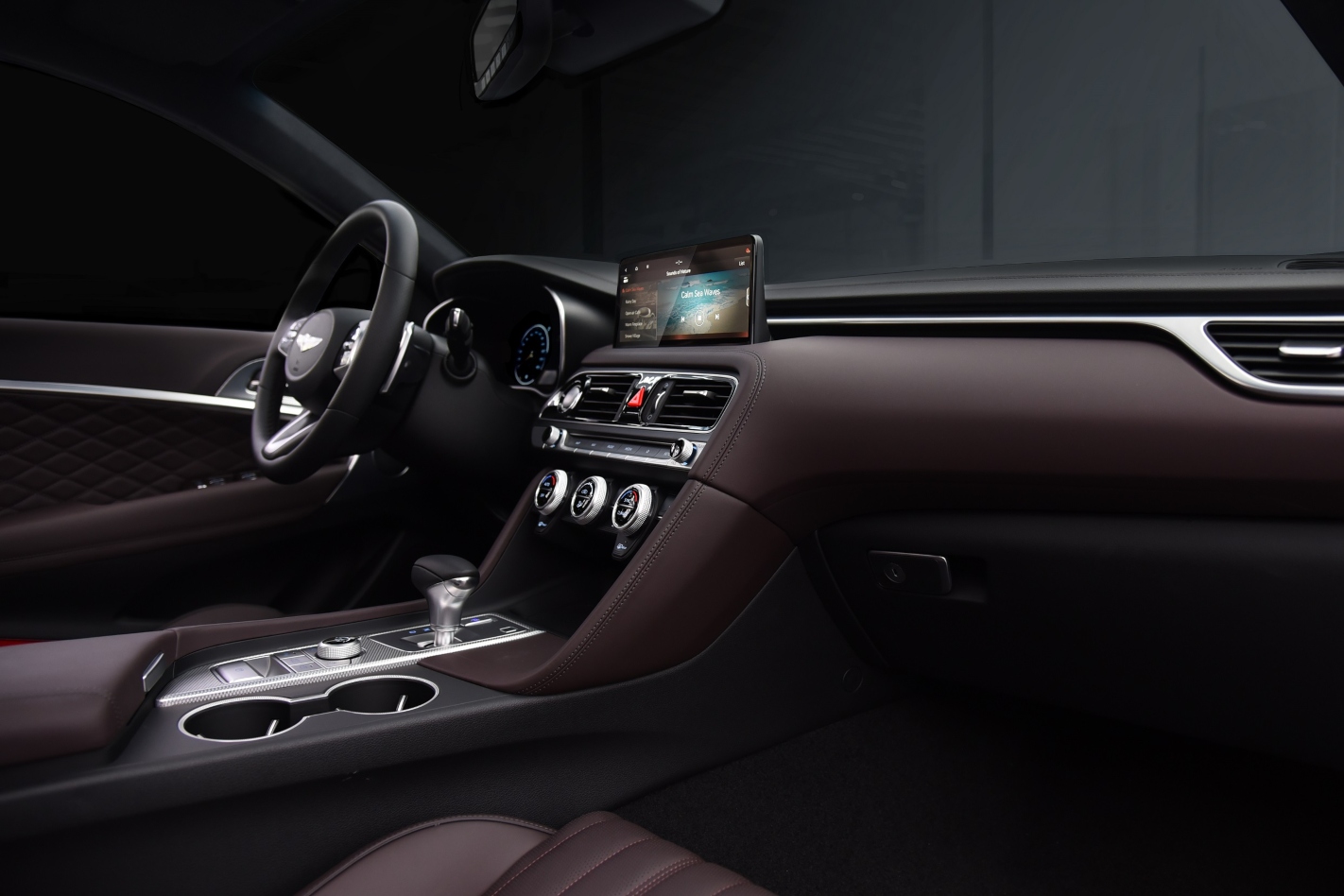
It’s also been confirmed that the dimensions of the car remain exactly the same as before, as do the majority of its underpinnings.
The car is still 4685mm long, 1850mm wide, and 1400mm high, with a 2835mm wheelbase.
The engine options under the bonnet are also the same; there’s the choice of a 3.3-litre twin-turbo V6 petrol engine with 272kW and 510Nm, or a 2.0-litre turbo four-cylinder petrol engine with 185kW and 353Nm.
This time, however, there’s an additional 2kW in Sport trim for the smaller engine.
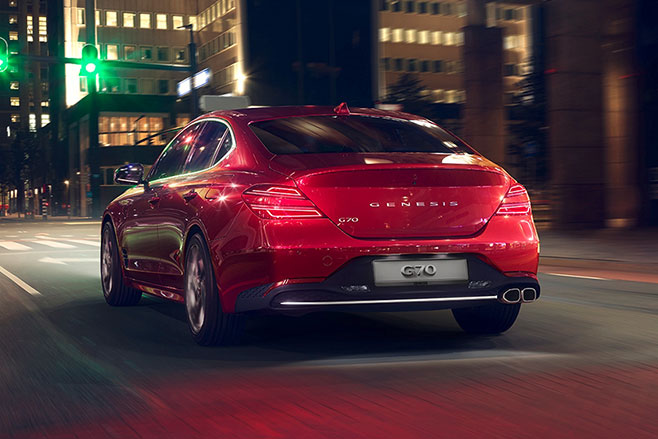
The entire range also now has a Sport+ mode, for a more aggressive engine and gearbox response under hard driving.
The 3.3-litre V6 version will, again in Sport trim, benefit from a variable exhaust system, which Genesis says creates “a more aggressive exhaust signature.”
Finally, for keen drivers, an all-wheel-drive system is available for V6 buyers, which includes a built-in drift mode.
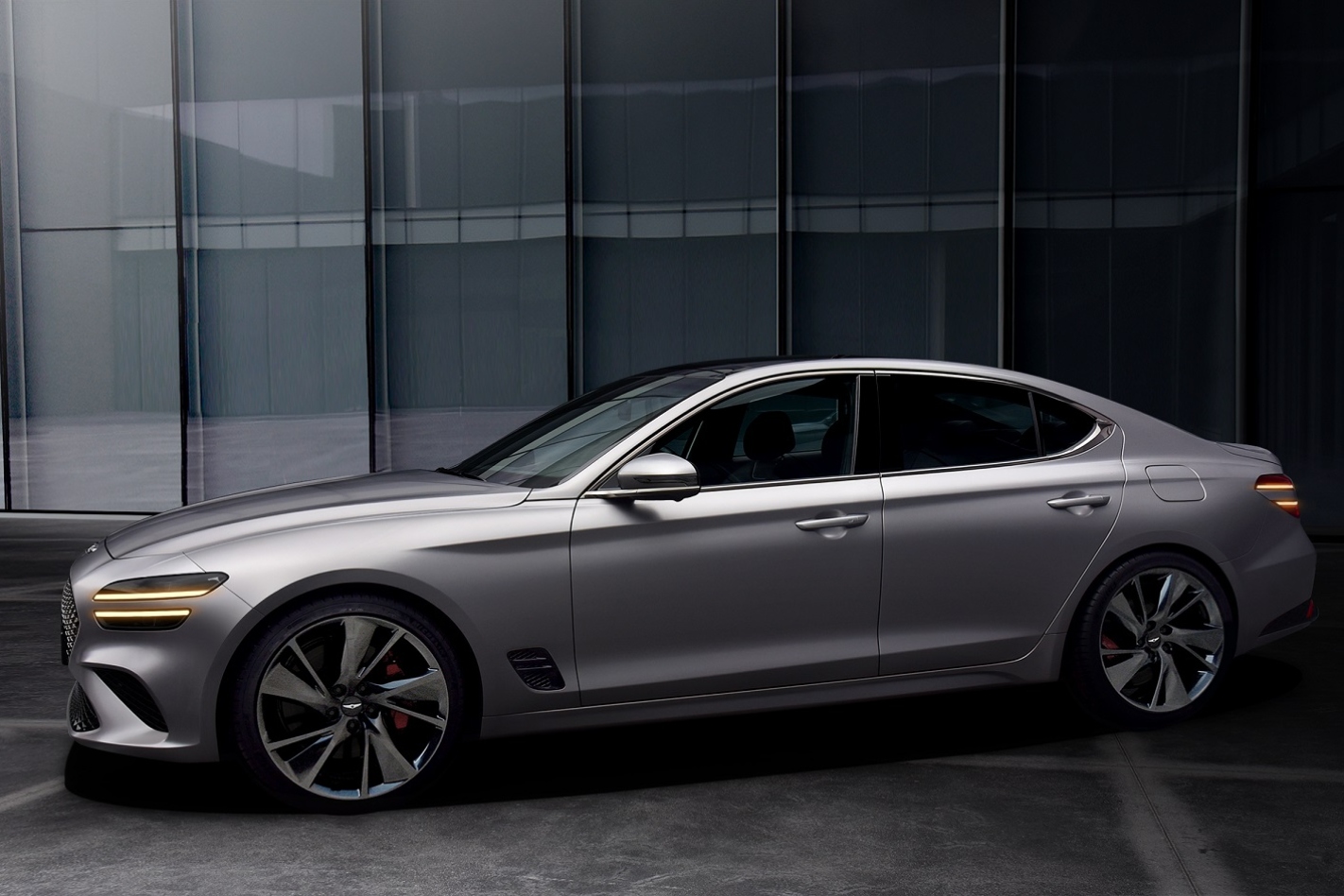
When it arrives, the facelifted G70 will go on sale not in conventional dealerships as per many other brands, but in Genesis’ bespoke and more premium boutique-style showrooms in metropolitan centres.
Contributing – Chris Thompson
There are some cars that, despite being very good, aren’t particularly exciting.
On a recent episode of the WhichCar Weekly podcast journalists Dan Gardner, Scott Newman, and Chris Thompson (me, hello!) presented their alternative choices to five popular cars across a range of segments in the Australian new car market.
Dual cab utes, sedans, hatchbacks, and of course SUVs were all dissected in the name of providing Australia’s shopping centre car parks with a bit of diversity.
Of course, this might also reveal to you the reasons why motoring journalists are not automotive product developers or operations managers, because there’s clearly something about these cars that appeals to the rather large segment of buyer who don’t particularly care about how interesting their car is.
Those who do? Read on…
Dual-cab utes: Toyota Hilux
The Toyota Hilux has an unbreakable reputation for being unbreakable, but it’s not the most refined rider or driver in its field.
Ssangyong Musso
With a starting price at around the $30k mark, the Musso was Dan’s pick for a Hilux alternative thanks to the fact the top of the range here is not far above the lower end of the Hilux range.
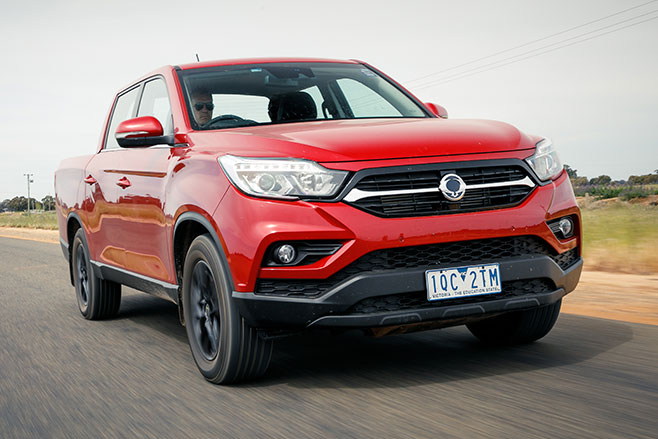
A seven-year warranty and the ability to add plenty of kit without breaking the bank helps, that on top of the fact its standard specifications are nothing to scoff at.
Ford Ranger
Scott suggested the Ranger simply because he finds it a better ute than the Hilux, though the fact it’s so high up in the sales charts (right next to Hilux actually) means it won’t necessarily be more unique.
Scott could also be fondly remembering the time he thrashed a Ranger Raptor off-road to find out if it could really be called a ‘performance car.’
VW Amarok
The Volkswagen Amarok can be expensive, especially compared to the entry-levels of my colleagues’ picks (and even the top of the range Musso), but if you’re looking in the slightly more expensive ute region, the car-like driving and comfort in the Amarok is hard to beat.
Spend up north of $50k, and you’re also given access to a massively torquey 3.0-litre turbo diesel V6 in the TDI 550 and 580 variants, an excellent engine.
SUVS: Mitsubishi ASX
The ASX is old. Very old. And while Mitsubishi now has a 10-year warranty on new cars, the absolutely packed SUV segment offers many options.
VW Golf
Dan’s suggestion of a hatchback instead of an SUV comes, much like the next suggestion in line, aimed squarely at buyers of very small SUVs. “You don’t really want an SUV if you buy an ASX,” in that the ASX isn’t very big nor does it have any off-road ability.
The Golf starts in the low-$20k range, is comfortable, well-equipped, and stylish.

Any wagon
Much like Dan, I don’t believe most people who buy SUVs really need an SUV, especially when a car-like wagon will provide the boot space and comfort an SUV affords.
If the higher-riding position of an SUV is really what you’re after, the Hyundai Kona is a much more visually interesting choice.
Scott actually provided an SUV as an alternative, and a good one at that. A well-appointed cabin and interesting exterior styling, as well as solid engine options, make the
Compact hatchbacks: MG 3
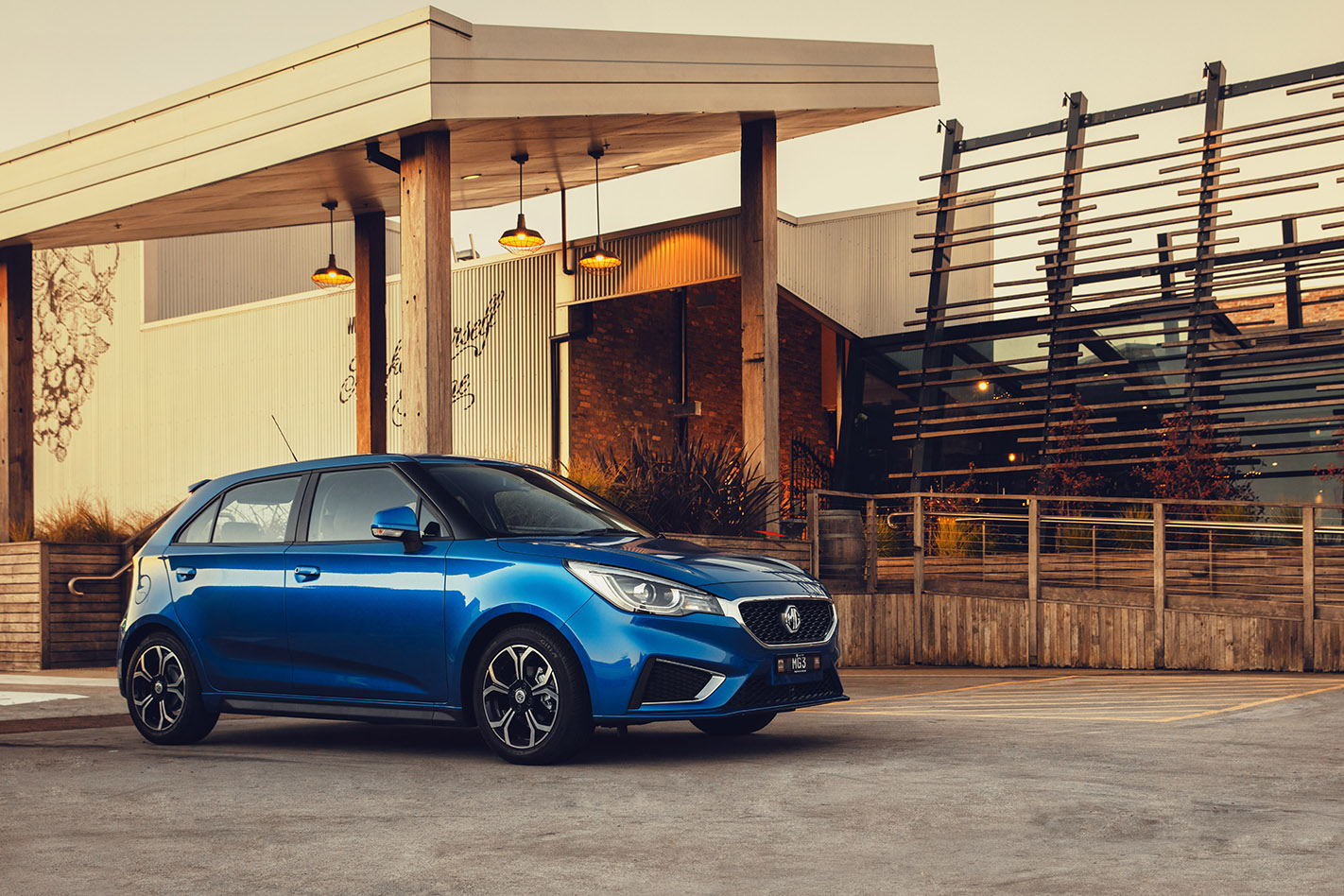
The new MG 3 may well be a good car to drive and own (many journalists have not yet had the chance to drive one), but its safety record has some of us questioning its sudden popularity upon its arrival.
Kia Picanto
Cheaper, safer (according to ANCAP), and with plenty of excellent kit, the Picanto is the most affordable car in the country right now. Even its hot(ish) hatch variant, The GT, sneaks in below the $20k mark, and it’s actually fun to drive.
Holden Astra
Dan suggests sprinting to your Holden dealership and buying up one of the last Astras from the showroom floor before the Lion is taken off the front of the building.
Its entry price is just north of $20k, but we reckon you’d have a relatively easy job convincing a dealer to lop a bit off the price for you.
Kia Rio (even slightly used)
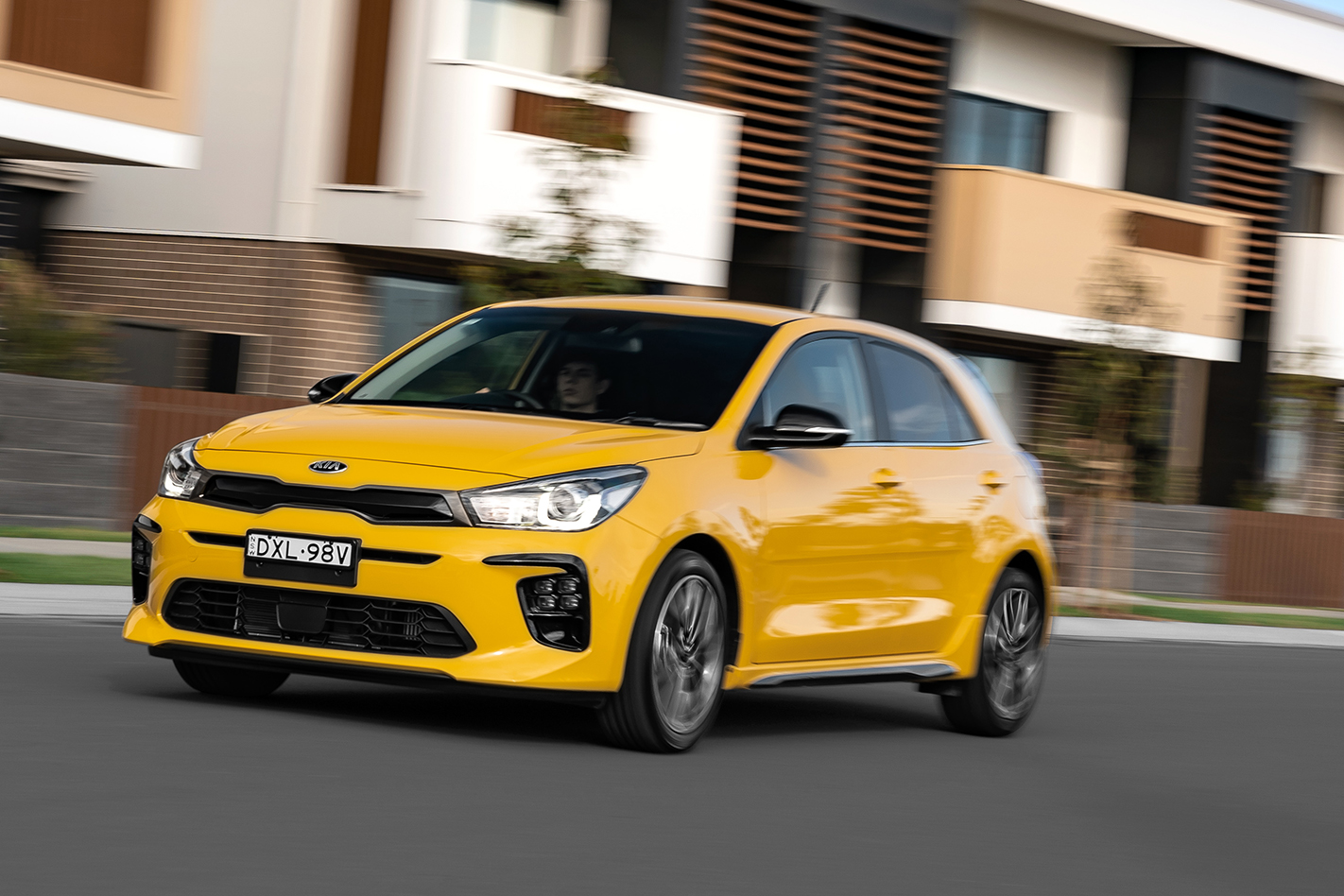
While a VW Polo would be Scott’s (solid) suggestion for those willing to spend up a little more, his rather clever choice of a near-new (still in warranty) used Kia Rio means buyers can have a slightly larger hatchback, take advantage of the long 7-year warranty, and not need to pay full price.
Sedans: Toyota Camry
The Camry being a popular sedan needs no explanation. It’s an excellent car, now arguably better than ever, but it’s also the choice for cabs, fleets, and anyone who seemingly doesn’t care what they drive.
Subaru Liberty
“You can’t buy this car much longer, and the reason for that is that everyone bought Camrys,” Dan says.
All-wheel-drive, a flat Boxer engine, a decent CVT, and plenty of personality.
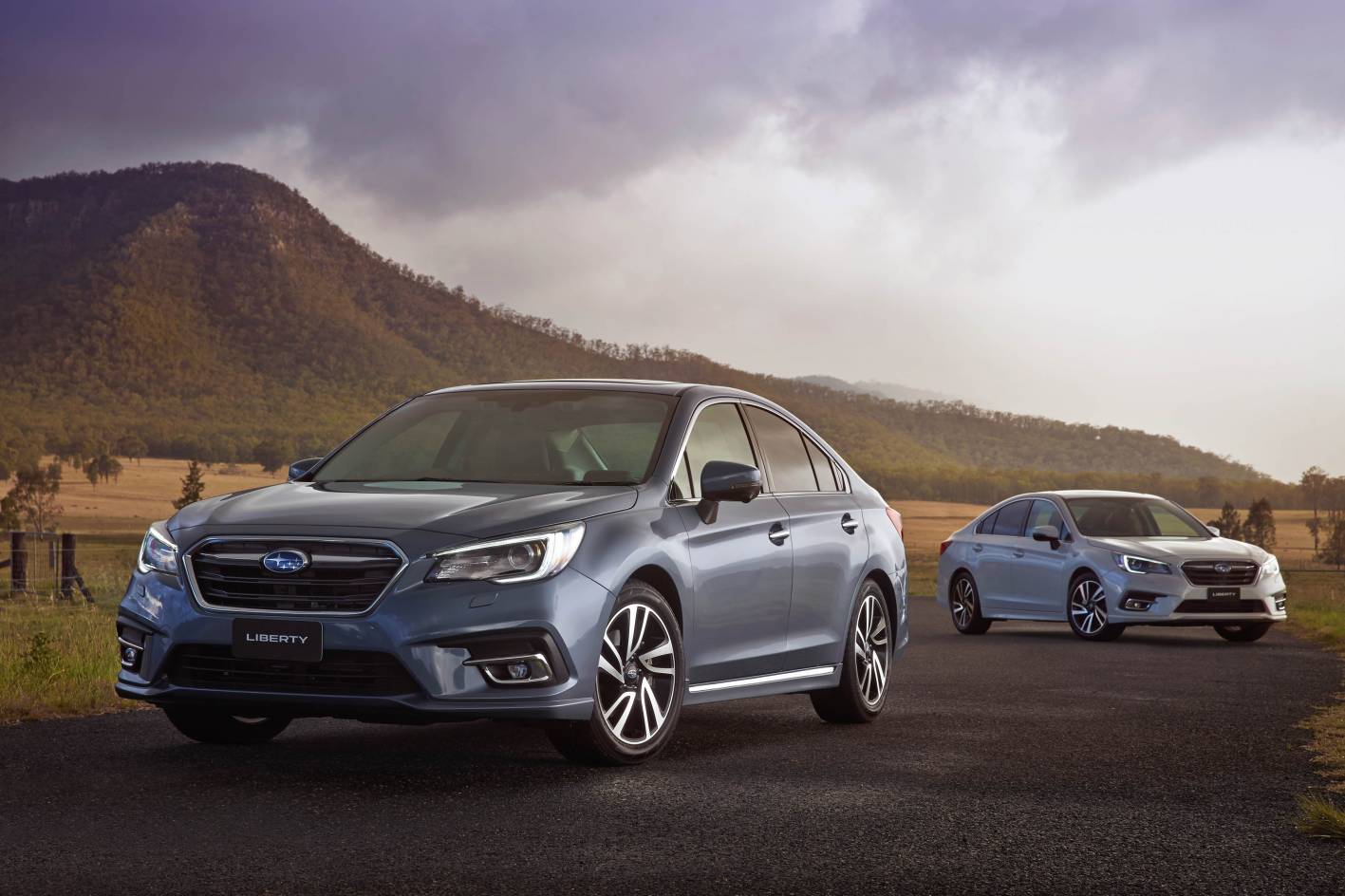
“You all bought the wrong* car for too long, and now Subaru’s not selling the Liberty anymore.”
*Dan means ‘safe’ because we all know the Camry is a good car…
Hyundai Ionic
I decided we need to look to the future a little more seriously, and the hybrid or electric Ionic seems a great place to start for those who aren’t well-heeled enough to pop into a Tesla.
Entry-level pricing is north of the Camry’s, but middle and higher Camry variants start lining up with Ionics, which means there’s likely a big crossover of folks who’d be just as happy in something greener.
Peugeot 508
It’s French, and it’s a little more premium, so resale and perception of reliability will likely turn a few off, but the ride quality, styling, and interior finish in most modern Peugeots is incredible.
Scott also suggests a Mazda 6 or a Skoda Octavia, both well-built, easy to get around in terms of liability, and both more common and likely easier to own than the 508.
Premium sedans: Mercedes-Benz C-Class
You’re either spending big on a sedan because you want something comfortable and it’s a practical buy, or because you’ve got the cash to spare and it’s a bit of a ‘fun’ purchase… the excellent C-Class dominates this segment.
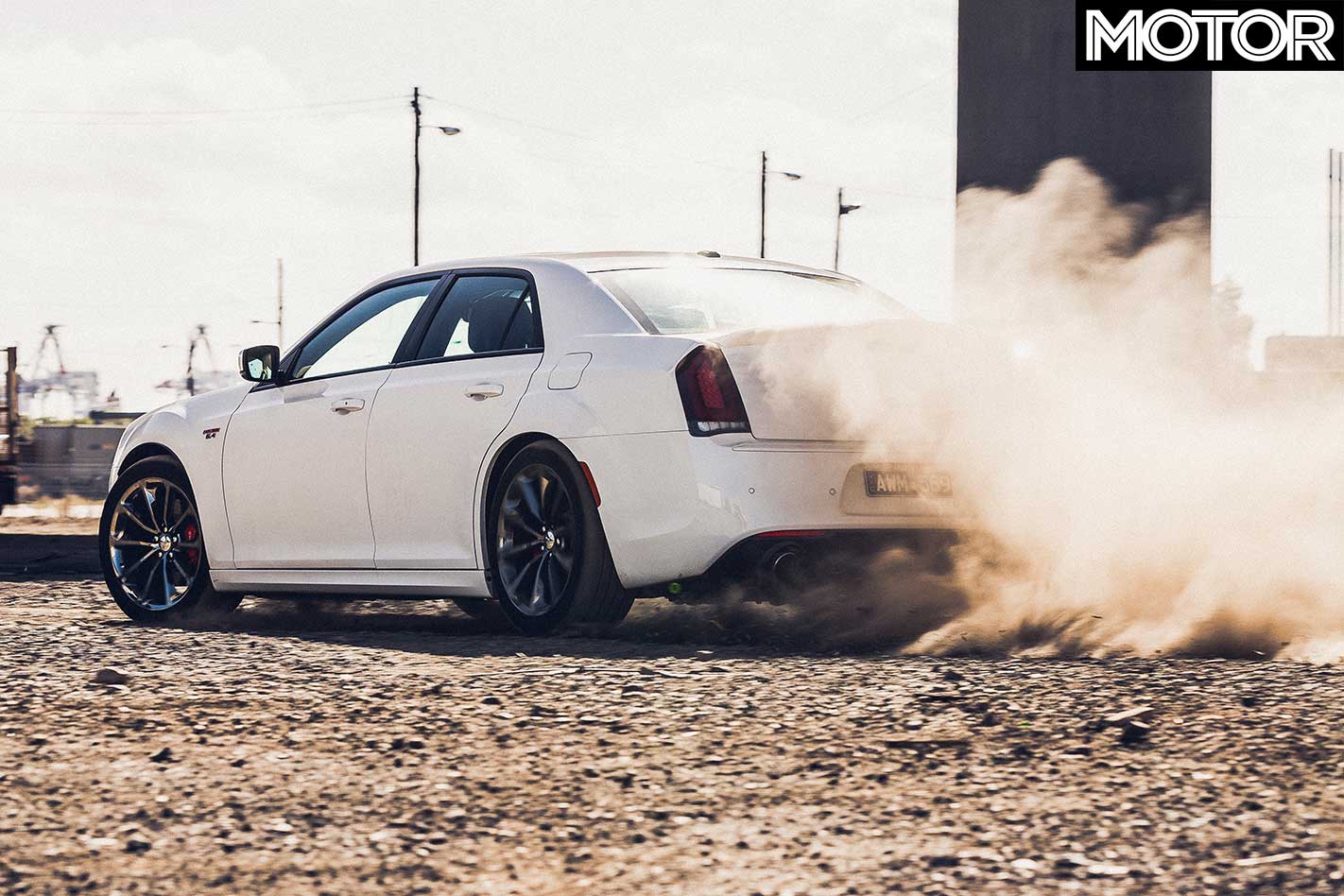
Chrysler 300 SRT
If your C-Class is on the ‘fun’ side of the ledger, why not go all-out in terms of fun and pick up something that looks menacing, sounds boisterous, and has all the big ‘Murica vibes you could ever want?
Getting into a V8 for less than $70k is getting harder.
Kia Stinger
Dan suggested the very sensible Kia Stinger, which has variants for practicality and performance, while also being well-equipped and spacious. A seven-year warranty helps.
The Jaguar XE is also on Dan’s list, for something with a little more badge prestige.
Audi A5
Scott keeps it simple with a suggestion to go right for the C-Class’ all-wheel-drive rival. He also adds that looking at a Genesis G70 (on the back of Dan’s Stinger) would provide a fun and quite premium-feeling car on a little more of a budget.
What do you think you’d choose as an alternative to each of these five popular cars? Let us know in the comments below!
Just when you thought the game was over, the SSC Tuatara has reset the world’s fastest production car benchmark, wrestling the title from the grasp of Koenigsegg and kicking Nevadan desert sand in the face of Bugatti in the process.
The Tuatara hasn’t just broken existing records, it’s completely obliterated them, recording a two-way average of 508.73km/h, a whopping 61km/h faster than the previous mark recorded by the Koenigsegg Agera RS in 2017.
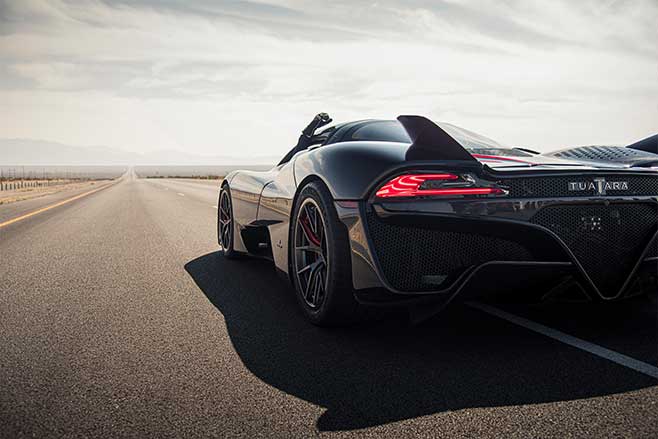
In order to claim an official world record two speed runs must be made in opposing directions within an hour of one another, which is why the Bugatti Chiron Super Sport‘s mark of 490.48km/h set at its Ehra-Lessien test track was not officially recognised.
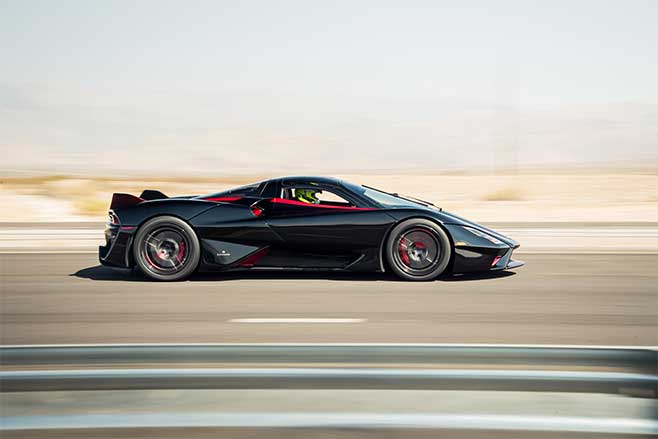
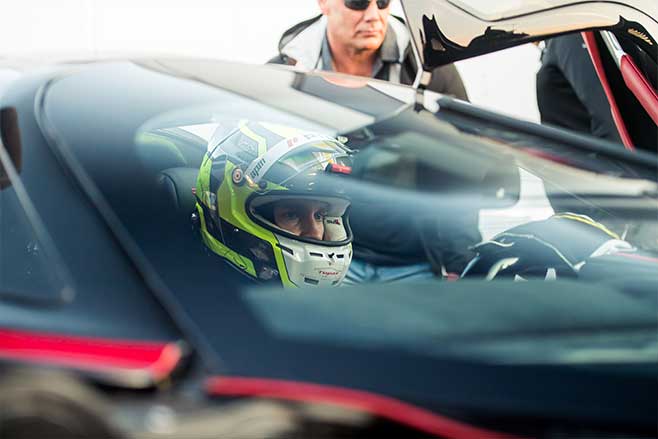
And it could’ve gone even faster. Racing driver Oliver Webb was at the wheel and said: “There was definitely more in there and with better conditions I know we could have gone faster.
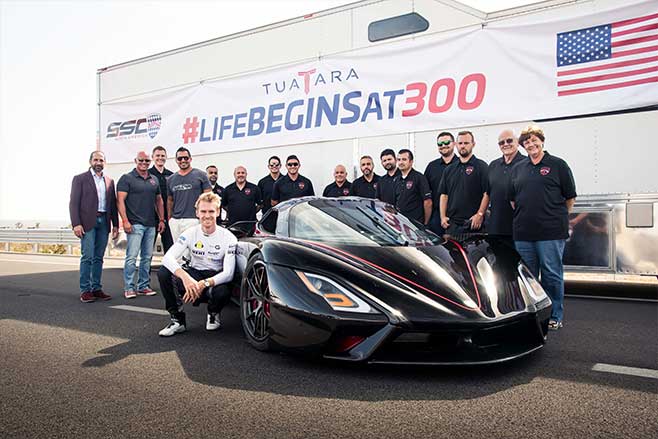
Jerod refers to Jerod Shelby, the 52-year-old founder of SSC. While no relation to Carroll, Jerod clearly has a similar love of horsepower, saying in a statement: “It’s been 10 years since we held this record with our first car, the Ultimate Aero, and the Tuatara is leagues ahead.
“Its performance reflects the dedication and focus with which we pursued this achievement. We came pretty close to meeting the theoretical numbers, which is astonishing to do in a real-world setting on a public road. America’s claim to victory in the ‘land-based space race’ is going to be tough to beat.”
In 2007 the SSC Ultimate Aero claimed the title of World’s Fastest Car when 71-year-old Chuck Bigelow piloted it to a two-way average of 412.28km/h on a public road in Washington.
The SSC Tuatara is much more exotic in its construction, using a carbonfibre monocoque that allows for a dry weight of just 1227kg. Power is produced by a 5.9-litre twin-turbo V8 that revs to 8800rpm and produces 1007kW on regular fuel and 1305kW on E85.
With Bugatti and Koenigsegg bowing out of the top speed game, will the Tuatara’s record stand forever, and just how much faster can cars go?
Hyundai is taking direct aim at Mazda and Toyota with its high-tech, high-spec i30 Sedan, starting at less than $25,000 in base form.
With rear parking sensors and camera, wireless phone charging and leather-accented trim standard across the four-variant range, the i30 Sedan replaces the Elantra nameplate in Australia with a high-spec and good-value small four-door sedan.
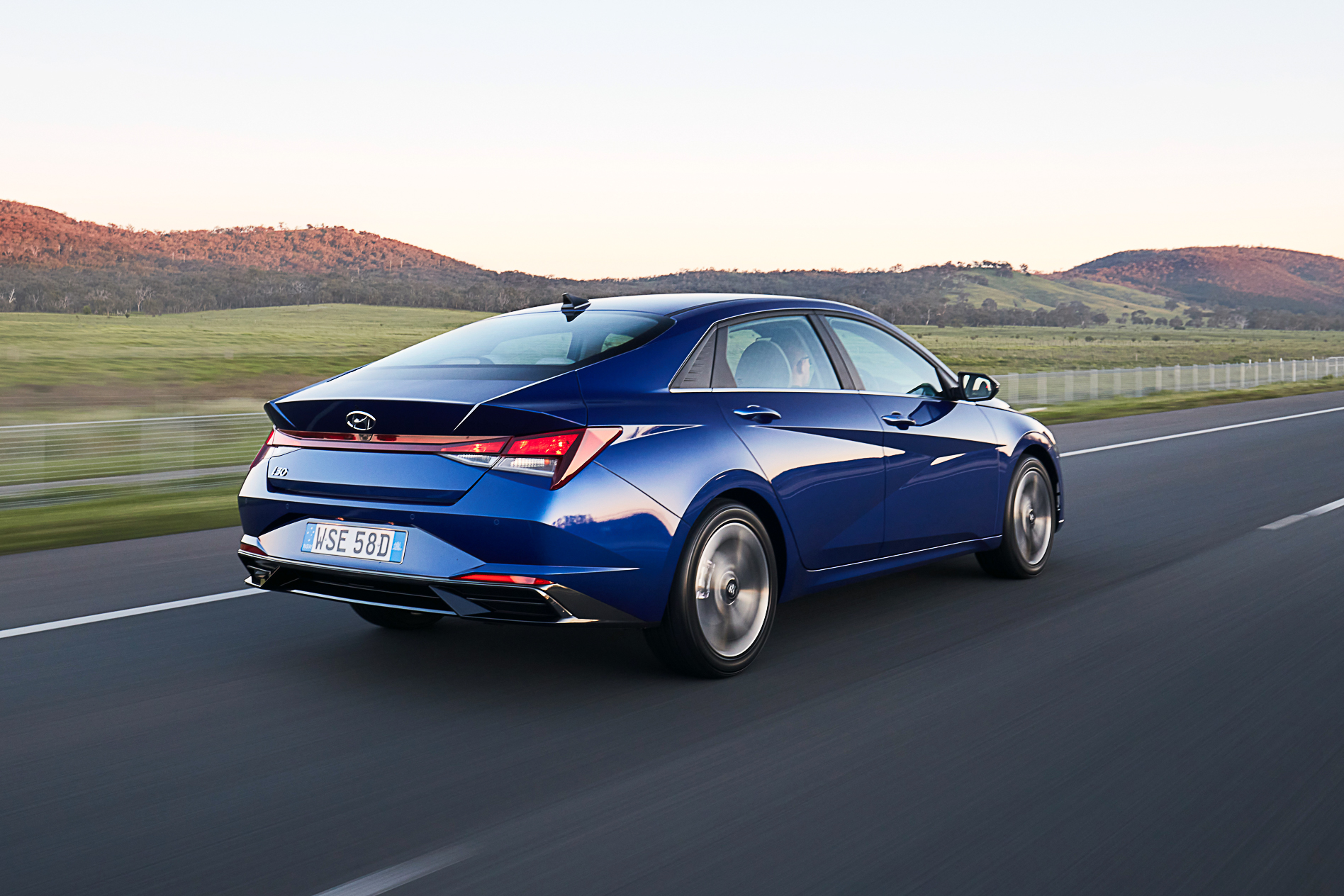
The i30 Sedan will take on the Toyota Corolla sedan and Mazda 3 sedan, as well as sibling rival Kia and its Cerato sedan.
There’s more rear space and cargo room in the i30 Sedan compared to the outgoing Elantra, as well, with 471 litres of boot space and nearly six centimetres more rear legroom. The front seats, too, are mounted 25mm lower in the car.
The i30 Sedan is underpinned by a new K3 platform which makes it lower, lighter and stronger compared to the outgoing Elantra, while its driving dynamics are also said to be improved thanks to a lower centre of gravity.
Extensive suspension re-tuning for Australian roads has been carried out, with a particular emphasis on the N-Line variants.
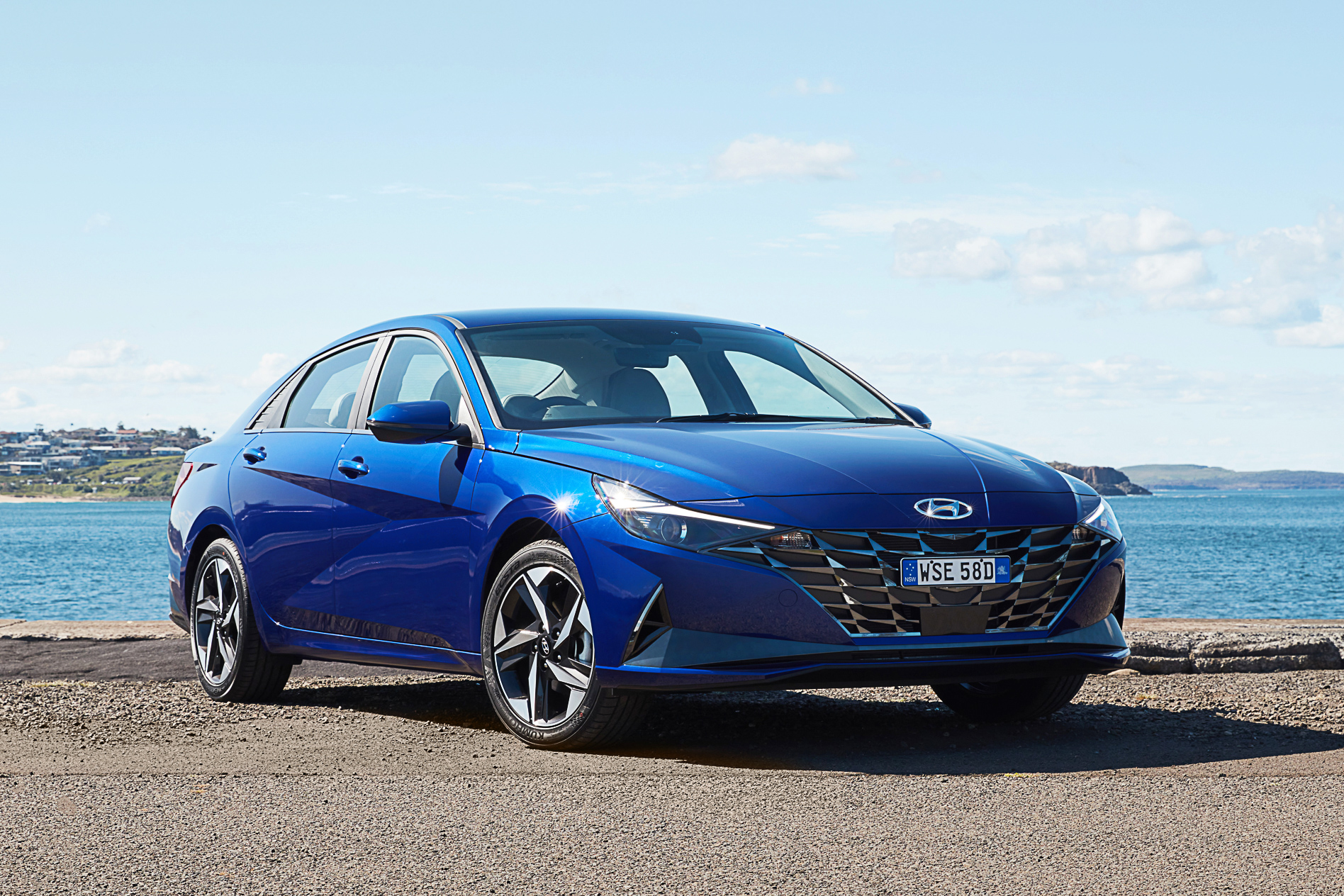
The Hyundai i30 Sedan is priced from $24,790 plus on-road costs for the base-model Active equipped with a 2.0-litre naturally aspirated petrol engine and six-speed manual.
Most people will pay $2000 more for a six-speed automatic-equipped i30 Sedan Active, while the auto-only Elite will cost $30,790.
Boot sizes of Australia’s best-selling sedans
Stepping up into the i30 Sedan N-Line costs $30,290 in manual form and $32,290 with a seven-speed dual-clutch transmission, while the top-spec N-Line Premium is DCT-only and will cost $37,290 plus on-roads. All i30 Sedans are front-wheel-drive.
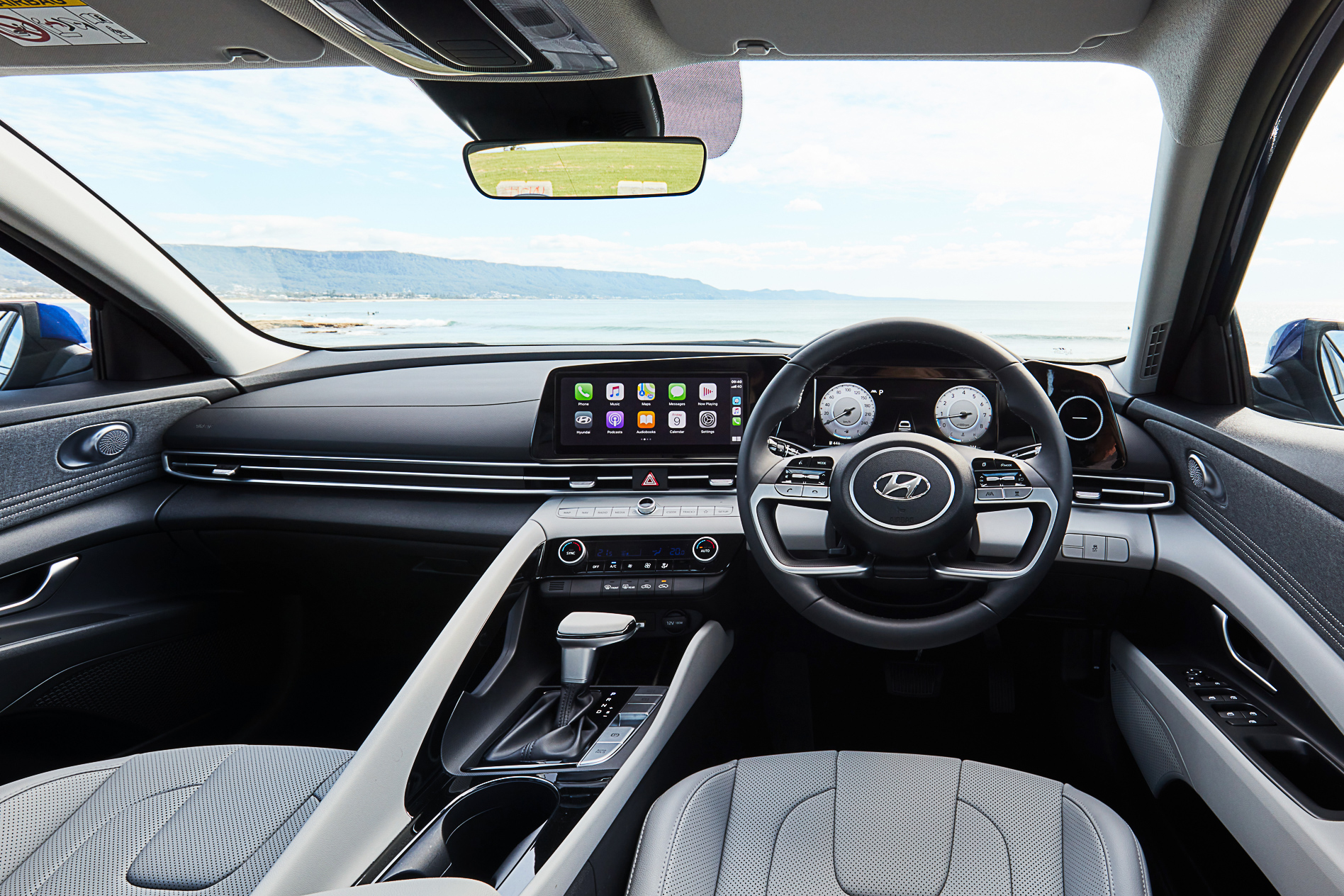
Both the N-Line and N-Line Premium come with Hyundai’s 1.6-litre turbocharged petrol engine, which for the i30 N-Line comes with a host of new tweaks, including predictive continuously variable valve timing for better economy. It makes 150kW and 265Nm.
The Active and Elite use an improved version of Hyundai’s 2.0-litre non-turbo petrol engine, called the SmartStream G2.0, which makes 117kW and 191Nm.
At the base, the Active offers up Hyundai’s SmartSense safety basics including AEB, lane-follow assist, adaptive cruise control, automatic headlights, 17-inch alloys and an 8.0-inch touchscreen.
There are also small but important features like rear-seat occupant warning, which is activated by detecting whether the rear doors were opened at the start of the trip.
Interestingly, the smaller 8.0-inch multimedia screen offers the option of wireless Apple CarPlay.
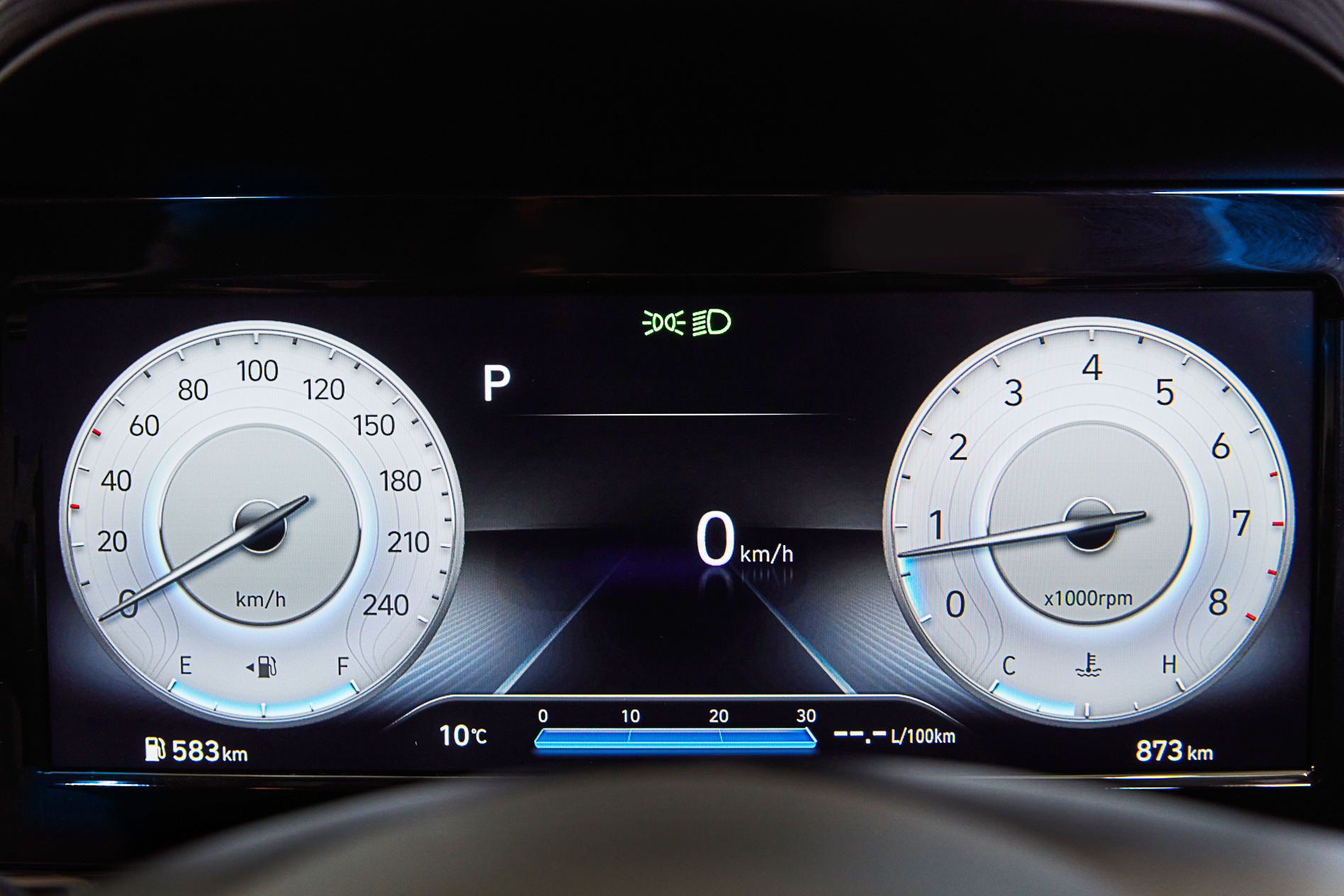
Opting for the Elite gets you additional safety aids including blind-spot collision avoidance, rear cross-traffic and rear parking collision avoidance, a 10.25-inch screen to match the digital dash and automatic wipers, along with a Bose stereo, push-button start and keyless entry.
The bigger multimedia screen also features Hyundai’s newest widescreen sat-nav tech.
Step into the N-Line – which lands towards the end of the year – and you’ll also get multi-link rear suspension to go with the sharper 1.6-litre turbocharged engine.
LED headlights and taillights, hands-free boot opening, adaptive cruise control, remote start capability and dual-zone climate control are standard, while the top-spec N-Line Premium scores heated and vented front seats, a sunroof and tinted glass.
Sports seats with extra bolstering and a bespoke steering wheel are standard in the N-Line.
Seven shades of paint are available for the i30 Sedan, including Lava Orange for the N-Line variants, Polar White, Phantom Black, Fluidic Metal and Amazon Grey are available across the range, along with Intense Blue and Fiery Red.
Leather seat upholstery is standard for the i30 Sedan line-up, with black leather for Active, black/grey leather for Elite, and black sports leather for N Line variants.
The Hyundai i30 Sedan isn’t yet safety rated by ANCAP. Because the car isn’t sold in Europe, there is no Euro NCAP data to apply, which could then be extrapolated out into an ANCAP safety rating for the i30 Sedan.
Hyundai has not submitted the car for ANCAP crash testing, but the Australian safety body may conduct an audit of its own.
Stay tuned for our first drive review this Friday.
Hyundai i30 Sedan Australian pricing
- i30 Sedan Active (manual) – $24,790
- i30 Sedan Elite – $30,790
- i30 Sedan N-Line (manual) – $30,290
- i30 Sedan N-Line Premium – $37,290
Jaguar has added a third variant into the BMW 3 Series-fighting XE mid-sized luxury sedan range with a new P300 R-Dynamic Black option heralding a significant injection of technology for the entire trio, along with traction-boosting all-wheel drive.
The new arrival slots in as the new mid-range offering of the Jaguar XE line-up priced from $69,990 driveaway and introduces a number of model enhancements that are now shared with its two other existing siblings.
That includes an all-wheel drive transmission which replaces the previous rear-drive only layout, along with the latest version of Jaguar’s Pivi Pro dual-sim information system, the second generation of its innovative activity key, updated cabin details, and more safety features.
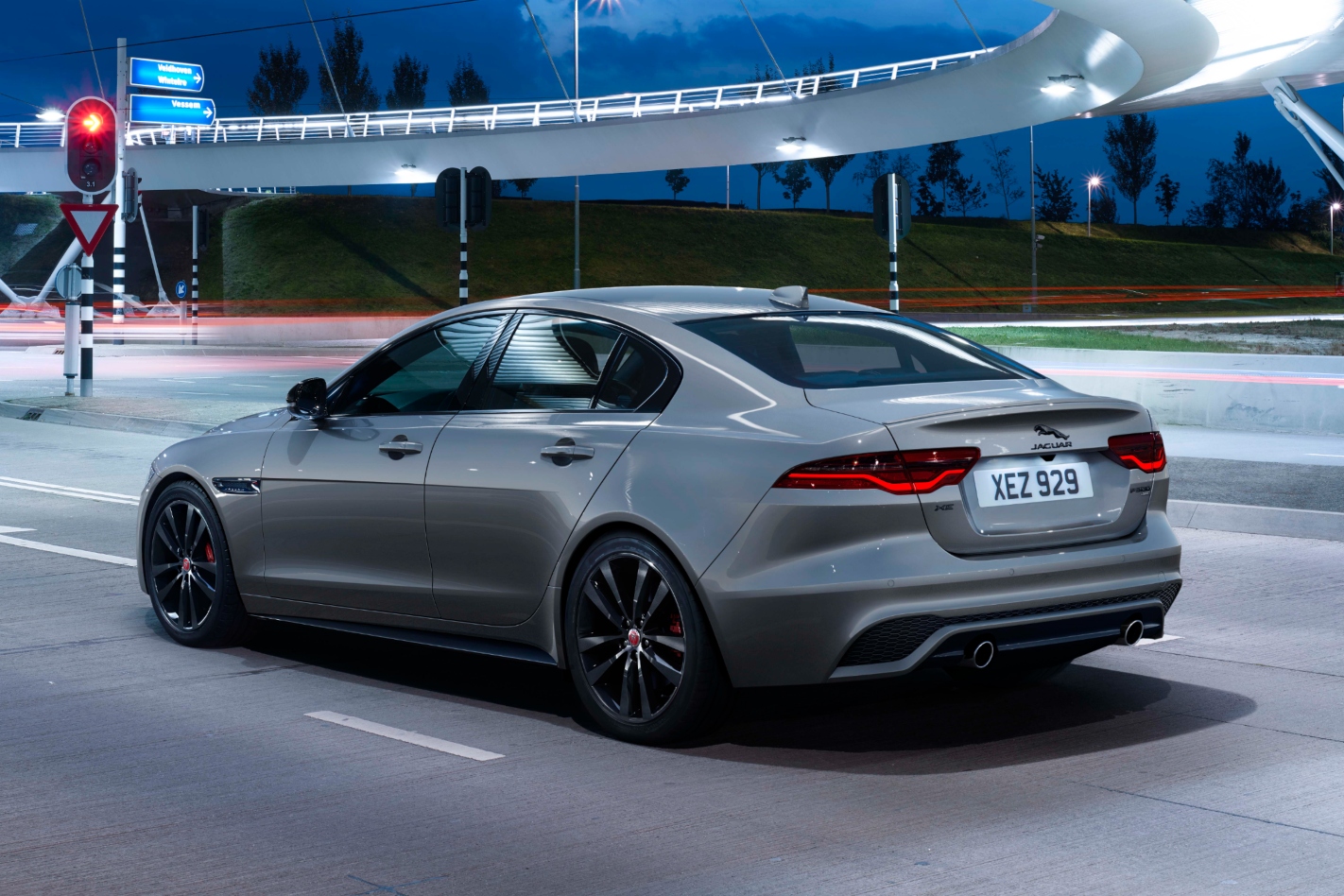
Just as significant as the changes are the Jaguar EX features that haven’t changed.
Despite the extra weight of the all-wheel-drive system, the zero-to-100km/h acceleration time of 5.9 seconds is unchanged thanks to a traction advantage, while the equipment additions to the existing variants have not affected their price.
Opening the range at $65,670 is the P300 R-Dynamic SE, while the P300 R-Dynamic HSE remains the flagship of the range at $71,940.
The pair of XE range bookends are priced before on-road costs so the new Black appears to be the value pick of the XE family, taking the SE specification as its basis.
In addition to the standard features offered with the base P300 R-Dynamic SE, the Black adds a number of aesthetic enhancements including black boot spoiler to match 19-inch five-spoke alloy wheels housing red brake calipers, and standard metallic paint in a choice of five colours.
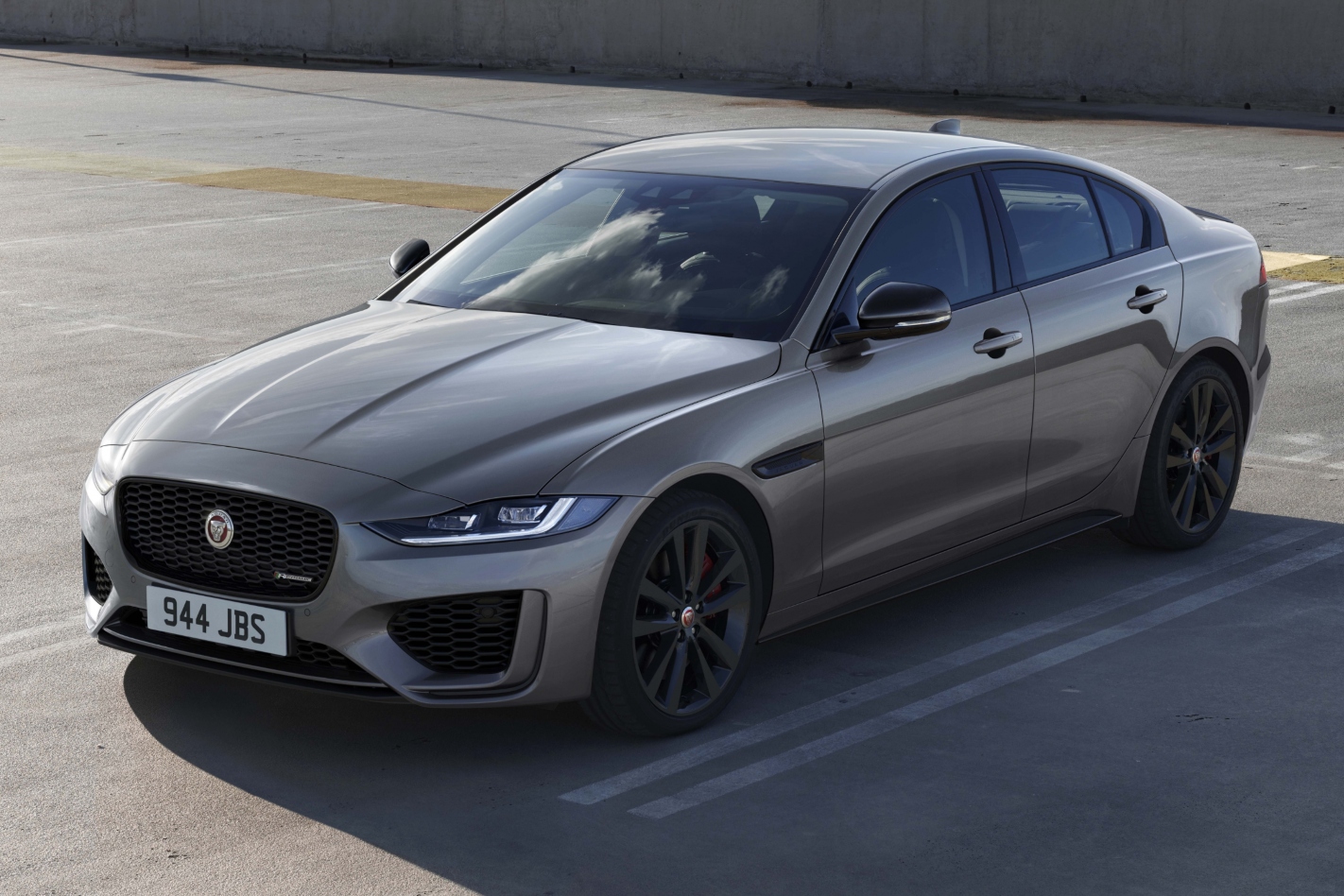
The extras continue on the inside with more gloss black touches, alloy pedal trims and an upgraded Meridian sound system.
That’s on top of the treatment given to all XEs for the 2021 overhaul. New for the latest update is a suite of driver assistance systems such as adaptive cruise control, lane-keep assist, rear collision monitor plus a 3D surround camera now fitted as standard.
All interiors feature redesigned seating and a new steering wheel as well as a special cabin filter and air ionizer which can remove smaller particles and unpleasant odours from the cabin atmosphere.
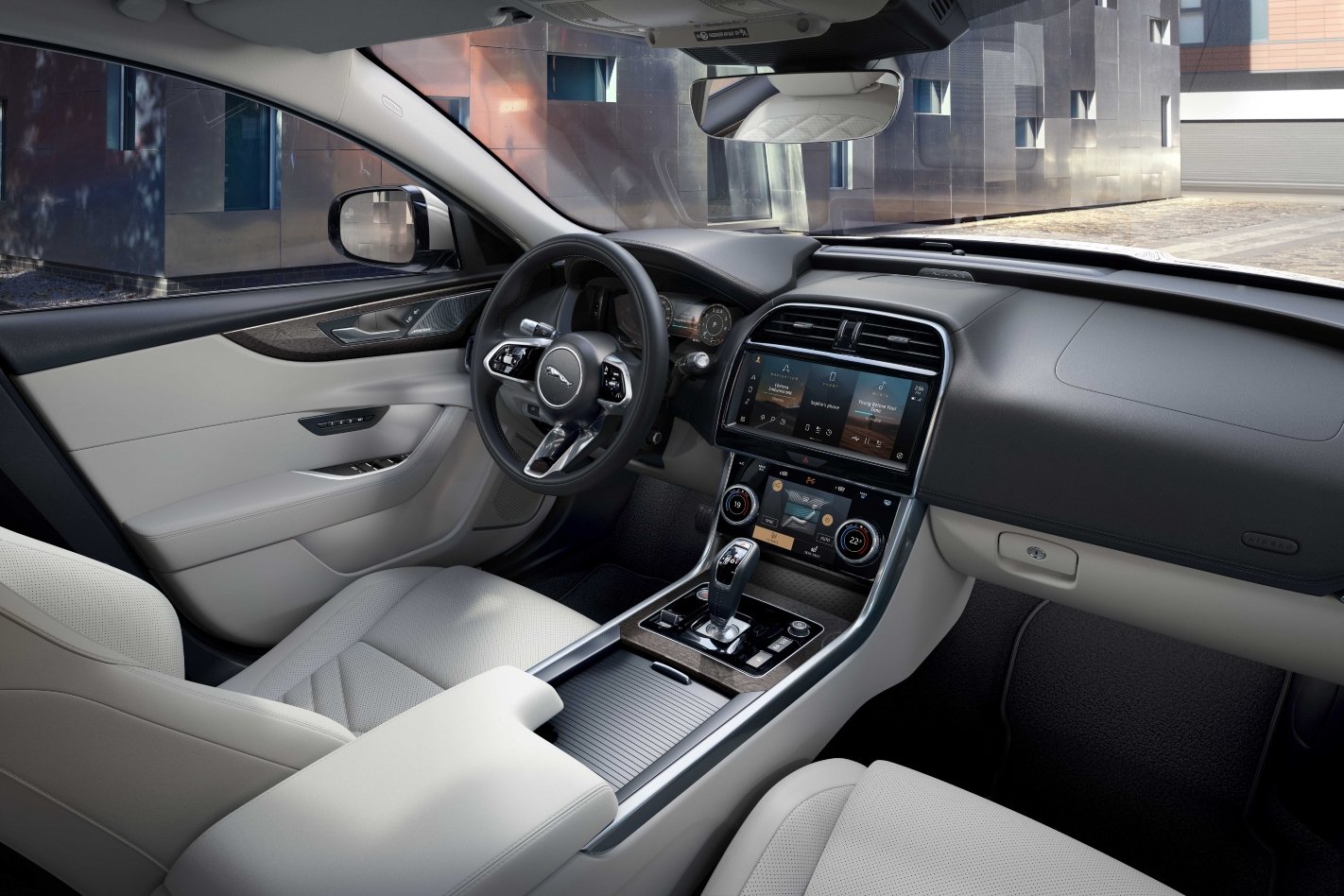
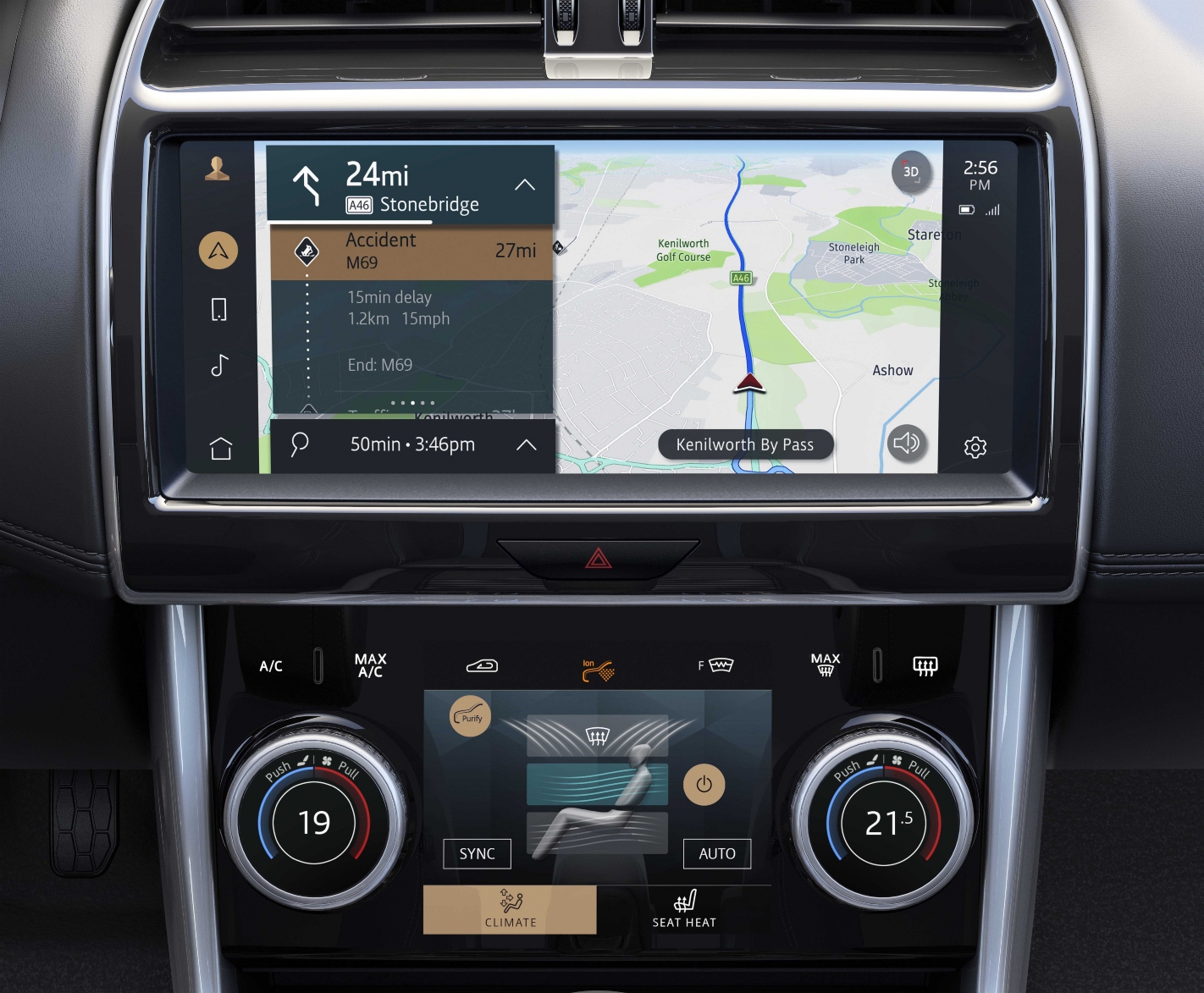
With the latest version of the Pivi Pro system, the XE offers more connectivity features including the option to pair two devices simultaneously, while a dedicated power supply does not require the complete vehicle system boot-up before its features are available.
Android Auto and Apple Carplay are now integrated as part of the deal, as are over-the-air software updates, while a new signal booster is integrated into the high-rate 15-watt wireless charger to improve device reception when onboard the XE.
Jaguar’s Activity Key is also updated; while it still allows the vehicle to be locked and unlocked whilst leaving the conventional key fob in the car, the rechargeable, water-resistant band now also incorporates a watch to keep an eye on how many hours you’ve been in the surf.
Beyond that, it’s business as usual for the XE range.
The three-car line-up continues to be powered by the sophisticated and efficient Ingenium 2.0-litre turbo four-cylinder petrol which has mild-hybrid technology to make each drop go further.
It’s bolted to the same eight-speed automatic transmission albeit now plumbed into all four wheels, and the chassis has not been retuned – if it ain’t broke, don’t fix it.
The arrival of the new XE P300 R-Dynamic Black is the first addition to the range since a major cull in which 14 options were pruned back to just two.
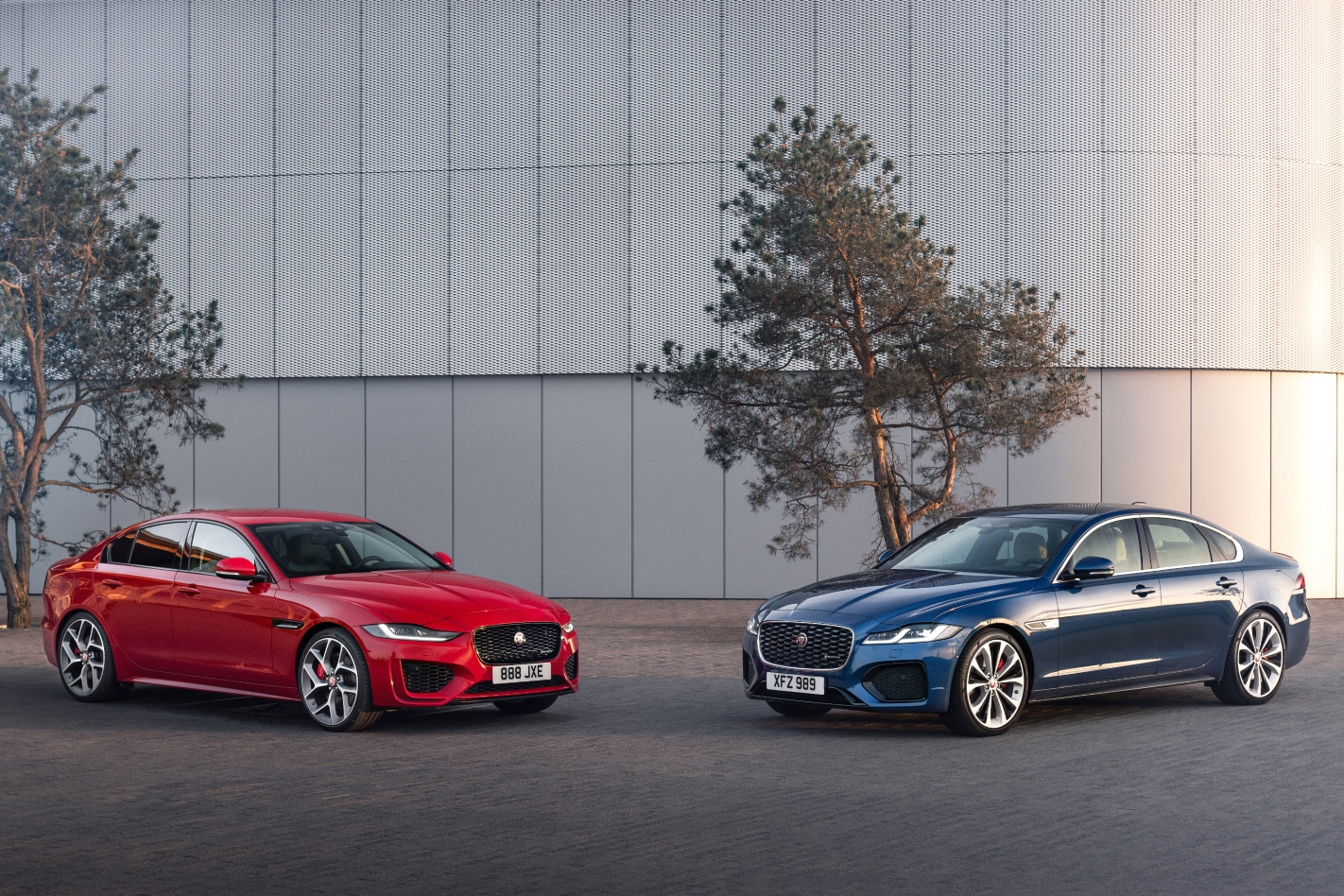
And the same rationalization has been going on in many of the Jaguar Land Rover (JLR) model lines including the XE’s larger XF sister, which was trimmed down to a single option from 13 for 2021.
From now, customers interested in Jaguar’s large sedan model have only the P300 R-Dynamic HSE to choose from, which comes with a $100,200 asking price.
As is the case for both Jag sedans, there is no diesel on offer for now, nor is any engine with a greater number of cylinders (or less) than four.
Excitingly though, the company’s newest engine is starting to surface in a number of models and a debut of the powerful but efficient 3.0-litre Ingenium in-line six-cylinder turbo petrol may soon be confirmed for the XE and XF.
Jaguar’s new XE offering is available to order now, with the first examples expected to start rolling in during the first quarter of 2021.
