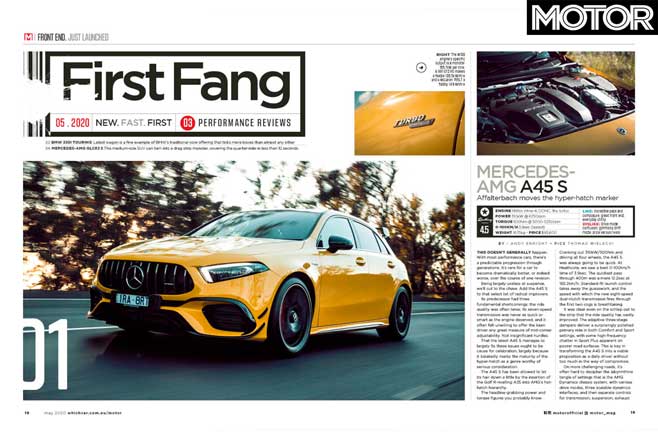
There are three things we do here in the MOTOR office, and in the wider WhichCar network. Drive cars, write about cars, and talk about cars.
Okay, throw in some friendly verbal jabs and the occasional squawk/belch/dinosaur noise across the office on a late-night deadline.
But talking about cars landed us an idea, wouldn’t you like to know what Australia’s best motoring journalists would buy given the cash? We mean the actual cars we would own, according to our own tastes and experiences with each car.
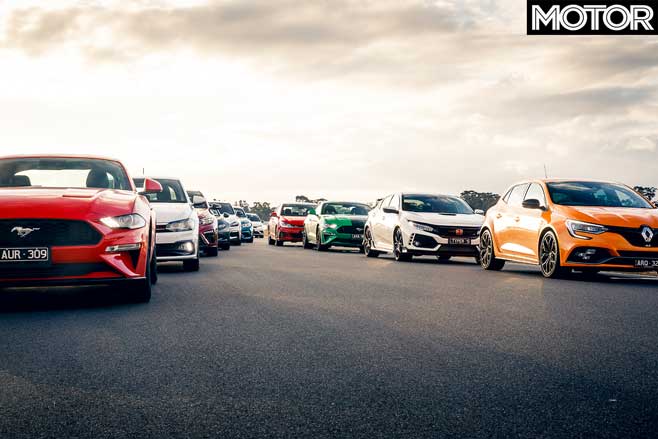
We sent an email around and set a few rules:
- Six categories, each to buy one new car, and it’s a car you’d actually buy if you had the cash.
- We’ll use MSRP because drive-away prices can vary.
- We don’t get to buy another car with the change from each category.
- The cars are separate decisions, we aren’t building a six-car garage with the six categories.
- Car must be available now as a new purchase from a dealer.
- We’ll keep ‘mods bought with change’ realistic.
Let the games begin!
Team MOTOR
We drive the fastest, most exciting cars in Australia (and around the world) to bring you entertaining reviews and features. Source of most of the aforementioned belching and dinosaur noises.
Dylan Campbell, MOTOR Editor
Has driven some of the fastest cars on the planet, but owns a 1980s Toyota Corolla. Er, we mean, AE86.
$40K: Subaru BRZ tS. Engine from Harvey Norman but chassis from Nirvana. Brembo-braked tS the pick and Subaru badge will always feel more right.
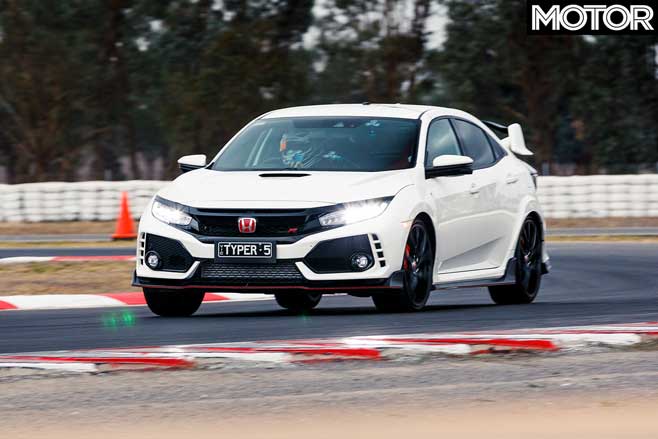
$60K: Honda Civic Type R. Has a face only a visually impaired mother could love but front-drive doubters best wear their smallest and tastiest hat.
$100K: BMW M2 Competition. Will be your partner in probable actual crimes. Solid-mounted rear end feels better than… will tell you when you’re older.
$200K: Mercedes-AMG C63 S Estate. Boot size to seal the Significant Other deal. They can drive it one way and you can drive it, umm, another.
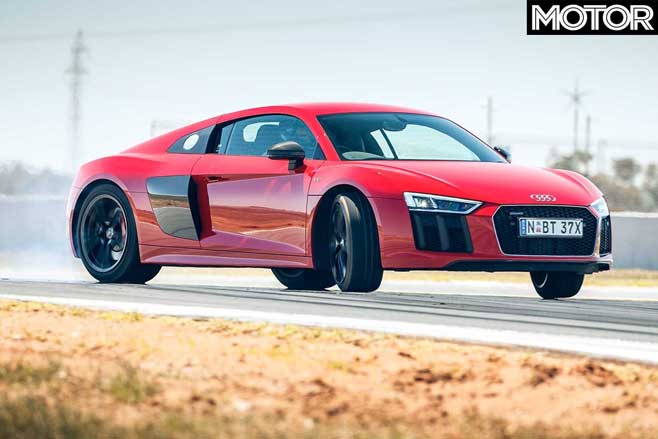
$350K: Audi R8 RWD. All-time atmo V10 in rear-drive configuration very likely a religious experience. Take it to Tasmania, return a celibate driving monk.
Unlimited: Brabham BT62. Closest thing to a V8 Supercar with number plates yet looks like it was styled in Italy. And yes, I would absolutely drive it down Chapel Street.
Scott Newman, MOTOR Associate Editor
“This is a terrible, wonderful game. What’s surprised me most is that though there are many great cars available at the moment that I would recommend for many different reasons, there are pressure few cars that appeal to my (clearly very particular) criteria. However, here are six that do.”
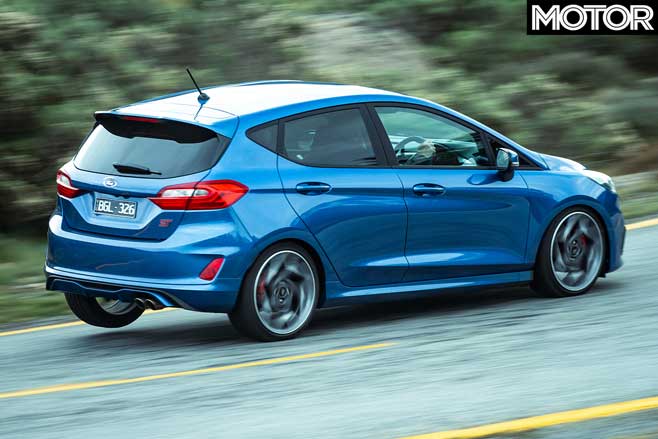
$40,000: Ford Fiesta ST. My mind immediately went to Toyota 86 as despite its age it’s still almost unparalleled for pure driving thrills, but Ford’s new baby hot hatch is too good to ignore.
$60,000: Mazda MX-5 2.0 GT. I’ll get my budget rear-drive fix here instead. The MX-5 is looking a little pricey these days (the original 2.0 GT was under $40K) but it still covers a lot of bases: great road car, fun daily and wicked track car.
$100,000: Ford Ranger Raptor. A left-field choice for someone at a performance publication, perhaps, but if I had the means I’d buy one tomorrow. It can tow, it’s practical, it’s easy on fuel, it’s comfortable and on the right road is still mega fun to drive in and of itself. Wish it had more grunt, though.
$200,000: BMW M4. It’s not exactly the latest and greatest but the M4 still has a lot to offer. Thought long and hard about a Boxster GTS 4.0 (or even Spyder!) but the gearing would annoy me every time I drove it. M4 has space for four adults and luggage yet will bake its tyres in almost every gear if required.
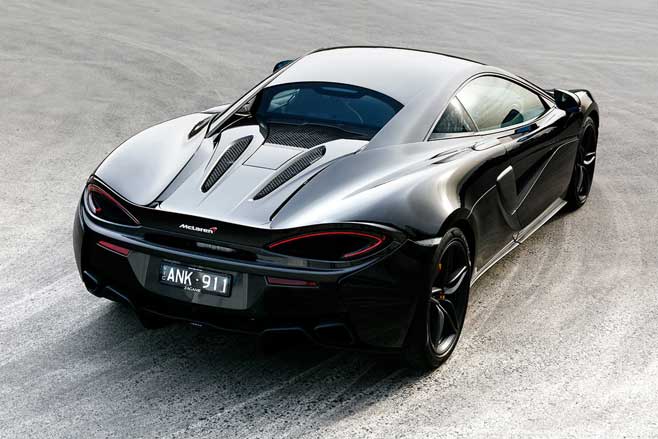
$350,000: McLaren 540C. This is the toughest segment. A 911 is the obvious choice but utterly brilliant though the 992 is, it doesn’t grab me. The new RWD F-Type V8 would be good, but it’s not coming to Australia. Then I spot the baby McLaren. At $350,000 MSRP I’ll need a $1 discount, otherwise it’ll be an Aston Martin Vantage.
Unlimited: Ferrari 812 GTS. A lot of really juicy stuff isn’t available in Australia (no Chiron for instance) but that’s ok, because I can’t think of many cars I want more than an 812 GTS. The Superfast is one of the most awesome cars I’ve ever driven and taking the roof off only makes it more desirable in my eyes.
Louis Cordony, MOTOR Staff Journalist
Lives in Hipster Central, drinks green smoothies (Kale? Spinach? Sir Walter? Not sure), but also looks at V8 utes on classifieds regularly.
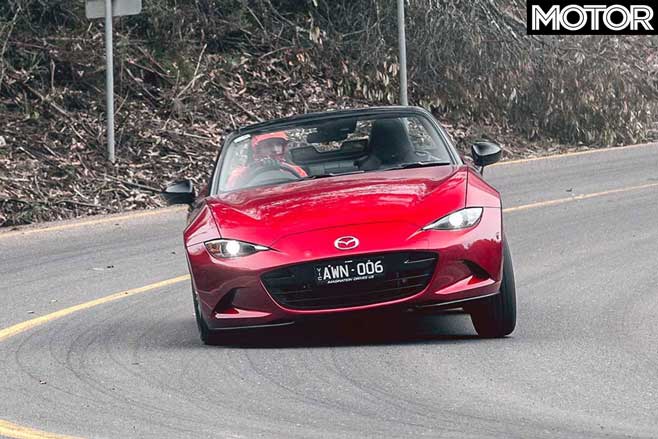
$40K: Mazda MX-5 1.5-litre. Anyone fancy trying to get from Melbourne to Wakefield Park on the one tank? Looks sharper than ever as well in ND guise but I’d still disguise it in black to up the menace and minimise chance of hairdresser taunts.
$60K: Honda Civic Type R. Its style might err on the side of old SsangYongs but, again, black goes some way to fixing that and the CTR drives like a Porsche hot hatch. Would definitely have my name down for the rawer incoming Limited Edition.
$100K: Audi S4. Because your family’s going to hate you when an Alpine A110 forces them to pack light on trips to the airport. This way, you still get something classy, comfy and roomy, but it still power oversteers and slices a neat cornering line on a Sunday morning.
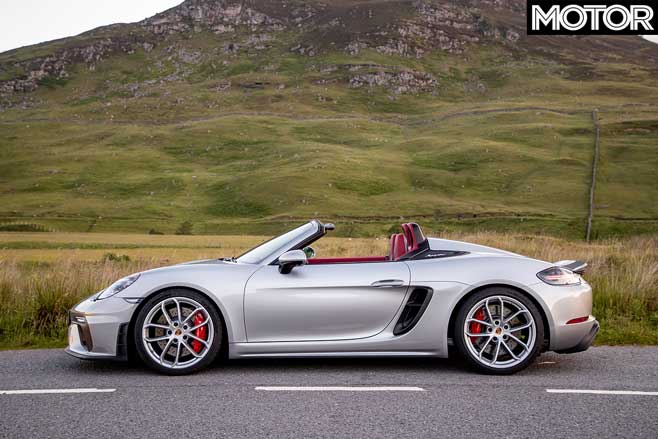
$200K: Porsche 718 Boxster Spyder. Call me cliché for choosing a 4.0-litre six-cylinder Boxster with GT suspension bits and a remodelled rump, but I won’t be able to hear you over its cry at 8000rpm – or my cackling.
$350K: Mercedes-Benz E63 S. Seats five and easily eats sports cars. Would trade my newborn for the European only right-hand drive wagon.
Unlimited: Porsche Panamera GTS. Comfortable rear seats for chauffeured trips to my chopper that’s whisking me to a Phillip Island track day. But when I’m not in the mood for chatting with the proletariat the driver’s pew is still enticing enough.
Chris Thompson, MOTOR Digital Journalist
Just spent a week hassling a group of journalists to give him their shopping lists to put this article together. Needs a nap.
$40,000: Mazda MX-5. Sadly, the 2.0-litre GT is just out of reach for price, but the 1.5-litre does the job and feels true to the MX-5 ethos. Hopefully MX-5s are social creatures, I’ve already got a 1989 NA6 MX-5 in the garage. Chosen over a Toyota 86 (close second) because I need a tan.
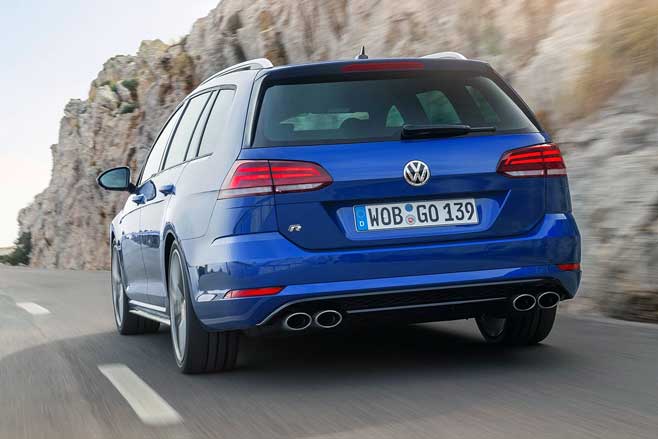
$60K: Volkswagen Golf R Wagon. A grocery-getter that can keep up with more than a few proper sports cars, at least in a straight line. I have no intention of having kids to haul around, I really just want to see the faces of those I’m passing at track days from within my wagon.
$100K: Alpine A110. I’m surprised at the lack of Alpines in this list. Gordon Murray owns one, and he designed the McLaren F1. Like Gordo, I love lightweight cars, and this one is on the verge of being carried away by a gentle breeze compared to other modern rigs.
$200K: AMG C63 S Coupe. I’m going to be completely honest here, driving this car once prompted two rather good-looking female passers-by to wave at me. I mean, it’s also a bloody excellent car, but it’s also apparently more effective than a right-swipe.
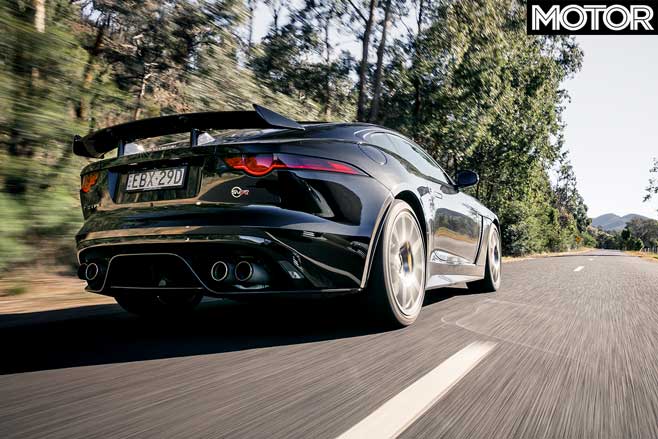
$350K: Jaguar F-Type V8 SVR. It was this or a ‘base’ model McLaren 540C, but when one has 350 big ones to spend, one doesn’t settle for the base model. Plus, roof-down access to one of the greatest engine/exhaust notes I’ve ever heard. Inject it into my ears, doc.
Unlimited: Ferrari 812 GTS. We’re in the territory of cars I’ve not yet driven here, but it would be a crime not to include a Prancing Horse. The f**ked-fast SF90 Stradale is perhaps the ‘better’ pick, but a V12 is hard to pass up, the 812 Coupe is stunning, and I’m a sucker for a drop-top. Gimme.
Team Wheels
Our mates at Wheels put together some of the most comprehensive tests and industry reports to help you make sense of what’s going on in the world of cars, and what you should buy. Suitably qualified for this task, then!
Alex Inwood, Wheels Editor
Imagine having to keep one of the world’s most respected motoring magazines on track while also dodging Nerf dart fire from across the hallway (that definitely didn’t originate from the MOTOR team…).
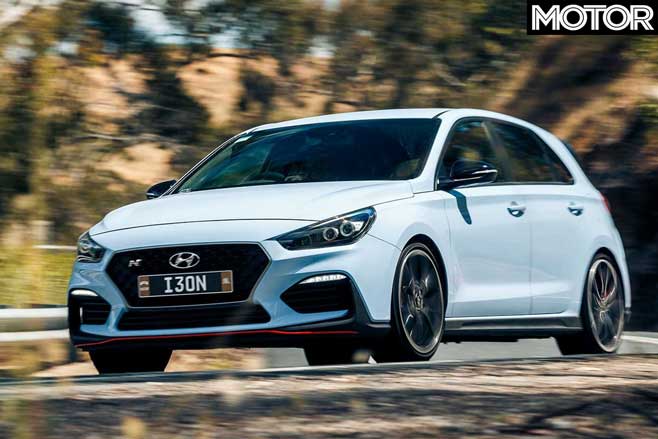
$40,000: Everyone will pick the Fiesta ST, and I would too, though I’ll try to add some variety. I’ll take a Hyundai i30 N, in white. I’d buy the hatch too; the fastback isn’t as good looking to my eyes.
Note: Nice try, Alex! The i30 N is just north of 40k. Fiesta for you! -CT
$60K: Volvo XC60. For $60K I’ll only get the entry-level diesel, though I’d try hard to haggle a dealer for the T5 Momentum. I love the way it looks and drives, plus it’s all the family transport I’ll ever need.
$100K: BMW M2 Competition. The best $100K sports car you can buy. And a future modern classic. Also quite possibly BMW’s best new car in decades.
$200K: Porsche Cayman GTS. There’s a strong case that this is actually a better car to live with than the Cayman GT4. I’ll hold out for the 4.0-litre atmo version, which hits Australia in the coming months. I’d also take the six-speed manual, then quickly tweak the final drive so those long gear ratios aren’t such a buzz kill.
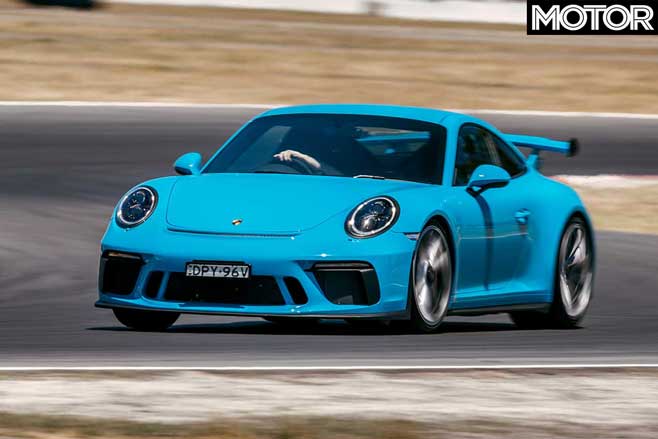
$350K: There has to be a Porsche 991.2 GT3 kicking around in a dealership somewhere, right? I’ll have mine in Miami Blue and I’d want the roll-cage/harness.
Unlimited: No budget puts you in the hypercar market by default, though truth be told I’m not really that excited by any of the current crop. A Singer 911 is tempting, though I’d much prefer something second hand. A Mclaren F1 is the dream, but I’d be equally happy with a manual Ferrari F355, in Fly Yellow.
Andy Enright, Wheels Deputy Editor
Wheels’ resident import from the UK, sometimes spotted in the office wearing a VB-branded polo shirt. Posh and rowdy? That should explain some of these choices.
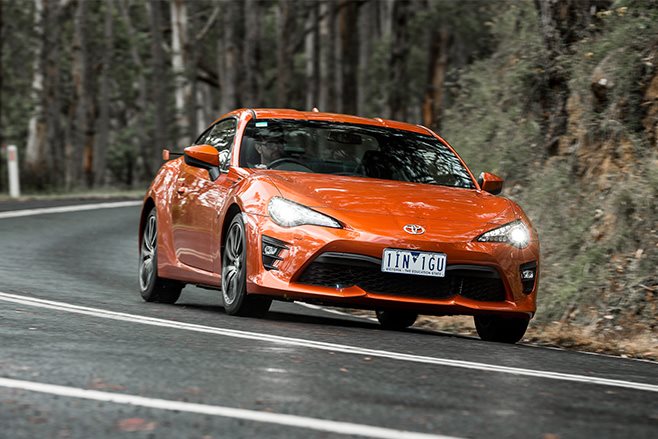
$40K: Toyota 86 GTS manual – Predictable? Maybe. But show me a more rewarding driver’s car for the money and I’ll buy it for you.
$60K: Honda Civic Type R – The only hot hatch you can buy that is legitimately tinged with genius. For inspirational ten-tenths handling, nothing gets close.
$100K: Another very easy decision: the BMW M2 Competition Pure. The only decision after that is manual or paddles. I’d paddle.
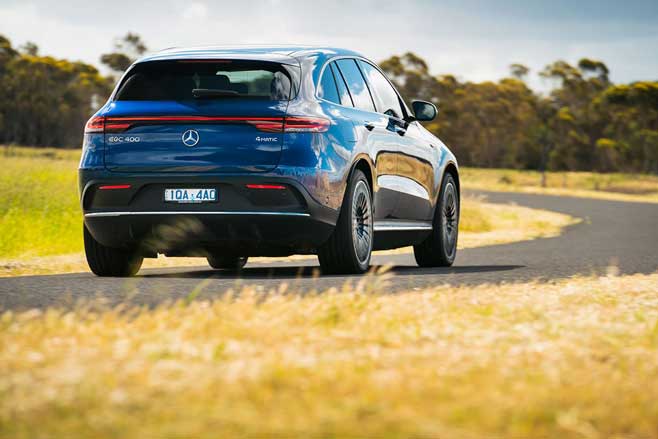
$200K: I’m going to put a semi-sensible hat on here and opt for Wheels’ current Car of the Year – the beautiful Mercedes-Benz EQC400. Makes virtually every other SUV look a bit Neanderthal.
$350K: I’ve heard there are still Porsche 991.2 GT3s in the system, so it’d be a Mexico Blue one of these with PDK and a lifter kit, please.
Unlimited: Koenigsegg Gemera. Aside from a letter of intent for a Porsche 992 GT3 RS, I think I might abandon all reason and ask Mr Koenigsegg if he could do me a kindness and knock me up a black Gemera.
Cameron Kirby, Wheels Digital Editor
Motorsport nutter and the only Queenslander to retain his accent since moving to Melbourne. Ask him about the history of the shoey.
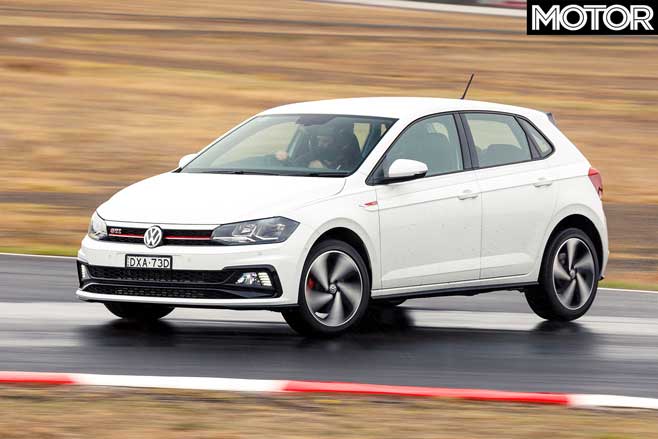
$40,000: VWPolo GTI. Stylish, usable, and plenty quick. This mini hot hatch makes a great everyday proposition.
$60K: Mazda CX-5 Akera 2.5. An entry-level Land Rover Discovery tempted me, as well as a Tesla Model 3, but both were just outside the price range. I also thought about going to a mid-spec CX-9. But for me, Mazda’s mid-sizer is the sweet spot in the range. The 2.5 is gutsy, and the Akera is specced to rival six-figure SUVs.
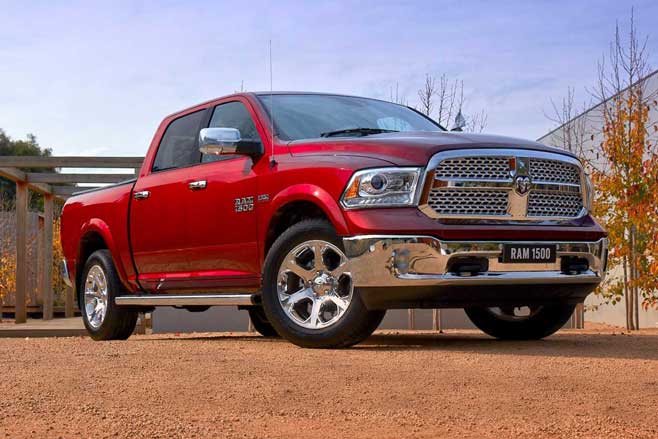
$100K: Ram 1500. It’s a tough one here, do I go with the flagship Laramie which sits right on the six-figure bracket, or go the cheaper Express and splash some cash on mods? But with that big 5.7-litre V8, plenty of pulling power, heaps of kit, huge interior space, and amenable ride, both make a compelling case. Is my bogan showing?
$200K: Mercedes-AMG C63 S Estate. I’ll have almost $40k left up my sleeve for fresh tyres. I’ll need it with the twin-turbo V8 engine having a real propensity to chew rubber. But who cares when you have a super wagon in the garage?
$350K: McLaren 540C. Slowest and least powerful is a loose term when it comes to McLaren. This carbon-tubbed twin-turbo V8-powered beast is a genuine everyday supercar – and comes in right on the price bubble.
Unlimited: Don’t mind me, I’ll be wafting down the highway in my Range Rover SVAutobiography LWB. Later, peasants.
Team WhichCar
Tim Robson, WhichCar Editor
Older and (allegedly) wiser than his workmates. Not really reflected in his choice of cars, though.
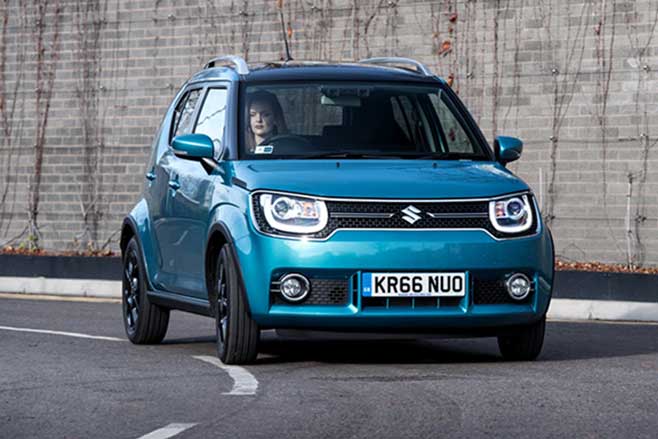
$40,000: Suzuki Ignis. Amusing, interesting, attractive in its own weird way. And it’s cheap enough to leave under a bush if you so desire.
$60K: Skoda Octavia RS260 wagon. Possibly my perfect car. Space, a bit of pace, and unusual enough that you won’t see yourself on every street corner.
$100K: Lotus Elise Sprint 220. Sure, I look like a walrus climbing into a rabbit hutch, but the almost-base Elise is such a visceral joy. Way better than the Alpine A110.
$200K: Nissan GT-R Premium. I’d rather the more expensive 50th Anniversary Edition, but this is still a good way to add the most livable GT-R ever made to the shed.
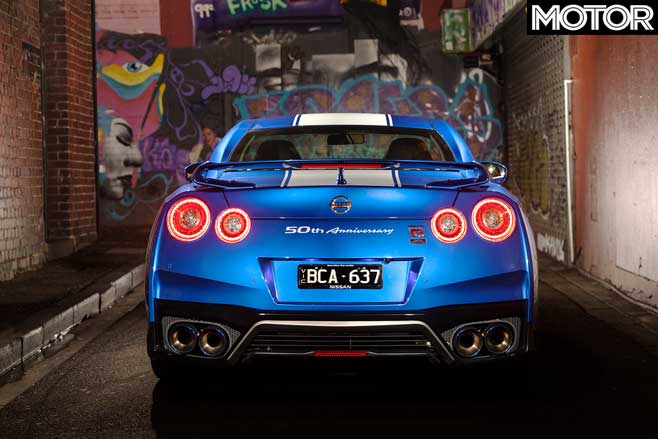
$350K: MARC II Mustang – Australian-made, V8-powered track day heaven. And yes, it can be bought from a dealer, so it counts.
$Unlimited: Porsche Panamera Turbo SE Hybrid wagon. Because it looks so insanely well-proportioned and goes like all the clappers put together.
Tony O’Kane, WhichCar Senior Journalist
WhichCar’s head gamer and obscure Japanese car expert. Proud owner of the loudest car in the WhichCar carpark.
$40K: Toyota 86 GT. Even eight years after it launched, the 86 remains one of the finest-handling sports cars out there and a proper performance bargain. Ever wonder what that ‘chassis balance’ thing we bang on about is? The 86 will educate you. It’s also versatile enough to be a daily driver, and the change left over by selecting the stripper-spec GT can be put towards some proper brakes and tyres to make it a truly fun weekend warrior.
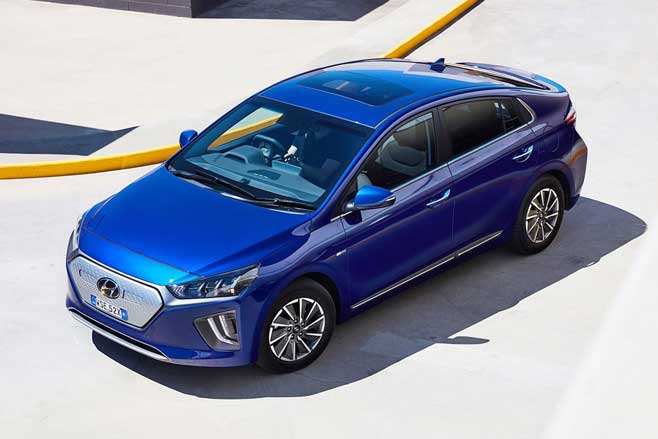
$60K: Hyundai Ioniq Electric Elite. Besides being an ‘affordable’ fully electric car, there’s an appealing honesty about the electron-powered Ioniq. It’s a superb around-town runabout, brisk enough when given the berries and has plenty of space for four adults.
$100K: Nissan Patrol Ti-L. It’s got an absolutely ancient interior, but the thing is huge, the facelift looks great and that V8 sounds like it was Ctrl-V’d from a racecar. It would tow the moon out of its orbit if you could find a snatch strap long enough, and for cross-continent touring there are few peers at this price point.
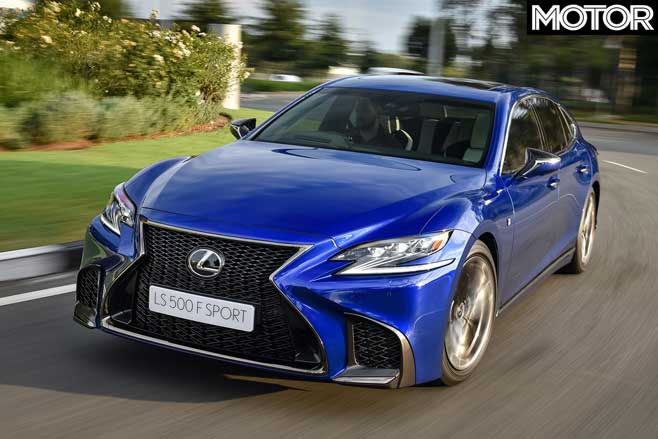
$200K: Lexus LS 500 F Sport. Once you climb aboard an LS, the whole Lexus ‘thing’ makes sense. There’s an aura of quality and durability to virtually everything you see, and the design is pure class and gimmick-free. This car will age well in more ways than one.
$350K: Audi R8 Spyder RWS. Is it weird to call an R8 an “entry level” mid-engined supercar? The pricetag is certainly small bikkies to the rich-guy crowd, but the fact you can get a drop-top V10 head-turner for $320K seems like good value to me. Sure, you won’t be able to get the all-paw one for less than $350K, but the rear-driven RWS seems like more fun anyway.
Unlimited: McLaren 720S. There’s something special about the 720S. It feels like it was developed at Area 51, and the tech-nerdery evident in its powertrain, chassis and aero appeals to my geekier side. Mind-meltingly fast yet also comfortable enough for a cobbled street, this is perhaps the only modern supercar I could see myself owning for a long, long time.
Daniel Gardner, WhichCar Senior Journalist
WhichCar’s man on the screen and the podcast. Wearer of loud shirts. Had to fight very hard to overcome a Somerset accent.
$40K: I suppose if I was a good motor journalist I would pick the Fiesta ST like everyone else probably will, but that would be like going on Eight Out of Ten Cats Does Countdown and actually trying to solve the maths problem. Instead it’s a Haval H2 for me because winter’s setting in, I need something for the fire pit, and $17,000 change buys a lot of marshmallows and mulled wine.
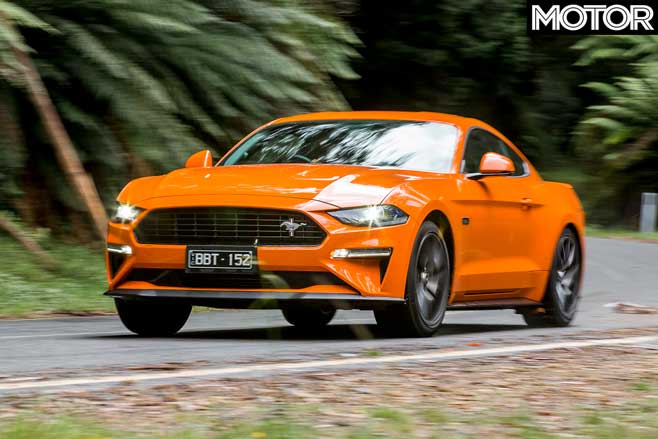
$60K: Ford Mustang High Performance 2.3L. $10k on eBay and it’d have a naughty Roush exhaust, boost controller, and fat intercooler to remind all the GT guys they bought the wrong one. Try explaining otherwise if you like, but I won’t hear you over the anti-lag.
$100K: Audi RS3. Not the best in its class but flaws, like Georgia May Jagger’s tooth gap, can be beautiful. And in any case, you can wick up your four-pot AMG and M-Power six all you like, It’ll never sound like a row of five.
$200K: Porsche 718 Spyder. The heavenly combination of Porsche’s flat six with top down motoring and a truly unique aesthetic. You could argue that the Cayman GT4 is ‘better’ but it doesn’t fit the budget and if you’re the kind of person that cares about tenths of a second then you probably also drive to the shops in Nomex gloves, and I don’t want to be like you.
$350K: BMW i8. Even though the Roadster fits the budget, I’d probably go the cheaper coupe for the joy of opening its doors. Possibly the most expensive sportscar on the market but it’s still very good, and its clever three-cylinder hybrid powertrain would allow me to continue on as a righteous carbon-reduction advocate without copping hypocrisy accusations.
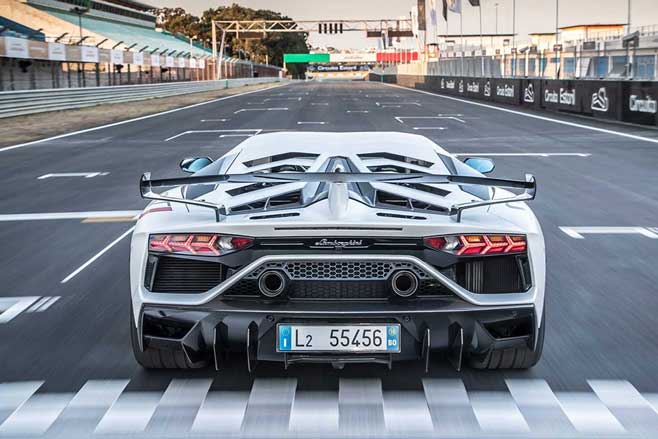
Unlimited: Lamborghini Aventador SVJ. Like an abusive partner, the Aventador has tried to kill me several times but I still love it unconditionally. You will probably try to tell me that this ridiculous machine is savagely impractical, too fast and the stuff of recurring nightmares on the limit, but that implies that I’ll ever actually drive it. Which I won’t. I’ll build a glass wall between the garage and the living room and spend the rest of my life in awe from a safe distance.
Team Unique Cars
Only the classics and proper enthusiast motors make it onto these pages. The UC blokes became very unsure about the idea of having to buy anything newer than 20-years-old.
Guy Allen, Unique Cars Editor
Sometimes loses track of how many cars and motorcycles he still owns. Likely an insurance company’s dream customer and an accountant’s nightmare.
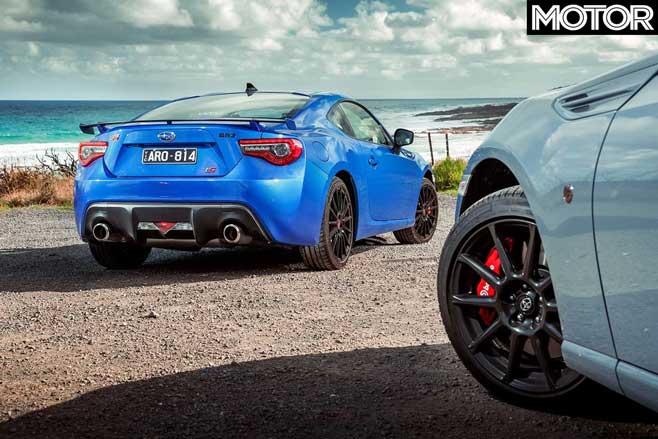
$40K: Subaru BRZ manual. If you shop around you can pick one of these things up for $40k and have one of the most tactile toys out there. They may not be very quick, or terribly comfortable, but they have the potential to be a whole lot more fun than a lot of cars at five times the price.
$60K: Honda Civic Type R. As a combination of performance and handling, you won’t find anything better in this price range. Sure it looks like no-one over 18 should be allowed drive it, but you don’t have to look at it once you’re strapped in and it is a hell of a lot of fun.
$100K: Mustang V8 manual. It’s about as subtle as a smack in the head and way under budget, but I still reckon these things are enormous fun in a mud-wrestling kinda way. And it has to be a bent eight – otherwise it’s not a Mustang. The left-over budget could be spent on a few upgrades which can really get these things humming.
$200K: Mercedes-Benz E53. You’ll just squeeze into one of these for the money and I reckon it’s one of the better-looking coupes out there ate the moment. AMG has given it enough stomp to make it entertaining and they look best in black..
$350K: Jaguar F-Type SVR. There are probably at least half a dozen things wrong with this decision, but we threw common sense out the window once we went past 40 grand. This is a proper feel-good piece that looks stunning and lives up to much of the promise of the historic nameplate.
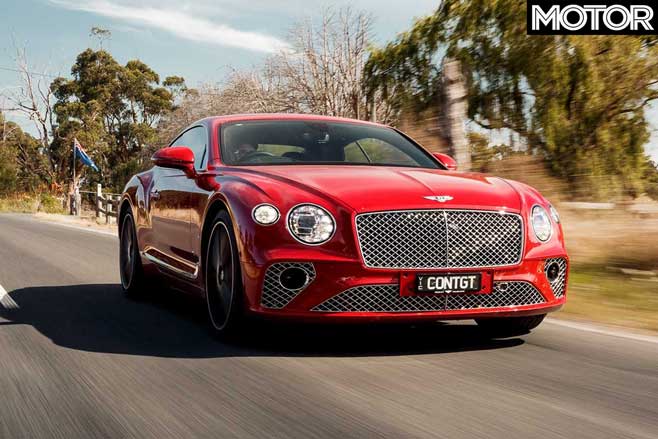
Unlimited: Bentley Continental GT. It’s a complete and utter exercise in ridiculous, as is spending the sort of money that would buy you a decent house. The people who make these things are car nuts, arguably off a different planet, and they know how to make the owner feel special. Oh, and they’re quicker than logic would suggest.
Alex Affatt, Unique Cars Journalist
Spends plenty of time looking through classic car classifieds and writing stories of significant moments and models in motoring history. Owns an R32 GT-R, much to everyone else’s envy.
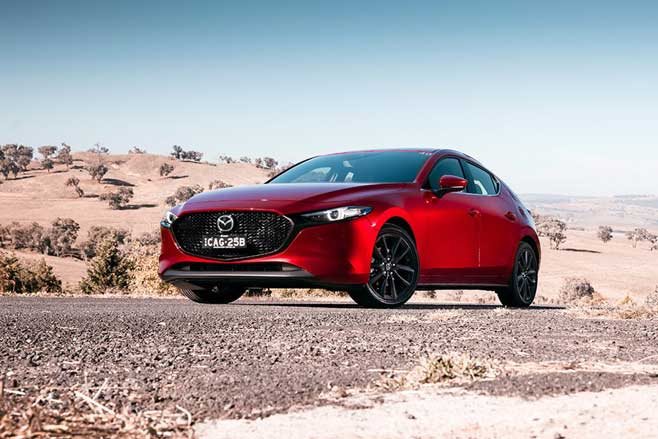
$40K: Mazda 3 G25 Astina. A capable do-anything inner-city daily driver that will effortlessly ferry myself and four others in comfort and generous amounts of tech.
$60K: Peugeot 508 GT Wagon. Because wagons are cool, and French wagons even more so! I love what Peugeot is doing these days: distinct and funky styling, but an amazing drive too!
$100K: Volvo V60 T8 R-Design. Another $40k graduates you from French engineering and design to Swiss! This is truly the money-no-objection dream daily. There isn’t a better-looking wagon out there in my eyes, and that hybrid drivetrain is a revelation amidst urban traffic.
$200K: Porsche Cayman GTS 4.0 in manual. It’s a high price brackets to start considering a recreational sports coupe. But to be honest, with a turbocharged Japanese toy in the garage already, my first priority would be a comfortable daily driver. The Cayman, however, could very well be my daily driver – and could just as easily tackle Phillip Island or Winton with a set of sticky tyres.
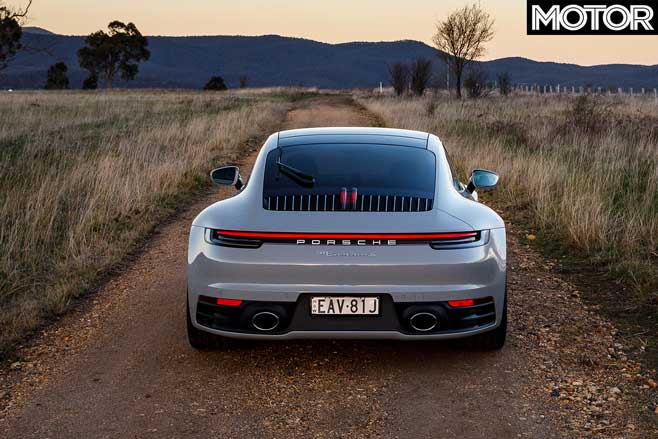
$350K: Porsche 992 Carrera 4S. This is a hard one as I’m not sure I’d ever drop this much on a singular car. But I guess it must be the 992 Porsche. Breadth of talent is what I’m looking for, and the world’s most popular sports car delivers driving scope like no other.
Unlimited: Lamborghini Aventador SVJ. Because why the heck not?
Team Street Machine
Simon Telford, Street Machine Editor
Loves burnouts, his beard, bands, and cars that are bad for the hip pocket.
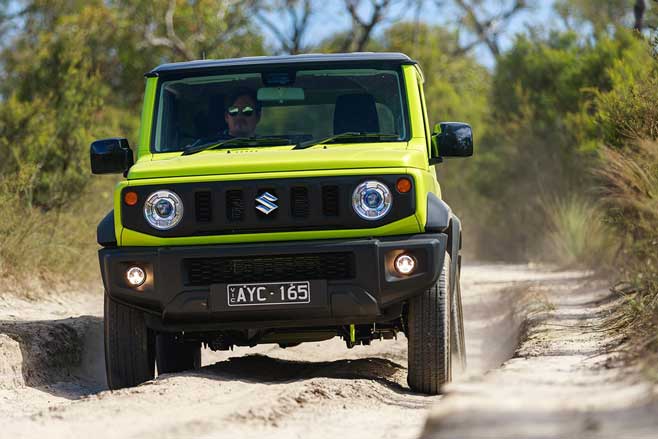
$40,000: Jungle Green Suzuki Jimny for urban survival and beach work. Lift kit, big wheels, Dan Gardner supercharger conversion.
$60K: Kia Stinger GT for post-COVID family road trips. Would prefer an 300 SRT Core if I could get a deal.
$100K: Renault Megane Trophy-R. Because now I’m a Renault guy.
$200K: Chevrolet Silverado 1500. Because petrol V8 tow car. Harrop supercharger as soon as they offer one.
$350K: Porsche 911 Carrera 4S. So lovely
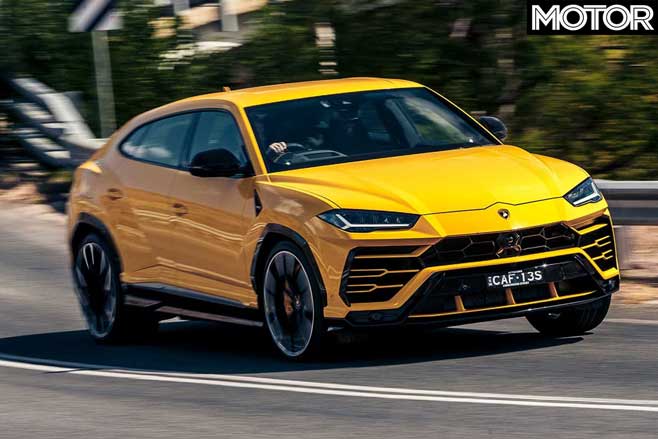
$Unlimited: Lamborghini Urus. Because inside me there is a horrible stockbroker waiting to get out.
Kian Heagney, Street Machine Journalist
Owns an R31 Skyline, a VZ SS, and an S13 Silvia. Probably not actually buying a new car anytime soon, then!
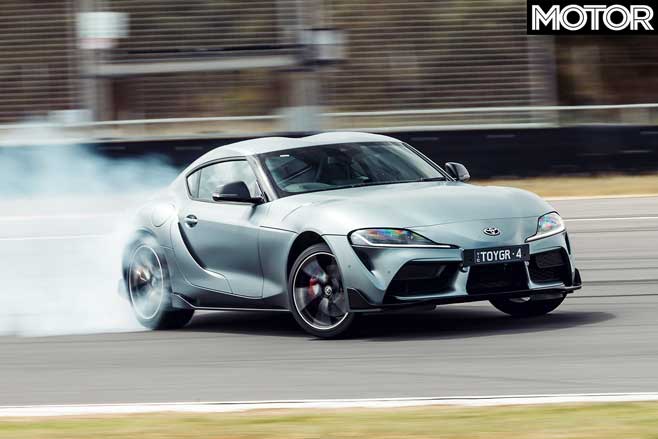
$40K: Toyota 86 GTS. The only reason to buy new is to avoid an ex P-plater thrasher, and the spare change would go towards a beefy set of wheels and tyres.
$60K: Subaru Impreza WRX STI Spec R manual. It’s one of the last 90s Japanese heroes still surviving to this day, and we should celebrate that.
$100K: Toyota Supra GTS. You’ll have 13-year-olds screaming at you for buying a BMW, but all that means is that the six-pot turbo can be turned up effortlessly, and more sports cars are never a bad thing.
$200K: Chevrolet Camaro ZL1 manual. It’s expensive but therefore exclusive, and it’s one of the few angry V8’s left with three pedals and enough power to make me giggle like a schoolgirl.
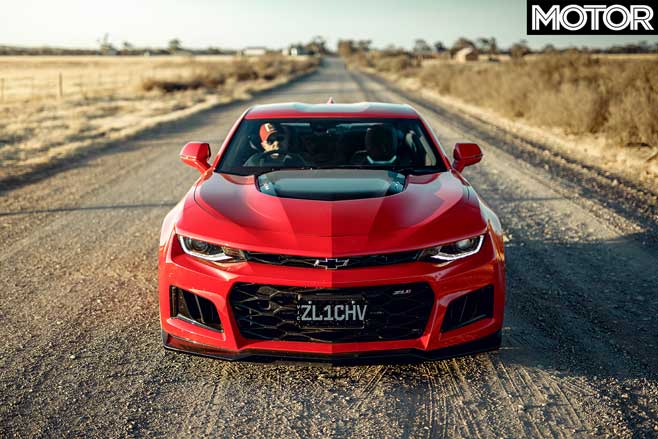
$350K: Aston Martin V8 Vantage. Sadly, three pedals are now gone, so throw as many options on it as the budget allows to compensate.
Unlimited: Ferrari 488 Pista. At $645,000 it will probably be the only time the price of this Fezza might be considered a weak choice, but I couldn’t see myself in one of the bigger V12 stablemates.
What stands out?
The Genesis G70 is a stylish and very well-equipped four-door sports sedan that has been designed to go head-to-head with European models such as the BMW 3 Series and Mercedes-Benz C-Class.It comes with a choice of 2.0-litre four-cylinder turbo or 3.3-litre twin-turbo V6 petrol engines, with the latter providing impressive performance. All versions are generously equipped and feature a sophisticated and spacious cabin that’s comfortable for long-distance cruising.
What might bug me?
People pointing out that your Genesis is actually a Hyundai as though you didn’t know, and that even in 2020 this is somehow still an issue.The Hyundai comments aren’t helped by the infotainment package that’s been lifted from the i30 hatchback. That said it’s a very intuitive system and comes with the lot.Driving at less than 80km/h on the space-saver spare, until you can fix your full-sized flat tyre.
What body styles are there?
Four-door sedan only. The Genesis G70 drives its rear wheels and is classed as an upper-priced medium car.
What features do all G70 versions have?
An 8.0-inch touchscreen with in-built satellite navigation and support for Apple CarPlay and Android Auto, which lets you display some smartphone apps and maps on the touchscreen and control them from there (or by voice).An MP3-compatible sound system with an AM/FM/Digital (DAB+) radio, auxiliary and USB inputs, Bluetooth audio connectivity, and at least six speakers.Wireless charging pad for compatible smartphones.A reversing camera with guide lines, and front and rear parking sensors.Eight-speed automatic gearbox with launch control, and paddle shifters on the steering wheel for hands-on gear shifting.Advanced driver assistance technology including autonomous emergency braking with forward collision warning system, lane keeping assist and driver attention alert, rear-cross traffic alert, blind-spot monitor.Seven airbags. Electronic stability control, which can help you recover from a skid and is mandatory on new cars. (For the placement of airbags, and more on G70 safety features, please open the Safety section below.)Adaptive cruise control, with Stop & Go function at slow speeds that allows your G70 to stop and start behind another vehicle in heavy traffic.Bi-LED headlights, LED daytime running lights, LED tail-lights, LED turn signals, and automatic high-beam assist.LED interior lighting.Smart key that opens and starts your G70 without having to take it out of your pocket or bag, hands-free boot opening, and remote window closing.Electric folding and heated door mirrors with side indicators and puddle lamps, and an auto-dimming rear-vision mirror.Dual-zone climate control, which allows you to set different temperatures for either side of the cabin. Air-conditioning vents for rear-seat passengers.Leather trim including genuine leather seats with powered front seats including four-way lumbar support, and heated front seats.Five drive modes – Smart, Eco, Comfort, Sport and CustomOne 12-volt power socket, and two USB phone charging sockets.Wheels made from aluminium alloy (which look nicer than steel wheels and are lighter).The Genesis G70 comes with a five-year, unlimited kilometre warranty.
Which engine uses least fuel, and why wouldn’t I choose it?
Two petrol engines are available in the G70: a 2.0-litre four-cylinder turbo and a significantly more powerful 3.3-litre twin-turbo V6.The 2.0-litre is marginally more fuel-efficient, using 8.7 litres/100km on the official test (city and country combined) in the G70 2.0T, and 9.0 litres/100km the 2.0T Sport and 2.0T Ultimate which are a little heavier because of their additional features.The main reason you would not choose this engine is that you want more even fun from your G70. The V6 has significantly more power, accelerates faster, and is far more entertaining to drive. It’s a bit thirstier, however, with an official fuel use figure of 10.2 litres/100km.The 2.0-litre engine experiences turbo lag, which means there’s a slight hesitation when you push the accelerator from a standing start as the turbo starts spinning to provide additional power. But once you get going, acceleration between gears is good.Every G70 drives its rear wheels through an eight-speed automatic transmission.
What key features do I get if I spend more?
Each engine is available with three specification grades, with the 2.0-litre versions being the most affordable.The least expensive G70 is the 2.0T that comes with a nine-speaker sound system, 12-way power settings for the front seats, 18-inch alloy wheels, as well as all the features common to each version.Stepping up to the 2.0T Sport beings bigger 19-inch alloy wheels with higher performance tyres, beefier Brembo brakes, sports leather seats with quilting and contrasting stitching and piping, additional sports instrumentation, black headlining, and more aggressive exterior styling.The 2.0T Ultimate adds fancier Nappa leather upholstery, 16-way driver’s seat settings with memory function, power-adjustable steering column, ventilated front seats, heated outboard rear seats, heated steering wheel, and suede headlining. There’s also an 8.0-inch head-up display, 360-degree parking monitor, exterior auto-dimming mirrors, panoramic sunroof, and a 15-speaker premium surround-sound audio sound system with 600W amplifier.Spending more again on the 3.3T Sport brings the more powerful turbocharged V6 engine and all the features in the 2.0T Sport plus twin exhaust tips and performance-enhancing equipment including adaptive suspension, variable steering that tightens up in sport mode, and dynamic torque vectoring.The 3.3T Ultimate also gains the performance features and additional sports instrumentation as well as all the equipment found in the 2.0T Ultimate.The most expensive G70, the 3.3T Ultimate Sport, gains a host of dark-chrome exterior enhancements, a choice of Sport Grey or Sport Red Nappa leather interior trim, brushed-alloy pedals and dark grey wheels.
Does any upgrade have a down side?
Not really. Fuel consumption increases when going up from the 2.0T to the 2.0T Sport and 2.0T Ultimate, and again up to the V6 versions.
How comfortable is the G70?
Genesis is keen to point out that the G70 isn’t a performance car but a ‘luxury car with sporting ability’; which is a fair description.The interior levels across the spec grades exude a suitably premium feel in terms of materials and especially in equipment levels. The quality of dash materials is also excellent, and the cabin seems free of rattles and squeaks.The front seats accommodate a variety of body shapes, and the seats themselves are top notch, with loads of adjustment, and power extension of the under thigh section that brings a big thumbs up.The G70 rebukes the trend to move all minor controls to the infotainment screen, another move that will no doubt find plenty of supporters. The touch screen graphics are shared with most Hyundai and Kia models and are a bit on the basic side, though functionality is excellent.The overall dashboard architecture, which includes old-school analogue gauges, also lacks design flair but the detailing is very good and user friendly.The G70 rides urban bumps with a quality and assurance that shames some of its rivals and feels remarkably accomplished on the open road.
What about safety in a G70?
All G70 variants come with a full suite of active safety features including autonomous emergency braking (AEB), which works at city and highway speeds and detects vulnerable road users such as pedestrians and cyclists.AEB works in conjunction with forward collision control, which assesses the likelihood of you driving into an obstacle and alerts you, with the brakes automatically engaging to prevent or mitigate impact should you not react in time.Then there is the lane-keep assist, which uses a camera to detect lane lines on the road and automatically help you steer within them. Driver attention warning alerts if you are drifting laterally on a freeway – a sign of fatigue.Also included are blind-spot detection, which provides a visual warning in the door mirror of a vehicle in a blind-spot near one of the G70’s rear corners; and rear cross-traffic alert, which helps you avoid bingles when reversing out of car parks or driveways – warning you if another vehicle is about to cross your path.Other safety equipment includes stability control and seven airbags. There are airbags directly in front of the driver and front passenger; two outside the driver and front passenger to protect their upper bodies from side impacts; a knee airbag to protect the driver’s knees and curtain airbags that protect the heads of front and rear occupants from side impacts.A reversing camera is also standard, while the Ultimate and Ultimate Sport versions have a surround view camera that provides a top-down view of the parking area.The G70 received a range-wide five-star Australasian New Car Assessment Program (ANCAP) rating in 2018.
I like driving – will I enjoy this car?
Yes, even with the less powerful engine. The 2.0-litre turbo is backed by a traditional eight-speed auto that sends power to the rear wheels. The engine and transmission are well-matched and, despite some turbo lag, there’s more oomph on tap once you get going than its on-paper specs suggest.Its multi-link rear/strut front suspension system has been locally tuned to suit varying Australian road conditions and offers an excellent compromise between handling and ride comfort.With the 3.3-litre V6 turbo under the bonnet the G70 always feels as if it’s bursting with energy, with smile-inducing acceleration resulting in a claimed 4.7-second 0-100km sprint time. Even with the heavier engine it still strikes a wonderful ride/handling compromise and feels a lot more planted to the road than its Kia Stinger cousin.All V6 versions have adaptive suspension which doesn’t do a great deal more than the standard multi-link set-up apart from making the ride plusher in Comfort mode. Switching to Sport mode stiffens the suspension a little while also sharpening steering feel and throttle mapping.Paddle shifters allow for some self-shifting but only offer manual control for about 15 seconds before up-shifting to Drive. On bendy roads you’re better off just concentrating on pointing the G70 in the right direction and letting the automatic transmission do its thing.Overall it’s a refined package that is fun for sports driving while also being a great long-distance cruiser. There’s some wind rustle around the mirrors and tyre noise, particularly from the low-profile Michelin Pilot Sport 4 rubber underneath the super-spec versions.
How is life in the rear seats?
The G70 has comfortable rear seats but legroom is affected by the transmission tunnel hump on the floor, while and headroom is compromised for taller passengers.There are vents at the back of the centre console, and a USB socket.Two ISOFIX baby seat mounts are standard, and there’s a pull-down centre armrest.
How is the G70 carrying stuff?
For a mid-sized sedan the G70’s 330-litre boot is relatively diminutive, about 100 litres less than the BMW 3 Series, though the seats can be dropped to provide more room when required.
Where is the G70 made?
The Genesis G70 is built in South Korea at Hyundai’s Ulsan plant.
What might I miss that similar cars have?
Perhaps the prestige that comes with a European badge as with the Audi A4, BMW 3 Series, Mercedes-Benz C-Class, Jaguar XE, Alfa Romeo Giulia and Volvo S60.A digital dashboard that looks great and allows for custom displays as available in all European rivals and the Ford Mustang.The Mustang’s head-turning looks and driveway cred.Another sports sedan you may want to consider is the Lexus IS.
I like this car, but I can’t choose which version. Can you help?
The G70 330T Sport is the sweet spot in the line-up. It has the more powerful engine and the same performance kit as the Ultimate and Ultimate Sport versions along with mid-spec creature comforts.
Are there plans to update this model soon?
The Genesis G70 arrived in Australia in 2019 but had been available overseas since 2017, so we can expect some kind of update in 2021.
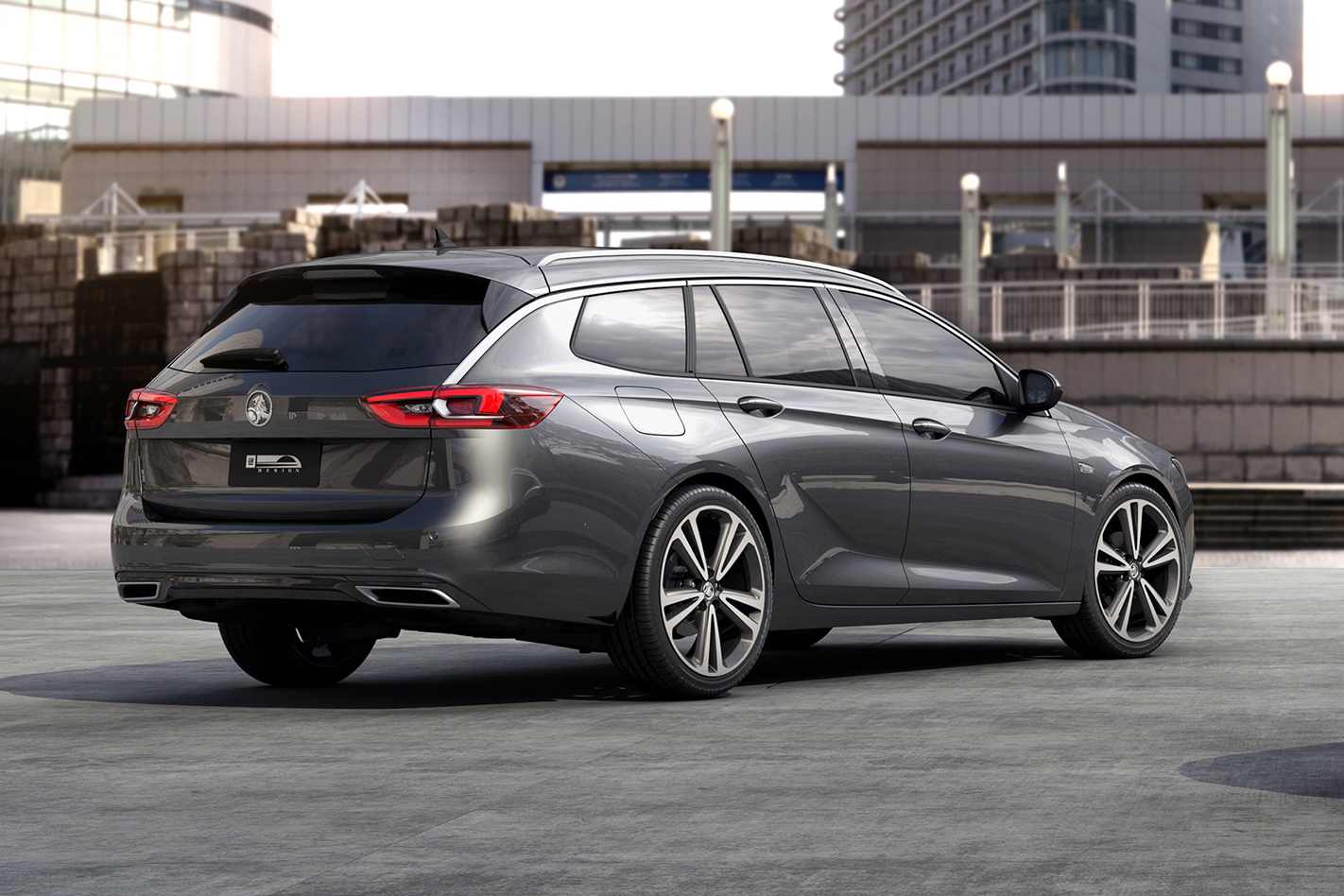
If you want to be the first owner of a Holden Commodore, you’ll have to get in quick, with just the final few unregistered examples remaining in stock.
According to a dealer database, only 26 ZB Commodores remain unregistered by Holden, giving the iconic nameplate around a couple months until it disappears entirely from new car sales charts.
Of those remaining models, 13 are Calais V sedans. Powered by a 3.6-litre naturally-aspirated V6, the Calais V wears a sticker price of $51,990.
Want one of these 235kW/381Nm sedans? Well, Victoria has the most with five in the state, three reside in Western Australia and Queensland respectively, a pair are located in South Australia, and New South Wales has a single example.
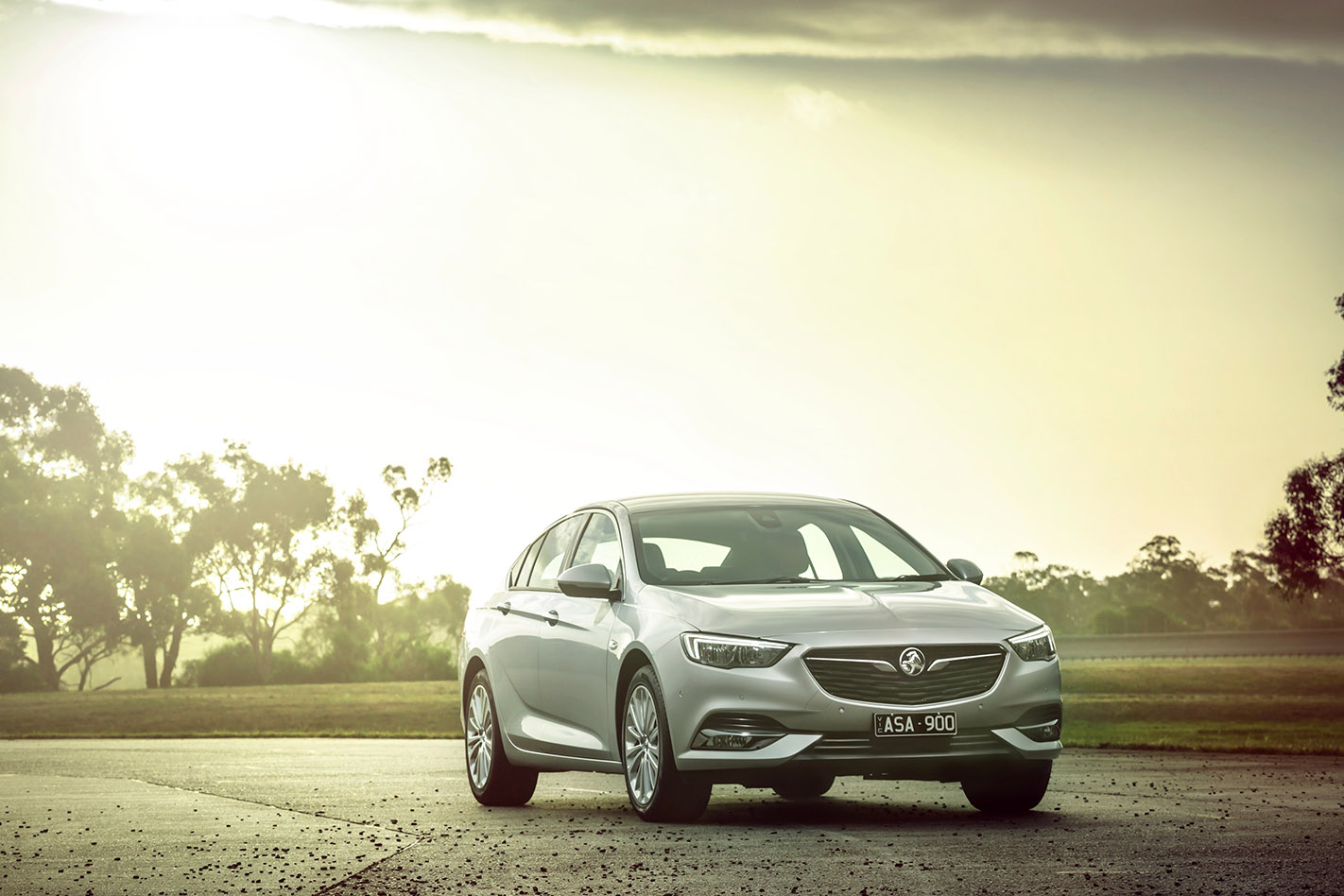
The next most common Commodore variant remaining unregistered is the RS wagon. Eight of the sporty long-roofs remain unsold, wearing a $39,490 sticker price. Again, most examples can be found in Victoria, with six in the state, while the other two are located in Queensland and South Australia respectively.
If you want a bargain, there are four of the cheapest Commodore variants – the LT sedan – still yet to be sold.
Starting at $33,690, the LT is powered by a 2.0-litre turbocharged four-cylinder, sending 191kW/350Nm to the front wheels, via a nine-speed automatic gearbox.
Of the four remaining examples, two are located in Western Australia, one in South Australia, and one in New South Wales
If you’ve been counting along so far, you’ll have realised that of 25 of the 26 unregistered Commodores are now accounted for, leaving just a single car remaining.
This, the rarest remaining Commodore, is a Tourer wagon, located in Victoria.
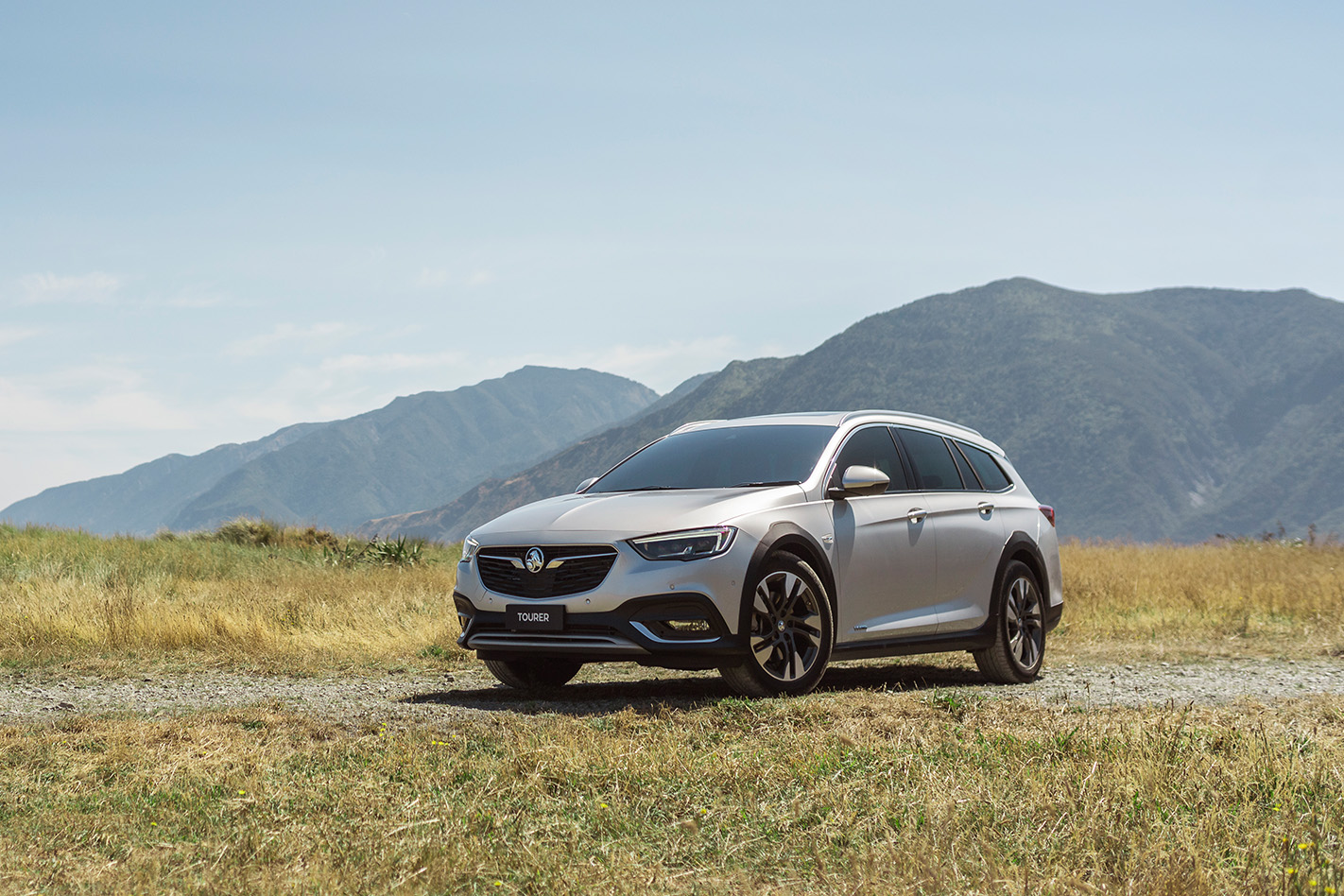
Priced at $53,990, it is the most expensive of the remaining Commodores. Like the Calais V, the Tourer is also powered by a 235kW/381Nm 3.6-litre naturally-aspirated V6, sending power to all four wheels via a nine-speed gearbox.
The Tourer differs to the regular wagons of the Commodore range thanks to its slightly raised ride-height and extra plastic body cladding, to give it a pseudo-SUV look and feel.
Those 23 remaining cars are just the unregistered vehicles still in stock with Holden. It’s likely there is a far greater number sitting on lots around the country that have already been registered – meaning they have already appeared in VFACTS sales data – waiting to be sold as dealer demonstrator models.
Holden was contacted for this story, but did not return a comment.
It’s highly likely that you’d be able to get an ace deal on any of the remaining models. Us? We’d be going for a Commodore RS wagon, with its punchy turbocharged four-cylinder engine, wagon practicality and keen pricing.
Get one, while you still can.
The remaining Holden ZB Commodores:
- 13 Calais V sedans
- 5 in VIC
- 3 in WA
- 3 in QLD
- 2 in SA
- 1 in NSW
- 8 RS Wagons
- 6 in VIC
- 1 in QLD
- 1 in SA
- 4 LT sedans
- 2 in WA
- 1 in SA
- 1 in NSW
- 1 Tourer Wagon
- In VIC
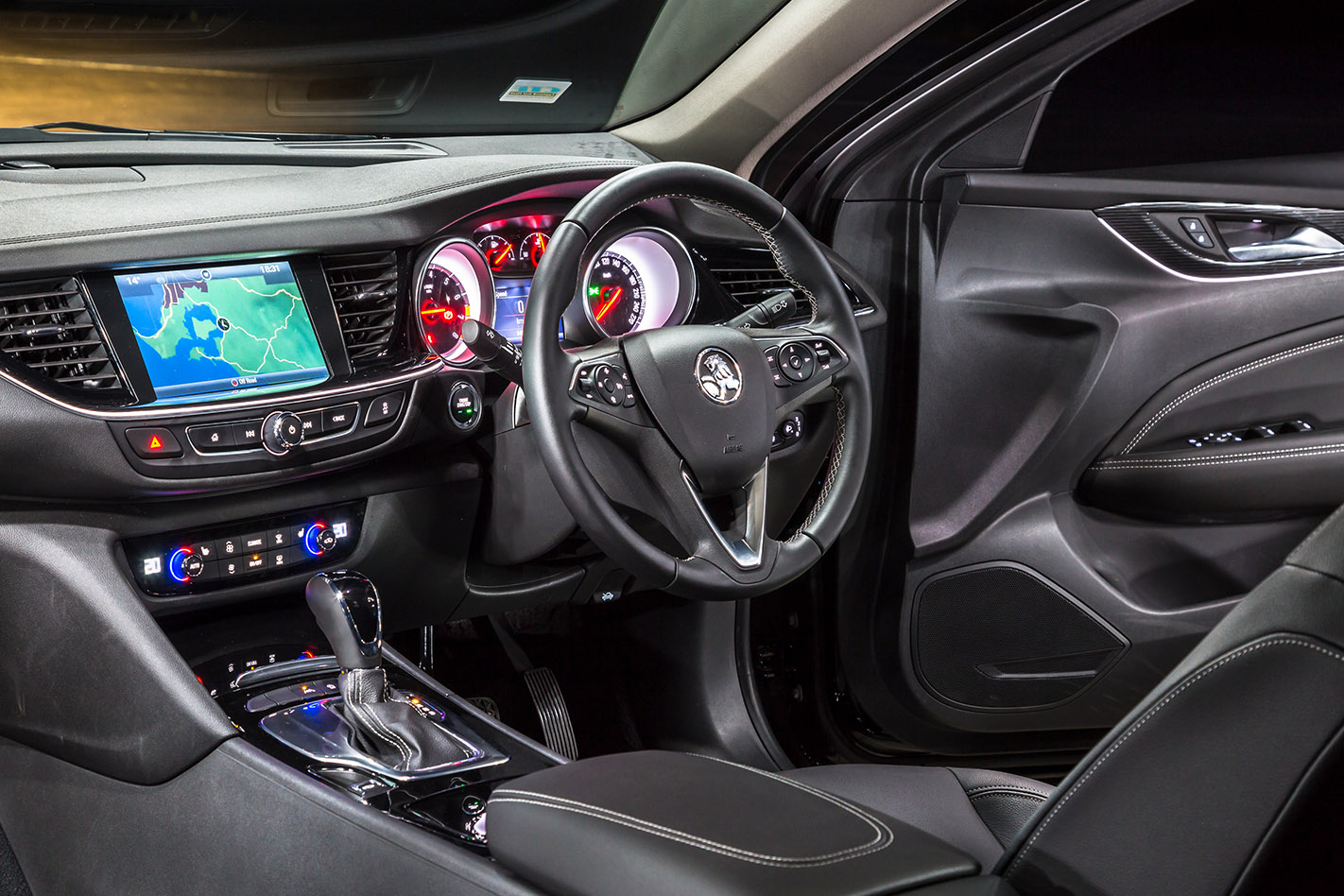
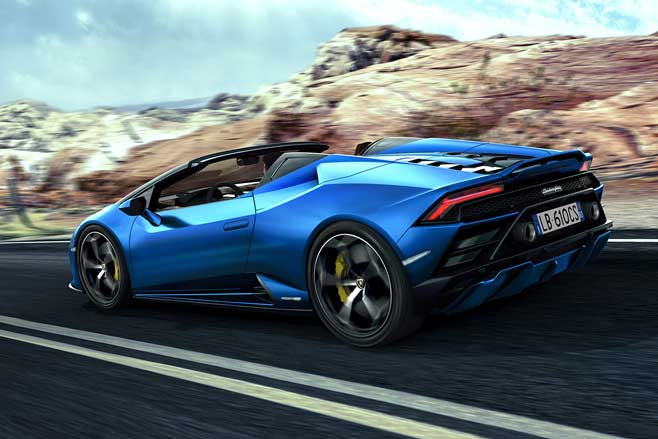
When do you need a 449kW, rear-wheel drive V10 convertible? We’re not sure, but we definitely want one. And the Lamborghini Huracán Evo RWD Spyder has answered our call.
Following on from the coupe version, the RWD Spyder hosts the same dry-sump 5.2-litre V10 as is belidded sibling, boasting a delicious naturally aspirated 449kW and 560Nm.
Lamborghini says this means it will be able to top 100km/h in 3.5 seconds, two tenths slower than the Coupe, and reach a maximum 324km/h. The Coupe can reach 325km/h. Another important performance figure for the Spyder – its roof can be stowed in 17 seconds up to 50km/h.
While there’s been no pricing confirmation alongside the press release, MOTOR managed to obtain pricing for the Huracán Evo RWD Spyder at the time the Coupe was announced – Australians will need to shell out $422,606 for the Spyder, with pricing including GST and LCT, but not on-roads.
As with the Coupe, the Spyder features a host of Lamborghini’s tech, including the brand’s Performance Traction Control System (P-TCS), a chassis built from aluminium and carbon fibre, and a body of aluminium and thermoplastic resin.
The Spyder’s dry weight comes in at 1509kg with a front/rear weight distribution of 40/60.
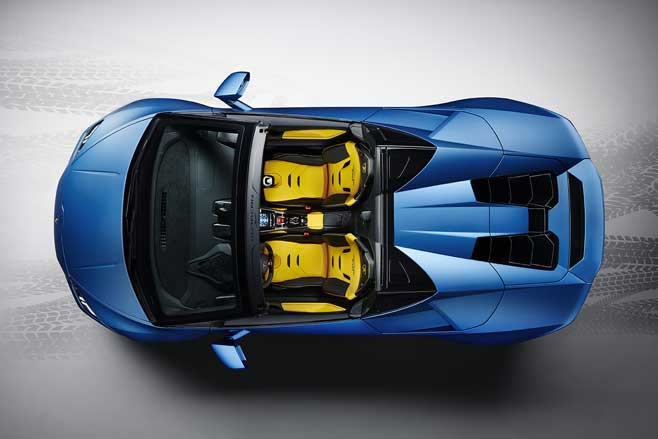
Lambo boss Stefano Domenicali says the Spyder “doubles” the fun of a Huracan with the combination of a proper rear-drive supercar and the enjoyment of being ‘outside’.
“The Huracán EVO Rear-Wheel Drive Spyder doubles the driving fun, delivering raw driving pleasure with the opportunity to celebrate life outside.
“The driver is perfectly in touch with Lamborghini’s engineering heritage, experiencing the feedback and engagement from the set-up of a rear-wheel drive car where electronic intrusion is minimized, while enjoying the sense of freedom and spirit of life that only open-top driving provides.”
Internationally, the first customers will begin to take delivery of Huracan Evo RWD Spyders around mid-2020, though specific Australian delivery timing is yet to be confirmed.
Even throughout a tumultuous start to 2020, the small SUV market steamrolls on unabated is only set to become more populated as the year progresses.
Volkswagen has been eyeing-off the space for a couple of years now and will no doubt be elated to welcome its entrant, the T-Cross, to the burgeoning space.
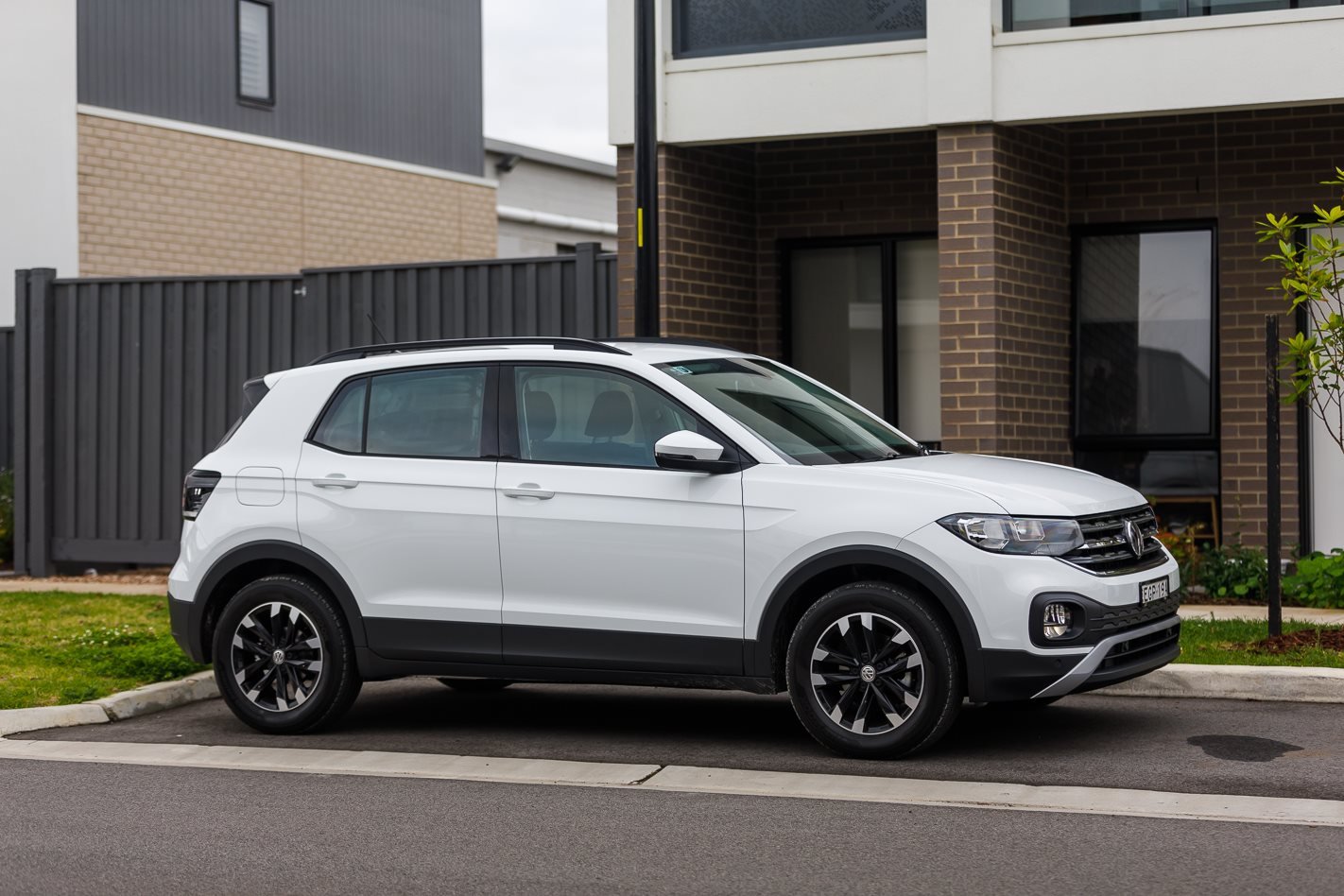
What is the Volkswagen T-Cross?
The T-Cross is a small SUV that’s set to join the likes of the Mitsubishi ASX, Toyota C-HR, Mazda CX-3 and Kia Seltos rivals.
It also gets a jump-start on other newcomers in 2020 like the Ford Puma and Toyota Yaris Cross, which are both due later this year.
It’s a brand-new model line for the German brand and is based off the Polo small hatch, retaining the same 1.0-litre turbocharged three-cylinder engine.
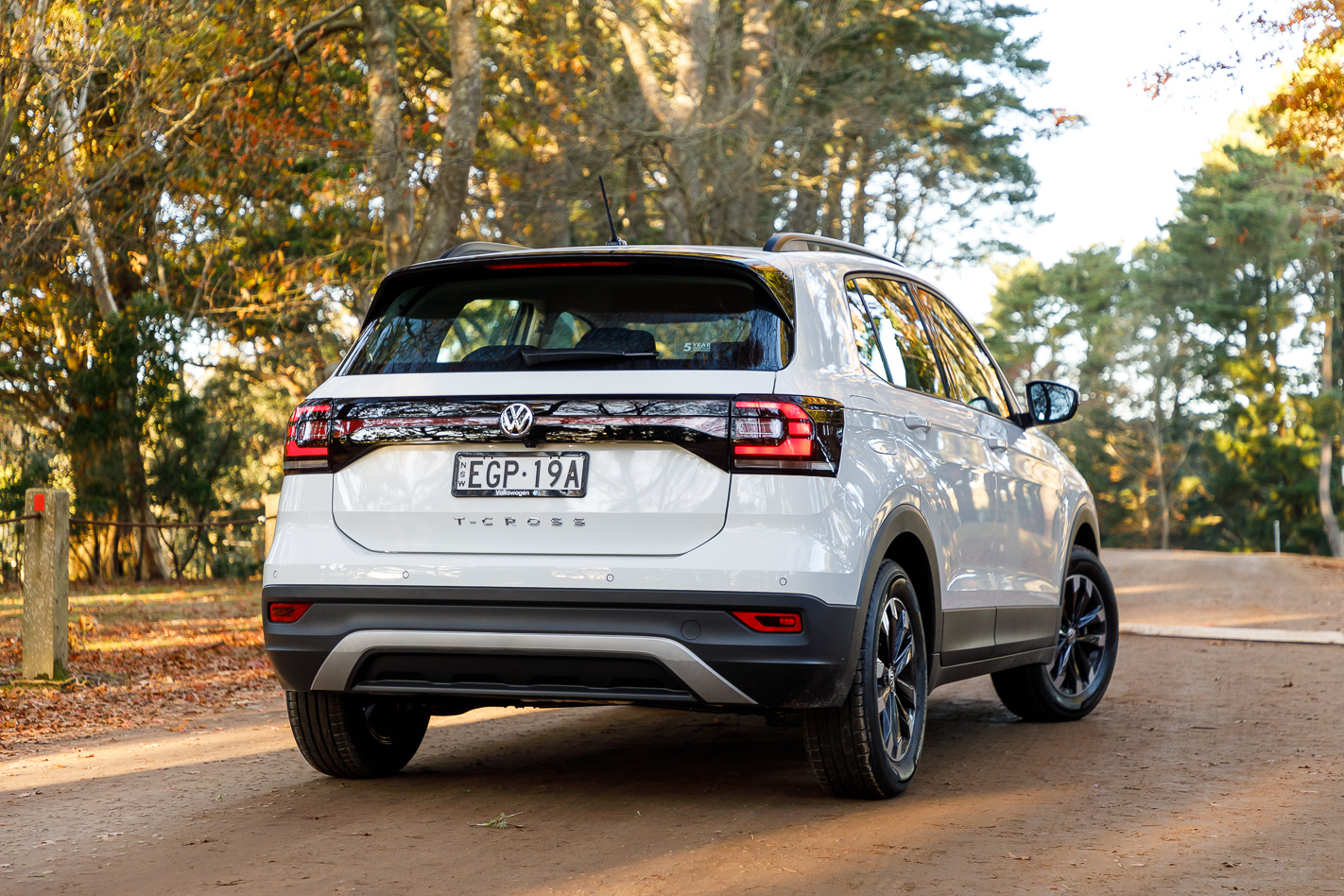
Together with the incoming T-Roc, which is positioned just above the T-Cross, Volkswagen addresses a sizeable gap in the lower end of its SUV range.
Volkswagen will offer the T-Cross in two specifications at first. The $27,990 (before on-road costs) Life is the entry-level car that gets a comfortable level of equipment such as 16-inch alloy wheels, front and rear parking sensors, reverse camera, AEB with pedestrian and cyclist detection, lane keep assist, an 8.0-inch infotainment screen with smartphone mirroring and even wireless phone charging.
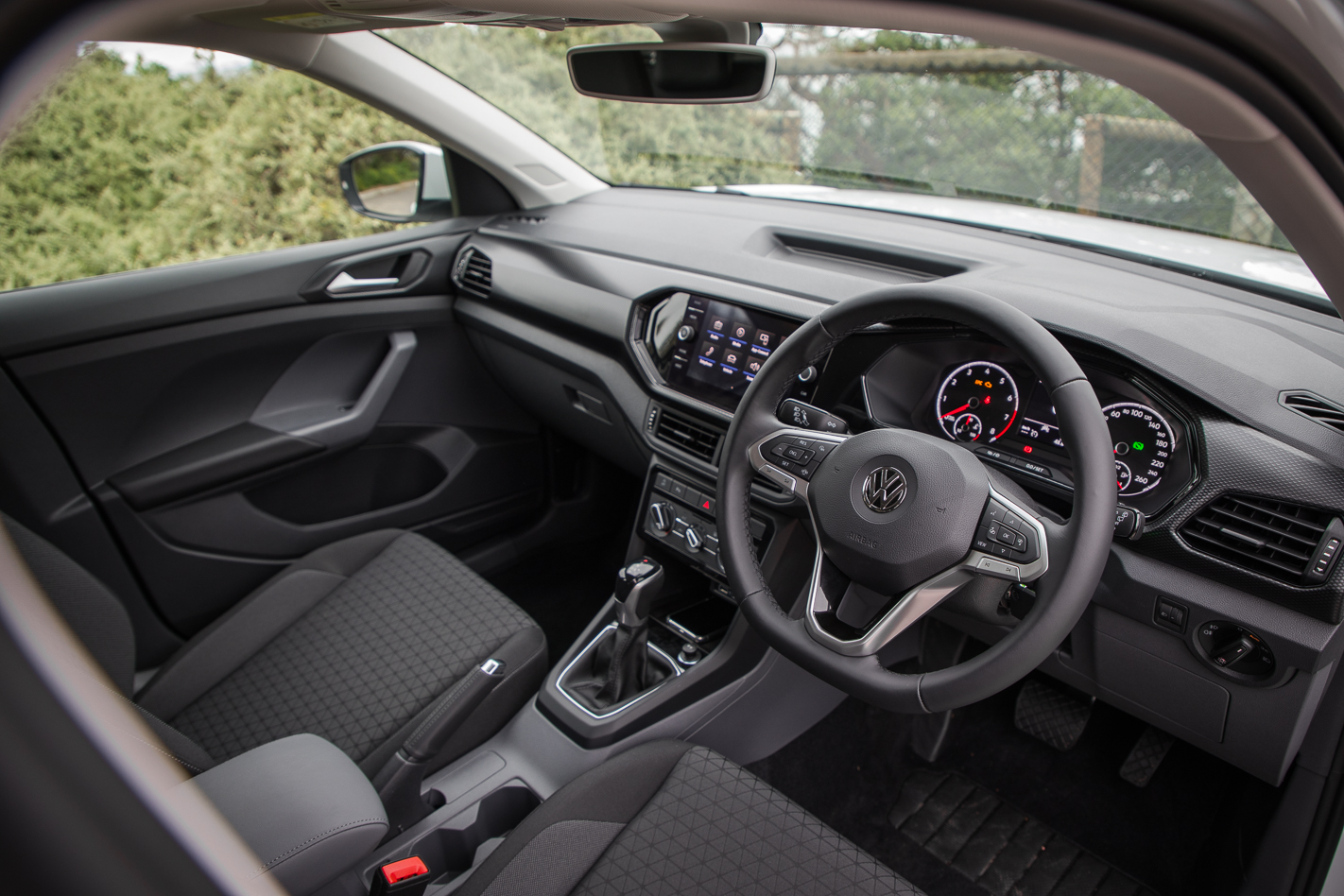
The Style steps up the kit with dual-zone climate control, 17-inch alloy wheels, LED headlights, adaptive cruise control, blind-spot monitoring and keyless entry.
Both cars are powered by a 1.0-litre three-cylinder turbocharged engine that outputs 85kW and 200Nm, both receive an automatic transmission as standard and both are driven by the front wheels only.
Volkswagen was planning on bringing a more powerful 110kW Style variant to the Australian market, though has since decided to replace that car with a lower-specification T-Roc with the same engine, priced from $33,990.
In terms of equipment you can add, the Life gets the option of a $1200 Driver Assistance pack, the Life and Style are available with the $1900 Sound and Vision pack and the Style can be had with a $2500 R-line package.
To read more about what those packages entail, check out our T-Cross pricing and features article.
What is the Volkswagen T-Cross like to drive?
Given that the T-Cross shares its DNA with the Polo, the family similarity is noticeable as soon as you jump inside. The first notable difference between the two is the extra roof height that is immediately apparent when setting off. The elevated glasshouse is easier to see out of and the high-riding seating position is a commanding experience; more so than in a Mazda CX-3, for example.
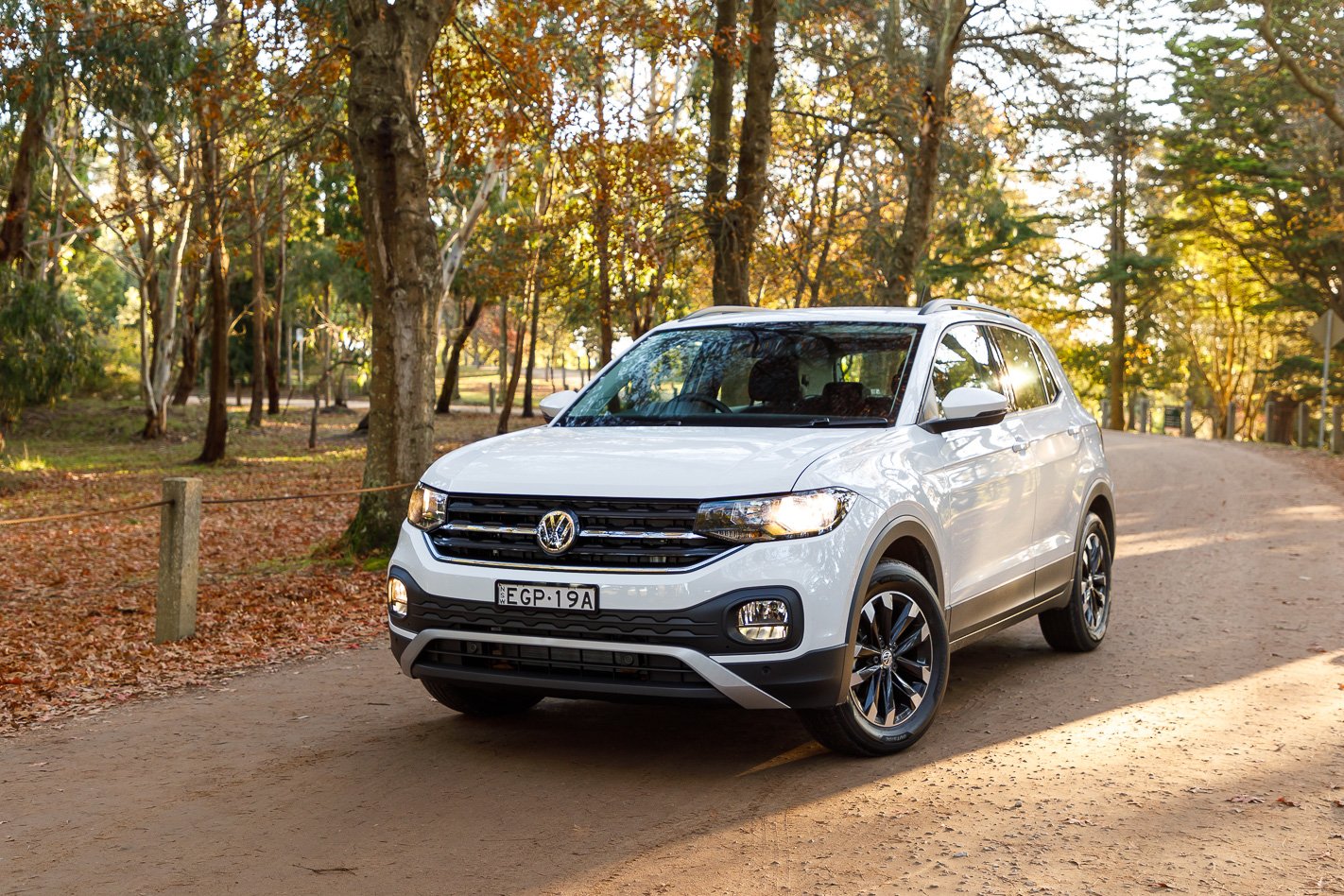
But for all the positives of the SUV, the increase in dimensions and weight can often be to the detriment of driveability.
It’s a fine balance to strike between liveability and being nimble, but thankfully the T-Cross doesn’t stray too far from the Polo’s dimensions as its 4108mm length (55mm longer than Polo) and 1583mm tall (137mm over Polo) stature is still easy to manoeuvre.
Although not particularly feelsome, the steering has a nice weight to it without feeling toy-like, while the seven-speed DSG transmission does a good job of selecting ratios about town. Annoyingly, the T-Cross succumbs to the characteristic DSG foible of a slow, hesitant take-off from a set of lights, which is compounded by the activation of the start/stop engine function.
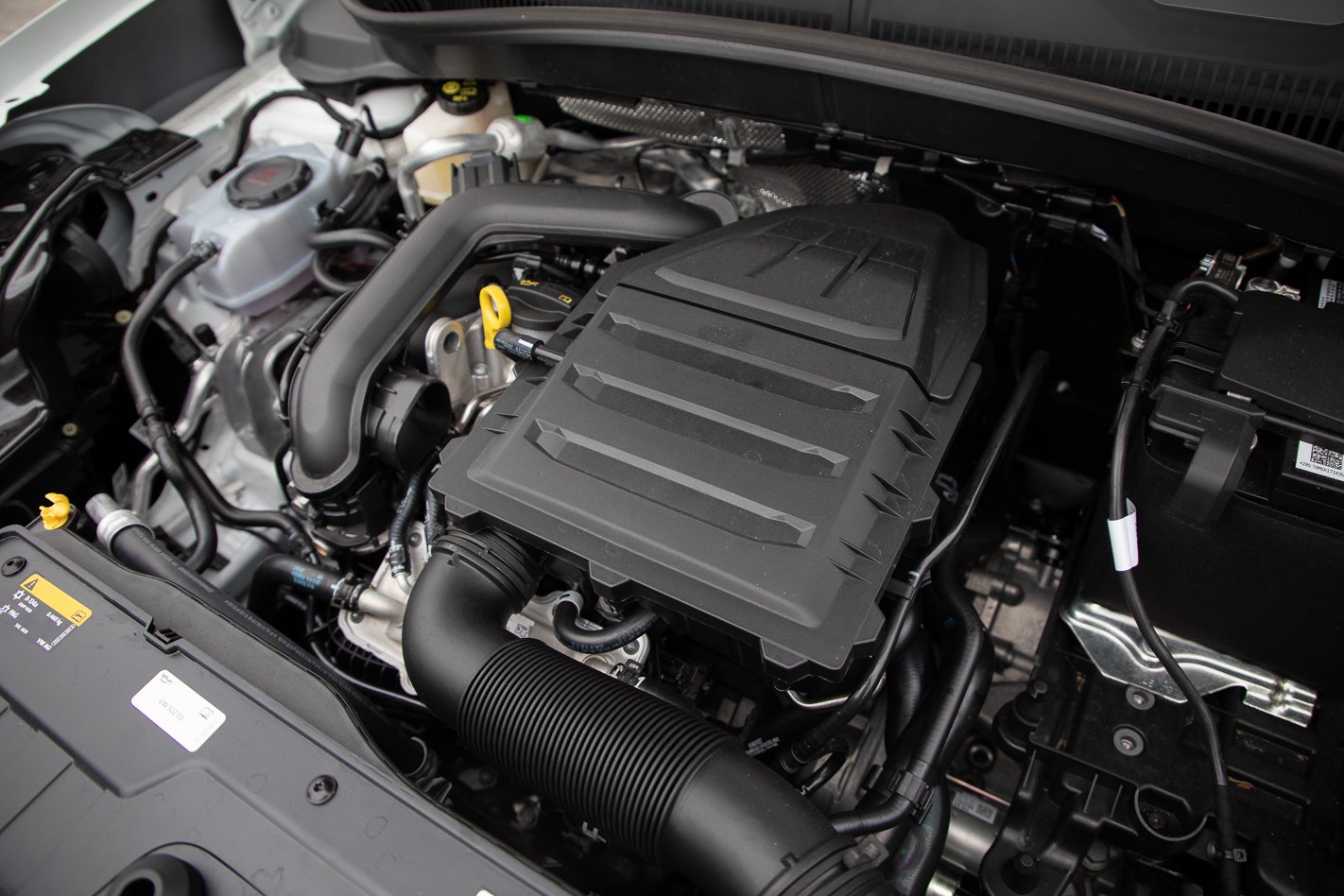
The 1.0-litre turbo engine is remarkably quiet and smooth even when pushing up through the rev range, but while its relatively meagre 85kW/200Nm outputs might suit the Polo, the same unit in the 88kg heavier T-Cross feels a touch weak. We’re keen to have a go in the forthcoming 110kW/250Nm version to see if this livens up the under-foot feel.
While on test, the T-Cross returned 6.9 L/100km on our city-centric test loop, which is up 1.5 litres on its combined fuel economy claim.
The T-Cross is a supremely comfortable place to spend time, thanks not only to its supportive seats, but also the compliant suspension tune that irons out road imperfections without worry and shields the occupants over larger bumps far better than a small SUV should.
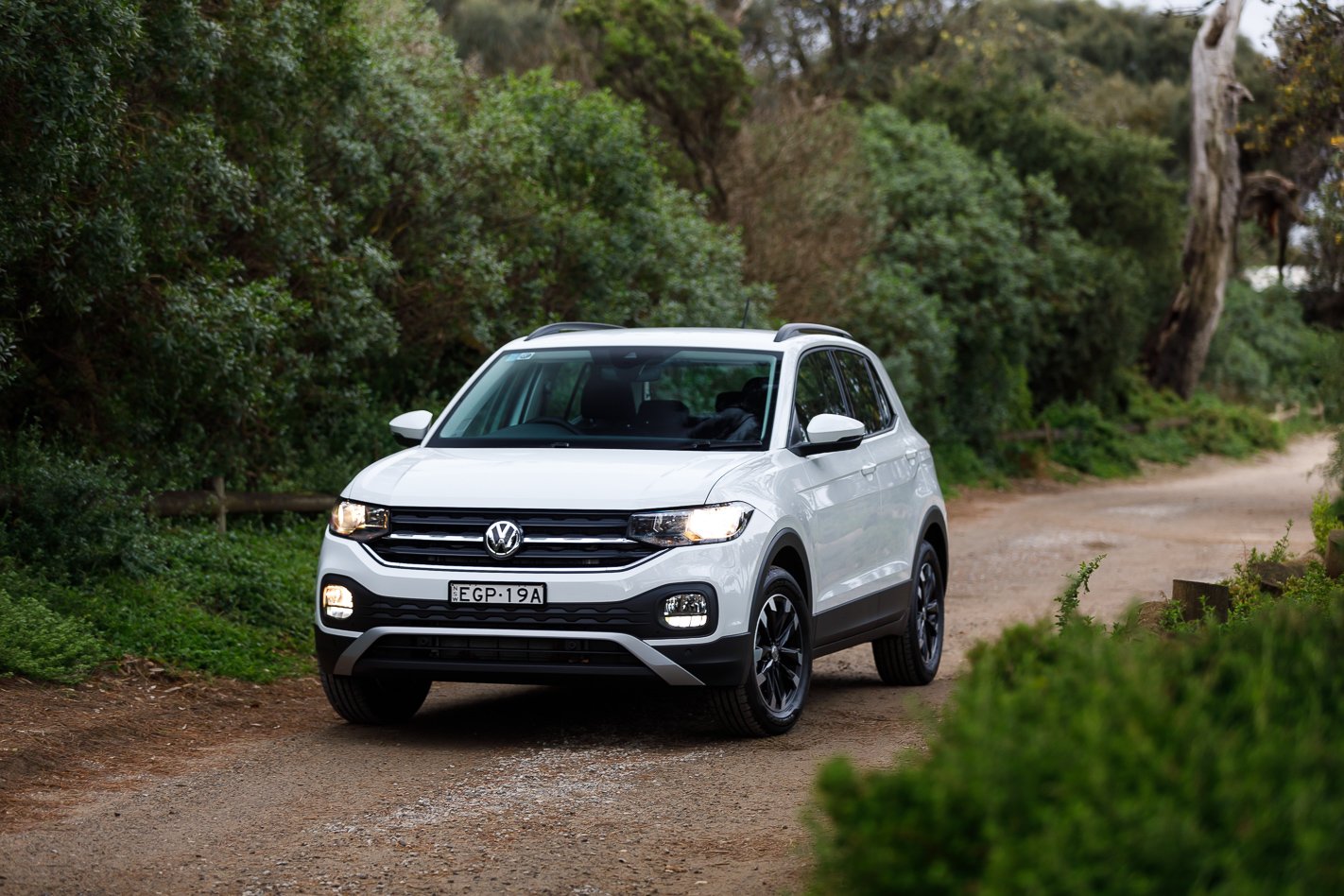
While they may all look like high-riding heroes, small SUVs don’t actually stray too far from the feel of a hatchback. With the T-Cross, it feels like a genuine SUV driving experience, despite its small stature. It offers great visibility and day-today practicality in a compact package.
If that’s what you’re after in a car, getting that for less than $30k is no small feat.
What is the Volkswagen T-Cross like to live with?
It all feels very familiar Volkswagen which will come as no shock, but adds new items into the mix such as a new design leather-wrapped steering wheel and gear selector.
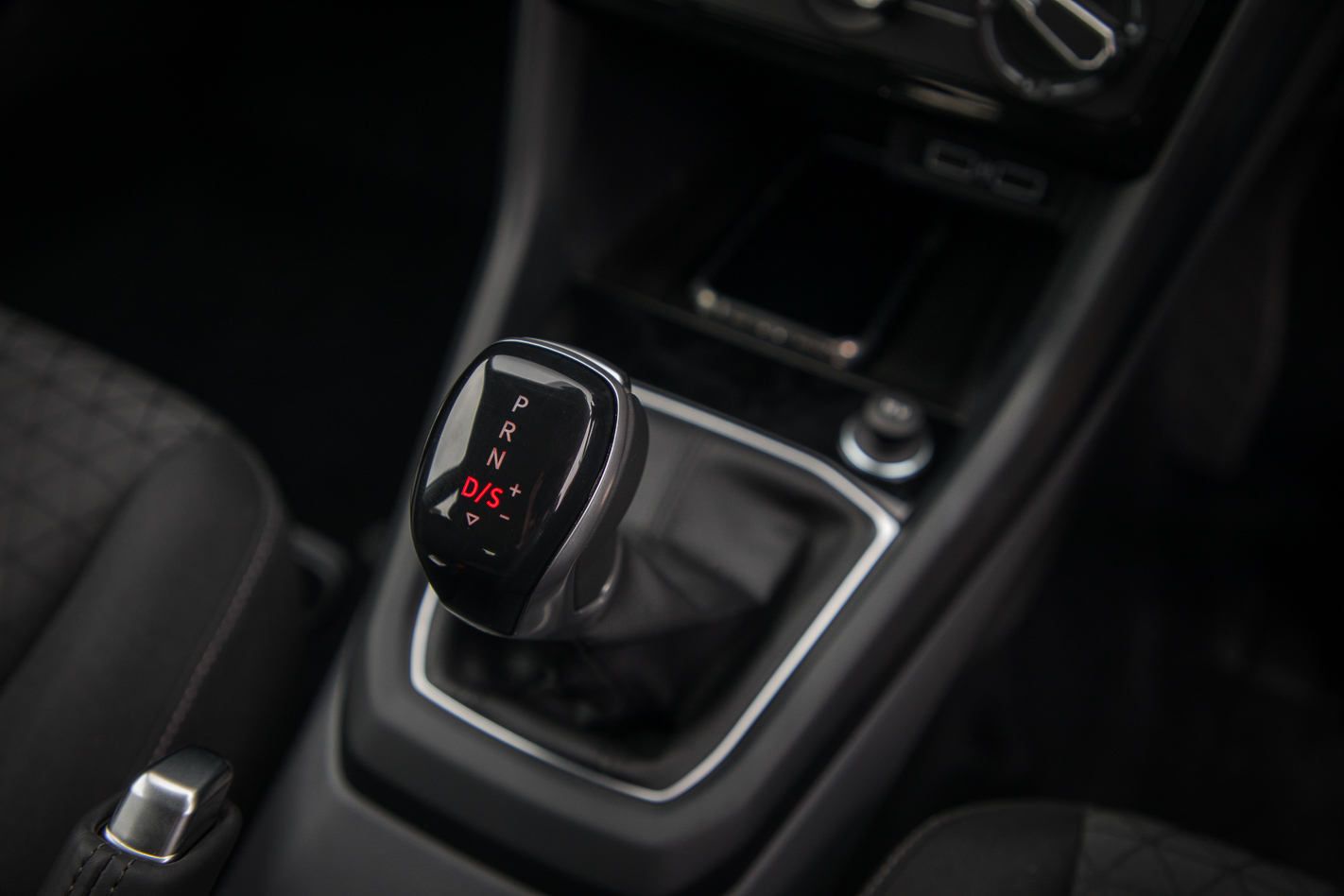
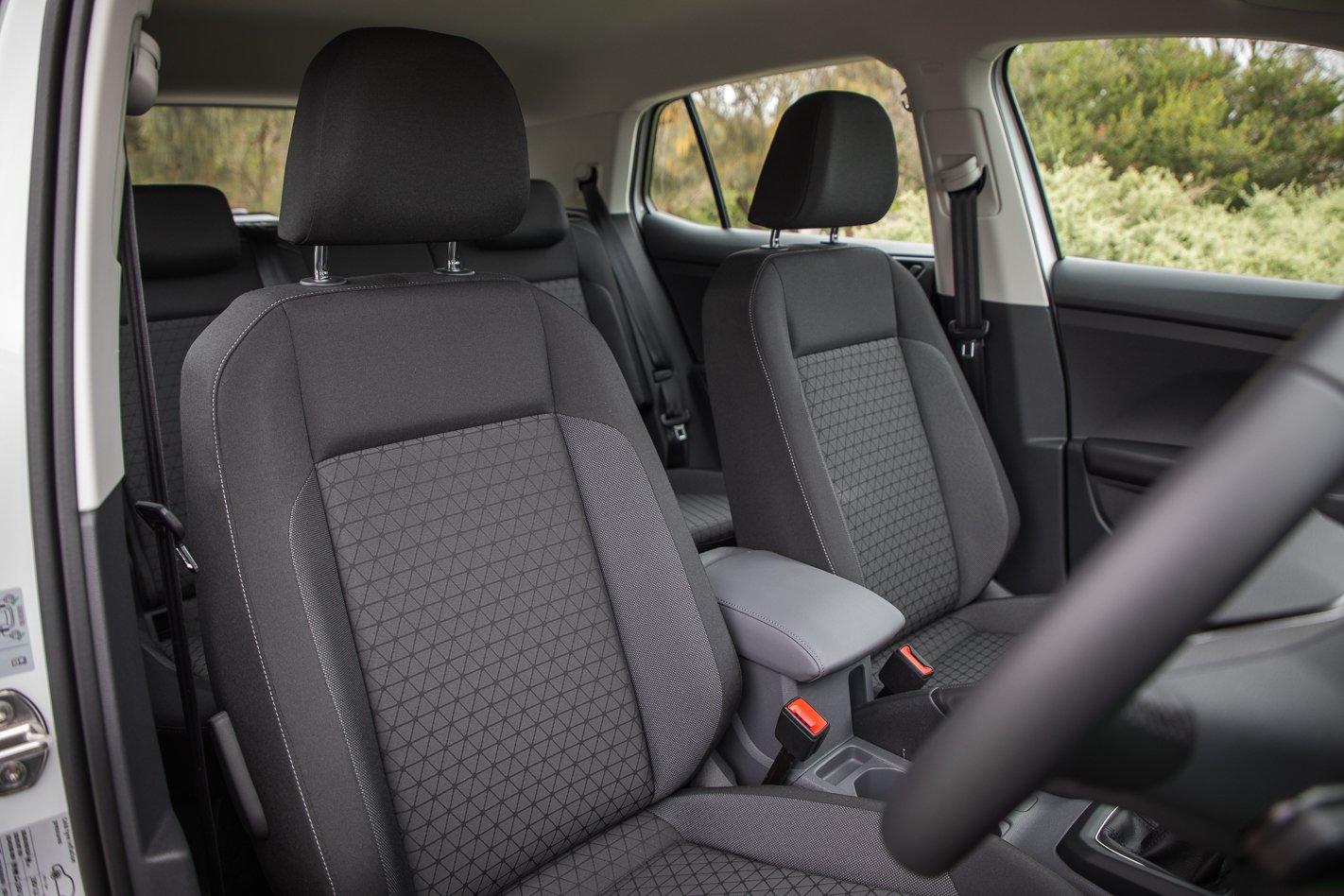
In the base Life car which we had on test, the seats are a firm but comfortable cloth with a nice blend of patterns and most touchpoints are covered by either leather or fabric.
The dashboard and door cards are panelled with hard plastic but feel sturdy and likely to stand the test of time. The Style variant livens the vibe up a bit with added features and nicer materials.
Getting in and out is a breeze thanks to the lofty seating position and added ride height and makes using the 385-litre boot easy. Already a sizeable space in comparison to its competition, space can be expanded by sliding the rear bench forward to free up 455 litres of space. Versatile packaging in such a small car is always appreciated.
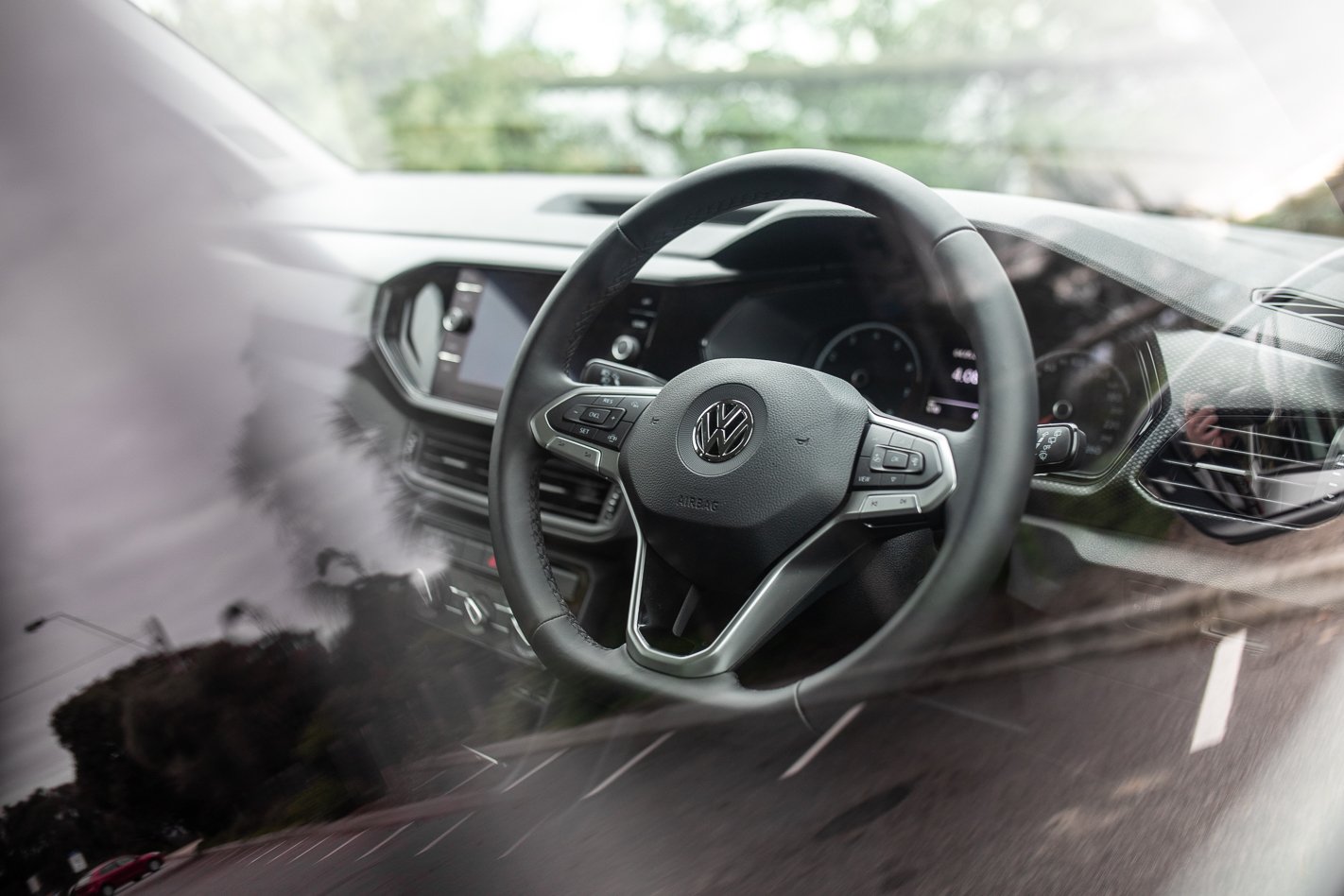
Space up front is comfy, while passengers aren’t cramped in the second row, with decent legroom and great feet and head room. Rear seaters are treated to two USB ports but no air outlet, and they can store items in handy door pockets.
There’s ample storage up front, too, with twin cupholders and a cubby in front of the shifter which contains a wireless charger as standard, a surprise inclusion on an entry-level car.
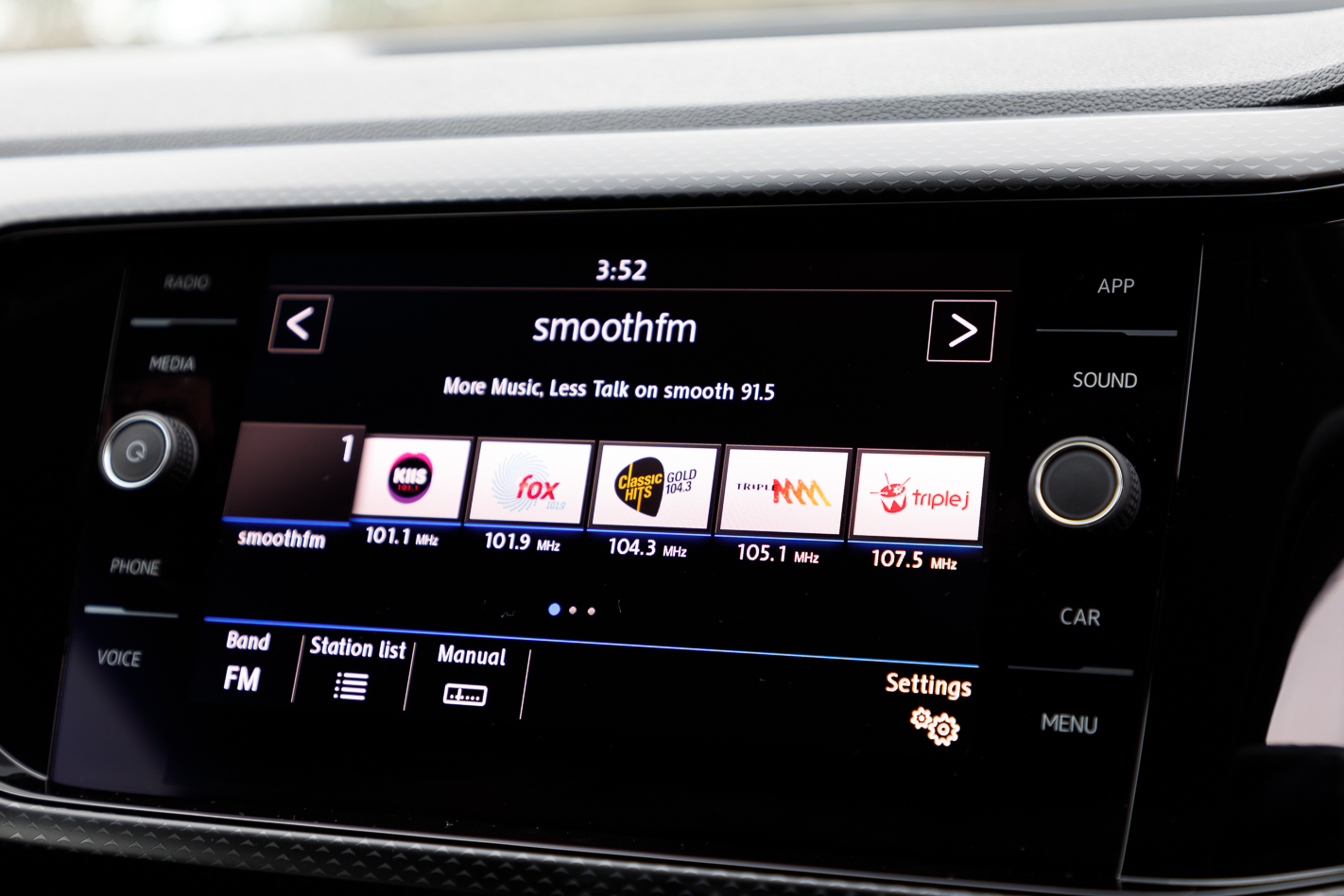
Android Auto and Apple CarPlay functionality is included on the 8.0-inch touchscreen but wasn’t really needed (unless you need a map app) as the native system is great. The new steering wheel is sculpted to your hand grip nicely but misses out on dedicated phone controls on the new button stack.
The T-Cross has received top marks in crash safety, scoring 5 stars from ANCAP and nets a five-year, unlimited-kilometre warranty that includes one year of roadside assistance.
Is the Volkswagen T-Cross worth the money?
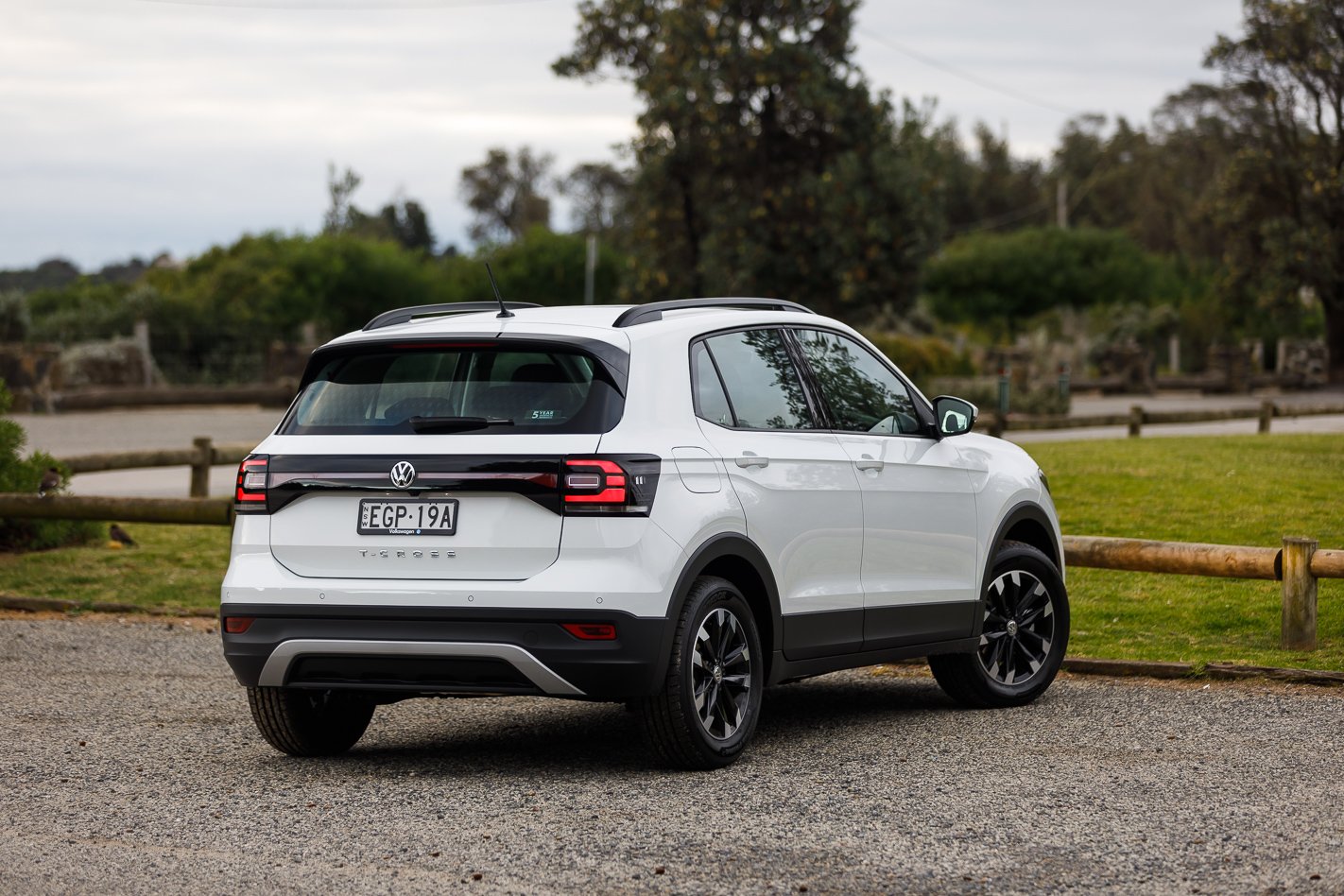
VW’s entry to the small SUV class has taken its time getting to market, but the company has done its research and the T-Cross stacks up favourably against the competition.
While it might be down on power compared to rivals, its driveability and agility make up for the deficit.
Volkswagen T-Cross: The Verdict
Whether it’s the T-Cross 85TSI Life or 85TSI Style, both offer compelling packages in a very populated segment.
It delivers a proper high-riding SUV drive experience and features more than enough amenities and space for a small SUV which isn’t necessarily a given for less than $30k.
With typical Volkswagen practicality and familiarity in a segment that buyers are flocking to in droves, we reckon it’ll sell its socks off.
Pros: List of standard equipment, turbocharged torque, SUV drive experience Cons: Hesitant off the mark with start/stop, no rear air vents
Rating: 4/5
The hits keep coming for one of Jeep’s best-sellers after the Jeep Wrangler rolled onto its side after two frontal-offset crash tests.
In a first for the US’s Insurance Institute for Highway Safety (IIHS) body, the 2019 four-door Wrangler fell onto its passenger side after striking a deformable barrier at 64km/h, sliding across the floor of the test cell and into a safety barrier.
Chosen as part of a routine audit program that verifies the findings of carmaker tests, the latest Wrangler hasn’t actually been crash-tested in the United States at all, outside of Jeep owner Fiat-Chrysler’s own testing.
“Rollovers — even partial ones like those that occurred in the Wrangler tests — are especially dangerous crashes, in part due to the risk of complete or partial ejection,” said the IIHS in its report. “This is a particular concern in the Wrangler, which has a roof and doors that can be removed.”
The Wrangler also misses out on curtain airbags, thanks to that removable roof.
Other than the rollover, the driver’s space was maintained well, and the dummy’s movement was well-controlled, according to the safety body.
It scored Good ratings – the IIHS’s highest mark – in moderate front overlap and side testing, as well as for roof strength and head restraints/seats.
After the Wrangler rolled in the audit test, the IIHS reported that Fiat-Chrysler questioned the method that IIHS engineers had used to attach the vehicle to the crash propulsion system.
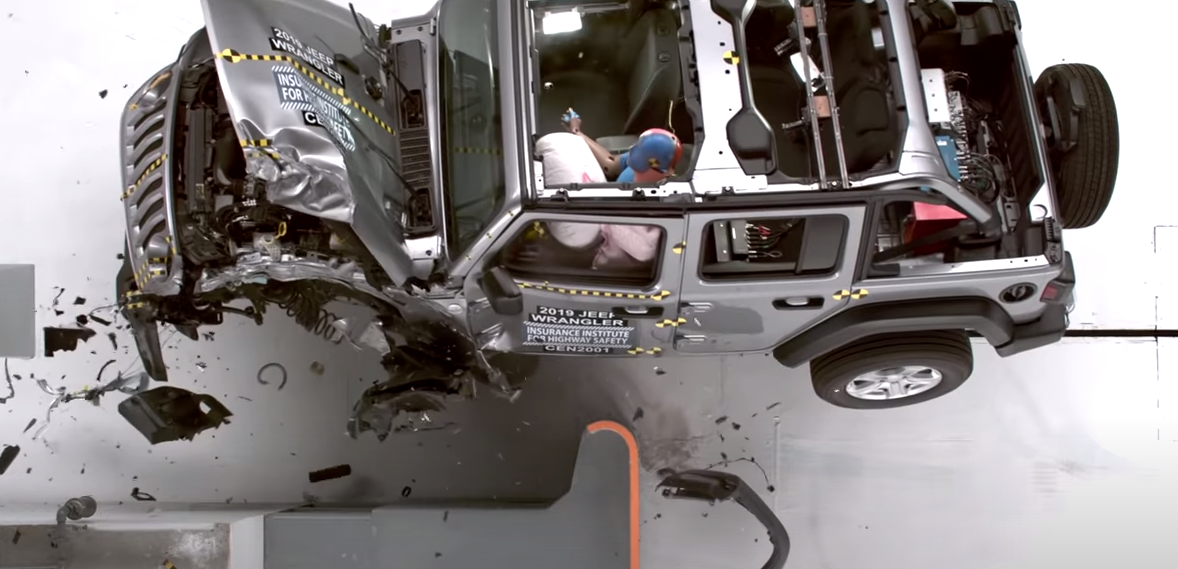
“IIHS agreed to conduct a second test using a different method, which was approved by Fiat Chrysler. The second test also ended with the vehicle tipping on its side,” read the report.
“FCA has produced more than 500,000 of these vehicles,” said Fiat-Chrysler in a statement issued to US media outlets after the test results were released. “By conservative estimate, they have accounted for 6.7 billion miles [13 billion kilometres] of on-road driving.
“From this population, we are unaware of any incidents that correlate with the vehicle dynamic portion of the IIHS test result. With more than 75 available safety and security features, the Jeep Wrangler Unlimited meets or exceeds all federal safety standards and continues to win acclaim from news organizations (sic) and consumer groups.”
The brand also pointed out that no single test determines vehicle safety.
“FCA routinely monitors third-party evaluations and factors such findings into our product-development process. We design our vehicles for real-world performance. And real-world data, along with continuing demand, indicate the Jeep Wrangler Unlimited meets or exceeds customer expectations,” it said.
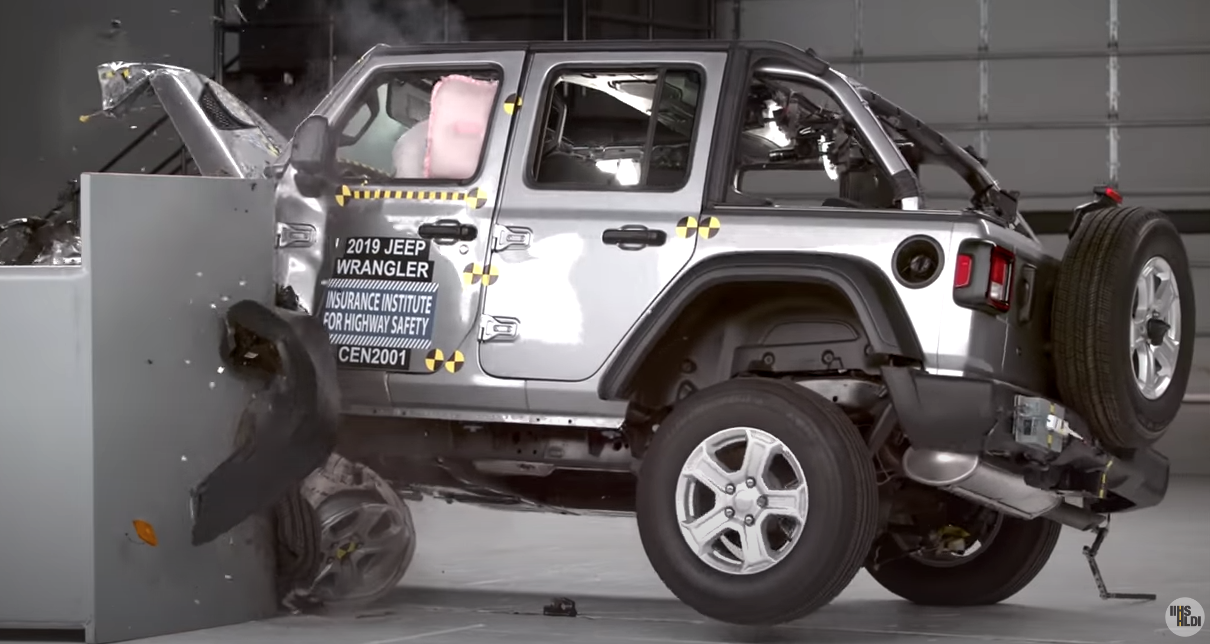
The Wrangler has come under fire for its poor safety rating in Australia and Europe, initially scoring just one star from five in NCAP testing. After the fitment of AEB, that score was raised to three stars in December last year.
“These upgrades are welcome, and I commend the local supplier for moving to provide Wrangler buyers in Australia and New Zealand with collision avoidance capability,” ANCAP Chief Executive, James Goodwin said at the time.
“While a three-star rating is still somewhat shy of the expected five stars, all upgraded models now have the ability to detect and assist with avoiding a crash with another vehicle – both in lower and higher speed scenarios.”
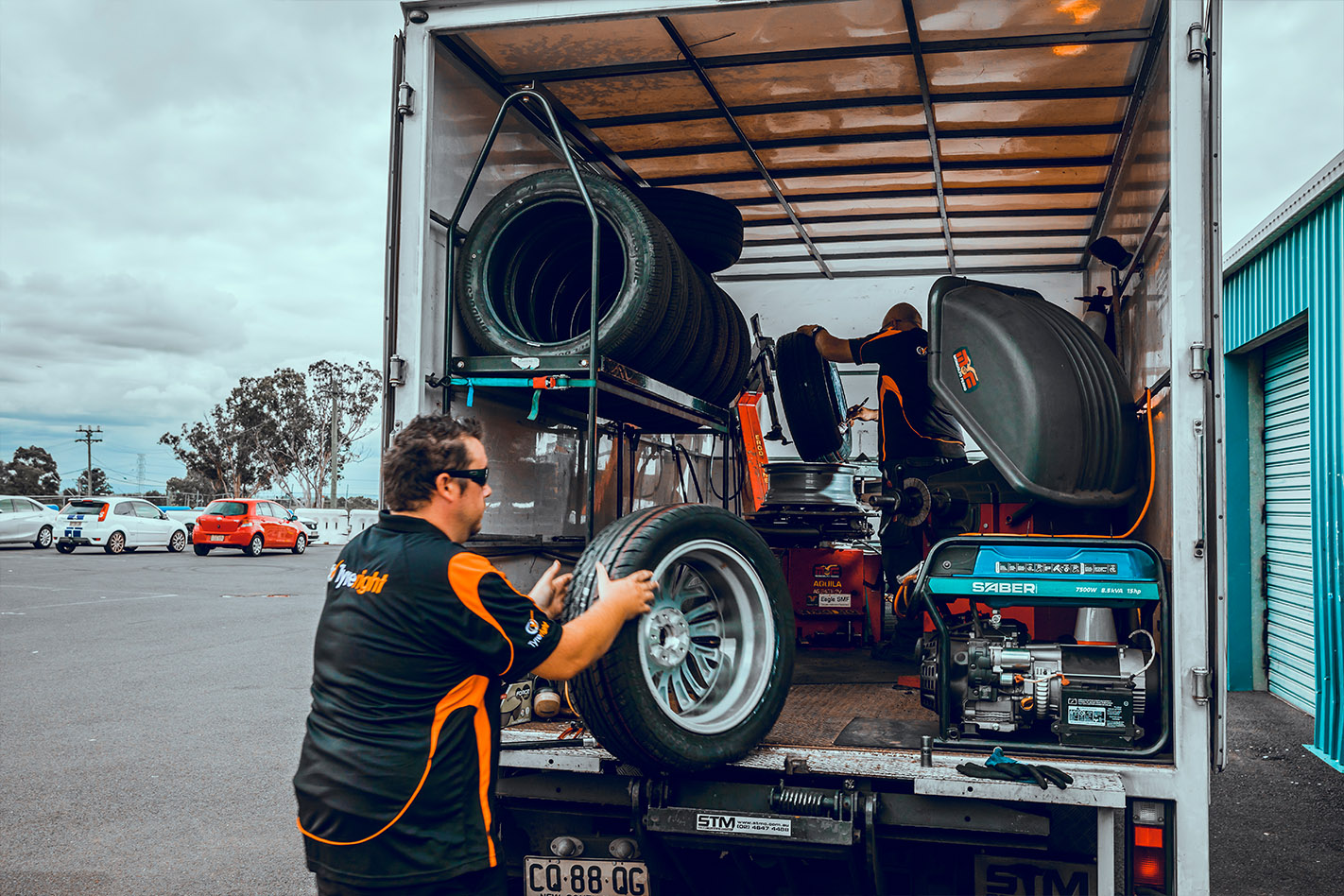
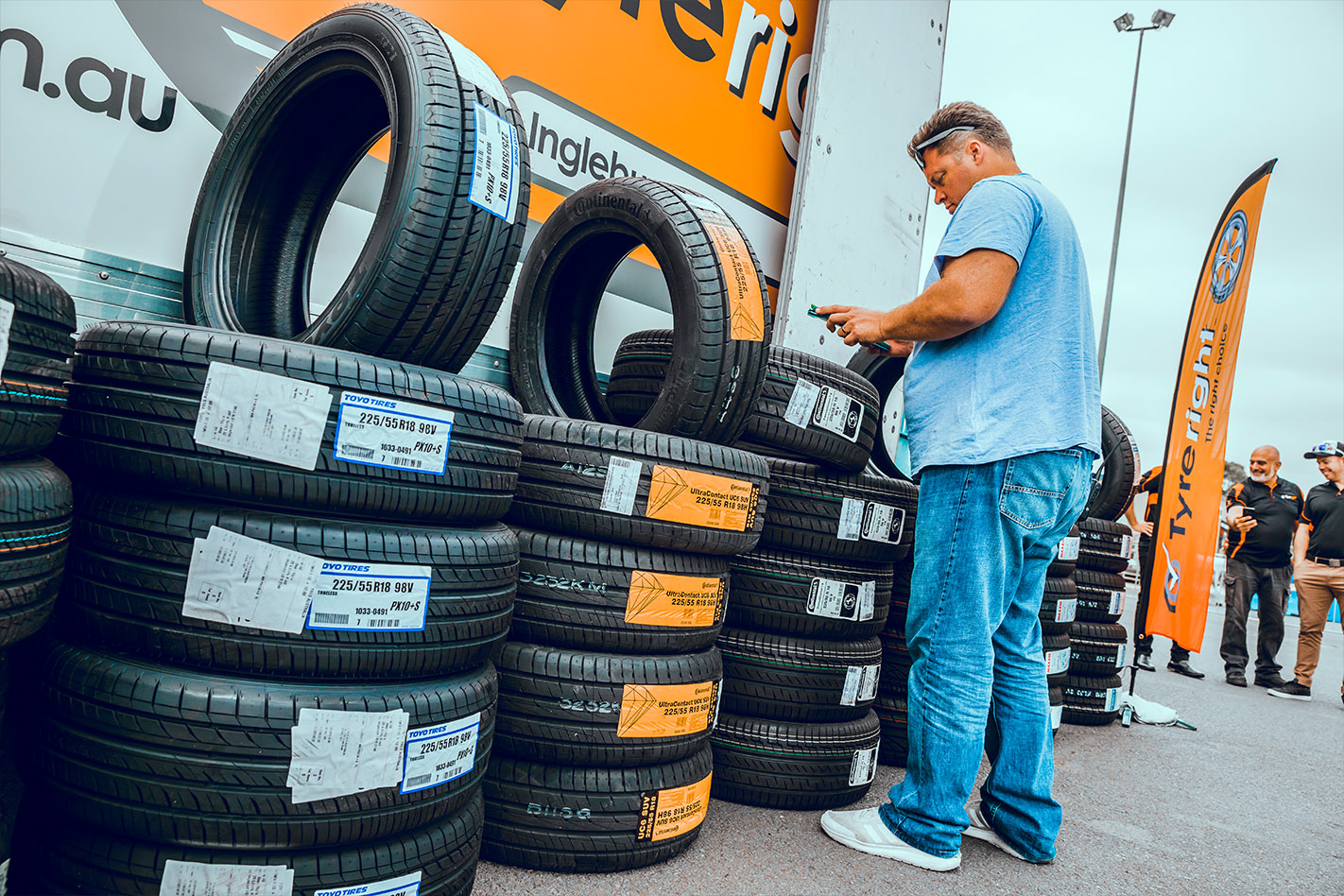
It’s not quite the truck full of cash anyone ticking their Lotto boxes dreams of backing up to their front gate, but the sight of a Tyreright truck door peeling open to reveal a large mound of fresh rubber is enough to get any car enthusiast tingly in the right foot.
Welcome to the Wheels Tyre Test 2020, where peak Gs, single centimetres and flying orange cones aim to test the mettle of the best rubber out there.
- What tyres are we testing?
- What car is being used?
- Who is doing the driving?
- How is everything being handled?
- How much do the tyres cost?
- Tyre treads
- Tyre weights
- Test #1: Slalom
- Test #2: Dry braking
- Test #3: Dry cornering
- Test #5: Wet braking
- Test #6: Wet cornering
- Test #7: Tyre noise
- Overall winner
The stack of tyres alongside the Tyreright truck looks more like we’re gearing up for a tilt at the Bathurst 12 Hour, albeit with more grooves than your average GT3 car would fancy. Ten stacks of still-glistening rubber add to the darkness of the sky. Yet our locale – a makeshift track in a western Sydney car park – is very different to the up and down of Mount Panorama. And our weapon of choice, a humble Hyundai, is far from lap ready.
As any enthusiast (or racer) will tell you, tyres are one of the most important components of any new car. It doesn’t matter how many kilowatts those rear tyres can throw out if they can’t make it to Mother Earth.
For this year’s test we aimed high; SUV high, in the form of a Hyundai Tucson. But the rubber was a respectable 225mm wide with a 55 profile and an 18-inch diameter. It’s a popular size with many mid-size SUVs. Plus, there are dozens of options from more than 20 brands, 10 of which lined up for our day of scrutiny.
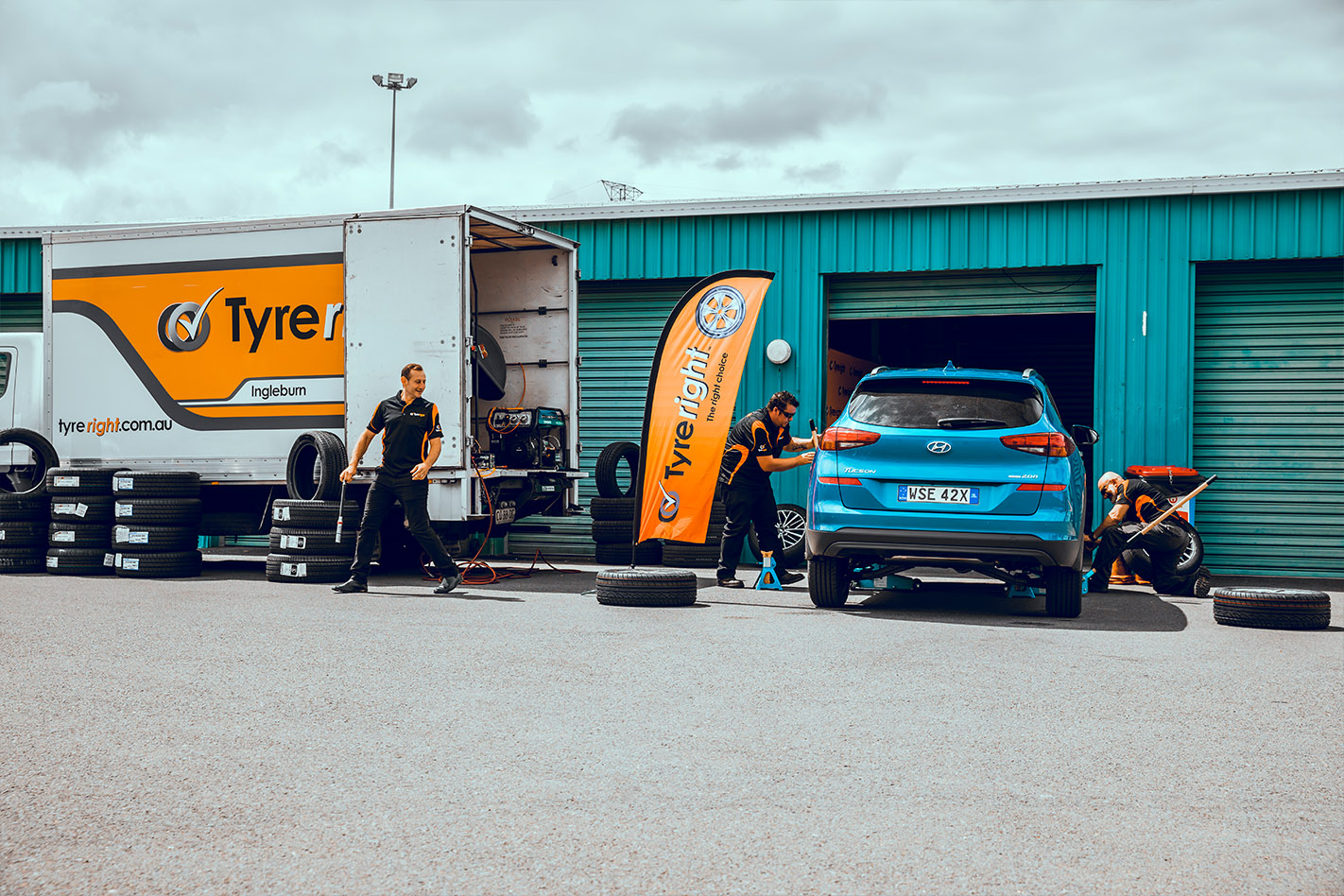
Our testing involves a little over 10 kilometres of brutality few tyres are likely to experience in their tens of thousands of kays rolling over freeways, suburban streets and the occasional rural back road. We’ll test everything other than puncture resistance, impact on fuel economy and how long they’re likely to last.
The Tyreright crew dutifully ensures the day rolls smoothly.
Before any data is collected there are some early swerving and sliding manoeuvres to get the moulding compound off the surface. The initial lack of grip on a brand-new set can provide some freckle-tightening moments if you don’t have the expanse of a skidpan at your disposal. Then it’s an 80km/h noise-reading on exactly the same piece of blacktop, the tranny in neutral to place the emphasis on what’s going on at ground level.
Then the fun stuff, which consists of five on-the-limit disciplines. Cornering and braking in the dry kick things off before a slalom. Out comes the water truck to ensure appropriate slickness for wet cornering and braking.
Each discipline is repeated up to three times, until our wheel man Renato is confident he’s driven the tyres to their maximum. The entire test sequence is over in less than 15 minutes, formerly fresh hoops scuffed and stuffed like they’ve seen a lap (or two) with Daniel Ricciardo.
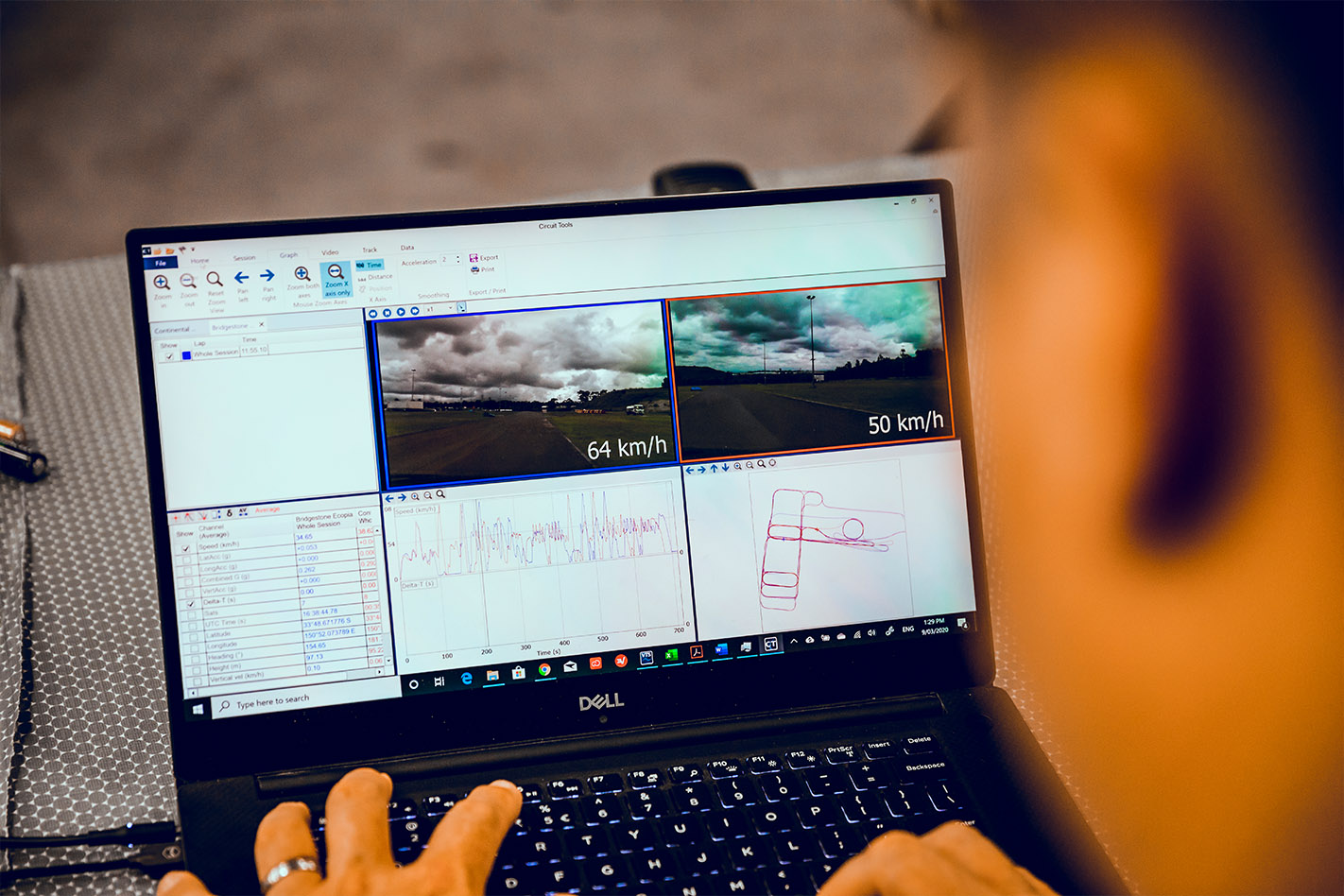
Data is taken using a satellite-based VBox with video recording to confirm any excursions or check wayward results. We also interrogate Renato as to what he liked – and didn’t. It doesn’t count on the scorecard, but can give context to the result and help explain why one tyre performed better than another. To Renato they’re just ‘set one’ or ‘set two’. He gets into the car not knowing what’s been bolted on by our Tyreright pit crew.
With times taken and data processed, each tyre is given a percentage score relative to the best performer, which picks up a perfect 100. Then it’s deep into spreadsheets and number crunching to work out which excels, and where. Very few nail each discipline, but some score highly across the board. Others pinnacle in one or another but leave wheels spinning elsewhere.
From the rush of the track to a finish-line dash for glory that often comes down to a single centimetre, the Wheels Tyre Test 2020 shines the spotlight on the compromises in pursuit of creating the perfect round black things. Which, after copious sliding and scrubbing, we can confirm still doesn’t exist.
What tyres are we testing?
This year’s 10-strong field comprises a strong mix of well-known brands such as Bridgestone, Continental (x2) and Cooper, with relative newbies like Giti and Hifly. Making up the middle ground are rapidly improving players such as Toyo, Hankook, Kumho and Maxxis. Missing from this year’s starting grid are Michelin and Yokohama, who don’t supply tyres for independent tests, and Pirelli and Falken who declined to take part. Goodyear and Dunlop couldn’t provide tyres in time for testing.
- Bridgestone Ecopia H/L 001
- Continental PremiumContact 6
- Continental UltraContact UC6 SUV
- Cooper CS5 Grand Touring
- Giti Control SUV880
- Hankook Dynapro HP2
- Hifly Vigorous HP801
- Kumho Crugen Premium
- Maxxis Premitra 5
- Toyo Proxes C100 Plus SUV
What car is being used?
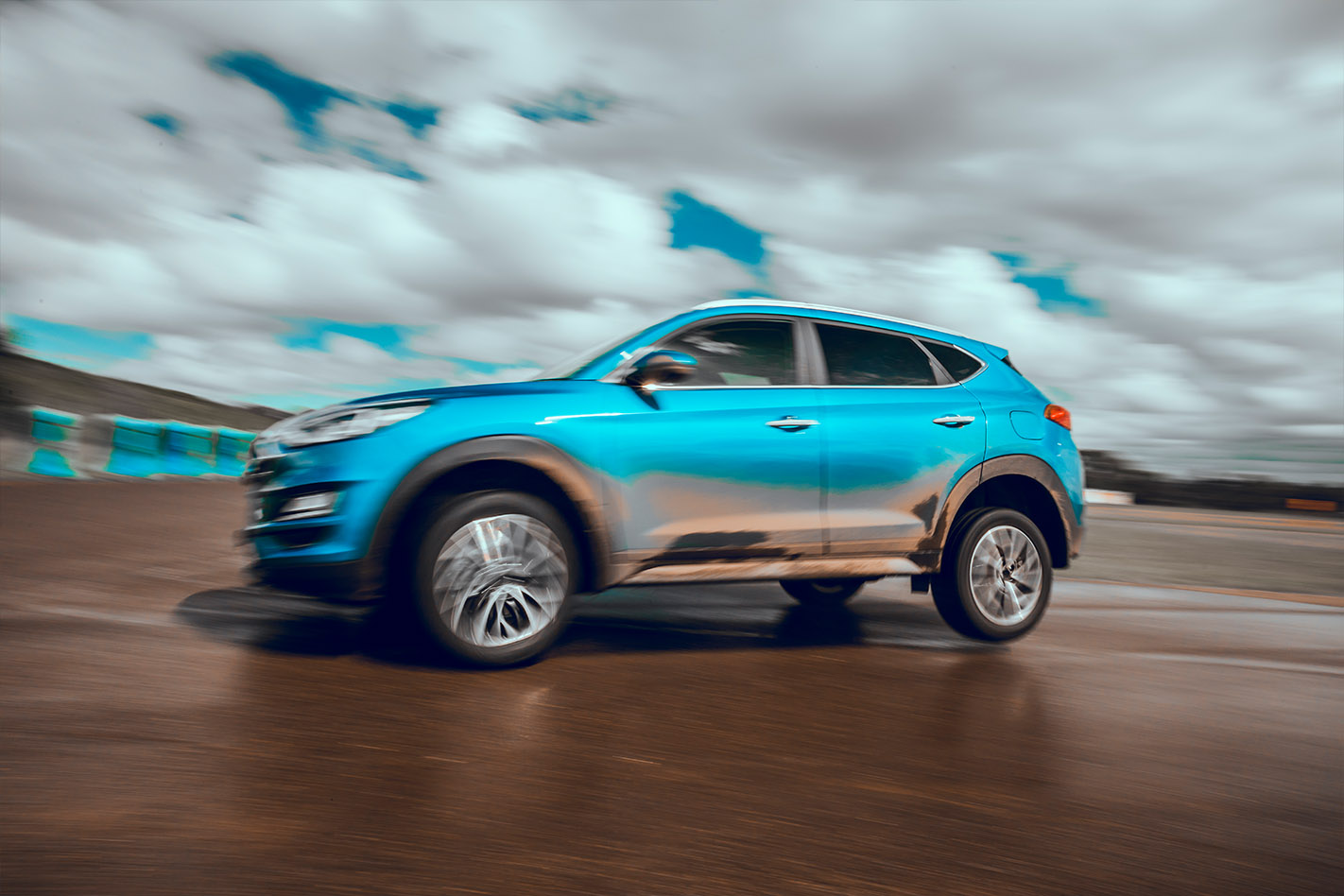
Our weapon of choice is the Hyundai Tucson, one of the top-selling mid-size SUVs on the market. That it’s also a respectable handler made it a perfect proposition for Tyre Test 2020.
Ours was a Highlander diesel on 18-inch alloys that look as though they’d take three days to clean.
It’s also had some electrical tweaks from whizz Hyundai engineer Pete to ensure the data we’re collecting is about tyres, not electronics.
All testing is with tyres at 35psi, the placard-recommended pressure for an unladen Tucson.
Who is doing the driving?
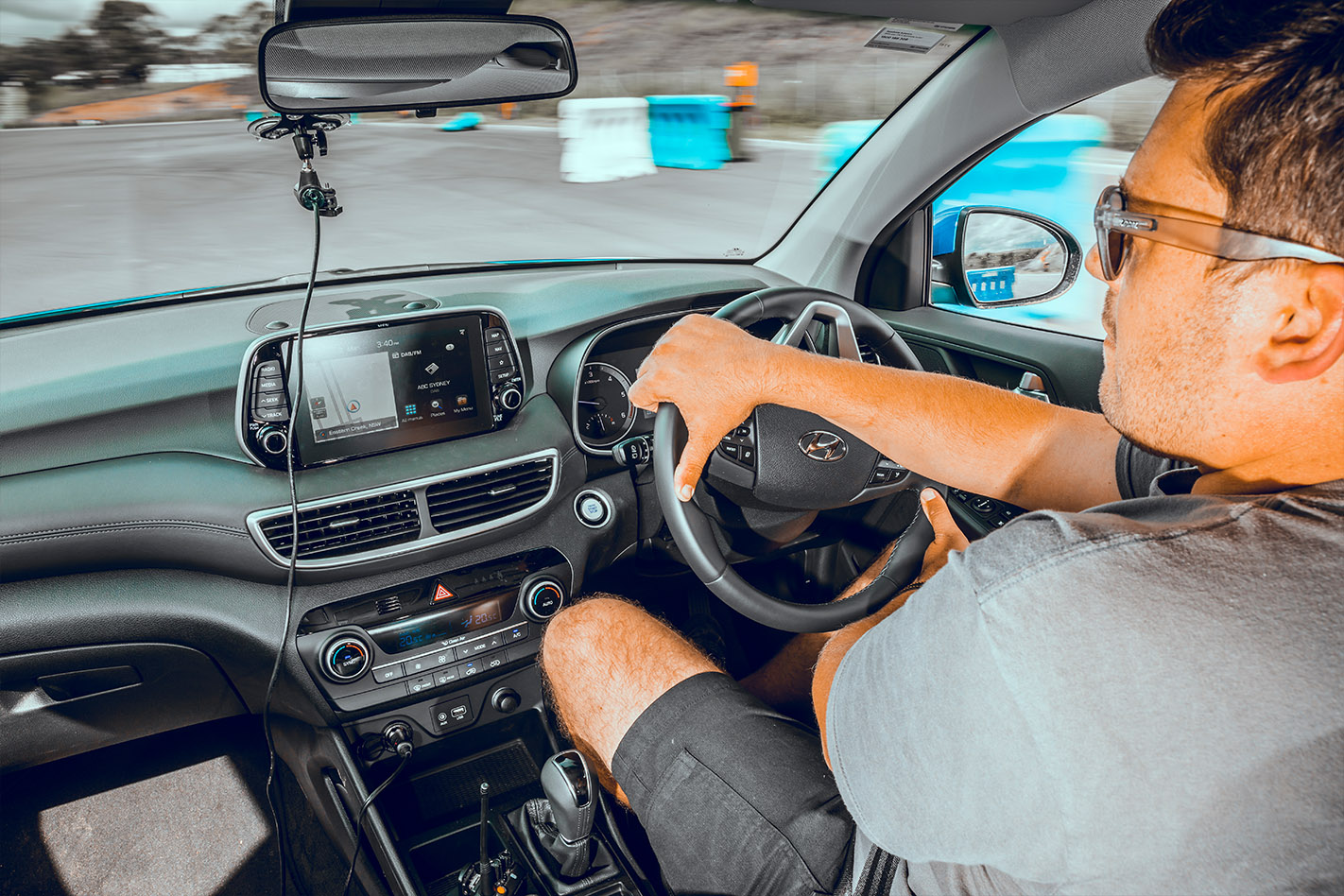
OCD isn’t always a good thing on a Wheels test, but when Renato Loberto starts talking tyres he quietly admits he wants to run over exactly the same knobble of bitumen every time and ensure the wet section has the same carefully metered splash of H20.
That’s good because it means he’ll do the same thing every time. Consistency is critical on a tyre test.
Renato, 39, may be more at home in a race car – like the Ferrari 458 GT3 he raced in the Bathurst 12 Hour in 2016 – but he’s also damn fine doing hot laps in a family SUV.
How is everything being handled?
Something north of 60 tyre changes in a day would be sweaty work for anyone, but our trusty team at Tyreright nailed it every time.
Within minutes of Renato rolling into our makeshift pits, the car was ready for the next level of punishment.
Without this level of efficiency and expertise, it’s likely we’d still be there fiddling with tyre irons.
With more than 70 stores across all states and territories, Tyreright is not aligned to any particular brand (unlike some of its rivals), instead offering a broad range of tyres to suit your needs.
How much do the tyres cost?
With an average price of $263 per tyre, there’s a big spread on test.
The prices we’ve listed here are RRP and are rarely what you’ll pay once you start sniffing around for a deal.
While there’s a big difference between the cheapest and most expensive – a hefty $190 per tyre – the ‘real’ difference is much slimmer.
On the day we checked online we could get the $350 Bridgestones for $256, a saving of $376 for a quartet.
While tricky to find, the cheapest Hiflys were around $130 a tyre, a saving of around $120 for a set of four.
- Bridgestone Ecopia H/L001: $350
- Hankook Dynapro HP2: $310
- Cooper CS5 Grand Touring: $294
- Continental UltraContact UC6 SUV: $290
- Toyo Proxes C100 Plus SUV: $270
- Continental PremiumContact 6: $260
- Giti Control SUV880: $255
- Maxxis Premitra 5: $240
- Kumho Crugen Premium: $200
- Hifly Vigorous HP801: $160
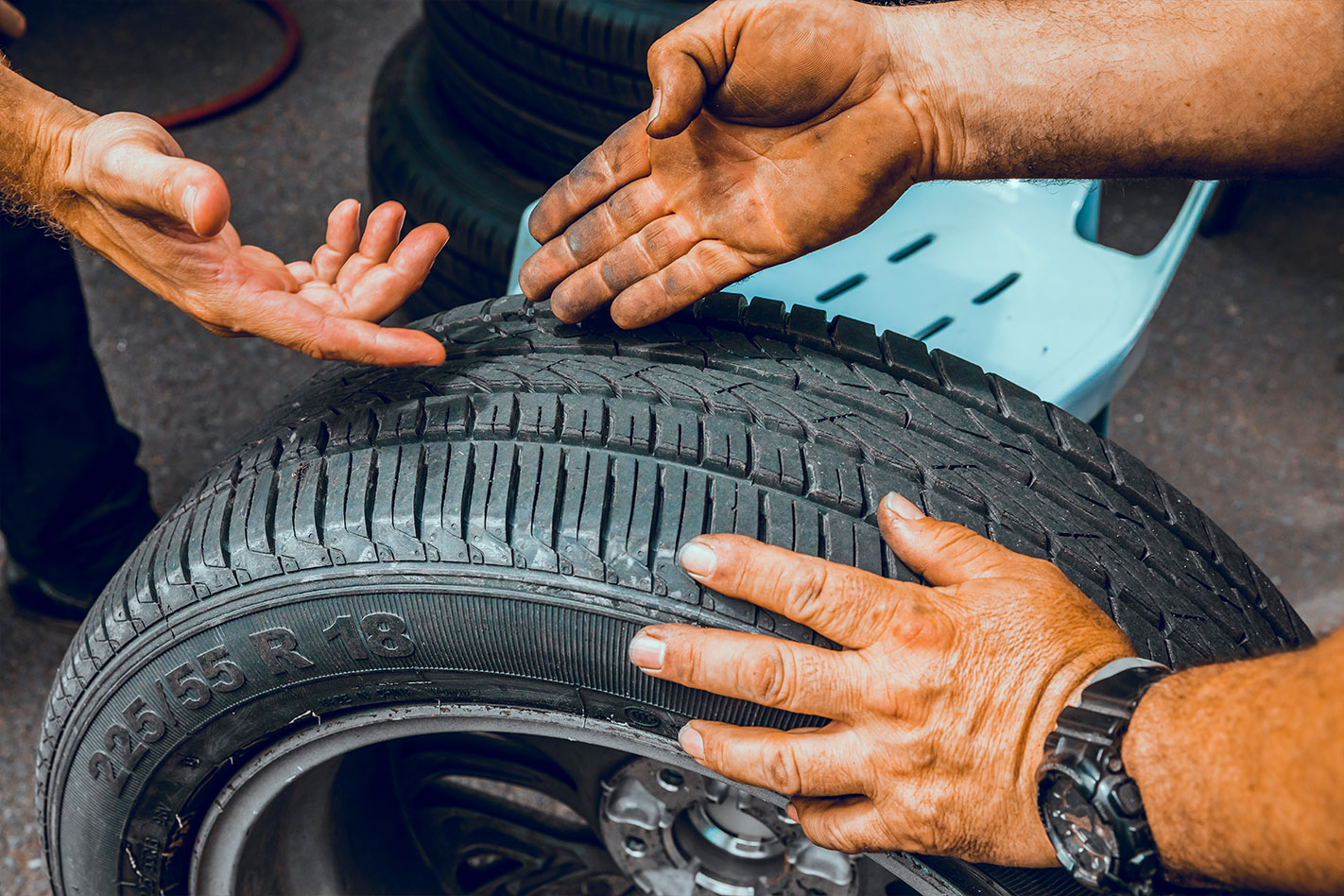
When it comes to tyre tread, more isn’t always better
Deeper tread grooves mean height for each tread block, which often means more movement, in turn affecting steering feel. It’s one reason those chunky mud-terrain tyres that dual-cab ute drivers insist on tearing around the suburbs on are so terrible on bitumen. But the more distance you’ve got between the carcass of the tyre and the actual tread surface, the more there is to wear away.
We checked the tread depths of our 10 contenders and noticed big differences. Many had deeper central grooves and shallower outer ones, so the figures you see here are for the deepest central section.
We’re only talking 1.1mm between best and worst, but when the deepest of the bunch is only 8.6mm deep, that’s a 13 percent difference. We also reckon it’s no coincidence that our top three – the Continental PremiumContact 6, the Maxxis and the Bridgestone – had the shallowest tread depths.
| Tyre | Max. tread depth |
| Cooper CS5 Grand Touring | 8.6mm |
| Hifly Vigorous HP801 | 8.4mm |
| Kumho Crugen Premium | 8.4mm |
| Toyo Proxes C100 Plus SUV | 8.3mm |
| Continental UltraContact UC6 SUV | 8.2mm |
| Hankook Dynapro HP2 | 8.0mm |
| Giti Control SUV880 | 8.0mm |
| Bridgestone Ecopia H/L001 | 7.9mm |
| Continental PremiumContact 6 | 7.5mm |
| Maxxis Premitra 5 | 7.5mm |
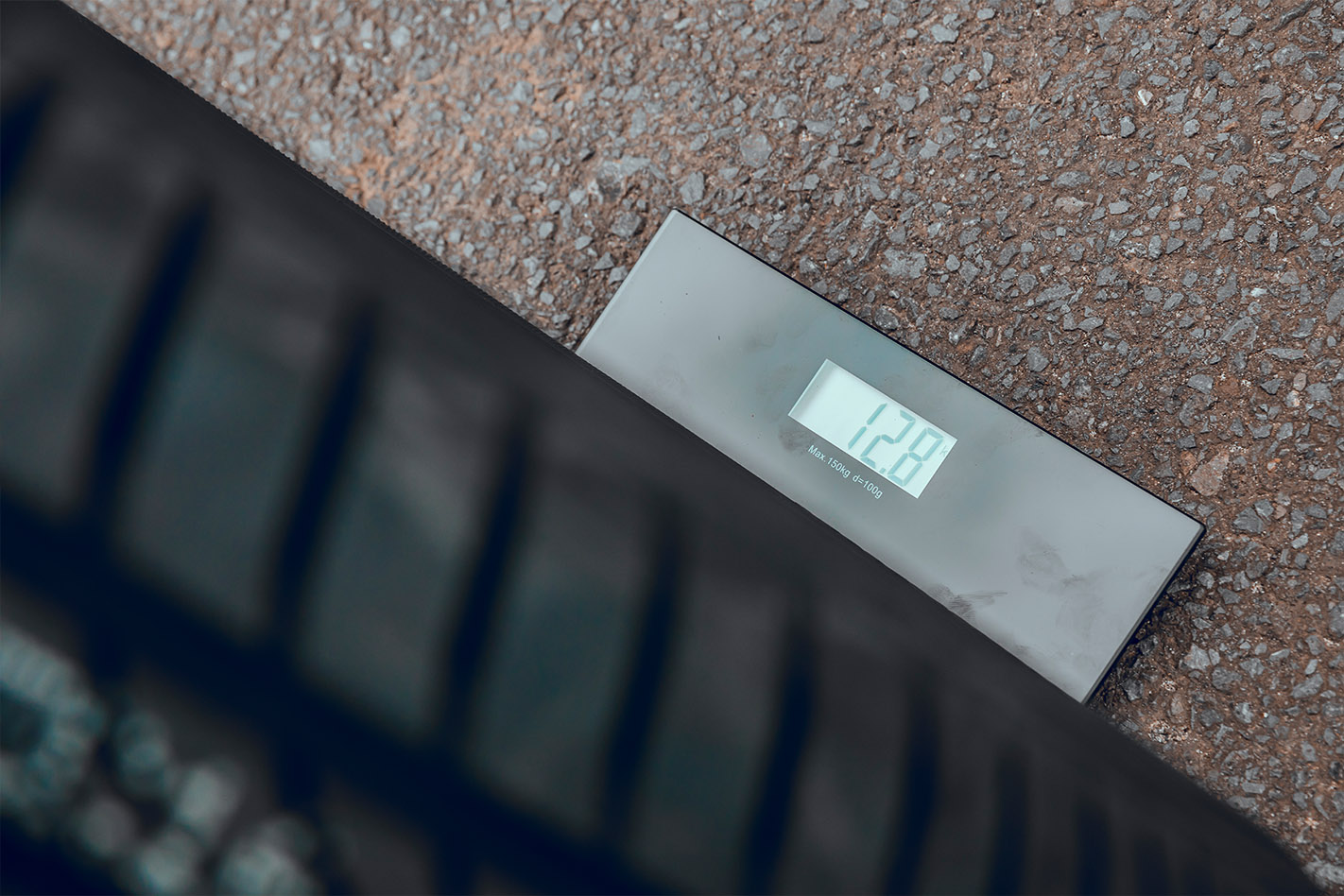
Yes, we even weighed the tyres
The dimensions of tyres are strictly controlled by the numbers written on the side. Our 225/55 18-inch test tyres had exactly 225mm of tread across their face and a sidewall that measured 55 percent of that, so theoretically, 124mm.
Not that you’d know it looking at our stacks of tyres. Variations in the sidewalls meant some were at least 10mm taller.
And dragging out the trusty scales showed the difference in weight between tyres varied to a much greater extent.
There was a two kilo difference – almost 19 percent – between the lightest of our contenders (Maxxis) and the heaviest (Giti). That additional heft – up to 8kg for a set of four hoops – negatively impacts unsprung weight.
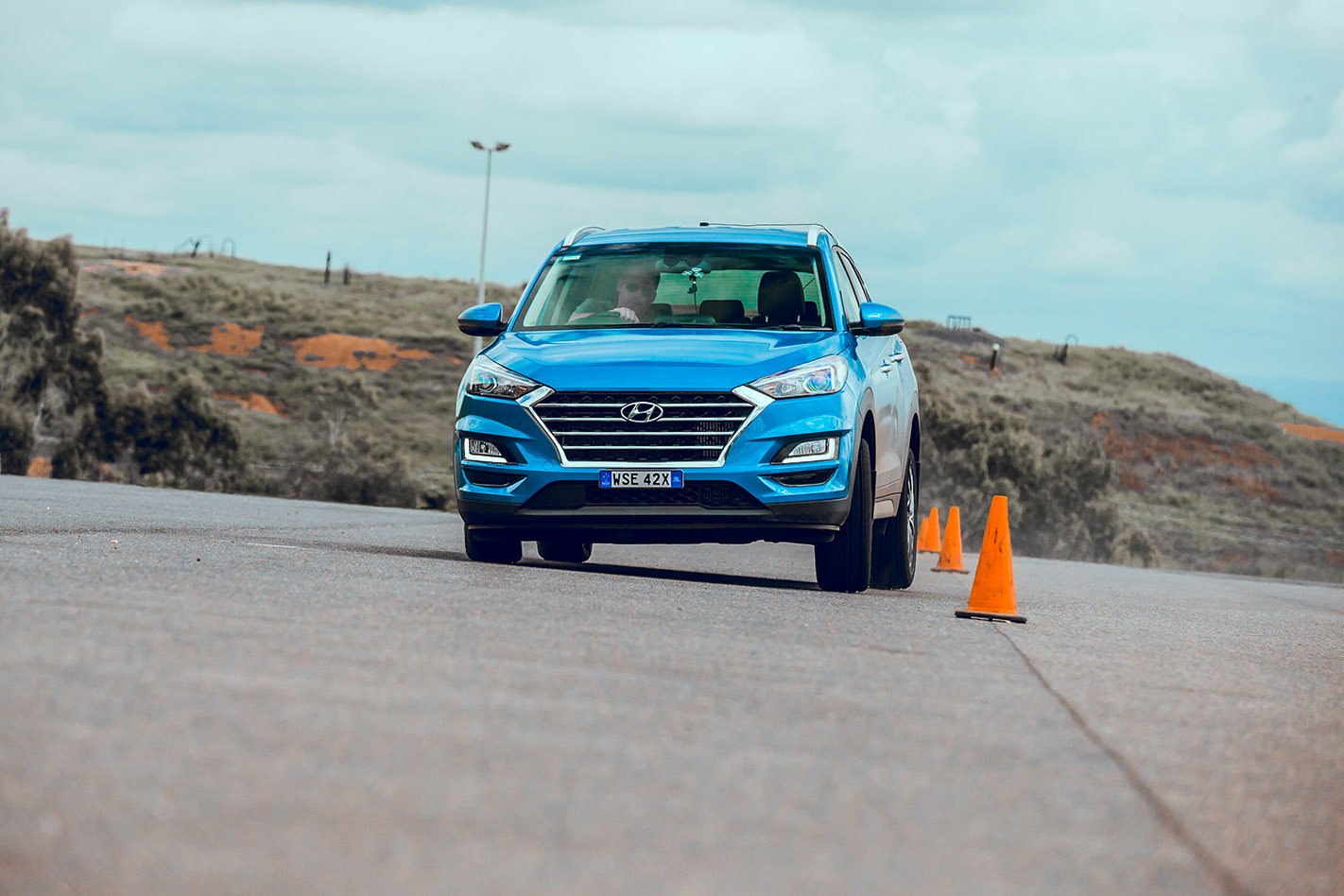
Test #1: Slalom
Grip is important but how well a tyre responds to quick direction changes is crucial to complete the performance picture. In around six seconds our slalom flip-flops each tyre from full lateral load in either direction five times.
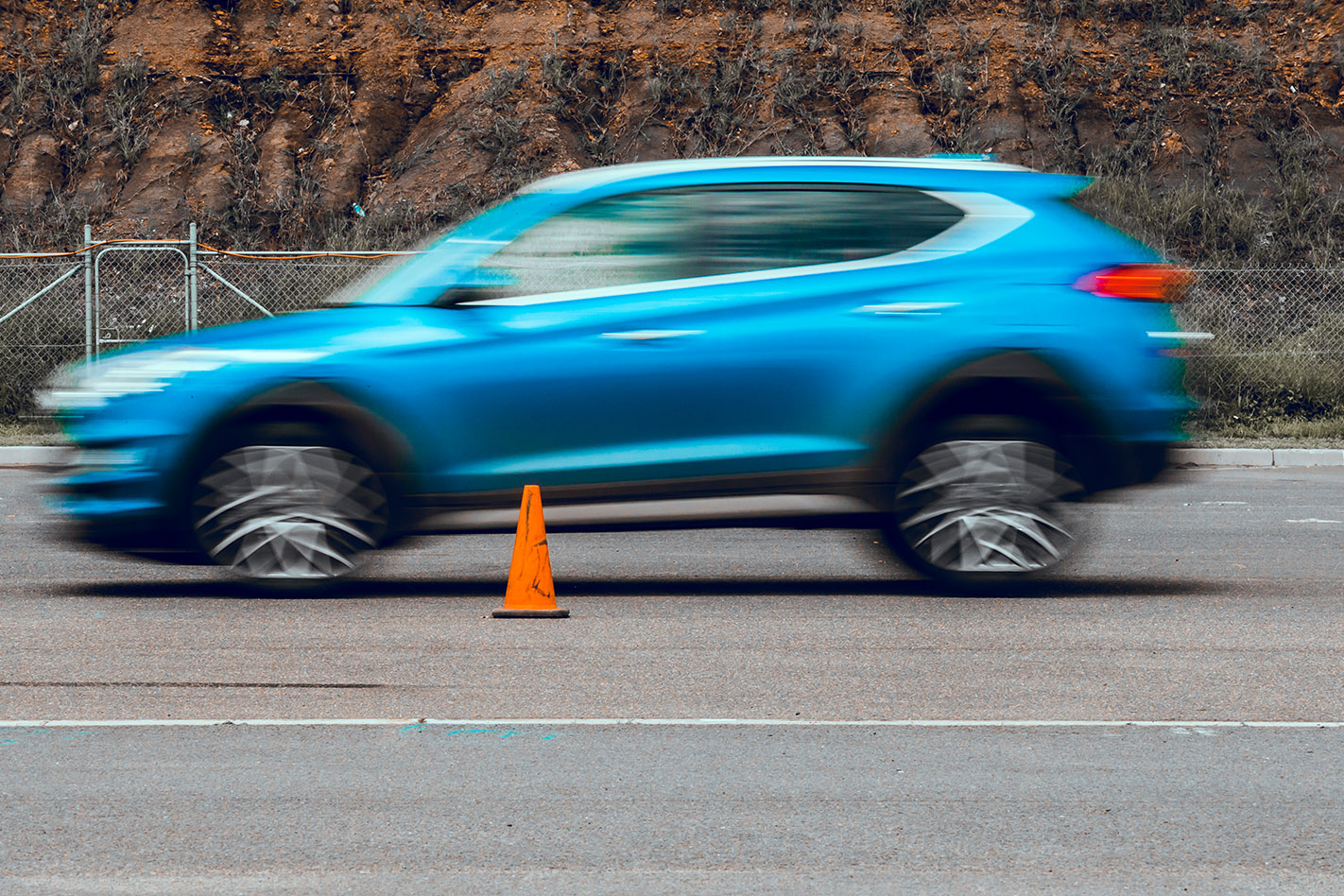
Even setting it up had Renato excited at the thought, the slalom bringing seat-of-the-pants feel to tenths and hundredths of a second. There was no pacing out the cones to get them vaguely right. Instead it was out with the trundle wheel to ensure each was precisely 24 metres apart. Perfect for a circa-70km/h entry.
It’s a brutal test that occasionally kicks a Tucson wheel skyward – depending on how well the tyre is holding its shape and how well the compound is keying into the asphalt. More than any other test it also helps Renato learn about the construction of the tyre.
“It felt like I was picking up an inside rear,” said Renato of the Conti UltraContact, “which is telling me it has excellent grip. And the way it was progressively shifting the weight there was no slide or yaw moments happening in the tyre, which is quite impressive.”
The Bridgestone also impressed with its responses, albeit not as much with the stopwatch. “It’s a really responsive tyre to turn-in, which makes it feel like it’s got way more grip than it does,” said Renato.
The brand may be best-known for off-roading, but the Cooper is also a “very communicative tyre”, and one that scurried through our coney course third quickest.
Similarly, the Toyo received a rare “very, very good … and it felt like it had bucketloads of initial grip”, while the Giti was “so progressive … so it responded well”.
The Maxxis wasn’t looked upon so favourably, with Renato critical of its ability to change direction briskly. “The peak lateral grip just falls away instantly … it doesn’t have the ability in its construction to deal with the weight moving in that frequency.”
It’s perhaps no surprise the Maxxis is the lightest of our tyres, one possibly lacking copious steel belt firmness.
The Kumho floundered because “when you push it with any pace it would fall off immediately”, while the Hifly Vigorous was ironically pretty leisurely in recording the slowest time.
| Rank | Tyre | Time | Score |
| 1 | Continental UltraContact UC6 SUV | 5.76 | 100 |
| 2 | Continental PremiumContact 6 | 5.77 | 99.8 |
| 3 | Cooper CS5 Grand Touring | 6.07 | 94.6 |
| 4 | Toyo Proxes C100 Plus SUV | 6.14 | 93.4 |
| 5 | Giti Control SUV880 | 6.15 | 93.2 |
| 6 | Bridgestone Ecopia H/L001 | 6.23 | 91.8 |
| 7 | Kumho Crugen Premium | 6.28 | 91.0 |
| 8 | Hankook Dynapro HP2 | 6.31 | 90.5 |
| 9 | Maxxis Premitra 5 | 6.45 | 88.0 |
| 10 | Hifly Vigorous HP801 | 6.89 | 80.4 |
Slalom winner: Continental UltraContact UC6 SUV
“That felt like the best tyre by some margin,” Renato said after pitting on the PremiumContact Contis. “I was seeing higher peak slalom speeds … and it was super consistent. It’s very progressive and you get heaps of feel out of it.” But then along came the UltraContact, which just nerfed its sibling into second and cemented a slalom one-two for the brand. The Cooper took slalom bronze.
Test #2: Dry braking
Hauling out the anchors in a straight line should be fairly easy in a modern car; plant your right foot and let the ABS do its thing. But watching our cheapie Hifly try to arrest the pace of a hurtling Tucson was like a dog rushing in for a morning pat on freshly lacquered floorboards. The only vigorous thing was a wagging tail – and plenty of Renato wheelwork to keep things facing forward. And it wasn’t even the longest-stopping tyre.
“I was about to come in and ask if there were different tyres on either side,” he joked of what was a classic arm-crossing catch.
The braking test starts at 110km/h when Renato slams the brake pedal towards the firewall. By the time the Tucson is doing 100km/h the ABS is in full swing, leaving the tyres as the only variable between a change-of-undies moment and insurance forms. Between best and worst there’s more than a long-wheelbase S-Class in it, providing a stark reminder of the value of good boots.
Consistency also comes into play during 40-plus hard dry stops (four per tyre). While Renato liked the repeatability and front-to-rear balance of the Hankook, he was not entirely convinced by the stopping ability. “Even with the dry braking I was a fair way into it when I was pulling up,” he said. At a bumper or two past 45 metres, the Hankook was a clear tailrunner for dry braking.
The Kumho also performed poorly, although Renato felt there was good initial bite up front before the rears began locking early, keeping the ABS busy trying to sort things out.
At the pointy end, five tyres were separated by less than two metres.
Continental’s UltraContact maintained its excellent feel and stopped short of 41m, but it was still more than half a metre further than the Bridgestone. Renato liked third place getter Toyo, noting the initial grip was terrific, but it still couldn’t match the Conti PremiumContact. And he found the Maxxis made up for its lateral sloppiness with excellent braking performance. “Its longitudinal grip seems to be way better than when you tip into a corner.”
| Rank | Tyre | Distance | Score |
| 1 | Maxxis Premitra 5 | 39.00 | 100 |
| 2 | Continental PremiumContact 6 | 39.48 | 98.8 |
| 3 | Toyo Proxes C100 Plus SUV | 40.20 | 96.9 |
| 4 | Bridgestone Ecopia H/L001 | 40.34 | 96.6 |
| 5 | Continental UltraContact UC6 SUV | 40.91 | 95.1 |
| 6 | Hifly Vigorous HP801 | 41.18 | 94.4 |
| 7 | Cooper CS5 Grand Touring | 42.16 | 91.9 |
| 8 | Giti Control SUV880 | 42.28 | 91.6 |
| 9 | Kumho Crugen Premium | 43.83 | 87.6 |
| 10 | Hankook Dynapro HP2 | 45.87 | 82.4 |
Dry braking winner: Maxxis Premitra 5
For a tyre that performed averagely elsewhere, the Maxxis is a scorcher if you have to wash off speed – in a straight line, at least. But it was the Continental PremiumContact that delivered a better feel and still exceptional stopping (albeit almost half a metre further up the road than the Maxxis). “Really, really good braking. Good initial brake feel and consistent,” said Renato. The Toyo took third.
Test #3: Dry cornering
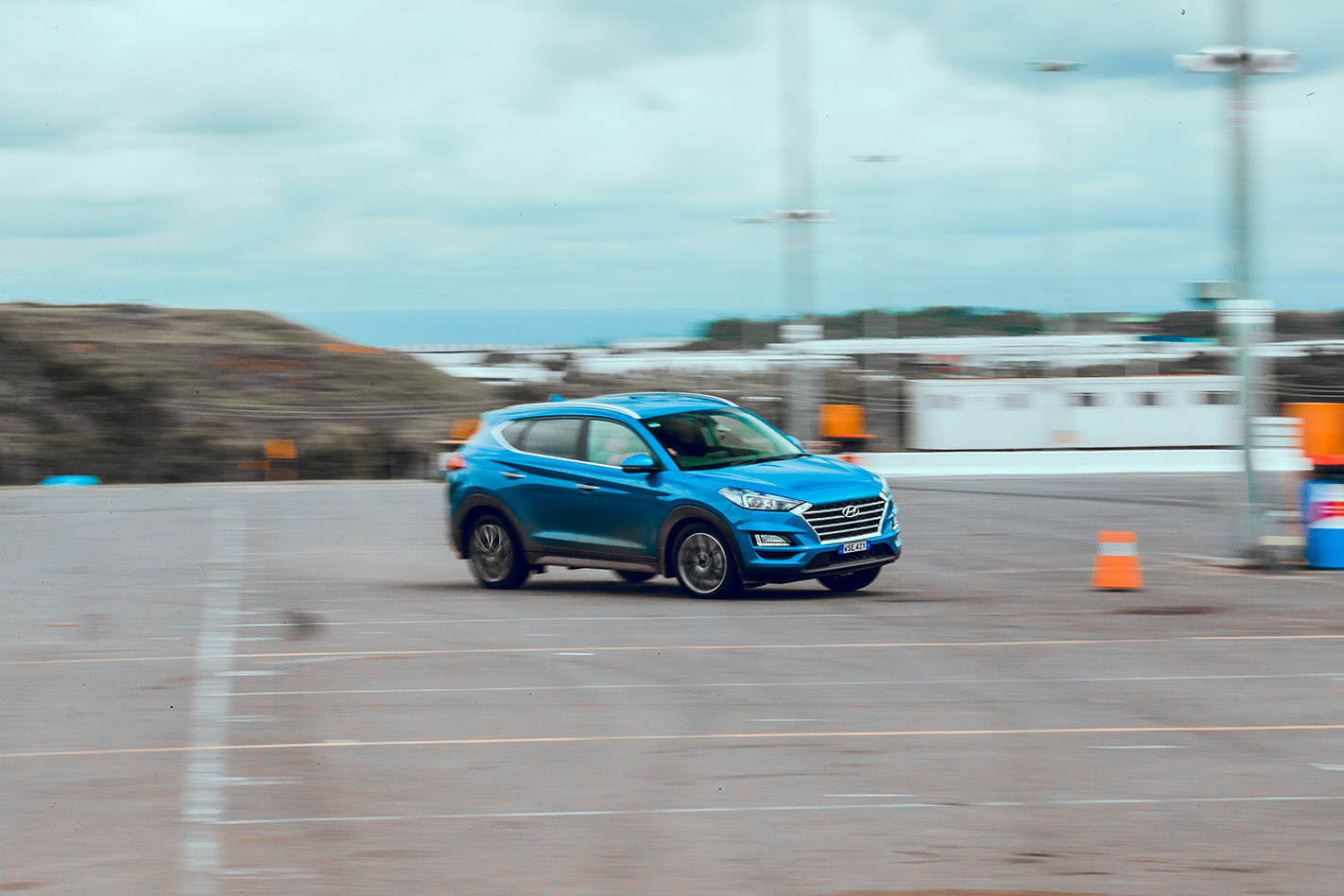
Specific tyre selection when tackling our two brisk 90-degree corners and a 50km/h constant-radius circle can make the difference between a wayward Tucson and a well-behaved one. Between the trio of bends that makes up our dry cornering assessment there’s 20 seconds of on-the-limit squealing to give us a great idea of tyre tenacity.
That constant circle also allowed Renato to lean on the tyre persistently to better understand what it was doing and how it coped with repeated extremes. In the case of the Kumho, it couldn’t handle the punishment. “The grip would just disappear,” said Renato. Little wonder it finished dead last.
But the Cooper CS5 Grand Touring surprised. It was quickest through one of the three disciplines – by just 0.02 seconds –- something Renato puts down to a soft compound, although the high treadwear rating suggests they’ll go the distance.
The Cooper is noisy, though. “Probably the noisiest tyre under load … with a deeper, low-frequency squeal,” said Renato.
Reinforcing his summary that the Toyo was a solid all-rounder was some impressive dry cornering times. “That felt like a really high-performance tyre.”
The Giti and Hankook logged the same 19.99sec time through our corner combo, although the Hankook maintained its peak for longer during our constant-radius circle. The Giti just missed out on a podium and was, according to Renato, very “playful”.
Despite an excellent driver’s seat sensation and a tyre that “felt like it’d perform better with more pressure in it”, the Continental UltraContacts finished in the lower third for sheer dry cornering pace. Less of a surprise were the Hifly and Kumho rounding out the field. The data shows it’s tenths of a second, but in a tyre test it’s tenths that can make a big difference.
| Rank | Tyre | Time | Score |
| 1 | Continental PremiumContact 6 | 19.19 | 100 |
| 2 | Cooper CS5 Grand Touring | 19.56 | 98.1 |
| 3 | Toyo Proxes C100 Plus SUV | 19.91 | 96.2 |
| 4 | Giti Control SUV880 | 19.99 | 95.8 |
| 5 | Hankook Dynapro HP2 | 19.99 | 95.8 |
| 6 | Maxxis Premitra 5 | 20.07 | 95.4 |
| 7 | Bridgestone Ecopia H/L001 | 20.31 | 94.2 |
| 8 | Continental UltraContact UC6 SUV | 20.53 | 93.0 |
| 9 | Hifly Vigorous HP801 | 20.56 | 92.9 |
| 10 | Kumho Crugen Premium | 20.66 | 92.3 |
Dry cornering winner: Continental PremiumContact 6
The Continental PremiumContact was quickest in two dry corners and two-hundredths off the winner in the third – enough for a slim lead over the Cooper, followed by the Toyo. “Even when you seriously leant on the tyre it never felt like it was going to let go,” said Renato. That it didn’t yelp like a puppy was a plus. The Conti UltraContact had a rare stumble for a tyre that was going well in most other disciplines.
Test #5: Wet braking
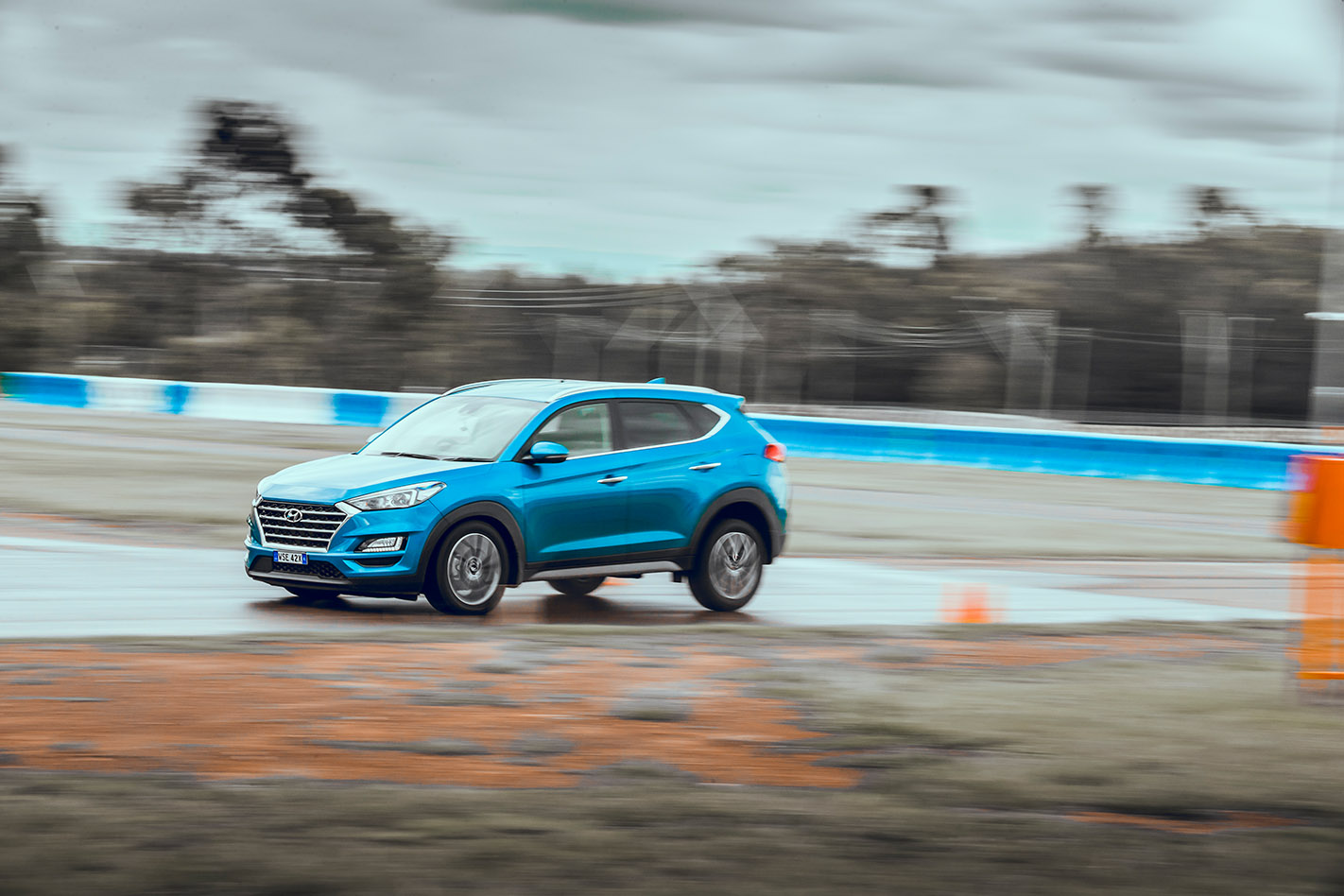
The threat of rain during our day of testing turned out to be a blessing in helping keep one section of the road surface consistently damp. Wind and sun are not conducive to a wet track.
“Every time I arrived it was exactly the same,” said Renato, praising the water truck that made a sweep minutes before each run.
As with the dry, the wet braking runs start at 110km/h so the ABS is pulsing through 100km/h. Data collected by the VBox then gives us a precise stopping distance.
Some tyres nearly matched their dry stopping time in the wet – such as the Maxxis and Continental PremiumContact – although we use different parts of the facility for the respective tests, so wet-versus-dry comparisons aren’t easy. Best focus on how each tyre compared against its rivals.
And it’s on a slippery surface that some tyres start to come undone. The difference between best and worst was 12.4 metres, or almost three Tucsons nose-to-tail. Put it down to compound, difference in tread pattern and how well the grooves handle standing water.
Not that all tyres relied entirely on that wet bitumen. The Hankook was the only tyre to sail past the wet area and touch the edge of the dry bitumen with the front wheels. A full 52 metres from the 100km/h speed to the point at which the car was stationary.
“They had pretty average wet weather performance,” was Renato’s somewhat understated assessment.
The Cooper was better but still below par. “It went sailing past all the barriers,” said Renato of the water bollards that made handy visual markers of performance.
The Kumho was similarly lacking in wet longitudinal grip, while the Toyo lacked the stopping prowess it had displayed in dry cornering moments earlier.
“They didn’t amaze me in the wet weather braking,” said Renato.
The Continental UltraContacts had the feel and control – “there were short, fast ABS pulses, so the tyre was recovering very quickly” – but it ran mid-pack, taking a full 45 metres to pull up from triple figures. It’s a rare blip on an otherwise impressive scorecard.
| Rank | Tyre | Distance | Score |
| 1 | Maxxis Premitra 5 | 39.64 | 100 |
| 2 | Continental PremiumContact 6 | 40.32 | 98.3 |
| 3 | Bridgestone Ecopia H/L001 | 41.46 | 95.4 |
| 4 | Hifly Vigorous HP801 | 41.94 | 94.2 |
| 5 | Continental UltraContact UC6 SUV | 45.04 | 86.4 |
| 6 | Toyo Proxes C100 Plus SUV | 46.52 | 82.6 |
| 7 | Giti Control SUV880 | 46.68 | 82.2 |
| 8 | Kumho Crugen Premium | 47.62 | 79.9 |
| 9 | Cooper CS5 Grand Touring | 48.28 | 78.2 |
| 10 | Hankook Dynapro HP2 | 52.05 | 68.7 |
Wet braking winner: Maxxis Premitra 5
If its dry stopping wasn’t impressive enough, its wet performance stepped it up to proclaim the Maxxis Premitra 5 the king of braking in 2020. It was the only tyre to arrest 1.6 tonnes of Tucson in less than 40m of wet bitumen, and just 64cm shy of its dry marker. Another strong outing took second for the Continental PremiumContact 6, with Bridgestone filling out the podium.
Test #6: Wet cornering
“It was the first cone down!” said Renato excitedly after pushing just that bit too hard through one of our two wet corners. The Tucson was still pointing in the right direction, but an orange cone had a few more black marks down its side.
Ultimately tyre compound and tread pattern can make a huge difference, even if there are compromises elsewhere, as the Maxxis proved. What it lacked in stability in dry cornering it made up for with grip on a slippery surface. Renato also praised its consistency despite some apparent flex in the sidewall.
Whereas the weight and height of the Tucson proved a challenge with 1G peaks in the dry, they were less of an issue when the G forces were wound back to around 0.8/0.9G in the wet.
Almost as quick and with way more feel was the Continental PremiumContact, which just “did everything really well … from a feel and driver point of view”.
Despite average wet braking, the Cooper bit well into wet bitumen when cornering. Consistent and predictable, it matched the ContiPremiumContact for traction through our wet bends. Even though the Cooper finished a hundredth of a second behind the Conti UltraContact, Renato was moved to say the Cooper was “super impressive in the way it went to understeer in the wet”. Never before has understeer been so enjoyable…
It was the Hifly rubber that threw up the biggest surprise. After a strong performance in the wet braking exercise, its softer compound saw it notch up another impressive result here to finish just outside the podium places. The Toyo didn’t cover itself in glory by finishing eighth, though Renato was positive about its ability to be thrown around in the wet.
There was no hiding with the Kumho, which reached its grip limits early and saw Renato battling with lengthy skating. It was a clear wooden spooner, though the marginally better Hankook was described as “very vague”.
“I tried to push it a couple of percent harder on the way in and it gave me nothing back,” said Renato. Except a flying cone.
| Rank | Tyre | Time | Score |
| 1 | Maxxis Premitra 5 | 6.90 | 100 |
| 2 | Continental PremiumContact 6 | 6.96 | 99.1 |
| 3 | Cooper CS5 Grand Touring | 6.96 | 99.1 |
| 4 | Continental UltraContact UC6 SUV | 6.97 | 99.0 |
| 5 | Hifly Vigorous HP801 | 7.03 | 98.1 |
| 6 | Giti Control SUV880 | 7.07 | 97.5 |
| 7 | Bridgestone Ecopia H/L001 | 7.11 | 97.0 |
| 8 | Toyo Proxes C100 Plus SUV | 7.12 | 96.8 |
| 9 | Hankook Dynapro HP2 | 7.35 | 93.5 |
| 10 | Kumho Crugen Premium | 7.43 | 92.3 |
Wet cornering winner: Maxxis Premitra 5
Here at Wheels we like surprises, and that’s exactly what the Maxxis delivered when things got wet. Through our two soggy corners it edged out all contenders to prove sheer grip counts for plenty. There were matching times for the Continental PremiumContact 6 and the Cooper, which were joint runners-up. The second set of Continentals missed the top three by the narrowest of margins.
Test #7: Tyre noise
Big distances can lead to big frustration on good ol’ Aussie coarse-chip bitumen if the tyres you’re rolling on send too much white noise back into the cabin. It’s a problem for manufacturers, who don’t want frustrated customers rushing back to dealerships to tell them the car is unbearable.
So it’s perhaps no surprise that the Nexen N’priz RH7 fitted standard to our Tucson, but not included in our field, aced the noise test. At 80km/h the noise into the cabin peaked at 58.5dB, according to our Digitech sound meter. That was better than all 10 of our contenders by at least 0.7dB. Granted, the short strip at the base of the Sydney Dragway car park is a long way from the rolling Hay Plains, but it gives us a comparative guide as to how they’ll perform on longer trips and at higher speeds.
Of course, road noise is only one component of overall tyre noise. The other is how they perform under load. It was here Renato noticed some big differences. Each of the Contis kept things fairly quiet, while the Maxxis and the Cooper were eager to let anyone within a couple of postcodes know you’re misbehaving.
| Rank | Tyre | Noise level | Score |
| 1 | Continental PremiumContact 6 | 59.2 | 100 |
| 2 | Bridgestone Ecopia H/L001 | 59.2 | 100 |
| 3 | Cooper CS5 Grand Touring | 59.2 | 100 |
| 4 | Hifly Vigorous HP801 | 59.4 | 99.7 |
| 5 | Continental UltraContact UC6 SUV | 59.5 | 99.5 |
| 6 | Kumho Crugen Premium | 59.5 | 99.5 |
| 7 | Toyo Proxes C100 Plus SUV | 60.1 | 98.5 |
| 8 | Hankook Dynapro HP2 | 60.1 | 98.5 |
| 9 | Giti Control SUV880 | 60.2 | 98.3 |
| 10 | Maxxis Premitra 5 | 60.3 | 98.1 |
Tyre noise winner: It’s a three-way tie!
Joint winners with a decibel peak of 59.2 were the Continental PremiumContact 6, the Bridgestone and the Cooper. That two of these – the Bridgestone and the Continental – finished in the top three overall is testament to engineering that prioritises liveability as well as grip.
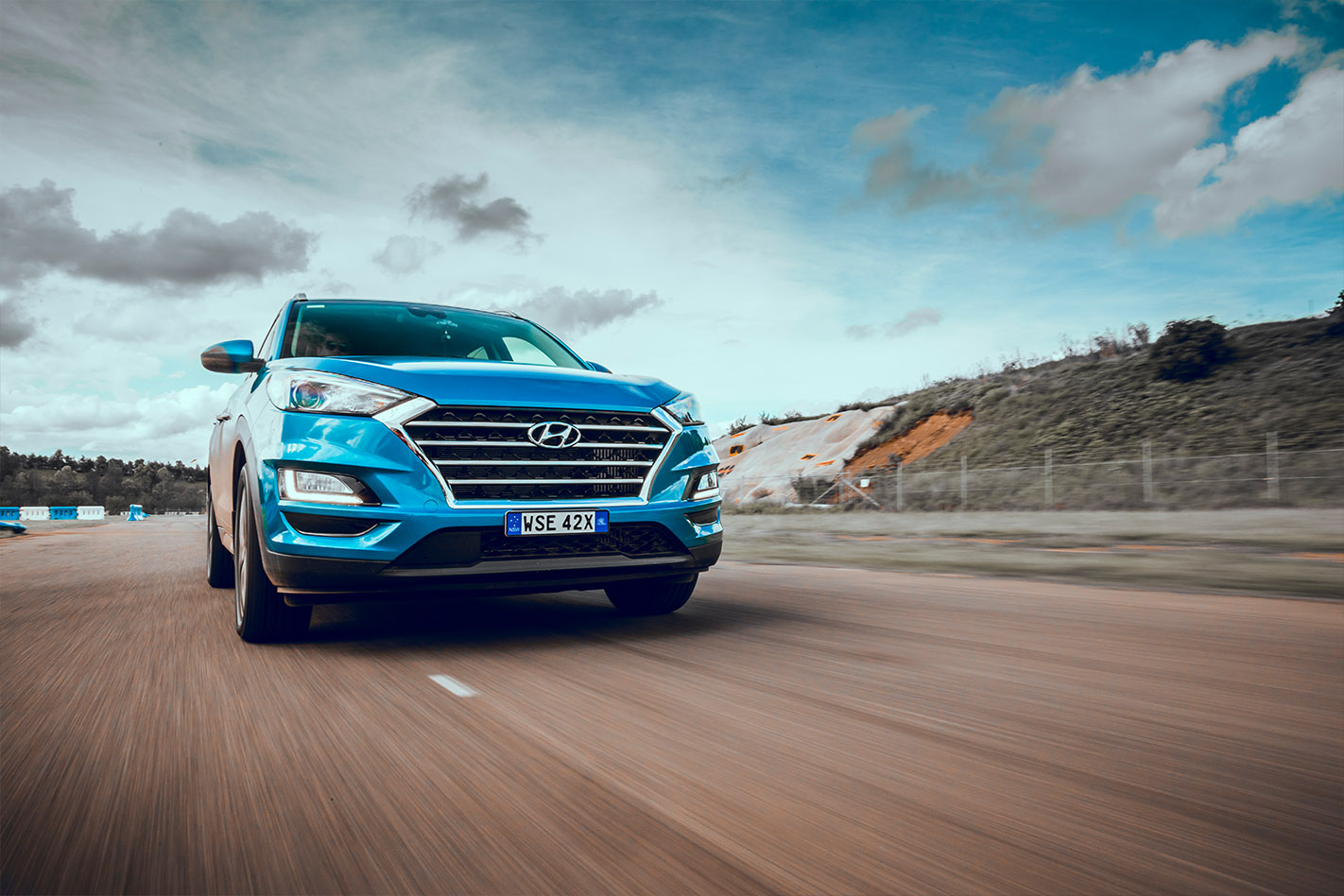
2020 Wheels tyre test overall winner: Continental PremiumContact 6
Excelling in one or two disciplines isn’t enough in a tyre test. Consistency is key to keeping our contenders up towards the pointy end of the field. It was that consistency that earned the Continental PremiumContact 6 the top step on the podium. It only led the field in two categories – dry cornering and noise levels – but it finished second (often closely) in the remaining four, giving it a scorching 99.3 percent score, nearly three percent above runner-up Maxxis. It was a tyre that impressed Renato from the first twirl of the wheel.
“That felt like the best tyre by some margin … it did everything really well,” he noted. “Super consistent everywhere.”
That it sells for $260 a tyre confirms the PremiumContact as premium rubber, albeit one that – anecdotally – could wear quicker than some alternatives. It was also a far more convincing all-rounder than our champion stopper, the Maxxis Premitra 5. If it weren’t for lacklustre dry cornering, the Maxxis could have scored an upset.
Similarly, it was dry cornering that proved the undoing of the third-placed Bridgestone Ecopia H/L001. The second of the Continentals, the UltraContact UC6 SUV, had the feel and some impressive cornering nous but shed crucial points stopping in the wet. The UC6 SUV being more expensive than the other Continental makes it an easy choice.
The mid-pack trio consisted of the Cooper CS5 Grand Touring, Hifly Vigorous HP801 and Giti Control SUV880. Curiously, all hung on stubbornly through wet corners, but fell short in other disciplines; the Cooper and Giti in wet braking and the Hifly in dry cornering.
Consistency was a trait of the Kumho Crugen Premium – consistently subpar. “Feels like an 80 percent all-rounder,” Renato declared.
Cellar-dweller the Hankook Dynapro was okay when it came to cornering performance but fell down on braking. At $310 per hoop from a company that’s delivered big improvements over recent years we expected more.
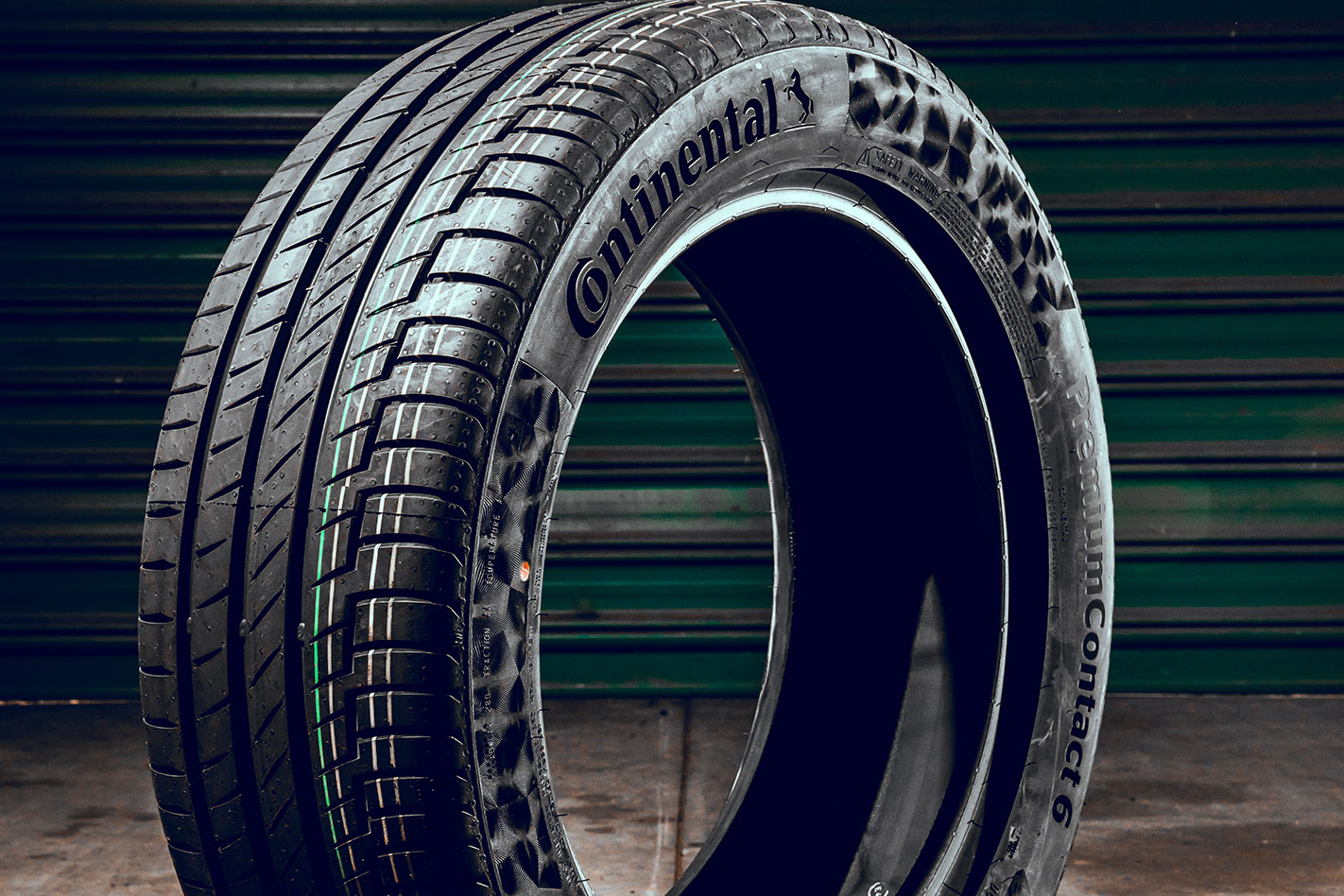
2020 Wheels tyre test overall ranking
| Rank | Overall | Score | Price |
| 1 | Continental PremiumContact 6 | 99.3 | $260 |
| 2 | Maxxis Premitra 5 | 96.9 | $240 |
| 3 | Bridgestone Ecopia H/L001 | 95.8 | $350 |
| 4 | Continental UltraContact UC6 SUV | 95.5 | $290 |
| 5 | Toyo Proxes C100 Plus SUV | 94.1 | $270 |
| 6 | Cooper CS5 Grand Touring | 93.7 | $294 |
| 7 | Hifly Vigorous HP801 | 93.3 | $160 |
| 8 | Giti Control SUV880 | 93.1 | $255 |
| 9 | Kumho Crugen Premium | 90.4 | $200 |
| 10 | Hankook Dynapro HP2 | 88.2 | $310 |
Lotus has announced a new series of special edition models, this time in the form of four Lotus Elise Classic Heritage Editions.
In Elise Sport 220 spec mechanically(162kW and 250Nm), these four cars all wear liveries honouring race cars from Lotus’ past including the black and gold from the livery of the ‘JPS’ Lotus Type 72D driven by Emerson Fittipaldi, the red, white, and gold of Graham Hill’s Type 49B, a blue, red and silver livery inspired by the Lotus Type 81s of Nigel Mansell and Mario Andretti.
Lotus says the blue and white, the fourth version, is in tribute to the Lotus Type 18 which 60 years ago was the first Lotus car to achieve both a Formula 1 pole position and a victory. Behind the wheel was the late Sir Stirling Moss.

Only 100 Elise Classic Heritage Editions will be built, with customer demand set to decide the number of each livery to be built.
Each will cost $104,990, which Lotus freely points out is “$17,000 more than a standard Elise,” it also says the Heritage cars will have almost $27,000 worth of extra value.
This comes in the form of digital radio and four speakers, cruise control, lightweight alloy wheels with the racing livery finish, two-piece disc brakes, and black carpet with floor mats, as well as an interior colour pack.

“Motorsport success has been at the heart of the Lotus philosophy for more than seven decades, and the Elise is our iconic roadster known around the world for its exceptional ‘for the drivers’ performance,” says Ema Forster, Lotus’ head of product marketing.
“What better way to celebrate than by bringing these two pillars of our brand together, launching four new Classic Heritage cars which fans will instantly recognise?”
This is a mismatch.
That much became apparent when we parked these two vehicles next to one another.
What we’re here to discover today is just how much of a mismatch pitting the Volkswagen Amarok Ultimate 580 against the Ram 1500 Laramie proves to be.
TALE OF THE TAPE
In the blue corner we have the current dual-cab champ, the Amarok. Priced at $72,790 and powered by a 3.0-litre V6 turbo-diesel that cranks out 190kW/580Nm, the Volkswagen has aced everything we’ve thrown at it in this division. With that in mind, we decided to see how it fared if we took it out of its comfort zone.
Towering over it from the red corner is the $99,950 Ram 1500 Laramie. ‘Re-engineered’ to right-hand drive at Walkinshaw’s plant in Clayton, the monster Yank pick-up features a 5.7-litre V8 Hemi petrol powerplant good for 291kW and 556Nm. So it’s an advantage in power to the Ram and an early points victory for the Volkswagen on torque, arguably a more important metric for ute buyers.
Factor in torque-to-weight and the European dual-cab extends its head start. Where the Ram develops 210Nm per tonne, the Volkswagen puts clear air between the two vehicles with a monster 264Nm per tonne.
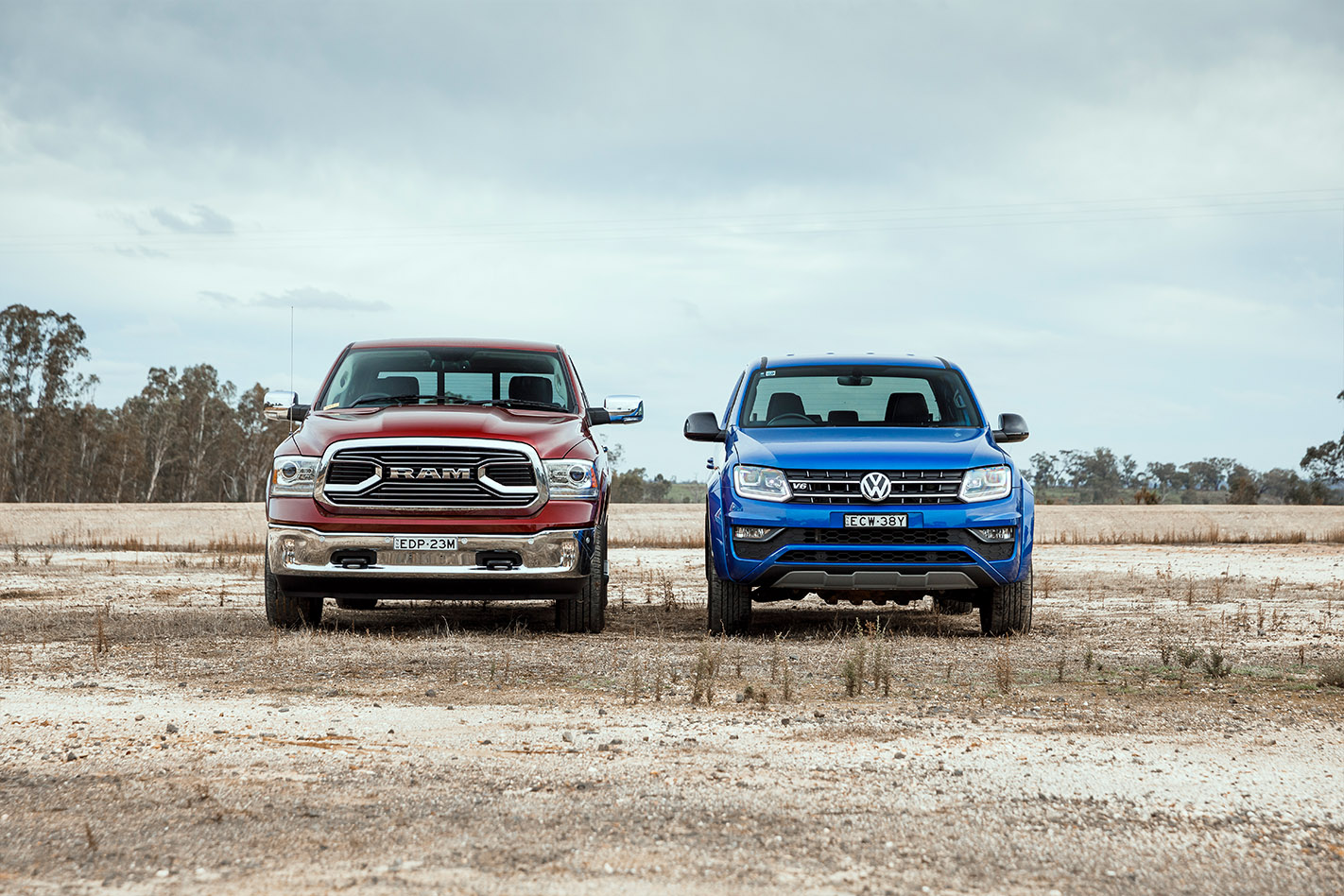
WHICH IS QUICKER?
Full disclosure is probably due here. We’d booked the Ram to put up against its Clayton stablemate, the new Chevrolet Silverado 1500 V8, but in order to provide a little perspective, we figured we’d bring the Amarok along. So, with that in mind, we find ourselves at Heathcote Raceway 130km north of Melbourne with the slightly surreal proposition of eking performance figures out of these monsters.
The Amarok first. With its torque-to-weight advantage, smaller frontal area and far more focused tyres, the Volkswagen looks up for the fight. In fact, the wheel and tyre set look as if they’ve come off a city slicker Touareg rather than anything that’s ever going to bump across a building site.
Winding the gutsy diesel engine up against its torque converter and sidestepping the brake gives a crisp step off the line and the surge of turbocharged grunt seems relentless. Volkswagen claims a 100km/h sprint of just 7.3 seconds, but the best we could squeeze out of the Amarok after several attempts was a rather disappointing 7.7 seconds.
Beyond 100km/h the intervals between gearchanges stretches out and 400m comes and goes in 15.6 seconds at 143.8km/h. The fence at the end of Heathcote’s strip then becomes a more pressing concern, the VW ultimately recording 170km/h in 26.5 seconds.
Now it’s time to see whether the Ram can make a few arguments why you should pay an extra $27K for the privilege. It gets off the line even more sharply than the Volkswagen, the big V8 earning its corn. By 100km/h, it has carved almost a second out of the Amarok, recording 6.8 seconds. It roars through 400m in 14.8 seconds at 148.5km/h, tripping the VBOX’s 170km/h increment in 21 seconds flat.
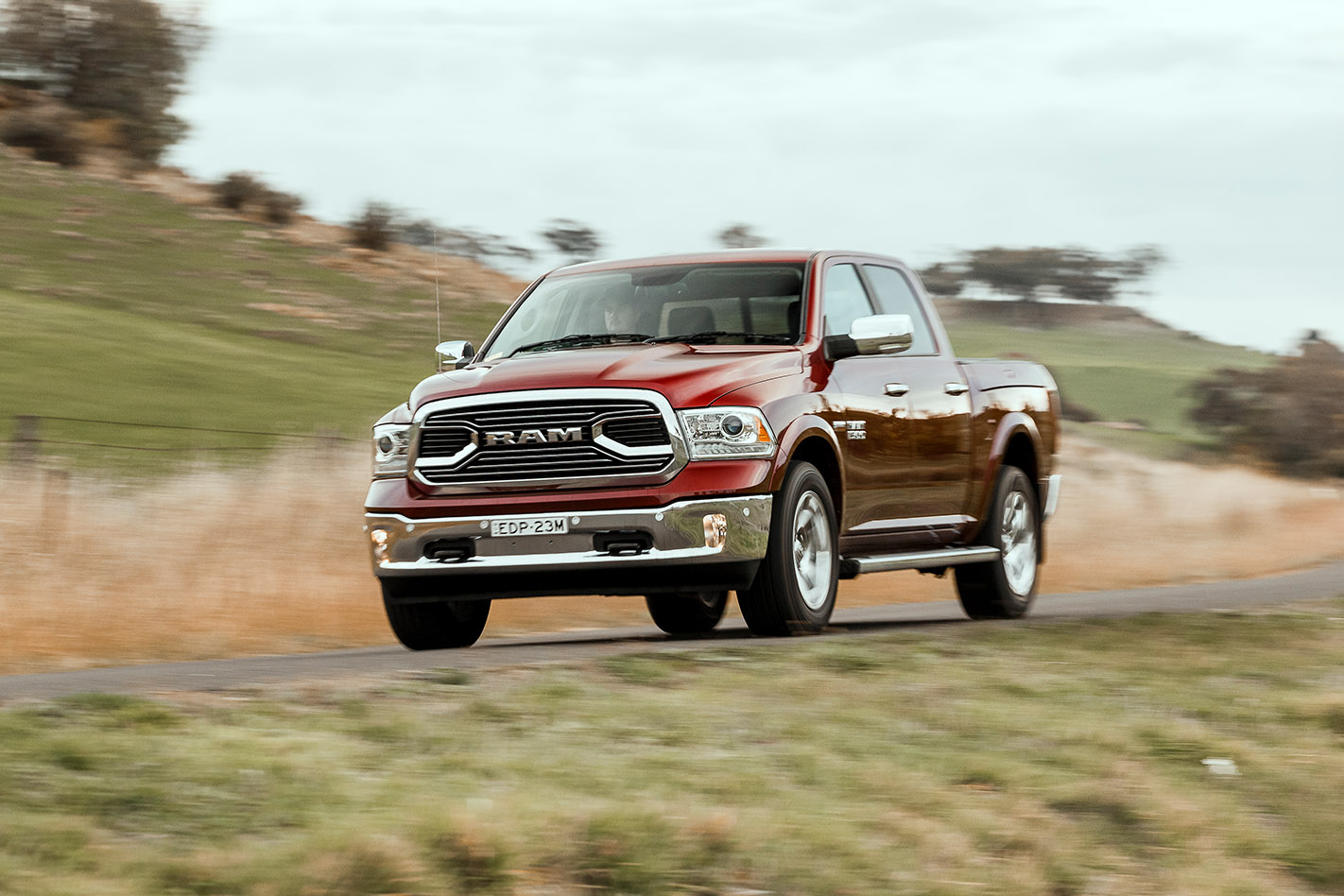
WHAT ABOUT TOWING?
Now, we’ll agree that drag figures for big utes probably isn’t the most relevant metric to base your purchasing decision on. You’ll probably be more concerned about the fact that the Ram 1500 can tow 4.5 tonnes (braked) where the Amarok 580 can haul 3.5 tonnes.
Also consider that Volkswagen recommends a maximum speed of 80km/h if you’re towing over 3300kg. That would make cross-country journeys drag a little. There is no speed limitation recommended for the Laramie. It’s also worth bearing in mind that the Amarok’s maximum towball download is 300kg, compared with the Laramie’s 350kg.
Most Aussie trailers weigh more than 3000kg and the recommended towball download is 10 per cent of trailer mass.
Then there’s an issue common to most dual-cab utes in this sector. They can’t carry any significant payload and tow to their maximum capacity. Volkswagen quotes a payload of 836kg for the Amarok 580 and its kerb weight of 2196kg means that if you’re towing a 3500kg trailer, you’ve only got 304kg of payload to play with before you run into the 6000kg Gross Combination Mass (GCM).
If you’re at all acquainted with the Colonel’s value menu, that’s 100kg or so accounted for just there. See where I’m going with this?
That’s why there is a market for something bigger than the current dual-cabs. Read the small print, however, and the Ram also butts up against a GCM ceiling.
The Laramie’s 800kg payload maximum looks adequate, but to not exceed GCM when towing its advertised 4500kg, your available payload is a piffling 87kg. So it’s likely the vehicle would be overweight once you’d climbed aboard.
Drop the trailer weight to 3500kg and you have a 450kg payload, up 146kg on the Volkswagen. Another point to note is that the Ram 1500 Laramie is also offered with a taller 3.21:1 diff ratio that helps save fuel but exacerbates the GCM issue.
In other words, take that 4.5-tonne tow rating with a shovelful of salt.
HOW DO THEY DRIVE ON THE ROAD?
Prior to this test, we’d expected that the Amarok would shame its US counterpart in terms of interior finish and sophistication, but that’s not exactly the case. It’s a fact that most of the interior architecture is – quite understandably – similar to the $45K Amarok TDI 400 Core, with the same hard dash plastics and cabin architecture and controls that are redolent of a budget late-Noughties Golf.
That’s hardly surprising, as this generation Amarok is nine years old now. While it’s good for its class, it’s still not what you’d expect in terms of equipment and fit and finish of a modern compact SUV.
What’s more, a compact SUV seems about the right form factor by which to measure the rear-seat accommodation in the Amarok. Its 3095mm wheelbase is longer than that of a Mercedes-Benz S-Class, but in order to house a 1570mm-long rear tray, some cuts have had to come from somewhere, and that somewhere appears to be rear-seat legroom. It’s a little snug back there.
The Ram, by contrast, feels airy in the back. The rear seat can flip up and a flat temporary floor extends so that you can stack boxes or anything that you don’t want in the bed. The bed itself is 1737mm long and 1270mm wide. That compares with the Amarok V6’s 1600mm maximum width.
Why so narrow? That’s because this Ram is fitted with the optional $4500 RamBoxes. These boxes sit on either side of the bed, above the wheelarch tubs. Remotely lockable, they feature internal lighting and can be internally drained, so that you can throw a load of ice in there and use them as drinks coolers if you like.
That price also includes a cargo bed divider, cargo bed rails with tie-down cleats, cargo bed lighting and a tonneau cover. Between the arches, the Amarok’s bed measures 1220mm, so there’s only 50mm difference between the two vehicles.
Driving the two is chalk and cheese. The Ram initially feels huge, with the high bonnet stretching ahead of you, but its coil-sprung rear end helps it sit well on the road and, for such a big, bluff truck, wind noise is surprisingly modest.
The steering lacks a bit of reassurance around the straight ahead, but the chunky treadblocks and hefty sidewalls of the 275/60 R20 Hankook Dynapro HT off-road rubber probably accounts for much of that initial vagueness. In short, you’ve got 165mm of sidewall height versus 127.5mm on the Amarok, or an extra 29 percent if you prefer.
What is surprising is how little headroom you have behind the wheel. The sunroof eats into the available space and you sit very high on the electrically adjustable chairs, so forget about wearing a celebratory Stetson.
The right-hand drive conversion work is well executed, but there’s that typically American blindspot when it comes to quality of finish, with hard plastics, chintzy chrome and woodgrain, a foot-operated handbrake and ergonomically tone-deaf features like the vestigial centre rear seat or the rotary lighting controller that you collect with your right knee when you climb into the cabin.
Compared to the Ram, the Amarok’s cabin feels very well considered, if a good deal less well equipped.
The Ram’s Alpine stereo is punchy and the infotainment system offers easy smartphone mirroring (both vehicles are fitted with Android Auto and Apple CarPlay as standard). The heated and vented front seats are partnered with heated rear seats and a heated steering wheel.
After the Ram’s excesses, the Amarok’s manually adjustable seats, manual handbrake, no tub liner, lack of sunroof and a host of switch blanks feels a bit mean for a $73K vehicle that wears an Ultimate badge.
VERDICT
So what do we learn by putting the top Amarok against this powerhouse Ram? The biggest take-away is to be very careful what you ask for. The Ram’s billed 4.5-tonne towing capability is a bit of a misnomer, and if you’re towing 3.5 tonnes, the difference in available payload between the two vehicles is surprisingly small.
What’s more, the Amarok is a more pleasant thing to pilot about for most of the time. Like all unladen utes, it’s a bit skippy on a poor road, but even with that provocation, its front end tracks very true. It feels manageably sized and therefore able to negotiate multistorey or underground car parks without a great deal of pre-planning.
Its fuel economy on our test day was 9.8L/100km. The Ram drank 14.5L/100km. Yes, fuel is cheap right now while Russia and Saudi Arabia are swinging handbags at each other, but that’s not always going to be the case.
Then there’s the fact that the Amarok braked from 100km/h in 37.5 metres, whereas the best figure we could get from the Ram was 40.2 metres. Consider which one you’d want to be in if towing something downhill on a wet road.
This was a mismatch. It was always going to be the case. The Ram is so much bigger and more overt than the Amarok, but the longer we spent with the two vehicles, the more we appreciated why the Volkswagen has come to define the dual-cab class. It’s just a very strong package. It doesn’t have anything like the charisma of the Ram 1500 nor its equipment levels but it’s quick enough and brawny enough to cover most bases.
Is the Ram $27K better? Some will see the value there. The unburstable Hemi V8 is full of character and there’s something big-hearted and earnest, if endearingly clumsy, about the Laramie’s execution that’s hard not to like. That just about gets it a close points decision. We expected to see the Amarok flattened at the opening bell. That it wasn’t sparked out is, in its own way, some sort of win.
We try to steer away from ‘horses for courses’ verdicts here at Wheels. They’re usually the sign of a badly conceived comparison. In this instance, both vehicles emerge with their reputations burnished, and if you’re looking for a more definitive decision, look out for Silverado 1500 versus Ram 1500 showdown coming soon.
Sign-up here to get the weekly Wheels highlights
You’re probably, much like us, looking for something fun to do within the confines of your dwelling.
We have the answer – MOTOR’s May 2020 issue.
We check out Herrod’s 635kW Mustang built for Dick Johnson! Plus, we drive the new 478kW Porsche 911 Turbo S, the best V6 engines of all time, and how to buy an FPV BA F6!
You can find MOTOR at retailers around Australia. Or you can subscribe and save yourself some cash, there’s even a (cheaper!) digital subscription option.
There’s also a special offer running – six issues for $50!
Subscribers often receive their mags earlier, so you’ll get to see what MOTOR has to offer before anyone else.
Follow us on Facebook, Twitter, and Instagram to interact with us, give us feedback, and get a peek behind the scenes.
INTERSTELLAR – Porsche 992 911 Turbo S driven
We strap into Porsche’s latest rocket, now with even more performance… and bite!
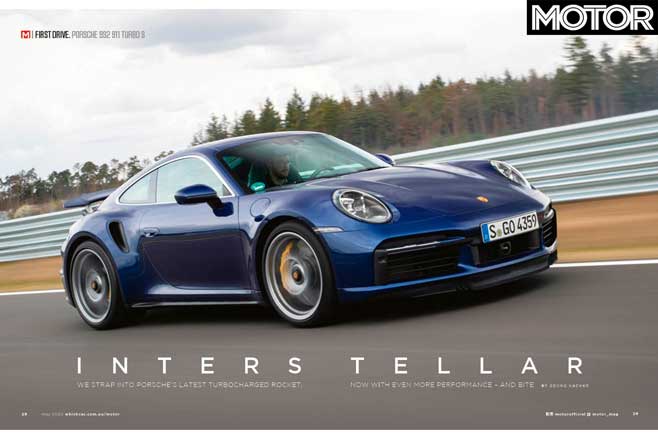
CRAZY HORSE – Ford Mustang Dick Johnson Limited Edition
Dick Johnson and Rob Herrod teamed up to build the ultimate road-going Mustang supercar.
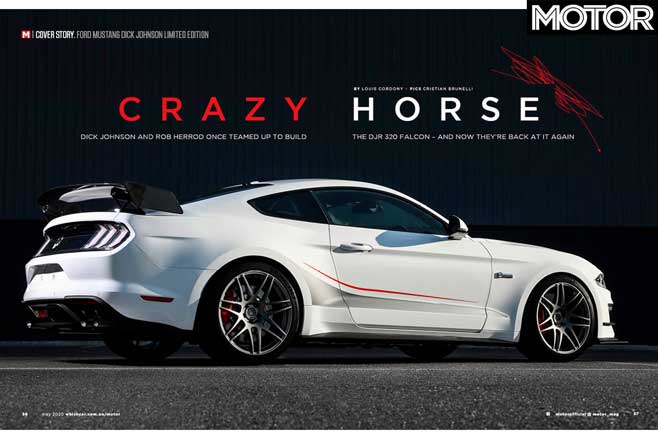
THE MITAS TOUCH – Stephen Mitas interviewed
Porsche motorsport engineer Stephen Mitas is Australia’s motorsport export you’ve never heard of.
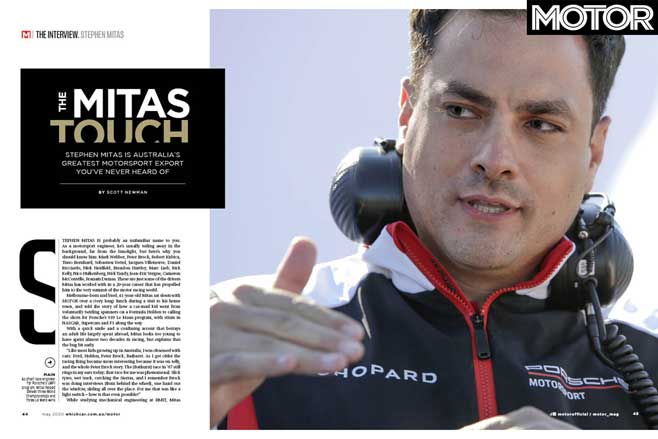
ALL THE KING’S HORSES – Bentley Continental GTC vs Aston Martin DBS Superleggera Convertible
Downsizing? Hybridisation? Not here. In 12-cylinder flagships from Bentley and Aston, we bring the British noise to the Alps.
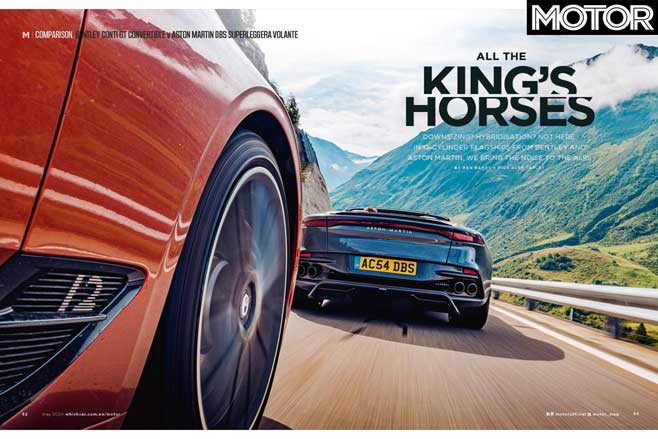
A BETTER CAR – Tobias Moers interviewed
AMG’s legendary boss is busy putting an F1 car on the road… and he still found the time to talk to us.
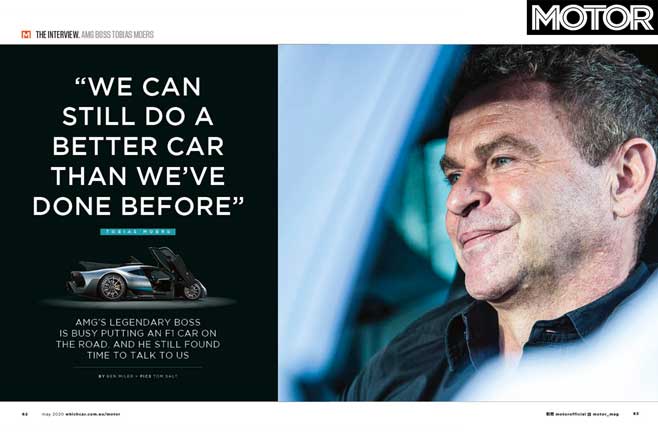
SNAPPY DRESSER – Porsche 718 Cayman GT4
The new GT4 look the part and is built to be driven properly, so we give it some stick. Literally.
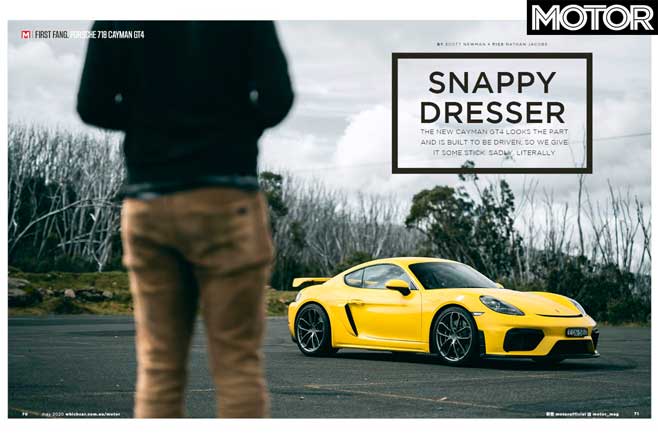
BUYER’S GUIDE – FPV BA/BF F6 Typhoon
The idea of an all-conquering six-cylinder from the Blue Oval was outlandish until FPV underscored it as a fact.
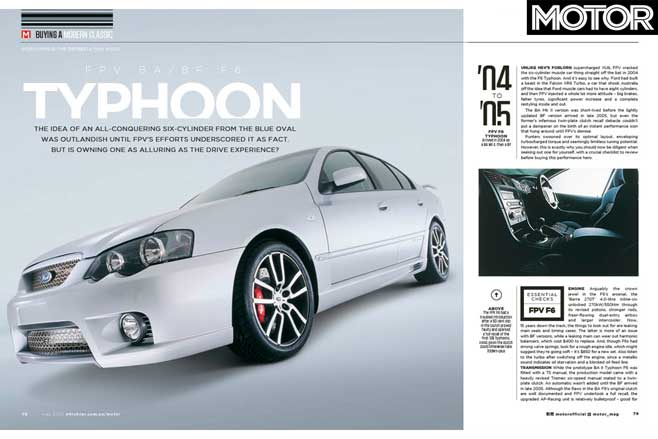
THE GARAGE
Dylan’s AMG C63 S Coupe gets daily duties, while Louis’ Camaro ZL1 hits the mountain roads with pal sporting a different gearbox.
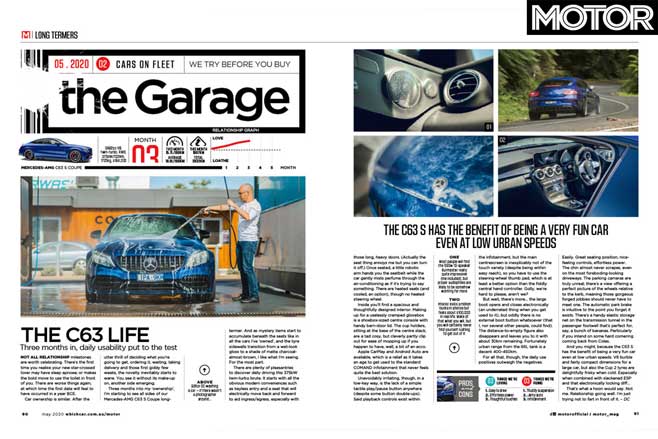
THE USUAL SUSPECTS
Columns from your favourites, first drives, quick features, news, and more.