Ever wondered who is really pulling the strings and wielding power across the Australian automotive industry? Here are the top ten players Wheels rank as the real movers and shakers, and why you need to know them.
10.
Roland Dane, Owner, Triple Eight Race Engineering
In the cloistered, expensive and often vicious world of Australian motorsport, Roland Dane is the apex predator.
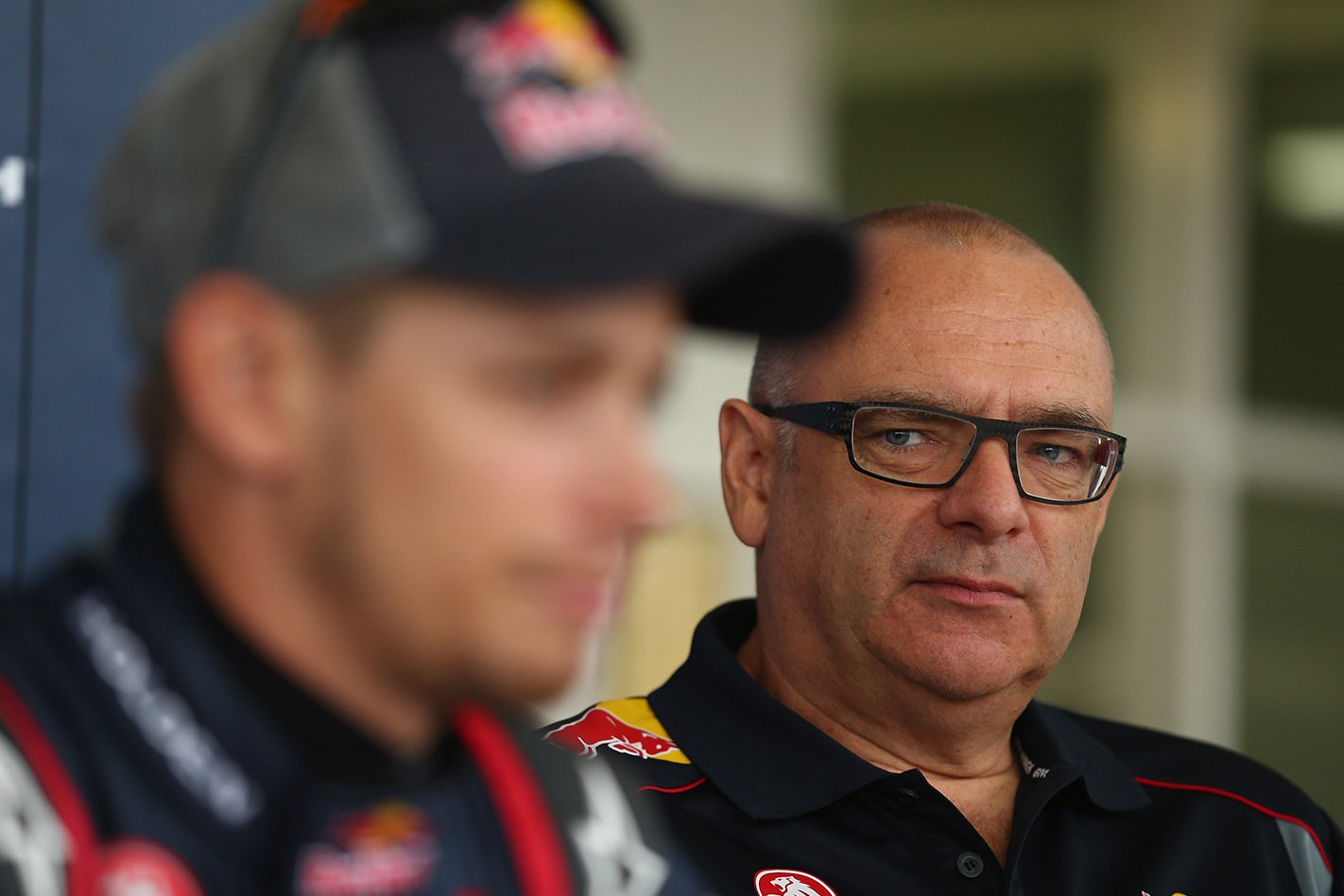
Irish-born Dane (who’s now an Australian citizen) took over a second-rate Ford team and has steadily, inexorably transformed it into a world-class operation, winning eight drivers’ championships, eight teams’ championships and six Bathurst 1000s along the way.
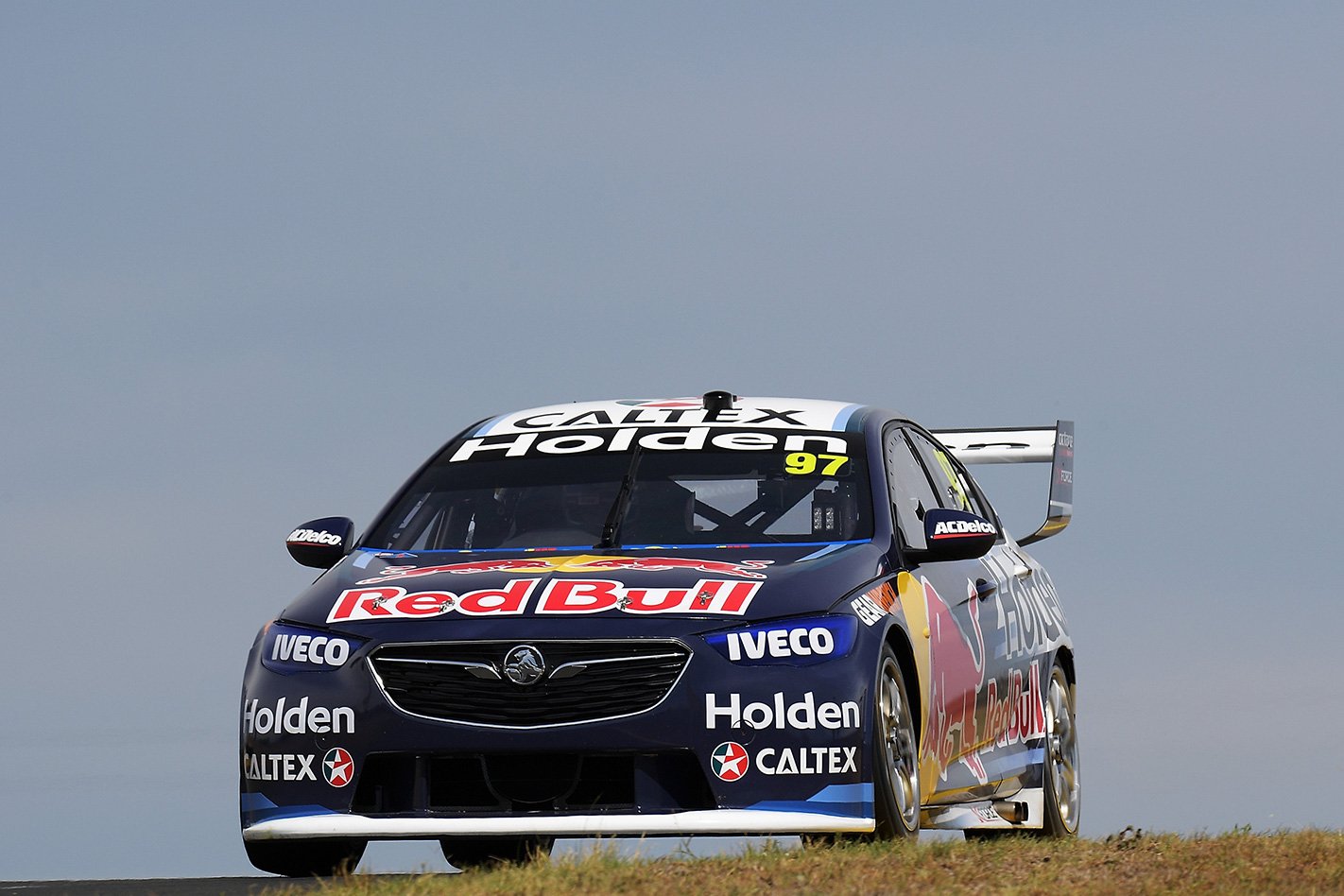
Now he not only runs the factory Holden Racing Team, his business is responsible for developing the new ZB Commodore racer and the V6 twin-turbocharged engine that will power it in 2019. And yes, all the money invested in ensuring that program’s success will eventually be a profit centre for Triple Eight Race Engineering.
Anyone who wants to race a Holden has to deal with Dane. His business also supplies control components across the category, so there’s at least a little bit of T8 in every car.
Dane has relinquished just a little of his power within the category recently, selling off minority stakes in his team and stepping down from the Supercars board. But never doubt he is still in there lobbying, pushing and cajoling, convinced as ever his is the right way. You know what? It probably is.
9.
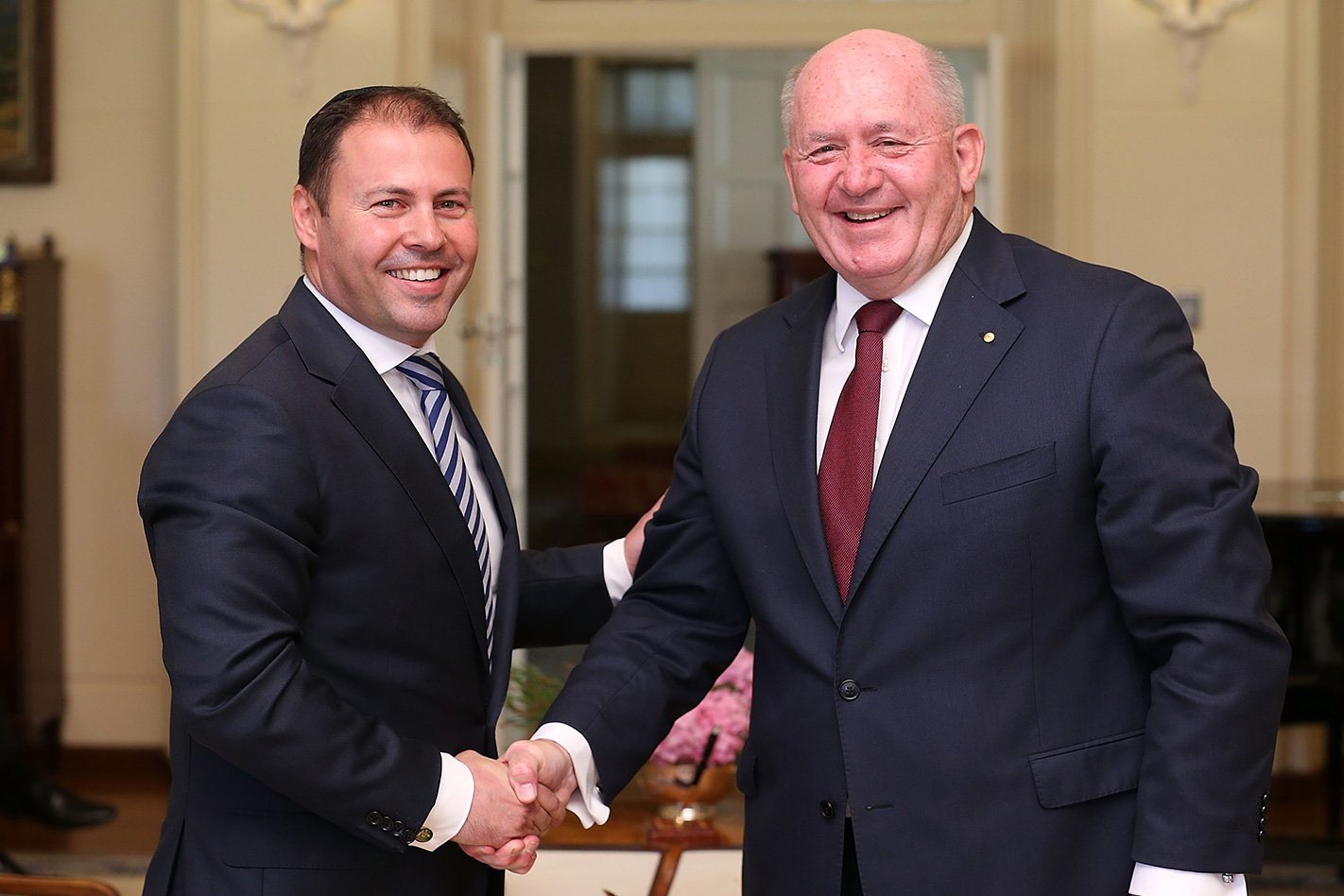
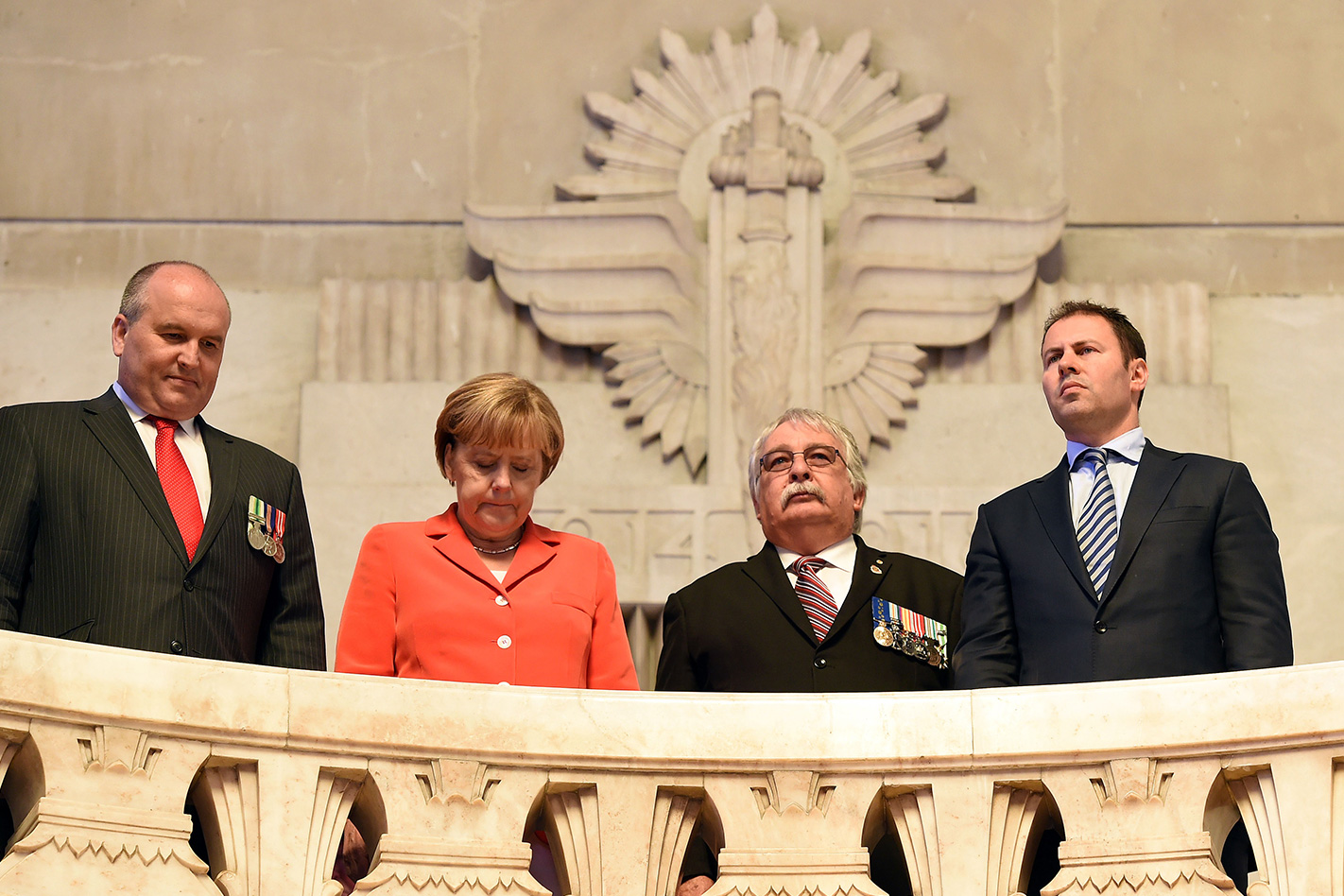
Josh Frydenberg, Minister for Environment and Energy
When Frydenberg extolled the virtues of electric vehicles in an opinion piece for Fairfax media in January, it marked a watershed moment. Here was a politician from a right-wing federal government that has struggled to formulate an ongoing vehicle emissions policy and hands around coal in parliament as a stunt, eulogising a new-wave form of transportation and doing it in a left-of-centre media outlet.
But the important thing is the genie is out of the bottle. There was more discussion of EVs and their potential future contribution to Australian transportation in the weeks after Frydenberg’s piece than there had been in years.
Whether the Turnbull government is returned at the next election or the ALP claims power, the EV conversation has at least gained some oxygen. One automotive industry executive who has spent time with Frydenberg isn’t surprised the member for Kooyong stuck his head above the parapet on this issue.
“Josh Frydenberg is a minister who is across his brief through engagement and listening. We [the industry] don’t want issues and challenges being decided by partisan politics; we want them solved sustainably, ecologically and economically. Josh rates answers over arguments.”
8.
Rod Sims, Chairman, Australian Competition and Consumer Commission
Protecting the rights of car buyers has become a high priority for the Australian Competition and Consumer Commission and its chairman Rod Sims.
That’s good news for us punters, but what’s pushing ACCC down this path? More than 10,000 complaints about car manufacturers and retailers in 2016-17.

“There’s a whole lot of historical behaviour that needs to change considerably. I think we’ve got to drag the new-car industry into the current century.
“They’ve got to understand that consumers do have guarantee rights.”
In recent times the ACCC has taken action against Volkswagen and Audi over dieselgate, as well as Ford over the Powershift transmission issue.
It has also gained a court enforceable undertaking from Holden to comply with consumer guarantee obligations and a similar undertaking from Hyundai, which has even agreed to publish on its website data relating to issues or faults with its different models.
The ACCC has also pushed brands to work harder on the Takata airbag recall and wrapped up an 18-month investigation into the auto retail industry, in which it called for a more realistic real-world fuel- consumption testing regime and access for independent repairers to original equipment manufacturer (OEM) service information.
Veteran industry observer John Mellor, now Publisher of GoAutoMedia, is in no doubt about the impact of the ACCC’snew-found militancy.
“These moves in the car industry are unprecedented and are certain to change the shape of the relationship between car buyers and the retail industry,” says Mellor.
7.
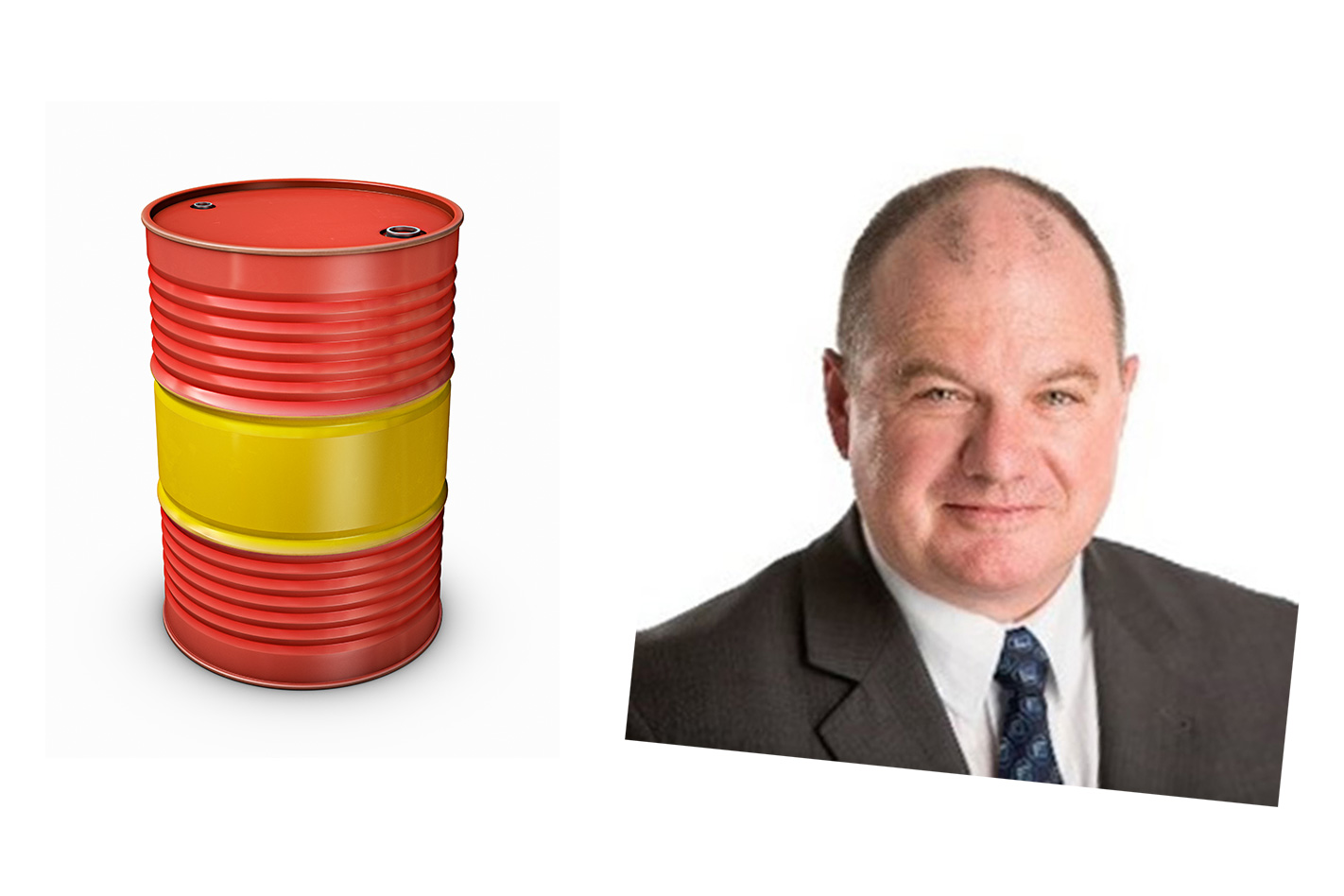
Paul Barrett, CEO, Australian Institute of Petroleum
The poor quality of Australian fuel has been a political hot potato for years, while the struggle to nail down a new emissions standard is becoming a national embarrassment. Improving emissions means cutting fuel consumption and improving health, but a key component in that process is improving the quality of petroleum.
With tough Euro 6 emissions standards in place in Europe and being debated for Australia, the need is becoming urgent for a low 10 parts per million (ppm) sulphur fuel to become available on the forecourt. Currently, regular unleaded is 150ppm and premium 50ppm.
Less refining capacity means Australia’s already shaky fuel security is put at risk in a time of crisis such as a military conflict. It’s a potent argument that has been enough to keep the lid on the issue. And for that the industry’s lobby group, the AIP, can take a lot of the credit.
In the CV of current CEO Paul Barrett, you can see why it has gained a sympathetic ear in the halls of power. Smart and well-connected, he worked in the department of Prime Minister and Cabinet before joining the AIP.
Mind you, even the AIP is now signalling its acceptance that something needs to be done, although its timeframes for improvement don’t go as far or as quickly as the automotive industry would like.
6.
James Goodwin, Chief Executive, Australian New Car Assessment Program
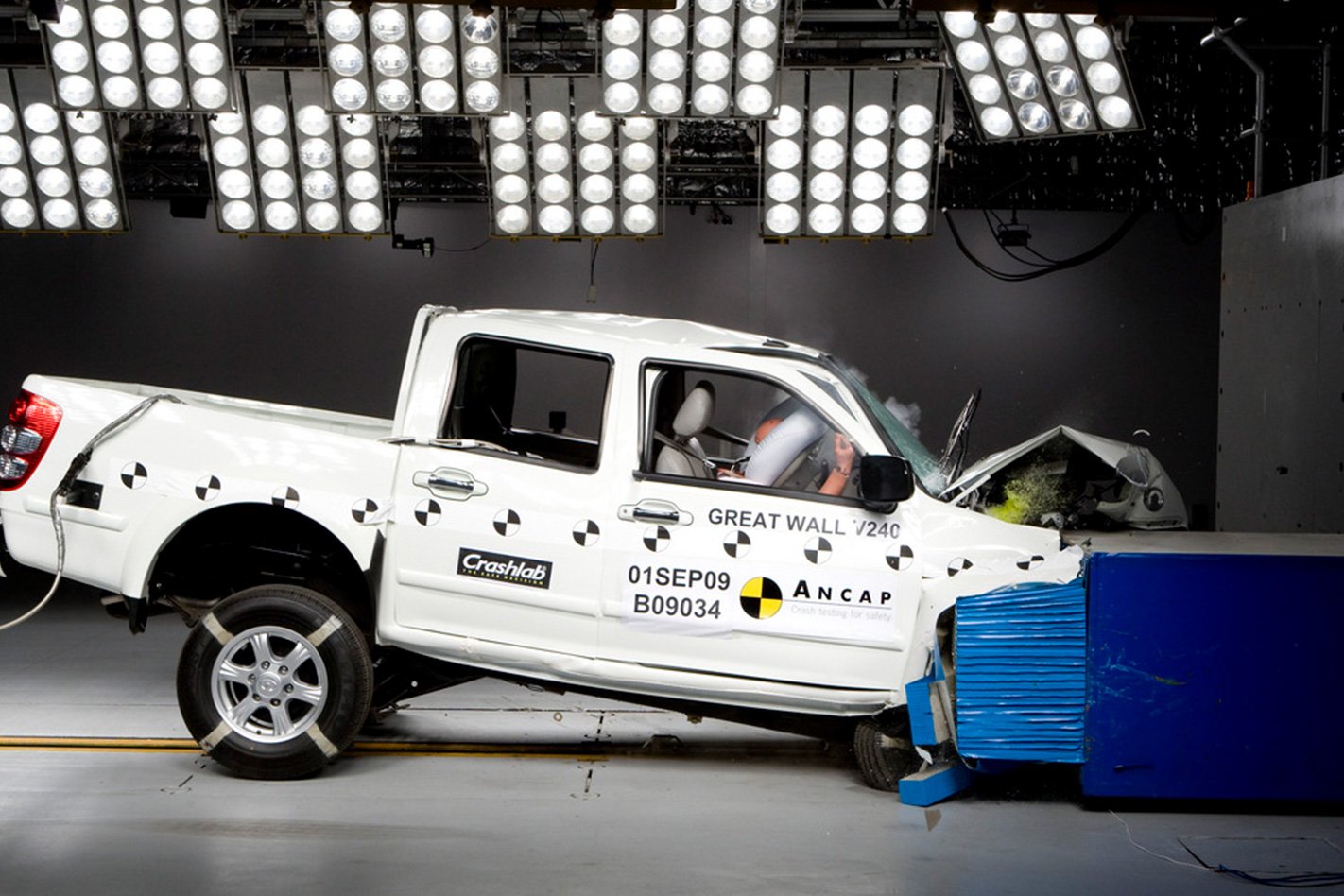
Back in 2002 freshly relaunched Renault Australia decided to promote the fact its Laguna was the first-ever car to receive a five-star Euro NCAP rating. Big deal? Yes, a very big deal. In those days there was a ‘gentlemen’s agreement’ among the brands that Euro NCAP or local Australasian NCAP results not be promoted.
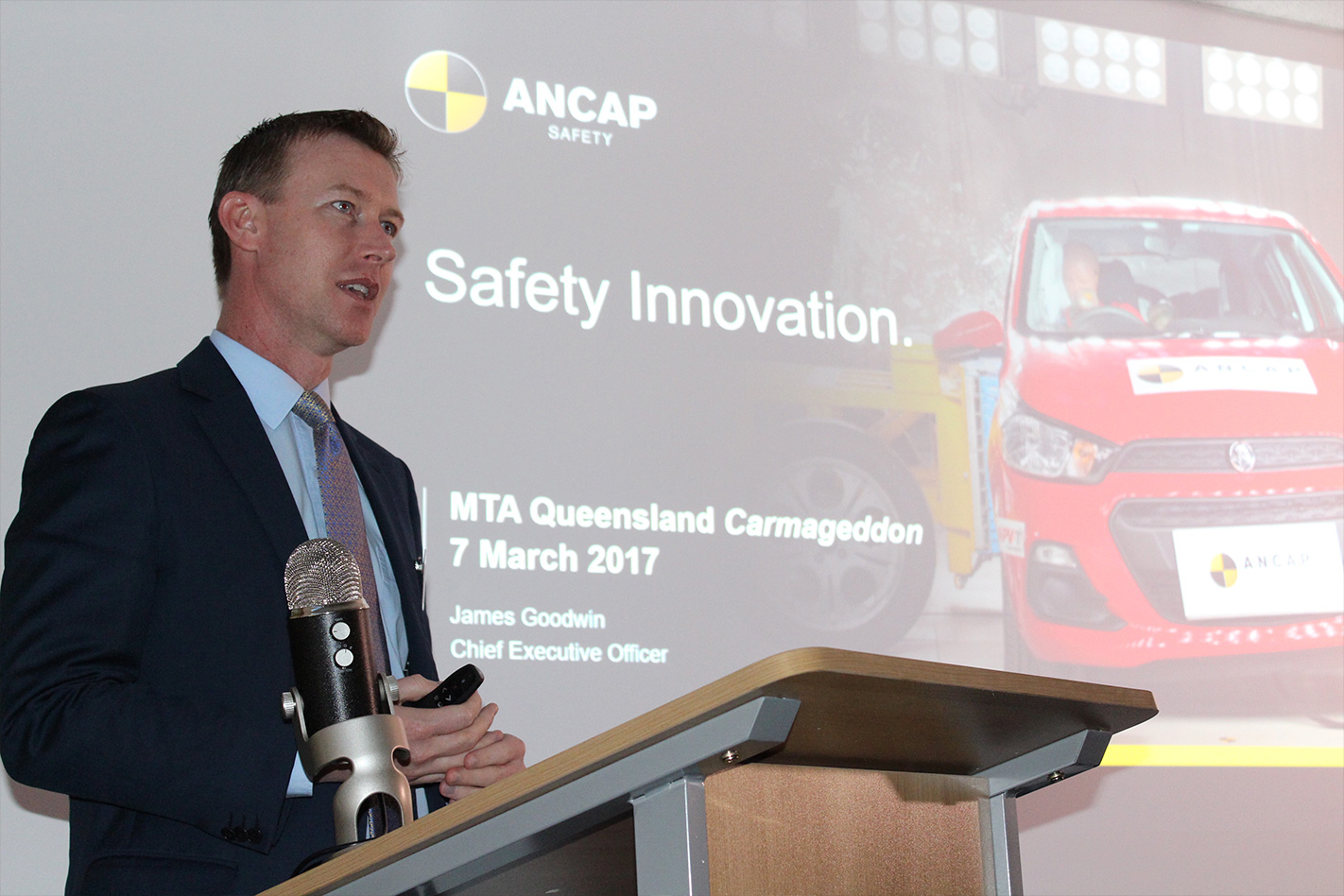
Fast forward 16 years and clearly times have changed. Every car brand is conscious of the need to obtain an ANCAP five-star result and fearful of media pillory that comes with anything less. There is no doubt the tireless promotion of ANCAP – which is funded by car clubs and governments among others – by stalwarts such as former chairman Lauchlan McIntosh brought this change about. These days, Chief Executive James Goodwin flies the flag and does it with a combination of media savvy and smarts, offering both the carrot and stick to car companies.
“They just never give up,” one car industry veteran told Wheels.
The direct effect of that doggedness has been vehicles with more safety equipment scoring better crash tests results than ever before.
With ANCAP now aligned with Euro NCAP, recent years of double-testing confusion is in the past. But the new challenge for car manufacturers is in the ever-toughening standards, especially in relation to driver assistance systems such as autonomous emergency braking.
“They claim to have single-handedly driven car companies to react and improve safety features in new cars,” snorted one executive to Wheels.
“The truth is that car companies are way ahead of them and have spent billions of dollars on improving road cars. They should get the majority of the kudos – not ANCAP.”
5.
Horst Von Sanden, CEO, Mercedes-Benz Australia/Pacific
As his equivalents at BMW and Audi have rotated through the managerial revolving door, Horst von Sanden has stayed in his post atop Mercedes-Benz Australia/Pacific and driven a restructuring of the Australian luxury market.
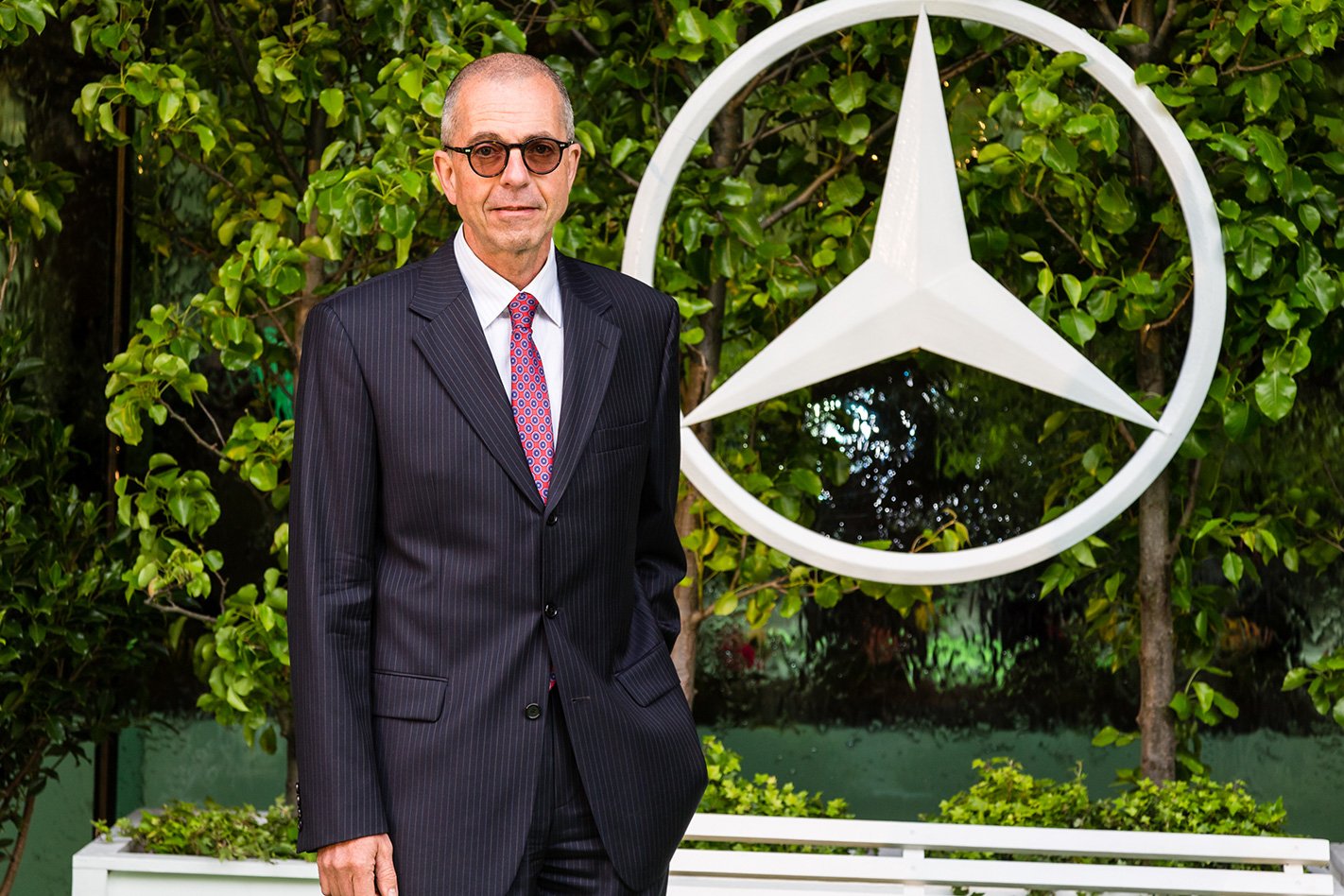
It continues to grow while both BMW and Audi sales fell back in 2017.
There are international factors relating to this rise. Benz has churned out an ever-widening range of cars, SUVs and light commercials, complemented by the tasty AMG sports models Australians have embraced with enthusiasm.
But locally, von Sanden and his team decided around the time of the global financial crisis and the launch of the W204 C-class to dramatically improve the value of Benz models via a plan dubbed ‘Customer First’ and that is at the core of this improvement.
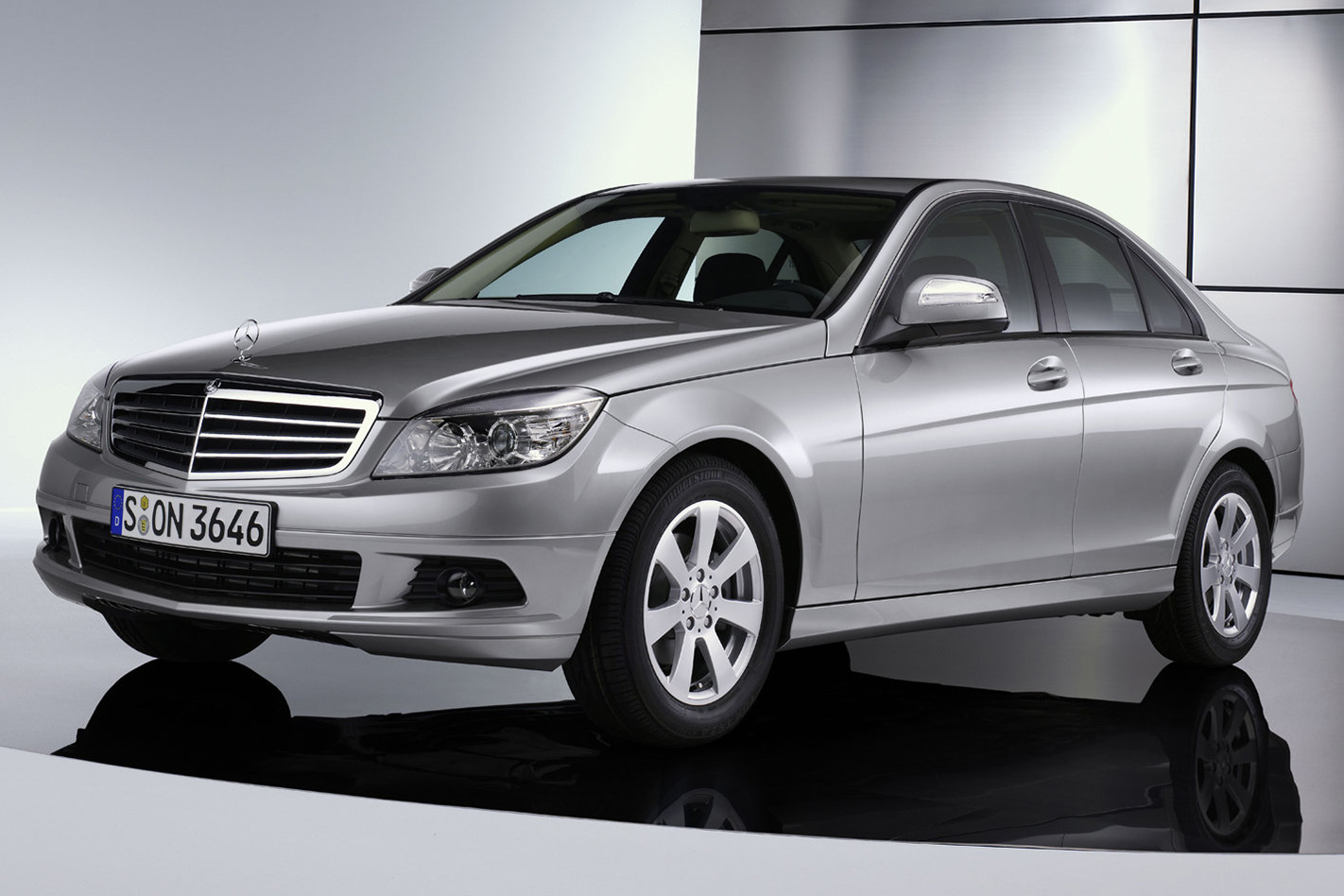
“Horst’s true worth is his ability to stay flexible and make changes,” notes an industry colleague.
“He has retained the support of headquarters, built and adjusted his relationships with the dealer network and is always prepared to accept the need for change.
“He is not a natural sales and marketing guy so he makes sure he listens and adjusts. And best of all – and maybe his greatest strength – is zero ego.”
4.
Martin Ward, Managing Director and CEO, AP EAGERS John McConnell, Managing Director and CEO, Automotive Holdings Group (AHG)
As the rest of the local car industry evolves, so does the dealer network – that crucial interface between automotive brands and their customers.
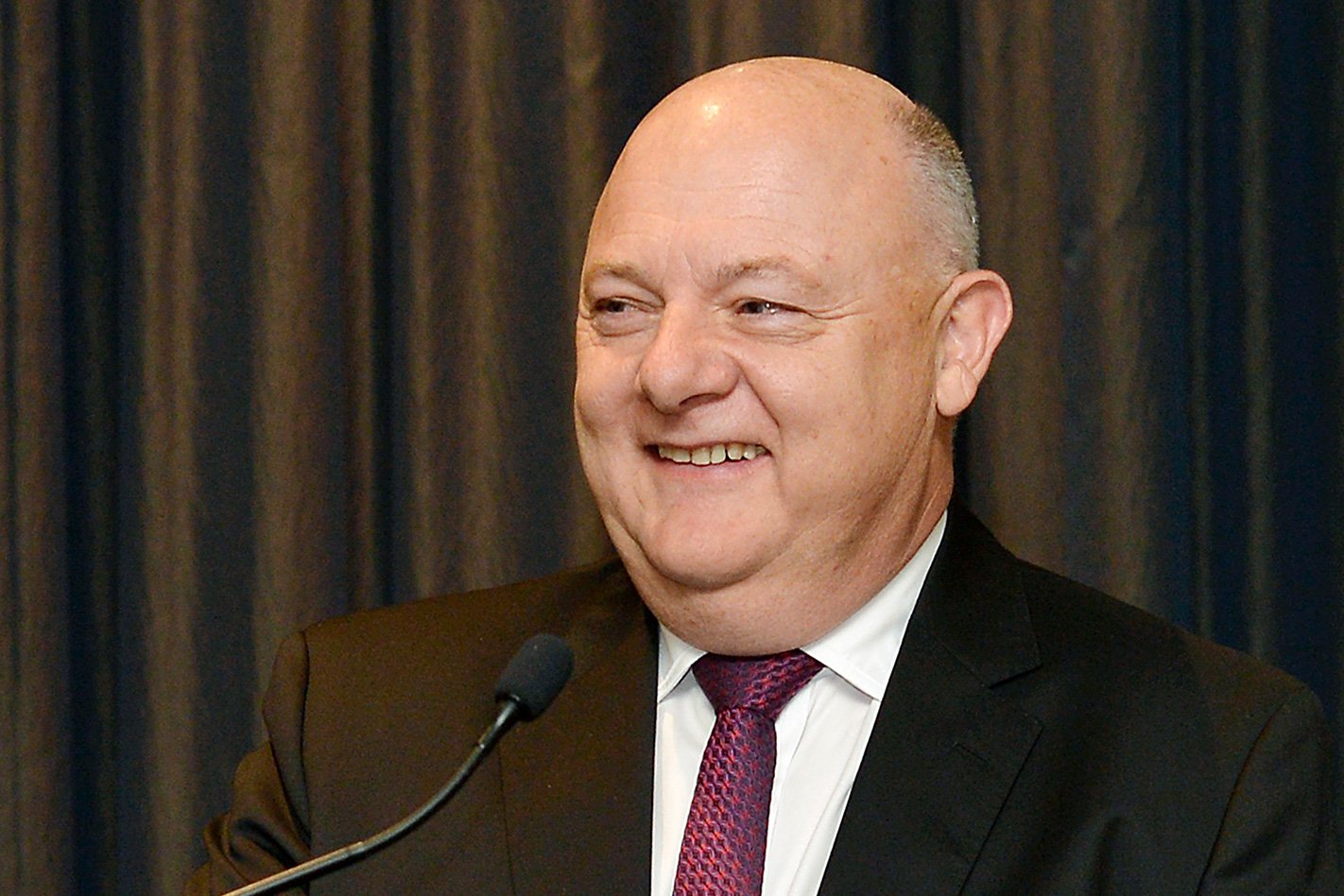
Between them the two largest publicly listed entities, AP Eagers and Automotive Holdings Group (AHG) account for around 250 dealerships – roughly 10 percent of the national total – and are still growing.
There are other emerging groups as well, but in a consolidating industry these are the two powerhouses, which mean Martin Ward and John McConnell (pictured right)both have significant influence.
Both are veterans of the Inchcape retail group, while Ward was also the CEO of Ford’s Sydney retail joint venture in the early 2000s. Both companies have large resources, they have a massive spread of franchises – so they get to see the good, the bad and the ugly behaviours from the car companies – and they are forward thinking.
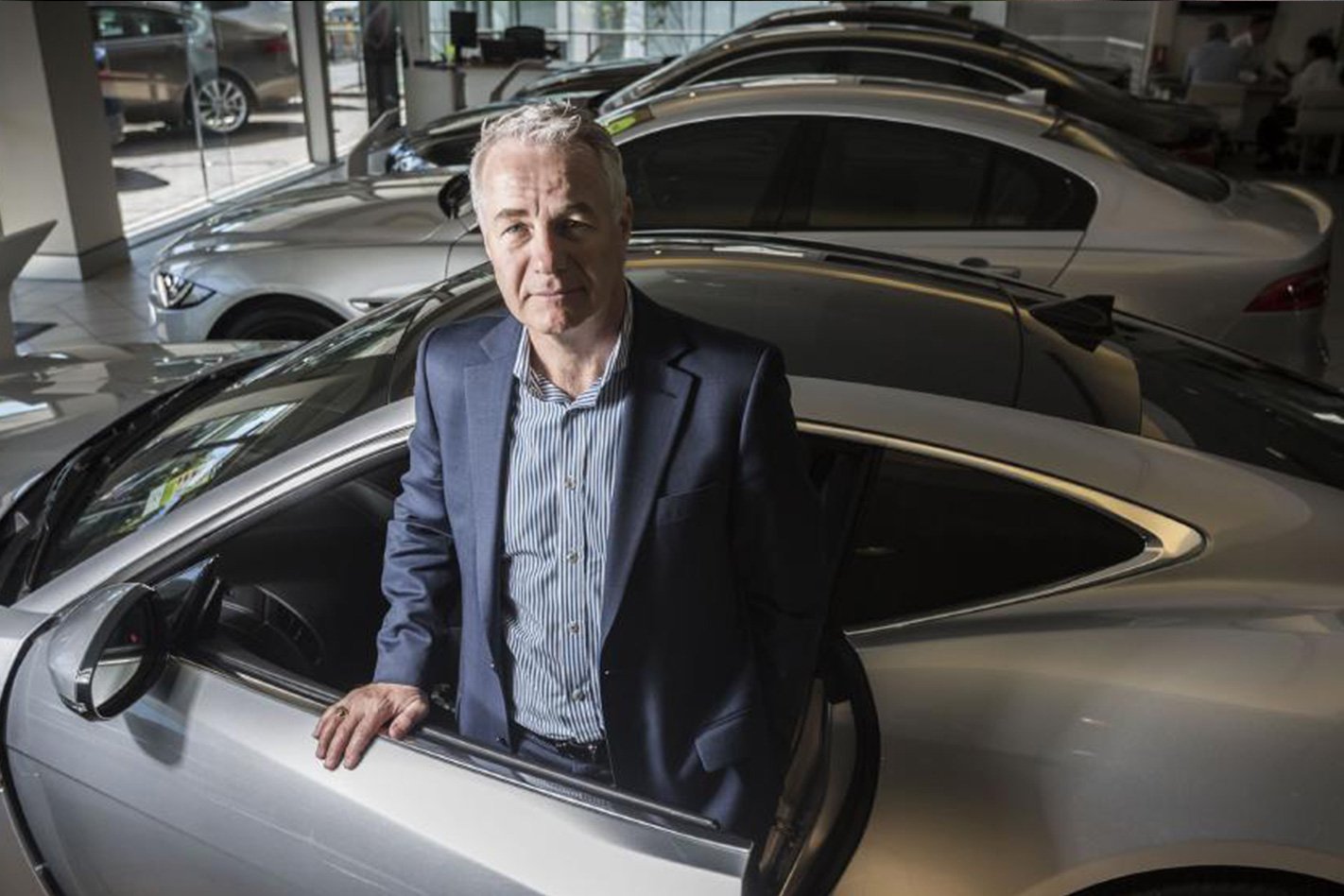
“They influence the shape of the debate, – in a good way,” says a dealer industry figure. “They are very good people and they operate very good businesses.
“A smaller dealer sees what the listed guys do and often a light bulb goes on. They are thought-leaders and industry leaders because they sit on many of the bodies that shape the industry today.”
3.
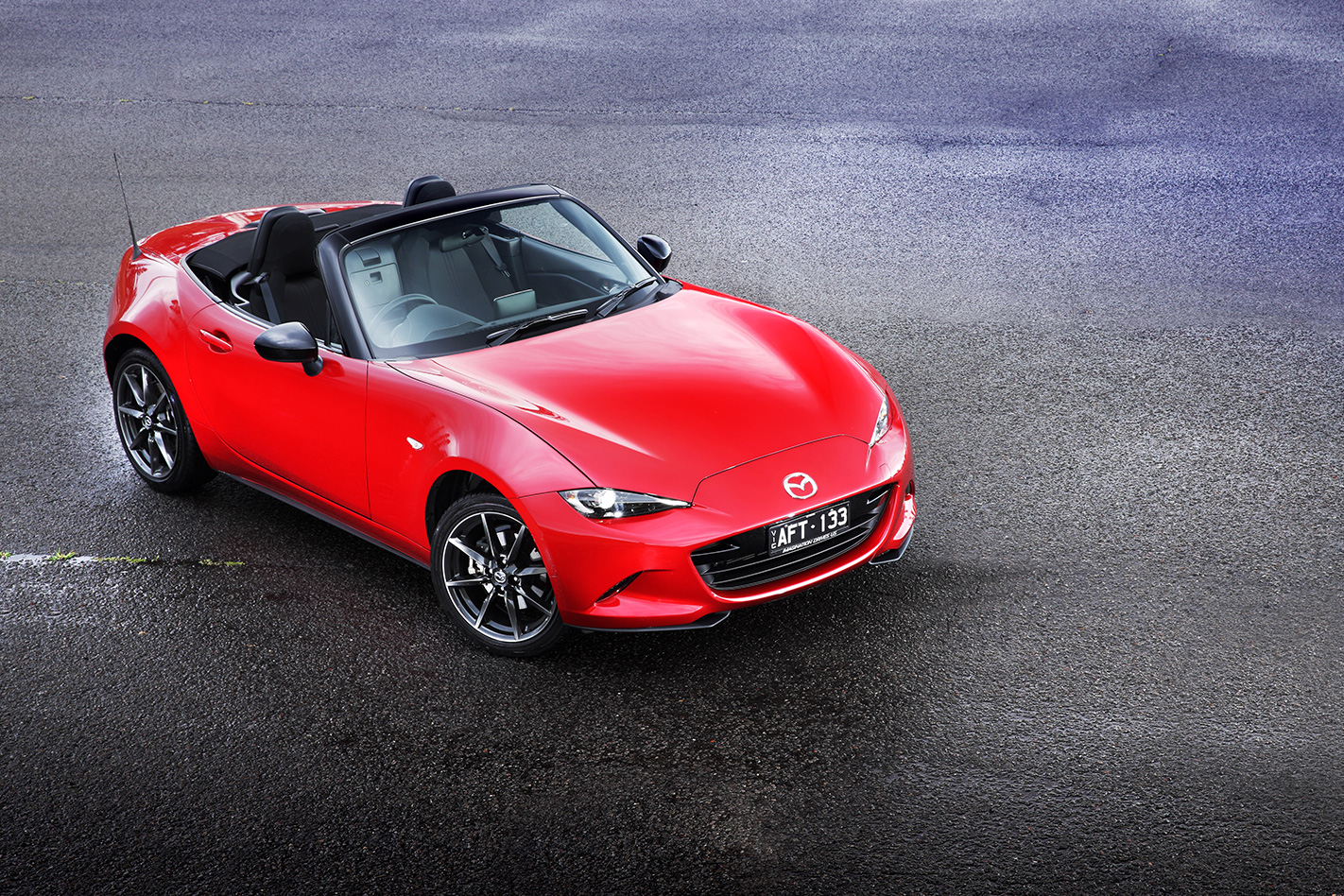
Vinesh Bhindi, Managing Director, Mazda Australia
Have you noticed how car companies are now so focused on the customer experience? Bereft of fleet volume delivered by locally built cars, Ford and Holden have been waxing lyrical about it. These days even Toyota calls its customers ‘guests’.

Malcolm Gough, MD in the 1990s, was the originator of the private customer focus. It worked very much on the basis of distributor, dealers and the customer getting a fair deal.
Sounds simple but the devil’s in the detail. For instance, Mazda has barely expanded its dealer network in tripling its sales to more than 100,000 per annum. More customers means more income, which makes Mazda franchises very lucrative.
But those dealers are expected to deliver for their customers and hit exacting standards demanded by Mazda.
Gough went to Japan to teach the Australian mantra and his successors Doug Dickson and Martin Benders (who also served in Japan and Europe) continued the private customer focus.
Both Dickson and Benders were long-term Mazda men and so is current MD, the Fijian-born Bhindi, who started as a dealer manager 22 years ago and worked his way up through the ranks. Mazda has become the pin-up company for successful vehicle retailing in 21st century Australia, which also means its rivals see it as a target to be knocked off.
2.
Matt Callachor, President, Toyota Australia
Australia is one of the most open automotive markets in the world, with more than 60 brands for us to choose from.
It is the elephant in the room. It has the biggest dealer network, the most complete and popular range of vehicles, the most generous advertising and marketing spend of any brand and an undoubted ability to sway the market.
“It sets the trend,” says one seasoned industry observer. “The rest sit on their hands until Toyota sets the pricing for a new model. That’s what happens when you are the industry leader.”
Like Holden and Ford, Toyota has given up its manufacturing ability and become a national sales company. It has added to that complexity by closing down its marketing and sales operations in Sydney and centralised in Melbourne. A generation of talented leaders have abandoned the ship.
So, step forward Toyota lifer Matt Callachor. While vanilla in his dealings with the press, unlike charismatic predecessors such as John Conomos, he is highly rated by those in the know. Does a new era signal the end of Toyota’s dominance and a fundamental change in the market, or will Callachor and his team maintain the status quo?
The pressure is on.
1.
Faceless Men and Women, Regional and Global Product Planners; Many and Varied Companies
While we mull over a list of the most influential people in Australia, the reality is that of the real power now resides off-shore.
With the collapse of the local manufacturing industry, there are few Australian executives that truly have influence over what they sell locally.
For the most part, the key decisions regarding the vehicles we get, we don’t get, the equipment they are fitted with and the price they are selling at, are made overseas. The main negotiating influence the locals have is over the number they are expected to sell. Over-estimate and stand by for a lot of cars with grass beneath them (Nissan Pulsar, anyone?), because the factory just keeps churning out the sausages.
Australia misses out on a lot of vehicles because of its fragmented market. Cost-conscious – and career-conscious – regional bosses are hard to convince when the margins are fine. Think of the Ford Mustang as a punt that worked; the repeatedly failed Chev Camaro right-hand-drive program as one where bravery went missing.
Of course, now that the vast majority of the world drives on the left-hand side of the road, the Aussie business case becomes all the harder.
“It would be wrong to assume that local MDs and executives have total control over their product and specification offerings,” says a Wheels source, who has seen the whole process up close.
“In fact, in many cases it is relatively low-level executives with limited understanding of our market that sometimes hold the future success of brands in this market in their hands.
“Many a local MD has gone stark raving mad having to deal with this reality.”
LET’S SAY you’re a technology billionaire who’s big in space exploration, satellites and energy, with almost the means – and perhaps the will – to take over the world. You’re looking to buy a car, but heck, you already have your own car company. What to buy?
In 2013, SpaceX/Tesla entrepreneur Elon Musk plonked down £612,000 ($1.05m) to buy ‘Wet Nellie’, the white Lotus Esprit from the 1977 James Bond film The Spy Who Loved Me. It must amuse Musk that this car doesn’t actually have wheels and can only be driven underwater.
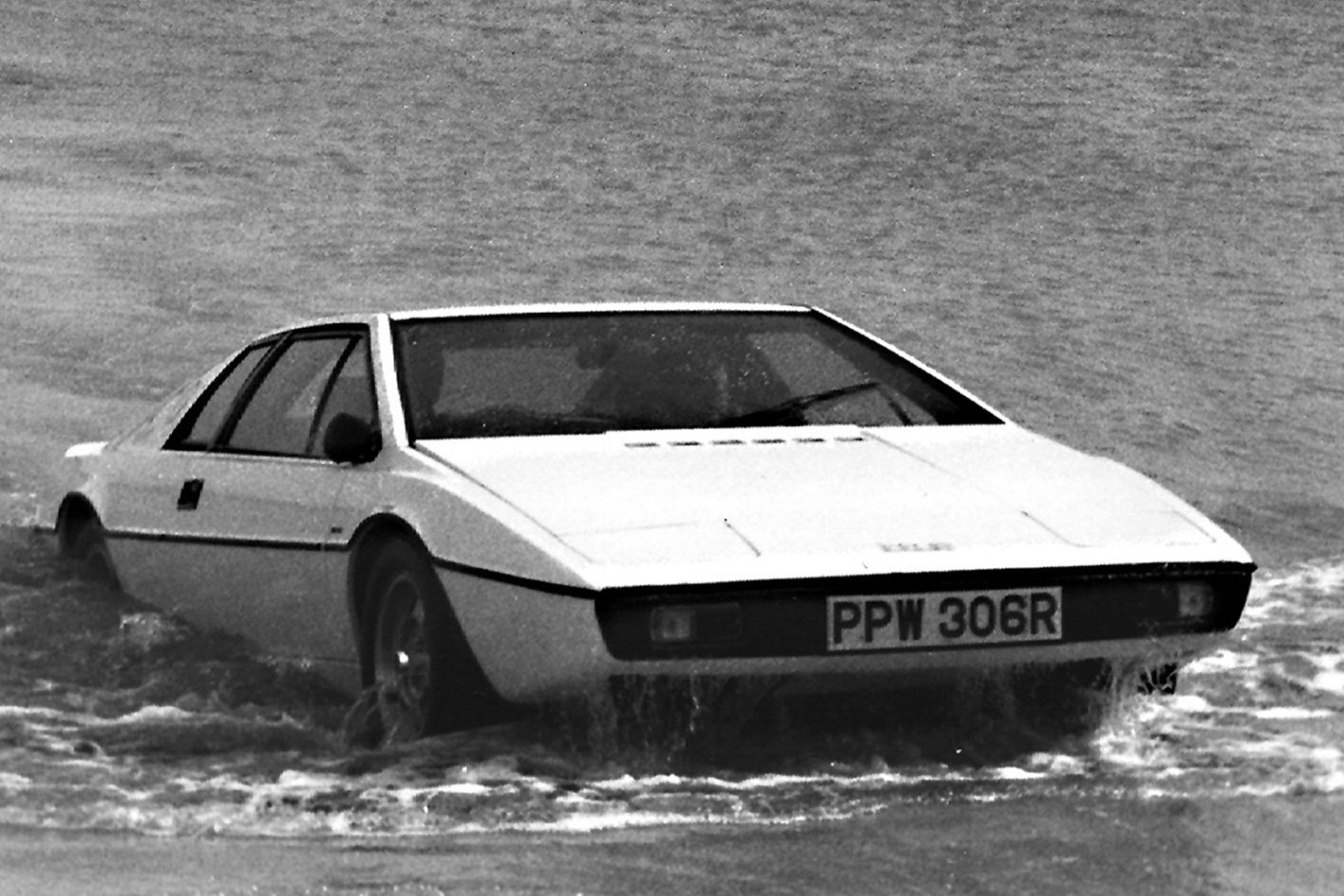
Giugiaro’s first design for fibreglass required long production engineering, the process also allowing time for Lotus’s new, all-alloy ‘907’ four-cylinder engine to be developed, and a sufficiently strong transaxle gearbox to be found. The production prototype was completed in December 1974, though it was another 10 months until the public launch at the 1975 Paris Motor Show – and customer deliveries did not begin until mid-1976.
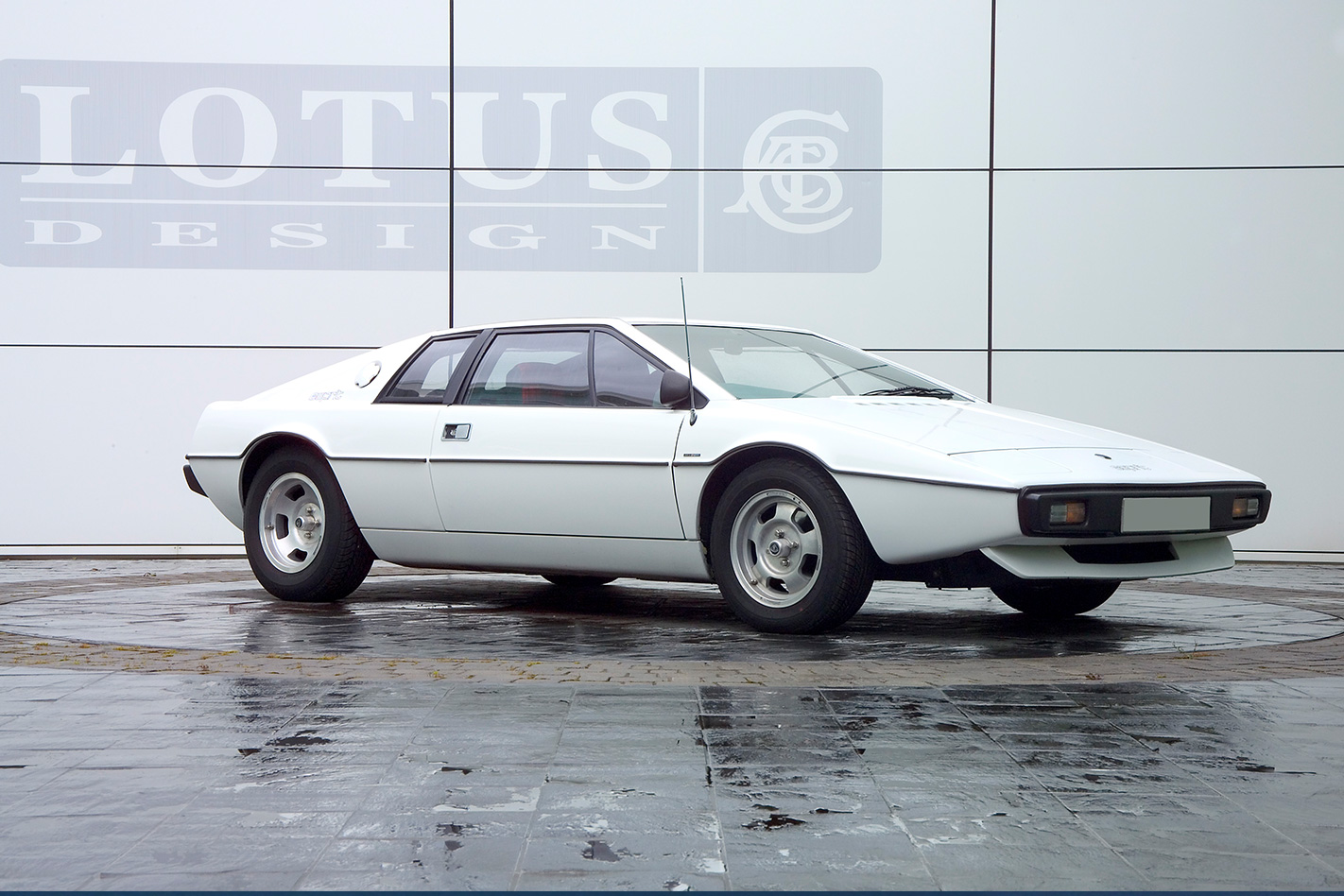
In August 1978, the Esprit S2 introduced more refinement along with styling and mechanical changes, progressing through a stroked 2.2-litre and Turbo (1980), an S3 (1981), a new generation (with body designed by Peter Stevens) in 1988 and Lotus’s own 3.5-litre twin-turbo V8 (1996). Esprit production ended in 2004 and in those 28 years, Lotus built only 10,675 Esprits – of those, a mere 894 being the Series 1.
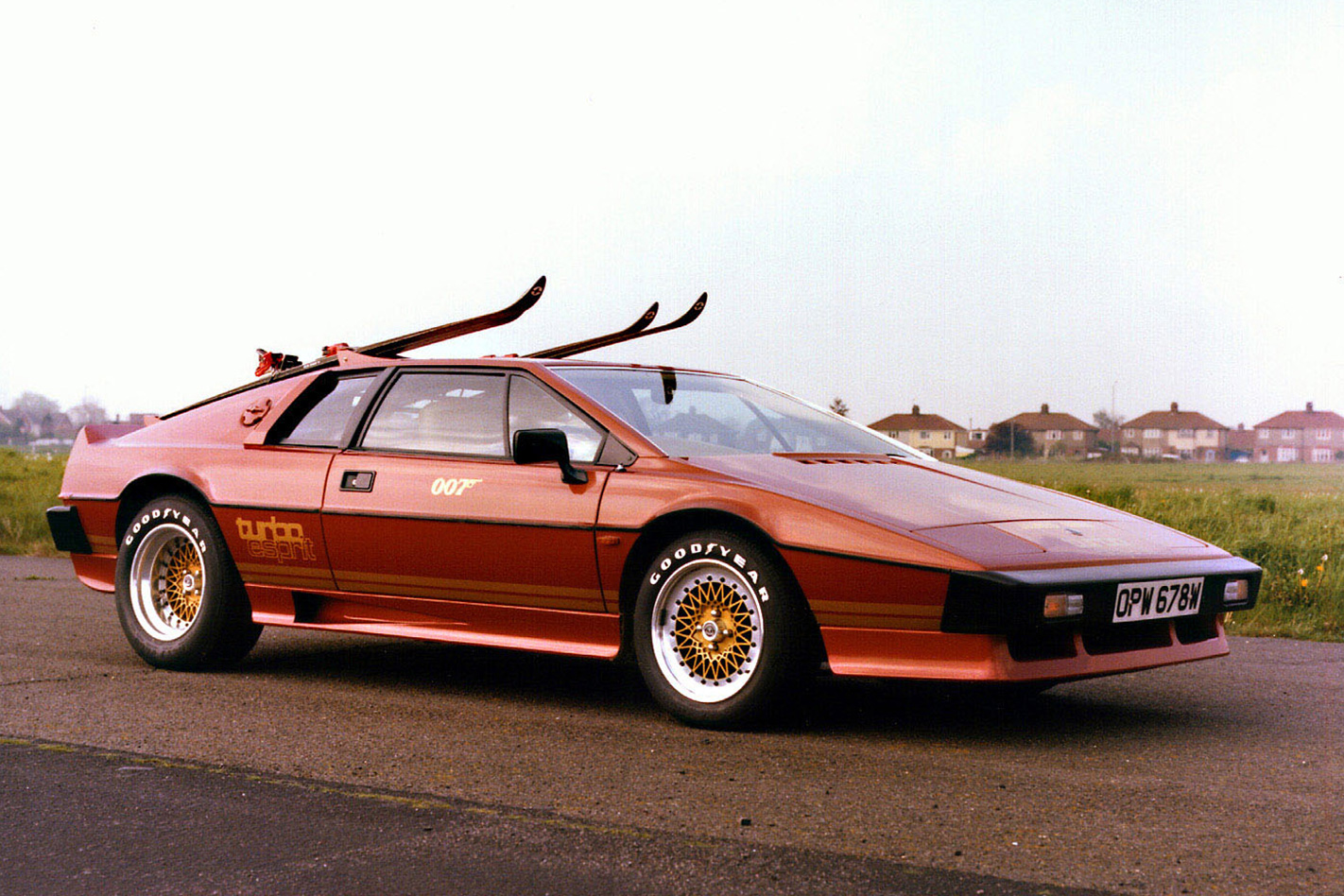
Sporty slant
The 1973cc, dohc, 16-valve four-cylinder ‘907’ engine had its block cast at a 45-degree angle for a low bonnet line and later V8 expansion. With twin Dell’Orto carbs, its 119kW at 6200rpm and 190Nm at 4900rpm were modest (US versions had only 104kW), but were at least aided by a 990kg kerb weight, mid-mounted location and (Citroen-sourced) five-speed transaxle. 0-100km/h took around 6.8 seconds.
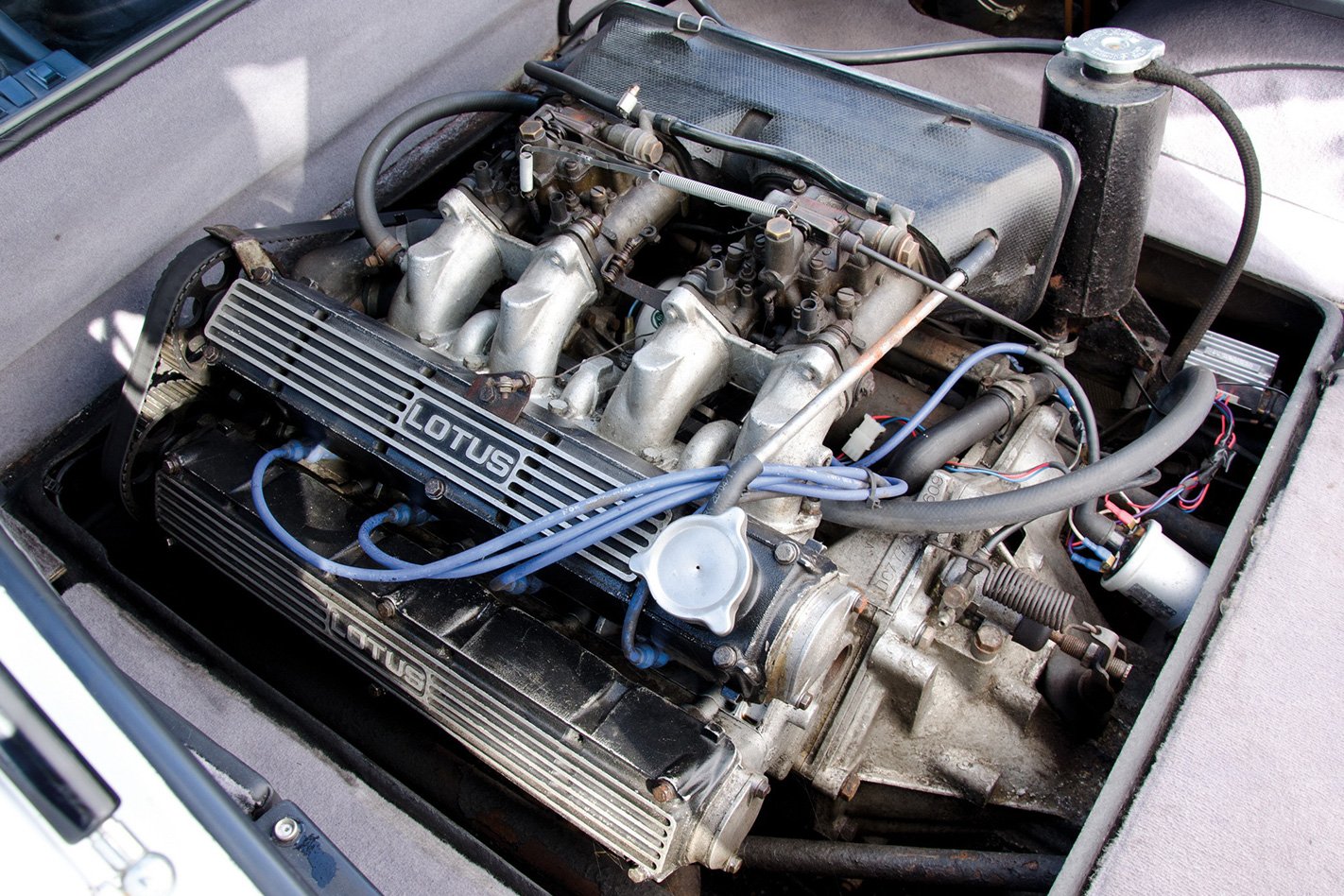
Tartan it up
The signature Esprit S1 interior was the green and red tartan from James Bond’s example. S1s eschewed leather for ‘washable’ fabric. Inside was as angular as outside, with a tall and broad centre console ramping up to the dash, a curved ‘three-panel’ binnacle (housing lighting, instrumentation and ventilation controls), and laid-back, one-piece seats that butted against the rear bulkhead, leaving the shallow glovebox as the only interior storage space. Front and rear boot space totalled a meagre 198 litres.
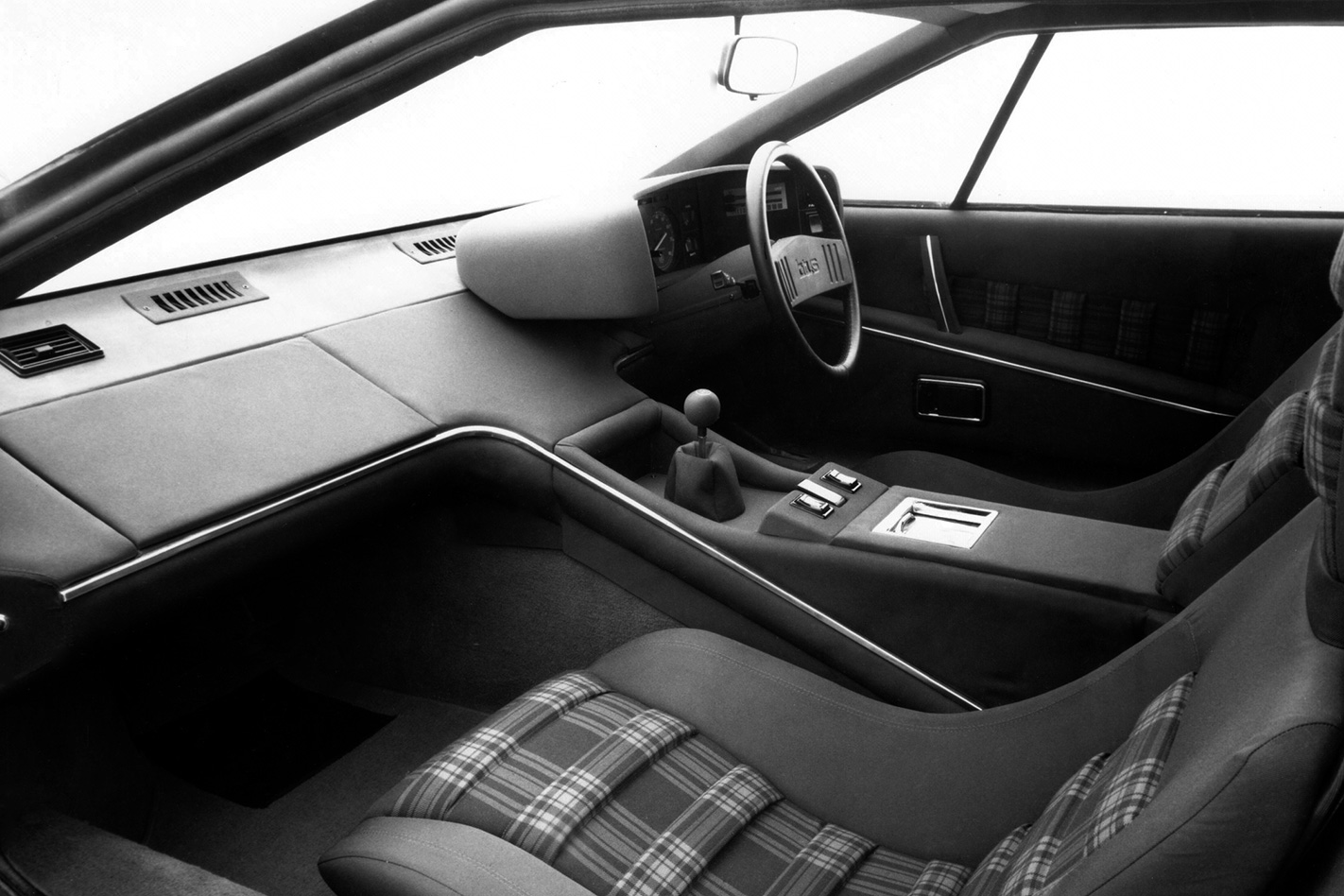
A ’glass act
In Lotus custom, the Esprit comprised a fibreglass monocoque body on a fabricated steel backbone chassis. It was low, at just 1090mm, and 4190mm long. Front suspension was by double wishbones with coils, rear by trailing arms and lateral links with coils. Sublime steering was by unassisted rack-and-pinion; braking by 246mm front and 270mm (inboard) rear discs, within 14-inch Wolfrace alloy wheels.
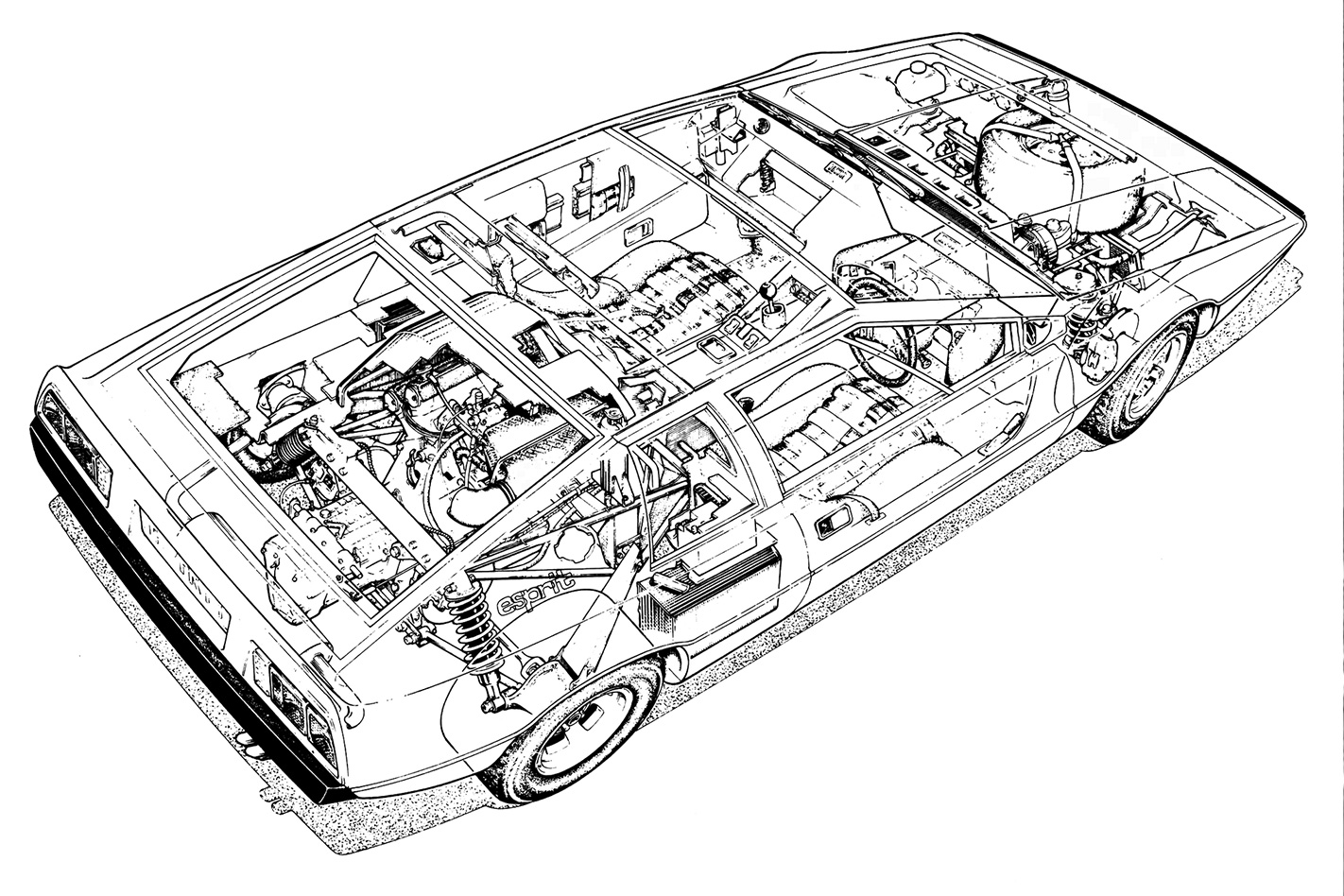
Can’t wait to see the final score? Jump to the verdict now
HYUNDAI has already hit the popularity jackpot with the striking Tucson. But with newly hatched sweeteners like a direct-injection heart transplant for 2017, what’s holding the medium SUV from Korea’s biggest brand back from challenging the class order?
That engine first. Ousting the old 114kW/192Nm 2.0-litre ‘MPI’ multi-point injection unit that still serves in the closely related Kia Sportage, the 121kW/203Nm direct-injection ‘GDI’ version’s incremental improvements translate to slightly stronger performance and significantly improved refinement in the upper rev band. The result is a robust slogger, supported by a well-tuned six-speed torque-converter auto.
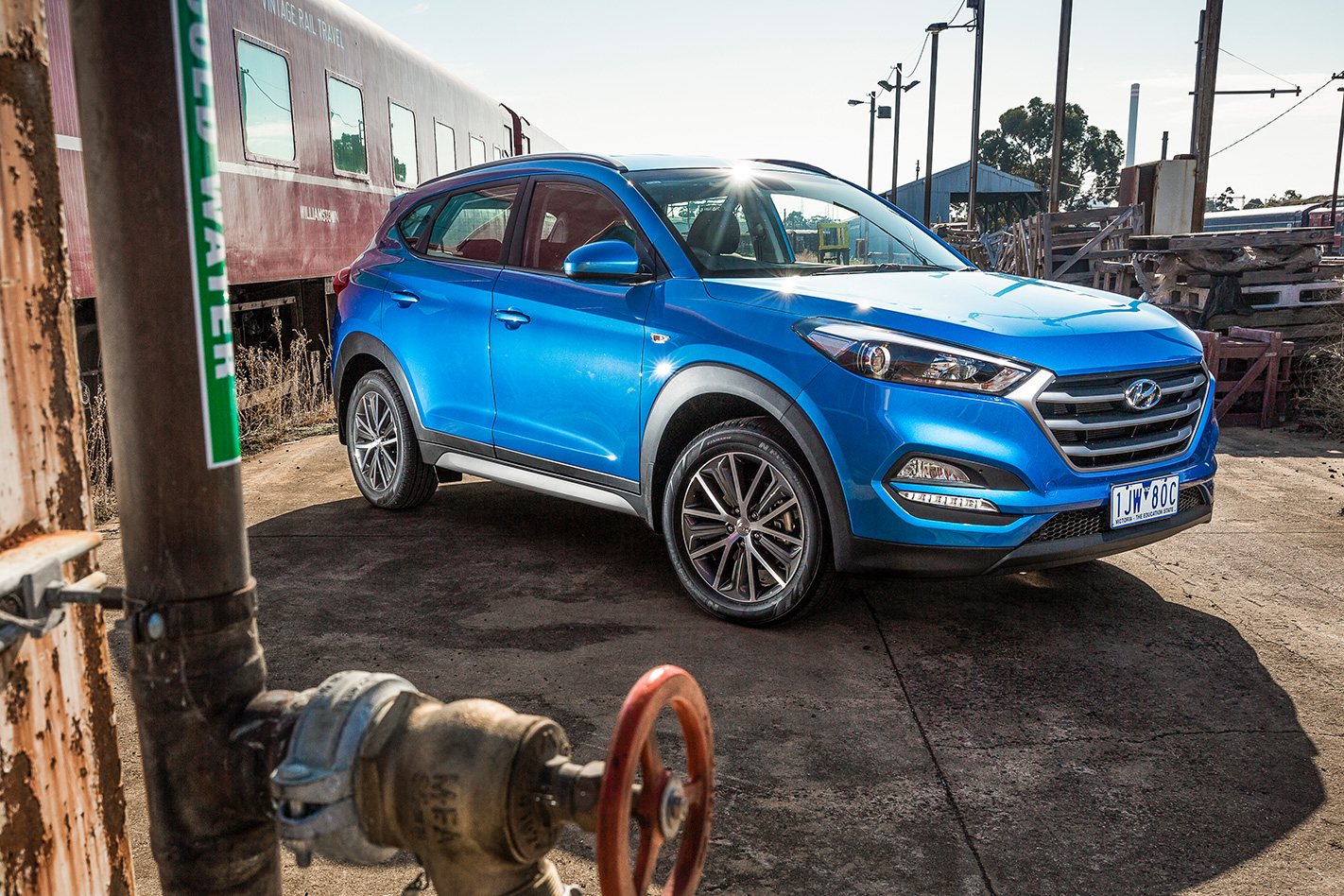
So imagine our surprise when almost nothing separated the latest Tucson from its lesser-engined Sportage equivalent at the strip, with the Kia matching the Hyundai to 400 metres and actually pipping its cousin to 100km/h. The GDI’s advantage only becomes evident at higher speeds (and revs), though its half a litre fuel consumption saving would certainly be appreciated in the hip-pocket.
Tuned for Australian conditions, the Tucson’s chassis is defined by its neutral balance and confident control. Keener drivers will prefer more steering weight and crisper feel – something the rather numb Sport mode attempts to address – but the differences between the two settings aren’t that clear-cut.
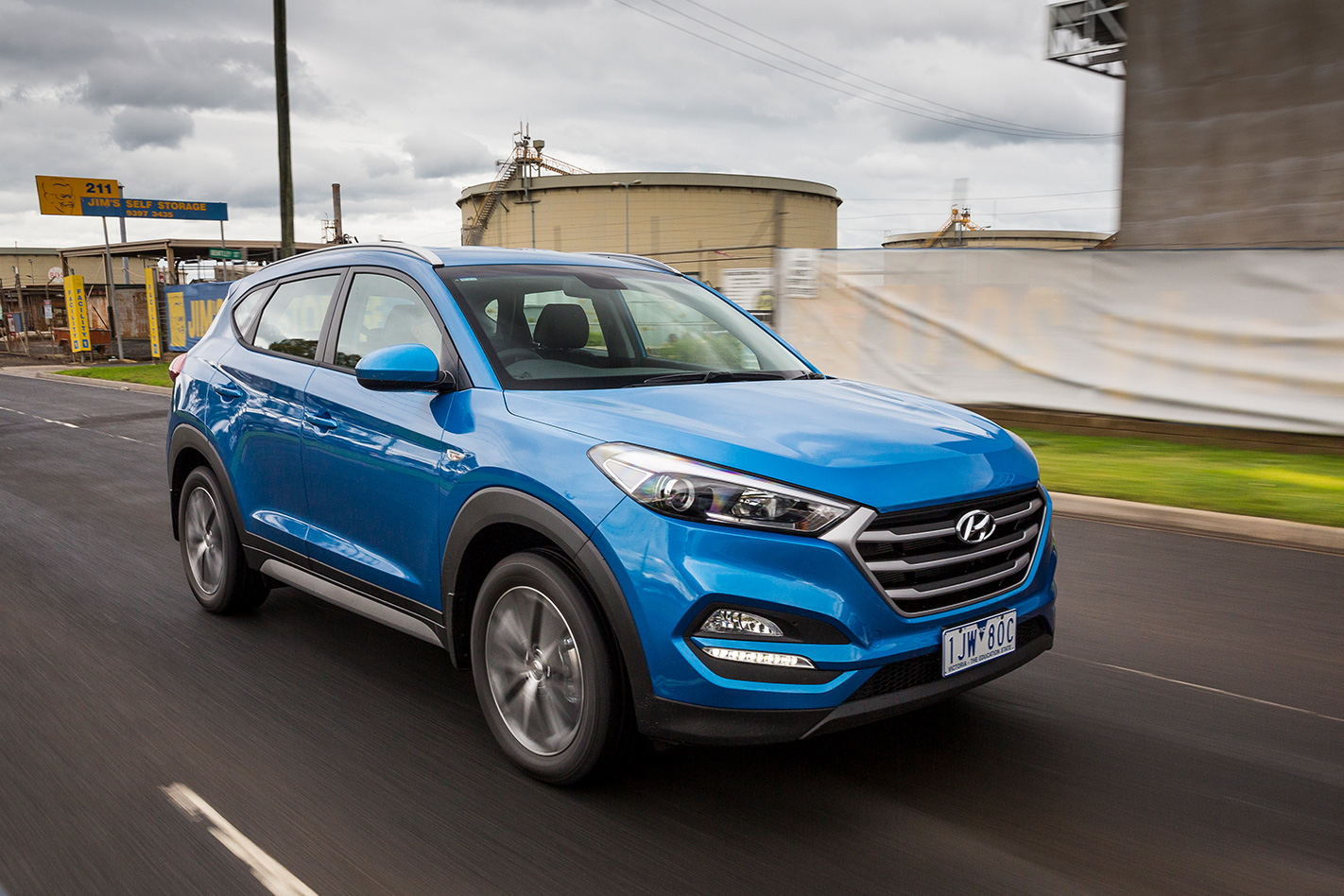
A downside to Hyundai’s sporty tuning is a propensity for steering-rack rattle through bumpier corners, while the Active X’s standard 18-inch rubber results in a relatively firm (though still adequately absorbent) ride quality. You can hear more than feel the hardware beavering away down there, though, pleasingly, the engineers have managed to effectively contain road and tyre noise intrusion.
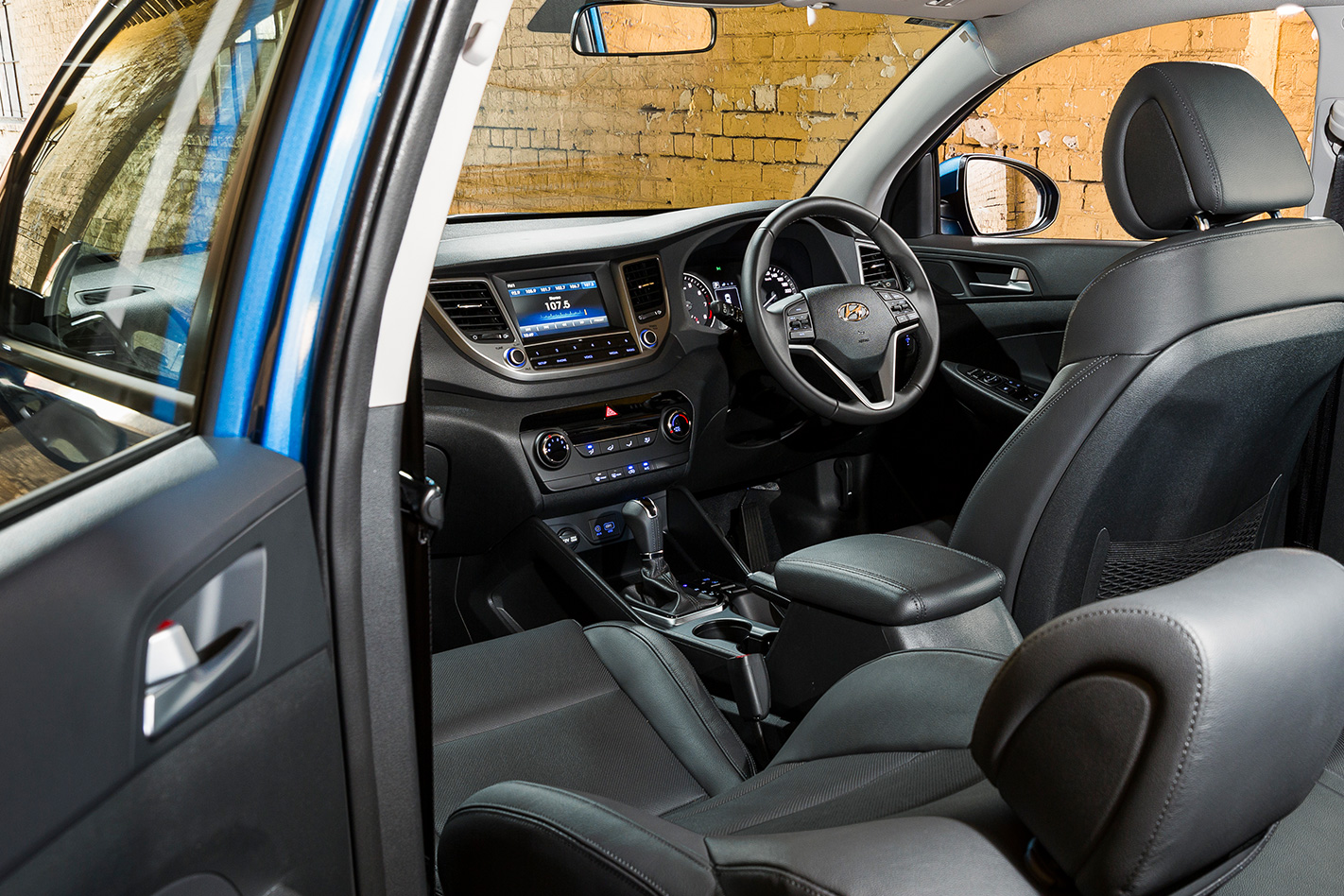
The interior, too, is largely successful in execution, with ample levels of passenger space in both rows, commendable forward vision and a simple dashboard that requires no mastery whatsoever.
As with the engine and dynamics, however, there is room for improvement. For starters, the fascia’s layout is probably too elementary in this day and age. There is very little that’s sophisticated or interesting inside the Tucson (bar the lovely and clear instruments). Time for a fresh design approach, Hyundai.
More pressingly, the driver’s cushion is a little low on support, and yet ironically the seat itself can’t be adjusted quite low enough for some folk.
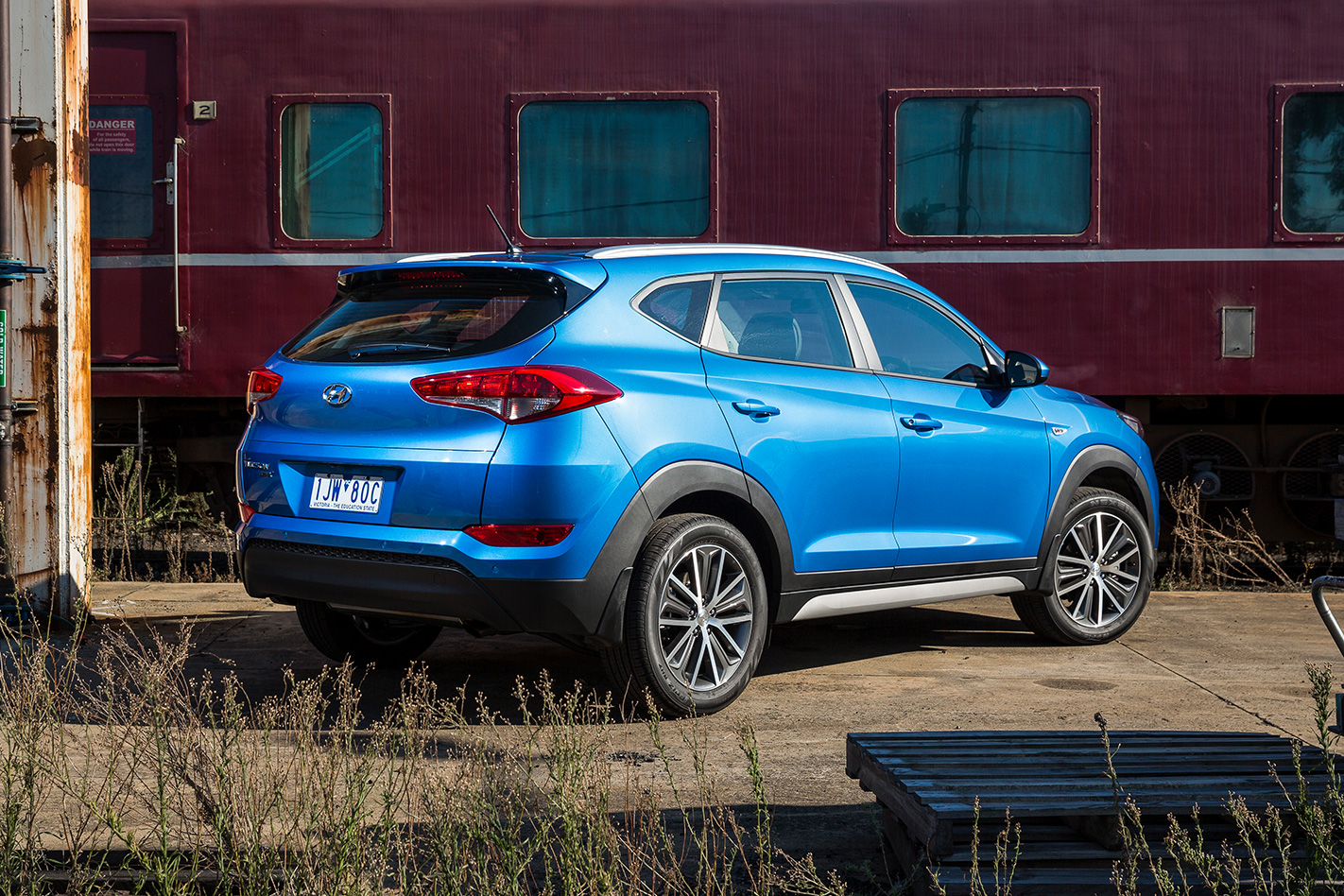
Out back, you don’t have to be tall to realise that the rear seat’s entry and egress are hampered by the low roof line and coupe-like door cut-out (especially compared to the Sportage’s almost parallelogram-shaped aperture).
Yet once inside, most people will appreciate just how roomy and practical the Tucson is, with a cushion that’s nicely padded for optimum comfort, plenty of backrest angle adjustability, armrests sited exactly where they’re needed, and lots of room for feet underneath the front seats.
You’d never call the Active X meanly specified, with Apple CarPlay/Android Auto, rear camera with sensors, and electric folding mirrors included. But, again, there are anomalies, especially compared to the Sportage – such as only one auto up/down window (driver’s side), absent rear air vents, no 12V or USB outlets in the back, and of course a five-year warranty (like the Mitsubishi) instead of Kia’s seven years.
Ultimately, the more complete Sportage showed up the Tucson by offering essentially the same medium SUV in a more persuasive, more sophisticated, and better-equipped package. So while the big-selling Tucson improves in a number of small ways for 2017, all-round completeness continues to elude it.
SCORE: 6.5/10 HYUNDAI TUCSON ACTIVE X SPECS
Model: 2018 Hyundai Tucson Active X Engine: 1999cc 4cyl, sohc, 16v Max Power: 121kW @ 6200rpm Max Torque: 203Nm @ 4700rpm Transmission: 6-speed automatic Weight: 1584kg 0-100km: 10.5sec Fuel economy: 10.7L/100km (tested) Price: $33,650 On sale: Now
Medium SUV Megatest – Full coverage
Medium SUV Megatest Results
2018 Haval H6 Premium
Score 2/10
2018 Mitsubishi Outlander LS
Score 5/10
2018 Toyota RAV4 GXL
Score 6/10
2018 Hyundai Tucson Active X
Score 6.5/10
2018 Kia Sportage SLi
Score 7/10
2018 Subaru Forester 2.5i-L
Score 7.5/10
2018 Ford Escape Trend
Score 7.5/10
2018 Volkswagen Tiguan Trendline
Score 8/10
2018 Mazda CX-5 Maxx Sport
Score 8/10
- Introduction: Mixed Messages
- Update 1: Cabin Curiosity
- Update 2: Weekend Warrior
- Update 3: Heavy Hitter
- Update 4: Conclusion
Introduction: Mixed Messages
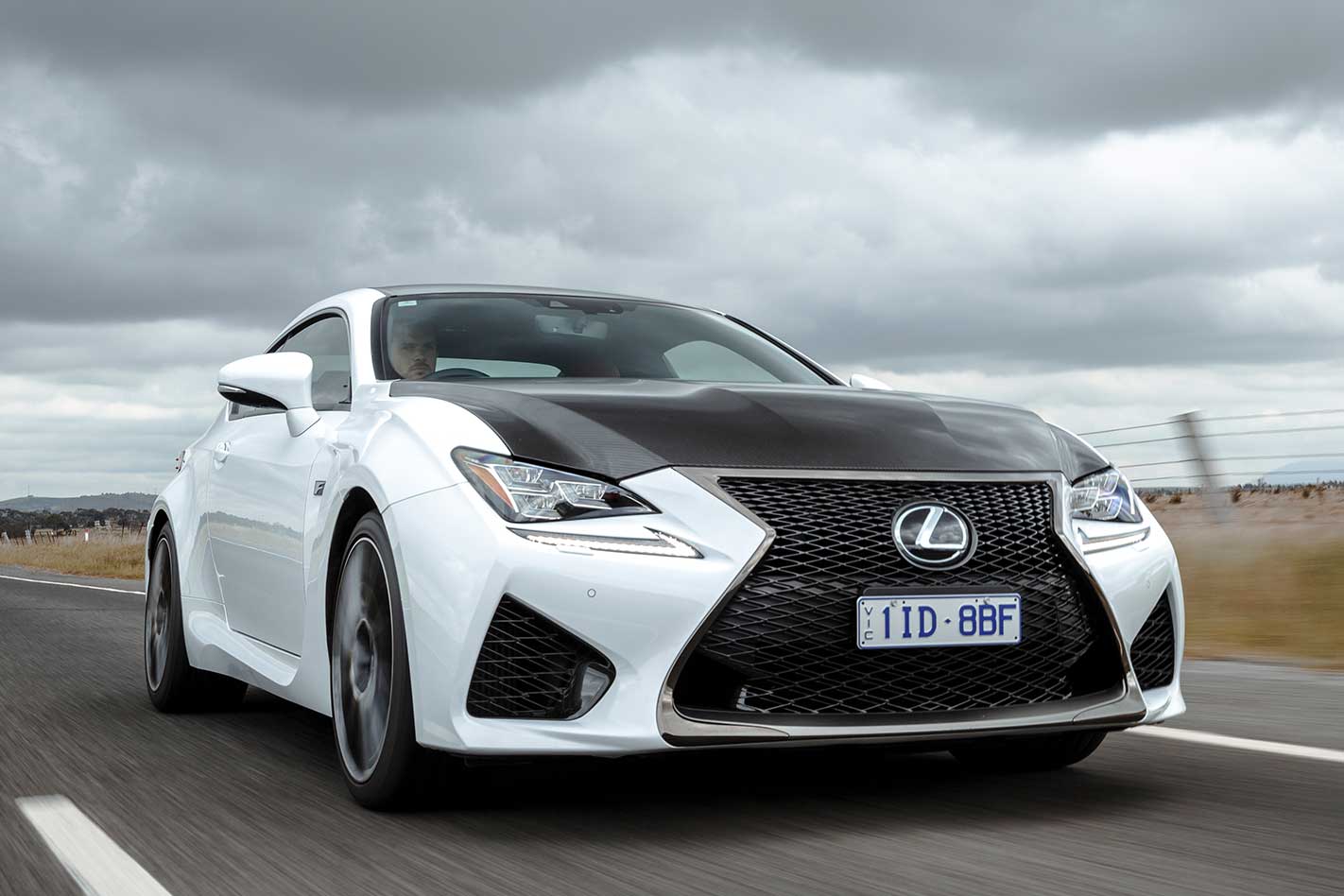
The name-calling started early. The Lexus RC F’s divisive styling tends to attract comments regardless of its paint colour, but my new long-termer’s black-and-white panda scheme, combined with its cab-rearward coupe proportions, have led the office comedians to dub it the “Bowling Shoe”. Very droll.
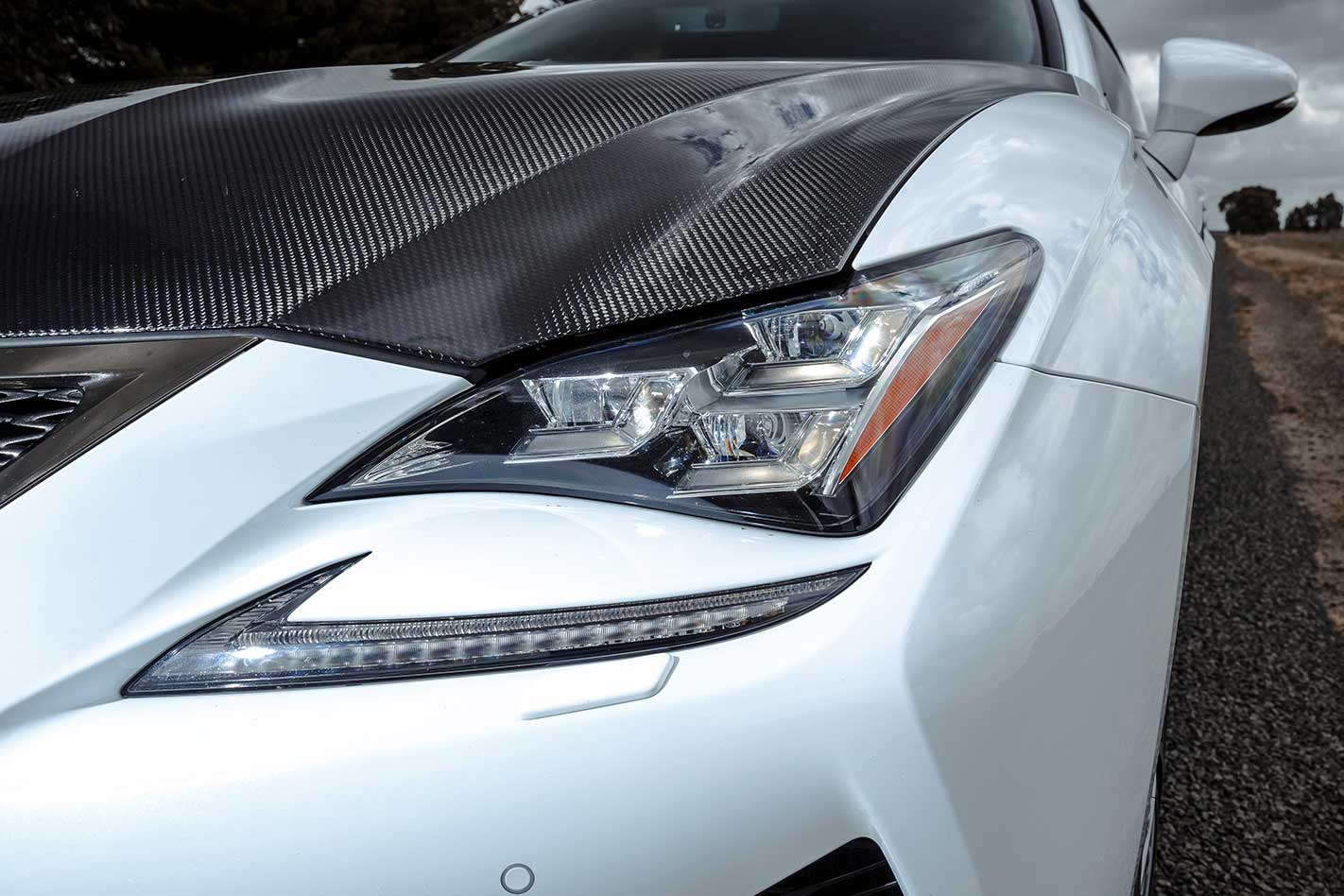
It certainly turn heads, though at the time of writing I haven’t conducted any straw polls to see if these looks are a result of admiration, curiosity or disgust. Part of the RC F’s success at grabbing the public’s attention is no doubt due to the fact that the black contrasts aren’t paint, but carbon fibre.
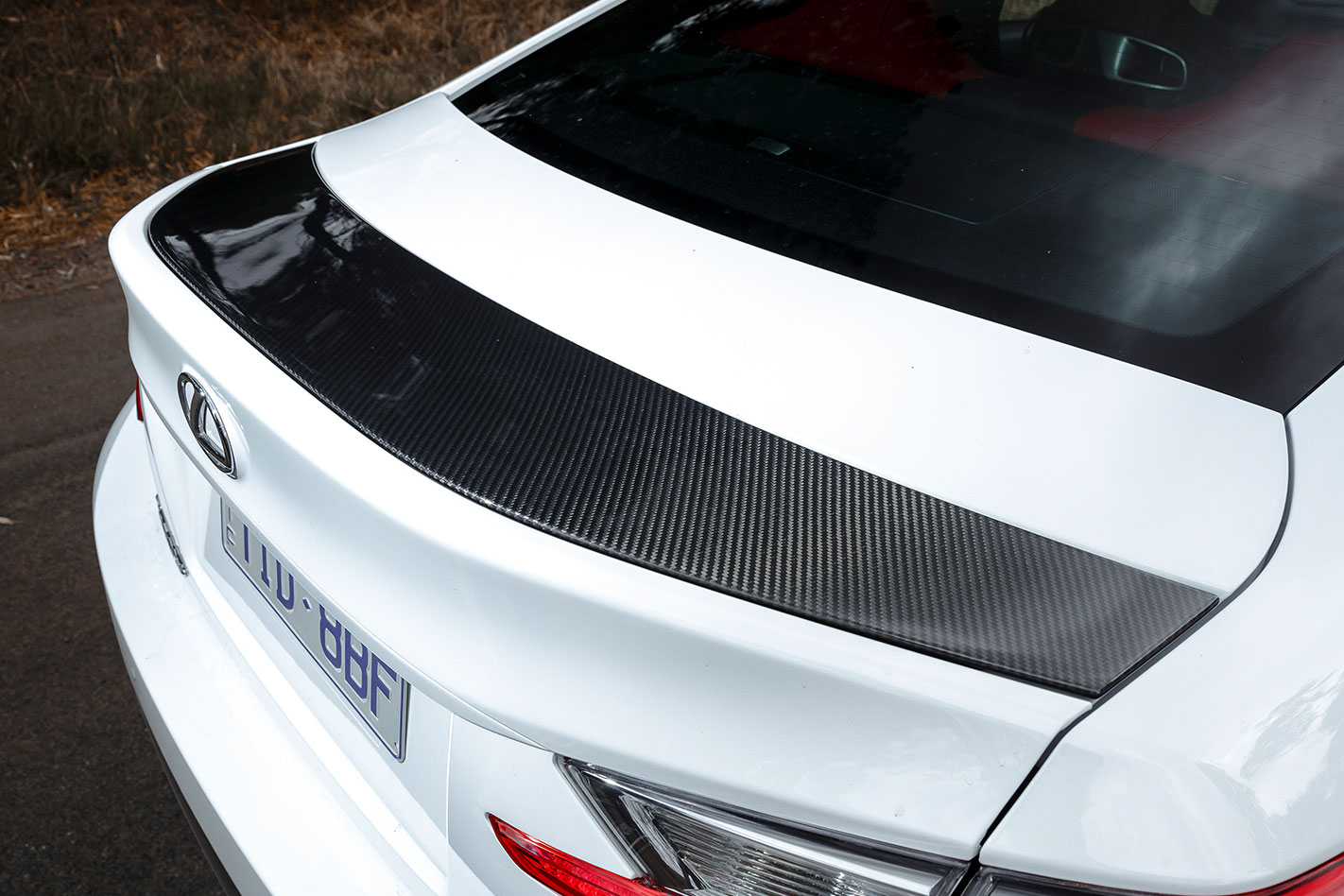
On a kilogram-per-dollar basis it’s a heavy price to pay as ticking the Carbon box costs $20,597, though it does bring with it ‘High Plus’ forged 19-inch wheels (usually $2500). Nevertheless, it’s an option price you’d more readily expect to find on an Italian supercar than a Japanese sports coupe, especially when premium paint – including this car’s White Nova – is another $1500.
It is very well equipped, though, including heated and ventilated leather seats, an 835-watt, 17-speaker Mark Levinson stereo (there’s some of that kerb weight…) with digital radio and voice control, climate control with funky electrostatic slider switches for temperature control and seemingly every active safety system under the sun, such as Active Cruise, Blind Spot Alert, Rear Cross Traffic Alert, Automatic High Beam and pre-collision braking. However, the lack of smartphone mirroring betrays its 2015 vintage and time will tell if familiarity makes Lexus’s unintuitive touchpad control interface and maddeningly complex menu systems any easier to use.
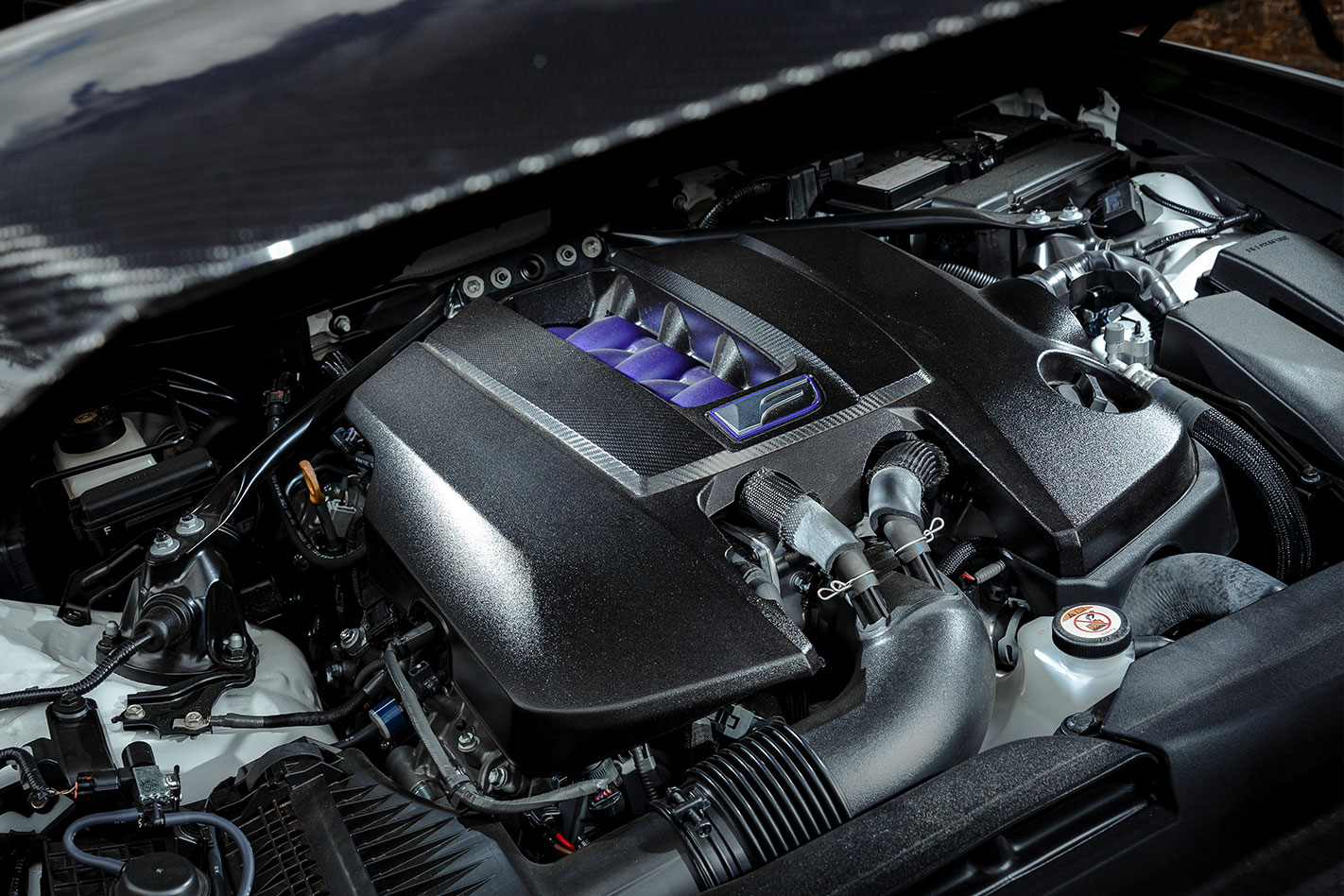
If not, at least there’s a naturally aspirated 5.0-litre V8 to take my mind off it. It seems slightly odd that a Japanese car with such a futuristic design would have such an ‘old-school’ engine, but the 2UR-GSE, co-developed with Yamaha, sings a particularly sweet song and develops 351kW at 7100rpm and 530Nm. And while the concept might be traditional, the engine itself is clever with its combination of direct and port injection and ability to switch between Atkinson cycle for fuel economy and Otto cycle for power, the details of which I’ll go into in a future update.
It’s attached to an eight-speed torque converter automatic and there’s four powertrain modes to choose from – Eco, Normal, Sport and Sport+ – with a further three settings for the electronically controlled, torque vectoring limited-slip differential – Standard, Slalom and Track. A track session beckons for an opportunity to play with the various parameters and to see if it’s engineering brilliance or marketing hype. The claimed 0-100km/h time is an optimistic 4.5sec (the best we’ve managed is 4.75sec) and top speed is limited to 270km/h.
At this point there are plenty of questions and very few answers, which hopefully future updates will provide. The true measure of success for the RC F will be determined by whether, after four months, I’m defending its honour or coming up with names of my own.
MONTH ONE
Claimed combined consumption: 10.9L/100km Starting ODO: 5511km Duration: 4 monthsLiked: I liked the carbon bits – so sue me Disliked: Its’ clear servo visits will be frequent
Update 1: Cabin Curiosity
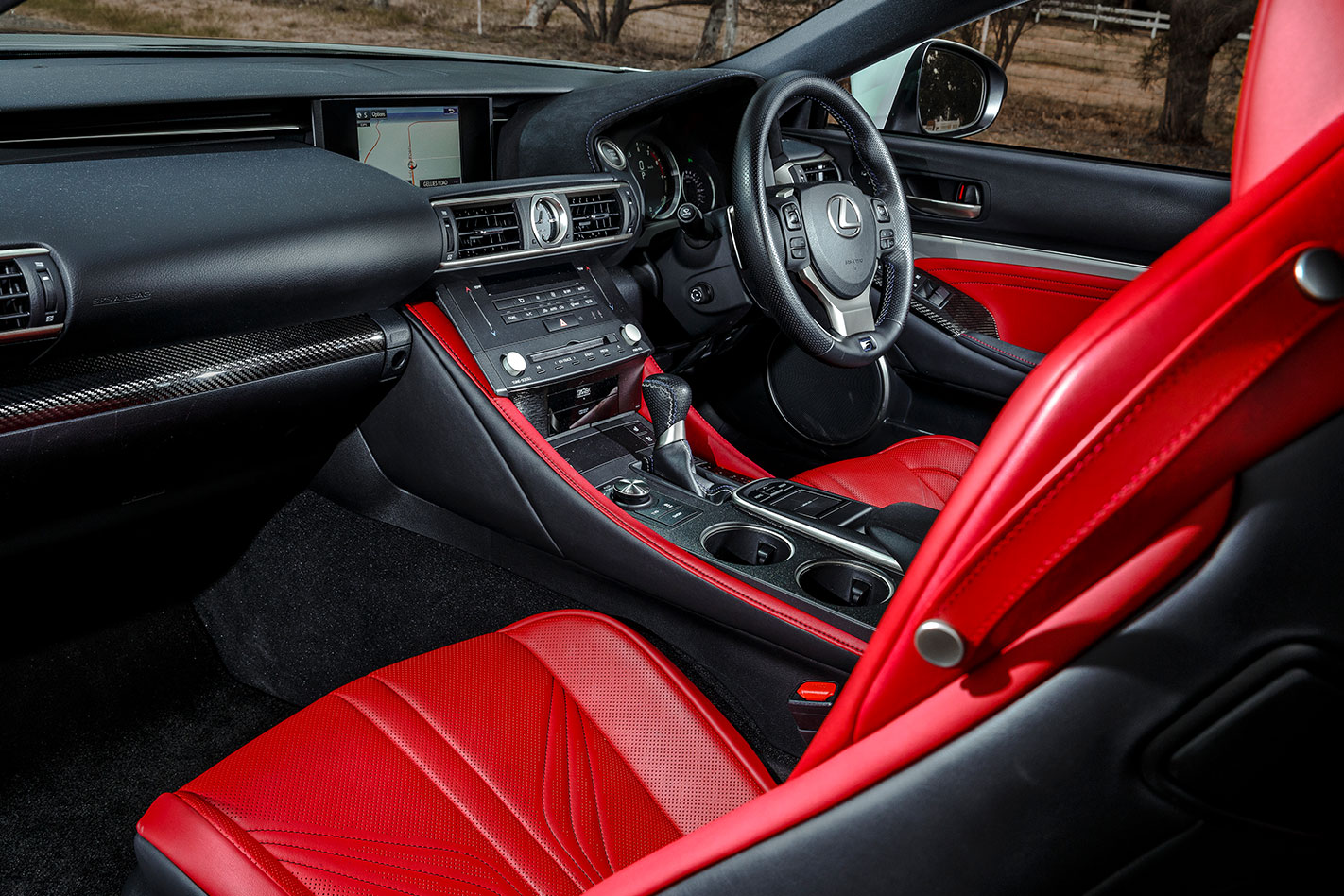
The inside scoop on the good and bad of the RC F’s interior
There are few things worse than being shown up by your younger sibling.
The Lexus RC F is only three years old, but compare its interior to that of the new LC500 and you’d think the gap between the two is an entire generation.
Granted, the LC is a good $50K-plus more expensive than the RC F in its basic form (though our long-termer’s optional carbon pack narrows that gap to $25K), but it also looks and feels it.
Not that the RC F is terrible, it just lets itself down with some baffling control interfaces, while some areas of the cockpit smack of the corporate accountants having too strong of a say.
There are positives, such as the comfy, supportive seats, widely adjustable driving position, build quality and fit and finish, equipment list and the way certain functions are operated by the press of an obvious button. Heating or cooling the seats in the RC F, for instance, takes one second to press a button, whereas in the LC500 it takes about 10 minutes and a degree in neuroscience to find the appropriate sub-menu buried in the infotainment system.
The infotainment controller is by far the biggest problem in the RC F, or any Lexus for that matter – it’s an ergonomic disaster. Perhaps it’s slightly easier for left-hand dominant people, but operating the tracking pad diverts significant attention away from the road and selecting the desired button is often little more than pot luck.
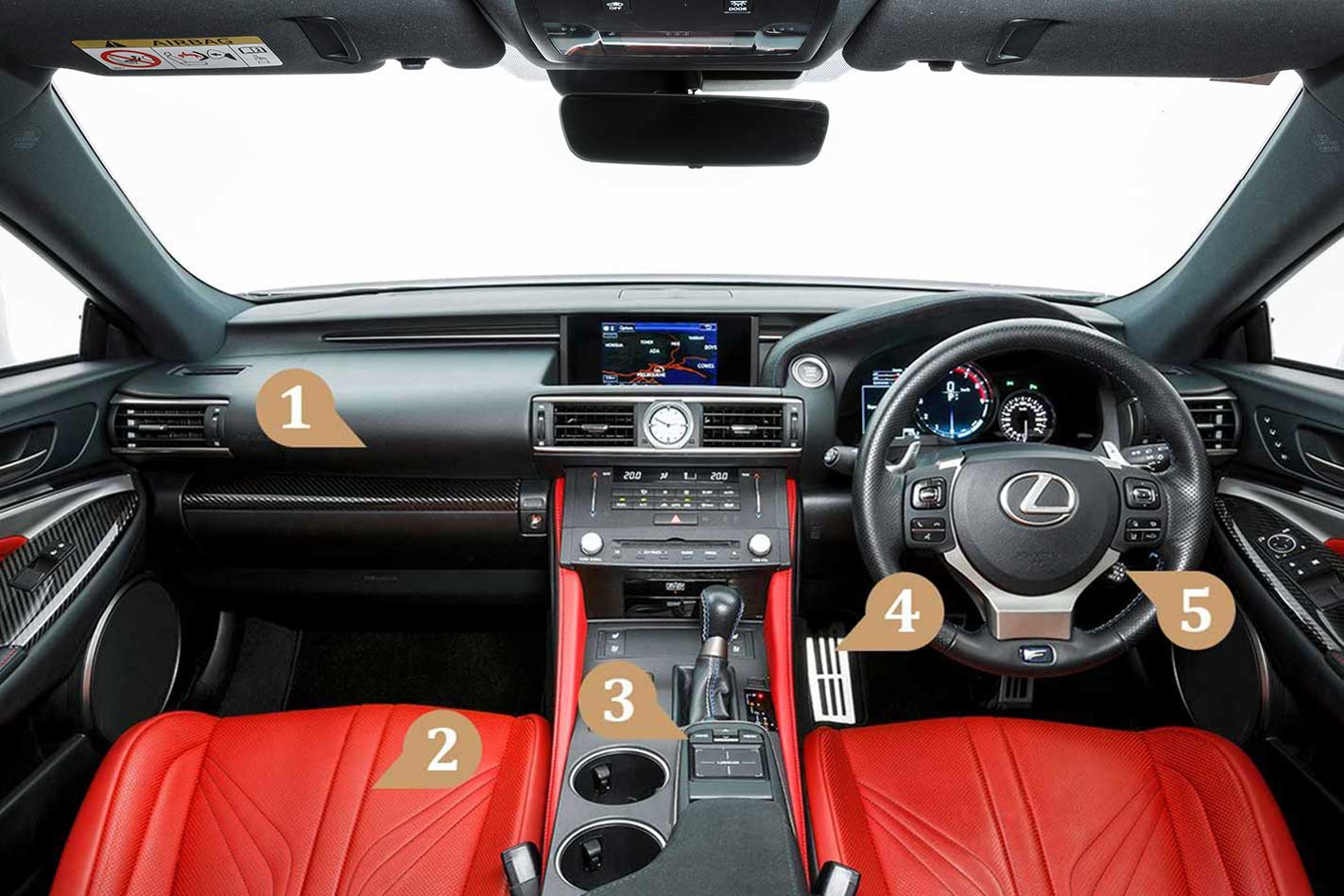
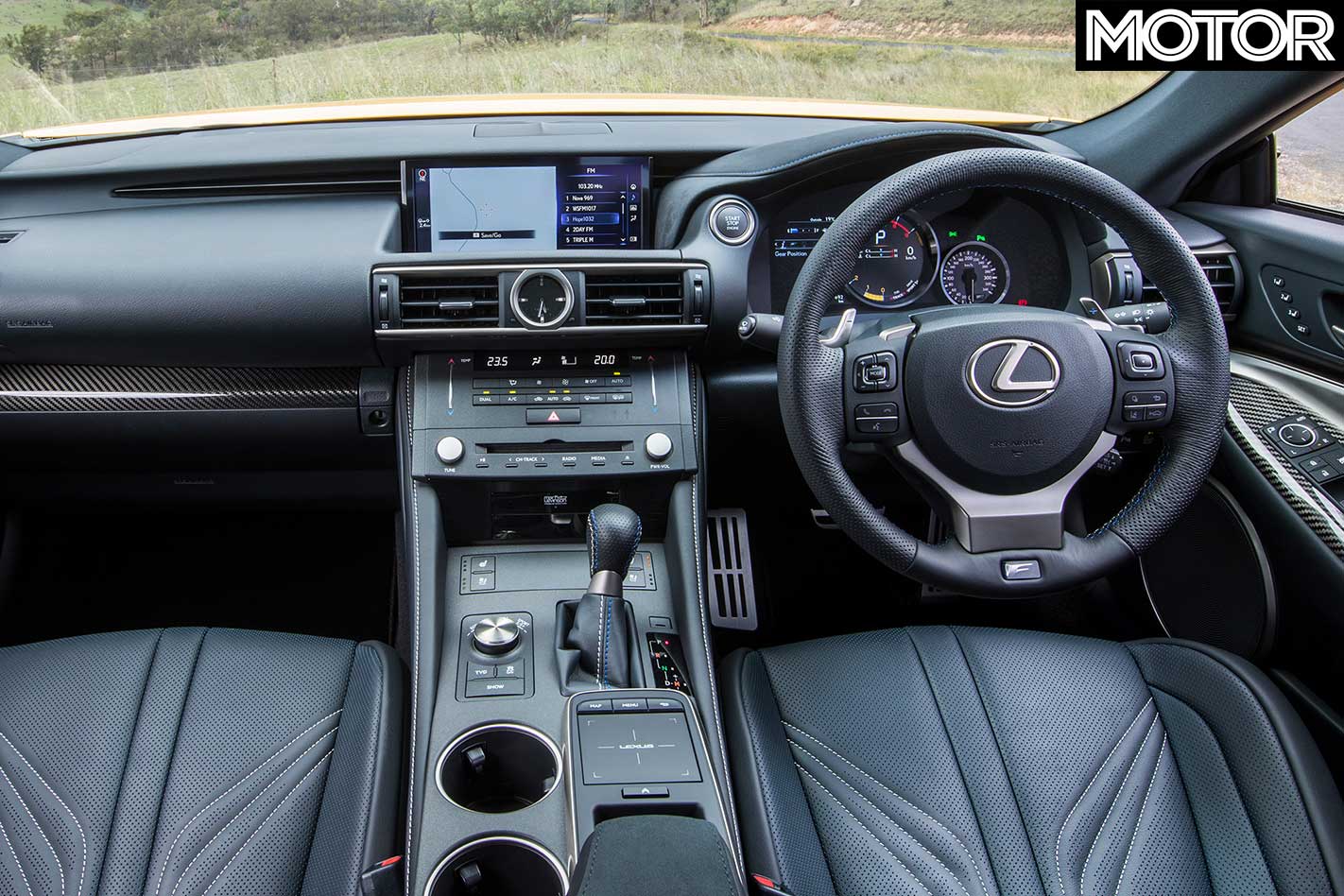
1 – Grand Designs The triple decker design theme works well enough, though the centre dash is very bland, but hopefully some of the LC’s swoops and curves are incorporated come update time.
2 – Chair in There Seats are comfy, well-bolstered and offer welcome heating and cooling functions, though a number of passengers have commented how the red leather clashes with Lexus’s signature blue F model stitching. Rear seats will accept adults for short journeys, but it’s pretty squishy.
3 – Mouse Trap Track pad (slightly) easier to use than old mouse-like system, but that’s the ultimate example of damning with faint praise. Screen is small compared to opposition (though 2018 IS sedan receives a much bigger unit), and functions like sat-nav input and phone pairing are disabled on the move – ARGH!
4 – Park My Foot We don’t mind retro touches, but a foot-operated park brake is not what we had in mind – what is this, 1989? Equally redundant is the tiny analogue speedo, rated to an irrelevant and unachievable 340km/h.
5 – Parts Bin A number of cost-cutting measures are evident inside the RC F. The cruise-control stalk is straight from a $18K Toyota Yaris, requiring the adaptive functions to be moved to the steering wheel. Turn the wheel and screws are visible in the boss – not ideal in a premium car.
Month Two
Fuel Consumption this Month: 12.35l/100km Average Fuel Consumption: 12.35l/100km Distance this Month: 1506km Total: 7017km
Liked: Cooled seats in a Melbourne summer Disliked: Trying to operate the damn track pad
Update 2: Weekend Warrior
RC F reveals its personality on a Sunday drive
I have a problem.
Lexus says MOTOR’s long-term RC F is fitted with its Adaptive Variable Suspension (AVS), which was added as part of an update in late 2016. This makes sense, as at a similar time the RC F’s four-door twin, the GS F, scored an identical upgrade which substantially improved its day-to-day ride comfort, erasing one of our key criticisms of an otherwise very likeable car.
Herein lies my problem. According to Lexus: “AVS has seven damping-force control strategies. In Eco, Normal and Sport, the system prioritises ride comfort while … in Sport Plus mode the focus of the damping-force control is handling stability”. Trouble is, as much as I flick the dial between Normal and Sport Plus I can’t feel a blind bit of difference.
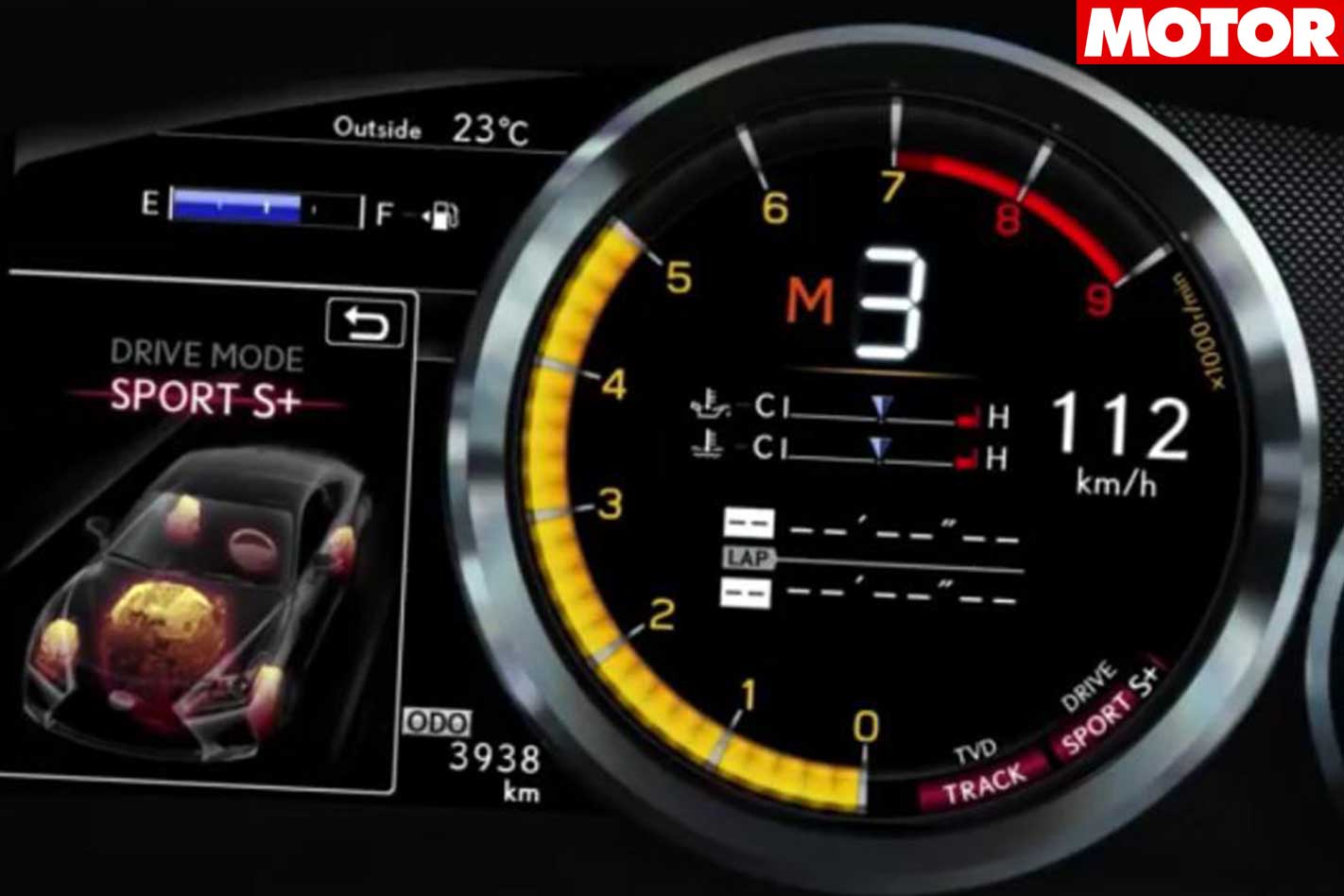
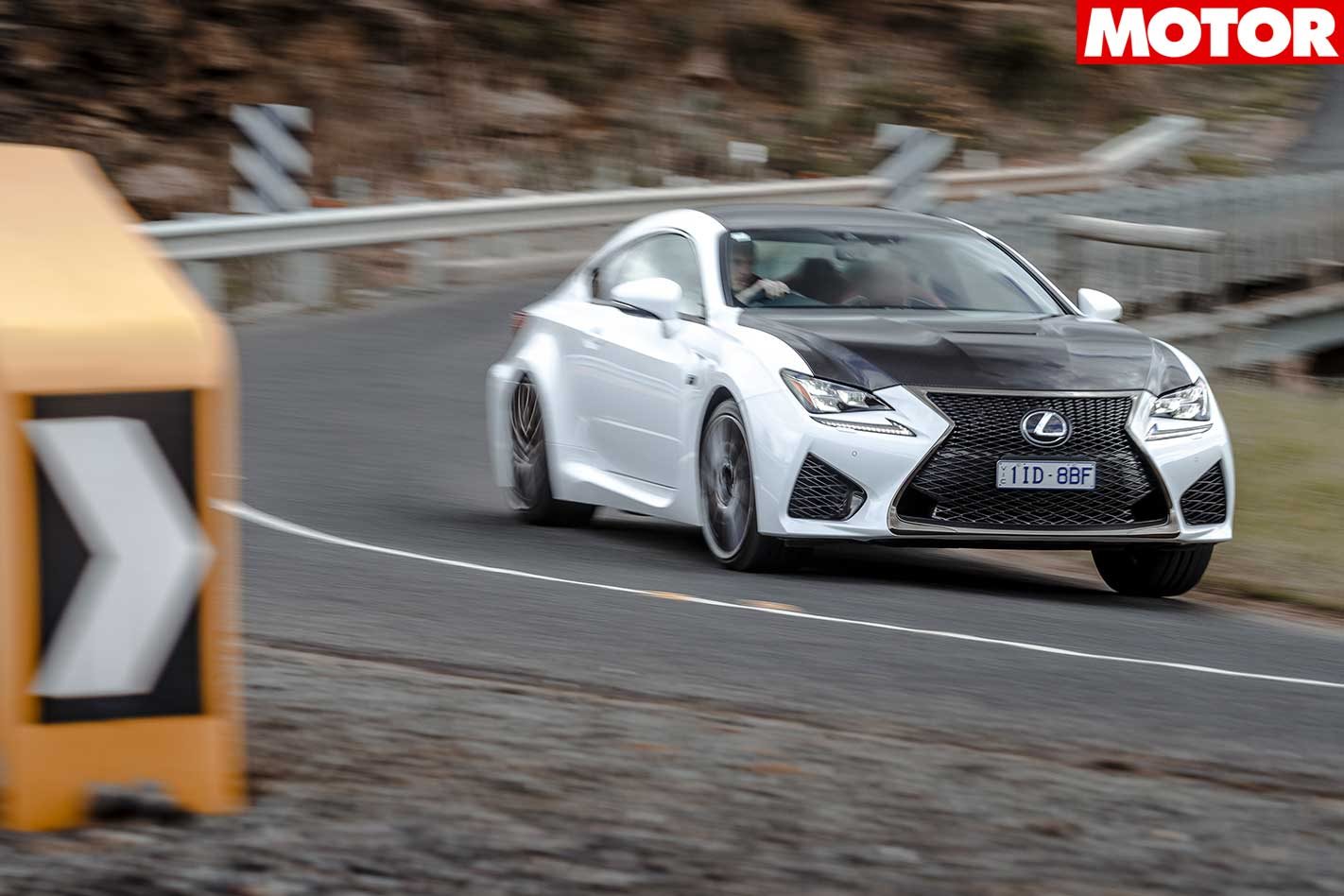
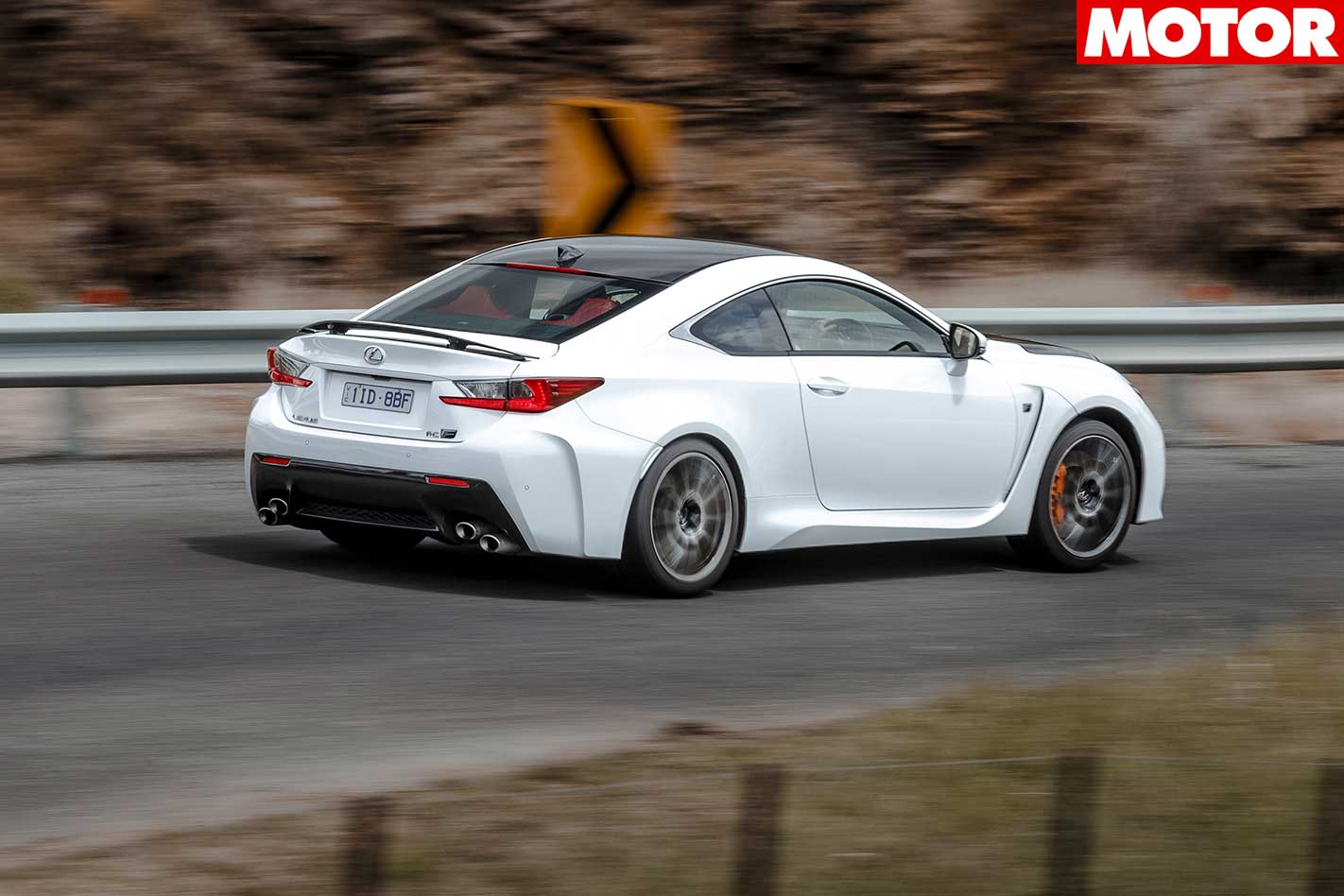
The cloud to this is that the ride isn’t exactly great – not terrible, but irritatingly reactive to smaller bumps – however the silver lining is that the RC F can be driven around in its most aggressive Sport Plus mode with little to any deterioration in ride quality. This endows Lexus’s 5.0-litre V8 with the crisp throttle response you’d expect of a naturally-aspirated engine as well as ensuring as much of that eight-cylinder growl – artificially enhanced by the Active Sound Control system – enters the cabin as possible.
It’s not an engine that offers the instant gratification of today’s over-torqued turbo units but it sneaks up on you, continuing to gain pace as the revs rise all the way to the 7100rpm cut-out.
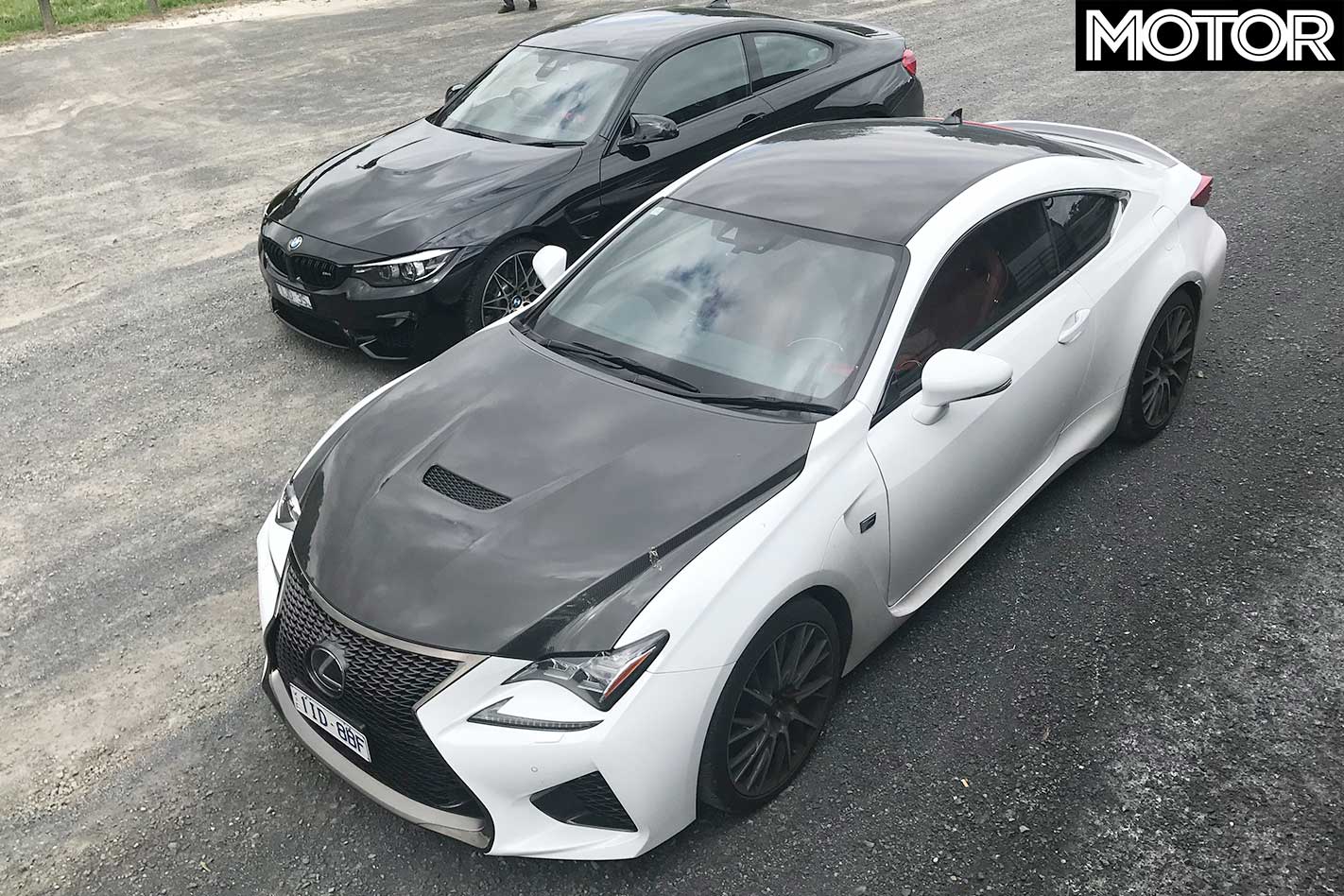
Having an M4 along, perhaps not quite the benchmark in this segment – that would be the Mercedes-AMG C63 S Coupe – but certainly a formidable foe, proved instructive on a number of levels.
Usually cars perform better in insolation only for their flaws to come into sharp focus when compared to their peers – see the Lexus LC500 at PCOTY in this month’s issue – but in this instance it was the RC F’s strengths that came to the fore.
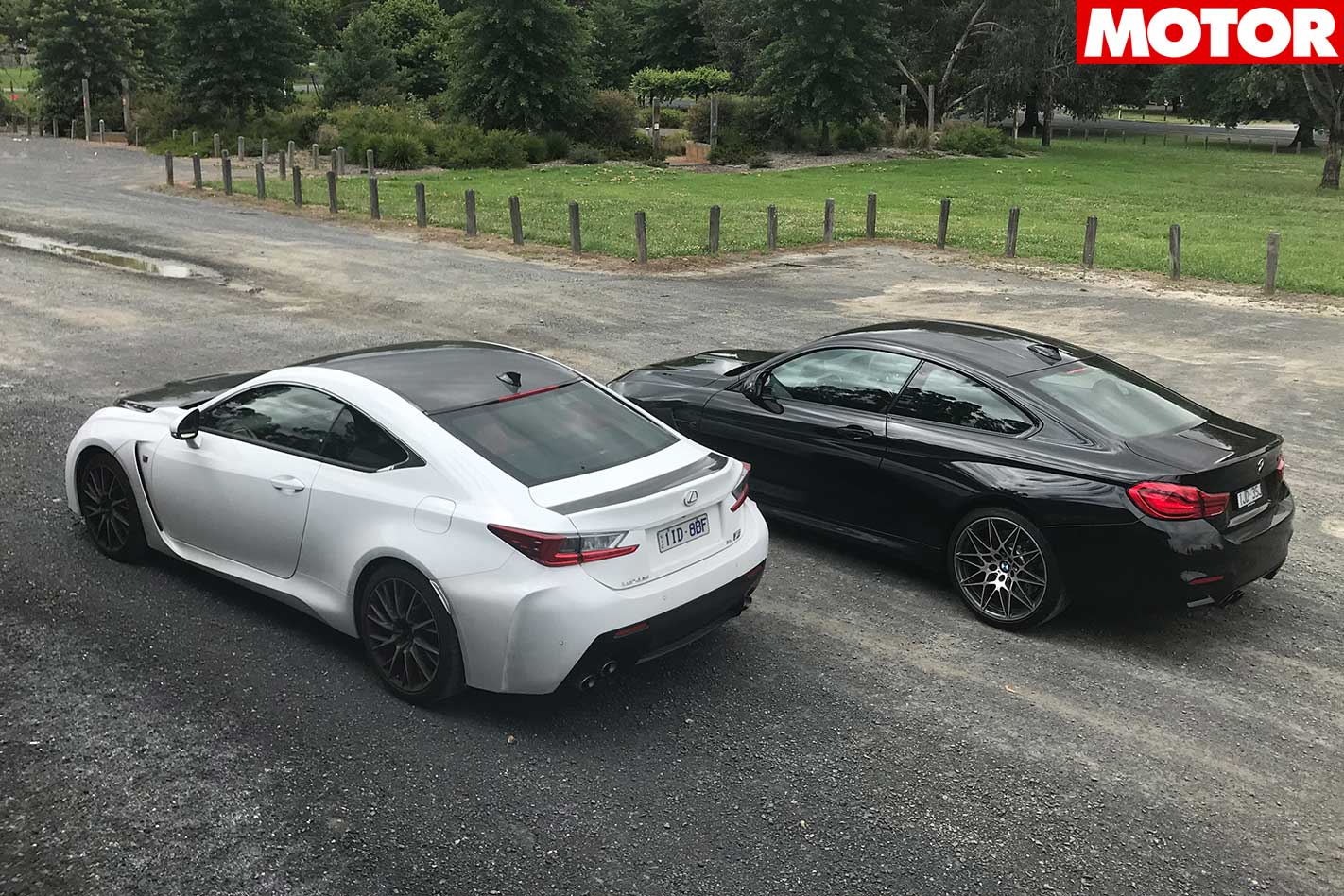
The eight-speed auto can’t match the shifts of the M4’s dual-clutch for swiftness, but it’s brisk enough to prevent annoyance. Working against it is its weight. Virtually every negative compared to the M4 – specifically insufficient urge under 4000rpm, a relative lack of agility and lower ceiling in terms of outright grip – could be largely nullified by a hefty diet.
Nonetheless, the Lexus earned plenty of points this month. I appreciated its differences to the German hegemony before, but there’s now a greater appreciation for how much engineering depth is behind those polarising looks. But is there enough to withstand some hot laps at one of Australia’s fastest racetracks? More on that next month.
Month Three
Fuel Consumption this Month: 18.48L/100km Average Fuel Consumption: 14.91L/100km Distance this Month: 1081km Total: 8098km
Liked: The RC F revealing hidden qualities Disliked: Damper settings indistinguishable
Favourite moment: Keeping a BMW M4 in sight
Update 3: Heavy Hitter
Time for the flabby Lexus to do some exercise
“I’ll take a punt and say it’s a 10”. Scott Williams’ answer is not a welcome one.
The senior Bureau of Meteorology forecaster was asked to rate the storms scheduled to lash Victoria out of 10 and he delivered the maximum score among phrases like “unprecedented” and “top end of rainfalls seen in the last 30 years.”
These aren’t words you want to hear when you’re booked to tackle Phillip Island, one of Australia’s fastest and most challenging racetracks. We’re fortunate to spend more time on track than most here at MOTOR, but practice is only valuable if you know what to practice, so a day’s instruction with Evolve Driving would double as an opportunity to spend some time on track in the RC F.
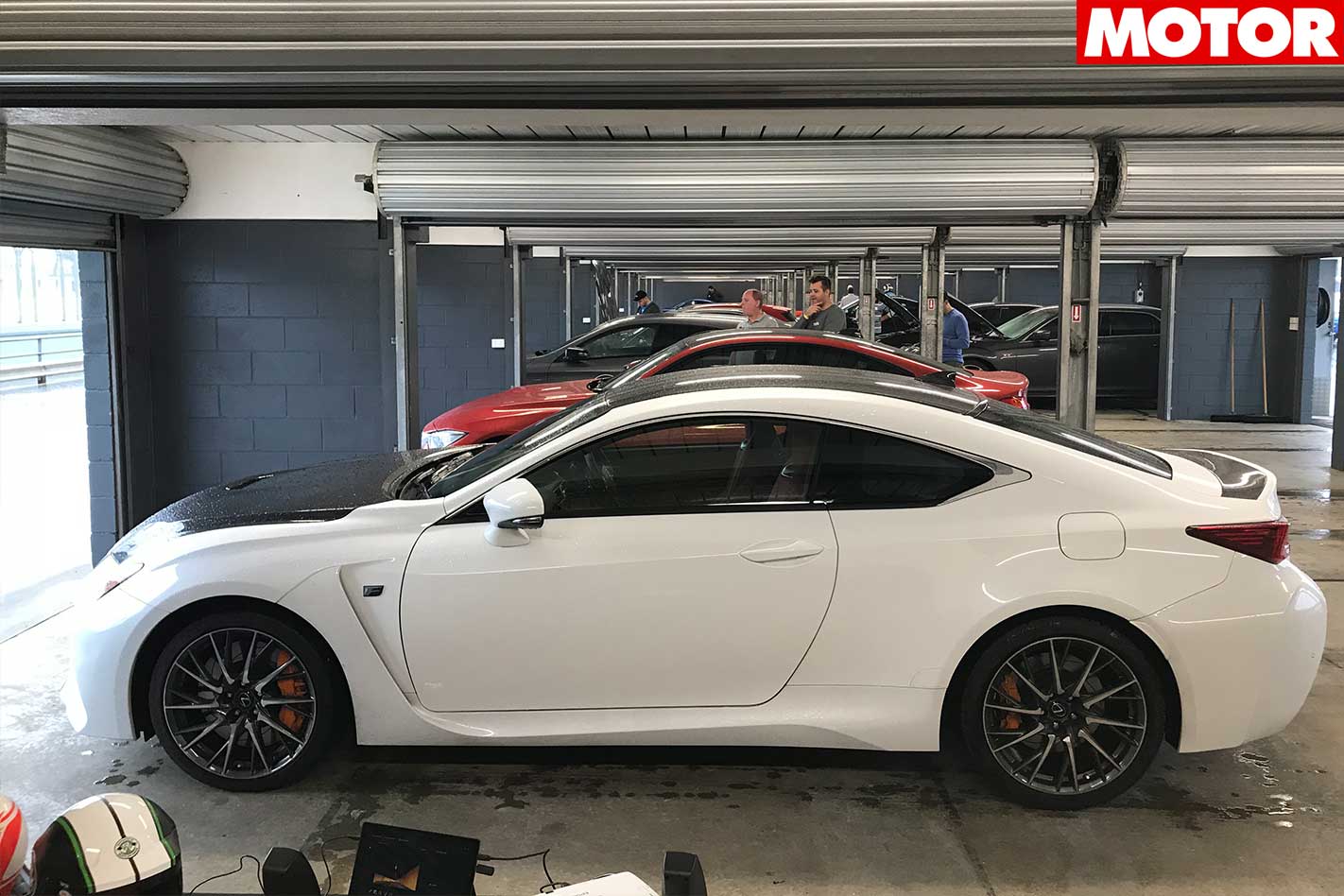
Despite substantial kerb weights, their brakes display impressive stamina and Michelin Pilot Super Sports handle track day stresses better than most. Neither of these things are particularly relevant right now during the first track session as the heavens open with a ferocity that would have Noah going back to the drawing board.
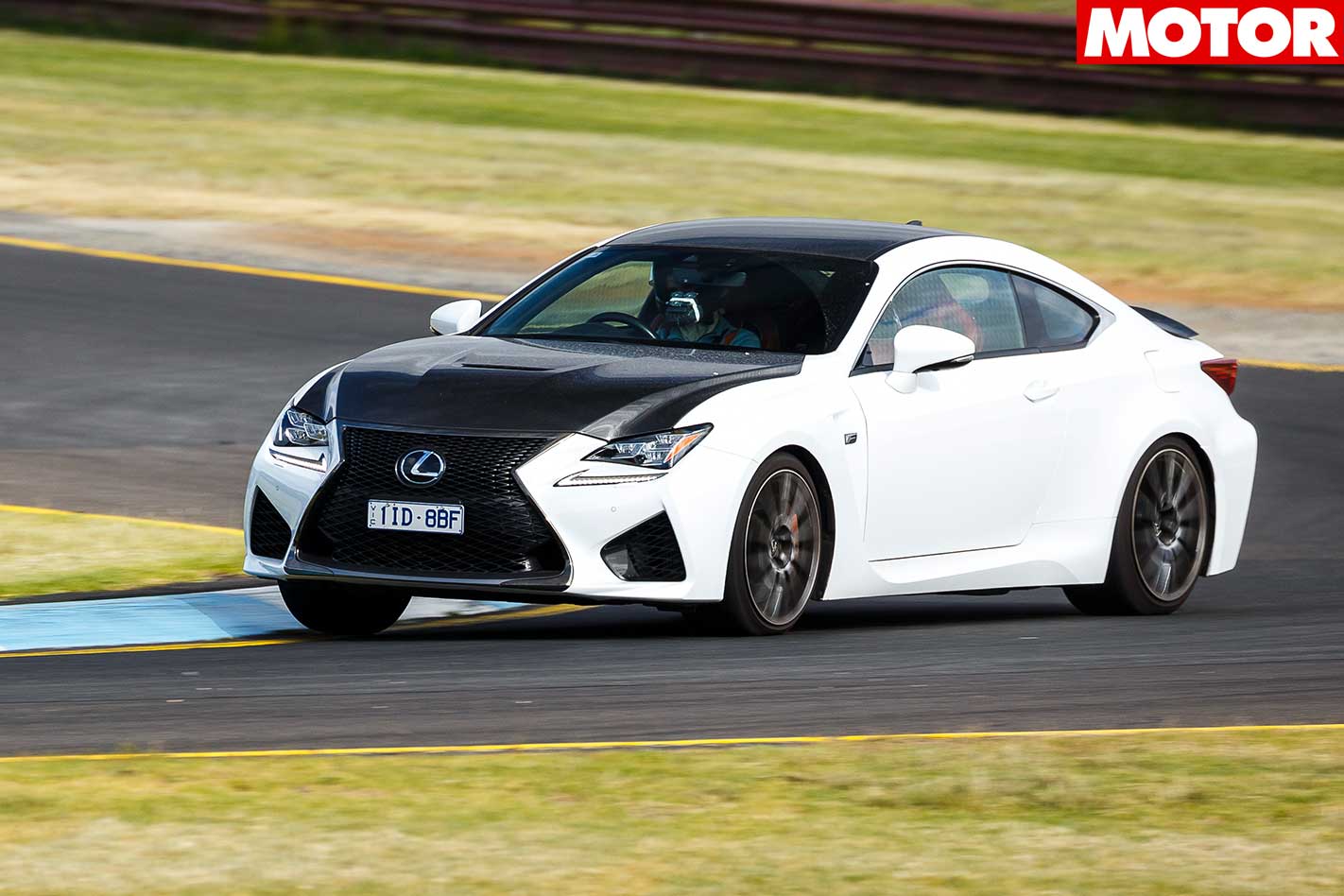
Despite having the electronics fully on and wiping almost 100km/h from a typical dry speed on the main straight, as soon as I brush the brakes on the downhill run into turn one the car snaps sideways on a river.
It’s amazing how life goes into slow motion at moments like this. The whole situation is over in a handful of seconds but every one is crystal clear: the futile attempt at opposite lock; the “uh oh” thought as the car hits the wet grass followed by “don’t touch anything!”; the relief as the car rejoins the circuit, a patch of dirt on the turn one apex the only evidence of the misadventure.
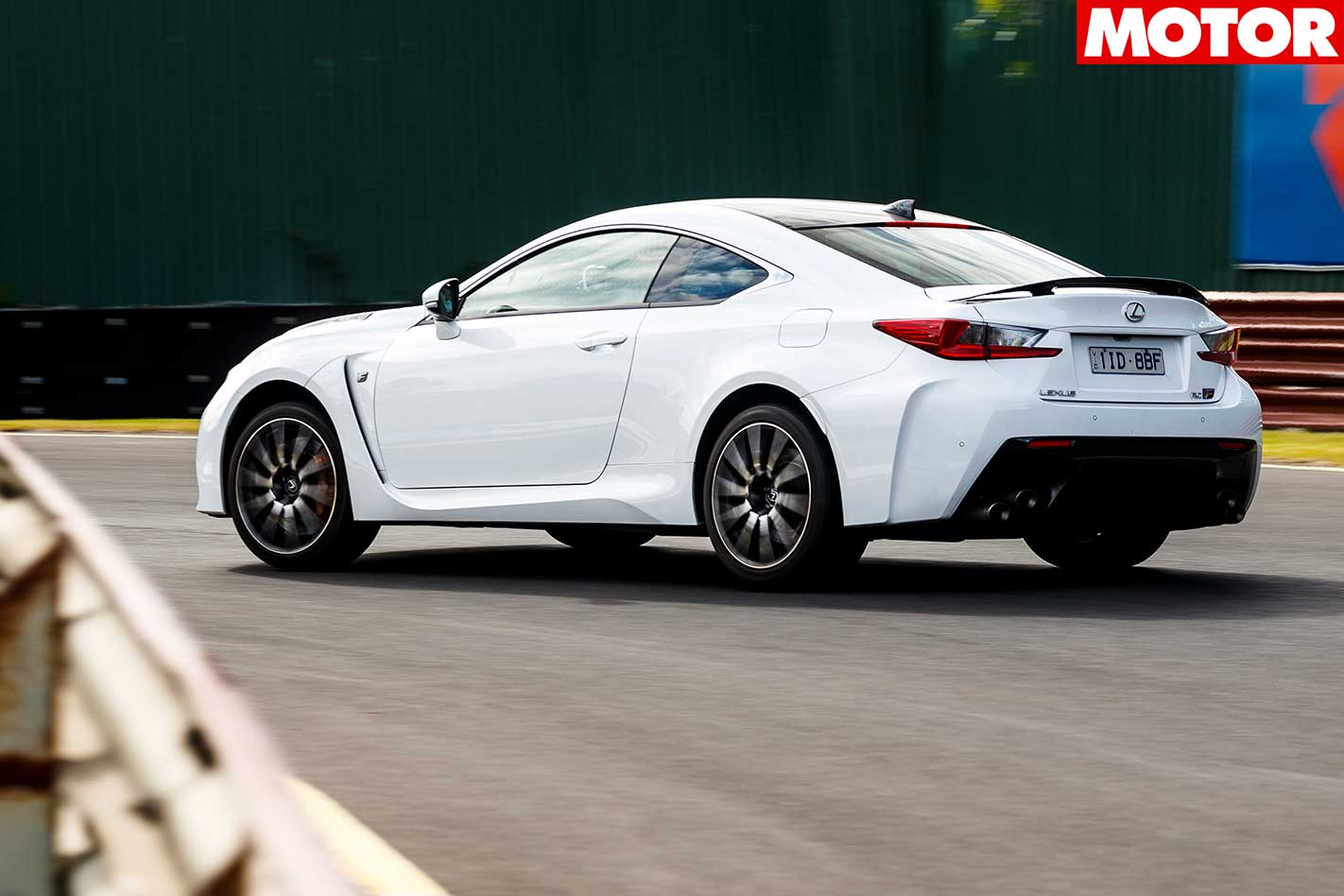
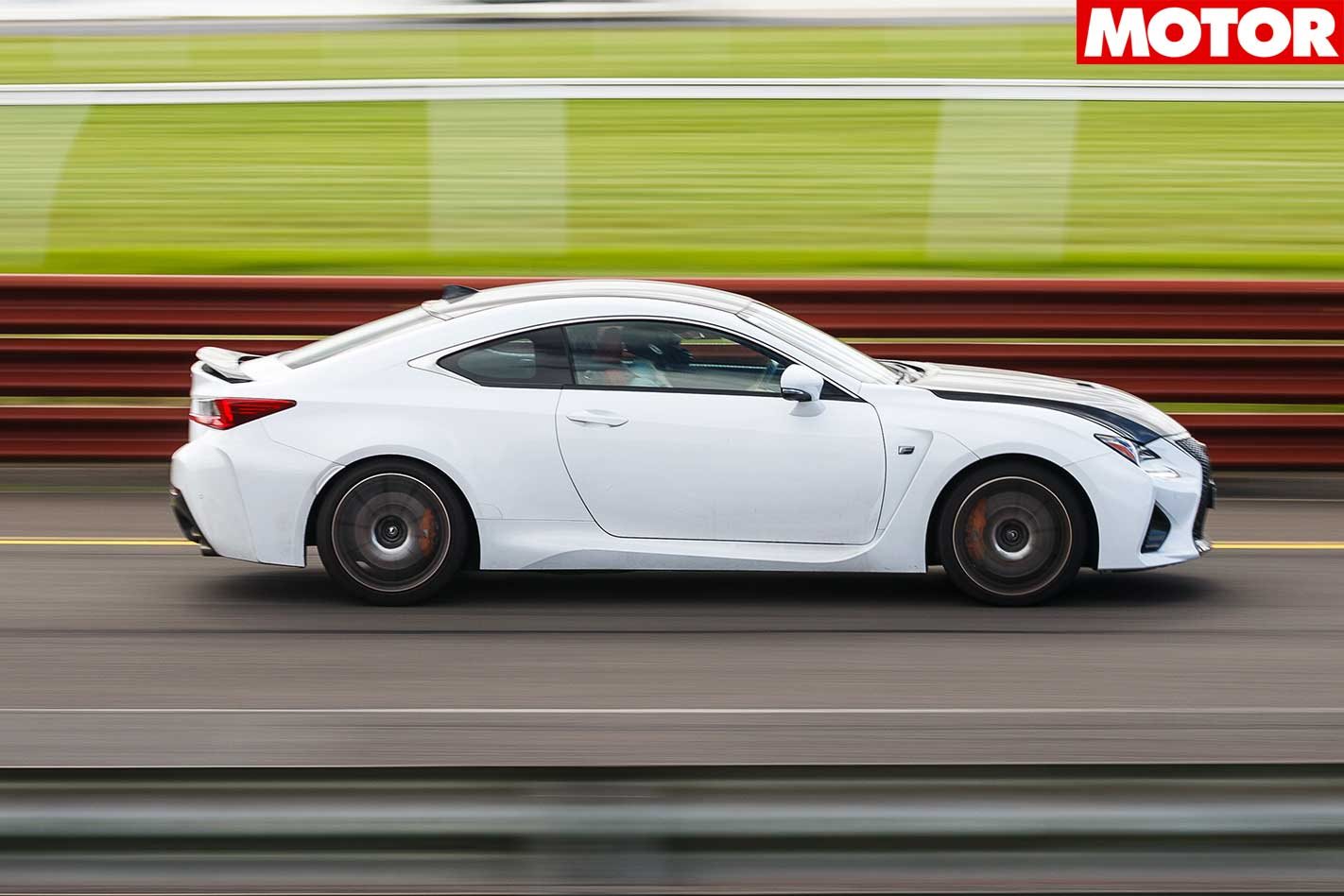
‘Expert’ might be a fairly cheesy name for its sports ESP setting but it’s also an apt one as it allows a very generous amount of slip before intervening. It’s perfectly calibrated for circuit use. If you really want to have fun, turning the electronics off opens the door to massive slides, the RC F a natural drift car thanks to decent levels of feedback, good balance and lots of steering lock, though it requires quick initial reflexes.
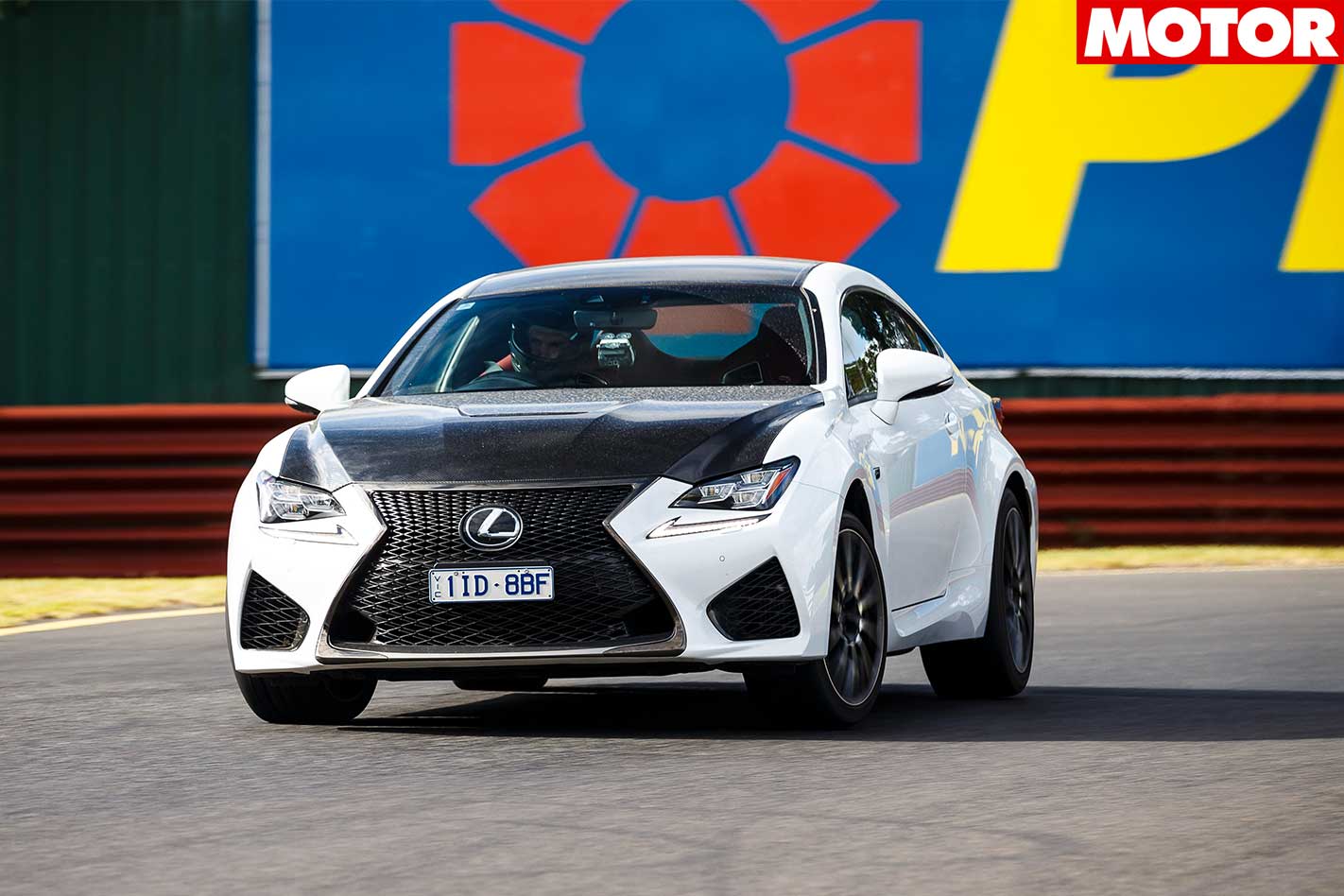
Thankfully, the final session is dry but a day of tip-toeing around has left me far too cautious. Switching to the passenger seat, Evolve owner Dean Sammut demonstrates just what the RC F is capable of, as well as the correct way to drive it.
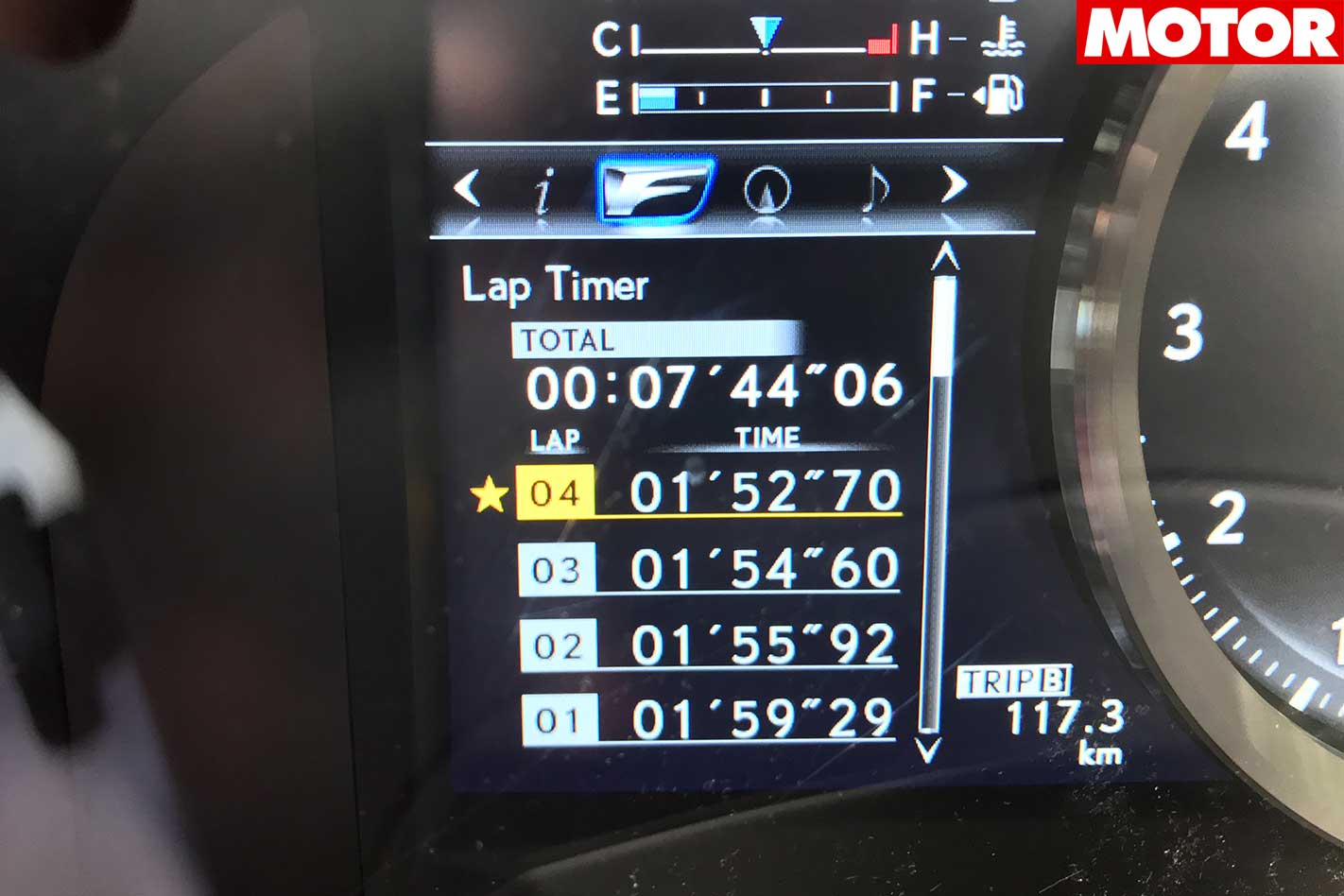
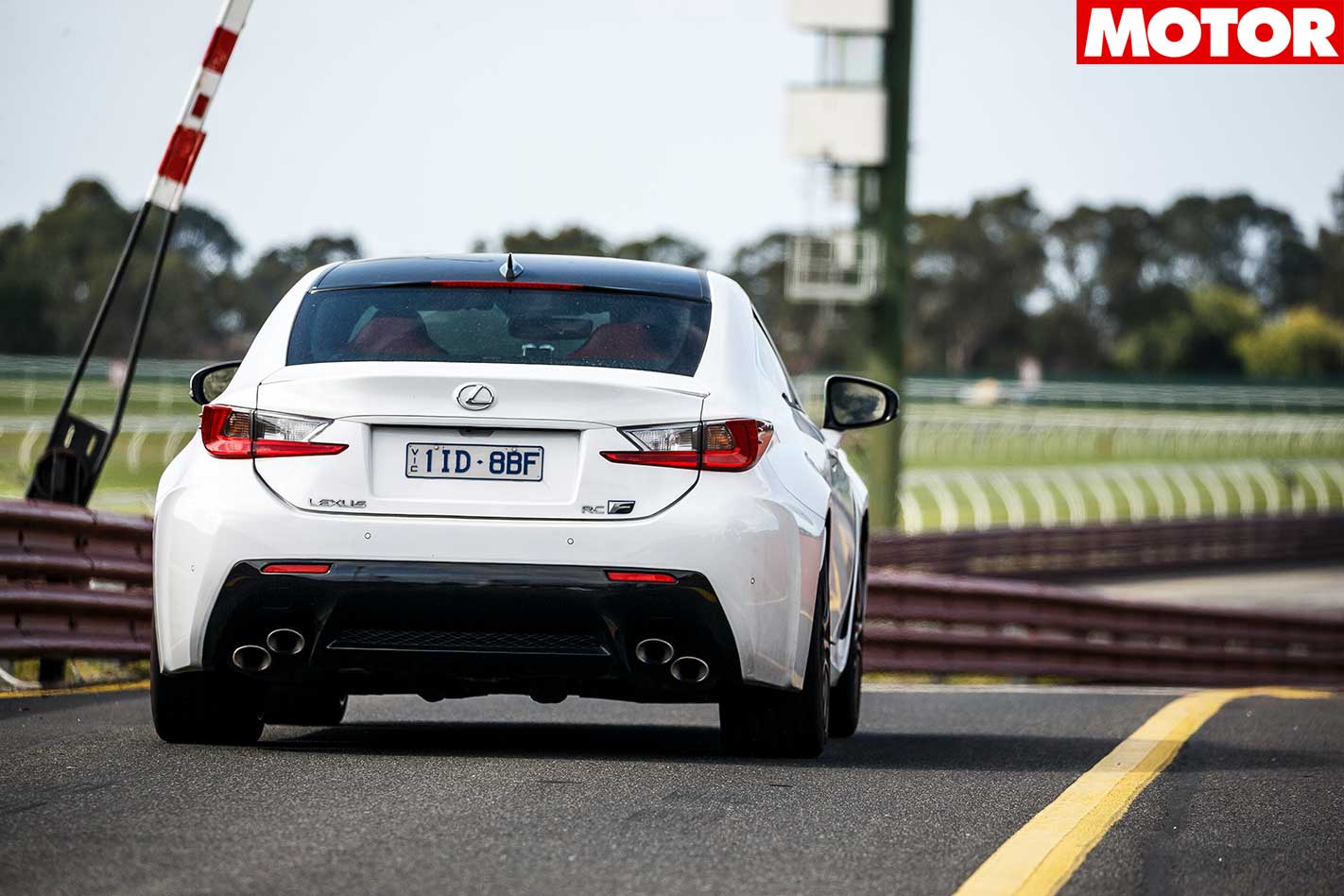
Only now with repeated dry-weather laps do the brakes begin to feel the strain, but impressively the groans and graunches slowly disappear as normal driving resumes. Unlike Scott Williams, I’m not going to get carried away and say the RC F is a 10, but as a track car it definitely defied expectations.
Month Four
Fuel Consumption this Month: 15.57L/100km Average Fuel Consumption: 15.13L/100km Distance this Month: 1327km Total: 9425km
Liked: Doing lots of laps at a very cool track Disliked: Being out of control at 150km/h
Update 4: Conclusion
It’s the final commitment ceremony. Will we stay or leave?
I’ve been watching quite a bit of Married at First Sight.
I know, I know… and no matter how hard I scrub, the shame doesn’t disappear, but my girlfriend enjoys it and it has a similar sort of appeal to those Nurburgring crash videos that feature numerous Renault Clios and BMW M3s pinballing between the armco. It’s awkward, a bit painful, but compelling viewing nonetheless.
Being paired with a long-termer is a similar process (to the show, that is, not crashing at the ’Ring). All of a sudden you’re living with a new car and expected to get along – or at least that’s what the public relations person at the car company hopes.
Still, that’s why we do these tests, to see if longer exposure brings to light virtues (or flaws) a quick road test or comparison may miss.
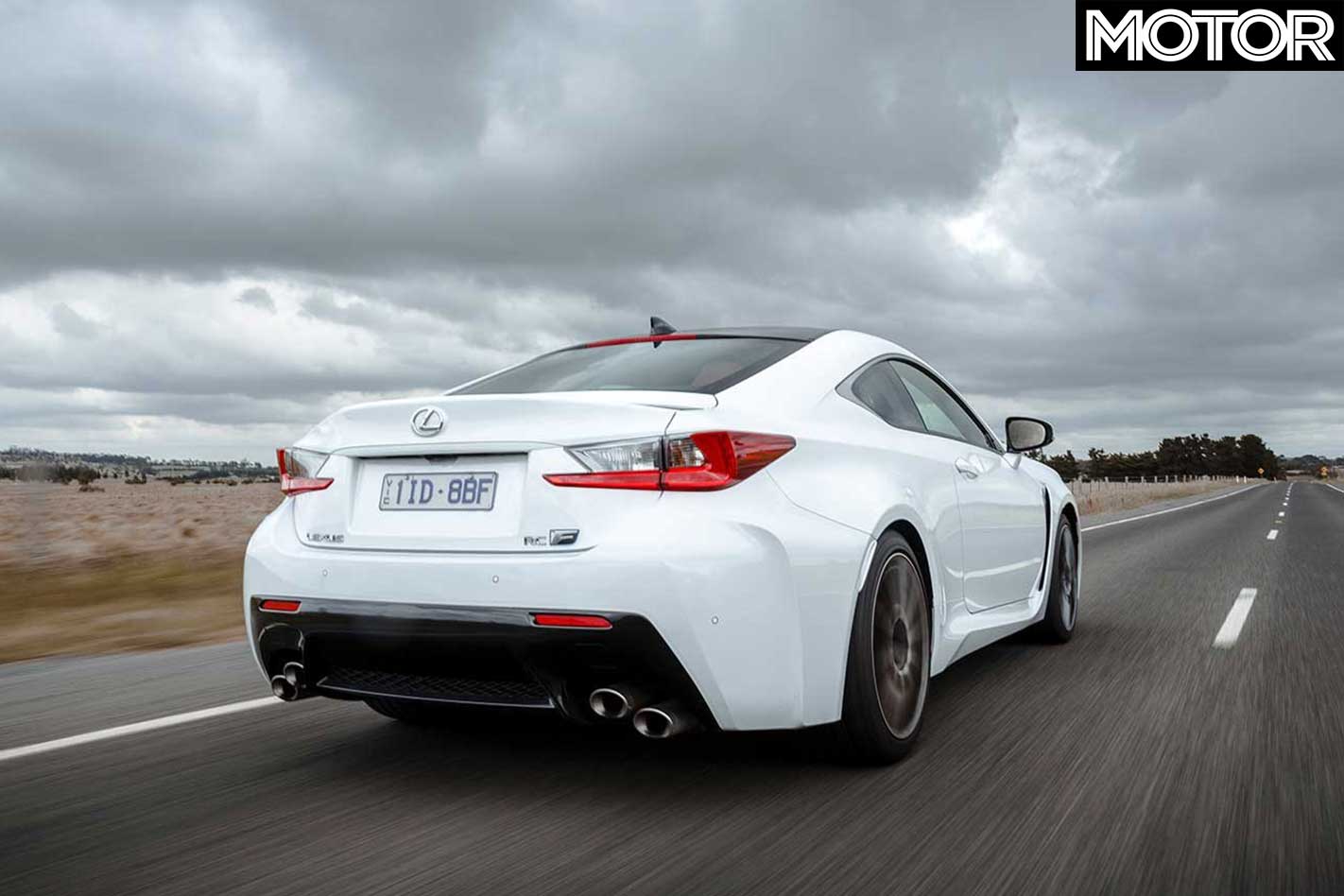
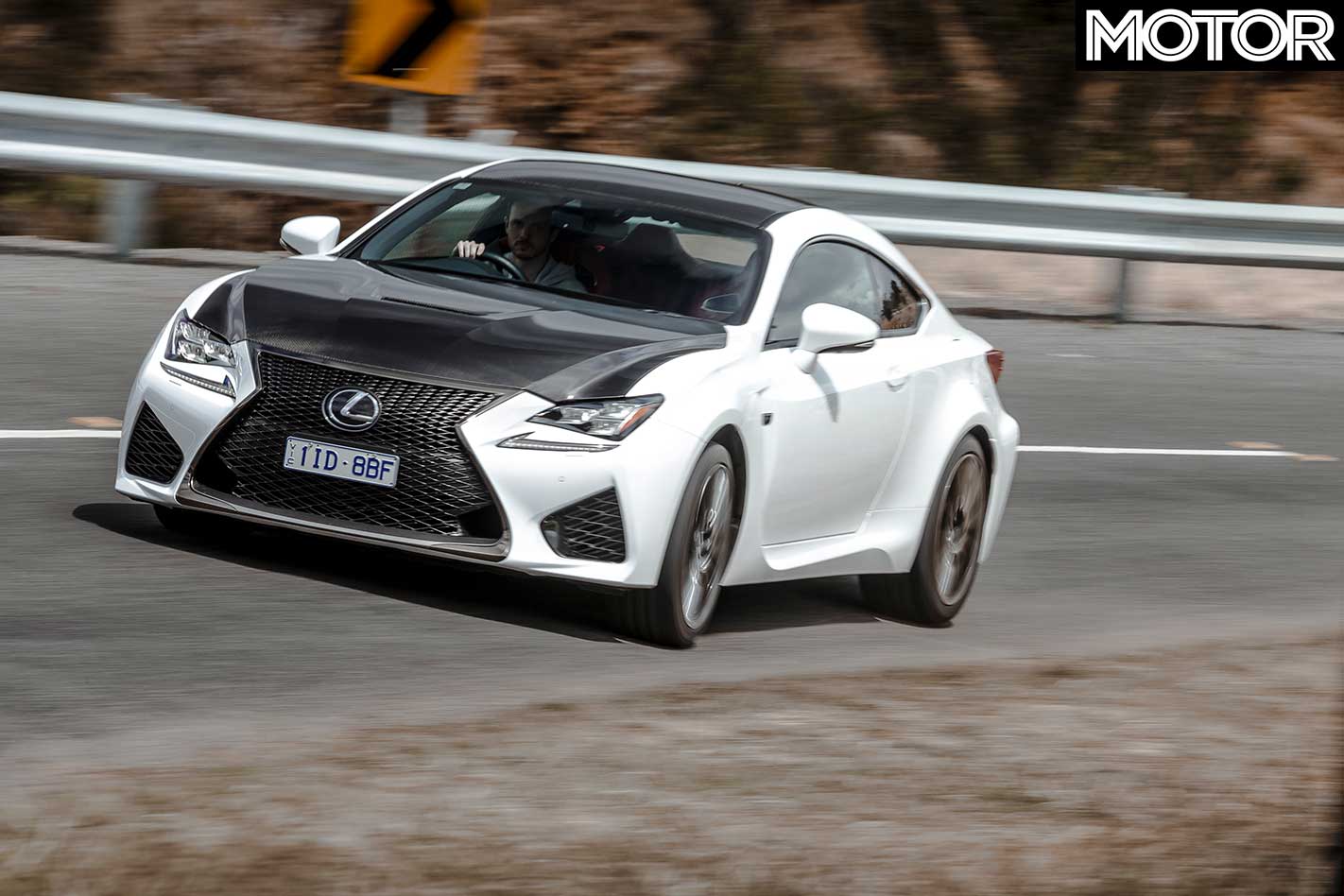
Spending the past four months with the Lexus RC F has certainly improved my opinion of it, albeit there are a few caveats, which I’ll get to in a moment.
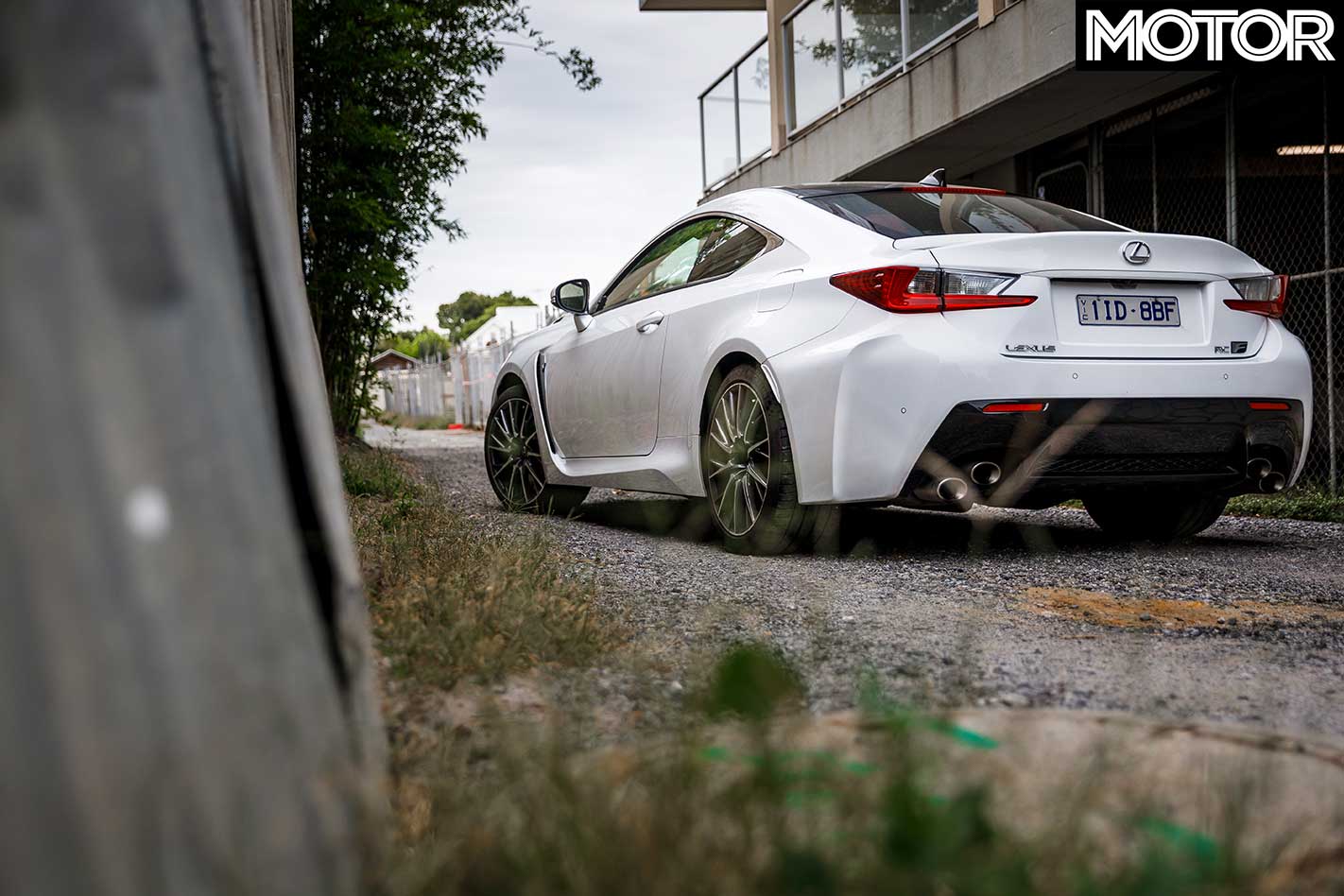
I was also one of the few who liked the carbon treatment, though you’d have to have rocks in your head to pay $20,597 for it, especially given the meagre 9.5kg weight loss. It would be an expensive option if it saved 10 times that amount.
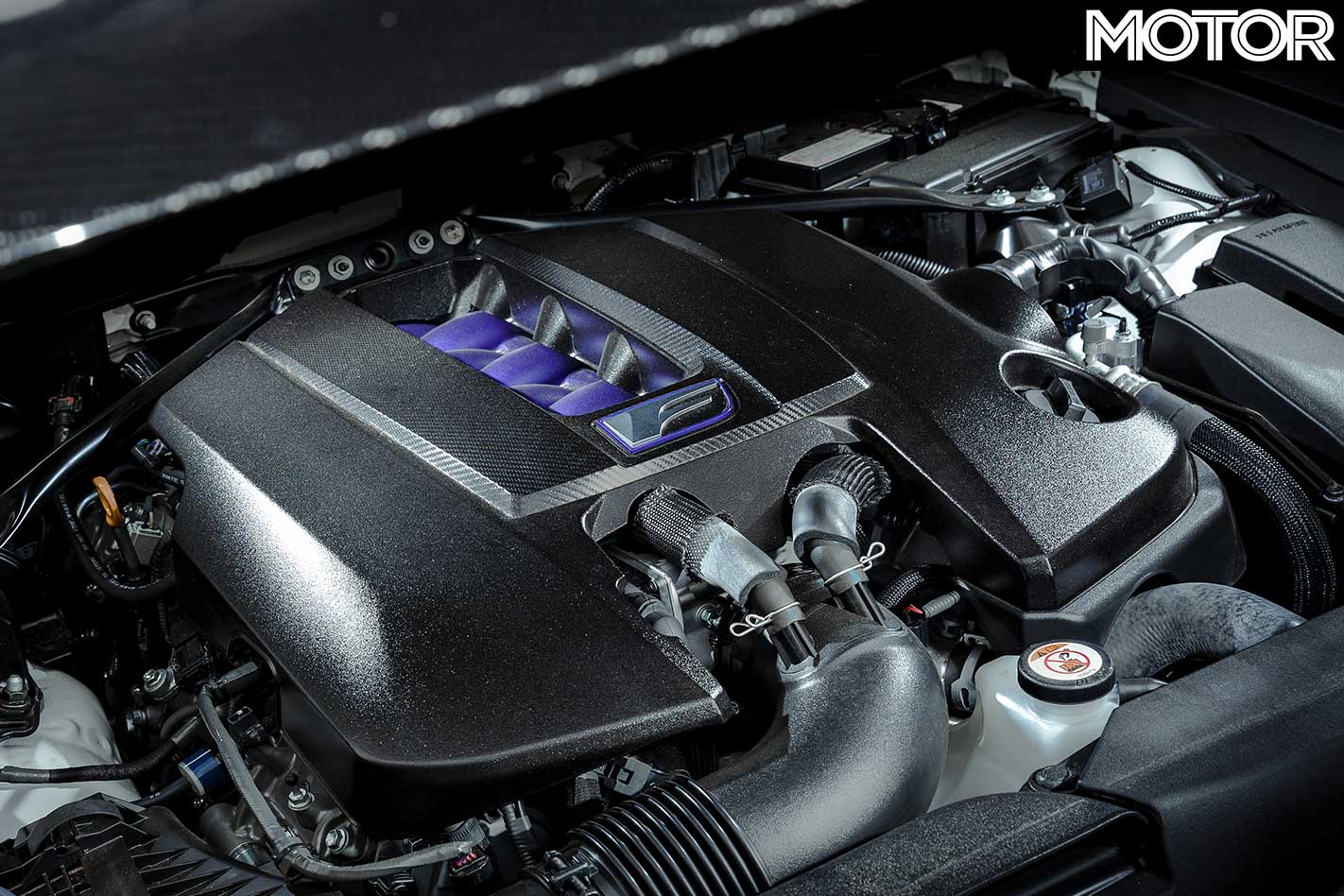
The highlight of the RC F is undoubtedly its engine. It sounds a bit contrived, but the way the engine note hardens substantially around 4000rpm never fails to entertain and with 10,000 hard press kilometres under its belt, the 5.0-litre V8 was feeling particularly healthy, powering 1800kg-odd of Lexus to 230km/h along Sandown’s straights on a recent track outing.
Despite two fairly substantial track sessions and plenty of road use the RC F’s stoppers still had plenty of bite and the Michelin Pilot Super Sport tyres were hanging in there, though rear grip was beginning to suffer.
A shout-out to the Expert ESP mode, too, which is brilliantly lenient and impressively subtle in its intervention.
Lexus needs a complete rethink of its control interface as the current trackpad is at best infuriatingly unintuitive, at worst dangerous given the amount of attention it diverts from the road. Good stereo, though, and the seats’ heating and ventilating functions were both used during its stay.
So would I buy a Lexus RC F? No.
For my money, the GS F is the more impressive Lexus – it’s lighter, more practical and a better drive. Likewise, while the RC F is a grower, it can’t deliver the instant adrenalin hit of its more powerful rivals from BMW and Mercedes; both would be more alluring on a quick test drive.
However, early on in the RC F’s tenure I spied a car that would be the perfect choice if you’re looking for a screaming V8 coupe and I haven’t been able to shake the thought since. It might be yesterday’s news, but the E92 M3 follows the same recipe as the Lexus, only with tastier ingredients.
It’s true marriage material.
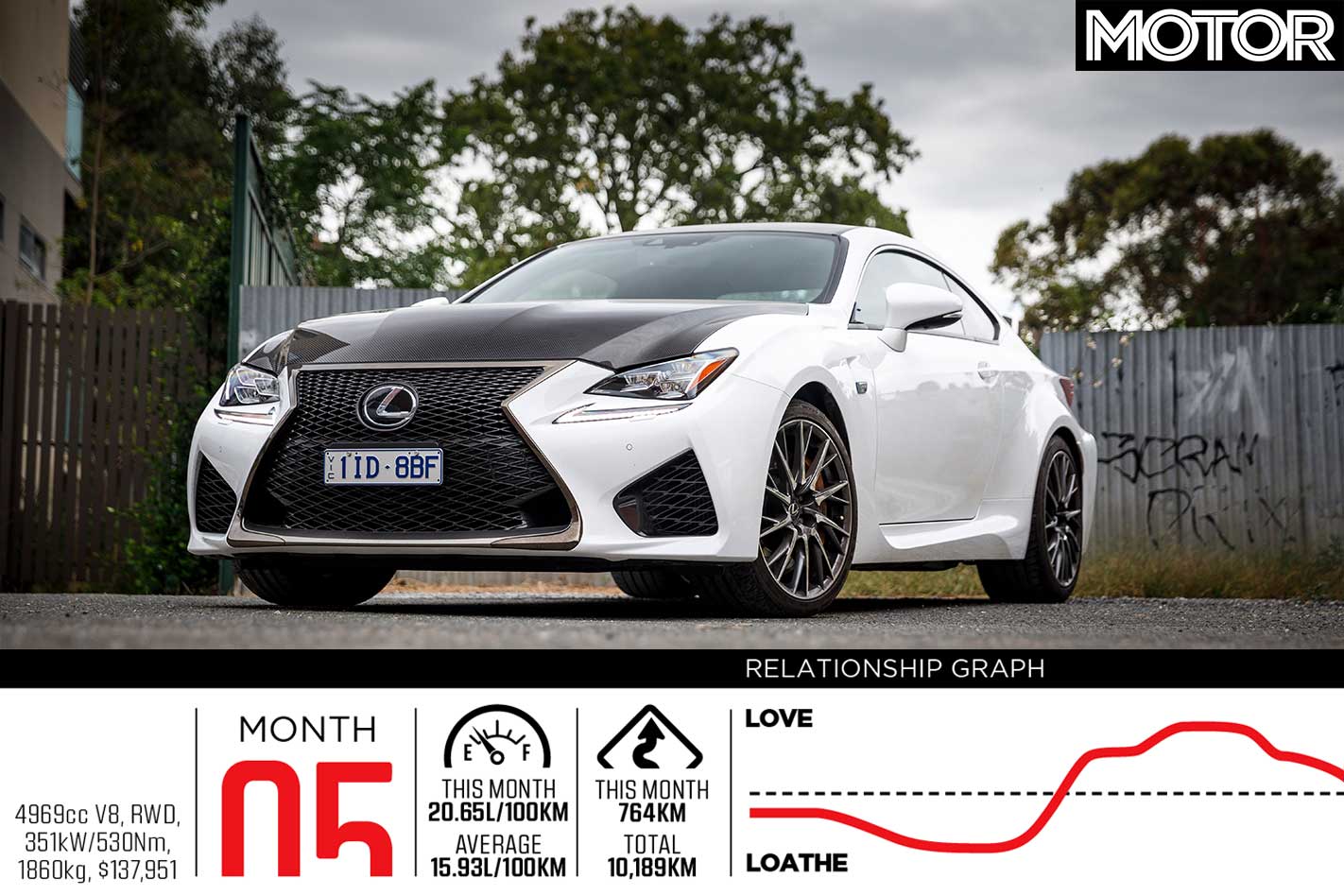
2017 Lexus RC F Pros & Cons
Three things we fell for: 1 – Ace drivetrain 2 – Great seats 3 – On-track talent
Three things we got sick of: 1 – Track pad 2 – Track pad 3 – Tr… ok, firm ride
If there’s one motor show petrolheads need to prioritise each year, it’s Geneva.
It’s a small show in terms of hall space, so manufacturers tend to focus on big-ticket reveals that’ll have media and punters alike frothing at the mouth (and wallet).
As usual, there was plenty of talk of electrification and autonomy, but most of the headline acts still burned fossil fuel and plenty of it in the pursuit of horsepower and speed.
Here are the 10 cars you need to care about from this year’s show.
1 – Mercedes-AMG GT63 S 4MATIC+
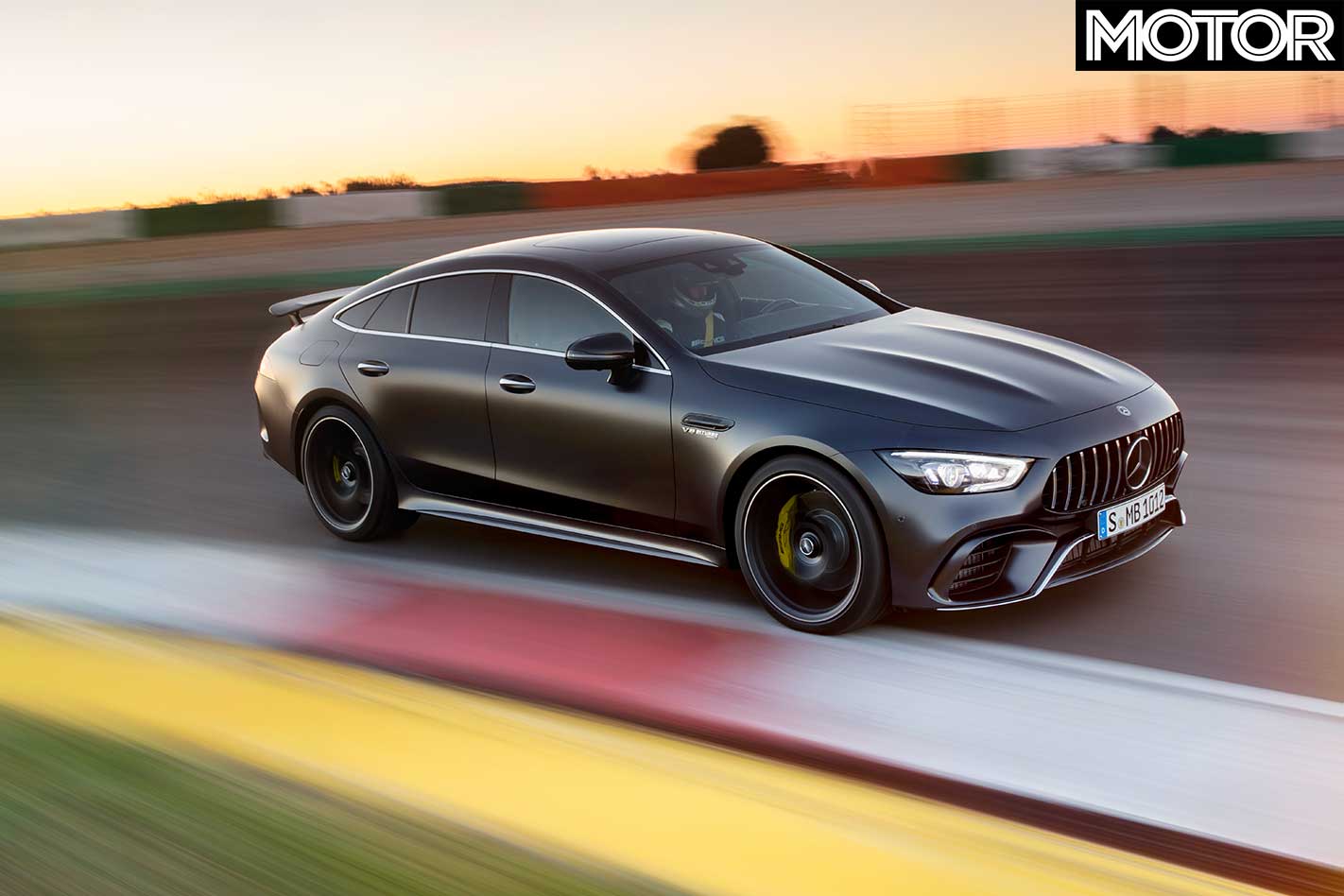
AMG grows ever bolder.
No longer satisfied with turning the wick up on production Mercedes, it now wants its own models, hence the CLS63 is now a thing of the past, replaced by the GT 4-door. As is the current fashion, its hatch-esque body melds sedan and coupe and can be had with AMG’s new mild-hybrid 3.0-litre turbo straight-six (320kW/520Nm, 0-100km/h 4.5sec).
For the full experience, though, you’re going to want the 4.0-litre twin-turbo V8. In base GT63 guise it develops 430kW/800Nm and hits 100km/h in just 3.4sec thanks to all-wheel drive and a nine-speed wet-clutch auto. The GT63 S unleashes AMG’s most powerful turbo V8 yet, producing 470kW/900Nm, capable of flinging 2045kg of Mercedes to 100km/h in just 3.2sec.
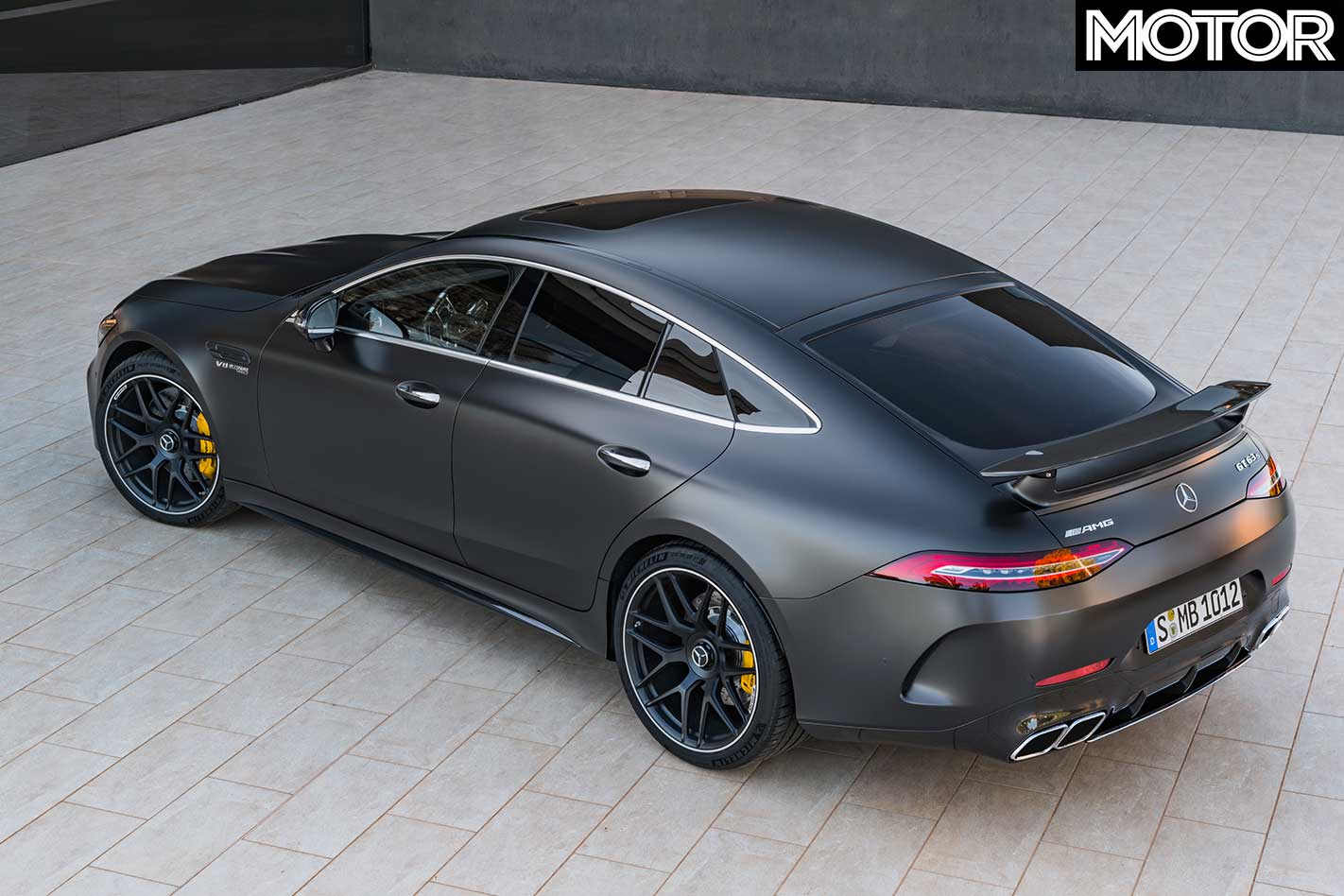
Inside, there’s a sleeker version of the GT Coupe’s rising centre console and massive twin 12.3-inch screens. Expect a price tag of $300K-plus when it lands in Q2 2019.
Its nemesis, Porsche’s 382kW/700Nm twin-turbo V8 Panamera Turbo is similar in spec to the AMG, though 0.6sec slower to 100km/h and the best part of $100K dearer, but it’s also a work of art inside and a beast to drive. Game on.
2 – Rimac C_Two
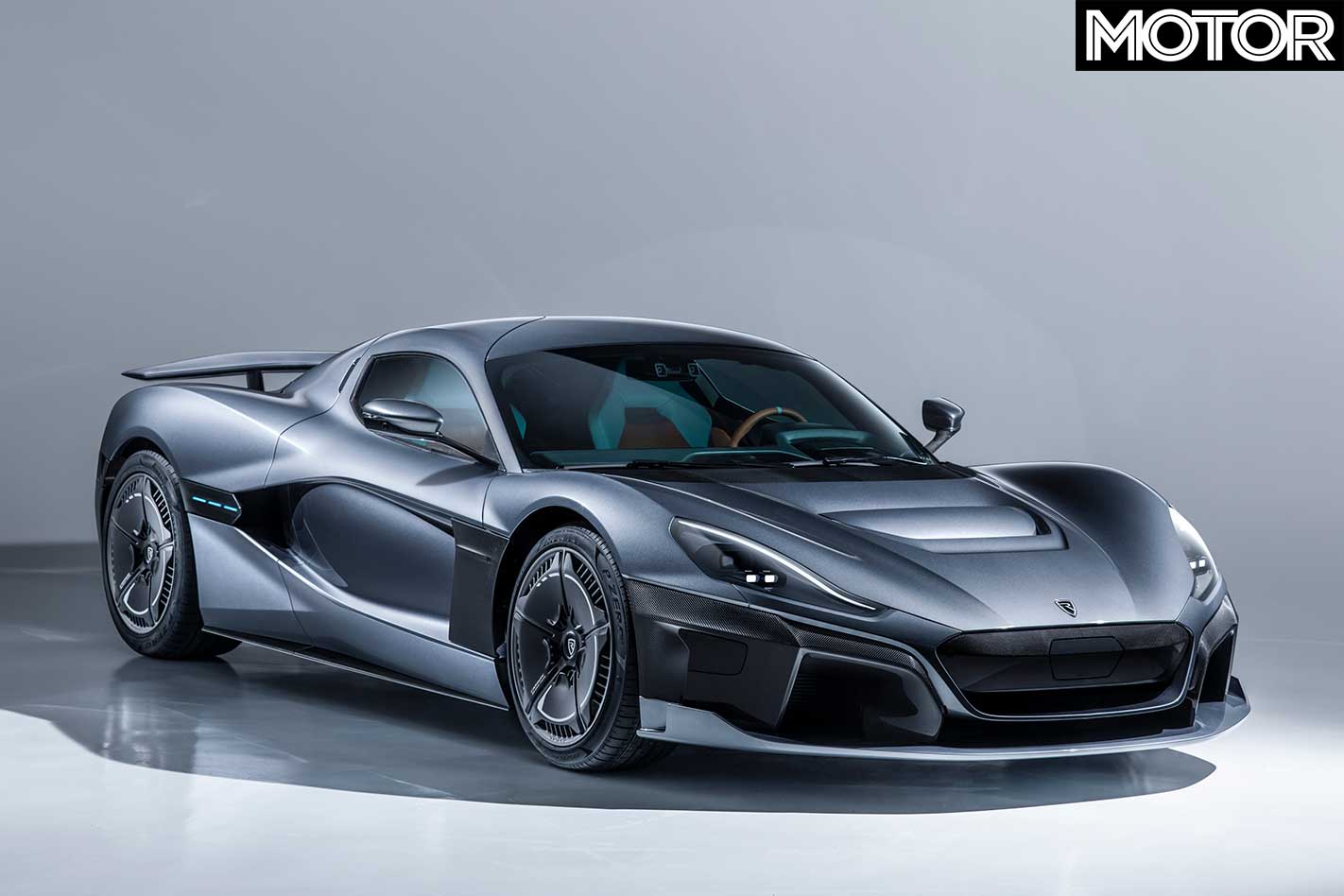
No, those figures aren’t typos, the C_Two has virtually all the horsepower in the world.
The second effort from Croatian EV specialists Rimac, supplier to the likes of Aston Martin, Renault and Koenigsegg, the C_Two is set to redefine production-car acceleration, with claims of 0-100km/h in 1.97sec, 0-300km/h in 11.8sec and a 9.1sec quarter mile, though these include a one-foot rollout.
Nonetheless, such numbers make this battery-powered beast king of the hill, edging the Bugatti Chiron and Koenigsegg Agera RS, while the top speed of 412km/h is equally mind-boggling.
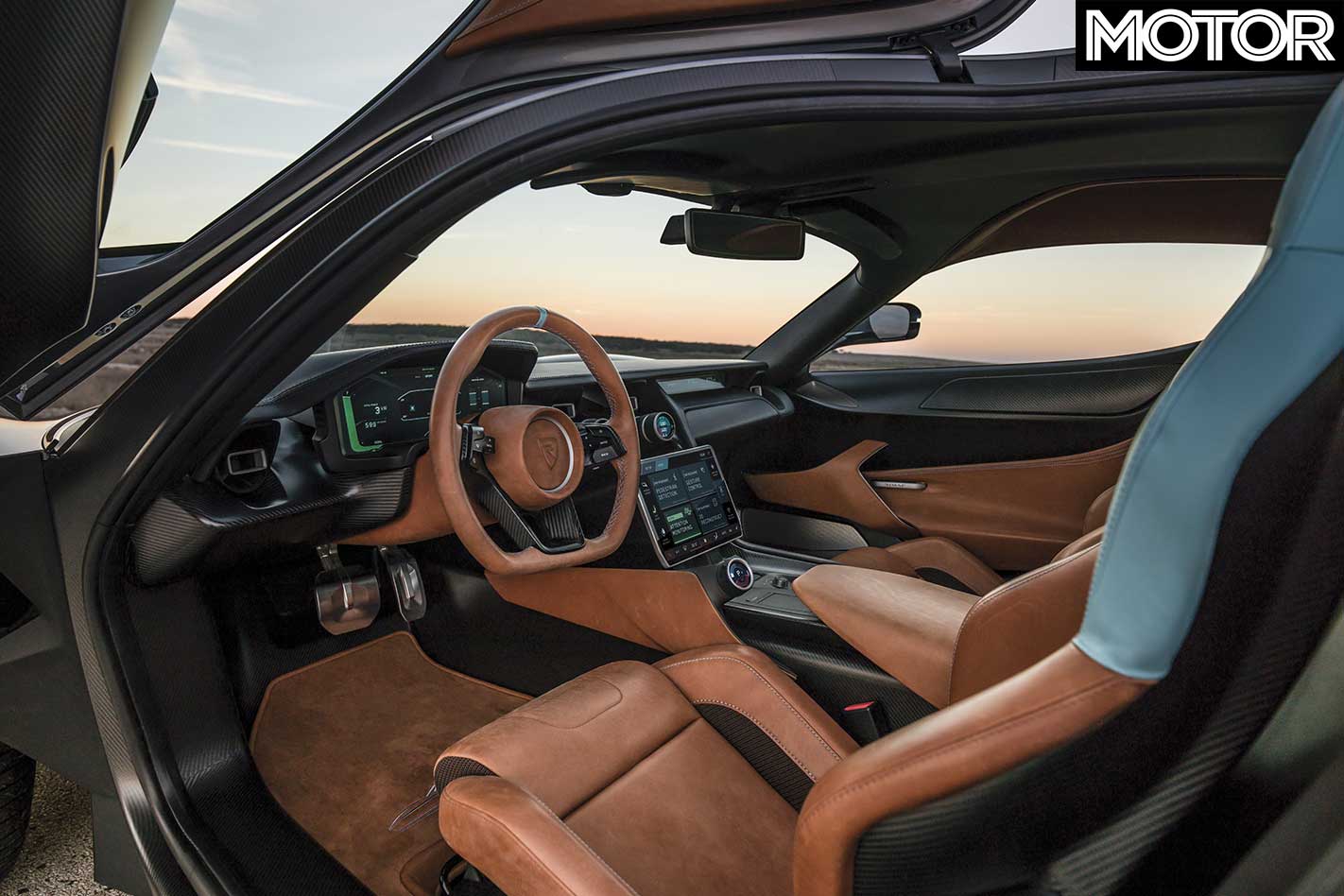
Furthermore, Rimac claims the C_Two is equipped for Level 4 autonomy. Just 150 C_Twos will be built at an expected price of – deep breath – around AUD$2.7million.
3 – Bugatti Chiron Sport
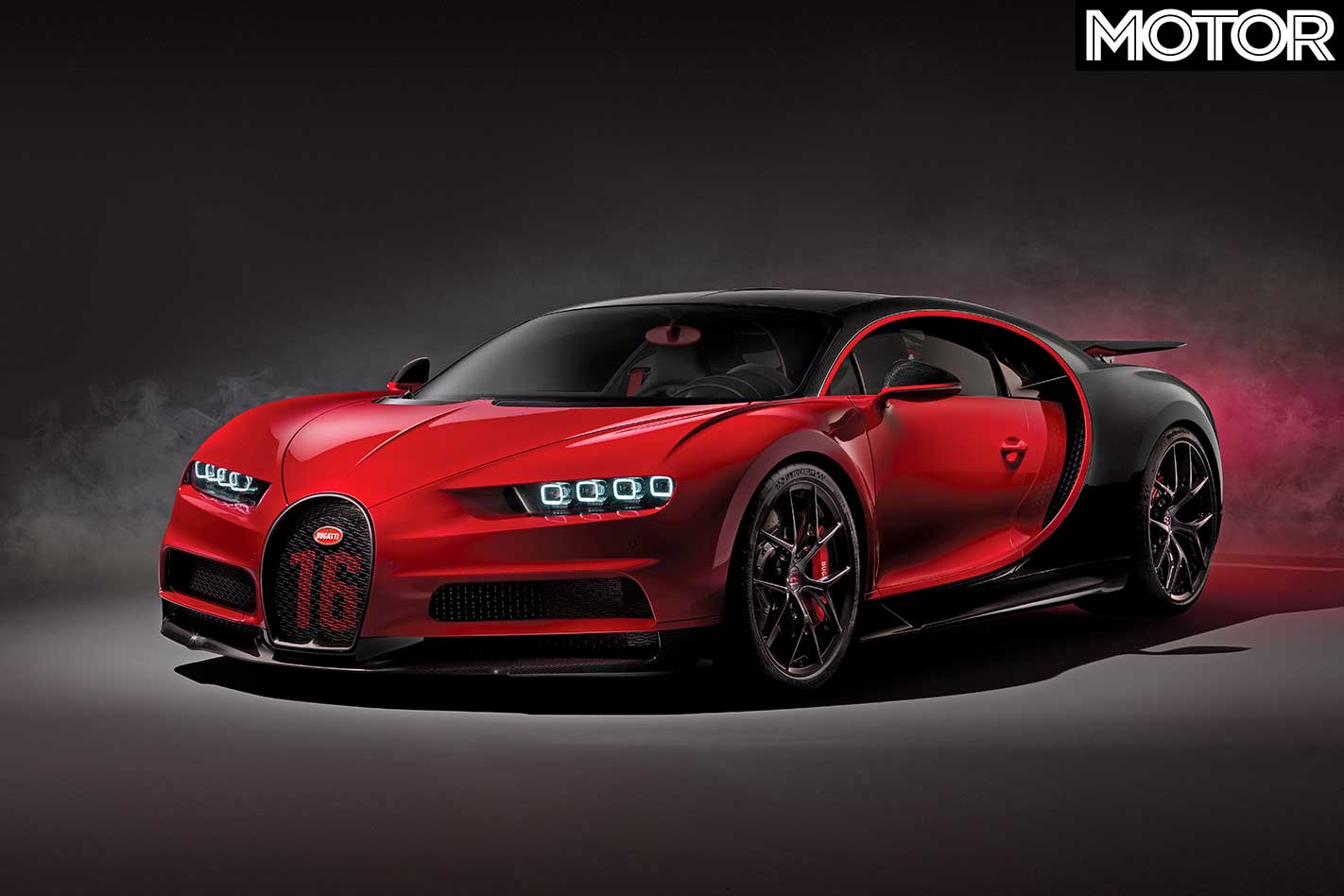
Finding your Chiron a little lacking in turn-in bite? Does it not quite have the lateral grip you were expecting?
Bugatti has the answer to your prayers with the Chiron Sport, a variant “for customers wanting an even sportier driving experience, with improved dynamics on winding roads,” according to new Bugatti boss Stephan Winkelmann, formerly of Audi Sport and Lamborghini.
The changes are subtle, consisting of new wheels, greater use of carbon fibre (including, in a world first, the windscreen wipers!) and lighter rear glass for an 18kg weight saving, as well as 10 per cent stiffer dampers, retuned steering and a new Dynamic Torque Vectoring function.
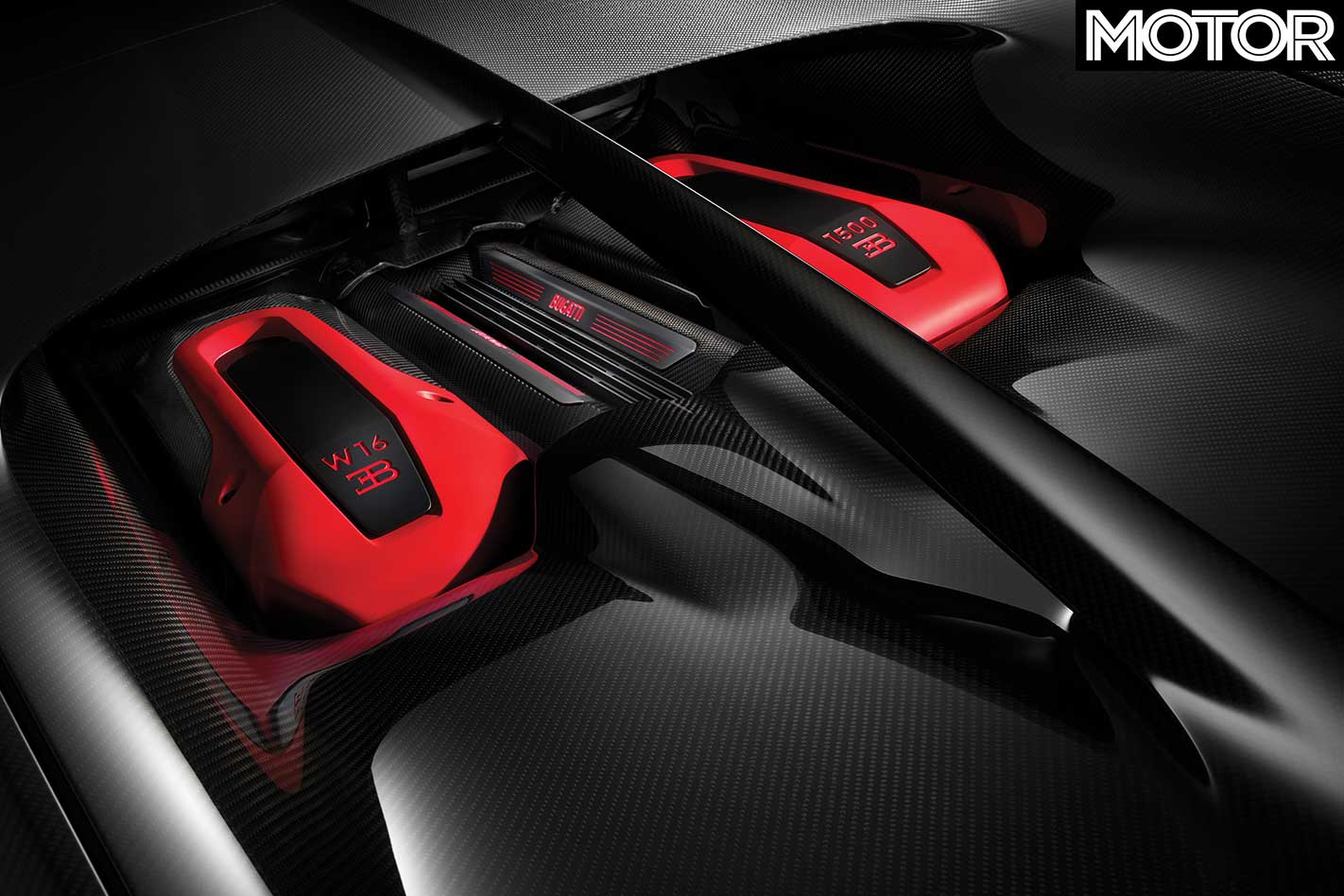
These changes don’t come cheap, the Sport adding €250,000 (almost AUD$400,000) to the regular Chiron’s €2.4m base price. You’ll spot the Sport thanks to its new wheel design, quad-tip exhaust and the distinctive ‘16’ in the grille.
4 – Ferrari 488 Pista
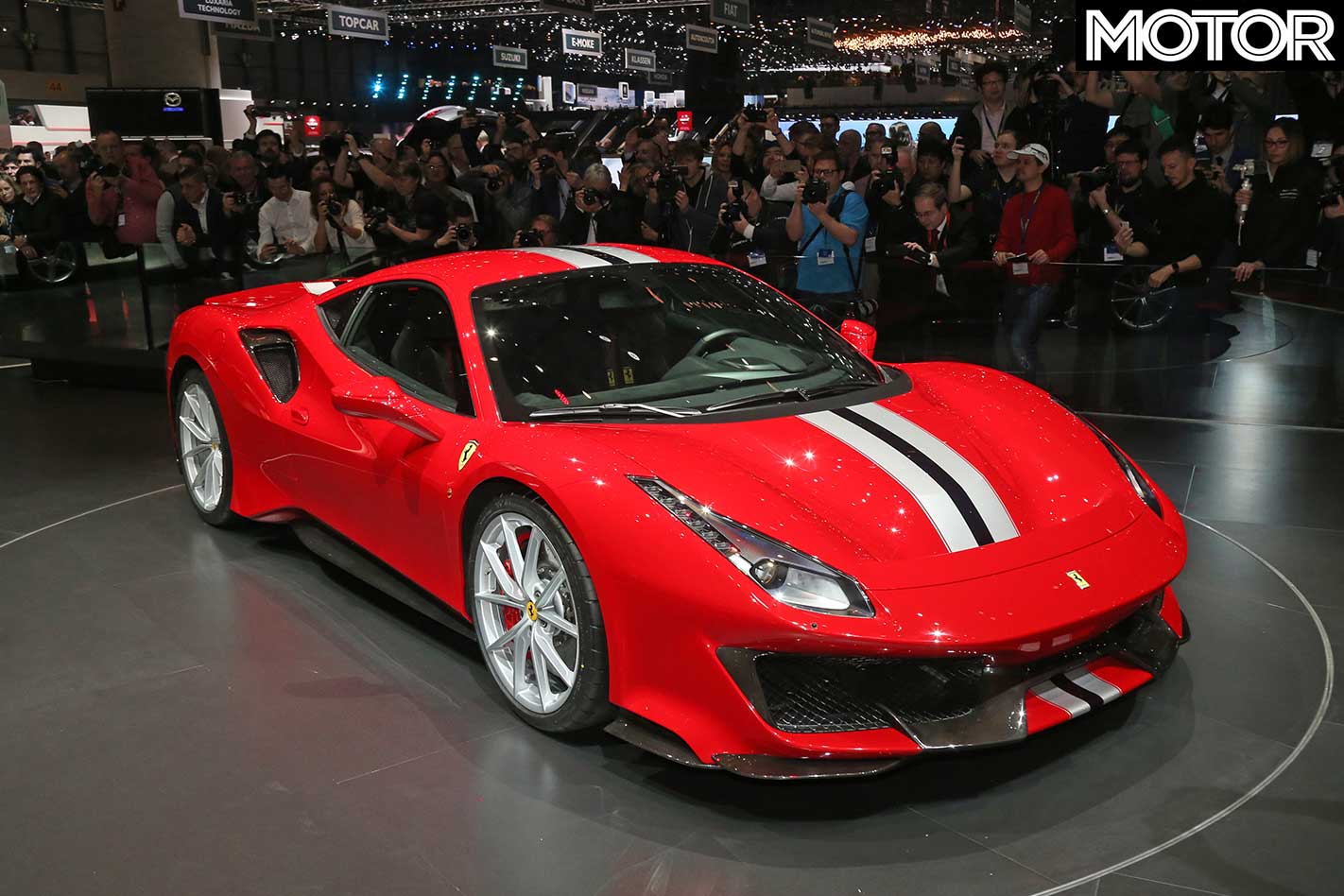
A Ferrari has no rivals (according to Ferrari), but may we just point out the new 488 Pista has exactly the same outputs as the McLaren 720S. What a coincidence.
Of course, as the hardcore version of Ferrari’s incredible supercar it also benefits from a 90kg diet, thanks to new engine bits (-18kg), a smaller battery, stripped-out interior and the option of carbon-fibre rims.
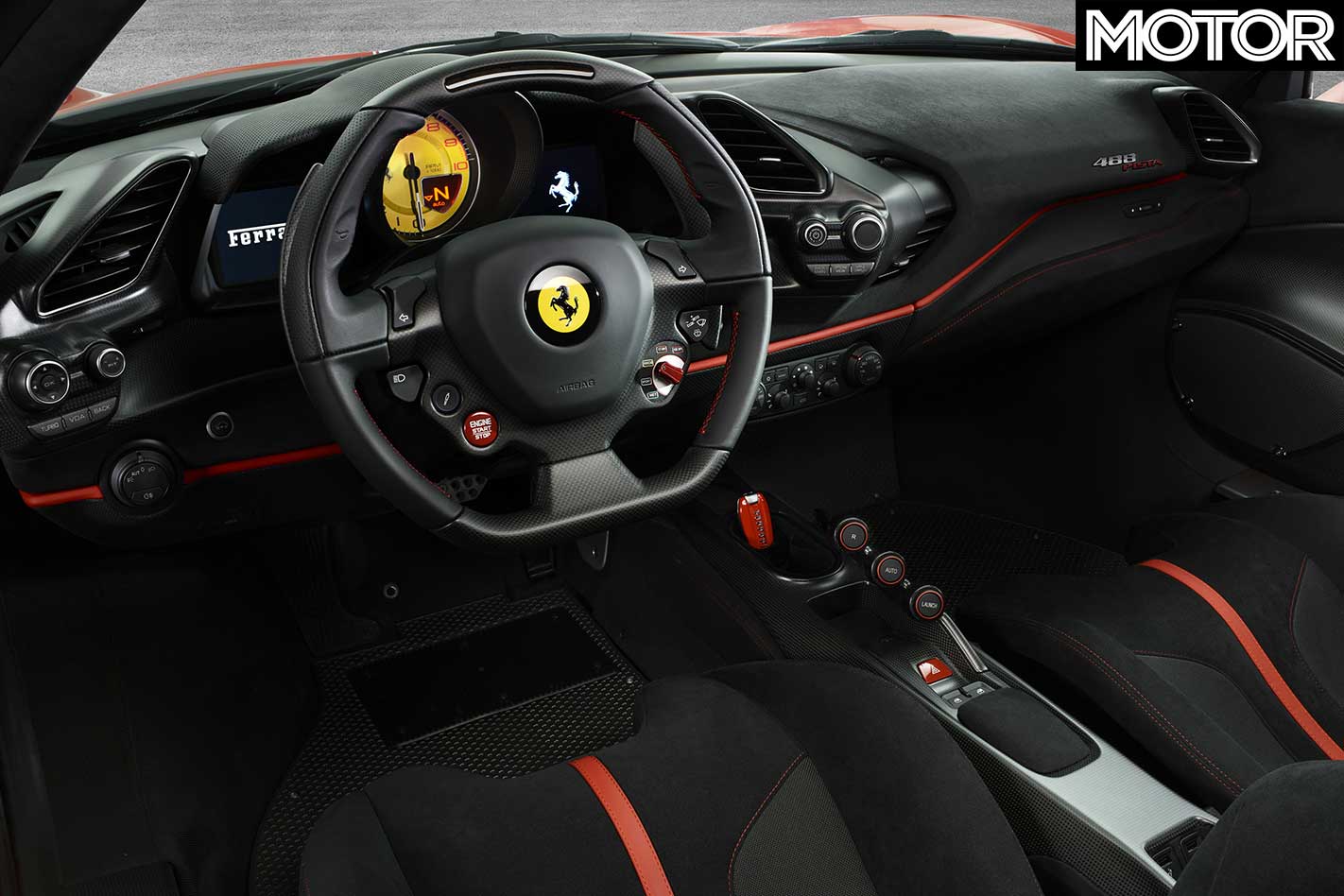
Somehow, Ferrari has also reduced the shift times of the seven-speed dual-clutch gearbox. Larger spoilers increase downforce, with significant revisions to the bodywork needed to shed the associated drag. As the successor to the 458 Speciale, it has very large boots to fill. Sadly, the Aussie wait list is already very long.
5 – Lamborghini Huracán Performante Spyder
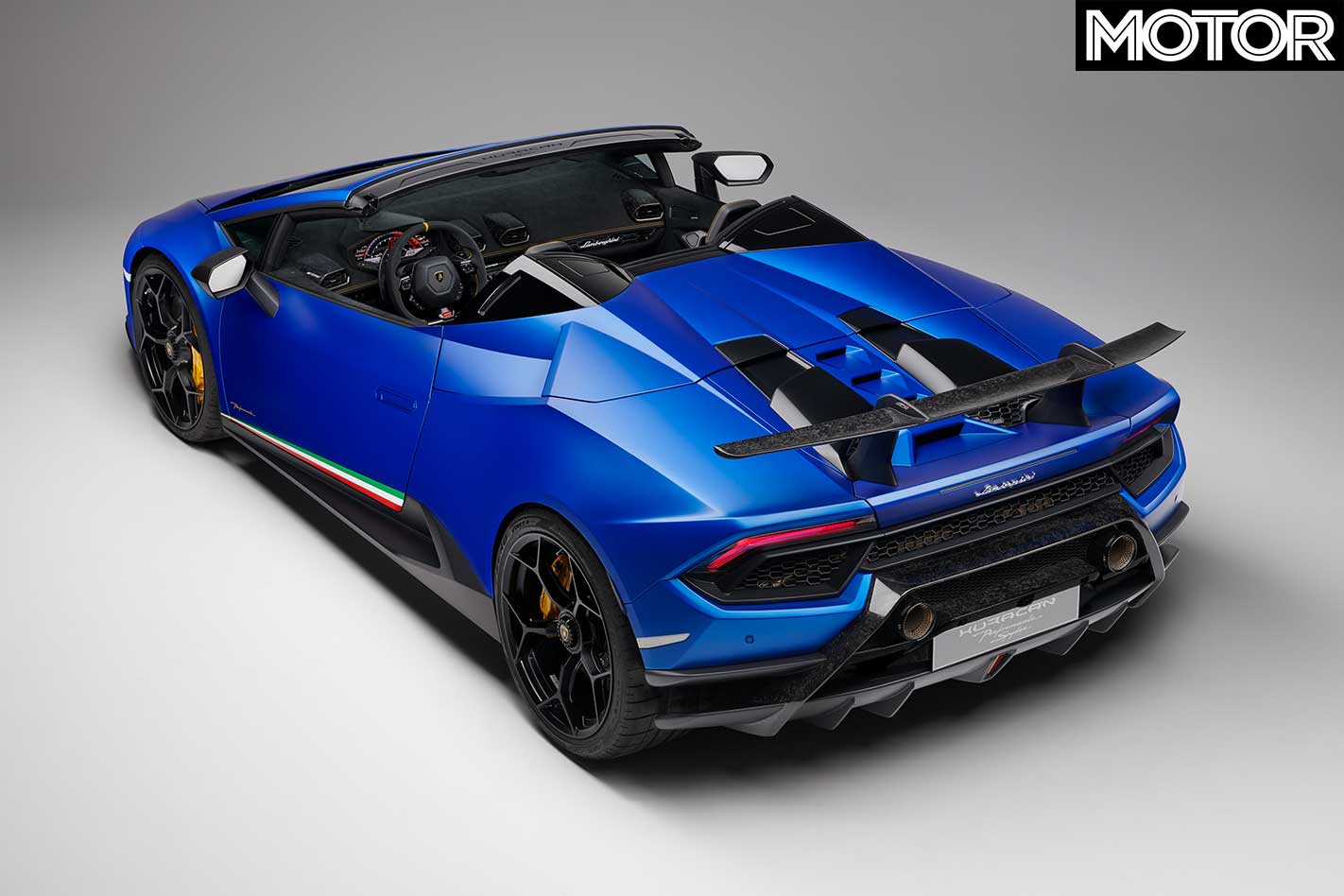
In a world where Range Rover is building convertible SUVs, perhaps the idea of a drop-top track car shouldn’t seem so unusual.
Lamborghini has given its Huracán Spyder the Performante treatment, extracting 470kW/600Nm from its 5.2-litre V10 and dropping the 0-100km/h time to just 3.1sec.
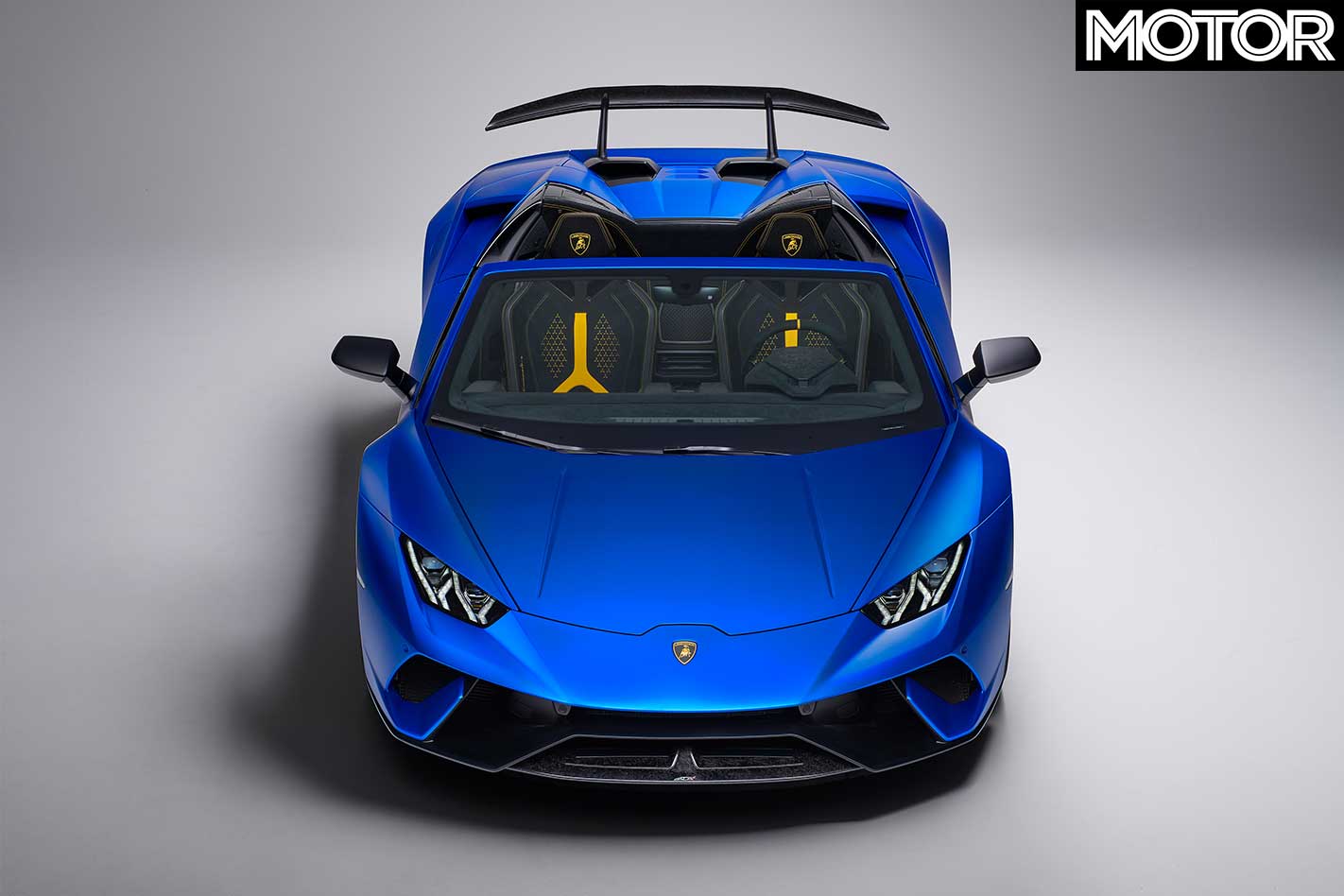
Despite the turbulence created by the missing roof, Lamborghini claims its clever ALA active aero system is not compromised. When you’re not on track, the roof opens and closes in 17 seconds and can be operated at up to 50km/h. Yours for a shade over $530K.
6 – Ford Mustang Bullitt
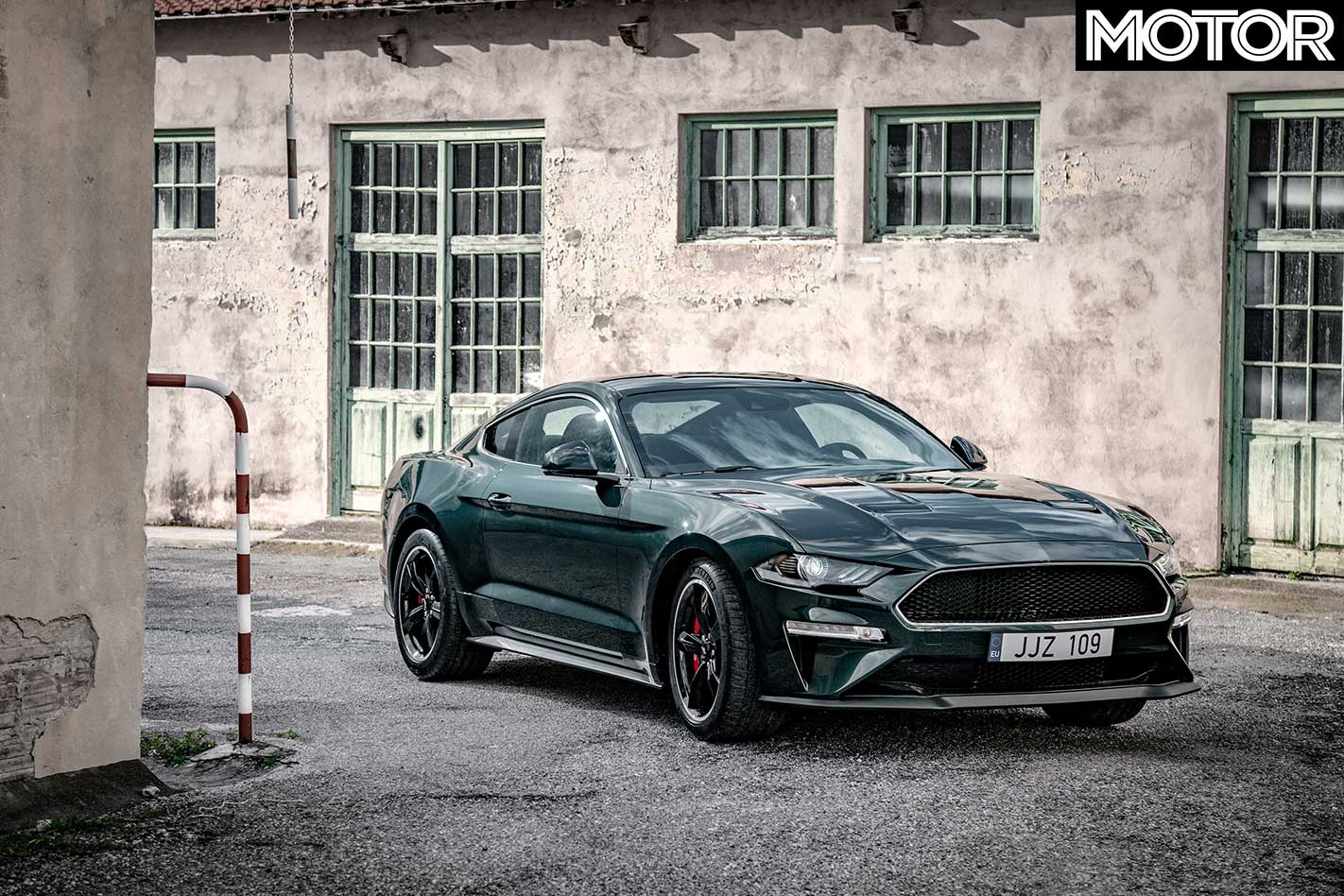
Good news for anyone keen on living out their Steve McQueen fantasies, with Ford Australia confirming the Mustang Bullitt will be heading Down Under.
Details are scarce at this stage, but expect it to produce about 349kW, a 10kW bump on the standard 2018 Mustang, but 5kW down on US cars due to the difference in measuring method between Australia and the US. Otherwise the changes are cosmetic, yet the Bullitt is certain to sell like hot cakes.
7 – Alpine A110
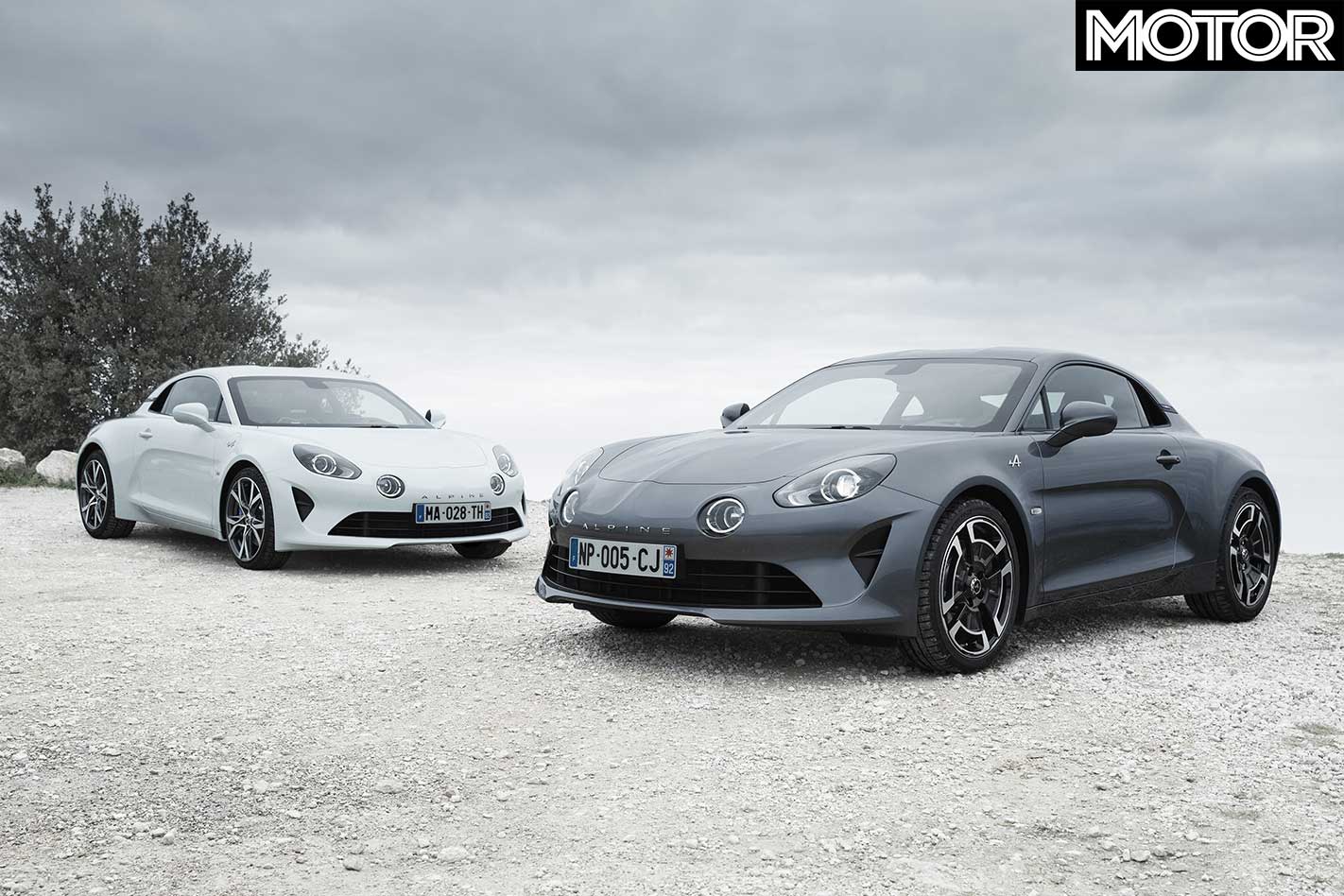
Alpine has expanded the offering of its forthcoming A110 sports car, releasing details of two new variants and a GT4 race car.
The Pure and Legende models straddle the existing ‘Premiere Edition’ offering, the Pure focused on back-to-basics driving while the Legende will offer more luxury and refinement. The mechanical spec is unchanged. Meanwhile, the A110 GT4 will debut towards the end of 2018 ahead of a full season in 2019.
8 – BMW M8 Gran Coupe Concept
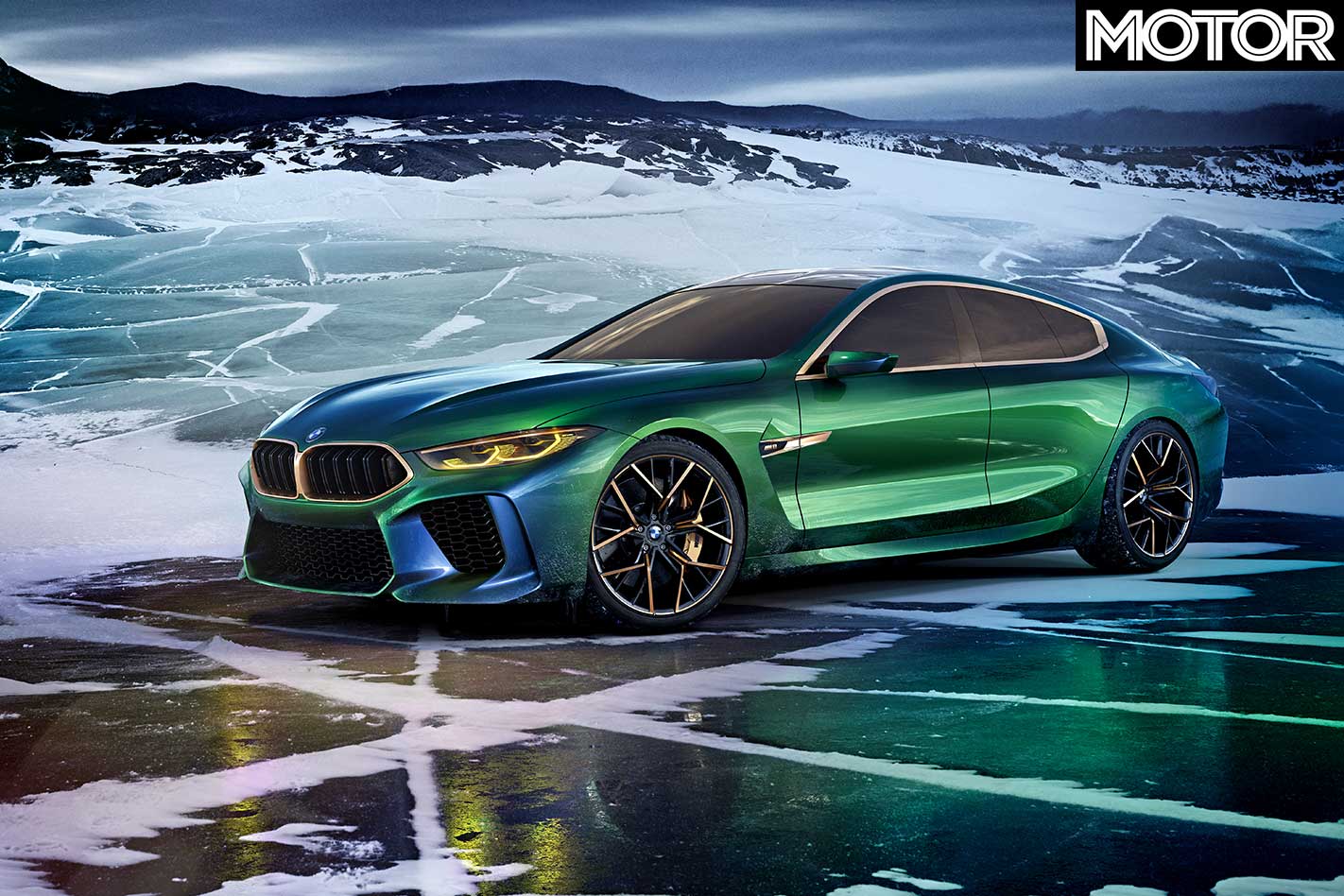
BMW’s not about to let the Mercedes-AMG GT 4-door have the hi-po hatch market to itself, revealing the M8 Gran Coupe, a stretched version of its forthcoming flagship two-door.
While just a ‘concept’ for now, it’s set to enter production in 2019 housing the 4.4-litre twin-turbo V8, eight-speed auto and all-wheel drive system from the new M5. Expect a hike in power to justify the higher price tag, though it should usefully undercut the AMG.
9 – W Motors Fenyr Supersport
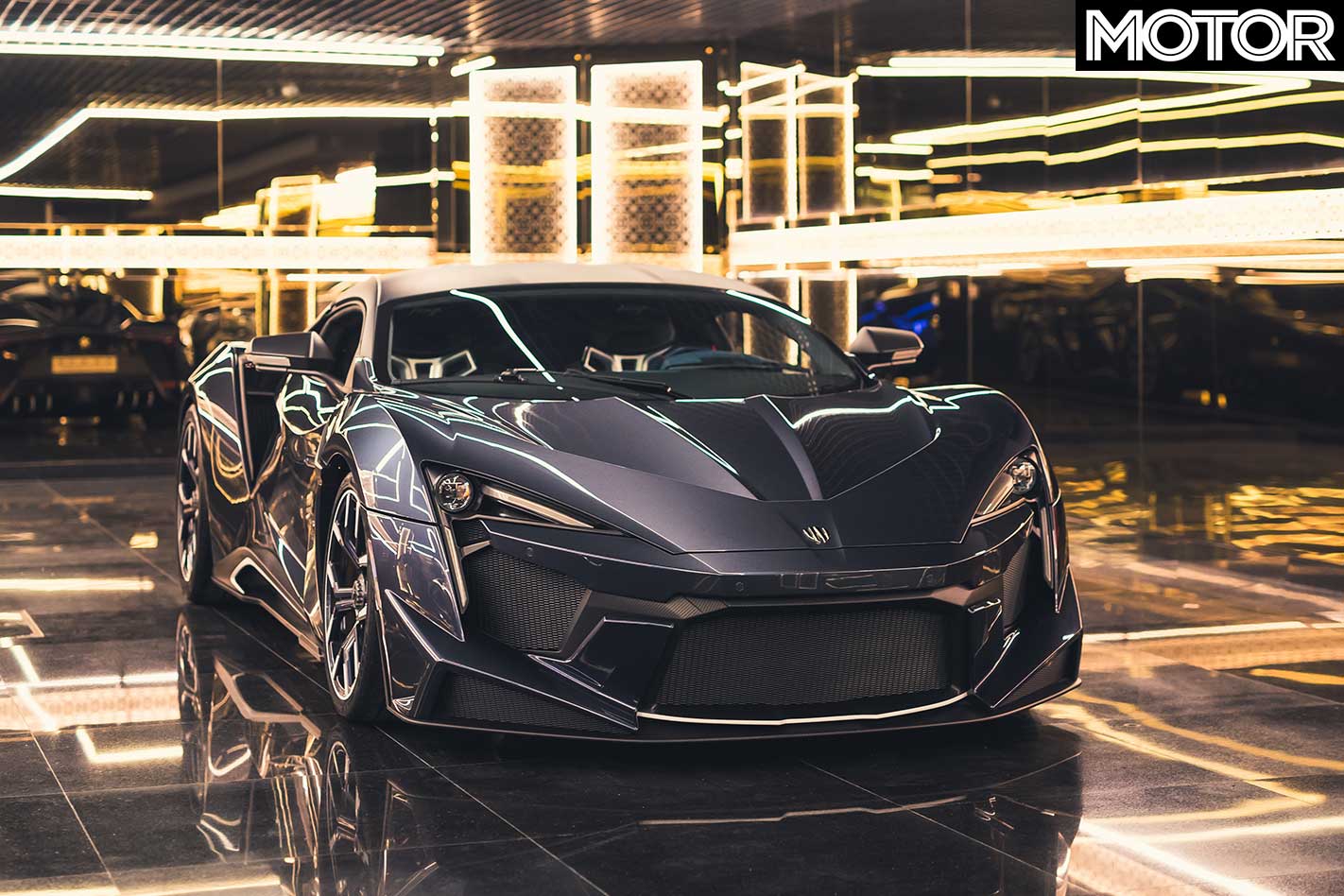
You might not have heard of Middle East supercar company W Motors, but you’re probably familiar with its first car, the Lykan Hypersport. Only seven were built, with Vin Diesel infamously jumping one out of a Dubai skyscraper during Fast & Furious 7.
Its latest offering is the Fenyr Supersport, an all-carbon supercar powered by a 597kW/980Nm 3.8-litre twin-turbo flat-six developed by German Porsche specialists RUF, attached to a seven-speed dual-clutch gearbox.
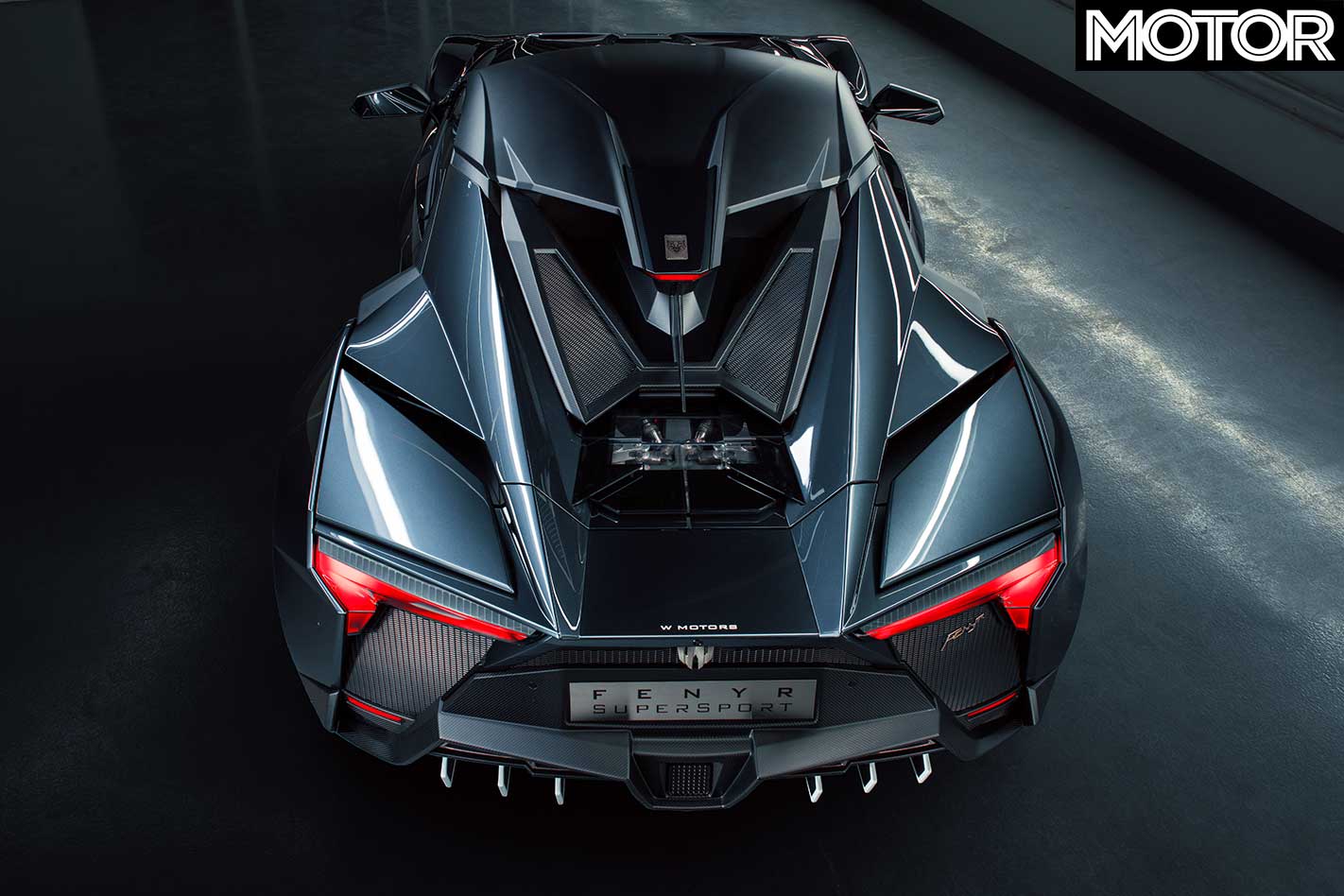
W Motors plans on building 25 a year in either left- or right-hand drive and the good news is that it’s a whopping 30 per cent cheaper than the Lykan. The bad news is that means it’s still £1.4m (AUD$2.53m), but such is the price of exclusivity.
10 – McLaren Senna GTR
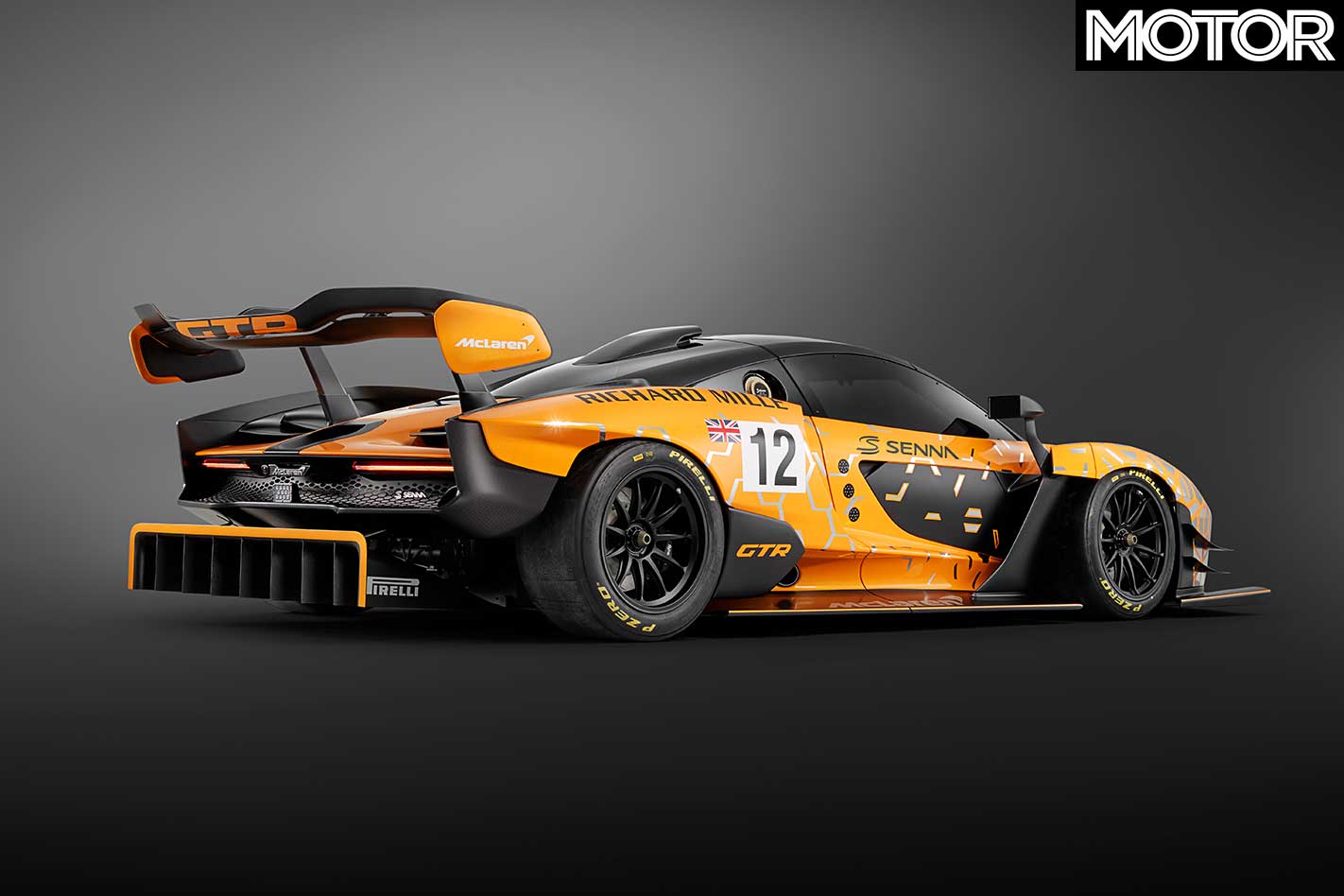
Whether you find GT3 cars a mite slow or are just sick of your Ferrari FXX K-owning mates hogging all the fastest lap trophies at track days, McLaren is here to help with the Senna GTR, a super exclusive track-only version of its bonkers Senna hypercar.
Up to 75 will be built, but chances are if you haven’t already got your name down you’ve missed out. Power increases to 607kW (up from 588kW) while the combination of those massive wings, capable of generating 1000kg of downforce, and slick tyres make the Senna GTR the quickest McLaren not driven by Fernando Alonso or Stoffel Vandoorne.
The best thing about it being so fast is that you don’t have to look at it for very long.
Can’t wait to see the final score? Jump to the verdict now
Toyota may have produced some unexpected gems of late – namely the funky C-HR, and even the new Prius if you appreciate nimble handling – but its SUV mainstay, the RAV4, remains steadfastly linked to the former regime. Bound by a platform dating back over a decade, it represents the old guard of medium SUVs.
Yet there’s still plenty to like here. Relying on a seemingly insipid 107kW 2.0-litre four that drives the front wheels through a CVT transmission, the 1510kg RAV4 GXL is about as performance-primed as a chamomile tea. But, lazy step-off aside, you tend to forgive the RAV4’s anaemic on-paper acceleration because its engine tries super-hard to please.
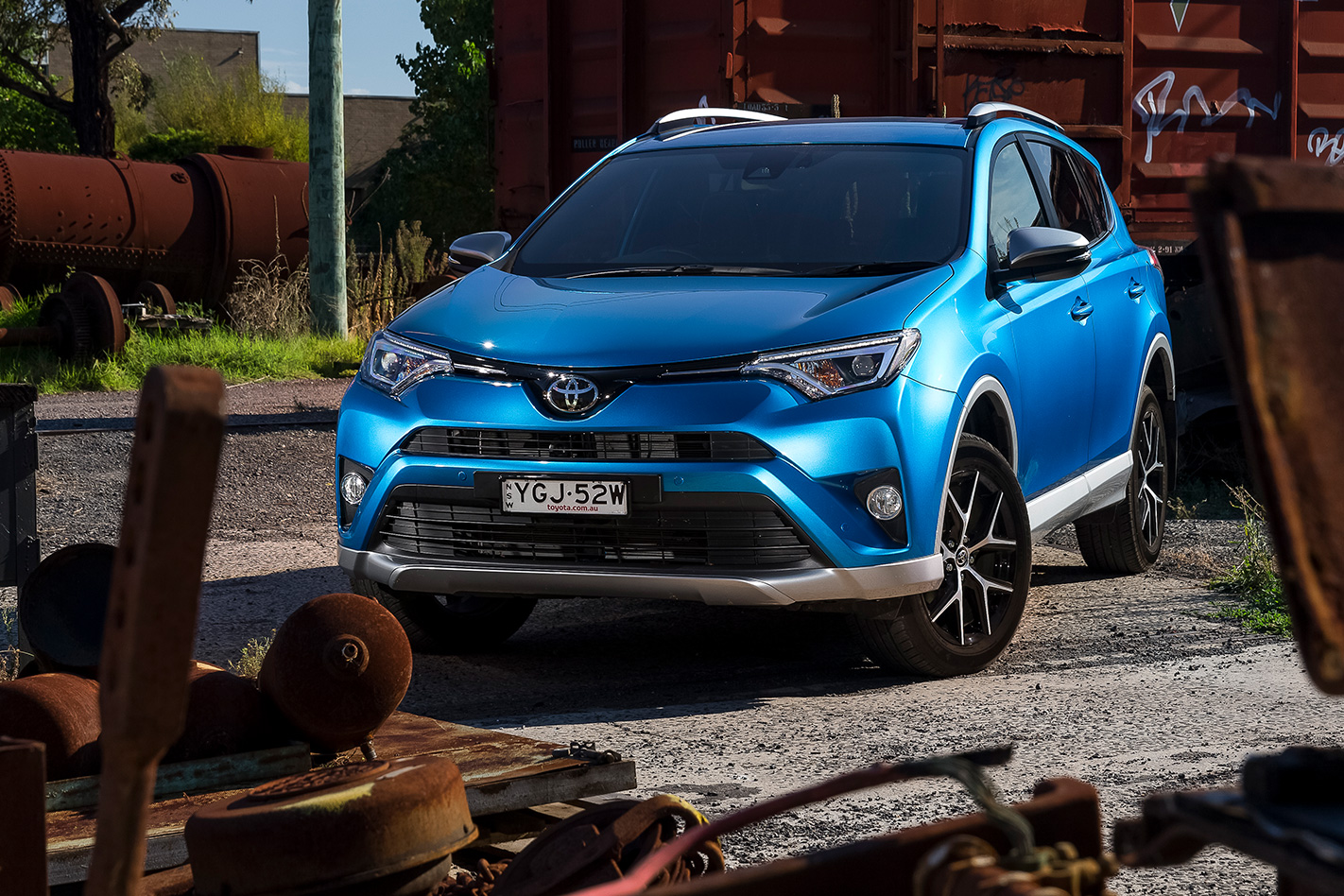
Toyota’s 2.0-litre sounds sweeter than Mitsubishi’s, with a nifty manual mode that will keenly extend it to 6700rpm, and convincingly mimic a torque-converter auto’s engine braking when downshifting. Left to its own devices, however, Toyota’s CVT inserts faux ratio steps, ‘shifting’ up at under six grand and killing the accelerative buzz a little. It also takes a tedious amount of time to build revs in Drive, meaning you’re better off leaving it in Sport mode (via a push button buried deep in the dash centre) and taking advantage of the RAV4 2.0’s fuel efficiency.
Drive the RAV4 hard and it rewards with surprising chassis poise. It steers crisply and precisely (via an arguably too-chubby wheel with inadequate reach adjustment), it turns in with enthusiasm, and you can feel its rear suspension ably assisting the front end to promote its handling balance. Compared to the Haval, the Toyota is paradise, but its ride is louder and more pattery than its Korean rivals.
Despite a facelift in 2015 and several more updates last September (see sidebar), nothing can save the current RAV4’s ride quality, certainly not the GXL’s 18-inch wheels. It never settles, with abrupt reactions to bumps and a jostling demeanour that leaves passengers shaken, not stirred. The RAV4 has clearly been tuned for handling, but unlike models on Toyota’s new-gen platform, it doesn’t ride at the same time.
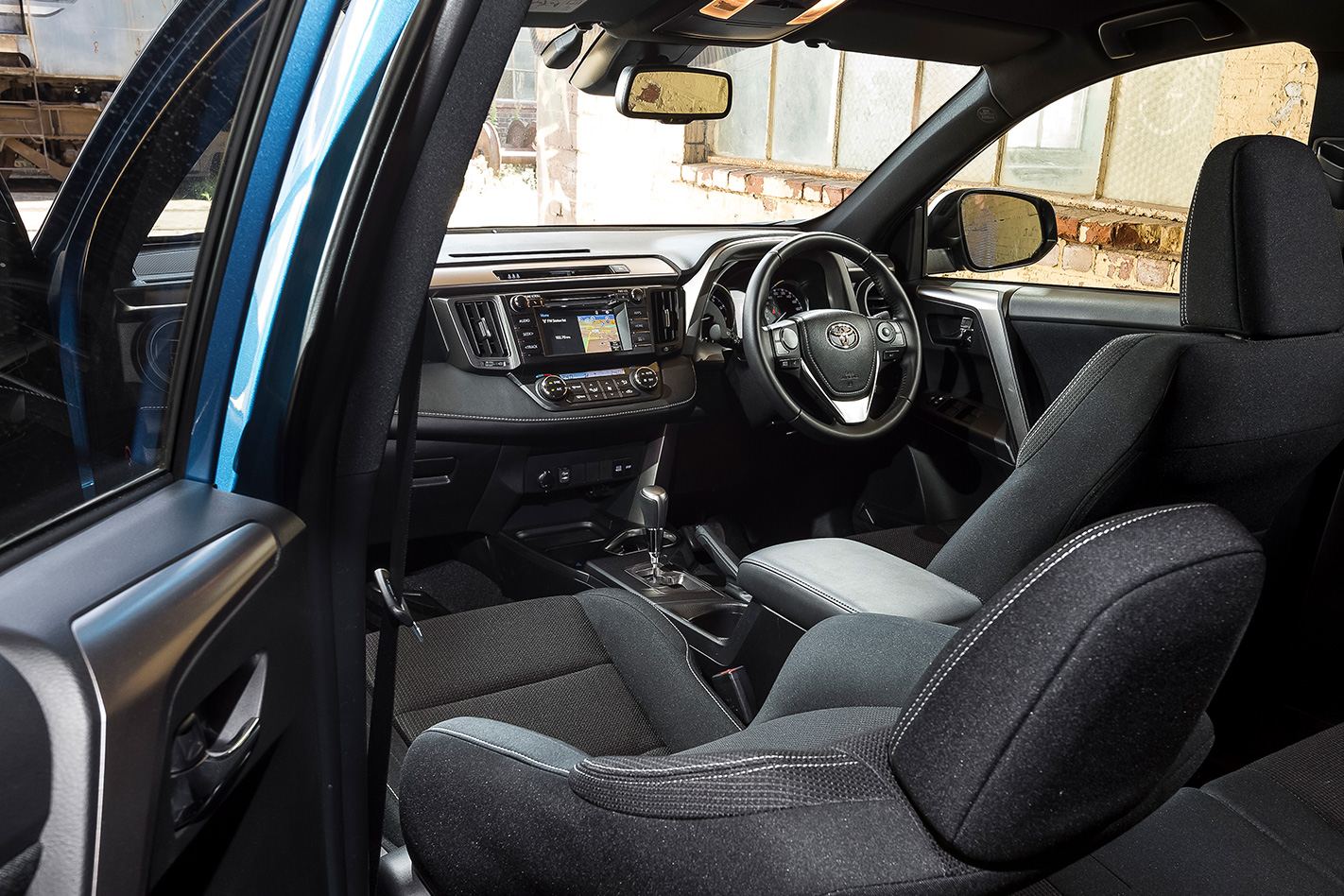
Our test GXL came with a $2500 Safety pack (bringing collision warning, AEB, active cruise, auto high-beam, auto wipers, lane-departure warning with steering assist, front parking sensors, blind-spot monitoring and rear cross-traffic alert), which unlocks the option of a questionable dual-tone paint option ($1000) which includes black headlining.
Unfortunately, that last detail makes the RAV4’s ageing cabin feel oppressively dark. And while the GXL’s cloth front buckets are almost armchair-like for comfort, facing an expansive windscreen that offers a superb view, a too-high brake pedal skews the driving position. The front passenger, meanwhile, misses out on seat-height adjustment and has to contend with a needlessly protruding lip on the dashboard that proves a perpetual pain for anyone that’s seriously tall.
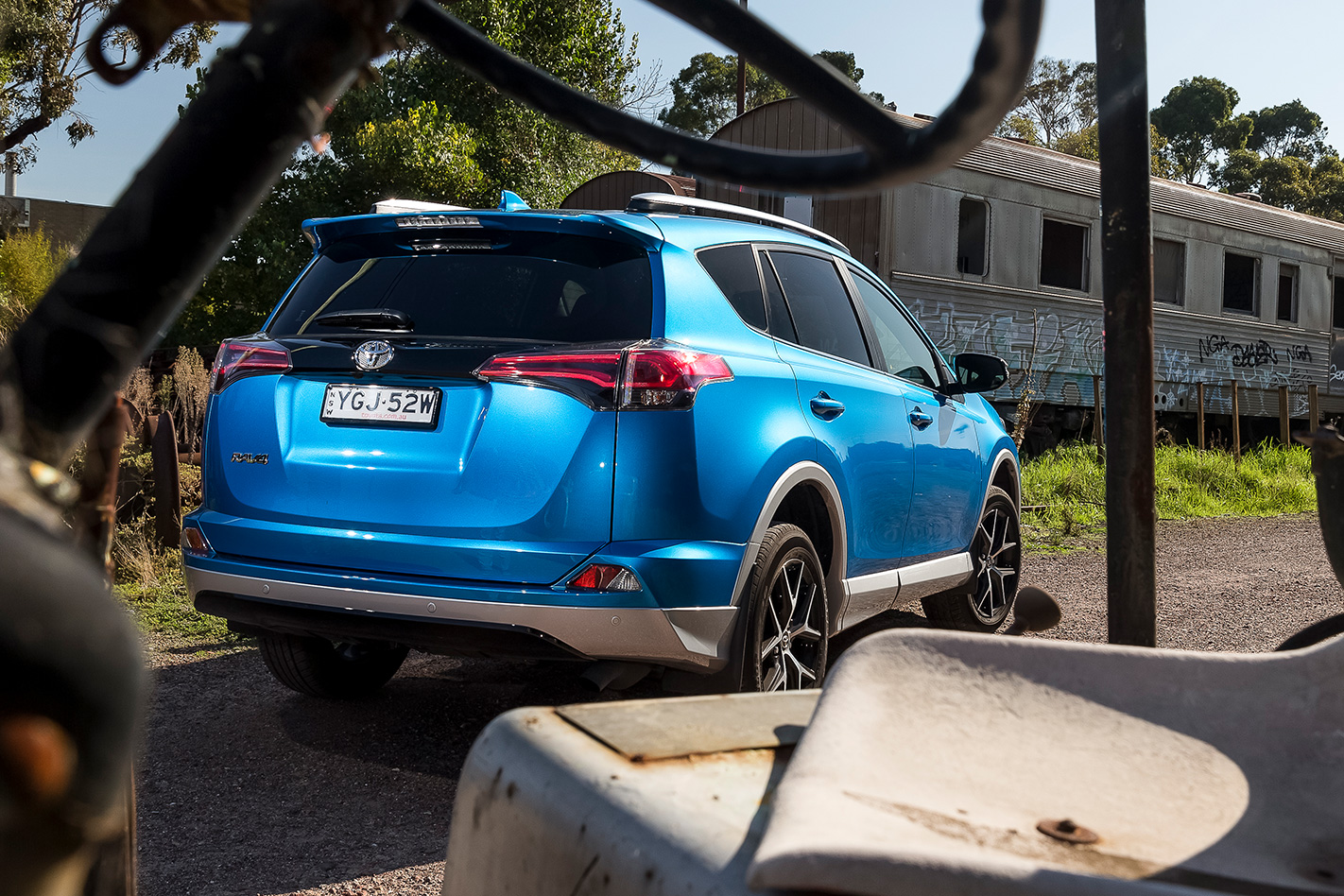
The Toyota’s rake-adjustable rear seat lacks the armchair feel of up front, despite quite a long cushion, because it’s mounted too close to the floor. Cranking the driver’s seat low unleashes an unimpeded view forward from behind, but rear toe room is marginal.
The RAV4’s strong air-con makes up for its lack of rear air vents, however, and you get four huge door grab handles. Pity the flimsy luggage cover guarding its vast 577-litre boot (when there’s no full-size spare) fails to dampen the continual drone from its tyres.
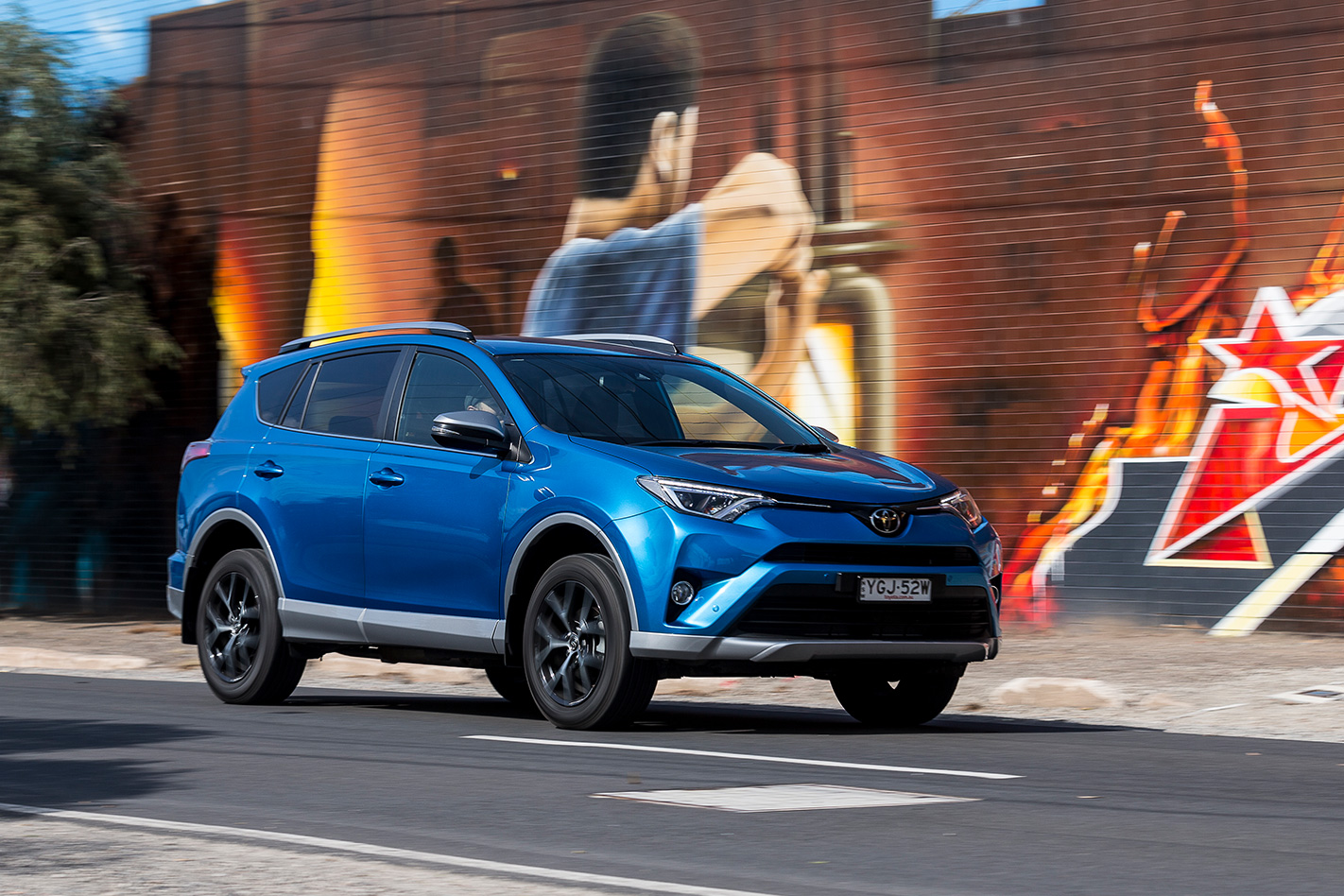
All of which leaves the Toyota down but not completely out. If you’re an undemanding driver, you could easily put up with the 2.0-litre’s performance, and providing you can tolerate its ride, there’s much to commend the RAV4 GXL’s driveability. But glory in 2017 requires more than just competence.
SCORE: 6/10 TOYOTA RAV4 GXL SPECS
Model: 2018 Toyota RAV4 GXL Engine: 1987cc 4cyl, dohc, 16v Max Power: 107kW @ 6200rpm Max Torque: 187Nm @ 3600rpm Transmission: CVT automatic Weight: 1510kg 0-100km: 11.5sec Fuel economy: 10.4L/100km (tested) Price: $38,990 On sale: Now
 Medium SUV Megatest – Full coverage
Medium SUV Megatest Results
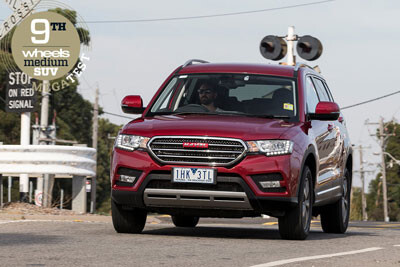 2018 Haval H6 Premium
Score 2/10
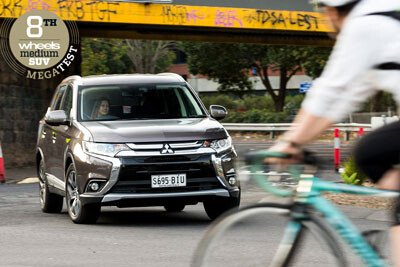 2018 Mitsubishi Outlander LS
Score 5/10
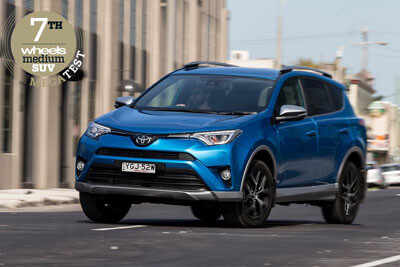 2018 Toyota RAV4 GXL
Score 6/10
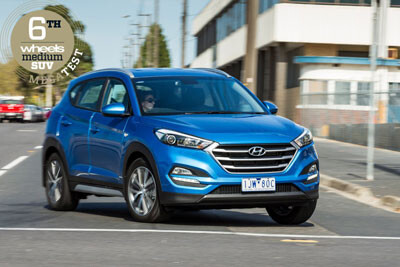 2018 Hyundai Tucson Active X
Score 6.5/10
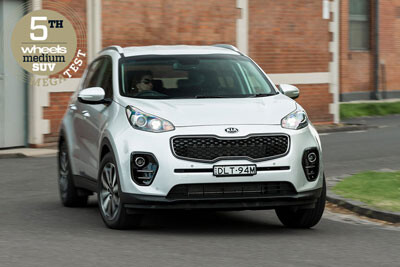 2018 Kia Sportage SLi
Score 7/10
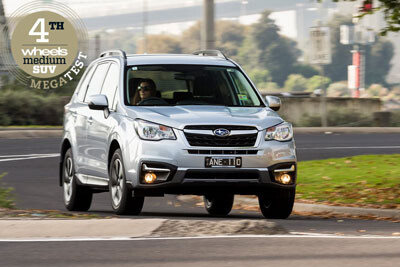 2018 Subaru Forester 2.5i-L
Score 7.5/10
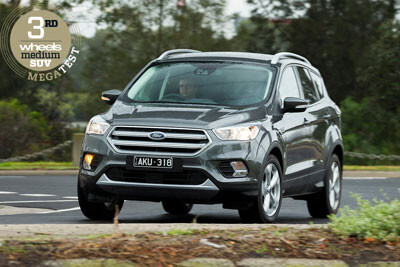 2018 Ford Escape Trend
Score 7.5/10
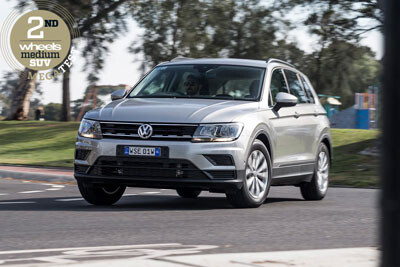 2018 Volkswagen Tiguan Trendline
Score 8/10
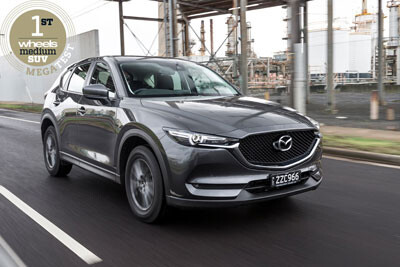 2018 Mazda CX-5 Maxx Sport
Score 8/10
Fifty-three, then. Not 63, not 43 and, heaven forbid, not 65.
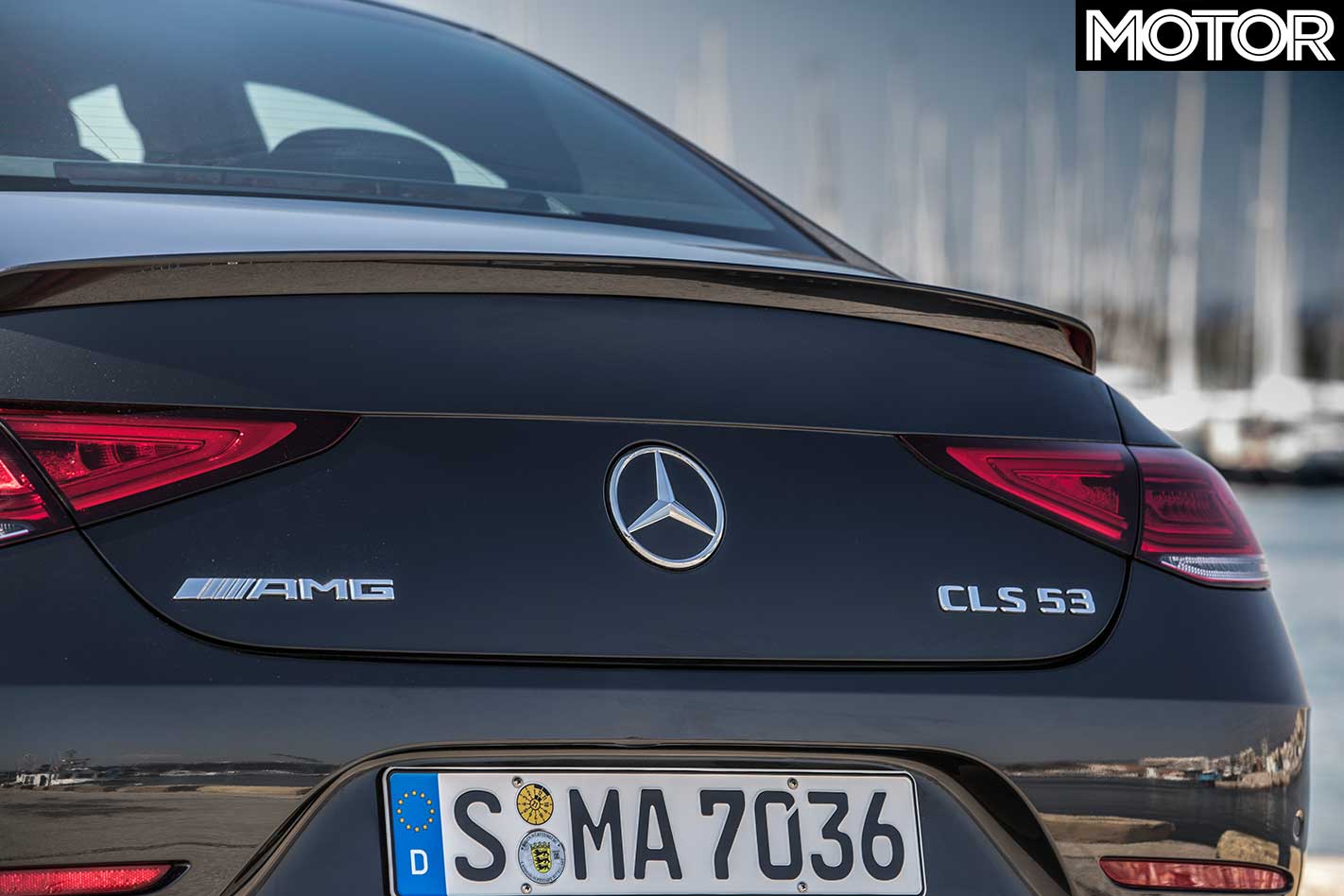
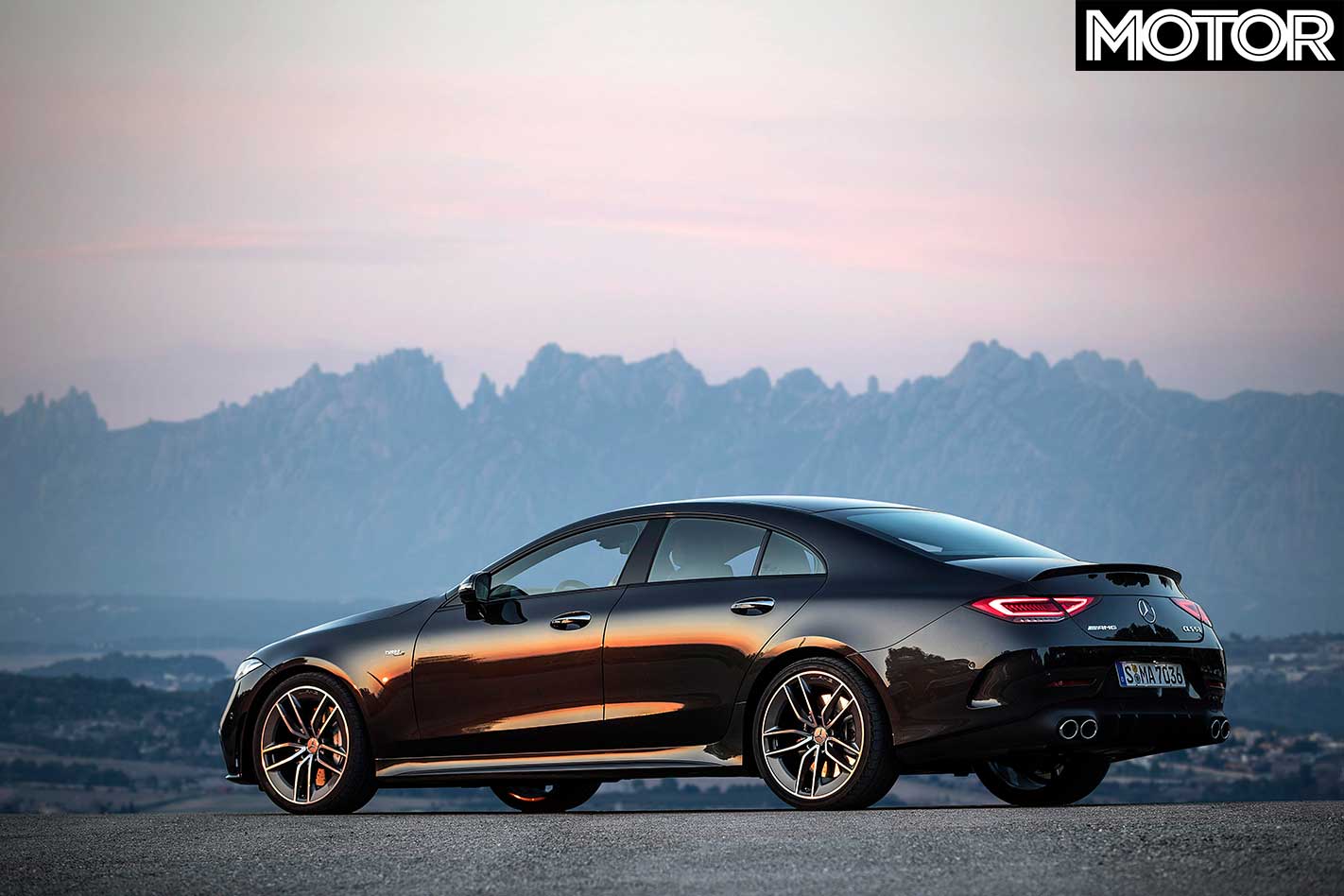
The new Mercedes-Benz CLS – the sleek four-door coupe now into its third generation – is here, and the rapid AMG variant, the 53, is almost as significant as the fact that the car itself is new. Let’s deal with the CLS bit first.
It’s a new CLS, which means it sits on Benz’s large-car platform with frameless windows and seating for five. It’s also promising to do the same ‘sleeker E-Class thing’ it has done for the past 15 years.
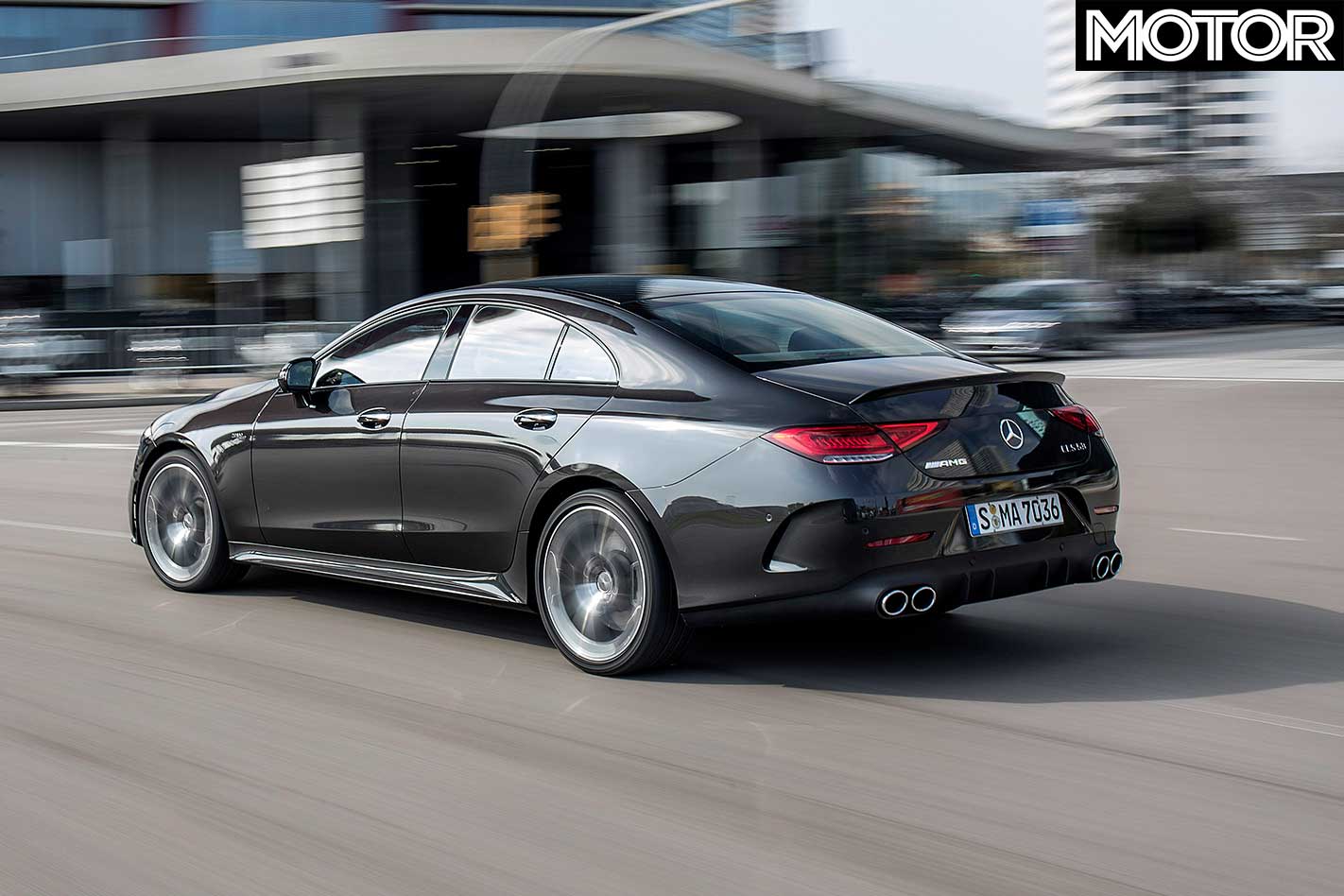
On some models, a 3.0-litre straight six-cylinder engine becomes the AMG 43, while there’s also the 4.0-litre twin-turbocharged V8 we all now know as the 63. Between these, AMG reckons there’s enough room to slot a 53 derivative. Whether a particular car will get 43, 53 or 63 options will, ultimately, be at AMG’s whim.
The 53 powerplant is a 3.0-litre of extraordinary complexity. Deep breath. It’s an inline six-cylinder petrol, mounted longitudinally, all of whose exhaust outlets pass through a single, large, twin-scroll turbocharger mounted high and next to the exhaust ports.
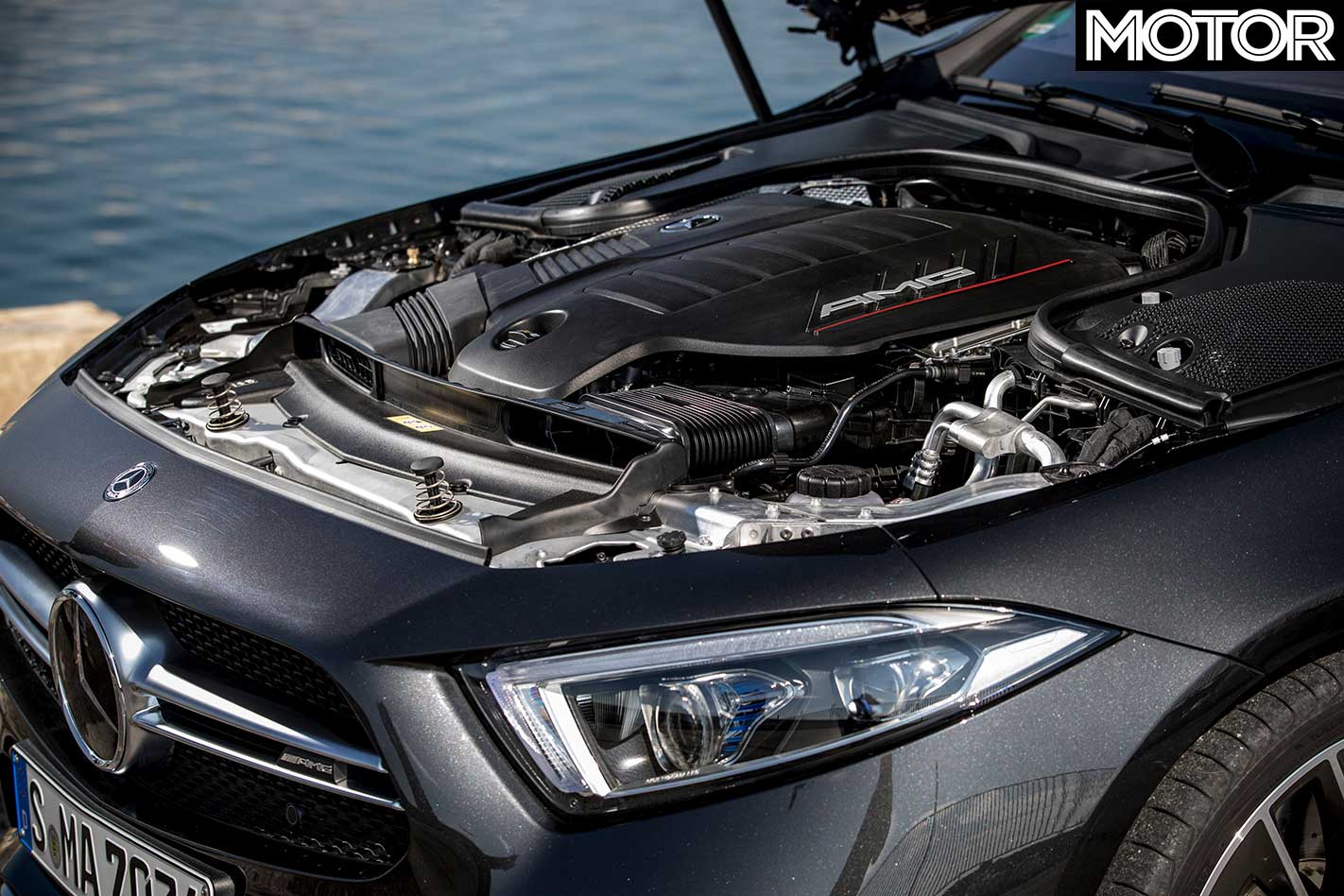
The inlet for that compressor comes after the big turbo, where a variable stopper in the main inlet tract, which runs around behind the engine, can divert a little, all, or any combination of air through a smaller tube to the electric compressor, after which, suitably pressurised, it flows back to the main inlet tract just before a throttle butterfly. Still following?
Anyway, it makes 320kW and 520Nm, which is quite a lot in itself. But in addition to both of these forced inductors, mounted between the engine and the nine-speed automatic gearbox sits an integrated starter/generator (ISG), an alternator/starter motor and flywheel combo, which can contribute 16kW and no less than 250Nm to the engine’s already imposing output.
Look, I don’t know, my head hurts with all the trickery. I suppose the short of it is that getting air through the engine is key, so inlet pressure rather than engine speed itself is king.
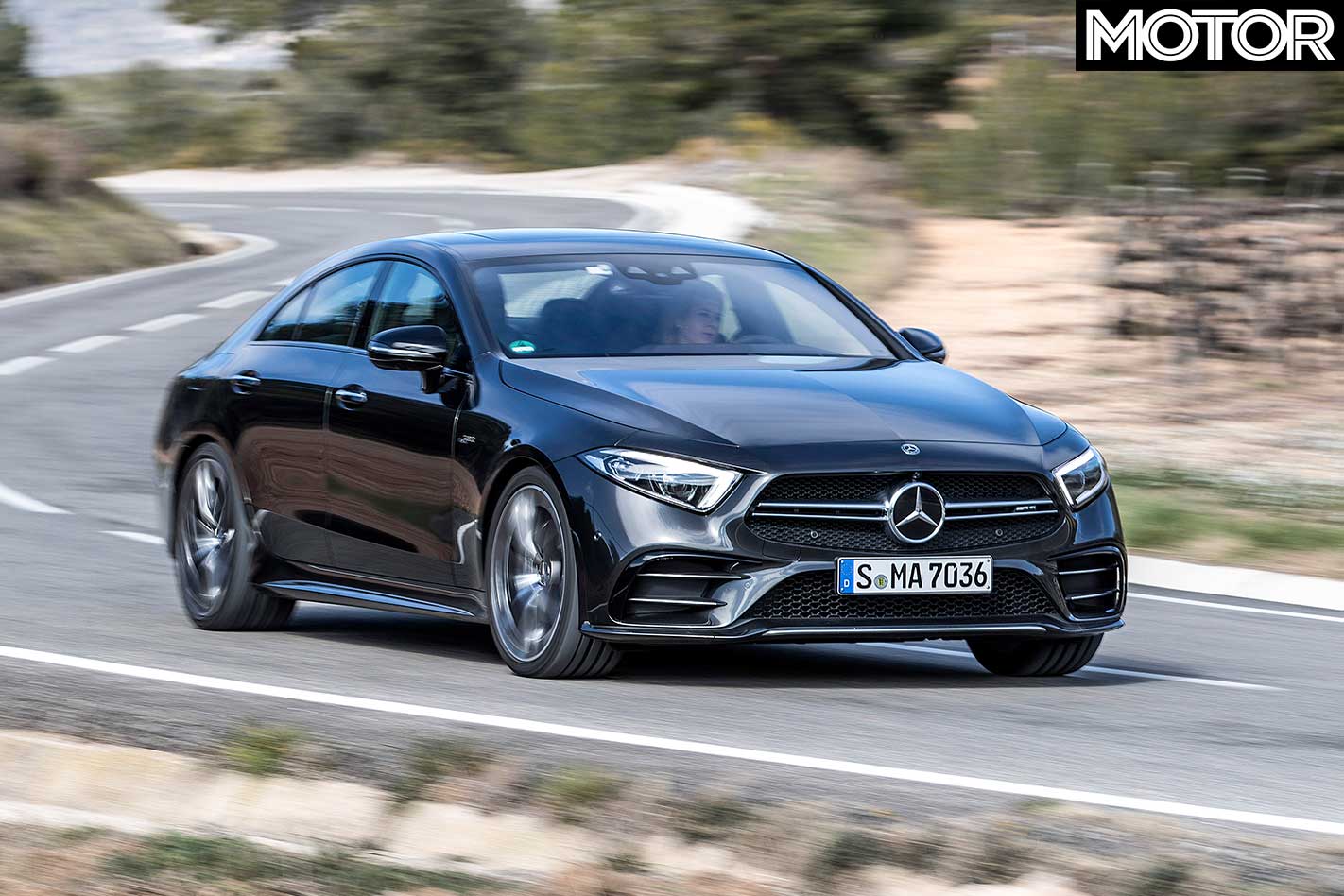
Ultimately, though, all of this power goes to the CLS’s rear wheels most of the time, with a standard all-wheel drive system on all models diverting it to all four when the rears threaten to slip. Unlike, say, the E63 S AMG, you can’t lock the 53 into rear-drive mode for adolescent slides. Which is perhaps just as well.
One of the challenges of the 53 was, by all accounts, to make it feel sufficiently different from a regular CLS to satisfy AMG boss Tobias Moers, who’s quite particular.
Full-fat AMGs do have quite a distinct character: they’re loud, brash and way more capable these days than the hot rods they were a decade or so ago but still dominated by their V8 engines. That’s a harder character to inject with a straight six, obviously, especially one whose exhaust is so muted by the turbo and which, by definition, is a bit semi-skimmed next to a 63. But the engine is sparky.
It’s a belting engine, in fact. I wonder if Aston Martin, part owned by Daimler as it is, has thought about one day dropping one into a Vantage…
And if regular wheels and tyres – 20-inch and 21-inch will be most buyers’ norms, we suspect – sharpen the steering over these winters, it’ll be intensely responsive for a big sedan. Okay, okay, big coupe. Because accuracy and steering response are already great.
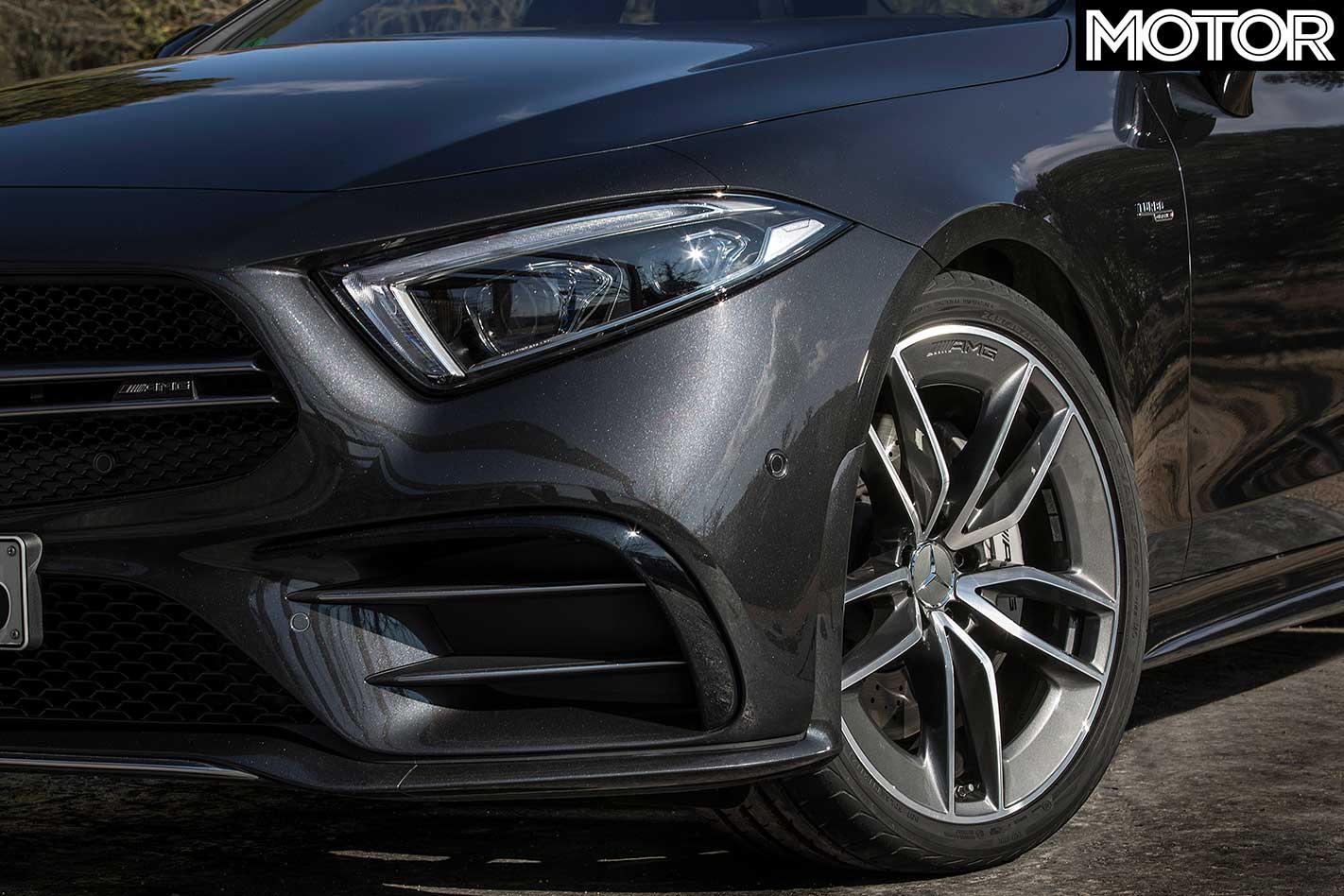
Air springs, although optional rather than standard as they are on the AMG, were also fitted to the two other CLSs I’ve tried – one being the wickedly fast 400d, with a 3.0 straight-six diesel, 250kW and the new EQ Boost system.
Whatever engine your CLS comes fitted with, though, it makes no difference to the way it feels inside, which is little short of excellent.
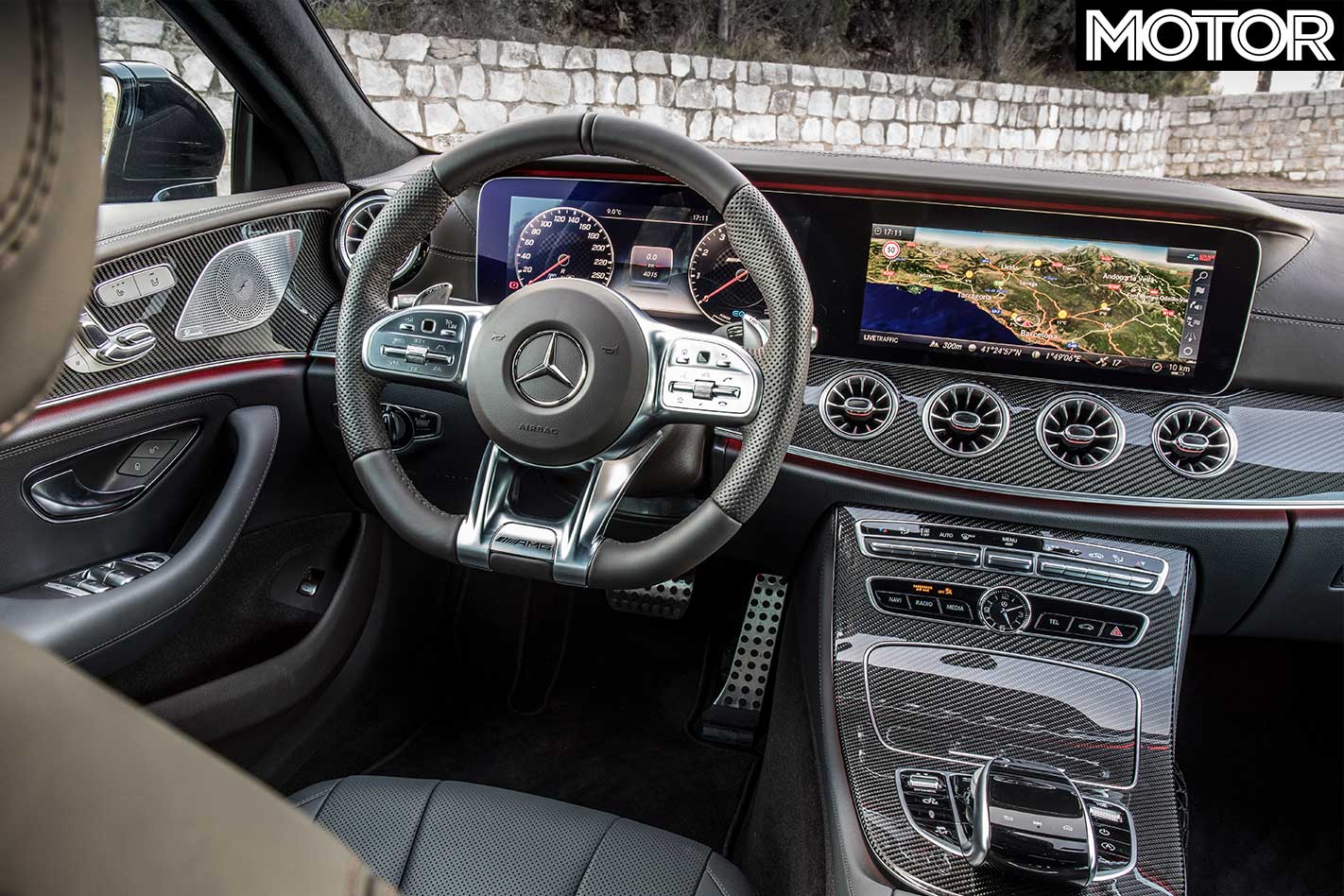
Headroom in the rear is, obviously, a bit tighter than in a conventional saloon, for the passengers you probably won’t have anyway, and the boot’s of a similar ‘yeah, fine, whatever’ capacity. If it’s not big enough, there’s always the E-Class, which is handy.
Overall, whether equipped with a lesser engine or with the new AMG 53 unit, the impression you get from the CLS is one of slickness. Even the 53 is never in-yer-face, never urging you to go harder or, in Aussie parlance, ‘begging to be fanged’.
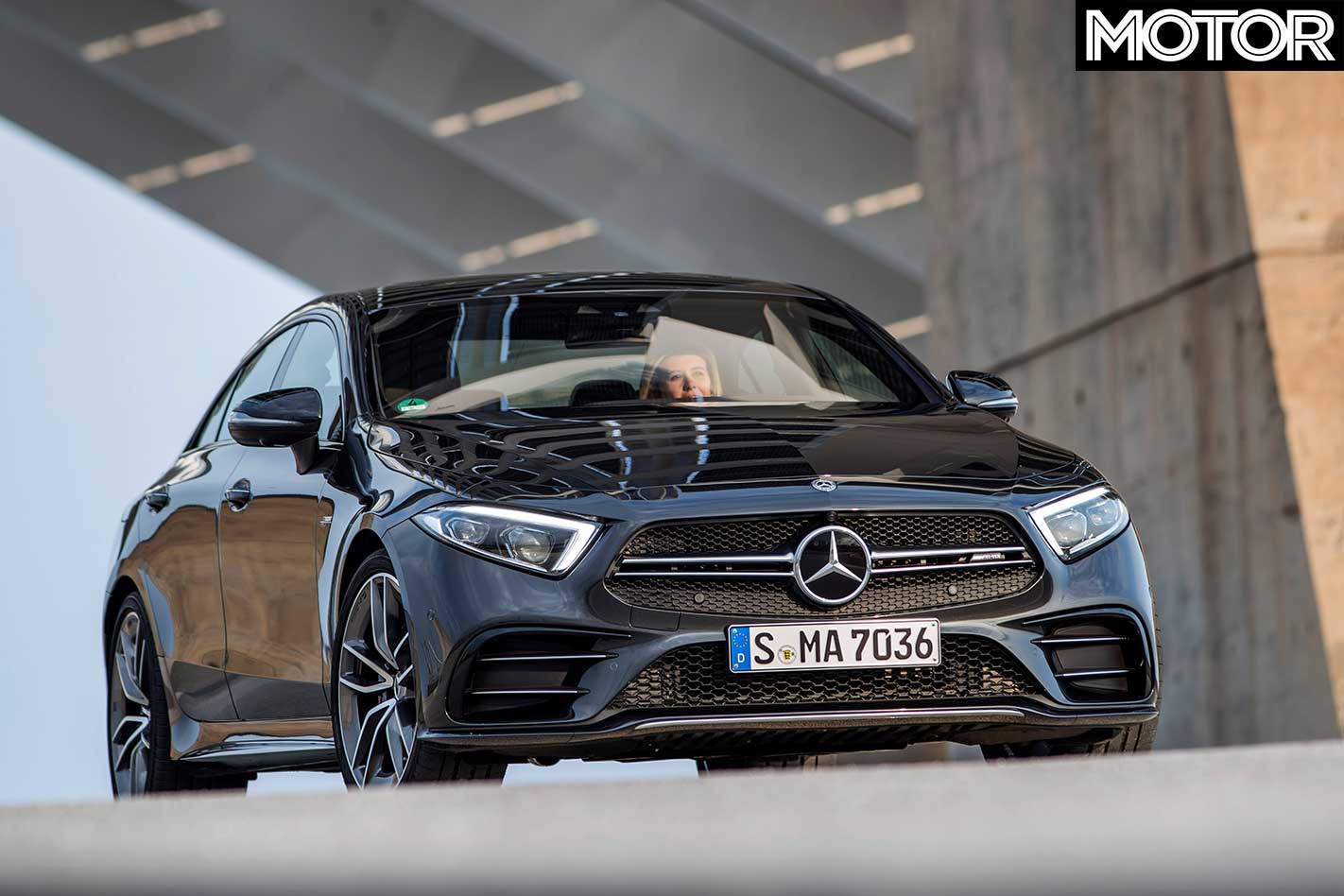
Perhaps in grippier conditions, and on normal rubber, the 53 would feel more like a true AMG than it does to me here, but then I don’t mind if it doesn’t. Perhaps I’m less picky than Moers, because it strikes me there’s not a lot wrong with it the way it is.
2018 MERCEDES-AMG CLS53 SPECS: Engine: 2999cc inline-6, DOHC, 24v, turbo Power: 320kW @ 6100rpm Torque: 520Nm @ 1800-5800rpm 0-100km/h: 4.5sec (claimed) Weight: 1905kg Price: $179,900
Like: Blends performance and luxury; debuts EQ Boost tech; cheaper than outgoing CLS63 Dislike: Is it angry or fast enough to be a true AMG? Lacking aural appeal of V8
VW’s light hatch has matured into a sharp-handling, roomy offering that’s more like big-brother Golf than ever before
WHAT IS IT?
The sixth generation of Volkswagen’s light hatch. It has big shoes to fill, as previous generations have set the B-segment benchmark.
WHY ARE WE DRIVING IT?
Built on an all-new platform and powered by new three-pot turbo engines, the all-new Polo went on sale last month. This was our opportunity for an extensive drive away from the constraints of a conventional media launch.
Citroen C3, Mazda 2 GT, Skoda Fabia Monte Carlo, Suzuki Swift GLX Turbo
THE WHEELS VERDICT
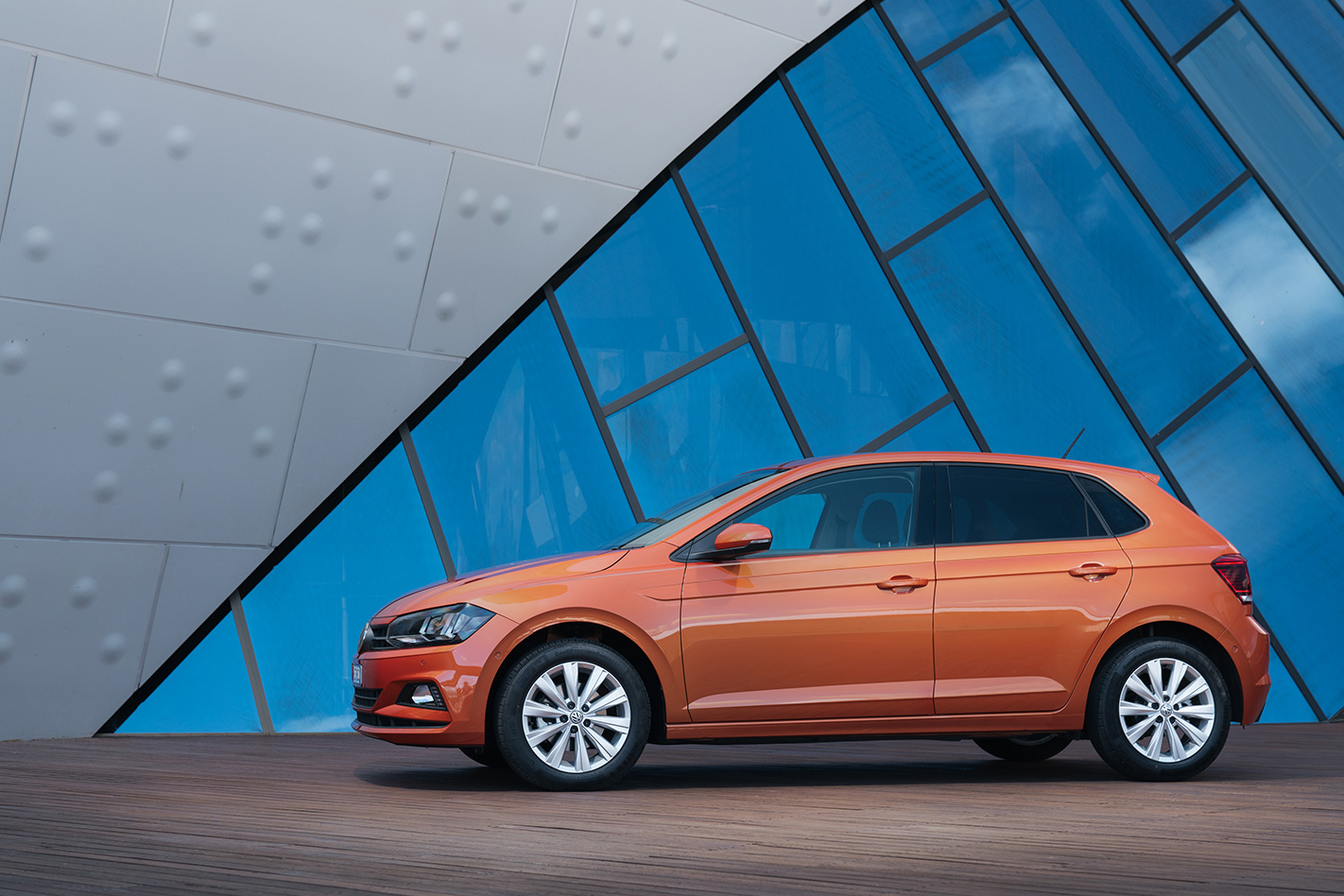
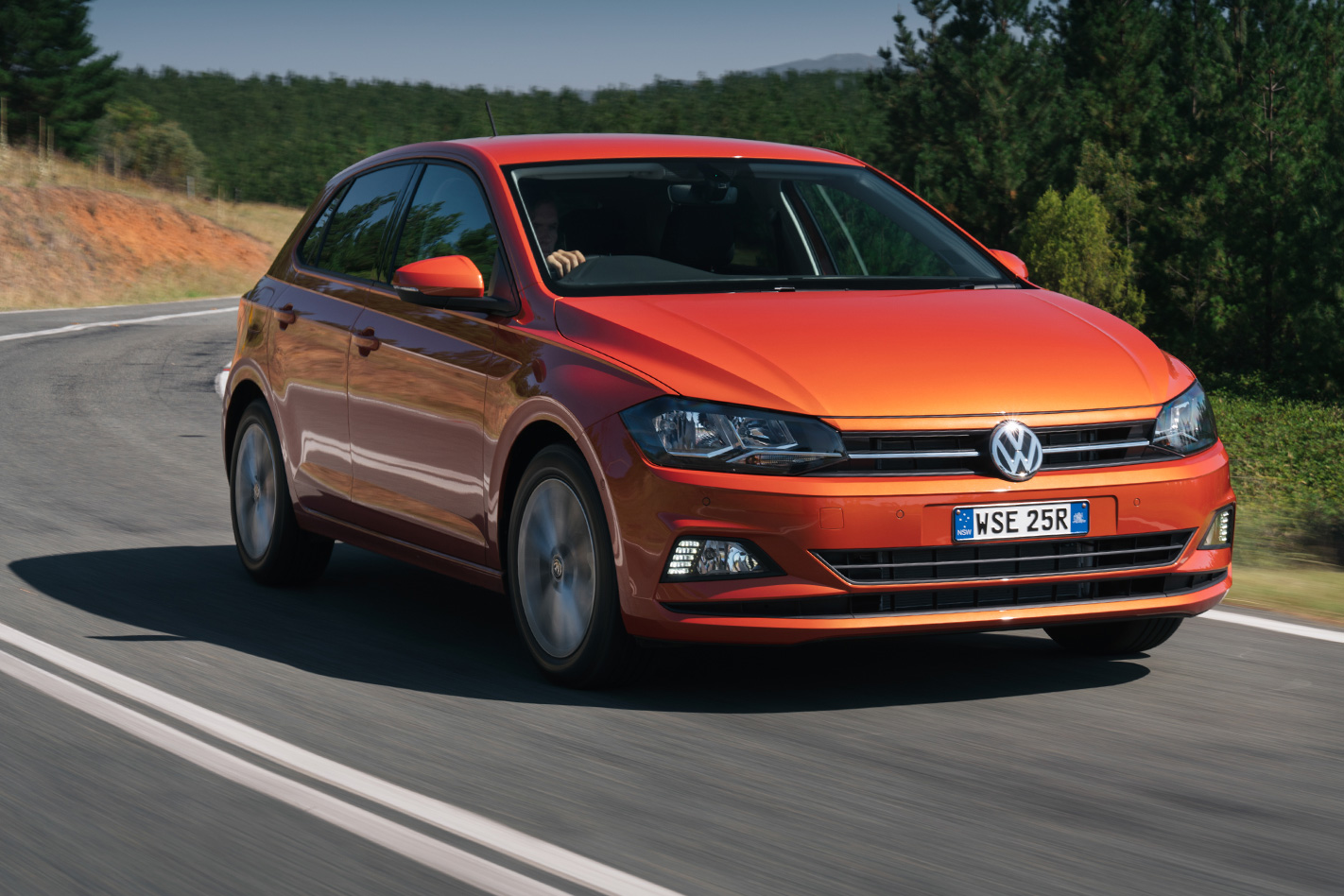
The 2018 Polo ticks more boxes than an Octogenarian bingo player, and takes the light-car segment to a new realm in terms of its space, equipment levels, performance and handling. But efforts to academically perfect the Polo have robbed it of some charm, which could affect its showroom appeal among younger buyers seeking more visual wow factor. Looks can be deceiving though, and while the Polo is a sensible buy, it’s certainly not dull once you get behind the wheel.
THE WHEELS REVIEW
SETTING a benchmark is easier than maintaining it. Which is why, when we got our hands on the sixth-generation Polo, we wanted to do more than just see how it stacked up against its Mk 5 predecessor. This first drive was a hard-pedalling baptism of fire that really allowed us to appreciate just how much Volkswagen’s little car has grown up.
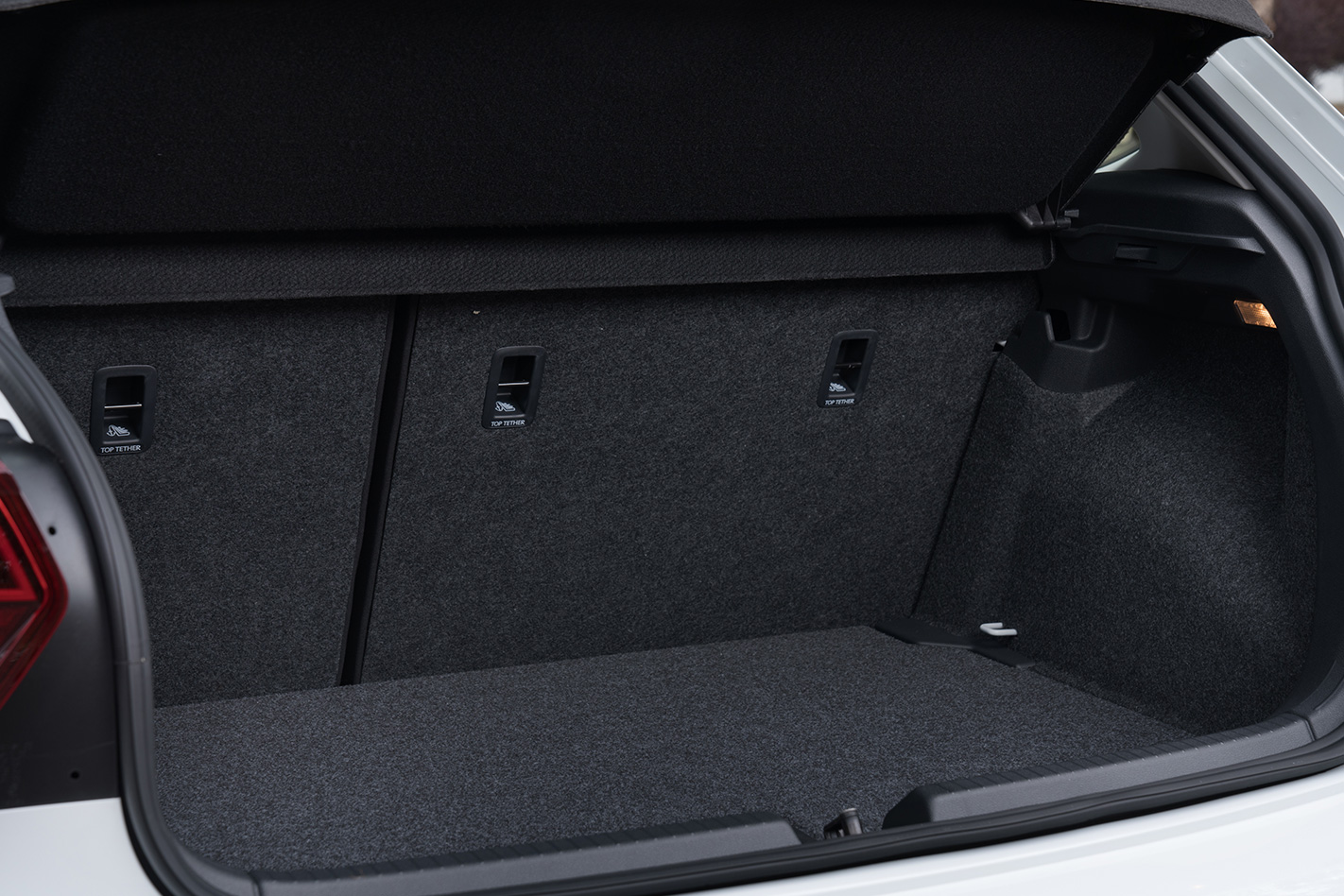
It also shares a version of the bigger cars’ MBQ platform that’s responsible for much of its transformation. Now bigger than the Mk 4 Golf, the Polo’s wheelbase has grown 92mm to 2548mm with front and rear track stretched by 45mm and 56mm to 1521mm and 1501mm respectively. The bodywork bulges to take full advantage of the bigger footprint, resulting in C-segment rivalling leg and shoulder room and a handy 351-litre boot.
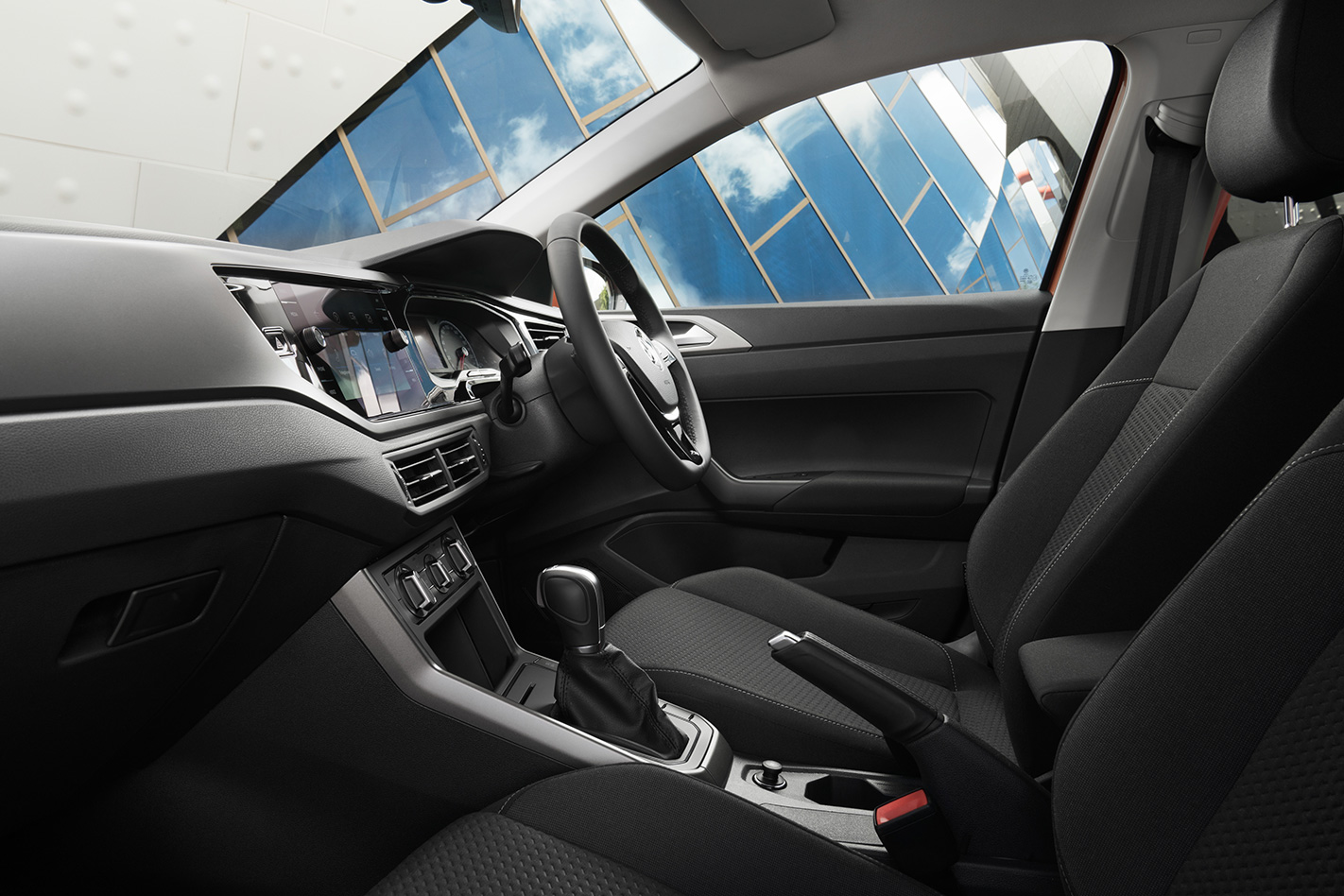
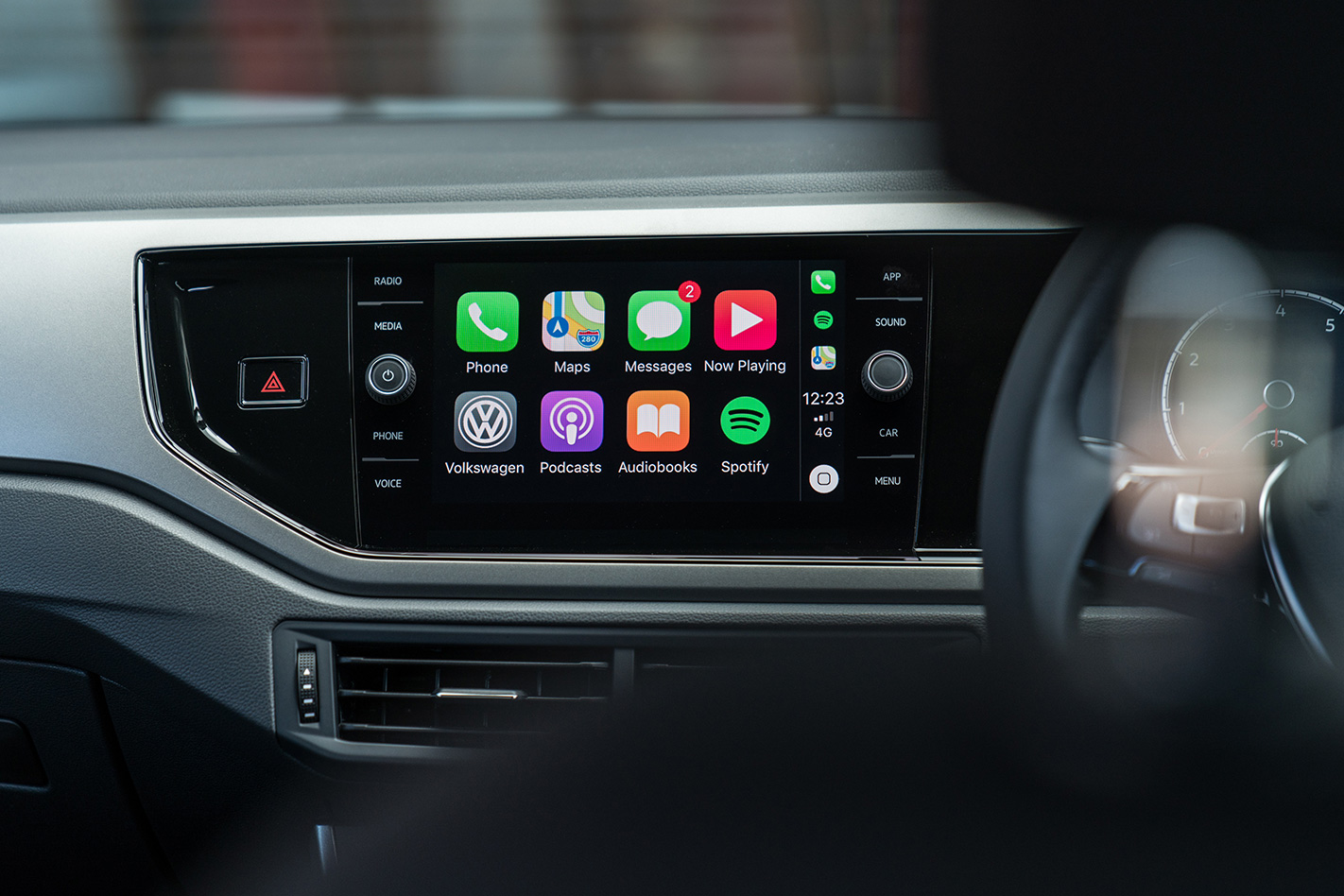
The interior is typical Volkswagen, with clean lines, quality materials, comfortable seats and a clutter-free dashboard with an 8.0-inch touchscreen that blends in with the instrument cluster. That said, the premium feel is undermined a little by the absence of push-button start or climate control air-conditioning, even as options.
One thing that hasn’t grown is the range, with two specification grades each with a different version of the new 1.0-litre three-cylinder turbo petrol engine. These will soon joined by a GTI version.
Next up is the 85TSI Comfortline, with a choice of six-speed manual and seven-speed DSG that each cost $1500 more than their 75TSI counterparts. The extra coin brings the 85kW three-pot, which produces 200Nm of torque (the same shove as the Golf 7’s 92TSI), plus extra kit including 15-inch alloys over the boggo 15-inch steel wheels, auto headlights, rain-sensing wipers and sharper cloth trim.
For a limited time you can score a Launch Edition of the 85TSI with 16-inch alloys, wireless phone charger, front fog lights and tinted tail-lights for an extra $1000.
Our Launch Edition test car showed shaving off a cylinder hasn’t harmed the Polo’s performance any. The 85TSI pushes out an extra 4kW and 25 Newtons than the 1.2-litre four it replaces. Mated with the DSG, it’s a little sluggish from step-off in its default drive mode, but flicking the gearshifter down to engage Sport mode overcomes this.
Once on the move, progress is smooth, without the delayed shifts at low speeds that plague some dual-clutch setups. In more dynamic driving conditions the DSG selects gears intuitively, meaning you’re never lacking throttle response. The three-pot does lack the silkiness of the Mk 5’s 1.2-litre four, but the throaty burble it delivers when you floor it is just one element of its charm.
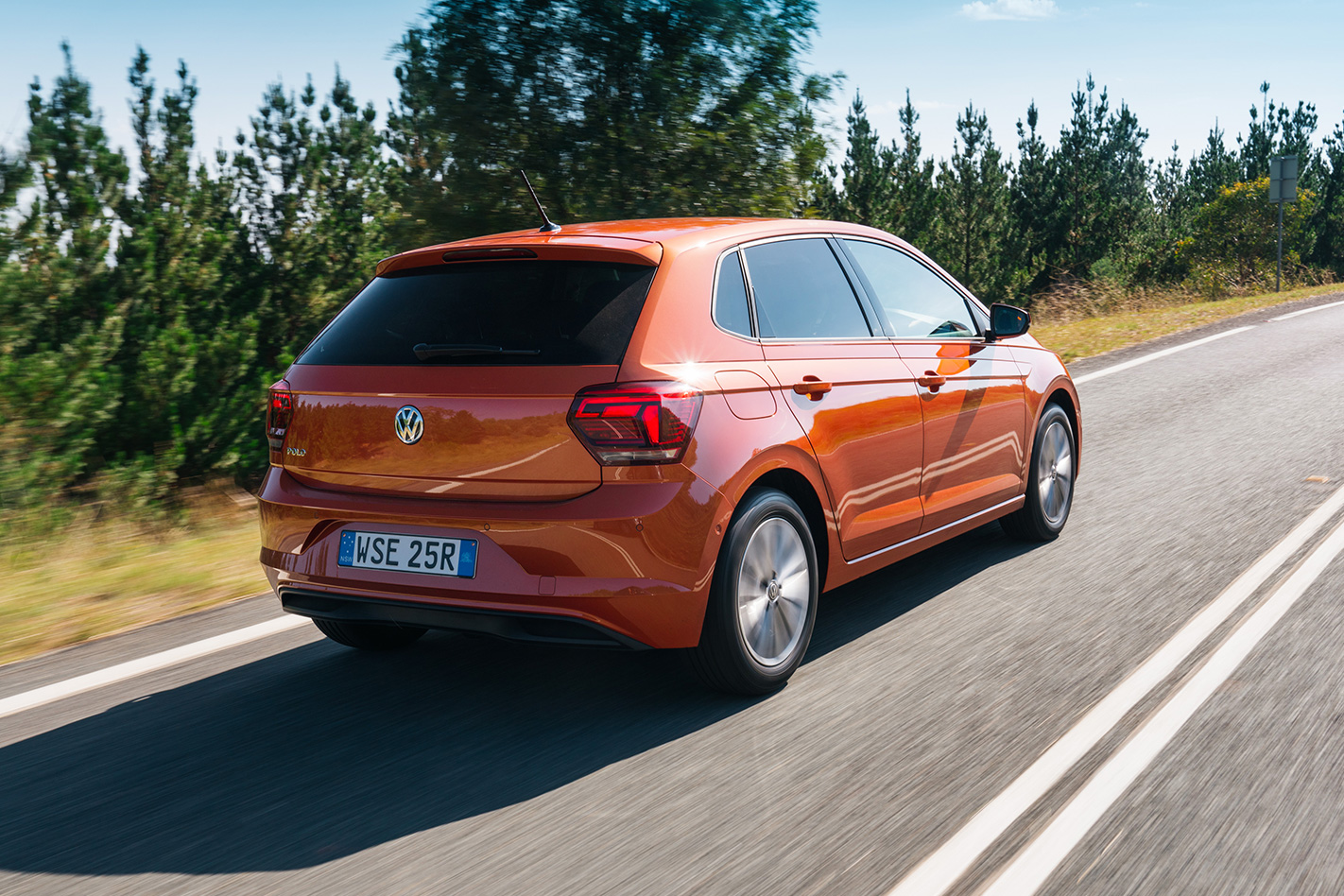
So while the ride is firm, it’s still comfortable and despite the size increase, Polo still feels nimble around town. For a so-called city car, it lapped up B-road bumps with poise giving up little in terms of secondary movement.
The steering is nicely direct, with that typically well-oiled premium VW feel, and reveals a responsive front end that shows no signs of nose heaviness that can affect rivals. Front to rear balance is also sweet, meaning understeer is rarely an issue. Despite its frumpy looks, this is a very enjoyable car to drive.
So does the Mk 6 Polo retain the marque’s B-segment benchmark status? Without doubt, however, this has been achieved by being more like the Golf, which invites comparisons with the bigger hatch. Yes, Polo is head and shoulders above its rivals, but for not much more money than the 85TSI you can land yourself a more powerful 110TSI Golf Trendline with independent rear suspension, which takes chassis poise and driving enjoyment to the next level.
Let the sibling rivalry begin.
SPECS
Model: 2018 Volkswagen Polo 85TSI Comfortline Engine: 999cc 3cyl, DOHC, 12v, turbo Max Power: 85kW @ 5000-5500rpm Max Torque: 200Nm @2000-3500rpm Transmission: 7-speed dual-clutch auto Weight: 1152kg 0-100km: 9.5sec (claimed) Fuel economy: 5.0L/100km Price: $21,990 On sale: Now
Can’t wait to see the final score? Jump to the verdict now
MITSUBISHI must be doing something right. Outlander sales grew at twice the pace of the medium SUV segment in 2017, which begs the question: How much has this old bus improved?
On sale since 2012, this third-gen iteration has never rated highly with us, undermined by dowdy design, lacklustre dynamics, low-rent interior presentation and eyebrow-cocking fuel efficiency. But that was the tubby 2.4-litre all-wheel-drive version. Could the 400cc-smaller and 100kg-leaner front-drive Outlander deliver a stronger outcome?
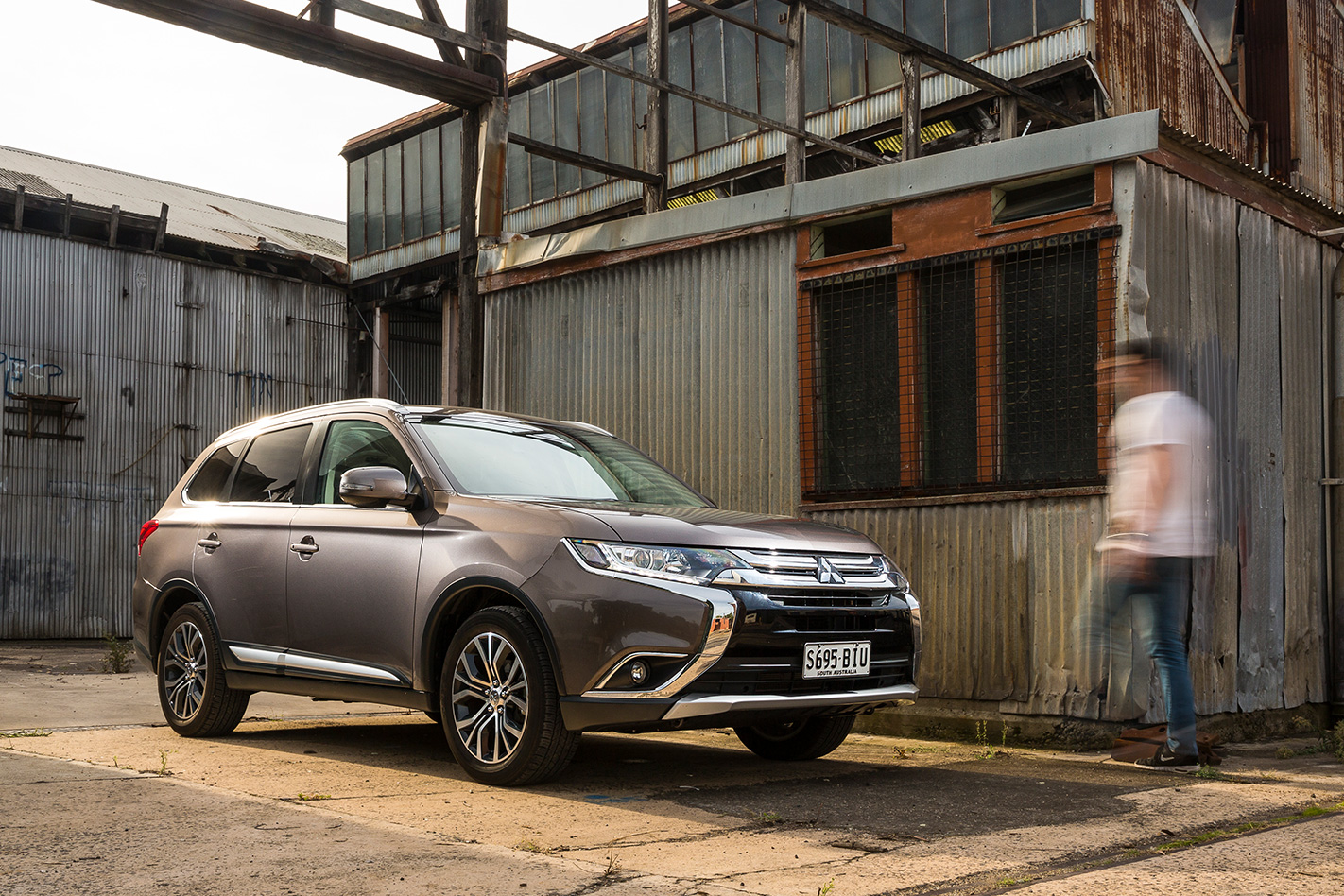
With a chromed ‘goatee’ grille, glitzy 18-inch alloys and sundry side brightwork, we initially thought the test LS was the exxier Exceed, until the penny dropped and we realised that even the lowliest Outlander has lost its rental fodder vibe.
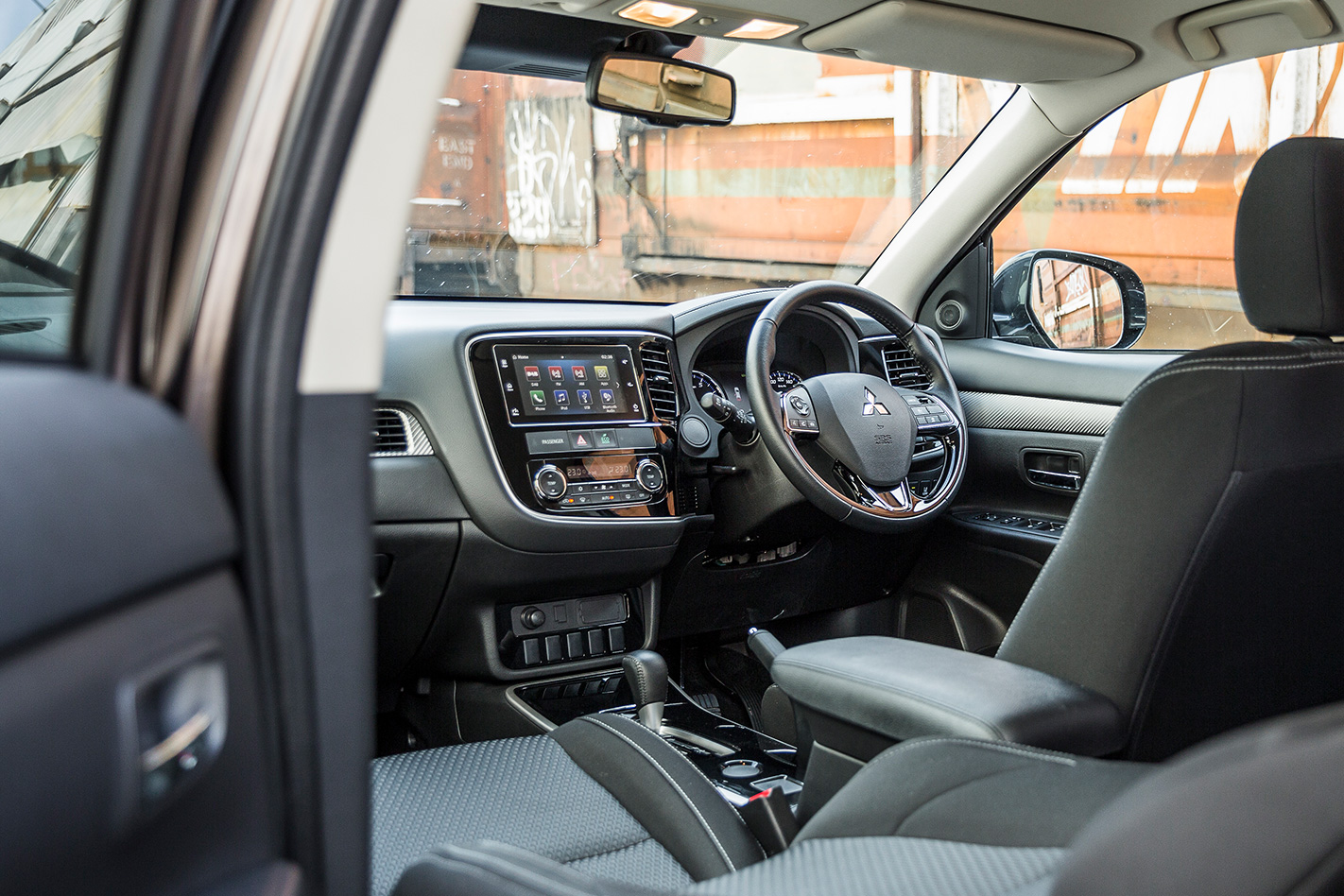
Similar tactics abound inside thanks to a makeover that ushers in a new centre touchscreen (with digital radio and Apple CarPlay/Android Auto connectivity), as well as dual-zone climate control and lashings of piano-black trim adorning the solidly built dash.
All are subtle but welcome updates that build on the existing strengths of an airy cabin featuring a lofty, reclinable rear bench, cohesive instruments, simple switchgear, ample storage and space aplenty for occupants out back.
Enabling greater storage are rear-seat cushions that tip forward for a long, low load bay, hiding several underfloor compartments (plus a full-sized spare).
The LS Safety Pack can also stand alongside the Tiguan and CX-5 newbies by offering active driver tech like AEB, as well as lane-departure warning, adaptive cruise and auto high-beam. Throw in a five-year warranty and you’d imagine most customers would rush for the dotted line. Even before a test drive. In which case we’d strongly recommend scratching the Outlander’s surface.
You might literally do that to the cheap, hard plastics beyond the driver’s area. You’ll curse the fiddly multimedia; lament the absent rear-seat air vents; rue the missing digital speedo; wonder what 13 switch blanks support in upper-spec variants; and wish for more under-thigh seat support.
At least the 2.0-litre engine is economical and eager. Though languid at step-off, it accelerates strongly and smoothly for spirited point-to-point response, the tacho settling at 5900rpm as the CVT holds engine revs for maximum effect. Hit a steep incline, though, and speed begins to wash away. Select ‘Drive Sport’ and the throttle becomes too sensitive, while the engine revs too high for comfort.
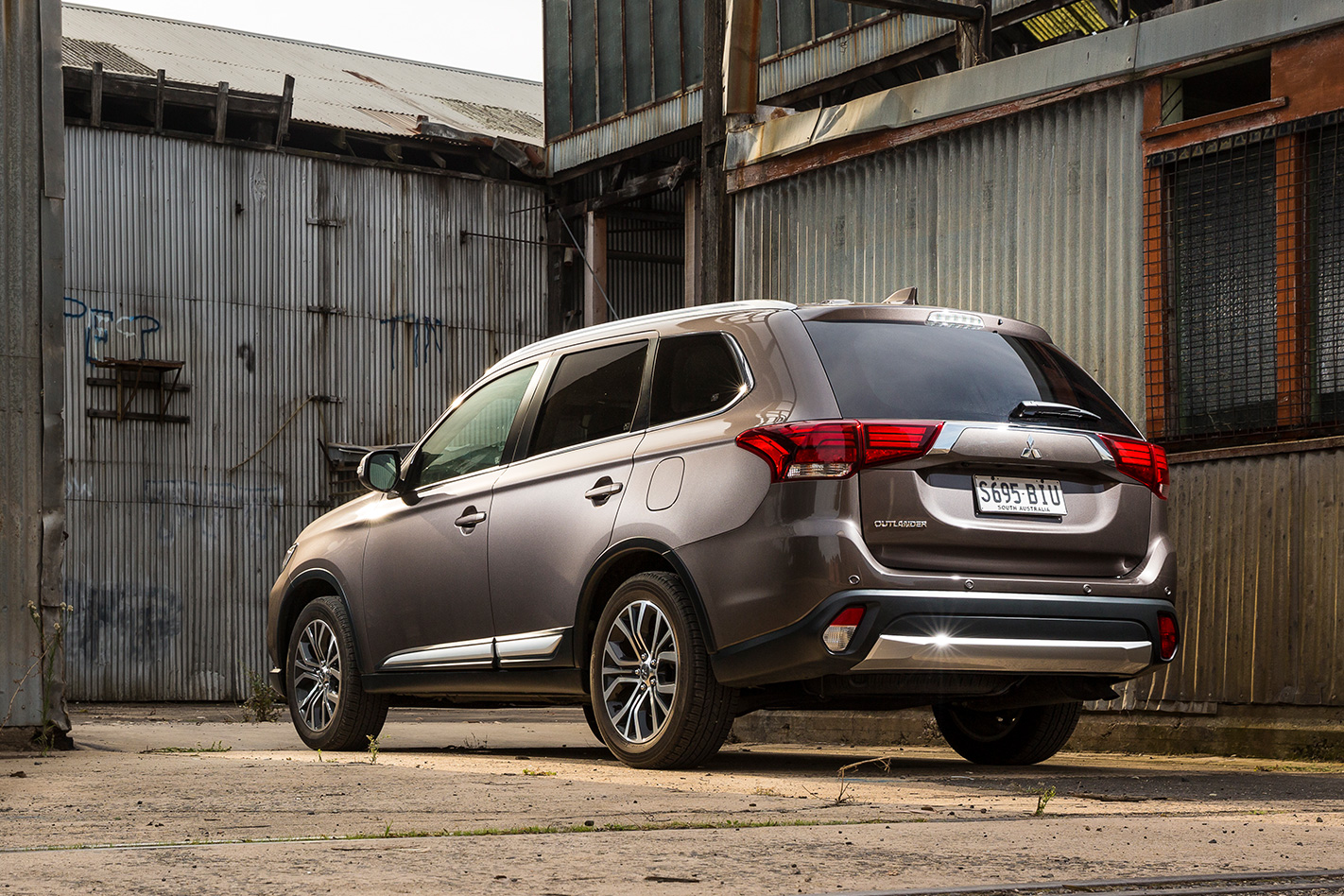
At lower speeds, the Outlander delivers quite lively turn-in and a neutral cornering attitude, but its steering lacks feel and consistency once tighter bends come into play, and handling gets ragged as roads roughen up. Despite the low-profile rubber, front-end grip also deteriorates while the helm’s rack rattles in unison with the cargo floor over bumpier bitumen. Additionally, the relatively soft suspension can become a tad under-damped in certain conditions, resulting in a constant pitter-patter motion.
While way better than the Haval, the Outlander’s dynamic discord leaves it trailing the rest. Is this the same brand that once built the athletic Magna Ralliart, not to mention the Lancer Evolution? Ultimately, then, the LS Safety Pack’s showroom persuasion turns patchy in the real world. Discerning buyers clearly have better choices.
SCORE: 5/10 MITSUBISHI OUTLANDER LS SPECS
Model: 2018 Mitsubishi Outlander LS Engine: 1998cc 4cyl, sohc, 16v Max Power: 110kW @ 6000rpm Max Torque: 190Nm @ 4200rpm Transmission: CVT automatic Weight: 1430kg 0-100km: 10.8sec Fuel economy: 10.8L/100km (tested) Price: $32,000 On sale: Now
Medium SUV Megatest Results
2018 Haval H6 Premium
Score 2/10
2018 Mitsubishi Outlander LS
Score 5/10
2018 Toyota RAV4 GXL
Score 6/10
2018 Hyundai Tucson Active X
Score 6.5/10
2018 Kia Sportage SLi
Score 7/10
2018 Subaru Forester 2.5i-L
Score 7.5/10
2018 Ford Escape Trend
Score 7.5/10
2018 Volkswagen Tiguan Trendline
Score 8/10
2018 Mazda CX-5 Maxx Sport
Score 8/10
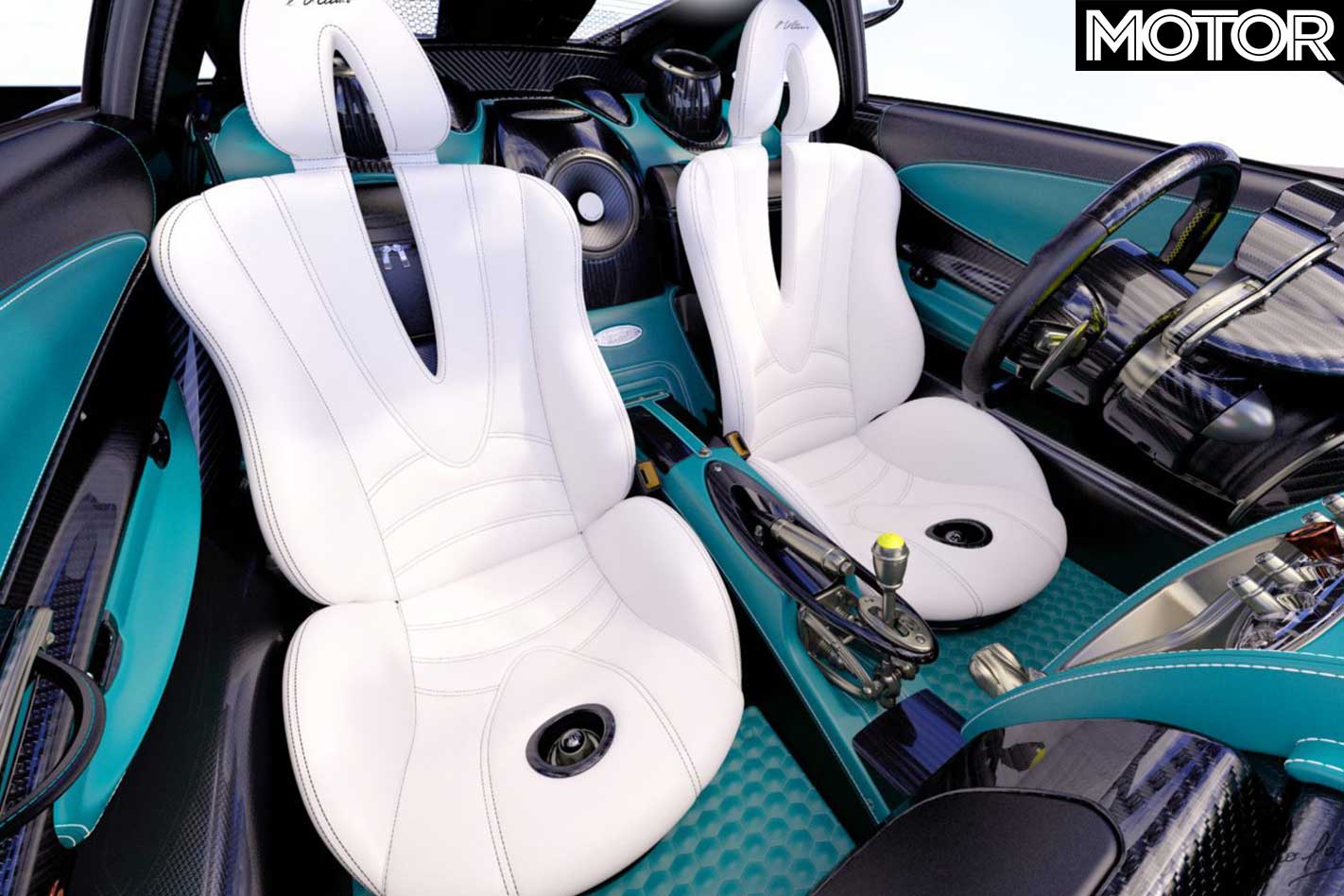
Word of the final Pagani Huayra coupe has broken, with the 100th unit built (dubbed L’Ultimo) destined for a Miami-based luxury car importer.
Thanks to prestige classified site DuPont Registry, which appears to have a relationship with the car’s intended owner, we also know what it will look like.
Brett David, CEO of Prestige Imports, is said to be the man who ordered the final car, and DuPont registry has published some apparently no-longer classified renderings.
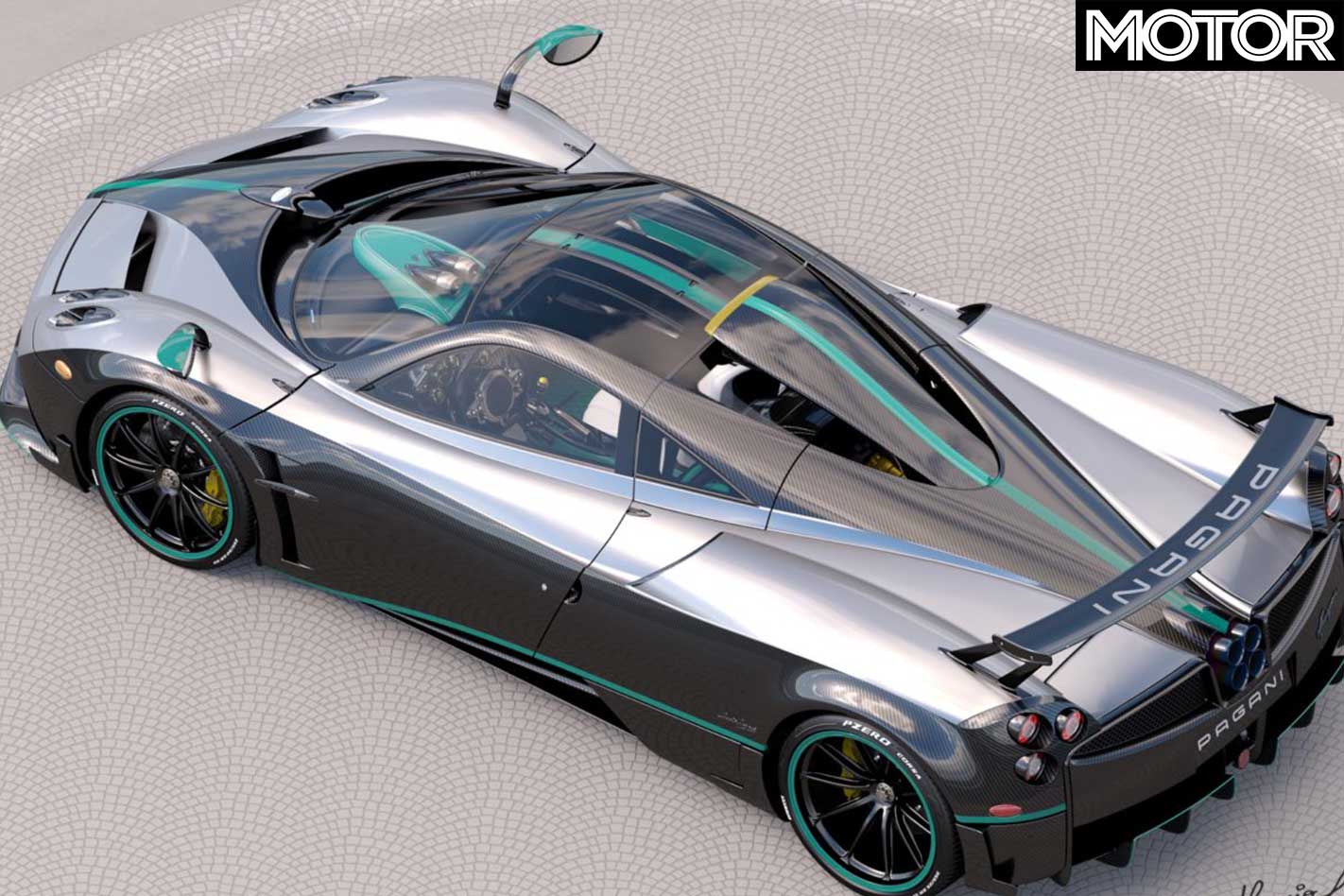
It’ll still run on AMG’s 6.0-litre V12, and will look mostly the same as its sibling, minor customisations aside.
The car will be delivered to its waiting owner in June, ending a 7-year stretch since it was first revealed at the 2011 Geneva Motor Show.
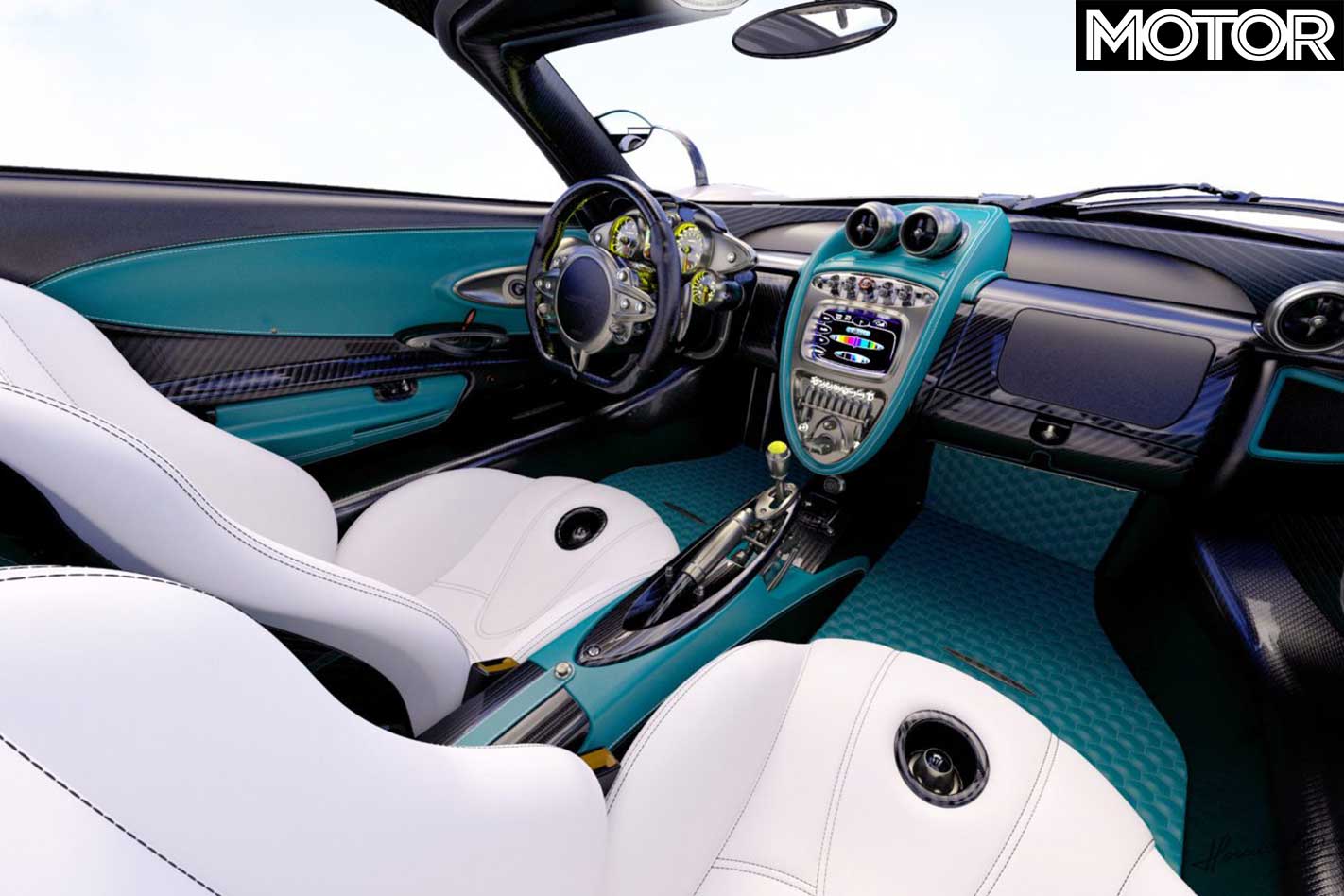
In Australia, that’s possible thanks to the opening of a Pagani dealership by the Zagame group on Melbourne’s exotica-laden Swan Street, upstairs from an Aston Martin showroom.
In Australia, a Roadster costs an eye-watering $5.5m, so we’d struggle to even imagine how much Mr David is paying to own the final coupe.
His Miami dealership, Prestige Imports, also happens to be one of only a handful of official Pagani dealerships in North America.