
The contenders
We get it, sub-$40K seven-seaters aren’t much to get excited about, but the contemporary urban autoscape tells us that crossovers have eclipsed wagons and vans as the apposite for growing families. And they’re not all a bucket of fun sponges, despite the keen pricing of this petrol duo.
Beyond the primordial Mitsubishi Outlander – the dead horse that the Diamond Star continues to flog with success – is the X-Trail that’s well-mannered and a better pick. But in enters Honda’s new CR-V, which plans to ruffle up the pecking order in this seven-seat stoush. It is just a few green notes more expensive than the older X-Trail – $38,700 plays $38,990 – and on paper it might appear that the Honda’s techy turbo engine and flash gear will land an early knockout blow, but the X-Trail has family-important features that keep it slugging for another round.
Equipment and value
Standard equipment in the Nissan includes AEB, forward collision warning, rear cross-traffic alert and a 360-degree camera – all of which is missing in the Honda. The CR-V also lacks AEB, which is a glaring omission in today’s market. What the Honda does have is a right-side lane-watching camera, curtain airbags for third-row occupants, three different reversing camera modes, and front and rear parking sensors. And it appeals in the showroom with a big panoramic sunroof, electric opening tailgate, rear ventilation, a full-size spare (against the X-Trail’s space saver), smart keyless entry and automatic rain-sensing wipers.
Both sport alloy wheels (18 inches on the Honda vs 17s for the X-Trail), heated leather seats with electric front pews (driver’s side only for the Nissan), LEDs, foglights, roof rails, climate control, a 7.0-inch touchscreen, and five-year/unlimited-km warranty periods.
Space and comfort
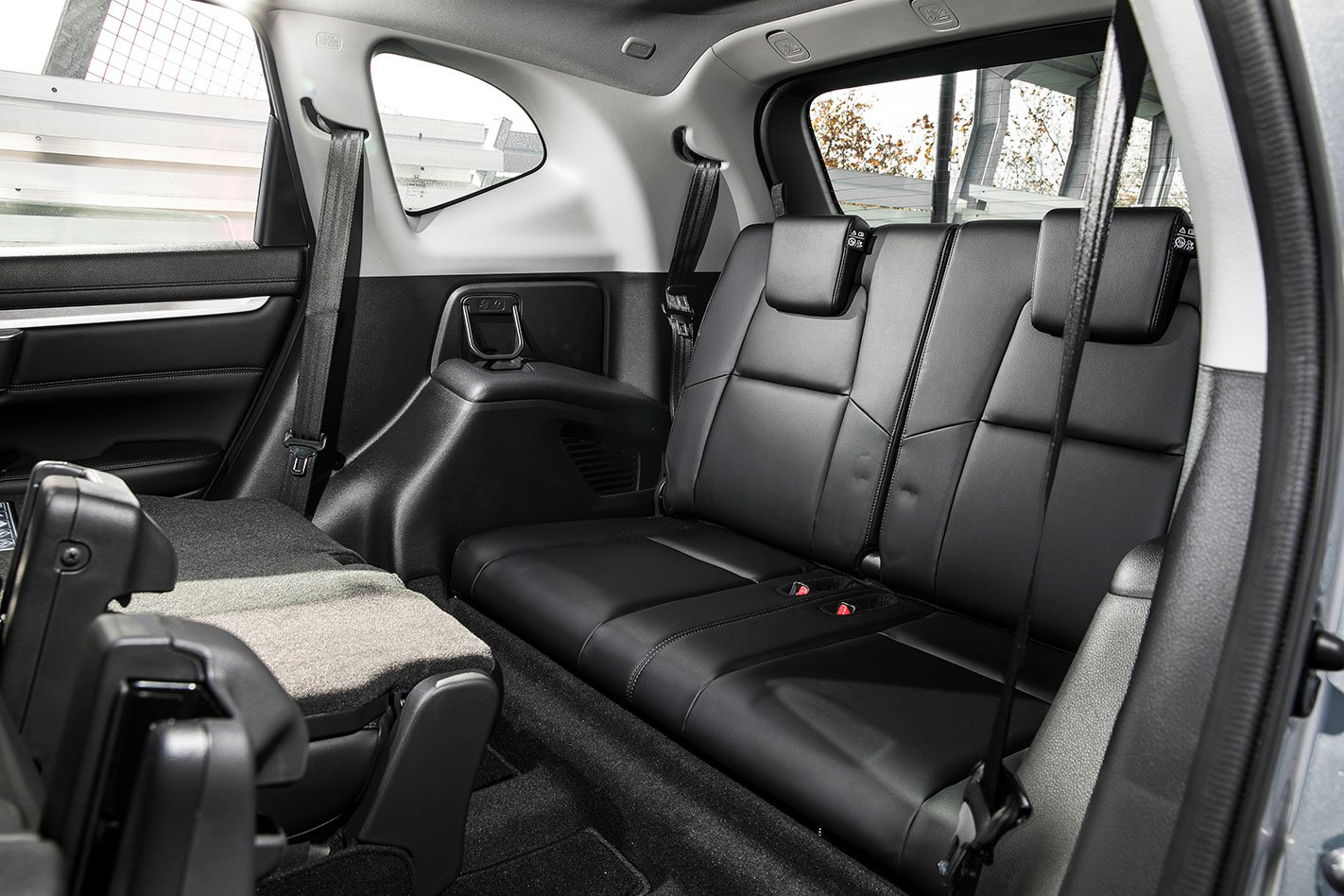
The CR-V’s third row has adequate legroom for occasional coaching, whereas the X-Trail’s paper-thin cavity puts its seven-seat claim into question. Slide the Nissan’s middle seats forward to liberate space and the second row becomes uncomfortable. The CR-V’s second row is spacious with all seats in operation.
The Honda also has a bigger boot (150L with the third row up and 472L with it down, versus 135/445L), though the Nissan’s is more useable as it has a flat floor. The CR-V, however, has a full-size spare wheel.
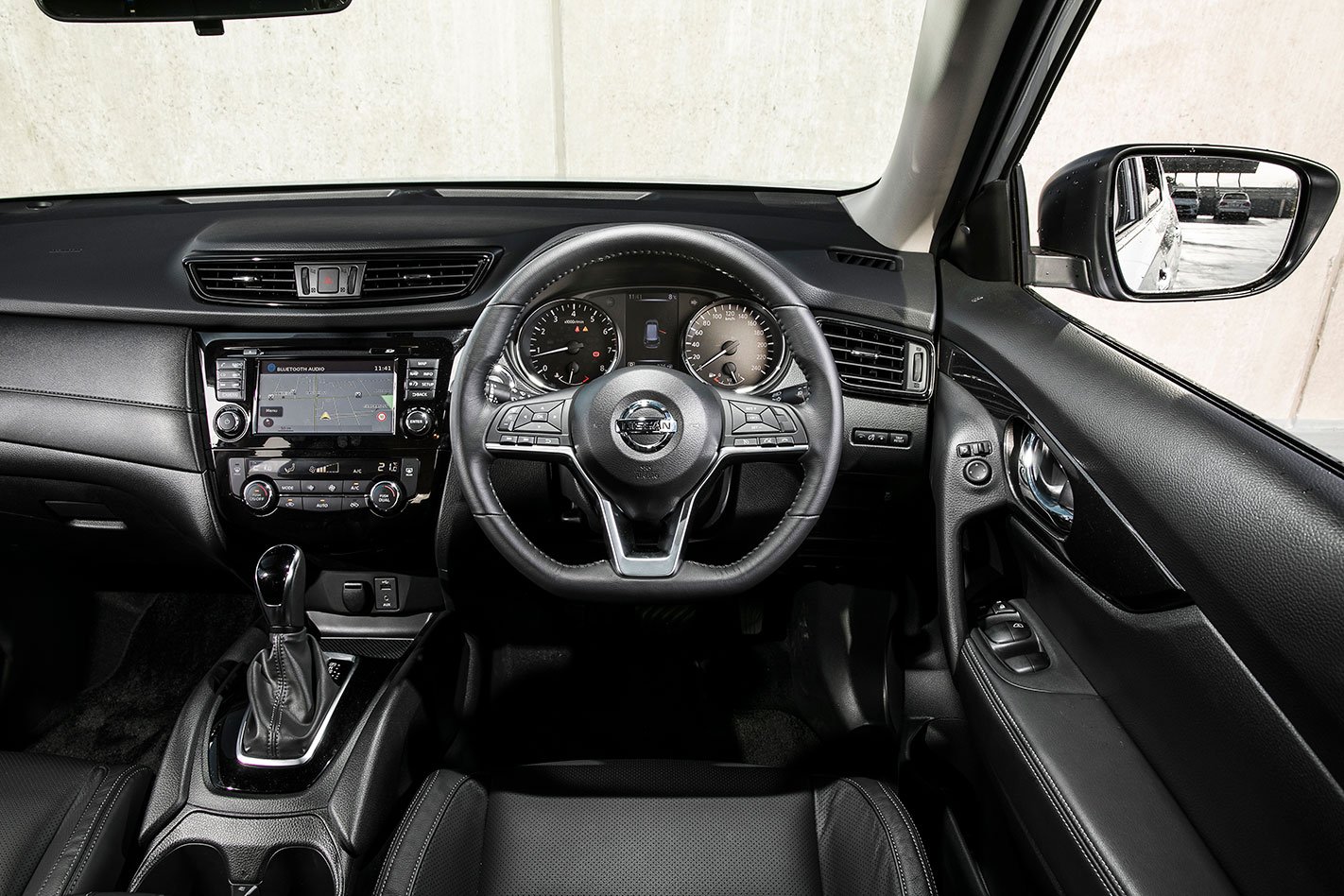
The Honda also has a more modern design inside and nicer-quality touch points around the cabin. Its technology is easier to use too, like the touchscreen with Apple CarPlay and Android Auto connectivity which are absent from the Nissan’s clunkier system. The Nissan can’t match the Honda’s quality in stitching, buttons and trim elements either.
How they drive
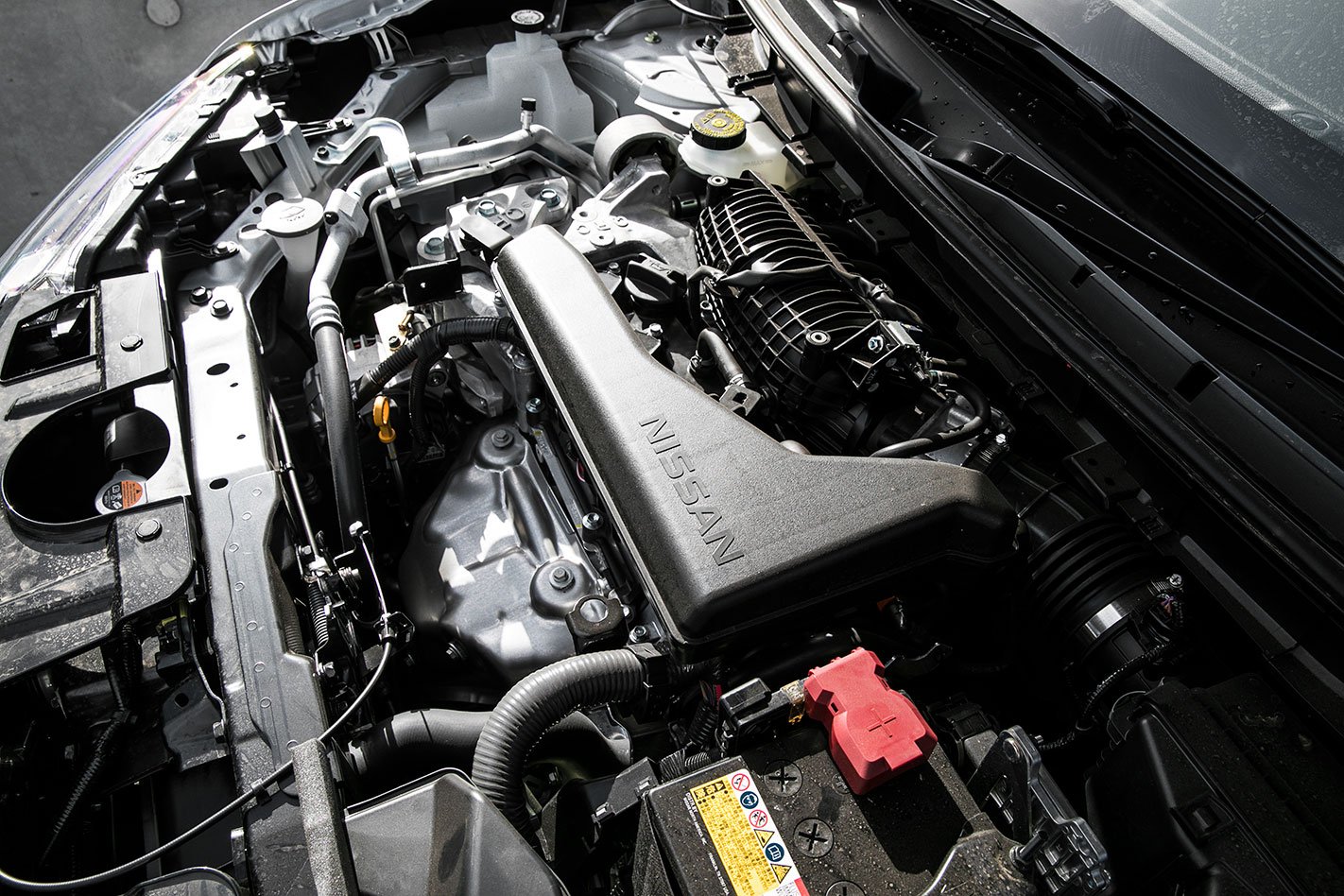
Both have enough grunt to haul seven but the X-Trail’s powertrain feels a generation behind compared to the Honda, which abounds with energy in comparison. The CR-V’s 1.5-litre VTEC turbo generates 140kW at 5600rpm and 240Nm from 2000-5000rpm, some 14kW and 14Nm more than the Nissan’s atmo 2.5-litre. The X-Trail’s milder 226Nm doesn’t hit its stride until 4400rpm, so it needs to rev and it works the CVT harder than the Honda.
Unladen, both are pretty easy to poke about the ’burbs, but the CR-V’s chassis is more composed than the softer X-Trail and feels better through the tiller in terms of feedback and feel. One-inch-larger alloys with lower-profile rubber on the Honda might attribute to a slightly less-plush ride, but its general bump compliance is still good, and combined with more deft handling, it trumps the Nissan.
The winner: Honda CRV VTi-L
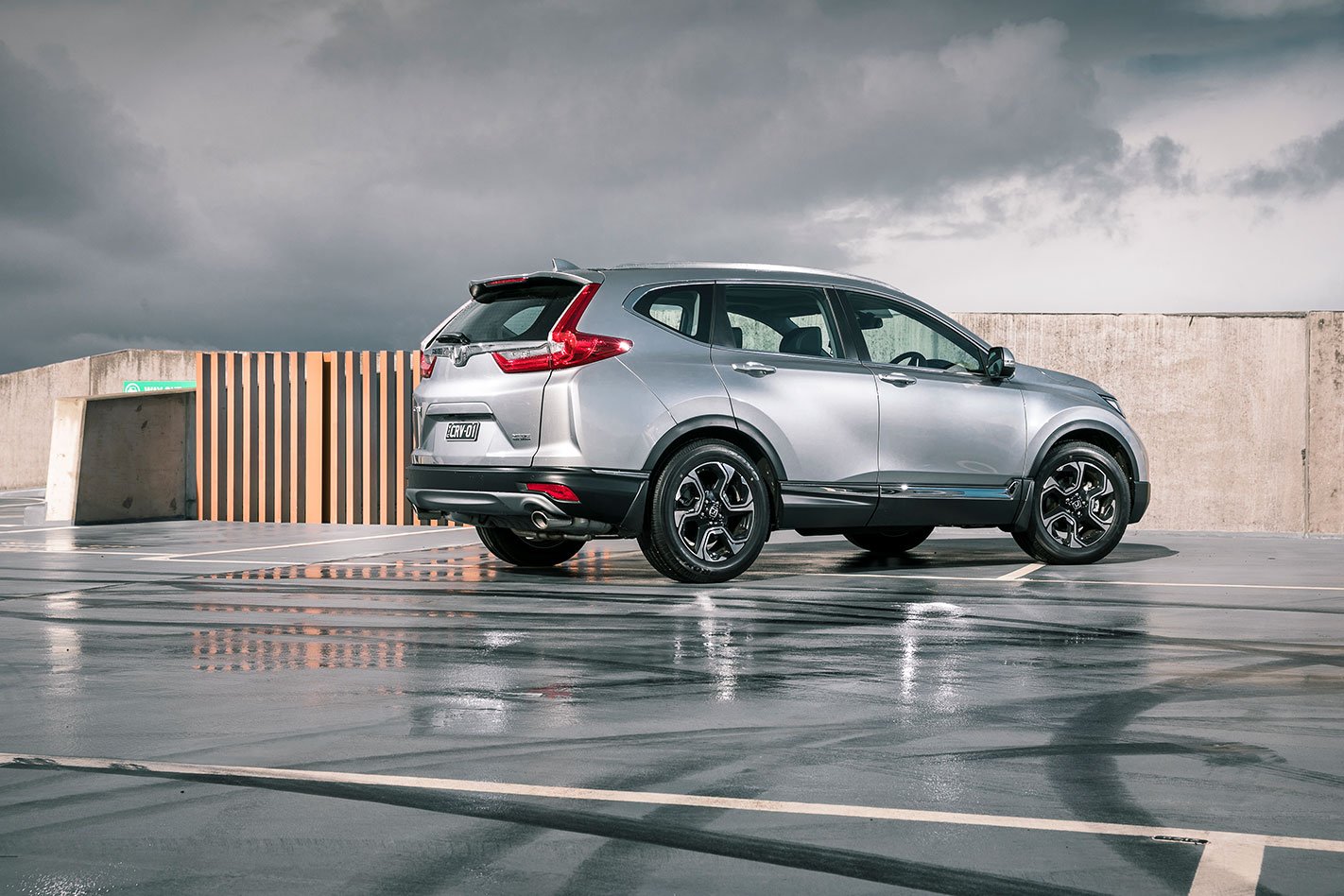
Absent safety tech is the Honda’s weakest link, and the company really should make AEB standard across the range in this most family-oriented of cars. But overall the CR-V is the better vehicle and it shines in most areas compared to the X-Trail. The interior is well equipped and comfortable, the engine is responsive, the ride/handling balance is well considered, and its price is attractive.
- Bathurst winner crashes heavily in final moments of qualifying for race 27
- McLaughlin taken to hospital for precautionary checks
- Fellow racer stops on track to help
- Most successful car of 2019 now a write-off
The young Kiwi clipped the wall out of turn two, which ricocheted him into the opposite fence at an estimated 140km/h before flipping the car up on its side, sliding to a halt with the right-side wheels torn from the car.
The damage was so severe that McLaughlin becomes the second car to withdrawn from the race, after a crash for rival Ford Mustang driver Chaz Mostert yesterday forced the Tickford team to write his chassis off as unrepairable.
https://www.instagram.com/p/B4Ghg6VBQMm/?utm_source=ig_embed&utm_campaign=loading
Safety crews – and McLaughlin’s on-track arch-rival, Holden racer Shane van Gisbergen – were quickly on the scene to assist the stunned McLaughlin, who was taken to the circuit’s medical centre.
The qualifying session was red-flagged, with – somewhat ironically – the #17 Bathurst-winning car holding the top spot until the very last moments, before being pipped by van Gisbergen.
More Supercars news
- Winning ugly: the new Mustang Supercar
- Why there is no Camaro on the Supercars grid
- Could Penske Indy 500 winners pair up for Bathurst?
“To see one of your mates on his side way after the corner, which means it must have been a big shunt, was shocking,” said van Gisbergen, who technically broke a few racing rules to stop on the circuit to assist his friend. “He was shaken, but okay. Not nice.”
McLaughlin apologised profusely to his team after the estimated 40G shunt into unprotected concrete, despite the fact the young Kiwi holds an almost unassailable lead in the 2019 championship.
In fact, if McLaughlin had placed either first or second today, or have finished no more than one spot behind the second-placed van Gisbergen, he would have claimed his second overall championship on the trot with two rounds still to race.
Wheels understands that the car will be restored to its Bathurst specification, though it’s unlikely to ever race again.
It’s a significant car in the context of Supercars racing, despite only debuting this year; it was on track to claim the record for most wins in a single season for any single chassis, and it’s also the first Penske car to claim Bathurst.
McLaughlin spoke to fellow Kiwi Greg Murphy after being released from the medical centre, confirming that he was uninjured.
“My ‘motherhood’ and my heart hurts, but that’s it,” McLaughlin told Murphy for Fox Sports after being released from the medical centre. “I’m just terribly sorry for everyone at the team. we were trying to do a practice shootout lap there, and I just just clipped the concrete wall there – I’ve clipped the tyres there this weekend, but this time it was a bit further around the corner.
“It surprised me. By the time I was on my side, I was like, geez. It happened so quick. I was more worried about people hitting my roof, then I saw some fluids and I thought ‘nah, I just want to get out’.”
After the conclusion of the Top Ten shootout, word came through that McLaughlin has been transported to hospital for further checks.
In-car data showed a peak impact of 43G on McLaughlin, prompting a series of mandatory tests.
“The ADR in Car 17 recorded an initial 31.5G (cumulative) impact followed by a second 42.7G impact which caused severe damage to the car and wall,” read a statement from Supercars medical chief, Dr Carl Le.
“Scott was thoroughly examined by the medical team and a SCAT-5 concussion test was completed.
“Scott passed the test and was released from the medical centre back to his team. After further observation, I have recommended that Scott be admitted to hospital for closer observation.
“He has just left the circuit now.”
If you don’t share your toys with Australia we’ll bloody well just make our own. That’s effectively the story behind our cover car for the November 2019 issue of MOTOR, the surprise Ford Mustang R-Spec.
With Ford USA unable to send hotted-up Shelbys like the GT350 and GT500 our way, Ford Australia, together with Herrod Performance, has taken upon itself with great effort to offer a locally-developed, supercharged Mustang for those to whom 339kW is simply not enough.
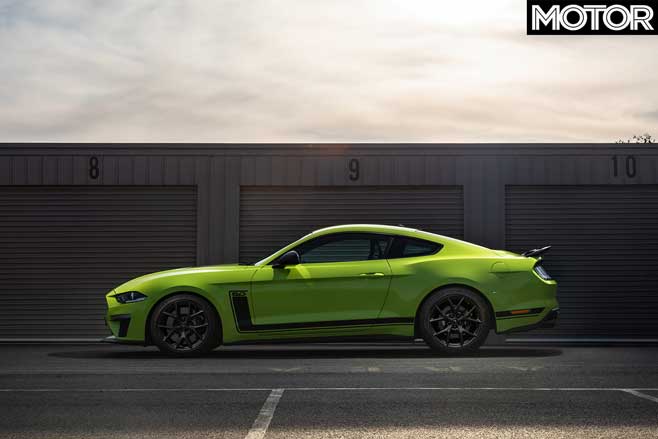
The manual-only R-Spec (or R-SPEC if you ask Ford) is to be ‘built’ on a new assembly line within the old Broadmeadows factory precinct. Fancy that! And it’s to offer between 400 and 500 kilowatts for, hopefully, less than $100K. You can read more in MOTOR’s exclusive story in the issue and as much as I’d like to say we didn’t see it coming, of course this has been percolating in the background for some years now.
It’s a pretty big deal. HSV might be keeping the Australian car manufacturing dream alive on a small scale by rebuilding Camaros in Clayton, Victoria. And certainly more work is involved converting a car to right-hand drive, to OE standards, than would be fitting what is basically a turn-key supercharger package. But the Camaro SS and ZL1 are not Australia-specific. They’ve not had their suspension re-engineered. HSV’s engineering ambitions haven’t had to do with what’s under the bonnet. And Rob Herrod – the R-Spec’s second-stage manufacturer – and Ford’s own engineers, will tell you that you can’t just bolt a Roush/Ford Performance supercharger to a 5.0-litre Mustang V8 and be done with it. To get it to give you all its potential, as often as possible, takes quite a lot of work.
It might be a stretch to say but in decades to come the R-Spec could be remembered as the closest we got to an Australian-developed car since the local Commodore bowed out two years earlier.
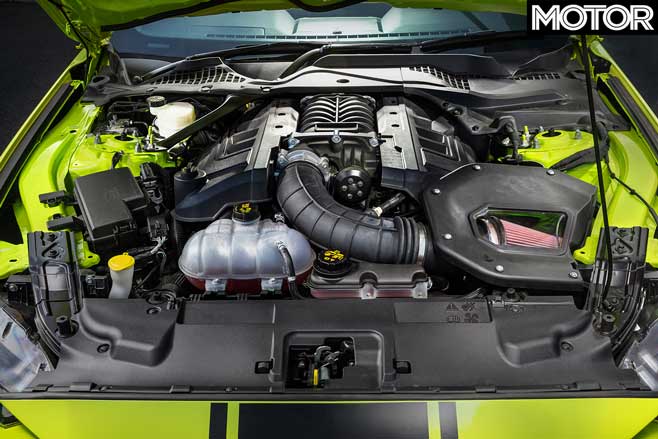
But I wouldn’t be thinking this is the comeback of the Aussie-developed performance car industry. To be a little blunt it’s probably closer to a death throe. Instead, this car is important because it might just start a figurative fire big enough that the smoke can be seen from certain towers in Detroit.
Ford Australia’s ambition is surely to sell between 500 to 1000 R-Specs. Its only real hurdle is that the car won’t be offered in automatic. And why is that? Ford Australia won’t admit it but we’re hearing they just couldn’t get the supercharger and the 10-speed automatic to get along, battling with all the same self-protecting, temperature-related power issues that have affected every automatic Mustang we’ve driven in anger, be they naturally aspirated or aftermarket supercharged. But the R-Spec’s prospects bode well when you consider Ford Oz managed to sell 700 manual-only Bullitts.
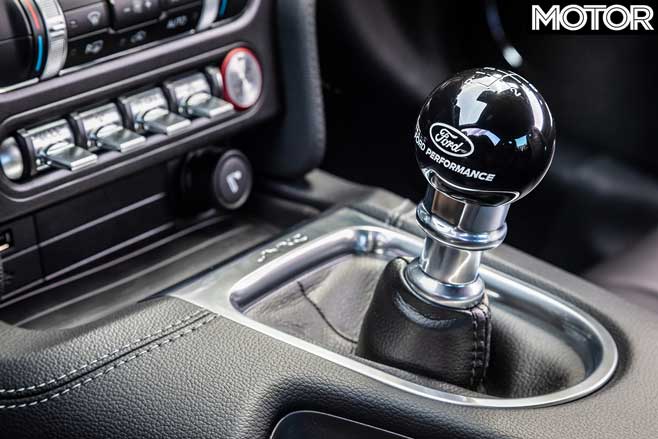
The bigger deal with the R-Spec is that if it is a success, it surely proves the case for engineering future GT350 or GT500s in right-hand drive. And if cars like those come to Australia and prove a hit, those in charge at brands like Chevrolet and Cadillac would be deaf and dumb to not see the opportunity for cars like Camaro and CT5-V/CT6-V as well. The right-hand drive Corvette is an encouraging sign from GM.
It’s only a matter of time before American car company powerbrokers realise little Australia is cashed up and showing all the withdrawal symptoms for relatively affordable, large, rear-wheel drive cars with dirty great power outputs.
See that car up there? That was supposed to be a Range Rover Velar. Iu2019d spent weeks conditioning my partner to the idea of larging it like the wife of an AFL player or moderately successful plumber and, after much cajoling, I was getting somewhere.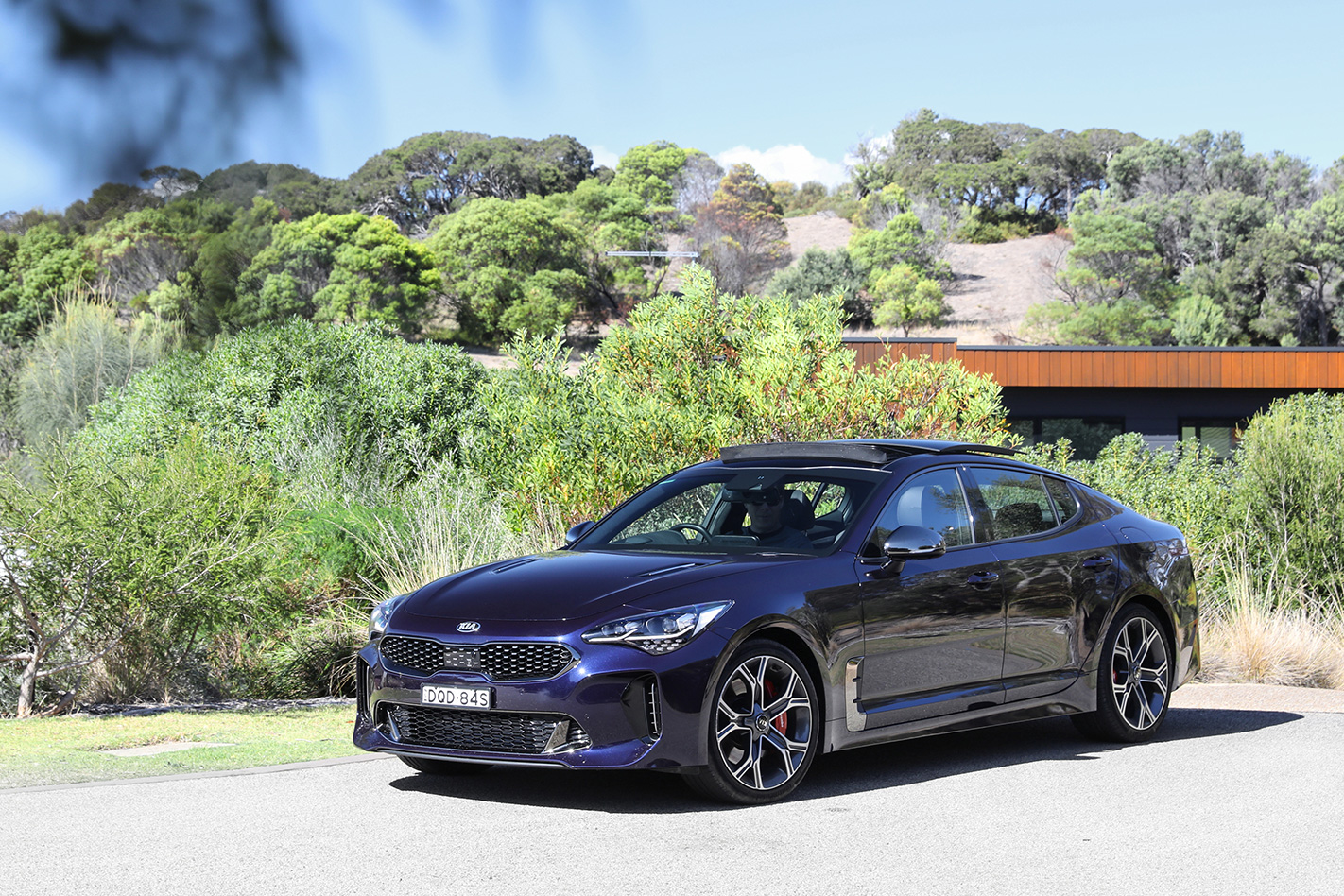
Slowly she was coming around to the notion of adventure slightly more ambitious than a gravel driveway, but not anything as hardcore as growing a beard or killing your dinner with the back of a spade. Then at the last minute, that plan fell to pieces and I ended up in a Kia. Not that I’m complaining. How could you when you have a 272kW rear driver with a great stereo, tyres with actual tread still on them and a scheduled six months to enjoy it in? Silver linings and all that.
The more observant amongst you might have clocked that we’ve already given V6 Stingers the nod in a couple of Wheels comparisons, and I’ve got a bit of a soft spot for these big-hearted bruisers. This one wears no options other than $695 of Deep Chroma Blue paintwork, which has a subtle purplish pop in bright sunlight.
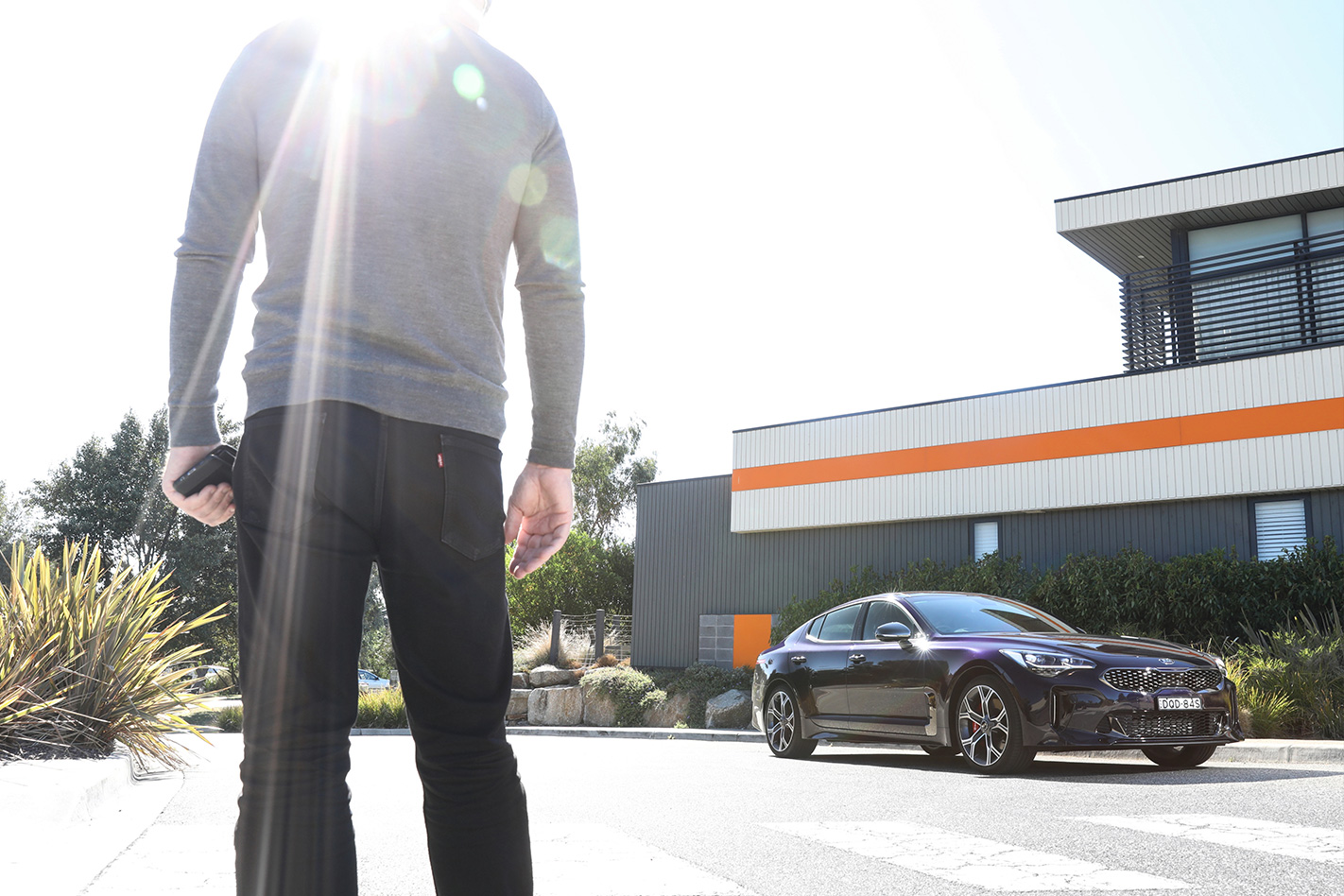
It still comes winging in at around five grand under the luxury car tax threshold, so makes all kinds of sense for the private buyer who’s never quite recovered from the demise of the Falcon G6E. Factor in the seven-year warranty and huge standard equipment list and it’s easy to see why, despite supply limitations, the Kia GT is so popular with Aussie customers.
One of the recurring grumbles from the comparison tests was that the Stinger was a bit mute, so I was excitedly informed that this example had been retrofitted with the new bi-modal sports exhaust, designed by Melbourne-based manufacturer Lumens. It took about four seconds to decide that I hated the exhaust, and I drive mostly in Eco mode in order to silence its intrusive racket.
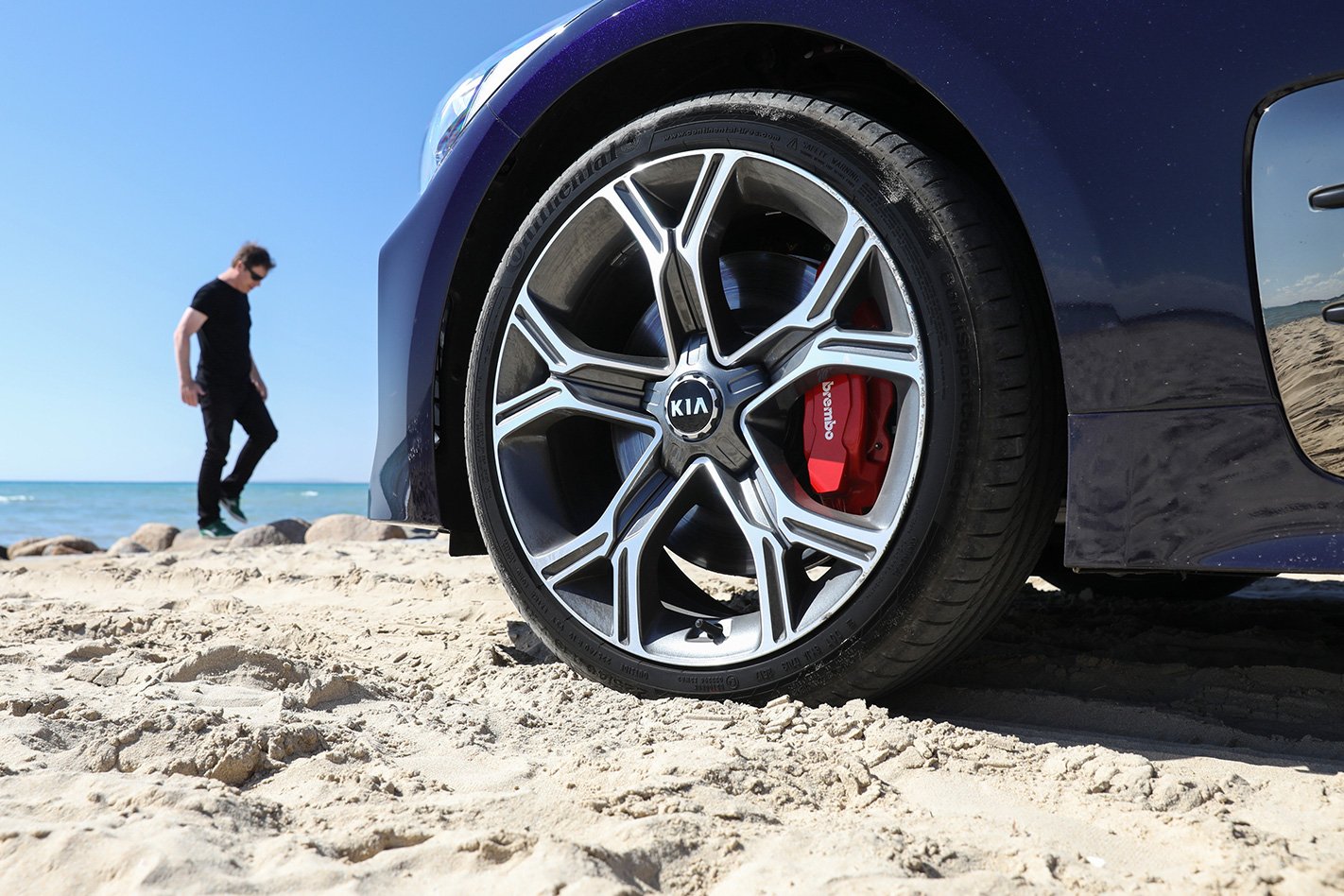
Granted, it does sound good when giving the car a prod in Sport mode, and introduces a bit of much-needed musicality to the top end, but it probably requires a little more calibration on when it ought to butt out.
A downside of driving in Eco on freeways is that the otherwise excellent adaptive cruise control becomes a bit of a liability. If a slower vehicle in front pulls over, the Stinger will accelerate to its assigned speed so slowly that you’ll be checking the rear view mirrors for fear of being mown down by a jinky tectonic plate or a darted sloth.
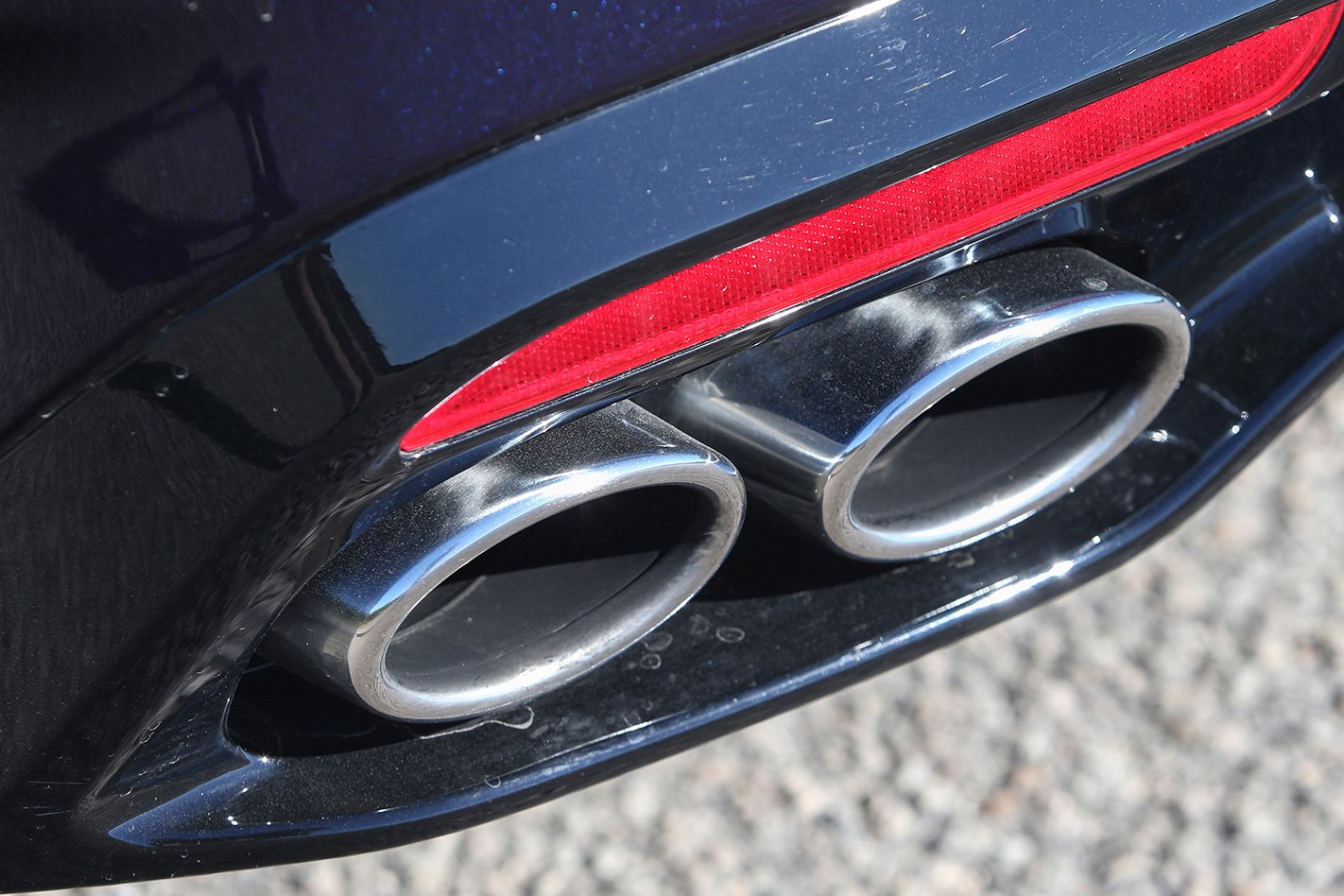
The other downside of driving in Eco is that while the exhaust is quieter, the transmission’s insistence on holding subsonic gears means that it sets the speaker grilles rattling as the engine labours uphill. There’s a Smart mode and a Custom mode with which to experiment so I hope to be able to find a workaround in due course.
Otherwise, the Kia makes a strong first impression. Having seen how easily a Stinger cremated a set of tyres during performance testing a few months ago, I’m deliberately being very careful with the soft Continental boots. That rubber turned to mouse fur after a few sideways passes for the camera, so the otherwise tempting stability control button has, thus far, remained unprodded. I’m trying to drive it ‘normally’. That said, the definition of normal may change over time.
Update 2
Before you ask, the Stinger is still being driven around in Eco mode in a bid to silence the optional sports exhaust. I thought I’d give it a chance and try another mode but it’s only really bearable when drowned out by the stereo. One upside to schlepping about in the Kia’s most relaxed mode is that the last tank of fuel was consumed at the unexpectedly frugal rate of 9.3L/100km.
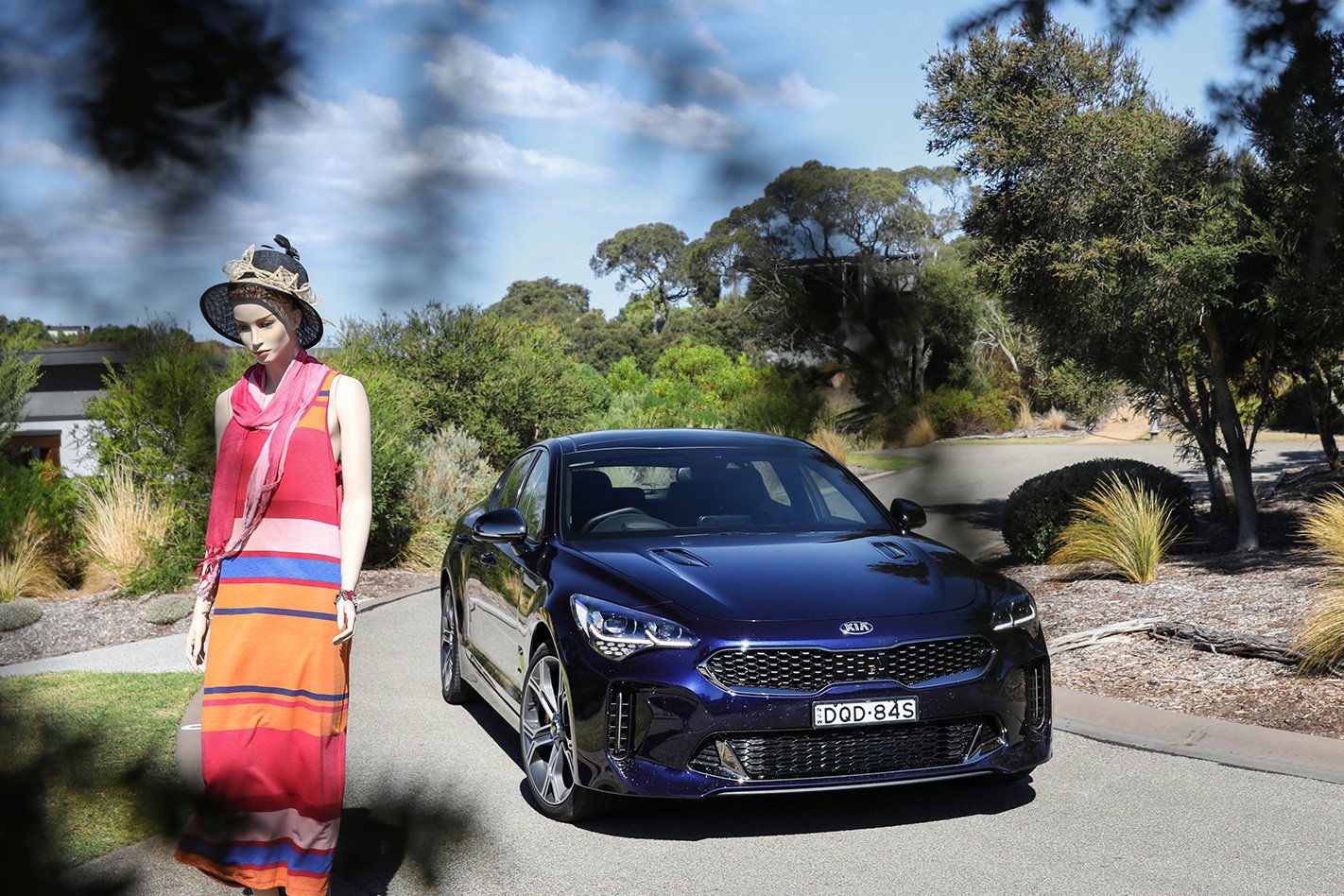
The downside of bypassing the exhaust’s bi-modal mode is that the Stinger’s now more silent than the Red October and something is not quite right at the stern. There’s a persistent noise that I haven’t quite got to the bottom of, but it sounds as if the tailgate latch isn’t quite engaging properly, setting up a constant rattle on anything other than baby’s-bottom-smooth roads.
Of which there are precisely none in my vicinity.
Other than that, the news is all good. Although we tend to think of the Stinger as something at the sportier end of the class, it makes a beautifully relaxed GT car if you keep the suspension in its comfort mode and just make the most of the active cruise control and the Gold Class-proportioned front seats with their heating and cooling functions.
On the daily commute, the biggest challenge is usually staying awake. This languorous side to the Kia’s personality only makes the full 272kW, when deployed, even more startling.
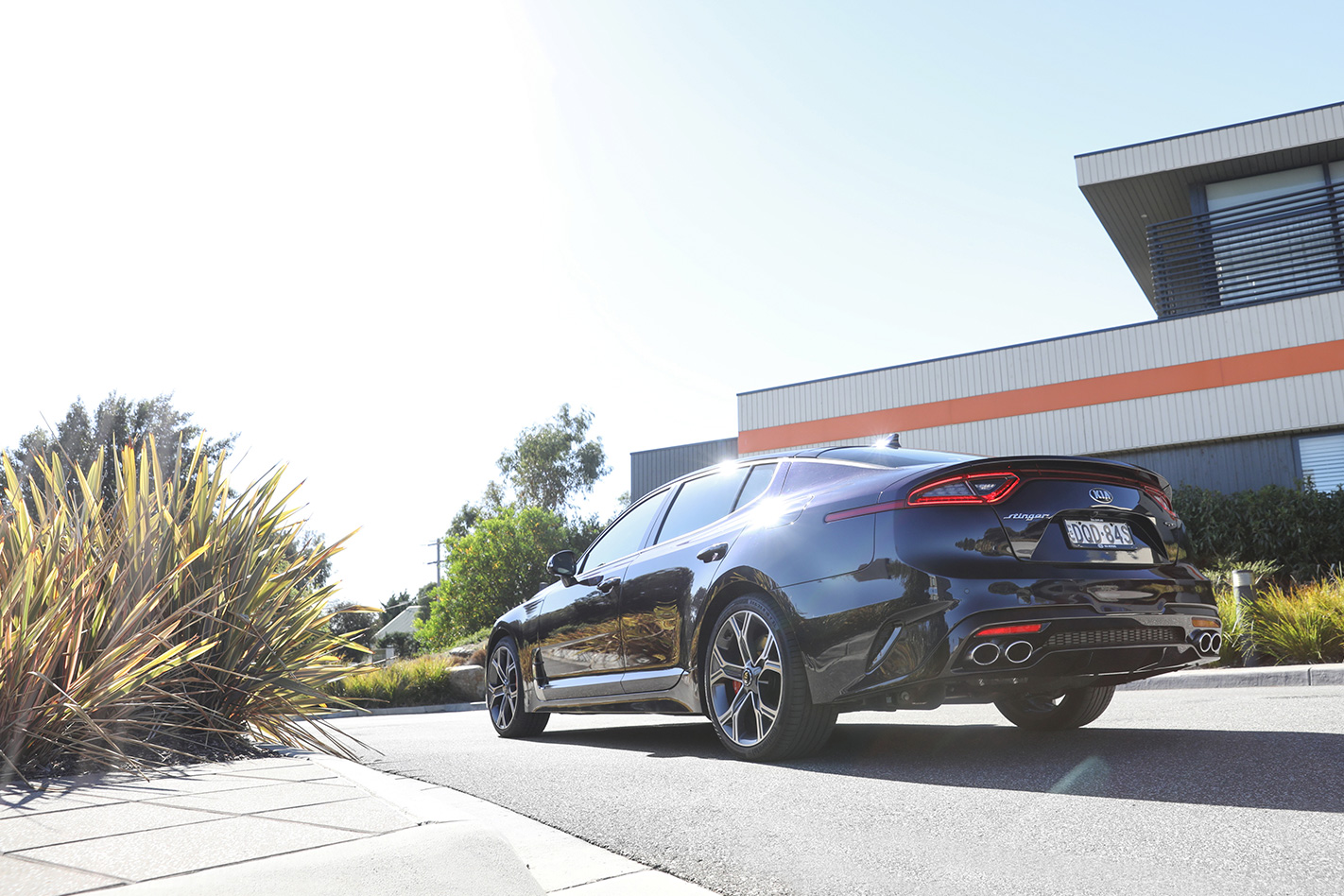
In the wet, you need to be ready for the tail to have a bit of a slither, even with the stability control resolutely retained. The electronics are casual, only really intervening if it thinks you’re intent on swapping ends. Punch it away from the lights on a damp road and it’ll buck and yaw quite entertainingly, but it’s something that’ll raise eyebrows if you’re not ready for it.
Once you’re used to it you can either pre-empt it with a feather of the throttle or just wade in and ride it out.
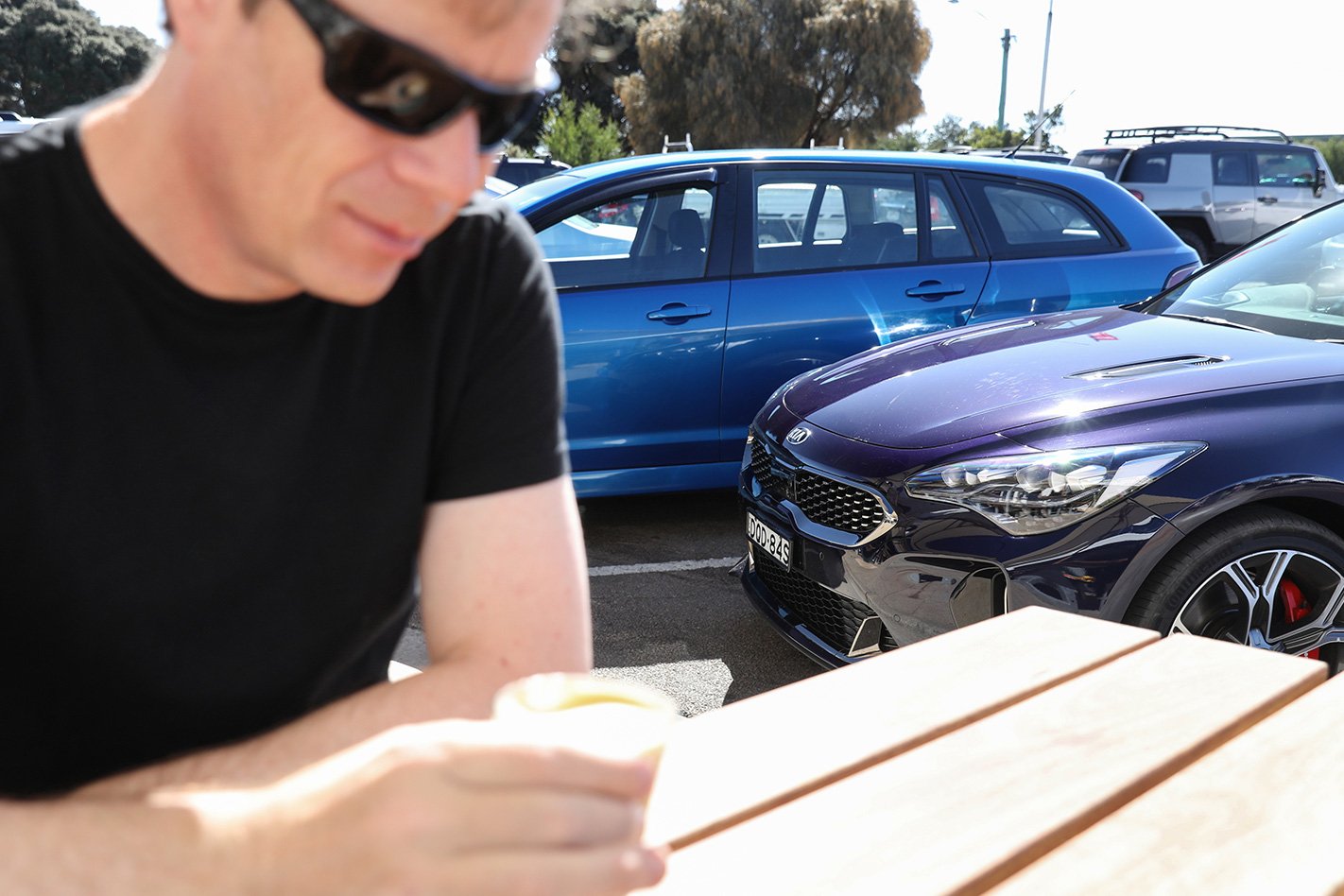
The tyres look to be retaining a decent semblance of tread on them, despite the lax stability control. While performing some cornering duties for our snapper, it was noted that the fronts almost looked as if they were rolling off the rims. The pressures were all correct, and this merely lends weight to my suspicion that these Continental ContiSport Contact 5 tyres might be just a tad doughy for the power and weight of the Stinger.
For the Stinger’s Aussie launch on the Wakefield Park circuit, the Contis mysteriously disappeared and were replaced by Michelin Pilot Sport 4 S rubber. That speaks volumes.
Update 3
I have an admission to make. Having driven the Stinger GT for more than two months, I had yet to activate launch control and had a gnawing suspicion that my man card would be revoked if I ever mentioned this in the office. Upon further reflection, I realise that I don’t actually have a man card, so perhaps demolishing something rapid at the lights could render me eligible for some sort of standby list.
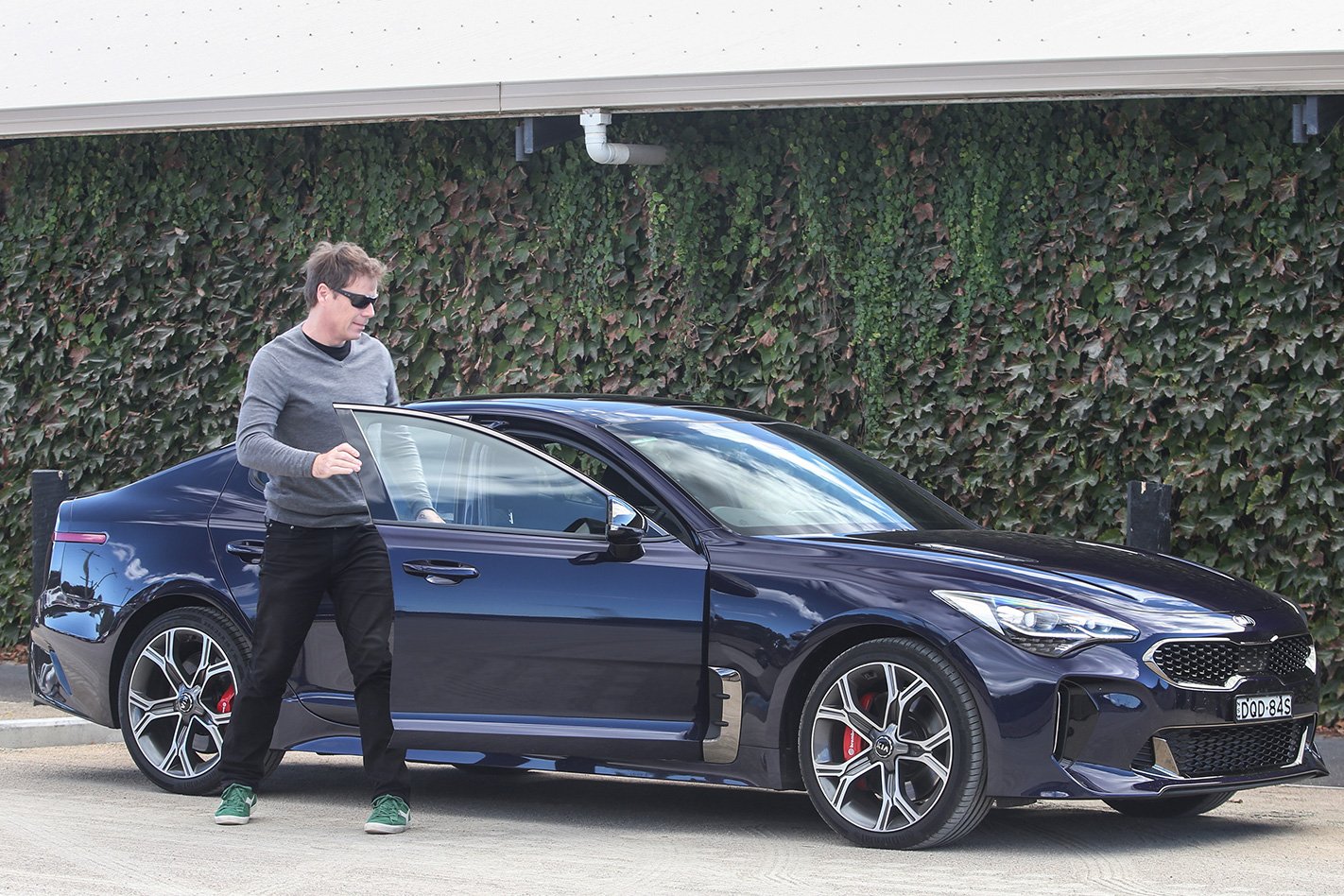
It’s not that I was nervous about the mechanics of launching the Stinger. I’d done it many times at the drag strip with previous Stinger test cars. It’s just that when you run a long termer, you tend to baby it a bit, to treat it as if it’s your own. I haven’t cleaned the wheels on the thing yet, so I haven’t totally gone down that tragic route, but you get the point. It doesn’t get the snot beaten out of it like a car on a one-hour assessment drive.
Anyway, to cut to the chase, I was waiting for the perfect opportunity to see if the Kia was as brisk off the mark as I remembered. It came when I found myself at some local lights next to a guy who lives a few doors down the road. He seems nice enough, but he lives just far enough away so that he merits the nod rather than any speaking per se, and he drives a Mercedes-AMG CLA 45.
Anoraks will know that this car is 0.6 seconds quicker to 100km/h than the Stinger GT (4.3 vs 4.9s claimed) thanks to the advantage of all-wheel drive, more power and less weight. No point shooting fish in barrels and all that.
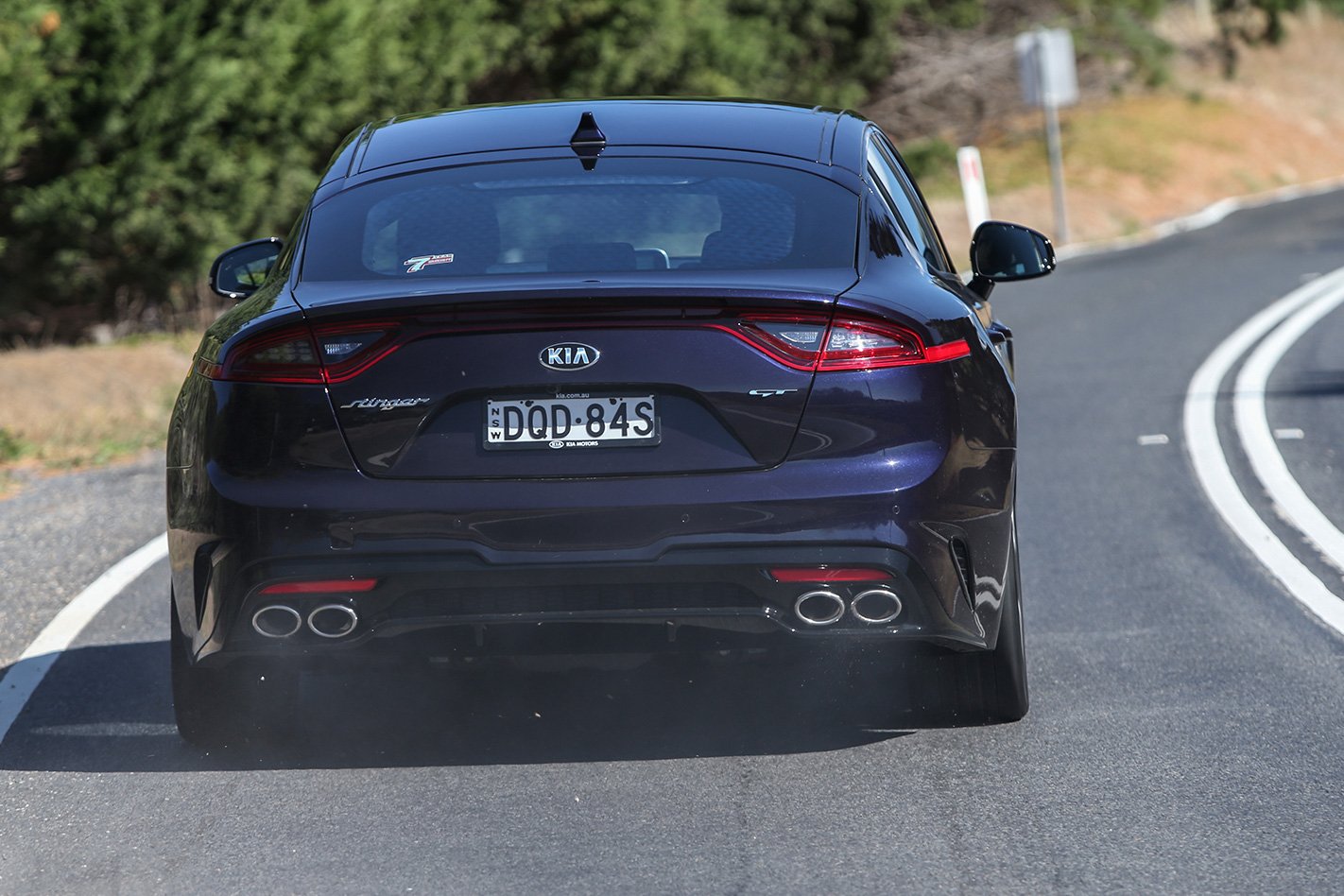
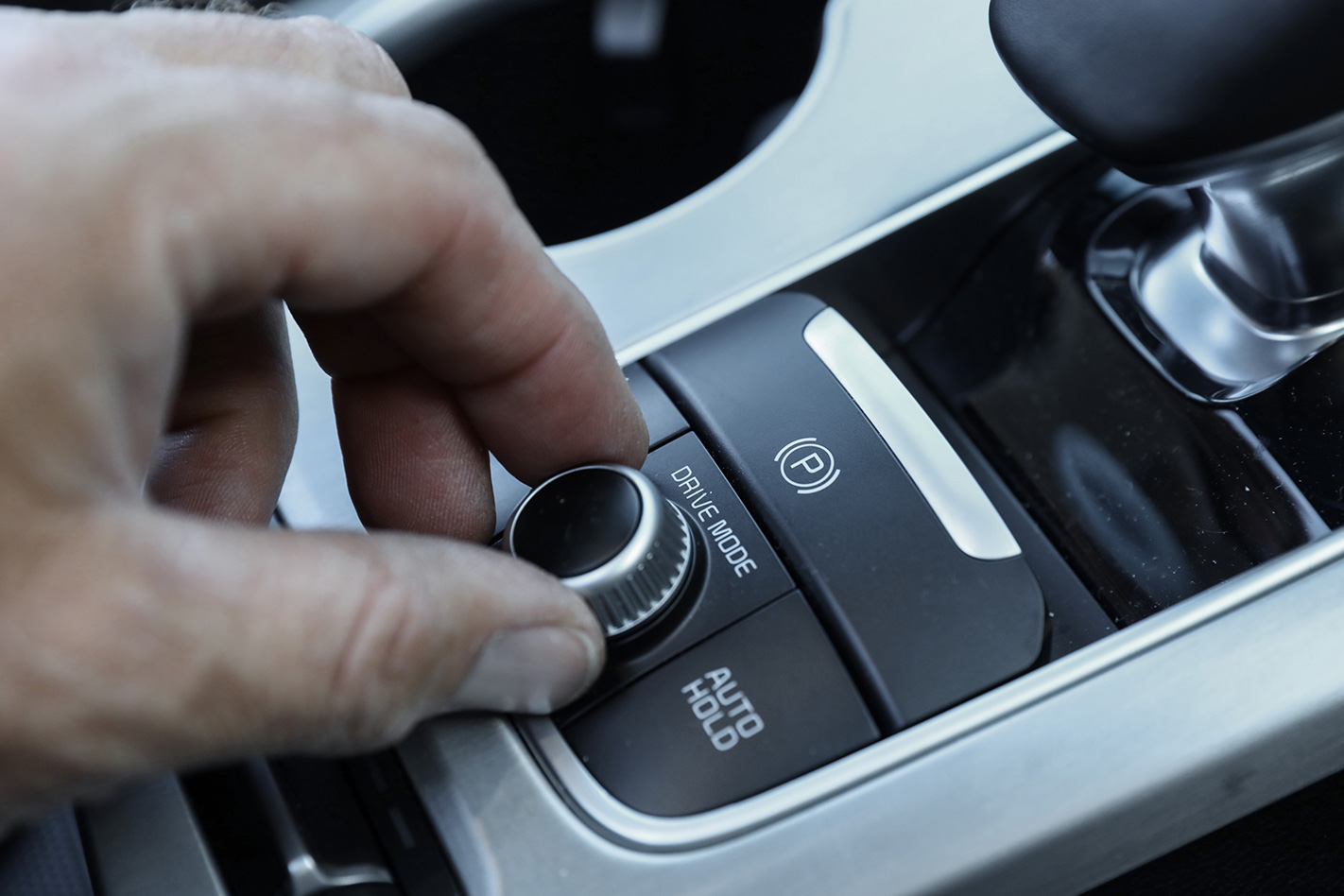
I was fairly confident that, given the element of surprise, I could destroy him. Studiously ignoring his attempt at a cheery wave, I surreptitiously fingered the stability control off, and gave the mode dial a couple of sneaky clockwise jabs into Sport. At this point, my plan started to come apart at the seams.
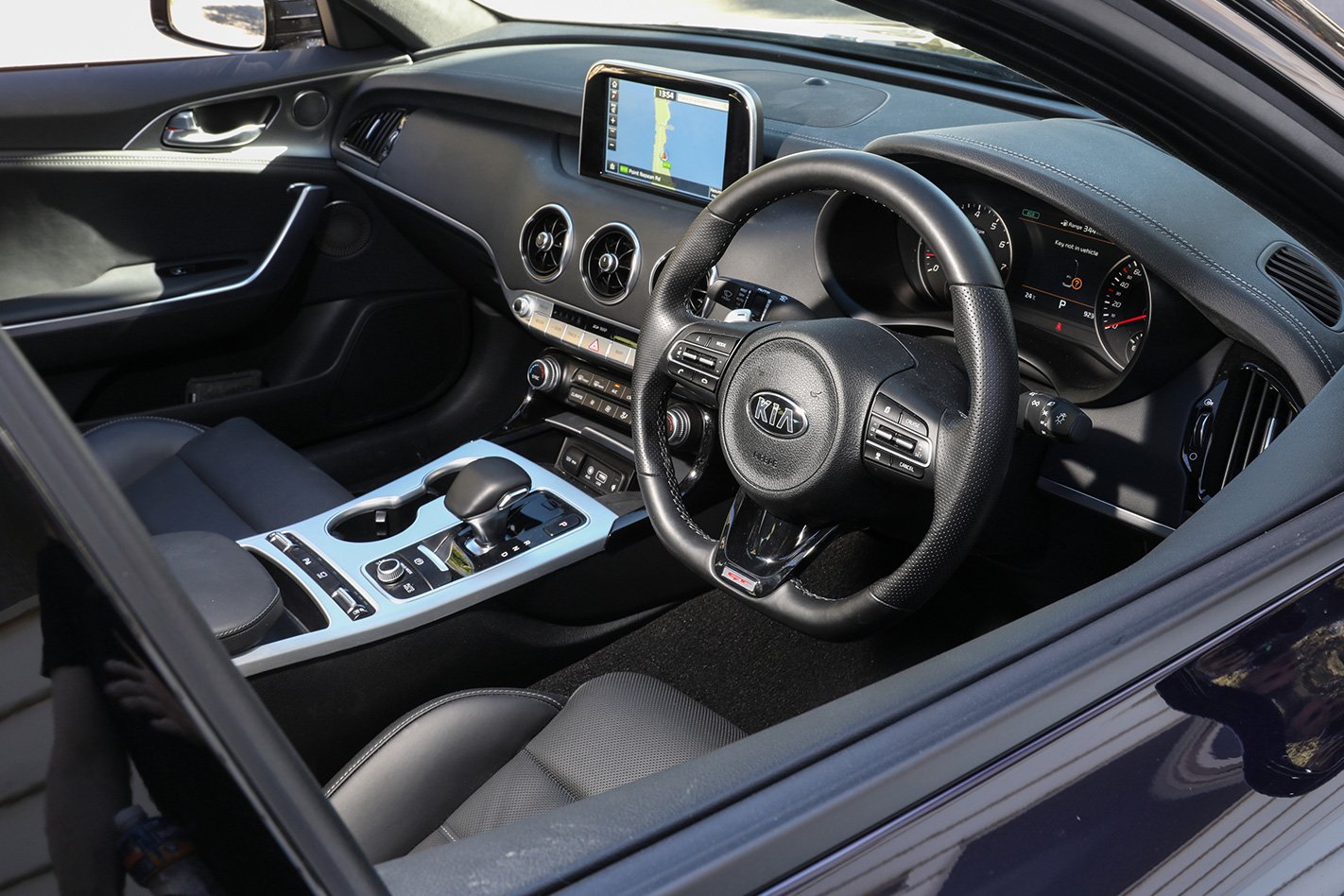
Upon arriving in Sport mode, the exhaust note dropped a couple of octaves at idle, which was heard by old mate. I heard his engine note subtly pitch up as he primed for green. I was still confident, because I was certain he’d never give the car he was paying $409 a week for (I looked it up) a merciless flogging off the mark.
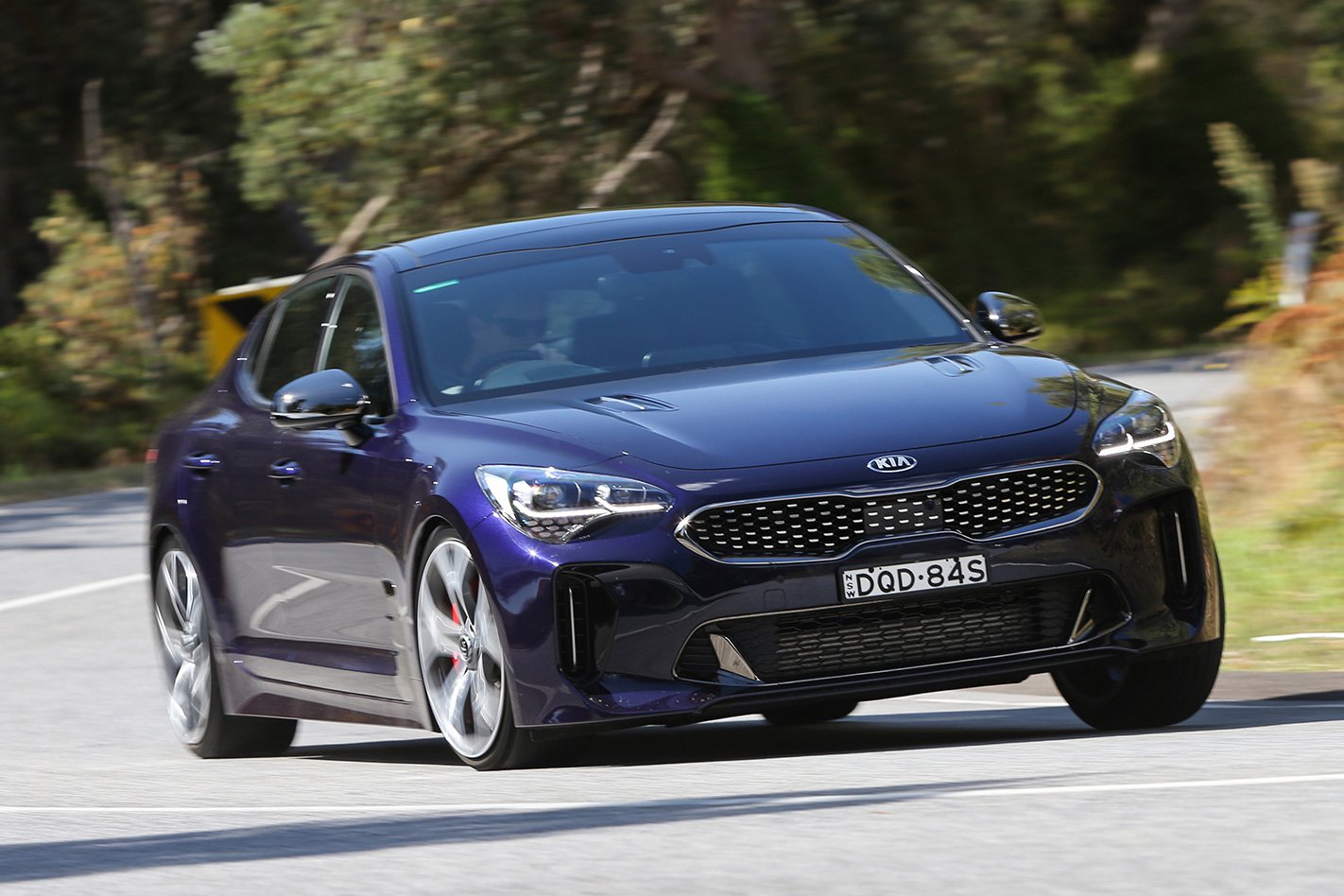
And then he did. And I lost. It didn’t really help that in my anxiety to go, I’d not quite primed launch control properly, but I think he must have been hugely entertained by the sight of me sitting in my own blue cloud of ineptitude. In other news, I don’t like beer and I post cat pictures on Instagram.
Update 4
Generosity, it has to be said, isn’t one of my virtues. Give me a ‘share bag’ of chips and my aim is to demolish the lot before anyone sniffs that heady tang of barbecue, wheat gluten and maltodextrin. This month, however, I have been sharing the Stinger love, spreading the good word of the gospel according to Peter Schreyer.
Of course, the more cynical amongst you will probably think it’s because I’ve had a better offer, something a bit sleeker and shapelier than the Kia’s coke-bottle curves, but I drove an Infiniti QX80, which blows a blimp-hangar-sized hole in that theory.
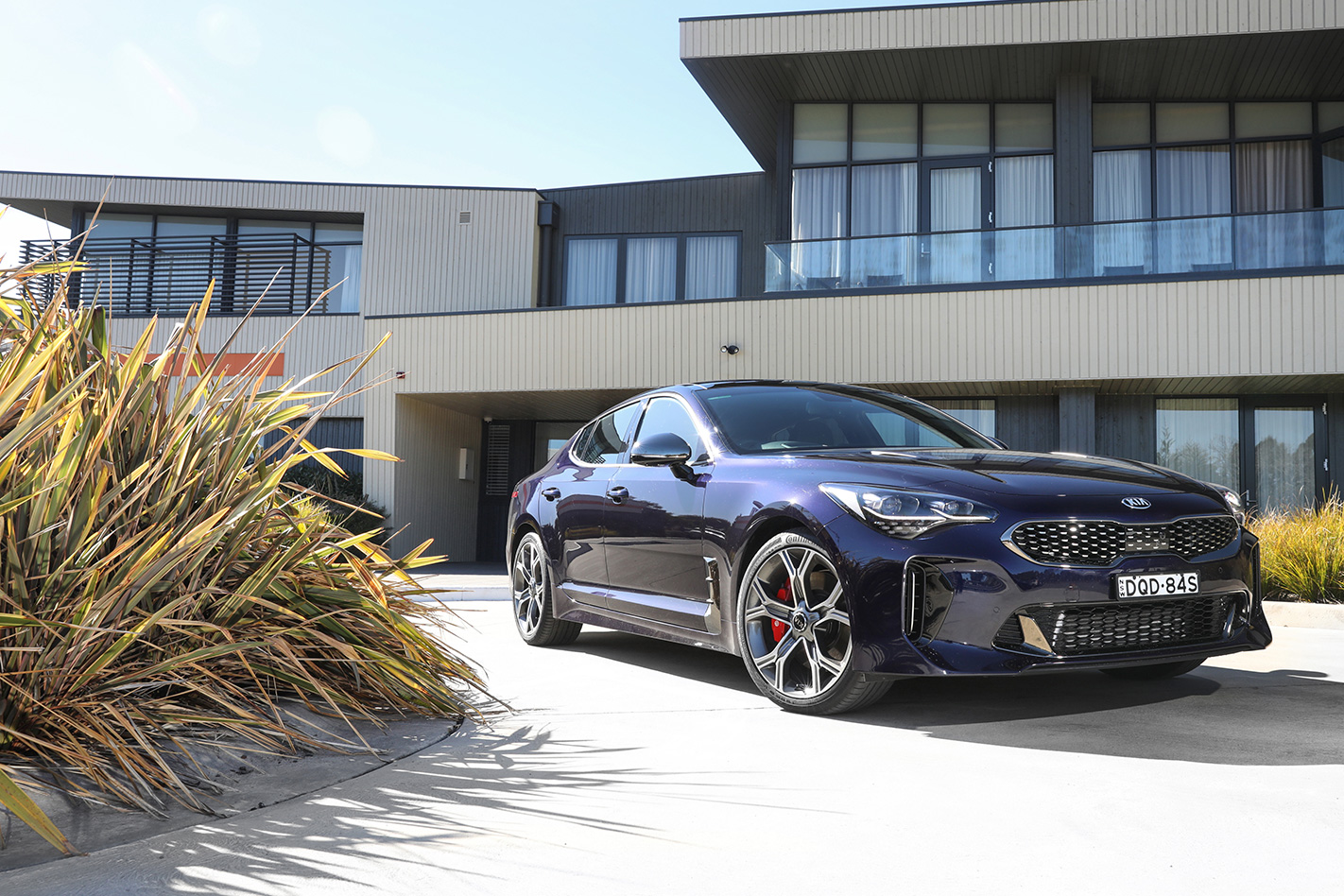
Keen to hear the opinion of others on the GT, I was slightly crestfallen when the guys at Street Machine thought that the exhaust, which has caused me no end of consternation, sounded great.
On that note, I had the opportunity to listen to a Stinger V6 with an aftermarket Tubi system fitted to it. Although exorbitant at $9K, it did sound way more characterful at idle and its four-mode control unit could also be set to produce AMG-like pops and crackles on overrun.
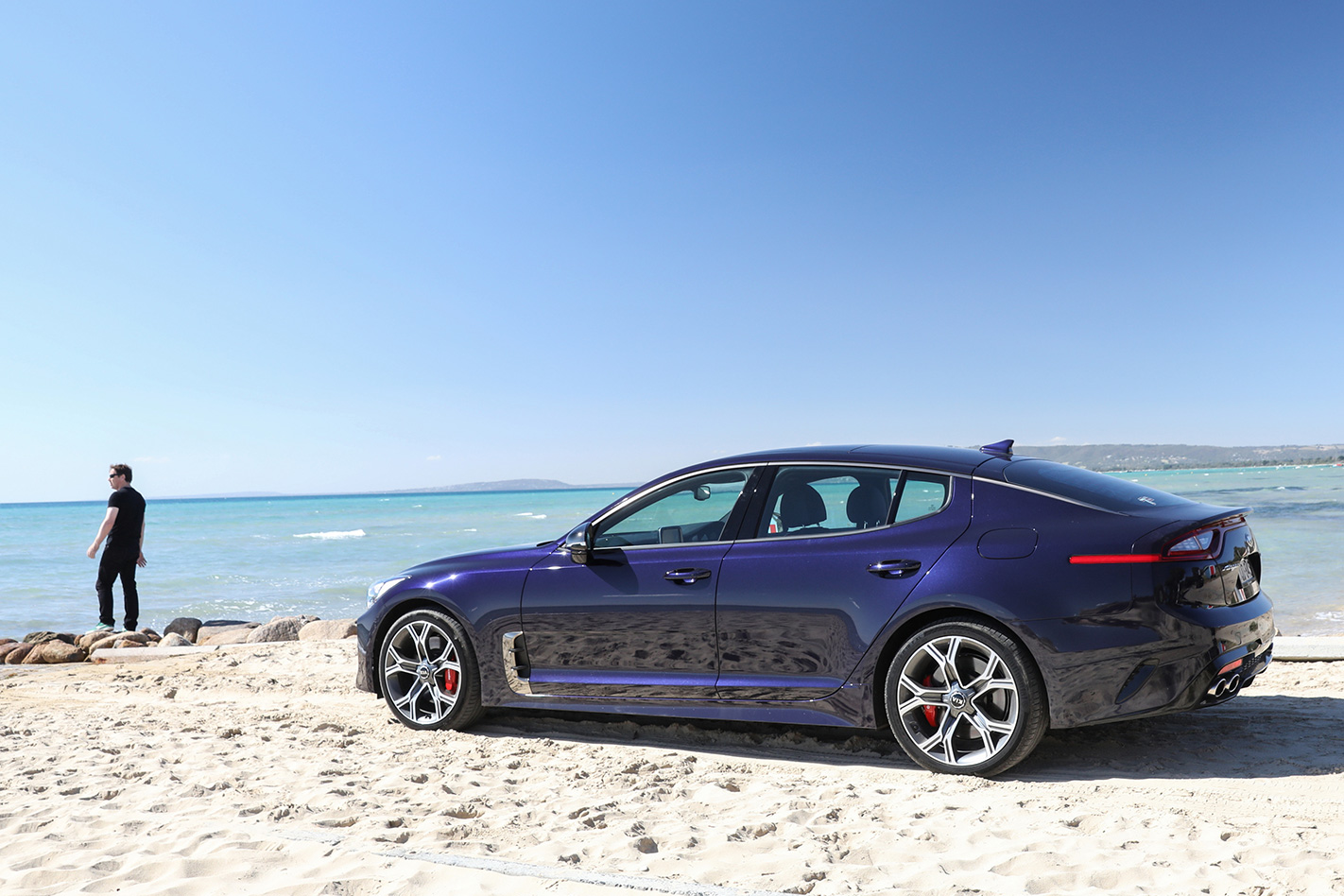
David Bonnici got hold of the Stinger keys during this month’s five-car SUV test and loved the GT’s poke but also enjoyed the fact that, like the best Aussie-built Falcons and Commodores, it could cool its heels when necessary.
I did feel some slight guilt at handing him the keys on a Monday morning after I’d driven the car on a massive high country dirt-road jaunt the day before; the Kia’s bodywork looking filthier than Charlie Sheen’s browser history. It was a great drive, though, the GT’s notoriously relaxed stability control system allowing a few lazy low-speed slides on the loose surface before common sense (and the realisation that this was somebody else’s 60 grand vehicle) intervened.
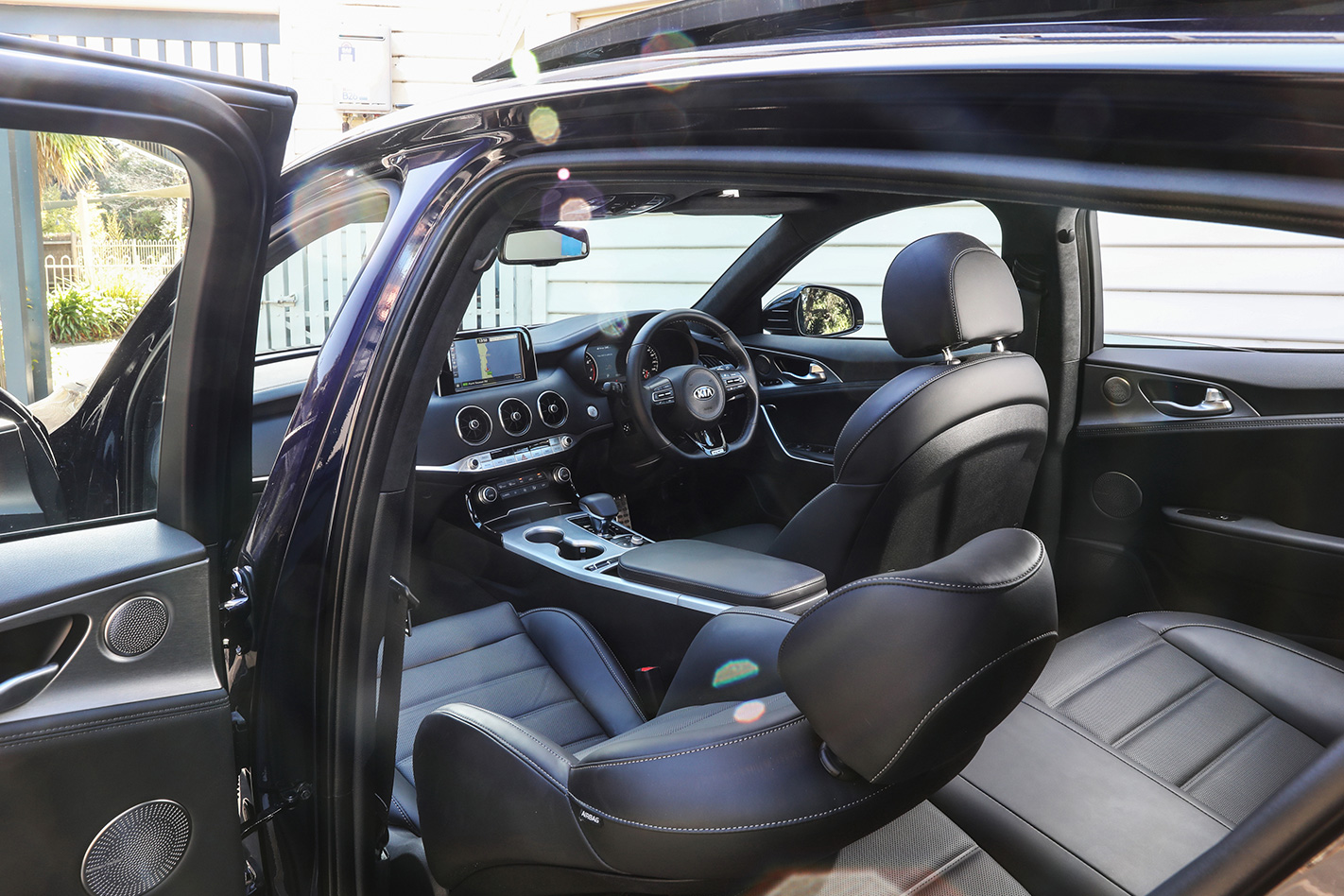
There are still some small details that irk me, though. I dislike the fact that the drive mode selector defaults back to Comfort – a setting I never use – if you switch the car off in Sport mode. The adaptive cruise control also has odd moments where it gets on the picks alarmingly late when you’re approaching stationary traffic, even when the radar’s switched to its longest range setting. There’s a host of minor imperfections that could all be cleaned up come facelift time if Kia had the foresight to consult owners.
That channel of communication would benefit the development of the Stinger. It’s hugely endearing but still feels like a work in progress, something that needs a little more polish to really shine. Even with its flaws, it earns an easy recommendation, though. You don’t need to be too generous to afford it that.
Update 5
The law of diminishing returns is something a Kia Stinger GT owner soon becomes intimately acquainted with. I was minded of this fact on a recent drive of Mercedes-AMG’s ballistic C63 S in Germany. It’s a mightily impressive thing, but that 375kW sedan will set you back about $165K. Each kilowatt would therefore cost you $440. Compare that to this 272kW Stinger where one kilowatt is priced at pretty much half that: a bargain basement $221. The Civic Type-R, recent winner of sister title MOTOR’s Bang For Your Bucks, will set you back a sniff more at $223/kW. Even a Suzuki Swift Sport’s nags are pricier at $247 a pop.
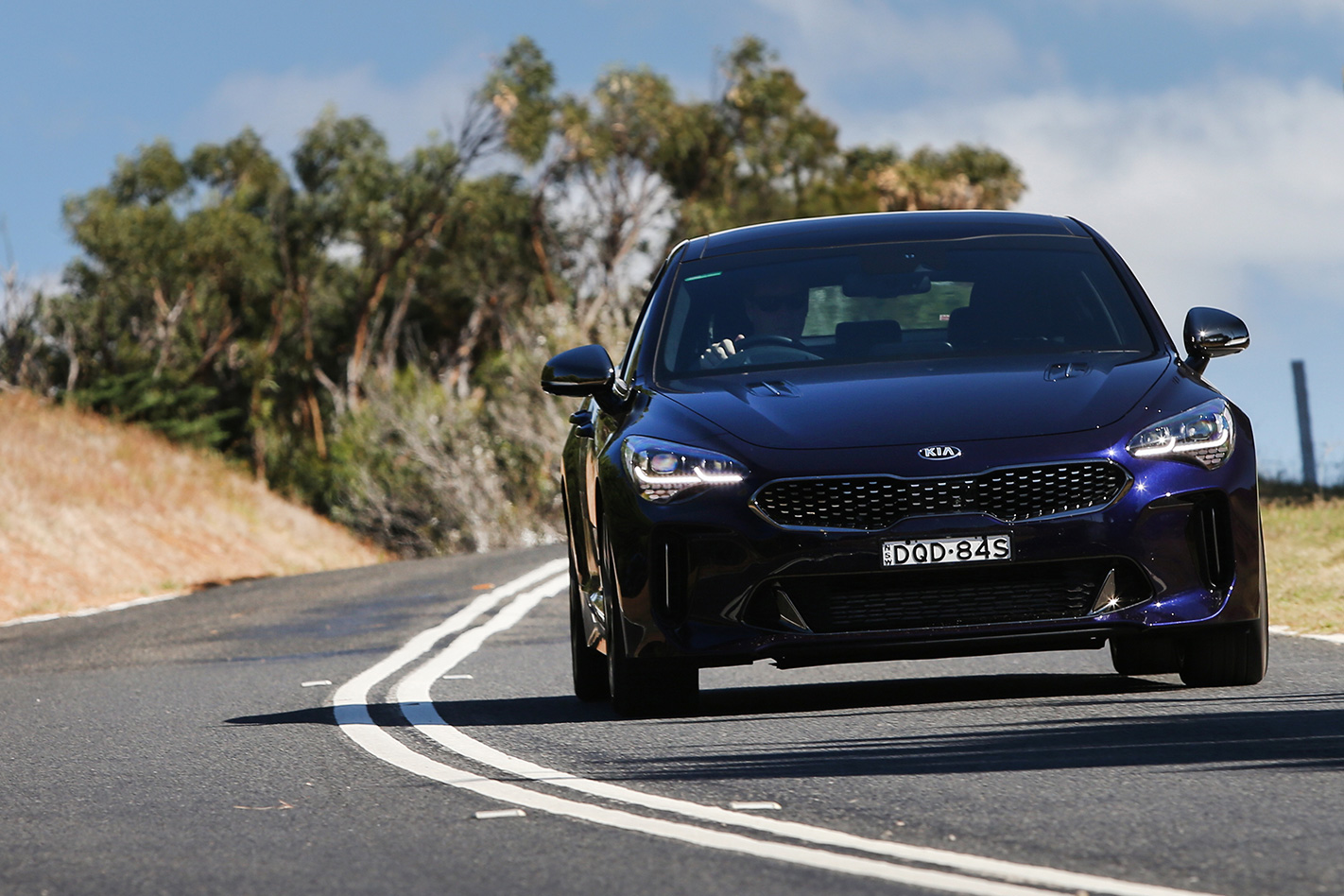
Should you delve a little further down the Stinger V6 line up, the equation becomes even sweeter, the $48,990 330S delivering sterling value at $180 per kilowatt. This seems to represent the most attractive 200kW+ performance bargain available to Aussie buyers, but does piling it high and selling it cheap necessarily make it a good buy or should you fork out for the pricier GT?
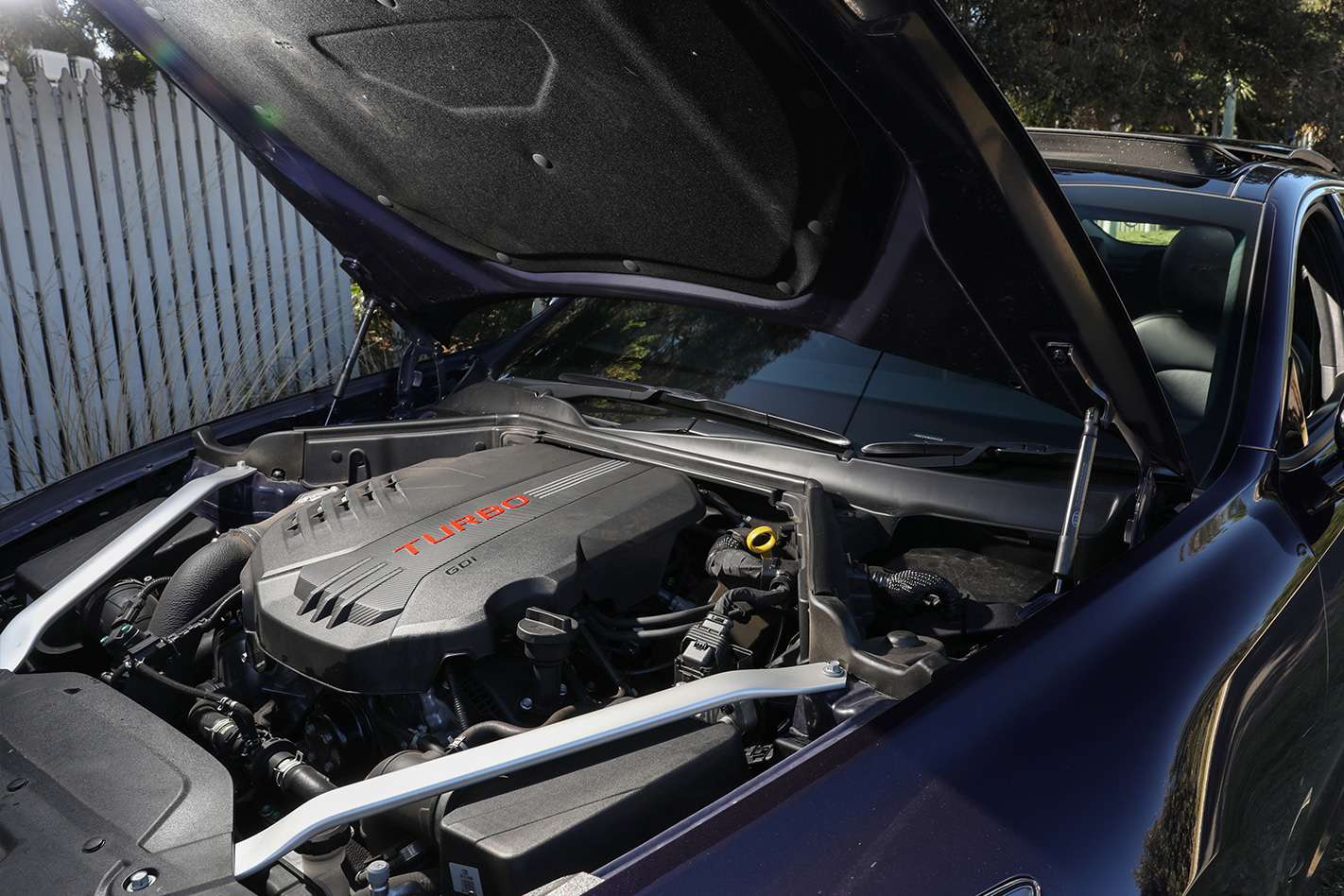
The answer to this question, like so many others, is ‘it depends’. The narrower 225mm-wide rear tyres of the 330S means it can’t get its power to the bitumen quite like the 255mm-shod GT, blunting its pace off the line. The steel-sprung 330S also lacks the GT’s adaptive dampers, although opinion is divided on whether the adaptive units are blessing or blunder. For what it’s worth, I prefer the passive damper set-up.
The optimum solution could well be a model running the passive suspension tune with the wider rear tyres. Such a car does exist. The Stinger 330Si is priced at $55,990 but hardly anybody buys this apparent ‘Goldilocks’ model, largely because the GT ladles on a load of extra kit for a mere $4K premium. Aside from the adaptive dampers, it gets a 360-degree camera, blind-spot detection, rear cross-traffic alert, automatic high beam, headlights that turn as you do, a powered front passenger seat, adaptive bolsters and memory function for the driver’s seat, heating and cooling for both front chairs, dark chrome exterior bits, a powered sunroof, a head-up display, a 7.0-inch LCD supervision cluster, wireless phone charging, aluminium interior finishes, and a 15-speaker Harman Kardon stereo, among other things.
There are a few items in that list that, a few months in, I wouldn’t really want to be without. What’s more, the Stinger GT offers all that gear for 80 percent of the price of one optional AMG carbon-ceramic brake disc. It’s hard to argue with a deal like that. Diminishing returns be damned.
Update 6
Joni Mitchell, it’s reasonable to assume, probably wasn’t thinking about returning her Kia long termer when she wrote ‘Big Yellow Taxi’. Nevertheless, that line “don’t it always seem to go, that you don’t know what you’ve got ’til it’s gone” seems to have been my earworm ever since the Stinger went back.
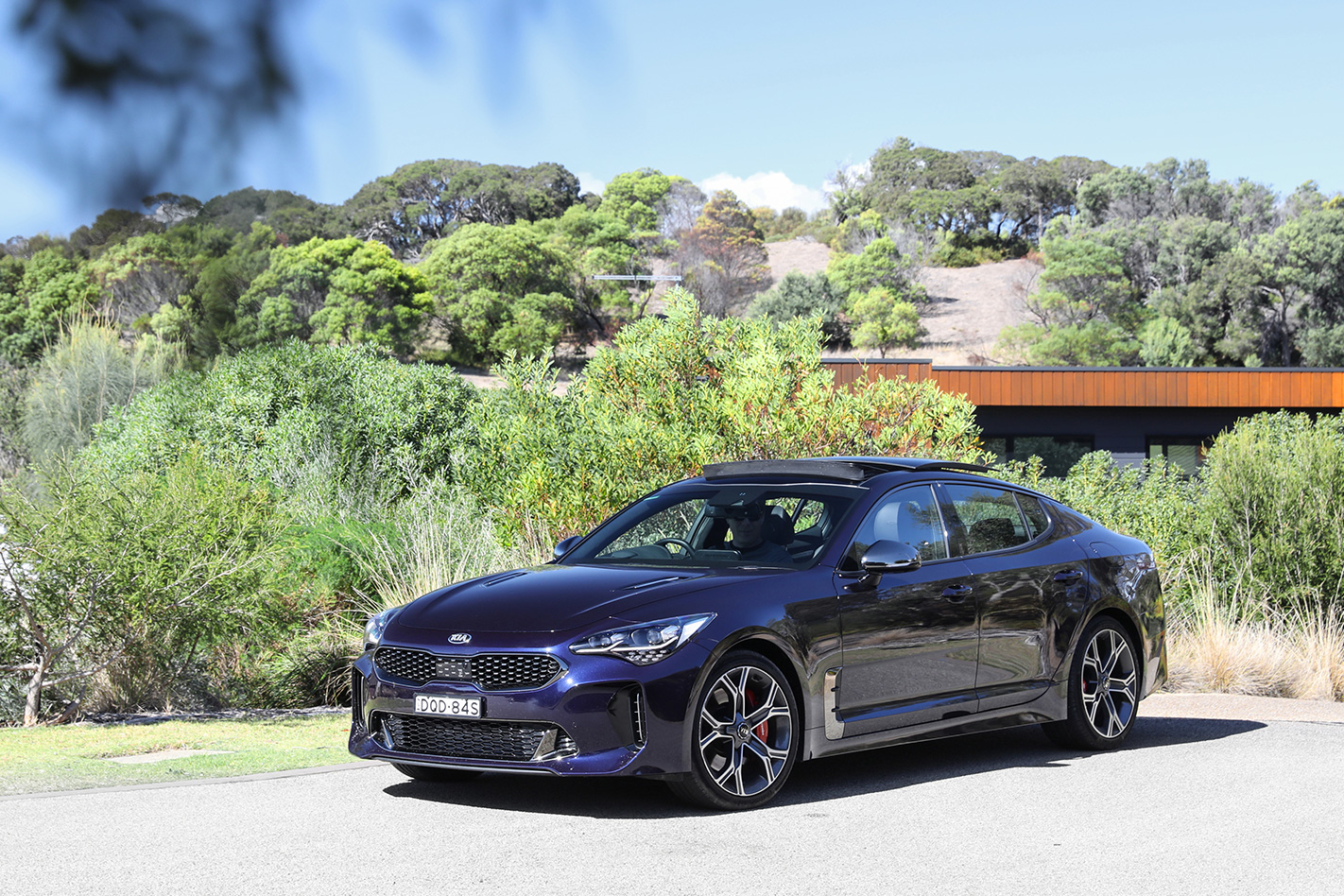
Not that I took the car for granted. There wasn’t a day when I didn’t smile when I started it up, grinning at the thought that for this serendipitous six-month spell, I had a 272kW rear-driver in the garage and some twisty country roads within five minutes of my front door. That said, it’s possible to become blasé about some of the Stinger’s lesser-appreciated qualities.
The biggest surprise for me was how adept the Kia was as a refined GT car. Through a fluke of timing, the Stinger arrived just as the Aussie-built Commodore V8 was bowing out, so it was only natural that the GT would be seen as the inheritor of the mantle; the lucky country’s ball-tearing sedan of choice. It can bag up the rears with the best of ’em but, if anything, the Stinger GT does what Commodores of old used to do so well, namely click over big distances in effortless comfort but with plenty of potency in reserve.
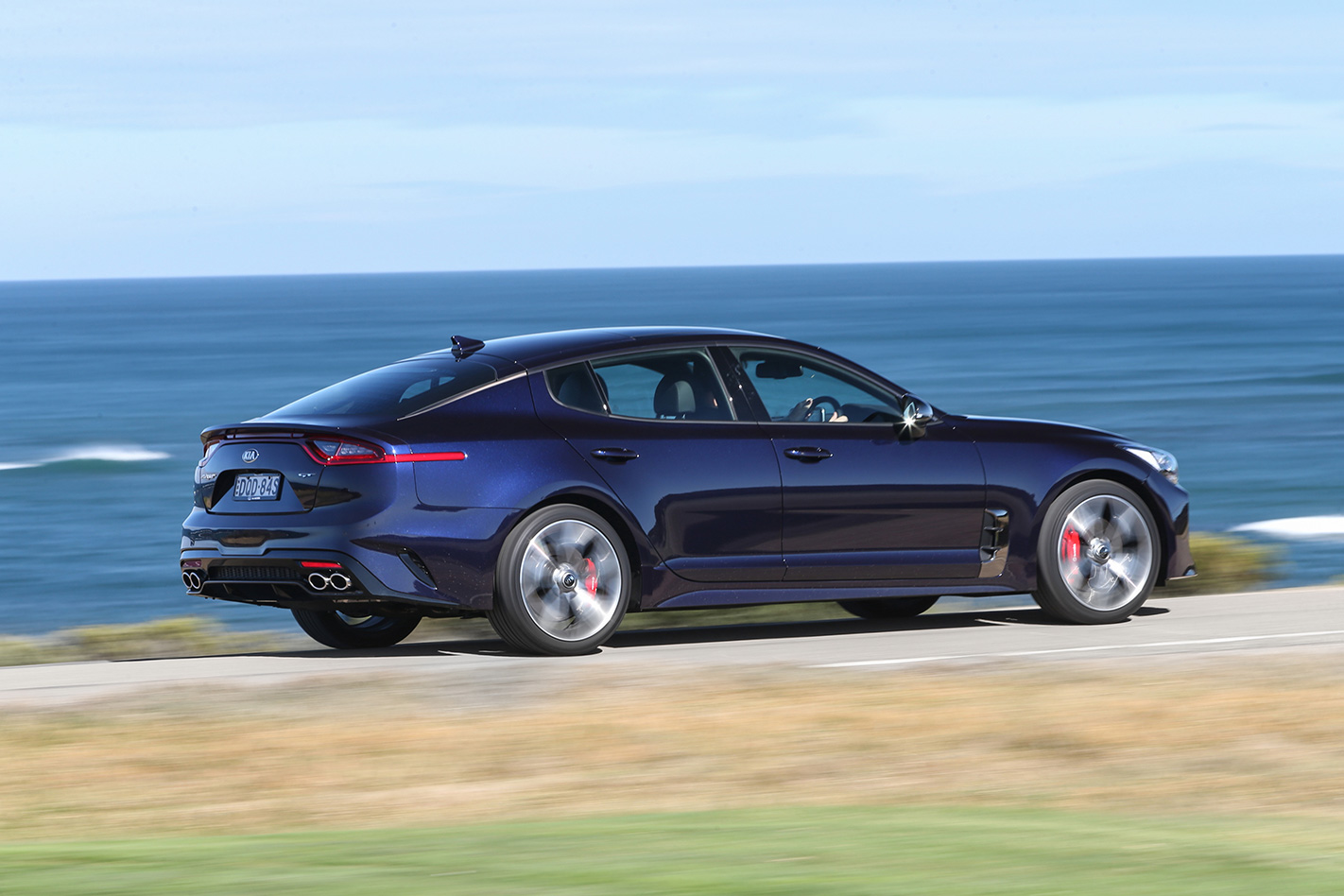
Dial the dampers to their softest mode, switch the drive mode to Eco, flick the active cruise and lane-keep on, chuck your mobile onto the wireless charging pad, pull up a favourite playlist on Android Auto and then tune that perfect balance between climate control and seat heaters/coolers. Australia then becomes this gently scrolling Pantone palette of browns; a slowly morphing box-set of weathered geologies.
Thus engaged, I saw a tankful of fuel go past in a 600km round trip between Melbourne and the New South Wales border at a rate of little over 7L/100km, contributing to an overall fuel economy figure over six months of 9.9L/100km, bettering Kia’s combined figure of 10.2L/100km. If you’re concerned that the Stinger V6’s fuel thirst will be prohibitive, rest easy..
Because it seemed so well suited to loping cruises, I never really felt tempted to exercise it at a track day. Besides, I’d already seen one pair of rear tyres cremated in about two-minutes of overexcitement and was determined to demonstrate some kind of responsible adulting and return the car with some semblance of tread on the back tyres. Or at least no visible canvas. On the one occasion that I did decide to go berserk on a wet roundabout, the Stinger instantly threw a tyre pressure warning at me, quickly curtailing the oversteer antics.
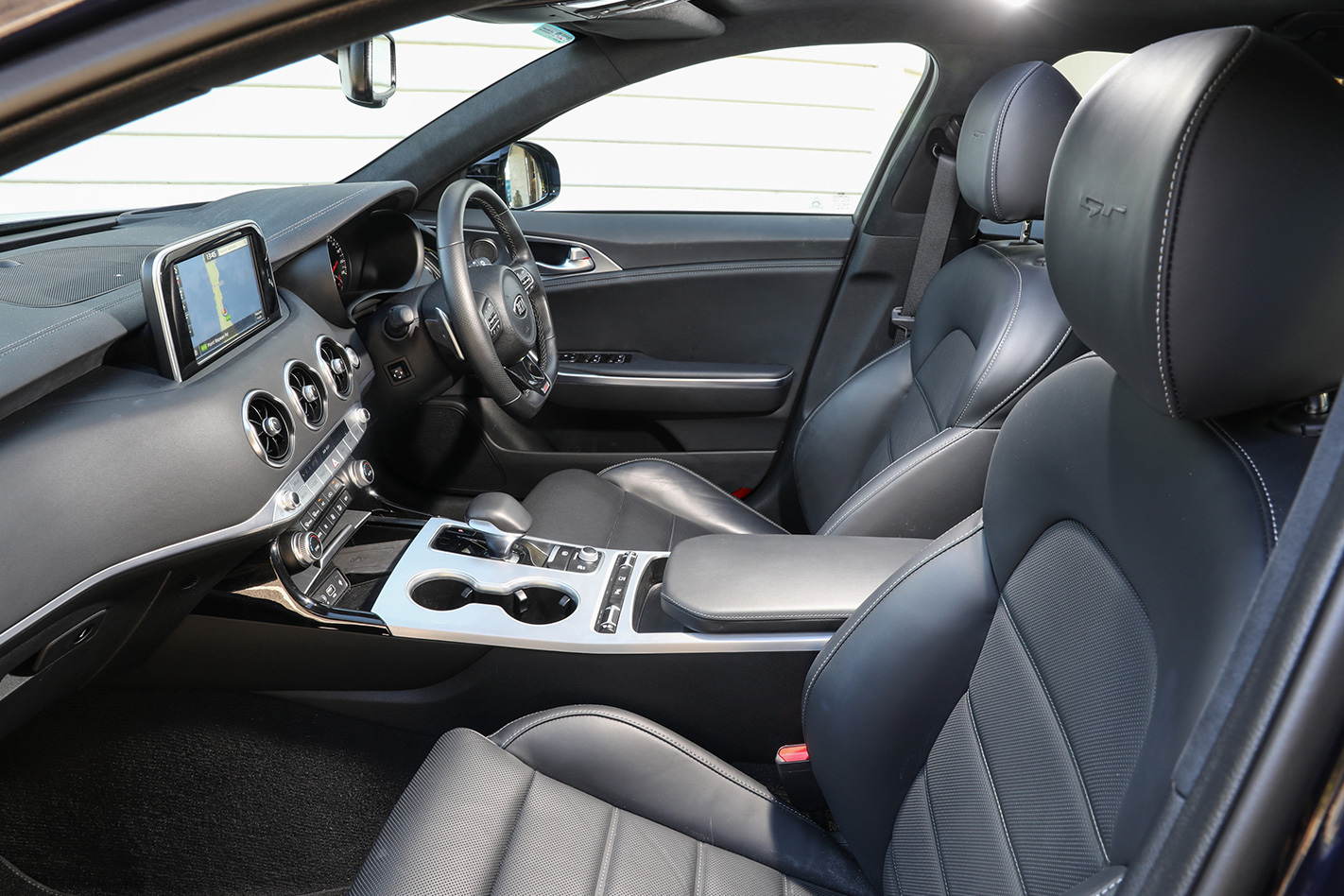
All too often these long term tests read like a litany of petty gripes. We try to bring you our real-world experiences of cars once the showroom sheen wears off and that can manifest as the worst sort of nitpicking. In the case of the Stinger, here’s a car that’s big, comfortable, quick, practical and which needn’t cost a fortune to run. Best of all it’s likeable. You want to turn down the air con, dial up the heated seats, change drive modes or switch off the stability control? There are big buttons and switches in easy reach. You don’t like idle-stop? Kill it once in a menu and it never reintervenes. All these things get the big Kia onside. You feel it’s been designed by people like you.
As the Stinger departs, its place in the Enright garage has been replaced by something broader and brasher, which you’ll be able to read about next month. It’ll have some big boots to fill.
AS electric propulsion edges ever closer to the critical popularity tipping point, mainstream brands including Nissan are proving that there’s plenty of life left in combustion power.
The Japanese manufacturer’s VC-Turbo engine uses an ingenious variable crankshaft arrangement that allows the compression ratio to be altered while running. Unlike some ‘virtual’ variable-compression-ratio offerings that use clever valve timing to achieve something similar, Nissan’s VC-T actually changes the TDC (top dead centre) height of the piston.
Under low-load conditions such as freeway cruising, the piston is allowed to travel to the highest permissible position up the cylinder, creating maximum compression before ignition. When maximum power is required, though, the complex multi-link crankshaft pulls its party trick. Instead of a simple plain bearing at the ‘big-end’ of the piston connecting rod, the CV-Turbo engine has a multi-link which connects the offset con-rod to a completely separate control shaft as well as the crankshaft bearing.
When its governing Harmonic Drive rotates the control shaft, the big-end rotates towards the lower side of the crankshaft, in turn lowering the piston’s swept zone and TDC height. This creates more space in the combustion chamber, allowing the turbo to force more air and fuel into the cylinder before combustion for maximum power: two engines in one.
In angry mode, a 2.0-litre VC-T engine can pump out about 200kW but uses around 6.2 litres of fuel per 100km on the combined cycle.
How it works:
Bit of both
Under light conditions when the turbo is virtually idle, the VC-T can squeeze air in the cylinder to 14 times induction pressure before combustion (14:1), but under heavy acceleration the clever crank lowers that ratio to just 8:1, allowing the hard-working turbo to pack in maximum charge.
Con job
Inside the crankcase of a conventional piston engine there are just three bearings per cylinder and only one con-rod. But the extra complexity of the VC-T, with four connecting components, more than doubles the number of bearings. That means more weight and cost.
Smooth operator
As a bonus, the multi-link set-up removes the necessity of balancer shafts in four-cylinder engines. It also reduces the side-to-side movement of the con-rod big-end and almost eliminates side forces on the piston. This in turn reduces friction in the cylinder for better fuel economy and increased service life.
I’ve been lucky enough to get involved a few forms of motorsport, but one box that needed ticking was a gravel experience.
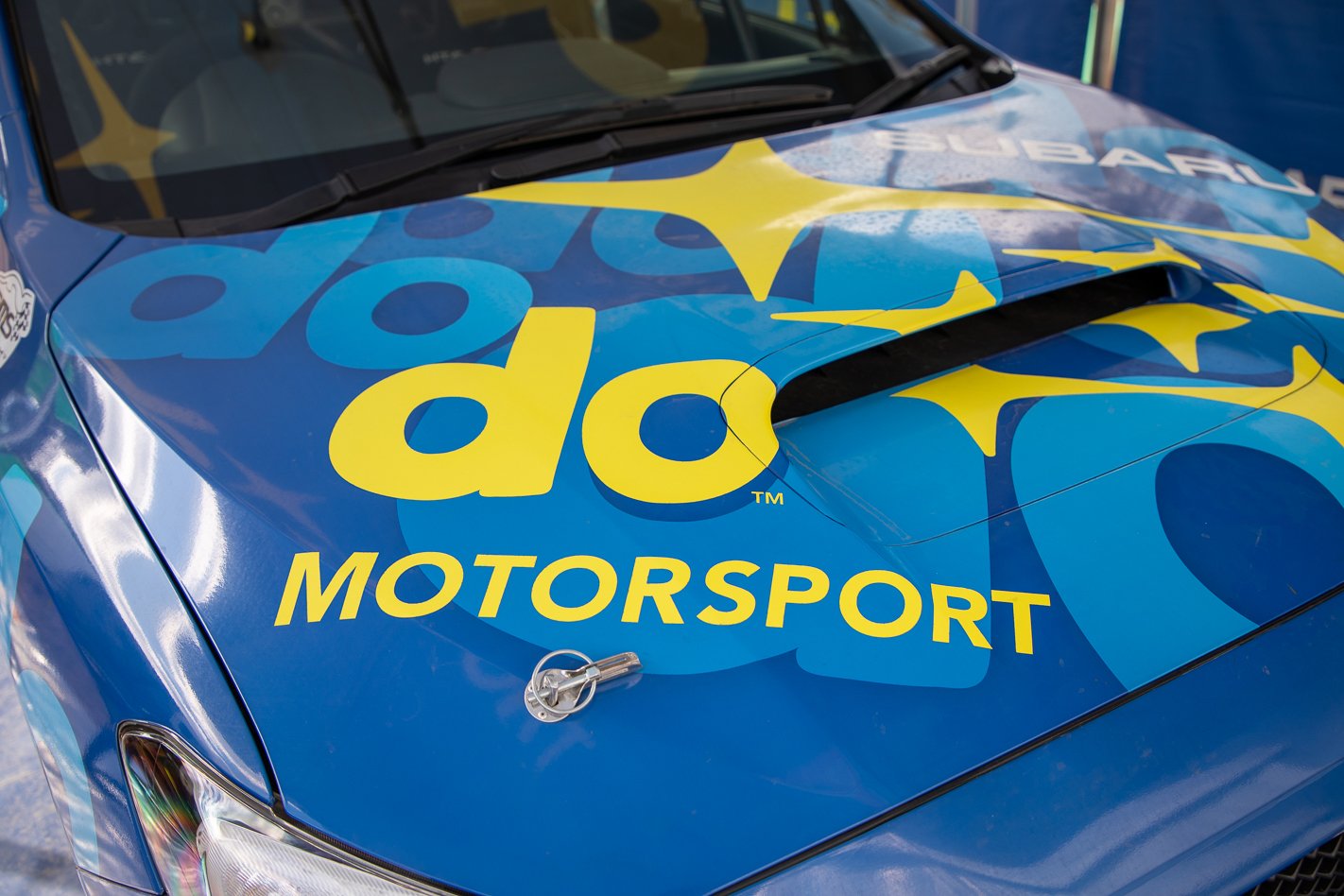
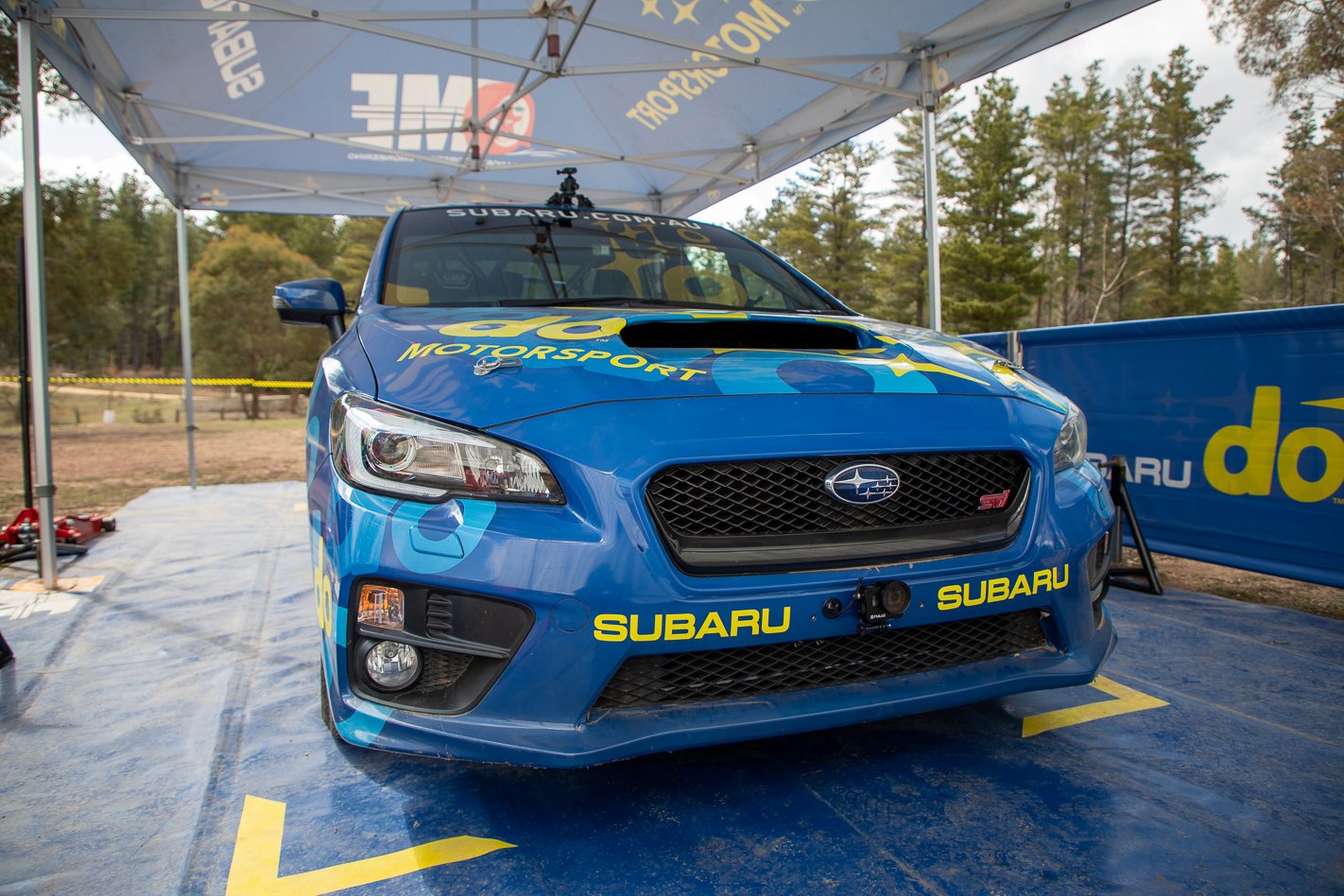
Just as well, Subaru Motorsport Australia has just completed their promotional rally ride car which is based off the WRX STI NR4. Sure, it wasn’t the full backfiring anti-lag monster that’s raced in the Australian Rally Championship, but as a way to introduce punters to the sport the NR4 car is a happy medium.
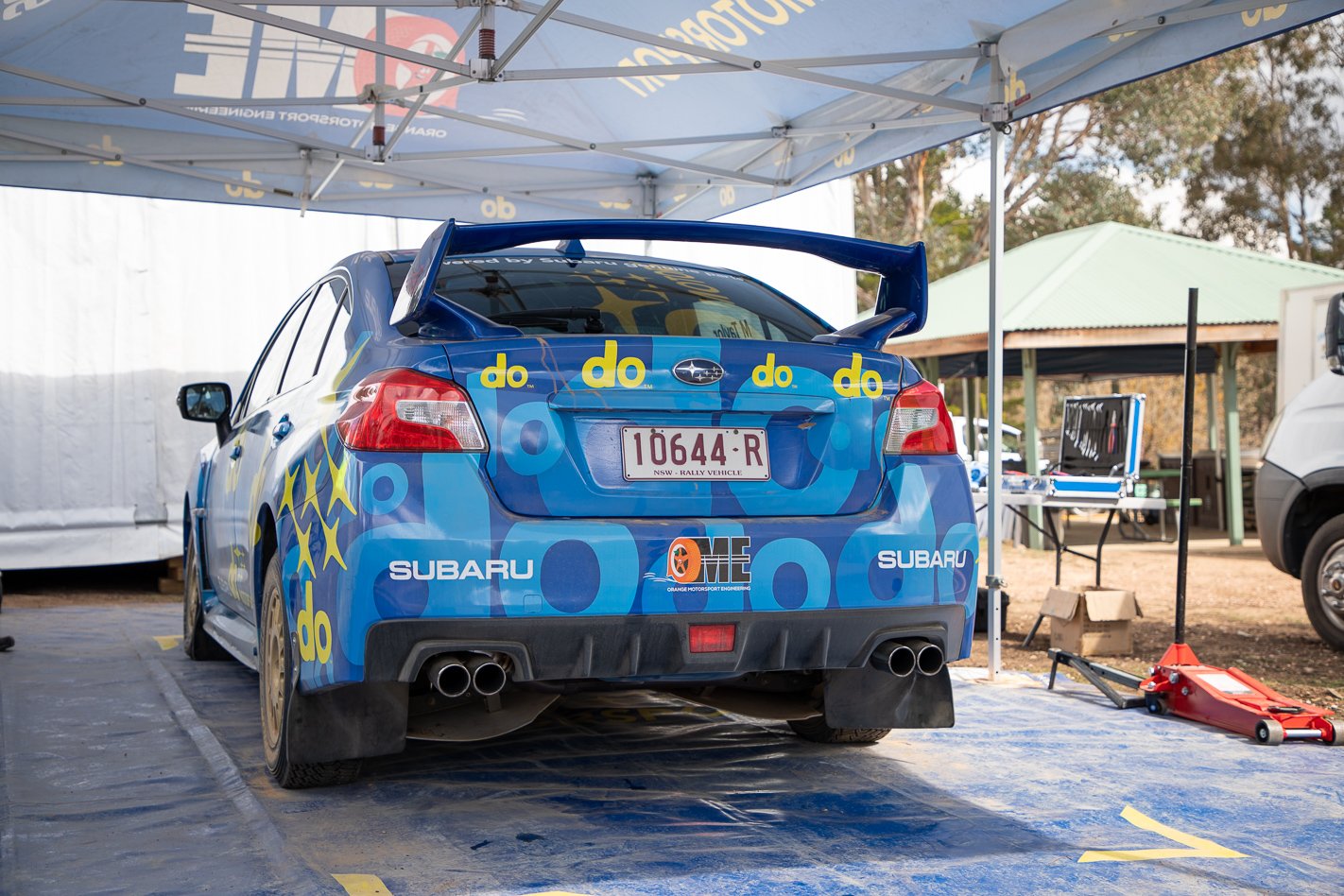
The WRX STI NR4 is essentially a rally car offered by the Subaru factory itself, which can then be further prepared depending on how and where you want to drive it.
Compared to the real thing, the interior is still stripped out, with a roll cage, bucket seats and harnesses added back in for safety. The powertrain remains the same as a stock car, and a six-speed H-pattern gearbox looks familiarly like that in its road-going counterpart.
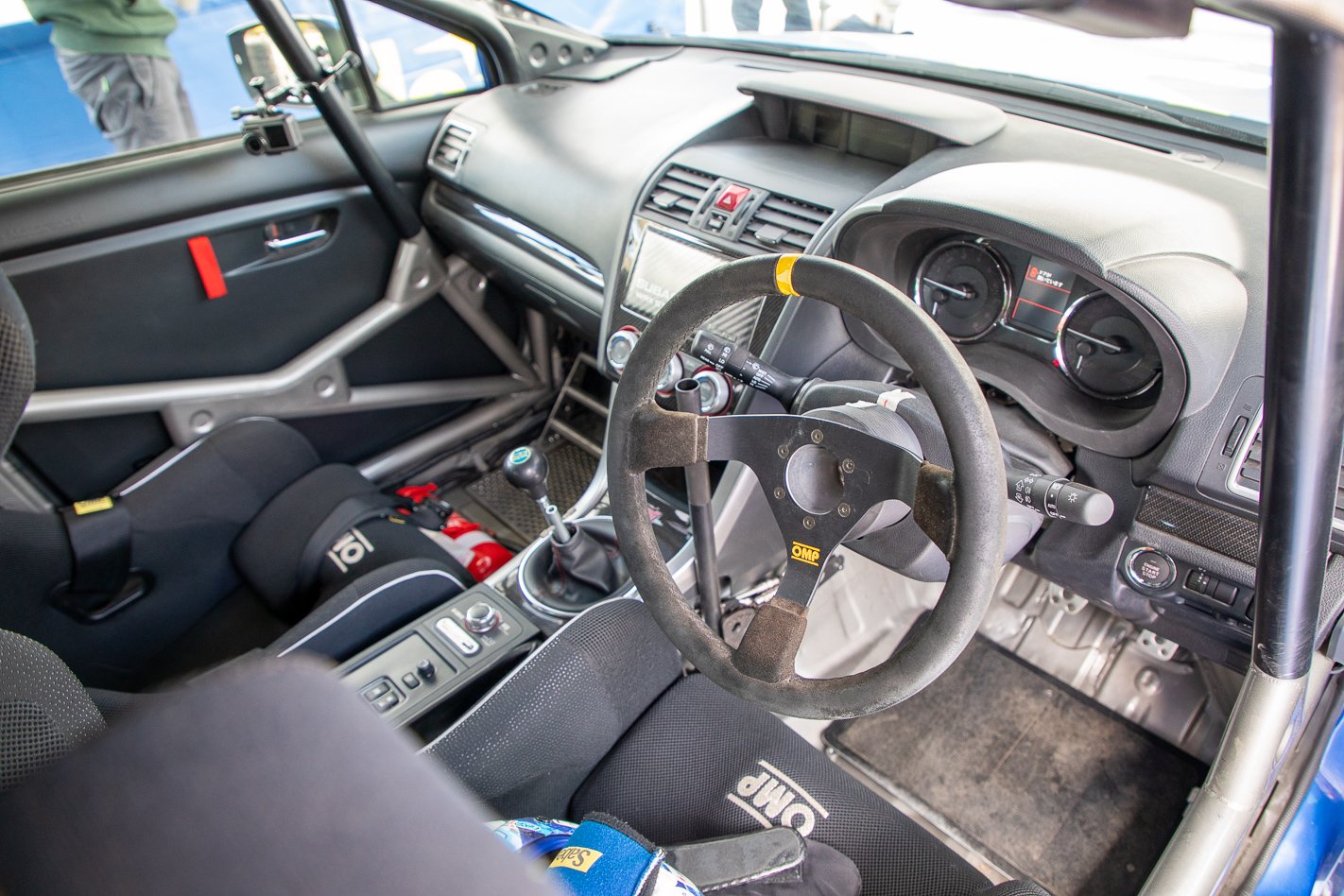
Most importantly though is the fact that it receives rally-spec suspension and matching dirt tyres, which should see us bounding along the dirt tracks of Canberra’s Kowen Forest at a rapid rate.
And who better to steer than 2016 Australian Rally Champion Molly Taylor herself?
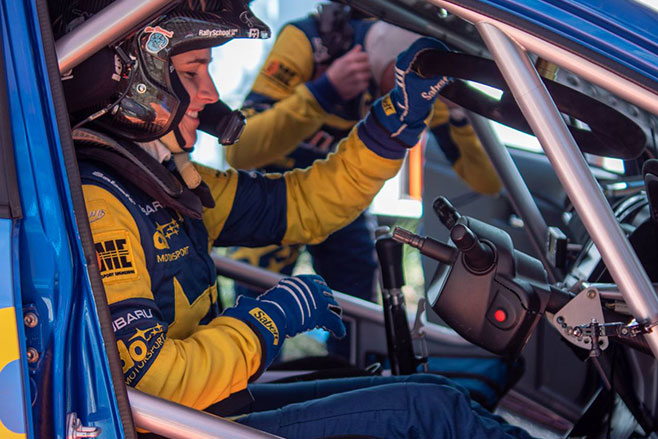
Concerning though, was the fact that yours truly was to play the role of navigator.
Coming into the sport fairly blind, taking my first peek at the set of notes designed to guide us around a small circuit through the forest was daunting to say the least.
Gone is sense and ordered arrangement of letters and numbers, replaced with pictographs and symbols that are meant to represent instructions.
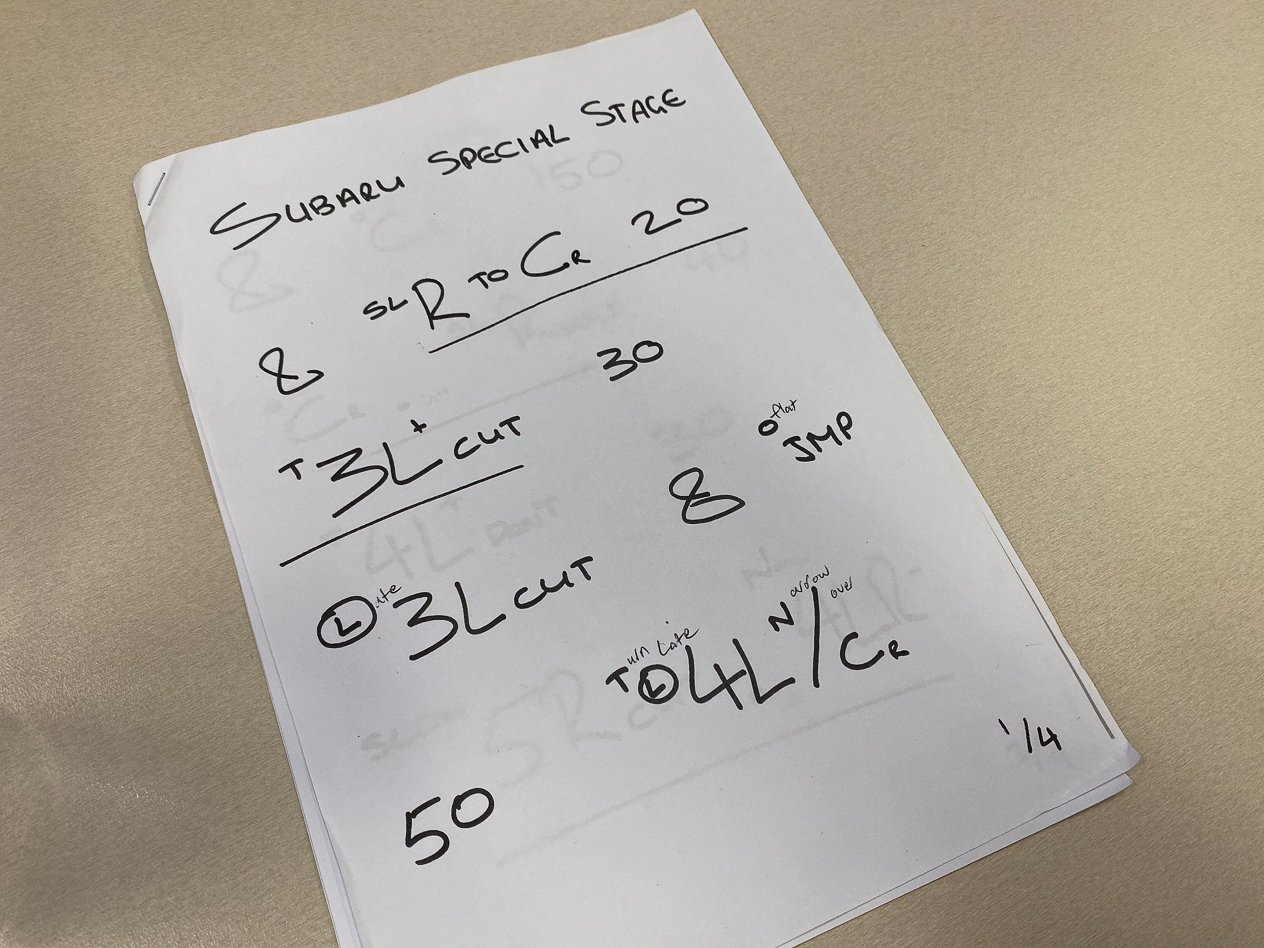
It felt as though learning the lingo would take an age in itself. But we didn’t have all day, as I quickly found myself in a set of overalls and wrapping a HANS device around my neck.
Climbing aboard through the jungle gym of the roll cage isn’t easy for a six foot four frame, but I managed to manoeuvre myself in fairly easily by going leg-bum-leg before being strapped in tight by the Subaru Motorsport crew.
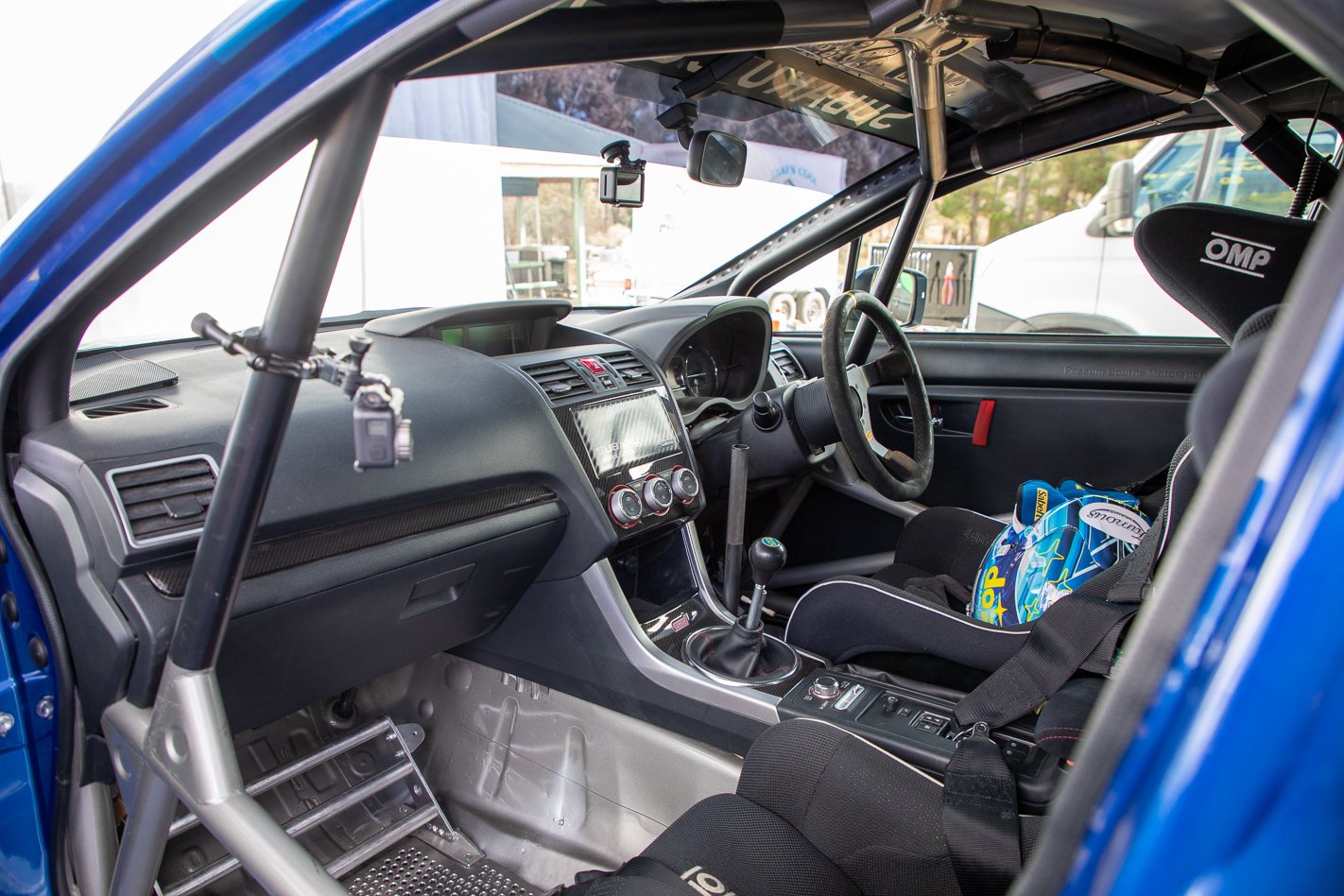
Molly reassuringly tells me that she’s had a few practice runs, so the course isn’t a complete unknown to her, but even still, I prop up my notes ready to start sending directions via the intercom system.
3, 2, 1, GO! It takes about five seconds for me to realise I could never cut it as a navigator: “OFF NOTES!”
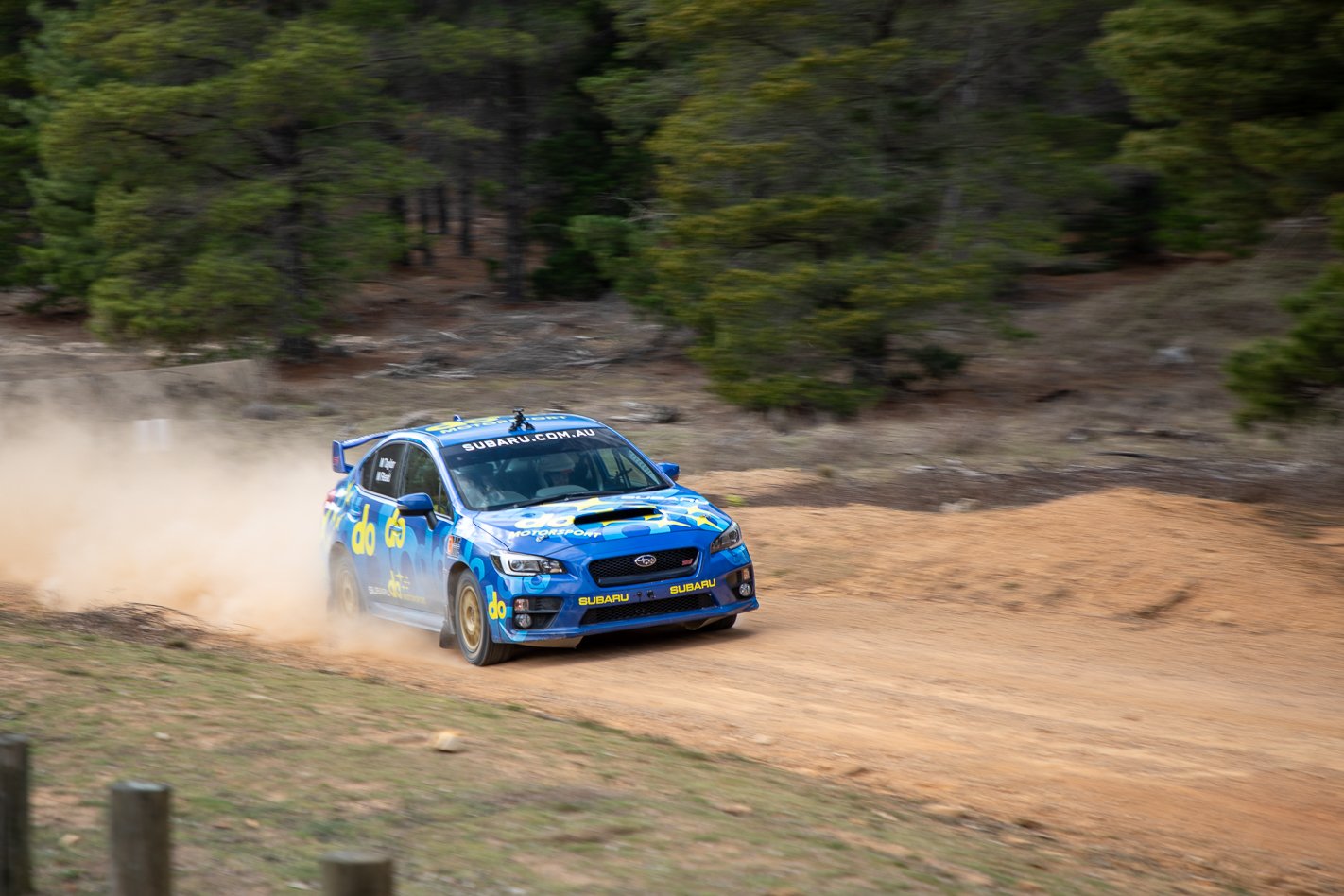
Keeping pace as a navigator is a lot harder than you realise. It doesn’t help that the notes themselves look nothing like the English language.
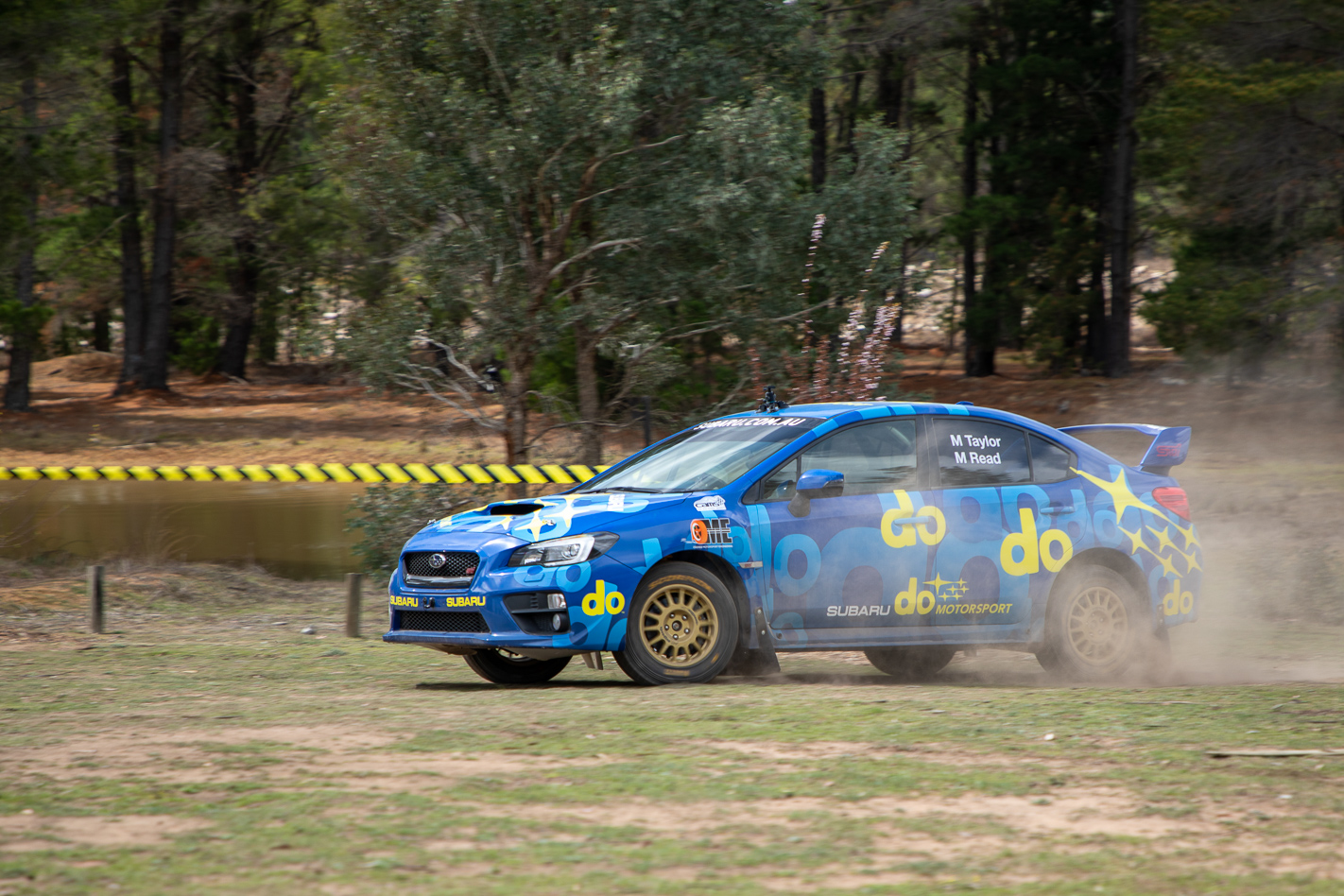
While launching the car and getting up to speed was nothing particularly special as the drivetrain remains stock, the way Taylor attempts to hold speed through corners on gravel is unnervingly abnormal.
A quick yank of the hydraulic handbrake and the car pitches sideways through the first left-hander, spitting out the other side pointing in the right direction and back on the throttle we go.
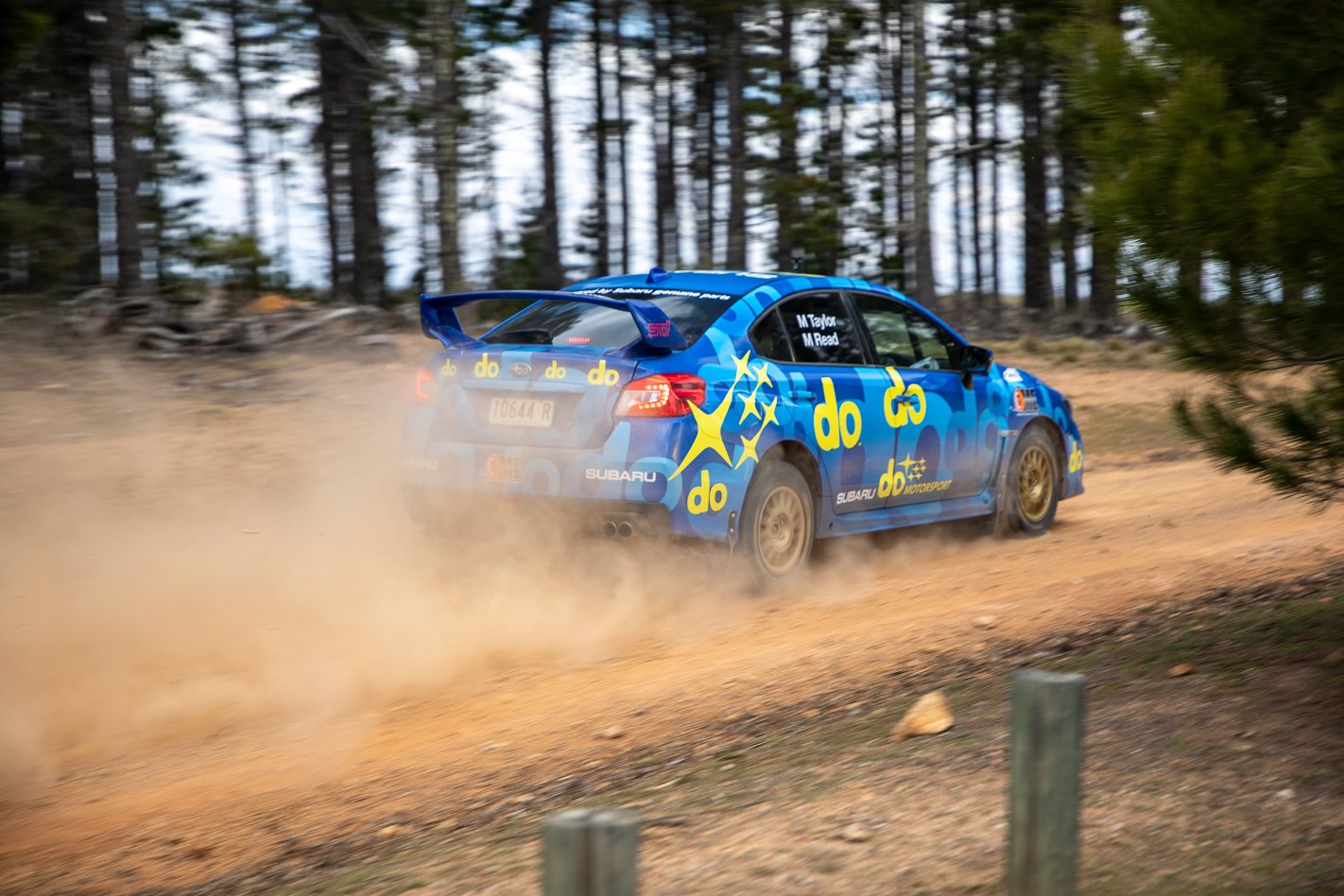
All the while I’m doing the best I can, trying to translate the notes into spoken instructions.
We raced a car for less than the cost of a night out
The difficult part is trying to seamlessly switch between looking at the notes and looking through the windscreen at the upcoming set of corners. Working out where you are in relation to the pace notes is hard, and as soon as you get a gauge on where you’re headed, you look back down to the sheet of paper and you’ve lost your place.
Luckily, Taylor is powering on through my inattentiveness like a champ, bounding along the dirt track at a pace well-north of 150km/h.
She prompts me again for new directions and I feed through a line before quickly realising that was the last corner. Can’t win!
Further down the stage I start to get the hang of it, calling out notes that (I hope) were of actual use rather than redundant gibberish.
Of course, returning to the makeshift pit area Taylor insists the navigating was decent for a first timer, but we both know it wasn’t.
That’s fine, leaves room for improvement and a chance for another ride at a later date.
It’s an electrifying experience from the passenger seat, and is equally fun watching cars being flung into corners, before speeding off down narrow tracks, mere metres from potentially deadly tree trunks. Now I know what I’ve been missing all this time.
Click through the gallery above for more photos of Subaru’s rally ride experience.
Reinforce the doors, lock your children in the garage and sharpen your kitchen utensils. Australia is under attack.
Supercharged V8 invaders have breached our borders, threatening to devour untold litres of high-octane unleaded and terrorise tyres regardless of size or compound. They might wear American badges, but this power-mad pairing hail from the underworld, muscle cars built to prowl Route 666.
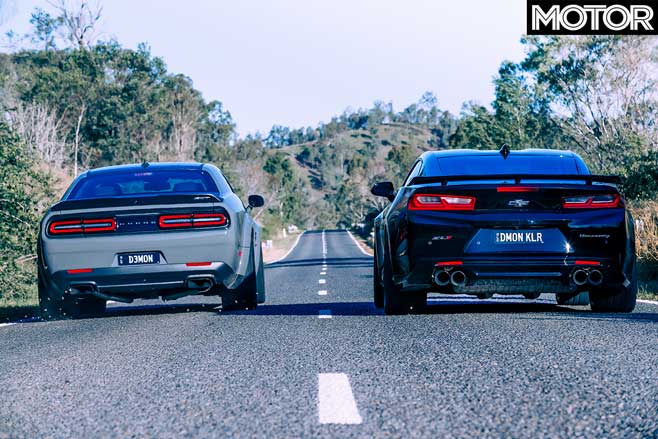
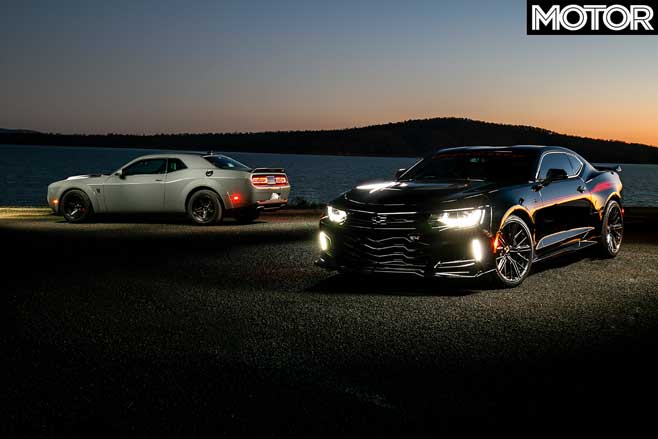
In terms of production cars, the Demon is the muscle-car king, but as is typically the case, the aftermarket has gone a step further. Texan tuner Hennessey Performance never met a horsepower it didn’t like and is famous for sending outputs into the stratosphere. When it needed to vanquish the Demon, it created the Hennessey Exorcist, a Chevrolet Camaro ZL1 with a really bad attitude. Hennessey backed up its ambition by clocking a 9.57sec quarter at a crazy 237km/h, passing 97km/h (60mph) in 2.1sec and 161km/h (100mph) in 4.7sec. Top speed is a proven 349km/h.
There is only one right-hand-drive Hennessey Exorcist in the world, and it’s currently rocking side-to-side in a McDonald’s carpark on the outskirts of Brisbane, its idle as lumpy and aggressive as month-old milk with an alligator in it.
It’s the work of Adelaide-based KPM Motorsport, the only officially recognised Hennessey workshop outside the US. The process of turning a standard Chevrolet Camaro ZL1 into an Exorcist isn’t quick or cheap, but then screwing 1000 horsepower out of anything isn’t exactly easy.
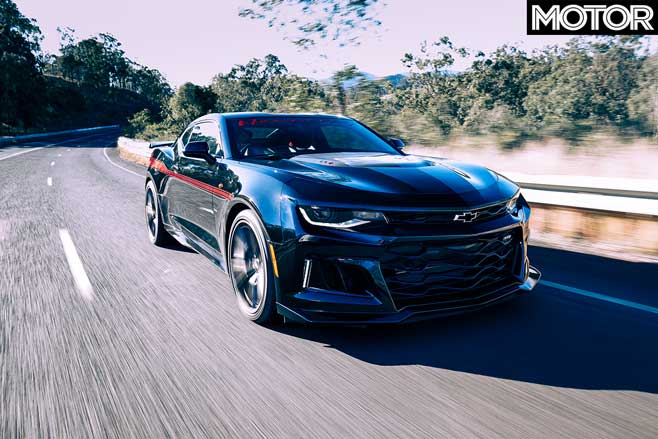
Installing the Exorcist modifications takes around two weeks and involves a comprehensive upgrade of the LT4’s top end while also improving the cooling and exhaust systems. The valve springs, retainers, intake and exhaust valves, pushrods, lifters and intercooler are all upgraded, the cylinder heads are ported, a custom camshaft, high-flow catalytic converters, stainless steel headers and mid-pipes are installed, and the whole lot is topped off by a high-flow supercharger pumping in 14.5psi of boost.
The Exorcist kit is $87,000 on top of the cost of the car, but the result is an increase from a formidable 485kW/881Nm to a truly insane 746kW/1197Nm.
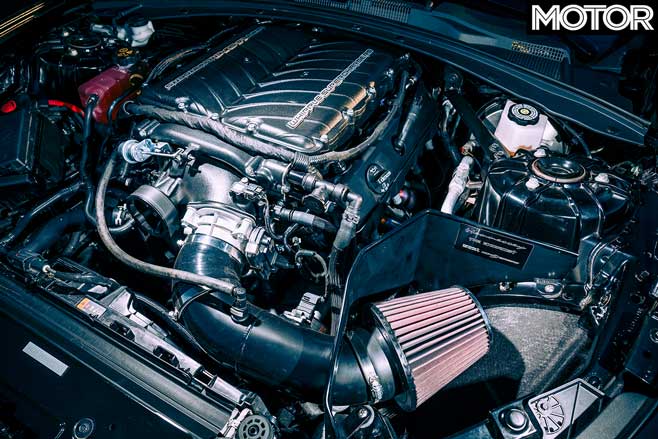
The rest of the ZL1 package is left untouched, though an optional Drag Pack includes 315/30 Nitto drag radials and upgraded driveshafts for those chasing nines, while the Road Race Pack employs 20-inch lightweight wheels wrapped in Michelin Pilot Sport Cup 2 tyres.
Just 100 Exorcists will be built worldwide, with three allocated to KPM. Presumably the final two will be based on HSV-converted ZL1s, but the owners of this original example were so eager they imported a US ZL1 and had it converted to right-hand drive by Brisbane outfit SCD American Vehicles, which kindly supplied the Dodge Demon for this feature.
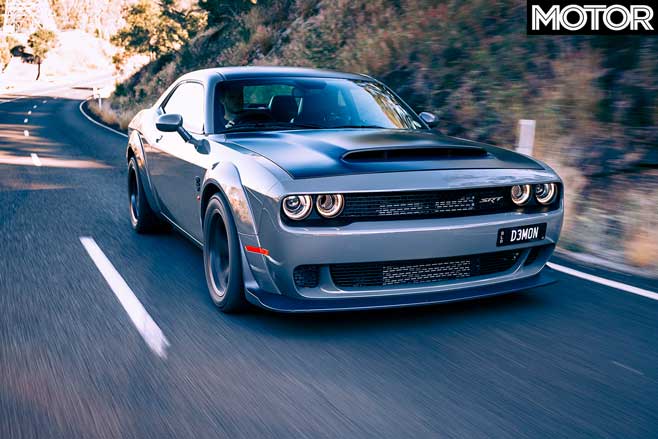
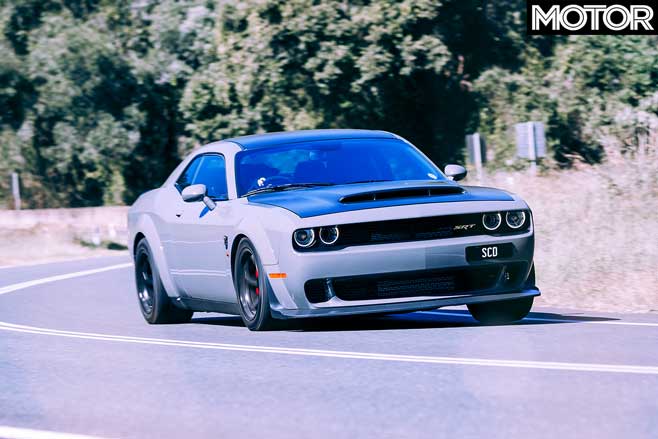
Local exposure to these mighty Mopars has been extremely limited and the first surprise is just how vast the Challenger is. At more than five metres long and two metres wide, it dwarfs the Camaro, occupying a similar amount of real estate as a Range Rover.
The 18-inch wheels look like 15s, but the massive Nitto NT05R drag radials it wears as standard are evidence of its unique nature. Put simply, the Demon is unlike any other production car. It’s designed to live its life a quarter mile at a time, but for those 10 seconds or less it’s definitely not free, as the landed cost of this beast is around $300,000 depending on exchange rates. If you need the looks but not the performance, the regular Challenger R/T can be yours for under $100K. Do that, though, and you won’t be treated to the shrill supercharger whine that accompanies every metre you travel in the Demon.
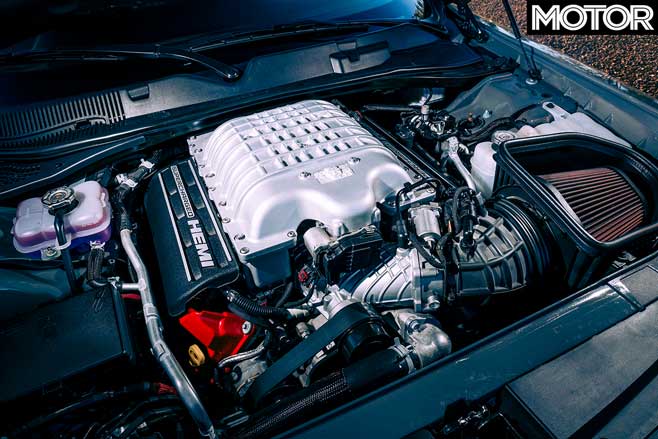
Compared to a Challenger Hellcat, the Demon’s 6.2-litre HEMI V8 scores a larger 2.7-litre supercharger, stronger connecting rods and pistons, an improved lubrication system, two dual-stage fuel pumps (instead of one), larger injectors, strengthened fuel lines, a larger air box and an increased rev limit, up from 6200rpm to 6500rpm. On 100-octane race fuel and the optional engine controller, you will have access to 626kW/1040Nm; sadly, today on 98RON we are limited to ‘just’ 603kW/972Nm.
From the outset, the Demon punches the Ferrari 812 Superfast in the face and becomes the most powerful car I’ve ever driven. But it’s not some grumpy, over-fuelled nightmare in morning traffic; on the contrary, it feels extremely normal.
The interior will be familiar to anyone with a Chrysler 300, as you sit high on large, squishy seats that offer little in the way of lateral support, the only evidence of the right-hook conversion the cramped foot-operated park brake operation.
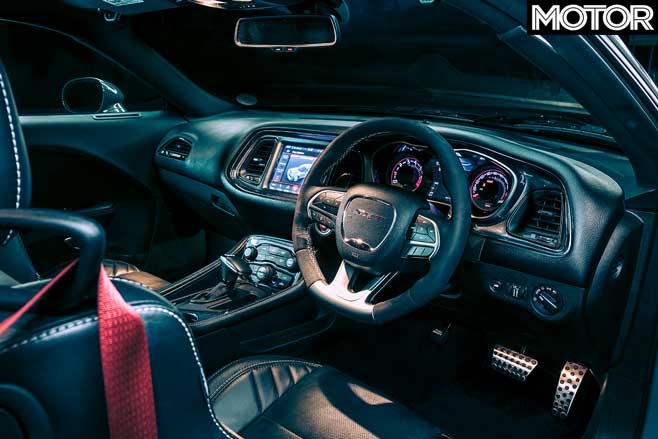
There’s even a 373kW mode for cruising (or you can limit power to this using a black key rather than the standard red one); this makes the Demon feel like a Mustang Ecoboost, which should illustrate how berserk it is at full noise because even in low-power mode it’s probably as quick as a Mustang GT.
It’s also extremely comfortable. The Demon’s suspension is much softer than the Hellcat it’s based on, the spring rates dropped by 35 per cent front and 28 per rear and the anti-roll bars by 75 per cent front and 44 per cent rear. This is all in the name of promoting weight transfer on the drag strip, but it also makes the Demon a 600kW supercharged sofa, lolling lazily over large bumps and ironing out road imperfections. What’s better, the Performance Pages screen in the infotainment allows the drivetrain to be switched to maximum attack while leaving the suspension soft.
The Exorcist instantly feels fitter, firmer and more focused, though the Magnetic Ride Control dampers still provide more than acceptable levels of ride comfort. You sit lower than in the Demon, though still relatively high, but the cabin architecture and pillbox-style view out of the Camaro’s turret-like glasshouse make you feel more ensconced in the car. This is just as well, for if you’re driving an Exorcist you’re in for a wild ride.
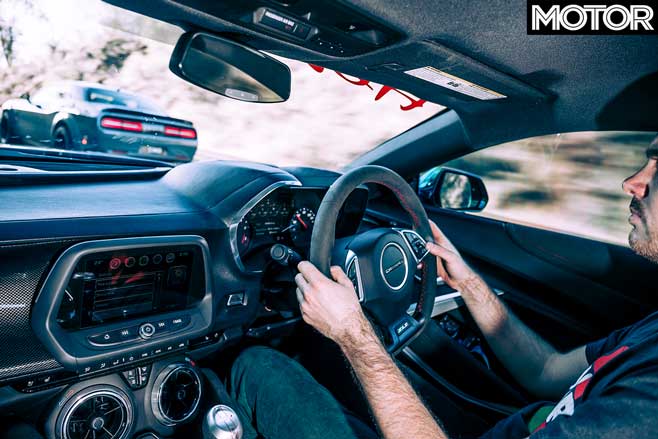
It’s remarkably civilized given the outputs. There is more mechanical noise than in the Demon, but there are no hiccups or stumbles on light-throttle operation – often an Achilles’ heel with high-output cars – and the power arrives smoothly and progressively. Before long, temptation takes over, the accelerator is floored and all hell breaks loose.
There’s a pause as the 10-speed automatic scrambles for the right ratio before the Exorcist unleashes an assault on the senses; your ears overflow with V8 snarl and supercharger scream, your body is squashed into the seat and the world outside becomes a blur as the traction control frantically tries to stem the tsunami of torque being fed to the rear wheels.
The experience is difficult to process. Full-throttle acceleration is accompanied by the rapid rise and fall of the tacho needle as the Exorcist consumes the close-ratio gears as quickly as you can count them. Electronic intervention is the only way to control the power; relax the ESP via GM’s Competition Mode and the 305/30 Goodyear Eagle F1 Supercar 3s don’t stand a chance.
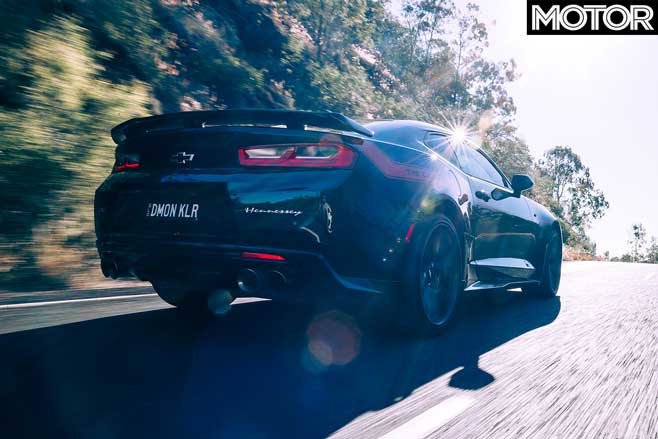
It’s not often that a Dodge Demon will offer a comparatively calm experience, but with less power, more weight, fewer gears and wider tyres, it’s a more cohesive machine. If that sounds a bit boring, or your friend happens to have an Exorcist, KPM can upgrade the Demon with Hennessey’s HPE1000 or HPE1200 kits.
The former uses similar upgrades to the Exorcist and a whopping 4.5-litre supercharger to produce 772kW/1285Nm, turning the tables on its Chevrolet rival with a 9.15sec quarter at 246km/h. If you’re a true lunatic and have $120,000 over and above the cost of a Demon, the HPE1200 package unleashes 895kW/1355Nm.
Such rampant excess has its appeal, but few will find fault with the standard Demon’s accelerative prowess. Oddly, given almost 1000Nm of torque, it’s very short-geared, with the following speeds achieved at the 6500rpm redline in each gear – 1st: 60km/h; 2nd: 90km/h; 3rd: 134km/h; 4th: 168km/h; 5th: 218km/h before the limited top speed of 271km/h is reached at 6270rpm in sixth.
Consequently, you’re often a gear higher than feels natural, but it makes no difference to the Dodge’s rampant performance, each straight devoured in a furious rush of supercharger whine.
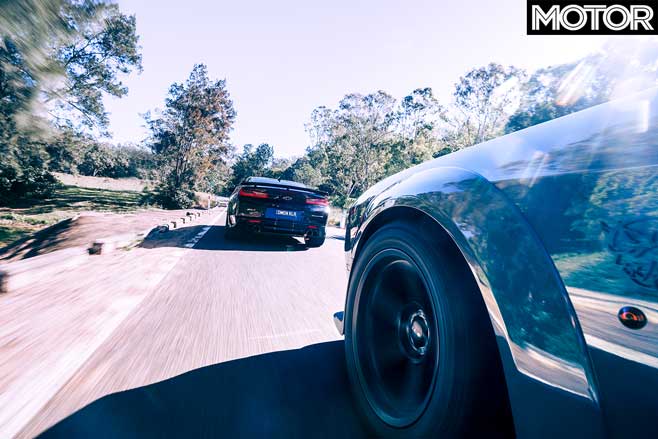
The eight-speed auto is expertly calibrated, keenly and quickly firing in downshifts under braking of its own accord, freeing the driver to focus on the corner ahead. This is particularly important, as there’s a shock coming when the wheel is turned and very little happens; the chassis work that makes the Demon such an effective cruiser and drag strip warrior does it no favours in the bends, resulting in a two-tonne muscle car with soft suspension and fairly approximate steering, by modern standards at least.
It can still be hustled along at a fairly rapid pace, primarily due to the massive rubber footprint, but it’s not a hugely rewarding experience. Its size inhibits it on smaller roads, and wider, more flowing stretches exacerbate its weight and softness, substantial body roll produced in response to even moderate levels of attack.
Switch the focus from fast to fun, however, and the Demon delivers in spades. Seemingly limitless power, a massive wheelbase (35mm longer than a VF Commodore) and a chassis built for comfort, not for speed, makes for an A-plus drift car. On public roads it displays only a hint of its potential, but the progression with which it loses grip provides strong evidence that on a track the Demon would be a tyre-slayer almost without equal.
Initial impressions that the Exorcist is the sharper machine are solidified from the first turn of the steering wheel. There’s greater precision courtesy of the quality of the base Camaro ZL1. In true weird Camaro style, the steering is very heavy, but once accustomed to the heft the Exorcist can be placed accurately and the car’s stiffer set-up and grippier tyres ensure it doesn’t deviate from the chosen line.
The exception is in tight corners under heavy load, where the steering freezes, all assistance seeming to evaporate, which is disconcerting to say the least. Thankfully, the occurrence is infrequent and the steering never locks completely.
The other caveat is that the above assessment refers to flowing the Exorcist from bend to bend, enjoying the strong brakes, balanced chassis and responsive gearbox, which doesn’t once deny a downshift and delivers snappy upshifts. Attempt to unleash the full fury of 746kW, however, and this steroid-fed Chevrolet morphs into a monster.
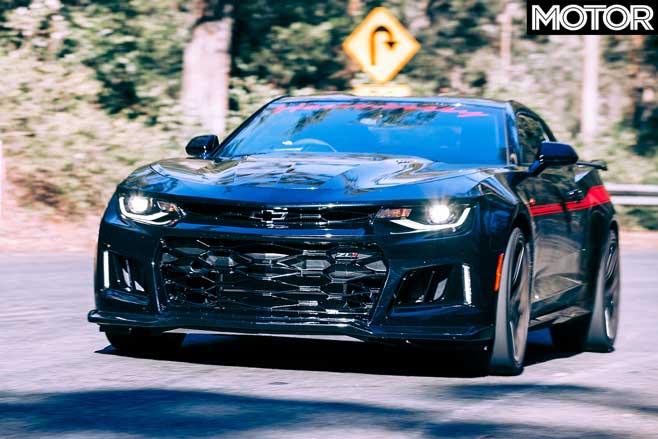
I’ve never driven another car that commands such respect on dry, warm roads; fifth-gear throttle-steer throughout 100km/h sweepers is not difficult to achieve without getting near full-throttle. The electronics obviously heavily restrict such behaviour when fully activated, but using Competition Mode to gain a glimpse into the Exorcist’s ultimate abilities provides enough slip that the driver needs to be very much awake. I mention fifth gear, but to be honest the Hennessey’s potency is such that it would probably oversteer in 10th given the opportunity.
It’s absolutely overpowered. Of course it is. Adding 300kW (this car was dyno’d at 1035hp, or 771kW) to a car without changing the suspension or tyres is always going to upset the equilibrium. But it’s also incredibly exciting in a way no modern OEM vehicle can match, providing limitless power and leaving it largely up to the user to exercise it responsibly. The flipside of the engine-only approach is the Exorcist’s sleeper potential; delete the badges and stripes and you could be looking at a standard Camaro ZL1. Until it starts up and idles like a Funny Car.
There is a certain irony to the name – Hennessey set out to build a Demon tamer, yet it’s the Exorcist that feels the most unhinged – the more likely to spin around spewing green slime.
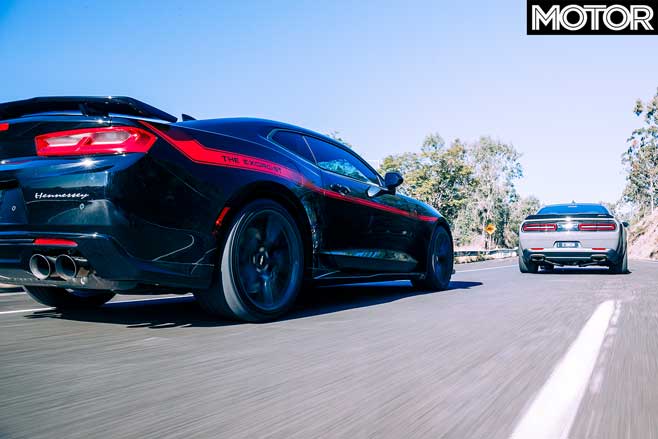
In contrast, the Demon is relatively mild-mannered. Its pumped guards and gaping ‘Air Grabber’ bonnet suggest a fearsome beast, but its behaviour when driven hard is more BeetleJuice than Nightmare on Elm Street.
Better still, it feels like an old-school muscle car built with new-school know-how, a throwback to over-engined monsters like the Ford Mustang Boss 429, Dodge Charger R/T 440 and Plymouth Road Runner. It wants to cruise in comfort and dominate the quarter mile; after all, there aren’t any corners in Detroit.
Open the door, let the kids out and put away the kitchen knife – these invaders are more than welcome to stay.
Fast Facts
| u00a0 | Dodge Challenger SRT Demon | Hennessey Exorcist |
| Body | 2-door, 4-seat coupe | |
| Drive | rear-wheel | |
| Engine | 6166cc V8, OHV, 16v, supercharger | 6162cc V8, OHV, 16v, supercharger |
| Bore x Stroke | 103.9 x 90.9mm | 103.25 x 92.0mm |
| Compression | 9.5:1 | 10.0:1 |
| Power | 603kW @ 6300rpm | 746kW @ 6500rpm |
| Torque | 972Nm @ 4500rpm | 1197Nm @ 4500rpm |
| Power/Weight | 316kW/tonne | 417kW/tonne |
| Transmission | 8-speed automatic | 10-speed automatic |
| Weight (dry) | 1911kg | 1789kg |
| Suspension (f) | A-arms, coil springs, adaptive dampers, anti-roll bar | struts, coil springs, adaptive dampers, anti-roll bar |
| Suspension (r) | multi-links, coil springs, adaptive dampers, anti-roll bar | |
| L/W/h | 5016/2002/1459mm | 4812/1897/1330mm |
| Wheelbase | 2950mm | 2811mm |
| Tracks | 1671/1667mm (f/r) | 1610/1591mm (f/r) |
| Steering | electrically assisted rack-and-pinion | |
| Brakes (f) | 360mm ventilated/grooved discs, 4-piston calipers | 390mm ventilated discs, 6-piston calipers |
| Brakes (r) | 350mm ventilated/grooved discs, 4-piston calipers | 365mm ventilated discs, 4-piston calipers |
| Wheels | 18 x 11.0-inch (f/r) | 20.0 x 10.0-inch (f); 20 x 11.0-inch (r) |
| Tyre Sizes | 315/40 ZR18 (f/r) | 285/30 ZR20 (f); 305/30 ZR20 (r) |
| Tyres | Nitto NT05R | Goodyear Eagle F1 Supercar 3 |
| Price | $300,000 (approx) | $249,190 |
| Pros | Unhinged engine; brilliant ride comfort; fun factor | Terrifying power; chassis can (almost) hang on |
| Cons | Purchase price; doesnu2019t do handling | Refinement suffers; fuel use hilarious |
| Rating | 4.5 out of 5 stars | 4 out of 5 stars |
Missed some news this month? Click below for earlier newsletters;
OCT 26 – The cricket is yet to kick off, the days are getting longer, the chances for a long drive are getting better and the weekend is here. What could be better?It’s been another capacity week of automotive output from the various WhichCar teams, punctuated by the launch – finally! – of the latest Volkswagen Golf.
We papped the Mk8 a few times ahead of its debut, and it’s fair to suggest that the new, softer, more sophisticated design language will take a little while to translate to its audience.
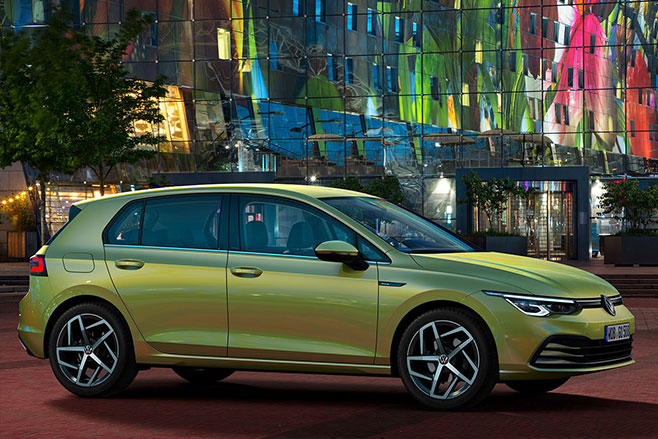
As well, it looks like Australia will cop the rough end of the pineapple when it comes to engine choice for the Golf, thanks to our relatively terrible fuel quality.
In fact, the issue of poor fuel may see Australia end up as a dumping ground for less efficient, more polluting engines, as companies continue to struggle to make their best tech work with our high-sulphur petrol and diesel.
It’s a source of frustration to the wider industry, and it’s something that’s relatively easy to solve.
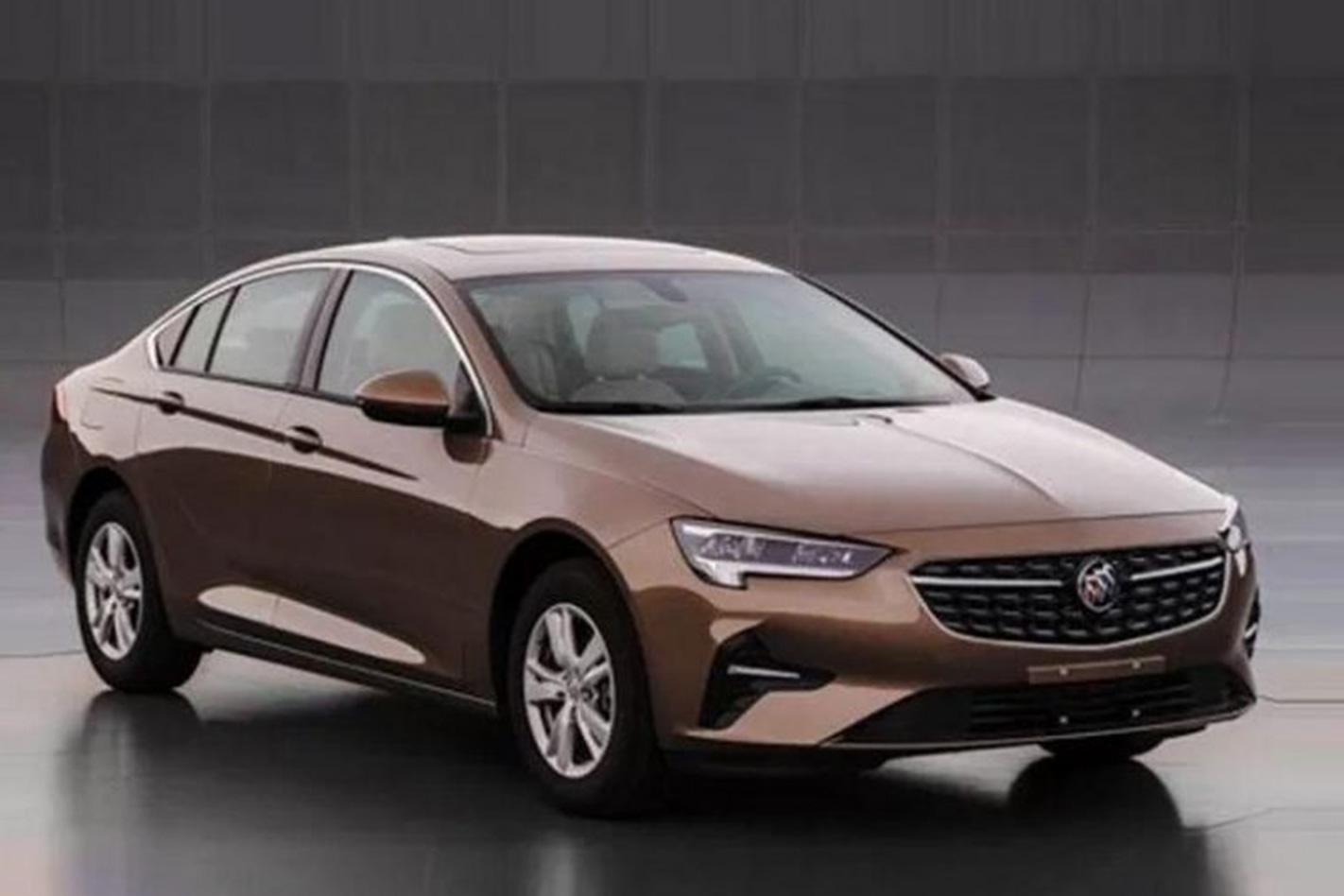
Elsewhere in our automotive game, we previewed what might well be the Holden Commodore’s first nip n’ tuck job, which resonated strongly with our audience.
Its bigger, more powerful sibling, the Chevrolet Corvette C8, raised eyebrows when it dynoed a fair bit above its advertised power and torque numbers during a magazine test. A particularly fit version? Something more? You be the judge…
We also examined the likelihood of more oversized pick-up trucks joining the fray down under – if RAM sales are any indication, we reckon that more than a few product planning offices have a folder marked ‘big ute’ on a desk somewhere.
From Tokyo this week comes the news that Toyota Australia is keen as mustard for hybrid versions of its HiLux and LandCruiser models, along with the reveal of a number of real – and not-so-real – concepts, like the new Subaru Levorg and the Lexus LF30.
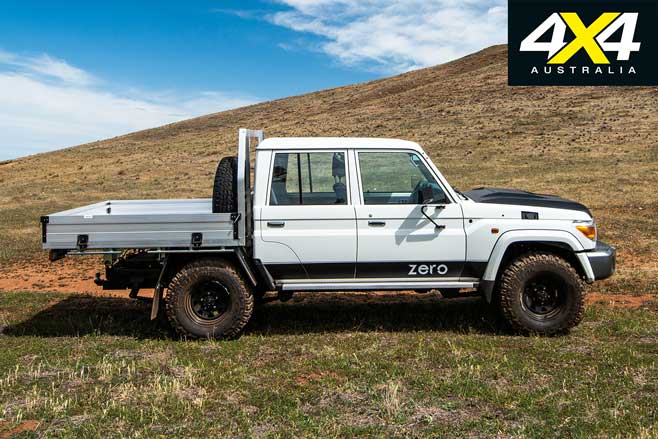
The Tokyo Show also showed the world Mazda’s first EV, the curiously named MX-30, and also brought us the disappointing news that the cute little Honda e isn’t a starter for Australia… but closer to home, a locally built electric version of the trusty Toyota LandCruiser ute probably turned more heads.
There’s a lesson there… build the right EV for the right market segment, and the buyers will come.
Elsewhere, we examine just why Daniel Ricciardo was kicked out of the Japanese Grand Prix, preview Motor magazine’s Performance Car of the Year 2020, check out the new specs and pricing of the evergreen Mitsubishi ASX and ask what you’ll miss in your next new car.
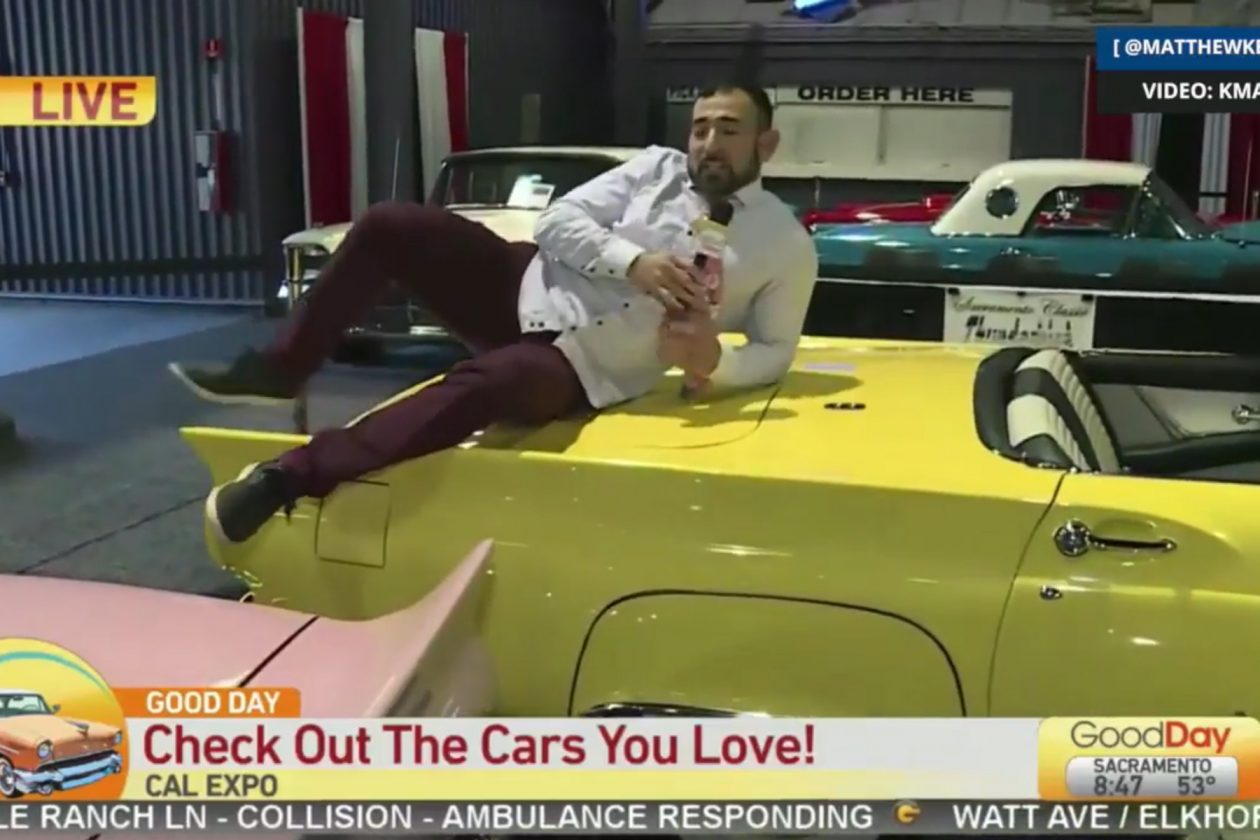
And as we roll into our Saturdays, don’t be like this guy, who was fired from his job as a TV presenter this week for disgracing himself at a car show. How? You’ll have to click through and find out…
To keep in touch with us over the weekend, make sure you follow the WhichCar and 4×4 Australia Facebook page, the Wheels and MOTOR Instagram accounts and Street Machine’s amazing YouTube channel.
Sign up here to get the free weekly WhichCar eNewsletter
OCT 19 – You’d be forgiven for thinking this week was dominated by sombre news and some of the more depressing facts of driving in Australia along with the risks and dangers of getting in the car.
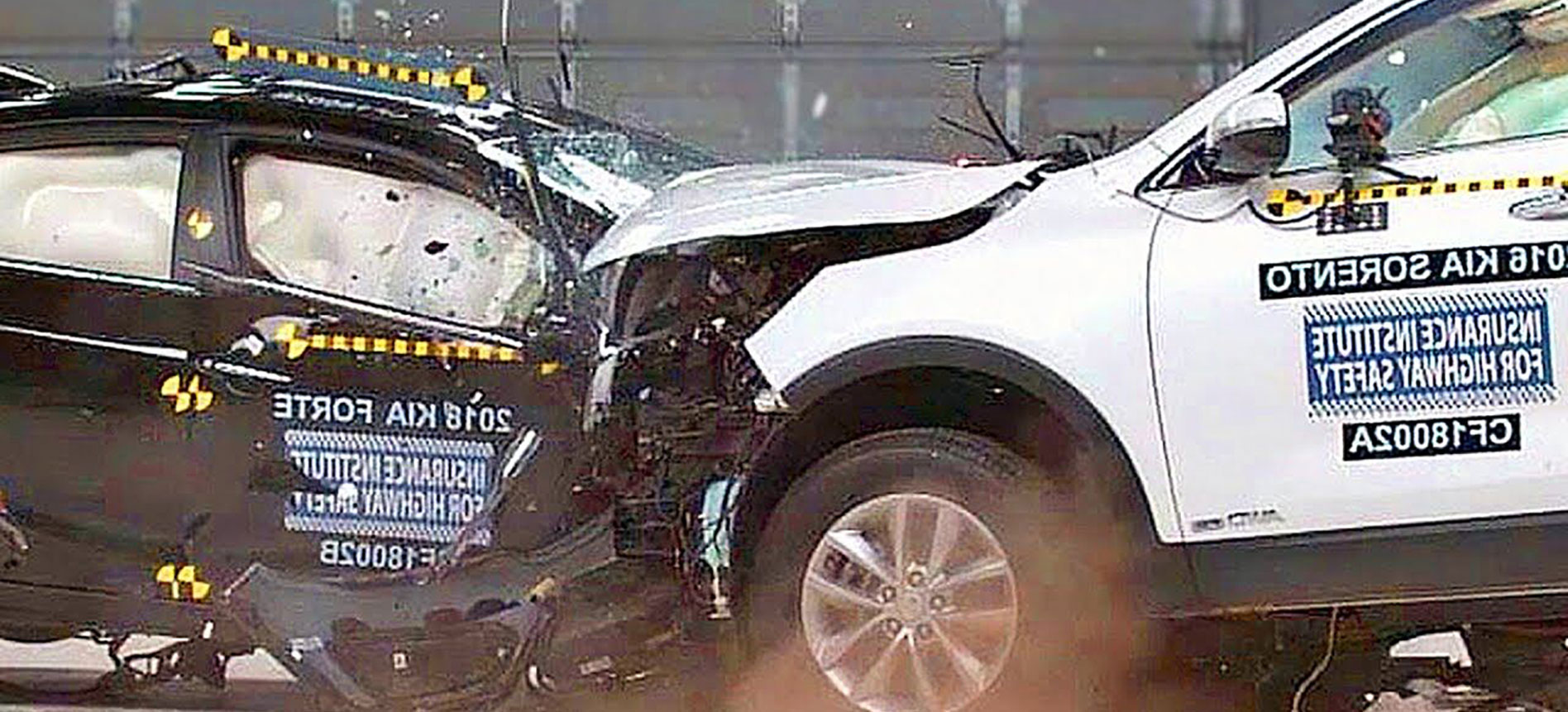
In the last seven days, numerous reports have surfaced, highlighting how deadly SUVs are to other road users, we also ran a story about a staggering number of Australians who refuse to wear seatbelts and some of the other things that are likely to bring you to an untimely end. You may not even know they are dangerous!
As if that wasn’t bad enough, the law has been bearing down on some drivers before they have had a chance to hurt themselves, for some seemingly innocent acts, while a proposed congestion charge would hit other drivers in the pocket. Ouch.
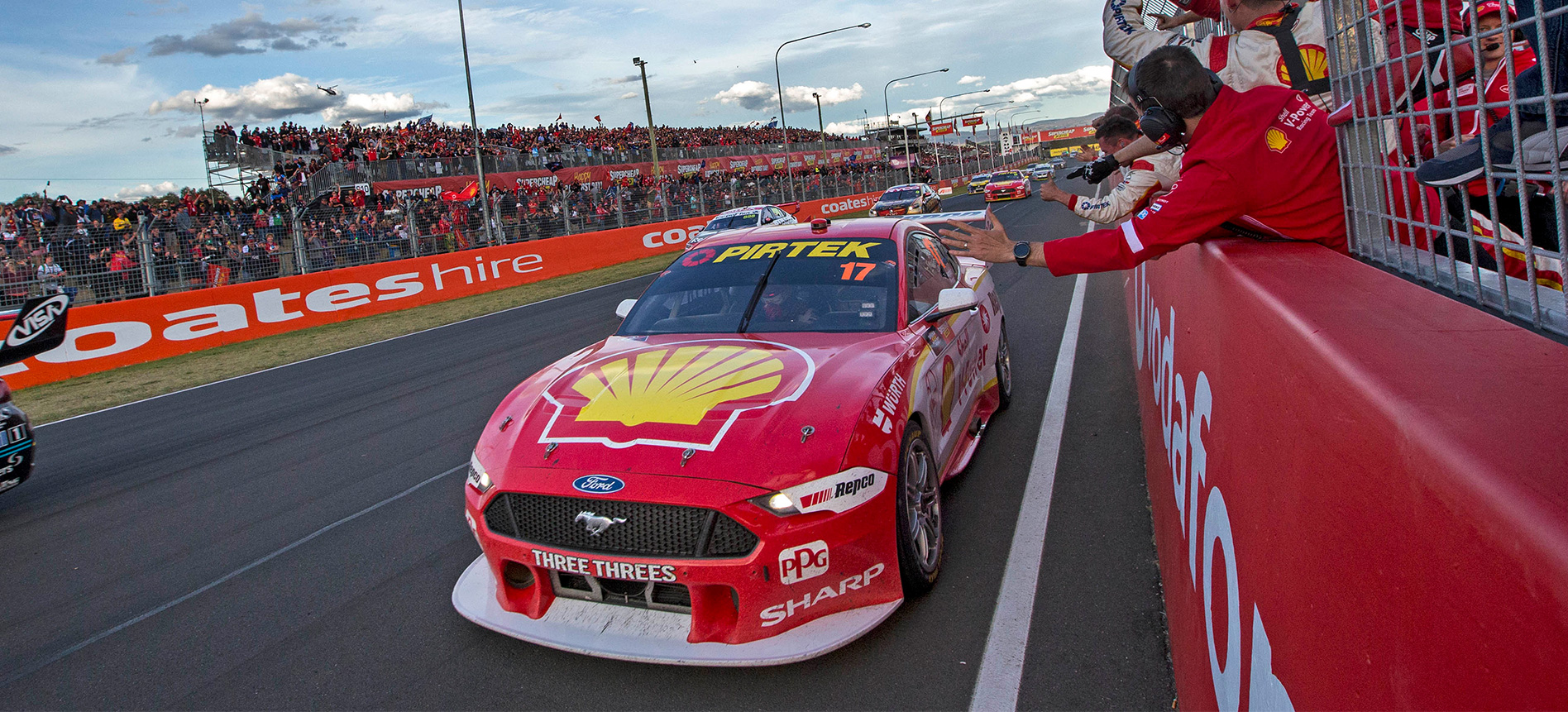
But before you completely lose faith in society, there was plenty of great news too. The Blue Oval confirmed that not only would it deliver lots more high-performance hardware under the Ford Performance brand, but there would also be another mighty Mustang on the Supercars grid next year, running under the Kelly Racing banner.
Fans of the game-changing Porsche Taycan will also be delighted to hear that the high-performance EV will be offered as a more affordable variant in the near future, BMW tuner Alpina will boost the driver-focused carpark in Australia further still with the new B3 Touring arriving next year too. Want an M3 wagon? This is the next best thing.
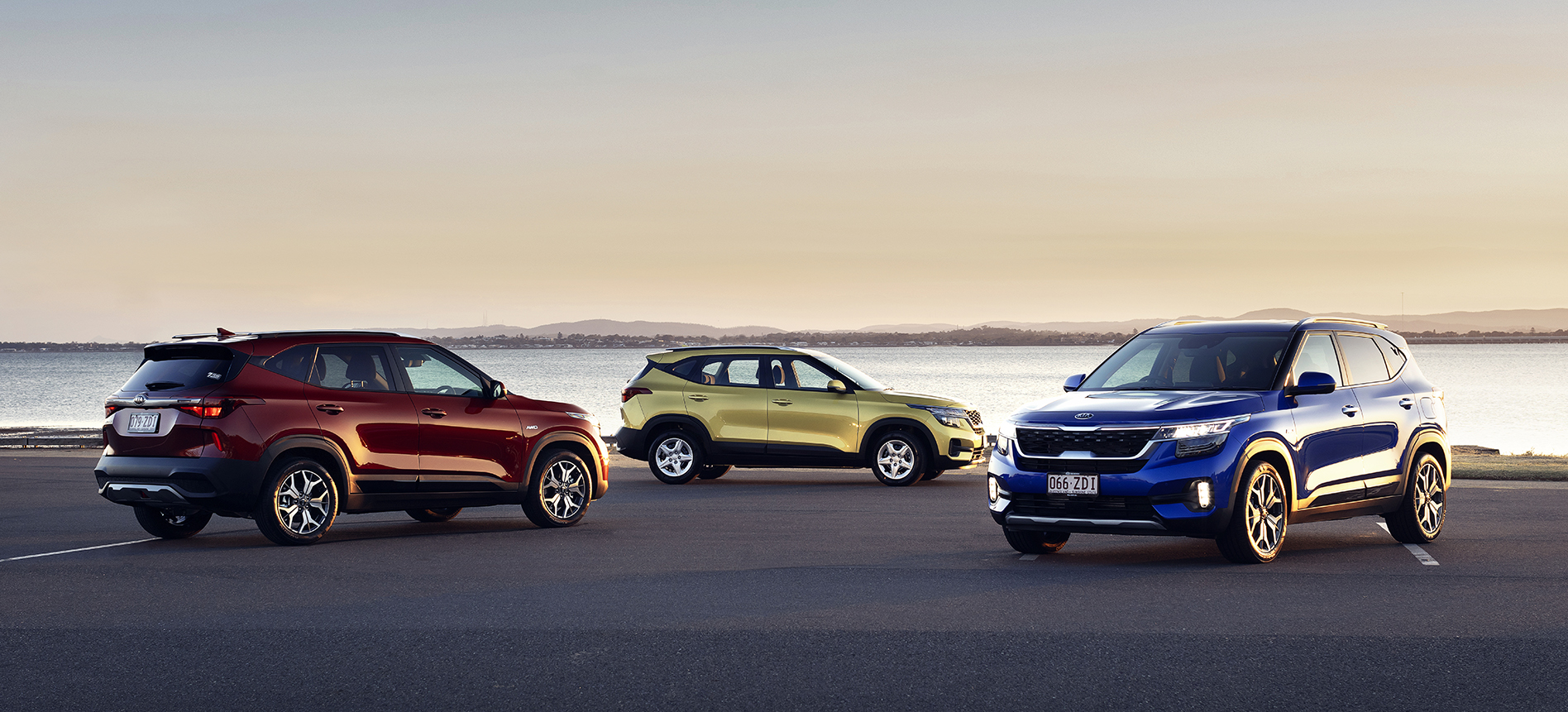
And there were heaps to get excited about when it comes to new models rolling out from the more affordable and accessible perspective too. Kia’s eagerly awaited Seltos finally touched down filling a huge gap in the South Korean line-up, while the next-generation Toyota Yaris was unveiled, revealing a smart and thoroughly likeable little hatch to go live in 2020.
And while there are no plans for it to make a local showroom appearance just yet, the Japanese manufacturer kept the flow of amazingly cute small cars going with its first GR-branded convertible. What’s not to like?
Our journalists that like to spend too much time in darkened rooms also have lots of fresh news for you from the virtual world. If you haven’t yet noticed, WhichCar is now delving deep into the gaming industry and bringing you all the latest, such as the latest on Need for Speed and Drift 19. While your hand is on your phone, check out our list of essential Instagram accounts.
And if all you’re after is some shameless entertainment, look no further than our pages. The Big Block Barina had a fun day out at the Haunted Hills, the boys at 4×4 filmed an incredible drag race in the desert (the photography is stunning), and if you thought a 2.0-litre for a Barina was excessive, then what about a twin-turbocharged V8 for a car that was 3D printed? Yes – someone actually did that too.
If you’re a creature of habit and just like a little routine in your life then make sure you catch up with all our favourite regular features, including the WhichCar Weekly Podcast which, once again comes to you from the stunning Hotel Esplanade, and the weekly quiz. This week’s is a real stumper.
Sign up here to get the free weekly WhichCar eNewsletter
OCT 12 – Saturday salutations on this big motoring weekend, friends of WhichCar.
It’s also been significant week for Aussie car lovers, capped off by the unveiling of the Australia-exclusive supercharged Ford Mustang R-Spec that’s set to arrive in early 2020 for around $99,980, with its circa 520kW/820Nm blown V8 backed by a full five-year factory warranty.
The team at Motor has dug deep present everything known so far about this incredible muscle car, including pricing and features, the engineering work behind it, and why this overnight sensation has been years in the making.
Another home-grown performer was revealed this week too, with Nissan announcing it’ll be bringing out a new top-spec Navara called the N-Trek Warrior to do battle with other tricked-up 4×4 utes such as the Ford Ranger Raptor, Toyota Hilux Rugged-X and the HSV SportsCat.
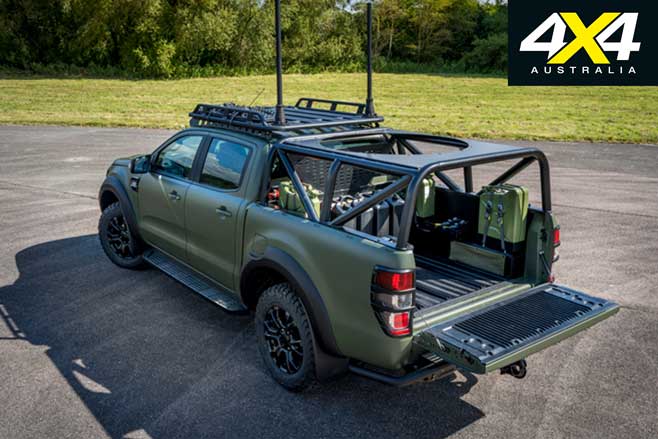
Speaking of battle utes, one pickup that received plenty of interest this week was the military-spec Ranger by Ricardo, the UK company responsible for the design and construction the British Army’s attack Land Rovers.
And while we’re still in 4X4 land, it turns out Aussies are turning to big-American pick-up trucks like the RAM 1500 in droves, Isuzu teased its all-new 2020 D-Max … and would you pay $150,000 for a meticulously restored 1981 Toyota LandCruiser FJ40?
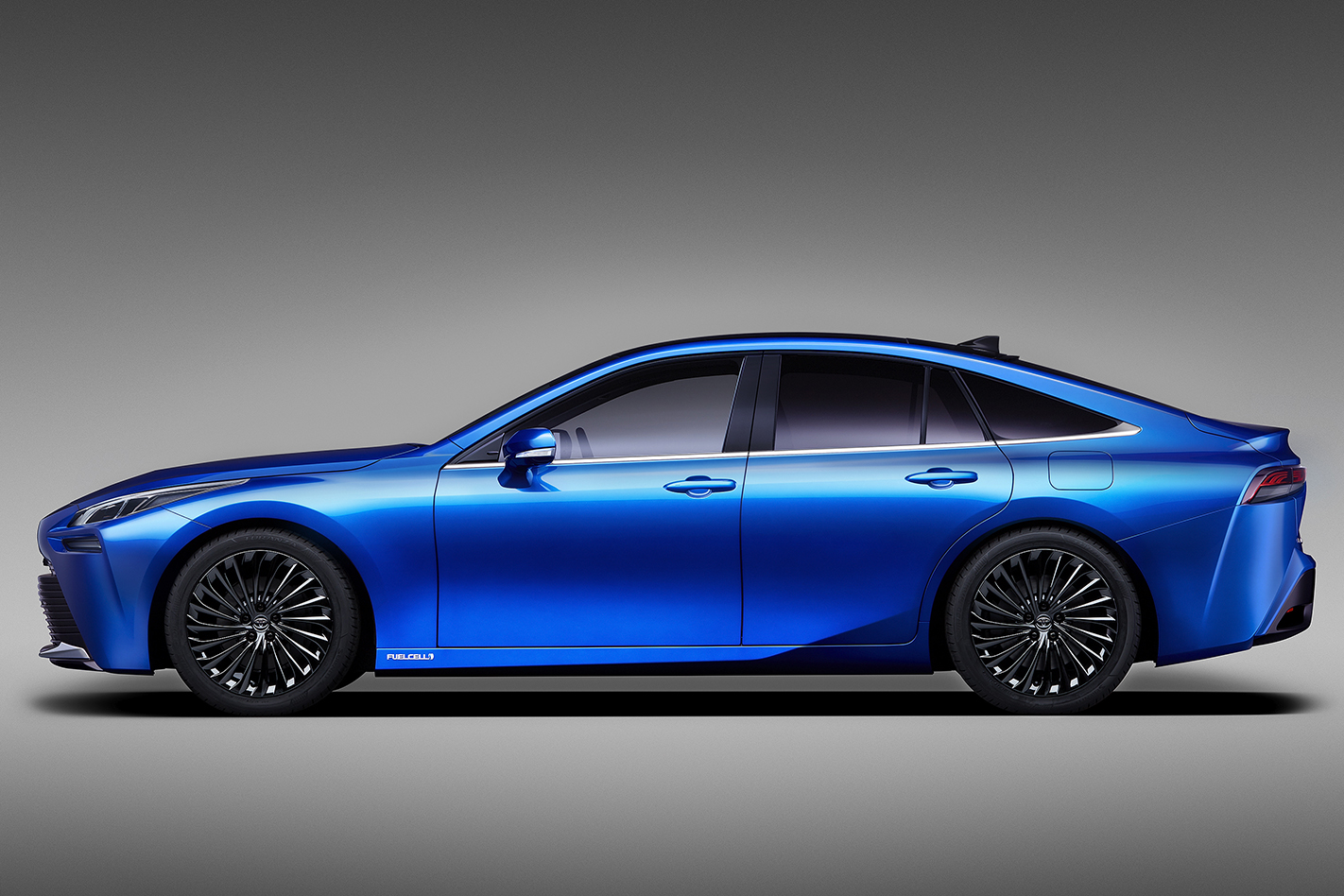
Toyota also dropped a bombshell this week, revealing a “concept” version of its second-generation Mirai hydrogen huffer that boasts some seriously sexy sheetmetal. Is it cool to be into hydrogen now? Toyota’s certainly doing its best to make it so.
On the general news front, alarming video shows autonomous emergency braking isn’t very good at avoiding pedestrians, the legendary Autobahns might get speed limits, and there’s been another Toyota recall, with the hugely popular Prado SUV having fuel leak issues.
It was also a big week for us at WhichCar with our first outside broadcast of the WhichCar Weekly podcast, where yours truly joined Dan, Scott and Andy at the legendary Espy hotel in St Kilda to chew the fat over some of the big topics mentioned in this email.
Meanwhile we reviewed an eclectic range of vehicles including the revolutionary Porsche Taycan EV, the Porsche 911 Turbo-crushing BMW M8 Competition, Audi Q3 TFSI 35, Renault Megane RS280 hot hatch, updated Lexus RX, and Tony O’Kane bid farewell to our Hyundai Ionic Electric long termer.
We’ve also previewed this weekend’s big motoring events, Motorclassica in Melbourne and of course the Bathurst 1000 to arm you with everything you need to know. Our Motorsport section will feature more Bathurst news as it happens.
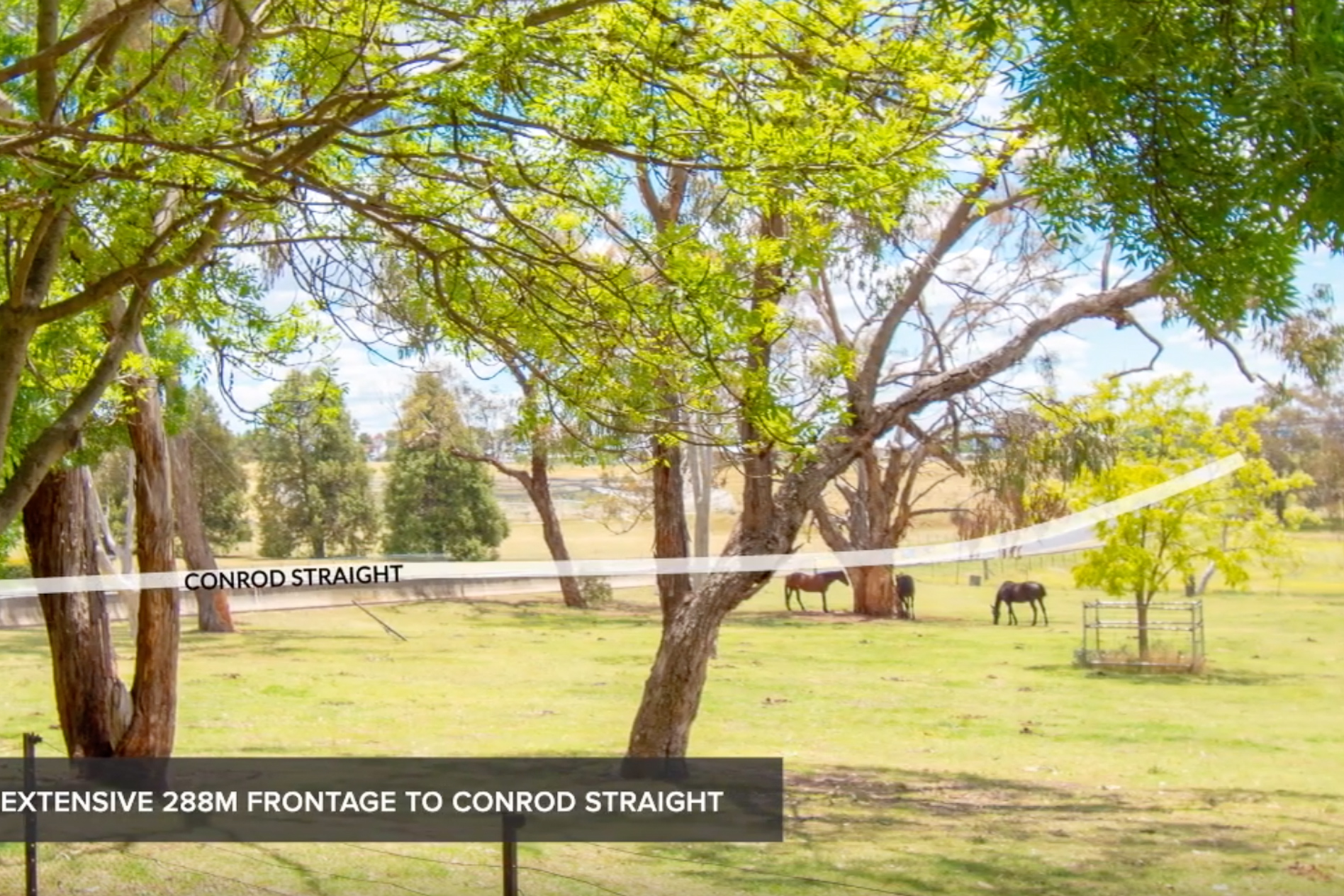
Oh, if you’re tired of watching the Great Race on TV, you can buy a house at Mt Panorama on 40 hectares with 288m long stretch of absolute frontage right onto Conrod Straight. Prefer to drive on race tracks yourself? Tony O’Kane paid a visit to the fearsome Nurburgring Nordschleife to have a stab at the world’s most famous race track, but not after spending plenty of time getting some virtual practice in first – here’s why.
To keep in touch over the weekend, make sure you follow the WhichCar and 4×4 Australia Facebook page, the Wheels and MOTOR Instagram accounts and Street Machine’s amazing YouTube channel.
OCT 4 – If there’s one thing that can remind us of how quickly this year is ending, it’s the arrival of a sunny 27-degree day we just experienced in Melbourne – summer will be here in no time!
Unfortunately, the warm weather was over just as soon as it started, with the mercury dropping to a measly 15 degrees on Friday. Can’t win ‘em all – at least it gives us a taste of things to come.
If you are in Melbourne, we hope you didn’t come into contact with this fail that brought the city’s transport system to a halt yesterday. Yes, it’s as though this truckie is trying to dethrone the infamous Montague Street bridge as the biggest threat to our nation’s heavy haulers.
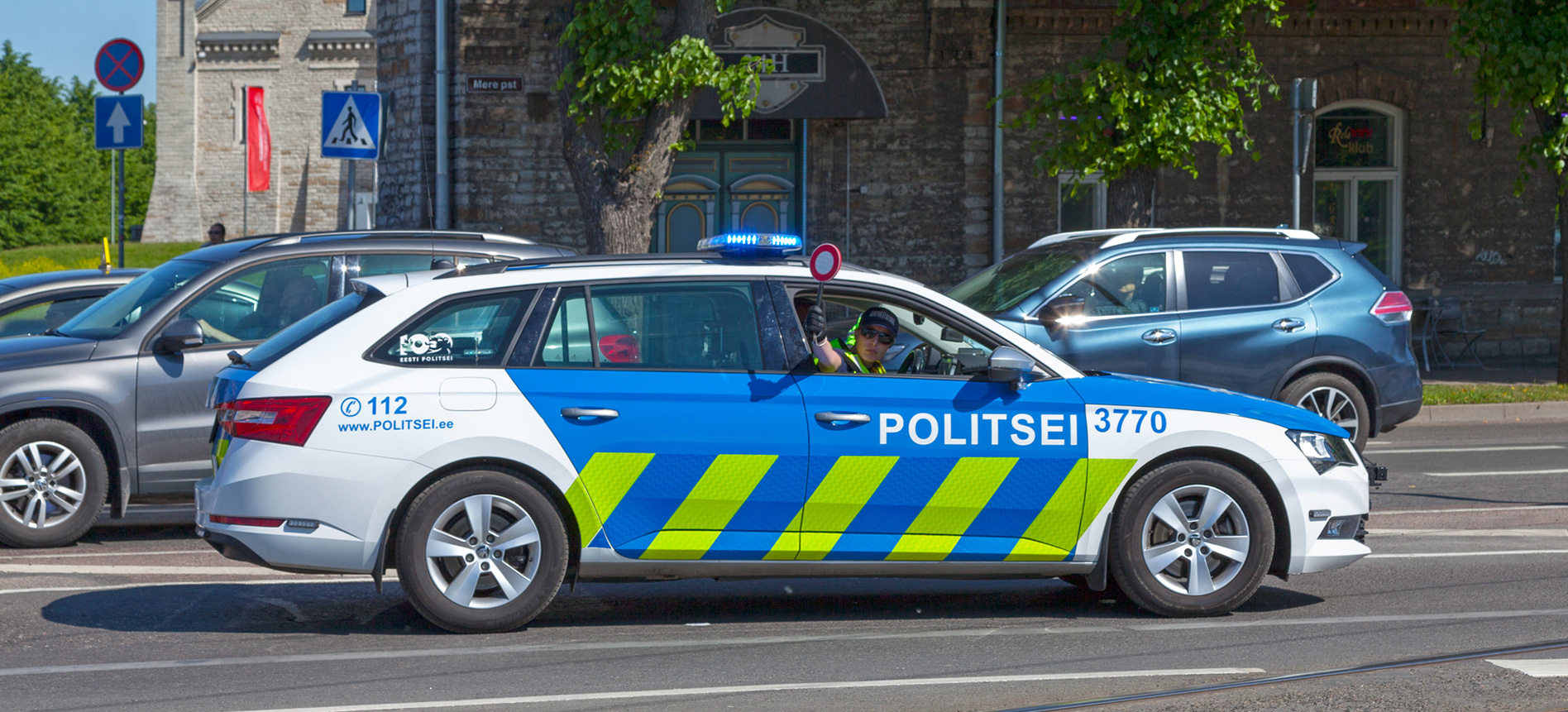
But enough fails; let’s catch you up on what WhichCar has been up to this week.
We first learned that a nation whose road toll is increasing will trial giving drivers a “timeout” instead of fining them for exceeding the speed limit.
Innovative, but will it work? We also recapped the fashions on the field from the 2019 Goodwood Revival, and explored whether the days of making a quick buck on classic cars are over.
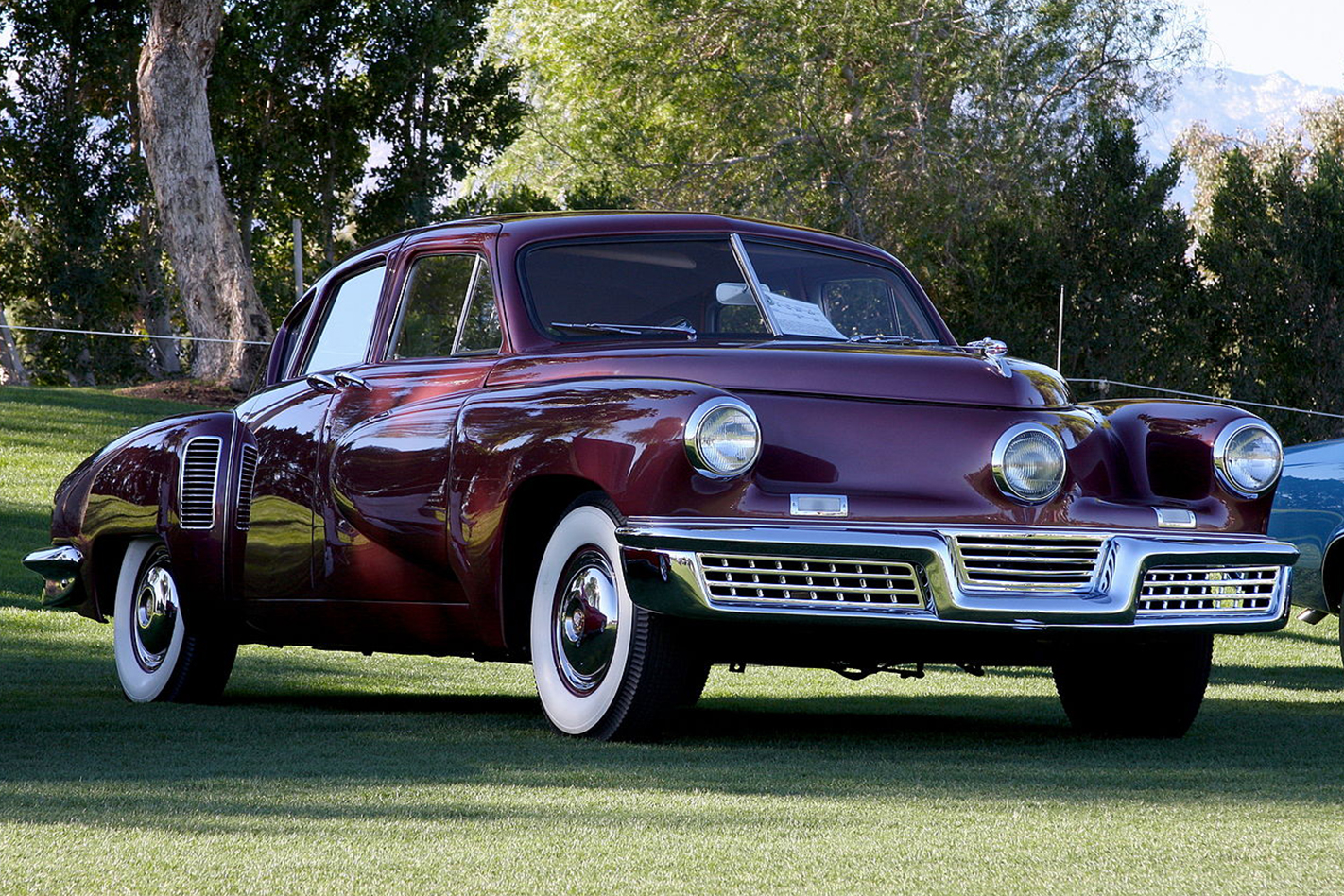
Another win, one of our photographers stumbled upon a brand new SUV from Lynk & Co while on holiday in Europe – there’s nowhere in the world you can hide from WhichCar!
On the other side of the Atlantic, Arnie lent a hand to climate activist Greta Thunberg’s North American mission by supplying her with a zero-emissions Tesla Model 3 to travel around in, Toyota USA went retro with its Heritage Edition Land Cruiser and we told the story of Australia’s role in creating the Land Cruiser legend.
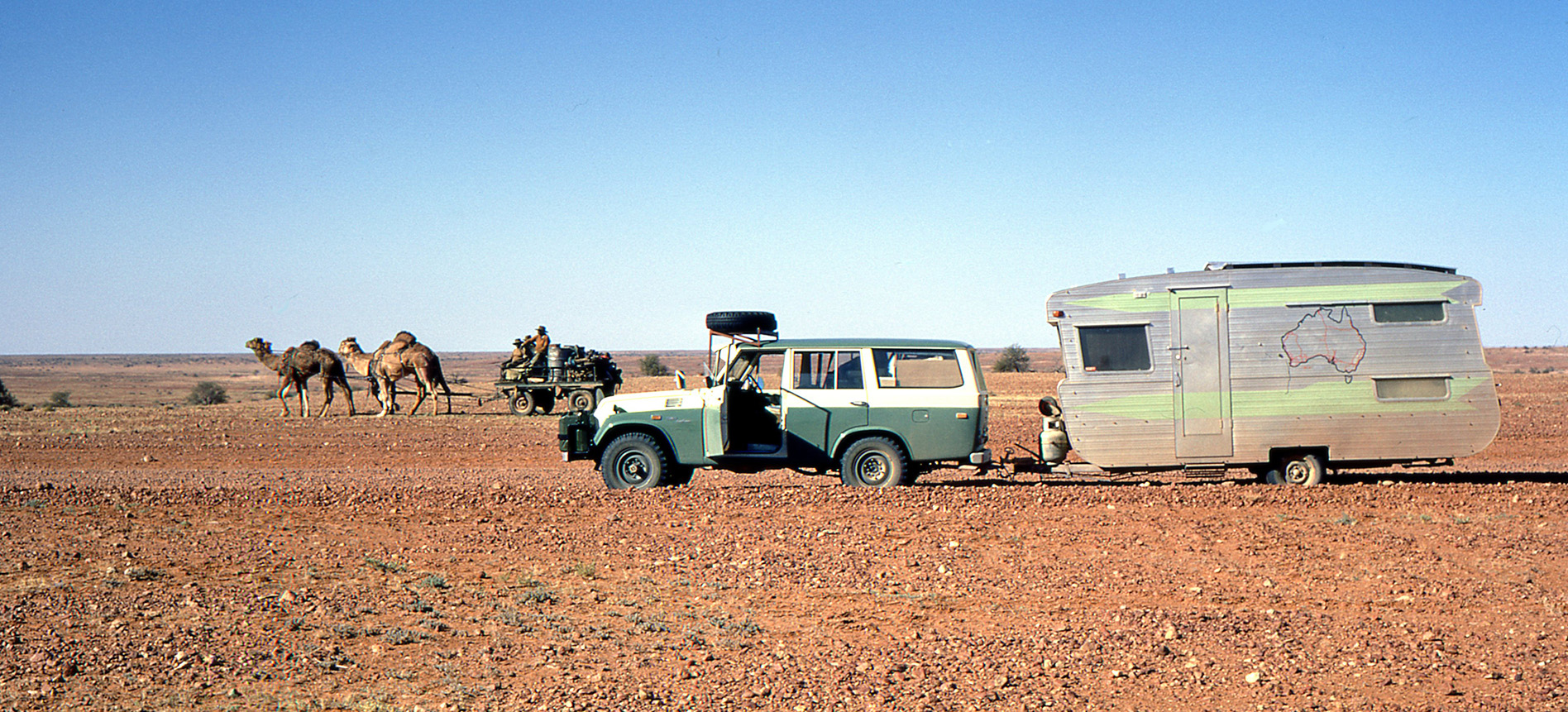
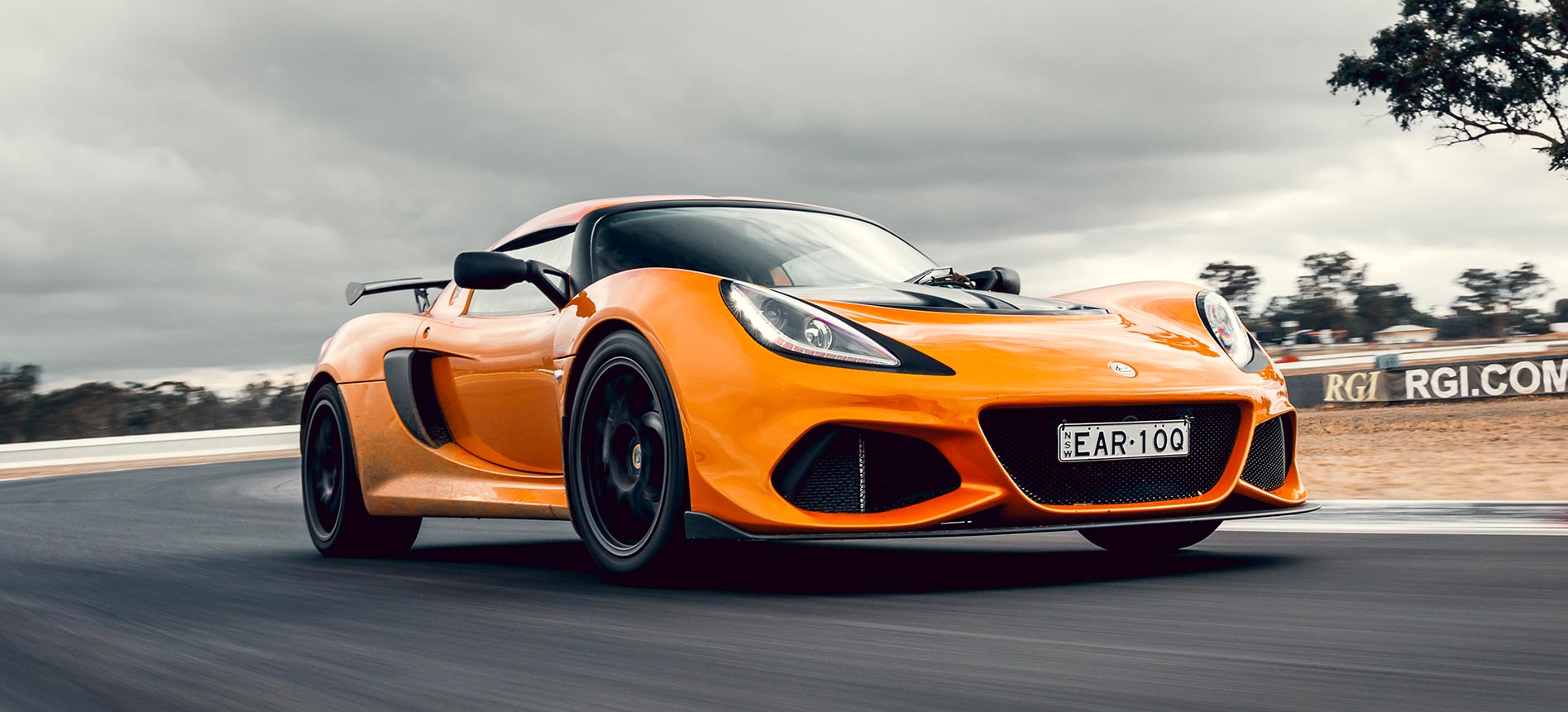
In our own locale, we set a blisteringly quick 0-100 time for the Lotus Exige, put a high-riding Lamborghini Urus and more conventional Huracan Evoonal Huracan Evo through their paces, compared a pair of Godzillas and had a date with the Demon killer, the Hennessey Exorcist.
It wasn’t all performance cars though; we spent time in Holden’s Acadia LT, had a run in Audi’s diesel-powered S4, tested the 2020 Hyundai i30 range, enjoyed our first spin in its Veloster counterpart and experienced the newly-updated Peugeot 308 GT.
It was a busy week in terms of reveals too: WhichCar covered off the new BMW X5 M and X6 M twins, Toby Price lent his name to a Mitsubishi Triton, Toyota added a hybrid powertrain to the facelifted its C-HR, Mazda revealed its race-ready Mazda3 TCR, Chevrolet dropped the top on its new Corvette and Porsche celebrated 10 years of the Panamera.
Leading into the weekend, we took a look at 20 of the weirdest car names (we would have loved to be a fly on the wall during product planning) and of course, we fired a new quiz at our readers to test whether they’ve been paying attention.
To keep in touch over the weekend, make sure you follow the WhichCar and 4×4 Australia Facebook page, the Wheels and MOTOR Instagram accounts and Street Machine’s amazing YouTube channel.
Have a nice weekend, stay safe and we’ll see you on the other side!
How the Cannonball crumbled was originally published in the July 1994 edition of Wheels magazine. This year marks the 25th anniversary of the fateful event, which is retold here by journalist, and Cannonball competitor, Paul Gover.
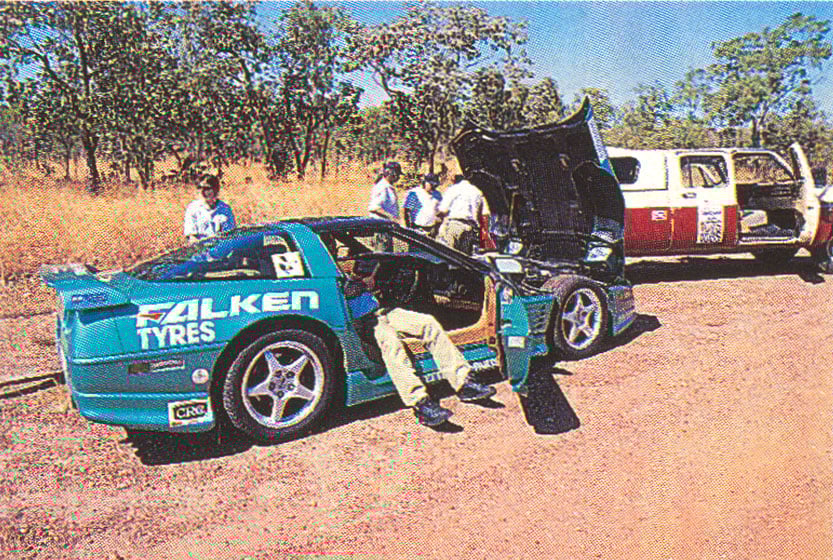
Just after 3pm on day two of the Northern Territory Cannonball Run, Alex Danilo was hustling his Maserati Barchetta south towards remote Aileron on the Stuart Highway. He was in a hurry, dashing to average 223 km/h over a 62.4 km Cannonball Stage.
Much too late, Danilo and co-driver Craig Brown spotted the warning flag and witch’s hats for the finish control. He braked heavily and the car skidded on freshly laid gravel at the control area, wiping out the cones as the Barchetta slid past the officials.
Danilo had been lucky and he knew it. As soon as he arrived in Alice Springs for the overnight break he went to talk with Cannonball chief Allan Moffat.
At about 9.30am on day three, Japanese driver Akihiro Kabe lost control of his Ferrari F40 at the finish of the very next Cannonball stage, 95 km south of Alice. This time four people died in the worst crash in Australian motorsport history.
The first of the day’s Cannonball stages started at Lasseters Casino in the Alice. The roadside was crowded with well-wishers, and there were 60 and 80 km/h speed limits for the first 10.6 kilometres of the 94 km stage. It meant the supercars at the head of the field had to average around 210 km/h from the time they cleared the restrictions to finish the stage penalty free.
Seven kilometres from the finish, Johnny Kahlbetzer in a Porsche Turbo came across the F40 doddling along at about 80 km/h. There was a brief radio transmission from the Japanese, which he now believes was something about the control point and, as he accelerated past, the Ferrari latched onto his tail.
The cars were seen running nose-to-tail just two kilometres from the stage finish by a property owner who had been to the control less than 30 minutes earlier and seen officials sitting at a card table alongside their Jeep.
The checkpoint was set up just past a gentle right-hand curve, with a newly-laid layby and neat lines of witch’s hats, and could be seen on the long straight leading to the finish.
Kahlbetzer says he was running to time and was surprised when Kabe overtook him, at a speed he estimated between 200 and 220 km/h, just before the gentle right-hand sweeper.
“They overtook us at the last second; it was definitely their mistake. As soon as I took my foot off the accelerator, the F40 went past,” Kahlbetzer said.
“He started to brake, he pulled in front of us still under brakes, then he went off to the left. Then he hit the gravel – it looked like tar but it was loose – lost control and then he went back on the highway.
“There was a grey vehicle in front of us and we thought he was about to hit it but he didn’t. At that stage I thought he had everything back under control.
“He then swerved off to the right-hand lane and speared off into the marshal’s area. I don’t know if he was braking, or what was happening at that stage.”
The skid marks showed that the F40 slewed sideways with the brakes locked, and speared into the parked Jeep with enough force to move it two metres into a Commodore sitting alongside.
The trip odometer in the wrecked Ferrari showed 103 km. On a 94km stage, this adds weight to the theory that the two Japanese were confused about the exact location of the control and their average speed.
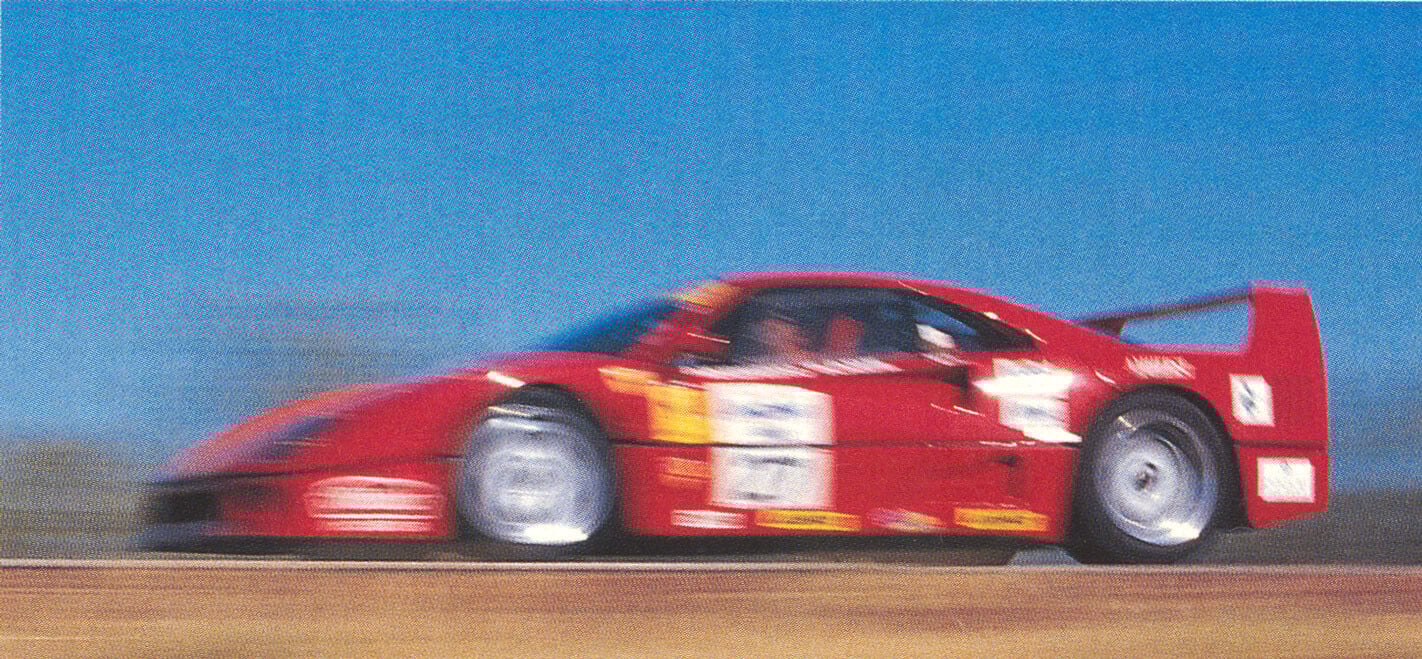
Kabe was killed in the impact, probably banging heads with co-driver Takeshi Okano, and two officials – Tim Linklater and Keith Pritchard – also died instantly. Within minutes, despite the attention of several doctors in competing cars and ambulance officers quickly on the scene, Okano succumbed.
“I just can’t imagine what took place,” Moffat said later.
“There are 100,000 other spots on the highway where you could have believed this could happen. This certainly wasn’t one of them.
“You couldn’t actually believe how anybody could actually be killed in it.”
The snap judgement was that Kabe, a millionaire Tokyo dentist who indulged himself in a collection of nine classic cars including a Ferrari Daytona, was out of his depth in the Cannonball. His F40 had been clocked at better than 280 km/h in Flying Mile competitions over specially closed sections of the Stuart.
One of the dead officials had told his father that the Japanese was a maniac who was going to kill somebody on the Run.
But other drivers said they saw no signs of stupidity. Kabe told me the night before his death of experience driving the F40 on the Suzuka, Fuji and Tsuba racetracks. We arranged a longer talk during the lay day at Yulara, when our outpaced LandCruiser, car 72, would take a breather with the F40.
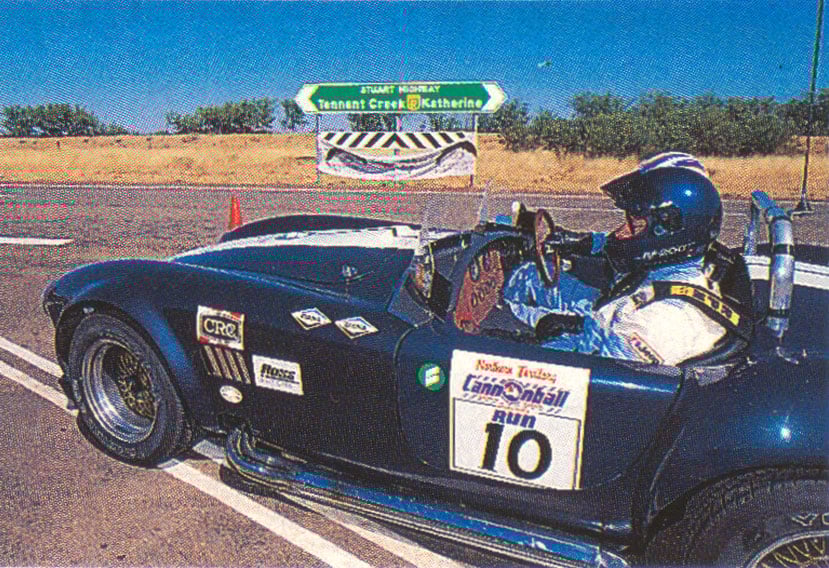
The Cannonball Run – none of the organisers called it a race, although news reports were quick to jump to that judgement – was planned as a high-speed dash from Darwin to Yulara and back, taking advantage of the unrestricted roads in the Territory.
It was heavily backed by the NT government whose chief minister, Marshall Perron, is a well-known car enthusiast.
It was seen as a potential tourist drawcard and Moffat was enlisted as head of the organising team, in his first venture into event management. Pre-event publicity promised a string of exotics including a Jaguar XJ220, several Ferrari F40s, and perhaps even a McLaren F1, and with entries at $7500 a vehicle the eventual line-up combined exotica, hot-rodded moderns and outdated muscle cars. The star performer was Kabe’s Ferrari.
The event used two types of competition, Flying Mile runs over completely closed sections of highway and Cannonball stages where crews had to maintain a pre-set average speed over a particular distance on ordinary roads with regular traffic. For the rest of the 3800 km route, about 75 percent, crews were effectively touring under NT traffic rules, with no effective speed limit outside towns.
The Cannonball was officially sanctioned by the Confederation of Australian Motor Sport, but its approval was very late. There was no route check – normal even for a low-grade club rally – and safety precautions and checkpoint operation varied from the normal procedures for CAMS road events.
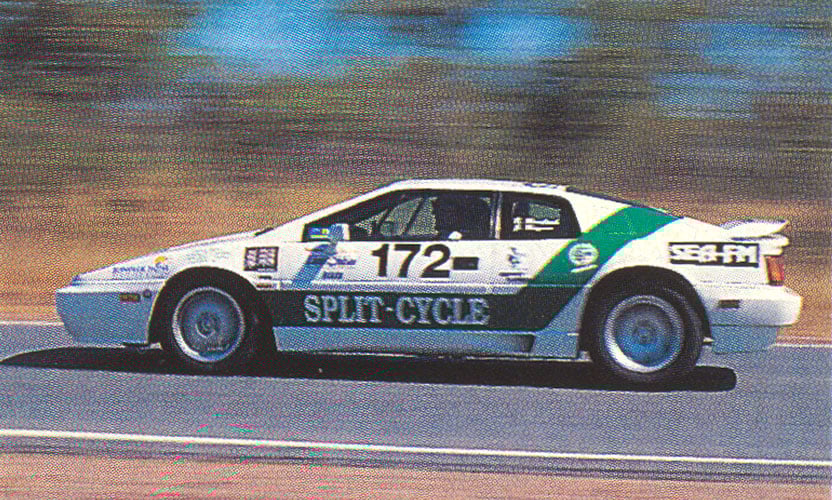
According to CAMS, it had stipulated a limit of a 140 km/h average on Cannonball stages but this was never confirmed by the organisers. Even the slowest cars had to average better than 130 km/h on Cannonball stages.
On day one, averages for the fastest entries – the Supercar Exotics – were 138.59 km/h over 70.5 km and 169.37 km/h over 98.8 km. These rose to 165.2 km/h over 94 km and 200.5 km/h over 137 km on day three.
Even with the best intentions of the NT government, and the organising team under Moffat and Graham McVean, there were questions about safety well before the start. The only entry provisions – beyond the $7500 fee – were a valid driver’s licence and a fast car.
Helmets and fireproof suits were recommended only, and safety scrutineering for the cars was held the day after drivers qualified in a sprint at Darwin’s Hidden Valley racing circuit where the F40 hit 228km/h.
Gregg Hansford, Bathurst 1000 winner and former rally driver, was worried from the prologue and later tried in vain to talk to Moffat about several issues – including radio procedures for competitors and control layouts. He said: “I was worried about safety the morning we left Katherine. It was 7am and there were lots of people driving to work, and the police radioed through to slow the field down after the first half dozen cars. You can’t do an event like that with the roads open to the general public.
“They should have had the ends of sections like a rally, with a flying finish and then about 500 metres to the control point to stop people wanting to go fast for the last kilometre to get in on time. You shouldn’t be trying to get in on time in a 60km/h shutdown zone.”
On the positive side, the NT administration arranged for verges over the full length of the Stuart and Lasseter Highways to be mowed and there was a daily check for animal carcasses to discourage birds. A small army of police and volunteers manned road junctions. All competition vehicles had to carry CB radios and Larry Perkins flew overhead in a supervision aircraft.
Before the start, Kabe posed proudly on Darwin wharf with his F40. Inside the driver’s door was the hand-written message, “To my friend Kabe san. Good luck always. Allan Moffat. Cannonball ’94”. He and Okana wore bright red nomex driving suits, reserving their helmets for the Flying Miles, and did not have a rally navigation computer to simplify calculations in the Cannonball Stages.
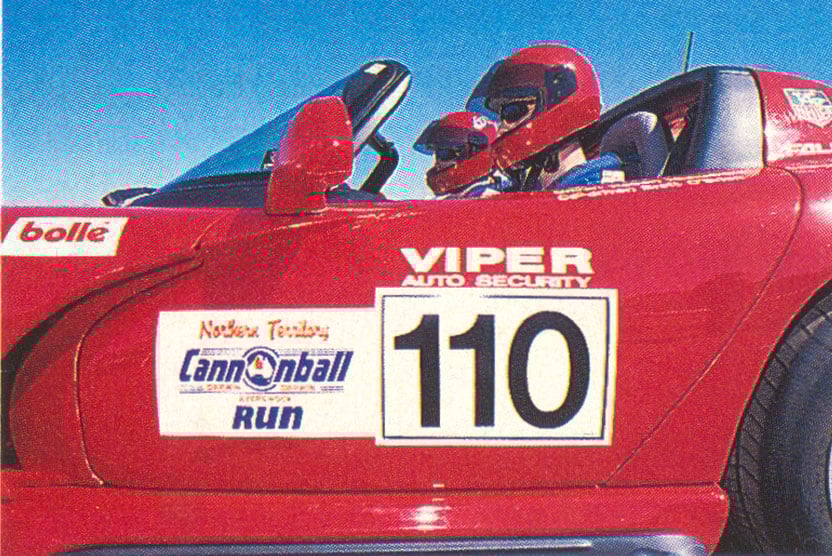
Day one brought delays at the Flying Mile and problems with navigation, with inconsistent distances and sloppy directions which meant cancelling the results of one Cannonball stage. At Katherine, Kabe was presented with the first Top Gun award after clocking 284km/h in the Flying Mile. Moffat joked that the F40 could never hit such speeds in the Ginza.
Little more than a day later, Kabe’s fatal crash became front-page news across the country and flashed around the world. With a Territory election just over a week away, it also became a major political football.
Moffat was one of the first on the accident scene, taking over to keep the remaining Cannonball crews moving towards Yulara. The day’s second Cannonball stage was run, but the Flying Mile was cancelled.
After talking with the NT administration, the Moffat team continued the event, but under a blanket 180km/h speed limit for everything but the Flying Miles. There was a closed-door drivers’ meeting too, and Moffat threatened journalists competing in the event against using anything which was said at the gathering. Moffat and Superintendent Terry Ey, the head of Territory traffic police, spoke and afterwards drivers were issued with CAMS licences.
The return leg to Darwin went smoothly and the first – and perhaps last – Cannonball Run was won by the Porsche 911 Turbo of Ron Conrad. The trip back took crews past the site of the crash. Three bunches of flowers marked the spot.
After the event, Moffat made no comment. But his words at a press conference the day before the start were prophetic.
“Just because you drive a Ferrari, doesn’t make you a Ferrari driver,” he said.
The Mark 8 Volkswagen Golf is on the way, and it’s good to see the next generation of one of the world’s most popular cars getting such a comprehensive reboot. On the flip side, it means there might be some keen deals on current stocks of Mark 7.5 Golfs in VW dealer lots around the country. If you can’t wait until next year for a new Golf, this is your chance.
What is the Volkswagen Golf 110TSI?
The Volkswagen Golf is a mid-sized five-door, five-seat hatchback that competes against rivals including the Honda Civic, Ford Focus, Holden Astra, Mazda 3, Hyundai i30 and Toyota Corolla.
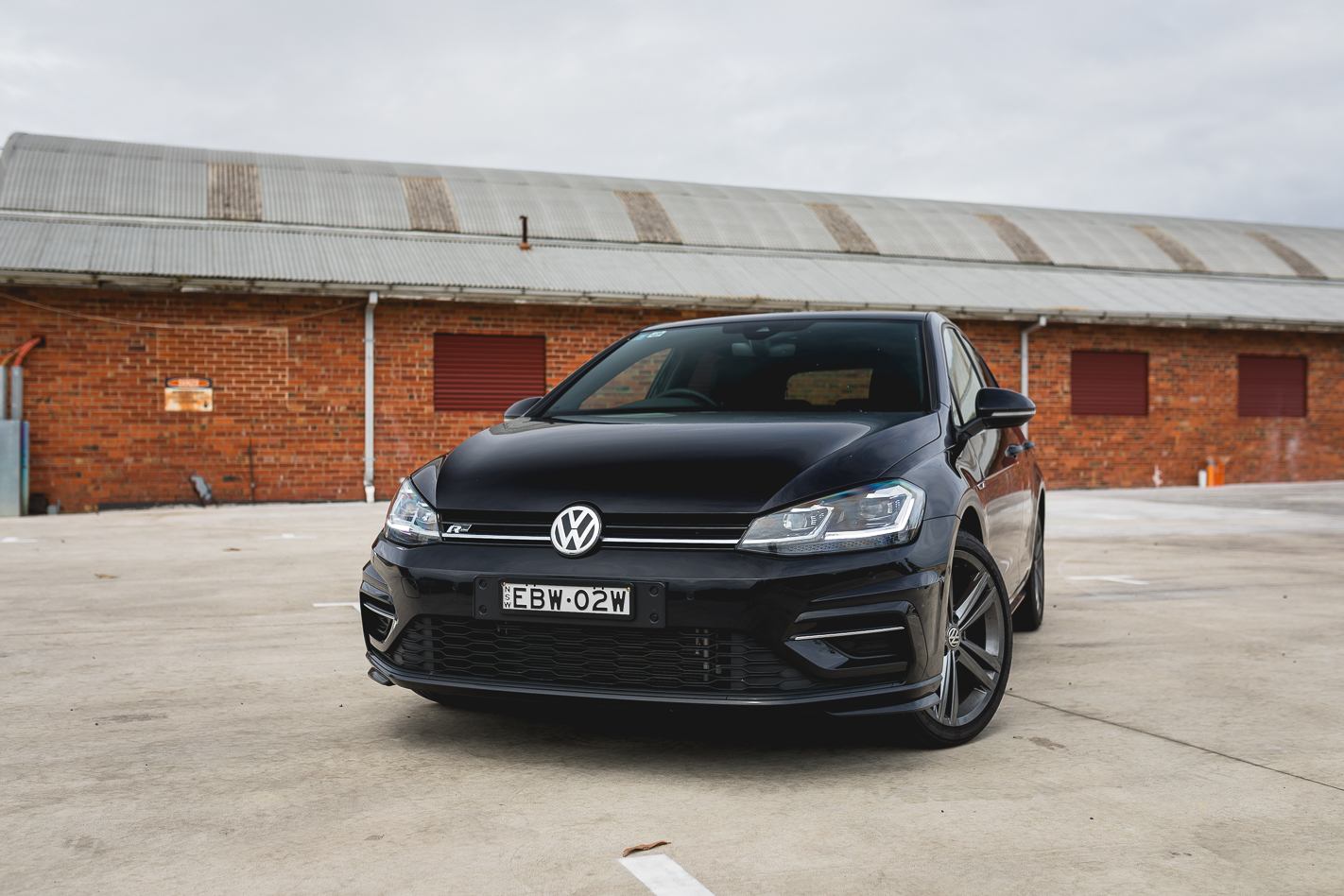
It serves as the benchmark for European-sourced hatchbacks, but most of its competition has been recently updated or refreshed, making the small car buying decision a little harder.
That said, the Golf is still a great choice for singles, young drivers and families and you’ll likely get more Golf for your money between now and when the new Mark 8 Golf arrives in Australia next year.
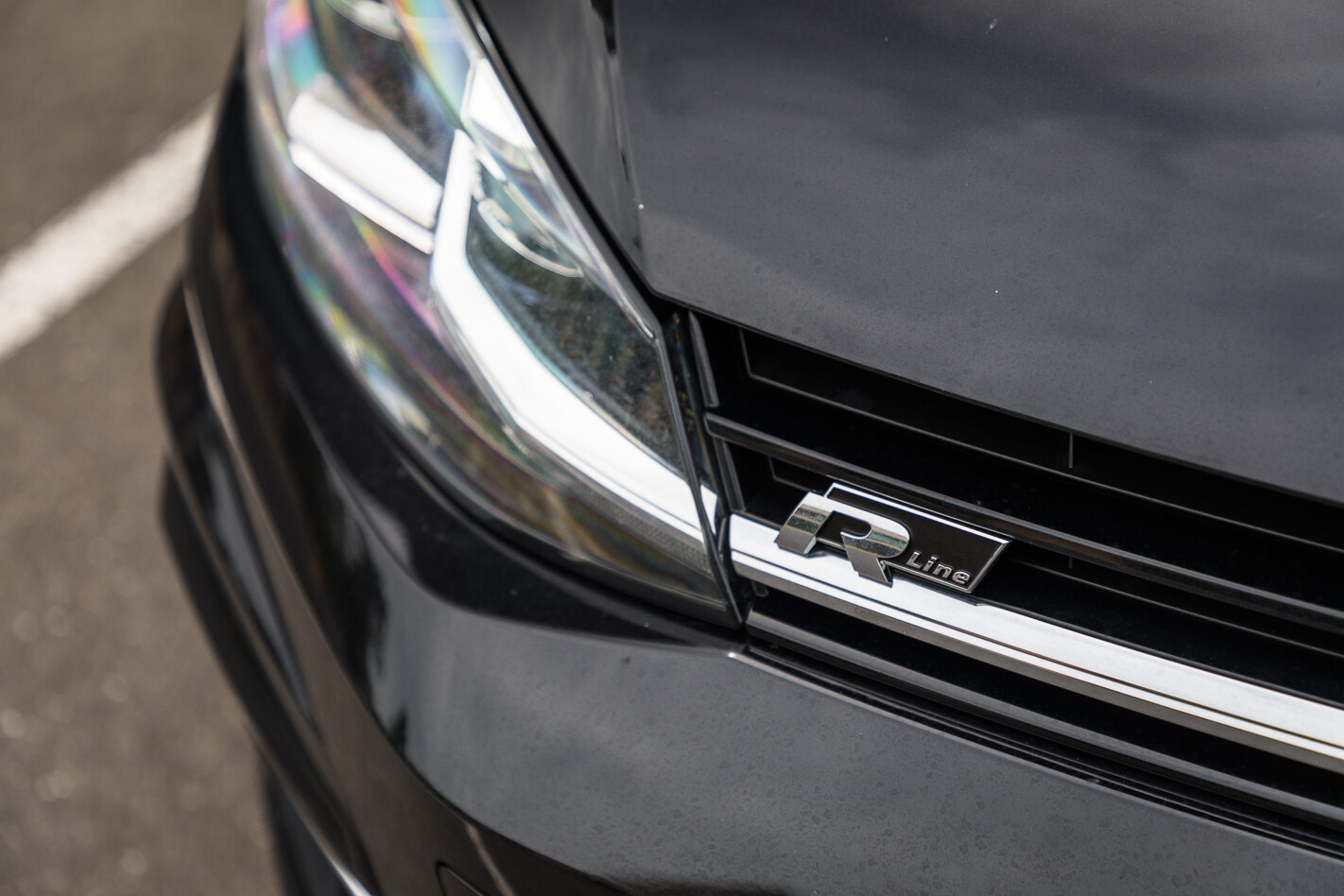
On test, we’ve picked up one of the range toppers: the Golf 110TSI Highline with R-line package. This combines a number of creature comforts found in the Highline specification with sporty body styling similar to that of its high-performance Golf R stablemate.
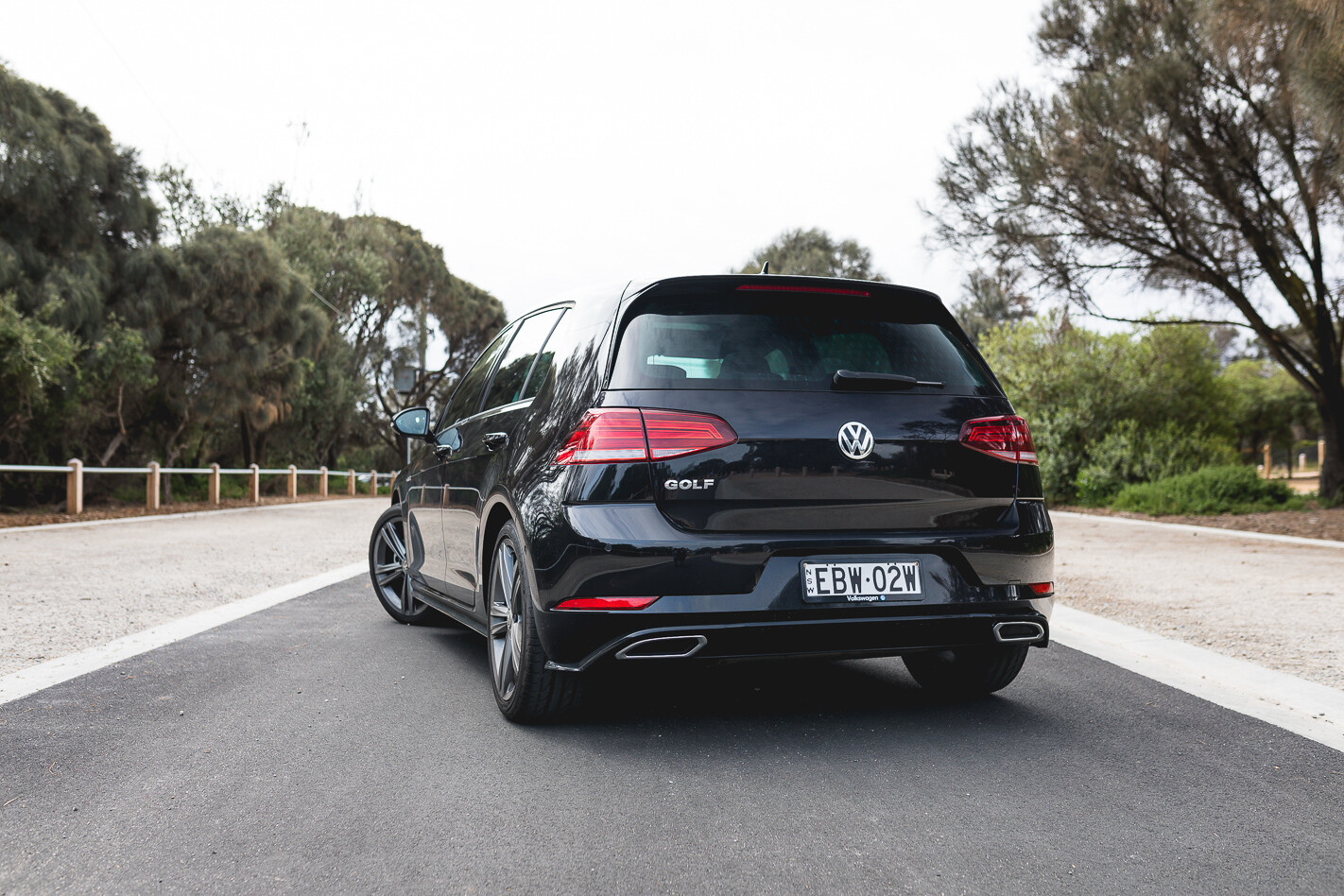
Volkswagen Australia gave the Golf range driveaway pricing earlier this year, and the 110TSI Highline costs $34,990 driveaway, plus the R-Line package which adds $2500.
For that spend, some of the niceties on offer include adaptive cruise control, sunroof, leather-appointed seats, LED interior lighting, electrically adjustable driver’s seat, heated front seats and park assist. Ticking the R-Line package nets you specific R-line body styling and badging, 18-inch alloy wheels, sports suspension, tinted windows and a progressive steering system similar to that on the more sporting GTI.
What’s it like to live with?
If there’s praise you can throw at the Golf in spades, it’s that it easily melds into your life without a fuss.
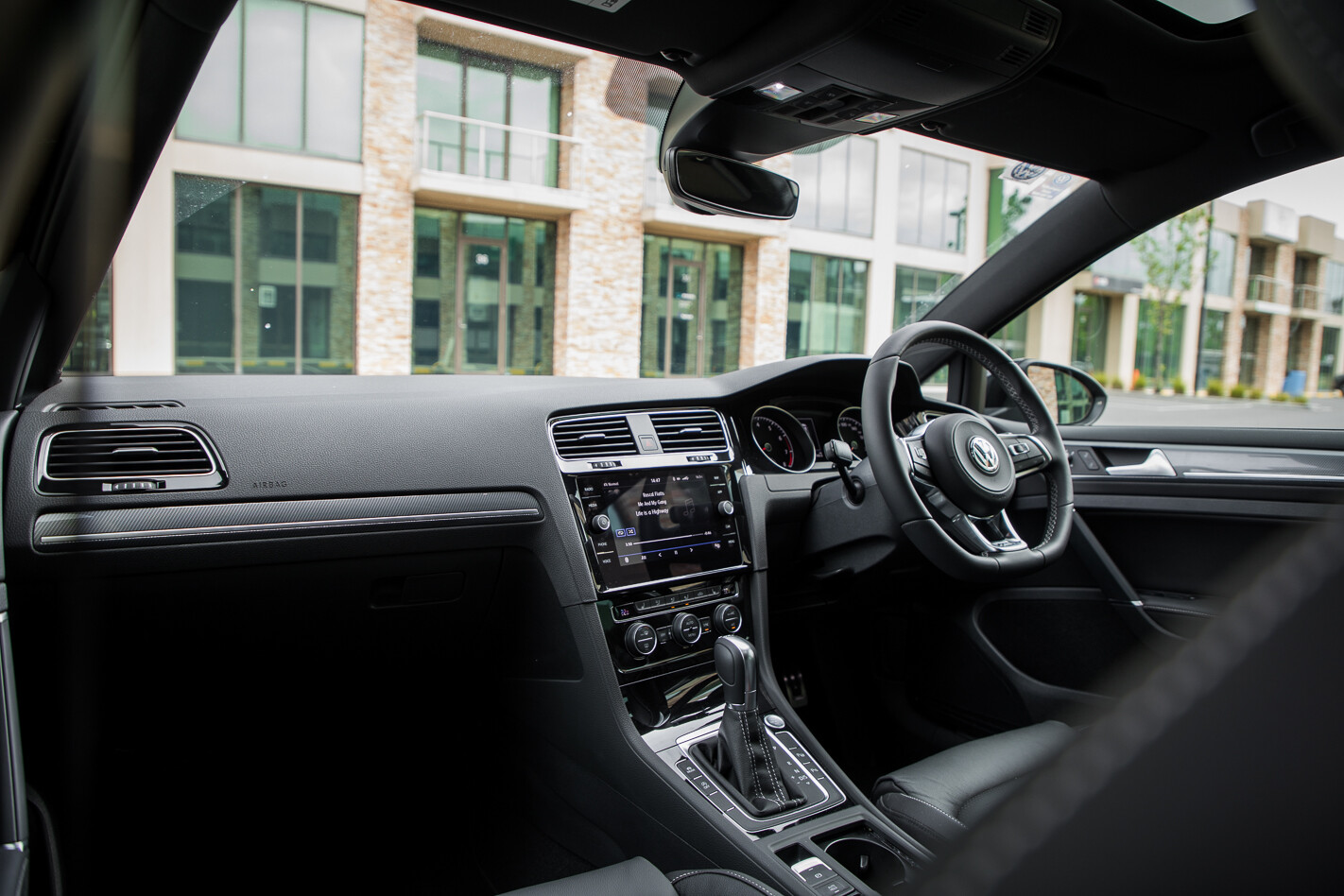
Getting in and out is easy, especially with the addition of keyless entry, it’s nimble enough about town and even parking is quite simple with front and rear parking sensors. And it’ll even do a really good job of parking itself if you find yourself out of your depth.
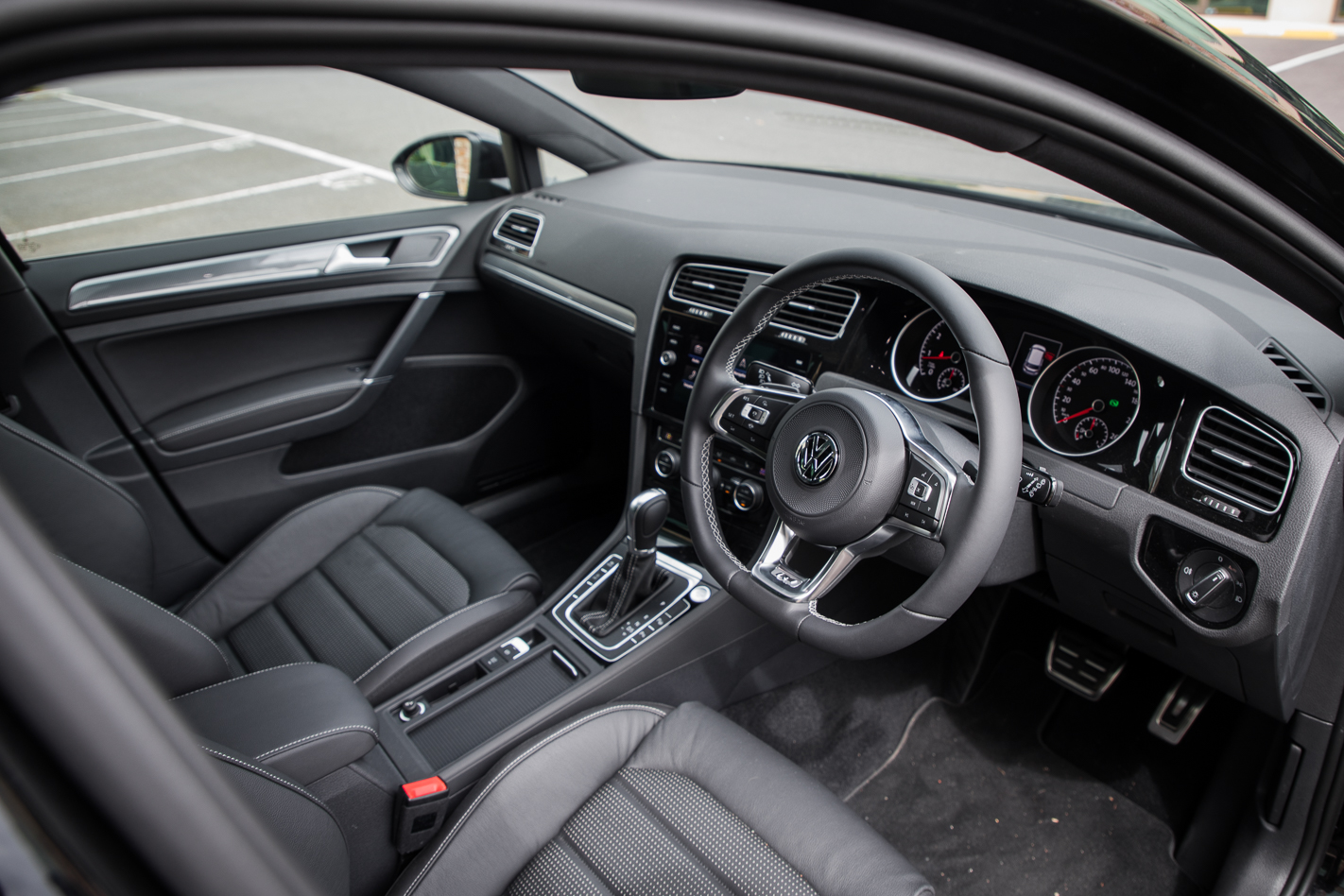
Inside, the heated part-leather seats resist stains and are easily wiped clean, the leather multi-function steering wheel is lovely to hold, and the fit and finish of surfaces, grab handles and the like is top notch.
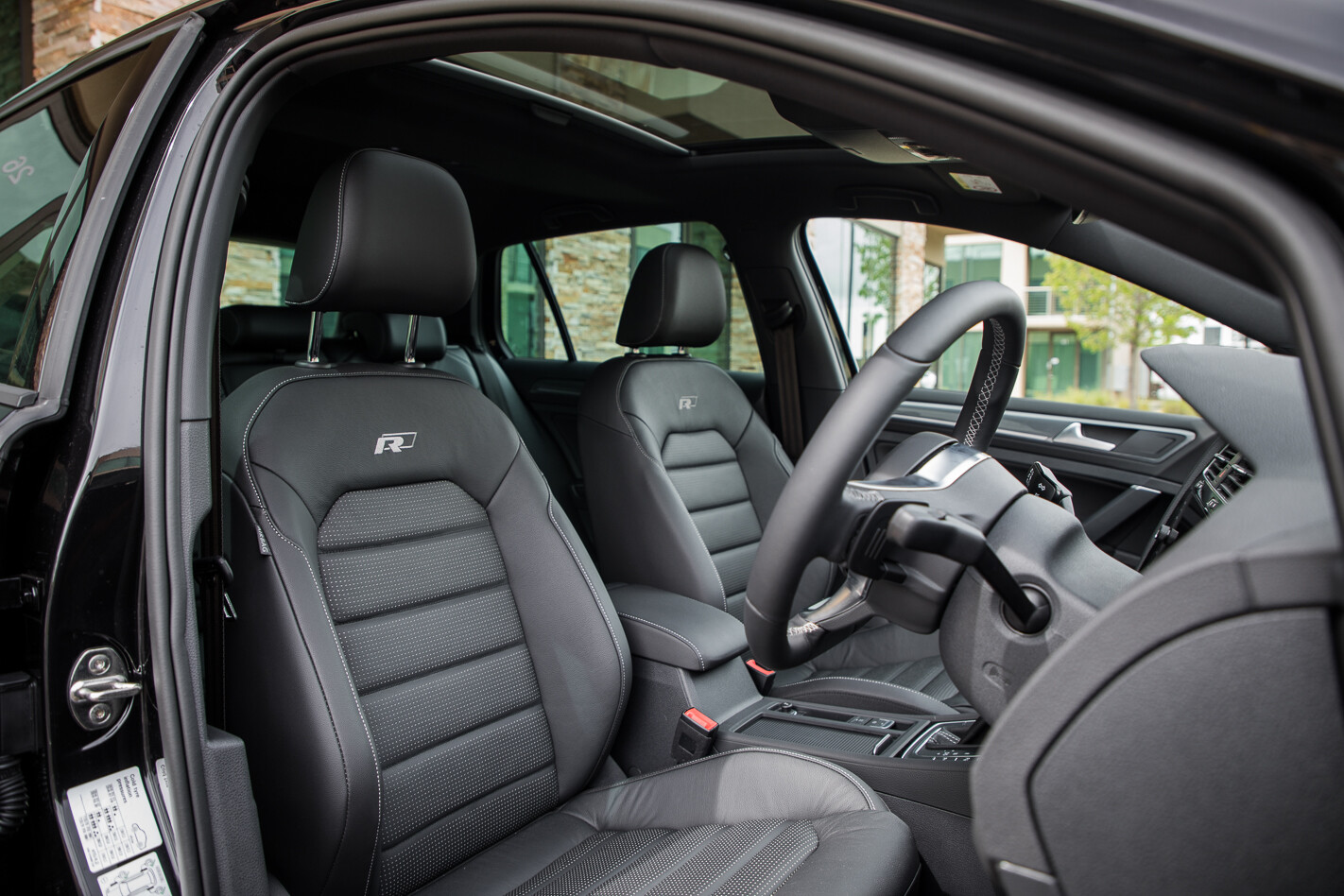
Loose items are well catered for with a neat cubby aft of the shifter, a key slot beside a pair of cupholders and a decent-sized centre storage bin. Door pockets are lined with felt and are generously sized, too.
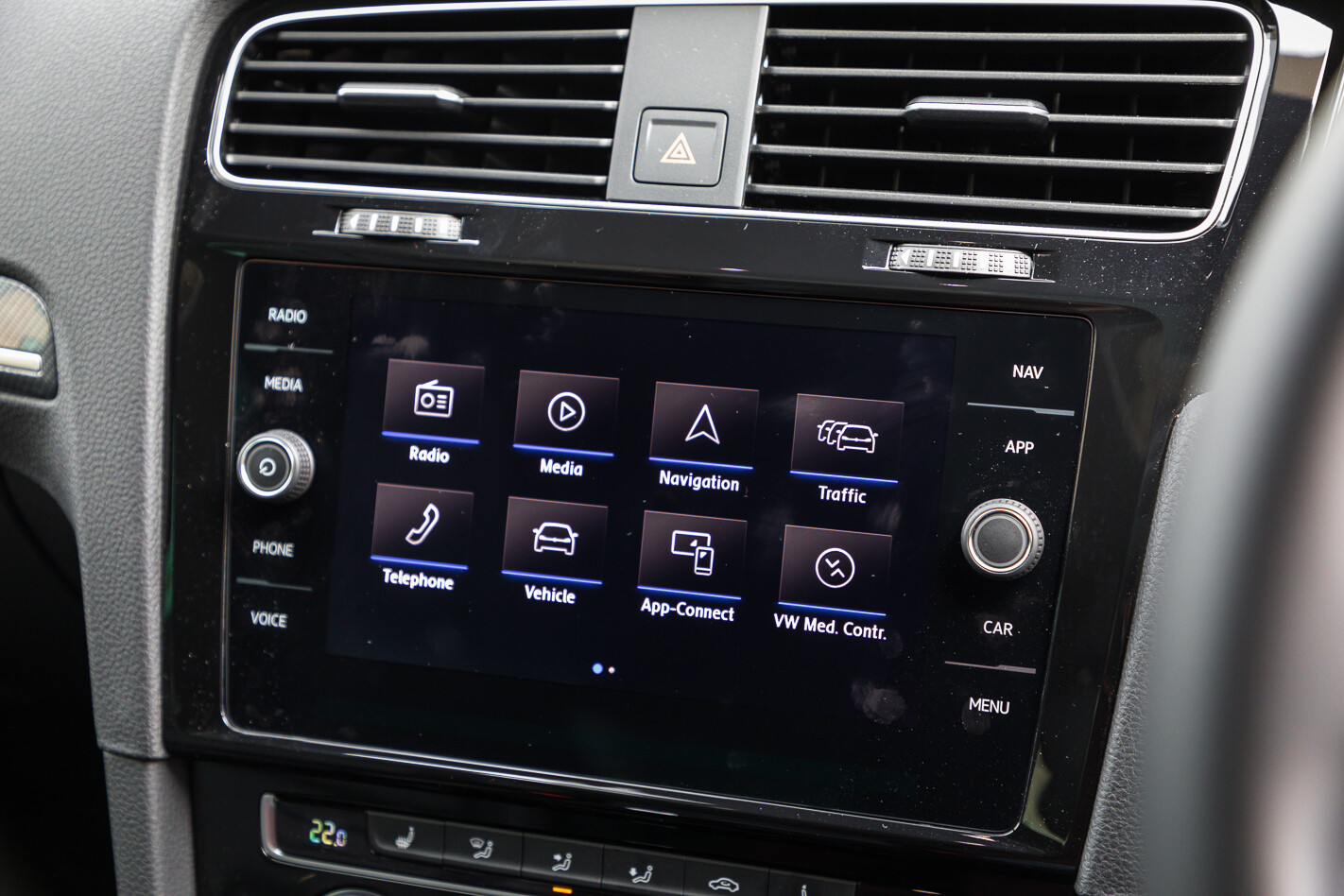
Commands for the infotainment system are dispatched without fuss via the 8.0-inch touchscreen and the stereo system sounds great with a high amount of clarity, at least to our ears.
We would have liked to have seen nice-to-haves like the optional Sound and Vision package which includes a fully digital instrument cluster and larger 9.2-inch touchscreen included as standard on a higher spec car entering run-out, but in all honesty, you probably wouldn’t notice much difference.
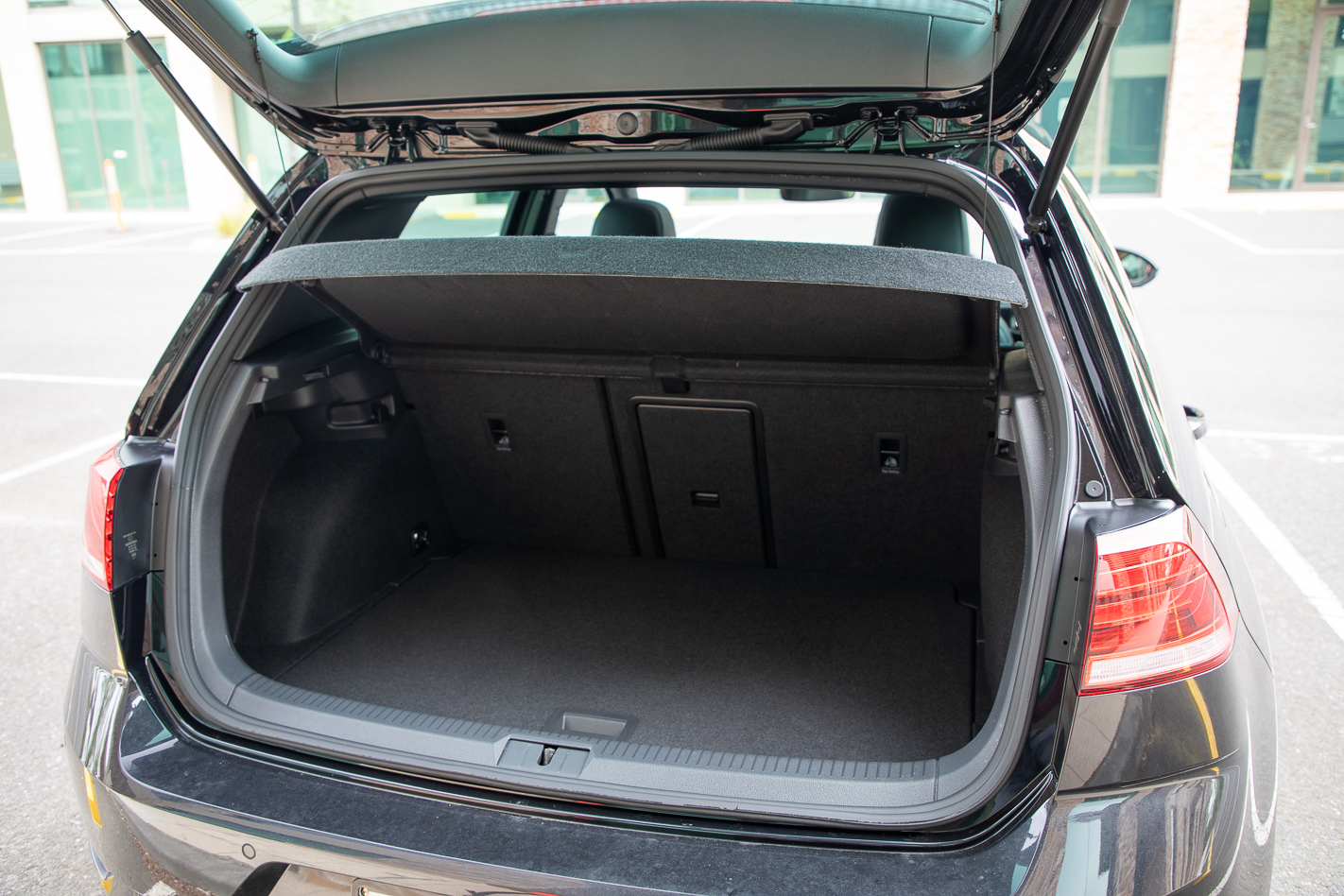
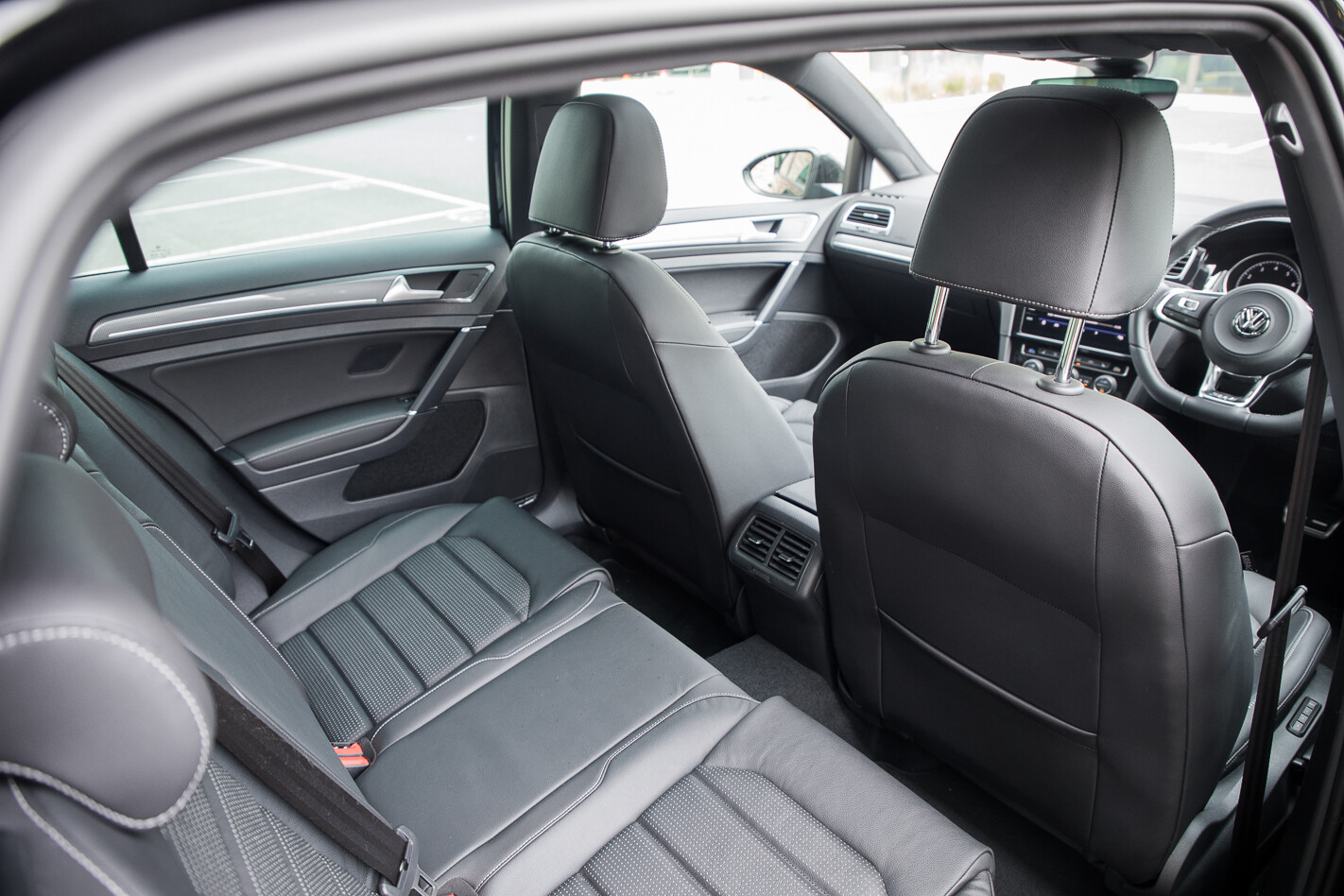
Comfort-wise, the Golf blends a commodious amount of interior space with a compact exterior body size. Headroom is well-accounted for, the rear seats are fine to sit in, even if you’re tall, and the boot is able to eat up a suitcase or two at 380 litres.
In addition to the above, speaking from experience we would say the Golf’s sturdy interior will hold up well to extended use, having driven a similar 40,000km Golf 7.5 recently which was still in tip-top shape.
What’s it like to drive?
Behind the wheel, the Golf is as nice to drive as it is to live with.

Its 1.4-litre four-cylinder turbocharged powerplant produces 110kW and 250Nm which is plenty enough for scuttling about through suburbia. To access that torque, you do have to put your foot in it harder than expected but once you’re in the torque band, the little Golf pulls smoothly right to redline.
The 110TSI Highline gets a DSG dual-clutch gearbox which shifts smoothly. The gearbox does take a bit of time to really get to know it – after all, it’s still a manual at heart, and as such will behave as such when it comes to pausing and taking off at traffic lights. It’s easily manageable after some experience, though.
The Golf is easy to place on the road, and meandering around traffic at low speeds is straightforward with good vision throughout the cabin.
Aiding the driving experience, the Highline comes equipped with adaptive cruise control which will help you queue up in traffic, too. Blind spot monitoring, lane assist with adaptive guidance and park assist are also part of the active safety spec.
When opting for the R-Line package, you get progressive-feel steering – a different steering rack, in essence – which is accurate if a little muted in feel, along with sports suspension. The ride is comfortable, but we imagine you wouldn’t really need sports suspension in a Golf with a 110kW engine. Leave the R-Line package alone and have an even smoother ride.
On test, our Golf returned a fuel use of 8.2 litres per 100 kilometres over a week of use.
Is it worth the money?
Although you won’t have the latest and greatest from Volkswagen by opting for the Mk7.5 over the incoming Mk8, the value on offer is hard to argue against.
The Highline, in particular, is already a well-accomplished thing with oodles of kit for your spend. Add in the fact that it’s now more affordable and it’s hard to see where you could go wrong. A five-year, unlimited-kilometre warranty, an $1100 fixed-price service plan over the first three years and a five-star ANCAP safety rating don’t hurt, either.
Shop hard enough, and the $35k ask might get a bit sharper as dealers become keen to clear the decks ahead of the Mk8’s arrival.
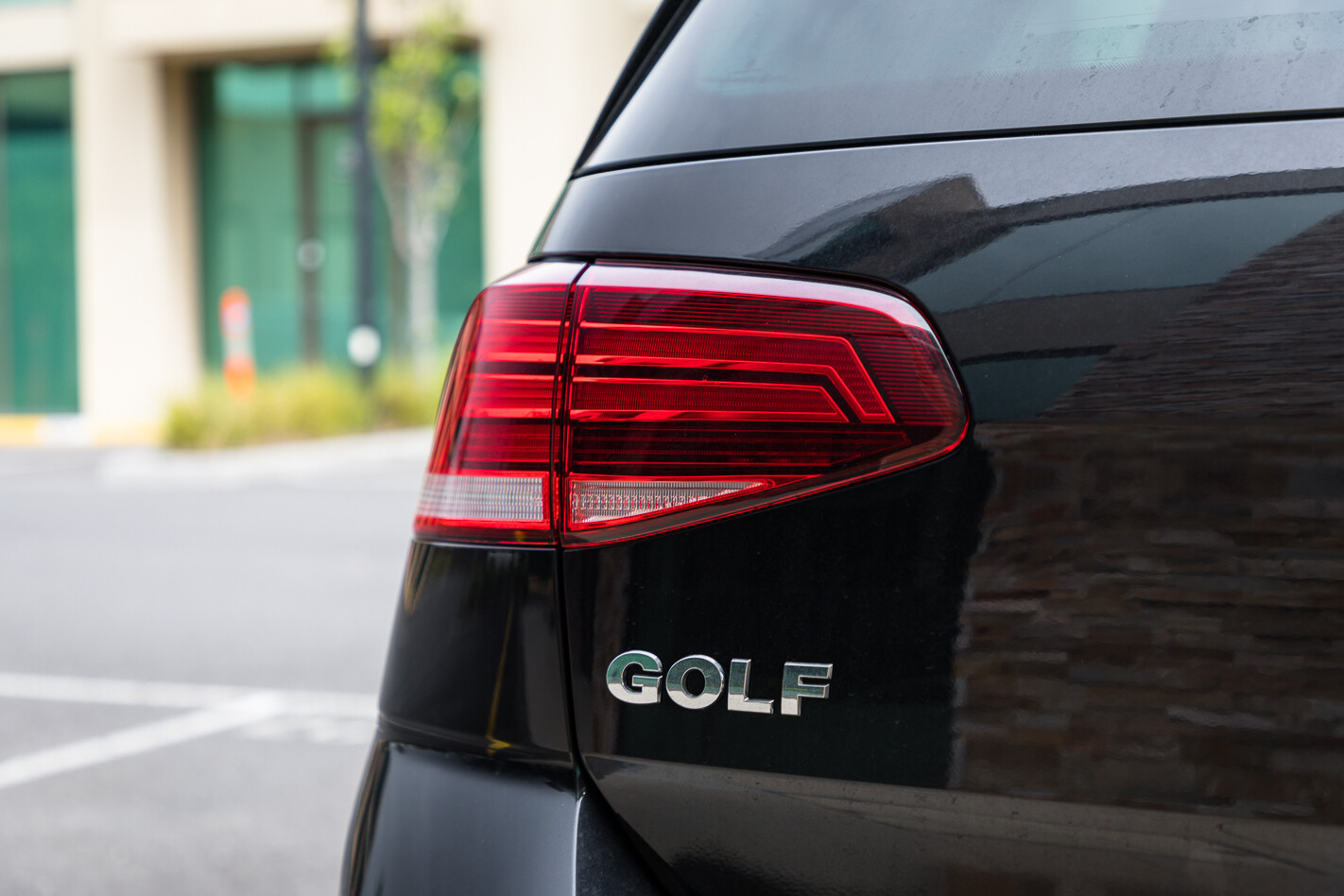
And unless you’re a diehard fan of the R-Line’s style package, we’d opt against ticking that box and settle for an equally good-looking standard Highline specification.
