
Holden’s hallowed Lang Lang proving ground will continue on as a motoring mecca and new-car nursery following its sale to Vietnam’s first and biggest car manufacturer Vinfast.
General Motors today announced it had signed an agreement to sell the 877-hectare site to Vinfast, sealing the future of the much-loved testing and development facility and preserving its original purpose.
But, it appears the apple has not fallen far from the tree. While it may have only been forged in 2017, Vinfast is the closest entity to a General Motors Vietnamese outpost.
All (formerly GM Vietnam) operations were transferred to the freshly founded company Vinfast in 2018 and, furthermore, a partnership was later announced between Lang Lang’s new owners, giving Vinfast exclusive Chevrolet distribution rights in Vietnam.
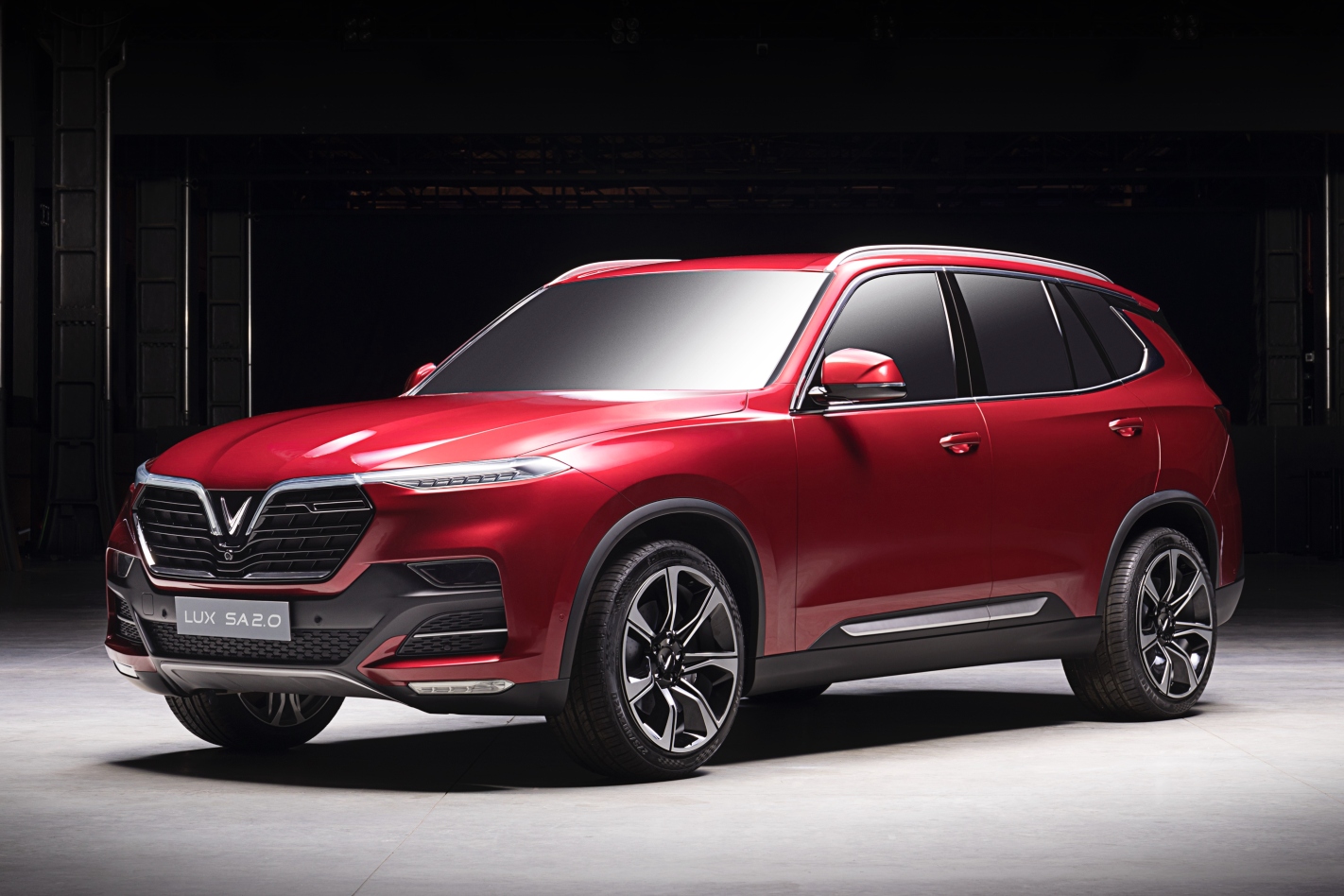
With the sale of Lang Lang to Vinfast, a not-so-tenuous connection to General Motors will continue, GM has confirmed.
Not only will development of GM models continue in Victoria, it will do so alongside new models coming to the General Motors Special Vehicles line-up, which has also recently undergone its own brand transition from HSV to GMSV.
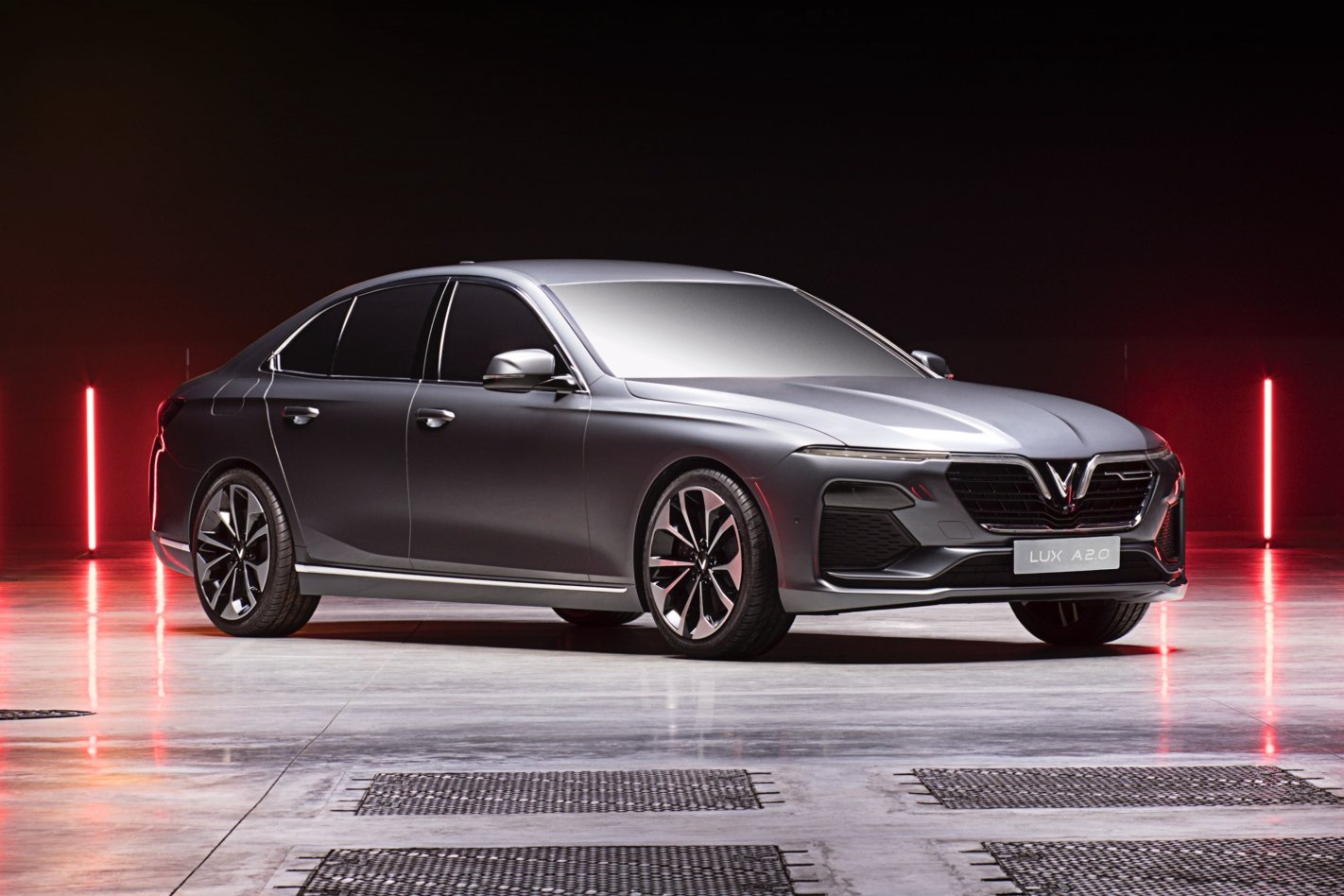
That said, Vinfast has its own affairs to take care of. From launch, the car maker offered two models based on a curious amalgam of previous-generation BMW models including its first crossover, and major componentry from other suppliers, but it is busy developing fresh machinery that is all its own.
It recently revealed a pure-electric SUV undergoing testing and development in Hanoi to follow its current portfolio which includes electric scooters, a large SUV, large sedan and a small hatchback which is mechanically based on the Holden Spark.
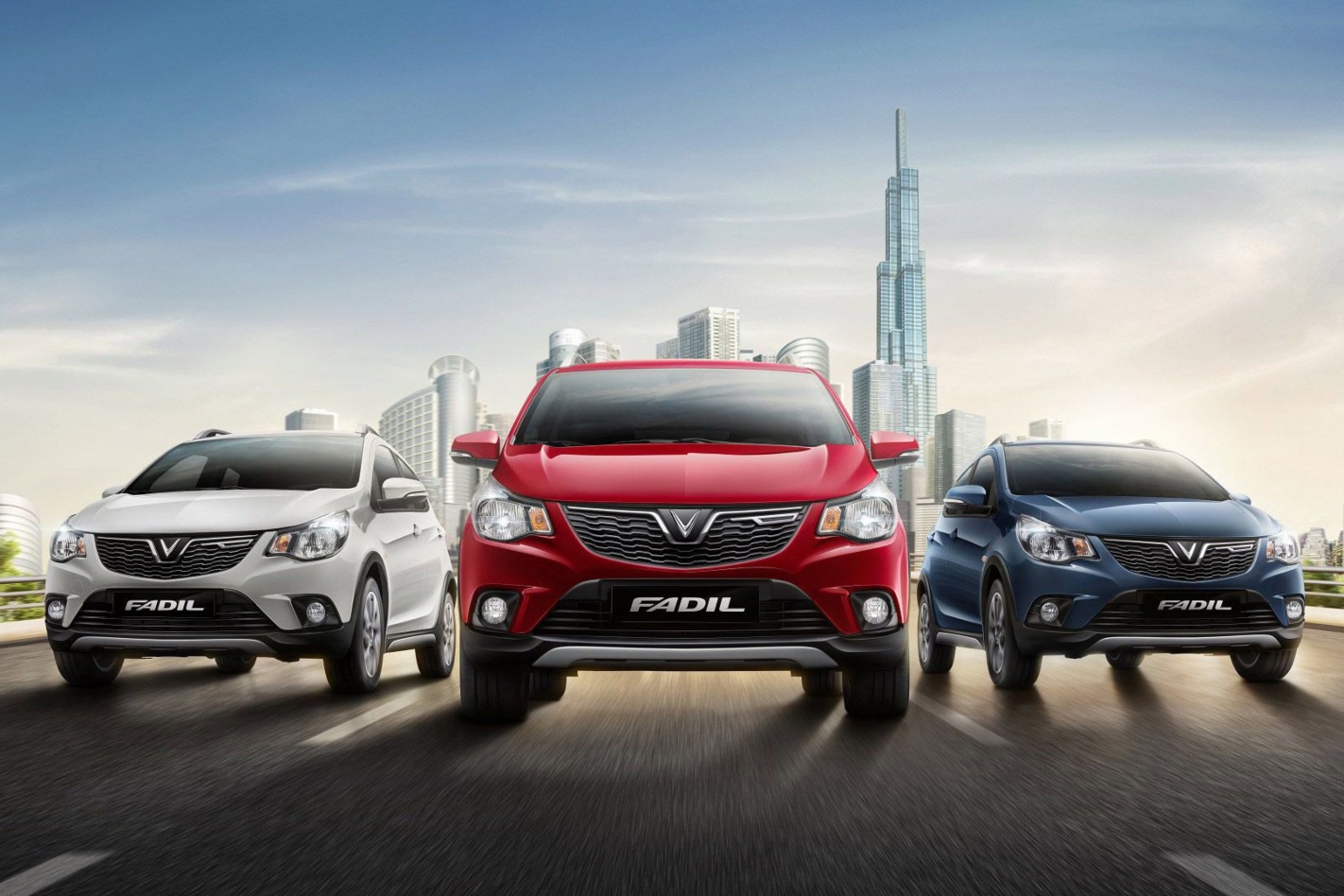
Vinfast has been steadily building its Australian presence and officially opened a research and development centre in Port Melbourne, employing a team of about 100 and drawing on the skills and expertise of former Ford and Holden employees.
Holden has not revealed how much the site has been sold for but figures about the $20m mark have been previously suggested as the asking price. As anyone knows shopping for cars however, the asking price is rarely what is paid.
It’s perhaps the least disruptive fate that could have befallen the Lang Lang site compared with scenarios that could have included selling to a local private outfit such as Linfox – which already owns a vehicle development facility near Anglesea – or a conversion to fulfill a different purpose.
It’s likely that, given Vinfast’s willingness to employ former Australian manufacturing and development personnel, some existing proving ground staff will be retained in similar capacities.
“The Lang Lang Proving Ground will continue to shape the global automotive industry,” said GM interim chairman and managing director Kristian Aquilina. “Over the past five years, GM has invested in the laboratories and tracks at the site, which will now be well utilised by its new owners.
“This deal hits a sweet spot of a fair sale value, a ready-made facility for Vinfast’s needs, ongoing employment for departing Holden employees and the preservation of amenity for the community.
“In some ways, it’s the end of an era. We pay tribute to rich automotive history created at the Proving Ground, and the brilliant Holden people who worked there. At the same time, its genuinely pleasing to know there’s a bright future there as well”.
__________________________________________________________________________
PUBLISHED JUNE 5, 2020
It seems as though Holden’s iconic proving ground at Lang Lang has hit the open market, signalling the potential loss of one of the final pieces of Holden left in Australia.
A brochure of sale was leaked to Facebook detailing the site to prospective buyers, apparently from within Holden’s four walls.
The purchase of the proving ground was linked to transport magnate Lindsay Fox even as far back as 2013, but it appears negotiations have fallen through now that the sale sign has been erected.

CBRE commercial real estate is the seller of the compound and have been contacted for comment on the listing.
The last time the property was floated on the market it was valued at $20 million, but one would assume that offers above that mark are what’ll catch the brunt of GM’s interest.
Holden is progressively selling off assets like its Salmon Street headquarters (which also houses its design studio) in the wake of GM’s Australian market withdrawal, and next on the auction block is Holden’s proving ground which is situated in the south-east of Victoria.
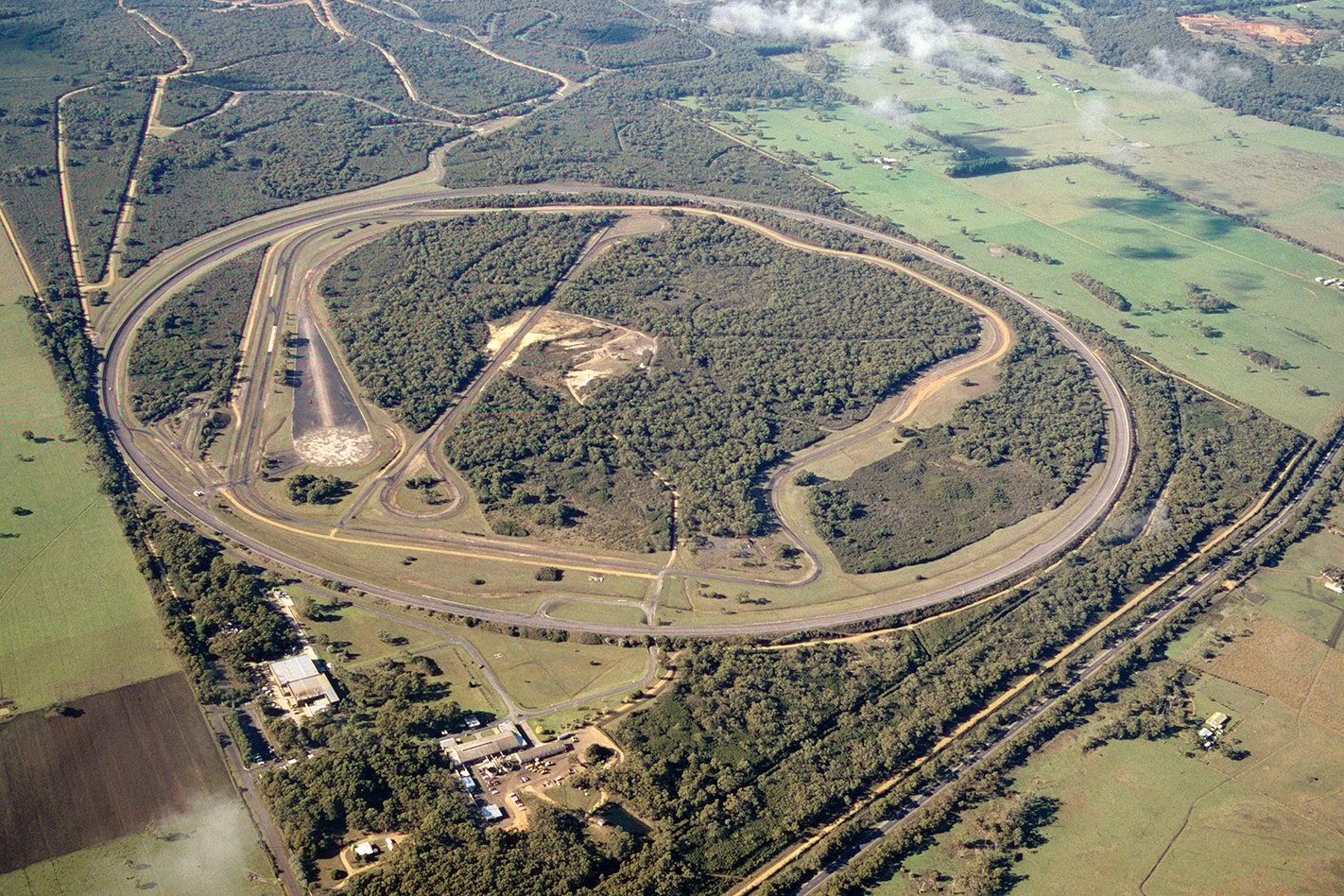
The site is 877 hectares (2167 acres) and is almost 100 kilometres from Melbourne, situated on the way to Phillip Island.
Inside is a whopping 44 kilometres of vehicle testing track, skidpans, laboratories with emissions testing capability, off-road test areas as well as a high-speed bowl.
Our favourite Lang Lang tales
- Commodore launch – a day to remember
- This Vietnamese car company is keen on Lang Lang
- Holden closure – what happens now?
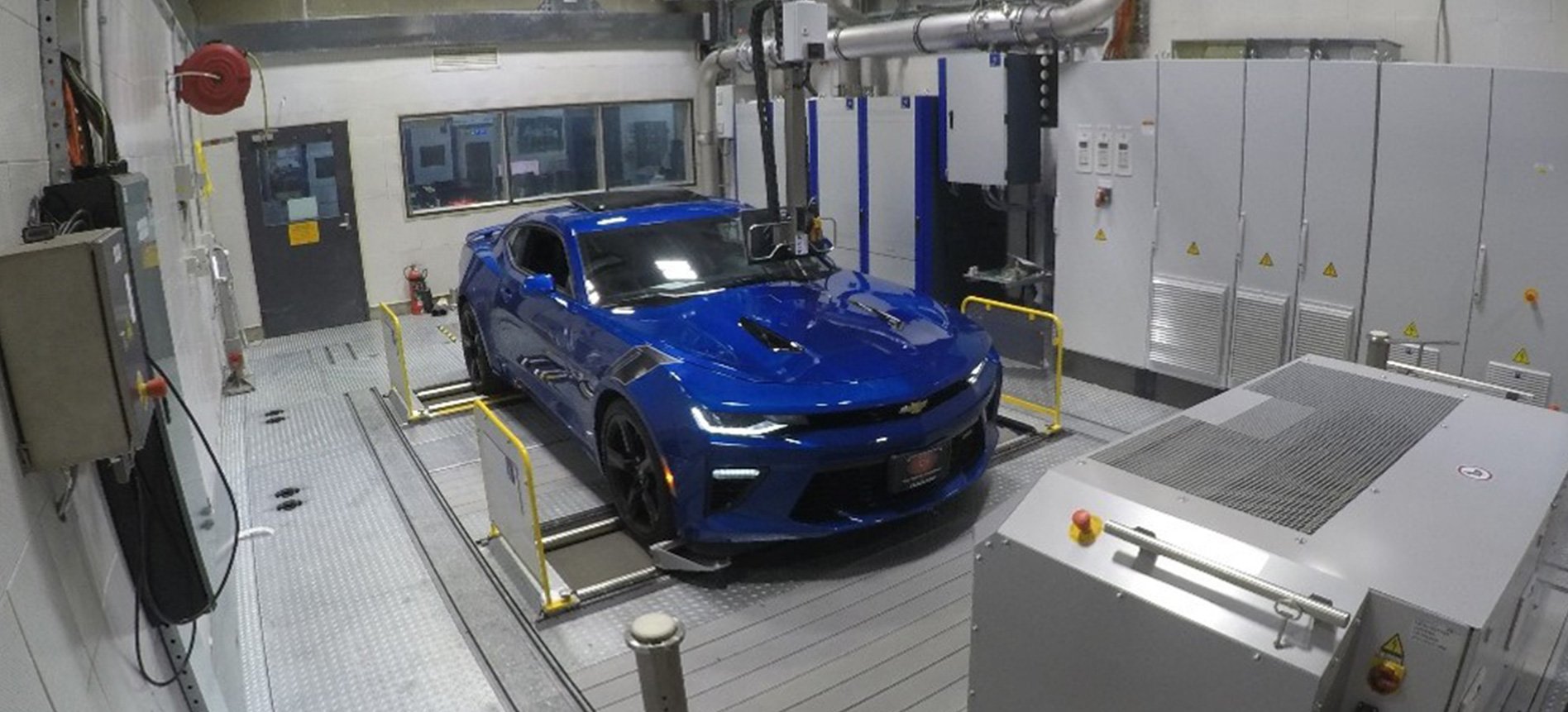
The listing states that the site will be available as soon as Q3 2020, which aligns with the fact that current Holden employees working out of Lang Lang will vacate the premises as of August.
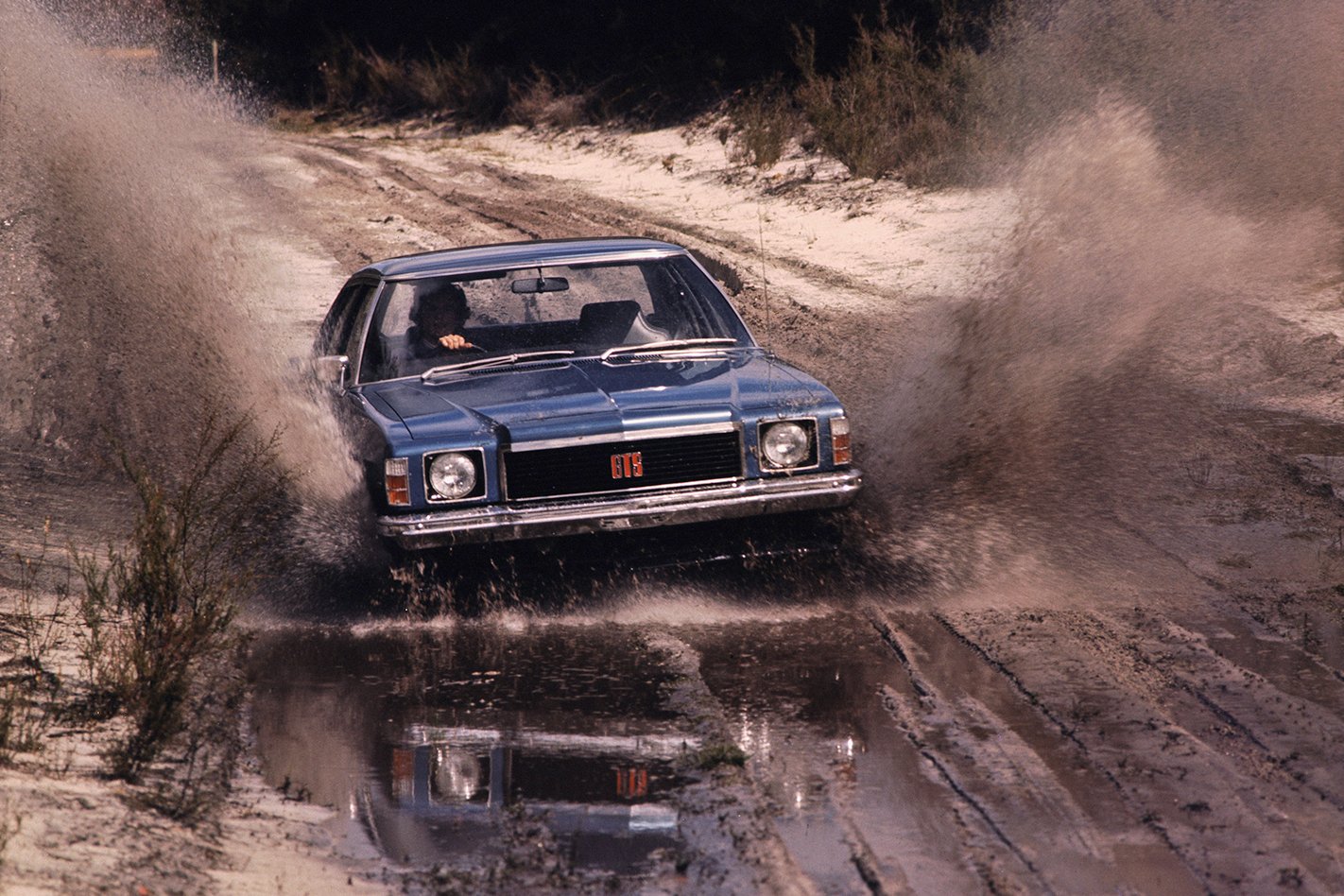
Operations at Holden’s Salmon St HQ and its local design studio will cease one month earlier at the end of July 2020.
GM Holden has several irons in the fire as it works to wind down a business that’s been active in Victoria for more than eighty years, including reaching a settlement with its dealer group about compensation packages.
The company has also just reached an agreement with its racing team operator, Triple Eight, to end its association with the Supercars championship one year earlier than planned.
THIS ALL started with the Audi A1. It was red, with an Audi 80 body, the 200’s five-cylinder turbo engine and the all-wheel drive guts of Volkswagen’s Iltis off-roader.
Audi engineer Roland Gumpert had convinced his boss, Jörg Bensinger that the Iltis’ all-weather capabilities would translate to production cars, and Bensinger, in turn, phoned engineering head Ferdinand Piëch to sell him the benefits. The rest is history. The car that changed the world nearly wasn’t called the quattro. That name was the idea of another Audi engineer, Walter Treser, after the previously preferred name, CARAT, for Coupe-All-Rad-Antrieb-Turbo was owned by a perfume manufacturer.
Quattro: the untold story by Peter Robinson
Yet the car before us here is, and only ever could be the quattro. Lower case. Mononymous. Designer Martin Smith’s work has worn the years lightly, the blistered wheel arches and quad ring door decals creating an iconic design language. The quattro font that tracks through the heated rear window element has endured across four decades. This is the last of the ur-quattros, one of only two 20v models that found their way to Australia via personal import. Introduced in 1989, the 20v featured the Torsen centre diff, which can apportion up to 75per cent of torque to the axle that can best deploy it. This is a 1990 car, but perhaps we can overlook that detail.
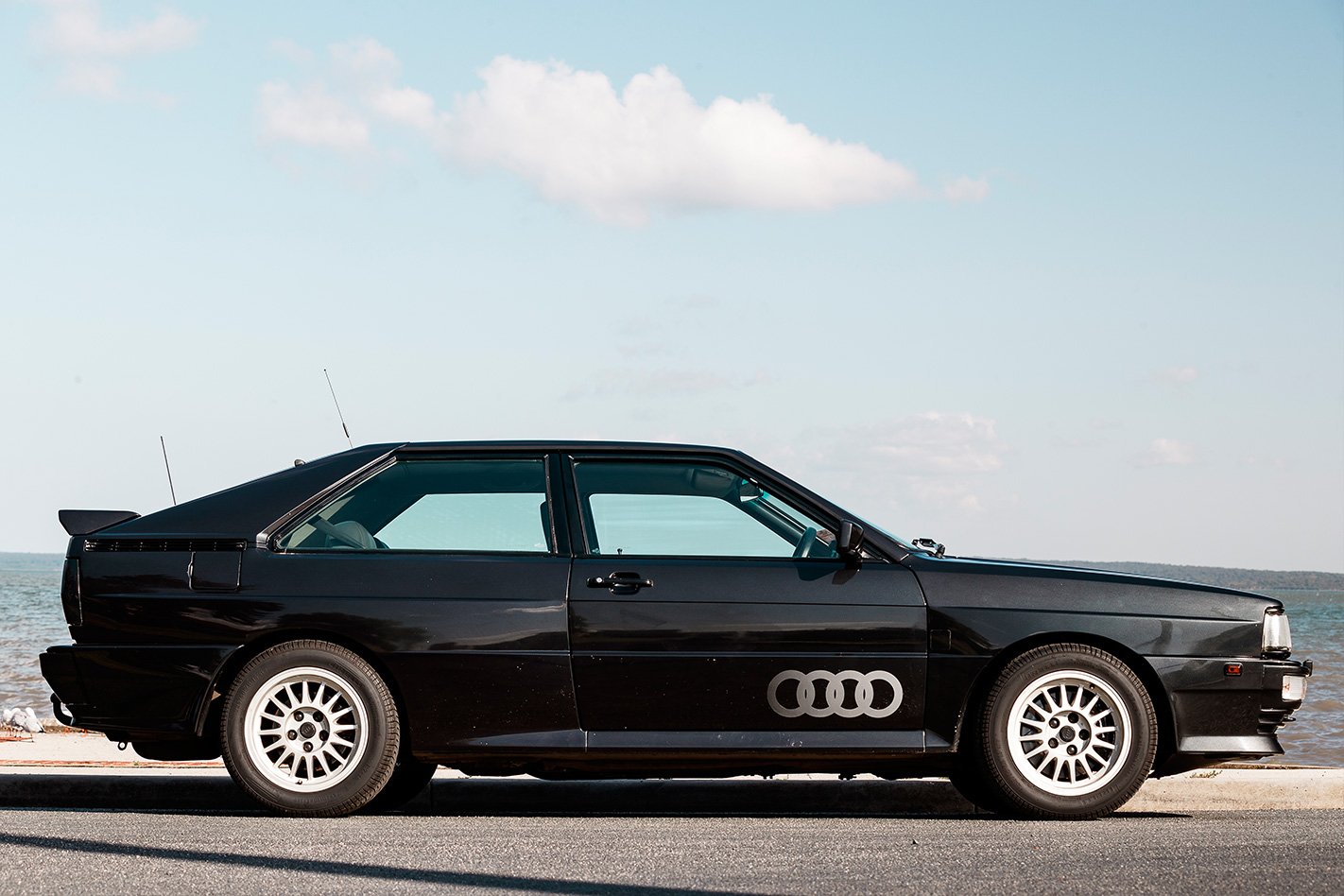
It’s been a quarter of a century since I was last behind the wheel of one of these and the sensations come flooding back. It’s that Proustian moment, where the smells hurtle to the limbic system, whacking the amygdala and the hippocampus like a pinata, those regions related to emotion and memory. I’m transported back to my early twenties, to the quattro that lived under a bush at the end of my garden in Guildford.
Audi Sport Quattro driven in the Alps
On the road, there are certain elements of the quattro’s DNA that have resisted the ageing process well. It rides with a louche suppleness, helped by some fairly generous sidewall and a more modern Koni dampers. The manual gearchange has a well-oiled feel and the steering, while a little light and approximate around the straight ahead, weights up nicely in corners. The engine pulls from 2000rpm cleanly, without a huge amount of lag, and replicates the rangy cadence of the suspension travel. Everything just takes a moment, but requires very little effort to cover ground quickly and comfortably. The brake requires a fair hoof to effect change, and likewise the clutch only gets to work in the last quarter of its arc, but these are characteristics you quickly key into.
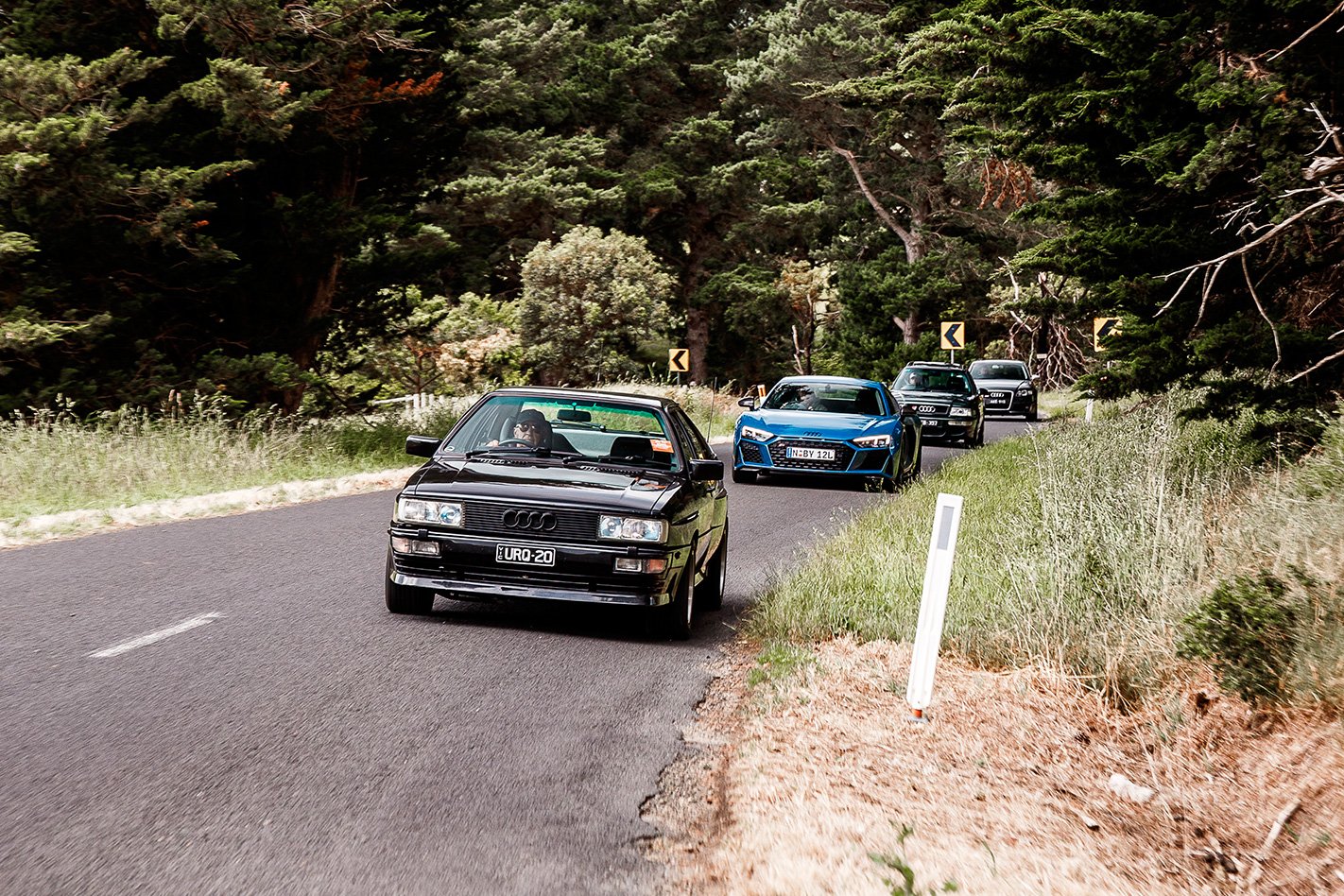
This is a very good ur-quattro and a delight to drive, but it’s nevertheless a stark reminder of how things have progressed, not just in terms of raw pace, but also in immediacy of response. As we move to our next photo location I watch the ur-quattro roll, settle and squat out of corners, with the next vehicle in our procession, the RS2 Avant behind it. Three years separate these models, but it seems as if evolution has jumped a full generation. In those 36 months, Audi’s flagship sports car went from 162 to 232kW, a massive 43 per cent increase. Due to the RS2 Avant’s rather porcine 1595kg kerb weight, however, the power-to-weight figure only ticked up by 26 per cent. Some 24 per cent was shaved from the 20v’s 0-100km/h time though, dropping the ur-quattro’s 6.3 second sprint to just 4.8 seconds.
It would take the introduction of the R8 V10, some 15 years later, to realise an equivalent step-change in acceleration over the RS2. No wonder it created such a splash at the time. It needed to. The ur-quattro’s immediate coupe successor, the S2, didn’t move the meter in terms of performance, and sold poorly as a result. History has since looked upon the S2 a little more benevolently, but Audi knew that the legendary ur-quattro had the propensity to haunt it, much as the E-Type had for decades at Jaguar, representing a benchmark none of their best efforts could measure up against.
So Audi didn’t just try to better the ur-quattro with the RS2. It looked to exorcise it. Capacity had opened at Porsche’s Rössle-Bau plant with the end of the Mercedes-Benz 500E joint venture, and RS2 Avant production began in 1994. Only 180 right-hook cars were ever built of the total 2891 production run through to 1995 and none officially came to Australia. Audi importer Inchcape had planned to bring 25 right-hand-drive RS2s to Australia at $145,000 each, but the plan fell over. But why a wagon? Ferdinand Piëch, an engineer to his bones, appreciated that the five-door chassis, largely for load bay packaging reasons, had ditched the old strut rear suspension and fitted it with a ‘proper’ double wishbone set-up. That lent itself to a ultra-high performance application.
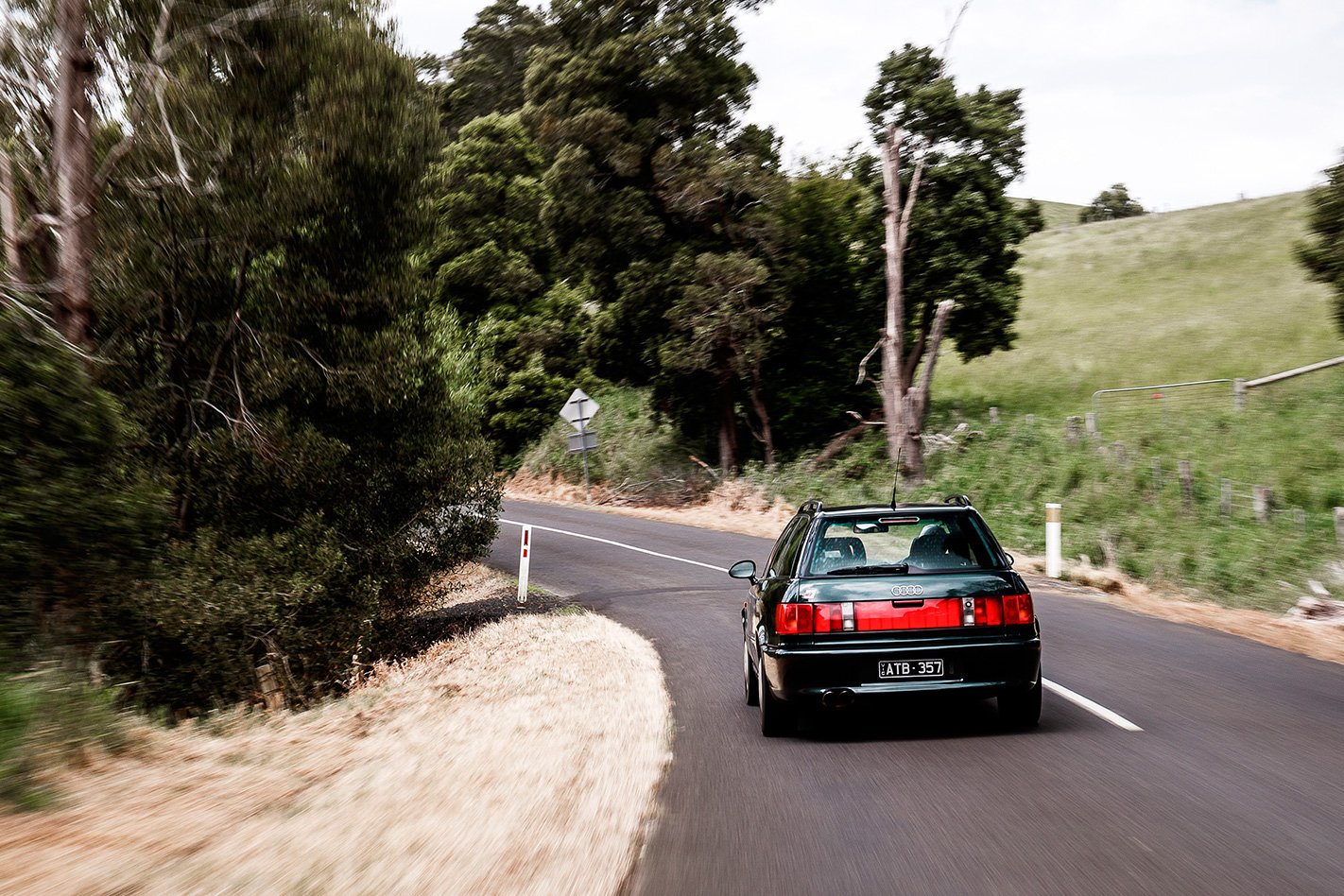
Piëch also knew that to get Porsche’s sign-off it couldn’t compete with the 911, so a high-end sports coupe was out of the question. Finished in unprepossessing Ragusa green metallic, it’s easy to underestimate this RS2. Get closer and you clock the Porsche imprimatur on the boot badge, on the steering wheel, on the Brembo brake calipers and the cam covers. The RS2 also features Porsche mirrors, front lamps, fuel pump and wheels although if you really want to appear clued-in, you could point out that the wheels feature a marginally different internal diameter for the hole in the middle compared to the Porsche 993’s alloys.
The Audi RS2 was a Porsche-developed wagon that slayed supercars
The white-clocked dash is a lot more conventional than the quattro 20v’s LED dial pack. Journos would have been doubtless waxing on in 1994 about its hewn from granite feel, but it feels one of Audi’s more transitional interior design languages. However, it features Recaro seats faced with Alcantara, carbon-fibre fillets in the dash and the best steering wheel of any of the cars here. The driver’s seat position is fairly high, and the skinny, stand-up windscreen pillars feel of the era.
The massive KKK turbocharger also requires a lot of provoking before it does its party trick. It’s worth the wait, though. The body control is a little languid, but the steering has decent heft to it. Above all else, it feels that the RS2 represents a moment when powertrain development left chassis technology flailing in its wake. The engine remained a 2226cc five-pot, but there’s something shocking in its sheer relentlessness anywhere between 3500 and 7200rpm. Even by today’s standards it feels a bit of a monster and because you need to rev the thing to keep it happy, you tend to find yourself travelling everywhere around 20 per cent quicker than is probably advisable.
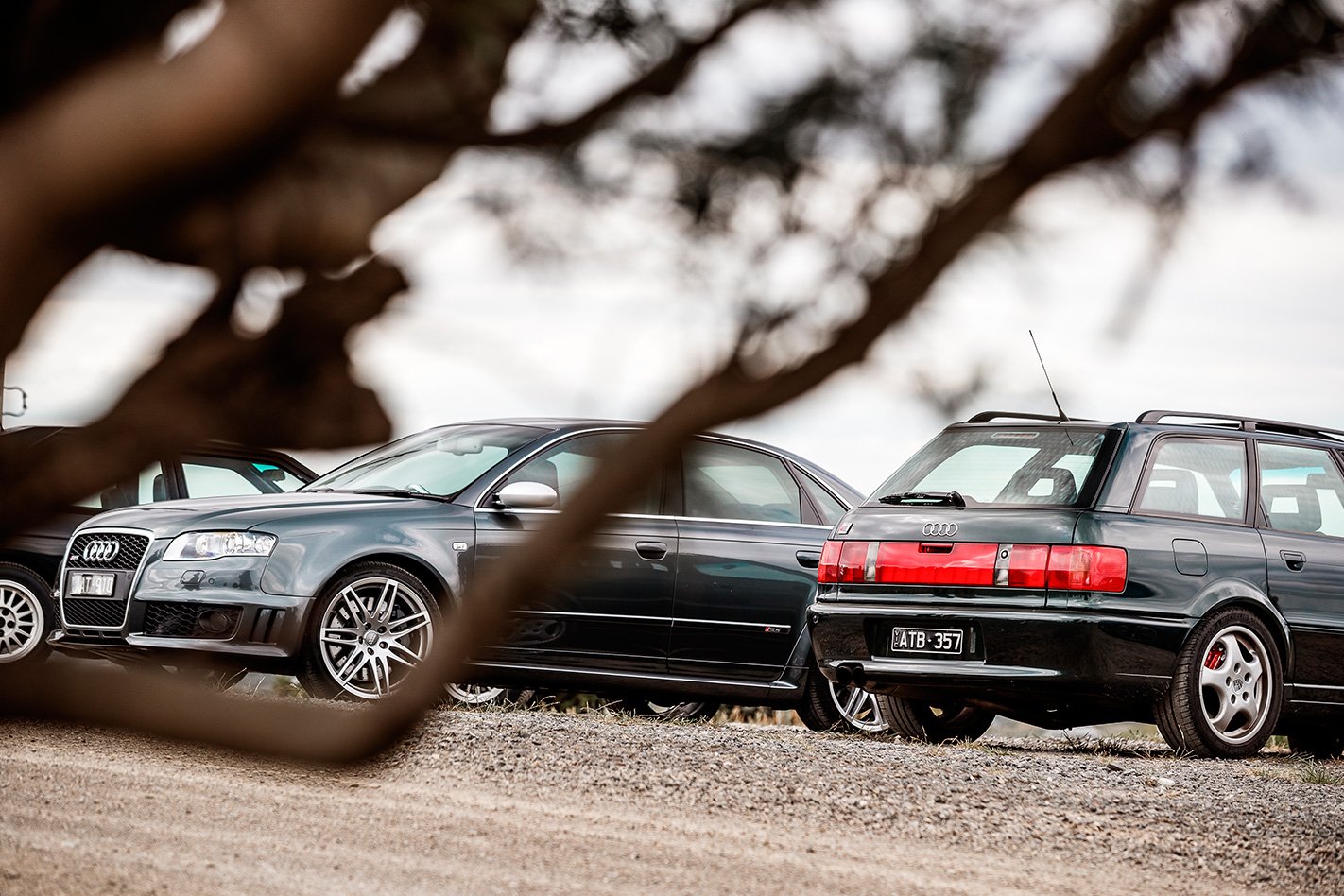
The RS2’s Torsen diff normally divides torque 75:25 front to rear but can reverse that ratio when required. Punch hard out of a tighter corner and you’ll hear a faint thud from the rear as it picks up the lion’s share of torque deployment duties. The suspension patters unhappily over mid-corner imperfections, but you get the impression that it’s fighting a losing battle against the twin demands of the powertrain and the chassis’ modulus of rigidity. Nevertheless, the RS2 feels purposeful and wieldy on the Gippsland test route. There is something a little prescriptive to the way it tackles a road. It certainly wants you to bend to its will rather than vice versa, but it’s a hugely charismatic thing and more than deserving of its place in this canon of greats. It did more than any other to establish Audi’s uberwagon bona fides and also cemented Audi’s RennSport sub-brand as something to be taken seriously.
Had you never driven any of these cars, I’d be prepared to bet the B7 RS4 is the car you’d jump into last. By the standards of the others, it’s not particularly rare and, given that it was built between 2005 and 2008, it sits in that strange hinterland of faded favourites that haven’t been burnished to classic status just yet. There were a number of contenders that could have made the cut as the Noughties Audi of choice, so why the RS4? Perspective is key here, and that perspective came in the shape of BMW’s M3, a car that had always had the measure of the equivalent fast Audi, whether that was an E36 M3 versus the S2 Coupe or the later E46 M3 putting the B6 S4 in its place. But when the B7 RS4 arrived in 2006, it was quicker than the E46 M3. What’s more, its 309kW power output was equal to the next-gen E90 M3, which appeared in 2007. BMW even found its 4.0-litre V8 a hefty 30Nm down on Ingolstadt’s 4.2-litre eight-pot. Therefore, this was a game changer; the car that demonstrated that Audi genuinely could build a class-leading contemporary performance sedan.

Twelve years had rolled by between RS2 and B7 RS4, and it shows. The cabin has spawned a central screen and steering wheel-mounted controls, while xenon lights, satellite navigation, acoustic parking sensors and a Bose stereo also help make the RS4 a more civilised place to be. The wraparound Recaro wingback seats are delightfully over the top, although you soon learn that the cushion’s side bolsters are utterly unyielding. Having driven RS4s extensively, I’m intrigued to watch the reactions of those who have never sampled one. Road Test Editor Newman’s face is a combination of glee and confusion as to how unexpectedly joyous the RS4 is to pedal hard on challenging roads. “This is something else,” he enthuses. “The engine just keeps going. It feels unburstable. I’ve always loved the E92 M3, but this…” His voice trails off and he just shakes his head, grinning.
We often talk of surprise and delight in cars, and it’s usually some twee detail like the umbrella in a Skoda or the pedals in a Twingo with pause, stop and play icons on them. The surprise and delight item in the Audi RS4 is the engine. To say it dominates proceedings suggest that it’s somehow out of kilter with the rest of the package but there’s something otherworldly about the way that it pulls so cleanly, making 90 per cent of its peak torque from just 2250rpm and staying above 90 per cent all the way to 7600rpm. That’s a 5350rpm-wide band where the RS4 always has instant go. That means you don’t need to worry the transmission too much, but you will anyway. The six-speed Getrag ’box has the most perfect springing across the gate, so you find yourself buzzing up and down gears just for the fun of it. In contrast to Audi’s earlier efforts, there’s a nuanced consistency of control weights. The RS4 feels modern, despite being 15 years old now, and for many it resides in a serendipitous spot where we had great engines, adaptive suspension and decent safety systems, but backed that up with classic features like hydraulically assisted power steering and the availability of a V8 engine and manual gearbox combination.
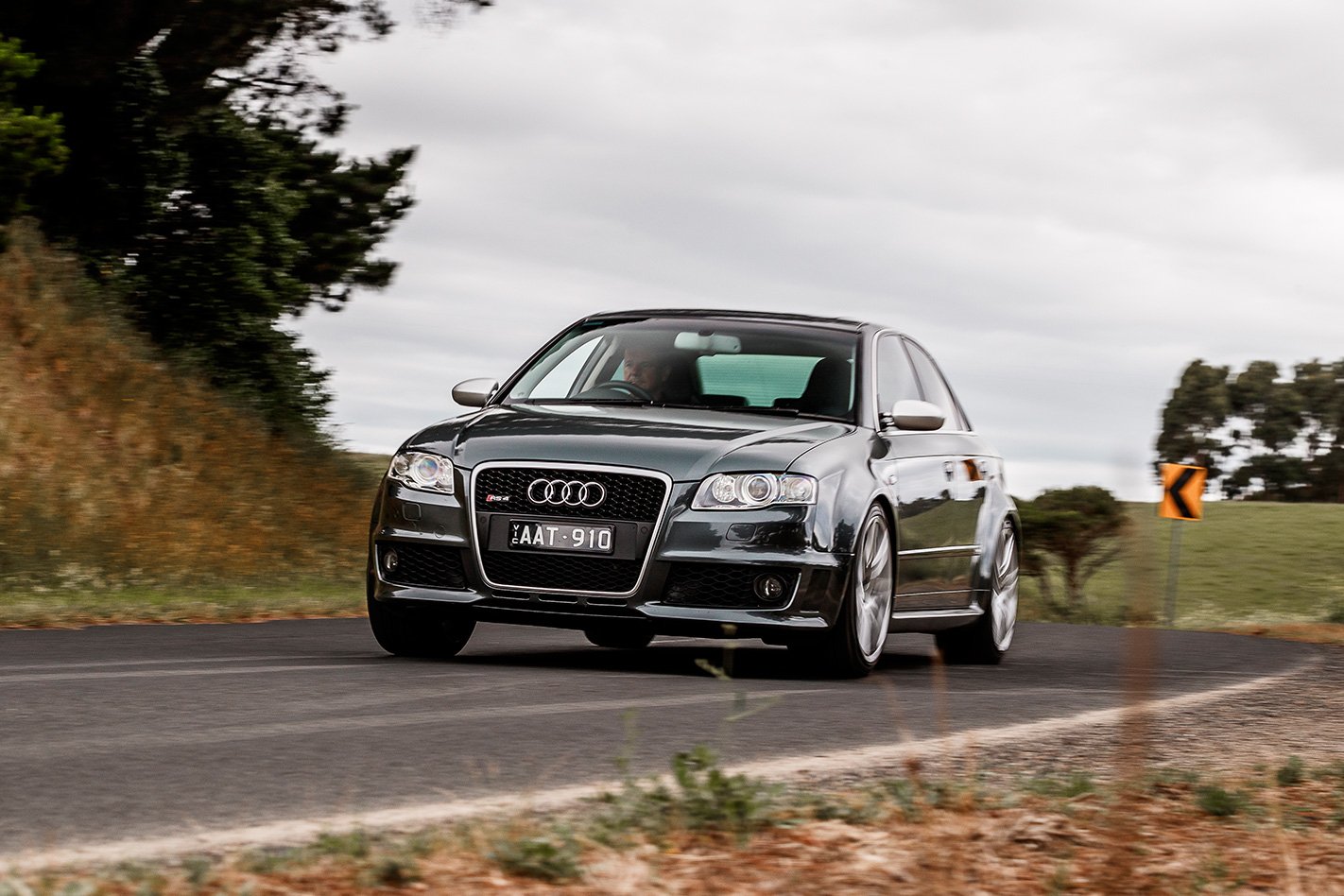
The RS4 was also the first of the quattro models to move away from a nominal 50:50 torque split, the Torsen T3 ATB centre diff directing 60 per cent of power rearwards in normal driving conditions and tweaking that to 85 per cent when required. Deploying that power early is helped by decent steering and a measure of body control that, at the time was revolutionary. While many Audis had been hampered by managing the masses of a heavy nose, the RS4 featured the DRC system, which diagonally linked the dampers via hydraulics, firming up the damper which needs support most and relieving the one that needed it least. Sadly, it wasn’t the most durable system and rather than fix leaking units, many owners replace them with more conventional alternative, like an RS4-specific Variant3 option from KW.
Which brings us to the last of the four, the R8. Representing the last of the four decades of quattro, it’s the latest and greatest R8 V10 Performance model. It’s $395,000 list or $395,700 as-tested, with all badging finished in black the only option. The Ascari blue paint, gloss carbon sideblades and black interior with rock grey stitching has clearly been specified by somebody with far better taste than me. There’s a neat symmetry to the R8’s cabin which, like the quattro 20v, features LEDs rather than analogue clocks, with a screenless centre console dominated by the ventilation controls. The all-wheel drive system is the obvious genome running through all of these cars, but the most surprising thing about them is just how different they are, and there’s an irony there if you go looking for it.
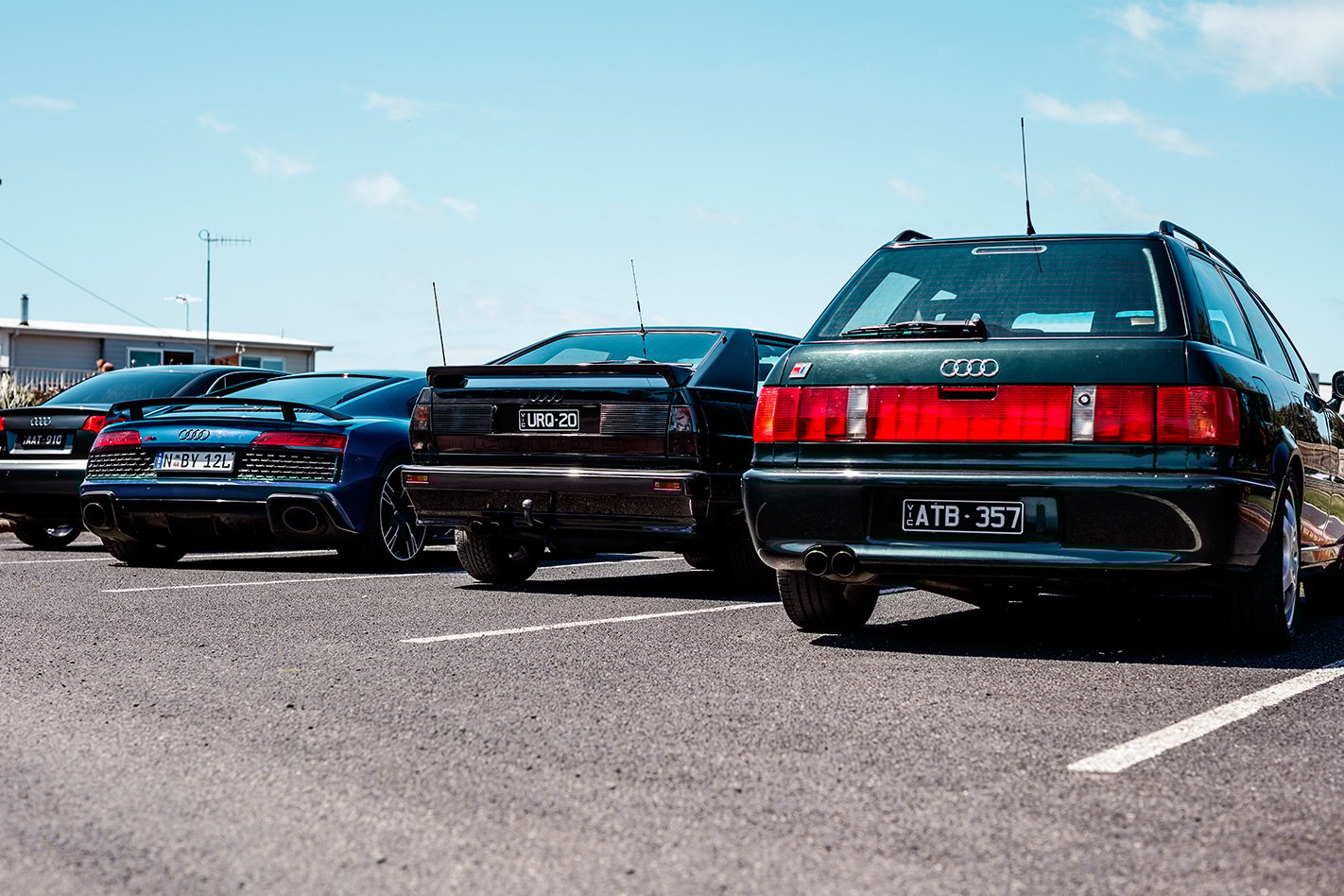
A coupe, a wagon, a sedan and a mid-engined supercar demonstrate just how versatile a fundamentally good idea can be. It’s also apt that, in a celebration of all things quattro, that the drive system beneath each of these cars should be so low key. As is so often the case, the more competent some things are, the less you notice them. Traction deployment is a virtual non-issue with any of this quartet. Even the R8, with 449kW arriving at 8250rpm, is putting only a handful more kilowatts to the road surface per driven contact patch than a base Boxster. It might be approaching then end of its life, but there’s still something a little heady about a German junior supercar with undertones of Lamborghini.
The R8 reminds me of the BMW M1 in that regard; a joyously disorienting blend of rectitude and recklessness. The V10 sounds as angry as ever, but this latest car gets more leather in the cabin, an exterior makeover, a combination of laser and LED lighting, adaptive dampers and a carbon-wrapped front anti-roll bar. The R8 is an anomaly in one key regard here though. Audi’s quattro heritage came about partly through expediency, a pragmatic adaptation of front-drive architectures to handle more power. The R8 was never spawned from a front-drive chassis. In fact, it can be bought in rear-drive guise; the RWS version is the first Audi that sends power solely to the rear tyres in over half a century.
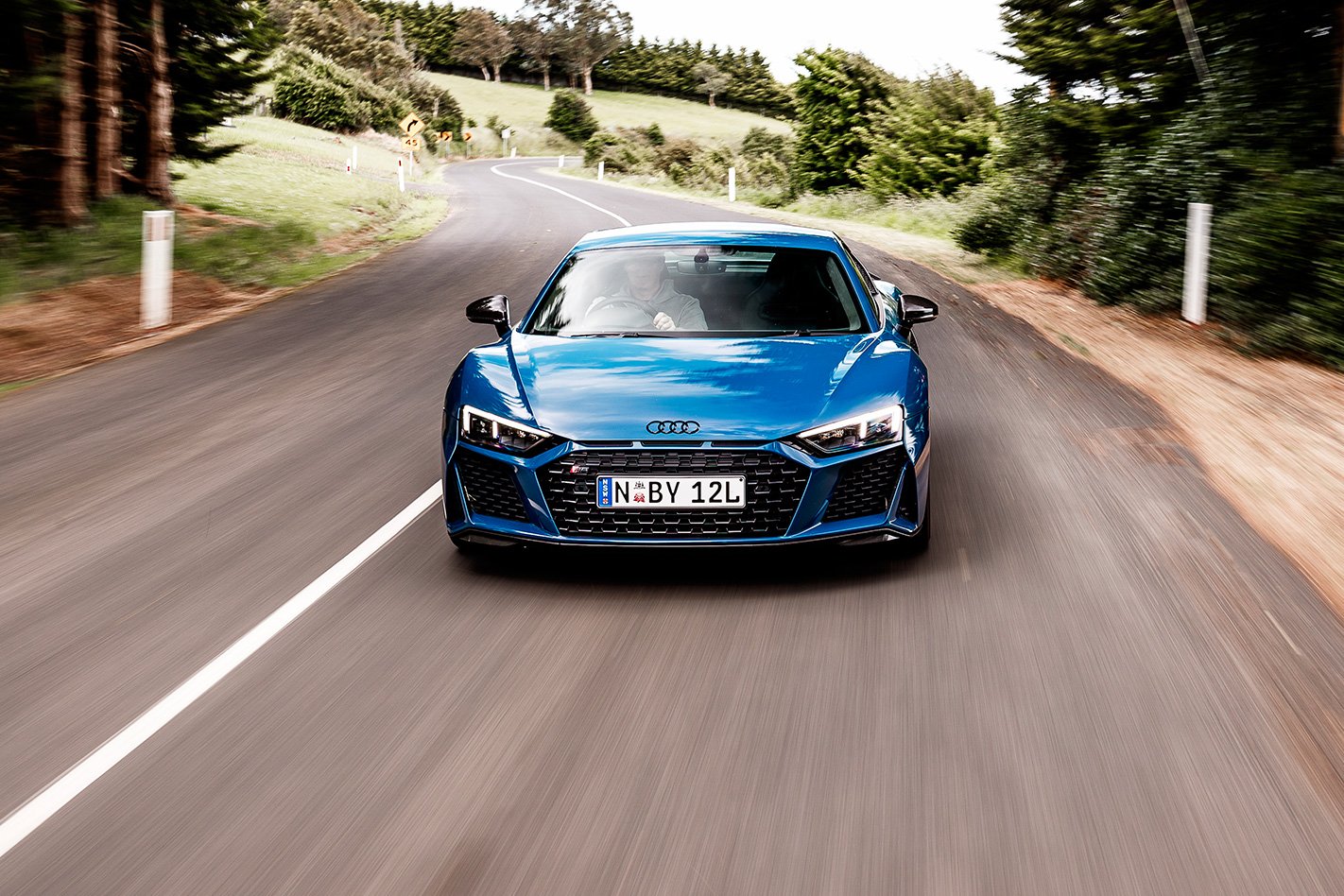
Some drivers prefer its purity. So where does that leave quattro as a concept? Sitting pretty, we’d argue. It must be vindicating for Audi to wheel out the RS6 and see its key rivals from Mercedes-AMG and BMW now fronting all-wheel drive vehicles against it. And while there might be a debate about whether you prefer drive going to each corner in an R8, this car is a farewell of sorts. The future isn’t going to have a 10-cylinder petrol engine sitting over your left shoulder. There are a number of great imponderables as to what form that future is going to take, but if you’re Audi, quattro is a non-negotiable.
These cars may be the four cornerstones of four decades of four-wheel drive, but the next decade could well be defined by something no less exciting. Will we see four more decades of quattro? I, for one, wouldn’t bet against it.
Many thanks to owners Richard Townley, Ashley Pedler and Shaphieh Esharc for their time and assistance.
What started as something of a soft-roader experiment in the 1990s has turned into the default family car class in Australia. Mid-sized SUVs now fill the role of traditional family cars, the space, functionality and affordability a drawcard for many.
No longer is the focus on off-road ability – although some still offer the promise of adventure –instead it is on safety, car-like driving manners and keeping the kids content.
It’s a big call and one some achieve more convincingly than others. It’s also a segment where value can vary enormously.
The recent arrival of hybrid and plug-in hybrid models adds to the depth of a category with broad appeal.
GOLD – Hyundai Tucson Active
The Hyundai brand has long stood for value and nowhere does it shine as brightly as the Tucson, the nameplate that made a reappearance in 2015 after a five-year hiatus to replace the ix35.
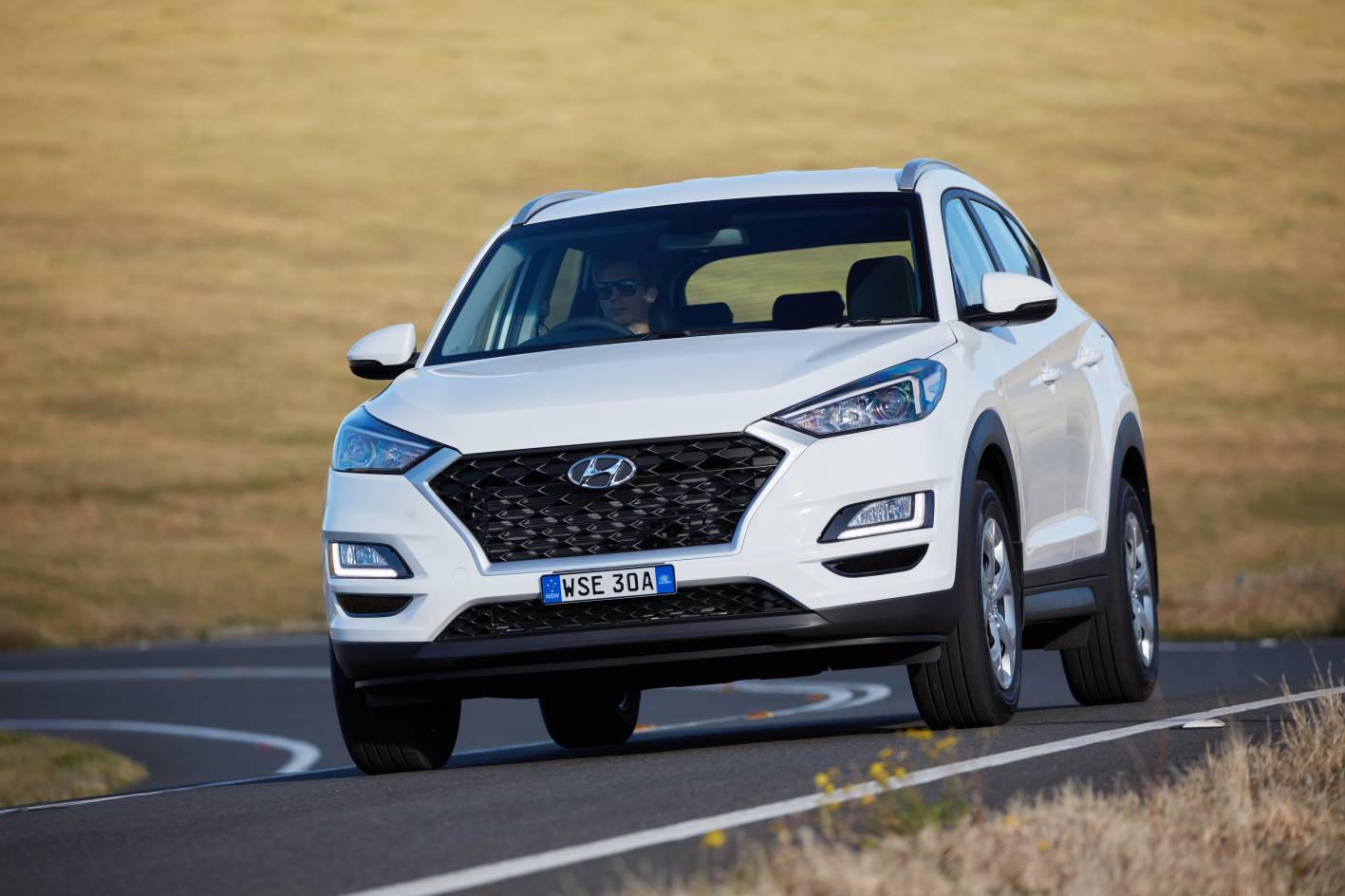
The current Tucson is nearing the end of its life but has benefited from updates and tweaks to make it a mid-size SUV value leader.
That Redbook forecasts it to hold onto 63 per cent of its original price after five years is indicative of the respect the model has cemented in the used-car market, something that makes ownership prospects even more enticing.
Those residual forecasts were also crucial in edging ahead of the dozens of other models that make up one of the most diverse and close-fought segments of the new-car market, one that these days is the default for so many families.
The Tucson also demonstrates genuine suitability to Australian conditions. A full-sized spare wheel is a rarity but appreciated for those planning on longer drives.
Local suspension tuning adds some finesse to the honest dynamic package. The way it deals with bumps and corners is indicative of Hyundai’s understanding of the market and the buyers who gravitate towards spacious and functional five-seaters.
The Tucson family is broad, but it’s at its entry point where running costs are most favourable, standard fare including Apple CarPlay and Android Auto on a 7.0-inch touchscreen.
This is why the $32,140 Active model has risen to the top here.
The 2.0-litre four-cylinder engine is a basic unit, but its 122kW and 205Nm outputs ensure respectable performance. And while it’s not the most economical mid-sizer it’ll happily run on the most affordable regular unleaded.
Again, it’s an SUV that may not stand out in any one area but rarely makes a misstep and in the process presents as an affordable, easy-to-live-with mid-sizer that is also a deserving winner on value.
SILVER – Toyota RAV4 GX Hybrid
Want an example of the effectiveness of modern petrol-electric hybrid systems? Look no further than the Toyota RAV4 Hybrid, which has had people queuing to own one.
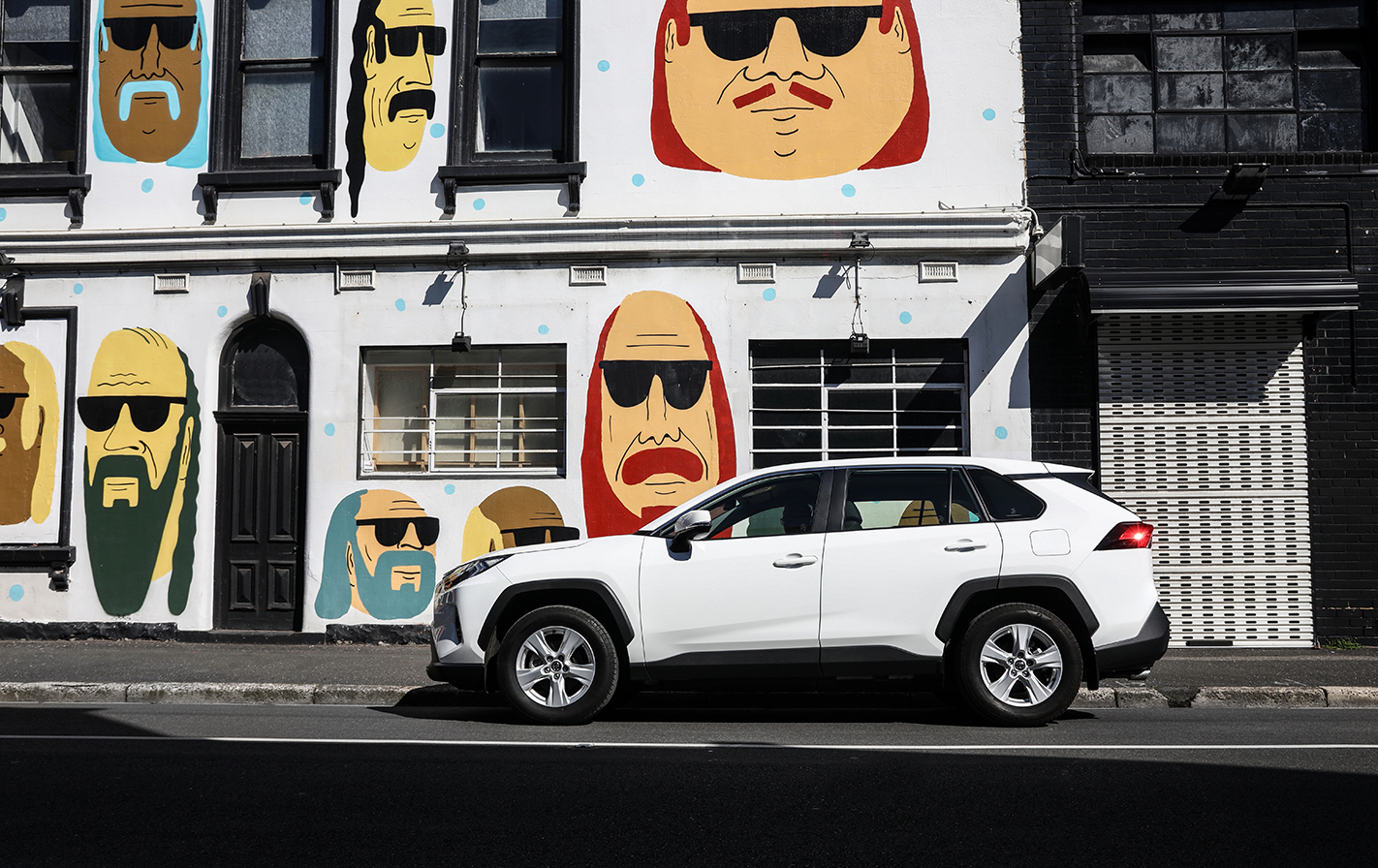
Using almost 30 per cent less fuel than the regular RAV4 (the difference in urban environments is even more) the Hybrid gets off to a strong start.
It’s helped by strong future resale value forecasts that partially offset the $2500 premium (for a car costing $36,070).
The cheapest servicing in its class doesn’t hurt, either, making for a fuss-free ownership experience, at least during the first few years.
Those raw numbers are only part of the RAV4’s value story. It regularly rates well in our comparison tests, impressing with its road manners and well-thought-out cabin.
A long list of equipment incorporates dual-zone air conditioning, digital radio tuning and good smartphone connectivity. Safety is also well catered for with auto braking, active cruise control, rear cross-traffic alert and blind-spot warning.
Quality materials throughout reinforce the attention to detail and the suitability of the RAV4 as a terrific family vehicle. Front seats are snug and comfortable while those in the rear get good vision and leg space.
BRONZE – Mazda CX-5 Maxx
The CX-5 helped change the perception of Mazda and these days it’s the brand’s top seller.
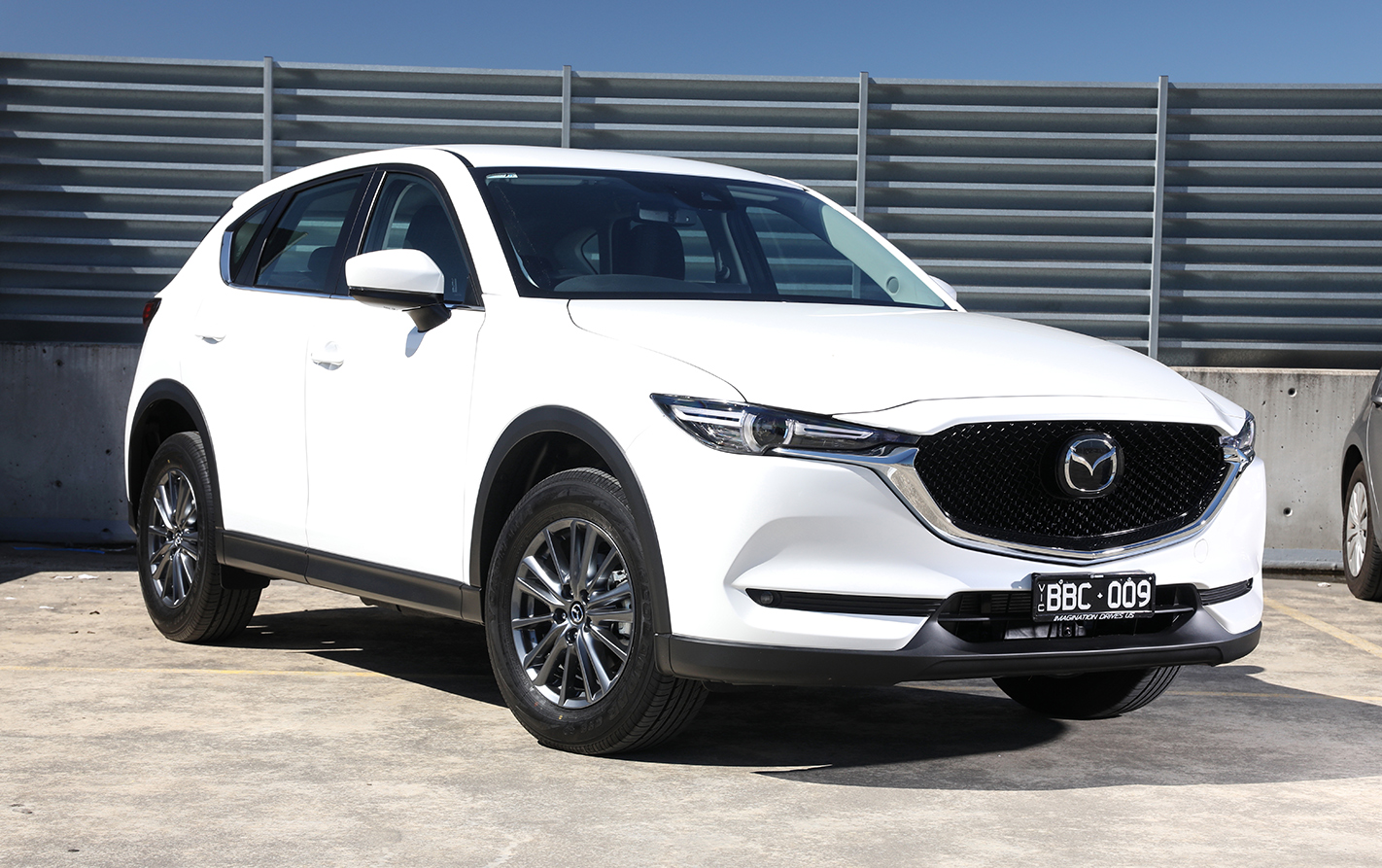
Blame it on excellent driving manners, an efficient and willing engine and a healthy equipment list which includes active-safety gear.
Its interior also has an elegance and polish few mainstream models come close to.
Despite punching hard the CX-5 stacks up on value, too. Its $32,980 asking price is in the cut-and-thrust of the mid-sized SUV category, but some 64 per cent of that is expected to be retained over five years.
Servicing isn’t as affordable as some, but it makes up for it with lower fuel costs.
Jump to
- How we rate Australia’s Best Value Car
- Light/City Cars
- Small Cars
- Budget luxury cars
- Family Cars
- Small SUVs
- Seven-seat SUVs
- Premium SUVs
- Prestige cars
- Kid Carriers
- Dual-Cab 4x4s
- Off-Road 4x4s
Sir Alec Issigonis gets endless love for the Mini, the tiny sedan with a wheel at each corner that he created in 1959. Often overlooked (easily done, if the windscreen’s folded) is the sister car that Issigonis himself designed immediately after as a light off-road personnel carrier.
‘Light’ is the operative word. Issigonis’s Mini Moke amounted to an open body of steel box sections, braced by front and rear bulkheads, and a cross-brace supporting the front seats. The hollow side pontoons served as panniers for small luggage, tools, battery and the petrol tank. A folding fabric roof was provided, with no side screens.
Mounted on conventional Mini front and rear subframes, with rubber-cone suspension, 10-inch wheels and a 2032mm wheelbase, the 848cc BMC A-series-powered Moke weighed just 534kg – around 50kg less than a base Mini Mk1.
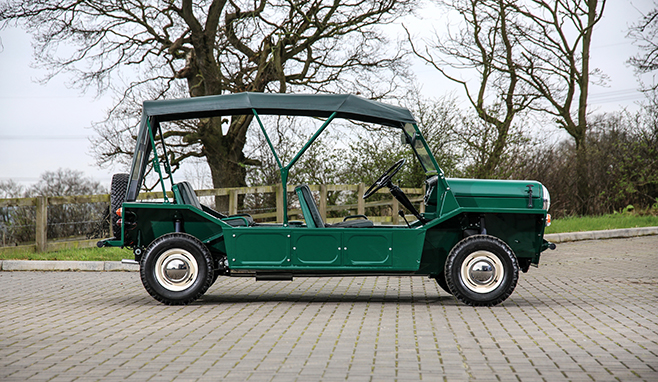
Issigonis’s intention was that the Moke could be stacked two-high for transport by air; it could be dropped by parachute; and its steel-tube bumpers would enable burly soldiers to lift it out of bogs.
Unfortunately, military tests in 1960 proved there’d be rather too much of the latter, due to the Moke’s meagre ground clearance. Over the next few years, prototypes were tried on a shorter wheelbase and even with twin engines and 4WD.
While the military never bit, the Moke – British slang for a donkey – was launched to the public in 1964. British production ceased (after about 15,000 units) in 1968, but in the meantime, Australian assembly had commenced in Sydney in 1966, followed by full manufacturing in 1968.
In 1967, a Mini Moke became the first and only car on Pitcairn Island.
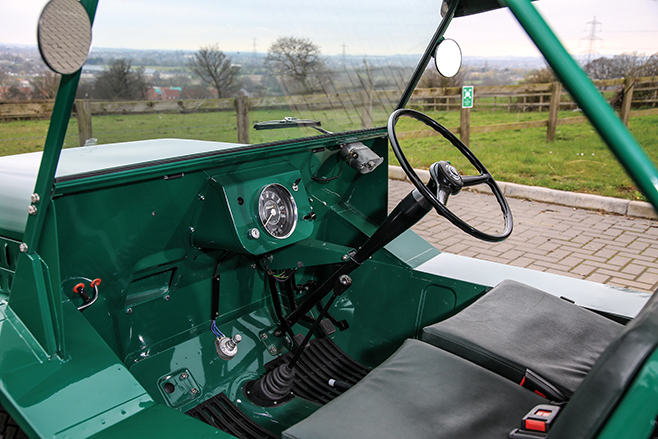
The Aussies made Moke magic in 1969, switching to 13-inch wheels to enhance ground clearance and useability. This also brought wider tracks (and 40mm wider guards), a restricted steering rack and modified rear suspension. Engine capacity would peak at 1275cc for the Californian of 1977-82.
Developed for export, the Californian copped front discs and a package of spoked 13×5.5-inch Sunraysia wheels, front and rear push bars and roll cage. Denim-look seats and hood were optional.
Production ceased in mid-1982. It’s reckoned around 38,630 Aussie Mokes were made, including nearly 4000 CKD-assembled, 10-inch-wheel UK models. Export markets included South Vietnam, NZ, Nigeria and Hong Kong.
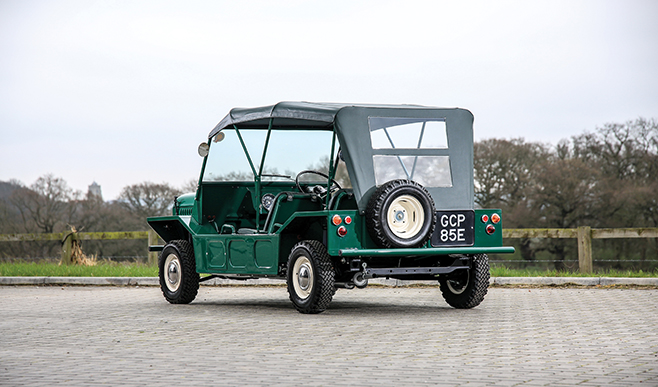
Pick of the crop
Aussie Mokes were similar but superior to the early UK model shown, adding 13-inch wheels, wider guards with rubber spats, and side wind-deflector screens. Post-1977 cars had a removable grille, and bodies built after November ’79 were galvanised. High-backed ‘tombstone’ seats came later, as did inertia-reel lap-sash belts permitted by the roll cage.
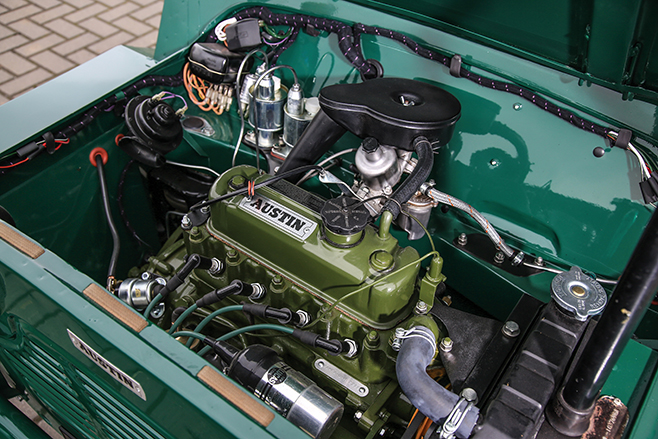
It grows on you
The Moke’s 848cc BMC A-series engine evolved through 998cc, 1098cc and 1275cc, all directly Mini-derived and with a four-speed manual ’box. The 998 claimed 29kW/68Nm and 0-100km/h in just under 24sec. The 1275, with 1.5-inch SU carb, upped the ante to 40kW at 4250rpm and 90Nm at 2500rpm, and 0-100km/h in a still-soporific 20.3sec.
Bidding goodbye to 2020 couldn’t be any more fun, with two muscle car auctions set to fire up 2021 right out of the gate.
The two auctions include top-shelf modern gear from the halcyon days of HSV, while history buffs will swoon at the sight of a Ford Falcon GTHO Phase III and a brace of torrid Toranas that are set to cross the auction block.
Even the ballistic and ultra-exclusive HSV GTSR W1 Maloo we drove in 2017 is going under the hammer, offering you the opportunity to own one of the rarest and greatest Australian muscle cars ever made.
But if you can’t stretch to the eye-watering price sought for the Maloo, the most powerful locally made production car to date is joined by a smorgasbord of Aussie muscle icons, all set to find new homes in 2021.
Just six of the mighty HSV GTSR W1 utes were produced at the end of local Holden production exclusively for HSV’s most valued customers, and there is but one example finished in Light My Fire (gold) – the one you could make your own.
You have until January 29 to have frank conversations with the bank manager and sell all your children when the hammer falls at lloydsonline.com.au but, at the time of writing, the bidding had already passed the half a million mark at $507,000.
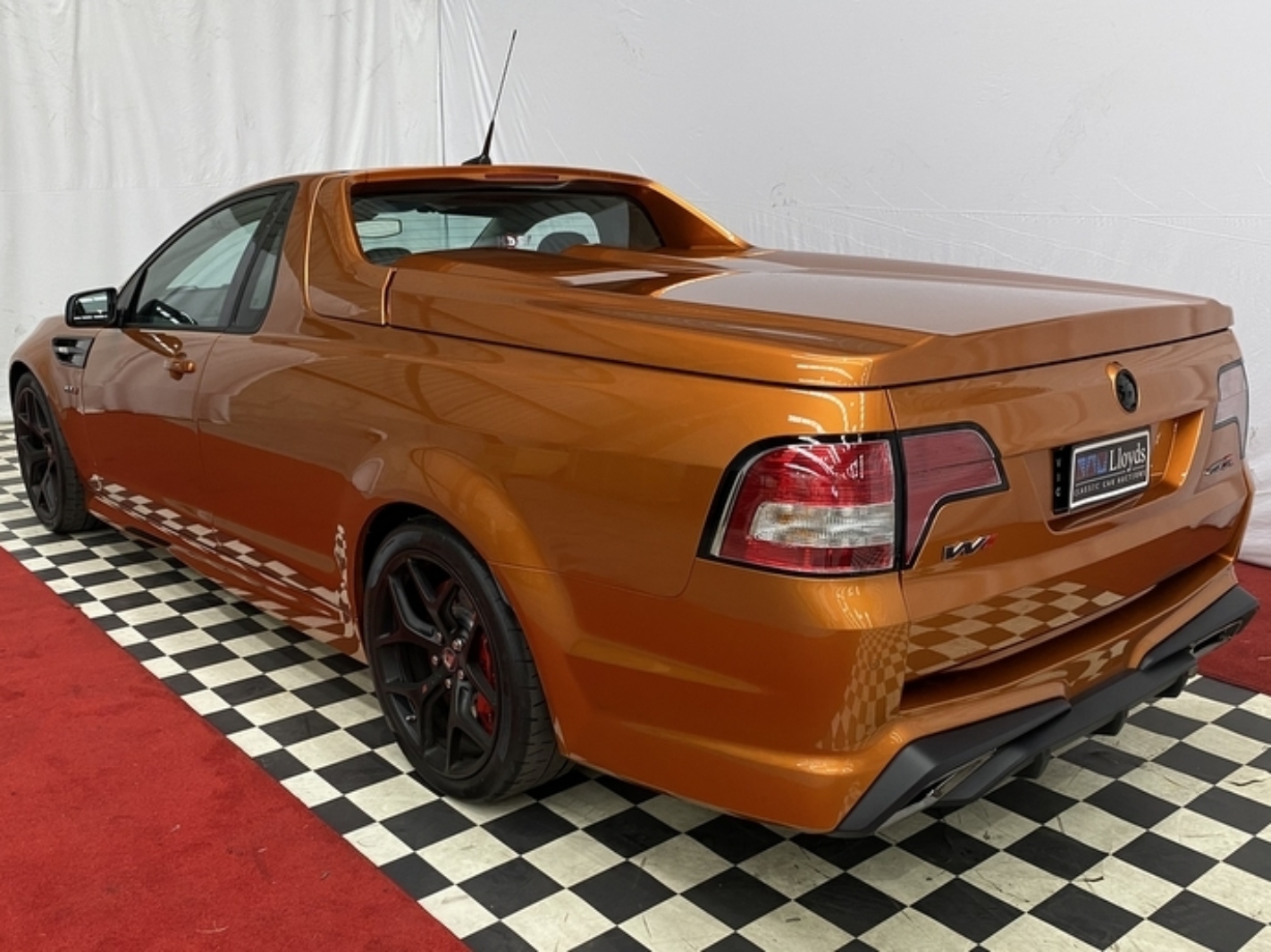
It’s not known how much HSV was asking the half-dozen takers to hand over when the W1 Maloos were sold new, but one source hinted at the price as being equal to “decent Lamborghini money”.
As the current Raging Bull family ranges from $379,000 to $950,000, it’s not quite clear if the W1 Maloo has appreciated significantly.
For context, 275 of the GTSR W1 sedan were sold on a more official basis for $169,990 and, while used model pricing followed a rollercoaster trajectory, none of the sedans came close to the far rarer Maloo W1.
The example on offer is said to have “delivery kilometers” but a few of those were certainly clocked up in the hands of MOTOR road-testing ace Scott Newman.
But if upwards of a cool half-mil is a bit too steep and you are keen to get your hands on one of the last great models from the much-loved brand, you’re spoilt for choice – relatively speaking.
According to Facebook page Interesting Cars of Perth, up for sale in Western Australia is an example of the less exclusive but still highly desirable GTSR W1 sedan.
Importantly, the car for sale by slatteryauctions.com.au is unmolested by journalists and still in its delivery plastic.
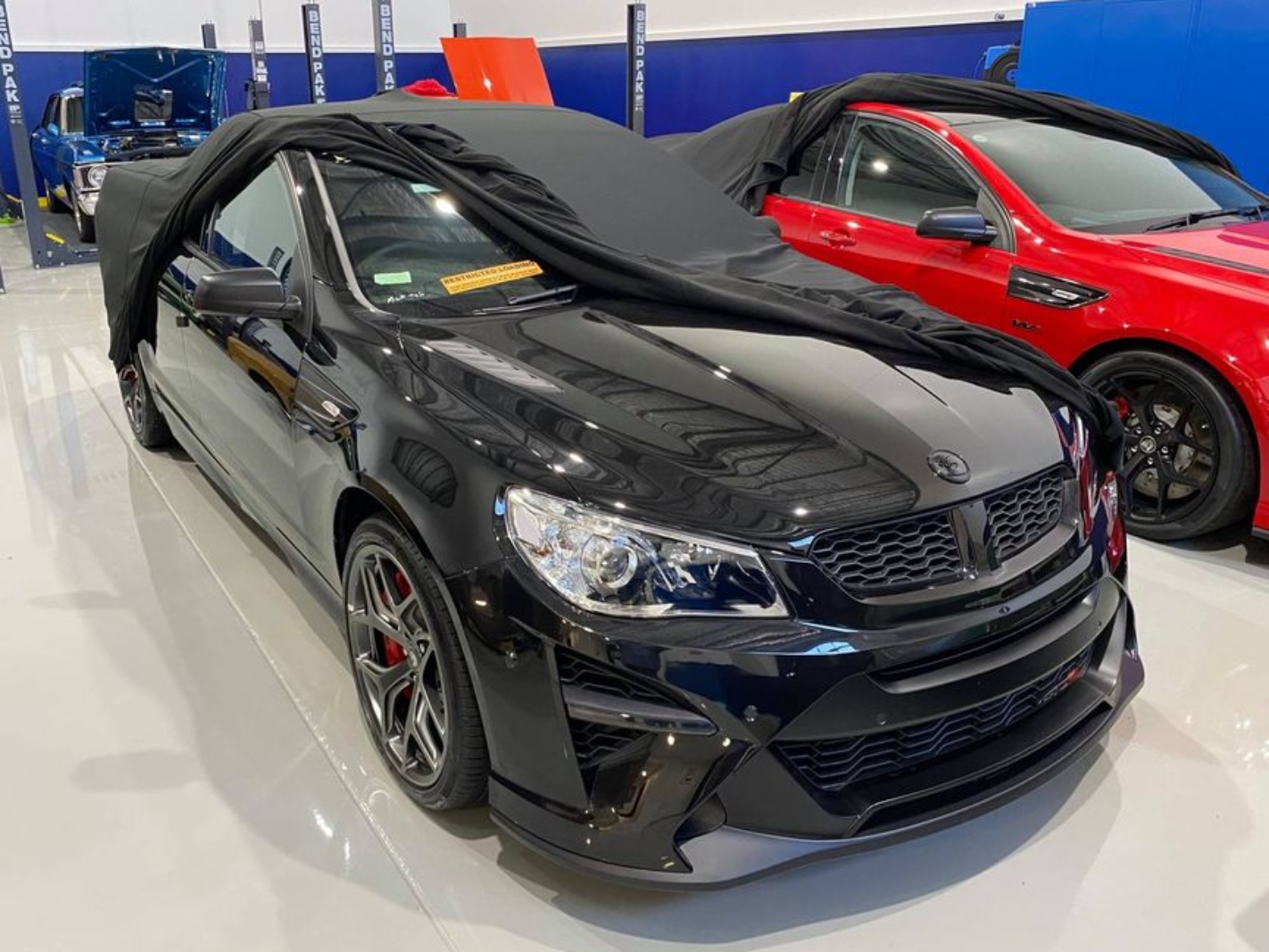
Alongside it, an example of the GTSR Maloo (non-W1) is also going to auction.
It might lack the vicious 474kW LS9 engine that powers the six W1 Maloos, but it still packs a 435kW LSA punch and is presented in stealthy black with gunmetal wheels. No reserve is advertised for either car.
Also going under the hammer in Perth are a selection of other historic and classic Australian muscle cars as part of a collection liquidation.
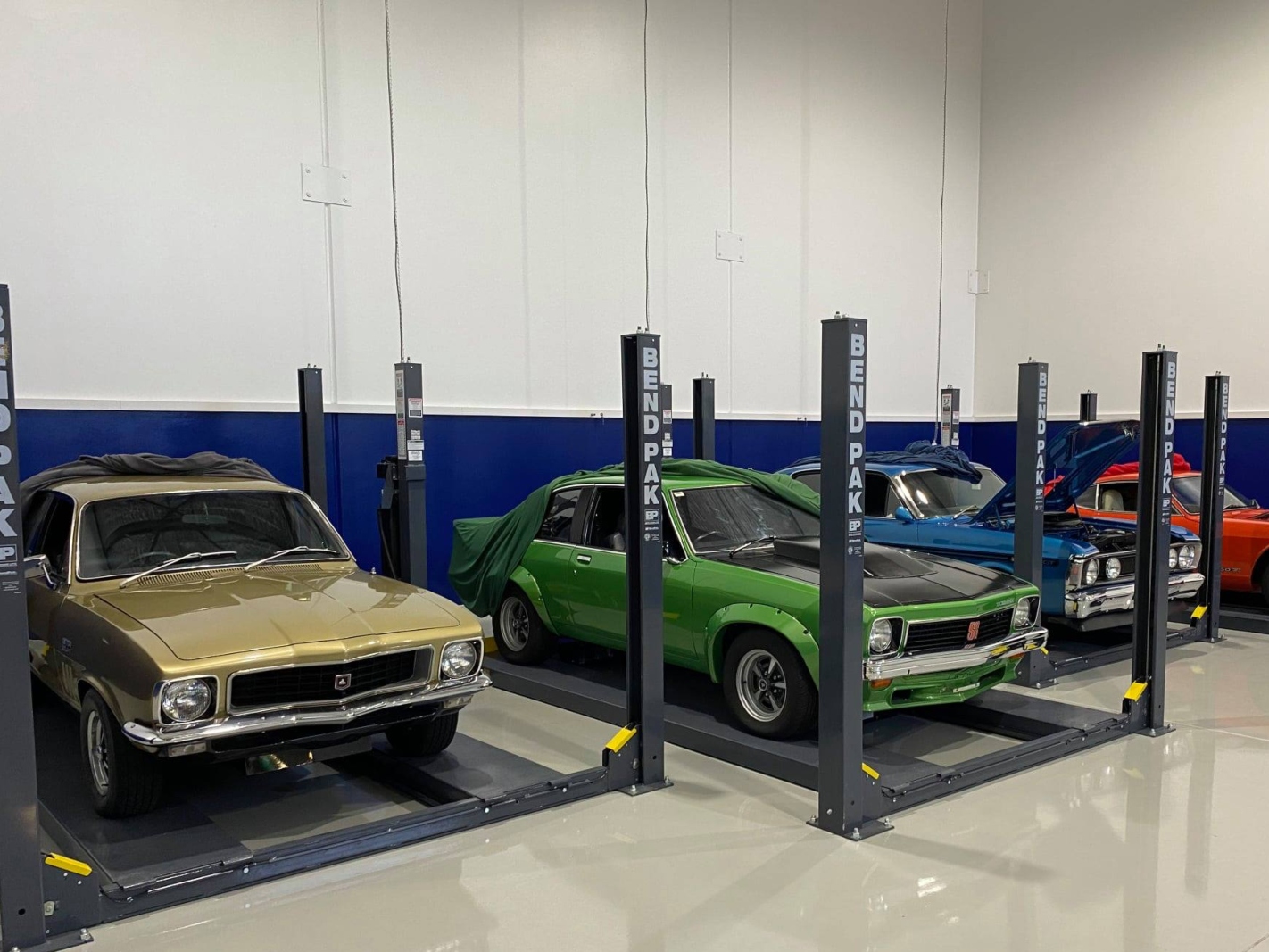
Act fast and you could be the new keeper of a ‘concours condition’ Ford GT HO Phase III, a pair of Holden Toranas – one GTR XU1 Bathurst edition and the other in highly exclusive A9X road-racer specification.
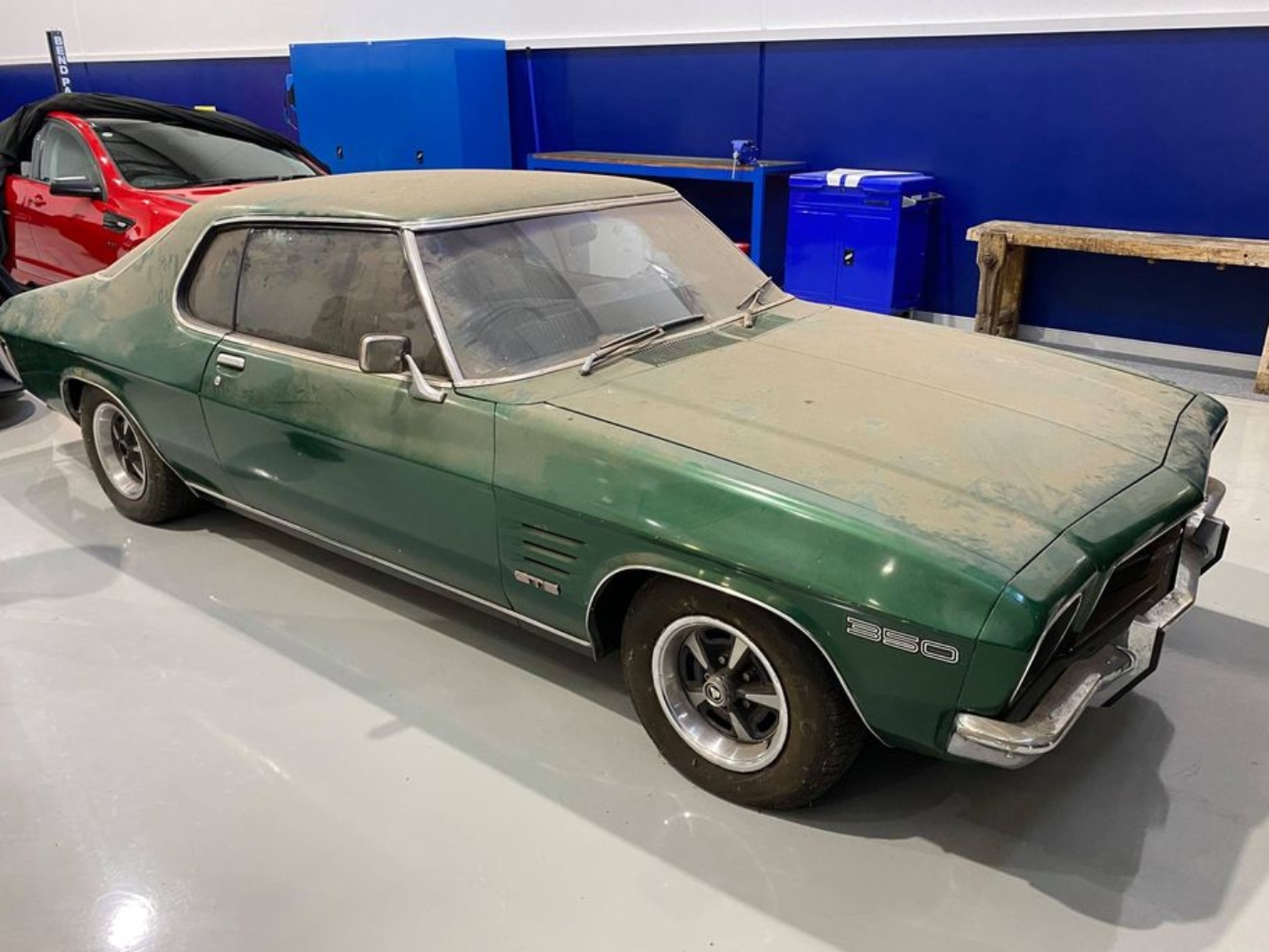
Rounding out the incredible Perth auction line-up is a Chrysler Valiant Charger in E49 trim, while a ‘barn-find’ HQ Monaro GTS 350 is said to be in immaculate condition, albeit still wearing its layers of grime.
All are due to be sold on February 15.
HSV fans may also be tempted by a handful of other offerings in the Lloyds auction that are a little more affordable than the W1 Maloo centerpiece.
Currently sitting on a $155,000 bid is an as-new 2009 HSV W427 with less than 1500km on the odometer, and if you’re wondering why it’s attracting such a premium, it’s one of just three finished in Panorama Silver and signed on the boot lid by Tom Walkinshaw.
In the same lot, a 2002 GTO Coupe is up to $25,500, while a fine example of a VT 10th Anniversary Senator Signature is nearing $15,000.
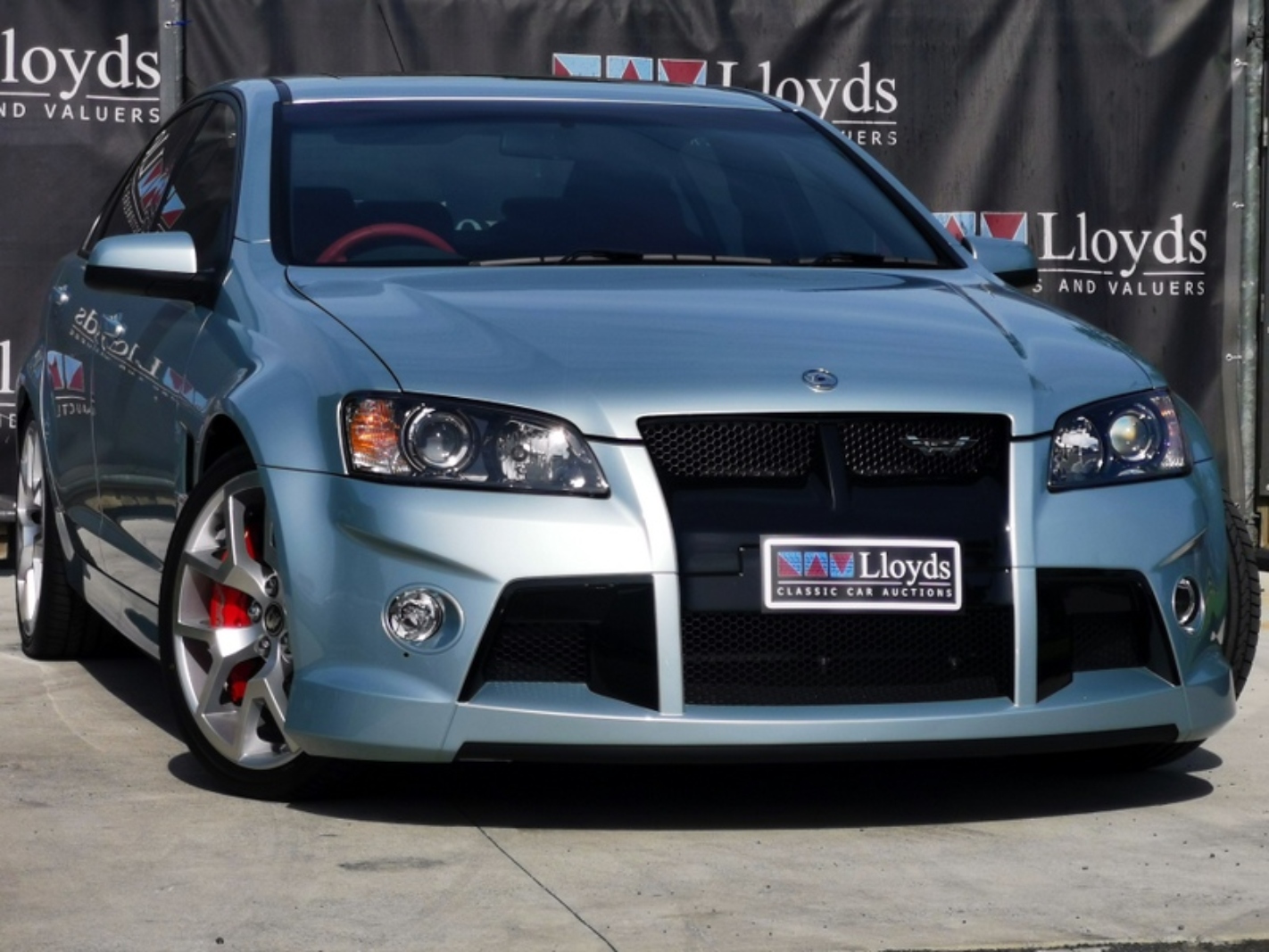
If you’ve got an Australian muscle car-shaped hole in your garage, 2021 is already looking like a great year to fill it.
Want to know why traditional small cars aren’t as popular as they used to be? Look no further than the small SUV segment, now bursting with dozens of contenders.
For a class that barely existed a decade ago it’s positively booming, even gaining pace during the bedlam of 2020.
Every major brand either offers a small SUV or will do soon. Some even have multiple offerings to cover more bases.
And in many cases, the baby of the high-riding wagon set has completely replaced the small car that once filled the dealership (Nissan, Mitsubishi and others, we’re looking at you…).
Diversity is rife, from budget-busting Chinese newcomers and Australia’s most affordable electric car to some added maturity from big brands that know how to play the game.
Winner – Toyota Yaris Cross GX Hybrid
There’s no such thing as too many SUVs apparently, as Toyota has just shown with its newest arrival.
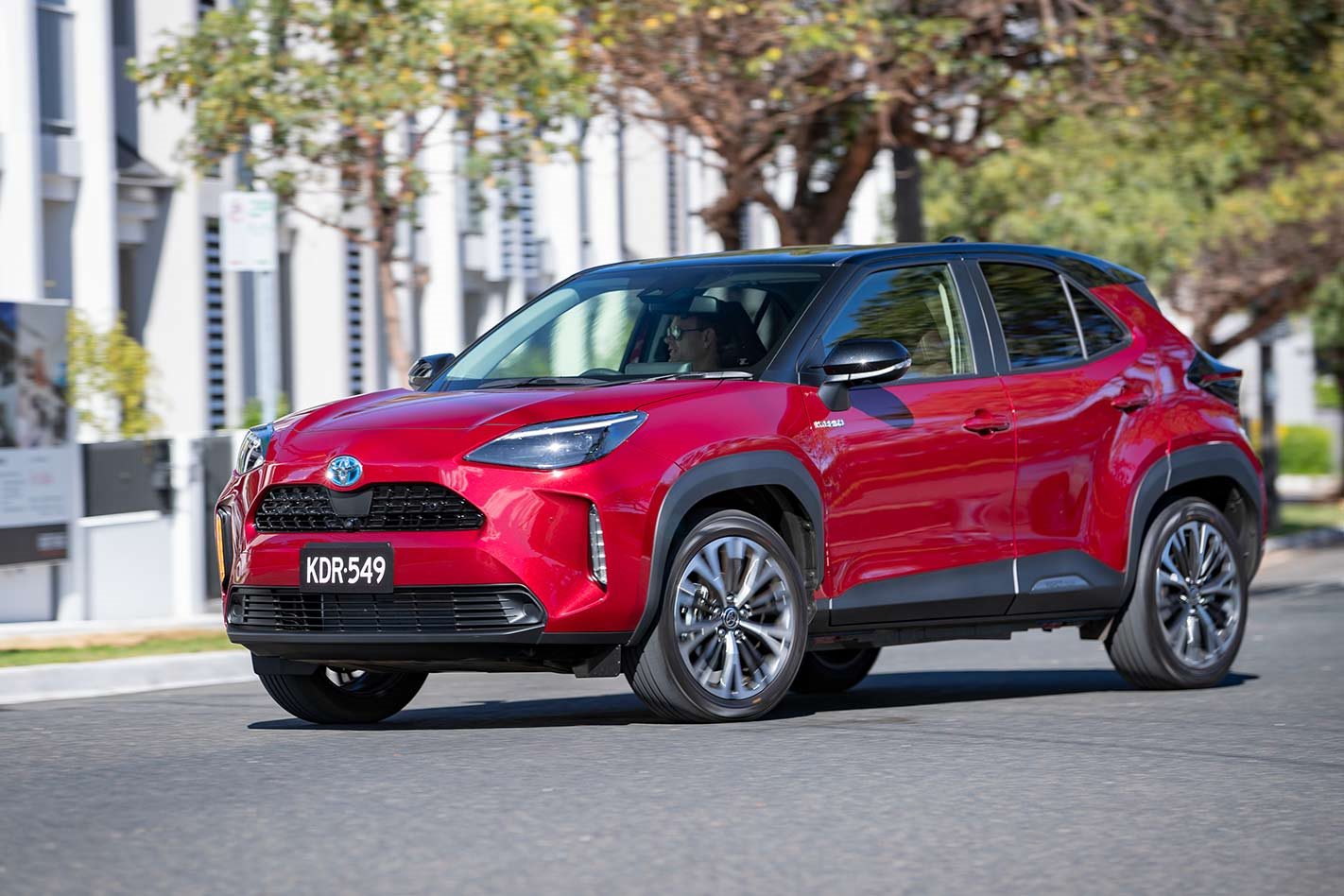
The Yaris Cross is the seventh SUV in the Toyota stables, slotting in below the C-HR as the most affordable.
As its name suggests, it shares plenty with the Yaris hatch – including three-cylinder engines and interior – but with a unique SUV body. Some funky colours and competitive pricing add to its appeal.
Whereas many small SUVs don’t bother with four-wheel drive, the Yaris Cross can be optioned that way.
However, unlike Toyota’s hardcore off-roaders, it’s one focused on the lighter side of gravel tracks.
The main thrust with the Yaris Cross is the suburbs, where the optional hybrid system comes into its own; don’t bother with the AWD model, either, because it’s way more expensive.
Recouping energy normally lost as heat through the braking system contributes to a frugal fuel use claim of 3.8 litres per 100km.
It more than offsets the $2000 higher entry price ($28,990 in total), helping the Yaris Cross edge to the front of a hotly contested field.
Sharp service pricing also helps in what is a densely packed pointy end of the field.
Even in the base GX trim level it’s well equipped, including items often left to the options list of some far more prestigious models.
Think smart key, digital radio and Apple CarPlay and Android Auto on a 7.0-inch touchscreen.
Safety is also well catered for with auto emergency braking and speed sign recognition as well as centre front airbags, the latter helping the car to achieve an ANCAP five-star safety rating for 2020.
There are also 16-inch alloy wheels, although the tyres wrapping them have sub-standard grip on a wet road, a rare mark against an otherwise solid driving scorecard.
SILVER – Toyota Yaris Cross GX
It seems Toyota has created a winning formula with its Yaris Cross, at least when it comes to value. Splash out the $26,990 for the most affordable model and you’re getting into one of the best value small SUVs on the market.
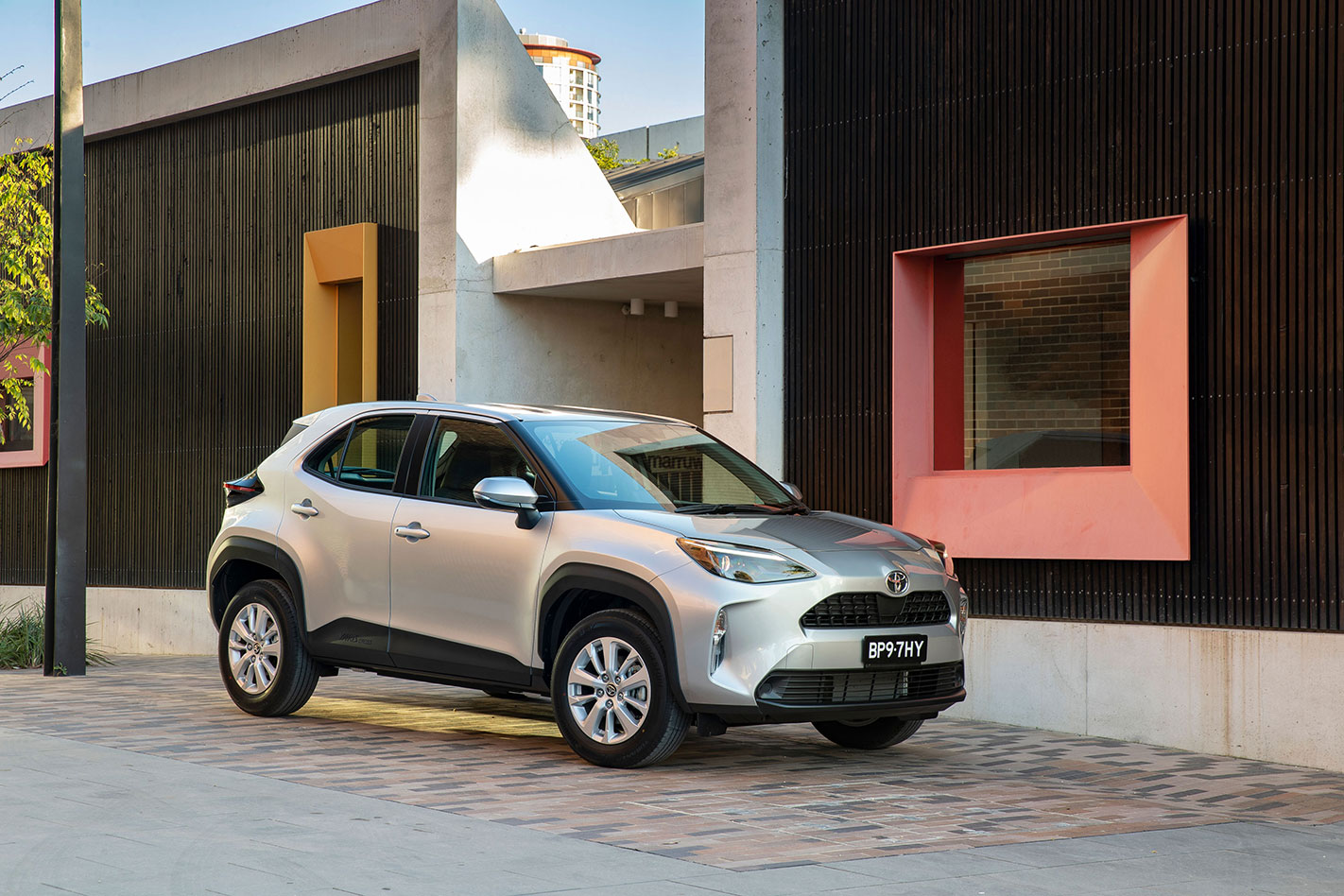
Despite the lower entry price compared with the same car in hybrid form, the regular petrol-only Yaris Cross uses marginally more fuel.
Despite costing fractionally less to insure and having slightly better resale, it wasn’t enough to reel in the hybrid model, the garden variety Yaris Cross GX settling into second place by less than $100.
The financially savvy could mount an argument that you could make that back – and more – if you’d invested the $2000 saved over the five-year evaluation period we’ve assumed for this analysis.
But that’s not how these value awards work, so the non-hybrid instead has to settle for second.
They’re split on how they drive, too.
The 1.5-litre three-cylinder in the regular Yaris Cross lacks some of the initial oomph of the hybrid, but it makes up for it with more zing at the top of its rev range, the modest 88kW delivered with some aural personality.
BRONZE – Suzuki Vitara
It’s not the top seller nor the best all-round car to drive, but the Suzuki Vitara represents top value by small SUV standards.
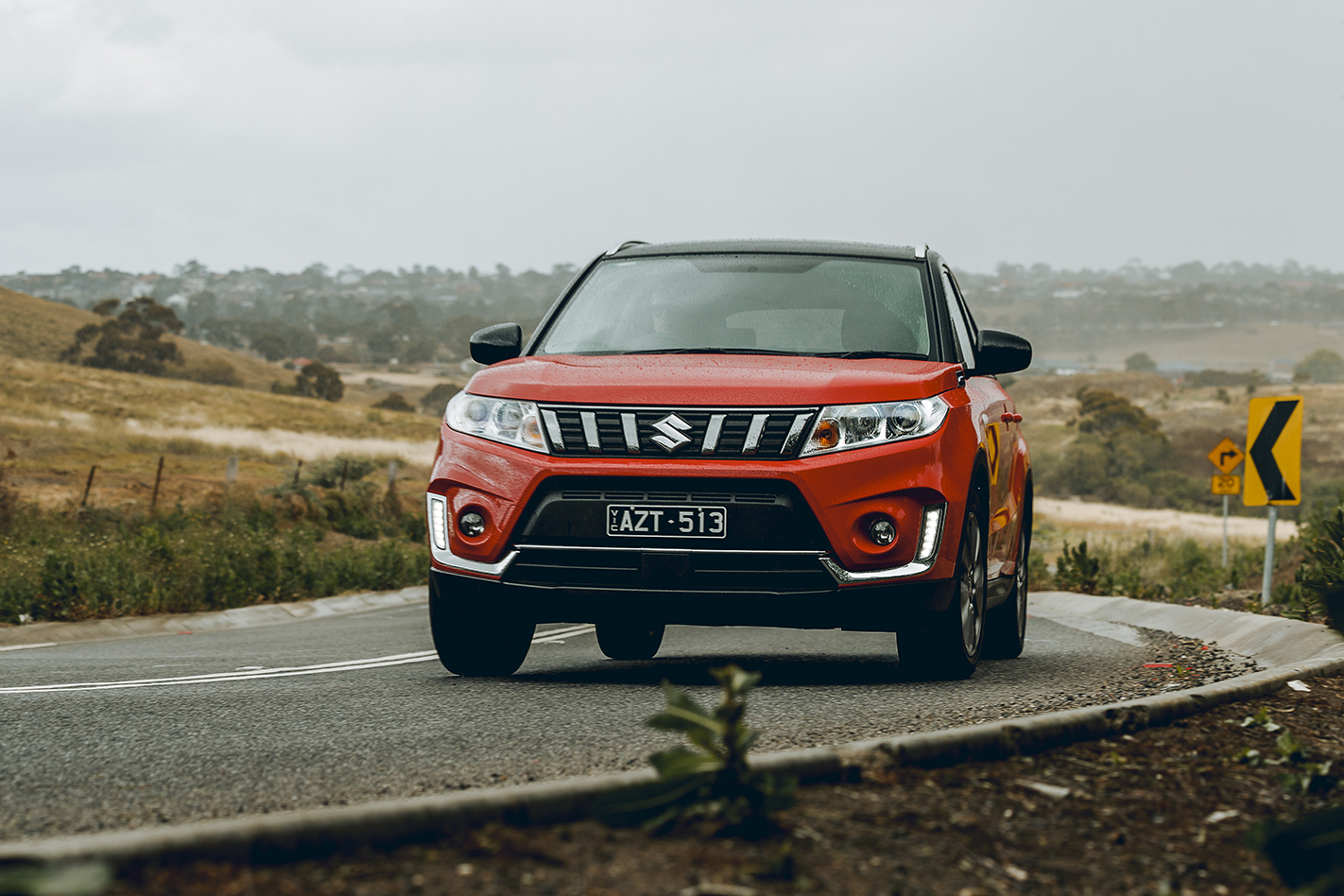
Priced from $25,990 with a six-speed auto, it’s reinforced by excellent 66 per cent-predicted Redbook resale after five years.
Frugal fuel use and servicing costs helped it (just) edge out the Kia Seltos to the final podium place (the small SUV podium positions were tightly contested!).
And the Vitara achieved all of that with some penalty points applied – it’s not as polished as some and the engine needs to be worked hard – showing just how light it is on the bank balance.
With a practical size and a vehicle that doesn’t skimp on the basics, including Apple CarPlay and Android Auto connectivity, the Vitara isn’t just about the price tag.
Jump to
- How we rate Australia’s Best Value Car
- Light/City Cars
- Small Cars
- Budget luxury cars
- Family Cars
- Five-seat SUVs
- Seven-seat SUVs
- Premium SUVs
- Prestige cars
- Kid Carriers
- Dual-Cab 4x4s
- Off-Road 4x4s
Electric cars and Toyota seem to have an uneasy relationship at the moment – at least if Akio Toyoda’s recent pointed dig at the category is anything to go by.
In what seems, then, to be little more than awkward timing, Toyota has pushed out its first in-house electric car to the public… and the C+Pod appears to be – on the surface at least – little more than a glorified two-seat city runabout that could have graced a motor show stand as a concept a decade ago.
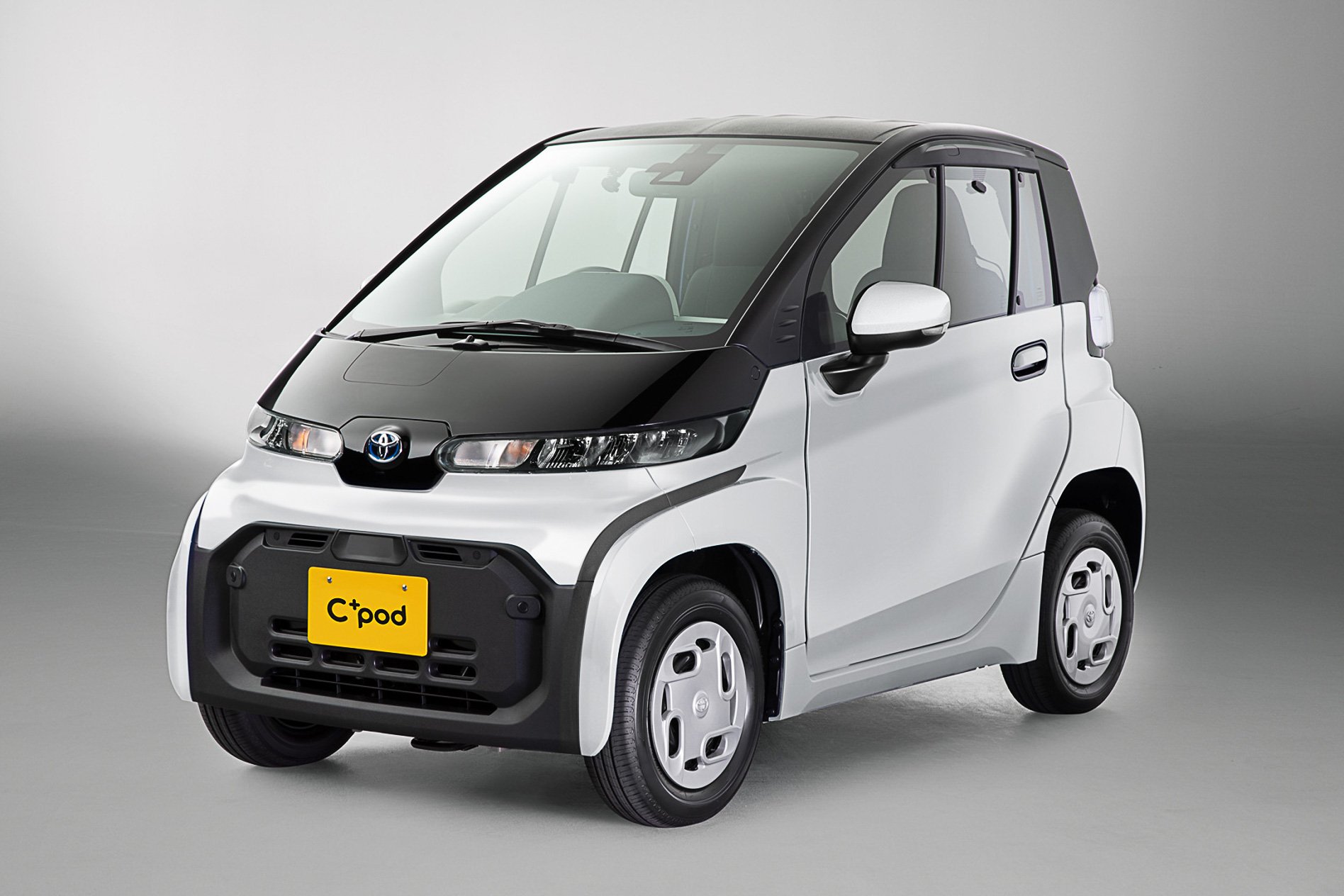
Previewed ahead of the COVID-stalled 2020 Tokyo Olympic Games as athlete transport, Toyota has stuck to its plan to roll out the diminutive BEV as a (very) small pilot program to government and corporate customers in 2021, before a full roll-out in 2022.
At less than 2.5m long, and powered by a tiny 9.2kW/56Nm electric motor, the plastic-panelled C+Pod’s equally small 51Ah/9kWh battery gives it a claimed 150km range, albeit at a top speed of 60km/h.
That, and the fact it carries just two people, limits the C+Pod’s usefulness within city boundaries.
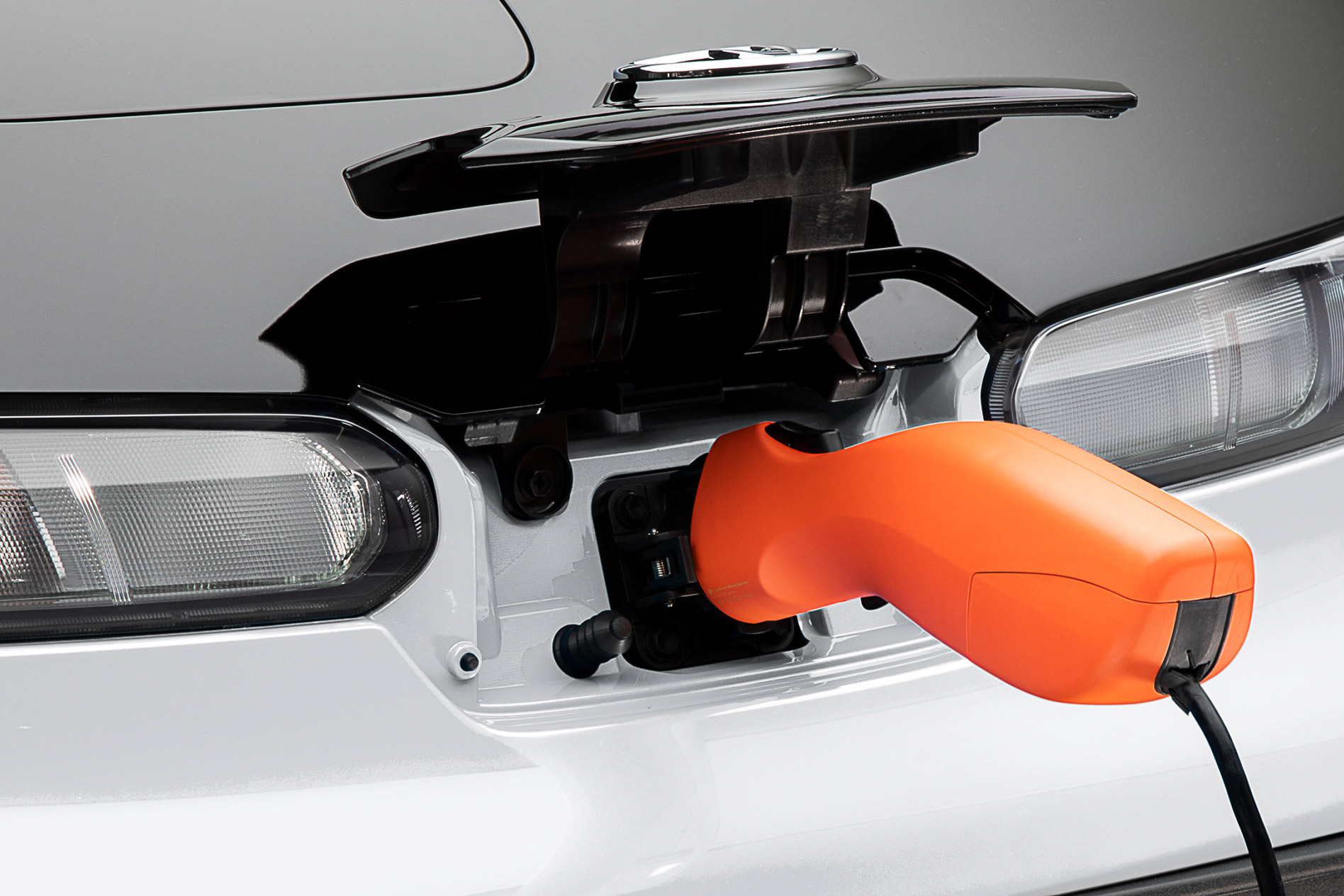
As well, it will take about 16 hours to charge even that small battery, thanks to Japan’s 100-volt domestic power grid. That time reduces to five hours on a 200v system.
It can, however, also act as a very large powerbank, offering 1500w, or ten hours, of power via household plugs and USB ports.
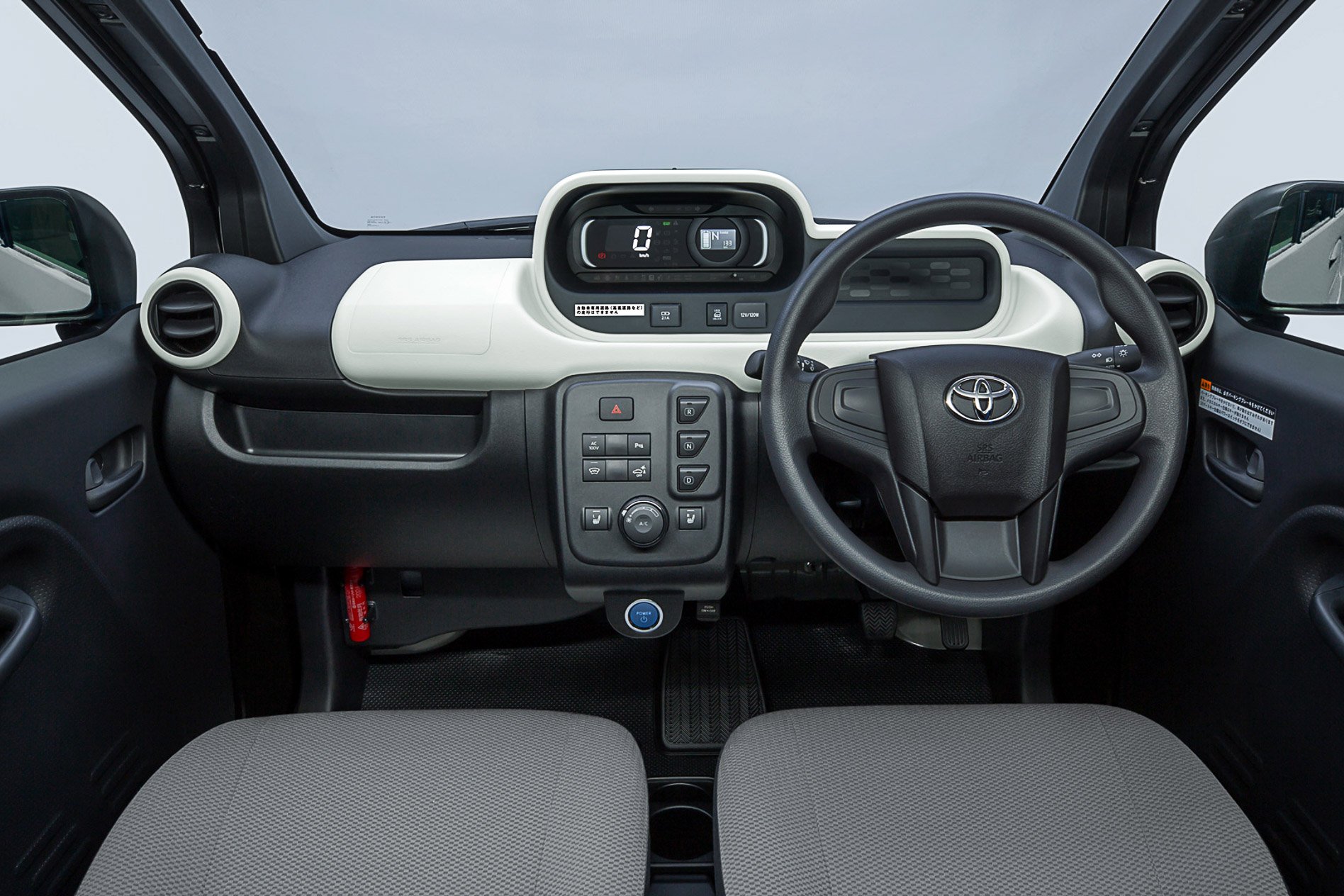
While the C+Pod is a Japan-only play at the moment, its launch does come at an interesting time.
Toyota’s rivals are lining up a bevy of BEVs more suited to mass-market consumption that are far closer to sale; indeed, the C+Pod reminds us of early EVs like the decade-old Mitsubishi iMiev, and undersellers like Renault’s Zoe.
On the flip side, of course, Toyota has almost singlehandedly introduced a swathe of ordinary consumers to the potential benefits of alternative-energy motoring, thanks to its continued dominance of the petrol/electric hybrid space.
Such is its advantage, in fact, that it’s one of the only car companies in the world that can weather a longer gestation period as it builds out its EV portfolio.
Toyota has long suggested that the road to battery-electric vehicles won’t be taken at high speed, but with governments fast-forwarding plans to ban the sale of fossil fuel-only powered cars, it appears that it may have to put its foot on the throttle a bit harder.
It recently announced that it would unveil a battery-electric SUV, while reports suggest that new battery technology – potentially based on fluoride-ion chemistry – may give the company a jump start over incoming competitors.
However, nothing will hit showrooms until 2025, which will provide a handy lead to its competitors.
We’re looking back through some of our most-viewed content throughout the year, and it turns out you couldn’t get enough of this one! Kick back and relive one of the standouts from a tumultuous 2020.
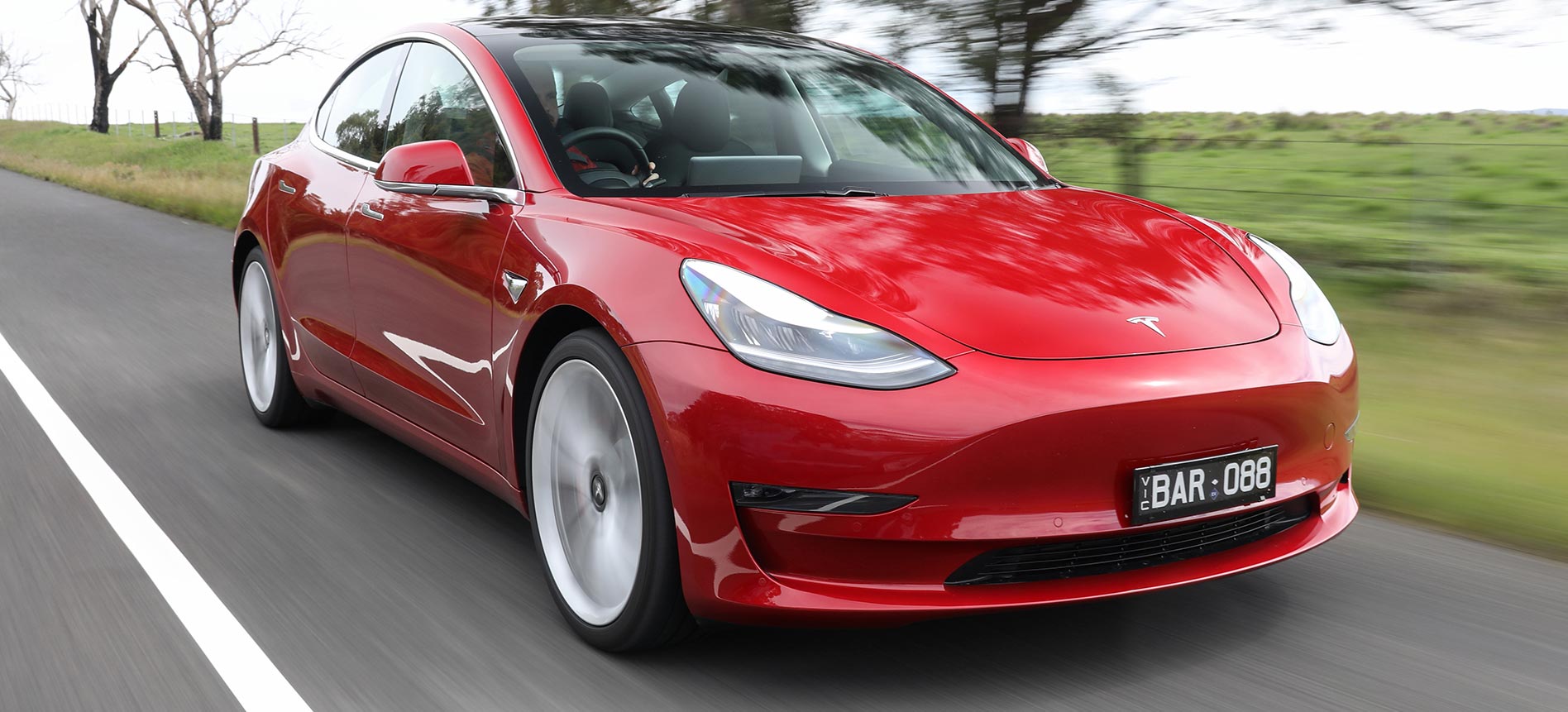
Teslas are now more expensive to recharge than it is to fuel an equivalent petrol-powered car – at least if you’re using the Tesla Supercharger network.
A recent price increase to use the fast-charging Tesla Superchargers and incorrect fuel figures on the Tesla website mean claims that recharging using a Supercharger is “less than the cost of petrol” are incorrect.
According to Tesla the cost of charging a Tesla Model 3 is $7 per 100km compared with $12 for a rival petrol car.
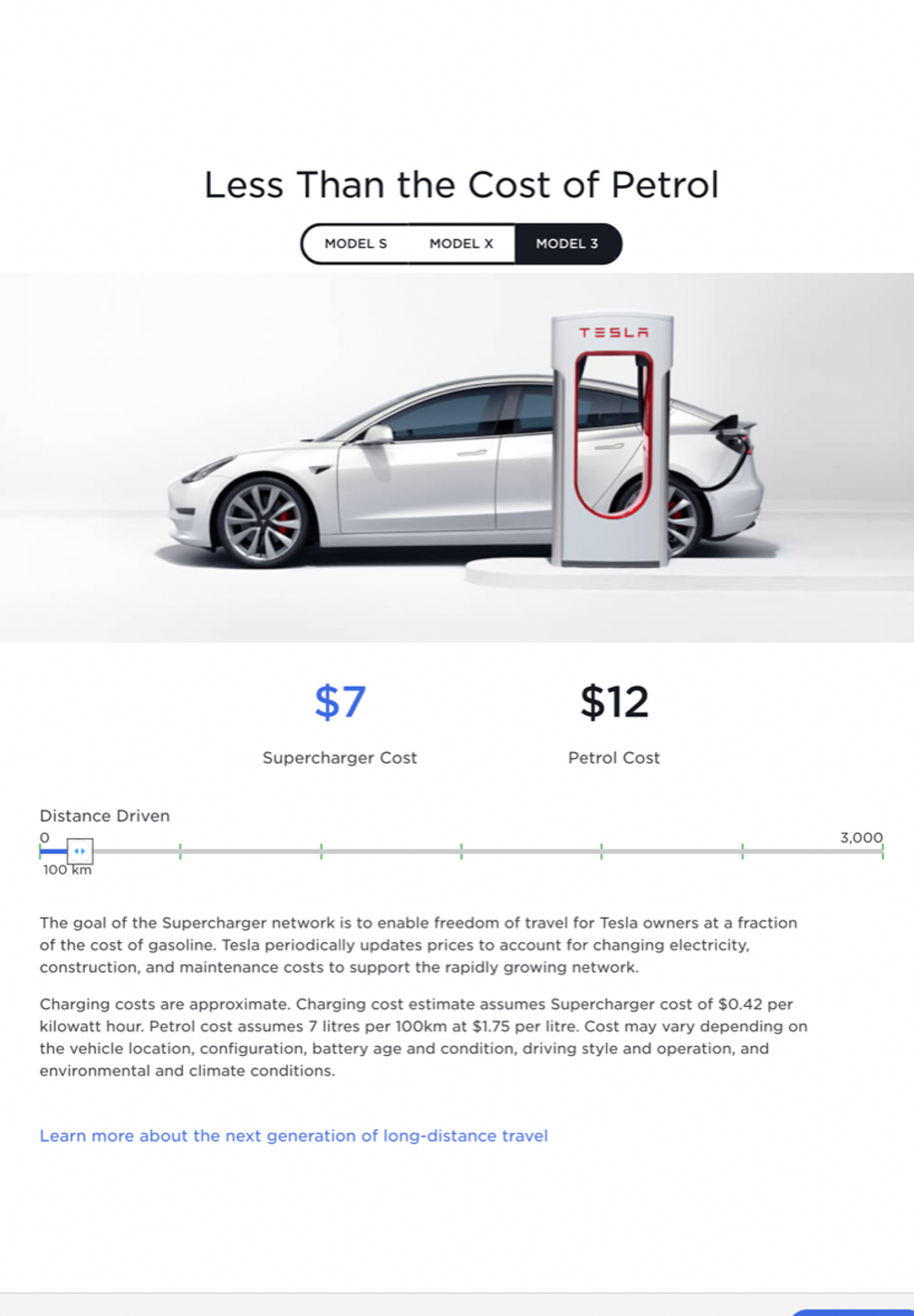
Those estimates include at least three incorrect figures: how much electricity a Tesla Model 3 uses, the cost of electricity at a Tesla Supercharger and the price of petrol.
The recent increase in the Supercharger cost to 52 cents per kilowatt-hour is well up on the 42c/kWh on the Tesla website.
That means recharging even the most efficient Tesla Model 3 Standard Range Plus – which consumes 18.8kWh/100km, according to figures supplied to the government – would cost $9.78 per 100km using a Supercharger.
A rival BMW 330i costs $8.00 per 100km assuming an average cost of premium unleaded of $1.38, one sourced from the NSW Government’s Fuel Check website.
Consuming a claimed average of 5.8 litres per 100km – well below the 7.0L/100km figure used by the Tesla website – the BMW is 18 per cent cheaper to fuel than a Tesla is to recharge.
Choose the hybrid-powered Lexus IS300h and that per-100km fuel cost drops to $6.76 – about 31 per cent less than the cost of a Tesla charged with a Supercharger.
While EVs have always cost more than their rival internal combustion engine cars, the promise of lower running costs has been a key part of the appeal.
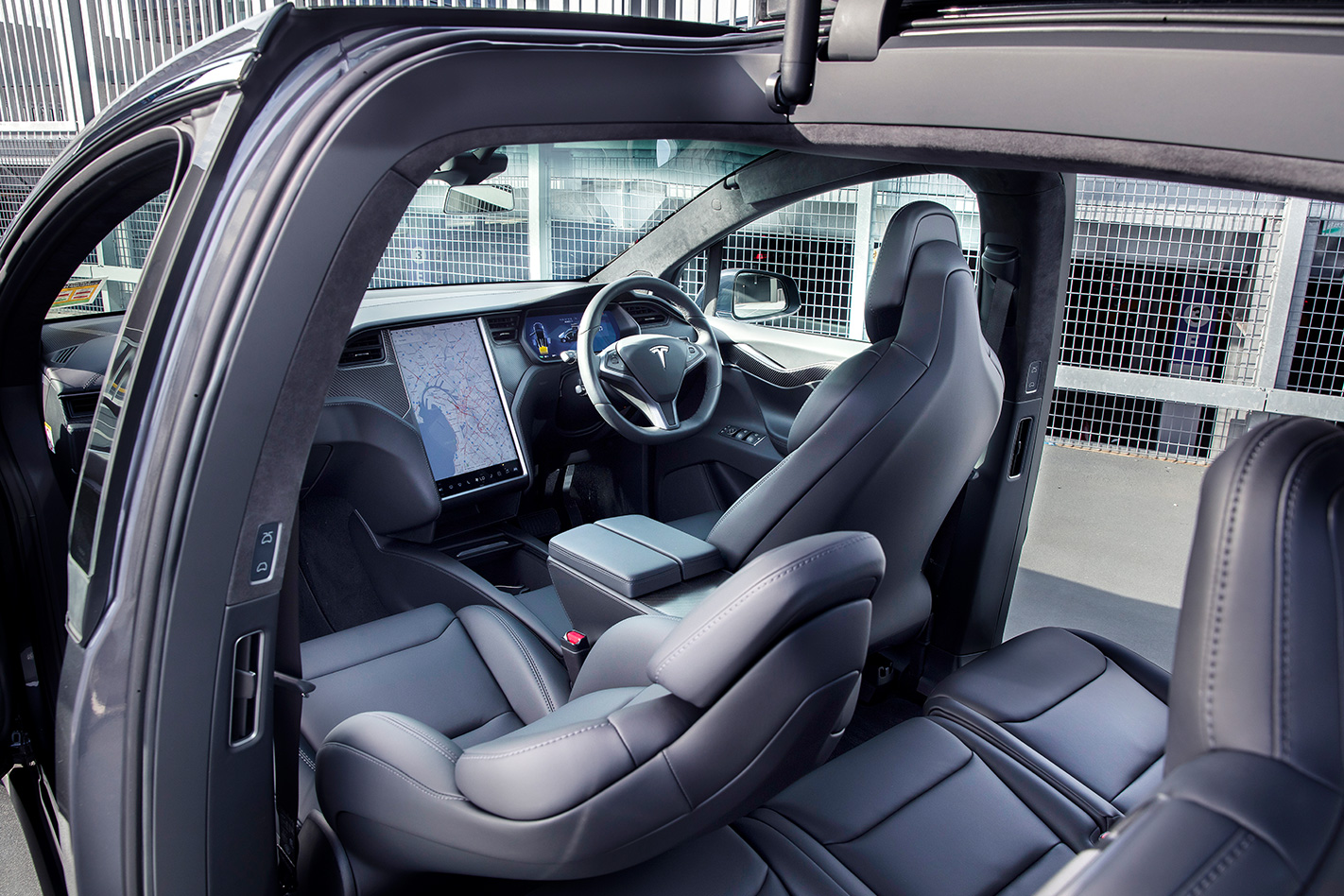
Tesla used its Supercharging network as a lure for buyers, particularly in the early days after the brand arrived in Australia, in many cases offering free charging.
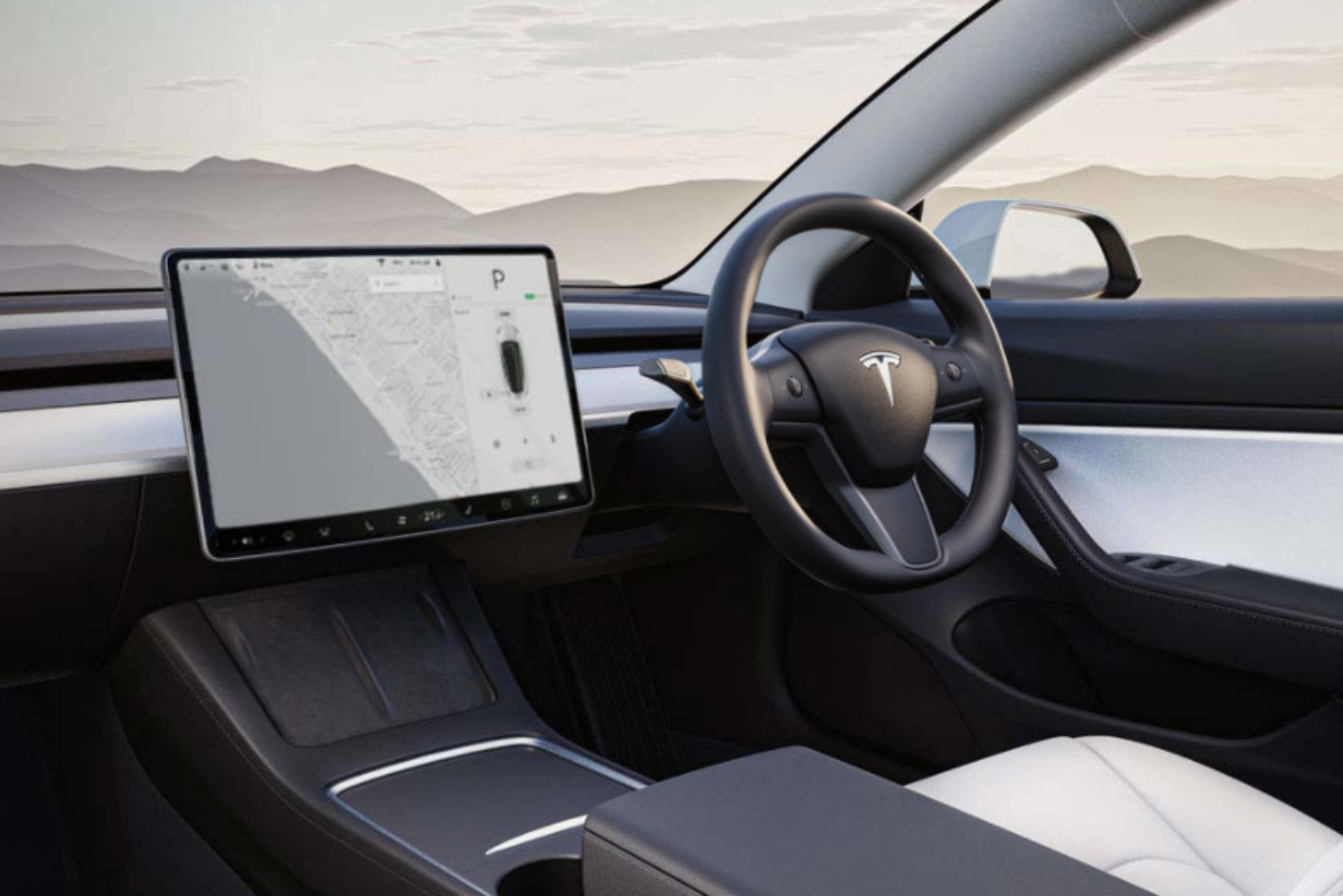
But those purchasing the more affordable Model 3 – believed to be the top-selling EV in Australia – are forced to pay the full 52c/kWh, making Supercharging more costly than refuelling with premium unleaded.
Marty Andrews, CEO of the largest electric car charging outfit in Australia, Chargefox, says fast chargers such as the Chargefox Ultra-Rapid chargers and Tesla Superchargers are expensive to install, so there is always going to be a cost with using them.
“The Superchargers and Ultra-Rapid chargers on the Chargefox network are there to support you on a long-distance drive,” he says. “If they end up similar [to the cost of a petrol car] … the average [per kilometre running cost] is still going to be way, way lower.”
The Chargefox Ultra-Rapid network currently consists of 15 sites on main roads between Adelaide, Melbourne, Sydney and Brisbane.
Andrews says that while people pay more for electricity than they do at their home, they’re set up for convenience.
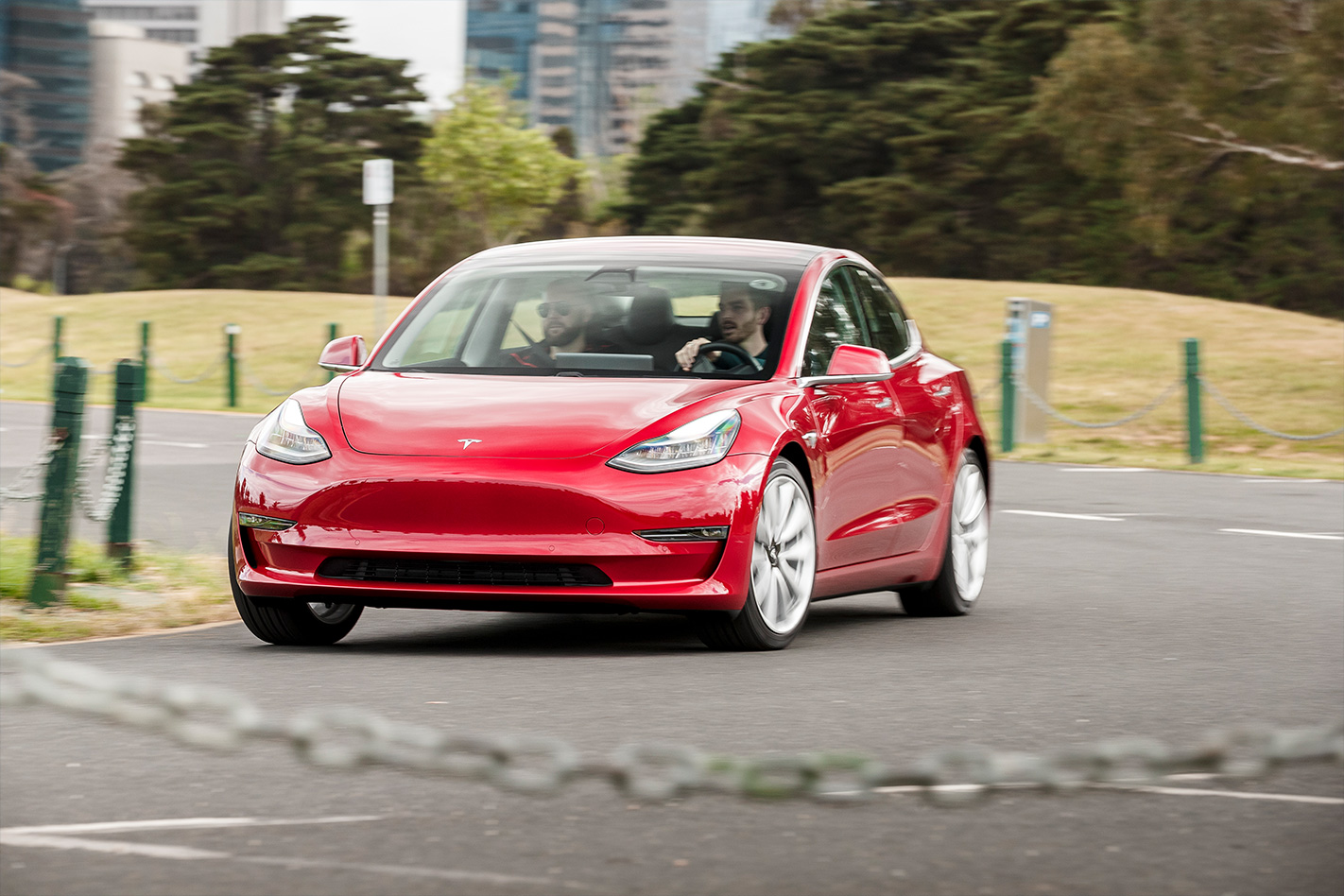
He says most EV drivers will use home charging or destination chargers – including at shopping centres and in public areas – which are much cheaper or free.
“EVs are cheaper to run because you can locally charge them at home and you can use solar.”
Most Tesla destination chargers are also free and many households only pay 25-30c/kWh for electricity, making it much cheaper to recharge at home. Off-peak rates can be half that.
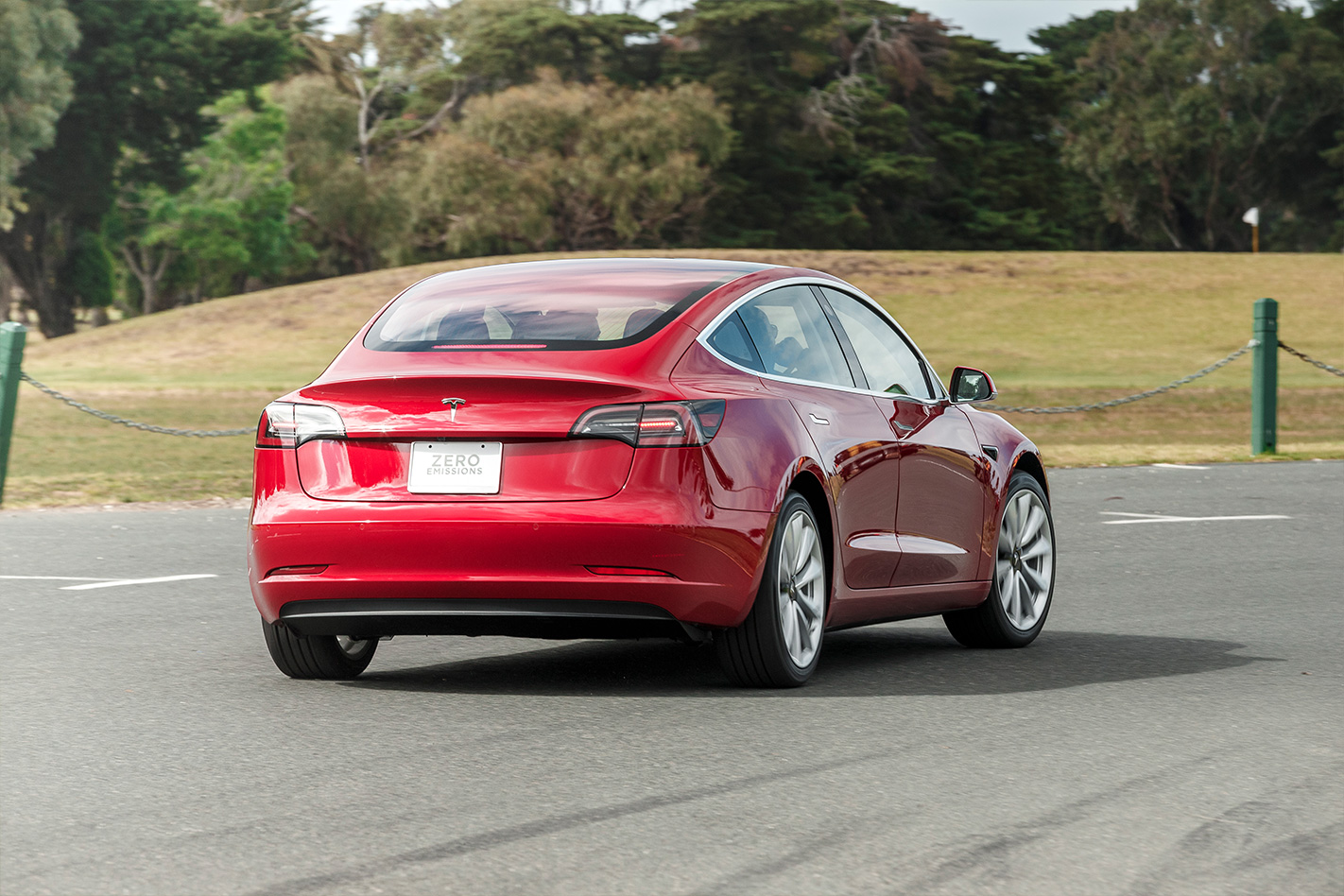
But it doesn’t excuse the blatantly incorrect figures on the Tesla website in claiming Supercharging is cheaper than paying for petrol.
Tesla has not provided a comment.
Looking back from an era on the cusp of large-scale electrification, the Holden V2-VZ Monaro (2001-06) seems like a dream. A large two-door coupe almost exclusively V8-powered, born in a Melbourne design studio determined to match the best in the world, fuelled by the enthusiasm of an Australian public no longer hindered by the cultural cringe.
What we didn’t know then is that the V2 Monaro marked a pivotal moment in our car culture – the beginning of the greatest purple patch in Aussie automotive history, but also the beginning of the end…
The modern Monaro’s rebirth narrative has been told many times, but it’s worthy of a recap. With work on the ’97 VT Commodore well underway, and its “luscious surfaces” naturally lending themselves to a coupe, senior designer Peter Hughes is nudged by Holden’s chief designer Mike Simcoe to do a proper sketch of a coupe version. And so the oldest surviving image of a two-door VT – dated 1994 – is born.
Some years later, with the coupe’s creative seed well and truly planted, Simcoe completes a 30-percent-scale tape drawing of the two-door at home in his spare time, defining the coupe’s proportion. A same-size clay model follows back in the design studio before work begins in secret on a full-size concept car with the support of Holden’s head of engineering, Tony Hyde, who makes the funds available to complete the project.
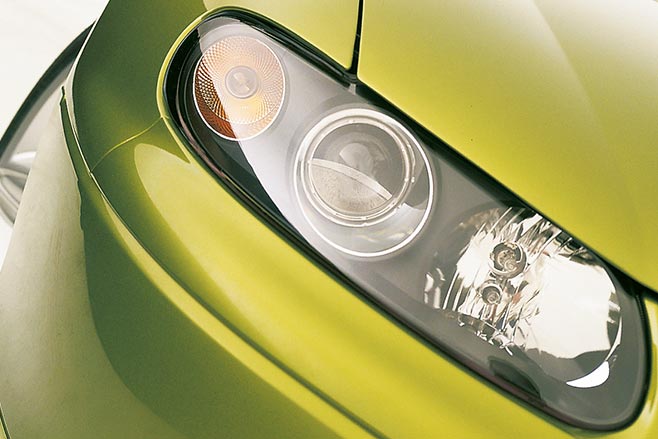
The ‘Concept Coupe’, as it becomes known, is never meant for a public audience – it was an ‘internal design study’, completed after-hours by designers volunteering their time. But Simcoe and his department treat it just like a production car and when a few key members of management see it – and fall in love with it – Concept Coupe gathers momentum.
Three weeks before the 1998 Sydney Motor Show, Simcoe finally reveals the bodyshell to Holden’s then-MD, American Jim Wiemels, who agrees it would be a worthy addition to Holden’s show stand and its 50th anniversary celebrations. And when the covers do come off on October 15, there’s uproarious applause … from the journos!
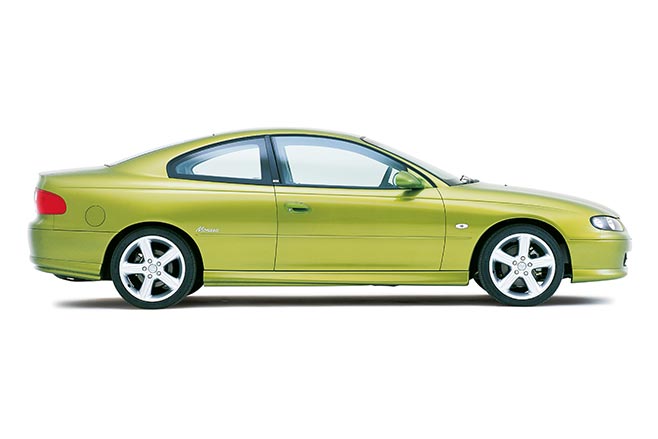
But no one predicted just how nuts the public would go for it. Concept Coupe almost instantly becomes ‘the new Monaro’ and by the end of the show, Holden dealers are already receiving orders. A year later, the company confirms the Commodore two-door is production-bound. Then, in December 2000, Holden announces that a ‘Monaro’ will again grace its showrooms.
Unlike the original Monaro coupes (1968-76), which are held in high regard today but whose sales (and values) tapered off after the initial fervour, the V2-VZ Monaro never really lost its lustre. It’s been treasured from the start.
In its first full year (2002), Holden shifted 4274 examples – more than 90 percent of which were the 225kW/460Nm 5.7-litre Gen III V8, featuring either a Borg Warner T56 six-speed manual or GM’s own 4L60E four-speed automatic, each costing $56,990 (or around $4500 more than a VX II Calais V8 sedan).
To lower the entry price, Holden also offered a Monaro CV6 range starter for $47,990, though no amount of cost saving could make up for its gruff, auto-only 171kW/375Nm 3.8-litre supercharged V6, which drank premium juice and was barely any thriftier than the V8. Holden dumped it after 18 months.
As with the original Monaros, updates happened quickly with the V2, yet the modern Monaro’s subtly menacing form was never messed with – not for a few years, at least.
The ’01 Monaro already packed the best Holden could offer, including the new-generation column stalks and ‘toe-control link’ rear suspension that had just debuted on the VX Series II Commodore. But a new air intake gave it more V8 rumble, a more rigid steering system with a 13-percent slower ratio improved weighting consistency and response, and it scored completely retuned suspension.
Combined with a stronger body structure (23 percent in bending, five percent in torsional stiffness) and a lower centre of gravity, these alterations made the V2 Monaro the best-handling Commodore to date … even if the overall dynamics still lacked finesse. As did the brakes. And the transmissions. But what remains absolutely note-perfect to this day is the way the Monaro looks.
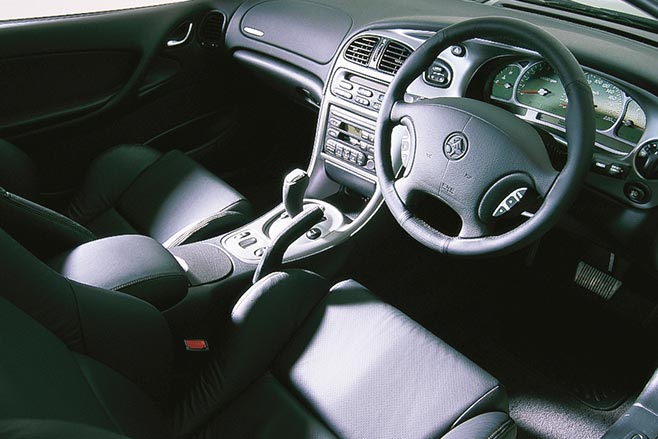
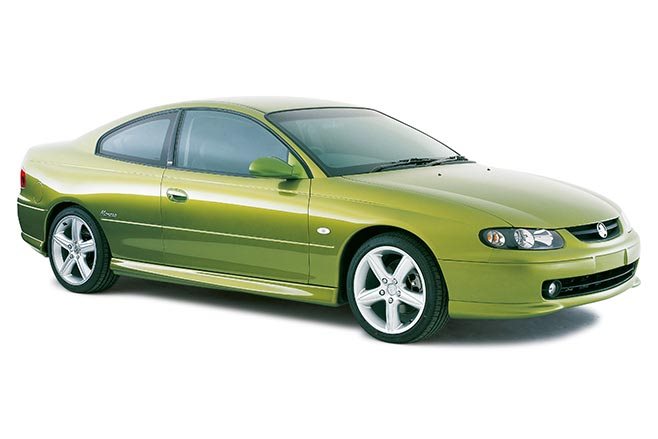
Moving the Commodore’s rear pillars inwards gifted the Monaro gorgeous proportion. If the front was conservatively handsome then the rear haunches were borderline voluptuous – svelte but muscular, yet exuding refined confidence. And the V2’s minimal embellishment only serves to highlight the perfection of its form. It’s a rare combination – understated intimidation.
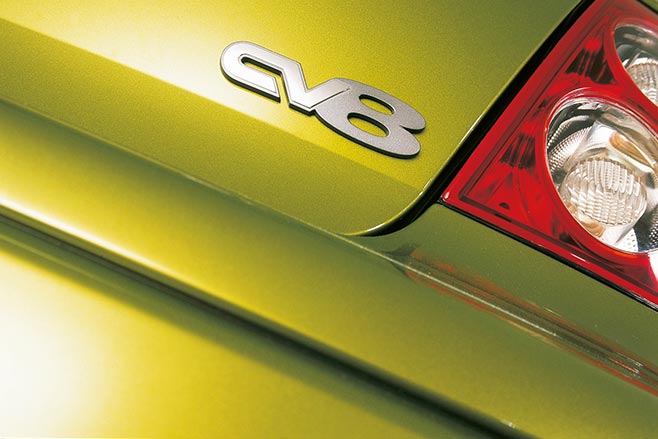
The detailing of the V2 Monaro also stands up to scrutiny. Its classy projector headlights, stove-burner tail-lights, artful badgework and imposing ex-HSV alloys made a grand statement in 2001. And nearly 20 years later, it’s the original that best encapsulates the “less is more” aesthetic that Mike Simcoe, Peter Hughes, Richard Ferlazzo and all Holden’s talented ‘golden age’ designers were aiming for.
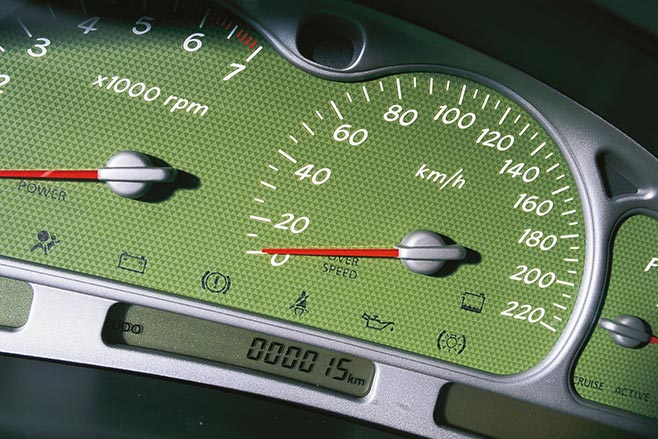
While the ‘Series II’ update (December ’02) introduced new flat-faced, five-spoke 18s that Simcoe reputedly wanted from the start, as well as more grunt for the V8 (235kW/465Nm) and a niftier, classier steering wheel, the jury is still out on whether its new dashboard (shared with Holden’s VY Calais) has the character of the VT-sourced version. There’s something about the original, along with brightly coloured instruments and lurid leather options, that speaks the Monaro’s truth.
The Series II also binned the colour ‘Flame’ – an almost watermelon orange – in favour of the Hendrix-inspired ‘Purple Haze’, which itself lived for barely nine months until ‘Impulse Blue’ replaced it in the Series III update of August ’03. To give Holden credit, it refused to let the Monaro stagnate.
Mirroring the switch to a Chevrolet Monte Carlo-inspired front for the ‘74 HJ Monaro, the final VZ Monaro of 30 years later received several ‘enhancements’ from the US-export model (the left-hook Pontiac GTO, which Holden began producing in mid-2003). Bonnet nostrils, aggressive new bumpers, more angular headlights, meatier alloys, a beefier 260kW/500Nm (ex-GTO) engine tune, extra gauges and a new Turismo Blue hero colour make the VZ stand out like a chomping set of porcelain veneers. But it’s the shorter gear ratios and larger brakes, among other engineering enhancements, that make this the best Monaro to drive (HSV variations aside, of course).
If you want to enjoy a modern Monaro in all its brilliantly packaged glory, however, avoid the VZ. To rationalise build complexity, Holden switched to the US-market fuel tank, which makes room for the VZ’s dual exhaust system but is five litres smaller and stands vertically behind the rear seat (for crash safety), shrinking boot space by 34 percent.
Otherwise, where the latter-day Monaro succeeds by an enormous margin over its predecessors (and indeed pretty much every modern coupe) is in how much space it has – a pair of rear-seat buckets almost as comfortable as the armchairs up front, plus loads of rear legroom, acceptable headroom and a 370-litre boot.
It’s a lasting legacy of Holden design into the 21st century that few large cars on earth can achieve so much for so little – development cost, that is. With the benefit of two decades’ hindsight, it’s remarkable that Holden managed to get the Monaro project up and running at all. In an era where the Japanese were culling iconic coupes left, right and centre, the V2 Monaro found a vein and channelled it.
Across a little over four years, Holden’s domestic V2-VZ Monaro tally reached 11,574 (with HSV contributing another 2788 Coupes, and the main export market – the US – receiving more than 40,000 Pontiac GTOs). That’s an impressive number compared to the production of its HK (8945), HT (14,437), HG (6147), HQ (13,872), HJ (4754) and HX (600) Monaro predecessors. But, sadly, it wasn’t enough to give the stunning VE Coupe 60 concept of 2008 the gift of life.
The V2- VZ Monaro isn’t the last word in mechanical finesse, but it has always delivered so much honest fun. More importantly, for a modern classic, its beauty is truly everlasting.
It has become a cherished halo car for the ingenuity of Aussie engineering. Even today, it rightly stands proud as one of the finest proponents of Australia’s last-ever automotive golden age.
The Monaro’s running gear
Monaro’s all-alloy 5.7-litre Gen III V8 debuted in the VT II Commodore in ’99, and right from the start was never known for its bottom-end shove. It liked to rev! But it also featured moonshot gearing, so driving them hard was almost par for the course.
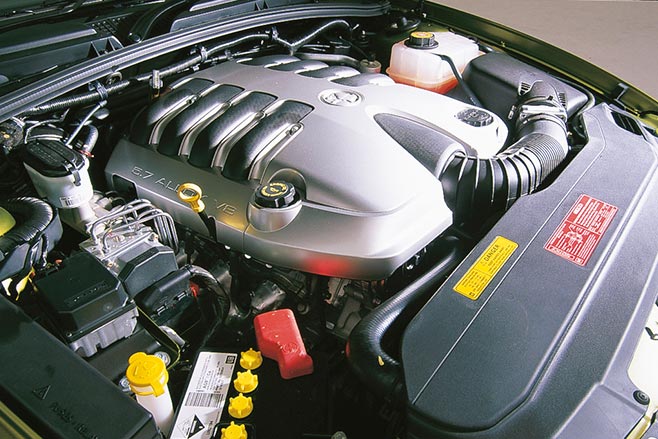
They’re strong donks, provided you keep the oil fresh, though early LS1s suffered from oil leaks, as well as piston slap when cold. Most problems should be sorted by now, but inspect everything and always buy on condition.
Holden V2 Monaro CV8 specs
Engine 5665cc V8 (90°), ohv, 16v Max power 225kW @ 5200rpm Max torque 460Nm @ 4400rpm Transmission 6-speed manual Kerb weight 1640kg L/W/H/WB 4789/1841/1397/2788mm 0-100km/h 6.9sec (tested) Price $56,990 (CV8, new)
As it turns out, the new car pipeline looks bright in Australia, which would never have been taken for granted after a year where COVID-19 clogged it more than a couple times.
Over the next year, over 50 models across the mainstream brands will debut major updates or refreshes, filling the calendar we’ve made up here with drool-worthy game-changers and promising challengers.
And whether you’re in the market for a new ride or keeping an eye on what’s coming, everything you’re looking for is right here to peruse.
Audi A3
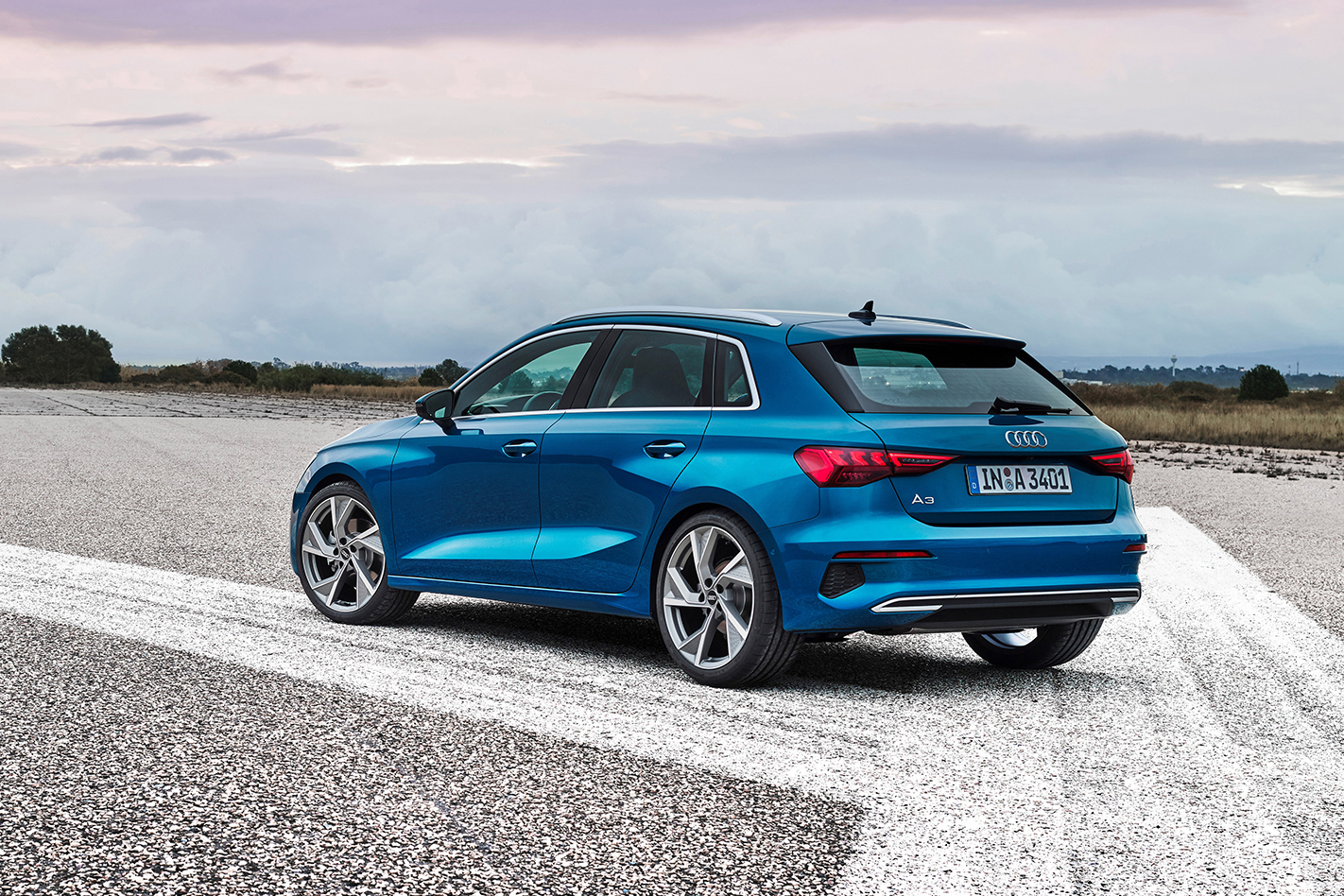
Arrival date: June
This is an iterative update, reflecting the launch of parent company Volkswagen’s new Golf Mk8.
Both take the group’s MQB shared architecture and update it heavily, with a raft of technical changes to bring the modular matrix bang up to date.
Headline news includes the arrival of 48-volt mild hybrid systems, a full plug-in hybrid (PHEV) to follow and lashings of new tech inside to satisfy Generation Digital.
A large 10.1-inch touchscreen is standard on every model and the computers running the infotainment are 10 times more powerful than before, meaning everything from satellite navigation to voice recognition are noticeably more rapid and accurate in their operation.
Audi Q2
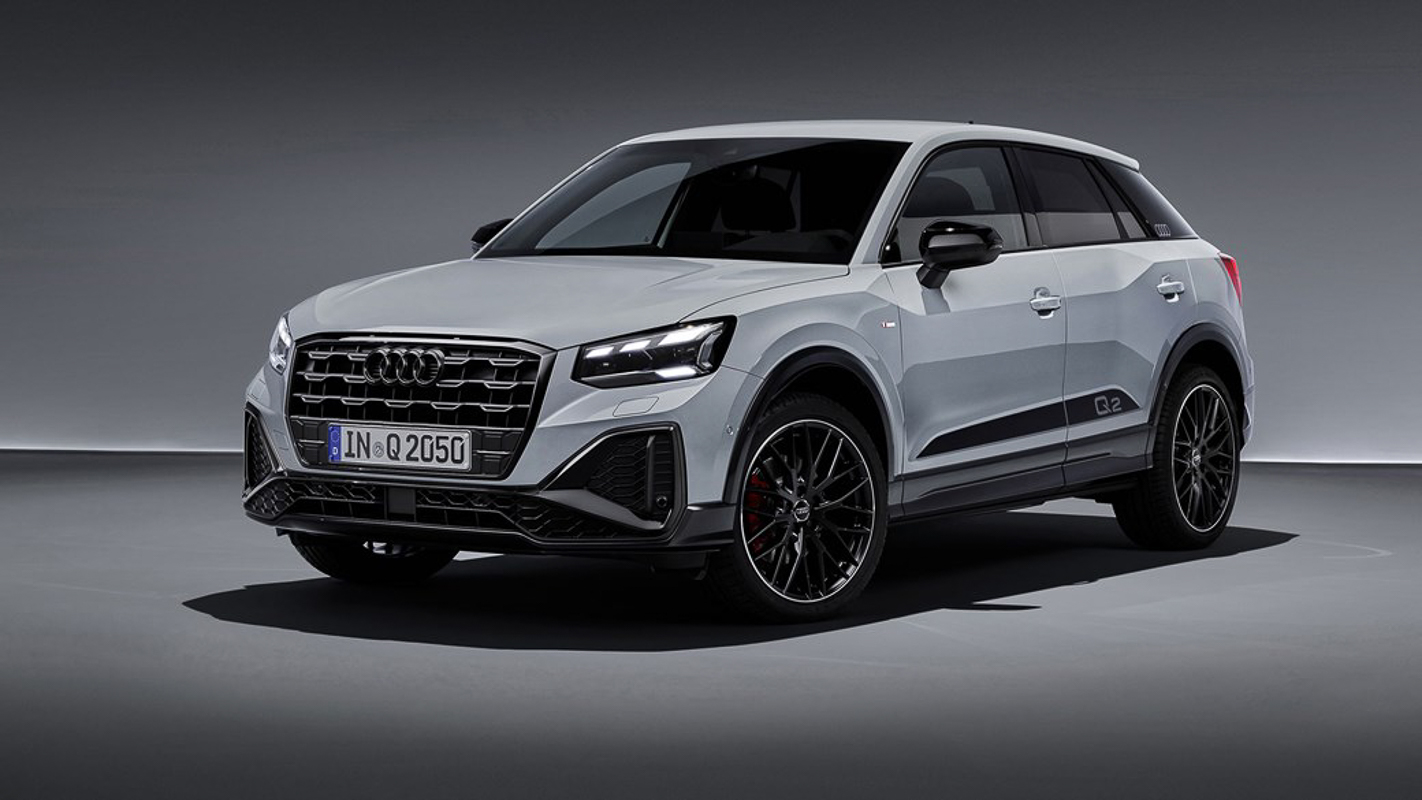
Arrival date: mid-2021
The Audi Q2 has been updated with a new look, new colours, new wheels and a new interior (in places at least). Plus new Audi Connect online services, new driver assistance systems and new headlights.
The entire range gets LED headlights now, while top-spec variants are fitted with LED Matrix lamps as standard.
These also get adaptive sports suspension, Nappa leather, dual-zone climate, Bang & Olufsen stereos, panoramic roof, a rear-view camera and all of the safety systems Audi could pack into the car.
At launch, you can definitely get a 1.5-litre TFSI turbo petrol, with more TFSI and some TDI engines expected to join the range down the line.
Audi SQ2
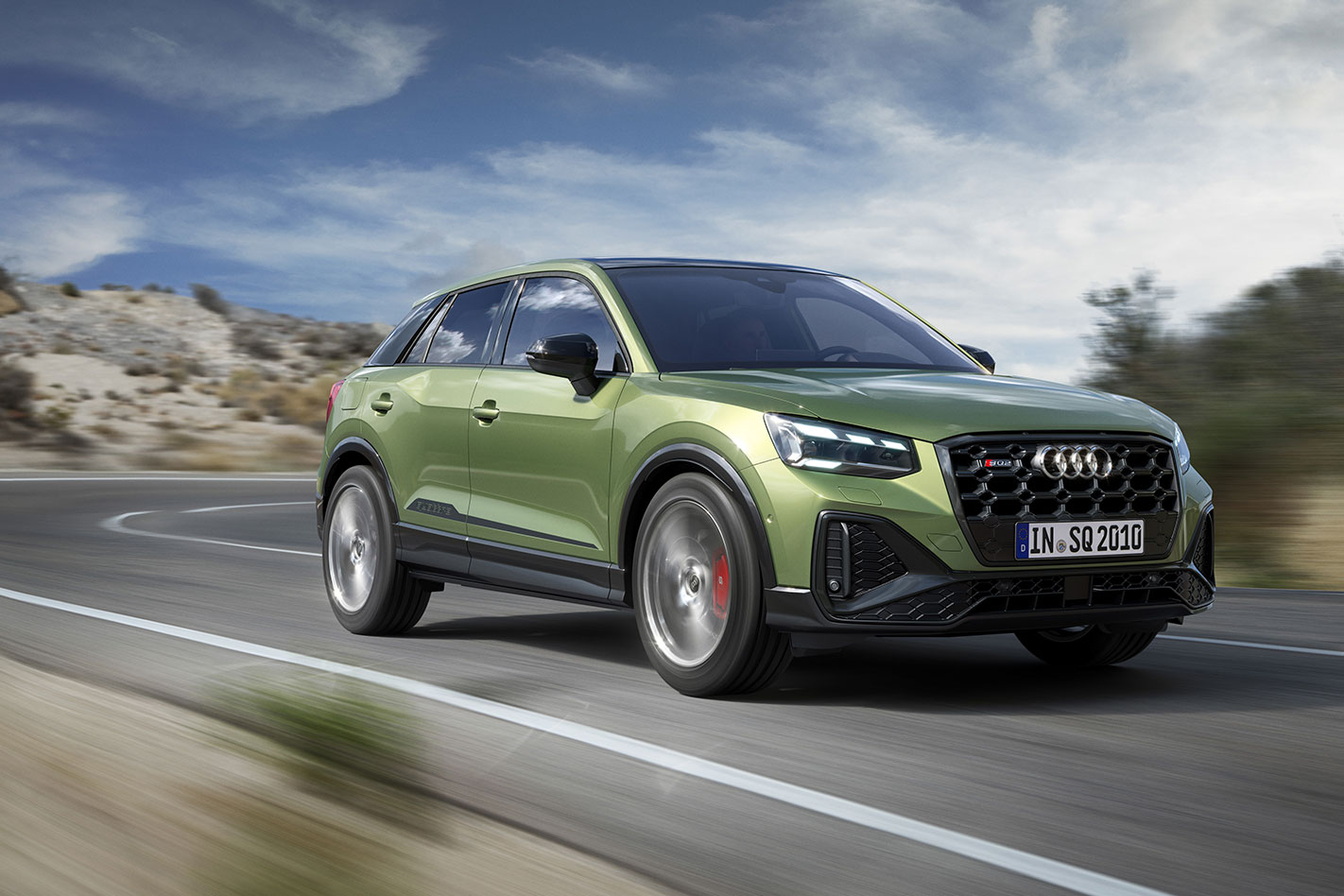
Arrival date: mid-2021
Because it’s taken so long to get here, Australia’s first SQ2 will actually be the newly facelifted version.
This means it’ll arrive bearing subtle exterior tweaks, including a new grille, redesigned headlight assemblies and a new lower front-bumper design that’s reflected in the rear bumper’s new look.
Packing a seven-speed dual-clutch transmission and all-wheel drive, the S3-powered SQ2 is claimed to hit to 100km/h from rest in just 4.9 seconds.
It’s apparently good for 250km/h and can sip as little as 7.7 litres of fuel per 100km.
Audi S3
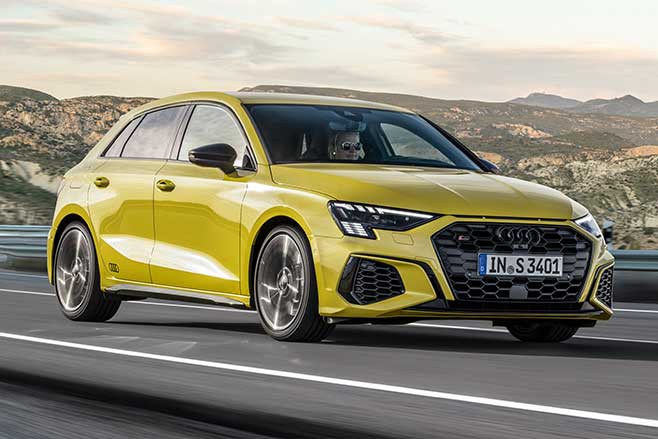
Arrival date: second half of 2021The new S3’s mechanical specification is very similar to the outgoing model’s, consisting of a 2.0-litre turbocharged four-cylinder engine connected to a seven-speed dual-clutch gearbox and all-wheel drive.
Outputs are unchanged at 228kW/400Nm, or at least that’s the case overseas.
Happily, Australian cars, set to arrive in the second half of 2021, will benefit from the full whack rather than the more conservative 213kW/380Nm tune of the outgoing model.
The S3 is a little larger than its predecessor, measuring 4351mm long, 1816mm wide and 1438mm tall, an increase of 29mm, 31mm and 34mm respectively, though the wheelbase remains 2630mm. Weight has also risen 35kg.
Audi Q5
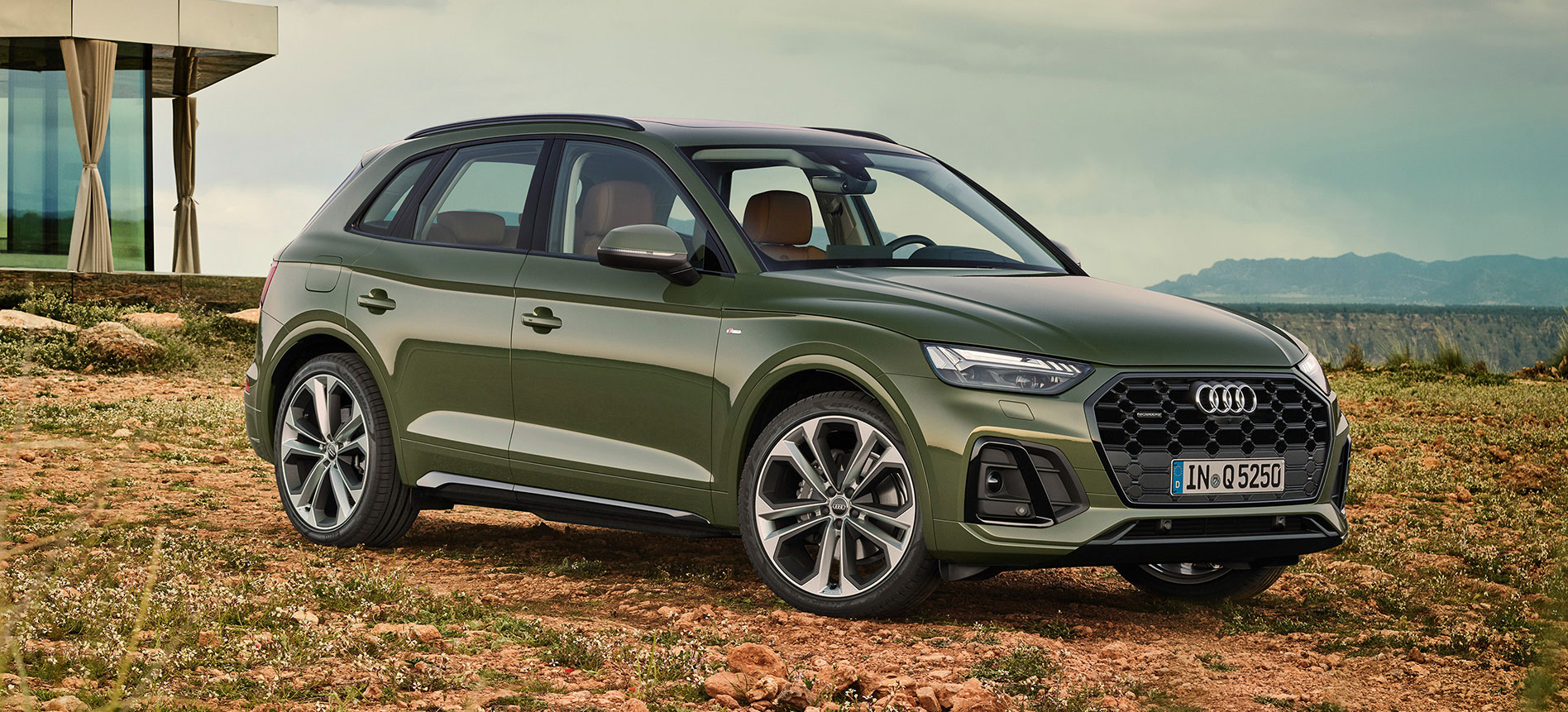
Arrival date: February
Audi has refreshed its Q5, releasing details on the model’s new line-up ahead of a launch in Australia for early 2021.
This update on the five-door medium SUV arrives halfway through its second generation.
The new Q5 debuts a fresh look, upgraded cabin technology and a suite of new engines with mild-hybrid systems.
Audi RS E-Tron GT
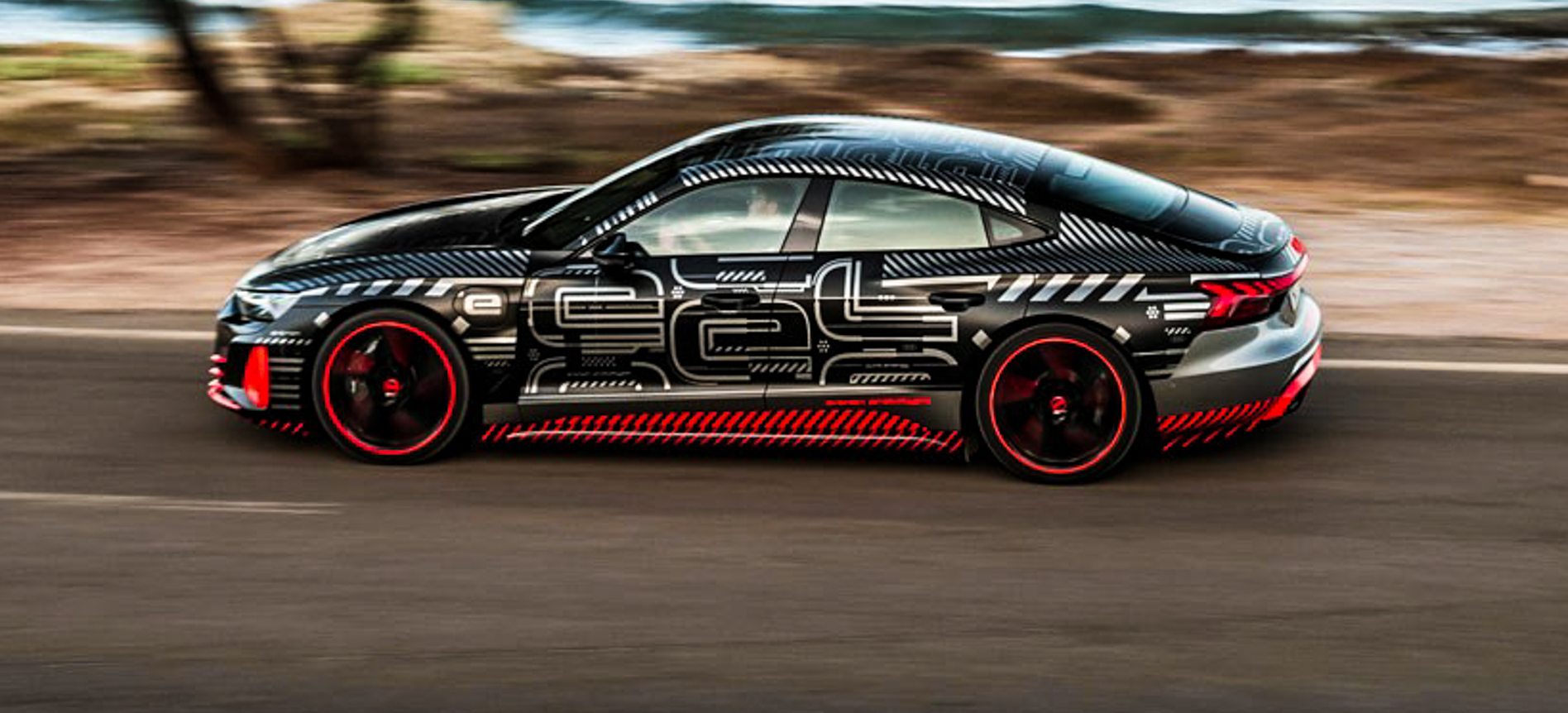
Arrival date: second half of 2021
Built on the same platform as the Porsche Taycan, the Audi RS e-Tron GT is the first Audi RS model to go fully electric, skipping the plug-in hybrid stage altogether and beating hi-po rivals BMW M and Mercedes-AMG to market with emissions-free motoring.
Power comes from high-energy 83.7kWh (93kWh gross) battery that feeds two synchronous motors – a 175kW motor powers the front axle and is shared with the regular e-Tron GT, but the rear is larger and more powerful, at 335kW.
Just like the Taycan, there’s a two-speed transmission on the rear axle, and a focus on coasting rather than recuperation to extend battery range.
BMW iX
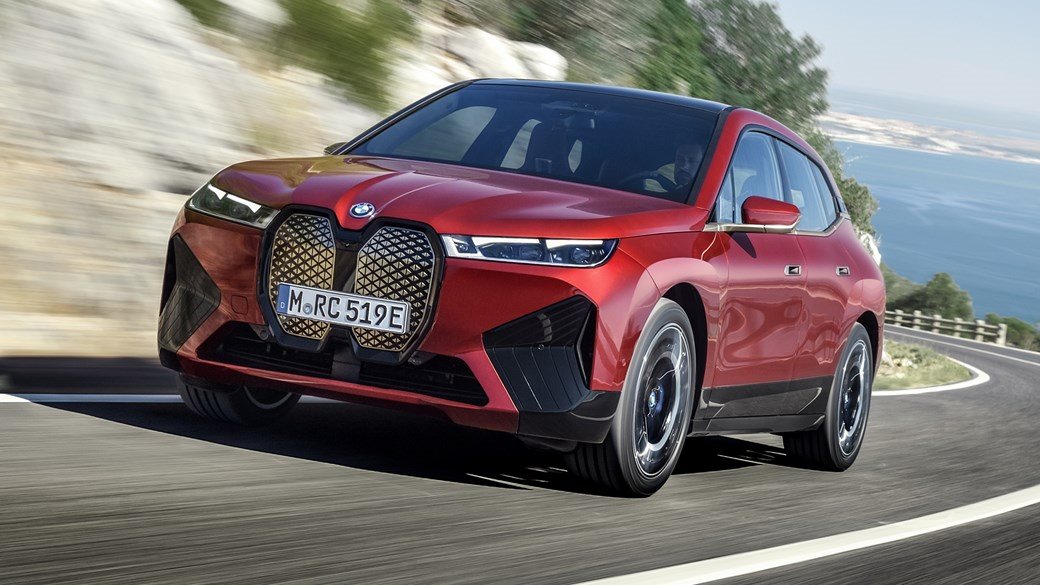
Arrival date: second half of 2021
BMW’S first electric SUV built from the ground up on a new EV platform shares exterior dimensions of an X5, is as tall as an X6 and has the wheelbase of an X7.
It also features BMW’s new ‘fifth-generation’ electric powertrain tech, which includes a 100kWh battery pack that contributes to a usable range beyond 600 kilometres on one charge.
Two e-motors – one on each axle – provide 367kW of shove, good for a 0-100km/h sprint in under five seconds. BMW says the iX is capable of up to 200W DC fast charging, allowing a 10-80 per cent charge to be done in 40 minutes.
BMW Australia has confirmed the iX will be available in the second half of 2021.
BMW iX3
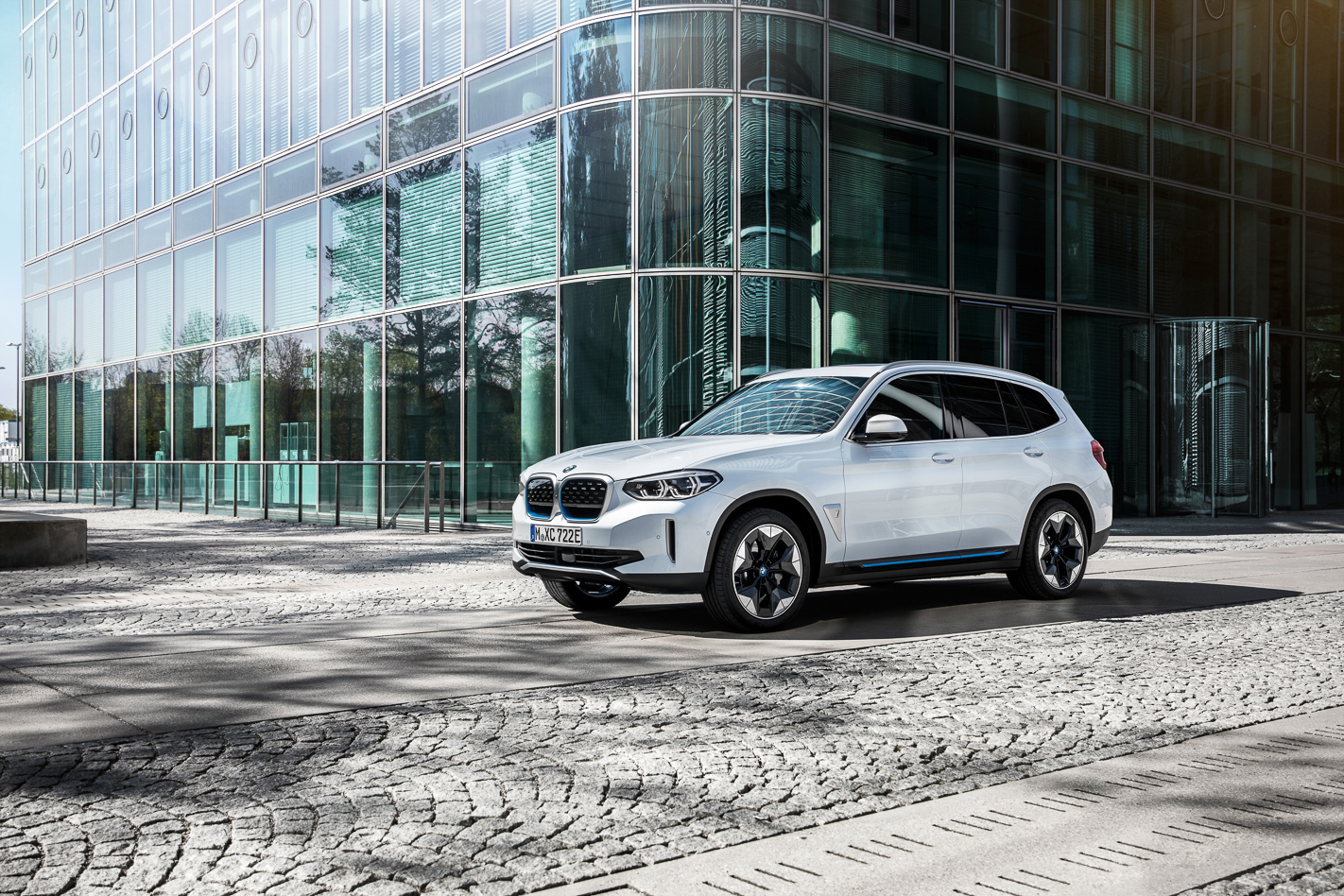
Arrival date: mid-2021
The first fully-electric SUV from the German carmaker is based on the big-selling X3 SUV rather than being a bespoke model, like the Mercedes-Benz EQC, Audi e-Tron and its new iX sibling.
The iX3 will arrive in Australia mid-2021, bringing an 80kWh electric powertrain to the tune of 210kW and 400Nm and a 6.8-second 0-100km/h sprint.
BMW says it’ll provide an impressive 460km range, as determined on a WLTP test cycle. Using fast-charging, the iX3 is capable of receiving 80 per cent charge in 34 minutes.
The 80kWh battery sends power to a single motor at the rear axle for exclusively rear-wheel drive. It’s a different approach to some of its competitors, which use multiple motors for all-wheel-drive.
BMW M3/M4
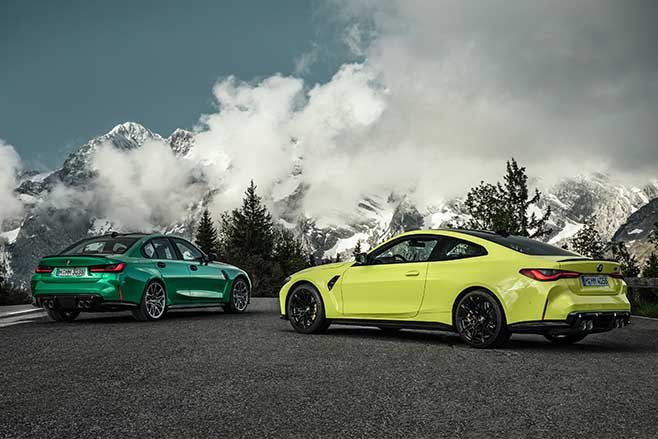
Arrival date: March 2021
Say hello to the 2021 BMW M3 and M4 and, yes, that grille is real. M Division’s latest weapons debut a very different look to their predecessors as BMW seeks to steal market share from the likes of Mercedes-AMG, Audi and Alfa Romeo.
The BMW M3 and M4 will be available in both manual and automatic guises in Australia in Q1 2021 starting from $144,900 for a base M3 in rear-drive, manual.
The M4 is another $5000 on top of that, though Competition variants for each are $154,900 for M3 Competition and again at $5000 more, it’s $159,900 for a new BMW M4 Competition.
BMW 128ti
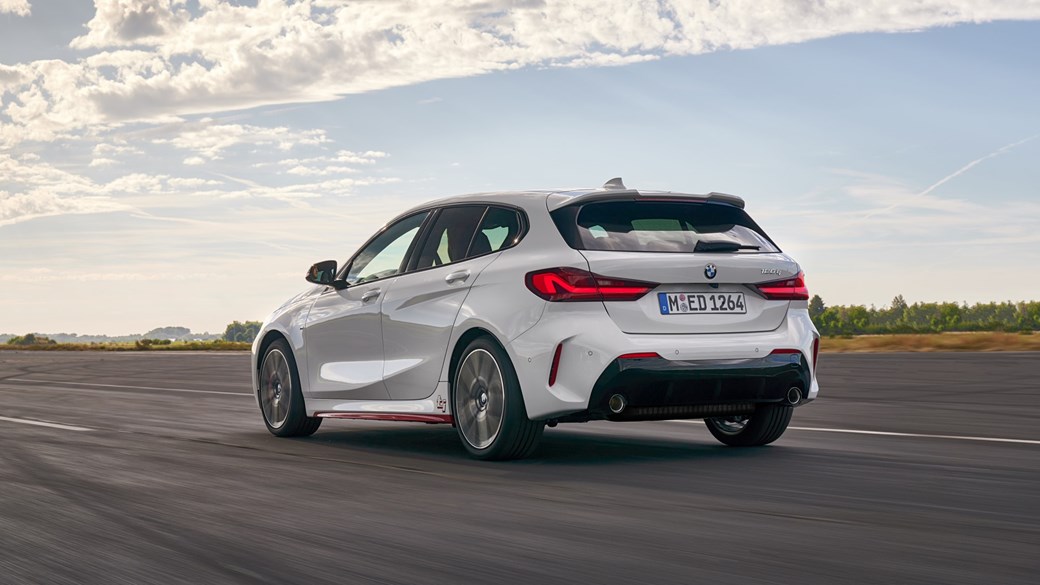
Arrival date: June 2021
BMW has announced pricing for its incoming front-wheel-drive hot hatchback, the 128ti.
But while it’s aiming for a more traditional hot-hatch buyer than the range-topping M135i xDrive, thanks to a 180kW FWD layout, there’s nothing familiar about its $56,900 price tag – at least among its rivals.
The BMW 128ti represents almost a $10,000 increase on the base 118i, adding unique 18-inch wheels, synthetic leather seats, a leather steering wheel with unique stitching and velour floor mats on top of its mechanical upgrades listed below.
Chevrolet Corvette
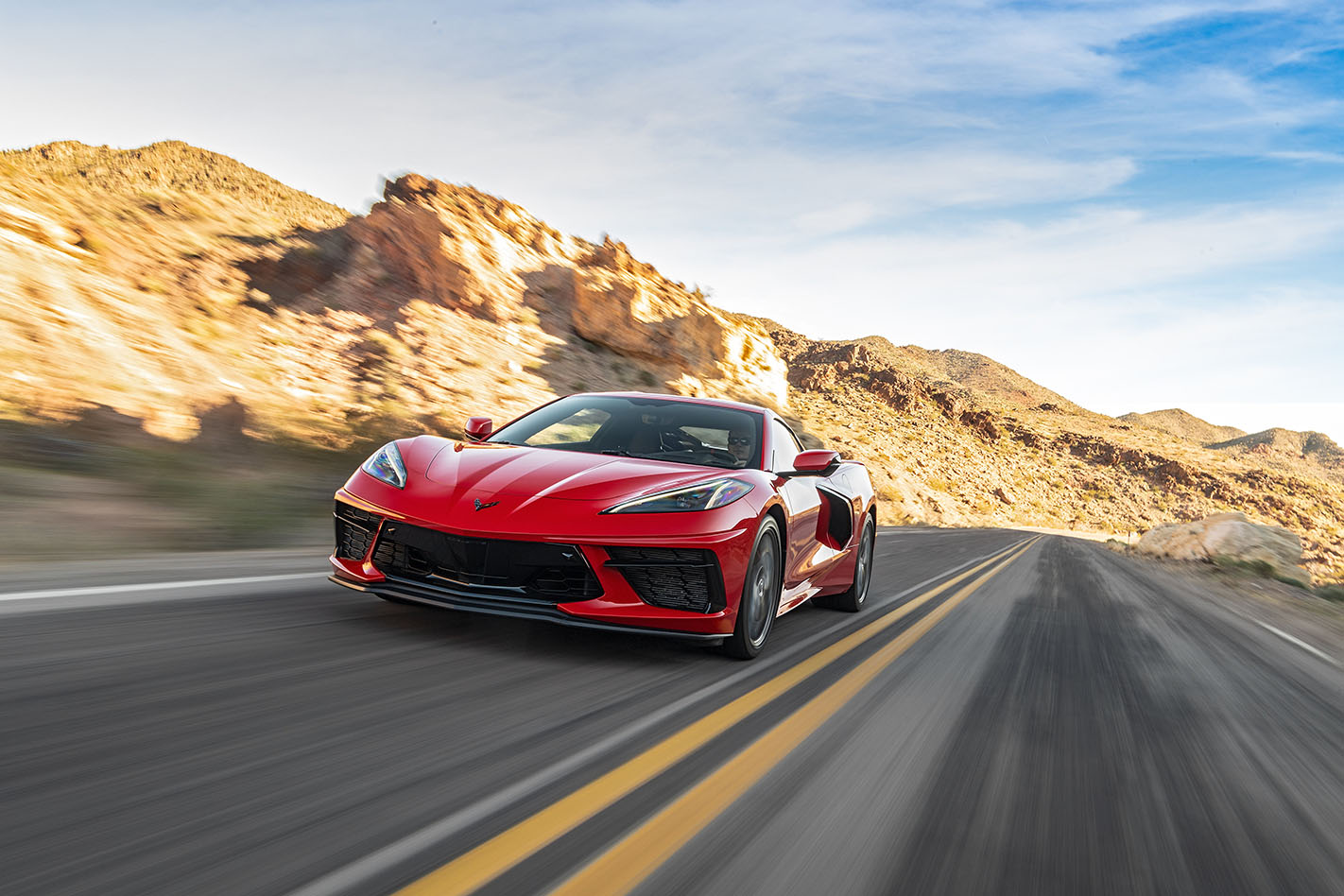
Arrival date: late 2021
Australia’s first Chevrolet Corvette also happens to be the bloodline’s most radical, with the mid-engine C8 locked in for 2021 despite COVID-19, parts shortages and labour disputes shaking production targets.
Holden’s death now sees General Motors Specialty Vehicles take the reins for distribution.
When it arrives the C8 promises a shift in the Yank supercar’s story, with its mid-mounted atmo LT2 V8 producing 369kW/637Nm with the Z51 performance pack.
That’s sent to the rear wheels exclusively through an eight-speed dual-clutch, good for 97km/h in less than 3.0sec.
Chevrolet Silverado 2500
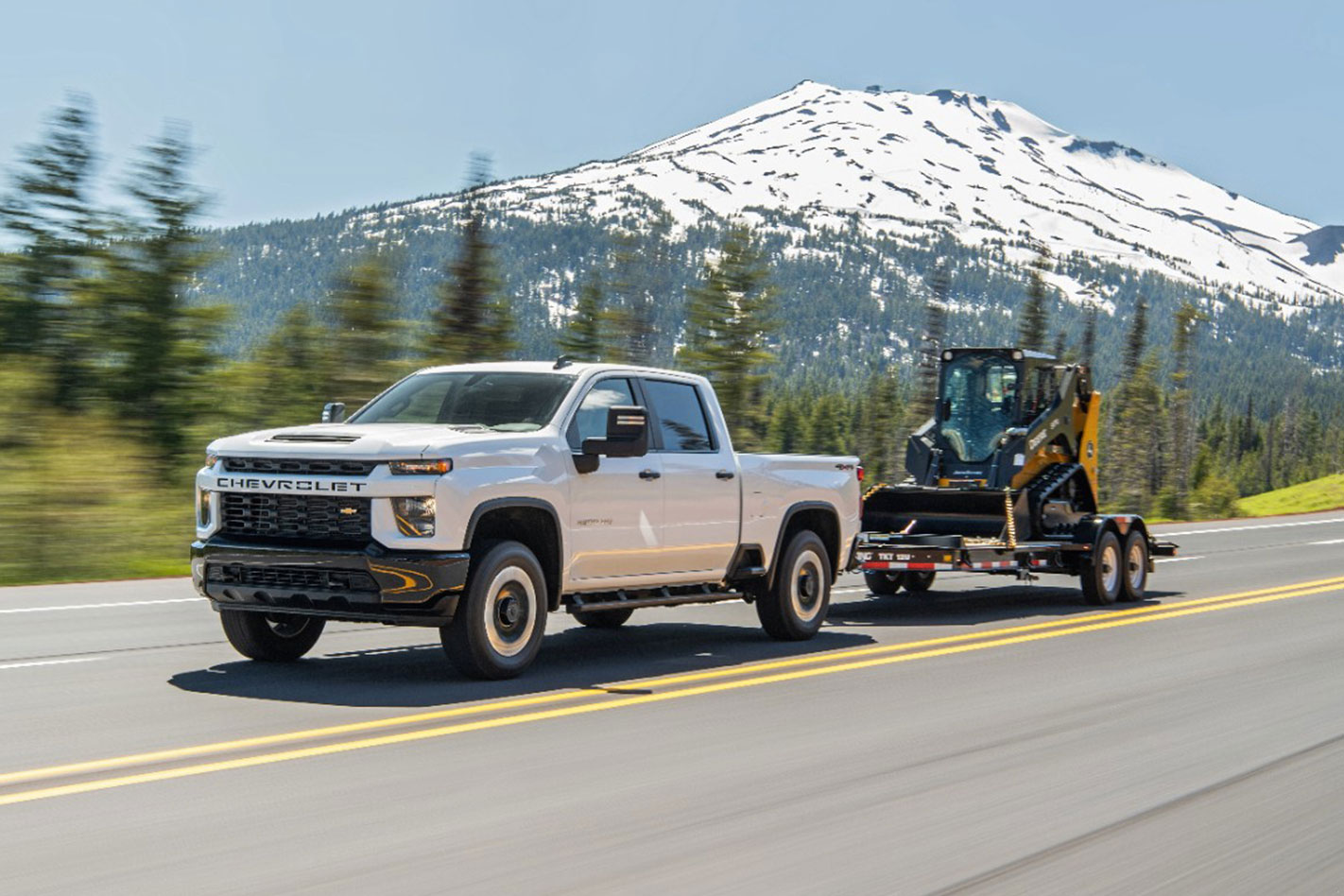
The HSV drive-swapped Chevrolet Silverado 2500 has sold out in Australia, leaving us in wait for the updated version to arrive through GMSV.
Right-hand drive construction is expected to continue through the Walkinshaw Group, while leaving the door open for the Tahoe SUV and Suburban multi-seater, which are based on the same architecture as the Silverado.
The Cadillac Escalade is a contender for the same reason. Its ‘gangsta rapper’ appeal is also a factor.
Local RHD conversions of Silverado-based big trucks would be enhanced by preferential transaction rates, with the outgoing 2500 set at $114,990.
Ford Mustang Mach 1
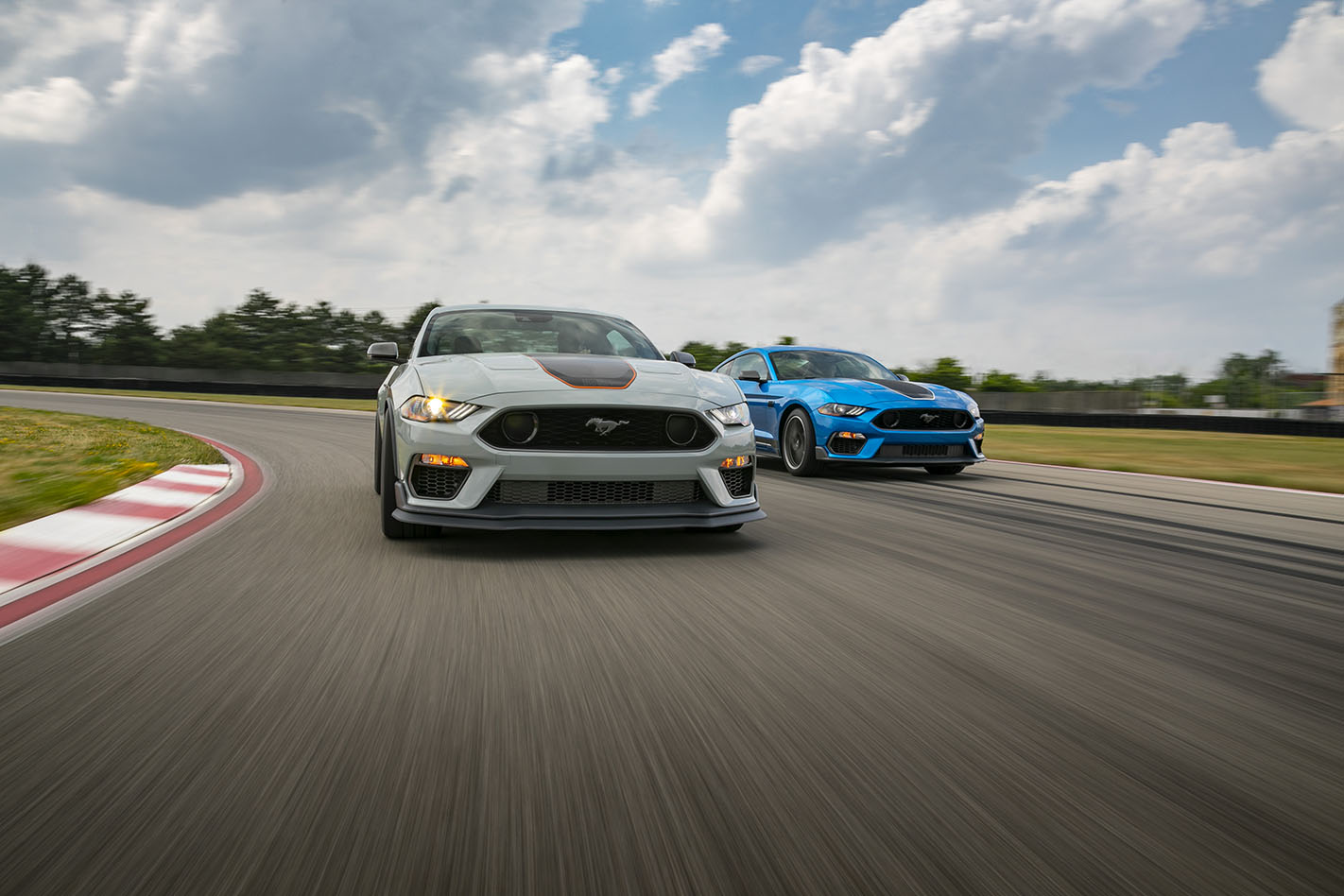
Arrival date: April
Ford has locked and loaded 700 Mach 1s for local shores next April, treating Oz to its closest taste of a factory Shelby Mustang.
Priced slightly less than $84K, the Mach 1 mates its 5.0-litre atmo V8 (343kW/556Nm) to a GT350 six-speed manual or a 10-speed auto fitted with improved cooling.
All models also score GT350 and GT500-derived cooling systems up front and underneath.
Also to be confirmed is a handling pack that adds wider wheels and downforce-aiding aero.
Genesis G70
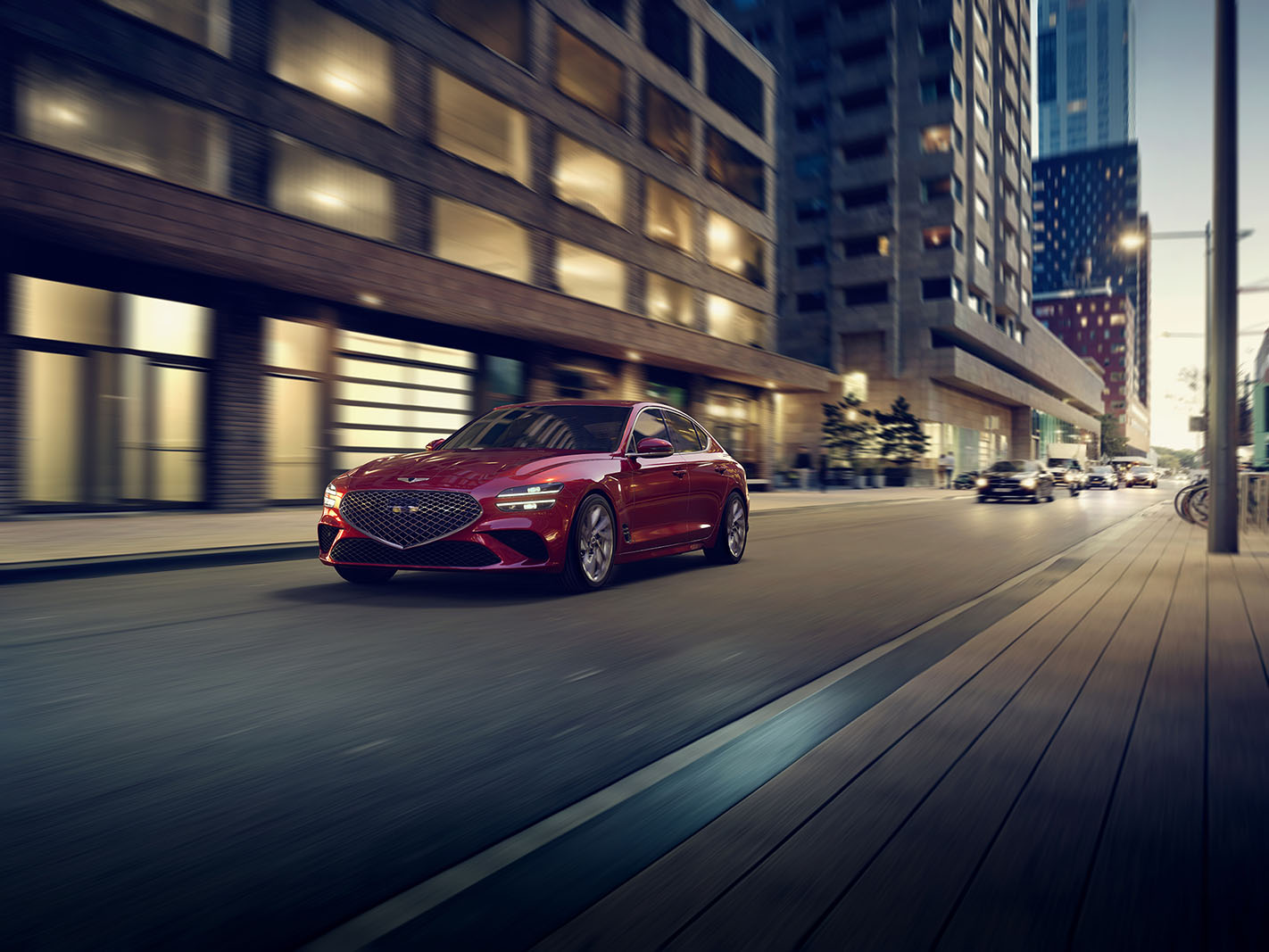
Arrival date: first half of 2021
Drift and mode are two words you think you’d never hear along with Genesis G70, mainly because it’s rear-wheel drive.
But the redesigned G70 due early 2021 is debuting a new all-wheel-drive powertrain for its 3.3-litre twin-turbo V6 that can still bake the rears when you’re up for a hoon.
It’s not confirmed for Oz, but our V6s will score a Sport+ mode to up the attitude along the same lines, and an exhaust valve for a more “aggressive exhaust signature”.
Genesis GV70
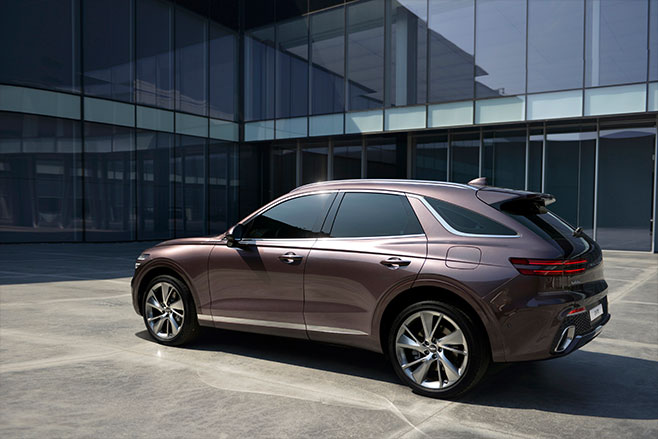
Arrival date: tbc
‘Athletic Elegance’, the same design language recently bestowed upon the updated 2021 Genesis G70, is present here with a Genesis crest grille, flanked by two horizontally split headlights, much like the new G70.
At the rear, the split light treatment continues, with huge exhaust exits featuring prominently.
Hyundai iMax/iLOAD
Arrival date: first half of 2021
Expectations are set for an all-new Hyundai iLoad and iMax are mules have been spied testing in Korea.
No details are confirmed yet, but early pictures show a significantly overhauled exterior that point to a new front-wheel-drive layout for the load-lugger.
Stay tuned for more details.
Hyundai Kona EV
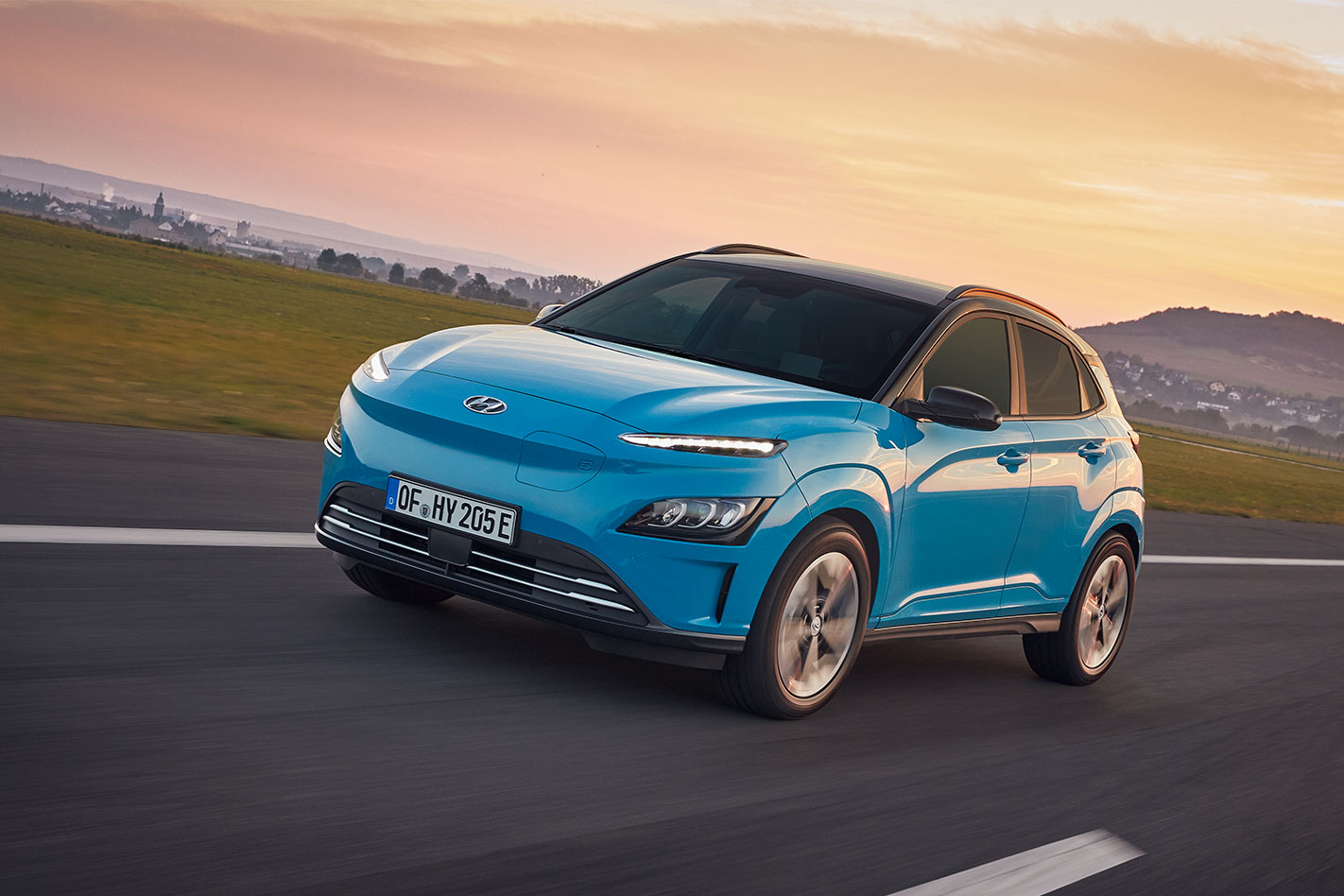
Arrival date: first half of 2021
Hyundai’s electric crossover gains a sharp-looking facelift that brings a cleaner front-end design, aerodynamic tweaks and a restocked safety suite that complements improved interior technology.
It retains the single 64kWh lithium-ion battery pack that is charged via a relocated port placed asymmetrically between the front headlights. Charge time is claimed to take 47 minutes when done with a 100kW DC fast charger.
Hyundai says the updated Kona EV will arrive in the first half of 2021.
Hyundai Tucson
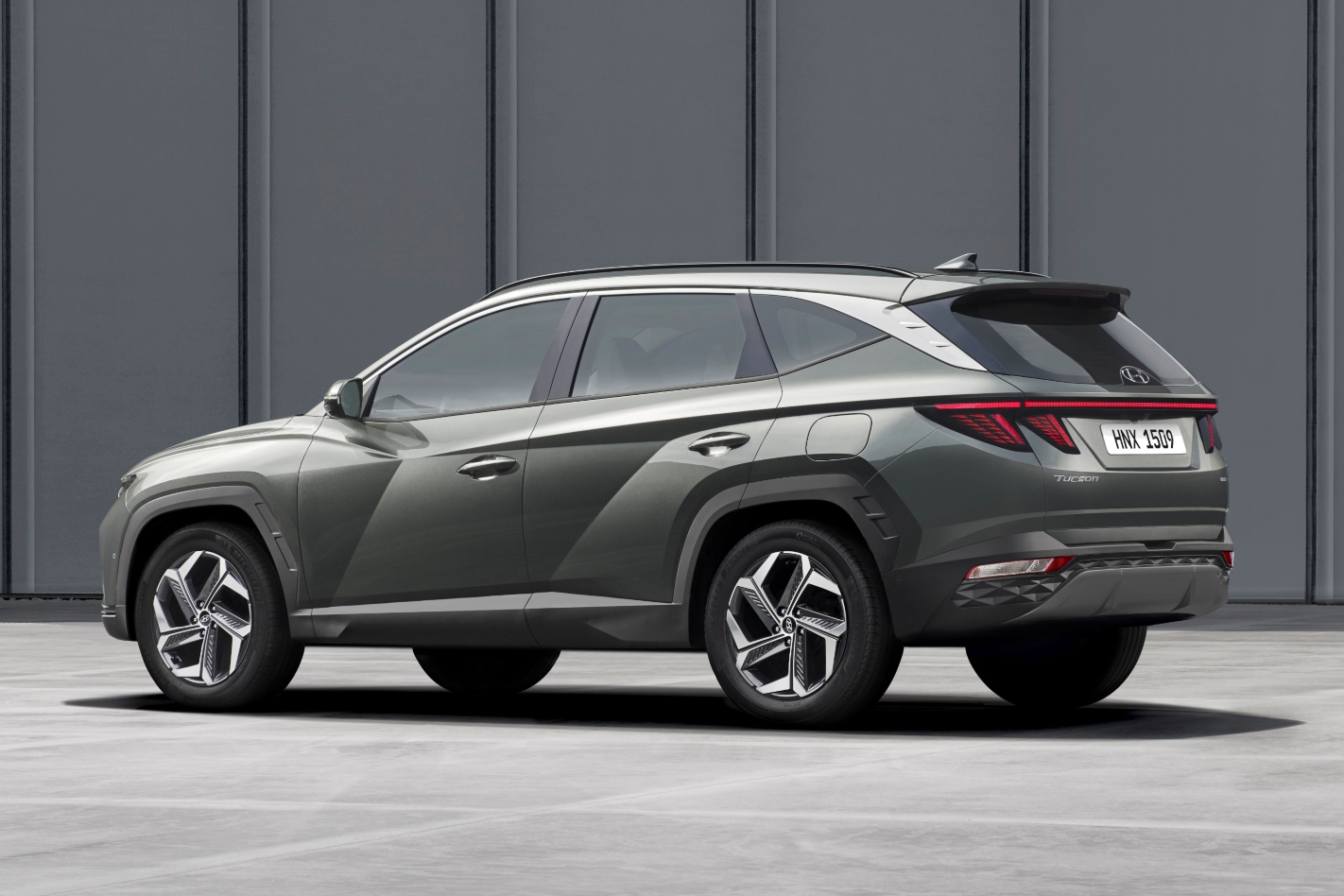
Arrival date: May 2021
Hyundai’s new radically-designed Tucson should hit the market around the same time as the new Nissan X-Trail, and marks the second-generation of one of its most popular models.
Headline items for the new car include a pair of 10.3-inch screens which make up the infotainment system, a fully-digital instrument cluster, connected car-to-home technology and ambient lighting for the cabin.
Isuzu MU-X
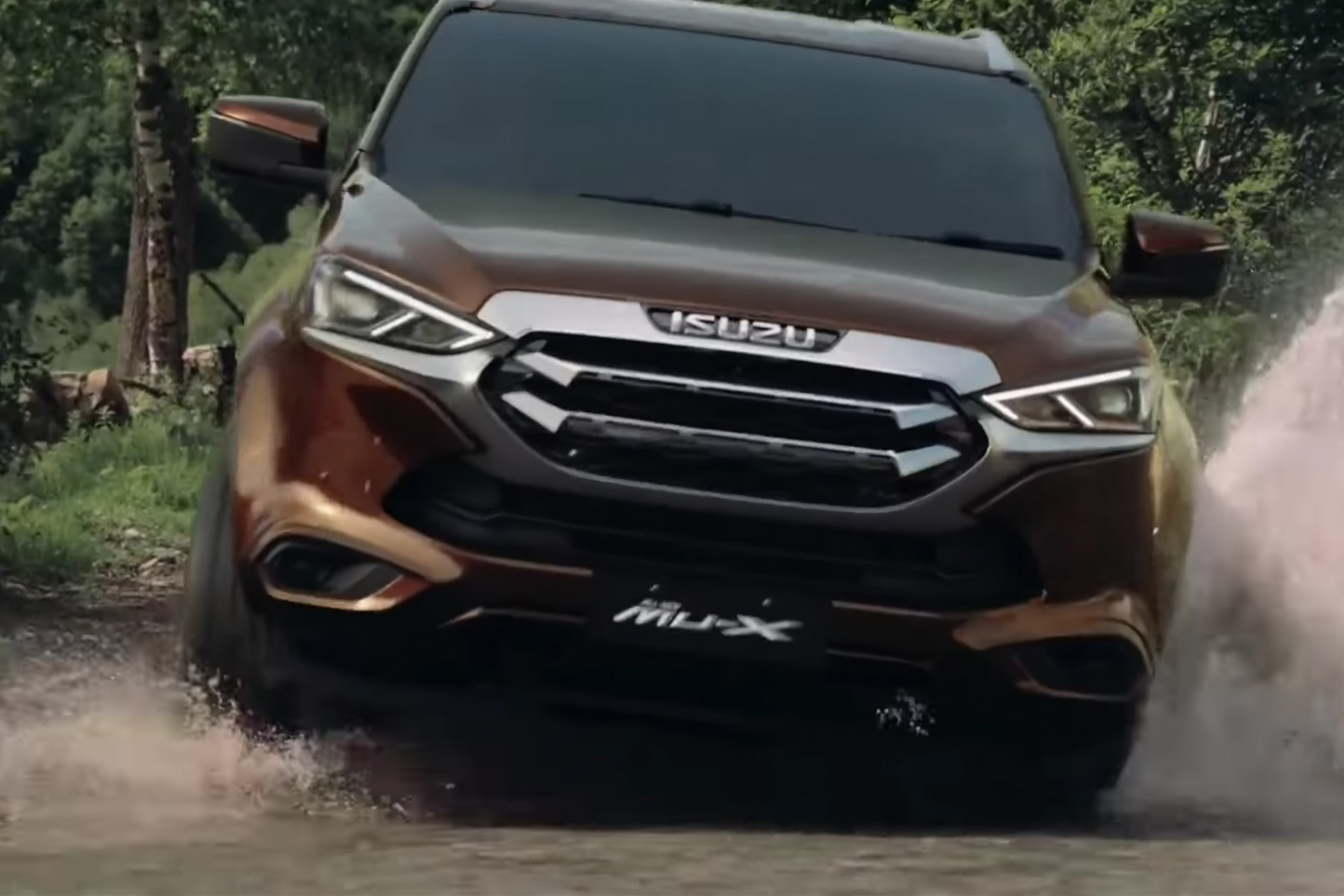
Arrival date: second half of 2021
While the second-generation Isuzu MU-X has taken a step away from D-Max in terms of design, it’s still based upon its ute sibling.
That said, there’s no doubt that this latest iteration is a huge step forward from its predecessor, and a definite side-step away from the D-Max.
Despite Thai MU-X models being slated for a November on-sale date, an Australian arrival isn’t expected until the second half of 2021.
Jaguar XF
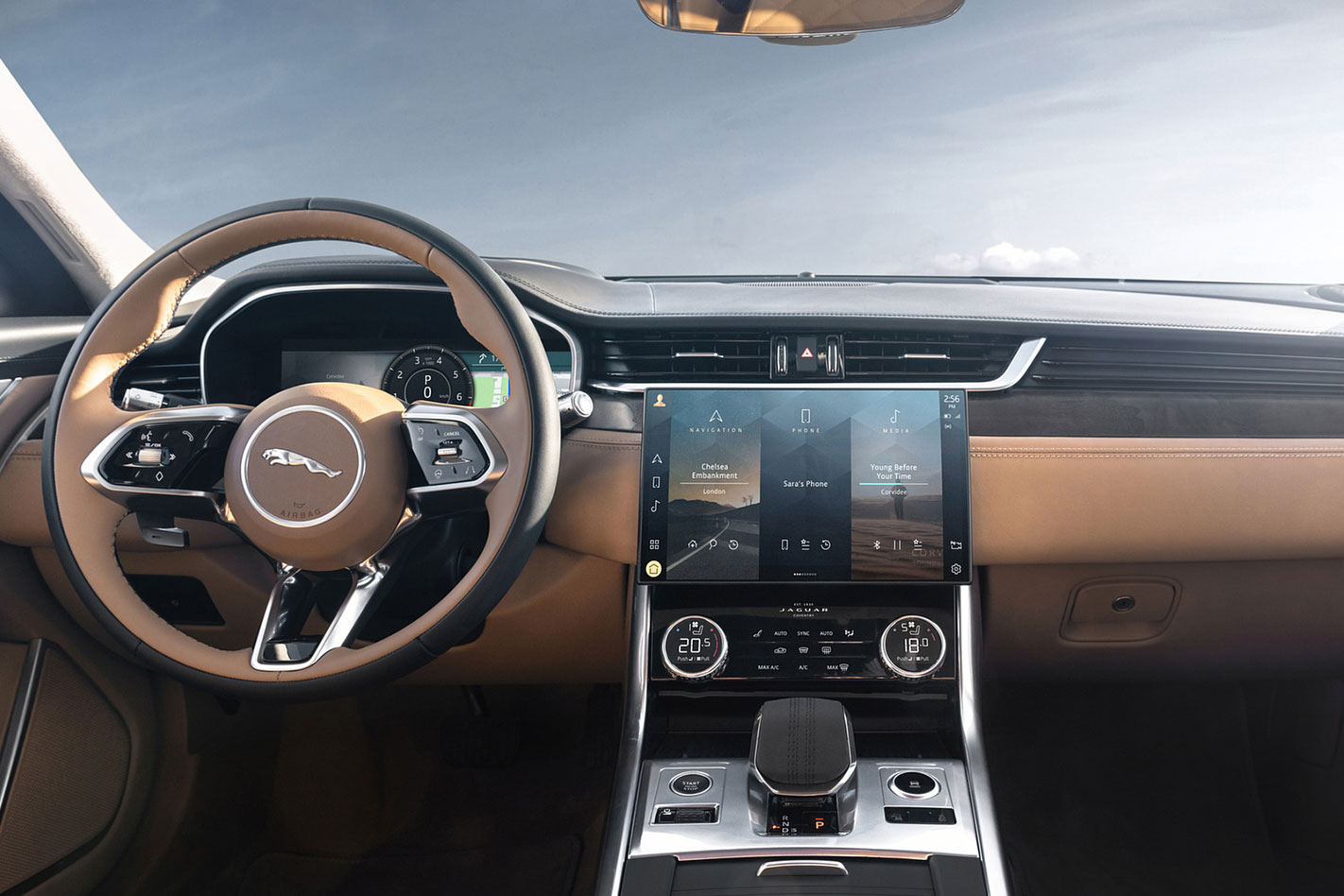
Arrival date: February 2021
It might look much the same on the outside but Jaguar’s readying a strong update for its large sedan.
It’ll introduce tweaked headlights and a new diamond-detailing chrome finish, but it’s on the inside where the big news lies.
An updated multimedia system debuts an 11.4-inch curved touchscreen with a Pivi Pro infotainment system.
Importantly, the range has been shrunk down to one variant, the P300 HSE, a 221kW/400Nm four-cylinder that will cost $100,200.
Jeep Compass
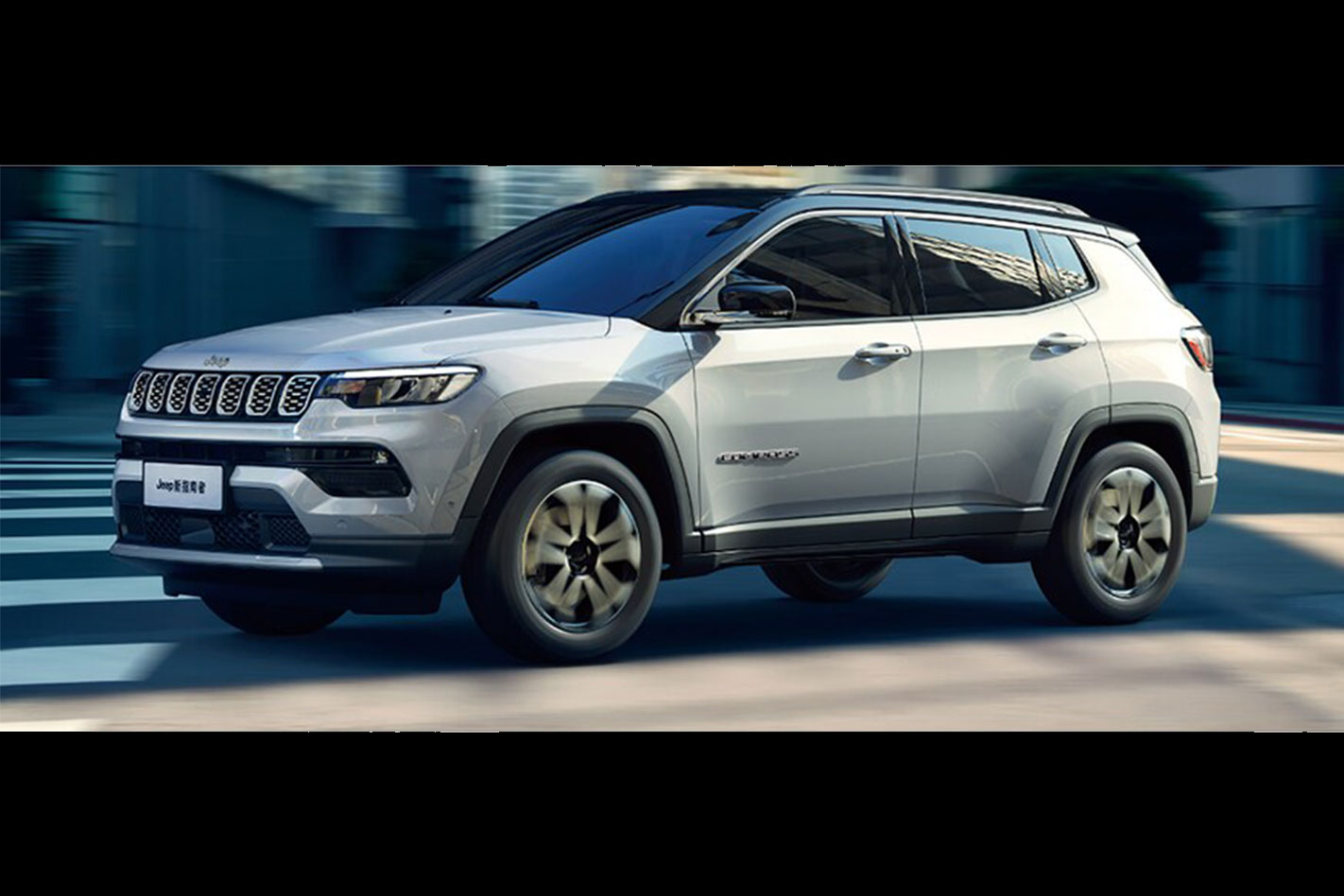
Arrival date: tbc
Jeep used the Guangzhou motor show to unmask its new Compass in China, revealing its mid-life facelift.
Jeep’s designers have completely redesigned the dash, steering wheel and centre stack, with a sleeker vent arrangement complementing the 10.1-inch multimedia screen (up from 8.4 inches) and first-ever 10.25-inch digital cluster.
It’s reported the system will carry Jeep’s latest U-Connect 5 system, promising high definition displays, dual Bluetooth connections and smartphone mirroring.
Jeep’s local arm has confirmed the Compass for Australia but not any details on price or specification yet.
Kia Sportage
Arrival date: tbc
Kia is staying mum on details of its new mid-sizer for now, but a new Sportage is just around the corner and will launch in Australia likely before 2022.
It’s expected to debut adventurous design like its Hyundai Tucson relative, but we’ll just have to wait and see for sure.
Stay tuned as WhichCar brings you all the latest on the next-gen Kia Sportage.
LDV T60
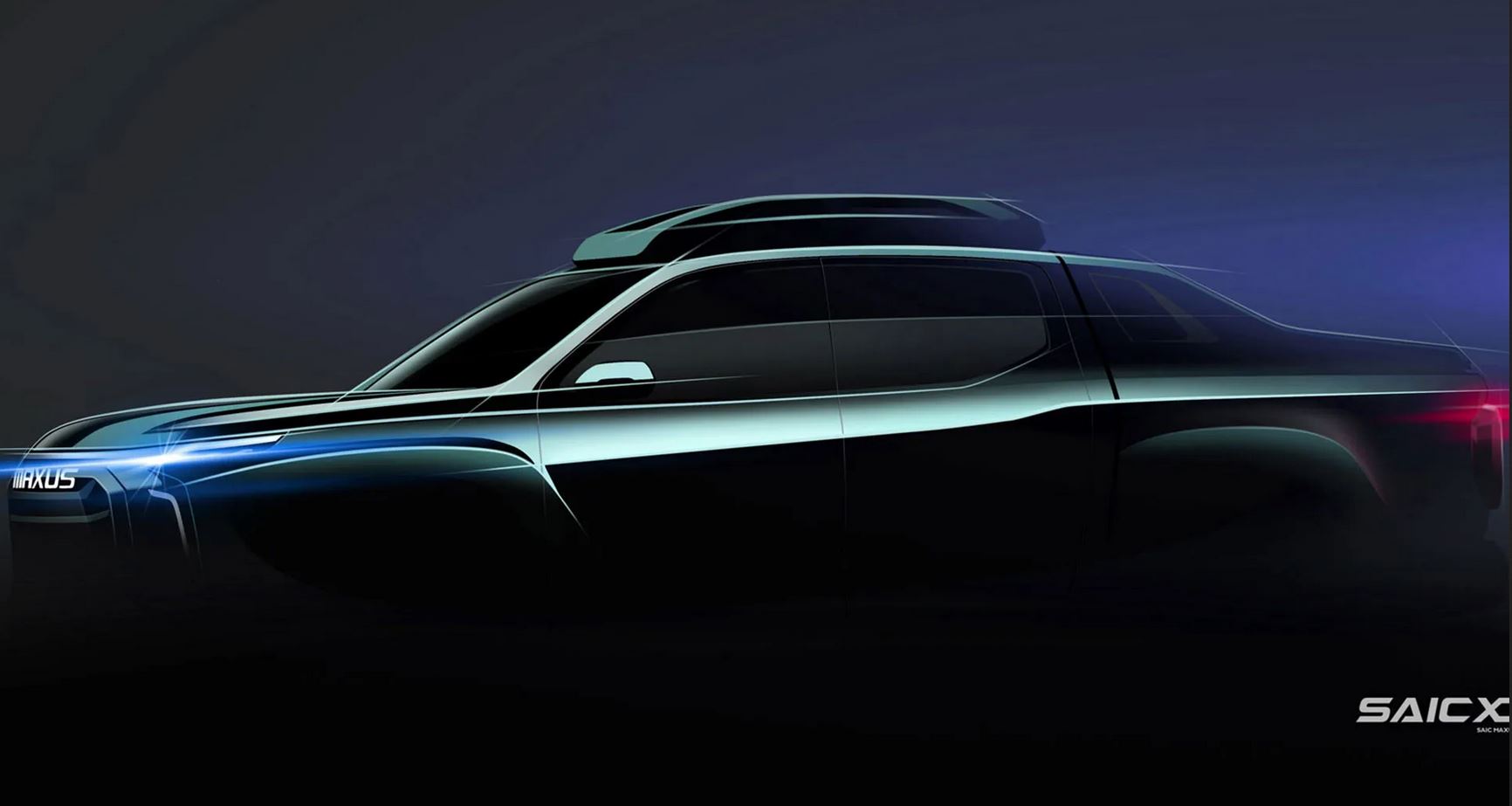
Arrival date: tbc
LDV is readying a big exterior and interior shake-up for its T60 dual-cab ute, if the previewed Maxus concept is anything to go by.
Maxus is what parent company SAIC names LDV in China and, as you can see, its pick-up Concept was heavily restyled for the Chengdu Auto Show.
LDV has not confirmed if this is what’s in store for Australia’s T60, but it’s reported that a new bi-turbo engine could debut with the model update next years.
Mahindra Thar
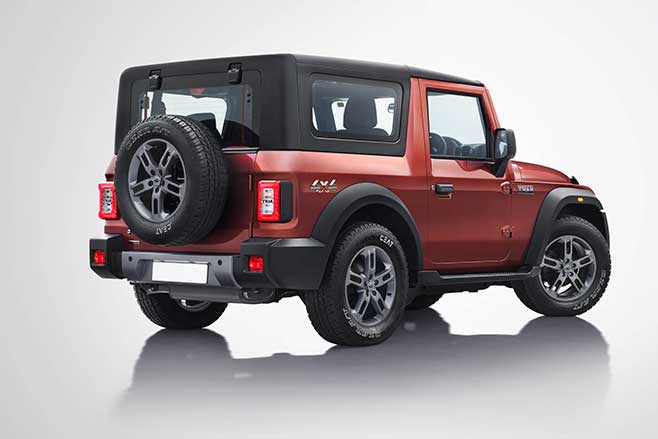
Arrival date:
There’s no denying the 2021 Thar has a striking resemblance to the previous generation Jeep Wrangler, and that’s no fluke as Mahindra & Mahindra has been building vehicles under licence from Jeep since 1947.
The success of the Thar in Australia will come down to its price, which has yet to be announced but we think there’s certainly a market here for a no-frills, budget-priced, off-road-capable SUV, particularly one with the top-off option of the Thar.
Considering it costs you $50,000 to get into an SWB Wrangler these days, we reckon $30K for the Thar would be most appealing.
Maserati Ghibli and Quattroporte Trofeo
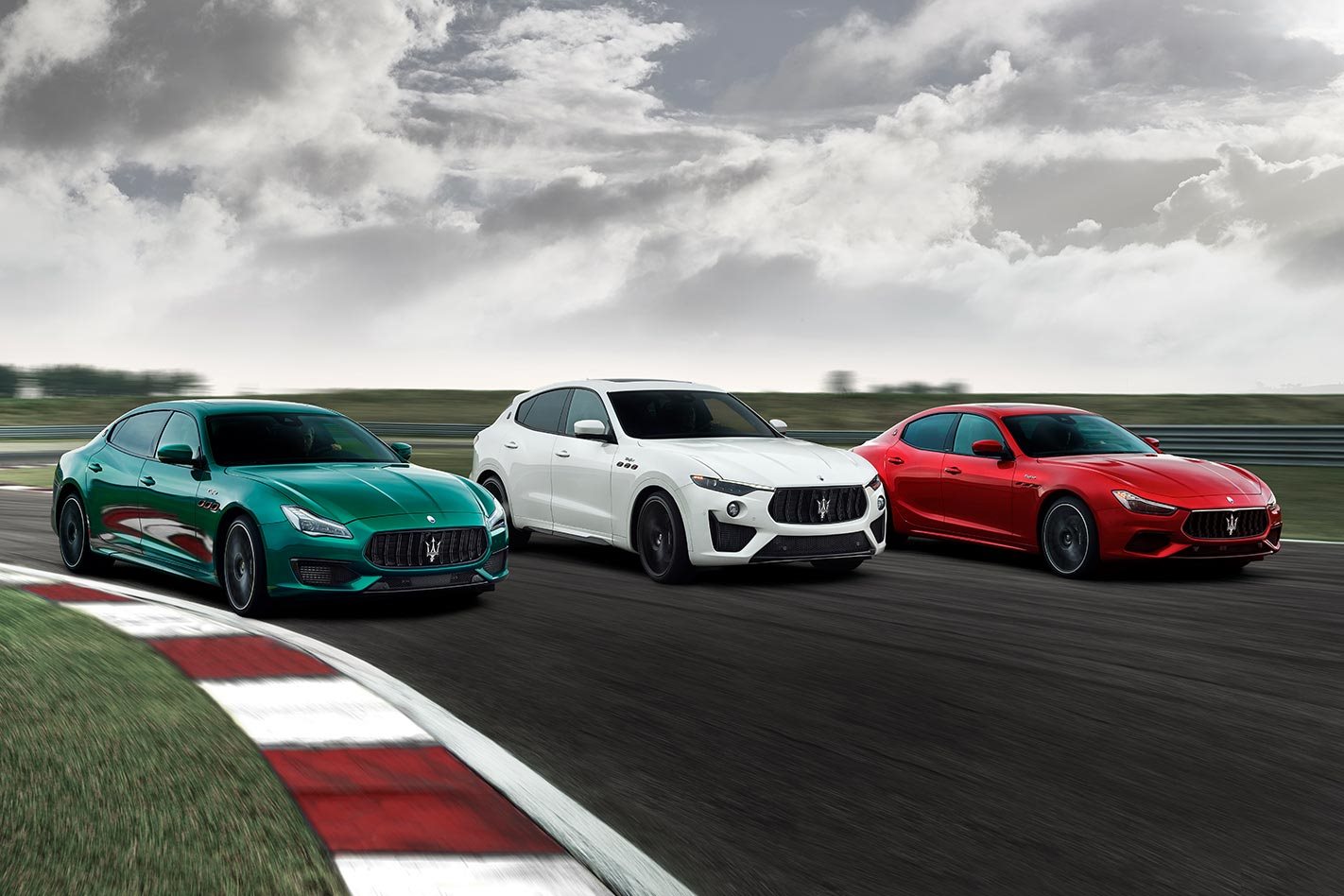
Arrival date: February 2021
Maserati’s Levante SUV is now joined by the Maserati Ghibli and Quattroporte as additions to the top-spec Trofeo lineup, receiving the same drivetrain treatment as the Levante Trofeo.
The sedans are now heralded as the fastest-ever four-doors in the brand’s history, both able to hit 326km/h thanks to the 433kW/730Nm 3.8-litre twin-turbo V8 nestled under the bonnet of each.
A Corsa button is present in each, allowing the driver to get the most out of Maserati’s Integrated Vehicle Control (IVC) system. This means full power and “an even sportier driving style.”
The pair are expected here in early 2021.
Mazda MX-30
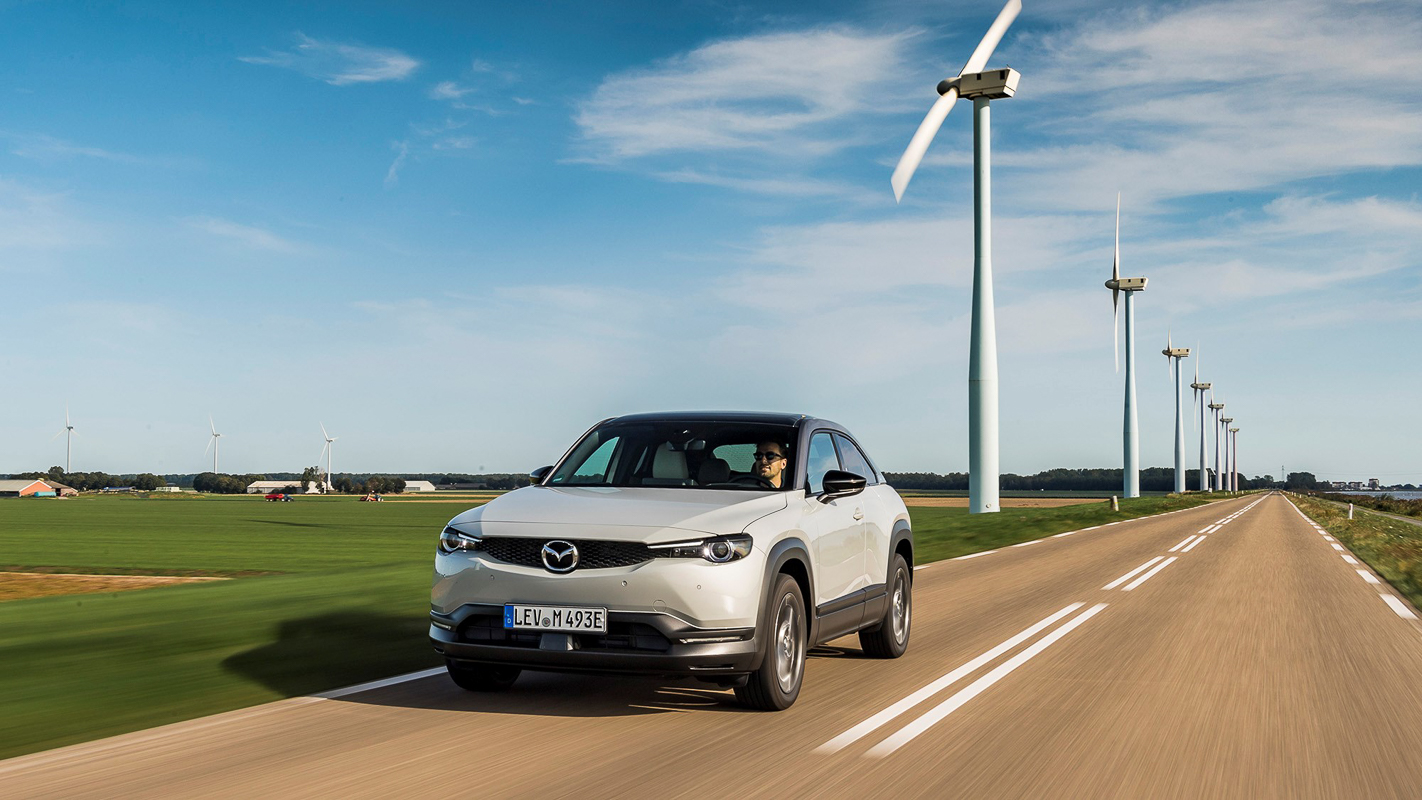
Arrival date: first half of 2021
Revealed during the Tokyo Motor Show in 2019, Mazda’s first production EV is called the MX-30, and it’s now available in Europe.
Initially, the MX-30 comes as one flavour, starting with a relatively small 35.5 kWh battery.
There are three trim levels and all are generously equipped compared to rivals.
The motor produces a little over 100kW, and just under 270Nm of torque – not necessarily the numbers you’d associate with Mazda’s sportier MX brand, but the MX-30’s 1645kg kerb weight is not that far off conventional crossovers of a couple of years ago.
Mercedes-Benz S-Class
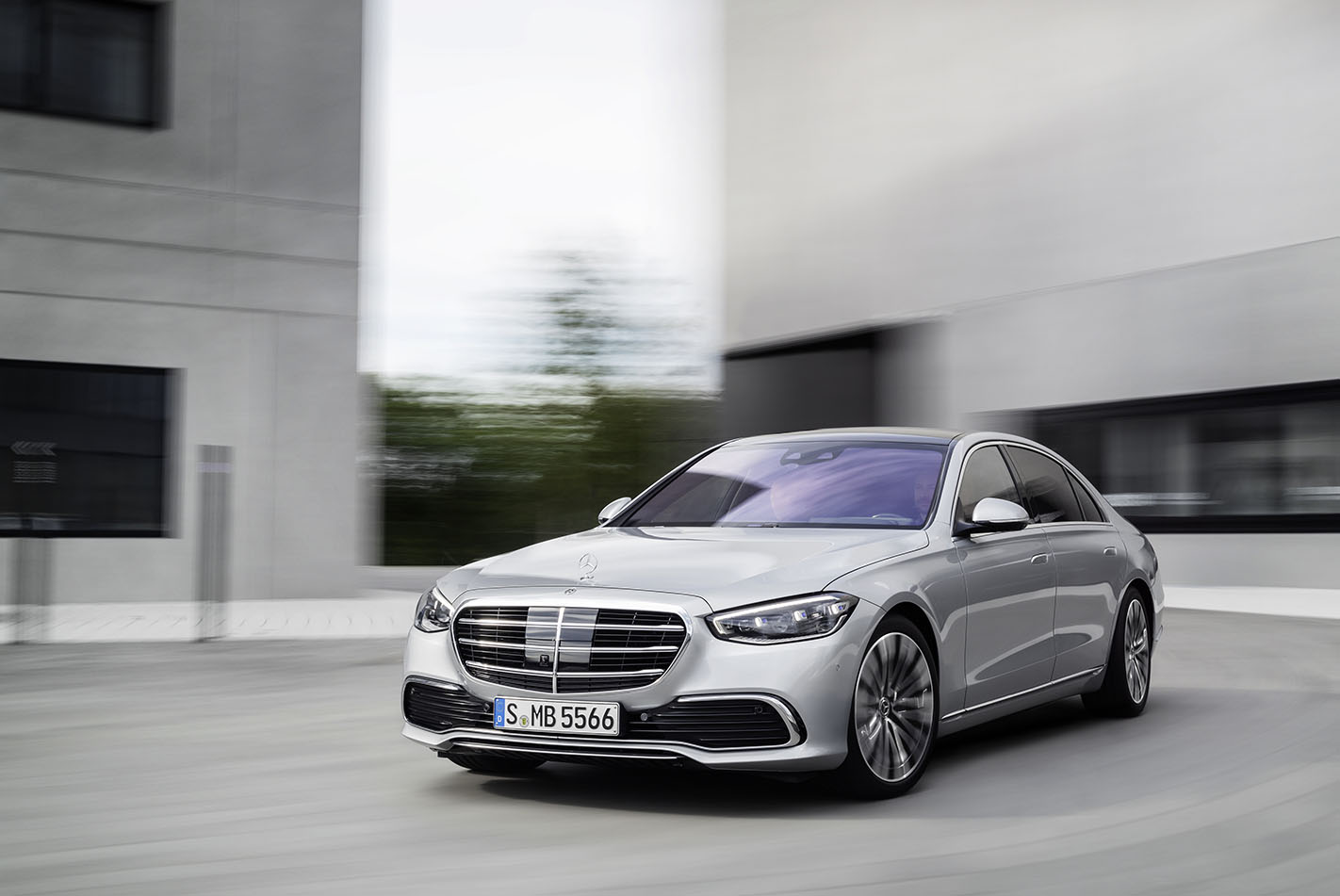
Arrival date: March
Mercedes-Benz’s biggest and most expensive saloon is a timeless icon of forward-thinking luxury for a reason.
This seventh generation of Mercedes-Benz’s luxury limo flagship (codenamed W223) lives up to that legacy with advancements in driver assistance, computing power, and head-up displays.
The biggest tech showcase is a huge augmented reality head-up display, which Mercedes says is the equivalent of having a 77-inch TV screen placed 10 metres in front of the car.
Mitsubishi Outlander
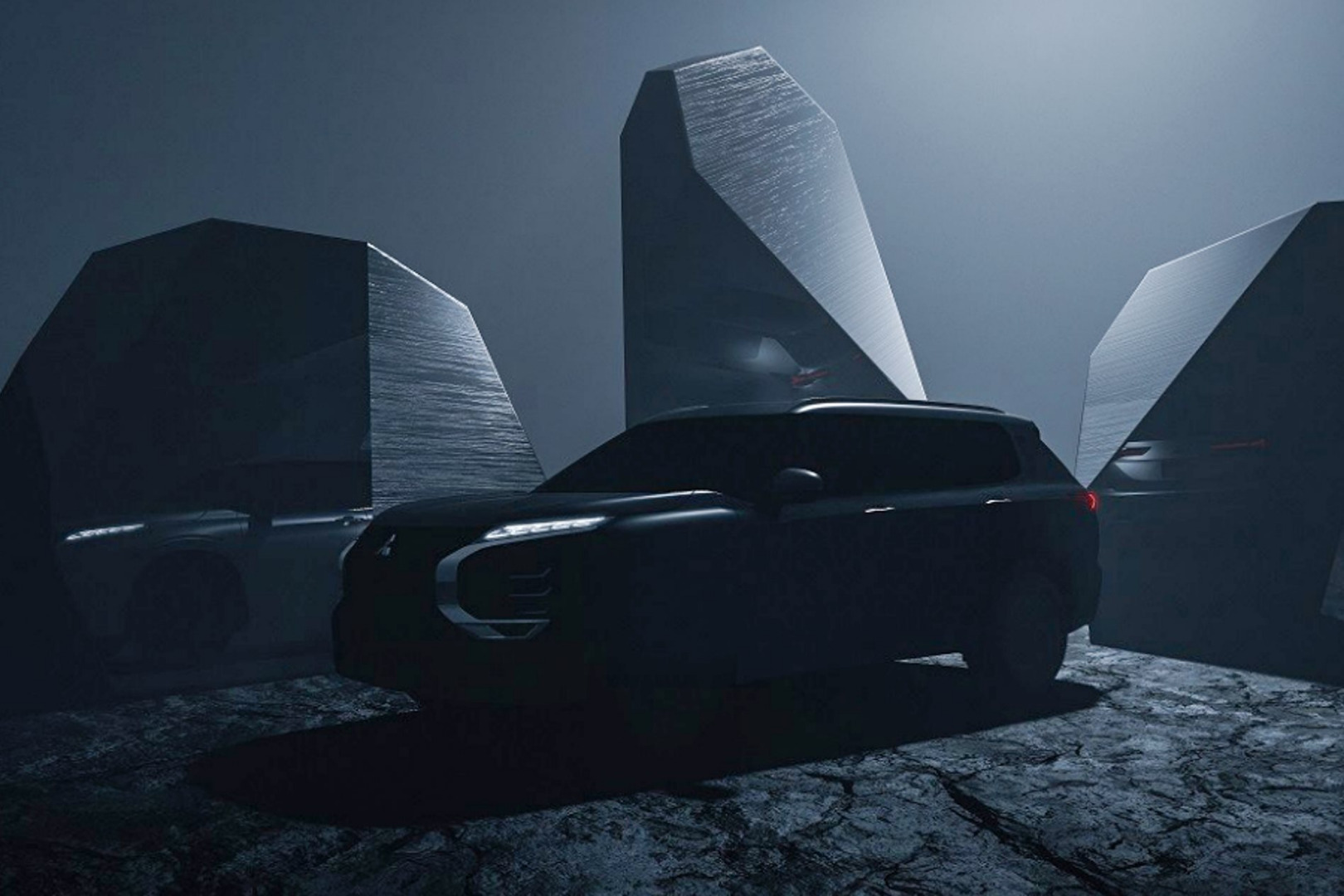
Arrival date: February
Mitsubishi has revealed that it will replace its ancient Outlander medium SUV next year with a car that’s larger on the inside, bolder on the outside and coming after the Toyota RAV4 in the technology stakes.
It previewed a single shadowy image on its social media channels, ahead of a February 2021 launch date.
As part of the Nissan-Renault-Mitsubishi Alliance, Mitsubishi will – as outlined in this plan – defer to Nissan when it comes to the underpinnings of the mid-sized Outlander, which will reportedly mirror those found underneath the next-generation X-Trail.
Engine tech for the next Outlander could go a variety of ways. The new platform will be capable of offering front- and all-wheel-drive, while the latest 1.5-litre four-cylinder petrol engine from the current Eclipse Cross, along with its continuously variable transmission, is a pretty good bet.
Mitsubishi Eclipse Cross PHEV
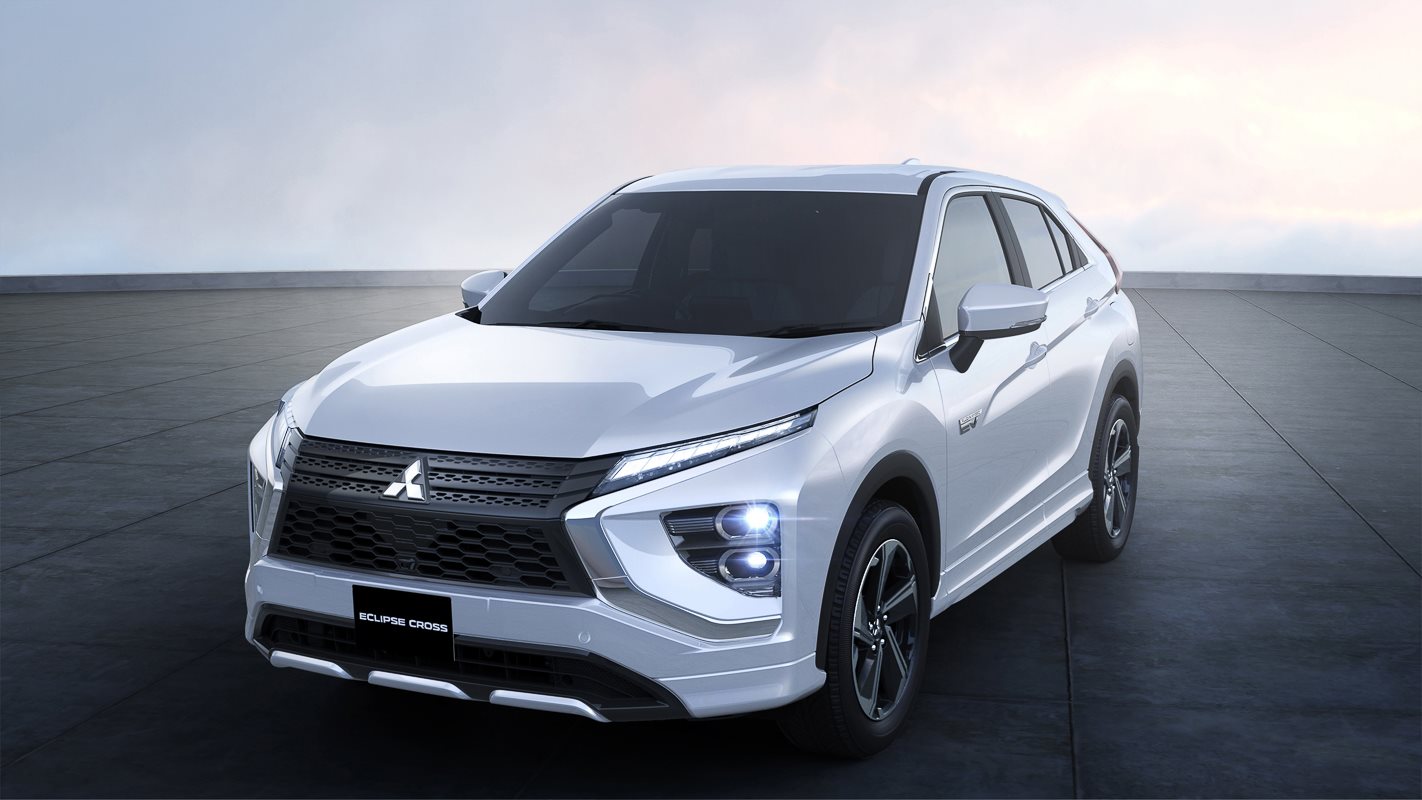
Arrival date: September 2021
The Eclipse Cross will come with the option of a plug-in hybrid powertrain that’s due later in 2021.
That scores the twin-motor 2.4-litre 4WD powertrain from the Outlander PHEV, with a handful of changes to cope with the difference in size between the two cars (though Mitsubishi hasn’t told us exactly what those changes are yet.
The Outlander’ provides 157kW/332Nm and a 13.8kW battery that offers a potential all-electric driving range of 54km, but we’ll need to wait until closer to the Eclipse Cross’s launch.
The Eclipse Cross PHEV will mirror the Outlander PHEV’s ability to power a home through vehicle-to-home technology, too.
Nissan Navara
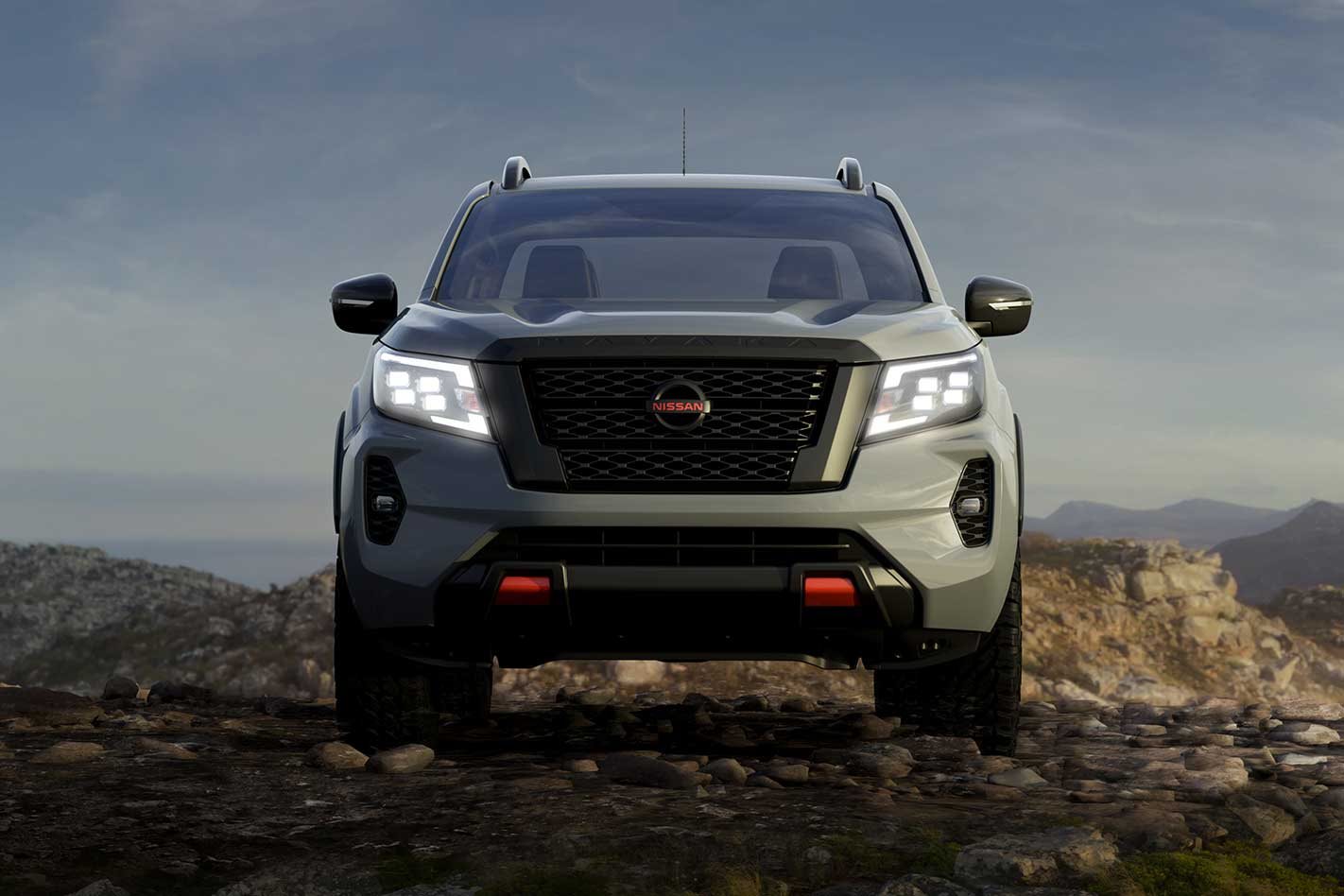
Arrival date: March
In what is a mid-life update for the one-tonne ute, the changes centre on a new front end designed to give the Nav a bigger and bolder look with a higher bonnet line, ‘Interlock’ radiator grille, LED headlights, and associated front bumper.
The cargo tub height has been raised 20mm and straightened out as well, to create a straight line from front to back.
Mechanically the Navara carries over its unchanged 2.3-litre diesel engine with the choice of single and bi-turbo forced induction, depending on the model variant.
Click here for more details on the 2021 Navara.
Nissan Qashqai
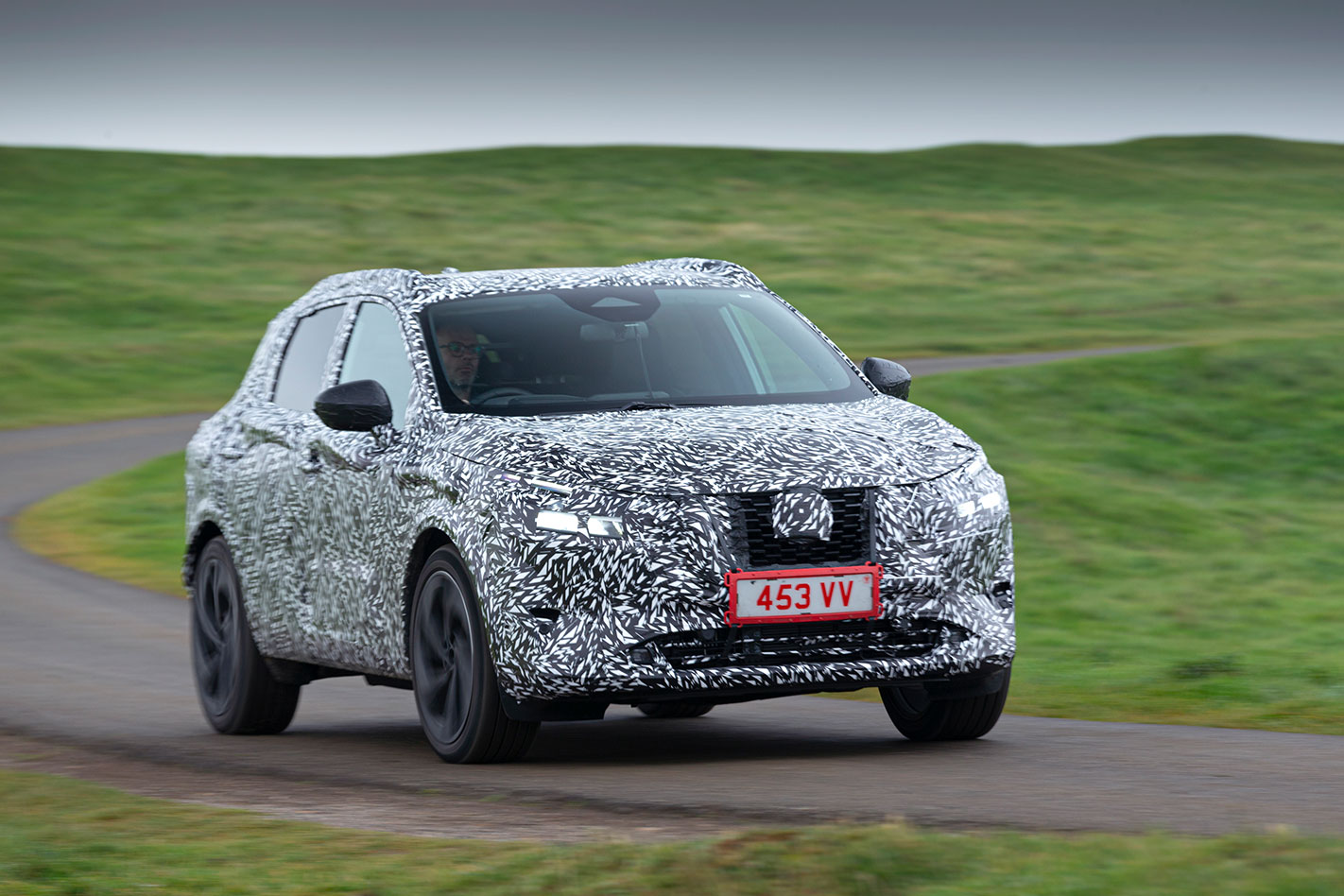
Arrival date: September 2021
Nissan is following the likes of pretty much every manufacturer around at the moment by not offering a diesel engine.
Instead, buyers can choose from a 1.3-litre mild-hybrid and a range-extender hybrid called e-Power.
Though nothing is yet confirmed for the Aussie market, the 1.3-litre comes with two power outputs, front- or four-wheel drive, and with a CVT auto or a manual.
It’s also been thoroughly revamped under the sheet metal to handle better and weigh less.
Nissan X-Trail
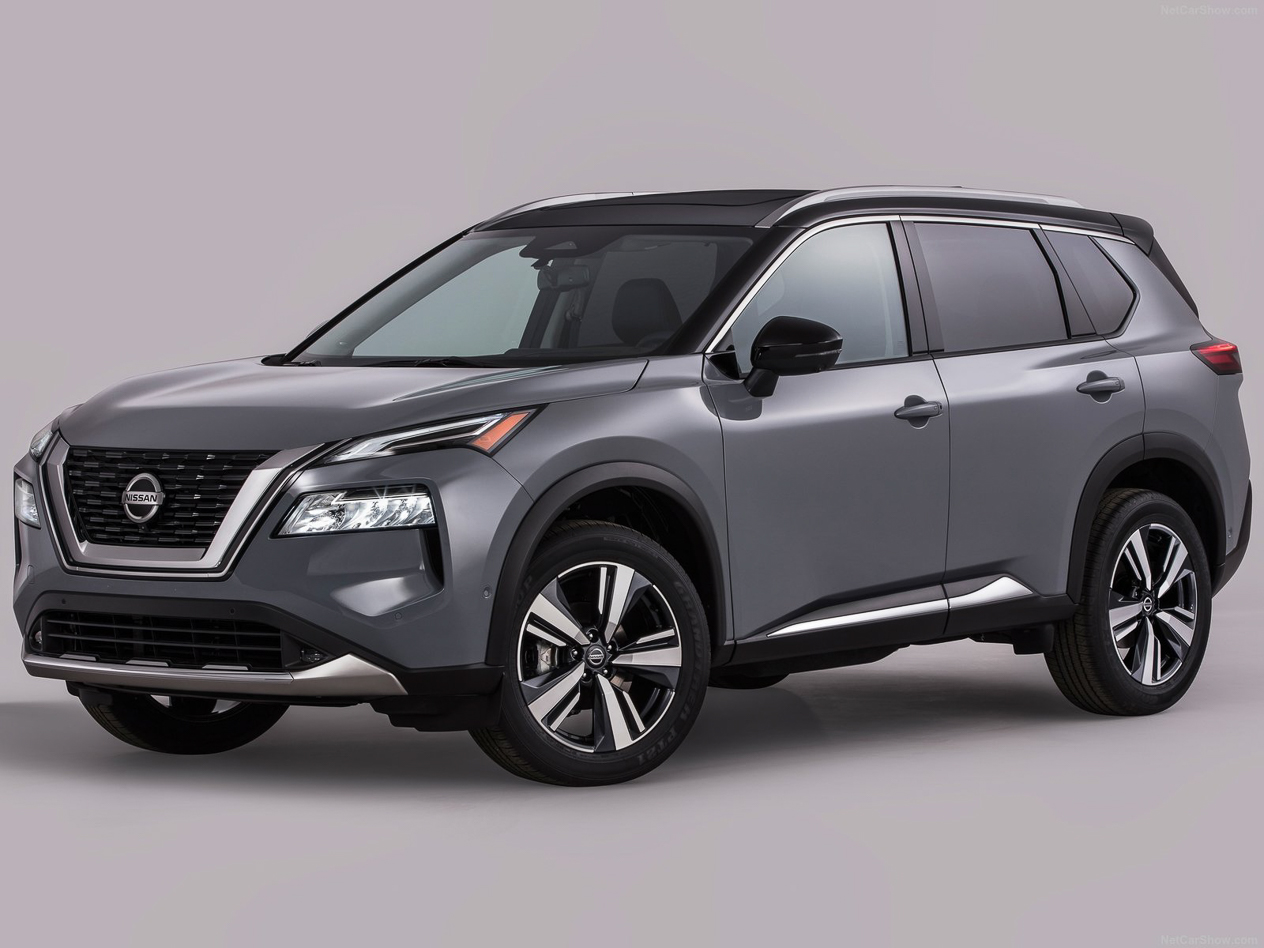
Arrival date: first half of 2021
It’s been a while between drinks for the Nissan X-Trail, with the current generation doing service from 2013 to 2020.
The all-new third generation is just around the corner, ushering in new looks inside and out, new tech, a bunch of added safety gear and a more powerful 2.5-litre four-cylinder engine set to produce 135kW/245Nm.
How the Nissan X-Trail changed my mind about SUVs
The interior is one of the most impressive aspects of the new car, showing off a completely redesigned cabin that features a new dash design, centre console and – finally – a new 9.0-inch infotainment screen.
Joining the updated infotainment screen is a 12.3-inch digital instrument cluster and head-up display.
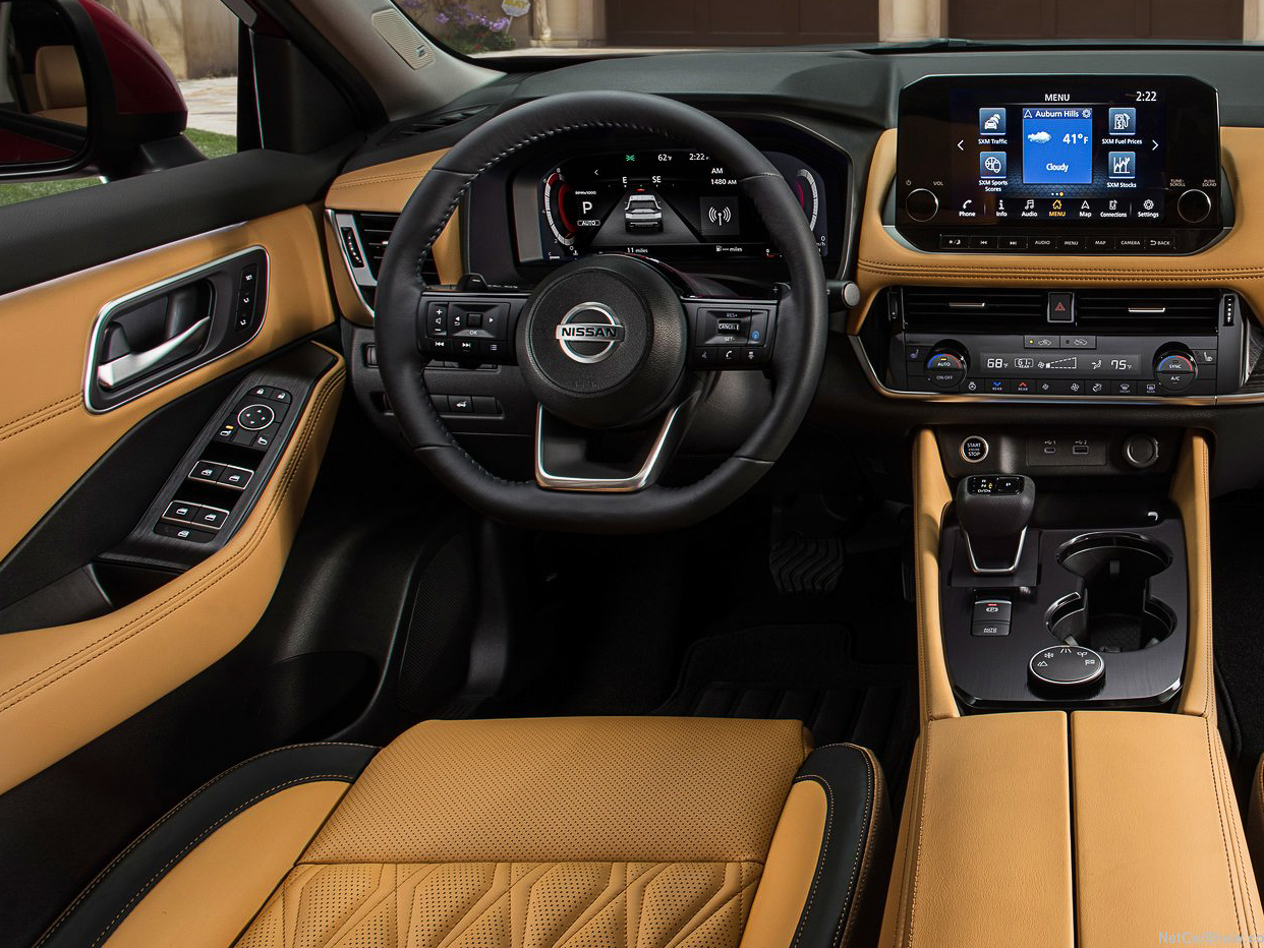
We’re expecting a local arrival of the 2021 Nissan X-Trail within the first half of 2021, read more about the new car here.
Nissan Leaf e+
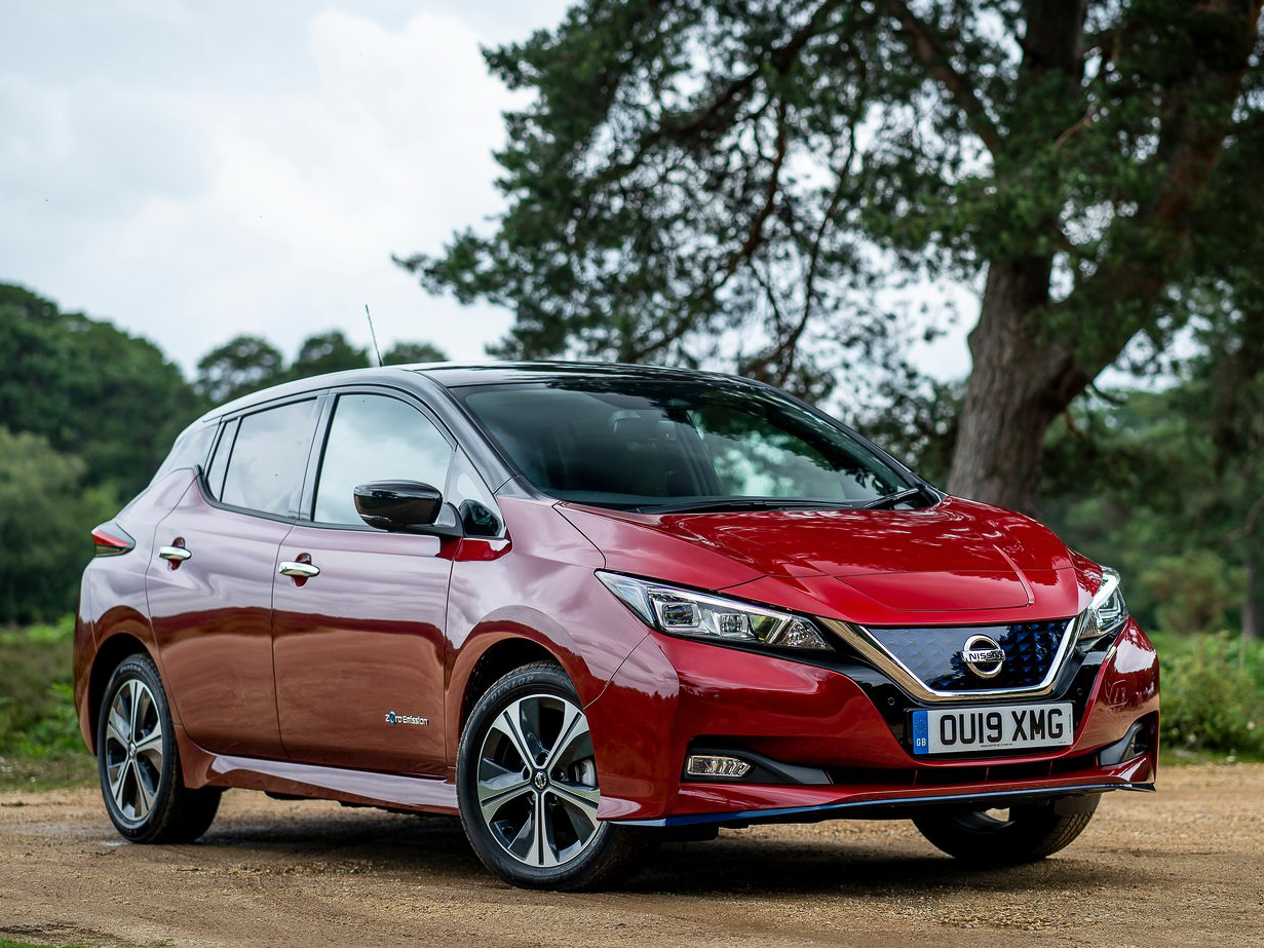
Arrival date: May 2021
The Nissan Leaf e+ was first unveiled globally in January 2019 and features a 62kWh battery (up from 40kWh) that can propel the small five-door 384 kilometres on a single charge, representing a 110-kilometre improvement over the standard Leaf.
Nissan Leaf specs, news and reviews
Although final specs haven’t been supplied just yet, expect to see the same improved 160kW/340Nm outputs as overseas markets which is capable of shooting the Leaf e+ to 100km/h in 7.3 seconds (an improvement of 0.6 seconds).
Peugeot 3008
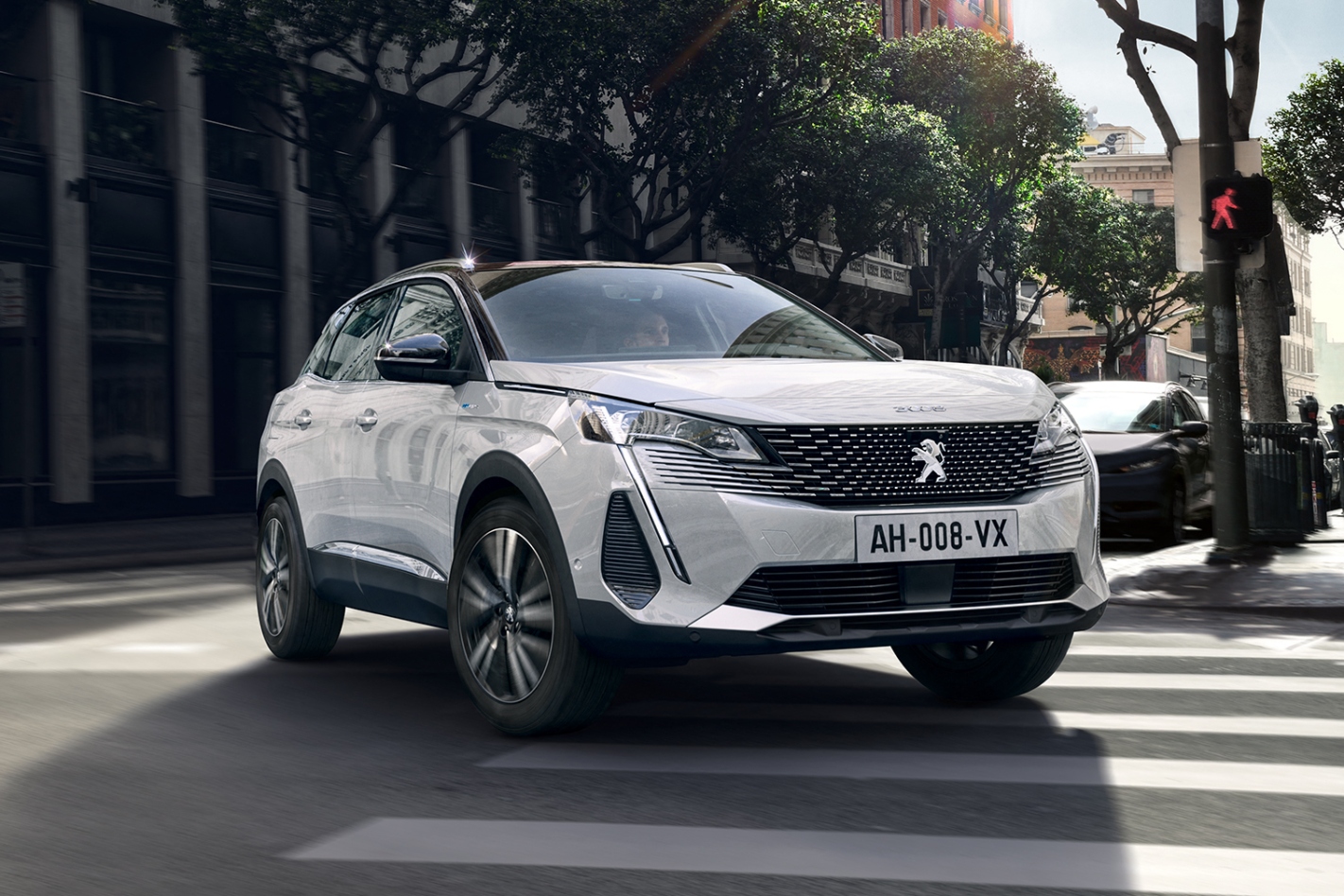
Arrival date: Match 2021
Out of left-field comes a new facelift for the Peugeot 3008 small SUV. While definitely not in the mainstream category, Peugeot offers a quirky alternative in the 3008 which happens to pack much of the same features as conventional SUVs.
Despite the addition of hybrid powertrains overseas, those powerplants are like to be non-starters for Australia at this time.
A full Aussie run-down hasn’t arrived just yet, but we expect Peugeot to carry-over the current engines to the facelifted version.
Some tech enhancements are expected; namely a larger 10.0-inch touchscreen infotainment system.
We can expect to see the new 3008 on Australian roads in Q1 or Q2, but read this story for more.
Porsche 718 Cayman & Boxster GTS 4.0, GT4 and Spyder PDK
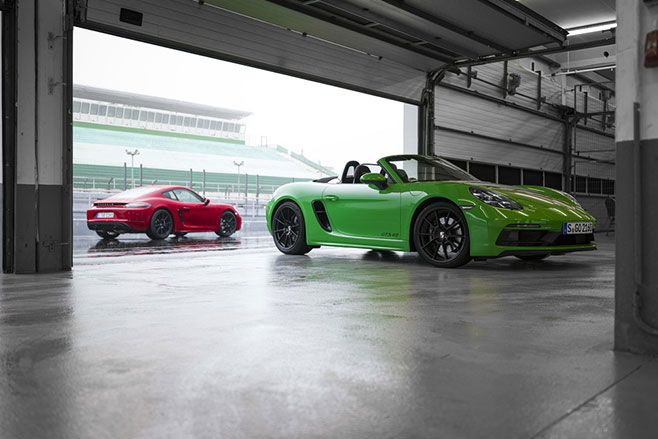
Porsche effectively righted wrongs on the near-perfect 718 Cayman GT4 and Spyder after announcing they are now available to order with a PDK transmission.
The PDK transmission fits seven gears behind each variant’s 4.0-litre flat six that produces 309kW.
Torque has also increased on the PDK equipped GT variants from 420Nm to what we understand is 430Nm.
As a result, each model can now accelerate to 100km/h from rest in 3.9 seconds – slashing 0.5 seconds from the manual versions’ sprints.
The run to 200km/h now takes 0.4sec less, at 13.4sec.
Ram 1500 TRX
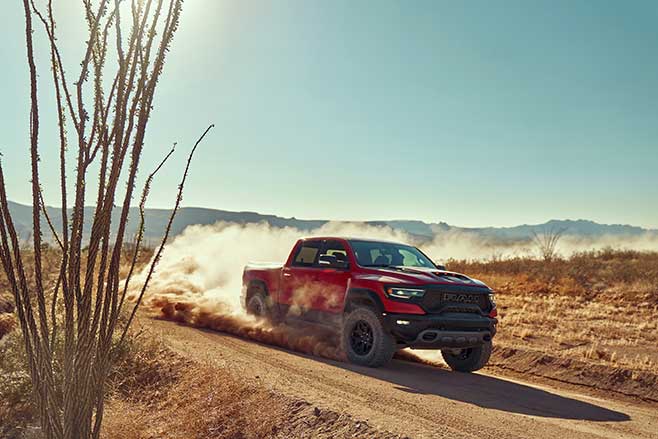
Ram trucks Australia hasn’t officially confirmed the TRX for its dealers, but Ram specialists, SCD Remanufactured Vehicles in Brisbane, says it will have it here by the New Year.
In the USA the TRX starts at US$71,690, but expect that figure to more than double once you convert the truck to right- hand drive and the dollars to Australian.
Don’t be expecting any change from $180K, but you’re sure to have the quickest truck on the block.
The HEMI V8 giving the TRX the title of “most powerful mass-produced truck in the world” is the venerable supercharged 6.2-litre offering rated at 523kW and 881Nm and said to help the TRX hit 60mph (97km/h) from zero in just 4.5 seconds.
Range Rover
Arrival date: tbc
The key to all future premium models from Jaguar Land Rover is MLA, an acronym for Modular Longitudinal Architecture.
Fully scalable in length, width, height and wheelbase, the aluminium MLA is much lighter, stiffer and less complex than the D7 platform it replaces.
It’s a flexible yet extensively standardised base which can cater for both Jag and Land Rover.
It’s out with eight, in with six for the fifth-gen Range Rover. The 4.4-litre turbo-diesel V8 will be dropped, replaced by a new Ingenium 3.0-litre, twin-turbo diesel six offered in two levels of tune and with 48-volt mild-hybrid tech.
Renault Arkana
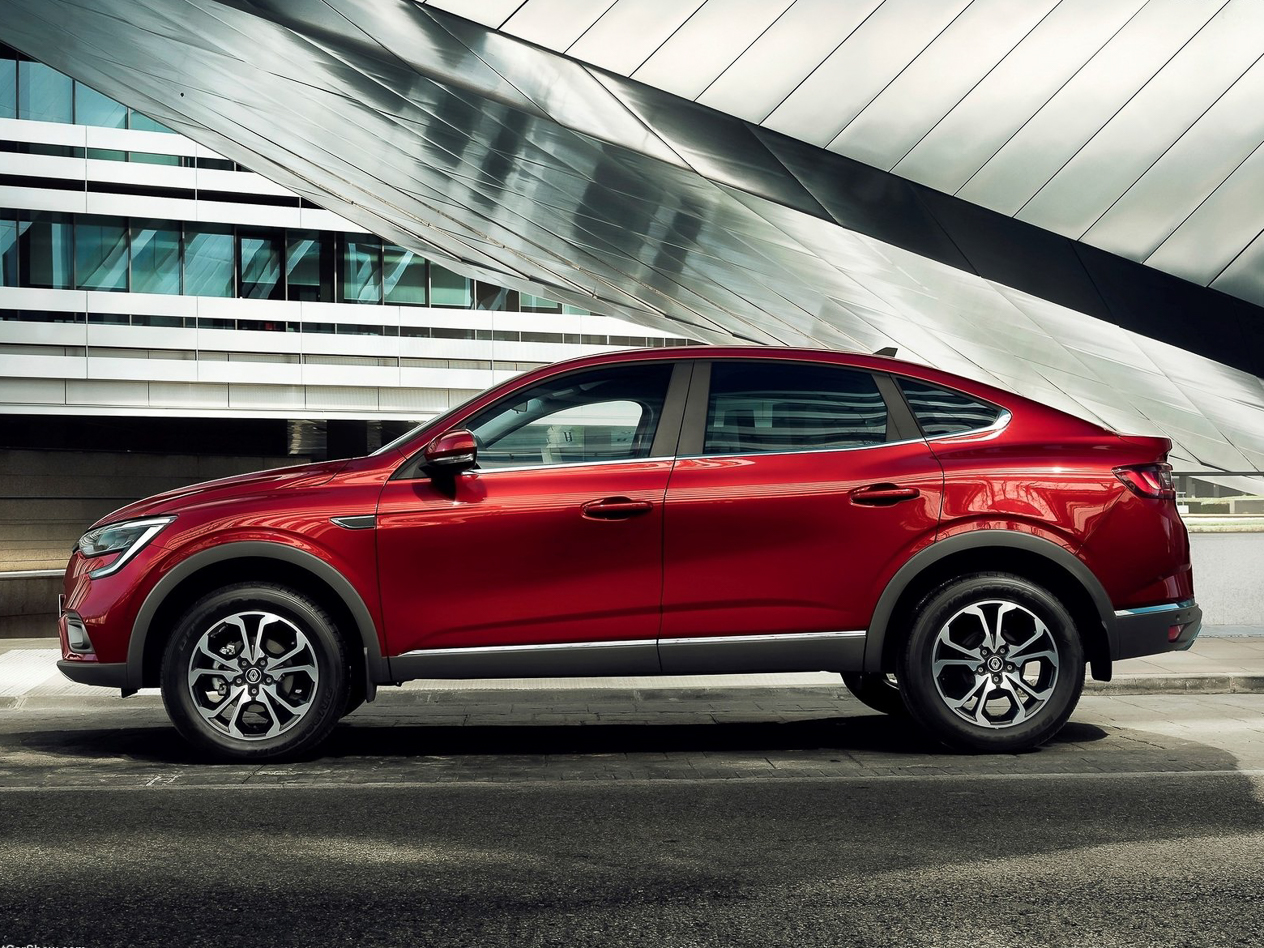
Arrival date: second half of 2021
The Arkana will arrive in the latter half of 2021, underpinned by an all-new platform brimming with new technology for the Renault range.
Rolls Royce Ghost
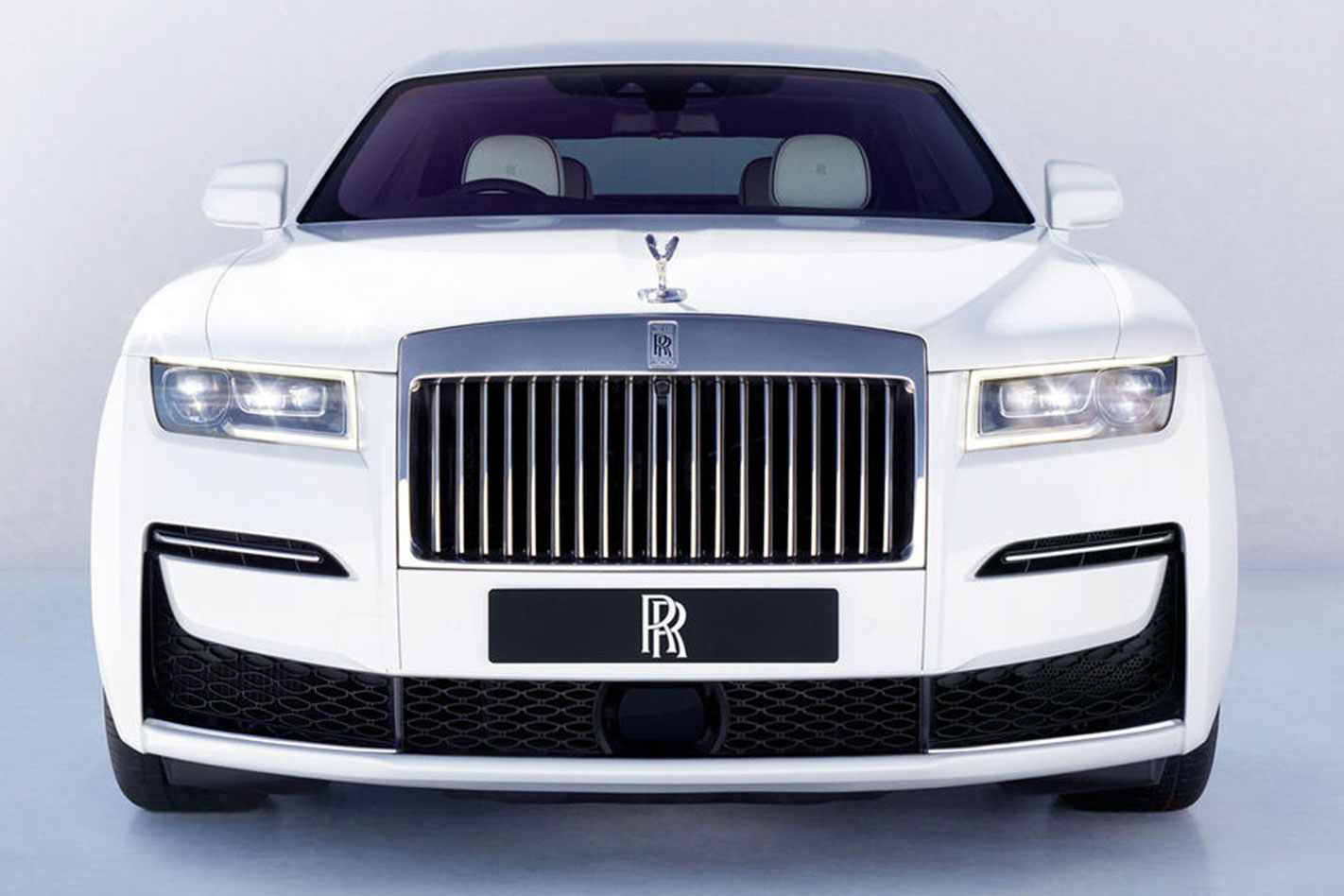
Although Rolls Royce’s opulent living room on wheels welcomes evolved styling in 2021, it’ll move on to the platform underneath the Cullinan SUV.
It’s dubbed a ‘Proprietary Aluminum Spaceframe Architecture’ and also underpins its Phantom limo, while a 6.75-litre V12 with an eight-speed transmission will waft it along.
It will also introduce a range of techy feature, including laser headlights and improved interior sound frequencies to actually produce more noise.
Subaru BRZ
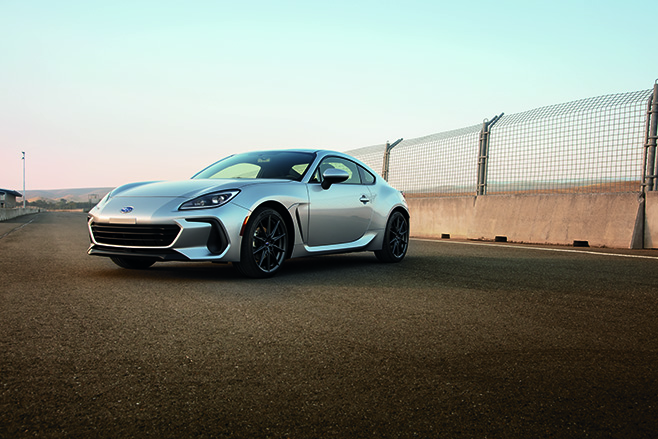
Arrival date: September 2021
The redesigned 2021 BRZ, which is expected to arrive in Australia in the third quarter of 2021, looks set to faithfully succeed the much-loved first generation.
It has a new 2.4-litre flat-four under the bonnet with more power and more torque.
As before, buyers will be able to choose from two Aisin six-speed gearboxes, one a manual, the other an automatic with manual control via steering wheel mounted paddles.
The automatic features a new mode that enables more rapid downshifts, the software blipping the throttle to match revs, and uses data from yaw sensors to hold a lower gear during hard cornering.
Chassis hardware follows the template of the original car, with struts and coil springs up front, specially designed to allow for a low bonnet line while maintaining a long stroke to ensure optimal compliance and ride quality, and a multi-link suspension at the rear.
But a thorough revision of details throughout the car promise to amount to a big change.
Subaru Levorg
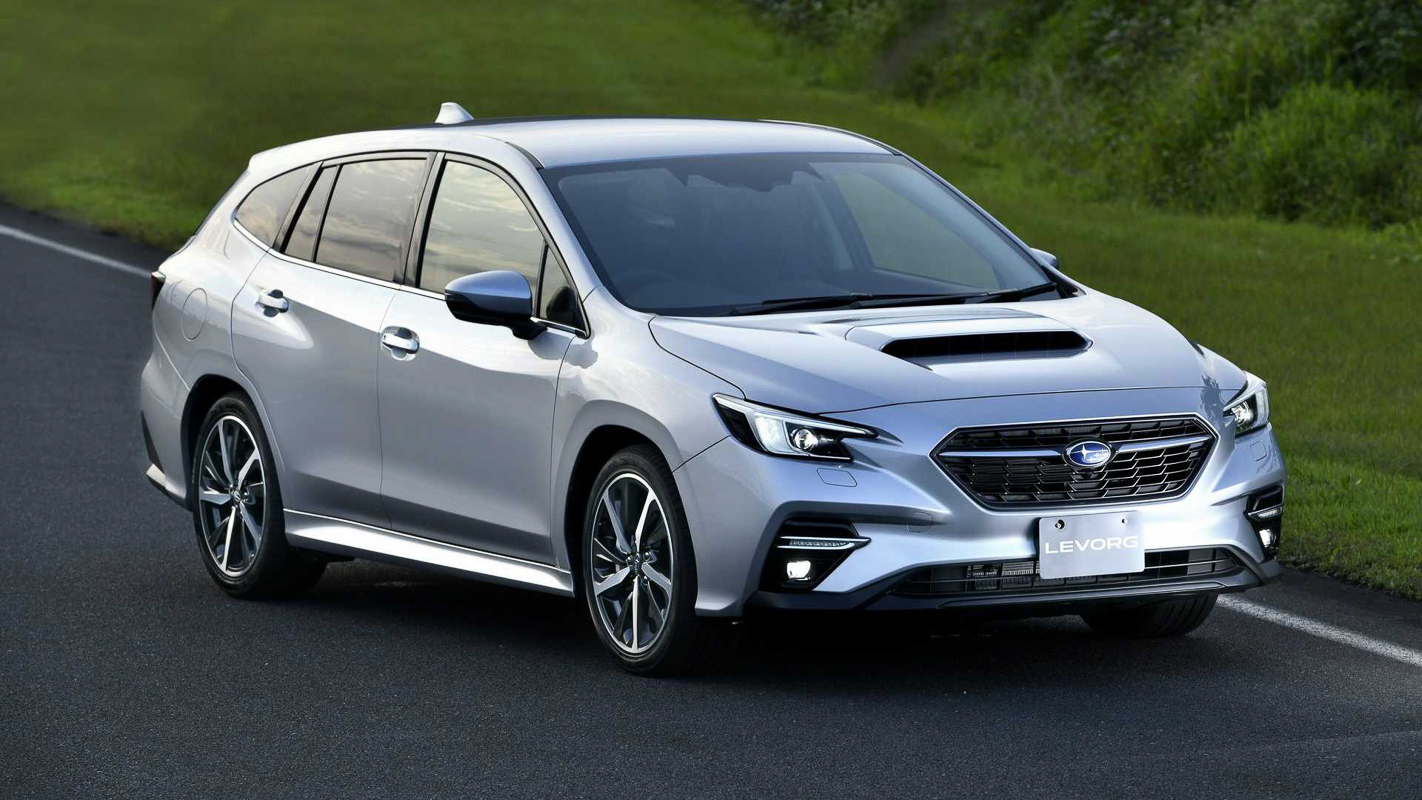
Subaru is pushing on with its launch of the new second-generation Levorg mid-size performance wagon with the full 2021 production specification shown to Japanese media in 2020.
While Subaru confirmed that the new Levorg will be sent Down Under, several key details are left unanswered, including specifications, engines and when they’ll arrive.
The 2021 Subaru Levorg will go on sale in Japan later this year but considering that timing is said to be different and the added point of “considerably different” engines, we might be waiting up to a year before we see it reach Aussie soil.
Subaru Outback
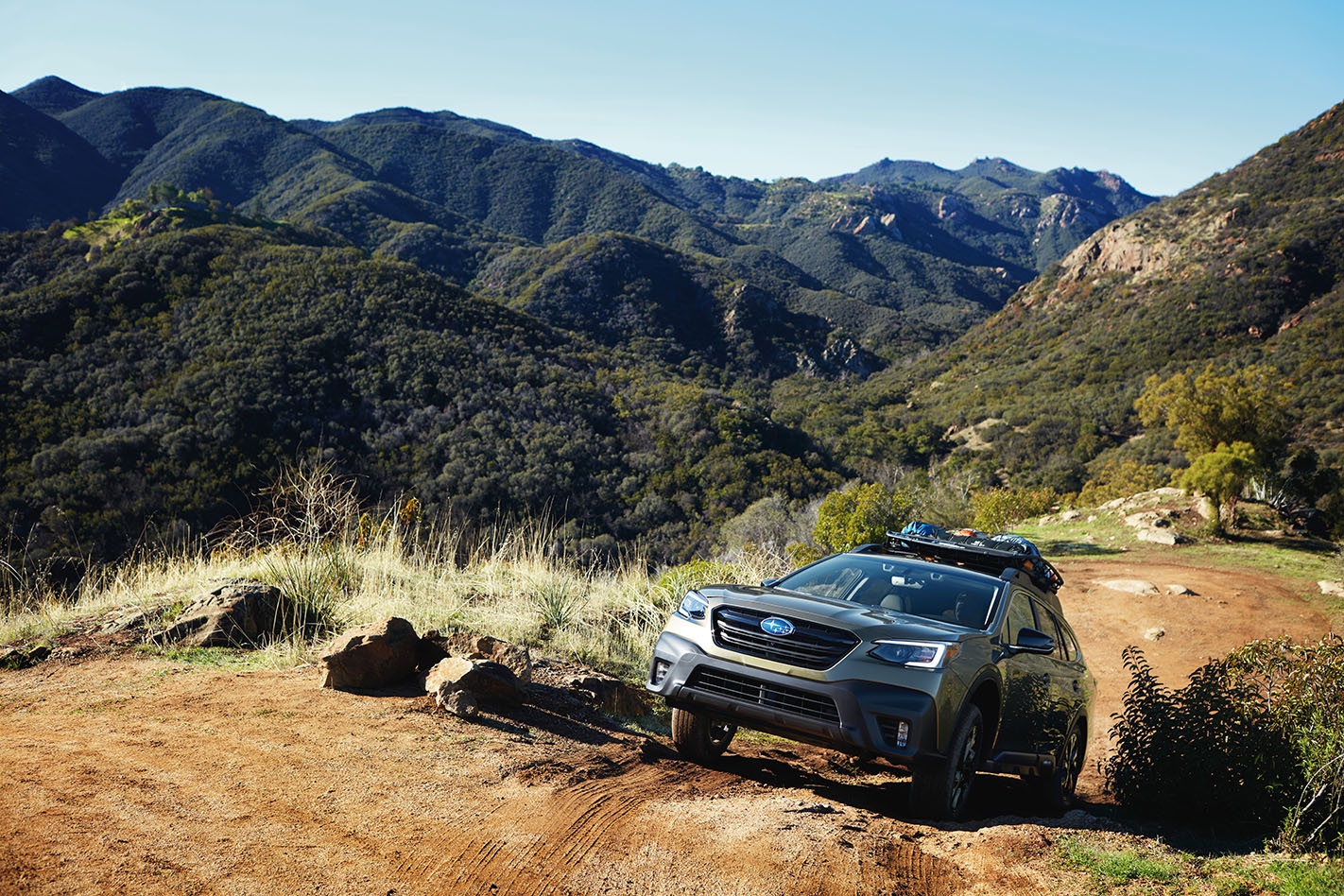
Arrival date: March
Sitting above the Forester, the Outback represents the most practical wagon-turned-SUV in Subaru’s arsenal.
With a large focus on practicality, the Outback is suited to tribes wanting a transport option that’ll take them off the beaten track.
New for the 2021 model is the addition of a turbocharged 2.4-litre four-cylinder engine, along with the naturally aspirated 2.5-litre used in the existing Forester.
Skoda Octavia
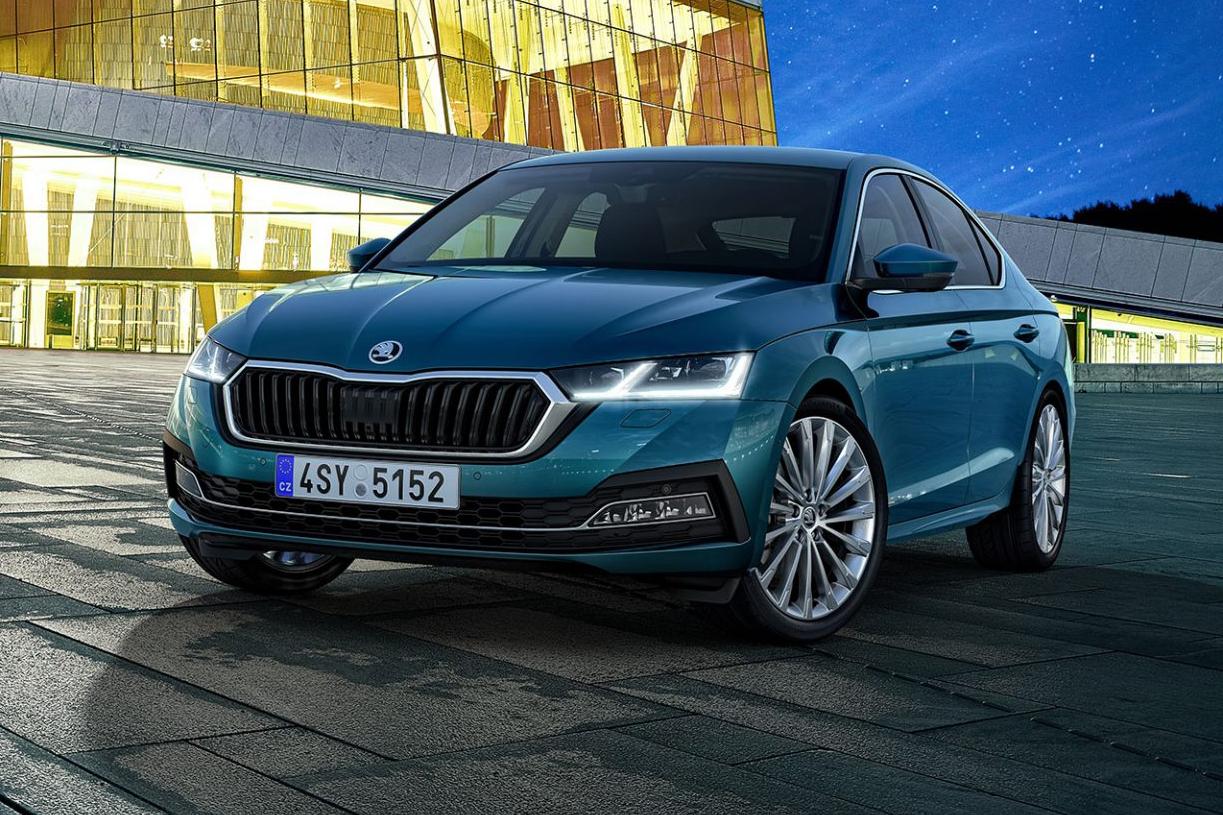
Skoda has revealed the new generation Skoda Octavia is slated to arrive Down Under in 2021, but the European RS iV is not on the local firm’s radar as it aims to welcome electrified product in the form of full EVs, not hybrids.
It’s reported that Australia will receive a petrol-only new Octavia RS with 180kW/370 and a dual-clutch transmission.
The range will share its underpinnings with the Mk8 Golf, growing in size, while also offering wagon and sedan body styles.
Tesla Model Y
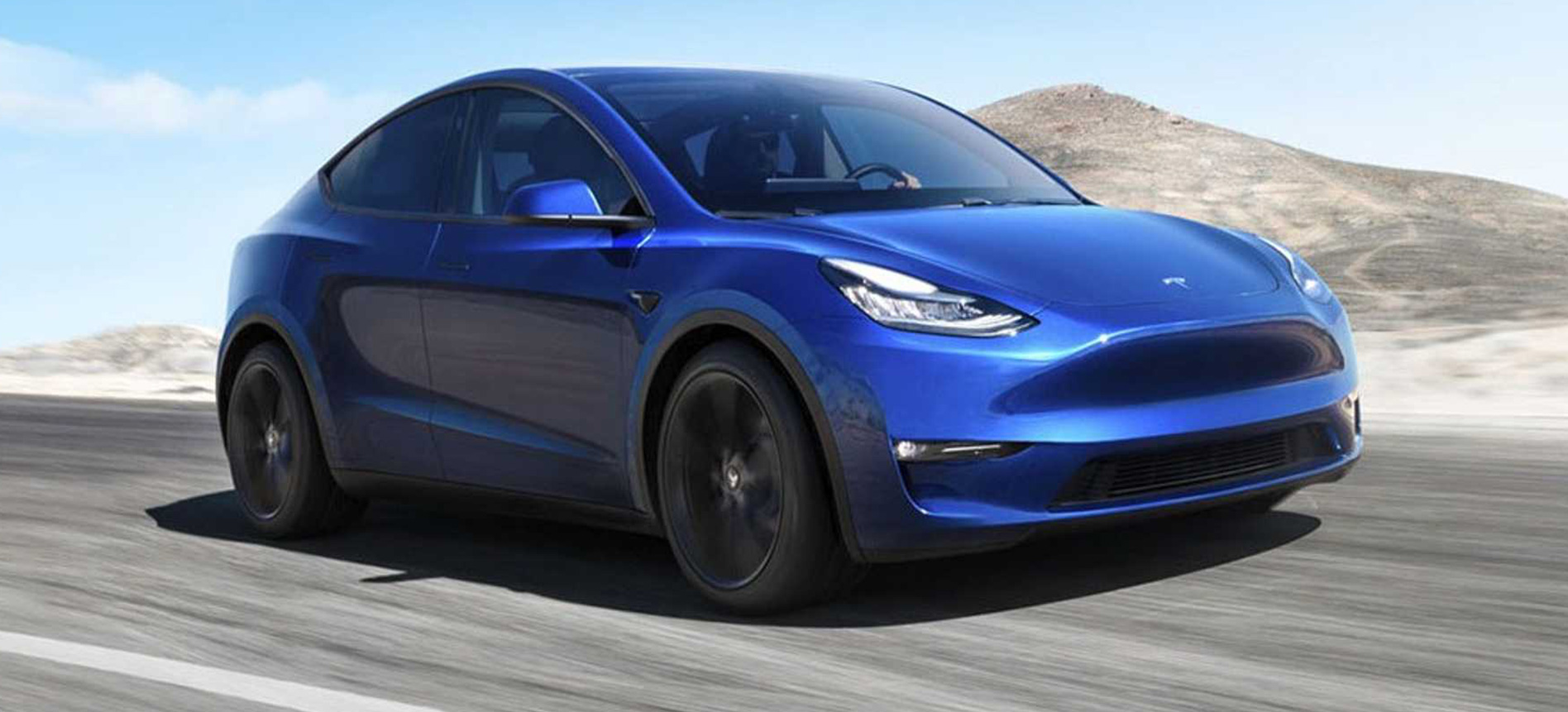
Arrival date: tbc
It feels as though we continually say “coming soon” regarding the Tesla Model Y, but the effective touch-down date is likely to happen in 2021.
It’s the more practical, higher-riding stablemate to the Model 3 sedan and features a conventional set of doors unlike the Model X sibling.
Toyota Kluger
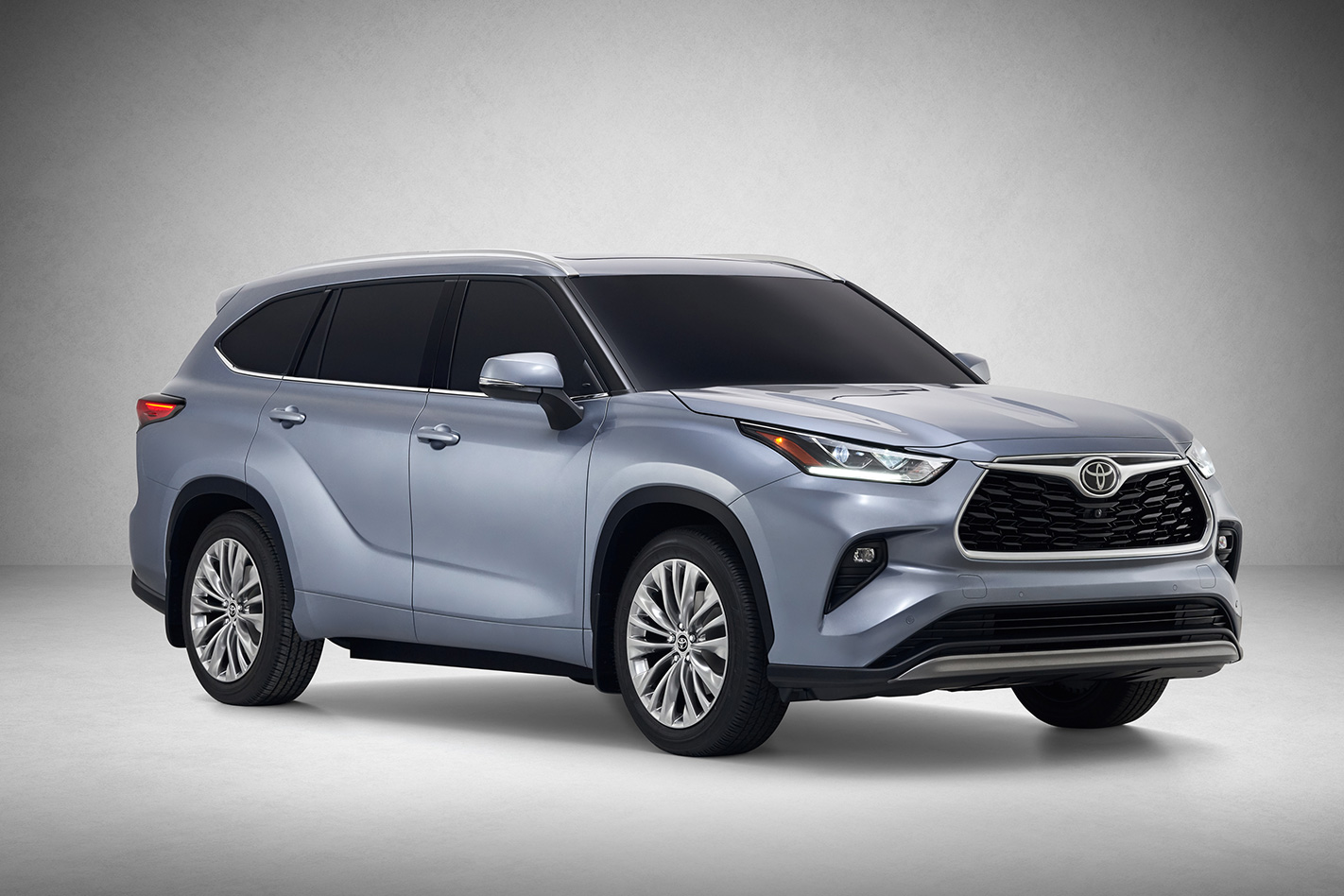
Arrival date: September 2021
The Toyota Kluger has never topped the new car sales charts, but it has to be one of the most loved cars by suburban Aussies.
The large Toyota SUV has been incredibly popular for a while now, with the second-generation model being on sale locally since 2013, and received a mid-life facelift in 2016.
But now, finally, there is an all-new model on its way.
The Kluger offers 30mm more interior length compared to its predecessor, with legroom in the second and third rows a priority.
A longer rear overhang results in 60mm growth in overall length and 455 litres of luggage space. And even third-row passengers will have access to bottle holders and air vents.
Available in both front- and all-wheel-drive, the 2GR-FKS 3.5-litre V6 petrol engine will carry over from the current car, and will be backed by the same eight-speed automatic transmission.
Toyota LandCruiser
Finally, Toyota looks set to reveal an all-new LandCruiser which will bring with it new engines, more room, and modern safety features.
First, the bad news; the V8 will depart from the line-up. Toyota needs to hedge its bets when it comes to future emissions compliance, and the 4.5-litre V8 oiler won’t make the grade for tighter Euro 6 emissions – even though they aren’t set to be implemented locally until 2027.
New engines will reportedly be married to a brand new ladder-frame version of Toyota’s TNGA platform family, while the new 300 Series will sneak in under the 5000mm-long mark by about 50mm.
And if you’re a fan of the oldest ‘Cruiser of them all, rest easy – Toyota has gone on record as saying that the venerable 70 Series will carry on even after the introduction of the 300 Series.
Volkswagen Golf GTI
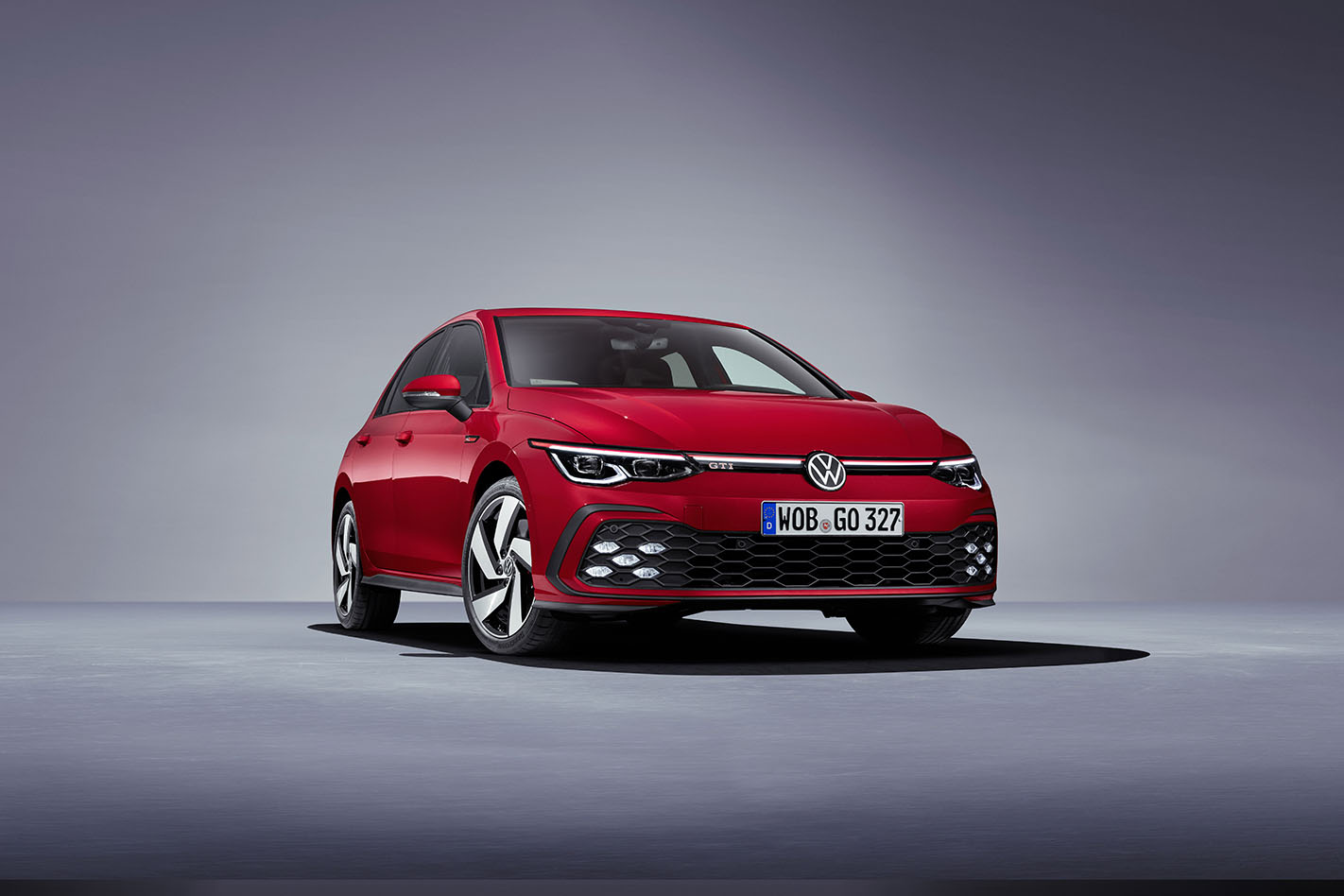
The new Golf GTI focuses on evolution rather than revolution with improved suspension technology dominating news over any significant power hike.
Confirmed for Oz before the end of next year’s second quarter, handling will centre around a Vehicle Dynamics Manager (VDM) module that oversees how the adaptive damping talks to the standard locking front diff.
The seven-speed DSG is now a shift-by-wire unit and VW has confirmed a six-speed manual. Its 2.0-litre turbo four is rated 180kW/370Nm.
Volkswagen Tiguan
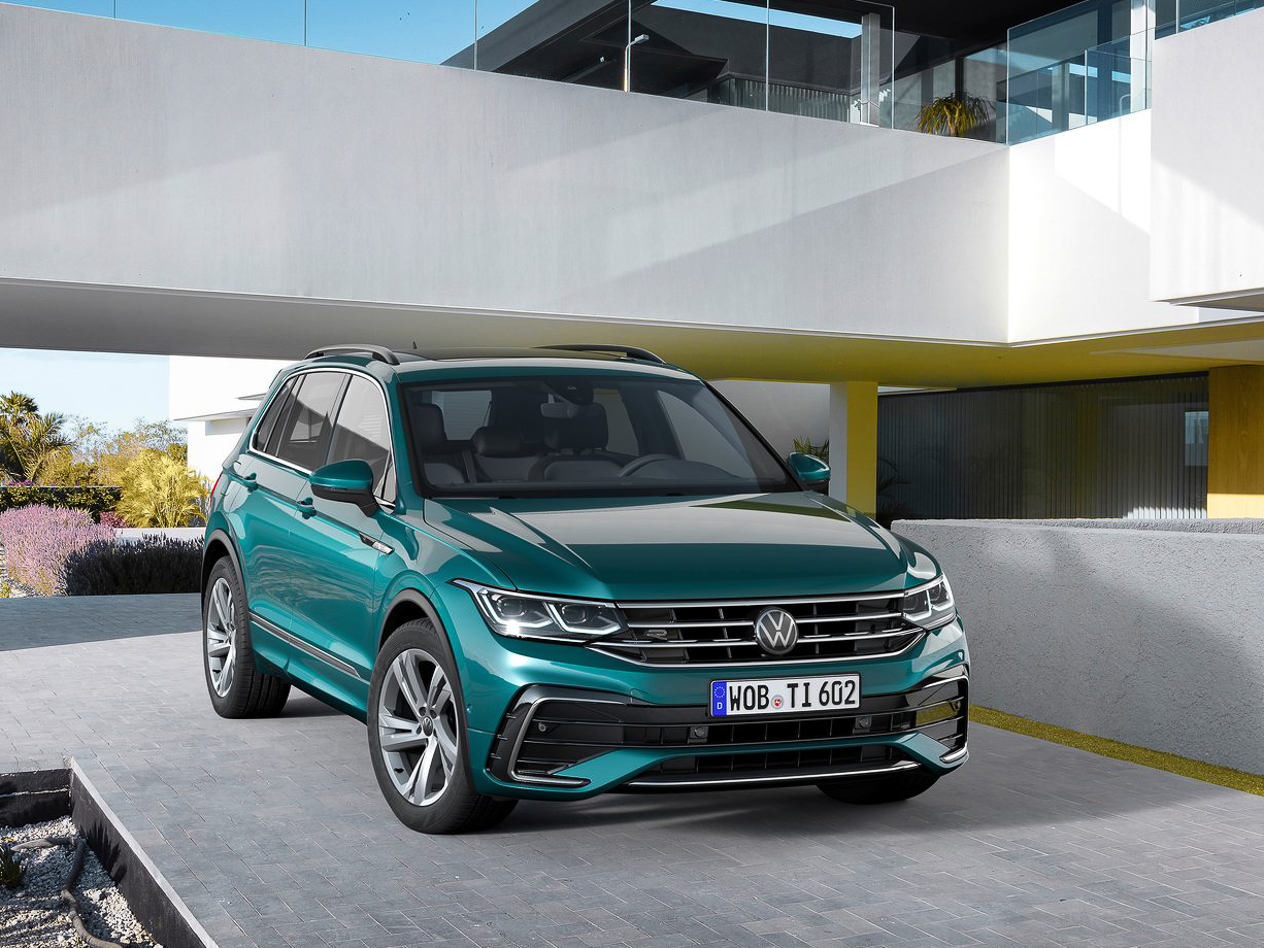
Arrival date: first half of 2021
Volkswagen’s also due to release its mid-size entrant, the Tiguan.
While it might appear as more of a mid-life facelift, there’s some significant change going on under the skin to make the Tiguan more appealing to the medium SUV market.
WhichCar do you live with? VW Tiguan Allspace
Hallmarks of the new car include a redesigned interior to imitate the Golf Mk 8’s cabin, a 10.3-inch digital instrument cluster and 8.0-inch infotainment screen, touch-sensitive controls, USB-C ports and different upholstery designs.
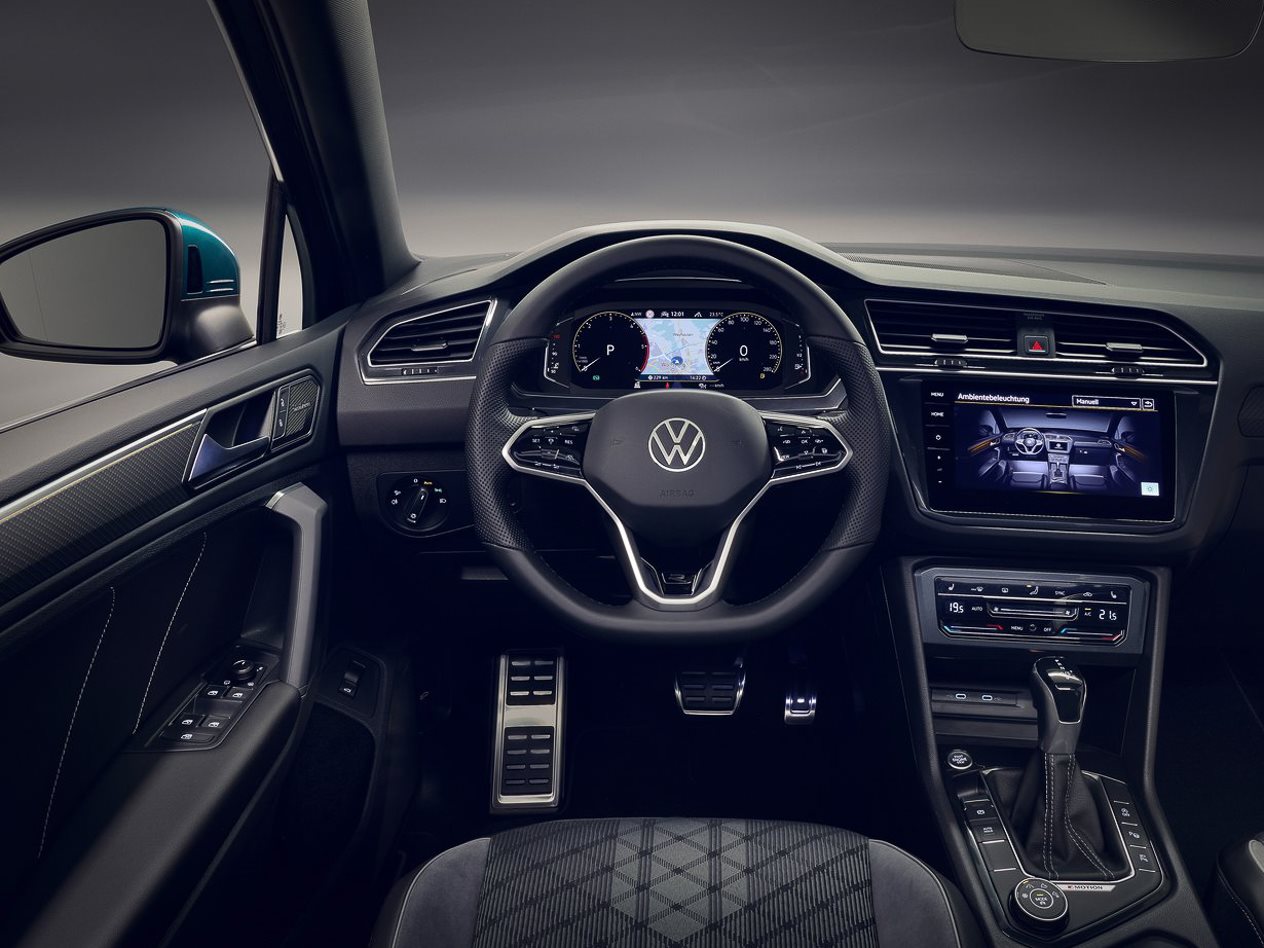
It sounds like it might be able to drive itself too, given Travel Assist tech can control steering, braking and accelerating duties at speeds up to 210km/h.
There’s little change expected to the drivetrains, though the new range is likely to be headed by a hot Tiguan R variant which borrows the 2.0-litre turbo four-cylinder from the Golf R to send 235kW/420Nm to all four wheels.
Volvo XC40 Recharge EV
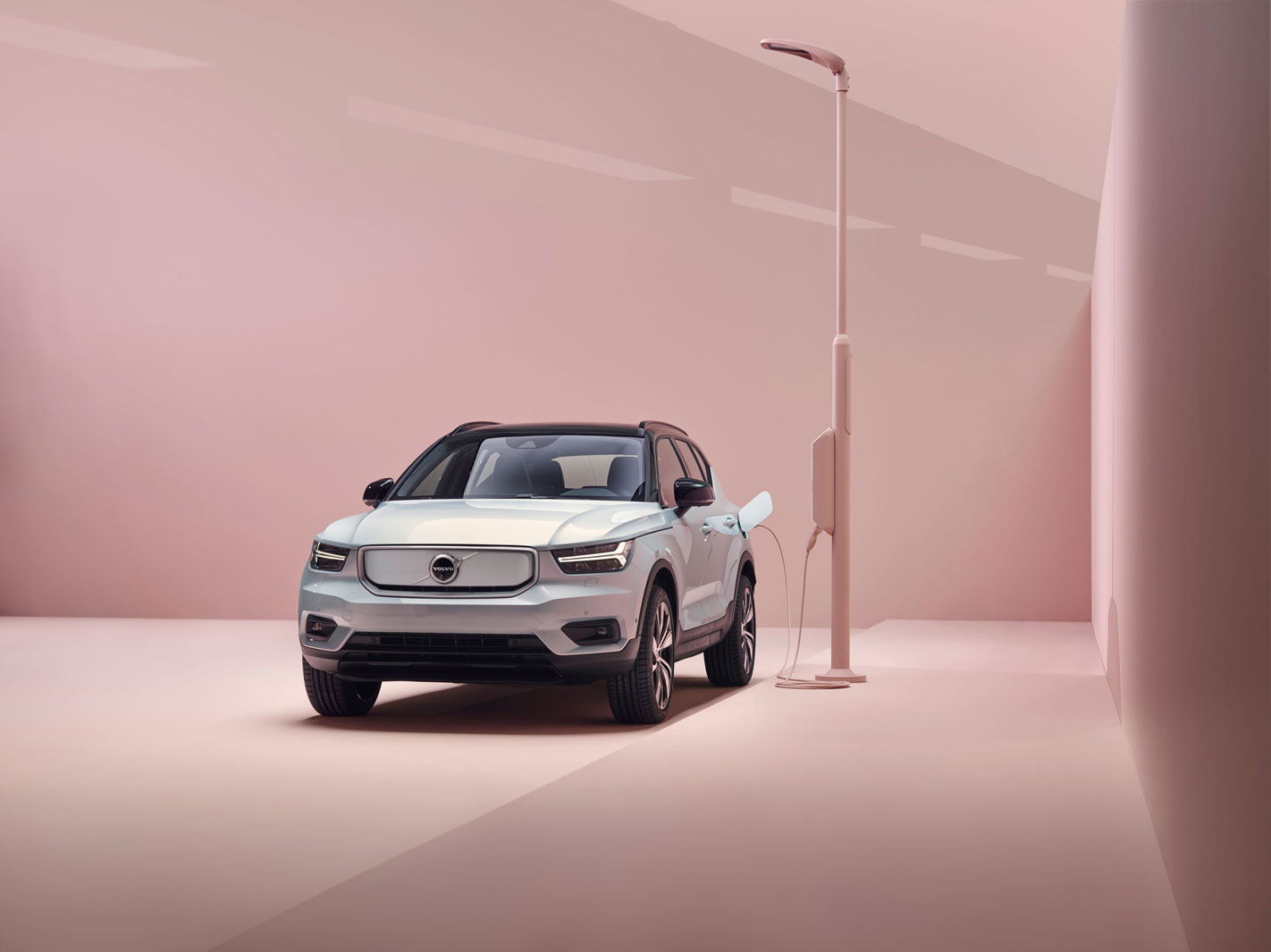
Arrival date: June 2021
Recharge is the branding suffix that will now be applied to any Volvo EV or plug-in hybrid.
In this instance, the BEV XC40 Recharge uses two electric motors to provide a very healthy 304kW and 660Nm to all four wheels.
A 78-kilowatt-hour battery (capable of charging to 80 per cent of its capacity in 40 minutes on a fast-charger) provides a range of more than 400 kilometres according to the WLTP rating, which should equate to a real-world range of around 330km.
The strength of the powertrain is sufficient for a claimed 0-100km/h time of 4.9sec.
No word on Australian pricing, but we’d expect it to be in the $70,000 bracket when it launches here.
